SONY RX100 VII – The Sony RX100 VII is my favorite compact camera for backpacking because it’s small enough to slip in a pocket but still delivers professional-quality photos. The 24–200mm zoom range makes it incredibly versatile, and it’s the perfect option when I don’t want to carry one of my heavier cameras but still care about image quality.
I hope these tips help you plan your own TMB self guided tour that’s as memorable as ours was!
Trekking Mont Blanc as a family
Please note that some of the links above are affiliate links, and I may earn a small commission on any purchase made – at no additional cost to you. I use that income to help fund this website and I really appreciate your support! As always, all ideas and opinions expressed in this post are entirely my own. Thank you for your support! – jess
TREKKING POLES – Durston Iceline Trekking Poles. I just picked up the Durston Iceline Trekking Poles because I wanted something ultralight but sturdy to take pressure off my knees on big hikes. They’re incredibly light (under 10 oz per pair) and I couldn’t be happier with them.
SONY RX100 VII – The Sony RX100 VII is my favorite compact camera for backpacking because it’s small enough to slip in a pocket but still delivers professional-quality photos. The 24–200mm zoom range makes it incredibly versatile, and it’s the perfect option when I don’t want to carry one of my heavier cameras but still care about image quality.
I hope these tips help you plan your own TMB self guided tour that’s as memorable as ours was!
Trekking Mont Blanc as a family
Please note that some of the links above are affiliate links, and I may earn a small commission on any purchase made – at no additional cost to you. I use that income to help fund this website and I really appreciate your support! As always, all ideas and opinions expressed in this post are entirely my own. Thank you for your support! – jess
SMART WATCH – I’ve been wearing the Garmin Fenix Watch to track my activity for years. Plus it’s so fun reviewing and sharing hike details after!
TREKKING POLES – Durston Iceline Trekking Poles. I just picked up the Durston Iceline Trekking Poles because I wanted something ultralight but sturdy to take pressure off my knees on big hikes. They’re incredibly light (under 10 oz per pair) and I couldn’t be happier with them.
SONY RX100 VII – The Sony RX100 VII is my favorite compact camera for backpacking because it’s small enough to slip in a pocket but still delivers professional-quality photos. The 24–200mm zoom range makes it incredibly versatile, and it’s the perfect option when I don’t want to carry one of my heavier cameras but still care about image quality.
I hope these tips help you plan your own TMB self guided tour that’s as memorable as ours was!
Trekking Mont Blanc as a family
Please note that some of the links above are affiliate links, and I may earn a small commission on any purchase made – at no additional cost to you. I use that income to help fund this website and I really appreciate your support! As always, all ideas and opinions expressed in this post are entirely my own. Thank you for your support! – jess
** Garmin also recently released the new inReach Mini 3 with photo and voice messaging capabilities. So you’ve got lots of good options!
SMART WATCH – I’ve been wearing the Garmin Fenix Watch to track my activity for years. Plus it’s so fun reviewing and sharing hike details after!
TREKKING POLES – Durston Iceline Trekking Poles. I just picked up the Durston Iceline Trekking Poles because I wanted something ultralight but sturdy to take pressure off my knees on big hikes. They’re incredibly light (under 10 oz per pair) and I couldn’t be happier with them.
SONY RX100 VII – The Sony RX100 VII is my favorite compact camera for backpacking because it’s small enough to slip in a pocket but still delivers professional-quality photos. The 24–200mm zoom range makes it incredibly versatile, and it’s the perfect option when I don’t want to carry one of my heavier cameras but still care about image quality.
I hope these tips help you plan your own TMB self guided tour that’s as memorable as ours was!
Trekking Mont Blanc as a family
Please note that some of the links above are affiliate links, and I may earn a small commission on any purchase made – at no additional cost to you. I use that income to help fund this website and I really appreciate your support! As always, all ideas and opinions expressed in this post are entirely my own. Thank you for your support! – jess
GPS COMMUNICATION – I carry the Garmin InReach Messenger Plus for peace of mind on backcountry trips — it lets me send texts and share my location even when there’s no service. The battery lasts for days, and it’s a small, reliable way to stay connected and safe when I’m off the grid. AND you can send photos and voice notes! Watch the video I made about the Garmin Messenger Plus! It’s one of my favorites.
** Garmin also recently released the new inReach Mini 3 with photo and voice messaging capabilities. So you’ve got lots of good options!
SMART WATCH – I’ve been wearing the Garmin Fenix Watch to track my activity for years. Plus it’s so fun reviewing and sharing hike details after!
TREKKING POLES – Durston Iceline Trekking Poles. I just picked up the Durston Iceline Trekking Poles because I wanted something ultralight but sturdy to take pressure off my knees on big hikes. They’re incredibly light (under 10 oz per pair) and I couldn’t be happier with them.
SONY RX100 VII – The Sony RX100 VII is my favorite compact camera for backpacking because it’s small enough to slip in a pocket but still delivers professional-quality photos. The 24–200mm zoom range makes it incredibly versatile, and it’s the perfect option when I don’t want to carry one of my heavier cameras but still care about image quality.
I hope these tips help you plan your own TMB self guided tour that’s as memorable as ours was!
Trekking Mont Blanc as a family
Please note that some of the links above are affiliate links, and I may earn a small commission on any purchase made – at no additional cost to you. I use that income to help fund this website and I really appreciate your support! As always, all ideas and opinions expressed in this post are entirely my own. Thank you for your support! – jess
GPS COMMUNICATION – I carry the Garmin InReach Messenger Plus for peace of mind on backcountry trips — it lets me send texts and share my location even when there’s no service. The battery lasts for days, and it’s a small, reliable way to stay connected and safe when I’m off the grid. AND you can send photos and voice notes! Watch the video I made about the Garmin Messenger Plus! It’s one of my favorites.
** Garmin also recently released the new inReach Mini 3 with photo and voice messaging capabilities. So you’ve got lots of good options!
SMART WATCH – I’ve been wearing the Garmin Fenix Watch to track my activity for years. Plus it’s so fun reviewing and sharing hike details after!
TREKKING POLES – Durston Iceline Trekking Poles. I just picked up the Durston Iceline Trekking Poles because I wanted something ultralight but sturdy to take pressure off my knees on big hikes. They’re incredibly light (under 10 oz per pair) and I couldn’t be happier with them.
SONY RX100 VII – The Sony RX100 VII is my favorite compact camera for backpacking because it’s small enough to slip in a pocket but still delivers professional-quality photos. The 24–200mm zoom range makes it incredibly versatile, and it’s the perfect option when I don’t want to carry one of my heavier cameras but still care about image quality.
I hope these tips help you plan your own TMB self guided tour that’s as memorable as ours was!
Trekking Mont Blanc as a family
Please note that some of the links above are affiliate links, and I may earn a small commission on any purchase made – at no additional cost to you. I use that income to help fund this website and I really appreciate your support! As always, all ideas and opinions expressed in this post are entirely my own. Thank you for your support! – jess
The Grayl Water Filteris much heavier but unbeatable for international travel or areas with questionable water sources because it removes viruses as well as bacteria and protozoa. It works like a French press—fill, press, and drink—with no need for extra bottles or gear.
GPS COMMUNICATION – I carry the Garmin InReach Messenger Plus for peace of mind on backcountry trips — it lets me send texts and share my location even when there’s no service. The battery lasts for days, and it’s a small, reliable way to stay connected and safe when I’m off the grid. AND you can send photos and voice notes! Watch the video I made about the Garmin Messenger Plus! It’s one of my favorites.
** Garmin also recently released the new inReach Mini 3 with photo and voice messaging capabilities. So you’ve got lots of good options!
SMART WATCH – I’ve been wearing the Garmin Fenix Watch to track my activity for years. Plus it’s so fun reviewing and sharing hike details after!
TREKKING POLES – Durston Iceline Trekking Poles. I just picked up the Durston Iceline Trekking Poles because I wanted something ultralight but sturdy to take pressure off my knees on big hikes. They’re incredibly light (under 10 oz per pair) and I couldn’t be happier with them.
SONY RX100 VII – The Sony RX100 VII is my favorite compact camera for backpacking because it’s small enough to slip in a pocket but still delivers professional-quality photos. The 24–200mm zoom range makes it incredibly versatile, and it’s the perfect option when I don’t want to carry one of my heavier cameras but still care about image quality.
I hope these tips help you plan your own TMB self guided tour that’s as memorable as ours was!
Trekking Mont Blanc as a family
Please note that some of the links above are affiliate links, and I may earn a small commission on any purchase made – at no additional cost to you. I use that income to help fund this website and I really appreciate your support! As always, all ideas and opinions expressed in this post are entirely my own. Thank you for your support! – jess
WATER PURIFIER – The Katadyn BeFreeis my favorite filter for speed and simplicity. It’s ultralight, easy to squeeze, and perfect for quickly filling bottles on the go.
The Grayl Water Filteris much heavier but unbeatable for international travel or areas with questionable water sources because it removes viruses as well as bacteria and protozoa. It works like a French press—fill, press, and drink—with no need for extra bottles or gear.
GPS COMMUNICATION – I carry the Garmin InReach Messenger Plus for peace of mind on backcountry trips — it lets me send texts and share my location even when there’s no service. The battery lasts for days, and it’s a small, reliable way to stay connected and safe when I’m off the grid. AND you can send photos and voice notes! Watch the video I made about the Garmin Messenger Plus! It’s one of my favorites.
** Garmin also recently released the new inReach Mini 3 with photo and voice messaging capabilities. So you’ve got lots of good options!
SMART WATCH – I’ve been wearing the Garmin Fenix Watch to track my activity for years. Plus it’s so fun reviewing and sharing hike details after!
TREKKING POLES – Durston Iceline Trekking Poles. I just picked up the Durston Iceline Trekking Poles because I wanted something ultralight but sturdy to take pressure off my knees on big hikes. They’re incredibly light (under 10 oz per pair) and I couldn’t be happier with them.
SONY RX100 VII – The Sony RX100 VII is my favorite compact camera for backpacking because it’s small enough to slip in a pocket but still delivers professional-quality photos. The 24–200mm zoom range makes it incredibly versatile, and it’s the perfect option when I don’t want to carry one of my heavier cameras but still care about image quality.
I hope these tips help you plan your own TMB self guided tour that’s as memorable as ours was!
Trekking Mont Blanc as a family
Please note that some of the links above are affiliate links, and I may earn a small commission on any purchase made – at no additional cost to you. I use that income to help fund this website and I really appreciate your support! As always, all ideas and opinions expressed in this post are entirely my own. Thank you for your support! – jess
BOOTS – The Danner Inquire Chukka Mid is my favorite hiking boot! I wear it when I want more ankle support than a trail runner but still need something light and flexible. Or when I just want to look cute!
Hiking Gear Essentials
WATER PURIFIER – The Katadyn BeFreeis my favorite filter for speed and simplicity. It’s ultralight, easy to squeeze, and perfect for quickly filling bottles on the go.
The Grayl Water Filteris much heavier but unbeatable for international travel or areas with questionable water sources because it removes viruses as well as bacteria and protozoa. It works like a French press—fill, press, and drink—with no need for extra bottles or gear.
GPS COMMUNICATION – I carry the Garmin InReach Messenger Plus for peace of mind on backcountry trips — it lets me send texts and share my location even when there’s no service. The battery lasts for days, and it’s a small, reliable way to stay connected and safe when I’m off the grid. AND you can send photos and voice notes! Watch the video I made about the Garmin Messenger Plus! It’s one of my favorites.
** Garmin also recently released the new inReach Mini 3 with photo and voice messaging capabilities. So you’ve got lots of good options!
SMART WATCH – I’ve been wearing the Garmin Fenix Watch to track my activity for years. Plus it’s so fun reviewing and sharing hike details after!
TREKKING POLES – Durston Iceline Trekking Poles. I just picked up the Durston Iceline Trekking Poles because I wanted something ultralight but sturdy to take pressure off my knees on big hikes. They’re incredibly light (under 10 oz per pair) and I couldn’t be happier with them.
SONY RX100 VII – The Sony RX100 VII is my favorite compact camera for backpacking because it’s small enough to slip in a pocket but still delivers professional-quality photos. The 24–200mm zoom range makes it incredibly versatile, and it’s the perfect option when I don’t want to carry one of my heavier cameras but still care about image quality.
I hope these tips help you plan your own TMB self guided tour that’s as memorable as ours was!
Trekking Mont Blanc as a family
Please note that some of the links above are affiliate links, and I may earn a small commission on any purchase made – at no additional cost to you. I use that income to help fund this website and I really appreciate your support! As always, all ideas and opinions expressed in this post are entirely my own. Thank you for your support! – jess
TRAIL RUNNERS – The Hoka Challenger Trail Running Shoes is my go-to shoe for warm weather hiking. I prefer trail runners over hiking boots because they’re lighter, more breathable, and dry quickly. I’ve worn mine on everything from day hikes to multi-day trips like the John Muir Trail, and they’ve been incredibly durable for how lightweight they are.
BOOTS – The Danner Inquire Chukka Mid is my favorite hiking boot! I wear it when I want more ankle support than a trail runner but still need something light and flexible. Or when I just want to look cute!
Hiking Gear Essentials
WATER PURIFIER – The Katadyn BeFreeis my favorite filter for speed and simplicity. It’s ultralight, easy to squeeze, and perfect for quickly filling bottles on the go.
The Grayl Water Filteris much heavier but unbeatable for international travel or areas with questionable water sources because it removes viruses as well as bacteria and protozoa. It works like a French press—fill, press, and drink—with no need for extra bottles or gear.
GPS COMMUNICATION – I carry the Garmin InReach Messenger Plus for peace of mind on backcountry trips — it lets me send texts and share my location even when there’s no service. The battery lasts for days, and it’s a small, reliable way to stay connected and safe when I’m off the grid. AND you can send photos and voice notes! Watch the video I made about the Garmin Messenger Plus! It’s one of my favorites.
** Garmin also recently released the new inReach Mini 3 with photo and voice messaging capabilities. So you’ve got lots of good options!
SMART WATCH – I’ve been wearing the Garmin Fenix Watch to track my activity for years. Plus it’s so fun reviewing and sharing hike details after!
TREKKING POLES – Durston Iceline Trekking Poles. I just picked up the Durston Iceline Trekking Poles because I wanted something ultralight but sturdy to take pressure off my knees on big hikes. They’re incredibly light (under 10 oz per pair) and I couldn’t be happier with them.
SONY RX100 VII – The Sony RX100 VII is my favorite compact camera for backpacking because it’s small enough to slip in a pocket but still delivers professional-quality photos. The 24–200mm zoom range makes it incredibly versatile, and it’s the perfect option when I don’t want to carry one of my heavier cameras but still care about image quality.
I hope these tips help you plan your own TMB self guided tour that’s as memorable as ours was!
Trekking Mont Blanc as a family
Please note that some of the links above are affiliate links, and I may earn a small commission on any purchase made – at no additional cost to you. I use that income to help fund this website and I really appreciate your support! As always, all ideas and opinions expressed in this post are entirely my own. Thank you for your support! – jess
TRAIL RUNNERS – The Hoka Challenger Trail Running Shoes is my go-to shoe for warm weather hiking. I prefer trail runners over hiking boots because they’re lighter, more breathable, and dry quickly. I’ve worn mine on everything from day hikes to multi-day trips like the John Muir Trail, and they’ve been incredibly durable for how lightweight they are.
BOOTS – The Danner Inquire Chukka Mid is my favorite hiking boot! I wear it when I want more ankle support than a trail runner but still need something light and flexible. Or when I just want to look cute!
Hiking Gear Essentials
WATER PURIFIER – The Katadyn BeFreeis my favorite filter for speed and simplicity. It’s ultralight, easy to squeeze, and perfect for quickly filling bottles on the go.
The Grayl Water Filteris much heavier but unbeatable for international travel or areas with questionable water sources because it removes viruses as well as bacteria and protozoa. It works like a French press—fill, press, and drink—with no need for extra bottles or gear.
GPS COMMUNICATION – I carry the Garmin InReach Messenger Plus for peace of mind on backcountry trips — it lets me send texts and share my location even when there’s no service. The battery lasts for days, and it’s a small, reliable way to stay connected and safe when I’m off the grid. AND you can send photos and voice notes! Watch the video I made about the Garmin Messenger Plus! It’s one of my favorites.
** Garmin also recently released the new inReach Mini 3 with photo and voice messaging capabilities. So you’ve got lots of good options!
SMART WATCH – I’ve been wearing the Garmin Fenix Watch to track my activity for years. Plus it’s so fun reviewing and sharing hike details after!
TREKKING POLES – Durston Iceline Trekking Poles. I just picked up the Durston Iceline Trekking Poles because I wanted something ultralight but sturdy to take pressure off my knees on big hikes. They’re incredibly light (under 10 oz per pair) and I couldn’t be happier with them.
SONY RX100 VII – The Sony RX100 VII is my favorite compact camera for backpacking because it’s small enough to slip in a pocket but still delivers professional-quality photos. The 24–200mm zoom range makes it incredibly versatile, and it’s the perfect option when I don’t want to carry one of my heavier cameras but still care about image quality.
I hope these tips help you plan your own TMB self guided tour that’s as memorable as ours was!
Trekking Mont Blanc as a family
Please note that some of the links above are affiliate links, and I may earn a small commission on any purchase made – at no additional cost to you. I use that income to help fund this website and I really appreciate your support! As always, all ideas and opinions expressed in this post are entirely my own. Thank you for your support! – jess
RAIN JACKET: The Rab Phantom Jacket is an ultralight, fully waterproof shell that packs down small and disappears in your bag until you need it. I’m a fair weather hiker, but in the mountains weather can change fast, so it’s great to have rain protection that doesn’t weigh me down.
Shoes
TRAIL RUNNERS – The Hoka Challenger Trail Running Shoes is my go-to shoe for warm weather hiking. I prefer trail runners over hiking boots because they’re lighter, more breathable, and dry quickly. I’ve worn mine on everything from day hikes to multi-day trips like the John Muir Trail, and they’ve been incredibly durable for how lightweight they are.
BOOTS – The Danner Inquire Chukka Mid is my favorite hiking boot! I wear it when I want more ankle support than a trail runner but still need something light and flexible. Or when I just want to look cute!
Hiking Gear Essentials
WATER PURIFIER – The Katadyn BeFreeis my favorite filter for speed and simplicity. It’s ultralight, easy to squeeze, and perfect for quickly filling bottles on the go.
The Grayl Water Filteris much heavier but unbeatable for international travel or areas with questionable water sources because it removes viruses as well as bacteria and protozoa. It works like a French press—fill, press, and drink—with no need for extra bottles or gear.
GPS COMMUNICATION – I carry the Garmin InReach Messenger Plus for peace of mind on backcountry trips — it lets me send texts and share my location even when there’s no service. The battery lasts for days, and it’s a small, reliable way to stay connected and safe when I’m off the grid. AND you can send photos and voice notes! Watch the video I made about the Garmin Messenger Plus! It’s one of my favorites.
** Garmin also recently released the new inReach Mini 3 with photo and voice messaging capabilities. So you’ve got lots of good options!
SMART WATCH – I’ve been wearing the Garmin Fenix Watch to track my activity for years. Plus it’s so fun reviewing and sharing hike details after!
TREKKING POLES – Durston Iceline Trekking Poles. I just picked up the Durston Iceline Trekking Poles because I wanted something ultralight but sturdy to take pressure off my knees on big hikes. They’re incredibly light (under 10 oz per pair) and I couldn’t be happier with them.
SONY RX100 VII – The Sony RX100 VII is my favorite compact camera for backpacking because it’s small enough to slip in a pocket but still delivers professional-quality photos. The 24–200mm zoom range makes it incredibly versatile, and it’s the perfect option when I don’t want to carry one of my heavier cameras but still care about image quality.
I hope these tips help you plan your own TMB self guided tour that’s as memorable as ours was!
Trekking Mont Blanc as a family
Please note that some of the links above are affiliate links, and I may earn a small commission on any purchase made – at no additional cost to you. I use that income to help fund this website and I really appreciate your support! As always, all ideas and opinions expressed in this post are entirely my own. Thank you for your support! – jess
INSULATED LAYER (Down Jacket) – The Patagonia Fitz Roy Down Jacket is a cold-weather essential I bring on alpine or winter trips when serious warmth is non-negotiable. It’s stuffed with premium 800-fill down, so it’s incredibly warm for its weight. I’d recommend sizing down. But when I’m really trying to go lighter without sacrificing warmth it’s hard to beat Rab’s Mythic G Down Jacket. Best to pick this one up on sale if you can!
RAIN JACKET: The Rab Phantom Jacket is an ultralight, fully waterproof shell that packs down small and disappears in your bag until you need it. I’m a fair weather hiker, but in the mountains weather can change fast, so it’s great to have rain protection that doesn’t weigh me down.
Shoes
TRAIL RUNNERS – The Hoka Challenger Trail Running Shoes is my go-to shoe for warm weather hiking. I prefer trail runners over hiking boots because they’re lighter, more breathable, and dry quickly. I’ve worn mine on everything from day hikes to multi-day trips like the John Muir Trail, and they’ve been incredibly durable for how lightweight they are.
BOOTS – The Danner Inquire Chukka Mid is my favorite hiking boot! I wear it when I want more ankle support than a trail runner but still need something light and flexible. Or when I just want to look cute!
Hiking Gear Essentials
WATER PURIFIER – The Katadyn BeFreeis my favorite filter for speed and simplicity. It’s ultralight, easy to squeeze, and perfect for quickly filling bottles on the go.
The Grayl Water Filteris much heavier but unbeatable for international travel or areas with questionable water sources because it removes viruses as well as bacteria and protozoa. It works like a French press—fill, press, and drink—with no need for extra bottles or gear.
GPS COMMUNICATION – I carry the Garmin InReach Messenger Plus for peace of mind on backcountry trips — it lets me send texts and share my location even when there’s no service. The battery lasts for days, and it’s a small, reliable way to stay connected and safe when I’m off the grid. AND you can send photos and voice notes! Watch the video I made about the Garmin Messenger Plus! It’s one of my favorites.
** Garmin also recently released the new inReach Mini 3 with photo and voice messaging capabilities. So you’ve got lots of good options!
SMART WATCH – I’ve been wearing the Garmin Fenix Watch to track my activity for years. Plus it’s so fun reviewing and sharing hike details after!
TREKKING POLES – Durston Iceline Trekking Poles. I just picked up the Durston Iceline Trekking Poles because I wanted something ultralight but sturdy to take pressure off my knees on big hikes. They’re incredibly light (under 10 oz per pair) and I couldn’t be happier with them.
SONY RX100 VII – The Sony RX100 VII is my favorite compact camera for backpacking because it’s small enough to slip in a pocket but still delivers professional-quality photos. The 24–200mm zoom range makes it incredibly versatile, and it’s the perfect option when I don’t want to carry one of my heavier cameras but still care about image quality.
I hope these tips help you plan your own TMB self guided tour that’s as memorable as ours was!
Trekking Mont Blanc as a family
Please note that some of the links above are affiliate links, and I may earn a small commission on any purchase made – at no additional cost to you. I use that income to help fund this website and I really appreciate your support! As always, all ideas and opinions expressed in this post are entirely my own. Thank you for your support! – jess
HIKING PANTS – To be honest I’ve never been a big hiking pants person. I generally just wear one of my favorite pairs of leggings, because that’s what I’m most comfortable in. But this summer I picked up a pair of REI Trailmade Pants and they were nice! The Trailmade Pants are affordable, durable, and surprisingly versatile for hiking and backpacking. And I have to admit it was nice to have a pair of pants that were a bit more airy than leggings.
INSULATED LAYER (Down Jacket) – The Patagonia Fitz Roy Down Jacket is a cold-weather essential I bring on alpine or winter trips when serious warmth is non-negotiable. It’s stuffed with premium 800-fill down, so it’s incredibly warm for its weight. I’d recommend sizing down. But when I’m really trying to go lighter without sacrificing warmth it’s hard to beat Rab’s Mythic G Down Jacket. Best to pick this one up on sale if you can!
RAIN JACKET: The Rab Phantom Jacket is an ultralight, fully waterproof shell that packs down small and disappears in your bag until you need it. I’m a fair weather hiker, but in the mountains weather can change fast, so it’s great to have rain protection that doesn’t weigh me down.
Shoes
TRAIL RUNNERS – The Hoka Challenger Trail Running Shoes is my go-to shoe for warm weather hiking. I prefer trail runners over hiking boots because they’re lighter, more breathable, and dry quickly. I’ve worn mine on everything from day hikes to multi-day trips like the John Muir Trail, and they’ve been incredibly durable for how lightweight they are.
BOOTS – The Danner Inquire Chukka Mid is my favorite hiking boot! I wear it when I want more ankle support than a trail runner but still need something light and flexible. Or when I just want to look cute!
Hiking Gear Essentials
WATER PURIFIER – The Katadyn BeFreeis my favorite filter for speed and simplicity. It’s ultralight, easy to squeeze, and perfect for quickly filling bottles on the go.
The Grayl Water Filteris much heavier but unbeatable for international travel or areas with questionable water sources because it removes viruses as well as bacteria and protozoa. It works like a French press—fill, press, and drink—with no need for extra bottles or gear.
GPS COMMUNICATION – I carry the Garmin InReach Messenger Plus for peace of mind on backcountry trips — it lets me send texts and share my location even when there’s no service. The battery lasts for days, and it’s a small, reliable way to stay connected and safe when I’m off the grid. AND you can send photos and voice notes! Watch the video I made about the Garmin Messenger Plus! It’s one of my favorites.
** Garmin also recently released the new inReach Mini 3 with photo and voice messaging capabilities. So you’ve got lots of good options!
SMART WATCH – I’ve been wearing the Garmin Fenix Watch to track my activity for years. Plus it’s so fun reviewing and sharing hike details after!
TREKKING POLES – Durston Iceline Trekking Poles. I just picked up the Durston Iceline Trekking Poles because I wanted something ultralight but sturdy to take pressure off my knees on big hikes. They’re incredibly light (under 10 oz per pair) and I couldn’t be happier with them.
SONY RX100 VII – The Sony RX100 VII is my favorite compact camera for backpacking because it’s small enough to slip in a pocket but still delivers professional-quality photos. The 24–200mm zoom range makes it incredibly versatile, and it’s the perfect option when I don’t want to carry one of my heavier cameras but still care about image quality.
I hope these tips help you plan your own TMB self guided tour that’s as memorable as ours was!
Trekking Mont Blanc as a family
Please note that some of the links above are affiliate links, and I may earn a small commission on any purchase made – at no additional cost to you. I use that income to help fund this website and I really appreciate your support! As always, all ideas and opinions expressed in this post are entirely my own. Thank you for your support! – jess
HIKING PANTS – To be honest I’ve never been a big hiking pants person. I generally just wear one of my favorite pairs of leggings, because that’s what I’m most comfortable in. But this summer I picked up a pair of REI Trailmade Pants and they were nice! The Trailmade Pants are affordable, durable, and surprisingly versatile for hiking and backpacking. And I have to admit it was nice to have a pair of pants that were a bit more airy than leggings.
INSULATED LAYER (Down Jacket) – The Patagonia Fitz Roy Down Jacket is a cold-weather essential I bring on alpine or winter trips when serious warmth is non-negotiable. It’s stuffed with premium 800-fill down, so it’s incredibly warm for its weight. I’d recommend sizing down. But when I’m really trying to go lighter without sacrificing warmth it’s hard to beat Rab’s Mythic G Down Jacket. Best to pick this one up on sale if you can!
RAIN JACKET: The Rab Phantom Jacket is an ultralight, fully waterproof shell that packs down small and disappears in your bag until you need it. I’m a fair weather hiker, but in the mountains weather can change fast, so it’s great to have rain protection that doesn’t weigh me down.
Shoes
TRAIL RUNNERS – The Hoka Challenger Trail Running Shoes is my go-to shoe for warm weather hiking. I prefer trail runners over hiking boots because they’re lighter, more breathable, and dry quickly. I’ve worn mine on everything from day hikes to multi-day trips like the John Muir Trail, and they’ve been incredibly durable for how lightweight they are.
BOOTS – The Danner Inquire Chukka Mid is my favorite hiking boot! I wear it when I want more ankle support than a trail runner but still need something light and flexible. Or when I just want to look cute!
Hiking Gear Essentials
WATER PURIFIER – The Katadyn BeFreeis my favorite filter for speed and simplicity. It’s ultralight, easy to squeeze, and perfect for quickly filling bottles on the go.
The Grayl Water Filteris much heavier but unbeatable for international travel or areas with questionable water sources because it removes viruses as well as bacteria and protozoa. It works like a French press—fill, press, and drink—with no need for extra bottles or gear.
GPS COMMUNICATION – I carry the Garmin InReach Messenger Plus for peace of mind on backcountry trips — it lets me send texts and share my location even when there’s no service. The battery lasts for days, and it’s a small, reliable way to stay connected and safe when I’m off the grid. AND you can send photos and voice notes! Watch the video I made about the Garmin Messenger Plus! It’s one of my favorites.
** Garmin also recently released the new inReach Mini 3 with photo and voice messaging capabilities. So you’ve got lots of good options!
SMART WATCH – I’ve been wearing the Garmin Fenix Watch to track my activity for years. Plus it’s so fun reviewing and sharing hike details after!
TREKKING POLES – Durston Iceline Trekking Poles. I just picked up the Durston Iceline Trekking Poles because I wanted something ultralight but sturdy to take pressure off my knees on big hikes. They’re incredibly light (under 10 oz per pair) and I couldn’t be happier with them.
SONY RX100 VII – The Sony RX100 VII is my favorite compact camera for backpacking because it’s small enough to slip in a pocket but still delivers professional-quality photos. The 24–200mm zoom range makes it incredibly versatile, and it’s the perfect option when I don’t want to carry one of my heavier cameras but still care about image quality.
I hope these tips help you plan your own TMB self guided tour that’s as memorable as ours was!
Trekking Mont Blanc as a family
Please note that some of the links above are affiliate links, and I may earn a small commission on any purchase made – at no additional cost to you. I use that income to help fund this website and I really appreciate your support! As always, all ideas and opinions expressed in this post are entirely my own. Thank you for your support! – jess
SUN SHIRT – The Crater Lake Hoody is my favorite sun shirt because it’s so light and soft it almost feels like air. It offers full UPF 50+ protection for long days in exposed terrain, so I don’t have to carry buckets of sunscreen.
HIKING PANTS – To be honest I’ve never been a big hiking pants person. I generally just wear one of my favorite pairs of leggings, because that’s what I’m most comfortable in. But this summer I picked up a pair of REI Trailmade Pants and they were nice! The Trailmade Pants are affordable, durable, and surprisingly versatile for hiking and backpacking. And I have to admit it was nice to have a pair of pants that were a bit more airy than leggings.
INSULATED LAYER (Down Jacket) – The Patagonia Fitz Roy Down Jacket is a cold-weather essential I bring on alpine or winter trips when serious warmth is non-negotiable. It’s stuffed with premium 800-fill down, so it’s incredibly warm for its weight. I’d recommend sizing down. But when I’m really trying to go lighter without sacrificing warmth it’s hard to beat Rab’s Mythic G Down Jacket. Best to pick this one up on sale if you can!
RAIN JACKET: The Rab Phantom Jacket is an ultralight, fully waterproof shell that packs down small and disappears in your bag until you need it. I’m a fair weather hiker, but in the mountains weather can change fast, so it’s great to have rain protection that doesn’t weigh me down.
Shoes
TRAIL RUNNERS – The Hoka Challenger Trail Running Shoes is my go-to shoe for warm weather hiking. I prefer trail runners over hiking boots because they’re lighter, more breathable, and dry quickly. I’ve worn mine on everything from day hikes to multi-day trips like the John Muir Trail, and they’ve been incredibly durable for how lightweight they are.
BOOTS – The Danner Inquire Chukka Mid is my favorite hiking boot! I wear it when I want more ankle support than a trail runner but still need something light and flexible. Or when I just want to look cute!
Hiking Gear Essentials
WATER PURIFIER – The Katadyn BeFreeis my favorite filter for speed and simplicity. It’s ultralight, easy to squeeze, and perfect for quickly filling bottles on the go.
The Grayl Water Filteris much heavier but unbeatable for international travel or areas with questionable water sources because it removes viruses as well as bacteria and protozoa. It works like a French press—fill, press, and drink—with no need for extra bottles or gear.
GPS COMMUNICATION – I carry the Garmin InReach Messenger Plus for peace of mind on backcountry trips — it lets me send texts and share my location even when there’s no service. The battery lasts for days, and it’s a small, reliable way to stay connected and safe when I’m off the grid. AND you can send photos and voice notes! Watch the video I made about the Garmin Messenger Plus! It’s one of my favorites.
** Garmin also recently released the new inReach Mini 3 with photo and voice messaging capabilities. So you’ve got lots of good options!
SMART WATCH – I’ve been wearing the Garmin Fenix Watch to track my activity for years. Plus it’s so fun reviewing and sharing hike details after!
TREKKING POLES – Durston Iceline Trekking Poles. I just picked up the Durston Iceline Trekking Poles because I wanted something ultralight but sturdy to take pressure off my knees on big hikes. They’re incredibly light (under 10 oz per pair) and I couldn’t be happier with them.
SONY RX100 VII – The Sony RX100 VII is my favorite compact camera for backpacking because it’s small enough to slip in a pocket but still delivers professional-quality photos. The 24–200mm zoom range makes it incredibly versatile, and it’s the perfect option when I don’t want to carry one of my heavier cameras but still care about image quality.
I hope these tips help you plan your own TMB self guided tour that’s as memorable as ours was!
Trekking Mont Blanc as a family
Please note that some of the links above are affiliate links, and I may earn a small commission on any purchase made – at no additional cost to you. I use that income to help fund this website and I really appreciate your support! As always, all ideas and opinions expressed in this post are entirely my own. Thank you for your support! – jess
SUN SHIRT – The Crater Lake Hoody is my favorite sun shirt because it’s so light and soft it almost feels like air. It offers full UPF 50+ protection for long days in exposed terrain, so I don’t have to carry buckets of sunscreen.
HIKING PANTS – To be honest I’ve never been a big hiking pants person. I generally just wear one of my favorite pairs of leggings, because that’s what I’m most comfortable in. But this summer I picked up a pair of REI Trailmade Pants and they were nice! The Trailmade Pants are affordable, durable, and surprisingly versatile for hiking and backpacking. And I have to admit it was nice to have a pair of pants that were a bit more airy than leggings.
INSULATED LAYER (Down Jacket) – The Patagonia Fitz Roy Down Jacket is a cold-weather essential I bring on alpine or winter trips when serious warmth is non-negotiable. It’s stuffed with premium 800-fill down, so it’s incredibly warm for its weight. I’d recommend sizing down. But when I’m really trying to go lighter without sacrificing warmth it’s hard to beat Rab’s Mythic G Down Jacket. Best to pick this one up on sale if you can!
RAIN JACKET: The Rab Phantom Jacket is an ultralight, fully waterproof shell that packs down small and disappears in your bag until you need it. I’m a fair weather hiker, but in the mountains weather can change fast, so it’s great to have rain protection that doesn’t weigh me down.
Shoes
TRAIL RUNNERS – The Hoka Challenger Trail Running Shoes is my go-to shoe for warm weather hiking. I prefer trail runners over hiking boots because they’re lighter, more breathable, and dry quickly. I’ve worn mine on everything from day hikes to multi-day trips like the John Muir Trail, and they’ve been incredibly durable for how lightweight they are.
BOOTS – The Danner Inquire Chukka Mid is my favorite hiking boot! I wear it when I want more ankle support than a trail runner but still need something light and flexible. Or when I just want to look cute!
Hiking Gear Essentials
WATER PURIFIER – The Katadyn BeFreeis my favorite filter for speed and simplicity. It’s ultralight, easy to squeeze, and perfect for quickly filling bottles on the go.
The Grayl Water Filteris much heavier but unbeatable for international travel or areas with questionable water sources because it removes viruses as well as bacteria and protozoa. It works like a French press—fill, press, and drink—with no need for extra bottles or gear.
GPS COMMUNICATION – I carry the Garmin InReach Messenger Plus for peace of mind on backcountry trips — it lets me send texts and share my location even when there’s no service. The battery lasts for days, and it’s a small, reliable way to stay connected and safe when I’m off the grid. AND you can send photos and voice notes! Watch the video I made about the Garmin Messenger Plus! It’s one of my favorites.
** Garmin also recently released the new inReach Mini 3 with photo and voice messaging capabilities. So you’ve got lots of good options!
SMART WATCH – I’ve been wearing the Garmin Fenix Watch to track my activity for years. Plus it’s so fun reviewing and sharing hike details after!
TREKKING POLES – Durston Iceline Trekking Poles. I just picked up the Durston Iceline Trekking Poles because I wanted something ultralight but sturdy to take pressure off my knees on big hikes. They’re incredibly light (under 10 oz per pair) and I couldn’t be happier with them.
SONY RX100 VII – The Sony RX100 VII is my favorite compact camera for backpacking because it’s small enough to slip in a pocket but still delivers professional-quality photos. The 24–200mm zoom range makes it incredibly versatile, and it’s the perfect option when I don’t want to carry one of my heavier cameras but still care about image quality.
I hope these tips help you plan your own TMB self guided tour that’s as memorable as ours was!
Trekking Mont Blanc as a family
Please note that some of the links above are affiliate links, and I may earn a small commission on any purchase made – at no additional cost to you. I use that income to help fund this website and I really appreciate your support! As always, all ideas and opinions expressed in this post are entirely my own. Thank you for your support! – jess
RUNNING VEST: I’ve started using a running vest for hikes when I don’t need much gear because it keeps everything light, close, and easy to grab without taking off my pack. The Salomon Active Skin 8 has become my favorite because it fits like a hug, carries water up front, and has just enough space for the basics without ever feeling bulky.
Clothing
SUN SHIRT – The Crater Lake Hoody is my favorite sun shirt because it’s so light and soft it almost feels like air. It offers full UPF 50+ protection for long days in exposed terrain, so I don’t have to carry buckets of sunscreen.
HIKING PANTS – To be honest I’ve never been a big hiking pants person. I generally just wear one of my favorite pairs of leggings, because that’s what I’m most comfortable in. But this summer I picked up a pair of REI Trailmade Pants and they were nice! The Trailmade Pants are affordable, durable, and surprisingly versatile for hiking and backpacking. And I have to admit it was nice to have a pair of pants that were a bit more airy than leggings.
INSULATED LAYER (Down Jacket) – The Patagonia Fitz Roy Down Jacket is a cold-weather essential I bring on alpine or winter trips when serious warmth is non-negotiable. It’s stuffed with premium 800-fill down, so it’s incredibly warm for its weight. I’d recommend sizing down. But when I’m really trying to go lighter without sacrificing warmth it’s hard to beat Rab’s Mythic G Down Jacket. Best to pick this one up on sale if you can!
RAIN JACKET: The Rab Phantom Jacket is an ultralight, fully waterproof shell that packs down small and disappears in your bag until you need it. I’m a fair weather hiker, but in the mountains weather can change fast, so it’s great to have rain protection that doesn’t weigh me down.
Shoes
TRAIL RUNNERS – The Hoka Challenger Trail Running Shoes is my go-to shoe for warm weather hiking. I prefer trail runners over hiking boots because they’re lighter, more breathable, and dry quickly. I’ve worn mine on everything from day hikes to multi-day trips like the John Muir Trail, and they’ve been incredibly durable for how lightweight they are.
BOOTS – The Danner Inquire Chukka Mid is my favorite hiking boot! I wear it when I want more ankle support than a trail runner but still need something light and flexible. Or when I just want to look cute!
Hiking Gear Essentials
WATER PURIFIER – The Katadyn BeFreeis my favorite filter for speed and simplicity. It’s ultralight, easy to squeeze, and perfect for quickly filling bottles on the go.
The Grayl Water Filteris much heavier but unbeatable for international travel or areas with questionable water sources because it removes viruses as well as bacteria and protozoa. It works like a French press—fill, press, and drink—with no need for extra bottles or gear.
GPS COMMUNICATION – I carry the Garmin InReach Messenger Plus for peace of mind on backcountry trips — it lets me send texts and share my location even when there’s no service. The battery lasts for days, and it’s a small, reliable way to stay connected and safe when I’m off the grid. AND you can send photos and voice notes! Watch the video I made about the Garmin Messenger Plus! It’s one of my favorites.
** Garmin also recently released the new inReach Mini 3 with photo and voice messaging capabilities. So you’ve got lots of good options!
SMART WATCH – I’ve been wearing the Garmin Fenix Watch to track my activity for years. Plus it’s so fun reviewing and sharing hike details after!
TREKKING POLES – Durston Iceline Trekking Poles. I just picked up the Durston Iceline Trekking Poles because I wanted something ultralight but sturdy to take pressure off my knees on big hikes. They’re incredibly light (under 10 oz per pair) and I couldn’t be happier with them.
SONY RX100 VII – The Sony RX100 VII is my favorite compact camera for backpacking because it’s small enough to slip in a pocket but still delivers professional-quality photos. The 24–200mm zoom range makes it incredibly versatile, and it’s the perfect option when I don’t want to carry one of my heavier cameras but still care about image quality.
I hope these tips help you plan your own TMB self guided tour that’s as memorable as ours was!
Trekking Mont Blanc as a family
Please note that some of the links above are affiliate links, and I may earn a small commission on any purchase made – at no additional cost to you. I use that income to help fund this website and I really appreciate your support! As always, all ideas and opinions expressed in this post are entirely my own. Thank you for your support! – jess
BACKPACK:Osprey Tempest 22 Pack for women and the Osprey Talon 22 for men. My go to when I need a little more space without sacrificing comfort. It carries beautifully, cinches in close, and has enough pockets to keep everything organized without feeling fussy.
RUNNING VEST: I’ve started using a running vest for hikes when I don’t need much gear because it keeps everything light, close, and easy to grab without taking off my pack. The Salomon Active Skin 8 has become my favorite because it fits like a hug, carries water up front, and has just enough space for the basics without ever feeling bulky.
Clothing
SUN SHIRT – The Crater Lake Hoody is my favorite sun shirt because it’s so light and soft it almost feels like air. It offers full UPF 50+ protection for long days in exposed terrain, so I don’t have to carry buckets of sunscreen.
HIKING PANTS – To be honest I’ve never been a big hiking pants person. I generally just wear one of my favorite pairs of leggings, because that’s what I’m most comfortable in. But this summer I picked up a pair of REI Trailmade Pants and they were nice! The Trailmade Pants are affordable, durable, and surprisingly versatile for hiking and backpacking. And I have to admit it was nice to have a pair of pants that were a bit more airy than leggings.
INSULATED LAYER (Down Jacket) – The Patagonia Fitz Roy Down Jacket is a cold-weather essential I bring on alpine or winter trips when serious warmth is non-negotiable. It’s stuffed with premium 800-fill down, so it’s incredibly warm for its weight. I’d recommend sizing down. But when I’m really trying to go lighter without sacrificing warmth it’s hard to beat Rab’s Mythic G Down Jacket. Best to pick this one up on sale if you can!
RAIN JACKET: The Rab Phantom Jacket is an ultralight, fully waterproof shell that packs down small and disappears in your bag until you need it. I’m a fair weather hiker, but in the mountains weather can change fast, so it’s great to have rain protection that doesn’t weigh me down.
Shoes
TRAIL RUNNERS – The Hoka Challenger Trail Running Shoes is my go-to shoe for warm weather hiking. I prefer trail runners over hiking boots because they’re lighter, more breathable, and dry quickly. I’ve worn mine on everything from day hikes to multi-day trips like the John Muir Trail, and they’ve been incredibly durable for how lightweight they are.
BOOTS – The Danner Inquire Chukka Mid is my favorite hiking boot! I wear it when I want more ankle support than a trail runner but still need something light and flexible. Or when I just want to look cute!
Hiking Gear Essentials
WATER PURIFIER – The Katadyn BeFreeis my favorite filter for speed and simplicity. It’s ultralight, easy to squeeze, and perfect for quickly filling bottles on the go.
The Grayl Water Filteris much heavier but unbeatable for international travel or areas with questionable water sources because it removes viruses as well as bacteria and protozoa. It works like a French press—fill, press, and drink—with no need for extra bottles or gear.
GPS COMMUNICATION – I carry the Garmin InReach Messenger Plus for peace of mind on backcountry trips — it lets me send texts and share my location even when there’s no service. The battery lasts for days, and it’s a small, reliable way to stay connected and safe when I’m off the grid. AND you can send photos and voice notes! Watch the video I made about the Garmin Messenger Plus! It’s one of my favorites.
** Garmin also recently released the new inReach Mini 3 with photo and voice messaging capabilities. So you’ve got lots of good options!
SMART WATCH – I’ve been wearing the Garmin Fenix Watch to track my activity for years. Plus it’s so fun reviewing and sharing hike details after!
TREKKING POLES – Durston Iceline Trekking Poles. I just picked up the Durston Iceline Trekking Poles because I wanted something ultralight but sturdy to take pressure off my knees on big hikes. They’re incredibly light (under 10 oz per pair) and I couldn’t be happier with them.
SONY RX100 VII – The Sony RX100 VII is my favorite compact camera for backpacking because it’s small enough to slip in a pocket but still delivers professional-quality photos. The 24–200mm zoom range makes it incredibly versatile, and it’s the perfect option when I don’t want to carry one of my heavier cameras but still care about image quality.
I hope these tips help you plan your own TMB self guided tour that’s as memorable as ours was!
Trekking Mont Blanc as a family
Please note that some of the links above are affiliate links, and I may earn a small commission on any purchase made – at no additional cost to you. I use that income to help fund this website and I really appreciate your support! As always, all ideas and opinions expressed in this post are entirely my own. Thank you for your support! – jess
BACKPACK:Osprey Tempest 22 Pack for women and the Osprey Talon 22 for men. My go to when I need a little more space without sacrificing comfort. It carries beautifully, cinches in close, and has enough pockets to keep everything organized without feeling fussy.
RUNNING VEST: I’ve started using a running vest for hikes when I don’t need much gear because it keeps everything light, close, and easy to grab without taking off my pack. The Salomon Active Skin 8 has become my favorite because it fits like a hug, carries water up front, and has just enough space for the basics without ever feeling bulky.
Clothing
SUN SHIRT – The Crater Lake Hoody is my favorite sun shirt because it’s so light and soft it almost feels like air. It offers full UPF 50+ protection for long days in exposed terrain, so I don’t have to carry buckets of sunscreen.
HIKING PANTS – To be honest I’ve never been a big hiking pants person. I generally just wear one of my favorite pairs of leggings, because that’s what I’m most comfortable in. But this summer I picked up a pair of REI Trailmade Pants and they were nice! The Trailmade Pants are affordable, durable, and surprisingly versatile for hiking and backpacking. And I have to admit it was nice to have a pair of pants that were a bit more airy than leggings.
INSULATED LAYER (Down Jacket) – The Patagonia Fitz Roy Down Jacket is a cold-weather essential I bring on alpine or winter trips when serious warmth is non-negotiable. It’s stuffed with premium 800-fill down, so it’s incredibly warm for its weight. I’d recommend sizing down. But when I’m really trying to go lighter without sacrificing warmth it’s hard to beat Rab’s Mythic G Down Jacket. Best to pick this one up on sale if you can!
RAIN JACKET: The Rab Phantom Jacket is an ultralight, fully waterproof shell that packs down small and disappears in your bag until you need it. I’m a fair weather hiker, but in the mountains weather can change fast, so it’s great to have rain protection that doesn’t weigh me down.
Shoes
TRAIL RUNNERS – The Hoka Challenger Trail Running Shoes is my go-to shoe for warm weather hiking. I prefer trail runners over hiking boots because they’re lighter, more breathable, and dry quickly. I’ve worn mine on everything from day hikes to multi-day trips like the John Muir Trail, and they’ve been incredibly durable for how lightweight they are.
BOOTS – The Danner Inquire Chukka Mid is my favorite hiking boot! I wear it when I want more ankle support than a trail runner but still need something light and flexible. Or when I just want to look cute!
Hiking Gear Essentials
WATER PURIFIER – The Katadyn BeFreeis my favorite filter for speed and simplicity. It’s ultralight, easy to squeeze, and perfect for quickly filling bottles on the go.
The Grayl Water Filteris much heavier but unbeatable for international travel or areas with questionable water sources because it removes viruses as well as bacteria and protozoa. It works like a French press—fill, press, and drink—with no need for extra bottles or gear.
GPS COMMUNICATION – I carry the Garmin InReach Messenger Plus for peace of mind on backcountry trips — it lets me send texts and share my location even when there’s no service. The battery lasts for days, and it’s a small, reliable way to stay connected and safe when I’m off the grid. AND you can send photos and voice notes! Watch the video I made about the Garmin Messenger Plus! It’s one of my favorites.
** Garmin also recently released the new inReach Mini 3 with photo and voice messaging capabilities. So you’ve got lots of good options!
SMART WATCH – I’ve been wearing the Garmin Fenix Watch to track my activity for years. Plus it’s so fun reviewing and sharing hike details after!
TREKKING POLES – Durston Iceline Trekking Poles. I just picked up the Durston Iceline Trekking Poles because I wanted something ultralight but sturdy to take pressure off my knees on big hikes. They’re incredibly light (under 10 oz per pair) and I couldn’t be happier with them.
SONY RX100 VII – The Sony RX100 VII is my favorite compact camera for backpacking because it’s small enough to slip in a pocket but still delivers professional-quality photos. The 24–200mm zoom range makes it incredibly versatile, and it’s the perfect option when I don’t want to carry one of my heavier cameras but still care about image quality.
I hope these tips help you plan your own TMB self guided tour that’s as memorable as ours was!
Trekking Mont Blanc as a family
Please note that some of the links above are affiliate links, and I may earn a small commission on any purchase made – at no additional cost to you. I use that income to help fund this website and I really appreciate your support! As always, all ideas and opinions expressed in this post are entirely my own. Thank you for your support! – jess
Packing for the Tour du Mont Blanc means getting ready for long days on trail in a landscape that can change quickly. The goal is to carry only what you need while still being prepared for cold mornings, warm afternoons, and the occasional storm. Below is everything I recommend bringing so you can focus on enjoying the experience rather than worrying about what you wish you had.
DON’T FORGET! You should always carry The TEN ESSENTIALS for outdoor adventure with you. They might just save your life!
Storage
BACKPACK:Osprey Tempest 22 Pack for women and the Osprey Talon 22 for men. My go to when I need a little more space without sacrificing comfort. It carries beautifully, cinches in close, and has enough pockets to keep everything organized without feeling fussy.
RUNNING VEST: I’ve started using a running vest for hikes when I don’t need much gear because it keeps everything light, close, and easy to grab without taking off my pack. The Salomon Active Skin 8 has become my favorite because it fits like a hug, carries water up front, and has just enough space for the basics without ever feeling bulky.
Clothing
SUN SHIRT – The Crater Lake Hoody is my favorite sun shirt because it’s so light and soft it almost feels like air. It offers full UPF 50+ protection for long days in exposed terrain, so I don’t have to carry buckets of sunscreen.
HIKING PANTS – To be honest I’ve never been a big hiking pants person. I generally just wear one of my favorite pairs of leggings, because that’s what I’m most comfortable in. But this summer I picked up a pair of REI Trailmade Pants and they were nice! The Trailmade Pants are affordable, durable, and surprisingly versatile for hiking and backpacking. And I have to admit it was nice to have a pair of pants that were a bit more airy than leggings.
INSULATED LAYER (Down Jacket) – The Patagonia Fitz Roy Down Jacket is a cold-weather essential I bring on alpine or winter trips when serious warmth is non-negotiable. It’s stuffed with premium 800-fill down, so it’s incredibly warm for its weight. I’d recommend sizing down. But when I’m really trying to go lighter without sacrificing warmth it’s hard to beat Rab’s Mythic G Down Jacket. Best to pick this one up on sale if you can!
RAIN JACKET: The Rab Phantom Jacket is an ultralight, fully waterproof shell that packs down small and disappears in your bag until you need it. I’m a fair weather hiker, but in the mountains weather can change fast, so it’s great to have rain protection that doesn’t weigh me down.
Shoes
TRAIL RUNNERS – The Hoka Challenger Trail Running Shoes is my go-to shoe for warm weather hiking. I prefer trail runners over hiking boots because they’re lighter, more breathable, and dry quickly. I’ve worn mine on everything from day hikes to multi-day trips like the John Muir Trail, and they’ve been incredibly durable for how lightweight they are.
BOOTS – The Danner Inquire Chukka Mid is my favorite hiking boot! I wear it when I want more ankle support than a trail runner but still need something light and flexible. Or when I just want to look cute!
Hiking Gear Essentials
WATER PURIFIER – The Katadyn BeFreeis my favorite filter for speed and simplicity. It’s ultralight, easy to squeeze, and perfect for quickly filling bottles on the go.
The Grayl Water Filteris much heavier but unbeatable for international travel or areas with questionable water sources because it removes viruses as well as bacteria and protozoa. It works like a French press—fill, press, and drink—with no need for extra bottles or gear.
GPS COMMUNICATION – I carry the Garmin InReach Messenger Plus for peace of mind on backcountry trips — it lets me send texts and share my location even when there’s no service. The battery lasts for days, and it’s a small, reliable way to stay connected and safe when I’m off the grid. AND you can send photos and voice notes! Watch the video I made about the Garmin Messenger Plus! It’s one of my favorites.
** Garmin also recently released the new inReach Mini 3 with photo and voice messaging capabilities. So you’ve got lots of good options!
SMART WATCH – I’ve been wearing the Garmin Fenix Watch to track my activity for years. Plus it’s so fun reviewing and sharing hike details after!
TREKKING POLES – Durston Iceline Trekking Poles. I just picked up the Durston Iceline Trekking Poles because I wanted something ultralight but sturdy to take pressure off my knees on big hikes. They’re incredibly light (under 10 oz per pair) and I couldn’t be happier with them.
SONY RX100 VII – The Sony RX100 VII is my favorite compact camera for backpacking because it’s small enough to slip in a pocket but still delivers professional-quality photos. The 24–200mm zoom range makes it incredibly versatile, and it’s the perfect option when I don’t want to carry one of my heavier cameras but still care about image quality.
I hope these tips help you plan your own TMB self guided tour that’s as memorable as ours was!
Trekking Mont Blanc as a family
Please note that some of the links above are affiliate links, and I may earn a small commission on any purchase made – at no additional cost to you. I use that income to help fund this website and I really appreciate your support! As always, all ideas and opinions expressed in this post are entirely my own. Thank you for your support! – jess
The Tour Du Mont Blanc (TMB) is considered a rite of passage for many alpine enthusiasts. The classic TMB trail climbs above 2,500 meters five times, totaling somewhere around 30,000 feet of total elevation gain as it circumnavigates Mount Blanc, the highest peak in Western Europe.
Passing through France, Italy, and Switzerland, the incredible 10ish-day Mont Blanc circuit linking these three Alpine countries has been beckoning hikers and climbers for centuries. Each section of trail is comprised of a serious uphill slog, almost always immediately followed by an equally relentless descent. It’s not easy, but if the views alone aren’t enough to keep you motivated, the food definitely will!
Wild flowers along the Tour Du Mont Blanc trail.
Doing the Tour du Mont Blanc with Kids
Completing the Tour Du Mont Blanc hike (TMB) as a family wasn’t a new idea. My family had been tossing it around for years – long before I began traveling for a living. But just when it looked like it might become a reality, an unexpected heart attack (dad), wedding (brother), and career change (me), had derailed our plans.
Now almost five years later, what started as a two generation family trip, had become three generations with the addition of my 10 month old nephew. If I’m being completely honest, when my nephew was born, I figured that was the final nail in the TMB coffin. We would probably never take another family vacation – at least not one that didn’t involve some sort of all-inclusive Disney resort (not that there’s anything wrong with that!).
Now that there was an infant in tow, I simply couldn’t imagine taking the type of adventure based trip that had always been the hallmark of our family vacations, especially considering we were talking about the Tour Du Mont Blanc with a toddler! And I wasn’t the only one.
My friends with kids baulked at the idea, and even on the trail we received more than a couple of questioning glances. But where there’s a will there’s a way, and in July our motley crew converged in Chamonix to begin the classic trek around the famed Mont Blanc Massif.
There were ups and downs—mostly a lot of up—and it was hands down one of the most memorable and rewarding trips we’ve ever taken together. The long stretches of trail brought us closer together in that special way only shared challenges and fresh air can.
I learned a lot on the TMB hike about myself, the importance of carving out quality time with the people you love, and the joy that comes with introducing a new generation to the outdoors.
I also learned a thing or two about planning the best Tour du Mont Blanc with kids.
And I hope the following Tour Du Mont Blanc tips and tricks will make the thought of a long distance family trek a little less intimidating! There’s nothing quite like trail time to bring everyone together.
Ten Tips For Hiking Tour Du Mont Blanc
Waiting for the cable car to take us back down into Chamonix on the last day of the trek.
1. Don’t Underestimate the Difficulty of the Tour Du Mont Blanc
Perhaps it’s the popularity of the trail, or maybe it’s the relative accessibility, but for whatever reason, none of us anticipated the physical challenge that the TMB presented. The distance itself isn’t too challenging, but the elevation gain can be deceiving.
On paper, it doesn’t look too bad. In reality you’re climbing hundreds of meters through a new pass each day, and then losing all that elevation on the way down. Days are long, and if you’re traveling with kids, they’ll need to be small enough to carry, or strong enough to complete each segment of the trail on their own.
One of my favorite sections of the Tour Du Mont Blanc.
2. Do a few hikes together leading up to the Tour Du Mont Blanc
Not all hikers are created the same. Some are slow and steady. Some like to cruise along with frequent breaks. Others are just plain fast. In a family spanning multiple generations and personality types, you’re likely to have a mix.
Knowing how everyone hikes together by doing a few hikes before the TMB will help set realistic expectations for your trip. You may find that breaking up into groups, or even starting the trail at different times each day makes more sense than trying to force everyone to hike the entire way together.
3. Take daily walks with the child carrier
This is one of the most important Tour du Mont Blanc tips if you are planning on carrying any kiddos: make sure they’re used to the carrier prior to the trip. If your kid is anything like my nephew, they weren’t born loving the idea of being constrained to a small space for hours on end. The best way to combat this is to make sure that you’ve clocked plenty of time with your little ones in the carrier before the big trek.
By the time we landed in Switzerland, my nephew loved the Osprey Poco, and was more than content watching the world pass by from his home on my brother’s back!
My nephew settling into trail life!
4. Test out all your gear before the Tour Du Mont Blanc
Babies aren’t the only ones in the family that should test out their gear prior to the TMB. Putting some miles on your gear before any big hike is a good rule of thumb under any circumstance, but when you’re traveling as a group, or with small children, it’s particularly important.
It’s a long trail, and there is nothing that can put a damper on a trip like ill-fitting shoes, or a backpack that rubs in all the wrong places. Simply trying on new gear in the store won’t reveal these potential pitfalls – you need to break them in. Otherwise they’ll distract you from the more important things on the trail – like family.
If you are considering the TMB, this probably isn’t your first hiking rodeo, but sometimes even seasoned trekkers succumb to the pitfalls of purchasing new gear right before a big trip.
Hiking the Tour Du Mont Blanc trail
5. Use A Self Guided Tour Du Mont Blanc Tour Operator
There are a number of ways to go about the TMB, from backpacking, to private guided tours or fully supported and guided hiking tours. As fairly seasoned travelers, my family felt confident we’d be able to arrange all the particulars for the trip independently without a Mont Blanc guided tour.
But after weeks of struggling with the time difference, language barriers, and apparent lack of lodging that could accommodate the entire family (including an infant), we broke down and contacted a Tour Du Mont Blanc self-guided tour operator. I regret we didn’t do so sooner!
A self-guided tour is not a guided Mont Blanc tour. You won’t be part of a group, and you won’t have a guide. Instead, you’ll be provided route information, pre-booked accommodations, and insightful travel logistics, so that all you need to do is get from point A to point B each day, at your own pace(s).
It’s the perfect option for anyone trying to maintain the illusion of independent travel, without having to deal with any of the stressful details of planning Tour Du Mont Blanc independently – which can really add up when you have a large group.
Mont Blanc Treks organized our trek for us, and I have also heard good things about Macs Adventure.
The Tour du Mont Blanc.
6. Stay In Hotels Rather Than Huts
One of the main decisions you have to make, even if you’re self-guided, is whether you want to stay in the mountain huts or the small accommodations down in the valleys, or a mix.
Most of the mountain huts have dorm-like sleeping setups, and the thought of imposing a 10-month old on a room full of tired hikers was enough to make this an easy decision for us. Opting to stay in more traditional accommodations (which on this trip means quaint little family run hotels), ensures a nice bed, private bathroom, and real food each night.
The downside is more elevation gain and loss each day starting from the valley floors as opposed to up on the mountains. Nevertheless, with a baby on board, we all felt some predictability and privacy was desirable not only for us, but for everyone else. If I were to do the trek again with adults, and there was room available I would definitely try and stay in a few of the huts though!
Stopping for lunch at a refuge along the Tour du Mont Blanc.
I was planning on continuing my travels through Europe after completing the Tour du Mont Blanc with my family. Luckily we were able to arrange to have our luggage transferred between a few of the towns we knew we would be stopping at, so I didn’t have to carry all my belongings on the trail.
7. Bring a Day Pack For the Trail & A Separate Bag To Shuttle Between Destinations Along The Tour Du Mont Blanc
With all the elevation gain and loss on the TMB a heavy pack will take its toll, especially if you’re already carrying kids. The best way to combat this is to NOT carry a heavy pack!
One benefit of hiking a trail that starts and ends in civilization each day is that there are numerous companies you can hire for luggage transfers from accommodation to accommodation. Some towns are too remote for a bag drop off, but if you love the mountains then you’re no stranger to going a day or two without a change of clothes.
We each carried an Osprey pack with the essentials for weather changes, etc, but everything else—clean clothes, extra diapers, unnecessary gear—we stored in a duffle that was shuttled between accommodations for us. Even if you opt to stay in huts for a few of the nights, this is a great option!
Tour Du Mont Blanc
8. Plan on Eating Lunch at the Mountain Huts On The Tour Du Mont Blanc
Eating at the mountain huts along the TMB is an experience not to be missed! The food is delicious, and the settings are unmatched. The first couple days of the trek we packed lunches, but that was quickly abandoned once we realized we weren’t eating them.
Dining at the huts will not only save weight in your pack, it’s a great way to get a taste of the mountain hut culture – even if it’s just for an hour or two.
Another delicious lunch along the Tour du Mont Blanc.
Another delicious lunch along the Tour du Mont Blanc trail.
9. Bring Favorite Trail Snacks From Home
If you have a favorite trail snack or treat, bring it with you! The food is awesome, so there’s no need to worry about starving – unless you hate carbs and cheese. But it can still be nice to have a little taste of home every once in a while, especially when you’re working hard on those uphill slogs. Plus, not every toddler is down for a Charcuterie plate at lunch!
There’s no shortage of epic places to stop for a snack along the Tour du Mont Blanc!
There’s no shortage of epic places to stop for a snack along the Tour du Mont Blanc!
10. Schedule one or two rest days into your Tour Du Mont Blanc itinerary
You can walk the TMB in as few as 8 days, but I’d suggest scheduling one or two rest days into your Tour Du Mont Blanc itinerary, especially if you are planning to hike Tour du Mont Blanc with kids or a large family group.
It’s a lot of hiking, and even if you’ve trained for the distance, it’s likely that at least one person in your family will be feeling the effects of over exertion at some point during your TMB trekking. Slowing down a little and giving your body a rest can make a world of difference. What’s more, it’s a beautiful area of the world to explore! We stayed in a number of villages and towns along the trial that I would have loved to spend more time in.
It’s hard to carve out quality time with the people we love. Even when my family is physically together, all the distractions of modern life often keep us from appreciating each others company as much as we should. The TMB gave us a much needed respite from all the noise that accompanies our day to day realities.
In many ways it was a throw back to a time when travel, food, and conversation were all a little bit slower. We may have started the trail feeling a bit scattered and unsure of the path ahead, but we left understanding that sometimes you have to disconnect to reconnect to the things that really matter.
DAY 9: Champex-Lac to Trient (via Bovine). You can also cover this ground via the more difficult, but arguably more scenic Fenetre d’Arpette. The Fenetre d’Arpette was still covered in snow when we were there (early July).
For more detailed Tour du Mont Blanc itinerary information I would highly suggest picking up a copy of “The Tour of Mont Blanc: Complete Two-way Trekking Guide” book by Kev Reynolds. This is the definitive Tour Du Mont Blanc guide book for trekking the TMB, and pretty much everyone carries a copy in their pack!
You can also find the Tour Du Mont Blanc map that we followed above.
The Tour Du Mont Blanc Packing List
Packing for the Tour du Mont Blanc means getting ready for long days on trail in a landscape that can change quickly. The goal is to carry only what you need while still being prepared for cold mornings, warm afternoons, and the occasional storm. Below is everything I recommend bringing so you can focus on enjoying the experience rather than worrying about what you wish you had.
DON’T FORGET! You should always carry The TEN ESSENTIALS for outdoor adventure with you. They might just save your life!
Storage
BACKPACK:Osprey Tempest 22 Pack for women and the Osprey Talon 22 for men. My go to when I need a little more space without sacrificing comfort. It carries beautifully, cinches in close, and has enough pockets to keep everything organized without feeling fussy.
RUNNING VEST: I’ve started using a running vest for hikes when I don’t need much gear because it keeps everything light, close, and easy to grab without taking off my pack. The Salomon Active Skin 8 has become my favorite because it fits like a hug, carries water up front, and has just enough space for the basics without ever feeling bulky.
Clothing
SUN SHIRT – The Crater Lake Hoody is my favorite sun shirt because it’s so light and soft it almost feels like air. It offers full UPF 50+ protection for long days in exposed terrain, so I don’t have to carry buckets of sunscreen.
HIKING PANTS – To be honest I’ve never been a big hiking pants person. I generally just wear one of my favorite pairs of leggings, because that’s what I’m most comfortable in. But this summer I picked up a pair of REI Trailmade Pants and they were nice! The Trailmade Pants are affordable, durable, and surprisingly versatile for hiking and backpacking. And I have to admit it was nice to have a pair of pants that were a bit more airy than leggings.
INSULATED LAYER (Down Jacket) – The Patagonia Fitz Roy Down Jacket is a cold-weather essential I bring on alpine or winter trips when serious warmth is non-negotiable. It’s stuffed with premium 800-fill down, so it’s incredibly warm for its weight. I’d recommend sizing down. But when I’m really trying to go lighter without sacrificing warmth it’s hard to beat Rab’s Mythic G Down Jacket. Best to pick this one up on sale if you can!
RAIN JACKET: The Rab Phantom Jacket is an ultralight, fully waterproof shell that packs down small and disappears in your bag until you need it. I’m a fair weather hiker, but in the mountains weather can change fast, so it’s great to have rain protection that doesn’t weigh me down.
Shoes
TRAIL RUNNERS – The Hoka Challenger Trail Running Shoes is my go-to shoe for warm weather hiking. I prefer trail runners over hiking boots because they’re lighter, more breathable, and dry quickly. I’ve worn mine on everything from day hikes to multi-day trips like the John Muir Trail, and they’ve been incredibly durable for how lightweight they are.
BOOTS – The Danner Inquire Chukka Mid is my favorite hiking boot! I wear it when I want more ankle support than a trail runner but still need something light and flexible. Or when I just want to look cute!
Hiking Gear Essentials
WATER PURIFIER – The Katadyn BeFreeis my favorite filter for speed and simplicity. It’s ultralight, easy to squeeze, and perfect for quickly filling bottles on the go.
The Grayl Water Filteris much heavier but unbeatable for international travel or areas with questionable water sources because it removes viruses as well as bacteria and protozoa. It works like a French press—fill, press, and drink—with no need for extra bottles or gear.
GPS COMMUNICATION – I carry the Garmin InReach Messenger Plus for peace of mind on backcountry trips — it lets me send texts and share my location even when there’s no service. The battery lasts for days, and it’s a small, reliable way to stay connected and safe when I’m off the grid. AND you can send photos and voice notes! Watch the video I made about the Garmin Messenger Plus! It’s one of my favorites.
** Garmin also recently released the new inReach Mini 3 with photo and voice messaging capabilities. So you’ve got lots of good options!
SMART WATCH – I’ve been wearing the Garmin Fenix Watch to track my activity for years. Plus it’s so fun reviewing and sharing hike details after!
TREKKING POLES – Durston Iceline Trekking Poles. I just picked up the Durston Iceline Trekking Poles because I wanted something ultralight but sturdy to take pressure off my knees on big hikes. They’re incredibly light (under 10 oz per pair) and I couldn’t be happier with them.
SONY RX100 VII – The Sony RX100 VII is my favorite compact camera for backpacking because it’s small enough to slip in a pocket but still delivers professional-quality photos. The 24–200mm zoom range makes it incredibly versatile, and it’s the perfect option when I don’t want to carry one of my heavier cameras but still care about image quality.
I hope these tips help you plan your own TMB self guided tour that’s as memorable as ours was!
Trekking Mont Blanc as a family
Please note that some of the links above are affiliate links, and I may earn a small commission on any purchase made – at no additional cost to you. I use that income to help fund this website and I really appreciate your support! As always, all ideas and opinions expressed in this post are entirely my own. Thank you for your support! – jess
A self-guided Tour Du Mont Blanc itinerary might sound daunting enough, but if this famous hike has been on your bucket list for a few years, you might be wondering if it’s possible to do the Tour Du Mont Blanc with kids.
Hiking the Tour Du Mont Blanc as a family with a 10-month old certainly wasn’t what we had in mind when we first discussed this trip several years ago. But five years later, here are my top tips for hiking Mont Blanc as a family – it might be more within your reach than you realise!
About The Tour Du Mont Blanc
The Tour Du Mont Blanc (TMB) is considered a rite of passage for many alpine enthusiasts. The classic TMB trail climbs above 2,500 meters five times, totaling somewhere around 30,000 feet of total elevation gain as it circumnavigates Mount Blanc, the highest peak in Western Europe.
Passing through France, Italy, and Switzerland, the incredible 10ish-day Mont Blanc circuit linking these three Alpine countries has been beckoning hikers and climbers for centuries. Each section of trail is comprised of a serious uphill slog, almost always immediately followed by an equally relentless descent. It’s not easy, but if the views alone aren’t enough to keep you motivated, the food definitely will!
Wild flowers along the Tour Du Mont Blanc trail.
Doing the Tour du Mont Blanc with Kids
Completing the Tour Du Mont Blanc hike (TMB) as a family wasn’t a new idea. My family had been tossing it around for years – long before I began traveling for a living. But just when it looked like it might become a reality, an unexpected heart attack (dad), wedding (brother), and career change (me), had derailed our plans.
Now almost five years later, what started as a two generation family trip, had become three generations with the addition of my 10 month old nephew. If I’m being completely honest, when my nephew was born, I figured that was the final nail in the TMB coffin. We would probably never take another family vacation – at least not one that didn’t involve some sort of all-inclusive Disney resort (not that there’s anything wrong with that!).
Now that there was an infant in tow, I simply couldn’t imagine taking the type of adventure based trip that had always been the hallmark of our family vacations, especially considering we were talking about the Tour Du Mont Blanc with a toddler! And I wasn’t the only one.
My friends with kids baulked at the idea, and even on the trail we received more than a couple of questioning glances. But where there’s a will there’s a way, and in July our motley crew converged in Chamonix to begin the classic trek around the famed Mont Blanc Massif.
There were ups and downs—mostly a lot of up—and it was hands down one of the most memorable and rewarding trips we’ve ever taken together. The long stretches of trail brought us closer together in that special way only shared challenges and fresh air can.
I learned a lot on the TMB hike about myself, the importance of carving out quality time with the people you love, and the joy that comes with introducing a new generation to the outdoors.
I also learned a thing or two about planning the best Tour du Mont Blanc with kids.
And I hope the following Tour Du Mont Blanc tips and tricks will make the thought of a long distance family trek a little less intimidating! There’s nothing quite like trail time to bring everyone together.
Ten Tips For Hiking Tour Du Mont Blanc
Waiting for the cable car to take us back down into Chamonix on the last day of the trek.
1. Don’t Underestimate the Difficulty of the Tour Du Mont Blanc
Perhaps it’s the popularity of the trail, or maybe it’s the relative accessibility, but for whatever reason, none of us anticipated the physical challenge that the TMB presented. The distance itself isn’t too challenging, but the elevation gain can be deceiving.
On paper, it doesn’t look too bad. In reality you’re climbing hundreds of meters through a new pass each day, and then losing all that elevation on the way down. Days are long, and if you’re traveling with kids, they’ll need to be small enough to carry, or strong enough to complete each segment of the trail on their own.
One of my favorite sections of the Tour Du Mont Blanc.
2. Do a few hikes together leading up to the Tour Du Mont Blanc
Not all hikers are created the same. Some are slow and steady. Some like to cruise along with frequent breaks. Others are just plain fast. In a family spanning multiple generations and personality types, you’re likely to have a mix.
Knowing how everyone hikes together by doing a few hikes before the TMB will help set realistic expectations for your trip. You may find that breaking up into groups, or even starting the trail at different times each day makes more sense than trying to force everyone to hike the entire way together.
3. Take daily walks with the child carrier
This is one of the most important Tour du Mont Blanc tips if you are planning on carrying any kiddos: make sure they’re used to the carrier prior to the trip. If your kid is anything like my nephew, they weren’t born loving the idea of being constrained to a small space for hours on end. The best way to combat this is to make sure that you’ve clocked plenty of time with your little ones in the carrier before the big trek.
By the time we landed in Switzerland, my nephew loved the Osprey Poco, and was more than content watching the world pass by from his home on my brother’s back!
My nephew settling into trail life!
4. Test out all your gear before the Tour Du Mont Blanc
Babies aren’t the only ones in the family that should test out their gear prior to the TMB. Putting some miles on your gear before any big hike is a good rule of thumb under any circumstance, but when you’re traveling as a group, or with small children, it’s particularly important.
It’s a long trail, and there is nothing that can put a damper on a trip like ill-fitting shoes, or a backpack that rubs in all the wrong places. Simply trying on new gear in the store won’t reveal these potential pitfalls – you need to break them in. Otherwise they’ll distract you from the more important things on the trail – like family.
If you are considering the TMB, this probably isn’t your first hiking rodeo, but sometimes even seasoned trekkers succumb to the pitfalls of purchasing new gear right before a big trip.
Hiking the Tour Du Mont Blanc trail
5. Use A Self Guided Tour Du Mont Blanc Tour Operator
There are a number of ways to go about the TMB, from backpacking, to private guided tours or fully supported and guided hiking tours. As fairly seasoned travelers, my family felt confident we’d be able to arrange all the particulars for the trip independently without a Mont Blanc guided tour.
But after weeks of struggling with the time difference, language barriers, and apparent lack of lodging that could accommodate the entire family (including an infant), we broke down and contacted a Tour Du Mont Blanc self-guided tour operator. I regret we didn’t do so sooner!
A self-guided tour is not a guided Mont Blanc tour. You won’t be part of a group, and you won’t have a guide. Instead, you’ll be provided route information, pre-booked accommodations, and insightful travel logistics, so that all you need to do is get from point A to point B each day, at your own pace(s).
It’s the perfect option for anyone trying to maintain the illusion of independent travel, without having to deal with any of the stressful details of planning Tour Du Mont Blanc independently – which can really add up when you have a large group.
Mont Blanc Treks organized our trek for us, and I have also heard good things about Macs Adventure.
The Tour du Mont Blanc.
6. Stay In Hotels Rather Than Huts
One of the main decisions you have to make, even if you’re self-guided, is whether you want to stay in the mountain huts or the small accommodations down in the valleys, or a mix.
Most of the mountain huts have dorm-like sleeping setups, and the thought of imposing a 10-month old on a room full of tired hikers was enough to make this an easy decision for us. Opting to stay in more traditional accommodations (which on this trip means quaint little family run hotels), ensures a nice bed, private bathroom, and real food each night.
The downside is more elevation gain and loss each day starting from the valley floors as opposed to up on the mountains. Nevertheless, with a baby on board, we all felt some predictability and privacy was desirable not only for us, but for everyone else. If I were to do the trek again with adults, and there was room available I would definitely try and stay in a few of the huts though!
Stopping for lunch at a refuge along the Tour du Mont Blanc.
I was planning on continuing my travels through Europe after completing the Tour du Mont Blanc with my family. Luckily we were able to arrange to have our luggage transferred between a few of the towns we knew we would be stopping at, so I didn’t have to carry all my belongings on the trail.
7. Bring a Day Pack For the Trail & A Separate Bag To Shuttle Between Destinations Along The Tour Du Mont Blanc
With all the elevation gain and loss on the TMB a heavy pack will take its toll, especially if you’re already carrying kids. The best way to combat this is to NOT carry a heavy pack!
One benefit of hiking a trail that starts and ends in civilization each day is that there are numerous companies you can hire for luggage transfers from accommodation to accommodation. Some towns are too remote for a bag drop off, but if you love the mountains then you’re no stranger to going a day or two without a change of clothes.
We each carried an Osprey pack with the essentials for weather changes, etc, but everything else—clean clothes, extra diapers, unnecessary gear—we stored in a duffle that was shuttled between accommodations for us. Even if you opt to stay in huts for a few of the nights, this is a great option!
Tour Du Mont Blanc
8. Plan on Eating Lunch at the Mountain Huts On The Tour Du Mont Blanc
Eating at the mountain huts along the TMB is an experience not to be missed! The food is delicious, and the settings are unmatched. The first couple days of the trek we packed lunches, but that was quickly abandoned once we realized we weren’t eating them.
Dining at the huts will not only save weight in your pack, it’s a great way to get a taste of the mountain hut culture – even if it’s just for an hour or two.
Another delicious lunch along the Tour du Mont Blanc.
Another delicious lunch along the Tour du Mont Blanc trail.
9. Bring Favorite Trail Snacks From Home
If you have a favorite trail snack or treat, bring it with you! The food is awesome, so there’s no need to worry about starving – unless you hate carbs and cheese. But it can still be nice to have a little taste of home every once in a while, especially when you’re working hard on those uphill slogs. Plus, not every toddler is down for a Charcuterie plate at lunch!
There’s no shortage of epic places to stop for a snack along the Tour du Mont Blanc!
There’s no shortage of epic places to stop for a snack along the Tour du Mont Blanc!
10. Schedule one or two rest days into your Tour Du Mont Blanc itinerary
You can walk the TMB in as few as 8 days, but I’d suggest scheduling one or two rest days into your Tour Du Mont Blanc itinerary, especially if you are planning to hike Tour du Mont Blanc with kids or a large family group.
It’s a lot of hiking, and even if you’ve trained for the distance, it’s likely that at least one person in your family will be feeling the effects of over exertion at some point during your TMB trekking. Slowing down a little and giving your body a rest can make a world of difference. What’s more, it’s a beautiful area of the world to explore! We stayed in a number of villages and towns along the trial that I would have loved to spend more time in.
It’s hard to carve out quality time with the people we love. Even when my family is physically together, all the distractions of modern life often keep us from appreciating each others company as much as we should. The TMB gave us a much needed respite from all the noise that accompanies our day to day realities.
In many ways it was a throw back to a time when travel, food, and conversation were all a little bit slower. We may have started the trail feeling a bit scattered and unsure of the path ahead, but we left understanding that sometimes you have to disconnect to reconnect to the things that really matter.
DAY 9: Champex-Lac to Trient (via Bovine). You can also cover this ground via the more difficult, but arguably more scenic Fenetre d’Arpette. The Fenetre d’Arpette was still covered in snow when we were there (early July).
For more detailed Tour du Mont Blanc itinerary information I would highly suggest picking up a copy of “The Tour of Mont Blanc: Complete Two-way Trekking Guide” book by Kev Reynolds. This is the definitive Tour Du Mont Blanc guide book for trekking the TMB, and pretty much everyone carries a copy in their pack!
You can also find the Tour Du Mont Blanc map that we followed above.
The Tour Du Mont Blanc Packing List
Packing for the Tour du Mont Blanc means getting ready for long days on trail in a landscape that can change quickly. The goal is to carry only what you need while still being prepared for cold mornings, warm afternoons, and the occasional storm. Below is everything I recommend bringing so you can focus on enjoying the experience rather than worrying about what you wish you had.
DON’T FORGET! You should always carry The TEN ESSENTIALS for outdoor adventure with you. They might just save your life!
Storage
BACKPACK:Osprey Tempest 22 Pack for women and the Osprey Talon 22 for men. My go to when I need a little more space without sacrificing comfort. It carries beautifully, cinches in close, and has enough pockets to keep everything organized without feeling fussy.
RUNNING VEST: I’ve started using a running vest for hikes when I don’t need much gear because it keeps everything light, close, and easy to grab without taking off my pack. The Salomon Active Skin 8 has become my favorite because it fits like a hug, carries water up front, and has just enough space for the basics without ever feeling bulky.
Clothing
SUN SHIRT – The Crater Lake Hoody is my favorite sun shirt because it’s so light and soft it almost feels like air. It offers full UPF 50+ protection for long days in exposed terrain, so I don’t have to carry buckets of sunscreen.
HIKING PANTS – To be honest I’ve never been a big hiking pants person. I generally just wear one of my favorite pairs of leggings, because that’s what I’m most comfortable in. But this summer I picked up a pair of REI Trailmade Pants and they were nice! The Trailmade Pants are affordable, durable, and surprisingly versatile for hiking and backpacking. And I have to admit it was nice to have a pair of pants that were a bit more airy than leggings.
INSULATED LAYER (Down Jacket) – The Patagonia Fitz Roy Down Jacket is a cold-weather essential I bring on alpine or winter trips when serious warmth is non-negotiable. It’s stuffed with premium 800-fill down, so it’s incredibly warm for its weight. I’d recommend sizing down. But when I’m really trying to go lighter without sacrificing warmth it’s hard to beat Rab’s Mythic G Down Jacket. Best to pick this one up on sale if you can!
RAIN JACKET: The Rab Phantom Jacket is an ultralight, fully waterproof shell that packs down small and disappears in your bag until you need it. I’m a fair weather hiker, but in the mountains weather can change fast, so it’s great to have rain protection that doesn’t weigh me down.
Shoes
TRAIL RUNNERS – The Hoka Challenger Trail Running Shoes is my go-to shoe for warm weather hiking. I prefer trail runners over hiking boots because they’re lighter, more breathable, and dry quickly. I’ve worn mine on everything from day hikes to multi-day trips like the John Muir Trail, and they’ve been incredibly durable for how lightweight they are.
BOOTS – The Danner Inquire Chukka Mid is my favorite hiking boot! I wear it when I want more ankle support than a trail runner but still need something light and flexible. Or when I just want to look cute!
Hiking Gear Essentials
WATER PURIFIER – The Katadyn BeFreeis my favorite filter for speed and simplicity. It’s ultralight, easy to squeeze, and perfect for quickly filling bottles on the go.
The Grayl Water Filteris much heavier but unbeatable for international travel or areas with questionable water sources because it removes viruses as well as bacteria and protozoa. It works like a French press—fill, press, and drink—with no need for extra bottles or gear.
GPS COMMUNICATION – I carry the Garmin InReach Messenger Plus for peace of mind on backcountry trips — it lets me send texts and share my location even when there’s no service. The battery lasts for days, and it’s a small, reliable way to stay connected and safe when I’m off the grid. AND you can send photos and voice notes! Watch the video I made about the Garmin Messenger Plus! It’s one of my favorites.
** Garmin also recently released the new inReach Mini 3 with photo and voice messaging capabilities. So you’ve got lots of good options!
SMART WATCH – I’ve been wearing the Garmin Fenix Watch to track my activity for years. Plus it’s so fun reviewing and sharing hike details after!
TREKKING POLES – Durston Iceline Trekking Poles. I just picked up the Durston Iceline Trekking Poles because I wanted something ultralight but sturdy to take pressure off my knees on big hikes. They’re incredibly light (under 10 oz per pair) and I couldn’t be happier with them.
SONY RX100 VII – The Sony RX100 VII is my favorite compact camera for backpacking because it’s small enough to slip in a pocket but still delivers professional-quality photos. The 24–200mm zoom range makes it incredibly versatile, and it’s the perfect option when I don’t want to carry one of my heavier cameras but still care about image quality.
I hope these tips help you plan your own TMB self guided tour that’s as memorable as ours was!
Trekking Mont Blanc as a family
Please note that some of the links above are affiliate links, and I may earn a small commission on any purchase made – at no additional cost to you. I use that income to help fund this website and I really appreciate your support! As always, all ideas and opinions expressed in this post are entirely my own. Thank you for your support! – jess
TREKKING POLES – Durston Iceline Trekking Poles. I just picked up the Durston Iceline Trekking Poles because I wanted something ultralight but sturdy to take pressure off my knees on big hikes. They’re incredibly light (under 10 oz per pair) and I couldn’t be happier with them.
SONY RX100 VII – The Sony RX100 VII is my favorite compact camera for backpacking because it’s small enough to slip in a pocket but still delivers professional-quality photos. The 24–200mm zoom range makes it incredibly versatile, and it’s the perfect option when I don’t want to carry one of my heavier cameras but still care about image quality.
I hope these tips help you plan your own TMB self guided tour that’s as memorable as ours was!
Trekking Mont Blanc as a family
Please note that some of the links above are affiliate links, and I may earn a small commission on any purchase made – at no additional cost to you. I use that income to help fund this website and I really appreciate your support! As always, all ideas and opinions expressed in this post are entirely my own. Thank you for your support! – jess
A self-guided Tour Du Mont Blanc itinerary might sound daunting enough, but if this famous hike has been on your bucket list for a few years, you might be wondering if it’s possible to do the Tour Du Mont Blanc with kids.
Hiking the Tour Du Mont Blanc as a family with a 10-month old certainly wasn’t what we had in mind when we first discussed this trip several years ago. But five years later, here are my top tips for hiking Mont Blanc as a family – it might be more within your reach than you realise!
About The Tour Du Mont Blanc
The Tour Du Mont Blanc (TMB) is considered a rite of passage for many alpine enthusiasts. The classic TMB trail climbs above 2,500 meters five times, totaling somewhere around 30,000 feet of total elevation gain as it circumnavigates Mount Blanc, the highest peak in Western Europe.
Passing through France, Italy, and Switzerland, the incredible 10ish-day Mont Blanc circuit linking these three Alpine countries has been beckoning hikers and climbers for centuries. Each section of trail is comprised of a serious uphill slog, almost always immediately followed by an equally relentless descent. It’s not easy, but if the views alone aren’t enough to keep you motivated, the food definitely will!
Wild flowers along the Tour Du Mont Blanc trail.
Doing the Tour du Mont Blanc with Kids
Completing the Tour Du Mont Blanc hike (TMB) as a family wasn’t a new idea. My family had been tossing it around for years – long before I began traveling for a living. But just when it looked like it might become a reality, an unexpected heart attack (dad), wedding (brother), and career change (me), had derailed our plans.
Now almost five years later, what started as a two generation family trip, had become three generations with the addition of my 10 month old nephew. If I’m being completely honest, when my nephew was born, I figured that was the final nail in the TMB coffin. We would probably never take another family vacation – at least not one that didn’t involve some sort of all-inclusive Disney resort (not that there’s anything wrong with that!).
Now that there was an infant in tow, I simply couldn’t imagine taking the type of adventure based trip that had always been the hallmark of our family vacations, especially considering we were talking about the Tour Du Mont Blanc with a toddler! And I wasn’t the only one.
My friends with kids baulked at the idea, and even on the trail we received more than a couple of questioning glances. But where there’s a will there’s a way, and in July our motley crew converged in Chamonix to begin the classic trek around the famed Mont Blanc Massif.
There were ups and downs—mostly a lot of up—and it was hands down one of the most memorable and rewarding trips we’ve ever taken together. The long stretches of trail brought us closer together in that special way only shared challenges and fresh air can.
I learned a lot on the TMB hike about myself, the importance of carving out quality time with the people you love, and the joy that comes with introducing a new generation to the outdoors.
I also learned a thing or two about planning the best Tour du Mont Blanc with kids.
And I hope the following Tour Du Mont Blanc tips and tricks will make the thought of a long distance family trek a little less intimidating! There’s nothing quite like trail time to bring everyone together.
Ten Tips For Hiking Tour Du Mont Blanc
Waiting for the cable car to take us back down into Chamonix on the last day of the trek.
1. Don’t Underestimate the Difficulty of the Tour Du Mont Blanc
Perhaps it’s the popularity of the trail, or maybe it’s the relative accessibility, but for whatever reason, none of us anticipated the physical challenge that the TMB presented. The distance itself isn’t too challenging, but the elevation gain can be deceiving.
On paper, it doesn’t look too bad. In reality you’re climbing hundreds of meters through a new pass each day, and then losing all that elevation on the way down. Days are long, and if you’re traveling with kids, they’ll need to be small enough to carry, or strong enough to complete each segment of the trail on their own.
One of my favorite sections of the Tour Du Mont Blanc.
2. Do a few hikes together leading up to the Tour Du Mont Blanc
Not all hikers are created the same. Some are slow and steady. Some like to cruise along with frequent breaks. Others are just plain fast. In a family spanning multiple generations and personality types, you’re likely to have a mix.
Knowing how everyone hikes together by doing a few hikes before the TMB will help set realistic expectations for your trip. You may find that breaking up into groups, or even starting the trail at different times each day makes more sense than trying to force everyone to hike the entire way together.
3. Take daily walks with the child carrier
This is one of the most important Tour du Mont Blanc tips if you are planning on carrying any kiddos: make sure they’re used to the carrier prior to the trip. If your kid is anything like my nephew, they weren’t born loving the idea of being constrained to a small space for hours on end. The best way to combat this is to make sure that you’ve clocked plenty of time with your little ones in the carrier before the big trek.
By the time we landed in Switzerland, my nephew loved the Osprey Poco, and was more than content watching the world pass by from his home on my brother’s back!
My nephew settling into trail life!
4. Test out all your gear before the Tour Du Mont Blanc
Babies aren’t the only ones in the family that should test out their gear prior to the TMB. Putting some miles on your gear before any big hike is a good rule of thumb under any circumstance, but when you’re traveling as a group, or with small children, it’s particularly important.
It’s a long trail, and there is nothing that can put a damper on a trip like ill-fitting shoes, or a backpack that rubs in all the wrong places. Simply trying on new gear in the store won’t reveal these potential pitfalls – you need to break them in. Otherwise they’ll distract you from the more important things on the trail – like family.
If you are considering the TMB, this probably isn’t your first hiking rodeo, but sometimes even seasoned trekkers succumb to the pitfalls of purchasing new gear right before a big trip.
Hiking the Tour Du Mont Blanc trail
5. Use A Self Guided Tour Du Mont Blanc Tour Operator
There are a number of ways to go about the TMB, from backpacking, to private guided tours or fully supported and guided hiking tours. As fairly seasoned travelers, my family felt confident we’d be able to arrange all the particulars for the trip independently without a Mont Blanc guided tour.
But after weeks of struggling with the time difference, language barriers, and apparent lack of lodging that could accommodate the entire family (including an infant), we broke down and contacted a Tour Du Mont Blanc self-guided tour operator. I regret we didn’t do so sooner!
A self-guided tour is not a guided Mont Blanc tour. You won’t be part of a group, and you won’t have a guide. Instead, you’ll be provided route information, pre-booked accommodations, and insightful travel logistics, so that all you need to do is get from point A to point B each day, at your own pace(s).
It’s the perfect option for anyone trying to maintain the illusion of independent travel, without having to deal with any of the stressful details of planning Tour Du Mont Blanc independently – which can really add up when you have a large group.
Mont Blanc Treks organized our trek for us, and I have also heard good things about Macs Adventure.
The Tour du Mont Blanc.
6. Stay In Hotels Rather Than Huts
One of the main decisions you have to make, even if you’re self-guided, is whether you want to stay in the mountain huts or the small accommodations down in the valleys, or a mix.
Most of the mountain huts have dorm-like sleeping setups, and the thought of imposing a 10-month old on a room full of tired hikers was enough to make this an easy decision for us. Opting to stay in more traditional accommodations (which on this trip means quaint little family run hotels), ensures a nice bed, private bathroom, and real food each night.
The downside is more elevation gain and loss each day starting from the valley floors as opposed to up on the mountains. Nevertheless, with a baby on board, we all felt some predictability and privacy was desirable not only for us, but for everyone else. If I were to do the trek again with adults, and there was room available I would definitely try and stay in a few of the huts though!
Stopping for lunch at a refuge along the Tour du Mont Blanc.
I was planning on continuing my travels through Europe after completing the Tour du Mont Blanc with my family. Luckily we were able to arrange to have our luggage transferred between a few of the towns we knew we would be stopping at, so I didn’t have to carry all my belongings on the trail.
7. Bring a Day Pack For the Trail & A Separate Bag To Shuttle Between Destinations Along The Tour Du Mont Blanc
With all the elevation gain and loss on the TMB a heavy pack will take its toll, especially if you’re already carrying kids. The best way to combat this is to NOT carry a heavy pack!
One benefit of hiking a trail that starts and ends in civilization each day is that there are numerous companies you can hire for luggage transfers from accommodation to accommodation. Some towns are too remote for a bag drop off, but if you love the mountains then you’re no stranger to going a day or two without a change of clothes.
We each carried an Osprey pack with the essentials for weather changes, etc, but everything else—clean clothes, extra diapers, unnecessary gear—we stored in a duffle that was shuttled between accommodations for us. Even if you opt to stay in huts for a few of the nights, this is a great option!
Tour Du Mont Blanc
8. Plan on Eating Lunch at the Mountain Huts On The Tour Du Mont Blanc
Eating at the mountain huts along the TMB is an experience not to be missed! The food is delicious, and the settings are unmatched. The first couple days of the trek we packed lunches, but that was quickly abandoned once we realized we weren’t eating them.
Dining at the huts will not only save weight in your pack, it’s a great way to get a taste of the mountain hut culture – even if it’s just for an hour or two.
Another delicious lunch along the Tour du Mont Blanc.
Another delicious lunch along the Tour du Mont Blanc trail.
9. Bring Favorite Trail Snacks From Home
If you have a favorite trail snack or treat, bring it with you! The food is awesome, so there’s no need to worry about starving – unless you hate carbs and cheese. But it can still be nice to have a little taste of home every once in a while, especially when you’re working hard on those uphill slogs. Plus, not every toddler is down for a Charcuterie plate at lunch!
There’s no shortage of epic places to stop for a snack along the Tour du Mont Blanc!
There’s no shortage of epic places to stop for a snack along the Tour du Mont Blanc!
10. Schedule one or two rest days into your Tour Du Mont Blanc itinerary
You can walk the TMB in as few as 8 days, but I’d suggest scheduling one or two rest days into your Tour Du Mont Blanc itinerary, especially if you are planning to hike Tour du Mont Blanc with kids or a large family group.
It’s a lot of hiking, and even if you’ve trained for the distance, it’s likely that at least one person in your family will be feeling the effects of over exertion at some point during your TMB trekking. Slowing down a little and giving your body a rest can make a world of difference. What’s more, it’s a beautiful area of the world to explore! We stayed in a number of villages and towns along the trial that I would have loved to spend more time in.
It’s hard to carve out quality time with the people we love. Even when my family is physically together, all the distractions of modern life often keep us from appreciating each others company as much as we should. The TMB gave us a much needed respite from all the noise that accompanies our day to day realities.
In many ways it was a throw back to a time when travel, food, and conversation were all a little bit slower. We may have started the trail feeling a bit scattered and unsure of the path ahead, but we left understanding that sometimes you have to disconnect to reconnect to the things that really matter.
DAY 9: Champex-Lac to Trient (via Bovine). You can also cover this ground via the more difficult, but arguably more scenic Fenetre d’Arpette. The Fenetre d’Arpette was still covered in snow when we were there (early July).
For more detailed Tour du Mont Blanc itinerary information I would highly suggest picking up a copy of “The Tour of Mont Blanc: Complete Two-way Trekking Guide” book by Kev Reynolds. This is the definitive Tour Du Mont Blanc guide book for trekking the TMB, and pretty much everyone carries a copy in their pack!
You can also find the Tour Du Mont Blanc map that we followed above.
The Tour Du Mont Blanc Packing List
Packing for the Tour du Mont Blanc means getting ready for long days on trail in a landscape that can change quickly. The goal is to carry only what you need while still being prepared for cold mornings, warm afternoons, and the occasional storm. Below is everything I recommend bringing so you can focus on enjoying the experience rather than worrying about what you wish you had.
DON’T FORGET! You should always carry The TEN ESSENTIALS for outdoor adventure with you. They might just save your life!
Storage
BACKPACK:Osprey Tempest 22 Pack for women and the Osprey Talon 22 for men. My go to when I need a little more space without sacrificing comfort. It carries beautifully, cinches in close, and has enough pockets to keep everything organized without feeling fussy.
RUNNING VEST: I’ve started using a running vest for hikes when I don’t need much gear because it keeps everything light, close, and easy to grab without taking off my pack. The Salomon Active Skin 8 has become my favorite because it fits like a hug, carries water up front, and has just enough space for the basics without ever feeling bulky.
Clothing
SUN SHIRT – The Crater Lake Hoody is my favorite sun shirt because it’s so light and soft it almost feels like air. It offers full UPF 50+ protection for long days in exposed terrain, so I don’t have to carry buckets of sunscreen.
HIKING PANTS – To be honest I’ve never been a big hiking pants person. I generally just wear one of my favorite pairs of leggings, because that’s what I’m most comfortable in. But this summer I picked up a pair of REI Trailmade Pants and they were nice! The Trailmade Pants are affordable, durable, and surprisingly versatile for hiking and backpacking. And I have to admit it was nice to have a pair of pants that were a bit more airy than leggings.
INSULATED LAYER (Down Jacket) – The Patagonia Fitz Roy Down Jacket is a cold-weather essential I bring on alpine or winter trips when serious warmth is non-negotiable. It’s stuffed with premium 800-fill down, so it’s incredibly warm for its weight. I’d recommend sizing down. But when I’m really trying to go lighter without sacrificing warmth it’s hard to beat Rab’s Mythic G Down Jacket. Best to pick this one up on sale if you can!
RAIN JACKET: The Rab Phantom Jacket is an ultralight, fully waterproof shell that packs down small and disappears in your bag until you need it. I’m a fair weather hiker, but in the mountains weather can change fast, so it’s great to have rain protection that doesn’t weigh me down.
Shoes
TRAIL RUNNERS – The Hoka Challenger Trail Running Shoes is my go-to shoe for warm weather hiking. I prefer trail runners over hiking boots because they’re lighter, more breathable, and dry quickly. I’ve worn mine on everything from day hikes to multi-day trips like the John Muir Trail, and they’ve been incredibly durable for how lightweight they are.
BOOTS – The Danner Inquire Chukka Mid is my favorite hiking boot! I wear it when I want more ankle support than a trail runner but still need something light and flexible. Or when I just want to look cute!
Hiking Gear Essentials
WATER PURIFIER – The Katadyn BeFreeis my favorite filter for speed and simplicity. It’s ultralight, easy to squeeze, and perfect for quickly filling bottles on the go.
The Grayl Water Filteris much heavier but unbeatable for international travel or areas with questionable water sources because it removes viruses as well as bacteria and protozoa. It works like a French press—fill, press, and drink—with no need for extra bottles or gear.
GPS COMMUNICATION – I carry the Garmin InReach Messenger Plus for peace of mind on backcountry trips — it lets me send texts and share my location even when there’s no service. The battery lasts for days, and it’s a small, reliable way to stay connected and safe when I’m off the grid. AND you can send photos and voice notes! Watch the video I made about the Garmin Messenger Plus! It’s one of my favorites.
** Garmin also recently released the new inReach Mini 3 with photo and voice messaging capabilities. So you’ve got lots of good options!
SMART WATCH – I’ve been wearing the Garmin Fenix Watch to track my activity for years. Plus it’s so fun reviewing and sharing hike details after!
TREKKING POLES – Durston Iceline Trekking Poles. I just picked up the Durston Iceline Trekking Poles because I wanted something ultralight but sturdy to take pressure off my knees on big hikes. They’re incredibly light (under 10 oz per pair) and I couldn’t be happier with them.
SONY RX100 VII – The Sony RX100 VII is my favorite compact camera for backpacking because it’s small enough to slip in a pocket but still delivers professional-quality photos. The 24–200mm zoom range makes it incredibly versatile, and it’s the perfect option when I don’t want to carry one of my heavier cameras but still care about image quality.
I hope these tips help you plan your own TMB self guided tour that’s as memorable as ours was!
Trekking Mont Blanc as a family
Please note that some of the links above are affiliate links, and I may earn a small commission on any purchase made – at no additional cost to you. I use that income to help fund this website and I really appreciate your support! As always, all ideas and opinions expressed in this post are entirely my own. Thank you for your support! – jess
SMART WATCH – I’ve been wearing the Garmin Fenix Watch to track my activity for years. Plus it’s so fun reviewing and sharing hike details after!
TREKKING POLES – Durston Iceline Trekking Poles. I just picked up the Durston Iceline Trekking Poles because I wanted something ultralight but sturdy to take pressure off my knees on big hikes. They’re incredibly light (under 10 oz per pair) and I couldn’t be happier with them.
SONY RX100 VII – The Sony RX100 VII is my favorite compact camera for backpacking because it’s small enough to slip in a pocket but still delivers professional-quality photos. The 24–200mm zoom range makes it incredibly versatile, and it’s the perfect option when I don’t want to carry one of my heavier cameras but still care about image quality.
I hope these tips help you plan your own TMB self guided tour that’s as memorable as ours was!
Trekking Mont Blanc as a family
Please note that some of the links above are affiliate links, and I may earn a small commission on any purchase made – at no additional cost to you. I use that income to help fund this website and I really appreciate your support! As always, all ideas and opinions expressed in this post are entirely my own. Thank you for your support! – jess
A self-guided Tour Du Mont Blanc itinerary might sound daunting enough, but if this famous hike has been on your bucket list for a few years, you might be wondering if it’s possible to do the Tour Du Mont Blanc with kids.
Hiking the Tour Du Mont Blanc as a family with a 10-month old certainly wasn’t what we had in mind when we first discussed this trip several years ago. But five years later, here are my top tips for hiking Mont Blanc as a family – it might be more within your reach than you realise!
About The Tour Du Mont Blanc
The Tour Du Mont Blanc (TMB) is considered a rite of passage for many alpine enthusiasts. The classic TMB trail climbs above 2,500 meters five times, totaling somewhere around 30,000 feet of total elevation gain as it circumnavigates Mount Blanc, the highest peak in Western Europe.
Passing through France, Italy, and Switzerland, the incredible 10ish-day Mont Blanc circuit linking these three Alpine countries has been beckoning hikers and climbers for centuries. Each section of trail is comprised of a serious uphill slog, almost always immediately followed by an equally relentless descent. It’s not easy, but if the views alone aren’t enough to keep you motivated, the food definitely will!
Wild flowers along the Tour Du Mont Blanc trail.
Doing the Tour du Mont Blanc with Kids
Completing the Tour Du Mont Blanc hike (TMB) as a family wasn’t a new idea. My family had been tossing it around for years – long before I began traveling for a living. But just when it looked like it might become a reality, an unexpected heart attack (dad), wedding (brother), and career change (me), had derailed our plans.
Now almost five years later, what started as a two generation family trip, had become three generations with the addition of my 10 month old nephew. If I’m being completely honest, when my nephew was born, I figured that was the final nail in the TMB coffin. We would probably never take another family vacation – at least not one that didn’t involve some sort of all-inclusive Disney resort (not that there’s anything wrong with that!).
Now that there was an infant in tow, I simply couldn’t imagine taking the type of adventure based trip that had always been the hallmark of our family vacations, especially considering we were talking about the Tour Du Mont Blanc with a toddler! And I wasn’t the only one.
My friends with kids baulked at the idea, and even on the trail we received more than a couple of questioning glances. But where there’s a will there’s a way, and in July our motley crew converged in Chamonix to begin the classic trek around the famed Mont Blanc Massif.
There were ups and downs—mostly a lot of up—and it was hands down one of the most memorable and rewarding trips we’ve ever taken together. The long stretches of trail brought us closer together in that special way only shared challenges and fresh air can.
I learned a lot on the TMB hike about myself, the importance of carving out quality time with the people you love, and the joy that comes with introducing a new generation to the outdoors.
I also learned a thing or two about planning the best Tour du Mont Blanc with kids.
And I hope the following Tour Du Mont Blanc tips and tricks will make the thought of a long distance family trek a little less intimidating! There’s nothing quite like trail time to bring everyone together.
Ten Tips For Hiking Tour Du Mont Blanc
Waiting for the cable car to take us back down into Chamonix on the last day of the trek.
1. Don’t Underestimate the Difficulty of the Tour Du Mont Blanc
Perhaps it’s the popularity of the trail, or maybe it’s the relative accessibility, but for whatever reason, none of us anticipated the physical challenge that the TMB presented. The distance itself isn’t too challenging, but the elevation gain can be deceiving.
On paper, it doesn’t look too bad. In reality you’re climbing hundreds of meters through a new pass each day, and then losing all that elevation on the way down. Days are long, and if you’re traveling with kids, they’ll need to be small enough to carry, or strong enough to complete each segment of the trail on their own.
One of my favorite sections of the Tour Du Mont Blanc.
2. Do a few hikes together leading up to the Tour Du Mont Blanc
Not all hikers are created the same. Some are slow and steady. Some like to cruise along with frequent breaks. Others are just plain fast. In a family spanning multiple generations and personality types, you’re likely to have a mix.
Knowing how everyone hikes together by doing a few hikes before the TMB will help set realistic expectations for your trip. You may find that breaking up into groups, or even starting the trail at different times each day makes more sense than trying to force everyone to hike the entire way together.
3. Take daily walks with the child carrier
This is one of the most important Tour du Mont Blanc tips if you are planning on carrying any kiddos: make sure they’re used to the carrier prior to the trip. If your kid is anything like my nephew, they weren’t born loving the idea of being constrained to a small space for hours on end. The best way to combat this is to make sure that you’ve clocked plenty of time with your little ones in the carrier before the big trek.
By the time we landed in Switzerland, my nephew loved the Osprey Poco, and was more than content watching the world pass by from his home on my brother’s back!
My nephew settling into trail life!
4. Test out all your gear before the Tour Du Mont Blanc
Babies aren’t the only ones in the family that should test out their gear prior to the TMB. Putting some miles on your gear before any big hike is a good rule of thumb under any circumstance, but when you’re traveling as a group, or with small children, it’s particularly important.
It’s a long trail, and there is nothing that can put a damper on a trip like ill-fitting shoes, or a backpack that rubs in all the wrong places. Simply trying on new gear in the store won’t reveal these potential pitfalls – you need to break them in. Otherwise they’ll distract you from the more important things on the trail – like family.
If you are considering the TMB, this probably isn’t your first hiking rodeo, but sometimes even seasoned trekkers succumb to the pitfalls of purchasing new gear right before a big trip.
Hiking the Tour Du Mont Blanc trail
5. Use A Self Guided Tour Du Mont Blanc Tour Operator
There are a number of ways to go about the TMB, from backpacking, to private guided tours or fully supported and guided hiking tours. As fairly seasoned travelers, my family felt confident we’d be able to arrange all the particulars for the trip independently without a Mont Blanc guided tour.
But after weeks of struggling with the time difference, language barriers, and apparent lack of lodging that could accommodate the entire family (including an infant), we broke down and contacted a Tour Du Mont Blanc self-guided tour operator. I regret we didn’t do so sooner!
A self-guided tour is not a guided Mont Blanc tour. You won’t be part of a group, and you won’t have a guide. Instead, you’ll be provided route information, pre-booked accommodations, and insightful travel logistics, so that all you need to do is get from point A to point B each day, at your own pace(s).
It’s the perfect option for anyone trying to maintain the illusion of independent travel, without having to deal with any of the stressful details of planning Tour Du Mont Blanc independently – which can really add up when you have a large group.
Mont Blanc Treks organized our trek for us, and I have also heard good things about Macs Adventure.
The Tour du Mont Blanc.
6. Stay In Hotels Rather Than Huts
One of the main decisions you have to make, even if you’re self-guided, is whether you want to stay in the mountain huts or the small accommodations down in the valleys, or a mix.
Most of the mountain huts have dorm-like sleeping setups, and the thought of imposing a 10-month old on a room full of tired hikers was enough to make this an easy decision for us. Opting to stay in more traditional accommodations (which on this trip means quaint little family run hotels), ensures a nice bed, private bathroom, and real food each night.
The downside is more elevation gain and loss each day starting from the valley floors as opposed to up on the mountains. Nevertheless, with a baby on board, we all felt some predictability and privacy was desirable not only for us, but for everyone else. If I were to do the trek again with adults, and there was room available I would definitely try and stay in a few of the huts though!
Stopping for lunch at a refuge along the Tour du Mont Blanc.
I was planning on continuing my travels through Europe after completing the Tour du Mont Blanc with my family. Luckily we were able to arrange to have our luggage transferred between a few of the towns we knew we would be stopping at, so I didn’t have to carry all my belongings on the trail.
7. Bring a Day Pack For the Trail & A Separate Bag To Shuttle Between Destinations Along The Tour Du Mont Blanc
With all the elevation gain and loss on the TMB a heavy pack will take its toll, especially if you’re already carrying kids. The best way to combat this is to NOT carry a heavy pack!
One benefit of hiking a trail that starts and ends in civilization each day is that there are numerous companies you can hire for luggage transfers from accommodation to accommodation. Some towns are too remote for a bag drop off, but if you love the mountains then you’re no stranger to going a day or two without a change of clothes.
We each carried an Osprey pack with the essentials for weather changes, etc, but everything else—clean clothes, extra diapers, unnecessary gear—we stored in a duffle that was shuttled between accommodations for us. Even if you opt to stay in huts for a few of the nights, this is a great option!
Tour Du Mont Blanc
8. Plan on Eating Lunch at the Mountain Huts On The Tour Du Mont Blanc
Eating at the mountain huts along the TMB is an experience not to be missed! The food is delicious, and the settings are unmatched. The first couple days of the trek we packed lunches, but that was quickly abandoned once we realized we weren’t eating them.
Dining at the huts will not only save weight in your pack, it’s a great way to get a taste of the mountain hut culture – even if it’s just for an hour or two.
Another delicious lunch along the Tour du Mont Blanc.
Another delicious lunch along the Tour du Mont Blanc trail.
9. Bring Favorite Trail Snacks From Home
If you have a favorite trail snack or treat, bring it with you! The food is awesome, so there’s no need to worry about starving – unless you hate carbs and cheese. But it can still be nice to have a little taste of home every once in a while, especially when you’re working hard on those uphill slogs. Plus, not every toddler is down for a Charcuterie plate at lunch!
There’s no shortage of epic places to stop for a snack along the Tour du Mont Blanc!
There’s no shortage of epic places to stop for a snack along the Tour du Mont Blanc!
10. Schedule one or two rest days into your Tour Du Mont Blanc itinerary
You can walk the TMB in as few as 8 days, but I’d suggest scheduling one or two rest days into your Tour Du Mont Blanc itinerary, especially if you are planning to hike Tour du Mont Blanc with kids or a large family group.
It’s a lot of hiking, and even if you’ve trained for the distance, it’s likely that at least one person in your family will be feeling the effects of over exertion at some point during your TMB trekking. Slowing down a little and giving your body a rest can make a world of difference. What’s more, it’s a beautiful area of the world to explore! We stayed in a number of villages and towns along the trial that I would have loved to spend more time in.
It’s hard to carve out quality time with the people we love. Even when my family is physically together, all the distractions of modern life often keep us from appreciating each others company as much as we should. The TMB gave us a much needed respite from all the noise that accompanies our day to day realities.
In many ways it was a throw back to a time when travel, food, and conversation were all a little bit slower. We may have started the trail feeling a bit scattered and unsure of the path ahead, but we left understanding that sometimes you have to disconnect to reconnect to the things that really matter.
DAY 9: Champex-Lac to Trient (via Bovine). You can also cover this ground via the more difficult, but arguably more scenic Fenetre d’Arpette. The Fenetre d’Arpette was still covered in snow when we were there (early July).
For more detailed Tour du Mont Blanc itinerary information I would highly suggest picking up a copy of “The Tour of Mont Blanc: Complete Two-way Trekking Guide” book by Kev Reynolds. This is the definitive Tour Du Mont Blanc guide book for trekking the TMB, and pretty much everyone carries a copy in their pack!
You can also find the Tour Du Mont Blanc map that we followed above.
The Tour Du Mont Blanc Packing List
Packing for the Tour du Mont Blanc means getting ready for long days on trail in a landscape that can change quickly. The goal is to carry only what you need while still being prepared for cold mornings, warm afternoons, and the occasional storm. Below is everything I recommend bringing so you can focus on enjoying the experience rather than worrying about what you wish you had.
DON’T FORGET! You should always carry The TEN ESSENTIALS for outdoor adventure with you. They might just save your life!
Storage
BACKPACK:Osprey Tempest 22 Pack for women and the Osprey Talon 22 for men. My go to when I need a little more space without sacrificing comfort. It carries beautifully, cinches in close, and has enough pockets to keep everything organized without feeling fussy.
RUNNING VEST: I’ve started using a running vest for hikes when I don’t need much gear because it keeps everything light, close, and easy to grab without taking off my pack. The Salomon Active Skin 8 has become my favorite because it fits like a hug, carries water up front, and has just enough space for the basics without ever feeling bulky.
Clothing
SUN SHIRT – The Crater Lake Hoody is my favorite sun shirt because it’s so light and soft it almost feels like air. It offers full UPF 50+ protection for long days in exposed terrain, so I don’t have to carry buckets of sunscreen.
HIKING PANTS – To be honest I’ve never been a big hiking pants person. I generally just wear one of my favorite pairs of leggings, because that’s what I’m most comfortable in. But this summer I picked up a pair of REI Trailmade Pants and they were nice! The Trailmade Pants are affordable, durable, and surprisingly versatile for hiking and backpacking. And I have to admit it was nice to have a pair of pants that were a bit more airy than leggings.
INSULATED LAYER (Down Jacket) – The Patagonia Fitz Roy Down Jacket is a cold-weather essential I bring on alpine or winter trips when serious warmth is non-negotiable. It’s stuffed with premium 800-fill down, so it’s incredibly warm for its weight. I’d recommend sizing down. But when I’m really trying to go lighter without sacrificing warmth it’s hard to beat Rab’s Mythic G Down Jacket. Best to pick this one up on sale if you can!
RAIN JACKET: The Rab Phantom Jacket is an ultralight, fully waterproof shell that packs down small and disappears in your bag until you need it. I’m a fair weather hiker, but in the mountains weather can change fast, so it’s great to have rain protection that doesn’t weigh me down.
Shoes
TRAIL RUNNERS – The Hoka Challenger Trail Running Shoes is my go-to shoe for warm weather hiking. I prefer trail runners over hiking boots because they’re lighter, more breathable, and dry quickly. I’ve worn mine on everything from day hikes to multi-day trips like the John Muir Trail, and they’ve been incredibly durable for how lightweight they are.
BOOTS – The Danner Inquire Chukka Mid is my favorite hiking boot! I wear it when I want more ankle support than a trail runner but still need something light and flexible. Or when I just want to look cute!
Hiking Gear Essentials
WATER PURIFIER – The Katadyn BeFreeis my favorite filter for speed and simplicity. It’s ultralight, easy to squeeze, and perfect for quickly filling bottles on the go.
The Grayl Water Filteris much heavier but unbeatable for international travel or areas with questionable water sources because it removes viruses as well as bacteria and protozoa. It works like a French press—fill, press, and drink—with no need for extra bottles or gear.
GPS COMMUNICATION – I carry the Garmin InReach Messenger Plus for peace of mind on backcountry trips — it lets me send texts and share my location even when there’s no service. The battery lasts for days, and it’s a small, reliable way to stay connected and safe when I’m off the grid. AND you can send photos and voice notes! Watch the video I made about the Garmin Messenger Plus! It’s one of my favorites.
** Garmin also recently released the new inReach Mini 3 with photo and voice messaging capabilities. So you’ve got lots of good options!
SMART WATCH – I’ve been wearing the Garmin Fenix Watch to track my activity for years. Plus it’s so fun reviewing and sharing hike details after!
TREKKING POLES – Durston Iceline Trekking Poles. I just picked up the Durston Iceline Trekking Poles because I wanted something ultralight but sturdy to take pressure off my knees on big hikes. They’re incredibly light (under 10 oz per pair) and I couldn’t be happier with them.
SONY RX100 VII – The Sony RX100 VII is my favorite compact camera for backpacking because it’s small enough to slip in a pocket but still delivers professional-quality photos. The 24–200mm zoom range makes it incredibly versatile, and it’s the perfect option when I don’t want to carry one of my heavier cameras but still care about image quality.
I hope these tips help you plan your own TMB self guided tour that’s as memorable as ours was!
Trekking Mont Blanc as a family
Please note that some of the links above are affiliate links, and I may earn a small commission on any purchase made – at no additional cost to you. I use that income to help fund this website and I really appreciate your support! As always, all ideas and opinions expressed in this post are entirely my own. Thank you for your support! – jess
** Garmin also recently released the new inReach Mini 3 with photo and voice messaging capabilities. So you’ve got lots of good options!
SMART WATCH – I’ve been wearing the Garmin Fenix Watch to track my activity for years. Plus it’s so fun reviewing and sharing hike details after!
TREKKING POLES – Durston Iceline Trekking Poles. I just picked up the Durston Iceline Trekking Poles because I wanted something ultralight but sturdy to take pressure off my knees on big hikes. They’re incredibly light (under 10 oz per pair) and I couldn’t be happier with them.
SONY RX100 VII – The Sony RX100 VII is my favorite compact camera for backpacking because it’s small enough to slip in a pocket but still delivers professional-quality photos. The 24–200mm zoom range makes it incredibly versatile, and it’s the perfect option when I don’t want to carry one of my heavier cameras but still care about image quality.
I hope these tips help you plan your own TMB self guided tour that’s as memorable as ours was!
Trekking Mont Blanc as a family
Please note that some of the links above are affiliate links, and I may earn a small commission on any purchase made – at no additional cost to you. I use that income to help fund this website and I really appreciate your support! As always, all ideas and opinions expressed in this post are entirely my own. Thank you for your support! – jess
A self-guided Tour Du Mont Blanc itinerary might sound daunting enough, but if this famous hike has been on your bucket list for a few years, you might be wondering if it’s possible to do the Tour Du Mont Blanc with kids.
Hiking the Tour Du Mont Blanc as a family with a 10-month old certainly wasn’t what we had in mind when we first discussed this trip several years ago. But five years later, here are my top tips for hiking Mont Blanc as a family – it might be more within your reach than you realise!
About The Tour Du Mont Blanc
The Tour Du Mont Blanc (TMB) is considered a rite of passage for many alpine enthusiasts. The classic TMB trail climbs above 2,500 meters five times, totaling somewhere around 30,000 feet of total elevation gain as it circumnavigates Mount Blanc, the highest peak in Western Europe.
Passing through France, Italy, and Switzerland, the incredible 10ish-day Mont Blanc circuit linking these three Alpine countries has been beckoning hikers and climbers for centuries. Each section of trail is comprised of a serious uphill slog, almost always immediately followed by an equally relentless descent. It’s not easy, but if the views alone aren’t enough to keep you motivated, the food definitely will!
Wild flowers along the Tour Du Mont Blanc trail.
Doing the Tour du Mont Blanc with Kids
Completing the Tour Du Mont Blanc hike (TMB) as a family wasn’t a new idea. My family had been tossing it around for years – long before I began traveling for a living. But just when it looked like it might become a reality, an unexpected heart attack (dad), wedding (brother), and career change (me), had derailed our plans.
Now almost five years later, what started as a two generation family trip, had become three generations with the addition of my 10 month old nephew. If I’m being completely honest, when my nephew was born, I figured that was the final nail in the TMB coffin. We would probably never take another family vacation – at least not one that didn’t involve some sort of all-inclusive Disney resort (not that there’s anything wrong with that!).
Now that there was an infant in tow, I simply couldn’t imagine taking the type of adventure based trip that had always been the hallmark of our family vacations, especially considering we were talking about the Tour Du Mont Blanc with a toddler! And I wasn’t the only one.
My friends with kids baulked at the idea, and even on the trail we received more than a couple of questioning glances. But where there’s a will there’s a way, and in July our motley crew converged in Chamonix to begin the classic trek around the famed Mont Blanc Massif.
There were ups and downs—mostly a lot of up—and it was hands down one of the most memorable and rewarding trips we’ve ever taken together. The long stretches of trail brought us closer together in that special way only shared challenges and fresh air can.
I learned a lot on the TMB hike about myself, the importance of carving out quality time with the people you love, and the joy that comes with introducing a new generation to the outdoors.
I also learned a thing or two about planning the best Tour du Mont Blanc with kids.
And I hope the following Tour Du Mont Blanc tips and tricks will make the thought of a long distance family trek a little less intimidating! There’s nothing quite like trail time to bring everyone together.
Ten Tips For Hiking Tour Du Mont Blanc
Waiting for the cable car to take us back down into Chamonix on the last day of the trek.
1. Don’t Underestimate the Difficulty of the Tour Du Mont Blanc
Perhaps it’s the popularity of the trail, or maybe it’s the relative accessibility, but for whatever reason, none of us anticipated the physical challenge that the TMB presented. The distance itself isn’t too challenging, but the elevation gain can be deceiving.
On paper, it doesn’t look too bad. In reality you’re climbing hundreds of meters through a new pass each day, and then losing all that elevation on the way down. Days are long, and if you’re traveling with kids, they’ll need to be small enough to carry, or strong enough to complete each segment of the trail on their own.
One of my favorite sections of the Tour Du Mont Blanc.
2. Do a few hikes together leading up to the Tour Du Mont Blanc
Not all hikers are created the same. Some are slow and steady. Some like to cruise along with frequent breaks. Others are just plain fast. In a family spanning multiple generations and personality types, you’re likely to have a mix.
Knowing how everyone hikes together by doing a few hikes before the TMB will help set realistic expectations for your trip. You may find that breaking up into groups, or even starting the trail at different times each day makes more sense than trying to force everyone to hike the entire way together.
3. Take daily walks with the child carrier
This is one of the most important Tour du Mont Blanc tips if you are planning on carrying any kiddos: make sure they’re used to the carrier prior to the trip. If your kid is anything like my nephew, they weren’t born loving the idea of being constrained to a small space for hours on end. The best way to combat this is to make sure that you’ve clocked plenty of time with your little ones in the carrier before the big trek.
By the time we landed in Switzerland, my nephew loved the Osprey Poco, and was more than content watching the world pass by from his home on my brother’s back!
My nephew settling into trail life!
4. Test out all your gear before the Tour Du Mont Blanc
Babies aren’t the only ones in the family that should test out their gear prior to the TMB. Putting some miles on your gear before any big hike is a good rule of thumb under any circumstance, but when you’re traveling as a group, or with small children, it’s particularly important.
It’s a long trail, and there is nothing that can put a damper on a trip like ill-fitting shoes, or a backpack that rubs in all the wrong places. Simply trying on new gear in the store won’t reveal these potential pitfalls – you need to break them in. Otherwise they’ll distract you from the more important things on the trail – like family.
If you are considering the TMB, this probably isn’t your first hiking rodeo, but sometimes even seasoned trekkers succumb to the pitfalls of purchasing new gear right before a big trip.
Hiking the Tour Du Mont Blanc trail
5. Use A Self Guided Tour Du Mont Blanc Tour Operator
There are a number of ways to go about the TMB, from backpacking, to private guided tours or fully supported and guided hiking tours. As fairly seasoned travelers, my family felt confident we’d be able to arrange all the particulars for the trip independently without a Mont Blanc guided tour.
But after weeks of struggling with the time difference, language barriers, and apparent lack of lodging that could accommodate the entire family (including an infant), we broke down and contacted a Tour Du Mont Blanc self-guided tour operator. I regret we didn’t do so sooner!
A self-guided tour is not a guided Mont Blanc tour. You won’t be part of a group, and you won’t have a guide. Instead, you’ll be provided route information, pre-booked accommodations, and insightful travel logistics, so that all you need to do is get from point A to point B each day, at your own pace(s).
It’s the perfect option for anyone trying to maintain the illusion of independent travel, without having to deal with any of the stressful details of planning Tour Du Mont Blanc independently – which can really add up when you have a large group.
Mont Blanc Treks organized our trek for us, and I have also heard good things about Macs Adventure.
The Tour du Mont Blanc.
6. Stay In Hotels Rather Than Huts
One of the main decisions you have to make, even if you’re self-guided, is whether you want to stay in the mountain huts or the small accommodations down in the valleys, or a mix.
Most of the mountain huts have dorm-like sleeping setups, and the thought of imposing a 10-month old on a room full of tired hikers was enough to make this an easy decision for us. Opting to stay in more traditional accommodations (which on this trip means quaint little family run hotels), ensures a nice bed, private bathroom, and real food each night.
The downside is more elevation gain and loss each day starting from the valley floors as opposed to up on the mountains. Nevertheless, with a baby on board, we all felt some predictability and privacy was desirable not only for us, but for everyone else. If I were to do the trek again with adults, and there was room available I would definitely try and stay in a few of the huts though!
Stopping for lunch at a refuge along the Tour du Mont Blanc.
I was planning on continuing my travels through Europe after completing the Tour du Mont Blanc with my family. Luckily we were able to arrange to have our luggage transferred between a few of the towns we knew we would be stopping at, so I didn’t have to carry all my belongings on the trail.
7. Bring a Day Pack For the Trail & A Separate Bag To Shuttle Between Destinations Along The Tour Du Mont Blanc
With all the elevation gain and loss on the TMB a heavy pack will take its toll, especially if you’re already carrying kids. The best way to combat this is to NOT carry a heavy pack!
One benefit of hiking a trail that starts and ends in civilization each day is that there are numerous companies you can hire for luggage transfers from accommodation to accommodation. Some towns are too remote for a bag drop off, but if you love the mountains then you’re no stranger to going a day or two without a change of clothes.
We each carried an Osprey pack with the essentials for weather changes, etc, but everything else—clean clothes, extra diapers, unnecessary gear—we stored in a duffle that was shuttled between accommodations for us. Even if you opt to stay in huts for a few of the nights, this is a great option!
Tour Du Mont Blanc
8. Plan on Eating Lunch at the Mountain Huts On The Tour Du Mont Blanc
Eating at the mountain huts along the TMB is an experience not to be missed! The food is delicious, and the settings are unmatched. The first couple days of the trek we packed lunches, but that was quickly abandoned once we realized we weren’t eating them.
Dining at the huts will not only save weight in your pack, it’s a great way to get a taste of the mountain hut culture – even if it’s just for an hour or two.
Another delicious lunch along the Tour du Mont Blanc.
Another delicious lunch along the Tour du Mont Blanc trail.
9. Bring Favorite Trail Snacks From Home
If you have a favorite trail snack or treat, bring it with you! The food is awesome, so there’s no need to worry about starving – unless you hate carbs and cheese. But it can still be nice to have a little taste of home every once in a while, especially when you’re working hard on those uphill slogs. Plus, not every toddler is down for a Charcuterie plate at lunch!
There’s no shortage of epic places to stop for a snack along the Tour du Mont Blanc!
There’s no shortage of epic places to stop for a snack along the Tour du Mont Blanc!
10. Schedule one or two rest days into your Tour Du Mont Blanc itinerary
You can walk the TMB in as few as 8 days, but I’d suggest scheduling one or two rest days into your Tour Du Mont Blanc itinerary, especially if you are planning to hike Tour du Mont Blanc with kids or a large family group.
It’s a lot of hiking, and even if you’ve trained for the distance, it’s likely that at least one person in your family will be feeling the effects of over exertion at some point during your TMB trekking. Slowing down a little and giving your body a rest can make a world of difference. What’s more, it’s a beautiful area of the world to explore! We stayed in a number of villages and towns along the trial that I would have loved to spend more time in.
It’s hard to carve out quality time with the people we love. Even when my family is physically together, all the distractions of modern life often keep us from appreciating each others company as much as we should. The TMB gave us a much needed respite from all the noise that accompanies our day to day realities.
In many ways it was a throw back to a time when travel, food, and conversation were all a little bit slower. We may have started the trail feeling a bit scattered and unsure of the path ahead, but we left understanding that sometimes you have to disconnect to reconnect to the things that really matter.
DAY 9: Champex-Lac to Trient (via Bovine). You can also cover this ground via the more difficult, but arguably more scenic Fenetre d’Arpette. The Fenetre d’Arpette was still covered in snow when we were there (early July).
For more detailed Tour du Mont Blanc itinerary information I would highly suggest picking up a copy of “The Tour of Mont Blanc: Complete Two-way Trekking Guide” book by Kev Reynolds. This is the definitive Tour Du Mont Blanc guide book for trekking the TMB, and pretty much everyone carries a copy in their pack!
You can also find the Tour Du Mont Blanc map that we followed above.
The Tour Du Mont Blanc Packing List
Packing for the Tour du Mont Blanc means getting ready for long days on trail in a landscape that can change quickly. The goal is to carry only what you need while still being prepared for cold mornings, warm afternoons, and the occasional storm. Below is everything I recommend bringing so you can focus on enjoying the experience rather than worrying about what you wish you had.
DON’T FORGET! You should always carry The TEN ESSENTIALS for outdoor adventure with you. They might just save your life!
Storage
BACKPACK:Osprey Tempest 22 Pack for women and the Osprey Talon 22 for men. My go to when I need a little more space without sacrificing comfort. It carries beautifully, cinches in close, and has enough pockets to keep everything organized without feeling fussy.
RUNNING VEST: I’ve started using a running vest for hikes when I don’t need much gear because it keeps everything light, close, and easy to grab without taking off my pack. The Salomon Active Skin 8 has become my favorite because it fits like a hug, carries water up front, and has just enough space for the basics without ever feeling bulky.
Clothing
SUN SHIRT – The Crater Lake Hoody is my favorite sun shirt because it’s so light and soft it almost feels like air. It offers full UPF 50+ protection for long days in exposed terrain, so I don’t have to carry buckets of sunscreen.
HIKING PANTS – To be honest I’ve never been a big hiking pants person. I generally just wear one of my favorite pairs of leggings, because that’s what I’m most comfortable in. But this summer I picked up a pair of REI Trailmade Pants and they were nice! The Trailmade Pants are affordable, durable, and surprisingly versatile for hiking and backpacking. And I have to admit it was nice to have a pair of pants that were a bit more airy than leggings.
INSULATED LAYER (Down Jacket) – The Patagonia Fitz Roy Down Jacket is a cold-weather essential I bring on alpine or winter trips when serious warmth is non-negotiable. It’s stuffed with premium 800-fill down, so it’s incredibly warm for its weight. I’d recommend sizing down. But when I’m really trying to go lighter without sacrificing warmth it’s hard to beat Rab’s Mythic G Down Jacket. Best to pick this one up on sale if you can!
RAIN JACKET: The Rab Phantom Jacket is an ultralight, fully waterproof shell that packs down small and disappears in your bag until you need it. I’m a fair weather hiker, but in the mountains weather can change fast, so it’s great to have rain protection that doesn’t weigh me down.
Shoes
TRAIL RUNNERS – The Hoka Challenger Trail Running Shoes is my go-to shoe for warm weather hiking. I prefer trail runners over hiking boots because they’re lighter, more breathable, and dry quickly. I’ve worn mine on everything from day hikes to multi-day trips like the John Muir Trail, and they’ve been incredibly durable for how lightweight they are.
BOOTS – The Danner Inquire Chukka Mid is my favorite hiking boot! I wear it when I want more ankle support than a trail runner but still need something light and flexible. Or when I just want to look cute!
Hiking Gear Essentials
WATER PURIFIER – The Katadyn BeFreeis my favorite filter for speed and simplicity. It’s ultralight, easy to squeeze, and perfect for quickly filling bottles on the go.
The Grayl Water Filteris much heavier but unbeatable for international travel or areas with questionable water sources because it removes viruses as well as bacteria and protozoa. It works like a French press—fill, press, and drink—with no need for extra bottles or gear.
GPS COMMUNICATION – I carry the Garmin InReach Messenger Plus for peace of mind on backcountry trips — it lets me send texts and share my location even when there’s no service. The battery lasts for days, and it’s a small, reliable way to stay connected and safe when I’m off the grid. AND you can send photos and voice notes! Watch the video I made about the Garmin Messenger Plus! It’s one of my favorites.
** Garmin also recently released the new inReach Mini 3 with photo and voice messaging capabilities. So you’ve got lots of good options!
SMART WATCH – I’ve been wearing the Garmin Fenix Watch to track my activity for years. Plus it’s so fun reviewing and sharing hike details after!
TREKKING POLES – Durston Iceline Trekking Poles. I just picked up the Durston Iceline Trekking Poles because I wanted something ultralight but sturdy to take pressure off my knees on big hikes. They’re incredibly light (under 10 oz per pair) and I couldn’t be happier with them.
SONY RX100 VII – The Sony RX100 VII is my favorite compact camera for backpacking because it’s small enough to slip in a pocket but still delivers professional-quality photos. The 24–200mm zoom range makes it incredibly versatile, and it’s the perfect option when I don’t want to carry one of my heavier cameras but still care about image quality.
I hope these tips help you plan your own TMB self guided tour that’s as memorable as ours was!
Trekking Mont Blanc as a family
Please note that some of the links above are affiliate links, and I may earn a small commission on any purchase made – at no additional cost to you. I use that income to help fund this website and I really appreciate your support! As always, all ideas and opinions expressed in this post are entirely my own. Thank you for your support! – jess
GPS COMMUNICATION – I carry the Garmin InReach Messenger Plus for peace of mind on backcountry trips — it lets me send texts and share my location even when there’s no service. The battery lasts for days, and it’s a small, reliable way to stay connected and safe when I’m off the grid. AND you can send photos and voice notes! Watch the video I made about the Garmin Messenger Plus! It’s one of my favorites.
** Garmin also recently released the new inReach Mini 3 with photo and voice messaging capabilities. So you’ve got lots of good options!
SMART WATCH – I’ve been wearing the Garmin Fenix Watch to track my activity for years. Plus it’s so fun reviewing and sharing hike details after!
TREKKING POLES – Durston Iceline Trekking Poles. I just picked up the Durston Iceline Trekking Poles because I wanted something ultralight but sturdy to take pressure off my knees on big hikes. They’re incredibly light (under 10 oz per pair) and I couldn’t be happier with them.
SONY RX100 VII – The Sony RX100 VII is my favorite compact camera for backpacking because it’s small enough to slip in a pocket but still delivers professional-quality photos. The 24–200mm zoom range makes it incredibly versatile, and it’s the perfect option when I don’t want to carry one of my heavier cameras but still care about image quality.
I hope these tips help you plan your own TMB self guided tour that’s as memorable as ours was!
Trekking Mont Blanc as a family
Please note that some of the links above are affiliate links, and I may earn a small commission on any purchase made – at no additional cost to you. I use that income to help fund this website and I really appreciate your support! As always, all ideas and opinions expressed in this post are entirely my own. Thank you for your support! – jess
A self-guided Tour Du Mont Blanc itinerary might sound daunting enough, but if this famous hike has been on your bucket list for a few years, you might be wondering if it’s possible to do the Tour Du Mont Blanc with kids.
Hiking the Tour Du Mont Blanc as a family with a 10-month old certainly wasn’t what we had in mind when we first discussed this trip several years ago. But five years later, here are my top tips for hiking Mont Blanc as a family – it might be more within your reach than you realise!
About The Tour Du Mont Blanc
The Tour Du Mont Blanc (TMB) is considered a rite of passage for many alpine enthusiasts. The classic TMB trail climbs above 2,500 meters five times, totaling somewhere around 30,000 feet of total elevation gain as it circumnavigates Mount Blanc, the highest peak in Western Europe.
Passing through France, Italy, and Switzerland, the incredible 10ish-day Mont Blanc circuit linking these three Alpine countries has been beckoning hikers and climbers for centuries. Each section of trail is comprised of a serious uphill slog, almost always immediately followed by an equally relentless descent. It’s not easy, but if the views alone aren’t enough to keep you motivated, the food definitely will!
Wild flowers along the Tour Du Mont Blanc trail.
Doing the Tour du Mont Blanc with Kids
Completing the Tour Du Mont Blanc hike (TMB) as a family wasn’t a new idea. My family had been tossing it around for years – long before I began traveling for a living. But just when it looked like it might become a reality, an unexpected heart attack (dad), wedding (brother), and career change (me), had derailed our plans.
Now almost five years later, what started as a two generation family trip, had become three generations with the addition of my 10 month old nephew. If I’m being completely honest, when my nephew was born, I figured that was the final nail in the TMB coffin. We would probably never take another family vacation – at least not one that didn’t involve some sort of all-inclusive Disney resort (not that there’s anything wrong with that!).
Now that there was an infant in tow, I simply couldn’t imagine taking the type of adventure based trip that had always been the hallmark of our family vacations, especially considering we were talking about the Tour Du Mont Blanc with a toddler! And I wasn’t the only one.
My friends with kids baulked at the idea, and even on the trail we received more than a couple of questioning glances. But where there’s a will there’s a way, and in July our motley crew converged in Chamonix to begin the classic trek around the famed Mont Blanc Massif.
There were ups and downs—mostly a lot of up—and it was hands down one of the most memorable and rewarding trips we’ve ever taken together. The long stretches of trail brought us closer together in that special way only shared challenges and fresh air can.
I learned a lot on the TMB hike about myself, the importance of carving out quality time with the people you love, and the joy that comes with introducing a new generation to the outdoors.
I also learned a thing or two about planning the best Tour du Mont Blanc with kids.
And I hope the following Tour Du Mont Blanc tips and tricks will make the thought of a long distance family trek a little less intimidating! There’s nothing quite like trail time to bring everyone together.
Ten Tips For Hiking Tour Du Mont Blanc
Waiting for the cable car to take us back down into Chamonix on the last day of the trek.
1. Don’t Underestimate the Difficulty of the Tour Du Mont Blanc
Perhaps it’s the popularity of the trail, or maybe it’s the relative accessibility, but for whatever reason, none of us anticipated the physical challenge that the TMB presented. The distance itself isn’t too challenging, but the elevation gain can be deceiving.
On paper, it doesn’t look too bad. In reality you’re climbing hundreds of meters through a new pass each day, and then losing all that elevation on the way down. Days are long, and if you’re traveling with kids, they’ll need to be small enough to carry, or strong enough to complete each segment of the trail on their own.
One of my favorite sections of the Tour Du Mont Blanc.
2. Do a few hikes together leading up to the Tour Du Mont Blanc
Not all hikers are created the same. Some are slow and steady. Some like to cruise along with frequent breaks. Others are just plain fast. In a family spanning multiple generations and personality types, you’re likely to have a mix.
Knowing how everyone hikes together by doing a few hikes before the TMB will help set realistic expectations for your trip. You may find that breaking up into groups, or even starting the trail at different times each day makes more sense than trying to force everyone to hike the entire way together.
3. Take daily walks with the child carrier
This is one of the most important Tour du Mont Blanc tips if you are planning on carrying any kiddos: make sure they’re used to the carrier prior to the trip. If your kid is anything like my nephew, they weren’t born loving the idea of being constrained to a small space for hours on end. The best way to combat this is to make sure that you’ve clocked plenty of time with your little ones in the carrier before the big trek.
By the time we landed in Switzerland, my nephew loved the Osprey Poco, and was more than content watching the world pass by from his home on my brother’s back!
My nephew settling into trail life!
4. Test out all your gear before the Tour Du Mont Blanc
Babies aren’t the only ones in the family that should test out their gear prior to the TMB. Putting some miles on your gear before any big hike is a good rule of thumb under any circumstance, but when you’re traveling as a group, or with small children, it’s particularly important.
It’s a long trail, and there is nothing that can put a damper on a trip like ill-fitting shoes, or a backpack that rubs in all the wrong places. Simply trying on new gear in the store won’t reveal these potential pitfalls – you need to break them in. Otherwise they’ll distract you from the more important things on the trail – like family.
If you are considering the TMB, this probably isn’t your first hiking rodeo, but sometimes even seasoned trekkers succumb to the pitfalls of purchasing new gear right before a big trip.
Hiking the Tour Du Mont Blanc trail
5. Use A Self Guided Tour Du Mont Blanc Tour Operator
There are a number of ways to go about the TMB, from backpacking, to private guided tours or fully supported and guided hiking tours. As fairly seasoned travelers, my family felt confident we’d be able to arrange all the particulars for the trip independently without a Mont Blanc guided tour.
But after weeks of struggling with the time difference, language barriers, and apparent lack of lodging that could accommodate the entire family (including an infant), we broke down and contacted a Tour Du Mont Blanc self-guided tour operator. I regret we didn’t do so sooner!
A self-guided tour is not a guided Mont Blanc tour. You won’t be part of a group, and you won’t have a guide. Instead, you’ll be provided route information, pre-booked accommodations, and insightful travel logistics, so that all you need to do is get from point A to point B each day, at your own pace(s).
It’s the perfect option for anyone trying to maintain the illusion of independent travel, without having to deal with any of the stressful details of planning Tour Du Mont Blanc independently – which can really add up when you have a large group.
Mont Blanc Treks organized our trek for us, and I have also heard good things about Macs Adventure.
The Tour du Mont Blanc.
6. Stay In Hotels Rather Than Huts
One of the main decisions you have to make, even if you’re self-guided, is whether you want to stay in the mountain huts or the small accommodations down in the valleys, or a mix.
Most of the mountain huts have dorm-like sleeping setups, and the thought of imposing a 10-month old on a room full of tired hikers was enough to make this an easy decision for us. Opting to stay in more traditional accommodations (which on this trip means quaint little family run hotels), ensures a nice bed, private bathroom, and real food each night.
The downside is more elevation gain and loss each day starting from the valley floors as opposed to up on the mountains. Nevertheless, with a baby on board, we all felt some predictability and privacy was desirable not only for us, but for everyone else. If I were to do the trek again with adults, and there was room available I would definitely try and stay in a few of the huts though!
Stopping for lunch at a refuge along the Tour du Mont Blanc.
I was planning on continuing my travels through Europe after completing the Tour du Mont Blanc with my family. Luckily we were able to arrange to have our luggage transferred between a few of the towns we knew we would be stopping at, so I didn’t have to carry all my belongings on the trail.
7. Bring a Day Pack For the Trail & A Separate Bag To Shuttle Between Destinations Along The Tour Du Mont Blanc
With all the elevation gain and loss on the TMB a heavy pack will take its toll, especially if you’re already carrying kids. The best way to combat this is to NOT carry a heavy pack!
One benefit of hiking a trail that starts and ends in civilization each day is that there are numerous companies you can hire for luggage transfers from accommodation to accommodation. Some towns are too remote for a bag drop off, but if you love the mountains then you’re no stranger to going a day or two without a change of clothes.
We each carried an Osprey pack with the essentials for weather changes, etc, but everything else—clean clothes, extra diapers, unnecessary gear—we stored in a duffle that was shuttled between accommodations for us. Even if you opt to stay in huts for a few of the nights, this is a great option!
Tour Du Mont Blanc
8. Plan on Eating Lunch at the Mountain Huts On The Tour Du Mont Blanc
Eating at the mountain huts along the TMB is an experience not to be missed! The food is delicious, and the settings are unmatched. The first couple days of the trek we packed lunches, but that was quickly abandoned once we realized we weren’t eating them.
Dining at the huts will not only save weight in your pack, it’s a great way to get a taste of the mountain hut culture – even if it’s just for an hour or two.
Another delicious lunch along the Tour du Mont Blanc.
Another delicious lunch along the Tour du Mont Blanc trail.
9. Bring Favorite Trail Snacks From Home
If you have a favorite trail snack or treat, bring it with you! The food is awesome, so there’s no need to worry about starving – unless you hate carbs and cheese. But it can still be nice to have a little taste of home every once in a while, especially when you’re working hard on those uphill slogs. Plus, not every toddler is down for a Charcuterie plate at lunch!
There’s no shortage of epic places to stop for a snack along the Tour du Mont Blanc!
There’s no shortage of epic places to stop for a snack along the Tour du Mont Blanc!
10. Schedule one or two rest days into your Tour Du Mont Blanc itinerary
You can walk the TMB in as few as 8 days, but I’d suggest scheduling one or two rest days into your Tour Du Mont Blanc itinerary, especially if you are planning to hike Tour du Mont Blanc with kids or a large family group.
It’s a lot of hiking, and even if you’ve trained for the distance, it’s likely that at least one person in your family will be feeling the effects of over exertion at some point during your TMB trekking. Slowing down a little and giving your body a rest can make a world of difference. What’s more, it’s a beautiful area of the world to explore! We stayed in a number of villages and towns along the trial that I would have loved to spend more time in.
It’s hard to carve out quality time with the people we love. Even when my family is physically together, all the distractions of modern life often keep us from appreciating each others company as much as we should. The TMB gave us a much needed respite from all the noise that accompanies our day to day realities.
In many ways it was a throw back to a time when travel, food, and conversation were all a little bit slower. We may have started the trail feeling a bit scattered and unsure of the path ahead, but we left understanding that sometimes you have to disconnect to reconnect to the things that really matter.
DAY 9: Champex-Lac to Trient (via Bovine). You can also cover this ground via the more difficult, but arguably more scenic Fenetre d’Arpette. The Fenetre d’Arpette was still covered in snow when we were there (early July).
For more detailed Tour du Mont Blanc itinerary information I would highly suggest picking up a copy of “The Tour of Mont Blanc: Complete Two-way Trekking Guide” book by Kev Reynolds. This is the definitive Tour Du Mont Blanc guide book for trekking the TMB, and pretty much everyone carries a copy in their pack!
You can also find the Tour Du Mont Blanc map that we followed above.
The Tour Du Mont Blanc Packing List
Packing for the Tour du Mont Blanc means getting ready for long days on trail in a landscape that can change quickly. The goal is to carry only what you need while still being prepared for cold mornings, warm afternoons, and the occasional storm. Below is everything I recommend bringing so you can focus on enjoying the experience rather than worrying about what you wish you had.
DON’T FORGET! You should always carry The TEN ESSENTIALS for outdoor adventure with you. They might just save your life!
Storage
BACKPACK:Osprey Tempest 22 Pack for women and the Osprey Talon 22 for men. My go to when I need a little more space without sacrificing comfort. It carries beautifully, cinches in close, and has enough pockets to keep everything organized without feeling fussy.
RUNNING VEST: I’ve started using a running vest for hikes when I don’t need much gear because it keeps everything light, close, and easy to grab without taking off my pack. The Salomon Active Skin 8 has become my favorite because it fits like a hug, carries water up front, and has just enough space for the basics without ever feeling bulky.
Clothing
SUN SHIRT – The Crater Lake Hoody is my favorite sun shirt because it’s so light and soft it almost feels like air. It offers full UPF 50+ protection for long days in exposed terrain, so I don’t have to carry buckets of sunscreen.
HIKING PANTS – To be honest I’ve never been a big hiking pants person. I generally just wear one of my favorite pairs of leggings, because that’s what I’m most comfortable in. But this summer I picked up a pair of REI Trailmade Pants and they were nice! The Trailmade Pants are affordable, durable, and surprisingly versatile for hiking and backpacking. And I have to admit it was nice to have a pair of pants that were a bit more airy than leggings.
INSULATED LAYER (Down Jacket) – The Patagonia Fitz Roy Down Jacket is a cold-weather essential I bring on alpine or winter trips when serious warmth is non-negotiable. It’s stuffed with premium 800-fill down, so it’s incredibly warm for its weight. I’d recommend sizing down. But when I’m really trying to go lighter without sacrificing warmth it’s hard to beat Rab’s Mythic G Down Jacket. Best to pick this one up on sale if you can!
RAIN JACKET: The Rab Phantom Jacket is an ultralight, fully waterproof shell that packs down small and disappears in your bag until you need it. I’m a fair weather hiker, but in the mountains weather can change fast, so it’s great to have rain protection that doesn’t weigh me down.
Shoes
TRAIL RUNNERS – The Hoka Challenger Trail Running Shoes is my go-to shoe for warm weather hiking. I prefer trail runners over hiking boots because they’re lighter, more breathable, and dry quickly. I’ve worn mine on everything from day hikes to multi-day trips like the John Muir Trail, and they’ve been incredibly durable for how lightweight they are.
BOOTS – The Danner Inquire Chukka Mid is my favorite hiking boot! I wear it when I want more ankle support than a trail runner but still need something light and flexible. Or when I just want to look cute!
Hiking Gear Essentials
WATER PURIFIER – The Katadyn BeFreeis my favorite filter for speed and simplicity. It’s ultralight, easy to squeeze, and perfect for quickly filling bottles on the go.
The Grayl Water Filteris much heavier but unbeatable for international travel or areas with questionable water sources because it removes viruses as well as bacteria and protozoa. It works like a French press—fill, press, and drink—with no need for extra bottles or gear.
GPS COMMUNICATION – I carry the Garmin InReach Messenger Plus for peace of mind on backcountry trips — it lets me send texts and share my location even when there’s no service. The battery lasts for days, and it’s a small, reliable way to stay connected and safe when I’m off the grid. AND you can send photos and voice notes! Watch the video I made about the Garmin Messenger Plus! It’s one of my favorites.
** Garmin also recently released the new inReach Mini 3 with photo and voice messaging capabilities. So you’ve got lots of good options!
SMART WATCH – I’ve been wearing the Garmin Fenix Watch to track my activity for years. Plus it’s so fun reviewing and sharing hike details after!
TREKKING POLES – Durston Iceline Trekking Poles. I just picked up the Durston Iceline Trekking Poles because I wanted something ultralight but sturdy to take pressure off my knees on big hikes. They’re incredibly light (under 10 oz per pair) and I couldn’t be happier with them.
SONY RX100 VII – The Sony RX100 VII is my favorite compact camera for backpacking because it’s small enough to slip in a pocket but still delivers professional-quality photos. The 24–200mm zoom range makes it incredibly versatile, and it’s the perfect option when I don’t want to carry one of my heavier cameras but still care about image quality.
I hope these tips help you plan your own TMB self guided tour that’s as memorable as ours was!
Trekking Mont Blanc as a family
Please note that some of the links above are affiliate links, and I may earn a small commission on any purchase made – at no additional cost to you. I use that income to help fund this website and I really appreciate your support! As always, all ideas and opinions expressed in this post are entirely my own. Thank you for your support! – jess
GPS COMMUNICATION – I carry the Garmin InReach Messenger Plus for peace of mind on backcountry trips — it lets me send texts and share my location even when there’s no service. The battery lasts for days, and it’s a small, reliable way to stay connected and safe when I’m off the grid. AND you can send photos and voice notes! Watch the video I made about the Garmin Messenger Plus! It’s one of my favorites.
** Garmin also recently released the new inReach Mini 3 with photo and voice messaging capabilities. So you’ve got lots of good options!
SMART WATCH – I’ve been wearing the Garmin Fenix Watch to track my activity for years. Plus it’s so fun reviewing and sharing hike details after!
TREKKING POLES – Durston Iceline Trekking Poles. I just picked up the Durston Iceline Trekking Poles because I wanted something ultralight but sturdy to take pressure off my knees on big hikes. They’re incredibly light (under 10 oz per pair) and I couldn’t be happier with them.
SONY RX100 VII – The Sony RX100 VII is my favorite compact camera for backpacking because it’s small enough to slip in a pocket but still delivers professional-quality photos. The 24–200mm zoom range makes it incredibly versatile, and it’s the perfect option when I don’t want to carry one of my heavier cameras but still care about image quality.
I hope these tips help you plan your own TMB self guided tour that’s as memorable as ours was!
Trekking Mont Blanc as a family
Please note that some of the links above are affiliate links, and I may earn a small commission on any purchase made – at no additional cost to you. I use that income to help fund this website and I really appreciate your support! As always, all ideas and opinions expressed in this post are entirely my own. Thank you for your support! – jess
A self-guided Tour Du Mont Blanc itinerary might sound daunting enough, but if this famous hike has been on your bucket list for a few years, you might be wondering if it’s possible to do the Tour Du Mont Blanc with kids.
Hiking the Tour Du Mont Blanc as a family with a 10-month old certainly wasn’t what we had in mind when we first discussed this trip several years ago. But five years later, here are my top tips for hiking Mont Blanc as a family – it might be more within your reach than you realise!
About The Tour Du Mont Blanc
The Tour Du Mont Blanc (TMB) is considered a rite of passage for many alpine enthusiasts. The classic TMB trail climbs above 2,500 meters five times, totaling somewhere around 30,000 feet of total elevation gain as it circumnavigates Mount Blanc, the highest peak in Western Europe.
Passing through France, Italy, and Switzerland, the incredible 10ish-day Mont Blanc circuit linking these three Alpine countries has been beckoning hikers and climbers for centuries. Each section of trail is comprised of a serious uphill slog, almost always immediately followed by an equally relentless descent. It’s not easy, but if the views alone aren’t enough to keep you motivated, the food definitely will!
Wild flowers along the Tour Du Mont Blanc trail.
Doing the Tour du Mont Blanc with Kids
Completing the Tour Du Mont Blanc hike (TMB) as a family wasn’t a new idea. My family had been tossing it around for years – long before I began traveling for a living. But just when it looked like it might become a reality, an unexpected heart attack (dad), wedding (brother), and career change (me), had derailed our plans.
Now almost five years later, what started as a two generation family trip, had become three generations with the addition of my 10 month old nephew. If I’m being completely honest, when my nephew was born, I figured that was the final nail in the TMB coffin. We would probably never take another family vacation – at least not one that didn’t involve some sort of all-inclusive Disney resort (not that there’s anything wrong with that!).
Now that there was an infant in tow, I simply couldn’t imagine taking the type of adventure based trip that had always been the hallmark of our family vacations, especially considering we were talking about the Tour Du Mont Blanc with a toddler! And I wasn’t the only one.
My friends with kids baulked at the idea, and even on the trail we received more than a couple of questioning glances. But where there’s a will there’s a way, and in July our motley crew converged in Chamonix to begin the classic trek around the famed Mont Blanc Massif.
There were ups and downs—mostly a lot of up—and it was hands down one of the most memorable and rewarding trips we’ve ever taken together. The long stretches of trail brought us closer together in that special way only shared challenges and fresh air can.
I learned a lot on the TMB hike about myself, the importance of carving out quality time with the people you love, and the joy that comes with introducing a new generation to the outdoors.
I also learned a thing or two about planning the best Tour du Mont Blanc with kids.
And I hope the following Tour Du Mont Blanc tips and tricks will make the thought of a long distance family trek a little less intimidating! There’s nothing quite like trail time to bring everyone together.
Ten Tips For Hiking Tour Du Mont Blanc
Waiting for the cable car to take us back down into Chamonix on the last day of the trek.
1. Don’t Underestimate the Difficulty of the Tour Du Mont Blanc
Perhaps it’s the popularity of the trail, or maybe it’s the relative accessibility, but for whatever reason, none of us anticipated the physical challenge that the TMB presented. The distance itself isn’t too challenging, but the elevation gain can be deceiving.
On paper, it doesn’t look too bad. In reality you’re climbing hundreds of meters through a new pass each day, and then losing all that elevation on the way down. Days are long, and if you’re traveling with kids, they’ll need to be small enough to carry, or strong enough to complete each segment of the trail on their own.
One of my favorite sections of the Tour Du Mont Blanc.
2. Do a few hikes together leading up to the Tour Du Mont Blanc
Not all hikers are created the same. Some are slow and steady. Some like to cruise along with frequent breaks. Others are just plain fast. In a family spanning multiple generations and personality types, you’re likely to have a mix.
Knowing how everyone hikes together by doing a few hikes before the TMB will help set realistic expectations for your trip. You may find that breaking up into groups, or even starting the trail at different times each day makes more sense than trying to force everyone to hike the entire way together.
3. Take daily walks with the child carrier
This is one of the most important Tour du Mont Blanc tips if you are planning on carrying any kiddos: make sure they’re used to the carrier prior to the trip. If your kid is anything like my nephew, they weren’t born loving the idea of being constrained to a small space for hours on end. The best way to combat this is to make sure that you’ve clocked plenty of time with your little ones in the carrier before the big trek.
By the time we landed in Switzerland, my nephew loved the Osprey Poco, and was more than content watching the world pass by from his home on my brother’s back!
My nephew settling into trail life!
4. Test out all your gear before the Tour Du Mont Blanc
Babies aren’t the only ones in the family that should test out their gear prior to the TMB. Putting some miles on your gear before any big hike is a good rule of thumb under any circumstance, but when you’re traveling as a group, or with small children, it’s particularly important.
It’s a long trail, and there is nothing that can put a damper on a trip like ill-fitting shoes, or a backpack that rubs in all the wrong places. Simply trying on new gear in the store won’t reveal these potential pitfalls – you need to break them in. Otherwise they’ll distract you from the more important things on the trail – like family.
If you are considering the TMB, this probably isn’t your first hiking rodeo, but sometimes even seasoned trekkers succumb to the pitfalls of purchasing new gear right before a big trip.
Hiking the Tour Du Mont Blanc trail
5. Use A Self Guided Tour Du Mont Blanc Tour Operator
There are a number of ways to go about the TMB, from backpacking, to private guided tours or fully supported and guided hiking tours. As fairly seasoned travelers, my family felt confident we’d be able to arrange all the particulars for the trip independently without a Mont Blanc guided tour.
But after weeks of struggling with the time difference, language barriers, and apparent lack of lodging that could accommodate the entire family (including an infant), we broke down and contacted a Tour Du Mont Blanc self-guided tour operator. I regret we didn’t do so sooner!
A self-guided tour is not a guided Mont Blanc tour. You won’t be part of a group, and you won’t have a guide. Instead, you’ll be provided route information, pre-booked accommodations, and insightful travel logistics, so that all you need to do is get from point A to point B each day, at your own pace(s).
It’s the perfect option for anyone trying to maintain the illusion of independent travel, without having to deal with any of the stressful details of planning Tour Du Mont Blanc independently – which can really add up when you have a large group.
Mont Blanc Treks organized our trek for us, and I have also heard good things about Macs Adventure.
The Tour du Mont Blanc.
6. Stay In Hotels Rather Than Huts
One of the main decisions you have to make, even if you’re self-guided, is whether you want to stay in the mountain huts or the small accommodations down in the valleys, or a mix.
Most of the mountain huts have dorm-like sleeping setups, and the thought of imposing a 10-month old on a room full of tired hikers was enough to make this an easy decision for us. Opting to stay in more traditional accommodations (which on this trip means quaint little family run hotels), ensures a nice bed, private bathroom, and real food each night.
The downside is more elevation gain and loss each day starting from the valley floors as opposed to up on the mountains. Nevertheless, with a baby on board, we all felt some predictability and privacy was desirable not only for us, but for everyone else. If I were to do the trek again with adults, and there was room available I would definitely try and stay in a few of the huts though!
Stopping for lunch at a refuge along the Tour du Mont Blanc.
I was planning on continuing my travels through Europe after completing the Tour du Mont Blanc with my family. Luckily we were able to arrange to have our luggage transferred between a few of the towns we knew we would be stopping at, so I didn’t have to carry all my belongings on the trail.
7. Bring a Day Pack For the Trail & A Separate Bag To Shuttle Between Destinations Along The Tour Du Mont Blanc
With all the elevation gain and loss on the TMB a heavy pack will take its toll, especially if you’re already carrying kids. The best way to combat this is to NOT carry a heavy pack!
One benefit of hiking a trail that starts and ends in civilization each day is that there are numerous companies you can hire for luggage transfers from accommodation to accommodation. Some towns are too remote for a bag drop off, but if you love the mountains then you’re no stranger to going a day or two without a change of clothes.
We each carried an Osprey pack with the essentials for weather changes, etc, but everything else—clean clothes, extra diapers, unnecessary gear—we stored in a duffle that was shuttled between accommodations for us. Even if you opt to stay in huts for a few of the nights, this is a great option!
Tour Du Mont Blanc
8. Plan on Eating Lunch at the Mountain Huts On The Tour Du Mont Blanc
Eating at the mountain huts along the TMB is an experience not to be missed! The food is delicious, and the settings are unmatched. The first couple days of the trek we packed lunches, but that was quickly abandoned once we realized we weren’t eating them.
Dining at the huts will not only save weight in your pack, it’s a great way to get a taste of the mountain hut culture – even if it’s just for an hour or two.
Another delicious lunch along the Tour du Mont Blanc.
Another delicious lunch along the Tour du Mont Blanc trail.
9. Bring Favorite Trail Snacks From Home
If you have a favorite trail snack or treat, bring it with you! The food is awesome, so there’s no need to worry about starving – unless you hate carbs and cheese. But it can still be nice to have a little taste of home every once in a while, especially when you’re working hard on those uphill slogs. Plus, not every toddler is down for a Charcuterie plate at lunch!
There’s no shortage of epic places to stop for a snack along the Tour du Mont Blanc!
There’s no shortage of epic places to stop for a snack along the Tour du Mont Blanc!
10. Schedule one or two rest days into your Tour Du Mont Blanc itinerary
You can walk the TMB in as few as 8 days, but I’d suggest scheduling one or two rest days into your Tour Du Mont Blanc itinerary, especially if you are planning to hike Tour du Mont Blanc with kids or a large family group.
It’s a lot of hiking, and even if you’ve trained for the distance, it’s likely that at least one person in your family will be feeling the effects of over exertion at some point during your TMB trekking. Slowing down a little and giving your body a rest can make a world of difference. What’s more, it’s a beautiful area of the world to explore! We stayed in a number of villages and towns along the trial that I would have loved to spend more time in.
It’s hard to carve out quality time with the people we love. Even when my family is physically together, all the distractions of modern life often keep us from appreciating each others company as much as we should. The TMB gave us a much needed respite from all the noise that accompanies our day to day realities.
In many ways it was a throw back to a time when travel, food, and conversation were all a little bit slower. We may have started the trail feeling a bit scattered and unsure of the path ahead, but we left understanding that sometimes you have to disconnect to reconnect to the things that really matter.
DAY 9: Champex-Lac to Trient (via Bovine). You can also cover this ground via the more difficult, but arguably more scenic Fenetre d’Arpette. The Fenetre d’Arpette was still covered in snow when we were there (early July).
For more detailed Tour du Mont Blanc itinerary information I would highly suggest picking up a copy of “The Tour of Mont Blanc: Complete Two-way Trekking Guide” book by Kev Reynolds. This is the definitive Tour Du Mont Blanc guide book for trekking the TMB, and pretty much everyone carries a copy in their pack!
You can also find the Tour Du Mont Blanc map that we followed above.
The Tour Du Mont Blanc Packing List
Packing for the Tour du Mont Blanc means getting ready for long days on trail in a landscape that can change quickly. The goal is to carry only what you need while still being prepared for cold mornings, warm afternoons, and the occasional storm. Below is everything I recommend bringing so you can focus on enjoying the experience rather than worrying about what you wish you had.
DON’T FORGET! You should always carry The TEN ESSENTIALS for outdoor adventure with you. They might just save your life!
Storage
BACKPACK:Osprey Tempest 22 Pack for women and the Osprey Talon 22 for men. My go to when I need a little more space without sacrificing comfort. It carries beautifully, cinches in close, and has enough pockets to keep everything organized without feeling fussy.
RUNNING VEST: I’ve started using a running vest for hikes when I don’t need much gear because it keeps everything light, close, and easy to grab without taking off my pack. The Salomon Active Skin 8 has become my favorite because it fits like a hug, carries water up front, and has just enough space for the basics without ever feeling bulky.
Clothing
SUN SHIRT – The Crater Lake Hoody is my favorite sun shirt because it’s so light and soft it almost feels like air. It offers full UPF 50+ protection for long days in exposed terrain, so I don’t have to carry buckets of sunscreen.
HIKING PANTS – To be honest I’ve never been a big hiking pants person. I generally just wear one of my favorite pairs of leggings, because that’s what I’m most comfortable in. But this summer I picked up a pair of REI Trailmade Pants and they were nice! The Trailmade Pants are affordable, durable, and surprisingly versatile for hiking and backpacking. And I have to admit it was nice to have a pair of pants that were a bit more airy than leggings.
INSULATED LAYER (Down Jacket) – The Patagonia Fitz Roy Down Jacket is a cold-weather essential I bring on alpine or winter trips when serious warmth is non-negotiable. It’s stuffed with premium 800-fill down, so it’s incredibly warm for its weight. I’d recommend sizing down. But when I’m really trying to go lighter without sacrificing warmth it’s hard to beat Rab’s Mythic G Down Jacket. Best to pick this one up on sale if you can!
RAIN JACKET: The Rab Phantom Jacket is an ultralight, fully waterproof shell that packs down small and disappears in your bag until you need it. I’m a fair weather hiker, but in the mountains weather can change fast, so it’s great to have rain protection that doesn’t weigh me down.
Shoes
TRAIL RUNNERS – The Hoka Challenger Trail Running Shoes is my go-to shoe for warm weather hiking. I prefer trail runners over hiking boots because they’re lighter, more breathable, and dry quickly. I’ve worn mine on everything from day hikes to multi-day trips like the John Muir Trail, and they’ve been incredibly durable for how lightweight they are.
BOOTS – The Danner Inquire Chukka Mid is my favorite hiking boot! I wear it when I want more ankle support than a trail runner but still need something light and flexible. Or when I just want to look cute!
Hiking Gear Essentials
WATER PURIFIER – The Katadyn BeFreeis my favorite filter for speed and simplicity. It’s ultralight, easy to squeeze, and perfect for quickly filling bottles on the go.
The Grayl Water Filteris much heavier but unbeatable for international travel or areas with questionable water sources because it removes viruses as well as bacteria and protozoa. It works like a French press—fill, press, and drink—with no need for extra bottles or gear.
GPS COMMUNICATION – I carry the Garmin InReach Messenger Plus for peace of mind on backcountry trips — it lets me send texts and share my location even when there’s no service. The battery lasts for days, and it’s a small, reliable way to stay connected and safe when I’m off the grid. AND you can send photos and voice notes! Watch the video I made about the Garmin Messenger Plus! It’s one of my favorites.
** Garmin also recently released the new inReach Mini 3 with photo and voice messaging capabilities. So you’ve got lots of good options!
SMART WATCH – I’ve been wearing the Garmin Fenix Watch to track my activity for years. Plus it’s so fun reviewing and sharing hike details after!
TREKKING POLES – Durston Iceline Trekking Poles. I just picked up the Durston Iceline Trekking Poles because I wanted something ultralight but sturdy to take pressure off my knees on big hikes. They’re incredibly light (under 10 oz per pair) and I couldn’t be happier with them.
SONY RX100 VII – The Sony RX100 VII is my favorite compact camera for backpacking because it’s small enough to slip in a pocket but still delivers professional-quality photos. The 24–200mm zoom range makes it incredibly versatile, and it’s the perfect option when I don’t want to carry one of my heavier cameras but still care about image quality.
I hope these tips help you plan your own TMB self guided tour that’s as memorable as ours was!
Trekking Mont Blanc as a family
Please note that some of the links above are affiliate links, and I may earn a small commission on any purchase made – at no additional cost to you. I use that income to help fund this website and I really appreciate your support! As always, all ideas and opinions expressed in this post are entirely my own. Thank you for your support! – jess
The Grayl Water Filteris much heavier but unbeatable for international travel or areas with questionable water sources because it removes viruses as well as bacteria and protozoa. It works like a French press—fill, press, and drink—with no need for extra bottles or gear.
GPS COMMUNICATION – I carry the Garmin InReach Messenger Plus for peace of mind on backcountry trips — it lets me send texts and share my location even when there’s no service. The battery lasts for days, and it’s a small, reliable way to stay connected and safe when I’m off the grid. AND you can send photos and voice notes! Watch the video I made about the Garmin Messenger Plus! It’s one of my favorites.
** Garmin also recently released the new inReach Mini 3 with photo and voice messaging capabilities. So you’ve got lots of good options!
SMART WATCH – I’ve been wearing the Garmin Fenix Watch to track my activity for years. Plus it’s so fun reviewing and sharing hike details after!
TREKKING POLES – Durston Iceline Trekking Poles. I just picked up the Durston Iceline Trekking Poles because I wanted something ultralight but sturdy to take pressure off my knees on big hikes. They’re incredibly light (under 10 oz per pair) and I couldn’t be happier with them.
SONY RX100 VII – The Sony RX100 VII is my favorite compact camera for backpacking because it’s small enough to slip in a pocket but still delivers professional-quality photos. The 24–200mm zoom range makes it incredibly versatile, and it’s the perfect option when I don’t want to carry one of my heavier cameras but still care about image quality.
I hope these tips help you plan your own TMB self guided tour that’s as memorable as ours was!
Trekking Mont Blanc as a family
Please note that some of the links above are affiliate links, and I may earn a small commission on any purchase made – at no additional cost to you. I use that income to help fund this website and I really appreciate your support! As always, all ideas and opinions expressed in this post are entirely my own. Thank you for your support! – jess
A self-guided Tour Du Mont Blanc itinerary might sound daunting enough, but if this famous hike has been on your bucket list for a few years, you might be wondering if it’s possible to do the Tour Du Mont Blanc with kids.
Hiking the Tour Du Mont Blanc as a family with a 10-month old certainly wasn’t what we had in mind when we first discussed this trip several years ago. But five years later, here are my top tips for hiking Mont Blanc as a family – it might be more within your reach than you realise!
About The Tour Du Mont Blanc
The Tour Du Mont Blanc (TMB) is considered a rite of passage for many alpine enthusiasts. The classic TMB trail climbs above 2,500 meters five times, totaling somewhere around 30,000 feet of total elevation gain as it circumnavigates Mount Blanc, the highest peak in Western Europe.
Passing through France, Italy, and Switzerland, the incredible 10ish-day Mont Blanc circuit linking these three Alpine countries has been beckoning hikers and climbers for centuries. Each section of trail is comprised of a serious uphill slog, almost always immediately followed by an equally relentless descent. It’s not easy, but if the views alone aren’t enough to keep you motivated, the food definitely will!
Wild flowers along the Tour Du Mont Blanc trail.
Doing the Tour du Mont Blanc with Kids
Completing the Tour Du Mont Blanc hike (TMB) as a family wasn’t a new idea. My family had been tossing it around for years – long before I began traveling for a living. But just when it looked like it might become a reality, an unexpected heart attack (dad), wedding (brother), and career change (me), had derailed our plans.
Now almost five years later, what started as a two generation family trip, had become three generations with the addition of my 10 month old nephew. If I’m being completely honest, when my nephew was born, I figured that was the final nail in the TMB coffin. We would probably never take another family vacation – at least not one that didn’t involve some sort of all-inclusive Disney resort (not that there’s anything wrong with that!).
Now that there was an infant in tow, I simply couldn’t imagine taking the type of adventure based trip that had always been the hallmark of our family vacations, especially considering we were talking about the Tour Du Mont Blanc with a toddler! And I wasn’t the only one.
My friends with kids baulked at the idea, and even on the trail we received more than a couple of questioning glances. But where there’s a will there’s a way, and in July our motley crew converged in Chamonix to begin the classic trek around the famed Mont Blanc Massif.
There were ups and downs—mostly a lot of up—and it was hands down one of the most memorable and rewarding trips we’ve ever taken together. The long stretches of trail brought us closer together in that special way only shared challenges and fresh air can.
I learned a lot on the TMB hike about myself, the importance of carving out quality time with the people you love, and the joy that comes with introducing a new generation to the outdoors.
I also learned a thing or two about planning the best Tour du Mont Blanc with kids.
And I hope the following Tour Du Mont Blanc tips and tricks will make the thought of a long distance family trek a little less intimidating! There’s nothing quite like trail time to bring everyone together.
Ten Tips For Hiking Tour Du Mont Blanc
Waiting for the cable car to take us back down into Chamonix on the last day of the trek.
1. Don’t Underestimate the Difficulty of the Tour Du Mont Blanc
Perhaps it’s the popularity of the trail, or maybe it’s the relative accessibility, but for whatever reason, none of us anticipated the physical challenge that the TMB presented. The distance itself isn’t too challenging, but the elevation gain can be deceiving.
On paper, it doesn’t look too bad. In reality you’re climbing hundreds of meters through a new pass each day, and then losing all that elevation on the way down. Days are long, and if you’re traveling with kids, they’ll need to be small enough to carry, or strong enough to complete each segment of the trail on their own.
One of my favorite sections of the Tour Du Mont Blanc.
2. Do a few hikes together leading up to the Tour Du Mont Blanc
Not all hikers are created the same. Some are slow and steady. Some like to cruise along with frequent breaks. Others are just plain fast. In a family spanning multiple generations and personality types, you’re likely to have a mix.
Knowing how everyone hikes together by doing a few hikes before the TMB will help set realistic expectations for your trip. You may find that breaking up into groups, or even starting the trail at different times each day makes more sense than trying to force everyone to hike the entire way together.
3. Take daily walks with the child carrier
This is one of the most important Tour du Mont Blanc tips if you are planning on carrying any kiddos: make sure they’re used to the carrier prior to the trip. If your kid is anything like my nephew, they weren’t born loving the idea of being constrained to a small space for hours on end. The best way to combat this is to make sure that you’ve clocked plenty of time with your little ones in the carrier before the big trek.
By the time we landed in Switzerland, my nephew loved the Osprey Poco, and was more than content watching the world pass by from his home on my brother’s back!
My nephew settling into trail life!
4. Test out all your gear before the Tour Du Mont Blanc
Babies aren’t the only ones in the family that should test out their gear prior to the TMB. Putting some miles on your gear before any big hike is a good rule of thumb under any circumstance, but when you’re traveling as a group, or with small children, it’s particularly important.
It’s a long trail, and there is nothing that can put a damper on a trip like ill-fitting shoes, or a backpack that rubs in all the wrong places. Simply trying on new gear in the store won’t reveal these potential pitfalls – you need to break them in. Otherwise they’ll distract you from the more important things on the trail – like family.
If you are considering the TMB, this probably isn’t your first hiking rodeo, but sometimes even seasoned trekkers succumb to the pitfalls of purchasing new gear right before a big trip.
Hiking the Tour Du Mont Blanc trail
5. Use A Self Guided Tour Du Mont Blanc Tour Operator
There are a number of ways to go about the TMB, from backpacking, to private guided tours or fully supported and guided hiking tours. As fairly seasoned travelers, my family felt confident we’d be able to arrange all the particulars for the trip independently without a Mont Blanc guided tour.
But after weeks of struggling with the time difference, language barriers, and apparent lack of lodging that could accommodate the entire family (including an infant), we broke down and contacted a Tour Du Mont Blanc self-guided tour operator. I regret we didn’t do so sooner!
A self-guided tour is not a guided Mont Blanc tour. You won’t be part of a group, and you won’t have a guide. Instead, you’ll be provided route information, pre-booked accommodations, and insightful travel logistics, so that all you need to do is get from point A to point B each day, at your own pace(s).
It’s the perfect option for anyone trying to maintain the illusion of independent travel, without having to deal with any of the stressful details of planning Tour Du Mont Blanc independently – which can really add up when you have a large group.
Mont Blanc Treks organized our trek for us, and I have also heard good things about Macs Adventure.
The Tour du Mont Blanc.
6. Stay In Hotels Rather Than Huts
One of the main decisions you have to make, even if you’re self-guided, is whether you want to stay in the mountain huts or the small accommodations down in the valleys, or a mix.
Most of the mountain huts have dorm-like sleeping setups, and the thought of imposing a 10-month old on a room full of tired hikers was enough to make this an easy decision for us. Opting to stay in more traditional accommodations (which on this trip means quaint little family run hotels), ensures a nice bed, private bathroom, and real food each night.
The downside is more elevation gain and loss each day starting from the valley floors as opposed to up on the mountains. Nevertheless, with a baby on board, we all felt some predictability and privacy was desirable not only for us, but for everyone else. If I were to do the trek again with adults, and there was room available I would definitely try and stay in a few of the huts though!
Stopping for lunch at a refuge along the Tour du Mont Blanc.
I was planning on continuing my travels through Europe after completing the Tour du Mont Blanc with my family. Luckily we were able to arrange to have our luggage transferred between a few of the towns we knew we would be stopping at, so I didn’t have to carry all my belongings on the trail.
7. Bring a Day Pack For the Trail & A Separate Bag To Shuttle Between Destinations Along The Tour Du Mont Blanc
With all the elevation gain and loss on the TMB a heavy pack will take its toll, especially if you’re already carrying kids. The best way to combat this is to NOT carry a heavy pack!
One benefit of hiking a trail that starts and ends in civilization each day is that there are numerous companies you can hire for luggage transfers from accommodation to accommodation. Some towns are too remote for a bag drop off, but if you love the mountains then you’re no stranger to going a day or two without a change of clothes.
We each carried an Osprey pack with the essentials for weather changes, etc, but everything else—clean clothes, extra diapers, unnecessary gear—we stored in a duffle that was shuttled between accommodations for us. Even if you opt to stay in huts for a few of the nights, this is a great option!
Tour Du Mont Blanc
8. Plan on Eating Lunch at the Mountain Huts On The Tour Du Mont Blanc
Eating at the mountain huts along the TMB is an experience not to be missed! The food is delicious, and the settings are unmatched. The first couple days of the trek we packed lunches, but that was quickly abandoned once we realized we weren’t eating them.
Dining at the huts will not only save weight in your pack, it’s a great way to get a taste of the mountain hut culture – even if it’s just for an hour or two.
Another delicious lunch along the Tour du Mont Blanc.
Another delicious lunch along the Tour du Mont Blanc trail.
9. Bring Favorite Trail Snacks From Home
If you have a favorite trail snack or treat, bring it with you! The food is awesome, so there’s no need to worry about starving – unless you hate carbs and cheese. But it can still be nice to have a little taste of home every once in a while, especially when you’re working hard on those uphill slogs. Plus, not every toddler is down for a Charcuterie plate at lunch!
There’s no shortage of epic places to stop for a snack along the Tour du Mont Blanc!
There’s no shortage of epic places to stop for a snack along the Tour du Mont Blanc!
10. Schedule one or two rest days into your Tour Du Mont Blanc itinerary
You can walk the TMB in as few as 8 days, but I’d suggest scheduling one or two rest days into your Tour Du Mont Blanc itinerary, especially if you are planning to hike Tour du Mont Blanc with kids or a large family group.
It’s a lot of hiking, and even if you’ve trained for the distance, it’s likely that at least one person in your family will be feeling the effects of over exertion at some point during your TMB trekking. Slowing down a little and giving your body a rest can make a world of difference. What’s more, it’s a beautiful area of the world to explore! We stayed in a number of villages and towns along the trial that I would have loved to spend more time in.
It’s hard to carve out quality time with the people we love. Even when my family is physically together, all the distractions of modern life often keep us from appreciating each others company as much as we should. The TMB gave us a much needed respite from all the noise that accompanies our day to day realities.
In many ways it was a throw back to a time when travel, food, and conversation were all a little bit slower. We may have started the trail feeling a bit scattered and unsure of the path ahead, but we left understanding that sometimes you have to disconnect to reconnect to the things that really matter.
DAY 9: Champex-Lac to Trient (via Bovine). You can also cover this ground via the more difficult, but arguably more scenic Fenetre d’Arpette. The Fenetre d’Arpette was still covered in snow when we were there (early July).
For more detailed Tour du Mont Blanc itinerary information I would highly suggest picking up a copy of “The Tour of Mont Blanc: Complete Two-way Trekking Guide” book by Kev Reynolds. This is the definitive Tour Du Mont Blanc guide book for trekking the TMB, and pretty much everyone carries a copy in their pack!
You can also find the Tour Du Mont Blanc map that we followed above.
The Tour Du Mont Blanc Packing List
Packing for the Tour du Mont Blanc means getting ready for long days on trail in a landscape that can change quickly. The goal is to carry only what you need while still being prepared for cold mornings, warm afternoons, and the occasional storm. Below is everything I recommend bringing so you can focus on enjoying the experience rather than worrying about what you wish you had.
DON’T FORGET! You should always carry The TEN ESSENTIALS for outdoor adventure with you. They might just save your life!
Storage
BACKPACK:Osprey Tempest 22 Pack for women and the Osprey Talon 22 for men. My go to when I need a little more space without sacrificing comfort. It carries beautifully, cinches in close, and has enough pockets to keep everything organized without feeling fussy.
RUNNING VEST: I’ve started using a running vest for hikes when I don’t need much gear because it keeps everything light, close, and easy to grab without taking off my pack. The Salomon Active Skin 8 has become my favorite because it fits like a hug, carries water up front, and has just enough space for the basics without ever feeling bulky.
Clothing
SUN SHIRT – The Crater Lake Hoody is my favorite sun shirt because it’s so light and soft it almost feels like air. It offers full UPF 50+ protection for long days in exposed terrain, so I don’t have to carry buckets of sunscreen.
HIKING PANTS – To be honest I’ve never been a big hiking pants person. I generally just wear one of my favorite pairs of leggings, because that’s what I’m most comfortable in. But this summer I picked up a pair of REI Trailmade Pants and they were nice! The Trailmade Pants are affordable, durable, and surprisingly versatile for hiking and backpacking. And I have to admit it was nice to have a pair of pants that were a bit more airy than leggings.
INSULATED LAYER (Down Jacket) – The Patagonia Fitz Roy Down Jacket is a cold-weather essential I bring on alpine or winter trips when serious warmth is non-negotiable. It’s stuffed with premium 800-fill down, so it’s incredibly warm for its weight. I’d recommend sizing down. But when I’m really trying to go lighter without sacrificing warmth it’s hard to beat Rab’s Mythic G Down Jacket. Best to pick this one up on sale if you can!
RAIN JACKET: The Rab Phantom Jacket is an ultralight, fully waterproof shell that packs down small and disappears in your bag until you need it. I’m a fair weather hiker, but in the mountains weather can change fast, so it’s great to have rain protection that doesn’t weigh me down.
Shoes
TRAIL RUNNERS – The Hoka Challenger Trail Running Shoes is my go-to shoe for warm weather hiking. I prefer trail runners over hiking boots because they’re lighter, more breathable, and dry quickly. I’ve worn mine on everything from day hikes to multi-day trips like the John Muir Trail, and they’ve been incredibly durable for how lightweight they are.
BOOTS – The Danner Inquire Chukka Mid is my favorite hiking boot! I wear it when I want more ankle support than a trail runner but still need something light and flexible. Or when I just want to look cute!
Hiking Gear Essentials
WATER PURIFIER – The Katadyn BeFreeis my favorite filter for speed and simplicity. It’s ultralight, easy to squeeze, and perfect for quickly filling bottles on the go.
The Grayl Water Filteris much heavier but unbeatable for international travel or areas with questionable water sources because it removes viruses as well as bacteria and protozoa. It works like a French press—fill, press, and drink—with no need for extra bottles or gear.
GPS COMMUNICATION – I carry the Garmin InReach Messenger Plus for peace of mind on backcountry trips — it lets me send texts and share my location even when there’s no service. The battery lasts for days, and it’s a small, reliable way to stay connected and safe when I’m off the grid. AND you can send photos and voice notes! Watch the video I made about the Garmin Messenger Plus! It’s one of my favorites.
** Garmin also recently released the new inReach Mini 3 with photo and voice messaging capabilities. So you’ve got lots of good options!
SMART WATCH – I’ve been wearing the Garmin Fenix Watch to track my activity for years. Plus it’s so fun reviewing and sharing hike details after!
TREKKING POLES – Durston Iceline Trekking Poles. I just picked up the Durston Iceline Trekking Poles because I wanted something ultralight but sturdy to take pressure off my knees on big hikes. They’re incredibly light (under 10 oz per pair) and I couldn’t be happier with them.
SONY RX100 VII – The Sony RX100 VII is my favorite compact camera for backpacking because it’s small enough to slip in a pocket but still delivers professional-quality photos. The 24–200mm zoom range makes it incredibly versatile, and it’s the perfect option when I don’t want to carry one of my heavier cameras but still care about image quality.
I hope these tips help you plan your own TMB self guided tour that’s as memorable as ours was!
Trekking Mont Blanc as a family
Please note that some of the links above are affiliate links, and I may earn a small commission on any purchase made – at no additional cost to you. I use that income to help fund this website and I really appreciate your support! As always, all ideas and opinions expressed in this post are entirely my own. Thank you for your support! – jess
WATER PURIFIER – The Katadyn BeFreeis my favorite filter for speed and simplicity. It’s ultralight, easy to squeeze, and perfect for quickly filling bottles on the go.
The Grayl Water Filteris much heavier but unbeatable for international travel or areas with questionable water sources because it removes viruses as well as bacteria and protozoa. It works like a French press—fill, press, and drink—with no need for extra bottles or gear.
GPS COMMUNICATION – I carry the Garmin InReach Messenger Plus for peace of mind on backcountry trips — it lets me send texts and share my location even when there’s no service. The battery lasts for days, and it’s a small, reliable way to stay connected and safe when I’m off the grid. AND you can send photos and voice notes! Watch the video I made about the Garmin Messenger Plus! It’s one of my favorites.
** Garmin also recently released the new inReach Mini 3 with photo and voice messaging capabilities. So you’ve got lots of good options!
SMART WATCH – I’ve been wearing the Garmin Fenix Watch to track my activity for years. Plus it’s so fun reviewing and sharing hike details after!
TREKKING POLES – Durston Iceline Trekking Poles. I just picked up the Durston Iceline Trekking Poles because I wanted something ultralight but sturdy to take pressure off my knees on big hikes. They’re incredibly light (under 10 oz per pair) and I couldn’t be happier with them.
SONY RX100 VII – The Sony RX100 VII is my favorite compact camera for backpacking because it’s small enough to slip in a pocket but still delivers professional-quality photos. The 24–200mm zoom range makes it incredibly versatile, and it’s the perfect option when I don’t want to carry one of my heavier cameras but still care about image quality.
I hope these tips help you plan your own TMB self guided tour that’s as memorable as ours was!
Trekking Mont Blanc as a family
Please note that some of the links above are affiliate links, and I may earn a small commission on any purchase made – at no additional cost to you. I use that income to help fund this website and I really appreciate your support! As always, all ideas and opinions expressed in this post are entirely my own. Thank you for your support! – jess
A self-guided Tour Du Mont Blanc itinerary might sound daunting enough, but if this famous hike has been on your bucket list for a few years, you might be wondering if it’s possible to do the Tour Du Mont Blanc with kids.
Hiking the Tour Du Mont Blanc as a family with a 10-month old certainly wasn’t what we had in mind when we first discussed this trip several years ago. But five years later, here are my top tips for hiking Mont Blanc as a family – it might be more within your reach than you realise!
About The Tour Du Mont Blanc
The Tour Du Mont Blanc (TMB) is considered a rite of passage for many alpine enthusiasts. The classic TMB trail climbs above 2,500 meters five times, totaling somewhere around 30,000 feet of total elevation gain as it circumnavigates Mount Blanc, the highest peak in Western Europe.
Passing through France, Italy, and Switzerland, the incredible 10ish-day Mont Blanc circuit linking these three Alpine countries has been beckoning hikers and climbers for centuries. Each section of trail is comprised of a serious uphill slog, almost always immediately followed by an equally relentless descent. It’s not easy, but if the views alone aren’t enough to keep you motivated, the food definitely will!
Wild flowers along the Tour Du Mont Blanc trail.
Doing the Tour du Mont Blanc with Kids
Completing the Tour Du Mont Blanc hike (TMB) as a family wasn’t a new idea. My family had been tossing it around for years – long before I began traveling for a living. But just when it looked like it might become a reality, an unexpected heart attack (dad), wedding (brother), and career change (me), had derailed our plans.
Now almost five years later, what started as a two generation family trip, had become three generations with the addition of my 10 month old nephew. If I’m being completely honest, when my nephew was born, I figured that was the final nail in the TMB coffin. We would probably never take another family vacation – at least not one that didn’t involve some sort of all-inclusive Disney resort (not that there’s anything wrong with that!).
Now that there was an infant in tow, I simply couldn’t imagine taking the type of adventure based trip that had always been the hallmark of our family vacations, especially considering we were talking about the Tour Du Mont Blanc with a toddler! And I wasn’t the only one.
My friends with kids baulked at the idea, and even on the trail we received more than a couple of questioning glances. But where there’s a will there’s a way, and in July our motley crew converged in Chamonix to begin the classic trek around the famed Mont Blanc Massif.
There were ups and downs—mostly a lot of up—and it was hands down one of the most memorable and rewarding trips we’ve ever taken together. The long stretches of trail brought us closer together in that special way only shared challenges and fresh air can.
I learned a lot on the TMB hike about myself, the importance of carving out quality time with the people you love, and the joy that comes with introducing a new generation to the outdoors.
I also learned a thing or two about planning the best Tour du Mont Blanc with kids.
And I hope the following Tour Du Mont Blanc tips and tricks will make the thought of a long distance family trek a little less intimidating! There’s nothing quite like trail time to bring everyone together.
Ten Tips For Hiking Tour Du Mont Blanc
Waiting for the cable car to take us back down into Chamonix on the last day of the trek.
1. Don’t Underestimate the Difficulty of the Tour Du Mont Blanc
Perhaps it’s the popularity of the trail, or maybe it’s the relative accessibility, but for whatever reason, none of us anticipated the physical challenge that the TMB presented. The distance itself isn’t too challenging, but the elevation gain can be deceiving.
On paper, it doesn’t look too bad. In reality you’re climbing hundreds of meters through a new pass each day, and then losing all that elevation on the way down. Days are long, and if you’re traveling with kids, they’ll need to be small enough to carry, or strong enough to complete each segment of the trail on their own.
One of my favorite sections of the Tour Du Mont Blanc.
2. Do a few hikes together leading up to the Tour Du Mont Blanc
Not all hikers are created the same. Some are slow and steady. Some like to cruise along with frequent breaks. Others are just plain fast. In a family spanning multiple generations and personality types, you’re likely to have a mix.
Knowing how everyone hikes together by doing a few hikes before the TMB will help set realistic expectations for your trip. You may find that breaking up into groups, or even starting the trail at different times each day makes more sense than trying to force everyone to hike the entire way together.
3. Take daily walks with the child carrier
This is one of the most important Tour du Mont Blanc tips if you are planning on carrying any kiddos: make sure they’re used to the carrier prior to the trip. If your kid is anything like my nephew, they weren’t born loving the idea of being constrained to a small space for hours on end. The best way to combat this is to make sure that you’ve clocked plenty of time with your little ones in the carrier before the big trek.
By the time we landed in Switzerland, my nephew loved the Osprey Poco, and was more than content watching the world pass by from his home on my brother’s back!
My nephew settling into trail life!
4. Test out all your gear before the Tour Du Mont Blanc
Babies aren’t the only ones in the family that should test out their gear prior to the TMB. Putting some miles on your gear before any big hike is a good rule of thumb under any circumstance, but when you’re traveling as a group, or with small children, it’s particularly important.
It’s a long trail, and there is nothing that can put a damper on a trip like ill-fitting shoes, or a backpack that rubs in all the wrong places. Simply trying on new gear in the store won’t reveal these potential pitfalls – you need to break them in. Otherwise they’ll distract you from the more important things on the trail – like family.
If you are considering the TMB, this probably isn’t your first hiking rodeo, but sometimes even seasoned trekkers succumb to the pitfalls of purchasing new gear right before a big trip.
Hiking the Tour Du Mont Blanc trail
5. Use A Self Guided Tour Du Mont Blanc Tour Operator
There are a number of ways to go about the TMB, from backpacking, to private guided tours or fully supported and guided hiking tours. As fairly seasoned travelers, my family felt confident we’d be able to arrange all the particulars for the trip independently without a Mont Blanc guided tour.
But after weeks of struggling with the time difference, language barriers, and apparent lack of lodging that could accommodate the entire family (including an infant), we broke down and contacted a Tour Du Mont Blanc self-guided tour operator. I regret we didn’t do so sooner!
A self-guided tour is not a guided Mont Blanc tour. You won’t be part of a group, and you won’t have a guide. Instead, you’ll be provided route information, pre-booked accommodations, and insightful travel logistics, so that all you need to do is get from point A to point B each day, at your own pace(s).
It’s the perfect option for anyone trying to maintain the illusion of independent travel, without having to deal with any of the stressful details of planning Tour Du Mont Blanc independently – which can really add up when you have a large group.
Mont Blanc Treks organized our trek for us, and I have also heard good things about Macs Adventure.
The Tour du Mont Blanc.
6. Stay In Hotels Rather Than Huts
One of the main decisions you have to make, even if you’re self-guided, is whether you want to stay in the mountain huts or the small accommodations down in the valleys, or a mix.
Most of the mountain huts have dorm-like sleeping setups, and the thought of imposing a 10-month old on a room full of tired hikers was enough to make this an easy decision for us. Opting to stay in more traditional accommodations (which on this trip means quaint little family run hotels), ensures a nice bed, private bathroom, and real food each night.
The downside is more elevation gain and loss each day starting from the valley floors as opposed to up on the mountains. Nevertheless, with a baby on board, we all felt some predictability and privacy was desirable not only for us, but for everyone else. If I were to do the trek again with adults, and there was room available I would definitely try and stay in a few of the huts though!
Stopping for lunch at a refuge along the Tour du Mont Blanc.
I was planning on continuing my travels through Europe after completing the Tour du Mont Blanc with my family. Luckily we were able to arrange to have our luggage transferred between a few of the towns we knew we would be stopping at, so I didn’t have to carry all my belongings on the trail.
7. Bring a Day Pack For the Trail & A Separate Bag To Shuttle Between Destinations Along The Tour Du Mont Blanc
With all the elevation gain and loss on the TMB a heavy pack will take its toll, especially if you’re already carrying kids. The best way to combat this is to NOT carry a heavy pack!
One benefit of hiking a trail that starts and ends in civilization each day is that there are numerous companies you can hire for luggage transfers from accommodation to accommodation. Some towns are too remote for a bag drop off, but if you love the mountains then you’re no stranger to going a day or two without a change of clothes.
We each carried an Osprey pack with the essentials for weather changes, etc, but everything else—clean clothes, extra diapers, unnecessary gear—we stored in a duffle that was shuttled between accommodations for us. Even if you opt to stay in huts for a few of the nights, this is a great option!
Tour Du Mont Blanc
8. Plan on Eating Lunch at the Mountain Huts On The Tour Du Mont Blanc
Eating at the mountain huts along the TMB is an experience not to be missed! The food is delicious, and the settings are unmatched. The first couple days of the trek we packed lunches, but that was quickly abandoned once we realized we weren’t eating them.
Dining at the huts will not only save weight in your pack, it’s a great way to get a taste of the mountain hut culture – even if it’s just for an hour or two.
Another delicious lunch along the Tour du Mont Blanc.
Another delicious lunch along the Tour du Mont Blanc trail.
9. Bring Favorite Trail Snacks From Home
If you have a favorite trail snack or treat, bring it with you! The food is awesome, so there’s no need to worry about starving – unless you hate carbs and cheese. But it can still be nice to have a little taste of home every once in a while, especially when you’re working hard on those uphill slogs. Plus, not every toddler is down for a Charcuterie plate at lunch!
There’s no shortage of epic places to stop for a snack along the Tour du Mont Blanc!
There’s no shortage of epic places to stop for a snack along the Tour du Mont Blanc!
10. Schedule one or two rest days into your Tour Du Mont Blanc itinerary
You can walk the TMB in as few as 8 days, but I’d suggest scheduling one or two rest days into your Tour Du Mont Blanc itinerary, especially if you are planning to hike Tour du Mont Blanc with kids or a large family group.
It’s a lot of hiking, and even if you’ve trained for the distance, it’s likely that at least one person in your family will be feeling the effects of over exertion at some point during your TMB trekking. Slowing down a little and giving your body a rest can make a world of difference. What’s more, it’s a beautiful area of the world to explore! We stayed in a number of villages and towns along the trial that I would have loved to spend more time in.
It’s hard to carve out quality time with the people we love. Even when my family is physically together, all the distractions of modern life often keep us from appreciating each others company as much as we should. The TMB gave us a much needed respite from all the noise that accompanies our day to day realities.
In many ways it was a throw back to a time when travel, food, and conversation were all a little bit slower. We may have started the trail feeling a bit scattered and unsure of the path ahead, but we left understanding that sometimes you have to disconnect to reconnect to the things that really matter.
DAY 9: Champex-Lac to Trient (via Bovine). You can also cover this ground via the more difficult, but arguably more scenic Fenetre d’Arpette. The Fenetre d’Arpette was still covered in snow when we were there (early July).
For more detailed Tour du Mont Blanc itinerary information I would highly suggest picking up a copy of “The Tour of Mont Blanc: Complete Two-way Trekking Guide” book by Kev Reynolds. This is the definitive Tour Du Mont Blanc guide book for trekking the TMB, and pretty much everyone carries a copy in their pack!
You can also find the Tour Du Mont Blanc map that we followed above.
The Tour Du Mont Blanc Packing List
Packing for the Tour du Mont Blanc means getting ready for long days on trail in a landscape that can change quickly. The goal is to carry only what you need while still being prepared for cold mornings, warm afternoons, and the occasional storm. Below is everything I recommend bringing so you can focus on enjoying the experience rather than worrying about what you wish you had.
DON’T FORGET! You should always carry The TEN ESSENTIALS for outdoor adventure with you. They might just save your life!
Storage
BACKPACK:Osprey Tempest 22 Pack for women and the Osprey Talon 22 for men. My go to when I need a little more space without sacrificing comfort. It carries beautifully, cinches in close, and has enough pockets to keep everything organized without feeling fussy.
RUNNING VEST: I’ve started using a running vest for hikes when I don’t need much gear because it keeps everything light, close, and easy to grab without taking off my pack. The Salomon Active Skin 8 has become my favorite because it fits like a hug, carries water up front, and has just enough space for the basics without ever feeling bulky.
Clothing
SUN SHIRT – The Crater Lake Hoody is my favorite sun shirt because it’s so light and soft it almost feels like air. It offers full UPF 50+ protection for long days in exposed terrain, so I don’t have to carry buckets of sunscreen.
HIKING PANTS – To be honest I’ve never been a big hiking pants person. I generally just wear one of my favorite pairs of leggings, because that’s what I’m most comfortable in. But this summer I picked up a pair of REI Trailmade Pants and they were nice! The Trailmade Pants are affordable, durable, and surprisingly versatile for hiking and backpacking. And I have to admit it was nice to have a pair of pants that were a bit more airy than leggings.
INSULATED LAYER (Down Jacket) – The Patagonia Fitz Roy Down Jacket is a cold-weather essential I bring on alpine or winter trips when serious warmth is non-negotiable. It’s stuffed with premium 800-fill down, so it’s incredibly warm for its weight. I’d recommend sizing down. But when I’m really trying to go lighter without sacrificing warmth it’s hard to beat Rab’s Mythic G Down Jacket. Best to pick this one up on sale if you can!
RAIN JACKET: The Rab Phantom Jacket is an ultralight, fully waterproof shell that packs down small and disappears in your bag until you need it. I’m a fair weather hiker, but in the mountains weather can change fast, so it’s great to have rain protection that doesn’t weigh me down.
Shoes
TRAIL RUNNERS – The Hoka Challenger Trail Running Shoes is my go-to shoe for warm weather hiking. I prefer trail runners over hiking boots because they’re lighter, more breathable, and dry quickly. I’ve worn mine on everything from day hikes to multi-day trips like the John Muir Trail, and they’ve been incredibly durable for how lightweight they are.
BOOTS – The Danner Inquire Chukka Mid is my favorite hiking boot! I wear it when I want more ankle support than a trail runner but still need something light and flexible. Or when I just want to look cute!
Hiking Gear Essentials
WATER PURIFIER – The Katadyn BeFreeis my favorite filter for speed and simplicity. It’s ultralight, easy to squeeze, and perfect for quickly filling bottles on the go.
The Grayl Water Filteris much heavier but unbeatable for international travel or areas with questionable water sources because it removes viruses as well as bacteria and protozoa. It works like a French press—fill, press, and drink—with no need for extra bottles or gear.
GPS COMMUNICATION – I carry the Garmin InReach Messenger Plus for peace of mind on backcountry trips — it lets me send texts and share my location even when there’s no service. The battery lasts for days, and it’s a small, reliable way to stay connected and safe when I’m off the grid. AND you can send photos and voice notes! Watch the video I made about the Garmin Messenger Plus! It’s one of my favorites.
** Garmin also recently released the new inReach Mini 3 with photo and voice messaging capabilities. So you’ve got lots of good options!
SMART WATCH – I’ve been wearing the Garmin Fenix Watch to track my activity for years. Plus it’s so fun reviewing and sharing hike details after!
TREKKING POLES – Durston Iceline Trekking Poles. I just picked up the Durston Iceline Trekking Poles because I wanted something ultralight but sturdy to take pressure off my knees on big hikes. They’re incredibly light (under 10 oz per pair) and I couldn’t be happier with them.
SONY RX100 VII – The Sony RX100 VII is my favorite compact camera for backpacking because it’s small enough to slip in a pocket but still delivers professional-quality photos. The 24–200mm zoom range makes it incredibly versatile, and it’s the perfect option when I don’t want to carry one of my heavier cameras but still care about image quality.
I hope these tips help you plan your own TMB self guided tour that’s as memorable as ours was!
Trekking Mont Blanc as a family
Please note that some of the links above are affiliate links, and I may earn a small commission on any purchase made – at no additional cost to you. I use that income to help fund this website and I really appreciate your support! As always, all ideas and opinions expressed in this post are entirely my own. Thank you for your support! – jess
BOOTS – The Danner Inquire Chukka Mid is my favorite hiking boot! I wear it when I want more ankle support than a trail runner but still need something light and flexible. Or when I just want to look cute!
Hiking Gear Essentials
WATER PURIFIER – The Katadyn BeFreeis my favorite filter for speed and simplicity. It’s ultralight, easy to squeeze, and perfect for quickly filling bottles on the go.
The Grayl Water Filteris much heavier but unbeatable for international travel or areas with questionable water sources because it removes viruses as well as bacteria and protozoa. It works like a French press—fill, press, and drink—with no need for extra bottles or gear.
GPS COMMUNICATION – I carry the Garmin InReach Messenger Plus for peace of mind on backcountry trips — it lets me send texts and share my location even when there’s no service. The battery lasts for days, and it’s a small, reliable way to stay connected and safe when I’m off the grid. AND you can send photos and voice notes! Watch the video I made about the Garmin Messenger Plus! It’s one of my favorites.
** Garmin also recently released the new inReach Mini 3 with photo and voice messaging capabilities. So you’ve got lots of good options!
SMART WATCH – I’ve been wearing the Garmin Fenix Watch to track my activity for years. Plus it’s so fun reviewing and sharing hike details after!
TREKKING POLES – Durston Iceline Trekking Poles. I just picked up the Durston Iceline Trekking Poles because I wanted something ultralight but sturdy to take pressure off my knees on big hikes. They’re incredibly light (under 10 oz per pair) and I couldn’t be happier with them.
SONY RX100 VII – The Sony RX100 VII is my favorite compact camera for backpacking because it’s small enough to slip in a pocket but still delivers professional-quality photos. The 24–200mm zoom range makes it incredibly versatile, and it’s the perfect option when I don’t want to carry one of my heavier cameras but still care about image quality.
I hope these tips help you plan your own TMB self guided tour that’s as memorable as ours was!
Trekking Mont Blanc as a family
Please note that some of the links above are affiliate links, and I may earn a small commission on any purchase made – at no additional cost to you. I use that income to help fund this website and I really appreciate your support! As always, all ideas and opinions expressed in this post are entirely my own. Thank you for your support! – jess
A self-guided Tour Du Mont Blanc itinerary might sound daunting enough, but if this famous hike has been on your bucket list for a few years, you might be wondering if it’s possible to do the Tour Du Mont Blanc with kids.
Hiking the Tour Du Mont Blanc as a family with a 10-month old certainly wasn’t what we had in mind when we first discussed this trip several years ago. But five years later, here are my top tips for hiking Mont Blanc as a family – it might be more within your reach than you realise!
About The Tour Du Mont Blanc
The Tour Du Mont Blanc (TMB) is considered a rite of passage for many alpine enthusiasts. The classic TMB trail climbs above 2,500 meters five times, totaling somewhere around 30,000 feet of total elevation gain as it circumnavigates Mount Blanc, the highest peak in Western Europe.
Passing through France, Italy, and Switzerland, the incredible 10ish-day Mont Blanc circuit linking these three Alpine countries has been beckoning hikers and climbers for centuries. Each section of trail is comprised of a serious uphill slog, almost always immediately followed by an equally relentless descent. It’s not easy, but if the views alone aren’t enough to keep you motivated, the food definitely will!
Wild flowers along the Tour Du Mont Blanc trail.
Doing the Tour du Mont Blanc with Kids
Completing the Tour Du Mont Blanc hike (TMB) as a family wasn’t a new idea. My family had been tossing it around for years – long before I began traveling for a living. But just when it looked like it might become a reality, an unexpected heart attack (dad), wedding (brother), and career change (me), had derailed our plans.
Now almost five years later, what started as a two generation family trip, had become three generations with the addition of my 10 month old nephew. If I’m being completely honest, when my nephew was born, I figured that was the final nail in the TMB coffin. We would probably never take another family vacation – at least not one that didn’t involve some sort of all-inclusive Disney resort (not that there’s anything wrong with that!).
Now that there was an infant in tow, I simply couldn’t imagine taking the type of adventure based trip that had always been the hallmark of our family vacations, especially considering we were talking about the Tour Du Mont Blanc with a toddler! And I wasn’t the only one.
My friends with kids baulked at the idea, and even on the trail we received more than a couple of questioning glances. But where there’s a will there’s a way, and in July our motley crew converged in Chamonix to begin the classic trek around the famed Mont Blanc Massif.
There were ups and downs—mostly a lot of up—and it was hands down one of the most memorable and rewarding trips we’ve ever taken together. The long stretches of trail brought us closer together in that special way only shared challenges and fresh air can.
I learned a lot on the TMB hike about myself, the importance of carving out quality time with the people you love, and the joy that comes with introducing a new generation to the outdoors.
I also learned a thing or two about planning the best Tour du Mont Blanc with kids.
And I hope the following Tour Du Mont Blanc tips and tricks will make the thought of a long distance family trek a little less intimidating! There’s nothing quite like trail time to bring everyone together.
Ten Tips For Hiking Tour Du Mont Blanc
Waiting for the cable car to take us back down into Chamonix on the last day of the trek.
1. Don’t Underestimate the Difficulty of the Tour Du Mont Blanc
Perhaps it’s the popularity of the trail, or maybe it’s the relative accessibility, but for whatever reason, none of us anticipated the physical challenge that the TMB presented. The distance itself isn’t too challenging, but the elevation gain can be deceiving.
On paper, it doesn’t look too bad. In reality you’re climbing hundreds of meters through a new pass each day, and then losing all that elevation on the way down. Days are long, and if you’re traveling with kids, they’ll need to be small enough to carry, or strong enough to complete each segment of the trail on their own.
One of my favorite sections of the Tour Du Mont Blanc.
2. Do a few hikes together leading up to the Tour Du Mont Blanc
Not all hikers are created the same. Some are slow and steady. Some like to cruise along with frequent breaks. Others are just plain fast. In a family spanning multiple generations and personality types, you’re likely to have a mix.
Knowing how everyone hikes together by doing a few hikes before the TMB will help set realistic expectations for your trip. You may find that breaking up into groups, or even starting the trail at different times each day makes more sense than trying to force everyone to hike the entire way together.
3. Take daily walks with the child carrier
This is one of the most important Tour du Mont Blanc tips if you are planning on carrying any kiddos: make sure they’re used to the carrier prior to the trip. If your kid is anything like my nephew, they weren’t born loving the idea of being constrained to a small space for hours on end. The best way to combat this is to make sure that you’ve clocked plenty of time with your little ones in the carrier before the big trek.
By the time we landed in Switzerland, my nephew loved the Osprey Poco, and was more than content watching the world pass by from his home on my brother’s back!
My nephew settling into trail life!
4. Test out all your gear before the Tour Du Mont Blanc
Babies aren’t the only ones in the family that should test out their gear prior to the TMB. Putting some miles on your gear before any big hike is a good rule of thumb under any circumstance, but when you’re traveling as a group, or with small children, it’s particularly important.
It’s a long trail, and there is nothing that can put a damper on a trip like ill-fitting shoes, or a backpack that rubs in all the wrong places. Simply trying on new gear in the store won’t reveal these potential pitfalls – you need to break them in. Otherwise they’ll distract you from the more important things on the trail – like family.
If you are considering the TMB, this probably isn’t your first hiking rodeo, but sometimes even seasoned trekkers succumb to the pitfalls of purchasing new gear right before a big trip.
Hiking the Tour Du Mont Blanc trail
5. Use A Self Guided Tour Du Mont Blanc Tour Operator
There are a number of ways to go about the TMB, from backpacking, to private guided tours or fully supported and guided hiking tours. As fairly seasoned travelers, my family felt confident we’d be able to arrange all the particulars for the trip independently without a Mont Blanc guided tour.
But after weeks of struggling with the time difference, language barriers, and apparent lack of lodging that could accommodate the entire family (including an infant), we broke down and contacted a Tour Du Mont Blanc self-guided tour operator. I regret we didn’t do so sooner!
A self-guided tour is not a guided Mont Blanc tour. You won’t be part of a group, and you won’t have a guide. Instead, you’ll be provided route information, pre-booked accommodations, and insightful travel logistics, so that all you need to do is get from point A to point B each day, at your own pace(s).
It’s the perfect option for anyone trying to maintain the illusion of independent travel, without having to deal with any of the stressful details of planning Tour Du Mont Blanc independently – which can really add up when you have a large group.
Mont Blanc Treks organized our trek for us, and I have also heard good things about Macs Adventure.
The Tour du Mont Blanc.
6. Stay In Hotels Rather Than Huts
One of the main decisions you have to make, even if you’re self-guided, is whether you want to stay in the mountain huts or the small accommodations down in the valleys, or a mix.
Most of the mountain huts have dorm-like sleeping setups, and the thought of imposing a 10-month old on a room full of tired hikers was enough to make this an easy decision for us. Opting to stay in more traditional accommodations (which on this trip means quaint little family run hotels), ensures a nice bed, private bathroom, and real food each night.
The downside is more elevation gain and loss each day starting from the valley floors as opposed to up on the mountains. Nevertheless, with a baby on board, we all felt some predictability and privacy was desirable not only for us, but for everyone else. If I were to do the trek again with adults, and there was room available I would definitely try and stay in a few of the huts though!
Stopping for lunch at a refuge along the Tour du Mont Blanc.
I was planning on continuing my travels through Europe after completing the Tour du Mont Blanc with my family. Luckily we were able to arrange to have our luggage transferred between a few of the towns we knew we would be stopping at, so I didn’t have to carry all my belongings on the trail.
7. Bring a Day Pack For the Trail & A Separate Bag To Shuttle Between Destinations Along The Tour Du Mont Blanc
With all the elevation gain and loss on the TMB a heavy pack will take its toll, especially if you’re already carrying kids. The best way to combat this is to NOT carry a heavy pack!
One benefit of hiking a trail that starts and ends in civilization each day is that there are numerous companies you can hire for luggage transfers from accommodation to accommodation. Some towns are too remote for a bag drop off, but if you love the mountains then you’re no stranger to going a day or two without a change of clothes.
We each carried an Osprey pack with the essentials for weather changes, etc, but everything else—clean clothes, extra diapers, unnecessary gear—we stored in a duffle that was shuttled between accommodations for us. Even if you opt to stay in huts for a few of the nights, this is a great option!
Tour Du Mont Blanc
8. Plan on Eating Lunch at the Mountain Huts On The Tour Du Mont Blanc
Eating at the mountain huts along the TMB is an experience not to be missed! The food is delicious, and the settings are unmatched. The first couple days of the trek we packed lunches, but that was quickly abandoned once we realized we weren’t eating them.
Dining at the huts will not only save weight in your pack, it’s a great way to get a taste of the mountain hut culture – even if it’s just for an hour or two.
Another delicious lunch along the Tour du Mont Blanc.
Another delicious lunch along the Tour du Mont Blanc trail.
9. Bring Favorite Trail Snacks From Home
If you have a favorite trail snack or treat, bring it with you! The food is awesome, so there’s no need to worry about starving – unless you hate carbs and cheese. But it can still be nice to have a little taste of home every once in a while, especially when you’re working hard on those uphill slogs. Plus, not every toddler is down for a Charcuterie plate at lunch!
There’s no shortage of epic places to stop for a snack along the Tour du Mont Blanc!
There’s no shortage of epic places to stop for a snack along the Tour du Mont Blanc!
10. Schedule one or two rest days into your Tour Du Mont Blanc itinerary
You can walk the TMB in as few as 8 days, but I’d suggest scheduling one or two rest days into your Tour Du Mont Blanc itinerary, especially if you are planning to hike Tour du Mont Blanc with kids or a large family group.
It’s a lot of hiking, and even if you’ve trained for the distance, it’s likely that at least one person in your family will be feeling the effects of over exertion at some point during your TMB trekking. Slowing down a little and giving your body a rest can make a world of difference. What’s more, it’s a beautiful area of the world to explore! We stayed in a number of villages and towns along the trial that I would have loved to spend more time in.
It’s hard to carve out quality time with the people we love. Even when my family is physically together, all the distractions of modern life often keep us from appreciating each others company as much as we should. The TMB gave us a much needed respite from all the noise that accompanies our day to day realities.
In many ways it was a throw back to a time when travel, food, and conversation were all a little bit slower. We may have started the trail feeling a bit scattered and unsure of the path ahead, but we left understanding that sometimes you have to disconnect to reconnect to the things that really matter.
DAY 9: Champex-Lac to Trient (via Bovine). You can also cover this ground via the more difficult, but arguably more scenic Fenetre d’Arpette. The Fenetre d’Arpette was still covered in snow when we were there (early July).
For more detailed Tour du Mont Blanc itinerary information I would highly suggest picking up a copy of “The Tour of Mont Blanc: Complete Two-way Trekking Guide” book by Kev Reynolds. This is the definitive Tour Du Mont Blanc guide book for trekking the TMB, and pretty much everyone carries a copy in their pack!
You can also find the Tour Du Mont Blanc map that we followed above.
The Tour Du Mont Blanc Packing List
Packing for the Tour du Mont Blanc means getting ready for long days on trail in a landscape that can change quickly. The goal is to carry only what you need while still being prepared for cold mornings, warm afternoons, and the occasional storm. Below is everything I recommend bringing so you can focus on enjoying the experience rather than worrying about what you wish you had.
DON’T FORGET! You should always carry The TEN ESSENTIALS for outdoor adventure with you. They might just save your life!
Storage
BACKPACK:Osprey Tempest 22 Pack for women and the Osprey Talon 22 for men. My go to when I need a little more space without sacrificing comfort. It carries beautifully, cinches in close, and has enough pockets to keep everything organized without feeling fussy.
RUNNING VEST: I’ve started using a running vest for hikes when I don’t need much gear because it keeps everything light, close, and easy to grab without taking off my pack. The Salomon Active Skin 8 has become my favorite because it fits like a hug, carries water up front, and has just enough space for the basics without ever feeling bulky.
Clothing
SUN SHIRT – The Crater Lake Hoody is my favorite sun shirt because it’s so light and soft it almost feels like air. It offers full UPF 50+ protection for long days in exposed terrain, so I don’t have to carry buckets of sunscreen.
HIKING PANTS – To be honest I’ve never been a big hiking pants person. I generally just wear one of my favorite pairs of leggings, because that’s what I’m most comfortable in. But this summer I picked up a pair of REI Trailmade Pants and they were nice! The Trailmade Pants are affordable, durable, and surprisingly versatile for hiking and backpacking. And I have to admit it was nice to have a pair of pants that were a bit more airy than leggings.
INSULATED LAYER (Down Jacket) – The Patagonia Fitz Roy Down Jacket is a cold-weather essential I bring on alpine or winter trips when serious warmth is non-negotiable. It’s stuffed with premium 800-fill down, so it’s incredibly warm for its weight. I’d recommend sizing down. But when I’m really trying to go lighter without sacrificing warmth it’s hard to beat Rab’s Mythic G Down Jacket. Best to pick this one up on sale if you can!
RAIN JACKET: The Rab Phantom Jacket is an ultralight, fully waterproof shell that packs down small and disappears in your bag until you need it. I’m a fair weather hiker, but in the mountains weather can change fast, so it’s great to have rain protection that doesn’t weigh me down.
Shoes
TRAIL RUNNERS – The Hoka Challenger Trail Running Shoes is my go-to shoe for warm weather hiking. I prefer trail runners over hiking boots because they’re lighter, more breathable, and dry quickly. I’ve worn mine on everything from day hikes to multi-day trips like the John Muir Trail, and they’ve been incredibly durable for how lightweight they are.
BOOTS – The Danner Inquire Chukka Mid is my favorite hiking boot! I wear it when I want more ankle support than a trail runner but still need something light and flexible. Or when I just want to look cute!
Hiking Gear Essentials
WATER PURIFIER – The Katadyn BeFreeis my favorite filter for speed and simplicity. It’s ultralight, easy to squeeze, and perfect for quickly filling bottles on the go.
The Grayl Water Filteris much heavier but unbeatable for international travel or areas with questionable water sources because it removes viruses as well as bacteria and protozoa. It works like a French press—fill, press, and drink—with no need for extra bottles or gear.
GPS COMMUNICATION – I carry the Garmin InReach Messenger Plus for peace of mind on backcountry trips — it lets me send texts and share my location even when there’s no service. The battery lasts for days, and it’s a small, reliable way to stay connected and safe when I’m off the grid. AND you can send photos and voice notes! Watch the video I made about the Garmin Messenger Plus! It’s one of my favorites.
** Garmin also recently released the new inReach Mini 3 with photo and voice messaging capabilities. So you’ve got lots of good options!
SMART WATCH – I’ve been wearing the Garmin Fenix Watch to track my activity for years. Plus it’s so fun reviewing and sharing hike details after!
TREKKING POLES – Durston Iceline Trekking Poles. I just picked up the Durston Iceline Trekking Poles because I wanted something ultralight but sturdy to take pressure off my knees on big hikes. They’re incredibly light (under 10 oz per pair) and I couldn’t be happier with them.
SONY RX100 VII – The Sony RX100 VII is my favorite compact camera for backpacking because it’s small enough to slip in a pocket but still delivers professional-quality photos. The 24–200mm zoom range makes it incredibly versatile, and it’s the perfect option when I don’t want to carry one of my heavier cameras but still care about image quality.
I hope these tips help you plan your own TMB self guided tour that’s as memorable as ours was!
Trekking Mont Blanc as a family
Please note that some of the links above are affiliate links, and I may earn a small commission on any purchase made – at no additional cost to you. I use that income to help fund this website and I really appreciate your support! As always, all ideas and opinions expressed in this post are entirely my own. Thank you for your support! – jess
TRAIL RUNNERS – The Hoka Challenger Trail Running Shoes is my go-to shoe for warm weather hiking. I prefer trail runners over hiking boots because they’re lighter, more breathable, and dry quickly. I’ve worn mine on everything from day hikes to multi-day trips like the John Muir Trail, and they’ve been incredibly durable for how lightweight they are.
BOOTS – The Danner Inquire Chukka Mid is my favorite hiking boot! I wear it when I want more ankle support than a trail runner but still need something light and flexible. Or when I just want to look cute!
Hiking Gear Essentials
WATER PURIFIER – The Katadyn BeFreeis my favorite filter for speed and simplicity. It’s ultralight, easy to squeeze, and perfect for quickly filling bottles on the go.
The Grayl Water Filteris much heavier but unbeatable for international travel or areas with questionable water sources because it removes viruses as well as bacteria and protozoa. It works like a French press—fill, press, and drink—with no need for extra bottles or gear.
GPS COMMUNICATION – I carry the Garmin InReach Messenger Plus for peace of mind on backcountry trips — it lets me send texts and share my location even when there’s no service. The battery lasts for days, and it’s a small, reliable way to stay connected and safe when I’m off the grid. AND you can send photos and voice notes! Watch the video I made about the Garmin Messenger Plus! It’s one of my favorites.
** Garmin also recently released the new inReach Mini 3 with photo and voice messaging capabilities. So you’ve got lots of good options!
SMART WATCH – I’ve been wearing the Garmin Fenix Watch to track my activity for years. Plus it’s so fun reviewing and sharing hike details after!
TREKKING POLES – Durston Iceline Trekking Poles. I just picked up the Durston Iceline Trekking Poles because I wanted something ultralight but sturdy to take pressure off my knees on big hikes. They’re incredibly light (under 10 oz per pair) and I couldn’t be happier with them.
SONY RX100 VII – The Sony RX100 VII is my favorite compact camera for backpacking because it’s small enough to slip in a pocket but still delivers professional-quality photos. The 24–200mm zoom range makes it incredibly versatile, and it’s the perfect option when I don’t want to carry one of my heavier cameras but still care about image quality.
I hope these tips help you plan your own TMB self guided tour that’s as memorable as ours was!
Trekking Mont Blanc as a family
Please note that some of the links above are affiliate links, and I may earn a small commission on any purchase made – at no additional cost to you. I use that income to help fund this website and I really appreciate your support! As always, all ideas and opinions expressed in this post are entirely my own. Thank you for your support! – jess
A self-guided Tour Du Mont Blanc itinerary might sound daunting enough, but if this famous hike has been on your bucket list for a few years, you might be wondering if it’s possible to do the Tour Du Mont Blanc with kids.
Hiking the Tour Du Mont Blanc as a family with a 10-month old certainly wasn’t what we had in mind when we first discussed this trip several years ago. But five years later, here are my top tips for hiking Mont Blanc as a family – it might be more within your reach than you realise!
About The Tour Du Mont Blanc
The Tour Du Mont Blanc (TMB) is considered a rite of passage for many alpine enthusiasts. The classic TMB trail climbs above 2,500 meters five times, totaling somewhere around 30,000 feet of total elevation gain as it circumnavigates Mount Blanc, the highest peak in Western Europe.
Passing through France, Italy, and Switzerland, the incredible 10ish-day Mont Blanc circuit linking these three Alpine countries has been beckoning hikers and climbers for centuries. Each section of trail is comprised of a serious uphill slog, almost always immediately followed by an equally relentless descent. It’s not easy, but if the views alone aren’t enough to keep you motivated, the food definitely will!
Wild flowers along the Tour Du Mont Blanc trail.
Doing the Tour du Mont Blanc with Kids
Completing the Tour Du Mont Blanc hike (TMB) as a family wasn’t a new idea. My family had been tossing it around for years – long before I began traveling for a living. But just when it looked like it might become a reality, an unexpected heart attack (dad), wedding (brother), and career change (me), had derailed our plans.
Now almost five years later, what started as a two generation family trip, had become three generations with the addition of my 10 month old nephew. If I’m being completely honest, when my nephew was born, I figured that was the final nail in the TMB coffin. We would probably never take another family vacation – at least not one that didn’t involve some sort of all-inclusive Disney resort (not that there’s anything wrong with that!).
Now that there was an infant in tow, I simply couldn’t imagine taking the type of adventure based trip that had always been the hallmark of our family vacations, especially considering we were talking about the Tour Du Mont Blanc with a toddler! And I wasn’t the only one.
My friends with kids baulked at the idea, and even on the trail we received more than a couple of questioning glances. But where there’s a will there’s a way, and in July our motley crew converged in Chamonix to begin the classic trek around the famed Mont Blanc Massif.
There were ups and downs—mostly a lot of up—and it was hands down one of the most memorable and rewarding trips we’ve ever taken together. The long stretches of trail brought us closer together in that special way only shared challenges and fresh air can.
I learned a lot on the TMB hike about myself, the importance of carving out quality time with the people you love, and the joy that comes with introducing a new generation to the outdoors.
I also learned a thing or two about planning the best Tour du Mont Blanc with kids.
And I hope the following Tour Du Mont Blanc tips and tricks will make the thought of a long distance family trek a little less intimidating! There’s nothing quite like trail time to bring everyone together.
Ten Tips For Hiking Tour Du Mont Blanc
Waiting for the cable car to take us back down into Chamonix on the last day of the trek.
1. Don’t Underestimate the Difficulty of the Tour Du Mont Blanc
Perhaps it’s the popularity of the trail, or maybe it’s the relative accessibility, but for whatever reason, none of us anticipated the physical challenge that the TMB presented. The distance itself isn’t too challenging, but the elevation gain can be deceiving.
On paper, it doesn’t look too bad. In reality you’re climbing hundreds of meters through a new pass each day, and then losing all that elevation on the way down. Days are long, and if you’re traveling with kids, they’ll need to be small enough to carry, or strong enough to complete each segment of the trail on their own.
One of my favorite sections of the Tour Du Mont Blanc.
2. Do a few hikes together leading up to the Tour Du Mont Blanc
Not all hikers are created the same. Some are slow and steady. Some like to cruise along with frequent breaks. Others are just plain fast. In a family spanning multiple generations and personality types, you’re likely to have a mix.
Knowing how everyone hikes together by doing a few hikes before the TMB will help set realistic expectations for your trip. You may find that breaking up into groups, or even starting the trail at different times each day makes more sense than trying to force everyone to hike the entire way together.
3. Take daily walks with the child carrier
This is one of the most important Tour du Mont Blanc tips if you are planning on carrying any kiddos: make sure they’re used to the carrier prior to the trip. If your kid is anything like my nephew, they weren’t born loving the idea of being constrained to a small space for hours on end. The best way to combat this is to make sure that you’ve clocked plenty of time with your little ones in the carrier before the big trek.
By the time we landed in Switzerland, my nephew loved the Osprey Poco, and was more than content watching the world pass by from his home on my brother’s back!
My nephew settling into trail life!
4. Test out all your gear before the Tour Du Mont Blanc
Babies aren’t the only ones in the family that should test out their gear prior to the TMB. Putting some miles on your gear before any big hike is a good rule of thumb under any circumstance, but when you’re traveling as a group, or with small children, it’s particularly important.
It’s a long trail, and there is nothing that can put a damper on a trip like ill-fitting shoes, or a backpack that rubs in all the wrong places. Simply trying on new gear in the store won’t reveal these potential pitfalls – you need to break them in. Otherwise they’ll distract you from the more important things on the trail – like family.
If you are considering the TMB, this probably isn’t your first hiking rodeo, but sometimes even seasoned trekkers succumb to the pitfalls of purchasing new gear right before a big trip.
Hiking the Tour Du Mont Blanc trail
5. Use A Self Guided Tour Du Mont Blanc Tour Operator
There are a number of ways to go about the TMB, from backpacking, to private guided tours or fully supported and guided hiking tours. As fairly seasoned travelers, my family felt confident we’d be able to arrange all the particulars for the trip independently without a Mont Blanc guided tour.
But after weeks of struggling with the time difference, language barriers, and apparent lack of lodging that could accommodate the entire family (including an infant), we broke down and contacted a Tour Du Mont Blanc self-guided tour operator. I regret we didn’t do so sooner!
A self-guided tour is not a guided Mont Blanc tour. You won’t be part of a group, and you won’t have a guide. Instead, you’ll be provided route information, pre-booked accommodations, and insightful travel logistics, so that all you need to do is get from point A to point B each day, at your own pace(s).
It’s the perfect option for anyone trying to maintain the illusion of independent travel, without having to deal with any of the stressful details of planning Tour Du Mont Blanc independently – which can really add up when you have a large group.
Mont Blanc Treks organized our trek for us, and I have also heard good things about Macs Adventure.
The Tour du Mont Blanc.
6. Stay In Hotels Rather Than Huts
One of the main decisions you have to make, even if you’re self-guided, is whether you want to stay in the mountain huts or the small accommodations down in the valleys, or a mix.
Most of the mountain huts have dorm-like sleeping setups, and the thought of imposing a 10-month old on a room full of tired hikers was enough to make this an easy decision for us. Opting to stay in more traditional accommodations (which on this trip means quaint little family run hotels), ensures a nice bed, private bathroom, and real food each night.
The downside is more elevation gain and loss each day starting from the valley floors as opposed to up on the mountains. Nevertheless, with a baby on board, we all felt some predictability and privacy was desirable not only for us, but for everyone else. If I were to do the trek again with adults, and there was room available I would definitely try and stay in a few of the huts though!
Stopping for lunch at a refuge along the Tour du Mont Blanc.
I was planning on continuing my travels through Europe after completing the Tour du Mont Blanc with my family. Luckily we were able to arrange to have our luggage transferred between a few of the towns we knew we would be stopping at, so I didn’t have to carry all my belongings on the trail.
7. Bring a Day Pack For the Trail & A Separate Bag To Shuttle Between Destinations Along The Tour Du Mont Blanc
With all the elevation gain and loss on the TMB a heavy pack will take its toll, especially if you’re already carrying kids. The best way to combat this is to NOT carry a heavy pack!
One benefit of hiking a trail that starts and ends in civilization each day is that there are numerous companies you can hire for luggage transfers from accommodation to accommodation. Some towns are too remote for a bag drop off, but if you love the mountains then you’re no stranger to going a day or two without a change of clothes.
We each carried an Osprey pack with the essentials for weather changes, etc, but everything else—clean clothes, extra diapers, unnecessary gear—we stored in a duffle that was shuttled between accommodations for us. Even if you opt to stay in huts for a few of the nights, this is a great option!
Tour Du Mont Blanc
8. Plan on Eating Lunch at the Mountain Huts On The Tour Du Mont Blanc
Eating at the mountain huts along the TMB is an experience not to be missed! The food is delicious, and the settings are unmatched. The first couple days of the trek we packed lunches, but that was quickly abandoned once we realized we weren’t eating them.
Dining at the huts will not only save weight in your pack, it’s a great way to get a taste of the mountain hut culture – even if it’s just for an hour or two.
Another delicious lunch along the Tour du Mont Blanc.
Another delicious lunch along the Tour du Mont Blanc trail.
9. Bring Favorite Trail Snacks From Home
If you have a favorite trail snack or treat, bring it with you! The food is awesome, so there’s no need to worry about starving – unless you hate carbs and cheese. But it can still be nice to have a little taste of home every once in a while, especially when you’re working hard on those uphill slogs. Plus, not every toddler is down for a Charcuterie plate at lunch!
There’s no shortage of epic places to stop for a snack along the Tour du Mont Blanc!
There’s no shortage of epic places to stop for a snack along the Tour du Mont Blanc!
10. Schedule one or two rest days into your Tour Du Mont Blanc itinerary
You can walk the TMB in as few as 8 days, but I’d suggest scheduling one or two rest days into your Tour Du Mont Blanc itinerary, especially if you are planning to hike Tour du Mont Blanc with kids or a large family group.
It’s a lot of hiking, and even if you’ve trained for the distance, it’s likely that at least one person in your family will be feeling the effects of over exertion at some point during your TMB trekking. Slowing down a little and giving your body a rest can make a world of difference. What’s more, it’s a beautiful area of the world to explore! We stayed in a number of villages and towns along the trial that I would have loved to spend more time in.
It’s hard to carve out quality time with the people we love. Even when my family is physically together, all the distractions of modern life often keep us from appreciating each others company as much as we should. The TMB gave us a much needed respite from all the noise that accompanies our day to day realities.
In many ways it was a throw back to a time when travel, food, and conversation were all a little bit slower. We may have started the trail feeling a bit scattered and unsure of the path ahead, but we left understanding that sometimes you have to disconnect to reconnect to the things that really matter.
DAY 9: Champex-Lac to Trient (via Bovine). You can also cover this ground via the more difficult, but arguably more scenic Fenetre d’Arpette. The Fenetre d’Arpette was still covered in snow when we were there (early July).
For more detailed Tour du Mont Blanc itinerary information I would highly suggest picking up a copy of “The Tour of Mont Blanc: Complete Two-way Trekking Guide” book by Kev Reynolds. This is the definitive Tour Du Mont Blanc guide book for trekking the TMB, and pretty much everyone carries a copy in their pack!
You can also find the Tour Du Mont Blanc map that we followed above.
The Tour Du Mont Blanc Packing List
Packing for the Tour du Mont Blanc means getting ready for long days on trail in a landscape that can change quickly. The goal is to carry only what you need while still being prepared for cold mornings, warm afternoons, and the occasional storm. Below is everything I recommend bringing so you can focus on enjoying the experience rather than worrying about what you wish you had.
DON’T FORGET! You should always carry The TEN ESSENTIALS for outdoor adventure with you. They might just save your life!
Storage
BACKPACK:Osprey Tempest 22 Pack for women and the Osprey Talon 22 for men. My go to when I need a little more space without sacrificing comfort. It carries beautifully, cinches in close, and has enough pockets to keep everything organized without feeling fussy.
RUNNING VEST: I’ve started using a running vest for hikes when I don’t need much gear because it keeps everything light, close, and easy to grab without taking off my pack. The Salomon Active Skin 8 has become my favorite because it fits like a hug, carries water up front, and has just enough space for the basics without ever feeling bulky.
Clothing
SUN SHIRT – The Crater Lake Hoody is my favorite sun shirt because it’s so light and soft it almost feels like air. It offers full UPF 50+ protection for long days in exposed terrain, so I don’t have to carry buckets of sunscreen.
HIKING PANTS – To be honest I’ve never been a big hiking pants person. I generally just wear one of my favorite pairs of leggings, because that’s what I’m most comfortable in. But this summer I picked up a pair of REI Trailmade Pants and they were nice! The Trailmade Pants are affordable, durable, and surprisingly versatile for hiking and backpacking. And I have to admit it was nice to have a pair of pants that were a bit more airy than leggings.
INSULATED LAYER (Down Jacket) – The Patagonia Fitz Roy Down Jacket is a cold-weather essential I bring on alpine or winter trips when serious warmth is non-negotiable. It’s stuffed with premium 800-fill down, so it’s incredibly warm for its weight. I’d recommend sizing down. But when I’m really trying to go lighter without sacrificing warmth it’s hard to beat Rab’s Mythic G Down Jacket. Best to pick this one up on sale if you can!
RAIN JACKET: The Rab Phantom Jacket is an ultralight, fully waterproof shell that packs down small and disappears in your bag until you need it. I’m a fair weather hiker, but in the mountains weather can change fast, so it’s great to have rain protection that doesn’t weigh me down.
Shoes
TRAIL RUNNERS – The Hoka Challenger Trail Running Shoes is my go-to shoe for warm weather hiking. I prefer trail runners over hiking boots because they’re lighter, more breathable, and dry quickly. I’ve worn mine on everything from day hikes to multi-day trips like the John Muir Trail, and they’ve been incredibly durable for how lightweight they are.
BOOTS – The Danner Inquire Chukka Mid is my favorite hiking boot! I wear it when I want more ankle support than a trail runner but still need something light and flexible. Or when I just want to look cute!
Hiking Gear Essentials
WATER PURIFIER – The Katadyn BeFreeis my favorite filter for speed and simplicity. It’s ultralight, easy to squeeze, and perfect for quickly filling bottles on the go.
The Grayl Water Filteris much heavier but unbeatable for international travel or areas with questionable water sources because it removes viruses as well as bacteria and protozoa. It works like a French press—fill, press, and drink—with no need for extra bottles or gear.
GPS COMMUNICATION – I carry the Garmin InReach Messenger Plus for peace of mind on backcountry trips — it lets me send texts and share my location even when there’s no service. The battery lasts for days, and it’s a small, reliable way to stay connected and safe when I’m off the grid. AND you can send photos and voice notes! Watch the video I made about the Garmin Messenger Plus! It’s one of my favorites.
** Garmin also recently released the new inReach Mini 3 with photo and voice messaging capabilities. So you’ve got lots of good options!
SMART WATCH – I’ve been wearing the Garmin Fenix Watch to track my activity for years. Plus it’s so fun reviewing and sharing hike details after!
TREKKING POLES – Durston Iceline Trekking Poles. I just picked up the Durston Iceline Trekking Poles because I wanted something ultralight but sturdy to take pressure off my knees on big hikes. They’re incredibly light (under 10 oz per pair) and I couldn’t be happier with them.
SONY RX100 VII – The Sony RX100 VII is my favorite compact camera for backpacking because it’s small enough to slip in a pocket but still delivers professional-quality photos. The 24–200mm zoom range makes it incredibly versatile, and it’s the perfect option when I don’t want to carry one of my heavier cameras but still care about image quality.
I hope these tips help you plan your own TMB self guided tour that’s as memorable as ours was!
Trekking Mont Blanc as a family
Please note that some of the links above are affiliate links, and I may earn a small commission on any purchase made – at no additional cost to you. I use that income to help fund this website and I really appreciate your support! As always, all ideas and opinions expressed in this post are entirely my own. Thank you for your support! – jess
TRAIL RUNNERS – The Hoka Challenger Trail Running Shoes is my go-to shoe for warm weather hiking. I prefer trail runners over hiking boots because they’re lighter, more breathable, and dry quickly. I’ve worn mine on everything from day hikes to multi-day trips like the John Muir Trail, and they’ve been incredibly durable for how lightweight they are.
BOOTS – The Danner Inquire Chukka Mid is my favorite hiking boot! I wear it when I want more ankle support than a trail runner but still need something light and flexible. Or when I just want to look cute!
Hiking Gear Essentials
WATER PURIFIER – The Katadyn BeFreeis my favorite filter for speed and simplicity. It’s ultralight, easy to squeeze, and perfect for quickly filling bottles on the go.
The Grayl Water Filteris much heavier but unbeatable for international travel or areas with questionable water sources because it removes viruses as well as bacteria and protozoa. It works like a French press—fill, press, and drink—with no need for extra bottles or gear.
GPS COMMUNICATION – I carry the Garmin InReach Messenger Plus for peace of mind on backcountry trips — it lets me send texts and share my location even when there’s no service. The battery lasts for days, and it’s a small, reliable way to stay connected and safe when I’m off the grid. AND you can send photos and voice notes! Watch the video I made about the Garmin Messenger Plus! It’s one of my favorites.
** Garmin also recently released the new inReach Mini 3 with photo and voice messaging capabilities. So you’ve got lots of good options!
SMART WATCH – I’ve been wearing the Garmin Fenix Watch to track my activity for years. Plus it’s so fun reviewing and sharing hike details after!
TREKKING POLES – Durston Iceline Trekking Poles. I just picked up the Durston Iceline Trekking Poles because I wanted something ultralight but sturdy to take pressure off my knees on big hikes. They’re incredibly light (under 10 oz per pair) and I couldn’t be happier with them.
SONY RX100 VII – The Sony RX100 VII is my favorite compact camera for backpacking because it’s small enough to slip in a pocket but still delivers professional-quality photos. The 24–200mm zoom range makes it incredibly versatile, and it’s the perfect option when I don’t want to carry one of my heavier cameras but still care about image quality.
I hope these tips help you plan your own TMB self guided tour that’s as memorable as ours was!
Trekking Mont Blanc as a family
Please note that some of the links above are affiliate links, and I may earn a small commission on any purchase made – at no additional cost to you. I use that income to help fund this website and I really appreciate your support! As always, all ideas and opinions expressed in this post are entirely my own. Thank you for your support! – jess
A self-guided Tour Du Mont Blanc itinerary might sound daunting enough, but if this famous hike has been on your bucket list for a few years, you might be wondering if it’s possible to do the Tour Du Mont Blanc with kids.
Hiking the Tour Du Mont Blanc as a family with a 10-month old certainly wasn’t what we had in mind when we first discussed this trip several years ago. But five years later, here are my top tips for hiking Mont Blanc as a family – it might be more within your reach than you realise!
About The Tour Du Mont Blanc
The Tour Du Mont Blanc (TMB) is considered a rite of passage for many alpine enthusiasts. The classic TMB trail climbs above 2,500 meters five times, totaling somewhere around 30,000 feet of total elevation gain as it circumnavigates Mount Blanc, the highest peak in Western Europe.
Passing through France, Italy, and Switzerland, the incredible 10ish-day Mont Blanc circuit linking these three Alpine countries has been beckoning hikers and climbers for centuries. Each section of trail is comprised of a serious uphill slog, almost always immediately followed by an equally relentless descent. It’s not easy, but if the views alone aren’t enough to keep you motivated, the food definitely will!
Wild flowers along the Tour Du Mont Blanc trail.
Doing the Tour du Mont Blanc with Kids
Completing the Tour Du Mont Blanc hike (TMB) as a family wasn’t a new idea. My family had been tossing it around for years – long before I began traveling for a living. But just when it looked like it might become a reality, an unexpected heart attack (dad), wedding (brother), and career change (me), had derailed our plans.
Now almost five years later, what started as a two generation family trip, had become three generations with the addition of my 10 month old nephew. If I’m being completely honest, when my nephew was born, I figured that was the final nail in the TMB coffin. We would probably never take another family vacation – at least not one that didn’t involve some sort of all-inclusive Disney resort (not that there’s anything wrong with that!).
Now that there was an infant in tow, I simply couldn’t imagine taking the type of adventure based trip that had always been the hallmark of our family vacations, especially considering we were talking about the Tour Du Mont Blanc with a toddler! And I wasn’t the only one.
My friends with kids baulked at the idea, and even on the trail we received more than a couple of questioning glances. But where there’s a will there’s a way, and in July our motley crew converged in Chamonix to begin the classic trek around the famed Mont Blanc Massif.
There were ups and downs—mostly a lot of up—and it was hands down one of the most memorable and rewarding trips we’ve ever taken together. The long stretches of trail brought us closer together in that special way only shared challenges and fresh air can.
I learned a lot on the TMB hike about myself, the importance of carving out quality time with the people you love, and the joy that comes with introducing a new generation to the outdoors.
I also learned a thing or two about planning the best Tour du Mont Blanc with kids.
And I hope the following Tour Du Mont Blanc tips and tricks will make the thought of a long distance family trek a little less intimidating! There’s nothing quite like trail time to bring everyone together.
Ten Tips For Hiking Tour Du Mont Blanc
Waiting for the cable car to take us back down into Chamonix on the last day of the trek.
1. Don’t Underestimate the Difficulty of the Tour Du Mont Blanc
Perhaps it’s the popularity of the trail, or maybe it’s the relative accessibility, but for whatever reason, none of us anticipated the physical challenge that the TMB presented. The distance itself isn’t too challenging, but the elevation gain can be deceiving.
On paper, it doesn’t look too bad. In reality you’re climbing hundreds of meters through a new pass each day, and then losing all that elevation on the way down. Days are long, and if you’re traveling with kids, they’ll need to be small enough to carry, or strong enough to complete each segment of the trail on their own.
One of my favorite sections of the Tour Du Mont Blanc.
2. Do a few hikes together leading up to the Tour Du Mont Blanc
Not all hikers are created the same. Some are slow and steady. Some like to cruise along with frequent breaks. Others are just plain fast. In a family spanning multiple generations and personality types, you’re likely to have a mix.
Knowing how everyone hikes together by doing a few hikes before the TMB will help set realistic expectations for your trip. You may find that breaking up into groups, or even starting the trail at different times each day makes more sense than trying to force everyone to hike the entire way together.
3. Take daily walks with the child carrier
This is one of the most important Tour du Mont Blanc tips if you are planning on carrying any kiddos: make sure they’re used to the carrier prior to the trip. If your kid is anything like my nephew, they weren’t born loving the idea of being constrained to a small space for hours on end. The best way to combat this is to make sure that you’ve clocked plenty of time with your little ones in the carrier before the big trek.
By the time we landed in Switzerland, my nephew loved the Osprey Poco, and was more than content watching the world pass by from his home on my brother’s back!
My nephew settling into trail life!
4. Test out all your gear before the Tour Du Mont Blanc
Babies aren’t the only ones in the family that should test out their gear prior to the TMB. Putting some miles on your gear before any big hike is a good rule of thumb under any circumstance, but when you’re traveling as a group, or with small children, it’s particularly important.
It’s a long trail, and there is nothing that can put a damper on a trip like ill-fitting shoes, or a backpack that rubs in all the wrong places. Simply trying on new gear in the store won’t reveal these potential pitfalls – you need to break them in. Otherwise they’ll distract you from the more important things on the trail – like family.
If you are considering the TMB, this probably isn’t your first hiking rodeo, but sometimes even seasoned trekkers succumb to the pitfalls of purchasing new gear right before a big trip.
Hiking the Tour Du Mont Blanc trail
5. Use A Self Guided Tour Du Mont Blanc Tour Operator
There are a number of ways to go about the TMB, from backpacking, to private guided tours or fully supported and guided hiking tours. As fairly seasoned travelers, my family felt confident we’d be able to arrange all the particulars for the trip independently without a Mont Blanc guided tour.
But after weeks of struggling with the time difference, language barriers, and apparent lack of lodging that could accommodate the entire family (including an infant), we broke down and contacted a Tour Du Mont Blanc self-guided tour operator. I regret we didn’t do so sooner!
A self-guided tour is not a guided Mont Blanc tour. You won’t be part of a group, and you won’t have a guide. Instead, you’ll be provided route information, pre-booked accommodations, and insightful travel logistics, so that all you need to do is get from point A to point B each day, at your own pace(s).
It’s the perfect option for anyone trying to maintain the illusion of independent travel, without having to deal with any of the stressful details of planning Tour Du Mont Blanc independently – which can really add up when you have a large group.
Mont Blanc Treks organized our trek for us, and I have also heard good things about Macs Adventure.
The Tour du Mont Blanc.
6. Stay In Hotels Rather Than Huts
One of the main decisions you have to make, even if you’re self-guided, is whether you want to stay in the mountain huts or the small accommodations down in the valleys, or a mix.
Most of the mountain huts have dorm-like sleeping setups, and the thought of imposing a 10-month old on a room full of tired hikers was enough to make this an easy decision for us. Opting to stay in more traditional accommodations (which on this trip means quaint little family run hotels), ensures a nice bed, private bathroom, and real food each night.
The downside is more elevation gain and loss each day starting from the valley floors as opposed to up on the mountains. Nevertheless, with a baby on board, we all felt some predictability and privacy was desirable not only for us, but for everyone else. If I were to do the trek again with adults, and there was room available I would definitely try and stay in a few of the huts though!
Stopping for lunch at a refuge along the Tour du Mont Blanc.
I was planning on continuing my travels through Europe after completing the Tour du Mont Blanc with my family. Luckily we were able to arrange to have our luggage transferred between a few of the towns we knew we would be stopping at, so I didn’t have to carry all my belongings on the trail.
7. Bring a Day Pack For the Trail & A Separate Bag To Shuttle Between Destinations Along The Tour Du Mont Blanc
With all the elevation gain and loss on the TMB a heavy pack will take its toll, especially if you’re already carrying kids. The best way to combat this is to NOT carry a heavy pack!
One benefit of hiking a trail that starts and ends in civilization each day is that there are numerous companies you can hire for luggage transfers from accommodation to accommodation. Some towns are too remote for a bag drop off, but if you love the mountains then you’re no stranger to going a day or two without a change of clothes.
We each carried an Osprey pack with the essentials for weather changes, etc, but everything else—clean clothes, extra diapers, unnecessary gear—we stored in a duffle that was shuttled between accommodations for us. Even if you opt to stay in huts for a few of the nights, this is a great option!
Tour Du Mont Blanc
8. Plan on Eating Lunch at the Mountain Huts On The Tour Du Mont Blanc
Eating at the mountain huts along the TMB is an experience not to be missed! The food is delicious, and the settings are unmatched. The first couple days of the trek we packed lunches, but that was quickly abandoned once we realized we weren’t eating them.
Dining at the huts will not only save weight in your pack, it’s a great way to get a taste of the mountain hut culture – even if it’s just for an hour or two.
Another delicious lunch along the Tour du Mont Blanc.
Another delicious lunch along the Tour du Mont Blanc trail.
9. Bring Favorite Trail Snacks From Home
If you have a favorite trail snack or treat, bring it with you! The food is awesome, so there’s no need to worry about starving – unless you hate carbs and cheese. But it can still be nice to have a little taste of home every once in a while, especially when you’re working hard on those uphill slogs. Plus, not every toddler is down for a Charcuterie plate at lunch!
There’s no shortage of epic places to stop for a snack along the Tour du Mont Blanc!
There’s no shortage of epic places to stop for a snack along the Tour du Mont Blanc!
10. Schedule one or two rest days into your Tour Du Mont Blanc itinerary
You can walk the TMB in as few as 8 days, but I’d suggest scheduling one or two rest days into your Tour Du Mont Blanc itinerary, especially if you are planning to hike Tour du Mont Blanc with kids or a large family group.
It’s a lot of hiking, and even if you’ve trained for the distance, it’s likely that at least one person in your family will be feeling the effects of over exertion at some point during your TMB trekking. Slowing down a little and giving your body a rest can make a world of difference. What’s more, it’s a beautiful area of the world to explore! We stayed in a number of villages and towns along the trial that I would have loved to spend more time in.
It’s hard to carve out quality time with the people we love. Even when my family is physically together, all the distractions of modern life often keep us from appreciating each others company as much as we should. The TMB gave us a much needed respite from all the noise that accompanies our day to day realities.
In many ways it was a throw back to a time when travel, food, and conversation were all a little bit slower. We may have started the trail feeling a bit scattered and unsure of the path ahead, but we left understanding that sometimes you have to disconnect to reconnect to the things that really matter.
DAY 9: Champex-Lac to Trient (via Bovine). You can also cover this ground via the more difficult, but arguably more scenic Fenetre d’Arpette. The Fenetre d’Arpette was still covered in snow when we were there (early July).
For more detailed Tour du Mont Blanc itinerary information I would highly suggest picking up a copy of “The Tour of Mont Blanc: Complete Two-way Trekking Guide” book by Kev Reynolds. This is the definitive Tour Du Mont Blanc guide book for trekking the TMB, and pretty much everyone carries a copy in their pack!
You can also find the Tour Du Mont Blanc map that we followed above.
The Tour Du Mont Blanc Packing List
Packing for the Tour du Mont Blanc means getting ready for long days on trail in a landscape that can change quickly. The goal is to carry only what you need while still being prepared for cold mornings, warm afternoons, and the occasional storm. Below is everything I recommend bringing so you can focus on enjoying the experience rather than worrying about what you wish you had.
DON’T FORGET! You should always carry The TEN ESSENTIALS for outdoor adventure with you. They might just save your life!
Storage
BACKPACK:Osprey Tempest 22 Pack for women and the Osprey Talon 22 for men. My go to when I need a little more space without sacrificing comfort. It carries beautifully, cinches in close, and has enough pockets to keep everything organized without feeling fussy.
RUNNING VEST: I’ve started using a running vest for hikes when I don’t need much gear because it keeps everything light, close, and easy to grab without taking off my pack. The Salomon Active Skin 8 has become my favorite because it fits like a hug, carries water up front, and has just enough space for the basics without ever feeling bulky.
Clothing
SUN SHIRT – The Crater Lake Hoody is my favorite sun shirt because it’s so light and soft it almost feels like air. It offers full UPF 50+ protection for long days in exposed terrain, so I don’t have to carry buckets of sunscreen.
HIKING PANTS – To be honest I’ve never been a big hiking pants person. I generally just wear one of my favorite pairs of leggings, because that’s what I’m most comfortable in. But this summer I picked up a pair of REI Trailmade Pants and they were nice! The Trailmade Pants are affordable, durable, and surprisingly versatile for hiking and backpacking. And I have to admit it was nice to have a pair of pants that were a bit more airy than leggings.
INSULATED LAYER (Down Jacket) – The Patagonia Fitz Roy Down Jacket is a cold-weather essential I bring on alpine or winter trips when serious warmth is non-negotiable. It’s stuffed with premium 800-fill down, so it’s incredibly warm for its weight. I’d recommend sizing down. But when I’m really trying to go lighter without sacrificing warmth it’s hard to beat Rab’s Mythic G Down Jacket. Best to pick this one up on sale if you can!
RAIN JACKET: The Rab Phantom Jacket is an ultralight, fully waterproof shell that packs down small and disappears in your bag until you need it. I’m a fair weather hiker, but in the mountains weather can change fast, so it’s great to have rain protection that doesn’t weigh me down.
Shoes
TRAIL RUNNERS – The Hoka Challenger Trail Running Shoes is my go-to shoe for warm weather hiking. I prefer trail runners over hiking boots because they’re lighter, more breathable, and dry quickly. I’ve worn mine on everything from day hikes to multi-day trips like the John Muir Trail, and they’ve been incredibly durable for how lightweight they are.
BOOTS – The Danner Inquire Chukka Mid is my favorite hiking boot! I wear it when I want more ankle support than a trail runner but still need something light and flexible. Or when I just want to look cute!
Hiking Gear Essentials
WATER PURIFIER – The Katadyn BeFreeis my favorite filter for speed and simplicity. It’s ultralight, easy to squeeze, and perfect for quickly filling bottles on the go.
The Grayl Water Filteris much heavier but unbeatable for international travel or areas with questionable water sources because it removes viruses as well as bacteria and protozoa. It works like a French press—fill, press, and drink—with no need for extra bottles or gear.
GPS COMMUNICATION – I carry the Garmin InReach Messenger Plus for peace of mind on backcountry trips — it lets me send texts and share my location even when there’s no service. The battery lasts for days, and it’s a small, reliable way to stay connected and safe when I’m off the grid. AND you can send photos and voice notes! Watch the video I made about the Garmin Messenger Plus! It’s one of my favorites.
** Garmin also recently released the new inReach Mini 3 with photo and voice messaging capabilities. So you’ve got lots of good options!
SMART WATCH – I’ve been wearing the Garmin Fenix Watch to track my activity for years. Plus it’s so fun reviewing and sharing hike details after!
TREKKING POLES – Durston Iceline Trekking Poles. I just picked up the Durston Iceline Trekking Poles because I wanted something ultralight but sturdy to take pressure off my knees on big hikes. They’re incredibly light (under 10 oz per pair) and I couldn’t be happier with them.
SONY RX100 VII – The Sony RX100 VII is my favorite compact camera for backpacking because it’s small enough to slip in a pocket but still delivers professional-quality photos. The 24–200mm zoom range makes it incredibly versatile, and it’s the perfect option when I don’t want to carry one of my heavier cameras but still care about image quality.
I hope these tips help you plan your own TMB self guided tour that’s as memorable as ours was!
Trekking Mont Blanc as a family
Please note that some of the links above are affiliate links, and I may earn a small commission on any purchase made – at no additional cost to you. I use that income to help fund this website and I really appreciate your support! As always, all ideas and opinions expressed in this post are entirely my own. Thank you for your support! – jess
RAIN JACKET: The Rab Phantom Jacket is an ultralight, fully waterproof shell that packs down small and disappears in your bag until you need it. I’m a fair weather hiker, but in the mountains weather can change fast, so it’s great to have rain protection that doesn’t weigh me down.
Shoes
TRAIL RUNNERS – The Hoka Challenger Trail Running Shoes is my go-to shoe for warm weather hiking. I prefer trail runners over hiking boots because they’re lighter, more breathable, and dry quickly. I’ve worn mine on everything from day hikes to multi-day trips like the John Muir Trail, and they’ve been incredibly durable for how lightweight they are.
BOOTS – The Danner Inquire Chukka Mid is my favorite hiking boot! I wear it when I want more ankle support than a trail runner but still need something light and flexible. Or when I just want to look cute!
Hiking Gear Essentials
WATER PURIFIER – The Katadyn BeFreeis my favorite filter for speed and simplicity. It’s ultralight, easy to squeeze, and perfect for quickly filling bottles on the go.
The Grayl Water Filteris much heavier but unbeatable for international travel or areas with questionable water sources because it removes viruses as well as bacteria and protozoa. It works like a French press—fill, press, and drink—with no need for extra bottles or gear.
GPS COMMUNICATION – I carry the Garmin InReach Messenger Plus for peace of mind on backcountry trips — it lets me send texts and share my location even when there’s no service. The battery lasts for days, and it’s a small, reliable way to stay connected and safe when I’m off the grid. AND you can send photos and voice notes! Watch the video I made about the Garmin Messenger Plus! It’s one of my favorites.
** Garmin also recently released the new inReach Mini 3 with photo and voice messaging capabilities. So you’ve got lots of good options!
SMART WATCH – I’ve been wearing the Garmin Fenix Watch to track my activity for years. Plus it’s so fun reviewing and sharing hike details after!
TREKKING POLES – Durston Iceline Trekking Poles. I just picked up the Durston Iceline Trekking Poles because I wanted something ultralight but sturdy to take pressure off my knees on big hikes. They’re incredibly light (under 10 oz per pair) and I couldn’t be happier with them.
SONY RX100 VII – The Sony RX100 VII is my favorite compact camera for backpacking because it’s small enough to slip in a pocket but still delivers professional-quality photos. The 24–200mm zoom range makes it incredibly versatile, and it’s the perfect option when I don’t want to carry one of my heavier cameras but still care about image quality.
I hope these tips help you plan your own TMB self guided tour that’s as memorable as ours was!
Trekking Mont Blanc as a family
Please note that some of the links above are affiliate links, and I may earn a small commission on any purchase made – at no additional cost to you. I use that income to help fund this website and I really appreciate your support! As always, all ideas and opinions expressed in this post are entirely my own. Thank you for your support! – jess
A self-guided Tour Du Mont Blanc itinerary might sound daunting enough, but if this famous hike has been on your bucket list for a few years, you might be wondering if it’s possible to do the Tour Du Mont Blanc with kids.
Hiking the Tour Du Mont Blanc as a family with a 10-month old certainly wasn’t what we had in mind when we first discussed this trip several years ago. But five years later, here are my top tips for hiking Mont Blanc as a family – it might be more within your reach than you realise!
About The Tour Du Mont Blanc
The Tour Du Mont Blanc (TMB) is considered a rite of passage for many alpine enthusiasts. The classic TMB trail climbs above 2,500 meters five times, totaling somewhere around 30,000 feet of total elevation gain as it circumnavigates Mount Blanc, the highest peak in Western Europe.
Passing through France, Italy, and Switzerland, the incredible 10ish-day Mont Blanc circuit linking these three Alpine countries has been beckoning hikers and climbers for centuries. Each section of trail is comprised of a serious uphill slog, almost always immediately followed by an equally relentless descent. It’s not easy, but if the views alone aren’t enough to keep you motivated, the food definitely will!
Wild flowers along the Tour Du Mont Blanc trail.
Doing the Tour du Mont Blanc with Kids
Completing the Tour Du Mont Blanc hike (TMB) as a family wasn’t a new idea. My family had been tossing it around for years – long before I began traveling for a living. But just when it looked like it might become a reality, an unexpected heart attack (dad), wedding (brother), and career change (me), had derailed our plans.
Now almost five years later, what started as a two generation family trip, had become three generations with the addition of my 10 month old nephew. If I’m being completely honest, when my nephew was born, I figured that was the final nail in the TMB coffin. We would probably never take another family vacation – at least not one that didn’t involve some sort of all-inclusive Disney resort (not that there’s anything wrong with that!).
Now that there was an infant in tow, I simply couldn’t imagine taking the type of adventure based trip that had always been the hallmark of our family vacations, especially considering we were talking about the Tour Du Mont Blanc with a toddler! And I wasn’t the only one.
My friends with kids baulked at the idea, and even on the trail we received more than a couple of questioning glances. But where there’s a will there’s a way, and in July our motley crew converged in Chamonix to begin the classic trek around the famed Mont Blanc Massif.
There were ups and downs—mostly a lot of up—and it was hands down one of the most memorable and rewarding trips we’ve ever taken together. The long stretches of trail brought us closer together in that special way only shared challenges and fresh air can.
I learned a lot on the TMB hike about myself, the importance of carving out quality time with the people you love, and the joy that comes with introducing a new generation to the outdoors.
I also learned a thing or two about planning the best Tour du Mont Blanc with kids.
And I hope the following Tour Du Mont Blanc tips and tricks will make the thought of a long distance family trek a little less intimidating! There’s nothing quite like trail time to bring everyone together.
Ten Tips For Hiking Tour Du Mont Blanc
Waiting for the cable car to take us back down into Chamonix on the last day of the trek.
1. Don’t Underestimate the Difficulty of the Tour Du Mont Blanc
Perhaps it’s the popularity of the trail, or maybe it’s the relative accessibility, but for whatever reason, none of us anticipated the physical challenge that the TMB presented. The distance itself isn’t too challenging, but the elevation gain can be deceiving.
On paper, it doesn’t look too bad. In reality you’re climbing hundreds of meters through a new pass each day, and then losing all that elevation on the way down. Days are long, and if you’re traveling with kids, they’ll need to be small enough to carry, or strong enough to complete each segment of the trail on their own.
One of my favorite sections of the Tour Du Mont Blanc.
2. Do a few hikes together leading up to the Tour Du Mont Blanc
Not all hikers are created the same. Some are slow and steady. Some like to cruise along with frequent breaks. Others are just plain fast. In a family spanning multiple generations and personality types, you’re likely to have a mix.
Knowing how everyone hikes together by doing a few hikes before the TMB will help set realistic expectations for your trip. You may find that breaking up into groups, or even starting the trail at different times each day makes more sense than trying to force everyone to hike the entire way together.
3. Take daily walks with the child carrier
This is one of the most important Tour du Mont Blanc tips if you are planning on carrying any kiddos: make sure they’re used to the carrier prior to the trip. If your kid is anything like my nephew, they weren’t born loving the idea of being constrained to a small space for hours on end. The best way to combat this is to make sure that you’ve clocked plenty of time with your little ones in the carrier before the big trek.
By the time we landed in Switzerland, my nephew loved the Osprey Poco, and was more than content watching the world pass by from his home on my brother’s back!
My nephew settling into trail life!
4. Test out all your gear before the Tour Du Mont Blanc
Babies aren’t the only ones in the family that should test out their gear prior to the TMB. Putting some miles on your gear before any big hike is a good rule of thumb under any circumstance, but when you’re traveling as a group, or with small children, it’s particularly important.
It’s a long trail, and there is nothing that can put a damper on a trip like ill-fitting shoes, or a backpack that rubs in all the wrong places. Simply trying on new gear in the store won’t reveal these potential pitfalls – you need to break them in. Otherwise they’ll distract you from the more important things on the trail – like family.
If you are considering the TMB, this probably isn’t your first hiking rodeo, but sometimes even seasoned trekkers succumb to the pitfalls of purchasing new gear right before a big trip.
Hiking the Tour Du Mont Blanc trail
5. Use A Self Guided Tour Du Mont Blanc Tour Operator
There are a number of ways to go about the TMB, from backpacking, to private guided tours or fully supported and guided hiking tours. As fairly seasoned travelers, my family felt confident we’d be able to arrange all the particulars for the trip independently without a Mont Blanc guided tour.
But after weeks of struggling with the time difference, language barriers, and apparent lack of lodging that could accommodate the entire family (including an infant), we broke down and contacted a Tour Du Mont Blanc self-guided tour operator. I regret we didn’t do so sooner!
A self-guided tour is not a guided Mont Blanc tour. You won’t be part of a group, and you won’t have a guide. Instead, you’ll be provided route information, pre-booked accommodations, and insightful travel logistics, so that all you need to do is get from point A to point B each day, at your own pace(s).
It’s the perfect option for anyone trying to maintain the illusion of independent travel, without having to deal with any of the stressful details of planning Tour Du Mont Blanc independently – which can really add up when you have a large group.
Mont Blanc Treks organized our trek for us, and I have also heard good things about Macs Adventure.
The Tour du Mont Blanc.
6. Stay In Hotels Rather Than Huts
One of the main decisions you have to make, even if you’re self-guided, is whether you want to stay in the mountain huts or the small accommodations down in the valleys, or a mix.
Most of the mountain huts have dorm-like sleeping setups, and the thought of imposing a 10-month old on a room full of tired hikers was enough to make this an easy decision for us. Opting to stay in more traditional accommodations (which on this trip means quaint little family run hotels), ensures a nice bed, private bathroom, and real food each night.
The downside is more elevation gain and loss each day starting from the valley floors as opposed to up on the mountains. Nevertheless, with a baby on board, we all felt some predictability and privacy was desirable not only for us, but for everyone else. If I were to do the trek again with adults, and there was room available I would definitely try and stay in a few of the huts though!
Stopping for lunch at a refuge along the Tour du Mont Blanc.
I was planning on continuing my travels through Europe after completing the Tour du Mont Blanc with my family. Luckily we were able to arrange to have our luggage transferred between a few of the towns we knew we would be stopping at, so I didn’t have to carry all my belongings on the trail.
7. Bring a Day Pack For the Trail & A Separate Bag To Shuttle Between Destinations Along The Tour Du Mont Blanc
With all the elevation gain and loss on the TMB a heavy pack will take its toll, especially if you’re already carrying kids. The best way to combat this is to NOT carry a heavy pack!
One benefit of hiking a trail that starts and ends in civilization each day is that there are numerous companies you can hire for luggage transfers from accommodation to accommodation. Some towns are too remote for a bag drop off, but if you love the mountains then you’re no stranger to going a day or two without a change of clothes.
We each carried an Osprey pack with the essentials for weather changes, etc, but everything else—clean clothes, extra diapers, unnecessary gear—we stored in a duffle that was shuttled between accommodations for us. Even if you opt to stay in huts for a few of the nights, this is a great option!
Tour Du Mont Blanc
8. Plan on Eating Lunch at the Mountain Huts On The Tour Du Mont Blanc
Eating at the mountain huts along the TMB is an experience not to be missed! The food is delicious, and the settings are unmatched. The first couple days of the trek we packed lunches, but that was quickly abandoned once we realized we weren’t eating them.
Dining at the huts will not only save weight in your pack, it’s a great way to get a taste of the mountain hut culture – even if it’s just for an hour or two.
Another delicious lunch along the Tour du Mont Blanc.
Another delicious lunch along the Tour du Mont Blanc trail.
9. Bring Favorite Trail Snacks From Home
If you have a favorite trail snack or treat, bring it with you! The food is awesome, so there’s no need to worry about starving – unless you hate carbs and cheese. But it can still be nice to have a little taste of home every once in a while, especially when you’re working hard on those uphill slogs. Plus, not every toddler is down for a Charcuterie plate at lunch!
There’s no shortage of epic places to stop for a snack along the Tour du Mont Blanc!
There’s no shortage of epic places to stop for a snack along the Tour du Mont Blanc!
10. Schedule one or two rest days into your Tour Du Mont Blanc itinerary
You can walk the TMB in as few as 8 days, but I’d suggest scheduling one or two rest days into your Tour Du Mont Blanc itinerary, especially if you are planning to hike Tour du Mont Blanc with kids or a large family group.
It’s a lot of hiking, and even if you’ve trained for the distance, it’s likely that at least one person in your family will be feeling the effects of over exertion at some point during your TMB trekking. Slowing down a little and giving your body a rest can make a world of difference. What’s more, it’s a beautiful area of the world to explore! We stayed in a number of villages and towns along the trial that I would have loved to spend more time in.
It’s hard to carve out quality time with the people we love. Even when my family is physically together, all the distractions of modern life often keep us from appreciating each others company as much as we should. The TMB gave us a much needed respite from all the noise that accompanies our day to day realities.
In many ways it was a throw back to a time when travel, food, and conversation were all a little bit slower. We may have started the trail feeling a bit scattered and unsure of the path ahead, but we left understanding that sometimes you have to disconnect to reconnect to the things that really matter.
DAY 9: Champex-Lac to Trient (via Bovine). You can also cover this ground via the more difficult, but arguably more scenic Fenetre d’Arpette. The Fenetre d’Arpette was still covered in snow when we were there (early July).
For more detailed Tour du Mont Blanc itinerary information I would highly suggest picking up a copy of “The Tour of Mont Blanc: Complete Two-way Trekking Guide” book by Kev Reynolds. This is the definitive Tour Du Mont Blanc guide book for trekking the TMB, and pretty much everyone carries a copy in their pack!
You can also find the Tour Du Mont Blanc map that we followed above.
The Tour Du Mont Blanc Packing List
Packing for the Tour du Mont Blanc means getting ready for long days on trail in a landscape that can change quickly. The goal is to carry only what you need while still being prepared for cold mornings, warm afternoons, and the occasional storm. Below is everything I recommend bringing so you can focus on enjoying the experience rather than worrying about what you wish you had.
DON’T FORGET! You should always carry The TEN ESSENTIALS for outdoor adventure with you. They might just save your life!
Storage
BACKPACK:Osprey Tempest 22 Pack for women and the Osprey Talon 22 for men. My go to when I need a little more space without sacrificing comfort. It carries beautifully, cinches in close, and has enough pockets to keep everything organized without feeling fussy.
RUNNING VEST: I’ve started using a running vest for hikes when I don’t need much gear because it keeps everything light, close, and easy to grab without taking off my pack. The Salomon Active Skin 8 has become my favorite because it fits like a hug, carries water up front, and has just enough space for the basics without ever feeling bulky.
Clothing
SUN SHIRT – The Crater Lake Hoody is my favorite sun shirt because it’s so light and soft it almost feels like air. It offers full UPF 50+ protection for long days in exposed terrain, so I don’t have to carry buckets of sunscreen.
HIKING PANTS – To be honest I’ve never been a big hiking pants person. I generally just wear one of my favorite pairs of leggings, because that’s what I’m most comfortable in. But this summer I picked up a pair of REI Trailmade Pants and they were nice! The Trailmade Pants are affordable, durable, and surprisingly versatile for hiking and backpacking. And I have to admit it was nice to have a pair of pants that were a bit more airy than leggings.
INSULATED LAYER (Down Jacket) – The Patagonia Fitz Roy Down Jacket is a cold-weather essential I bring on alpine or winter trips when serious warmth is non-negotiable. It’s stuffed with premium 800-fill down, so it’s incredibly warm for its weight. I’d recommend sizing down. But when I’m really trying to go lighter without sacrificing warmth it’s hard to beat Rab’s Mythic G Down Jacket. Best to pick this one up on sale if you can!
RAIN JACKET: The Rab Phantom Jacket is an ultralight, fully waterproof shell that packs down small and disappears in your bag until you need it. I’m a fair weather hiker, but in the mountains weather can change fast, so it’s great to have rain protection that doesn’t weigh me down.
Shoes
TRAIL RUNNERS – The Hoka Challenger Trail Running Shoes is my go-to shoe for warm weather hiking. I prefer trail runners over hiking boots because they’re lighter, more breathable, and dry quickly. I’ve worn mine on everything from day hikes to multi-day trips like the John Muir Trail, and they’ve been incredibly durable for how lightweight they are.
BOOTS – The Danner Inquire Chukka Mid is my favorite hiking boot! I wear it when I want more ankle support than a trail runner but still need something light and flexible. Or when I just want to look cute!
Hiking Gear Essentials
WATER PURIFIER – The Katadyn BeFreeis my favorite filter for speed and simplicity. It’s ultralight, easy to squeeze, and perfect for quickly filling bottles on the go.
The Grayl Water Filteris much heavier but unbeatable for international travel or areas with questionable water sources because it removes viruses as well as bacteria and protozoa. It works like a French press—fill, press, and drink—with no need for extra bottles or gear.
GPS COMMUNICATION – I carry the Garmin InReach Messenger Plus for peace of mind on backcountry trips — it lets me send texts and share my location even when there’s no service. The battery lasts for days, and it’s a small, reliable way to stay connected and safe when I’m off the grid. AND you can send photos and voice notes! Watch the video I made about the Garmin Messenger Plus! It’s one of my favorites.
** Garmin also recently released the new inReach Mini 3 with photo and voice messaging capabilities. So you’ve got lots of good options!
SMART WATCH – I’ve been wearing the Garmin Fenix Watch to track my activity for years. Plus it’s so fun reviewing and sharing hike details after!
TREKKING POLES – Durston Iceline Trekking Poles. I just picked up the Durston Iceline Trekking Poles because I wanted something ultralight but sturdy to take pressure off my knees on big hikes. They’re incredibly light (under 10 oz per pair) and I couldn’t be happier with them.
SONY RX100 VII – The Sony RX100 VII is my favorite compact camera for backpacking because it’s small enough to slip in a pocket but still delivers professional-quality photos. The 24–200mm zoom range makes it incredibly versatile, and it’s the perfect option when I don’t want to carry one of my heavier cameras but still care about image quality.
I hope these tips help you plan your own TMB self guided tour that’s as memorable as ours was!
Trekking Mont Blanc as a family
Please note that some of the links above are affiliate links, and I may earn a small commission on any purchase made – at no additional cost to you. I use that income to help fund this website and I really appreciate your support! As always, all ideas and opinions expressed in this post are entirely my own. Thank you for your support! – jess
INSULATED LAYER (Down Jacket) – The Patagonia Fitz Roy Down Jacket is a cold-weather essential I bring on alpine or winter trips when serious warmth is non-negotiable. It’s stuffed with premium 800-fill down, so it’s incredibly warm for its weight. I’d recommend sizing down. But when I’m really trying to go lighter without sacrificing warmth it’s hard to beat Rab’s Mythic G Down Jacket. Best to pick this one up on sale if you can!
RAIN JACKET: The Rab Phantom Jacket is an ultralight, fully waterproof shell that packs down small and disappears in your bag until you need it. I’m a fair weather hiker, but in the mountains weather can change fast, so it’s great to have rain protection that doesn’t weigh me down.
Shoes
TRAIL RUNNERS – The Hoka Challenger Trail Running Shoes is my go-to shoe for warm weather hiking. I prefer trail runners over hiking boots because they’re lighter, more breathable, and dry quickly. I’ve worn mine on everything from day hikes to multi-day trips like the John Muir Trail, and they’ve been incredibly durable for how lightweight they are.
BOOTS – The Danner Inquire Chukka Mid is my favorite hiking boot! I wear it when I want more ankle support than a trail runner but still need something light and flexible. Or when I just want to look cute!
Hiking Gear Essentials
WATER PURIFIER – The Katadyn BeFreeis my favorite filter for speed and simplicity. It’s ultralight, easy to squeeze, and perfect for quickly filling bottles on the go.
The Grayl Water Filteris much heavier but unbeatable for international travel or areas with questionable water sources because it removes viruses as well as bacteria and protozoa. It works like a French press—fill, press, and drink—with no need for extra bottles or gear.
GPS COMMUNICATION – I carry the Garmin InReach Messenger Plus for peace of mind on backcountry trips — it lets me send texts and share my location even when there’s no service. The battery lasts for days, and it’s a small, reliable way to stay connected and safe when I’m off the grid. AND you can send photos and voice notes! Watch the video I made about the Garmin Messenger Plus! It’s one of my favorites.
** Garmin also recently released the new inReach Mini 3 with photo and voice messaging capabilities. So you’ve got lots of good options!
SMART WATCH – I’ve been wearing the Garmin Fenix Watch to track my activity for years. Plus it’s so fun reviewing and sharing hike details after!
TREKKING POLES – Durston Iceline Trekking Poles. I just picked up the Durston Iceline Trekking Poles because I wanted something ultralight but sturdy to take pressure off my knees on big hikes. They’re incredibly light (under 10 oz per pair) and I couldn’t be happier with them.
SONY RX100 VII – The Sony RX100 VII is my favorite compact camera for backpacking because it’s small enough to slip in a pocket but still delivers professional-quality photos. The 24–200mm zoom range makes it incredibly versatile, and it’s the perfect option when I don’t want to carry one of my heavier cameras but still care about image quality.
I hope these tips help you plan your own TMB self guided tour that’s as memorable as ours was!
Trekking Mont Blanc as a family
Please note that some of the links above are affiliate links, and I may earn a small commission on any purchase made – at no additional cost to you. I use that income to help fund this website and I really appreciate your support! As always, all ideas and opinions expressed in this post are entirely my own. Thank you for your support! – jess
A self-guided Tour Du Mont Blanc itinerary might sound daunting enough, but if this famous hike has been on your bucket list for a few years, you might be wondering if it’s possible to do the Tour Du Mont Blanc with kids.
Hiking the Tour Du Mont Blanc as a family with a 10-month old certainly wasn’t what we had in mind when we first discussed this trip several years ago. But five years later, here are my top tips for hiking Mont Blanc as a family – it might be more within your reach than you realise!
About The Tour Du Mont Blanc
The Tour Du Mont Blanc (TMB) is considered a rite of passage for many alpine enthusiasts. The classic TMB trail climbs above 2,500 meters five times, totaling somewhere around 30,000 feet of total elevation gain as it circumnavigates Mount Blanc, the highest peak in Western Europe.
Passing through France, Italy, and Switzerland, the incredible 10ish-day Mont Blanc circuit linking these three Alpine countries has been beckoning hikers and climbers for centuries. Each section of trail is comprised of a serious uphill slog, almost always immediately followed by an equally relentless descent. It’s not easy, but if the views alone aren’t enough to keep you motivated, the food definitely will!
Wild flowers along the Tour Du Mont Blanc trail.
Doing the Tour du Mont Blanc with Kids
Completing the Tour Du Mont Blanc hike (TMB) as a family wasn’t a new idea. My family had been tossing it around for years – long before I began traveling for a living. But just when it looked like it might become a reality, an unexpected heart attack (dad), wedding (brother), and career change (me), had derailed our plans.
Now almost five years later, what started as a two generation family trip, had become three generations with the addition of my 10 month old nephew. If I’m being completely honest, when my nephew was born, I figured that was the final nail in the TMB coffin. We would probably never take another family vacation – at least not one that didn’t involve some sort of all-inclusive Disney resort (not that there’s anything wrong with that!).
Now that there was an infant in tow, I simply couldn’t imagine taking the type of adventure based trip that had always been the hallmark of our family vacations, especially considering we were talking about the Tour Du Mont Blanc with a toddler! And I wasn’t the only one.
My friends with kids baulked at the idea, and even on the trail we received more than a couple of questioning glances. But where there’s a will there’s a way, and in July our motley crew converged in Chamonix to begin the classic trek around the famed Mont Blanc Massif.
There were ups and downs—mostly a lot of up—and it was hands down one of the most memorable and rewarding trips we’ve ever taken together. The long stretches of trail brought us closer together in that special way only shared challenges and fresh air can.
I learned a lot on the TMB hike about myself, the importance of carving out quality time with the people you love, and the joy that comes with introducing a new generation to the outdoors.
I also learned a thing or two about planning the best Tour du Mont Blanc with kids.
And I hope the following Tour Du Mont Blanc tips and tricks will make the thought of a long distance family trek a little less intimidating! There’s nothing quite like trail time to bring everyone together.
Ten Tips For Hiking Tour Du Mont Blanc
Waiting for the cable car to take us back down into Chamonix on the last day of the trek.
1. Don’t Underestimate the Difficulty of the Tour Du Mont Blanc
Perhaps it’s the popularity of the trail, or maybe it’s the relative accessibility, but for whatever reason, none of us anticipated the physical challenge that the TMB presented. The distance itself isn’t too challenging, but the elevation gain can be deceiving.
On paper, it doesn’t look too bad. In reality you’re climbing hundreds of meters through a new pass each day, and then losing all that elevation on the way down. Days are long, and if you’re traveling with kids, they’ll need to be small enough to carry, or strong enough to complete each segment of the trail on their own.
One of my favorite sections of the Tour Du Mont Blanc.
2. Do a few hikes together leading up to the Tour Du Mont Blanc
Not all hikers are created the same. Some are slow and steady. Some like to cruise along with frequent breaks. Others are just plain fast. In a family spanning multiple generations and personality types, you’re likely to have a mix.
Knowing how everyone hikes together by doing a few hikes before the TMB will help set realistic expectations for your trip. You may find that breaking up into groups, or even starting the trail at different times each day makes more sense than trying to force everyone to hike the entire way together.
3. Take daily walks with the child carrier
This is one of the most important Tour du Mont Blanc tips if you are planning on carrying any kiddos: make sure they’re used to the carrier prior to the trip. If your kid is anything like my nephew, they weren’t born loving the idea of being constrained to a small space for hours on end. The best way to combat this is to make sure that you’ve clocked plenty of time with your little ones in the carrier before the big trek.
By the time we landed in Switzerland, my nephew loved the Osprey Poco, and was more than content watching the world pass by from his home on my brother’s back!
My nephew settling into trail life!
4. Test out all your gear before the Tour Du Mont Blanc
Babies aren’t the only ones in the family that should test out their gear prior to the TMB. Putting some miles on your gear before any big hike is a good rule of thumb under any circumstance, but when you’re traveling as a group, or with small children, it’s particularly important.
It’s a long trail, and there is nothing that can put a damper on a trip like ill-fitting shoes, or a backpack that rubs in all the wrong places. Simply trying on new gear in the store won’t reveal these potential pitfalls – you need to break them in. Otherwise they’ll distract you from the more important things on the trail – like family.
If you are considering the TMB, this probably isn’t your first hiking rodeo, but sometimes even seasoned trekkers succumb to the pitfalls of purchasing new gear right before a big trip.
Hiking the Tour Du Mont Blanc trail
5. Use A Self Guided Tour Du Mont Blanc Tour Operator
There are a number of ways to go about the TMB, from backpacking, to private guided tours or fully supported and guided hiking tours. As fairly seasoned travelers, my family felt confident we’d be able to arrange all the particulars for the trip independently without a Mont Blanc guided tour.
But after weeks of struggling with the time difference, language barriers, and apparent lack of lodging that could accommodate the entire family (including an infant), we broke down and contacted a Tour Du Mont Blanc self-guided tour operator. I regret we didn’t do so sooner!
A self-guided tour is not a guided Mont Blanc tour. You won’t be part of a group, and you won’t have a guide. Instead, you’ll be provided route information, pre-booked accommodations, and insightful travel logistics, so that all you need to do is get from point A to point B each day, at your own pace(s).
It’s the perfect option for anyone trying to maintain the illusion of independent travel, without having to deal with any of the stressful details of planning Tour Du Mont Blanc independently – which can really add up when you have a large group.
Mont Blanc Treks organized our trek for us, and I have also heard good things about Macs Adventure.
The Tour du Mont Blanc.
6. Stay In Hotels Rather Than Huts
One of the main decisions you have to make, even if you’re self-guided, is whether you want to stay in the mountain huts or the small accommodations down in the valleys, or a mix.
Most of the mountain huts have dorm-like sleeping setups, and the thought of imposing a 10-month old on a room full of tired hikers was enough to make this an easy decision for us. Opting to stay in more traditional accommodations (which on this trip means quaint little family run hotels), ensures a nice bed, private bathroom, and real food each night.
The downside is more elevation gain and loss each day starting from the valley floors as opposed to up on the mountains. Nevertheless, with a baby on board, we all felt some predictability and privacy was desirable not only for us, but for everyone else. If I were to do the trek again with adults, and there was room available I would definitely try and stay in a few of the huts though!
Stopping for lunch at a refuge along the Tour du Mont Blanc.
I was planning on continuing my travels through Europe after completing the Tour du Mont Blanc with my family. Luckily we were able to arrange to have our luggage transferred between a few of the towns we knew we would be stopping at, so I didn’t have to carry all my belongings on the trail.
7. Bring a Day Pack For the Trail & A Separate Bag To Shuttle Between Destinations Along The Tour Du Mont Blanc
With all the elevation gain and loss on the TMB a heavy pack will take its toll, especially if you’re already carrying kids. The best way to combat this is to NOT carry a heavy pack!
One benefit of hiking a trail that starts and ends in civilization each day is that there are numerous companies you can hire for luggage transfers from accommodation to accommodation. Some towns are too remote for a bag drop off, but if you love the mountains then you’re no stranger to going a day or two without a change of clothes.
We each carried an Osprey pack with the essentials for weather changes, etc, but everything else—clean clothes, extra diapers, unnecessary gear—we stored in a duffle that was shuttled between accommodations for us. Even if you opt to stay in huts for a few of the nights, this is a great option!
Tour Du Mont Blanc
8. Plan on Eating Lunch at the Mountain Huts On The Tour Du Mont Blanc
Eating at the mountain huts along the TMB is an experience not to be missed! The food is delicious, and the settings are unmatched. The first couple days of the trek we packed lunches, but that was quickly abandoned once we realized we weren’t eating them.
Dining at the huts will not only save weight in your pack, it’s a great way to get a taste of the mountain hut culture – even if it’s just for an hour or two.
Another delicious lunch along the Tour du Mont Blanc.
Another delicious lunch along the Tour du Mont Blanc trail.
9. Bring Favorite Trail Snacks From Home
If you have a favorite trail snack or treat, bring it with you! The food is awesome, so there’s no need to worry about starving – unless you hate carbs and cheese. But it can still be nice to have a little taste of home every once in a while, especially when you’re working hard on those uphill slogs. Plus, not every toddler is down for a Charcuterie plate at lunch!
There’s no shortage of epic places to stop for a snack along the Tour du Mont Blanc!
There’s no shortage of epic places to stop for a snack along the Tour du Mont Blanc!
10. Schedule one or two rest days into your Tour Du Mont Blanc itinerary
You can walk the TMB in as few as 8 days, but I’d suggest scheduling one or two rest days into your Tour Du Mont Blanc itinerary, especially if you are planning to hike Tour du Mont Blanc with kids or a large family group.
It’s a lot of hiking, and even if you’ve trained for the distance, it’s likely that at least one person in your family will be feeling the effects of over exertion at some point during your TMB trekking. Slowing down a little and giving your body a rest can make a world of difference. What’s more, it’s a beautiful area of the world to explore! We stayed in a number of villages and towns along the trial that I would have loved to spend more time in.
It’s hard to carve out quality time with the people we love. Even when my family is physically together, all the distractions of modern life often keep us from appreciating each others company as much as we should. The TMB gave us a much needed respite from all the noise that accompanies our day to day realities.
In many ways it was a throw back to a time when travel, food, and conversation were all a little bit slower. We may have started the trail feeling a bit scattered and unsure of the path ahead, but we left understanding that sometimes you have to disconnect to reconnect to the things that really matter.
DAY 9: Champex-Lac to Trient (via Bovine). You can also cover this ground via the more difficult, but arguably more scenic Fenetre d’Arpette. The Fenetre d’Arpette was still covered in snow when we were there (early July).
For more detailed Tour du Mont Blanc itinerary information I would highly suggest picking up a copy of “The Tour of Mont Blanc: Complete Two-way Trekking Guide” book by Kev Reynolds. This is the definitive Tour Du Mont Blanc guide book for trekking the TMB, and pretty much everyone carries a copy in their pack!
You can also find the Tour Du Mont Blanc map that we followed above.
The Tour Du Mont Blanc Packing List
Packing for the Tour du Mont Blanc means getting ready for long days on trail in a landscape that can change quickly. The goal is to carry only what you need while still being prepared for cold mornings, warm afternoons, and the occasional storm. Below is everything I recommend bringing so you can focus on enjoying the experience rather than worrying about what you wish you had.
DON’T FORGET! You should always carry The TEN ESSENTIALS for outdoor adventure with you. They might just save your life!
Storage
BACKPACK:Osprey Tempest 22 Pack for women and the Osprey Talon 22 for men. My go to when I need a little more space without sacrificing comfort. It carries beautifully, cinches in close, and has enough pockets to keep everything organized without feeling fussy.
RUNNING VEST: I’ve started using a running vest for hikes when I don’t need much gear because it keeps everything light, close, and easy to grab without taking off my pack. The Salomon Active Skin 8 has become my favorite because it fits like a hug, carries water up front, and has just enough space for the basics without ever feeling bulky.
Clothing
SUN SHIRT – The Crater Lake Hoody is my favorite sun shirt because it’s so light and soft it almost feels like air. It offers full UPF 50+ protection for long days in exposed terrain, so I don’t have to carry buckets of sunscreen.
HIKING PANTS – To be honest I’ve never been a big hiking pants person. I generally just wear one of my favorite pairs of leggings, because that’s what I’m most comfortable in. But this summer I picked up a pair of REI Trailmade Pants and they were nice! The Trailmade Pants are affordable, durable, and surprisingly versatile for hiking and backpacking. And I have to admit it was nice to have a pair of pants that were a bit more airy than leggings.
INSULATED LAYER (Down Jacket) – The Patagonia Fitz Roy Down Jacket is a cold-weather essential I bring on alpine or winter trips when serious warmth is non-negotiable. It’s stuffed with premium 800-fill down, so it’s incredibly warm for its weight. I’d recommend sizing down. But when I’m really trying to go lighter without sacrificing warmth it’s hard to beat Rab’s Mythic G Down Jacket. Best to pick this one up on sale if you can!
RAIN JACKET: The Rab Phantom Jacket is an ultralight, fully waterproof shell that packs down small and disappears in your bag until you need it. I’m a fair weather hiker, but in the mountains weather can change fast, so it’s great to have rain protection that doesn’t weigh me down.
Shoes
TRAIL RUNNERS – The Hoka Challenger Trail Running Shoes is my go-to shoe for warm weather hiking. I prefer trail runners over hiking boots because they’re lighter, more breathable, and dry quickly. I’ve worn mine on everything from day hikes to multi-day trips like the John Muir Trail, and they’ve been incredibly durable for how lightweight they are.
BOOTS – The Danner Inquire Chukka Mid is my favorite hiking boot! I wear it when I want more ankle support than a trail runner but still need something light and flexible. Or when I just want to look cute!
Hiking Gear Essentials
WATER PURIFIER – The Katadyn BeFreeis my favorite filter for speed and simplicity. It’s ultralight, easy to squeeze, and perfect for quickly filling bottles on the go.
The Grayl Water Filteris much heavier but unbeatable for international travel or areas with questionable water sources because it removes viruses as well as bacteria and protozoa. It works like a French press—fill, press, and drink—with no need for extra bottles or gear.
GPS COMMUNICATION – I carry the Garmin InReach Messenger Plus for peace of mind on backcountry trips — it lets me send texts and share my location even when there’s no service. The battery lasts for days, and it’s a small, reliable way to stay connected and safe when I’m off the grid. AND you can send photos and voice notes! Watch the video I made about the Garmin Messenger Plus! It’s one of my favorites.
** Garmin also recently released the new inReach Mini 3 with photo and voice messaging capabilities. So you’ve got lots of good options!
SMART WATCH – I’ve been wearing the Garmin Fenix Watch to track my activity for years. Plus it’s so fun reviewing and sharing hike details after!
TREKKING POLES – Durston Iceline Trekking Poles. I just picked up the Durston Iceline Trekking Poles because I wanted something ultralight but sturdy to take pressure off my knees on big hikes. They’re incredibly light (under 10 oz per pair) and I couldn’t be happier with them.
SONY RX100 VII – The Sony RX100 VII is my favorite compact camera for backpacking because it’s small enough to slip in a pocket but still delivers professional-quality photos. The 24–200mm zoom range makes it incredibly versatile, and it’s the perfect option when I don’t want to carry one of my heavier cameras but still care about image quality.
I hope these tips help you plan your own TMB self guided tour that’s as memorable as ours was!
Trekking Mont Blanc as a family
Please note that some of the links above are affiliate links, and I may earn a small commission on any purchase made – at no additional cost to you. I use that income to help fund this website and I really appreciate your support! As always, all ideas and opinions expressed in this post are entirely my own. Thank you for your support! – jess
HIKING PANTS – To be honest I’ve never been a big hiking pants person. I generally just wear one of my favorite pairs of leggings, because that’s what I’m most comfortable in. But this summer I picked up a pair of REI Trailmade Pants and they were nice! The Trailmade Pants are affordable, durable, and surprisingly versatile for hiking and backpacking. And I have to admit it was nice to have a pair of pants that were a bit more airy than leggings.
INSULATED LAYER (Down Jacket) – The Patagonia Fitz Roy Down Jacket is a cold-weather essential I bring on alpine or winter trips when serious warmth is non-negotiable. It’s stuffed with premium 800-fill down, so it’s incredibly warm for its weight. I’d recommend sizing down. But when I’m really trying to go lighter without sacrificing warmth it’s hard to beat Rab’s Mythic G Down Jacket. Best to pick this one up on sale if you can!
RAIN JACKET: The Rab Phantom Jacket is an ultralight, fully waterproof shell that packs down small and disappears in your bag until you need it. I’m a fair weather hiker, but in the mountains weather can change fast, so it’s great to have rain protection that doesn’t weigh me down.
Shoes
TRAIL RUNNERS – The Hoka Challenger Trail Running Shoes is my go-to shoe for warm weather hiking. I prefer trail runners over hiking boots because they’re lighter, more breathable, and dry quickly. I’ve worn mine on everything from day hikes to multi-day trips like the John Muir Trail, and they’ve been incredibly durable for how lightweight they are.
BOOTS – The Danner Inquire Chukka Mid is my favorite hiking boot! I wear it when I want more ankle support than a trail runner but still need something light and flexible. Or when I just want to look cute!
Hiking Gear Essentials
WATER PURIFIER – The Katadyn BeFreeis my favorite filter for speed and simplicity. It’s ultralight, easy to squeeze, and perfect for quickly filling bottles on the go.
The Grayl Water Filteris much heavier but unbeatable for international travel or areas with questionable water sources because it removes viruses as well as bacteria and protozoa. It works like a French press—fill, press, and drink—with no need for extra bottles or gear.
GPS COMMUNICATION – I carry the Garmin InReach Messenger Plus for peace of mind on backcountry trips — it lets me send texts and share my location even when there’s no service. The battery lasts for days, and it’s a small, reliable way to stay connected and safe when I’m off the grid. AND you can send photos and voice notes! Watch the video I made about the Garmin Messenger Plus! It’s one of my favorites.
** Garmin also recently released the new inReach Mini 3 with photo and voice messaging capabilities. So you’ve got lots of good options!
SMART WATCH – I’ve been wearing the Garmin Fenix Watch to track my activity for years. Plus it’s so fun reviewing and sharing hike details after!
TREKKING POLES – Durston Iceline Trekking Poles. I just picked up the Durston Iceline Trekking Poles because I wanted something ultralight but sturdy to take pressure off my knees on big hikes. They’re incredibly light (under 10 oz per pair) and I couldn’t be happier with them.
SONY RX100 VII – The Sony RX100 VII is my favorite compact camera for backpacking because it’s small enough to slip in a pocket but still delivers professional-quality photos. The 24–200mm zoom range makes it incredibly versatile, and it’s the perfect option when I don’t want to carry one of my heavier cameras but still care about image quality.
I hope these tips help you plan your own TMB self guided tour that’s as memorable as ours was!
Trekking Mont Blanc as a family
Please note that some of the links above are affiliate links, and I may earn a small commission on any purchase made – at no additional cost to you. I use that income to help fund this website and I really appreciate your support! As always, all ideas and opinions expressed in this post are entirely my own. Thank you for your support! – jess
A self-guided Tour Du Mont Blanc itinerary might sound daunting enough, but if this famous hike has been on your bucket list for a few years, you might be wondering if it’s possible to do the Tour Du Mont Blanc with kids.
Hiking the Tour Du Mont Blanc as a family with a 10-month old certainly wasn’t what we had in mind when we first discussed this trip several years ago. But five years later, here are my top tips for hiking Mont Blanc as a family – it might be more within your reach than you realise!
About The Tour Du Mont Blanc
The Tour Du Mont Blanc (TMB) is considered a rite of passage for many alpine enthusiasts. The classic TMB trail climbs above 2,500 meters five times, totaling somewhere around 30,000 feet of total elevation gain as it circumnavigates Mount Blanc, the highest peak in Western Europe.
Passing through France, Italy, and Switzerland, the incredible 10ish-day Mont Blanc circuit linking these three Alpine countries has been beckoning hikers and climbers for centuries. Each section of trail is comprised of a serious uphill slog, almost always immediately followed by an equally relentless descent. It’s not easy, but if the views alone aren’t enough to keep you motivated, the food definitely will!
Wild flowers along the Tour Du Mont Blanc trail.
Doing the Tour du Mont Blanc with Kids
Completing the Tour Du Mont Blanc hike (TMB) as a family wasn’t a new idea. My family had been tossing it around for years – long before I began traveling for a living. But just when it looked like it might become a reality, an unexpected heart attack (dad), wedding (brother), and career change (me), had derailed our plans.
Now almost five years later, what started as a two generation family trip, had become three generations with the addition of my 10 month old nephew. If I’m being completely honest, when my nephew was born, I figured that was the final nail in the TMB coffin. We would probably never take another family vacation – at least not one that didn’t involve some sort of all-inclusive Disney resort (not that there’s anything wrong with that!).
Now that there was an infant in tow, I simply couldn’t imagine taking the type of adventure based trip that had always been the hallmark of our family vacations, especially considering we were talking about the Tour Du Mont Blanc with a toddler! And I wasn’t the only one.
My friends with kids baulked at the idea, and even on the trail we received more than a couple of questioning glances. But where there’s a will there’s a way, and in July our motley crew converged in Chamonix to begin the classic trek around the famed Mont Blanc Massif.
There were ups and downs—mostly a lot of up—and it was hands down one of the most memorable and rewarding trips we’ve ever taken together. The long stretches of trail brought us closer together in that special way only shared challenges and fresh air can.
I learned a lot on the TMB hike about myself, the importance of carving out quality time with the people you love, and the joy that comes with introducing a new generation to the outdoors.
I also learned a thing or two about planning the best Tour du Mont Blanc with kids.
And I hope the following Tour Du Mont Blanc tips and tricks will make the thought of a long distance family trek a little less intimidating! There’s nothing quite like trail time to bring everyone together.
Ten Tips For Hiking Tour Du Mont Blanc
Waiting for the cable car to take us back down into Chamonix on the last day of the trek.
1. Don’t Underestimate the Difficulty of the Tour Du Mont Blanc
Perhaps it’s the popularity of the trail, or maybe it’s the relative accessibility, but for whatever reason, none of us anticipated the physical challenge that the TMB presented. The distance itself isn’t too challenging, but the elevation gain can be deceiving.
On paper, it doesn’t look too bad. In reality you’re climbing hundreds of meters through a new pass each day, and then losing all that elevation on the way down. Days are long, and if you’re traveling with kids, they’ll need to be small enough to carry, or strong enough to complete each segment of the trail on their own.
One of my favorite sections of the Tour Du Mont Blanc.
2. Do a few hikes together leading up to the Tour Du Mont Blanc
Not all hikers are created the same. Some are slow and steady. Some like to cruise along with frequent breaks. Others are just plain fast. In a family spanning multiple generations and personality types, you’re likely to have a mix.
Knowing how everyone hikes together by doing a few hikes before the TMB will help set realistic expectations for your trip. You may find that breaking up into groups, or even starting the trail at different times each day makes more sense than trying to force everyone to hike the entire way together.
3. Take daily walks with the child carrier
This is one of the most important Tour du Mont Blanc tips if you are planning on carrying any kiddos: make sure they’re used to the carrier prior to the trip. If your kid is anything like my nephew, they weren’t born loving the idea of being constrained to a small space for hours on end. The best way to combat this is to make sure that you’ve clocked plenty of time with your little ones in the carrier before the big trek.
By the time we landed in Switzerland, my nephew loved the Osprey Poco, and was more than content watching the world pass by from his home on my brother’s back!
My nephew settling into trail life!
4. Test out all your gear before the Tour Du Mont Blanc
Babies aren’t the only ones in the family that should test out their gear prior to the TMB. Putting some miles on your gear before any big hike is a good rule of thumb under any circumstance, but when you’re traveling as a group, or with small children, it’s particularly important.
It’s a long trail, and there is nothing that can put a damper on a trip like ill-fitting shoes, or a backpack that rubs in all the wrong places. Simply trying on new gear in the store won’t reveal these potential pitfalls – you need to break them in. Otherwise they’ll distract you from the more important things on the trail – like family.
If you are considering the TMB, this probably isn’t your first hiking rodeo, but sometimes even seasoned trekkers succumb to the pitfalls of purchasing new gear right before a big trip.
Hiking the Tour Du Mont Blanc trail
5. Use A Self Guided Tour Du Mont Blanc Tour Operator
There are a number of ways to go about the TMB, from backpacking, to private guided tours or fully supported and guided hiking tours. As fairly seasoned travelers, my family felt confident we’d be able to arrange all the particulars for the trip independently without a Mont Blanc guided tour.
But after weeks of struggling with the time difference, language barriers, and apparent lack of lodging that could accommodate the entire family (including an infant), we broke down and contacted a Tour Du Mont Blanc self-guided tour operator. I regret we didn’t do so sooner!
A self-guided tour is not a guided Mont Blanc tour. You won’t be part of a group, and you won’t have a guide. Instead, you’ll be provided route information, pre-booked accommodations, and insightful travel logistics, so that all you need to do is get from point A to point B each day, at your own pace(s).
It’s the perfect option for anyone trying to maintain the illusion of independent travel, without having to deal with any of the stressful details of planning Tour Du Mont Blanc independently – which can really add up when you have a large group.
Mont Blanc Treks organized our trek for us, and I have also heard good things about Macs Adventure.
The Tour du Mont Blanc.
6. Stay In Hotels Rather Than Huts
One of the main decisions you have to make, even if you’re self-guided, is whether you want to stay in the mountain huts or the small accommodations down in the valleys, or a mix.
Most of the mountain huts have dorm-like sleeping setups, and the thought of imposing a 10-month old on a room full of tired hikers was enough to make this an easy decision for us. Opting to stay in more traditional accommodations (which on this trip means quaint little family run hotels), ensures a nice bed, private bathroom, and real food each night.
The downside is more elevation gain and loss each day starting from the valley floors as opposed to up on the mountains. Nevertheless, with a baby on board, we all felt some predictability and privacy was desirable not only for us, but for everyone else. If I were to do the trek again with adults, and there was room available I would definitely try and stay in a few of the huts though!
Stopping for lunch at a refuge along the Tour du Mont Blanc.
I was planning on continuing my travels through Europe after completing the Tour du Mont Blanc with my family. Luckily we were able to arrange to have our luggage transferred between a few of the towns we knew we would be stopping at, so I didn’t have to carry all my belongings on the trail.
7. Bring a Day Pack For the Trail & A Separate Bag To Shuttle Between Destinations Along The Tour Du Mont Blanc
With all the elevation gain and loss on the TMB a heavy pack will take its toll, especially if you’re already carrying kids. The best way to combat this is to NOT carry a heavy pack!
One benefit of hiking a trail that starts and ends in civilization each day is that there are numerous companies you can hire for luggage transfers from accommodation to accommodation. Some towns are too remote for a bag drop off, but if you love the mountains then you’re no stranger to going a day or two without a change of clothes.
We each carried an Osprey pack with the essentials for weather changes, etc, but everything else—clean clothes, extra diapers, unnecessary gear—we stored in a duffle that was shuttled between accommodations for us. Even if you opt to stay in huts for a few of the nights, this is a great option!
Tour Du Mont Blanc
8. Plan on Eating Lunch at the Mountain Huts On The Tour Du Mont Blanc
Eating at the mountain huts along the TMB is an experience not to be missed! The food is delicious, and the settings are unmatched. The first couple days of the trek we packed lunches, but that was quickly abandoned once we realized we weren’t eating them.
Dining at the huts will not only save weight in your pack, it’s a great way to get a taste of the mountain hut culture – even if it’s just for an hour or two.
Another delicious lunch along the Tour du Mont Blanc.
Another delicious lunch along the Tour du Mont Blanc trail.
9. Bring Favorite Trail Snacks From Home
If you have a favorite trail snack or treat, bring it with you! The food is awesome, so there’s no need to worry about starving – unless you hate carbs and cheese. But it can still be nice to have a little taste of home every once in a while, especially when you’re working hard on those uphill slogs. Plus, not every toddler is down for a Charcuterie plate at lunch!
There’s no shortage of epic places to stop for a snack along the Tour du Mont Blanc!
There’s no shortage of epic places to stop for a snack along the Tour du Mont Blanc!
10. Schedule one or two rest days into your Tour Du Mont Blanc itinerary
You can walk the TMB in as few as 8 days, but I’d suggest scheduling one or two rest days into your Tour Du Mont Blanc itinerary, especially if you are planning to hike Tour du Mont Blanc with kids or a large family group.
It’s a lot of hiking, and even if you’ve trained for the distance, it’s likely that at least one person in your family will be feeling the effects of over exertion at some point during your TMB trekking. Slowing down a little and giving your body a rest can make a world of difference. What’s more, it’s a beautiful area of the world to explore! We stayed in a number of villages and towns along the trial that I would have loved to spend more time in.
It’s hard to carve out quality time with the people we love. Even when my family is physically together, all the distractions of modern life often keep us from appreciating each others company as much as we should. The TMB gave us a much needed respite from all the noise that accompanies our day to day realities.
In many ways it was a throw back to a time when travel, food, and conversation were all a little bit slower. We may have started the trail feeling a bit scattered and unsure of the path ahead, but we left understanding that sometimes you have to disconnect to reconnect to the things that really matter.
DAY 9: Champex-Lac to Trient (via Bovine). You can also cover this ground via the more difficult, but arguably more scenic Fenetre d’Arpette. The Fenetre d’Arpette was still covered in snow when we were there (early July).
For more detailed Tour du Mont Blanc itinerary information I would highly suggest picking up a copy of “The Tour of Mont Blanc: Complete Two-way Trekking Guide” book by Kev Reynolds. This is the definitive Tour Du Mont Blanc guide book for trekking the TMB, and pretty much everyone carries a copy in their pack!
You can also find the Tour Du Mont Blanc map that we followed above.
The Tour Du Mont Blanc Packing List
Packing for the Tour du Mont Blanc means getting ready for long days on trail in a landscape that can change quickly. The goal is to carry only what you need while still being prepared for cold mornings, warm afternoons, and the occasional storm. Below is everything I recommend bringing so you can focus on enjoying the experience rather than worrying about what you wish you had.
DON’T FORGET! You should always carry The TEN ESSENTIALS for outdoor adventure with you. They might just save your life!
Storage
BACKPACK:Osprey Tempest 22 Pack for women and the Osprey Talon 22 for men. My go to when I need a little more space without sacrificing comfort. It carries beautifully, cinches in close, and has enough pockets to keep everything organized without feeling fussy.
RUNNING VEST: I’ve started using a running vest for hikes when I don’t need much gear because it keeps everything light, close, and easy to grab without taking off my pack. The Salomon Active Skin 8 has become my favorite because it fits like a hug, carries water up front, and has just enough space for the basics without ever feeling bulky.
Clothing
SUN SHIRT – The Crater Lake Hoody is my favorite sun shirt because it’s so light and soft it almost feels like air. It offers full UPF 50+ protection for long days in exposed terrain, so I don’t have to carry buckets of sunscreen.
HIKING PANTS – To be honest I’ve never been a big hiking pants person. I generally just wear one of my favorite pairs of leggings, because that’s what I’m most comfortable in. But this summer I picked up a pair of REI Trailmade Pants and they were nice! The Trailmade Pants are affordable, durable, and surprisingly versatile for hiking and backpacking. And I have to admit it was nice to have a pair of pants that were a bit more airy than leggings.
INSULATED LAYER (Down Jacket) – The Patagonia Fitz Roy Down Jacket is a cold-weather essential I bring on alpine or winter trips when serious warmth is non-negotiable. It’s stuffed with premium 800-fill down, so it’s incredibly warm for its weight. I’d recommend sizing down. But when I’m really trying to go lighter without sacrificing warmth it’s hard to beat Rab’s Mythic G Down Jacket. Best to pick this one up on sale if you can!
RAIN JACKET: The Rab Phantom Jacket is an ultralight, fully waterproof shell that packs down small and disappears in your bag until you need it. I’m a fair weather hiker, but in the mountains weather can change fast, so it’s great to have rain protection that doesn’t weigh me down.
Shoes
TRAIL RUNNERS – The Hoka Challenger Trail Running Shoes is my go-to shoe for warm weather hiking. I prefer trail runners over hiking boots because they’re lighter, more breathable, and dry quickly. I’ve worn mine on everything from day hikes to multi-day trips like the John Muir Trail, and they’ve been incredibly durable for how lightweight they are.
BOOTS – The Danner Inquire Chukka Mid is my favorite hiking boot! I wear it when I want more ankle support than a trail runner but still need something light and flexible. Or when I just want to look cute!
Hiking Gear Essentials
WATER PURIFIER – The Katadyn BeFreeis my favorite filter for speed and simplicity. It’s ultralight, easy to squeeze, and perfect for quickly filling bottles on the go.
The Grayl Water Filteris much heavier but unbeatable for international travel or areas with questionable water sources because it removes viruses as well as bacteria and protozoa. It works like a French press—fill, press, and drink—with no need for extra bottles or gear.
GPS COMMUNICATION – I carry the Garmin InReach Messenger Plus for peace of mind on backcountry trips — it lets me send texts and share my location even when there’s no service. The battery lasts for days, and it’s a small, reliable way to stay connected and safe when I’m off the grid. AND you can send photos and voice notes! Watch the video I made about the Garmin Messenger Plus! It’s one of my favorites.
** Garmin also recently released the new inReach Mini 3 with photo and voice messaging capabilities. So you’ve got lots of good options!
SMART WATCH – I’ve been wearing the Garmin Fenix Watch to track my activity for years. Plus it’s so fun reviewing and sharing hike details after!
TREKKING POLES – Durston Iceline Trekking Poles. I just picked up the Durston Iceline Trekking Poles because I wanted something ultralight but sturdy to take pressure off my knees on big hikes. They’re incredibly light (under 10 oz per pair) and I couldn’t be happier with them.
SONY RX100 VII – The Sony RX100 VII is my favorite compact camera for backpacking because it’s small enough to slip in a pocket but still delivers professional-quality photos. The 24–200mm zoom range makes it incredibly versatile, and it’s the perfect option when I don’t want to carry one of my heavier cameras but still care about image quality.
I hope these tips help you plan your own TMB self guided tour that’s as memorable as ours was!
Trekking Mont Blanc as a family
Please note that some of the links above are affiliate links, and I may earn a small commission on any purchase made – at no additional cost to you. I use that income to help fund this website and I really appreciate your support! As always, all ideas and opinions expressed in this post are entirely my own. Thank you for your support! – jess
HIKING PANTS – To be honest I’ve never been a big hiking pants person. I generally just wear one of my favorite pairs of leggings, because that’s what I’m most comfortable in. But this summer I picked up a pair of REI Trailmade Pants and they were nice! The Trailmade Pants are affordable, durable, and surprisingly versatile for hiking and backpacking. And I have to admit it was nice to have a pair of pants that were a bit more airy than leggings.
INSULATED LAYER (Down Jacket) – The Patagonia Fitz Roy Down Jacket is a cold-weather essential I bring on alpine or winter trips when serious warmth is non-negotiable. It’s stuffed with premium 800-fill down, so it’s incredibly warm for its weight. I’d recommend sizing down. But when I’m really trying to go lighter without sacrificing warmth it’s hard to beat Rab’s Mythic G Down Jacket. Best to pick this one up on sale if you can!
RAIN JACKET: The Rab Phantom Jacket is an ultralight, fully waterproof shell that packs down small and disappears in your bag until you need it. I’m a fair weather hiker, but in the mountains weather can change fast, so it’s great to have rain protection that doesn’t weigh me down.
Shoes
TRAIL RUNNERS – The Hoka Challenger Trail Running Shoes is my go-to shoe for warm weather hiking. I prefer trail runners over hiking boots because they’re lighter, more breathable, and dry quickly. I’ve worn mine on everything from day hikes to multi-day trips like the John Muir Trail, and they’ve been incredibly durable for how lightweight they are.
BOOTS – The Danner Inquire Chukka Mid is my favorite hiking boot! I wear it when I want more ankle support than a trail runner but still need something light and flexible. Or when I just want to look cute!
Hiking Gear Essentials
WATER PURIFIER – The Katadyn BeFreeis my favorite filter for speed and simplicity. It’s ultralight, easy to squeeze, and perfect for quickly filling bottles on the go.
The Grayl Water Filteris much heavier but unbeatable for international travel or areas with questionable water sources because it removes viruses as well as bacteria and protozoa. It works like a French press—fill, press, and drink—with no need for extra bottles or gear.
GPS COMMUNICATION – I carry the Garmin InReach Messenger Plus for peace of mind on backcountry trips — it lets me send texts and share my location even when there’s no service. The battery lasts for days, and it’s a small, reliable way to stay connected and safe when I’m off the grid. AND you can send photos and voice notes! Watch the video I made about the Garmin Messenger Plus! It’s one of my favorites.
** Garmin also recently released the new inReach Mini 3 with photo and voice messaging capabilities. So you’ve got lots of good options!
SMART WATCH – I’ve been wearing the Garmin Fenix Watch to track my activity for years. Plus it’s so fun reviewing and sharing hike details after!
TREKKING POLES – Durston Iceline Trekking Poles. I just picked up the Durston Iceline Trekking Poles because I wanted something ultralight but sturdy to take pressure off my knees on big hikes. They’re incredibly light (under 10 oz per pair) and I couldn’t be happier with them.
SONY RX100 VII – The Sony RX100 VII is my favorite compact camera for backpacking because it’s small enough to slip in a pocket but still delivers professional-quality photos. The 24–200mm zoom range makes it incredibly versatile, and it’s the perfect option when I don’t want to carry one of my heavier cameras but still care about image quality.
I hope these tips help you plan your own TMB self guided tour that’s as memorable as ours was!
Trekking Mont Blanc as a family
Please note that some of the links above are affiliate links, and I may earn a small commission on any purchase made – at no additional cost to you. I use that income to help fund this website and I really appreciate your support! As always, all ideas and opinions expressed in this post are entirely my own. Thank you for your support! – jess
A self-guided Tour Du Mont Blanc itinerary might sound daunting enough, but if this famous hike has been on your bucket list for a few years, you might be wondering if it’s possible to do the Tour Du Mont Blanc with kids.
Hiking the Tour Du Mont Blanc as a family with a 10-month old certainly wasn’t what we had in mind when we first discussed this trip several years ago. But five years later, here are my top tips for hiking Mont Blanc as a family – it might be more within your reach than you realise!
About The Tour Du Mont Blanc
The Tour Du Mont Blanc (TMB) is considered a rite of passage for many alpine enthusiasts. The classic TMB trail climbs above 2,500 meters five times, totaling somewhere around 30,000 feet of total elevation gain as it circumnavigates Mount Blanc, the highest peak in Western Europe.
Passing through France, Italy, and Switzerland, the incredible 10ish-day Mont Blanc circuit linking these three Alpine countries has been beckoning hikers and climbers for centuries. Each section of trail is comprised of a serious uphill slog, almost always immediately followed by an equally relentless descent. It’s not easy, but if the views alone aren’t enough to keep you motivated, the food definitely will!
Wild flowers along the Tour Du Mont Blanc trail.
Doing the Tour du Mont Blanc with Kids
Completing the Tour Du Mont Blanc hike (TMB) as a family wasn’t a new idea. My family had been tossing it around for years – long before I began traveling for a living. But just when it looked like it might become a reality, an unexpected heart attack (dad), wedding (brother), and career change (me), had derailed our plans.
Now almost five years later, what started as a two generation family trip, had become three generations with the addition of my 10 month old nephew. If I’m being completely honest, when my nephew was born, I figured that was the final nail in the TMB coffin. We would probably never take another family vacation – at least not one that didn’t involve some sort of all-inclusive Disney resort (not that there’s anything wrong with that!).
Now that there was an infant in tow, I simply couldn’t imagine taking the type of adventure based trip that had always been the hallmark of our family vacations, especially considering we were talking about the Tour Du Mont Blanc with a toddler! And I wasn’t the only one.
My friends with kids baulked at the idea, and even on the trail we received more than a couple of questioning glances. But where there’s a will there’s a way, and in July our motley crew converged in Chamonix to begin the classic trek around the famed Mont Blanc Massif.
There were ups and downs—mostly a lot of up—and it was hands down one of the most memorable and rewarding trips we’ve ever taken together. The long stretches of trail brought us closer together in that special way only shared challenges and fresh air can.
I learned a lot on the TMB hike about myself, the importance of carving out quality time with the people you love, and the joy that comes with introducing a new generation to the outdoors.
I also learned a thing or two about planning the best Tour du Mont Blanc with kids.
And I hope the following Tour Du Mont Blanc tips and tricks will make the thought of a long distance family trek a little less intimidating! There’s nothing quite like trail time to bring everyone together.
Ten Tips For Hiking Tour Du Mont Blanc
Waiting for the cable car to take us back down into Chamonix on the last day of the trek.
1. Don’t Underestimate the Difficulty of the Tour Du Mont Blanc
Perhaps it’s the popularity of the trail, or maybe it’s the relative accessibility, but for whatever reason, none of us anticipated the physical challenge that the TMB presented. The distance itself isn’t too challenging, but the elevation gain can be deceiving.
On paper, it doesn’t look too bad. In reality you’re climbing hundreds of meters through a new pass each day, and then losing all that elevation on the way down. Days are long, and if you’re traveling with kids, they’ll need to be small enough to carry, or strong enough to complete each segment of the trail on their own.
One of my favorite sections of the Tour Du Mont Blanc.
2. Do a few hikes together leading up to the Tour Du Mont Blanc
Not all hikers are created the same. Some are slow and steady. Some like to cruise along with frequent breaks. Others are just plain fast. In a family spanning multiple generations and personality types, you’re likely to have a mix.
Knowing how everyone hikes together by doing a few hikes before the TMB will help set realistic expectations for your trip. You may find that breaking up into groups, or even starting the trail at different times each day makes more sense than trying to force everyone to hike the entire way together.
3. Take daily walks with the child carrier
This is one of the most important Tour du Mont Blanc tips if you are planning on carrying any kiddos: make sure they’re used to the carrier prior to the trip. If your kid is anything like my nephew, they weren’t born loving the idea of being constrained to a small space for hours on end. The best way to combat this is to make sure that you’ve clocked plenty of time with your little ones in the carrier before the big trek.
By the time we landed in Switzerland, my nephew loved the Osprey Poco, and was more than content watching the world pass by from his home on my brother’s back!
My nephew settling into trail life!
4. Test out all your gear before the Tour Du Mont Blanc
Babies aren’t the only ones in the family that should test out their gear prior to the TMB. Putting some miles on your gear before any big hike is a good rule of thumb under any circumstance, but when you’re traveling as a group, or with small children, it’s particularly important.
It’s a long trail, and there is nothing that can put a damper on a trip like ill-fitting shoes, or a backpack that rubs in all the wrong places. Simply trying on new gear in the store won’t reveal these potential pitfalls – you need to break them in. Otherwise they’ll distract you from the more important things on the trail – like family.
If you are considering the TMB, this probably isn’t your first hiking rodeo, but sometimes even seasoned trekkers succumb to the pitfalls of purchasing new gear right before a big trip.
Hiking the Tour Du Mont Blanc trail
5. Use A Self Guided Tour Du Mont Blanc Tour Operator
There are a number of ways to go about the TMB, from backpacking, to private guided tours or fully supported and guided hiking tours. As fairly seasoned travelers, my family felt confident we’d be able to arrange all the particulars for the trip independently without a Mont Blanc guided tour.
But after weeks of struggling with the time difference, language barriers, and apparent lack of lodging that could accommodate the entire family (including an infant), we broke down and contacted a Tour Du Mont Blanc self-guided tour operator. I regret we didn’t do so sooner!
A self-guided tour is not a guided Mont Blanc tour. You won’t be part of a group, and you won’t have a guide. Instead, you’ll be provided route information, pre-booked accommodations, and insightful travel logistics, so that all you need to do is get from point A to point B each day, at your own pace(s).
It’s the perfect option for anyone trying to maintain the illusion of independent travel, without having to deal with any of the stressful details of planning Tour Du Mont Blanc independently – which can really add up when you have a large group.
Mont Blanc Treks organized our trek for us, and I have also heard good things about Macs Adventure.
The Tour du Mont Blanc.
6. Stay In Hotels Rather Than Huts
One of the main decisions you have to make, even if you’re self-guided, is whether you want to stay in the mountain huts or the small accommodations down in the valleys, or a mix.
Most of the mountain huts have dorm-like sleeping setups, and the thought of imposing a 10-month old on a room full of tired hikers was enough to make this an easy decision for us. Opting to stay in more traditional accommodations (which on this trip means quaint little family run hotels), ensures a nice bed, private bathroom, and real food each night.
The downside is more elevation gain and loss each day starting from the valley floors as opposed to up on the mountains. Nevertheless, with a baby on board, we all felt some predictability and privacy was desirable not only for us, but for everyone else. If I were to do the trek again with adults, and there was room available I would definitely try and stay in a few of the huts though!
Stopping for lunch at a refuge along the Tour du Mont Blanc.
I was planning on continuing my travels through Europe after completing the Tour du Mont Blanc with my family. Luckily we were able to arrange to have our luggage transferred between a few of the towns we knew we would be stopping at, so I didn’t have to carry all my belongings on the trail.
7. Bring a Day Pack For the Trail & A Separate Bag To Shuttle Between Destinations Along The Tour Du Mont Blanc
With all the elevation gain and loss on the TMB a heavy pack will take its toll, especially if you’re already carrying kids. The best way to combat this is to NOT carry a heavy pack!
One benefit of hiking a trail that starts and ends in civilization each day is that there are numerous companies you can hire for luggage transfers from accommodation to accommodation. Some towns are too remote for a bag drop off, but if you love the mountains then you’re no stranger to going a day or two without a change of clothes.
We each carried an Osprey pack with the essentials for weather changes, etc, but everything else—clean clothes, extra diapers, unnecessary gear—we stored in a duffle that was shuttled between accommodations for us. Even if you opt to stay in huts for a few of the nights, this is a great option!
Tour Du Mont Blanc
8. Plan on Eating Lunch at the Mountain Huts On The Tour Du Mont Blanc
Eating at the mountain huts along the TMB is an experience not to be missed! The food is delicious, and the settings are unmatched. The first couple days of the trek we packed lunches, but that was quickly abandoned once we realized we weren’t eating them.
Dining at the huts will not only save weight in your pack, it’s a great way to get a taste of the mountain hut culture – even if it’s just for an hour or two.
Another delicious lunch along the Tour du Mont Blanc.
Another delicious lunch along the Tour du Mont Blanc trail.
9. Bring Favorite Trail Snacks From Home
If you have a favorite trail snack or treat, bring it with you! The food is awesome, so there’s no need to worry about starving – unless you hate carbs and cheese. But it can still be nice to have a little taste of home every once in a while, especially when you’re working hard on those uphill slogs. Plus, not every toddler is down for a Charcuterie plate at lunch!
There’s no shortage of epic places to stop for a snack along the Tour du Mont Blanc!
There’s no shortage of epic places to stop for a snack along the Tour du Mont Blanc!
10. Schedule one or two rest days into your Tour Du Mont Blanc itinerary
You can walk the TMB in as few as 8 days, but I’d suggest scheduling one or two rest days into your Tour Du Mont Blanc itinerary, especially if you are planning to hike Tour du Mont Blanc with kids or a large family group.
It’s a lot of hiking, and even if you’ve trained for the distance, it’s likely that at least one person in your family will be feeling the effects of over exertion at some point during your TMB trekking. Slowing down a little and giving your body a rest can make a world of difference. What’s more, it’s a beautiful area of the world to explore! We stayed in a number of villages and towns along the trial that I would have loved to spend more time in.
It’s hard to carve out quality time with the people we love. Even when my family is physically together, all the distractions of modern life often keep us from appreciating each others company as much as we should. The TMB gave us a much needed respite from all the noise that accompanies our day to day realities.
In many ways it was a throw back to a time when travel, food, and conversation were all a little bit slower. We may have started the trail feeling a bit scattered and unsure of the path ahead, but we left understanding that sometimes you have to disconnect to reconnect to the things that really matter.
DAY 9: Champex-Lac to Trient (via Bovine). You can also cover this ground via the more difficult, but arguably more scenic Fenetre d’Arpette. The Fenetre d’Arpette was still covered in snow when we were there (early July).
For more detailed Tour du Mont Blanc itinerary information I would highly suggest picking up a copy of “The Tour of Mont Blanc: Complete Two-way Trekking Guide” book by Kev Reynolds. This is the definitive Tour Du Mont Blanc guide book for trekking the TMB, and pretty much everyone carries a copy in their pack!
You can also find the Tour Du Mont Blanc map that we followed above.
The Tour Du Mont Blanc Packing List
Packing for the Tour du Mont Blanc means getting ready for long days on trail in a landscape that can change quickly. The goal is to carry only what you need while still being prepared for cold mornings, warm afternoons, and the occasional storm. Below is everything I recommend bringing so you can focus on enjoying the experience rather than worrying about what you wish you had.
DON’T FORGET! You should always carry The TEN ESSENTIALS for outdoor adventure with you. They might just save your life!
Storage
BACKPACK:Osprey Tempest 22 Pack for women and the Osprey Talon 22 for men. My go to when I need a little more space without sacrificing comfort. It carries beautifully, cinches in close, and has enough pockets to keep everything organized without feeling fussy.
RUNNING VEST: I’ve started using a running vest for hikes when I don’t need much gear because it keeps everything light, close, and easy to grab without taking off my pack. The Salomon Active Skin 8 has become my favorite because it fits like a hug, carries water up front, and has just enough space for the basics without ever feeling bulky.
Clothing
SUN SHIRT – The Crater Lake Hoody is my favorite sun shirt because it’s so light and soft it almost feels like air. It offers full UPF 50+ protection for long days in exposed terrain, so I don’t have to carry buckets of sunscreen.
HIKING PANTS – To be honest I’ve never been a big hiking pants person. I generally just wear one of my favorite pairs of leggings, because that’s what I’m most comfortable in. But this summer I picked up a pair of REI Trailmade Pants and they were nice! The Trailmade Pants are affordable, durable, and surprisingly versatile for hiking and backpacking. And I have to admit it was nice to have a pair of pants that were a bit more airy than leggings.
INSULATED LAYER (Down Jacket) – The Patagonia Fitz Roy Down Jacket is a cold-weather essential I bring on alpine or winter trips when serious warmth is non-negotiable. It’s stuffed with premium 800-fill down, so it’s incredibly warm for its weight. I’d recommend sizing down. But when I’m really trying to go lighter without sacrificing warmth it’s hard to beat Rab’s Mythic G Down Jacket. Best to pick this one up on sale if you can!
RAIN JACKET: The Rab Phantom Jacket is an ultralight, fully waterproof shell that packs down small and disappears in your bag until you need it. I’m a fair weather hiker, but in the mountains weather can change fast, so it’s great to have rain protection that doesn’t weigh me down.
Shoes
TRAIL RUNNERS – The Hoka Challenger Trail Running Shoes is my go-to shoe for warm weather hiking. I prefer trail runners over hiking boots because they’re lighter, more breathable, and dry quickly. I’ve worn mine on everything from day hikes to multi-day trips like the John Muir Trail, and they’ve been incredibly durable for how lightweight they are.
BOOTS – The Danner Inquire Chukka Mid is my favorite hiking boot! I wear it when I want more ankle support than a trail runner but still need something light and flexible. Or when I just want to look cute!
Hiking Gear Essentials
WATER PURIFIER – The Katadyn BeFreeis my favorite filter for speed and simplicity. It’s ultralight, easy to squeeze, and perfect for quickly filling bottles on the go.
The Grayl Water Filteris much heavier but unbeatable for international travel or areas with questionable water sources because it removes viruses as well as bacteria and protozoa. It works like a French press—fill, press, and drink—with no need for extra bottles or gear.
GPS COMMUNICATION – I carry the Garmin InReach Messenger Plus for peace of mind on backcountry trips — it lets me send texts and share my location even when there’s no service. The battery lasts for days, and it’s a small, reliable way to stay connected and safe when I’m off the grid. AND you can send photos and voice notes! Watch the video I made about the Garmin Messenger Plus! It’s one of my favorites.
** Garmin also recently released the new inReach Mini 3 with photo and voice messaging capabilities. So you’ve got lots of good options!
SMART WATCH – I’ve been wearing the Garmin Fenix Watch to track my activity for years. Plus it’s so fun reviewing and sharing hike details after!
TREKKING POLES – Durston Iceline Trekking Poles. I just picked up the Durston Iceline Trekking Poles because I wanted something ultralight but sturdy to take pressure off my knees on big hikes. They’re incredibly light (under 10 oz per pair) and I couldn’t be happier with them.
SONY RX100 VII – The Sony RX100 VII is my favorite compact camera for backpacking because it’s small enough to slip in a pocket but still delivers professional-quality photos. The 24–200mm zoom range makes it incredibly versatile, and it’s the perfect option when I don’t want to carry one of my heavier cameras but still care about image quality.
I hope these tips help you plan your own TMB self guided tour that’s as memorable as ours was!
Trekking Mont Blanc as a family
Please note that some of the links above are affiliate links, and I may earn a small commission on any purchase made – at no additional cost to you. I use that income to help fund this website and I really appreciate your support! As always, all ideas and opinions expressed in this post are entirely my own. Thank you for your support! – jess
SUN SHIRT – The Crater Lake Hoody is my favorite sun shirt because it’s so light and soft it almost feels like air. It offers full UPF 50+ protection for long days in exposed terrain, so I don’t have to carry buckets of sunscreen.
HIKING PANTS – To be honest I’ve never been a big hiking pants person. I generally just wear one of my favorite pairs of leggings, because that’s what I’m most comfortable in. But this summer I picked up a pair of REI Trailmade Pants and they were nice! The Trailmade Pants are affordable, durable, and surprisingly versatile for hiking and backpacking. And I have to admit it was nice to have a pair of pants that were a bit more airy than leggings.
INSULATED LAYER (Down Jacket) – The Patagonia Fitz Roy Down Jacket is a cold-weather essential I bring on alpine or winter trips when serious warmth is non-negotiable. It’s stuffed with premium 800-fill down, so it’s incredibly warm for its weight. I’d recommend sizing down. But when I’m really trying to go lighter without sacrificing warmth it’s hard to beat Rab’s Mythic G Down Jacket. Best to pick this one up on sale if you can!
RAIN JACKET: The Rab Phantom Jacket is an ultralight, fully waterproof shell that packs down small and disappears in your bag until you need it. I’m a fair weather hiker, but in the mountains weather can change fast, so it’s great to have rain protection that doesn’t weigh me down.
Shoes
TRAIL RUNNERS – The Hoka Challenger Trail Running Shoes is my go-to shoe for warm weather hiking. I prefer trail runners over hiking boots because they’re lighter, more breathable, and dry quickly. I’ve worn mine on everything from day hikes to multi-day trips like the John Muir Trail, and they’ve been incredibly durable for how lightweight they are.
BOOTS – The Danner Inquire Chukka Mid is my favorite hiking boot! I wear it when I want more ankle support than a trail runner but still need something light and flexible. Or when I just want to look cute!
Hiking Gear Essentials
WATER PURIFIER – The Katadyn BeFreeis my favorite filter for speed and simplicity. It’s ultralight, easy to squeeze, and perfect for quickly filling bottles on the go.
The Grayl Water Filteris much heavier but unbeatable for international travel or areas with questionable water sources because it removes viruses as well as bacteria and protozoa. It works like a French press—fill, press, and drink—with no need for extra bottles or gear.
GPS COMMUNICATION – I carry the Garmin InReach Messenger Plus for peace of mind on backcountry trips — it lets me send texts and share my location even when there’s no service. The battery lasts for days, and it’s a small, reliable way to stay connected and safe when I’m off the grid. AND you can send photos and voice notes! Watch the video I made about the Garmin Messenger Plus! It’s one of my favorites.
** Garmin also recently released the new inReach Mini 3 with photo and voice messaging capabilities. So you’ve got lots of good options!
SMART WATCH – I’ve been wearing the Garmin Fenix Watch to track my activity for years. Plus it’s so fun reviewing and sharing hike details after!
TREKKING POLES – Durston Iceline Trekking Poles. I just picked up the Durston Iceline Trekking Poles because I wanted something ultralight but sturdy to take pressure off my knees on big hikes. They’re incredibly light (under 10 oz per pair) and I couldn’t be happier with them.
SONY RX100 VII – The Sony RX100 VII is my favorite compact camera for backpacking because it’s small enough to slip in a pocket but still delivers professional-quality photos. The 24–200mm zoom range makes it incredibly versatile, and it’s the perfect option when I don’t want to carry one of my heavier cameras but still care about image quality.
I hope these tips help you plan your own TMB self guided tour that’s as memorable as ours was!
Trekking Mont Blanc as a family
Please note that some of the links above are affiliate links, and I may earn a small commission on any purchase made – at no additional cost to you. I use that income to help fund this website and I really appreciate your support! As always, all ideas and opinions expressed in this post are entirely my own. Thank you for your support! – jess
A self-guided Tour Du Mont Blanc itinerary might sound daunting enough, but if this famous hike has been on your bucket list for a few years, you might be wondering if it’s possible to do the Tour Du Mont Blanc with kids.
Hiking the Tour Du Mont Blanc as a family with a 10-month old certainly wasn’t what we had in mind when we first discussed this trip several years ago. But five years later, here are my top tips for hiking Mont Blanc as a family – it might be more within your reach than you realise!
About The Tour Du Mont Blanc
The Tour Du Mont Blanc (TMB) is considered a rite of passage for many alpine enthusiasts. The classic TMB trail climbs above 2,500 meters five times, totaling somewhere around 30,000 feet of total elevation gain as it circumnavigates Mount Blanc, the highest peak in Western Europe.
Passing through France, Italy, and Switzerland, the incredible 10ish-day Mont Blanc circuit linking these three Alpine countries has been beckoning hikers and climbers for centuries. Each section of trail is comprised of a serious uphill slog, almost always immediately followed by an equally relentless descent. It’s not easy, but if the views alone aren’t enough to keep you motivated, the food definitely will!
Wild flowers along the Tour Du Mont Blanc trail.
Doing the Tour du Mont Blanc with Kids
Completing the Tour Du Mont Blanc hike (TMB) as a family wasn’t a new idea. My family had been tossing it around for years – long before I began traveling for a living. But just when it looked like it might become a reality, an unexpected heart attack (dad), wedding (brother), and career change (me), had derailed our plans.
Now almost five years later, what started as a two generation family trip, had become three generations with the addition of my 10 month old nephew. If I’m being completely honest, when my nephew was born, I figured that was the final nail in the TMB coffin. We would probably never take another family vacation – at least not one that didn’t involve some sort of all-inclusive Disney resort (not that there’s anything wrong with that!).
Now that there was an infant in tow, I simply couldn’t imagine taking the type of adventure based trip that had always been the hallmark of our family vacations, especially considering we were talking about the Tour Du Mont Blanc with a toddler! And I wasn’t the only one.
My friends with kids baulked at the idea, and even on the trail we received more than a couple of questioning glances. But where there’s a will there’s a way, and in July our motley crew converged in Chamonix to begin the classic trek around the famed Mont Blanc Massif.
There were ups and downs—mostly a lot of up—and it was hands down one of the most memorable and rewarding trips we’ve ever taken together. The long stretches of trail brought us closer together in that special way only shared challenges and fresh air can.
I learned a lot on the TMB hike about myself, the importance of carving out quality time with the people you love, and the joy that comes with introducing a new generation to the outdoors.
I also learned a thing or two about planning the best Tour du Mont Blanc with kids.
And I hope the following Tour Du Mont Blanc tips and tricks will make the thought of a long distance family trek a little less intimidating! There’s nothing quite like trail time to bring everyone together.
Ten Tips For Hiking Tour Du Mont Blanc
Waiting for the cable car to take us back down into Chamonix on the last day of the trek.
1. Don’t Underestimate the Difficulty of the Tour Du Mont Blanc
Perhaps it’s the popularity of the trail, or maybe it’s the relative accessibility, but for whatever reason, none of us anticipated the physical challenge that the TMB presented. The distance itself isn’t too challenging, but the elevation gain can be deceiving.
On paper, it doesn’t look too bad. In reality you’re climbing hundreds of meters through a new pass each day, and then losing all that elevation on the way down. Days are long, and if you’re traveling with kids, they’ll need to be small enough to carry, or strong enough to complete each segment of the trail on their own.
One of my favorite sections of the Tour Du Mont Blanc.
2. Do a few hikes together leading up to the Tour Du Mont Blanc
Not all hikers are created the same. Some are slow and steady. Some like to cruise along with frequent breaks. Others are just plain fast. In a family spanning multiple generations and personality types, you’re likely to have a mix.
Knowing how everyone hikes together by doing a few hikes before the TMB will help set realistic expectations for your trip. You may find that breaking up into groups, or even starting the trail at different times each day makes more sense than trying to force everyone to hike the entire way together.
3. Take daily walks with the child carrier
This is one of the most important Tour du Mont Blanc tips if you are planning on carrying any kiddos: make sure they’re used to the carrier prior to the trip. If your kid is anything like my nephew, they weren’t born loving the idea of being constrained to a small space for hours on end. The best way to combat this is to make sure that you’ve clocked plenty of time with your little ones in the carrier before the big trek.
By the time we landed in Switzerland, my nephew loved the Osprey Poco, and was more than content watching the world pass by from his home on my brother’s back!
My nephew settling into trail life!
4. Test out all your gear before the Tour Du Mont Blanc
Babies aren’t the only ones in the family that should test out their gear prior to the TMB. Putting some miles on your gear before any big hike is a good rule of thumb under any circumstance, but when you’re traveling as a group, or with small children, it’s particularly important.
It’s a long trail, and there is nothing that can put a damper on a trip like ill-fitting shoes, or a backpack that rubs in all the wrong places. Simply trying on new gear in the store won’t reveal these potential pitfalls – you need to break them in. Otherwise they’ll distract you from the more important things on the trail – like family.
If you are considering the TMB, this probably isn’t your first hiking rodeo, but sometimes even seasoned trekkers succumb to the pitfalls of purchasing new gear right before a big trip.
Hiking the Tour Du Mont Blanc trail
5. Use A Self Guided Tour Du Mont Blanc Tour Operator
There are a number of ways to go about the TMB, from backpacking, to private guided tours or fully supported and guided hiking tours. As fairly seasoned travelers, my family felt confident we’d be able to arrange all the particulars for the trip independently without a Mont Blanc guided tour.
But after weeks of struggling with the time difference, language barriers, and apparent lack of lodging that could accommodate the entire family (including an infant), we broke down and contacted a Tour Du Mont Blanc self-guided tour operator. I regret we didn’t do so sooner!
A self-guided tour is not a guided Mont Blanc tour. You won’t be part of a group, and you won’t have a guide. Instead, you’ll be provided route information, pre-booked accommodations, and insightful travel logistics, so that all you need to do is get from point A to point B each day, at your own pace(s).
It’s the perfect option for anyone trying to maintain the illusion of independent travel, without having to deal with any of the stressful details of planning Tour Du Mont Blanc independently – which can really add up when you have a large group.
Mont Blanc Treks organized our trek for us, and I have also heard good things about Macs Adventure.
The Tour du Mont Blanc.
6. Stay In Hotels Rather Than Huts
One of the main decisions you have to make, even if you’re self-guided, is whether you want to stay in the mountain huts or the small accommodations down in the valleys, or a mix.
Most of the mountain huts have dorm-like sleeping setups, and the thought of imposing a 10-month old on a room full of tired hikers was enough to make this an easy decision for us. Opting to stay in more traditional accommodations (which on this trip means quaint little family run hotels), ensures a nice bed, private bathroom, and real food each night.
The downside is more elevation gain and loss each day starting from the valley floors as opposed to up on the mountains. Nevertheless, with a baby on board, we all felt some predictability and privacy was desirable not only for us, but for everyone else. If I were to do the trek again with adults, and there was room available I would definitely try and stay in a few of the huts though!
Stopping for lunch at a refuge along the Tour du Mont Blanc.
I was planning on continuing my travels through Europe after completing the Tour du Mont Blanc with my family. Luckily we were able to arrange to have our luggage transferred between a few of the towns we knew we would be stopping at, so I didn’t have to carry all my belongings on the trail.
7. Bring a Day Pack For the Trail & A Separate Bag To Shuttle Between Destinations Along The Tour Du Mont Blanc
With all the elevation gain and loss on the TMB a heavy pack will take its toll, especially if you’re already carrying kids. The best way to combat this is to NOT carry a heavy pack!
One benefit of hiking a trail that starts and ends in civilization each day is that there are numerous companies you can hire for luggage transfers from accommodation to accommodation. Some towns are too remote for a bag drop off, but if you love the mountains then you’re no stranger to going a day or two without a change of clothes.
We each carried an Osprey pack with the essentials for weather changes, etc, but everything else—clean clothes, extra diapers, unnecessary gear—we stored in a duffle that was shuttled between accommodations for us. Even if you opt to stay in huts for a few of the nights, this is a great option!
Tour Du Mont Blanc
8. Plan on Eating Lunch at the Mountain Huts On The Tour Du Mont Blanc
Eating at the mountain huts along the TMB is an experience not to be missed! The food is delicious, and the settings are unmatched. The first couple days of the trek we packed lunches, but that was quickly abandoned once we realized we weren’t eating them.
Dining at the huts will not only save weight in your pack, it’s a great way to get a taste of the mountain hut culture – even if it’s just for an hour or two.
Another delicious lunch along the Tour du Mont Blanc.
Another delicious lunch along the Tour du Mont Blanc trail.
9. Bring Favorite Trail Snacks From Home
If you have a favorite trail snack or treat, bring it with you! The food is awesome, so there’s no need to worry about starving – unless you hate carbs and cheese. But it can still be nice to have a little taste of home every once in a while, especially when you’re working hard on those uphill slogs. Plus, not every toddler is down for a Charcuterie plate at lunch!
There’s no shortage of epic places to stop for a snack along the Tour du Mont Blanc!
There’s no shortage of epic places to stop for a snack along the Tour du Mont Blanc!
10. Schedule one or two rest days into your Tour Du Mont Blanc itinerary
You can walk the TMB in as few as 8 days, but I’d suggest scheduling one or two rest days into your Tour Du Mont Blanc itinerary, especially if you are planning to hike Tour du Mont Blanc with kids or a large family group.
It’s a lot of hiking, and even if you’ve trained for the distance, it’s likely that at least one person in your family will be feeling the effects of over exertion at some point during your TMB trekking. Slowing down a little and giving your body a rest can make a world of difference. What’s more, it’s a beautiful area of the world to explore! We stayed in a number of villages and towns along the trial that I would have loved to spend more time in.
It’s hard to carve out quality time with the people we love. Even when my family is physically together, all the distractions of modern life often keep us from appreciating each others company as much as we should. The TMB gave us a much needed respite from all the noise that accompanies our day to day realities.
In many ways it was a throw back to a time when travel, food, and conversation were all a little bit slower. We may have started the trail feeling a bit scattered and unsure of the path ahead, but we left understanding that sometimes you have to disconnect to reconnect to the things that really matter.
DAY 9: Champex-Lac to Trient (via Bovine). You can also cover this ground via the more difficult, but arguably more scenic Fenetre d’Arpette. The Fenetre d’Arpette was still covered in snow when we were there (early July).
For more detailed Tour du Mont Blanc itinerary information I would highly suggest picking up a copy of “The Tour of Mont Blanc: Complete Two-way Trekking Guide” book by Kev Reynolds. This is the definitive Tour Du Mont Blanc guide book for trekking the TMB, and pretty much everyone carries a copy in their pack!
You can also find the Tour Du Mont Blanc map that we followed above.
The Tour Du Mont Blanc Packing List
Packing for the Tour du Mont Blanc means getting ready for long days on trail in a landscape that can change quickly. The goal is to carry only what you need while still being prepared for cold mornings, warm afternoons, and the occasional storm. Below is everything I recommend bringing so you can focus on enjoying the experience rather than worrying about what you wish you had.
DON’T FORGET! You should always carry The TEN ESSENTIALS for outdoor adventure with you. They might just save your life!
Storage
BACKPACK:Osprey Tempest 22 Pack for women and the Osprey Talon 22 for men. My go to when I need a little more space without sacrificing comfort. It carries beautifully, cinches in close, and has enough pockets to keep everything organized without feeling fussy.
RUNNING VEST: I’ve started using a running vest for hikes when I don’t need much gear because it keeps everything light, close, and easy to grab without taking off my pack. The Salomon Active Skin 8 has become my favorite because it fits like a hug, carries water up front, and has just enough space for the basics without ever feeling bulky.
Clothing
SUN SHIRT – The Crater Lake Hoody is my favorite sun shirt because it’s so light and soft it almost feels like air. It offers full UPF 50+ protection for long days in exposed terrain, so I don’t have to carry buckets of sunscreen.
HIKING PANTS – To be honest I’ve never been a big hiking pants person. I generally just wear one of my favorite pairs of leggings, because that’s what I’m most comfortable in. But this summer I picked up a pair of REI Trailmade Pants and they were nice! The Trailmade Pants are affordable, durable, and surprisingly versatile for hiking and backpacking. And I have to admit it was nice to have a pair of pants that were a bit more airy than leggings.
INSULATED LAYER (Down Jacket) – The Patagonia Fitz Roy Down Jacket is a cold-weather essential I bring on alpine or winter trips when serious warmth is non-negotiable. It’s stuffed with premium 800-fill down, so it’s incredibly warm for its weight. I’d recommend sizing down. But when I’m really trying to go lighter without sacrificing warmth it’s hard to beat Rab’s Mythic G Down Jacket. Best to pick this one up on sale if you can!
RAIN JACKET: The Rab Phantom Jacket is an ultralight, fully waterproof shell that packs down small and disappears in your bag until you need it. I’m a fair weather hiker, but in the mountains weather can change fast, so it’s great to have rain protection that doesn’t weigh me down.
Shoes
TRAIL RUNNERS – The Hoka Challenger Trail Running Shoes is my go-to shoe for warm weather hiking. I prefer trail runners over hiking boots because they’re lighter, more breathable, and dry quickly. I’ve worn mine on everything from day hikes to multi-day trips like the John Muir Trail, and they’ve been incredibly durable for how lightweight they are.
BOOTS – The Danner Inquire Chukka Mid is my favorite hiking boot! I wear it when I want more ankle support than a trail runner but still need something light and flexible. Or when I just want to look cute!
Hiking Gear Essentials
WATER PURIFIER – The Katadyn BeFreeis my favorite filter for speed and simplicity. It’s ultralight, easy to squeeze, and perfect for quickly filling bottles on the go.
The Grayl Water Filteris much heavier but unbeatable for international travel or areas with questionable water sources because it removes viruses as well as bacteria and protozoa. It works like a French press—fill, press, and drink—with no need for extra bottles or gear.
GPS COMMUNICATION – I carry the Garmin InReach Messenger Plus for peace of mind on backcountry trips — it lets me send texts and share my location even when there’s no service. The battery lasts for days, and it’s a small, reliable way to stay connected and safe when I’m off the grid. AND you can send photos and voice notes! Watch the video I made about the Garmin Messenger Plus! It’s one of my favorites.
** Garmin also recently released the new inReach Mini 3 with photo and voice messaging capabilities. So you’ve got lots of good options!
SMART WATCH – I’ve been wearing the Garmin Fenix Watch to track my activity for years. Plus it’s so fun reviewing and sharing hike details after!
TREKKING POLES – Durston Iceline Trekking Poles. I just picked up the Durston Iceline Trekking Poles because I wanted something ultralight but sturdy to take pressure off my knees on big hikes. They’re incredibly light (under 10 oz per pair) and I couldn’t be happier with them.
SONY RX100 VII – The Sony RX100 VII is my favorite compact camera for backpacking because it’s small enough to slip in a pocket but still delivers professional-quality photos. The 24–200mm zoom range makes it incredibly versatile, and it’s the perfect option when I don’t want to carry one of my heavier cameras but still care about image quality.
I hope these tips help you plan your own TMB self guided tour that’s as memorable as ours was!
Trekking Mont Blanc as a family
Please note that some of the links above are affiliate links, and I may earn a small commission on any purchase made – at no additional cost to you. I use that income to help fund this website and I really appreciate your support! As always, all ideas and opinions expressed in this post are entirely my own. Thank you for your support! – jess
SUN SHIRT – The Crater Lake Hoody is my favorite sun shirt because it’s so light and soft it almost feels like air. It offers full UPF 50+ protection for long days in exposed terrain, so I don’t have to carry buckets of sunscreen.
HIKING PANTS – To be honest I’ve never been a big hiking pants person. I generally just wear one of my favorite pairs of leggings, because that’s what I’m most comfortable in. But this summer I picked up a pair of REI Trailmade Pants and they were nice! The Trailmade Pants are affordable, durable, and surprisingly versatile for hiking and backpacking. And I have to admit it was nice to have a pair of pants that were a bit more airy than leggings.
INSULATED LAYER (Down Jacket) – The Patagonia Fitz Roy Down Jacket is a cold-weather essential I bring on alpine or winter trips when serious warmth is non-negotiable. It’s stuffed with premium 800-fill down, so it’s incredibly warm for its weight. I’d recommend sizing down. But when I’m really trying to go lighter without sacrificing warmth it’s hard to beat Rab’s Mythic G Down Jacket. Best to pick this one up on sale if you can!
RAIN JACKET: The Rab Phantom Jacket is an ultralight, fully waterproof shell that packs down small and disappears in your bag until you need it. I’m a fair weather hiker, but in the mountains weather can change fast, so it’s great to have rain protection that doesn’t weigh me down.
Shoes
TRAIL RUNNERS – The Hoka Challenger Trail Running Shoes is my go-to shoe for warm weather hiking. I prefer trail runners over hiking boots because they’re lighter, more breathable, and dry quickly. I’ve worn mine on everything from day hikes to multi-day trips like the John Muir Trail, and they’ve been incredibly durable for how lightweight they are.
BOOTS – The Danner Inquire Chukka Mid is my favorite hiking boot! I wear it when I want more ankle support than a trail runner but still need something light and flexible. Or when I just want to look cute!
Hiking Gear Essentials
WATER PURIFIER – The Katadyn BeFreeis my favorite filter for speed and simplicity. It’s ultralight, easy to squeeze, and perfect for quickly filling bottles on the go.
The Grayl Water Filteris much heavier but unbeatable for international travel or areas with questionable water sources because it removes viruses as well as bacteria and protozoa. It works like a French press—fill, press, and drink—with no need for extra bottles or gear.
GPS COMMUNICATION – I carry the Garmin InReach Messenger Plus for peace of mind on backcountry trips — it lets me send texts and share my location even when there’s no service. The battery lasts for days, and it’s a small, reliable way to stay connected and safe when I’m off the grid. AND you can send photos and voice notes! Watch the video I made about the Garmin Messenger Plus! It’s one of my favorites.
** Garmin also recently released the new inReach Mini 3 with photo and voice messaging capabilities. So you’ve got lots of good options!
SMART WATCH – I’ve been wearing the Garmin Fenix Watch to track my activity for years. Plus it’s so fun reviewing and sharing hike details after!
TREKKING POLES – Durston Iceline Trekking Poles. I just picked up the Durston Iceline Trekking Poles because I wanted something ultralight but sturdy to take pressure off my knees on big hikes. They’re incredibly light (under 10 oz per pair) and I couldn’t be happier with them.
SONY RX100 VII – The Sony RX100 VII is my favorite compact camera for backpacking because it’s small enough to slip in a pocket but still delivers professional-quality photos. The 24–200mm zoom range makes it incredibly versatile, and it’s the perfect option when I don’t want to carry one of my heavier cameras but still care about image quality.
I hope these tips help you plan your own TMB self guided tour that’s as memorable as ours was!
Trekking Mont Blanc as a family
Please note that some of the links above are affiliate links, and I may earn a small commission on any purchase made – at no additional cost to you. I use that income to help fund this website and I really appreciate your support! As always, all ideas and opinions expressed in this post are entirely my own. Thank you for your support! – jess
A self-guided Tour Du Mont Blanc itinerary might sound daunting enough, but if this famous hike has been on your bucket list for a few years, you might be wondering if it’s possible to do the Tour Du Mont Blanc with kids.
Hiking the Tour Du Mont Blanc as a family with a 10-month old certainly wasn’t what we had in mind when we first discussed this trip several years ago. But five years later, here are my top tips for hiking Mont Blanc as a family – it might be more within your reach than you realise!
About The Tour Du Mont Blanc
The Tour Du Mont Blanc (TMB) is considered a rite of passage for many alpine enthusiasts. The classic TMB trail climbs above 2,500 meters five times, totaling somewhere around 30,000 feet of total elevation gain as it circumnavigates Mount Blanc, the highest peak in Western Europe.
Passing through France, Italy, and Switzerland, the incredible 10ish-day Mont Blanc circuit linking these three Alpine countries has been beckoning hikers and climbers for centuries. Each section of trail is comprised of a serious uphill slog, almost always immediately followed by an equally relentless descent. It’s not easy, but if the views alone aren’t enough to keep you motivated, the food definitely will!
Wild flowers along the Tour Du Mont Blanc trail.
Doing the Tour du Mont Blanc with Kids
Completing the Tour Du Mont Blanc hike (TMB) as a family wasn’t a new idea. My family had been tossing it around for years – long before I began traveling for a living. But just when it looked like it might become a reality, an unexpected heart attack (dad), wedding (brother), and career change (me), had derailed our plans.
Now almost five years later, what started as a two generation family trip, had become three generations with the addition of my 10 month old nephew. If I’m being completely honest, when my nephew was born, I figured that was the final nail in the TMB coffin. We would probably never take another family vacation – at least not one that didn’t involve some sort of all-inclusive Disney resort (not that there’s anything wrong with that!).
Now that there was an infant in tow, I simply couldn’t imagine taking the type of adventure based trip that had always been the hallmark of our family vacations, especially considering we were talking about the Tour Du Mont Blanc with a toddler! And I wasn’t the only one.
My friends with kids baulked at the idea, and even on the trail we received more than a couple of questioning glances. But where there’s a will there’s a way, and in July our motley crew converged in Chamonix to begin the classic trek around the famed Mont Blanc Massif.
There were ups and downs—mostly a lot of up—and it was hands down one of the most memorable and rewarding trips we’ve ever taken together. The long stretches of trail brought us closer together in that special way only shared challenges and fresh air can.
I learned a lot on the TMB hike about myself, the importance of carving out quality time with the people you love, and the joy that comes with introducing a new generation to the outdoors.
I also learned a thing or two about planning the best Tour du Mont Blanc with kids.
And I hope the following Tour Du Mont Blanc tips and tricks will make the thought of a long distance family trek a little less intimidating! There’s nothing quite like trail time to bring everyone together.
Ten Tips For Hiking Tour Du Mont Blanc
Waiting for the cable car to take us back down into Chamonix on the last day of the trek.
1. Don’t Underestimate the Difficulty of the Tour Du Mont Blanc
Perhaps it’s the popularity of the trail, or maybe it’s the relative accessibility, but for whatever reason, none of us anticipated the physical challenge that the TMB presented. The distance itself isn’t too challenging, but the elevation gain can be deceiving.
On paper, it doesn’t look too bad. In reality you’re climbing hundreds of meters through a new pass each day, and then losing all that elevation on the way down. Days are long, and if you’re traveling with kids, they’ll need to be small enough to carry, or strong enough to complete each segment of the trail on their own.
One of my favorite sections of the Tour Du Mont Blanc.
2. Do a few hikes together leading up to the Tour Du Mont Blanc
Not all hikers are created the same. Some are slow and steady. Some like to cruise along with frequent breaks. Others are just plain fast. In a family spanning multiple generations and personality types, you’re likely to have a mix.
Knowing how everyone hikes together by doing a few hikes before the TMB will help set realistic expectations for your trip. You may find that breaking up into groups, or even starting the trail at different times each day makes more sense than trying to force everyone to hike the entire way together.
3. Take daily walks with the child carrier
This is one of the most important Tour du Mont Blanc tips if you are planning on carrying any kiddos: make sure they’re used to the carrier prior to the trip. If your kid is anything like my nephew, they weren’t born loving the idea of being constrained to a small space for hours on end. The best way to combat this is to make sure that you’ve clocked plenty of time with your little ones in the carrier before the big trek.
By the time we landed in Switzerland, my nephew loved the Osprey Poco, and was more than content watching the world pass by from his home on my brother’s back!
My nephew settling into trail life!
4. Test out all your gear before the Tour Du Mont Blanc
Babies aren’t the only ones in the family that should test out their gear prior to the TMB. Putting some miles on your gear before any big hike is a good rule of thumb under any circumstance, but when you’re traveling as a group, or with small children, it’s particularly important.
It’s a long trail, and there is nothing that can put a damper on a trip like ill-fitting shoes, or a backpack that rubs in all the wrong places. Simply trying on new gear in the store won’t reveal these potential pitfalls – you need to break them in. Otherwise they’ll distract you from the more important things on the trail – like family.
If you are considering the TMB, this probably isn’t your first hiking rodeo, but sometimes even seasoned trekkers succumb to the pitfalls of purchasing new gear right before a big trip.
Hiking the Tour Du Mont Blanc trail
5. Use A Self Guided Tour Du Mont Blanc Tour Operator
There are a number of ways to go about the TMB, from backpacking, to private guided tours or fully supported and guided hiking tours. As fairly seasoned travelers, my family felt confident we’d be able to arrange all the particulars for the trip independently without a Mont Blanc guided tour.
But after weeks of struggling with the time difference, language barriers, and apparent lack of lodging that could accommodate the entire family (including an infant), we broke down and contacted a Tour Du Mont Blanc self-guided tour operator. I regret we didn’t do so sooner!
A self-guided tour is not a guided Mont Blanc tour. You won’t be part of a group, and you won’t have a guide. Instead, you’ll be provided route information, pre-booked accommodations, and insightful travel logistics, so that all you need to do is get from point A to point B each day, at your own pace(s).
It’s the perfect option for anyone trying to maintain the illusion of independent travel, without having to deal with any of the stressful details of planning Tour Du Mont Blanc independently – which can really add up when you have a large group.
Mont Blanc Treks organized our trek for us, and I have also heard good things about Macs Adventure.
The Tour du Mont Blanc.
6. Stay In Hotels Rather Than Huts
One of the main decisions you have to make, even if you’re self-guided, is whether you want to stay in the mountain huts or the small accommodations down in the valleys, or a mix.
Most of the mountain huts have dorm-like sleeping setups, and the thought of imposing a 10-month old on a room full of tired hikers was enough to make this an easy decision for us. Opting to stay in more traditional accommodations (which on this trip means quaint little family run hotels), ensures a nice bed, private bathroom, and real food each night.
The downside is more elevation gain and loss each day starting from the valley floors as opposed to up on the mountains. Nevertheless, with a baby on board, we all felt some predictability and privacy was desirable not only for us, but for everyone else. If I were to do the trek again with adults, and there was room available I would definitely try and stay in a few of the huts though!
Stopping for lunch at a refuge along the Tour du Mont Blanc.
I was planning on continuing my travels through Europe after completing the Tour du Mont Blanc with my family. Luckily we were able to arrange to have our luggage transferred between a few of the towns we knew we would be stopping at, so I didn’t have to carry all my belongings on the trail.
7. Bring a Day Pack For the Trail & A Separate Bag To Shuttle Between Destinations Along The Tour Du Mont Blanc
With all the elevation gain and loss on the TMB a heavy pack will take its toll, especially if you’re already carrying kids. The best way to combat this is to NOT carry a heavy pack!
One benefit of hiking a trail that starts and ends in civilization each day is that there are numerous companies you can hire for luggage transfers from accommodation to accommodation. Some towns are too remote for a bag drop off, but if you love the mountains then you’re no stranger to going a day or two without a change of clothes.
We each carried an Osprey pack with the essentials for weather changes, etc, but everything else—clean clothes, extra diapers, unnecessary gear—we stored in a duffle that was shuttled between accommodations for us. Even if you opt to stay in huts for a few of the nights, this is a great option!
Tour Du Mont Blanc
8. Plan on Eating Lunch at the Mountain Huts On The Tour Du Mont Blanc
Eating at the mountain huts along the TMB is an experience not to be missed! The food is delicious, and the settings are unmatched. The first couple days of the trek we packed lunches, but that was quickly abandoned once we realized we weren’t eating them.
Dining at the huts will not only save weight in your pack, it’s a great way to get a taste of the mountain hut culture – even if it’s just for an hour or two.
Another delicious lunch along the Tour du Mont Blanc.
Another delicious lunch along the Tour du Mont Blanc trail.
9. Bring Favorite Trail Snacks From Home
If you have a favorite trail snack or treat, bring it with you! The food is awesome, so there’s no need to worry about starving – unless you hate carbs and cheese. But it can still be nice to have a little taste of home every once in a while, especially when you’re working hard on those uphill slogs. Plus, not every toddler is down for a Charcuterie plate at lunch!
There’s no shortage of epic places to stop for a snack along the Tour du Mont Blanc!
There’s no shortage of epic places to stop for a snack along the Tour du Mont Blanc!
10. Schedule one or two rest days into your Tour Du Mont Blanc itinerary
You can walk the TMB in as few as 8 days, but I’d suggest scheduling one or two rest days into your Tour Du Mont Blanc itinerary, especially if you are planning to hike Tour du Mont Blanc with kids or a large family group.
It’s a lot of hiking, and even if you’ve trained for the distance, it’s likely that at least one person in your family will be feeling the effects of over exertion at some point during your TMB trekking. Slowing down a little and giving your body a rest can make a world of difference. What’s more, it’s a beautiful area of the world to explore! We stayed in a number of villages and towns along the trial that I would have loved to spend more time in.
It’s hard to carve out quality time with the people we love. Even when my family is physically together, all the distractions of modern life often keep us from appreciating each others company as much as we should. The TMB gave us a much needed respite from all the noise that accompanies our day to day realities.
In many ways it was a throw back to a time when travel, food, and conversation were all a little bit slower. We may have started the trail feeling a bit scattered and unsure of the path ahead, but we left understanding that sometimes you have to disconnect to reconnect to the things that really matter.
DAY 9: Champex-Lac to Trient (via Bovine). You can also cover this ground via the more difficult, but arguably more scenic Fenetre d’Arpette. The Fenetre d’Arpette was still covered in snow when we were there (early July).
For more detailed Tour du Mont Blanc itinerary information I would highly suggest picking up a copy of “The Tour of Mont Blanc: Complete Two-way Trekking Guide” book by Kev Reynolds. This is the definitive Tour Du Mont Blanc guide book for trekking the TMB, and pretty much everyone carries a copy in their pack!
You can also find the Tour Du Mont Blanc map that we followed above.
The Tour Du Mont Blanc Packing List
Packing for the Tour du Mont Blanc means getting ready for long days on trail in a landscape that can change quickly. The goal is to carry only what you need while still being prepared for cold mornings, warm afternoons, and the occasional storm. Below is everything I recommend bringing so you can focus on enjoying the experience rather than worrying about what you wish you had.
DON’T FORGET! You should always carry The TEN ESSENTIALS for outdoor adventure with you. They might just save your life!
Storage
BACKPACK:Osprey Tempest 22 Pack for women and the Osprey Talon 22 for men. My go to when I need a little more space without sacrificing comfort. It carries beautifully, cinches in close, and has enough pockets to keep everything organized without feeling fussy.
RUNNING VEST: I’ve started using a running vest for hikes when I don’t need much gear because it keeps everything light, close, and easy to grab without taking off my pack. The Salomon Active Skin 8 has become my favorite because it fits like a hug, carries water up front, and has just enough space for the basics without ever feeling bulky.
Clothing
SUN SHIRT – The Crater Lake Hoody is my favorite sun shirt because it’s so light and soft it almost feels like air. It offers full UPF 50+ protection for long days in exposed terrain, so I don’t have to carry buckets of sunscreen.
HIKING PANTS – To be honest I’ve never been a big hiking pants person. I generally just wear one of my favorite pairs of leggings, because that’s what I’m most comfortable in. But this summer I picked up a pair of REI Trailmade Pants and they were nice! The Trailmade Pants are affordable, durable, and surprisingly versatile for hiking and backpacking. And I have to admit it was nice to have a pair of pants that were a bit more airy than leggings.
INSULATED LAYER (Down Jacket) – The Patagonia Fitz Roy Down Jacket is a cold-weather essential I bring on alpine or winter trips when serious warmth is non-negotiable. It’s stuffed with premium 800-fill down, so it’s incredibly warm for its weight. I’d recommend sizing down. But when I’m really trying to go lighter without sacrificing warmth it’s hard to beat Rab’s Mythic G Down Jacket. Best to pick this one up on sale if you can!
RAIN JACKET: The Rab Phantom Jacket is an ultralight, fully waterproof shell that packs down small and disappears in your bag until you need it. I’m a fair weather hiker, but in the mountains weather can change fast, so it’s great to have rain protection that doesn’t weigh me down.
Shoes
TRAIL RUNNERS – The Hoka Challenger Trail Running Shoes is my go-to shoe for warm weather hiking. I prefer trail runners over hiking boots because they’re lighter, more breathable, and dry quickly. I’ve worn mine on everything from day hikes to multi-day trips like the John Muir Trail, and they’ve been incredibly durable for how lightweight they are.
BOOTS – The Danner Inquire Chukka Mid is my favorite hiking boot! I wear it when I want more ankle support than a trail runner but still need something light and flexible. Or when I just want to look cute!
Hiking Gear Essentials
WATER PURIFIER – The Katadyn BeFreeis my favorite filter for speed and simplicity. It’s ultralight, easy to squeeze, and perfect for quickly filling bottles on the go.
The Grayl Water Filteris much heavier but unbeatable for international travel or areas with questionable water sources because it removes viruses as well as bacteria and protozoa. It works like a French press—fill, press, and drink—with no need for extra bottles or gear.
GPS COMMUNICATION – I carry the Garmin InReach Messenger Plus for peace of mind on backcountry trips — it lets me send texts and share my location even when there’s no service. The battery lasts for days, and it’s a small, reliable way to stay connected and safe when I’m off the grid. AND you can send photos and voice notes! Watch the video I made about the Garmin Messenger Plus! It’s one of my favorites.
** Garmin also recently released the new inReach Mini 3 with photo and voice messaging capabilities. So you’ve got lots of good options!
SMART WATCH – I’ve been wearing the Garmin Fenix Watch to track my activity for years. Plus it’s so fun reviewing and sharing hike details after!
TREKKING POLES – Durston Iceline Trekking Poles. I just picked up the Durston Iceline Trekking Poles because I wanted something ultralight but sturdy to take pressure off my knees on big hikes. They’re incredibly light (under 10 oz per pair) and I couldn’t be happier with them.
SONY RX100 VII – The Sony RX100 VII is my favorite compact camera for backpacking because it’s small enough to slip in a pocket but still delivers professional-quality photos. The 24–200mm zoom range makes it incredibly versatile, and it’s the perfect option when I don’t want to carry one of my heavier cameras but still care about image quality.
I hope these tips help you plan your own TMB self guided tour that’s as memorable as ours was!
Trekking Mont Blanc as a family
Please note that some of the links above are affiliate links, and I may earn a small commission on any purchase made – at no additional cost to you. I use that income to help fund this website and I really appreciate your support! As always, all ideas and opinions expressed in this post are entirely my own. Thank you for your support! – jess
RUNNING VEST: I’ve started using a running vest for hikes when I don’t need much gear because it keeps everything light, close, and easy to grab without taking off my pack. The Salomon Active Skin 8 has become my favorite because it fits like a hug, carries water up front, and has just enough space for the basics without ever feeling bulky.
Clothing
SUN SHIRT – The Crater Lake Hoody is my favorite sun shirt because it’s so light and soft it almost feels like air. It offers full UPF 50+ protection for long days in exposed terrain, so I don’t have to carry buckets of sunscreen.
HIKING PANTS – To be honest I’ve never been a big hiking pants person. I generally just wear one of my favorite pairs of leggings, because that’s what I’m most comfortable in. But this summer I picked up a pair of REI Trailmade Pants and they were nice! The Trailmade Pants are affordable, durable, and surprisingly versatile for hiking and backpacking. And I have to admit it was nice to have a pair of pants that were a bit more airy than leggings.
INSULATED LAYER (Down Jacket) – The Patagonia Fitz Roy Down Jacket is a cold-weather essential I bring on alpine or winter trips when serious warmth is non-negotiable. It’s stuffed with premium 800-fill down, so it’s incredibly warm for its weight. I’d recommend sizing down. But when I’m really trying to go lighter without sacrificing warmth it’s hard to beat Rab’s Mythic G Down Jacket. Best to pick this one up on sale if you can!
RAIN JACKET: The Rab Phantom Jacket is an ultralight, fully waterproof shell that packs down small and disappears in your bag until you need it. I’m a fair weather hiker, but in the mountains weather can change fast, so it’s great to have rain protection that doesn’t weigh me down.
Shoes
TRAIL RUNNERS – The Hoka Challenger Trail Running Shoes is my go-to shoe for warm weather hiking. I prefer trail runners over hiking boots because they’re lighter, more breathable, and dry quickly. I’ve worn mine on everything from day hikes to multi-day trips like the John Muir Trail, and they’ve been incredibly durable for how lightweight they are.
BOOTS – The Danner Inquire Chukka Mid is my favorite hiking boot! I wear it when I want more ankle support than a trail runner but still need something light and flexible. Or when I just want to look cute!
Hiking Gear Essentials
WATER PURIFIER – The Katadyn BeFreeis my favorite filter for speed and simplicity. It’s ultralight, easy to squeeze, and perfect for quickly filling bottles on the go.
The Grayl Water Filteris much heavier but unbeatable for international travel or areas with questionable water sources because it removes viruses as well as bacteria and protozoa. It works like a French press—fill, press, and drink—with no need for extra bottles or gear.
GPS COMMUNICATION – I carry the Garmin InReach Messenger Plus for peace of mind on backcountry trips — it lets me send texts and share my location even when there’s no service. The battery lasts for days, and it’s a small, reliable way to stay connected and safe when I’m off the grid. AND you can send photos and voice notes! Watch the video I made about the Garmin Messenger Plus! It’s one of my favorites.
** Garmin also recently released the new inReach Mini 3 with photo and voice messaging capabilities. So you’ve got lots of good options!
SMART WATCH – I’ve been wearing the Garmin Fenix Watch to track my activity for years. Plus it’s so fun reviewing and sharing hike details after!
TREKKING POLES – Durston Iceline Trekking Poles. I just picked up the Durston Iceline Trekking Poles because I wanted something ultralight but sturdy to take pressure off my knees on big hikes. They’re incredibly light (under 10 oz per pair) and I couldn’t be happier with them.
SONY RX100 VII – The Sony RX100 VII is my favorite compact camera for backpacking because it’s small enough to slip in a pocket but still delivers professional-quality photos. The 24–200mm zoom range makes it incredibly versatile, and it’s the perfect option when I don’t want to carry one of my heavier cameras but still care about image quality.
I hope these tips help you plan your own TMB self guided tour that’s as memorable as ours was!
Trekking Mont Blanc as a family
Please note that some of the links above are affiliate links, and I may earn a small commission on any purchase made – at no additional cost to you. I use that income to help fund this website and I really appreciate your support! As always, all ideas and opinions expressed in this post are entirely my own. Thank you for your support! – jess
A self-guided Tour Du Mont Blanc itinerary might sound daunting enough, but if this famous hike has been on your bucket list for a few years, you might be wondering if it’s possible to do the Tour Du Mont Blanc with kids.
Hiking the Tour Du Mont Blanc as a family with a 10-month old certainly wasn’t what we had in mind when we first discussed this trip several years ago. But five years later, here are my top tips for hiking Mont Blanc as a family – it might be more within your reach than you realise!
About The Tour Du Mont Blanc
The Tour Du Mont Blanc (TMB) is considered a rite of passage for many alpine enthusiasts. The classic TMB trail climbs above 2,500 meters five times, totaling somewhere around 30,000 feet of total elevation gain as it circumnavigates Mount Blanc, the highest peak in Western Europe.
Passing through France, Italy, and Switzerland, the incredible 10ish-day Mont Blanc circuit linking these three Alpine countries has been beckoning hikers and climbers for centuries. Each section of trail is comprised of a serious uphill slog, almost always immediately followed by an equally relentless descent. It’s not easy, but if the views alone aren’t enough to keep you motivated, the food definitely will!
Wild flowers along the Tour Du Mont Blanc trail.
Doing the Tour du Mont Blanc with Kids
Completing the Tour Du Mont Blanc hike (TMB) as a family wasn’t a new idea. My family had been tossing it around for years – long before I began traveling for a living. But just when it looked like it might become a reality, an unexpected heart attack (dad), wedding (brother), and career change (me), had derailed our plans.
Now almost five years later, what started as a two generation family trip, had become three generations with the addition of my 10 month old nephew. If I’m being completely honest, when my nephew was born, I figured that was the final nail in the TMB coffin. We would probably never take another family vacation – at least not one that didn’t involve some sort of all-inclusive Disney resort (not that there’s anything wrong with that!).
Now that there was an infant in tow, I simply couldn’t imagine taking the type of adventure based trip that had always been the hallmark of our family vacations, especially considering we were talking about the Tour Du Mont Blanc with a toddler! And I wasn’t the only one.
My friends with kids baulked at the idea, and even on the trail we received more than a couple of questioning glances. But where there’s a will there’s a way, and in July our motley crew converged in Chamonix to begin the classic trek around the famed Mont Blanc Massif.
There were ups and downs—mostly a lot of up—and it was hands down one of the most memorable and rewarding trips we’ve ever taken together. The long stretches of trail brought us closer together in that special way only shared challenges and fresh air can.
I learned a lot on the TMB hike about myself, the importance of carving out quality time with the people you love, and the joy that comes with introducing a new generation to the outdoors.
I also learned a thing or two about planning the best Tour du Mont Blanc with kids.
And I hope the following Tour Du Mont Blanc tips and tricks will make the thought of a long distance family trek a little less intimidating! There’s nothing quite like trail time to bring everyone together.
Ten Tips For Hiking Tour Du Mont Blanc
Waiting for the cable car to take us back down into Chamonix on the last day of the trek.
1. Don’t Underestimate the Difficulty of the Tour Du Mont Blanc
Perhaps it’s the popularity of the trail, or maybe it’s the relative accessibility, but for whatever reason, none of us anticipated the physical challenge that the TMB presented. The distance itself isn’t too challenging, but the elevation gain can be deceiving.
On paper, it doesn’t look too bad. In reality you’re climbing hundreds of meters through a new pass each day, and then losing all that elevation on the way down. Days are long, and if you’re traveling with kids, they’ll need to be small enough to carry, or strong enough to complete each segment of the trail on their own.
One of my favorite sections of the Tour Du Mont Blanc.
2. Do a few hikes together leading up to the Tour Du Mont Blanc
Not all hikers are created the same. Some are slow and steady. Some like to cruise along with frequent breaks. Others are just plain fast. In a family spanning multiple generations and personality types, you’re likely to have a mix.
Knowing how everyone hikes together by doing a few hikes before the TMB will help set realistic expectations for your trip. You may find that breaking up into groups, or even starting the trail at different times each day makes more sense than trying to force everyone to hike the entire way together.
3. Take daily walks with the child carrier
This is one of the most important Tour du Mont Blanc tips if you are planning on carrying any kiddos: make sure they’re used to the carrier prior to the trip. If your kid is anything like my nephew, they weren’t born loving the idea of being constrained to a small space for hours on end. The best way to combat this is to make sure that you’ve clocked plenty of time with your little ones in the carrier before the big trek.
By the time we landed in Switzerland, my nephew loved the Osprey Poco, and was more than content watching the world pass by from his home on my brother’s back!
My nephew settling into trail life!
4. Test out all your gear before the Tour Du Mont Blanc
Babies aren’t the only ones in the family that should test out their gear prior to the TMB. Putting some miles on your gear before any big hike is a good rule of thumb under any circumstance, but when you’re traveling as a group, or with small children, it’s particularly important.
It’s a long trail, and there is nothing that can put a damper on a trip like ill-fitting shoes, or a backpack that rubs in all the wrong places. Simply trying on new gear in the store won’t reveal these potential pitfalls – you need to break them in. Otherwise they’ll distract you from the more important things on the trail – like family.
If you are considering the TMB, this probably isn’t your first hiking rodeo, but sometimes even seasoned trekkers succumb to the pitfalls of purchasing new gear right before a big trip.
Hiking the Tour Du Mont Blanc trail
5. Use A Self Guided Tour Du Mont Blanc Tour Operator
There are a number of ways to go about the TMB, from backpacking, to private guided tours or fully supported and guided hiking tours. As fairly seasoned travelers, my family felt confident we’d be able to arrange all the particulars for the trip independently without a Mont Blanc guided tour.
But after weeks of struggling with the time difference, language barriers, and apparent lack of lodging that could accommodate the entire family (including an infant), we broke down and contacted a Tour Du Mont Blanc self-guided tour operator. I regret we didn’t do so sooner!
A self-guided tour is not a guided Mont Blanc tour. You won’t be part of a group, and you won’t have a guide. Instead, you’ll be provided route information, pre-booked accommodations, and insightful travel logistics, so that all you need to do is get from point A to point B each day, at your own pace(s).
It’s the perfect option for anyone trying to maintain the illusion of independent travel, without having to deal with any of the stressful details of planning Tour Du Mont Blanc independently – which can really add up when you have a large group.
Mont Blanc Treks organized our trek for us, and I have also heard good things about Macs Adventure.
The Tour du Mont Blanc.
6. Stay In Hotels Rather Than Huts
One of the main decisions you have to make, even if you’re self-guided, is whether you want to stay in the mountain huts or the small accommodations down in the valleys, or a mix.
Most of the mountain huts have dorm-like sleeping setups, and the thought of imposing a 10-month old on a room full of tired hikers was enough to make this an easy decision for us. Opting to stay in more traditional accommodations (which on this trip means quaint little family run hotels), ensures a nice bed, private bathroom, and real food each night.
The downside is more elevation gain and loss each day starting from the valley floors as opposed to up on the mountains. Nevertheless, with a baby on board, we all felt some predictability and privacy was desirable not only for us, but for everyone else. If I were to do the trek again with adults, and there was room available I would definitely try and stay in a few of the huts though!
Stopping for lunch at a refuge along the Tour du Mont Blanc.
I was planning on continuing my travels through Europe after completing the Tour du Mont Blanc with my family. Luckily we were able to arrange to have our luggage transferred between a few of the towns we knew we would be stopping at, so I didn’t have to carry all my belongings on the trail.
7. Bring a Day Pack For the Trail & A Separate Bag To Shuttle Between Destinations Along The Tour Du Mont Blanc
With all the elevation gain and loss on the TMB a heavy pack will take its toll, especially if you’re already carrying kids. The best way to combat this is to NOT carry a heavy pack!
One benefit of hiking a trail that starts and ends in civilization each day is that there are numerous companies you can hire for luggage transfers from accommodation to accommodation. Some towns are too remote for a bag drop off, but if you love the mountains then you’re no stranger to going a day or two without a change of clothes.
We each carried an Osprey pack with the essentials for weather changes, etc, but everything else—clean clothes, extra diapers, unnecessary gear—we stored in a duffle that was shuttled between accommodations for us. Even if you opt to stay in huts for a few of the nights, this is a great option!
Tour Du Mont Blanc
8. Plan on Eating Lunch at the Mountain Huts On The Tour Du Mont Blanc
Eating at the mountain huts along the TMB is an experience not to be missed! The food is delicious, and the settings are unmatched. The first couple days of the trek we packed lunches, but that was quickly abandoned once we realized we weren’t eating them.
Dining at the huts will not only save weight in your pack, it’s a great way to get a taste of the mountain hut culture – even if it’s just for an hour or two.
Another delicious lunch along the Tour du Mont Blanc.
Another delicious lunch along the Tour du Mont Blanc trail.
9. Bring Favorite Trail Snacks From Home
If you have a favorite trail snack or treat, bring it with you! The food is awesome, so there’s no need to worry about starving – unless you hate carbs and cheese. But it can still be nice to have a little taste of home every once in a while, especially when you’re working hard on those uphill slogs. Plus, not every toddler is down for a Charcuterie plate at lunch!
There’s no shortage of epic places to stop for a snack along the Tour du Mont Blanc!
There’s no shortage of epic places to stop for a snack along the Tour du Mont Blanc!
10. Schedule one or two rest days into your Tour Du Mont Blanc itinerary
You can walk the TMB in as few as 8 days, but I’d suggest scheduling one or two rest days into your Tour Du Mont Blanc itinerary, especially if you are planning to hike Tour du Mont Blanc with kids or a large family group.
It’s a lot of hiking, and even if you’ve trained for the distance, it’s likely that at least one person in your family will be feeling the effects of over exertion at some point during your TMB trekking. Slowing down a little and giving your body a rest can make a world of difference. What’s more, it’s a beautiful area of the world to explore! We stayed in a number of villages and towns along the trial that I would have loved to spend more time in.
It’s hard to carve out quality time with the people we love. Even when my family is physically together, all the distractions of modern life often keep us from appreciating each others company as much as we should. The TMB gave us a much needed respite from all the noise that accompanies our day to day realities.
In many ways it was a throw back to a time when travel, food, and conversation were all a little bit slower. We may have started the trail feeling a bit scattered and unsure of the path ahead, but we left understanding that sometimes you have to disconnect to reconnect to the things that really matter.
DAY 9: Champex-Lac to Trient (via Bovine). You can also cover this ground via the more difficult, but arguably more scenic Fenetre d’Arpette. The Fenetre d’Arpette was still covered in snow when we were there (early July).
For more detailed Tour du Mont Blanc itinerary information I would highly suggest picking up a copy of “The Tour of Mont Blanc: Complete Two-way Trekking Guide” book by Kev Reynolds. This is the definitive Tour Du Mont Blanc guide book for trekking the TMB, and pretty much everyone carries a copy in their pack!
You can also find the Tour Du Mont Blanc map that we followed above.
The Tour Du Mont Blanc Packing List
Packing for the Tour du Mont Blanc means getting ready for long days on trail in a landscape that can change quickly. The goal is to carry only what you need while still being prepared for cold mornings, warm afternoons, and the occasional storm. Below is everything I recommend bringing so you can focus on enjoying the experience rather than worrying about what you wish you had.
DON’T FORGET! You should always carry The TEN ESSENTIALS for outdoor adventure with you. They might just save your life!
Storage
BACKPACK:Osprey Tempest 22 Pack for women and the Osprey Talon 22 for men. My go to when I need a little more space without sacrificing comfort. It carries beautifully, cinches in close, and has enough pockets to keep everything organized without feeling fussy.
RUNNING VEST: I’ve started using a running vest for hikes when I don’t need much gear because it keeps everything light, close, and easy to grab without taking off my pack. The Salomon Active Skin 8 has become my favorite because it fits like a hug, carries water up front, and has just enough space for the basics without ever feeling bulky.
Clothing
SUN SHIRT – The Crater Lake Hoody is my favorite sun shirt because it’s so light and soft it almost feels like air. It offers full UPF 50+ protection for long days in exposed terrain, so I don’t have to carry buckets of sunscreen.
HIKING PANTS – To be honest I’ve never been a big hiking pants person. I generally just wear one of my favorite pairs of leggings, because that’s what I’m most comfortable in. But this summer I picked up a pair of REI Trailmade Pants and they were nice! The Trailmade Pants are affordable, durable, and surprisingly versatile for hiking and backpacking. And I have to admit it was nice to have a pair of pants that were a bit more airy than leggings.
INSULATED LAYER (Down Jacket) – The Patagonia Fitz Roy Down Jacket is a cold-weather essential I bring on alpine or winter trips when serious warmth is non-negotiable. It’s stuffed with premium 800-fill down, so it’s incredibly warm for its weight. I’d recommend sizing down. But when I’m really trying to go lighter without sacrificing warmth it’s hard to beat Rab’s Mythic G Down Jacket. Best to pick this one up on sale if you can!
RAIN JACKET: The Rab Phantom Jacket is an ultralight, fully waterproof shell that packs down small and disappears in your bag until you need it. I’m a fair weather hiker, but in the mountains weather can change fast, so it’s great to have rain protection that doesn’t weigh me down.
Shoes
TRAIL RUNNERS – The Hoka Challenger Trail Running Shoes is my go-to shoe for warm weather hiking. I prefer trail runners over hiking boots because they’re lighter, more breathable, and dry quickly. I’ve worn mine on everything from day hikes to multi-day trips like the John Muir Trail, and they’ve been incredibly durable for how lightweight they are.
BOOTS – The Danner Inquire Chukka Mid is my favorite hiking boot! I wear it when I want more ankle support than a trail runner but still need something light and flexible. Or when I just want to look cute!
Hiking Gear Essentials
WATER PURIFIER – The Katadyn BeFreeis my favorite filter for speed and simplicity. It’s ultralight, easy to squeeze, and perfect for quickly filling bottles on the go.
The Grayl Water Filteris much heavier but unbeatable for international travel or areas with questionable water sources because it removes viruses as well as bacteria and protozoa. It works like a French press—fill, press, and drink—with no need for extra bottles or gear.
GPS COMMUNICATION – I carry the Garmin InReach Messenger Plus for peace of mind on backcountry trips — it lets me send texts and share my location even when there’s no service. The battery lasts for days, and it’s a small, reliable way to stay connected and safe when I’m off the grid. AND you can send photos and voice notes! Watch the video I made about the Garmin Messenger Plus! It’s one of my favorites.
** Garmin also recently released the new inReach Mini 3 with photo and voice messaging capabilities. So you’ve got lots of good options!
SMART WATCH – I’ve been wearing the Garmin Fenix Watch to track my activity for years. Plus it’s so fun reviewing and sharing hike details after!
TREKKING POLES – Durston Iceline Trekking Poles. I just picked up the Durston Iceline Trekking Poles because I wanted something ultralight but sturdy to take pressure off my knees on big hikes. They’re incredibly light (under 10 oz per pair) and I couldn’t be happier with them.
SONY RX100 VII – The Sony RX100 VII is my favorite compact camera for backpacking because it’s small enough to slip in a pocket but still delivers professional-quality photos. The 24–200mm zoom range makes it incredibly versatile, and it’s the perfect option when I don’t want to carry one of my heavier cameras but still care about image quality.
I hope these tips help you plan your own TMB self guided tour that’s as memorable as ours was!
Trekking Mont Blanc as a family
Please note that some of the links above are affiliate links, and I may earn a small commission on any purchase made – at no additional cost to you. I use that income to help fund this website and I really appreciate your support! As always, all ideas and opinions expressed in this post are entirely my own. Thank you for your support! – jess
BACKPACK:Osprey Tempest 22 Pack for women and the Osprey Talon 22 for men. My go to when I need a little more space without sacrificing comfort. It carries beautifully, cinches in close, and has enough pockets to keep everything organized without feeling fussy.
RUNNING VEST: I’ve started using a running vest for hikes when I don’t need much gear because it keeps everything light, close, and easy to grab without taking off my pack. The Salomon Active Skin 8 has become my favorite because it fits like a hug, carries water up front, and has just enough space for the basics without ever feeling bulky.
Clothing
SUN SHIRT – The Crater Lake Hoody is my favorite sun shirt because it’s so light and soft it almost feels like air. It offers full UPF 50+ protection for long days in exposed terrain, so I don’t have to carry buckets of sunscreen.
HIKING PANTS – To be honest I’ve never been a big hiking pants person. I generally just wear one of my favorite pairs of leggings, because that’s what I’m most comfortable in. But this summer I picked up a pair of REI Trailmade Pants and they were nice! The Trailmade Pants are affordable, durable, and surprisingly versatile for hiking and backpacking. And I have to admit it was nice to have a pair of pants that were a bit more airy than leggings.
INSULATED LAYER (Down Jacket) – The Patagonia Fitz Roy Down Jacket is a cold-weather essential I bring on alpine or winter trips when serious warmth is non-negotiable. It’s stuffed with premium 800-fill down, so it’s incredibly warm for its weight. I’d recommend sizing down. But when I’m really trying to go lighter without sacrificing warmth it’s hard to beat Rab’s Mythic G Down Jacket. Best to pick this one up on sale if you can!
RAIN JACKET: The Rab Phantom Jacket is an ultralight, fully waterproof shell that packs down small and disappears in your bag until you need it. I’m a fair weather hiker, but in the mountains weather can change fast, so it’s great to have rain protection that doesn’t weigh me down.
Shoes
TRAIL RUNNERS – The Hoka Challenger Trail Running Shoes is my go-to shoe for warm weather hiking. I prefer trail runners over hiking boots because they’re lighter, more breathable, and dry quickly. I’ve worn mine on everything from day hikes to multi-day trips like the John Muir Trail, and they’ve been incredibly durable for how lightweight they are.
BOOTS – The Danner Inquire Chukka Mid is my favorite hiking boot! I wear it when I want more ankle support than a trail runner but still need something light and flexible. Or when I just want to look cute!
Hiking Gear Essentials
WATER PURIFIER – The Katadyn BeFreeis my favorite filter for speed and simplicity. It’s ultralight, easy to squeeze, and perfect for quickly filling bottles on the go.
The Grayl Water Filteris much heavier but unbeatable for international travel or areas with questionable water sources because it removes viruses as well as bacteria and protozoa. It works like a French press—fill, press, and drink—with no need for extra bottles or gear.
GPS COMMUNICATION – I carry the Garmin InReach Messenger Plus for peace of mind on backcountry trips — it lets me send texts and share my location even when there’s no service. The battery lasts for days, and it’s a small, reliable way to stay connected and safe when I’m off the grid. AND you can send photos and voice notes! Watch the video I made about the Garmin Messenger Plus! It’s one of my favorites.
** Garmin also recently released the new inReach Mini 3 with photo and voice messaging capabilities. So you’ve got lots of good options!
SMART WATCH – I’ve been wearing the Garmin Fenix Watch to track my activity for years. Plus it’s so fun reviewing and sharing hike details after!
TREKKING POLES – Durston Iceline Trekking Poles. I just picked up the Durston Iceline Trekking Poles because I wanted something ultralight but sturdy to take pressure off my knees on big hikes. They’re incredibly light (under 10 oz per pair) and I couldn’t be happier with them.
SONY RX100 VII – The Sony RX100 VII is my favorite compact camera for backpacking because it’s small enough to slip in a pocket but still delivers professional-quality photos. The 24–200mm zoom range makes it incredibly versatile, and it’s the perfect option when I don’t want to carry one of my heavier cameras but still care about image quality.
I hope these tips help you plan your own TMB self guided tour that’s as memorable as ours was!
Trekking Mont Blanc as a family
Please note that some of the links above are affiliate links, and I may earn a small commission on any purchase made – at no additional cost to you. I use that income to help fund this website and I really appreciate your support! As always, all ideas and opinions expressed in this post are entirely my own. Thank you for your support! – jess
A self-guided Tour Du Mont Blanc itinerary might sound daunting enough, but if this famous hike has been on your bucket list for a few years, you might be wondering if it’s possible to do the Tour Du Mont Blanc with kids.
Hiking the Tour Du Mont Blanc as a family with a 10-month old certainly wasn’t what we had in mind when we first discussed this trip several years ago. But five years later, here are my top tips for hiking Mont Blanc as a family – it might be more within your reach than you realise!
About The Tour Du Mont Blanc
The Tour Du Mont Blanc (TMB) is considered a rite of passage for many alpine enthusiasts. The classic TMB trail climbs above 2,500 meters five times, totaling somewhere around 30,000 feet of total elevation gain as it circumnavigates Mount Blanc, the highest peak in Western Europe.
Passing through France, Italy, and Switzerland, the incredible 10ish-day Mont Blanc circuit linking these three Alpine countries has been beckoning hikers and climbers for centuries. Each section of trail is comprised of a serious uphill slog, almost always immediately followed by an equally relentless descent. It’s not easy, but if the views alone aren’t enough to keep you motivated, the food definitely will!
Wild flowers along the Tour Du Mont Blanc trail.
Doing the Tour du Mont Blanc with Kids
Completing the Tour Du Mont Blanc hike (TMB) as a family wasn’t a new idea. My family had been tossing it around for years – long before I began traveling for a living. But just when it looked like it might become a reality, an unexpected heart attack (dad), wedding (brother), and career change (me), had derailed our plans.
Now almost five years later, what started as a two generation family trip, had become three generations with the addition of my 10 month old nephew. If I’m being completely honest, when my nephew was born, I figured that was the final nail in the TMB coffin. We would probably never take another family vacation – at least not one that didn’t involve some sort of all-inclusive Disney resort (not that there’s anything wrong with that!).
Now that there was an infant in tow, I simply couldn’t imagine taking the type of adventure based trip that had always been the hallmark of our family vacations, especially considering we were talking about the Tour Du Mont Blanc with a toddler! And I wasn’t the only one.
My friends with kids baulked at the idea, and even on the trail we received more than a couple of questioning glances. But where there’s a will there’s a way, and in July our motley crew converged in Chamonix to begin the classic trek around the famed Mont Blanc Massif.
There were ups and downs—mostly a lot of up—and it was hands down one of the most memorable and rewarding trips we’ve ever taken together. The long stretches of trail brought us closer together in that special way only shared challenges and fresh air can.
I learned a lot on the TMB hike about myself, the importance of carving out quality time with the people you love, and the joy that comes with introducing a new generation to the outdoors.
I also learned a thing or two about planning the best Tour du Mont Blanc with kids.
And I hope the following Tour Du Mont Blanc tips and tricks will make the thought of a long distance family trek a little less intimidating! There’s nothing quite like trail time to bring everyone together.
Ten Tips For Hiking Tour Du Mont Blanc
Waiting for the cable car to take us back down into Chamonix on the last day of the trek.
1. Don’t Underestimate the Difficulty of the Tour Du Mont Blanc
Perhaps it’s the popularity of the trail, or maybe it’s the relative accessibility, but for whatever reason, none of us anticipated the physical challenge that the TMB presented. The distance itself isn’t too challenging, but the elevation gain can be deceiving.
On paper, it doesn’t look too bad. In reality you’re climbing hundreds of meters through a new pass each day, and then losing all that elevation on the way down. Days are long, and if you’re traveling with kids, they’ll need to be small enough to carry, or strong enough to complete each segment of the trail on their own.
One of my favorite sections of the Tour Du Mont Blanc.
2. Do a few hikes together leading up to the Tour Du Mont Blanc
Not all hikers are created the same. Some are slow and steady. Some like to cruise along with frequent breaks. Others are just plain fast. In a family spanning multiple generations and personality types, you’re likely to have a mix.
Knowing how everyone hikes together by doing a few hikes before the TMB will help set realistic expectations for your trip. You may find that breaking up into groups, or even starting the trail at different times each day makes more sense than trying to force everyone to hike the entire way together.
3. Take daily walks with the child carrier
This is one of the most important Tour du Mont Blanc tips if you are planning on carrying any kiddos: make sure they’re used to the carrier prior to the trip. If your kid is anything like my nephew, they weren’t born loving the idea of being constrained to a small space for hours on end. The best way to combat this is to make sure that you’ve clocked plenty of time with your little ones in the carrier before the big trek.
By the time we landed in Switzerland, my nephew loved the Osprey Poco, and was more than content watching the world pass by from his home on my brother’s back!
My nephew settling into trail life!
4. Test out all your gear before the Tour Du Mont Blanc
Babies aren’t the only ones in the family that should test out their gear prior to the TMB. Putting some miles on your gear before any big hike is a good rule of thumb under any circumstance, but when you’re traveling as a group, or with small children, it’s particularly important.
It’s a long trail, and there is nothing that can put a damper on a trip like ill-fitting shoes, or a backpack that rubs in all the wrong places. Simply trying on new gear in the store won’t reveal these potential pitfalls – you need to break them in. Otherwise they’ll distract you from the more important things on the trail – like family.
If you are considering the TMB, this probably isn’t your first hiking rodeo, but sometimes even seasoned trekkers succumb to the pitfalls of purchasing new gear right before a big trip.
Hiking the Tour Du Mont Blanc trail
5. Use A Self Guided Tour Du Mont Blanc Tour Operator
There are a number of ways to go about the TMB, from backpacking, to private guided tours or fully supported and guided hiking tours. As fairly seasoned travelers, my family felt confident we’d be able to arrange all the particulars for the trip independently without a Mont Blanc guided tour.
But after weeks of struggling with the time difference, language barriers, and apparent lack of lodging that could accommodate the entire family (including an infant), we broke down and contacted a Tour Du Mont Blanc self-guided tour operator. I regret we didn’t do so sooner!
A self-guided tour is not a guided Mont Blanc tour. You won’t be part of a group, and you won’t have a guide. Instead, you’ll be provided route information, pre-booked accommodations, and insightful travel logistics, so that all you need to do is get from point A to point B each day, at your own pace(s).
It’s the perfect option for anyone trying to maintain the illusion of independent travel, without having to deal with any of the stressful details of planning Tour Du Mont Blanc independently – which can really add up when you have a large group.
Mont Blanc Treks organized our trek for us, and I have also heard good things about Macs Adventure.
The Tour du Mont Blanc.
6. Stay In Hotels Rather Than Huts
One of the main decisions you have to make, even if you’re self-guided, is whether you want to stay in the mountain huts or the small accommodations down in the valleys, or a mix.
Most of the mountain huts have dorm-like sleeping setups, and the thought of imposing a 10-month old on a room full of tired hikers was enough to make this an easy decision for us. Opting to stay in more traditional accommodations (which on this trip means quaint little family run hotels), ensures a nice bed, private bathroom, and real food each night.
The downside is more elevation gain and loss each day starting from the valley floors as opposed to up on the mountains. Nevertheless, with a baby on board, we all felt some predictability and privacy was desirable not only for us, but for everyone else. If I were to do the trek again with adults, and there was room available I would definitely try and stay in a few of the huts though!
Stopping for lunch at a refuge along the Tour du Mont Blanc.
I was planning on continuing my travels through Europe after completing the Tour du Mont Blanc with my family. Luckily we were able to arrange to have our luggage transferred between a few of the towns we knew we would be stopping at, so I didn’t have to carry all my belongings on the trail.
7. Bring a Day Pack For the Trail & A Separate Bag To Shuttle Between Destinations Along The Tour Du Mont Blanc
With all the elevation gain and loss on the TMB a heavy pack will take its toll, especially if you’re already carrying kids. The best way to combat this is to NOT carry a heavy pack!
One benefit of hiking a trail that starts and ends in civilization each day is that there are numerous companies you can hire for luggage transfers from accommodation to accommodation. Some towns are too remote for a bag drop off, but if you love the mountains then you’re no stranger to going a day or two without a change of clothes.
We each carried an Osprey pack with the essentials for weather changes, etc, but everything else—clean clothes, extra diapers, unnecessary gear—we stored in a duffle that was shuttled between accommodations for us. Even if you opt to stay in huts for a few of the nights, this is a great option!
Tour Du Mont Blanc
8. Plan on Eating Lunch at the Mountain Huts On The Tour Du Mont Blanc
Eating at the mountain huts along the TMB is an experience not to be missed! The food is delicious, and the settings are unmatched. The first couple days of the trek we packed lunches, but that was quickly abandoned once we realized we weren’t eating them.
Dining at the huts will not only save weight in your pack, it’s a great way to get a taste of the mountain hut culture – even if it’s just for an hour or two.
Another delicious lunch along the Tour du Mont Blanc.
Another delicious lunch along the Tour du Mont Blanc trail.
9. Bring Favorite Trail Snacks From Home
If you have a favorite trail snack or treat, bring it with you! The food is awesome, so there’s no need to worry about starving – unless you hate carbs and cheese. But it can still be nice to have a little taste of home every once in a while, especially when you’re working hard on those uphill slogs. Plus, not every toddler is down for a Charcuterie plate at lunch!
There’s no shortage of epic places to stop for a snack along the Tour du Mont Blanc!
There’s no shortage of epic places to stop for a snack along the Tour du Mont Blanc!
10. Schedule one or two rest days into your Tour Du Mont Blanc itinerary
You can walk the TMB in as few as 8 days, but I’d suggest scheduling one or two rest days into your Tour Du Mont Blanc itinerary, especially if you are planning to hike Tour du Mont Blanc with kids or a large family group.
It’s a lot of hiking, and even if you’ve trained for the distance, it’s likely that at least one person in your family will be feeling the effects of over exertion at some point during your TMB trekking. Slowing down a little and giving your body a rest can make a world of difference. What’s more, it’s a beautiful area of the world to explore! We stayed in a number of villages and towns along the trial that I would have loved to spend more time in.
It’s hard to carve out quality time with the people we love. Even when my family is physically together, all the distractions of modern life often keep us from appreciating each others company as much as we should. The TMB gave us a much needed respite from all the noise that accompanies our day to day realities.
In many ways it was a throw back to a time when travel, food, and conversation were all a little bit slower. We may have started the trail feeling a bit scattered and unsure of the path ahead, but we left understanding that sometimes you have to disconnect to reconnect to the things that really matter.
DAY 9: Champex-Lac to Trient (via Bovine). You can also cover this ground via the more difficult, but arguably more scenic Fenetre d’Arpette. The Fenetre d’Arpette was still covered in snow when we were there (early July).
For more detailed Tour du Mont Blanc itinerary information I would highly suggest picking up a copy of “The Tour of Mont Blanc: Complete Two-way Trekking Guide” book by Kev Reynolds. This is the definitive Tour Du Mont Blanc guide book for trekking the TMB, and pretty much everyone carries a copy in their pack!
You can also find the Tour Du Mont Blanc map that we followed above.
The Tour Du Mont Blanc Packing List
Packing for the Tour du Mont Blanc means getting ready for long days on trail in a landscape that can change quickly. The goal is to carry only what you need while still being prepared for cold mornings, warm afternoons, and the occasional storm. Below is everything I recommend bringing so you can focus on enjoying the experience rather than worrying about what you wish you had.
DON’T FORGET! You should always carry The TEN ESSENTIALS for outdoor adventure with you. They might just save your life!
Storage
BACKPACK:Osprey Tempest 22 Pack for women and the Osprey Talon 22 for men. My go to when I need a little more space without sacrificing comfort. It carries beautifully, cinches in close, and has enough pockets to keep everything organized without feeling fussy.
RUNNING VEST: I’ve started using a running vest for hikes when I don’t need much gear because it keeps everything light, close, and easy to grab without taking off my pack. The Salomon Active Skin 8 has become my favorite because it fits like a hug, carries water up front, and has just enough space for the basics without ever feeling bulky.
Clothing
SUN SHIRT – The Crater Lake Hoody is my favorite sun shirt because it’s so light and soft it almost feels like air. It offers full UPF 50+ protection for long days in exposed terrain, so I don’t have to carry buckets of sunscreen.
HIKING PANTS – To be honest I’ve never been a big hiking pants person. I generally just wear one of my favorite pairs of leggings, because that’s what I’m most comfortable in. But this summer I picked up a pair of REI Trailmade Pants and they were nice! The Trailmade Pants are affordable, durable, and surprisingly versatile for hiking and backpacking. And I have to admit it was nice to have a pair of pants that were a bit more airy than leggings.
INSULATED LAYER (Down Jacket) – The Patagonia Fitz Roy Down Jacket is a cold-weather essential I bring on alpine or winter trips when serious warmth is non-negotiable. It’s stuffed with premium 800-fill down, so it’s incredibly warm for its weight. I’d recommend sizing down. But when I’m really trying to go lighter without sacrificing warmth it’s hard to beat Rab’s Mythic G Down Jacket. Best to pick this one up on sale if you can!
RAIN JACKET: The Rab Phantom Jacket is an ultralight, fully waterproof shell that packs down small and disappears in your bag until you need it. I’m a fair weather hiker, but in the mountains weather can change fast, so it’s great to have rain protection that doesn’t weigh me down.
Shoes
TRAIL RUNNERS – The Hoka Challenger Trail Running Shoes is my go-to shoe for warm weather hiking. I prefer trail runners over hiking boots because they’re lighter, more breathable, and dry quickly. I’ve worn mine on everything from day hikes to multi-day trips like the John Muir Trail, and they’ve been incredibly durable for how lightweight they are.
BOOTS – The Danner Inquire Chukka Mid is my favorite hiking boot! I wear it when I want more ankle support than a trail runner but still need something light and flexible. Or when I just want to look cute!
Hiking Gear Essentials
WATER PURIFIER – The Katadyn BeFreeis my favorite filter for speed and simplicity. It’s ultralight, easy to squeeze, and perfect for quickly filling bottles on the go.
The Grayl Water Filteris much heavier but unbeatable for international travel or areas with questionable water sources because it removes viruses as well as bacteria and protozoa. It works like a French press—fill, press, and drink—with no need for extra bottles or gear.
GPS COMMUNICATION – I carry the Garmin InReach Messenger Plus for peace of mind on backcountry trips — it lets me send texts and share my location even when there’s no service. The battery lasts for days, and it’s a small, reliable way to stay connected and safe when I’m off the grid. AND you can send photos and voice notes! Watch the video I made about the Garmin Messenger Plus! It’s one of my favorites.
** Garmin also recently released the new inReach Mini 3 with photo and voice messaging capabilities. So you’ve got lots of good options!
SMART WATCH – I’ve been wearing the Garmin Fenix Watch to track my activity for years. Plus it’s so fun reviewing and sharing hike details after!
TREKKING POLES – Durston Iceline Trekking Poles. I just picked up the Durston Iceline Trekking Poles because I wanted something ultralight but sturdy to take pressure off my knees on big hikes. They’re incredibly light (under 10 oz per pair) and I couldn’t be happier with them.
SONY RX100 VII – The Sony RX100 VII is my favorite compact camera for backpacking because it’s small enough to slip in a pocket but still delivers professional-quality photos. The 24–200mm zoom range makes it incredibly versatile, and it’s the perfect option when I don’t want to carry one of my heavier cameras but still care about image quality.
I hope these tips help you plan your own TMB self guided tour that’s as memorable as ours was!
Trekking Mont Blanc as a family
Please note that some of the links above are affiliate links, and I may earn a small commission on any purchase made – at no additional cost to you. I use that income to help fund this website and I really appreciate your support! As always, all ideas and opinions expressed in this post are entirely my own. Thank you for your support! – jess
BACKPACK:Osprey Tempest 22 Pack for women and the Osprey Talon 22 for men. My go to when I need a little more space without sacrificing comfort. It carries beautifully, cinches in close, and has enough pockets to keep everything organized without feeling fussy.
RUNNING VEST: I’ve started using a running vest for hikes when I don’t need much gear because it keeps everything light, close, and easy to grab without taking off my pack. The Salomon Active Skin 8 has become my favorite because it fits like a hug, carries water up front, and has just enough space for the basics without ever feeling bulky.
Clothing
SUN SHIRT – The Crater Lake Hoody is my favorite sun shirt because it’s so light and soft it almost feels like air. It offers full UPF 50+ protection for long days in exposed terrain, so I don’t have to carry buckets of sunscreen.
HIKING PANTS – To be honest I’ve never been a big hiking pants person. I generally just wear one of my favorite pairs of leggings, because that’s what I’m most comfortable in. But this summer I picked up a pair of REI Trailmade Pants and they were nice! The Trailmade Pants are affordable, durable, and surprisingly versatile for hiking and backpacking. And I have to admit it was nice to have a pair of pants that were a bit more airy than leggings.
INSULATED LAYER (Down Jacket) – The Patagonia Fitz Roy Down Jacket is a cold-weather essential I bring on alpine or winter trips when serious warmth is non-negotiable. It’s stuffed with premium 800-fill down, so it’s incredibly warm for its weight. I’d recommend sizing down. But when I’m really trying to go lighter without sacrificing warmth it’s hard to beat Rab’s Mythic G Down Jacket. Best to pick this one up on sale if you can!
RAIN JACKET: The Rab Phantom Jacket is an ultralight, fully waterproof shell that packs down small and disappears in your bag until you need it. I’m a fair weather hiker, but in the mountains weather can change fast, so it’s great to have rain protection that doesn’t weigh me down.
Shoes
TRAIL RUNNERS – The Hoka Challenger Trail Running Shoes is my go-to shoe for warm weather hiking. I prefer trail runners over hiking boots because they’re lighter, more breathable, and dry quickly. I’ve worn mine on everything from day hikes to multi-day trips like the John Muir Trail, and they’ve been incredibly durable for how lightweight they are.
BOOTS – The Danner Inquire Chukka Mid is my favorite hiking boot! I wear it when I want more ankle support than a trail runner but still need something light and flexible. Or when I just want to look cute!
Hiking Gear Essentials
WATER PURIFIER – The Katadyn BeFreeis my favorite filter for speed and simplicity. It’s ultralight, easy to squeeze, and perfect for quickly filling bottles on the go.
The Grayl Water Filteris much heavier but unbeatable for international travel or areas with questionable water sources because it removes viruses as well as bacteria and protozoa. It works like a French press—fill, press, and drink—with no need for extra bottles or gear.
GPS COMMUNICATION – I carry the Garmin InReach Messenger Plus for peace of mind on backcountry trips — it lets me send texts and share my location even when there’s no service. The battery lasts for days, and it’s a small, reliable way to stay connected and safe when I’m off the grid. AND you can send photos and voice notes! Watch the video I made about the Garmin Messenger Plus! It’s one of my favorites.
** Garmin also recently released the new inReach Mini 3 with photo and voice messaging capabilities. So you’ve got lots of good options!
SMART WATCH – I’ve been wearing the Garmin Fenix Watch to track my activity for years. Plus it’s so fun reviewing and sharing hike details after!
TREKKING POLES – Durston Iceline Trekking Poles. I just picked up the Durston Iceline Trekking Poles because I wanted something ultralight but sturdy to take pressure off my knees on big hikes. They’re incredibly light (under 10 oz per pair) and I couldn’t be happier with them.
SONY RX100 VII – The Sony RX100 VII is my favorite compact camera for backpacking because it’s small enough to slip in a pocket but still delivers professional-quality photos. The 24–200mm zoom range makes it incredibly versatile, and it’s the perfect option when I don’t want to carry one of my heavier cameras but still care about image quality.
I hope these tips help you plan your own TMB self guided tour that’s as memorable as ours was!
Trekking Mont Blanc as a family
Please note that some of the links above are affiliate links, and I may earn a small commission on any purchase made – at no additional cost to you. I use that income to help fund this website and I really appreciate your support! As always, all ideas and opinions expressed in this post are entirely my own. Thank you for your support! – jess
A self-guided Tour Du Mont Blanc itinerary might sound daunting enough, but if this famous hike has been on your bucket list for a few years, you might be wondering if it’s possible to do the Tour Du Mont Blanc with kids.
Hiking the Tour Du Mont Blanc as a family with a 10-month old certainly wasn’t what we had in mind when we first discussed this trip several years ago. But five years later, here are my top tips for hiking Mont Blanc as a family – it might be more within your reach than you realise!
About The Tour Du Mont Blanc
The Tour Du Mont Blanc (TMB) is considered a rite of passage for many alpine enthusiasts. The classic TMB trail climbs above 2,500 meters five times, totaling somewhere around 30,000 feet of total elevation gain as it circumnavigates Mount Blanc, the highest peak in Western Europe.
Passing through France, Italy, and Switzerland, the incredible 10ish-day Mont Blanc circuit linking these three Alpine countries has been beckoning hikers and climbers for centuries. Each section of trail is comprised of a serious uphill slog, almost always immediately followed by an equally relentless descent. It’s not easy, but if the views alone aren’t enough to keep you motivated, the food definitely will!
Wild flowers along the Tour Du Mont Blanc trail.
Doing the Tour du Mont Blanc with Kids
Completing the Tour Du Mont Blanc hike (TMB) as a family wasn’t a new idea. My family had been tossing it around for years – long before I began traveling for a living. But just when it looked like it might become a reality, an unexpected heart attack (dad), wedding (brother), and career change (me), had derailed our plans.
Now almost five years later, what started as a two generation family trip, had become three generations with the addition of my 10 month old nephew. If I’m being completely honest, when my nephew was born, I figured that was the final nail in the TMB coffin. We would probably never take another family vacation – at least not one that didn’t involve some sort of all-inclusive Disney resort (not that there’s anything wrong with that!).
Now that there was an infant in tow, I simply couldn’t imagine taking the type of adventure based trip that had always been the hallmark of our family vacations, especially considering we were talking about the Tour Du Mont Blanc with a toddler! And I wasn’t the only one.
My friends with kids baulked at the idea, and even on the trail we received more than a couple of questioning glances. But where there’s a will there’s a way, and in July our motley crew converged in Chamonix to begin the classic trek around the famed Mont Blanc Massif.
There were ups and downs—mostly a lot of up—and it was hands down one of the most memorable and rewarding trips we’ve ever taken together. The long stretches of trail brought us closer together in that special way only shared challenges and fresh air can.
I learned a lot on the TMB hike about myself, the importance of carving out quality time with the people you love, and the joy that comes with introducing a new generation to the outdoors.
I also learned a thing or two about planning the best Tour du Mont Blanc with kids.
And I hope the following Tour Du Mont Blanc tips and tricks will make the thought of a long distance family trek a little less intimidating! There’s nothing quite like trail time to bring everyone together.
Ten Tips For Hiking Tour Du Mont Blanc
Waiting for the cable car to take us back down into Chamonix on the last day of the trek.
1. Don’t Underestimate the Difficulty of the Tour Du Mont Blanc
Perhaps it’s the popularity of the trail, or maybe it’s the relative accessibility, but for whatever reason, none of us anticipated the physical challenge that the TMB presented. The distance itself isn’t too challenging, but the elevation gain can be deceiving.
On paper, it doesn’t look too bad. In reality you’re climbing hundreds of meters through a new pass each day, and then losing all that elevation on the way down. Days are long, and if you’re traveling with kids, they’ll need to be small enough to carry, or strong enough to complete each segment of the trail on their own.
One of my favorite sections of the Tour Du Mont Blanc.
2. Do a few hikes together leading up to the Tour Du Mont Blanc
Not all hikers are created the same. Some are slow and steady. Some like to cruise along with frequent breaks. Others are just plain fast. In a family spanning multiple generations and personality types, you’re likely to have a mix.
Knowing how everyone hikes together by doing a few hikes before the TMB will help set realistic expectations for your trip. You may find that breaking up into groups, or even starting the trail at different times each day makes more sense than trying to force everyone to hike the entire way together.
3. Take daily walks with the child carrier
This is one of the most important Tour du Mont Blanc tips if you are planning on carrying any kiddos: make sure they’re used to the carrier prior to the trip. If your kid is anything like my nephew, they weren’t born loving the idea of being constrained to a small space for hours on end. The best way to combat this is to make sure that you’ve clocked plenty of time with your little ones in the carrier before the big trek.
By the time we landed in Switzerland, my nephew loved the Osprey Poco, and was more than content watching the world pass by from his home on my brother’s back!
My nephew settling into trail life!
4. Test out all your gear before the Tour Du Mont Blanc
Babies aren’t the only ones in the family that should test out their gear prior to the TMB. Putting some miles on your gear before any big hike is a good rule of thumb under any circumstance, but when you’re traveling as a group, or with small children, it’s particularly important.
It’s a long trail, and there is nothing that can put a damper on a trip like ill-fitting shoes, or a backpack that rubs in all the wrong places. Simply trying on new gear in the store won’t reveal these potential pitfalls – you need to break them in. Otherwise they’ll distract you from the more important things on the trail – like family.
If you are considering the TMB, this probably isn’t your first hiking rodeo, but sometimes even seasoned trekkers succumb to the pitfalls of purchasing new gear right before a big trip.
Hiking the Tour Du Mont Blanc trail
5. Use A Self Guided Tour Du Mont Blanc Tour Operator
There are a number of ways to go about the TMB, from backpacking, to private guided tours or fully supported and guided hiking tours. As fairly seasoned travelers, my family felt confident we’d be able to arrange all the particulars for the trip independently without a Mont Blanc guided tour.
But after weeks of struggling with the time difference, language barriers, and apparent lack of lodging that could accommodate the entire family (including an infant), we broke down and contacted a Tour Du Mont Blanc self-guided tour operator. I regret we didn’t do so sooner!
A self-guided tour is not a guided Mont Blanc tour. You won’t be part of a group, and you won’t have a guide. Instead, you’ll be provided route information, pre-booked accommodations, and insightful travel logistics, so that all you need to do is get from point A to point B each day, at your own pace(s).
It’s the perfect option for anyone trying to maintain the illusion of independent travel, without having to deal with any of the stressful details of planning Tour Du Mont Blanc independently – which can really add up when you have a large group.
Mont Blanc Treks organized our trek for us, and I have also heard good things about Macs Adventure.
The Tour du Mont Blanc.
6. Stay In Hotels Rather Than Huts
One of the main decisions you have to make, even if you’re self-guided, is whether you want to stay in the mountain huts or the small accommodations down in the valleys, or a mix.
Most of the mountain huts have dorm-like sleeping setups, and the thought of imposing a 10-month old on a room full of tired hikers was enough to make this an easy decision for us. Opting to stay in more traditional accommodations (which on this trip means quaint little family run hotels), ensures a nice bed, private bathroom, and real food each night.
The downside is more elevation gain and loss each day starting from the valley floors as opposed to up on the mountains. Nevertheless, with a baby on board, we all felt some predictability and privacy was desirable not only for us, but for everyone else. If I were to do the trek again with adults, and there was room available I would definitely try and stay in a few of the huts though!
Stopping for lunch at a refuge along the Tour du Mont Blanc.
I was planning on continuing my travels through Europe after completing the Tour du Mont Blanc with my family. Luckily we were able to arrange to have our luggage transferred between a few of the towns we knew we would be stopping at, so I didn’t have to carry all my belongings on the trail.
7. Bring a Day Pack For the Trail & A Separate Bag To Shuttle Between Destinations Along The Tour Du Mont Blanc
With all the elevation gain and loss on the TMB a heavy pack will take its toll, especially if you’re already carrying kids. The best way to combat this is to NOT carry a heavy pack!
One benefit of hiking a trail that starts and ends in civilization each day is that there are numerous companies you can hire for luggage transfers from accommodation to accommodation. Some towns are too remote for a bag drop off, but if you love the mountains then you’re no stranger to going a day or two without a change of clothes.
We each carried an Osprey pack with the essentials for weather changes, etc, but everything else—clean clothes, extra diapers, unnecessary gear—we stored in a duffle that was shuttled between accommodations for us. Even if you opt to stay in huts for a few of the nights, this is a great option!
Tour Du Mont Blanc
8. Plan on Eating Lunch at the Mountain Huts On The Tour Du Mont Blanc
Eating at the mountain huts along the TMB is an experience not to be missed! The food is delicious, and the settings are unmatched. The first couple days of the trek we packed lunches, but that was quickly abandoned once we realized we weren’t eating them.
Dining at the huts will not only save weight in your pack, it’s a great way to get a taste of the mountain hut culture – even if it’s just for an hour or two.
Another delicious lunch along the Tour du Mont Blanc.
Another delicious lunch along the Tour du Mont Blanc trail.
9. Bring Favorite Trail Snacks From Home
If you have a favorite trail snack or treat, bring it with you! The food is awesome, so there’s no need to worry about starving – unless you hate carbs and cheese. But it can still be nice to have a little taste of home every once in a while, especially when you’re working hard on those uphill slogs. Plus, not every toddler is down for a Charcuterie plate at lunch!
There’s no shortage of epic places to stop for a snack along the Tour du Mont Blanc!
There’s no shortage of epic places to stop for a snack along the Tour du Mont Blanc!
10. Schedule one or two rest days into your Tour Du Mont Blanc itinerary
You can walk the TMB in as few as 8 days, but I’d suggest scheduling one or two rest days into your Tour Du Mont Blanc itinerary, especially if you are planning to hike Tour du Mont Blanc with kids or a large family group.
It’s a lot of hiking, and even if you’ve trained for the distance, it’s likely that at least one person in your family will be feeling the effects of over exertion at some point during your TMB trekking. Slowing down a little and giving your body a rest can make a world of difference. What’s more, it’s a beautiful area of the world to explore! We stayed in a number of villages and towns along the trial that I would have loved to spend more time in.
It’s hard to carve out quality time with the people we love. Even when my family is physically together, all the distractions of modern life often keep us from appreciating each others company as much as we should. The TMB gave us a much needed respite from all the noise that accompanies our day to day realities.
In many ways it was a throw back to a time when travel, food, and conversation were all a little bit slower. We may have started the trail feeling a bit scattered and unsure of the path ahead, but we left understanding that sometimes you have to disconnect to reconnect to the things that really matter.
DAY 9: Champex-Lac to Trient (via Bovine). You can also cover this ground via the more difficult, but arguably more scenic Fenetre d’Arpette. The Fenetre d’Arpette was still covered in snow when we were there (early July).
For more detailed Tour du Mont Blanc itinerary information I would highly suggest picking up a copy of “The Tour of Mont Blanc: Complete Two-way Trekking Guide” book by Kev Reynolds. This is the definitive Tour Du Mont Blanc guide book for trekking the TMB, and pretty much everyone carries a copy in their pack!
You can also find the Tour Du Mont Blanc map that we followed above.
The Tour Du Mont Blanc Packing List
Packing for the Tour du Mont Blanc means getting ready for long days on trail in a landscape that can change quickly. The goal is to carry only what you need while still being prepared for cold mornings, warm afternoons, and the occasional storm. Below is everything I recommend bringing so you can focus on enjoying the experience rather than worrying about what you wish you had.
DON’T FORGET! You should always carry The TEN ESSENTIALS for outdoor adventure with you. They might just save your life!
Storage
BACKPACK:Osprey Tempest 22 Pack for women and the Osprey Talon 22 for men. My go to when I need a little more space without sacrificing comfort. It carries beautifully, cinches in close, and has enough pockets to keep everything organized without feeling fussy.
RUNNING VEST: I’ve started using a running vest for hikes when I don’t need much gear because it keeps everything light, close, and easy to grab without taking off my pack. The Salomon Active Skin 8 has become my favorite because it fits like a hug, carries water up front, and has just enough space for the basics without ever feeling bulky.
Clothing
SUN SHIRT – The Crater Lake Hoody is my favorite sun shirt because it’s so light and soft it almost feels like air. It offers full UPF 50+ protection for long days in exposed terrain, so I don’t have to carry buckets of sunscreen.
HIKING PANTS – To be honest I’ve never been a big hiking pants person. I generally just wear one of my favorite pairs of leggings, because that’s what I’m most comfortable in. But this summer I picked up a pair of REI Trailmade Pants and they were nice! The Trailmade Pants are affordable, durable, and surprisingly versatile for hiking and backpacking. And I have to admit it was nice to have a pair of pants that were a bit more airy than leggings.
INSULATED LAYER (Down Jacket) – The Patagonia Fitz Roy Down Jacket is a cold-weather essential I bring on alpine or winter trips when serious warmth is non-negotiable. It’s stuffed with premium 800-fill down, so it’s incredibly warm for its weight. I’d recommend sizing down. But when I’m really trying to go lighter without sacrificing warmth it’s hard to beat Rab’s Mythic G Down Jacket. Best to pick this one up on sale if you can!
RAIN JACKET: The Rab Phantom Jacket is an ultralight, fully waterproof shell that packs down small and disappears in your bag until you need it. I’m a fair weather hiker, but in the mountains weather can change fast, so it’s great to have rain protection that doesn’t weigh me down.
Shoes
TRAIL RUNNERS – The Hoka Challenger Trail Running Shoes is my go-to shoe for warm weather hiking. I prefer trail runners over hiking boots because they’re lighter, more breathable, and dry quickly. I’ve worn mine on everything from day hikes to multi-day trips like the John Muir Trail, and they’ve been incredibly durable for how lightweight they are.
BOOTS – The Danner Inquire Chukka Mid is my favorite hiking boot! I wear it when I want more ankle support than a trail runner but still need something light and flexible. Or when I just want to look cute!
Hiking Gear Essentials
WATER PURIFIER – The Katadyn BeFreeis my favorite filter for speed and simplicity. It’s ultralight, easy to squeeze, and perfect for quickly filling bottles on the go.
The Grayl Water Filteris much heavier but unbeatable for international travel or areas with questionable water sources because it removes viruses as well as bacteria and protozoa. It works like a French press—fill, press, and drink—with no need for extra bottles or gear.
GPS COMMUNICATION – I carry the Garmin InReach Messenger Plus for peace of mind on backcountry trips — it lets me send texts and share my location even when there’s no service. The battery lasts for days, and it’s a small, reliable way to stay connected and safe when I’m off the grid. AND you can send photos and voice notes! Watch the video I made about the Garmin Messenger Plus! It’s one of my favorites.
** Garmin also recently released the new inReach Mini 3 with photo and voice messaging capabilities. So you’ve got lots of good options!
SMART WATCH – I’ve been wearing the Garmin Fenix Watch to track my activity for years. Plus it’s so fun reviewing and sharing hike details after!
TREKKING POLES – Durston Iceline Trekking Poles. I just picked up the Durston Iceline Trekking Poles because I wanted something ultralight but sturdy to take pressure off my knees on big hikes. They’re incredibly light (under 10 oz per pair) and I couldn’t be happier with them.
SONY RX100 VII – The Sony RX100 VII is my favorite compact camera for backpacking because it’s small enough to slip in a pocket but still delivers professional-quality photos. The 24–200mm zoom range makes it incredibly versatile, and it’s the perfect option when I don’t want to carry one of my heavier cameras but still care about image quality.
I hope these tips help you plan your own TMB self guided tour that’s as memorable as ours was!
Trekking Mont Blanc as a family
Please note that some of the links above are affiliate links, and I may earn a small commission on any purchase made – at no additional cost to you. I use that income to help fund this website and I really appreciate your support! As always, all ideas and opinions expressed in this post are entirely my own. Thank you for your support! – jess
Packing for the Tour du Mont Blanc means getting ready for long days on trail in a landscape that can change quickly. The goal is to carry only what you need while still being prepared for cold mornings, warm afternoons, and the occasional storm. Below is everything I recommend bringing so you can focus on enjoying the experience rather than worrying about what you wish you had.
DON’T FORGET! You should always carry The TEN ESSENTIALS for outdoor adventure with you. They might just save your life!
Storage
BACKPACK:Osprey Tempest 22 Pack for women and the Osprey Talon 22 for men. My go to when I need a little more space without sacrificing comfort. It carries beautifully, cinches in close, and has enough pockets to keep everything organized without feeling fussy.
RUNNING VEST: I’ve started using a running vest for hikes when I don’t need much gear because it keeps everything light, close, and easy to grab without taking off my pack. The Salomon Active Skin 8 has become my favorite because it fits like a hug, carries water up front, and has just enough space for the basics without ever feeling bulky.
Clothing
SUN SHIRT – The Crater Lake Hoody is my favorite sun shirt because it’s so light and soft it almost feels like air. It offers full UPF 50+ protection for long days in exposed terrain, so I don’t have to carry buckets of sunscreen.
HIKING PANTS – To be honest I’ve never been a big hiking pants person. I generally just wear one of my favorite pairs of leggings, because that’s what I’m most comfortable in. But this summer I picked up a pair of REI Trailmade Pants and they were nice! The Trailmade Pants are affordable, durable, and surprisingly versatile for hiking and backpacking. And I have to admit it was nice to have a pair of pants that were a bit more airy than leggings.
INSULATED LAYER (Down Jacket) – The Patagonia Fitz Roy Down Jacket is a cold-weather essential I bring on alpine or winter trips when serious warmth is non-negotiable. It’s stuffed with premium 800-fill down, so it’s incredibly warm for its weight. I’d recommend sizing down. But when I’m really trying to go lighter without sacrificing warmth it’s hard to beat Rab’s Mythic G Down Jacket. Best to pick this one up on sale if you can!
RAIN JACKET: The Rab Phantom Jacket is an ultralight, fully waterproof shell that packs down small and disappears in your bag until you need it. I’m a fair weather hiker, but in the mountains weather can change fast, so it’s great to have rain protection that doesn’t weigh me down.
Shoes
TRAIL RUNNERS – The Hoka Challenger Trail Running Shoes is my go-to shoe for warm weather hiking. I prefer trail runners over hiking boots because they’re lighter, more breathable, and dry quickly. I’ve worn mine on everything from day hikes to multi-day trips like the John Muir Trail, and they’ve been incredibly durable for how lightweight they are.
BOOTS – The Danner Inquire Chukka Mid is my favorite hiking boot! I wear it when I want more ankle support than a trail runner but still need something light and flexible. Or when I just want to look cute!
Hiking Gear Essentials
WATER PURIFIER – The Katadyn BeFreeis my favorite filter for speed and simplicity. It’s ultralight, easy to squeeze, and perfect for quickly filling bottles on the go.
The Grayl Water Filteris much heavier but unbeatable for international travel or areas with questionable water sources because it removes viruses as well as bacteria and protozoa. It works like a French press—fill, press, and drink—with no need for extra bottles or gear.
GPS COMMUNICATION – I carry the Garmin InReach Messenger Plus for peace of mind on backcountry trips — it lets me send texts and share my location even when there’s no service. The battery lasts for days, and it’s a small, reliable way to stay connected and safe when I’m off the grid. AND you can send photos and voice notes! Watch the video I made about the Garmin Messenger Plus! It’s one of my favorites.
** Garmin also recently released the new inReach Mini 3 with photo and voice messaging capabilities. So you’ve got lots of good options!
SMART WATCH – I’ve been wearing the Garmin Fenix Watch to track my activity for years. Plus it’s so fun reviewing and sharing hike details after!
TREKKING POLES – Durston Iceline Trekking Poles. I just picked up the Durston Iceline Trekking Poles because I wanted something ultralight but sturdy to take pressure off my knees on big hikes. They’re incredibly light (under 10 oz per pair) and I couldn’t be happier with them.
SONY RX100 VII – The Sony RX100 VII is my favorite compact camera for backpacking because it’s small enough to slip in a pocket but still delivers professional-quality photos. The 24–200mm zoom range makes it incredibly versatile, and it’s the perfect option when I don’t want to carry one of my heavier cameras but still care about image quality.
I hope these tips help you plan your own TMB self guided tour that’s as memorable as ours was!
Trekking Mont Blanc as a family
Please note that some of the links above are affiliate links, and I may earn a small commission on any purchase made – at no additional cost to you. I use that income to help fund this website and I really appreciate your support! As always, all ideas and opinions expressed in this post are entirely my own. Thank you for your support! – jess
A self-guided Tour Du Mont Blanc itinerary might sound daunting enough, but if this famous hike has been on your bucket list for a few years, you might be wondering if it’s possible to do the Tour Du Mont Blanc with kids.
Hiking the Tour Du Mont Blanc as a family with a 10-month old certainly wasn’t what we had in mind when we first discussed this trip several years ago. But five years later, here are my top tips for hiking Mont Blanc as a family – it might be more within your reach than you realise!
About The Tour Du Mont Blanc
The Tour Du Mont Blanc (TMB) is considered a rite of passage for many alpine enthusiasts. The classic TMB trail climbs above 2,500 meters five times, totaling somewhere around 30,000 feet of total elevation gain as it circumnavigates Mount Blanc, the highest peak in Western Europe.
Passing through France, Italy, and Switzerland, the incredible 10ish-day Mont Blanc circuit linking these three Alpine countries has been beckoning hikers and climbers for centuries. Each section of trail is comprised of a serious uphill slog, almost always immediately followed by an equally relentless descent. It’s not easy, but if the views alone aren’t enough to keep you motivated, the food definitely will!
Wild flowers along the Tour Du Mont Blanc trail.
Doing the Tour du Mont Blanc with Kids
Completing the Tour Du Mont Blanc hike (TMB) as a family wasn’t a new idea. My family had been tossing it around for years – long before I began traveling for a living. But just when it looked like it might become a reality, an unexpected heart attack (dad), wedding (brother), and career change (me), had derailed our plans.
Now almost five years later, what started as a two generation family trip, had become three generations with the addition of my 10 month old nephew. If I’m being completely honest, when my nephew was born, I figured that was the final nail in the TMB coffin. We would probably never take another family vacation – at least not one that didn’t involve some sort of all-inclusive Disney resort (not that there’s anything wrong with that!).
Now that there was an infant in tow, I simply couldn’t imagine taking the type of adventure based trip that had always been the hallmark of our family vacations, especially considering we were talking about the Tour Du Mont Blanc with a toddler! And I wasn’t the only one.
My friends with kids baulked at the idea, and even on the trail we received more than a couple of questioning glances. But where there’s a will there’s a way, and in July our motley crew converged in Chamonix to begin the classic trek around the famed Mont Blanc Massif.
There were ups and downs—mostly a lot of up—and it was hands down one of the most memorable and rewarding trips we’ve ever taken together. The long stretches of trail brought us closer together in that special way only shared challenges and fresh air can.
I learned a lot on the TMB hike about myself, the importance of carving out quality time with the people you love, and the joy that comes with introducing a new generation to the outdoors.
I also learned a thing or two about planning the best Tour du Mont Blanc with kids.
And I hope the following Tour Du Mont Blanc tips and tricks will make the thought of a long distance family trek a little less intimidating! There’s nothing quite like trail time to bring everyone together.
Ten Tips For Hiking Tour Du Mont Blanc
Waiting for the cable car to take us back down into Chamonix on the last day of the trek.
1. Don’t Underestimate the Difficulty of the Tour Du Mont Blanc
Perhaps it’s the popularity of the trail, or maybe it’s the relative accessibility, but for whatever reason, none of us anticipated the physical challenge that the TMB presented. The distance itself isn’t too challenging, but the elevation gain can be deceiving.
On paper, it doesn’t look too bad. In reality you’re climbing hundreds of meters through a new pass each day, and then losing all that elevation on the way down. Days are long, and if you’re traveling with kids, they’ll need to be small enough to carry, or strong enough to complete each segment of the trail on their own.
One of my favorite sections of the Tour Du Mont Blanc.
2. Do a few hikes together leading up to the Tour Du Mont Blanc
Not all hikers are created the same. Some are slow and steady. Some like to cruise along with frequent breaks. Others are just plain fast. In a family spanning multiple generations and personality types, you’re likely to have a mix.
Knowing how everyone hikes together by doing a few hikes before the TMB will help set realistic expectations for your trip. You may find that breaking up into groups, or even starting the trail at different times each day makes more sense than trying to force everyone to hike the entire way together.
3. Take daily walks with the child carrier
This is one of the most important Tour du Mont Blanc tips if you are planning on carrying any kiddos: make sure they’re used to the carrier prior to the trip. If your kid is anything like my nephew, they weren’t born loving the idea of being constrained to a small space for hours on end. The best way to combat this is to make sure that you’ve clocked plenty of time with your little ones in the carrier before the big trek.
By the time we landed in Switzerland, my nephew loved the Osprey Poco, and was more than content watching the world pass by from his home on my brother’s back!
My nephew settling into trail life!
4. Test out all your gear before the Tour Du Mont Blanc
Babies aren’t the only ones in the family that should test out their gear prior to the TMB. Putting some miles on your gear before any big hike is a good rule of thumb under any circumstance, but when you’re traveling as a group, or with small children, it’s particularly important.
It’s a long trail, and there is nothing that can put a damper on a trip like ill-fitting shoes, or a backpack that rubs in all the wrong places. Simply trying on new gear in the store won’t reveal these potential pitfalls – you need to break them in. Otherwise they’ll distract you from the more important things on the trail – like family.
If you are considering the TMB, this probably isn’t your first hiking rodeo, but sometimes even seasoned trekkers succumb to the pitfalls of purchasing new gear right before a big trip.
Hiking the Tour Du Mont Blanc trail
5. Use A Self Guided Tour Du Mont Blanc Tour Operator
There are a number of ways to go about the TMB, from backpacking, to private guided tours or fully supported and guided hiking tours. As fairly seasoned travelers, my family felt confident we’d be able to arrange all the particulars for the trip independently without a Mont Blanc guided tour.
But after weeks of struggling with the time difference, language barriers, and apparent lack of lodging that could accommodate the entire family (including an infant), we broke down and contacted a Tour Du Mont Blanc self-guided tour operator. I regret we didn’t do so sooner!
A self-guided tour is not a guided Mont Blanc tour. You won’t be part of a group, and you won’t have a guide. Instead, you’ll be provided route information, pre-booked accommodations, and insightful travel logistics, so that all you need to do is get from point A to point B each day, at your own pace(s).
It’s the perfect option for anyone trying to maintain the illusion of independent travel, without having to deal with any of the stressful details of planning Tour Du Mont Blanc independently – which can really add up when you have a large group.
Mont Blanc Treks organized our trek for us, and I have also heard good things about Macs Adventure.
The Tour du Mont Blanc.
6. Stay In Hotels Rather Than Huts
One of the main decisions you have to make, even if you’re self-guided, is whether you want to stay in the mountain huts or the small accommodations down in the valleys, or a mix.
Most of the mountain huts have dorm-like sleeping setups, and the thought of imposing a 10-month old on a room full of tired hikers was enough to make this an easy decision for us. Opting to stay in more traditional accommodations (which on this trip means quaint little family run hotels), ensures a nice bed, private bathroom, and real food each night.
The downside is more elevation gain and loss each day starting from the valley floors as opposed to up on the mountains. Nevertheless, with a baby on board, we all felt some predictability and privacy was desirable not only for us, but for everyone else. If I were to do the trek again with adults, and there was room available I would definitely try and stay in a few of the huts though!
Stopping for lunch at a refuge along the Tour du Mont Blanc.
I was planning on continuing my travels through Europe after completing the Tour du Mont Blanc with my family. Luckily we were able to arrange to have our luggage transferred between a few of the towns we knew we would be stopping at, so I didn’t have to carry all my belongings on the trail.
7. Bring a Day Pack For the Trail & A Separate Bag To Shuttle Between Destinations Along The Tour Du Mont Blanc
With all the elevation gain and loss on the TMB a heavy pack will take its toll, especially if you’re already carrying kids. The best way to combat this is to NOT carry a heavy pack!
One benefit of hiking a trail that starts and ends in civilization each day is that there are numerous companies you can hire for luggage transfers from accommodation to accommodation. Some towns are too remote for a bag drop off, but if you love the mountains then you’re no stranger to going a day or two without a change of clothes.
We each carried an Osprey pack with the essentials for weather changes, etc, but everything else—clean clothes, extra diapers, unnecessary gear—we stored in a duffle that was shuttled between accommodations for us. Even if you opt to stay in huts for a few of the nights, this is a great option!
Tour Du Mont Blanc
8. Plan on Eating Lunch at the Mountain Huts On The Tour Du Mont Blanc
Eating at the mountain huts along the TMB is an experience not to be missed! The food is delicious, and the settings are unmatched. The first couple days of the trek we packed lunches, but that was quickly abandoned once we realized we weren’t eating them.
Dining at the huts will not only save weight in your pack, it’s a great way to get a taste of the mountain hut culture – even if it’s just for an hour or two.
Another delicious lunch along the Tour du Mont Blanc.
Another delicious lunch along the Tour du Mont Blanc trail.
9. Bring Favorite Trail Snacks From Home
If you have a favorite trail snack or treat, bring it with you! The food is awesome, so there’s no need to worry about starving – unless you hate carbs and cheese. But it can still be nice to have a little taste of home every once in a while, especially when you’re working hard on those uphill slogs. Plus, not every toddler is down for a Charcuterie plate at lunch!
There’s no shortage of epic places to stop for a snack along the Tour du Mont Blanc!
There’s no shortage of epic places to stop for a snack along the Tour du Mont Blanc!
10. Schedule one or two rest days into your Tour Du Mont Blanc itinerary
You can walk the TMB in as few as 8 days, but I’d suggest scheduling one or two rest days into your Tour Du Mont Blanc itinerary, especially if you are planning to hike Tour du Mont Blanc with kids or a large family group.
It’s a lot of hiking, and even if you’ve trained for the distance, it’s likely that at least one person in your family will be feeling the effects of over exertion at some point during your TMB trekking. Slowing down a little and giving your body a rest can make a world of difference. What’s more, it’s a beautiful area of the world to explore! We stayed in a number of villages and towns along the trial that I would have loved to spend more time in.
It’s hard to carve out quality time with the people we love. Even when my family is physically together, all the distractions of modern life often keep us from appreciating each others company as much as we should. The TMB gave us a much needed respite from all the noise that accompanies our day to day realities.
In many ways it was a throw back to a time when travel, food, and conversation were all a little bit slower. We may have started the trail feeling a bit scattered and unsure of the path ahead, but we left understanding that sometimes you have to disconnect to reconnect to the things that really matter.
DAY 9: Champex-Lac to Trient (via Bovine). You can also cover this ground via the more difficult, but arguably more scenic Fenetre d’Arpette. The Fenetre d’Arpette was still covered in snow when we were there (early July).
For more detailed Tour du Mont Blanc itinerary information I would highly suggest picking up a copy of “The Tour of Mont Blanc: Complete Two-way Trekking Guide” book by Kev Reynolds. This is the definitive Tour Du Mont Blanc guide book for trekking the TMB, and pretty much everyone carries a copy in their pack!
You can also find the Tour Du Mont Blanc map that we followed above.
The Tour Du Mont Blanc Packing List
Packing for the Tour du Mont Blanc means getting ready for long days on trail in a landscape that can change quickly. The goal is to carry only what you need while still being prepared for cold mornings, warm afternoons, and the occasional storm. Below is everything I recommend bringing so you can focus on enjoying the experience rather than worrying about what you wish you had.
DON’T FORGET! You should always carry The TEN ESSENTIALS for outdoor adventure with you. They might just save your life!
Storage
BACKPACK:Osprey Tempest 22 Pack for women and the Osprey Talon 22 for men. My go to when I need a little more space without sacrificing comfort. It carries beautifully, cinches in close, and has enough pockets to keep everything organized without feeling fussy.
RUNNING VEST: I’ve started using a running vest for hikes when I don’t need much gear because it keeps everything light, close, and easy to grab without taking off my pack. The Salomon Active Skin 8 has become my favorite because it fits like a hug, carries water up front, and has just enough space for the basics without ever feeling bulky.
Clothing
SUN SHIRT – The Crater Lake Hoody is my favorite sun shirt because it’s so light and soft it almost feels like air. It offers full UPF 50+ protection for long days in exposed terrain, so I don’t have to carry buckets of sunscreen.
HIKING PANTS – To be honest I’ve never been a big hiking pants person. I generally just wear one of my favorite pairs of leggings, because that’s what I’m most comfortable in. But this summer I picked up a pair of REI Trailmade Pants and they were nice! The Trailmade Pants are affordable, durable, and surprisingly versatile for hiking and backpacking. And I have to admit it was nice to have a pair of pants that were a bit more airy than leggings.
INSULATED LAYER (Down Jacket) – The Patagonia Fitz Roy Down Jacket is a cold-weather essential I bring on alpine or winter trips when serious warmth is non-negotiable. It’s stuffed with premium 800-fill down, so it’s incredibly warm for its weight. I’d recommend sizing down. But when I’m really trying to go lighter without sacrificing warmth it’s hard to beat Rab’s Mythic G Down Jacket. Best to pick this one up on sale if you can!
RAIN JACKET: The Rab Phantom Jacket is an ultralight, fully waterproof shell that packs down small and disappears in your bag until you need it. I’m a fair weather hiker, but in the mountains weather can change fast, so it’s great to have rain protection that doesn’t weigh me down.
Shoes
TRAIL RUNNERS – The Hoka Challenger Trail Running Shoes is my go-to shoe for warm weather hiking. I prefer trail runners over hiking boots because they’re lighter, more breathable, and dry quickly. I’ve worn mine on everything from day hikes to multi-day trips like the John Muir Trail, and they’ve been incredibly durable for how lightweight they are.
BOOTS – The Danner Inquire Chukka Mid is my favorite hiking boot! I wear it when I want more ankle support than a trail runner but still need something light and flexible. Or when I just want to look cute!
Hiking Gear Essentials
WATER PURIFIER – The Katadyn BeFreeis my favorite filter for speed and simplicity. It’s ultralight, easy to squeeze, and perfect for quickly filling bottles on the go.
The Grayl Water Filteris much heavier but unbeatable for international travel or areas with questionable water sources because it removes viruses as well as bacteria and protozoa. It works like a French press—fill, press, and drink—with no need for extra bottles or gear.
GPS COMMUNICATION – I carry the Garmin InReach Messenger Plus for peace of mind on backcountry trips — it lets me send texts and share my location even when there’s no service. The battery lasts for days, and it’s a small, reliable way to stay connected and safe when I’m off the grid. AND you can send photos and voice notes! Watch the video I made about the Garmin Messenger Plus! It’s one of my favorites.
** Garmin also recently released the new inReach Mini 3 with photo and voice messaging capabilities. So you’ve got lots of good options!
SMART WATCH – I’ve been wearing the Garmin Fenix Watch to track my activity for years. Plus it’s so fun reviewing and sharing hike details after!
TREKKING POLES – Durston Iceline Trekking Poles. I just picked up the Durston Iceline Trekking Poles because I wanted something ultralight but sturdy to take pressure off my knees on big hikes. They’re incredibly light (under 10 oz per pair) and I couldn’t be happier with them.
SONY RX100 VII – The Sony RX100 VII is my favorite compact camera for backpacking because it’s small enough to slip in a pocket but still delivers professional-quality photos. The 24–200mm zoom range makes it incredibly versatile, and it’s the perfect option when I don’t want to carry one of my heavier cameras but still care about image quality.
I hope these tips help you plan your own TMB self guided tour that’s as memorable as ours was!
Trekking Mont Blanc as a family
Please note that some of the links above are affiliate links, and I may earn a small commission on any purchase made – at no additional cost to you. I use that income to help fund this website and I really appreciate your support! As always, all ideas and opinions expressed in this post are entirely my own. Thank you for your support! – jess
The Tour Du Mont Blanc (TMB) is considered a rite of passage for many alpine enthusiasts. The classic TMB trail climbs above 2,500 meters five times, totaling somewhere around 30,000 feet of total elevation gain as it circumnavigates Mount Blanc, the highest peak in Western Europe.
Passing through France, Italy, and Switzerland, the incredible 10ish-day Mont Blanc circuit linking these three Alpine countries has been beckoning hikers and climbers for centuries. Each section of trail is comprised of a serious uphill slog, almost always immediately followed by an equally relentless descent. It’s not easy, but if the views alone aren’t enough to keep you motivated, the food definitely will!
Wild flowers along the Tour Du Mont Blanc trail.
Doing the Tour du Mont Blanc with Kids
Completing the Tour Du Mont Blanc hike (TMB) as a family wasn’t a new idea. My family had been tossing it around for years – long before I began traveling for a living. But just when it looked like it might become a reality, an unexpected heart attack (dad), wedding (brother), and career change (me), had derailed our plans.
Now almost five years later, what started as a two generation family trip, had become three generations with the addition of my 10 month old nephew. If I’m being completely honest, when my nephew was born, I figured that was the final nail in the TMB coffin. We would probably never take another family vacation – at least not one that didn’t involve some sort of all-inclusive Disney resort (not that there’s anything wrong with that!).
Now that there was an infant in tow, I simply couldn’t imagine taking the type of adventure based trip that had always been the hallmark of our family vacations, especially considering we were talking about the Tour Du Mont Blanc with a toddler! And I wasn’t the only one.
My friends with kids baulked at the idea, and even on the trail we received more than a couple of questioning glances. But where there’s a will there’s a way, and in July our motley crew converged in Chamonix to begin the classic trek around the famed Mont Blanc Massif.
There were ups and downs—mostly a lot of up—and it was hands down one of the most memorable and rewarding trips we’ve ever taken together. The long stretches of trail brought us closer together in that special way only shared challenges and fresh air can.
I learned a lot on the TMB hike about myself, the importance of carving out quality time with the people you love, and the joy that comes with introducing a new generation to the outdoors.
I also learned a thing or two about planning the best Tour du Mont Blanc with kids.
And I hope the following Tour Du Mont Blanc tips and tricks will make the thought of a long distance family trek a little less intimidating! There’s nothing quite like trail time to bring everyone together.
Ten Tips For Hiking Tour Du Mont Blanc
Waiting for the cable car to take us back down into Chamonix on the last day of the trek.
1. Don’t Underestimate the Difficulty of the Tour Du Mont Blanc
Perhaps it’s the popularity of the trail, or maybe it’s the relative accessibility, but for whatever reason, none of us anticipated the physical challenge that the TMB presented. The distance itself isn’t too challenging, but the elevation gain can be deceiving.
On paper, it doesn’t look too bad. In reality you’re climbing hundreds of meters through a new pass each day, and then losing all that elevation on the way down. Days are long, and if you’re traveling with kids, they’ll need to be small enough to carry, or strong enough to complete each segment of the trail on their own.
One of my favorite sections of the Tour Du Mont Blanc.
2. Do a few hikes together leading up to the Tour Du Mont Blanc
Not all hikers are created the same. Some are slow and steady. Some like to cruise along with frequent breaks. Others are just plain fast. In a family spanning multiple generations and personality types, you’re likely to have a mix.
Knowing how everyone hikes together by doing a few hikes before the TMB will help set realistic expectations for your trip. You may find that breaking up into groups, or even starting the trail at different times each day makes more sense than trying to force everyone to hike the entire way together.
3. Take daily walks with the child carrier
This is one of the most important Tour du Mont Blanc tips if you are planning on carrying any kiddos: make sure they’re used to the carrier prior to the trip. If your kid is anything like my nephew, they weren’t born loving the idea of being constrained to a small space for hours on end. The best way to combat this is to make sure that you’ve clocked plenty of time with your little ones in the carrier before the big trek.
By the time we landed in Switzerland, my nephew loved the Osprey Poco, and was more than content watching the world pass by from his home on my brother’s back!
My nephew settling into trail life!
4. Test out all your gear before the Tour Du Mont Blanc
Babies aren’t the only ones in the family that should test out their gear prior to the TMB. Putting some miles on your gear before any big hike is a good rule of thumb under any circumstance, but when you’re traveling as a group, or with small children, it’s particularly important.
It’s a long trail, and there is nothing that can put a damper on a trip like ill-fitting shoes, or a backpack that rubs in all the wrong places. Simply trying on new gear in the store won’t reveal these potential pitfalls – you need to break them in. Otherwise they’ll distract you from the more important things on the trail – like family.
If you are considering the TMB, this probably isn’t your first hiking rodeo, but sometimes even seasoned trekkers succumb to the pitfalls of purchasing new gear right before a big trip.
Hiking the Tour Du Mont Blanc trail
5. Use A Self Guided Tour Du Mont Blanc Tour Operator
There are a number of ways to go about the TMB, from backpacking, to private guided tours or fully supported and guided hiking tours. As fairly seasoned travelers, my family felt confident we’d be able to arrange all the particulars for the trip independently without a Mont Blanc guided tour.
But after weeks of struggling with the time difference, language barriers, and apparent lack of lodging that could accommodate the entire family (including an infant), we broke down and contacted a Tour Du Mont Blanc self-guided tour operator. I regret we didn’t do so sooner!
A self-guided tour is not a guided Mont Blanc tour. You won’t be part of a group, and you won’t have a guide. Instead, you’ll be provided route information, pre-booked accommodations, and insightful travel logistics, so that all you need to do is get from point A to point B each day, at your own pace(s).
It’s the perfect option for anyone trying to maintain the illusion of independent travel, without having to deal with any of the stressful details of planning Tour Du Mont Blanc independently – which can really add up when you have a large group.
Mont Blanc Treks organized our trek for us, and I have also heard good things about Macs Adventure.
The Tour du Mont Blanc.
6. Stay In Hotels Rather Than Huts
One of the main decisions you have to make, even if you’re self-guided, is whether you want to stay in the mountain huts or the small accommodations down in the valleys, or a mix.
Most of the mountain huts have dorm-like sleeping setups, and the thought of imposing a 10-month old on a room full of tired hikers was enough to make this an easy decision for us. Opting to stay in more traditional accommodations (which on this trip means quaint little family run hotels), ensures a nice bed, private bathroom, and real food each night.
The downside is more elevation gain and loss each day starting from the valley floors as opposed to up on the mountains. Nevertheless, with a baby on board, we all felt some predictability and privacy was desirable not only for us, but for everyone else. If I were to do the trek again with adults, and there was room available I would definitely try and stay in a few of the huts though!
Stopping for lunch at a refuge along the Tour du Mont Blanc.
I was planning on continuing my travels through Europe after completing the Tour du Mont Blanc with my family. Luckily we were able to arrange to have our luggage transferred between a few of the towns we knew we would be stopping at, so I didn’t have to carry all my belongings on the trail.
7. Bring a Day Pack For the Trail & A Separate Bag To Shuttle Between Destinations Along The Tour Du Mont Blanc
With all the elevation gain and loss on the TMB a heavy pack will take its toll, especially if you’re already carrying kids. The best way to combat this is to NOT carry a heavy pack!
One benefit of hiking a trail that starts and ends in civilization each day is that there are numerous companies you can hire for luggage transfers from accommodation to accommodation. Some towns are too remote for a bag drop off, but if you love the mountains then you’re no stranger to going a day or two without a change of clothes.
We each carried an Osprey pack with the essentials for weather changes, etc, but everything else—clean clothes, extra diapers, unnecessary gear—we stored in a duffle that was shuttled between accommodations for us. Even if you opt to stay in huts for a few of the nights, this is a great option!
Tour Du Mont Blanc
8. Plan on Eating Lunch at the Mountain Huts On The Tour Du Mont Blanc
Eating at the mountain huts along the TMB is an experience not to be missed! The food is delicious, and the settings are unmatched. The first couple days of the trek we packed lunches, but that was quickly abandoned once we realized we weren’t eating them.
Dining at the huts will not only save weight in your pack, it’s a great way to get a taste of the mountain hut culture – even if it’s just for an hour or two.
Another delicious lunch along the Tour du Mont Blanc.
Another delicious lunch along the Tour du Mont Blanc trail.
9. Bring Favorite Trail Snacks From Home
If you have a favorite trail snack or treat, bring it with you! The food is awesome, so there’s no need to worry about starving – unless you hate carbs and cheese. But it can still be nice to have a little taste of home every once in a while, especially when you’re working hard on those uphill slogs. Plus, not every toddler is down for a Charcuterie plate at lunch!
There’s no shortage of epic places to stop for a snack along the Tour du Mont Blanc!
There’s no shortage of epic places to stop for a snack along the Tour du Mont Blanc!
10. Schedule one or two rest days into your Tour Du Mont Blanc itinerary
You can walk the TMB in as few as 8 days, but I’d suggest scheduling one or two rest days into your Tour Du Mont Blanc itinerary, especially if you are planning to hike Tour du Mont Blanc with kids or a large family group.
It’s a lot of hiking, and even if you’ve trained for the distance, it’s likely that at least one person in your family will be feeling the effects of over exertion at some point during your TMB trekking. Slowing down a little and giving your body a rest can make a world of difference. What’s more, it’s a beautiful area of the world to explore! We stayed in a number of villages and towns along the trial that I would have loved to spend more time in.
It’s hard to carve out quality time with the people we love. Even when my family is physically together, all the distractions of modern life often keep us from appreciating each others company as much as we should. The TMB gave us a much needed respite from all the noise that accompanies our day to day realities.
In many ways it was a throw back to a time when travel, food, and conversation were all a little bit slower. We may have started the trail feeling a bit scattered and unsure of the path ahead, but we left understanding that sometimes you have to disconnect to reconnect to the things that really matter.
DAY 9: Champex-Lac to Trient (via Bovine). You can also cover this ground via the more difficult, but arguably more scenic Fenetre d’Arpette. The Fenetre d’Arpette was still covered in snow when we were there (early July).
For more detailed Tour du Mont Blanc itinerary information I would highly suggest picking up a copy of “The Tour of Mont Blanc: Complete Two-way Trekking Guide” book by Kev Reynolds. This is the definitive Tour Du Mont Blanc guide book for trekking the TMB, and pretty much everyone carries a copy in their pack!
You can also find the Tour Du Mont Blanc map that we followed above.
The Tour Du Mont Blanc Packing List
Packing for the Tour du Mont Blanc means getting ready for long days on trail in a landscape that can change quickly. The goal is to carry only what you need while still being prepared for cold mornings, warm afternoons, and the occasional storm. Below is everything I recommend bringing so you can focus on enjoying the experience rather than worrying about what you wish you had.
DON’T FORGET! You should always carry The TEN ESSENTIALS for outdoor adventure with you. They might just save your life!
Storage
BACKPACK:Osprey Tempest 22 Pack for women and the Osprey Talon 22 for men. My go to when I need a little more space without sacrificing comfort. It carries beautifully, cinches in close, and has enough pockets to keep everything organized without feeling fussy.
RUNNING VEST: I’ve started using a running vest for hikes when I don’t need much gear because it keeps everything light, close, and easy to grab without taking off my pack. The Salomon Active Skin 8 has become my favorite because it fits like a hug, carries water up front, and has just enough space for the basics without ever feeling bulky.
Clothing
SUN SHIRT – The Crater Lake Hoody is my favorite sun shirt because it’s so light and soft it almost feels like air. It offers full UPF 50+ protection for long days in exposed terrain, so I don’t have to carry buckets of sunscreen.
HIKING PANTS – To be honest I’ve never been a big hiking pants person. I generally just wear one of my favorite pairs of leggings, because that’s what I’m most comfortable in. But this summer I picked up a pair of REI Trailmade Pants and they were nice! The Trailmade Pants are affordable, durable, and surprisingly versatile for hiking and backpacking. And I have to admit it was nice to have a pair of pants that were a bit more airy than leggings.
INSULATED LAYER (Down Jacket) – The Patagonia Fitz Roy Down Jacket is a cold-weather essential I bring on alpine or winter trips when serious warmth is non-negotiable. It’s stuffed with premium 800-fill down, so it’s incredibly warm for its weight. I’d recommend sizing down. But when I’m really trying to go lighter without sacrificing warmth it’s hard to beat Rab’s Mythic G Down Jacket. Best to pick this one up on sale if you can!
RAIN JACKET: The Rab Phantom Jacket is an ultralight, fully waterproof shell that packs down small and disappears in your bag until you need it. I’m a fair weather hiker, but in the mountains weather can change fast, so it’s great to have rain protection that doesn’t weigh me down.
Shoes
TRAIL RUNNERS – The Hoka Challenger Trail Running Shoes is my go-to shoe for warm weather hiking. I prefer trail runners over hiking boots because they’re lighter, more breathable, and dry quickly. I’ve worn mine on everything from day hikes to multi-day trips like the John Muir Trail, and they’ve been incredibly durable for how lightweight they are.
BOOTS – The Danner Inquire Chukka Mid is my favorite hiking boot! I wear it when I want more ankle support than a trail runner but still need something light and flexible. Or when I just want to look cute!
Hiking Gear Essentials
WATER PURIFIER – The Katadyn BeFreeis my favorite filter for speed and simplicity. It’s ultralight, easy to squeeze, and perfect for quickly filling bottles on the go.
The Grayl Water Filteris much heavier but unbeatable for international travel or areas with questionable water sources because it removes viruses as well as bacteria and protozoa. It works like a French press—fill, press, and drink—with no need for extra bottles or gear.
GPS COMMUNICATION – I carry the Garmin InReach Messenger Plus for peace of mind on backcountry trips — it lets me send texts and share my location even when there’s no service. The battery lasts for days, and it’s a small, reliable way to stay connected and safe when I’m off the grid. AND you can send photos and voice notes! Watch the video I made about the Garmin Messenger Plus! It’s one of my favorites.
** Garmin also recently released the new inReach Mini 3 with photo and voice messaging capabilities. So you’ve got lots of good options!
SMART WATCH – I’ve been wearing the Garmin Fenix Watch to track my activity for years. Plus it’s so fun reviewing and sharing hike details after!
TREKKING POLES – Durston Iceline Trekking Poles. I just picked up the Durston Iceline Trekking Poles because I wanted something ultralight but sturdy to take pressure off my knees on big hikes. They’re incredibly light (under 10 oz per pair) and I couldn’t be happier with them.
SONY RX100 VII – The Sony RX100 VII is my favorite compact camera for backpacking because it’s small enough to slip in a pocket but still delivers professional-quality photos. The 24–200mm zoom range makes it incredibly versatile, and it’s the perfect option when I don’t want to carry one of my heavier cameras but still care about image quality.
I hope these tips help you plan your own TMB self guided tour that’s as memorable as ours was!
Trekking Mont Blanc as a family
Please note that some of the links above are affiliate links, and I may earn a small commission on any purchase made – at no additional cost to you. I use that income to help fund this website and I really appreciate your support! As always, all ideas and opinions expressed in this post are entirely my own. Thank you for your support! – jess
A self-guided Tour Du Mont Blanc itinerary might sound daunting enough, but if this famous hike has been on your bucket list for a few years, you might be wondering if it’s possible to do the Tour Du Mont Blanc with kids.
Hiking the Tour Du Mont Blanc as a family with a 10-month old certainly wasn’t what we had in mind when we first discussed this trip several years ago. But five years later, here are my top tips for hiking Mont Blanc as a family – it might be more within your reach than you realise!
About The Tour Du Mont Blanc
The Tour Du Mont Blanc (TMB) is considered a rite of passage for many alpine enthusiasts. The classic TMB trail climbs above 2,500 meters five times, totaling somewhere around 30,000 feet of total elevation gain as it circumnavigates Mount Blanc, the highest peak in Western Europe.
Passing through France, Italy, and Switzerland, the incredible 10ish-day Mont Blanc circuit linking these three Alpine countries has been beckoning hikers and climbers for centuries. Each section of trail is comprised of a serious uphill slog, almost always immediately followed by an equally relentless descent. It’s not easy, but if the views alone aren’t enough to keep you motivated, the food definitely will!
Wild flowers along the Tour Du Mont Blanc trail.
Doing the Tour du Mont Blanc with Kids
Completing the Tour Du Mont Blanc hike (TMB) as a family wasn’t a new idea. My family had been tossing it around for years – long before I began traveling for a living. But just when it looked like it might become a reality, an unexpected heart attack (dad), wedding (brother), and career change (me), had derailed our plans.
Now almost five years later, what started as a two generation family trip, had become three generations with the addition of my 10 month old nephew. If I’m being completely honest, when my nephew was born, I figured that was the final nail in the TMB coffin. We would probably never take another family vacation – at least not one that didn’t involve some sort of all-inclusive Disney resort (not that there’s anything wrong with that!).
Now that there was an infant in tow, I simply couldn’t imagine taking the type of adventure based trip that had always been the hallmark of our family vacations, especially considering we were talking about the Tour Du Mont Blanc with a toddler! And I wasn’t the only one.
My friends with kids baulked at the idea, and even on the trail we received more than a couple of questioning glances. But where there’s a will there’s a way, and in July our motley crew converged in Chamonix to begin the classic trek around the famed Mont Blanc Massif.
There were ups and downs—mostly a lot of up—and it was hands down one of the most memorable and rewarding trips we’ve ever taken together. The long stretches of trail brought us closer together in that special way only shared challenges and fresh air can.
I learned a lot on the TMB hike about myself, the importance of carving out quality time with the people you love, and the joy that comes with introducing a new generation to the outdoors.
I also learned a thing or two about planning the best Tour du Mont Blanc with kids.
And I hope the following Tour Du Mont Blanc tips and tricks will make the thought of a long distance family trek a little less intimidating! There’s nothing quite like trail time to bring everyone together.
Ten Tips For Hiking Tour Du Mont Blanc
Waiting for the cable car to take us back down into Chamonix on the last day of the trek.
1. Don’t Underestimate the Difficulty of the Tour Du Mont Blanc
Perhaps it’s the popularity of the trail, or maybe it’s the relative accessibility, but for whatever reason, none of us anticipated the physical challenge that the TMB presented. The distance itself isn’t too challenging, but the elevation gain can be deceiving.
On paper, it doesn’t look too bad. In reality you’re climbing hundreds of meters through a new pass each day, and then losing all that elevation on the way down. Days are long, and if you’re traveling with kids, they’ll need to be small enough to carry, or strong enough to complete each segment of the trail on their own.
One of my favorite sections of the Tour Du Mont Blanc.
2. Do a few hikes together leading up to the Tour Du Mont Blanc
Not all hikers are created the same. Some are slow and steady. Some like to cruise along with frequent breaks. Others are just plain fast. In a family spanning multiple generations and personality types, you’re likely to have a mix.
Knowing how everyone hikes together by doing a few hikes before the TMB will help set realistic expectations for your trip. You may find that breaking up into groups, or even starting the trail at different times each day makes more sense than trying to force everyone to hike the entire way together.
3. Take daily walks with the child carrier
This is one of the most important Tour du Mont Blanc tips if you are planning on carrying any kiddos: make sure they’re used to the carrier prior to the trip. If your kid is anything like my nephew, they weren’t born loving the idea of being constrained to a small space for hours on end. The best way to combat this is to make sure that you’ve clocked plenty of time with your little ones in the carrier before the big trek.
By the time we landed in Switzerland, my nephew loved the Osprey Poco, and was more than content watching the world pass by from his home on my brother’s back!
My nephew settling into trail life!
4. Test out all your gear before the Tour Du Mont Blanc
Babies aren’t the only ones in the family that should test out their gear prior to the TMB. Putting some miles on your gear before any big hike is a good rule of thumb under any circumstance, but when you’re traveling as a group, or with small children, it’s particularly important.
It’s a long trail, and there is nothing that can put a damper on a trip like ill-fitting shoes, or a backpack that rubs in all the wrong places. Simply trying on new gear in the store won’t reveal these potential pitfalls – you need to break them in. Otherwise they’ll distract you from the more important things on the trail – like family.
If you are considering the TMB, this probably isn’t your first hiking rodeo, but sometimes even seasoned trekkers succumb to the pitfalls of purchasing new gear right before a big trip.
Hiking the Tour Du Mont Blanc trail
5. Use A Self Guided Tour Du Mont Blanc Tour Operator
There are a number of ways to go about the TMB, from backpacking, to private guided tours or fully supported and guided hiking tours. As fairly seasoned travelers, my family felt confident we’d be able to arrange all the particulars for the trip independently without a Mont Blanc guided tour.
But after weeks of struggling with the time difference, language barriers, and apparent lack of lodging that could accommodate the entire family (including an infant), we broke down and contacted a Tour Du Mont Blanc self-guided tour operator. I regret we didn’t do so sooner!
A self-guided tour is not a guided Mont Blanc tour. You won’t be part of a group, and you won’t have a guide. Instead, you’ll be provided route information, pre-booked accommodations, and insightful travel logistics, so that all you need to do is get from point A to point B each day, at your own pace(s).
It’s the perfect option for anyone trying to maintain the illusion of independent travel, without having to deal with any of the stressful details of planning Tour Du Mont Blanc independently – which can really add up when you have a large group.
Mont Blanc Treks organized our trek for us, and I have also heard good things about Macs Adventure.
The Tour du Mont Blanc.
6. Stay In Hotels Rather Than Huts
One of the main decisions you have to make, even if you’re self-guided, is whether you want to stay in the mountain huts or the small accommodations down in the valleys, or a mix.
Most of the mountain huts have dorm-like sleeping setups, and the thought of imposing a 10-month old on a room full of tired hikers was enough to make this an easy decision for us. Opting to stay in more traditional accommodations (which on this trip means quaint little family run hotels), ensures a nice bed, private bathroom, and real food each night.
The downside is more elevation gain and loss each day starting from the valley floors as opposed to up on the mountains. Nevertheless, with a baby on board, we all felt some predictability and privacy was desirable not only for us, but for everyone else. If I were to do the trek again with adults, and there was room available I would definitely try and stay in a few of the huts though!
Stopping for lunch at a refuge along the Tour du Mont Blanc.
I was planning on continuing my travels through Europe after completing the Tour du Mont Blanc with my family. Luckily we were able to arrange to have our luggage transferred between a few of the towns we knew we would be stopping at, so I didn’t have to carry all my belongings on the trail.
7. Bring a Day Pack For the Trail & A Separate Bag To Shuttle Between Destinations Along The Tour Du Mont Blanc
With all the elevation gain and loss on the TMB a heavy pack will take its toll, especially if you’re already carrying kids. The best way to combat this is to NOT carry a heavy pack!
One benefit of hiking a trail that starts and ends in civilization each day is that there are numerous companies you can hire for luggage transfers from accommodation to accommodation. Some towns are too remote for a bag drop off, but if you love the mountains then you’re no stranger to going a day or two without a change of clothes.
We each carried an Osprey pack with the essentials for weather changes, etc, but everything else—clean clothes, extra diapers, unnecessary gear—we stored in a duffle that was shuttled between accommodations for us. Even if you opt to stay in huts for a few of the nights, this is a great option!
Tour Du Mont Blanc
8. Plan on Eating Lunch at the Mountain Huts On The Tour Du Mont Blanc
Eating at the mountain huts along the TMB is an experience not to be missed! The food is delicious, and the settings are unmatched. The first couple days of the trek we packed lunches, but that was quickly abandoned once we realized we weren’t eating them.
Dining at the huts will not only save weight in your pack, it’s a great way to get a taste of the mountain hut culture – even if it’s just for an hour or two.
Another delicious lunch along the Tour du Mont Blanc.
Another delicious lunch along the Tour du Mont Blanc trail.
9. Bring Favorite Trail Snacks From Home
If you have a favorite trail snack or treat, bring it with you! The food is awesome, so there’s no need to worry about starving – unless you hate carbs and cheese. But it can still be nice to have a little taste of home every once in a while, especially when you’re working hard on those uphill slogs. Plus, not every toddler is down for a Charcuterie plate at lunch!
There’s no shortage of epic places to stop for a snack along the Tour du Mont Blanc!
There’s no shortage of epic places to stop for a snack along the Tour du Mont Blanc!
10. Schedule one or two rest days into your Tour Du Mont Blanc itinerary
You can walk the TMB in as few as 8 days, but I’d suggest scheduling one or two rest days into your Tour Du Mont Blanc itinerary, especially if you are planning to hike Tour du Mont Blanc with kids or a large family group.
It’s a lot of hiking, and even if you’ve trained for the distance, it’s likely that at least one person in your family will be feeling the effects of over exertion at some point during your TMB trekking. Slowing down a little and giving your body a rest can make a world of difference. What’s more, it’s a beautiful area of the world to explore! We stayed in a number of villages and towns along the trial that I would have loved to spend more time in.
It’s hard to carve out quality time with the people we love. Even when my family is physically together, all the distractions of modern life often keep us from appreciating each others company as much as we should. The TMB gave us a much needed respite from all the noise that accompanies our day to day realities.
In many ways it was a throw back to a time when travel, food, and conversation were all a little bit slower. We may have started the trail feeling a bit scattered and unsure of the path ahead, but we left understanding that sometimes you have to disconnect to reconnect to the things that really matter.
DAY 9: Champex-Lac to Trient (via Bovine). You can also cover this ground via the more difficult, but arguably more scenic Fenetre d’Arpette. The Fenetre d’Arpette was still covered in snow when we were there (early July).
For more detailed Tour du Mont Blanc itinerary information I would highly suggest picking up a copy of “The Tour of Mont Blanc: Complete Two-way Trekking Guide” book by Kev Reynolds. This is the definitive Tour Du Mont Blanc guide book for trekking the TMB, and pretty much everyone carries a copy in their pack!
You can also find the Tour Du Mont Blanc map that we followed above.
The Tour Du Mont Blanc Packing List
Packing for the Tour du Mont Blanc means getting ready for long days on trail in a landscape that can change quickly. The goal is to carry only what you need while still being prepared for cold mornings, warm afternoons, and the occasional storm. Below is everything I recommend bringing so you can focus on enjoying the experience rather than worrying about what you wish you had.
DON’T FORGET! You should always carry The TEN ESSENTIALS for outdoor adventure with you. They might just save your life!
Storage
BACKPACK:Osprey Tempest 22 Pack for women and the Osprey Talon 22 for men. My go to when I need a little more space without sacrificing comfort. It carries beautifully, cinches in close, and has enough pockets to keep everything organized without feeling fussy.
RUNNING VEST: I’ve started using a running vest for hikes when I don’t need much gear because it keeps everything light, close, and easy to grab without taking off my pack. The Salomon Active Skin 8 has become my favorite because it fits like a hug, carries water up front, and has just enough space for the basics without ever feeling bulky.
Clothing
SUN SHIRT – The Crater Lake Hoody is my favorite sun shirt because it’s so light and soft it almost feels like air. It offers full UPF 50+ protection for long days in exposed terrain, so I don’t have to carry buckets of sunscreen.
HIKING PANTS – To be honest I’ve never been a big hiking pants person. I generally just wear one of my favorite pairs of leggings, because that’s what I’m most comfortable in. But this summer I picked up a pair of REI Trailmade Pants and they were nice! The Trailmade Pants are affordable, durable, and surprisingly versatile for hiking and backpacking. And I have to admit it was nice to have a pair of pants that were a bit more airy than leggings.
INSULATED LAYER (Down Jacket) – The Patagonia Fitz Roy Down Jacket is a cold-weather essential I bring on alpine or winter trips when serious warmth is non-negotiable. It’s stuffed with premium 800-fill down, so it’s incredibly warm for its weight. I’d recommend sizing down. But when I’m really trying to go lighter without sacrificing warmth it’s hard to beat Rab’s Mythic G Down Jacket. Best to pick this one up on sale if you can!
RAIN JACKET: The Rab Phantom Jacket is an ultralight, fully waterproof shell that packs down small and disappears in your bag until you need it. I’m a fair weather hiker, but in the mountains weather can change fast, so it’s great to have rain protection that doesn’t weigh me down.
Shoes
TRAIL RUNNERS – The Hoka Challenger Trail Running Shoes is my go-to shoe for warm weather hiking. I prefer trail runners over hiking boots because they’re lighter, more breathable, and dry quickly. I’ve worn mine on everything from day hikes to multi-day trips like the John Muir Trail, and they’ve been incredibly durable for how lightweight they are.
BOOTS – The Danner Inquire Chukka Mid is my favorite hiking boot! I wear it when I want more ankle support than a trail runner but still need something light and flexible. Or when I just want to look cute!
Hiking Gear Essentials
WATER PURIFIER – The Katadyn BeFreeis my favorite filter for speed and simplicity. It’s ultralight, easy to squeeze, and perfect for quickly filling bottles on the go.
The Grayl Water Filteris much heavier but unbeatable for international travel or areas with questionable water sources because it removes viruses as well as bacteria and protozoa. It works like a French press—fill, press, and drink—with no need for extra bottles or gear.
GPS COMMUNICATION – I carry the Garmin InReach Messenger Plus for peace of mind on backcountry trips — it lets me send texts and share my location even when there’s no service. The battery lasts for days, and it’s a small, reliable way to stay connected and safe when I’m off the grid. AND you can send photos and voice notes! Watch the video I made about the Garmin Messenger Plus! It’s one of my favorites.
** Garmin also recently released the new inReach Mini 3 with photo and voice messaging capabilities. So you’ve got lots of good options!
SMART WATCH – I’ve been wearing the Garmin Fenix Watch to track my activity for years. Plus it’s so fun reviewing and sharing hike details after!
TREKKING POLES – Durston Iceline Trekking Poles. I just picked up the Durston Iceline Trekking Poles because I wanted something ultralight but sturdy to take pressure off my knees on big hikes. They’re incredibly light (under 10 oz per pair) and I couldn’t be happier with them.
SONY RX100 VII – The Sony RX100 VII is my favorite compact camera for backpacking because it’s small enough to slip in a pocket but still delivers professional-quality photos. The 24–200mm zoom range makes it incredibly versatile, and it’s the perfect option when I don’t want to carry one of my heavier cameras but still care about image quality.
I hope these tips help you plan your own TMB self guided tour that’s as memorable as ours was!
Trekking Mont Blanc as a family
Please note that some of the links above are affiliate links, and I may earn a small commission on any purchase made – at no additional cost to you. I use that income to help fund this website and I really appreciate your support! As always, all ideas and opinions expressed in this post are entirely my own. Thank you for your support! – jess
TREKKING POLES – Durston Iceline Trekking Poles. I just picked up the Durston Iceline Trekking Poles because I wanted something ultralight but sturdy to take pressure off my knees on big hikes. They’re incredibly light (under 10 oz per pair) and I couldn’t be happier with them.
SONY RX100 VII – The Sony RX100 VII is my favorite compact camera for backpacking because it’s small enough to slip in a pocket but still delivers professional-quality photos. The 24–200mm zoom range makes it incredibly versatile, and it’s the perfect option when I don’t want to carry one of my heavier cameras but still care about image quality.
I hope these tips help you plan your own TMB self guided tour that’s as memorable as ours was!
Trekking Mont Blanc as a family
Please note that some of the links above are affiliate links, and I may earn a small commission on any purchase made – at no additional cost to you. I use that income to help fund this website and I really appreciate your support! As always, all ideas and opinions expressed in this post are entirely my own. Thank you for your support! – jess
The Tour Du Mont Blanc (TMB) is considered a rite of passage for many alpine enthusiasts. The classic TMB trail climbs above 2,500 meters five times, totaling somewhere around 30,000 feet of total elevation gain as it circumnavigates Mount Blanc, the highest peak in Western Europe.
Passing through France, Italy, and Switzerland, the incredible 10ish-day Mont Blanc circuit linking these three Alpine countries has been beckoning hikers and climbers for centuries. Each section of trail is comprised of a serious uphill slog, almost always immediately followed by an equally relentless descent. It’s not easy, but if the views alone aren’t enough to keep you motivated, the food definitely will!
Wild flowers along the Tour Du Mont Blanc trail.
Doing the Tour du Mont Blanc with Kids
Completing the Tour Du Mont Blanc hike (TMB) as a family wasn’t a new idea. My family had been tossing it around for years – long before I began traveling for a living. But just when it looked like it might become a reality, an unexpected heart attack (dad), wedding (brother), and career change (me), had derailed our plans.
Now almost five years later, what started as a two generation family trip, had become three generations with the addition of my 10 month old nephew. If I’m being completely honest, when my nephew was born, I figured that was the final nail in the TMB coffin. We would probably never take another family vacation – at least not one that didn’t involve some sort of all-inclusive Disney resort (not that there’s anything wrong with that!).
Now that there was an infant in tow, I simply couldn’t imagine taking the type of adventure based trip that had always been the hallmark of our family vacations, especially considering we were talking about the Tour Du Mont Blanc with a toddler! And I wasn’t the only one.
My friends with kids baulked at the idea, and even on the trail we received more than a couple of questioning glances. But where there’s a will there’s a way, and in July our motley crew converged in Chamonix to begin the classic trek around the famed Mont Blanc Massif.
There were ups and downs—mostly a lot of up—and it was hands down one of the most memorable and rewarding trips we’ve ever taken together. The long stretches of trail brought us closer together in that special way only shared challenges and fresh air can.
I learned a lot on the TMB hike about myself, the importance of carving out quality time with the people you love, and the joy that comes with introducing a new generation to the outdoors.
I also learned a thing or two about planning the best Tour du Mont Blanc with kids.
And I hope the following Tour Du Mont Blanc tips and tricks will make the thought of a long distance family trek a little less intimidating! There’s nothing quite like trail time to bring everyone together.
Ten Tips For Hiking Tour Du Mont Blanc
Waiting for the cable car to take us back down into Chamonix on the last day of the trek.
1. Don’t Underestimate the Difficulty of the Tour Du Mont Blanc
Perhaps it’s the popularity of the trail, or maybe it’s the relative accessibility, but for whatever reason, none of us anticipated the physical challenge that the TMB presented. The distance itself isn’t too challenging, but the elevation gain can be deceiving.
On paper, it doesn’t look too bad. In reality you’re climbing hundreds of meters through a new pass each day, and then losing all that elevation on the way down. Days are long, and if you’re traveling with kids, they’ll need to be small enough to carry, or strong enough to complete each segment of the trail on their own.
One of my favorite sections of the Tour Du Mont Blanc.
2. Do a few hikes together leading up to the Tour Du Mont Blanc
Not all hikers are created the same. Some are slow and steady. Some like to cruise along with frequent breaks. Others are just plain fast. In a family spanning multiple generations and personality types, you’re likely to have a mix.
Knowing how everyone hikes together by doing a few hikes before the TMB will help set realistic expectations for your trip. You may find that breaking up into groups, or even starting the trail at different times each day makes more sense than trying to force everyone to hike the entire way together.
3. Take daily walks with the child carrier
This is one of the most important Tour du Mont Blanc tips if you are planning on carrying any kiddos: make sure they’re used to the carrier prior to the trip. If your kid is anything like my nephew, they weren’t born loving the idea of being constrained to a small space for hours on end. The best way to combat this is to make sure that you’ve clocked plenty of time with your little ones in the carrier before the big trek.
By the time we landed in Switzerland, my nephew loved the Osprey Poco, and was more than content watching the world pass by from his home on my brother’s back!
My nephew settling into trail life!
4. Test out all your gear before the Tour Du Mont Blanc
Babies aren’t the only ones in the family that should test out their gear prior to the TMB. Putting some miles on your gear before any big hike is a good rule of thumb under any circumstance, but when you’re traveling as a group, or with small children, it’s particularly important.
It’s a long trail, and there is nothing that can put a damper on a trip like ill-fitting shoes, or a backpack that rubs in all the wrong places. Simply trying on new gear in the store won’t reveal these potential pitfalls – you need to break them in. Otherwise they’ll distract you from the more important things on the trail – like family.
If you are considering the TMB, this probably isn’t your first hiking rodeo, but sometimes even seasoned trekkers succumb to the pitfalls of purchasing new gear right before a big trip.
Hiking the Tour Du Mont Blanc trail
5. Use A Self Guided Tour Du Mont Blanc Tour Operator
There are a number of ways to go about the TMB, from backpacking, to private guided tours or fully supported and guided hiking tours. As fairly seasoned travelers, my family felt confident we’d be able to arrange all the particulars for the trip independently without a Mont Blanc guided tour.
But after weeks of struggling with the time difference, language barriers, and apparent lack of lodging that could accommodate the entire family (including an infant), we broke down and contacted a Tour Du Mont Blanc self-guided tour operator. I regret we didn’t do so sooner!
A self-guided tour is not a guided Mont Blanc tour. You won’t be part of a group, and you won’t have a guide. Instead, you’ll be provided route information, pre-booked accommodations, and insightful travel logistics, so that all you need to do is get from point A to point B each day, at your own pace(s).
It’s the perfect option for anyone trying to maintain the illusion of independent travel, without having to deal with any of the stressful details of planning Tour Du Mont Blanc independently – which can really add up when you have a large group.
Mont Blanc Treks organized our trek for us, and I have also heard good things about Macs Adventure.
The Tour du Mont Blanc.
6. Stay In Hotels Rather Than Huts
One of the main decisions you have to make, even if you’re self-guided, is whether you want to stay in the mountain huts or the small accommodations down in the valleys, or a mix.
Most of the mountain huts have dorm-like sleeping setups, and the thought of imposing a 10-month old on a room full of tired hikers was enough to make this an easy decision for us. Opting to stay in more traditional accommodations (which on this trip means quaint little family run hotels), ensures a nice bed, private bathroom, and real food each night.
The downside is more elevation gain and loss each day starting from the valley floors as opposed to up on the mountains. Nevertheless, with a baby on board, we all felt some predictability and privacy was desirable not only for us, but for everyone else. If I were to do the trek again with adults, and there was room available I would definitely try and stay in a few of the huts though!
Stopping for lunch at a refuge along the Tour du Mont Blanc.
I was planning on continuing my travels through Europe after completing the Tour du Mont Blanc with my family. Luckily we were able to arrange to have our luggage transferred between a few of the towns we knew we would be stopping at, so I didn’t have to carry all my belongings on the trail.
7. Bring a Day Pack For the Trail & A Separate Bag To Shuttle Between Destinations Along The Tour Du Mont Blanc
With all the elevation gain and loss on the TMB a heavy pack will take its toll, especially if you’re already carrying kids. The best way to combat this is to NOT carry a heavy pack!
One benefit of hiking a trail that starts and ends in civilization each day is that there are numerous companies you can hire for luggage transfers from accommodation to accommodation. Some towns are too remote for a bag drop off, but if you love the mountains then you’re no stranger to going a day or two without a change of clothes.
We each carried an Osprey pack with the essentials for weather changes, etc, but everything else—clean clothes, extra diapers, unnecessary gear—we stored in a duffle that was shuttled between accommodations for us. Even if you opt to stay in huts for a few of the nights, this is a great option!
Tour Du Mont Blanc
8. Plan on Eating Lunch at the Mountain Huts On The Tour Du Mont Blanc
Eating at the mountain huts along the TMB is an experience not to be missed! The food is delicious, and the settings are unmatched. The first couple days of the trek we packed lunches, but that was quickly abandoned once we realized we weren’t eating them.
Dining at the huts will not only save weight in your pack, it’s a great way to get a taste of the mountain hut culture – even if it’s just for an hour or two.
Another delicious lunch along the Tour du Mont Blanc.
Another delicious lunch along the Tour du Mont Blanc trail.
9. Bring Favorite Trail Snacks From Home
If you have a favorite trail snack or treat, bring it with you! The food is awesome, so there’s no need to worry about starving – unless you hate carbs and cheese. But it can still be nice to have a little taste of home every once in a while, especially when you’re working hard on those uphill slogs. Plus, not every toddler is down for a Charcuterie plate at lunch!
There’s no shortage of epic places to stop for a snack along the Tour du Mont Blanc!
There’s no shortage of epic places to stop for a snack along the Tour du Mont Blanc!
10. Schedule one or two rest days into your Tour Du Mont Blanc itinerary
You can walk the TMB in as few as 8 days, but I’d suggest scheduling one or two rest days into your Tour Du Mont Blanc itinerary, especially if you are planning to hike Tour du Mont Blanc with kids or a large family group.
It’s a lot of hiking, and even if you’ve trained for the distance, it’s likely that at least one person in your family will be feeling the effects of over exertion at some point during your TMB trekking. Slowing down a little and giving your body a rest can make a world of difference. What’s more, it’s a beautiful area of the world to explore! We stayed in a number of villages and towns along the trial that I would have loved to spend more time in.
It’s hard to carve out quality time with the people we love. Even when my family is physically together, all the distractions of modern life often keep us from appreciating each others company as much as we should. The TMB gave us a much needed respite from all the noise that accompanies our day to day realities.
In many ways it was a throw back to a time when travel, food, and conversation were all a little bit slower. We may have started the trail feeling a bit scattered and unsure of the path ahead, but we left understanding that sometimes you have to disconnect to reconnect to the things that really matter.
DAY 9: Champex-Lac to Trient (via Bovine). You can also cover this ground via the more difficult, but arguably more scenic Fenetre d’Arpette. The Fenetre d’Arpette was still covered in snow when we were there (early July).
For more detailed Tour du Mont Blanc itinerary information I would highly suggest picking up a copy of “The Tour of Mont Blanc: Complete Two-way Trekking Guide” book by Kev Reynolds. This is the definitive Tour Du Mont Blanc guide book for trekking the TMB, and pretty much everyone carries a copy in their pack!
You can also find the Tour Du Mont Blanc map that we followed above.
The Tour Du Mont Blanc Packing List
Packing for the Tour du Mont Blanc means getting ready for long days on trail in a landscape that can change quickly. The goal is to carry only what you need while still being prepared for cold mornings, warm afternoons, and the occasional storm. Below is everything I recommend bringing so you can focus on enjoying the experience rather than worrying about what you wish you had.
DON’T FORGET! You should always carry The TEN ESSENTIALS for outdoor adventure with you. They might just save your life!
Storage
BACKPACK:Osprey Tempest 22 Pack for women and the Osprey Talon 22 for men. My go to when I need a little more space without sacrificing comfort. It carries beautifully, cinches in close, and has enough pockets to keep everything organized without feeling fussy.
RUNNING VEST: I’ve started using a running vest for hikes when I don’t need much gear because it keeps everything light, close, and easy to grab without taking off my pack. The Salomon Active Skin 8 has become my favorite because it fits like a hug, carries water up front, and has just enough space for the basics without ever feeling bulky.
Clothing
SUN SHIRT – The Crater Lake Hoody is my favorite sun shirt because it’s so light and soft it almost feels like air. It offers full UPF 50+ protection for long days in exposed terrain, so I don’t have to carry buckets of sunscreen.
HIKING PANTS – To be honest I’ve never been a big hiking pants person. I generally just wear one of my favorite pairs of leggings, because that’s what I’m most comfortable in. But this summer I picked up a pair of REI Trailmade Pants and they were nice! The Trailmade Pants are affordable, durable, and surprisingly versatile for hiking and backpacking. And I have to admit it was nice to have a pair of pants that were a bit more airy than leggings.
INSULATED LAYER (Down Jacket) – The Patagonia Fitz Roy Down Jacket is a cold-weather essential I bring on alpine or winter trips when serious warmth is non-negotiable. It’s stuffed with premium 800-fill down, so it’s incredibly warm for its weight. I’d recommend sizing down. But when I’m really trying to go lighter without sacrificing warmth it’s hard to beat Rab’s Mythic G Down Jacket. Best to pick this one up on sale if you can!
RAIN JACKET: The Rab Phantom Jacket is an ultralight, fully waterproof shell that packs down small and disappears in your bag until you need it. I’m a fair weather hiker, but in the mountains weather can change fast, so it’s great to have rain protection that doesn’t weigh me down.
Shoes
TRAIL RUNNERS – The Hoka Challenger Trail Running Shoes is my go-to shoe for warm weather hiking. I prefer trail runners over hiking boots because they’re lighter, more breathable, and dry quickly. I’ve worn mine on everything from day hikes to multi-day trips like the John Muir Trail, and they’ve been incredibly durable for how lightweight they are.
BOOTS – The Danner Inquire Chukka Mid is my favorite hiking boot! I wear it when I want more ankle support than a trail runner but still need something light and flexible. Or when I just want to look cute!
Hiking Gear Essentials
WATER PURIFIER – The Katadyn BeFreeis my favorite filter for speed and simplicity. It’s ultralight, easy to squeeze, and perfect for quickly filling bottles on the go.
The Grayl Water Filteris much heavier but unbeatable for international travel or areas with questionable water sources because it removes viruses as well as bacteria and protozoa. It works like a French press—fill, press, and drink—with no need for extra bottles or gear.
GPS COMMUNICATION – I carry the Garmin InReach Messenger Plus for peace of mind on backcountry trips — it lets me send texts and share my location even when there’s no service. The battery lasts for days, and it’s a small, reliable way to stay connected and safe when I’m off the grid. AND you can send photos and voice notes! Watch the video I made about the Garmin Messenger Plus! It’s one of my favorites.
** Garmin also recently released the new inReach Mini 3 with photo and voice messaging capabilities. So you’ve got lots of good options!
SMART WATCH – I’ve been wearing the Garmin Fenix Watch to track my activity for years. Plus it’s so fun reviewing and sharing hike details after!
TREKKING POLES – Durston Iceline Trekking Poles. I just picked up the Durston Iceline Trekking Poles because I wanted something ultralight but sturdy to take pressure off my knees on big hikes. They’re incredibly light (under 10 oz per pair) and I couldn’t be happier with them.
SONY RX100 VII – The Sony RX100 VII is my favorite compact camera for backpacking because it’s small enough to slip in a pocket but still delivers professional-quality photos. The 24–200mm zoom range makes it incredibly versatile, and it’s the perfect option when I don’t want to carry one of my heavier cameras but still care about image quality.
I hope these tips help you plan your own TMB self guided tour that’s as memorable as ours was!
Trekking Mont Blanc as a family
Please note that some of the links above are affiliate links, and I may earn a small commission on any purchase made – at no additional cost to you. I use that income to help fund this website and I really appreciate your support! As always, all ideas and opinions expressed in this post are entirely my own. Thank you for your support! – jess
A self-guided Tour Du Mont Blanc itinerary might sound daunting enough, but if this famous hike has been on your bucket list for a few years, you might be wondering if it’s possible to do the Tour Du Mont Blanc with kids.
Hiking the Tour Du Mont Blanc as a family with a 10-month old certainly wasn’t what we had in mind when we first discussed this trip several years ago. But five years later, here are my top tips for hiking Mont Blanc as a family – it might be more within your reach than you realise!
About The Tour Du Mont Blanc
The Tour Du Mont Blanc (TMB) is considered a rite of passage for many alpine enthusiasts. The classic TMB trail climbs above 2,500 meters five times, totaling somewhere around 30,000 feet of total elevation gain as it circumnavigates Mount Blanc, the highest peak in Western Europe.
Passing through France, Italy, and Switzerland, the incredible 10ish-day Mont Blanc circuit linking these three Alpine countries has been beckoning hikers and climbers for centuries. Each section of trail is comprised of a serious uphill slog, almost always immediately followed by an equally relentless descent. It’s not easy, but if the views alone aren’t enough to keep you motivated, the food definitely will!
Wild flowers along the Tour Du Mont Blanc trail.
Doing the Tour du Mont Blanc with Kids
Completing the Tour Du Mont Blanc hike (TMB) as a family wasn’t a new idea. My family had been tossing it around for years – long before I began traveling for a living. But just when it looked like it might become a reality, an unexpected heart attack (dad), wedding (brother), and career change (me), had derailed our plans.
Now almost five years later, what started as a two generation family trip, had become three generations with the addition of my 10 month old nephew. If I’m being completely honest, when my nephew was born, I figured that was the final nail in the TMB coffin. We would probably never take another family vacation – at least not one that didn’t involve some sort of all-inclusive Disney resort (not that there’s anything wrong with that!).
Now that there was an infant in tow, I simply couldn’t imagine taking the type of adventure based trip that had always been the hallmark of our family vacations, especially considering we were talking about the Tour Du Mont Blanc with a toddler! And I wasn’t the only one.
My friends with kids baulked at the idea, and even on the trail we received more than a couple of questioning glances. But where there’s a will there’s a way, and in July our motley crew converged in Chamonix to begin the classic trek around the famed Mont Blanc Massif.
There were ups and downs—mostly a lot of up—and it was hands down one of the most memorable and rewarding trips we’ve ever taken together. The long stretches of trail brought us closer together in that special way only shared challenges and fresh air can.
I learned a lot on the TMB hike about myself, the importance of carving out quality time with the people you love, and the joy that comes with introducing a new generation to the outdoors.
I also learned a thing or two about planning the best Tour du Mont Blanc with kids.
And I hope the following Tour Du Mont Blanc tips and tricks will make the thought of a long distance family trek a little less intimidating! There’s nothing quite like trail time to bring everyone together.
Ten Tips For Hiking Tour Du Mont Blanc
Waiting for the cable car to take us back down into Chamonix on the last day of the trek.
1. Don’t Underestimate the Difficulty of the Tour Du Mont Blanc
Perhaps it’s the popularity of the trail, or maybe it’s the relative accessibility, but for whatever reason, none of us anticipated the physical challenge that the TMB presented. The distance itself isn’t too challenging, but the elevation gain can be deceiving.
On paper, it doesn’t look too bad. In reality you’re climbing hundreds of meters through a new pass each day, and then losing all that elevation on the way down. Days are long, and if you’re traveling with kids, they’ll need to be small enough to carry, or strong enough to complete each segment of the trail on their own.
One of my favorite sections of the Tour Du Mont Blanc.
2. Do a few hikes together leading up to the Tour Du Mont Blanc
Not all hikers are created the same. Some are slow and steady. Some like to cruise along with frequent breaks. Others are just plain fast. In a family spanning multiple generations and personality types, you’re likely to have a mix.
Knowing how everyone hikes together by doing a few hikes before the TMB will help set realistic expectations for your trip. You may find that breaking up into groups, or even starting the trail at different times each day makes more sense than trying to force everyone to hike the entire way together.
3. Take daily walks with the child carrier
This is one of the most important Tour du Mont Blanc tips if you are planning on carrying any kiddos: make sure they’re used to the carrier prior to the trip. If your kid is anything like my nephew, they weren’t born loving the idea of being constrained to a small space for hours on end. The best way to combat this is to make sure that you’ve clocked plenty of time with your little ones in the carrier before the big trek.
By the time we landed in Switzerland, my nephew loved the Osprey Poco, and was more than content watching the world pass by from his home on my brother’s back!
My nephew settling into trail life!
4. Test out all your gear before the Tour Du Mont Blanc
Babies aren’t the only ones in the family that should test out their gear prior to the TMB. Putting some miles on your gear before any big hike is a good rule of thumb under any circumstance, but when you’re traveling as a group, or with small children, it’s particularly important.
It’s a long trail, and there is nothing that can put a damper on a trip like ill-fitting shoes, or a backpack that rubs in all the wrong places. Simply trying on new gear in the store won’t reveal these potential pitfalls – you need to break them in. Otherwise they’ll distract you from the more important things on the trail – like family.
If you are considering the TMB, this probably isn’t your first hiking rodeo, but sometimes even seasoned trekkers succumb to the pitfalls of purchasing new gear right before a big trip.
Hiking the Tour Du Mont Blanc trail
5. Use A Self Guided Tour Du Mont Blanc Tour Operator
There are a number of ways to go about the TMB, from backpacking, to private guided tours or fully supported and guided hiking tours. As fairly seasoned travelers, my family felt confident we’d be able to arrange all the particulars for the trip independently without a Mont Blanc guided tour.
But after weeks of struggling with the time difference, language barriers, and apparent lack of lodging that could accommodate the entire family (including an infant), we broke down and contacted a Tour Du Mont Blanc self-guided tour operator. I regret we didn’t do so sooner!
A self-guided tour is not a guided Mont Blanc tour. You won’t be part of a group, and you won’t have a guide. Instead, you’ll be provided route information, pre-booked accommodations, and insightful travel logistics, so that all you need to do is get from point A to point B each day, at your own pace(s).
It’s the perfect option for anyone trying to maintain the illusion of independent travel, without having to deal with any of the stressful details of planning Tour Du Mont Blanc independently – which can really add up when you have a large group.
Mont Blanc Treks organized our trek for us, and I have also heard good things about Macs Adventure.
The Tour du Mont Blanc.
6. Stay In Hotels Rather Than Huts
One of the main decisions you have to make, even if you’re self-guided, is whether you want to stay in the mountain huts or the small accommodations down in the valleys, or a mix.
Most of the mountain huts have dorm-like sleeping setups, and the thought of imposing a 10-month old on a room full of tired hikers was enough to make this an easy decision for us. Opting to stay in more traditional accommodations (which on this trip means quaint little family run hotels), ensures a nice bed, private bathroom, and real food each night.
The downside is more elevation gain and loss each day starting from the valley floors as opposed to up on the mountains. Nevertheless, with a baby on board, we all felt some predictability and privacy was desirable not only for us, but for everyone else. If I were to do the trek again with adults, and there was room available I would definitely try and stay in a few of the huts though!
Stopping for lunch at a refuge along the Tour du Mont Blanc.
I was planning on continuing my travels through Europe after completing the Tour du Mont Blanc with my family. Luckily we were able to arrange to have our luggage transferred between a few of the towns we knew we would be stopping at, so I didn’t have to carry all my belongings on the trail.
7. Bring a Day Pack For the Trail & A Separate Bag To Shuttle Between Destinations Along The Tour Du Mont Blanc
With all the elevation gain and loss on the TMB a heavy pack will take its toll, especially if you’re already carrying kids. The best way to combat this is to NOT carry a heavy pack!
One benefit of hiking a trail that starts and ends in civilization each day is that there are numerous companies you can hire for luggage transfers from accommodation to accommodation. Some towns are too remote for a bag drop off, but if you love the mountains then you’re no stranger to going a day or two without a change of clothes.
We each carried an Osprey pack with the essentials for weather changes, etc, but everything else—clean clothes, extra diapers, unnecessary gear—we stored in a duffle that was shuttled between accommodations for us. Even if you opt to stay in huts for a few of the nights, this is a great option!
Tour Du Mont Blanc
8. Plan on Eating Lunch at the Mountain Huts On The Tour Du Mont Blanc
Eating at the mountain huts along the TMB is an experience not to be missed! The food is delicious, and the settings are unmatched. The first couple days of the trek we packed lunches, but that was quickly abandoned once we realized we weren’t eating them.
Dining at the huts will not only save weight in your pack, it’s a great way to get a taste of the mountain hut culture – even if it’s just for an hour or two.
Another delicious lunch along the Tour du Mont Blanc.
Another delicious lunch along the Tour du Mont Blanc trail.
9. Bring Favorite Trail Snacks From Home
If you have a favorite trail snack or treat, bring it with you! The food is awesome, so there’s no need to worry about starving – unless you hate carbs and cheese. But it can still be nice to have a little taste of home every once in a while, especially when you’re working hard on those uphill slogs. Plus, not every toddler is down for a Charcuterie plate at lunch!
There’s no shortage of epic places to stop for a snack along the Tour du Mont Blanc!
There’s no shortage of epic places to stop for a snack along the Tour du Mont Blanc!
10. Schedule one or two rest days into your Tour Du Mont Blanc itinerary
You can walk the TMB in as few as 8 days, but I’d suggest scheduling one or two rest days into your Tour Du Mont Blanc itinerary, especially if you are planning to hike Tour du Mont Blanc with kids or a large family group.
It’s a lot of hiking, and even if you’ve trained for the distance, it’s likely that at least one person in your family will be feeling the effects of over exertion at some point during your TMB trekking. Slowing down a little and giving your body a rest can make a world of difference. What’s more, it’s a beautiful area of the world to explore! We stayed in a number of villages and towns along the trial that I would have loved to spend more time in.
It’s hard to carve out quality time with the people we love. Even when my family is physically together, all the distractions of modern life often keep us from appreciating each others company as much as we should. The TMB gave us a much needed respite from all the noise that accompanies our day to day realities.
In many ways it was a throw back to a time when travel, food, and conversation were all a little bit slower. We may have started the trail feeling a bit scattered and unsure of the path ahead, but we left understanding that sometimes you have to disconnect to reconnect to the things that really matter.
DAY 9: Champex-Lac to Trient (via Bovine). You can also cover this ground via the more difficult, but arguably more scenic Fenetre d’Arpette. The Fenetre d’Arpette was still covered in snow when we were there (early July).
For more detailed Tour du Mont Blanc itinerary information I would highly suggest picking up a copy of “The Tour of Mont Blanc: Complete Two-way Trekking Guide” book by Kev Reynolds. This is the definitive Tour Du Mont Blanc guide book for trekking the TMB, and pretty much everyone carries a copy in their pack!
You can also find the Tour Du Mont Blanc map that we followed above.
The Tour Du Mont Blanc Packing List
Packing for the Tour du Mont Blanc means getting ready for long days on trail in a landscape that can change quickly. The goal is to carry only what you need while still being prepared for cold mornings, warm afternoons, and the occasional storm. Below is everything I recommend bringing so you can focus on enjoying the experience rather than worrying about what you wish you had.
DON’T FORGET! You should always carry The TEN ESSENTIALS for outdoor adventure with you. They might just save your life!
Storage
BACKPACK:Osprey Tempest 22 Pack for women and the Osprey Talon 22 for men. My go to when I need a little more space without sacrificing comfort. It carries beautifully, cinches in close, and has enough pockets to keep everything organized without feeling fussy.
RUNNING VEST: I’ve started using a running vest for hikes when I don’t need much gear because it keeps everything light, close, and easy to grab without taking off my pack. The Salomon Active Skin 8 has become my favorite because it fits like a hug, carries water up front, and has just enough space for the basics without ever feeling bulky.
Clothing
SUN SHIRT – The Crater Lake Hoody is my favorite sun shirt because it’s so light and soft it almost feels like air. It offers full UPF 50+ protection for long days in exposed terrain, so I don’t have to carry buckets of sunscreen.
HIKING PANTS – To be honest I’ve never been a big hiking pants person. I generally just wear one of my favorite pairs of leggings, because that’s what I’m most comfortable in. But this summer I picked up a pair of REI Trailmade Pants and they were nice! The Trailmade Pants are affordable, durable, and surprisingly versatile for hiking and backpacking. And I have to admit it was nice to have a pair of pants that were a bit more airy than leggings.
INSULATED LAYER (Down Jacket) – The Patagonia Fitz Roy Down Jacket is a cold-weather essential I bring on alpine or winter trips when serious warmth is non-negotiable. It’s stuffed with premium 800-fill down, so it’s incredibly warm for its weight. I’d recommend sizing down. But when I’m really trying to go lighter without sacrificing warmth it’s hard to beat Rab’s Mythic G Down Jacket. Best to pick this one up on sale if you can!
RAIN JACKET: The Rab Phantom Jacket is an ultralight, fully waterproof shell that packs down small and disappears in your bag until you need it. I’m a fair weather hiker, but in the mountains weather can change fast, so it’s great to have rain protection that doesn’t weigh me down.
Shoes
TRAIL RUNNERS – The Hoka Challenger Trail Running Shoes is my go-to shoe for warm weather hiking. I prefer trail runners over hiking boots because they’re lighter, more breathable, and dry quickly. I’ve worn mine on everything from day hikes to multi-day trips like the John Muir Trail, and they’ve been incredibly durable for how lightweight they are.
BOOTS – The Danner Inquire Chukka Mid is my favorite hiking boot! I wear it when I want more ankle support than a trail runner but still need something light and flexible. Or when I just want to look cute!
Hiking Gear Essentials
WATER PURIFIER – The Katadyn BeFreeis my favorite filter for speed and simplicity. It’s ultralight, easy to squeeze, and perfect for quickly filling bottles on the go.
The Grayl Water Filteris much heavier but unbeatable for international travel or areas with questionable water sources because it removes viruses as well as bacteria and protozoa. It works like a French press—fill, press, and drink—with no need for extra bottles or gear.
GPS COMMUNICATION – I carry the Garmin InReach Messenger Plus for peace of mind on backcountry trips — it lets me send texts and share my location even when there’s no service. The battery lasts for days, and it’s a small, reliable way to stay connected and safe when I’m off the grid. AND you can send photos and voice notes! Watch the video I made about the Garmin Messenger Plus! It’s one of my favorites.
** Garmin also recently released the new inReach Mini 3 with photo and voice messaging capabilities. So you’ve got lots of good options!
SMART WATCH – I’ve been wearing the Garmin Fenix Watch to track my activity for years. Plus it’s so fun reviewing and sharing hike details after!
TREKKING POLES – Durston Iceline Trekking Poles. I just picked up the Durston Iceline Trekking Poles because I wanted something ultralight but sturdy to take pressure off my knees on big hikes. They’re incredibly light (under 10 oz per pair) and I couldn’t be happier with them.
SONY RX100 VII – The Sony RX100 VII is my favorite compact camera for backpacking because it’s small enough to slip in a pocket but still delivers professional-quality photos. The 24–200mm zoom range makes it incredibly versatile, and it’s the perfect option when I don’t want to carry one of my heavier cameras but still care about image quality.
I hope these tips help you plan your own TMB self guided tour that’s as memorable as ours was!
Trekking Mont Blanc as a family
Please note that some of the links above are affiliate links, and I may earn a small commission on any purchase made – at no additional cost to you. I use that income to help fund this website and I really appreciate your support! As always, all ideas and opinions expressed in this post are entirely my own. Thank you for your support! – jess
SMART WATCH – I’ve been wearing the Garmin Fenix Watch to track my activity for years. Plus it’s so fun reviewing and sharing hike details after!
TREKKING POLES – Durston Iceline Trekking Poles. I just picked up the Durston Iceline Trekking Poles because I wanted something ultralight but sturdy to take pressure off my knees on big hikes. They’re incredibly light (under 10 oz per pair) and I couldn’t be happier with them.
SONY RX100 VII – The Sony RX100 VII is my favorite compact camera for backpacking because it’s small enough to slip in a pocket but still delivers professional-quality photos. The 24–200mm zoom range makes it incredibly versatile, and it’s the perfect option when I don’t want to carry one of my heavier cameras but still care about image quality.
I hope these tips help you plan your own TMB self guided tour that’s as memorable as ours was!
Trekking Mont Blanc as a family
Please note that some of the links above are affiliate links, and I may earn a small commission on any purchase made – at no additional cost to you. I use that income to help fund this website and I really appreciate your support! As always, all ideas and opinions expressed in this post are entirely my own. Thank you for your support! – jess
The Tour Du Mont Blanc (TMB) is considered a rite of passage for many alpine enthusiasts. The classic TMB trail climbs above 2,500 meters five times, totaling somewhere around 30,000 feet of total elevation gain as it circumnavigates Mount Blanc, the highest peak in Western Europe.
Passing through France, Italy, and Switzerland, the incredible 10ish-day Mont Blanc circuit linking these three Alpine countries has been beckoning hikers and climbers for centuries. Each section of trail is comprised of a serious uphill slog, almost always immediately followed by an equally relentless descent. It’s not easy, but if the views alone aren’t enough to keep you motivated, the food definitely will!
Wild flowers along the Tour Du Mont Blanc trail.
Doing the Tour du Mont Blanc with Kids
Completing the Tour Du Mont Blanc hike (TMB) as a family wasn’t a new idea. My family had been tossing it around for years – long before I began traveling for a living. But just when it looked like it might become a reality, an unexpected heart attack (dad), wedding (brother), and career change (me), had derailed our plans.
Now almost five years later, what started as a two generation family trip, had become three generations with the addition of my 10 month old nephew. If I’m being completely honest, when my nephew was born, I figured that was the final nail in the TMB coffin. We would probably never take another family vacation – at least not one that didn’t involve some sort of all-inclusive Disney resort (not that there’s anything wrong with that!).
Now that there was an infant in tow, I simply couldn’t imagine taking the type of adventure based trip that had always been the hallmark of our family vacations, especially considering we were talking about the Tour Du Mont Blanc with a toddler! And I wasn’t the only one.
My friends with kids baulked at the idea, and even on the trail we received more than a couple of questioning glances. But where there’s a will there’s a way, and in July our motley crew converged in Chamonix to begin the classic trek around the famed Mont Blanc Massif.
There were ups and downs—mostly a lot of up—and it was hands down one of the most memorable and rewarding trips we’ve ever taken together. The long stretches of trail brought us closer together in that special way only shared challenges and fresh air can.
I learned a lot on the TMB hike about myself, the importance of carving out quality time with the people you love, and the joy that comes with introducing a new generation to the outdoors.
I also learned a thing or two about planning the best Tour du Mont Blanc with kids.
And I hope the following Tour Du Mont Blanc tips and tricks will make the thought of a long distance family trek a little less intimidating! There’s nothing quite like trail time to bring everyone together.
Ten Tips For Hiking Tour Du Mont Blanc
Waiting for the cable car to take us back down into Chamonix on the last day of the trek.
1. Don’t Underestimate the Difficulty of the Tour Du Mont Blanc
Perhaps it’s the popularity of the trail, or maybe it’s the relative accessibility, but for whatever reason, none of us anticipated the physical challenge that the TMB presented. The distance itself isn’t too challenging, but the elevation gain can be deceiving.
On paper, it doesn’t look too bad. In reality you’re climbing hundreds of meters through a new pass each day, and then losing all that elevation on the way down. Days are long, and if you’re traveling with kids, they’ll need to be small enough to carry, or strong enough to complete each segment of the trail on their own.
One of my favorite sections of the Tour Du Mont Blanc.
2. Do a few hikes together leading up to the Tour Du Mont Blanc
Not all hikers are created the same. Some are slow and steady. Some like to cruise along with frequent breaks. Others are just plain fast. In a family spanning multiple generations and personality types, you’re likely to have a mix.
Knowing how everyone hikes together by doing a few hikes before the TMB will help set realistic expectations for your trip. You may find that breaking up into groups, or even starting the trail at different times each day makes more sense than trying to force everyone to hike the entire way together.
3. Take daily walks with the child carrier
This is one of the most important Tour du Mont Blanc tips if you are planning on carrying any kiddos: make sure they’re used to the carrier prior to the trip. If your kid is anything like my nephew, they weren’t born loving the idea of being constrained to a small space for hours on end. The best way to combat this is to make sure that you’ve clocked plenty of time with your little ones in the carrier before the big trek.
By the time we landed in Switzerland, my nephew loved the Osprey Poco, and was more than content watching the world pass by from his home on my brother’s back!
My nephew settling into trail life!
4. Test out all your gear before the Tour Du Mont Blanc
Babies aren’t the only ones in the family that should test out their gear prior to the TMB. Putting some miles on your gear before any big hike is a good rule of thumb under any circumstance, but when you’re traveling as a group, or with small children, it’s particularly important.
It’s a long trail, and there is nothing that can put a damper on a trip like ill-fitting shoes, or a backpack that rubs in all the wrong places. Simply trying on new gear in the store won’t reveal these potential pitfalls – you need to break them in. Otherwise they’ll distract you from the more important things on the trail – like family.
If you are considering the TMB, this probably isn’t your first hiking rodeo, but sometimes even seasoned trekkers succumb to the pitfalls of purchasing new gear right before a big trip.
Hiking the Tour Du Mont Blanc trail
5. Use A Self Guided Tour Du Mont Blanc Tour Operator
There are a number of ways to go about the TMB, from backpacking, to private guided tours or fully supported and guided hiking tours. As fairly seasoned travelers, my family felt confident we’d be able to arrange all the particulars for the trip independently without a Mont Blanc guided tour.
But after weeks of struggling with the time difference, language barriers, and apparent lack of lodging that could accommodate the entire family (including an infant), we broke down and contacted a Tour Du Mont Blanc self-guided tour operator. I regret we didn’t do so sooner!
A self-guided tour is not a guided Mont Blanc tour. You won’t be part of a group, and you won’t have a guide. Instead, you’ll be provided route information, pre-booked accommodations, and insightful travel logistics, so that all you need to do is get from point A to point B each day, at your own pace(s).
It’s the perfect option for anyone trying to maintain the illusion of independent travel, without having to deal with any of the stressful details of planning Tour Du Mont Blanc independently – which can really add up when you have a large group.
Mont Blanc Treks organized our trek for us, and I have also heard good things about Macs Adventure.
The Tour du Mont Blanc.
6. Stay In Hotels Rather Than Huts
One of the main decisions you have to make, even if you’re self-guided, is whether you want to stay in the mountain huts or the small accommodations down in the valleys, or a mix.
Most of the mountain huts have dorm-like sleeping setups, and the thought of imposing a 10-month old on a room full of tired hikers was enough to make this an easy decision for us. Opting to stay in more traditional accommodations (which on this trip means quaint little family run hotels), ensures a nice bed, private bathroom, and real food each night.
The downside is more elevation gain and loss each day starting from the valley floors as opposed to up on the mountains. Nevertheless, with a baby on board, we all felt some predictability and privacy was desirable not only for us, but for everyone else. If I were to do the trek again with adults, and there was room available I would definitely try and stay in a few of the huts though!
Stopping for lunch at a refuge along the Tour du Mont Blanc.
I was planning on continuing my travels through Europe after completing the Tour du Mont Blanc with my family. Luckily we were able to arrange to have our luggage transferred between a few of the towns we knew we would be stopping at, so I didn’t have to carry all my belongings on the trail.
7. Bring a Day Pack For the Trail & A Separate Bag To Shuttle Between Destinations Along The Tour Du Mont Blanc
With all the elevation gain and loss on the TMB a heavy pack will take its toll, especially if you’re already carrying kids. The best way to combat this is to NOT carry a heavy pack!
One benefit of hiking a trail that starts and ends in civilization each day is that there are numerous companies you can hire for luggage transfers from accommodation to accommodation. Some towns are too remote for a bag drop off, but if you love the mountains then you’re no stranger to going a day or two without a change of clothes.
We each carried an Osprey pack with the essentials for weather changes, etc, but everything else—clean clothes, extra diapers, unnecessary gear—we stored in a duffle that was shuttled between accommodations for us. Even if you opt to stay in huts for a few of the nights, this is a great option!
Tour Du Mont Blanc
8. Plan on Eating Lunch at the Mountain Huts On The Tour Du Mont Blanc
Eating at the mountain huts along the TMB is an experience not to be missed! The food is delicious, and the settings are unmatched. The first couple days of the trek we packed lunches, but that was quickly abandoned once we realized we weren’t eating them.
Dining at the huts will not only save weight in your pack, it’s a great way to get a taste of the mountain hut culture – even if it’s just for an hour or two.
Another delicious lunch along the Tour du Mont Blanc.
Another delicious lunch along the Tour du Mont Blanc trail.
9. Bring Favorite Trail Snacks From Home
If you have a favorite trail snack or treat, bring it with you! The food is awesome, so there’s no need to worry about starving – unless you hate carbs and cheese. But it can still be nice to have a little taste of home every once in a while, especially when you’re working hard on those uphill slogs. Plus, not every toddler is down for a Charcuterie plate at lunch!
There’s no shortage of epic places to stop for a snack along the Tour du Mont Blanc!
There’s no shortage of epic places to stop for a snack along the Tour du Mont Blanc!
10. Schedule one or two rest days into your Tour Du Mont Blanc itinerary
You can walk the TMB in as few as 8 days, but I’d suggest scheduling one or two rest days into your Tour Du Mont Blanc itinerary, especially if you are planning to hike Tour du Mont Blanc with kids or a large family group.
It’s a lot of hiking, and even if you’ve trained for the distance, it’s likely that at least one person in your family will be feeling the effects of over exertion at some point during your TMB trekking. Slowing down a little and giving your body a rest can make a world of difference. What’s more, it’s a beautiful area of the world to explore! We stayed in a number of villages and towns along the trial that I would have loved to spend more time in.
It’s hard to carve out quality time with the people we love. Even when my family is physically together, all the distractions of modern life often keep us from appreciating each others company as much as we should. The TMB gave us a much needed respite from all the noise that accompanies our day to day realities.
In many ways it was a throw back to a time when travel, food, and conversation were all a little bit slower. We may have started the trail feeling a bit scattered and unsure of the path ahead, but we left understanding that sometimes you have to disconnect to reconnect to the things that really matter.
DAY 9: Champex-Lac to Trient (via Bovine). You can also cover this ground via the more difficult, but arguably more scenic Fenetre d’Arpette. The Fenetre d’Arpette was still covered in snow when we were there (early July).
For more detailed Tour du Mont Blanc itinerary information I would highly suggest picking up a copy of “The Tour of Mont Blanc: Complete Two-way Trekking Guide” book by Kev Reynolds. This is the definitive Tour Du Mont Blanc guide book for trekking the TMB, and pretty much everyone carries a copy in their pack!
You can also find the Tour Du Mont Blanc map that we followed above.
The Tour Du Mont Blanc Packing List
Packing for the Tour du Mont Blanc means getting ready for long days on trail in a landscape that can change quickly. The goal is to carry only what you need while still being prepared for cold mornings, warm afternoons, and the occasional storm. Below is everything I recommend bringing so you can focus on enjoying the experience rather than worrying about what you wish you had.
DON’T FORGET! You should always carry The TEN ESSENTIALS for outdoor adventure with you. They might just save your life!
Storage
BACKPACK:Osprey Tempest 22 Pack for women and the Osprey Talon 22 for men. My go to when I need a little more space without sacrificing comfort. It carries beautifully, cinches in close, and has enough pockets to keep everything organized without feeling fussy.
RUNNING VEST: I’ve started using a running vest for hikes when I don’t need much gear because it keeps everything light, close, and easy to grab without taking off my pack. The Salomon Active Skin 8 has become my favorite because it fits like a hug, carries water up front, and has just enough space for the basics without ever feeling bulky.
Clothing
SUN SHIRT – The Crater Lake Hoody is my favorite sun shirt because it’s so light and soft it almost feels like air. It offers full UPF 50+ protection for long days in exposed terrain, so I don’t have to carry buckets of sunscreen.
HIKING PANTS – To be honest I’ve never been a big hiking pants person. I generally just wear one of my favorite pairs of leggings, because that’s what I’m most comfortable in. But this summer I picked up a pair of REI Trailmade Pants and they were nice! The Trailmade Pants are affordable, durable, and surprisingly versatile for hiking and backpacking. And I have to admit it was nice to have a pair of pants that were a bit more airy than leggings.
INSULATED LAYER (Down Jacket) – The Patagonia Fitz Roy Down Jacket is a cold-weather essential I bring on alpine or winter trips when serious warmth is non-negotiable. It’s stuffed with premium 800-fill down, so it’s incredibly warm for its weight. I’d recommend sizing down. But when I’m really trying to go lighter without sacrificing warmth it’s hard to beat Rab’s Mythic G Down Jacket. Best to pick this one up on sale if you can!
RAIN JACKET: The Rab Phantom Jacket is an ultralight, fully waterproof shell that packs down small and disappears in your bag until you need it. I’m a fair weather hiker, but in the mountains weather can change fast, so it’s great to have rain protection that doesn’t weigh me down.
Shoes
TRAIL RUNNERS – The Hoka Challenger Trail Running Shoes is my go-to shoe for warm weather hiking. I prefer trail runners over hiking boots because they’re lighter, more breathable, and dry quickly. I’ve worn mine on everything from day hikes to multi-day trips like the John Muir Trail, and they’ve been incredibly durable for how lightweight they are.
BOOTS – The Danner Inquire Chukka Mid is my favorite hiking boot! I wear it when I want more ankle support than a trail runner but still need something light and flexible. Or when I just want to look cute!
Hiking Gear Essentials
WATER PURIFIER – The Katadyn BeFreeis my favorite filter for speed and simplicity. It’s ultralight, easy to squeeze, and perfect for quickly filling bottles on the go.
The Grayl Water Filteris much heavier but unbeatable for international travel or areas with questionable water sources because it removes viruses as well as bacteria and protozoa. It works like a French press—fill, press, and drink—with no need for extra bottles or gear.
GPS COMMUNICATION – I carry the Garmin InReach Messenger Plus for peace of mind on backcountry trips — it lets me send texts and share my location even when there’s no service. The battery lasts for days, and it’s a small, reliable way to stay connected and safe when I’m off the grid. AND you can send photos and voice notes! Watch the video I made about the Garmin Messenger Plus! It’s one of my favorites.
** Garmin also recently released the new inReach Mini 3 with photo and voice messaging capabilities. So you’ve got lots of good options!
SMART WATCH – I’ve been wearing the Garmin Fenix Watch to track my activity for years. Plus it’s so fun reviewing and sharing hike details after!
TREKKING POLES – Durston Iceline Trekking Poles. I just picked up the Durston Iceline Trekking Poles because I wanted something ultralight but sturdy to take pressure off my knees on big hikes. They’re incredibly light (under 10 oz per pair) and I couldn’t be happier with them.
SONY RX100 VII – The Sony RX100 VII is my favorite compact camera for backpacking because it’s small enough to slip in a pocket but still delivers professional-quality photos. The 24–200mm zoom range makes it incredibly versatile, and it’s the perfect option when I don’t want to carry one of my heavier cameras but still care about image quality.
I hope these tips help you plan your own TMB self guided tour that’s as memorable as ours was!
Trekking Mont Blanc as a family
Please note that some of the links above are affiliate links, and I may earn a small commission on any purchase made – at no additional cost to you. I use that income to help fund this website and I really appreciate your support! As always, all ideas and opinions expressed in this post are entirely my own. Thank you for your support! – jess
A self-guided Tour Du Mont Blanc itinerary might sound daunting enough, but if this famous hike has been on your bucket list for a few years, you might be wondering if it’s possible to do the Tour Du Mont Blanc with kids.
Hiking the Tour Du Mont Blanc as a family with a 10-month old certainly wasn’t what we had in mind when we first discussed this trip several years ago. But five years later, here are my top tips for hiking Mont Blanc as a family – it might be more within your reach than you realise!
About The Tour Du Mont Blanc
The Tour Du Mont Blanc (TMB) is considered a rite of passage for many alpine enthusiasts. The classic TMB trail climbs above 2,500 meters five times, totaling somewhere around 30,000 feet of total elevation gain as it circumnavigates Mount Blanc, the highest peak in Western Europe.
Passing through France, Italy, and Switzerland, the incredible 10ish-day Mont Blanc circuit linking these three Alpine countries has been beckoning hikers and climbers for centuries. Each section of trail is comprised of a serious uphill slog, almost always immediately followed by an equally relentless descent. It’s not easy, but if the views alone aren’t enough to keep you motivated, the food definitely will!
Wild flowers along the Tour Du Mont Blanc trail.
Doing the Tour du Mont Blanc with Kids
Completing the Tour Du Mont Blanc hike (TMB) as a family wasn’t a new idea. My family had been tossing it around for years – long before I began traveling for a living. But just when it looked like it might become a reality, an unexpected heart attack (dad), wedding (brother), and career change (me), had derailed our plans.
Now almost five years later, what started as a two generation family trip, had become three generations with the addition of my 10 month old nephew. If I’m being completely honest, when my nephew was born, I figured that was the final nail in the TMB coffin. We would probably never take another family vacation – at least not one that didn’t involve some sort of all-inclusive Disney resort (not that there’s anything wrong with that!).
Now that there was an infant in tow, I simply couldn’t imagine taking the type of adventure based trip that had always been the hallmark of our family vacations, especially considering we were talking about the Tour Du Mont Blanc with a toddler! And I wasn’t the only one.
My friends with kids baulked at the idea, and even on the trail we received more than a couple of questioning glances. But where there’s a will there’s a way, and in July our motley crew converged in Chamonix to begin the classic trek around the famed Mont Blanc Massif.
There were ups and downs—mostly a lot of up—and it was hands down one of the most memorable and rewarding trips we’ve ever taken together. The long stretches of trail brought us closer together in that special way only shared challenges and fresh air can.
I learned a lot on the TMB hike about myself, the importance of carving out quality time with the people you love, and the joy that comes with introducing a new generation to the outdoors.
I also learned a thing or two about planning the best Tour du Mont Blanc with kids.
And I hope the following Tour Du Mont Blanc tips and tricks will make the thought of a long distance family trek a little less intimidating! There’s nothing quite like trail time to bring everyone together.
Ten Tips For Hiking Tour Du Mont Blanc
Waiting for the cable car to take us back down into Chamonix on the last day of the trek.
1. Don’t Underestimate the Difficulty of the Tour Du Mont Blanc
Perhaps it’s the popularity of the trail, or maybe it’s the relative accessibility, but for whatever reason, none of us anticipated the physical challenge that the TMB presented. The distance itself isn’t too challenging, but the elevation gain can be deceiving.
On paper, it doesn’t look too bad. In reality you’re climbing hundreds of meters through a new pass each day, and then losing all that elevation on the way down. Days are long, and if you’re traveling with kids, they’ll need to be small enough to carry, or strong enough to complete each segment of the trail on their own.
One of my favorite sections of the Tour Du Mont Blanc.
2. Do a few hikes together leading up to the Tour Du Mont Blanc
Not all hikers are created the same. Some are slow and steady. Some like to cruise along with frequent breaks. Others are just plain fast. In a family spanning multiple generations and personality types, you’re likely to have a mix.
Knowing how everyone hikes together by doing a few hikes before the TMB will help set realistic expectations for your trip. You may find that breaking up into groups, or even starting the trail at different times each day makes more sense than trying to force everyone to hike the entire way together.
3. Take daily walks with the child carrier
This is one of the most important Tour du Mont Blanc tips if you are planning on carrying any kiddos: make sure they’re used to the carrier prior to the trip. If your kid is anything like my nephew, they weren’t born loving the idea of being constrained to a small space for hours on end. The best way to combat this is to make sure that you’ve clocked plenty of time with your little ones in the carrier before the big trek.
By the time we landed in Switzerland, my nephew loved the Osprey Poco, and was more than content watching the world pass by from his home on my brother’s back!
My nephew settling into trail life!
4. Test out all your gear before the Tour Du Mont Blanc
Babies aren’t the only ones in the family that should test out their gear prior to the TMB. Putting some miles on your gear before any big hike is a good rule of thumb under any circumstance, but when you’re traveling as a group, or with small children, it’s particularly important.
It’s a long trail, and there is nothing that can put a damper on a trip like ill-fitting shoes, or a backpack that rubs in all the wrong places. Simply trying on new gear in the store won’t reveal these potential pitfalls – you need to break them in. Otherwise they’ll distract you from the more important things on the trail – like family.
If you are considering the TMB, this probably isn’t your first hiking rodeo, but sometimes even seasoned trekkers succumb to the pitfalls of purchasing new gear right before a big trip.
Hiking the Tour Du Mont Blanc trail
5. Use A Self Guided Tour Du Mont Blanc Tour Operator
There are a number of ways to go about the TMB, from backpacking, to private guided tours or fully supported and guided hiking tours. As fairly seasoned travelers, my family felt confident we’d be able to arrange all the particulars for the trip independently without a Mont Blanc guided tour.
But after weeks of struggling with the time difference, language barriers, and apparent lack of lodging that could accommodate the entire family (including an infant), we broke down and contacted a Tour Du Mont Blanc self-guided tour operator. I regret we didn’t do so sooner!
A self-guided tour is not a guided Mont Blanc tour. You won’t be part of a group, and you won’t have a guide. Instead, you’ll be provided route information, pre-booked accommodations, and insightful travel logistics, so that all you need to do is get from point A to point B each day, at your own pace(s).
It’s the perfect option for anyone trying to maintain the illusion of independent travel, without having to deal with any of the stressful details of planning Tour Du Mont Blanc independently – which can really add up when you have a large group.
Mont Blanc Treks organized our trek for us, and I have also heard good things about Macs Adventure.
The Tour du Mont Blanc.
6. Stay In Hotels Rather Than Huts
One of the main decisions you have to make, even if you’re self-guided, is whether you want to stay in the mountain huts or the small accommodations down in the valleys, or a mix.
Most of the mountain huts have dorm-like sleeping setups, and the thought of imposing a 10-month old on a room full of tired hikers was enough to make this an easy decision for us. Opting to stay in more traditional accommodations (which on this trip means quaint little family run hotels), ensures a nice bed, private bathroom, and real food each night.
The downside is more elevation gain and loss each day starting from the valley floors as opposed to up on the mountains. Nevertheless, with a baby on board, we all felt some predictability and privacy was desirable not only for us, but for everyone else. If I were to do the trek again with adults, and there was room available I would definitely try and stay in a few of the huts though!
Stopping for lunch at a refuge along the Tour du Mont Blanc.
I was planning on continuing my travels through Europe after completing the Tour du Mont Blanc with my family. Luckily we were able to arrange to have our luggage transferred between a few of the towns we knew we would be stopping at, so I didn’t have to carry all my belongings on the trail.
7. Bring a Day Pack For the Trail & A Separate Bag To Shuttle Between Destinations Along The Tour Du Mont Blanc
With all the elevation gain and loss on the TMB a heavy pack will take its toll, especially if you’re already carrying kids. The best way to combat this is to NOT carry a heavy pack!
One benefit of hiking a trail that starts and ends in civilization each day is that there are numerous companies you can hire for luggage transfers from accommodation to accommodation. Some towns are too remote for a bag drop off, but if you love the mountains then you’re no stranger to going a day or two without a change of clothes.
We each carried an Osprey pack with the essentials for weather changes, etc, but everything else—clean clothes, extra diapers, unnecessary gear—we stored in a duffle that was shuttled between accommodations for us. Even if you opt to stay in huts for a few of the nights, this is a great option!
Tour Du Mont Blanc
8. Plan on Eating Lunch at the Mountain Huts On The Tour Du Mont Blanc
Eating at the mountain huts along the TMB is an experience not to be missed! The food is delicious, and the settings are unmatched. The first couple days of the trek we packed lunches, but that was quickly abandoned once we realized we weren’t eating them.
Dining at the huts will not only save weight in your pack, it’s a great way to get a taste of the mountain hut culture – even if it’s just for an hour or two.
Another delicious lunch along the Tour du Mont Blanc.
Another delicious lunch along the Tour du Mont Blanc trail.
9. Bring Favorite Trail Snacks From Home
If you have a favorite trail snack or treat, bring it with you! The food is awesome, so there’s no need to worry about starving – unless you hate carbs and cheese. But it can still be nice to have a little taste of home every once in a while, especially when you’re working hard on those uphill slogs. Plus, not every toddler is down for a Charcuterie plate at lunch!
There’s no shortage of epic places to stop for a snack along the Tour du Mont Blanc!
There’s no shortage of epic places to stop for a snack along the Tour du Mont Blanc!
10. Schedule one or two rest days into your Tour Du Mont Blanc itinerary
You can walk the TMB in as few as 8 days, but I’d suggest scheduling one or two rest days into your Tour Du Mont Blanc itinerary, especially if you are planning to hike Tour du Mont Blanc with kids or a large family group.
It’s a lot of hiking, and even if you’ve trained for the distance, it’s likely that at least one person in your family will be feeling the effects of over exertion at some point during your TMB trekking. Slowing down a little and giving your body a rest can make a world of difference. What’s more, it’s a beautiful area of the world to explore! We stayed in a number of villages and towns along the trial that I would have loved to spend more time in.
It’s hard to carve out quality time with the people we love. Even when my family is physically together, all the distractions of modern life often keep us from appreciating each others company as much as we should. The TMB gave us a much needed respite from all the noise that accompanies our day to day realities.
In many ways it was a throw back to a time when travel, food, and conversation were all a little bit slower. We may have started the trail feeling a bit scattered and unsure of the path ahead, but we left understanding that sometimes you have to disconnect to reconnect to the things that really matter.
DAY 9: Champex-Lac to Trient (via Bovine). You can also cover this ground via the more difficult, but arguably more scenic Fenetre d’Arpette. The Fenetre d’Arpette was still covered in snow when we were there (early July).
For more detailed Tour du Mont Blanc itinerary information I would highly suggest picking up a copy of “The Tour of Mont Blanc: Complete Two-way Trekking Guide” book by Kev Reynolds. This is the definitive Tour Du Mont Blanc guide book for trekking the TMB, and pretty much everyone carries a copy in their pack!
You can also find the Tour Du Mont Blanc map that we followed above.
The Tour Du Mont Blanc Packing List
Packing for the Tour du Mont Blanc means getting ready for long days on trail in a landscape that can change quickly. The goal is to carry only what you need while still being prepared for cold mornings, warm afternoons, and the occasional storm. Below is everything I recommend bringing so you can focus on enjoying the experience rather than worrying about what you wish you had.
DON’T FORGET! You should always carry The TEN ESSENTIALS for outdoor adventure with you. They might just save your life!
Storage
BACKPACK:Osprey Tempest 22 Pack for women and the Osprey Talon 22 for men. My go to when I need a little more space without sacrificing comfort. It carries beautifully, cinches in close, and has enough pockets to keep everything organized without feeling fussy.
RUNNING VEST: I’ve started using a running vest for hikes when I don’t need much gear because it keeps everything light, close, and easy to grab without taking off my pack. The Salomon Active Skin 8 has become my favorite because it fits like a hug, carries water up front, and has just enough space for the basics without ever feeling bulky.
Clothing
SUN SHIRT – The Crater Lake Hoody is my favorite sun shirt because it’s so light and soft it almost feels like air. It offers full UPF 50+ protection for long days in exposed terrain, so I don’t have to carry buckets of sunscreen.
HIKING PANTS – To be honest I’ve never been a big hiking pants person. I generally just wear one of my favorite pairs of leggings, because that’s what I’m most comfortable in. But this summer I picked up a pair of REI Trailmade Pants and they were nice! The Trailmade Pants are affordable, durable, and surprisingly versatile for hiking and backpacking. And I have to admit it was nice to have a pair of pants that were a bit more airy than leggings.
INSULATED LAYER (Down Jacket) – The Patagonia Fitz Roy Down Jacket is a cold-weather essential I bring on alpine or winter trips when serious warmth is non-negotiable. It’s stuffed with premium 800-fill down, so it’s incredibly warm for its weight. I’d recommend sizing down. But when I’m really trying to go lighter without sacrificing warmth it’s hard to beat Rab’s Mythic G Down Jacket. Best to pick this one up on sale if you can!
RAIN JACKET: The Rab Phantom Jacket is an ultralight, fully waterproof shell that packs down small and disappears in your bag until you need it. I’m a fair weather hiker, but in the mountains weather can change fast, so it’s great to have rain protection that doesn’t weigh me down.
Shoes
TRAIL RUNNERS – The Hoka Challenger Trail Running Shoes is my go-to shoe for warm weather hiking. I prefer trail runners over hiking boots because they’re lighter, more breathable, and dry quickly. I’ve worn mine on everything from day hikes to multi-day trips like the John Muir Trail, and they’ve been incredibly durable for how lightweight they are.
BOOTS – The Danner Inquire Chukka Mid is my favorite hiking boot! I wear it when I want more ankle support than a trail runner but still need something light and flexible. Or when I just want to look cute!
Hiking Gear Essentials
WATER PURIFIER – The Katadyn BeFreeis my favorite filter for speed and simplicity. It’s ultralight, easy to squeeze, and perfect for quickly filling bottles on the go.
The Grayl Water Filteris much heavier but unbeatable for international travel or areas with questionable water sources because it removes viruses as well as bacteria and protozoa. It works like a French press—fill, press, and drink—with no need for extra bottles or gear.
GPS COMMUNICATION – I carry the Garmin InReach Messenger Plus for peace of mind on backcountry trips — it lets me send texts and share my location even when there’s no service. The battery lasts for days, and it’s a small, reliable way to stay connected and safe when I’m off the grid. AND you can send photos and voice notes! Watch the video I made about the Garmin Messenger Plus! It’s one of my favorites.
** Garmin also recently released the new inReach Mini 3 with photo and voice messaging capabilities. So you’ve got lots of good options!
SMART WATCH – I’ve been wearing the Garmin Fenix Watch to track my activity for years. Plus it’s so fun reviewing and sharing hike details after!
TREKKING POLES – Durston Iceline Trekking Poles. I just picked up the Durston Iceline Trekking Poles because I wanted something ultralight but sturdy to take pressure off my knees on big hikes. They’re incredibly light (under 10 oz per pair) and I couldn’t be happier with them.
SONY RX100 VII – The Sony RX100 VII is my favorite compact camera for backpacking because it’s small enough to slip in a pocket but still delivers professional-quality photos. The 24–200mm zoom range makes it incredibly versatile, and it’s the perfect option when I don’t want to carry one of my heavier cameras but still care about image quality.
I hope these tips help you plan your own TMB self guided tour that’s as memorable as ours was!
Trekking Mont Blanc as a family
Please note that some of the links above are affiliate links, and I may earn a small commission on any purchase made – at no additional cost to you. I use that income to help fund this website and I really appreciate your support! As always, all ideas and opinions expressed in this post are entirely my own. Thank you for your support! – jess
** Garmin also recently released the new inReach Mini 3 with photo and voice messaging capabilities. So you’ve got lots of good options!
SMART WATCH – I’ve been wearing the Garmin Fenix Watch to track my activity for years. Plus it’s so fun reviewing and sharing hike details after!
TREKKING POLES – Durston Iceline Trekking Poles. I just picked up the Durston Iceline Trekking Poles because I wanted something ultralight but sturdy to take pressure off my knees on big hikes. They’re incredibly light (under 10 oz per pair) and I couldn’t be happier with them.
SONY RX100 VII – The Sony RX100 VII is my favorite compact camera for backpacking because it’s small enough to slip in a pocket but still delivers professional-quality photos. The 24–200mm zoom range makes it incredibly versatile, and it’s the perfect option when I don’t want to carry one of my heavier cameras but still care about image quality.
I hope these tips help you plan your own TMB self guided tour that’s as memorable as ours was!
Trekking Mont Blanc as a family
Please note that some of the links above are affiliate links, and I may earn a small commission on any purchase made – at no additional cost to you. I use that income to help fund this website and I really appreciate your support! As always, all ideas and opinions expressed in this post are entirely my own. Thank you for your support! – jess
The Tour Du Mont Blanc (TMB) is considered a rite of passage for many alpine enthusiasts. The classic TMB trail climbs above 2,500 meters five times, totaling somewhere around 30,000 feet of total elevation gain as it circumnavigates Mount Blanc, the highest peak in Western Europe.
Passing through France, Italy, and Switzerland, the incredible 10ish-day Mont Blanc circuit linking these three Alpine countries has been beckoning hikers and climbers for centuries. Each section of trail is comprised of a serious uphill slog, almost always immediately followed by an equally relentless descent. It’s not easy, but if the views alone aren’t enough to keep you motivated, the food definitely will!
Wild flowers along the Tour Du Mont Blanc trail.
Doing the Tour du Mont Blanc with Kids
Completing the Tour Du Mont Blanc hike (TMB) as a family wasn’t a new idea. My family had been tossing it around for years – long before I began traveling for a living. But just when it looked like it might become a reality, an unexpected heart attack (dad), wedding (brother), and career change (me), had derailed our plans.
Now almost five years later, what started as a two generation family trip, had become three generations with the addition of my 10 month old nephew. If I’m being completely honest, when my nephew was born, I figured that was the final nail in the TMB coffin. We would probably never take another family vacation – at least not one that didn’t involve some sort of all-inclusive Disney resort (not that there’s anything wrong with that!).
Now that there was an infant in tow, I simply couldn’t imagine taking the type of adventure based trip that had always been the hallmark of our family vacations, especially considering we were talking about the Tour Du Mont Blanc with a toddler! And I wasn’t the only one.
My friends with kids baulked at the idea, and even on the trail we received more than a couple of questioning glances. But where there’s a will there’s a way, and in July our motley crew converged in Chamonix to begin the classic trek around the famed Mont Blanc Massif.
There were ups and downs—mostly a lot of up—and it was hands down one of the most memorable and rewarding trips we’ve ever taken together. The long stretches of trail brought us closer together in that special way only shared challenges and fresh air can.
I learned a lot on the TMB hike about myself, the importance of carving out quality time with the people you love, and the joy that comes with introducing a new generation to the outdoors.
I also learned a thing or two about planning the best Tour du Mont Blanc with kids.
And I hope the following Tour Du Mont Blanc tips and tricks will make the thought of a long distance family trek a little less intimidating! There’s nothing quite like trail time to bring everyone together.
Ten Tips For Hiking Tour Du Mont Blanc
Waiting for the cable car to take us back down into Chamonix on the last day of the trek.
1. Don’t Underestimate the Difficulty of the Tour Du Mont Blanc
Perhaps it’s the popularity of the trail, or maybe it’s the relative accessibility, but for whatever reason, none of us anticipated the physical challenge that the TMB presented. The distance itself isn’t too challenging, but the elevation gain can be deceiving.
On paper, it doesn’t look too bad. In reality you’re climbing hundreds of meters through a new pass each day, and then losing all that elevation on the way down. Days are long, and if you’re traveling with kids, they’ll need to be small enough to carry, or strong enough to complete each segment of the trail on their own.
One of my favorite sections of the Tour Du Mont Blanc.
2. Do a few hikes together leading up to the Tour Du Mont Blanc
Not all hikers are created the same. Some are slow and steady. Some like to cruise along with frequent breaks. Others are just plain fast. In a family spanning multiple generations and personality types, you’re likely to have a mix.
Knowing how everyone hikes together by doing a few hikes before the TMB will help set realistic expectations for your trip. You may find that breaking up into groups, or even starting the trail at different times each day makes more sense than trying to force everyone to hike the entire way together.
3. Take daily walks with the child carrier
This is one of the most important Tour du Mont Blanc tips if you are planning on carrying any kiddos: make sure they’re used to the carrier prior to the trip. If your kid is anything like my nephew, they weren’t born loving the idea of being constrained to a small space for hours on end. The best way to combat this is to make sure that you’ve clocked plenty of time with your little ones in the carrier before the big trek.
By the time we landed in Switzerland, my nephew loved the Osprey Poco, and was more than content watching the world pass by from his home on my brother’s back!
My nephew settling into trail life!
4. Test out all your gear before the Tour Du Mont Blanc
Babies aren’t the only ones in the family that should test out their gear prior to the TMB. Putting some miles on your gear before any big hike is a good rule of thumb under any circumstance, but when you’re traveling as a group, or with small children, it’s particularly important.
It’s a long trail, and there is nothing that can put a damper on a trip like ill-fitting shoes, or a backpack that rubs in all the wrong places. Simply trying on new gear in the store won’t reveal these potential pitfalls – you need to break them in. Otherwise they’ll distract you from the more important things on the trail – like family.
If you are considering the TMB, this probably isn’t your first hiking rodeo, but sometimes even seasoned trekkers succumb to the pitfalls of purchasing new gear right before a big trip.
Hiking the Tour Du Mont Blanc trail
5. Use A Self Guided Tour Du Mont Blanc Tour Operator
There are a number of ways to go about the TMB, from backpacking, to private guided tours or fully supported and guided hiking tours. As fairly seasoned travelers, my family felt confident we’d be able to arrange all the particulars for the trip independently without a Mont Blanc guided tour.
But after weeks of struggling with the time difference, language barriers, and apparent lack of lodging that could accommodate the entire family (including an infant), we broke down and contacted a Tour Du Mont Blanc self-guided tour operator. I regret we didn’t do so sooner!
A self-guided tour is not a guided Mont Blanc tour. You won’t be part of a group, and you won’t have a guide. Instead, you’ll be provided route information, pre-booked accommodations, and insightful travel logistics, so that all you need to do is get from point A to point B each day, at your own pace(s).
It’s the perfect option for anyone trying to maintain the illusion of independent travel, without having to deal with any of the stressful details of planning Tour Du Mont Blanc independently – which can really add up when you have a large group.
Mont Blanc Treks organized our trek for us, and I have also heard good things about Macs Adventure.
The Tour du Mont Blanc.
6. Stay In Hotels Rather Than Huts
One of the main decisions you have to make, even if you’re self-guided, is whether you want to stay in the mountain huts or the small accommodations down in the valleys, or a mix.
Most of the mountain huts have dorm-like sleeping setups, and the thought of imposing a 10-month old on a room full of tired hikers was enough to make this an easy decision for us. Opting to stay in more traditional accommodations (which on this trip means quaint little family run hotels), ensures a nice bed, private bathroom, and real food each night.
The downside is more elevation gain and loss each day starting from the valley floors as opposed to up on the mountains. Nevertheless, with a baby on board, we all felt some predictability and privacy was desirable not only for us, but for everyone else. If I were to do the trek again with adults, and there was room available I would definitely try and stay in a few of the huts though!
Stopping for lunch at a refuge along the Tour du Mont Blanc.
I was planning on continuing my travels through Europe after completing the Tour du Mont Blanc with my family. Luckily we were able to arrange to have our luggage transferred between a few of the towns we knew we would be stopping at, so I didn’t have to carry all my belongings on the trail.
7. Bring a Day Pack For the Trail & A Separate Bag To Shuttle Between Destinations Along The Tour Du Mont Blanc
With all the elevation gain and loss on the TMB a heavy pack will take its toll, especially if you’re already carrying kids. The best way to combat this is to NOT carry a heavy pack!
One benefit of hiking a trail that starts and ends in civilization each day is that there are numerous companies you can hire for luggage transfers from accommodation to accommodation. Some towns are too remote for a bag drop off, but if you love the mountains then you’re no stranger to going a day or two without a change of clothes.
We each carried an Osprey pack with the essentials for weather changes, etc, but everything else—clean clothes, extra diapers, unnecessary gear—we stored in a duffle that was shuttled between accommodations for us. Even if you opt to stay in huts for a few of the nights, this is a great option!
Tour Du Mont Blanc
8. Plan on Eating Lunch at the Mountain Huts On The Tour Du Mont Blanc
Eating at the mountain huts along the TMB is an experience not to be missed! The food is delicious, and the settings are unmatched. The first couple days of the trek we packed lunches, but that was quickly abandoned once we realized we weren’t eating them.
Dining at the huts will not only save weight in your pack, it’s a great way to get a taste of the mountain hut culture – even if it’s just for an hour or two.
Another delicious lunch along the Tour du Mont Blanc.
Another delicious lunch along the Tour du Mont Blanc trail.
9. Bring Favorite Trail Snacks From Home
If you have a favorite trail snack or treat, bring it with you! The food is awesome, so there’s no need to worry about starving – unless you hate carbs and cheese. But it can still be nice to have a little taste of home every once in a while, especially when you’re working hard on those uphill slogs. Plus, not every toddler is down for a Charcuterie plate at lunch!
There’s no shortage of epic places to stop for a snack along the Tour du Mont Blanc!
There’s no shortage of epic places to stop for a snack along the Tour du Mont Blanc!
10. Schedule one or two rest days into your Tour Du Mont Blanc itinerary
You can walk the TMB in as few as 8 days, but I’d suggest scheduling one or two rest days into your Tour Du Mont Blanc itinerary, especially if you are planning to hike Tour du Mont Blanc with kids or a large family group.
It’s a lot of hiking, and even if you’ve trained for the distance, it’s likely that at least one person in your family will be feeling the effects of over exertion at some point during your TMB trekking. Slowing down a little and giving your body a rest can make a world of difference. What’s more, it’s a beautiful area of the world to explore! We stayed in a number of villages and towns along the trial that I would have loved to spend more time in.
It’s hard to carve out quality time with the people we love. Even when my family is physically together, all the distractions of modern life often keep us from appreciating each others company as much as we should. The TMB gave us a much needed respite from all the noise that accompanies our day to day realities.
In many ways it was a throw back to a time when travel, food, and conversation were all a little bit slower. We may have started the trail feeling a bit scattered and unsure of the path ahead, but we left understanding that sometimes you have to disconnect to reconnect to the things that really matter.
DAY 9: Champex-Lac to Trient (via Bovine). You can also cover this ground via the more difficult, but arguably more scenic Fenetre d’Arpette. The Fenetre d’Arpette was still covered in snow when we were there (early July).
For more detailed Tour du Mont Blanc itinerary information I would highly suggest picking up a copy of “The Tour of Mont Blanc: Complete Two-way Trekking Guide” book by Kev Reynolds. This is the definitive Tour Du Mont Blanc guide book for trekking the TMB, and pretty much everyone carries a copy in their pack!
You can also find the Tour Du Mont Blanc map that we followed above.
The Tour Du Mont Blanc Packing List
Packing for the Tour du Mont Blanc means getting ready for long days on trail in a landscape that can change quickly. The goal is to carry only what you need while still being prepared for cold mornings, warm afternoons, and the occasional storm. Below is everything I recommend bringing so you can focus on enjoying the experience rather than worrying about what you wish you had.
DON’T FORGET! You should always carry The TEN ESSENTIALS for outdoor adventure with you. They might just save your life!
Storage
BACKPACK:Osprey Tempest 22 Pack for women and the Osprey Talon 22 for men. My go to when I need a little more space without sacrificing comfort. It carries beautifully, cinches in close, and has enough pockets to keep everything organized without feeling fussy.
RUNNING VEST: I’ve started using a running vest for hikes when I don’t need much gear because it keeps everything light, close, and easy to grab without taking off my pack. The Salomon Active Skin 8 has become my favorite because it fits like a hug, carries water up front, and has just enough space for the basics without ever feeling bulky.
Clothing
SUN SHIRT – The Crater Lake Hoody is my favorite sun shirt because it’s so light and soft it almost feels like air. It offers full UPF 50+ protection for long days in exposed terrain, so I don’t have to carry buckets of sunscreen.
HIKING PANTS – To be honest I’ve never been a big hiking pants person. I generally just wear one of my favorite pairs of leggings, because that’s what I’m most comfortable in. But this summer I picked up a pair of REI Trailmade Pants and they were nice! The Trailmade Pants are affordable, durable, and surprisingly versatile for hiking and backpacking. And I have to admit it was nice to have a pair of pants that were a bit more airy than leggings.
INSULATED LAYER (Down Jacket) – The Patagonia Fitz Roy Down Jacket is a cold-weather essential I bring on alpine or winter trips when serious warmth is non-negotiable. It’s stuffed with premium 800-fill down, so it’s incredibly warm for its weight. I’d recommend sizing down. But when I’m really trying to go lighter without sacrificing warmth it’s hard to beat Rab’s Mythic G Down Jacket. Best to pick this one up on sale if you can!
RAIN JACKET: The Rab Phantom Jacket is an ultralight, fully waterproof shell that packs down small and disappears in your bag until you need it. I’m a fair weather hiker, but in the mountains weather can change fast, so it’s great to have rain protection that doesn’t weigh me down.
Shoes
TRAIL RUNNERS – The Hoka Challenger Trail Running Shoes is my go-to shoe for warm weather hiking. I prefer trail runners over hiking boots because they’re lighter, more breathable, and dry quickly. I’ve worn mine on everything from day hikes to multi-day trips like the John Muir Trail, and they’ve been incredibly durable for how lightweight they are.
BOOTS – The Danner Inquire Chukka Mid is my favorite hiking boot! I wear it when I want more ankle support than a trail runner but still need something light and flexible. Or when I just want to look cute!
Hiking Gear Essentials
WATER PURIFIER – The Katadyn BeFreeis my favorite filter for speed and simplicity. It’s ultralight, easy to squeeze, and perfect for quickly filling bottles on the go.
The Grayl Water Filteris much heavier but unbeatable for international travel or areas with questionable water sources because it removes viruses as well as bacteria and protozoa. It works like a French press—fill, press, and drink—with no need for extra bottles or gear.
GPS COMMUNICATION – I carry the Garmin InReach Messenger Plus for peace of mind on backcountry trips — it lets me send texts and share my location even when there’s no service. The battery lasts for days, and it’s a small, reliable way to stay connected and safe when I’m off the grid. AND you can send photos and voice notes! Watch the video I made about the Garmin Messenger Plus! It’s one of my favorites.
** Garmin also recently released the new inReach Mini 3 with photo and voice messaging capabilities. So you’ve got lots of good options!
SMART WATCH – I’ve been wearing the Garmin Fenix Watch to track my activity for years. Plus it’s so fun reviewing and sharing hike details after!
TREKKING POLES – Durston Iceline Trekking Poles. I just picked up the Durston Iceline Trekking Poles because I wanted something ultralight but sturdy to take pressure off my knees on big hikes. They’re incredibly light (under 10 oz per pair) and I couldn’t be happier with them.
SONY RX100 VII – The Sony RX100 VII is my favorite compact camera for backpacking because it’s small enough to slip in a pocket but still delivers professional-quality photos. The 24–200mm zoom range makes it incredibly versatile, and it’s the perfect option when I don’t want to carry one of my heavier cameras but still care about image quality.
I hope these tips help you plan your own TMB self guided tour that’s as memorable as ours was!
Trekking Mont Blanc as a family
Please note that some of the links above are affiliate links, and I may earn a small commission on any purchase made – at no additional cost to you. I use that income to help fund this website and I really appreciate your support! As always, all ideas and opinions expressed in this post are entirely my own. Thank you for your support! – jess
A self-guided Tour Du Mont Blanc itinerary might sound daunting enough, but if this famous hike has been on your bucket list for a few years, you might be wondering if it’s possible to do the Tour Du Mont Blanc with kids.
Hiking the Tour Du Mont Blanc as a family with a 10-month old certainly wasn’t what we had in mind when we first discussed this trip several years ago. But five years later, here are my top tips for hiking Mont Blanc as a family – it might be more within your reach than you realise!
About The Tour Du Mont Blanc
The Tour Du Mont Blanc (TMB) is considered a rite of passage for many alpine enthusiasts. The classic TMB trail climbs above 2,500 meters five times, totaling somewhere around 30,000 feet of total elevation gain as it circumnavigates Mount Blanc, the highest peak in Western Europe.
Passing through France, Italy, and Switzerland, the incredible 10ish-day Mont Blanc circuit linking these three Alpine countries has been beckoning hikers and climbers for centuries. Each section of trail is comprised of a serious uphill slog, almost always immediately followed by an equally relentless descent. It’s not easy, but if the views alone aren’t enough to keep you motivated, the food definitely will!
Wild flowers along the Tour Du Mont Blanc trail.
Doing the Tour du Mont Blanc with Kids
Completing the Tour Du Mont Blanc hike (TMB) as a family wasn’t a new idea. My family had been tossing it around for years – long before I began traveling for a living. But just when it looked like it might become a reality, an unexpected heart attack (dad), wedding (brother), and career change (me), had derailed our plans.
Now almost five years later, what started as a two generation family trip, had become three generations with the addition of my 10 month old nephew. If I’m being completely honest, when my nephew was born, I figured that was the final nail in the TMB coffin. We would probably never take another family vacation – at least not one that didn’t involve some sort of all-inclusive Disney resort (not that there’s anything wrong with that!).
Now that there was an infant in tow, I simply couldn’t imagine taking the type of adventure based trip that had always been the hallmark of our family vacations, especially considering we were talking about the Tour Du Mont Blanc with a toddler! And I wasn’t the only one.
My friends with kids baulked at the idea, and even on the trail we received more than a couple of questioning glances. But where there’s a will there’s a way, and in July our motley crew converged in Chamonix to begin the classic trek around the famed Mont Blanc Massif.
There were ups and downs—mostly a lot of up—and it was hands down one of the most memorable and rewarding trips we’ve ever taken together. The long stretches of trail brought us closer together in that special way only shared challenges and fresh air can.
I learned a lot on the TMB hike about myself, the importance of carving out quality time with the people you love, and the joy that comes with introducing a new generation to the outdoors.
I also learned a thing or two about planning the best Tour du Mont Blanc with kids.
And I hope the following Tour Du Mont Blanc tips and tricks will make the thought of a long distance family trek a little less intimidating! There’s nothing quite like trail time to bring everyone together.
Ten Tips For Hiking Tour Du Mont Blanc
Waiting for the cable car to take us back down into Chamonix on the last day of the trek.
1. Don’t Underestimate the Difficulty of the Tour Du Mont Blanc
Perhaps it’s the popularity of the trail, or maybe it’s the relative accessibility, but for whatever reason, none of us anticipated the physical challenge that the TMB presented. The distance itself isn’t too challenging, but the elevation gain can be deceiving.
On paper, it doesn’t look too bad. In reality you’re climbing hundreds of meters through a new pass each day, and then losing all that elevation on the way down. Days are long, and if you’re traveling with kids, they’ll need to be small enough to carry, or strong enough to complete each segment of the trail on their own.
One of my favorite sections of the Tour Du Mont Blanc.
2. Do a few hikes together leading up to the Tour Du Mont Blanc
Not all hikers are created the same. Some are slow and steady. Some like to cruise along with frequent breaks. Others are just plain fast. In a family spanning multiple generations and personality types, you’re likely to have a mix.
Knowing how everyone hikes together by doing a few hikes before the TMB will help set realistic expectations for your trip. You may find that breaking up into groups, or even starting the trail at different times each day makes more sense than trying to force everyone to hike the entire way together.
3. Take daily walks with the child carrier
This is one of the most important Tour du Mont Blanc tips if you are planning on carrying any kiddos: make sure they’re used to the carrier prior to the trip. If your kid is anything like my nephew, they weren’t born loving the idea of being constrained to a small space for hours on end. The best way to combat this is to make sure that you’ve clocked plenty of time with your little ones in the carrier before the big trek.
By the time we landed in Switzerland, my nephew loved the Osprey Poco, and was more than content watching the world pass by from his home on my brother’s back!
My nephew settling into trail life!
4. Test out all your gear before the Tour Du Mont Blanc
Babies aren’t the only ones in the family that should test out their gear prior to the TMB. Putting some miles on your gear before any big hike is a good rule of thumb under any circumstance, but when you’re traveling as a group, or with small children, it’s particularly important.
It’s a long trail, and there is nothing that can put a damper on a trip like ill-fitting shoes, or a backpack that rubs in all the wrong places. Simply trying on new gear in the store won’t reveal these potential pitfalls – you need to break them in. Otherwise they’ll distract you from the more important things on the trail – like family.
If you are considering the TMB, this probably isn’t your first hiking rodeo, but sometimes even seasoned trekkers succumb to the pitfalls of purchasing new gear right before a big trip.
Hiking the Tour Du Mont Blanc trail
5. Use A Self Guided Tour Du Mont Blanc Tour Operator
There are a number of ways to go about the TMB, from backpacking, to private guided tours or fully supported and guided hiking tours. As fairly seasoned travelers, my family felt confident we’d be able to arrange all the particulars for the trip independently without a Mont Blanc guided tour.
But after weeks of struggling with the time difference, language barriers, and apparent lack of lodging that could accommodate the entire family (including an infant), we broke down and contacted a Tour Du Mont Blanc self-guided tour operator. I regret we didn’t do so sooner!
A self-guided tour is not a guided Mont Blanc tour. You won’t be part of a group, and you won’t have a guide. Instead, you’ll be provided route information, pre-booked accommodations, and insightful travel logistics, so that all you need to do is get from point A to point B each day, at your own pace(s).
It’s the perfect option for anyone trying to maintain the illusion of independent travel, without having to deal with any of the stressful details of planning Tour Du Mont Blanc independently – which can really add up when you have a large group.
Mont Blanc Treks organized our trek for us, and I have also heard good things about Macs Adventure.
The Tour du Mont Blanc.
6. Stay In Hotels Rather Than Huts
One of the main decisions you have to make, even if you’re self-guided, is whether you want to stay in the mountain huts or the small accommodations down in the valleys, or a mix.
Most of the mountain huts have dorm-like sleeping setups, and the thought of imposing a 10-month old on a room full of tired hikers was enough to make this an easy decision for us. Opting to stay in more traditional accommodations (which on this trip means quaint little family run hotels), ensures a nice bed, private bathroom, and real food each night.
The downside is more elevation gain and loss each day starting from the valley floors as opposed to up on the mountains. Nevertheless, with a baby on board, we all felt some predictability and privacy was desirable not only for us, but for everyone else. If I were to do the trek again with adults, and there was room available I would definitely try and stay in a few of the huts though!
Stopping for lunch at a refuge along the Tour du Mont Blanc.
I was planning on continuing my travels through Europe after completing the Tour du Mont Blanc with my family. Luckily we were able to arrange to have our luggage transferred between a few of the towns we knew we would be stopping at, so I didn’t have to carry all my belongings on the trail.
7. Bring a Day Pack For the Trail & A Separate Bag To Shuttle Between Destinations Along The Tour Du Mont Blanc
With all the elevation gain and loss on the TMB a heavy pack will take its toll, especially if you’re already carrying kids. The best way to combat this is to NOT carry a heavy pack!
One benefit of hiking a trail that starts and ends in civilization each day is that there are numerous companies you can hire for luggage transfers from accommodation to accommodation. Some towns are too remote for a bag drop off, but if you love the mountains then you’re no stranger to going a day or two without a change of clothes.
We each carried an Osprey pack with the essentials for weather changes, etc, but everything else—clean clothes, extra diapers, unnecessary gear—we stored in a duffle that was shuttled between accommodations for us. Even if you opt to stay in huts for a few of the nights, this is a great option!
Tour Du Mont Blanc
8. Plan on Eating Lunch at the Mountain Huts On The Tour Du Mont Blanc
Eating at the mountain huts along the TMB is an experience not to be missed! The food is delicious, and the settings are unmatched. The first couple days of the trek we packed lunches, but that was quickly abandoned once we realized we weren’t eating them.
Dining at the huts will not only save weight in your pack, it’s a great way to get a taste of the mountain hut culture – even if it’s just for an hour or two.
Another delicious lunch along the Tour du Mont Blanc.
Another delicious lunch along the Tour du Mont Blanc trail.
9. Bring Favorite Trail Snacks From Home
If you have a favorite trail snack or treat, bring it with you! The food is awesome, so there’s no need to worry about starving – unless you hate carbs and cheese. But it can still be nice to have a little taste of home every once in a while, especially when you’re working hard on those uphill slogs. Plus, not every toddler is down for a Charcuterie plate at lunch!
There’s no shortage of epic places to stop for a snack along the Tour du Mont Blanc!
There’s no shortage of epic places to stop for a snack along the Tour du Mont Blanc!
10. Schedule one or two rest days into your Tour Du Mont Blanc itinerary
You can walk the TMB in as few as 8 days, but I’d suggest scheduling one or two rest days into your Tour Du Mont Blanc itinerary, especially if you are planning to hike Tour du Mont Blanc with kids or a large family group.
It’s a lot of hiking, and even if you’ve trained for the distance, it’s likely that at least one person in your family will be feeling the effects of over exertion at some point during your TMB trekking. Slowing down a little and giving your body a rest can make a world of difference. What’s more, it’s a beautiful area of the world to explore! We stayed in a number of villages and towns along the trial that I would have loved to spend more time in.
It’s hard to carve out quality time with the people we love. Even when my family is physically together, all the distractions of modern life often keep us from appreciating each others company as much as we should. The TMB gave us a much needed respite from all the noise that accompanies our day to day realities.
In many ways it was a throw back to a time when travel, food, and conversation were all a little bit slower. We may have started the trail feeling a bit scattered and unsure of the path ahead, but we left understanding that sometimes you have to disconnect to reconnect to the things that really matter.
DAY 9: Champex-Lac to Trient (via Bovine). You can also cover this ground via the more difficult, but arguably more scenic Fenetre d’Arpette. The Fenetre d’Arpette was still covered in snow when we were there (early July).
For more detailed Tour du Mont Blanc itinerary information I would highly suggest picking up a copy of “The Tour of Mont Blanc: Complete Two-way Trekking Guide” book by Kev Reynolds. This is the definitive Tour Du Mont Blanc guide book for trekking the TMB, and pretty much everyone carries a copy in their pack!
You can also find the Tour Du Mont Blanc map that we followed above.
The Tour Du Mont Blanc Packing List
Packing for the Tour du Mont Blanc means getting ready for long days on trail in a landscape that can change quickly. The goal is to carry only what you need while still being prepared for cold mornings, warm afternoons, and the occasional storm. Below is everything I recommend bringing so you can focus on enjoying the experience rather than worrying about what you wish you had.
DON’T FORGET! You should always carry The TEN ESSENTIALS for outdoor adventure with you. They might just save your life!
Storage
BACKPACK:Osprey Tempest 22 Pack for women and the Osprey Talon 22 for men. My go to when I need a little more space without sacrificing comfort. It carries beautifully, cinches in close, and has enough pockets to keep everything organized without feeling fussy.
RUNNING VEST: I’ve started using a running vest for hikes when I don’t need much gear because it keeps everything light, close, and easy to grab without taking off my pack. The Salomon Active Skin 8 has become my favorite because it fits like a hug, carries water up front, and has just enough space for the basics without ever feeling bulky.
Clothing
SUN SHIRT – The Crater Lake Hoody is my favorite sun shirt because it’s so light and soft it almost feels like air. It offers full UPF 50+ protection for long days in exposed terrain, so I don’t have to carry buckets of sunscreen.
HIKING PANTS – To be honest I’ve never been a big hiking pants person. I generally just wear one of my favorite pairs of leggings, because that’s what I’m most comfortable in. But this summer I picked up a pair of REI Trailmade Pants and they were nice! The Trailmade Pants are affordable, durable, and surprisingly versatile for hiking and backpacking. And I have to admit it was nice to have a pair of pants that were a bit more airy than leggings.
INSULATED LAYER (Down Jacket) – The Patagonia Fitz Roy Down Jacket is a cold-weather essential I bring on alpine or winter trips when serious warmth is non-negotiable. It’s stuffed with premium 800-fill down, so it’s incredibly warm for its weight. I’d recommend sizing down. But when I’m really trying to go lighter without sacrificing warmth it’s hard to beat Rab’s Mythic G Down Jacket. Best to pick this one up on sale if you can!
RAIN JACKET: The Rab Phantom Jacket is an ultralight, fully waterproof shell that packs down small and disappears in your bag until you need it. I’m a fair weather hiker, but in the mountains weather can change fast, so it’s great to have rain protection that doesn’t weigh me down.
Shoes
TRAIL RUNNERS – The Hoka Challenger Trail Running Shoes is my go-to shoe for warm weather hiking. I prefer trail runners over hiking boots because they’re lighter, more breathable, and dry quickly. I’ve worn mine on everything from day hikes to multi-day trips like the John Muir Trail, and they’ve been incredibly durable for how lightweight they are.
BOOTS – The Danner Inquire Chukka Mid is my favorite hiking boot! I wear it when I want more ankle support than a trail runner but still need something light and flexible. Or when I just want to look cute!
Hiking Gear Essentials
WATER PURIFIER – The Katadyn BeFreeis my favorite filter for speed and simplicity. It’s ultralight, easy to squeeze, and perfect for quickly filling bottles on the go.
The Grayl Water Filteris much heavier but unbeatable for international travel or areas with questionable water sources because it removes viruses as well as bacteria and protozoa. It works like a French press—fill, press, and drink—with no need for extra bottles or gear.
GPS COMMUNICATION – I carry the Garmin InReach Messenger Plus for peace of mind on backcountry trips — it lets me send texts and share my location even when there’s no service. The battery lasts for days, and it’s a small, reliable way to stay connected and safe when I’m off the grid. AND you can send photos and voice notes! Watch the video I made about the Garmin Messenger Plus! It’s one of my favorites.
** Garmin also recently released the new inReach Mini 3 with photo and voice messaging capabilities. So you’ve got lots of good options!
SMART WATCH – I’ve been wearing the Garmin Fenix Watch to track my activity for years. Plus it’s so fun reviewing and sharing hike details after!
TREKKING POLES – Durston Iceline Trekking Poles. I just picked up the Durston Iceline Trekking Poles because I wanted something ultralight but sturdy to take pressure off my knees on big hikes. They’re incredibly light (under 10 oz per pair) and I couldn’t be happier with them.
SONY RX100 VII – The Sony RX100 VII is my favorite compact camera for backpacking because it’s small enough to slip in a pocket but still delivers professional-quality photos. The 24–200mm zoom range makes it incredibly versatile, and it’s the perfect option when I don’t want to carry one of my heavier cameras but still care about image quality.
I hope these tips help you plan your own TMB self guided tour that’s as memorable as ours was!
Trekking Mont Blanc as a family
Please note that some of the links above are affiliate links, and I may earn a small commission on any purchase made – at no additional cost to you. I use that income to help fund this website and I really appreciate your support! As always, all ideas and opinions expressed in this post are entirely my own. Thank you for your support! – jess
GPS COMMUNICATION – I carry the Garmin InReach Messenger Plus for peace of mind on backcountry trips — it lets me send texts and share my location even when there’s no service. The battery lasts for days, and it’s a small, reliable way to stay connected and safe when I’m off the grid. AND you can send photos and voice notes! Watch the video I made about the Garmin Messenger Plus! It’s one of my favorites.
** Garmin also recently released the new inReach Mini 3 with photo and voice messaging capabilities. So you’ve got lots of good options!
SMART WATCH – I’ve been wearing the Garmin Fenix Watch to track my activity for years. Plus it’s so fun reviewing and sharing hike details after!
TREKKING POLES – Durston Iceline Trekking Poles. I just picked up the Durston Iceline Trekking Poles because I wanted something ultralight but sturdy to take pressure off my knees on big hikes. They’re incredibly light (under 10 oz per pair) and I couldn’t be happier with them.
SONY RX100 VII – The Sony RX100 VII is my favorite compact camera for backpacking because it’s small enough to slip in a pocket but still delivers professional-quality photos. The 24–200mm zoom range makes it incredibly versatile, and it’s the perfect option when I don’t want to carry one of my heavier cameras but still care about image quality.
I hope these tips help you plan your own TMB self guided tour that’s as memorable as ours was!
Trekking Mont Blanc as a family
Please note that some of the links above are affiliate links, and I may earn a small commission on any purchase made – at no additional cost to you. I use that income to help fund this website and I really appreciate your support! As always, all ideas and opinions expressed in this post are entirely my own. Thank you for your support! – jess
The Tour Du Mont Blanc (TMB) is considered a rite of passage for many alpine enthusiasts. The classic TMB trail climbs above 2,500 meters five times, totaling somewhere around 30,000 feet of total elevation gain as it circumnavigates Mount Blanc, the highest peak in Western Europe.
Passing through France, Italy, and Switzerland, the incredible 10ish-day Mont Blanc circuit linking these three Alpine countries has been beckoning hikers and climbers for centuries. Each section of trail is comprised of a serious uphill slog, almost always immediately followed by an equally relentless descent. It’s not easy, but if the views alone aren’t enough to keep you motivated, the food definitely will!
Wild flowers along the Tour Du Mont Blanc trail.
Doing the Tour du Mont Blanc with Kids
Completing the Tour Du Mont Blanc hike (TMB) as a family wasn’t a new idea. My family had been tossing it around for years – long before I began traveling for a living. But just when it looked like it might become a reality, an unexpected heart attack (dad), wedding (brother), and career change (me), had derailed our plans.
Now almost five years later, what started as a two generation family trip, had become three generations with the addition of my 10 month old nephew. If I’m being completely honest, when my nephew was born, I figured that was the final nail in the TMB coffin. We would probably never take another family vacation – at least not one that didn’t involve some sort of all-inclusive Disney resort (not that there’s anything wrong with that!).
Now that there was an infant in tow, I simply couldn’t imagine taking the type of adventure based trip that had always been the hallmark of our family vacations, especially considering we were talking about the Tour Du Mont Blanc with a toddler! And I wasn’t the only one.
My friends with kids baulked at the idea, and even on the trail we received more than a couple of questioning glances. But where there’s a will there’s a way, and in July our motley crew converged in Chamonix to begin the classic trek around the famed Mont Blanc Massif.
There were ups and downs—mostly a lot of up—and it was hands down one of the most memorable and rewarding trips we’ve ever taken together. The long stretches of trail brought us closer together in that special way only shared challenges and fresh air can.
I learned a lot on the TMB hike about myself, the importance of carving out quality time with the people you love, and the joy that comes with introducing a new generation to the outdoors.
I also learned a thing or two about planning the best Tour du Mont Blanc with kids.
And I hope the following Tour Du Mont Blanc tips and tricks will make the thought of a long distance family trek a little less intimidating! There’s nothing quite like trail time to bring everyone together.
Ten Tips For Hiking Tour Du Mont Blanc
Waiting for the cable car to take us back down into Chamonix on the last day of the trek.
1. Don’t Underestimate the Difficulty of the Tour Du Mont Blanc
Perhaps it’s the popularity of the trail, or maybe it’s the relative accessibility, but for whatever reason, none of us anticipated the physical challenge that the TMB presented. The distance itself isn’t too challenging, but the elevation gain can be deceiving.
On paper, it doesn’t look too bad. In reality you’re climbing hundreds of meters through a new pass each day, and then losing all that elevation on the way down. Days are long, and if you’re traveling with kids, they’ll need to be small enough to carry, or strong enough to complete each segment of the trail on their own.
One of my favorite sections of the Tour Du Mont Blanc.
2. Do a few hikes together leading up to the Tour Du Mont Blanc
Not all hikers are created the same. Some are slow and steady. Some like to cruise along with frequent breaks. Others are just plain fast. In a family spanning multiple generations and personality types, you’re likely to have a mix.
Knowing how everyone hikes together by doing a few hikes before the TMB will help set realistic expectations for your trip. You may find that breaking up into groups, or even starting the trail at different times each day makes more sense than trying to force everyone to hike the entire way together.
3. Take daily walks with the child carrier
This is one of the most important Tour du Mont Blanc tips if you are planning on carrying any kiddos: make sure they’re used to the carrier prior to the trip. If your kid is anything like my nephew, they weren’t born loving the idea of being constrained to a small space for hours on end. The best way to combat this is to make sure that you’ve clocked plenty of time with your little ones in the carrier before the big trek.
By the time we landed in Switzerland, my nephew loved the Osprey Poco, and was more than content watching the world pass by from his home on my brother’s back!
My nephew settling into trail life!
4. Test out all your gear before the Tour Du Mont Blanc
Babies aren’t the only ones in the family that should test out their gear prior to the TMB. Putting some miles on your gear before any big hike is a good rule of thumb under any circumstance, but when you’re traveling as a group, or with small children, it’s particularly important.
It’s a long trail, and there is nothing that can put a damper on a trip like ill-fitting shoes, or a backpack that rubs in all the wrong places. Simply trying on new gear in the store won’t reveal these potential pitfalls – you need to break them in. Otherwise they’ll distract you from the more important things on the trail – like family.
If you are considering the TMB, this probably isn’t your first hiking rodeo, but sometimes even seasoned trekkers succumb to the pitfalls of purchasing new gear right before a big trip.
Hiking the Tour Du Mont Blanc trail
5. Use A Self Guided Tour Du Mont Blanc Tour Operator
There are a number of ways to go about the TMB, from backpacking, to private guided tours or fully supported and guided hiking tours. As fairly seasoned travelers, my family felt confident we’d be able to arrange all the particulars for the trip independently without a Mont Blanc guided tour.
But after weeks of struggling with the time difference, language barriers, and apparent lack of lodging that could accommodate the entire family (including an infant), we broke down and contacted a Tour Du Mont Blanc self-guided tour operator. I regret we didn’t do so sooner!
A self-guided tour is not a guided Mont Blanc tour. You won’t be part of a group, and you won’t have a guide. Instead, you’ll be provided route information, pre-booked accommodations, and insightful travel logistics, so that all you need to do is get from point A to point B each day, at your own pace(s).
It’s the perfect option for anyone trying to maintain the illusion of independent travel, without having to deal with any of the stressful details of planning Tour Du Mont Blanc independently – which can really add up when you have a large group.
Mont Blanc Treks organized our trek for us, and I have also heard good things about Macs Adventure.
The Tour du Mont Blanc.
6. Stay In Hotels Rather Than Huts
One of the main decisions you have to make, even if you’re self-guided, is whether you want to stay in the mountain huts or the small accommodations down in the valleys, or a mix.
Most of the mountain huts have dorm-like sleeping setups, and the thought of imposing a 10-month old on a room full of tired hikers was enough to make this an easy decision for us. Opting to stay in more traditional accommodations (which on this trip means quaint little family run hotels), ensures a nice bed, private bathroom, and real food each night.
The downside is more elevation gain and loss each day starting from the valley floors as opposed to up on the mountains. Nevertheless, with a baby on board, we all felt some predictability and privacy was desirable not only for us, but for everyone else. If I were to do the trek again with adults, and there was room available I would definitely try and stay in a few of the huts though!
Stopping for lunch at a refuge along the Tour du Mont Blanc.
I was planning on continuing my travels through Europe after completing the Tour du Mont Blanc with my family. Luckily we were able to arrange to have our luggage transferred between a few of the towns we knew we would be stopping at, so I didn’t have to carry all my belongings on the trail.
7. Bring a Day Pack For the Trail & A Separate Bag To Shuttle Between Destinations Along The Tour Du Mont Blanc
With all the elevation gain and loss on the TMB a heavy pack will take its toll, especially if you’re already carrying kids. The best way to combat this is to NOT carry a heavy pack!
One benefit of hiking a trail that starts and ends in civilization each day is that there are numerous companies you can hire for luggage transfers from accommodation to accommodation. Some towns are too remote for a bag drop off, but if you love the mountains then you’re no stranger to going a day or two without a change of clothes.
We each carried an Osprey pack with the essentials for weather changes, etc, but everything else—clean clothes, extra diapers, unnecessary gear—we stored in a duffle that was shuttled between accommodations for us. Even if you opt to stay in huts for a few of the nights, this is a great option!
Tour Du Mont Blanc
8. Plan on Eating Lunch at the Mountain Huts On The Tour Du Mont Blanc
Eating at the mountain huts along the TMB is an experience not to be missed! The food is delicious, and the settings are unmatched. The first couple days of the trek we packed lunches, but that was quickly abandoned once we realized we weren’t eating them.
Dining at the huts will not only save weight in your pack, it’s a great way to get a taste of the mountain hut culture – even if it’s just for an hour or two.
Another delicious lunch along the Tour du Mont Blanc.
Another delicious lunch along the Tour du Mont Blanc trail.
9. Bring Favorite Trail Snacks From Home
If you have a favorite trail snack or treat, bring it with you! The food is awesome, so there’s no need to worry about starving – unless you hate carbs and cheese. But it can still be nice to have a little taste of home every once in a while, especially when you’re working hard on those uphill slogs. Plus, not every toddler is down for a Charcuterie plate at lunch!
There’s no shortage of epic places to stop for a snack along the Tour du Mont Blanc!
There’s no shortage of epic places to stop for a snack along the Tour du Mont Blanc!
10. Schedule one or two rest days into your Tour Du Mont Blanc itinerary
You can walk the TMB in as few as 8 days, but I’d suggest scheduling one or two rest days into your Tour Du Mont Blanc itinerary, especially if you are planning to hike Tour du Mont Blanc with kids or a large family group.
It’s a lot of hiking, and even if you’ve trained for the distance, it’s likely that at least one person in your family will be feeling the effects of over exertion at some point during your TMB trekking. Slowing down a little and giving your body a rest can make a world of difference. What’s more, it’s a beautiful area of the world to explore! We stayed in a number of villages and towns along the trial that I would have loved to spend more time in.
It’s hard to carve out quality time with the people we love. Even when my family is physically together, all the distractions of modern life often keep us from appreciating each others company as much as we should. The TMB gave us a much needed respite from all the noise that accompanies our day to day realities.
In many ways it was a throw back to a time when travel, food, and conversation were all a little bit slower. We may have started the trail feeling a bit scattered and unsure of the path ahead, but we left understanding that sometimes you have to disconnect to reconnect to the things that really matter.
DAY 9: Champex-Lac to Trient (via Bovine). You can also cover this ground via the more difficult, but arguably more scenic Fenetre d’Arpette. The Fenetre d’Arpette was still covered in snow when we were there (early July).
For more detailed Tour du Mont Blanc itinerary information I would highly suggest picking up a copy of “The Tour of Mont Blanc: Complete Two-way Trekking Guide” book by Kev Reynolds. This is the definitive Tour Du Mont Blanc guide book for trekking the TMB, and pretty much everyone carries a copy in their pack!
You can also find the Tour Du Mont Blanc map that we followed above.
The Tour Du Mont Blanc Packing List
Packing for the Tour du Mont Blanc means getting ready for long days on trail in a landscape that can change quickly. The goal is to carry only what you need while still being prepared for cold mornings, warm afternoons, and the occasional storm. Below is everything I recommend bringing so you can focus on enjoying the experience rather than worrying about what you wish you had.
DON’T FORGET! You should always carry The TEN ESSENTIALS for outdoor adventure with you. They might just save your life!
Storage
BACKPACK:Osprey Tempest 22 Pack for women and the Osprey Talon 22 for men. My go to when I need a little more space without sacrificing comfort. It carries beautifully, cinches in close, and has enough pockets to keep everything organized without feeling fussy.
RUNNING VEST: I’ve started using a running vest for hikes when I don’t need much gear because it keeps everything light, close, and easy to grab without taking off my pack. The Salomon Active Skin 8 has become my favorite because it fits like a hug, carries water up front, and has just enough space for the basics without ever feeling bulky.
Clothing
SUN SHIRT – The Crater Lake Hoody is my favorite sun shirt because it’s so light and soft it almost feels like air. It offers full UPF 50+ protection for long days in exposed terrain, so I don’t have to carry buckets of sunscreen.
HIKING PANTS – To be honest I’ve never been a big hiking pants person. I generally just wear one of my favorite pairs of leggings, because that’s what I’m most comfortable in. But this summer I picked up a pair of REI Trailmade Pants and they were nice! The Trailmade Pants are affordable, durable, and surprisingly versatile for hiking and backpacking. And I have to admit it was nice to have a pair of pants that were a bit more airy than leggings.
INSULATED LAYER (Down Jacket) – The Patagonia Fitz Roy Down Jacket is a cold-weather essential I bring on alpine or winter trips when serious warmth is non-negotiable. It’s stuffed with premium 800-fill down, so it’s incredibly warm for its weight. I’d recommend sizing down. But when I’m really trying to go lighter without sacrificing warmth it’s hard to beat Rab’s Mythic G Down Jacket. Best to pick this one up on sale if you can!
RAIN JACKET: The Rab Phantom Jacket is an ultralight, fully waterproof shell that packs down small and disappears in your bag until you need it. I’m a fair weather hiker, but in the mountains weather can change fast, so it’s great to have rain protection that doesn’t weigh me down.
Shoes
TRAIL RUNNERS – The Hoka Challenger Trail Running Shoes is my go-to shoe for warm weather hiking. I prefer trail runners over hiking boots because they’re lighter, more breathable, and dry quickly. I’ve worn mine on everything from day hikes to multi-day trips like the John Muir Trail, and they’ve been incredibly durable for how lightweight they are.
BOOTS – The Danner Inquire Chukka Mid is my favorite hiking boot! I wear it when I want more ankle support than a trail runner but still need something light and flexible. Or when I just want to look cute!
Hiking Gear Essentials
WATER PURIFIER – The Katadyn BeFreeis my favorite filter for speed and simplicity. It’s ultralight, easy to squeeze, and perfect for quickly filling bottles on the go.
The Grayl Water Filteris much heavier but unbeatable for international travel or areas with questionable water sources because it removes viruses as well as bacteria and protozoa. It works like a French press—fill, press, and drink—with no need for extra bottles or gear.
GPS COMMUNICATION – I carry the Garmin InReach Messenger Plus for peace of mind on backcountry trips — it lets me send texts and share my location even when there’s no service. The battery lasts for days, and it’s a small, reliable way to stay connected and safe when I’m off the grid. AND you can send photos and voice notes! Watch the video I made about the Garmin Messenger Plus! It’s one of my favorites.
** Garmin also recently released the new inReach Mini 3 with photo and voice messaging capabilities. So you’ve got lots of good options!
SMART WATCH – I’ve been wearing the Garmin Fenix Watch to track my activity for years. Plus it’s so fun reviewing and sharing hike details after!
TREKKING POLES – Durston Iceline Trekking Poles. I just picked up the Durston Iceline Trekking Poles because I wanted something ultralight but sturdy to take pressure off my knees on big hikes. They’re incredibly light (under 10 oz per pair) and I couldn’t be happier with them.
SONY RX100 VII – The Sony RX100 VII is my favorite compact camera for backpacking because it’s small enough to slip in a pocket but still delivers professional-quality photos. The 24–200mm zoom range makes it incredibly versatile, and it’s the perfect option when I don’t want to carry one of my heavier cameras but still care about image quality.
I hope these tips help you plan your own TMB self guided tour that’s as memorable as ours was!
Trekking Mont Blanc as a family
Please note that some of the links above are affiliate links, and I may earn a small commission on any purchase made – at no additional cost to you. I use that income to help fund this website and I really appreciate your support! As always, all ideas and opinions expressed in this post are entirely my own. Thank you for your support! – jess
A self-guided Tour Du Mont Blanc itinerary might sound daunting enough, but if this famous hike has been on your bucket list for a few years, you might be wondering if it’s possible to do the Tour Du Mont Blanc with kids.
Hiking the Tour Du Mont Blanc as a family with a 10-month old certainly wasn’t what we had in mind when we first discussed this trip several years ago. But five years later, here are my top tips for hiking Mont Blanc as a family – it might be more within your reach than you realise!
About The Tour Du Mont Blanc
The Tour Du Mont Blanc (TMB) is considered a rite of passage for many alpine enthusiasts. The classic TMB trail climbs above 2,500 meters five times, totaling somewhere around 30,000 feet of total elevation gain as it circumnavigates Mount Blanc, the highest peak in Western Europe.
Passing through France, Italy, and Switzerland, the incredible 10ish-day Mont Blanc circuit linking these three Alpine countries has been beckoning hikers and climbers for centuries. Each section of trail is comprised of a serious uphill slog, almost always immediately followed by an equally relentless descent. It’s not easy, but if the views alone aren’t enough to keep you motivated, the food definitely will!
Wild flowers along the Tour Du Mont Blanc trail.
Doing the Tour du Mont Blanc with Kids
Completing the Tour Du Mont Blanc hike (TMB) as a family wasn’t a new idea. My family had been tossing it around for years – long before I began traveling for a living. But just when it looked like it might become a reality, an unexpected heart attack (dad), wedding (brother), and career change (me), had derailed our plans.
Now almost five years later, what started as a two generation family trip, had become three generations with the addition of my 10 month old nephew. If I’m being completely honest, when my nephew was born, I figured that was the final nail in the TMB coffin. We would probably never take another family vacation – at least not one that didn’t involve some sort of all-inclusive Disney resort (not that there’s anything wrong with that!).
Now that there was an infant in tow, I simply couldn’t imagine taking the type of adventure based trip that had always been the hallmark of our family vacations, especially considering we were talking about the Tour Du Mont Blanc with a toddler! And I wasn’t the only one.
My friends with kids baulked at the idea, and even on the trail we received more than a couple of questioning glances. But where there’s a will there’s a way, and in July our motley crew converged in Chamonix to begin the classic trek around the famed Mont Blanc Massif.
There were ups and downs—mostly a lot of up—and it was hands down one of the most memorable and rewarding trips we’ve ever taken together. The long stretches of trail brought us closer together in that special way only shared challenges and fresh air can.
I learned a lot on the TMB hike about myself, the importance of carving out quality time with the people you love, and the joy that comes with introducing a new generation to the outdoors.
I also learned a thing or two about planning the best Tour du Mont Blanc with kids.
And I hope the following Tour Du Mont Blanc tips and tricks will make the thought of a long distance family trek a little less intimidating! There’s nothing quite like trail time to bring everyone together.
Ten Tips For Hiking Tour Du Mont Blanc
Waiting for the cable car to take us back down into Chamonix on the last day of the trek.
1. Don’t Underestimate the Difficulty of the Tour Du Mont Blanc
Perhaps it’s the popularity of the trail, or maybe it’s the relative accessibility, but for whatever reason, none of us anticipated the physical challenge that the TMB presented. The distance itself isn’t too challenging, but the elevation gain can be deceiving.
On paper, it doesn’t look too bad. In reality you’re climbing hundreds of meters through a new pass each day, and then losing all that elevation on the way down. Days are long, and if you’re traveling with kids, they’ll need to be small enough to carry, or strong enough to complete each segment of the trail on their own.
One of my favorite sections of the Tour Du Mont Blanc.
2. Do a few hikes together leading up to the Tour Du Mont Blanc
Not all hikers are created the same. Some are slow and steady. Some like to cruise along with frequent breaks. Others are just plain fast. In a family spanning multiple generations and personality types, you’re likely to have a mix.
Knowing how everyone hikes together by doing a few hikes before the TMB will help set realistic expectations for your trip. You may find that breaking up into groups, or even starting the trail at different times each day makes more sense than trying to force everyone to hike the entire way together.
3. Take daily walks with the child carrier
This is one of the most important Tour du Mont Blanc tips if you are planning on carrying any kiddos: make sure they’re used to the carrier prior to the trip. If your kid is anything like my nephew, they weren’t born loving the idea of being constrained to a small space for hours on end. The best way to combat this is to make sure that you’ve clocked plenty of time with your little ones in the carrier before the big trek.
By the time we landed in Switzerland, my nephew loved the Osprey Poco, and was more than content watching the world pass by from his home on my brother’s back!
My nephew settling into trail life!
4. Test out all your gear before the Tour Du Mont Blanc
Babies aren’t the only ones in the family that should test out their gear prior to the TMB. Putting some miles on your gear before any big hike is a good rule of thumb under any circumstance, but when you’re traveling as a group, or with small children, it’s particularly important.
It’s a long trail, and there is nothing that can put a damper on a trip like ill-fitting shoes, or a backpack that rubs in all the wrong places. Simply trying on new gear in the store won’t reveal these potential pitfalls – you need to break them in. Otherwise they’ll distract you from the more important things on the trail – like family.
If you are considering the TMB, this probably isn’t your first hiking rodeo, but sometimes even seasoned trekkers succumb to the pitfalls of purchasing new gear right before a big trip.
Hiking the Tour Du Mont Blanc trail
5. Use A Self Guided Tour Du Mont Blanc Tour Operator
There are a number of ways to go about the TMB, from backpacking, to private guided tours or fully supported and guided hiking tours. As fairly seasoned travelers, my family felt confident we’d be able to arrange all the particulars for the trip independently without a Mont Blanc guided tour.
But after weeks of struggling with the time difference, language barriers, and apparent lack of lodging that could accommodate the entire family (including an infant), we broke down and contacted a Tour Du Mont Blanc self-guided tour operator. I regret we didn’t do so sooner!
A self-guided tour is not a guided Mont Blanc tour. You won’t be part of a group, and you won’t have a guide. Instead, you’ll be provided route information, pre-booked accommodations, and insightful travel logistics, so that all you need to do is get from point A to point B each day, at your own pace(s).
It’s the perfect option for anyone trying to maintain the illusion of independent travel, without having to deal with any of the stressful details of planning Tour Du Mont Blanc independently – which can really add up when you have a large group.
Mont Blanc Treks organized our trek for us, and I have also heard good things about Macs Adventure.
The Tour du Mont Blanc.
6. Stay In Hotels Rather Than Huts
One of the main decisions you have to make, even if you’re self-guided, is whether you want to stay in the mountain huts or the small accommodations down in the valleys, or a mix.
Most of the mountain huts have dorm-like sleeping setups, and the thought of imposing a 10-month old on a room full of tired hikers was enough to make this an easy decision for us. Opting to stay in more traditional accommodations (which on this trip means quaint little family run hotels), ensures a nice bed, private bathroom, and real food each night.
The downside is more elevation gain and loss each day starting from the valley floors as opposed to up on the mountains. Nevertheless, with a baby on board, we all felt some predictability and privacy was desirable not only for us, but for everyone else. If I were to do the trek again with adults, and there was room available I would definitely try and stay in a few of the huts though!
Stopping for lunch at a refuge along the Tour du Mont Blanc.
I was planning on continuing my travels through Europe after completing the Tour du Mont Blanc with my family. Luckily we were able to arrange to have our luggage transferred between a few of the towns we knew we would be stopping at, so I didn’t have to carry all my belongings on the trail.
7. Bring a Day Pack For the Trail & A Separate Bag To Shuttle Between Destinations Along The Tour Du Mont Blanc
With all the elevation gain and loss on the TMB a heavy pack will take its toll, especially if you’re already carrying kids. The best way to combat this is to NOT carry a heavy pack!
One benefit of hiking a trail that starts and ends in civilization each day is that there are numerous companies you can hire for luggage transfers from accommodation to accommodation. Some towns are too remote for a bag drop off, but if you love the mountains then you’re no stranger to going a day or two without a change of clothes.
We each carried an Osprey pack with the essentials for weather changes, etc, but everything else—clean clothes, extra diapers, unnecessary gear—we stored in a duffle that was shuttled between accommodations for us. Even if you opt to stay in huts for a few of the nights, this is a great option!
Tour Du Mont Blanc
8. Plan on Eating Lunch at the Mountain Huts On The Tour Du Mont Blanc
Eating at the mountain huts along the TMB is an experience not to be missed! The food is delicious, and the settings are unmatched. The first couple days of the trek we packed lunches, but that was quickly abandoned once we realized we weren’t eating them.
Dining at the huts will not only save weight in your pack, it’s a great way to get a taste of the mountain hut culture – even if it’s just for an hour or two.
Another delicious lunch along the Tour du Mont Blanc.
Another delicious lunch along the Tour du Mont Blanc trail.
9. Bring Favorite Trail Snacks From Home
If you have a favorite trail snack or treat, bring it with you! The food is awesome, so there’s no need to worry about starving – unless you hate carbs and cheese. But it can still be nice to have a little taste of home every once in a while, especially when you’re working hard on those uphill slogs. Plus, not every toddler is down for a Charcuterie plate at lunch!
There’s no shortage of epic places to stop for a snack along the Tour du Mont Blanc!
There’s no shortage of epic places to stop for a snack along the Tour du Mont Blanc!
10. Schedule one or two rest days into your Tour Du Mont Blanc itinerary
You can walk the TMB in as few as 8 days, but I’d suggest scheduling one or two rest days into your Tour Du Mont Blanc itinerary, especially if you are planning to hike Tour du Mont Blanc with kids or a large family group.
It’s a lot of hiking, and even if you’ve trained for the distance, it’s likely that at least one person in your family will be feeling the effects of over exertion at some point during your TMB trekking. Slowing down a little and giving your body a rest can make a world of difference. What’s more, it’s a beautiful area of the world to explore! We stayed in a number of villages and towns along the trial that I would have loved to spend more time in.
It’s hard to carve out quality time with the people we love. Even when my family is physically together, all the distractions of modern life often keep us from appreciating each others company as much as we should. The TMB gave us a much needed respite from all the noise that accompanies our day to day realities.
In many ways it was a throw back to a time when travel, food, and conversation were all a little bit slower. We may have started the trail feeling a bit scattered and unsure of the path ahead, but we left understanding that sometimes you have to disconnect to reconnect to the things that really matter.
DAY 9: Champex-Lac to Trient (via Bovine). You can also cover this ground via the more difficult, but arguably more scenic Fenetre d’Arpette. The Fenetre d’Arpette was still covered in snow when we were there (early July).
For more detailed Tour du Mont Blanc itinerary information I would highly suggest picking up a copy of “The Tour of Mont Blanc: Complete Two-way Trekking Guide” book by Kev Reynolds. This is the definitive Tour Du Mont Blanc guide book for trekking the TMB, and pretty much everyone carries a copy in their pack!
You can also find the Tour Du Mont Blanc map that we followed above.
The Tour Du Mont Blanc Packing List
Packing for the Tour du Mont Blanc means getting ready for long days on trail in a landscape that can change quickly. The goal is to carry only what you need while still being prepared for cold mornings, warm afternoons, and the occasional storm. Below is everything I recommend bringing so you can focus on enjoying the experience rather than worrying about what you wish you had.
DON’T FORGET! You should always carry The TEN ESSENTIALS for outdoor adventure with you. They might just save your life!
Storage
BACKPACK:Osprey Tempest 22 Pack for women and the Osprey Talon 22 for men. My go to when I need a little more space without sacrificing comfort. It carries beautifully, cinches in close, and has enough pockets to keep everything organized without feeling fussy.
RUNNING VEST: I’ve started using a running vest for hikes when I don’t need much gear because it keeps everything light, close, and easy to grab without taking off my pack. The Salomon Active Skin 8 has become my favorite because it fits like a hug, carries water up front, and has just enough space for the basics without ever feeling bulky.
Clothing
SUN SHIRT – The Crater Lake Hoody is my favorite sun shirt because it’s so light and soft it almost feels like air. It offers full UPF 50+ protection for long days in exposed terrain, so I don’t have to carry buckets of sunscreen.
HIKING PANTS – To be honest I’ve never been a big hiking pants person. I generally just wear one of my favorite pairs of leggings, because that’s what I’m most comfortable in. But this summer I picked up a pair of REI Trailmade Pants and they were nice! The Trailmade Pants are affordable, durable, and surprisingly versatile for hiking and backpacking. And I have to admit it was nice to have a pair of pants that were a bit more airy than leggings.
INSULATED LAYER (Down Jacket) – The Patagonia Fitz Roy Down Jacket is a cold-weather essential I bring on alpine or winter trips when serious warmth is non-negotiable. It’s stuffed with premium 800-fill down, so it’s incredibly warm for its weight. I’d recommend sizing down. But when I’m really trying to go lighter without sacrificing warmth it’s hard to beat Rab’s Mythic G Down Jacket. Best to pick this one up on sale if you can!
RAIN JACKET: The Rab Phantom Jacket is an ultralight, fully waterproof shell that packs down small and disappears in your bag until you need it. I’m a fair weather hiker, but in the mountains weather can change fast, so it’s great to have rain protection that doesn’t weigh me down.
Shoes
TRAIL RUNNERS – The Hoka Challenger Trail Running Shoes is my go-to shoe for warm weather hiking. I prefer trail runners over hiking boots because they’re lighter, more breathable, and dry quickly. I’ve worn mine on everything from day hikes to multi-day trips like the John Muir Trail, and they’ve been incredibly durable for how lightweight they are.
BOOTS – The Danner Inquire Chukka Mid is my favorite hiking boot! I wear it when I want more ankle support than a trail runner but still need something light and flexible. Or when I just want to look cute!
Hiking Gear Essentials
WATER PURIFIER – The Katadyn BeFreeis my favorite filter for speed and simplicity. It’s ultralight, easy to squeeze, and perfect for quickly filling bottles on the go.
The Grayl Water Filteris much heavier but unbeatable for international travel or areas with questionable water sources because it removes viruses as well as bacteria and protozoa. It works like a French press—fill, press, and drink—with no need for extra bottles or gear.
GPS COMMUNICATION – I carry the Garmin InReach Messenger Plus for peace of mind on backcountry trips — it lets me send texts and share my location even when there’s no service. The battery lasts for days, and it’s a small, reliable way to stay connected and safe when I’m off the grid. AND you can send photos and voice notes! Watch the video I made about the Garmin Messenger Plus! It’s one of my favorites.
** Garmin also recently released the new inReach Mini 3 with photo and voice messaging capabilities. So you’ve got lots of good options!
SMART WATCH – I’ve been wearing the Garmin Fenix Watch to track my activity for years. Plus it’s so fun reviewing and sharing hike details after!
TREKKING POLES – Durston Iceline Trekking Poles. I just picked up the Durston Iceline Trekking Poles because I wanted something ultralight but sturdy to take pressure off my knees on big hikes. They’re incredibly light (under 10 oz per pair) and I couldn’t be happier with them.
SONY RX100 VII – The Sony RX100 VII is my favorite compact camera for backpacking because it’s small enough to slip in a pocket but still delivers professional-quality photos. The 24–200mm zoom range makes it incredibly versatile, and it’s the perfect option when I don’t want to carry one of my heavier cameras but still care about image quality.
I hope these tips help you plan your own TMB self guided tour that’s as memorable as ours was!
Trekking Mont Blanc as a family
Please note that some of the links above are affiliate links, and I may earn a small commission on any purchase made – at no additional cost to you. I use that income to help fund this website and I really appreciate your support! As always, all ideas and opinions expressed in this post are entirely my own. Thank you for your support! – jess
GPS COMMUNICATION – I carry the Garmin InReach Messenger Plus for peace of mind on backcountry trips — it lets me send texts and share my location even when there’s no service. The battery lasts for days, and it’s a small, reliable way to stay connected and safe when I’m off the grid. AND you can send photos and voice notes! Watch the video I made about the Garmin Messenger Plus! It’s one of my favorites.
** Garmin also recently released the new inReach Mini 3 with photo and voice messaging capabilities. So you’ve got lots of good options!
SMART WATCH – I’ve been wearing the Garmin Fenix Watch to track my activity for years. Plus it’s so fun reviewing and sharing hike details after!
TREKKING POLES – Durston Iceline Trekking Poles. I just picked up the Durston Iceline Trekking Poles because I wanted something ultralight but sturdy to take pressure off my knees on big hikes. They’re incredibly light (under 10 oz per pair) and I couldn’t be happier with them.
SONY RX100 VII – The Sony RX100 VII is my favorite compact camera for backpacking because it’s small enough to slip in a pocket but still delivers professional-quality photos. The 24–200mm zoom range makes it incredibly versatile, and it’s the perfect option when I don’t want to carry one of my heavier cameras but still care about image quality.
I hope these tips help you plan your own TMB self guided tour that’s as memorable as ours was!
Trekking Mont Blanc as a family
Please note that some of the links above are affiliate links, and I may earn a small commission on any purchase made – at no additional cost to you. I use that income to help fund this website and I really appreciate your support! As always, all ideas and opinions expressed in this post are entirely my own. Thank you for your support! – jess
The Tour Du Mont Blanc (TMB) is considered a rite of passage for many alpine enthusiasts. The classic TMB trail climbs above 2,500 meters five times, totaling somewhere around 30,000 feet of total elevation gain as it circumnavigates Mount Blanc, the highest peak in Western Europe.
Passing through France, Italy, and Switzerland, the incredible 10ish-day Mont Blanc circuit linking these three Alpine countries has been beckoning hikers and climbers for centuries. Each section of trail is comprised of a serious uphill slog, almost always immediately followed by an equally relentless descent. It’s not easy, but if the views alone aren’t enough to keep you motivated, the food definitely will!
Wild flowers along the Tour Du Mont Blanc trail.
Doing the Tour du Mont Blanc with Kids
Completing the Tour Du Mont Blanc hike (TMB) as a family wasn’t a new idea. My family had been tossing it around for years – long before I began traveling for a living. But just when it looked like it might become a reality, an unexpected heart attack (dad), wedding (brother), and career change (me), had derailed our plans.
Now almost five years later, what started as a two generation family trip, had become three generations with the addition of my 10 month old nephew. If I’m being completely honest, when my nephew was born, I figured that was the final nail in the TMB coffin. We would probably never take another family vacation – at least not one that didn’t involve some sort of all-inclusive Disney resort (not that there’s anything wrong with that!).
Now that there was an infant in tow, I simply couldn’t imagine taking the type of adventure based trip that had always been the hallmark of our family vacations, especially considering we were talking about the Tour Du Mont Blanc with a toddler! And I wasn’t the only one.
My friends with kids baulked at the idea, and even on the trail we received more than a couple of questioning glances. But where there’s a will there’s a way, and in July our motley crew converged in Chamonix to begin the classic trek around the famed Mont Blanc Massif.
There were ups and downs—mostly a lot of up—and it was hands down one of the most memorable and rewarding trips we’ve ever taken together. The long stretches of trail brought us closer together in that special way only shared challenges and fresh air can.
I learned a lot on the TMB hike about myself, the importance of carving out quality time with the people you love, and the joy that comes with introducing a new generation to the outdoors.
I also learned a thing or two about planning the best Tour du Mont Blanc with kids.
And I hope the following Tour Du Mont Blanc tips and tricks will make the thought of a long distance family trek a little less intimidating! There’s nothing quite like trail time to bring everyone together.
Ten Tips For Hiking Tour Du Mont Blanc
Waiting for the cable car to take us back down into Chamonix on the last day of the trek.
1. Don’t Underestimate the Difficulty of the Tour Du Mont Blanc
Perhaps it’s the popularity of the trail, or maybe it’s the relative accessibility, but for whatever reason, none of us anticipated the physical challenge that the TMB presented. The distance itself isn’t too challenging, but the elevation gain can be deceiving.
On paper, it doesn’t look too bad. In reality you’re climbing hundreds of meters through a new pass each day, and then losing all that elevation on the way down. Days are long, and if you’re traveling with kids, they’ll need to be small enough to carry, or strong enough to complete each segment of the trail on their own.
One of my favorite sections of the Tour Du Mont Blanc.
2. Do a few hikes together leading up to the Tour Du Mont Blanc
Not all hikers are created the same. Some are slow and steady. Some like to cruise along with frequent breaks. Others are just plain fast. In a family spanning multiple generations and personality types, you’re likely to have a mix.
Knowing how everyone hikes together by doing a few hikes before the TMB will help set realistic expectations for your trip. You may find that breaking up into groups, or even starting the trail at different times each day makes more sense than trying to force everyone to hike the entire way together.
3. Take daily walks with the child carrier
This is one of the most important Tour du Mont Blanc tips if you are planning on carrying any kiddos: make sure they’re used to the carrier prior to the trip. If your kid is anything like my nephew, they weren’t born loving the idea of being constrained to a small space for hours on end. The best way to combat this is to make sure that you’ve clocked plenty of time with your little ones in the carrier before the big trek.
By the time we landed in Switzerland, my nephew loved the Osprey Poco, and was more than content watching the world pass by from his home on my brother’s back!
My nephew settling into trail life!
4. Test out all your gear before the Tour Du Mont Blanc
Babies aren’t the only ones in the family that should test out their gear prior to the TMB. Putting some miles on your gear before any big hike is a good rule of thumb under any circumstance, but when you’re traveling as a group, or with small children, it’s particularly important.
It’s a long trail, and there is nothing that can put a damper on a trip like ill-fitting shoes, or a backpack that rubs in all the wrong places. Simply trying on new gear in the store won’t reveal these potential pitfalls – you need to break them in. Otherwise they’ll distract you from the more important things on the trail – like family.
If you are considering the TMB, this probably isn’t your first hiking rodeo, but sometimes even seasoned trekkers succumb to the pitfalls of purchasing new gear right before a big trip.
Hiking the Tour Du Mont Blanc trail
5. Use A Self Guided Tour Du Mont Blanc Tour Operator
There are a number of ways to go about the TMB, from backpacking, to private guided tours or fully supported and guided hiking tours. As fairly seasoned travelers, my family felt confident we’d be able to arrange all the particulars for the trip independently without a Mont Blanc guided tour.
But after weeks of struggling with the time difference, language barriers, and apparent lack of lodging that could accommodate the entire family (including an infant), we broke down and contacted a Tour Du Mont Blanc self-guided tour operator. I regret we didn’t do so sooner!
A self-guided tour is not a guided Mont Blanc tour. You won’t be part of a group, and you won’t have a guide. Instead, you’ll be provided route information, pre-booked accommodations, and insightful travel logistics, so that all you need to do is get from point A to point B each day, at your own pace(s).
It’s the perfect option for anyone trying to maintain the illusion of independent travel, without having to deal with any of the stressful details of planning Tour Du Mont Blanc independently – which can really add up when you have a large group.
Mont Blanc Treks organized our trek for us, and I have also heard good things about Macs Adventure.
The Tour du Mont Blanc.
6. Stay In Hotels Rather Than Huts
One of the main decisions you have to make, even if you’re self-guided, is whether you want to stay in the mountain huts or the small accommodations down in the valleys, or a mix.
Most of the mountain huts have dorm-like sleeping setups, and the thought of imposing a 10-month old on a room full of tired hikers was enough to make this an easy decision for us. Opting to stay in more traditional accommodations (which on this trip means quaint little family run hotels), ensures a nice bed, private bathroom, and real food each night.
The downside is more elevation gain and loss each day starting from the valley floors as opposed to up on the mountains. Nevertheless, with a baby on board, we all felt some predictability and privacy was desirable not only for us, but for everyone else. If I were to do the trek again with adults, and there was room available I would definitely try and stay in a few of the huts though!
Stopping for lunch at a refuge along the Tour du Mont Blanc.
I was planning on continuing my travels through Europe after completing the Tour du Mont Blanc with my family. Luckily we were able to arrange to have our luggage transferred between a few of the towns we knew we would be stopping at, so I didn’t have to carry all my belongings on the trail.
7. Bring a Day Pack For the Trail & A Separate Bag To Shuttle Between Destinations Along The Tour Du Mont Blanc
With all the elevation gain and loss on the TMB a heavy pack will take its toll, especially if you’re already carrying kids. The best way to combat this is to NOT carry a heavy pack!
One benefit of hiking a trail that starts and ends in civilization each day is that there are numerous companies you can hire for luggage transfers from accommodation to accommodation. Some towns are too remote for a bag drop off, but if you love the mountains then you’re no stranger to going a day or two without a change of clothes.
We each carried an Osprey pack with the essentials for weather changes, etc, but everything else—clean clothes, extra diapers, unnecessary gear—we stored in a duffle that was shuttled between accommodations for us. Even if you opt to stay in huts for a few of the nights, this is a great option!
Tour Du Mont Blanc
8. Plan on Eating Lunch at the Mountain Huts On The Tour Du Mont Blanc
Eating at the mountain huts along the TMB is an experience not to be missed! The food is delicious, and the settings are unmatched. The first couple days of the trek we packed lunches, but that was quickly abandoned once we realized we weren’t eating them.
Dining at the huts will not only save weight in your pack, it’s a great way to get a taste of the mountain hut culture – even if it’s just for an hour or two.
Another delicious lunch along the Tour du Mont Blanc.
Another delicious lunch along the Tour du Mont Blanc trail.
9. Bring Favorite Trail Snacks From Home
If you have a favorite trail snack or treat, bring it with you! The food is awesome, so there’s no need to worry about starving – unless you hate carbs and cheese. But it can still be nice to have a little taste of home every once in a while, especially when you’re working hard on those uphill slogs. Plus, not every toddler is down for a Charcuterie plate at lunch!
There’s no shortage of epic places to stop for a snack along the Tour du Mont Blanc!
There’s no shortage of epic places to stop for a snack along the Tour du Mont Blanc!
10. Schedule one or two rest days into your Tour Du Mont Blanc itinerary
You can walk the TMB in as few as 8 days, but I’d suggest scheduling one or two rest days into your Tour Du Mont Blanc itinerary, especially if you are planning to hike Tour du Mont Blanc with kids or a large family group.
It’s a lot of hiking, and even if you’ve trained for the distance, it’s likely that at least one person in your family will be feeling the effects of over exertion at some point during your TMB trekking. Slowing down a little and giving your body a rest can make a world of difference. What’s more, it’s a beautiful area of the world to explore! We stayed in a number of villages and towns along the trial that I would have loved to spend more time in.
It’s hard to carve out quality time with the people we love. Even when my family is physically together, all the distractions of modern life often keep us from appreciating each others company as much as we should. The TMB gave us a much needed respite from all the noise that accompanies our day to day realities.
In many ways it was a throw back to a time when travel, food, and conversation were all a little bit slower. We may have started the trail feeling a bit scattered and unsure of the path ahead, but we left understanding that sometimes you have to disconnect to reconnect to the things that really matter.
DAY 9: Champex-Lac to Trient (via Bovine). You can also cover this ground via the more difficult, but arguably more scenic Fenetre d’Arpette. The Fenetre d’Arpette was still covered in snow when we were there (early July).
For more detailed Tour du Mont Blanc itinerary information I would highly suggest picking up a copy of “The Tour of Mont Blanc: Complete Two-way Trekking Guide” book by Kev Reynolds. This is the definitive Tour Du Mont Blanc guide book for trekking the TMB, and pretty much everyone carries a copy in their pack!
You can also find the Tour Du Mont Blanc map that we followed above.
The Tour Du Mont Blanc Packing List
Packing for the Tour du Mont Blanc means getting ready for long days on trail in a landscape that can change quickly. The goal is to carry only what you need while still being prepared for cold mornings, warm afternoons, and the occasional storm. Below is everything I recommend bringing so you can focus on enjoying the experience rather than worrying about what you wish you had.
DON’T FORGET! You should always carry The TEN ESSENTIALS for outdoor adventure with you. They might just save your life!
Storage
BACKPACK:Osprey Tempest 22 Pack for women and the Osprey Talon 22 for men. My go to when I need a little more space without sacrificing comfort. It carries beautifully, cinches in close, and has enough pockets to keep everything organized without feeling fussy.
RUNNING VEST: I’ve started using a running vest for hikes when I don’t need much gear because it keeps everything light, close, and easy to grab without taking off my pack. The Salomon Active Skin 8 has become my favorite because it fits like a hug, carries water up front, and has just enough space for the basics without ever feeling bulky.
Clothing
SUN SHIRT – The Crater Lake Hoody is my favorite sun shirt because it’s so light and soft it almost feels like air. It offers full UPF 50+ protection for long days in exposed terrain, so I don’t have to carry buckets of sunscreen.
HIKING PANTS – To be honest I’ve never been a big hiking pants person. I generally just wear one of my favorite pairs of leggings, because that’s what I’m most comfortable in. But this summer I picked up a pair of REI Trailmade Pants and they were nice! The Trailmade Pants are affordable, durable, and surprisingly versatile for hiking and backpacking. And I have to admit it was nice to have a pair of pants that were a bit more airy than leggings.
INSULATED LAYER (Down Jacket) – The Patagonia Fitz Roy Down Jacket is a cold-weather essential I bring on alpine or winter trips when serious warmth is non-negotiable. It’s stuffed with premium 800-fill down, so it’s incredibly warm for its weight. I’d recommend sizing down. But when I’m really trying to go lighter without sacrificing warmth it’s hard to beat Rab’s Mythic G Down Jacket. Best to pick this one up on sale if you can!
RAIN JACKET: The Rab Phantom Jacket is an ultralight, fully waterproof shell that packs down small and disappears in your bag until you need it. I’m a fair weather hiker, but in the mountains weather can change fast, so it’s great to have rain protection that doesn’t weigh me down.
Shoes
TRAIL RUNNERS – The Hoka Challenger Trail Running Shoes is my go-to shoe for warm weather hiking. I prefer trail runners over hiking boots because they’re lighter, more breathable, and dry quickly. I’ve worn mine on everything from day hikes to multi-day trips like the John Muir Trail, and they’ve been incredibly durable for how lightweight they are.
BOOTS – The Danner Inquire Chukka Mid is my favorite hiking boot! I wear it when I want more ankle support than a trail runner but still need something light and flexible. Or when I just want to look cute!
Hiking Gear Essentials
WATER PURIFIER – The Katadyn BeFreeis my favorite filter for speed and simplicity. It’s ultralight, easy to squeeze, and perfect for quickly filling bottles on the go.
The Grayl Water Filteris much heavier but unbeatable for international travel or areas with questionable water sources because it removes viruses as well as bacteria and protozoa. It works like a French press—fill, press, and drink—with no need for extra bottles or gear.
GPS COMMUNICATION – I carry the Garmin InReach Messenger Plus for peace of mind on backcountry trips — it lets me send texts and share my location even when there’s no service. The battery lasts for days, and it’s a small, reliable way to stay connected and safe when I’m off the grid. AND you can send photos and voice notes! Watch the video I made about the Garmin Messenger Plus! It’s one of my favorites.
** Garmin also recently released the new inReach Mini 3 with photo and voice messaging capabilities. So you’ve got lots of good options!
SMART WATCH – I’ve been wearing the Garmin Fenix Watch to track my activity for years. Plus it’s so fun reviewing and sharing hike details after!
TREKKING POLES – Durston Iceline Trekking Poles. I just picked up the Durston Iceline Trekking Poles because I wanted something ultralight but sturdy to take pressure off my knees on big hikes. They’re incredibly light (under 10 oz per pair) and I couldn’t be happier with them.
SONY RX100 VII – The Sony RX100 VII is my favorite compact camera for backpacking because it’s small enough to slip in a pocket but still delivers professional-quality photos. The 24–200mm zoom range makes it incredibly versatile, and it’s the perfect option when I don’t want to carry one of my heavier cameras but still care about image quality.
I hope these tips help you plan your own TMB self guided tour that’s as memorable as ours was!
Trekking Mont Blanc as a family
Please note that some of the links above are affiliate links, and I may earn a small commission on any purchase made – at no additional cost to you. I use that income to help fund this website and I really appreciate your support! As always, all ideas and opinions expressed in this post are entirely my own. Thank you for your support! – jess
A self-guided Tour Du Mont Blanc itinerary might sound daunting enough, but if this famous hike has been on your bucket list for a few years, you might be wondering if it’s possible to do the Tour Du Mont Blanc with kids.
Hiking the Tour Du Mont Blanc as a family with a 10-month old certainly wasn’t what we had in mind when we first discussed this trip several years ago. But five years later, here are my top tips for hiking Mont Blanc as a family – it might be more within your reach than you realise!
About The Tour Du Mont Blanc
The Tour Du Mont Blanc (TMB) is considered a rite of passage for many alpine enthusiasts. The classic TMB trail climbs above 2,500 meters five times, totaling somewhere around 30,000 feet of total elevation gain as it circumnavigates Mount Blanc, the highest peak in Western Europe.
Passing through France, Italy, and Switzerland, the incredible 10ish-day Mont Blanc circuit linking these three Alpine countries has been beckoning hikers and climbers for centuries. Each section of trail is comprised of a serious uphill slog, almost always immediately followed by an equally relentless descent. It’s not easy, but if the views alone aren’t enough to keep you motivated, the food definitely will!
Wild flowers along the Tour Du Mont Blanc trail.
Doing the Tour du Mont Blanc with Kids
Completing the Tour Du Mont Blanc hike (TMB) as a family wasn’t a new idea. My family had been tossing it around for years – long before I began traveling for a living. But just when it looked like it might become a reality, an unexpected heart attack (dad), wedding (brother), and career change (me), had derailed our plans.
Now almost five years later, what started as a two generation family trip, had become three generations with the addition of my 10 month old nephew. If I’m being completely honest, when my nephew was born, I figured that was the final nail in the TMB coffin. We would probably never take another family vacation – at least not one that didn’t involve some sort of all-inclusive Disney resort (not that there’s anything wrong with that!).
Now that there was an infant in tow, I simply couldn’t imagine taking the type of adventure based trip that had always been the hallmark of our family vacations, especially considering we were talking about the Tour Du Mont Blanc with a toddler! And I wasn’t the only one.
My friends with kids baulked at the idea, and even on the trail we received more than a couple of questioning glances. But where there’s a will there’s a way, and in July our motley crew converged in Chamonix to begin the classic trek around the famed Mont Blanc Massif.
There were ups and downs—mostly a lot of up—and it was hands down one of the most memorable and rewarding trips we’ve ever taken together. The long stretches of trail brought us closer together in that special way only shared challenges and fresh air can.
I learned a lot on the TMB hike about myself, the importance of carving out quality time with the people you love, and the joy that comes with introducing a new generation to the outdoors.
I also learned a thing or two about planning the best Tour du Mont Blanc with kids.
And I hope the following Tour Du Mont Blanc tips and tricks will make the thought of a long distance family trek a little less intimidating! There’s nothing quite like trail time to bring everyone together.
Ten Tips For Hiking Tour Du Mont Blanc
Waiting for the cable car to take us back down into Chamonix on the last day of the trek.
1. Don’t Underestimate the Difficulty of the Tour Du Mont Blanc
Perhaps it’s the popularity of the trail, or maybe it’s the relative accessibility, but for whatever reason, none of us anticipated the physical challenge that the TMB presented. The distance itself isn’t too challenging, but the elevation gain can be deceiving.
On paper, it doesn’t look too bad. In reality you’re climbing hundreds of meters through a new pass each day, and then losing all that elevation on the way down. Days are long, and if you’re traveling with kids, they’ll need to be small enough to carry, or strong enough to complete each segment of the trail on their own.
One of my favorite sections of the Tour Du Mont Blanc.
2. Do a few hikes together leading up to the Tour Du Mont Blanc
Not all hikers are created the same. Some are slow and steady. Some like to cruise along with frequent breaks. Others are just plain fast. In a family spanning multiple generations and personality types, you’re likely to have a mix.
Knowing how everyone hikes together by doing a few hikes before the TMB will help set realistic expectations for your trip. You may find that breaking up into groups, or even starting the trail at different times each day makes more sense than trying to force everyone to hike the entire way together.
3. Take daily walks with the child carrier
This is one of the most important Tour du Mont Blanc tips if you are planning on carrying any kiddos: make sure they’re used to the carrier prior to the trip. If your kid is anything like my nephew, they weren’t born loving the idea of being constrained to a small space for hours on end. The best way to combat this is to make sure that you’ve clocked plenty of time with your little ones in the carrier before the big trek.
By the time we landed in Switzerland, my nephew loved the Osprey Poco, and was more than content watching the world pass by from his home on my brother’s back!
My nephew settling into trail life!
4. Test out all your gear before the Tour Du Mont Blanc
Babies aren’t the only ones in the family that should test out their gear prior to the TMB. Putting some miles on your gear before any big hike is a good rule of thumb under any circumstance, but when you’re traveling as a group, or with small children, it’s particularly important.
It’s a long trail, and there is nothing that can put a damper on a trip like ill-fitting shoes, or a backpack that rubs in all the wrong places. Simply trying on new gear in the store won’t reveal these potential pitfalls – you need to break them in. Otherwise they’ll distract you from the more important things on the trail – like family.
If you are considering the TMB, this probably isn’t your first hiking rodeo, but sometimes even seasoned trekkers succumb to the pitfalls of purchasing new gear right before a big trip.
Hiking the Tour Du Mont Blanc trail
5. Use A Self Guided Tour Du Mont Blanc Tour Operator
There are a number of ways to go about the TMB, from backpacking, to private guided tours or fully supported and guided hiking tours. As fairly seasoned travelers, my family felt confident we’d be able to arrange all the particulars for the trip independently without a Mont Blanc guided tour.
But after weeks of struggling with the time difference, language barriers, and apparent lack of lodging that could accommodate the entire family (including an infant), we broke down and contacted a Tour Du Mont Blanc self-guided tour operator. I regret we didn’t do so sooner!
A self-guided tour is not a guided Mont Blanc tour. You won’t be part of a group, and you won’t have a guide. Instead, you’ll be provided route information, pre-booked accommodations, and insightful travel logistics, so that all you need to do is get from point A to point B each day, at your own pace(s).
It’s the perfect option for anyone trying to maintain the illusion of independent travel, without having to deal with any of the stressful details of planning Tour Du Mont Blanc independently – which can really add up when you have a large group.
Mont Blanc Treks organized our trek for us, and I have also heard good things about Macs Adventure.
The Tour du Mont Blanc.
6. Stay In Hotels Rather Than Huts
One of the main decisions you have to make, even if you’re self-guided, is whether you want to stay in the mountain huts or the small accommodations down in the valleys, or a mix.
Most of the mountain huts have dorm-like sleeping setups, and the thought of imposing a 10-month old on a room full of tired hikers was enough to make this an easy decision for us. Opting to stay in more traditional accommodations (which on this trip means quaint little family run hotels), ensures a nice bed, private bathroom, and real food each night.
The downside is more elevation gain and loss each day starting from the valley floors as opposed to up on the mountains. Nevertheless, with a baby on board, we all felt some predictability and privacy was desirable not only for us, but for everyone else. If I were to do the trek again with adults, and there was room available I would definitely try and stay in a few of the huts though!
Stopping for lunch at a refuge along the Tour du Mont Blanc.
I was planning on continuing my travels through Europe after completing the Tour du Mont Blanc with my family. Luckily we were able to arrange to have our luggage transferred between a few of the towns we knew we would be stopping at, so I didn’t have to carry all my belongings on the trail.
7. Bring a Day Pack For the Trail & A Separate Bag To Shuttle Between Destinations Along The Tour Du Mont Blanc
With all the elevation gain and loss on the TMB a heavy pack will take its toll, especially if you’re already carrying kids. The best way to combat this is to NOT carry a heavy pack!
One benefit of hiking a trail that starts and ends in civilization each day is that there are numerous companies you can hire for luggage transfers from accommodation to accommodation. Some towns are too remote for a bag drop off, but if you love the mountains then you’re no stranger to going a day or two without a change of clothes.
We each carried an Osprey pack with the essentials for weather changes, etc, but everything else—clean clothes, extra diapers, unnecessary gear—we stored in a duffle that was shuttled between accommodations for us. Even if you opt to stay in huts for a few of the nights, this is a great option!
Tour Du Mont Blanc
8. Plan on Eating Lunch at the Mountain Huts On The Tour Du Mont Blanc
Eating at the mountain huts along the TMB is an experience not to be missed! The food is delicious, and the settings are unmatched. The first couple days of the trek we packed lunches, but that was quickly abandoned once we realized we weren’t eating them.
Dining at the huts will not only save weight in your pack, it’s a great way to get a taste of the mountain hut culture – even if it’s just for an hour or two.
Another delicious lunch along the Tour du Mont Blanc.
Another delicious lunch along the Tour du Mont Blanc trail.
9. Bring Favorite Trail Snacks From Home
If you have a favorite trail snack or treat, bring it with you! The food is awesome, so there’s no need to worry about starving – unless you hate carbs and cheese. But it can still be nice to have a little taste of home every once in a while, especially when you’re working hard on those uphill slogs. Plus, not every toddler is down for a Charcuterie plate at lunch!
There’s no shortage of epic places to stop for a snack along the Tour du Mont Blanc!
There’s no shortage of epic places to stop for a snack along the Tour du Mont Blanc!
10. Schedule one or two rest days into your Tour Du Mont Blanc itinerary
You can walk the TMB in as few as 8 days, but I’d suggest scheduling one or two rest days into your Tour Du Mont Blanc itinerary, especially if you are planning to hike Tour du Mont Blanc with kids or a large family group.
It’s a lot of hiking, and even if you’ve trained for the distance, it’s likely that at least one person in your family will be feeling the effects of over exertion at some point during your TMB trekking. Slowing down a little and giving your body a rest can make a world of difference. What’s more, it’s a beautiful area of the world to explore! We stayed in a number of villages and towns along the trial that I would have loved to spend more time in.
It’s hard to carve out quality time with the people we love. Even when my family is physically together, all the distractions of modern life often keep us from appreciating each others company as much as we should. The TMB gave us a much needed respite from all the noise that accompanies our day to day realities.
In many ways it was a throw back to a time when travel, food, and conversation were all a little bit slower. We may have started the trail feeling a bit scattered and unsure of the path ahead, but we left understanding that sometimes you have to disconnect to reconnect to the things that really matter.
DAY 9: Champex-Lac to Trient (via Bovine). You can also cover this ground via the more difficult, but arguably more scenic Fenetre d’Arpette. The Fenetre d’Arpette was still covered in snow when we were there (early July).
For more detailed Tour du Mont Blanc itinerary information I would highly suggest picking up a copy of “The Tour of Mont Blanc: Complete Two-way Trekking Guide” book by Kev Reynolds. This is the definitive Tour Du Mont Blanc guide book for trekking the TMB, and pretty much everyone carries a copy in their pack!
You can also find the Tour Du Mont Blanc map that we followed above.
The Tour Du Mont Blanc Packing List
Packing for the Tour du Mont Blanc means getting ready for long days on trail in a landscape that can change quickly. The goal is to carry only what you need while still being prepared for cold mornings, warm afternoons, and the occasional storm. Below is everything I recommend bringing so you can focus on enjoying the experience rather than worrying about what you wish you had.
DON’T FORGET! You should always carry The TEN ESSENTIALS for outdoor adventure with you. They might just save your life!
Storage
BACKPACK:Osprey Tempest 22 Pack for women and the Osprey Talon 22 for men. My go to when I need a little more space without sacrificing comfort. It carries beautifully, cinches in close, and has enough pockets to keep everything organized without feeling fussy.
RUNNING VEST: I’ve started using a running vest for hikes when I don’t need much gear because it keeps everything light, close, and easy to grab without taking off my pack. The Salomon Active Skin 8 has become my favorite because it fits like a hug, carries water up front, and has just enough space for the basics without ever feeling bulky.
Clothing
SUN SHIRT – The Crater Lake Hoody is my favorite sun shirt because it’s so light and soft it almost feels like air. It offers full UPF 50+ protection for long days in exposed terrain, so I don’t have to carry buckets of sunscreen.
HIKING PANTS – To be honest I’ve never been a big hiking pants person. I generally just wear one of my favorite pairs of leggings, because that’s what I’m most comfortable in. But this summer I picked up a pair of REI Trailmade Pants and they were nice! The Trailmade Pants are affordable, durable, and surprisingly versatile for hiking and backpacking. And I have to admit it was nice to have a pair of pants that were a bit more airy than leggings.
INSULATED LAYER (Down Jacket) – The Patagonia Fitz Roy Down Jacket is a cold-weather essential I bring on alpine or winter trips when serious warmth is non-negotiable. It’s stuffed with premium 800-fill down, so it’s incredibly warm for its weight. I’d recommend sizing down. But when I’m really trying to go lighter without sacrificing warmth it’s hard to beat Rab’s Mythic G Down Jacket. Best to pick this one up on sale if you can!
RAIN JACKET: The Rab Phantom Jacket is an ultralight, fully waterproof shell that packs down small and disappears in your bag until you need it. I’m a fair weather hiker, but in the mountains weather can change fast, so it’s great to have rain protection that doesn’t weigh me down.
Shoes
TRAIL RUNNERS – The Hoka Challenger Trail Running Shoes is my go-to shoe for warm weather hiking. I prefer trail runners over hiking boots because they’re lighter, more breathable, and dry quickly. I’ve worn mine on everything from day hikes to multi-day trips like the John Muir Trail, and they’ve been incredibly durable for how lightweight they are.
BOOTS – The Danner Inquire Chukka Mid is my favorite hiking boot! I wear it when I want more ankle support than a trail runner but still need something light and flexible. Or when I just want to look cute!
Hiking Gear Essentials
WATER PURIFIER – The Katadyn BeFreeis my favorite filter for speed and simplicity. It’s ultralight, easy to squeeze, and perfect for quickly filling bottles on the go.
The Grayl Water Filteris much heavier but unbeatable for international travel or areas with questionable water sources because it removes viruses as well as bacteria and protozoa. It works like a French press—fill, press, and drink—with no need for extra bottles or gear.
GPS COMMUNICATION – I carry the Garmin InReach Messenger Plus for peace of mind on backcountry trips — it lets me send texts and share my location even when there’s no service. The battery lasts for days, and it’s a small, reliable way to stay connected and safe when I’m off the grid. AND you can send photos and voice notes! Watch the video I made about the Garmin Messenger Plus! It’s one of my favorites.
** Garmin also recently released the new inReach Mini 3 with photo and voice messaging capabilities. So you’ve got lots of good options!
SMART WATCH – I’ve been wearing the Garmin Fenix Watch to track my activity for years. Plus it’s so fun reviewing and sharing hike details after!
TREKKING POLES – Durston Iceline Trekking Poles. I just picked up the Durston Iceline Trekking Poles because I wanted something ultralight but sturdy to take pressure off my knees on big hikes. They’re incredibly light (under 10 oz per pair) and I couldn’t be happier with them.
SONY RX100 VII – The Sony RX100 VII is my favorite compact camera for backpacking because it’s small enough to slip in a pocket but still delivers professional-quality photos. The 24–200mm zoom range makes it incredibly versatile, and it’s the perfect option when I don’t want to carry one of my heavier cameras but still care about image quality.
I hope these tips help you plan your own TMB self guided tour that’s as memorable as ours was!
Trekking Mont Blanc as a family
Please note that some of the links above are affiliate links, and I may earn a small commission on any purchase made – at no additional cost to you. I use that income to help fund this website and I really appreciate your support! As always, all ideas and opinions expressed in this post are entirely my own. Thank you for your support! – jess
The Grayl Water Filteris much heavier but unbeatable for international travel or areas with questionable water sources because it removes viruses as well as bacteria and protozoa. It works like a French press—fill, press, and drink—with no need for extra bottles or gear.
GPS COMMUNICATION – I carry the Garmin InReach Messenger Plus for peace of mind on backcountry trips — it lets me send texts and share my location even when there’s no service. The battery lasts for days, and it’s a small, reliable way to stay connected and safe when I’m off the grid. AND you can send photos and voice notes! Watch the video I made about the Garmin Messenger Plus! It’s one of my favorites.
** Garmin also recently released the new inReach Mini 3 with photo and voice messaging capabilities. So you’ve got lots of good options!
SMART WATCH – I’ve been wearing the Garmin Fenix Watch to track my activity for years. Plus it’s so fun reviewing and sharing hike details after!
TREKKING POLES – Durston Iceline Trekking Poles. I just picked up the Durston Iceline Trekking Poles because I wanted something ultralight but sturdy to take pressure off my knees on big hikes. They’re incredibly light (under 10 oz per pair) and I couldn’t be happier with them.
SONY RX100 VII – The Sony RX100 VII is my favorite compact camera for backpacking because it’s small enough to slip in a pocket but still delivers professional-quality photos. The 24–200mm zoom range makes it incredibly versatile, and it’s the perfect option when I don’t want to carry one of my heavier cameras but still care about image quality.
I hope these tips help you plan your own TMB self guided tour that’s as memorable as ours was!
Trekking Mont Blanc as a family
Please note that some of the links above are affiliate links, and I may earn a small commission on any purchase made – at no additional cost to you. I use that income to help fund this website and I really appreciate your support! As always, all ideas and opinions expressed in this post are entirely my own. Thank you for your support! – jess
The Tour Du Mont Blanc (TMB) is considered a rite of passage for many alpine enthusiasts. The classic TMB trail climbs above 2,500 meters five times, totaling somewhere around 30,000 feet of total elevation gain as it circumnavigates Mount Blanc, the highest peak in Western Europe.
Passing through France, Italy, and Switzerland, the incredible 10ish-day Mont Blanc circuit linking these three Alpine countries has been beckoning hikers and climbers for centuries. Each section of trail is comprised of a serious uphill slog, almost always immediately followed by an equally relentless descent. It’s not easy, but if the views alone aren’t enough to keep you motivated, the food definitely will!
Wild flowers along the Tour Du Mont Blanc trail.
Doing the Tour du Mont Blanc with Kids
Completing the Tour Du Mont Blanc hike (TMB) as a family wasn’t a new idea. My family had been tossing it around for years – long before I began traveling for a living. But just when it looked like it might become a reality, an unexpected heart attack (dad), wedding (brother), and career change (me), had derailed our plans.
Now almost five years later, what started as a two generation family trip, had become three generations with the addition of my 10 month old nephew. If I’m being completely honest, when my nephew was born, I figured that was the final nail in the TMB coffin. We would probably never take another family vacation – at least not one that didn’t involve some sort of all-inclusive Disney resort (not that there’s anything wrong with that!).
Now that there was an infant in tow, I simply couldn’t imagine taking the type of adventure based trip that had always been the hallmark of our family vacations, especially considering we were talking about the Tour Du Mont Blanc with a toddler! And I wasn’t the only one.
My friends with kids baulked at the idea, and even on the trail we received more than a couple of questioning glances. But where there’s a will there’s a way, and in July our motley crew converged in Chamonix to begin the classic trek around the famed Mont Blanc Massif.
There were ups and downs—mostly a lot of up—and it was hands down one of the most memorable and rewarding trips we’ve ever taken together. The long stretches of trail brought us closer together in that special way only shared challenges and fresh air can.
I learned a lot on the TMB hike about myself, the importance of carving out quality time with the people you love, and the joy that comes with introducing a new generation to the outdoors.
I also learned a thing or two about planning the best Tour du Mont Blanc with kids.
And I hope the following Tour Du Mont Blanc tips and tricks will make the thought of a long distance family trek a little less intimidating! There’s nothing quite like trail time to bring everyone together.
Ten Tips For Hiking Tour Du Mont Blanc
Waiting for the cable car to take us back down into Chamonix on the last day of the trek.
1. Don’t Underestimate the Difficulty of the Tour Du Mont Blanc
Perhaps it’s the popularity of the trail, or maybe it’s the relative accessibility, but for whatever reason, none of us anticipated the physical challenge that the TMB presented. The distance itself isn’t too challenging, but the elevation gain can be deceiving.
On paper, it doesn’t look too bad. In reality you’re climbing hundreds of meters through a new pass each day, and then losing all that elevation on the way down. Days are long, and if you’re traveling with kids, they’ll need to be small enough to carry, or strong enough to complete each segment of the trail on their own.
One of my favorite sections of the Tour Du Mont Blanc.
2. Do a few hikes together leading up to the Tour Du Mont Blanc
Not all hikers are created the same. Some are slow and steady. Some like to cruise along with frequent breaks. Others are just plain fast. In a family spanning multiple generations and personality types, you’re likely to have a mix.
Knowing how everyone hikes together by doing a few hikes before the TMB will help set realistic expectations for your trip. You may find that breaking up into groups, or even starting the trail at different times each day makes more sense than trying to force everyone to hike the entire way together.
3. Take daily walks with the child carrier
This is one of the most important Tour du Mont Blanc tips if you are planning on carrying any kiddos: make sure they’re used to the carrier prior to the trip. If your kid is anything like my nephew, they weren’t born loving the idea of being constrained to a small space for hours on end. The best way to combat this is to make sure that you’ve clocked plenty of time with your little ones in the carrier before the big trek.
By the time we landed in Switzerland, my nephew loved the Osprey Poco, and was more than content watching the world pass by from his home on my brother’s back!
My nephew settling into trail life!
4. Test out all your gear before the Tour Du Mont Blanc
Babies aren’t the only ones in the family that should test out their gear prior to the TMB. Putting some miles on your gear before any big hike is a good rule of thumb under any circumstance, but when you’re traveling as a group, or with small children, it’s particularly important.
It’s a long trail, and there is nothing that can put a damper on a trip like ill-fitting shoes, or a backpack that rubs in all the wrong places. Simply trying on new gear in the store won’t reveal these potential pitfalls – you need to break them in. Otherwise they’ll distract you from the more important things on the trail – like family.
If you are considering the TMB, this probably isn’t your first hiking rodeo, but sometimes even seasoned trekkers succumb to the pitfalls of purchasing new gear right before a big trip.
Hiking the Tour Du Mont Blanc trail
5. Use A Self Guided Tour Du Mont Blanc Tour Operator
There are a number of ways to go about the TMB, from backpacking, to private guided tours or fully supported and guided hiking tours. As fairly seasoned travelers, my family felt confident we’d be able to arrange all the particulars for the trip independently without a Mont Blanc guided tour.
But after weeks of struggling with the time difference, language barriers, and apparent lack of lodging that could accommodate the entire family (including an infant), we broke down and contacted a Tour Du Mont Blanc self-guided tour operator. I regret we didn’t do so sooner!
A self-guided tour is not a guided Mont Blanc tour. You won’t be part of a group, and you won’t have a guide. Instead, you’ll be provided route information, pre-booked accommodations, and insightful travel logistics, so that all you need to do is get from point A to point B each day, at your own pace(s).
It’s the perfect option for anyone trying to maintain the illusion of independent travel, without having to deal with any of the stressful details of planning Tour Du Mont Blanc independently – which can really add up when you have a large group.
Mont Blanc Treks organized our trek for us, and I have also heard good things about Macs Adventure.
The Tour du Mont Blanc.
6. Stay In Hotels Rather Than Huts
One of the main decisions you have to make, even if you’re self-guided, is whether you want to stay in the mountain huts or the small accommodations down in the valleys, or a mix.
Most of the mountain huts have dorm-like sleeping setups, and the thought of imposing a 10-month old on a room full of tired hikers was enough to make this an easy decision for us. Opting to stay in more traditional accommodations (which on this trip means quaint little family run hotels), ensures a nice bed, private bathroom, and real food each night.
The downside is more elevation gain and loss each day starting from the valley floors as opposed to up on the mountains. Nevertheless, with a baby on board, we all felt some predictability and privacy was desirable not only for us, but for everyone else. If I were to do the trek again with adults, and there was room available I would definitely try and stay in a few of the huts though!
Stopping for lunch at a refuge along the Tour du Mont Blanc.
I was planning on continuing my travels through Europe after completing the Tour du Mont Blanc with my family. Luckily we were able to arrange to have our luggage transferred between a few of the towns we knew we would be stopping at, so I didn’t have to carry all my belongings on the trail.
7. Bring a Day Pack For the Trail & A Separate Bag To Shuttle Between Destinations Along The Tour Du Mont Blanc
With all the elevation gain and loss on the TMB a heavy pack will take its toll, especially if you’re already carrying kids. The best way to combat this is to NOT carry a heavy pack!
One benefit of hiking a trail that starts and ends in civilization each day is that there are numerous companies you can hire for luggage transfers from accommodation to accommodation. Some towns are too remote for a bag drop off, but if you love the mountains then you’re no stranger to going a day or two without a change of clothes.
We each carried an Osprey pack with the essentials for weather changes, etc, but everything else—clean clothes, extra diapers, unnecessary gear—we stored in a duffle that was shuttled between accommodations for us. Even if you opt to stay in huts for a few of the nights, this is a great option!
Tour Du Mont Blanc
8. Plan on Eating Lunch at the Mountain Huts On The Tour Du Mont Blanc
Eating at the mountain huts along the TMB is an experience not to be missed! The food is delicious, and the settings are unmatched. The first couple days of the trek we packed lunches, but that was quickly abandoned once we realized we weren’t eating them.
Dining at the huts will not only save weight in your pack, it’s a great way to get a taste of the mountain hut culture – even if it’s just for an hour or two.
Another delicious lunch along the Tour du Mont Blanc.
Another delicious lunch along the Tour du Mont Blanc trail.
9. Bring Favorite Trail Snacks From Home
If you have a favorite trail snack or treat, bring it with you! The food is awesome, so there’s no need to worry about starving – unless you hate carbs and cheese. But it can still be nice to have a little taste of home every once in a while, especially when you’re working hard on those uphill slogs. Plus, not every toddler is down for a Charcuterie plate at lunch!
There’s no shortage of epic places to stop for a snack along the Tour du Mont Blanc!
There’s no shortage of epic places to stop for a snack along the Tour du Mont Blanc!
10. Schedule one or two rest days into your Tour Du Mont Blanc itinerary
You can walk the TMB in as few as 8 days, but I’d suggest scheduling one or two rest days into your Tour Du Mont Blanc itinerary, especially if you are planning to hike Tour du Mont Blanc with kids or a large family group.
It’s a lot of hiking, and even if you’ve trained for the distance, it’s likely that at least one person in your family will be feeling the effects of over exertion at some point during your TMB trekking. Slowing down a little and giving your body a rest can make a world of difference. What’s more, it’s a beautiful area of the world to explore! We stayed in a number of villages and towns along the trial that I would have loved to spend more time in.
It’s hard to carve out quality time with the people we love. Even when my family is physically together, all the distractions of modern life often keep us from appreciating each others company as much as we should. The TMB gave us a much needed respite from all the noise that accompanies our day to day realities.
In many ways it was a throw back to a time when travel, food, and conversation were all a little bit slower. We may have started the trail feeling a bit scattered and unsure of the path ahead, but we left understanding that sometimes you have to disconnect to reconnect to the things that really matter.
DAY 9: Champex-Lac to Trient (via Bovine). You can also cover this ground via the more difficult, but arguably more scenic Fenetre d’Arpette. The Fenetre d’Arpette was still covered in snow when we were there (early July).
For more detailed Tour du Mont Blanc itinerary information I would highly suggest picking up a copy of “The Tour of Mont Blanc: Complete Two-way Trekking Guide” book by Kev Reynolds. This is the definitive Tour Du Mont Blanc guide book for trekking the TMB, and pretty much everyone carries a copy in their pack!
You can also find the Tour Du Mont Blanc map that we followed above.
The Tour Du Mont Blanc Packing List
Packing for the Tour du Mont Blanc means getting ready for long days on trail in a landscape that can change quickly. The goal is to carry only what you need while still being prepared for cold mornings, warm afternoons, and the occasional storm. Below is everything I recommend bringing so you can focus on enjoying the experience rather than worrying about what you wish you had.
DON’T FORGET! You should always carry The TEN ESSENTIALS for outdoor adventure with you. They might just save your life!
Storage
BACKPACK:Osprey Tempest 22 Pack for women and the Osprey Talon 22 for men. My go to when I need a little more space without sacrificing comfort. It carries beautifully, cinches in close, and has enough pockets to keep everything organized without feeling fussy.
RUNNING VEST: I’ve started using a running vest for hikes when I don’t need much gear because it keeps everything light, close, and easy to grab without taking off my pack. The Salomon Active Skin 8 has become my favorite because it fits like a hug, carries water up front, and has just enough space for the basics without ever feeling bulky.
Clothing
SUN SHIRT – The Crater Lake Hoody is my favorite sun shirt because it’s so light and soft it almost feels like air. It offers full UPF 50+ protection for long days in exposed terrain, so I don’t have to carry buckets of sunscreen.
HIKING PANTS – To be honest I’ve never been a big hiking pants person. I generally just wear one of my favorite pairs of leggings, because that’s what I’m most comfortable in. But this summer I picked up a pair of REI Trailmade Pants and they were nice! The Trailmade Pants are affordable, durable, and surprisingly versatile for hiking and backpacking. And I have to admit it was nice to have a pair of pants that were a bit more airy than leggings.
INSULATED LAYER (Down Jacket) – The Patagonia Fitz Roy Down Jacket is a cold-weather essential I bring on alpine or winter trips when serious warmth is non-negotiable. It’s stuffed with premium 800-fill down, so it’s incredibly warm for its weight. I’d recommend sizing down. But when I’m really trying to go lighter without sacrificing warmth it’s hard to beat Rab’s Mythic G Down Jacket. Best to pick this one up on sale if you can!
RAIN JACKET: The Rab Phantom Jacket is an ultralight, fully waterproof shell that packs down small and disappears in your bag until you need it. I’m a fair weather hiker, but in the mountains weather can change fast, so it’s great to have rain protection that doesn’t weigh me down.
Shoes
TRAIL RUNNERS – The Hoka Challenger Trail Running Shoes is my go-to shoe for warm weather hiking. I prefer trail runners over hiking boots because they’re lighter, more breathable, and dry quickly. I’ve worn mine on everything from day hikes to multi-day trips like the John Muir Trail, and they’ve been incredibly durable for how lightweight they are.
BOOTS – The Danner Inquire Chukka Mid is my favorite hiking boot! I wear it when I want more ankle support than a trail runner but still need something light and flexible. Or when I just want to look cute!
Hiking Gear Essentials
WATER PURIFIER – The Katadyn BeFreeis my favorite filter for speed and simplicity. It’s ultralight, easy to squeeze, and perfect for quickly filling bottles on the go.
The Grayl Water Filteris much heavier but unbeatable for international travel or areas with questionable water sources because it removes viruses as well as bacteria and protozoa. It works like a French press—fill, press, and drink—with no need for extra bottles or gear.
GPS COMMUNICATION – I carry the Garmin InReach Messenger Plus for peace of mind on backcountry trips — it lets me send texts and share my location even when there’s no service. The battery lasts for days, and it’s a small, reliable way to stay connected and safe when I’m off the grid. AND you can send photos and voice notes! Watch the video I made about the Garmin Messenger Plus! It’s one of my favorites.
** Garmin also recently released the new inReach Mini 3 with photo and voice messaging capabilities. So you’ve got lots of good options!
SMART WATCH – I’ve been wearing the Garmin Fenix Watch to track my activity for years. Plus it’s so fun reviewing and sharing hike details after!
TREKKING POLES – Durston Iceline Trekking Poles. I just picked up the Durston Iceline Trekking Poles because I wanted something ultralight but sturdy to take pressure off my knees on big hikes. They’re incredibly light (under 10 oz per pair) and I couldn’t be happier with them.
SONY RX100 VII – The Sony RX100 VII is my favorite compact camera for backpacking because it’s small enough to slip in a pocket but still delivers professional-quality photos. The 24–200mm zoom range makes it incredibly versatile, and it’s the perfect option when I don’t want to carry one of my heavier cameras but still care about image quality.
I hope these tips help you plan your own TMB self guided tour that’s as memorable as ours was!
Trekking Mont Blanc as a family
Please note that some of the links above are affiliate links, and I may earn a small commission on any purchase made – at no additional cost to you. I use that income to help fund this website and I really appreciate your support! As always, all ideas and opinions expressed in this post are entirely my own. Thank you for your support! – jess
A self-guided Tour Du Mont Blanc itinerary might sound daunting enough, but if this famous hike has been on your bucket list for a few years, you might be wondering if it’s possible to do the Tour Du Mont Blanc with kids.
Hiking the Tour Du Mont Blanc as a family with a 10-month old certainly wasn’t what we had in mind when we first discussed this trip several years ago. But five years later, here are my top tips for hiking Mont Blanc as a family – it might be more within your reach than you realise!
About The Tour Du Mont Blanc
The Tour Du Mont Blanc (TMB) is considered a rite of passage for many alpine enthusiasts. The classic TMB trail climbs above 2,500 meters five times, totaling somewhere around 30,000 feet of total elevation gain as it circumnavigates Mount Blanc, the highest peak in Western Europe.
Passing through France, Italy, and Switzerland, the incredible 10ish-day Mont Blanc circuit linking these three Alpine countries has been beckoning hikers and climbers for centuries. Each section of trail is comprised of a serious uphill slog, almost always immediately followed by an equally relentless descent. It’s not easy, but if the views alone aren’t enough to keep you motivated, the food definitely will!
Wild flowers along the Tour Du Mont Blanc trail.
Doing the Tour du Mont Blanc with Kids
Completing the Tour Du Mont Blanc hike (TMB) as a family wasn’t a new idea. My family had been tossing it around for years – long before I began traveling for a living. But just when it looked like it might become a reality, an unexpected heart attack (dad), wedding (brother), and career change (me), had derailed our plans.
Now almost five years later, what started as a two generation family trip, had become three generations with the addition of my 10 month old nephew. If I’m being completely honest, when my nephew was born, I figured that was the final nail in the TMB coffin. We would probably never take another family vacation – at least not one that didn’t involve some sort of all-inclusive Disney resort (not that there’s anything wrong with that!).
Now that there was an infant in tow, I simply couldn’t imagine taking the type of adventure based trip that had always been the hallmark of our family vacations, especially considering we were talking about the Tour Du Mont Blanc with a toddler! And I wasn’t the only one.
My friends with kids baulked at the idea, and even on the trail we received more than a couple of questioning glances. But where there’s a will there’s a way, and in July our motley crew converged in Chamonix to begin the classic trek around the famed Mont Blanc Massif.
There were ups and downs—mostly a lot of up—and it was hands down one of the most memorable and rewarding trips we’ve ever taken together. The long stretches of trail brought us closer together in that special way only shared challenges and fresh air can.
I learned a lot on the TMB hike about myself, the importance of carving out quality time with the people you love, and the joy that comes with introducing a new generation to the outdoors.
I also learned a thing or two about planning the best Tour du Mont Blanc with kids.
And I hope the following Tour Du Mont Blanc tips and tricks will make the thought of a long distance family trek a little less intimidating! There’s nothing quite like trail time to bring everyone together.
Ten Tips For Hiking Tour Du Mont Blanc
Waiting for the cable car to take us back down into Chamonix on the last day of the trek.
1. Don’t Underestimate the Difficulty of the Tour Du Mont Blanc
Perhaps it’s the popularity of the trail, or maybe it’s the relative accessibility, but for whatever reason, none of us anticipated the physical challenge that the TMB presented. The distance itself isn’t too challenging, but the elevation gain can be deceiving.
On paper, it doesn’t look too bad. In reality you’re climbing hundreds of meters through a new pass each day, and then losing all that elevation on the way down. Days are long, and if you’re traveling with kids, they’ll need to be small enough to carry, or strong enough to complete each segment of the trail on their own.
One of my favorite sections of the Tour Du Mont Blanc.
2. Do a few hikes together leading up to the Tour Du Mont Blanc
Not all hikers are created the same. Some are slow and steady. Some like to cruise along with frequent breaks. Others are just plain fast. In a family spanning multiple generations and personality types, you’re likely to have a mix.
Knowing how everyone hikes together by doing a few hikes before the TMB will help set realistic expectations for your trip. You may find that breaking up into groups, or even starting the trail at different times each day makes more sense than trying to force everyone to hike the entire way together.
3. Take daily walks with the child carrier
This is one of the most important Tour du Mont Blanc tips if you are planning on carrying any kiddos: make sure they’re used to the carrier prior to the trip. If your kid is anything like my nephew, they weren’t born loving the idea of being constrained to a small space for hours on end. The best way to combat this is to make sure that you’ve clocked plenty of time with your little ones in the carrier before the big trek.
By the time we landed in Switzerland, my nephew loved the Osprey Poco, and was more than content watching the world pass by from his home on my brother’s back!
My nephew settling into trail life!
4. Test out all your gear before the Tour Du Mont Blanc
Babies aren’t the only ones in the family that should test out their gear prior to the TMB. Putting some miles on your gear before any big hike is a good rule of thumb under any circumstance, but when you’re traveling as a group, or with small children, it’s particularly important.
It’s a long trail, and there is nothing that can put a damper on a trip like ill-fitting shoes, or a backpack that rubs in all the wrong places. Simply trying on new gear in the store won’t reveal these potential pitfalls – you need to break them in. Otherwise they’ll distract you from the more important things on the trail – like family.
If you are considering the TMB, this probably isn’t your first hiking rodeo, but sometimes even seasoned trekkers succumb to the pitfalls of purchasing new gear right before a big trip.
Hiking the Tour Du Mont Blanc trail
5. Use A Self Guided Tour Du Mont Blanc Tour Operator
There are a number of ways to go about the TMB, from backpacking, to private guided tours or fully supported and guided hiking tours. As fairly seasoned travelers, my family felt confident we’d be able to arrange all the particulars for the trip independently without a Mont Blanc guided tour.
But after weeks of struggling with the time difference, language barriers, and apparent lack of lodging that could accommodate the entire family (including an infant), we broke down and contacted a Tour Du Mont Blanc self-guided tour operator. I regret we didn’t do so sooner!
A self-guided tour is not a guided Mont Blanc tour. You won’t be part of a group, and you won’t have a guide. Instead, you’ll be provided route information, pre-booked accommodations, and insightful travel logistics, so that all you need to do is get from point A to point B each day, at your own pace(s).
It’s the perfect option for anyone trying to maintain the illusion of independent travel, without having to deal with any of the stressful details of planning Tour Du Mont Blanc independently – which can really add up when you have a large group.
Mont Blanc Treks organized our trek for us, and I have also heard good things about Macs Adventure.
The Tour du Mont Blanc.
6. Stay In Hotels Rather Than Huts
One of the main decisions you have to make, even if you’re self-guided, is whether you want to stay in the mountain huts or the small accommodations down in the valleys, or a mix.
Most of the mountain huts have dorm-like sleeping setups, and the thought of imposing a 10-month old on a room full of tired hikers was enough to make this an easy decision for us. Opting to stay in more traditional accommodations (which on this trip means quaint little family run hotels), ensures a nice bed, private bathroom, and real food each night.
The downside is more elevation gain and loss each day starting from the valley floors as opposed to up on the mountains. Nevertheless, with a baby on board, we all felt some predictability and privacy was desirable not only for us, but for everyone else. If I were to do the trek again with adults, and there was room available I would definitely try and stay in a few of the huts though!
Stopping for lunch at a refuge along the Tour du Mont Blanc.
I was planning on continuing my travels through Europe after completing the Tour du Mont Blanc with my family. Luckily we were able to arrange to have our luggage transferred between a few of the towns we knew we would be stopping at, so I didn’t have to carry all my belongings on the trail.
7. Bring a Day Pack For the Trail & A Separate Bag To Shuttle Between Destinations Along The Tour Du Mont Blanc
With all the elevation gain and loss on the TMB a heavy pack will take its toll, especially if you’re already carrying kids. The best way to combat this is to NOT carry a heavy pack!
One benefit of hiking a trail that starts and ends in civilization each day is that there are numerous companies you can hire for luggage transfers from accommodation to accommodation. Some towns are too remote for a bag drop off, but if you love the mountains then you’re no stranger to going a day or two without a change of clothes.
We each carried an Osprey pack with the essentials for weather changes, etc, but everything else—clean clothes, extra diapers, unnecessary gear—we stored in a duffle that was shuttled between accommodations for us. Even if you opt to stay in huts for a few of the nights, this is a great option!
Tour Du Mont Blanc
8. Plan on Eating Lunch at the Mountain Huts On The Tour Du Mont Blanc
Eating at the mountain huts along the TMB is an experience not to be missed! The food is delicious, and the settings are unmatched. The first couple days of the trek we packed lunches, but that was quickly abandoned once we realized we weren’t eating them.
Dining at the huts will not only save weight in your pack, it’s a great way to get a taste of the mountain hut culture – even if it’s just for an hour or two.
Another delicious lunch along the Tour du Mont Blanc.
Another delicious lunch along the Tour du Mont Blanc trail.
9. Bring Favorite Trail Snacks From Home
If you have a favorite trail snack or treat, bring it with you! The food is awesome, so there’s no need to worry about starving – unless you hate carbs and cheese. But it can still be nice to have a little taste of home every once in a while, especially when you’re working hard on those uphill slogs. Plus, not every toddler is down for a Charcuterie plate at lunch!
There’s no shortage of epic places to stop for a snack along the Tour du Mont Blanc!
There’s no shortage of epic places to stop for a snack along the Tour du Mont Blanc!
10. Schedule one or two rest days into your Tour Du Mont Blanc itinerary
You can walk the TMB in as few as 8 days, but I’d suggest scheduling one or two rest days into your Tour Du Mont Blanc itinerary, especially if you are planning to hike Tour du Mont Blanc with kids or a large family group.
It’s a lot of hiking, and even if you’ve trained for the distance, it’s likely that at least one person in your family will be feeling the effects of over exertion at some point during your TMB trekking. Slowing down a little and giving your body a rest can make a world of difference. What’s more, it’s a beautiful area of the world to explore! We stayed in a number of villages and towns along the trial that I would have loved to spend more time in.
It’s hard to carve out quality time with the people we love. Even when my family is physically together, all the distractions of modern life often keep us from appreciating each others company as much as we should. The TMB gave us a much needed respite from all the noise that accompanies our day to day realities.
In many ways it was a throw back to a time when travel, food, and conversation were all a little bit slower. We may have started the trail feeling a bit scattered and unsure of the path ahead, but we left understanding that sometimes you have to disconnect to reconnect to the things that really matter.
DAY 9: Champex-Lac to Trient (via Bovine). You can also cover this ground via the more difficult, but arguably more scenic Fenetre d’Arpette. The Fenetre d’Arpette was still covered in snow when we were there (early July).
For more detailed Tour du Mont Blanc itinerary information I would highly suggest picking up a copy of “The Tour of Mont Blanc: Complete Two-way Trekking Guide” book by Kev Reynolds. This is the definitive Tour Du Mont Blanc guide book for trekking the TMB, and pretty much everyone carries a copy in their pack!
You can also find the Tour Du Mont Blanc map that we followed above.
The Tour Du Mont Blanc Packing List
Packing for the Tour du Mont Blanc means getting ready for long days on trail in a landscape that can change quickly. The goal is to carry only what you need while still being prepared for cold mornings, warm afternoons, and the occasional storm. Below is everything I recommend bringing so you can focus on enjoying the experience rather than worrying about what you wish you had.
DON’T FORGET! You should always carry The TEN ESSENTIALS for outdoor adventure with you. They might just save your life!
Storage
BACKPACK:Osprey Tempest 22 Pack for women and the Osprey Talon 22 for men. My go to when I need a little more space without sacrificing comfort. It carries beautifully, cinches in close, and has enough pockets to keep everything organized without feeling fussy.
RUNNING VEST: I’ve started using a running vest for hikes when I don’t need much gear because it keeps everything light, close, and easy to grab without taking off my pack. The Salomon Active Skin 8 has become my favorite because it fits like a hug, carries water up front, and has just enough space for the basics without ever feeling bulky.
Clothing
SUN SHIRT – The Crater Lake Hoody is my favorite sun shirt because it’s so light and soft it almost feels like air. It offers full UPF 50+ protection for long days in exposed terrain, so I don’t have to carry buckets of sunscreen.
HIKING PANTS – To be honest I’ve never been a big hiking pants person. I generally just wear one of my favorite pairs of leggings, because that’s what I’m most comfortable in. But this summer I picked up a pair of REI Trailmade Pants and they were nice! The Trailmade Pants are affordable, durable, and surprisingly versatile for hiking and backpacking. And I have to admit it was nice to have a pair of pants that were a bit more airy than leggings.
INSULATED LAYER (Down Jacket) – The Patagonia Fitz Roy Down Jacket is a cold-weather essential I bring on alpine or winter trips when serious warmth is non-negotiable. It’s stuffed with premium 800-fill down, so it’s incredibly warm for its weight. I’d recommend sizing down. But when I’m really trying to go lighter without sacrificing warmth it’s hard to beat Rab’s Mythic G Down Jacket. Best to pick this one up on sale if you can!
RAIN JACKET: The Rab Phantom Jacket is an ultralight, fully waterproof shell that packs down small and disappears in your bag until you need it. I’m a fair weather hiker, but in the mountains weather can change fast, so it’s great to have rain protection that doesn’t weigh me down.
Shoes
TRAIL RUNNERS – The Hoka Challenger Trail Running Shoes is my go-to shoe for warm weather hiking. I prefer trail runners over hiking boots because they’re lighter, more breathable, and dry quickly. I’ve worn mine on everything from day hikes to multi-day trips like the John Muir Trail, and they’ve been incredibly durable for how lightweight they are.
BOOTS – The Danner Inquire Chukka Mid is my favorite hiking boot! I wear it when I want more ankle support than a trail runner but still need something light and flexible. Or when I just want to look cute!
Hiking Gear Essentials
WATER PURIFIER – The Katadyn BeFreeis my favorite filter for speed and simplicity. It’s ultralight, easy to squeeze, and perfect for quickly filling bottles on the go.
The Grayl Water Filteris much heavier but unbeatable for international travel or areas with questionable water sources because it removes viruses as well as bacteria and protozoa. It works like a French press—fill, press, and drink—with no need for extra bottles or gear.
GPS COMMUNICATION – I carry the Garmin InReach Messenger Plus for peace of mind on backcountry trips — it lets me send texts and share my location even when there’s no service. The battery lasts for days, and it’s a small, reliable way to stay connected and safe when I’m off the grid. AND you can send photos and voice notes! Watch the video I made about the Garmin Messenger Plus! It’s one of my favorites.
** Garmin also recently released the new inReach Mini 3 with photo and voice messaging capabilities. So you’ve got lots of good options!
SMART WATCH – I’ve been wearing the Garmin Fenix Watch to track my activity for years. Plus it’s so fun reviewing and sharing hike details after!
TREKKING POLES – Durston Iceline Trekking Poles. I just picked up the Durston Iceline Trekking Poles because I wanted something ultralight but sturdy to take pressure off my knees on big hikes. They’re incredibly light (under 10 oz per pair) and I couldn’t be happier with them.
SONY RX100 VII – The Sony RX100 VII is my favorite compact camera for backpacking because it’s small enough to slip in a pocket but still delivers professional-quality photos. The 24–200mm zoom range makes it incredibly versatile, and it’s the perfect option when I don’t want to carry one of my heavier cameras but still care about image quality.
I hope these tips help you plan your own TMB self guided tour that’s as memorable as ours was!
Trekking Mont Blanc as a family
Please note that some of the links above are affiliate links, and I may earn a small commission on any purchase made – at no additional cost to you. I use that income to help fund this website and I really appreciate your support! As always, all ideas and opinions expressed in this post are entirely my own. Thank you for your support! – jess
WATER PURIFIER – The Katadyn BeFreeis my favorite filter for speed and simplicity. It’s ultralight, easy to squeeze, and perfect for quickly filling bottles on the go.
The Grayl Water Filteris much heavier but unbeatable for international travel or areas with questionable water sources because it removes viruses as well as bacteria and protozoa. It works like a French press—fill, press, and drink—with no need for extra bottles or gear.
GPS COMMUNICATION – I carry the Garmin InReach Messenger Plus for peace of mind on backcountry trips — it lets me send texts and share my location even when there’s no service. The battery lasts for days, and it’s a small, reliable way to stay connected and safe when I’m off the grid. AND you can send photos and voice notes! Watch the video I made about the Garmin Messenger Plus! It’s one of my favorites.
** Garmin also recently released the new inReach Mini 3 with photo and voice messaging capabilities. So you’ve got lots of good options!
SMART WATCH – I’ve been wearing the Garmin Fenix Watch to track my activity for years. Plus it’s so fun reviewing and sharing hike details after!
TREKKING POLES – Durston Iceline Trekking Poles. I just picked up the Durston Iceline Trekking Poles because I wanted something ultralight but sturdy to take pressure off my knees on big hikes. They’re incredibly light (under 10 oz per pair) and I couldn’t be happier with them.
SONY RX100 VII – The Sony RX100 VII is my favorite compact camera for backpacking because it’s small enough to slip in a pocket but still delivers professional-quality photos. The 24–200mm zoom range makes it incredibly versatile, and it’s the perfect option when I don’t want to carry one of my heavier cameras but still care about image quality.
I hope these tips help you plan your own TMB self guided tour that’s as memorable as ours was!
Trekking Mont Blanc as a family
Please note that some of the links above are affiliate links, and I may earn a small commission on any purchase made – at no additional cost to you. I use that income to help fund this website and I really appreciate your support! As always, all ideas and opinions expressed in this post are entirely my own. Thank you for your support! – jess
The Tour Du Mont Blanc (TMB) is considered a rite of passage for many alpine enthusiasts. The classic TMB trail climbs above 2,500 meters five times, totaling somewhere around 30,000 feet of total elevation gain as it circumnavigates Mount Blanc, the highest peak in Western Europe.
Passing through France, Italy, and Switzerland, the incredible 10ish-day Mont Blanc circuit linking these three Alpine countries has been beckoning hikers and climbers for centuries. Each section of trail is comprised of a serious uphill slog, almost always immediately followed by an equally relentless descent. It’s not easy, but if the views alone aren’t enough to keep you motivated, the food definitely will!
Wild flowers along the Tour Du Mont Blanc trail.
Doing the Tour du Mont Blanc with Kids
Completing the Tour Du Mont Blanc hike (TMB) as a family wasn’t a new idea. My family had been tossing it around for years – long before I began traveling for a living. But just when it looked like it might become a reality, an unexpected heart attack (dad), wedding (brother), and career change (me), had derailed our plans.
Now almost five years later, what started as a two generation family trip, had become three generations with the addition of my 10 month old nephew. If I’m being completely honest, when my nephew was born, I figured that was the final nail in the TMB coffin. We would probably never take another family vacation – at least not one that didn’t involve some sort of all-inclusive Disney resort (not that there’s anything wrong with that!).
Now that there was an infant in tow, I simply couldn’t imagine taking the type of adventure based trip that had always been the hallmark of our family vacations, especially considering we were talking about the Tour Du Mont Blanc with a toddler! And I wasn’t the only one.
My friends with kids baulked at the idea, and even on the trail we received more than a couple of questioning glances. But where there’s a will there’s a way, and in July our motley crew converged in Chamonix to begin the classic trek around the famed Mont Blanc Massif.
There were ups and downs—mostly a lot of up—and it was hands down one of the most memorable and rewarding trips we’ve ever taken together. The long stretches of trail brought us closer together in that special way only shared challenges and fresh air can.
I learned a lot on the TMB hike about myself, the importance of carving out quality time with the people you love, and the joy that comes with introducing a new generation to the outdoors.
I also learned a thing or two about planning the best Tour du Mont Blanc with kids.
And I hope the following Tour Du Mont Blanc tips and tricks will make the thought of a long distance family trek a little less intimidating! There’s nothing quite like trail time to bring everyone together.
Ten Tips For Hiking Tour Du Mont Blanc
Waiting for the cable car to take us back down into Chamonix on the last day of the trek.
1. Don’t Underestimate the Difficulty of the Tour Du Mont Blanc
Perhaps it’s the popularity of the trail, or maybe it’s the relative accessibility, but for whatever reason, none of us anticipated the physical challenge that the TMB presented. The distance itself isn’t too challenging, but the elevation gain can be deceiving.
On paper, it doesn’t look too bad. In reality you’re climbing hundreds of meters through a new pass each day, and then losing all that elevation on the way down. Days are long, and if you’re traveling with kids, they’ll need to be small enough to carry, or strong enough to complete each segment of the trail on their own.
One of my favorite sections of the Tour Du Mont Blanc.
2. Do a few hikes together leading up to the Tour Du Mont Blanc
Not all hikers are created the same. Some are slow and steady. Some like to cruise along with frequent breaks. Others are just plain fast. In a family spanning multiple generations and personality types, you’re likely to have a mix.
Knowing how everyone hikes together by doing a few hikes before the TMB will help set realistic expectations for your trip. You may find that breaking up into groups, or even starting the trail at different times each day makes more sense than trying to force everyone to hike the entire way together.
3. Take daily walks with the child carrier
This is one of the most important Tour du Mont Blanc tips if you are planning on carrying any kiddos: make sure they’re used to the carrier prior to the trip. If your kid is anything like my nephew, they weren’t born loving the idea of being constrained to a small space for hours on end. The best way to combat this is to make sure that you’ve clocked plenty of time with your little ones in the carrier before the big trek.
By the time we landed in Switzerland, my nephew loved the Osprey Poco, and was more than content watching the world pass by from his home on my brother’s back!
My nephew settling into trail life!
4. Test out all your gear before the Tour Du Mont Blanc
Babies aren’t the only ones in the family that should test out their gear prior to the TMB. Putting some miles on your gear before any big hike is a good rule of thumb under any circumstance, but when you’re traveling as a group, or with small children, it’s particularly important.
It’s a long trail, and there is nothing that can put a damper on a trip like ill-fitting shoes, or a backpack that rubs in all the wrong places. Simply trying on new gear in the store won’t reveal these potential pitfalls – you need to break them in. Otherwise they’ll distract you from the more important things on the trail – like family.
If you are considering the TMB, this probably isn’t your first hiking rodeo, but sometimes even seasoned trekkers succumb to the pitfalls of purchasing new gear right before a big trip.
Hiking the Tour Du Mont Blanc trail
5. Use A Self Guided Tour Du Mont Blanc Tour Operator
There are a number of ways to go about the TMB, from backpacking, to private guided tours or fully supported and guided hiking tours. As fairly seasoned travelers, my family felt confident we’d be able to arrange all the particulars for the trip independently without a Mont Blanc guided tour.
But after weeks of struggling with the time difference, language barriers, and apparent lack of lodging that could accommodate the entire family (including an infant), we broke down and contacted a Tour Du Mont Blanc self-guided tour operator. I regret we didn’t do so sooner!
A self-guided tour is not a guided Mont Blanc tour. You won’t be part of a group, and you won’t have a guide. Instead, you’ll be provided route information, pre-booked accommodations, and insightful travel logistics, so that all you need to do is get from point A to point B each day, at your own pace(s).
It’s the perfect option for anyone trying to maintain the illusion of independent travel, without having to deal with any of the stressful details of planning Tour Du Mont Blanc independently – which can really add up when you have a large group.
Mont Blanc Treks organized our trek for us, and I have also heard good things about Macs Adventure.
The Tour du Mont Blanc.
6. Stay In Hotels Rather Than Huts
One of the main decisions you have to make, even if you’re self-guided, is whether you want to stay in the mountain huts or the small accommodations down in the valleys, or a mix.
Most of the mountain huts have dorm-like sleeping setups, and the thought of imposing a 10-month old on a room full of tired hikers was enough to make this an easy decision for us. Opting to stay in more traditional accommodations (which on this trip means quaint little family run hotels), ensures a nice bed, private bathroom, and real food each night.
The downside is more elevation gain and loss each day starting from the valley floors as opposed to up on the mountains. Nevertheless, with a baby on board, we all felt some predictability and privacy was desirable not only for us, but for everyone else. If I were to do the trek again with adults, and there was room available I would definitely try and stay in a few of the huts though!
Stopping for lunch at a refuge along the Tour du Mont Blanc.
I was planning on continuing my travels through Europe after completing the Tour du Mont Blanc with my family. Luckily we were able to arrange to have our luggage transferred between a few of the towns we knew we would be stopping at, so I didn’t have to carry all my belongings on the trail.
7. Bring a Day Pack For the Trail & A Separate Bag To Shuttle Between Destinations Along The Tour Du Mont Blanc
With all the elevation gain and loss on the TMB a heavy pack will take its toll, especially if you’re already carrying kids. The best way to combat this is to NOT carry a heavy pack!
One benefit of hiking a trail that starts and ends in civilization each day is that there are numerous companies you can hire for luggage transfers from accommodation to accommodation. Some towns are too remote for a bag drop off, but if you love the mountains then you’re no stranger to going a day or two without a change of clothes.
We each carried an Osprey pack with the essentials for weather changes, etc, but everything else—clean clothes, extra diapers, unnecessary gear—we stored in a duffle that was shuttled between accommodations for us. Even if you opt to stay in huts for a few of the nights, this is a great option!
Tour Du Mont Blanc
8. Plan on Eating Lunch at the Mountain Huts On The Tour Du Mont Blanc
Eating at the mountain huts along the TMB is an experience not to be missed! The food is delicious, and the settings are unmatched. The first couple days of the trek we packed lunches, but that was quickly abandoned once we realized we weren’t eating them.
Dining at the huts will not only save weight in your pack, it’s a great way to get a taste of the mountain hut culture – even if it’s just for an hour or two.
Another delicious lunch along the Tour du Mont Blanc.
Another delicious lunch along the Tour du Mont Blanc trail.
9. Bring Favorite Trail Snacks From Home
If you have a favorite trail snack or treat, bring it with you! The food is awesome, so there’s no need to worry about starving – unless you hate carbs and cheese. But it can still be nice to have a little taste of home every once in a while, especially when you’re working hard on those uphill slogs. Plus, not every toddler is down for a Charcuterie plate at lunch!
There’s no shortage of epic places to stop for a snack along the Tour du Mont Blanc!
There’s no shortage of epic places to stop for a snack along the Tour du Mont Blanc!
10. Schedule one or two rest days into your Tour Du Mont Blanc itinerary
You can walk the TMB in as few as 8 days, but I’d suggest scheduling one or two rest days into your Tour Du Mont Blanc itinerary, especially if you are planning to hike Tour du Mont Blanc with kids or a large family group.
It’s a lot of hiking, and even if you’ve trained for the distance, it’s likely that at least one person in your family will be feeling the effects of over exertion at some point during your TMB trekking. Slowing down a little and giving your body a rest can make a world of difference. What’s more, it’s a beautiful area of the world to explore! We stayed in a number of villages and towns along the trial that I would have loved to spend more time in.
It’s hard to carve out quality time with the people we love. Even when my family is physically together, all the distractions of modern life often keep us from appreciating each others company as much as we should. The TMB gave us a much needed respite from all the noise that accompanies our day to day realities.
In many ways it was a throw back to a time when travel, food, and conversation were all a little bit slower. We may have started the trail feeling a bit scattered and unsure of the path ahead, but we left understanding that sometimes you have to disconnect to reconnect to the things that really matter.
DAY 9: Champex-Lac to Trient (via Bovine). You can also cover this ground via the more difficult, but arguably more scenic Fenetre d’Arpette. The Fenetre d’Arpette was still covered in snow when we were there (early July).
For more detailed Tour du Mont Blanc itinerary information I would highly suggest picking up a copy of “The Tour of Mont Blanc: Complete Two-way Trekking Guide” book by Kev Reynolds. This is the definitive Tour Du Mont Blanc guide book for trekking the TMB, and pretty much everyone carries a copy in their pack!
You can also find the Tour Du Mont Blanc map that we followed above.
The Tour Du Mont Blanc Packing List
Packing for the Tour du Mont Blanc means getting ready for long days on trail in a landscape that can change quickly. The goal is to carry only what you need while still being prepared for cold mornings, warm afternoons, and the occasional storm. Below is everything I recommend bringing so you can focus on enjoying the experience rather than worrying about what you wish you had.
DON’T FORGET! You should always carry The TEN ESSENTIALS for outdoor adventure with you. They might just save your life!
Storage
BACKPACK:Osprey Tempest 22 Pack for women and the Osprey Talon 22 for men. My go to when I need a little more space without sacrificing comfort. It carries beautifully, cinches in close, and has enough pockets to keep everything organized without feeling fussy.
RUNNING VEST: I’ve started using a running vest for hikes when I don’t need much gear because it keeps everything light, close, and easy to grab without taking off my pack. The Salomon Active Skin 8 has become my favorite because it fits like a hug, carries water up front, and has just enough space for the basics without ever feeling bulky.
Clothing
SUN SHIRT – The Crater Lake Hoody is my favorite sun shirt because it’s so light and soft it almost feels like air. It offers full UPF 50+ protection for long days in exposed terrain, so I don’t have to carry buckets of sunscreen.
HIKING PANTS – To be honest I’ve never been a big hiking pants person. I generally just wear one of my favorite pairs of leggings, because that’s what I’m most comfortable in. But this summer I picked up a pair of REI Trailmade Pants and they were nice! The Trailmade Pants are affordable, durable, and surprisingly versatile for hiking and backpacking. And I have to admit it was nice to have a pair of pants that were a bit more airy than leggings.
INSULATED LAYER (Down Jacket) – The Patagonia Fitz Roy Down Jacket is a cold-weather essential I bring on alpine or winter trips when serious warmth is non-negotiable. It’s stuffed with premium 800-fill down, so it’s incredibly warm for its weight. I’d recommend sizing down. But when I’m really trying to go lighter without sacrificing warmth it’s hard to beat Rab’s Mythic G Down Jacket. Best to pick this one up on sale if you can!
RAIN JACKET: The Rab Phantom Jacket is an ultralight, fully waterproof shell that packs down small and disappears in your bag until you need it. I’m a fair weather hiker, but in the mountains weather can change fast, so it’s great to have rain protection that doesn’t weigh me down.
Shoes
TRAIL RUNNERS – The Hoka Challenger Trail Running Shoes is my go-to shoe for warm weather hiking. I prefer trail runners over hiking boots because they’re lighter, more breathable, and dry quickly. I’ve worn mine on everything from day hikes to multi-day trips like the John Muir Trail, and they’ve been incredibly durable for how lightweight they are.
BOOTS – The Danner Inquire Chukka Mid is my favorite hiking boot! I wear it when I want more ankle support than a trail runner but still need something light and flexible. Or when I just want to look cute!
Hiking Gear Essentials
WATER PURIFIER – The Katadyn BeFreeis my favorite filter for speed and simplicity. It’s ultralight, easy to squeeze, and perfect for quickly filling bottles on the go.
The Grayl Water Filteris much heavier but unbeatable for international travel or areas with questionable water sources because it removes viruses as well as bacteria and protozoa. It works like a French press—fill, press, and drink—with no need for extra bottles or gear.
GPS COMMUNICATION – I carry the Garmin InReach Messenger Plus for peace of mind on backcountry trips — it lets me send texts and share my location even when there’s no service. The battery lasts for days, and it’s a small, reliable way to stay connected and safe when I’m off the grid. AND you can send photos and voice notes! Watch the video I made about the Garmin Messenger Plus! It’s one of my favorites.
** Garmin also recently released the new inReach Mini 3 with photo and voice messaging capabilities. So you’ve got lots of good options!
SMART WATCH – I’ve been wearing the Garmin Fenix Watch to track my activity for years. Plus it’s so fun reviewing and sharing hike details after!
TREKKING POLES – Durston Iceline Trekking Poles. I just picked up the Durston Iceline Trekking Poles because I wanted something ultralight but sturdy to take pressure off my knees on big hikes. They’re incredibly light (under 10 oz per pair) and I couldn’t be happier with them.
SONY RX100 VII – The Sony RX100 VII is my favorite compact camera for backpacking because it’s small enough to slip in a pocket but still delivers professional-quality photos. The 24–200mm zoom range makes it incredibly versatile, and it’s the perfect option when I don’t want to carry one of my heavier cameras but still care about image quality.
I hope these tips help you plan your own TMB self guided tour that’s as memorable as ours was!
Trekking Mont Blanc as a family
Please note that some of the links above are affiliate links, and I may earn a small commission on any purchase made – at no additional cost to you. I use that income to help fund this website and I really appreciate your support! As always, all ideas and opinions expressed in this post are entirely my own. Thank you for your support! – jess
A self-guided Tour Du Mont Blanc itinerary might sound daunting enough, but if this famous hike has been on your bucket list for a few years, you might be wondering if it’s possible to do the Tour Du Mont Blanc with kids.
Hiking the Tour Du Mont Blanc as a family with a 10-month old certainly wasn’t what we had in mind when we first discussed this trip several years ago. But five years later, here are my top tips for hiking Mont Blanc as a family – it might be more within your reach than you realise!
About The Tour Du Mont Blanc
The Tour Du Mont Blanc (TMB) is considered a rite of passage for many alpine enthusiasts. The classic TMB trail climbs above 2,500 meters five times, totaling somewhere around 30,000 feet of total elevation gain as it circumnavigates Mount Blanc, the highest peak in Western Europe.
Passing through France, Italy, and Switzerland, the incredible 10ish-day Mont Blanc circuit linking these three Alpine countries has been beckoning hikers and climbers for centuries. Each section of trail is comprised of a serious uphill slog, almost always immediately followed by an equally relentless descent. It’s not easy, but if the views alone aren’t enough to keep you motivated, the food definitely will!
Wild flowers along the Tour Du Mont Blanc trail.
Doing the Tour du Mont Blanc with Kids
Completing the Tour Du Mont Blanc hike (TMB) as a family wasn’t a new idea. My family had been tossing it around for years – long before I began traveling for a living. But just when it looked like it might become a reality, an unexpected heart attack (dad), wedding (brother), and career change (me), had derailed our plans.
Now almost five years later, what started as a two generation family trip, had become three generations with the addition of my 10 month old nephew. If I’m being completely honest, when my nephew was born, I figured that was the final nail in the TMB coffin. We would probably never take another family vacation – at least not one that didn’t involve some sort of all-inclusive Disney resort (not that there’s anything wrong with that!).
Now that there was an infant in tow, I simply couldn’t imagine taking the type of adventure based trip that had always been the hallmark of our family vacations, especially considering we were talking about the Tour Du Mont Blanc with a toddler! And I wasn’t the only one.
My friends with kids baulked at the idea, and even on the trail we received more than a couple of questioning glances. But where there’s a will there’s a way, and in July our motley crew converged in Chamonix to begin the classic trek around the famed Mont Blanc Massif.
There were ups and downs—mostly a lot of up—and it was hands down one of the most memorable and rewarding trips we’ve ever taken together. The long stretches of trail brought us closer together in that special way only shared challenges and fresh air can.
I learned a lot on the TMB hike about myself, the importance of carving out quality time with the people you love, and the joy that comes with introducing a new generation to the outdoors.
I also learned a thing or two about planning the best Tour du Mont Blanc with kids.
And I hope the following Tour Du Mont Blanc tips and tricks will make the thought of a long distance family trek a little less intimidating! There’s nothing quite like trail time to bring everyone together.
Ten Tips For Hiking Tour Du Mont Blanc
Waiting for the cable car to take us back down into Chamonix on the last day of the trek.
1. Don’t Underestimate the Difficulty of the Tour Du Mont Blanc
Perhaps it’s the popularity of the trail, or maybe it’s the relative accessibility, but for whatever reason, none of us anticipated the physical challenge that the TMB presented. The distance itself isn’t too challenging, but the elevation gain can be deceiving.
On paper, it doesn’t look too bad. In reality you’re climbing hundreds of meters through a new pass each day, and then losing all that elevation on the way down. Days are long, and if you’re traveling with kids, they’ll need to be small enough to carry, or strong enough to complete each segment of the trail on their own.
One of my favorite sections of the Tour Du Mont Blanc.
2. Do a few hikes together leading up to the Tour Du Mont Blanc
Not all hikers are created the same. Some are slow and steady. Some like to cruise along with frequent breaks. Others are just plain fast. In a family spanning multiple generations and personality types, you’re likely to have a mix.
Knowing how everyone hikes together by doing a few hikes before the TMB will help set realistic expectations for your trip. You may find that breaking up into groups, or even starting the trail at different times each day makes more sense than trying to force everyone to hike the entire way together.
3. Take daily walks with the child carrier
This is one of the most important Tour du Mont Blanc tips if you are planning on carrying any kiddos: make sure they’re used to the carrier prior to the trip. If your kid is anything like my nephew, they weren’t born loving the idea of being constrained to a small space for hours on end. The best way to combat this is to make sure that you’ve clocked plenty of time with your little ones in the carrier before the big trek.
By the time we landed in Switzerland, my nephew loved the Osprey Poco, and was more than content watching the world pass by from his home on my brother’s back!
My nephew settling into trail life!
4. Test out all your gear before the Tour Du Mont Blanc
Babies aren’t the only ones in the family that should test out their gear prior to the TMB. Putting some miles on your gear before any big hike is a good rule of thumb under any circumstance, but when you’re traveling as a group, or with small children, it’s particularly important.
It’s a long trail, and there is nothing that can put a damper on a trip like ill-fitting shoes, or a backpack that rubs in all the wrong places. Simply trying on new gear in the store won’t reveal these potential pitfalls – you need to break them in. Otherwise they’ll distract you from the more important things on the trail – like family.
If you are considering the TMB, this probably isn’t your first hiking rodeo, but sometimes even seasoned trekkers succumb to the pitfalls of purchasing new gear right before a big trip.
Hiking the Tour Du Mont Blanc trail
5. Use A Self Guided Tour Du Mont Blanc Tour Operator
There are a number of ways to go about the TMB, from backpacking, to private guided tours or fully supported and guided hiking tours. As fairly seasoned travelers, my family felt confident we’d be able to arrange all the particulars for the trip independently without a Mont Blanc guided tour.
But after weeks of struggling with the time difference, language barriers, and apparent lack of lodging that could accommodate the entire family (including an infant), we broke down and contacted a Tour Du Mont Blanc self-guided tour operator. I regret we didn’t do so sooner!
A self-guided tour is not a guided Mont Blanc tour. You won’t be part of a group, and you won’t have a guide. Instead, you’ll be provided route information, pre-booked accommodations, and insightful travel logistics, so that all you need to do is get from point A to point B each day, at your own pace(s).
It’s the perfect option for anyone trying to maintain the illusion of independent travel, without having to deal with any of the stressful details of planning Tour Du Mont Blanc independently – which can really add up when you have a large group.
Mont Blanc Treks organized our trek for us, and I have also heard good things about Macs Adventure.
The Tour du Mont Blanc.
6. Stay In Hotels Rather Than Huts
One of the main decisions you have to make, even if you’re self-guided, is whether you want to stay in the mountain huts or the small accommodations down in the valleys, or a mix.
Most of the mountain huts have dorm-like sleeping setups, and the thought of imposing a 10-month old on a room full of tired hikers was enough to make this an easy decision for us. Opting to stay in more traditional accommodations (which on this trip means quaint little family run hotels), ensures a nice bed, private bathroom, and real food each night.
The downside is more elevation gain and loss each day starting from the valley floors as opposed to up on the mountains. Nevertheless, with a baby on board, we all felt some predictability and privacy was desirable not only for us, but for everyone else. If I were to do the trek again with adults, and there was room available I would definitely try and stay in a few of the huts though!
Stopping for lunch at a refuge along the Tour du Mont Blanc.
I was planning on continuing my travels through Europe after completing the Tour du Mont Blanc with my family. Luckily we were able to arrange to have our luggage transferred between a few of the towns we knew we would be stopping at, so I didn’t have to carry all my belongings on the trail.
7. Bring a Day Pack For the Trail & A Separate Bag To Shuttle Between Destinations Along The Tour Du Mont Blanc
With all the elevation gain and loss on the TMB a heavy pack will take its toll, especially if you’re already carrying kids. The best way to combat this is to NOT carry a heavy pack!
One benefit of hiking a trail that starts and ends in civilization each day is that there are numerous companies you can hire for luggage transfers from accommodation to accommodation. Some towns are too remote for a bag drop off, but if you love the mountains then you’re no stranger to going a day or two without a change of clothes.
We each carried an Osprey pack with the essentials for weather changes, etc, but everything else—clean clothes, extra diapers, unnecessary gear—we stored in a duffle that was shuttled between accommodations for us. Even if you opt to stay in huts for a few of the nights, this is a great option!
Tour Du Mont Blanc
8. Plan on Eating Lunch at the Mountain Huts On The Tour Du Mont Blanc
Eating at the mountain huts along the TMB is an experience not to be missed! The food is delicious, and the settings are unmatched. The first couple days of the trek we packed lunches, but that was quickly abandoned once we realized we weren’t eating them.
Dining at the huts will not only save weight in your pack, it’s a great way to get a taste of the mountain hut culture – even if it’s just for an hour or two.
Another delicious lunch along the Tour du Mont Blanc.
Another delicious lunch along the Tour du Mont Blanc trail.
9. Bring Favorite Trail Snacks From Home
If you have a favorite trail snack or treat, bring it with you! The food is awesome, so there’s no need to worry about starving – unless you hate carbs and cheese. But it can still be nice to have a little taste of home every once in a while, especially when you’re working hard on those uphill slogs. Plus, not every toddler is down for a Charcuterie plate at lunch!
There’s no shortage of epic places to stop for a snack along the Tour du Mont Blanc!
There’s no shortage of epic places to stop for a snack along the Tour du Mont Blanc!
10. Schedule one or two rest days into your Tour Du Mont Blanc itinerary
You can walk the TMB in as few as 8 days, but I’d suggest scheduling one or two rest days into your Tour Du Mont Blanc itinerary, especially if you are planning to hike Tour du Mont Blanc with kids or a large family group.
It’s a lot of hiking, and even if you’ve trained for the distance, it’s likely that at least one person in your family will be feeling the effects of over exertion at some point during your TMB trekking. Slowing down a little and giving your body a rest can make a world of difference. What’s more, it’s a beautiful area of the world to explore! We stayed in a number of villages and towns along the trial that I would have loved to spend more time in.
It’s hard to carve out quality time with the people we love. Even when my family is physically together, all the distractions of modern life often keep us from appreciating each others company as much as we should. The TMB gave us a much needed respite from all the noise that accompanies our day to day realities.
In many ways it was a throw back to a time when travel, food, and conversation were all a little bit slower. We may have started the trail feeling a bit scattered and unsure of the path ahead, but we left understanding that sometimes you have to disconnect to reconnect to the things that really matter.
DAY 9: Champex-Lac to Trient (via Bovine). You can also cover this ground via the more difficult, but arguably more scenic Fenetre d’Arpette. The Fenetre d’Arpette was still covered in snow when we were there (early July).
For more detailed Tour du Mont Blanc itinerary information I would highly suggest picking up a copy of “The Tour of Mont Blanc: Complete Two-way Trekking Guide” book by Kev Reynolds. This is the definitive Tour Du Mont Blanc guide book for trekking the TMB, and pretty much everyone carries a copy in their pack!
You can also find the Tour Du Mont Blanc map that we followed above.
The Tour Du Mont Blanc Packing List
Packing for the Tour du Mont Blanc means getting ready for long days on trail in a landscape that can change quickly. The goal is to carry only what you need while still being prepared for cold mornings, warm afternoons, and the occasional storm. Below is everything I recommend bringing so you can focus on enjoying the experience rather than worrying about what you wish you had.
DON’T FORGET! You should always carry The TEN ESSENTIALS for outdoor adventure with you. They might just save your life!
Storage
BACKPACK:Osprey Tempest 22 Pack for women and the Osprey Talon 22 for men. My go to when I need a little more space without sacrificing comfort. It carries beautifully, cinches in close, and has enough pockets to keep everything organized without feeling fussy.
RUNNING VEST: I’ve started using a running vest for hikes when I don’t need much gear because it keeps everything light, close, and easy to grab without taking off my pack. The Salomon Active Skin 8 has become my favorite because it fits like a hug, carries water up front, and has just enough space for the basics without ever feeling bulky.
Clothing
SUN SHIRT – The Crater Lake Hoody is my favorite sun shirt because it’s so light and soft it almost feels like air. It offers full UPF 50+ protection for long days in exposed terrain, so I don’t have to carry buckets of sunscreen.
HIKING PANTS – To be honest I’ve never been a big hiking pants person. I generally just wear one of my favorite pairs of leggings, because that’s what I’m most comfortable in. But this summer I picked up a pair of REI Trailmade Pants and they were nice! The Trailmade Pants are affordable, durable, and surprisingly versatile for hiking and backpacking. And I have to admit it was nice to have a pair of pants that were a bit more airy than leggings.
INSULATED LAYER (Down Jacket) – The Patagonia Fitz Roy Down Jacket is a cold-weather essential I bring on alpine or winter trips when serious warmth is non-negotiable. It’s stuffed with premium 800-fill down, so it’s incredibly warm for its weight. I’d recommend sizing down. But when I’m really trying to go lighter without sacrificing warmth it’s hard to beat Rab’s Mythic G Down Jacket. Best to pick this one up on sale if you can!
RAIN JACKET: The Rab Phantom Jacket is an ultralight, fully waterproof shell that packs down small and disappears in your bag until you need it. I’m a fair weather hiker, but in the mountains weather can change fast, so it’s great to have rain protection that doesn’t weigh me down.
Shoes
TRAIL RUNNERS – The Hoka Challenger Trail Running Shoes is my go-to shoe for warm weather hiking. I prefer trail runners over hiking boots because they’re lighter, more breathable, and dry quickly. I’ve worn mine on everything from day hikes to multi-day trips like the John Muir Trail, and they’ve been incredibly durable for how lightweight they are.
BOOTS – The Danner Inquire Chukka Mid is my favorite hiking boot! I wear it when I want more ankle support than a trail runner but still need something light and flexible. Or when I just want to look cute!
Hiking Gear Essentials
WATER PURIFIER – The Katadyn BeFreeis my favorite filter for speed and simplicity. It’s ultralight, easy to squeeze, and perfect for quickly filling bottles on the go.
The Grayl Water Filteris much heavier but unbeatable for international travel or areas with questionable water sources because it removes viruses as well as bacteria and protozoa. It works like a French press—fill, press, and drink—with no need for extra bottles or gear.
GPS COMMUNICATION – I carry the Garmin InReach Messenger Plus for peace of mind on backcountry trips — it lets me send texts and share my location even when there’s no service. The battery lasts for days, and it’s a small, reliable way to stay connected and safe when I’m off the grid. AND you can send photos and voice notes! Watch the video I made about the Garmin Messenger Plus! It’s one of my favorites.
** Garmin also recently released the new inReach Mini 3 with photo and voice messaging capabilities. So you’ve got lots of good options!
SMART WATCH – I’ve been wearing the Garmin Fenix Watch to track my activity for years. Plus it’s so fun reviewing and sharing hike details after!
TREKKING POLES – Durston Iceline Trekking Poles. I just picked up the Durston Iceline Trekking Poles because I wanted something ultralight but sturdy to take pressure off my knees on big hikes. They’re incredibly light (under 10 oz per pair) and I couldn’t be happier with them.
SONY RX100 VII – The Sony RX100 VII is my favorite compact camera for backpacking because it’s small enough to slip in a pocket but still delivers professional-quality photos. The 24–200mm zoom range makes it incredibly versatile, and it’s the perfect option when I don’t want to carry one of my heavier cameras but still care about image quality.
I hope these tips help you plan your own TMB self guided tour that’s as memorable as ours was!
Trekking Mont Blanc as a family
Please note that some of the links above are affiliate links, and I may earn a small commission on any purchase made – at no additional cost to you. I use that income to help fund this website and I really appreciate your support! As always, all ideas and opinions expressed in this post are entirely my own. Thank you for your support! – jess
BOOTS – The Danner Inquire Chukka Mid is my favorite hiking boot! I wear it when I want more ankle support than a trail runner but still need something light and flexible. Or when I just want to look cute!
Hiking Gear Essentials
WATER PURIFIER – The Katadyn BeFreeis my favorite filter for speed and simplicity. It’s ultralight, easy to squeeze, and perfect for quickly filling bottles on the go.
The Grayl Water Filteris much heavier but unbeatable for international travel or areas with questionable water sources because it removes viruses as well as bacteria and protozoa. It works like a French press—fill, press, and drink—with no need for extra bottles or gear.
GPS COMMUNICATION – I carry the Garmin InReach Messenger Plus for peace of mind on backcountry trips — it lets me send texts and share my location even when there’s no service. The battery lasts for days, and it’s a small, reliable way to stay connected and safe when I’m off the grid. AND you can send photos and voice notes! Watch the video I made about the Garmin Messenger Plus! It’s one of my favorites.
** Garmin also recently released the new inReach Mini 3 with photo and voice messaging capabilities. So you’ve got lots of good options!
SMART WATCH – I’ve been wearing the Garmin Fenix Watch to track my activity for years. Plus it’s so fun reviewing and sharing hike details after!
TREKKING POLES – Durston Iceline Trekking Poles. I just picked up the Durston Iceline Trekking Poles because I wanted something ultralight but sturdy to take pressure off my knees on big hikes. They’re incredibly light (under 10 oz per pair) and I couldn’t be happier with them.
SONY RX100 VII – The Sony RX100 VII is my favorite compact camera for backpacking because it’s small enough to slip in a pocket but still delivers professional-quality photos. The 24–200mm zoom range makes it incredibly versatile, and it’s the perfect option when I don’t want to carry one of my heavier cameras but still care about image quality.
I hope these tips help you plan your own TMB self guided tour that’s as memorable as ours was!
Trekking Mont Blanc as a family
Please note that some of the links above are affiliate links, and I may earn a small commission on any purchase made – at no additional cost to you. I use that income to help fund this website and I really appreciate your support! As always, all ideas and opinions expressed in this post are entirely my own. Thank you for your support! – jess
The Tour Du Mont Blanc (TMB) is considered a rite of passage for many alpine enthusiasts. The classic TMB trail climbs above 2,500 meters five times, totaling somewhere around 30,000 feet of total elevation gain as it circumnavigates Mount Blanc, the highest peak in Western Europe.
Passing through France, Italy, and Switzerland, the incredible 10ish-day Mont Blanc circuit linking these three Alpine countries has been beckoning hikers and climbers for centuries. Each section of trail is comprised of a serious uphill slog, almost always immediately followed by an equally relentless descent. It’s not easy, but if the views alone aren’t enough to keep you motivated, the food definitely will!
Wild flowers along the Tour Du Mont Blanc trail.
Doing the Tour du Mont Blanc with Kids
Completing the Tour Du Mont Blanc hike (TMB) as a family wasn’t a new idea. My family had been tossing it around for years – long before I began traveling for a living. But just when it looked like it might become a reality, an unexpected heart attack (dad), wedding (brother), and career change (me), had derailed our plans.
Now almost five years later, what started as a two generation family trip, had become three generations with the addition of my 10 month old nephew. If I’m being completely honest, when my nephew was born, I figured that was the final nail in the TMB coffin. We would probably never take another family vacation – at least not one that didn’t involve some sort of all-inclusive Disney resort (not that there’s anything wrong with that!).
Now that there was an infant in tow, I simply couldn’t imagine taking the type of adventure based trip that had always been the hallmark of our family vacations, especially considering we were talking about the Tour Du Mont Blanc with a toddler! And I wasn’t the only one.
My friends with kids baulked at the idea, and even on the trail we received more than a couple of questioning glances. But where there’s a will there’s a way, and in July our motley crew converged in Chamonix to begin the classic trek around the famed Mont Blanc Massif.
There were ups and downs—mostly a lot of up—and it was hands down one of the most memorable and rewarding trips we’ve ever taken together. The long stretches of trail brought us closer together in that special way only shared challenges and fresh air can.
I learned a lot on the TMB hike about myself, the importance of carving out quality time with the people you love, and the joy that comes with introducing a new generation to the outdoors.
I also learned a thing or two about planning the best Tour du Mont Blanc with kids.
And I hope the following Tour Du Mont Blanc tips and tricks will make the thought of a long distance family trek a little less intimidating! There’s nothing quite like trail time to bring everyone together.
Ten Tips For Hiking Tour Du Mont Blanc
Waiting for the cable car to take us back down into Chamonix on the last day of the trek.
1. Don’t Underestimate the Difficulty of the Tour Du Mont Blanc
Perhaps it’s the popularity of the trail, or maybe it’s the relative accessibility, but for whatever reason, none of us anticipated the physical challenge that the TMB presented. The distance itself isn’t too challenging, but the elevation gain can be deceiving.
On paper, it doesn’t look too bad. In reality you’re climbing hundreds of meters through a new pass each day, and then losing all that elevation on the way down. Days are long, and if you’re traveling with kids, they’ll need to be small enough to carry, or strong enough to complete each segment of the trail on their own.
One of my favorite sections of the Tour Du Mont Blanc.
2. Do a few hikes together leading up to the Tour Du Mont Blanc
Not all hikers are created the same. Some are slow and steady. Some like to cruise along with frequent breaks. Others are just plain fast. In a family spanning multiple generations and personality types, you’re likely to have a mix.
Knowing how everyone hikes together by doing a few hikes before the TMB will help set realistic expectations for your trip. You may find that breaking up into groups, or even starting the trail at different times each day makes more sense than trying to force everyone to hike the entire way together.
3. Take daily walks with the child carrier
This is one of the most important Tour du Mont Blanc tips if you are planning on carrying any kiddos: make sure they’re used to the carrier prior to the trip. If your kid is anything like my nephew, they weren’t born loving the idea of being constrained to a small space for hours on end. The best way to combat this is to make sure that you’ve clocked plenty of time with your little ones in the carrier before the big trek.
By the time we landed in Switzerland, my nephew loved the Osprey Poco, and was more than content watching the world pass by from his home on my brother’s back!
My nephew settling into trail life!
4. Test out all your gear before the Tour Du Mont Blanc
Babies aren’t the only ones in the family that should test out their gear prior to the TMB. Putting some miles on your gear before any big hike is a good rule of thumb under any circumstance, but when you’re traveling as a group, or with small children, it’s particularly important.
It’s a long trail, and there is nothing that can put a damper on a trip like ill-fitting shoes, or a backpack that rubs in all the wrong places. Simply trying on new gear in the store won’t reveal these potential pitfalls – you need to break them in. Otherwise they’ll distract you from the more important things on the trail – like family.
If you are considering the TMB, this probably isn’t your first hiking rodeo, but sometimes even seasoned trekkers succumb to the pitfalls of purchasing new gear right before a big trip.
Hiking the Tour Du Mont Blanc trail
5. Use A Self Guided Tour Du Mont Blanc Tour Operator
There are a number of ways to go about the TMB, from backpacking, to private guided tours or fully supported and guided hiking tours. As fairly seasoned travelers, my family felt confident we’d be able to arrange all the particulars for the trip independently without a Mont Blanc guided tour.
But after weeks of struggling with the time difference, language barriers, and apparent lack of lodging that could accommodate the entire family (including an infant), we broke down and contacted a Tour Du Mont Blanc self-guided tour operator. I regret we didn’t do so sooner!
A self-guided tour is not a guided Mont Blanc tour. You won’t be part of a group, and you won’t have a guide. Instead, you’ll be provided route information, pre-booked accommodations, and insightful travel logistics, so that all you need to do is get from point A to point B each day, at your own pace(s).
It’s the perfect option for anyone trying to maintain the illusion of independent travel, without having to deal with any of the stressful details of planning Tour Du Mont Blanc independently – which can really add up when you have a large group.
Mont Blanc Treks organized our trek for us, and I have also heard good things about Macs Adventure.
The Tour du Mont Blanc.
6. Stay In Hotels Rather Than Huts
One of the main decisions you have to make, even if you’re self-guided, is whether you want to stay in the mountain huts or the small accommodations down in the valleys, or a mix.
Most of the mountain huts have dorm-like sleeping setups, and the thought of imposing a 10-month old on a room full of tired hikers was enough to make this an easy decision for us. Opting to stay in more traditional accommodations (which on this trip means quaint little family run hotels), ensures a nice bed, private bathroom, and real food each night.
The downside is more elevation gain and loss each day starting from the valley floors as opposed to up on the mountains. Nevertheless, with a baby on board, we all felt some predictability and privacy was desirable not only for us, but for everyone else. If I were to do the trek again with adults, and there was room available I would definitely try and stay in a few of the huts though!
Stopping for lunch at a refuge along the Tour du Mont Blanc.
I was planning on continuing my travels through Europe after completing the Tour du Mont Blanc with my family. Luckily we were able to arrange to have our luggage transferred between a few of the towns we knew we would be stopping at, so I didn’t have to carry all my belongings on the trail.
7. Bring a Day Pack For the Trail & A Separate Bag To Shuttle Between Destinations Along The Tour Du Mont Blanc
With all the elevation gain and loss on the TMB a heavy pack will take its toll, especially if you’re already carrying kids. The best way to combat this is to NOT carry a heavy pack!
One benefit of hiking a trail that starts and ends in civilization each day is that there are numerous companies you can hire for luggage transfers from accommodation to accommodation. Some towns are too remote for a bag drop off, but if you love the mountains then you’re no stranger to going a day or two without a change of clothes.
We each carried an Osprey pack with the essentials for weather changes, etc, but everything else—clean clothes, extra diapers, unnecessary gear—we stored in a duffle that was shuttled between accommodations for us. Even if you opt to stay in huts for a few of the nights, this is a great option!
Tour Du Mont Blanc
8. Plan on Eating Lunch at the Mountain Huts On The Tour Du Mont Blanc
Eating at the mountain huts along the TMB is an experience not to be missed! The food is delicious, and the settings are unmatched. The first couple days of the trek we packed lunches, but that was quickly abandoned once we realized we weren’t eating them.
Dining at the huts will not only save weight in your pack, it’s a great way to get a taste of the mountain hut culture – even if it’s just for an hour or two.
Another delicious lunch along the Tour du Mont Blanc.
Another delicious lunch along the Tour du Mont Blanc trail.
9. Bring Favorite Trail Snacks From Home
If you have a favorite trail snack or treat, bring it with you! The food is awesome, so there’s no need to worry about starving – unless you hate carbs and cheese. But it can still be nice to have a little taste of home every once in a while, especially when you’re working hard on those uphill slogs. Plus, not every toddler is down for a Charcuterie plate at lunch!
There’s no shortage of epic places to stop for a snack along the Tour du Mont Blanc!
There’s no shortage of epic places to stop for a snack along the Tour du Mont Blanc!
10. Schedule one or two rest days into your Tour Du Mont Blanc itinerary
You can walk the TMB in as few as 8 days, but I’d suggest scheduling one or two rest days into your Tour Du Mont Blanc itinerary, especially if you are planning to hike Tour du Mont Blanc with kids or a large family group.
It’s a lot of hiking, and even if you’ve trained for the distance, it’s likely that at least one person in your family will be feeling the effects of over exertion at some point during your TMB trekking. Slowing down a little and giving your body a rest can make a world of difference. What’s more, it’s a beautiful area of the world to explore! We stayed in a number of villages and towns along the trial that I would have loved to spend more time in.
It’s hard to carve out quality time with the people we love. Even when my family is physically together, all the distractions of modern life often keep us from appreciating each others company as much as we should. The TMB gave us a much needed respite from all the noise that accompanies our day to day realities.
In many ways it was a throw back to a time when travel, food, and conversation were all a little bit slower. We may have started the trail feeling a bit scattered and unsure of the path ahead, but we left understanding that sometimes you have to disconnect to reconnect to the things that really matter.
DAY 9: Champex-Lac to Trient (via Bovine). You can also cover this ground via the more difficult, but arguably more scenic Fenetre d’Arpette. The Fenetre d’Arpette was still covered in snow when we were there (early July).
For more detailed Tour du Mont Blanc itinerary information I would highly suggest picking up a copy of “The Tour of Mont Blanc: Complete Two-way Trekking Guide” book by Kev Reynolds. This is the definitive Tour Du Mont Blanc guide book for trekking the TMB, and pretty much everyone carries a copy in their pack!
You can also find the Tour Du Mont Blanc map that we followed above.
The Tour Du Mont Blanc Packing List
Packing for the Tour du Mont Blanc means getting ready for long days on trail in a landscape that can change quickly. The goal is to carry only what you need while still being prepared for cold mornings, warm afternoons, and the occasional storm. Below is everything I recommend bringing so you can focus on enjoying the experience rather than worrying about what you wish you had.
DON’T FORGET! You should always carry The TEN ESSENTIALS for outdoor adventure with you. They might just save your life!
Storage
BACKPACK:Osprey Tempest 22 Pack for women and the Osprey Talon 22 for men. My go to when I need a little more space without sacrificing comfort. It carries beautifully, cinches in close, and has enough pockets to keep everything organized without feeling fussy.
RUNNING VEST: I’ve started using a running vest for hikes when I don’t need much gear because it keeps everything light, close, and easy to grab without taking off my pack. The Salomon Active Skin 8 has become my favorite because it fits like a hug, carries water up front, and has just enough space for the basics without ever feeling bulky.
Clothing
SUN SHIRT – The Crater Lake Hoody is my favorite sun shirt because it’s so light and soft it almost feels like air. It offers full UPF 50+ protection for long days in exposed terrain, so I don’t have to carry buckets of sunscreen.
HIKING PANTS – To be honest I’ve never been a big hiking pants person. I generally just wear one of my favorite pairs of leggings, because that’s what I’m most comfortable in. But this summer I picked up a pair of REI Trailmade Pants and they were nice! The Trailmade Pants are affordable, durable, and surprisingly versatile for hiking and backpacking. And I have to admit it was nice to have a pair of pants that were a bit more airy than leggings.
INSULATED LAYER (Down Jacket) – The Patagonia Fitz Roy Down Jacket is a cold-weather essential I bring on alpine or winter trips when serious warmth is non-negotiable. It’s stuffed with premium 800-fill down, so it’s incredibly warm for its weight. I’d recommend sizing down. But when I’m really trying to go lighter without sacrificing warmth it’s hard to beat Rab’s Mythic G Down Jacket. Best to pick this one up on sale if you can!
RAIN JACKET: The Rab Phantom Jacket is an ultralight, fully waterproof shell that packs down small and disappears in your bag until you need it. I’m a fair weather hiker, but in the mountains weather can change fast, so it’s great to have rain protection that doesn’t weigh me down.
Shoes
TRAIL RUNNERS – The Hoka Challenger Trail Running Shoes is my go-to shoe for warm weather hiking. I prefer trail runners over hiking boots because they’re lighter, more breathable, and dry quickly. I’ve worn mine on everything from day hikes to multi-day trips like the John Muir Trail, and they’ve been incredibly durable for how lightweight they are.
BOOTS – The Danner Inquire Chukka Mid is my favorite hiking boot! I wear it when I want more ankle support than a trail runner but still need something light and flexible. Or when I just want to look cute!
Hiking Gear Essentials
WATER PURIFIER – The Katadyn BeFreeis my favorite filter for speed and simplicity. It’s ultralight, easy to squeeze, and perfect for quickly filling bottles on the go.
The Grayl Water Filteris much heavier but unbeatable for international travel or areas with questionable water sources because it removes viruses as well as bacteria and protozoa. It works like a French press—fill, press, and drink—with no need for extra bottles or gear.
GPS COMMUNICATION – I carry the Garmin InReach Messenger Plus for peace of mind on backcountry trips — it lets me send texts and share my location even when there’s no service. The battery lasts for days, and it’s a small, reliable way to stay connected and safe when I’m off the grid. AND you can send photos and voice notes! Watch the video I made about the Garmin Messenger Plus! It’s one of my favorites.
** Garmin also recently released the new inReach Mini 3 with photo and voice messaging capabilities. So you’ve got lots of good options!
SMART WATCH – I’ve been wearing the Garmin Fenix Watch to track my activity for years. Plus it’s so fun reviewing and sharing hike details after!
TREKKING POLES – Durston Iceline Trekking Poles. I just picked up the Durston Iceline Trekking Poles because I wanted something ultralight but sturdy to take pressure off my knees on big hikes. They’re incredibly light (under 10 oz per pair) and I couldn’t be happier with them.
SONY RX100 VII – The Sony RX100 VII is my favorite compact camera for backpacking because it’s small enough to slip in a pocket but still delivers professional-quality photos. The 24–200mm zoom range makes it incredibly versatile, and it’s the perfect option when I don’t want to carry one of my heavier cameras but still care about image quality.
I hope these tips help you plan your own TMB self guided tour that’s as memorable as ours was!
Trekking Mont Blanc as a family
Please note that some of the links above are affiliate links, and I may earn a small commission on any purchase made – at no additional cost to you. I use that income to help fund this website and I really appreciate your support! As always, all ideas and opinions expressed in this post are entirely my own. Thank you for your support! – jess
A self-guided Tour Du Mont Blanc itinerary might sound daunting enough, but if this famous hike has been on your bucket list for a few years, you might be wondering if it’s possible to do the Tour Du Mont Blanc with kids.
Hiking the Tour Du Mont Blanc as a family with a 10-month old certainly wasn’t what we had in mind when we first discussed this trip several years ago. But five years later, here are my top tips for hiking Mont Blanc as a family – it might be more within your reach than you realise!
About The Tour Du Mont Blanc
The Tour Du Mont Blanc (TMB) is considered a rite of passage for many alpine enthusiasts. The classic TMB trail climbs above 2,500 meters five times, totaling somewhere around 30,000 feet of total elevation gain as it circumnavigates Mount Blanc, the highest peak in Western Europe.
Passing through France, Italy, and Switzerland, the incredible 10ish-day Mont Blanc circuit linking these three Alpine countries has been beckoning hikers and climbers for centuries. Each section of trail is comprised of a serious uphill slog, almost always immediately followed by an equally relentless descent. It’s not easy, but if the views alone aren’t enough to keep you motivated, the food definitely will!
Wild flowers along the Tour Du Mont Blanc trail.
Doing the Tour du Mont Blanc with Kids
Completing the Tour Du Mont Blanc hike (TMB) as a family wasn’t a new idea. My family had been tossing it around for years – long before I began traveling for a living. But just when it looked like it might become a reality, an unexpected heart attack (dad), wedding (brother), and career change (me), had derailed our plans.
Now almost five years later, what started as a two generation family trip, had become three generations with the addition of my 10 month old nephew. If I’m being completely honest, when my nephew was born, I figured that was the final nail in the TMB coffin. We would probably never take another family vacation – at least not one that didn’t involve some sort of all-inclusive Disney resort (not that there’s anything wrong with that!).
Now that there was an infant in tow, I simply couldn’t imagine taking the type of adventure based trip that had always been the hallmark of our family vacations, especially considering we were talking about the Tour Du Mont Blanc with a toddler! And I wasn’t the only one.
My friends with kids baulked at the idea, and even on the trail we received more than a couple of questioning glances. But where there’s a will there’s a way, and in July our motley crew converged in Chamonix to begin the classic trek around the famed Mont Blanc Massif.
There were ups and downs—mostly a lot of up—and it was hands down one of the most memorable and rewarding trips we’ve ever taken together. The long stretches of trail brought us closer together in that special way only shared challenges and fresh air can.
I learned a lot on the TMB hike about myself, the importance of carving out quality time with the people you love, and the joy that comes with introducing a new generation to the outdoors.
I also learned a thing or two about planning the best Tour du Mont Blanc with kids.
And I hope the following Tour Du Mont Blanc tips and tricks will make the thought of a long distance family trek a little less intimidating! There’s nothing quite like trail time to bring everyone together.
Ten Tips For Hiking Tour Du Mont Blanc
Waiting for the cable car to take us back down into Chamonix on the last day of the trek.
1. Don’t Underestimate the Difficulty of the Tour Du Mont Blanc
Perhaps it’s the popularity of the trail, or maybe it’s the relative accessibility, but for whatever reason, none of us anticipated the physical challenge that the TMB presented. The distance itself isn’t too challenging, but the elevation gain can be deceiving.
On paper, it doesn’t look too bad. In reality you’re climbing hundreds of meters through a new pass each day, and then losing all that elevation on the way down. Days are long, and if you’re traveling with kids, they’ll need to be small enough to carry, or strong enough to complete each segment of the trail on their own.
One of my favorite sections of the Tour Du Mont Blanc.
2. Do a few hikes together leading up to the Tour Du Mont Blanc
Not all hikers are created the same. Some are slow and steady. Some like to cruise along with frequent breaks. Others are just plain fast. In a family spanning multiple generations and personality types, you’re likely to have a mix.
Knowing how everyone hikes together by doing a few hikes before the TMB will help set realistic expectations for your trip. You may find that breaking up into groups, or even starting the trail at different times each day makes more sense than trying to force everyone to hike the entire way together.
3. Take daily walks with the child carrier
This is one of the most important Tour du Mont Blanc tips if you are planning on carrying any kiddos: make sure they’re used to the carrier prior to the trip. If your kid is anything like my nephew, they weren’t born loving the idea of being constrained to a small space for hours on end. The best way to combat this is to make sure that you’ve clocked plenty of time with your little ones in the carrier before the big trek.
By the time we landed in Switzerland, my nephew loved the Osprey Poco, and was more than content watching the world pass by from his home on my brother’s back!
My nephew settling into trail life!
4. Test out all your gear before the Tour Du Mont Blanc
Babies aren’t the only ones in the family that should test out their gear prior to the TMB. Putting some miles on your gear before any big hike is a good rule of thumb under any circumstance, but when you’re traveling as a group, or with small children, it’s particularly important.
It’s a long trail, and there is nothing that can put a damper on a trip like ill-fitting shoes, or a backpack that rubs in all the wrong places. Simply trying on new gear in the store won’t reveal these potential pitfalls – you need to break them in. Otherwise they’ll distract you from the more important things on the trail – like family.
If you are considering the TMB, this probably isn’t your first hiking rodeo, but sometimes even seasoned trekkers succumb to the pitfalls of purchasing new gear right before a big trip.
Hiking the Tour Du Mont Blanc trail
5. Use A Self Guided Tour Du Mont Blanc Tour Operator
There are a number of ways to go about the TMB, from backpacking, to private guided tours or fully supported and guided hiking tours. As fairly seasoned travelers, my family felt confident we’d be able to arrange all the particulars for the trip independently without a Mont Blanc guided tour.
But after weeks of struggling with the time difference, language barriers, and apparent lack of lodging that could accommodate the entire family (including an infant), we broke down and contacted a Tour Du Mont Blanc self-guided tour operator. I regret we didn’t do so sooner!
A self-guided tour is not a guided Mont Blanc tour. You won’t be part of a group, and you won’t have a guide. Instead, you’ll be provided route information, pre-booked accommodations, and insightful travel logistics, so that all you need to do is get from point A to point B each day, at your own pace(s).
It’s the perfect option for anyone trying to maintain the illusion of independent travel, without having to deal with any of the stressful details of planning Tour Du Mont Blanc independently – which can really add up when you have a large group.
Mont Blanc Treks organized our trek for us, and I have also heard good things about Macs Adventure.
The Tour du Mont Blanc.
6. Stay In Hotels Rather Than Huts
One of the main decisions you have to make, even if you’re self-guided, is whether you want to stay in the mountain huts or the small accommodations down in the valleys, or a mix.
Most of the mountain huts have dorm-like sleeping setups, and the thought of imposing a 10-month old on a room full of tired hikers was enough to make this an easy decision for us. Opting to stay in more traditional accommodations (which on this trip means quaint little family run hotels), ensures a nice bed, private bathroom, and real food each night.
The downside is more elevation gain and loss each day starting from the valley floors as opposed to up on the mountains. Nevertheless, with a baby on board, we all felt some predictability and privacy was desirable not only for us, but for everyone else. If I were to do the trek again with adults, and there was room available I would definitely try and stay in a few of the huts though!
Stopping for lunch at a refuge along the Tour du Mont Blanc.
I was planning on continuing my travels through Europe after completing the Tour du Mont Blanc with my family. Luckily we were able to arrange to have our luggage transferred between a few of the towns we knew we would be stopping at, so I didn’t have to carry all my belongings on the trail.
7. Bring a Day Pack For the Trail & A Separate Bag To Shuttle Between Destinations Along The Tour Du Mont Blanc
With all the elevation gain and loss on the TMB a heavy pack will take its toll, especially if you’re already carrying kids. The best way to combat this is to NOT carry a heavy pack!
One benefit of hiking a trail that starts and ends in civilization each day is that there are numerous companies you can hire for luggage transfers from accommodation to accommodation. Some towns are too remote for a bag drop off, but if you love the mountains then you’re no stranger to going a day or two without a change of clothes.
We each carried an Osprey pack with the essentials for weather changes, etc, but everything else—clean clothes, extra diapers, unnecessary gear—we stored in a duffle that was shuttled between accommodations for us. Even if you opt to stay in huts for a few of the nights, this is a great option!
Tour Du Mont Blanc
8. Plan on Eating Lunch at the Mountain Huts On The Tour Du Mont Blanc
Eating at the mountain huts along the TMB is an experience not to be missed! The food is delicious, and the settings are unmatched. The first couple days of the trek we packed lunches, but that was quickly abandoned once we realized we weren’t eating them.
Dining at the huts will not only save weight in your pack, it’s a great way to get a taste of the mountain hut culture – even if it’s just for an hour or two.
Another delicious lunch along the Tour du Mont Blanc.
Another delicious lunch along the Tour du Mont Blanc trail.
9. Bring Favorite Trail Snacks From Home
If you have a favorite trail snack or treat, bring it with you! The food is awesome, so there’s no need to worry about starving – unless you hate carbs and cheese. But it can still be nice to have a little taste of home every once in a while, especially when you’re working hard on those uphill slogs. Plus, not every toddler is down for a Charcuterie plate at lunch!
There’s no shortage of epic places to stop for a snack along the Tour du Mont Blanc!
There’s no shortage of epic places to stop for a snack along the Tour du Mont Blanc!
10. Schedule one or two rest days into your Tour Du Mont Blanc itinerary
You can walk the TMB in as few as 8 days, but I’d suggest scheduling one or two rest days into your Tour Du Mont Blanc itinerary, especially if you are planning to hike Tour du Mont Blanc with kids or a large family group.
It’s a lot of hiking, and even if you’ve trained for the distance, it’s likely that at least one person in your family will be feeling the effects of over exertion at some point during your TMB trekking. Slowing down a little and giving your body a rest can make a world of difference. What’s more, it’s a beautiful area of the world to explore! We stayed in a number of villages and towns along the trial that I would have loved to spend more time in.
It’s hard to carve out quality time with the people we love. Even when my family is physically together, all the distractions of modern life often keep us from appreciating each others company as much as we should. The TMB gave us a much needed respite from all the noise that accompanies our day to day realities.
In many ways it was a throw back to a time when travel, food, and conversation were all a little bit slower. We may have started the trail feeling a bit scattered and unsure of the path ahead, but we left understanding that sometimes you have to disconnect to reconnect to the things that really matter.
DAY 9: Champex-Lac to Trient (via Bovine). You can also cover this ground via the more difficult, but arguably more scenic Fenetre d’Arpette. The Fenetre d’Arpette was still covered in snow when we were there (early July).
For more detailed Tour du Mont Blanc itinerary information I would highly suggest picking up a copy of “The Tour of Mont Blanc: Complete Two-way Trekking Guide” book by Kev Reynolds. This is the definitive Tour Du Mont Blanc guide book for trekking the TMB, and pretty much everyone carries a copy in their pack!
You can also find the Tour Du Mont Blanc map that we followed above.
The Tour Du Mont Blanc Packing List
Packing for the Tour du Mont Blanc means getting ready for long days on trail in a landscape that can change quickly. The goal is to carry only what you need while still being prepared for cold mornings, warm afternoons, and the occasional storm. Below is everything I recommend bringing so you can focus on enjoying the experience rather than worrying about what you wish you had.
DON’T FORGET! You should always carry The TEN ESSENTIALS for outdoor adventure with you. They might just save your life!
Storage
BACKPACK:Osprey Tempest 22 Pack for women and the Osprey Talon 22 for men. My go to when I need a little more space without sacrificing comfort. It carries beautifully, cinches in close, and has enough pockets to keep everything organized without feeling fussy.
RUNNING VEST: I’ve started using a running vest for hikes when I don’t need much gear because it keeps everything light, close, and easy to grab without taking off my pack. The Salomon Active Skin 8 has become my favorite because it fits like a hug, carries water up front, and has just enough space for the basics without ever feeling bulky.
Clothing
SUN SHIRT – The Crater Lake Hoody is my favorite sun shirt because it’s so light and soft it almost feels like air. It offers full UPF 50+ protection for long days in exposed terrain, so I don’t have to carry buckets of sunscreen.
HIKING PANTS – To be honest I’ve never been a big hiking pants person. I generally just wear one of my favorite pairs of leggings, because that’s what I’m most comfortable in. But this summer I picked up a pair of REI Trailmade Pants and they were nice! The Trailmade Pants are affordable, durable, and surprisingly versatile for hiking and backpacking. And I have to admit it was nice to have a pair of pants that were a bit more airy than leggings.
INSULATED LAYER (Down Jacket) – The Patagonia Fitz Roy Down Jacket is a cold-weather essential I bring on alpine or winter trips when serious warmth is non-negotiable. It’s stuffed with premium 800-fill down, so it’s incredibly warm for its weight. I’d recommend sizing down. But when I’m really trying to go lighter without sacrificing warmth it’s hard to beat Rab’s Mythic G Down Jacket. Best to pick this one up on sale if you can!
RAIN JACKET: The Rab Phantom Jacket is an ultralight, fully waterproof shell that packs down small and disappears in your bag until you need it. I’m a fair weather hiker, but in the mountains weather can change fast, so it’s great to have rain protection that doesn’t weigh me down.
Shoes
TRAIL RUNNERS – The Hoka Challenger Trail Running Shoes is my go-to shoe for warm weather hiking. I prefer trail runners over hiking boots because they’re lighter, more breathable, and dry quickly. I’ve worn mine on everything from day hikes to multi-day trips like the John Muir Trail, and they’ve been incredibly durable for how lightweight they are.
BOOTS – The Danner Inquire Chukka Mid is my favorite hiking boot! I wear it when I want more ankle support than a trail runner but still need something light and flexible. Or when I just want to look cute!
Hiking Gear Essentials
WATER PURIFIER – The Katadyn BeFreeis my favorite filter for speed and simplicity. It’s ultralight, easy to squeeze, and perfect for quickly filling bottles on the go.
The Grayl Water Filteris much heavier but unbeatable for international travel or areas with questionable water sources because it removes viruses as well as bacteria and protozoa. It works like a French press—fill, press, and drink—with no need for extra bottles or gear.
GPS COMMUNICATION – I carry the Garmin InReach Messenger Plus for peace of mind on backcountry trips — it lets me send texts and share my location even when there’s no service. The battery lasts for days, and it’s a small, reliable way to stay connected and safe when I’m off the grid. AND you can send photos and voice notes! Watch the video I made about the Garmin Messenger Plus! It’s one of my favorites.
** Garmin also recently released the new inReach Mini 3 with photo and voice messaging capabilities. So you’ve got lots of good options!
SMART WATCH – I’ve been wearing the Garmin Fenix Watch to track my activity for years. Plus it’s so fun reviewing and sharing hike details after!
TREKKING POLES – Durston Iceline Trekking Poles. I just picked up the Durston Iceline Trekking Poles because I wanted something ultralight but sturdy to take pressure off my knees on big hikes. They’re incredibly light (under 10 oz per pair) and I couldn’t be happier with them.
SONY RX100 VII – The Sony RX100 VII is my favorite compact camera for backpacking because it’s small enough to slip in a pocket but still delivers professional-quality photos. The 24–200mm zoom range makes it incredibly versatile, and it’s the perfect option when I don’t want to carry one of my heavier cameras but still care about image quality.
I hope these tips help you plan your own TMB self guided tour that’s as memorable as ours was!
Trekking Mont Blanc as a family
Please note that some of the links above are affiliate links, and I may earn a small commission on any purchase made – at no additional cost to you. I use that income to help fund this website and I really appreciate your support! As always, all ideas and opinions expressed in this post are entirely my own. Thank you for your support! – jess
TRAIL RUNNERS – The Hoka Challenger Trail Running Shoes is my go-to shoe for warm weather hiking. I prefer trail runners over hiking boots because they’re lighter, more breathable, and dry quickly. I’ve worn mine on everything from day hikes to multi-day trips like the John Muir Trail, and they’ve been incredibly durable for how lightweight they are.
BOOTS – The Danner Inquire Chukka Mid is my favorite hiking boot! I wear it when I want more ankle support than a trail runner but still need something light and flexible. Or when I just want to look cute!
Hiking Gear Essentials
WATER PURIFIER – The Katadyn BeFreeis my favorite filter for speed and simplicity. It’s ultralight, easy to squeeze, and perfect for quickly filling bottles on the go.
The Grayl Water Filteris much heavier but unbeatable for international travel or areas with questionable water sources because it removes viruses as well as bacteria and protozoa. It works like a French press—fill, press, and drink—with no need for extra bottles or gear.
GPS COMMUNICATION – I carry the Garmin InReach Messenger Plus for peace of mind on backcountry trips — it lets me send texts and share my location even when there’s no service. The battery lasts for days, and it’s a small, reliable way to stay connected and safe when I’m off the grid. AND you can send photos and voice notes! Watch the video I made about the Garmin Messenger Plus! It’s one of my favorites.
** Garmin also recently released the new inReach Mini 3 with photo and voice messaging capabilities. So you’ve got lots of good options!
SMART WATCH – I’ve been wearing the Garmin Fenix Watch to track my activity for years. Plus it’s so fun reviewing and sharing hike details after!
TREKKING POLES – Durston Iceline Trekking Poles. I just picked up the Durston Iceline Trekking Poles because I wanted something ultralight but sturdy to take pressure off my knees on big hikes. They’re incredibly light (under 10 oz per pair) and I couldn’t be happier with them.
SONY RX100 VII – The Sony RX100 VII is my favorite compact camera for backpacking because it’s small enough to slip in a pocket but still delivers professional-quality photos. The 24–200mm zoom range makes it incredibly versatile, and it’s the perfect option when I don’t want to carry one of my heavier cameras but still care about image quality.
I hope these tips help you plan your own TMB self guided tour that’s as memorable as ours was!
Trekking Mont Blanc as a family
Please note that some of the links above are affiliate links, and I may earn a small commission on any purchase made – at no additional cost to you. I use that income to help fund this website and I really appreciate your support! As always, all ideas and opinions expressed in this post are entirely my own. Thank you for your support! – jess
The Tour Du Mont Blanc (TMB) is considered a rite of passage for many alpine enthusiasts. The classic TMB trail climbs above 2,500 meters five times, totaling somewhere around 30,000 feet of total elevation gain as it circumnavigates Mount Blanc, the highest peak in Western Europe.
Passing through France, Italy, and Switzerland, the incredible 10ish-day Mont Blanc circuit linking these three Alpine countries has been beckoning hikers and climbers for centuries. Each section of trail is comprised of a serious uphill slog, almost always immediately followed by an equally relentless descent. It’s not easy, but if the views alone aren’t enough to keep you motivated, the food definitely will!
Wild flowers along the Tour Du Mont Blanc trail.
Doing the Tour du Mont Blanc with Kids
Completing the Tour Du Mont Blanc hike (TMB) as a family wasn’t a new idea. My family had been tossing it around for years – long before I began traveling for a living. But just when it looked like it might become a reality, an unexpected heart attack (dad), wedding (brother), and career change (me), had derailed our plans.
Now almost five years later, what started as a two generation family trip, had become three generations with the addition of my 10 month old nephew. If I’m being completely honest, when my nephew was born, I figured that was the final nail in the TMB coffin. We would probably never take another family vacation – at least not one that didn’t involve some sort of all-inclusive Disney resort (not that there’s anything wrong with that!).
Now that there was an infant in tow, I simply couldn’t imagine taking the type of adventure based trip that had always been the hallmark of our family vacations, especially considering we were talking about the Tour Du Mont Blanc with a toddler! And I wasn’t the only one.
My friends with kids baulked at the idea, and even on the trail we received more than a couple of questioning glances. But where there’s a will there’s a way, and in July our motley crew converged in Chamonix to begin the classic trek around the famed Mont Blanc Massif.
There were ups and downs—mostly a lot of up—and it was hands down one of the most memorable and rewarding trips we’ve ever taken together. The long stretches of trail brought us closer together in that special way only shared challenges and fresh air can.
I learned a lot on the TMB hike about myself, the importance of carving out quality time with the people you love, and the joy that comes with introducing a new generation to the outdoors.
I also learned a thing or two about planning the best Tour du Mont Blanc with kids.
And I hope the following Tour Du Mont Blanc tips and tricks will make the thought of a long distance family trek a little less intimidating! There’s nothing quite like trail time to bring everyone together.
Ten Tips For Hiking Tour Du Mont Blanc
Waiting for the cable car to take us back down into Chamonix on the last day of the trek.
1. Don’t Underestimate the Difficulty of the Tour Du Mont Blanc
Perhaps it’s the popularity of the trail, or maybe it’s the relative accessibility, but for whatever reason, none of us anticipated the physical challenge that the TMB presented. The distance itself isn’t too challenging, but the elevation gain can be deceiving.
On paper, it doesn’t look too bad. In reality you’re climbing hundreds of meters through a new pass each day, and then losing all that elevation on the way down. Days are long, and if you’re traveling with kids, they’ll need to be small enough to carry, or strong enough to complete each segment of the trail on their own.
One of my favorite sections of the Tour Du Mont Blanc.
2. Do a few hikes together leading up to the Tour Du Mont Blanc
Not all hikers are created the same. Some are slow and steady. Some like to cruise along with frequent breaks. Others are just plain fast. In a family spanning multiple generations and personality types, you’re likely to have a mix.
Knowing how everyone hikes together by doing a few hikes before the TMB will help set realistic expectations for your trip. You may find that breaking up into groups, or even starting the trail at different times each day makes more sense than trying to force everyone to hike the entire way together.
3. Take daily walks with the child carrier
This is one of the most important Tour du Mont Blanc tips if you are planning on carrying any kiddos: make sure they’re used to the carrier prior to the trip. If your kid is anything like my nephew, they weren’t born loving the idea of being constrained to a small space for hours on end. The best way to combat this is to make sure that you’ve clocked plenty of time with your little ones in the carrier before the big trek.
By the time we landed in Switzerland, my nephew loved the Osprey Poco, and was more than content watching the world pass by from his home on my brother’s back!
My nephew settling into trail life!
4. Test out all your gear before the Tour Du Mont Blanc
Babies aren’t the only ones in the family that should test out their gear prior to the TMB. Putting some miles on your gear before any big hike is a good rule of thumb under any circumstance, but when you’re traveling as a group, or with small children, it’s particularly important.
It’s a long trail, and there is nothing that can put a damper on a trip like ill-fitting shoes, or a backpack that rubs in all the wrong places. Simply trying on new gear in the store won’t reveal these potential pitfalls – you need to break them in. Otherwise they’ll distract you from the more important things on the trail – like family.
If you are considering the TMB, this probably isn’t your first hiking rodeo, but sometimes even seasoned trekkers succumb to the pitfalls of purchasing new gear right before a big trip.
Hiking the Tour Du Mont Blanc trail
5. Use A Self Guided Tour Du Mont Blanc Tour Operator
There are a number of ways to go about the TMB, from backpacking, to private guided tours or fully supported and guided hiking tours. As fairly seasoned travelers, my family felt confident we’d be able to arrange all the particulars for the trip independently without a Mont Blanc guided tour.
But after weeks of struggling with the time difference, language barriers, and apparent lack of lodging that could accommodate the entire family (including an infant), we broke down and contacted a Tour Du Mont Blanc self-guided tour operator. I regret we didn’t do so sooner!
A self-guided tour is not a guided Mont Blanc tour. You won’t be part of a group, and you won’t have a guide. Instead, you’ll be provided route information, pre-booked accommodations, and insightful travel logistics, so that all you need to do is get from point A to point B each day, at your own pace(s).
It’s the perfect option for anyone trying to maintain the illusion of independent travel, without having to deal with any of the stressful details of planning Tour Du Mont Blanc independently – which can really add up when you have a large group.
Mont Blanc Treks organized our trek for us, and I have also heard good things about Macs Adventure.
The Tour du Mont Blanc.
6. Stay In Hotels Rather Than Huts
One of the main decisions you have to make, even if you’re self-guided, is whether you want to stay in the mountain huts or the small accommodations down in the valleys, or a mix.
Most of the mountain huts have dorm-like sleeping setups, and the thought of imposing a 10-month old on a room full of tired hikers was enough to make this an easy decision for us. Opting to stay in more traditional accommodations (which on this trip means quaint little family run hotels), ensures a nice bed, private bathroom, and real food each night.
The downside is more elevation gain and loss each day starting from the valley floors as opposed to up on the mountains. Nevertheless, with a baby on board, we all felt some predictability and privacy was desirable not only for us, but for everyone else. If I were to do the trek again with adults, and there was room available I would definitely try and stay in a few of the huts though!
Stopping for lunch at a refuge along the Tour du Mont Blanc.
I was planning on continuing my travels through Europe after completing the Tour du Mont Blanc with my family. Luckily we were able to arrange to have our luggage transferred between a few of the towns we knew we would be stopping at, so I didn’t have to carry all my belongings on the trail.
7. Bring a Day Pack For the Trail & A Separate Bag To Shuttle Between Destinations Along The Tour Du Mont Blanc
With all the elevation gain and loss on the TMB a heavy pack will take its toll, especially if you’re already carrying kids. The best way to combat this is to NOT carry a heavy pack!
One benefit of hiking a trail that starts and ends in civilization each day is that there are numerous companies you can hire for luggage transfers from accommodation to accommodation. Some towns are too remote for a bag drop off, but if you love the mountains then you’re no stranger to going a day or two without a change of clothes.
We each carried an Osprey pack with the essentials for weather changes, etc, but everything else—clean clothes, extra diapers, unnecessary gear—we stored in a duffle that was shuttled between accommodations for us. Even if you opt to stay in huts for a few of the nights, this is a great option!
Tour Du Mont Blanc
8. Plan on Eating Lunch at the Mountain Huts On The Tour Du Mont Blanc
Eating at the mountain huts along the TMB is an experience not to be missed! The food is delicious, and the settings are unmatched. The first couple days of the trek we packed lunches, but that was quickly abandoned once we realized we weren’t eating them.
Dining at the huts will not only save weight in your pack, it’s a great way to get a taste of the mountain hut culture – even if it’s just for an hour or two.
Another delicious lunch along the Tour du Mont Blanc.
Another delicious lunch along the Tour du Mont Blanc trail.
9. Bring Favorite Trail Snacks From Home
If you have a favorite trail snack or treat, bring it with you! The food is awesome, so there’s no need to worry about starving – unless you hate carbs and cheese. But it can still be nice to have a little taste of home every once in a while, especially when you’re working hard on those uphill slogs. Plus, not every toddler is down for a Charcuterie plate at lunch!
There’s no shortage of epic places to stop for a snack along the Tour du Mont Blanc!
There’s no shortage of epic places to stop for a snack along the Tour du Mont Blanc!
10. Schedule one or two rest days into your Tour Du Mont Blanc itinerary
You can walk the TMB in as few as 8 days, but I’d suggest scheduling one or two rest days into your Tour Du Mont Blanc itinerary, especially if you are planning to hike Tour du Mont Blanc with kids or a large family group.
It’s a lot of hiking, and even if you’ve trained for the distance, it’s likely that at least one person in your family will be feeling the effects of over exertion at some point during your TMB trekking. Slowing down a little and giving your body a rest can make a world of difference. What’s more, it’s a beautiful area of the world to explore! We stayed in a number of villages and towns along the trial that I would have loved to spend more time in.
It’s hard to carve out quality time with the people we love. Even when my family is physically together, all the distractions of modern life often keep us from appreciating each others company as much as we should. The TMB gave us a much needed respite from all the noise that accompanies our day to day realities.
In many ways it was a throw back to a time when travel, food, and conversation were all a little bit slower. We may have started the trail feeling a bit scattered and unsure of the path ahead, but we left understanding that sometimes you have to disconnect to reconnect to the things that really matter.
DAY 9: Champex-Lac to Trient (via Bovine). You can also cover this ground via the more difficult, but arguably more scenic Fenetre d’Arpette. The Fenetre d’Arpette was still covered in snow when we were there (early July).
For more detailed Tour du Mont Blanc itinerary information I would highly suggest picking up a copy of “The Tour of Mont Blanc: Complete Two-way Trekking Guide” book by Kev Reynolds. This is the definitive Tour Du Mont Blanc guide book for trekking the TMB, and pretty much everyone carries a copy in their pack!
You can also find the Tour Du Mont Blanc map that we followed above.
The Tour Du Mont Blanc Packing List
Packing for the Tour du Mont Blanc means getting ready for long days on trail in a landscape that can change quickly. The goal is to carry only what you need while still being prepared for cold mornings, warm afternoons, and the occasional storm. Below is everything I recommend bringing so you can focus on enjoying the experience rather than worrying about what you wish you had.
DON’T FORGET! You should always carry The TEN ESSENTIALS for outdoor adventure with you. They might just save your life!
Storage
BACKPACK:Osprey Tempest 22 Pack for women and the Osprey Talon 22 for men. My go to when I need a little more space without sacrificing comfort. It carries beautifully, cinches in close, and has enough pockets to keep everything organized without feeling fussy.
RUNNING VEST: I’ve started using a running vest for hikes when I don’t need much gear because it keeps everything light, close, and easy to grab without taking off my pack. The Salomon Active Skin 8 has become my favorite because it fits like a hug, carries water up front, and has just enough space for the basics without ever feeling bulky.
Clothing
SUN SHIRT – The Crater Lake Hoody is my favorite sun shirt because it’s so light and soft it almost feels like air. It offers full UPF 50+ protection for long days in exposed terrain, so I don’t have to carry buckets of sunscreen.
HIKING PANTS – To be honest I’ve never been a big hiking pants person. I generally just wear one of my favorite pairs of leggings, because that’s what I’m most comfortable in. But this summer I picked up a pair of REI Trailmade Pants and they were nice! The Trailmade Pants are affordable, durable, and surprisingly versatile for hiking and backpacking. And I have to admit it was nice to have a pair of pants that were a bit more airy than leggings.
INSULATED LAYER (Down Jacket) – The Patagonia Fitz Roy Down Jacket is a cold-weather essential I bring on alpine or winter trips when serious warmth is non-negotiable. It’s stuffed with premium 800-fill down, so it’s incredibly warm for its weight. I’d recommend sizing down. But when I’m really trying to go lighter without sacrificing warmth it’s hard to beat Rab’s Mythic G Down Jacket. Best to pick this one up on sale if you can!
RAIN JACKET: The Rab Phantom Jacket is an ultralight, fully waterproof shell that packs down small and disappears in your bag until you need it. I’m a fair weather hiker, but in the mountains weather can change fast, so it’s great to have rain protection that doesn’t weigh me down.
Shoes
TRAIL RUNNERS – The Hoka Challenger Trail Running Shoes is my go-to shoe for warm weather hiking. I prefer trail runners over hiking boots because they’re lighter, more breathable, and dry quickly. I’ve worn mine on everything from day hikes to multi-day trips like the John Muir Trail, and they’ve been incredibly durable for how lightweight they are.
BOOTS – The Danner Inquire Chukka Mid is my favorite hiking boot! I wear it when I want more ankle support than a trail runner but still need something light and flexible. Or when I just want to look cute!
Hiking Gear Essentials
WATER PURIFIER – The Katadyn BeFreeis my favorite filter for speed and simplicity. It’s ultralight, easy to squeeze, and perfect for quickly filling bottles on the go.
The Grayl Water Filteris much heavier but unbeatable for international travel or areas with questionable water sources because it removes viruses as well as bacteria and protozoa. It works like a French press—fill, press, and drink—with no need for extra bottles or gear.
GPS COMMUNICATION – I carry the Garmin InReach Messenger Plus for peace of mind on backcountry trips — it lets me send texts and share my location even when there’s no service. The battery lasts for days, and it’s a small, reliable way to stay connected and safe when I’m off the grid. AND you can send photos and voice notes! Watch the video I made about the Garmin Messenger Plus! It’s one of my favorites.
** Garmin also recently released the new inReach Mini 3 with photo and voice messaging capabilities. So you’ve got lots of good options!
SMART WATCH – I’ve been wearing the Garmin Fenix Watch to track my activity for years. Plus it’s so fun reviewing and sharing hike details after!
TREKKING POLES – Durston Iceline Trekking Poles. I just picked up the Durston Iceline Trekking Poles because I wanted something ultralight but sturdy to take pressure off my knees on big hikes. They’re incredibly light (under 10 oz per pair) and I couldn’t be happier with them.
SONY RX100 VII – The Sony RX100 VII is my favorite compact camera for backpacking because it’s small enough to slip in a pocket but still delivers professional-quality photos. The 24–200mm zoom range makes it incredibly versatile, and it’s the perfect option when I don’t want to carry one of my heavier cameras but still care about image quality.
I hope these tips help you plan your own TMB self guided tour that’s as memorable as ours was!
Trekking Mont Blanc as a family
Please note that some of the links above are affiliate links, and I may earn a small commission on any purchase made – at no additional cost to you. I use that income to help fund this website and I really appreciate your support! As always, all ideas and opinions expressed in this post are entirely my own. Thank you for your support! – jess
A self-guided Tour Du Mont Blanc itinerary might sound daunting enough, but if this famous hike has been on your bucket list for a few years, you might be wondering if it’s possible to do the Tour Du Mont Blanc with kids.
Hiking the Tour Du Mont Blanc as a family with a 10-month old certainly wasn’t what we had in mind when we first discussed this trip several years ago. But five years later, here are my top tips for hiking Mont Blanc as a family – it might be more within your reach than you realise!
About The Tour Du Mont Blanc
The Tour Du Mont Blanc (TMB) is considered a rite of passage for many alpine enthusiasts. The classic TMB trail climbs above 2,500 meters five times, totaling somewhere around 30,000 feet of total elevation gain as it circumnavigates Mount Blanc, the highest peak in Western Europe.
Passing through France, Italy, and Switzerland, the incredible 10ish-day Mont Blanc circuit linking these three Alpine countries has been beckoning hikers and climbers for centuries. Each section of trail is comprised of a serious uphill slog, almost always immediately followed by an equally relentless descent. It’s not easy, but if the views alone aren’t enough to keep you motivated, the food definitely will!
Wild flowers along the Tour Du Mont Blanc trail.
Doing the Tour du Mont Blanc with Kids
Completing the Tour Du Mont Blanc hike (TMB) as a family wasn’t a new idea. My family had been tossing it around for years – long before I began traveling for a living. But just when it looked like it might become a reality, an unexpected heart attack (dad), wedding (brother), and career change (me), had derailed our plans.
Now almost five years later, what started as a two generation family trip, had become three generations with the addition of my 10 month old nephew. If I’m being completely honest, when my nephew was born, I figured that was the final nail in the TMB coffin. We would probably never take another family vacation – at least not one that didn’t involve some sort of all-inclusive Disney resort (not that there’s anything wrong with that!).
Now that there was an infant in tow, I simply couldn’t imagine taking the type of adventure based trip that had always been the hallmark of our family vacations, especially considering we were talking about the Tour Du Mont Blanc with a toddler! And I wasn’t the only one.
My friends with kids baulked at the idea, and even on the trail we received more than a couple of questioning glances. But where there’s a will there’s a way, and in July our motley crew converged in Chamonix to begin the classic trek around the famed Mont Blanc Massif.
There were ups and downs—mostly a lot of up—and it was hands down one of the most memorable and rewarding trips we’ve ever taken together. The long stretches of trail brought us closer together in that special way only shared challenges and fresh air can.
I learned a lot on the TMB hike about myself, the importance of carving out quality time with the people you love, and the joy that comes with introducing a new generation to the outdoors.
I also learned a thing or two about planning the best Tour du Mont Blanc with kids.
And I hope the following Tour Du Mont Blanc tips and tricks will make the thought of a long distance family trek a little less intimidating! There’s nothing quite like trail time to bring everyone together.
Ten Tips For Hiking Tour Du Mont Blanc
Waiting for the cable car to take us back down into Chamonix on the last day of the trek.
1. Don’t Underestimate the Difficulty of the Tour Du Mont Blanc
Perhaps it’s the popularity of the trail, or maybe it’s the relative accessibility, but for whatever reason, none of us anticipated the physical challenge that the TMB presented. The distance itself isn’t too challenging, but the elevation gain can be deceiving.
On paper, it doesn’t look too bad. In reality you’re climbing hundreds of meters through a new pass each day, and then losing all that elevation on the way down. Days are long, and if you’re traveling with kids, they’ll need to be small enough to carry, or strong enough to complete each segment of the trail on their own.
One of my favorite sections of the Tour Du Mont Blanc.
2. Do a few hikes together leading up to the Tour Du Mont Blanc
Not all hikers are created the same. Some are slow and steady. Some like to cruise along with frequent breaks. Others are just plain fast. In a family spanning multiple generations and personality types, you’re likely to have a mix.
Knowing how everyone hikes together by doing a few hikes before the TMB will help set realistic expectations for your trip. You may find that breaking up into groups, or even starting the trail at different times each day makes more sense than trying to force everyone to hike the entire way together.
3. Take daily walks with the child carrier
This is one of the most important Tour du Mont Blanc tips if you are planning on carrying any kiddos: make sure they’re used to the carrier prior to the trip. If your kid is anything like my nephew, they weren’t born loving the idea of being constrained to a small space for hours on end. The best way to combat this is to make sure that you’ve clocked plenty of time with your little ones in the carrier before the big trek.
By the time we landed in Switzerland, my nephew loved the Osprey Poco, and was more than content watching the world pass by from his home on my brother’s back!
My nephew settling into trail life!
4. Test out all your gear before the Tour Du Mont Blanc
Babies aren’t the only ones in the family that should test out their gear prior to the TMB. Putting some miles on your gear before any big hike is a good rule of thumb under any circumstance, but when you’re traveling as a group, or with small children, it’s particularly important.
It’s a long trail, and there is nothing that can put a damper on a trip like ill-fitting shoes, or a backpack that rubs in all the wrong places. Simply trying on new gear in the store won’t reveal these potential pitfalls – you need to break them in. Otherwise they’ll distract you from the more important things on the trail – like family.
If you are considering the TMB, this probably isn’t your first hiking rodeo, but sometimes even seasoned trekkers succumb to the pitfalls of purchasing new gear right before a big trip.
Hiking the Tour Du Mont Blanc trail
5. Use A Self Guided Tour Du Mont Blanc Tour Operator
There are a number of ways to go about the TMB, from backpacking, to private guided tours or fully supported and guided hiking tours. As fairly seasoned travelers, my family felt confident we’d be able to arrange all the particulars for the trip independently without a Mont Blanc guided tour.
But after weeks of struggling with the time difference, language barriers, and apparent lack of lodging that could accommodate the entire family (including an infant), we broke down and contacted a Tour Du Mont Blanc self-guided tour operator. I regret we didn’t do so sooner!
A self-guided tour is not a guided Mont Blanc tour. You won’t be part of a group, and you won’t have a guide. Instead, you’ll be provided route information, pre-booked accommodations, and insightful travel logistics, so that all you need to do is get from point A to point B each day, at your own pace(s).
It’s the perfect option for anyone trying to maintain the illusion of independent travel, without having to deal with any of the stressful details of planning Tour Du Mont Blanc independently – which can really add up when you have a large group.
Mont Blanc Treks organized our trek for us, and I have also heard good things about Macs Adventure.
The Tour du Mont Blanc.
6. Stay In Hotels Rather Than Huts
One of the main decisions you have to make, even if you’re self-guided, is whether you want to stay in the mountain huts or the small accommodations down in the valleys, or a mix.
Most of the mountain huts have dorm-like sleeping setups, and the thought of imposing a 10-month old on a room full of tired hikers was enough to make this an easy decision for us. Opting to stay in more traditional accommodations (which on this trip means quaint little family run hotels), ensures a nice bed, private bathroom, and real food each night.
The downside is more elevation gain and loss each day starting from the valley floors as opposed to up on the mountains. Nevertheless, with a baby on board, we all felt some predictability and privacy was desirable not only for us, but for everyone else. If I were to do the trek again with adults, and there was room available I would definitely try and stay in a few of the huts though!
Stopping for lunch at a refuge along the Tour du Mont Blanc.
I was planning on continuing my travels through Europe after completing the Tour du Mont Blanc with my family. Luckily we were able to arrange to have our luggage transferred between a few of the towns we knew we would be stopping at, so I didn’t have to carry all my belongings on the trail.
7. Bring a Day Pack For the Trail & A Separate Bag To Shuttle Between Destinations Along The Tour Du Mont Blanc
With all the elevation gain and loss on the TMB a heavy pack will take its toll, especially if you’re already carrying kids. The best way to combat this is to NOT carry a heavy pack!
One benefit of hiking a trail that starts and ends in civilization each day is that there are numerous companies you can hire for luggage transfers from accommodation to accommodation. Some towns are too remote for a bag drop off, but if you love the mountains then you’re no stranger to going a day or two without a change of clothes.
We each carried an Osprey pack with the essentials for weather changes, etc, but everything else—clean clothes, extra diapers, unnecessary gear—we stored in a duffle that was shuttled between accommodations for us. Even if you opt to stay in huts for a few of the nights, this is a great option!
Tour Du Mont Blanc
8. Plan on Eating Lunch at the Mountain Huts On The Tour Du Mont Blanc
Eating at the mountain huts along the TMB is an experience not to be missed! The food is delicious, and the settings are unmatched. The first couple days of the trek we packed lunches, but that was quickly abandoned once we realized we weren’t eating them.
Dining at the huts will not only save weight in your pack, it’s a great way to get a taste of the mountain hut culture – even if it’s just for an hour or two.
Another delicious lunch along the Tour du Mont Blanc.
Another delicious lunch along the Tour du Mont Blanc trail.
9. Bring Favorite Trail Snacks From Home
If you have a favorite trail snack or treat, bring it with you! The food is awesome, so there’s no need to worry about starving – unless you hate carbs and cheese. But it can still be nice to have a little taste of home every once in a while, especially when you’re working hard on those uphill slogs. Plus, not every toddler is down for a Charcuterie plate at lunch!
There’s no shortage of epic places to stop for a snack along the Tour du Mont Blanc!
There’s no shortage of epic places to stop for a snack along the Tour du Mont Blanc!
10. Schedule one or two rest days into your Tour Du Mont Blanc itinerary
You can walk the TMB in as few as 8 days, but I’d suggest scheduling one or two rest days into your Tour Du Mont Blanc itinerary, especially if you are planning to hike Tour du Mont Blanc with kids or a large family group.
It’s a lot of hiking, and even if you’ve trained for the distance, it’s likely that at least one person in your family will be feeling the effects of over exertion at some point during your TMB trekking. Slowing down a little and giving your body a rest can make a world of difference. What’s more, it’s a beautiful area of the world to explore! We stayed in a number of villages and towns along the trial that I would have loved to spend more time in.
It’s hard to carve out quality time with the people we love. Even when my family is physically together, all the distractions of modern life often keep us from appreciating each others company as much as we should. The TMB gave us a much needed respite from all the noise that accompanies our day to day realities.
In many ways it was a throw back to a time when travel, food, and conversation were all a little bit slower. We may have started the trail feeling a bit scattered and unsure of the path ahead, but we left understanding that sometimes you have to disconnect to reconnect to the things that really matter.
DAY 9: Champex-Lac to Trient (via Bovine). You can also cover this ground via the more difficult, but arguably more scenic Fenetre d’Arpette. The Fenetre d’Arpette was still covered in snow when we were there (early July).
For more detailed Tour du Mont Blanc itinerary information I would highly suggest picking up a copy of “The Tour of Mont Blanc: Complete Two-way Trekking Guide” book by Kev Reynolds. This is the definitive Tour Du Mont Blanc guide book for trekking the TMB, and pretty much everyone carries a copy in their pack!
You can also find the Tour Du Mont Blanc map that we followed above.
The Tour Du Mont Blanc Packing List
Packing for the Tour du Mont Blanc means getting ready for long days on trail in a landscape that can change quickly. The goal is to carry only what you need while still being prepared for cold mornings, warm afternoons, and the occasional storm. Below is everything I recommend bringing so you can focus on enjoying the experience rather than worrying about what you wish you had.
DON’T FORGET! You should always carry The TEN ESSENTIALS for outdoor adventure with you. They might just save your life!
Storage
BACKPACK:Osprey Tempest 22 Pack for women and the Osprey Talon 22 for men. My go to when I need a little more space without sacrificing comfort. It carries beautifully, cinches in close, and has enough pockets to keep everything organized without feeling fussy.
RUNNING VEST: I’ve started using a running vest for hikes when I don’t need much gear because it keeps everything light, close, and easy to grab without taking off my pack. The Salomon Active Skin 8 has become my favorite because it fits like a hug, carries water up front, and has just enough space for the basics without ever feeling bulky.
Clothing
SUN SHIRT – The Crater Lake Hoody is my favorite sun shirt because it’s so light and soft it almost feels like air. It offers full UPF 50+ protection for long days in exposed terrain, so I don’t have to carry buckets of sunscreen.
HIKING PANTS – To be honest I’ve never been a big hiking pants person. I generally just wear one of my favorite pairs of leggings, because that’s what I’m most comfortable in. But this summer I picked up a pair of REI Trailmade Pants and they were nice! The Trailmade Pants are affordable, durable, and surprisingly versatile for hiking and backpacking. And I have to admit it was nice to have a pair of pants that were a bit more airy than leggings.
INSULATED LAYER (Down Jacket) – The Patagonia Fitz Roy Down Jacket is a cold-weather essential I bring on alpine or winter trips when serious warmth is non-negotiable. It’s stuffed with premium 800-fill down, so it’s incredibly warm for its weight. I’d recommend sizing down. But when I’m really trying to go lighter without sacrificing warmth it’s hard to beat Rab’s Mythic G Down Jacket. Best to pick this one up on sale if you can!
RAIN JACKET: The Rab Phantom Jacket is an ultralight, fully waterproof shell that packs down small and disappears in your bag until you need it. I’m a fair weather hiker, but in the mountains weather can change fast, so it’s great to have rain protection that doesn’t weigh me down.
Shoes
TRAIL RUNNERS – The Hoka Challenger Trail Running Shoes is my go-to shoe for warm weather hiking. I prefer trail runners over hiking boots because they’re lighter, more breathable, and dry quickly. I’ve worn mine on everything from day hikes to multi-day trips like the John Muir Trail, and they’ve been incredibly durable for how lightweight they are.
BOOTS – The Danner Inquire Chukka Mid is my favorite hiking boot! I wear it when I want more ankle support than a trail runner but still need something light and flexible. Or when I just want to look cute!
Hiking Gear Essentials
WATER PURIFIER – The Katadyn BeFreeis my favorite filter for speed and simplicity. It’s ultralight, easy to squeeze, and perfect for quickly filling bottles on the go.
The Grayl Water Filteris much heavier but unbeatable for international travel or areas with questionable water sources because it removes viruses as well as bacteria and protozoa. It works like a French press—fill, press, and drink—with no need for extra bottles or gear.
GPS COMMUNICATION – I carry the Garmin InReach Messenger Plus for peace of mind on backcountry trips — it lets me send texts and share my location even when there’s no service. The battery lasts for days, and it’s a small, reliable way to stay connected and safe when I’m off the grid. AND you can send photos and voice notes! Watch the video I made about the Garmin Messenger Plus! It’s one of my favorites.
** Garmin also recently released the new inReach Mini 3 with photo and voice messaging capabilities. So you’ve got lots of good options!
SMART WATCH – I’ve been wearing the Garmin Fenix Watch to track my activity for years. Plus it’s so fun reviewing and sharing hike details after!
TREKKING POLES – Durston Iceline Trekking Poles. I just picked up the Durston Iceline Trekking Poles because I wanted something ultralight but sturdy to take pressure off my knees on big hikes. They’re incredibly light (under 10 oz per pair) and I couldn’t be happier with them.
SONY RX100 VII – The Sony RX100 VII is my favorite compact camera for backpacking because it’s small enough to slip in a pocket but still delivers professional-quality photos. The 24–200mm zoom range makes it incredibly versatile, and it’s the perfect option when I don’t want to carry one of my heavier cameras but still care about image quality.
I hope these tips help you plan your own TMB self guided tour that’s as memorable as ours was!
Trekking Mont Blanc as a family
Please note that some of the links above are affiliate links, and I may earn a small commission on any purchase made – at no additional cost to you. I use that income to help fund this website and I really appreciate your support! As always, all ideas and opinions expressed in this post are entirely my own. Thank you for your support! – jess
TRAIL RUNNERS – The Hoka Challenger Trail Running Shoes is my go-to shoe for warm weather hiking. I prefer trail runners over hiking boots because they’re lighter, more breathable, and dry quickly. I’ve worn mine on everything from day hikes to multi-day trips like the John Muir Trail, and they’ve been incredibly durable for how lightweight they are.
BOOTS – The Danner Inquire Chukka Mid is my favorite hiking boot! I wear it when I want more ankle support than a trail runner but still need something light and flexible. Or when I just want to look cute!
Hiking Gear Essentials
WATER PURIFIER – The Katadyn BeFreeis my favorite filter for speed and simplicity. It’s ultralight, easy to squeeze, and perfect for quickly filling bottles on the go.
The Grayl Water Filteris much heavier but unbeatable for international travel or areas with questionable water sources because it removes viruses as well as bacteria and protozoa. It works like a French press—fill, press, and drink—with no need for extra bottles or gear.
GPS COMMUNICATION – I carry the Garmin InReach Messenger Plus for peace of mind on backcountry trips — it lets me send texts and share my location even when there’s no service. The battery lasts for days, and it’s a small, reliable way to stay connected and safe when I’m off the grid. AND you can send photos and voice notes! Watch the video I made about the Garmin Messenger Plus! It’s one of my favorites.
** Garmin also recently released the new inReach Mini 3 with photo and voice messaging capabilities. So you’ve got lots of good options!
SMART WATCH – I’ve been wearing the Garmin Fenix Watch to track my activity for years. Plus it’s so fun reviewing and sharing hike details after!
TREKKING POLES – Durston Iceline Trekking Poles. I just picked up the Durston Iceline Trekking Poles because I wanted something ultralight but sturdy to take pressure off my knees on big hikes. They’re incredibly light (under 10 oz per pair) and I couldn’t be happier with them.
SONY RX100 VII – The Sony RX100 VII is my favorite compact camera for backpacking because it’s small enough to slip in a pocket but still delivers professional-quality photos. The 24–200mm zoom range makes it incredibly versatile, and it’s the perfect option when I don’t want to carry one of my heavier cameras but still care about image quality.
I hope these tips help you plan your own TMB self guided tour that’s as memorable as ours was!
Trekking Mont Blanc as a family
Please note that some of the links above are affiliate links, and I may earn a small commission on any purchase made – at no additional cost to you. I use that income to help fund this website and I really appreciate your support! As always, all ideas and opinions expressed in this post are entirely my own. Thank you for your support! – jess
The Tour Du Mont Blanc (TMB) is considered a rite of passage for many alpine enthusiasts. The classic TMB trail climbs above 2,500 meters five times, totaling somewhere around 30,000 feet of total elevation gain as it circumnavigates Mount Blanc, the highest peak in Western Europe.
Passing through France, Italy, and Switzerland, the incredible 10ish-day Mont Blanc circuit linking these three Alpine countries has been beckoning hikers and climbers for centuries. Each section of trail is comprised of a serious uphill slog, almost always immediately followed by an equally relentless descent. It’s not easy, but if the views alone aren’t enough to keep you motivated, the food definitely will!
Wild flowers along the Tour Du Mont Blanc trail.
Doing the Tour du Mont Blanc with Kids
Completing the Tour Du Mont Blanc hike (TMB) as a family wasn’t a new idea. My family had been tossing it around for years – long before I began traveling for a living. But just when it looked like it might become a reality, an unexpected heart attack (dad), wedding (brother), and career change (me), had derailed our plans.
Now almost five years later, what started as a two generation family trip, had become three generations with the addition of my 10 month old nephew. If I’m being completely honest, when my nephew was born, I figured that was the final nail in the TMB coffin. We would probably never take another family vacation – at least not one that didn’t involve some sort of all-inclusive Disney resort (not that there’s anything wrong with that!).
Now that there was an infant in tow, I simply couldn’t imagine taking the type of adventure based trip that had always been the hallmark of our family vacations, especially considering we were talking about the Tour Du Mont Blanc with a toddler! And I wasn’t the only one.
My friends with kids baulked at the idea, and even on the trail we received more than a couple of questioning glances. But where there’s a will there’s a way, and in July our motley crew converged in Chamonix to begin the classic trek around the famed Mont Blanc Massif.
There were ups and downs—mostly a lot of up—and it was hands down one of the most memorable and rewarding trips we’ve ever taken together. The long stretches of trail brought us closer together in that special way only shared challenges and fresh air can.
I learned a lot on the TMB hike about myself, the importance of carving out quality time with the people you love, and the joy that comes with introducing a new generation to the outdoors.
I also learned a thing or two about planning the best Tour du Mont Blanc with kids.
And I hope the following Tour Du Mont Blanc tips and tricks will make the thought of a long distance family trek a little less intimidating! There’s nothing quite like trail time to bring everyone together.
Ten Tips For Hiking Tour Du Mont Blanc
Waiting for the cable car to take us back down into Chamonix on the last day of the trek.
1. Don’t Underestimate the Difficulty of the Tour Du Mont Blanc
Perhaps it’s the popularity of the trail, or maybe it’s the relative accessibility, but for whatever reason, none of us anticipated the physical challenge that the TMB presented. The distance itself isn’t too challenging, but the elevation gain can be deceiving.
On paper, it doesn’t look too bad. In reality you’re climbing hundreds of meters through a new pass each day, and then losing all that elevation on the way down. Days are long, and if you’re traveling with kids, they’ll need to be small enough to carry, or strong enough to complete each segment of the trail on their own.
One of my favorite sections of the Tour Du Mont Blanc.
2. Do a few hikes together leading up to the Tour Du Mont Blanc
Not all hikers are created the same. Some are slow and steady. Some like to cruise along with frequent breaks. Others are just plain fast. In a family spanning multiple generations and personality types, you’re likely to have a mix.
Knowing how everyone hikes together by doing a few hikes before the TMB will help set realistic expectations for your trip. You may find that breaking up into groups, or even starting the trail at different times each day makes more sense than trying to force everyone to hike the entire way together.
3. Take daily walks with the child carrier
This is one of the most important Tour du Mont Blanc tips if you are planning on carrying any kiddos: make sure they’re used to the carrier prior to the trip. If your kid is anything like my nephew, they weren’t born loving the idea of being constrained to a small space for hours on end. The best way to combat this is to make sure that you’ve clocked plenty of time with your little ones in the carrier before the big trek.
By the time we landed in Switzerland, my nephew loved the Osprey Poco, and was more than content watching the world pass by from his home on my brother’s back!
My nephew settling into trail life!
4. Test out all your gear before the Tour Du Mont Blanc
Babies aren’t the only ones in the family that should test out their gear prior to the TMB. Putting some miles on your gear before any big hike is a good rule of thumb under any circumstance, but when you’re traveling as a group, or with small children, it’s particularly important.
It’s a long trail, and there is nothing that can put a damper on a trip like ill-fitting shoes, or a backpack that rubs in all the wrong places. Simply trying on new gear in the store won’t reveal these potential pitfalls – you need to break them in. Otherwise they’ll distract you from the more important things on the trail – like family.
If you are considering the TMB, this probably isn’t your first hiking rodeo, but sometimes even seasoned trekkers succumb to the pitfalls of purchasing new gear right before a big trip.
Hiking the Tour Du Mont Blanc trail
5. Use A Self Guided Tour Du Mont Blanc Tour Operator
There are a number of ways to go about the TMB, from backpacking, to private guided tours or fully supported and guided hiking tours. As fairly seasoned travelers, my family felt confident we’d be able to arrange all the particulars for the trip independently without a Mont Blanc guided tour.
But after weeks of struggling with the time difference, language barriers, and apparent lack of lodging that could accommodate the entire family (including an infant), we broke down and contacted a Tour Du Mont Blanc self-guided tour operator. I regret we didn’t do so sooner!
A self-guided tour is not a guided Mont Blanc tour. You won’t be part of a group, and you won’t have a guide. Instead, you’ll be provided route information, pre-booked accommodations, and insightful travel logistics, so that all you need to do is get from point A to point B each day, at your own pace(s).
It’s the perfect option for anyone trying to maintain the illusion of independent travel, without having to deal with any of the stressful details of planning Tour Du Mont Blanc independently – which can really add up when you have a large group.
Mont Blanc Treks organized our trek for us, and I have also heard good things about Macs Adventure.
The Tour du Mont Blanc.
6. Stay In Hotels Rather Than Huts
One of the main decisions you have to make, even if you’re self-guided, is whether you want to stay in the mountain huts or the small accommodations down in the valleys, or a mix.
Most of the mountain huts have dorm-like sleeping setups, and the thought of imposing a 10-month old on a room full of tired hikers was enough to make this an easy decision for us. Opting to stay in more traditional accommodations (which on this trip means quaint little family run hotels), ensures a nice bed, private bathroom, and real food each night.
The downside is more elevation gain and loss each day starting from the valley floors as opposed to up on the mountains. Nevertheless, with a baby on board, we all felt some predictability and privacy was desirable not only for us, but for everyone else. If I were to do the trek again with adults, and there was room available I would definitely try and stay in a few of the huts though!
Stopping for lunch at a refuge along the Tour du Mont Blanc.
I was planning on continuing my travels through Europe after completing the Tour du Mont Blanc with my family. Luckily we were able to arrange to have our luggage transferred between a few of the towns we knew we would be stopping at, so I didn’t have to carry all my belongings on the trail.
7. Bring a Day Pack For the Trail & A Separate Bag To Shuttle Between Destinations Along The Tour Du Mont Blanc
With all the elevation gain and loss on the TMB a heavy pack will take its toll, especially if you’re already carrying kids. The best way to combat this is to NOT carry a heavy pack!
One benefit of hiking a trail that starts and ends in civilization each day is that there are numerous companies you can hire for luggage transfers from accommodation to accommodation. Some towns are too remote for a bag drop off, but if you love the mountains then you’re no stranger to going a day or two without a change of clothes.
We each carried an Osprey pack with the essentials for weather changes, etc, but everything else—clean clothes, extra diapers, unnecessary gear—we stored in a duffle that was shuttled between accommodations for us. Even if you opt to stay in huts for a few of the nights, this is a great option!
Tour Du Mont Blanc
8. Plan on Eating Lunch at the Mountain Huts On The Tour Du Mont Blanc
Eating at the mountain huts along the TMB is an experience not to be missed! The food is delicious, and the settings are unmatched. The first couple days of the trek we packed lunches, but that was quickly abandoned once we realized we weren’t eating them.
Dining at the huts will not only save weight in your pack, it’s a great way to get a taste of the mountain hut culture – even if it’s just for an hour or two.
Another delicious lunch along the Tour du Mont Blanc.
Another delicious lunch along the Tour du Mont Blanc trail.
9. Bring Favorite Trail Snacks From Home
If you have a favorite trail snack or treat, bring it with you! The food is awesome, so there’s no need to worry about starving – unless you hate carbs and cheese. But it can still be nice to have a little taste of home every once in a while, especially when you’re working hard on those uphill slogs. Plus, not every toddler is down for a Charcuterie plate at lunch!
There’s no shortage of epic places to stop for a snack along the Tour du Mont Blanc!
There’s no shortage of epic places to stop for a snack along the Tour du Mont Blanc!
10. Schedule one or two rest days into your Tour Du Mont Blanc itinerary
You can walk the TMB in as few as 8 days, but I’d suggest scheduling one or two rest days into your Tour Du Mont Blanc itinerary, especially if you are planning to hike Tour du Mont Blanc with kids or a large family group.
It’s a lot of hiking, and even if you’ve trained for the distance, it’s likely that at least one person in your family will be feeling the effects of over exertion at some point during your TMB trekking. Slowing down a little and giving your body a rest can make a world of difference. What’s more, it’s a beautiful area of the world to explore! We stayed in a number of villages and towns along the trial that I would have loved to spend more time in.
It’s hard to carve out quality time with the people we love. Even when my family is physically together, all the distractions of modern life often keep us from appreciating each others company as much as we should. The TMB gave us a much needed respite from all the noise that accompanies our day to day realities.
In many ways it was a throw back to a time when travel, food, and conversation were all a little bit slower. We may have started the trail feeling a bit scattered and unsure of the path ahead, but we left understanding that sometimes you have to disconnect to reconnect to the things that really matter.
DAY 9: Champex-Lac to Trient (via Bovine). You can also cover this ground via the more difficult, but arguably more scenic Fenetre d’Arpette. The Fenetre d’Arpette was still covered in snow when we were there (early July).
For more detailed Tour du Mont Blanc itinerary information I would highly suggest picking up a copy of “The Tour of Mont Blanc: Complete Two-way Trekking Guide” book by Kev Reynolds. This is the definitive Tour Du Mont Blanc guide book for trekking the TMB, and pretty much everyone carries a copy in their pack!
You can also find the Tour Du Mont Blanc map that we followed above.
The Tour Du Mont Blanc Packing List
Packing for the Tour du Mont Blanc means getting ready for long days on trail in a landscape that can change quickly. The goal is to carry only what you need while still being prepared for cold mornings, warm afternoons, and the occasional storm. Below is everything I recommend bringing so you can focus on enjoying the experience rather than worrying about what you wish you had.
DON’T FORGET! You should always carry The TEN ESSENTIALS for outdoor adventure with you. They might just save your life!
Storage
BACKPACK:Osprey Tempest 22 Pack for women and the Osprey Talon 22 for men. My go to when I need a little more space without sacrificing comfort. It carries beautifully, cinches in close, and has enough pockets to keep everything organized without feeling fussy.
RUNNING VEST: I’ve started using a running vest for hikes when I don’t need much gear because it keeps everything light, close, and easy to grab without taking off my pack. The Salomon Active Skin 8 has become my favorite because it fits like a hug, carries water up front, and has just enough space for the basics without ever feeling bulky.
Clothing
SUN SHIRT – The Crater Lake Hoody is my favorite sun shirt because it’s so light and soft it almost feels like air. It offers full UPF 50+ protection for long days in exposed terrain, so I don’t have to carry buckets of sunscreen.
HIKING PANTS – To be honest I’ve never been a big hiking pants person. I generally just wear one of my favorite pairs of leggings, because that’s what I’m most comfortable in. But this summer I picked up a pair of REI Trailmade Pants and they were nice! The Trailmade Pants are affordable, durable, and surprisingly versatile for hiking and backpacking. And I have to admit it was nice to have a pair of pants that were a bit more airy than leggings.
INSULATED LAYER (Down Jacket) – The Patagonia Fitz Roy Down Jacket is a cold-weather essential I bring on alpine or winter trips when serious warmth is non-negotiable. It’s stuffed with premium 800-fill down, so it’s incredibly warm for its weight. I’d recommend sizing down. But when I’m really trying to go lighter without sacrificing warmth it’s hard to beat Rab’s Mythic G Down Jacket. Best to pick this one up on sale if you can!
RAIN JACKET: The Rab Phantom Jacket is an ultralight, fully waterproof shell that packs down small and disappears in your bag until you need it. I’m a fair weather hiker, but in the mountains weather can change fast, so it’s great to have rain protection that doesn’t weigh me down.
Shoes
TRAIL RUNNERS – The Hoka Challenger Trail Running Shoes is my go-to shoe for warm weather hiking. I prefer trail runners over hiking boots because they’re lighter, more breathable, and dry quickly. I’ve worn mine on everything from day hikes to multi-day trips like the John Muir Trail, and they’ve been incredibly durable for how lightweight they are.
BOOTS – The Danner Inquire Chukka Mid is my favorite hiking boot! I wear it when I want more ankle support than a trail runner but still need something light and flexible. Or when I just want to look cute!
Hiking Gear Essentials
WATER PURIFIER – The Katadyn BeFreeis my favorite filter for speed and simplicity. It’s ultralight, easy to squeeze, and perfect for quickly filling bottles on the go.
The Grayl Water Filteris much heavier but unbeatable for international travel or areas with questionable water sources because it removes viruses as well as bacteria and protozoa. It works like a French press—fill, press, and drink—with no need for extra bottles or gear.
GPS COMMUNICATION – I carry the Garmin InReach Messenger Plus for peace of mind on backcountry trips — it lets me send texts and share my location even when there’s no service. The battery lasts for days, and it’s a small, reliable way to stay connected and safe when I’m off the grid. AND you can send photos and voice notes! Watch the video I made about the Garmin Messenger Plus! It’s one of my favorites.
** Garmin also recently released the new inReach Mini 3 with photo and voice messaging capabilities. So you’ve got lots of good options!
SMART WATCH – I’ve been wearing the Garmin Fenix Watch to track my activity for years. Plus it’s so fun reviewing and sharing hike details after!
TREKKING POLES – Durston Iceline Trekking Poles. I just picked up the Durston Iceline Trekking Poles because I wanted something ultralight but sturdy to take pressure off my knees on big hikes. They’re incredibly light (under 10 oz per pair) and I couldn’t be happier with them.
SONY RX100 VII – The Sony RX100 VII is my favorite compact camera for backpacking because it’s small enough to slip in a pocket but still delivers professional-quality photos. The 24–200mm zoom range makes it incredibly versatile, and it’s the perfect option when I don’t want to carry one of my heavier cameras but still care about image quality.
I hope these tips help you plan your own TMB self guided tour that’s as memorable as ours was!
Trekking Mont Blanc as a family
Please note that some of the links above are affiliate links, and I may earn a small commission on any purchase made – at no additional cost to you. I use that income to help fund this website and I really appreciate your support! As always, all ideas and opinions expressed in this post are entirely my own. Thank you for your support! – jess
A self-guided Tour Du Mont Blanc itinerary might sound daunting enough, but if this famous hike has been on your bucket list for a few years, you might be wondering if it’s possible to do the Tour Du Mont Blanc with kids.
Hiking the Tour Du Mont Blanc as a family with a 10-month old certainly wasn’t what we had in mind when we first discussed this trip several years ago. But five years later, here are my top tips for hiking Mont Blanc as a family – it might be more within your reach than you realise!
About The Tour Du Mont Blanc
The Tour Du Mont Blanc (TMB) is considered a rite of passage for many alpine enthusiasts. The classic TMB trail climbs above 2,500 meters five times, totaling somewhere around 30,000 feet of total elevation gain as it circumnavigates Mount Blanc, the highest peak in Western Europe.
Passing through France, Italy, and Switzerland, the incredible 10ish-day Mont Blanc circuit linking these three Alpine countries has been beckoning hikers and climbers for centuries. Each section of trail is comprised of a serious uphill slog, almost always immediately followed by an equally relentless descent. It’s not easy, but if the views alone aren’t enough to keep you motivated, the food definitely will!
Wild flowers along the Tour Du Mont Blanc trail.
Doing the Tour du Mont Blanc with Kids
Completing the Tour Du Mont Blanc hike (TMB) as a family wasn’t a new idea. My family had been tossing it around for years – long before I began traveling for a living. But just when it looked like it might become a reality, an unexpected heart attack (dad), wedding (brother), and career change (me), had derailed our plans.
Now almost five years later, what started as a two generation family trip, had become three generations with the addition of my 10 month old nephew. If I’m being completely honest, when my nephew was born, I figured that was the final nail in the TMB coffin. We would probably never take another family vacation – at least not one that didn’t involve some sort of all-inclusive Disney resort (not that there’s anything wrong with that!).
Now that there was an infant in tow, I simply couldn’t imagine taking the type of adventure based trip that had always been the hallmark of our family vacations, especially considering we were talking about the Tour Du Mont Blanc with a toddler! And I wasn’t the only one.
My friends with kids baulked at the idea, and even on the trail we received more than a couple of questioning glances. But where there’s a will there’s a way, and in July our motley crew converged in Chamonix to begin the classic trek around the famed Mont Blanc Massif.
There were ups and downs—mostly a lot of up—and it was hands down one of the most memorable and rewarding trips we’ve ever taken together. The long stretches of trail brought us closer together in that special way only shared challenges and fresh air can.
I learned a lot on the TMB hike about myself, the importance of carving out quality time with the people you love, and the joy that comes with introducing a new generation to the outdoors.
I also learned a thing or two about planning the best Tour du Mont Blanc with kids.
And I hope the following Tour Du Mont Blanc tips and tricks will make the thought of a long distance family trek a little less intimidating! There’s nothing quite like trail time to bring everyone together.
Ten Tips For Hiking Tour Du Mont Blanc
Waiting for the cable car to take us back down into Chamonix on the last day of the trek.
1. Don’t Underestimate the Difficulty of the Tour Du Mont Blanc
Perhaps it’s the popularity of the trail, or maybe it’s the relative accessibility, but for whatever reason, none of us anticipated the physical challenge that the TMB presented. The distance itself isn’t too challenging, but the elevation gain can be deceiving.
On paper, it doesn’t look too bad. In reality you’re climbing hundreds of meters through a new pass each day, and then losing all that elevation on the way down. Days are long, and if you’re traveling with kids, they’ll need to be small enough to carry, or strong enough to complete each segment of the trail on their own.
One of my favorite sections of the Tour Du Mont Blanc.
2. Do a few hikes together leading up to the Tour Du Mont Blanc
Not all hikers are created the same. Some are slow and steady. Some like to cruise along with frequent breaks. Others are just plain fast. In a family spanning multiple generations and personality types, you’re likely to have a mix.
Knowing how everyone hikes together by doing a few hikes before the TMB will help set realistic expectations for your trip. You may find that breaking up into groups, or even starting the trail at different times each day makes more sense than trying to force everyone to hike the entire way together.
3. Take daily walks with the child carrier
This is one of the most important Tour du Mont Blanc tips if you are planning on carrying any kiddos: make sure they’re used to the carrier prior to the trip. If your kid is anything like my nephew, they weren’t born loving the idea of being constrained to a small space for hours on end. The best way to combat this is to make sure that you’ve clocked plenty of time with your little ones in the carrier before the big trek.
By the time we landed in Switzerland, my nephew loved the Osprey Poco, and was more than content watching the world pass by from his home on my brother’s back!
My nephew settling into trail life!
4. Test out all your gear before the Tour Du Mont Blanc
Babies aren’t the only ones in the family that should test out their gear prior to the TMB. Putting some miles on your gear before any big hike is a good rule of thumb under any circumstance, but when you’re traveling as a group, or with small children, it’s particularly important.
It’s a long trail, and there is nothing that can put a damper on a trip like ill-fitting shoes, or a backpack that rubs in all the wrong places. Simply trying on new gear in the store won’t reveal these potential pitfalls – you need to break them in. Otherwise they’ll distract you from the more important things on the trail – like family.
If you are considering the TMB, this probably isn’t your first hiking rodeo, but sometimes even seasoned trekkers succumb to the pitfalls of purchasing new gear right before a big trip.
Hiking the Tour Du Mont Blanc trail
5. Use A Self Guided Tour Du Mont Blanc Tour Operator
There are a number of ways to go about the TMB, from backpacking, to private guided tours or fully supported and guided hiking tours. As fairly seasoned travelers, my family felt confident we’d be able to arrange all the particulars for the trip independently without a Mont Blanc guided tour.
But after weeks of struggling with the time difference, language barriers, and apparent lack of lodging that could accommodate the entire family (including an infant), we broke down and contacted a Tour Du Mont Blanc self-guided tour operator. I regret we didn’t do so sooner!
A self-guided tour is not a guided Mont Blanc tour. You won’t be part of a group, and you won’t have a guide. Instead, you’ll be provided route information, pre-booked accommodations, and insightful travel logistics, so that all you need to do is get from point A to point B each day, at your own pace(s).
It’s the perfect option for anyone trying to maintain the illusion of independent travel, without having to deal with any of the stressful details of planning Tour Du Mont Blanc independently – which can really add up when you have a large group.
Mont Blanc Treks organized our trek for us, and I have also heard good things about Macs Adventure.
The Tour du Mont Blanc.
6. Stay In Hotels Rather Than Huts
One of the main decisions you have to make, even if you’re self-guided, is whether you want to stay in the mountain huts or the small accommodations down in the valleys, or a mix.
Most of the mountain huts have dorm-like sleeping setups, and the thought of imposing a 10-month old on a room full of tired hikers was enough to make this an easy decision for us. Opting to stay in more traditional accommodations (which on this trip means quaint little family run hotels), ensures a nice bed, private bathroom, and real food each night.
The downside is more elevation gain and loss each day starting from the valley floors as opposed to up on the mountains. Nevertheless, with a baby on board, we all felt some predictability and privacy was desirable not only for us, but for everyone else. If I were to do the trek again with adults, and there was room available I would definitely try and stay in a few of the huts though!
Stopping for lunch at a refuge along the Tour du Mont Blanc.
I was planning on continuing my travels through Europe after completing the Tour du Mont Blanc with my family. Luckily we were able to arrange to have our luggage transferred between a few of the towns we knew we would be stopping at, so I didn’t have to carry all my belongings on the trail.
7. Bring a Day Pack For the Trail & A Separate Bag To Shuttle Between Destinations Along The Tour Du Mont Blanc
With all the elevation gain and loss on the TMB a heavy pack will take its toll, especially if you’re already carrying kids. The best way to combat this is to NOT carry a heavy pack!
One benefit of hiking a trail that starts and ends in civilization each day is that there are numerous companies you can hire for luggage transfers from accommodation to accommodation. Some towns are too remote for a bag drop off, but if you love the mountains then you’re no stranger to going a day or two without a change of clothes.
We each carried an Osprey pack with the essentials for weather changes, etc, but everything else—clean clothes, extra diapers, unnecessary gear—we stored in a duffle that was shuttled between accommodations for us. Even if you opt to stay in huts for a few of the nights, this is a great option!
Tour Du Mont Blanc
8. Plan on Eating Lunch at the Mountain Huts On The Tour Du Mont Blanc
Eating at the mountain huts along the TMB is an experience not to be missed! The food is delicious, and the settings are unmatched. The first couple days of the trek we packed lunches, but that was quickly abandoned once we realized we weren’t eating them.
Dining at the huts will not only save weight in your pack, it’s a great way to get a taste of the mountain hut culture – even if it’s just for an hour or two.
Another delicious lunch along the Tour du Mont Blanc.
Another delicious lunch along the Tour du Mont Blanc trail.
9. Bring Favorite Trail Snacks From Home
If you have a favorite trail snack or treat, bring it with you! The food is awesome, so there’s no need to worry about starving – unless you hate carbs and cheese. But it can still be nice to have a little taste of home every once in a while, especially when you’re working hard on those uphill slogs. Plus, not every toddler is down for a Charcuterie plate at lunch!
There’s no shortage of epic places to stop for a snack along the Tour du Mont Blanc!
There’s no shortage of epic places to stop for a snack along the Tour du Mont Blanc!
10. Schedule one or two rest days into your Tour Du Mont Blanc itinerary
You can walk the TMB in as few as 8 days, but I’d suggest scheduling one or two rest days into your Tour Du Mont Blanc itinerary, especially if you are planning to hike Tour du Mont Blanc with kids or a large family group.
It’s a lot of hiking, and even if you’ve trained for the distance, it’s likely that at least one person in your family will be feeling the effects of over exertion at some point during your TMB trekking. Slowing down a little and giving your body a rest can make a world of difference. What’s more, it’s a beautiful area of the world to explore! We stayed in a number of villages and towns along the trial that I would have loved to spend more time in.
It’s hard to carve out quality time with the people we love. Even when my family is physically together, all the distractions of modern life often keep us from appreciating each others company as much as we should. The TMB gave us a much needed respite from all the noise that accompanies our day to day realities.
In many ways it was a throw back to a time when travel, food, and conversation were all a little bit slower. We may have started the trail feeling a bit scattered and unsure of the path ahead, but we left understanding that sometimes you have to disconnect to reconnect to the things that really matter.
DAY 9: Champex-Lac to Trient (via Bovine). You can also cover this ground via the more difficult, but arguably more scenic Fenetre d’Arpette. The Fenetre d’Arpette was still covered in snow when we were there (early July).
For more detailed Tour du Mont Blanc itinerary information I would highly suggest picking up a copy of “The Tour of Mont Blanc: Complete Two-way Trekking Guide” book by Kev Reynolds. This is the definitive Tour Du Mont Blanc guide book for trekking the TMB, and pretty much everyone carries a copy in their pack!
You can also find the Tour Du Mont Blanc map that we followed above.
The Tour Du Mont Blanc Packing List
Packing for the Tour du Mont Blanc means getting ready for long days on trail in a landscape that can change quickly. The goal is to carry only what you need while still being prepared for cold mornings, warm afternoons, and the occasional storm. Below is everything I recommend bringing so you can focus on enjoying the experience rather than worrying about what you wish you had.
DON’T FORGET! You should always carry The TEN ESSENTIALS for outdoor adventure with you. They might just save your life!
Storage
BACKPACK:Osprey Tempest 22 Pack for women and the Osprey Talon 22 for men. My go to when I need a little more space without sacrificing comfort. It carries beautifully, cinches in close, and has enough pockets to keep everything organized without feeling fussy.
RUNNING VEST: I’ve started using a running vest for hikes when I don’t need much gear because it keeps everything light, close, and easy to grab without taking off my pack. The Salomon Active Skin 8 has become my favorite because it fits like a hug, carries water up front, and has just enough space for the basics without ever feeling bulky.
Clothing
SUN SHIRT – The Crater Lake Hoody is my favorite sun shirt because it’s so light and soft it almost feels like air. It offers full UPF 50+ protection for long days in exposed terrain, so I don’t have to carry buckets of sunscreen.
HIKING PANTS – To be honest I’ve never been a big hiking pants person. I generally just wear one of my favorite pairs of leggings, because that’s what I’m most comfortable in. But this summer I picked up a pair of REI Trailmade Pants and they were nice! The Trailmade Pants are affordable, durable, and surprisingly versatile for hiking and backpacking. And I have to admit it was nice to have a pair of pants that were a bit more airy than leggings.
INSULATED LAYER (Down Jacket) – The Patagonia Fitz Roy Down Jacket is a cold-weather essential I bring on alpine or winter trips when serious warmth is non-negotiable. It’s stuffed with premium 800-fill down, so it’s incredibly warm for its weight. I’d recommend sizing down. But when I’m really trying to go lighter without sacrificing warmth it’s hard to beat Rab’s Mythic G Down Jacket. Best to pick this one up on sale if you can!
RAIN JACKET: The Rab Phantom Jacket is an ultralight, fully waterproof shell that packs down small and disappears in your bag until you need it. I’m a fair weather hiker, but in the mountains weather can change fast, so it’s great to have rain protection that doesn’t weigh me down.
Shoes
TRAIL RUNNERS – The Hoka Challenger Trail Running Shoes is my go-to shoe for warm weather hiking. I prefer trail runners over hiking boots because they’re lighter, more breathable, and dry quickly. I’ve worn mine on everything from day hikes to multi-day trips like the John Muir Trail, and they’ve been incredibly durable for how lightweight they are.
BOOTS – The Danner Inquire Chukka Mid is my favorite hiking boot! I wear it when I want more ankle support than a trail runner but still need something light and flexible. Or when I just want to look cute!
Hiking Gear Essentials
WATER PURIFIER – The Katadyn BeFreeis my favorite filter for speed and simplicity. It’s ultralight, easy to squeeze, and perfect for quickly filling bottles on the go.
The Grayl Water Filteris much heavier but unbeatable for international travel or areas with questionable water sources because it removes viruses as well as bacteria and protozoa. It works like a French press—fill, press, and drink—with no need for extra bottles or gear.
GPS COMMUNICATION – I carry the Garmin InReach Messenger Plus for peace of mind on backcountry trips — it lets me send texts and share my location even when there’s no service. The battery lasts for days, and it’s a small, reliable way to stay connected and safe when I’m off the grid. AND you can send photos and voice notes! Watch the video I made about the Garmin Messenger Plus! It’s one of my favorites.
** Garmin also recently released the new inReach Mini 3 with photo and voice messaging capabilities. So you’ve got lots of good options!
SMART WATCH – I’ve been wearing the Garmin Fenix Watch to track my activity for years. Plus it’s so fun reviewing and sharing hike details after!
TREKKING POLES – Durston Iceline Trekking Poles. I just picked up the Durston Iceline Trekking Poles because I wanted something ultralight but sturdy to take pressure off my knees on big hikes. They’re incredibly light (under 10 oz per pair) and I couldn’t be happier with them.
SONY RX100 VII – The Sony RX100 VII is my favorite compact camera for backpacking because it’s small enough to slip in a pocket but still delivers professional-quality photos. The 24–200mm zoom range makes it incredibly versatile, and it’s the perfect option when I don’t want to carry one of my heavier cameras but still care about image quality.
I hope these tips help you plan your own TMB self guided tour that’s as memorable as ours was!
Trekking Mont Blanc as a family
Please note that some of the links above are affiliate links, and I may earn a small commission on any purchase made – at no additional cost to you. I use that income to help fund this website and I really appreciate your support! As always, all ideas and opinions expressed in this post are entirely my own. Thank you for your support! – jess
RAIN JACKET: The Rab Phantom Jacket is an ultralight, fully waterproof shell that packs down small and disappears in your bag until you need it. I’m a fair weather hiker, but in the mountains weather can change fast, so it’s great to have rain protection that doesn’t weigh me down.
Shoes
TRAIL RUNNERS – The Hoka Challenger Trail Running Shoes is my go-to shoe for warm weather hiking. I prefer trail runners over hiking boots because they’re lighter, more breathable, and dry quickly. I’ve worn mine on everything from day hikes to multi-day trips like the John Muir Trail, and they’ve been incredibly durable for how lightweight they are.
BOOTS – The Danner Inquire Chukka Mid is my favorite hiking boot! I wear it when I want more ankle support than a trail runner but still need something light and flexible. Or when I just want to look cute!
Hiking Gear Essentials
WATER PURIFIER – The Katadyn BeFreeis my favorite filter for speed and simplicity. It’s ultralight, easy to squeeze, and perfect for quickly filling bottles on the go.
The Grayl Water Filteris much heavier but unbeatable for international travel or areas with questionable water sources because it removes viruses as well as bacteria and protozoa. It works like a French press—fill, press, and drink—with no need for extra bottles or gear.
GPS COMMUNICATION – I carry the Garmin InReach Messenger Plus for peace of mind on backcountry trips — it lets me send texts and share my location even when there’s no service. The battery lasts for days, and it’s a small, reliable way to stay connected and safe when I’m off the grid. AND you can send photos and voice notes! Watch the video I made about the Garmin Messenger Plus! It’s one of my favorites.
** Garmin also recently released the new inReach Mini 3 with photo and voice messaging capabilities. So you’ve got lots of good options!
SMART WATCH – I’ve been wearing the Garmin Fenix Watch to track my activity for years. Plus it’s so fun reviewing and sharing hike details after!
TREKKING POLES – Durston Iceline Trekking Poles. I just picked up the Durston Iceline Trekking Poles because I wanted something ultralight but sturdy to take pressure off my knees on big hikes. They’re incredibly light (under 10 oz per pair) and I couldn’t be happier with them.
SONY RX100 VII – The Sony RX100 VII is my favorite compact camera for backpacking because it’s small enough to slip in a pocket but still delivers professional-quality photos. The 24–200mm zoom range makes it incredibly versatile, and it’s the perfect option when I don’t want to carry one of my heavier cameras but still care about image quality.
I hope these tips help you plan your own TMB self guided tour that’s as memorable as ours was!
Trekking Mont Blanc as a family
Please note that some of the links above are affiliate links, and I may earn a small commission on any purchase made – at no additional cost to you. I use that income to help fund this website and I really appreciate your support! As always, all ideas and opinions expressed in this post are entirely my own. Thank you for your support! – jess
The Tour Du Mont Blanc (TMB) is considered a rite of passage for many alpine enthusiasts. The classic TMB trail climbs above 2,500 meters five times, totaling somewhere around 30,000 feet of total elevation gain as it circumnavigates Mount Blanc, the highest peak in Western Europe.
Passing through France, Italy, and Switzerland, the incredible 10ish-day Mont Blanc circuit linking these three Alpine countries has been beckoning hikers and climbers for centuries. Each section of trail is comprised of a serious uphill slog, almost always immediately followed by an equally relentless descent. It’s not easy, but if the views alone aren’t enough to keep you motivated, the food definitely will!
Wild flowers along the Tour Du Mont Blanc trail.
Doing the Tour du Mont Blanc with Kids
Completing the Tour Du Mont Blanc hike (TMB) as a family wasn’t a new idea. My family had been tossing it around for years – long before I began traveling for a living. But just when it looked like it might become a reality, an unexpected heart attack (dad), wedding (brother), and career change (me), had derailed our plans.
Now almost five years later, what started as a two generation family trip, had become three generations with the addition of my 10 month old nephew. If I’m being completely honest, when my nephew was born, I figured that was the final nail in the TMB coffin. We would probably never take another family vacation – at least not one that didn’t involve some sort of all-inclusive Disney resort (not that there’s anything wrong with that!).
Now that there was an infant in tow, I simply couldn’t imagine taking the type of adventure based trip that had always been the hallmark of our family vacations, especially considering we were talking about the Tour Du Mont Blanc with a toddler! And I wasn’t the only one.
My friends with kids baulked at the idea, and even on the trail we received more than a couple of questioning glances. But where there’s a will there’s a way, and in July our motley crew converged in Chamonix to begin the classic trek around the famed Mont Blanc Massif.
There were ups and downs—mostly a lot of up—and it was hands down one of the most memorable and rewarding trips we’ve ever taken together. The long stretches of trail brought us closer together in that special way only shared challenges and fresh air can.
I learned a lot on the TMB hike about myself, the importance of carving out quality time with the people you love, and the joy that comes with introducing a new generation to the outdoors.
I also learned a thing or two about planning the best Tour du Mont Blanc with kids.
And I hope the following Tour Du Mont Blanc tips and tricks will make the thought of a long distance family trek a little less intimidating! There’s nothing quite like trail time to bring everyone together.
Ten Tips For Hiking Tour Du Mont Blanc
Waiting for the cable car to take us back down into Chamonix on the last day of the trek.
1. Don’t Underestimate the Difficulty of the Tour Du Mont Blanc
Perhaps it’s the popularity of the trail, or maybe it’s the relative accessibility, but for whatever reason, none of us anticipated the physical challenge that the TMB presented. The distance itself isn’t too challenging, but the elevation gain can be deceiving.
On paper, it doesn’t look too bad. In reality you’re climbing hundreds of meters through a new pass each day, and then losing all that elevation on the way down. Days are long, and if you’re traveling with kids, they’ll need to be small enough to carry, or strong enough to complete each segment of the trail on their own.
One of my favorite sections of the Tour Du Mont Blanc.
2. Do a few hikes together leading up to the Tour Du Mont Blanc
Not all hikers are created the same. Some are slow and steady. Some like to cruise along with frequent breaks. Others are just plain fast. In a family spanning multiple generations and personality types, you’re likely to have a mix.
Knowing how everyone hikes together by doing a few hikes before the TMB will help set realistic expectations for your trip. You may find that breaking up into groups, or even starting the trail at different times each day makes more sense than trying to force everyone to hike the entire way together.
3. Take daily walks with the child carrier
This is one of the most important Tour du Mont Blanc tips if you are planning on carrying any kiddos: make sure they’re used to the carrier prior to the trip. If your kid is anything like my nephew, they weren’t born loving the idea of being constrained to a small space for hours on end. The best way to combat this is to make sure that you’ve clocked plenty of time with your little ones in the carrier before the big trek.
By the time we landed in Switzerland, my nephew loved the Osprey Poco, and was more than content watching the world pass by from his home on my brother’s back!
My nephew settling into trail life!
4. Test out all your gear before the Tour Du Mont Blanc
Babies aren’t the only ones in the family that should test out their gear prior to the TMB. Putting some miles on your gear before any big hike is a good rule of thumb under any circumstance, but when you’re traveling as a group, or with small children, it’s particularly important.
It’s a long trail, and there is nothing that can put a damper on a trip like ill-fitting shoes, or a backpack that rubs in all the wrong places. Simply trying on new gear in the store won’t reveal these potential pitfalls – you need to break them in. Otherwise they’ll distract you from the more important things on the trail – like family.
If you are considering the TMB, this probably isn’t your first hiking rodeo, but sometimes even seasoned trekkers succumb to the pitfalls of purchasing new gear right before a big trip.
Hiking the Tour Du Mont Blanc trail
5. Use A Self Guided Tour Du Mont Blanc Tour Operator
There are a number of ways to go about the TMB, from backpacking, to private guided tours or fully supported and guided hiking tours. As fairly seasoned travelers, my family felt confident we’d be able to arrange all the particulars for the trip independently without a Mont Blanc guided tour.
But after weeks of struggling with the time difference, language barriers, and apparent lack of lodging that could accommodate the entire family (including an infant), we broke down and contacted a Tour Du Mont Blanc self-guided tour operator. I regret we didn’t do so sooner!
A self-guided tour is not a guided Mont Blanc tour. You won’t be part of a group, and you won’t have a guide. Instead, you’ll be provided route information, pre-booked accommodations, and insightful travel logistics, so that all you need to do is get from point A to point B each day, at your own pace(s).
It’s the perfect option for anyone trying to maintain the illusion of independent travel, without having to deal with any of the stressful details of planning Tour Du Mont Blanc independently – which can really add up when you have a large group.
Mont Blanc Treks organized our trek for us, and I have also heard good things about Macs Adventure.
The Tour du Mont Blanc.
6. Stay In Hotels Rather Than Huts
One of the main decisions you have to make, even if you’re self-guided, is whether you want to stay in the mountain huts or the small accommodations down in the valleys, or a mix.
Most of the mountain huts have dorm-like sleeping setups, and the thought of imposing a 10-month old on a room full of tired hikers was enough to make this an easy decision for us. Opting to stay in more traditional accommodations (which on this trip means quaint little family run hotels), ensures a nice bed, private bathroom, and real food each night.
The downside is more elevation gain and loss each day starting from the valley floors as opposed to up on the mountains. Nevertheless, with a baby on board, we all felt some predictability and privacy was desirable not only for us, but for everyone else. If I were to do the trek again with adults, and there was room available I would definitely try and stay in a few of the huts though!
Stopping for lunch at a refuge along the Tour du Mont Blanc.
I was planning on continuing my travels through Europe after completing the Tour du Mont Blanc with my family. Luckily we were able to arrange to have our luggage transferred between a few of the towns we knew we would be stopping at, so I didn’t have to carry all my belongings on the trail.
7. Bring a Day Pack For the Trail & A Separate Bag To Shuttle Between Destinations Along The Tour Du Mont Blanc
With all the elevation gain and loss on the TMB a heavy pack will take its toll, especially if you’re already carrying kids. The best way to combat this is to NOT carry a heavy pack!
One benefit of hiking a trail that starts and ends in civilization each day is that there are numerous companies you can hire for luggage transfers from accommodation to accommodation. Some towns are too remote for a bag drop off, but if you love the mountains then you’re no stranger to going a day or two without a change of clothes.
We each carried an Osprey pack with the essentials for weather changes, etc, but everything else—clean clothes, extra diapers, unnecessary gear—we stored in a duffle that was shuttled between accommodations for us. Even if you opt to stay in huts for a few of the nights, this is a great option!
Tour Du Mont Blanc
8. Plan on Eating Lunch at the Mountain Huts On The Tour Du Mont Blanc
Eating at the mountain huts along the TMB is an experience not to be missed! The food is delicious, and the settings are unmatched. The first couple days of the trek we packed lunches, but that was quickly abandoned once we realized we weren’t eating them.
Dining at the huts will not only save weight in your pack, it’s a great way to get a taste of the mountain hut culture – even if it’s just for an hour or two.
Another delicious lunch along the Tour du Mont Blanc.
Another delicious lunch along the Tour du Mont Blanc trail.
9. Bring Favorite Trail Snacks From Home
If you have a favorite trail snack or treat, bring it with you! The food is awesome, so there’s no need to worry about starving – unless you hate carbs and cheese. But it can still be nice to have a little taste of home every once in a while, especially when you’re working hard on those uphill slogs. Plus, not every toddler is down for a Charcuterie plate at lunch!
There’s no shortage of epic places to stop for a snack along the Tour du Mont Blanc!
There’s no shortage of epic places to stop for a snack along the Tour du Mont Blanc!
10. Schedule one or two rest days into your Tour Du Mont Blanc itinerary
You can walk the TMB in as few as 8 days, but I’d suggest scheduling one or two rest days into your Tour Du Mont Blanc itinerary, especially if you are planning to hike Tour du Mont Blanc with kids or a large family group.
It’s a lot of hiking, and even if you’ve trained for the distance, it’s likely that at least one person in your family will be feeling the effects of over exertion at some point during your TMB trekking. Slowing down a little and giving your body a rest can make a world of difference. What’s more, it’s a beautiful area of the world to explore! We stayed in a number of villages and towns along the trial that I would have loved to spend more time in.
It’s hard to carve out quality time with the people we love. Even when my family is physically together, all the distractions of modern life often keep us from appreciating each others company as much as we should. The TMB gave us a much needed respite from all the noise that accompanies our day to day realities.
In many ways it was a throw back to a time when travel, food, and conversation were all a little bit slower. We may have started the trail feeling a bit scattered and unsure of the path ahead, but we left understanding that sometimes you have to disconnect to reconnect to the things that really matter.
DAY 9: Champex-Lac to Trient (via Bovine). You can also cover this ground via the more difficult, but arguably more scenic Fenetre d’Arpette. The Fenetre d’Arpette was still covered in snow when we were there (early July).
For more detailed Tour du Mont Blanc itinerary information I would highly suggest picking up a copy of “The Tour of Mont Blanc: Complete Two-way Trekking Guide” book by Kev Reynolds. This is the definitive Tour Du Mont Blanc guide book for trekking the TMB, and pretty much everyone carries a copy in their pack!
You can also find the Tour Du Mont Blanc map that we followed above.
The Tour Du Mont Blanc Packing List
Packing for the Tour du Mont Blanc means getting ready for long days on trail in a landscape that can change quickly. The goal is to carry only what you need while still being prepared for cold mornings, warm afternoons, and the occasional storm. Below is everything I recommend bringing so you can focus on enjoying the experience rather than worrying about what you wish you had.
DON’T FORGET! You should always carry The TEN ESSENTIALS for outdoor adventure with you. They might just save your life!
Storage
BACKPACK:Osprey Tempest 22 Pack for women and the Osprey Talon 22 for men. My go to when I need a little more space without sacrificing comfort. It carries beautifully, cinches in close, and has enough pockets to keep everything organized without feeling fussy.
RUNNING VEST: I’ve started using a running vest for hikes when I don’t need much gear because it keeps everything light, close, and easy to grab without taking off my pack. The Salomon Active Skin 8 has become my favorite because it fits like a hug, carries water up front, and has just enough space for the basics without ever feeling bulky.
Clothing
SUN SHIRT – The Crater Lake Hoody is my favorite sun shirt because it’s so light and soft it almost feels like air. It offers full UPF 50+ protection for long days in exposed terrain, so I don’t have to carry buckets of sunscreen.
HIKING PANTS – To be honest I’ve never been a big hiking pants person. I generally just wear one of my favorite pairs of leggings, because that’s what I’m most comfortable in. But this summer I picked up a pair of REI Trailmade Pants and they were nice! The Trailmade Pants are affordable, durable, and surprisingly versatile for hiking and backpacking. And I have to admit it was nice to have a pair of pants that were a bit more airy than leggings.
INSULATED LAYER (Down Jacket) – The Patagonia Fitz Roy Down Jacket is a cold-weather essential I bring on alpine or winter trips when serious warmth is non-negotiable. It’s stuffed with premium 800-fill down, so it’s incredibly warm for its weight. I’d recommend sizing down. But when I’m really trying to go lighter without sacrificing warmth it’s hard to beat Rab’s Mythic G Down Jacket. Best to pick this one up on sale if you can!
RAIN JACKET: The Rab Phantom Jacket is an ultralight, fully waterproof shell that packs down small and disappears in your bag until you need it. I’m a fair weather hiker, but in the mountains weather can change fast, so it’s great to have rain protection that doesn’t weigh me down.
Shoes
TRAIL RUNNERS – The Hoka Challenger Trail Running Shoes is my go-to shoe for warm weather hiking. I prefer trail runners over hiking boots because they’re lighter, more breathable, and dry quickly. I’ve worn mine on everything from day hikes to multi-day trips like the John Muir Trail, and they’ve been incredibly durable for how lightweight they are.
BOOTS – The Danner Inquire Chukka Mid is my favorite hiking boot! I wear it when I want more ankle support than a trail runner but still need something light and flexible. Or when I just want to look cute!
Hiking Gear Essentials
WATER PURIFIER – The Katadyn BeFreeis my favorite filter for speed and simplicity. It’s ultralight, easy to squeeze, and perfect for quickly filling bottles on the go.
The Grayl Water Filteris much heavier but unbeatable for international travel or areas with questionable water sources because it removes viruses as well as bacteria and protozoa. It works like a French press—fill, press, and drink—with no need for extra bottles or gear.
GPS COMMUNICATION – I carry the Garmin InReach Messenger Plus for peace of mind on backcountry trips — it lets me send texts and share my location even when there’s no service. The battery lasts for days, and it’s a small, reliable way to stay connected and safe when I’m off the grid. AND you can send photos and voice notes! Watch the video I made about the Garmin Messenger Plus! It’s one of my favorites.
** Garmin also recently released the new inReach Mini 3 with photo and voice messaging capabilities. So you’ve got lots of good options!
SMART WATCH – I’ve been wearing the Garmin Fenix Watch to track my activity for years. Plus it’s so fun reviewing and sharing hike details after!
TREKKING POLES – Durston Iceline Trekking Poles. I just picked up the Durston Iceline Trekking Poles because I wanted something ultralight but sturdy to take pressure off my knees on big hikes. They’re incredibly light (under 10 oz per pair) and I couldn’t be happier with them.
SONY RX100 VII – The Sony RX100 VII is my favorite compact camera for backpacking because it’s small enough to slip in a pocket but still delivers professional-quality photos. The 24–200mm zoom range makes it incredibly versatile, and it’s the perfect option when I don’t want to carry one of my heavier cameras but still care about image quality.
I hope these tips help you plan your own TMB self guided tour that’s as memorable as ours was!
Trekking Mont Blanc as a family
Please note that some of the links above are affiliate links, and I may earn a small commission on any purchase made – at no additional cost to you. I use that income to help fund this website and I really appreciate your support! As always, all ideas and opinions expressed in this post are entirely my own. Thank you for your support! – jess
A self-guided Tour Du Mont Blanc itinerary might sound daunting enough, but if this famous hike has been on your bucket list for a few years, you might be wondering if it’s possible to do the Tour Du Mont Blanc with kids.
Hiking the Tour Du Mont Blanc as a family with a 10-month old certainly wasn’t what we had in mind when we first discussed this trip several years ago. But five years later, here are my top tips for hiking Mont Blanc as a family – it might be more within your reach than you realise!
About The Tour Du Mont Blanc
The Tour Du Mont Blanc (TMB) is considered a rite of passage for many alpine enthusiasts. The classic TMB trail climbs above 2,500 meters five times, totaling somewhere around 30,000 feet of total elevation gain as it circumnavigates Mount Blanc, the highest peak in Western Europe.
Passing through France, Italy, and Switzerland, the incredible 10ish-day Mont Blanc circuit linking these three Alpine countries has been beckoning hikers and climbers for centuries. Each section of trail is comprised of a serious uphill slog, almost always immediately followed by an equally relentless descent. It’s not easy, but if the views alone aren’t enough to keep you motivated, the food definitely will!
Wild flowers along the Tour Du Mont Blanc trail.
Doing the Tour du Mont Blanc with Kids
Completing the Tour Du Mont Blanc hike (TMB) as a family wasn’t a new idea. My family had been tossing it around for years – long before I began traveling for a living. But just when it looked like it might become a reality, an unexpected heart attack (dad), wedding (brother), and career change (me), had derailed our plans.
Now almost five years later, what started as a two generation family trip, had become three generations with the addition of my 10 month old nephew. If I’m being completely honest, when my nephew was born, I figured that was the final nail in the TMB coffin. We would probably never take another family vacation – at least not one that didn’t involve some sort of all-inclusive Disney resort (not that there’s anything wrong with that!).
Now that there was an infant in tow, I simply couldn’t imagine taking the type of adventure based trip that had always been the hallmark of our family vacations, especially considering we were talking about the Tour Du Mont Blanc with a toddler! And I wasn’t the only one.
My friends with kids baulked at the idea, and even on the trail we received more than a couple of questioning glances. But where there’s a will there’s a way, and in July our motley crew converged in Chamonix to begin the classic trek around the famed Mont Blanc Massif.
There were ups and downs—mostly a lot of up—and it was hands down one of the most memorable and rewarding trips we’ve ever taken together. The long stretches of trail brought us closer together in that special way only shared challenges and fresh air can.
I learned a lot on the TMB hike about myself, the importance of carving out quality time with the people you love, and the joy that comes with introducing a new generation to the outdoors.
I also learned a thing or two about planning the best Tour du Mont Blanc with kids.
And I hope the following Tour Du Mont Blanc tips and tricks will make the thought of a long distance family trek a little less intimidating! There’s nothing quite like trail time to bring everyone together.
Ten Tips For Hiking Tour Du Mont Blanc
Waiting for the cable car to take us back down into Chamonix on the last day of the trek.
1. Don’t Underestimate the Difficulty of the Tour Du Mont Blanc
Perhaps it’s the popularity of the trail, or maybe it’s the relative accessibility, but for whatever reason, none of us anticipated the physical challenge that the TMB presented. The distance itself isn’t too challenging, but the elevation gain can be deceiving.
On paper, it doesn’t look too bad. In reality you’re climbing hundreds of meters through a new pass each day, and then losing all that elevation on the way down. Days are long, and if you’re traveling with kids, they’ll need to be small enough to carry, or strong enough to complete each segment of the trail on their own.
One of my favorite sections of the Tour Du Mont Blanc.
2. Do a few hikes together leading up to the Tour Du Mont Blanc
Not all hikers are created the same. Some are slow and steady. Some like to cruise along with frequent breaks. Others are just plain fast. In a family spanning multiple generations and personality types, you’re likely to have a mix.
Knowing how everyone hikes together by doing a few hikes before the TMB will help set realistic expectations for your trip. You may find that breaking up into groups, or even starting the trail at different times each day makes more sense than trying to force everyone to hike the entire way together.
3. Take daily walks with the child carrier
This is one of the most important Tour du Mont Blanc tips if you are planning on carrying any kiddos: make sure they’re used to the carrier prior to the trip. If your kid is anything like my nephew, they weren’t born loving the idea of being constrained to a small space for hours on end. The best way to combat this is to make sure that you’ve clocked plenty of time with your little ones in the carrier before the big trek.
By the time we landed in Switzerland, my nephew loved the Osprey Poco, and was more than content watching the world pass by from his home on my brother’s back!
My nephew settling into trail life!
4. Test out all your gear before the Tour Du Mont Blanc
Babies aren’t the only ones in the family that should test out their gear prior to the TMB. Putting some miles on your gear before any big hike is a good rule of thumb under any circumstance, but when you’re traveling as a group, or with small children, it’s particularly important.
It’s a long trail, and there is nothing that can put a damper on a trip like ill-fitting shoes, or a backpack that rubs in all the wrong places. Simply trying on new gear in the store won’t reveal these potential pitfalls – you need to break them in. Otherwise they’ll distract you from the more important things on the trail – like family.
If you are considering the TMB, this probably isn’t your first hiking rodeo, but sometimes even seasoned trekkers succumb to the pitfalls of purchasing new gear right before a big trip.
Hiking the Tour Du Mont Blanc trail
5. Use A Self Guided Tour Du Mont Blanc Tour Operator
There are a number of ways to go about the TMB, from backpacking, to private guided tours or fully supported and guided hiking tours. As fairly seasoned travelers, my family felt confident we’d be able to arrange all the particulars for the trip independently without a Mont Blanc guided tour.
But after weeks of struggling with the time difference, language barriers, and apparent lack of lodging that could accommodate the entire family (including an infant), we broke down and contacted a Tour Du Mont Blanc self-guided tour operator. I regret we didn’t do so sooner!
A self-guided tour is not a guided Mont Blanc tour. You won’t be part of a group, and you won’t have a guide. Instead, you’ll be provided route information, pre-booked accommodations, and insightful travel logistics, so that all you need to do is get from point A to point B each day, at your own pace(s).
It’s the perfect option for anyone trying to maintain the illusion of independent travel, without having to deal with any of the stressful details of planning Tour Du Mont Blanc independently – which can really add up when you have a large group.
Mont Blanc Treks organized our trek for us, and I have also heard good things about Macs Adventure.
The Tour du Mont Blanc.
6. Stay In Hotels Rather Than Huts
One of the main decisions you have to make, even if you’re self-guided, is whether you want to stay in the mountain huts or the small accommodations down in the valleys, or a mix.
Most of the mountain huts have dorm-like sleeping setups, and the thought of imposing a 10-month old on a room full of tired hikers was enough to make this an easy decision for us. Opting to stay in more traditional accommodations (which on this trip means quaint little family run hotels), ensures a nice bed, private bathroom, and real food each night.
The downside is more elevation gain and loss each day starting from the valley floors as opposed to up on the mountains. Nevertheless, with a baby on board, we all felt some predictability and privacy was desirable not only for us, but for everyone else. If I were to do the trek again with adults, and there was room available I would definitely try and stay in a few of the huts though!
Stopping for lunch at a refuge along the Tour du Mont Blanc.
I was planning on continuing my travels through Europe after completing the Tour du Mont Blanc with my family. Luckily we were able to arrange to have our luggage transferred between a few of the towns we knew we would be stopping at, so I didn’t have to carry all my belongings on the trail.
7. Bring a Day Pack For the Trail & A Separate Bag To Shuttle Between Destinations Along The Tour Du Mont Blanc
With all the elevation gain and loss on the TMB a heavy pack will take its toll, especially if you’re already carrying kids. The best way to combat this is to NOT carry a heavy pack!
One benefit of hiking a trail that starts and ends in civilization each day is that there are numerous companies you can hire for luggage transfers from accommodation to accommodation. Some towns are too remote for a bag drop off, but if you love the mountains then you’re no stranger to going a day or two without a change of clothes.
We each carried an Osprey pack with the essentials for weather changes, etc, but everything else—clean clothes, extra diapers, unnecessary gear—we stored in a duffle that was shuttled between accommodations for us. Even if you opt to stay in huts for a few of the nights, this is a great option!
Tour Du Mont Blanc
8. Plan on Eating Lunch at the Mountain Huts On The Tour Du Mont Blanc
Eating at the mountain huts along the TMB is an experience not to be missed! The food is delicious, and the settings are unmatched. The first couple days of the trek we packed lunches, but that was quickly abandoned once we realized we weren’t eating them.
Dining at the huts will not only save weight in your pack, it’s a great way to get a taste of the mountain hut culture – even if it’s just for an hour or two.
Another delicious lunch along the Tour du Mont Blanc.
Another delicious lunch along the Tour du Mont Blanc trail.
9. Bring Favorite Trail Snacks From Home
If you have a favorite trail snack or treat, bring it with you! The food is awesome, so there’s no need to worry about starving – unless you hate carbs and cheese. But it can still be nice to have a little taste of home every once in a while, especially when you’re working hard on those uphill slogs. Plus, not every toddler is down for a Charcuterie plate at lunch!
There’s no shortage of epic places to stop for a snack along the Tour du Mont Blanc!
There’s no shortage of epic places to stop for a snack along the Tour du Mont Blanc!
10. Schedule one or two rest days into your Tour Du Mont Blanc itinerary
You can walk the TMB in as few as 8 days, but I’d suggest scheduling one or two rest days into your Tour Du Mont Blanc itinerary, especially if you are planning to hike Tour du Mont Blanc with kids or a large family group.
It’s a lot of hiking, and even if you’ve trained for the distance, it’s likely that at least one person in your family will be feeling the effects of over exertion at some point during your TMB trekking. Slowing down a little and giving your body a rest can make a world of difference. What’s more, it’s a beautiful area of the world to explore! We stayed in a number of villages and towns along the trial that I would have loved to spend more time in.
It’s hard to carve out quality time with the people we love. Even when my family is physically together, all the distractions of modern life often keep us from appreciating each others company as much as we should. The TMB gave us a much needed respite from all the noise that accompanies our day to day realities.
In many ways it was a throw back to a time when travel, food, and conversation were all a little bit slower. We may have started the trail feeling a bit scattered and unsure of the path ahead, but we left understanding that sometimes you have to disconnect to reconnect to the things that really matter.
DAY 9: Champex-Lac to Trient (via Bovine). You can also cover this ground via the more difficult, but arguably more scenic Fenetre d’Arpette. The Fenetre d’Arpette was still covered in snow when we were there (early July).
For more detailed Tour du Mont Blanc itinerary information I would highly suggest picking up a copy of “The Tour of Mont Blanc: Complete Two-way Trekking Guide” book by Kev Reynolds. This is the definitive Tour Du Mont Blanc guide book for trekking the TMB, and pretty much everyone carries a copy in their pack!
You can also find the Tour Du Mont Blanc map that we followed above.
The Tour Du Mont Blanc Packing List
Packing for the Tour du Mont Blanc means getting ready for long days on trail in a landscape that can change quickly. The goal is to carry only what you need while still being prepared for cold mornings, warm afternoons, and the occasional storm. Below is everything I recommend bringing so you can focus on enjoying the experience rather than worrying about what you wish you had.
DON’T FORGET! You should always carry The TEN ESSENTIALS for outdoor adventure with you. They might just save your life!
Storage
BACKPACK:Osprey Tempest 22 Pack for women and the Osprey Talon 22 for men. My go to when I need a little more space without sacrificing comfort. It carries beautifully, cinches in close, and has enough pockets to keep everything organized without feeling fussy.
RUNNING VEST: I’ve started using a running vest for hikes when I don’t need much gear because it keeps everything light, close, and easy to grab without taking off my pack. The Salomon Active Skin 8 has become my favorite because it fits like a hug, carries water up front, and has just enough space for the basics without ever feeling bulky.
Clothing
SUN SHIRT – The Crater Lake Hoody is my favorite sun shirt because it’s so light and soft it almost feels like air. It offers full UPF 50+ protection for long days in exposed terrain, so I don’t have to carry buckets of sunscreen.
HIKING PANTS – To be honest I’ve never been a big hiking pants person. I generally just wear one of my favorite pairs of leggings, because that’s what I’m most comfortable in. But this summer I picked up a pair of REI Trailmade Pants and they were nice! The Trailmade Pants are affordable, durable, and surprisingly versatile for hiking and backpacking. And I have to admit it was nice to have a pair of pants that were a bit more airy than leggings.
INSULATED LAYER (Down Jacket) – The Patagonia Fitz Roy Down Jacket is a cold-weather essential I bring on alpine or winter trips when serious warmth is non-negotiable. It’s stuffed with premium 800-fill down, so it’s incredibly warm for its weight. I’d recommend sizing down. But when I’m really trying to go lighter without sacrificing warmth it’s hard to beat Rab’s Mythic G Down Jacket. Best to pick this one up on sale if you can!
RAIN JACKET: The Rab Phantom Jacket is an ultralight, fully waterproof shell that packs down small and disappears in your bag until you need it. I’m a fair weather hiker, but in the mountains weather can change fast, so it’s great to have rain protection that doesn’t weigh me down.
Shoes
TRAIL RUNNERS – The Hoka Challenger Trail Running Shoes is my go-to shoe for warm weather hiking. I prefer trail runners over hiking boots because they’re lighter, more breathable, and dry quickly. I’ve worn mine on everything from day hikes to multi-day trips like the John Muir Trail, and they’ve been incredibly durable for how lightweight they are.
BOOTS – The Danner Inquire Chukka Mid is my favorite hiking boot! I wear it when I want more ankle support than a trail runner but still need something light and flexible. Or when I just want to look cute!
Hiking Gear Essentials
WATER PURIFIER – The Katadyn BeFreeis my favorite filter for speed and simplicity. It’s ultralight, easy to squeeze, and perfect for quickly filling bottles on the go.
The Grayl Water Filteris much heavier but unbeatable for international travel or areas with questionable water sources because it removes viruses as well as bacteria and protozoa. It works like a French press—fill, press, and drink—with no need for extra bottles or gear.
GPS COMMUNICATION – I carry the Garmin InReach Messenger Plus for peace of mind on backcountry trips — it lets me send texts and share my location even when there’s no service. The battery lasts for days, and it’s a small, reliable way to stay connected and safe when I’m off the grid. AND you can send photos and voice notes! Watch the video I made about the Garmin Messenger Plus! It’s one of my favorites.
** Garmin also recently released the new inReach Mini 3 with photo and voice messaging capabilities. So you’ve got lots of good options!
SMART WATCH – I’ve been wearing the Garmin Fenix Watch to track my activity for years. Plus it’s so fun reviewing and sharing hike details after!
TREKKING POLES – Durston Iceline Trekking Poles. I just picked up the Durston Iceline Trekking Poles because I wanted something ultralight but sturdy to take pressure off my knees on big hikes. They’re incredibly light (under 10 oz per pair) and I couldn’t be happier with them.
SONY RX100 VII – The Sony RX100 VII is my favorite compact camera for backpacking because it’s small enough to slip in a pocket but still delivers professional-quality photos. The 24–200mm zoom range makes it incredibly versatile, and it’s the perfect option when I don’t want to carry one of my heavier cameras but still care about image quality.
I hope these tips help you plan your own TMB self guided tour that’s as memorable as ours was!
Trekking Mont Blanc as a family
Please note that some of the links above are affiliate links, and I may earn a small commission on any purchase made – at no additional cost to you. I use that income to help fund this website and I really appreciate your support! As always, all ideas and opinions expressed in this post are entirely my own. Thank you for your support! – jess
INSULATED LAYER (Down Jacket) – The Patagonia Fitz Roy Down Jacket is a cold-weather essential I bring on alpine or winter trips when serious warmth is non-negotiable. It’s stuffed with premium 800-fill down, so it’s incredibly warm for its weight. I’d recommend sizing down. But when I’m really trying to go lighter without sacrificing warmth it’s hard to beat Rab’s Mythic G Down Jacket. Best to pick this one up on sale if you can!
RAIN JACKET: The Rab Phantom Jacket is an ultralight, fully waterproof shell that packs down small and disappears in your bag until you need it. I’m a fair weather hiker, but in the mountains weather can change fast, so it’s great to have rain protection that doesn’t weigh me down.
Shoes
TRAIL RUNNERS – The Hoka Challenger Trail Running Shoes is my go-to shoe for warm weather hiking. I prefer trail runners over hiking boots because they’re lighter, more breathable, and dry quickly. I’ve worn mine on everything from day hikes to multi-day trips like the John Muir Trail, and they’ve been incredibly durable for how lightweight they are.
BOOTS – The Danner Inquire Chukka Mid is my favorite hiking boot! I wear it when I want more ankle support than a trail runner but still need something light and flexible. Or when I just want to look cute!
Hiking Gear Essentials
WATER PURIFIER – The Katadyn BeFreeis my favorite filter for speed and simplicity. It’s ultralight, easy to squeeze, and perfect for quickly filling bottles on the go.
The Grayl Water Filteris much heavier but unbeatable for international travel or areas with questionable water sources because it removes viruses as well as bacteria and protozoa. It works like a French press—fill, press, and drink—with no need for extra bottles or gear.
GPS COMMUNICATION – I carry the Garmin InReach Messenger Plus for peace of mind on backcountry trips — it lets me send texts and share my location even when there’s no service. The battery lasts for days, and it’s a small, reliable way to stay connected and safe when I’m off the grid. AND you can send photos and voice notes! Watch the video I made about the Garmin Messenger Plus! It’s one of my favorites.
** Garmin also recently released the new inReach Mini 3 with photo and voice messaging capabilities. So you’ve got lots of good options!
SMART WATCH – I’ve been wearing the Garmin Fenix Watch to track my activity for years. Plus it’s so fun reviewing and sharing hike details after!
TREKKING POLES – Durston Iceline Trekking Poles. I just picked up the Durston Iceline Trekking Poles because I wanted something ultralight but sturdy to take pressure off my knees on big hikes. They’re incredibly light (under 10 oz per pair) and I couldn’t be happier with them.
SONY RX100 VII – The Sony RX100 VII is my favorite compact camera for backpacking because it’s small enough to slip in a pocket but still delivers professional-quality photos. The 24–200mm zoom range makes it incredibly versatile, and it’s the perfect option when I don’t want to carry one of my heavier cameras but still care about image quality.
I hope these tips help you plan your own TMB self guided tour that’s as memorable as ours was!
Trekking Mont Blanc as a family
Please note that some of the links above are affiliate links, and I may earn a small commission on any purchase made – at no additional cost to you. I use that income to help fund this website and I really appreciate your support! As always, all ideas and opinions expressed in this post are entirely my own. Thank you for your support! – jess
The Tour Du Mont Blanc (TMB) is considered a rite of passage for many alpine enthusiasts. The classic TMB trail climbs above 2,500 meters five times, totaling somewhere around 30,000 feet of total elevation gain as it circumnavigates Mount Blanc, the highest peak in Western Europe.
Passing through France, Italy, and Switzerland, the incredible 10ish-day Mont Blanc circuit linking these three Alpine countries has been beckoning hikers and climbers for centuries. Each section of trail is comprised of a serious uphill slog, almost always immediately followed by an equally relentless descent. It’s not easy, but if the views alone aren’t enough to keep you motivated, the food definitely will!
Wild flowers along the Tour Du Mont Blanc trail.
Doing the Tour du Mont Blanc with Kids
Completing the Tour Du Mont Blanc hike (TMB) as a family wasn’t a new idea. My family had been tossing it around for years – long before I began traveling for a living. But just when it looked like it might become a reality, an unexpected heart attack (dad), wedding (brother), and career change (me), had derailed our plans.
Now almost five years later, what started as a two generation family trip, had become three generations with the addition of my 10 month old nephew. If I’m being completely honest, when my nephew was born, I figured that was the final nail in the TMB coffin. We would probably never take another family vacation – at least not one that didn’t involve some sort of all-inclusive Disney resort (not that there’s anything wrong with that!).
Now that there was an infant in tow, I simply couldn’t imagine taking the type of adventure based trip that had always been the hallmark of our family vacations, especially considering we were talking about the Tour Du Mont Blanc with a toddler! And I wasn’t the only one.
My friends with kids baulked at the idea, and even on the trail we received more than a couple of questioning glances. But where there’s a will there’s a way, and in July our motley crew converged in Chamonix to begin the classic trek around the famed Mont Blanc Massif.
There were ups and downs—mostly a lot of up—and it was hands down one of the most memorable and rewarding trips we’ve ever taken together. The long stretches of trail brought us closer together in that special way only shared challenges and fresh air can.
I learned a lot on the TMB hike about myself, the importance of carving out quality time with the people you love, and the joy that comes with introducing a new generation to the outdoors.
I also learned a thing or two about planning the best Tour du Mont Blanc with kids.
And I hope the following Tour Du Mont Blanc tips and tricks will make the thought of a long distance family trek a little less intimidating! There’s nothing quite like trail time to bring everyone together.
Ten Tips For Hiking Tour Du Mont Blanc
Waiting for the cable car to take us back down into Chamonix on the last day of the trek.
1. Don’t Underestimate the Difficulty of the Tour Du Mont Blanc
Perhaps it’s the popularity of the trail, or maybe it’s the relative accessibility, but for whatever reason, none of us anticipated the physical challenge that the TMB presented. The distance itself isn’t too challenging, but the elevation gain can be deceiving.
On paper, it doesn’t look too bad. In reality you’re climbing hundreds of meters through a new pass each day, and then losing all that elevation on the way down. Days are long, and if you’re traveling with kids, they’ll need to be small enough to carry, or strong enough to complete each segment of the trail on their own.
One of my favorite sections of the Tour Du Mont Blanc.
2. Do a few hikes together leading up to the Tour Du Mont Blanc
Not all hikers are created the same. Some are slow and steady. Some like to cruise along with frequent breaks. Others are just plain fast. In a family spanning multiple generations and personality types, you’re likely to have a mix.
Knowing how everyone hikes together by doing a few hikes before the TMB will help set realistic expectations for your trip. You may find that breaking up into groups, or even starting the trail at different times each day makes more sense than trying to force everyone to hike the entire way together.
3. Take daily walks with the child carrier
This is one of the most important Tour du Mont Blanc tips if you are planning on carrying any kiddos: make sure they’re used to the carrier prior to the trip. If your kid is anything like my nephew, they weren’t born loving the idea of being constrained to a small space for hours on end. The best way to combat this is to make sure that you’ve clocked plenty of time with your little ones in the carrier before the big trek.
By the time we landed in Switzerland, my nephew loved the Osprey Poco, and was more than content watching the world pass by from his home on my brother’s back!
My nephew settling into trail life!
4. Test out all your gear before the Tour Du Mont Blanc
Babies aren’t the only ones in the family that should test out their gear prior to the TMB. Putting some miles on your gear before any big hike is a good rule of thumb under any circumstance, but when you’re traveling as a group, or with small children, it’s particularly important.
It’s a long trail, and there is nothing that can put a damper on a trip like ill-fitting shoes, or a backpack that rubs in all the wrong places. Simply trying on new gear in the store won’t reveal these potential pitfalls – you need to break them in. Otherwise they’ll distract you from the more important things on the trail – like family.
If you are considering the TMB, this probably isn’t your first hiking rodeo, but sometimes even seasoned trekkers succumb to the pitfalls of purchasing new gear right before a big trip.
Hiking the Tour Du Mont Blanc trail
5. Use A Self Guided Tour Du Mont Blanc Tour Operator
There are a number of ways to go about the TMB, from backpacking, to private guided tours or fully supported and guided hiking tours. As fairly seasoned travelers, my family felt confident we’d be able to arrange all the particulars for the trip independently without a Mont Blanc guided tour.
But after weeks of struggling with the time difference, language barriers, and apparent lack of lodging that could accommodate the entire family (including an infant), we broke down and contacted a Tour Du Mont Blanc self-guided tour operator. I regret we didn’t do so sooner!
A self-guided tour is not a guided Mont Blanc tour. You won’t be part of a group, and you won’t have a guide. Instead, you’ll be provided route information, pre-booked accommodations, and insightful travel logistics, so that all you need to do is get from point A to point B each day, at your own pace(s).
It’s the perfect option for anyone trying to maintain the illusion of independent travel, without having to deal with any of the stressful details of planning Tour Du Mont Blanc independently – which can really add up when you have a large group.
Mont Blanc Treks organized our trek for us, and I have also heard good things about Macs Adventure.
The Tour du Mont Blanc.
6. Stay In Hotels Rather Than Huts
One of the main decisions you have to make, even if you’re self-guided, is whether you want to stay in the mountain huts or the small accommodations down in the valleys, or a mix.
Most of the mountain huts have dorm-like sleeping setups, and the thought of imposing a 10-month old on a room full of tired hikers was enough to make this an easy decision for us. Opting to stay in more traditional accommodations (which on this trip means quaint little family run hotels), ensures a nice bed, private bathroom, and real food each night.
The downside is more elevation gain and loss each day starting from the valley floors as opposed to up on the mountains. Nevertheless, with a baby on board, we all felt some predictability and privacy was desirable not only for us, but for everyone else. If I were to do the trek again with adults, and there was room available I would definitely try and stay in a few of the huts though!
Stopping for lunch at a refuge along the Tour du Mont Blanc.
I was planning on continuing my travels through Europe after completing the Tour du Mont Blanc with my family. Luckily we were able to arrange to have our luggage transferred between a few of the towns we knew we would be stopping at, so I didn’t have to carry all my belongings on the trail.
7. Bring a Day Pack For the Trail & A Separate Bag To Shuttle Between Destinations Along The Tour Du Mont Blanc
With all the elevation gain and loss on the TMB a heavy pack will take its toll, especially if you’re already carrying kids. The best way to combat this is to NOT carry a heavy pack!
One benefit of hiking a trail that starts and ends in civilization each day is that there are numerous companies you can hire for luggage transfers from accommodation to accommodation. Some towns are too remote for a bag drop off, but if you love the mountains then you’re no stranger to going a day or two without a change of clothes.
We each carried an Osprey pack with the essentials for weather changes, etc, but everything else—clean clothes, extra diapers, unnecessary gear—we stored in a duffle that was shuttled between accommodations for us. Even if you opt to stay in huts for a few of the nights, this is a great option!
Tour Du Mont Blanc
8. Plan on Eating Lunch at the Mountain Huts On The Tour Du Mont Blanc
Eating at the mountain huts along the TMB is an experience not to be missed! The food is delicious, and the settings are unmatched. The first couple days of the trek we packed lunches, but that was quickly abandoned once we realized we weren’t eating them.
Dining at the huts will not only save weight in your pack, it’s a great way to get a taste of the mountain hut culture – even if it’s just for an hour or two.
Another delicious lunch along the Tour du Mont Blanc.
Another delicious lunch along the Tour du Mont Blanc trail.
9. Bring Favorite Trail Snacks From Home
If you have a favorite trail snack or treat, bring it with you! The food is awesome, so there’s no need to worry about starving – unless you hate carbs and cheese. But it can still be nice to have a little taste of home every once in a while, especially when you’re working hard on those uphill slogs. Plus, not every toddler is down for a Charcuterie plate at lunch!
There’s no shortage of epic places to stop for a snack along the Tour du Mont Blanc!
There’s no shortage of epic places to stop for a snack along the Tour du Mont Blanc!
10. Schedule one or two rest days into your Tour Du Mont Blanc itinerary
You can walk the TMB in as few as 8 days, but I’d suggest scheduling one or two rest days into your Tour Du Mont Blanc itinerary, especially if you are planning to hike Tour du Mont Blanc with kids or a large family group.
It’s a lot of hiking, and even if you’ve trained for the distance, it’s likely that at least one person in your family will be feeling the effects of over exertion at some point during your TMB trekking. Slowing down a little and giving your body a rest can make a world of difference. What’s more, it’s a beautiful area of the world to explore! We stayed in a number of villages and towns along the trial that I would have loved to spend more time in.
It’s hard to carve out quality time with the people we love. Even when my family is physically together, all the distractions of modern life often keep us from appreciating each others company as much as we should. The TMB gave us a much needed respite from all the noise that accompanies our day to day realities.
In many ways it was a throw back to a time when travel, food, and conversation were all a little bit slower. We may have started the trail feeling a bit scattered and unsure of the path ahead, but we left understanding that sometimes you have to disconnect to reconnect to the things that really matter.
DAY 9: Champex-Lac to Trient (via Bovine). You can also cover this ground via the more difficult, but arguably more scenic Fenetre d’Arpette. The Fenetre d’Arpette was still covered in snow when we were there (early July).
For more detailed Tour du Mont Blanc itinerary information I would highly suggest picking up a copy of “The Tour of Mont Blanc: Complete Two-way Trekking Guide” book by Kev Reynolds. This is the definitive Tour Du Mont Blanc guide book for trekking the TMB, and pretty much everyone carries a copy in their pack!
You can also find the Tour Du Mont Blanc map that we followed above.
The Tour Du Mont Blanc Packing List
Packing for the Tour du Mont Blanc means getting ready for long days on trail in a landscape that can change quickly. The goal is to carry only what you need while still being prepared for cold mornings, warm afternoons, and the occasional storm. Below is everything I recommend bringing so you can focus on enjoying the experience rather than worrying about what you wish you had.
DON’T FORGET! You should always carry The TEN ESSENTIALS for outdoor adventure with you. They might just save your life!
Storage
BACKPACK:Osprey Tempest 22 Pack for women and the Osprey Talon 22 for men. My go to when I need a little more space without sacrificing comfort. It carries beautifully, cinches in close, and has enough pockets to keep everything organized without feeling fussy.
RUNNING VEST: I’ve started using a running vest for hikes when I don’t need much gear because it keeps everything light, close, and easy to grab without taking off my pack. The Salomon Active Skin 8 has become my favorite because it fits like a hug, carries water up front, and has just enough space for the basics without ever feeling bulky.
Clothing
SUN SHIRT – The Crater Lake Hoody is my favorite sun shirt because it’s so light and soft it almost feels like air. It offers full UPF 50+ protection for long days in exposed terrain, so I don’t have to carry buckets of sunscreen.
HIKING PANTS – To be honest I’ve never been a big hiking pants person. I generally just wear one of my favorite pairs of leggings, because that’s what I’m most comfortable in. But this summer I picked up a pair of REI Trailmade Pants and they were nice! The Trailmade Pants are affordable, durable, and surprisingly versatile for hiking and backpacking. And I have to admit it was nice to have a pair of pants that were a bit more airy than leggings.
INSULATED LAYER (Down Jacket) – The Patagonia Fitz Roy Down Jacket is a cold-weather essential I bring on alpine or winter trips when serious warmth is non-negotiable. It’s stuffed with premium 800-fill down, so it’s incredibly warm for its weight. I’d recommend sizing down. But when I’m really trying to go lighter without sacrificing warmth it’s hard to beat Rab’s Mythic G Down Jacket. Best to pick this one up on sale if you can!
RAIN JACKET: The Rab Phantom Jacket is an ultralight, fully waterproof shell that packs down small and disappears in your bag until you need it. I’m a fair weather hiker, but in the mountains weather can change fast, so it’s great to have rain protection that doesn’t weigh me down.
Shoes
TRAIL RUNNERS – The Hoka Challenger Trail Running Shoes is my go-to shoe for warm weather hiking. I prefer trail runners over hiking boots because they’re lighter, more breathable, and dry quickly. I’ve worn mine on everything from day hikes to multi-day trips like the John Muir Trail, and they’ve been incredibly durable for how lightweight they are.
BOOTS – The Danner Inquire Chukka Mid is my favorite hiking boot! I wear it when I want more ankle support than a trail runner but still need something light and flexible. Or when I just want to look cute!
Hiking Gear Essentials
WATER PURIFIER – The Katadyn BeFreeis my favorite filter for speed and simplicity. It’s ultralight, easy to squeeze, and perfect for quickly filling bottles on the go.
The Grayl Water Filteris much heavier but unbeatable for international travel or areas with questionable water sources because it removes viruses as well as bacteria and protozoa. It works like a French press—fill, press, and drink—with no need for extra bottles or gear.
GPS COMMUNICATION – I carry the Garmin InReach Messenger Plus for peace of mind on backcountry trips — it lets me send texts and share my location even when there’s no service. The battery lasts for days, and it’s a small, reliable way to stay connected and safe when I’m off the grid. AND you can send photos and voice notes! Watch the video I made about the Garmin Messenger Plus! It’s one of my favorites.
** Garmin also recently released the new inReach Mini 3 with photo and voice messaging capabilities. So you’ve got lots of good options!
SMART WATCH – I’ve been wearing the Garmin Fenix Watch to track my activity for years. Plus it’s so fun reviewing and sharing hike details after!
TREKKING POLES – Durston Iceline Trekking Poles. I just picked up the Durston Iceline Trekking Poles because I wanted something ultralight but sturdy to take pressure off my knees on big hikes. They’re incredibly light (under 10 oz per pair) and I couldn’t be happier with them.
SONY RX100 VII – The Sony RX100 VII is my favorite compact camera for backpacking because it’s small enough to slip in a pocket but still delivers professional-quality photos. The 24–200mm zoom range makes it incredibly versatile, and it’s the perfect option when I don’t want to carry one of my heavier cameras but still care about image quality.
I hope these tips help you plan your own TMB self guided tour that’s as memorable as ours was!
Trekking Mont Blanc as a family
Please note that some of the links above are affiliate links, and I may earn a small commission on any purchase made – at no additional cost to you. I use that income to help fund this website and I really appreciate your support! As always, all ideas and opinions expressed in this post are entirely my own. Thank you for your support! – jess
A self-guided Tour Du Mont Blanc itinerary might sound daunting enough, but if this famous hike has been on your bucket list for a few years, you might be wondering if it’s possible to do the Tour Du Mont Blanc with kids.
Hiking the Tour Du Mont Blanc as a family with a 10-month old certainly wasn’t what we had in mind when we first discussed this trip several years ago. But five years later, here are my top tips for hiking Mont Blanc as a family – it might be more within your reach than you realise!
About The Tour Du Mont Blanc
The Tour Du Mont Blanc (TMB) is considered a rite of passage for many alpine enthusiasts. The classic TMB trail climbs above 2,500 meters five times, totaling somewhere around 30,000 feet of total elevation gain as it circumnavigates Mount Blanc, the highest peak in Western Europe.
Passing through France, Italy, and Switzerland, the incredible 10ish-day Mont Blanc circuit linking these three Alpine countries has been beckoning hikers and climbers for centuries. Each section of trail is comprised of a serious uphill slog, almost always immediately followed by an equally relentless descent. It’s not easy, but if the views alone aren’t enough to keep you motivated, the food definitely will!
Wild flowers along the Tour Du Mont Blanc trail.
Doing the Tour du Mont Blanc with Kids
Completing the Tour Du Mont Blanc hike (TMB) as a family wasn’t a new idea. My family had been tossing it around for years – long before I began traveling for a living. But just when it looked like it might become a reality, an unexpected heart attack (dad), wedding (brother), and career change (me), had derailed our plans.
Now almost five years later, what started as a two generation family trip, had become three generations with the addition of my 10 month old nephew. If I’m being completely honest, when my nephew was born, I figured that was the final nail in the TMB coffin. We would probably never take another family vacation – at least not one that didn’t involve some sort of all-inclusive Disney resort (not that there’s anything wrong with that!).
Now that there was an infant in tow, I simply couldn’t imagine taking the type of adventure based trip that had always been the hallmark of our family vacations, especially considering we were talking about the Tour Du Mont Blanc with a toddler! And I wasn’t the only one.
My friends with kids baulked at the idea, and even on the trail we received more than a couple of questioning glances. But where there’s a will there’s a way, and in July our motley crew converged in Chamonix to begin the classic trek around the famed Mont Blanc Massif.
There were ups and downs—mostly a lot of up—and it was hands down one of the most memorable and rewarding trips we’ve ever taken together. The long stretches of trail brought us closer together in that special way only shared challenges and fresh air can.
I learned a lot on the TMB hike about myself, the importance of carving out quality time with the people you love, and the joy that comes with introducing a new generation to the outdoors.
I also learned a thing or two about planning the best Tour du Mont Blanc with kids.
And I hope the following Tour Du Mont Blanc tips and tricks will make the thought of a long distance family trek a little less intimidating! There’s nothing quite like trail time to bring everyone together.
Ten Tips For Hiking Tour Du Mont Blanc
Waiting for the cable car to take us back down into Chamonix on the last day of the trek.
1. Don’t Underestimate the Difficulty of the Tour Du Mont Blanc
Perhaps it’s the popularity of the trail, or maybe it’s the relative accessibility, but for whatever reason, none of us anticipated the physical challenge that the TMB presented. The distance itself isn’t too challenging, but the elevation gain can be deceiving.
On paper, it doesn’t look too bad. In reality you’re climbing hundreds of meters through a new pass each day, and then losing all that elevation on the way down. Days are long, and if you’re traveling with kids, they’ll need to be small enough to carry, or strong enough to complete each segment of the trail on their own.
One of my favorite sections of the Tour Du Mont Blanc.
2. Do a few hikes together leading up to the Tour Du Mont Blanc
Not all hikers are created the same. Some are slow and steady. Some like to cruise along with frequent breaks. Others are just plain fast. In a family spanning multiple generations and personality types, you’re likely to have a mix.
Knowing how everyone hikes together by doing a few hikes before the TMB will help set realistic expectations for your trip. You may find that breaking up into groups, or even starting the trail at different times each day makes more sense than trying to force everyone to hike the entire way together.
3. Take daily walks with the child carrier
This is one of the most important Tour du Mont Blanc tips if you are planning on carrying any kiddos: make sure they’re used to the carrier prior to the trip. If your kid is anything like my nephew, they weren’t born loving the idea of being constrained to a small space for hours on end. The best way to combat this is to make sure that you’ve clocked plenty of time with your little ones in the carrier before the big trek.
By the time we landed in Switzerland, my nephew loved the Osprey Poco, and was more than content watching the world pass by from his home on my brother’s back!
My nephew settling into trail life!
4. Test out all your gear before the Tour Du Mont Blanc
Babies aren’t the only ones in the family that should test out their gear prior to the TMB. Putting some miles on your gear before any big hike is a good rule of thumb under any circumstance, but when you’re traveling as a group, or with small children, it’s particularly important.
It’s a long trail, and there is nothing that can put a damper on a trip like ill-fitting shoes, or a backpack that rubs in all the wrong places. Simply trying on new gear in the store won’t reveal these potential pitfalls – you need to break them in. Otherwise they’ll distract you from the more important things on the trail – like family.
If you are considering the TMB, this probably isn’t your first hiking rodeo, but sometimes even seasoned trekkers succumb to the pitfalls of purchasing new gear right before a big trip.
Hiking the Tour Du Mont Blanc trail
5. Use A Self Guided Tour Du Mont Blanc Tour Operator
There are a number of ways to go about the TMB, from backpacking, to private guided tours or fully supported and guided hiking tours. As fairly seasoned travelers, my family felt confident we’d be able to arrange all the particulars for the trip independently without a Mont Blanc guided tour.
But after weeks of struggling with the time difference, language barriers, and apparent lack of lodging that could accommodate the entire family (including an infant), we broke down and contacted a Tour Du Mont Blanc self-guided tour operator. I regret we didn’t do so sooner!
A self-guided tour is not a guided Mont Blanc tour. You won’t be part of a group, and you won’t have a guide. Instead, you’ll be provided route information, pre-booked accommodations, and insightful travel logistics, so that all you need to do is get from point A to point B each day, at your own pace(s).
It’s the perfect option for anyone trying to maintain the illusion of independent travel, without having to deal with any of the stressful details of planning Tour Du Mont Blanc independently – which can really add up when you have a large group.
Mont Blanc Treks organized our trek for us, and I have also heard good things about Macs Adventure.
The Tour du Mont Blanc.
6. Stay In Hotels Rather Than Huts
One of the main decisions you have to make, even if you’re self-guided, is whether you want to stay in the mountain huts or the small accommodations down in the valleys, or a mix.
Most of the mountain huts have dorm-like sleeping setups, and the thought of imposing a 10-month old on a room full of tired hikers was enough to make this an easy decision for us. Opting to stay in more traditional accommodations (which on this trip means quaint little family run hotels), ensures a nice bed, private bathroom, and real food each night.
The downside is more elevation gain and loss each day starting from the valley floors as opposed to up on the mountains. Nevertheless, with a baby on board, we all felt some predictability and privacy was desirable not only for us, but for everyone else. If I were to do the trek again with adults, and there was room available I would definitely try and stay in a few of the huts though!
Stopping for lunch at a refuge along the Tour du Mont Blanc.
I was planning on continuing my travels through Europe after completing the Tour du Mont Blanc with my family. Luckily we were able to arrange to have our luggage transferred between a few of the towns we knew we would be stopping at, so I didn’t have to carry all my belongings on the trail.
7. Bring a Day Pack For the Trail & A Separate Bag To Shuttle Between Destinations Along The Tour Du Mont Blanc
With all the elevation gain and loss on the TMB a heavy pack will take its toll, especially if you’re already carrying kids. The best way to combat this is to NOT carry a heavy pack!
One benefit of hiking a trail that starts and ends in civilization each day is that there are numerous companies you can hire for luggage transfers from accommodation to accommodation. Some towns are too remote for a bag drop off, but if you love the mountains then you’re no stranger to going a day or two without a change of clothes.
We each carried an Osprey pack with the essentials for weather changes, etc, but everything else—clean clothes, extra diapers, unnecessary gear—we stored in a duffle that was shuttled between accommodations for us. Even if you opt to stay in huts for a few of the nights, this is a great option!
Tour Du Mont Blanc
8. Plan on Eating Lunch at the Mountain Huts On The Tour Du Mont Blanc
Eating at the mountain huts along the TMB is an experience not to be missed! The food is delicious, and the settings are unmatched. The first couple days of the trek we packed lunches, but that was quickly abandoned once we realized we weren’t eating them.
Dining at the huts will not only save weight in your pack, it’s a great way to get a taste of the mountain hut culture – even if it’s just for an hour or two.
Another delicious lunch along the Tour du Mont Blanc.
Another delicious lunch along the Tour du Mont Blanc trail.
9. Bring Favorite Trail Snacks From Home
If you have a favorite trail snack or treat, bring it with you! The food is awesome, so there’s no need to worry about starving – unless you hate carbs and cheese. But it can still be nice to have a little taste of home every once in a while, especially when you’re working hard on those uphill slogs. Plus, not every toddler is down for a Charcuterie plate at lunch!
There’s no shortage of epic places to stop for a snack along the Tour du Mont Blanc!
There’s no shortage of epic places to stop for a snack along the Tour du Mont Blanc!
10. Schedule one or two rest days into your Tour Du Mont Blanc itinerary
You can walk the TMB in as few as 8 days, but I’d suggest scheduling one or two rest days into your Tour Du Mont Blanc itinerary, especially if you are planning to hike Tour du Mont Blanc with kids or a large family group.
It’s a lot of hiking, and even if you’ve trained for the distance, it’s likely that at least one person in your family will be feeling the effects of over exertion at some point during your TMB trekking. Slowing down a little and giving your body a rest can make a world of difference. What’s more, it’s a beautiful area of the world to explore! We stayed in a number of villages and towns along the trial that I would have loved to spend more time in.
It’s hard to carve out quality time with the people we love. Even when my family is physically together, all the distractions of modern life often keep us from appreciating each others company as much as we should. The TMB gave us a much needed respite from all the noise that accompanies our day to day realities.
In many ways it was a throw back to a time when travel, food, and conversation were all a little bit slower. We may have started the trail feeling a bit scattered and unsure of the path ahead, but we left understanding that sometimes you have to disconnect to reconnect to the things that really matter.
DAY 9: Champex-Lac to Trient (via Bovine). You can also cover this ground via the more difficult, but arguably more scenic Fenetre d’Arpette. The Fenetre d’Arpette was still covered in snow when we were there (early July).
For more detailed Tour du Mont Blanc itinerary information I would highly suggest picking up a copy of “The Tour of Mont Blanc: Complete Two-way Trekking Guide” book by Kev Reynolds. This is the definitive Tour Du Mont Blanc guide book for trekking the TMB, and pretty much everyone carries a copy in their pack!
You can also find the Tour Du Mont Blanc map that we followed above.
The Tour Du Mont Blanc Packing List
Packing for the Tour du Mont Blanc means getting ready for long days on trail in a landscape that can change quickly. The goal is to carry only what you need while still being prepared for cold mornings, warm afternoons, and the occasional storm. Below is everything I recommend bringing so you can focus on enjoying the experience rather than worrying about what you wish you had.
DON’T FORGET! You should always carry The TEN ESSENTIALS for outdoor adventure with you. They might just save your life!
Storage
BACKPACK:Osprey Tempest 22 Pack for women and the Osprey Talon 22 for men. My go to when I need a little more space without sacrificing comfort. It carries beautifully, cinches in close, and has enough pockets to keep everything organized without feeling fussy.
RUNNING VEST: I’ve started using a running vest for hikes when I don’t need much gear because it keeps everything light, close, and easy to grab without taking off my pack. The Salomon Active Skin 8 has become my favorite because it fits like a hug, carries water up front, and has just enough space for the basics without ever feeling bulky.
Clothing
SUN SHIRT – The Crater Lake Hoody is my favorite sun shirt because it’s so light and soft it almost feels like air. It offers full UPF 50+ protection for long days in exposed terrain, so I don’t have to carry buckets of sunscreen.
HIKING PANTS – To be honest I’ve never been a big hiking pants person. I generally just wear one of my favorite pairs of leggings, because that’s what I’m most comfortable in. But this summer I picked up a pair of REI Trailmade Pants and they were nice! The Trailmade Pants are affordable, durable, and surprisingly versatile for hiking and backpacking. And I have to admit it was nice to have a pair of pants that were a bit more airy than leggings.
INSULATED LAYER (Down Jacket) – The Patagonia Fitz Roy Down Jacket is a cold-weather essential I bring on alpine or winter trips when serious warmth is non-negotiable. It’s stuffed with premium 800-fill down, so it’s incredibly warm for its weight. I’d recommend sizing down. But when I’m really trying to go lighter without sacrificing warmth it’s hard to beat Rab’s Mythic G Down Jacket. Best to pick this one up on sale if you can!
RAIN JACKET: The Rab Phantom Jacket is an ultralight, fully waterproof shell that packs down small and disappears in your bag until you need it. I’m a fair weather hiker, but in the mountains weather can change fast, so it’s great to have rain protection that doesn’t weigh me down.
Shoes
TRAIL RUNNERS – The Hoka Challenger Trail Running Shoes is my go-to shoe for warm weather hiking. I prefer trail runners over hiking boots because they’re lighter, more breathable, and dry quickly. I’ve worn mine on everything from day hikes to multi-day trips like the John Muir Trail, and they’ve been incredibly durable for how lightweight they are.
BOOTS – The Danner Inquire Chukka Mid is my favorite hiking boot! I wear it when I want more ankle support than a trail runner but still need something light and flexible. Or when I just want to look cute!
Hiking Gear Essentials
WATER PURIFIER – The Katadyn BeFreeis my favorite filter for speed and simplicity. It’s ultralight, easy to squeeze, and perfect for quickly filling bottles on the go.
The Grayl Water Filteris much heavier but unbeatable for international travel or areas with questionable water sources because it removes viruses as well as bacteria and protozoa. It works like a French press—fill, press, and drink—with no need for extra bottles or gear.
GPS COMMUNICATION – I carry the Garmin InReach Messenger Plus for peace of mind on backcountry trips — it lets me send texts and share my location even when there’s no service. The battery lasts for days, and it’s a small, reliable way to stay connected and safe when I’m off the grid. AND you can send photos and voice notes! Watch the video I made about the Garmin Messenger Plus! It’s one of my favorites.
** Garmin also recently released the new inReach Mini 3 with photo and voice messaging capabilities. So you’ve got lots of good options!
SMART WATCH – I’ve been wearing the Garmin Fenix Watch to track my activity for years. Plus it’s so fun reviewing and sharing hike details after!
TREKKING POLES – Durston Iceline Trekking Poles. I just picked up the Durston Iceline Trekking Poles because I wanted something ultralight but sturdy to take pressure off my knees on big hikes. They’re incredibly light (under 10 oz per pair) and I couldn’t be happier with them.
SONY RX100 VII – The Sony RX100 VII is my favorite compact camera for backpacking because it’s small enough to slip in a pocket but still delivers professional-quality photos. The 24–200mm zoom range makes it incredibly versatile, and it’s the perfect option when I don’t want to carry one of my heavier cameras but still care about image quality.
I hope these tips help you plan your own TMB self guided tour that’s as memorable as ours was!
Trekking Mont Blanc as a family
Please note that some of the links above are affiliate links, and I may earn a small commission on any purchase made – at no additional cost to you. I use that income to help fund this website and I really appreciate your support! As always, all ideas and opinions expressed in this post are entirely my own. Thank you for your support! – jess
HIKING PANTS – To be honest I’ve never been a big hiking pants person. I generally just wear one of my favorite pairs of leggings, because that’s what I’m most comfortable in. But this summer I picked up a pair of REI Trailmade Pants and they were nice! The Trailmade Pants are affordable, durable, and surprisingly versatile for hiking and backpacking. And I have to admit it was nice to have a pair of pants that were a bit more airy than leggings.
INSULATED LAYER (Down Jacket) – The Patagonia Fitz Roy Down Jacket is a cold-weather essential I bring on alpine or winter trips when serious warmth is non-negotiable. It’s stuffed with premium 800-fill down, so it’s incredibly warm for its weight. I’d recommend sizing down. But when I’m really trying to go lighter without sacrificing warmth it’s hard to beat Rab’s Mythic G Down Jacket. Best to pick this one up on sale if you can!
RAIN JACKET: The Rab Phantom Jacket is an ultralight, fully waterproof shell that packs down small and disappears in your bag until you need it. I’m a fair weather hiker, but in the mountains weather can change fast, so it’s great to have rain protection that doesn’t weigh me down.
Shoes
TRAIL RUNNERS – The Hoka Challenger Trail Running Shoes is my go-to shoe for warm weather hiking. I prefer trail runners over hiking boots because they’re lighter, more breathable, and dry quickly. I’ve worn mine on everything from day hikes to multi-day trips like the John Muir Trail, and they’ve been incredibly durable for how lightweight they are.
BOOTS – The Danner Inquire Chukka Mid is my favorite hiking boot! I wear it when I want more ankle support than a trail runner but still need something light and flexible. Or when I just want to look cute!
Hiking Gear Essentials
WATER PURIFIER – The Katadyn BeFreeis my favorite filter for speed and simplicity. It’s ultralight, easy to squeeze, and perfect for quickly filling bottles on the go.
The Grayl Water Filteris much heavier but unbeatable for international travel or areas with questionable water sources because it removes viruses as well as bacteria and protozoa. It works like a French press—fill, press, and drink—with no need for extra bottles or gear.
GPS COMMUNICATION – I carry the Garmin InReach Messenger Plus for peace of mind on backcountry trips — it lets me send texts and share my location even when there’s no service. The battery lasts for days, and it’s a small, reliable way to stay connected and safe when I’m off the grid. AND you can send photos and voice notes! Watch the video I made about the Garmin Messenger Plus! It’s one of my favorites.
** Garmin also recently released the new inReach Mini 3 with photo and voice messaging capabilities. So you’ve got lots of good options!
SMART WATCH – I’ve been wearing the Garmin Fenix Watch to track my activity for years. Plus it’s so fun reviewing and sharing hike details after!
TREKKING POLES – Durston Iceline Trekking Poles. I just picked up the Durston Iceline Trekking Poles because I wanted something ultralight but sturdy to take pressure off my knees on big hikes. They’re incredibly light (under 10 oz per pair) and I couldn’t be happier with them.
SONY RX100 VII – The Sony RX100 VII is my favorite compact camera for backpacking because it’s small enough to slip in a pocket but still delivers professional-quality photos. The 24–200mm zoom range makes it incredibly versatile, and it’s the perfect option when I don’t want to carry one of my heavier cameras but still care about image quality.
I hope these tips help you plan your own TMB self guided tour that’s as memorable as ours was!
Trekking Mont Blanc as a family
Please note that some of the links above are affiliate links, and I may earn a small commission on any purchase made – at no additional cost to you. I use that income to help fund this website and I really appreciate your support! As always, all ideas and opinions expressed in this post are entirely my own. Thank you for your support! – jess
The Tour Du Mont Blanc (TMB) is considered a rite of passage for many alpine enthusiasts. The classic TMB trail climbs above 2,500 meters five times, totaling somewhere around 30,000 feet of total elevation gain as it circumnavigates Mount Blanc, the highest peak in Western Europe.
Passing through France, Italy, and Switzerland, the incredible 10ish-day Mont Blanc circuit linking these three Alpine countries has been beckoning hikers and climbers for centuries. Each section of trail is comprised of a serious uphill slog, almost always immediately followed by an equally relentless descent. It’s not easy, but if the views alone aren’t enough to keep you motivated, the food definitely will!
Wild flowers along the Tour Du Mont Blanc trail.
Doing the Tour du Mont Blanc with Kids
Completing the Tour Du Mont Blanc hike (TMB) as a family wasn’t a new idea. My family had been tossing it around for years – long before I began traveling for a living. But just when it looked like it might become a reality, an unexpected heart attack (dad), wedding (brother), and career change (me), had derailed our plans.
Now almost five years later, what started as a two generation family trip, had become three generations with the addition of my 10 month old nephew. If I’m being completely honest, when my nephew was born, I figured that was the final nail in the TMB coffin. We would probably never take another family vacation – at least not one that didn’t involve some sort of all-inclusive Disney resort (not that there’s anything wrong with that!).
Now that there was an infant in tow, I simply couldn’t imagine taking the type of adventure based trip that had always been the hallmark of our family vacations, especially considering we were talking about the Tour Du Mont Blanc with a toddler! And I wasn’t the only one.
My friends with kids baulked at the idea, and even on the trail we received more than a couple of questioning glances. But where there’s a will there’s a way, and in July our motley crew converged in Chamonix to begin the classic trek around the famed Mont Blanc Massif.
There were ups and downs—mostly a lot of up—and it was hands down one of the most memorable and rewarding trips we’ve ever taken together. The long stretches of trail brought us closer together in that special way only shared challenges and fresh air can.
I learned a lot on the TMB hike about myself, the importance of carving out quality time with the people you love, and the joy that comes with introducing a new generation to the outdoors.
I also learned a thing or two about planning the best Tour du Mont Blanc with kids.
And I hope the following Tour Du Mont Blanc tips and tricks will make the thought of a long distance family trek a little less intimidating! There’s nothing quite like trail time to bring everyone together.
Ten Tips For Hiking Tour Du Mont Blanc
Waiting for the cable car to take us back down into Chamonix on the last day of the trek.
1. Don’t Underestimate the Difficulty of the Tour Du Mont Blanc
Perhaps it’s the popularity of the trail, or maybe it’s the relative accessibility, but for whatever reason, none of us anticipated the physical challenge that the TMB presented. The distance itself isn’t too challenging, but the elevation gain can be deceiving.
On paper, it doesn’t look too bad. In reality you’re climbing hundreds of meters through a new pass each day, and then losing all that elevation on the way down. Days are long, and if you’re traveling with kids, they’ll need to be small enough to carry, or strong enough to complete each segment of the trail on their own.
One of my favorite sections of the Tour Du Mont Blanc.
2. Do a few hikes together leading up to the Tour Du Mont Blanc
Not all hikers are created the same. Some are slow and steady. Some like to cruise along with frequent breaks. Others are just plain fast. In a family spanning multiple generations and personality types, you’re likely to have a mix.
Knowing how everyone hikes together by doing a few hikes before the TMB will help set realistic expectations for your trip. You may find that breaking up into groups, or even starting the trail at different times each day makes more sense than trying to force everyone to hike the entire way together.
3. Take daily walks with the child carrier
This is one of the most important Tour du Mont Blanc tips if you are planning on carrying any kiddos: make sure they’re used to the carrier prior to the trip. If your kid is anything like my nephew, they weren’t born loving the idea of being constrained to a small space for hours on end. The best way to combat this is to make sure that you’ve clocked plenty of time with your little ones in the carrier before the big trek.
By the time we landed in Switzerland, my nephew loved the Osprey Poco, and was more than content watching the world pass by from his home on my brother’s back!
My nephew settling into trail life!
4. Test out all your gear before the Tour Du Mont Blanc
Babies aren’t the only ones in the family that should test out their gear prior to the TMB. Putting some miles on your gear before any big hike is a good rule of thumb under any circumstance, but when you’re traveling as a group, or with small children, it’s particularly important.
It’s a long trail, and there is nothing that can put a damper on a trip like ill-fitting shoes, or a backpack that rubs in all the wrong places. Simply trying on new gear in the store won’t reveal these potential pitfalls – you need to break them in. Otherwise they’ll distract you from the more important things on the trail – like family.
If you are considering the TMB, this probably isn’t your first hiking rodeo, but sometimes even seasoned trekkers succumb to the pitfalls of purchasing new gear right before a big trip.
Hiking the Tour Du Mont Blanc trail
5. Use A Self Guided Tour Du Mont Blanc Tour Operator
There are a number of ways to go about the TMB, from backpacking, to private guided tours or fully supported and guided hiking tours. As fairly seasoned travelers, my family felt confident we’d be able to arrange all the particulars for the trip independently without a Mont Blanc guided tour.
But after weeks of struggling with the time difference, language barriers, and apparent lack of lodging that could accommodate the entire family (including an infant), we broke down and contacted a Tour Du Mont Blanc self-guided tour operator. I regret we didn’t do so sooner!
A self-guided tour is not a guided Mont Blanc tour. You won’t be part of a group, and you won’t have a guide. Instead, you’ll be provided route information, pre-booked accommodations, and insightful travel logistics, so that all you need to do is get from point A to point B each day, at your own pace(s).
It’s the perfect option for anyone trying to maintain the illusion of independent travel, without having to deal with any of the stressful details of planning Tour Du Mont Blanc independently – which can really add up when you have a large group.
Mont Blanc Treks organized our trek for us, and I have also heard good things about Macs Adventure.
The Tour du Mont Blanc.
6. Stay In Hotels Rather Than Huts
One of the main decisions you have to make, even if you’re self-guided, is whether you want to stay in the mountain huts or the small accommodations down in the valleys, or a mix.
Most of the mountain huts have dorm-like sleeping setups, and the thought of imposing a 10-month old on a room full of tired hikers was enough to make this an easy decision for us. Opting to stay in more traditional accommodations (which on this trip means quaint little family run hotels), ensures a nice bed, private bathroom, and real food each night.
The downside is more elevation gain and loss each day starting from the valley floors as opposed to up on the mountains. Nevertheless, with a baby on board, we all felt some predictability and privacy was desirable not only for us, but for everyone else. If I were to do the trek again with adults, and there was room available I would definitely try and stay in a few of the huts though!
Stopping for lunch at a refuge along the Tour du Mont Blanc.
I was planning on continuing my travels through Europe after completing the Tour du Mont Blanc with my family. Luckily we were able to arrange to have our luggage transferred between a few of the towns we knew we would be stopping at, so I didn’t have to carry all my belongings on the trail.
7. Bring a Day Pack For the Trail & A Separate Bag To Shuttle Between Destinations Along The Tour Du Mont Blanc
With all the elevation gain and loss on the TMB a heavy pack will take its toll, especially if you’re already carrying kids. The best way to combat this is to NOT carry a heavy pack!
One benefit of hiking a trail that starts and ends in civilization each day is that there are numerous companies you can hire for luggage transfers from accommodation to accommodation. Some towns are too remote for a bag drop off, but if you love the mountains then you’re no stranger to going a day or two without a change of clothes.
We each carried an Osprey pack with the essentials for weather changes, etc, but everything else—clean clothes, extra diapers, unnecessary gear—we stored in a duffle that was shuttled between accommodations for us. Even if you opt to stay in huts for a few of the nights, this is a great option!
Tour Du Mont Blanc
8. Plan on Eating Lunch at the Mountain Huts On The Tour Du Mont Blanc
Eating at the mountain huts along the TMB is an experience not to be missed! The food is delicious, and the settings are unmatched. The first couple days of the trek we packed lunches, but that was quickly abandoned once we realized we weren’t eating them.
Dining at the huts will not only save weight in your pack, it’s a great way to get a taste of the mountain hut culture – even if it’s just for an hour or two.
Another delicious lunch along the Tour du Mont Blanc.
Another delicious lunch along the Tour du Mont Blanc trail.
9. Bring Favorite Trail Snacks From Home
If you have a favorite trail snack or treat, bring it with you! The food is awesome, so there’s no need to worry about starving – unless you hate carbs and cheese. But it can still be nice to have a little taste of home every once in a while, especially when you’re working hard on those uphill slogs. Plus, not every toddler is down for a Charcuterie plate at lunch!
There’s no shortage of epic places to stop for a snack along the Tour du Mont Blanc!
There’s no shortage of epic places to stop for a snack along the Tour du Mont Blanc!
10. Schedule one or two rest days into your Tour Du Mont Blanc itinerary
You can walk the TMB in as few as 8 days, but I’d suggest scheduling one or two rest days into your Tour Du Mont Blanc itinerary, especially if you are planning to hike Tour du Mont Blanc with kids or a large family group.
It’s a lot of hiking, and even if you’ve trained for the distance, it’s likely that at least one person in your family will be feeling the effects of over exertion at some point during your TMB trekking. Slowing down a little and giving your body a rest can make a world of difference. What’s more, it’s a beautiful area of the world to explore! We stayed in a number of villages and towns along the trial that I would have loved to spend more time in.
It’s hard to carve out quality time with the people we love. Even when my family is physically together, all the distractions of modern life often keep us from appreciating each others company as much as we should. The TMB gave us a much needed respite from all the noise that accompanies our day to day realities.
In many ways it was a throw back to a time when travel, food, and conversation were all a little bit slower. We may have started the trail feeling a bit scattered and unsure of the path ahead, but we left understanding that sometimes you have to disconnect to reconnect to the things that really matter.
DAY 9: Champex-Lac to Trient (via Bovine). You can also cover this ground via the more difficult, but arguably more scenic Fenetre d’Arpette. The Fenetre d’Arpette was still covered in snow when we were there (early July).
For more detailed Tour du Mont Blanc itinerary information I would highly suggest picking up a copy of “The Tour of Mont Blanc: Complete Two-way Trekking Guide” book by Kev Reynolds. This is the definitive Tour Du Mont Blanc guide book for trekking the TMB, and pretty much everyone carries a copy in their pack!
You can also find the Tour Du Mont Blanc map that we followed above.
The Tour Du Mont Blanc Packing List
Packing for the Tour du Mont Blanc means getting ready for long days on trail in a landscape that can change quickly. The goal is to carry only what you need while still being prepared for cold mornings, warm afternoons, and the occasional storm. Below is everything I recommend bringing so you can focus on enjoying the experience rather than worrying about what you wish you had.
DON’T FORGET! You should always carry The TEN ESSENTIALS for outdoor adventure with you. They might just save your life!
Storage
BACKPACK:Osprey Tempest 22 Pack for women and the Osprey Talon 22 for men. My go to when I need a little more space without sacrificing comfort. It carries beautifully, cinches in close, and has enough pockets to keep everything organized without feeling fussy.
RUNNING VEST: I’ve started using a running vest for hikes when I don’t need much gear because it keeps everything light, close, and easy to grab without taking off my pack. The Salomon Active Skin 8 has become my favorite because it fits like a hug, carries water up front, and has just enough space for the basics without ever feeling bulky.
Clothing
SUN SHIRT – The Crater Lake Hoody is my favorite sun shirt because it’s so light and soft it almost feels like air. It offers full UPF 50+ protection for long days in exposed terrain, so I don’t have to carry buckets of sunscreen.
HIKING PANTS – To be honest I’ve never been a big hiking pants person. I generally just wear one of my favorite pairs of leggings, because that’s what I’m most comfortable in. But this summer I picked up a pair of REI Trailmade Pants and they were nice! The Trailmade Pants are affordable, durable, and surprisingly versatile for hiking and backpacking. And I have to admit it was nice to have a pair of pants that were a bit more airy than leggings.
INSULATED LAYER (Down Jacket) – The Patagonia Fitz Roy Down Jacket is a cold-weather essential I bring on alpine or winter trips when serious warmth is non-negotiable. It’s stuffed with premium 800-fill down, so it’s incredibly warm for its weight. I’d recommend sizing down. But when I’m really trying to go lighter without sacrificing warmth it’s hard to beat Rab’s Mythic G Down Jacket. Best to pick this one up on sale if you can!
RAIN JACKET: The Rab Phantom Jacket is an ultralight, fully waterproof shell that packs down small and disappears in your bag until you need it. I’m a fair weather hiker, but in the mountains weather can change fast, so it’s great to have rain protection that doesn’t weigh me down.
Shoes
TRAIL RUNNERS – The Hoka Challenger Trail Running Shoes is my go-to shoe for warm weather hiking. I prefer trail runners over hiking boots because they’re lighter, more breathable, and dry quickly. I’ve worn mine on everything from day hikes to multi-day trips like the John Muir Trail, and they’ve been incredibly durable for how lightweight they are.
BOOTS – The Danner Inquire Chukka Mid is my favorite hiking boot! I wear it when I want more ankle support than a trail runner but still need something light and flexible. Or when I just want to look cute!
Hiking Gear Essentials
WATER PURIFIER – The Katadyn BeFreeis my favorite filter for speed and simplicity. It’s ultralight, easy to squeeze, and perfect for quickly filling bottles on the go.
The Grayl Water Filteris much heavier but unbeatable for international travel or areas with questionable water sources because it removes viruses as well as bacteria and protozoa. It works like a French press—fill, press, and drink—with no need for extra bottles or gear.
GPS COMMUNICATION – I carry the Garmin InReach Messenger Plus for peace of mind on backcountry trips — it lets me send texts and share my location even when there’s no service. The battery lasts for days, and it’s a small, reliable way to stay connected and safe when I’m off the grid. AND you can send photos and voice notes! Watch the video I made about the Garmin Messenger Plus! It’s one of my favorites.
** Garmin also recently released the new inReach Mini 3 with photo and voice messaging capabilities. So you’ve got lots of good options!
SMART WATCH – I’ve been wearing the Garmin Fenix Watch to track my activity for years. Plus it’s so fun reviewing and sharing hike details after!
TREKKING POLES – Durston Iceline Trekking Poles. I just picked up the Durston Iceline Trekking Poles because I wanted something ultralight but sturdy to take pressure off my knees on big hikes. They’re incredibly light (under 10 oz per pair) and I couldn’t be happier with them.
SONY RX100 VII – The Sony RX100 VII is my favorite compact camera for backpacking because it’s small enough to slip in a pocket but still delivers professional-quality photos. The 24–200mm zoom range makes it incredibly versatile, and it’s the perfect option when I don’t want to carry one of my heavier cameras but still care about image quality.
I hope these tips help you plan your own TMB self guided tour that’s as memorable as ours was!
Trekking Mont Blanc as a family
Please note that some of the links above are affiliate links, and I may earn a small commission on any purchase made – at no additional cost to you. I use that income to help fund this website and I really appreciate your support! As always, all ideas and opinions expressed in this post are entirely my own. Thank you for your support! – jess
A self-guided Tour Du Mont Blanc itinerary might sound daunting enough, but if this famous hike has been on your bucket list for a few years, you might be wondering if it’s possible to do the Tour Du Mont Blanc with kids.
Hiking the Tour Du Mont Blanc as a family with a 10-month old certainly wasn’t what we had in mind when we first discussed this trip several years ago. But five years later, here are my top tips for hiking Mont Blanc as a family – it might be more within your reach than you realise!
About The Tour Du Mont Blanc
The Tour Du Mont Blanc (TMB) is considered a rite of passage for many alpine enthusiasts. The classic TMB trail climbs above 2,500 meters five times, totaling somewhere around 30,000 feet of total elevation gain as it circumnavigates Mount Blanc, the highest peak in Western Europe.
Passing through France, Italy, and Switzerland, the incredible 10ish-day Mont Blanc circuit linking these three Alpine countries has been beckoning hikers and climbers for centuries. Each section of trail is comprised of a serious uphill slog, almost always immediately followed by an equally relentless descent. It’s not easy, but if the views alone aren’t enough to keep you motivated, the food definitely will!
Wild flowers along the Tour Du Mont Blanc trail.
Doing the Tour du Mont Blanc with Kids
Completing the Tour Du Mont Blanc hike (TMB) as a family wasn’t a new idea. My family had been tossing it around for years – long before I began traveling for a living. But just when it looked like it might become a reality, an unexpected heart attack (dad), wedding (brother), and career change (me), had derailed our plans.
Now almost five years later, what started as a two generation family trip, had become three generations with the addition of my 10 month old nephew. If I’m being completely honest, when my nephew was born, I figured that was the final nail in the TMB coffin. We would probably never take another family vacation – at least not one that didn’t involve some sort of all-inclusive Disney resort (not that there’s anything wrong with that!).
Now that there was an infant in tow, I simply couldn’t imagine taking the type of adventure based trip that had always been the hallmark of our family vacations, especially considering we were talking about the Tour Du Mont Blanc with a toddler! And I wasn’t the only one.
My friends with kids baulked at the idea, and even on the trail we received more than a couple of questioning glances. But where there’s a will there’s a way, and in July our motley crew converged in Chamonix to begin the classic trek around the famed Mont Blanc Massif.
There were ups and downs—mostly a lot of up—and it was hands down one of the most memorable and rewarding trips we’ve ever taken together. The long stretches of trail brought us closer together in that special way only shared challenges and fresh air can.
I learned a lot on the TMB hike about myself, the importance of carving out quality time with the people you love, and the joy that comes with introducing a new generation to the outdoors.
I also learned a thing or two about planning the best Tour du Mont Blanc with kids.
And I hope the following Tour Du Mont Blanc tips and tricks will make the thought of a long distance family trek a little less intimidating! There’s nothing quite like trail time to bring everyone together.
Ten Tips For Hiking Tour Du Mont Blanc
Waiting for the cable car to take us back down into Chamonix on the last day of the trek.
1. Don’t Underestimate the Difficulty of the Tour Du Mont Blanc
Perhaps it’s the popularity of the trail, or maybe it’s the relative accessibility, but for whatever reason, none of us anticipated the physical challenge that the TMB presented. The distance itself isn’t too challenging, but the elevation gain can be deceiving.
On paper, it doesn’t look too bad. In reality you’re climbing hundreds of meters through a new pass each day, and then losing all that elevation on the way down. Days are long, and if you’re traveling with kids, they’ll need to be small enough to carry, or strong enough to complete each segment of the trail on their own.
One of my favorite sections of the Tour Du Mont Blanc.
2. Do a few hikes together leading up to the Tour Du Mont Blanc
Not all hikers are created the same. Some are slow and steady. Some like to cruise along with frequent breaks. Others are just plain fast. In a family spanning multiple generations and personality types, you’re likely to have a mix.
Knowing how everyone hikes together by doing a few hikes before the TMB will help set realistic expectations for your trip. You may find that breaking up into groups, or even starting the trail at different times each day makes more sense than trying to force everyone to hike the entire way together.
3. Take daily walks with the child carrier
This is one of the most important Tour du Mont Blanc tips if you are planning on carrying any kiddos: make sure they’re used to the carrier prior to the trip. If your kid is anything like my nephew, they weren’t born loving the idea of being constrained to a small space for hours on end. The best way to combat this is to make sure that you’ve clocked plenty of time with your little ones in the carrier before the big trek.
By the time we landed in Switzerland, my nephew loved the Osprey Poco, and was more than content watching the world pass by from his home on my brother’s back!
My nephew settling into trail life!
4. Test out all your gear before the Tour Du Mont Blanc
Babies aren’t the only ones in the family that should test out their gear prior to the TMB. Putting some miles on your gear before any big hike is a good rule of thumb under any circumstance, but when you’re traveling as a group, or with small children, it’s particularly important.
It’s a long trail, and there is nothing that can put a damper on a trip like ill-fitting shoes, or a backpack that rubs in all the wrong places. Simply trying on new gear in the store won’t reveal these potential pitfalls – you need to break them in. Otherwise they’ll distract you from the more important things on the trail – like family.
If you are considering the TMB, this probably isn’t your first hiking rodeo, but sometimes even seasoned trekkers succumb to the pitfalls of purchasing new gear right before a big trip.
Hiking the Tour Du Mont Blanc trail
5. Use A Self Guided Tour Du Mont Blanc Tour Operator
There are a number of ways to go about the TMB, from backpacking, to private guided tours or fully supported and guided hiking tours. As fairly seasoned travelers, my family felt confident we’d be able to arrange all the particulars for the trip independently without a Mont Blanc guided tour.
But after weeks of struggling with the time difference, language barriers, and apparent lack of lodging that could accommodate the entire family (including an infant), we broke down and contacted a Tour Du Mont Blanc self-guided tour operator. I regret we didn’t do so sooner!
A self-guided tour is not a guided Mont Blanc tour. You won’t be part of a group, and you won’t have a guide. Instead, you’ll be provided route information, pre-booked accommodations, and insightful travel logistics, so that all you need to do is get from point A to point B each day, at your own pace(s).
It’s the perfect option for anyone trying to maintain the illusion of independent travel, without having to deal with any of the stressful details of planning Tour Du Mont Blanc independently – which can really add up when you have a large group.
Mont Blanc Treks organized our trek for us, and I have also heard good things about Macs Adventure.
The Tour du Mont Blanc.
6. Stay In Hotels Rather Than Huts
One of the main decisions you have to make, even if you’re self-guided, is whether you want to stay in the mountain huts or the small accommodations down in the valleys, or a mix.
Most of the mountain huts have dorm-like sleeping setups, and the thought of imposing a 10-month old on a room full of tired hikers was enough to make this an easy decision for us. Opting to stay in more traditional accommodations (which on this trip means quaint little family run hotels), ensures a nice bed, private bathroom, and real food each night.
The downside is more elevation gain and loss each day starting from the valley floors as opposed to up on the mountains. Nevertheless, with a baby on board, we all felt some predictability and privacy was desirable not only for us, but for everyone else. If I were to do the trek again with adults, and there was room available I would definitely try and stay in a few of the huts though!
Stopping for lunch at a refuge along the Tour du Mont Blanc.
I was planning on continuing my travels through Europe after completing the Tour du Mont Blanc with my family. Luckily we were able to arrange to have our luggage transferred between a few of the towns we knew we would be stopping at, so I didn’t have to carry all my belongings on the trail.
7. Bring a Day Pack For the Trail & A Separate Bag To Shuttle Between Destinations Along The Tour Du Mont Blanc
With all the elevation gain and loss on the TMB a heavy pack will take its toll, especially if you’re already carrying kids. The best way to combat this is to NOT carry a heavy pack!
One benefit of hiking a trail that starts and ends in civilization each day is that there are numerous companies you can hire for luggage transfers from accommodation to accommodation. Some towns are too remote for a bag drop off, but if you love the mountains then you’re no stranger to going a day or two without a change of clothes.
We each carried an Osprey pack with the essentials for weather changes, etc, but everything else—clean clothes, extra diapers, unnecessary gear—we stored in a duffle that was shuttled between accommodations for us. Even if you opt to stay in huts for a few of the nights, this is a great option!
Tour Du Mont Blanc
8. Plan on Eating Lunch at the Mountain Huts On The Tour Du Mont Blanc
Eating at the mountain huts along the TMB is an experience not to be missed! The food is delicious, and the settings are unmatched. The first couple days of the trek we packed lunches, but that was quickly abandoned once we realized we weren’t eating them.
Dining at the huts will not only save weight in your pack, it’s a great way to get a taste of the mountain hut culture – even if it’s just for an hour or two.
Another delicious lunch along the Tour du Mont Blanc.
Another delicious lunch along the Tour du Mont Blanc trail.
9. Bring Favorite Trail Snacks From Home
If you have a favorite trail snack or treat, bring it with you! The food is awesome, so there’s no need to worry about starving – unless you hate carbs and cheese. But it can still be nice to have a little taste of home every once in a while, especially when you’re working hard on those uphill slogs. Plus, not every toddler is down for a Charcuterie plate at lunch!
There’s no shortage of epic places to stop for a snack along the Tour du Mont Blanc!
There’s no shortage of epic places to stop for a snack along the Tour du Mont Blanc!
10. Schedule one or two rest days into your Tour Du Mont Blanc itinerary
You can walk the TMB in as few as 8 days, but I’d suggest scheduling one or two rest days into your Tour Du Mont Blanc itinerary, especially if you are planning to hike Tour du Mont Blanc with kids or a large family group.
It’s a lot of hiking, and even if you’ve trained for the distance, it’s likely that at least one person in your family will be feeling the effects of over exertion at some point during your TMB trekking. Slowing down a little and giving your body a rest can make a world of difference. What’s more, it’s a beautiful area of the world to explore! We stayed in a number of villages and towns along the trial that I would have loved to spend more time in.
It’s hard to carve out quality time with the people we love. Even when my family is physically together, all the distractions of modern life often keep us from appreciating each others company as much as we should. The TMB gave us a much needed respite from all the noise that accompanies our day to day realities.
In many ways it was a throw back to a time when travel, food, and conversation were all a little bit slower. We may have started the trail feeling a bit scattered and unsure of the path ahead, but we left understanding that sometimes you have to disconnect to reconnect to the things that really matter.
DAY 9: Champex-Lac to Trient (via Bovine). You can also cover this ground via the more difficult, but arguably more scenic Fenetre d’Arpette. The Fenetre d’Arpette was still covered in snow when we were there (early July).
For more detailed Tour du Mont Blanc itinerary information I would highly suggest picking up a copy of “The Tour of Mont Blanc: Complete Two-way Trekking Guide” book by Kev Reynolds. This is the definitive Tour Du Mont Blanc guide book for trekking the TMB, and pretty much everyone carries a copy in their pack!
You can also find the Tour Du Mont Blanc map that we followed above.
The Tour Du Mont Blanc Packing List
Packing for the Tour du Mont Blanc means getting ready for long days on trail in a landscape that can change quickly. The goal is to carry only what you need while still being prepared for cold mornings, warm afternoons, and the occasional storm. Below is everything I recommend bringing so you can focus on enjoying the experience rather than worrying about what you wish you had.
DON’T FORGET! You should always carry The TEN ESSENTIALS for outdoor adventure with you. They might just save your life!
Storage
BACKPACK:Osprey Tempest 22 Pack for women and the Osprey Talon 22 for men. My go to when I need a little more space without sacrificing comfort. It carries beautifully, cinches in close, and has enough pockets to keep everything organized without feeling fussy.
RUNNING VEST: I’ve started using a running vest for hikes when I don’t need much gear because it keeps everything light, close, and easy to grab without taking off my pack. The Salomon Active Skin 8 has become my favorite because it fits like a hug, carries water up front, and has just enough space for the basics without ever feeling bulky.
Clothing
SUN SHIRT – The Crater Lake Hoody is my favorite sun shirt because it’s so light and soft it almost feels like air. It offers full UPF 50+ protection for long days in exposed terrain, so I don’t have to carry buckets of sunscreen.
HIKING PANTS – To be honest I’ve never been a big hiking pants person. I generally just wear one of my favorite pairs of leggings, because that’s what I’m most comfortable in. But this summer I picked up a pair of REI Trailmade Pants and they were nice! The Trailmade Pants are affordable, durable, and surprisingly versatile for hiking and backpacking. And I have to admit it was nice to have a pair of pants that were a bit more airy than leggings.
INSULATED LAYER (Down Jacket) – The Patagonia Fitz Roy Down Jacket is a cold-weather essential I bring on alpine or winter trips when serious warmth is non-negotiable. It’s stuffed with premium 800-fill down, so it’s incredibly warm for its weight. I’d recommend sizing down. But when I’m really trying to go lighter without sacrificing warmth it’s hard to beat Rab’s Mythic G Down Jacket. Best to pick this one up on sale if you can!
RAIN JACKET: The Rab Phantom Jacket is an ultralight, fully waterproof shell that packs down small and disappears in your bag until you need it. I’m a fair weather hiker, but in the mountains weather can change fast, so it’s great to have rain protection that doesn’t weigh me down.
Shoes
TRAIL RUNNERS – The Hoka Challenger Trail Running Shoes is my go-to shoe for warm weather hiking. I prefer trail runners over hiking boots because they’re lighter, more breathable, and dry quickly. I’ve worn mine on everything from day hikes to multi-day trips like the John Muir Trail, and they’ve been incredibly durable for how lightweight they are.
BOOTS – The Danner Inquire Chukka Mid is my favorite hiking boot! I wear it when I want more ankle support than a trail runner but still need something light and flexible. Or when I just want to look cute!
Hiking Gear Essentials
WATER PURIFIER – The Katadyn BeFreeis my favorite filter for speed and simplicity. It’s ultralight, easy to squeeze, and perfect for quickly filling bottles on the go.
The Grayl Water Filteris much heavier but unbeatable for international travel or areas with questionable water sources because it removes viruses as well as bacteria and protozoa. It works like a French press—fill, press, and drink—with no need for extra bottles or gear.
GPS COMMUNICATION – I carry the Garmin InReach Messenger Plus for peace of mind on backcountry trips — it lets me send texts and share my location even when there’s no service. The battery lasts for days, and it’s a small, reliable way to stay connected and safe when I’m off the grid. AND you can send photos and voice notes! Watch the video I made about the Garmin Messenger Plus! It’s one of my favorites.
** Garmin also recently released the new inReach Mini 3 with photo and voice messaging capabilities. So you’ve got lots of good options!
SMART WATCH – I’ve been wearing the Garmin Fenix Watch to track my activity for years. Plus it’s so fun reviewing and sharing hike details after!
TREKKING POLES – Durston Iceline Trekking Poles. I just picked up the Durston Iceline Trekking Poles because I wanted something ultralight but sturdy to take pressure off my knees on big hikes. They’re incredibly light (under 10 oz per pair) and I couldn’t be happier with them.
SONY RX100 VII – The Sony RX100 VII is my favorite compact camera for backpacking because it’s small enough to slip in a pocket but still delivers professional-quality photos. The 24–200mm zoom range makes it incredibly versatile, and it’s the perfect option when I don’t want to carry one of my heavier cameras but still care about image quality.
I hope these tips help you plan your own TMB self guided tour that’s as memorable as ours was!
Trekking Mont Blanc as a family
Please note that some of the links above are affiliate links, and I may earn a small commission on any purchase made – at no additional cost to you. I use that income to help fund this website and I really appreciate your support! As always, all ideas and opinions expressed in this post are entirely my own. Thank you for your support! – jess
HIKING PANTS – To be honest I’ve never been a big hiking pants person. I generally just wear one of my favorite pairs of leggings, because that’s what I’m most comfortable in. But this summer I picked up a pair of REI Trailmade Pants and they were nice! The Trailmade Pants are affordable, durable, and surprisingly versatile for hiking and backpacking. And I have to admit it was nice to have a pair of pants that were a bit more airy than leggings.
INSULATED LAYER (Down Jacket) – The Patagonia Fitz Roy Down Jacket is a cold-weather essential I bring on alpine or winter trips when serious warmth is non-negotiable. It’s stuffed with premium 800-fill down, so it’s incredibly warm for its weight. I’d recommend sizing down. But when I’m really trying to go lighter without sacrificing warmth it’s hard to beat Rab’s Mythic G Down Jacket. Best to pick this one up on sale if you can!
RAIN JACKET: The Rab Phantom Jacket is an ultralight, fully waterproof shell that packs down small and disappears in your bag until you need it. I’m a fair weather hiker, but in the mountains weather can change fast, so it’s great to have rain protection that doesn’t weigh me down.
Shoes
TRAIL RUNNERS – The Hoka Challenger Trail Running Shoes is my go-to shoe for warm weather hiking. I prefer trail runners over hiking boots because they’re lighter, more breathable, and dry quickly. I’ve worn mine on everything from day hikes to multi-day trips like the John Muir Trail, and they’ve been incredibly durable for how lightweight they are.
BOOTS – The Danner Inquire Chukka Mid is my favorite hiking boot! I wear it when I want more ankle support than a trail runner but still need something light and flexible. Or when I just want to look cute!
Hiking Gear Essentials
WATER PURIFIER – The Katadyn BeFreeis my favorite filter for speed and simplicity. It’s ultralight, easy to squeeze, and perfect for quickly filling bottles on the go.
The Grayl Water Filteris much heavier but unbeatable for international travel or areas with questionable water sources because it removes viruses as well as bacteria and protozoa. It works like a French press—fill, press, and drink—with no need for extra bottles or gear.
GPS COMMUNICATION – I carry the Garmin InReach Messenger Plus for peace of mind on backcountry trips — it lets me send texts and share my location even when there’s no service. The battery lasts for days, and it’s a small, reliable way to stay connected and safe when I’m off the grid. AND you can send photos and voice notes! Watch the video I made about the Garmin Messenger Plus! It’s one of my favorites.
** Garmin also recently released the new inReach Mini 3 with photo and voice messaging capabilities. So you’ve got lots of good options!
SMART WATCH – I’ve been wearing the Garmin Fenix Watch to track my activity for years. Plus it’s so fun reviewing and sharing hike details after!
TREKKING POLES – Durston Iceline Trekking Poles. I just picked up the Durston Iceline Trekking Poles because I wanted something ultralight but sturdy to take pressure off my knees on big hikes. They’re incredibly light (under 10 oz per pair) and I couldn’t be happier with them.
SONY RX100 VII – The Sony RX100 VII is my favorite compact camera for backpacking because it’s small enough to slip in a pocket but still delivers professional-quality photos. The 24–200mm zoom range makes it incredibly versatile, and it’s the perfect option when I don’t want to carry one of my heavier cameras but still care about image quality.
I hope these tips help you plan your own TMB self guided tour that’s as memorable as ours was!
Trekking Mont Blanc as a family
Please note that some of the links above are affiliate links, and I may earn a small commission on any purchase made – at no additional cost to you. I use that income to help fund this website and I really appreciate your support! As always, all ideas and opinions expressed in this post are entirely my own. Thank you for your support! – jess
The Tour Du Mont Blanc (TMB) is considered a rite of passage for many alpine enthusiasts. The classic TMB trail climbs above 2,500 meters five times, totaling somewhere around 30,000 feet of total elevation gain as it circumnavigates Mount Blanc, the highest peak in Western Europe.
Passing through France, Italy, and Switzerland, the incredible 10ish-day Mont Blanc circuit linking these three Alpine countries has been beckoning hikers and climbers for centuries. Each section of trail is comprised of a serious uphill slog, almost always immediately followed by an equally relentless descent. It’s not easy, but if the views alone aren’t enough to keep you motivated, the food definitely will!
Wild flowers along the Tour Du Mont Blanc trail.
Doing the Tour du Mont Blanc with Kids
Completing the Tour Du Mont Blanc hike (TMB) as a family wasn’t a new idea. My family had been tossing it around for years – long before I began traveling for a living. But just when it looked like it might become a reality, an unexpected heart attack (dad), wedding (brother), and career change (me), had derailed our plans.
Now almost five years later, what started as a two generation family trip, had become three generations with the addition of my 10 month old nephew. If I’m being completely honest, when my nephew was born, I figured that was the final nail in the TMB coffin. We would probably never take another family vacation – at least not one that didn’t involve some sort of all-inclusive Disney resort (not that there’s anything wrong with that!).
Now that there was an infant in tow, I simply couldn’t imagine taking the type of adventure based trip that had always been the hallmark of our family vacations, especially considering we were talking about the Tour Du Mont Blanc with a toddler! And I wasn’t the only one.
My friends with kids baulked at the idea, and even on the trail we received more than a couple of questioning glances. But where there’s a will there’s a way, and in July our motley crew converged in Chamonix to begin the classic trek around the famed Mont Blanc Massif.
There were ups and downs—mostly a lot of up—and it was hands down one of the most memorable and rewarding trips we’ve ever taken together. The long stretches of trail brought us closer together in that special way only shared challenges and fresh air can.
I learned a lot on the TMB hike about myself, the importance of carving out quality time with the people you love, and the joy that comes with introducing a new generation to the outdoors.
I also learned a thing or two about planning the best Tour du Mont Blanc with kids.
And I hope the following Tour Du Mont Blanc tips and tricks will make the thought of a long distance family trek a little less intimidating! There’s nothing quite like trail time to bring everyone together.
Ten Tips For Hiking Tour Du Mont Blanc
Waiting for the cable car to take us back down into Chamonix on the last day of the trek.
1. Don’t Underestimate the Difficulty of the Tour Du Mont Blanc
Perhaps it’s the popularity of the trail, or maybe it’s the relative accessibility, but for whatever reason, none of us anticipated the physical challenge that the TMB presented. The distance itself isn’t too challenging, but the elevation gain can be deceiving.
On paper, it doesn’t look too bad. In reality you’re climbing hundreds of meters through a new pass each day, and then losing all that elevation on the way down. Days are long, and if you’re traveling with kids, they’ll need to be small enough to carry, or strong enough to complete each segment of the trail on their own.
One of my favorite sections of the Tour Du Mont Blanc.
2. Do a few hikes together leading up to the Tour Du Mont Blanc
Not all hikers are created the same. Some are slow and steady. Some like to cruise along with frequent breaks. Others are just plain fast. In a family spanning multiple generations and personality types, you’re likely to have a mix.
Knowing how everyone hikes together by doing a few hikes before the TMB will help set realistic expectations for your trip. You may find that breaking up into groups, or even starting the trail at different times each day makes more sense than trying to force everyone to hike the entire way together.
3. Take daily walks with the child carrier
This is one of the most important Tour du Mont Blanc tips if you are planning on carrying any kiddos: make sure they’re used to the carrier prior to the trip. If your kid is anything like my nephew, they weren’t born loving the idea of being constrained to a small space for hours on end. The best way to combat this is to make sure that you’ve clocked plenty of time with your little ones in the carrier before the big trek.
By the time we landed in Switzerland, my nephew loved the Osprey Poco, and was more than content watching the world pass by from his home on my brother’s back!
My nephew settling into trail life!
4. Test out all your gear before the Tour Du Mont Blanc
Babies aren’t the only ones in the family that should test out their gear prior to the TMB. Putting some miles on your gear before any big hike is a good rule of thumb under any circumstance, but when you’re traveling as a group, or with small children, it’s particularly important.
It’s a long trail, and there is nothing that can put a damper on a trip like ill-fitting shoes, or a backpack that rubs in all the wrong places. Simply trying on new gear in the store won’t reveal these potential pitfalls – you need to break them in. Otherwise they’ll distract you from the more important things on the trail – like family.
If you are considering the TMB, this probably isn’t your first hiking rodeo, but sometimes even seasoned trekkers succumb to the pitfalls of purchasing new gear right before a big trip.
Hiking the Tour Du Mont Blanc trail
5. Use A Self Guided Tour Du Mont Blanc Tour Operator
There are a number of ways to go about the TMB, from backpacking, to private guided tours or fully supported and guided hiking tours. As fairly seasoned travelers, my family felt confident we’d be able to arrange all the particulars for the trip independently without a Mont Blanc guided tour.
But after weeks of struggling with the time difference, language barriers, and apparent lack of lodging that could accommodate the entire family (including an infant), we broke down and contacted a Tour Du Mont Blanc self-guided tour operator. I regret we didn’t do so sooner!
A self-guided tour is not a guided Mont Blanc tour. You won’t be part of a group, and you won’t have a guide. Instead, you’ll be provided route information, pre-booked accommodations, and insightful travel logistics, so that all you need to do is get from point A to point B each day, at your own pace(s).
It’s the perfect option for anyone trying to maintain the illusion of independent travel, without having to deal with any of the stressful details of planning Tour Du Mont Blanc independently – which can really add up when you have a large group.
Mont Blanc Treks organized our trek for us, and I have also heard good things about Macs Adventure.
The Tour du Mont Blanc.
6. Stay In Hotels Rather Than Huts
One of the main decisions you have to make, even if you’re self-guided, is whether you want to stay in the mountain huts or the small accommodations down in the valleys, or a mix.
Most of the mountain huts have dorm-like sleeping setups, and the thought of imposing a 10-month old on a room full of tired hikers was enough to make this an easy decision for us. Opting to stay in more traditional accommodations (which on this trip means quaint little family run hotels), ensures a nice bed, private bathroom, and real food each night.
The downside is more elevation gain and loss each day starting from the valley floors as opposed to up on the mountains. Nevertheless, with a baby on board, we all felt some predictability and privacy was desirable not only for us, but for everyone else. If I were to do the trek again with adults, and there was room available I would definitely try and stay in a few of the huts though!
Stopping for lunch at a refuge along the Tour du Mont Blanc.
I was planning on continuing my travels through Europe after completing the Tour du Mont Blanc with my family. Luckily we were able to arrange to have our luggage transferred between a few of the towns we knew we would be stopping at, so I didn’t have to carry all my belongings on the trail.
7. Bring a Day Pack For the Trail & A Separate Bag To Shuttle Between Destinations Along The Tour Du Mont Blanc
With all the elevation gain and loss on the TMB a heavy pack will take its toll, especially if you’re already carrying kids. The best way to combat this is to NOT carry a heavy pack!
One benefit of hiking a trail that starts and ends in civilization each day is that there are numerous companies you can hire for luggage transfers from accommodation to accommodation. Some towns are too remote for a bag drop off, but if you love the mountains then you’re no stranger to going a day or two without a change of clothes.
We each carried an Osprey pack with the essentials for weather changes, etc, but everything else—clean clothes, extra diapers, unnecessary gear—we stored in a duffle that was shuttled between accommodations for us. Even if you opt to stay in huts for a few of the nights, this is a great option!
Tour Du Mont Blanc
8. Plan on Eating Lunch at the Mountain Huts On The Tour Du Mont Blanc
Eating at the mountain huts along the TMB is an experience not to be missed! The food is delicious, and the settings are unmatched. The first couple days of the trek we packed lunches, but that was quickly abandoned once we realized we weren’t eating them.
Dining at the huts will not only save weight in your pack, it’s a great way to get a taste of the mountain hut culture – even if it’s just for an hour or two.
Another delicious lunch along the Tour du Mont Blanc.
Another delicious lunch along the Tour du Mont Blanc trail.
9. Bring Favorite Trail Snacks From Home
If you have a favorite trail snack or treat, bring it with you! The food is awesome, so there’s no need to worry about starving – unless you hate carbs and cheese. But it can still be nice to have a little taste of home every once in a while, especially when you’re working hard on those uphill slogs. Plus, not every toddler is down for a Charcuterie plate at lunch!
There’s no shortage of epic places to stop for a snack along the Tour du Mont Blanc!
There’s no shortage of epic places to stop for a snack along the Tour du Mont Blanc!
10. Schedule one or two rest days into your Tour Du Mont Blanc itinerary
You can walk the TMB in as few as 8 days, but I’d suggest scheduling one or two rest days into your Tour Du Mont Blanc itinerary, especially if you are planning to hike Tour du Mont Blanc with kids or a large family group.
It’s a lot of hiking, and even if you’ve trained for the distance, it’s likely that at least one person in your family will be feeling the effects of over exertion at some point during your TMB trekking. Slowing down a little and giving your body a rest can make a world of difference. What’s more, it’s a beautiful area of the world to explore! We stayed in a number of villages and towns along the trial that I would have loved to spend more time in.
It’s hard to carve out quality time with the people we love. Even when my family is physically together, all the distractions of modern life often keep us from appreciating each others company as much as we should. The TMB gave us a much needed respite from all the noise that accompanies our day to day realities.
In many ways it was a throw back to a time when travel, food, and conversation were all a little bit slower. We may have started the trail feeling a bit scattered and unsure of the path ahead, but we left understanding that sometimes you have to disconnect to reconnect to the things that really matter.
DAY 9: Champex-Lac to Trient (via Bovine). You can also cover this ground via the more difficult, but arguably more scenic Fenetre d’Arpette. The Fenetre d’Arpette was still covered in snow when we were there (early July).
For more detailed Tour du Mont Blanc itinerary information I would highly suggest picking up a copy of “The Tour of Mont Blanc: Complete Two-way Trekking Guide” book by Kev Reynolds. This is the definitive Tour Du Mont Blanc guide book for trekking the TMB, and pretty much everyone carries a copy in their pack!
You can also find the Tour Du Mont Blanc map that we followed above.
The Tour Du Mont Blanc Packing List
Packing for the Tour du Mont Blanc means getting ready for long days on trail in a landscape that can change quickly. The goal is to carry only what you need while still being prepared for cold mornings, warm afternoons, and the occasional storm. Below is everything I recommend bringing so you can focus on enjoying the experience rather than worrying about what you wish you had.
DON’T FORGET! You should always carry The TEN ESSENTIALS for outdoor adventure with you. They might just save your life!
Storage
BACKPACK:Osprey Tempest 22 Pack for women and the Osprey Talon 22 for men. My go to when I need a little more space without sacrificing comfort. It carries beautifully, cinches in close, and has enough pockets to keep everything organized without feeling fussy.
RUNNING VEST: I’ve started using a running vest for hikes when I don’t need much gear because it keeps everything light, close, and easy to grab without taking off my pack. The Salomon Active Skin 8 has become my favorite because it fits like a hug, carries water up front, and has just enough space for the basics without ever feeling bulky.
Clothing
SUN SHIRT – The Crater Lake Hoody is my favorite sun shirt because it’s so light and soft it almost feels like air. It offers full UPF 50+ protection for long days in exposed terrain, so I don’t have to carry buckets of sunscreen.
HIKING PANTS – To be honest I’ve never been a big hiking pants person. I generally just wear one of my favorite pairs of leggings, because that’s what I’m most comfortable in. But this summer I picked up a pair of REI Trailmade Pants and they were nice! The Trailmade Pants are affordable, durable, and surprisingly versatile for hiking and backpacking. And I have to admit it was nice to have a pair of pants that were a bit more airy than leggings.
INSULATED LAYER (Down Jacket) – The Patagonia Fitz Roy Down Jacket is a cold-weather essential I bring on alpine or winter trips when serious warmth is non-negotiable. It’s stuffed with premium 800-fill down, so it’s incredibly warm for its weight. I’d recommend sizing down. But when I’m really trying to go lighter without sacrificing warmth it’s hard to beat Rab’s Mythic G Down Jacket. Best to pick this one up on sale if you can!
RAIN JACKET: The Rab Phantom Jacket is an ultralight, fully waterproof shell that packs down small and disappears in your bag until you need it. I’m a fair weather hiker, but in the mountains weather can change fast, so it’s great to have rain protection that doesn’t weigh me down.
Shoes
TRAIL RUNNERS – The Hoka Challenger Trail Running Shoes is my go-to shoe for warm weather hiking. I prefer trail runners over hiking boots because they’re lighter, more breathable, and dry quickly. I’ve worn mine on everything from day hikes to multi-day trips like the John Muir Trail, and they’ve been incredibly durable for how lightweight they are.
BOOTS – The Danner Inquire Chukka Mid is my favorite hiking boot! I wear it when I want more ankle support than a trail runner but still need something light and flexible. Or when I just want to look cute!
Hiking Gear Essentials
WATER PURIFIER – The Katadyn BeFreeis my favorite filter for speed and simplicity. It’s ultralight, easy to squeeze, and perfect for quickly filling bottles on the go.
The Grayl Water Filteris much heavier but unbeatable for international travel or areas with questionable water sources because it removes viruses as well as bacteria and protozoa. It works like a French press—fill, press, and drink—with no need for extra bottles or gear.
GPS COMMUNICATION – I carry the Garmin InReach Messenger Plus for peace of mind on backcountry trips — it lets me send texts and share my location even when there’s no service. The battery lasts for days, and it’s a small, reliable way to stay connected and safe when I’m off the grid. AND you can send photos and voice notes! Watch the video I made about the Garmin Messenger Plus! It’s one of my favorites.
** Garmin also recently released the new inReach Mini 3 with photo and voice messaging capabilities. So you’ve got lots of good options!
SMART WATCH – I’ve been wearing the Garmin Fenix Watch to track my activity for years. Plus it’s so fun reviewing and sharing hike details after!
TREKKING POLES – Durston Iceline Trekking Poles. I just picked up the Durston Iceline Trekking Poles because I wanted something ultralight but sturdy to take pressure off my knees on big hikes. They’re incredibly light (under 10 oz per pair) and I couldn’t be happier with them.
SONY RX100 VII – The Sony RX100 VII is my favorite compact camera for backpacking because it’s small enough to slip in a pocket but still delivers professional-quality photos. The 24–200mm zoom range makes it incredibly versatile, and it’s the perfect option when I don’t want to carry one of my heavier cameras but still care about image quality.
I hope these tips help you plan your own TMB self guided tour that’s as memorable as ours was!
Trekking Mont Blanc as a family
Please note that some of the links above are affiliate links, and I may earn a small commission on any purchase made – at no additional cost to you. I use that income to help fund this website and I really appreciate your support! As always, all ideas and opinions expressed in this post are entirely my own. Thank you for your support! – jess
A self-guided Tour Du Mont Blanc itinerary might sound daunting enough, but if this famous hike has been on your bucket list for a few years, you might be wondering if it’s possible to do the Tour Du Mont Blanc with kids.
Hiking the Tour Du Mont Blanc as a family with a 10-month old certainly wasn’t what we had in mind when we first discussed this trip several years ago. But five years later, here are my top tips for hiking Mont Blanc as a family – it might be more within your reach than you realise!
About The Tour Du Mont Blanc
The Tour Du Mont Blanc (TMB) is considered a rite of passage for many alpine enthusiasts. The classic TMB trail climbs above 2,500 meters five times, totaling somewhere around 30,000 feet of total elevation gain as it circumnavigates Mount Blanc, the highest peak in Western Europe.
Passing through France, Italy, and Switzerland, the incredible 10ish-day Mont Blanc circuit linking these three Alpine countries has been beckoning hikers and climbers for centuries. Each section of trail is comprised of a serious uphill slog, almost always immediately followed by an equally relentless descent. It’s not easy, but if the views alone aren’t enough to keep you motivated, the food definitely will!
Wild flowers along the Tour Du Mont Blanc trail.
Doing the Tour du Mont Blanc with Kids
Completing the Tour Du Mont Blanc hike (TMB) as a family wasn’t a new idea. My family had been tossing it around for years – long before I began traveling for a living. But just when it looked like it might become a reality, an unexpected heart attack (dad), wedding (brother), and career change (me), had derailed our plans.
Now almost five years later, what started as a two generation family trip, had become three generations with the addition of my 10 month old nephew. If I’m being completely honest, when my nephew was born, I figured that was the final nail in the TMB coffin. We would probably never take another family vacation – at least not one that didn’t involve some sort of all-inclusive Disney resort (not that there’s anything wrong with that!).
Now that there was an infant in tow, I simply couldn’t imagine taking the type of adventure based trip that had always been the hallmark of our family vacations, especially considering we were talking about the Tour Du Mont Blanc with a toddler! And I wasn’t the only one.
My friends with kids baulked at the idea, and even on the trail we received more than a couple of questioning glances. But where there’s a will there’s a way, and in July our motley crew converged in Chamonix to begin the classic trek around the famed Mont Blanc Massif.
There were ups and downs—mostly a lot of up—and it was hands down one of the most memorable and rewarding trips we’ve ever taken together. The long stretches of trail brought us closer together in that special way only shared challenges and fresh air can.
I learned a lot on the TMB hike about myself, the importance of carving out quality time with the people you love, and the joy that comes with introducing a new generation to the outdoors.
I also learned a thing or two about planning the best Tour du Mont Blanc with kids.
And I hope the following Tour Du Mont Blanc tips and tricks will make the thought of a long distance family trek a little less intimidating! There’s nothing quite like trail time to bring everyone together.
Ten Tips For Hiking Tour Du Mont Blanc
Waiting for the cable car to take us back down into Chamonix on the last day of the trek.
1. Don’t Underestimate the Difficulty of the Tour Du Mont Blanc
Perhaps it’s the popularity of the trail, or maybe it’s the relative accessibility, but for whatever reason, none of us anticipated the physical challenge that the TMB presented. The distance itself isn’t too challenging, but the elevation gain can be deceiving.
On paper, it doesn’t look too bad. In reality you’re climbing hundreds of meters through a new pass each day, and then losing all that elevation on the way down. Days are long, and if you’re traveling with kids, they’ll need to be small enough to carry, or strong enough to complete each segment of the trail on their own.
One of my favorite sections of the Tour Du Mont Blanc.
2. Do a few hikes together leading up to the Tour Du Mont Blanc
Not all hikers are created the same. Some are slow and steady. Some like to cruise along with frequent breaks. Others are just plain fast. In a family spanning multiple generations and personality types, you’re likely to have a mix.
Knowing how everyone hikes together by doing a few hikes before the TMB will help set realistic expectations for your trip. You may find that breaking up into groups, or even starting the trail at different times each day makes more sense than trying to force everyone to hike the entire way together.
3. Take daily walks with the child carrier
This is one of the most important Tour du Mont Blanc tips if you are planning on carrying any kiddos: make sure they’re used to the carrier prior to the trip. If your kid is anything like my nephew, they weren’t born loving the idea of being constrained to a small space for hours on end. The best way to combat this is to make sure that you’ve clocked plenty of time with your little ones in the carrier before the big trek.
By the time we landed in Switzerland, my nephew loved the Osprey Poco, and was more than content watching the world pass by from his home on my brother’s back!
My nephew settling into trail life!
4. Test out all your gear before the Tour Du Mont Blanc
Babies aren’t the only ones in the family that should test out their gear prior to the TMB. Putting some miles on your gear before any big hike is a good rule of thumb under any circumstance, but when you’re traveling as a group, or with small children, it’s particularly important.
It’s a long trail, and there is nothing that can put a damper on a trip like ill-fitting shoes, or a backpack that rubs in all the wrong places. Simply trying on new gear in the store won’t reveal these potential pitfalls – you need to break them in. Otherwise they’ll distract you from the more important things on the trail – like family.
If you are considering the TMB, this probably isn’t your first hiking rodeo, but sometimes even seasoned trekkers succumb to the pitfalls of purchasing new gear right before a big trip.
Hiking the Tour Du Mont Blanc trail
5. Use A Self Guided Tour Du Mont Blanc Tour Operator
There are a number of ways to go about the TMB, from backpacking, to private guided tours or fully supported and guided hiking tours. As fairly seasoned travelers, my family felt confident we’d be able to arrange all the particulars for the trip independently without a Mont Blanc guided tour.
But after weeks of struggling with the time difference, language barriers, and apparent lack of lodging that could accommodate the entire family (including an infant), we broke down and contacted a Tour Du Mont Blanc self-guided tour operator. I regret we didn’t do so sooner!
A self-guided tour is not a guided Mont Blanc tour. You won’t be part of a group, and you won’t have a guide. Instead, you’ll be provided route information, pre-booked accommodations, and insightful travel logistics, so that all you need to do is get from point A to point B each day, at your own pace(s).
It’s the perfect option for anyone trying to maintain the illusion of independent travel, without having to deal with any of the stressful details of planning Tour Du Mont Blanc independently – which can really add up when you have a large group.
Mont Blanc Treks organized our trek for us, and I have also heard good things about Macs Adventure.
The Tour du Mont Blanc.
6. Stay In Hotels Rather Than Huts
One of the main decisions you have to make, even if you’re self-guided, is whether you want to stay in the mountain huts or the small accommodations down in the valleys, or a mix.
Most of the mountain huts have dorm-like sleeping setups, and the thought of imposing a 10-month old on a room full of tired hikers was enough to make this an easy decision for us. Opting to stay in more traditional accommodations (which on this trip means quaint little family run hotels), ensures a nice bed, private bathroom, and real food each night.
The downside is more elevation gain and loss each day starting from the valley floors as opposed to up on the mountains. Nevertheless, with a baby on board, we all felt some predictability and privacy was desirable not only for us, but for everyone else. If I were to do the trek again with adults, and there was room available I would definitely try and stay in a few of the huts though!
Stopping for lunch at a refuge along the Tour du Mont Blanc.
I was planning on continuing my travels through Europe after completing the Tour du Mont Blanc with my family. Luckily we were able to arrange to have our luggage transferred between a few of the towns we knew we would be stopping at, so I didn’t have to carry all my belongings on the trail.
7. Bring a Day Pack For the Trail & A Separate Bag To Shuttle Between Destinations Along The Tour Du Mont Blanc
With all the elevation gain and loss on the TMB a heavy pack will take its toll, especially if you’re already carrying kids. The best way to combat this is to NOT carry a heavy pack!
One benefit of hiking a trail that starts and ends in civilization each day is that there are numerous companies you can hire for luggage transfers from accommodation to accommodation. Some towns are too remote for a bag drop off, but if you love the mountains then you’re no stranger to going a day or two without a change of clothes.
We each carried an Osprey pack with the essentials for weather changes, etc, but everything else—clean clothes, extra diapers, unnecessary gear—we stored in a duffle that was shuttled between accommodations for us. Even if you opt to stay in huts for a few of the nights, this is a great option!
Tour Du Mont Blanc
8. Plan on Eating Lunch at the Mountain Huts On The Tour Du Mont Blanc
Eating at the mountain huts along the TMB is an experience not to be missed! The food is delicious, and the settings are unmatched. The first couple days of the trek we packed lunches, but that was quickly abandoned once we realized we weren’t eating them.
Dining at the huts will not only save weight in your pack, it’s a great way to get a taste of the mountain hut culture – even if it’s just for an hour or two.
Another delicious lunch along the Tour du Mont Blanc.
Another delicious lunch along the Tour du Mont Blanc trail.
9. Bring Favorite Trail Snacks From Home
If you have a favorite trail snack or treat, bring it with you! The food is awesome, so there’s no need to worry about starving – unless you hate carbs and cheese. But it can still be nice to have a little taste of home every once in a while, especially when you’re working hard on those uphill slogs. Plus, not every toddler is down for a Charcuterie plate at lunch!
There’s no shortage of epic places to stop for a snack along the Tour du Mont Blanc!
There’s no shortage of epic places to stop for a snack along the Tour du Mont Blanc!
10. Schedule one or two rest days into your Tour Du Mont Blanc itinerary
You can walk the TMB in as few as 8 days, but I’d suggest scheduling one or two rest days into your Tour Du Mont Blanc itinerary, especially if you are planning to hike Tour du Mont Blanc with kids or a large family group.
It’s a lot of hiking, and even if you’ve trained for the distance, it’s likely that at least one person in your family will be feeling the effects of over exertion at some point during your TMB trekking. Slowing down a little and giving your body a rest can make a world of difference. What’s more, it’s a beautiful area of the world to explore! We stayed in a number of villages and towns along the trial that I would have loved to spend more time in.
It’s hard to carve out quality time with the people we love. Even when my family is physically together, all the distractions of modern life often keep us from appreciating each others company as much as we should. The TMB gave us a much needed respite from all the noise that accompanies our day to day realities.
In many ways it was a throw back to a time when travel, food, and conversation were all a little bit slower. We may have started the trail feeling a bit scattered and unsure of the path ahead, but we left understanding that sometimes you have to disconnect to reconnect to the things that really matter.
DAY 9: Champex-Lac to Trient (via Bovine). You can also cover this ground via the more difficult, but arguably more scenic Fenetre d’Arpette. The Fenetre d’Arpette was still covered in snow when we were there (early July).
For more detailed Tour du Mont Blanc itinerary information I would highly suggest picking up a copy of “The Tour of Mont Blanc: Complete Two-way Trekking Guide” book by Kev Reynolds. This is the definitive Tour Du Mont Blanc guide book for trekking the TMB, and pretty much everyone carries a copy in their pack!
You can also find the Tour Du Mont Blanc map that we followed above.
The Tour Du Mont Blanc Packing List
Packing for the Tour du Mont Blanc means getting ready for long days on trail in a landscape that can change quickly. The goal is to carry only what you need while still being prepared for cold mornings, warm afternoons, and the occasional storm. Below is everything I recommend bringing so you can focus on enjoying the experience rather than worrying about what you wish you had.
DON’T FORGET! You should always carry The TEN ESSENTIALS for outdoor adventure with you. They might just save your life!
Storage
BACKPACK:Osprey Tempest 22 Pack for women and the Osprey Talon 22 for men. My go to when I need a little more space without sacrificing comfort. It carries beautifully, cinches in close, and has enough pockets to keep everything organized without feeling fussy.
RUNNING VEST: I’ve started using a running vest for hikes when I don’t need much gear because it keeps everything light, close, and easy to grab without taking off my pack. The Salomon Active Skin 8 has become my favorite because it fits like a hug, carries water up front, and has just enough space for the basics without ever feeling bulky.
Clothing
SUN SHIRT – The Crater Lake Hoody is my favorite sun shirt because it’s so light and soft it almost feels like air. It offers full UPF 50+ protection for long days in exposed terrain, so I don’t have to carry buckets of sunscreen.
HIKING PANTS – To be honest I’ve never been a big hiking pants person. I generally just wear one of my favorite pairs of leggings, because that’s what I’m most comfortable in. But this summer I picked up a pair of REI Trailmade Pants and they were nice! The Trailmade Pants are affordable, durable, and surprisingly versatile for hiking and backpacking. And I have to admit it was nice to have a pair of pants that were a bit more airy than leggings.
INSULATED LAYER (Down Jacket) – The Patagonia Fitz Roy Down Jacket is a cold-weather essential I bring on alpine or winter trips when serious warmth is non-negotiable. It’s stuffed with premium 800-fill down, so it’s incredibly warm for its weight. I’d recommend sizing down. But when I’m really trying to go lighter without sacrificing warmth it’s hard to beat Rab’s Mythic G Down Jacket. Best to pick this one up on sale if you can!
RAIN JACKET: The Rab Phantom Jacket is an ultralight, fully waterproof shell that packs down small and disappears in your bag until you need it. I’m a fair weather hiker, but in the mountains weather can change fast, so it’s great to have rain protection that doesn’t weigh me down.
Shoes
TRAIL RUNNERS – The Hoka Challenger Trail Running Shoes is my go-to shoe for warm weather hiking. I prefer trail runners over hiking boots because they’re lighter, more breathable, and dry quickly. I’ve worn mine on everything from day hikes to multi-day trips like the John Muir Trail, and they’ve been incredibly durable for how lightweight they are.
BOOTS – The Danner Inquire Chukka Mid is my favorite hiking boot! I wear it when I want more ankle support than a trail runner but still need something light and flexible. Or when I just want to look cute!
Hiking Gear Essentials
WATER PURIFIER – The Katadyn BeFreeis my favorite filter for speed and simplicity. It’s ultralight, easy to squeeze, and perfect for quickly filling bottles on the go.
The Grayl Water Filteris much heavier but unbeatable for international travel or areas with questionable water sources because it removes viruses as well as bacteria and protozoa. It works like a French press—fill, press, and drink—with no need for extra bottles or gear.
GPS COMMUNICATION – I carry the Garmin InReach Messenger Plus for peace of mind on backcountry trips — it lets me send texts and share my location even when there’s no service. The battery lasts for days, and it’s a small, reliable way to stay connected and safe when I’m off the grid. AND you can send photos and voice notes! Watch the video I made about the Garmin Messenger Plus! It’s one of my favorites.
** Garmin also recently released the new inReach Mini 3 with photo and voice messaging capabilities. So you’ve got lots of good options!
SMART WATCH – I’ve been wearing the Garmin Fenix Watch to track my activity for years. Plus it’s so fun reviewing and sharing hike details after!
TREKKING POLES – Durston Iceline Trekking Poles. I just picked up the Durston Iceline Trekking Poles because I wanted something ultralight but sturdy to take pressure off my knees on big hikes. They’re incredibly light (under 10 oz per pair) and I couldn’t be happier with them.
SONY RX100 VII – The Sony RX100 VII is my favorite compact camera for backpacking because it’s small enough to slip in a pocket but still delivers professional-quality photos. The 24–200mm zoom range makes it incredibly versatile, and it’s the perfect option when I don’t want to carry one of my heavier cameras but still care about image quality.
I hope these tips help you plan your own TMB self guided tour that’s as memorable as ours was!
Trekking Mont Blanc as a family
Please note that some of the links above are affiliate links, and I may earn a small commission on any purchase made – at no additional cost to you. I use that income to help fund this website and I really appreciate your support! As always, all ideas and opinions expressed in this post are entirely my own. Thank you for your support! – jess
SUN SHIRT – The Crater Lake Hoody is my favorite sun shirt because it’s so light and soft it almost feels like air. It offers full UPF 50+ protection for long days in exposed terrain, so I don’t have to carry buckets of sunscreen.
HIKING PANTS – To be honest I’ve never been a big hiking pants person. I generally just wear one of my favorite pairs of leggings, because that’s what I’m most comfortable in. But this summer I picked up a pair of REI Trailmade Pants and they were nice! The Trailmade Pants are affordable, durable, and surprisingly versatile for hiking and backpacking. And I have to admit it was nice to have a pair of pants that were a bit more airy than leggings.
INSULATED LAYER (Down Jacket) – The Patagonia Fitz Roy Down Jacket is a cold-weather essential I bring on alpine or winter trips when serious warmth is non-negotiable. It’s stuffed with premium 800-fill down, so it’s incredibly warm for its weight. I’d recommend sizing down. But when I’m really trying to go lighter without sacrificing warmth it’s hard to beat Rab’s Mythic G Down Jacket. Best to pick this one up on sale if you can!
RAIN JACKET: The Rab Phantom Jacket is an ultralight, fully waterproof shell that packs down small and disappears in your bag until you need it. I’m a fair weather hiker, but in the mountains weather can change fast, so it’s great to have rain protection that doesn’t weigh me down.
Shoes
TRAIL RUNNERS – The Hoka Challenger Trail Running Shoes is my go-to shoe for warm weather hiking. I prefer trail runners over hiking boots because they’re lighter, more breathable, and dry quickly. I’ve worn mine on everything from day hikes to multi-day trips like the John Muir Trail, and they’ve been incredibly durable for how lightweight they are.
BOOTS – The Danner Inquire Chukka Mid is my favorite hiking boot! I wear it when I want more ankle support than a trail runner but still need something light and flexible. Or when I just want to look cute!
Hiking Gear Essentials
WATER PURIFIER – The Katadyn BeFreeis my favorite filter for speed and simplicity. It’s ultralight, easy to squeeze, and perfect for quickly filling bottles on the go.
The Grayl Water Filteris much heavier but unbeatable for international travel or areas with questionable water sources because it removes viruses as well as bacteria and protozoa. It works like a French press—fill, press, and drink—with no need for extra bottles or gear.
GPS COMMUNICATION – I carry the Garmin InReach Messenger Plus for peace of mind on backcountry trips — it lets me send texts and share my location even when there’s no service. The battery lasts for days, and it’s a small, reliable way to stay connected and safe when I’m off the grid. AND you can send photos and voice notes! Watch the video I made about the Garmin Messenger Plus! It’s one of my favorites.
** Garmin also recently released the new inReach Mini 3 with photo and voice messaging capabilities. So you’ve got lots of good options!
SMART WATCH – I’ve been wearing the Garmin Fenix Watch to track my activity for years. Plus it’s so fun reviewing and sharing hike details after!
TREKKING POLES – Durston Iceline Trekking Poles. I just picked up the Durston Iceline Trekking Poles because I wanted something ultralight but sturdy to take pressure off my knees on big hikes. They’re incredibly light (under 10 oz per pair) and I couldn’t be happier with them.
SONY RX100 VII – The Sony RX100 VII is my favorite compact camera for backpacking because it’s small enough to slip in a pocket but still delivers professional-quality photos. The 24–200mm zoom range makes it incredibly versatile, and it’s the perfect option when I don’t want to carry one of my heavier cameras but still care about image quality.
I hope these tips help you plan your own TMB self guided tour that’s as memorable as ours was!
Trekking Mont Blanc as a family
Please note that some of the links above are affiliate links, and I may earn a small commission on any purchase made – at no additional cost to you. I use that income to help fund this website and I really appreciate your support! As always, all ideas and opinions expressed in this post are entirely my own. Thank you for your support! – jess
The Tour Du Mont Blanc (TMB) is considered a rite of passage for many alpine enthusiasts. The classic TMB trail climbs above 2,500 meters five times, totaling somewhere around 30,000 feet of total elevation gain as it circumnavigates Mount Blanc, the highest peak in Western Europe.
Passing through France, Italy, and Switzerland, the incredible 10ish-day Mont Blanc circuit linking these three Alpine countries has been beckoning hikers and climbers for centuries. Each section of trail is comprised of a serious uphill slog, almost always immediately followed by an equally relentless descent. It’s not easy, but if the views alone aren’t enough to keep you motivated, the food definitely will!
Wild flowers along the Tour Du Mont Blanc trail.
Doing the Tour du Mont Blanc with Kids
Completing the Tour Du Mont Blanc hike (TMB) as a family wasn’t a new idea. My family had been tossing it around for years – long before I began traveling for a living. But just when it looked like it might become a reality, an unexpected heart attack (dad), wedding (brother), and career change (me), had derailed our plans.
Now almost five years later, what started as a two generation family trip, had become three generations with the addition of my 10 month old nephew. If I’m being completely honest, when my nephew was born, I figured that was the final nail in the TMB coffin. We would probably never take another family vacation – at least not one that didn’t involve some sort of all-inclusive Disney resort (not that there’s anything wrong with that!).
Now that there was an infant in tow, I simply couldn’t imagine taking the type of adventure based trip that had always been the hallmark of our family vacations, especially considering we were talking about the Tour Du Mont Blanc with a toddler! And I wasn’t the only one.
My friends with kids baulked at the idea, and even on the trail we received more than a couple of questioning glances. But where there’s a will there’s a way, and in July our motley crew converged in Chamonix to begin the classic trek around the famed Mont Blanc Massif.
There were ups and downs—mostly a lot of up—and it was hands down one of the most memorable and rewarding trips we’ve ever taken together. The long stretches of trail brought us closer together in that special way only shared challenges and fresh air can.
I learned a lot on the TMB hike about myself, the importance of carving out quality time with the people you love, and the joy that comes with introducing a new generation to the outdoors.
I also learned a thing or two about planning the best Tour du Mont Blanc with kids.
And I hope the following Tour Du Mont Blanc tips and tricks will make the thought of a long distance family trek a little less intimidating! There’s nothing quite like trail time to bring everyone together.
Ten Tips For Hiking Tour Du Mont Blanc
Waiting for the cable car to take us back down into Chamonix on the last day of the trek.
1. Don’t Underestimate the Difficulty of the Tour Du Mont Blanc
Perhaps it’s the popularity of the trail, or maybe it’s the relative accessibility, but for whatever reason, none of us anticipated the physical challenge that the TMB presented. The distance itself isn’t too challenging, but the elevation gain can be deceiving.
On paper, it doesn’t look too bad. In reality you’re climbing hundreds of meters through a new pass each day, and then losing all that elevation on the way down. Days are long, and if you’re traveling with kids, they’ll need to be small enough to carry, or strong enough to complete each segment of the trail on their own.
One of my favorite sections of the Tour Du Mont Blanc.
2. Do a few hikes together leading up to the Tour Du Mont Blanc
Not all hikers are created the same. Some are slow and steady. Some like to cruise along with frequent breaks. Others are just plain fast. In a family spanning multiple generations and personality types, you’re likely to have a mix.
Knowing how everyone hikes together by doing a few hikes before the TMB will help set realistic expectations for your trip. You may find that breaking up into groups, or even starting the trail at different times each day makes more sense than trying to force everyone to hike the entire way together.
3. Take daily walks with the child carrier
This is one of the most important Tour du Mont Blanc tips if you are planning on carrying any kiddos: make sure they’re used to the carrier prior to the trip. If your kid is anything like my nephew, they weren’t born loving the idea of being constrained to a small space for hours on end. The best way to combat this is to make sure that you’ve clocked plenty of time with your little ones in the carrier before the big trek.
By the time we landed in Switzerland, my nephew loved the Osprey Poco, and was more than content watching the world pass by from his home on my brother’s back!
My nephew settling into trail life!
4. Test out all your gear before the Tour Du Mont Blanc
Babies aren’t the only ones in the family that should test out their gear prior to the TMB. Putting some miles on your gear before any big hike is a good rule of thumb under any circumstance, but when you’re traveling as a group, or with small children, it’s particularly important.
It’s a long trail, and there is nothing that can put a damper on a trip like ill-fitting shoes, or a backpack that rubs in all the wrong places. Simply trying on new gear in the store won’t reveal these potential pitfalls – you need to break them in. Otherwise they’ll distract you from the more important things on the trail – like family.
If you are considering the TMB, this probably isn’t your first hiking rodeo, but sometimes even seasoned trekkers succumb to the pitfalls of purchasing new gear right before a big trip.
Hiking the Tour Du Mont Blanc trail
5. Use A Self Guided Tour Du Mont Blanc Tour Operator
There are a number of ways to go about the TMB, from backpacking, to private guided tours or fully supported and guided hiking tours. As fairly seasoned travelers, my family felt confident we’d be able to arrange all the particulars for the trip independently without a Mont Blanc guided tour.
But after weeks of struggling with the time difference, language barriers, and apparent lack of lodging that could accommodate the entire family (including an infant), we broke down and contacted a Tour Du Mont Blanc self-guided tour operator. I regret we didn’t do so sooner!
A self-guided tour is not a guided Mont Blanc tour. You won’t be part of a group, and you won’t have a guide. Instead, you’ll be provided route information, pre-booked accommodations, and insightful travel logistics, so that all you need to do is get from point A to point B each day, at your own pace(s).
It’s the perfect option for anyone trying to maintain the illusion of independent travel, without having to deal with any of the stressful details of planning Tour Du Mont Blanc independently – which can really add up when you have a large group.
Mont Blanc Treks organized our trek for us, and I have also heard good things about Macs Adventure.
The Tour du Mont Blanc.
6. Stay In Hotels Rather Than Huts
One of the main decisions you have to make, even if you’re self-guided, is whether you want to stay in the mountain huts or the small accommodations down in the valleys, or a mix.
Most of the mountain huts have dorm-like sleeping setups, and the thought of imposing a 10-month old on a room full of tired hikers was enough to make this an easy decision for us. Opting to stay in more traditional accommodations (which on this trip means quaint little family run hotels), ensures a nice bed, private bathroom, and real food each night.
The downside is more elevation gain and loss each day starting from the valley floors as opposed to up on the mountains. Nevertheless, with a baby on board, we all felt some predictability and privacy was desirable not only for us, but for everyone else. If I were to do the trek again with adults, and there was room available I would definitely try and stay in a few of the huts though!
Stopping for lunch at a refuge along the Tour du Mont Blanc.
I was planning on continuing my travels through Europe after completing the Tour du Mont Blanc with my family. Luckily we were able to arrange to have our luggage transferred between a few of the towns we knew we would be stopping at, so I didn’t have to carry all my belongings on the trail.
7. Bring a Day Pack For the Trail & A Separate Bag To Shuttle Between Destinations Along The Tour Du Mont Blanc
With all the elevation gain and loss on the TMB a heavy pack will take its toll, especially if you’re already carrying kids. The best way to combat this is to NOT carry a heavy pack!
One benefit of hiking a trail that starts and ends in civilization each day is that there are numerous companies you can hire for luggage transfers from accommodation to accommodation. Some towns are too remote for a bag drop off, but if you love the mountains then you’re no stranger to going a day or two without a change of clothes.
We each carried an Osprey pack with the essentials for weather changes, etc, but everything else—clean clothes, extra diapers, unnecessary gear—we stored in a duffle that was shuttled between accommodations for us. Even if you opt to stay in huts for a few of the nights, this is a great option!
Tour Du Mont Blanc
8. Plan on Eating Lunch at the Mountain Huts On The Tour Du Mont Blanc
Eating at the mountain huts along the TMB is an experience not to be missed! The food is delicious, and the settings are unmatched. The first couple days of the trek we packed lunches, but that was quickly abandoned once we realized we weren’t eating them.
Dining at the huts will not only save weight in your pack, it’s a great way to get a taste of the mountain hut culture – even if it’s just for an hour or two.
Another delicious lunch along the Tour du Mont Blanc.
Another delicious lunch along the Tour du Mont Blanc trail.
9. Bring Favorite Trail Snacks From Home
If you have a favorite trail snack or treat, bring it with you! The food is awesome, so there’s no need to worry about starving – unless you hate carbs and cheese. But it can still be nice to have a little taste of home every once in a while, especially when you’re working hard on those uphill slogs. Plus, not every toddler is down for a Charcuterie plate at lunch!
There’s no shortage of epic places to stop for a snack along the Tour du Mont Blanc!
There’s no shortage of epic places to stop for a snack along the Tour du Mont Blanc!
10. Schedule one or two rest days into your Tour Du Mont Blanc itinerary
You can walk the TMB in as few as 8 days, but I’d suggest scheduling one or two rest days into your Tour Du Mont Blanc itinerary, especially if you are planning to hike Tour du Mont Blanc with kids or a large family group.
It’s a lot of hiking, and even if you’ve trained for the distance, it’s likely that at least one person in your family will be feeling the effects of over exertion at some point during your TMB trekking. Slowing down a little and giving your body a rest can make a world of difference. What’s more, it’s a beautiful area of the world to explore! We stayed in a number of villages and towns along the trial that I would have loved to spend more time in.
It’s hard to carve out quality time with the people we love. Even when my family is physically together, all the distractions of modern life often keep us from appreciating each others company as much as we should. The TMB gave us a much needed respite from all the noise that accompanies our day to day realities.
In many ways it was a throw back to a time when travel, food, and conversation were all a little bit slower. We may have started the trail feeling a bit scattered and unsure of the path ahead, but we left understanding that sometimes you have to disconnect to reconnect to the things that really matter.
DAY 9: Champex-Lac to Trient (via Bovine). You can also cover this ground via the more difficult, but arguably more scenic Fenetre d’Arpette. The Fenetre d’Arpette was still covered in snow when we were there (early July).
For more detailed Tour du Mont Blanc itinerary information I would highly suggest picking up a copy of “The Tour of Mont Blanc: Complete Two-way Trekking Guide” book by Kev Reynolds. This is the definitive Tour Du Mont Blanc guide book for trekking the TMB, and pretty much everyone carries a copy in their pack!
You can also find the Tour Du Mont Blanc map that we followed above.
The Tour Du Mont Blanc Packing List
Packing for the Tour du Mont Blanc means getting ready for long days on trail in a landscape that can change quickly. The goal is to carry only what you need while still being prepared for cold mornings, warm afternoons, and the occasional storm. Below is everything I recommend bringing so you can focus on enjoying the experience rather than worrying about what you wish you had.
DON’T FORGET! You should always carry The TEN ESSENTIALS for outdoor adventure with you. They might just save your life!
Storage
BACKPACK:Osprey Tempest 22 Pack for women and the Osprey Talon 22 for men. My go to when I need a little more space without sacrificing comfort. It carries beautifully, cinches in close, and has enough pockets to keep everything organized without feeling fussy.
RUNNING VEST: I’ve started using a running vest for hikes when I don’t need much gear because it keeps everything light, close, and easy to grab without taking off my pack. The Salomon Active Skin 8 has become my favorite because it fits like a hug, carries water up front, and has just enough space for the basics without ever feeling bulky.
Clothing
SUN SHIRT – The Crater Lake Hoody is my favorite sun shirt because it’s so light and soft it almost feels like air. It offers full UPF 50+ protection for long days in exposed terrain, so I don’t have to carry buckets of sunscreen.
HIKING PANTS – To be honest I’ve never been a big hiking pants person. I generally just wear one of my favorite pairs of leggings, because that’s what I’m most comfortable in. But this summer I picked up a pair of REI Trailmade Pants and they were nice! The Trailmade Pants are affordable, durable, and surprisingly versatile for hiking and backpacking. And I have to admit it was nice to have a pair of pants that were a bit more airy than leggings.
INSULATED LAYER (Down Jacket) – The Patagonia Fitz Roy Down Jacket is a cold-weather essential I bring on alpine or winter trips when serious warmth is non-negotiable. It’s stuffed with premium 800-fill down, so it’s incredibly warm for its weight. I’d recommend sizing down. But when I’m really trying to go lighter without sacrificing warmth it’s hard to beat Rab’s Mythic G Down Jacket. Best to pick this one up on sale if you can!
RAIN JACKET: The Rab Phantom Jacket is an ultralight, fully waterproof shell that packs down small and disappears in your bag until you need it. I’m a fair weather hiker, but in the mountains weather can change fast, so it’s great to have rain protection that doesn’t weigh me down.
Shoes
TRAIL RUNNERS – The Hoka Challenger Trail Running Shoes is my go-to shoe for warm weather hiking. I prefer trail runners over hiking boots because they’re lighter, more breathable, and dry quickly. I’ve worn mine on everything from day hikes to multi-day trips like the John Muir Trail, and they’ve been incredibly durable for how lightweight they are.
BOOTS – The Danner Inquire Chukka Mid is my favorite hiking boot! I wear it when I want more ankle support than a trail runner but still need something light and flexible. Or when I just want to look cute!
Hiking Gear Essentials
WATER PURIFIER – The Katadyn BeFreeis my favorite filter for speed and simplicity. It’s ultralight, easy to squeeze, and perfect for quickly filling bottles on the go.
The Grayl Water Filteris much heavier but unbeatable for international travel or areas with questionable water sources because it removes viruses as well as bacteria and protozoa. It works like a French press—fill, press, and drink—with no need for extra bottles or gear.
GPS COMMUNICATION – I carry the Garmin InReach Messenger Plus for peace of mind on backcountry trips — it lets me send texts and share my location even when there’s no service. The battery lasts for days, and it’s a small, reliable way to stay connected and safe when I’m off the grid. AND you can send photos and voice notes! Watch the video I made about the Garmin Messenger Plus! It’s one of my favorites.
** Garmin also recently released the new inReach Mini 3 with photo and voice messaging capabilities. So you’ve got lots of good options!
SMART WATCH – I’ve been wearing the Garmin Fenix Watch to track my activity for years. Plus it’s so fun reviewing and sharing hike details after!
TREKKING POLES – Durston Iceline Trekking Poles. I just picked up the Durston Iceline Trekking Poles because I wanted something ultralight but sturdy to take pressure off my knees on big hikes. They’re incredibly light (under 10 oz per pair) and I couldn’t be happier with them.
SONY RX100 VII – The Sony RX100 VII is my favorite compact camera for backpacking because it’s small enough to slip in a pocket but still delivers professional-quality photos. The 24–200mm zoom range makes it incredibly versatile, and it’s the perfect option when I don’t want to carry one of my heavier cameras but still care about image quality.
I hope these tips help you plan your own TMB self guided tour that’s as memorable as ours was!
Trekking Mont Blanc as a family
Please note that some of the links above are affiliate links, and I may earn a small commission on any purchase made – at no additional cost to you. I use that income to help fund this website and I really appreciate your support! As always, all ideas and opinions expressed in this post are entirely my own. Thank you for your support! – jess
A self-guided Tour Du Mont Blanc itinerary might sound daunting enough, but if this famous hike has been on your bucket list for a few years, you might be wondering if it’s possible to do the Tour Du Mont Blanc with kids.
Hiking the Tour Du Mont Blanc as a family with a 10-month old certainly wasn’t what we had in mind when we first discussed this trip several years ago. But five years later, here are my top tips for hiking Mont Blanc as a family – it might be more within your reach than you realise!
About The Tour Du Mont Blanc
The Tour Du Mont Blanc (TMB) is considered a rite of passage for many alpine enthusiasts. The classic TMB trail climbs above 2,500 meters five times, totaling somewhere around 30,000 feet of total elevation gain as it circumnavigates Mount Blanc, the highest peak in Western Europe.
Passing through France, Italy, and Switzerland, the incredible 10ish-day Mont Blanc circuit linking these three Alpine countries has been beckoning hikers and climbers for centuries. Each section of trail is comprised of a serious uphill slog, almost always immediately followed by an equally relentless descent. It’s not easy, but if the views alone aren’t enough to keep you motivated, the food definitely will!
Wild flowers along the Tour Du Mont Blanc trail.
Doing the Tour du Mont Blanc with Kids
Completing the Tour Du Mont Blanc hike (TMB) as a family wasn’t a new idea. My family had been tossing it around for years – long before I began traveling for a living. But just when it looked like it might become a reality, an unexpected heart attack (dad), wedding (brother), and career change (me), had derailed our plans.
Now almost five years later, what started as a two generation family trip, had become three generations with the addition of my 10 month old nephew. If I’m being completely honest, when my nephew was born, I figured that was the final nail in the TMB coffin. We would probably never take another family vacation – at least not one that didn’t involve some sort of all-inclusive Disney resort (not that there’s anything wrong with that!).
Now that there was an infant in tow, I simply couldn’t imagine taking the type of adventure based trip that had always been the hallmark of our family vacations, especially considering we were talking about the Tour Du Mont Blanc with a toddler! And I wasn’t the only one.
My friends with kids baulked at the idea, and even on the trail we received more than a couple of questioning glances. But where there’s a will there’s a way, and in July our motley crew converged in Chamonix to begin the classic trek around the famed Mont Blanc Massif.
There were ups and downs—mostly a lot of up—and it was hands down one of the most memorable and rewarding trips we’ve ever taken together. The long stretches of trail brought us closer together in that special way only shared challenges and fresh air can.
I learned a lot on the TMB hike about myself, the importance of carving out quality time with the people you love, and the joy that comes with introducing a new generation to the outdoors.
I also learned a thing or two about planning the best Tour du Mont Blanc with kids.
And I hope the following Tour Du Mont Blanc tips and tricks will make the thought of a long distance family trek a little less intimidating! There’s nothing quite like trail time to bring everyone together.
Ten Tips For Hiking Tour Du Mont Blanc
Waiting for the cable car to take us back down into Chamonix on the last day of the trek.
1. Don’t Underestimate the Difficulty of the Tour Du Mont Blanc
Perhaps it’s the popularity of the trail, or maybe it’s the relative accessibility, but for whatever reason, none of us anticipated the physical challenge that the TMB presented. The distance itself isn’t too challenging, but the elevation gain can be deceiving.
On paper, it doesn’t look too bad. In reality you’re climbing hundreds of meters through a new pass each day, and then losing all that elevation on the way down. Days are long, and if you’re traveling with kids, they’ll need to be small enough to carry, or strong enough to complete each segment of the trail on their own.
One of my favorite sections of the Tour Du Mont Blanc.
2. Do a few hikes together leading up to the Tour Du Mont Blanc
Not all hikers are created the same. Some are slow and steady. Some like to cruise along with frequent breaks. Others are just plain fast. In a family spanning multiple generations and personality types, you’re likely to have a mix.
Knowing how everyone hikes together by doing a few hikes before the TMB will help set realistic expectations for your trip. You may find that breaking up into groups, or even starting the trail at different times each day makes more sense than trying to force everyone to hike the entire way together.
3. Take daily walks with the child carrier
This is one of the most important Tour du Mont Blanc tips if you are planning on carrying any kiddos: make sure they’re used to the carrier prior to the trip. If your kid is anything like my nephew, they weren’t born loving the idea of being constrained to a small space for hours on end. The best way to combat this is to make sure that you’ve clocked plenty of time with your little ones in the carrier before the big trek.
By the time we landed in Switzerland, my nephew loved the Osprey Poco, and was more than content watching the world pass by from his home on my brother’s back!
My nephew settling into trail life!
4. Test out all your gear before the Tour Du Mont Blanc
Babies aren’t the only ones in the family that should test out their gear prior to the TMB. Putting some miles on your gear before any big hike is a good rule of thumb under any circumstance, but when you’re traveling as a group, or with small children, it’s particularly important.
It’s a long trail, and there is nothing that can put a damper on a trip like ill-fitting shoes, or a backpack that rubs in all the wrong places. Simply trying on new gear in the store won’t reveal these potential pitfalls – you need to break them in. Otherwise they’ll distract you from the more important things on the trail – like family.
If you are considering the TMB, this probably isn’t your first hiking rodeo, but sometimes even seasoned trekkers succumb to the pitfalls of purchasing new gear right before a big trip.
Hiking the Tour Du Mont Blanc trail
5. Use A Self Guided Tour Du Mont Blanc Tour Operator
There are a number of ways to go about the TMB, from backpacking, to private guided tours or fully supported and guided hiking tours. As fairly seasoned travelers, my family felt confident we’d be able to arrange all the particulars for the trip independently without a Mont Blanc guided tour.
But after weeks of struggling with the time difference, language barriers, and apparent lack of lodging that could accommodate the entire family (including an infant), we broke down and contacted a Tour Du Mont Blanc self-guided tour operator. I regret we didn’t do so sooner!
A self-guided tour is not a guided Mont Blanc tour. You won’t be part of a group, and you won’t have a guide. Instead, you’ll be provided route information, pre-booked accommodations, and insightful travel logistics, so that all you need to do is get from point A to point B each day, at your own pace(s).
It’s the perfect option for anyone trying to maintain the illusion of independent travel, without having to deal with any of the stressful details of planning Tour Du Mont Blanc independently – which can really add up when you have a large group.
Mont Blanc Treks organized our trek for us, and I have also heard good things about Macs Adventure.
The Tour du Mont Blanc.
6. Stay In Hotels Rather Than Huts
One of the main decisions you have to make, even if you’re self-guided, is whether you want to stay in the mountain huts or the small accommodations down in the valleys, or a mix.
Most of the mountain huts have dorm-like sleeping setups, and the thought of imposing a 10-month old on a room full of tired hikers was enough to make this an easy decision for us. Opting to stay in more traditional accommodations (which on this trip means quaint little family run hotels), ensures a nice bed, private bathroom, and real food each night.
The downside is more elevation gain and loss each day starting from the valley floors as opposed to up on the mountains. Nevertheless, with a baby on board, we all felt some predictability and privacy was desirable not only for us, but for everyone else. If I were to do the trek again with adults, and there was room available I would definitely try and stay in a few of the huts though!
Stopping for lunch at a refuge along the Tour du Mont Blanc.
I was planning on continuing my travels through Europe after completing the Tour du Mont Blanc with my family. Luckily we were able to arrange to have our luggage transferred between a few of the towns we knew we would be stopping at, so I didn’t have to carry all my belongings on the trail.
7. Bring a Day Pack For the Trail & A Separate Bag To Shuttle Between Destinations Along The Tour Du Mont Blanc
With all the elevation gain and loss on the TMB a heavy pack will take its toll, especially if you’re already carrying kids. The best way to combat this is to NOT carry a heavy pack!
One benefit of hiking a trail that starts and ends in civilization each day is that there are numerous companies you can hire for luggage transfers from accommodation to accommodation. Some towns are too remote for a bag drop off, but if you love the mountains then you’re no stranger to going a day or two without a change of clothes.
We each carried an Osprey pack with the essentials for weather changes, etc, but everything else—clean clothes, extra diapers, unnecessary gear—we stored in a duffle that was shuttled between accommodations for us. Even if you opt to stay in huts for a few of the nights, this is a great option!
Tour Du Mont Blanc
8. Plan on Eating Lunch at the Mountain Huts On The Tour Du Mont Blanc
Eating at the mountain huts along the TMB is an experience not to be missed! The food is delicious, and the settings are unmatched. The first couple days of the trek we packed lunches, but that was quickly abandoned once we realized we weren’t eating them.
Dining at the huts will not only save weight in your pack, it’s a great way to get a taste of the mountain hut culture – even if it’s just for an hour or two.
Another delicious lunch along the Tour du Mont Blanc.
Another delicious lunch along the Tour du Mont Blanc trail.
9. Bring Favorite Trail Snacks From Home
If you have a favorite trail snack or treat, bring it with you! The food is awesome, so there’s no need to worry about starving – unless you hate carbs and cheese. But it can still be nice to have a little taste of home every once in a while, especially when you’re working hard on those uphill slogs. Plus, not every toddler is down for a Charcuterie plate at lunch!
There’s no shortage of epic places to stop for a snack along the Tour du Mont Blanc!
There’s no shortage of epic places to stop for a snack along the Tour du Mont Blanc!
10. Schedule one or two rest days into your Tour Du Mont Blanc itinerary
You can walk the TMB in as few as 8 days, but I’d suggest scheduling one or two rest days into your Tour Du Mont Blanc itinerary, especially if you are planning to hike Tour du Mont Blanc with kids or a large family group.
It’s a lot of hiking, and even if you’ve trained for the distance, it’s likely that at least one person in your family will be feeling the effects of over exertion at some point during your TMB trekking. Slowing down a little and giving your body a rest can make a world of difference. What’s more, it’s a beautiful area of the world to explore! We stayed in a number of villages and towns along the trial that I would have loved to spend more time in.
It’s hard to carve out quality time with the people we love. Even when my family is physically together, all the distractions of modern life often keep us from appreciating each others company as much as we should. The TMB gave us a much needed respite from all the noise that accompanies our day to day realities.
In many ways it was a throw back to a time when travel, food, and conversation were all a little bit slower. We may have started the trail feeling a bit scattered and unsure of the path ahead, but we left understanding that sometimes you have to disconnect to reconnect to the things that really matter.
DAY 9: Champex-Lac to Trient (via Bovine). You can also cover this ground via the more difficult, but arguably more scenic Fenetre d’Arpette. The Fenetre d’Arpette was still covered in snow when we were there (early July).
For more detailed Tour du Mont Blanc itinerary information I would highly suggest picking up a copy of “The Tour of Mont Blanc: Complete Two-way Trekking Guide” book by Kev Reynolds. This is the definitive Tour Du Mont Blanc guide book for trekking the TMB, and pretty much everyone carries a copy in their pack!
You can also find the Tour Du Mont Blanc map that we followed above.
The Tour Du Mont Blanc Packing List
Packing for the Tour du Mont Blanc means getting ready for long days on trail in a landscape that can change quickly. The goal is to carry only what you need while still being prepared for cold mornings, warm afternoons, and the occasional storm. Below is everything I recommend bringing so you can focus on enjoying the experience rather than worrying about what you wish you had.
DON’T FORGET! You should always carry The TEN ESSENTIALS for outdoor adventure with you. They might just save your life!
Storage
BACKPACK:Osprey Tempest 22 Pack for women and the Osprey Talon 22 for men. My go to when I need a little more space without sacrificing comfort. It carries beautifully, cinches in close, and has enough pockets to keep everything organized without feeling fussy.
RUNNING VEST: I’ve started using a running vest for hikes when I don’t need much gear because it keeps everything light, close, and easy to grab without taking off my pack. The Salomon Active Skin 8 has become my favorite because it fits like a hug, carries water up front, and has just enough space for the basics without ever feeling bulky.
Clothing
SUN SHIRT – The Crater Lake Hoody is my favorite sun shirt because it’s so light and soft it almost feels like air. It offers full UPF 50+ protection for long days in exposed terrain, so I don’t have to carry buckets of sunscreen.
HIKING PANTS – To be honest I’ve never been a big hiking pants person. I generally just wear one of my favorite pairs of leggings, because that’s what I’m most comfortable in. But this summer I picked up a pair of REI Trailmade Pants and they were nice! The Trailmade Pants are affordable, durable, and surprisingly versatile for hiking and backpacking. And I have to admit it was nice to have a pair of pants that were a bit more airy than leggings.
INSULATED LAYER (Down Jacket) – The Patagonia Fitz Roy Down Jacket is a cold-weather essential I bring on alpine or winter trips when serious warmth is non-negotiable. It’s stuffed with premium 800-fill down, so it’s incredibly warm for its weight. I’d recommend sizing down. But when I’m really trying to go lighter without sacrificing warmth it’s hard to beat Rab’s Mythic G Down Jacket. Best to pick this one up on sale if you can!
RAIN JACKET: The Rab Phantom Jacket is an ultralight, fully waterproof shell that packs down small and disappears in your bag until you need it. I’m a fair weather hiker, but in the mountains weather can change fast, so it’s great to have rain protection that doesn’t weigh me down.
Shoes
TRAIL RUNNERS – The Hoka Challenger Trail Running Shoes is my go-to shoe for warm weather hiking. I prefer trail runners over hiking boots because they’re lighter, more breathable, and dry quickly. I’ve worn mine on everything from day hikes to multi-day trips like the John Muir Trail, and they’ve been incredibly durable for how lightweight they are.
BOOTS – The Danner Inquire Chukka Mid is my favorite hiking boot! I wear it when I want more ankle support than a trail runner but still need something light and flexible. Or when I just want to look cute!
Hiking Gear Essentials
WATER PURIFIER – The Katadyn BeFreeis my favorite filter for speed and simplicity. It’s ultralight, easy to squeeze, and perfect for quickly filling bottles on the go.
The Grayl Water Filteris much heavier but unbeatable for international travel or areas with questionable water sources because it removes viruses as well as bacteria and protozoa. It works like a French press—fill, press, and drink—with no need for extra bottles or gear.
GPS COMMUNICATION – I carry the Garmin InReach Messenger Plus for peace of mind on backcountry trips — it lets me send texts and share my location even when there’s no service. The battery lasts for days, and it’s a small, reliable way to stay connected and safe when I’m off the grid. AND you can send photos and voice notes! Watch the video I made about the Garmin Messenger Plus! It’s one of my favorites.
** Garmin also recently released the new inReach Mini 3 with photo and voice messaging capabilities. So you’ve got lots of good options!
SMART WATCH – I’ve been wearing the Garmin Fenix Watch to track my activity for years. Plus it’s so fun reviewing and sharing hike details after!
TREKKING POLES – Durston Iceline Trekking Poles. I just picked up the Durston Iceline Trekking Poles because I wanted something ultralight but sturdy to take pressure off my knees on big hikes. They’re incredibly light (under 10 oz per pair) and I couldn’t be happier with them.
SONY RX100 VII – The Sony RX100 VII is my favorite compact camera for backpacking because it’s small enough to slip in a pocket but still delivers professional-quality photos. The 24–200mm zoom range makes it incredibly versatile, and it’s the perfect option when I don’t want to carry one of my heavier cameras but still care about image quality.
I hope these tips help you plan your own TMB self guided tour that’s as memorable as ours was!
Trekking Mont Blanc as a family
Please note that some of the links above are affiliate links, and I may earn a small commission on any purchase made – at no additional cost to you. I use that income to help fund this website and I really appreciate your support! As always, all ideas and opinions expressed in this post are entirely my own. Thank you for your support! – jess
SUN SHIRT – The Crater Lake Hoody is my favorite sun shirt because it’s so light and soft it almost feels like air. It offers full UPF 50+ protection for long days in exposed terrain, so I don’t have to carry buckets of sunscreen.
HIKING PANTS – To be honest I’ve never been a big hiking pants person. I generally just wear one of my favorite pairs of leggings, because that’s what I’m most comfortable in. But this summer I picked up a pair of REI Trailmade Pants and they were nice! The Trailmade Pants are affordable, durable, and surprisingly versatile for hiking and backpacking. And I have to admit it was nice to have a pair of pants that were a bit more airy than leggings.
INSULATED LAYER (Down Jacket) – The Patagonia Fitz Roy Down Jacket is a cold-weather essential I bring on alpine or winter trips when serious warmth is non-negotiable. It’s stuffed with premium 800-fill down, so it’s incredibly warm for its weight. I’d recommend sizing down. But when I’m really trying to go lighter without sacrificing warmth it’s hard to beat Rab’s Mythic G Down Jacket. Best to pick this one up on sale if you can!
RAIN JACKET: The Rab Phantom Jacket is an ultralight, fully waterproof shell that packs down small and disappears in your bag until you need it. I’m a fair weather hiker, but in the mountains weather can change fast, so it’s great to have rain protection that doesn’t weigh me down.
Shoes
TRAIL RUNNERS – The Hoka Challenger Trail Running Shoes is my go-to shoe for warm weather hiking. I prefer trail runners over hiking boots because they’re lighter, more breathable, and dry quickly. I’ve worn mine on everything from day hikes to multi-day trips like the John Muir Trail, and they’ve been incredibly durable for how lightweight they are.
BOOTS – The Danner Inquire Chukka Mid is my favorite hiking boot! I wear it when I want more ankle support than a trail runner but still need something light and flexible. Or when I just want to look cute!
Hiking Gear Essentials
WATER PURIFIER – The Katadyn BeFreeis my favorite filter for speed and simplicity. It’s ultralight, easy to squeeze, and perfect for quickly filling bottles on the go.
The Grayl Water Filteris much heavier but unbeatable for international travel or areas with questionable water sources because it removes viruses as well as bacteria and protozoa. It works like a French press—fill, press, and drink—with no need for extra bottles or gear.
GPS COMMUNICATION – I carry the Garmin InReach Messenger Plus for peace of mind on backcountry trips — it lets me send texts and share my location even when there’s no service. The battery lasts for days, and it’s a small, reliable way to stay connected and safe when I’m off the grid. AND you can send photos and voice notes! Watch the video I made about the Garmin Messenger Plus! It’s one of my favorites.
** Garmin also recently released the new inReach Mini 3 with photo and voice messaging capabilities. So you’ve got lots of good options!
SMART WATCH – I’ve been wearing the Garmin Fenix Watch to track my activity for years. Plus it’s so fun reviewing and sharing hike details after!
TREKKING POLES – Durston Iceline Trekking Poles. I just picked up the Durston Iceline Trekking Poles because I wanted something ultralight but sturdy to take pressure off my knees on big hikes. They’re incredibly light (under 10 oz per pair) and I couldn’t be happier with them.
SONY RX100 VII – The Sony RX100 VII is my favorite compact camera for backpacking because it’s small enough to slip in a pocket but still delivers professional-quality photos. The 24–200mm zoom range makes it incredibly versatile, and it’s the perfect option when I don’t want to carry one of my heavier cameras but still care about image quality.
I hope these tips help you plan your own TMB self guided tour that’s as memorable as ours was!
Trekking Mont Blanc as a family
Please note that some of the links above are affiliate links, and I may earn a small commission on any purchase made – at no additional cost to you. I use that income to help fund this website and I really appreciate your support! As always, all ideas and opinions expressed in this post are entirely my own. Thank you for your support! – jess
The Tour Du Mont Blanc (TMB) is considered a rite of passage for many alpine enthusiasts. The classic TMB trail climbs above 2,500 meters five times, totaling somewhere around 30,000 feet of total elevation gain as it circumnavigates Mount Blanc, the highest peak in Western Europe.
Passing through France, Italy, and Switzerland, the incredible 10ish-day Mont Blanc circuit linking these three Alpine countries has been beckoning hikers and climbers for centuries. Each section of trail is comprised of a serious uphill slog, almost always immediately followed by an equally relentless descent. It’s not easy, but if the views alone aren’t enough to keep you motivated, the food definitely will!
Wild flowers along the Tour Du Mont Blanc trail.
Doing the Tour du Mont Blanc with Kids
Completing the Tour Du Mont Blanc hike (TMB) as a family wasn’t a new idea. My family had been tossing it around for years – long before I began traveling for a living. But just when it looked like it might become a reality, an unexpected heart attack (dad), wedding (brother), and career change (me), had derailed our plans.
Now almost five years later, what started as a two generation family trip, had become three generations with the addition of my 10 month old nephew. If I’m being completely honest, when my nephew was born, I figured that was the final nail in the TMB coffin. We would probably never take another family vacation – at least not one that didn’t involve some sort of all-inclusive Disney resort (not that there’s anything wrong with that!).
Now that there was an infant in tow, I simply couldn’t imagine taking the type of adventure based trip that had always been the hallmark of our family vacations, especially considering we were talking about the Tour Du Mont Blanc with a toddler! And I wasn’t the only one.
My friends with kids baulked at the idea, and even on the trail we received more than a couple of questioning glances. But where there’s a will there’s a way, and in July our motley crew converged in Chamonix to begin the classic trek around the famed Mont Blanc Massif.
There were ups and downs—mostly a lot of up—and it was hands down one of the most memorable and rewarding trips we’ve ever taken together. The long stretches of trail brought us closer together in that special way only shared challenges and fresh air can.
I learned a lot on the TMB hike about myself, the importance of carving out quality time with the people you love, and the joy that comes with introducing a new generation to the outdoors.
I also learned a thing or two about planning the best Tour du Mont Blanc with kids.
And I hope the following Tour Du Mont Blanc tips and tricks will make the thought of a long distance family trek a little less intimidating! There’s nothing quite like trail time to bring everyone together.
Ten Tips For Hiking Tour Du Mont Blanc
Waiting for the cable car to take us back down into Chamonix on the last day of the trek.
1. Don’t Underestimate the Difficulty of the Tour Du Mont Blanc
Perhaps it’s the popularity of the trail, or maybe it’s the relative accessibility, but for whatever reason, none of us anticipated the physical challenge that the TMB presented. The distance itself isn’t too challenging, but the elevation gain can be deceiving.
On paper, it doesn’t look too bad. In reality you’re climbing hundreds of meters through a new pass each day, and then losing all that elevation on the way down. Days are long, and if you’re traveling with kids, they’ll need to be small enough to carry, or strong enough to complete each segment of the trail on their own.
One of my favorite sections of the Tour Du Mont Blanc.
2. Do a few hikes together leading up to the Tour Du Mont Blanc
Not all hikers are created the same. Some are slow and steady. Some like to cruise along with frequent breaks. Others are just plain fast. In a family spanning multiple generations and personality types, you’re likely to have a mix.
Knowing how everyone hikes together by doing a few hikes before the TMB will help set realistic expectations for your trip. You may find that breaking up into groups, or even starting the trail at different times each day makes more sense than trying to force everyone to hike the entire way together.
3. Take daily walks with the child carrier
This is one of the most important Tour du Mont Blanc tips if you are planning on carrying any kiddos: make sure they’re used to the carrier prior to the trip. If your kid is anything like my nephew, they weren’t born loving the idea of being constrained to a small space for hours on end. The best way to combat this is to make sure that you’ve clocked plenty of time with your little ones in the carrier before the big trek.
By the time we landed in Switzerland, my nephew loved the Osprey Poco, and was more than content watching the world pass by from his home on my brother’s back!
My nephew settling into trail life!
4. Test out all your gear before the Tour Du Mont Blanc
Babies aren’t the only ones in the family that should test out their gear prior to the TMB. Putting some miles on your gear before any big hike is a good rule of thumb under any circumstance, but when you’re traveling as a group, or with small children, it’s particularly important.
It’s a long trail, and there is nothing that can put a damper on a trip like ill-fitting shoes, or a backpack that rubs in all the wrong places. Simply trying on new gear in the store won’t reveal these potential pitfalls – you need to break them in. Otherwise they’ll distract you from the more important things on the trail – like family.
If you are considering the TMB, this probably isn’t your first hiking rodeo, but sometimes even seasoned trekkers succumb to the pitfalls of purchasing new gear right before a big trip.
Hiking the Tour Du Mont Blanc trail
5. Use A Self Guided Tour Du Mont Blanc Tour Operator
There are a number of ways to go about the TMB, from backpacking, to private guided tours or fully supported and guided hiking tours. As fairly seasoned travelers, my family felt confident we’d be able to arrange all the particulars for the trip independently without a Mont Blanc guided tour.
But after weeks of struggling with the time difference, language barriers, and apparent lack of lodging that could accommodate the entire family (including an infant), we broke down and contacted a Tour Du Mont Blanc self-guided tour operator. I regret we didn’t do so sooner!
A self-guided tour is not a guided Mont Blanc tour. You won’t be part of a group, and you won’t have a guide. Instead, you’ll be provided route information, pre-booked accommodations, and insightful travel logistics, so that all you need to do is get from point A to point B each day, at your own pace(s).
It’s the perfect option for anyone trying to maintain the illusion of independent travel, without having to deal with any of the stressful details of planning Tour Du Mont Blanc independently – which can really add up when you have a large group.
Mont Blanc Treks organized our trek for us, and I have also heard good things about Macs Adventure.
The Tour du Mont Blanc.
6. Stay In Hotels Rather Than Huts
One of the main decisions you have to make, even if you’re self-guided, is whether you want to stay in the mountain huts or the small accommodations down in the valleys, or a mix.
Most of the mountain huts have dorm-like sleeping setups, and the thought of imposing a 10-month old on a room full of tired hikers was enough to make this an easy decision for us. Opting to stay in more traditional accommodations (which on this trip means quaint little family run hotels), ensures a nice bed, private bathroom, and real food each night.
The downside is more elevation gain and loss each day starting from the valley floors as opposed to up on the mountains. Nevertheless, with a baby on board, we all felt some predictability and privacy was desirable not only for us, but for everyone else. If I were to do the trek again with adults, and there was room available I would definitely try and stay in a few of the huts though!
Stopping for lunch at a refuge along the Tour du Mont Blanc.
I was planning on continuing my travels through Europe after completing the Tour du Mont Blanc with my family. Luckily we were able to arrange to have our luggage transferred between a few of the towns we knew we would be stopping at, so I didn’t have to carry all my belongings on the trail.
7. Bring a Day Pack For the Trail & A Separate Bag To Shuttle Between Destinations Along The Tour Du Mont Blanc
With all the elevation gain and loss on the TMB a heavy pack will take its toll, especially if you’re already carrying kids. The best way to combat this is to NOT carry a heavy pack!
One benefit of hiking a trail that starts and ends in civilization each day is that there are numerous companies you can hire for luggage transfers from accommodation to accommodation. Some towns are too remote for a bag drop off, but if you love the mountains then you’re no stranger to going a day or two without a change of clothes.
We each carried an Osprey pack with the essentials for weather changes, etc, but everything else—clean clothes, extra diapers, unnecessary gear—we stored in a duffle that was shuttled between accommodations for us. Even if you opt to stay in huts for a few of the nights, this is a great option!
Tour Du Mont Blanc
8. Plan on Eating Lunch at the Mountain Huts On The Tour Du Mont Blanc
Eating at the mountain huts along the TMB is an experience not to be missed! The food is delicious, and the settings are unmatched. The first couple days of the trek we packed lunches, but that was quickly abandoned once we realized we weren’t eating them.
Dining at the huts will not only save weight in your pack, it’s a great way to get a taste of the mountain hut culture – even if it’s just for an hour or two.
Another delicious lunch along the Tour du Mont Blanc.
Another delicious lunch along the Tour du Mont Blanc trail.
9. Bring Favorite Trail Snacks From Home
If you have a favorite trail snack or treat, bring it with you! The food is awesome, so there’s no need to worry about starving – unless you hate carbs and cheese. But it can still be nice to have a little taste of home every once in a while, especially when you’re working hard on those uphill slogs. Plus, not every toddler is down for a Charcuterie plate at lunch!
There’s no shortage of epic places to stop for a snack along the Tour du Mont Blanc!
There’s no shortage of epic places to stop for a snack along the Tour du Mont Blanc!
10. Schedule one or two rest days into your Tour Du Mont Blanc itinerary
You can walk the TMB in as few as 8 days, but I’d suggest scheduling one or two rest days into your Tour Du Mont Blanc itinerary, especially if you are planning to hike Tour du Mont Blanc with kids or a large family group.
It’s a lot of hiking, and even if you’ve trained for the distance, it’s likely that at least one person in your family will be feeling the effects of over exertion at some point during your TMB trekking. Slowing down a little and giving your body a rest can make a world of difference. What’s more, it’s a beautiful area of the world to explore! We stayed in a number of villages and towns along the trial that I would have loved to spend more time in.
It’s hard to carve out quality time with the people we love. Even when my family is physically together, all the distractions of modern life often keep us from appreciating each others company as much as we should. The TMB gave us a much needed respite from all the noise that accompanies our day to day realities.
In many ways it was a throw back to a time when travel, food, and conversation were all a little bit slower. We may have started the trail feeling a bit scattered and unsure of the path ahead, but we left understanding that sometimes you have to disconnect to reconnect to the things that really matter.
DAY 9: Champex-Lac to Trient (via Bovine). You can also cover this ground via the more difficult, but arguably more scenic Fenetre d’Arpette. The Fenetre d’Arpette was still covered in snow when we were there (early July).
For more detailed Tour du Mont Blanc itinerary information I would highly suggest picking up a copy of “The Tour of Mont Blanc: Complete Two-way Trekking Guide” book by Kev Reynolds. This is the definitive Tour Du Mont Blanc guide book for trekking the TMB, and pretty much everyone carries a copy in their pack!
You can also find the Tour Du Mont Blanc map that we followed above.
The Tour Du Mont Blanc Packing List
Packing for the Tour du Mont Blanc means getting ready for long days on trail in a landscape that can change quickly. The goal is to carry only what you need while still being prepared for cold mornings, warm afternoons, and the occasional storm. Below is everything I recommend bringing so you can focus on enjoying the experience rather than worrying about what you wish you had.
DON’T FORGET! You should always carry The TEN ESSENTIALS for outdoor adventure with you. They might just save your life!
Storage
BACKPACK:Osprey Tempest 22 Pack for women and the Osprey Talon 22 for men. My go to when I need a little more space without sacrificing comfort. It carries beautifully, cinches in close, and has enough pockets to keep everything organized without feeling fussy.
RUNNING VEST: I’ve started using a running vest for hikes when I don’t need much gear because it keeps everything light, close, and easy to grab without taking off my pack. The Salomon Active Skin 8 has become my favorite because it fits like a hug, carries water up front, and has just enough space for the basics without ever feeling bulky.
Clothing
SUN SHIRT – The Crater Lake Hoody is my favorite sun shirt because it’s so light and soft it almost feels like air. It offers full UPF 50+ protection for long days in exposed terrain, so I don’t have to carry buckets of sunscreen.
HIKING PANTS – To be honest I’ve never been a big hiking pants person. I generally just wear one of my favorite pairs of leggings, because that’s what I’m most comfortable in. But this summer I picked up a pair of REI Trailmade Pants and they were nice! The Trailmade Pants are affordable, durable, and surprisingly versatile for hiking and backpacking. And I have to admit it was nice to have a pair of pants that were a bit more airy than leggings.
INSULATED LAYER (Down Jacket) – The Patagonia Fitz Roy Down Jacket is a cold-weather essential I bring on alpine or winter trips when serious warmth is non-negotiable. It’s stuffed with premium 800-fill down, so it’s incredibly warm for its weight. I’d recommend sizing down. But when I’m really trying to go lighter without sacrificing warmth it’s hard to beat Rab’s Mythic G Down Jacket. Best to pick this one up on sale if you can!
RAIN JACKET: The Rab Phantom Jacket is an ultralight, fully waterproof shell that packs down small and disappears in your bag until you need it. I’m a fair weather hiker, but in the mountains weather can change fast, so it’s great to have rain protection that doesn’t weigh me down.
Shoes
TRAIL RUNNERS – The Hoka Challenger Trail Running Shoes is my go-to shoe for warm weather hiking. I prefer trail runners over hiking boots because they’re lighter, more breathable, and dry quickly. I’ve worn mine on everything from day hikes to multi-day trips like the John Muir Trail, and they’ve been incredibly durable for how lightweight they are.
BOOTS – The Danner Inquire Chukka Mid is my favorite hiking boot! I wear it when I want more ankle support than a trail runner but still need something light and flexible. Or when I just want to look cute!
Hiking Gear Essentials
WATER PURIFIER – The Katadyn BeFreeis my favorite filter for speed and simplicity. It’s ultralight, easy to squeeze, and perfect for quickly filling bottles on the go.
The Grayl Water Filteris much heavier but unbeatable for international travel or areas with questionable water sources because it removes viruses as well as bacteria and protozoa. It works like a French press—fill, press, and drink—with no need for extra bottles or gear.
GPS COMMUNICATION – I carry the Garmin InReach Messenger Plus for peace of mind on backcountry trips — it lets me send texts and share my location even when there’s no service. The battery lasts for days, and it’s a small, reliable way to stay connected and safe when I’m off the grid. AND you can send photos and voice notes! Watch the video I made about the Garmin Messenger Plus! It’s one of my favorites.
** Garmin also recently released the new inReach Mini 3 with photo and voice messaging capabilities. So you’ve got lots of good options!
SMART WATCH – I’ve been wearing the Garmin Fenix Watch to track my activity for years. Plus it’s so fun reviewing and sharing hike details after!
TREKKING POLES – Durston Iceline Trekking Poles. I just picked up the Durston Iceline Trekking Poles because I wanted something ultralight but sturdy to take pressure off my knees on big hikes. They’re incredibly light (under 10 oz per pair) and I couldn’t be happier with them.
SONY RX100 VII – The Sony RX100 VII is my favorite compact camera for backpacking because it’s small enough to slip in a pocket but still delivers professional-quality photos. The 24–200mm zoom range makes it incredibly versatile, and it’s the perfect option when I don’t want to carry one of my heavier cameras but still care about image quality.
I hope these tips help you plan your own TMB self guided tour that’s as memorable as ours was!
Trekking Mont Blanc as a family
Please note that some of the links above are affiliate links, and I may earn a small commission on any purchase made – at no additional cost to you. I use that income to help fund this website and I really appreciate your support! As always, all ideas and opinions expressed in this post are entirely my own. Thank you for your support! – jess
A self-guided Tour Du Mont Blanc itinerary might sound daunting enough, but if this famous hike has been on your bucket list for a few years, you might be wondering if it’s possible to do the Tour Du Mont Blanc with kids.
Hiking the Tour Du Mont Blanc as a family with a 10-month old certainly wasn’t what we had in mind when we first discussed this trip several years ago. But five years later, here are my top tips for hiking Mont Blanc as a family – it might be more within your reach than you realise!
About The Tour Du Mont Blanc
The Tour Du Mont Blanc (TMB) is considered a rite of passage for many alpine enthusiasts. The classic TMB trail climbs above 2,500 meters five times, totaling somewhere around 30,000 feet of total elevation gain as it circumnavigates Mount Blanc, the highest peak in Western Europe.
Passing through France, Italy, and Switzerland, the incredible 10ish-day Mont Blanc circuit linking these three Alpine countries has been beckoning hikers and climbers for centuries. Each section of trail is comprised of a serious uphill slog, almost always immediately followed by an equally relentless descent. It’s not easy, but if the views alone aren’t enough to keep you motivated, the food definitely will!
Wild flowers along the Tour Du Mont Blanc trail.
Doing the Tour du Mont Blanc with Kids
Completing the Tour Du Mont Blanc hike (TMB) as a family wasn’t a new idea. My family had been tossing it around for years – long before I began traveling for a living. But just when it looked like it might become a reality, an unexpected heart attack (dad), wedding (brother), and career change (me), had derailed our plans.
Now almost five years later, what started as a two generation family trip, had become three generations with the addition of my 10 month old nephew. If I’m being completely honest, when my nephew was born, I figured that was the final nail in the TMB coffin. We would probably never take another family vacation – at least not one that didn’t involve some sort of all-inclusive Disney resort (not that there’s anything wrong with that!).
Now that there was an infant in tow, I simply couldn’t imagine taking the type of adventure based trip that had always been the hallmark of our family vacations, especially considering we were talking about the Tour Du Mont Blanc with a toddler! And I wasn’t the only one.
My friends with kids baulked at the idea, and even on the trail we received more than a couple of questioning glances. But where there’s a will there’s a way, and in July our motley crew converged in Chamonix to begin the classic trek around the famed Mont Blanc Massif.
There were ups and downs—mostly a lot of up—and it was hands down one of the most memorable and rewarding trips we’ve ever taken together. The long stretches of trail brought us closer together in that special way only shared challenges and fresh air can.
I learned a lot on the TMB hike about myself, the importance of carving out quality time with the people you love, and the joy that comes with introducing a new generation to the outdoors.
I also learned a thing or two about planning the best Tour du Mont Blanc with kids.
And I hope the following Tour Du Mont Blanc tips and tricks will make the thought of a long distance family trek a little less intimidating! There’s nothing quite like trail time to bring everyone together.
Ten Tips For Hiking Tour Du Mont Blanc
Waiting for the cable car to take us back down into Chamonix on the last day of the trek.
1. Don’t Underestimate the Difficulty of the Tour Du Mont Blanc
Perhaps it’s the popularity of the trail, or maybe it’s the relative accessibility, but for whatever reason, none of us anticipated the physical challenge that the TMB presented. The distance itself isn’t too challenging, but the elevation gain can be deceiving.
On paper, it doesn’t look too bad. In reality you’re climbing hundreds of meters through a new pass each day, and then losing all that elevation on the way down. Days are long, and if you’re traveling with kids, they’ll need to be small enough to carry, or strong enough to complete each segment of the trail on their own.
One of my favorite sections of the Tour Du Mont Blanc.
2. Do a few hikes together leading up to the Tour Du Mont Blanc
Not all hikers are created the same. Some are slow and steady. Some like to cruise along with frequent breaks. Others are just plain fast. In a family spanning multiple generations and personality types, you’re likely to have a mix.
Knowing how everyone hikes together by doing a few hikes before the TMB will help set realistic expectations for your trip. You may find that breaking up into groups, or even starting the trail at different times each day makes more sense than trying to force everyone to hike the entire way together.
3. Take daily walks with the child carrier
This is one of the most important Tour du Mont Blanc tips if you are planning on carrying any kiddos: make sure they’re used to the carrier prior to the trip. If your kid is anything like my nephew, they weren’t born loving the idea of being constrained to a small space for hours on end. The best way to combat this is to make sure that you’ve clocked plenty of time with your little ones in the carrier before the big trek.
By the time we landed in Switzerland, my nephew loved the Osprey Poco, and was more than content watching the world pass by from his home on my brother’s back!
My nephew settling into trail life!
4. Test out all your gear before the Tour Du Mont Blanc
Babies aren’t the only ones in the family that should test out their gear prior to the TMB. Putting some miles on your gear before any big hike is a good rule of thumb under any circumstance, but when you’re traveling as a group, or with small children, it’s particularly important.
It’s a long trail, and there is nothing that can put a damper on a trip like ill-fitting shoes, or a backpack that rubs in all the wrong places. Simply trying on new gear in the store won’t reveal these potential pitfalls – you need to break them in. Otherwise they’ll distract you from the more important things on the trail – like family.
If you are considering the TMB, this probably isn’t your first hiking rodeo, but sometimes even seasoned trekkers succumb to the pitfalls of purchasing new gear right before a big trip.
Hiking the Tour Du Mont Blanc trail
5. Use A Self Guided Tour Du Mont Blanc Tour Operator
There are a number of ways to go about the TMB, from backpacking, to private guided tours or fully supported and guided hiking tours. As fairly seasoned travelers, my family felt confident we’d be able to arrange all the particulars for the trip independently without a Mont Blanc guided tour.
But after weeks of struggling with the time difference, language barriers, and apparent lack of lodging that could accommodate the entire family (including an infant), we broke down and contacted a Tour Du Mont Blanc self-guided tour operator. I regret we didn’t do so sooner!
A self-guided tour is not a guided Mont Blanc tour. You won’t be part of a group, and you won’t have a guide. Instead, you’ll be provided route information, pre-booked accommodations, and insightful travel logistics, so that all you need to do is get from point A to point B each day, at your own pace(s).
It’s the perfect option for anyone trying to maintain the illusion of independent travel, without having to deal with any of the stressful details of planning Tour Du Mont Blanc independently – which can really add up when you have a large group.
Mont Blanc Treks organized our trek for us, and I have also heard good things about Macs Adventure.
The Tour du Mont Blanc.
6. Stay In Hotels Rather Than Huts
One of the main decisions you have to make, even if you’re self-guided, is whether you want to stay in the mountain huts or the small accommodations down in the valleys, or a mix.
Most of the mountain huts have dorm-like sleeping setups, and the thought of imposing a 10-month old on a room full of tired hikers was enough to make this an easy decision for us. Opting to stay in more traditional accommodations (which on this trip means quaint little family run hotels), ensures a nice bed, private bathroom, and real food each night.
The downside is more elevation gain and loss each day starting from the valley floors as opposed to up on the mountains. Nevertheless, with a baby on board, we all felt some predictability and privacy was desirable not only for us, but for everyone else. If I were to do the trek again with adults, and there was room available I would definitely try and stay in a few of the huts though!
Stopping for lunch at a refuge along the Tour du Mont Blanc.
I was planning on continuing my travels through Europe after completing the Tour du Mont Blanc with my family. Luckily we were able to arrange to have our luggage transferred between a few of the towns we knew we would be stopping at, so I didn’t have to carry all my belongings on the trail.
7. Bring a Day Pack For the Trail & A Separate Bag To Shuttle Between Destinations Along The Tour Du Mont Blanc
With all the elevation gain and loss on the TMB a heavy pack will take its toll, especially if you’re already carrying kids. The best way to combat this is to NOT carry a heavy pack!
One benefit of hiking a trail that starts and ends in civilization each day is that there are numerous companies you can hire for luggage transfers from accommodation to accommodation. Some towns are too remote for a bag drop off, but if you love the mountains then you’re no stranger to going a day or two without a change of clothes.
We each carried an Osprey pack with the essentials for weather changes, etc, but everything else—clean clothes, extra diapers, unnecessary gear—we stored in a duffle that was shuttled between accommodations for us. Even if you opt to stay in huts for a few of the nights, this is a great option!
Tour Du Mont Blanc
8. Plan on Eating Lunch at the Mountain Huts On The Tour Du Mont Blanc
Eating at the mountain huts along the TMB is an experience not to be missed! The food is delicious, and the settings are unmatched. The first couple days of the trek we packed lunches, but that was quickly abandoned once we realized we weren’t eating them.
Dining at the huts will not only save weight in your pack, it’s a great way to get a taste of the mountain hut culture – even if it’s just for an hour or two.
Another delicious lunch along the Tour du Mont Blanc.
Another delicious lunch along the Tour du Mont Blanc trail.
9. Bring Favorite Trail Snacks From Home
If you have a favorite trail snack or treat, bring it with you! The food is awesome, so there’s no need to worry about starving – unless you hate carbs and cheese. But it can still be nice to have a little taste of home every once in a while, especially when you’re working hard on those uphill slogs. Plus, not every toddler is down for a Charcuterie plate at lunch!
There’s no shortage of epic places to stop for a snack along the Tour du Mont Blanc!
There’s no shortage of epic places to stop for a snack along the Tour du Mont Blanc!
10. Schedule one or two rest days into your Tour Du Mont Blanc itinerary
You can walk the TMB in as few as 8 days, but I’d suggest scheduling one or two rest days into your Tour Du Mont Blanc itinerary, especially if you are planning to hike Tour du Mont Blanc with kids or a large family group.
It’s a lot of hiking, and even if you’ve trained for the distance, it’s likely that at least one person in your family will be feeling the effects of over exertion at some point during your TMB trekking. Slowing down a little and giving your body a rest can make a world of difference. What’s more, it’s a beautiful area of the world to explore! We stayed in a number of villages and towns along the trial that I would have loved to spend more time in.
It’s hard to carve out quality time with the people we love. Even when my family is physically together, all the distractions of modern life often keep us from appreciating each others company as much as we should. The TMB gave us a much needed respite from all the noise that accompanies our day to day realities.
In many ways it was a throw back to a time when travel, food, and conversation were all a little bit slower. We may have started the trail feeling a bit scattered and unsure of the path ahead, but we left understanding that sometimes you have to disconnect to reconnect to the things that really matter.
DAY 9: Champex-Lac to Trient (via Bovine). You can also cover this ground via the more difficult, but arguably more scenic Fenetre d’Arpette. The Fenetre d’Arpette was still covered in snow when we were there (early July).
For more detailed Tour du Mont Blanc itinerary information I would highly suggest picking up a copy of “The Tour of Mont Blanc: Complete Two-way Trekking Guide” book by Kev Reynolds. This is the definitive Tour Du Mont Blanc guide book for trekking the TMB, and pretty much everyone carries a copy in their pack!
You can also find the Tour Du Mont Blanc map that we followed above.
The Tour Du Mont Blanc Packing List
Packing for the Tour du Mont Blanc means getting ready for long days on trail in a landscape that can change quickly. The goal is to carry only what you need while still being prepared for cold mornings, warm afternoons, and the occasional storm. Below is everything I recommend bringing so you can focus on enjoying the experience rather than worrying about what you wish you had.
DON’T FORGET! You should always carry The TEN ESSENTIALS for outdoor adventure with you. They might just save your life!
Storage
BACKPACK:Osprey Tempest 22 Pack for women and the Osprey Talon 22 for men. My go to when I need a little more space without sacrificing comfort. It carries beautifully, cinches in close, and has enough pockets to keep everything organized without feeling fussy.
RUNNING VEST: I’ve started using a running vest for hikes when I don’t need much gear because it keeps everything light, close, and easy to grab without taking off my pack. The Salomon Active Skin 8 has become my favorite because it fits like a hug, carries water up front, and has just enough space for the basics without ever feeling bulky.
Clothing
SUN SHIRT – The Crater Lake Hoody is my favorite sun shirt because it’s so light and soft it almost feels like air. It offers full UPF 50+ protection for long days in exposed terrain, so I don’t have to carry buckets of sunscreen.
HIKING PANTS – To be honest I’ve never been a big hiking pants person. I generally just wear one of my favorite pairs of leggings, because that’s what I’m most comfortable in. But this summer I picked up a pair of REI Trailmade Pants and they were nice! The Trailmade Pants are affordable, durable, and surprisingly versatile for hiking and backpacking. And I have to admit it was nice to have a pair of pants that were a bit more airy than leggings.
INSULATED LAYER (Down Jacket) – The Patagonia Fitz Roy Down Jacket is a cold-weather essential I bring on alpine or winter trips when serious warmth is non-negotiable. It’s stuffed with premium 800-fill down, so it’s incredibly warm for its weight. I’d recommend sizing down. But when I’m really trying to go lighter without sacrificing warmth it’s hard to beat Rab’s Mythic G Down Jacket. Best to pick this one up on sale if you can!
RAIN JACKET: The Rab Phantom Jacket is an ultralight, fully waterproof shell that packs down small and disappears in your bag until you need it. I’m a fair weather hiker, but in the mountains weather can change fast, so it’s great to have rain protection that doesn’t weigh me down.
Shoes
TRAIL RUNNERS – The Hoka Challenger Trail Running Shoes is my go-to shoe for warm weather hiking. I prefer trail runners over hiking boots because they’re lighter, more breathable, and dry quickly. I’ve worn mine on everything from day hikes to multi-day trips like the John Muir Trail, and they’ve been incredibly durable for how lightweight they are.
BOOTS – The Danner Inquire Chukka Mid is my favorite hiking boot! I wear it when I want more ankle support than a trail runner but still need something light and flexible. Or when I just want to look cute!
Hiking Gear Essentials
WATER PURIFIER – The Katadyn BeFreeis my favorite filter for speed and simplicity. It’s ultralight, easy to squeeze, and perfect for quickly filling bottles on the go.
The Grayl Water Filteris much heavier but unbeatable for international travel or areas with questionable water sources because it removes viruses as well as bacteria and protozoa. It works like a French press—fill, press, and drink—with no need for extra bottles or gear.
GPS COMMUNICATION – I carry the Garmin InReach Messenger Plus for peace of mind on backcountry trips — it lets me send texts and share my location even when there’s no service. The battery lasts for days, and it’s a small, reliable way to stay connected and safe when I’m off the grid. AND you can send photos and voice notes! Watch the video I made about the Garmin Messenger Plus! It’s one of my favorites.
** Garmin also recently released the new inReach Mini 3 with photo and voice messaging capabilities. So you’ve got lots of good options!
SMART WATCH – I’ve been wearing the Garmin Fenix Watch to track my activity for years. Plus it’s so fun reviewing and sharing hike details after!
TREKKING POLES – Durston Iceline Trekking Poles. I just picked up the Durston Iceline Trekking Poles because I wanted something ultralight but sturdy to take pressure off my knees on big hikes. They’re incredibly light (under 10 oz per pair) and I couldn’t be happier with them.
SONY RX100 VII – The Sony RX100 VII is my favorite compact camera for backpacking because it’s small enough to slip in a pocket but still delivers professional-quality photos. The 24–200mm zoom range makes it incredibly versatile, and it’s the perfect option when I don’t want to carry one of my heavier cameras but still care about image quality.
I hope these tips help you plan your own TMB self guided tour that’s as memorable as ours was!
Trekking Mont Blanc as a family
Please note that some of the links above are affiliate links, and I may earn a small commission on any purchase made – at no additional cost to you. I use that income to help fund this website and I really appreciate your support! As always, all ideas and opinions expressed in this post are entirely my own. Thank you for your support! – jess
RUNNING VEST: I’ve started using a running vest for hikes when I don’t need much gear because it keeps everything light, close, and easy to grab without taking off my pack. The Salomon Active Skin 8 has become my favorite because it fits like a hug, carries water up front, and has just enough space for the basics without ever feeling bulky.
Clothing
SUN SHIRT – The Crater Lake Hoody is my favorite sun shirt because it’s so light and soft it almost feels like air. It offers full UPF 50+ protection for long days in exposed terrain, so I don’t have to carry buckets of sunscreen.
HIKING PANTS – To be honest I’ve never been a big hiking pants person. I generally just wear one of my favorite pairs of leggings, because that’s what I’m most comfortable in. But this summer I picked up a pair of REI Trailmade Pants and they were nice! The Trailmade Pants are affordable, durable, and surprisingly versatile for hiking and backpacking. And I have to admit it was nice to have a pair of pants that were a bit more airy than leggings.
INSULATED LAYER (Down Jacket) – The Patagonia Fitz Roy Down Jacket is a cold-weather essential I bring on alpine or winter trips when serious warmth is non-negotiable. It’s stuffed with premium 800-fill down, so it’s incredibly warm for its weight. I’d recommend sizing down. But when I’m really trying to go lighter without sacrificing warmth it’s hard to beat Rab’s Mythic G Down Jacket. Best to pick this one up on sale if you can!
RAIN JACKET: The Rab Phantom Jacket is an ultralight, fully waterproof shell that packs down small and disappears in your bag until you need it. I’m a fair weather hiker, but in the mountains weather can change fast, so it’s great to have rain protection that doesn’t weigh me down.
Shoes
TRAIL RUNNERS – The Hoka Challenger Trail Running Shoes is my go-to shoe for warm weather hiking. I prefer trail runners over hiking boots because they’re lighter, more breathable, and dry quickly. I’ve worn mine on everything from day hikes to multi-day trips like the John Muir Trail, and they’ve been incredibly durable for how lightweight they are.
BOOTS – The Danner Inquire Chukka Mid is my favorite hiking boot! I wear it when I want more ankle support than a trail runner but still need something light and flexible. Or when I just want to look cute!
Hiking Gear Essentials
WATER PURIFIER – The Katadyn BeFreeis my favorite filter for speed and simplicity. It’s ultralight, easy to squeeze, and perfect for quickly filling bottles on the go.
The Grayl Water Filteris much heavier but unbeatable for international travel or areas with questionable water sources because it removes viruses as well as bacteria and protozoa. It works like a French press—fill, press, and drink—with no need for extra bottles or gear.
GPS COMMUNICATION – I carry the Garmin InReach Messenger Plus for peace of mind on backcountry trips — it lets me send texts and share my location even when there’s no service. The battery lasts for days, and it’s a small, reliable way to stay connected and safe when I’m off the grid. AND you can send photos and voice notes! Watch the video I made about the Garmin Messenger Plus! It’s one of my favorites.
** Garmin also recently released the new inReach Mini 3 with photo and voice messaging capabilities. So you’ve got lots of good options!
SMART WATCH – I’ve been wearing the Garmin Fenix Watch to track my activity for years. Plus it’s so fun reviewing and sharing hike details after!
TREKKING POLES – Durston Iceline Trekking Poles. I just picked up the Durston Iceline Trekking Poles because I wanted something ultralight but sturdy to take pressure off my knees on big hikes. They’re incredibly light (under 10 oz per pair) and I couldn’t be happier with them.
SONY RX100 VII – The Sony RX100 VII is my favorite compact camera for backpacking because it’s small enough to slip in a pocket but still delivers professional-quality photos. The 24–200mm zoom range makes it incredibly versatile, and it’s the perfect option when I don’t want to carry one of my heavier cameras but still care about image quality.
I hope these tips help you plan your own TMB self guided tour that’s as memorable as ours was!
Trekking Mont Blanc as a family
Please note that some of the links above are affiliate links, and I may earn a small commission on any purchase made – at no additional cost to you. I use that income to help fund this website and I really appreciate your support! As always, all ideas and opinions expressed in this post are entirely my own. Thank you for your support! – jess
The Tour Du Mont Blanc (TMB) is considered a rite of passage for many alpine enthusiasts. The classic TMB trail climbs above 2,500 meters five times, totaling somewhere around 30,000 feet of total elevation gain as it circumnavigates Mount Blanc, the highest peak in Western Europe.
Passing through France, Italy, and Switzerland, the incredible 10ish-day Mont Blanc circuit linking these three Alpine countries has been beckoning hikers and climbers for centuries. Each section of trail is comprised of a serious uphill slog, almost always immediately followed by an equally relentless descent. It’s not easy, but if the views alone aren’t enough to keep you motivated, the food definitely will!
Wild flowers along the Tour Du Mont Blanc trail.
Doing the Tour du Mont Blanc with Kids
Completing the Tour Du Mont Blanc hike (TMB) as a family wasn’t a new idea. My family had been tossing it around for years – long before I began traveling for a living. But just when it looked like it might become a reality, an unexpected heart attack (dad), wedding (brother), and career change (me), had derailed our plans.
Now almost five years later, what started as a two generation family trip, had become three generations with the addition of my 10 month old nephew. If I’m being completely honest, when my nephew was born, I figured that was the final nail in the TMB coffin. We would probably never take another family vacation – at least not one that didn’t involve some sort of all-inclusive Disney resort (not that there’s anything wrong with that!).
Now that there was an infant in tow, I simply couldn’t imagine taking the type of adventure based trip that had always been the hallmark of our family vacations, especially considering we were talking about the Tour Du Mont Blanc with a toddler! And I wasn’t the only one.
My friends with kids baulked at the idea, and even on the trail we received more than a couple of questioning glances. But where there’s a will there’s a way, and in July our motley crew converged in Chamonix to begin the classic trek around the famed Mont Blanc Massif.
There were ups and downs—mostly a lot of up—and it was hands down one of the most memorable and rewarding trips we’ve ever taken together. The long stretches of trail brought us closer together in that special way only shared challenges and fresh air can.
I learned a lot on the TMB hike about myself, the importance of carving out quality time with the people you love, and the joy that comes with introducing a new generation to the outdoors.
I also learned a thing or two about planning the best Tour du Mont Blanc with kids.
And I hope the following Tour Du Mont Blanc tips and tricks will make the thought of a long distance family trek a little less intimidating! There’s nothing quite like trail time to bring everyone together.
Ten Tips For Hiking Tour Du Mont Blanc
Waiting for the cable car to take us back down into Chamonix on the last day of the trek.
1. Don’t Underestimate the Difficulty of the Tour Du Mont Blanc
Perhaps it’s the popularity of the trail, or maybe it’s the relative accessibility, but for whatever reason, none of us anticipated the physical challenge that the TMB presented. The distance itself isn’t too challenging, but the elevation gain can be deceiving.
On paper, it doesn’t look too bad. In reality you’re climbing hundreds of meters through a new pass each day, and then losing all that elevation on the way down. Days are long, and if you’re traveling with kids, they’ll need to be small enough to carry, or strong enough to complete each segment of the trail on their own.
One of my favorite sections of the Tour Du Mont Blanc.
2. Do a few hikes together leading up to the Tour Du Mont Blanc
Not all hikers are created the same. Some are slow and steady. Some like to cruise along with frequent breaks. Others are just plain fast. In a family spanning multiple generations and personality types, you’re likely to have a mix.
Knowing how everyone hikes together by doing a few hikes before the TMB will help set realistic expectations for your trip. You may find that breaking up into groups, or even starting the trail at different times each day makes more sense than trying to force everyone to hike the entire way together.
3. Take daily walks with the child carrier
This is one of the most important Tour du Mont Blanc tips if you are planning on carrying any kiddos: make sure they’re used to the carrier prior to the trip. If your kid is anything like my nephew, they weren’t born loving the idea of being constrained to a small space for hours on end. The best way to combat this is to make sure that you’ve clocked plenty of time with your little ones in the carrier before the big trek.
By the time we landed in Switzerland, my nephew loved the Osprey Poco, and was more than content watching the world pass by from his home on my brother’s back!
My nephew settling into trail life!
4. Test out all your gear before the Tour Du Mont Blanc
Babies aren’t the only ones in the family that should test out their gear prior to the TMB. Putting some miles on your gear before any big hike is a good rule of thumb under any circumstance, but when you’re traveling as a group, or with small children, it’s particularly important.
It’s a long trail, and there is nothing that can put a damper on a trip like ill-fitting shoes, or a backpack that rubs in all the wrong places. Simply trying on new gear in the store won’t reveal these potential pitfalls – you need to break them in. Otherwise they’ll distract you from the more important things on the trail – like family.
If you are considering the TMB, this probably isn’t your first hiking rodeo, but sometimes even seasoned trekkers succumb to the pitfalls of purchasing new gear right before a big trip.
Hiking the Tour Du Mont Blanc trail
5. Use A Self Guided Tour Du Mont Blanc Tour Operator
There are a number of ways to go about the TMB, from backpacking, to private guided tours or fully supported and guided hiking tours. As fairly seasoned travelers, my family felt confident we’d be able to arrange all the particulars for the trip independently without a Mont Blanc guided tour.
But after weeks of struggling with the time difference, language barriers, and apparent lack of lodging that could accommodate the entire family (including an infant), we broke down and contacted a Tour Du Mont Blanc self-guided tour operator. I regret we didn’t do so sooner!
A self-guided tour is not a guided Mont Blanc tour. You won’t be part of a group, and you won’t have a guide. Instead, you’ll be provided route information, pre-booked accommodations, and insightful travel logistics, so that all you need to do is get from point A to point B each day, at your own pace(s).
It’s the perfect option for anyone trying to maintain the illusion of independent travel, without having to deal with any of the stressful details of planning Tour Du Mont Blanc independently – which can really add up when you have a large group.
Mont Blanc Treks organized our trek for us, and I have also heard good things about Macs Adventure.
The Tour du Mont Blanc.
6. Stay In Hotels Rather Than Huts
One of the main decisions you have to make, even if you’re self-guided, is whether you want to stay in the mountain huts or the small accommodations down in the valleys, or a mix.
Most of the mountain huts have dorm-like sleeping setups, and the thought of imposing a 10-month old on a room full of tired hikers was enough to make this an easy decision for us. Opting to stay in more traditional accommodations (which on this trip means quaint little family run hotels), ensures a nice bed, private bathroom, and real food each night.
The downside is more elevation gain and loss each day starting from the valley floors as opposed to up on the mountains. Nevertheless, with a baby on board, we all felt some predictability and privacy was desirable not only for us, but for everyone else. If I were to do the trek again with adults, and there was room available I would definitely try and stay in a few of the huts though!
Stopping for lunch at a refuge along the Tour du Mont Blanc.
I was planning on continuing my travels through Europe after completing the Tour du Mont Blanc with my family. Luckily we were able to arrange to have our luggage transferred between a few of the towns we knew we would be stopping at, so I didn’t have to carry all my belongings on the trail.
7. Bring a Day Pack For the Trail & A Separate Bag To Shuttle Between Destinations Along The Tour Du Mont Blanc
With all the elevation gain and loss on the TMB a heavy pack will take its toll, especially if you’re already carrying kids. The best way to combat this is to NOT carry a heavy pack!
One benefit of hiking a trail that starts and ends in civilization each day is that there are numerous companies you can hire for luggage transfers from accommodation to accommodation. Some towns are too remote for a bag drop off, but if you love the mountains then you’re no stranger to going a day or two without a change of clothes.
We each carried an Osprey pack with the essentials for weather changes, etc, but everything else—clean clothes, extra diapers, unnecessary gear—we stored in a duffle that was shuttled between accommodations for us. Even if you opt to stay in huts for a few of the nights, this is a great option!
Tour Du Mont Blanc
8. Plan on Eating Lunch at the Mountain Huts On The Tour Du Mont Blanc
Eating at the mountain huts along the TMB is an experience not to be missed! The food is delicious, and the settings are unmatched. The first couple days of the trek we packed lunches, but that was quickly abandoned once we realized we weren’t eating them.
Dining at the huts will not only save weight in your pack, it’s a great way to get a taste of the mountain hut culture – even if it’s just for an hour or two.
Another delicious lunch along the Tour du Mont Blanc.
Another delicious lunch along the Tour du Mont Blanc trail.
9. Bring Favorite Trail Snacks From Home
If you have a favorite trail snack or treat, bring it with you! The food is awesome, so there’s no need to worry about starving – unless you hate carbs and cheese. But it can still be nice to have a little taste of home every once in a while, especially when you’re working hard on those uphill slogs. Plus, not every toddler is down for a Charcuterie plate at lunch!
There’s no shortage of epic places to stop for a snack along the Tour du Mont Blanc!
There’s no shortage of epic places to stop for a snack along the Tour du Mont Blanc!
10. Schedule one or two rest days into your Tour Du Mont Blanc itinerary
You can walk the TMB in as few as 8 days, but I’d suggest scheduling one or two rest days into your Tour Du Mont Blanc itinerary, especially if you are planning to hike Tour du Mont Blanc with kids or a large family group.
It’s a lot of hiking, and even if you’ve trained for the distance, it’s likely that at least one person in your family will be feeling the effects of over exertion at some point during your TMB trekking. Slowing down a little and giving your body a rest can make a world of difference. What’s more, it’s a beautiful area of the world to explore! We stayed in a number of villages and towns along the trial that I would have loved to spend more time in.
It’s hard to carve out quality time with the people we love. Even when my family is physically together, all the distractions of modern life often keep us from appreciating each others company as much as we should. The TMB gave us a much needed respite from all the noise that accompanies our day to day realities.
In many ways it was a throw back to a time when travel, food, and conversation were all a little bit slower. We may have started the trail feeling a bit scattered and unsure of the path ahead, but we left understanding that sometimes you have to disconnect to reconnect to the things that really matter.
DAY 9: Champex-Lac to Trient (via Bovine). You can also cover this ground via the more difficult, but arguably more scenic Fenetre d’Arpette. The Fenetre d’Arpette was still covered in snow when we were there (early July).
For more detailed Tour du Mont Blanc itinerary information I would highly suggest picking up a copy of “The Tour of Mont Blanc: Complete Two-way Trekking Guide” book by Kev Reynolds. This is the definitive Tour Du Mont Blanc guide book for trekking the TMB, and pretty much everyone carries a copy in their pack!
You can also find the Tour Du Mont Blanc map that we followed above.
The Tour Du Mont Blanc Packing List
Packing for the Tour du Mont Blanc means getting ready for long days on trail in a landscape that can change quickly. The goal is to carry only what you need while still being prepared for cold mornings, warm afternoons, and the occasional storm. Below is everything I recommend bringing so you can focus on enjoying the experience rather than worrying about what you wish you had.
DON’T FORGET! You should always carry The TEN ESSENTIALS for outdoor adventure with you. They might just save your life!
Storage
BACKPACK:Osprey Tempest 22 Pack for women and the Osprey Talon 22 for men. My go to when I need a little more space without sacrificing comfort. It carries beautifully, cinches in close, and has enough pockets to keep everything organized without feeling fussy.
RUNNING VEST: I’ve started using a running vest for hikes when I don’t need much gear because it keeps everything light, close, and easy to grab without taking off my pack. The Salomon Active Skin 8 has become my favorite because it fits like a hug, carries water up front, and has just enough space for the basics without ever feeling bulky.
Clothing
SUN SHIRT – The Crater Lake Hoody is my favorite sun shirt because it’s so light and soft it almost feels like air. It offers full UPF 50+ protection for long days in exposed terrain, so I don’t have to carry buckets of sunscreen.
HIKING PANTS – To be honest I’ve never been a big hiking pants person. I generally just wear one of my favorite pairs of leggings, because that’s what I’m most comfortable in. But this summer I picked up a pair of REI Trailmade Pants and they were nice! The Trailmade Pants are affordable, durable, and surprisingly versatile for hiking and backpacking. And I have to admit it was nice to have a pair of pants that were a bit more airy than leggings.
INSULATED LAYER (Down Jacket) – The Patagonia Fitz Roy Down Jacket is a cold-weather essential I bring on alpine or winter trips when serious warmth is non-negotiable. It’s stuffed with premium 800-fill down, so it’s incredibly warm for its weight. I’d recommend sizing down. But when I’m really trying to go lighter without sacrificing warmth it’s hard to beat Rab’s Mythic G Down Jacket. Best to pick this one up on sale if you can!
RAIN JACKET: The Rab Phantom Jacket is an ultralight, fully waterproof shell that packs down small and disappears in your bag until you need it. I’m a fair weather hiker, but in the mountains weather can change fast, so it’s great to have rain protection that doesn’t weigh me down.
Shoes
TRAIL RUNNERS – The Hoka Challenger Trail Running Shoes is my go-to shoe for warm weather hiking. I prefer trail runners over hiking boots because they’re lighter, more breathable, and dry quickly. I’ve worn mine on everything from day hikes to multi-day trips like the John Muir Trail, and they’ve been incredibly durable for how lightweight they are.
BOOTS – The Danner Inquire Chukka Mid is my favorite hiking boot! I wear it when I want more ankle support than a trail runner but still need something light and flexible. Or when I just want to look cute!
Hiking Gear Essentials
WATER PURIFIER – The Katadyn BeFreeis my favorite filter for speed and simplicity. It’s ultralight, easy to squeeze, and perfect for quickly filling bottles on the go.
The Grayl Water Filteris much heavier but unbeatable for international travel or areas with questionable water sources because it removes viruses as well as bacteria and protozoa. It works like a French press—fill, press, and drink—with no need for extra bottles or gear.
GPS COMMUNICATION – I carry the Garmin InReach Messenger Plus for peace of mind on backcountry trips — it lets me send texts and share my location even when there’s no service. The battery lasts for days, and it’s a small, reliable way to stay connected and safe when I’m off the grid. AND you can send photos and voice notes! Watch the video I made about the Garmin Messenger Plus! It’s one of my favorites.
** Garmin also recently released the new inReach Mini 3 with photo and voice messaging capabilities. So you’ve got lots of good options!
SMART WATCH – I’ve been wearing the Garmin Fenix Watch to track my activity for years. Plus it’s so fun reviewing and sharing hike details after!
TREKKING POLES – Durston Iceline Trekking Poles. I just picked up the Durston Iceline Trekking Poles because I wanted something ultralight but sturdy to take pressure off my knees on big hikes. They’re incredibly light (under 10 oz per pair) and I couldn’t be happier with them.
SONY RX100 VII – The Sony RX100 VII is my favorite compact camera for backpacking because it’s small enough to slip in a pocket but still delivers professional-quality photos. The 24–200mm zoom range makes it incredibly versatile, and it’s the perfect option when I don’t want to carry one of my heavier cameras but still care about image quality.
I hope these tips help you plan your own TMB self guided tour that’s as memorable as ours was!
Trekking Mont Blanc as a family
Please note that some of the links above are affiliate links, and I may earn a small commission on any purchase made – at no additional cost to you. I use that income to help fund this website and I really appreciate your support! As always, all ideas and opinions expressed in this post are entirely my own. Thank you for your support! – jess
A self-guided Tour Du Mont Blanc itinerary might sound daunting enough, but if this famous hike has been on your bucket list for a few years, you might be wondering if it’s possible to do the Tour Du Mont Blanc with kids.
Hiking the Tour Du Mont Blanc as a family with a 10-month old certainly wasn’t what we had in mind when we first discussed this trip several years ago. But five years later, here are my top tips for hiking Mont Blanc as a family – it might be more within your reach than you realise!
About The Tour Du Mont Blanc
The Tour Du Mont Blanc (TMB) is considered a rite of passage for many alpine enthusiasts. The classic TMB trail climbs above 2,500 meters five times, totaling somewhere around 30,000 feet of total elevation gain as it circumnavigates Mount Blanc, the highest peak in Western Europe.
Passing through France, Italy, and Switzerland, the incredible 10ish-day Mont Blanc circuit linking these three Alpine countries has been beckoning hikers and climbers for centuries. Each section of trail is comprised of a serious uphill slog, almost always immediately followed by an equally relentless descent. It’s not easy, but if the views alone aren’t enough to keep you motivated, the food definitely will!
Wild flowers along the Tour Du Mont Blanc trail.
Doing the Tour du Mont Blanc with Kids
Completing the Tour Du Mont Blanc hike (TMB) as a family wasn’t a new idea. My family had been tossing it around for years – long before I began traveling for a living. But just when it looked like it might become a reality, an unexpected heart attack (dad), wedding (brother), and career change (me), had derailed our plans.
Now almost five years later, what started as a two generation family trip, had become three generations with the addition of my 10 month old nephew. If I’m being completely honest, when my nephew was born, I figured that was the final nail in the TMB coffin. We would probably never take another family vacation – at least not one that didn’t involve some sort of all-inclusive Disney resort (not that there’s anything wrong with that!).
Now that there was an infant in tow, I simply couldn’t imagine taking the type of adventure based trip that had always been the hallmark of our family vacations, especially considering we were talking about the Tour Du Mont Blanc with a toddler! And I wasn’t the only one.
My friends with kids baulked at the idea, and even on the trail we received more than a couple of questioning glances. But where there’s a will there’s a way, and in July our motley crew converged in Chamonix to begin the classic trek around the famed Mont Blanc Massif.
There were ups and downs—mostly a lot of up—and it was hands down one of the most memorable and rewarding trips we’ve ever taken together. The long stretches of trail brought us closer together in that special way only shared challenges and fresh air can.
I learned a lot on the TMB hike about myself, the importance of carving out quality time with the people you love, and the joy that comes with introducing a new generation to the outdoors.
I also learned a thing or two about planning the best Tour du Mont Blanc with kids.
And I hope the following Tour Du Mont Blanc tips and tricks will make the thought of a long distance family trek a little less intimidating! There’s nothing quite like trail time to bring everyone together.
Ten Tips For Hiking Tour Du Mont Blanc
Waiting for the cable car to take us back down into Chamonix on the last day of the trek.
1. Don’t Underestimate the Difficulty of the Tour Du Mont Blanc
Perhaps it’s the popularity of the trail, or maybe it’s the relative accessibility, but for whatever reason, none of us anticipated the physical challenge that the TMB presented. The distance itself isn’t too challenging, but the elevation gain can be deceiving.
On paper, it doesn’t look too bad. In reality you’re climbing hundreds of meters through a new pass each day, and then losing all that elevation on the way down. Days are long, and if you’re traveling with kids, they’ll need to be small enough to carry, or strong enough to complete each segment of the trail on their own.
One of my favorite sections of the Tour Du Mont Blanc.
2. Do a few hikes together leading up to the Tour Du Mont Blanc
Not all hikers are created the same. Some are slow and steady. Some like to cruise along with frequent breaks. Others are just plain fast. In a family spanning multiple generations and personality types, you’re likely to have a mix.
Knowing how everyone hikes together by doing a few hikes before the TMB will help set realistic expectations for your trip. You may find that breaking up into groups, or even starting the trail at different times each day makes more sense than trying to force everyone to hike the entire way together.
3. Take daily walks with the child carrier
This is one of the most important Tour du Mont Blanc tips if you are planning on carrying any kiddos: make sure they’re used to the carrier prior to the trip. If your kid is anything like my nephew, they weren’t born loving the idea of being constrained to a small space for hours on end. The best way to combat this is to make sure that you’ve clocked plenty of time with your little ones in the carrier before the big trek.
By the time we landed in Switzerland, my nephew loved the Osprey Poco, and was more than content watching the world pass by from his home on my brother’s back!
My nephew settling into trail life!
4. Test out all your gear before the Tour Du Mont Blanc
Babies aren’t the only ones in the family that should test out their gear prior to the TMB. Putting some miles on your gear before any big hike is a good rule of thumb under any circumstance, but when you’re traveling as a group, or with small children, it’s particularly important.
It’s a long trail, and there is nothing that can put a damper on a trip like ill-fitting shoes, or a backpack that rubs in all the wrong places. Simply trying on new gear in the store won’t reveal these potential pitfalls – you need to break them in. Otherwise they’ll distract you from the more important things on the trail – like family.
If you are considering the TMB, this probably isn’t your first hiking rodeo, but sometimes even seasoned trekkers succumb to the pitfalls of purchasing new gear right before a big trip.
Hiking the Tour Du Mont Blanc trail
5. Use A Self Guided Tour Du Mont Blanc Tour Operator
There are a number of ways to go about the TMB, from backpacking, to private guided tours or fully supported and guided hiking tours. As fairly seasoned travelers, my family felt confident we’d be able to arrange all the particulars for the trip independently without a Mont Blanc guided tour.
But after weeks of struggling with the time difference, language barriers, and apparent lack of lodging that could accommodate the entire family (including an infant), we broke down and contacted a Tour Du Mont Blanc self-guided tour operator. I regret we didn’t do so sooner!
A self-guided tour is not a guided Mont Blanc tour. You won’t be part of a group, and you won’t have a guide. Instead, you’ll be provided route information, pre-booked accommodations, and insightful travel logistics, so that all you need to do is get from point A to point B each day, at your own pace(s).
It’s the perfect option for anyone trying to maintain the illusion of independent travel, without having to deal with any of the stressful details of planning Tour Du Mont Blanc independently – which can really add up when you have a large group.
Mont Blanc Treks organized our trek for us, and I have also heard good things about Macs Adventure.
The Tour du Mont Blanc.
6. Stay In Hotels Rather Than Huts
One of the main decisions you have to make, even if you’re self-guided, is whether you want to stay in the mountain huts or the small accommodations down in the valleys, or a mix.
Most of the mountain huts have dorm-like sleeping setups, and the thought of imposing a 10-month old on a room full of tired hikers was enough to make this an easy decision for us. Opting to stay in more traditional accommodations (which on this trip means quaint little family run hotels), ensures a nice bed, private bathroom, and real food each night.
The downside is more elevation gain and loss each day starting from the valley floors as opposed to up on the mountains. Nevertheless, with a baby on board, we all felt some predictability and privacy was desirable not only for us, but for everyone else. If I were to do the trek again with adults, and there was room available I would definitely try and stay in a few of the huts though!
Stopping for lunch at a refuge along the Tour du Mont Blanc.
I was planning on continuing my travels through Europe after completing the Tour du Mont Blanc with my family. Luckily we were able to arrange to have our luggage transferred between a few of the towns we knew we would be stopping at, so I didn’t have to carry all my belongings on the trail.
7. Bring a Day Pack For the Trail & A Separate Bag To Shuttle Between Destinations Along The Tour Du Mont Blanc
With all the elevation gain and loss on the TMB a heavy pack will take its toll, especially if you’re already carrying kids. The best way to combat this is to NOT carry a heavy pack!
One benefit of hiking a trail that starts and ends in civilization each day is that there are numerous companies you can hire for luggage transfers from accommodation to accommodation. Some towns are too remote for a bag drop off, but if you love the mountains then you’re no stranger to going a day or two without a change of clothes.
We each carried an Osprey pack with the essentials for weather changes, etc, but everything else—clean clothes, extra diapers, unnecessary gear—we stored in a duffle that was shuttled between accommodations for us. Even if you opt to stay in huts for a few of the nights, this is a great option!
Tour Du Mont Blanc
8. Plan on Eating Lunch at the Mountain Huts On The Tour Du Mont Blanc
Eating at the mountain huts along the TMB is an experience not to be missed! The food is delicious, and the settings are unmatched. The first couple days of the trek we packed lunches, but that was quickly abandoned once we realized we weren’t eating them.
Dining at the huts will not only save weight in your pack, it’s a great way to get a taste of the mountain hut culture – even if it’s just for an hour or two.
Another delicious lunch along the Tour du Mont Blanc.
Another delicious lunch along the Tour du Mont Blanc trail.
9. Bring Favorite Trail Snacks From Home
If you have a favorite trail snack or treat, bring it with you! The food is awesome, so there’s no need to worry about starving – unless you hate carbs and cheese. But it can still be nice to have a little taste of home every once in a while, especially when you’re working hard on those uphill slogs. Plus, not every toddler is down for a Charcuterie plate at lunch!
There’s no shortage of epic places to stop for a snack along the Tour du Mont Blanc!
There’s no shortage of epic places to stop for a snack along the Tour du Mont Blanc!
10. Schedule one or two rest days into your Tour Du Mont Blanc itinerary
You can walk the TMB in as few as 8 days, but I’d suggest scheduling one or two rest days into your Tour Du Mont Blanc itinerary, especially if you are planning to hike Tour du Mont Blanc with kids or a large family group.
It’s a lot of hiking, and even if you’ve trained for the distance, it’s likely that at least one person in your family will be feeling the effects of over exertion at some point during your TMB trekking. Slowing down a little and giving your body a rest can make a world of difference. What’s more, it’s a beautiful area of the world to explore! We stayed in a number of villages and towns along the trial that I would have loved to spend more time in.
It’s hard to carve out quality time with the people we love. Even when my family is physically together, all the distractions of modern life often keep us from appreciating each others company as much as we should. The TMB gave us a much needed respite from all the noise that accompanies our day to day realities.
In many ways it was a throw back to a time when travel, food, and conversation were all a little bit slower. We may have started the trail feeling a bit scattered and unsure of the path ahead, but we left understanding that sometimes you have to disconnect to reconnect to the things that really matter.
DAY 9: Champex-Lac to Trient (via Bovine). You can also cover this ground via the more difficult, but arguably more scenic Fenetre d’Arpette. The Fenetre d’Arpette was still covered in snow when we were there (early July).
For more detailed Tour du Mont Blanc itinerary information I would highly suggest picking up a copy of “The Tour of Mont Blanc: Complete Two-way Trekking Guide” book by Kev Reynolds. This is the definitive Tour Du Mont Blanc guide book for trekking the TMB, and pretty much everyone carries a copy in their pack!
You can also find the Tour Du Mont Blanc map that we followed above.
The Tour Du Mont Blanc Packing List
Packing for the Tour du Mont Blanc means getting ready for long days on trail in a landscape that can change quickly. The goal is to carry only what you need while still being prepared for cold mornings, warm afternoons, and the occasional storm. Below is everything I recommend bringing so you can focus on enjoying the experience rather than worrying about what you wish you had.
DON’T FORGET! You should always carry The TEN ESSENTIALS for outdoor adventure with you. They might just save your life!
Storage
BACKPACK:Osprey Tempest 22 Pack for women and the Osprey Talon 22 for men. My go to when I need a little more space without sacrificing comfort. It carries beautifully, cinches in close, and has enough pockets to keep everything organized without feeling fussy.
RUNNING VEST: I’ve started using a running vest for hikes when I don’t need much gear because it keeps everything light, close, and easy to grab without taking off my pack. The Salomon Active Skin 8 has become my favorite because it fits like a hug, carries water up front, and has just enough space for the basics without ever feeling bulky.
Clothing
SUN SHIRT – The Crater Lake Hoody is my favorite sun shirt because it’s so light and soft it almost feels like air. It offers full UPF 50+ protection for long days in exposed terrain, so I don’t have to carry buckets of sunscreen.
HIKING PANTS – To be honest I’ve never been a big hiking pants person. I generally just wear one of my favorite pairs of leggings, because that’s what I’m most comfortable in. But this summer I picked up a pair of REI Trailmade Pants and they were nice! The Trailmade Pants are affordable, durable, and surprisingly versatile for hiking and backpacking. And I have to admit it was nice to have a pair of pants that were a bit more airy than leggings.
INSULATED LAYER (Down Jacket) – The Patagonia Fitz Roy Down Jacket is a cold-weather essential I bring on alpine or winter trips when serious warmth is non-negotiable. It’s stuffed with premium 800-fill down, so it’s incredibly warm for its weight. I’d recommend sizing down. But when I’m really trying to go lighter without sacrificing warmth it’s hard to beat Rab’s Mythic G Down Jacket. Best to pick this one up on sale if you can!
RAIN JACKET: The Rab Phantom Jacket is an ultralight, fully waterproof shell that packs down small and disappears in your bag until you need it. I’m a fair weather hiker, but in the mountains weather can change fast, so it’s great to have rain protection that doesn’t weigh me down.
Shoes
TRAIL RUNNERS – The Hoka Challenger Trail Running Shoes is my go-to shoe for warm weather hiking. I prefer trail runners over hiking boots because they’re lighter, more breathable, and dry quickly. I’ve worn mine on everything from day hikes to multi-day trips like the John Muir Trail, and they’ve been incredibly durable for how lightweight they are.
BOOTS – The Danner Inquire Chukka Mid is my favorite hiking boot! I wear it when I want more ankle support than a trail runner but still need something light and flexible. Or when I just want to look cute!
Hiking Gear Essentials
WATER PURIFIER – The Katadyn BeFreeis my favorite filter for speed and simplicity. It’s ultralight, easy to squeeze, and perfect for quickly filling bottles on the go.
The Grayl Water Filteris much heavier but unbeatable for international travel or areas with questionable water sources because it removes viruses as well as bacteria and protozoa. It works like a French press—fill, press, and drink—with no need for extra bottles or gear.
GPS COMMUNICATION – I carry the Garmin InReach Messenger Plus for peace of mind on backcountry trips — it lets me send texts and share my location even when there’s no service. The battery lasts for days, and it’s a small, reliable way to stay connected and safe when I’m off the grid. AND you can send photos and voice notes! Watch the video I made about the Garmin Messenger Plus! It’s one of my favorites.
** Garmin also recently released the new inReach Mini 3 with photo and voice messaging capabilities. So you’ve got lots of good options!
SMART WATCH – I’ve been wearing the Garmin Fenix Watch to track my activity for years. Plus it’s so fun reviewing and sharing hike details after!
TREKKING POLES – Durston Iceline Trekking Poles. I just picked up the Durston Iceline Trekking Poles because I wanted something ultralight but sturdy to take pressure off my knees on big hikes. They’re incredibly light (under 10 oz per pair) and I couldn’t be happier with them.
SONY RX100 VII – The Sony RX100 VII is my favorite compact camera for backpacking because it’s small enough to slip in a pocket but still delivers professional-quality photos. The 24–200mm zoom range makes it incredibly versatile, and it’s the perfect option when I don’t want to carry one of my heavier cameras but still care about image quality.
I hope these tips help you plan your own TMB self guided tour that’s as memorable as ours was!
Trekking Mont Blanc as a family
Please note that some of the links above are affiliate links, and I may earn a small commission on any purchase made – at no additional cost to you. I use that income to help fund this website and I really appreciate your support! As always, all ideas and opinions expressed in this post are entirely my own. Thank you for your support! – jess
BACKPACK:Osprey Tempest 22 Pack for women and the Osprey Talon 22 for men. My go to when I need a little more space without sacrificing comfort. It carries beautifully, cinches in close, and has enough pockets to keep everything organized without feeling fussy.
RUNNING VEST: I’ve started using a running vest for hikes when I don’t need much gear because it keeps everything light, close, and easy to grab without taking off my pack. The Salomon Active Skin 8 has become my favorite because it fits like a hug, carries water up front, and has just enough space for the basics without ever feeling bulky.
Clothing
SUN SHIRT – The Crater Lake Hoody is my favorite sun shirt because it’s so light and soft it almost feels like air. It offers full UPF 50+ protection for long days in exposed terrain, so I don’t have to carry buckets of sunscreen.
HIKING PANTS – To be honest I’ve never been a big hiking pants person. I generally just wear one of my favorite pairs of leggings, because that’s what I’m most comfortable in. But this summer I picked up a pair of REI Trailmade Pants and they were nice! The Trailmade Pants are affordable, durable, and surprisingly versatile for hiking and backpacking. And I have to admit it was nice to have a pair of pants that were a bit more airy than leggings.
INSULATED LAYER (Down Jacket) – The Patagonia Fitz Roy Down Jacket is a cold-weather essential I bring on alpine or winter trips when serious warmth is non-negotiable. It’s stuffed with premium 800-fill down, so it’s incredibly warm for its weight. I’d recommend sizing down. But when I’m really trying to go lighter without sacrificing warmth it’s hard to beat Rab’s Mythic G Down Jacket. Best to pick this one up on sale if you can!
RAIN JACKET: The Rab Phantom Jacket is an ultralight, fully waterproof shell that packs down small and disappears in your bag until you need it. I’m a fair weather hiker, but in the mountains weather can change fast, so it’s great to have rain protection that doesn’t weigh me down.
Shoes
TRAIL RUNNERS – The Hoka Challenger Trail Running Shoes is my go-to shoe for warm weather hiking. I prefer trail runners over hiking boots because they’re lighter, more breathable, and dry quickly. I’ve worn mine on everything from day hikes to multi-day trips like the John Muir Trail, and they’ve been incredibly durable for how lightweight they are.
BOOTS – The Danner Inquire Chukka Mid is my favorite hiking boot! I wear it when I want more ankle support than a trail runner but still need something light and flexible. Or when I just want to look cute!
Hiking Gear Essentials
WATER PURIFIER – The Katadyn BeFreeis my favorite filter for speed and simplicity. It’s ultralight, easy to squeeze, and perfect for quickly filling bottles on the go.
The Grayl Water Filteris much heavier but unbeatable for international travel or areas with questionable water sources because it removes viruses as well as bacteria and protozoa. It works like a French press—fill, press, and drink—with no need for extra bottles or gear.
GPS COMMUNICATION – I carry the Garmin InReach Messenger Plus for peace of mind on backcountry trips — it lets me send texts and share my location even when there’s no service. The battery lasts for days, and it’s a small, reliable way to stay connected and safe when I’m off the grid. AND you can send photos and voice notes! Watch the video I made about the Garmin Messenger Plus! It’s one of my favorites.
** Garmin also recently released the new inReach Mini 3 with photo and voice messaging capabilities. So you’ve got lots of good options!
SMART WATCH – I’ve been wearing the Garmin Fenix Watch to track my activity for years. Plus it’s so fun reviewing and sharing hike details after!
TREKKING POLES – Durston Iceline Trekking Poles. I just picked up the Durston Iceline Trekking Poles because I wanted something ultralight but sturdy to take pressure off my knees on big hikes. They’re incredibly light (under 10 oz per pair) and I couldn’t be happier with them.
SONY RX100 VII – The Sony RX100 VII is my favorite compact camera for backpacking because it’s small enough to slip in a pocket but still delivers professional-quality photos. The 24–200mm zoom range makes it incredibly versatile, and it’s the perfect option when I don’t want to carry one of my heavier cameras but still care about image quality.
I hope these tips help you plan your own TMB self guided tour that’s as memorable as ours was!
Trekking Mont Blanc as a family
Please note that some of the links above are affiliate links, and I may earn a small commission on any purchase made – at no additional cost to you. I use that income to help fund this website and I really appreciate your support! As always, all ideas and opinions expressed in this post are entirely my own. Thank you for your support! – jess
The Tour Du Mont Blanc (TMB) is considered a rite of passage for many alpine enthusiasts. The classic TMB trail climbs above 2,500 meters five times, totaling somewhere around 30,000 feet of total elevation gain as it circumnavigates Mount Blanc, the highest peak in Western Europe.
Passing through France, Italy, and Switzerland, the incredible 10ish-day Mont Blanc circuit linking these three Alpine countries has been beckoning hikers and climbers for centuries. Each section of trail is comprised of a serious uphill slog, almost always immediately followed by an equally relentless descent. It’s not easy, but if the views alone aren’t enough to keep you motivated, the food definitely will!
Wild flowers along the Tour Du Mont Blanc trail.
Doing the Tour du Mont Blanc with Kids
Completing the Tour Du Mont Blanc hike (TMB) as a family wasn’t a new idea. My family had been tossing it around for years – long before I began traveling for a living. But just when it looked like it might become a reality, an unexpected heart attack (dad), wedding (brother), and career change (me), had derailed our plans.
Now almost five years later, what started as a two generation family trip, had become three generations with the addition of my 10 month old nephew. If I’m being completely honest, when my nephew was born, I figured that was the final nail in the TMB coffin. We would probably never take another family vacation – at least not one that didn’t involve some sort of all-inclusive Disney resort (not that there’s anything wrong with that!).
Now that there was an infant in tow, I simply couldn’t imagine taking the type of adventure based trip that had always been the hallmark of our family vacations, especially considering we were talking about the Tour Du Mont Blanc with a toddler! And I wasn’t the only one.
My friends with kids baulked at the idea, and even on the trail we received more than a couple of questioning glances. But where there’s a will there’s a way, and in July our motley crew converged in Chamonix to begin the classic trek around the famed Mont Blanc Massif.
There were ups and downs—mostly a lot of up—and it was hands down one of the most memorable and rewarding trips we’ve ever taken together. The long stretches of trail brought us closer together in that special way only shared challenges and fresh air can.
I learned a lot on the TMB hike about myself, the importance of carving out quality time with the people you love, and the joy that comes with introducing a new generation to the outdoors.
I also learned a thing or two about planning the best Tour du Mont Blanc with kids.
And I hope the following Tour Du Mont Blanc tips and tricks will make the thought of a long distance family trek a little less intimidating! There’s nothing quite like trail time to bring everyone together.
Ten Tips For Hiking Tour Du Mont Blanc
Waiting for the cable car to take us back down into Chamonix on the last day of the trek.
1. Don’t Underestimate the Difficulty of the Tour Du Mont Blanc
Perhaps it’s the popularity of the trail, or maybe it’s the relative accessibility, but for whatever reason, none of us anticipated the physical challenge that the TMB presented. The distance itself isn’t too challenging, but the elevation gain can be deceiving.
On paper, it doesn’t look too bad. In reality you’re climbing hundreds of meters through a new pass each day, and then losing all that elevation on the way down. Days are long, and if you’re traveling with kids, they’ll need to be small enough to carry, or strong enough to complete each segment of the trail on their own.
One of my favorite sections of the Tour Du Mont Blanc.
2. Do a few hikes together leading up to the Tour Du Mont Blanc
Not all hikers are created the same. Some are slow and steady. Some like to cruise along with frequent breaks. Others are just plain fast. In a family spanning multiple generations and personality types, you’re likely to have a mix.
Knowing how everyone hikes together by doing a few hikes before the TMB will help set realistic expectations for your trip. You may find that breaking up into groups, or even starting the trail at different times each day makes more sense than trying to force everyone to hike the entire way together.
3. Take daily walks with the child carrier
This is one of the most important Tour du Mont Blanc tips if you are planning on carrying any kiddos: make sure they’re used to the carrier prior to the trip. If your kid is anything like my nephew, they weren’t born loving the idea of being constrained to a small space for hours on end. The best way to combat this is to make sure that you’ve clocked plenty of time with your little ones in the carrier before the big trek.
By the time we landed in Switzerland, my nephew loved the Osprey Poco, and was more than content watching the world pass by from his home on my brother’s back!
My nephew settling into trail life!
4. Test out all your gear before the Tour Du Mont Blanc
Babies aren’t the only ones in the family that should test out their gear prior to the TMB. Putting some miles on your gear before any big hike is a good rule of thumb under any circumstance, but when you’re traveling as a group, or with small children, it’s particularly important.
It’s a long trail, and there is nothing that can put a damper on a trip like ill-fitting shoes, or a backpack that rubs in all the wrong places. Simply trying on new gear in the store won’t reveal these potential pitfalls – you need to break them in. Otherwise they’ll distract you from the more important things on the trail – like family.
If you are considering the TMB, this probably isn’t your first hiking rodeo, but sometimes even seasoned trekkers succumb to the pitfalls of purchasing new gear right before a big trip.
Hiking the Tour Du Mont Blanc trail
5. Use A Self Guided Tour Du Mont Blanc Tour Operator
There are a number of ways to go about the TMB, from backpacking, to private guided tours or fully supported and guided hiking tours. As fairly seasoned travelers, my family felt confident we’d be able to arrange all the particulars for the trip independently without a Mont Blanc guided tour.
But after weeks of struggling with the time difference, language barriers, and apparent lack of lodging that could accommodate the entire family (including an infant), we broke down and contacted a Tour Du Mont Blanc self-guided tour operator. I regret we didn’t do so sooner!
A self-guided tour is not a guided Mont Blanc tour. You won’t be part of a group, and you won’t have a guide. Instead, you’ll be provided route information, pre-booked accommodations, and insightful travel logistics, so that all you need to do is get from point A to point B each day, at your own pace(s).
It’s the perfect option for anyone trying to maintain the illusion of independent travel, without having to deal with any of the stressful details of planning Tour Du Mont Blanc independently – which can really add up when you have a large group.
Mont Blanc Treks organized our trek for us, and I have also heard good things about Macs Adventure.
The Tour du Mont Blanc.
6. Stay In Hotels Rather Than Huts
One of the main decisions you have to make, even if you’re self-guided, is whether you want to stay in the mountain huts or the small accommodations down in the valleys, or a mix.
Most of the mountain huts have dorm-like sleeping setups, and the thought of imposing a 10-month old on a room full of tired hikers was enough to make this an easy decision for us. Opting to stay in more traditional accommodations (which on this trip means quaint little family run hotels), ensures a nice bed, private bathroom, and real food each night.
The downside is more elevation gain and loss each day starting from the valley floors as opposed to up on the mountains. Nevertheless, with a baby on board, we all felt some predictability and privacy was desirable not only for us, but for everyone else. If I were to do the trek again with adults, and there was room available I would definitely try and stay in a few of the huts though!
Stopping for lunch at a refuge along the Tour du Mont Blanc.
I was planning on continuing my travels through Europe after completing the Tour du Mont Blanc with my family. Luckily we were able to arrange to have our luggage transferred between a few of the towns we knew we would be stopping at, so I didn’t have to carry all my belongings on the trail.
7. Bring a Day Pack For the Trail & A Separate Bag To Shuttle Between Destinations Along The Tour Du Mont Blanc
With all the elevation gain and loss on the TMB a heavy pack will take its toll, especially if you’re already carrying kids. The best way to combat this is to NOT carry a heavy pack!
One benefit of hiking a trail that starts and ends in civilization each day is that there are numerous companies you can hire for luggage transfers from accommodation to accommodation. Some towns are too remote for a bag drop off, but if you love the mountains then you’re no stranger to going a day or two without a change of clothes.
We each carried an Osprey pack with the essentials for weather changes, etc, but everything else—clean clothes, extra diapers, unnecessary gear—we stored in a duffle that was shuttled between accommodations for us. Even if you opt to stay in huts for a few of the nights, this is a great option!
Tour Du Mont Blanc
8. Plan on Eating Lunch at the Mountain Huts On The Tour Du Mont Blanc
Eating at the mountain huts along the TMB is an experience not to be missed! The food is delicious, and the settings are unmatched. The first couple days of the trek we packed lunches, but that was quickly abandoned once we realized we weren’t eating them.
Dining at the huts will not only save weight in your pack, it’s a great way to get a taste of the mountain hut culture – even if it’s just for an hour or two.
Another delicious lunch along the Tour du Mont Blanc.
Another delicious lunch along the Tour du Mont Blanc trail.
9. Bring Favorite Trail Snacks From Home
If you have a favorite trail snack or treat, bring it with you! The food is awesome, so there’s no need to worry about starving – unless you hate carbs and cheese. But it can still be nice to have a little taste of home every once in a while, especially when you’re working hard on those uphill slogs. Plus, not every toddler is down for a Charcuterie plate at lunch!
There’s no shortage of epic places to stop for a snack along the Tour du Mont Blanc!
There’s no shortage of epic places to stop for a snack along the Tour du Mont Blanc!
10. Schedule one or two rest days into your Tour Du Mont Blanc itinerary
You can walk the TMB in as few as 8 days, but I’d suggest scheduling one or two rest days into your Tour Du Mont Blanc itinerary, especially if you are planning to hike Tour du Mont Blanc with kids or a large family group.
It’s a lot of hiking, and even if you’ve trained for the distance, it’s likely that at least one person in your family will be feeling the effects of over exertion at some point during your TMB trekking. Slowing down a little and giving your body a rest can make a world of difference. What’s more, it’s a beautiful area of the world to explore! We stayed in a number of villages and towns along the trial that I would have loved to spend more time in.
It’s hard to carve out quality time with the people we love. Even when my family is physically together, all the distractions of modern life often keep us from appreciating each others company as much as we should. The TMB gave us a much needed respite from all the noise that accompanies our day to day realities.
In many ways it was a throw back to a time when travel, food, and conversation were all a little bit slower. We may have started the trail feeling a bit scattered and unsure of the path ahead, but we left understanding that sometimes you have to disconnect to reconnect to the things that really matter.
DAY 9: Champex-Lac to Trient (via Bovine). You can also cover this ground via the more difficult, but arguably more scenic Fenetre d’Arpette. The Fenetre d’Arpette was still covered in snow when we were there (early July).
For more detailed Tour du Mont Blanc itinerary information I would highly suggest picking up a copy of “The Tour of Mont Blanc: Complete Two-way Trekking Guide” book by Kev Reynolds. This is the definitive Tour Du Mont Blanc guide book for trekking the TMB, and pretty much everyone carries a copy in their pack!
You can also find the Tour Du Mont Blanc map that we followed above.
The Tour Du Mont Blanc Packing List
Packing for the Tour du Mont Blanc means getting ready for long days on trail in a landscape that can change quickly. The goal is to carry only what you need while still being prepared for cold mornings, warm afternoons, and the occasional storm. Below is everything I recommend bringing so you can focus on enjoying the experience rather than worrying about what you wish you had.
DON’T FORGET! You should always carry The TEN ESSENTIALS for outdoor adventure with you. They might just save your life!
Storage
BACKPACK:Osprey Tempest 22 Pack for women and the Osprey Talon 22 for men. My go to when I need a little more space without sacrificing comfort. It carries beautifully, cinches in close, and has enough pockets to keep everything organized without feeling fussy.
RUNNING VEST: I’ve started using a running vest for hikes when I don’t need much gear because it keeps everything light, close, and easy to grab without taking off my pack. The Salomon Active Skin 8 has become my favorite because it fits like a hug, carries water up front, and has just enough space for the basics without ever feeling bulky.
Clothing
SUN SHIRT – The Crater Lake Hoody is my favorite sun shirt because it’s so light and soft it almost feels like air. It offers full UPF 50+ protection for long days in exposed terrain, so I don’t have to carry buckets of sunscreen.
HIKING PANTS – To be honest I’ve never been a big hiking pants person. I generally just wear one of my favorite pairs of leggings, because that’s what I’m most comfortable in. But this summer I picked up a pair of REI Trailmade Pants and they were nice! The Trailmade Pants are affordable, durable, and surprisingly versatile for hiking and backpacking. And I have to admit it was nice to have a pair of pants that were a bit more airy than leggings.
INSULATED LAYER (Down Jacket) – The Patagonia Fitz Roy Down Jacket is a cold-weather essential I bring on alpine or winter trips when serious warmth is non-negotiable. It’s stuffed with premium 800-fill down, so it’s incredibly warm for its weight. I’d recommend sizing down. But when I’m really trying to go lighter without sacrificing warmth it’s hard to beat Rab’s Mythic G Down Jacket. Best to pick this one up on sale if you can!
RAIN JACKET: The Rab Phantom Jacket is an ultralight, fully waterproof shell that packs down small and disappears in your bag until you need it. I’m a fair weather hiker, but in the mountains weather can change fast, so it’s great to have rain protection that doesn’t weigh me down.
Shoes
TRAIL RUNNERS – The Hoka Challenger Trail Running Shoes is my go-to shoe for warm weather hiking. I prefer trail runners over hiking boots because they’re lighter, more breathable, and dry quickly. I’ve worn mine on everything from day hikes to multi-day trips like the John Muir Trail, and they’ve been incredibly durable for how lightweight they are.
BOOTS – The Danner Inquire Chukka Mid is my favorite hiking boot! I wear it when I want more ankle support than a trail runner but still need something light and flexible. Or when I just want to look cute!
Hiking Gear Essentials
WATER PURIFIER – The Katadyn BeFreeis my favorite filter for speed and simplicity. It’s ultralight, easy to squeeze, and perfect for quickly filling bottles on the go.
The Grayl Water Filteris much heavier but unbeatable for international travel or areas with questionable water sources because it removes viruses as well as bacteria and protozoa. It works like a French press—fill, press, and drink—with no need for extra bottles or gear.
GPS COMMUNICATION – I carry the Garmin InReach Messenger Plus for peace of mind on backcountry trips — it lets me send texts and share my location even when there’s no service. The battery lasts for days, and it’s a small, reliable way to stay connected and safe when I’m off the grid. AND you can send photos and voice notes! Watch the video I made about the Garmin Messenger Plus! It’s one of my favorites.
** Garmin also recently released the new inReach Mini 3 with photo and voice messaging capabilities. So you’ve got lots of good options!
SMART WATCH – I’ve been wearing the Garmin Fenix Watch to track my activity for years. Plus it’s so fun reviewing and sharing hike details after!
TREKKING POLES – Durston Iceline Trekking Poles. I just picked up the Durston Iceline Trekking Poles because I wanted something ultralight but sturdy to take pressure off my knees on big hikes. They’re incredibly light (under 10 oz per pair) and I couldn’t be happier with them.
SONY RX100 VII – The Sony RX100 VII is my favorite compact camera for backpacking because it’s small enough to slip in a pocket but still delivers professional-quality photos. The 24–200mm zoom range makes it incredibly versatile, and it’s the perfect option when I don’t want to carry one of my heavier cameras but still care about image quality.
I hope these tips help you plan your own TMB self guided tour that’s as memorable as ours was!
Trekking Mont Blanc as a family
Please note that some of the links above are affiliate links, and I may earn a small commission on any purchase made – at no additional cost to you. I use that income to help fund this website and I really appreciate your support! As always, all ideas and opinions expressed in this post are entirely my own. Thank you for your support! – jess
A self-guided Tour Du Mont Blanc itinerary might sound daunting enough, but if this famous hike has been on your bucket list for a few years, you might be wondering if it’s possible to do the Tour Du Mont Blanc with kids.
Hiking the Tour Du Mont Blanc as a family with a 10-month old certainly wasn’t what we had in mind when we first discussed this trip several years ago. But five years later, here are my top tips for hiking Mont Blanc as a family – it might be more within your reach than you realise!
About The Tour Du Mont Blanc
The Tour Du Mont Blanc (TMB) is considered a rite of passage for many alpine enthusiasts. The classic TMB trail climbs above 2,500 meters five times, totaling somewhere around 30,000 feet of total elevation gain as it circumnavigates Mount Blanc, the highest peak in Western Europe.
Passing through France, Italy, and Switzerland, the incredible 10ish-day Mont Blanc circuit linking these three Alpine countries has been beckoning hikers and climbers for centuries. Each section of trail is comprised of a serious uphill slog, almost always immediately followed by an equally relentless descent. It’s not easy, but if the views alone aren’t enough to keep you motivated, the food definitely will!
Wild flowers along the Tour Du Mont Blanc trail.
Doing the Tour du Mont Blanc with Kids
Completing the Tour Du Mont Blanc hike (TMB) as a family wasn’t a new idea. My family had been tossing it around for years – long before I began traveling for a living. But just when it looked like it might become a reality, an unexpected heart attack (dad), wedding (brother), and career change (me), had derailed our plans.
Now almost five years later, what started as a two generation family trip, had become three generations with the addition of my 10 month old nephew. If I’m being completely honest, when my nephew was born, I figured that was the final nail in the TMB coffin. We would probably never take another family vacation – at least not one that didn’t involve some sort of all-inclusive Disney resort (not that there’s anything wrong with that!).
Now that there was an infant in tow, I simply couldn’t imagine taking the type of adventure based trip that had always been the hallmark of our family vacations, especially considering we were talking about the Tour Du Mont Blanc with a toddler! And I wasn’t the only one.
My friends with kids baulked at the idea, and even on the trail we received more than a couple of questioning glances. But where there’s a will there’s a way, and in July our motley crew converged in Chamonix to begin the classic trek around the famed Mont Blanc Massif.
There were ups and downs—mostly a lot of up—and it was hands down one of the most memorable and rewarding trips we’ve ever taken together. The long stretches of trail brought us closer together in that special way only shared challenges and fresh air can.
I learned a lot on the TMB hike about myself, the importance of carving out quality time with the people you love, and the joy that comes with introducing a new generation to the outdoors.
I also learned a thing or two about planning the best Tour du Mont Blanc with kids.
And I hope the following Tour Du Mont Blanc tips and tricks will make the thought of a long distance family trek a little less intimidating! There’s nothing quite like trail time to bring everyone together.
Ten Tips For Hiking Tour Du Mont Blanc
Waiting for the cable car to take us back down into Chamonix on the last day of the trek.
1. Don’t Underestimate the Difficulty of the Tour Du Mont Blanc
Perhaps it’s the popularity of the trail, or maybe it’s the relative accessibility, but for whatever reason, none of us anticipated the physical challenge that the TMB presented. The distance itself isn’t too challenging, but the elevation gain can be deceiving.
On paper, it doesn’t look too bad. In reality you’re climbing hundreds of meters through a new pass each day, and then losing all that elevation on the way down. Days are long, and if you’re traveling with kids, they’ll need to be small enough to carry, or strong enough to complete each segment of the trail on their own.
One of my favorite sections of the Tour Du Mont Blanc.
2. Do a few hikes together leading up to the Tour Du Mont Blanc
Not all hikers are created the same. Some are slow and steady. Some like to cruise along with frequent breaks. Others are just plain fast. In a family spanning multiple generations and personality types, you’re likely to have a mix.
Knowing how everyone hikes together by doing a few hikes before the TMB will help set realistic expectations for your trip. You may find that breaking up into groups, or even starting the trail at different times each day makes more sense than trying to force everyone to hike the entire way together.
3. Take daily walks with the child carrier
This is one of the most important Tour du Mont Blanc tips if you are planning on carrying any kiddos: make sure they’re used to the carrier prior to the trip. If your kid is anything like my nephew, they weren’t born loving the idea of being constrained to a small space for hours on end. The best way to combat this is to make sure that you’ve clocked plenty of time with your little ones in the carrier before the big trek.
By the time we landed in Switzerland, my nephew loved the Osprey Poco, and was more than content watching the world pass by from his home on my brother’s back!
My nephew settling into trail life!
4. Test out all your gear before the Tour Du Mont Blanc
Babies aren’t the only ones in the family that should test out their gear prior to the TMB. Putting some miles on your gear before any big hike is a good rule of thumb under any circumstance, but when you’re traveling as a group, or with small children, it’s particularly important.
It’s a long trail, and there is nothing that can put a damper on a trip like ill-fitting shoes, or a backpack that rubs in all the wrong places. Simply trying on new gear in the store won’t reveal these potential pitfalls – you need to break them in. Otherwise they’ll distract you from the more important things on the trail – like family.
If you are considering the TMB, this probably isn’t your first hiking rodeo, but sometimes even seasoned trekkers succumb to the pitfalls of purchasing new gear right before a big trip.
Hiking the Tour Du Mont Blanc trail
5. Use A Self Guided Tour Du Mont Blanc Tour Operator
There are a number of ways to go about the TMB, from backpacking, to private guided tours or fully supported and guided hiking tours. As fairly seasoned travelers, my family felt confident we’d be able to arrange all the particulars for the trip independently without a Mont Blanc guided tour.
But after weeks of struggling with the time difference, language barriers, and apparent lack of lodging that could accommodate the entire family (including an infant), we broke down and contacted a Tour Du Mont Blanc self-guided tour operator. I regret we didn’t do so sooner!
A self-guided tour is not a guided Mont Blanc tour. You won’t be part of a group, and you won’t have a guide. Instead, you’ll be provided route information, pre-booked accommodations, and insightful travel logistics, so that all you need to do is get from point A to point B each day, at your own pace(s).
It’s the perfect option for anyone trying to maintain the illusion of independent travel, without having to deal with any of the stressful details of planning Tour Du Mont Blanc independently – which can really add up when you have a large group.
Mont Blanc Treks organized our trek for us, and I have also heard good things about Macs Adventure.
The Tour du Mont Blanc.
6. Stay In Hotels Rather Than Huts
One of the main decisions you have to make, even if you’re self-guided, is whether you want to stay in the mountain huts or the small accommodations down in the valleys, or a mix.
Most of the mountain huts have dorm-like sleeping setups, and the thought of imposing a 10-month old on a room full of tired hikers was enough to make this an easy decision for us. Opting to stay in more traditional accommodations (which on this trip means quaint little family run hotels), ensures a nice bed, private bathroom, and real food each night.
The downside is more elevation gain and loss each day starting from the valley floors as opposed to up on the mountains. Nevertheless, with a baby on board, we all felt some predictability and privacy was desirable not only for us, but for everyone else. If I were to do the trek again with adults, and there was room available I would definitely try and stay in a few of the huts though!
Stopping for lunch at a refuge along the Tour du Mont Blanc.
I was planning on continuing my travels through Europe after completing the Tour du Mont Blanc with my family. Luckily we were able to arrange to have our luggage transferred between a few of the towns we knew we would be stopping at, so I didn’t have to carry all my belongings on the trail.
7. Bring a Day Pack For the Trail & A Separate Bag To Shuttle Between Destinations Along The Tour Du Mont Blanc
With all the elevation gain and loss on the TMB a heavy pack will take its toll, especially if you’re already carrying kids. The best way to combat this is to NOT carry a heavy pack!
One benefit of hiking a trail that starts and ends in civilization each day is that there are numerous companies you can hire for luggage transfers from accommodation to accommodation. Some towns are too remote for a bag drop off, but if you love the mountains then you’re no stranger to going a day or two without a change of clothes.
We each carried an Osprey pack with the essentials for weather changes, etc, but everything else—clean clothes, extra diapers, unnecessary gear—we stored in a duffle that was shuttled between accommodations for us. Even if you opt to stay in huts for a few of the nights, this is a great option!
Tour Du Mont Blanc
8. Plan on Eating Lunch at the Mountain Huts On The Tour Du Mont Blanc
Eating at the mountain huts along the TMB is an experience not to be missed! The food is delicious, and the settings are unmatched. The first couple days of the trek we packed lunches, but that was quickly abandoned once we realized we weren’t eating them.
Dining at the huts will not only save weight in your pack, it’s a great way to get a taste of the mountain hut culture – even if it’s just for an hour or two.
Another delicious lunch along the Tour du Mont Blanc.
Another delicious lunch along the Tour du Mont Blanc trail.
9. Bring Favorite Trail Snacks From Home
If you have a favorite trail snack or treat, bring it with you! The food is awesome, so there’s no need to worry about starving – unless you hate carbs and cheese. But it can still be nice to have a little taste of home every once in a while, especially when you’re working hard on those uphill slogs. Plus, not every toddler is down for a Charcuterie plate at lunch!
There’s no shortage of epic places to stop for a snack along the Tour du Mont Blanc!
There’s no shortage of epic places to stop for a snack along the Tour du Mont Blanc!
10. Schedule one or two rest days into your Tour Du Mont Blanc itinerary
You can walk the TMB in as few as 8 days, but I’d suggest scheduling one or two rest days into your Tour Du Mont Blanc itinerary, especially if you are planning to hike Tour du Mont Blanc with kids or a large family group.
It’s a lot of hiking, and even if you’ve trained for the distance, it’s likely that at least one person in your family will be feeling the effects of over exertion at some point during your TMB trekking. Slowing down a little and giving your body a rest can make a world of difference. What’s more, it’s a beautiful area of the world to explore! We stayed in a number of villages and towns along the trial that I would have loved to spend more time in.
It’s hard to carve out quality time with the people we love. Even when my family is physically together, all the distractions of modern life often keep us from appreciating each others company as much as we should. The TMB gave us a much needed respite from all the noise that accompanies our day to day realities.
In many ways it was a throw back to a time when travel, food, and conversation were all a little bit slower. We may have started the trail feeling a bit scattered and unsure of the path ahead, but we left understanding that sometimes you have to disconnect to reconnect to the things that really matter.
DAY 9: Champex-Lac to Trient (via Bovine). You can also cover this ground via the more difficult, but arguably more scenic Fenetre d’Arpette. The Fenetre d’Arpette was still covered in snow when we were there (early July).
For more detailed Tour du Mont Blanc itinerary information I would highly suggest picking up a copy of “The Tour of Mont Blanc: Complete Two-way Trekking Guide” book by Kev Reynolds. This is the definitive Tour Du Mont Blanc guide book for trekking the TMB, and pretty much everyone carries a copy in their pack!
You can also find the Tour Du Mont Blanc map that we followed above.
The Tour Du Mont Blanc Packing List
Packing for the Tour du Mont Blanc means getting ready for long days on trail in a landscape that can change quickly. The goal is to carry only what you need while still being prepared for cold mornings, warm afternoons, and the occasional storm. Below is everything I recommend bringing so you can focus on enjoying the experience rather than worrying about what you wish you had.
DON’T FORGET! You should always carry The TEN ESSENTIALS for outdoor adventure with you. They might just save your life!
Storage
BACKPACK:Osprey Tempest 22 Pack for women and the Osprey Talon 22 for men. My go to when I need a little more space without sacrificing comfort. It carries beautifully, cinches in close, and has enough pockets to keep everything organized without feeling fussy.
RUNNING VEST: I’ve started using a running vest for hikes when I don’t need much gear because it keeps everything light, close, and easy to grab without taking off my pack. The Salomon Active Skin 8 has become my favorite because it fits like a hug, carries water up front, and has just enough space for the basics without ever feeling bulky.
Clothing
SUN SHIRT – The Crater Lake Hoody is my favorite sun shirt because it’s so light and soft it almost feels like air. It offers full UPF 50+ protection for long days in exposed terrain, so I don’t have to carry buckets of sunscreen.
HIKING PANTS – To be honest I’ve never been a big hiking pants person. I generally just wear one of my favorite pairs of leggings, because that’s what I’m most comfortable in. But this summer I picked up a pair of REI Trailmade Pants and they were nice! The Trailmade Pants are affordable, durable, and surprisingly versatile for hiking and backpacking. And I have to admit it was nice to have a pair of pants that were a bit more airy than leggings.
INSULATED LAYER (Down Jacket) – The Patagonia Fitz Roy Down Jacket is a cold-weather essential I bring on alpine or winter trips when serious warmth is non-negotiable. It’s stuffed with premium 800-fill down, so it’s incredibly warm for its weight. I’d recommend sizing down. But when I’m really trying to go lighter without sacrificing warmth it’s hard to beat Rab’s Mythic G Down Jacket. Best to pick this one up on sale if you can!
RAIN JACKET: The Rab Phantom Jacket is an ultralight, fully waterproof shell that packs down small and disappears in your bag until you need it. I’m a fair weather hiker, but in the mountains weather can change fast, so it’s great to have rain protection that doesn’t weigh me down.
Shoes
TRAIL RUNNERS – The Hoka Challenger Trail Running Shoes is my go-to shoe for warm weather hiking. I prefer trail runners over hiking boots because they’re lighter, more breathable, and dry quickly. I’ve worn mine on everything from day hikes to multi-day trips like the John Muir Trail, and they’ve been incredibly durable for how lightweight they are.
BOOTS – The Danner Inquire Chukka Mid is my favorite hiking boot! I wear it when I want more ankle support than a trail runner but still need something light and flexible. Or when I just want to look cute!
Hiking Gear Essentials
WATER PURIFIER – The Katadyn BeFreeis my favorite filter for speed and simplicity. It’s ultralight, easy to squeeze, and perfect for quickly filling bottles on the go.
The Grayl Water Filteris much heavier but unbeatable for international travel or areas with questionable water sources because it removes viruses as well as bacteria and protozoa. It works like a French press—fill, press, and drink—with no need for extra bottles or gear.
GPS COMMUNICATION – I carry the Garmin InReach Messenger Plus for peace of mind on backcountry trips — it lets me send texts and share my location even when there’s no service. The battery lasts for days, and it’s a small, reliable way to stay connected and safe when I’m off the grid. AND you can send photos and voice notes! Watch the video I made about the Garmin Messenger Plus! It’s one of my favorites.
** Garmin also recently released the new inReach Mini 3 with photo and voice messaging capabilities. So you’ve got lots of good options!
SMART WATCH – I’ve been wearing the Garmin Fenix Watch to track my activity for years. Plus it’s so fun reviewing and sharing hike details after!
TREKKING POLES – Durston Iceline Trekking Poles. I just picked up the Durston Iceline Trekking Poles because I wanted something ultralight but sturdy to take pressure off my knees on big hikes. They’re incredibly light (under 10 oz per pair) and I couldn’t be happier with them.
SONY RX100 VII – The Sony RX100 VII is my favorite compact camera for backpacking because it’s small enough to slip in a pocket but still delivers professional-quality photos. The 24–200mm zoom range makes it incredibly versatile, and it’s the perfect option when I don’t want to carry one of my heavier cameras but still care about image quality.
I hope these tips help you plan your own TMB self guided tour that’s as memorable as ours was!
Trekking Mont Blanc as a family
Please note that some of the links above are affiliate links, and I may earn a small commission on any purchase made – at no additional cost to you. I use that income to help fund this website and I really appreciate your support! As always, all ideas and opinions expressed in this post are entirely my own. Thank you for your support! – jess
BACKPACK:Osprey Tempest 22 Pack for women and the Osprey Talon 22 for men. My go to when I need a little more space without sacrificing comfort. It carries beautifully, cinches in close, and has enough pockets to keep everything organized without feeling fussy.
RUNNING VEST: I’ve started using a running vest for hikes when I don’t need much gear because it keeps everything light, close, and easy to grab without taking off my pack. The Salomon Active Skin 8 has become my favorite because it fits like a hug, carries water up front, and has just enough space for the basics without ever feeling bulky.
Clothing
SUN SHIRT – The Crater Lake Hoody is my favorite sun shirt because it’s so light and soft it almost feels like air. It offers full UPF 50+ protection for long days in exposed terrain, so I don’t have to carry buckets of sunscreen.
HIKING PANTS – To be honest I’ve never been a big hiking pants person. I generally just wear one of my favorite pairs of leggings, because that’s what I’m most comfortable in. But this summer I picked up a pair of REI Trailmade Pants and they were nice! The Trailmade Pants are affordable, durable, and surprisingly versatile for hiking and backpacking. And I have to admit it was nice to have a pair of pants that were a bit more airy than leggings.
INSULATED LAYER (Down Jacket) – The Patagonia Fitz Roy Down Jacket is a cold-weather essential I bring on alpine or winter trips when serious warmth is non-negotiable. It’s stuffed with premium 800-fill down, so it’s incredibly warm for its weight. I’d recommend sizing down. But when I’m really trying to go lighter without sacrificing warmth it’s hard to beat Rab’s Mythic G Down Jacket. Best to pick this one up on sale if you can!
RAIN JACKET: The Rab Phantom Jacket is an ultralight, fully waterproof shell that packs down small and disappears in your bag until you need it. I’m a fair weather hiker, but in the mountains weather can change fast, so it’s great to have rain protection that doesn’t weigh me down.
Shoes
TRAIL RUNNERS – The Hoka Challenger Trail Running Shoes is my go-to shoe for warm weather hiking. I prefer trail runners over hiking boots because they’re lighter, more breathable, and dry quickly. I’ve worn mine on everything from day hikes to multi-day trips like the John Muir Trail, and they’ve been incredibly durable for how lightweight they are.
BOOTS – The Danner Inquire Chukka Mid is my favorite hiking boot! I wear it when I want more ankle support than a trail runner but still need something light and flexible. Or when I just want to look cute!
Hiking Gear Essentials
WATER PURIFIER – The Katadyn BeFreeis my favorite filter for speed and simplicity. It’s ultralight, easy to squeeze, and perfect for quickly filling bottles on the go.
The Grayl Water Filteris much heavier but unbeatable for international travel or areas with questionable water sources because it removes viruses as well as bacteria and protozoa. It works like a French press—fill, press, and drink—with no need for extra bottles or gear.
GPS COMMUNICATION – I carry the Garmin InReach Messenger Plus for peace of mind on backcountry trips — it lets me send texts and share my location even when there’s no service. The battery lasts for days, and it’s a small, reliable way to stay connected and safe when I’m off the grid. AND you can send photos and voice notes! Watch the video I made about the Garmin Messenger Plus! It’s one of my favorites.
** Garmin also recently released the new inReach Mini 3 with photo and voice messaging capabilities. So you’ve got lots of good options!
SMART WATCH – I’ve been wearing the Garmin Fenix Watch to track my activity for years. Plus it’s so fun reviewing and sharing hike details after!
TREKKING POLES – Durston Iceline Trekking Poles. I just picked up the Durston Iceline Trekking Poles because I wanted something ultralight but sturdy to take pressure off my knees on big hikes. They’re incredibly light (under 10 oz per pair) and I couldn’t be happier with them.
SONY RX100 VII – The Sony RX100 VII is my favorite compact camera for backpacking because it’s small enough to slip in a pocket but still delivers professional-quality photos. The 24–200mm zoom range makes it incredibly versatile, and it’s the perfect option when I don’t want to carry one of my heavier cameras but still care about image quality.
I hope these tips help you plan your own TMB self guided tour that’s as memorable as ours was!
Trekking Mont Blanc as a family
Please note that some of the links above are affiliate links, and I may earn a small commission on any purchase made – at no additional cost to you. I use that income to help fund this website and I really appreciate your support! As always, all ideas and opinions expressed in this post are entirely my own. Thank you for your support! – jess
The Tour Du Mont Blanc (TMB) is considered a rite of passage for many alpine enthusiasts. The classic TMB trail climbs above 2,500 meters five times, totaling somewhere around 30,000 feet of total elevation gain as it circumnavigates Mount Blanc, the highest peak in Western Europe.
Passing through France, Italy, and Switzerland, the incredible 10ish-day Mont Blanc circuit linking these three Alpine countries has been beckoning hikers and climbers for centuries. Each section of trail is comprised of a serious uphill slog, almost always immediately followed by an equally relentless descent. It’s not easy, but if the views alone aren’t enough to keep you motivated, the food definitely will!
Wild flowers along the Tour Du Mont Blanc trail.
Doing the Tour du Mont Blanc with Kids
Completing the Tour Du Mont Blanc hike (TMB) as a family wasn’t a new idea. My family had been tossing it around for years – long before I began traveling for a living. But just when it looked like it might become a reality, an unexpected heart attack (dad), wedding (brother), and career change (me), had derailed our plans.
Now almost five years later, what started as a two generation family trip, had become three generations with the addition of my 10 month old nephew. If I’m being completely honest, when my nephew was born, I figured that was the final nail in the TMB coffin. We would probably never take another family vacation – at least not one that didn’t involve some sort of all-inclusive Disney resort (not that there’s anything wrong with that!).
Now that there was an infant in tow, I simply couldn’t imagine taking the type of adventure based trip that had always been the hallmark of our family vacations, especially considering we were talking about the Tour Du Mont Blanc with a toddler! And I wasn’t the only one.
My friends with kids baulked at the idea, and even on the trail we received more than a couple of questioning glances. But where there’s a will there’s a way, and in July our motley crew converged in Chamonix to begin the classic trek around the famed Mont Blanc Massif.
There were ups and downs—mostly a lot of up—and it was hands down one of the most memorable and rewarding trips we’ve ever taken together. The long stretches of trail brought us closer together in that special way only shared challenges and fresh air can.
I learned a lot on the TMB hike about myself, the importance of carving out quality time with the people you love, and the joy that comes with introducing a new generation to the outdoors.
I also learned a thing or two about planning the best Tour du Mont Blanc with kids.
And I hope the following Tour Du Mont Blanc tips and tricks will make the thought of a long distance family trek a little less intimidating! There’s nothing quite like trail time to bring everyone together.
Ten Tips For Hiking Tour Du Mont Blanc
Waiting for the cable car to take us back down into Chamonix on the last day of the trek.
1. Don’t Underestimate the Difficulty of the Tour Du Mont Blanc
Perhaps it’s the popularity of the trail, or maybe it’s the relative accessibility, but for whatever reason, none of us anticipated the physical challenge that the TMB presented. The distance itself isn’t too challenging, but the elevation gain can be deceiving.
On paper, it doesn’t look too bad. In reality you’re climbing hundreds of meters through a new pass each day, and then losing all that elevation on the way down. Days are long, and if you’re traveling with kids, they’ll need to be small enough to carry, or strong enough to complete each segment of the trail on their own.
One of my favorite sections of the Tour Du Mont Blanc.
2. Do a few hikes together leading up to the Tour Du Mont Blanc
Not all hikers are created the same. Some are slow and steady. Some like to cruise along with frequent breaks. Others are just plain fast. In a family spanning multiple generations and personality types, you’re likely to have a mix.
Knowing how everyone hikes together by doing a few hikes before the TMB will help set realistic expectations for your trip. You may find that breaking up into groups, or even starting the trail at different times each day makes more sense than trying to force everyone to hike the entire way together.
3. Take daily walks with the child carrier
This is one of the most important Tour du Mont Blanc tips if you are planning on carrying any kiddos: make sure they’re used to the carrier prior to the trip. If your kid is anything like my nephew, they weren’t born loving the idea of being constrained to a small space for hours on end. The best way to combat this is to make sure that you’ve clocked plenty of time with your little ones in the carrier before the big trek.
By the time we landed in Switzerland, my nephew loved the Osprey Poco, and was more than content watching the world pass by from his home on my brother’s back!
My nephew settling into trail life!
4. Test out all your gear before the Tour Du Mont Blanc
Babies aren’t the only ones in the family that should test out their gear prior to the TMB. Putting some miles on your gear before any big hike is a good rule of thumb under any circumstance, but when you’re traveling as a group, or with small children, it’s particularly important.
It’s a long trail, and there is nothing that can put a damper on a trip like ill-fitting shoes, or a backpack that rubs in all the wrong places. Simply trying on new gear in the store won’t reveal these potential pitfalls – you need to break them in. Otherwise they’ll distract you from the more important things on the trail – like family.
If you are considering the TMB, this probably isn’t your first hiking rodeo, but sometimes even seasoned trekkers succumb to the pitfalls of purchasing new gear right before a big trip.
Hiking the Tour Du Mont Blanc trail
5. Use A Self Guided Tour Du Mont Blanc Tour Operator
There are a number of ways to go about the TMB, from backpacking, to private guided tours or fully supported and guided hiking tours. As fairly seasoned travelers, my family felt confident we’d be able to arrange all the particulars for the trip independently without a Mont Blanc guided tour.
But after weeks of struggling with the time difference, language barriers, and apparent lack of lodging that could accommodate the entire family (including an infant), we broke down and contacted a Tour Du Mont Blanc self-guided tour operator. I regret we didn’t do so sooner!
A self-guided tour is not a guided Mont Blanc tour. You won’t be part of a group, and you won’t have a guide. Instead, you’ll be provided route information, pre-booked accommodations, and insightful travel logistics, so that all you need to do is get from point A to point B each day, at your own pace(s).
It’s the perfect option for anyone trying to maintain the illusion of independent travel, without having to deal with any of the stressful details of planning Tour Du Mont Blanc independently – which can really add up when you have a large group.
Mont Blanc Treks organized our trek for us, and I have also heard good things about Macs Adventure.
The Tour du Mont Blanc.
6. Stay In Hotels Rather Than Huts
One of the main decisions you have to make, even if you’re self-guided, is whether you want to stay in the mountain huts or the small accommodations down in the valleys, or a mix.
Most of the mountain huts have dorm-like sleeping setups, and the thought of imposing a 10-month old on a room full of tired hikers was enough to make this an easy decision for us. Opting to stay in more traditional accommodations (which on this trip means quaint little family run hotels), ensures a nice bed, private bathroom, and real food each night.
The downside is more elevation gain and loss each day starting from the valley floors as opposed to up on the mountains. Nevertheless, with a baby on board, we all felt some predictability and privacy was desirable not only for us, but for everyone else. If I were to do the trek again with adults, and there was room available I would definitely try and stay in a few of the huts though!
Stopping for lunch at a refuge along the Tour du Mont Blanc.
I was planning on continuing my travels through Europe after completing the Tour du Mont Blanc with my family. Luckily we were able to arrange to have our luggage transferred between a few of the towns we knew we would be stopping at, so I didn’t have to carry all my belongings on the trail.
7. Bring a Day Pack For the Trail & A Separate Bag To Shuttle Between Destinations Along The Tour Du Mont Blanc
With all the elevation gain and loss on the TMB a heavy pack will take its toll, especially if you’re already carrying kids. The best way to combat this is to NOT carry a heavy pack!
One benefit of hiking a trail that starts and ends in civilization each day is that there are numerous companies you can hire for luggage transfers from accommodation to accommodation. Some towns are too remote for a bag drop off, but if you love the mountains then you’re no stranger to going a day or two without a change of clothes.
We each carried an Osprey pack with the essentials for weather changes, etc, but everything else—clean clothes, extra diapers, unnecessary gear—we stored in a duffle that was shuttled between accommodations for us. Even if you opt to stay in huts for a few of the nights, this is a great option!
Tour Du Mont Blanc
8. Plan on Eating Lunch at the Mountain Huts On The Tour Du Mont Blanc
Eating at the mountain huts along the TMB is an experience not to be missed! The food is delicious, and the settings are unmatched. The first couple days of the trek we packed lunches, but that was quickly abandoned once we realized we weren’t eating them.
Dining at the huts will not only save weight in your pack, it’s a great way to get a taste of the mountain hut culture – even if it’s just for an hour or two.
Another delicious lunch along the Tour du Mont Blanc.
Another delicious lunch along the Tour du Mont Blanc trail.
9. Bring Favorite Trail Snacks From Home
If you have a favorite trail snack or treat, bring it with you! The food is awesome, so there’s no need to worry about starving – unless you hate carbs and cheese. But it can still be nice to have a little taste of home every once in a while, especially when you’re working hard on those uphill slogs. Plus, not every toddler is down for a Charcuterie plate at lunch!
There’s no shortage of epic places to stop for a snack along the Tour du Mont Blanc!
There’s no shortage of epic places to stop for a snack along the Tour du Mont Blanc!
10. Schedule one or two rest days into your Tour Du Mont Blanc itinerary
You can walk the TMB in as few as 8 days, but I’d suggest scheduling one or two rest days into your Tour Du Mont Blanc itinerary, especially if you are planning to hike Tour du Mont Blanc with kids or a large family group.
It’s a lot of hiking, and even if you’ve trained for the distance, it’s likely that at least one person in your family will be feeling the effects of over exertion at some point during your TMB trekking. Slowing down a little and giving your body a rest can make a world of difference. What’s more, it’s a beautiful area of the world to explore! We stayed in a number of villages and towns along the trial that I would have loved to spend more time in.
It’s hard to carve out quality time with the people we love. Even when my family is physically together, all the distractions of modern life often keep us from appreciating each others company as much as we should. The TMB gave us a much needed respite from all the noise that accompanies our day to day realities.
In many ways it was a throw back to a time when travel, food, and conversation were all a little bit slower. We may have started the trail feeling a bit scattered and unsure of the path ahead, but we left understanding that sometimes you have to disconnect to reconnect to the things that really matter.
DAY 9: Champex-Lac to Trient (via Bovine). You can also cover this ground via the more difficult, but arguably more scenic Fenetre d’Arpette. The Fenetre d’Arpette was still covered in snow when we were there (early July).
For more detailed Tour du Mont Blanc itinerary information I would highly suggest picking up a copy of “The Tour of Mont Blanc: Complete Two-way Trekking Guide” book by Kev Reynolds. This is the definitive Tour Du Mont Blanc guide book for trekking the TMB, and pretty much everyone carries a copy in their pack!
You can also find the Tour Du Mont Blanc map that we followed above.
The Tour Du Mont Blanc Packing List
Packing for the Tour du Mont Blanc means getting ready for long days on trail in a landscape that can change quickly. The goal is to carry only what you need while still being prepared for cold mornings, warm afternoons, and the occasional storm. Below is everything I recommend bringing so you can focus on enjoying the experience rather than worrying about what you wish you had.
DON’T FORGET! You should always carry The TEN ESSENTIALS for outdoor adventure with you. They might just save your life!
Storage
BACKPACK:Osprey Tempest 22 Pack for women and the Osprey Talon 22 for men. My go to when I need a little more space without sacrificing comfort. It carries beautifully, cinches in close, and has enough pockets to keep everything organized without feeling fussy.
RUNNING VEST: I’ve started using a running vest for hikes when I don’t need much gear because it keeps everything light, close, and easy to grab without taking off my pack. The Salomon Active Skin 8 has become my favorite because it fits like a hug, carries water up front, and has just enough space for the basics without ever feeling bulky.
Clothing
SUN SHIRT – The Crater Lake Hoody is my favorite sun shirt because it’s so light and soft it almost feels like air. It offers full UPF 50+ protection for long days in exposed terrain, so I don’t have to carry buckets of sunscreen.
HIKING PANTS – To be honest I’ve never been a big hiking pants person. I generally just wear one of my favorite pairs of leggings, because that’s what I’m most comfortable in. But this summer I picked up a pair of REI Trailmade Pants and they were nice! The Trailmade Pants are affordable, durable, and surprisingly versatile for hiking and backpacking. And I have to admit it was nice to have a pair of pants that were a bit more airy than leggings.
INSULATED LAYER (Down Jacket) – The Patagonia Fitz Roy Down Jacket is a cold-weather essential I bring on alpine or winter trips when serious warmth is non-negotiable. It’s stuffed with premium 800-fill down, so it’s incredibly warm for its weight. I’d recommend sizing down. But when I’m really trying to go lighter without sacrificing warmth it’s hard to beat Rab’s Mythic G Down Jacket. Best to pick this one up on sale if you can!
RAIN JACKET: The Rab Phantom Jacket is an ultralight, fully waterproof shell that packs down small and disappears in your bag until you need it. I’m a fair weather hiker, but in the mountains weather can change fast, so it’s great to have rain protection that doesn’t weigh me down.
Shoes
TRAIL RUNNERS – The Hoka Challenger Trail Running Shoes is my go-to shoe for warm weather hiking. I prefer trail runners over hiking boots because they’re lighter, more breathable, and dry quickly. I’ve worn mine on everything from day hikes to multi-day trips like the John Muir Trail, and they’ve been incredibly durable for how lightweight they are.
BOOTS – The Danner Inquire Chukka Mid is my favorite hiking boot! I wear it when I want more ankle support than a trail runner but still need something light and flexible. Or when I just want to look cute!
Hiking Gear Essentials
WATER PURIFIER – The Katadyn BeFreeis my favorite filter for speed and simplicity. It’s ultralight, easy to squeeze, and perfect for quickly filling bottles on the go.
The Grayl Water Filteris much heavier but unbeatable for international travel or areas with questionable water sources because it removes viruses as well as bacteria and protozoa. It works like a French press—fill, press, and drink—with no need for extra bottles or gear.
GPS COMMUNICATION – I carry the Garmin InReach Messenger Plus for peace of mind on backcountry trips — it lets me send texts and share my location even when there’s no service. The battery lasts for days, and it’s a small, reliable way to stay connected and safe when I’m off the grid. AND you can send photos and voice notes! Watch the video I made about the Garmin Messenger Plus! It’s one of my favorites.
** Garmin also recently released the new inReach Mini 3 with photo and voice messaging capabilities. So you’ve got lots of good options!
SMART WATCH – I’ve been wearing the Garmin Fenix Watch to track my activity for years. Plus it’s so fun reviewing and sharing hike details after!
TREKKING POLES – Durston Iceline Trekking Poles. I just picked up the Durston Iceline Trekking Poles because I wanted something ultralight but sturdy to take pressure off my knees on big hikes. They’re incredibly light (under 10 oz per pair) and I couldn’t be happier with them.
SONY RX100 VII – The Sony RX100 VII is my favorite compact camera for backpacking because it’s small enough to slip in a pocket but still delivers professional-quality photos. The 24–200mm zoom range makes it incredibly versatile, and it’s the perfect option when I don’t want to carry one of my heavier cameras but still care about image quality.
I hope these tips help you plan your own TMB self guided tour that’s as memorable as ours was!
Trekking Mont Blanc as a family
Please note that some of the links above are affiliate links, and I may earn a small commission on any purchase made – at no additional cost to you. I use that income to help fund this website and I really appreciate your support! As always, all ideas and opinions expressed in this post are entirely my own. Thank you for your support! – jess
A self-guided Tour Du Mont Blanc itinerary might sound daunting enough, but if this famous hike has been on your bucket list for a few years, you might be wondering if it’s possible to do the Tour Du Mont Blanc with kids.
Hiking the Tour Du Mont Blanc as a family with a 10-month old certainly wasn’t what we had in mind when we first discussed this trip several years ago. But five years later, here are my top tips for hiking Mont Blanc as a family – it might be more within your reach than you realise!
About The Tour Du Mont Blanc
The Tour Du Mont Blanc (TMB) is considered a rite of passage for many alpine enthusiasts. The classic TMB trail climbs above 2,500 meters five times, totaling somewhere around 30,000 feet of total elevation gain as it circumnavigates Mount Blanc, the highest peak in Western Europe.
Passing through France, Italy, and Switzerland, the incredible 10ish-day Mont Blanc circuit linking these three Alpine countries has been beckoning hikers and climbers for centuries. Each section of trail is comprised of a serious uphill slog, almost always immediately followed by an equally relentless descent. It’s not easy, but if the views alone aren’t enough to keep you motivated, the food definitely will!
Wild flowers along the Tour Du Mont Blanc trail.
Doing the Tour du Mont Blanc with Kids
Completing the Tour Du Mont Blanc hike (TMB) as a family wasn’t a new idea. My family had been tossing it around for years – long before I began traveling for a living. But just when it looked like it might become a reality, an unexpected heart attack (dad), wedding (brother), and career change (me), had derailed our plans.
Now almost five years later, what started as a two generation family trip, had become three generations with the addition of my 10 month old nephew. If I’m being completely honest, when my nephew was born, I figured that was the final nail in the TMB coffin. We would probably never take another family vacation – at least not one that didn’t involve some sort of all-inclusive Disney resort (not that there’s anything wrong with that!).
Now that there was an infant in tow, I simply couldn’t imagine taking the type of adventure based trip that had always been the hallmark of our family vacations, especially considering we were talking about the Tour Du Mont Blanc with a toddler! And I wasn’t the only one.
My friends with kids baulked at the idea, and even on the trail we received more than a couple of questioning glances. But where there’s a will there’s a way, and in July our motley crew converged in Chamonix to begin the classic trek around the famed Mont Blanc Massif.
There were ups and downs—mostly a lot of up—and it was hands down one of the most memorable and rewarding trips we’ve ever taken together. The long stretches of trail brought us closer together in that special way only shared challenges and fresh air can.
I learned a lot on the TMB hike about myself, the importance of carving out quality time with the people you love, and the joy that comes with introducing a new generation to the outdoors.
I also learned a thing or two about planning the best Tour du Mont Blanc with kids.
And I hope the following Tour Du Mont Blanc tips and tricks will make the thought of a long distance family trek a little less intimidating! There’s nothing quite like trail time to bring everyone together.
Ten Tips For Hiking Tour Du Mont Blanc
Waiting for the cable car to take us back down into Chamonix on the last day of the trek.
1. Don’t Underestimate the Difficulty of the Tour Du Mont Blanc
Perhaps it’s the popularity of the trail, or maybe it’s the relative accessibility, but for whatever reason, none of us anticipated the physical challenge that the TMB presented. The distance itself isn’t too challenging, but the elevation gain can be deceiving.
On paper, it doesn’t look too bad. In reality you’re climbing hundreds of meters through a new pass each day, and then losing all that elevation on the way down. Days are long, and if you’re traveling with kids, they’ll need to be small enough to carry, or strong enough to complete each segment of the trail on their own.
One of my favorite sections of the Tour Du Mont Blanc.
2. Do a few hikes together leading up to the Tour Du Mont Blanc
Not all hikers are created the same. Some are slow and steady. Some like to cruise along with frequent breaks. Others are just plain fast. In a family spanning multiple generations and personality types, you’re likely to have a mix.
Knowing how everyone hikes together by doing a few hikes before the TMB will help set realistic expectations for your trip. You may find that breaking up into groups, or even starting the trail at different times each day makes more sense than trying to force everyone to hike the entire way together.
3. Take daily walks with the child carrier
This is one of the most important Tour du Mont Blanc tips if you are planning on carrying any kiddos: make sure they’re used to the carrier prior to the trip. If your kid is anything like my nephew, they weren’t born loving the idea of being constrained to a small space for hours on end. The best way to combat this is to make sure that you’ve clocked plenty of time with your little ones in the carrier before the big trek.
By the time we landed in Switzerland, my nephew loved the Osprey Poco, and was more than content watching the world pass by from his home on my brother’s back!
My nephew settling into trail life!
4. Test out all your gear before the Tour Du Mont Blanc
Babies aren’t the only ones in the family that should test out their gear prior to the TMB. Putting some miles on your gear before any big hike is a good rule of thumb under any circumstance, but when you’re traveling as a group, or with small children, it’s particularly important.
It’s a long trail, and there is nothing that can put a damper on a trip like ill-fitting shoes, or a backpack that rubs in all the wrong places. Simply trying on new gear in the store won’t reveal these potential pitfalls – you need to break them in. Otherwise they’ll distract you from the more important things on the trail – like family.
If you are considering the TMB, this probably isn’t your first hiking rodeo, but sometimes even seasoned trekkers succumb to the pitfalls of purchasing new gear right before a big trip.
Hiking the Tour Du Mont Blanc trail
5. Use A Self Guided Tour Du Mont Blanc Tour Operator
There are a number of ways to go about the TMB, from backpacking, to private guided tours or fully supported and guided hiking tours. As fairly seasoned travelers, my family felt confident we’d be able to arrange all the particulars for the trip independently without a Mont Blanc guided tour.
But after weeks of struggling with the time difference, language barriers, and apparent lack of lodging that could accommodate the entire family (including an infant), we broke down and contacted a Tour Du Mont Blanc self-guided tour operator. I regret we didn’t do so sooner!
A self-guided tour is not a guided Mont Blanc tour. You won’t be part of a group, and you won’t have a guide. Instead, you’ll be provided route information, pre-booked accommodations, and insightful travel logistics, so that all you need to do is get from point A to point B each day, at your own pace(s).
It’s the perfect option for anyone trying to maintain the illusion of independent travel, without having to deal with any of the stressful details of planning Tour Du Mont Blanc independently – which can really add up when you have a large group.
Mont Blanc Treks organized our trek for us, and I have also heard good things about Macs Adventure.
The Tour du Mont Blanc.
6. Stay In Hotels Rather Than Huts
One of the main decisions you have to make, even if you’re self-guided, is whether you want to stay in the mountain huts or the small accommodations down in the valleys, or a mix.
Most of the mountain huts have dorm-like sleeping setups, and the thought of imposing a 10-month old on a room full of tired hikers was enough to make this an easy decision for us. Opting to stay in more traditional accommodations (which on this trip means quaint little family run hotels), ensures a nice bed, private bathroom, and real food each night.
The downside is more elevation gain and loss each day starting from the valley floors as opposed to up on the mountains. Nevertheless, with a baby on board, we all felt some predictability and privacy was desirable not only for us, but for everyone else. If I were to do the trek again with adults, and there was room available I would definitely try and stay in a few of the huts though!
Stopping for lunch at a refuge along the Tour du Mont Blanc.
I was planning on continuing my travels through Europe after completing the Tour du Mont Blanc with my family. Luckily we were able to arrange to have our luggage transferred between a few of the towns we knew we would be stopping at, so I didn’t have to carry all my belongings on the trail.
7. Bring a Day Pack For the Trail & A Separate Bag To Shuttle Between Destinations Along The Tour Du Mont Blanc
With all the elevation gain and loss on the TMB a heavy pack will take its toll, especially if you’re already carrying kids. The best way to combat this is to NOT carry a heavy pack!
One benefit of hiking a trail that starts and ends in civilization each day is that there are numerous companies you can hire for luggage transfers from accommodation to accommodation. Some towns are too remote for a bag drop off, but if you love the mountains then you’re no stranger to going a day or two without a change of clothes.
We each carried an Osprey pack with the essentials for weather changes, etc, but everything else—clean clothes, extra diapers, unnecessary gear—we stored in a duffle that was shuttled between accommodations for us. Even if you opt to stay in huts for a few of the nights, this is a great option!
Tour Du Mont Blanc
8. Plan on Eating Lunch at the Mountain Huts On The Tour Du Mont Blanc
Eating at the mountain huts along the TMB is an experience not to be missed! The food is delicious, and the settings are unmatched. The first couple days of the trek we packed lunches, but that was quickly abandoned once we realized we weren’t eating them.
Dining at the huts will not only save weight in your pack, it’s a great way to get a taste of the mountain hut culture – even if it’s just for an hour or two.
Another delicious lunch along the Tour du Mont Blanc.
Another delicious lunch along the Tour du Mont Blanc trail.
9. Bring Favorite Trail Snacks From Home
If you have a favorite trail snack or treat, bring it with you! The food is awesome, so there’s no need to worry about starving – unless you hate carbs and cheese. But it can still be nice to have a little taste of home every once in a while, especially when you’re working hard on those uphill slogs. Plus, not every toddler is down for a Charcuterie plate at lunch!
There’s no shortage of epic places to stop for a snack along the Tour du Mont Blanc!
There’s no shortage of epic places to stop for a snack along the Tour du Mont Blanc!
10. Schedule one or two rest days into your Tour Du Mont Blanc itinerary
You can walk the TMB in as few as 8 days, but I’d suggest scheduling one or two rest days into your Tour Du Mont Blanc itinerary, especially if you are planning to hike Tour du Mont Blanc with kids or a large family group.
It’s a lot of hiking, and even if you’ve trained for the distance, it’s likely that at least one person in your family will be feeling the effects of over exertion at some point during your TMB trekking. Slowing down a little and giving your body a rest can make a world of difference. What’s more, it’s a beautiful area of the world to explore! We stayed in a number of villages and towns along the trial that I would have loved to spend more time in.
It’s hard to carve out quality time with the people we love. Even when my family is physically together, all the distractions of modern life often keep us from appreciating each others company as much as we should. The TMB gave us a much needed respite from all the noise that accompanies our day to day realities.
In many ways it was a throw back to a time when travel, food, and conversation were all a little bit slower. We may have started the trail feeling a bit scattered and unsure of the path ahead, but we left understanding that sometimes you have to disconnect to reconnect to the things that really matter.
DAY 9: Champex-Lac to Trient (via Bovine). You can also cover this ground via the more difficult, but arguably more scenic Fenetre d’Arpette. The Fenetre d’Arpette was still covered in snow when we were there (early July).
For more detailed Tour du Mont Blanc itinerary information I would highly suggest picking up a copy of “The Tour of Mont Blanc: Complete Two-way Trekking Guide” book by Kev Reynolds. This is the definitive Tour Du Mont Blanc guide book for trekking the TMB, and pretty much everyone carries a copy in their pack!
You can also find the Tour Du Mont Blanc map that we followed above.
The Tour Du Mont Blanc Packing List
Packing for the Tour du Mont Blanc means getting ready for long days on trail in a landscape that can change quickly. The goal is to carry only what you need while still being prepared for cold mornings, warm afternoons, and the occasional storm. Below is everything I recommend bringing so you can focus on enjoying the experience rather than worrying about what you wish you had.
DON’T FORGET! You should always carry The TEN ESSENTIALS for outdoor adventure with you. They might just save your life!
Storage
BACKPACK:Osprey Tempest 22 Pack for women and the Osprey Talon 22 for men. My go to when I need a little more space without sacrificing comfort. It carries beautifully, cinches in close, and has enough pockets to keep everything organized without feeling fussy.
RUNNING VEST: I’ve started using a running vest for hikes when I don’t need much gear because it keeps everything light, close, and easy to grab without taking off my pack. The Salomon Active Skin 8 has become my favorite because it fits like a hug, carries water up front, and has just enough space for the basics without ever feeling bulky.
Clothing
SUN SHIRT – The Crater Lake Hoody is my favorite sun shirt because it’s so light and soft it almost feels like air. It offers full UPF 50+ protection for long days in exposed terrain, so I don’t have to carry buckets of sunscreen.
HIKING PANTS – To be honest I’ve never been a big hiking pants person. I generally just wear one of my favorite pairs of leggings, because that’s what I’m most comfortable in. But this summer I picked up a pair of REI Trailmade Pants and they were nice! The Trailmade Pants are affordable, durable, and surprisingly versatile for hiking and backpacking. And I have to admit it was nice to have a pair of pants that were a bit more airy than leggings.
INSULATED LAYER (Down Jacket) – The Patagonia Fitz Roy Down Jacket is a cold-weather essential I bring on alpine or winter trips when serious warmth is non-negotiable. It’s stuffed with premium 800-fill down, so it’s incredibly warm for its weight. I’d recommend sizing down. But when I’m really trying to go lighter without sacrificing warmth it’s hard to beat Rab’s Mythic G Down Jacket. Best to pick this one up on sale if you can!
RAIN JACKET: The Rab Phantom Jacket is an ultralight, fully waterproof shell that packs down small and disappears in your bag until you need it. I’m a fair weather hiker, but in the mountains weather can change fast, so it’s great to have rain protection that doesn’t weigh me down.
Shoes
TRAIL RUNNERS – The Hoka Challenger Trail Running Shoes is my go-to shoe for warm weather hiking. I prefer trail runners over hiking boots because they’re lighter, more breathable, and dry quickly. I’ve worn mine on everything from day hikes to multi-day trips like the John Muir Trail, and they’ve been incredibly durable for how lightweight they are.
BOOTS – The Danner Inquire Chukka Mid is my favorite hiking boot! I wear it when I want more ankle support than a trail runner but still need something light and flexible. Or when I just want to look cute!
Hiking Gear Essentials
WATER PURIFIER – The Katadyn BeFreeis my favorite filter for speed and simplicity. It’s ultralight, easy to squeeze, and perfect for quickly filling bottles on the go.
The Grayl Water Filteris much heavier but unbeatable for international travel or areas with questionable water sources because it removes viruses as well as bacteria and protozoa. It works like a French press—fill, press, and drink—with no need for extra bottles or gear.
GPS COMMUNICATION – I carry the Garmin InReach Messenger Plus for peace of mind on backcountry trips — it lets me send texts and share my location even when there’s no service. The battery lasts for days, and it’s a small, reliable way to stay connected and safe when I’m off the grid. AND you can send photos and voice notes! Watch the video I made about the Garmin Messenger Plus! It’s one of my favorites.
** Garmin also recently released the new inReach Mini 3 with photo and voice messaging capabilities. So you’ve got lots of good options!
SMART WATCH – I’ve been wearing the Garmin Fenix Watch to track my activity for years. Plus it’s so fun reviewing and sharing hike details after!
TREKKING POLES – Durston Iceline Trekking Poles. I just picked up the Durston Iceline Trekking Poles because I wanted something ultralight but sturdy to take pressure off my knees on big hikes. They’re incredibly light (under 10 oz per pair) and I couldn’t be happier with them.
SONY RX100 VII – The Sony RX100 VII is my favorite compact camera for backpacking because it’s small enough to slip in a pocket but still delivers professional-quality photos. The 24–200mm zoom range makes it incredibly versatile, and it’s the perfect option when I don’t want to carry one of my heavier cameras but still care about image quality.
I hope these tips help you plan your own TMB self guided tour that’s as memorable as ours was!
Trekking Mont Blanc as a family
Please note that some of the links above are affiliate links, and I may earn a small commission on any purchase made – at no additional cost to you. I use that income to help fund this website and I really appreciate your support! As always, all ideas and opinions expressed in this post are entirely my own. Thank you for your support! – jess
Packing for the Tour du Mont Blanc means getting ready for long days on trail in a landscape that can change quickly. The goal is to carry only what you need while still being prepared for cold mornings, warm afternoons, and the occasional storm. Below is everything I recommend bringing so you can focus on enjoying the experience rather than worrying about what you wish you had.
DON’T FORGET! You should always carry The TEN ESSENTIALS for outdoor adventure with you. They might just save your life!
Storage
BACKPACK:Osprey Tempest 22 Pack for women and the Osprey Talon 22 for men. My go to when I need a little more space without sacrificing comfort. It carries beautifully, cinches in close, and has enough pockets to keep everything organized without feeling fussy.
RUNNING VEST: I’ve started using a running vest for hikes when I don’t need much gear because it keeps everything light, close, and easy to grab without taking off my pack. The Salomon Active Skin 8 has become my favorite because it fits like a hug, carries water up front, and has just enough space for the basics without ever feeling bulky.
Clothing
SUN SHIRT – The Crater Lake Hoody is my favorite sun shirt because it’s so light and soft it almost feels like air. It offers full UPF 50+ protection for long days in exposed terrain, so I don’t have to carry buckets of sunscreen.
HIKING PANTS – To be honest I’ve never been a big hiking pants person. I generally just wear one of my favorite pairs of leggings, because that’s what I’m most comfortable in. But this summer I picked up a pair of REI Trailmade Pants and they were nice! The Trailmade Pants are affordable, durable, and surprisingly versatile for hiking and backpacking. And I have to admit it was nice to have a pair of pants that were a bit more airy than leggings.
INSULATED LAYER (Down Jacket) – The Patagonia Fitz Roy Down Jacket is a cold-weather essential I bring on alpine or winter trips when serious warmth is non-negotiable. It’s stuffed with premium 800-fill down, so it’s incredibly warm for its weight. I’d recommend sizing down. But when I’m really trying to go lighter without sacrificing warmth it’s hard to beat Rab’s Mythic G Down Jacket. Best to pick this one up on sale if you can!
RAIN JACKET: The Rab Phantom Jacket is an ultralight, fully waterproof shell that packs down small and disappears in your bag until you need it. I’m a fair weather hiker, but in the mountains weather can change fast, so it’s great to have rain protection that doesn’t weigh me down.
Shoes
TRAIL RUNNERS – The Hoka Challenger Trail Running Shoes is my go-to shoe for warm weather hiking. I prefer trail runners over hiking boots because they’re lighter, more breathable, and dry quickly. I’ve worn mine on everything from day hikes to multi-day trips like the John Muir Trail, and they’ve been incredibly durable for how lightweight they are.
BOOTS – The Danner Inquire Chukka Mid is my favorite hiking boot! I wear it when I want more ankle support than a trail runner but still need something light and flexible. Or when I just want to look cute!
Hiking Gear Essentials
WATER PURIFIER – The Katadyn BeFreeis my favorite filter for speed and simplicity. It’s ultralight, easy to squeeze, and perfect for quickly filling bottles on the go.
The Grayl Water Filteris much heavier but unbeatable for international travel or areas with questionable water sources because it removes viruses as well as bacteria and protozoa. It works like a French press—fill, press, and drink—with no need for extra bottles or gear.
GPS COMMUNICATION – I carry the Garmin InReach Messenger Plus for peace of mind on backcountry trips — it lets me send texts and share my location even when there’s no service. The battery lasts for days, and it’s a small, reliable way to stay connected and safe when I’m off the grid. AND you can send photos and voice notes! Watch the video I made about the Garmin Messenger Plus! It’s one of my favorites.
** Garmin also recently released the new inReach Mini 3 with photo and voice messaging capabilities. So you’ve got lots of good options!
SMART WATCH – I’ve been wearing the Garmin Fenix Watch to track my activity for years. Plus it’s so fun reviewing and sharing hike details after!
TREKKING POLES – Durston Iceline Trekking Poles. I just picked up the Durston Iceline Trekking Poles because I wanted something ultralight but sturdy to take pressure off my knees on big hikes. They’re incredibly light (under 10 oz per pair) and I couldn’t be happier with them.
SONY RX100 VII – The Sony RX100 VII is my favorite compact camera for backpacking because it’s small enough to slip in a pocket but still delivers professional-quality photos. The 24–200mm zoom range makes it incredibly versatile, and it’s the perfect option when I don’t want to carry one of my heavier cameras but still care about image quality.
I hope these tips help you plan your own TMB self guided tour that’s as memorable as ours was!
Trekking Mont Blanc as a family
Please note that some of the links above are affiliate links, and I may earn a small commission on any purchase made – at no additional cost to you. I use that income to help fund this website and I really appreciate your support! As always, all ideas and opinions expressed in this post are entirely my own. Thank you for your support! – jess
The Tour Du Mont Blanc (TMB) is considered a rite of passage for many alpine enthusiasts. The classic TMB trail climbs above 2,500 meters five times, totaling somewhere around 30,000 feet of total elevation gain as it circumnavigates Mount Blanc, the highest peak in Western Europe.
Passing through France, Italy, and Switzerland, the incredible 10ish-day Mont Blanc circuit linking these three Alpine countries has been beckoning hikers and climbers for centuries. Each section of trail is comprised of a serious uphill slog, almost always immediately followed by an equally relentless descent. It’s not easy, but if the views alone aren’t enough to keep you motivated, the food definitely will!
Wild flowers along the Tour Du Mont Blanc trail.
Doing the Tour du Mont Blanc with Kids
Completing the Tour Du Mont Blanc hike (TMB) as a family wasn’t a new idea. My family had been tossing it around for years – long before I began traveling for a living. But just when it looked like it might become a reality, an unexpected heart attack (dad), wedding (brother), and career change (me), had derailed our plans.
Now almost five years later, what started as a two generation family trip, had become three generations with the addition of my 10 month old nephew. If I’m being completely honest, when my nephew was born, I figured that was the final nail in the TMB coffin. We would probably never take another family vacation – at least not one that didn’t involve some sort of all-inclusive Disney resort (not that there’s anything wrong with that!).
Now that there was an infant in tow, I simply couldn’t imagine taking the type of adventure based trip that had always been the hallmark of our family vacations, especially considering we were talking about the Tour Du Mont Blanc with a toddler! And I wasn’t the only one.
My friends with kids baulked at the idea, and even on the trail we received more than a couple of questioning glances. But where there’s a will there’s a way, and in July our motley crew converged in Chamonix to begin the classic trek around the famed Mont Blanc Massif.
There were ups and downs—mostly a lot of up—and it was hands down one of the most memorable and rewarding trips we’ve ever taken together. The long stretches of trail brought us closer together in that special way only shared challenges and fresh air can.
I learned a lot on the TMB hike about myself, the importance of carving out quality time with the people you love, and the joy that comes with introducing a new generation to the outdoors.
I also learned a thing or two about planning the best Tour du Mont Blanc with kids.
And I hope the following Tour Du Mont Blanc tips and tricks will make the thought of a long distance family trek a little less intimidating! There’s nothing quite like trail time to bring everyone together.
Ten Tips For Hiking Tour Du Mont Blanc
Waiting for the cable car to take us back down into Chamonix on the last day of the trek.
1. Don’t Underestimate the Difficulty of the Tour Du Mont Blanc
Perhaps it’s the popularity of the trail, or maybe it’s the relative accessibility, but for whatever reason, none of us anticipated the physical challenge that the TMB presented. The distance itself isn’t too challenging, but the elevation gain can be deceiving.
On paper, it doesn’t look too bad. In reality you’re climbing hundreds of meters through a new pass each day, and then losing all that elevation on the way down. Days are long, and if you’re traveling with kids, they’ll need to be small enough to carry, or strong enough to complete each segment of the trail on their own.
One of my favorite sections of the Tour Du Mont Blanc.
2. Do a few hikes together leading up to the Tour Du Mont Blanc
Not all hikers are created the same. Some are slow and steady. Some like to cruise along with frequent breaks. Others are just plain fast. In a family spanning multiple generations and personality types, you’re likely to have a mix.
Knowing how everyone hikes together by doing a few hikes before the TMB will help set realistic expectations for your trip. You may find that breaking up into groups, or even starting the trail at different times each day makes more sense than trying to force everyone to hike the entire way together.
3. Take daily walks with the child carrier
This is one of the most important Tour du Mont Blanc tips if you are planning on carrying any kiddos: make sure they’re used to the carrier prior to the trip. If your kid is anything like my nephew, they weren’t born loving the idea of being constrained to a small space for hours on end. The best way to combat this is to make sure that you’ve clocked plenty of time with your little ones in the carrier before the big trek.
By the time we landed in Switzerland, my nephew loved the Osprey Poco, and was more than content watching the world pass by from his home on my brother’s back!
My nephew settling into trail life!
4. Test out all your gear before the Tour Du Mont Blanc
Babies aren’t the only ones in the family that should test out their gear prior to the TMB. Putting some miles on your gear before any big hike is a good rule of thumb under any circumstance, but when you’re traveling as a group, or with small children, it’s particularly important.
It’s a long trail, and there is nothing that can put a damper on a trip like ill-fitting shoes, or a backpack that rubs in all the wrong places. Simply trying on new gear in the store won’t reveal these potential pitfalls – you need to break them in. Otherwise they’ll distract you from the more important things on the trail – like family.
If you are considering the TMB, this probably isn’t your first hiking rodeo, but sometimes even seasoned trekkers succumb to the pitfalls of purchasing new gear right before a big trip.
Hiking the Tour Du Mont Blanc trail
5. Use A Self Guided Tour Du Mont Blanc Tour Operator
There are a number of ways to go about the TMB, from backpacking, to private guided tours or fully supported and guided hiking tours. As fairly seasoned travelers, my family felt confident we’d be able to arrange all the particulars for the trip independently without a Mont Blanc guided tour.
But after weeks of struggling with the time difference, language barriers, and apparent lack of lodging that could accommodate the entire family (including an infant), we broke down and contacted a Tour Du Mont Blanc self-guided tour operator. I regret we didn’t do so sooner!
A self-guided tour is not a guided Mont Blanc tour. You won’t be part of a group, and you won’t have a guide. Instead, you’ll be provided route information, pre-booked accommodations, and insightful travel logistics, so that all you need to do is get from point A to point B each day, at your own pace(s).
It’s the perfect option for anyone trying to maintain the illusion of independent travel, without having to deal with any of the stressful details of planning Tour Du Mont Blanc independently – which can really add up when you have a large group.
Mont Blanc Treks organized our trek for us, and I have also heard good things about Macs Adventure.
The Tour du Mont Blanc.
6. Stay In Hotels Rather Than Huts
One of the main decisions you have to make, even if you’re self-guided, is whether you want to stay in the mountain huts or the small accommodations down in the valleys, or a mix.
Most of the mountain huts have dorm-like sleeping setups, and the thought of imposing a 10-month old on a room full of tired hikers was enough to make this an easy decision for us. Opting to stay in more traditional accommodations (which on this trip means quaint little family run hotels), ensures a nice bed, private bathroom, and real food each night.
The downside is more elevation gain and loss each day starting from the valley floors as opposed to up on the mountains. Nevertheless, with a baby on board, we all felt some predictability and privacy was desirable not only for us, but for everyone else. If I were to do the trek again with adults, and there was room available I would definitely try and stay in a few of the huts though!
Stopping for lunch at a refuge along the Tour du Mont Blanc.
I was planning on continuing my travels through Europe after completing the Tour du Mont Blanc with my family. Luckily we were able to arrange to have our luggage transferred between a few of the towns we knew we would be stopping at, so I didn’t have to carry all my belongings on the trail.
7. Bring a Day Pack For the Trail & A Separate Bag To Shuttle Between Destinations Along The Tour Du Mont Blanc
With all the elevation gain and loss on the TMB a heavy pack will take its toll, especially if you’re already carrying kids. The best way to combat this is to NOT carry a heavy pack!
One benefit of hiking a trail that starts and ends in civilization each day is that there are numerous companies you can hire for luggage transfers from accommodation to accommodation. Some towns are too remote for a bag drop off, but if you love the mountains then you’re no stranger to going a day or two without a change of clothes.
We each carried an Osprey pack with the essentials for weather changes, etc, but everything else—clean clothes, extra diapers, unnecessary gear—we stored in a duffle that was shuttled between accommodations for us. Even if you opt to stay in huts for a few of the nights, this is a great option!
Tour Du Mont Blanc
8. Plan on Eating Lunch at the Mountain Huts On The Tour Du Mont Blanc
Eating at the mountain huts along the TMB is an experience not to be missed! The food is delicious, and the settings are unmatched. The first couple days of the trek we packed lunches, but that was quickly abandoned once we realized we weren’t eating them.
Dining at the huts will not only save weight in your pack, it’s a great way to get a taste of the mountain hut culture – even if it’s just for an hour or two.
Another delicious lunch along the Tour du Mont Blanc.
Another delicious lunch along the Tour du Mont Blanc trail.
9. Bring Favorite Trail Snacks From Home
If you have a favorite trail snack or treat, bring it with you! The food is awesome, so there’s no need to worry about starving – unless you hate carbs and cheese. But it can still be nice to have a little taste of home every once in a while, especially when you’re working hard on those uphill slogs. Plus, not every toddler is down for a Charcuterie plate at lunch!
There’s no shortage of epic places to stop for a snack along the Tour du Mont Blanc!
There’s no shortage of epic places to stop for a snack along the Tour du Mont Blanc!
10. Schedule one or two rest days into your Tour Du Mont Blanc itinerary
You can walk the TMB in as few as 8 days, but I’d suggest scheduling one or two rest days into your Tour Du Mont Blanc itinerary, especially if you are planning to hike Tour du Mont Blanc with kids or a large family group.
It’s a lot of hiking, and even if you’ve trained for the distance, it’s likely that at least one person in your family will be feeling the effects of over exertion at some point during your TMB trekking. Slowing down a little and giving your body a rest can make a world of difference. What’s more, it’s a beautiful area of the world to explore! We stayed in a number of villages and towns along the trial that I would have loved to spend more time in.
It’s hard to carve out quality time with the people we love. Even when my family is physically together, all the distractions of modern life often keep us from appreciating each others company as much as we should. The TMB gave us a much needed respite from all the noise that accompanies our day to day realities.
In many ways it was a throw back to a time when travel, food, and conversation were all a little bit slower. We may have started the trail feeling a bit scattered and unsure of the path ahead, but we left understanding that sometimes you have to disconnect to reconnect to the things that really matter.
DAY 9: Champex-Lac to Trient (via Bovine). You can also cover this ground via the more difficult, but arguably more scenic Fenetre d’Arpette. The Fenetre d’Arpette was still covered in snow when we were there (early July).
For more detailed Tour du Mont Blanc itinerary information I would highly suggest picking up a copy of “The Tour of Mont Blanc: Complete Two-way Trekking Guide” book by Kev Reynolds. This is the definitive Tour Du Mont Blanc guide book for trekking the TMB, and pretty much everyone carries a copy in their pack!
You can also find the Tour Du Mont Blanc map that we followed above.
The Tour Du Mont Blanc Packing List
Packing for the Tour du Mont Blanc means getting ready for long days on trail in a landscape that can change quickly. The goal is to carry only what you need while still being prepared for cold mornings, warm afternoons, and the occasional storm. Below is everything I recommend bringing so you can focus on enjoying the experience rather than worrying about what you wish you had.
DON’T FORGET! You should always carry The TEN ESSENTIALS for outdoor adventure with you. They might just save your life!
Storage
BACKPACK:Osprey Tempest 22 Pack for women and the Osprey Talon 22 for men. My go to when I need a little more space without sacrificing comfort. It carries beautifully, cinches in close, and has enough pockets to keep everything organized without feeling fussy.
RUNNING VEST: I’ve started using a running vest for hikes when I don’t need much gear because it keeps everything light, close, and easy to grab without taking off my pack. The Salomon Active Skin 8 has become my favorite because it fits like a hug, carries water up front, and has just enough space for the basics without ever feeling bulky.
Clothing
SUN SHIRT – The Crater Lake Hoody is my favorite sun shirt because it’s so light and soft it almost feels like air. It offers full UPF 50+ protection for long days in exposed terrain, so I don’t have to carry buckets of sunscreen.
HIKING PANTS – To be honest I’ve never been a big hiking pants person. I generally just wear one of my favorite pairs of leggings, because that’s what I’m most comfortable in. But this summer I picked up a pair of REI Trailmade Pants and they were nice! The Trailmade Pants are affordable, durable, and surprisingly versatile for hiking and backpacking. And I have to admit it was nice to have a pair of pants that were a bit more airy than leggings.
INSULATED LAYER (Down Jacket) – The Patagonia Fitz Roy Down Jacket is a cold-weather essential I bring on alpine or winter trips when serious warmth is non-negotiable. It’s stuffed with premium 800-fill down, so it’s incredibly warm for its weight. I’d recommend sizing down. But when I’m really trying to go lighter without sacrificing warmth it’s hard to beat Rab’s Mythic G Down Jacket. Best to pick this one up on sale if you can!
RAIN JACKET: The Rab Phantom Jacket is an ultralight, fully waterproof shell that packs down small and disappears in your bag until you need it. I’m a fair weather hiker, but in the mountains weather can change fast, so it’s great to have rain protection that doesn’t weigh me down.
Shoes
TRAIL RUNNERS – The Hoka Challenger Trail Running Shoes is my go-to shoe for warm weather hiking. I prefer trail runners over hiking boots because they’re lighter, more breathable, and dry quickly. I’ve worn mine on everything from day hikes to multi-day trips like the John Muir Trail, and they’ve been incredibly durable for how lightweight they are.
BOOTS – The Danner Inquire Chukka Mid is my favorite hiking boot! I wear it when I want more ankle support than a trail runner but still need something light and flexible. Or when I just want to look cute!
Hiking Gear Essentials
WATER PURIFIER – The Katadyn BeFreeis my favorite filter for speed and simplicity. It’s ultralight, easy to squeeze, and perfect for quickly filling bottles on the go.
The Grayl Water Filteris much heavier but unbeatable for international travel or areas with questionable water sources because it removes viruses as well as bacteria and protozoa. It works like a French press—fill, press, and drink—with no need for extra bottles or gear.
GPS COMMUNICATION – I carry the Garmin InReach Messenger Plus for peace of mind on backcountry trips — it lets me send texts and share my location even when there’s no service. The battery lasts for days, and it’s a small, reliable way to stay connected and safe when I’m off the grid. AND you can send photos and voice notes! Watch the video I made about the Garmin Messenger Plus! It’s one of my favorites.
** Garmin also recently released the new inReach Mini 3 with photo and voice messaging capabilities. So you’ve got lots of good options!
SMART WATCH – I’ve been wearing the Garmin Fenix Watch to track my activity for years. Plus it’s so fun reviewing and sharing hike details after!
TREKKING POLES – Durston Iceline Trekking Poles. I just picked up the Durston Iceline Trekking Poles because I wanted something ultralight but sturdy to take pressure off my knees on big hikes. They’re incredibly light (under 10 oz per pair) and I couldn’t be happier with them.
SONY RX100 VII – The Sony RX100 VII is my favorite compact camera for backpacking because it’s small enough to slip in a pocket but still delivers professional-quality photos. The 24–200mm zoom range makes it incredibly versatile, and it’s the perfect option when I don’t want to carry one of my heavier cameras but still care about image quality.
I hope these tips help you plan your own TMB self guided tour that’s as memorable as ours was!
Trekking Mont Blanc as a family
Please note that some of the links above are affiliate links, and I may earn a small commission on any purchase made – at no additional cost to you. I use that income to help fund this website and I really appreciate your support! As always, all ideas and opinions expressed in this post are entirely my own. Thank you for your support! – jess
A self-guided Tour Du Mont Blanc itinerary might sound daunting enough, but if this famous hike has been on your bucket list for a few years, you might be wondering if it’s possible to do the Tour Du Mont Blanc with kids.
Hiking the Tour Du Mont Blanc as a family with a 10-month old certainly wasn’t what we had in mind when we first discussed this trip several years ago. But five years later, here are my top tips for hiking Mont Blanc as a family – it might be more within your reach than you realise!
About The Tour Du Mont Blanc
The Tour Du Mont Blanc (TMB) is considered a rite of passage for many alpine enthusiasts. The classic TMB trail climbs above 2,500 meters five times, totaling somewhere around 30,000 feet of total elevation gain as it circumnavigates Mount Blanc, the highest peak in Western Europe.
Passing through France, Italy, and Switzerland, the incredible 10ish-day Mont Blanc circuit linking these three Alpine countries has been beckoning hikers and climbers for centuries. Each section of trail is comprised of a serious uphill slog, almost always immediately followed by an equally relentless descent. It’s not easy, but if the views alone aren’t enough to keep you motivated, the food definitely will!
Wild flowers along the Tour Du Mont Blanc trail.
Doing the Tour du Mont Blanc with Kids
Completing the Tour Du Mont Blanc hike (TMB) as a family wasn’t a new idea. My family had been tossing it around for years – long before I began traveling for a living. But just when it looked like it might become a reality, an unexpected heart attack (dad), wedding (brother), and career change (me), had derailed our plans.
Now almost five years later, what started as a two generation family trip, had become three generations with the addition of my 10 month old nephew. If I’m being completely honest, when my nephew was born, I figured that was the final nail in the TMB coffin. We would probably never take another family vacation – at least not one that didn’t involve some sort of all-inclusive Disney resort (not that there’s anything wrong with that!).
Now that there was an infant in tow, I simply couldn’t imagine taking the type of adventure based trip that had always been the hallmark of our family vacations, especially considering we were talking about the Tour Du Mont Blanc with a toddler! And I wasn’t the only one.
My friends with kids baulked at the idea, and even on the trail we received more than a couple of questioning glances. But where there’s a will there’s a way, and in July our motley crew converged in Chamonix to begin the classic trek around the famed Mont Blanc Massif.
There were ups and downs—mostly a lot of up—and it was hands down one of the most memorable and rewarding trips we’ve ever taken together. The long stretches of trail brought us closer together in that special way only shared challenges and fresh air can.
I learned a lot on the TMB hike about myself, the importance of carving out quality time with the people you love, and the joy that comes with introducing a new generation to the outdoors.
I also learned a thing or two about planning the best Tour du Mont Blanc with kids.
And I hope the following Tour Du Mont Blanc tips and tricks will make the thought of a long distance family trek a little less intimidating! There’s nothing quite like trail time to bring everyone together.
Ten Tips For Hiking Tour Du Mont Blanc
Waiting for the cable car to take us back down into Chamonix on the last day of the trek.
1. Don’t Underestimate the Difficulty of the Tour Du Mont Blanc
Perhaps it’s the popularity of the trail, or maybe it’s the relative accessibility, but for whatever reason, none of us anticipated the physical challenge that the TMB presented. The distance itself isn’t too challenging, but the elevation gain can be deceiving.
On paper, it doesn’t look too bad. In reality you’re climbing hundreds of meters through a new pass each day, and then losing all that elevation on the way down. Days are long, and if you’re traveling with kids, they’ll need to be small enough to carry, or strong enough to complete each segment of the trail on their own.
One of my favorite sections of the Tour Du Mont Blanc.
2. Do a few hikes together leading up to the Tour Du Mont Blanc
Not all hikers are created the same. Some are slow and steady. Some like to cruise along with frequent breaks. Others are just plain fast. In a family spanning multiple generations and personality types, you’re likely to have a mix.
Knowing how everyone hikes together by doing a few hikes before the TMB will help set realistic expectations for your trip. You may find that breaking up into groups, or even starting the trail at different times each day makes more sense than trying to force everyone to hike the entire way together.
3. Take daily walks with the child carrier
This is one of the most important Tour du Mont Blanc tips if you are planning on carrying any kiddos: make sure they’re used to the carrier prior to the trip. If your kid is anything like my nephew, they weren’t born loving the idea of being constrained to a small space for hours on end. The best way to combat this is to make sure that you’ve clocked plenty of time with your little ones in the carrier before the big trek.
By the time we landed in Switzerland, my nephew loved the Osprey Poco, and was more than content watching the world pass by from his home on my brother’s back!
My nephew settling into trail life!
4. Test out all your gear before the Tour Du Mont Blanc
Babies aren’t the only ones in the family that should test out their gear prior to the TMB. Putting some miles on your gear before any big hike is a good rule of thumb under any circumstance, but when you’re traveling as a group, or with small children, it’s particularly important.
It’s a long trail, and there is nothing that can put a damper on a trip like ill-fitting shoes, or a backpack that rubs in all the wrong places. Simply trying on new gear in the store won’t reveal these potential pitfalls – you need to break them in. Otherwise they’ll distract you from the more important things on the trail – like family.
If you are considering the TMB, this probably isn’t your first hiking rodeo, but sometimes even seasoned trekkers succumb to the pitfalls of purchasing new gear right before a big trip.
Hiking the Tour Du Mont Blanc trail
5. Use A Self Guided Tour Du Mont Blanc Tour Operator
There are a number of ways to go about the TMB, from backpacking, to private guided tours or fully supported and guided hiking tours. As fairly seasoned travelers, my family felt confident we’d be able to arrange all the particulars for the trip independently without a Mont Blanc guided tour.
But after weeks of struggling with the time difference, language barriers, and apparent lack of lodging that could accommodate the entire family (including an infant), we broke down and contacted a Tour Du Mont Blanc self-guided tour operator. I regret we didn’t do so sooner!
A self-guided tour is not a guided Mont Blanc tour. You won’t be part of a group, and you won’t have a guide. Instead, you’ll be provided route information, pre-booked accommodations, and insightful travel logistics, so that all you need to do is get from point A to point B each day, at your own pace(s).
It’s the perfect option for anyone trying to maintain the illusion of independent travel, without having to deal with any of the stressful details of planning Tour Du Mont Blanc independently – which can really add up when you have a large group.
Mont Blanc Treks organized our trek for us, and I have also heard good things about Macs Adventure.
The Tour du Mont Blanc.
6. Stay In Hotels Rather Than Huts
One of the main decisions you have to make, even if you’re self-guided, is whether you want to stay in the mountain huts or the small accommodations down in the valleys, or a mix.
Most of the mountain huts have dorm-like sleeping setups, and the thought of imposing a 10-month old on a room full of tired hikers was enough to make this an easy decision for us. Opting to stay in more traditional accommodations (which on this trip means quaint little family run hotels), ensures a nice bed, private bathroom, and real food each night.
The downside is more elevation gain and loss each day starting from the valley floors as opposed to up on the mountains. Nevertheless, with a baby on board, we all felt some predictability and privacy was desirable not only for us, but for everyone else. If I were to do the trek again with adults, and there was room available I would definitely try and stay in a few of the huts though!
Stopping for lunch at a refuge along the Tour du Mont Blanc.
I was planning on continuing my travels through Europe after completing the Tour du Mont Blanc with my family. Luckily we were able to arrange to have our luggage transferred between a few of the towns we knew we would be stopping at, so I didn’t have to carry all my belongings on the trail.
7. Bring a Day Pack For the Trail & A Separate Bag To Shuttle Between Destinations Along The Tour Du Mont Blanc
With all the elevation gain and loss on the TMB a heavy pack will take its toll, especially if you’re already carrying kids. The best way to combat this is to NOT carry a heavy pack!
One benefit of hiking a trail that starts and ends in civilization each day is that there are numerous companies you can hire for luggage transfers from accommodation to accommodation. Some towns are too remote for a bag drop off, but if you love the mountains then you’re no stranger to going a day or two without a change of clothes.
We each carried an Osprey pack with the essentials for weather changes, etc, but everything else—clean clothes, extra diapers, unnecessary gear—we stored in a duffle that was shuttled between accommodations for us. Even if you opt to stay in huts for a few of the nights, this is a great option!
Tour Du Mont Blanc
8. Plan on Eating Lunch at the Mountain Huts On The Tour Du Mont Blanc
Eating at the mountain huts along the TMB is an experience not to be missed! The food is delicious, and the settings are unmatched. The first couple days of the trek we packed lunches, but that was quickly abandoned once we realized we weren’t eating them.
Dining at the huts will not only save weight in your pack, it’s a great way to get a taste of the mountain hut culture – even if it’s just for an hour or two.
Another delicious lunch along the Tour du Mont Blanc.
Another delicious lunch along the Tour du Mont Blanc trail.
9. Bring Favorite Trail Snacks From Home
If you have a favorite trail snack or treat, bring it with you! The food is awesome, so there’s no need to worry about starving – unless you hate carbs and cheese. But it can still be nice to have a little taste of home every once in a while, especially when you’re working hard on those uphill slogs. Plus, not every toddler is down for a Charcuterie plate at lunch!
There’s no shortage of epic places to stop for a snack along the Tour du Mont Blanc!
There’s no shortage of epic places to stop for a snack along the Tour du Mont Blanc!
10. Schedule one or two rest days into your Tour Du Mont Blanc itinerary
You can walk the TMB in as few as 8 days, but I’d suggest scheduling one or two rest days into your Tour Du Mont Blanc itinerary, especially if you are planning to hike Tour du Mont Blanc with kids or a large family group.
It’s a lot of hiking, and even if you’ve trained for the distance, it’s likely that at least one person in your family will be feeling the effects of over exertion at some point during your TMB trekking. Slowing down a little and giving your body a rest can make a world of difference. What’s more, it’s a beautiful area of the world to explore! We stayed in a number of villages and towns along the trial that I would have loved to spend more time in.
It’s hard to carve out quality time with the people we love. Even when my family is physically together, all the distractions of modern life often keep us from appreciating each others company as much as we should. The TMB gave us a much needed respite from all the noise that accompanies our day to day realities.
In many ways it was a throw back to a time when travel, food, and conversation were all a little bit slower. We may have started the trail feeling a bit scattered and unsure of the path ahead, but we left understanding that sometimes you have to disconnect to reconnect to the things that really matter.
DAY 9: Champex-Lac to Trient (via Bovine). You can also cover this ground via the more difficult, but arguably more scenic Fenetre d’Arpette. The Fenetre d’Arpette was still covered in snow when we were there (early July).
For more detailed Tour du Mont Blanc itinerary information I would highly suggest picking up a copy of “The Tour of Mont Blanc: Complete Two-way Trekking Guide” book by Kev Reynolds. This is the definitive Tour Du Mont Blanc guide book for trekking the TMB, and pretty much everyone carries a copy in their pack!
You can also find the Tour Du Mont Blanc map that we followed above.
The Tour Du Mont Blanc Packing List
Packing for the Tour du Mont Blanc means getting ready for long days on trail in a landscape that can change quickly. The goal is to carry only what you need while still being prepared for cold mornings, warm afternoons, and the occasional storm. Below is everything I recommend bringing so you can focus on enjoying the experience rather than worrying about what you wish you had.
DON’T FORGET! You should always carry The TEN ESSENTIALS for outdoor adventure with you. They might just save your life!
Storage
BACKPACK:Osprey Tempest 22 Pack for women and the Osprey Talon 22 for men. My go to when I need a little more space without sacrificing comfort. It carries beautifully, cinches in close, and has enough pockets to keep everything organized without feeling fussy.
RUNNING VEST: I’ve started using a running vest for hikes when I don’t need much gear because it keeps everything light, close, and easy to grab without taking off my pack. The Salomon Active Skin 8 has become my favorite because it fits like a hug, carries water up front, and has just enough space for the basics without ever feeling bulky.
Clothing
SUN SHIRT – The Crater Lake Hoody is my favorite sun shirt because it’s so light and soft it almost feels like air. It offers full UPF 50+ protection for long days in exposed terrain, so I don’t have to carry buckets of sunscreen.
HIKING PANTS – To be honest I’ve never been a big hiking pants person. I generally just wear one of my favorite pairs of leggings, because that’s what I’m most comfortable in. But this summer I picked up a pair of REI Trailmade Pants and they were nice! The Trailmade Pants are affordable, durable, and surprisingly versatile for hiking and backpacking. And I have to admit it was nice to have a pair of pants that were a bit more airy than leggings.
INSULATED LAYER (Down Jacket) – The Patagonia Fitz Roy Down Jacket is a cold-weather essential I bring on alpine or winter trips when serious warmth is non-negotiable. It’s stuffed with premium 800-fill down, so it’s incredibly warm for its weight. I’d recommend sizing down. But when I’m really trying to go lighter without sacrificing warmth it’s hard to beat Rab’s Mythic G Down Jacket. Best to pick this one up on sale if you can!
RAIN JACKET: The Rab Phantom Jacket is an ultralight, fully waterproof shell that packs down small and disappears in your bag until you need it. I’m a fair weather hiker, but in the mountains weather can change fast, so it’s great to have rain protection that doesn’t weigh me down.
Shoes
TRAIL RUNNERS – The Hoka Challenger Trail Running Shoes is my go-to shoe for warm weather hiking. I prefer trail runners over hiking boots because they’re lighter, more breathable, and dry quickly. I’ve worn mine on everything from day hikes to multi-day trips like the John Muir Trail, and they’ve been incredibly durable for how lightweight they are.
BOOTS – The Danner Inquire Chukka Mid is my favorite hiking boot! I wear it when I want more ankle support than a trail runner but still need something light and flexible. Or when I just want to look cute!
Hiking Gear Essentials
WATER PURIFIER – The Katadyn BeFreeis my favorite filter for speed and simplicity. It’s ultralight, easy to squeeze, and perfect for quickly filling bottles on the go.
The Grayl Water Filteris much heavier but unbeatable for international travel or areas with questionable water sources because it removes viruses as well as bacteria and protozoa. It works like a French press—fill, press, and drink—with no need for extra bottles or gear.
GPS COMMUNICATION – I carry the Garmin InReach Messenger Plus for peace of mind on backcountry trips — it lets me send texts and share my location even when there’s no service. The battery lasts for days, and it’s a small, reliable way to stay connected and safe when I’m off the grid. AND you can send photos and voice notes! Watch the video I made about the Garmin Messenger Plus! It’s one of my favorites.
** Garmin also recently released the new inReach Mini 3 with photo and voice messaging capabilities. So you’ve got lots of good options!
SMART WATCH – I’ve been wearing the Garmin Fenix Watch to track my activity for years. Plus it’s so fun reviewing and sharing hike details after!
TREKKING POLES – Durston Iceline Trekking Poles. I just picked up the Durston Iceline Trekking Poles because I wanted something ultralight but sturdy to take pressure off my knees on big hikes. They’re incredibly light (under 10 oz per pair) and I couldn’t be happier with them.
SONY RX100 VII – The Sony RX100 VII is my favorite compact camera for backpacking because it’s small enough to slip in a pocket but still delivers professional-quality photos. The 24–200mm zoom range makes it incredibly versatile, and it’s the perfect option when I don’t want to carry one of my heavier cameras but still care about image quality.
I hope these tips help you plan your own TMB self guided tour that’s as memorable as ours was!
Trekking Mont Blanc as a family
Please note that some of the links above are affiliate links, and I may earn a small commission on any purchase made – at no additional cost to you. I use that income to help fund this website and I really appreciate your support! As always, all ideas and opinions expressed in this post are entirely my own. Thank you for your support! – jess
TREKKING POLES – Durston Iceline Trekking Poles. I just picked up the Durston Iceline Trekking Poles because I wanted something ultralight but sturdy to take pressure off my knees on big hikes. They’re incredibly light (under 10 oz per pair) and I couldn’t be happier with them.
SONY RX100 VII – The Sony RX100 VII is my favorite compact camera for backpacking because it’s small enough to slip in a pocket but still delivers professional-quality photos. The 24–200mm zoom range makes it incredibly versatile, and it’s the perfect option when I don’t want to carry one of my heavier cameras but still care about image quality.
I hope these tips help you plan your own TMB self guided tour that’s as memorable as ours was!
Trekking Mont Blanc as a family
Please note that some of the links above are affiliate links, and I may earn a small commission on any purchase made – at no additional cost to you. I use that income to help fund this website and I really appreciate your support! As always, all ideas and opinions expressed in this post are entirely my own. Thank you for your support! – jess
Packing for the Tour du Mont Blanc means getting ready for long days on trail in a landscape that can change quickly. The goal is to carry only what you need while still being prepared for cold mornings, warm afternoons, and the occasional storm. Below is everything I recommend bringing so you can focus on enjoying the experience rather than worrying about what you wish you had.
DON’T FORGET! You should always carry The TEN ESSENTIALS for outdoor adventure with you. They might just save your life!
Storage
BACKPACK:Osprey Tempest 22 Pack for women and the Osprey Talon 22 for men. My go to when I need a little more space without sacrificing comfort. It carries beautifully, cinches in close, and has enough pockets to keep everything organized without feeling fussy.
RUNNING VEST: I’ve started using a running vest for hikes when I don’t need much gear because it keeps everything light, close, and easy to grab without taking off my pack. The Salomon Active Skin 8 has become my favorite because it fits like a hug, carries water up front, and has just enough space for the basics without ever feeling bulky.
Clothing
SUN SHIRT – The Crater Lake Hoody is my favorite sun shirt because it’s so light and soft it almost feels like air. It offers full UPF 50+ protection for long days in exposed terrain, so I don’t have to carry buckets of sunscreen.
HIKING PANTS – To be honest I’ve never been a big hiking pants person. I generally just wear one of my favorite pairs of leggings, because that’s what I’m most comfortable in. But this summer I picked up a pair of REI Trailmade Pants and they were nice! The Trailmade Pants are affordable, durable, and surprisingly versatile for hiking and backpacking. And I have to admit it was nice to have a pair of pants that were a bit more airy than leggings.
INSULATED LAYER (Down Jacket) – The Patagonia Fitz Roy Down Jacket is a cold-weather essential I bring on alpine or winter trips when serious warmth is non-negotiable. It’s stuffed with premium 800-fill down, so it’s incredibly warm for its weight. I’d recommend sizing down. But when I’m really trying to go lighter without sacrificing warmth it’s hard to beat Rab’s Mythic G Down Jacket. Best to pick this one up on sale if you can!
RAIN JACKET: The Rab Phantom Jacket is an ultralight, fully waterproof shell that packs down small and disappears in your bag until you need it. I’m a fair weather hiker, but in the mountains weather can change fast, so it’s great to have rain protection that doesn’t weigh me down.
Shoes
TRAIL RUNNERS – The Hoka Challenger Trail Running Shoes is my go-to shoe for warm weather hiking. I prefer trail runners over hiking boots because they’re lighter, more breathable, and dry quickly. I’ve worn mine on everything from day hikes to multi-day trips like the John Muir Trail, and they’ve been incredibly durable for how lightweight they are.
BOOTS – The Danner Inquire Chukka Mid is my favorite hiking boot! I wear it when I want more ankle support than a trail runner but still need something light and flexible. Or when I just want to look cute!
Hiking Gear Essentials
WATER PURIFIER – The Katadyn BeFreeis my favorite filter for speed and simplicity. It’s ultralight, easy to squeeze, and perfect for quickly filling bottles on the go.
The Grayl Water Filteris much heavier but unbeatable for international travel or areas with questionable water sources because it removes viruses as well as bacteria and protozoa. It works like a French press—fill, press, and drink—with no need for extra bottles or gear.
GPS COMMUNICATION – I carry the Garmin InReach Messenger Plus for peace of mind on backcountry trips — it lets me send texts and share my location even when there’s no service. The battery lasts for days, and it’s a small, reliable way to stay connected and safe when I’m off the grid. AND you can send photos and voice notes! Watch the video I made about the Garmin Messenger Plus! It’s one of my favorites.
** Garmin also recently released the new inReach Mini 3 with photo and voice messaging capabilities. So you’ve got lots of good options!
SMART WATCH – I’ve been wearing the Garmin Fenix Watch to track my activity for years. Plus it’s so fun reviewing and sharing hike details after!
TREKKING POLES – Durston Iceline Trekking Poles. I just picked up the Durston Iceline Trekking Poles because I wanted something ultralight but sturdy to take pressure off my knees on big hikes. They’re incredibly light (under 10 oz per pair) and I couldn’t be happier with them.
SONY RX100 VII – The Sony RX100 VII is my favorite compact camera for backpacking because it’s small enough to slip in a pocket but still delivers professional-quality photos. The 24–200mm zoom range makes it incredibly versatile, and it’s the perfect option when I don’t want to carry one of my heavier cameras but still care about image quality.
I hope these tips help you plan your own TMB self guided tour that’s as memorable as ours was!
Trekking Mont Blanc as a family
Please note that some of the links above are affiliate links, and I may earn a small commission on any purchase made – at no additional cost to you. I use that income to help fund this website and I really appreciate your support! As always, all ideas and opinions expressed in this post are entirely my own. Thank you for your support! – jess
The Tour Du Mont Blanc (TMB) is considered a rite of passage for many alpine enthusiasts. The classic TMB trail climbs above 2,500 meters five times, totaling somewhere around 30,000 feet of total elevation gain as it circumnavigates Mount Blanc, the highest peak in Western Europe.
Passing through France, Italy, and Switzerland, the incredible 10ish-day Mont Blanc circuit linking these three Alpine countries has been beckoning hikers and climbers for centuries. Each section of trail is comprised of a serious uphill slog, almost always immediately followed by an equally relentless descent. It’s not easy, but if the views alone aren’t enough to keep you motivated, the food definitely will!
Wild flowers along the Tour Du Mont Blanc trail.
Doing the Tour du Mont Blanc with Kids
Completing the Tour Du Mont Blanc hike (TMB) as a family wasn’t a new idea. My family had been tossing it around for years – long before I began traveling for a living. But just when it looked like it might become a reality, an unexpected heart attack (dad), wedding (brother), and career change (me), had derailed our plans.
Now almost five years later, what started as a two generation family trip, had become three generations with the addition of my 10 month old nephew. If I’m being completely honest, when my nephew was born, I figured that was the final nail in the TMB coffin. We would probably never take another family vacation – at least not one that didn’t involve some sort of all-inclusive Disney resort (not that there’s anything wrong with that!).
Now that there was an infant in tow, I simply couldn’t imagine taking the type of adventure based trip that had always been the hallmark of our family vacations, especially considering we were talking about the Tour Du Mont Blanc with a toddler! And I wasn’t the only one.
My friends with kids baulked at the idea, and even on the trail we received more than a couple of questioning glances. But where there’s a will there’s a way, and in July our motley crew converged in Chamonix to begin the classic trek around the famed Mont Blanc Massif.
There were ups and downs—mostly a lot of up—and it was hands down one of the most memorable and rewarding trips we’ve ever taken together. The long stretches of trail brought us closer together in that special way only shared challenges and fresh air can.
I learned a lot on the TMB hike about myself, the importance of carving out quality time with the people you love, and the joy that comes with introducing a new generation to the outdoors.
I also learned a thing or two about planning the best Tour du Mont Blanc with kids.
And I hope the following Tour Du Mont Blanc tips and tricks will make the thought of a long distance family trek a little less intimidating! There’s nothing quite like trail time to bring everyone together.
Ten Tips For Hiking Tour Du Mont Blanc
Waiting for the cable car to take us back down into Chamonix on the last day of the trek.
1. Don’t Underestimate the Difficulty of the Tour Du Mont Blanc
Perhaps it’s the popularity of the trail, or maybe it’s the relative accessibility, but for whatever reason, none of us anticipated the physical challenge that the TMB presented. The distance itself isn’t too challenging, but the elevation gain can be deceiving.
On paper, it doesn’t look too bad. In reality you’re climbing hundreds of meters through a new pass each day, and then losing all that elevation on the way down. Days are long, and if you’re traveling with kids, they’ll need to be small enough to carry, or strong enough to complete each segment of the trail on their own.
One of my favorite sections of the Tour Du Mont Blanc.
2. Do a few hikes together leading up to the Tour Du Mont Blanc
Not all hikers are created the same. Some are slow and steady. Some like to cruise along with frequent breaks. Others are just plain fast. In a family spanning multiple generations and personality types, you’re likely to have a mix.
Knowing how everyone hikes together by doing a few hikes before the TMB will help set realistic expectations for your trip. You may find that breaking up into groups, or even starting the trail at different times each day makes more sense than trying to force everyone to hike the entire way together.
3. Take daily walks with the child carrier
This is one of the most important Tour du Mont Blanc tips if you are planning on carrying any kiddos: make sure they’re used to the carrier prior to the trip. If your kid is anything like my nephew, they weren’t born loving the idea of being constrained to a small space for hours on end. The best way to combat this is to make sure that you’ve clocked plenty of time with your little ones in the carrier before the big trek.
By the time we landed in Switzerland, my nephew loved the Osprey Poco, and was more than content watching the world pass by from his home on my brother’s back!
My nephew settling into trail life!
4. Test out all your gear before the Tour Du Mont Blanc
Babies aren’t the only ones in the family that should test out their gear prior to the TMB. Putting some miles on your gear before any big hike is a good rule of thumb under any circumstance, but when you’re traveling as a group, or with small children, it’s particularly important.
It’s a long trail, and there is nothing that can put a damper on a trip like ill-fitting shoes, or a backpack that rubs in all the wrong places. Simply trying on new gear in the store won’t reveal these potential pitfalls – you need to break them in. Otherwise they’ll distract you from the more important things on the trail – like family.
If you are considering the TMB, this probably isn’t your first hiking rodeo, but sometimes even seasoned trekkers succumb to the pitfalls of purchasing new gear right before a big trip.
Hiking the Tour Du Mont Blanc trail
5. Use A Self Guided Tour Du Mont Blanc Tour Operator
There are a number of ways to go about the TMB, from backpacking, to private guided tours or fully supported and guided hiking tours. As fairly seasoned travelers, my family felt confident we’d be able to arrange all the particulars for the trip independently without a Mont Blanc guided tour.
But after weeks of struggling with the time difference, language barriers, and apparent lack of lodging that could accommodate the entire family (including an infant), we broke down and contacted a Tour Du Mont Blanc self-guided tour operator. I regret we didn’t do so sooner!
A self-guided tour is not a guided Mont Blanc tour. You won’t be part of a group, and you won’t have a guide. Instead, you’ll be provided route information, pre-booked accommodations, and insightful travel logistics, so that all you need to do is get from point A to point B each day, at your own pace(s).
It’s the perfect option for anyone trying to maintain the illusion of independent travel, without having to deal with any of the stressful details of planning Tour Du Mont Blanc independently – which can really add up when you have a large group.
Mont Blanc Treks organized our trek for us, and I have also heard good things about Macs Adventure.
The Tour du Mont Blanc.
6. Stay In Hotels Rather Than Huts
One of the main decisions you have to make, even if you’re self-guided, is whether you want to stay in the mountain huts or the small accommodations down in the valleys, or a mix.
Most of the mountain huts have dorm-like sleeping setups, and the thought of imposing a 10-month old on a room full of tired hikers was enough to make this an easy decision for us. Opting to stay in more traditional accommodations (which on this trip means quaint little family run hotels), ensures a nice bed, private bathroom, and real food each night.
The downside is more elevation gain and loss each day starting from the valley floors as opposed to up on the mountains. Nevertheless, with a baby on board, we all felt some predictability and privacy was desirable not only for us, but for everyone else. If I were to do the trek again with adults, and there was room available I would definitely try and stay in a few of the huts though!
Stopping for lunch at a refuge along the Tour du Mont Blanc.
I was planning on continuing my travels through Europe after completing the Tour du Mont Blanc with my family. Luckily we were able to arrange to have our luggage transferred between a few of the towns we knew we would be stopping at, so I didn’t have to carry all my belongings on the trail.
7. Bring a Day Pack For the Trail & A Separate Bag To Shuttle Between Destinations Along The Tour Du Mont Blanc
With all the elevation gain and loss on the TMB a heavy pack will take its toll, especially if you’re already carrying kids. The best way to combat this is to NOT carry a heavy pack!
One benefit of hiking a trail that starts and ends in civilization each day is that there are numerous companies you can hire for luggage transfers from accommodation to accommodation. Some towns are too remote for a bag drop off, but if you love the mountains then you’re no stranger to going a day or two without a change of clothes.
We each carried an Osprey pack with the essentials for weather changes, etc, but everything else—clean clothes, extra diapers, unnecessary gear—we stored in a duffle that was shuttled between accommodations for us. Even if you opt to stay in huts for a few of the nights, this is a great option!
Tour Du Mont Blanc
8. Plan on Eating Lunch at the Mountain Huts On The Tour Du Mont Blanc
Eating at the mountain huts along the TMB is an experience not to be missed! The food is delicious, and the settings are unmatched. The first couple days of the trek we packed lunches, but that was quickly abandoned once we realized we weren’t eating them.
Dining at the huts will not only save weight in your pack, it’s a great way to get a taste of the mountain hut culture – even if it’s just for an hour or two.
Another delicious lunch along the Tour du Mont Blanc.
Another delicious lunch along the Tour du Mont Blanc trail.
9. Bring Favorite Trail Snacks From Home
If you have a favorite trail snack or treat, bring it with you! The food is awesome, so there’s no need to worry about starving – unless you hate carbs and cheese. But it can still be nice to have a little taste of home every once in a while, especially when you’re working hard on those uphill slogs. Plus, not every toddler is down for a Charcuterie plate at lunch!
There’s no shortage of epic places to stop for a snack along the Tour du Mont Blanc!
There’s no shortage of epic places to stop for a snack along the Tour du Mont Blanc!
10. Schedule one or two rest days into your Tour Du Mont Blanc itinerary
You can walk the TMB in as few as 8 days, but I’d suggest scheduling one or two rest days into your Tour Du Mont Blanc itinerary, especially if you are planning to hike Tour du Mont Blanc with kids or a large family group.
It’s a lot of hiking, and even if you’ve trained for the distance, it’s likely that at least one person in your family will be feeling the effects of over exertion at some point during your TMB trekking. Slowing down a little and giving your body a rest can make a world of difference. What’s more, it’s a beautiful area of the world to explore! We stayed in a number of villages and towns along the trial that I would have loved to spend more time in.
It’s hard to carve out quality time with the people we love. Even when my family is physically together, all the distractions of modern life often keep us from appreciating each others company as much as we should. The TMB gave us a much needed respite from all the noise that accompanies our day to day realities.
In many ways it was a throw back to a time when travel, food, and conversation were all a little bit slower. We may have started the trail feeling a bit scattered and unsure of the path ahead, but we left understanding that sometimes you have to disconnect to reconnect to the things that really matter.
DAY 9: Champex-Lac to Trient (via Bovine). You can also cover this ground via the more difficult, but arguably more scenic Fenetre d’Arpette. The Fenetre d’Arpette was still covered in snow when we were there (early July).
For more detailed Tour du Mont Blanc itinerary information I would highly suggest picking up a copy of “The Tour of Mont Blanc: Complete Two-way Trekking Guide” book by Kev Reynolds. This is the definitive Tour Du Mont Blanc guide book for trekking the TMB, and pretty much everyone carries a copy in their pack!
You can also find the Tour Du Mont Blanc map that we followed above.
The Tour Du Mont Blanc Packing List
Packing for the Tour du Mont Blanc means getting ready for long days on trail in a landscape that can change quickly. The goal is to carry only what you need while still being prepared for cold mornings, warm afternoons, and the occasional storm. Below is everything I recommend bringing so you can focus on enjoying the experience rather than worrying about what you wish you had.
DON’T FORGET! You should always carry The TEN ESSENTIALS for outdoor adventure with you. They might just save your life!
Storage
BACKPACK:Osprey Tempest 22 Pack for women and the Osprey Talon 22 for men. My go to when I need a little more space without sacrificing comfort. It carries beautifully, cinches in close, and has enough pockets to keep everything organized without feeling fussy.
RUNNING VEST: I’ve started using a running vest for hikes when I don’t need much gear because it keeps everything light, close, and easy to grab without taking off my pack. The Salomon Active Skin 8 has become my favorite because it fits like a hug, carries water up front, and has just enough space for the basics without ever feeling bulky.
Clothing
SUN SHIRT – The Crater Lake Hoody is my favorite sun shirt because it’s so light and soft it almost feels like air. It offers full UPF 50+ protection for long days in exposed terrain, so I don’t have to carry buckets of sunscreen.
HIKING PANTS – To be honest I’ve never been a big hiking pants person. I generally just wear one of my favorite pairs of leggings, because that’s what I’m most comfortable in. But this summer I picked up a pair of REI Trailmade Pants and they were nice! The Trailmade Pants are affordable, durable, and surprisingly versatile for hiking and backpacking. And I have to admit it was nice to have a pair of pants that were a bit more airy than leggings.
INSULATED LAYER (Down Jacket) – The Patagonia Fitz Roy Down Jacket is a cold-weather essential I bring on alpine or winter trips when serious warmth is non-negotiable. It’s stuffed with premium 800-fill down, so it’s incredibly warm for its weight. I’d recommend sizing down. But when I’m really trying to go lighter without sacrificing warmth it’s hard to beat Rab’s Mythic G Down Jacket. Best to pick this one up on sale if you can!
RAIN JACKET: The Rab Phantom Jacket is an ultralight, fully waterproof shell that packs down small and disappears in your bag until you need it. I’m a fair weather hiker, but in the mountains weather can change fast, so it’s great to have rain protection that doesn’t weigh me down.
Shoes
TRAIL RUNNERS – The Hoka Challenger Trail Running Shoes is my go-to shoe for warm weather hiking. I prefer trail runners over hiking boots because they’re lighter, more breathable, and dry quickly. I’ve worn mine on everything from day hikes to multi-day trips like the John Muir Trail, and they’ve been incredibly durable for how lightweight they are.
BOOTS – The Danner Inquire Chukka Mid is my favorite hiking boot! I wear it when I want more ankle support than a trail runner but still need something light and flexible. Or when I just want to look cute!
Hiking Gear Essentials
WATER PURIFIER – The Katadyn BeFreeis my favorite filter for speed and simplicity. It’s ultralight, easy to squeeze, and perfect for quickly filling bottles on the go.
The Grayl Water Filteris much heavier but unbeatable for international travel or areas with questionable water sources because it removes viruses as well as bacteria and protozoa. It works like a French press—fill, press, and drink—with no need for extra bottles or gear.
GPS COMMUNICATION – I carry the Garmin InReach Messenger Plus for peace of mind on backcountry trips — it lets me send texts and share my location even when there’s no service. The battery lasts for days, and it’s a small, reliable way to stay connected and safe when I’m off the grid. AND you can send photos and voice notes! Watch the video I made about the Garmin Messenger Plus! It’s one of my favorites.
** Garmin also recently released the new inReach Mini 3 with photo and voice messaging capabilities. So you’ve got lots of good options!
SMART WATCH – I’ve been wearing the Garmin Fenix Watch to track my activity for years. Plus it’s so fun reviewing and sharing hike details after!
TREKKING POLES – Durston Iceline Trekking Poles. I just picked up the Durston Iceline Trekking Poles because I wanted something ultralight but sturdy to take pressure off my knees on big hikes. They’re incredibly light (under 10 oz per pair) and I couldn’t be happier with them.
SONY RX100 VII – The Sony RX100 VII is my favorite compact camera for backpacking because it’s small enough to slip in a pocket but still delivers professional-quality photos. The 24–200mm zoom range makes it incredibly versatile, and it’s the perfect option when I don’t want to carry one of my heavier cameras but still care about image quality.
I hope these tips help you plan your own TMB self guided tour that’s as memorable as ours was!
Trekking Mont Blanc as a family
Please note that some of the links above are affiliate links, and I may earn a small commission on any purchase made – at no additional cost to you. I use that income to help fund this website and I really appreciate your support! As always, all ideas and opinions expressed in this post are entirely my own. Thank you for your support! – jess
A self-guided Tour Du Mont Blanc itinerary might sound daunting enough, but if this famous hike has been on your bucket list for a few years, you might be wondering if it’s possible to do the Tour Du Mont Blanc with kids.
Hiking the Tour Du Mont Blanc as a family with a 10-month old certainly wasn’t what we had in mind when we first discussed this trip several years ago. But five years later, here are my top tips for hiking Mont Blanc as a family – it might be more within your reach than you realise!
About The Tour Du Mont Blanc
The Tour Du Mont Blanc (TMB) is considered a rite of passage for many alpine enthusiasts. The classic TMB trail climbs above 2,500 meters five times, totaling somewhere around 30,000 feet of total elevation gain as it circumnavigates Mount Blanc, the highest peak in Western Europe.
Passing through France, Italy, and Switzerland, the incredible 10ish-day Mont Blanc circuit linking these three Alpine countries has been beckoning hikers and climbers for centuries. Each section of trail is comprised of a serious uphill slog, almost always immediately followed by an equally relentless descent. It’s not easy, but if the views alone aren’t enough to keep you motivated, the food definitely will!
Wild flowers along the Tour Du Mont Blanc trail.
Doing the Tour du Mont Blanc with Kids
Completing the Tour Du Mont Blanc hike (TMB) as a family wasn’t a new idea. My family had been tossing it around for years – long before I began traveling for a living. But just when it looked like it might become a reality, an unexpected heart attack (dad), wedding (brother), and career change (me), had derailed our plans.
Now almost five years later, what started as a two generation family trip, had become three generations with the addition of my 10 month old nephew. If I’m being completely honest, when my nephew was born, I figured that was the final nail in the TMB coffin. We would probably never take another family vacation – at least not one that didn’t involve some sort of all-inclusive Disney resort (not that there’s anything wrong with that!).
Now that there was an infant in tow, I simply couldn’t imagine taking the type of adventure based trip that had always been the hallmark of our family vacations, especially considering we were talking about the Tour Du Mont Blanc with a toddler! And I wasn’t the only one.
My friends with kids baulked at the idea, and even on the trail we received more than a couple of questioning glances. But where there’s a will there’s a way, and in July our motley crew converged in Chamonix to begin the classic trek around the famed Mont Blanc Massif.
There were ups and downs—mostly a lot of up—and it was hands down one of the most memorable and rewarding trips we’ve ever taken together. The long stretches of trail brought us closer together in that special way only shared challenges and fresh air can.
I learned a lot on the TMB hike about myself, the importance of carving out quality time with the people you love, and the joy that comes with introducing a new generation to the outdoors.
I also learned a thing or two about planning the best Tour du Mont Blanc with kids.
And I hope the following Tour Du Mont Blanc tips and tricks will make the thought of a long distance family trek a little less intimidating! There’s nothing quite like trail time to bring everyone together.
Ten Tips For Hiking Tour Du Mont Blanc
Waiting for the cable car to take us back down into Chamonix on the last day of the trek.
1. Don’t Underestimate the Difficulty of the Tour Du Mont Blanc
Perhaps it’s the popularity of the trail, or maybe it’s the relative accessibility, but for whatever reason, none of us anticipated the physical challenge that the TMB presented. The distance itself isn’t too challenging, but the elevation gain can be deceiving.
On paper, it doesn’t look too bad. In reality you’re climbing hundreds of meters through a new pass each day, and then losing all that elevation on the way down. Days are long, and if you’re traveling with kids, they’ll need to be small enough to carry, or strong enough to complete each segment of the trail on their own.
One of my favorite sections of the Tour Du Mont Blanc.
2. Do a few hikes together leading up to the Tour Du Mont Blanc
Not all hikers are created the same. Some are slow and steady. Some like to cruise along with frequent breaks. Others are just plain fast. In a family spanning multiple generations and personality types, you’re likely to have a mix.
Knowing how everyone hikes together by doing a few hikes before the TMB will help set realistic expectations for your trip. You may find that breaking up into groups, or even starting the trail at different times each day makes more sense than trying to force everyone to hike the entire way together.
3. Take daily walks with the child carrier
This is one of the most important Tour du Mont Blanc tips if you are planning on carrying any kiddos: make sure they’re used to the carrier prior to the trip. If your kid is anything like my nephew, they weren’t born loving the idea of being constrained to a small space for hours on end. The best way to combat this is to make sure that you’ve clocked plenty of time with your little ones in the carrier before the big trek.
By the time we landed in Switzerland, my nephew loved the Osprey Poco, and was more than content watching the world pass by from his home on my brother’s back!
My nephew settling into trail life!
4. Test out all your gear before the Tour Du Mont Blanc
Babies aren’t the only ones in the family that should test out their gear prior to the TMB. Putting some miles on your gear before any big hike is a good rule of thumb under any circumstance, but when you’re traveling as a group, or with small children, it’s particularly important.
It’s a long trail, and there is nothing that can put a damper on a trip like ill-fitting shoes, or a backpack that rubs in all the wrong places. Simply trying on new gear in the store won’t reveal these potential pitfalls – you need to break them in. Otherwise they’ll distract you from the more important things on the trail – like family.
If you are considering the TMB, this probably isn’t your first hiking rodeo, but sometimes even seasoned trekkers succumb to the pitfalls of purchasing new gear right before a big trip.
Hiking the Tour Du Mont Blanc trail
5. Use A Self Guided Tour Du Mont Blanc Tour Operator
There are a number of ways to go about the TMB, from backpacking, to private guided tours or fully supported and guided hiking tours. As fairly seasoned travelers, my family felt confident we’d be able to arrange all the particulars for the trip independently without a Mont Blanc guided tour.
But after weeks of struggling with the time difference, language barriers, and apparent lack of lodging that could accommodate the entire family (including an infant), we broke down and contacted a Tour Du Mont Blanc self-guided tour operator. I regret we didn’t do so sooner!
A self-guided tour is not a guided Mont Blanc tour. You won’t be part of a group, and you won’t have a guide. Instead, you’ll be provided route information, pre-booked accommodations, and insightful travel logistics, so that all you need to do is get from point A to point B each day, at your own pace(s).
It’s the perfect option for anyone trying to maintain the illusion of independent travel, without having to deal with any of the stressful details of planning Tour Du Mont Blanc independently – which can really add up when you have a large group.
Mont Blanc Treks organized our trek for us, and I have also heard good things about Macs Adventure.
The Tour du Mont Blanc.
6. Stay In Hotels Rather Than Huts
One of the main decisions you have to make, even if you’re self-guided, is whether you want to stay in the mountain huts or the small accommodations down in the valleys, or a mix.
Most of the mountain huts have dorm-like sleeping setups, and the thought of imposing a 10-month old on a room full of tired hikers was enough to make this an easy decision for us. Opting to stay in more traditional accommodations (which on this trip means quaint little family run hotels), ensures a nice bed, private bathroom, and real food each night.
The downside is more elevation gain and loss each day starting from the valley floors as opposed to up on the mountains. Nevertheless, with a baby on board, we all felt some predictability and privacy was desirable not only for us, but for everyone else. If I were to do the trek again with adults, and there was room available I would definitely try and stay in a few of the huts though!
Stopping for lunch at a refuge along the Tour du Mont Blanc.
I was planning on continuing my travels through Europe after completing the Tour du Mont Blanc with my family. Luckily we were able to arrange to have our luggage transferred between a few of the towns we knew we would be stopping at, so I didn’t have to carry all my belongings on the trail.
7. Bring a Day Pack For the Trail & A Separate Bag To Shuttle Between Destinations Along The Tour Du Mont Blanc
With all the elevation gain and loss on the TMB a heavy pack will take its toll, especially if you’re already carrying kids. The best way to combat this is to NOT carry a heavy pack!
One benefit of hiking a trail that starts and ends in civilization each day is that there are numerous companies you can hire for luggage transfers from accommodation to accommodation. Some towns are too remote for a bag drop off, but if you love the mountains then you’re no stranger to going a day or two without a change of clothes.
We each carried an Osprey pack with the essentials for weather changes, etc, but everything else—clean clothes, extra diapers, unnecessary gear—we stored in a duffle that was shuttled between accommodations for us. Even if you opt to stay in huts for a few of the nights, this is a great option!
Tour Du Mont Blanc
8. Plan on Eating Lunch at the Mountain Huts On The Tour Du Mont Blanc
Eating at the mountain huts along the TMB is an experience not to be missed! The food is delicious, and the settings are unmatched. The first couple days of the trek we packed lunches, but that was quickly abandoned once we realized we weren’t eating them.
Dining at the huts will not only save weight in your pack, it’s a great way to get a taste of the mountain hut culture – even if it’s just for an hour or two.
Another delicious lunch along the Tour du Mont Blanc.
Another delicious lunch along the Tour du Mont Blanc trail.
9. Bring Favorite Trail Snacks From Home
If you have a favorite trail snack or treat, bring it with you! The food is awesome, so there’s no need to worry about starving – unless you hate carbs and cheese. But it can still be nice to have a little taste of home every once in a while, especially when you’re working hard on those uphill slogs. Plus, not every toddler is down for a Charcuterie plate at lunch!
There’s no shortage of epic places to stop for a snack along the Tour du Mont Blanc!
There’s no shortage of epic places to stop for a snack along the Tour du Mont Blanc!
10. Schedule one or two rest days into your Tour Du Mont Blanc itinerary
You can walk the TMB in as few as 8 days, but I’d suggest scheduling one or two rest days into your Tour Du Mont Blanc itinerary, especially if you are planning to hike Tour du Mont Blanc with kids or a large family group.
It’s a lot of hiking, and even if you’ve trained for the distance, it’s likely that at least one person in your family will be feeling the effects of over exertion at some point during your TMB trekking. Slowing down a little and giving your body a rest can make a world of difference. What’s more, it’s a beautiful area of the world to explore! We stayed in a number of villages and towns along the trial that I would have loved to spend more time in.
It’s hard to carve out quality time with the people we love. Even when my family is physically together, all the distractions of modern life often keep us from appreciating each others company as much as we should. The TMB gave us a much needed respite from all the noise that accompanies our day to day realities.
In many ways it was a throw back to a time when travel, food, and conversation were all a little bit slower. We may have started the trail feeling a bit scattered and unsure of the path ahead, but we left understanding that sometimes you have to disconnect to reconnect to the things that really matter.
DAY 9: Champex-Lac to Trient (via Bovine). You can also cover this ground via the more difficult, but arguably more scenic Fenetre d’Arpette. The Fenetre d’Arpette was still covered in snow when we were there (early July).
For more detailed Tour du Mont Blanc itinerary information I would highly suggest picking up a copy of “The Tour of Mont Blanc: Complete Two-way Trekking Guide” book by Kev Reynolds. This is the definitive Tour Du Mont Blanc guide book for trekking the TMB, and pretty much everyone carries a copy in their pack!
You can also find the Tour Du Mont Blanc map that we followed above.
The Tour Du Mont Blanc Packing List
Packing for the Tour du Mont Blanc means getting ready for long days on trail in a landscape that can change quickly. The goal is to carry only what you need while still being prepared for cold mornings, warm afternoons, and the occasional storm. Below is everything I recommend bringing so you can focus on enjoying the experience rather than worrying about what you wish you had.
DON’T FORGET! You should always carry The TEN ESSENTIALS for outdoor adventure with you. They might just save your life!
Storage
BACKPACK:Osprey Tempest 22 Pack for women and the Osprey Talon 22 for men. My go to when I need a little more space without sacrificing comfort. It carries beautifully, cinches in close, and has enough pockets to keep everything organized without feeling fussy.
RUNNING VEST: I’ve started using a running vest for hikes when I don’t need much gear because it keeps everything light, close, and easy to grab without taking off my pack. The Salomon Active Skin 8 has become my favorite because it fits like a hug, carries water up front, and has just enough space for the basics without ever feeling bulky.
Clothing
SUN SHIRT – The Crater Lake Hoody is my favorite sun shirt because it’s so light and soft it almost feels like air. It offers full UPF 50+ protection for long days in exposed terrain, so I don’t have to carry buckets of sunscreen.
HIKING PANTS – To be honest I’ve never been a big hiking pants person. I generally just wear one of my favorite pairs of leggings, because that’s what I’m most comfortable in. But this summer I picked up a pair of REI Trailmade Pants and they were nice! The Trailmade Pants are affordable, durable, and surprisingly versatile for hiking and backpacking. And I have to admit it was nice to have a pair of pants that were a bit more airy than leggings.
INSULATED LAYER (Down Jacket) – The Patagonia Fitz Roy Down Jacket is a cold-weather essential I bring on alpine or winter trips when serious warmth is non-negotiable. It’s stuffed with premium 800-fill down, so it’s incredibly warm for its weight. I’d recommend sizing down. But when I’m really trying to go lighter without sacrificing warmth it’s hard to beat Rab’s Mythic G Down Jacket. Best to pick this one up on sale if you can!
RAIN JACKET: The Rab Phantom Jacket is an ultralight, fully waterproof shell that packs down small and disappears in your bag until you need it. I’m a fair weather hiker, but in the mountains weather can change fast, so it’s great to have rain protection that doesn’t weigh me down.
Shoes
TRAIL RUNNERS – The Hoka Challenger Trail Running Shoes is my go-to shoe for warm weather hiking. I prefer trail runners over hiking boots because they’re lighter, more breathable, and dry quickly. I’ve worn mine on everything from day hikes to multi-day trips like the John Muir Trail, and they’ve been incredibly durable for how lightweight they are.
BOOTS – The Danner Inquire Chukka Mid is my favorite hiking boot! I wear it when I want more ankle support than a trail runner but still need something light and flexible. Or when I just want to look cute!
Hiking Gear Essentials
WATER PURIFIER – The Katadyn BeFreeis my favorite filter for speed and simplicity. It’s ultralight, easy to squeeze, and perfect for quickly filling bottles on the go.
The Grayl Water Filteris much heavier but unbeatable for international travel or areas with questionable water sources because it removes viruses as well as bacteria and protozoa. It works like a French press—fill, press, and drink—with no need for extra bottles or gear.
GPS COMMUNICATION – I carry the Garmin InReach Messenger Plus for peace of mind on backcountry trips — it lets me send texts and share my location even when there’s no service. The battery lasts for days, and it’s a small, reliable way to stay connected and safe when I’m off the grid. AND you can send photos and voice notes! Watch the video I made about the Garmin Messenger Plus! It’s one of my favorites.
** Garmin also recently released the new inReach Mini 3 with photo and voice messaging capabilities. So you’ve got lots of good options!
SMART WATCH – I’ve been wearing the Garmin Fenix Watch to track my activity for years. Plus it’s so fun reviewing and sharing hike details after!
TREKKING POLES – Durston Iceline Trekking Poles. I just picked up the Durston Iceline Trekking Poles because I wanted something ultralight but sturdy to take pressure off my knees on big hikes. They’re incredibly light (under 10 oz per pair) and I couldn’t be happier with them.
SONY RX100 VII – The Sony RX100 VII is my favorite compact camera for backpacking because it’s small enough to slip in a pocket but still delivers professional-quality photos. The 24–200mm zoom range makes it incredibly versatile, and it’s the perfect option when I don’t want to carry one of my heavier cameras but still care about image quality.
I hope these tips help you plan your own TMB self guided tour that’s as memorable as ours was!
Trekking Mont Blanc as a family
Please note that some of the links above are affiliate links, and I may earn a small commission on any purchase made – at no additional cost to you. I use that income to help fund this website and I really appreciate your support! As always, all ideas and opinions expressed in this post are entirely my own. Thank you for your support! – jess
SMART WATCH – I’ve been wearing the Garmin Fenix Watch to track my activity for years. Plus it’s so fun reviewing and sharing hike details after!
TREKKING POLES – Durston Iceline Trekking Poles. I just picked up the Durston Iceline Trekking Poles because I wanted something ultralight but sturdy to take pressure off my knees on big hikes. They’re incredibly light (under 10 oz per pair) and I couldn’t be happier with them.
SONY RX100 VII – The Sony RX100 VII is my favorite compact camera for backpacking because it’s small enough to slip in a pocket but still delivers professional-quality photos. The 24–200mm zoom range makes it incredibly versatile, and it’s the perfect option when I don’t want to carry one of my heavier cameras but still care about image quality.
I hope these tips help you plan your own TMB self guided tour that’s as memorable as ours was!
Trekking Mont Blanc as a family
Please note that some of the links above are affiliate links, and I may earn a small commission on any purchase made – at no additional cost to you. I use that income to help fund this website and I really appreciate your support! As always, all ideas and opinions expressed in this post are entirely my own. Thank you for your support! – jess
Packing for the Tour du Mont Blanc means getting ready for long days on trail in a landscape that can change quickly. The goal is to carry only what you need while still being prepared for cold mornings, warm afternoons, and the occasional storm. Below is everything I recommend bringing so you can focus on enjoying the experience rather than worrying about what you wish you had.
DON’T FORGET! You should always carry The TEN ESSENTIALS for outdoor adventure with you. They might just save your life!
Storage
BACKPACK:Osprey Tempest 22 Pack for women and the Osprey Talon 22 for men. My go to when I need a little more space without sacrificing comfort. It carries beautifully, cinches in close, and has enough pockets to keep everything organized without feeling fussy.
RUNNING VEST: I’ve started using a running vest for hikes when I don’t need much gear because it keeps everything light, close, and easy to grab without taking off my pack. The Salomon Active Skin 8 has become my favorite because it fits like a hug, carries water up front, and has just enough space for the basics without ever feeling bulky.
Clothing
SUN SHIRT – The Crater Lake Hoody is my favorite sun shirt because it’s so light and soft it almost feels like air. It offers full UPF 50+ protection for long days in exposed terrain, so I don’t have to carry buckets of sunscreen.
HIKING PANTS – To be honest I’ve never been a big hiking pants person. I generally just wear one of my favorite pairs of leggings, because that’s what I’m most comfortable in. But this summer I picked up a pair of REI Trailmade Pants and they were nice! The Trailmade Pants are affordable, durable, and surprisingly versatile for hiking and backpacking. And I have to admit it was nice to have a pair of pants that were a bit more airy than leggings.
INSULATED LAYER (Down Jacket) – The Patagonia Fitz Roy Down Jacket is a cold-weather essential I bring on alpine or winter trips when serious warmth is non-negotiable. It’s stuffed with premium 800-fill down, so it’s incredibly warm for its weight. I’d recommend sizing down. But when I’m really trying to go lighter without sacrificing warmth it’s hard to beat Rab’s Mythic G Down Jacket. Best to pick this one up on sale if you can!
RAIN JACKET: The Rab Phantom Jacket is an ultralight, fully waterproof shell that packs down small and disappears in your bag until you need it. I’m a fair weather hiker, but in the mountains weather can change fast, so it’s great to have rain protection that doesn’t weigh me down.
Shoes
TRAIL RUNNERS – The Hoka Challenger Trail Running Shoes is my go-to shoe for warm weather hiking. I prefer trail runners over hiking boots because they’re lighter, more breathable, and dry quickly. I’ve worn mine on everything from day hikes to multi-day trips like the John Muir Trail, and they’ve been incredibly durable for how lightweight they are.
BOOTS – The Danner Inquire Chukka Mid is my favorite hiking boot! I wear it when I want more ankle support than a trail runner but still need something light and flexible. Or when I just want to look cute!
Hiking Gear Essentials
WATER PURIFIER – The Katadyn BeFreeis my favorite filter for speed and simplicity. It’s ultralight, easy to squeeze, and perfect for quickly filling bottles on the go.
The Grayl Water Filteris much heavier but unbeatable for international travel or areas with questionable water sources because it removes viruses as well as bacteria and protozoa. It works like a French press—fill, press, and drink—with no need for extra bottles or gear.
GPS COMMUNICATION – I carry the Garmin InReach Messenger Plus for peace of mind on backcountry trips — it lets me send texts and share my location even when there’s no service. The battery lasts for days, and it’s a small, reliable way to stay connected and safe when I’m off the grid. AND you can send photos and voice notes! Watch the video I made about the Garmin Messenger Plus! It’s one of my favorites.
** Garmin also recently released the new inReach Mini 3 with photo and voice messaging capabilities. So you’ve got lots of good options!
SMART WATCH – I’ve been wearing the Garmin Fenix Watch to track my activity for years. Plus it’s so fun reviewing and sharing hike details after!
TREKKING POLES – Durston Iceline Trekking Poles. I just picked up the Durston Iceline Trekking Poles because I wanted something ultralight but sturdy to take pressure off my knees on big hikes. They’re incredibly light (under 10 oz per pair) and I couldn’t be happier with them.
SONY RX100 VII – The Sony RX100 VII is my favorite compact camera for backpacking because it’s small enough to slip in a pocket but still delivers professional-quality photos. The 24–200mm zoom range makes it incredibly versatile, and it’s the perfect option when I don’t want to carry one of my heavier cameras but still care about image quality.
I hope these tips help you plan your own TMB self guided tour that’s as memorable as ours was!
Trekking Mont Blanc as a family
Please note that some of the links above are affiliate links, and I may earn a small commission on any purchase made – at no additional cost to you. I use that income to help fund this website and I really appreciate your support! As always, all ideas and opinions expressed in this post are entirely my own. Thank you for your support! – jess
The Tour Du Mont Blanc (TMB) is considered a rite of passage for many alpine enthusiasts. The classic TMB trail climbs above 2,500 meters five times, totaling somewhere around 30,000 feet of total elevation gain as it circumnavigates Mount Blanc, the highest peak in Western Europe.
Passing through France, Italy, and Switzerland, the incredible 10ish-day Mont Blanc circuit linking these three Alpine countries has been beckoning hikers and climbers for centuries. Each section of trail is comprised of a serious uphill slog, almost always immediately followed by an equally relentless descent. It’s not easy, but if the views alone aren’t enough to keep you motivated, the food definitely will!
Wild flowers along the Tour Du Mont Blanc trail.
Doing the Tour du Mont Blanc with Kids
Completing the Tour Du Mont Blanc hike (TMB) as a family wasn’t a new idea. My family had been tossing it around for years – long before I began traveling for a living. But just when it looked like it might become a reality, an unexpected heart attack (dad), wedding (brother), and career change (me), had derailed our plans.
Now almost five years later, what started as a two generation family trip, had become three generations with the addition of my 10 month old nephew. If I’m being completely honest, when my nephew was born, I figured that was the final nail in the TMB coffin. We would probably never take another family vacation – at least not one that didn’t involve some sort of all-inclusive Disney resort (not that there’s anything wrong with that!).
Now that there was an infant in tow, I simply couldn’t imagine taking the type of adventure based trip that had always been the hallmark of our family vacations, especially considering we were talking about the Tour Du Mont Blanc with a toddler! And I wasn’t the only one.
My friends with kids baulked at the idea, and even on the trail we received more than a couple of questioning glances. But where there’s a will there’s a way, and in July our motley crew converged in Chamonix to begin the classic trek around the famed Mont Blanc Massif.
There were ups and downs—mostly a lot of up—and it was hands down one of the most memorable and rewarding trips we’ve ever taken together. The long stretches of trail brought us closer together in that special way only shared challenges and fresh air can.
I learned a lot on the TMB hike about myself, the importance of carving out quality time with the people you love, and the joy that comes with introducing a new generation to the outdoors.
I also learned a thing or two about planning the best Tour du Mont Blanc with kids.
And I hope the following Tour Du Mont Blanc tips and tricks will make the thought of a long distance family trek a little less intimidating! There’s nothing quite like trail time to bring everyone together.
Ten Tips For Hiking Tour Du Mont Blanc
Waiting for the cable car to take us back down into Chamonix on the last day of the trek.
1. Don’t Underestimate the Difficulty of the Tour Du Mont Blanc
Perhaps it’s the popularity of the trail, or maybe it’s the relative accessibility, but for whatever reason, none of us anticipated the physical challenge that the TMB presented. The distance itself isn’t too challenging, but the elevation gain can be deceiving.
On paper, it doesn’t look too bad. In reality you’re climbing hundreds of meters through a new pass each day, and then losing all that elevation on the way down. Days are long, and if you’re traveling with kids, they’ll need to be small enough to carry, or strong enough to complete each segment of the trail on their own.
One of my favorite sections of the Tour Du Mont Blanc.
2. Do a few hikes together leading up to the Tour Du Mont Blanc
Not all hikers are created the same. Some are slow and steady. Some like to cruise along with frequent breaks. Others are just plain fast. In a family spanning multiple generations and personality types, you’re likely to have a mix.
Knowing how everyone hikes together by doing a few hikes before the TMB will help set realistic expectations for your trip. You may find that breaking up into groups, or even starting the trail at different times each day makes more sense than trying to force everyone to hike the entire way together.
3. Take daily walks with the child carrier
This is one of the most important Tour du Mont Blanc tips if you are planning on carrying any kiddos: make sure they’re used to the carrier prior to the trip. If your kid is anything like my nephew, they weren’t born loving the idea of being constrained to a small space for hours on end. The best way to combat this is to make sure that you’ve clocked plenty of time with your little ones in the carrier before the big trek.
By the time we landed in Switzerland, my nephew loved the Osprey Poco, and was more than content watching the world pass by from his home on my brother’s back!
My nephew settling into trail life!
4. Test out all your gear before the Tour Du Mont Blanc
Babies aren’t the only ones in the family that should test out their gear prior to the TMB. Putting some miles on your gear before any big hike is a good rule of thumb under any circumstance, but when you’re traveling as a group, or with small children, it’s particularly important.
It’s a long trail, and there is nothing that can put a damper on a trip like ill-fitting shoes, or a backpack that rubs in all the wrong places. Simply trying on new gear in the store won’t reveal these potential pitfalls – you need to break them in. Otherwise they’ll distract you from the more important things on the trail – like family.
If you are considering the TMB, this probably isn’t your first hiking rodeo, but sometimes even seasoned trekkers succumb to the pitfalls of purchasing new gear right before a big trip.
Hiking the Tour Du Mont Blanc trail
5. Use A Self Guided Tour Du Mont Blanc Tour Operator
There are a number of ways to go about the TMB, from backpacking, to private guided tours or fully supported and guided hiking tours. As fairly seasoned travelers, my family felt confident we’d be able to arrange all the particulars for the trip independently without a Mont Blanc guided tour.
But after weeks of struggling with the time difference, language barriers, and apparent lack of lodging that could accommodate the entire family (including an infant), we broke down and contacted a Tour Du Mont Blanc self-guided tour operator. I regret we didn’t do so sooner!
A self-guided tour is not a guided Mont Blanc tour. You won’t be part of a group, and you won’t have a guide. Instead, you’ll be provided route information, pre-booked accommodations, and insightful travel logistics, so that all you need to do is get from point A to point B each day, at your own pace(s).
It’s the perfect option for anyone trying to maintain the illusion of independent travel, without having to deal with any of the stressful details of planning Tour Du Mont Blanc independently – which can really add up when you have a large group.
Mont Blanc Treks organized our trek for us, and I have also heard good things about Macs Adventure.
The Tour du Mont Blanc.
6. Stay In Hotels Rather Than Huts
One of the main decisions you have to make, even if you’re self-guided, is whether you want to stay in the mountain huts or the small accommodations down in the valleys, or a mix.
Most of the mountain huts have dorm-like sleeping setups, and the thought of imposing a 10-month old on a room full of tired hikers was enough to make this an easy decision for us. Opting to stay in more traditional accommodations (which on this trip means quaint little family run hotels), ensures a nice bed, private bathroom, and real food each night.
The downside is more elevation gain and loss each day starting from the valley floors as opposed to up on the mountains. Nevertheless, with a baby on board, we all felt some predictability and privacy was desirable not only for us, but for everyone else. If I were to do the trek again with adults, and there was room available I would definitely try and stay in a few of the huts though!
Stopping for lunch at a refuge along the Tour du Mont Blanc.
I was planning on continuing my travels through Europe after completing the Tour du Mont Blanc with my family. Luckily we were able to arrange to have our luggage transferred between a few of the towns we knew we would be stopping at, so I didn’t have to carry all my belongings on the trail.
7. Bring a Day Pack For the Trail & A Separate Bag To Shuttle Between Destinations Along The Tour Du Mont Blanc
With all the elevation gain and loss on the TMB a heavy pack will take its toll, especially if you’re already carrying kids. The best way to combat this is to NOT carry a heavy pack!
One benefit of hiking a trail that starts and ends in civilization each day is that there are numerous companies you can hire for luggage transfers from accommodation to accommodation. Some towns are too remote for a bag drop off, but if you love the mountains then you’re no stranger to going a day or two without a change of clothes.
We each carried an Osprey pack with the essentials for weather changes, etc, but everything else—clean clothes, extra diapers, unnecessary gear—we stored in a duffle that was shuttled between accommodations for us. Even if you opt to stay in huts for a few of the nights, this is a great option!
Tour Du Mont Blanc
8. Plan on Eating Lunch at the Mountain Huts On The Tour Du Mont Blanc
Eating at the mountain huts along the TMB is an experience not to be missed! The food is delicious, and the settings are unmatched. The first couple days of the trek we packed lunches, but that was quickly abandoned once we realized we weren’t eating them.
Dining at the huts will not only save weight in your pack, it’s a great way to get a taste of the mountain hut culture – even if it’s just for an hour or two.
Another delicious lunch along the Tour du Mont Blanc.
Another delicious lunch along the Tour du Mont Blanc trail.
9. Bring Favorite Trail Snacks From Home
If you have a favorite trail snack or treat, bring it with you! The food is awesome, so there’s no need to worry about starving – unless you hate carbs and cheese. But it can still be nice to have a little taste of home every once in a while, especially when you’re working hard on those uphill slogs. Plus, not every toddler is down for a Charcuterie plate at lunch!
There’s no shortage of epic places to stop for a snack along the Tour du Mont Blanc!
There’s no shortage of epic places to stop for a snack along the Tour du Mont Blanc!
10. Schedule one or two rest days into your Tour Du Mont Blanc itinerary
You can walk the TMB in as few as 8 days, but I’d suggest scheduling one or two rest days into your Tour Du Mont Blanc itinerary, especially if you are planning to hike Tour du Mont Blanc with kids or a large family group.
It’s a lot of hiking, and even if you’ve trained for the distance, it’s likely that at least one person in your family will be feeling the effects of over exertion at some point during your TMB trekking. Slowing down a little and giving your body a rest can make a world of difference. What’s more, it’s a beautiful area of the world to explore! We stayed in a number of villages and towns along the trial that I would have loved to spend more time in.
It’s hard to carve out quality time with the people we love. Even when my family is physically together, all the distractions of modern life often keep us from appreciating each others company as much as we should. The TMB gave us a much needed respite from all the noise that accompanies our day to day realities.
In many ways it was a throw back to a time when travel, food, and conversation were all a little bit slower. We may have started the trail feeling a bit scattered and unsure of the path ahead, but we left understanding that sometimes you have to disconnect to reconnect to the things that really matter.
DAY 9: Champex-Lac to Trient (via Bovine). You can also cover this ground via the more difficult, but arguably more scenic Fenetre d’Arpette. The Fenetre d’Arpette was still covered in snow when we were there (early July).
For more detailed Tour du Mont Blanc itinerary information I would highly suggest picking up a copy of “The Tour of Mont Blanc: Complete Two-way Trekking Guide” book by Kev Reynolds. This is the definitive Tour Du Mont Blanc guide book for trekking the TMB, and pretty much everyone carries a copy in their pack!
You can also find the Tour Du Mont Blanc map that we followed above.
The Tour Du Mont Blanc Packing List
Packing for the Tour du Mont Blanc means getting ready for long days on trail in a landscape that can change quickly. The goal is to carry only what you need while still being prepared for cold mornings, warm afternoons, and the occasional storm. Below is everything I recommend bringing so you can focus on enjoying the experience rather than worrying about what you wish you had.
DON’T FORGET! You should always carry The TEN ESSENTIALS for outdoor adventure with you. They might just save your life!
Storage
BACKPACK:Osprey Tempest 22 Pack for women and the Osprey Talon 22 for men. My go to when I need a little more space without sacrificing comfort. It carries beautifully, cinches in close, and has enough pockets to keep everything organized without feeling fussy.
RUNNING VEST: I’ve started using a running vest for hikes when I don’t need much gear because it keeps everything light, close, and easy to grab without taking off my pack. The Salomon Active Skin 8 has become my favorite because it fits like a hug, carries water up front, and has just enough space for the basics without ever feeling bulky.
Clothing
SUN SHIRT – The Crater Lake Hoody is my favorite sun shirt because it’s so light and soft it almost feels like air. It offers full UPF 50+ protection for long days in exposed terrain, so I don’t have to carry buckets of sunscreen.
HIKING PANTS – To be honest I’ve never been a big hiking pants person. I generally just wear one of my favorite pairs of leggings, because that’s what I’m most comfortable in. But this summer I picked up a pair of REI Trailmade Pants and they were nice! The Trailmade Pants are affordable, durable, and surprisingly versatile for hiking and backpacking. And I have to admit it was nice to have a pair of pants that were a bit more airy than leggings.
INSULATED LAYER (Down Jacket) – The Patagonia Fitz Roy Down Jacket is a cold-weather essential I bring on alpine or winter trips when serious warmth is non-negotiable. It’s stuffed with premium 800-fill down, so it’s incredibly warm for its weight. I’d recommend sizing down. But when I’m really trying to go lighter without sacrificing warmth it’s hard to beat Rab’s Mythic G Down Jacket. Best to pick this one up on sale if you can!
RAIN JACKET: The Rab Phantom Jacket is an ultralight, fully waterproof shell that packs down small and disappears in your bag until you need it. I’m a fair weather hiker, but in the mountains weather can change fast, so it’s great to have rain protection that doesn’t weigh me down.
Shoes
TRAIL RUNNERS – The Hoka Challenger Trail Running Shoes is my go-to shoe for warm weather hiking. I prefer trail runners over hiking boots because they’re lighter, more breathable, and dry quickly. I’ve worn mine on everything from day hikes to multi-day trips like the John Muir Trail, and they’ve been incredibly durable for how lightweight they are.
BOOTS – The Danner Inquire Chukka Mid is my favorite hiking boot! I wear it when I want more ankle support than a trail runner but still need something light and flexible. Or when I just want to look cute!
Hiking Gear Essentials
WATER PURIFIER – The Katadyn BeFreeis my favorite filter for speed and simplicity. It’s ultralight, easy to squeeze, and perfect for quickly filling bottles on the go.
The Grayl Water Filteris much heavier but unbeatable for international travel or areas with questionable water sources because it removes viruses as well as bacteria and protozoa. It works like a French press—fill, press, and drink—with no need for extra bottles or gear.
GPS COMMUNICATION – I carry the Garmin InReach Messenger Plus for peace of mind on backcountry trips — it lets me send texts and share my location even when there’s no service. The battery lasts for days, and it’s a small, reliable way to stay connected and safe when I’m off the grid. AND you can send photos and voice notes! Watch the video I made about the Garmin Messenger Plus! It’s one of my favorites.
** Garmin also recently released the new inReach Mini 3 with photo and voice messaging capabilities. So you’ve got lots of good options!
SMART WATCH – I’ve been wearing the Garmin Fenix Watch to track my activity for years. Plus it’s so fun reviewing and sharing hike details after!
TREKKING POLES – Durston Iceline Trekking Poles. I just picked up the Durston Iceline Trekking Poles because I wanted something ultralight but sturdy to take pressure off my knees on big hikes. They’re incredibly light (under 10 oz per pair) and I couldn’t be happier with them.
SONY RX100 VII – The Sony RX100 VII is my favorite compact camera for backpacking because it’s small enough to slip in a pocket but still delivers professional-quality photos. The 24–200mm zoom range makes it incredibly versatile, and it’s the perfect option when I don’t want to carry one of my heavier cameras but still care about image quality.
I hope these tips help you plan your own TMB self guided tour that’s as memorable as ours was!
Trekking Mont Blanc as a family
Please note that some of the links above are affiliate links, and I may earn a small commission on any purchase made – at no additional cost to you. I use that income to help fund this website and I really appreciate your support! As always, all ideas and opinions expressed in this post are entirely my own. Thank you for your support! – jess
A self-guided Tour Du Mont Blanc itinerary might sound daunting enough, but if this famous hike has been on your bucket list for a few years, you might be wondering if it’s possible to do the Tour Du Mont Blanc with kids.
Hiking the Tour Du Mont Blanc as a family with a 10-month old certainly wasn’t what we had in mind when we first discussed this trip several years ago. But five years later, here are my top tips for hiking Mont Blanc as a family – it might be more within your reach than you realise!
About The Tour Du Mont Blanc
The Tour Du Mont Blanc (TMB) is considered a rite of passage for many alpine enthusiasts. The classic TMB trail climbs above 2,500 meters five times, totaling somewhere around 30,000 feet of total elevation gain as it circumnavigates Mount Blanc, the highest peak in Western Europe.
Passing through France, Italy, and Switzerland, the incredible 10ish-day Mont Blanc circuit linking these three Alpine countries has been beckoning hikers and climbers for centuries. Each section of trail is comprised of a serious uphill slog, almost always immediately followed by an equally relentless descent. It’s not easy, but if the views alone aren’t enough to keep you motivated, the food definitely will!
Wild flowers along the Tour Du Mont Blanc trail.
Doing the Tour du Mont Blanc with Kids
Completing the Tour Du Mont Blanc hike (TMB) as a family wasn’t a new idea. My family had been tossing it around for years – long before I began traveling for a living. But just when it looked like it might become a reality, an unexpected heart attack (dad), wedding (brother), and career change (me), had derailed our plans.
Now almost five years later, what started as a two generation family trip, had become three generations with the addition of my 10 month old nephew. If I’m being completely honest, when my nephew was born, I figured that was the final nail in the TMB coffin. We would probably never take another family vacation – at least not one that didn’t involve some sort of all-inclusive Disney resort (not that there’s anything wrong with that!).
Now that there was an infant in tow, I simply couldn’t imagine taking the type of adventure based trip that had always been the hallmark of our family vacations, especially considering we were talking about the Tour Du Mont Blanc with a toddler! And I wasn’t the only one.
My friends with kids baulked at the idea, and even on the trail we received more than a couple of questioning glances. But where there’s a will there’s a way, and in July our motley crew converged in Chamonix to begin the classic trek around the famed Mont Blanc Massif.
There were ups and downs—mostly a lot of up—and it was hands down one of the most memorable and rewarding trips we’ve ever taken together. The long stretches of trail brought us closer together in that special way only shared challenges and fresh air can.
I learned a lot on the TMB hike about myself, the importance of carving out quality time with the people you love, and the joy that comes with introducing a new generation to the outdoors.
I also learned a thing or two about planning the best Tour du Mont Blanc with kids.
And I hope the following Tour Du Mont Blanc tips and tricks will make the thought of a long distance family trek a little less intimidating! There’s nothing quite like trail time to bring everyone together.
Ten Tips For Hiking Tour Du Mont Blanc
Waiting for the cable car to take us back down into Chamonix on the last day of the trek.
1. Don’t Underestimate the Difficulty of the Tour Du Mont Blanc
Perhaps it’s the popularity of the trail, or maybe it’s the relative accessibility, but for whatever reason, none of us anticipated the physical challenge that the TMB presented. The distance itself isn’t too challenging, but the elevation gain can be deceiving.
On paper, it doesn’t look too bad. In reality you’re climbing hundreds of meters through a new pass each day, and then losing all that elevation on the way down. Days are long, and if you’re traveling with kids, they’ll need to be small enough to carry, or strong enough to complete each segment of the trail on their own.
One of my favorite sections of the Tour Du Mont Blanc.
2. Do a few hikes together leading up to the Tour Du Mont Blanc
Not all hikers are created the same. Some are slow and steady. Some like to cruise along with frequent breaks. Others are just plain fast. In a family spanning multiple generations and personality types, you’re likely to have a mix.
Knowing how everyone hikes together by doing a few hikes before the TMB will help set realistic expectations for your trip. You may find that breaking up into groups, or even starting the trail at different times each day makes more sense than trying to force everyone to hike the entire way together.
3. Take daily walks with the child carrier
This is one of the most important Tour du Mont Blanc tips if you are planning on carrying any kiddos: make sure they’re used to the carrier prior to the trip. If your kid is anything like my nephew, they weren’t born loving the idea of being constrained to a small space for hours on end. The best way to combat this is to make sure that you’ve clocked plenty of time with your little ones in the carrier before the big trek.
By the time we landed in Switzerland, my nephew loved the Osprey Poco, and was more than content watching the world pass by from his home on my brother’s back!
My nephew settling into trail life!
4. Test out all your gear before the Tour Du Mont Blanc
Babies aren’t the only ones in the family that should test out their gear prior to the TMB. Putting some miles on your gear before any big hike is a good rule of thumb under any circumstance, but when you’re traveling as a group, or with small children, it’s particularly important.
It’s a long trail, and there is nothing that can put a damper on a trip like ill-fitting shoes, or a backpack that rubs in all the wrong places. Simply trying on new gear in the store won’t reveal these potential pitfalls – you need to break them in. Otherwise they’ll distract you from the more important things on the trail – like family.
If you are considering the TMB, this probably isn’t your first hiking rodeo, but sometimes even seasoned trekkers succumb to the pitfalls of purchasing new gear right before a big trip.
Hiking the Tour Du Mont Blanc trail
5. Use A Self Guided Tour Du Mont Blanc Tour Operator
There are a number of ways to go about the TMB, from backpacking, to private guided tours or fully supported and guided hiking tours. As fairly seasoned travelers, my family felt confident we’d be able to arrange all the particulars for the trip independently without a Mont Blanc guided tour.
But after weeks of struggling with the time difference, language barriers, and apparent lack of lodging that could accommodate the entire family (including an infant), we broke down and contacted a Tour Du Mont Blanc self-guided tour operator. I regret we didn’t do so sooner!
A self-guided tour is not a guided Mont Blanc tour. You won’t be part of a group, and you won’t have a guide. Instead, you’ll be provided route information, pre-booked accommodations, and insightful travel logistics, so that all you need to do is get from point A to point B each day, at your own pace(s).
It’s the perfect option for anyone trying to maintain the illusion of independent travel, without having to deal with any of the stressful details of planning Tour Du Mont Blanc independently – which can really add up when you have a large group.
Mont Blanc Treks organized our trek for us, and I have also heard good things about Macs Adventure.
The Tour du Mont Blanc.
6. Stay In Hotels Rather Than Huts
One of the main decisions you have to make, even if you’re self-guided, is whether you want to stay in the mountain huts or the small accommodations down in the valleys, or a mix.
Most of the mountain huts have dorm-like sleeping setups, and the thought of imposing a 10-month old on a room full of tired hikers was enough to make this an easy decision for us. Opting to stay in more traditional accommodations (which on this trip means quaint little family run hotels), ensures a nice bed, private bathroom, and real food each night.
The downside is more elevation gain and loss each day starting from the valley floors as opposed to up on the mountains. Nevertheless, with a baby on board, we all felt some predictability and privacy was desirable not only for us, but for everyone else. If I were to do the trek again with adults, and there was room available I would definitely try and stay in a few of the huts though!
Stopping for lunch at a refuge along the Tour du Mont Blanc.
I was planning on continuing my travels through Europe after completing the Tour du Mont Blanc with my family. Luckily we were able to arrange to have our luggage transferred between a few of the towns we knew we would be stopping at, so I didn’t have to carry all my belongings on the trail.
7. Bring a Day Pack For the Trail & A Separate Bag To Shuttle Between Destinations Along The Tour Du Mont Blanc
With all the elevation gain and loss on the TMB a heavy pack will take its toll, especially if you’re already carrying kids. The best way to combat this is to NOT carry a heavy pack!
One benefit of hiking a trail that starts and ends in civilization each day is that there are numerous companies you can hire for luggage transfers from accommodation to accommodation. Some towns are too remote for a bag drop off, but if you love the mountains then you’re no stranger to going a day or two without a change of clothes.
We each carried an Osprey pack with the essentials for weather changes, etc, but everything else—clean clothes, extra diapers, unnecessary gear—we stored in a duffle that was shuttled between accommodations for us. Even if you opt to stay in huts for a few of the nights, this is a great option!
Tour Du Mont Blanc
8. Plan on Eating Lunch at the Mountain Huts On The Tour Du Mont Blanc
Eating at the mountain huts along the TMB is an experience not to be missed! The food is delicious, and the settings are unmatched. The first couple days of the trek we packed lunches, but that was quickly abandoned once we realized we weren’t eating them.
Dining at the huts will not only save weight in your pack, it’s a great way to get a taste of the mountain hut culture – even if it’s just for an hour or two.
Another delicious lunch along the Tour du Mont Blanc.
Another delicious lunch along the Tour du Mont Blanc trail.
9. Bring Favorite Trail Snacks From Home
If you have a favorite trail snack or treat, bring it with you! The food is awesome, so there’s no need to worry about starving – unless you hate carbs and cheese. But it can still be nice to have a little taste of home every once in a while, especially when you’re working hard on those uphill slogs. Plus, not every toddler is down for a Charcuterie plate at lunch!
There’s no shortage of epic places to stop for a snack along the Tour du Mont Blanc!
There’s no shortage of epic places to stop for a snack along the Tour du Mont Blanc!
10. Schedule one or two rest days into your Tour Du Mont Blanc itinerary
You can walk the TMB in as few as 8 days, but I’d suggest scheduling one or two rest days into your Tour Du Mont Blanc itinerary, especially if you are planning to hike Tour du Mont Blanc with kids or a large family group.
It’s a lot of hiking, and even if you’ve trained for the distance, it’s likely that at least one person in your family will be feeling the effects of over exertion at some point during your TMB trekking. Slowing down a little and giving your body a rest can make a world of difference. What’s more, it’s a beautiful area of the world to explore! We stayed in a number of villages and towns along the trial that I would have loved to spend more time in.
It’s hard to carve out quality time with the people we love. Even when my family is physically together, all the distractions of modern life often keep us from appreciating each others company as much as we should. The TMB gave us a much needed respite from all the noise that accompanies our day to day realities.
In many ways it was a throw back to a time when travel, food, and conversation were all a little bit slower. We may have started the trail feeling a bit scattered and unsure of the path ahead, but we left understanding that sometimes you have to disconnect to reconnect to the things that really matter.
DAY 9: Champex-Lac to Trient (via Bovine). You can also cover this ground via the more difficult, but arguably more scenic Fenetre d’Arpette. The Fenetre d’Arpette was still covered in snow when we were there (early July).
For more detailed Tour du Mont Blanc itinerary information I would highly suggest picking up a copy of “The Tour of Mont Blanc: Complete Two-way Trekking Guide” book by Kev Reynolds. This is the definitive Tour Du Mont Blanc guide book for trekking the TMB, and pretty much everyone carries a copy in their pack!
You can also find the Tour Du Mont Blanc map that we followed above.
The Tour Du Mont Blanc Packing List
Packing for the Tour du Mont Blanc means getting ready for long days on trail in a landscape that can change quickly. The goal is to carry only what you need while still being prepared for cold mornings, warm afternoons, and the occasional storm. Below is everything I recommend bringing so you can focus on enjoying the experience rather than worrying about what you wish you had.
DON’T FORGET! You should always carry The TEN ESSENTIALS for outdoor adventure with you. They might just save your life!
Storage
BACKPACK:Osprey Tempest 22 Pack for women and the Osprey Talon 22 for men. My go to when I need a little more space without sacrificing comfort. It carries beautifully, cinches in close, and has enough pockets to keep everything organized without feeling fussy.
RUNNING VEST: I’ve started using a running vest for hikes when I don’t need much gear because it keeps everything light, close, and easy to grab without taking off my pack. The Salomon Active Skin 8 has become my favorite because it fits like a hug, carries water up front, and has just enough space for the basics without ever feeling bulky.
Clothing
SUN SHIRT – The Crater Lake Hoody is my favorite sun shirt because it’s so light and soft it almost feels like air. It offers full UPF 50+ protection for long days in exposed terrain, so I don’t have to carry buckets of sunscreen.
HIKING PANTS – To be honest I’ve never been a big hiking pants person. I generally just wear one of my favorite pairs of leggings, because that’s what I’m most comfortable in. But this summer I picked up a pair of REI Trailmade Pants and they were nice! The Trailmade Pants are affordable, durable, and surprisingly versatile for hiking and backpacking. And I have to admit it was nice to have a pair of pants that were a bit more airy than leggings.
INSULATED LAYER (Down Jacket) – The Patagonia Fitz Roy Down Jacket is a cold-weather essential I bring on alpine or winter trips when serious warmth is non-negotiable. It’s stuffed with premium 800-fill down, so it’s incredibly warm for its weight. I’d recommend sizing down. But when I’m really trying to go lighter without sacrificing warmth it’s hard to beat Rab’s Mythic G Down Jacket. Best to pick this one up on sale if you can!
RAIN JACKET: The Rab Phantom Jacket is an ultralight, fully waterproof shell that packs down small and disappears in your bag until you need it. I’m a fair weather hiker, but in the mountains weather can change fast, so it’s great to have rain protection that doesn’t weigh me down.
Shoes
TRAIL RUNNERS – The Hoka Challenger Trail Running Shoes is my go-to shoe for warm weather hiking. I prefer trail runners over hiking boots because they’re lighter, more breathable, and dry quickly. I’ve worn mine on everything from day hikes to multi-day trips like the John Muir Trail, and they’ve been incredibly durable for how lightweight they are.
BOOTS – The Danner Inquire Chukka Mid is my favorite hiking boot! I wear it when I want more ankle support than a trail runner but still need something light and flexible. Or when I just want to look cute!
Hiking Gear Essentials
WATER PURIFIER – The Katadyn BeFreeis my favorite filter for speed and simplicity. It’s ultralight, easy to squeeze, and perfect for quickly filling bottles on the go.
The Grayl Water Filteris much heavier but unbeatable for international travel or areas with questionable water sources because it removes viruses as well as bacteria and protozoa. It works like a French press—fill, press, and drink—with no need for extra bottles or gear.
GPS COMMUNICATION – I carry the Garmin InReach Messenger Plus for peace of mind on backcountry trips — it lets me send texts and share my location even when there’s no service. The battery lasts for days, and it’s a small, reliable way to stay connected and safe when I’m off the grid. AND you can send photos and voice notes! Watch the video I made about the Garmin Messenger Plus! It’s one of my favorites.
** Garmin also recently released the new inReach Mini 3 with photo and voice messaging capabilities. So you’ve got lots of good options!
SMART WATCH – I’ve been wearing the Garmin Fenix Watch to track my activity for years. Plus it’s so fun reviewing and sharing hike details after!
TREKKING POLES – Durston Iceline Trekking Poles. I just picked up the Durston Iceline Trekking Poles because I wanted something ultralight but sturdy to take pressure off my knees on big hikes. They’re incredibly light (under 10 oz per pair) and I couldn’t be happier with them.
SONY RX100 VII – The Sony RX100 VII is my favorite compact camera for backpacking because it’s small enough to slip in a pocket but still delivers professional-quality photos. The 24–200mm zoom range makes it incredibly versatile, and it’s the perfect option when I don’t want to carry one of my heavier cameras but still care about image quality.
I hope these tips help you plan your own TMB self guided tour that’s as memorable as ours was!
Trekking Mont Blanc as a family
Please note that some of the links above are affiliate links, and I may earn a small commission on any purchase made – at no additional cost to you. I use that income to help fund this website and I really appreciate your support! As always, all ideas and opinions expressed in this post are entirely my own. Thank you for your support! – jess
** Garmin also recently released the new inReach Mini 3 with photo and voice messaging capabilities. So you’ve got lots of good options!
SMART WATCH – I’ve been wearing the Garmin Fenix Watch to track my activity for years. Plus it’s so fun reviewing and sharing hike details after!
TREKKING POLES – Durston Iceline Trekking Poles. I just picked up the Durston Iceline Trekking Poles because I wanted something ultralight but sturdy to take pressure off my knees on big hikes. They’re incredibly light (under 10 oz per pair) and I couldn’t be happier with them.
SONY RX100 VII – The Sony RX100 VII is my favorite compact camera for backpacking because it’s small enough to slip in a pocket but still delivers professional-quality photos. The 24–200mm zoom range makes it incredibly versatile, and it’s the perfect option when I don’t want to carry one of my heavier cameras but still care about image quality.
I hope these tips help you plan your own TMB self guided tour that’s as memorable as ours was!
Trekking Mont Blanc as a family
Please note that some of the links above are affiliate links, and I may earn a small commission on any purchase made – at no additional cost to you. I use that income to help fund this website and I really appreciate your support! As always, all ideas and opinions expressed in this post are entirely my own. Thank you for your support! – jess
Packing for the Tour du Mont Blanc means getting ready for long days on trail in a landscape that can change quickly. The goal is to carry only what you need while still being prepared for cold mornings, warm afternoons, and the occasional storm. Below is everything I recommend bringing so you can focus on enjoying the experience rather than worrying about what you wish you had.
DON’T FORGET! You should always carry The TEN ESSENTIALS for outdoor adventure with you. They might just save your life!
Storage
BACKPACK:Osprey Tempest 22 Pack for women and the Osprey Talon 22 for men. My go to when I need a little more space without sacrificing comfort. It carries beautifully, cinches in close, and has enough pockets to keep everything organized without feeling fussy.
RUNNING VEST: I’ve started using a running vest for hikes when I don’t need much gear because it keeps everything light, close, and easy to grab without taking off my pack. The Salomon Active Skin 8 has become my favorite because it fits like a hug, carries water up front, and has just enough space for the basics without ever feeling bulky.
Clothing
SUN SHIRT – The Crater Lake Hoody is my favorite sun shirt because it’s so light and soft it almost feels like air. It offers full UPF 50+ protection for long days in exposed terrain, so I don’t have to carry buckets of sunscreen.
HIKING PANTS – To be honest I’ve never been a big hiking pants person. I generally just wear one of my favorite pairs of leggings, because that’s what I’m most comfortable in. But this summer I picked up a pair of REI Trailmade Pants and they were nice! The Trailmade Pants are affordable, durable, and surprisingly versatile for hiking and backpacking. And I have to admit it was nice to have a pair of pants that were a bit more airy than leggings.
INSULATED LAYER (Down Jacket) – The Patagonia Fitz Roy Down Jacket is a cold-weather essential I bring on alpine or winter trips when serious warmth is non-negotiable. It’s stuffed with premium 800-fill down, so it’s incredibly warm for its weight. I’d recommend sizing down. But when I’m really trying to go lighter without sacrificing warmth it’s hard to beat Rab’s Mythic G Down Jacket. Best to pick this one up on sale if you can!
RAIN JACKET: The Rab Phantom Jacket is an ultralight, fully waterproof shell that packs down small and disappears in your bag until you need it. I’m a fair weather hiker, but in the mountains weather can change fast, so it’s great to have rain protection that doesn’t weigh me down.
Shoes
TRAIL RUNNERS – The Hoka Challenger Trail Running Shoes is my go-to shoe for warm weather hiking. I prefer trail runners over hiking boots because they’re lighter, more breathable, and dry quickly. I’ve worn mine on everything from day hikes to multi-day trips like the John Muir Trail, and they’ve been incredibly durable for how lightweight they are.
BOOTS – The Danner Inquire Chukka Mid is my favorite hiking boot! I wear it when I want more ankle support than a trail runner but still need something light and flexible. Or when I just want to look cute!
Hiking Gear Essentials
WATER PURIFIER – The Katadyn BeFreeis my favorite filter for speed and simplicity. It’s ultralight, easy to squeeze, and perfect for quickly filling bottles on the go.
The Grayl Water Filteris much heavier but unbeatable for international travel or areas with questionable water sources because it removes viruses as well as bacteria and protozoa. It works like a French press—fill, press, and drink—with no need for extra bottles or gear.
GPS COMMUNICATION – I carry the Garmin InReach Messenger Plus for peace of mind on backcountry trips — it lets me send texts and share my location even when there’s no service. The battery lasts for days, and it’s a small, reliable way to stay connected and safe when I’m off the grid. AND you can send photos and voice notes! Watch the video I made about the Garmin Messenger Plus! It’s one of my favorites.
** Garmin also recently released the new inReach Mini 3 with photo and voice messaging capabilities. So you’ve got lots of good options!
SMART WATCH – I’ve been wearing the Garmin Fenix Watch to track my activity for years. Plus it’s so fun reviewing and sharing hike details after!
TREKKING POLES – Durston Iceline Trekking Poles. I just picked up the Durston Iceline Trekking Poles because I wanted something ultralight but sturdy to take pressure off my knees on big hikes. They’re incredibly light (under 10 oz per pair) and I couldn’t be happier with them.
SONY RX100 VII – The Sony RX100 VII is my favorite compact camera for backpacking because it’s small enough to slip in a pocket but still delivers professional-quality photos. The 24–200mm zoom range makes it incredibly versatile, and it’s the perfect option when I don’t want to carry one of my heavier cameras but still care about image quality.
I hope these tips help you plan your own TMB self guided tour that’s as memorable as ours was!
Trekking Mont Blanc as a family
Please note that some of the links above are affiliate links, and I may earn a small commission on any purchase made – at no additional cost to you. I use that income to help fund this website and I really appreciate your support! As always, all ideas and opinions expressed in this post are entirely my own. Thank you for your support! – jess
The Tour Du Mont Blanc (TMB) is considered a rite of passage for many alpine enthusiasts. The classic TMB trail climbs above 2,500 meters five times, totaling somewhere around 30,000 feet of total elevation gain as it circumnavigates Mount Blanc, the highest peak in Western Europe.
Passing through France, Italy, and Switzerland, the incredible 10ish-day Mont Blanc circuit linking these three Alpine countries has been beckoning hikers and climbers for centuries. Each section of trail is comprised of a serious uphill slog, almost always immediately followed by an equally relentless descent. It’s not easy, but if the views alone aren’t enough to keep you motivated, the food definitely will!
Wild flowers along the Tour Du Mont Blanc trail.
Doing the Tour du Mont Blanc with Kids
Completing the Tour Du Mont Blanc hike (TMB) as a family wasn’t a new idea. My family had been tossing it around for years – long before I began traveling for a living. But just when it looked like it might become a reality, an unexpected heart attack (dad), wedding (brother), and career change (me), had derailed our plans.
Now almost five years later, what started as a two generation family trip, had become three generations with the addition of my 10 month old nephew. If I’m being completely honest, when my nephew was born, I figured that was the final nail in the TMB coffin. We would probably never take another family vacation – at least not one that didn’t involve some sort of all-inclusive Disney resort (not that there’s anything wrong with that!).
Now that there was an infant in tow, I simply couldn’t imagine taking the type of adventure based trip that had always been the hallmark of our family vacations, especially considering we were talking about the Tour Du Mont Blanc with a toddler! And I wasn’t the only one.
My friends with kids baulked at the idea, and even on the trail we received more than a couple of questioning glances. But where there’s a will there’s a way, and in July our motley crew converged in Chamonix to begin the classic trek around the famed Mont Blanc Massif.
There were ups and downs—mostly a lot of up—and it was hands down one of the most memorable and rewarding trips we’ve ever taken together. The long stretches of trail brought us closer together in that special way only shared challenges and fresh air can.
I learned a lot on the TMB hike about myself, the importance of carving out quality time with the people you love, and the joy that comes with introducing a new generation to the outdoors.
I also learned a thing or two about planning the best Tour du Mont Blanc with kids.
And I hope the following Tour Du Mont Blanc tips and tricks will make the thought of a long distance family trek a little less intimidating! There’s nothing quite like trail time to bring everyone together.
Ten Tips For Hiking Tour Du Mont Blanc
Waiting for the cable car to take us back down into Chamonix on the last day of the trek.
1. Don’t Underestimate the Difficulty of the Tour Du Mont Blanc
Perhaps it’s the popularity of the trail, or maybe it’s the relative accessibility, but for whatever reason, none of us anticipated the physical challenge that the TMB presented. The distance itself isn’t too challenging, but the elevation gain can be deceiving.
On paper, it doesn’t look too bad. In reality you’re climbing hundreds of meters through a new pass each day, and then losing all that elevation on the way down. Days are long, and if you’re traveling with kids, they’ll need to be small enough to carry, or strong enough to complete each segment of the trail on their own.
One of my favorite sections of the Tour Du Mont Blanc.
2. Do a few hikes together leading up to the Tour Du Mont Blanc
Not all hikers are created the same. Some are slow and steady. Some like to cruise along with frequent breaks. Others are just plain fast. In a family spanning multiple generations and personality types, you’re likely to have a mix.
Knowing how everyone hikes together by doing a few hikes before the TMB will help set realistic expectations for your trip. You may find that breaking up into groups, or even starting the trail at different times each day makes more sense than trying to force everyone to hike the entire way together.
3. Take daily walks with the child carrier
This is one of the most important Tour du Mont Blanc tips if you are planning on carrying any kiddos: make sure they’re used to the carrier prior to the trip. If your kid is anything like my nephew, they weren’t born loving the idea of being constrained to a small space for hours on end. The best way to combat this is to make sure that you’ve clocked plenty of time with your little ones in the carrier before the big trek.
By the time we landed in Switzerland, my nephew loved the Osprey Poco, and was more than content watching the world pass by from his home on my brother’s back!
My nephew settling into trail life!
4. Test out all your gear before the Tour Du Mont Blanc
Babies aren’t the only ones in the family that should test out their gear prior to the TMB. Putting some miles on your gear before any big hike is a good rule of thumb under any circumstance, but when you’re traveling as a group, or with small children, it’s particularly important.
It’s a long trail, and there is nothing that can put a damper on a trip like ill-fitting shoes, or a backpack that rubs in all the wrong places. Simply trying on new gear in the store won’t reveal these potential pitfalls – you need to break them in. Otherwise they’ll distract you from the more important things on the trail – like family.
If you are considering the TMB, this probably isn’t your first hiking rodeo, but sometimes even seasoned trekkers succumb to the pitfalls of purchasing new gear right before a big trip.
Hiking the Tour Du Mont Blanc trail
5. Use A Self Guided Tour Du Mont Blanc Tour Operator
There are a number of ways to go about the TMB, from backpacking, to private guided tours or fully supported and guided hiking tours. As fairly seasoned travelers, my family felt confident we’d be able to arrange all the particulars for the trip independently without a Mont Blanc guided tour.
But after weeks of struggling with the time difference, language barriers, and apparent lack of lodging that could accommodate the entire family (including an infant), we broke down and contacted a Tour Du Mont Blanc self-guided tour operator. I regret we didn’t do so sooner!
A self-guided tour is not a guided Mont Blanc tour. You won’t be part of a group, and you won’t have a guide. Instead, you’ll be provided route information, pre-booked accommodations, and insightful travel logistics, so that all you need to do is get from point A to point B each day, at your own pace(s).
It’s the perfect option for anyone trying to maintain the illusion of independent travel, without having to deal with any of the stressful details of planning Tour Du Mont Blanc independently – which can really add up when you have a large group.
Mont Blanc Treks organized our trek for us, and I have also heard good things about Macs Adventure.
The Tour du Mont Blanc.
6. Stay In Hotels Rather Than Huts
One of the main decisions you have to make, even if you’re self-guided, is whether you want to stay in the mountain huts or the small accommodations down in the valleys, or a mix.
Most of the mountain huts have dorm-like sleeping setups, and the thought of imposing a 10-month old on a room full of tired hikers was enough to make this an easy decision for us. Opting to stay in more traditional accommodations (which on this trip means quaint little family run hotels), ensures a nice bed, private bathroom, and real food each night.
The downside is more elevation gain and loss each day starting from the valley floors as opposed to up on the mountains. Nevertheless, with a baby on board, we all felt some predictability and privacy was desirable not only for us, but for everyone else. If I were to do the trek again with adults, and there was room available I would definitely try and stay in a few of the huts though!
Stopping for lunch at a refuge along the Tour du Mont Blanc.
I was planning on continuing my travels through Europe after completing the Tour du Mont Blanc with my family. Luckily we were able to arrange to have our luggage transferred between a few of the towns we knew we would be stopping at, so I didn’t have to carry all my belongings on the trail.
7. Bring a Day Pack For the Trail & A Separate Bag To Shuttle Between Destinations Along The Tour Du Mont Blanc
With all the elevation gain and loss on the TMB a heavy pack will take its toll, especially if you’re already carrying kids. The best way to combat this is to NOT carry a heavy pack!
One benefit of hiking a trail that starts and ends in civilization each day is that there are numerous companies you can hire for luggage transfers from accommodation to accommodation. Some towns are too remote for a bag drop off, but if you love the mountains then you’re no stranger to going a day or two without a change of clothes.
We each carried an Osprey pack with the essentials for weather changes, etc, but everything else—clean clothes, extra diapers, unnecessary gear—we stored in a duffle that was shuttled between accommodations for us. Even if you opt to stay in huts for a few of the nights, this is a great option!
Tour Du Mont Blanc
8. Plan on Eating Lunch at the Mountain Huts On The Tour Du Mont Blanc
Eating at the mountain huts along the TMB is an experience not to be missed! The food is delicious, and the settings are unmatched. The first couple days of the trek we packed lunches, but that was quickly abandoned once we realized we weren’t eating them.
Dining at the huts will not only save weight in your pack, it’s a great way to get a taste of the mountain hut culture – even if it’s just for an hour or two.
Another delicious lunch along the Tour du Mont Blanc.
Another delicious lunch along the Tour du Mont Blanc trail.
9. Bring Favorite Trail Snacks From Home
If you have a favorite trail snack or treat, bring it with you! The food is awesome, so there’s no need to worry about starving – unless you hate carbs and cheese. But it can still be nice to have a little taste of home every once in a while, especially when you’re working hard on those uphill slogs. Plus, not every toddler is down for a Charcuterie plate at lunch!
There’s no shortage of epic places to stop for a snack along the Tour du Mont Blanc!
There’s no shortage of epic places to stop for a snack along the Tour du Mont Blanc!
10. Schedule one or two rest days into your Tour Du Mont Blanc itinerary
You can walk the TMB in as few as 8 days, but I’d suggest scheduling one or two rest days into your Tour Du Mont Blanc itinerary, especially if you are planning to hike Tour du Mont Blanc with kids or a large family group.
It’s a lot of hiking, and even if you’ve trained for the distance, it’s likely that at least one person in your family will be feeling the effects of over exertion at some point during your TMB trekking. Slowing down a little and giving your body a rest can make a world of difference. What’s more, it’s a beautiful area of the world to explore! We stayed in a number of villages and towns along the trial that I would have loved to spend more time in.
It’s hard to carve out quality time with the people we love. Even when my family is physically together, all the distractions of modern life often keep us from appreciating each others company as much as we should. The TMB gave us a much needed respite from all the noise that accompanies our day to day realities.
In many ways it was a throw back to a time when travel, food, and conversation were all a little bit slower. We may have started the trail feeling a bit scattered and unsure of the path ahead, but we left understanding that sometimes you have to disconnect to reconnect to the things that really matter.
DAY 9: Champex-Lac to Trient (via Bovine). You can also cover this ground via the more difficult, but arguably more scenic Fenetre d’Arpette. The Fenetre d’Arpette was still covered in snow when we were there (early July).
For more detailed Tour du Mont Blanc itinerary information I would highly suggest picking up a copy of “The Tour of Mont Blanc: Complete Two-way Trekking Guide” book by Kev Reynolds. This is the definitive Tour Du Mont Blanc guide book for trekking the TMB, and pretty much everyone carries a copy in their pack!
You can also find the Tour Du Mont Blanc map that we followed above.
The Tour Du Mont Blanc Packing List
Packing for the Tour du Mont Blanc means getting ready for long days on trail in a landscape that can change quickly. The goal is to carry only what you need while still being prepared for cold mornings, warm afternoons, and the occasional storm. Below is everything I recommend bringing so you can focus on enjoying the experience rather than worrying about what you wish you had.
DON’T FORGET! You should always carry The TEN ESSENTIALS for outdoor adventure with you. They might just save your life!
Storage
BACKPACK:Osprey Tempest 22 Pack for women and the Osprey Talon 22 for men. My go to when I need a little more space without sacrificing comfort. It carries beautifully, cinches in close, and has enough pockets to keep everything organized without feeling fussy.
RUNNING VEST: I’ve started using a running vest for hikes when I don’t need much gear because it keeps everything light, close, and easy to grab without taking off my pack. The Salomon Active Skin 8 has become my favorite because it fits like a hug, carries water up front, and has just enough space for the basics without ever feeling bulky.
Clothing
SUN SHIRT – The Crater Lake Hoody is my favorite sun shirt because it’s so light and soft it almost feels like air. It offers full UPF 50+ protection for long days in exposed terrain, so I don’t have to carry buckets of sunscreen.
HIKING PANTS – To be honest I’ve never been a big hiking pants person. I generally just wear one of my favorite pairs of leggings, because that’s what I’m most comfortable in. But this summer I picked up a pair of REI Trailmade Pants and they were nice! The Trailmade Pants are affordable, durable, and surprisingly versatile for hiking and backpacking. And I have to admit it was nice to have a pair of pants that were a bit more airy than leggings.
INSULATED LAYER (Down Jacket) – The Patagonia Fitz Roy Down Jacket is a cold-weather essential I bring on alpine or winter trips when serious warmth is non-negotiable. It’s stuffed with premium 800-fill down, so it’s incredibly warm for its weight. I’d recommend sizing down. But when I’m really trying to go lighter without sacrificing warmth it’s hard to beat Rab’s Mythic G Down Jacket. Best to pick this one up on sale if you can!
RAIN JACKET: The Rab Phantom Jacket is an ultralight, fully waterproof shell that packs down small and disappears in your bag until you need it. I’m a fair weather hiker, but in the mountains weather can change fast, so it’s great to have rain protection that doesn’t weigh me down.
Shoes
TRAIL RUNNERS – The Hoka Challenger Trail Running Shoes is my go-to shoe for warm weather hiking. I prefer trail runners over hiking boots because they’re lighter, more breathable, and dry quickly. I’ve worn mine on everything from day hikes to multi-day trips like the John Muir Trail, and they’ve been incredibly durable for how lightweight they are.
BOOTS – The Danner Inquire Chukka Mid is my favorite hiking boot! I wear it when I want more ankle support than a trail runner but still need something light and flexible. Or when I just want to look cute!
Hiking Gear Essentials
WATER PURIFIER – The Katadyn BeFreeis my favorite filter for speed and simplicity. It’s ultralight, easy to squeeze, and perfect for quickly filling bottles on the go.
The Grayl Water Filteris much heavier but unbeatable for international travel or areas with questionable water sources because it removes viruses as well as bacteria and protozoa. It works like a French press—fill, press, and drink—with no need for extra bottles or gear.
GPS COMMUNICATION – I carry the Garmin InReach Messenger Plus for peace of mind on backcountry trips — it lets me send texts and share my location even when there’s no service. The battery lasts for days, and it’s a small, reliable way to stay connected and safe when I’m off the grid. AND you can send photos and voice notes! Watch the video I made about the Garmin Messenger Plus! It’s one of my favorites.
** Garmin also recently released the new inReach Mini 3 with photo and voice messaging capabilities. So you’ve got lots of good options!
SMART WATCH – I’ve been wearing the Garmin Fenix Watch to track my activity for years. Plus it’s so fun reviewing and sharing hike details after!
TREKKING POLES – Durston Iceline Trekking Poles. I just picked up the Durston Iceline Trekking Poles because I wanted something ultralight but sturdy to take pressure off my knees on big hikes. They’re incredibly light (under 10 oz per pair) and I couldn’t be happier with them.
SONY RX100 VII – The Sony RX100 VII is my favorite compact camera for backpacking because it’s small enough to slip in a pocket but still delivers professional-quality photos. The 24–200mm zoom range makes it incredibly versatile, and it’s the perfect option when I don’t want to carry one of my heavier cameras but still care about image quality.
I hope these tips help you plan your own TMB self guided tour that’s as memorable as ours was!
Trekking Mont Blanc as a family
Please note that some of the links above are affiliate links, and I may earn a small commission on any purchase made – at no additional cost to you. I use that income to help fund this website and I really appreciate your support! As always, all ideas and opinions expressed in this post are entirely my own. Thank you for your support! – jess
A self-guided Tour Du Mont Blanc itinerary might sound daunting enough, but if this famous hike has been on your bucket list for a few years, you might be wondering if it’s possible to do the Tour Du Mont Blanc with kids.
Hiking the Tour Du Mont Blanc as a family with a 10-month old certainly wasn’t what we had in mind when we first discussed this trip several years ago. But five years later, here are my top tips for hiking Mont Blanc as a family – it might be more within your reach than you realise!
About The Tour Du Mont Blanc
The Tour Du Mont Blanc (TMB) is considered a rite of passage for many alpine enthusiasts. The classic TMB trail climbs above 2,500 meters five times, totaling somewhere around 30,000 feet of total elevation gain as it circumnavigates Mount Blanc, the highest peak in Western Europe.
Passing through France, Italy, and Switzerland, the incredible 10ish-day Mont Blanc circuit linking these three Alpine countries has been beckoning hikers and climbers for centuries. Each section of trail is comprised of a serious uphill slog, almost always immediately followed by an equally relentless descent. It’s not easy, but if the views alone aren’t enough to keep you motivated, the food definitely will!
Wild flowers along the Tour Du Mont Blanc trail.
Doing the Tour du Mont Blanc with Kids
Completing the Tour Du Mont Blanc hike (TMB) as a family wasn’t a new idea. My family had been tossing it around for years – long before I began traveling for a living. But just when it looked like it might become a reality, an unexpected heart attack (dad), wedding (brother), and career change (me), had derailed our plans.
Now almost five years later, what started as a two generation family trip, had become three generations with the addition of my 10 month old nephew. If I’m being completely honest, when my nephew was born, I figured that was the final nail in the TMB coffin. We would probably never take another family vacation – at least not one that didn’t involve some sort of all-inclusive Disney resort (not that there’s anything wrong with that!).
Now that there was an infant in tow, I simply couldn’t imagine taking the type of adventure based trip that had always been the hallmark of our family vacations, especially considering we were talking about the Tour Du Mont Blanc with a toddler! And I wasn’t the only one.
My friends with kids baulked at the idea, and even on the trail we received more than a couple of questioning glances. But where there’s a will there’s a way, and in July our motley crew converged in Chamonix to begin the classic trek around the famed Mont Blanc Massif.
There were ups and downs—mostly a lot of up—and it was hands down one of the most memorable and rewarding trips we’ve ever taken together. The long stretches of trail brought us closer together in that special way only shared challenges and fresh air can.
I learned a lot on the TMB hike about myself, the importance of carving out quality time with the people you love, and the joy that comes with introducing a new generation to the outdoors.
I also learned a thing or two about planning the best Tour du Mont Blanc with kids.
And I hope the following Tour Du Mont Blanc tips and tricks will make the thought of a long distance family trek a little less intimidating! There’s nothing quite like trail time to bring everyone together.
Ten Tips For Hiking Tour Du Mont Blanc
Waiting for the cable car to take us back down into Chamonix on the last day of the trek.
1. Don’t Underestimate the Difficulty of the Tour Du Mont Blanc
Perhaps it’s the popularity of the trail, or maybe it’s the relative accessibility, but for whatever reason, none of us anticipated the physical challenge that the TMB presented. The distance itself isn’t too challenging, but the elevation gain can be deceiving.
On paper, it doesn’t look too bad. In reality you’re climbing hundreds of meters through a new pass each day, and then losing all that elevation on the way down. Days are long, and if you’re traveling with kids, they’ll need to be small enough to carry, or strong enough to complete each segment of the trail on their own.
One of my favorite sections of the Tour Du Mont Blanc.
2. Do a few hikes together leading up to the Tour Du Mont Blanc
Not all hikers are created the same. Some are slow and steady. Some like to cruise along with frequent breaks. Others are just plain fast. In a family spanning multiple generations and personality types, you’re likely to have a mix.
Knowing how everyone hikes together by doing a few hikes before the TMB will help set realistic expectations for your trip. You may find that breaking up into groups, or even starting the trail at different times each day makes more sense than trying to force everyone to hike the entire way together.
3. Take daily walks with the child carrier
This is one of the most important Tour du Mont Blanc tips if you are planning on carrying any kiddos: make sure they’re used to the carrier prior to the trip. If your kid is anything like my nephew, they weren’t born loving the idea of being constrained to a small space for hours on end. The best way to combat this is to make sure that you’ve clocked plenty of time with your little ones in the carrier before the big trek.
By the time we landed in Switzerland, my nephew loved the Osprey Poco, and was more than content watching the world pass by from his home on my brother’s back!
My nephew settling into trail life!
4. Test out all your gear before the Tour Du Mont Blanc
Babies aren’t the only ones in the family that should test out their gear prior to the TMB. Putting some miles on your gear before any big hike is a good rule of thumb under any circumstance, but when you’re traveling as a group, or with small children, it’s particularly important.
It’s a long trail, and there is nothing that can put a damper on a trip like ill-fitting shoes, or a backpack that rubs in all the wrong places. Simply trying on new gear in the store won’t reveal these potential pitfalls – you need to break them in. Otherwise they’ll distract you from the more important things on the trail – like family.
If you are considering the TMB, this probably isn’t your first hiking rodeo, but sometimes even seasoned trekkers succumb to the pitfalls of purchasing new gear right before a big trip.
Hiking the Tour Du Mont Blanc trail
5. Use A Self Guided Tour Du Mont Blanc Tour Operator
There are a number of ways to go about the TMB, from backpacking, to private guided tours or fully supported and guided hiking tours. As fairly seasoned travelers, my family felt confident we’d be able to arrange all the particulars for the trip independently without a Mont Blanc guided tour.
But after weeks of struggling with the time difference, language barriers, and apparent lack of lodging that could accommodate the entire family (including an infant), we broke down and contacted a Tour Du Mont Blanc self-guided tour operator. I regret we didn’t do so sooner!
A self-guided tour is not a guided Mont Blanc tour. You won’t be part of a group, and you won’t have a guide. Instead, you’ll be provided route information, pre-booked accommodations, and insightful travel logistics, so that all you need to do is get from point A to point B each day, at your own pace(s).
It’s the perfect option for anyone trying to maintain the illusion of independent travel, without having to deal with any of the stressful details of planning Tour Du Mont Blanc independently – which can really add up when you have a large group.
Mont Blanc Treks organized our trek for us, and I have also heard good things about Macs Adventure.
The Tour du Mont Blanc.
6. Stay In Hotels Rather Than Huts
One of the main decisions you have to make, even if you’re self-guided, is whether you want to stay in the mountain huts or the small accommodations down in the valleys, or a mix.
Most of the mountain huts have dorm-like sleeping setups, and the thought of imposing a 10-month old on a room full of tired hikers was enough to make this an easy decision for us. Opting to stay in more traditional accommodations (which on this trip means quaint little family run hotels), ensures a nice bed, private bathroom, and real food each night.
The downside is more elevation gain and loss each day starting from the valley floors as opposed to up on the mountains. Nevertheless, with a baby on board, we all felt some predictability and privacy was desirable not only for us, but for everyone else. If I were to do the trek again with adults, and there was room available I would definitely try and stay in a few of the huts though!
Stopping for lunch at a refuge along the Tour du Mont Blanc.
I was planning on continuing my travels through Europe after completing the Tour du Mont Blanc with my family. Luckily we were able to arrange to have our luggage transferred between a few of the towns we knew we would be stopping at, so I didn’t have to carry all my belongings on the trail.
7. Bring a Day Pack For the Trail & A Separate Bag To Shuttle Between Destinations Along The Tour Du Mont Blanc
With all the elevation gain and loss on the TMB a heavy pack will take its toll, especially if you’re already carrying kids. The best way to combat this is to NOT carry a heavy pack!
One benefit of hiking a trail that starts and ends in civilization each day is that there are numerous companies you can hire for luggage transfers from accommodation to accommodation. Some towns are too remote for a bag drop off, but if you love the mountains then you’re no stranger to going a day or two without a change of clothes.
We each carried an Osprey pack with the essentials for weather changes, etc, but everything else—clean clothes, extra diapers, unnecessary gear—we stored in a duffle that was shuttled between accommodations for us. Even if you opt to stay in huts for a few of the nights, this is a great option!
Tour Du Mont Blanc
8. Plan on Eating Lunch at the Mountain Huts On The Tour Du Mont Blanc
Eating at the mountain huts along the TMB is an experience not to be missed! The food is delicious, and the settings are unmatched. The first couple days of the trek we packed lunches, but that was quickly abandoned once we realized we weren’t eating them.
Dining at the huts will not only save weight in your pack, it’s a great way to get a taste of the mountain hut culture – even if it’s just for an hour or two.
Another delicious lunch along the Tour du Mont Blanc.
Another delicious lunch along the Tour du Mont Blanc trail.
9. Bring Favorite Trail Snacks From Home
If you have a favorite trail snack or treat, bring it with you! The food is awesome, so there’s no need to worry about starving – unless you hate carbs and cheese. But it can still be nice to have a little taste of home every once in a while, especially when you’re working hard on those uphill slogs. Plus, not every toddler is down for a Charcuterie plate at lunch!
There’s no shortage of epic places to stop for a snack along the Tour du Mont Blanc!
There’s no shortage of epic places to stop for a snack along the Tour du Mont Blanc!
10. Schedule one or two rest days into your Tour Du Mont Blanc itinerary
You can walk the TMB in as few as 8 days, but I’d suggest scheduling one or two rest days into your Tour Du Mont Blanc itinerary, especially if you are planning to hike Tour du Mont Blanc with kids or a large family group.
It’s a lot of hiking, and even if you’ve trained for the distance, it’s likely that at least one person in your family will be feeling the effects of over exertion at some point during your TMB trekking. Slowing down a little and giving your body a rest can make a world of difference. What’s more, it’s a beautiful area of the world to explore! We stayed in a number of villages and towns along the trial that I would have loved to spend more time in.
It’s hard to carve out quality time with the people we love. Even when my family is physically together, all the distractions of modern life often keep us from appreciating each others company as much as we should. The TMB gave us a much needed respite from all the noise that accompanies our day to day realities.
In many ways it was a throw back to a time when travel, food, and conversation were all a little bit slower. We may have started the trail feeling a bit scattered and unsure of the path ahead, but we left understanding that sometimes you have to disconnect to reconnect to the things that really matter.
DAY 9: Champex-Lac to Trient (via Bovine). You can also cover this ground via the more difficult, but arguably more scenic Fenetre d’Arpette. The Fenetre d’Arpette was still covered in snow when we were there (early July).
For more detailed Tour du Mont Blanc itinerary information I would highly suggest picking up a copy of “The Tour of Mont Blanc: Complete Two-way Trekking Guide” book by Kev Reynolds. This is the definitive Tour Du Mont Blanc guide book for trekking the TMB, and pretty much everyone carries a copy in their pack!
You can also find the Tour Du Mont Blanc map that we followed above.
The Tour Du Mont Blanc Packing List
Packing for the Tour du Mont Blanc means getting ready for long days on trail in a landscape that can change quickly. The goal is to carry only what you need while still being prepared for cold mornings, warm afternoons, and the occasional storm. Below is everything I recommend bringing so you can focus on enjoying the experience rather than worrying about what you wish you had.
DON’T FORGET! You should always carry The TEN ESSENTIALS for outdoor adventure with you. They might just save your life!
Storage
BACKPACK:Osprey Tempest 22 Pack for women and the Osprey Talon 22 for men. My go to when I need a little more space without sacrificing comfort. It carries beautifully, cinches in close, and has enough pockets to keep everything organized without feeling fussy.
RUNNING VEST: I’ve started using a running vest for hikes when I don’t need much gear because it keeps everything light, close, and easy to grab without taking off my pack. The Salomon Active Skin 8 has become my favorite because it fits like a hug, carries water up front, and has just enough space for the basics without ever feeling bulky.
Clothing
SUN SHIRT – The Crater Lake Hoody is my favorite sun shirt because it’s so light and soft it almost feels like air. It offers full UPF 50+ protection for long days in exposed terrain, so I don’t have to carry buckets of sunscreen.
HIKING PANTS – To be honest I’ve never been a big hiking pants person. I generally just wear one of my favorite pairs of leggings, because that’s what I’m most comfortable in. But this summer I picked up a pair of REI Trailmade Pants and they were nice! The Trailmade Pants are affordable, durable, and surprisingly versatile for hiking and backpacking. And I have to admit it was nice to have a pair of pants that were a bit more airy than leggings.
INSULATED LAYER (Down Jacket) – The Patagonia Fitz Roy Down Jacket is a cold-weather essential I bring on alpine or winter trips when serious warmth is non-negotiable. It’s stuffed with premium 800-fill down, so it’s incredibly warm for its weight. I’d recommend sizing down. But when I’m really trying to go lighter without sacrificing warmth it’s hard to beat Rab’s Mythic G Down Jacket. Best to pick this one up on sale if you can!
RAIN JACKET: The Rab Phantom Jacket is an ultralight, fully waterproof shell that packs down small and disappears in your bag until you need it. I’m a fair weather hiker, but in the mountains weather can change fast, so it’s great to have rain protection that doesn’t weigh me down.
Shoes
TRAIL RUNNERS – The Hoka Challenger Trail Running Shoes is my go-to shoe for warm weather hiking. I prefer trail runners over hiking boots because they’re lighter, more breathable, and dry quickly. I’ve worn mine on everything from day hikes to multi-day trips like the John Muir Trail, and they’ve been incredibly durable for how lightweight they are.
BOOTS – The Danner Inquire Chukka Mid is my favorite hiking boot! I wear it when I want more ankle support than a trail runner but still need something light and flexible. Or when I just want to look cute!
Hiking Gear Essentials
WATER PURIFIER – The Katadyn BeFreeis my favorite filter for speed and simplicity. It’s ultralight, easy to squeeze, and perfect for quickly filling bottles on the go.
The Grayl Water Filteris much heavier but unbeatable for international travel or areas with questionable water sources because it removes viruses as well as bacteria and protozoa. It works like a French press—fill, press, and drink—with no need for extra bottles or gear.
GPS COMMUNICATION – I carry the Garmin InReach Messenger Plus for peace of mind on backcountry trips — it lets me send texts and share my location even when there’s no service. The battery lasts for days, and it’s a small, reliable way to stay connected and safe when I’m off the grid. AND you can send photos and voice notes! Watch the video I made about the Garmin Messenger Plus! It’s one of my favorites.
** Garmin also recently released the new inReach Mini 3 with photo and voice messaging capabilities. So you’ve got lots of good options!
SMART WATCH – I’ve been wearing the Garmin Fenix Watch to track my activity for years. Plus it’s so fun reviewing and sharing hike details after!
TREKKING POLES – Durston Iceline Trekking Poles. I just picked up the Durston Iceline Trekking Poles because I wanted something ultralight but sturdy to take pressure off my knees on big hikes. They’re incredibly light (under 10 oz per pair) and I couldn’t be happier with them.
SONY RX100 VII – The Sony RX100 VII is my favorite compact camera for backpacking because it’s small enough to slip in a pocket but still delivers professional-quality photos. The 24–200mm zoom range makes it incredibly versatile, and it’s the perfect option when I don’t want to carry one of my heavier cameras but still care about image quality.
I hope these tips help you plan your own TMB self guided tour that’s as memorable as ours was!
Trekking Mont Blanc as a family
Please note that some of the links above are affiliate links, and I may earn a small commission on any purchase made – at no additional cost to you. I use that income to help fund this website and I really appreciate your support! As always, all ideas and opinions expressed in this post are entirely my own. Thank you for your support! – jess
GPS COMMUNICATION – I carry the Garmin InReach Messenger Plus for peace of mind on backcountry trips — it lets me send texts and share my location even when there’s no service. The battery lasts for days, and it’s a small, reliable way to stay connected and safe when I’m off the grid. AND you can send photos and voice notes! Watch the video I made about the Garmin Messenger Plus! It’s one of my favorites.
** Garmin also recently released the new inReach Mini 3 with photo and voice messaging capabilities. So you’ve got lots of good options!
SMART WATCH – I’ve been wearing the Garmin Fenix Watch to track my activity for years. Plus it’s so fun reviewing and sharing hike details after!
TREKKING POLES – Durston Iceline Trekking Poles. I just picked up the Durston Iceline Trekking Poles because I wanted something ultralight but sturdy to take pressure off my knees on big hikes. They’re incredibly light (under 10 oz per pair) and I couldn’t be happier with them.
SONY RX100 VII – The Sony RX100 VII is my favorite compact camera for backpacking because it’s small enough to slip in a pocket but still delivers professional-quality photos. The 24–200mm zoom range makes it incredibly versatile, and it’s the perfect option when I don’t want to carry one of my heavier cameras but still care about image quality.
I hope these tips help you plan your own TMB self guided tour that’s as memorable as ours was!
Trekking Mont Blanc as a family
Please note that some of the links above are affiliate links, and I may earn a small commission on any purchase made – at no additional cost to you. I use that income to help fund this website and I really appreciate your support! As always, all ideas and opinions expressed in this post are entirely my own. Thank you for your support! – jess
Packing for the Tour du Mont Blanc means getting ready for long days on trail in a landscape that can change quickly. The goal is to carry only what you need while still being prepared for cold mornings, warm afternoons, and the occasional storm. Below is everything I recommend bringing so you can focus on enjoying the experience rather than worrying about what you wish you had.
DON’T FORGET! You should always carry The TEN ESSENTIALS for outdoor adventure with you. They might just save your life!
Storage
BACKPACK:Osprey Tempest 22 Pack for women and the Osprey Talon 22 for men. My go to when I need a little more space without sacrificing comfort. It carries beautifully, cinches in close, and has enough pockets to keep everything organized without feeling fussy.
RUNNING VEST: I’ve started using a running vest for hikes when I don’t need much gear because it keeps everything light, close, and easy to grab without taking off my pack. The Salomon Active Skin 8 has become my favorite because it fits like a hug, carries water up front, and has just enough space for the basics without ever feeling bulky.
Clothing
SUN SHIRT – The Crater Lake Hoody is my favorite sun shirt because it’s so light and soft it almost feels like air. It offers full UPF 50+ protection for long days in exposed terrain, so I don’t have to carry buckets of sunscreen.
HIKING PANTS – To be honest I’ve never been a big hiking pants person. I generally just wear one of my favorite pairs of leggings, because that’s what I’m most comfortable in. But this summer I picked up a pair of REI Trailmade Pants and they were nice! The Trailmade Pants are affordable, durable, and surprisingly versatile for hiking and backpacking. And I have to admit it was nice to have a pair of pants that were a bit more airy than leggings.
INSULATED LAYER (Down Jacket) – The Patagonia Fitz Roy Down Jacket is a cold-weather essential I bring on alpine or winter trips when serious warmth is non-negotiable. It’s stuffed with premium 800-fill down, so it’s incredibly warm for its weight. I’d recommend sizing down. But when I’m really trying to go lighter without sacrificing warmth it’s hard to beat Rab’s Mythic G Down Jacket. Best to pick this one up on sale if you can!
RAIN JACKET: The Rab Phantom Jacket is an ultralight, fully waterproof shell that packs down small and disappears in your bag until you need it. I’m a fair weather hiker, but in the mountains weather can change fast, so it’s great to have rain protection that doesn’t weigh me down.
Shoes
TRAIL RUNNERS – The Hoka Challenger Trail Running Shoes is my go-to shoe for warm weather hiking. I prefer trail runners over hiking boots because they’re lighter, more breathable, and dry quickly. I’ve worn mine on everything from day hikes to multi-day trips like the John Muir Trail, and they’ve been incredibly durable for how lightweight they are.
BOOTS – The Danner Inquire Chukka Mid is my favorite hiking boot! I wear it when I want more ankle support than a trail runner but still need something light and flexible. Or when I just want to look cute!
Hiking Gear Essentials
WATER PURIFIER – The Katadyn BeFreeis my favorite filter for speed and simplicity. It’s ultralight, easy to squeeze, and perfect for quickly filling bottles on the go.
The Grayl Water Filteris much heavier but unbeatable for international travel or areas with questionable water sources because it removes viruses as well as bacteria and protozoa. It works like a French press—fill, press, and drink—with no need for extra bottles or gear.
GPS COMMUNICATION – I carry the Garmin InReach Messenger Plus for peace of mind on backcountry trips — it lets me send texts and share my location even when there’s no service. The battery lasts for days, and it’s a small, reliable way to stay connected and safe when I’m off the grid. AND you can send photos and voice notes! Watch the video I made about the Garmin Messenger Plus! It’s one of my favorites.
** Garmin also recently released the new inReach Mini 3 with photo and voice messaging capabilities. So you’ve got lots of good options!
SMART WATCH – I’ve been wearing the Garmin Fenix Watch to track my activity for years. Plus it’s so fun reviewing and sharing hike details after!
TREKKING POLES – Durston Iceline Trekking Poles. I just picked up the Durston Iceline Trekking Poles because I wanted something ultralight but sturdy to take pressure off my knees on big hikes. They’re incredibly light (under 10 oz per pair) and I couldn’t be happier with them.
SONY RX100 VII – The Sony RX100 VII is my favorite compact camera for backpacking because it’s small enough to slip in a pocket but still delivers professional-quality photos. The 24–200mm zoom range makes it incredibly versatile, and it’s the perfect option when I don’t want to carry one of my heavier cameras but still care about image quality.
I hope these tips help you plan your own TMB self guided tour that’s as memorable as ours was!
Trekking Mont Blanc as a family
Please note that some of the links above are affiliate links, and I may earn a small commission on any purchase made – at no additional cost to you. I use that income to help fund this website and I really appreciate your support! As always, all ideas and opinions expressed in this post are entirely my own. Thank you for your support! – jess
The Tour Du Mont Blanc (TMB) is considered a rite of passage for many alpine enthusiasts. The classic TMB trail climbs above 2,500 meters five times, totaling somewhere around 30,000 feet of total elevation gain as it circumnavigates Mount Blanc, the highest peak in Western Europe.
Passing through France, Italy, and Switzerland, the incredible 10ish-day Mont Blanc circuit linking these three Alpine countries has been beckoning hikers and climbers for centuries. Each section of trail is comprised of a serious uphill slog, almost always immediately followed by an equally relentless descent. It’s not easy, but if the views alone aren’t enough to keep you motivated, the food definitely will!
Wild flowers along the Tour Du Mont Blanc trail.
Doing the Tour du Mont Blanc with Kids
Completing the Tour Du Mont Blanc hike (TMB) as a family wasn’t a new idea. My family had been tossing it around for years – long before I began traveling for a living. But just when it looked like it might become a reality, an unexpected heart attack (dad), wedding (brother), and career change (me), had derailed our plans.
Now almost five years later, what started as a two generation family trip, had become three generations with the addition of my 10 month old nephew. If I’m being completely honest, when my nephew was born, I figured that was the final nail in the TMB coffin. We would probably never take another family vacation – at least not one that didn’t involve some sort of all-inclusive Disney resort (not that there’s anything wrong with that!).
Now that there was an infant in tow, I simply couldn’t imagine taking the type of adventure based trip that had always been the hallmark of our family vacations, especially considering we were talking about the Tour Du Mont Blanc with a toddler! And I wasn’t the only one.
My friends with kids baulked at the idea, and even on the trail we received more than a couple of questioning glances. But where there’s a will there’s a way, and in July our motley crew converged in Chamonix to begin the classic trek around the famed Mont Blanc Massif.
There were ups and downs—mostly a lot of up—and it was hands down one of the most memorable and rewarding trips we’ve ever taken together. The long stretches of trail brought us closer together in that special way only shared challenges and fresh air can.
I learned a lot on the TMB hike about myself, the importance of carving out quality time with the people you love, and the joy that comes with introducing a new generation to the outdoors.
I also learned a thing or two about planning the best Tour du Mont Blanc with kids.
And I hope the following Tour Du Mont Blanc tips and tricks will make the thought of a long distance family trek a little less intimidating! There’s nothing quite like trail time to bring everyone together.
Ten Tips For Hiking Tour Du Mont Blanc
Waiting for the cable car to take us back down into Chamonix on the last day of the trek.
1. Don’t Underestimate the Difficulty of the Tour Du Mont Blanc
Perhaps it’s the popularity of the trail, or maybe it’s the relative accessibility, but for whatever reason, none of us anticipated the physical challenge that the TMB presented. The distance itself isn’t too challenging, but the elevation gain can be deceiving.
On paper, it doesn’t look too bad. In reality you’re climbing hundreds of meters through a new pass each day, and then losing all that elevation on the way down. Days are long, and if you’re traveling with kids, they’ll need to be small enough to carry, or strong enough to complete each segment of the trail on their own.
One of my favorite sections of the Tour Du Mont Blanc.
2. Do a few hikes together leading up to the Tour Du Mont Blanc
Not all hikers are created the same. Some are slow and steady. Some like to cruise along with frequent breaks. Others are just plain fast. In a family spanning multiple generations and personality types, you’re likely to have a mix.
Knowing how everyone hikes together by doing a few hikes before the TMB will help set realistic expectations for your trip. You may find that breaking up into groups, or even starting the trail at different times each day makes more sense than trying to force everyone to hike the entire way together.
3. Take daily walks with the child carrier
This is one of the most important Tour du Mont Blanc tips if you are planning on carrying any kiddos: make sure they’re used to the carrier prior to the trip. If your kid is anything like my nephew, they weren’t born loving the idea of being constrained to a small space for hours on end. The best way to combat this is to make sure that you’ve clocked plenty of time with your little ones in the carrier before the big trek.
By the time we landed in Switzerland, my nephew loved the Osprey Poco, and was more than content watching the world pass by from his home on my brother’s back!
My nephew settling into trail life!
4. Test out all your gear before the Tour Du Mont Blanc
Babies aren’t the only ones in the family that should test out their gear prior to the TMB. Putting some miles on your gear before any big hike is a good rule of thumb under any circumstance, but when you’re traveling as a group, or with small children, it’s particularly important.
It’s a long trail, and there is nothing that can put a damper on a trip like ill-fitting shoes, or a backpack that rubs in all the wrong places. Simply trying on new gear in the store won’t reveal these potential pitfalls – you need to break them in. Otherwise they’ll distract you from the more important things on the trail – like family.
If you are considering the TMB, this probably isn’t your first hiking rodeo, but sometimes even seasoned trekkers succumb to the pitfalls of purchasing new gear right before a big trip.
Hiking the Tour Du Mont Blanc trail
5. Use A Self Guided Tour Du Mont Blanc Tour Operator
There are a number of ways to go about the TMB, from backpacking, to private guided tours or fully supported and guided hiking tours. As fairly seasoned travelers, my family felt confident we’d be able to arrange all the particulars for the trip independently without a Mont Blanc guided tour.
But after weeks of struggling with the time difference, language barriers, and apparent lack of lodging that could accommodate the entire family (including an infant), we broke down and contacted a Tour Du Mont Blanc self-guided tour operator. I regret we didn’t do so sooner!
A self-guided tour is not a guided Mont Blanc tour. You won’t be part of a group, and you won’t have a guide. Instead, you’ll be provided route information, pre-booked accommodations, and insightful travel logistics, so that all you need to do is get from point A to point B each day, at your own pace(s).
It’s the perfect option for anyone trying to maintain the illusion of independent travel, without having to deal with any of the stressful details of planning Tour Du Mont Blanc independently – which can really add up when you have a large group.
Mont Blanc Treks organized our trek for us, and I have also heard good things about Macs Adventure.
The Tour du Mont Blanc.
6. Stay In Hotels Rather Than Huts
One of the main decisions you have to make, even if you’re self-guided, is whether you want to stay in the mountain huts or the small accommodations down in the valleys, or a mix.
Most of the mountain huts have dorm-like sleeping setups, and the thought of imposing a 10-month old on a room full of tired hikers was enough to make this an easy decision for us. Opting to stay in more traditional accommodations (which on this trip means quaint little family run hotels), ensures a nice bed, private bathroom, and real food each night.
The downside is more elevation gain and loss each day starting from the valley floors as opposed to up on the mountains. Nevertheless, with a baby on board, we all felt some predictability and privacy was desirable not only for us, but for everyone else. If I were to do the trek again with adults, and there was room available I would definitely try and stay in a few of the huts though!
Stopping for lunch at a refuge along the Tour du Mont Blanc.
I was planning on continuing my travels through Europe after completing the Tour du Mont Blanc with my family. Luckily we were able to arrange to have our luggage transferred between a few of the towns we knew we would be stopping at, so I didn’t have to carry all my belongings on the trail.
7. Bring a Day Pack For the Trail & A Separate Bag To Shuttle Between Destinations Along The Tour Du Mont Blanc
With all the elevation gain and loss on the TMB a heavy pack will take its toll, especially if you’re already carrying kids. The best way to combat this is to NOT carry a heavy pack!
One benefit of hiking a trail that starts and ends in civilization each day is that there are numerous companies you can hire for luggage transfers from accommodation to accommodation. Some towns are too remote for a bag drop off, but if you love the mountains then you’re no stranger to going a day or two without a change of clothes.
We each carried an Osprey pack with the essentials for weather changes, etc, but everything else—clean clothes, extra diapers, unnecessary gear—we stored in a duffle that was shuttled between accommodations for us. Even if you opt to stay in huts for a few of the nights, this is a great option!
Tour Du Mont Blanc
8. Plan on Eating Lunch at the Mountain Huts On The Tour Du Mont Blanc
Eating at the mountain huts along the TMB is an experience not to be missed! The food is delicious, and the settings are unmatched. The first couple days of the trek we packed lunches, but that was quickly abandoned once we realized we weren’t eating them.
Dining at the huts will not only save weight in your pack, it’s a great way to get a taste of the mountain hut culture – even if it’s just for an hour or two.
Another delicious lunch along the Tour du Mont Blanc.
Another delicious lunch along the Tour du Mont Blanc trail.
9. Bring Favorite Trail Snacks From Home
If you have a favorite trail snack or treat, bring it with you! The food is awesome, so there’s no need to worry about starving – unless you hate carbs and cheese. But it can still be nice to have a little taste of home every once in a while, especially when you’re working hard on those uphill slogs. Plus, not every toddler is down for a Charcuterie plate at lunch!
There’s no shortage of epic places to stop for a snack along the Tour du Mont Blanc!
There’s no shortage of epic places to stop for a snack along the Tour du Mont Blanc!
10. Schedule one or two rest days into your Tour Du Mont Blanc itinerary
You can walk the TMB in as few as 8 days, but I’d suggest scheduling one or two rest days into your Tour Du Mont Blanc itinerary, especially if you are planning to hike Tour du Mont Blanc with kids or a large family group.
It’s a lot of hiking, and even if you’ve trained for the distance, it’s likely that at least one person in your family will be feeling the effects of over exertion at some point during your TMB trekking. Slowing down a little and giving your body a rest can make a world of difference. What’s more, it’s a beautiful area of the world to explore! We stayed in a number of villages and towns along the trial that I would have loved to spend more time in.
It’s hard to carve out quality time with the people we love. Even when my family is physically together, all the distractions of modern life often keep us from appreciating each others company as much as we should. The TMB gave us a much needed respite from all the noise that accompanies our day to day realities.
In many ways it was a throw back to a time when travel, food, and conversation were all a little bit slower. We may have started the trail feeling a bit scattered and unsure of the path ahead, but we left understanding that sometimes you have to disconnect to reconnect to the things that really matter.
DAY 9: Champex-Lac to Trient (via Bovine). You can also cover this ground via the more difficult, but arguably more scenic Fenetre d’Arpette. The Fenetre d’Arpette was still covered in snow when we were there (early July).
For more detailed Tour du Mont Blanc itinerary information I would highly suggest picking up a copy of “The Tour of Mont Blanc: Complete Two-way Trekking Guide” book by Kev Reynolds. This is the definitive Tour Du Mont Blanc guide book for trekking the TMB, and pretty much everyone carries a copy in their pack!
You can also find the Tour Du Mont Blanc map that we followed above.
The Tour Du Mont Blanc Packing List
Packing for the Tour du Mont Blanc means getting ready for long days on trail in a landscape that can change quickly. The goal is to carry only what you need while still being prepared for cold mornings, warm afternoons, and the occasional storm. Below is everything I recommend bringing so you can focus on enjoying the experience rather than worrying about what you wish you had.
DON’T FORGET! You should always carry The TEN ESSENTIALS for outdoor adventure with you. They might just save your life!
Storage
BACKPACK:Osprey Tempest 22 Pack for women and the Osprey Talon 22 for men. My go to when I need a little more space without sacrificing comfort. It carries beautifully, cinches in close, and has enough pockets to keep everything organized without feeling fussy.
RUNNING VEST: I’ve started using a running vest for hikes when I don’t need much gear because it keeps everything light, close, and easy to grab without taking off my pack. The Salomon Active Skin 8 has become my favorite because it fits like a hug, carries water up front, and has just enough space for the basics without ever feeling bulky.
Clothing
SUN SHIRT – The Crater Lake Hoody is my favorite sun shirt because it’s so light and soft it almost feels like air. It offers full UPF 50+ protection for long days in exposed terrain, so I don’t have to carry buckets of sunscreen.
HIKING PANTS – To be honest I’ve never been a big hiking pants person. I generally just wear one of my favorite pairs of leggings, because that’s what I’m most comfortable in. But this summer I picked up a pair of REI Trailmade Pants and they were nice! The Trailmade Pants are affordable, durable, and surprisingly versatile for hiking and backpacking. And I have to admit it was nice to have a pair of pants that were a bit more airy than leggings.
INSULATED LAYER (Down Jacket) – The Patagonia Fitz Roy Down Jacket is a cold-weather essential I bring on alpine or winter trips when serious warmth is non-negotiable. It’s stuffed with premium 800-fill down, so it’s incredibly warm for its weight. I’d recommend sizing down. But when I’m really trying to go lighter without sacrificing warmth it’s hard to beat Rab’s Mythic G Down Jacket. Best to pick this one up on sale if you can!
RAIN JACKET: The Rab Phantom Jacket is an ultralight, fully waterproof shell that packs down small and disappears in your bag until you need it. I’m a fair weather hiker, but in the mountains weather can change fast, so it’s great to have rain protection that doesn’t weigh me down.
Shoes
TRAIL RUNNERS – The Hoka Challenger Trail Running Shoes is my go-to shoe for warm weather hiking. I prefer trail runners over hiking boots because they’re lighter, more breathable, and dry quickly. I’ve worn mine on everything from day hikes to multi-day trips like the John Muir Trail, and they’ve been incredibly durable for how lightweight they are.
BOOTS – The Danner Inquire Chukka Mid is my favorite hiking boot! I wear it when I want more ankle support than a trail runner but still need something light and flexible. Or when I just want to look cute!
Hiking Gear Essentials
WATER PURIFIER – The Katadyn BeFreeis my favorite filter for speed and simplicity. It’s ultralight, easy to squeeze, and perfect for quickly filling bottles on the go.
The Grayl Water Filteris much heavier but unbeatable for international travel or areas with questionable water sources because it removes viruses as well as bacteria and protozoa. It works like a French press—fill, press, and drink—with no need for extra bottles or gear.
GPS COMMUNICATION – I carry the Garmin InReach Messenger Plus for peace of mind on backcountry trips — it lets me send texts and share my location even when there’s no service. The battery lasts for days, and it’s a small, reliable way to stay connected and safe when I’m off the grid. AND you can send photos and voice notes! Watch the video I made about the Garmin Messenger Plus! It’s one of my favorites.
** Garmin also recently released the new inReach Mini 3 with photo and voice messaging capabilities. So you’ve got lots of good options!
SMART WATCH – I’ve been wearing the Garmin Fenix Watch to track my activity for years. Plus it’s so fun reviewing and sharing hike details after!
TREKKING POLES – Durston Iceline Trekking Poles. I just picked up the Durston Iceline Trekking Poles because I wanted something ultralight but sturdy to take pressure off my knees on big hikes. They’re incredibly light (under 10 oz per pair) and I couldn’t be happier with them.
SONY RX100 VII – The Sony RX100 VII is my favorite compact camera for backpacking because it’s small enough to slip in a pocket but still delivers professional-quality photos. The 24–200mm zoom range makes it incredibly versatile, and it’s the perfect option when I don’t want to carry one of my heavier cameras but still care about image quality.
I hope these tips help you plan your own TMB self guided tour that’s as memorable as ours was!
Trekking Mont Blanc as a family
Please note that some of the links above are affiliate links, and I may earn a small commission on any purchase made – at no additional cost to you. I use that income to help fund this website and I really appreciate your support! As always, all ideas and opinions expressed in this post are entirely my own. Thank you for your support! – jess
A self-guided Tour Du Mont Blanc itinerary might sound daunting enough, but if this famous hike has been on your bucket list for a few years, you might be wondering if it’s possible to do the Tour Du Mont Blanc with kids.
Hiking the Tour Du Mont Blanc as a family with a 10-month old certainly wasn’t what we had in mind when we first discussed this trip several years ago. But five years later, here are my top tips for hiking Mont Blanc as a family – it might be more within your reach than you realise!
About The Tour Du Mont Blanc
The Tour Du Mont Blanc (TMB) is considered a rite of passage for many alpine enthusiasts. The classic TMB trail climbs above 2,500 meters five times, totaling somewhere around 30,000 feet of total elevation gain as it circumnavigates Mount Blanc, the highest peak in Western Europe.
Passing through France, Italy, and Switzerland, the incredible 10ish-day Mont Blanc circuit linking these three Alpine countries has been beckoning hikers and climbers for centuries. Each section of trail is comprised of a serious uphill slog, almost always immediately followed by an equally relentless descent. It’s not easy, but if the views alone aren’t enough to keep you motivated, the food definitely will!
Wild flowers along the Tour Du Mont Blanc trail.
Doing the Tour du Mont Blanc with Kids
Completing the Tour Du Mont Blanc hike (TMB) as a family wasn’t a new idea. My family had been tossing it around for years – long before I began traveling for a living. But just when it looked like it might become a reality, an unexpected heart attack (dad), wedding (brother), and career change (me), had derailed our plans.
Now almost five years later, what started as a two generation family trip, had become three generations with the addition of my 10 month old nephew. If I’m being completely honest, when my nephew was born, I figured that was the final nail in the TMB coffin. We would probably never take another family vacation – at least not one that didn’t involve some sort of all-inclusive Disney resort (not that there’s anything wrong with that!).
Now that there was an infant in tow, I simply couldn’t imagine taking the type of adventure based trip that had always been the hallmark of our family vacations, especially considering we were talking about the Tour Du Mont Blanc with a toddler! And I wasn’t the only one.
My friends with kids baulked at the idea, and even on the trail we received more than a couple of questioning glances. But where there’s a will there’s a way, and in July our motley crew converged in Chamonix to begin the classic trek around the famed Mont Blanc Massif.
There were ups and downs—mostly a lot of up—and it was hands down one of the most memorable and rewarding trips we’ve ever taken together. The long stretches of trail brought us closer together in that special way only shared challenges and fresh air can.
I learned a lot on the TMB hike about myself, the importance of carving out quality time with the people you love, and the joy that comes with introducing a new generation to the outdoors.
I also learned a thing or two about planning the best Tour du Mont Blanc with kids.
And I hope the following Tour Du Mont Blanc tips and tricks will make the thought of a long distance family trek a little less intimidating! There’s nothing quite like trail time to bring everyone together.
Ten Tips For Hiking Tour Du Mont Blanc
Waiting for the cable car to take us back down into Chamonix on the last day of the trek.
1. Don’t Underestimate the Difficulty of the Tour Du Mont Blanc
Perhaps it’s the popularity of the trail, or maybe it’s the relative accessibility, but for whatever reason, none of us anticipated the physical challenge that the TMB presented. The distance itself isn’t too challenging, but the elevation gain can be deceiving.
On paper, it doesn’t look too bad. In reality you’re climbing hundreds of meters through a new pass each day, and then losing all that elevation on the way down. Days are long, and if you’re traveling with kids, they’ll need to be small enough to carry, or strong enough to complete each segment of the trail on their own.
One of my favorite sections of the Tour Du Mont Blanc.
2. Do a few hikes together leading up to the Tour Du Mont Blanc
Not all hikers are created the same. Some are slow and steady. Some like to cruise along with frequent breaks. Others are just plain fast. In a family spanning multiple generations and personality types, you’re likely to have a mix.
Knowing how everyone hikes together by doing a few hikes before the TMB will help set realistic expectations for your trip. You may find that breaking up into groups, or even starting the trail at different times each day makes more sense than trying to force everyone to hike the entire way together.
3. Take daily walks with the child carrier
This is one of the most important Tour du Mont Blanc tips if you are planning on carrying any kiddos: make sure they’re used to the carrier prior to the trip. If your kid is anything like my nephew, they weren’t born loving the idea of being constrained to a small space for hours on end. The best way to combat this is to make sure that you’ve clocked plenty of time with your little ones in the carrier before the big trek.
By the time we landed in Switzerland, my nephew loved the Osprey Poco, and was more than content watching the world pass by from his home on my brother’s back!
My nephew settling into trail life!
4. Test out all your gear before the Tour Du Mont Blanc
Babies aren’t the only ones in the family that should test out their gear prior to the TMB. Putting some miles on your gear before any big hike is a good rule of thumb under any circumstance, but when you’re traveling as a group, or with small children, it’s particularly important.
It’s a long trail, and there is nothing that can put a damper on a trip like ill-fitting shoes, or a backpack that rubs in all the wrong places. Simply trying on new gear in the store won’t reveal these potential pitfalls – you need to break them in. Otherwise they’ll distract you from the more important things on the trail – like family.
If you are considering the TMB, this probably isn’t your first hiking rodeo, but sometimes even seasoned trekkers succumb to the pitfalls of purchasing new gear right before a big trip.
Hiking the Tour Du Mont Blanc trail
5. Use A Self Guided Tour Du Mont Blanc Tour Operator
There are a number of ways to go about the TMB, from backpacking, to private guided tours or fully supported and guided hiking tours. As fairly seasoned travelers, my family felt confident we’d be able to arrange all the particulars for the trip independently without a Mont Blanc guided tour.
But after weeks of struggling with the time difference, language barriers, and apparent lack of lodging that could accommodate the entire family (including an infant), we broke down and contacted a Tour Du Mont Blanc self-guided tour operator. I regret we didn’t do so sooner!
A self-guided tour is not a guided Mont Blanc tour. You won’t be part of a group, and you won’t have a guide. Instead, you’ll be provided route information, pre-booked accommodations, and insightful travel logistics, so that all you need to do is get from point A to point B each day, at your own pace(s).
It’s the perfect option for anyone trying to maintain the illusion of independent travel, without having to deal with any of the stressful details of planning Tour Du Mont Blanc independently – which can really add up when you have a large group.
Mont Blanc Treks organized our trek for us, and I have also heard good things about Macs Adventure.
The Tour du Mont Blanc.
6. Stay In Hotels Rather Than Huts
One of the main decisions you have to make, even if you’re self-guided, is whether you want to stay in the mountain huts or the small accommodations down in the valleys, or a mix.
Most of the mountain huts have dorm-like sleeping setups, and the thought of imposing a 10-month old on a room full of tired hikers was enough to make this an easy decision for us. Opting to stay in more traditional accommodations (which on this trip means quaint little family run hotels), ensures a nice bed, private bathroom, and real food each night.
The downside is more elevation gain and loss each day starting from the valley floors as opposed to up on the mountains. Nevertheless, with a baby on board, we all felt some predictability and privacy was desirable not only for us, but for everyone else. If I were to do the trek again with adults, and there was room available I would definitely try and stay in a few of the huts though!
Stopping for lunch at a refuge along the Tour du Mont Blanc.
I was planning on continuing my travels through Europe after completing the Tour du Mont Blanc with my family. Luckily we were able to arrange to have our luggage transferred between a few of the towns we knew we would be stopping at, so I didn’t have to carry all my belongings on the trail.
7. Bring a Day Pack For the Trail & A Separate Bag To Shuttle Between Destinations Along The Tour Du Mont Blanc
With all the elevation gain and loss on the TMB a heavy pack will take its toll, especially if you’re already carrying kids. The best way to combat this is to NOT carry a heavy pack!
One benefit of hiking a trail that starts and ends in civilization each day is that there are numerous companies you can hire for luggage transfers from accommodation to accommodation. Some towns are too remote for a bag drop off, but if you love the mountains then you’re no stranger to going a day or two without a change of clothes.
We each carried an Osprey pack with the essentials for weather changes, etc, but everything else—clean clothes, extra diapers, unnecessary gear—we stored in a duffle that was shuttled between accommodations for us. Even if you opt to stay in huts for a few of the nights, this is a great option!
Tour Du Mont Blanc
8. Plan on Eating Lunch at the Mountain Huts On The Tour Du Mont Blanc
Eating at the mountain huts along the TMB is an experience not to be missed! The food is delicious, and the settings are unmatched. The first couple days of the trek we packed lunches, but that was quickly abandoned once we realized we weren’t eating them.
Dining at the huts will not only save weight in your pack, it’s a great way to get a taste of the mountain hut culture – even if it’s just for an hour or two.
Another delicious lunch along the Tour du Mont Blanc.
Another delicious lunch along the Tour du Mont Blanc trail.
9. Bring Favorite Trail Snacks From Home
If you have a favorite trail snack or treat, bring it with you! The food is awesome, so there’s no need to worry about starving – unless you hate carbs and cheese. But it can still be nice to have a little taste of home every once in a while, especially when you’re working hard on those uphill slogs. Plus, not every toddler is down for a Charcuterie plate at lunch!
There’s no shortage of epic places to stop for a snack along the Tour du Mont Blanc!
There’s no shortage of epic places to stop for a snack along the Tour du Mont Blanc!
10. Schedule one or two rest days into your Tour Du Mont Blanc itinerary
You can walk the TMB in as few as 8 days, but I’d suggest scheduling one or two rest days into your Tour Du Mont Blanc itinerary, especially if you are planning to hike Tour du Mont Blanc with kids or a large family group.
It’s a lot of hiking, and even if you’ve trained for the distance, it’s likely that at least one person in your family will be feeling the effects of over exertion at some point during your TMB trekking. Slowing down a little and giving your body a rest can make a world of difference. What’s more, it’s a beautiful area of the world to explore! We stayed in a number of villages and towns along the trial that I would have loved to spend more time in.
It’s hard to carve out quality time with the people we love. Even when my family is physically together, all the distractions of modern life often keep us from appreciating each others company as much as we should. The TMB gave us a much needed respite from all the noise that accompanies our day to day realities.
In many ways it was a throw back to a time when travel, food, and conversation were all a little bit slower. We may have started the trail feeling a bit scattered and unsure of the path ahead, but we left understanding that sometimes you have to disconnect to reconnect to the things that really matter.
DAY 9: Champex-Lac to Trient (via Bovine). You can also cover this ground via the more difficult, but arguably more scenic Fenetre d’Arpette. The Fenetre d’Arpette was still covered in snow when we were there (early July).
For more detailed Tour du Mont Blanc itinerary information I would highly suggest picking up a copy of “The Tour of Mont Blanc: Complete Two-way Trekking Guide” book by Kev Reynolds. This is the definitive Tour Du Mont Blanc guide book for trekking the TMB, and pretty much everyone carries a copy in their pack!
You can also find the Tour Du Mont Blanc map that we followed above.
The Tour Du Mont Blanc Packing List
Packing for the Tour du Mont Blanc means getting ready for long days on trail in a landscape that can change quickly. The goal is to carry only what you need while still being prepared for cold mornings, warm afternoons, and the occasional storm. Below is everything I recommend bringing so you can focus on enjoying the experience rather than worrying about what you wish you had.
DON’T FORGET! You should always carry The TEN ESSENTIALS for outdoor adventure with you. They might just save your life!
Storage
BACKPACK:Osprey Tempest 22 Pack for women and the Osprey Talon 22 for men. My go to when I need a little more space without sacrificing comfort. It carries beautifully, cinches in close, and has enough pockets to keep everything organized without feeling fussy.
RUNNING VEST: I’ve started using a running vest for hikes when I don’t need much gear because it keeps everything light, close, and easy to grab without taking off my pack. The Salomon Active Skin 8 has become my favorite because it fits like a hug, carries water up front, and has just enough space for the basics without ever feeling bulky.
Clothing
SUN SHIRT – The Crater Lake Hoody is my favorite sun shirt because it’s so light and soft it almost feels like air. It offers full UPF 50+ protection for long days in exposed terrain, so I don’t have to carry buckets of sunscreen.
HIKING PANTS – To be honest I’ve never been a big hiking pants person. I generally just wear one of my favorite pairs of leggings, because that’s what I’m most comfortable in. But this summer I picked up a pair of REI Trailmade Pants and they were nice! The Trailmade Pants are affordable, durable, and surprisingly versatile for hiking and backpacking. And I have to admit it was nice to have a pair of pants that were a bit more airy than leggings.
INSULATED LAYER (Down Jacket) – The Patagonia Fitz Roy Down Jacket is a cold-weather essential I bring on alpine or winter trips when serious warmth is non-negotiable. It’s stuffed with premium 800-fill down, so it’s incredibly warm for its weight. I’d recommend sizing down. But when I’m really trying to go lighter without sacrificing warmth it’s hard to beat Rab’s Mythic G Down Jacket. Best to pick this one up on sale if you can!
RAIN JACKET: The Rab Phantom Jacket is an ultralight, fully waterproof shell that packs down small and disappears in your bag until you need it. I’m a fair weather hiker, but in the mountains weather can change fast, so it’s great to have rain protection that doesn’t weigh me down.
Shoes
TRAIL RUNNERS – The Hoka Challenger Trail Running Shoes is my go-to shoe for warm weather hiking. I prefer trail runners over hiking boots because they’re lighter, more breathable, and dry quickly. I’ve worn mine on everything from day hikes to multi-day trips like the John Muir Trail, and they’ve been incredibly durable for how lightweight they are.
BOOTS – The Danner Inquire Chukka Mid is my favorite hiking boot! I wear it when I want more ankle support than a trail runner but still need something light and flexible. Or when I just want to look cute!
Hiking Gear Essentials
WATER PURIFIER – The Katadyn BeFreeis my favorite filter for speed and simplicity. It’s ultralight, easy to squeeze, and perfect for quickly filling bottles on the go.
The Grayl Water Filteris much heavier but unbeatable for international travel or areas with questionable water sources because it removes viruses as well as bacteria and protozoa. It works like a French press—fill, press, and drink—with no need for extra bottles or gear.
GPS COMMUNICATION – I carry the Garmin InReach Messenger Plus for peace of mind on backcountry trips — it lets me send texts and share my location even when there’s no service. The battery lasts for days, and it’s a small, reliable way to stay connected and safe when I’m off the grid. AND you can send photos and voice notes! Watch the video I made about the Garmin Messenger Plus! It’s one of my favorites.
** Garmin also recently released the new inReach Mini 3 with photo and voice messaging capabilities. So you’ve got lots of good options!
SMART WATCH – I’ve been wearing the Garmin Fenix Watch to track my activity for years. Plus it’s so fun reviewing and sharing hike details after!
TREKKING POLES – Durston Iceline Trekking Poles. I just picked up the Durston Iceline Trekking Poles because I wanted something ultralight but sturdy to take pressure off my knees on big hikes. They’re incredibly light (under 10 oz per pair) and I couldn’t be happier with them.
SONY RX100 VII – The Sony RX100 VII is my favorite compact camera for backpacking because it’s small enough to slip in a pocket but still delivers professional-quality photos. The 24–200mm zoom range makes it incredibly versatile, and it’s the perfect option when I don’t want to carry one of my heavier cameras but still care about image quality.
I hope these tips help you plan your own TMB self guided tour that’s as memorable as ours was!
Trekking Mont Blanc as a family
Please note that some of the links above are affiliate links, and I may earn a small commission on any purchase made – at no additional cost to you. I use that income to help fund this website and I really appreciate your support! As always, all ideas and opinions expressed in this post are entirely my own. Thank you for your support! – jess
GPS COMMUNICATION – I carry the Garmin InReach Messenger Plus for peace of mind on backcountry trips — it lets me send texts and share my location even when there’s no service. The battery lasts for days, and it’s a small, reliable way to stay connected and safe when I’m off the grid. AND you can send photos and voice notes! Watch the video I made about the Garmin Messenger Plus! It’s one of my favorites.
** Garmin also recently released the new inReach Mini 3 with photo and voice messaging capabilities. So you’ve got lots of good options!
SMART WATCH – I’ve been wearing the Garmin Fenix Watch to track my activity for years. Plus it’s so fun reviewing and sharing hike details after!
TREKKING POLES – Durston Iceline Trekking Poles. I just picked up the Durston Iceline Trekking Poles because I wanted something ultralight but sturdy to take pressure off my knees on big hikes. They’re incredibly light (under 10 oz per pair) and I couldn’t be happier with them.
SONY RX100 VII – The Sony RX100 VII is my favorite compact camera for backpacking because it’s small enough to slip in a pocket but still delivers professional-quality photos. The 24–200mm zoom range makes it incredibly versatile, and it’s the perfect option when I don’t want to carry one of my heavier cameras but still care about image quality.
I hope these tips help you plan your own TMB self guided tour that’s as memorable as ours was!
Trekking Mont Blanc as a family
Please note that some of the links above are affiliate links, and I may earn a small commission on any purchase made – at no additional cost to you. I use that income to help fund this website and I really appreciate your support! As always, all ideas and opinions expressed in this post are entirely my own. Thank you for your support! – jess
Packing for the Tour du Mont Blanc means getting ready for long days on trail in a landscape that can change quickly. The goal is to carry only what you need while still being prepared for cold mornings, warm afternoons, and the occasional storm. Below is everything I recommend bringing so you can focus on enjoying the experience rather than worrying about what you wish you had.
DON’T FORGET! You should always carry The TEN ESSENTIALS for outdoor adventure with you. They might just save your life!
Storage
BACKPACK:Osprey Tempest 22 Pack for women and the Osprey Talon 22 for men. My go to when I need a little more space without sacrificing comfort. It carries beautifully, cinches in close, and has enough pockets to keep everything organized without feeling fussy.
RUNNING VEST: I’ve started using a running vest for hikes when I don’t need much gear because it keeps everything light, close, and easy to grab without taking off my pack. The Salomon Active Skin 8 has become my favorite because it fits like a hug, carries water up front, and has just enough space for the basics without ever feeling bulky.
Clothing
SUN SHIRT – The Crater Lake Hoody is my favorite sun shirt because it’s so light and soft it almost feels like air. It offers full UPF 50+ protection for long days in exposed terrain, so I don’t have to carry buckets of sunscreen.
HIKING PANTS – To be honest I’ve never been a big hiking pants person. I generally just wear one of my favorite pairs of leggings, because that’s what I’m most comfortable in. But this summer I picked up a pair of REI Trailmade Pants and they were nice! The Trailmade Pants are affordable, durable, and surprisingly versatile for hiking and backpacking. And I have to admit it was nice to have a pair of pants that were a bit more airy than leggings.
INSULATED LAYER (Down Jacket) – The Patagonia Fitz Roy Down Jacket is a cold-weather essential I bring on alpine or winter trips when serious warmth is non-negotiable. It’s stuffed with premium 800-fill down, so it’s incredibly warm for its weight. I’d recommend sizing down. But when I’m really trying to go lighter without sacrificing warmth it’s hard to beat Rab’s Mythic G Down Jacket. Best to pick this one up on sale if you can!
RAIN JACKET: The Rab Phantom Jacket is an ultralight, fully waterproof shell that packs down small and disappears in your bag until you need it. I’m a fair weather hiker, but in the mountains weather can change fast, so it’s great to have rain protection that doesn’t weigh me down.
Shoes
TRAIL RUNNERS – The Hoka Challenger Trail Running Shoes is my go-to shoe for warm weather hiking. I prefer trail runners over hiking boots because they’re lighter, more breathable, and dry quickly. I’ve worn mine on everything from day hikes to multi-day trips like the John Muir Trail, and they’ve been incredibly durable for how lightweight they are.
BOOTS – The Danner Inquire Chukka Mid is my favorite hiking boot! I wear it when I want more ankle support than a trail runner but still need something light and flexible. Or when I just want to look cute!
Hiking Gear Essentials
WATER PURIFIER – The Katadyn BeFreeis my favorite filter for speed and simplicity. It’s ultralight, easy to squeeze, and perfect for quickly filling bottles on the go.
The Grayl Water Filteris much heavier but unbeatable for international travel or areas with questionable water sources because it removes viruses as well as bacteria and protozoa. It works like a French press—fill, press, and drink—with no need for extra bottles or gear.
GPS COMMUNICATION – I carry the Garmin InReach Messenger Plus for peace of mind on backcountry trips — it lets me send texts and share my location even when there’s no service. The battery lasts for days, and it’s a small, reliable way to stay connected and safe when I’m off the grid. AND you can send photos and voice notes! Watch the video I made about the Garmin Messenger Plus! It’s one of my favorites.
** Garmin also recently released the new inReach Mini 3 with photo and voice messaging capabilities. So you’ve got lots of good options!
SMART WATCH – I’ve been wearing the Garmin Fenix Watch to track my activity for years. Plus it’s so fun reviewing and sharing hike details after!
TREKKING POLES – Durston Iceline Trekking Poles. I just picked up the Durston Iceline Trekking Poles because I wanted something ultralight but sturdy to take pressure off my knees on big hikes. They’re incredibly light (under 10 oz per pair) and I couldn’t be happier with them.
SONY RX100 VII – The Sony RX100 VII is my favorite compact camera for backpacking because it’s small enough to slip in a pocket but still delivers professional-quality photos. The 24–200mm zoom range makes it incredibly versatile, and it’s the perfect option when I don’t want to carry one of my heavier cameras but still care about image quality.
I hope these tips help you plan your own TMB self guided tour that’s as memorable as ours was!
Trekking Mont Blanc as a family
Please note that some of the links above are affiliate links, and I may earn a small commission on any purchase made – at no additional cost to you. I use that income to help fund this website and I really appreciate your support! As always, all ideas and opinions expressed in this post are entirely my own. Thank you for your support! – jess
The Tour Du Mont Blanc (TMB) is considered a rite of passage for many alpine enthusiasts. The classic TMB trail climbs above 2,500 meters five times, totaling somewhere around 30,000 feet of total elevation gain as it circumnavigates Mount Blanc, the highest peak in Western Europe.
Passing through France, Italy, and Switzerland, the incredible 10ish-day Mont Blanc circuit linking these three Alpine countries has been beckoning hikers and climbers for centuries. Each section of trail is comprised of a serious uphill slog, almost always immediately followed by an equally relentless descent. It’s not easy, but if the views alone aren’t enough to keep you motivated, the food definitely will!
Wild flowers along the Tour Du Mont Blanc trail.
Doing the Tour du Mont Blanc with Kids
Completing the Tour Du Mont Blanc hike (TMB) as a family wasn’t a new idea. My family had been tossing it around for years – long before I began traveling for a living. But just when it looked like it might become a reality, an unexpected heart attack (dad), wedding (brother), and career change (me), had derailed our plans.
Now almost five years later, what started as a two generation family trip, had become three generations with the addition of my 10 month old nephew. If I’m being completely honest, when my nephew was born, I figured that was the final nail in the TMB coffin. We would probably never take another family vacation – at least not one that didn’t involve some sort of all-inclusive Disney resort (not that there’s anything wrong with that!).
Now that there was an infant in tow, I simply couldn’t imagine taking the type of adventure based trip that had always been the hallmark of our family vacations, especially considering we were talking about the Tour Du Mont Blanc with a toddler! And I wasn’t the only one.
My friends with kids baulked at the idea, and even on the trail we received more than a couple of questioning glances. But where there’s a will there’s a way, and in July our motley crew converged in Chamonix to begin the classic trek around the famed Mont Blanc Massif.
There were ups and downs—mostly a lot of up—and it was hands down one of the most memorable and rewarding trips we’ve ever taken together. The long stretches of trail brought us closer together in that special way only shared challenges and fresh air can.
I learned a lot on the TMB hike about myself, the importance of carving out quality time with the people you love, and the joy that comes with introducing a new generation to the outdoors.
I also learned a thing or two about planning the best Tour du Mont Blanc with kids.
And I hope the following Tour Du Mont Blanc tips and tricks will make the thought of a long distance family trek a little less intimidating! There’s nothing quite like trail time to bring everyone together.
Ten Tips For Hiking Tour Du Mont Blanc
Waiting for the cable car to take us back down into Chamonix on the last day of the trek.
1. Don’t Underestimate the Difficulty of the Tour Du Mont Blanc
Perhaps it’s the popularity of the trail, or maybe it’s the relative accessibility, but for whatever reason, none of us anticipated the physical challenge that the TMB presented. The distance itself isn’t too challenging, but the elevation gain can be deceiving.
On paper, it doesn’t look too bad. In reality you’re climbing hundreds of meters through a new pass each day, and then losing all that elevation on the way down. Days are long, and if you’re traveling with kids, they’ll need to be small enough to carry, or strong enough to complete each segment of the trail on their own.
One of my favorite sections of the Tour Du Mont Blanc.
2. Do a few hikes together leading up to the Tour Du Mont Blanc
Not all hikers are created the same. Some are slow and steady. Some like to cruise along with frequent breaks. Others are just plain fast. In a family spanning multiple generations and personality types, you’re likely to have a mix.
Knowing how everyone hikes together by doing a few hikes before the TMB will help set realistic expectations for your trip. You may find that breaking up into groups, or even starting the trail at different times each day makes more sense than trying to force everyone to hike the entire way together.
3. Take daily walks with the child carrier
This is one of the most important Tour du Mont Blanc tips if you are planning on carrying any kiddos: make sure they’re used to the carrier prior to the trip. If your kid is anything like my nephew, they weren’t born loving the idea of being constrained to a small space for hours on end. The best way to combat this is to make sure that you’ve clocked plenty of time with your little ones in the carrier before the big trek.
By the time we landed in Switzerland, my nephew loved the Osprey Poco, and was more than content watching the world pass by from his home on my brother’s back!
My nephew settling into trail life!
4. Test out all your gear before the Tour Du Mont Blanc
Babies aren’t the only ones in the family that should test out their gear prior to the TMB. Putting some miles on your gear before any big hike is a good rule of thumb under any circumstance, but when you’re traveling as a group, or with small children, it’s particularly important.
It’s a long trail, and there is nothing that can put a damper on a trip like ill-fitting shoes, or a backpack that rubs in all the wrong places. Simply trying on new gear in the store won’t reveal these potential pitfalls – you need to break them in. Otherwise they’ll distract you from the more important things on the trail – like family.
If you are considering the TMB, this probably isn’t your first hiking rodeo, but sometimes even seasoned trekkers succumb to the pitfalls of purchasing new gear right before a big trip.
Hiking the Tour Du Mont Blanc trail
5. Use A Self Guided Tour Du Mont Blanc Tour Operator
There are a number of ways to go about the TMB, from backpacking, to private guided tours or fully supported and guided hiking tours. As fairly seasoned travelers, my family felt confident we’d be able to arrange all the particulars for the trip independently without a Mont Blanc guided tour.
But after weeks of struggling with the time difference, language barriers, and apparent lack of lodging that could accommodate the entire family (including an infant), we broke down and contacted a Tour Du Mont Blanc self-guided tour operator. I regret we didn’t do so sooner!
A self-guided tour is not a guided Mont Blanc tour. You won’t be part of a group, and you won’t have a guide. Instead, you’ll be provided route information, pre-booked accommodations, and insightful travel logistics, so that all you need to do is get from point A to point B each day, at your own pace(s).
It’s the perfect option for anyone trying to maintain the illusion of independent travel, without having to deal with any of the stressful details of planning Tour Du Mont Blanc independently – which can really add up when you have a large group.
Mont Blanc Treks organized our trek for us, and I have also heard good things about Macs Adventure.
The Tour du Mont Blanc.
6. Stay In Hotels Rather Than Huts
One of the main decisions you have to make, even if you’re self-guided, is whether you want to stay in the mountain huts or the small accommodations down in the valleys, or a mix.
Most of the mountain huts have dorm-like sleeping setups, and the thought of imposing a 10-month old on a room full of tired hikers was enough to make this an easy decision for us. Opting to stay in more traditional accommodations (which on this trip means quaint little family run hotels), ensures a nice bed, private bathroom, and real food each night.
The downside is more elevation gain and loss each day starting from the valley floors as opposed to up on the mountains. Nevertheless, with a baby on board, we all felt some predictability and privacy was desirable not only for us, but for everyone else. If I were to do the trek again with adults, and there was room available I would definitely try and stay in a few of the huts though!
Stopping for lunch at a refuge along the Tour du Mont Blanc.
I was planning on continuing my travels through Europe after completing the Tour du Mont Blanc with my family. Luckily we were able to arrange to have our luggage transferred between a few of the towns we knew we would be stopping at, so I didn’t have to carry all my belongings on the trail.
7. Bring a Day Pack For the Trail & A Separate Bag To Shuttle Between Destinations Along The Tour Du Mont Blanc
With all the elevation gain and loss on the TMB a heavy pack will take its toll, especially if you’re already carrying kids. The best way to combat this is to NOT carry a heavy pack!
One benefit of hiking a trail that starts and ends in civilization each day is that there are numerous companies you can hire for luggage transfers from accommodation to accommodation. Some towns are too remote for a bag drop off, but if you love the mountains then you’re no stranger to going a day or two without a change of clothes.
We each carried an Osprey pack with the essentials for weather changes, etc, but everything else—clean clothes, extra diapers, unnecessary gear—we stored in a duffle that was shuttled between accommodations for us. Even if you opt to stay in huts for a few of the nights, this is a great option!
Tour Du Mont Blanc
8. Plan on Eating Lunch at the Mountain Huts On The Tour Du Mont Blanc
Eating at the mountain huts along the TMB is an experience not to be missed! The food is delicious, and the settings are unmatched. The first couple days of the trek we packed lunches, but that was quickly abandoned once we realized we weren’t eating them.
Dining at the huts will not only save weight in your pack, it’s a great way to get a taste of the mountain hut culture – even if it’s just for an hour or two.
Another delicious lunch along the Tour du Mont Blanc.
Another delicious lunch along the Tour du Mont Blanc trail.
9. Bring Favorite Trail Snacks From Home
If you have a favorite trail snack or treat, bring it with you! The food is awesome, so there’s no need to worry about starving – unless you hate carbs and cheese. But it can still be nice to have a little taste of home every once in a while, especially when you’re working hard on those uphill slogs. Plus, not every toddler is down for a Charcuterie plate at lunch!
There’s no shortage of epic places to stop for a snack along the Tour du Mont Blanc!
There’s no shortage of epic places to stop for a snack along the Tour du Mont Blanc!
10. Schedule one or two rest days into your Tour Du Mont Blanc itinerary
You can walk the TMB in as few as 8 days, but I’d suggest scheduling one or two rest days into your Tour Du Mont Blanc itinerary, especially if you are planning to hike Tour du Mont Blanc with kids or a large family group.
It’s a lot of hiking, and even if you’ve trained for the distance, it’s likely that at least one person in your family will be feeling the effects of over exertion at some point during your TMB trekking. Slowing down a little and giving your body a rest can make a world of difference. What’s more, it’s a beautiful area of the world to explore! We stayed in a number of villages and towns along the trial that I would have loved to spend more time in.
It’s hard to carve out quality time with the people we love. Even when my family is physically together, all the distractions of modern life often keep us from appreciating each others company as much as we should. The TMB gave us a much needed respite from all the noise that accompanies our day to day realities.
In many ways it was a throw back to a time when travel, food, and conversation were all a little bit slower. We may have started the trail feeling a bit scattered and unsure of the path ahead, but we left understanding that sometimes you have to disconnect to reconnect to the things that really matter.
DAY 9: Champex-Lac to Trient (via Bovine). You can also cover this ground via the more difficult, but arguably more scenic Fenetre d’Arpette. The Fenetre d’Arpette was still covered in snow when we were there (early July).
For more detailed Tour du Mont Blanc itinerary information I would highly suggest picking up a copy of “The Tour of Mont Blanc: Complete Two-way Trekking Guide” book by Kev Reynolds. This is the definitive Tour Du Mont Blanc guide book for trekking the TMB, and pretty much everyone carries a copy in their pack!
You can also find the Tour Du Mont Blanc map that we followed above.
The Tour Du Mont Blanc Packing List
Packing for the Tour du Mont Blanc means getting ready for long days on trail in a landscape that can change quickly. The goal is to carry only what you need while still being prepared for cold mornings, warm afternoons, and the occasional storm. Below is everything I recommend bringing so you can focus on enjoying the experience rather than worrying about what you wish you had.
DON’T FORGET! You should always carry The TEN ESSENTIALS for outdoor adventure with you. They might just save your life!
Storage
BACKPACK:Osprey Tempest 22 Pack for women and the Osprey Talon 22 for men. My go to when I need a little more space without sacrificing comfort. It carries beautifully, cinches in close, and has enough pockets to keep everything organized without feeling fussy.
RUNNING VEST: I’ve started using a running vest for hikes when I don’t need much gear because it keeps everything light, close, and easy to grab without taking off my pack. The Salomon Active Skin 8 has become my favorite because it fits like a hug, carries water up front, and has just enough space for the basics without ever feeling bulky.
Clothing
SUN SHIRT – The Crater Lake Hoody is my favorite sun shirt because it’s so light and soft it almost feels like air. It offers full UPF 50+ protection for long days in exposed terrain, so I don’t have to carry buckets of sunscreen.
HIKING PANTS – To be honest I’ve never been a big hiking pants person. I generally just wear one of my favorite pairs of leggings, because that’s what I’m most comfortable in. But this summer I picked up a pair of REI Trailmade Pants and they were nice! The Trailmade Pants are affordable, durable, and surprisingly versatile for hiking and backpacking. And I have to admit it was nice to have a pair of pants that were a bit more airy than leggings.
INSULATED LAYER (Down Jacket) – The Patagonia Fitz Roy Down Jacket is a cold-weather essential I bring on alpine or winter trips when serious warmth is non-negotiable. It’s stuffed with premium 800-fill down, so it’s incredibly warm for its weight. I’d recommend sizing down. But when I’m really trying to go lighter without sacrificing warmth it’s hard to beat Rab’s Mythic G Down Jacket. Best to pick this one up on sale if you can!
RAIN JACKET: The Rab Phantom Jacket is an ultralight, fully waterproof shell that packs down small and disappears in your bag until you need it. I’m a fair weather hiker, but in the mountains weather can change fast, so it’s great to have rain protection that doesn’t weigh me down.
Shoes
TRAIL RUNNERS – The Hoka Challenger Trail Running Shoes is my go-to shoe for warm weather hiking. I prefer trail runners over hiking boots because they’re lighter, more breathable, and dry quickly. I’ve worn mine on everything from day hikes to multi-day trips like the John Muir Trail, and they’ve been incredibly durable for how lightweight they are.
BOOTS – The Danner Inquire Chukka Mid is my favorite hiking boot! I wear it when I want more ankle support than a trail runner but still need something light and flexible. Or when I just want to look cute!
Hiking Gear Essentials
WATER PURIFIER – The Katadyn BeFreeis my favorite filter for speed and simplicity. It’s ultralight, easy to squeeze, and perfect for quickly filling bottles on the go.
The Grayl Water Filteris much heavier but unbeatable for international travel or areas with questionable water sources because it removes viruses as well as bacteria and protozoa. It works like a French press—fill, press, and drink—with no need for extra bottles or gear.
GPS COMMUNICATION – I carry the Garmin InReach Messenger Plus for peace of mind on backcountry trips — it lets me send texts and share my location even when there’s no service. The battery lasts for days, and it’s a small, reliable way to stay connected and safe when I’m off the grid. AND you can send photos and voice notes! Watch the video I made about the Garmin Messenger Plus! It’s one of my favorites.
** Garmin also recently released the new inReach Mini 3 with photo and voice messaging capabilities. So you’ve got lots of good options!
SMART WATCH – I’ve been wearing the Garmin Fenix Watch to track my activity for years. Plus it’s so fun reviewing and sharing hike details after!
TREKKING POLES – Durston Iceline Trekking Poles. I just picked up the Durston Iceline Trekking Poles because I wanted something ultralight but sturdy to take pressure off my knees on big hikes. They’re incredibly light (under 10 oz per pair) and I couldn’t be happier with them.
SONY RX100 VII – The Sony RX100 VII is my favorite compact camera for backpacking because it’s small enough to slip in a pocket but still delivers professional-quality photos. The 24–200mm zoom range makes it incredibly versatile, and it’s the perfect option when I don’t want to carry one of my heavier cameras but still care about image quality.
I hope these tips help you plan your own TMB self guided tour that’s as memorable as ours was!
Trekking Mont Blanc as a family
Please note that some of the links above are affiliate links, and I may earn a small commission on any purchase made – at no additional cost to you. I use that income to help fund this website and I really appreciate your support! As always, all ideas and opinions expressed in this post are entirely my own. Thank you for your support! – jess
A self-guided Tour Du Mont Blanc itinerary might sound daunting enough, but if this famous hike has been on your bucket list for a few years, you might be wondering if it’s possible to do the Tour Du Mont Blanc with kids.
Hiking the Tour Du Mont Blanc as a family with a 10-month old certainly wasn’t what we had in mind when we first discussed this trip several years ago. But five years later, here are my top tips for hiking Mont Blanc as a family – it might be more within your reach than you realise!
About The Tour Du Mont Blanc
The Tour Du Mont Blanc (TMB) is considered a rite of passage for many alpine enthusiasts. The classic TMB trail climbs above 2,500 meters five times, totaling somewhere around 30,000 feet of total elevation gain as it circumnavigates Mount Blanc, the highest peak in Western Europe.
Passing through France, Italy, and Switzerland, the incredible 10ish-day Mont Blanc circuit linking these three Alpine countries has been beckoning hikers and climbers for centuries. Each section of trail is comprised of a serious uphill slog, almost always immediately followed by an equally relentless descent. It’s not easy, but if the views alone aren’t enough to keep you motivated, the food definitely will!
Wild flowers along the Tour Du Mont Blanc trail.
Doing the Tour du Mont Blanc with Kids
Completing the Tour Du Mont Blanc hike (TMB) as a family wasn’t a new idea. My family had been tossing it around for years – long before I began traveling for a living. But just when it looked like it might become a reality, an unexpected heart attack (dad), wedding (brother), and career change (me), had derailed our plans.
Now almost five years later, what started as a two generation family trip, had become three generations with the addition of my 10 month old nephew. If I’m being completely honest, when my nephew was born, I figured that was the final nail in the TMB coffin. We would probably never take another family vacation – at least not one that didn’t involve some sort of all-inclusive Disney resort (not that there’s anything wrong with that!).
Now that there was an infant in tow, I simply couldn’t imagine taking the type of adventure based trip that had always been the hallmark of our family vacations, especially considering we were talking about the Tour Du Mont Blanc with a toddler! And I wasn’t the only one.
My friends with kids baulked at the idea, and even on the trail we received more than a couple of questioning glances. But where there’s a will there’s a way, and in July our motley crew converged in Chamonix to begin the classic trek around the famed Mont Blanc Massif.
There were ups and downs—mostly a lot of up—and it was hands down one of the most memorable and rewarding trips we’ve ever taken together. The long stretches of trail brought us closer together in that special way only shared challenges and fresh air can.
I learned a lot on the TMB hike about myself, the importance of carving out quality time with the people you love, and the joy that comes with introducing a new generation to the outdoors.
I also learned a thing or two about planning the best Tour du Mont Blanc with kids.
And I hope the following Tour Du Mont Blanc tips and tricks will make the thought of a long distance family trek a little less intimidating! There’s nothing quite like trail time to bring everyone together.
Ten Tips For Hiking Tour Du Mont Blanc
Waiting for the cable car to take us back down into Chamonix on the last day of the trek.
1. Don’t Underestimate the Difficulty of the Tour Du Mont Blanc
Perhaps it’s the popularity of the trail, or maybe it’s the relative accessibility, but for whatever reason, none of us anticipated the physical challenge that the TMB presented. The distance itself isn’t too challenging, but the elevation gain can be deceiving.
On paper, it doesn’t look too bad. In reality you’re climbing hundreds of meters through a new pass each day, and then losing all that elevation on the way down. Days are long, and if you’re traveling with kids, they’ll need to be small enough to carry, or strong enough to complete each segment of the trail on their own.
One of my favorite sections of the Tour Du Mont Blanc.
2. Do a few hikes together leading up to the Tour Du Mont Blanc
Not all hikers are created the same. Some are slow and steady. Some like to cruise along with frequent breaks. Others are just plain fast. In a family spanning multiple generations and personality types, you’re likely to have a mix.
Knowing how everyone hikes together by doing a few hikes before the TMB will help set realistic expectations for your trip. You may find that breaking up into groups, or even starting the trail at different times each day makes more sense than trying to force everyone to hike the entire way together.
3. Take daily walks with the child carrier
This is one of the most important Tour du Mont Blanc tips if you are planning on carrying any kiddos: make sure they’re used to the carrier prior to the trip. If your kid is anything like my nephew, they weren’t born loving the idea of being constrained to a small space for hours on end. The best way to combat this is to make sure that you’ve clocked plenty of time with your little ones in the carrier before the big trek.
By the time we landed in Switzerland, my nephew loved the Osprey Poco, and was more than content watching the world pass by from his home on my brother’s back!
My nephew settling into trail life!
4. Test out all your gear before the Tour Du Mont Blanc
Babies aren’t the only ones in the family that should test out their gear prior to the TMB. Putting some miles on your gear before any big hike is a good rule of thumb under any circumstance, but when you’re traveling as a group, or with small children, it’s particularly important.
It’s a long trail, and there is nothing that can put a damper on a trip like ill-fitting shoes, or a backpack that rubs in all the wrong places. Simply trying on new gear in the store won’t reveal these potential pitfalls – you need to break them in. Otherwise they’ll distract you from the more important things on the trail – like family.
If you are considering the TMB, this probably isn’t your first hiking rodeo, but sometimes even seasoned trekkers succumb to the pitfalls of purchasing new gear right before a big trip.
Hiking the Tour Du Mont Blanc trail
5. Use A Self Guided Tour Du Mont Blanc Tour Operator
There are a number of ways to go about the TMB, from backpacking, to private guided tours or fully supported and guided hiking tours. As fairly seasoned travelers, my family felt confident we’d be able to arrange all the particulars for the trip independently without a Mont Blanc guided tour.
But after weeks of struggling with the time difference, language barriers, and apparent lack of lodging that could accommodate the entire family (including an infant), we broke down and contacted a Tour Du Mont Blanc self-guided tour operator. I regret we didn’t do so sooner!
A self-guided tour is not a guided Mont Blanc tour. You won’t be part of a group, and you won’t have a guide. Instead, you’ll be provided route information, pre-booked accommodations, and insightful travel logistics, so that all you need to do is get from point A to point B each day, at your own pace(s).
It’s the perfect option for anyone trying to maintain the illusion of independent travel, without having to deal with any of the stressful details of planning Tour Du Mont Blanc independently – which can really add up when you have a large group.
Mont Blanc Treks organized our trek for us, and I have also heard good things about Macs Adventure.
The Tour du Mont Blanc.
6. Stay In Hotels Rather Than Huts
One of the main decisions you have to make, even if you’re self-guided, is whether you want to stay in the mountain huts or the small accommodations down in the valleys, or a mix.
Most of the mountain huts have dorm-like sleeping setups, and the thought of imposing a 10-month old on a room full of tired hikers was enough to make this an easy decision for us. Opting to stay in more traditional accommodations (which on this trip means quaint little family run hotels), ensures a nice bed, private bathroom, and real food each night.
The downside is more elevation gain and loss each day starting from the valley floors as opposed to up on the mountains. Nevertheless, with a baby on board, we all felt some predictability and privacy was desirable not only for us, but for everyone else. If I were to do the trek again with adults, and there was room available I would definitely try and stay in a few of the huts though!
Stopping for lunch at a refuge along the Tour du Mont Blanc.
I was planning on continuing my travels through Europe after completing the Tour du Mont Blanc with my family. Luckily we were able to arrange to have our luggage transferred between a few of the towns we knew we would be stopping at, so I didn’t have to carry all my belongings on the trail.
7. Bring a Day Pack For the Trail & A Separate Bag To Shuttle Between Destinations Along The Tour Du Mont Blanc
With all the elevation gain and loss on the TMB a heavy pack will take its toll, especially if you’re already carrying kids. The best way to combat this is to NOT carry a heavy pack!
One benefit of hiking a trail that starts and ends in civilization each day is that there are numerous companies you can hire for luggage transfers from accommodation to accommodation. Some towns are too remote for a bag drop off, but if you love the mountains then you’re no stranger to going a day or two without a change of clothes.
We each carried an Osprey pack with the essentials for weather changes, etc, but everything else—clean clothes, extra diapers, unnecessary gear—we stored in a duffle that was shuttled between accommodations for us. Even if you opt to stay in huts for a few of the nights, this is a great option!
Tour Du Mont Blanc
8. Plan on Eating Lunch at the Mountain Huts On The Tour Du Mont Blanc
Eating at the mountain huts along the TMB is an experience not to be missed! The food is delicious, and the settings are unmatched. The first couple days of the trek we packed lunches, but that was quickly abandoned once we realized we weren’t eating them.
Dining at the huts will not only save weight in your pack, it’s a great way to get a taste of the mountain hut culture – even if it’s just for an hour or two.
Another delicious lunch along the Tour du Mont Blanc.
Another delicious lunch along the Tour du Mont Blanc trail.
9. Bring Favorite Trail Snacks From Home
If you have a favorite trail snack or treat, bring it with you! The food is awesome, so there’s no need to worry about starving – unless you hate carbs and cheese. But it can still be nice to have a little taste of home every once in a while, especially when you’re working hard on those uphill slogs. Plus, not every toddler is down for a Charcuterie plate at lunch!
There’s no shortage of epic places to stop for a snack along the Tour du Mont Blanc!
There’s no shortage of epic places to stop for a snack along the Tour du Mont Blanc!
10. Schedule one or two rest days into your Tour Du Mont Blanc itinerary
You can walk the TMB in as few as 8 days, but I’d suggest scheduling one or two rest days into your Tour Du Mont Blanc itinerary, especially if you are planning to hike Tour du Mont Blanc with kids or a large family group.
It’s a lot of hiking, and even if you’ve trained for the distance, it’s likely that at least one person in your family will be feeling the effects of over exertion at some point during your TMB trekking. Slowing down a little and giving your body a rest can make a world of difference. What’s more, it’s a beautiful area of the world to explore! We stayed in a number of villages and towns along the trial that I would have loved to spend more time in.
It’s hard to carve out quality time with the people we love. Even when my family is physically together, all the distractions of modern life often keep us from appreciating each others company as much as we should. The TMB gave us a much needed respite from all the noise that accompanies our day to day realities.
In many ways it was a throw back to a time when travel, food, and conversation were all a little bit slower. We may have started the trail feeling a bit scattered and unsure of the path ahead, but we left understanding that sometimes you have to disconnect to reconnect to the things that really matter.
DAY 9: Champex-Lac to Trient (via Bovine). You can also cover this ground via the more difficult, but arguably more scenic Fenetre d’Arpette. The Fenetre d’Arpette was still covered in snow when we were there (early July).
For more detailed Tour du Mont Blanc itinerary information I would highly suggest picking up a copy of “The Tour of Mont Blanc: Complete Two-way Trekking Guide” book by Kev Reynolds. This is the definitive Tour Du Mont Blanc guide book for trekking the TMB, and pretty much everyone carries a copy in their pack!
You can also find the Tour Du Mont Blanc map that we followed above.
The Tour Du Mont Blanc Packing List
Packing for the Tour du Mont Blanc means getting ready for long days on trail in a landscape that can change quickly. The goal is to carry only what you need while still being prepared for cold mornings, warm afternoons, and the occasional storm. Below is everything I recommend bringing so you can focus on enjoying the experience rather than worrying about what you wish you had.
DON’T FORGET! You should always carry The TEN ESSENTIALS for outdoor adventure with you. They might just save your life!
Storage
BACKPACK:Osprey Tempest 22 Pack for women and the Osprey Talon 22 for men. My go to when I need a little more space without sacrificing comfort. It carries beautifully, cinches in close, and has enough pockets to keep everything organized without feeling fussy.
RUNNING VEST: I’ve started using a running vest for hikes when I don’t need much gear because it keeps everything light, close, and easy to grab without taking off my pack. The Salomon Active Skin 8 has become my favorite because it fits like a hug, carries water up front, and has just enough space for the basics without ever feeling bulky.
Clothing
SUN SHIRT – The Crater Lake Hoody is my favorite sun shirt because it’s so light and soft it almost feels like air. It offers full UPF 50+ protection for long days in exposed terrain, so I don’t have to carry buckets of sunscreen.
HIKING PANTS – To be honest I’ve never been a big hiking pants person. I generally just wear one of my favorite pairs of leggings, because that’s what I’m most comfortable in. But this summer I picked up a pair of REI Trailmade Pants and they were nice! The Trailmade Pants are affordable, durable, and surprisingly versatile for hiking and backpacking. And I have to admit it was nice to have a pair of pants that were a bit more airy than leggings.
INSULATED LAYER (Down Jacket) – The Patagonia Fitz Roy Down Jacket is a cold-weather essential I bring on alpine or winter trips when serious warmth is non-negotiable. It’s stuffed with premium 800-fill down, so it’s incredibly warm for its weight. I’d recommend sizing down. But when I’m really trying to go lighter without sacrificing warmth it’s hard to beat Rab’s Mythic G Down Jacket. Best to pick this one up on sale if you can!
RAIN JACKET: The Rab Phantom Jacket is an ultralight, fully waterproof shell that packs down small and disappears in your bag until you need it. I’m a fair weather hiker, but in the mountains weather can change fast, so it’s great to have rain protection that doesn’t weigh me down.
Shoes
TRAIL RUNNERS – The Hoka Challenger Trail Running Shoes is my go-to shoe for warm weather hiking. I prefer trail runners over hiking boots because they’re lighter, more breathable, and dry quickly. I’ve worn mine on everything from day hikes to multi-day trips like the John Muir Trail, and they’ve been incredibly durable for how lightweight they are.
BOOTS – The Danner Inquire Chukka Mid is my favorite hiking boot! I wear it when I want more ankle support than a trail runner but still need something light and flexible. Or when I just want to look cute!
Hiking Gear Essentials
WATER PURIFIER – The Katadyn BeFreeis my favorite filter for speed and simplicity. It’s ultralight, easy to squeeze, and perfect for quickly filling bottles on the go.
The Grayl Water Filteris much heavier but unbeatable for international travel or areas with questionable water sources because it removes viruses as well as bacteria and protozoa. It works like a French press—fill, press, and drink—with no need for extra bottles or gear.
GPS COMMUNICATION – I carry the Garmin InReach Messenger Plus for peace of mind on backcountry trips — it lets me send texts and share my location even when there’s no service. The battery lasts for days, and it’s a small, reliable way to stay connected and safe when I’m off the grid. AND you can send photos and voice notes! Watch the video I made about the Garmin Messenger Plus! It’s one of my favorites.
** Garmin also recently released the new inReach Mini 3 with photo and voice messaging capabilities. So you’ve got lots of good options!
SMART WATCH – I’ve been wearing the Garmin Fenix Watch to track my activity for years. Plus it’s so fun reviewing and sharing hike details after!
TREKKING POLES – Durston Iceline Trekking Poles. I just picked up the Durston Iceline Trekking Poles because I wanted something ultralight but sturdy to take pressure off my knees on big hikes. They’re incredibly light (under 10 oz per pair) and I couldn’t be happier with them.
SONY RX100 VII – The Sony RX100 VII is my favorite compact camera for backpacking because it’s small enough to slip in a pocket but still delivers professional-quality photos. The 24–200mm zoom range makes it incredibly versatile, and it’s the perfect option when I don’t want to carry one of my heavier cameras but still care about image quality.
I hope these tips help you plan your own TMB self guided tour that’s as memorable as ours was!
Trekking Mont Blanc as a family
Please note that some of the links above are affiliate links, and I may earn a small commission on any purchase made – at no additional cost to you. I use that income to help fund this website and I really appreciate your support! As always, all ideas and opinions expressed in this post are entirely my own. Thank you for your support! – jess
The Grayl Water Filteris much heavier but unbeatable for international travel or areas with questionable water sources because it removes viruses as well as bacteria and protozoa. It works like a French press—fill, press, and drink—with no need for extra bottles or gear.
GPS COMMUNICATION – I carry the Garmin InReach Messenger Plus for peace of mind on backcountry trips — it lets me send texts and share my location even when there’s no service. The battery lasts for days, and it’s a small, reliable way to stay connected and safe when I’m off the grid. AND you can send photos and voice notes! Watch the video I made about the Garmin Messenger Plus! It’s one of my favorites.
** Garmin also recently released the new inReach Mini 3 with photo and voice messaging capabilities. So you’ve got lots of good options!
SMART WATCH – I’ve been wearing the Garmin Fenix Watch to track my activity for years. Plus it’s so fun reviewing and sharing hike details after!
TREKKING POLES – Durston Iceline Trekking Poles. I just picked up the Durston Iceline Trekking Poles because I wanted something ultralight but sturdy to take pressure off my knees on big hikes. They’re incredibly light (under 10 oz per pair) and I couldn’t be happier with them.
SONY RX100 VII – The Sony RX100 VII is my favorite compact camera for backpacking because it’s small enough to slip in a pocket but still delivers professional-quality photos. The 24–200mm zoom range makes it incredibly versatile, and it’s the perfect option when I don’t want to carry one of my heavier cameras but still care about image quality.
I hope these tips help you plan your own TMB self guided tour that’s as memorable as ours was!
Trekking Mont Blanc as a family
Please note that some of the links above are affiliate links, and I may earn a small commission on any purchase made – at no additional cost to you. I use that income to help fund this website and I really appreciate your support! As always, all ideas and opinions expressed in this post are entirely my own. Thank you for your support! – jess
Packing for the Tour du Mont Blanc means getting ready for long days on trail in a landscape that can change quickly. The goal is to carry only what you need while still being prepared for cold mornings, warm afternoons, and the occasional storm. Below is everything I recommend bringing so you can focus on enjoying the experience rather than worrying about what you wish you had.
DON’T FORGET! You should always carry The TEN ESSENTIALS for outdoor adventure with you. They might just save your life!
Storage
BACKPACK:Osprey Tempest 22 Pack for women and the Osprey Talon 22 for men. My go to when I need a little more space without sacrificing comfort. It carries beautifully, cinches in close, and has enough pockets to keep everything organized without feeling fussy.
RUNNING VEST: I’ve started using a running vest for hikes when I don’t need much gear because it keeps everything light, close, and easy to grab without taking off my pack. The Salomon Active Skin 8 has become my favorite because it fits like a hug, carries water up front, and has just enough space for the basics without ever feeling bulky.
Clothing
SUN SHIRT – The Crater Lake Hoody is my favorite sun shirt because it’s so light and soft it almost feels like air. It offers full UPF 50+ protection for long days in exposed terrain, so I don’t have to carry buckets of sunscreen.
HIKING PANTS – To be honest I’ve never been a big hiking pants person. I generally just wear one of my favorite pairs of leggings, because that’s what I’m most comfortable in. But this summer I picked up a pair of REI Trailmade Pants and they were nice! The Trailmade Pants are affordable, durable, and surprisingly versatile for hiking and backpacking. And I have to admit it was nice to have a pair of pants that were a bit more airy than leggings.
INSULATED LAYER (Down Jacket) – The Patagonia Fitz Roy Down Jacket is a cold-weather essential I bring on alpine or winter trips when serious warmth is non-negotiable. It’s stuffed with premium 800-fill down, so it’s incredibly warm for its weight. I’d recommend sizing down. But when I’m really trying to go lighter without sacrificing warmth it’s hard to beat Rab’s Mythic G Down Jacket. Best to pick this one up on sale if you can!
RAIN JACKET: The Rab Phantom Jacket is an ultralight, fully waterproof shell that packs down small and disappears in your bag until you need it. I’m a fair weather hiker, but in the mountains weather can change fast, so it’s great to have rain protection that doesn’t weigh me down.
Shoes
TRAIL RUNNERS – The Hoka Challenger Trail Running Shoes is my go-to shoe for warm weather hiking. I prefer trail runners over hiking boots because they’re lighter, more breathable, and dry quickly. I’ve worn mine on everything from day hikes to multi-day trips like the John Muir Trail, and they’ve been incredibly durable for how lightweight they are.
BOOTS – The Danner Inquire Chukka Mid is my favorite hiking boot! I wear it when I want more ankle support than a trail runner but still need something light and flexible. Or when I just want to look cute!
Hiking Gear Essentials
WATER PURIFIER – The Katadyn BeFreeis my favorite filter for speed and simplicity. It’s ultralight, easy to squeeze, and perfect for quickly filling bottles on the go.
The Grayl Water Filteris much heavier but unbeatable for international travel or areas with questionable water sources because it removes viruses as well as bacteria and protozoa. It works like a French press—fill, press, and drink—with no need for extra bottles or gear.
GPS COMMUNICATION – I carry the Garmin InReach Messenger Plus for peace of mind on backcountry trips — it lets me send texts and share my location even when there’s no service. The battery lasts for days, and it’s a small, reliable way to stay connected and safe when I’m off the grid. AND you can send photos and voice notes! Watch the video I made about the Garmin Messenger Plus! It’s one of my favorites.
** Garmin also recently released the new inReach Mini 3 with photo and voice messaging capabilities. So you’ve got lots of good options!
SMART WATCH – I’ve been wearing the Garmin Fenix Watch to track my activity for years. Plus it’s so fun reviewing and sharing hike details after!
TREKKING POLES – Durston Iceline Trekking Poles. I just picked up the Durston Iceline Trekking Poles because I wanted something ultralight but sturdy to take pressure off my knees on big hikes. They’re incredibly light (under 10 oz per pair) and I couldn’t be happier with them.
SONY RX100 VII – The Sony RX100 VII is my favorite compact camera for backpacking because it’s small enough to slip in a pocket but still delivers professional-quality photos. The 24–200mm zoom range makes it incredibly versatile, and it’s the perfect option when I don’t want to carry one of my heavier cameras but still care about image quality.
I hope these tips help you plan your own TMB self guided tour that’s as memorable as ours was!
Trekking Mont Blanc as a family
Please note that some of the links above are affiliate links, and I may earn a small commission on any purchase made – at no additional cost to you. I use that income to help fund this website and I really appreciate your support! As always, all ideas and opinions expressed in this post are entirely my own. Thank you for your support! – jess
The Tour Du Mont Blanc (TMB) is considered a rite of passage for many alpine enthusiasts. The classic TMB trail climbs above 2,500 meters five times, totaling somewhere around 30,000 feet of total elevation gain as it circumnavigates Mount Blanc, the highest peak in Western Europe.
Passing through France, Italy, and Switzerland, the incredible 10ish-day Mont Blanc circuit linking these three Alpine countries has been beckoning hikers and climbers for centuries. Each section of trail is comprised of a serious uphill slog, almost always immediately followed by an equally relentless descent. It’s not easy, but if the views alone aren’t enough to keep you motivated, the food definitely will!
Wild flowers along the Tour Du Mont Blanc trail.
Doing the Tour du Mont Blanc with Kids
Completing the Tour Du Mont Blanc hike (TMB) as a family wasn’t a new idea. My family had been tossing it around for years – long before I began traveling for a living. But just when it looked like it might become a reality, an unexpected heart attack (dad), wedding (brother), and career change (me), had derailed our plans.
Now almost five years later, what started as a two generation family trip, had become three generations with the addition of my 10 month old nephew. If I’m being completely honest, when my nephew was born, I figured that was the final nail in the TMB coffin. We would probably never take another family vacation – at least not one that didn’t involve some sort of all-inclusive Disney resort (not that there’s anything wrong with that!).
Now that there was an infant in tow, I simply couldn’t imagine taking the type of adventure based trip that had always been the hallmark of our family vacations, especially considering we were talking about the Tour Du Mont Blanc with a toddler! And I wasn’t the only one.
My friends with kids baulked at the idea, and even on the trail we received more than a couple of questioning glances. But where there’s a will there’s a way, and in July our motley crew converged in Chamonix to begin the classic trek around the famed Mont Blanc Massif.
There were ups and downs—mostly a lot of up—and it was hands down one of the most memorable and rewarding trips we’ve ever taken together. The long stretches of trail brought us closer together in that special way only shared challenges and fresh air can.
I learned a lot on the TMB hike about myself, the importance of carving out quality time with the people you love, and the joy that comes with introducing a new generation to the outdoors.
I also learned a thing or two about planning the best Tour du Mont Blanc with kids.
And I hope the following Tour Du Mont Blanc tips and tricks will make the thought of a long distance family trek a little less intimidating! There’s nothing quite like trail time to bring everyone together.
Ten Tips For Hiking Tour Du Mont Blanc
Waiting for the cable car to take us back down into Chamonix on the last day of the trek.
1. Don’t Underestimate the Difficulty of the Tour Du Mont Blanc
Perhaps it’s the popularity of the trail, or maybe it’s the relative accessibility, but for whatever reason, none of us anticipated the physical challenge that the TMB presented. The distance itself isn’t too challenging, but the elevation gain can be deceiving.
On paper, it doesn’t look too bad. In reality you’re climbing hundreds of meters through a new pass each day, and then losing all that elevation on the way down. Days are long, and if you’re traveling with kids, they’ll need to be small enough to carry, or strong enough to complete each segment of the trail on their own.
One of my favorite sections of the Tour Du Mont Blanc.
2. Do a few hikes together leading up to the Tour Du Mont Blanc
Not all hikers are created the same. Some are slow and steady. Some like to cruise along with frequent breaks. Others are just plain fast. In a family spanning multiple generations and personality types, you’re likely to have a mix.
Knowing how everyone hikes together by doing a few hikes before the TMB will help set realistic expectations for your trip. You may find that breaking up into groups, or even starting the trail at different times each day makes more sense than trying to force everyone to hike the entire way together.
3. Take daily walks with the child carrier
This is one of the most important Tour du Mont Blanc tips if you are planning on carrying any kiddos: make sure they’re used to the carrier prior to the trip. If your kid is anything like my nephew, they weren’t born loving the idea of being constrained to a small space for hours on end. The best way to combat this is to make sure that you’ve clocked plenty of time with your little ones in the carrier before the big trek.
By the time we landed in Switzerland, my nephew loved the Osprey Poco, and was more than content watching the world pass by from his home on my brother’s back!
My nephew settling into trail life!
4. Test out all your gear before the Tour Du Mont Blanc
Babies aren’t the only ones in the family that should test out their gear prior to the TMB. Putting some miles on your gear before any big hike is a good rule of thumb under any circumstance, but when you’re traveling as a group, or with small children, it’s particularly important.
It’s a long trail, and there is nothing that can put a damper on a trip like ill-fitting shoes, or a backpack that rubs in all the wrong places. Simply trying on new gear in the store won’t reveal these potential pitfalls – you need to break them in. Otherwise they’ll distract you from the more important things on the trail – like family.
If you are considering the TMB, this probably isn’t your first hiking rodeo, but sometimes even seasoned trekkers succumb to the pitfalls of purchasing new gear right before a big trip.
Hiking the Tour Du Mont Blanc trail
5. Use A Self Guided Tour Du Mont Blanc Tour Operator
There are a number of ways to go about the TMB, from backpacking, to private guided tours or fully supported and guided hiking tours. As fairly seasoned travelers, my family felt confident we’d be able to arrange all the particulars for the trip independently without a Mont Blanc guided tour.
But after weeks of struggling with the time difference, language barriers, and apparent lack of lodging that could accommodate the entire family (including an infant), we broke down and contacted a Tour Du Mont Blanc self-guided tour operator. I regret we didn’t do so sooner!
A self-guided tour is not a guided Mont Blanc tour. You won’t be part of a group, and you won’t have a guide. Instead, you’ll be provided route information, pre-booked accommodations, and insightful travel logistics, so that all you need to do is get from point A to point B each day, at your own pace(s).
It’s the perfect option for anyone trying to maintain the illusion of independent travel, without having to deal with any of the stressful details of planning Tour Du Mont Blanc independently – which can really add up when you have a large group.
Mont Blanc Treks organized our trek for us, and I have also heard good things about Macs Adventure.
The Tour du Mont Blanc.
6. Stay In Hotels Rather Than Huts
One of the main decisions you have to make, even if you’re self-guided, is whether you want to stay in the mountain huts or the small accommodations down in the valleys, or a mix.
Most of the mountain huts have dorm-like sleeping setups, and the thought of imposing a 10-month old on a room full of tired hikers was enough to make this an easy decision for us. Opting to stay in more traditional accommodations (which on this trip means quaint little family run hotels), ensures a nice bed, private bathroom, and real food each night.
The downside is more elevation gain and loss each day starting from the valley floors as opposed to up on the mountains. Nevertheless, with a baby on board, we all felt some predictability and privacy was desirable not only for us, but for everyone else. If I were to do the trek again with adults, and there was room available I would definitely try and stay in a few of the huts though!
Stopping for lunch at a refuge along the Tour du Mont Blanc.
I was planning on continuing my travels through Europe after completing the Tour du Mont Blanc with my family. Luckily we were able to arrange to have our luggage transferred between a few of the towns we knew we would be stopping at, so I didn’t have to carry all my belongings on the trail.
7. Bring a Day Pack For the Trail & A Separate Bag To Shuttle Between Destinations Along The Tour Du Mont Blanc
With all the elevation gain and loss on the TMB a heavy pack will take its toll, especially if you’re already carrying kids. The best way to combat this is to NOT carry a heavy pack!
One benefit of hiking a trail that starts and ends in civilization each day is that there are numerous companies you can hire for luggage transfers from accommodation to accommodation. Some towns are too remote for a bag drop off, but if you love the mountains then you’re no stranger to going a day or two without a change of clothes.
We each carried an Osprey pack with the essentials for weather changes, etc, but everything else—clean clothes, extra diapers, unnecessary gear—we stored in a duffle that was shuttled between accommodations for us. Even if you opt to stay in huts for a few of the nights, this is a great option!
Tour Du Mont Blanc
8. Plan on Eating Lunch at the Mountain Huts On The Tour Du Mont Blanc
Eating at the mountain huts along the TMB is an experience not to be missed! The food is delicious, and the settings are unmatched. The first couple days of the trek we packed lunches, but that was quickly abandoned once we realized we weren’t eating them.
Dining at the huts will not only save weight in your pack, it’s a great way to get a taste of the mountain hut culture – even if it’s just for an hour or two.
Another delicious lunch along the Tour du Mont Blanc.
Another delicious lunch along the Tour du Mont Blanc trail.
9. Bring Favorite Trail Snacks From Home
If you have a favorite trail snack or treat, bring it with you! The food is awesome, so there’s no need to worry about starving – unless you hate carbs and cheese. But it can still be nice to have a little taste of home every once in a while, especially when you’re working hard on those uphill slogs. Plus, not every toddler is down for a Charcuterie plate at lunch!
There’s no shortage of epic places to stop for a snack along the Tour du Mont Blanc!
There’s no shortage of epic places to stop for a snack along the Tour du Mont Blanc!
10. Schedule one or two rest days into your Tour Du Mont Blanc itinerary
You can walk the TMB in as few as 8 days, but I’d suggest scheduling one or two rest days into your Tour Du Mont Blanc itinerary, especially if you are planning to hike Tour du Mont Blanc with kids or a large family group.
It’s a lot of hiking, and even if you’ve trained for the distance, it’s likely that at least one person in your family will be feeling the effects of over exertion at some point during your TMB trekking. Slowing down a little and giving your body a rest can make a world of difference. What’s more, it’s a beautiful area of the world to explore! We stayed in a number of villages and towns along the trial that I would have loved to spend more time in.
It’s hard to carve out quality time with the people we love. Even when my family is physically together, all the distractions of modern life often keep us from appreciating each others company as much as we should. The TMB gave us a much needed respite from all the noise that accompanies our day to day realities.
In many ways it was a throw back to a time when travel, food, and conversation were all a little bit slower. We may have started the trail feeling a bit scattered and unsure of the path ahead, but we left understanding that sometimes you have to disconnect to reconnect to the things that really matter.
DAY 9: Champex-Lac to Trient (via Bovine). You can also cover this ground via the more difficult, but arguably more scenic Fenetre d’Arpette. The Fenetre d’Arpette was still covered in snow when we were there (early July).
For more detailed Tour du Mont Blanc itinerary information I would highly suggest picking up a copy of “The Tour of Mont Blanc: Complete Two-way Trekking Guide” book by Kev Reynolds. This is the definitive Tour Du Mont Blanc guide book for trekking the TMB, and pretty much everyone carries a copy in their pack!
You can also find the Tour Du Mont Blanc map that we followed above.
The Tour Du Mont Blanc Packing List
Packing for the Tour du Mont Blanc means getting ready for long days on trail in a landscape that can change quickly. The goal is to carry only what you need while still being prepared for cold mornings, warm afternoons, and the occasional storm. Below is everything I recommend bringing so you can focus on enjoying the experience rather than worrying about what you wish you had.
DON’T FORGET! You should always carry The TEN ESSENTIALS for outdoor adventure with you. They might just save your life!
Storage
BACKPACK:Osprey Tempest 22 Pack for women and the Osprey Talon 22 for men. My go to when I need a little more space without sacrificing comfort. It carries beautifully, cinches in close, and has enough pockets to keep everything organized without feeling fussy.
RUNNING VEST: I’ve started using a running vest for hikes when I don’t need much gear because it keeps everything light, close, and easy to grab without taking off my pack. The Salomon Active Skin 8 has become my favorite because it fits like a hug, carries water up front, and has just enough space for the basics without ever feeling bulky.
Clothing
SUN SHIRT – The Crater Lake Hoody is my favorite sun shirt because it’s so light and soft it almost feels like air. It offers full UPF 50+ protection for long days in exposed terrain, so I don’t have to carry buckets of sunscreen.
HIKING PANTS – To be honest I’ve never been a big hiking pants person. I generally just wear one of my favorite pairs of leggings, because that’s what I’m most comfortable in. But this summer I picked up a pair of REI Trailmade Pants and they were nice! The Trailmade Pants are affordable, durable, and surprisingly versatile for hiking and backpacking. And I have to admit it was nice to have a pair of pants that were a bit more airy than leggings.
INSULATED LAYER (Down Jacket) – The Patagonia Fitz Roy Down Jacket is a cold-weather essential I bring on alpine or winter trips when serious warmth is non-negotiable. It’s stuffed with premium 800-fill down, so it’s incredibly warm for its weight. I’d recommend sizing down. But when I’m really trying to go lighter without sacrificing warmth it’s hard to beat Rab’s Mythic G Down Jacket. Best to pick this one up on sale if you can!
RAIN JACKET: The Rab Phantom Jacket is an ultralight, fully waterproof shell that packs down small and disappears in your bag until you need it. I’m a fair weather hiker, but in the mountains weather can change fast, so it’s great to have rain protection that doesn’t weigh me down.
Shoes
TRAIL RUNNERS – The Hoka Challenger Trail Running Shoes is my go-to shoe for warm weather hiking. I prefer trail runners over hiking boots because they’re lighter, more breathable, and dry quickly. I’ve worn mine on everything from day hikes to multi-day trips like the John Muir Trail, and they’ve been incredibly durable for how lightweight they are.
BOOTS – The Danner Inquire Chukka Mid is my favorite hiking boot! I wear it when I want more ankle support than a trail runner but still need something light and flexible. Or when I just want to look cute!
Hiking Gear Essentials
WATER PURIFIER – The Katadyn BeFreeis my favorite filter for speed and simplicity. It’s ultralight, easy to squeeze, and perfect for quickly filling bottles on the go.
The Grayl Water Filteris much heavier but unbeatable for international travel or areas with questionable water sources because it removes viruses as well as bacteria and protozoa. It works like a French press—fill, press, and drink—with no need for extra bottles or gear.
GPS COMMUNICATION – I carry the Garmin InReach Messenger Plus for peace of mind on backcountry trips — it lets me send texts and share my location even when there’s no service. The battery lasts for days, and it’s a small, reliable way to stay connected and safe when I’m off the grid. AND you can send photos and voice notes! Watch the video I made about the Garmin Messenger Plus! It’s one of my favorites.
** Garmin also recently released the new inReach Mini 3 with photo and voice messaging capabilities. So you’ve got lots of good options!
SMART WATCH – I’ve been wearing the Garmin Fenix Watch to track my activity for years. Plus it’s so fun reviewing and sharing hike details after!
TREKKING POLES – Durston Iceline Trekking Poles. I just picked up the Durston Iceline Trekking Poles because I wanted something ultralight but sturdy to take pressure off my knees on big hikes. They’re incredibly light (under 10 oz per pair) and I couldn’t be happier with them.
SONY RX100 VII – The Sony RX100 VII is my favorite compact camera for backpacking because it’s small enough to slip in a pocket but still delivers professional-quality photos. The 24–200mm zoom range makes it incredibly versatile, and it’s the perfect option when I don’t want to carry one of my heavier cameras but still care about image quality.
I hope these tips help you plan your own TMB self guided tour that’s as memorable as ours was!
Trekking Mont Blanc as a family
Please note that some of the links above are affiliate links, and I may earn a small commission on any purchase made – at no additional cost to you. I use that income to help fund this website and I really appreciate your support! As always, all ideas and opinions expressed in this post are entirely my own. Thank you for your support! – jess
A self-guided Tour Du Mont Blanc itinerary might sound daunting enough, but if this famous hike has been on your bucket list for a few years, you might be wondering if it’s possible to do the Tour Du Mont Blanc with kids.
Hiking the Tour Du Mont Blanc as a family with a 10-month old certainly wasn’t what we had in mind when we first discussed this trip several years ago. But five years later, here are my top tips for hiking Mont Blanc as a family – it might be more within your reach than you realise!
About The Tour Du Mont Blanc
The Tour Du Mont Blanc (TMB) is considered a rite of passage for many alpine enthusiasts. The classic TMB trail climbs above 2,500 meters five times, totaling somewhere around 30,000 feet of total elevation gain as it circumnavigates Mount Blanc, the highest peak in Western Europe.
Passing through France, Italy, and Switzerland, the incredible 10ish-day Mont Blanc circuit linking these three Alpine countries has been beckoning hikers and climbers for centuries. Each section of trail is comprised of a serious uphill slog, almost always immediately followed by an equally relentless descent. It’s not easy, but if the views alone aren’t enough to keep you motivated, the food definitely will!
Wild flowers along the Tour Du Mont Blanc trail.
Doing the Tour du Mont Blanc with Kids
Completing the Tour Du Mont Blanc hike (TMB) as a family wasn’t a new idea. My family had been tossing it around for years – long before I began traveling for a living. But just when it looked like it might become a reality, an unexpected heart attack (dad), wedding (brother), and career change (me), had derailed our plans.
Now almost five years later, what started as a two generation family trip, had become three generations with the addition of my 10 month old nephew. If I’m being completely honest, when my nephew was born, I figured that was the final nail in the TMB coffin. We would probably never take another family vacation – at least not one that didn’t involve some sort of all-inclusive Disney resort (not that there’s anything wrong with that!).
Now that there was an infant in tow, I simply couldn’t imagine taking the type of adventure based trip that had always been the hallmark of our family vacations, especially considering we were talking about the Tour Du Mont Blanc with a toddler! And I wasn’t the only one.
My friends with kids baulked at the idea, and even on the trail we received more than a couple of questioning glances. But where there’s a will there’s a way, and in July our motley crew converged in Chamonix to begin the classic trek around the famed Mont Blanc Massif.
There were ups and downs—mostly a lot of up—and it was hands down one of the most memorable and rewarding trips we’ve ever taken together. The long stretches of trail brought us closer together in that special way only shared challenges and fresh air can.
I learned a lot on the TMB hike about myself, the importance of carving out quality time with the people you love, and the joy that comes with introducing a new generation to the outdoors.
I also learned a thing or two about planning the best Tour du Mont Blanc with kids.
And I hope the following Tour Du Mont Blanc tips and tricks will make the thought of a long distance family trek a little less intimidating! There’s nothing quite like trail time to bring everyone together.
Ten Tips For Hiking Tour Du Mont Blanc
Waiting for the cable car to take us back down into Chamonix on the last day of the trek.
1. Don’t Underestimate the Difficulty of the Tour Du Mont Blanc
Perhaps it’s the popularity of the trail, or maybe it’s the relative accessibility, but for whatever reason, none of us anticipated the physical challenge that the TMB presented. The distance itself isn’t too challenging, but the elevation gain can be deceiving.
On paper, it doesn’t look too bad. In reality you’re climbing hundreds of meters through a new pass each day, and then losing all that elevation on the way down. Days are long, and if you’re traveling with kids, they’ll need to be small enough to carry, or strong enough to complete each segment of the trail on their own.
One of my favorite sections of the Tour Du Mont Blanc.
2. Do a few hikes together leading up to the Tour Du Mont Blanc
Not all hikers are created the same. Some are slow and steady. Some like to cruise along with frequent breaks. Others are just plain fast. In a family spanning multiple generations and personality types, you’re likely to have a mix.
Knowing how everyone hikes together by doing a few hikes before the TMB will help set realistic expectations for your trip. You may find that breaking up into groups, or even starting the trail at different times each day makes more sense than trying to force everyone to hike the entire way together.
3. Take daily walks with the child carrier
This is one of the most important Tour du Mont Blanc tips if you are planning on carrying any kiddos: make sure they’re used to the carrier prior to the trip. If your kid is anything like my nephew, they weren’t born loving the idea of being constrained to a small space for hours on end. The best way to combat this is to make sure that you’ve clocked plenty of time with your little ones in the carrier before the big trek.
By the time we landed in Switzerland, my nephew loved the Osprey Poco, and was more than content watching the world pass by from his home on my brother’s back!
My nephew settling into trail life!
4. Test out all your gear before the Tour Du Mont Blanc
Babies aren’t the only ones in the family that should test out their gear prior to the TMB. Putting some miles on your gear before any big hike is a good rule of thumb under any circumstance, but when you’re traveling as a group, or with small children, it’s particularly important.
It’s a long trail, and there is nothing that can put a damper on a trip like ill-fitting shoes, or a backpack that rubs in all the wrong places. Simply trying on new gear in the store won’t reveal these potential pitfalls – you need to break them in. Otherwise they’ll distract you from the more important things on the trail – like family.
If you are considering the TMB, this probably isn’t your first hiking rodeo, but sometimes even seasoned trekkers succumb to the pitfalls of purchasing new gear right before a big trip.
Hiking the Tour Du Mont Blanc trail
5. Use A Self Guided Tour Du Mont Blanc Tour Operator
There are a number of ways to go about the TMB, from backpacking, to private guided tours or fully supported and guided hiking tours. As fairly seasoned travelers, my family felt confident we’d be able to arrange all the particulars for the trip independently without a Mont Blanc guided tour.
But after weeks of struggling with the time difference, language barriers, and apparent lack of lodging that could accommodate the entire family (including an infant), we broke down and contacted a Tour Du Mont Blanc self-guided tour operator. I regret we didn’t do so sooner!
A self-guided tour is not a guided Mont Blanc tour. You won’t be part of a group, and you won’t have a guide. Instead, you’ll be provided route information, pre-booked accommodations, and insightful travel logistics, so that all you need to do is get from point A to point B each day, at your own pace(s).
It’s the perfect option for anyone trying to maintain the illusion of independent travel, without having to deal with any of the stressful details of planning Tour Du Mont Blanc independently – which can really add up when you have a large group.
Mont Blanc Treks organized our trek for us, and I have also heard good things about Macs Adventure.
The Tour du Mont Blanc.
6. Stay In Hotels Rather Than Huts
One of the main decisions you have to make, even if you’re self-guided, is whether you want to stay in the mountain huts or the small accommodations down in the valleys, or a mix.
Most of the mountain huts have dorm-like sleeping setups, and the thought of imposing a 10-month old on a room full of tired hikers was enough to make this an easy decision for us. Opting to stay in more traditional accommodations (which on this trip means quaint little family run hotels), ensures a nice bed, private bathroom, and real food each night.
The downside is more elevation gain and loss each day starting from the valley floors as opposed to up on the mountains. Nevertheless, with a baby on board, we all felt some predictability and privacy was desirable not only for us, but for everyone else. If I were to do the trek again with adults, and there was room available I would definitely try and stay in a few of the huts though!
Stopping for lunch at a refuge along the Tour du Mont Blanc.
I was planning on continuing my travels through Europe after completing the Tour du Mont Blanc with my family. Luckily we were able to arrange to have our luggage transferred between a few of the towns we knew we would be stopping at, so I didn’t have to carry all my belongings on the trail.
7. Bring a Day Pack For the Trail & A Separate Bag To Shuttle Between Destinations Along The Tour Du Mont Blanc
With all the elevation gain and loss on the TMB a heavy pack will take its toll, especially if you’re already carrying kids. The best way to combat this is to NOT carry a heavy pack!
One benefit of hiking a trail that starts and ends in civilization each day is that there are numerous companies you can hire for luggage transfers from accommodation to accommodation. Some towns are too remote for a bag drop off, but if you love the mountains then you’re no stranger to going a day or two without a change of clothes.
We each carried an Osprey pack with the essentials for weather changes, etc, but everything else—clean clothes, extra diapers, unnecessary gear—we stored in a duffle that was shuttled between accommodations for us. Even if you opt to stay in huts for a few of the nights, this is a great option!
Tour Du Mont Blanc
8. Plan on Eating Lunch at the Mountain Huts On The Tour Du Mont Blanc
Eating at the mountain huts along the TMB is an experience not to be missed! The food is delicious, and the settings are unmatched. The first couple days of the trek we packed lunches, but that was quickly abandoned once we realized we weren’t eating them.
Dining at the huts will not only save weight in your pack, it’s a great way to get a taste of the mountain hut culture – even if it’s just for an hour or two.
Another delicious lunch along the Tour du Mont Blanc.
Another delicious lunch along the Tour du Mont Blanc trail.
9. Bring Favorite Trail Snacks From Home
If you have a favorite trail snack or treat, bring it with you! The food is awesome, so there’s no need to worry about starving – unless you hate carbs and cheese. But it can still be nice to have a little taste of home every once in a while, especially when you’re working hard on those uphill slogs. Plus, not every toddler is down for a Charcuterie plate at lunch!
There’s no shortage of epic places to stop for a snack along the Tour du Mont Blanc!
There’s no shortage of epic places to stop for a snack along the Tour du Mont Blanc!
10. Schedule one or two rest days into your Tour Du Mont Blanc itinerary
You can walk the TMB in as few as 8 days, but I’d suggest scheduling one or two rest days into your Tour Du Mont Blanc itinerary, especially if you are planning to hike Tour du Mont Blanc with kids or a large family group.
It’s a lot of hiking, and even if you’ve trained for the distance, it’s likely that at least one person in your family will be feeling the effects of over exertion at some point during your TMB trekking. Slowing down a little and giving your body a rest can make a world of difference. What’s more, it’s a beautiful area of the world to explore! We stayed in a number of villages and towns along the trial that I would have loved to spend more time in.
It’s hard to carve out quality time with the people we love. Even when my family is physically together, all the distractions of modern life often keep us from appreciating each others company as much as we should. The TMB gave us a much needed respite from all the noise that accompanies our day to day realities.
In many ways it was a throw back to a time when travel, food, and conversation were all a little bit slower. We may have started the trail feeling a bit scattered and unsure of the path ahead, but we left understanding that sometimes you have to disconnect to reconnect to the things that really matter.
DAY 9: Champex-Lac to Trient (via Bovine). You can also cover this ground via the more difficult, but arguably more scenic Fenetre d’Arpette. The Fenetre d’Arpette was still covered in snow when we were there (early July).
For more detailed Tour du Mont Blanc itinerary information I would highly suggest picking up a copy of “The Tour of Mont Blanc: Complete Two-way Trekking Guide” book by Kev Reynolds. This is the definitive Tour Du Mont Blanc guide book for trekking the TMB, and pretty much everyone carries a copy in their pack!
You can also find the Tour Du Mont Blanc map that we followed above.
The Tour Du Mont Blanc Packing List
Packing for the Tour du Mont Blanc means getting ready for long days on trail in a landscape that can change quickly. The goal is to carry only what you need while still being prepared for cold mornings, warm afternoons, and the occasional storm. Below is everything I recommend bringing so you can focus on enjoying the experience rather than worrying about what you wish you had.
DON’T FORGET! You should always carry The TEN ESSENTIALS for outdoor adventure with you. They might just save your life!
Storage
BACKPACK:Osprey Tempest 22 Pack for women and the Osprey Talon 22 for men. My go to when I need a little more space without sacrificing comfort. It carries beautifully, cinches in close, and has enough pockets to keep everything organized without feeling fussy.
RUNNING VEST: I’ve started using a running vest for hikes when I don’t need much gear because it keeps everything light, close, and easy to grab without taking off my pack. The Salomon Active Skin 8 has become my favorite because it fits like a hug, carries water up front, and has just enough space for the basics without ever feeling bulky.
Clothing
SUN SHIRT – The Crater Lake Hoody is my favorite sun shirt because it’s so light and soft it almost feels like air. It offers full UPF 50+ protection for long days in exposed terrain, so I don’t have to carry buckets of sunscreen.
HIKING PANTS – To be honest I’ve never been a big hiking pants person. I generally just wear one of my favorite pairs of leggings, because that’s what I’m most comfortable in. But this summer I picked up a pair of REI Trailmade Pants and they were nice! The Trailmade Pants are affordable, durable, and surprisingly versatile for hiking and backpacking. And I have to admit it was nice to have a pair of pants that were a bit more airy than leggings.
INSULATED LAYER (Down Jacket) – The Patagonia Fitz Roy Down Jacket is a cold-weather essential I bring on alpine or winter trips when serious warmth is non-negotiable. It’s stuffed with premium 800-fill down, so it’s incredibly warm for its weight. I’d recommend sizing down. But when I’m really trying to go lighter without sacrificing warmth it’s hard to beat Rab’s Mythic G Down Jacket. Best to pick this one up on sale if you can!
RAIN JACKET: The Rab Phantom Jacket is an ultralight, fully waterproof shell that packs down small and disappears in your bag until you need it. I’m a fair weather hiker, but in the mountains weather can change fast, so it’s great to have rain protection that doesn’t weigh me down.
Shoes
TRAIL RUNNERS – The Hoka Challenger Trail Running Shoes is my go-to shoe for warm weather hiking. I prefer trail runners over hiking boots because they’re lighter, more breathable, and dry quickly. I’ve worn mine on everything from day hikes to multi-day trips like the John Muir Trail, and they’ve been incredibly durable for how lightweight they are.
BOOTS – The Danner Inquire Chukka Mid is my favorite hiking boot! I wear it when I want more ankle support than a trail runner but still need something light and flexible. Or when I just want to look cute!
Hiking Gear Essentials
WATER PURIFIER – The Katadyn BeFreeis my favorite filter for speed and simplicity. It’s ultralight, easy to squeeze, and perfect for quickly filling bottles on the go.
The Grayl Water Filteris much heavier but unbeatable for international travel or areas with questionable water sources because it removes viruses as well as bacteria and protozoa. It works like a French press—fill, press, and drink—with no need for extra bottles or gear.
GPS COMMUNICATION – I carry the Garmin InReach Messenger Plus for peace of mind on backcountry trips — it lets me send texts and share my location even when there’s no service. The battery lasts for days, and it’s a small, reliable way to stay connected and safe when I’m off the grid. AND you can send photos and voice notes! Watch the video I made about the Garmin Messenger Plus! It’s one of my favorites.
** Garmin also recently released the new inReach Mini 3 with photo and voice messaging capabilities. So you’ve got lots of good options!
SMART WATCH – I’ve been wearing the Garmin Fenix Watch to track my activity for years. Plus it’s so fun reviewing and sharing hike details after!
TREKKING POLES – Durston Iceline Trekking Poles. I just picked up the Durston Iceline Trekking Poles because I wanted something ultralight but sturdy to take pressure off my knees on big hikes. They’re incredibly light (under 10 oz per pair) and I couldn’t be happier with them.
SONY RX100 VII – The Sony RX100 VII is my favorite compact camera for backpacking because it’s small enough to slip in a pocket but still delivers professional-quality photos. The 24–200mm zoom range makes it incredibly versatile, and it’s the perfect option when I don’t want to carry one of my heavier cameras but still care about image quality.
I hope these tips help you plan your own TMB self guided tour that’s as memorable as ours was!
Trekking Mont Blanc as a family
Please note that some of the links above are affiliate links, and I may earn a small commission on any purchase made – at no additional cost to you. I use that income to help fund this website and I really appreciate your support! As always, all ideas and opinions expressed in this post are entirely my own. Thank you for your support! – jess
WATER PURIFIER – The Katadyn BeFreeis my favorite filter for speed and simplicity. It’s ultralight, easy to squeeze, and perfect for quickly filling bottles on the go.
The Grayl Water Filteris much heavier but unbeatable for international travel or areas with questionable water sources because it removes viruses as well as bacteria and protozoa. It works like a French press—fill, press, and drink—with no need for extra bottles or gear.
GPS COMMUNICATION – I carry the Garmin InReach Messenger Plus for peace of mind on backcountry trips — it lets me send texts and share my location even when there’s no service. The battery lasts for days, and it’s a small, reliable way to stay connected and safe when I’m off the grid. AND you can send photos and voice notes! Watch the video I made about the Garmin Messenger Plus! It’s one of my favorites.
** Garmin also recently released the new inReach Mini 3 with photo and voice messaging capabilities. So you’ve got lots of good options!
SMART WATCH – I’ve been wearing the Garmin Fenix Watch to track my activity for years. Plus it’s so fun reviewing and sharing hike details after!
TREKKING POLES – Durston Iceline Trekking Poles. I just picked up the Durston Iceline Trekking Poles because I wanted something ultralight but sturdy to take pressure off my knees on big hikes. They’re incredibly light (under 10 oz per pair) and I couldn’t be happier with them.
SONY RX100 VII – The Sony RX100 VII is my favorite compact camera for backpacking because it’s small enough to slip in a pocket but still delivers professional-quality photos. The 24–200mm zoom range makes it incredibly versatile, and it’s the perfect option when I don’t want to carry one of my heavier cameras but still care about image quality.
I hope these tips help you plan your own TMB self guided tour that’s as memorable as ours was!
Trekking Mont Blanc as a family
Please note that some of the links above are affiliate links, and I may earn a small commission on any purchase made – at no additional cost to you. I use that income to help fund this website and I really appreciate your support! As always, all ideas and opinions expressed in this post are entirely my own. Thank you for your support! – jess
Packing for the Tour du Mont Blanc means getting ready for long days on trail in a landscape that can change quickly. The goal is to carry only what you need while still being prepared for cold mornings, warm afternoons, and the occasional storm. Below is everything I recommend bringing so you can focus on enjoying the experience rather than worrying about what you wish you had.
DON’T FORGET! You should always carry The TEN ESSENTIALS for outdoor adventure with you. They might just save your life!
Storage
BACKPACK:Osprey Tempest 22 Pack for women and the Osprey Talon 22 for men. My go to when I need a little more space without sacrificing comfort. It carries beautifully, cinches in close, and has enough pockets to keep everything organized without feeling fussy.
RUNNING VEST: I’ve started using a running vest for hikes when I don’t need much gear because it keeps everything light, close, and easy to grab without taking off my pack. The Salomon Active Skin 8 has become my favorite because it fits like a hug, carries water up front, and has just enough space for the basics without ever feeling bulky.
Clothing
SUN SHIRT – The Crater Lake Hoody is my favorite sun shirt because it’s so light and soft it almost feels like air. It offers full UPF 50+ protection for long days in exposed terrain, so I don’t have to carry buckets of sunscreen.
HIKING PANTS – To be honest I’ve never been a big hiking pants person. I generally just wear one of my favorite pairs of leggings, because that’s what I’m most comfortable in. But this summer I picked up a pair of REI Trailmade Pants and they were nice! The Trailmade Pants are affordable, durable, and surprisingly versatile for hiking and backpacking. And I have to admit it was nice to have a pair of pants that were a bit more airy than leggings.
INSULATED LAYER (Down Jacket) – The Patagonia Fitz Roy Down Jacket is a cold-weather essential I bring on alpine or winter trips when serious warmth is non-negotiable. It’s stuffed with premium 800-fill down, so it’s incredibly warm for its weight. I’d recommend sizing down. But when I’m really trying to go lighter without sacrificing warmth it’s hard to beat Rab’s Mythic G Down Jacket. Best to pick this one up on sale if you can!
RAIN JACKET: The Rab Phantom Jacket is an ultralight, fully waterproof shell that packs down small and disappears in your bag until you need it. I’m a fair weather hiker, but in the mountains weather can change fast, so it’s great to have rain protection that doesn’t weigh me down.
Shoes
TRAIL RUNNERS – The Hoka Challenger Trail Running Shoes is my go-to shoe for warm weather hiking. I prefer trail runners over hiking boots because they’re lighter, more breathable, and dry quickly. I’ve worn mine on everything from day hikes to multi-day trips like the John Muir Trail, and they’ve been incredibly durable for how lightweight they are.
BOOTS – The Danner Inquire Chukka Mid is my favorite hiking boot! I wear it when I want more ankle support than a trail runner but still need something light and flexible. Or when I just want to look cute!
Hiking Gear Essentials
WATER PURIFIER – The Katadyn BeFreeis my favorite filter for speed and simplicity. It’s ultralight, easy to squeeze, and perfect for quickly filling bottles on the go.
The Grayl Water Filteris much heavier but unbeatable for international travel or areas with questionable water sources because it removes viruses as well as bacteria and protozoa. It works like a French press—fill, press, and drink—with no need for extra bottles or gear.
GPS COMMUNICATION – I carry the Garmin InReach Messenger Plus for peace of mind on backcountry trips — it lets me send texts and share my location even when there’s no service. The battery lasts for days, and it’s a small, reliable way to stay connected and safe when I’m off the grid. AND you can send photos and voice notes! Watch the video I made about the Garmin Messenger Plus! It’s one of my favorites.
** Garmin also recently released the new inReach Mini 3 with photo and voice messaging capabilities. So you’ve got lots of good options!
SMART WATCH – I’ve been wearing the Garmin Fenix Watch to track my activity for years. Plus it’s so fun reviewing and sharing hike details after!
TREKKING POLES – Durston Iceline Trekking Poles. I just picked up the Durston Iceline Trekking Poles because I wanted something ultralight but sturdy to take pressure off my knees on big hikes. They’re incredibly light (under 10 oz per pair) and I couldn’t be happier with them.
SONY RX100 VII – The Sony RX100 VII is my favorite compact camera for backpacking because it’s small enough to slip in a pocket but still delivers professional-quality photos. The 24–200mm zoom range makes it incredibly versatile, and it’s the perfect option when I don’t want to carry one of my heavier cameras but still care about image quality.
I hope these tips help you plan your own TMB self guided tour that’s as memorable as ours was!
Trekking Mont Blanc as a family
Please note that some of the links above are affiliate links, and I may earn a small commission on any purchase made – at no additional cost to you. I use that income to help fund this website and I really appreciate your support! As always, all ideas and opinions expressed in this post are entirely my own. Thank you for your support! – jess
The Tour Du Mont Blanc (TMB) is considered a rite of passage for many alpine enthusiasts. The classic TMB trail climbs above 2,500 meters five times, totaling somewhere around 30,000 feet of total elevation gain as it circumnavigates Mount Blanc, the highest peak in Western Europe.
Passing through France, Italy, and Switzerland, the incredible 10ish-day Mont Blanc circuit linking these three Alpine countries has been beckoning hikers and climbers for centuries. Each section of trail is comprised of a serious uphill slog, almost always immediately followed by an equally relentless descent. It’s not easy, but if the views alone aren’t enough to keep you motivated, the food definitely will!
Wild flowers along the Tour Du Mont Blanc trail.
Doing the Tour du Mont Blanc with Kids
Completing the Tour Du Mont Blanc hike (TMB) as a family wasn’t a new idea. My family had been tossing it around for years – long before I began traveling for a living. But just when it looked like it might become a reality, an unexpected heart attack (dad), wedding (brother), and career change (me), had derailed our plans.
Now almost five years later, what started as a two generation family trip, had become three generations with the addition of my 10 month old nephew. If I’m being completely honest, when my nephew was born, I figured that was the final nail in the TMB coffin. We would probably never take another family vacation – at least not one that didn’t involve some sort of all-inclusive Disney resort (not that there’s anything wrong with that!).
Now that there was an infant in tow, I simply couldn’t imagine taking the type of adventure based trip that had always been the hallmark of our family vacations, especially considering we were talking about the Tour Du Mont Blanc with a toddler! And I wasn’t the only one.
My friends with kids baulked at the idea, and even on the trail we received more than a couple of questioning glances. But where there’s a will there’s a way, and in July our motley crew converged in Chamonix to begin the classic trek around the famed Mont Blanc Massif.
There were ups and downs—mostly a lot of up—and it was hands down one of the most memorable and rewarding trips we’ve ever taken together. The long stretches of trail brought us closer together in that special way only shared challenges and fresh air can.
I learned a lot on the TMB hike about myself, the importance of carving out quality time with the people you love, and the joy that comes with introducing a new generation to the outdoors.
I also learned a thing or two about planning the best Tour du Mont Blanc with kids.
And I hope the following Tour Du Mont Blanc tips and tricks will make the thought of a long distance family trek a little less intimidating! There’s nothing quite like trail time to bring everyone together.
Ten Tips For Hiking Tour Du Mont Blanc
Waiting for the cable car to take us back down into Chamonix on the last day of the trek.
1. Don’t Underestimate the Difficulty of the Tour Du Mont Blanc
Perhaps it’s the popularity of the trail, or maybe it’s the relative accessibility, but for whatever reason, none of us anticipated the physical challenge that the TMB presented. The distance itself isn’t too challenging, but the elevation gain can be deceiving.
On paper, it doesn’t look too bad. In reality you’re climbing hundreds of meters through a new pass each day, and then losing all that elevation on the way down. Days are long, and if you’re traveling with kids, they’ll need to be small enough to carry, or strong enough to complete each segment of the trail on their own.
One of my favorite sections of the Tour Du Mont Blanc.
2. Do a few hikes together leading up to the Tour Du Mont Blanc
Not all hikers are created the same. Some are slow and steady. Some like to cruise along with frequent breaks. Others are just plain fast. In a family spanning multiple generations and personality types, you’re likely to have a mix.
Knowing how everyone hikes together by doing a few hikes before the TMB will help set realistic expectations for your trip. You may find that breaking up into groups, or even starting the trail at different times each day makes more sense than trying to force everyone to hike the entire way together.
3. Take daily walks with the child carrier
This is one of the most important Tour du Mont Blanc tips if you are planning on carrying any kiddos: make sure they’re used to the carrier prior to the trip. If your kid is anything like my nephew, they weren’t born loving the idea of being constrained to a small space for hours on end. The best way to combat this is to make sure that you’ve clocked plenty of time with your little ones in the carrier before the big trek.
By the time we landed in Switzerland, my nephew loved the Osprey Poco, and was more than content watching the world pass by from his home on my brother’s back!
My nephew settling into trail life!
4. Test out all your gear before the Tour Du Mont Blanc
Babies aren’t the only ones in the family that should test out their gear prior to the TMB. Putting some miles on your gear before any big hike is a good rule of thumb under any circumstance, but when you’re traveling as a group, or with small children, it’s particularly important.
It’s a long trail, and there is nothing that can put a damper on a trip like ill-fitting shoes, or a backpack that rubs in all the wrong places. Simply trying on new gear in the store won’t reveal these potential pitfalls – you need to break them in. Otherwise they’ll distract you from the more important things on the trail – like family.
If you are considering the TMB, this probably isn’t your first hiking rodeo, but sometimes even seasoned trekkers succumb to the pitfalls of purchasing new gear right before a big trip.
Hiking the Tour Du Mont Blanc trail
5. Use A Self Guided Tour Du Mont Blanc Tour Operator
There are a number of ways to go about the TMB, from backpacking, to private guided tours or fully supported and guided hiking tours. As fairly seasoned travelers, my family felt confident we’d be able to arrange all the particulars for the trip independently without a Mont Blanc guided tour.
But after weeks of struggling with the time difference, language barriers, and apparent lack of lodging that could accommodate the entire family (including an infant), we broke down and contacted a Tour Du Mont Blanc self-guided tour operator. I regret we didn’t do so sooner!
A self-guided tour is not a guided Mont Blanc tour. You won’t be part of a group, and you won’t have a guide. Instead, you’ll be provided route information, pre-booked accommodations, and insightful travel logistics, so that all you need to do is get from point A to point B each day, at your own pace(s).
It’s the perfect option for anyone trying to maintain the illusion of independent travel, without having to deal with any of the stressful details of planning Tour Du Mont Blanc independently – which can really add up when you have a large group.
Mont Blanc Treks organized our trek for us, and I have also heard good things about Macs Adventure.
The Tour du Mont Blanc.
6. Stay In Hotels Rather Than Huts
One of the main decisions you have to make, even if you’re self-guided, is whether you want to stay in the mountain huts or the small accommodations down in the valleys, or a mix.
Most of the mountain huts have dorm-like sleeping setups, and the thought of imposing a 10-month old on a room full of tired hikers was enough to make this an easy decision for us. Opting to stay in more traditional accommodations (which on this trip means quaint little family run hotels), ensures a nice bed, private bathroom, and real food each night.
The downside is more elevation gain and loss each day starting from the valley floors as opposed to up on the mountains. Nevertheless, with a baby on board, we all felt some predictability and privacy was desirable not only for us, but for everyone else. If I were to do the trek again with adults, and there was room available I would definitely try and stay in a few of the huts though!
Stopping for lunch at a refuge along the Tour du Mont Blanc.
I was planning on continuing my travels through Europe after completing the Tour du Mont Blanc with my family. Luckily we were able to arrange to have our luggage transferred between a few of the towns we knew we would be stopping at, so I didn’t have to carry all my belongings on the trail.
7. Bring a Day Pack For the Trail & A Separate Bag To Shuttle Between Destinations Along The Tour Du Mont Blanc
With all the elevation gain and loss on the TMB a heavy pack will take its toll, especially if you’re already carrying kids. The best way to combat this is to NOT carry a heavy pack!
One benefit of hiking a trail that starts and ends in civilization each day is that there are numerous companies you can hire for luggage transfers from accommodation to accommodation. Some towns are too remote for a bag drop off, but if you love the mountains then you’re no stranger to going a day or two without a change of clothes.
We each carried an Osprey pack with the essentials for weather changes, etc, but everything else—clean clothes, extra diapers, unnecessary gear—we stored in a duffle that was shuttled between accommodations for us. Even if you opt to stay in huts for a few of the nights, this is a great option!
Tour Du Mont Blanc
8. Plan on Eating Lunch at the Mountain Huts On The Tour Du Mont Blanc
Eating at the mountain huts along the TMB is an experience not to be missed! The food is delicious, and the settings are unmatched. The first couple days of the trek we packed lunches, but that was quickly abandoned once we realized we weren’t eating them.
Dining at the huts will not only save weight in your pack, it’s a great way to get a taste of the mountain hut culture – even if it’s just for an hour or two.
Another delicious lunch along the Tour du Mont Blanc.
Another delicious lunch along the Tour du Mont Blanc trail.
9. Bring Favorite Trail Snacks From Home
If you have a favorite trail snack or treat, bring it with you! The food is awesome, so there’s no need to worry about starving – unless you hate carbs and cheese. But it can still be nice to have a little taste of home every once in a while, especially when you’re working hard on those uphill slogs. Plus, not every toddler is down for a Charcuterie plate at lunch!
There’s no shortage of epic places to stop for a snack along the Tour du Mont Blanc!
There’s no shortage of epic places to stop for a snack along the Tour du Mont Blanc!
10. Schedule one or two rest days into your Tour Du Mont Blanc itinerary
You can walk the TMB in as few as 8 days, but I’d suggest scheduling one or two rest days into your Tour Du Mont Blanc itinerary, especially if you are planning to hike Tour du Mont Blanc with kids or a large family group.
It’s a lot of hiking, and even if you’ve trained for the distance, it’s likely that at least one person in your family will be feeling the effects of over exertion at some point during your TMB trekking. Slowing down a little and giving your body a rest can make a world of difference. What’s more, it’s a beautiful area of the world to explore! We stayed in a number of villages and towns along the trial that I would have loved to spend more time in.
It’s hard to carve out quality time with the people we love. Even when my family is physically together, all the distractions of modern life often keep us from appreciating each others company as much as we should. The TMB gave us a much needed respite from all the noise that accompanies our day to day realities.
In many ways it was a throw back to a time when travel, food, and conversation were all a little bit slower. We may have started the trail feeling a bit scattered and unsure of the path ahead, but we left understanding that sometimes you have to disconnect to reconnect to the things that really matter.
DAY 9: Champex-Lac to Trient (via Bovine). You can also cover this ground via the more difficult, but arguably more scenic Fenetre d’Arpette. The Fenetre d’Arpette was still covered in snow when we were there (early July).
For more detailed Tour du Mont Blanc itinerary information I would highly suggest picking up a copy of “The Tour of Mont Blanc: Complete Two-way Trekking Guide” book by Kev Reynolds. This is the definitive Tour Du Mont Blanc guide book for trekking the TMB, and pretty much everyone carries a copy in their pack!
You can also find the Tour Du Mont Blanc map that we followed above.
The Tour Du Mont Blanc Packing List
Packing for the Tour du Mont Blanc means getting ready for long days on trail in a landscape that can change quickly. The goal is to carry only what you need while still being prepared for cold mornings, warm afternoons, and the occasional storm. Below is everything I recommend bringing so you can focus on enjoying the experience rather than worrying about what you wish you had.
DON’T FORGET! You should always carry The TEN ESSENTIALS for outdoor adventure with you. They might just save your life!
Storage
BACKPACK:Osprey Tempest 22 Pack for women and the Osprey Talon 22 for men. My go to when I need a little more space without sacrificing comfort. It carries beautifully, cinches in close, and has enough pockets to keep everything organized without feeling fussy.
RUNNING VEST: I’ve started using a running vest for hikes when I don’t need much gear because it keeps everything light, close, and easy to grab without taking off my pack. The Salomon Active Skin 8 has become my favorite because it fits like a hug, carries water up front, and has just enough space for the basics without ever feeling bulky.
Clothing
SUN SHIRT – The Crater Lake Hoody is my favorite sun shirt because it’s so light and soft it almost feels like air. It offers full UPF 50+ protection for long days in exposed terrain, so I don’t have to carry buckets of sunscreen.
HIKING PANTS – To be honest I’ve never been a big hiking pants person. I generally just wear one of my favorite pairs of leggings, because that’s what I’m most comfortable in. But this summer I picked up a pair of REI Trailmade Pants and they were nice! The Trailmade Pants are affordable, durable, and surprisingly versatile for hiking and backpacking. And I have to admit it was nice to have a pair of pants that were a bit more airy than leggings.
INSULATED LAYER (Down Jacket) – The Patagonia Fitz Roy Down Jacket is a cold-weather essential I bring on alpine or winter trips when serious warmth is non-negotiable. It’s stuffed with premium 800-fill down, so it’s incredibly warm for its weight. I’d recommend sizing down. But when I’m really trying to go lighter without sacrificing warmth it’s hard to beat Rab’s Mythic G Down Jacket. Best to pick this one up on sale if you can!
RAIN JACKET: The Rab Phantom Jacket is an ultralight, fully waterproof shell that packs down small and disappears in your bag until you need it. I’m a fair weather hiker, but in the mountains weather can change fast, so it’s great to have rain protection that doesn’t weigh me down.
Shoes
TRAIL RUNNERS – The Hoka Challenger Trail Running Shoes is my go-to shoe for warm weather hiking. I prefer trail runners over hiking boots because they’re lighter, more breathable, and dry quickly. I’ve worn mine on everything from day hikes to multi-day trips like the John Muir Trail, and they’ve been incredibly durable for how lightweight they are.
BOOTS – The Danner Inquire Chukka Mid is my favorite hiking boot! I wear it when I want more ankle support than a trail runner but still need something light and flexible. Or when I just want to look cute!
Hiking Gear Essentials
WATER PURIFIER – The Katadyn BeFreeis my favorite filter for speed and simplicity. It’s ultralight, easy to squeeze, and perfect for quickly filling bottles on the go.
The Grayl Water Filteris much heavier but unbeatable for international travel or areas with questionable water sources because it removes viruses as well as bacteria and protozoa. It works like a French press—fill, press, and drink—with no need for extra bottles or gear.
GPS COMMUNICATION – I carry the Garmin InReach Messenger Plus for peace of mind on backcountry trips — it lets me send texts and share my location even when there’s no service. The battery lasts for days, and it’s a small, reliable way to stay connected and safe when I’m off the grid. AND you can send photos and voice notes! Watch the video I made about the Garmin Messenger Plus! It’s one of my favorites.
** Garmin also recently released the new inReach Mini 3 with photo and voice messaging capabilities. So you’ve got lots of good options!
SMART WATCH – I’ve been wearing the Garmin Fenix Watch to track my activity for years. Plus it’s so fun reviewing and sharing hike details after!
TREKKING POLES – Durston Iceline Trekking Poles. I just picked up the Durston Iceline Trekking Poles because I wanted something ultralight but sturdy to take pressure off my knees on big hikes. They’re incredibly light (under 10 oz per pair) and I couldn’t be happier with them.
SONY RX100 VII – The Sony RX100 VII is my favorite compact camera for backpacking because it’s small enough to slip in a pocket but still delivers professional-quality photos. The 24–200mm zoom range makes it incredibly versatile, and it’s the perfect option when I don’t want to carry one of my heavier cameras but still care about image quality.
I hope these tips help you plan your own TMB self guided tour that’s as memorable as ours was!
Trekking Mont Blanc as a family
Please note that some of the links above are affiliate links, and I may earn a small commission on any purchase made – at no additional cost to you. I use that income to help fund this website and I really appreciate your support! As always, all ideas and opinions expressed in this post are entirely my own. Thank you for your support! – jess
A self-guided Tour Du Mont Blanc itinerary might sound daunting enough, but if this famous hike has been on your bucket list for a few years, you might be wondering if it’s possible to do the Tour Du Mont Blanc with kids.
Hiking the Tour Du Mont Blanc as a family with a 10-month old certainly wasn’t what we had in mind when we first discussed this trip several years ago. But five years later, here are my top tips for hiking Mont Blanc as a family – it might be more within your reach than you realise!
About The Tour Du Mont Blanc
The Tour Du Mont Blanc (TMB) is considered a rite of passage for many alpine enthusiasts. The classic TMB trail climbs above 2,500 meters five times, totaling somewhere around 30,000 feet of total elevation gain as it circumnavigates Mount Blanc, the highest peak in Western Europe.
Passing through France, Italy, and Switzerland, the incredible 10ish-day Mont Blanc circuit linking these three Alpine countries has been beckoning hikers and climbers for centuries. Each section of trail is comprised of a serious uphill slog, almost always immediately followed by an equally relentless descent. It’s not easy, but if the views alone aren’t enough to keep you motivated, the food definitely will!
Wild flowers along the Tour Du Mont Blanc trail.
Doing the Tour du Mont Blanc with Kids
Completing the Tour Du Mont Blanc hike (TMB) as a family wasn’t a new idea. My family had been tossing it around for years – long before I began traveling for a living. But just when it looked like it might become a reality, an unexpected heart attack (dad), wedding (brother), and career change (me), had derailed our plans.
Now almost five years later, what started as a two generation family trip, had become three generations with the addition of my 10 month old nephew. If I’m being completely honest, when my nephew was born, I figured that was the final nail in the TMB coffin. We would probably never take another family vacation – at least not one that didn’t involve some sort of all-inclusive Disney resort (not that there’s anything wrong with that!).
Now that there was an infant in tow, I simply couldn’t imagine taking the type of adventure based trip that had always been the hallmark of our family vacations, especially considering we were talking about the Tour Du Mont Blanc with a toddler! And I wasn’t the only one.
My friends with kids baulked at the idea, and even on the trail we received more than a couple of questioning glances. But where there’s a will there’s a way, and in July our motley crew converged in Chamonix to begin the classic trek around the famed Mont Blanc Massif.
There were ups and downs—mostly a lot of up—and it was hands down one of the most memorable and rewarding trips we’ve ever taken together. The long stretches of trail brought us closer together in that special way only shared challenges and fresh air can.
I learned a lot on the TMB hike about myself, the importance of carving out quality time with the people you love, and the joy that comes with introducing a new generation to the outdoors.
I also learned a thing or two about planning the best Tour du Mont Blanc with kids.
And I hope the following Tour Du Mont Blanc tips and tricks will make the thought of a long distance family trek a little less intimidating! There’s nothing quite like trail time to bring everyone together.
Ten Tips For Hiking Tour Du Mont Blanc
Waiting for the cable car to take us back down into Chamonix on the last day of the trek.
1. Don’t Underestimate the Difficulty of the Tour Du Mont Blanc
Perhaps it’s the popularity of the trail, or maybe it’s the relative accessibility, but for whatever reason, none of us anticipated the physical challenge that the TMB presented. The distance itself isn’t too challenging, but the elevation gain can be deceiving.
On paper, it doesn’t look too bad. In reality you’re climbing hundreds of meters through a new pass each day, and then losing all that elevation on the way down. Days are long, and if you’re traveling with kids, they’ll need to be small enough to carry, or strong enough to complete each segment of the trail on their own.
One of my favorite sections of the Tour Du Mont Blanc.
2. Do a few hikes together leading up to the Tour Du Mont Blanc
Not all hikers are created the same. Some are slow and steady. Some like to cruise along with frequent breaks. Others are just plain fast. In a family spanning multiple generations and personality types, you’re likely to have a mix.
Knowing how everyone hikes together by doing a few hikes before the TMB will help set realistic expectations for your trip. You may find that breaking up into groups, or even starting the trail at different times each day makes more sense than trying to force everyone to hike the entire way together.
3. Take daily walks with the child carrier
This is one of the most important Tour du Mont Blanc tips if you are planning on carrying any kiddos: make sure they’re used to the carrier prior to the trip. If your kid is anything like my nephew, they weren’t born loving the idea of being constrained to a small space for hours on end. The best way to combat this is to make sure that you’ve clocked plenty of time with your little ones in the carrier before the big trek.
By the time we landed in Switzerland, my nephew loved the Osprey Poco, and was more than content watching the world pass by from his home on my brother’s back!
My nephew settling into trail life!
4. Test out all your gear before the Tour Du Mont Blanc
Babies aren’t the only ones in the family that should test out their gear prior to the TMB. Putting some miles on your gear before any big hike is a good rule of thumb under any circumstance, but when you’re traveling as a group, or with small children, it’s particularly important.
It’s a long trail, and there is nothing that can put a damper on a trip like ill-fitting shoes, or a backpack that rubs in all the wrong places. Simply trying on new gear in the store won’t reveal these potential pitfalls – you need to break them in. Otherwise they’ll distract you from the more important things on the trail – like family.
If you are considering the TMB, this probably isn’t your first hiking rodeo, but sometimes even seasoned trekkers succumb to the pitfalls of purchasing new gear right before a big trip.
Hiking the Tour Du Mont Blanc trail
5. Use A Self Guided Tour Du Mont Blanc Tour Operator
There are a number of ways to go about the TMB, from backpacking, to private guided tours or fully supported and guided hiking tours. As fairly seasoned travelers, my family felt confident we’d be able to arrange all the particulars for the trip independently without a Mont Blanc guided tour.
But after weeks of struggling with the time difference, language barriers, and apparent lack of lodging that could accommodate the entire family (including an infant), we broke down and contacted a Tour Du Mont Blanc self-guided tour operator. I regret we didn’t do so sooner!
A self-guided tour is not a guided Mont Blanc tour. You won’t be part of a group, and you won’t have a guide. Instead, you’ll be provided route information, pre-booked accommodations, and insightful travel logistics, so that all you need to do is get from point A to point B each day, at your own pace(s).
It’s the perfect option for anyone trying to maintain the illusion of independent travel, without having to deal with any of the stressful details of planning Tour Du Mont Blanc independently – which can really add up when you have a large group.
Mont Blanc Treks organized our trek for us, and I have also heard good things about Macs Adventure.
The Tour du Mont Blanc.
6. Stay In Hotels Rather Than Huts
One of the main decisions you have to make, even if you’re self-guided, is whether you want to stay in the mountain huts or the small accommodations down in the valleys, or a mix.
Most of the mountain huts have dorm-like sleeping setups, and the thought of imposing a 10-month old on a room full of tired hikers was enough to make this an easy decision for us. Opting to stay in more traditional accommodations (which on this trip means quaint little family run hotels), ensures a nice bed, private bathroom, and real food each night.
The downside is more elevation gain and loss each day starting from the valley floors as opposed to up on the mountains. Nevertheless, with a baby on board, we all felt some predictability and privacy was desirable not only for us, but for everyone else. If I were to do the trek again with adults, and there was room available I would definitely try and stay in a few of the huts though!
Stopping for lunch at a refuge along the Tour du Mont Blanc.
I was planning on continuing my travels through Europe after completing the Tour du Mont Blanc with my family. Luckily we were able to arrange to have our luggage transferred between a few of the towns we knew we would be stopping at, so I didn’t have to carry all my belongings on the trail.
7. Bring a Day Pack For the Trail & A Separate Bag To Shuttle Between Destinations Along The Tour Du Mont Blanc
With all the elevation gain and loss on the TMB a heavy pack will take its toll, especially if you’re already carrying kids. The best way to combat this is to NOT carry a heavy pack!
One benefit of hiking a trail that starts and ends in civilization each day is that there are numerous companies you can hire for luggage transfers from accommodation to accommodation. Some towns are too remote for a bag drop off, but if you love the mountains then you’re no stranger to going a day or two without a change of clothes.
We each carried an Osprey pack with the essentials for weather changes, etc, but everything else—clean clothes, extra diapers, unnecessary gear—we stored in a duffle that was shuttled between accommodations for us. Even if you opt to stay in huts for a few of the nights, this is a great option!
Tour Du Mont Blanc
8. Plan on Eating Lunch at the Mountain Huts On The Tour Du Mont Blanc
Eating at the mountain huts along the TMB is an experience not to be missed! The food is delicious, and the settings are unmatched. The first couple days of the trek we packed lunches, but that was quickly abandoned once we realized we weren’t eating them.
Dining at the huts will not only save weight in your pack, it’s a great way to get a taste of the mountain hut culture – even if it’s just for an hour or two.
Another delicious lunch along the Tour du Mont Blanc.
Another delicious lunch along the Tour du Mont Blanc trail.
9. Bring Favorite Trail Snacks From Home
If you have a favorite trail snack or treat, bring it with you! The food is awesome, so there’s no need to worry about starving – unless you hate carbs and cheese. But it can still be nice to have a little taste of home every once in a while, especially when you’re working hard on those uphill slogs. Plus, not every toddler is down for a Charcuterie plate at lunch!
There’s no shortage of epic places to stop for a snack along the Tour du Mont Blanc!
There’s no shortage of epic places to stop for a snack along the Tour du Mont Blanc!
10. Schedule one or two rest days into your Tour Du Mont Blanc itinerary
You can walk the TMB in as few as 8 days, but I’d suggest scheduling one or two rest days into your Tour Du Mont Blanc itinerary, especially if you are planning to hike Tour du Mont Blanc with kids or a large family group.
It’s a lot of hiking, and even if you’ve trained for the distance, it’s likely that at least one person in your family will be feeling the effects of over exertion at some point during your TMB trekking. Slowing down a little and giving your body a rest can make a world of difference. What’s more, it’s a beautiful area of the world to explore! We stayed in a number of villages and towns along the trial that I would have loved to spend more time in.
It’s hard to carve out quality time with the people we love. Even when my family is physically together, all the distractions of modern life often keep us from appreciating each others company as much as we should. The TMB gave us a much needed respite from all the noise that accompanies our day to day realities.
In many ways it was a throw back to a time when travel, food, and conversation were all a little bit slower. We may have started the trail feeling a bit scattered and unsure of the path ahead, but we left understanding that sometimes you have to disconnect to reconnect to the things that really matter.
DAY 9: Champex-Lac to Trient (via Bovine). You can also cover this ground via the more difficult, but arguably more scenic Fenetre d’Arpette. The Fenetre d’Arpette was still covered in snow when we were there (early July).
For more detailed Tour du Mont Blanc itinerary information I would highly suggest picking up a copy of “The Tour of Mont Blanc: Complete Two-way Trekking Guide” book by Kev Reynolds. This is the definitive Tour Du Mont Blanc guide book for trekking the TMB, and pretty much everyone carries a copy in their pack!
You can also find the Tour Du Mont Blanc map that we followed above.
The Tour Du Mont Blanc Packing List
Packing for the Tour du Mont Blanc means getting ready for long days on trail in a landscape that can change quickly. The goal is to carry only what you need while still being prepared for cold mornings, warm afternoons, and the occasional storm. Below is everything I recommend bringing so you can focus on enjoying the experience rather than worrying about what you wish you had.
DON’T FORGET! You should always carry The TEN ESSENTIALS for outdoor adventure with you. They might just save your life!
Storage
BACKPACK:Osprey Tempest 22 Pack for women and the Osprey Talon 22 for men. My go to when I need a little more space without sacrificing comfort. It carries beautifully, cinches in close, and has enough pockets to keep everything organized without feeling fussy.
RUNNING VEST: I’ve started using a running vest for hikes when I don’t need much gear because it keeps everything light, close, and easy to grab without taking off my pack. The Salomon Active Skin 8 has become my favorite because it fits like a hug, carries water up front, and has just enough space for the basics without ever feeling bulky.
Clothing
SUN SHIRT – The Crater Lake Hoody is my favorite sun shirt because it’s so light and soft it almost feels like air. It offers full UPF 50+ protection for long days in exposed terrain, so I don’t have to carry buckets of sunscreen.
HIKING PANTS – To be honest I’ve never been a big hiking pants person. I generally just wear one of my favorite pairs of leggings, because that’s what I’m most comfortable in. But this summer I picked up a pair of REI Trailmade Pants and they were nice! The Trailmade Pants are affordable, durable, and surprisingly versatile for hiking and backpacking. And I have to admit it was nice to have a pair of pants that were a bit more airy than leggings.
INSULATED LAYER (Down Jacket) – The Patagonia Fitz Roy Down Jacket is a cold-weather essential I bring on alpine or winter trips when serious warmth is non-negotiable. It’s stuffed with premium 800-fill down, so it’s incredibly warm for its weight. I’d recommend sizing down. But when I’m really trying to go lighter without sacrificing warmth it’s hard to beat Rab’s Mythic G Down Jacket. Best to pick this one up on sale if you can!
RAIN JACKET: The Rab Phantom Jacket is an ultralight, fully waterproof shell that packs down small and disappears in your bag until you need it. I’m a fair weather hiker, but in the mountains weather can change fast, so it’s great to have rain protection that doesn’t weigh me down.
Shoes
TRAIL RUNNERS – The Hoka Challenger Trail Running Shoes is my go-to shoe for warm weather hiking. I prefer trail runners over hiking boots because they’re lighter, more breathable, and dry quickly. I’ve worn mine on everything from day hikes to multi-day trips like the John Muir Trail, and they’ve been incredibly durable for how lightweight they are.
BOOTS – The Danner Inquire Chukka Mid is my favorite hiking boot! I wear it when I want more ankle support than a trail runner but still need something light and flexible. Or when I just want to look cute!
Hiking Gear Essentials
WATER PURIFIER – The Katadyn BeFreeis my favorite filter for speed and simplicity. It’s ultralight, easy to squeeze, and perfect for quickly filling bottles on the go.
The Grayl Water Filteris much heavier but unbeatable for international travel or areas with questionable water sources because it removes viruses as well as bacteria and protozoa. It works like a French press—fill, press, and drink—with no need for extra bottles or gear.
GPS COMMUNICATION – I carry the Garmin InReach Messenger Plus for peace of mind on backcountry trips — it lets me send texts and share my location even when there’s no service. The battery lasts for days, and it’s a small, reliable way to stay connected and safe when I’m off the grid. AND you can send photos and voice notes! Watch the video I made about the Garmin Messenger Plus! It’s one of my favorites.
** Garmin also recently released the new inReach Mini 3 with photo and voice messaging capabilities. So you’ve got lots of good options!
SMART WATCH – I’ve been wearing the Garmin Fenix Watch to track my activity for years. Plus it’s so fun reviewing and sharing hike details after!
TREKKING POLES – Durston Iceline Trekking Poles. I just picked up the Durston Iceline Trekking Poles because I wanted something ultralight but sturdy to take pressure off my knees on big hikes. They’re incredibly light (under 10 oz per pair) and I couldn’t be happier with them.
SONY RX100 VII – The Sony RX100 VII is my favorite compact camera for backpacking because it’s small enough to slip in a pocket but still delivers professional-quality photos. The 24–200mm zoom range makes it incredibly versatile, and it’s the perfect option when I don’t want to carry one of my heavier cameras but still care about image quality.
I hope these tips help you plan your own TMB self guided tour that’s as memorable as ours was!
Trekking Mont Blanc as a family
Please note that some of the links above are affiliate links, and I may earn a small commission on any purchase made – at no additional cost to you. I use that income to help fund this website and I really appreciate your support! As always, all ideas and opinions expressed in this post are entirely my own. Thank you for your support! – jess
BOOTS – The Danner Inquire Chukka Mid is my favorite hiking boot! I wear it when I want more ankle support than a trail runner but still need something light and flexible. Or when I just want to look cute!
Hiking Gear Essentials
WATER PURIFIER – The Katadyn BeFreeis my favorite filter for speed and simplicity. It’s ultralight, easy to squeeze, and perfect for quickly filling bottles on the go.
The Grayl Water Filteris much heavier but unbeatable for international travel or areas with questionable water sources because it removes viruses as well as bacteria and protozoa. It works like a French press—fill, press, and drink—with no need for extra bottles or gear.
GPS COMMUNICATION – I carry the Garmin InReach Messenger Plus for peace of mind on backcountry trips — it lets me send texts and share my location even when there’s no service. The battery lasts for days, and it’s a small, reliable way to stay connected and safe when I’m off the grid. AND you can send photos and voice notes! Watch the video I made about the Garmin Messenger Plus! It’s one of my favorites.
** Garmin also recently released the new inReach Mini 3 with photo and voice messaging capabilities. So you’ve got lots of good options!
SMART WATCH – I’ve been wearing the Garmin Fenix Watch to track my activity for years. Plus it’s so fun reviewing and sharing hike details after!
TREKKING POLES – Durston Iceline Trekking Poles. I just picked up the Durston Iceline Trekking Poles because I wanted something ultralight but sturdy to take pressure off my knees on big hikes. They’re incredibly light (under 10 oz per pair) and I couldn’t be happier with them.
SONY RX100 VII – The Sony RX100 VII is my favorite compact camera for backpacking because it’s small enough to slip in a pocket but still delivers professional-quality photos. The 24–200mm zoom range makes it incredibly versatile, and it’s the perfect option when I don’t want to carry one of my heavier cameras but still care about image quality.
I hope these tips help you plan your own TMB self guided tour that’s as memorable as ours was!
Trekking Mont Blanc as a family
Please note that some of the links above are affiliate links, and I may earn a small commission on any purchase made – at no additional cost to you. I use that income to help fund this website and I really appreciate your support! As always, all ideas and opinions expressed in this post are entirely my own. Thank you for your support! – jess
Packing for the Tour du Mont Blanc means getting ready for long days on trail in a landscape that can change quickly. The goal is to carry only what you need while still being prepared for cold mornings, warm afternoons, and the occasional storm. Below is everything I recommend bringing so you can focus on enjoying the experience rather than worrying about what you wish you had.
DON’T FORGET! You should always carry The TEN ESSENTIALS for outdoor adventure with you. They might just save your life!
Storage
BACKPACK:Osprey Tempest 22 Pack for women and the Osprey Talon 22 for men. My go to when I need a little more space without sacrificing comfort. It carries beautifully, cinches in close, and has enough pockets to keep everything organized without feeling fussy.
RUNNING VEST: I’ve started using a running vest for hikes when I don’t need much gear because it keeps everything light, close, and easy to grab without taking off my pack. The Salomon Active Skin 8 has become my favorite because it fits like a hug, carries water up front, and has just enough space for the basics without ever feeling bulky.
Clothing
SUN SHIRT – The Crater Lake Hoody is my favorite sun shirt because it’s so light and soft it almost feels like air. It offers full UPF 50+ protection for long days in exposed terrain, so I don’t have to carry buckets of sunscreen.
HIKING PANTS – To be honest I’ve never been a big hiking pants person. I generally just wear one of my favorite pairs of leggings, because that’s what I’m most comfortable in. But this summer I picked up a pair of REI Trailmade Pants and they were nice! The Trailmade Pants are affordable, durable, and surprisingly versatile for hiking and backpacking. And I have to admit it was nice to have a pair of pants that were a bit more airy than leggings.
INSULATED LAYER (Down Jacket) – The Patagonia Fitz Roy Down Jacket is a cold-weather essential I bring on alpine or winter trips when serious warmth is non-negotiable. It’s stuffed with premium 800-fill down, so it’s incredibly warm for its weight. I’d recommend sizing down. But when I’m really trying to go lighter without sacrificing warmth it’s hard to beat Rab’s Mythic G Down Jacket. Best to pick this one up on sale if you can!
RAIN JACKET: The Rab Phantom Jacket is an ultralight, fully waterproof shell that packs down small and disappears in your bag until you need it. I’m a fair weather hiker, but in the mountains weather can change fast, so it’s great to have rain protection that doesn’t weigh me down.
Shoes
TRAIL RUNNERS – The Hoka Challenger Trail Running Shoes is my go-to shoe for warm weather hiking. I prefer trail runners over hiking boots because they’re lighter, more breathable, and dry quickly. I’ve worn mine on everything from day hikes to multi-day trips like the John Muir Trail, and they’ve been incredibly durable for how lightweight they are.
BOOTS – The Danner Inquire Chukka Mid is my favorite hiking boot! I wear it when I want more ankle support than a trail runner but still need something light and flexible. Or when I just want to look cute!
Hiking Gear Essentials
WATER PURIFIER – The Katadyn BeFreeis my favorite filter for speed and simplicity. It’s ultralight, easy to squeeze, and perfect for quickly filling bottles on the go.
The Grayl Water Filteris much heavier but unbeatable for international travel or areas with questionable water sources because it removes viruses as well as bacteria and protozoa. It works like a French press—fill, press, and drink—with no need for extra bottles or gear.
GPS COMMUNICATION – I carry the Garmin InReach Messenger Plus for peace of mind on backcountry trips — it lets me send texts and share my location even when there’s no service. The battery lasts for days, and it’s a small, reliable way to stay connected and safe when I’m off the grid. AND you can send photos and voice notes! Watch the video I made about the Garmin Messenger Plus! It’s one of my favorites.
** Garmin also recently released the new inReach Mini 3 with photo and voice messaging capabilities. So you’ve got lots of good options!
SMART WATCH – I’ve been wearing the Garmin Fenix Watch to track my activity for years. Plus it’s so fun reviewing and sharing hike details after!
TREKKING POLES – Durston Iceline Trekking Poles. I just picked up the Durston Iceline Trekking Poles because I wanted something ultralight but sturdy to take pressure off my knees on big hikes. They’re incredibly light (under 10 oz per pair) and I couldn’t be happier with them.
SONY RX100 VII – The Sony RX100 VII is my favorite compact camera for backpacking because it’s small enough to slip in a pocket but still delivers professional-quality photos. The 24–200mm zoom range makes it incredibly versatile, and it’s the perfect option when I don’t want to carry one of my heavier cameras but still care about image quality.
I hope these tips help you plan your own TMB self guided tour that’s as memorable as ours was!
Trekking Mont Blanc as a family
Please note that some of the links above are affiliate links, and I may earn a small commission on any purchase made – at no additional cost to you. I use that income to help fund this website and I really appreciate your support! As always, all ideas and opinions expressed in this post are entirely my own. Thank you for your support! – jess
The Tour Du Mont Blanc (TMB) is considered a rite of passage for many alpine enthusiasts. The classic TMB trail climbs above 2,500 meters five times, totaling somewhere around 30,000 feet of total elevation gain as it circumnavigates Mount Blanc, the highest peak in Western Europe.
Passing through France, Italy, and Switzerland, the incredible 10ish-day Mont Blanc circuit linking these three Alpine countries has been beckoning hikers and climbers for centuries. Each section of trail is comprised of a serious uphill slog, almost always immediately followed by an equally relentless descent. It’s not easy, but if the views alone aren’t enough to keep you motivated, the food definitely will!
Wild flowers along the Tour Du Mont Blanc trail.
Doing the Tour du Mont Blanc with Kids
Completing the Tour Du Mont Blanc hike (TMB) as a family wasn’t a new idea. My family had been tossing it around for years – long before I began traveling for a living. But just when it looked like it might become a reality, an unexpected heart attack (dad), wedding (brother), and career change (me), had derailed our plans.
Now almost five years later, what started as a two generation family trip, had become three generations with the addition of my 10 month old nephew. If I’m being completely honest, when my nephew was born, I figured that was the final nail in the TMB coffin. We would probably never take another family vacation – at least not one that didn’t involve some sort of all-inclusive Disney resort (not that there’s anything wrong with that!).
Now that there was an infant in tow, I simply couldn’t imagine taking the type of adventure based trip that had always been the hallmark of our family vacations, especially considering we were talking about the Tour Du Mont Blanc with a toddler! And I wasn’t the only one.
My friends with kids baulked at the idea, and even on the trail we received more than a couple of questioning glances. But where there’s a will there’s a way, and in July our motley crew converged in Chamonix to begin the classic trek around the famed Mont Blanc Massif.
There were ups and downs—mostly a lot of up—and it was hands down one of the most memorable and rewarding trips we’ve ever taken together. The long stretches of trail brought us closer together in that special way only shared challenges and fresh air can.
I learned a lot on the TMB hike about myself, the importance of carving out quality time with the people you love, and the joy that comes with introducing a new generation to the outdoors.
I also learned a thing or two about planning the best Tour du Mont Blanc with kids.
And I hope the following Tour Du Mont Blanc tips and tricks will make the thought of a long distance family trek a little less intimidating! There’s nothing quite like trail time to bring everyone together.
Ten Tips For Hiking Tour Du Mont Blanc
Waiting for the cable car to take us back down into Chamonix on the last day of the trek.
1. Don’t Underestimate the Difficulty of the Tour Du Mont Blanc
Perhaps it’s the popularity of the trail, or maybe it’s the relative accessibility, but for whatever reason, none of us anticipated the physical challenge that the TMB presented. The distance itself isn’t too challenging, but the elevation gain can be deceiving.
On paper, it doesn’t look too bad. In reality you’re climbing hundreds of meters through a new pass each day, and then losing all that elevation on the way down. Days are long, and if you’re traveling with kids, they’ll need to be small enough to carry, or strong enough to complete each segment of the trail on their own.
One of my favorite sections of the Tour Du Mont Blanc.
2. Do a few hikes together leading up to the Tour Du Mont Blanc
Not all hikers are created the same. Some are slow and steady. Some like to cruise along with frequent breaks. Others are just plain fast. In a family spanning multiple generations and personality types, you’re likely to have a mix.
Knowing how everyone hikes together by doing a few hikes before the TMB will help set realistic expectations for your trip. You may find that breaking up into groups, or even starting the trail at different times each day makes more sense than trying to force everyone to hike the entire way together.
3. Take daily walks with the child carrier
This is one of the most important Tour du Mont Blanc tips if you are planning on carrying any kiddos: make sure they’re used to the carrier prior to the trip. If your kid is anything like my nephew, they weren’t born loving the idea of being constrained to a small space for hours on end. The best way to combat this is to make sure that you’ve clocked plenty of time with your little ones in the carrier before the big trek.
By the time we landed in Switzerland, my nephew loved the Osprey Poco, and was more than content watching the world pass by from his home on my brother’s back!
My nephew settling into trail life!
4. Test out all your gear before the Tour Du Mont Blanc
Babies aren’t the only ones in the family that should test out their gear prior to the TMB. Putting some miles on your gear before any big hike is a good rule of thumb under any circumstance, but when you’re traveling as a group, or with small children, it’s particularly important.
It’s a long trail, and there is nothing that can put a damper on a trip like ill-fitting shoes, or a backpack that rubs in all the wrong places. Simply trying on new gear in the store won’t reveal these potential pitfalls – you need to break them in. Otherwise they’ll distract you from the more important things on the trail – like family.
If you are considering the TMB, this probably isn’t your first hiking rodeo, but sometimes even seasoned trekkers succumb to the pitfalls of purchasing new gear right before a big trip.
Hiking the Tour Du Mont Blanc trail
5. Use A Self Guided Tour Du Mont Blanc Tour Operator
There are a number of ways to go about the TMB, from backpacking, to private guided tours or fully supported and guided hiking tours. As fairly seasoned travelers, my family felt confident we’d be able to arrange all the particulars for the trip independently without a Mont Blanc guided tour.
But after weeks of struggling with the time difference, language barriers, and apparent lack of lodging that could accommodate the entire family (including an infant), we broke down and contacted a Tour Du Mont Blanc self-guided tour operator. I regret we didn’t do so sooner!
A self-guided tour is not a guided Mont Blanc tour. You won’t be part of a group, and you won’t have a guide. Instead, you’ll be provided route information, pre-booked accommodations, and insightful travel logistics, so that all you need to do is get from point A to point B each day, at your own pace(s).
It’s the perfect option for anyone trying to maintain the illusion of independent travel, without having to deal with any of the stressful details of planning Tour Du Mont Blanc independently – which can really add up when you have a large group.
Mont Blanc Treks organized our trek for us, and I have also heard good things about Macs Adventure.
The Tour du Mont Blanc.
6. Stay In Hotels Rather Than Huts
One of the main decisions you have to make, even if you’re self-guided, is whether you want to stay in the mountain huts or the small accommodations down in the valleys, or a mix.
Most of the mountain huts have dorm-like sleeping setups, and the thought of imposing a 10-month old on a room full of tired hikers was enough to make this an easy decision for us. Opting to stay in more traditional accommodations (which on this trip means quaint little family run hotels), ensures a nice bed, private bathroom, and real food each night.
The downside is more elevation gain and loss each day starting from the valley floors as opposed to up on the mountains. Nevertheless, with a baby on board, we all felt some predictability and privacy was desirable not only for us, but for everyone else. If I were to do the trek again with adults, and there was room available I would definitely try and stay in a few of the huts though!
Stopping for lunch at a refuge along the Tour du Mont Blanc.
I was planning on continuing my travels through Europe after completing the Tour du Mont Blanc with my family. Luckily we were able to arrange to have our luggage transferred between a few of the towns we knew we would be stopping at, so I didn’t have to carry all my belongings on the trail.
7. Bring a Day Pack For the Trail & A Separate Bag To Shuttle Between Destinations Along The Tour Du Mont Blanc
With all the elevation gain and loss on the TMB a heavy pack will take its toll, especially if you’re already carrying kids. The best way to combat this is to NOT carry a heavy pack!
One benefit of hiking a trail that starts and ends in civilization each day is that there are numerous companies you can hire for luggage transfers from accommodation to accommodation. Some towns are too remote for a bag drop off, but if you love the mountains then you’re no stranger to going a day or two without a change of clothes.
We each carried an Osprey pack with the essentials for weather changes, etc, but everything else—clean clothes, extra diapers, unnecessary gear—we stored in a duffle that was shuttled between accommodations for us. Even if you opt to stay in huts for a few of the nights, this is a great option!
Tour Du Mont Blanc
8. Plan on Eating Lunch at the Mountain Huts On The Tour Du Mont Blanc
Eating at the mountain huts along the TMB is an experience not to be missed! The food is delicious, and the settings are unmatched. The first couple days of the trek we packed lunches, but that was quickly abandoned once we realized we weren’t eating them.
Dining at the huts will not only save weight in your pack, it’s a great way to get a taste of the mountain hut culture – even if it’s just for an hour or two.
Another delicious lunch along the Tour du Mont Blanc.
Another delicious lunch along the Tour du Mont Blanc trail.
9. Bring Favorite Trail Snacks From Home
If you have a favorite trail snack or treat, bring it with you! The food is awesome, so there’s no need to worry about starving – unless you hate carbs and cheese. But it can still be nice to have a little taste of home every once in a while, especially when you’re working hard on those uphill slogs. Plus, not every toddler is down for a Charcuterie plate at lunch!
There’s no shortage of epic places to stop for a snack along the Tour du Mont Blanc!
There’s no shortage of epic places to stop for a snack along the Tour du Mont Blanc!
10. Schedule one or two rest days into your Tour Du Mont Blanc itinerary
You can walk the TMB in as few as 8 days, but I’d suggest scheduling one or two rest days into your Tour Du Mont Blanc itinerary, especially if you are planning to hike Tour du Mont Blanc with kids or a large family group.
It’s a lot of hiking, and even if you’ve trained for the distance, it’s likely that at least one person in your family will be feeling the effects of over exertion at some point during your TMB trekking. Slowing down a little and giving your body a rest can make a world of difference. What’s more, it’s a beautiful area of the world to explore! We stayed in a number of villages and towns along the trial that I would have loved to spend more time in.
It’s hard to carve out quality time with the people we love. Even when my family is physically together, all the distractions of modern life often keep us from appreciating each others company as much as we should. The TMB gave us a much needed respite from all the noise that accompanies our day to day realities.
In many ways it was a throw back to a time when travel, food, and conversation were all a little bit slower. We may have started the trail feeling a bit scattered and unsure of the path ahead, but we left understanding that sometimes you have to disconnect to reconnect to the things that really matter.
DAY 9: Champex-Lac to Trient (via Bovine). You can also cover this ground via the more difficult, but arguably more scenic Fenetre d’Arpette. The Fenetre d’Arpette was still covered in snow when we were there (early July).
For more detailed Tour du Mont Blanc itinerary information I would highly suggest picking up a copy of “The Tour of Mont Blanc: Complete Two-way Trekking Guide” book by Kev Reynolds. This is the definitive Tour Du Mont Blanc guide book for trekking the TMB, and pretty much everyone carries a copy in their pack!
You can also find the Tour Du Mont Blanc map that we followed above.
The Tour Du Mont Blanc Packing List
Packing for the Tour du Mont Blanc means getting ready for long days on trail in a landscape that can change quickly. The goal is to carry only what you need while still being prepared for cold mornings, warm afternoons, and the occasional storm. Below is everything I recommend bringing so you can focus on enjoying the experience rather than worrying about what you wish you had.
DON’T FORGET! You should always carry The TEN ESSENTIALS for outdoor adventure with you. They might just save your life!
Storage
BACKPACK:Osprey Tempest 22 Pack for women and the Osprey Talon 22 for men. My go to when I need a little more space without sacrificing comfort. It carries beautifully, cinches in close, and has enough pockets to keep everything organized without feeling fussy.
RUNNING VEST: I’ve started using a running vest for hikes when I don’t need much gear because it keeps everything light, close, and easy to grab without taking off my pack. The Salomon Active Skin 8 has become my favorite because it fits like a hug, carries water up front, and has just enough space for the basics without ever feeling bulky.
Clothing
SUN SHIRT – The Crater Lake Hoody is my favorite sun shirt because it’s so light and soft it almost feels like air. It offers full UPF 50+ protection for long days in exposed terrain, so I don’t have to carry buckets of sunscreen.
HIKING PANTS – To be honest I’ve never been a big hiking pants person. I generally just wear one of my favorite pairs of leggings, because that’s what I’m most comfortable in. But this summer I picked up a pair of REI Trailmade Pants and they were nice! The Trailmade Pants are affordable, durable, and surprisingly versatile for hiking and backpacking. And I have to admit it was nice to have a pair of pants that were a bit more airy than leggings.
INSULATED LAYER (Down Jacket) – The Patagonia Fitz Roy Down Jacket is a cold-weather essential I bring on alpine or winter trips when serious warmth is non-negotiable. It’s stuffed with premium 800-fill down, so it’s incredibly warm for its weight. I’d recommend sizing down. But when I’m really trying to go lighter without sacrificing warmth it’s hard to beat Rab’s Mythic G Down Jacket. Best to pick this one up on sale if you can!
RAIN JACKET: The Rab Phantom Jacket is an ultralight, fully waterproof shell that packs down small and disappears in your bag until you need it. I’m a fair weather hiker, but in the mountains weather can change fast, so it’s great to have rain protection that doesn’t weigh me down.
Shoes
TRAIL RUNNERS – The Hoka Challenger Trail Running Shoes is my go-to shoe for warm weather hiking. I prefer trail runners over hiking boots because they’re lighter, more breathable, and dry quickly. I’ve worn mine on everything from day hikes to multi-day trips like the John Muir Trail, and they’ve been incredibly durable for how lightweight they are.
BOOTS – The Danner Inquire Chukka Mid is my favorite hiking boot! I wear it when I want more ankle support than a trail runner but still need something light and flexible. Or when I just want to look cute!
Hiking Gear Essentials
WATER PURIFIER – The Katadyn BeFreeis my favorite filter for speed and simplicity. It’s ultralight, easy to squeeze, and perfect for quickly filling bottles on the go.
The Grayl Water Filteris much heavier but unbeatable for international travel or areas with questionable water sources because it removes viruses as well as bacteria and protozoa. It works like a French press—fill, press, and drink—with no need for extra bottles or gear.
GPS COMMUNICATION – I carry the Garmin InReach Messenger Plus for peace of mind on backcountry trips — it lets me send texts and share my location even when there’s no service. The battery lasts for days, and it’s a small, reliable way to stay connected and safe when I’m off the grid. AND you can send photos and voice notes! Watch the video I made about the Garmin Messenger Plus! It’s one of my favorites.
** Garmin also recently released the new inReach Mini 3 with photo and voice messaging capabilities. So you’ve got lots of good options!
SMART WATCH – I’ve been wearing the Garmin Fenix Watch to track my activity for years. Plus it’s so fun reviewing and sharing hike details after!
TREKKING POLES – Durston Iceline Trekking Poles. I just picked up the Durston Iceline Trekking Poles because I wanted something ultralight but sturdy to take pressure off my knees on big hikes. They’re incredibly light (under 10 oz per pair) and I couldn’t be happier with them.
SONY RX100 VII – The Sony RX100 VII is my favorite compact camera for backpacking because it’s small enough to slip in a pocket but still delivers professional-quality photos. The 24–200mm zoom range makes it incredibly versatile, and it’s the perfect option when I don’t want to carry one of my heavier cameras but still care about image quality.
I hope these tips help you plan your own TMB self guided tour that’s as memorable as ours was!
Trekking Mont Blanc as a family
Please note that some of the links above are affiliate links, and I may earn a small commission on any purchase made – at no additional cost to you. I use that income to help fund this website and I really appreciate your support! As always, all ideas and opinions expressed in this post are entirely my own. Thank you for your support! – jess
A self-guided Tour Du Mont Blanc itinerary might sound daunting enough, but if this famous hike has been on your bucket list for a few years, you might be wondering if it’s possible to do the Tour Du Mont Blanc with kids.
Hiking the Tour Du Mont Blanc as a family with a 10-month old certainly wasn’t what we had in mind when we first discussed this trip several years ago. But five years later, here are my top tips for hiking Mont Blanc as a family – it might be more within your reach than you realise!
About The Tour Du Mont Blanc
The Tour Du Mont Blanc (TMB) is considered a rite of passage for many alpine enthusiasts. The classic TMB trail climbs above 2,500 meters five times, totaling somewhere around 30,000 feet of total elevation gain as it circumnavigates Mount Blanc, the highest peak in Western Europe.
Passing through France, Italy, and Switzerland, the incredible 10ish-day Mont Blanc circuit linking these three Alpine countries has been beckoning hikers and climbers for centuries. Each section of trail is comprised of a serious uphill slog, almost always immediately followed by an equally relentless descent. It’s not easy, but if the views alone aren’t enough to keep you motivated, the food definitely will!
Wild flowers along the Tour Du Mont Blanc trail.
Doing the Tour du Mont Blanc with Kids
Completing the Tour Du Mont Blanc hike (TMB) as a family wasn’t a new idea. My family had been tossing it around for years – long before I began traveling for a living. But just when it looked like it might become a reality, an unexpected heart attack (dad), wedding (brother), and career change (me), had derailed our plans.
Now almost five years later, what started as a two generation family trip, had become three generations with the addition of my 10 month old nephew. If I’m being completely honest, when my nephew was born, I figured that was the final nail in the TMB coffin. We would probably never take another family vacation – at least not one that didn’t involve some sort of all-inclusive Disney resort (not that there’s anything wrong with that!).
Now that there was an infant in tow, I simply couldn’t imagine taking the type of adventure based trip that had always been the hallmark of our family vacations, especially considering we were talking about the Tour Du Mont Blanc with a toddler! And I wasn’t the only one.
My friends with kids baulked at the idea, and even on the trail we received more than a couple of questioning glances. But where there’s a will there’s a way, and in July our motley crew converged in Chamonix to begin the classic trek around the famed Mont Blanc Massif.
There were ups and downs—mostly a lot of up—and it was hands down one of the most memorable and rewarding trips we’ve ever taken together. The long stretches of trail brought us closer together in that special way only shared challenges and fresh air can.
I learned a lot on the TMB hike about myself, the importance of carving out quality time with the people you love, and the joy that comes with introducing a new generation to the outdoors.
I also learned a thing or two about planning the best Tour du Mont Blanc with kids.
And I hope the following Tour Du Mont Blanc tips and tricks will make the thought of a long distance family trek a little less intimidating! There’s nothing quite like trail time to bring everyone together.
Ten Tips For Hiking Tour Du Mont Blanc
Waiting for the cable car to take us back down into Chamonix on the last day of the trek.
1. Don’t Underestimate the Difficulty of the Tour Du Mont Blanc
Perhaps it’s the popularity of the trail, or maybe it’s the relative accessibility, but for whatever reason, none of us anticipated the physical challenge that the TMB presented. The distance itself isn’t too challenging, but the elevation gain can be deceiving.
On paper, it doesn’t look too bad. In reality you’re climbing hundreds of meters through a new pass each day, and then losing all that elevation on the way down. Days are long, and if you’re traveling with kids, they’ll need to be small enough to carry, or strong enough to complete each segment of the trail on their own.
One of my favorite sections of the Tour Du Mont Blanc.
2. Do a few hikes together leading up to the Tour Du Mont Blanc
Not all hikers are created the same. Some are slow and steady. Some like to cruise along with frequent breaks. Others are just plain fast. In a family spanning multiple generations and personality types, you’re likely to have a mix.
Knowing how everyone hikes together by doing a few hikes before the TMB will help set realistic expectations for your trip. You may find that breaking up into groups, or even starting the trail at different times each day makes more sense than trying to force everyone to hike the entire way together.
3. Take daily walks with the child carrier
This is one of the most important Tour du Mont Blanc tips if you are planning on carrying any kiddos: make sure they’re used to the carrier prior to the trip. If your kid is anything like my nephew, they weren’t born loving the idea of being constrained to a small space for hours on end. The best way to combat this is to make sure that you’ve clocked plenty of time with your little ones in the carrier before the big trek.
By the time we landed in Switzerland, my nephew loved the Osprey Poco, and was more than content watching the world pass by from his home on my brother’s back!
My nephew settling into trail life!
4. Test out all your gear before the Tour Du Mont Blanc
Babies aren’t the only ones in the family that should test out their gear prior to the TMB. Putting some miles on your gear before any big hike is a good rule of thumb under any circumstance, but when you’re traveling as a group, or with small children, it’s particularly important.
It’s a long trail, and there is nothing that can put a damper on a trip like ill-fitting shoes, or a backpack that rubs in all the wrong places. Simply trying on new gear in the store won’t reveal these potential pitfalls – you need to break them in. Otherwise they’ll distract you from the more important things on the trail – like family.
If you are considering the TMB, this probably isn’t your first hiking rodeo, but sometimes even seasoned trekkers succumb to the pitfalls of purchasing new gear right before a big trip.
Hiking the Tour Du Mont Blanc trail
5. Use A Self Guided Tour Du Mont Blanc Tour Operator
There are a number of ways to go about the TMB, from backpacking, to private guided tours or fully supported and guided hiking tours. As fairly seasoned travelers, my family felt confident we’d be able to arrange all the particulars for the trip independently without a Mont Blanc guided tour.
But after weeks of struggling with the time difference, language barriers, and apparent lack of lodging that could accommodate the entire family (including an infant), we broke down and contacted a Tour Du Mont Blanc self-guided tour operator. I regret we didn’t do so sooner!
A self-guided tour is not a guided Mont Blanc tour. You won’t be part of a group, and you won’t have a guide. Instead, you’ll be provided route information, pre-booked accommodations, and insightful travel logistics, so that all you need to do is get from point A to point B each day, at your own pace(s).
It’s the perfect option for anyone trying to maintain the illusion of independent travel, without having to deal with any of the stressful details of planning Tour Du Mont Blanc independently – which can really add up when you have a large group.
Mont Blanc Treks organized our trek for us, and I have also heard good things about Macs Adventure.
The Tour du Mont Blanc.
6. Stay In Hotels Rather Than Huts
One of the main decisions you have to make, even if you’re self-guided, is whether you want to stay in the mountain huts or the small accommodations down in the valleys, or a mix.
Most of the mountain huts have dorm-like sleeping setups, and the thought of imposing a 10-month old on a room full of tired hikers was enough to make this an easy decision for us. Opting to stay in more traditional accommodations (which on this trip means quaint little family run hotels), ensures a nice bed, private bathroom, and real food each night.
The downside is more elevation gain and loss each day starting from the valley floors as opposed to up on the mountains. Nevertheless, with a baby on board, we all felt some predictability and privacy was desirable not only for us, but for everyone else. If I were to do the trek again with adults, and there was room available I would definitely try and stay in a few of the huts though!
Stopping for lunch at a refuge along the Tour du Mont Blanc.
I was planning on continuing my travels through Europe after completing the Tour du Mont Blanc with my family. Luckily we were able to arrange to have our luggage transferred between a few of the towns we knew we would be stopping at, so I didn’t have to carry all my belongings on the trail.
7. Bring a Day Pack For the Trail & A Separate Bag To Shuttle Between Destinations Along The Tour Du Mont Blanc
With all the elevation gain and loss on the TMB a heavy pack will take its toll, especially if you’re already carrying kids. The best way to combat this is to NOT carry a heavy pack!
One benefit of hiking a trail that starts and ends in civilization each day is that there are numerous companies you can hire for luggage transfers from accommodation to accommodation. Some towns are too remote for a bag drop off, but if you love the mountains then you’re no stranger to going a day or two without a change of clothes.
We each carried an Osprey pack with the essentials for weather changes, etc, but everything else—clean clothes, extra diapers, unnecessary gear—we stored in a duffle that was shuttled between accommodations for us. Even if you opt to stay in huts for a few of the nights, this is a great option!
Tour Du Mont Blanc
8. Plan on Eating Lunch at the Mountain Huts On The Tour Du Mont Blanc
Eating at the mountain huts along the TMB is an experience not to be missed! The food is delicious, and the settings are unmatched. The first couple days of the trek we packed lunches, but that was quickly abandoned once we realized we weren’t eating them.
Dining at the huts will not only save weight in your pack, it’s a great way to get a taste of the mountain hut culture – even if it’s just for an hour or two.
Another delicious lunch along the Tour du Mont Blanc.
Another delicious lunch along the Tour du Mont Blanc trail.
9. Bring Favorite Trail Snacks From Home
If you have a favorite trail snack or treat, bring it with you! The food is awesome, so there’s no need to worry about starving – unless you hate carbs and cheese. But it can still be nice to have a little taste of home every once in a while, especially when you’re working hard on those uphill slogs. Plus, not every toddler is down for a Charcuterie plate at lunch!
There’s no shortage of epic places to stop for a snack along the Tour du Mont Blanc!
There’s no shortage of epic places to stop for a snack along the Tour du Mont Blanc!
10. Schedule one or two rest days into your Tour Du Mont Blanc itinerary
You can walk the TMB in as few as 8 days, but I’d suggest scheduling one or two rest days into your Tour Du Mont Blanc itinerary, especially if you are planning to hike Tour du Mont Blanc with kids or a large family group.
It’s a lot of hiking, and even if you’ve trained for the distance, it’s likely that at least one person in your family will be feeling the effects of over exertion at some point during your TMB trekking. Slowing down a little and giving your body a rest can make a world of difference. What’s more, it’s a beautiful area of the world to explore! We stayed in a number of villages and towns along the trial that I would have loved to spend more time in.
It’s hard to carve out quality time with the people we love. Even when my family is physically together, all the distractions of modern life often keep us from appreciating each others company as much as we should. The TMB gave us a much needed respite from all the noise that accompanies our day to day realities.
In many ways it was a throw back to a time when travel, food, and conversation were all a little bit slower. We may have started the trail feeling a bit scattered and unsure of the path ahead, but we left understanding that sometimes you have to disconnect to reconnect to the things that really matter.
DAY 9: Champex-Lac to Trient (via Bovine). You can also cover this ground via the more difficult, but arguably more scenic Fenetre d’Arpette. The Fenetre d’Arpette was still covered in snow when we were there (early July).
For more detailed Tour du Mont Blanc itinerary information I would highly suggest picking up a copy of “The Tour of Mont Blanc: Complete Two-way Trekking Guide” book by Kev Reynolds. This is the definitive Tour Du Mont Blanc guide book for trekking the TMB, and pretty much everyone carries a copy in their pack!
You can also find the Tour Du Mont Blanc map that we followed above.
The Tour Du Mont Blanc Packing List
Packing for the Tour du Mont Blanc means getting ready for long days on trail in a landscape that can change quickly. The goal is to carry only what you need while still being prepared for cold mornings, warm afternoons, and the occasional storm. Below is everything I recommend bringing so you can focus on enjoying the experience rather than worrying about what you wish you had.
DON’T FORGET! You should always carry The TEN ESSENTIALS for outdoor adventure with you. They might just save your life!
Storage
BACKPACK:Osprey Tempest 22 Pack for women and the Osprey Talon 22 for men. My go to when I need a little more space without sacrificing comfort. It carries beautifully, cinches in close, and has enough pockets to keep everything organized without feeling fussy.
RUNNING VEST: I’ve started using a running vest for hikes when I don’t need much gear because it keeps everything light, close, and easy to grab without taking off my pack. The Salomon Active Skin 8 has become my favorite because it fits like a hug, carries water up front, and has just enough space for the basics without ever feeling bulky.
Clothing
SUN SHIRT – The Crater Lake Hoody is my favorite sun shirt because it’s so light and soft it almost feels like air. It offers full UPF 50+ protection for long days in exposed terrain, so I don’t have to carry buckets of sunscreen.
HIKING PANTS – To be honest I’ve never been a big hiking pants person. I generally just wear one of my favorite pairs of leggings, because that’s what I’m most comfortable in. But this summer I picked up a pair of REI Trailmade Pants and they were nice! The Trailmade Pants are affordable, durable, and surprisingly versatile for hiking and backpacking. And I have to admit it was nice to have a pair of pants that were a bit more airy than leggings.
INSULATED LAYER (Down Jacket) – The Patagonia Fitz Roy Down Jacket is a cold-weather essential I bring on alpine or winter trips when serious warmth is non-negotiable. It’s stuffed with premium 800-fill down, so it’s incredibly warm for its weight. I’d recommend sizing down. But when I’m really trying to go lighter without sacrificing warmth it’s hard to beat Rab’s Mythic G Down Jacket. Best to pick this one up on sale if you can!
RAIN JACKET: The Rab Phantom Jacket is an ultralight, fully waterproof shell that packs down small and disappears in your bag until you need it. I’m a fair weather hiker, but in the mountains weather can change fast, so it’s great to have rain protection that doesn’t weigh me down.
Shoes
TRAIL RUNNERS – The Hoka Challenger Trail Running Shoes is my go-to shoe for warm weather hiking. I prefer trail runners over hiking boots because they’re lighter, more breathable, and dry quickly. I’ve worn mine on everything from day hikes to multi-day trips like the John Muir Trail, and they’ve been incredibly durable for how lightweight they are.
BOOTS – The Danner Inquire Chukka Mid is my favorite hiking boot! I wear it when I want more ankle support than a trail runner but still need something light and flexible. Or when I just want to look cute!
Hiking Gear Essentials
WATER PURIFIER – The Katadyn BeFreeis my favorite filter for speed and simplicity. It’s ultralight, easy to squeeze, and perfect for quickly filling bottles on the go.
The Grayl Water Filteris much heavier but unbeatable for international travel or areas with questionable water sources because it removes viruses as well as bacteria and protozoa. It works like a French press—fill, press, and drink—with no need for extra bottles or gear.
GPS COMMUNICATION – I carry the Garmin InReach Messenger Plus for peace of mind on backcountry trips — it lets me send texts and share my location even when there’s no service. The battery lasts for days, and it’s a small, reliable way to stay connected and safe when I’m off the grid. AND you can send photos and voice notes! Watch the video I made about the Garmin Messenger Plus! It’s one of my favorites.
** Garmin also recently released the new inReach Mini 3 with photo and voice messaging capabilities. So you’ve got lots of good options!
SMART WATCH – I’ve been wearing the Garmin Fenix Watch to track my activity for years. Plus it’s so fun reviewing and sharing hike details after!
TREKKING POLES – Durston Iceline Trekking Poles. I just picked up the Durston Iceline Trekking Poles because I wanted something ultralight but sturdy to take pressure off my knees on big hikes. They’re incredibly light (under 10 oz per pair) and I couldn’t be happier with them.
SONY RX100 VII – The Sony RX100 VII is my favorite compact camera for backpacking because it’s small enough to slip in a pocket but still delivers professional-quality photos. The 24–200mm zoom range makes it incredibly versatile, and it’s the perfect option when I don’t want to carry one of my heavier cameras but still care about image quality.
I hope these tips help you plan your own TMB self guided tour that’s as memorable as ours was!
Trekking Mont Blanc as a family
Please note that some of the links above are affiliate links, and I may earn a small commission on any purchase made – at no additional cost to you. I use that income to help fund this website and I really appreciate your support! As always, all ideas and opinions expressed in this post are entirely my own. Thank you for your support! – jess
TRAIL RUNNERS – The Hoka Challenger Trail Running Shoes is my go-to shoe for warm weather hiking. I prefer trail runners over hiking boots because they’re lighter, more breathable, and dry quickly. I’ve worn mine on everything from day hikes to multi-day trips like the John Muir Trail, and they’ve been incredibly durable for how lightweight they are.
BOOTS – The Danner Inquire Chukka Mid is my favorite hiking boot! I wear it when I want more ankle support than a trail runner but still need something light and flexible. Or when I just want to look cute!
Hiking Gear Essentials
WATER PURIFIER – The Katadyn BeFreeis my favorite filter for speed and simplicity. It’s ultralight, easy to squeeze, and perfect for quickly filling bottles on the go.
The Grayl Water Filteris much heavier but unbeatable for international travel or areas with questionable water sources because it removes viruses as well as bacteria and protozoa. It works like a French press—fill, press, and drink—with no need for extra bottles or gear.
GPS COMMUNICATION – I carry the Garmin InReach Messenger Plus for peace of mind on backcountry trips — it lets me send texts and share my location even when there’s no service. The battery lasts for days, and it’s a small, reliable way to stay connected and safe when I’m off the grid. AND you can send photos and voice notes! Watch the video I made about the Garmin Messenger Plus! It’s one of my favorites.
** Garmin also recently released the new inReach Mini 3 with photo and voice messaging capabilities. So you’ve got lots of good options!
SMART WATCH – I’ve been wearing the Garmin Fenix Watch to track my activity for years. Plus it’s so fun reviewing and sharing hike details after!
TREKKING POLES – Durston Iceline Trekking Poles. I just picked up the Durston Iceline Trekking Poles because I wanted something ultralight but sturdy to take pressure off my knees on big hikes. They’re incredibly light (under 10 oz per pair) and I couldn’t be happier with them.
SONY RX100 VII – The Sony RX100 VII is my favorite compact camera for backpacking because it’s small enough to slip in a pocket but still delivers professional-quality photos. The 24–200mm zoom range makes it incredibly versatile, and it’s the perfect option when I don’t want to carry one of my heavier cameras but still care about image quality.
I hope these tips help you plan your own TMB self guided tour that’s as memorable as ours was!
Trekking Mont Blanc as a family
Please note that some of the links above are affiliate links, and I may earn a small commission on any purchase made – at no additional cost to you. I use that income to help fund this website and I really appreciate your support! As always, all ideas and opinions expressed in this post are entirely my own. Thank you for your support! – jess
Packing for the Tour du Mont Blanc means getting ready for long days on trail in a landscape that can change quickly. The goal is to carry only what you need while still being prepared for cold mornings, warm afternoons, and the occasional storm. Below is everything I recommend bringing so you can focus on enjoying the experience rather than worrying about what you wish you had.
DON’T FORGET! You should always carry The TEN ESSENTIALS for outdoor adventure with you. They might just save your life!
Storage
BACKPACK:Osprey Tempest 22 Pack for women and the Osprey Talon 22 for men. My go to when I need a little more space without sacrificing comfort. It carries beautifully, cinches in close, and has enough pockets to keep everything organized without feeling fussy.
RUNNING VEST: I’ve started using a running vest for hikes when I don’t need much gear because it keeps everything light, close, and easy to grab without taking off my pack. The Salomon Active Skin 8 has become my favorite because it fits like a hug, carries water up front, and has just enough space for the basics without ever feeling bulky.
Clothing
SUN SHIRT – The Crater Lake Hoody is my favorite sun shirt because it’s so light and soft it almost feels like air. It offers full UPF 50+ protection for long days in exposed terrain, so I don’t have to carry buckets of sunscreen.
HIKING PANTS – To be honest I’ve never been a big hiking pants person. I generally just wear one of my favorite pairs of leggings, because that’s what I’m most comfortable in. But this summer I picked up a pair of REI Trailmade Pants and they were nice! The Trailmade Pants are affordable, durable, and surprisingly versatile for hiking and backpacking. And I have to admit it was nice to have a pair of pants that were a bit more airy than leggings.
INSULATED LAYER (Down Jacket) – The Patagonia Fitz Roy Down Jacket is a cold-weather essential I bring on alpine or winter trips when serious warmth is non-negotiable. It’s stuffed with premium 800-fill down, so it’s incredibly warm for its weight. I’d recommend sizing down. But when I’m really trying to go lighter without sacrificing warmth it’s hard to beat Rab’s Mythic G Down Jacket. Best to pick this one up on sale if you can!
RAIN JACKET: The Rab Phantom Jacket is an ultralight, fully waterproof shell that packs down small and disappears in your bag until you need it. I’m a fair weather hiker, but in the mountains weather can change fast, so it’s great to have rain protection that doesn’t weigh me down.
Shoes
TRAIL RUNNERS – The Hoka Challenger Trail Running Shoes is my go-to shoe for warm weather hiking. I prefer trail runners over hiking boots because they’re lighter, more breathable, and dry quickly. I’ve worn mine on everything from day hikes to multi-day trips like the John Muir Trail, and they’ve been incredibly durable for how lightweight they are.
BOOTS – The Danner Inquire Chukka Mid is my favorite hiking boot! I wear it when I want more ankle support than a trail runner but still need something light and flexible. Or when I just want to look cute!
Hiking Gear Essentials
WATER PURIFIER – The Katadyn BeFreeis my favorite filter for speed and simplicity. It’s ultralight, easy to squeeze, and perfect for quickly filling bottles on the go.
The Grayl Water Filteris much heavier but unbeatable for international travel or areas with questionable water sources because it removes viruses as well as bacteria and protozoa. It works like a French press—fill, press, and drink—with no need for extra bottles or gear.
GPS COMMUNICATION – I carry the Garmin InReach Messenger Plus for peace of mind on backcountry trips — it lets me send texts and share my location even when there’s no service. The battery lasts for days, and it’s a small, reliable way to stay connected and safe when I’m off the grid. AND you can send photos and voice notes! Watch the video I made about the Garmin Messenger Plus! It’s one of my favorites.
** Garmin also recently released the new inReach Mini 3 with photo and voice messaging capabilities. So you’ve got lots of good options!
SMART WATCH – I’ve been wearing the Garmin Fenix Watch to track my activity for years. Plus it’s so fun reviewing and sharing hike details after!
TREKKING POLES – Durston Iceline Trekking Poles. I just picked up the Durston Iceline Trekking Poles because I wanted something ultralight but sturdy to take pressure off my knees on big hikes. They’re incredibly light (under 10 oz per pair) and I couldn’t be happier with them.
SONY RX100 VII – The Sony RX100 VII is my favorite compact camera for backpacking because it’s small enough to slip in a pocket but still delivers professional-quality photos. The 24–200mm zoom range makes it incredibly versatile, and it’s the perfect option when I don’t want to carry one of my heavier cameras but still care about image quality.
I hope these tips help you plan your own TMB self guided tour that’s as memorable as ours was!
Trekking Mont Blanc as a family
Please note that some of the links above are affiliate links, and I may earn a small commission on any purchase made – at no additional cost to you. I use that income to help fund this website and I really appreciate your support! As always, all ideas and opinions expressed in this post are entirely my own. Thank you for your support! – jess
The Tour Du Mont Blanc (TMB) is considered a rite of passage for many alpine enthusiasts. The classic TMB trail climbs above 2,500 meters five times, totaling somewhere around 30,000 feet of total elevation gain as it circumnavigates Mount Blanc, the highest peak in Western Europe.
Passing through France, Italy, and Switzerland, the incredible 10ish-day Mont Blanc circuit linking these three Alpine countries has been beckoning hikers and climbers for centuries. Each section of trail is comprised of a serious uphill slog, almost always immediately followed by an equally relentless descent. It’s not easy, but if the views alone aren’t enough to keep you motivated, the food definitely will!
Wild flowers along the Tour Du Mont Blanc trail.
Doing the Tour du Mont Blanc with Kids
Completing the Tour Du Mont Blanc hike (TMB) as a family wasn’t a new idea. My family had been tossing it around for years – long before I began traveling for a living. But just when it looked like it might become a reality, an unexpected heart attack (dad), wedding (brother), and career change (me), had derailed our plans.
Now almost five years later, what started as a two generation family trip, had become three generations with the addition of my 10 month old nephew. If I’m being completely honest, when my nephew was born, I figured that was the final nail in the TMB coffin. We would probably never take another family vacation – at least not one that didn’t involve some sort of all-inclusive Disney resort (not that there’s anything wrong with that!).
Now that there was an infant in tow, I simply couldn’t imagine taking the type of adventure based trip that had always been the hallmark of our family vacations, especially considering we were talking about the Tour Du Mont Blanc with a toddler! And I wasn’t the only one.
My friends with kids baulked at the idea, and even on the trail we received more than a couple of questioning glances. But where there’s a will there’s a way, and in July our motley crew converged in Chamonix to begin the classic trek around the famed Mont Blanc Massif.
There were ups and downs—mostly a lot of up—and it was hands down one of the most memorable and rewarding trips we’ve ever taken together. The long stretches of trail brought us closer together in that special way only shared challenges and fresh air can.
I learned a lot on the TMB hike about myself, the importance of carving out quality time with the people you love, and the joy that comes with introducing a new generation to the outdoors.
I also learned a thing or two about planning the best Tour du Mont Blanc with kids.
And I hope the following Tour Du Mont Blanc tips and tricks will make the thought of a long distance family trek a little less intimidating! There’s nothing quite like trail time to bring everyone together.
Ten Tips For Hiking Tour Du Mont Blanc
Waiting for the cable car to take us back down into Chamonix on the last day of the trek.
1. Don’t Underestimate the Difficulty of the Tour Du Mont Blanc
Perhaps it’s the popularity of the trail, or maybe it’s the relative accessibility, but for whatever reason, none of us anticipated the physical challenge that the TMB presented. The distance itself isn’t too challenging, but the elevation gain can be deceiving.
On paper, it doesn’t look too bad. In reality you’re climbing hundreds of meters through a new pass each day, and then losing all that elevation on the way down. Days are long, and if you’re traveling with kids, they’ll need to be small enough to carry, or strong enough to complete each segment of the trail on their own.
One of my favorite sections of the Tour Du Mont Blanc.
2. Do a few hikes together leading up to the Tour Du Mont Blanc
Not all hikers are created the same. Some are slow and steady. Some like to cruise along with frequent breaks. Others are just plain fast. In a family spanning multiple generations and personality types, you’re likely to have a mix.
Knowing how everyone hikes together by doing a few hikes before the TMB will help set realistic expectations for your trip. You may find that breaking up into groups, or even starting the trail at different times each day makes more sense than trying to force everyone to hike the entire way together.
3. Take daily walks with the child carrier
This is one of the most important Tour du Mont Blanc tips if you are planning on carrying any kiddos: make sure they’re used to the carrier prior to the trip. If your kid is anything like my nephew, they weren’t born loving the idea of being constrained to a small space for hours on end. The best way to combat this is to make sure that you’ve clocked plenty of time with your little ones in the carrier before the big trek.
By the time we landed in Switzerland, my nephew loved the Osprey Poco, and was more than content watching the world pass by from his home on my brother’s back!
My nephew settling into trail life!
4. Test out all your gear before the Tour Du Mont Blanc
Babies aren’t the only ones in the family that should test out their gear prior to the TMB. Putting some miles on your gear before any big hike is a good rule of thumb under any circumstance, but when you’re traveling as a group, or with small children, it’s particularly important.
It’s a long trail, and there is nothing that can put a damper on a trip like ill-fitting shoes, or a backpack that rubs in all the wrong places. Simply trying on new gear in the store won’t reveal these potential pitfalls – you need to break them in. Otherwise they’ll distract you from the more important things on the trail – like family.
If you are considering the TMB, this probably isn’t your first hiking rodeo, but sometimes even seasoned trekkers succumb to the pitfalls of purchasing new gear right before a big trip.
Hiking the Tour Du Mont Blanc trail
5. Use A Self Guided Tour Du Mont Blanc Tour Operator
There are a number of ways to go about the TMB, from backpacking, to private guided tours or fully supported and guided hiking tours. As fairly seasoned travelers, my family felt confident we’d be able to arrange all the particulars for the trip independently without a Mont Blanc guided tour.
But after weeks of struggling with the time difference, language barriers, and apparent lack of lodging that could accommodate the entire family (including an infant), we broke down and contacted a Tour Du Mont Blanc self-guided tour operator. I regret we didn’t do so sooner!
A self-guided tour is not a guided Mont Blanc tour. You won’t be part of a group, and you won’t have a guide. Instead, you’ll be provided route information, pre-booked accommodations, and insightful travel logistics, so that all you need to do is get from point A to point B each day, at your own pace(s).
It’s the perfect option for anyone trying to maintain the illusion of independent travel, without having to deal with any of the stressful details of planning Tour Du Mont Blanc independently – which can really add up when you have a large group.
Mont Blanc Treks organized our trek for us, and I have also heard good things about Macs Adventure.
The Tour du Mont Blanc.
6. Stay In Hotels Rather Than Huts
One of the main decisions you have to make, even if you’re self-guided, is whether you want to stay in the mountain huts or the small accommodations down in the valleys, or a mix.
Most of the mountain huts have dorm-like sleeping setups, and the thought of imposing a 10-month old on a room full of tired hikers was enough to make this an easy decision for us. Opting to stay in more traditional accommodations (which on this trip means quaint little family run hotels), ensures a nice bed, private bathroom, and real food each night.
The downside is more elevation gain and loss each day starting from the valley floors as opposed to up on the mountains. Nevertheless, with a baby on board, we all felt some predictability and privacy was desirable not only for us, but for everyone else. If I were to do the trek again with adults, and there was room available I would definitely try and stay in a few of the huts though!
Stopping for lunch at a refuge along the Tour du Mont Blanc.
I was planning on continuing my travels through Europe after completing the Tour du Mont Blanc with my family. Luckily we were able to arrange to have our luggage transferred between a few of the towns we knew we would be stopping at, so I didn’t have to carry all my belongings on the trail.
7. Bring a Day Pack For the Trail & A Separate Bag To Shuttle Between Destinations Along The Tour Du Mont Blanc
With all the elevation gain and loss on the TMB a heavy pack will take its toll, especially if you’re already carrying kids. The best way to combat this is to NOT carry a heavy pack!
One benefit of hiking a trail that starts and ends in civilization each day is that there are numerous companies you can hire for luggage transfers from accommodation to accommodation. Some towns are too remote for a bag drop off, but if you love the mountains then you’re no stranger to going a day or two without a change of clothes.
We each carried an Osprey pack with the essentials for weather changes, etc, but everything else—clean clothes, extra diapers, unnecessary gear—we stored in a duffle that was shuttled between accommodations for us. Even if you opt to stay in huts for a few of the nights, this is a great option!
Tour Du Mont Blanc
8. Plan on Eating Lunch at the Mountain Huts On The Tour Du Mont Blanc
Eating at the mountain huts along the TMB is an experience not to be missed! The food is delicious, and the settings are unmatched. The first couple days of the trek we packed lunches, but that was quickly abandoned once we realized we weren’t eating them.
Dining at the huts will not only save weight in your pack, it’s a great way to get a taste of the mountain hut culture – even if it’s just for an hour or two.
Another delicious lunch along the Tour du Mont Blanc.
Another delicious lunch along the Tour du Mont Blanc trail.
9. Bring Favorite Trail Snacks From Home
If you have a favorite trail snack or treat, bring it with you! The food is awesome, so there’s no need to worry about starving – unless you hate carbs and cheese. But it can still be nice to have a little taste of home every once in a while, especially when you’re working hard on those uphill slogs. Plus, not every toddler is down for a Charcuterie plate at lunch!
There’s no shortage of epic places to stop for a snack along the Tour du Mont Blanc!
There’s no shortage of epic places to stop for a snack along the Tour du Mont Blanc!
10. Schedule one or two rest days into your Tour Du Mont Blanc itinerary
You can walk the TMB in as few as 8 days, but I’d suggest scheduling one or two rest days into your Tour Du Mont Blanc itinerary, especially if you are planning to hike Tour du Mont Blanc with kids or a large family group.
It’s a lot of hiking, and even if you’ve trained for the distance, it’s likely that at least one person in your family will be feeling the effects of over exertion at some point during your TMB trekking. Slowing down a little and giving your body a rest can make a world of difference. What’s more, it’s a beautiful area of the world to explore! We stayed in a number of villages and towns along the trial that I would have loved to spend more time in.
It’s hard to carve out quality time with the people we love. Even when my family is physically together, all the distractions of modern life often keep us from appreciating each others company as much as we should. The TMB gave us a much needed respite from all the noise that accompanies our day to day realities.
In many ways it was a throw back to a time when travel, food, and conversation were all a little bit slower. We may have started the trail feeling a bit scattered and unsure of the path ahead, but we left understanding that sometimes you have to disconnect to reconnect to the things that really matter.
DAY 9: Champex-Lac to Trient (via Bovine). You can also cover this ground via the more difficult, but arguably more scenic Fenetre d’Arpette. The Fenetre d’Arpette was still covered in snow when we were there (early July).
For more detailed Tour du Mont Blanc itinerary information I would highly suggest picking up a copy of “The Tour of Mont Blanc: Complete Two-way Trekking Guide” book by Kev Reynolds. This is the definitive Tour Du Mont Blanc guide book for trekking the TMB, and pretty much everyone carries a copy in their pack!
You can also find the Tour Du Mont Blanc map that we followed above.
The Tour Du Mont Blanc Packing List
Packing for the Tour du Mont Blanc means getting ready for long days on trail in a landscape that can change quickly. The goal is to carry only what you need while still being prepared for cold mornings, warm afternoons, and the occasional storm. Below is everything I recommend bringing so you can focus on enjoying the experience rather than worrying about what you wish you had.
DON’T FORGET! You should always carry The TEN ESSENTIALS for outdoor adventure with you. They might just save your life!
Storage
BACKPACK:Osprey Tempest 22 Pack for women and the Osprey Talon 22 for men. My go to when I need a little more space without sacrificing comfort. It carries beautifully, cinches in close, and has enough pockets to keep everything organized without feeling fussy.
RUNNING VEST: I’ve started using a running vest for hikes when I don’t need much gear because it keeps everything light, close, and easy to grab without taking off my pack. The Salomon Active Skin 8 has become my favorite because it fits like a hug, carries water up front, and has just enough space for the basics without ever feeling bulky.
Clothing
SUN SHIRT – The Crater Lake Hoody is my favorite sun shirt because it’s so light and soft it almost feels like air. It offers full UPF 50+ protection for long days in exposed terrain, so I don’t have to carry buckets of sunscreen.
HIKING PANTS – To be honest I’ve never been a big hiking pants person. I generally just wear one of my favorite pairs of leggings, because that’s what I’m most comfortable in. But this summer I picked up a pair of REI Trailmade Pants and they were nice! The Trailmade Pants are affordable, durable, and surprisingly versatile for hiking and backpacking. And I have to admit it was nice to have a pair of pants that were a bit more airy than leggings.
INSULATED LAYER (Down Jacket) – The Patagonia Fitz Roy Down Jacket is a cold-weather essential I bring on alpine or winter trips when serious warmth is non-negotiable. It’s stuffed with premium 800-fill down, so it’s incredibly warm for its weight. I’d recommend sizing down. But when I’m really trying to go lighter without sacrificing warmth it’s hard to beat Rab’s Mythic G Down Jacket. Best to pick this one up on sale if you can!
RAIN JACKET: The Rab Phantom Jacket is an ultralight, fully waterproof shell that packs down small and disappears in your bag until you need it. I’m a fair weather hiker, but in the mountains weather can change fast, so it’s great to have rain protection that doesn’t weigh me down.
Shoes
TRAIL RUNNERS – The Hoka Challenger Trail Running Shoes is my go-to shoe for warm weather hiking. I prefer trail runners over hiking boots because they’re lighter, more breathable, and dry quickly. I’ve worn mine on everything from day hikes to multi-day trips like the John Muir Trail, and they’ve been incredibly durable for how lightweight they are.
BOOTS – The Danner Inquire Chukka Mid is my favorite hiking boot! I wear it when I want more ankle support than a trail runner but still need something light and flexible. Or when I just want to look cute!
Hiking Gear Essentials
WATER PURIFIER – The Katadyn BeFreeis my favorite filter for speed and simplicity. It’s ultralight, easy to squeeze, and perfect for quickly filling bottles on the go.
The Grayl Water Filteris much heavier but unbeatable for international travel or areas with questionable water sources because it removes viruses as well as bacteria and protozoa. It works like a French press—fill, press, and drink—with no need for extra bottles or gear.
GPS COMMUNICATION – I carry the Garmin InReach Messenger Plus for peace of mind on backcountry trips — it lets me send texts and share my location even when there’s no service. The battery lasts for days, and it’s a small, reliable way to stay connected and safe when I’m off the grid. AND you can send photos and voice notes! Watch the video I made about the Garmin Messenger Plus! It’s one of my favorites.
** Garmin also recently released the new inReach Mini 3 with photo and voice messaging capabilities. So you’ve got lots of good options!
SMART WATCH – I’ve been wearing the Garmin Fenix Watch to track my activity for years. Plus it’s so fun reviewing and sharing hike details after!
TREKKING POLES – Durston Iceline Trekking Poles. I just picked up the Durston Iceline Trekking Poles because I wanted something ultralight but sturdy to take pressure off my knees on big hikes. They’re incredibly light (under 10 oz per pair) and I couldn’t be happier with them.
SONY RX100 VII – The Sony RX100 VII is my favorite compact camera for backpacking because it’s small enough to slip in a pocket but still delivers professional-quality photos. The 24–200mm zoom range makes it incredibly versatile, and it’s the perfect option when I don’t want to carry one of my heavier cameras but still care about image quality.
I hope these tips help you plan your own TMB self guided tour that’s as memorable as ours was!
Trekking Mont Blanc as a family
Please note that some of the links above are affiliate links, and I may earn a small commission on any purchase made – at no additional cost to you. I use that income to help fund this website and I really appreciate your support! As always, all ideas and opinions expressed in this post are entirely my own. Thank you for your support! – jess
A self-guided Tour Du Mont Blanc itinerary might sound daunting enough, but if this famous hike has been on your bucket list for a few years, you might be wondering if it’s possible to do the Tour Du Mont Blanc with kids.
Hiking the Tour Du Mont Blanc as a family with a 10-month old certainly wasn’t what we had in mind when we first discussed this trip several years ago. But five years later, here are my top tips for hiking Mont Blanc as a family – it might be more within your reach than you realise!
About The Tour Du Mont Blanc
The Tour Du Mont Blanc (TMB) is considered a rite of passage for many alpine enthusiasts. The classic TMB trail climbs above 2,500 meters five times, totaling somewhere around 30,000 feet of total elevation gain as it circumnavigates Mount Blanc, the highest peak in Western Europe.
Passing through France, Italy, and Switzerland, the incredible 10ish-day Mont Blanc circuit linking these three Alpine countries has been beckoning hikers and climbers for centuries. Each section of trail is comprised of a serious uphill slog, almost always immediately followed by an equally relentless descent. It’s not easy, but if the views alone aren’t enough to keep you motivated, the food definitely will!
Wild flowers along the Tour Du Mont Blanc trail.
Doing the Tour du Mont Blanc with Kids
Completing the Tour Du Mont Blanc hike (TMB) as a family wasn’t a new idea. My family had been tossing it around for years – long before I began traveling for a living. But just when it looked like it might become a reality, an unexpected heart attack (dad), wedding (brother), and career change (me), had derailed our plans.
Now almost five years later, what started as a two generation family trip, had become three generations with the addition of my 10 month old nephew. If I’m being completely honest, when my nephew was born, I figured that was the final nail in the TMB coffin. We would probably never take another family vacation – at least not one that didn’t involve some sort of all-inclusive Disney resort (not that there’s anything wrong with that!).
Now that there was an infant in tow, I simply couldn’t imagine taking the type of adventure based trip that had always been the hallmark of our family vacations, especially considering we were talking about the Tour Du Mont Blanc with a toddler! And I wasn’t the only one.
My friends with kids baulked at the idea, and even on the trail we received more than a couple of questioning glances. But where there’s a will there’s a way, and in July our motley crew converged in Chamonix to begin the classic trek around the famed Mont Blanc Massif.
There were ups and downs—mostly a lot of up—and it was hands down one of the most memorable and rewarding trips we’ve ever taken together. The long stretches of trail brought us closer together in that special way only shared challenges and fresh air can.
I learned a lot on the TMB hike about myself, the importance of carving out quality time with the people you love, and the joy that comes with introducing a new generation to the outdoors.
I also learned a thing or two about planning the best Tour du Mont Blanc with kids.
And I hope the following Tour Du Mont Blanc tips and tricks will make the thought of a long distance family trek a little less intimidating! There’s nothing quite like trail time to bring everyone together.
Ten Tips For Hiking Tour Du Mont Blanc
Waiting for the cable car to take us back down into Chamonix on the last day of the trek.
1. Don’t Underestimate the Difficulty of the Tour Du Mont Blanc
Perhaps it’s the popularity of the trail, or maybe it’s the relative accessibility, but for whatever reason, none of us anticipated the physical challenge that the TMB presented. The distance itself isn’t too challenging, but the elevation gain can be deceiving.
On paper, it doesn’t look too bad. In reality you’re climbing hundreds of meters through a new pass each day, and then losing all that elevation on the way down. Days are long, and if you’re traveling with kids, they’ll need to be small enough to carry, or strong enough to complete each segment of the trail on their own.
One of my favorite sections of the Tour Du Mont Blanc.
2. Do a few hikes together leading up to the Tour Du Mont Blanc
Not all hikers are created the same. Some are slow and steady. Some like to cruise along with frequent breaks. Others are just plain fast. In a family spanning multiple generations and personality types, you’re likely to have a mix.
Knowing how everyone hikes together by doing a few hikes before the TMB will help set realistic expectations for your trip. You may find that breaking up into groups, or even starting the trail at different times each day makes more sense than trying to force everyone to hike the entire way together.
3. Take daily walks with the child carrier
This is one of the most important Tour du Mont Blanc tips if you are planning on carrying any kiddos: make sure they’re used to the carrier prior to the trip. If your kid is anything like my nephew, they weren’t born loving the idea of being constrained to a small space for hours on end. The best way to combat this is to make sure that you’ve clocked plenty of time with your little ones in the carrier before the big trek.
By the time we landed in Switzerland, my nephew loved the Osprey Poco, and was more than content watching the world pass by from his home on my brother’s back!
My nephew settling into trail life!
4. Test out all your gear before the Tour Du Mont Blanc
Babies aren’t the only ones in the family that should test out their gear prior to the TMB. Putting some miles on your gear before any big hike is a good rule of thumb under any circumstance, but when you’re traveling as a group, or with small children, it’s particularly important.
It’s a long trail, and there is nothing that can put a damper on a trip like ill-fitting shoes, or a backpack that rubs in all the wrong places. Simply trying on new gear in the store won’t reveal these potential pitfalls – you need to break them in. Otherwise they’ll distract you from the more important things on the trail – like family.
If you are considering the TMB, this probably isn’t your first hiking rodeo, but sometimes even seasoned trekkers succumb to the pitfalls of purchasing new gear right before a big trip.
Hiking the Tour Du Mont Blanc trail
5. Use A Self Guided Tour Du Mont Blanc Tour Operator
There are a number of ways to go about the TMB, from backpacking, to private guided tours or fully supported and guided hiking tours. As fairly seasoned travelers, my family felt confident we’d be able to arrange all the particulars for the trip independently without a Mont Blanc guided tour.
But after weeks of struggling with the time difference, language barriers, and apparent lack of lodging that could accommodate the entire family (including an infant), we broke down and contacted a Tour Du Mont Blanc self-guided tour operator. I regret we didn’t do so sooner!
A self-guided tour is not a guided Mont Blanc tour. You won’t be part of a group, and you won’t have a guide. Instead, you’ll be provided route information, pre-booked accommodations, and insightful travel logistics, so that all you need to do is get from point A to point B each day, at your own pace(s).
It’s the perfect option for anyone trying to maintain the illusion of independent travel, without having to deal with any of the stressful details of planning Tour Du Mont Blanc independently – which can really add up when you have a large group.
Mont Blanc Treks organized our trek for us, and I have also heard good things about Macs Adventure.
The Tour du Mont Blanc.
6. Stay In Hotels Rather Than Huts
One of the main decisions you have to make, even if you’re self-guided, is whether you want to stay in the mountain huts or the small accommodations down in the valleys, or a mix.
Most of the mountain huts have dorm-like sleeping setups, and the thought of imposing a 10-month old on a room full of tired hikers was enough to make this an easy decision for us. Opting to stay in more traditional accommodations (which on this trip means quaint little family run hotels), ensures a nice bed, private bathroom, and real food each night.
The downside is more elevation gain and loss each day starting from the valley floors as opposed to up on the mountains. Nevertheless, with a baby on board, we all felt some predictability and privacy was desirable not only for us, but for everyone else. If I were to do the trek again with adults, and there was room available I would definitely try and stay in a few of the huts though!
Stopping for lunch at a refuge along the Tour du Mont Blanc.
I was planning on continuing my travels through Europe after completing the Tour du Mont Blanc with my family. Luckily we were able to arrange to have our luggage transferred between a few of the towns we knew we would be stopping at, so I didn’t have to carry all my belongings on the trail.
7. Bring a Day Pack For the Trail & A Separate Bag To Shuttle Between Destinations Along The Tour Du Mont Blanc
With all the elevation gain and loss on the TMB a heavy pack will take its toll, especially if you’re already carrying kids. The best way to combat this is to NOT carry a heavy pack!
One benefit of hiking a trail that starts and ends in civilization each day is that there are numerous companies you can hire for luggage transfers from accommodation to accommodation. Some towns are too remote for a bag drop off, but if you love the mountains then you’re no stranger to going a day or two without a change of clothes.
We each carried an Osprey pack with the essentials for weather changes, etc, but everything else—clean clothes, extra diapers, unnecessary gear—we stored in a duffle that was shuttled between accommodations for us. Even if you opt to stay in huts for a few of the nights, this is a great option!
Tour Du Mont Blanc
8. Plan on Eating Lunch at the Mountain Huts On The Tour Du Mont Blanc
Eating at the mountain huts along the TMB is an experience not to be missed! The food is delicious, and the settings are unmatched. The first couple days of the trek we packed lunches, but that was quickly abandoned once we realized we weren’t eating them.
Dining at the huts will not only save weight in your pack, it’s a great way to get a taste of the mountain hut culture – even if it’s just for an hour or two.
Another delicious lunch along the Tour du Mont Blanc.
Another delicious lunch along the Tour du Mont Blanc trail.
9. Bring Favorite Trail Snacks From Home
If you have a favorite trail snack or treat, bring it with you! The food is awesome, so there’s no need to worry about starving – unless you hate carbs and cheese. But it can still be nice to have a little taste of home every once in a while, especially when you’re working hard on those uphill slogs. Plus, not every toddler is down for a Charcuterie plate at lunch!
There’s no shortage of epic places to stop for a snack along the Tour du Mont Blanc!
There’s no shortage of epic places to stop for a snack along the Tour du Mont Blanc!
10. Schedule one or two rest days into your Tour Du Mont Blanc itinerary
You can walk the TMB in as few as 8 days, but I’d suggest scheduling one or two rest days into your Tour Du Mont Blanc itinerary, especially if you are planning to hike Tour du Mont Blanc with kids or a large family group.
It’s a lot of hiking, and even if you’ve trained for the distance, it’s likely that at least one person in your family will be feeling the effects of over exertion at some point during your TMB trekking. Slowing down a little and giving your body a rest can make a world of difference. What’s more, it’s a beautiful area of the world to explore! We stayed in a number of villages and towns along the trial that I would have loved to spend more time in.
It’s hard to carve out quality time with the people we love. Even when my family is physically together, all the distractions of modern life often keep us from appreciating each others company as much as we should. The TMB gave us a much needed respite from all the noise that accompanies our day to day realities.
In many ways it was a throw back to a time when travel, food, and conversation were all a little bit slower. We may have started the trail feeling a bit scattered and unsure of the path ahead, but we left understanding that sometimes you have to disconnect to reconnect to the things that really matter.
DAY 9: Champex-Lac to Trient (via Bovine). You can also cover this ground via the more difficult, but arguably more scenic Fenetre d’Arpette. The Fenetre d’Arpette was still covered in snow when we were there (early July).
For more detailed Tour du Mont Blanc itinerary information I would highly suggest picking up a copy of “The Tour of Mont Blanc: Complete Two-way Trekking Guide” book by Kev Reynolds. This is the definitive Tour Du Mont Blanc guide book for trekking the TMB, and pretty much everyone carries a copy in their pack!
You can also find the Tour Du Mont Blanc map that we followed above.
The Tour Du Mont Blanc Packing List
Packing for the Tour du Mont Blanc means getting ready for long days on trail in a landscape that can change quickly. The goal is to carry only what you need while still being prepared for cold mornings, warm afternoons, and the occasional storm. Below is everything I recommend bringing so you can focus on enjoying the experience rather than worrying about what you wish you had.
DON’T FORGET! You should always carry The TEN ESSENTIALS for outdoor adventure with you. They might just save your life!
Storage
BACKPACK:Osprey Tempest 22 Pack for women and the Osprey Talon 22 for men. My go to when I need a little more space without sacrificing comfort. It carries beautifully, cinches in close, and has enough pockets to keep everything organized without feeling fussy.
RUNNING VEST: I’ve started using a running vest for hikes when I don’t need much gear because it keeps everything light, close, and easy to grab without taking off my pack. The Salomon Active Skin 8 has become my favorite because it fits like a hug, carries water up front, and has just enough space for the basics without ever feeling bulky.
Clothing
SUN SHIRT – The Crater Lake Hoody is my favorite sun shirt because it’s so light and soft it almost feels like air. It offers full UPF 50+ protection for long days in exposed terrain, so I don’t have to carry buckets of sunscreen.
HIKING PANTS – To be honest I’ve never been a big hiking pants person. I generally just wear one of my favorite pairs of leggings, because that’s what I’m most comfortable in. But this summer I picked up a pair of REI Trailmade Pants and they were nice! The Trailmade Pants are affordable, durable, and surprisingly versatile for hiking and backpacking. And I have to admit it was nice to have a pair of pants that were a bit more airy than leggings.
INSULATED LAYER (Down Jacket) – The Patagonia Fitz Roy Down Jacket is a cold-weather essential I bring on alpine or winter trips when serious warmth is non-negotiable. It’s stuffed with premium 800-fill down, so it’s incredibly warm for its weight. I’d recommend sizing down. But when I’m really trying to go lighter without sacrificing warmth it’s hard to beat Rab’s Mythic G Down Jacket. Best to pick this one up on sale if you can!
RAIN JACKET: The Rab Phantom Jacket is an ultralight, fully waterproof shell that packs down small and disappears in your bag until you need it. I’m a fair weather hiker, but in the mountains weather can change fast, so it’s great to have rain protection that doesn’t weigh me down.
Shoes
TRAIL RUNNERS – The Hoka Challenger Trail Running Shoes is my go-to shoe for warm weather hiking. I prefer trail runners over hiking boots because they’re lighter, more breathable, and dry quickly. I’ve worn mine on everything from day hikes to multi-day trips like the John Muir Trail, and they’ve been incredibly durable for how lightweight they are.
BOOTS – The Danner Inquire Chukka Mid is my favorite hiking boot! I wear it when I want more ankle support than a trail runner but still need something light and flexible. Or when I just want to look cute!
Hiking Gear Essentials
WATER PURIFIER – The Katadyn BeFreeis my favorite filter for speed and simplicity. It’s ultralight, easy to squeeze, and perfect for quickly filling bottles on the go.
The Grayl Water Filteris much heavier but unbeatable for international travel or areas with questionable water sources because it removes viruses as well as bacteria and protozoa. It works like a French press—fill, press, and drink—with no need for extra bottles or gear.
GPS COMMUNICATION – I carry the Garmin InReach Messenger Plus for peace of mind on backcountry trips — it lets me send texts and share my location even when there’s no service. The battery lasts for days, and it’s a small, reliable way to stay connected and safe when I’m off the grid. AND you can send photos and voice notes! Watch the video I made about the Garmin Messenger Plus! It’s one of my favorites.
** Garmin also recently released the new inReach Mini 3 with photo and voice messaging capabilities. So you’ve got lots of good options!
SMART WATCH – I’ve been wearing the Garmin Fenix Watch to track my activity for years. Plus it’s so fun reviewing and sharing hike details after!
TREKKING POLES – Durston Iceline Trekking Poles. I just picked up the Durston Iceline Trekking Poles because I wanted something ultralight but sturdy to take pressure off my knees on big hikes. They’re incredibly light (under 10 oz per pair) and I couldn’t be happier with them.
SONY RX100 VII – The Sony RX100 VII is my favorite compact camera for backpacking because it’s small enough to slip in a pocket but still delivers professional-quality photos. The 24–200mm zoom range makes it incredibly versatile, and it’s the perfect option when I don’t want to carry one of my heavier cameras but still care about image quality.
I hope these tips help you plan your own TMB self guided tour that’s as memorable as ours was!
Trekking Mont Blanc as a family
Please note that some of the links above are affiliate links, and I may earn a small commission on any purchase made – at no additional cost to you. I use that income to help fund this website and I really appreciate your support! As always, all ideas and opinions expressed in this post are entirely my own. Thank you for your support! – jess
TRAIL RUNNERS – The Hoka Challenger Trail Running Shoes is my go-to shoe for warm weather hiking. I prefer trail runners over hiking boots because they’re lighter, more breathable, and dry quickly. I’ve worn mine on everything from day hikes to multi-day trips like the John Muir Trail, and they’ve been incredibly durable for how lightweight they are.
BOOTS – The Danner Inquire Chukka Mid is my favorite hiking boot! I wear it when I want more ankle support than a trail runner but still need something light and flexible. Or when I just want to look cute!
Hiking Gear Essentials
WATER PURIFIER – The Katadyn BeFreeis my favorite filter for speed and simplicity. It’s ultralight, easy to squeeze, and perfect for quickly filling bottles on the go.
The Grayl Water Filteris much heavier but unbeatable for international travel or areas with questionable water sources because it removes viruses as well as bacteria and protozoa. It works like a French press—fill, press, and drink—with no need for extra bottles or gear.
GPS COMMUNICATION – I carry the Garmin InReach Messenger Plus for peace of mind on backcountry trips — it lets me send texts and share my location even when there’s no service. The battery lasts for days, and it’s a small, reliable way to stay connected and safe when I’m off the grid. AND you can send photos and voice notes! Watch the video I made about the Garmin Messenger Plus! It’s one of my favorites.
** Garmin also recently released the new inReach Mini 3 with photo and voice messaging capabilities. So you’ve got lots of good options!
SMART WATCH – I’ve been wearing the Garmin Fenix Watch to track my activity for years. Plus it’s so fun reviewing and sharing hike details after!
TREKKING POLES – Durston Iceline Trekking Poles. I just picked up the Durston Iceline Trekking Poles because I wanted something ultralight but sturdy to take pressure off my knees on big hikes. They’re incredibly light (under 10 oz per pair) and I couldn’t be happier with them.
SONY RX100 VII – The Sony RX100 VII is my favorite compact camera for backpacking because it’s small enough to slip in a pocket but still delivers professional-quality photos. The 24–200mm zoom range makes it incredibly versatile, and it’s the perfect option when I don’t want to carry one of my heavier cameras but still care about image quality.
I hope these tips help you plan your own TMB self guided tour that’s as memorable as ours was!
Trekking Mont Blanc as a family
Please note that some of the links above are affiliate links, and I may earn a small commission on any purchase made – at no additional cost to you. I use that income to help fund this website and I really appreciate your support! As always, all ideas and opinions expressed in this post are entirely my own. Thank you for your support! – jess
Packing for the Tour du Mont Blanc means getting ready for long days on trail in a landscape that can change quickly. The goal is to carry only what you need while still being prepared for cold mornings, warm afternoons, and the occasional storm. Below is everything I recommend bringing so you can focus on enjoying the experience rather than worrying about what you wish you had.
DON’T FORGET! You should always carry The TEN ESSENTIALS for outdoor adventure with you. They might just save your life!
Storage
BACKPACK:Osprey Tempest 22 Pack for women and the Osprey Talon 22 for men. My go to when I need a little more space without sacrificing comfort. It carries beautifully, cinches in close, and has enough pockets to keep everything organized without feeling fussy.
RUNNING VEST: I’ve started using a running vest for hikes when I don’t need much gear because it keeps everything light, close, and easy to grab without taking off my pack. The Salomon Active Skin 8 has become my favorite because it fits like a hug, carries water up front, and has just enough space for the basics without ever feeling bulky.
Clothing
SUN SHIRT – The Crater Lake Hoody is my favorite sun shirt because it’s so light and soft it almost feels like air. It offers full UPF 50+ protection for long days in exposed terrain, so I don’t have to carry buckets of sunscreen.
HIKING PANTS – To be honest I’ve never been a big hiking pants person. I generally just wear one of my favorite pairs of leggings, because that’s what I’m most comfortable in. But this summer I picked up a pair of REI Trailmade Pants and they were nice! The Trailmade Pants are affordable, durable, and surprisingly versatile for hiking and backpacking. And I have to admit it was nice to have a pair of pants that were a bit more airy than leggings.
INSULATED LAYER (Down Jacket) – The Patagonia Fitz Roy Down Jacket is a cold-weather essential I bring on alpine or winter trips when serious warmth is non-negotiable. It’s stuffed with premium 800-fill down, so it’s incredibly warm for its weight. I’d recommend sizing down. But when I’m really trying to go lighter without sacrificing warmth it’s hard to beat Rab’s Mythic G Down Jacket. Best to pick this one up on sale if you can!
RAIN JACKET: The Rab Phantom Jacket is an ultralight, fully waterproof shell that packs down small and disappears in your bag until you need it. I’m a fair weather hiker, but in the mountains weather can change fast, so it’s great to have rain protection that doesn’t weigh me down.
Shoes
TRAIL RUNNERS – The Hoka Challenger Trail Running Shoes is my go-to shoe for warm weather hiking. I prefer trail runners over hiking boots because they’re lighter, more breathable, and dry quickly. I’ve worn mine on everything from day hikes to multi-day trips like the John Muir Trail, and they’ve been incredibly durable for how lightweight they are.
BOOTS – The Danner Inquire Chukka Mid is my favorite hiking boot! I wear it when I want more ankle support than a trail runner but still need something light and flexible. Or when I just want to look cute!
Hiking Gear Essentials
WATER PURIFIER – The Katadyn BeFreeis my favorite filter for speed and simplicity. It’s ultralight, easy to squeeze, and perfect for quickly filling bottles on the go.
The Grayl Water Filteris much heavier but unbeatable for international travel or areas with questionable water sources because it removes viruses as well as bacteria and protozoa. It works like a French press—fill, press, and drink—with no need for extra bottles or gear.
GPS COMMUNICATION – I carry the Garmin InReach Messenger Plus for peace of mind on backcountry trips — it lets me send texts and share my location even when there’s no service. The battery lasts for days, and it’s a small, reliable way to stay connected and safe when I’m off the grid. AND you can send photos and voice notes! Watch the video I made about the Garmin Messenger Plus! It’s one of my favorites.
** Garmin also recently released the new inReach Mini 3 with photo and voice messaging capabilities. So you’ve got lots of good options!
SMART WATCH – I’ve been wearing the Garmin Fenix Watch to track my activity for years. Plus it’s so fun reviewing and sharing hike details after!
TREKKING POLES – Durston Iceline Trekking Poles. I just picked up the Durston Iceline Trekking Poles because I wanted something ultralight but sturdy to take pressure off my knees on big hikes. They’re incredibly light (under 10 oz per pair) and I couldn’t be happier with them.
SONY RX100 VII – The Sony RX100 VII is my favorite compact camera for backpacking because it’s small enough to slip in a pocket but still delivers professional-quality photos. The 24–200mm zoom range makes it incredibly versatile, and it’s the perfect option when I don’t want to carry one of my heavier cameras but still care about image quality.
I hope these tips help you plan your own TMB self guided tour that’s as memorable as ours was!
Trekking Mont Blanc as a family
Please note that some of the links above are affiliate links, and I may earn a small commission on any purchase made – at no additional cost to you. I use that income to help fund this website and I really appreciate your support! As always, all ideas and opinions expressed in this post are entirely my own. Thank you for your support! – jess
The Tour Du Mont Blanc (TMB) is considered a rite of passage for many alpine enthusiasts. The classic TMB trail climbs above 2,500 meters five times, totaling somewhere around 30,000 feet of total elevation gain as it circumnavigates Mount Blanc, the highest peak in Western Europe.
Passing through France, Italy, and Switzerland, the incredible 10ish-day Mont Blanc circuit linking these three Alpine countries has been beckoning hikers and climbers for centuries. Each section of trail is comprised of a serious uphill slog, almost always immediately followed by an equally relentless descent. It’s not easy, but if the views alone aren’t enough to keep you motivated, the food definitely will!
Wild flowers along the Tour Du Mont Blanc trail.
Doing the Tour du Mont Blanc with Kids
Completing the Tour Du Mont Blanc hike (TMB) as a family wasn’t a new idea. My family had been tossing it around for years – long before I began traveling for a living. But just when it looked like it might become a reality, an unexpected heart attack (dad), wedding (brother), and career change (me), had derailed our plans.
Now almost five years later, what started as a two generation family trip, had become three generations with the addition of my 10 month old nephew. If I’m being completely honest, when my nephew was born, I figured that was the final nail in the TMB coffin. We would probably never take another family vacation – at least not one that didn’t involve some sort of all-inclusive Disney resort (not that there’s anything wrong with that!).
Now that there was an infant in tow, I simply couldn’t imagine taking the type of adventure based trip that had always been the hallmark of our family vacations, especially considering we were talking about the Tour Du Mont Blanc with a toddler! And I wasn’t the only one.
My friends with kids baulked at the idea, and even on the trail we received more than a couple of questioning glances. But where there’s a will there’s a way, and in July our motley crew converged in Chamonix to begin the classic trek around the famed Mont Blanc Massif.
There were ups and downs—mostly a lot of up—and it was hands down one of the most memorable and rewarding trips we’ve ever taken together. The long stretches of trail brought us closer together in that special way only shared challenges and fresh air can.
I learned a lot on the TMB hike about myself, the importance of carving out quality time with the people you love, and the joy that comes with introducing a new generation to the outdoors.
I also learned a thing or two about planning the best Tour du Mont Blanc with kids.
And I hope the following Tour Du Mont Blanc tips and tricks will make the thought of a long distance family trek a little less intimidating! There’s nothing quite like trail time to bring everyone together.
Ten Tips For Hiking Tour Du Mont Blanc
Waiting for the cable car to take us back down into Chamonix on the last day of the trek.
1. Don’t Underestimate the Difficulty of the Tour Du Mont Blanc
Perhaps it’s the popularity of the trail, or maybe it’s the relative accessibility, but for whatever reason, none of us anticipated the physical challenge that the TMB presented. The distance itself isn’t too challenging, but the elevation gain can be deceiving.
On paper, it doesn’t look too bad. In reality you’re climbing hundreds of meters through a new pass each day, and then losing all that elevation on the way down. Days are long, and if you’re traveling with kids, they’ll need to be small enough to carry, or strong enough to complete each segment of the trail on their own.
One of my favorite sections of the Tour Du Mont Blanc.
2. Do a few hikes together leading up to the Tour Du Mont Blanc
Not all hikers are created the same. Some are slow and steady. Some like to cruise along with frequent breaks. Others are just plain fast. In a family spanning multiple generations and personality types, you’re likely to have a mix.
Knowing how everyone hikes together by doing a few hikes before the TMB will help set realistic expectations for your trip. You may find that breaking up into groups, or even starting the trail at different times each day makes more sense than trying to force everyone to hike the entire way together.
3. Take daily walks with the child carrier
This is one of the most important Tour du Mont Blanc tips if you are planning on carrying any kiddos: make sure they’re used to the carrier prior to the trip. If your kid is anything like my nephew, they weren’t born loving the idea of being constrained to a small space for hours on end. The best way to combat this is to make sure that you’ve clocked plenty of time with your little ones in the carrier before the big trek.
By the time we landed in Switzerland, my nephew loved the Osprey Poco, and was more than content watching the world pass by from his home on my brother’s back!
My nephew settling into trail life!
4. Test out all your gear before the Tour Du Mont Blanc
Babies aren’t the only ones in the family that should test out their gear prior to the TMB. Putting some miles on your gear before any big hike is a good rule of thumb under any circumstance, but when you’re traveling as a group, or with small children, it’s particularly important.
It’s a long trail, and there is nothing that can put a damper on a trip like ill-fitting shoes, or a backpack that rubs in all the wrong places. Simply trying on new gear in the store won’t reveal these potential pitfalls – you need to break them in. Otherwise they’ll distract you from the more important things on the trail – like family.
If you are considering the TMB, this probably isn’t your first hiking rodeo, but sometimes even seasoned trekkers succumb to the pitfalls of purchasing new gear right before a big trip.
Hiking the Tour Du Mont Blanc trail
5. Use A Self Guided Tour Du Mont Blanc Tour Operator
There are a number of ways to go about the TMB, from backpacking, to private guided tours or fully supported and guided hiking tours. As fairly seasoned travelers, my family felt confident we’d be able to arrange all the particulars for the trip independently without a Mont Blanc guided tour.
But after weeks of struggling with the time difference, language barriers, and apparent lack of lodging that could accommodate the entire family (including an infant), we broke down and contacted a Tour Du Mont Blanc self-guided tour operator. I regret we didn’t do so sooner!
A self-guided tour is not a guided Mont Blanc tour. You won’t be part of a group, and you won’t have a guide. Instead, you’ll be provided route information, pre-booked accommodations, and insightful travel logistics, so that all you need to do is get from point A to point B each day, at your own pace(s).
It’s the perfect option for anyone trying to maintain the illusion of independent travel, without having to deal with any of the stressful details of planning Tour Du Mont Blanc independently – which can really add up when you have a large group.
Mont Blanc Treks organized our trek for us, and I have also heard good things about Macs Adventure.
The Tour du Mont Blanc.
6. Stay In Hotels Rather Than Huts
One of the main decisions you have to make, even if you’re self-guided, is whether you want to stay in the mountain huts or the small accommodations down in the valleys, or a mix.
Most of the mountain huts have dorm-like sleeping setups, and the thought of imposing a 10-month old on a room full of tired hikers was enough to make this an easy decision for us. Opting to stay in more traditional accommodations (which on this trip means quaint little family run hotels), ensures a nice bed, private bathroom, and real food each night.
The downside is more elevation gain and loss each day starting from the valley floors as opposed to up on the mountains. Nevertheless, with a baby on board, we all felt some predictability and privacy was desirable not only for us, but for everyone else. If I were to do the trek again with adults, and there was room available I would definitely try and stay in a few of the huts though!
Stopping for lunch at a refuge along the Tour du Mont Blanc.
I was planning on continuing my travels through Europe after completing the Tour du Mont Blanc with my family. Luckily we were able to arrange to have our luggage transferred between a few of the towns we knew we would be stopping at, so I didn’t have to carry all my belongings on the trail.
7. Bring a Day Pack For the Trail & A Separate Bag To Shuttle Between Destinations Along The Tour Du Mont Blanc
With all the elevation gain and loss on the TMB a heavy pack will take its toll, especially if you’re already carrying kids. The best way to combat this is to NOT carry a heavy pack!
One benefit of hiking a trail that starts and ends in civilization each day is that there are numerous companies you can hire for luggage transfers from accommodation to accommodation. Some towns are too remote for a bag drop off, but if you love the mountains then you’re no stranger to going a day or two without a change of clothes.
We each carried an Osprey pack with the essentials for weather changes, etc, but everything else—clean clothes, extra diapers, unnecessary gear—we stored in a duffle that was shuttled between accommodations for us. Even if you opt to stay in huts for a few of the nights, this is a great option!
Tour Du Mont Blanc
8. Plan on Eating Lunch at the Mountain Huts On The Tour Du Mont Blanc
Eating at the mountain huts along the TMB is an experience not to be missed! The food is delicious, and the settings are unmatched. The first couple days of the trek we packed lunches, but that was quickly abandoned once we realized we weren’t eating them.
Dining at the huts will not only save weight in your pack, it’s a great way to get a taste of the mountain hut culture – even if it’s just for an hour or two.
Another delicious lunch along the Tour du Mont Blanc.
Another delicious lunch along the Tour du Mont Blanc trail.
9. Bring Favorite Trail Snacks From Home
If you have a favorite trail snack or treat, bring it with you! The food is awesome, so there’s no need to worry about starving – unless you hate carbs and cheese. But it can still be nice to have a little taste of home every once in a while, especially when you’re working hard on those uphill slogs. Plus, not every toddler is down for a Charcuterie plate at lunch!
There’s no shortage of epic places to stop for a snack along the Tour du Mont Blanc!
There’s no shortage of epic places to stop for a snack along the Tour du Mont Blanc!
10. Schedule one or two rest days into your Tour Du Mont Blanc itinerary
You can walk the TMB in as few as 8 days, but I’d suggest scheduling one or two rest days into your Tour Du Mont Blanc itinerary, especially if you are planning to hike Tour du Mont Blanc with kids or a large family group.
It’s a lot of hiking, and even if you’ve trained for the distance, it’s likely that at least one person in your family will be feeling the effects of over exertion at some point during your TMB trekking. Slowing down a little and giving your body a rest can make a world of difference. What’s more, it’s a beautiful area of the world to explore! We stayed in a number of villages and towns along the trial that I would have loved to spend more time in.
It’s hard to carve out quality time with the people we love. Even when my family is physically together, all the distractions of modern life often keep us from appreciating each others company as much as we should. The TMB gave us a much needed respite from all the noise that accompanies our day to day realities.
In many ways it was a throw back to a time when travel, food, and conversation were all a little bit slower. We may have started the trail feeling a bit scattered and unsure of the path ahead, but we left understanding that sometimes you have to disconnect to reconnect to the things that really matter.
DAY 9: Champex-Lac to Trient (via Bovine). You can also cover this ground via the more difficult, but arguably more scenic Fenetre d’Arpette. The Fenetre d’Arpette was still covered in snow when we were there (early July).
For more detailed Tour du Mont Blanc itinerary information I would highly suggest picking up a copy of “The Tour of Mont Blanc: Complete Two-way Trekking Guide” book by Kev Reynolds. This is the definitive Tour Du Mont Blanc guide book for trekking the TMB, and pretty much everyone carries a copy in their pack!
You can also find the Tour Du Mont Blanc map that we followed above.
The Tour Du Mont Blanc Packing List
Packing for the Tour du Mont Blanc means getting ready for long days on trail in a landscape that can change quickly. The goal is to carry only what you need while still being prepared for cold mornings, warm afternoons, and the occasional storm. Below is everything I recommend bringing so you can focus on enjoying the experience rather than worrying about what you wish you had.
DON’T FORGET! You should always carry The TEN ESSENTIALS for outdoor adventure with you. They might just save your life!
Storage
BACKPACK:Osprey Tempest 22 Pack for women and the Osprey Talon 22 for men. My go to when I need a little more space without sacrificing comfort. It carries beautifully, cinches in close, and has enough pockets to keep everything organized without feeling fussy.
RUNNING VEST: I’ve started using a running vest for hikes when I don’t need much gear because it keeps everything light, close, and easy to grab without taking off my pack. The Salomon Active Skin 8 has become my favorite because it fits like a hug, carries water up front, and has just enough space for the basics without ever feeling bulky.
Clothing
SUN SHIRT – The Crater Lake Hoody is my favorite sun shirt because it’s so light and soft it almost feels like air. It offers full UPF 50+ protection for long days in exposed terrain, so I don’t have to carry buckets of sunscreen.
HIKING PANTS – To be honest I’ve never been a big hiking pants person. I generally just wear one of my favorite pairs of leggings, because that’s what I’m most comfortable in. But this summer I picked up a pair of REI Trailmade Pants and they were nice! The Trailmade Pants are affordable, durable, and surprisingly versatile for hiking and backpacking. And I have to admit it was nice to have a pair of pants that were a bit more airy than leggings.
INSULATED LAYER (Down Jacket) – The Patagonia Fitz Roy Down Jacket is a cold-weather essential I bring on alpine or winter trips when serious warmth is non-negotiable. It’s stuffed with premium 800-fill down, so it’s incredibly warm for its weight. I’d recommend sizing down. But when I’m really trying to go lighter without sacrificing warmth it’s hard to beat Rab’s Mythic G Down Jacket. Best to pick this one up on sale if you can!
RAIN JACKET: The Rab Phantom Jacket is an ultralight, fully waterproof shell that packs down small and disappears in your bag until you need it. I’m a fair weather hiker, but in the mountains weather can change fast, so it’s great to have rain protection that doesn’t weigh me down.
Shoes
TRAIL RUNNERS – The Hoka Challenger Trail Running Shoes is my go-to shoe for warm weather hiking. I prefer trail runners over hiking boots because they’re lighter, more breathable, and dry quickly. I’ve worn mine on everything from day hikes to multi-day trips like the John Muir Trail, and they’ve been incredibly durable for how lightweight they are.
BOOTS – The Danner Inquire Chukka Mid is my favorite hiking boot! I wear it when I want more ankle support than a trail runner but still need something light and flexible. Or when I just want to look cute!
Hiking Gear Essentials
WATER PURIFIER – The Katadyn BeFreeis my favorite filter for speed and simplicity. It’s ultralight, easy to squeeze, and perfect for quickly filling bottles on the go.
The Grayl Water Filteris much heavier but unbeatable for international travel or areas with questionable water sources because it removes viruses as well as bacteria and protozoa. It works like a French press—fill, press, and drink—with no need for extra bottles or gear.
GPS COMMUNICATION – I carry the Garmin InReach Messenger Plus for peace of mind on backcountry trips — it lets me send texts and share my location even when there’s no service. The battery lasts for days, and it’s a small, reliable way to stay connected and safe when I’m off the grid. AND you can send photos and voice notes! Watch the video I made about the Garmin Messenger Plus! It’s one of my favorites.
** Garmin also recently released the new inReach Mini 3 with photo and voice messaging capabilities. So you’ve got lots of good options!
SMART WATCH – I’ve been wearing the Garmin Fenix Watch to track my activity for years. Plus it’s so fun reviewing and sharing hike details after!
TREKKING POLES – Durston Iceline Trekking Poles. I just picked up the Durston Iceline Trekking Poles because I wanted something ultralight but sturdy to take pressure off my knees on big hikes. They’re incredibly light (under 10 oz per pair) and I couldn’t be happier with them.
SONY RX100 VII – The Sony RX100 VII is my favorite compact camera for backpacking because it’s small enough to slip in a pocket but still delivers professional-quality photos. The 24–200mm zoom range makes it incredibly versatile, and it’s the perfect option when I don’t want to carry one of my heavier cameras but still care about image quality.
I hope these tips help you plan your own TMB self guided tour that’s as memorable as ours was!
Trekking Mont Blanc as a family
Please note that some of the links above are affiliate links, and I may earn a small commission on any purchase made – at no additional cost to you. I use that income to help fund this website and I really appreciate your support! As always, all ideas and opinions expressed in this post are entirely my own. Thank you for your support! – jess
A self-guided Tour Du Mont Blanc itinerary might sound daunting enough, but if this famous hike has been on your bucket list for a few years, you might be wondering if it’s possible to do the Tour Du Mont Blanc with kids.
Hiking the Tour Du Mont Blanc as a family with a 10-month old certainly wasn’t what we had in mind when we first discussed this trip several years ago. But five years later, here are my top tips for hiking Mont Blanc as a family – it might be more within your reach than you realise!
About The Tour Du Mont Blanc
The Tour Du Mont Blanc (TMB) is considered a rite of passage for many alpine enthusiasts. The classic TMB trail climbs above 2,500 meters five times, totaling somewhere around 30,000 feet of total elevation gain as it circumnavigates Mount Blanc, the highest peak in Western Europe.
Passing through France, Italy, and Switzerland, the incredible 10ish-day Mont Blanc circuit linking these three Alpine countries has been beckoning hikers and climbers for centuries. Each section of trail is comprised of a serious uphill slog, almost always immediately followed by an equally relentless descent. It’s not easy, but if the views alone aren’t enough to keep you motivated, the food definitely will!
Wild flowers along the Tour Du Mont Blanc trail.
Doing the Tour du Mont Blanc with Kids
Completing the Tour Du Mont Blanc hike (TMB) as a family wasn’t a new idea. My family had been tossing it around for years – long before I began traveling for a living. But just when it looked like it might become a reality, an unexpected heart attack (dad), wedding (brother), and career change (me), had derailed our plans.
Now almost five years later, what started as a two generation family trip, had become three generations with the addition of my 10 month old nephew. If I’m being completely honest, when my nephew was born, I figured that was the final nail in the TMB coffin. We would probably never take another family vacation – at least not one that didn’t involve some sort of all-inclusive Disney resort (not that there’s anything wrong with that!).
Now that there was an infant in tow, I simply couldn’t imagine taking the type of adventure based trip that had always been the hallmark of our family vacations, especially considering we were talking about the Tour Du Mont Blanc with a toddler! And I wasn’t the only one.
My friends with kids baulked at the idea, and even on the trail we received more than a couple of questioning glances. But where there’s a will there’s a way, and in July our motley crew converged in Chamonix to begin the classic trek around the famed Mont Blanc Massif.
There were ups and downs—mostly a lot of up—and it was hands down one of the most memorable and rewarding trips we’ve ever taken together. The long stretches of trail brought us closer together in that special way only shared challenges and fresh air can.
I learned a lot on the TMB hike about myself, the importance of carving out quality time with the people you love, and the joy that comes with introducing a new generation to the outdoors.
I also learned a thing or two about planning the best Tour du Mont Blanc with kids.
And I hope the following Tour Du Mont Blanc tips and tricks will make the thought of a long distance family trek a little less intimidating! There’s nothing quite like trail time to bring everyone together.
Ten Tips For Hiking Tour Du Mont Blanc
Waiting for the cable car to take us back down into Chamonix on the last day of the trek.
1. Don’t Underestimate the Difficulty of the Tour Du Mont Blanc
Perhaps it’s the popularity of the trail, or maybe it’s the relative accessibility, but for whatever reason, none of us anticipated the physical challenge that the TMB presented. The distance itself isn’t too challenging, but the elevation gain can be deceiving.
On paper, it doesn’t look too bad. In reality you’re climbing hundreds of meters through a new pass each day, and then losing all that elevation on the way down. Days are long, and if you’re traveling with kids, they’ll need to be small enough to carry, or strong enough to complete each segment of the trail on their own.
One of my favorite sections of the Tour Du Mont Blanc.
2. Do a few hikes together leading up to the Tour Du Mont Blanc
Not all hikers are created the same. Some are slow and steady. Some like to cruise along with frequent breaks. Others are just plain fast. In a family spanning multiple generations and personality types, you’re likely to have a mix.
Knowing how everyone hikes together by doing a few hikes before the TMB will help set realistic expectations for your trip. You may find that breaking up into groups, or even starting the trail at different times each day makes more sense than trying to force everyone to hike the entire way together.
3. Take daily walks with the child carrier
This is one of the most important Tour du Mont Blanc tips if you are planning on carrying any kiddos: make sure they’re used to the carrier prior to the trip. If your kid is anything like my nephew, they weren’t born loving the idea of being constrained to a small space for hours on end. The best way to combat this is to make sure that you’ve clocked plenty of time with your little ones in the carrier before the big trek.
By the time we landed in Switzerland, my nephew loved the Osprey Poco, and was more than content watching the world pass by from his home on my brother’s back!
My nephew settling into trail life!
4. Test out all your gear before the Tour Du Mont Blanc
Babies aren’t the only ones in the family that should test out their gear prior to the TMB. Putting some miles on your gear before any big hike is a good rule of thumb under any circumstance, but when you’re traveling as a group, or with small children, it’s particularly important.
It’s a long trail, and there is nothing that can put a damper on a trip like ill-fitting shoes, or a backpack that rubs in all the wrong places. Simply trying on new gear in the store won’t reveal these potential pitfalls – you need to break them in. Otherwise they’ll distract you from the more important things on the trail – like family.
If you are considering the TMB, this probably isn’t your first hiking rodeo, but sometimes even seasoned trekkers succumb to the pitfalls of purchasing new gear right before a big trip.
Hiking the Tour Du Mont Blanc trail
5. Use A Self Guided Tour Du Mont Blanc Tour Operator
There are a number of ways to go about the TMB, from backpacking, to private guided tours or fully supported and guided hiking tours. As fairly seasoned travelers, my family felt confident we’d be able to arrange all the particulars for the trip independently without a Mont Blanc guided tour.
But after weeks of struggling with the time difference, language barriers, and apparent lack of lodging that could accommodate the entire family (including an infant), we broke down and contacted a Tour Du Mont Blanc self-guided tour operator. I regret we didn’t do so sooner!
A self-guided tour is not a guided Mont Blanc tour. You won’t be part of a group, and you won’t have a guide. Instead, you’ll be provided route information, pre-booked accommodations, and insightful travel logistics, so that all you need to do is get from point A to point B each day, at your own pace(s).
It’s the perfect option for anyone trying to maintain the illusion of independent travel, without having to deal with any of the stressful details of planning Tour Du Mont Blanc independently – which can really add up when you have a large group.
Mont Blanc Treks organized our trek for us, and I have also heard good things about Macs Adventure.
The Tour du Mont Blanc.
6. Stay In Hotels Rather Than Huts
One of the main decisions you have to make, even if you’re self-guided, is whether you want to stay in the mountain huts or the small accommodations down in the valleys, or a mix.
Most of the mountain huts have dorm-like sleeping setups, and the thought of imposing a 10-month old on a room full of tired hikers was enough to make this an easy decision for us. Opting to stay in more traditional accommodations (which on this trip means quaint little family run hotels), ensures a nice bed, private bathroom, and real food each night.
The downside is more elevation gain and loss each day starting from the valley floors as opposed to up on the mountains. Nevertheless, with a baby on board, we all felt some predictability and privacy was desirable not only for us, but for everyone else. If I were to do the trek again with adults, and there was room available I would definitely try and stay in a few of the huts though!
Stopping for lunch at a refuge along the Tour du Mont Blanc.
I was planning on continuing my travels through Europe after completing the Tour du Mont Blanc with my family. Luckily we were able to arrange to have our luggage transferred between a few of the towns we knew we would be stopping at, so I didn’t have to carry all my belongings on the trail.
7. Bring a Day Pack For the Trail & A Separate Bag To Shuttle Between Destinations Along The Tour Du Mont Blanc
With all the elevation gain and loss on the TMB a heavy pack will take its toll, especially if you’re already carrying kids. The best way to combat this is to NOT carry a heavy pack!
One benefit of hiking a trail that starts and ends in civilization each day is that there are numerous companies you can hire for luggage transfers from accommodation to accommodation. Some towns are too remote for a bag drop off, but if you love the mountains then you’re no stranger to going a day or two without a change of clothes.
We each carried an Osprey pack with the essentials for weather changes, etc, but everything else—clean clothes, extra diapers, unnecessary gear—we stored in a duffle that was shuttled between accommodations for us. Even if you opt to stay in huts for a few of the nights, this is a great option!
Tour Du Mont Blanc
8. Plan on Eating Lunch at the Mountain Huts On The Tour Du Mont Blanc
Eating at the mountain huts along the TMB is an experience not to be missed! The food is delicious, and the settings are unmatched. The first couple days of the trek we packed lunches, but that was quickly abandoned once we realized we weren’t eating them.
Dining at the huts will not only save weight in your pack, it’s a great way to get a taste of the mountain hut culture – even if it’s just for an hour or two.
Another delicious lunch along the Tour du Mont Blanc.
Another delicious lunch along the Tour du Mont Blanc trail.
9. Bring Favorite Trail Snacks From Home
If you have a favorite trail snack or treat, bring it with you! The food is awesome, so there’s no need to worry about starving – unless you hate carbs and cheese. But it can still be nice to have a little taste of home every once in a while, especially when you’re working hard on those uphill slogs. Plus, not every toddler is down for a Charcuterie plate at lunch!
There’s no shortage of epic places to stop for a snack along the Tour du Mont Blanc!
There’s no shortage of epic places to stop for a snack along the Tour du Mont Blanc!
10. Schedule one or two rest days into your Tour Du Mont Blanc itinerary
You can walk the TMB in as few as 8 days, but I’d suggest scheduling one or two rest days into your Tour Du Mont Blanc itinerary, especially if you are planning to hike Tour du Mont Blanc with kids or a large family group.
It’s a lot of hiking, and even if you’ve trained for the distance, it’s likely that at least one person in your family will be feeling the effects of over exertion at some point during your TMB trekking. Slowing down a little and giving your body a rest can make a world of difference. What’s more, it’s a beautiful area of the world to explore! We stayed in a number of villages and towns along the trial that I would have loved to spend more time in.
It’s hard to carve out quality time with the people we love. Even when my family is physically together, all the distractions of modern life often keep us from appreciating each others company as much as we should. The TMB gave us a much needed respite from all the noise that accompanies our day to day realities.
In many ways it was a throw back to a time when travel, food, and conversation were all a little bit slower. We may have started the trail feeling a bit scattered and unsure of the path ahead, but we left understanding that sometimes you have to disconnect to reconnect to the things that really matter.
DAY 9: Champex-Lac to Trient (via Bovine). You can also cover this ground via the more difficult, but arguably more scenic Fenetre d’Arpette. The Fenetre d’Arpette was still covered in snow when we were there (early July).
For more detailed Tour du Mont Blanc itinerary information I would highly suggest picking up a copy of “The Tour of Mont Blanc: Complete Two-way Trekking Guide” book by Kev Reynolds. This is the definitive Tour Du Mont Blanc guide book for trekking the TMB, and pretty much everyone carries a copy in their pack!
You can also find the Tour Du Mont Blanc map that we followed above.
The Tour Du Mont Blanc Packing List
Packing for the Tour du Mont Blanc means getting ready for long days on trail in a landscape that can change quickly. The goal is to carry only what you need while still being prepared for cold mornings, warm afternoons, and the occasional storm. Below is everything I recommend bringing so you can focus on enjoying the experience rather than worrying about what you wish you had.
DON’T FORGET! You should always carry The TEN ESSENTIALS for outdoor adventure with you. They might just save your life!
Storage
BACKPACK:Osprey Tempest 22 Pack for women and the Osprey Talon 22 for men. My go to when I need a little more space without sacrificing comfort. It carries beautifully, cinches in close, and has enough pockets to keep everything organized without feeling fussy.
RUNNING VEST: I’ve started using a running vest for hikes when I don’t need much gear because it keeps everything light, close, and easy to grab without taking off my pack. The Salomon Active Skin 8 has become my favorite because it fits like a hug, carries water up front, and has just enough space for the basics without ever feeling bulky.
Clothing
SUN SHIRT – The Crater Lake Hoody is my favorite sun shirt because it’s so light and soft it almost feels like air. It offers full UPF 50+ protection for long days in exposed terrain, so I don’t have to carry buckets of sunscreen.
HIKING PANTS – To be honest I’ve never been a big hiking pants person. I generally just wear one of my favorite pairs of leggings, because that’s what I’m most comfortable in. But this summer I picked up a pair of REI Trailmade Pants and they were nice! The Trailmade Pants are affordable, durable, and surprisingly versatile for hiking and backpacking. And I have to admit it was nice to have a pair of pants that were a bit more airy than leggings.
INSULATED LAYER (Down Jacket) – The Patagonia Fitz Roy Down Jacket is a cold-weather essential I bring on alpine or winter trips when serious warmth is non-negotiable. It’s stuffed with premium 800-fill down, so it’s incredibly warm for its weight. I’d recommend sizing down. But when I’m really trying to go lighter without sacrificing warmth it’s hard to beat Rab’s Mythic G Down Jacket. Best to pick this one up on sale if you can!
RAIN JACKET: The Rab Phantom Jacket is an ultralight, fully waterproof shell that packs down small and disappears in your bag until you need it. I’m a fair weather hiker, but in the mountains weather can change fast, so it’s great to have rain protection that doesn’t weigh me down.
Shoes
TRAIL RUNNERS – The Hoka Challenger Trail Running Shoes is my go-to shoe for warm weather hiking. I prefer trail runners over hiking boots because they’re lighter, more breathable, and dry quickly. I’ve worn mine on everything from day hikes to multi-day trips like the John Muir Trail, and they’ve been incredibly durable for how lightweight they are.
BOOTS – The Danner Inquire Chukka Mid is my favorite hiking boot! I wear it when I want more ankle support than a trail runner but still need something light and flexible. Or when I just want to look cute!
Hiking Gear Essentials
WATER PURIFIER – The Katadyn BeFreeis my favorite filter for speed and simplicity. It’s ultralight, easy to squeeze, and perfect for quickly filling bottles on the go.
The Grayl Water Filteris much heavier but unbeatable for international travel or areas with questionable water sources because it removes viruses as well as bacteria and protozoa. It works like a French press—fill, press, and drink—with no need for extra bottles or gear.
GPS COMMUNICATION – I carry the Garmin InReach Messenger Plus for peace of mind on backcountry trips — it lets me send texts and share my location even when there’s no service. The battery lasts for days, and it’s a small, reliable way to stay connected and safe when I’m off the grid. AND you can send photos and voice notes! Watch the video I made about the Garmin Messenger Plus! It’s one of my favorites.
** Garmin also recently released the new inReach Mini 3 with photo and voice messaging capabilities. So you’ve got lots of good options!
SMART WATCH – I’ve been wearing the Garmin Fenix Watch to track my activity for years. Plus it’s so fun reviewing and sharing hike details after!
TREKKING POLES – Durston Iceline Trekking Poles. I just picked up the Durston Iceline Trekking Poles because I wanted something ultralight but sturdy to take pressure off my knees on big hikes. They’re incredibly light (under 10 oz per pair) and I couldn’t be happier with them.
SONY RX100 VII – The Sony RX100 VII is my favorite compact camera for backpacking because it’s small enough to slip in a pocket but still delivers professional-quality photos. The 24–200mm zoom range makes it incredibly versatile, and it’s the perfect option when I don’t want to carry one of my heavier cameras but still care about image quality.
I hope these tips help you plan your own TMB self guided tour that’s as memorable as ours was!
Trekking Mont Blanc as a family
Please note that some of the links above are affiliate links, and I may earn a small commission on any purchase made – at no additional cost to you. I use that income to help fund this website and I really appreciate your support! As always, all ideas and opinions expressed in this post are entirely my own. Thank you for your support! – jess
RAIN JACKET: The Rab Phantom Jacket is an ultralight, fully waterproof shell that packs down small and disappears in your bag until you need it. I’m a fair weather hiker, but in the mountains weather can change fast, so it’s great to have rain protection that doesn’t weigh me down.
Shoes
TRAIL RUNNERS – The Hoka Challenger Trail Running Shoes is my go-to shoe for warm weather hiking. I prefer trail runners over hiking boots because they’re lighter, more breathable, and dry quickly. I’ve worn mine on everything from day hikes to multi-day trips like the John Muir Trail, and they’ve been incredibly durable for how lightweight they are.
BOOTS – The Danner Inquire Chukka Mid is my favorite hiking boot! I wear it when I want more ankle support than a trail runner but still need something light and flexible. Or when I just want to look cute!
Hiking Gear Essentials
WATER PURIFIER – The Katadyn BeFreeis my favorite filter for speed and simplicity. It’s ultralight, easy to squeeze, and perfect for quickly filling bottles on the go.
The Grayl Water Filteris much heavier but unbeatable for international travel or areas with questionable water sources because it removes viruses as well as bacteria and protozoa. It works like a French press—fill, press, and drink—with no need for extra bottles or gear.
GPS COMMUNICATION – I carry the Garmin InReach Messenger Plus for peace of mind on backcountry trips — it lets me send texts and share my location even when there’s no service. The battery lasts for days, and it’s a small, reliable way to stay connected and safe when I’m off the grid. AND you can send photos and voice notes! Watch the video I made about the Garmin Messenger Plus! It’s one of my favorites.
** Garmin also recently released the new inReach Mini 3 with photo and voice messaging capabilities. So you’ve got lots of good options!
SMART WATCH – I’ve been wearing the Garmin Fenix Watch to track my activity for years. Plus it’s so fun reviewing and sharing hike details after!
TREKKING POLES – Durston Iceline Trekking Poles. I just picked up the Durston Iceline Trekking Poles because I wanted something ultralight but sturdy to take pressure off my knees on big hikes. They’re incredibly light (under 10 oz per pair) and I couldn’t be happier with them.
SONY RX100 VII – The Sony RX100 VII is my favorite compact camera for backpacking because it’s small enough to slip in a pocket but still delivers professional-quality photos. The 24–200mm zoom range makes it incredibly versatile, and it’s the perfect option when I don’t want to carry one of my heavier cameras but still care about image quality.
I hope these tips help you plan your own TMB self guided tour that’s as memorable as ours was!
Trekking Mont Blanc as a family
Please note that some of the links above are affiliate links, and I may earn a small commission on any purchase made – at no additional cost to you. I use that income to help fund this website and I really appreciate your support! As always, all ideas and opinions expressed in this post are entirely my own. Thank you for your support! – jess
Packing for the Tour du Mont Blanc means getting ready for long days on trail in a landscape that can change quickly. The goal is to carry only what you need while still being prepared for cold mornings, warm afternoons, and the occasional storm. Below is everything I recommend bringing so you can focus on enjoying the experience rather than worrying about what you wish you had.
DON’T FORGET! You should always carry The TEN ESSENTIALS for outdoor adventure with you. They might just save your life!
Storage
BACKPACK:Osprey Tempest 22 Pack for women and the Osprey Talon 22 for men. My go to when I need a little more space without sacrificing comfort. It carries beautifully, cinches in close, and has enough pockets to keep everything organized without feeling fussy.
RUNNING VEST: I’ve started using a running vest for hikes when I don’t need much gear because it keeps everything light, close, and easy to grab without taking off my pack. The Salomon Active Skin 8 has become my favorite because it fits like a hug, carries water up front, and has just enough space for the basics without ever feeling bulky.
Clothing
SUN SHIRT – The Crater Lake Hoody is my favorite sun shirt because it’s so light and soft it almost feels like air. It offers full UPF 50+ protection for long days in exposed terrain, so I don’t have to carry buckets of sunscreen.
HIKING PANTS – To be honest I’ve never been a big hiking pants person. I generally just wear one of my favorite pairs of leggings, because that’s what I’m most comfortable in. But this summer I picked up a pair of REI Trailmade Pants and they were nice! The Trailmade Pants are affordable, durable, and surprisingly versatile for hiking and backpacking. And I have to admit it was nice to have a pair of pants that were a bit more airy than leggings.
INSULATED LAYER (Down Jacket) – The Patagonia Fitz Roy Down Jacket is a cold-weather essential I bring on alpine or winter trips when serious warmth is non-negotiable. It’s stuffed with premium 800-fill down, so it’s incredibly warm for its weight. I’d recommend sizing down. But when I’m really trying to go lighter without sacrificing warmth it’s hard to beat Rab’s Mythic G Down Jacket. Best to pick this one up on sale if you can!
RAIN JACKET: The Rab Phantom Jacket is an ultralight, fully waterproof shell that packs down small and disappears in your bag until you need it. I’m a fair weather hiker, but in the mountains weather can change fast, so it’s great to have rain protection that doesn’t weigh me down.
Shoes
TRAIL RUNNERS – The Hoka Challenger Trail Running Shoes is my go-to shoe for warm weather hiking. I prefer trail runners over hiking boots because they’re lighter, more breathable, and dry quickly. I’ve worn mine on everything from day hikes to multi-day trips like the John Muir Trail, and they’ve been incredibly durable for how lightweight they are.
BOOTS – The Danner Inquire Chukka Mid is my favorite hiking boot! I wear it when I want more ankle support than a trail runner but still need something light and flexible. Or when I just want to look cute!
Hiking Gear Essentials
WATER PURIFIER – The Katadyn BeFreeis my favorite filter for speed and simplicity. It’s ultralight, easy to squeeze, and perfect for quickly filling bottles on the go.
The Grayl Water Filteris much heavier but unbeatable for international travel or areas with questionable water sources because it removes viruses as well as bacteria and protozoa. It works like a French press—fill, press, and drink—with no need for extra bottles or gear.
GPS COMMUNICATION – I carry the Garmin InReach Messenger Plus for peace of mind on backcountry trips — it lets me send texts and share my location even when there’s no service. The battery lasts for days, and it’s a small, reliable way to stay connected and safe when I’m off the grid. AND you can send photos and voice notes! Watch the video I made about the Garmin Messenger Plus! It’s one of my favorites.
** Garmin also recently released the new inReach Mini 3 with photo and voice messaging capabilities. So you’ve got lots of good options!
SMART WATCH – I’ve been wearing the Garmin Fenix Watch to track my activity for years. Plus it’s so fun reviewing and sharing hike details after!
TREKKING POLES – Durston Iceline Trekking Poles. I just picked up the Durston Iceline Trekking Poles because I wanted something ultralight but sturdy to take pressure off my knees on big hikes. They’re incredibly light (under 10 oz per pair) and I couldn’t be happier with them.
SONY RX100 VII – The Sony RX100 VII is my favorite compact camera for backpacking because it’s small enough to slip in a pocket but still delivers professional-quality photos. The 24–200mm zoom range makes it incredibly versatile, and it’s the perfect option when I don’t want to carry one of my heavier cameras but still care about image quality.
I hope these tips help you plan your own TMB self guided tour that’s as memorable as ours was!
Trekking Mont Blanc as a family
Please note that some of the links above are affiliate links, and I may earn a small commission on any purchase made – at no additional cost to you. I use that income to help fund this website and I really appreciate your support! As always, all ideas and opinions expressed in this post are entirely my own. Thank you for your support! – jess
The Tour Du Mont Blanc (TMB) is considered a rite of passage for many alpine enthusiasts. The classic TMB trail climbs above 2,500 meters five times, totaling somewhere around 30,000 feet of total elevation gain as it circumnavigates Mount Blanc, the highest peak in Western Europe.
Passing through France, Italy, and Switzerland, the incredible 10ish-day Mont Blanc circuit linking these three Alpine countries has been beckoning hikers and climbers for centuries. Each section of trail is comprised of a serious uphill slog, almost always immediately followed by an equally relentless descent. It’s not easy, but if the views alone aren’t enough to keep you motivated, the food definitely will!
Wild flowers along the Tour Du Mont Blanc trail.
Doing the Tour du Mont Blanc with Kids
Completing the Tour Du Mont Blanc hike (TMB) as a family wasn’t a new idea. My family had been tossing it around for years – long before I began traveling for a living. But just when it looked like it might become a reality, an unexpected heart attack (dad), wedding (brother), and career change (me), had derailed our plans.
Now almost five years later, what started as a two generation family trip, had become three generations with the addition of my 10 month old nephew. If I’m being completely honest, when my nephew was born, I figured that was the final nail in the TMB coffin. We would probably never take another family vacation – at least not one that didn’t involve some sort of all-inclusive Disney resort (not that there’s anything wrong with that!).
Now that there was an infant in tow, I simply couldn’t imagine taking the type of adventure based trip that had always been the hallmark of our family vacations, especially considering we were talking about the Tour Du Mont Blanc with a toddler! And I wasn’t the only one.
My friends with kids baulked at the idea, and even on the trail we received more than a couple of questioning glances. But where there’s a will there’s a way, and in July our motley crew converged in Chamonix to begin the classic trek around the famed Mont Blanc Massif.
There were ups and downs—mostly a lot of up—and it was hands down one of the most memorable and rewarding trips we’ve ever taken together. The long stretches of trail brought us closer together in that special way only shared challenges and fresh air can.
I learned a lot on the TMB hike about myself, the importance of carving out quality time with the people you love, and the joy that comes with introducing a new generation to the outdoors.
I also learned a thing or two about planning the best Tour du Mont Blanc with kids.
And I hope the following Tour Du Mont Blanc tips and tricks will make the thought of a long distance family trek a little less intimidating! There’s nothing quite like trail time to bring everyone together.
Ten Tips For Hiking Tour Du Mont Blanc
Waiting for the cable car to take us back down into Chamonix on the last day of the trek.
1. Don’t Underestimate the Difficulty of the Tour Du Mont Blanc
Perhaps it’s the popularity of the trail, or maybe it’s the relative accessibility, but for whatever reason, none of us anticipated the physical challenge that the TMB presented. The distance itself isn’t too challenging, but the elevation gain can be deceiving.
On paper, it doesn’t look too bad. In reality you’re climbing hundreds of meters through a new pass each day, and then losing all that elevation on the way down. Days are long, and if you’re traveling with kids, they’ll need to be small enough to carry, or strong enough to complete each segment of the trail on their own.
One of my favorite sections of the Tour Du Mont Blanc.
2. Do a few hikes together leading up to the Tour Du Mont Blanc
Not all hikers are created the same. Some are slow and steady. Some like to cruise along with frequent breaks. Others are just plain fast. In a family spanning multiple generations and personality types, you’re likely to have a mix.
Knowing how everyone hikes together by doing a few hikes before the TMB will help set realistic expectations for your trip. You may find that breaking up into groups, or even starting the trail at different times each day makes more sense than trying to force everyone to hike the entire way together.
3. Take daily walks with the child carrier
This is one of the most important Tour du Mont Blanc tips if you are planning on carrying any kiddos: make sure they’re used to the carrier prior to the trip. If your kid is anything like my nephew, they weren’t born loving the idea of being constrained to a small space for hours on end. The best way to combat this is to make sure that you’ve clocked plenty of time with your little ones in the carrier before the big trek.
By the time we landed in Switzerland, my nephew loved the Osprey Poco, and was more than content watching the world pass by from his home on my brother’s back!
My nephew settling into trail life!
4. Test out all your gear before the Tour Du Mont Blanc
Babies aren’t the only ones in the family that should test out their gear prior to the TMB. Putting some miles on your gear before any big hike is a good rule of thumb under any circumstance, but when you’re traveling as a group, or with small children, it’s particularly important.
It’s a long trail, and there is nothing that can put a damper on a trip like ill-fitting shoes, or a backpack that rubs in all the wrong places. Simply trying on new gear in the store won’t reveal these potential pitfalls – you need to break them in. Otherwise they’ll distract you from the more important things on the trail – like family.
If you are considering the TMB, this probably isn’t your first hiking rodeo, but sometimes even seasoned trekkers succumb to the pitfalls of purchasing new gear right before a big trip.
Hiking the Tour Du Mont Blanc trail
5. Use A Self Guided Tour Du Mont Blanc Tour Operator
There are a number of ways to go about the TMB, from backpacking, to private guided tours or fully supported and guided hiking tours. As fairly seasoned travelers, my family felt confident we’d be able to arrange all the particulars for the trip independently without a Mont Blanc guided tour.
But after weeks of struggling with the time difference, language barriers, and apparent lack of lodging that could accommodate the entire family (including an infant), we broke down and contacted a Tour Du Mont Blanc self-guided tour operator. I regret we didn’t do so sooner!
A self-guided tour is not a guided Mont Blanc tour. You won’t be part of a group, and you won’t have a guide. Instead, you’ll be provided route information, pre-booked accommodations, and insightful travel logistics, so that all you need to do is get from point A to point B each day, at your own pace(s).
It’s the perfect option for anyone trying to maintain the illusion of independent travel, without having to deal with any of the stressful details of planning Tour Du Mont Blanc independently – which can really add up when you have a large group.
Mont Blanc Treks organized our trek for us, and I have also heard good things about Macs Adventure.
The Tour du Mont Blanc.
6. Stay In Hotels Rather Than Huts
One of the main decisions you have to make, even if you’re self-guided, is whether you want to stay in the mountain huts or the small accommodations down in the valleys, or a mix.
Most of the mountain huts have dorm-like sleeping setups, and the thought of imposing a 10-month old on a room full of tired hikers was enough to make this an easy decision for us. Opting to stay in more traditional accommodations (which on this trip means quaint little family run hotels), ensures a nice bed, private bathroom, and real food each night.
The downside is more elevation gain and loss each day starting from the valley floors as opposed to up on the mountains. Nevertheless, with a baby on board, we all felt some predictability and privacy was desirable not only for us, but for everyone else. If I were to do the trek again with adults, and there was room available I would definitely try and stay in a few of the huts though!
Stopping for lunch at a refuge along the Tour du Mont Blanc.
I was planning on continuing my travels through Europe after completing the Tour du Mont Blanc with my family. Luckily we were able to arrange to have our luggage transferred between a few of the towns we knew we would be stopping at, so I didn’t have to carry all my belongings on the trail.
7. Bring a Day Pack For the Trail & A Separate Bag To Shuttle Between Destinations Along The Tour Du Mont Blanc
With all the elevation gain and loss on the TMB a heavy pack will take its toll, especially if you’re already carrying kids. The best way to combat this is to NOT carry a heavy pack!
One benefit of hiking a trail that starts and ends in civilization each day is that there are numerous companies you can hire for luggage transfers from accommodation to accommodation. Some towns are too remote for a bag drop off, but if you love the mountains then you’re no stranger to going a day or two without a change of clothes.
We each carried an Osprey pack with the essentials for weather changes, etc, but everything else—clean clothes, extra diapers, unnecessary gear—we stored in a duffle that was shuttled between accommodations for us. Even if you opt to stay in huts for a few of the nights, this is a great option!
Tour Du Mont Blanc
8. Plan on Eating Lunch at the Mountain Huts On The Tour Du Mont Blanc
Eating at the mountain huts along the TMB is an experience not to be missed! The food is delicious, and the settings are unmatched. The first couple days of the trek we packed lunches, but that was quickly abandoned once we realized we weren’t eating them.
Dining at the huts will not only save weight in your pack, it’s a great way to get a taste of the mountain hut culture – even if it’s just for an hour or two.
Another delicious lunch along the Tour du Mont Blanc.
Another delicious lunch along the Tour du Mont Blanc trail.
9. Bring Favorite Trail Snacks From Home
If you have a favorite trail snack or treat, bring it with you! The food is awesome, so there’s no need to worry about starving – unless you hate carbs and cheese. But it can still be nice to have a little taste of home every once in a while, especially when you’re working hard on those uphill slogs. Plus, not every toddler is down for a Charcuterie plate at lunch!
There’s no shortage of epic places to stop for a snack along the Tour du Mont Blanc!
There’s no shortage of epic places to stop for a snack along the Tour du Mont Blanc!
10. Schedule one or two rest days into your Tour Du Mont Blanc itinerary
You can walk the TMB in as few as 8 days, but I’d suggest scheduling one or two rest days into your Tour Du Mont Blanc itinerary, especially if you are planning to hike Tour du Mont Blanc with kids or a large family group.
It’s a lot of hiking, and even if you’ve trained for the distance, it’s likely that at least one person in your family will be feeling the effects of over exertion at some point during your TMB trekking. Slowing down a little and giving your body a rest can make a world of difference. What’s more, it’s a beautiful area of the world to explore! We stayed in a number of villages and towns along the trial that I would have loved to spend more time in.
It’s hard to carve out quality time with the people we love. Even when my family is physically together, all the distractions of modern life often keep us from appreciating each others company as much as we should. The TMB gave us a much needed respite from all the noise that accompanies our day to day realities.
In many ways it was a throw back to a time when travel, food, and conversation were all a little bit slower. We may have started the trail feeling a bit scattered and unsure of the path ahead, but we left understanding that sometimes you have to disconnect to reconnect to the things that really matter.
DAY 9: Champex-Lac to Trient (via Bovine). You can also cover this ground via the more difficult, but arguably more scenic Fenetre d’Arpette. The Fenetre d’Arpette was still covered in snow when we were there (early July).
For more detailed Tour du Mont Blanc itinerary information I would highly suggest picking up a copy of “The Tour of Mont Blanc: Complete Two-way Trekking Guide” book by Kev Reynolds. This is the definitive Tour Du Mont Blanc guide book for trekking the TMB, and pretty much everyone carries a copy in their pack!
You can also find the Tour Du Mont Blanc map that we followed above.
The Tour Du Mont Blanc Packing List
Packing for the Tour du Mont Blanc means getting ready for long days on trail in a landscape that can change quickly. The goal is to carry only what you need while still being prepared for cold mornings, warm afternoons, and the occasional storm. Below is everything I recommend bringing so you can focus on enjoying the experience rather than worrying about what you wish you had.
DON’T FORGET! You should always carry The TEN ESSENTIALS for outdoor adventure with you. They might just save your life!
Storage
BACKPACK:Osprey Tempest 22 Pack for women and the Osprey Talon 22 for men. My go to when I need a little more space without sacrificing comfort. It carries beautifully, cinches in close, and has enough pockets to keep everything organized without feeling fussy.
RUNNING VEST: I’ve started using a running vest for hikes when I don’t need much gear because it keeps everything light, close, and easy to grab without taking off my pack. The Salomon Active Skin 8 has become my favorite because it fits like a hug, carries water up front, and has just enough space for the basics without ever feeling bulky.
Clothing
SUN SHIRT – The Crater Lake Hoody is my favorite sun shirt because it’s so light and soft it almost feels like air. It offers full UPF 50+ protection for long days in exposed terrain, so I don’t have to carry buckets of sunscreen.
HIKING PANTS – To be honest I’ve never been a big hiking pants person. I generally just wear one of my favorite pairs of leggings, because that’s what I’m most comfortable in. But this summer I picked up a pair of REI Trailmade Pants and they were nice! The Trailmade Pants are affordable, durable, and surprisingly versatile for hiking and backpacking. And I have to admit it was nice to have a pair of pants that were a bit more airy than leggings.
INSULATED LAYER (Down Jacket) – The Patagonia Fitz Roy Down Jacket is a cold-weather essential I bring on alpine or winter trips when serious warmth is non-negotiable. It’s stuffed with premium 800-fill down, so it’s incredibly warm for its weight. I’d recommend sizing down. But when I’m really trying to go lighter without sacrificing warmth it’s hard to beat Rab’s Mythic G Down Jacket. Best to pick this one up on sale if you can!
RAIN JACKET: The Rab Phantom Jacket is an ultralight, fully waterproof shell that packs down small and disappears in your bag until you need it. I’m a fair weather hiker, but in the mountains weather can change fast, so it’s great to have rain protection that doesn’t weigh me down.
Shoes
TRAIL RUNNERS – The Hoka Challenger Trail Running Shoes is my go-to shoe for warm weather hiking. I prefer trail runners over hiking boots because they’re lighter, more breathable, and dry quickly. I’ve worn mine on everything from day hikes to multi-day trips like the John Muir Trail, and they’ve been incredibly durable for how lightweight they are.
BOOTS – The Danner Inquire Chukka Mid is my favorite hiking boot! I wear it when I want more ankle support than a trail runner but still need something light and flexible. Or when I just want to look cute!
Hiking Gear Essentials
WATER PURIFIER – The Katadyn BeFreeis my favorite filter for speed and simplicity. It’s ultralight, easy to squeeze, and perfect for quickly filling bottles on the go.
The Grayl Water Filteris much heavier but unbeatable for international travel or areas with questionable water sources because it removes viruses as well as bacteria and protozoa. It works like a French press—fill, press, and drink—with no need for extra bottles or gear.
GPS COMMUNICATION – I carry the Garmin InReach Messenger Plus for peace of mind on backcountry trips — it lets me send texts and share my location even when there’s no service. The battery lasts for days, and it’s a small, reliable way to stay connected and safe when I’m off the grid. AND you can send photos and voice notes! Watch the video I made about the Garmin Messenger Plus! It’s one of my favorites.
** Garmin also recently released the new inReach Mini 3 with photo and voice messaging capabilities. So you’ve got lots of good options!
SMART WATCH – I’ve been wearing the Garmin Fenix Watch to track my activity for years. Plus it’s so fun reviewing and sharing hike details after!
TREKKING POLES – Durston Iceline Trekking Poles. I just picked up the Durston Iceline Trekking Poles because I wanted something ultralight but sturdy to take pressure off my knees on big hikes. They’re incredibly light (under 10 oz per pair) and I couldn’t be happier with them.
SONY RX100 VII – The Sony RX100 VII is my favorite compact camera for backpacking because it’s small enough to slip in a pocket but still delivers professional-quality photos. The 24–200mm zoom range makes it incredibly versatile, and it’s the perfect option when I don’t want to carry one of my heavier cameras but still care about image quality.
I hope these tips help you plan your own TMB self guided tour that’s as memorable as ours was!
Trekking Mont Blanc as a family
Please note that some of the links above are affiliate links, and I may earn a small commission on any purchase made – at no additional cost to you. I use that income to help fund this website and I really appreciate your support! As always, all ideas and opinions expressed in this post are entirely my own. Thank you for your support! – jess
A self-guided Tour Du Mont Blanc itinerary might sound daunting enough, but if this famous hike has been on your bucket list for a few years, you might be wondering if it’s possible to do the Tour Du Mont Blanc with kids.
Hiking the Tour Du Mont Blanc as a family with a 10-month old certainly wasn’t what we had in mind when we first discussed this trip several years ago. But five years later, here are my top tips for hiking Mont Blanc as a family – it might be more within your reach than you realise!
About The Tour Du Mont Blanc
The Tour Du Mont Blanc (TMB) is considered a rite of passage for many alpine enthusiasts. The classic TMB trail climbs above 2,500 meters five times, totaling somewhere around 30,000 feet of total elevation gain as it circumnavigates Mount Blanc, the highest peak in Western Europe.
Passing through France, Italy, and Switzerland, the incredible 10ish-day Mont Blanc circuit linking these three Alpine countries has been beckoning hikers and climbers for centuries. Each section of trail is comprised of a serious uphill slog, almost always immediately followed by an equally relentless descent. It’s not easy, but if the views alone aren’t enough to keep you motivated, the food definitely will!
Wild flowers along the Tour Du Mont Blanc trail.
Doing the Tour du Mont Blanc with Kids
Completing the Tour Du Mont Blanc hike (TMB) as a family wasn’t a new idea. My family had been tossing it around for years – long before I began traveling for a living. But just when it looked like it might become a reality, an unexpected heart attack (dad), wedding (brother), and career change (me), had derailed our plans.
Now almost five years later, what started as a two generation family trip, had become three generations with the addition of my 10 month old nephew. If I’m being completely honest, when my nephew was born, I figured that was the final nail in the TMB coffin. We would probably never take another family vacation – at least not one that didn’t involve some sort of all-inclusive Disney resort (not that there’s anything wrong with that!).
Now that there was an infant in tow, I simply couldn’t imagine taking the type of adventure based trip that had always been the hallmark of our family vacations, especially considering we were talking about the Tour Du Mont Blanc with a toddler! And I wasn’t the only one.
My friends with kids baulked at the idea, and even on the trail we received more than a couple of questioning glances. But where there’s a will there’s a way, and in July our motley crew converged in Chamonix to begin the classic trek around the famed Mont Blanc Massif.
There were ups and downs—mostly a lot of up—and it was hands down one of the most memorable and rewarding trips we’ve ever taken together. The long stretches of trail brought us closer together in that special way only shared challenges and fresh air can.
I learned a lot on the TMB hike about myself, the importance of carving out quality time with the people you love, and the joy that comes with introducing a new generation to the outdoors.
I also learned a thing or two about planning the best Tour du Mont Blanc with kids.
And I hope the following Tour Du Mont Blanc tips and tricks will make the thought of a long distance family trek a little less intimidating! There’s nothing quite like trail time to bring everyone together.
Ten Tips For Hiking Tour Du Mont Blanc
Waiting for the cable car to take us back down into Chamonix on the last day of the trek.
1. Don’t Underestimate the Difficulty of the Tour Du Mont Blanc
Perhaps it’s the popularity of the trail, or maybe it’s the relative accessibility, but for whatever reason, none of us anticipated the physical challenge that the TMB presented. The distance itself isn’t too challenging, but the elevation gain can be deceiving.
On paper, it doesn’t look too bad. In reality you’re climbing hundreds of meters through a new pass each day, and then losing all that elevation on the way down. Days are long, and if you’re traveling with kids, they’ll need to be small enough to carry, or strong enough to complete each segment of the trail on their own.
One of my favorite sections of the Tour Du Mont Blanc.
2. Do a few hikes together leading up to the Tour Du Mont Blanc
Not all hikers are created the same. Some are slow and steady. Some like to cruise along with frequent breaks. Others are just plain fast. In a family spanning multiple generations and personality types, you’re likely to have a mix.
Knowing how everyone hikes together by doing a few hikes before the TMB will help set realistic expectations for your trip. You may find that breaking up into groups, or even starting the trail at different times each day makes more sense than trying to force everyone to hike the entire way together.
3. Take daily walks with the child carrier
This is one of the most important Tour du Mont Blanc tips if you are planning on carrying any kiddos: make sure they’re used to the carrier prior to the trip. If your kid is anything like my nephew, they weren’t born loving the idea of being constrained to a small space for hours on end. The best way to combat this is to make sure that you’ve clocked plenty of time with your little ones in the carrier before the big trek.
By the time we landed in Switzerland, my nephew loved the Osprey Poco, and was more than content watching the world pass by from his home on my brother’s back!
My nephew settling into trail life!
4. Test out all your gear before the Tour Du Mont Blanc
Babies aren’t the only ones in the family that should test out their gear prior to the TMB. Putting some miles on your gear before any big hike is a good rule of thumb under any circumstance, but when you’re traveling as a group, or with small children, it’s particularly important.
It’s a long trail, and there is nothing that can put a damper on a trip like ill-fitting shoes, or a backpack that rubs in all the wrong places. Simply trying on new gear in the store won’t reveal these potential pitfalls – you need to break them in. Otherwise they’ll distract you from the more important things on the trail – like family.
If you are considering the TMB, this probably isn’t your first hiking rodeo, but sometimes even seasoned trekkers succumb to the pitfalls of purchasing new gear right before a big trip.
Hiking the Tour Du Mont Blanc trail
5. Use A Self Guided Tour Du Mont Blanc Tour Operator
There are a number of ways to go about the TMB, from backpacking, to private guided tours or fully supported and guided hiking tours. As fairly seasoned travelers, my family felt confident we’d be able to arrange all the particulars for the trip independently without a Mont Blanc guided tour.
But after weeks of struggling with the time difference, language barriers, and apparent lack of lodging that could accommodate the entire family (including an infant), we broke down and contacted a Tour Du Mont Blanc self-guided tour operator. I regret we didn’t do so sooner!
A self-guided tour is not a guided Mont Blanc tour. You won’t be part of a group, and you won’t have a guide. Instead, you’ll be provided route information, pre-booked accommodations, and insightful travel logistics, so that all you need to do is get from point A to point B each day, at your own pace(s).
It’s the perfect option for anyone trying to maintain the illusion of independent travel, without having to deal with any of the stressful details of planning Tour Du Mont Blanc independently – which can really add up when you have a large group.
Mont Blanc Treks organized our trek for us, and I have also heard good things about Macs Adventure.
The Tour du Mont Blanc.
6. Stay In Hotels Rather Than Huts
One of the main decisions you have to make, even if you’re self-guided, is whether you want to stay in the mountain huts or the small accommodations down in the valleys, or a mix.
Most of the mountain huts have dorm-like sleeping setups, and the thought of imposing a 10-month old on a room full of tired hikers was enough to make this an easy decision for us. Opting to stay in more traditional accommodations (which on this trip means quaint little family run hotels), ensures a nice bed, private bathroom, and real food each night.
The downside is more elevation gain and loss each day starting from the valley floors as opposed to up on the mountains. Nevertheless, with a baby on board, we all felt some predictability and privacy was desirable not only for us, but for everyone else. If I were to do the trek again with adults, and there was room available I would definitely try and stay in a few of the huts though!
Stopping for lunch at a refuge along the Tour du Mont Blanc.
I was planning on continuing my travels through Europe after completing the Tour du Mont Blanc with my family. Luckily we were able to arrange to have our luggage transferred between a few of the towns we knew we would be stopping at, so I didn’t have to carry all my belongings on the trail.
7. Bring a Day Pack For the Trail & A Separate Bag To Shuttle Between Destinations Along The Tour Du Mont Blanc
With all the elevation gain and loss on the TMB a heavy pack will take its toll, especially if you’re already carrying kids. The best way to combat this is to NOT carry a heavy pack!
One benefit of hiking a trail that starts and ends in civilization each day is that there are numerous companies you can hire for luggage transfers from accommodation to accommodation. Some towns are too remote for a bag drop off, but if you love the mountains then you’re no stranger to going a day or two without a change of clothes.
We each carried an Osprey pack with the essentials for weather changes, etc, but everything else—clean clothes, extra diapers, unnecessary gear—we stored in a duffle that was shuttled between accommodations for us. Even if you opt to stay in huts for a few of the nights, this is a great option!
Tour Du Mont Blanc
8. Plan on Eating Lunch at the Mountain Huts On The Tour Du Mont Blanc
Eating at the mountain huts along the TMB is an experience not to be missed! The food is delicious, and the settings are unmatched. The first couple days of the trek we packed lunches, but that was quickly abandoned once we realized we weren’t eating them.
Dining at the huts will not only save weight in your pack, it’s a great way to get a taste of the mountain hut culture – even if it’s just for an hour or two.
Another delicious lunch along the Tour du Mont Blanc.
Another delicious lunch along the Tour du Mont Blanc trail.
9. Bring Favorite Trail Snacks From Home
If you have a favorite trail snack or treat, bring it with you! The food is awesome, so there’s no need to worry about starving – unless you hate carbs and cheese. But it can still be nice to have a little taste of home every once in a while, especially when you’re working hard on those uphill slogs. Plus, not every toddler is down for a Charcuterie plate at lunch!
There’s no shortage of epic places to stop for a snack along the Tour du Mont Blanc!
There’s no shortage of epic places to stop for a snack along the Tour du Mont Blanc!
10. Schedule one or two rest days into your Tour Du Mont Blanc itinerary
You can walk the TMB in as few as 8 days, but I’d suggest scheduling one or two rest days into your Tour Du Mont Blanc itinerary, especially if you are planning to hike Tour du Mont Blanc with kids or a large family group.
It’s a lot of hiking, and even if you’ve trained for the distance, it’s likely that at least one person in your family will be feeling the effects of over exertion at some point during your TMB trekking. Slowing down a little and giving your body a rest can make a world of difference. What’s more, it’s a beautiful area of the world to explore! We stayed in a number of villages and towns along the trial that I would have loved to spend more time in.
It’s hard to carve out quality time with the people we love. Even when my family is physically together, all the distractions of modern life often keep us from appreciating each others company as much as we should. The TMB gave us a much needed respite from all the noise that accompanies our day to day realities.
In many ways it was a throw back to a time when travel, food, and conversation were all a little bit slower. We may have started the trail feeling a bit scattered and unsure of the path ahead, but we left understanding that sometimes you have to disconnect to reconnect to the things that really matter.
DAY 9: Champex-Lac to Trient (via Bovine). You can also cover this ground via the more difficult, but arguably more scenic Fenetre d’Arpette. The Fenetre d’Arpette was still covered in snow when we were there (early July).
For more detailed Tour du Mont Blanc itinerary information I would highly suggest picking up a copy of “The Tour of Mont Blanc: Complete Two-way Trekking Guide” book by Kev Reynolds. This is the definitive Tour Du Mont Blanc guide book for trekking the TMB, and pretty much everyone carries a copy in their pack!
You can also find the Tour Du Mont Blanc map that we followed above.
The Tour Du Mont Blanc Packing List
Packing for the Tour du Mont Blanc means getting ready for long days on trail in a landscape that can change quickly. The goal is to carry only what you need while still being prepared for cold mornings, warm afternoons, and the occasional storm. Below is everything I recommend bringing so you can focus on enjoying the experience rather than worrying about what you wish you had.
DON’T FORGET! You should always carry The TEN ESSENTIALS for outdoor adventure with you. They might just save your life!
Storage
BACKPACK:Osprey Tempest 22 Pack for women and the Osprey Talon 22 for men. My go to when I need a little more space without sacrificing comfort. It carries beautifully, cinches in close, and has enough pockets to keep everything organized without feeling fussy.
RUNNING VEST: I’ve started using a running vest for hikes when I don’t need much gear because it keeps everything light, close, and easy to grab without taking off my pack. The Salomon Active Skin 8 has become my favorite because it fits like a hug, carries water up front, and has just enough space for the basics without ever feeling bulky.
Clothing
SUN SHIRT – The Crater Lake Hoody is my favorite sun shirt because it’s so light and soft it almost feels like air. It offers full UPF 50+ protection for long days in exposed terrain, so I don’t have to carry buckets of sunscreen.
HIKING PANTS – To be honest I’ve never been a big hiking pants person. I generally just wear one of my favorite pairs of leggings, because that’s what I’m most comfortable in. But this summer I picked up a pair of REI Trailmade Pants and they were nice! The Trailmade Pants are affordable, durable, and surprisingly versatile for hiking and backpacking. And I have to admit it was nice to have a pair of pants that were a bit more airy than leggings.
INSULATED LAYER (Down Jacket) – The Patagonia Fitz Roy Down Jacket is a cold-weather essential I bring on alpine or winter trips when serious warmth is non-negotiable. It’s stuffed with premium 800-fill down, so it’s incredibly warm for its weight. I’d recommend sizing down. But when I’m really trying to go lighter without sacrificing warmth it’s hard to beat Rab’s Mythic G Down Jacket. Best to pick this one up on sale if you can!
RAIN JACKET: The Rab Phantom Jacket is an ultralight, fully waterproof shell that packs down small and disappears in your bag until you need it. I’m a fair weather hiker, but in the mountains weather can change fast, so it’s great to have rain protection that doesn’t weigh me down.
Shoes
TRAIL RUNNERS – The Hoka Challenger Trail Running Shoes is my go-to shoe for warm weather hiking. I prefer trail runners over hiking boots because they’re lighter, more breathable, and dry quickly. I’ve worn mine on everything from day hikes to multi-day trips like the John Muir Trail, and they’ve been incredibly durable for how lightweight they are.
BOOTS – The Danner Inquire Chukka Mid is my favorite hiking boot! I wear it when I want more ankle support than a trail runner but still need something light and flexible. Or when I just want to look cute!
Hiking Gear Essentials
WATER PURIFIER – The Katadyn BeFreeis my favorite filter for speed and simplicity. It’s ultralight, easy to squeeze, and perfect for quickly filling bottles on the go.
The Grayl Water Filteris much heavier but unbeatable for international travel or areas with questionable water sources because it removes viruses as well as bacteria and protozoa. It works like a French press—fill, press, and drink—with no need for extra bottles or gear.
GPS COMMUNICATION – I carry the Garmin InReach Messenger Plus for peace of mind on backcountry trips — it lets me send texts and share my location even when there’s no service. The battery lasts for days, and it’s a small, reliable way to stay connected and safe when I’m off the grid. AND you can send photos and voice notes! Watch the video I made about the Garmin Messenger Plus! It’s one of my favorites.
** Garmin also recently released the new inReach Mini 3 with photo and voice messaging capabilities. So you’ve got lots of good options!
SMART WATCH – I’ve been wearing the Garmin Fenix Watch to track my activity for years. Plus it’s so fun reviewing and sharing hike details after!
TREKKING POLES – Durston Iceline Trekking Poles. I just picked up the Durston Iceline Trekking Poles because I wanted something ultralight but sturdy to take pressure off my knees on big hikes. They’re incredibly light (under 10 oz per pair) and I couldn’t be happier with them.
SONY RX100 VII – The Sony RX100 VII is my favorite compact camera for backpacking because it’s small enough to slip in a pocket but still delivers professional-quality photos. The 24–200mm zoom range makes it incredibly versatile, and it’s the perfect option when I don’t want to carry one of my heavier cameras but still care about image quality.
I hope these tips help you plan your own TMB self guided tour that’s as memorable as ours was!
Trekking Mont Blanc as a family
Please note that some of the links above are affiliate links, and I may earn a small commission on any purchase made – at no additional cost to you. I use that income to help fund this website and I really appreciate your support! As always, all ideas and opinions expressed in this post are entirely my own. Thank you for your support! – jess
INSULATED LAYER (Down Jacket) – The Patagonia Fitz Roy Down Jacket is a cold-weather essential I bring on alpine or winter trips when serious warmth is non-negotiable. It’s stuffed with premium 800-fill down, so it’s incredibly warm for its weight. I’d recommend sizing down. But when I’m really trying to go lighter without sacrificing warmth it’s hard to beat Rab’s Mythic G Down Jacket. Best to pick this one up on sale if you can!
RAIN JACKET: The Rab Phantom Jacket is an ultralight, fully waterproof shell that packs down small and disappears in your bag until you need it. I’m a fair weather hiker, but in the mountains weather can change fast, so it’s great to have rain protection that doesn’t weigh me down.
Shoes
TRAIL RUNNERS – The Hoka Challenger Trail Running Shoes is my go-to shoe for warm weather hiking. I prefer trail runners over hiking boots because they’re lighter, more breathable, and dry quickly. I’ve worn mine on everything from day hikes to multi-day trips like the John Muir Trail, and they’ve been incredibly durable for how lightweight they are.
BOOTS – The Danner Inquire Chukka Mid is my favorite hiking boot! I wear it when I want more ankle support than a trail runner but still need something light and flexible. Or when I just want to look cute!
Hiking Gear Essentials
WATER PURIFIER – The Katadyn BeFreeis my favorite filter for speed and simplicity. It’s ultralight, easy to squeeze, and perfect for quickly filling bottles on the go.
The Grayl Water Filteris much heavier but unbeatable for international travel or areas with questionable water sources because it removes viruses as well as bacteria and protozoa. It works like a French press—fill, press, and drink—with no need for extra bottles or gear.
GPS COMMUNICATION – I carry the Garmin InReach Messenger Plus for peace of mind on backcountry trips — it lets me send texts and share my location even when there’s no service. The battery lasts for days, and it’s a small, reliable way to stay connected and safe when I’m off the grid. AND you can send photos and voice notes! Watch the video I made about the Garmin Messenger Plus! It’s one of my favorites.
** Garmin also recently released the new inReach Mini 3 with photo and voice messaging capabilities. So you’ve got lots of good options!
SMART WATCH – I’ve been wearing the Garmin Fenix Watch to track my activity for years. Plus it’s so fun reviewing and sharing hike details after!
TREKKING POLES – Durston Iceline Trekking Poles. I just picked up the Durston Iceline Trekking Poles because I wanted something ultralight but sturdy to take pressure off my knees on big hikes. They’re incredibly light (under 10 oz per pair) and I couldn’t be happier with them.
SONY RX100 VII – The Sony RX100 VII is my favorite compact camera for backpacking because it’s small enough to slip in a pocket but still delivers professional-quality photos. The 24–200mm zoom range makes it incredibly versatile, and it’s the perfect option when I don’t want to carry one of my heavier cameras but still care about image quality.
I hope these tips help you plan your own TMB self guided tour that’s as memorable as ours was!
Trekking Mont Blanc as a family
Please note that some of the links above are affiliate links, and I may earn a small commission on any purchase made – at no additional cost to you. I use that income to help fund this website and I really appreciate your support! As always, all ideas and opinions expressed in this post are entirely my own. Thank you for your support! – jess
Packing for the Tour du Mont Blanc means getting ready for long days on trail in a landscape that can change quickly. The goal is to carry only what you need while still being prepared for cold mornings, warm afternoons, and the occasional storm. Below is everything I recommend bringing so you can focus on enjoying the experience rather than worrying about what you wish you had.
DON’T FORGET! You should always carry The TEN ESSENTIALS for outdoor adventure with you. They might just save your life!
Storage
BACKPACK:Osprey Tempest 22 Pack for women and the Osprey Talon 22 for men. My go to when I need a little more space without sacrificing comfort. It carries beautifully, cinches in close, and has enough pockets to keep everything organized without feeling fussy.
RUNNING VEST: I’ve started using a running vest for hikes when I don’t need much gear because it keeps everything light, close, and easy to grab without taking off my pack. The Salomon Active Skin 8 has become my favorite because it fits like a hug, carries water up front, and has just enough space for the basics without ever feeling bulky.
Clothing
SUN SHIRT – The Crater Lake Hoody is my favorite sun shirt because it’s so light and soft it almost feels like air. It offers full UPF 50+ protection for long days in exposed terrain, so I don’t have to carry buckets of sunscreen.
HIKING PANTS – To be honest I’ve never been a big hiking pants person. I generally just wear one of my favorite pairs of leggings, because that’s what I’m most comfortable in. But this summer I picked up a pair of REI Trailmade Pants and they were nice! The Trailmade Pants are affordable, durable, and surprisingly versatile for hiking and backpacking. And I have to admit it was nice to have a pair of pants that were a bit more airy than leggings.
INSULATED LAYER (Down Jacket) – The Patagonia Fitz Roy Down Jacket is a cold-weather essential I bring on alpine or winter trips when serious warmth is non-negotiable. It’s stuffed with premium 800-fill down, so it’s incredibly warm for its weight. I’d recommend sizing down. But when I’m really trying to go lighter without sacrificing warmth it’s hard to beat Rab’s Mythic G Down Jacket. Best to pick this one up on sale if you can!
RAIN JACKET: The Rab Phantom Jacket is an ultralight, fully waterproof shell that packs down small and disappears in your bag until you need it. I’m a fair weather hiker, but in the mountains weather can change fast, so it’s great to have rain protection that doesn’t weigh me down.
Shoes
TRAIL RUNNERS – The Hoka Challenger Trail Running Shoes is my go-to shoe for warm weather hiking. I prefer trail runners over hiking boots because they’re lighter, more breathable, and dry quickly. I’ve worn mine on everything from day hikes to multi-day trips like the John Muir Trail, and they’ve been incredibly durable for how lightweight they are.
BOOTS – The Danner Inquire Chukka Mid is my favorite hiking boot! I wear it when I want more ankle support than a trail runner but still need something light and flexible. Or when I just want to look cute!
Hiking Gear Essentials
WATER PURIFIER – The Katadyn BeFreeis my favorite filter for speed and simplicity. It’s ultralight, easy to squeeze, and perfect for quickly filling bottles on the go.
The Grayl Water Filteris much heavier but unbeatable for international travel or areas with questionable water sources because it removes viruses as well as bacteria and protozoa. It works like a French press—fill, press, and drink—with no need for extra bottles or gear.
GPS COMMUNICATION – I carry the Garmin InReach Messenger Plus for peace of mind on backcountry trips — it lets me send texts and share my location even when there’s no service. The battery lasts for days, and it’s a small, reliable way to stay connected and safe when I’m off the grid. AND you can send photos and voice notes! Watch the video I made about the Garmin Messenger Plus! It’s one of my favorites.
** Garmin also recently released the new inReach Mini 3 with photo and voice messaging capabilities. So you’ve got lots of good options!
SMART WATCH – I’ve been wearing the Garmin Fenix Watch to track my activity for years. Plus it’s so fun reviewing and sharing hike details after!
TREKKING POLES – Durston Iceline Trekking Poles. I just picked up the Durston Iceline Trekking Poles because I wanted something ultralight but sturdy to take pressure off my knees on big hikes. They’re incredibly light (under 10 oz per pair) and I couldn’t be happier with them.
SONY RX100 VII – The Sony RX100 VII is my favorite compact camera for backpacking because it’s small enough to slip in a pocket but still delivers professional-quality photos. The 24–200mm zoom range makes it incredibly versatile, and it’s the perfect option when I don’t want to carry one of my heavier cameras but still care about image quality.
I hope these tips help you plan your own TMB self guided tour that’s as memorable as ours was!
Trekking Mont Blanc as a family
Please note that some of the links above are affiliate links, and I may earn a small commission on any purchase made – at no additional cost to you. I use that income to help fund this website and I really appreciate your support! As always, all ideas and opinions expressed in this post are entirely my own. Thank you for your support! – jess
The Tour Du Mont Blanc (TMB) is considered a rite of passage for many alpine enthusiasts. The classic TMB trail climbs above 2,500 meters five times, totaling somewhere around 30,000 feet of total elevation gain as it circumnavigates Mount Blanc, the highest peak in Western Europe.
Passing through France, Italy, and Switzerland, the incredible 10ish-day Mont Blanc circuit linking these three Alpine countries has been beckoning hikers and climbers for centuries. Each section of trail is comprised of a serious uphill slog, almost always immediately followed by an equally relentless descent. It’s not easy, but if the views alone aren’t enough to keep you motivated, the food definitely will!
Wild flowers along the Tour Du Mont Blanc trail.
Doing the Tour du Mont Blanc with Kids
Completing the Tour Du Mont Blanc hike (TMB) as a family wasn’t a new idea. My family had been tossing it around for years – long before I began traveling for a living. But just when it looked like it might become a reality, an unexpected heart attack (dad), wedding (brother), and career change (me), had derailed our plans.
Now almost five years later, what started as a two generation family trip, had become three generations with the addition of my 10 month old nephew. If I’m being completely honest, when my nephew was born, I figured that was the final nail in the TMB coffin. We would probably never take another family vacation – at least not one that didn’t involve some sort of all-inclusive Disney resort (not that there’s anything wrong with that!).
Now that there was an infant in tow, I simply couldn’t imagine taking the type of adventure based trip that had always been the hallmark of our family vacations, especially considering we were talking about the Tour Du Mont Blanc with a toddler! And I wasn’t the only one.
My friends with kids baulked at the idea, and even on the trail we received more than a couple of questioning glances. But where there’s a will there’s a way, and in July our motley crew converged in Chamonix to begin the classic trek around the famed Mont Blanc Massif.
There were ups and downs—mostly a lot of up—and it was hands down one of the most memorable and rewarding trips we’ve ever taken together. The long stretches of trail brought us closer together in that special way only shared challenges and fresh air can.
I learned a lot on the TMB hike about myself, the importance of carving out quality time with the people you love, and the joy that comes with introducing a new generation to the outdoors.
I also learned a thing or two about planning the best Tour du Mont Blanc with kids.
And I hope the following Tour Du Mont Blanc tips and tricks will make the thought of a long distance family trek a little less intimidating! There’s nothing quite like trail time to bring everyone together.
Ten Tips For Hiking Tour Du Mont Blanc
Waiting for the cable car to take us back down into Chamonix on the last day of the trek.
1. Don’t Underestimate the Difficulty of the Tour Du Mont Blanc
Perhaps it’s the popularity of the trail, or maybe it’s the relative accessibility, but for whatever reason, none of us anticipated the physical challenge that the TMB presented. The distance itself isn’t too challenging, but the elevation gain can be deceiving.
On paper, it doesn’t look too bad. In reality you’re climbing hundreds of meters through a new pass each day, and then losing all that elevation on the way down. Days are long, and if you’re traveling with kids, they’ll need to be small enough to carry, or strong enough to complete each segment of the trail on their own.
One of my favorite sections of the Tour Du Mont Blanc.
2. Do a few hikes together leading up to the Tour Du Mont Blanc
Not all hikers are created the same. Some are slow and steady. Some like to cruise along with frequent breaks. Others are just plain fast. In a family spanning multiple generations and personality types, you’re likely to have a mix.
Knowing how everyone hikes together by doing a few hikes before the TMB will help set realistic expectations for your trip. You may find that breaking up into groups, or even starting the trail at different times each day makes more sense than trying to force everyone to hike the entire way together.
3. Take daily walks with the child carrier
This is one of the most important Tour du Mont Blanc tips if you are planning on carrying any kiddos: make sure they’re used to the carrier prior to the trip. If your kid is anything like my nephew, they weren’t born loving the idea of being constrained to a small space for hours on end. The best way to combat this is to make sure that you’ve clocked plenty of time with your little ones in the carrier before the big trek.
By the time we landed in Switzerland, my nephew loved the Osprey Poco, and was more than content watching the world pass by from his home on my brother’s back!
My nephew settling into trail life!
4. Test out all your gear before the Tour Du Mont Blanc
Babies aren’t the only ones in the family that should test out their gear prior to the TMB. Putting some miles on your gear before any big hike is a good rule of thumb under any circumstance, but when you’re traveling as a group, or with small children, it’s particularly important.
It’s a long trail, and there is nothing that can put a damper on a trip like ill-fitting shoes, or a backpack that rubs in all the wrong places. Simply trying on new gear in the store won’t reveal these potential pitfalls – you need to break them in. Otherwise they’ll distract you from the more important things on the trail – like family.
If you are considering the TMB, this probably isn’t your first hiking rodeo, but sometimes even seasoned trekkers succumb to the pitfalls of purchasing new gear right before a big trip.
Hiking the Tour Du Mont Blanc trail
5. Use A Self Guided Tour Du Mont Blanc Tour Operator
There are a number of ways to go about the TMB, from backpacking, to private guided tours or fully supported and guided hiking tours. As fairly seasoned travelers, my family felt confident we’d be able to arrange all the particulars for the trip independently without a Mont Blanc guided tour.
But after weeks of struggling with the time difference, language barriers, and apparent lack of lodging that could accommodate the entire family (including an infant), we broke down and contacted a Tour Du Mont Blanc self-guided tour operator. I regret we didn’t do so sooner!
A self-guided tour is not a guided Mont Blanc tour. You won’t be part of a group, and you won’t have a guide. Instead, you’ll be provided route information, pre-booked accommodations, and insightful travel logistics, so that all you need to do is get from point A to point B each day, at your own pace(s).
It’s the perfect option for anyone trying to maintain the illusion of independent travel, without having to deal with any of the stressful details of planning Tour Du Mont Blanc independently – which can really add up when you have a large group.
Mont Blanc Treks organized our trek for us, and I have also heard good things about Macs Adventure.
The Tour du Mont Blanc.
6. Stay In Hotels Rather Than Huts
One of the main decisions you have to make, even if you’re self-guided, is whether you want to stay in the mountain huts or the small accommodations down in the valleys, or a mix.
Most of the mountain huts have dorm-like sleeping setups, and the thought of imposing a 10-month old on a room full of tired hikers was enough to make this an easy decision for us. Opting to stay in more traditional accommodations (which on this trip means quaint little family run hotels), ensures a nice bed, private bathroom, and real food each night.
The downside is more elevation gain and loss each day starting from the valley floors as opposed to up on the mountains. Nevertheless, with a baby on board, we all felt some predictability and privacy was desirable not only for us, but for everyone else. If I were to do the trek again with adults, and there was room available I would definitely try and stay in a few of the huts though!
Stopping for lunch at a refuge along the Tour du Mont Blanc.
I was planning on continuing my travels through Europe after completing the Tour du Mont Blanc with my family. Luckily we were able to arrange to have our luggage transferred between a few of the towns we knew we would be stopping at, so I didn’t have to carry all my belongings on the trail.
7. Bring a Day Pack For the Trail & A Separate Bag To Shuttle Between Destinations Along The Tour Du Mont Blanc
With all the elevation gain and loss on the TMB a heavy pack will take its toll, especially if you’re already carrying kids. The best way to combat this is to NOT carry a heavy pack!
One benefit of hiking a trail that starts and ends in civilization each day is that there are numerous companies you can hire for luggage transfers from accommodation to accommodation. Some towns are too remote for a bag drop off, but if you love the mountains then you’re no stranger to going a day or two without a change of clothes.
We each carried an Osprey pack with the essentials for weather changes, etc, but everything else—clean clothes, extra diapers, unnecessary gear—we stored in a duffle that was shuttled between accommodations for us. Even if you opt to stay in huts for a few of the nights, this is a great option!
Tour Du Mont Blanc
8. Plan on Eating Lunch at the Mountain Huts On The Tour Du Mont Blanc
Eating at the mountain huts along the TMB is an experience not to be missed! The food is delicious, and the settings are unmatched. The first couple days of the trek we packed lunches, but that was quickly abandoned once we realized we weren’t eating them.
Dining at the huts will not only save weight in your pack, it’s a great way to get a taste of the mountain hut culture – even if it’s just for an hour or two.
Another delicious lunch along the Tour du Mont Blanc.
Another delicious lunch along the Tour du Mont Blanc trail.
9. Bring Favorite Trail Snacks From Home
If you have a favorite trail snack or treat, bring it with you! The food is awesome, so there’s no need to worry about starving – unless you hate carbs and cheese. But it can still be nice to have a little taste of home every once in a while, especially when you’re working hard on those uphill slogs. Plus, not every toddler is down for a Charcuterie plate at lunch!
There’s no shortage of epic places to stop for a snack along the Tour du Mont Blanc!
There’s no shortage of epic places to stop for a snack along the Tour du Mont Blanc!
10. Schedule one or two rest days into your Tour Du Mont Blanc itinerary
You can walk the TMB in as few as 8 days, but I’d suggest scheduling one or two rest days into your Tour Du Mont Blanc itinerary, especially if you are planning to hike Tour du Mont Blanc with kids or a large family group.
It’s a lot of hiking, and even if you’ve trained for the distance, it’s likely that at least one person in your family will be feeling the effects of over exertion at some point during your TMB trekking. Slowing down a little and giving your body a rest can make a world of difference. What’s more, it’s a beautiful area of the world to explore! We stayed in a number of villages and towns along the trial that I would have loved to spend more time in.
It’s hard to carve out quality time with the people we love. Even when my family is physically together, all the distractions of modern life often keep us from appreciating each others company as much as we should. The TMB gave us a much needed respite from all the noise that accompanies our day to day realities.
In many ways it was a throw back to a time when travel, food, and conversation were all a little bit slower. We may have started the trail feeling a bit scattered and unsure of the path ahead, but we left understanding that sometimes you have to disconnect to reconnect to the things that really matter.
DAY 9: Champex-Lac to Trient (via Bovine). You can also cover this ground via the more difficult, but arguably more scenic Fenetre d’Arpette. The Fenetre d’Arpette was still covered in snow when we were there (early July).
For more detailed Tour du Mont Blanc itinerary information I would highly suggest picking up a copy of “The Tour of Mont Blanc: Complete Two-way Trekking Guide” book by Kev Reynolds. This is the definitive Tour Du Mont Blanc guide book for trekking the TMB, and pretty much everyone carries a copy in their pack!
You can also find the Tour Du Mont Blanc map that we followed above.
The Tour Du Mont Blanc Packing List
Packing for the Tour du Mont Blanc means getting ready for long days on trail in a landscape that can change quickly. The goal is to carry only what you need while still being prepared for cold mornings, warm afternoons, and the occasional storm. Below is everything I recommend bringing so you can focus on enjoying the experience rather than worrying about what you wish you had.
DON’T FORGET! You should always carry The TEN ESSENTIALS for outdoor adventure with you. They might just save your life!
Storage
BACKPACK:Osprey Tempest 22 Pack for women and the Osprey Talon 22 for men. My go to when I need a little more space without sacrificing comfort. It carries beautifully, cinches in close, and has enough pockets to keep everything organized without feeling fussy.
RUNNING VEST: I’ve started using a running vest for hikes when I don’t need much gear because it keeps everything light, close, and easy to grab without taking off my pack. The Salomon Active Skin 8 has become my favorite because it fits like a hug, carries water up front, and has just enough space for the basics without ever feeling bulky.
Clothing
SUN SHIRT – The Crater Lake Hoody is my favorite sun shirt because it’s so light and soft it almost feels like air. It offers full UPF 50+ protection for long days in exposed terrain, so I don’t have to carry buckets of sunscreen.
HIKING PANTS – To be honest I’ve never been a big hiking pants person. I generally just wear one of my favorite pairs of leggings, because that’s what I’m most comfortable in. But this summer I picked up a pair of REI Trailmade Pants and they were nice! The Trailmade Pants are affordable, durable, and surprisingly versatile for hiking and backpacking. And I have to admit it was nice to have a pair of pants that were a bit more airy than leggings.
INSULATED LAYER (Down Jacket) – The Patagonia Fitz Roy Down Jacket is a cold-weather essential I bring on alpine or winter trips when serious warmth is non-negotiable. It’s stuffed with premium 800-fill down, so it’s incredibly warm for its weight. I’d recommend sizing down. But when I’m really trying to go lighter without sacrificing warmth it’s hard to beat Rab’s Mythic G Down Jacket. Best to pick this one up on sale if you can!
RAIN JACKET: The Rab Phantom Jacket is an ultralight, fully waterproof shell that packs down small and disappears in your bag until you need it. I’m a fair weather hiker, but in the mountains weather can change fast, so it’s great to have rain protection that doesn’t weigh me down.
Shoes
TRAIL RUNNERS – The Hoka Challenger Trail Running Shoes is my go-to shoe for warm weather hiking. I prefer trail runners over hiking boots because they’re lighter, more breathable, and dry quickly. I’ve worn mine on everything from day hikes to multi-day trips like the John Muir Trail, and they’ve been incredibly durable for how lightweight they are.
BOOTS – The Danner Inquire Chukka Mid is my favorite hiking boot! I wear it when I want more ankle support than a trail runner but still need something light and flexible. Or when I just want to look cute!
Hiking Gear Essentials
WATER PURIFIER – The Katadyn BeFreeis my favorite filter for speed and simplicity. It’s ultralight, easy to squeeze, and perfect for quickly filling bottles on the go.
The Grayl Water Filteris much heavier but unbeatable for international travel or areas with questionable water sources because it removes viruses as well as bacteria and protozoa. It works like a French press—fill, press, and drink—with no need for extra bottles or gear.
GPS COMMUNICATION – I carry the Garmin InReach Messenger Plus for peace of mind on backcountry trips — it lets me send texts and share my location even when there’s no service. The battery lasts for days, and it’s a small, reliable way to stay connected and safe when I’m off the grid. AND you can send photos and voice notes! Watch the video I made about the Garmin Messenger Plus! It’s one of my favorites.
** Garmin also recently released the new inReach Mini 3 with photo and voice messaging capabilities. So you’ve got lots of good options!
SMART WATCH – I’ve been wearing the Garmin Fenix Watch to track my activity for years. Plus it’s so fun reviewing and sharing hike details after!
TREKKING POLES – Durston Iceline Trekking Poles. I just picked up the Durston Iceline Trekking Poles because I wanted something ultralight but sturdy to take pressure off my knees on big hikes. They’re incredibly light (under 10 oz per pair) and I couldn’t be happier with them.
SONY RX100 VII – The Sony RX100 VII is my favorite compact camera for backpacking because it’s small enough to slip in a pocket but still delivers professional-quality photos. The 24–200mm zoom range makes it incredibly versatile, and it’s the perfect option when I don’t want to carry one of my heavier cameras but still care about image quality.
I hope these tips help you plan your own TMB self guided tour that’s as memorable as ours was!
Trekking Mont Blanc as a family
Please note that some of the links above are affiliate links, and I may earn a small commission on any purchase made – at no additional cost to you. I use that income to help fund this website and I really appreciate your support! As always, all ideas and opinions expressed in this post are entirely my own. Thank you for your support! – jess
A self-guided Tour Du Mont Blanc itinerary might sound daunting enough, but if this famous hike has been on your bucket list for a few years, you might be wondering if it’s possible to do the Tour Du Mont Blanc with kids.
Hiking the Tour Du Mont Blanc as a family with a 10-month old certainly wasn’t what we had in mind when we first discussed this trip several years ago. But five years later, here are my top tips for hiking Mont Blanc as a family – it might be more within your reach than you realise!
About The Tour Du Mont Blanc
The Tour Du Mont Blanc (TMB) is considered a rite of passage for many alpine enthusiasts. The classic TMB trail climbs above 2,500 meters five times, totaling somewhere around 30,000 feet of total elevation gain as it circumnavigates Mount Blanc, the highest peak in Western Europe.
Passing through France, Italy, and Switzerland, the incredible 10ish-day Mont Blanc circuit linking these three Alpine countries has been beckoning hikers and climbers for centuries. Each section of trail is comprised of a serious uphill slog, almost always immediately followed by an equally relentless descent. It’s not easy, but if the views alone aren’t enough to keep you motivated, the food definitely will!
Wild flowers along the Tour Du Mont Blanc trail.
Doing the Tour du Mont Blanc with Kids
Completing the Tour Du Mont Blanc hike (TMB) as a family wasn’t a new idea. My family had been tossing it around for years – long before I began traveling for a living. But just when it looked like it might become a reality, an unexpected heart attack (dad), wedding (brother), and career change (me), had derailed our plans.
Now almost five years later, what started as a two generation family trip, had become three generations with the addition of my 10 month old nephew. If I’m being completely honest, when my nephew was born, I figured that was the final nail in the TMB coffin. We would probably never take another family vacation – at least not one that didn’t involve some sort of all-inclusive Disney resort (not that there’s anything wrong with that!).
Now that there was an infant in tow, I simply couldn’t imagine taking the type of adventure based trip that had always been the hallmark of our family vacations, especially considering we were talking about the Tour Du Mont Blanc with a toddler! And I wasn’t the only one.
My friends with kids baulked at the idea, and even on the trail we received more than a couple of questioning glances. But where there’s a will there’s a way, and in July our motley crew converged in Chamonix to begin the classic trek around the famed Mont Blanc Massif.
There were ups and downs—mostly a lot of up—and it was hands down one of the most memorable and rewarding trips we’ve ever taken together. The long stretches of trail brought us closer together in that special way only shared challenges and fresh air can.
I learned a lot on the TMB hike about myself, the importance of carving out quality time with the people you love, and the joy that comes with introducing a new generation to the outdoors.
I also learned a thing or two about planning the best Tour du Mont Blanc with kids.
And I hope the following Tour Du Mont Blanc tips and tricks will make the thought of a long distance family trek a little less intimidating! There’s nothing quite like trail time to bring everyone together.
Ten Tips For Hiking Tour Du Mont Blanc
Waiting for the cable car to take us back down into Chamonix on the last day of the trek.
1. Don’t Underestimate the Difficulty of the Tour Du Mont Blanc
Perhaps it’s the popularity of the trail, or maybe it’s the relative accessibility, but for whatever reason, none of us anticipated the physical challenge that the TMB presented. The distance itself isn’t too challenging, but the elevation gain can be deceiving.
On paper, it doesn’t look too bad. In reality you’re climbing hundreds of meters through a new pass each day, and then losing all that elevation on the way down. Days are long, and if you’re traveling with kids, they’ll need to be small enough to carry, or strong enough to complete each segment of the trail on their own.
One of my favorite sections of the Tour Du Mont Blanc.
2. Do a few hikes together leading up to the Tour Du Mont Blanc
Not all hikers are created the same. Some are slow and steady. Some like to cruise along with frequent breaks. Others are just plain fast. In a family spanning multiple generations and personality types, you’re likely to have a mix.
Knowing how everyone hikes together by doing a few hikes before the TMB will help set realistic expectations for your trip. You may find that breaking up into groups, or even starting the trail at different times each day makes more sense than trying to force everyone to hike the entire way together.
3. Take daily walks with the child carrier
This is one of the most important Tour du Mont Blanc tips if you are planning on carrying any kiddos: make sure they’re used to the carrier prior to the trip. If your kid is anything like my nephew, they weren’t born loving the idea of being constrained to a small space for hours on end. The best way to combat this is to make sure that you’ve clocked plenty of time with your little ones in the carrier before the big trek.
By the time we landed in Switzerland, my nephew loved the Osprey Poco, and was more than content watching the world pass by from his home on my brother’s back!
My nephew settling into trail life!
4. Test out all your gear before the Tour Du Mont Blanc
Babies aren’t the only ones in the family that should test out their gear prior to the TMB. Putting some miles on your gear before any big hike is a good rule of thumb under any circumstance, but when you’re traveling as a group, or with small children, it’s particularly important.
It’s a long trail, and there is nothing that can put a damper on a trip like ill-fitting shoes, or a backpack that rubs in all the wrong places. Simply trying on new gear in the store won’t reveal these potential pitfalls – you need to break them in. Otherwise they’ll distract you from the more important things on the trail – like family.
If you are considering the TMB, this probably isn’t your first hiking rodeo, but sometimes even seasoned trekkers succumb to the pitfalls of purchasing new gear right before a big trip.
Hiking the Tour Du Mont Blanc trail
5. Use A Self Guided Tour Du Mont Blanc Tour Operator
There are a number of ways to go about the TMB, from backpacking, to private guided tours or fully supported and guided hiking tours. As fairly seasoned travelers, my family felt confident we’d be able to arrange all the particulars for the trip independently without a Mont Blanc guided tour.
But after weeks of struggling with the time difference, language barriers, and apparent lack of lodging that could accommodate the entire family (including an infant), we broke down and contacted a Tour Du Mont Blanc self-guided tour operator. I regret we didn’t do so sooner!
A self-guided tour is not a guided Mont Blanc tour. You won’t be part of a group, and you won’t have a guide. Instead, you’ll be provided route information, pre-booked accommodations, and insightful travel logistics, so that all you need to do is get from point A to point B each day, at your own pace(s).
It’s the perfect option for anyone trying to maintain the illusion of independent travel, without having to deal with any of the stressful details of planning Tour Du Mont Blanc independently – which can really add up when you have a large group.
Mont Blanc Treks organized our trek for us, and I have also heard good things about Macs Adventure.
The Tour du Mont Blanc.
6. Stay In Hotels Rather Than Huts
One of the main decisions you have to make, even if you’re self-guided, is whether you want to stay in the mountain huts or the small accommodations down in the valleys, or a mix.
Most of the mountain huts have dorm-like sleeping setups, and the thought of imposing a 10-month old on a room full of tired hikers was enough to make this an easy decision for us. Opting to stay in more traditional accommodations (which on this trip means quaint little family run hotels), ensures a nice bed, private bathroom, and real food each night.
The downside is more elevation gain and loss each day starting from the valley floors as opposed to up on the mountains. Nevertheless, with a baby on board, we all felt some predictability and privacy was desirable not only for us, but for everyone else. If I were to do the trek again with adults, and there was room available I would definitely try and stay in a few of the huts though!
Stopping for lunch at a refuge along the Tour du Mont Blanc.
I was planning on continuing my travels through Europe after completing the Tour du Mont Blanc with my family. Luckily we were able to arrange to have our luggage transferred between a few of the towns we knew we would be stopping at, so I didn’t have to carry all my belongings on the trail.
7. Bring a Day Pack For the Trail & A Separate Bag To Shuttle Between Destinations Along The Tour Du Mont Blanc
With all the elevation gain and loss on the TMB a heavy pack will take its toll, especially if you’re already carrying kids. The best way to combat this is to NOT carry a heavy pack!
One benefit of hiking a trail that starts and ends in civilization each day is that there are numerous companies you can hire for luggage transfers from accommodation to accommodation. Some towns are too remote for a bag drop off, but if you love the mountains then you’re no stranger to going a day or two without a change of clothes.
We each carried an Osprey pack with the essentials for weather changes, etc, but everything else—clean clothes, extra diapers, unnecessary gear—we stored in a duffle that was shuttled between accommodations for us. Even if you opt to stay in huts for a few of the nights, this is a great option!
Tour Du Mont Blanc
8. Plan on Eating Lunch at the Mountain Huts On The Tour Du Mont Blanc
Eating at the mountain huts along the TMB is an experience not to be missed! The food is delicious, and the settings are unmatched. The first couple days of the trek we packed lunches, but that was quickly abandoned once we realized we weren’t eating them.
Dining at the huts will not only save weight in your pack, it’s a great way to get a taste of the mountain hut culture – even if it’s just for an hour or two.
Another delicious lunch along the Tour du Mont Blanc.
Another delicious lunch along the Tour du Mont Blanc trail.
9. Bring Favorite Trail Snacks From Home
If you have a favorite trail snack or treat, bring it with you! The food is awesome, so there’s no need to worry about starving – unless you hate carbs and cheese. But it can still be nice to have a little taste of home every once in a while, especially when you’re working hard on those uphill slogs. Plus, not every toddler is down for a Charcuterie plate at lunch!
There’s no shortage of epic places to stop for a snack along the Tour du Mont Blanc!
There’s no shortage of epic places to stop for a snack along the Tour du Mont Blanc!
10. Schedule one or two rest days into your Tour Du Mont Blanc itinerary
You can walk the TMB in as few as 8 days, but I’d suggest scheduling one or two rest days into your Tour Du Mont Blanc itinerary, especially if you are planning to hike Tour du Mont Blanc with kids or a large family group.
It’s a lot of hiking, and even if you’ve trained for the distance, it’s likely that at least one person in your family will be feeling the effects of over exertion at some point during your TMB trekking. Slowing down a little and giving your body a rest can make a world of difference. What’s more, it’s a beautiful area of the world to explore! We stayed in a number of villages and towns along the trial that I would have loved to spend more time in.
It’s hard to carve out quality time with the people we love. Even when my family is physically together, all the distractions of modern life often keep us from appreciating each others company as much as we should. The TMB gave us a much needed respite from all the noise that accompanies our day to day realities.
In many ways it was a throw back to a time when travel, food, and conversation were all a little bit slower. We may have started the trail feeling a bit scattered and unsure of the path ahead, but we left understanding that sometimes you have to disconnect to reconnect to the things that really matter.
DAY 9: Champex-Lac to Trient (via Bovine). You can also cover this ground via the more difficult, but arguably more scenic Fenetre d’Arpette. The Fenetre d’Arpette was still covered in snow when we were there (early July).
For more detailed Tour du Mont Blanc itinerary information I would highly suggest picking up a copy of “The Tour of Mont Blanc: Complete Two-way Trekking Guide” book by Kev Reynolds. This is the definitive Tour Du Mont Blanc guide book for trekking the TMB, and pretty much everyone carries a copy in their pack!
You can also find the Tour Du Mont Blanc map that we followed above.
The Tour Du Mont Blanc Packing List
Packing for the Tour du Mont Blanc means getting ready for long days on trail in a landscape that can change quickly. The goal is to carry only what you need while still being prepared for cold mornings, warm afternoons, and the occasional storm. Below is everything I recommend bringing so you can focus on enjoying the experience rather than worrying about what you wish you had.
DON’T FORGET! You should always carry The TEN ESSENTIALS for outdoor adventure with you. They might just save your life!
Storage
BACKPACK:Osprey Tempest 22 Pack for women and the Osprey Talon 22 for men. My go to when I need a little more space without sacrificing comfort. It carries beautifully, cinches in close, and has enough pockets to keep everything organized without feeling fussy.
RUNNING VEST: I’ve started using a running vest for hikes when I don’t need much gear because it keeps everything light, close, and easy to grab without taking off my pack. The Salomon Active Skin 8 has become my favorite because it fits like a hug, carries water up front, and has just enough space for the basics without ever feeling bulky.
Clothing
SUN SHIRT – The Crater Lake Hoody is my favorite sun shirt because it’s so light and soft it almost feels like air. It offers full UPF 50+ protection for long days in exposed terrain, so I don’t have to carry buckets of sunscreen.
HIKING PANTS – To be honest I’ve never been a big hiking pants person. I generally just wear one of my favorite pairs of leggings, because that’s what I’m most comfortable in. But this summer I picked up a pair of REI Trailmade Pants and they were nice! The Trailmade Pants are affordable, durable, and surprisingly versatile for hiking and backpacking. And I have to admit it was nice to have a pair of pants that were a bit more airy than leggings.
INSULATED LAYER (Down Jacket) – The Patagonia Fitz Roy Down Jacket is a cold-weather essential I bring on alpine or winter trips when serious warmth is non-negotiable. It’s stuffed with premium 800-fill down, so it’s incredibly warm for its weight. I’d recommend sizing down. But when I’m really trying to go lighter without sacrificing warmth it’s hard to beat Rab’s Mythic G Down Jacket. Best to pick this one up on sale if you can!
RAIN JACKET: The Rab Phantom Jacket is an ultralight, fully waterproof shell that packs down small and disappears in your bag until you need it. I’m a fair weather hiker, but in the mountains weather can change fast, so it’s great to have rain protection that doesn’t weigh me down.
Shoes
TRAIL RUNNERS – The Hoka Challenger Trail Running Shoes is my go-to shoe for warm weather hiking. I prefer trail runners over hiking boots because they’re lighter, more breathable, and dry quickly. I’ve worn mine on everything from day hikes to multi-day trips like the John Muir Trail, and they’ve been incredibly durable for how lightweight they are.
BOOTS – The Danner Inquire Chukka Mid is my favorite hiking boot! I wear it when I want more ankle support than a trail runner but still need something light and flexible. Or when I just want to look cute!
Hiking Gear Essentials
WATER PURIFIER – The Katadyn BeFreeis my favorite filter for speed and simplicity. It’s ultralight, easy to squeeze, and perfect for quickly filling bottles on the go.
The Grayl Water Filteris much heavier but unbeatable for international travel or areas with questionable water sources because it removes viruses as well as bacteria and protozoa. It works like a French press—fill, press, and drink—with no need for extra bottles or gear.
GPS COMMUNICATION – I carry the Garmin InReach Messenger Plus for peace of mind on backcountry trips — it lets me send texts and share my location even when there’s no service. The battery lasts for days, and it’s a small, reliable way to stay connected and safe when I’m off the grid. AND you can send photos and voice notes! Watch the video I made about the Garmin Messenger Plus! It’s one of my favorites.
** Garmin also recently released the new inReach Mini 3 with photo and voice messaging capabilities. So you’ve got lots of good options!
SMART WATCH – I’ve been wearing the Garmin Fenix Watch to track my activity for years. Plus it’s so fun reviewing and sharing hike details after!
TREKKING POLES – Durston Iceline Trekking Poles. I just picked up the Durston Iceline Trekking Poles because I wanted something ultralight but sturdy to take pressure off my knees on big hikes. They’re incredibly light (under 10 oz per pair) and I couldn’t be happier with them.
SONY RX100 VII – The Sony RX100 VII is my favorite compact camera for backpacking because it’s small enough to slip in a pocket but still delivers professional-quality photos. The 24–200mm zoom range makes it incredibly versatile, and it’s the perfect option when I don’t want to carry one of my heavier cameras but still care about image quality.
I hope these tips help you plan your own TMB self guided tour that’s as memorable as ours was!
Trekking Mont Blanc as a family
Please note that some of the links above are affiliate links, and I may earn a small commission on any purchase made – at no additional cost to you. I use that income to help fund this website and I really appreciate your support! As always, all ideas and opinions expressed in this post are entirely my own. Thank you for your support! – jess
HIKING PANTS – To be honest I’ve never been a big hiking pants person. I generally just wear one of my favorite pairs of leggings, because that’s what I’m most comfortable in. But this summer I picked up a pair of REI Trailmade Pants and they were nice! The Trailmade Pants are affordable, durable, and surprisingly versatile for hiking and backpacking. And I have to admit it was nice to have a pair of pants that were a bit more airy than leggings.
INSULATED LAYER (Down Jacket) – The Patagonia Fitz Roy Down Jacket is a cold-weather essential I bring on alpine or winter trips when serious warmth is non-negotiable. It’s stuffed with premium 800-fill down, so it’s incredibly warm for its weight. I’d recommend sizing down. But when I’m really trying to go lighter without sacrificing warmth it’s hard to beat Rab’s Mythic G Down Jacket. Best to pick this one up on sale if you can!
RAIN JACKET: The Rab Phantom Jacket is an ultralight, fully waterproof shell that packs down small and disappears in your bag until you need it. I’m a fair weather hiker, but in the mountains weather can change fast, so it’s great to have rain protection that doesn’t weigh me down.
Shoes
TRAIL RUNNERS – The Hoka Challenger Trail Running Shoes is my go-to shoe for warm weather hiking. I prefer trail runners over hiking boots because they’re lighter, more breathable, and dry quickly. I’ve worn mine on everything from day hikes to multi-day trips like the John Muir Trail, and they’ve been incredibly durable for how lightweight they are.
BOOTS – The Danner Inquire Chukka Mid is my favorite hiking boot! I wear it when I want more ankle support than a trail runner but still need something light and flexible. Or when I just want to look cute!
Hiking Gear Essentials
WATER PURIFIER – The Katadyn BeFreeis my favorite filter for speed and simplicity. It’s ultralight, easy to squeeze, and perfect for quickly filling bottles on the go.
The Grayl Water Filteris much heavier but unbeatable for international travel or areas with questionable water sources because it removes viruses as well as bacteria and protozoa. It works like a French press—fill, press, and drink—with no need for extra bottles or gear.
GPS COMMUNICATION – I carry the Garmin InReach Messenger Plus for peace of mind on backcountry trips — it lets me send texts and share my location even when there’s no service. The battery lasts for days, and it’s a small, reliable way to stay connected and safe when I’m off the grid. AND you can send photos and voice notes! Watch the video I made about the Garmin Messenger Plus! It’s one of my favorites.
** Garmin also recently released the new inReach Mini 3 with photo and voice messaging capabilities. So you’ve got lots of good options!
SMART WATCH – I’ve been wearing the Garmin Fenix Watch to track my activity for years. Plus it’s so fun reviewing and sharing hike details after!
TREKKING POLES – Durston Iceline Trekking Poles. I just picked up the Durston Iceline Trekking Poles because I wanted something ultralight but sturdy to take pressure off my knees on big hikes. They’re incredibly light (under 10 oz per pair) and I couldn’t be happier with them.
SONY RX100 VII – The Sony RX100 VII is my favorite compact camera for backpacking because it’s small enough to slip in a pocket but still delivers professional-quality photos. The 24–200mm zoom range makes it incredibly versatile, and it’s the perfect option when I don’t want to carry one of my heavier cameras but still care about image quality.
I hope these tips help you plan your own TMB self guided tour that’s as memorable as ours was!
Trekking Mont Blanc as a family
Please note that some of the links above are affiliate links, and I may earn a small commission on any purchase made – at no additional cost to you. I use that income to help fund this website and I really appreciate your support! As always, all ideas and opinions expressed in this post are entirely my own. Thank you for your support! – jess
Packing for the Tour du Mont Blanc means getting ready for long days on trail in a landscape that can change quickly. The goal is to carry only what you need while still being prepared for cold mornings, warm afternoons, and the occasional storm. Below is everything I recommend bringing so you can focus on enjoying the experience rather than worrying about what you wish you had.
DON’T FORGET! You should always carry The TEN ESSENTIALS for outdoor adventure with you. They might just save your life!
Storage
BACKPACK:Osprey Tempest 22 Pack for women and the Osprey Talon 22 for men. My go to when I need a little more space without sacrificing comfort. It carries beautifully, cinches in close, and has enough pockets to keep everything organized without feeling fussy.
RUNNING VEST: I’ve started using a running vest for hikes when I don’t need much gear because it keeps everything light, close, and easy to grab without taking off my pack. The Salomon Active Skin 8 has become my favorite because it fits like a hug, carries water up front, and has just enough space for the basics without ever feeling bulky.
Clothing
SUN SHIRT – The Crater Lake Hoody is my favorite sun shirt because it’s so light and soft it almost feels like air. It offers full UPF 50+ protection for long days in exposed terrain, so I don’t have to carry buckets of sunscreen.
HIKING PANTS – To be honest I’ve never been a big hiking pants person. I generally just wear one of my favorite pairs of leggings, because that’s what I’m most comfortable in. But this summer I picked up a pair of REI Trailmade Pants and they were nice! The Trailmade Pants are affordable, durable, and surprisingly versatile for hiking and backpacking. And I have to admit it was nice to have a pair of pants that were a bit more airy than leggings.
INSULATED LAYER (Down Jacket) – The Patagonia Fitz Roy Down Jacket is a cold-weather essential I bring on alpine or winter trips when serious warmth is non-negotiable. It’s stuffed with premium 800-fill down, so it’s incredibly warm for its weight. I’d recommend sizing down. But when I’m really trying to go lighter without sacrificing warmth it’s hard to beat Rab’s Mythic G Down Jacket. Best to pick this one up on sale if you can!
RAIN JACKET: The Rab Phantom Jacket is an ultralight, fully waterproof shell that packs down small and disappears in your bag until you need it. I’m a fair weather hiker, but in the mountains weather can change fast, so it’s great to have rain protection that doesn’t weigh me down.
Shoes
TRAIL RUNNERS – The Hoka Challenger Trail Running Shoes is my go-to shoe for warm weather hiking. I prefer trail runners over hiking boots because they’re lighter, more breathable, and dry quickly. I’ve worn mine on everything from day hikes to multi-day trips like the John Muir Trail, and they’ve been incredibly durable for how lightweight they are.
BOOTS – The Danner Inquire Chukka Mid is my favorite hiking boot! I wear it when I want more ankle support than a trail runner but still need something light and flexible. Or when I just want to look cute!
Hiking Gear Essentials
WATER PURIFIER – The Katadyn BeFreeis my favorite filter for speed and simplicity. It’s ultralight, easy to squeeze, and perfect for quickly filling bottles on the go.
The Grayl Water Filteris much heavier but unbeatable for international travel or areas with questionable water sources because it removes viruses as well as bacteria and protozoa. It works like a French press—fill, press, and drink—with no need for extra bottles or gear.
GPS COMMUNICATION – I carry the Garmin InReach Messenger Plus for peace of mind on backcountry trips — it lets me send texts and share my location even when there’s no service. The battery lasts for days, and it’s a small, reliable way to stay connected and safe when I’m off the grid. AND you can send photos and voice notes! Watch the video I made about the Garmin Messenger Plus! It’s one of my favorites.
** Garmin also recently released the new inReach Mini 3 with photo and voice messaging capabilities. So you’ve got lots of good options!
SMART WATCH – I’ve been wearing the Garmin Fenix Watch to track my activity for years. Plus it’s so fun reviewing and sharing hike details after!
TREKKING POLES – Durston Iceline Trekking Poles. I just picked up the Durston Iceline Trekking Poles because I wanted something ultralight but sturdy to take pressure off my knees on big hikes. They’re incredibly light (under 10 oz per pair) and I couldn’t be happier with them.
SONY RX100 VII – The Sony RX100 VII is my favorite compact camera for backpacking because it’s small enough to slip in a pocket but still delivers professional-quality photos. The 24–200mm zoom range makes it incredibly versatile, and it’s the perfect option when I don’t want to carry one of my heavier cameras but still care about image quality.
I hope these tips help you plan your own TMB self guided tour that’s as memorable as ours was!
Trekking Mont Blanc as a family
Please note that some of the links above are affiliate links, and I may earn a small commission on any purchase made – at no additional cost to you. I use that income to help fund this website and I really appreciate your support! As always, all ideas and opinions expressed in this post are entirely my own. Thank you for your support! – jess
The Tour Du Mont Blanc (TMB) is considered a rite of passage for many alpine enthusiasts. The classic TMB trail climbs above 2,500 meters five times, totaling somewhere around 30,000 feet of total elevation gain as it circumnavigates Mount Blanc, the highest peak in Western Europe.
Passing through France, Italy, and Switzerland, the incredible 10ish-day Mont Blanc circuit linking these three Alpine countries has been beckoning hikers and climbers for centuries. Each section of trail is comprised of a serious uphill slog, almost always immediately followed by an equally relentless descent. It’s not easy, but if the views alone aren’t enough to keep you motivated, the food definitely will!
Wild flowers along the Tour Du Mont Blanc trail.
Doing the Tour du Mont Blanc with Kids
Completing the Tour Du Mont Blanc hike (TMB) as a family wasn’t a new idea. My family had been tossing it around for years – long before I began traveling for a living. But just when it looked like it might become a reality, an unexpected heart attack (dad), wedding (brother), and career change (me), had derailed our plans.
Now almost five years later, what started as a two generation family trip, had become three generations with the addition of my 10 month old nephew. If I’m being completely honest, when my nephew was born, I figured that was the final nail in the TMB coffin. We would probably never take another family vacation – at least not one that didn’t involve some sort of all-inclusive Disney resort (not that there’s anything wrong with that!).
Now that there was an infant in tow, I simply couldn’t imagine taking the type of adventure based trip that had always been the hallmark of our family vacations, especially considering we were talking about the Tour Du Mont Blanc with a toddler! And I wasn’t the only one.
My friends with kids baulked at the idea, and even on the trail we received more than a couple of questioning glances. But where there’s a will there’s a way, and in July our motley crew converged in Chamonix to begin the classic trek around the famed Mont Blanc Massif.
There were ups and downs—mostly a lot of up—and it was hands down one of the most memorable and rewarding trips we’ve ever taken together. The long stretches of trail brought us closer together in that special way only shared challenges and fresh air can.
I learned a lot on the TMB hike about myself, the importance of carving out quality time with the people you love, and the joy that comes with introducing a new generation to the outdoors.
I also learned a thing or two about planning the best Tour du Mont Blanc with kids.
And I hope the following Tour Du Mont Blanc tips and tricks will make the thought of a long distance family trek a little less intimidating! There’s nothing quite like trail time to bring everyone together.
Ten Tips For Hiking Tour Du Mont Blanc
Waiting for the cable car to take us back down into Chamonix on the last day of the trek.
1. Don’t Underestimate the Difficulty of the Tour Du Mont Blanc
Perhaps it’s the popularity of the trail, or maybe it’s the relative accessibility, but for whatever reason, none of us anticipated the physical challenge that the TMB presented. The distance itself isn’t too challenging, but the elevation gain can be deceiving.
On paper, it doesn’t look too bad. In reality you’re climbing hundreds of meters through a new pass each day, and then losing all that elevation on the way down. Days are long, and if you’re traveling with kids, they’ll need to be small enough to carry, or strong enough to complete each segment of the trail on their own.
One of my favorite sections of the Tour Du Mont Blanc.
2. Do a few hikes together leading up to the Tour Du Mont Blanc
Not all hikers are created the same. Some are slow and steady. Some like to cruise along with frequent breaks. Others are just plain fast. In a family spanning multiple generations and personality types, you’re likely to have a mix.
Knowing how everyone hikes together by doing a few hikes before the TMB will help set realistic expectations for your trip. You may find that breaking up into groups, or even starting the trail at different times each day makes more sense than trying to force everyone to hike the entire way together.
3. Take daily walks with the child carrier
This is one of the most important Tour du Mont Blanc tips if you are planning on carrying any kiddos: make sure they’re used to the carrier prior to the trip. If your kid is anything like my nephew, they weren’t born loving the idea of being constrained to a small space for hours on end. The best way to combat this is to make sure that you’ve clocked plenty of time with your little ones in the carrier before the big trek.
By the time we landed in Switzerland, my nephew loved the Osprey Poco, and was more than content watching the world pass by from his home on my brother’s back!
My nephew settling into trail life!
4. Test out all your gear before the Tour Du Mont Blanc
Babies aren’t the only ones in the family that should test out their gear prior to the TMB. Putting some miles on your gear before any big hike is a good rule of thumb under any circumstance, but when you’re traveling as a group, or with small children, it’s particularly important.
It’s a long trail, and there is nothing that can put a damper on a trip like ill-fitting shoes, or a backpack that rubs in all the wrong places. Simply trying on new gear in the store won’t reveal these potential pitfalls – you need to break them in. Otherwise they’ll distract you from the more important things on the trail – like family.
If you are considering the TMB, this probably isn’t your first hiking rodeo, but sometimes even seasoned trekkers succumb to the pitfalls of purchasing new gear right before a big trip.
Hiking the Tour Du Mont Blanc trail
5. Use A Self Guided Tour Du Mont Blanc Tour Operator
There are a number of ways to go about the TMB, from backpacking, to private guided tours or fully supported and guided hiking tours. As fairly seasoned travelers, my family felt confident we’d be able to arrange all the particulars for the trip independently without a Mont Blanc guided tour.
But after weeks of struggling with the time difference, language barriers, and apparent lack of lodging that could accommodate the entire family (including an infant), we broke down and contacted a Tour Du Mont Blanc self-guided tour operator. I regret we didn’t do so sooner!
A self-guided tour is not a guided Mont Blanc tour. You won’t be part of a group, and you won’t have a guide. Instead, you’ll be provided route information, pre-booked accommodations, and insightful travel logistics, so that all you need to do is get from point A to point B each day, at your own pace(s).
It’s the perfect option for anyone trying to maintain the illusion of independent travel, without having to deal with any of the stressful details of planning Tour Du Mont Blanc independently – which can really add up when you have a large group.
Mont Blanc Treks organized our trek for us, and I have also heard good things about Macs Adventure.
The Tour du Mont Blanc.
6. Stay In Hotels Rather Than Huts
One of the main decisions you have to make, even if you’re self-guided, is whether you want to stay in the mountain huts or the small accommodations down in the valleys, or a mix.
Most of the mountain huts have dorm-like sleeping setups, and the thought of imposing a 10-month old on a room full of tired hikers was enough to make this an easy decision for us. Opting to stay in more traditional accommodations (which on this trip means quaint little family run hotels), ensures a nice bed, private bathroom, and real food each night.
The downside is more elevation gain and loss each day starting from the valley floors as opposed to up on the mountains. Nevertheless, with a baby on board, we all felt some predictability and privacy was desirable not only for us, but for everyone else. If I were to do the trek again with adults, and there was room available I would definitely try and stay in a few of the huts though!
Stopping for lunch at a refuge along the Tour du Mont Blanc.
I was planning on continuing my travels through Europe after completing the Tour du Mont Blanc with my family. Luckily we were able to arrange to have our luggage transferred between a few of the towns we knew we would be stopping at, so I didn’t have to carry all my belongings on the trail.
7. Bring a Day Pack For the Trail & A Separate Bag To Shuttle Between Destinations Along The Tour Du Mont Blanc
With all the elevation gain and loss on the TMB a heavy pack will take its toll, especially if you’re already carrying kids. The best way to combat this is to NOT carry a heavy pack!
One benefit of hiking a trail that starts and ends in civilization each day is that there are numerous companies you can hire for luggage transfers from accommodation to accommodation. Some towns are too remote for a bag drop off, but if you love the mountains then you’re no stranger to going a day or two without a change of clothes.
We each carried an Osprey pack with the essentials for weather changes, etc, but everything else—clean clothes, extra diapers, unnecessary gear—we stored in a duffle that was shuttled between accommodations for us. Even if you opt to stay in huts for a few of the nights, this is a great option!
Tour Du Mont Blanc
8. Plan on Eating Lunch at the Mountain Huts On The Tour Du Mont Blanc
Eating at the mountain huts along the TMB is an experience not to be missed! The food is delicious, and the settings are unmatched. The first couple days of the trek we packed lunches, but that was quickly abandoned once we realized we weren’t eating them.
Dining at the huts will not only save weight in your pack, it’s a great way to get a taste of the mountain hut culture – even if it’s just for an hour or two.
Another delicious lunch along the Tour du Mont Blanc.
Another delicious lunch along the Tour du Mont Blanc trail.
9. Bring Favorite Trail Snacks From Home
If you have a favorite trail snack or treat, bring it with you! The food is awesome, so there’s no need to worry about starving – unless you hate carbs and cheese. But it can still be nice to have a little taste of home every once in a while, especially when you’re working hard on those uphill slogs. Plus, not every toddler is down for a Charcuterie plate at lunch!
There’s no shortage of epic places to stop for a snack along the Tour du Mont Blanc!
There’s no shortage of epic places to stop for a snack along the Tour du Mont Blanc!
10. Schedule one or two rest days into your Tour Du Mont Blanc itinerary
You can walk the TMB in as few as 8 days, but I’d suggest scheduling one or two rest days into your Tour Du Mont Blanc itinerary, especially if you are planning to hike Tour du Mont Blanc with kids or a large family group.
It’s a lot of hiking, and even if you’ve trained for the distance, it’s likely that at least one person in your family will be feeling the effects of over exertion at some point during your TMB trekking. Slowing down a little and giving your body a rest can make a world of difference. What’s more, it’s a beautiful area of the world to explore! We stayed in a number of villages and towns along the trial that I would have loved to spend more time in.
It’s hard to carve out quality time with the people we love. Even when my family is physically together, all the distractions of modern life often keep us from appreciating each others company as much as we should. The TMB gave us a much needed respite from all the noise that accompanies our day to day realities.
In many ways it was a throw back to a time when travel, food, and conversation were all a little bit slower. We may have started the trail feeling a bit scattered and unsure of the path ahead, but we left understanding that sometimes you have to disconnect to reconnect to the things that really matter.
DAY 9: Champex-Lac to Trient (via Bovine). You can also cover this ground via the more difficult, but arguably more scenic Fenetre d’Arpette. The Fenetre d’Arpette was still covered in snow when we were there (early July).
For more detailed Tour du Mont Blanc itinerary information I would highly suggest picking up a copy of “The Tour of Mont Blanc: Complete Two-way Trekking Guide” book by Kev Reynolds. This is the definitive Tour Du Mont Blanc guide book for trekking the TMB, and pretty much everyone carries a copy in their pack!
You can also find the Tour Du Mont Blanc map that we followed above.
The Tour Du Mont Blanc Packing List
Packing for the Tour du Mont Blanc means getting ready for long days on trail in a landscape that can change quickly. The goal is to carry only what you need while still being prepared for cold mornings, warm afternoons, and the occasional storm. Below is everything I recommend bringing so you can focus on enjoying the experience rather than worrying about what you wish you had.
DON’T FORGET! You should always carry The TEN ESSENTIALS for outdoor adventure with you. They might just save your life!
Storage
BACKPACK:Osprey Tempest 22 Pack for women and the Osprey Talon 22 for men. My go to when I need a little more space without sacrificing comfort. It carries beautifully, cinches in close, and has enough pockets to keep everything organized without feeling fussy.
RUNNING VEST: I’ve started using a running vest for hikes when I don’t need much gear because it keeps everything light, close, and easy to grab without taking off my pack. The Salomon Active Skin 8 has become my favorite because it fits like a hug, carries water up front, and has just enough space for the basics without ever feeling bulky.
Clothing
SUN SHIRT – The Crater Lake Hoody is my favorite sun shirt because it’s so light and soft it almost feels like air. It offers full UPF 50+ protection for long days in exposed terrain, so I don’t have to carry buckets of sunscreen.
HIKING PANTS – To be honest I’ve never been a big hiking pants person. I generally just wear one of my favorite pairs of leggings, because that’s what I’m most comfortable in. But this summer I picked up a pair of REI Trailmade Pants and they were nice! The Trailmade Pants are affordable, durable, and surprisingly versatile for hiking and backpacking. And I have to admit it was nice to have a pair of pants that were a bit more airy than leggings.
INSULATED LAYER (Down Jacket) – The Patagonia Fitz Roy Down Jacket is a cold-weather essential I bring on alpine or winter trips when serious warmth is non-negotiable. It’s stuffed with premium 800-fill down, so it’s incredibly warm for its weight. I’d recommend sizing down. But when I’m really trying to go lighter without sacrificing warmth it’s hard to beat Rab’s Mythic G Down Jacket. Best to pick this one up on sale if you can!
RAIN JACKET: The Rab Phantom Jacket is an ultralight, fully waterproof shell that packs down small and disappears in your bag until you need it. I’m a fair weather hiker, but in the mountains weather can change fast, so it’s great to have rain protection that doesn’t weigh me down.
Shoes
TRAIL RUNNERS – The Hoka Challenger Trail Running Shoes is my go-to shoe for warm weather hiking. I prefer trail runners over hiking boots because they’re lighter, more breathable, and dry quickly. I’ve worn mine on everything from day hikes to multi-day trips like the John Muir Trail, and they’ve been incredibly durable for how lightweight they are.
BOOTS – The Danner Inquire Chukka Mid is my favorite hiking boot! I wear it when I want more ankle support than a trail runner but still need something light and flexible. Or when I just want to look cute!
Hiking Gear Essentials
WATER PURIFIER – The Katadyn BeFreeis my favorite filter for speed and simplicity. It’s ultralight, easy to squeeze, and perfect for quickly filling bottles on the go.
The Grayl Water Filteris much heavier but unbeatable for international travel or areas with questionable water sources because it removes viruses as well as bacteria and protozoa. It works like a French press—fill, press, and drink—with no need for extra bottles or gear.
GPS COMMUNICATION – I carry the Garmin InReach Messenger Plus for peace of mind on backcountry trips — it lets me send texts and share my location even when there’s no service. The battery lasts for days, and it’s a small, reliable way to stay connected and safe when I’m off the grid. AND you can send photos and voice notes! Watch the video I made about the Garmin Messenger Plus! It’s one of my favorites.
** Garmin also recently released the new inReach Mini 3 with photo and voice messaging capabilities. So you’ve got lots of good options!
SMART WATCH – I’ve been wearing the Garmin Fenix Watch to track my activity for years. Plus it’s so fun reviewing and sharing hike details after!
TREKKING POLES – Durston Iceline Trekking Poles. I just picked up the Durston Iceline Trekking Poles because I wanted something ultralight but sturdy to take pressure off my knees on big hikes. They’re incredibly light (under 10 oz per pair) and I couldn’t be happier with them.
SONY RX100 VII – The Sony RX100 VII is my favorite compact camera for backpacking because it’s small enough to slip in a pocket but still delivers professional-quality photos. The 24–200mm zoom range makes it incredibly versatile, and it’s the perfect option when I don’t want to carry one of my heavier cameras but still care about image quality.
I hope these tips help you plan your own TMB self guided tour that’s as memorable as ours was!
Trekking Mont Blanc as a family
Please note that some of the links above are affiliate links, and I may earn a small commission on any purchase made – at no additional cost to you. I use that income to help fund this website and I really appreciate your support! As always, all ideas and opinions expressed in this post are entirely my own. Thank you for your support! – jess
A self-guided Tour Du Mont Blanc itinerary might sound daunting enough, but if this famous hike has been on your bucket list for a few years, you might be wondering if it’s possible to do the Tour Du Mont Blanc with kids.
Hiking the Tour Du Mont Blanc as a family with a 10-month old certainly wasn’t what we had in mind when we first discussed this trip several years ago. But five years later, here are my top tips for hiking Mont Blanc as a family – it might be more within your reach than you realise!
About The Tour Du Mont Blanc
The Tour Du Mont Blanc (TMB) is considered a rite of passage for many alpine enthusiasts. The classic TMB trail climbs above 2,500 meters five times, totaling somewhere around 30,000 feet of total elevation gain as it circumnavigates Mount Blanc, the highest peak in Western Europe.
Passing through France, Italy, and Switzerland, the incredible 10ish-day Mont Blanc circuit linking these three Alpine countries has been beckoning hikers and climbers for centuries. Each section of trail is comprised of a serious uphill slog, almost always immediately followed by an equally relentless descent. It’s not easy, but if the views alone aren’t enough to keep you motivated, the food definitely will!
Wild flowers along the Tour Du Mont Blanc trail.
Doing the Tour du Mont Blanc with Kids
Completing the Tour Du Mont Blanc hike (TMB) as a family wasn’t a new idea. My family had been tossing it around for years – long before I began traveling for a living. But just when it looked like it might become a reality, an unexpected heart attack (dad), wedding (brother), and career change (me), had derailed our plans.
Now almost five years later, what started as a two generation family trip, had become three generations with the addition of my 10 month old nephew. If I’m being completely honest, when my nephew was born, I figured that was the final nail in the TMB coffin. We would probably never take another family vacation – at least not one that didn’t involve some sort of all-inclusive Disney resort (not that there’s anything wrong with that!).
Now that there was an infant in tow, I simply couldn’t imagine taking the type of adventure based trip that had always been the hallmark of our family vacations, especially considering we were talking about the Tour Du Mont Blanc with a toddler! And I wasn’t the only one.
My friends with kids baulked at the idea, and even on the trail we received more than a couple of questioning glances. But where there’s a will there’s a way, and in July our motley crew converged in Chamonix to begin the classic trek around the famed Mont Blanc Massif.
There were ups and downs—mostly a lot of up—and it was hands down one of the most memorable and rewarding trips we’ve ever taken together. The long stretches of trail brought us closer together in that special way only shared challenges and fresh air can.
I learned a lot on the TMB hike about myself, the importance of carving out quality time with the people you love, and the joy that comes with introducing a new generation to the outdoors.
I also learned a thing or two about planning the best Tour du Mont Blanc with kids.
And I hope the following Tour Du Mont Blanc tips and tricks will make the thought of a long distance family trek a little less intimidating! There’s nothing quite like trail time to bring everyone together.
Ten Tips For Hiking Tour Du Mont Blanc
Waiting for the cable car to take us back down into Chamonix on the last day of the trek.
1. Don’t Underestimate the Difficulty of the Tour Du Mont Blanc
Perhaps it’s the popularity of the trail, or maybe it’s the relative accessibility, but for whatever reason, none of us anticipated the physical challenge that the TMB presented. The distance itself isn’t too challenging, but the elevation gain can be deceiving.
On paper, it doesn’t look too bad. In reality you’re climbing hundreds of meters through a new pass each day, and then losing all that elevation on the way down. Days are long, and if you’re traveling with kids, they’ll need to be small enough to carry, or strong enough to complete each segment of the trail on their own.
One of my favorite sections of the Tour Du Mont Blanc.
2. Do a few hikes together leading up to the Tour Du Mont Blanc
Not all hikers are created the same. Some are slow and steady. Some like to cruise along with frequent breaks. Others are just plain fast. In a family spanning multiple generations and personality types, you’re likely to have a mix.
Knowing how everyone hikes together by doing a few hikes before the TMB will help set realistic expectations for your trip. You may find that breaking up into groups, or even starting the trail at different times each day makes more sense than trying to force everyone to hike the entire way together.
3. Take daily walks with the child carrier
This is one of the most important Tour du Mont Blanc tips if you are planning on carrying any kiddos: make sure they’re used to the carrier prior to the trip. If your kid is anything like my nephew, they weren’t born loving the idea of being constrained to a small space for hours on end. The best way to combat this is to make sure that you’ve clocked plenty of time with your little ones in the carrier before the big trek.
By the time we landed in Switzerland, my nephew loved the Osprey Poco, and was more than content watching the world pass by from his home on my brother’s back!
My nephew settling into trail life!
4. Test out all your gear before the Tour Du Mont Blanc
Babies aren’t the only ones in the family that should test out their gear prior to the TMB. Putting some miles on your gear before any big hike is a good rule of thumb under any circumstance, but when you’re traveling as a group, or with small children, it’s particularly important.
It’s a long trail, and there is nothing that can put a damper on a trip like ill-fitting shoes, or a backpack that rubs in all the wrong places. Simply trying on new gear in the store won’t reveal these potential pitfalls – you need to break them in. Otherwise they’ll distract you from the more important things on the trail – like family.
If you are considering the TMB, this probably isn’t your first hiking rodeo, but sometimes even seasoned trekkers succumb to the pitfalls of purchasing new gear right before a big trip.
Hiking the Tour Du Mont Blanc trail
5. Use A Self Guided Tour Du Mont Blanc Tour Operator
There are a number of ways to go about the TMB, from backpacking, to private guided tours or fully supported and guided hiking tours. As fairly seasoned travelers, my family felt confident we’d be able to arrange all the particulars for the trip independently without a Mont Blanc guided tour.
But after weeks of struggling with the time difference, language barriers, and apparent lack of lodging that could accommodate the entire family (including an infant), we broke down and contacted a Tour Du Mont Blanc self-guided tour operator. I regret we didn’t do so sooner!
A self-guided tour is not a guided Mont Blanc tour. You won’t be part of a group, and you won’t have a guide. Instead, you’ll be provided route information, pre-booked accommodations, and insightful travel logistics, so that all you need to do is get from point A to point B each day, at your own pace(s).
It’s the perfect option for anyone trying to maintain the illusion of independent travel, without having to deal with any of the stressful details of planning Tour Du Mont Blanc independently – which can really add up when you have a large group.
Mont Blanc Treks organized our trek for us, and I have also heard good things about Macs Adventure.
The Tour du Mont Blanc.
6. Stay In Hotels Rather Than Huts
One of the main decisions you have to make, even if you’re self-guided, is whether you want to stay in the mountain huts or the small accommodations down in the valleys, or a mix.
Most of the mountain huts have dorm-like sleeping setups, and the thought of imposing a 10-month old on a room full of tired hikers was enough to make this an easy decision for us. Opting to stay in more traditional accommodations (which on this trip means quaint little family run hotels), ensures a nice bed, private bathroom, and real food each night.
The downside is more elevation gain and loss each day starting from the valley floors as opposed to up on the mountains. Nevertheless, with a baby on board, we all felt some predictability and privacy was desirable not only for us, but for everyone else. If I were to do the trek again with adults, and there was room available I would definitely try and stay in a few of the huts though!
Stopping for lunch at a refuge along the Tour du Mont Blanc.
I was planning on continuing my travels through Europe after completing the Tour du Mont Blanc with my family. Luckily we were able to arrange to have our luggage transferred between a few of the towns we knew we would be stopping at, so I didn’t have to carry all my belongings on the trail.
7. Bring a Day Pack For the Trail & A Separate Bag To Shuttle Between Destinations Along The Tour Du Mont Blanc
With all the elevation gain and loss on the TMB a heavy pack will take its toll, especially if you’re already carrying kids. The best way to combat this is to NOT carry a heavy pack!
One benefit of hiking a trail that starts and ends in civilization each day is that there are numerous companies you can hire for luggage transfers from accommodation to accommodation. Some towns are too remote for a bag drop off, but if you love the mountains then you’re no stranger to going a day or two without a change of clothes.
We each carried an Osprey pack with the essentials for weather changes, etc, but everything else—clean clothes, extra diapers, unnecessary gear—we stored in a duffle that was shuttled between accommodations for us. Even if you opt to stay in huts for a few of the nights, this is a great option!
Tour Du Mont Blanc
8. Plan on Eating Lunch at the Mountain Huts On The Tour Du Mont Blanc
Eating at the mountain huts along the TMB is an experience not to be missed! The food is delicious, and the settings are unmatched. The first couple days of the trek we packed lunches, but that was quickly abandoned once we realized we weren’t eating them.
Dining at the huts will not only save weight in your pack, it’s a great way to get a taste of the mountain hut culture – even if it’s just for an hour or two.
Another delicious lunch along the Tour du Mont Blanc.
Another delicious lunch along the Tour du Mont Blanc trail.
9. Bring Favorite Trail Snacks From Home
If you have a favorite trail snack or treat, bring it with you! The food is awesome, so there’s no need to worry about starving – unless you hate carbs and cheese. But it can still be nice to have a little taste of home every once in a while, especially when you’re working hard on those uphill slogs. Plus, not every toddler is down for a Charcuterie plate at lunch!
There’s no shortage of epic places to stop for a snack along the Tour du Mont Blanc!
There’s no shortage of epic places to stop for a snack along the Tour du Mont Blanc!
10. Schedule one or two rest days into your Tour Du Mont Blanc itinerary
You can walk the TMB in as few as 8 days, but I’d suggest scheduling one or two rest days into your Tour Du Mont Blanc itinerary, especially if you are planning to hike Tour du Mont Blanc with kids or a large family group.
It’s a lot of hiking, and even if you’ve trained for the distance, it’s likely that at least one person in your family will be feeling the effects of over exertion at some point during your TMB trekking. Slowing down a little and giving your body a rest can make a world of difference. What’s more, it’s a beautiful area of the world to explore! We stayed in a number of villages and towns along the trial that I would have loved to spend more time in.
It’s hard to carve out quality time with the people we love. Even when my family is physically together, all the distractions of modern life often keep us from appreciating each others company as much as we should. The TMB gave us a much needed respite from all the noise that accompanies our day to day realities.
In many ways it was a throw back to a time when travel, food, and conversation were all a little bit slower. We may have started the trail feeling a bit scattered and unsure of the path ahead, but we left understanding that sometimes you have to disconnect to reconnect to the things that really matter.
DAY 9: Champex-Lac to Trient (via Bovine). You can also cover this ground via the more difficult, but arguably more scenic Fenetre d’Arpette. The Fenetre d’Arpette was still covered in snow when we were there (early July).
For more detailed Tour du Mont Blanc itinerary information I would highly suggest picking up a copy of “The Tour of Mont Blanc: Complete Two-way Trekking Guide” book by Kev Reynolds. This is the definitive Tour Du Mont Blanc guide book for trekking the TMB, and pretty much everyone carries a copy in their pack!
You can also find the Tour Du Mont Blanc map that we followed above.
The Tour Du Mont Blanc Packing List
Packing for the Tour du Mont Blanc means getting ready for long days on trail in a landscape that can change quickly. The goal is to carry only what you need while still being prepared for cold mornings, warm afternoons, and the occasional storm. Below is everything I recommend bringing so you can focus on enjoying the experience rather than worrying about what you wish you had.
DON’T FORGET! You should always carry The TEN ESSENTIALS for outdoor adventure with you. They might just save your life!
Storage
BACKPACK:Osprey Tempest 22 Pack for women and the Osprey Talon 22 for men. My go to when I need a little more space without sacrificing comfort. It carries beautifully, cinches in close, and has enough pockets to keep everything organized without feeling fussy.
RUNNING VEST: I’ve started using a running vest for hikes when I don’t need much gear because it keeps everything light, close, and easy to grab without taking off my pack. The Salomon Active Skin 8 has become my favorite because it fits like a hug, carries water up front, and has just enough space for the basics without ever feeling bulky.
Clothing
SUN SHIRT – The Crater Lake Hoody is my favorite sun shirt because it’s so light and soft it almost feels like air. It offers full UPF 50+ protection for long days in exposed terrain, so I don’t have to carry buckets of sunscreen.
HIKING PANTS – To be honest I’ve never been a big hiking pants person. I generally just wear one of my favorite pairs of leggings, because that’s what I’m most comfortable in. But this summer I picked up a pair of REI Trailmade Pants and they were nice! The Trailmade Pants are affordable, durable, and surprisingly versatile for hiking and backpacking. And I have to admit it was nice to have a pair of pants that were a bit more airy than leggings.
INSULATED LAYER (Down Jacket) – The Patagonia Fitz Roy Down Jacket is a cold-weather essential I bring on alpine or winter trips when serious warmth is non-negotiable. It’s stuffed with premium 800-fill down, so it’s incredibly warm for its weight. I’d recommend sizing down. But when I’m really trying to go lighter without sacrificing warmth it’s hard to beat Rab’s Mythic G Down Jacket. Best to pick this one up on sale if you can!
RAIN JACKET: The Rab Phantom Jacket is an ultralight, fully waterproof shell that packs down small and disappears in your bag until you need it. I’m a fair weather hiker, but in the mountains weather can change fast, so it’s great to have rain protection that doesn’t weigh me down.
Shoes
TRAIL RUNNERS – The Hoka Challenger Trail Running Shoes is my go-to shoe for warm weather hiking. I prefer trail runners over hiking boots because they’re lighter, more breathable, and dry quickly. I’ve worn mine on everything from day hikes to multi-day trips like the John Muir Trail, and they’ve been incredibly durable for how lightweight they are.
BOOTS – The Danner Inquire Chukka Mid is my favorite hiking boot! I wear it when I want more ankle support than a trail runner but still need something light and flexible. Or when I just want to look cute!
Hiking Gear Essentials
WATER PURIFIER – The Katadyn BeFreeis my favorite filter for speed and simplicity. It’s ultralight, easy to squeeze, and perfect for quickly filling bottles on the go.
The Grayl Water Filteris much heavier but unbeatable for international travel or areas with questionable water sources because it removes viruses as well as bacteria and protozoa. It works like a French press—fill, press, and drink—with no need for extra bottles or gear.
GPS COMMUNICATION – I carry the Garmin InReach Messenger Plus for peace of mind on backcountry trips — it lets me send texts and share my location even when there’s no service. The battery lasts for days, and it’s a small, reliable way to stay connected and safe when I’m off the grid. AND you can send photos and voice notes! Watch the video I made about the Garmin Messenger Plus! It’s one of my favorites.
** Garmin also recently released the new inReach Mini 3 with photo and voice messaging capabilities. So you’ve got lots of good options!
SMART WATCH – I’ve been wearing the Garmin Fenix Watch to track my activity for years. Plus it’s so fun reviewing and sharing hike details after!
TREKKING POLES – Durston Iceline Trekking Poles. I just picked up the Durston Iceline Trekking Poles because I wanted something ultralight but sturdy to take pressure off my knees on big hikes. They’re incredibly light (under 10 oz per pair) and I couldn’t be happier with them.
SONY RX100 VII – The Sony RX100 VII is my favorite compact camera for backpacking because it’s small enough to slip in a pocket but still delivers professional-quality photos. The 24–200mm zoom range makes it incredibly versatile, and it’s the perfect option when I don’t want to carry one of my heavier cameras but still care about image quality.
I hope these tips help you plan your own TMB self guided tour that’s as memorable as ours was!
Trekking Mont Blanc as a family
Please note that some of the links above are affiliate links, and I may earn a small commission on any purchase made – at no additional cost to you. I use that income to help fund this website and I really appreciate your support! As always, all ideas and opinions expressed in this post are entirely my own. Thank you for your support! – jess
HIKING PANTS – To be honest I’ve never been a big hiking pants person. I generally just wear one of my favorite pairs of leggings, because that’s what I’m most comfortable in. But this summer I picked up a pair of REI Trailmade Pants and they were nice! The Trailmade Pants are affordable, durable, and surprisingly versatile for hiking and backpacking. And I have to admit it was nice to have a pair of pants that were a bit more airy than leggings.
INSULATED LAYER (Down Jacket) – The Patagonia Fitz Roy Down Jacket is a cold-weather essential I bring on alpine or winter trips when serious warmth is non-negotiable. It’s stuffed with premium 800-fill down, so it’s incredibly warm for its weight. I’d recommend sizing down. But when I’m really trying to go lighter without sacrificing warmth it’s hard to beat Rab’s Mythic G Down Jacket. Best to pick this one up on sale if you can!
RAIN JACKET: The Rab Phantom Jacket is an ultralight, fully waterproof shell that packs down small and disappears in your bag until you need it. I’m a fair weather hiker, but in the mountains weather can change fast, so it’s great to have rain protection that doesn’t weigh me down.
Shoes
TRAIL RUNNERS – The Hoka Challenger Trail Running Shoes is my go-to shoe for warm weather hiking. I prefer trail runners over hiking boots because they’re lighter, more breathable, and dry quickly. I’ve worn mine on everything from day hikes to multi-day trips like the John Muir Trail, and they’ve been incredibly durable for how lightweight they are.
BOOTS – The Danner Inquire Chukka Mid is my favorite hiking boot! I wear it when I want more ankle support than a trail runner but still need something light and flexible. Or when I just want to look cute!
Hiking Gear Essentials
WATER PURIFIER – The Katadyn BeFreeis my favorite filter for speed and simplicity. It’s ultralight, easy to squeeze, and perfect for quickly filling bottles on the go.
The Grayl Water Filteris much heavier but unbeatable for international travel or areas with questionable water sources because it removes viruses as well as bacteria and protozoa. It works like a French press—fill, press, and drink—with no need for extra bottles or gear.
GPS COMMUNICATION – I carry the Garmin InReach Messenger Plus for peace of mind on backcountry trips — it lets me send texts and share my location even when there’s no service. The battery lasts for days, and it’s a small, reliable way to stay connected and safe when I’m off the grid. AND you can send photos and voice notes! Watch the video I made about the Garmin Messenger Plus! It’s one of my favorites.
** Garmin also recently released the new inReach Mini 3 with photo and voice messaging capabilities. So you’ve got lots of good options!
SMART WATCH – I’ve been wearing the Garmin Fenix Watch to track my activity for years. Plus it’s so fun reviewing and sharing hike details after!
TREKKING POLES – Durston Iceline Trekking Poles. I just picked up the Durston Iceline Trekking Poles because I wanted something ultralight but sturdy to take pressure off my knees on big hikes. They’re incredibly light (under 10 oz per pair) and I couldn’t be happier with them.
SONY RX100 VII – The Sony RX100 VII is my favorite compact camera for backpacking because it’s small enough to slip in a pocket but still delivers professional-quality photos. The 24–200mm zoom range makes it incredibly versatile, and it’s the perfect option when I don’t want to carry one of my heavier cameras but still care about image quality.
I hope these tips help you plan your own TMB self guided tour that’s as memorable as ours was!
Trekking Mont Blanc as a family
Please note that some of the links above are affiliate links, and I may earn a small commission on any purchase made – at no additional cost to you. I use that income to help fund this website and I really appreciate your support! As always, all ideas and opinions expressed in this post are entirely my own. Thank you for your support! – jess
Packing for the Tour du Mont Blanc means getting ready for long days on trail in a landscape that can change quickly. The goal is to carry only what you need while still being prepared for cold mornings, warm afternoons, and the occasional storm. Below is everything I recommend bringing so you can focus on enjoying the experience rather than worrying about what you wish you had.
DON’T FORGET! You should always carry The TEN ESSENTIALS for outdoor adventure with you. They might just save your life!
Storage
BACKPACK:Osprey Tempest 22 Pack for women and the Osprey Talon 22 for men. My go to when I need a little more space without sacrificing comfort. It carries beautifully, cinches in close, and has enough pockets to keep everything organized without feeling fussy.
RUNNING VEST: I’ve started using a running vest for hikes when I don’t need much gear because it keeps everything light, close, and easy to grab without taking off my pack. The Salomon Active Skin 8 has become my favorite because it fits like a hug, carries water up front, and has just enough space for the basics without ever feeling bulky.
Clothing
SUN SHIRT – The Crater Lake Hoody is my favorite sun shirt because it’s so light and soft it almost feels like air. It offers full UPF 50+ protection for long days in exposed terrain, so I don’t have to carry buckets of sunscreen.
HIKING PANTS – To be honest I’ve never been a big hiking pants person. I generally just wear one of my favorite pairs of leggings, because that’s what I’m most comfortable in. But this summer I picked up a pair of REI Trailmade Pants and they were nice! The Trailmade Pants are affordable, durable, and surprisingly versatile for hiking and backpacking. And I have to admit it was nice to have a pair of pants that were a bit more airy than leggings.
INSULATED LAYER (Down Jacket) – The Patagonia Fitz Roy Down Jacket is a cold-weather essential I bring on alpine or winter trips when serious warmth is non-negotiable. It’s stuffed with premium 800-fill down, so it’s incredibly warm for its weight. I’d recommend sizing down. But when I’m really trying to go lighter without sacrificing warmth it’s hard to beat Rab’s Mythic G Down Jacket. Best to pick this one up on sale if you can!
RAIN JACKET: The Rab Phantom Jacket is an ultralight, fully waterproof shell that packs down small and disappears in your bag until you need it. I’m a fair weather hiker, but in the mountains weather can change fast, so it’s great to have rain protection that doesn’t weigh me down.
Shoes
TRAIL RUNNERS – The Hoka Challenger Trail Running Shoes is my go-to shoe for warm weather hiking. I prefer trail runners over hiking boots because they’re lighter, more breathable, and dry quickly. I’ve worn mine on everything from day hikes to multi-day trips like the John Muir Trail, and they’ve been incredibly durable for how lightweight they are.
BOOTS – The Danner Inquire Chukka Mid is my favorite hiking boot! I wear it when I want more ankle support than a trail runner but still need something light and flexible. Or when I just want to look cute!
Hiking Gear Essentials
WATER PURIFIER – The Katadyn BeFreeis my favorite filter for speed and simplicity. It’s ultralight, easy to squeeze, and perfect for quickly filling bottles on the go.
The Grayl Water Filteris much heavier but unbeatable for international travel or areas with questionable water sources because it removes viruses as well as bacteria and protozoa. It works like a French press—fill, press, and drink—with no need for extra bottles or gear.
GPS COMMUNICATION – I carry the Garmin InReach Messenger Plus for peace of mind on backcountry trips — it lets me send texts and share my location even when there’s no service. The battery lasts for days, and it’s a small, reliable way to stay connected and safe when I’m off the grid. AND you can send photos and voice notes! Watch the video I made about the Garmin Messenger Plus! It’s one of my favorites.
** Garmin also recently released the new inReach Mini 3 with photo and voice messaging capabilities. So you’ve got lots of good options!
SMART WATCH – I’ve been wearing the Garmin Fenix Watch to track my activity for years. Plus it’s so fun reviewing and sharing hike details after!
TREKKING POLES – Durston Iceline Trekking Poles. I just picked up the Durston Iceline Trekking Poles because I wanted something ultralight but sturdy to take pressure off my knees on big hikes. They’re incredibly light (under 10 oz per pair) and I couldn’t be happier with them.
SONY RX100 VII – The Sony RX100 VII is my favorite compact camera for backpacking because it’s small enough to slip in a pocket but still delivers professional-quality photos. The 24–200mm zoom range makes it incredibly versatile, and it’s the perfect option when I don’t want to carry one of my heavier cameras but still care about image quality.
I hope these tips help you plan your own TMB self guided tour that’s as memorable as ours was!
Trekking Mont Blanc as a family
Please note that some of the links above are affiliate links, and I may earn a small commission on any purchase made – at no additional cost to you. I use that income to help fund this website and I really appreciate your support! As always, all ideas and opinions expressed in this post are entirely my own. Thank you for your support! – jess
The Tour Du Mont Blanc (TMB) is considered a rite of passage for many alpine enthusiasts. The classic TMB trail climbs above 2,500 meters five times, totaling somewhere around 30,000 feet of total elevation gain as it circumnavigates Mount Blanc, the highest peak in Western Europe.
Passing through France, Italy, and Switzerland, the incredible 10ish-day Mont Blanc circuit linking these three Alpine countries has been beckoning hikers and climbers for centuries. Each section of trail is comprised of a serious uphill slog, almost always immediately followed by an equally relentless descent. It’s not easy, but if the views alone aren’t enough to keep you motivated, the food definitely will!
Wild flowers along the Tour Du Mont Blanc trail.
Doing the Tour du Mont Blanc with Kids
Completing the Tour Du Mont Blanc hike (TMB) as a family wasn’t a new idea. My family had been tossing it around for years – long before I began traveling for a living. But just when it looked like it might become a reality, an unexpected heart attack (dad), wedding (brother), and career change (me), had derailed our plans.
Now almost five years later, what started as a two generation family trip, had become three generations with the addition of my 10 month old nephew. If I’m being completely honest, when my nephew was born, I figured that was the final nail in the TMB coffin. We would probably never take another family vacation – at least not one that didn’t involve some sort of all-inclusive Disney resort (not that there’s anything wrong with that!).
Now that there was an infant in tow, I simply couldn’t imagine taking the type of adventure based trip that had always been the hallmark of our family vacations, especially considering we were talking about the Tour Du Mont Blanc with a toddler! And I wasn’t the only one.
My friends with kids baulked at the idea, and even on the trail we received more than a couple of questioning glances. But where there’s a will there’s a way, and in July our motley crew converged in Chamonix to begin the classic trek around the famed Mont Blanc Massif.
There were ups and downs—mostly a lot of up—and it was hands down one of the most memorable and rewarding trips we’ve ever taken together. The long stretches of trail brought us closer together in that special way only shared challenges and fresh air can.
I learned a lot on the TMB hike about myself, the importance of carving out quality time with the people you love, and the joy that comes with introducing a new generation to the outdoors.
I also learned a thing or two about planning the best Tour du Mont Blanc with kids.
And I hope the following Tour Du Mont Blanc tips and tricks will make the thought of a long distance family trek a little less intimidating! There’s nothing quite like trail time to bring everyone together.
Ten Tips For Hiking Tour Du Mont Blanc
Waiting for the cable car to take us back down into Chamonix on the last day of the trek.
1. Don’t Underestimate the Difficulty of the Tour Du Mont Blanc
Perhaps it’s the popularity of the trail, or maybe it’s the relative accessibility, but for whatever reason, none of us anticipated the physical challenge that the TMB presented. The distance itself isn’t too challenging, but the elevation gain can be deceiving.
On paper, it doesn’t look too bad. In reality you’re climbing hundreds of meters through a new pass each day, and then losing all that elevation on the way down. Days are long, and if you’re traveling with kids, they’ll need to be small enough to carry, or strong enough to complete each segment of the trail on their own.
One of my favorite sections of the Tour Du Mont Blanc.
2. Do a few hikes together leading up to the Tour Du Mont Blanc
Not all hikers are created the same. Some are slow and steady. Some like to cruise along with frequent breaks. Others are just plain fast. In a family spanning multiple generations and personality types, you’re likely to have a mix.
Knowing how everyone hikes together by doing a few hikes before the TMB will help set realistic expectations for your trip. You may find that breaking up into groups, or even starting the trail at different times each day makes more sense than trying to force everyone to hike the entire way together.
3. Take daily walks with the child carrier
This is one of the most important Tour du Mont Blanc tips if you are planning on carrying any kiddos: make sure they’re used to the carrier prior to the trip. If your kid is anything like my nephew, they weren’t born loving the idea of being constrained to a small space for hours on end. The best way to combat this is to make sure that you’ve clocked plenty of time with your little ones in the carrier before the big trek.
By the time we landed in Switzerland, my nephew loved the Osprey Poco, and was more than content watching the world pass by from his home on my brother’s back!
My nephew settling into trail life!
4. Test out all your gear before the Tour Du Mont Blanc
Babies aren’t the only ones in the family that should test out their gear prior to the TMB. Putting some miles on your gear before any big hike is a good rule of thumb under any circumstance, but when you’re traveling as a group, or with small children, it’s particularly important.
It’s a long trail, and there is nothing that can put a damper on a trip like ill-fitting shoes, or a backpack that rubs in all the wrong places. Simply trying on new gear in the store won’t reveal these potential pitfalls – you need to break them in. Otherwise they’ll distract you from the more important things on the trail – like family.
If you are considering the TMB, this probably isn’t your first hiking rodeo, but sometimes even seasoned trekkers succumb to the pitfalls of purchasing new gear right before a big trip.
Hiking the Tour Du Mont Blanc trail
5. Use A Self Guided Tour Du Mont Blanc Tour Operator
There are a number of ways to go about the TMB, from backpacking, to private guided tours or fully supported and guided hiking tours. As fairly seasoned travelers, my family felt confident we’d be able to arrange all the particulars for the trip independently without a Mont Blanc guided tour.
But after weeks of struggling with the time difference, language barriers, and apparent lack of lodging that could accommodate the entire family (including an infant), we broke down and contacted a Tour Du Mont Blanc self-guided tour operator. I regret we didn’t do so sooner!
A self-guided tour is not a guided Mont Blanc tour. You won’t be part of a group, and you won’t have a guide. Instead, you’ll be provided route information, pre-booked accommodations, and insightful travel logistics, so that all you need to do is get from point A to point B each day, at your own pace(s).
It’s the perfect option for anyone trying to maintain the illusion of independent travel, without having to deal with any of the stressful details of planning Tour Du Mont Blanc independently – which can really add up when you have a large group.
Mont Blanc Treks organized our trek for us, and I have also heard good things about Macs Adventure.
The Tour du Mont Blanc.
6. Stay In Hotels Rather Than Huts
One of the main decisions you have to make, even if you’re self-guided, is whether you want to stay in the mountain huts or the small accommodations down in the valleys, or a mix.
Most of the mountain huts have dorm-like sleeping setups, and the thought of imposing a 10-month old on a room full of tired hikers was enough to make this an easy decision for us. Opting to stay in more traditional accommodations (which on this trip means quaint little family run hotels), ensures a nice bed, private bathroom, and real food each night.
The downside is more elevation gain and loss each day starting from the valley floors as opposed to up on the mountains. Nevertheless, with a baby on board, we all felt some predictability and privacy was desirable not only for us, but for everyone else. If I were to do the trek again with adults, and there was room available I would definitely try and stay in a few of the huts though!
Stopping for lunch at a refuge along the Tour du Mont Blanc.
I was planning on continuing my travels through Europe after completing the Tour du Mont Blanc with my family. Luckily we were able to arrange to have our luggage transferred between a few of the towns we knew we would be stopping at, so I didn’t have to carry all my belongings on the trail.
7. Bring a Day Pack For the Trail & A Separate Bag To Shuttle Between Destinations Along The Tour Du Mont Blanc
With all the elevation gain and loss on the TMB a heavy pack will take its toll, especially if you’re already carrying kids. The best way to combat this is to NOT carry a heavy pack!
One benefit of hiking a trail that starts and ends in civilization each day is that there are numerous companies you can hire for luggage transfers from accommodation to accommodation. Some towns are too remote for a bag drop off, but if you love the mountains then you’re no stranger to going a day or two without a change of clothes.
We each carried an Osprey pack with the essentials for weather changes, etc, but everything else—clean clothes, extra diapers, unnecessary gear—we stored in a duffle that was shuttled between accommodations for us. Even if you opt to stay in huts for a few of the nights, this is a great option!
Tour Du Mont Blanc
8. Plan on Eating Lunch at the Mountain Huts On The Tour Du Mont Blanc
Eating at the mountain huts along the TMB is an experience not to be missed! The food is delicious, and the settings are unmatched. The first couple days of the trek we packed lunches, but that was quickly abandoned once we realized we weren’t eating them.
Dining at the huts will not only save weight in your pack, it’s a great way to get a taste of the mountain hut culture – even if it’s just for an hour or two.
Another delicious lunch along the Tour du Mont Blanc.
Another delicious lunch along the Tour du Mont Blanc trail.
9. Bring Favorite Trail Snacks From Home
If you have a favorite trail snack or treat, bring it with you! The food is awesome, so there’s no need to worry about starving – unless you hate carbs and cheese. But it can still be nice to have a little taste of home every once in a while, especially when you’re working hard on those uphill slogs. Plus, not every toddler is down for a Charcuterie plate at lunch!
There’s no shortage of epic places to stop for a snack along the Tour du Mont Blanc!
There’s no shortage of epic places to stop for a snack along the Tour du Mont Blanc!
10. Schedule one or two rest days into your Tour Du Mont Blanc itinerary
You can walk the TMB in as few as 8 days, but I’d suggest scheduling one or two rest days into your Tour Du Mont Blanc itinerary, especially if you are planning to hike Tour du Mont Blanc with kids or a large family group.
It’s a lot of hiking, and even if you’ve trained for the distance, it’s likely that at least one person in your family will be feeling the effects of over exertion at some point during your TMB trekking. Slowing down a little and giving your body a rest can make a world of difference. What’s more, it’s a beautiful area of the world to explore! We stayed in a number of villages and towns along the trial that I would have loved to spend more time in.
It’s hard to carve out quality time with the people we love. Even when my family is physically together, all the distractions of modern life often keep us from appreciating each others company as much as we should. The TMB gave us a much needed respite from all the noise that accompanies our day to day realities.
In many ways it was a throw back to a time when travel, food, and conversation were all a little bit slower. We may have started the trail feeling a bit scattered and unsure of the path ahead, but we left understanding that sometimes you have to disconnect to reconnect to the things that really matter.
DAY 9: Champex-Lac to Trient (via Bovine). You can also cover this ground via the more difficult, but arguably more scenic Fenetre d’Arpette. The Fenetre d’Arpette was still covered in snow when we were there (early July).
For more detailed Tour du Mont Blanc itinerary information I would highly suggest picking up a copy of “The Tour of Mont Blanc: Complete Two-way Trekking Guide” book by Kev Reynolds. This is the definitive Tour Du Mont Blanc guide book for trekking the TMB, and pretty much everyone carries a copy in their pack!
You can also find the Tour Du Mont Blanc map that we followed above.
The Tour Du Mont Blanc Packing List
Packing for the Tour du Mont Blanc means getting ready for long days on trail in a landscape that can change quickly. The goal is to carry only what you need while still being prepared for cold mornings, warm afternoons, and the occasional storm. Below is everything I recommend bringing so you can focus on enjoying the experience rather than worrying about what you wish you had.
DON’T FORGET! You should always carry The TEN ESSENTIALS for outdoor adventure with you. They might just save your life!
Storage
BACKPACK:Osprey Tempest 22 Pack for women and the Osprey Talon 22 for men. My go to when I need a little more space without sacrificing comfort. It carries beautifully, cinches in close, and has enough pockets to keep everything organized without feeling fussy.
RUNNING VEST: I’ve started using a running vest for hikes when I don’t need much gear because it keeps everything light, close, and easy to grab without taking off my pack. The Salomon Active Skin 8 has become my favorite because it fits like a hug, carries water up front, and has just enough space for the basics without ever feeling bulky.
Clothing
SUN SHIRT – The Crater Lake Hoody is my favorite sun shirt because it’s so light and soft it almost feels like air. It offers full UPF 50+ protection for long days in exposed terrain, so I don’t have to carry buckets of sunscreen.
HIKING PANTS – To be honest I’ve never been a big hiking pants person. I generally just wear one of my favorite pairs of leggings, because that’s what I’m most comfortable in. But this summer I picked up a pair of REI Trailmade Pants and they were nice! The Trailmade Pants are affordable, durable, and surprisingly versatile for hiking and backpacking. And I have to admit it was nice to have a pair of pants that were a bit more airy than leggings.
INSULATED LAYER (Down Jacket) – The Patagonia Fitz Roy Down Jacket is a cold-weather essential I bring on alpine or winter trips when serious warmth is non-negotiable. It’s stuffed with premium 800-fill down, so it’s incredibly warm for its weight. I’d recommend sizing down. But when I’m really trying to go lighter without sacrificing warmth it’s hard to beat Rab’s Mythic G Down Jacket. Best to pick this one up on sale if you can!
RAIN JACKET: The Rab Phantom Jacket is an ultralight, fully waterproof shell that packs down small and disappears in your bag until you need it. I’m a fair weather hiker, but in the mountains weather can change fast, so it’s great to have rain protection that doesn’t weigh me down.
Shoes
TRAIL RUNNERS – The Hoka Challenger Trail Running Shoes is my go-to shoe for warm weather hiking. I prefer trail runners over hiking boots because they’re lighter, more breathable, and dry quickly. I’ve worn mine on everything from day hikes to multi-day trips like the John Muir Trail, and they’ve been incredibly durable for how lightweight they are.
BOOTS – The Danner Inquire Chukka Mid is my favorite hiking boot! I wear it when I want more ankle support than a trail runner but still need something light and flexible. Or when I just want to look cute!
Hiking Gear Essentials
WATER PURIFIER – The Katadyn BeFreeis my favorite filter for speed and simplicity. It’s ultralight, easy to squeeze, and perfect for quickly filling bottles on the go.
The Grayl Water Filteris much heavier but unbeatable for international travel or areas with questionable water sources because it removes viruses as well as bacteria and protozoa. It works like a French press—fill, press, and drink—with no need for extra bottles or gear.
GPS COMMUNICATION – I carry the Garmin InReach Messenger Plus for peace of mind on backcountry trips — it lets me send texts and share my location even when there’s no service. The battery lasts for days, and it’s a small, reliable way to stay connected and safe when I’m off the grid. AND you can send photos and voice notes! Watch the video I made about the Garmin Messenger Plus! It’s one of my favorites.
** Garmin also recently released the new inReach Mini 3 with photo and voice messaging capabilities. So you’ve got lots of good options!
SMART WATCH – I’ve been wearing the Garmin Fenix Watch to track my activity for years. Plus it’s so fun reviewing and sharing hike details after!
TREKKING POLES – Durston Iceline Trekking Poles. I just picked up the Durston Iceline Trekking Poles because I wanted something ultralight but sturdy to take pressure off my knees on big hikes. They’re incredibly light (under 10 oz per pair) and I couldn’t be happier with them.
SONY RX100 VII – The Sony RX100 VII is my favorite compact camera for backpacking because it’s small enough to slip in a pocket but still delivers professional-quality photos. The 24–200mm zoom range makes it incredibly versatile, and it’s the perfect option when I don’t want to carry one of my heavier cameras but still care about image quality.
I hope these tips help you plan your own TMB self guided tour that’s as memorable as ours was!
Trekking Mont Blanc as a family
Please note that some of the links above are affiliate links, and I may earn a small commission on any purchase made – at no additional cost to you. I use that income to help fund this website and I really appreciate your support! As always, all ideas and opinions expressed in this post are entirely my own. Thank you for your support! – jess
A self-guided Tour Du Mont Blanc itinerary might sound daunting enough, but if this famous hike has been on your bucket list for a few years, you might be wondering if it’s possible to do the Tour Du Mont Blanc with kids.
Hiking the Tour Du Mont Blanc as a family with a 10-month old certainly wasn’t what we had in mind when we first discussed this trip several years ago. But five years later, here are my top tips for hiking Mont Blanc as a family – it might be more within your reach than you realise!
About The Tour Du Mont Blanc
The Tour Du Mont Blanc (TMB) is considered a rite of passage for many alpine enthusiasts. The classic TMB trail climbs above 2,500 meters five times, totaling somewhere around 30,000 feet of total elevation gain as it circumnavigates Mount Blanc, the highest peak in Western Europe.
Passing through France, Italy, and Switzerland, the incredible 10ish-day Mont Blanc circuit linking these three Alpine countries has been beckoning hikers and climbers for centuries. Each section of trail is comprised of a serious uphill slog, almost always immediately followed by an equally relentless descent. It’s not easy, but if the views alone aren’t enough to keep you motivated, the food definitely will!
Wild flowers along the Tour Du Mont Blanc trail.
Doing the Tour du Mont Blanc with Kids
Completing the Tour Du Mont Blanc hike (TMB) as a family wasn’t a new idea. My family had been tossing it around for years – long before I began traveling for a living. But just when it looked like it might become a reality, an unexpected heart attack (dad), wedding (brother), and career change (me), had derailed our plans.
Now almost five years later, what started as a two generation family trip, had become three generations with the addition of my 10 month old nephew. If I’m being completely honest, when my nephew was born, I figured that was the final nail in the TMB coffin. We would probably never take another family vacation – at least not one that didn’t involve some sort of all-inclusive Disney resort (not that there’s anything wrong with that!).
Now that there was an infant in tow, I simply couldn’t imagine taking the type of adventure based trip that had always been the hallmark of our family vacations, especially considering we were talking about the Tour Du Mont Blanc with a toddler! And I wasn’t the only one.
My friends with kids baulked at the idea, and even on the trail we received more than a couple of questioning glances. But where there’s a will there’s a way, and in July our motley crew converged in Chamonix to begin the classic trek around the famed Mont Blanc Massif.
There were ups and downs—mostly a lot of up—and it was hands down one of the most memorable and rewarding trips we’ve ever taken together. The long stretches of trail brought us closer together in that special way only shared challenges and fresh air can.
I learned a lot on the TMB hike about myself, the importance of carving out quality time with the people you love, and the joy that comes with introducing a new generation to the outdoors.
I also learned a thing or two about planning the best Tour du Mont Blanc with kids.
And I hope the following Tour Du Mont Blanc tips and tricks will make the thought of a long distance family trek a little less intimidating! There’s nothing quite like trail time to bring everyone together.
Ten Tips For Hiking Tour Du Mont Blanc
Waiting for the cable car to take us back down into Chamonix on the last day of the trek.
1. Don’t Underestimate the Difficulty of the Tour Du Mont Blanc
Perhaps it’s the popularity of the trail, or maybe it’s the relative accessibility, but for whatever reason, none of us anticipated the physical challenge that the TMB presented. The distance itself isn’t too challenging, but the elevation gain can be deceiving.
On paper, it doesn’t look too bad. In reality you’re climbing hundreds of meters through a new pass each day, and then losing all that elevation on the way down. Days are long, and if you’re traveling with kids, they’ll need to be small enough to carry, or strong enough to complete each segment of the trail on their own.
One of my favorite sections of the Tour Du Mont Blanc.
2. Do a few hikes together leading up to the Tour Du Mont Blanc
Not all hikers are created the same. Some are slow and steady. Some like to cruise along with frequent breaks. Others are just plain fast. In a family spanning multiple generations and personality types, you’re likely to have a mix.
Knowing how everyone hikes together by doing a few hikes before the TMB will help set realistic expectations for your trip. You may find that breaking up into groups, or even starting the trail at different times each day makes more sense than trying to force everyone to hike the entire way together.
3. Take daily walks with the child carrier
This is one of the most important Tour du Mont Blanc tips if you are planning on carrying any kiddos: make sure they’re used to the carrier prior to the trip. If your kid is anything like my nephew, they weren’t born loving the idea of being constrained to a small space for hours on end. The best way to combat this is to make sure that you’ve clocked plenty of time with your little ones in the carrier before the big trek.
By the time we landed in Switzerland, my nephew loved the Osprey Poco, and was more than content watching the world pass by from his home on my brother’s back!
My nephew settling into trail life!
4. Test out all your gear before the Tour Du Mont Blanc
Babies aren’t the only ones in the family that should test out their gear prior to the TMB. Putting some miles on your gear before any big hike is a good rule of thumb under any circumstance, but when you’re traveling as a group, or with small children, it’s particularly important.
It’s a long trail, and there is nothing that can put a damper on a trip like ill-fitting shoes, or a backpack that rubs in all the wrong places. Simply trying on new gear in the store won’t reveal these potential pitfalls – you need to break them in. Otherwise they’ll distract you from the more important things on the trail – like family.
If you are considering the TMB, this probably isn’t your first hiking rodeo, but sometimes even seasoned trekkers succumb to the pitfalls of purchasing new gear right before a big trip.
Hiking the Tour Du Mont Blanc trail
5. Use A Self Guided Tour Du Mont Blanc Tour Operator
There are a number of ways to go about the TMB, from backpacking, to private guided tours or fully supported and guided hiking tours. As fairly seasoned travelers, my family felt confident we’d be able to arrange all the particulars for the trip independently without a Mont Blanc guided tour.
But after weeks of struggling with the time difference, language barriers, and apparent lack of lodging that could accommodate the entire family (including an infant), we broke down and contacted a Tour Du Mont Blanc self-guided tour operator. I regret we didn’t do so sooner!
A self-guided tour is not a guided Mont Blanc tour. You won’t be part of a group, and you won’t have a guide. Instead, you’ll be provided route information, pre-booked accommodations, and insightful travel logistics, so that all you need to do is get from point A to point B each day, at your own pace(s).
It’s the perfect option for anyone trying to maintain the illusion of independent travel, without having to deal with any of the stressful details of planning Tour Du Mont Blanc independently – which can really add up when you have a large group.
Mont Blanc Treks organized our trek for us, and I have also heard good things about Macs Adventure.
The Tour du Mont Blanc.
6. Stay In Hotels Rather Than Huts
One of the main decisions you have to make, even if you’re self-guided, is whether you want to stay in the mountain huts or the small accommodations down in the valleys, or a mix.
Most of the mountain huts have dorm-like sleeping setups, and the thought of imposing a 10-month old on a room full of tired hikers was enough to make this an easy decision for us. Opting to stay in more traditional accommodations (which on this trip means quaint little family run hotels), ensures a nice bed, private bathroom, and real food each night.
The downside is more elevation gain and loss each day starting from the valley floors as opposed to up on the mountains. Nevertheless, with a baby on board, we all felt some predictability and privacy was desirable not only for us, but for everyone else. If I were to do the trek again with adults, and there was room available I would definitely try and stay in a few of the huts though!
Stopping for lunch at a refuge along the Tour du Mont Blanc.
I was planning on continuing my travels through Europe after completing the Tour du Mont Blanc with my family. Luckily we were able to arrange to have our luggage transferred between a few of the towns we knew we would be stopping at, so I didn’t have to carry all my belongings on the trail.
7. Bring a Day Pack For the Trail & A Separate Bag To Shuttle Between Destinations Along The Tour Du Mont Blanc
With all the elevation gain and loss on the TMB a heavy pack will take its toll, especially if you’re already carrying kids. The best way to combat this is to NOT carry a heavy pack!
One benefit of hiking a trail that starts and ends in civilization each day is that there are numerous companies you can hire for luggage transfers from accommodation to accommodation. Some towns are too remote for a bag drop off, but if you love the mountains then you’re no stranger to going a day or two without a change of clothes.
We each carried an Osprey pack with the essentials for weather changes, etc, but everything else—clean clothes, extra diapers, unnecessary gear—we stored in a duffle that was shuttled between accommodations for us. Even if you opt to stay in huts for a few of the nights, this is a great option!
Tour Du Mont Blanc
8. Plan on Eating Lunch at the Mountain Huts On The Tour Du Mont Blanc
Eating at the mountain huts along the TMB is an experience not to be missed! The food is delicious, and the settings are unmatched. The first couple days of the trek we packed lunches, but that was quickly abandoned once we realized we weren’t eating them.
Dining at the huts will not only save weight in your pack, it’s a great way to get a taste of the mountain hut culture – even if it’s just for an hour or two.
Another delicious lunch along the Tour du Mont Blanc.
Another delicious lunch along the Tour du Mont Blanc trail.
9. Bring Favorite Trail Snacks From Home
If you have a favorite trail snack or treat, bring it with you! The food is awesome, so there’s no need to worry about starving – unless you hate carbs and cheese. But it can still be nice to have a little taste of home every once in a while, especially when you’re working hard on those uphill slogs. Plus, not every toddler is down for a Charcuterie plate at lunch!
There’s no shortage of epic places to stop for a snack along the Tour du Mont Blanc!
There’s no shortage of epic places to stop for a snack along the Tour du Mont Blanc!
10. Schedule one or two rest days into your Tour Du Mont Blanc itinerary
You can walk the TMB in as few as 8 days, but I’d suggest scheduling one or two rest days into your Tour Du Mont Blanc itinerary, especially if you are planning to hike Tour du Mont Blanc with kids or a large family group.
It’s a lot of hiking, and even if you’ve trained for the distance, it’s likely that at least one person in your family will be feeling the effects of over exertion at some point during your TMB trekking. Slowing down a little and giving your body a rest can make a world of difference. What’s more, it’s a beautiful area of the world to explore! We stayed in a number of villages and towns along the trial that I would have loved to spend more time in.
It’s hard to carve out quality time with the people we love. Even when my family is physically together, all the distractions of modern life often keep us from appreciating each others company as much as we should. The TMB gave us a much needed respite from all the noise that accompanies our day to day realities.
In many ways it was a throw back to a time when travel, food, and conversation were all a little bit slower. We may have started the trail feeling a bit scattered and unsure of the path ahead, but we left understanding that sometimes you have to disconnect to reconnect to the things that really matter.
DAY 9: Champex-Lac to Trient (via Bovine). You can also cover this ground via the more difficult, but arguably more scenic Fenetre d’Arpette. The Fenetre d’Arpette was still covered in snow when we were there (early July).
For more detailed Tour du Mont Blanc itinerary information I would highly suggest picking up a copy of “The Tour of Mont Blanc: Complete Two-way Trekking Guide” book by Kev Reynolds. This is the definitive Tour Du Mont Blanc guide book for trekking the TMB, and pretty much everyone carries a copy in their pack!
You can also find the Tour Du Mont Blanc map that we followed above.
The Tour Du Mont Blanc Packing List
Packing for the Tour du Mont Blanc means getting ready for long days on trail in a landscape that can change quickly. The goal is to carry only what you need while still being prepared for cold mornings, warm afternoons, and the occasional storm. Below is everything I recommend bringing so you can focus on enjoying the experience rather than worrying about what you wish you had.
DON’T FORGET! You should always carry The TEN ESSENTIALS for outdoor adventure with you. They might just save your life!
Storage
BACKPACK:Osprey Tempest 22 Pack for women and the Osprey Talon 22 for men. My go to when I need a little more space without sacrificing comfort. It carries beautifully, cinches in close, and has enough pockets to keep everything organized without feeling fussy.
RUNNING VEST: I’ve started using a running vest for hikes when I don’t need much gear because it keeps everything light, close, and easy to grab without taking off my pack. The Salomon Active Skin 8 has become my favorite because it fits like a hug, carries water up front, and has just enough space for the basics without ever feeling bulky.
Clothing
SUN SHIRT – The Crater Lake Hoody is my favorite sun shirt because it’s so light and soft it almost feels like air. It offers full UPF 50+ protection for long days in exposed terrain, so I don’t have to carry buckets of sunscreen.
HIKING PANTS – To be honest I’ve never been a big hiking pants person. I generally just wear one of my favorite pairs of leggings, because that’s what I’m most comfortable in. But this summer I picked up a pair of REI Trailmade Pants and they were nice! The Trailmade Pants are affordable, durable, and surprisingly versatile for hiking and backpacking. And I have to admit it was nice to have a pair of pants that were a bit more airy than leggings.
INSULATED LAYER (Down Jacket) – The Patagonia Fitz Roy Down Jacket is a cold-weather essential I bring on alpine or winter trips when serious warmth is non-negotiable. It’s stuffed with premium 800-fill down, so it’s incredibly warm for its weight. I’d recommend sizing down. But when I’m really trying to go lighter without sacrificing warmth it’s hard to beat Rab’s Mythic G Down Jacket. Best to pick this one up on sale if you can!
RAIN JACKET: The Rab Phantom Jacket is an ultralight, fully waterproof shell that packs down small and disappears in your bag until you need it. I’m a fair weather hiker, but in the mountains weather can change fast, so it’s great to have rain protection that doesn’t weigh me down.
Shoes
TRAIL RUNNERS – The Hoka Challenger Trail Running Shoes is my go-to shoe for warm weather hiking. I prefer trail runners over hiking boots because they’re lighter, more breathable, and dry quickly. I’ve worn mine on everything from day hikes to multi-day trips like the John Muir Trail, and they’ve been incredibly durable for how lightweight they are.
BOOTS – The Danner Inquire Chukka Mid is my favorite hiking boot! I wear it when I want more ankle support than a trail runner but still need something light and flexible. Or when I just want to look cute!
Hiking Gear Essentials
WATER PURIFIER – The Katadyn BeFreeis my favorite filter for speed and simplicity. It’s ultralight, easy to squeeze, and perfect for quickly filling bottles on the go.
The Grayl Water Filteris much heavier but unbeatable for international travel or areas with questionable water sources because it removes viruses as well as bacteria and protozoa. It works like a French press—fill, press, and drink—with no need for extra bottles or gear.
GPS COMMUNICATION – I carry the Garmin InReach Messenger Plus for peace of mind on backcountry trips — it lets me send texts and share my location even when there’s no service. The battery lasts for days, and it’s a small, reliable way to stay connected and safe when I’m off the grid. AND you can send photos and voice notes! Watch the video I made about the Garmin Messenger Plus! It’s one of my favorites.
** Garmin also recently released the new inReach Mini 3 with photo and voice messaging capabilities. So you’ve got lots of good options!
SMART WATCH – I’ve been wearing the Garmin Fenix Watch to track my activity for years. Plus it’s so fun reviewing and sharing hike details after!
TREKKING POLES – Durston Iceline Trekking Poles. I just picked up the Durston Iceline Trekking Poles because I wanted something ultralight but sturdy to take pressure off my knees on big hikes. They’re incredibly light (under 10 oz per pair) and I couldn’t be happier with them.
SONY RX100 VII – The Sony RX100 VII is my favorite compact camera for backpacking because it’s small enough to slip in a pocket but still delivers professional-quality photos. The 24–200mm zoom range makes it incredibly versatile, and it’s the perfect option when I don’t want to carry one of my heavier cameras but still care about image quality.
I hope these tips help you plan your own TMB self guided tour that’s as memorable as ours was!
Trekking Mont Blanc as a family
Please note that some of the links above are affiliate links, and I may earn a small commission on any purchase made – at no additional cost to you. I use that income to help fund this website and I really appreciate your support! As always, all ideas and opinions expressed in this post are entirely my own. Thank you for your support! – jess
SUN SHIRT – The Crater Lake Hoody is my favorite sun shirt because it’s so light and soft it almost feels like air. It offers full UPF 50+ protection for long days in exposed terrain, so I don’t have to carry buckets of sunscreen.
HIKING PANTS – To be honest I’ve never been a big hiking pants person. I generally just wear one of my favorite pairs of leggings, because that’s what I’m most comfortable in. But this summer I picked up a pair of REI Trailmade Pants and they were nice! The Trailmade Pants are affordable, durable, and surprisingly versatile for hiking and backpacking. And I have to admit it was nice to have a pair of pants that were a bit more airy than leggings.
INSULATED LAYER (Down Jacket) – The Patagonia Fitz Roy Down Jacket is a cold-weather essential I bring on alpine or winter trips when serious warmth is non-negotiable. It’s stuffed with premium 800-fill down, so it’s incredibly warm for its weight. I’d recommend sizing down. But when I’m really trying to go lighter without sacrificing warmth it’s hard to beat Rab’s Mythic G Down Jacket. Best to pick this one up on sale if you can!
RAIN JACKET: The Rab Phantom Jacket is an ultralight, fully waterproof shell that packs down small and disappears in your bag until you need it. I’m a fair weather hiker, but in the mountains weather can change fast, so it’s great to have rain protection that doesn’t weigh me down.
Shoes
TRAIL RUNNERS – The Hoka Challenger Trail Running Shoes is my go-to shoe for warm weather hiking. I prefer trail runners over hiking boots because they’re lighter, more breathable, and dry quickly. I’ve worn mine on everything from day hikes to multi-day trips like the John Muir Trail, and they’ve been incredibly durable for how lightweight they are.
BOOTS – The Danner Inquire Chukka Mid is my favorite hiking boot! I wear it when I want more ankle support than a trail runner but still need something light and flexible. Or when I just want to look cute!
Hiking Gear Essentials
WATER PURIFIER – The Katadyn BeFreeis my favorite filter for speed and simplicity. It’s ultralight, easy to squeeze, and perfect for quickly filling bottles on the go.
The Grayl Water Filteris much heavier but unbeatable for international travel or areas with questionable water sources because it removes viruses as well as bacteria and protozoa. It works like a French press—fill, press, and drink—with no need for extra bottles or gear.
GPS COMMUNICATION – I carry the Garmin InReach Messenger Plus for peace of mind on backcountry trips — it lets me send texts and share my location even when there’s no service. The battery lasts for days, and it’s a small, reliable way to stay connected and safe when I’m off the grid. AND you can send photos and voice notes! Watch the video I made about the Garmin Messenger Plus! It’s one of my favorites.
** Garmin also recently released the new inReach Mini 3 with photo and voice messaging capabilities. So you’ve got lots of good options!
SMART WATCH – I’ve been wearing the Garmin Fenix Watch to track my activity for years. Plus it’s so fun reviewing and sharing hike details after!
TREKKING POLES – Durston Iceline Trekking Poles. I just picked up the Durston Iceline Trekking Poles because I wanted something ultralight but sturdy to take pressure off my knees on big hikes. They’re incredibly light (under 10 oz per pair) and I couldn’t be happier with them.
SONY RX100 VII – The Sony RX100 VII is my favorite compact camera for backpacking because it’s small enough to slip in a pocket but still delivers professional-quality photos. The 24–200mm zoom range makes it incredibly versatile, and it’s the perfect option when I don’t want to carry one of my heavier cameras but still care about image quality.
I hope these tips help you plan your own TMB self guided tour that’s as memorable as ours was!
Trekking Mont Blanc as a family
Please note that some of the links above are affiliate links, and I may earn a small commission on any purchase made – at no additional cost to you. I use that income to help fund this website and I really appreciate your support! As always, all ideas and opinions expressed in this post are entirely my own. Thank you for your support! – jess
Packing for the Tour du Mont Blanc means getting ready for long days on trail in a landscape that can change quickly. The goal is to carry only what you need while still being prepared for cold mornings, warm afternoons, and the occasional storm. Below is everything I recommend bringing so you can focus on enjoying the experience rather than worrying about what you wish you had.
DON’T FORGET! You should always carry The TEN ESSENTIALS for outdoor adventure with you. They might just save your life!
Storage
BACKPACK:Osprey Tempest 22 Pack for women and the Osprey Talon 22 for men. My go to when I need a little more space without sacrificing comfort. It carries beautifully, cinches in close, and has enough pockets to keep everything organized without feeling fussy.
RUNNING VEST: I’ve started using a running vest for hikes when I don’t need much gear because it keeps everything light, close, and easy to grab without taking off my pack. The Salomon Active Skin 8 has become my favorite because it fits like a hug, carries water up front, and has just enough space for the basics without ever feeling bulky.
Clothing
SUN SHIRT – The Crater Lake Hoody is my favorite sun shirt because it’s so light and soft it almost feels like air. It offers full UPF 50+ protection for long days in exposed terrain, so I don’t have to carry buckets of sunscreen.
HIKING PANTS – To be honest I’ve never been a big hiking pants person. I generally just wear one of my favorite pairs of leggings, because that’s what I’m most comfortable in. But this summer I picked up a pair of REI Trailmade Pants and they were nice! The Trailmade Pants are affordable, durable, and surprisingly versatile for hiking and backpacking. And I have to admit it was nice to have a pair of pants that were a bit more airy than leggings.
INSULATED LAYER (Down Jacket) – The Patagonia Fitz Roy Down Jacket is a cold-weather essential I bring on alpine or winter trips when serious warmth is non-negotiable. It’s stuffed with premium 800-fill down, so it’s incredibly warm for its weight. I’d recommend sizing down. But when I’m really trying to go lighter without sacrificing warmth it’s hard to beat Rab’s Mythic G Down Jacket. Best to pick this one up on sale if you can!
RAIN JACKET: The Rab Phantom Jacket is an ultralight, fully waterproof shell that packs down small and disappears in your bag until you need it. I’m a fair weather hiker, but in the mountains weather can change fast, so it’s great to have rain protection that doesn’t weigh me down.
Shoes
TRAIL RUNNERS – The Hoka Challenger Trail Running Shoes is my go-to shoe for warm weather hiking. I prefer trail runners over hiking boots because they’re lighter, more breathable, and dry quickly. I’ve worn mine on everything from day hikes to multi-day trips like the John Muir Trail, and they’ve been incredibly durable for how lightweight they are.
BOOTS – The Danner Inquire Chukka Mid is my favorite hiking boot! I wear it when I want more ankle support than a trail runner but still need something light and flexible. Or when I just want to look cute!
Hiking Gear Essentials
WATER PURIFIER – The Katadyn BeFreeis my favorite filter for speed and simplicity. It’s ultralight, easy to squeeze, and perfect for quickly filling bottles on the go.
The Grayl Water Filteris much heavier but unbeatable for international travel or areas with questionable water sources because it removes viruses as well as bacteria and protozoa. It works like a French press—fill, press, and drink—with no need for extra bottles or gear.
GPS COMMUNICATION – I carry the Garmin InReach Messenger Plus for peace of mind on backcountry trips — it lets me send texts and share my location even when there’s no service. The battery lasts for days, and it’s a small, reliable way to stay connected and safe when I’m off the grid. AND you can send photos and voice notes! Watch the video I made about the Garmin Messenger Plus! It’s one of my favorites.
** Garmin also recently released the new inReach Mini 3 with photo and voice messaging capabilities. So you’ve got lots of good options!
SMART WATCH – I’ve been wearing the Garmin Fenix Watch to track my activity for years. Plus it’s so fun reviewing and sharing hike details after!
TREKKING POLES – Durston Iceline Trekking Poles. I just picked up the Durston Iceline Trekking Poles because I wanted something ultralight but sturdy to take pressure off my knees on big hikes. They’re incredibly light (under 10 oz per pair) and I couldn’t be happier with them.
SONY RX100 VII – The Sony RX100 VII is my favorite compact camera for backpacking because it’s small enough to slip in a pocket but still delivers professional-quality photos. The 24–200mm zoom range makes it incredibly versatile, and it’s the perfect option when I don’t want to carry one of my heavier cameras but still care about image quality.
I hope these tips help you plan your own TMB self guided tour that’s as memorable as ours was!
Trekking Mont Blanc as a family
Please note that some of the links above are affiliate links, and I may earn a small commission on any purchase made – at no additional cost to you. I use that income to help fund this website and I really appreciate your support! As always, all ideas and opinions expressed in this post are entirely my own. Thank you for your support! – jess
The Tour Du Mont Blanc (TMB) is considered a rite of passage for many alpine enthusiasts. The classic TMB trail climbs above 2,500 meters five times, totaling somewhere around 30,000 feet of total elevation gain as it circumnavigates Mount Blanc, the highest peak in Western Europe.
Passing through France, Italy, and Switzerland, the incredible 10ish-day Mont Blanc circuit linking these three Alpine countries has been beckoning hikers and climbers for centuries. Each section of trail is comprised of a serious uphill slog, almost always immediately followed by an equally relentless descent. It’s not easy, but if the views alone aren’t enough to keep you motivated, the food definitely will!
Wild flowers along the Tour Du Mont Blanc trail.
Doing the Tour du Mont Blanc with Kids
Completing the Tour Du Mont Blanc hike (TMB) as a family wasn’t a new idea. My family had been tossing it around for years – long before I began traveling for a living. But just when it looked like it might become a reality, an unexpected heart attack (dad), wedding (brother), and career change (me), had derailed our plans.
Now almost five years later, what started as a two generation family trip, had become three generations with the addition of my 10 month old nephew. If I’m being completely honest, when my nephew was born, I figured that was the final nail in the TMB coffin. We would probably never take another family vacation – at least not one that didn’t involve some sort of all-inclusive Disney resort (not that there’s anything wrong with that!).
Now that there was an infant in tow, I simply couldn’t imagine taking the type of adventure based trip that had always been the hallmark of our family vacations, especially considering we were talking about the Tour Du Mont Blanc with a toddler! And I wasn’t the only one.
My friends with kids baulked at the idea, and even on the trail we received more than a couple of questioning glances. But where there’s a will there’s a way, and in July our motley crew converged in Chamonix to begin the classic trek around the famed Mont Blanc Massif.
There were ups and downs—mostly a lot of up—and it was hands down one of the most memorable and rewarding trips we’ve ever taken together. The long stretches of trail brought us closer together in that special way only shared challenges and fresh air can.
I learned a lot on the TMB hike about myself, the importance of carving out quality time with the people you love, and the joy that comes with introducing a new generation to the outdoors.
I also learned a thing or two about planning the best Tour du Mont Blanc with kids.
And I hope the following Tour Du Mont Blanc tips and tricks will make the thought of a long distance family trek a little less intimidating! There’s nothing quite like trail time to bring everyone together.
Ten Tips For Hiking Tour Du Mont Blanc
Waiting for the cable car to take us back down into Chamonix on the last day of the trek.
1. Don’t Underestimate the Difficulty of the Tour Du Mont Blanc
Perhaps it’s the popularity of the trail, or maybe it’s the relative accessibility, but for whatever reason, none of us anticipated the physical challenge that the TMB presented. The distance itself isn’t too challenging, but the elevation gain can be deceiving.
On paper, it doesn’t look too bad. In reality you’re climbing hundreds of meters through a new pass each day, and then losing all that elevation on the way down. Days are long, and if you’re traveling with kids, they’ll need to be small enough to carry, or strong enough to complete each segment of the trail on their own.
One of my favorite sections of the Tour Du Mont Blanc.
2. Do a few hikes together leading up to the Tour Du Mont Blanc
Not all hikers are created the same. Some are slow and steady. Some like to cruise along with frequent breaks. Others are just plain fast. In a family spanning multiple generations and personality types, you’re likely to have a mix.
Knowing how everyone hikes together by doing a few hikes before the TMB will help set realistic expectations for your trip. You may find that breaking up into groups, or even starting the trail at different times each day makes more sense than trying to force everyone to hike the entire way together.
3. Take daily walks with the child carrier
This is one of the most important Tour du Mont Blanc tips if you are planning on carrying any kiddos: make sure they’re used to the carrier prior to the trip. If your kid is anything like my nephew, they weren’t born loving the idea of being constrained to a small space for hours on end. The best way to combat this is to make sure that you’ve clocked plenty of time with your little ones in the carrier before the big trek.
By the time we landed in Switzerland, my nephew loved the Osprey Poco, and was more than content watching the world pass by from his home on my brother’s back!
My nephew settling into trail life!
4. Test out all your gear before the Tour Du Mont Blanc
Babies aren’t the only ones in the family that should test out their gear prior to the TMB. Putting some miles on your gear before any big hike is a good rule of thumb under any circumstance, but when you’re traveling as a group, or with small children, it’s particularly important.
It’s a long trail, and there is nothing that can put a damper on a trip like ill-fitting shoes, or a backpack that rubs in all the wrong places. Simply trying on new gear in the store won’t reveal these potential pitfalls – you need to break them in. Otherwise they’ll distract you from the more important things on the trail – like family.
If you are considering the TMB, this probably isn’t your first hiking rodeo, but sometimes even seasoned trekkers succumb to the pitfalls of purchasing new gear right before a big trip.
Hiking the Tour Du Mont Blanc trail
5. Use A Self Guided Tour Du Mont Blanc Tour Operator
There are a number of ways to go about the TMB, from backpacking, to private guided tours or fully supported and guided hiking tours. As fairly seasoned travelers, my family felt confident we’d be able to arrange all the particulars for the trip independently without a Mont Blanc guided tour.
But after weeks of struggling with the time difference, language barriers, and apparent lack of lodging that could accommodate the entire family (including an infant), we broke down and contacted a Tour Du Mont Blanc self-guided tour operator. I regret we didn’t do so sooner!
A self-guided tour is not a guided Mont Blanc tour. You won’t be part of a group, and you won’t have a guide. Instead, you’ll be provided route information, pre-booked accommodations, and insightful travel logistics, so that all you need to do is get from point A to point B each day, at your own pace(s).
It’s the perfect option for anyone trying to maintain the illusion of independent travel, without having to deal with any of the stressful details of planning Tour Du Mont Blanc independently – which can really add up when you have a large group.
Mont Blanc Treks organized our trek for us, and I have also heard good things about Macs Adventure.
The Tour du Mont Blanc.
6. Stay In Hotels Rather Than Huts
One of the main decisions you have to make, even if you’re self-guided, is whether you want to stay in the mountain huts or the small accommodations down in the valleys, or a mix.
Most of the mountain huts have dorm-like sleeping setups, and the thought of imposing a 10-month old on a room full of tired hikers was enough to make this an easy decision for us. Opting to stay in more traditional accommodations (which on this trip means quaint little family run hotels), ensures a nice bed, private bathroom, and real food each night.
The downside is more elevation gain and loss each day starting from the valley floors as opposed to up on the mountains. Nevertheless, with a baby on board, we all felt some predictability and privacy was desirable not only for us, but for everyone else. If I were to do the trek again with adults, and there was room available I would definitely try and stay in a few of the huts though!
Stopping for lunch at a refuge along the Tour du Mont Blanc.
I was planning on continuing my travels through Europe after completing the Tour du Mont Blanc with my family. Luckily we were able to arrange to have our luggage transferred between a few of the towns we knew we would be stopping at, so I didn’t have to carry all my belongings on the trail.
7. Bring a Day Pack For the Trail & A Separate Bag To Shuttle Between Destinations Along The Tour Du Mont Blanc
With all the elevation gain and loss on the TMB a heavy pack will take its toll, especially if you’re already carrying kids. The best way to combat this is to NOT carry a heavy pack!
One benefit of hiking a trail that starts and ends in civilization each day is that there are numerous companies you can hire for luggage transfers from accommodation to accommodation. Some towns are too remote for a bag drop off, but if you love the mountains then you’re no stranger to going a day or two without a change of clothes.
We each carried an Osprey pack with the essentials for weather changes, etc, but everything else—clean clothes, extra diapers, unnecessary gear—we stored in a duffle that was shuttled between accommodations for us. Even if you opt to stay in huts for a few of the nights, this is a great option!
Tour Du Mont Blanc
8. Plan on Eating Lunch at the Mountain Huts On The Tour Du Mont Blanc
Eating at the mountain huts along the TMB is an experience not to be missed! The food is delicious, and the settings are unmatched. The first couple days of the trek we packed lunches, but that was quickly abandoned once we realized we weren’t eating them.
Dining at the huts will not only save weight in your pack, it’s a great way to get a taste of the mountain hut culture – even if it’s just for an hour or two.
Another delicious lunch along the Tour du Mont Blanc.
Another delicious lunch along the Tour du Mont Blanc trail.
9. Bring Favorite Trail Snacks From Home
If you have a favorite trail snack or treat, bring it with you! The food is awesome, so there’s no need to worry about starving – unless you hate carbs and cheese. But it can still be nice to have a little taste of home every once in a while, especially when you’re working hard on those uphill slogs. Plus, not every toddler is down for a Charcuterie plate at lunch!
There’s no shortage of epic places to stop for a snack along the Tour du Mont Blanc!
There’s no shortage of epic places to stop for a snack along the Tour du Mont Blanc!
10. Schedule one or two rest days into your Tour Du Mont Blanc itinerary
You can walk the TMB in as few as 8 days, but I’d suggest scheduling one or two rest days into your Tour Du Mont Blanc itinerary, especially if you are planning to hike Tour du Mont Blanc with kids or a large family group.
It’s a lot of hiking, and even if you’ve trained for the distance, it’s likely that at least one person in your family will be feeling the effects of over exertion at some point during your TMB trekking. Slowing down a little and giving your body a rest can make a world of difference. What’s more, it’s a beautiful area of the world to explore! We stayed in a number of villages and towns along the trial that I would have loved to spend more time in.
It’s hard to carve out quality time with the people we love. Even when my family is physically together, all the distractions of modern life often keep us from appreciating each others company as much as we should. The TMB gave us a much needed respite from all the noise that accompanies our day to day realities.
In many ways it was a throw back to a time when travel, food, and conversation were all a little bit slower. We may have started the trail feeling a bit scattered and unsure of the path ahead, but we left understanding that sometimes you have to disconnect to reconnect to the things that really matter.
DAY 9: Champex-Lac to Trient (via Bovine). You can also cover this ground via the more difficult, but arguably more scenic Fenetre d’Arpette. The Fenetre d’Arpette was still covered in snow when we were there (early July).
For more detailed Tour du Mont Blanc itinerary information I would highly suggest picking up a copy of “The Tour of Mont Blanc: Complete Two-way Trekking Guide” book by Kev Reynolds. This is the definitive Tour Du Mont Blanc guide book for trekking the TMB, and pretty much everyone carries a copy in their pack!
You can also find the Tour Du Mont Blanc map that we followed above.
The Tour Du Mont Blanc Packing List
Packing for the Tour du Mont Blanc means getting ready for long days on trail in a landscape that can change quickly. The goal is to carry only what you need while still being prepared for cold mornings, warm afternoons, and the occasional storm. Below is everything I recommend bringing so you can focus on enjoying the experience rather than worrying about what you wish you had.
DON’T FORGET! You should always carry The TEN ESSENTIALS for outdoor adventure with you. They might just save your life!
Storage
BACKPACK:Osprey Tempest 22 Pack for women and the Osprey Talon 22 for men. My go to when I need a little more space without sacrificing comfort. It carries beautifully, cinches in close, and has enough pockets to keep everything organized without feeling fussy.
RUNNING VEST: I’ve started using a running vest for hikes when I don’t need much gear because it keeps everything light, close, and easy to grab without taking off my pack. The Salomon Active Skin 8 has become my favorite because it fits like a hug, carries water up front, and has just enough space for the basics without ever feeling bulky.
Clothing
SUN SHIRT – The Crater Lake Hoody is my favorite sun shirt because it’s so light and soft it almost feels like air. It offers full UPF 50+ protection for long days in exposed terrain, so I don’t have to carry buckets of sunscreen.
HIKING PANTS – To be honest I’ve never been a big hiking pants person. I generally just wear one of my favorite pairs of leggings, because that’s what I’m most comfortable in. But this summer I picked up a pair of REI Trailmade Pants and they were nice! The Trailmade Pants are affordable, durable, and surprisingly versatile for hiking and backpacking. And I have to admit it was nice to have a pair of pants that were a bit more airy than leggings.
INSULATED LAYER (Down Jacket) – The Patagonia Fitz Roy Down Jacket is a cold-weather essential I bring on alpine or winter trips when serious warmth is non-negotiable. It’s stuffed with premium 800-fill down, so it’s incredibly warm for its weight. I’d recommend sizing down. But when I’m really trying to go lighter without sacrificing warmth it’s hard to beat Rab’s Mythic G Down Jacket. Best to pick this one up on sale if you can!
RAIN JACKET: The Rab Phantom Jacket is an ultralight, fully waterproof shell that packs down small and disappears in your bag until you need it. I’m a fair weather hiker, but in the mountains weather can change fast, so it’s great to have rain protection that doesn’t weigh me down.
Shoes
TRAIL RUNNERS – The Hoka Challenger Trail Running Shoes is my go-to shoe for warm weather hiking. I prefer trail runners over hiking boots because they’re lighter, more breathable, and dry quickly. I’ve worn mine on everything from day hikes to multi-day trips like the John Muir Trail, and they’ve been incredibly durable for how lightweight they are.
BOOTS – The Danner Inquire Chukka Mid is my favorite hiking boot! I wear it when I want more ankle support than a trail runner but still need something light and flexible. Or when I just want to look cute!
Hiking Gear Essentials
WATER PURIFIER – The Katadyn BeFreeis my favorite filter for speed and simplicity. It’s ultralight, easy to squeeze, and perfect for quickly filling bottles on the go.
The Grayl Water Filteris much heavier but unbeatable for international travel or areas with questionable water sources because it removes viruses as well as bacteria and protozoa. It works like a French press—fill, press, and drink—with no need for extra bottles or gear.
GPS COMMUNICATION – I carry the Garmin InReach Messenger Plus for peace of mind on backcountry trips — it lets me send texts and share my location even when there’s no service. The battery lasts for days, and it’s a small, reliable way to stay connected and safe when I’m off the grid. AND you can send photos and voice notes! Watch the video I made about the Garmin Messenger Plus! It’s one of my favorites.
** Garmin also recently released the new inReach Mini 3 with photo and voice messaging capabilities. So you’ve got lots of good options!
SMART WATCH – I’ve been wearing the Garmin Fenix Watch to track my activity for years. Plus it’s so fun reviewing and sharing hike details after!
TREKKING POLES – Durston Iceline Trekking Poles. I just picked up the Durston Iceline Trekking Poles because I wanted something ultralight but sturdy to take pressure off my knees on big hikes. They’re incredibly light (under 10 oz per pair) and I couldn’t be happier with them.
SONY RX100 VII – The Sony RX100 VII is my favorite compact camera for backpacking because it’s small enough to slip in a pocket but still delivers professional-quality photos. The 24–200mm zoom range makes it incredibly versatile, and it’s the perfect option when I don’t want to carry one of my heavier cameras but still care about image quality.
I hope these tips help you plan your own TMB self guided tour that’s as memorable as ours was!
Trekking Mont Blanc as a family
Please note that some of the links above are affiliate links, and I may earn a small commission on any purchase made – at no additional cost to you. I use that income to help fund this website and I really appreciate your support! As always, all ideas and opinions expressed in this post are entirely my own. Thank you for your support! – jess
A self-guided Tour Du Mont Blanc itinerary might sound daunting enough, but if this famous hike has been on your bucket list for a few years, you might be wondering if it’s possible to do the Tour Du Mont Blanc with kids.
Hiking the Tour Du Mont Blanc as a family with a 10-month old certainly wasn’t what we had in mind when we first discussed this trip several years ago. But five years later, here are my top tips for hiking Mont Blanc as a family – it might be more within your reach than you realise!
About The Tour Du Mont Blanc
The Tour Du Mont Blanc (TMB) is considered a rite of passage for many alpine enthusiasts. The classic TMB trail climbs above 2,500 meters five times, totaling somewhere around 30,000 feet of total elevation gain as it circumnavigates Mount Blanc, the highest peak in Western Europe.
Passing through France, Italy, and Switzerland, the incredible 10ish-day Mont Blanc circuit linking these three Alpine countries has been beckoning hikers and climbers for centuries. Each section of trail is comprised of a serious uphill slog, almost always immediately followed by an equally relentless descent. It’s not easy, but if the views alone aren’t enough to keep you motivated, the food definitely will!
Wild flowers along the Tour Du Mont Blanc trail.
Doing the Tour du Mont Blanc with Kids
Completing the Tour Du Mont Blanc hike (TMB) as a family wasn’t a new idea. My family had been tossing it around for years – long before I began traveling for a living. But just when it looked like it might become a reality, an unexpected heart attack (dad), wedding (brother), and career change (me), had derailed our plans.
Now almost five years later, what started as a two generation family trip, had become three generations with the addition of my 10 month old nephew. If I’m being completely honest, when my nephew was born, I figured that was the final nail in the TMB coffin. We would probably never take another family vacation – at least not one that didn’t involve some sort of all-inclusive Disney resort (not that there’s anything wrong with that!).
Now that there was an infant in tow, I simply couldn’t imagine taking the type of adventure based trip that had always been the hallmark of our family vacations, especially considering we were talking about the Tour Du Mont Blanc with a toddler! And I wasn’t the only one.
My friends with kids baulked at the idea, and even on the trail we received more than a couple of questioning glances. But where there’s a will there’s a way, and in July our motley crew converged in Chamonix to begin the classic trek around the famed Mont Blanc Massif.
There were ups and downs—mostly a lot of up—and it was hands down one of the most memorable and rewarding trips we’ve ever taken together. The long stretches of trail brought us closer together in that special way only shared challenges and fresh air can.
I learned a lot on the TMB hike about myself, the importance of carving out quality time with the people you love, and the joy that comes with introducing a new generation to the outdoors.
I also learned a thing or two about planning the best Tour du Mont Blanc with kids.
And I hope the following Tour Du Mont Blanc tips and tricks will make the thought of a long distance family trek a little less intimidating! There’s nothing quite like trail time to bring everyone together.
Ten Tips For Hiking Tour Du Mont Blanc
Waiting for the cable car to take us back down into Chamonix on the last day of the trek.
1. Don’t Underestimate the Difficulty of the Tour Du Mont Blanc
Perhaps it’s the popularity of the trail, or maybe it’s the relative accessibility, but for whatever reason, none of us anticipated the physical challenge that the TMB presented. The distance itself isn’t too challenging, but the elevation gain can be deceiving.
On paper, it doesn’t look too bad. In reality you’re climbing hundreds of meters through a new pass each day, and then losing all that elevation on the way down. Days are long, and if you’re traveling with kids, they’ll need to be small enough to carry, or strong enough to complete each segment of the trail on their own.
One of my favorite sections of the Tour Du Mont Blanc.
2. Do a few hikes together leading up to the Tour Du Mont Blanc
Not all hikers are created the same. Some are slow and steady. Some like to cruise along with frequent breaks. Others are just plain fast. In a family spanning multiple generations and personality types, you’re likely to have a mix.
Knowing how everyone hikes together by doing a few hikes before the TMB will help set realistic expectations for your trip. You may find that breaking up into groups, or even starting the trail at different times each day makes more sense than trying to force everyone to hike the entire way together.
3. Take daily walks with the child carrier
This is one of the most important Tour du Mont Blanc tips if you are planning on carrying any kiddos: make sure they’re used to the carrier prior to the trip. If your kid is anything like my nephew, they weren’t born loving the idea of being constrained to a small space for hours on end. The best way to combat this is to make sure that you’ve clocked plenty of time with your little ones in the carrier before the big trek.
By the time we landed in Switzerland, my nephew loved the Osprey Poco, and was more than content watching the world pass by from his home on my brother’s back!
My nephew settling into trail life!
4. Test out all your gear before the Tour Du Mont Blanc
Babies aren’t the only ones in the family that should test out their gear prior to the TMB. Putting some miles on your gear before any big hike is a good rule of thumb under any circumstance, but when you’re traveling as a group, or with small children, it’s particularly important.
It’s a long trail, and there is nothing that can put a damper on a trip like ill-fitting shoes, or a backpack that rubs in all the wrong places. Simply trying on new gear in the store won’t reveal these potential pitfalls – you need to break them in. Otherwise they’ll distract you from the more important things on the trail – like family.
If you are considering the TMB, this probably isn’t your first hiking rodeo, but sometimes even seasoned trekkers succumb to the pitfalls of purchasing new gear right before a big trip.
Hiking the Tour Du Mont Blanc trail
5. Use A Self Guided Tour Du Mont Blanc Tour Operator
There are a number of ways to go about the TMB, from backpacking, to private guided tours or fully supported and guided hiking tours. As fairly seasoned travelers, my family felt confident we’d be able to arrange all the particulars for the trip independently without a Mont Blanc guided tour.
But after weeks of struggling with the time difference, language barriers, and apparent lack of lodging that could accommodate the entire family (including an infant), we broke down and contacted a Tour Du Mont Blanc self-guided tour operator. I regret we didn’t do so sooner!
A self-guided tour is not a guided Mont Blanc tour. You won’t be part of a group, and you won’t have a guide. Instead, you’ll be provided route information, pre-booked accommodations, and insightful travel logistics, so that all you need to do is get from point A to point B each day, at your own pace(s).
It’s the perfect option for anyone trying to maintain the illusion of independent travel, without having to deal with any of the stressful details of planning Tour Du Mont Blanc independently – which can really add up when you have a large group.
Mont Blanc Treks organized our trek for us, and I have also heard good things about Macs Adventure.
The Tour du Mont Blanc.
6. Stay In Hotels Rather Than Huts
One of the main decisions you have to make, even if you’re self-guided, is whether you want to stay in the mountain huts or the small accommodations down in the valleys, or a mix.
Most of the mountain huts have dorm-like sleeping setups, and the thought of imposing a 10-month old on a room full of tired hikers was enough to make this an easy decision for us. Opting to stay in more traditional accommodations (which on this trip means quaint little family run hotels), ensures a nice bed, private bathroom, and real food each night.
The downside is more elevation gain and loss each day starting from the valley floors as opposed to up on the mountains. Nevertheless, with a baby on board, we all felt some predictability and privacy was desirable not only for us, but for everyone else. If I were to do the trek again with adults, and there was room available I would definitely try and stay in a few of the huts though!
Stopping for lunch at a refuge along the Tour du Mont Blanc.
I was planning on continuing my travels through Europe after completing the Tour du Mont Blanc with my family. Luckily we were able to arrange to have our luggage transferred between a few of the towns we knew we would be stopping at, so I didn’t have to carry all my belongings on the trail.
7. Bring a Day Pack For the Trail & A Separate Bag To Shuttle Between Destinations Along The Tour Du Mont Blanc
With all the elevation gain and loss on the TMB a heavy pack will take its toll, especially if you’re already carrying kids. The best way to combat this is to NOT carry a heavy pack!
One benefit of hiking a trail that starts and ends in civilization each day is that there are numerous companies you can hire for luggage transfers from accommodation to accommodation. Some towns are too remote for a bag drop off, but if you love the mountains then you’re no stranger to going a day or two without a change of clothes.
We each carried an Osprey pack with the essentials for weather changes, etc, but everything else—clean clothes, extra diapers, unnecessary gear—we stored in a duffle that was shuttled between accommodations for us. Even if you opt to stay in huts for a few of the nights, this is a great option!
Tour Du Mont Blanc
8. Plan on Eating Lunch at the Mountain Huts On The Tour Du Mont Blanc
Eating at the mountain huts along the TMB is an experience not to be missed! The food is delicious, and the settings are unmatched. The first couple days of the trek we packed lunches, but that was quickly abandoned once we realized we weren’t eating them.
Dining at the huts will not only save weight in your pack, it’s a great way to get a taste of the mountain hut culture – even if it’s just for an hour or two.
Another delicious lunch along the Tour du Mont Blanc.
Another delicious lunch along the Tour du Mont Blanc trail.
9. Bring Favorite Trail Snacks From Home
If you have a favorite trail snack or treat, bring it with you! The food is awesome, so there’s no need to worry about starving – unless you hate carbs and cheese. But it can still be nice to have a little taste of home every once in a while, especially when you’re working hard on those uphill slogs. Plus, not every toddler is down for a Charcuterie plate at lunch!
There’s no shortage of epic places to stop for a snack along the Tour du Mont Blanc!
There’s no shortage of epic places to stop for a snack along the Tour du Mont Blanc!
10. Schedule one or two rest days into your Tour Du Mont Blanc itinerary
You can walk the TMB in as few as 8 days, but I’d suggest scheduling one or two rest days into your Tour Du Mont Blanc itinerary, especially if you are planning to hike Tour du Mont Blanc with kids or a large family group.
It’s a lot of hiking, and even if you’ve trained for the distance, it’s likely that at least one person in your family will be feeling the effects of over exertion at some point during your TMB trekking. Slowing down a little and giving your body a rest can make a world of difference. What’s more, it’s a beautiful area of the world to explore! We stayed in a number of villages and towns along the trial that I would have loved to spend more time in.
It’s hard to carve out quality time with the people we love. Even when my family is physically together, all the distractions of modern life often keep us from appreciating each others company as much as we should. The TMB gave us a much needed respite from all the noise that accompanies our day to day realities.
In many ways it was a throw back to a time when travel, food, and conversation were all a little bit slower. We may have started the trail feeling a bit scattered and unsure of the path ahead, but we left understanding that sometimes you have to disconnect to reconnect to the things that really matter.
DAY 9: Champex-Lac to Trient (via Bovine). You can also cover this ground via the more difficult, but arguably more scenic Fenetre d’Arpette. The Fenetre d’Arpette was still covered in snow when we were there (early July).
For more detailed Tour du Mont Blanc itinerary information I would highly suggest picking up a copy of “The Tour of Mont Blanc: Complete Two-way Trekking Guide” book by Kev Reynolds. This is the definitive Tour Du Mont Blanc guide book for trekking the TMB, and pretty much everyone carries a copy in their pack!
You can also find the Tour Du Mont Blanc map that we followed above.
The Tour Du Mont Blanc Packing List
Packing for the Tour du Mont Blanc means getting ready for long days on trail in a landscape that can change quickly. The goal is to carry only what you need while still being prepared for cold mornings, warm afternoons, and the occasional storm. Below is everything I recommend bringing so you can focus on enjoying the experience rather than worrying about what you wish you had.
DON’T FORGET! You should always carry The TEN ESSENTIALS for outdoor adventure with you. They might just save your life!
Storage
BACKPACK:Osprey Tempest 22 Pack for women and the Osprey Talon 22 for men. My go to when I need a little more space without sacrificing comfort. It carries beautifully, cinches in close, and has enough pockets to keep everything organized without feeling fussy.
RUNNING VEST: I’ve started using a running vest for hikes when I don’t need much gear because it keeps everything light, close, and easy to grab without taking off my pack. The Salomon Active Skin 8 has become my favorite because it fits like a hug, carries water up front, and has just enough space for the basics without ever feeling bulky.
Clothing
SUN SHIRT – The Crater Lake Hoody is my favorite sun shirt because it’s so light and soft it almost feels like air. It offers full UPF 50+ protection for long days in exposed terrain, so I don’t have to carry buckets of sunscreen.
HIKING PANTS – To be honest I’ve never been a big hiking pants person. I generally just wear one of my favorite pairs of leggings, because that’s what I’m most comfortable in. But this summer I picked up a pair of REI Trailmade Pants and they were nice! The Trailmade Pants are affordable, durable, and surprisingly versatile for hiking and backpacking. And I have to admit it was nice to have a pair of pants that were a bit more airy than leggings.
INSULATED LAYER (Down Jacket) – The Patagonia Fitz Roy Down Jacket is a cold-weather essential I bring on alpine or winter trips when serious warmth is non-negotiable. It’s stuffed with premium 800-fill down, so it’s incredibly warm for its weight. I’d recommend sizing down. But when I’m really trying to go lighter without sacrificing warmth it’s hard to beat Rab’s Mythic G Down Jacket. Best to pick this one up on sale if you can!
RAIN JACKET: The Rab Phantom Jacket is an ultralight, fully waterproof shell that packs down small and disappears in your bag until you need it. I’m a fair weather hiker, but in the mountains weather can change fast, so it’s great to have rain protection that doesn’t weigh me down.
Shoes
TRAIL RUNNERS – The Hoka Challenger Trail Running Shoes is my go-to shoe for warm weather hiking. I prefer trail runners over hiking boots because they’re lighter, more breathable, and dry quickly. I’ve worn mine on everything from day hikes to multi-day trips like the John Muir Trail, and they’ve been incredibly durable for how lightweight they are.
BOOTS – The Danner Inquire Chukka Mid is my favorite hiking boot! I wear it when I want more ankle support than a trail runner but still need something light and flexible. Or when I just want to look cute!
Hiking Gear Essentials
WATER PURIFIER – The Katadyn BeFreeis my favorite filter for speed and simplicity. It’s ultralight, easy to squeeze, and perfect for quickly filling bottles on the go.
The Grayl Water Filteris much heavier but unbeatable for international travel or areas with questionable water sources because it removes viruses as well as bacteria and protozoa. It works like a French press—fill, press, and drink—with no need for extra bottles or gear.
GPS COMMUNICATION – I carry the Garmin InReach Messenger Plus for peace of mind on backcountry trips — it lets me send texts and share my location even when there’s no service. The battery lasts for days, and it’s a small, reliable way to stay connected and safe when I’m off the grid. AND you can send photos and voice notes! Watch the video I made about the Garmin Messenger Plus! It’s one of my favorites.
** Garmin also recently released the new inReach Mini 3 with photo and voice messaging capabilities. So you’ve got lots of good options!
SMART WATCH – I’ve been wearing the Garmin Fenix Watch to track my activity for years. Plus it’s so fun reviewing and sharing hike details after!
TREKKING POLES – Durston Iceline Trekking Poles. I just picked up the Durston Iceline Trekking Poles because I wanted something ultralight but sturdy to take pressure off my knees on big hikes. They’re incredibly light (under 10 oz per pair) and I couldn’t be happier with them.
SONY RX100 VII – The Sony RX100 VII is my favorite compact camera for backpacking because it’s small enough to slip in a pocket but still delivers professional-quality photos. The 24–200mm zoom range makes it incredibly versatile, and it’s the perfect option when I don’t want to carry one of my heavier cameras but still care about image quality.
I hope these tips help you plan your own TMB self guided tour that’s as memorable as ours was!
Trekking Mont Blanc as a family
Please note that some of the links above are affiliate links, and I may earn a small commission on any purchase made – at no additional cost to you. I use that income to help fund this website and I really appreciate your support! As always, all ideas and opinions expressed in this post are entirely my own. Thank you for your support! – jess
SUN SHIRT – The Crater Lake Hoody is my favorite sun shirt because it’s so light and soft it almost feels like air. It offers full UPF 50+ protection for long days in exposed terrain, so I don’t have to carry buckets of sunscreen.
HIKING PANTS – To be honest I’ve never been a big hiking pants person. I generally just wear one of my favorite pairs of leggings, because that’s what I’m most comfortable in. But this summer I picked up a pair of REI Trailmade Pants and they were nice! The Trailmade Pants are affordable, durable, and surprisingly versatile for hiking and backpacking. And I have to admit it was nice to have a pair of pants that were a bit more airy than leggings.
INSULATED LAYER (Down Jacket) – The Patagonia Fitz Roy Down Jacket is a cold-weather essential I bring on alpine or winter trips when serious warmth is non-negotiable. It’s stuffed with premium 800-fill down, so it’s incredibly warm for its weight. I’d recommend sizing down. But when I’m really trying to go lighter without sacrificing warmth it’s hard to beat Rab’s Mythic G Down Jacket. Best to pick this one up on sale if you can!
RAIN JACKET: The Rab Phantom Jacket is an ultralight, fully waterproof shell that packs down small and disappears in your bag until you need it. I’m a fair weather hiker, but in the mountains weather can change fast, so it’s great to have rain protection that doesn’t weigh me down.
Shoes
TRAIL RUNNERS – The Hoka Challenger Trail Running Shoes is my go-to shoe for warm weather hiking. I prefer trail runners over hiking boots because they’re lighter, more breathable, and dry quickly. I’ve worn mine on everything from day hikes to multi-day trips like the John Muir Trail, and they’ve been incredibly durable for how lightweight they are.
BOOTS – The Danner Inquire Chukka Mid is my favorite hiking boot! I wear it when I want more ankle support than a trail runner but still need something light and flexible. Or when I just want to look cute!
Hiking Gear Essentials
WATER PURIFIER – The Katadyn BeFreeis my favorite filter for speed and simplicity. It’s ultralight, easy to squeeze, and perfect for quickly filling bottles on the go.
The Grayl Water Filteris much heavier but unbeatable for international travel or areas with questionable water sources because it removes viruses as well as bacteria and protozoa. It works like a French press—fill, press, and drink—with no need for extra bottles or gear.
GPS COMMUNICATION – I carry the Garmin InReach Messenger Plus for peace of mind on backcountry trips — it lets me send texts and share my location even when there’s no service. The battery lasts for days, and it’s a small, reliable way to stay connected and safe when I’m off the grid. AND you can send photos and voice notes! Watch the video I made about the Garmin Messenger Plus! It’s one of my favorites.
** Garmin also recently released the new inReach Mini 3 with photo and voice messaging capabilities. So you’ve got lots of good options!
SMART WATCH – I’ve been wearing the Garmin Fenix Watch to track my activity for years. Plus it’s so fun reviewing and sharing hike details after!
TREKKING POLES – Durston Iceline Trekking Poles. I just picked up the Durston Iceline Trekking Poles because I wanted something ultralight but sturdy to take pressure off my knees on big hikes. They’re incredibly light (under 10 oz per pair) and I couldn’t be happier with them.
SONY RX100 VII – The Sony RX100 VII is my favorite compact camera for backpacking because it’s small enough to slip in a pocket but still delivers professional-quality photos. The 24–200mm zoom range makes it incredibly versatile, and it’s the perfect option when I don’t want to carry one of my heavier cameras but still care about image quality.
I hope these tips help you plan your own TMB self guided tour that’s as memorable as ours was!
Trekking Mont Blanc as a family
Please note that some of the links above are affiliate links, and I may earn a small commission on any purchase made – at no additional cost to you. I use that income to help fund this website and I really appreciate your support! As always, all ideas and opinions expressed in this post are entirely my own. Thank you for your support! – jess
Packing for the Tour du Mont Blanc means getting ready for long days on trail in a landscape that can change quickly. The goal is to carry only what you need while still being prepared for cold mornings, warm afternoons, and the occasional storm. Below is everything I recommend bringing so you can focus on enjoying the experience rather than worrying about what you wish you had.
DON’T FORGET! You should always carry The TEN ESSENTIALS for outdoor adventure with you. They might just save your life!
Storage
BACKPACK:Osprey Tempest 22 Pack for women and the Osprey Talon 22 for men. My go to when I need a little more space without sacrificing comfort. It carries beautifully, cinches in close, and has enough pockets to keep everything organized without feeling fussy.
RUNNING VEST: I’ve started using a running vest for hikes when I don’t need much gear because it keeps everything light, close, and easy to grab without taking off my pack. The Salomon Active Skin 8 has become my favorite because it fits like a hug, carries water up front, and has just enough space for the basics without ever feeling bulky.
Clothing
SUN SHIRT – The Crater Lake Hoody is my favorite sun shirt because it’s so light and soft it almost feels like air. It offers full UPF 50+ protection for long days in exposed terrain, so I don’t have to carry buckets of sunscreen.
HIKING PANTS – To be honest I’ve never been a big hiking pants person. I generally just wear one of my favorite pairs of leggings, because that’s what I’m most comfortable in. But this summer I picked up a pair of REI Trailmade Pants and they were nice! The Trailmade Pants are affordable, durable, and surprisingly versatile for hiking and backpacking. And I have to admit it was nice to have a pair of pants that were a bit more airy than leggings.
INSULATED LAYER (Down Jacket) – The Patagonia Fitz Roy Down Jacket is a cold-weather essential I bring on alpine or winter trips when serious warmth is non-negotiable. It’s stuffed with premium 800-fill down, so it’s incredibly warm for its weight. I’d recommend sizing down. But when I’m really trying to go lighter without sacrificing warmth it’s hard to beat Rab’s Mythic G Down Jacket. Best to pick this one up on sale if you can!
RAIN JACKET: The Rab Phantom Jacket is an ultralight, fully waterproof shell that packs down small and disappears in your bag until you need it. I’m a fair weather hiker, but in the mountains weather can change fast, so it’s great to have rain protection that doesn’t weigh me down.
Shoes
TRAIL RUNNERS – The Hoka Challenger Trail Running Shoes is my go-to shoe for warm weather hiking. I prefer trail runners over hiking boots because they’re lighter, more breathable, and dry quickly. I’ve worn mine on everything from day hikes to multi-day trips like the John Muir Trail, and they’ve been incredibly durable for how lightweight they are.
BOOTS – The Danner Inquire Chukka Mid is my favorite hiking boot! I wear it when I want more ankle support than a trail runner but still need something light and flexible. Or when I just want to look cute!
Hiking Gear Essentials
WATER PURIFIER – The Katadyn BeFreeis my favorite filter for speed and simplicity. It’s ultralight, easy to squeeze, and perfect for quickly filling bottles on the go.
The Grayl Water Filteris much heavier but unbeatable for international travel or areas with questionable water sources because it removes viruses as well as bacteria and protozoa. It works like a French press—fill, press, and drink—with no need for extra bottles or gear.
GPS COMMUNICATION – I carry the Garmin InReach Messenger Plus for peace of mind on backcountry trips — it lets me send texts and share my location even when there’s no service. The battery lasts for days, and it’s a small, reliable way to stay connected and safe when I’m off the grid. AND you can send photos and voice notes! Watch the video I made about the Garmin Messenger Plus! It’s one of my favorites.
** Garmin also recently released the new inReach Mini 3 with photo and voice messaging capabilities. So you’ve got lots of good options!
SMART WATCH – I’ve been wearing the Garmin Fenix Watch to track my activity for years. Plus it’s so fun reviewing and sharing hike details after!
TREKKING POLES – Durston Iceline Trekking Poles. I just picked up the Durston Iceline Trekking Poles because I wanted something ultralight but sturdy to take pressure off my knees on big hikes. They’re incredibly light (under 10 oz per pair) and I couldn’t be happier with them.
SONY RX100 VII – The Sony RX100 VII is my favorite compact camera for backpacking because it’s small enough to slip in a pocket but still delivers professional-quality photos. The 24–200mm zoom range makes it incredibly versatile, and it’s the perfect option when I don’t want to carry one of my heavier cameras but still care about image quality.
I hope these tips help you plan your own TMB self guided tour that’s as memorable as ours was!
Trekking Mont Blanc as a family
Please note that some of the links above are affiliate links, and I may earn a small commission on any purchase made – at no additional cost to you. I use that income to help fund this website and I really appreciate your support! As always, all ideas and opinions expressed in this post are entirely my own. Thank you for your support! – jess
The Tour Du Mont Blanc (TMB) is considered a rite of passage for many alpine enthusiasts. The classic TMB trail climbs above 2,500 meters five times, totaling somewhere around 30,000 feet of total elevation gain as it circumnavigates Mount Blanc, the highest peak in Western Europe.
Passing through France, Italy, and Switzerland, the incredible 10ish-day Mont Blanc circuit linking these three Alpine countries has been beckoning hikers and climbers for centuries. Each section of trail is comprised of a serious uphill slog, almost always immediately followed by an equally relentless descent. It’s not easy, but if the views alone aren’t enough to keep you motivated, the food definitely will!
Wild flowers along the Tour Du Mont Blanc trail.
Doing the Tour du Mont Blanc with Kids
Completing the Tour Du Mont Blanc hike (TMB) as a family wasn’t a new idea. My family had been tossing it around for years – long before I began traveling for a living. But just when it looked like it might become a reality, an unexpected heart attack (dad), wedding (brother), and career change (me), had derailed our plans.
Now almost five years later, what started as a two generation family trip, had become three generations with the addition of my 10 month old nephew. If I’m being completely honest, when my nephew was born, I figured that was the final nail in the TMB coffin. We would probably never take another family vacation – at least not one that didn’t involve some sort of all-inclusive Disney resort (not that there’s anything wrong with that!).
Now that there was an infant in tow, I simply couldn’t imagine taking the type of adventure based trip that had always been the hallmark of our family vacations, especially considering we were talking about the Tour Du Mont Blanc with a toddler! And I wasn’t the only one.
My friends with kids baulked at the idea, and even on the trail we received more than a couple of questioning glances. But where there’s a will there’s a way, and in July our motley crew converged in Chamonix to begin the classic trek around the famed Mont Blanc Massif.
There were ups and downs—mostly a lot of up—and it was hands down one of the most memorable and rewarding trips we’ve ever taken together. The long stretches of trail brought us closer together in that special way only shared challenges and fresh air can.
I learned a lot on the TMB hike about myself, the importance of carving out quality time with the people you love, and the joy that comes with introducing a new generation to the outdoors.
I also learned a thing or two about planning the best Tour du Mont Blanc with kids.
And I hope the following Tour Du Mont Blanc tips and tricks will make the thought of a long distance family trek a little less intimidating! There’s nothing quite like trail time to bring everyone together.
Ten Tips For Hiking Tour Du Mont Blanc
Waiting for the cable car to take us back down into Chamonix on the last day of the trek.
1. Don’t Underestimate the Difficulty of the Tour Du Mont Blanc
Perhaps it’s the popularity of the trail, or maybe it’s the relative accessibility, but for whatever reason, none of us anticipated the physical challenge that the TMB presented. The distance itself isn’t too challenging, but the elevation gain can be deceiving.
On paper, it doesn’t look too bad. In reality you’re climbing hundreds of meters through a new pass each day, and then losing all that elevation on the way down. Days are long, and if you’re traveling with kids, they’ll need to be small enough to carry, or strong enough to complete each segment of the trail on their own.
One of my favorite sections of the Tour Du Mont Blanc.
2. Do a few hikes together leading up to the Tour Du Mont Blanc
Not all hikers are created the same. Some are slow and steady. Some like to cruise along with frequent breaks. Others are just plain fast. In a family spanning multiple generations and personality types, you’re likely to have a mix.
Knowing how everyone hikes together by doing a few hikes before the TMB will help set realistic expectations for your trip. You may find that breaking up into groups, or even starting the trail at different times each day makes more sense than trying to force everyone to hike the entire way together.
3. Take daily walks with the child carrier
This is one of the most important Tour du Mont Blanc tips if you are planning on carrying any kiddos: make sure they’re used to the carrier prior to the trip. If your kid is anything like my nephew, they weren’t born loving the idea of being constrained to a small space for hours on end. The best way to combat this is to make sure that you’ve clocked plenty of time with your little ones in the carrier before the big trek.
By the time we landed in Switzerland, my nephew loved the Osprey Poco, and was more than content watching the world pass by from his home on my brother’s back!
My nephew settling into trail life!
4. Test out all your gear before the Tour Du Mont Blanc
Babies aren’t the only ones in the family that should test out their gear prior to the TMB. Putting some miles on your gear before any big hike is a good rule of thumb under any circumstance, but when you’re traveling as a group, or with small children, it’s particularly important.
It’s a long trail, and there is nothing that can put a damper on a trip like ill-fitting shoes, or a backpack that rubs in all the wrong places. Simply trying on new gear in the store won’t reveal these potential pitfalls – you need to break them in. Otherwise they’ll distract you from the more important things on the trail – like family.
If you are considering the TMB, this probably isn’t your first hiking rodeo, but sometimes even seasoned trekkers succumb to the pitfalls of purchasing new gear right before a big trip.
Hiking the Tour Du Mont Blanc trail
5. Use A Self Guided Tour Du Mont Blanc Tour Operator
There are a number of ways to go about the TMB, from backpacking, to private guided tours or fully supported and guided hiking tours. As fairly seasoned travelers, my family felt confident we’d be able to arrange all the particulars for the trip independently without a Mont Blanc guided tour.
But after weeks of struggling with the time difference, language barriers, and apparent lack of lodging that could accommodate the entire family (including an infant), we broke down and contacted a Tour Du Mont Blanc self-guided tour operator. I regret we didn’t do so sooner!
A self-guided tour is not a guided Mont Blanc tour. You won’t be part of a group, and you won’t have a guide. Instead, you’ll be provided route information, pre-booked accommodations, and insightful travel logistics, so that all you need to do is get from point A to point B each day, at your own pace(s).
It’s the perfect option for anyone trying to maintain the illusion of independent travel, without having to deal with any of the stressful details of planning Tour Du Mont Blanc independently – which can really add up when you have a large group.
Mont Blanc Treks organized our trek for us, and I have also heard good things about Macs Adventure.
The Tour du Mont Blanc.
6. Stay In Hotels Rather Than Huts
One of the main decisions you have to make, even if you’re self-guided, is whether you want to stay in the mountain huts or the small accommodations down in the valleys, or a mix.
Most of the mountain huts have dorm-like sleeping setups, and the thought of imposing a 10-month old on a room full of tired hikers was enough to make this an easy decision for us. Opting to stay in more traditional accommodations (which on this trip means quaint little family run hotels), ensures a nice bed, private bathroom, and real food each night.
The downside is more elevation gain and loss each day starting from the valley floors as opposed to up on the mountains. Nevertheless, with a baby on board, we all felt some predictability and privacy was desirable not only for us, but for everyone else. If I were to do the trek again with adults, and there was room available I would definitely try and stay in a few of the huts though!
Stopping for lunch at a refuge along the Tour du Mont Blanc.
I was planning on continuing my travels through Europe after completing the Tour du Mont Blanc with my family. Luckily we were able to arrange to have our luggage transferred between a few of the towns we knew we would be stopping at, so I didn’t have to carry all my belongings on the trail.
7. Bring a Day Pack For the Trail & A Separate Bag To Shuttle Between Destinations Along The Tour Du Mont Blanc
With all the elevation gain and loss on the TMB a heavy pack will take its toll, especially if you’re already carrying kids. The best way to combat this is to NOT carry a heavy pack!
One benefit of hiking a trail that starts and ends in civilization each day is that there are numerous companies you can hire for luggage transfers from accommodation to accommodation. Some towns are too remote for a bag drop off, but if you love the mountains then you’re no stranger to going a day or two without a change of clothes.
We each carried an Osprey pack with the essentials for weather changes, etc, but everything else—clean clothes, extra diapers, unnecessary gear—we stored in a duffle that was shuttled between accommodations for us. Even if you opt to stay in huts for a few of the nights, this is a great option!
Tour Du Mont Blanc
8. Plan on Eating Lunch at the Mountain Huts On The Tour Du Mont Blanc
Eating at the mountain huts along the TMB is an experience not to be missed! The food is delicious, and the settings are unmatched. The first couple days of the trek we packed lunches, but that was quickly abandoned once we realized we weren’t eating them.
Dining at the huts will not only save weight in your pack, it’s a great way to get a taste of the mountain hut culture – even if it’s just for an hour or two.
Another delicious lunch along the Tour du Mont Blanc.
Another delicious lunch along the Tour du Mont Blanc trail.
9. Bring Favorite Trail Snacks From Home
If you have a favorite trail snack or treat, bring it with you! The food is awesome, so there’s no need to worry about starving – unless you hate carbs and cheese. But it can still be nice to have a little taste of home every once in a while, especially when you’re working hard on those uphill slogs. Plus, not every toddler is down for a Charcuterie plate at lunch!
There’s no shortage of epic places to stop for a snack along the Tour du Mont Blanc!
There’s no shortage of epic places to stop for a snack along the Tour du Mont Blanc!
10. Schedule one or two rest days into your Tour Du Mont Blanc itinerary
You can walk the TMB in as few as 8 days, but I’d suggest scheduling one or two rest days into your Tour Du Mont Blanc itinerary, especially if you are planning to hike Tour du Mont Blanc with kids or a large family group.
It’s a lot of hiking, and even if you’ve trained for the distance, it’s likely that at least one person in your family will be feeling the effects of over exertion at some point during your TMB trekking. Slowing down a little and giving your body a rest can make a world of difference. What’s more, it’s a beautiful area of the world to explore! We stayed in a number of villages and towns along the trial that I would have loved to spend more time in.
It’s hard to carve out quality time with the people we love. Even when my family is physically together, all the distractions of modern life often keep us from appreciating each others company as much as we should. The TMB gave us a much needed respite from all the noise that accompanies our day to day realities.
In many ways it was a throw back to a time when travel, food, and conversation were all a little bit slower. We may have started the trail feeling a bit scattered and unsure of the path ahead, but we left understanding that sometimes you have to disconnect to reconnect to the things that really matter.
DAY 9: Champex-Lac to Trient (via Bovine). You can also cover this ground via the more difficult, but arguably more scenic Fenetre d’Arpette. The Fenetre d’Arpette was still covered in snow when we were there (early July).
For more detailed Tour du Mont Blanc itinerary information I would highly suggest picking up a copy of “The Tour of Mont Blanc: Complete Two-way Trekking Guide” book by Kev Reynolds. This is the definitive Tour Du Mont Blanc guide book for trekking the TMB, and pretty much everyone carries a copy in their pack!
You can also find the Tour Du Mont Blanc map that we followed above.
The Tour Du Mont Blanc Packing List
Packing for the Tour du Mont Blanc means getting ready for long days on trail in a landscape that can change quickly. The goal is to carry only what you need while still being prepared for cold mornings, warm afternoons, and the occasional storm. Below is everything I recommend bringing so you can focus on enjoying the experience rather than worrying about what you wish you had.
DON’T FORGET! You should always carry The TEN ESSENTIALS for outdoor adventure with you. They might just save your life!
Storage
BACKPACK:Osprey Tempest 22 Pack for women and the Osprey Talon 22 for men. My go to when I need a little more space without sacrificing comfort. It carries beautifully, cinches in close, and has enough pockets to keep everything organized without feeling fussy.
RUNNING VEST: I’ve started using a running vest for hikes when I don’t need much gear because it keeps everything light, close, and easy to grab without taking off my pack. The Salomon Active Skin 8 has become my favorite because it fits like a hug, carries water up front, and has just enough space for the basics without ever feeling bulky.
Clothing
SUN SHIRT – The Crater Lake Hoody is my favorite sun shirt because it’s so light and soft it almost feels like air. It offers full UPF 50+ protection for long days in exposed terrain, so I don’t have to carry buckets of sunscreen.
HIKING PANTS – To be honest I’ve never been a big hiking pants person. I generally just wear one of my favorite pairs of leggings, because that’s what I’m most comfortable in. But this summer I picked up a pair of REI Trailmade Pants and they were nice! The Trailmade Pants are affordable, durable, and surprisingly versatile for hiking and backpacking. And I have to admit it was nice to have a pair of pants that were a bit more airy than leggings.
INSULATED LAYER (Down Jacket) – The Patagonia Fitz Roy Down Jacket is a cold-weather essential I bring on alpine or winter trips when serious warmth is non-negotiable. It’s stuffed with premium 800-fill down, so it’s incredibly warm for its weight. I’d recommend sizing down. But when I’m really trying to go lighter without sacrificing warmth it’s hard to beat Rab’s Mythic G Down Jacket. Best to pick this one up on sale if you can!
RAIN JACKET: The Rab Phantom Jacket is an ultralight, fully waterproof shell that packs down small and disappears in your bag until you need it. I’m a fair weather hiker, but in the mountains weather can change fast, so it’s great to have rain protection that doesn’t weigh me down.
Shoes
TRAIL RUNNERS – The Hoka Challenger Trail Running Shoes is my go-to shoe for warm weather hiking. I prefer trail runners over hiking boots because they’re lighter, more breathable, and dry quickly. I’ve worn mine on everything from day hikes to multi-day trips like the John Muir Trail, and they’ve been incredibly durable for how lightweight they are.
BOOTS – The Danner Inquire Chukka Mid is my favorite hiking boot! I wear it when I want more ankle support than a trail runner but still need something light and flexible. Or when I just want to look cute!
Hiking Gear Essentials
WATER PURIFIER – The Katadyn BeFreeis my favorite filter for speed and simplicity. It’s ultralight, easy to squeeze, and perfect for quickly filling bottles on the go.
The Grayl Water Filteris much heavier but unbeatable for international travel or areas with questionable water sources because it removes viruses as well as bacteria and protozoa. It works like a French press—fill, press, and drink—with no need for extra bottles or gear.
GPS COMMUNICATION – I carry the Garmin InReach Messenger Plus for peace of mind on backcountry trips — it lets me send texts and share my location even when there’s no service. The battery lasts for days, and it’s a small, reliable way to stay connected and safe when I’m off the grid. AND you can send photos and voice notes! Watch the video I made about the Garmin Messenger Plus! It’s one of my favorites.
** Garmin also recently released the new inReach Mini 3 with photo and voice messaging capabilities. So you’ve got lots of good options!
SMART WATCH – I’ve been wearing the Garmin Fenix Watch to track my activity for years. Plus it’s so fun reviewing and sharing hike details after!
TREKKING POLES – Durston Iceline Trekking Poles. I just picked up the Durston Iceline Trekking Poles because I wanted something ultralight but sturdy to take pressure off my knees on big hikes. They’re incredibly light (under 10 oz per pair) and I couldn’t be happier with them.
SONY RX100 VII – The Sony RX100 VII is my favorite compact camera for backpacking because it’s small enough to slip in a pocket but still delivers professional-quality photos. The 24–200mm zoom range makes it incredibly versatile, and it’s the perfect option when I don’t want to carry one of my heavier cameras but still care about image quality.
I hope these tips help you plan your own TMB self guided tour that’s as memorable as ours was!
Trekking Mont Blanc as a family
Please note that some of the links above are affiliate links, and I may earn a small commission on any purchase made – at no additional cost to you. I use that income to help fund this website and I really appreciate your support! As always, all ideas and opinions expressed in this post are entirely my own. Thank you for your support! – jess
A self-guided Tour Du Mont Blanc itinerary might sound daunting enough, but if this famous hike has been on your bucket list for a few years, you might be wondering if it’s possible to do the Tour Du Mont Blanc with kids.
Hiking the Tour Du Mont Blanc as a family with a 10-month old certainly wasn’t what we had in mind when we first discussed this trip several years ago. But five years later, here are my top tips for hiking Mont Blanc as a family – it might be more within your reach than you realise!
About The Tour Du Mont Blanc
The Tour Du Mont Blanc (TMB) is considered a rite of passage for many alpine enthusiasts. The classic TMB trail climbs above 2,500 meters five times, totaling somewhere around 30,000 feet of total elevation gain as it circumnavigates Mount Blanc, the highest peak in Western Europe.
Passing through France, Italy, and Switzerland, the incredible 10ish-day Mont Blanc circuit linking these three Alpine countries has been beckoning hikers and climbers for centuries. Each section of trail is comprised of a serious uphill slog, almost always immediately followed by an equally relentless descent. It’s not easy, but if the views alone aren’t enough to keep you motivated, the food definitely will!
Wild flowers along the Tour Du Mont Blanc trail.
Doing the Tour du Mont Blanc with Kids
Completing the Tour Du Mont Blanc hike (TMB) as a family wasn’t a new idea. My family had been tossing it around for years – long before I began traveling for a living. But just when it looked like it might become a reality, an unexpected heart attack (dad), wedding (brother), and career change (me), had derailed our plans.
Now almost five years later, what started as a two generation family trip, had become three generations with the addition of my 10 month old nephew. If I’m being completely honest, when my nephew was born, I figured that was the final nail in the TMB coffin. We would probably never take another family vacation – at least not one that didn’t involve some sort of all-inclusive Disney resort (not that there’s anything wrong with that!).
Now that there was an infant in tow, I simply couldn’t imagine taking the type of adventure based trip that had always been the hallmark of our family vacations, especially considering we were talking about the Tour Du Mont Blanc with a toddler! And I wasn’t the only one.
My friends with kids baulked at the idea, and even on the trail we received more than a couple of questioning glances. But where there’s a will there’s a way, and in July our motley crew converged in Chamonix to begin the classic trek around the famed Mont Blanc Massif.
There were ups and downs—mostly a lot of up—and it was hands down one of the most memorable and rewarding trips we’ve ever taken together. The long stretches of trail brought us closer together in that special way only shared challenges and fresh air can.
I learned a lot on the TMB hike about myself, the importance of carving out quality time with the people you love, and the joy that comes with introducing a new generation to the outdoors.
I also learned a thing or two about planning the best Tour du Mont Blanc with kids.
And I hope the following Tour Du Mont Blanc tips and tricks will make the thought of a long distance family trek a little less intimidating! There’s nothing quite like trail time to bring everyone together.
Ten Tips For Hiking Tour Du Mont Blanc
Waiting for the cable car to take us back down into Chamonix on the last day of the trek.
1. Don’t Underestimate the Difficulty of the Tour Du Mont Blanc
Perhaps it’s the popularity of the trail, or maybe it’s the relative accessibility, but for whatever reason, none of us anticipated the physical challenge that the TMB presented. The distance itself isn’t too challenging, but the elevation gain can be deceiving.
On paper, it doesn’t look too bad. In reality you’re climbing hundreds of meters through a new pass each day, and then losing all that elevation on the way down. Days are long, and if you’re traveling with kids, they’ll need to be small enough to carry, or strong enough to complete each segment of the trail on their own.
One of my favorite sections of the Tour Du Mont Blanc.
2. Do a few hikes together leading up to the Tour Du Mont Blanc
Not all hikers are created the same. Some are slow and steady. Some like to cruise along with frequent breaks. Others are just plain fast. In a family spanning multiple generations and personality types, you’re likely to have a mix.
Knowing how everyone hikes together by doing a few hikes before the TMB will help set realistic expectations for your trip. You may find that breaking up into groups, or even starting the trail at different times each day makes more sense than trying to force everyone to hike the entire way together.
3. Take daily walks with the child carrier
This is one of the most important Tour du Mont Blanc tips if you are planning on carrying any kiddos: make sure they’re used to the carrier prior to the trip. If your kid is anything like my nephew, they weren’t born loving the idea of being constrained to a small space for hours on end. The best way to combat this is to make sure that you’ve clocked plenty of time with your little ones in the carrier before the big trek.
By the time we landed in Switzerland, my nephew loved the Osprey Poco, and was more than content watching the world pass by from his home on my brother’s back!
My nephew settling into trail life!
4. Test out all your gear before the Tour Du Mont Blanc
Babies aren’t the only ones in the family that should test out their gear prior to the TMB. Putting some miles on your gear before any big hike is a good rule of thumb under any circumstance, but when you’re traveling as a group, or with small children, it’s particularly important.
It’s a long trail, and there is nothing that can put a damper on a trip like ill-fitting shoes, or a backpack that rubs in all the wrong places. Simply trying on new gear in the store won’t reveal these potential pitfalls – you need to break them in. Otherwise they’ll distract you from the more important things on the trail – like family.
If you are considering the TMB, this probably isn’t your first hiking rodeo, but sometimes even seasoned trekkers succumb to the pitfalls of purchasing new gear right before a big trip.
Hiking the Tour Du Mont Blanc trail
5. Use A Self Guided Tour Du Mont Blanc Tour Operator
There are a number of ways to go about the TMB, from backpacking, to private guided tours or fully supported and guided hiking tours. As fairly seasoned travelers, my family felt confident we’d be able to arrange all the particulars for the trip independently without a Mont Blanc guided tour.
But after weeks of struggling with the time difference, language barriers, and apparent lack of lodging that could accommodate the entire family (including an infant), we broke down and contacted a Tour Du Mont Blanc self-guided tour operator. I regret we didn’t do so sooner!
A self-guided tour is not a guided Mont Blanc tour. You won’t be part of a group, and you won’t have a guide. Instead, you’ll be provided route information, pre-booked accommodations, and insightful travel logistics, so that all you need to do is get from point A to point B each day, at your own pace(s).
It’s the perfect option for anyone trying to maintain the illusion of independent travel, without having to deal with any of the stressful details of planning Tour Du Mont Blanc independently – which can really add up when you have a large group.
Mont Blanc Treks organized our trek for us, and I have also heard good things about Macs Adventure.
The Tour du Mont Blanc.
6. Stay In Hotels Rather Than Huts
One of the main decisions you have to make, even if you’re self-guided, is whether you want to stay in the mountain huts or the small accommodations down in the valleys, or a mix.
Most of the mountain huts have dorm-like sleeping setups, and the thought of imposing a 10-month old on a room full of tired hikers was enough to make this an easy decision for us. Opting to stay in more traditional accommodations (which on this trip means quaint little family run hotels), ensures a nice bed, private bathroom, and real food each night.
The downside is more elevation gain and loss each day starting from the valley floors as opposed to up on the mountains. Nevertheless, with a baby on board, we all felt some predictability and privacy was desirable not only for us, but for everyone else. If I were to do the trek again with adults, and there was room available I would definitely try and stay in a few of the huts though!
Stopping for lunch at a refuge along the Tour du Mont Blanc.
I was planning on continuing my travels through Europe after completing the Tour du Mont Blanc with my family. Luckily we were able to arrange to have our luggage transferred between a few of the towns we knew we would be stopping at, so I didn’t have to carry all my belongings on the trail.
7. Bring a Day Pack For the Trail & A Separate Bag To Shuttle Between Destinations Along The Tour Du Mont Blanc
With all the elevation gain and loss on the TMB a heavy pack will take its toll, especially if you’re already carrying kids. The best way to combat this is to NOT carry a heavy pack!
One benefit of hiking a trail that starts and ends in civilization each day is that there are numerous companies you can hire for luggage transfers from accommodation to accommodation. Some towns are too remote for a bag drop off, but if you love the mountains then you’re no stranger to going a day or two without a change of clothes.
We each carried an Osprey pack with the essentials for weather changes, etc, but everything else—clean clothes, extra diapers, unnecessary gear—we stored in a duffle that was shuttled between accommodations for us. Even if you opt to stay in huts for a few of the nights, this is a great option!
Tour Du Mont Blanc
8. Plan on Eating Lunch at the Mountain Huts On The Tour Du Mont Blanc
Eating at the mountain huts along the TMB is an experience not to be missed! The food is delicious, and the settings are unmatched. The first couple days of the trek we packed lunches, but that was quickly abandoned once we realized we weren’t eating them.
Dining at the huts will not only save weight in your pack, it’s a great way to get a taste of the mountain hut culture – even if it’s just for an hour or two.
Another delicious lunch along the Tour du Mont Blanc.
Another delicious lunch along the Tour du Mont Blanc trail.
9. Bring Favorite Trail Snacks From Home
If you have a favorite trail snack or treat, bring it with you! The food is awesome, so there’s no need to worry about starving – unless you hate carbs and cheese. But it can still be nice to have a little taste of home every once in a while, especially when you’re working hard on those uphill slogs. Plus, not every toddler is down for a Charcuterie plate at lunch!
There’s no shortage of epic places to stop for a snack along the Tour du Mont Blanc!
There’s no shortage of epic places to stop for a snack along the Tour du Mont Blanc!
10. Schedule one or two rest days into your Tour Du Mont Blanc itinerary
You can walk the TMB in as few as 8 days, but I’d suggest scheduling one or two rest days into your Tour Du Mont Blanc itinerary, especially if you are planning to hike Tour du Mont Blanc with kids or a large family group.
It’s a lot of hiking, and even if you’ve trained for the distance, it’s likely that at least one person in your family will be feeling the effects of over exertion at some point during your TMB trekking. Slowing down a little and giving your body a rest can make a world of difference. What’s more, it’s a beautiful area of the world to explore! We stayed in a number of villages and towns along the trial that I would have loved to spend more time in.
It’s hard to carve out quality time with the people we love. Even when my family is physically together, all the distractions of modern life often keep us from appreciating each others company as much as we should. The TMB gave us a much needed respite from all the noise that accompanies our day to day realities.
In many ways it was a throw back to a time when travel, food, and conversation were all a little bit slower. We may have started the trail feeling a bit scattered and unsure of the path ahead, but we left understanding that sometimes you have to disconnect to reconnect to the things that really matter.
DAY 9: Champex-Lac to Trient (via Bovine). You can also cover this ground via the more difficult, but arguably more scenic Fenetre d’Arpette. The Fenetre d’Arpette was still covered in snow when we were there (early July).
For more detailed Tour du Mont Blanc itinerary information I would highly suggest picking up a copy of “The Tour of Mont Blanc: Complete Two-way Trekking Guide” book by Kev Reynolds. This is the definitive Tour Du Mont Blanc guide book for trekking the TMB, and pretty much everyone carries a copy in their pack!
You can also find the Tour Du Mont Blanc map that we followed above.
The Tour Du Mont Blanc Packing List
Packing for the Tour du Mont Blanc means getting ready for long days on trail in a landscape that can change quickly. The goal is to carry only what you need while still being prepared for cold mornings, warm afternoons, and the occasional storm. Below is everything I recommend bringing so you can focus on enjoying the experience rather than worrying about what you wish you had.
DON’T FORGET! You should always carry The TEN ESSENTIALS for outdoor adventure with you. They might just save your life!
Storage
BACKPACK:Osprey Tempest 22 Pack for women and the Osprey Talon 22 for men. My go to when I need a little more space without sacrificing comfort. It carries beautifully, cinches in close, and has enough pockets to keep everything organized without feeling fussy.
RUNNING VEST: I’ve started using a running vest for hikes when I don’t need much gear because it keeps everything light, close, and easy to grab without taking off my pack. The Salomon Active Skin 8 has become my favorite because it fits like a hug, carries water up front, and has just enough space for the basics without ever feeling bulky.
Clothing
SUN SHIRT – The Crater Lake Hoody is my favorite sun shirt because it’s so light and soft it almost feels like air. It offers full UPF 50+ protection for long days in exposed terrain, so I don’t have to carry buckets of sunscreen.
HIKING PANTS – To be honest I’ve never been a big hiking pants person. I generally just wear one of my favorite pairs of leggings, because that’s what I’m most comfortable in. But this summer I picked up a pair of REI Trailmade Pants and they were nice! The Trailmade Pants are affordable, durable, and surprisingly versatile for hiking and backpacking. And I have to admit it was nice to have a pair of pants that were a bit more airy than leggings.
INSULATED LAYER (Down Jacket) – The Patagonia Fitz Roy Down Jacket is a cold-weather essential I bring on alpine or winter trips when serious warmth is non-negotiable. It’s stuffed with premium 800-fill down, so it’s incredibly warm for its weight. I’d recommend sizing down. But when I’m really trying to go lighter without sacrificing warmth it’s hard to beat Rab’s Mythic G Down Jacket. Best to pick this one up on sale if you can!
RAIN JACKET: The Rab Phantom Jacket is an ultralight, fully waterproof shell that packs down small and disappears in your bag until you need it. I’m a fair weather hiker, but in the mountains weather can change fast, so it’s great to have rain protection that doesn’t weigh me down.
Shoes
TRAIL RUNNERS – The Hoka Challenger Trail Running Shoes is my go-to shoe for warm weather hiking. I prefer trail runners over hiking boots because they’re lighter, more breathable, and dry quickly. I’ve worn mine on everything from day hikes to multi-day trips like the John Muir Trail, and they’ve been incredibly durable for how lightweight they are.
BOOTS – The Danner Inquire Chukka Mid is my favorite hiking boot! I wear it when I want more ankle support than a trail runner but still need something light and flexible. Or when I just want to look cute!
Hiking Gear Essentials
WATER PURIFIER – The Katadyn BeFreeis my favorite filter for speed and simplicity. It’s ultralight, easy to squeeze, and perfect for quickly filling bottles on the go.
The Grayl Water Filteris much heavier but unbeatable for international travel or areas with questionable water sources because it removes viruses as well as bacteria and protozoa. It works like a French press—fill, press, and drink—with no need for extra bottles or gear.
GPS COMMUNICATION – I carry the Garmin InReach Messenger Plus for peace of mind on backcountry trips — it lets me send texts and share my location even when there’s no service. The battery lasts for days, and it’s a small, reliable way to stay connected and safe when I’m off the grid. AND you can send photos and voice notes! Watch the video I made about the Garmin Messenger Plus! It’s one of my favorites.
** Garmin also recently released the new inReach Mini 3 with photo and voice messaging capabilities. So you’ve got lots of good options!
SMART WATCH – I’ve been wearing the Garmin Fenix Watch to track my activity for years. Plus it’s so fun reviewing and sharing hike details after!
TREKKING POLES – Durston Iceline Trekking Poles. I just picked up the Durston Iceline Trekking Poles because I wanted something ultralight but sturdy to take pressure off my knees on big hikes. They’re incredibly light (under 10 oz per pair) and I couldn’t be happier with them.
SONY RX100 VII – The Sony RX100 VII is my favorite compact camera for backpacking because it’s small enough to slip in a pocket but still delivers professional-quality photos. The 24–200mm zoom range makes it incredibly versatile, and it’s the perfect option when I don’t want to carry one of my heavier cameras but still care about image quality.
I hope these tips help you plan your own TMB self guided tour that’s as memorable as ours was!
Trekking Mont Blanc as a family
Please note that some of the links above are affiliate links, and I may earn a small commission on any purchase made – at no additional cost to you. I use that income to help fund this website and I really appreciate your support! As always, all ideas and opinions expressed in this post are entirely my own. Thank you for your support! – jess
RUNNING VEST: I’ve started using a running vest for hikes when I don’t need much gear because it keeps everything light, close, and easy to grab without taking off my pack. The Salomon Active Skin 8 has become my favorite because it fits like a hug, carries water up front, and has just enough space for the basics without ever feeling bulky.
Clothing
SUN SHIRT – The Crater Lake Hoody is my favorite sun shirt because it’s so light and soft it almost feels like air. It offers full UPF 50+ protection for long days in exposed terrain, so I don’t have to carry buckets of sunscreen.
HIKING PANTS – To be honest I’ve never been a big hiking pants person. I generally just wear one of my favorite pairs of leggings, because that’s what I’m most comfortable in. But this summer I picked up a pair of REI Trailmade Pants and they were nice! The Trailmade Pants are affordable, durable, and surprisingly versatile for hiking and backpacking. And I have to admit it was nice to have a pair of pants that were a bit more airy than leggings.
INSULATED LAYER (Down Jacket) – The Patagonia Fitz Roy Down Jacket is a cold-weather essential I bring on alpine or winter trips when serious warmth is non-negotiable. It’s stuffed with premium 800-fill down, so it’s incredibly warm for its weight. I’d recommend sizing down. But when I’m really trying to go lighter without sacrificing warmth it’s hard to beat Rab’s Mythic G Down Jacket. Best to pick this one up on sale if you can!
RAIN JACKET: The Rab Phantom Jacket is an ultralight, fully waterproof shell that packs down small and disappears in your bag until you need it. I’m a fair weather hiker, but in the mountains weather can change fast, so it’s great to have rain protection that doesn’t weigh me down.
Shoes
TRAIL RUNNERS – The Hoka Challenger Trail Running Shoes is my go-to shoe for warm weather hiking. I prefer trail runners over hiking boots because they’re lighter, more breathable, and dry quickly. I’ve worn mine on everything from day hikes to multi-day trips like the John Muir Trail, and they’ve been incredibly durable for how lightweight they are.
BOOTS – The Danner Inquire Chukka Mid is my favorite hiking boot! I wear it when I want more ankle support than a trail runner but still need something light and flexible. Or when I just want to look cute!
Hiking Gear Essentials
WATER PURIFIER – The Katadyn BeFreeis my favorite filter for speed and simplicity. It’s ultralight, easy to squeeze, and perfect for quickly filling bottles on the go.
The Grayl Water Filteris much heavier but unbeatable for international travel or areas with questionable water sources because it removes viruses as well as bacteria and protozoa. It works like a French press—fill, press, and drink—with no need for extra bottles or gear.
GPS COMMUNICATION – I carry the Garmin InReach Messenger Plus for peace of mind on backcountry trips — it lets me send texts and share my location even when there’s no service. The battery lasts for days, and it’s a small, reliable way to stay connected and safe when I’m off the grid. AND you can send photos and voice notes! Watch the video I made about the Garmin Messenger Plus! It’s one of my favorites.
** Garmin also recently released the new inReach Mini 3 with photo and voice messaging capabilities. So you’ve got lots of good options!
SMART WATCH – I’ve been wearing the Garmin Fenix Watch to track my activity for years. Plus it’s so fun reviewing and sharing hike details after!
TREKKING POLES – Durston Iceline Trekking Poles. I just picked up the Durston Iceline Trekking Poles because I wanted something ultralight but sturdy to take pressure off my knees on big hikes. They’re incredibly light (under 10 oz per pair) and I couldn’t be happier with them.
SONY RX100 VII – The Sony RX100 VII is my favorite compact camera for backpacking because it’s small enough to slip in a pocket but still delivers professional-quality photos. The 24–200mm zoom range makes it incredibly versatile, and it’s the perfect option when I don’t want to carry one of my heavier cameras but still care about image quality.
I hope these tips help you plan your own TMB self guided tour that’s as memorable as ours was!
Trekking Mont Blanc as a family
Please note that some of the links above are affiliate links, and I may earn a small commission on any purchase made – at no additional cost to you. I use that income to help fund this website and I really appreciate your support! As always, all ideas and opinions expressed in this post are entirely my own. Thank you for your support! – jess
Packing for the Tour du Mont Blanc means getting ready for long days on trail in a landscape that can change quickly. The goal is to carry only what you need while still being prepared for cold mornings, warm afternoons, and the occasional storm. Below is everything I recommend bringing so you can focus on enjoying the experience rather than worrying about what you wish you had.
DON’T FORGET! You should always carry The TEN ESSENTIALS for outdoor adventure with you. They might just save your life!
Storage
BACKPACK:Osprey Tempest 22 Pack for women and the Osprey Talon 22 for men. My go to when I need a little more space without sacrificing comfort. It carries beautifully, cinches in close, and has enough pockets to keep everything organized without feeling fussy.
RUNNING VEST: I’ve started using a running vest for hikes when I don’t need much gear because it keeps everything light, close, and easy to grab without taking off my pack. The Salomon Active Skin 8 has become my favorite because it fits like a hug, carries water up front, and has just enough space for the basics without ever feeling bulky.
Clothing
SUN SHIRT – The Crater Lake Hoody is my favorite sun shirt because it’s so light and soft it almost feels like air. It offers full UPF 50+ protection for long days in exposed terrain, so I don’t have to carry buckets of sunscreen.
HIKING PANTS – To be honest I’ve never been a big hiking pants person. I generally just wear one of my favorite pairs of leggings, because that’s what I’m most comfortable in. But this summer I picked up a pair of REI Trailmade Pants and they were nice! The Trailmade Pants are affordable, durable, and surprisingly versatile for hiking and backpacking. And I have to admit it was nice to have a pair of pants that were a bit more airy than leggings.
INSULATED LAYER (Down Jacket) – The Patagonia Fitz Roy Down Jacket is a cold-weather essential I bring on alpine or winter trips when serious warmth is non-negotiable. It’s stuffed with premium 800-fill down, so it’s incredibly warm for its weight. I’d recommend sizing down. But when I’m really trying to go lighter without sacrificing warmth it’s hard to beat Rab’s Mythic G Down Jacket. Best to pick this one up on sale if you can!
RAIN JACKET: The Rab Phantom Jacket is an ultralight, fully waterproof shell that packs down small and disappears in your bag until you need it. I’m a fair weather hiker, but in the mountains weather can change fast, so it’s great to have rain protection that doesn’t weigh me down.
Shoes
TRAIL RUNNERS – The Hoka Challenger Trail Running Shoes is my go-to shoe for warm weather hiking. I prefer trail runners over hiking boots because they’re lighter, more breathable, and dry quickly. I’ve worn mine on everything from day hikes to multi-day trips like the John Muir Trail, and they’ve been incredibly durable for how lightweight they are.
BOOTS – The Danner Inquire Chukka Mid is my favorite hiking boot! I wear it when I want more ankle support than a trail runner but still need something light and flexible. Or when I just want to look cute!
Hiking Gear Essentials
WATER PURIFIER – The Katadyn BeFreeis my favorite filter for speed and simplicity. It’s ultralight, easy to squeeze, and perfect for quickly filling bottles on the go.
The Grayl Water Filteris much heavier but unbeatable for international travel or areas with questionable water sources because it removes viruses as well as bacteria and protozoa. It works like a French press—fill, press, and drink—with no need for extra bottles or gear.
GPS COMMUNICATION – I carry the Garmin InReach Messenger Plus for peace of mind on backcountry trips — it lets me send texts and share my location even when there’s no service. The battery lasts for days, and it’s a small, reliable way to stay connected and safe when I’m off the grid. AND you can send photos and voice notes! Watch the video I made about the Garmin Messenger Plus! It’s one of my favorites.
** Garmin also recently released the new inReach Mini 3 with photo and voice messaging capabilities. So you’ve got lots of good options!
SMART WATCH – I’ve been wearing the Garmin Fenix Watch to track my activity for years. Plus it’s so fun reviewing and sharing hike details after!
TREKKING POLES – Durston Iceline Trekking Poles. I just picked up the Durston Iceline Trekking Poles because I wanted something ultralight but sturdy to take pressure off my knees on big hikes. They’re incredibly light (under 10 oz per pair) and I couldn’t be happier with them.
SONY RX100 VII – The Sony RX100 VII is my favorite compact camera for backpacking because it’s small enough to slip in a pocket but still delivers professional-quality photos. The 24–200mm zoom range makes it incredibly versatile, and it’s the perfect option when I don’t want to carry one of my heavier cameras but still care about image quality.
I hope these tips help you plan your own TMB self guided tour that’s as memorable as ours was!
Trekking Mont Blanc as a family
Please note that some of the links above are affiliate links, and I may earn a small commission on any purchase made – at no additional cost to you. I use that income to help fund this website and I really appreciate your support! As always, all ideas and opinions expressed in this post are entirely my own. Thank you for your support! – jess
The Tour Du Mont Blanc (TMB) is considered a rite of passage for many alpine enthusiasts. The classic TMB trail climbs above 2,500 meters five times, totaling somewhere around 30,000 feet of total elevation gain as it circumnavigates Mount Blanc, the highest peak in Western Europe.
Passing through France, Italy, and Switzerland, the incredible 10ish-day Mont Blanc circuit linking these three Alpine countries has been beckoning hikers and climbers for centuries. Each section of trail is comprised of a serious uphill slog, almost always immediately followed by an equally relentless descent. It’s not easy, but if the views alone aren’t enough to keep you motivated, the food definitely will!
Wild flowers along the Tour Du Mont Blanc trail.
Doing the Tour du Mont Blanc with Kids
Completing the Tour Du Mont Blanc hike (TMB) as a family wasn’t a new idea. My family had been tossing it around for years – long before I began traveling for a living. But just when it looked like it might become a reality, an unexpected heart attack (dad), wedding (brother), and career change (me), had derailed our plans.
Now almost five years later, what started as a two generation family trip, had become three generations with the addition of my 10 month old nephew. If I’m being completely honest, when my nephew was born, I figured that was the final nail in the TMB coffin. We would probably never take another family vacation – at least not one that didn’t involve some sort of all-inclusive Disney resort (not that there’s anything wrong with that!).
Now that there was an infant in tow, I simply couldn’t imagine taking the type of adventure based trip that had always been the hallmark of our family vacations, especially considering we were talking about the Tour Du Mont Blanc with a toddler! And I wasn’t the only one.
My friends with kids baulked at the idea, and even on the trail we received more than a couple of questioning glances. But where there’s a will there’s a way, and in July our motley crew converged in Chamonix to begin the classic trek around the famed Mont Blanc Massif.
There were ups and downs—mostly a lot of up—and it was hands down one of the most memorable and rewarding trips we’ve ever taken together. The long stretches of trail brought us closer together in that special way only shared challenges and fresh air can.
I learned a lot on the TMB hike about myself, the importance of carving out quality time with the people you love, and the joy that comes with introducing a new generation to the outdoors.
I also learned a thing or two about planning the best Tour du Mont Blanc with kids.
And I hope the following Tour Du Mont Blanc tips and tricks will make the thought of a long distance family trek a little less intimidating! There’s nothing quite like trail time to bring everyone together.
Ten Tips For Hiking Tour Du Mont Blanc
Waiting for the cable car to take us back down into Chamonix on the last day of the trek.
1. Don’t Underestimate the Difficulty of the Tour Du Mont Blanc
Perhaps it’s the popularity of the trail, or maybe it’s the relative accessibility, but for whatever reason, none of us anticipated the physical challenge that the TMB presented. The distance itself isn’t too challenging, but the elevation gain can be deceiving.
On paper, it doesn’t look too bad. In reality you’re climbing hundreds of meters through a new pass each day, and then losing all that elevation on the way down. Days are long, and if you’re traveling with kids, they’ll need to be small enough to carry, or strong enough to complete each segment of the trail on their own.
One of my favorite sections of the Tour Du Mont Blanc.
2. Do a few hikes together leading up to the Tour Du Mont Blanc
Not all hikers are created the same. Some are slow and steady. Some like to cruise along with frequent breaks. Others are just plain fast. In a family spanning multiple generations and personality types, you’re likely to have a mix.
Knowing how everyone hikes together by doing a few hikes before the TMB will help set realistic expectations for your trip. You may find that breaking up into groups, or even starting the trail at different times each day makes more sense than trying to force everyone to hike the entire way together.
3. Take daily walks with the child carrier
This is one of the most important Tour du Mont Blanc tips if you are planning on carrying any kiddos: make sure they’re used to the carrier prior to the trip. If your kid is anything like my nephew, they weren’t born loving the idea of being constrained to a small space for hours on end. The best way to combat this is to make sure that you’ve clocked plenty of time with your little ones in the carrier before the big trek.
By the time we landed in Switzerland, my nephew loved the Osprey Poco, and was more than content watching the world pass by from his home on my brother’s back!
My nephew settling into trail life!
4. Test out all your gear before the Tour Du Mont Blanc
Babies aren’t the only ones in the family that should test out their gear prior to the TMB. Putting some miles on your gear before any big hike is a good rule of thumb under any circumstance, but when you’re traveling as a group, or with small children, it’s particularly important.
It’s a long trail, and there is nothing that can put a damper on a trip like ill-fitting shoes, or a backpack that rubs in all the wrong places. Simply trying on new gear in the store won’t reveal these potential pitfalls – you need to break them in. Otherwise they’ll distract you from the more important things on the trail – like family.
If you are considering the TMB, this probably isn’t your first hiking rodeo, but sometimes even seasoned trekkers succumb to the pitfalls of purchasing new gear right before a big trip.
Hiking the Tour Du Mont Blanc trail
5. Use A Self Guided Tour Du Mont Blanc Tour Operator
There are a number of ways to go about the TMB, from backpacking, to private guided tours or fully supported and guided hiking tours. As fairly seasoned travelers, my family felt confident we’d be able to arrange all the particulars for the trip independently without a Mont Blanc guided tour.
But after weeks of struggling with the time difference, language barriers, and apparent lack of lodging that could accommodate the entire family (including an infant), we broke down and contacted a Tour Du Mont Blanc self-guided tour operator. I regret we didn’t do so sooner!
A self-guided tour is not a guided Mont Blanc tour. You won’t be part of a group, and you won’t have a guide. Instead, you’ll be provided route information, pre-booked accommodations, and insightful travel logistics, so that all you need to do is get from point A to point B each day, at your own pace(s).
It’s the perfect option for anyone trying to maintain the illusion of independent travel, without having to deal with any of the stressful details of planning Tour Du Mont Blanc independently – which can really add up when you have a large group.
Mont Blanc Treks organized our trek for us, and I have also heard good things about Macs Adventure.
The Tour du Mont Blanc.
6. Stay In Hotels Rather Than Huts
One of the main decisions you have to make, even if you’re self-guided, is whether you want to stay in the mountain huts or the small accommodations down in the valleys, or a mix.
Most of the mountain huts have dorm-like sleeping setups, and the thought of imposing a 10-month old on a room full of tired hikers was enough to make this an easy decision for us. Opting to stay in more traditional accommodations (which on this trip means quaint little family run hotels), ensures a nice bed, private bathroom, and real food each night.
The downside is more elevation gain and loss each day starting from the valley floors as opposed to up on the mountains. Nevertheless, with a baby on board, we all felt some predictability and privacy was desirable not only for us, but for everyone else. If I were to do the trek again with adults, and there was room available I would definitely try and stay in a few of the huts though!
Stopping for lunch at a refuge along the Tour du Mont Blanc.
I was planning on continuing my travels through Europe after completing the Tour du Mont Blanc with my family. Luckily we were able to arrange to have our luggage transferred between a few of the towns we knew we would be stopping at, so I didn’t have to carry all my belongings on the trail.
7. Bring a Day Pack For the Trail & A Separate Bag To Shuttle Between Destinations Along The Tour Du Mont Blanc
With all the elevation gain and loss on the TMB a heavy pack will take its toll, especially if you’re already carrying kids. The best way to combat this is to NOT carry a heavy pack!
One benefit of hiking a trail that starts and ends in civilization each day is that there are numerous companies you can hire for luggage transfers from accommodation to accommodation. Some towns are too remote for a bag drop off, but if you love the mountains then you’re no stranger to going a day or two without a change of clothes.
We each carried an Osprey pack with the essentials for weather changes, etc, but everything else—clean clothes, extra diapers, unnecessary gear—we stored in a duffle that was shuttled between accommodations for us. Even if you opt to stay in huts for a few of the nights, this is a great option!
Tour Du Mont Blanc
8. Plan on Eating Lunch at the Mountain Huts On The Tour Du Mont Blanc
Eating at the mountain huts along the TMB is an experience not to be missed! The food is delicious, and the settings are unmatched. The first couple days of the trek we packed lunches, but that was quickly abandoned once we realized we weren’t eating them.
Dining at the huts will not only save weight in your pack, it’s a great way to get a taste of the mountain hut culture – even if it’s just for an hour or two.
Another delicious lunch along the Tour du Mont Blanc.
Another delicious lunch along the Tour du Mont Blanc trail.
9. Bring Favorite Trail Snacks From Home
If you have a favorite trail snack or treat, bring it with you! The food is awesome, so there’s no need to worry about starving – unless you hate carbs and cheese. But it can still be nice to have a little taste of home every once in a while, especially when you’re working hard on those uphill slogs. Plus, not every toddler is down for a Charcuterie plate at lunch!
There’s no shortage of epic places to stop for a snack along the Tour du Mont Blanc!
There’s no shortage of epic places to stop for a snack along the Tour du Mont Blanc!
10. Schedule one or two rest days into your Tour Du Mont Blanc itinerary
You can walk the TMB in as few as 8 days, but I’d suggest scheduling one or two rest days into your Tour Du Mont Blanc itinerary, especially if you are planning to hike Tour du Mont Blanc with kids or a large family group.
It’s a lot of hiking, and even if you’ve trained for the distance, it’s likely that at least one person in your family will be feeling the effects of over exertion at some point during your TMB trekking. Slowing down a little and giving your body a rest can make a world of difference. What’s more, it’s a beautiful area of the world to explore! We stayed in a number of villages and towns along the trial that I would have loved to spend more time in.
It’s hard to carve out quality time with the people we love. Even when my family is physically together, all the distractions of modern life often keep us from appreciating each others company as much as we should. The TMB gave us a much needed respite from all the noise that accompanies our day to day realities.
In many ways it was a throw back to a time when travel, food, and conversation were all a little bit slower. We may have started the trail feeling a bit scattered and unsure of the path ahead, but we left understanding that sometimes you have to disconnect to reconnect to the things that really matter.
DAY 9: Champex-Lac to Trient (via Bovine). You can also cover this ground via the more difficult, but arguably more scenic Fenetre d’Arpette. The Fenetre d’Arpette was still covered in snow when we were there (early July).
For more detailed Tour du Mont Blanc itinerary information I would highly suggest picking up a copy of “The Tour of Mont Blanc: Complete Two-way Trekking Guide” book by Kev Reynolds. This is the definitive Tour Du Mont Blanc guide book for trekking the TMB, and pretty much everyone carries a copy in their pack!
You can also find the Tour Du Mont Blanc map that we followed above.
The Tour Du Mont Blanc Packing List
Packing for the Tour du Mont Blanc means getting ready for long days on trail in a landscape that can change quickly. The goal is to carry only what you need while still being prepared for cold mornings, warm afternoons, and the occasional storm. Below is everything I recommend bringing so you can focus on enjoying the experience rather than worrying about what you wish you had.
DON’T FORGET! You should always carry The TEN ESSENTIALS for outdoor adventure with you. They might just save your life!
Storage
BACKPACK:Osprey Tempest 22 Pack for women and the Osprey Talon 22 for men. My go to when I need a little more space without sacrificing comfort. It carries beautifully, cinches in close, and has enough pockets to keep everything organized without feeling fussy.
RUNNING VEST: I’ve started using a running vest for hikes when I don’t need much gear because it keeps everything light, close, and easy to grab without taking off my pack. The Salomon Active Skin 8 has become my favorite because it fits like a hug, carries water up front, and has just enough space for the basics without ever feeling bulky.
Clothing
SUN SHIRT – The Crater Lake Hoody is my favorite sun shirt because it’s so light and soft it almost feels like air. It offers full UPF 50+ protection for long days in exposed terrain, so I don’t have to carry buckets of sunscreen.
HIKING PANTS – To be honest I’ve never been a big hiking pants person. I generally just wear one of my favorite pairs of leggings, because that’s what I’m most comfortable in. But this summer I picked up a pair of REI Trailmade Pants and they were nice! The Trailmade Pants are affordable, durable, and surprisingly versatile for hiking and backpacking. And I have to admit it was nice to have a pair of pants that were a bit more airy than leggings.
INSULATED LAYER (Down Jacket) – The Patagonia Fitz Roy Down Jacket is a cold-weather essential I bring on alpine or winter trips when serious warmth is non-negotiable. It’s stuffed with premium 800-fill down, so it’s incredibly warm for its weight. I’d recommend sizing down. But when I’m really trying to go lighter without sacrificing warmth it’s hard to beat Rab’s Mythic G Down Jacket. Best to pick this one up on sale if you can!
RAIN JACKET: The Rab Phantom Jacket is an ultralight, fully waterproof shell that packs down small and disappears in your bag until you need it. I’m a fair weather hiker, but in the mountains weather can change fast, so it’s great to have rain protection that doesn’t weigh me down.
Shoes
TRAIL RUNNERS – The Hoka Challenger Trail Running Shoes is my go-to shoe for warm weather hiking. I prefer trail runners over hiking boots because they’re lighter, more breathable, and dry quickly. I’ve worn mine on everything from day hikes to multi-day trips like the John Muir Trail, and they’ve been incredibly durable for how lightweight they are.
BOOTS – The Danner Inquire Chukka Mid is my favorite hiking boot! I wear it when I want more ankle support than a trail runner but still need something light and flexible. Or when I just want to look cute!
Hiking Gear Essentials
WATER PURIFIER – The Katadyn BeFreeis my favorite filter for speed and simplicity. It’s ultralight, easy to squeeze, and perfect for quickly filling bottles on the go.
The Grayl Water Filteris much heavier but unbeatable for international travel or areas with questionable water sources because it removes viruses as well as bacteria and protozoa. It works like a French press—fill, press, and drink—with no need for extra bottles or gear.
GPS COMMUNICATION – I carry the Garmin InReach Messenger Plus for peace of mind on backcountry trips — it lets me send texts and share my location even when there’s no service. The battery lasts for days, and it’s a small, reliable way to stay connected and safe when I’m off the grid. AND you can send photos and voice notes! Watch the video I made about the Garmin Messenger Plus! It’s one of my favorites.
** Garmin also recently released the new inReach Mini 3 with photo and voice messaging capabilities. So you’ve got lots of good options!
SMART WATCH – I’ve been wearing the Garmin Fenix Watch to track my activity for years. Plus it’s so fun reviewing and sharing hike details after!
TREKKING POLES – Durston Iceline Trekking Poles. I just picked up the Durston Iceline Trekking Poles because I wanted something ultralight but sturdy to take pressure off my knees on big hikes. They’re incredibly light (under 10 oz per pair) and I couldn’t be happier with them.
SONY RX100 VII – The Sony RX100 VII is my favorite compact camera for backpacking because it’s small enough to slip in a pocket but still delivers professional-quality photos. The 24–200mm zoom range makes it incredibly versatile, and it’s the perfect option when I don’t want to carry one of my heavier cameras but still care about image quality.
I hope these tips help you plan your own TMB self guided tour that’s as memorable as ours was!
Trekking Mont Blanc as a family
Please note that some of the links above are affiliate links, and I may earn a small commission on any purchase made – at no additional cost to you. I use that income to help fund this website and I really appreciate your support! As always, all ideas and opinions expressed in this post are entirely my own. Thank you for your support! – jess
A self-guided Tour Du Mont Blanc itinerary might sound daunting enough, but if this famous hike has been on your bucket list for a few years, you might be wondering if it’s possible to do the Tour Du Mont Blanc with kids.
Hiking the Tour Du Mont Blanc as a family with a 10-month old certainly wasn’t what we had in mind when we first discussed this trip several years ago. But five years later, here are my top tips for hiking Mont Blanc as a family – it might be more within your reach than you realise!
About The Tour Du Mont Blanc
The Tour Du Mont Blanc (TMB) is considered a rite of passage for many alpine enthusiasts. The classic TMB trail climbs above 2,500 meters five times, totaling somewhere around 30,000 feet of total elevation gain as it circumnavigates Mount Blanc, the highest peak in Western Europe.
Passing through France, Italy, and Switzerland, the incredible 10ish-day Mont Blanc circuit linking these three Alpine countries has been beckoning hikers and climbers for centuries. Each section of trail is comprised of a serious uphill slog, almost always immediately followed by an equally relentless descent. It’s not easy, but if the views alone aren’t enough to keep you motivated, the food definitely will!
Wild flowers along the Tour Du Mont Blanc trail.
Doing the Tour du Mont Blanc with Kids
Completing the Tour Du Mont Blanc hike (TMB) as a family wasn’t a new idea. My family had been tossing it around for years – long before I began traveling for a living. But just when it looked like it might become a reality, an unexpected heart attack (dad), wedding (brother), and career change (me), had derailed our plans.
Now almost five years later, what started as a two generation family trip, had become three generations with the addition of my 10 month old nephew. If I’m being completely honest, when my nephew was born, I figured that was the final nail in the TMB coffin. We would probably never take another family vacation – at least not one that didn’t involve some sort of all-inclusive Disney resort (not that there’s anything wrong with that!).
Now that there was an infant in tow, I simply couldn’t imagine taking the type of adventure based trip that had always been the hallmark of our family vacations, especially considering we were talking about the Tour Du Mont Blanc with a toddler! And I wasn’t the only one.
My friends with kids baulked at the idea, and even on the trail we received more than a couple of questioning glances. But where there’s a will there’s a way, and in July our motley crew converged in Chamonix to begin the classic trek around the famed Mont Blanc Massif.
There were ups and downs—mostly a lot of up—and it was hands down one of the most memorable and rewarding trips we’ve ever taken together. The long stretches of trail brought us closer together in that special way only shared challenges and fresh air can.
I learned a lot on the TMB hike about myself, the importance of carving out quality time with the people you love, and the joy that comes with introducing a new generation to the outdoors.
I also learned a thing or two about planning the best Tour du Mont Blanc with kids.
And I hope the following Tour Du Mont Blanc tips and tricks will make the thought of a long distance family trek a little less intimidating! There’s nothing quite like trail time to bring everyone together.
Ten Tips For Hiking Tour Du Mont Blanc
Waiting for the cable car to take us back down into Chamonix on the last day of the trek.
1. Don’t Underestimate the Difficulty of the Tour Du Mont Blanc
Perhaps it’s the popularity of the trail, or maybe it’s the relative accessibility, but for whatever reason, none of us anticipated the physical challenge that the TMB presented. The distance itself isn’t too challenging, but the elevation gain can be deceiving.
On paper, it doesn’t look too bad. In reality you’re climbing hundreds of meters through a new pass each day, and then losing all that elevation on the way down. Days are long, and if you’re traveling with kids, they’ll need to be small enough to carry, or strong enough to complete each segment of the trail on their own.
One of my favorite sections of the Tour Du Mont Blanc.
2. Do a few hikes together leading up to the Tour Du Mont Blanc
Not all hikers are created the same. Some are slow and steady. Some like to cruise along with frequent breaks. Others are just plain fast. In a family spanning multiple generations and personality types, you’re likely to have a mix.
Knowing how everyone hikes together by doing a few hikes before the TMB will help set realistic expectations for your trip. You may find that breaking up into groups, or even starting the trail at different times each day makes more sense than trying to force everyone to hike the entire way together.
3. Take daily walks with the child carrier
This is one of the most important Tour du Mont Blanc tips if you are planning on carrying any kiddos: make sure they’re used to the carrier prior to the trip. If your kid is anything like my nephew, they weren’t born loving the idea of being constrained to a small space for hours on end. The best way to combat this is to make sure that you’ve clocked plenty of time with your little ones in the carrier before the big trek.
By the time we landed in Switzerland, my nephew loved the Osprey Poco, and was more than content watching the world pass by from his home on my brother’s back!
My nephew settling into trail life!
4. Test out all your gear before the Tour Du Mont Blanc
Babies aren’t the only ones in the family that should test out their gear prior to the TMB. Putting some miles on your gear before any big hike is a good rule of thumb under any circumstance, but when you’re traveling as a group, or with small children, it’s particularly important.
It’s a long trail, and there is nothing that can put a damper on a trip like ill-fitting shoes, or a backpack that rubs in all the wrong places. Simply trying on new gear in the store won’t reveal these potential pitfalls – you need to break them in. Otherwise they’ll distract you from the more important things on the trail – like family.
If you are considering the TMB, this probably isn’t your first hiking rodeo, but sometimes even seasoned trekkers succumb to the pitfalls of purchasing new gear right before a big trip.
Hiking the Tour Du Mont Blanc trail
5. Use A Self Guided Tour Du Mont Blanc Tour Operator
There are a number of ways to go about the TMB, from backpacking, to private guided tours or fully supported and guided hiking tours. As fairly seasoned travelers, my family felt confident we’d be able to arrange all the particulars for the trip independently without a Mont Blanc guided tour.
But after weeks of struggling with the time difference, language barriers, and apparent lack of lodging that could accommodate the entire family (including an infant), we broke down and contacted a Tour Du Mont Blanc self-guided tour operator. I regret we didn’t do so sooner!
A self-guided tour is not a guided Mont Blanc tour. You won’t be part of a group, and you won’t have a guide. Instead, you’ll be provided route information, pre-booked accommodations, and insightful travel logistics, so that all you need to do is get from point A to point B each day, at your own pace(s).
It’s the perfect option for anyone trying to maintain the illusion of independent travel, without having to deal with any of the stressful details of planning Tour Du Mont Blanc independently – which can really add up when you have a large group.
Mont Blanc Treks organized our trek for us, and I have also heard good things about Macs Adventure.
The Tour du Mont Blanc.
6. Stay In Hotels Rather Than Huts
One of the main decisions you have to make, even if you’re self-guided, is whether you want to stay in the mountain huts or the small accommodations down in the valleys, or a mix.
Most of the mountain huts have dorm-like sleeping setups, and the thought of imposing a 10-month old on a room full of tired hikers was enough to make this an easy decision for us. Opting to stay in more traditional accommodations (which on this trip means quaint little family run hotels), ensures a nice bed, private bathroom, and real food each night.
The downside is more elevation gain and loss each day starting from the valley floors as opposed to up on the mountains. Nevertheless, with a baby on board, we all felt some predictability and privacy was desirable not only for us, but for everyone else. If I were to do the trek again with adults, and there was room available I would definitely try and stay in a few of the huts though!
Stopping for lunch at a refuge along the Tour du Mont Blanc.
I was planning on continuing my travels through Europe after completing the Tour du Mont Blanc with my family. Luckily we were able to arrange to have our luggage transferred between a few of the towns we knew we would be stopping at, so I didn’t have to carry all my belongings on the trail.
7. Bring a Day Pack For the Trail & A Separate Bag To Shuttle Between Destinations Along The Tour Du Mont Blanc
With all the elevation gain and loss on the TMB a heavy pack will take its toll, especially if you’re already carrying kids. The best way to combat this is to NOT carry a heavy pack!
One benefit of hiking a trail that starts and ends in civilization each day is that there are numerous companies you can hire for luggage transfers from accommodation to accommodation. Some towns are too remote for a bag drop off, but if you love the mountains then you’re no stranger to going a day or two without a change of clothes.
We each carried an Osprey pack with the essentials for weather changes, etc, but everything else—clean clothes, extra diapers, unnecessary gear—we stored in a duffle that was shuttled between accommodations for us. Even if you opt to stay in huts for a few of the nights, this is a great option!
Tour Du Mont Blanc
8. Plan on Eating Lunch at the Mountain Huts On The Tour Du Mont Blanc
Eating at the mountain huts along the TMB is an experience not to be missed! The food is delicious, and the settings are unmatched. The first couple days of the trek we packed lunches, but that was quickly abandoned once we realized we weren’t eating them.
Dining at the huts will not only save weight in your pack, it’s a great way to get a taste of the mountain hut culture – even if it’s just for an hour or two.
Another delicious lunch along the Tour du Mont Blanc.
Another delicious lunch along the Tour du Mont Blanc trail.
9. Bring Favorite Trail Snacks From Home
If you have a favorite trail snack or treat, bring it with you! The food is awesome, so there’s no need to worry about starving – unless you hate carbs and cheese. But it can still be nice to have a little taste of home every once in a while, especially when you’re working hard on those uphill slogs. Plus, not every toddler is down for a Charcuterie plate at lunch!
There’s no shortage of epic places to stop for a snack along the Tour du Mont Blanc!
There’s no shortage of epic places to stop for a snack along the Tour du Mont Blanc!
10. Schedule one or two rest days into your Tour Du Mont Blanc itinerary
You can walk the TMB in as few as 8 days, but I’d suggest scheduling one or two rest days into your Tour Du Mont Blanc itinerary, especially if you are planning to hike Tour du Mont Blanc with kids or a large family group.
It’s a lot of hiking, and even if you’ve trained for the distance, it’s likely that at least one person in your family will be feeling the effects of over exertion at some point during your TMB trekking. Slowing down a little and giving your body a rest can make a world of difference. What’s more, it’s a beautiful area of the world to explore! We stayed in a number of villages and towns along the trial that I would have loved to spend more time in.
It’s hard to carve out quality time with the people we love. Even when my family is physically together, all the distractions of modern life often keep us from appreciating each others company as much as we should. The TMB gave us a much needed respite from all the noise that accompanies our day to day realities.
In many ways it was a throw back to a time when travel, food, and conversation were all a little bit slower. We may have started the trail feeling a bit scattered and unsure of the path ahead, but we left understanding that sometimes you have to disconnect to reconnect to the things that really matter.
DAY 9: Champex-Lac to Trient (via Bovine). You can also cover this ground via the more difficult, but arguably more scenic Fenetre d’Arpette. The Fenetre d’Arpette was still covered in snow when we were there (early July).
For more detailed Tour du Mont Blanc itinerary information I would highly suggest picking up a copy of “The Tour of Mont Blanc: Complete Two-way Trekking Guide” book by Kev Reynolds. This is the definitive Tour Du Mont Blanc guide book for trekking the TMB, and pretty much everyone carries a copy in their pack!
You can also find the Tour Du Mont Blanc map that we followed above.
The Tour Du Mont Blanc Packing List
Packing for the Tour du Mont Blanc means getting ready for long days on trail in a landscape that can change quickly. The goal is to carry only what you need while still being prepared for cold mornings, warm afternoons, and the occasional storm. Below is everything I recommend bringing so you can focus on enjoying the experience rather than worrying about what you wish you had.
DON’T FORGET! You should always carry The TEN ESSENTIALS for outdoor adventure with you. They might just save your life!
Storage
BACKPACK:Osprey Tempest 22 Pack for women and the Osprey Talon 22 for men. My go to when I need a little more space without sacrificing comfort. It carries beautifully, cinches in close, and has enough pockets to keep everything organized without feeling fussy.
RUNNING VEST: I’ve started using a running vest for hikes when I don’t need much gear because it keeps everything light, close, and easy to grab without taking off my pack. The Salomon Active Skin 8 has become my favorite because it fits like a hug, carries water up front, and has just enough space for the basics without ever feeling bulky.
Clothing
SUN SHIRT – The Crater Lake Hoody is my favorite sun shirt because it’s so light and soft it almost feels like air. It offers full UPF 50+ protection for long days in exposed terrain, so I don’t have to carry buckets of sunscreen.
HIKING PANTS – To be honest I’ve never been a big hiking pants person. I generally just wear one of my favorite pairs of leggings, because that’s what I’m most comfortable in. But this summer I picked up a pair of REI Trailmade Pants and they were nice! The Trailmade Pants are affordable, durable, and surprisingly versatile for hiking and backpacking. And I have to admit it was nice to have a pair of pants that were a bit more airy than leggings.
INSULATED LAYER (Down Jacket) – The Patagonia Fitz Roy Down Jacket is a cold-weather essential I bring on alpine or winter trips when serious warmth is non-negotiable. It’s stuffed with premium 800-fill down, so it’s incredibly warm for its weight. I’d recommend sizing down. But when I’m really trying to go lighter without sacrificing warmth it’s hard to beat Rab’s Mythic G Down Jacket. Best to pick this one up on sale if you can!
RAIN JACKET: The Rab Phantom Jacket is an ultralight, fully waterproof shell that packs down small and disappears in your bag until you need it. I’m a fair weather hiker, but in the mountains weather can change fast, so it’s great to have rain protection that doesn’t weigh me down.
Shoes
TRAIL RUNNERS – The Hoka Challenger Trail Running Shoes is my go-to shoe for warm weather hiking. I prefer trail runners over hiking boots because they’re lighter, more breathable, and dry quickly. I’ve worn mine on everything from day hikes to multi-day trips like the John Muir Trail, and they’ve been incredibly durable for how lightweight they are.
BOOTS – The Danner Inquire Chukka Mid is my favorite hiking boot! I wear it when I want more ankle support than a trail runner but still need something light and flexible. Or when I just want to look cute!
Hiking Gear Essentials
WATER PURIFIER – The Katadyn BeFreeis my favorite filter for speed and simplicity. It’s ultralight, easy to squeeze, and perfect for quickly filling bottles on the go.
The Grayl Water Filteris much heavier but unbeatable for international travel or areas with questionable water sources because it removes viruses as well as bacteria and protozoa. It works like a French press—fill, press, and drink—with no need for extra bottles or gear.
GPS COMMUNICATION – I carry the Garmin InReach Messenger Plus for peace of mind on backcountry trips — it lets me send texts and share my location even when there’s no service. The battery lasts for days, and it’s a small, reliable way to stay connected and safe when I’m off the grid. AND you can send photos and voice notes! Watch the video I made about the Garmin Messenger Plus! It’s one of my favorites.
** Garmin also recently released the new inReach Mini 3 with photo and voice messaging capabilities. So you’ve got lots of good options!
SMART WATCH – I’ve been wearing the Garmin Fenix Watch to track my activity for years. Plus it’s so fun reviewing and sharing hike details after!
TREKKING POLES – Durston Iceline Trekking Poles. I just picked up the Durston Iceline Trekking Poles because I wanted something ultralight but sturdy to take pressure off my knees on big hikes. They’re incredibly light (under 10 oz per pair) and I couldn’t be happier with them.
SONY RX100 VII – The Sony RX100 VII is my favorite compact camera for backpacking because it’s small enough to slip in a pocket but still delivers professional-quality photos. The 24–200mm zoom range makes it incredibly versatile, and it’s the perfect option when I don’t want to carry one of my heavier cameras but still care about image quality.
I hope these tips help you plan your own TMB self guided tour that’s as memorable as ours was!
Trekking Mont Blanc as a family
Please note that some of the links above are affiliate links, and I may earn a small commission on any purchase made – at no additional cost to you. I use that income to help fund this website and I really appreciate your support! As always, all ideas and opinions expressed in this post are entirely my own. Thank you for your support! – jess
BACKPACK:Osprey Tempest 22 Pack for women and the Osprey Talon 22 for men. My go to when I need a little more space without sacrificing comfort. It carries beautifully, cinches in close, and has enough pockets to keep everything organized without feeling fussy.
RUNNING VEST: I’ve started using a running vest for hikes when I don’t need much gear because it keeps everything light, close, and easy to grab without taking off my pack. The Salomon Active Skin 8 has become my favorite because it fits like a hug, carries water up front, and has just enough space for the basics without ever feeling bulky.
Clothing
SUN SHIRT – The Crater Lake Hoody is my favorite sun shirt because it’s so light and soft it almost feels like air. It offers full UPF 50+ protection for long days in exposed terrain, so I don’t have to carry buckets of sunscreen.
HIKING PANTS – To be honest I’ve never been a big hiking pants person. I generally just wear one of my favorite pairs of leggings, because that’s what I’m most comfortable in. But this summer I picked up a pair of REI Trailmade Pants and they were nice! The Trailmade Pants are affordable, durable, and surprisingly versatile for hiking and backpacking. And I have to admit it was nice to have a pair of pants that were a bit more airy than leggings.
INSULATED LAYER (Down Jacket) – The Patagonia Fitz Roy Down Jacket is a cold-weather essential I bring on alpine or winter trips when serious warmth is non-negotiable. It’s stuffed with premium 800-fill down, so it’s incredibly warm for its weight. I’d recommend sizing down. But when I’m really trying to go lighter without sacrificing warmth it’s hard to beat Rab’s Mythic G Down Jacket. Best to pick this one up on sale if you can!
RAIN JACKET: The Rab Phantom Jacket is an ultralight, fully waterproof shell that packs down small and disappears in your bag until you need it. I’m a fair weather hiker, but in the mountains weather can change fast, so it’s great to have rain protection that doesn’t weigh me down.
Shoes
TRAIL RUNNERS – The Hoka Challenger Trail Running Shoes is my go-to shoe for warm weather hiking. I prefer trail runners over hiking boots because they’re lighter, more breathable, and dry quickly. I’ve worn mine on everything from day hikes to multi-day trips like the John Muir Trail, and they’ve been incredibly durable for how lightweight they are.
BOOTS – The Danner Inquire Chukka Mid is my favorite hiking boot! I wear it when I want more ankle support than a trail runner but still need something light and flexible. Or when I just want to look cute!
Hiking Gear Essentials
WATER PURIFIER – The Katadyn BeFreeis my favorite filter for speed and simplicity. It’s ultralight, easy to squeeze, and perfect for quickly filling bottles on the go.
The Grayl Water Filteris much heavier but unbeatable for international travel or areas with questionable water sources because it removes viruses as well as bacteria and protozoa. It works like a French press—fill, press, and drink—with no need for extra bottles or gear.
GPS COMMUNICATION – I carry the Garmin InReach Messenger Plus for peace of mind on backcountry trips — it lets me send texts and share my location even when there’s no service. The battery lasts for days, and it’s a small, reliable way to stay connected and safe when I’m off the grid. AND you can send photos and voice notes! Watch the video I made about the Garmin Messenger Plus! It’s one of my favorites.
** Garmin also recently released the new inReach Mini 3 with photo and voice messaging capabilities. So you’ve got lots of good options!
SMART WATCH – I’ve been wearing the Garmin Fenix Watch to track my activity for years. Plus it’s so fun reviewing and sharing hike details after!
TREKKING POLES – Durston Iceline Trekking Poles. I just picked up the Durston Iceline Trekking Poles because I wanted something ultralight but sturdy to take pressure off my knees on big hikes. They’re incredibly light (under 10 oz per pair) and I couldn’t be happier with them.
SONY RX100 VII – The Sony RX100 VII is my favorite compact camera for backpacking because it’s small enough to slip in a pocket but still delivers professional-quality photos. The 24–200mm zoom range makes it incredibly versatile, and it’s the perfect option when I don’t want to carry one of my heavier cameras but still care about image quality.
I hope these tips help you plan your own TMB self guided tour that’s as memorable as ours was!
Trekking Mont Blanc as a family
Please note that some of the links above are affiliate links, and I may earn a small commission on any purchase made – at no additional cost to you. I use that income to help fund this website and I really appreciate your support! As always, all ideas and opinions expressed in this post are entirely my own. Thank you for your support! – jess
Packing for the Tour du Mont Blanc means getting ready for long days on trail in a landscape that can change quickly. The goal is to carry only what you need while still being prepared for cold mornings, warm afternoons, and the occasional storm. Below is everything I recommend bringing so you can focus on enjoying the experience rather than worrying about what you wish you had.
DON’T FORGET! You should always carry The TEN ESSENTIALS for outdoor adventure with you. They might just save your life!
Storage
BACKPACK:Osprey Tempest 22 Pack for women and the Osprey Talon 22 for men. My go to when I need a little more space without sacrificing comfort. It carries beautifully, cinches in close, and has enough pockets to keep everything organized without feeling fussy.
RUNNING VEST: I’ve started using a running vest for hikes when I don’t need much gear because it keeps everything light, close, and easy to grab without taking off my pack. The Salomon Active Skin 8 has become my favorite because it fits like a hug, carries water up front, and has just enough space for the basics without ever feeling bulky.
Clothing
SUN SHIRT – The Crater Lake Hoody is my favorite sun shirt because it’s so light and soft it almost feels like air. It offers full UPF 50+ protection for long days in exposed terrain, so I don’t have to carry buckets of sunscreen.
HIKING PANTS – To be honest I’ve never been a big hiking pants person. I generally just wear one of my favorite pairs of leggings, because that’s what I’m most comfortable in. But this summer I picked up a pair of REI Trailmade Pants and they were nice! The Trailmade Pants are affordable, durable, and surprisingly versatile for hiking and backpacking. And I have to admit it was nice to have a pair of pants that were a bit more airy than leggings.
INSULATED LAYER (Down Jacket) – The Patagonia Fitz Roy Down Jacket is a cold-weather essential I bring on alpine or winter trips when serious warmth is non-negotiable. It’s stuffed with premium 800-fill down, so it’s incredibly warm for its weight. I’d recommend sizing down. But when I’m really trying to go lighter without sacrificing warmth it’s hard to beat Rab’s Mythic G Down Jacket. Best to pick this one up on sale if you can!
RAIN JACKET: The Rab Phantom Jacket is an ultralight, fully waterproof shell that packs down small and disappears in your bag until you need it. I’m a fair weather hiker, but in the mountains weather can change fast, so it’s great to have rain protection that doesn’t weigh me down.
Shoes
TRAIL RUNNERS – The Hoka Challenger Trail Running Shoes is my go-to shoe for warm weather hiking. I prefer trail runners over hiking boots because they’re lighter, more breathable, and dry quickly. I’ve worn mine on everything from day hikes to multi-day trips like the John Muir Trail, and they’ve been incredibly durable for how lightweight they are.
BOOTS – The Danner Inquire Chukka Mid is my favorite hiking boot! I wear it when I want more ankle support than a trail runner but still need something light and flexible. Or when I just want to look cute!
Hiking Gear Essentials
WATER PURIFIER – The Katadyn BeFreeis my favorite filter for speed and simplicity. It’s ultralight, easy to squeeze, and perfect for quickly filling bottles on the go.
The Grayl Water Filteris much heavier but unbeatable for international travel or areas with questionable water sources because it removes viruses as well as bacteria and protozoa. It works like a French press—fill, press, and drink—with no need for extra bottles or gear.
GPS COMMUNICATION – I carry the Garmin InReach Messenger Plus for peace of mind on backcountry trips — it lets me send texts and share my location even when there’s no service. The battery lasts for days, and it’s a small, reliable way to stay connected and safe when I’m off the grid. AND you can send photos and voice notes! Watch the video I made about the Garmin Messenger Plus! It’s one of my favorites.
** Garmin also recently released the new inReach Mini 3 with photo and voice messaging capabilities. So you’ve got lots of good options!
SMART WATCH – I’ve been wearing the Garmin Fenix Watch to track my activity for years. Plus it’s so fun reviewing and sharing hike details after!
TREKKING POLES – Durston Iceline Trekking Poles. I just picked up the Durston Iceline Trekking Poles because I wanted something ultralight but sturdy to take pressure off my knees on big hikes. They’re incredibly light (under 10 oz per pair) and I couldn’t be happier with them.
SONY RX100 VII – The Sony RX100 VII is my favorite compact camera for backpacking because it’s small enough to slip in a pocket but still delivers professional-quality photos. The 24–200mm zoom range makes it incredibly versatile, and it’s the perfect option when I don’t want to carry one of my heavier cameras but still care about image quality.
I hope these tips help you plan your own TMB self guided tour that’s as memorable as ours was!
Trekking Mont Blanc as a family
Please note that some of the links above are affiliate links, and I may earn a small commission on any purchase made – at no additional cost to you. I use that income to help fund this website and I really appreciate your support! As always, all ideas and opinions expressed in this post are entirely my own. Thank you for your support! – jess
The Tour Du Mont Blanc (TMB) is considered a rite of passage for many alpine enthusiasts. The classic TMB trail climbs above 2,500 meters five times, totaling somewhere around 30,000 feet of total elevation gain as it circumnavigates Mount Blanc, the highest peak in Western Europe.
Passing through France, Italy, and Switzerland, the incredible 10ish-day Mont Blanc circuit linking these three Alpine countries has been beckoning hikers and climbers for centuries. Each section of trail is comprised of a serious uphill slog, almost always immediately followed by an equally relentless descent. It’s not easy, but if the views alone aren’t enough to keep you motivated, the food definitely will!
Wild flowers along the Tour Du Mont Blanc trail.
Doing the Tour du Mont Blanc with Kids
Completing the Tour Du Mont Blanc hike (TMB) as a family wasn’t a new idea. My family had been tossing it around for years – long before I began traveling for a living. But just when it looked like it might become a reality, an unexpected heart attack (dad), wedding (brother), and career change (me), had derailed our plans.
Now almost five years later, what started as a two generation family trip, had become three generations with the addition of my 10 month old nephew. If I’m being completely honest, when my nephew was born, I figured that was the final nail in the TMB coffin. We would probably never take another family vacation – at least not one that didn’t involve some sort of all-inclusive Disney resort (not that there’s anything wrong with that!).
Now that there was an infant in tow, I simply couldn’t imagine taking the type of adventure based trip that had always been the hallmark of our family vacations, especially considering we were talking about the Tour Du Mont Blanc with a toddler! And I wasn’t the only one.
My friends with kids baulked at the idea, and even on the trail we received more than a couple of questioning glances. But where there’s a will there’s a way, and in July our motley crew converged in Chamonix to begin the classic trek around the famed Mont Blanc Massif.
There were ups and downs—mostly a lot of up—and it was hands down one of the most memorable and rewarding trips we’ve ever taken together. The long stretches of trail brought us closer together in that special way only shared challenges and fresh air can.
I learned a lot on the TMB hike about myself, the importance of carving out quality time with the people you love, and the joy that comes with introducing a new generation to the outdoors.
I also learned a thing or two about planning the best Tour du Mont Blanc with kids.
And I hope the following Tour Du Mont Blanc tips and tricks will make the thought of a long distance family trek a little less intimidating! There’s nothing quite like trail time to bring everyone together.
Ten Tips For Hiking Tour Du Mont Blanc
Waiting for the cable car to take us back down into Chamonix on the last day of the trek.
1. Don’t Underestimate the Difficulty of the Tour Du Mont Blanc
Perhaps it’s the popularity of the trail, or maybe it’s the relative accessibility, but for whatever reason, none of us anticipated the physical challenge that the TMB presented. The distance itself isn’t too challenging, but the elevation gain can be deceiving.
On paper, it doesn’t look too bad. In reality you’re climbing hundreds of meters through a new pass each day, and then losing all that elevation on the way down. Days are long, and if you’re traveling with kids, they’ll need to be small enough to carry, or strong enough to complete each segment of the trail on their own.
One of my favorite sections of the Tour Du Mont Blanc.
2. Do a few hikes together leading up to the Tour Du Mont Blanc
Not all hikers are created the same. Some are slow and steady. Some like to cruise along with frequent breaks. Others are just plain fast. In a family spanning multiple generations and personality types, you’re likely to have a mix.
Knowing how everyone hikes together by doing a few hikes before the TMB will help set realistic expectations for your trip. You may find that breaking up into groups, or even starting the trail at different times each day makes more sense than trying to force everyone to hike the entire way together.
3. Take daily walks with the child carrier
This is one of the most important Tour du Mont Blanc tips if you are planning on carrying any kiddos: make sure they’re used to the carrier prior to the trip. If your kid is anything like my nephew, they weren’t born loving the idea of being constrained to a small space for hours on end. The best way to combat this is to make sure that you’ve clocked plenty of time with your little ones in the carrier before the big trek.
By the time we landed in Switzerland, my nephew loved the Osprey Poco, and was more than content watching the world pass by from his home on my brother’s back!
My nephew settling into trail life!
4. Test out all your gear before the Tour Du Mont Blanc
Babies aren’t the only ones in the family that should test out their gear prior to the TMB. Putting some miles on your gear before any big hike is a good rule of thumb under any circumstance, but when you’re traveling as a group, or with small children, it’s particularly important.
It’s a long trail, and there is nothing that can put a damper on a trip like ill-fitting shoes, or a backpack that rubs in all the wrong places. Simply trying on new gear in the store won’t reveal these potential pitfalls – you need to break them in. Otherwise they’ll distract you from the more important things on the trail – like family.
If you are considering the TMB, this probably isn’t your first hiking rodeo, but sometimes even seasoned trekkers succumb to the pitfalls of purchasing new gear right before a big trip.
Hiking the Tour Du Mont Blanc trail
5. Use A Self Guided Tour Du Mont Blanc Tour Operator
There are a number of ways to go about the TMB, from backpacking, to private guided tours or fully supported and guided hiking tours. As fairly seasoned travelers, my family felt confident we’d be able to arrange all the particulars for the trip independently without a Mont Blanc guided tour.
But after weeks of struggling with the time difference, language barriers, and apparent lack of lodging that could accommodate the entire family (including an infant), we broke down and contacted a Tour Du Mont Blanc self-guided tour operator. I regret we didn’t do so sooner!
A self-guided tour is not a guided Mont Blanc tour. You won’t be part of a group, and you won’t have a guide. Instead, you’ll be provided route information, pre-booked accommodations, and insightful travel logistics, so that all you need to do is get from point A to point B each day, at your own pace(s).
It’s the perfect option for anyone trying to maintain the illusion of independent travel, without having to deal with any of the stressful details of planning Tour Du Mont Blanc independently – which can really add up when you have a large group.
Mont Blanc Treks organized our trek for us, and I have also heard good things about Macs Adventure.
The Tour du Mont Blanc.
6. Stay In Hotels Rather Than Huts
One of the main decisions you have to make, even if you’re self-guided, is whether you want to stay in the mountain huts or the small accommodations down in the valleys, or a mix.
Most of the mountain huts have dorm-like sleeping setups, and the thought of imposing a 10-month old on a room full of tired hikers was enough to make this an easy decision for us. Opting to stay in more traditional accommodations (which on this trip means quaint little family run hotels), ensures a nice bed, private bathroom, and real food each night.
The downside is more elevation gain and loss each day starting from the valley floors as opposed to up on the mountains. Nevertheless, with a baby on board, we all felt some predictability and privacy was desirable not only for us, but for everyone else. If I were to do the trek again with adults, and there was room available I would definitely try and stay in a few of the huts though!
Stopping for lunch at a refuge along the Tour du Mont Blanc.
I was planning on continuing my travels through Europe after completing the Tour du Mont Blanc with my family. Luckily we were able to arrange to have our luggage transferred between a few of the towns we knew we would be stopping at, so I didn’t have to carry all my belongings on the trail.
7. Bring a Day Pack For the Trail & A Separate Bag To Shuttle Between Destinations Along The Tour Du Mont Blanc
With all the elevation gain and loss on the TMB a heavy pack will take its toll, especially if you’re already carrying kids. The best way to combat this is to NOT carry a heavy pack!
One benefit of hiking a trail that starts and ends in civilization each day is that there are numerous companies you can hire for luggage transfers from accommodation to accommodation. Some towns are too remote for a bag drop off, but if you love the mountains then you’re no stranger to going a day or two without a change of clothes.
We each carried an Osprey pack with the essentials for weather changes, etc, but everything else—clean clothes, extra diapers, unnecessary gear—we stored in a duffle that was shuttled between accommodations for us. Even if you opt to stay in huts for a few of the nights, this is a great option!
Tour Du Mont Blanc
8. Plan on Eating Lunch at the Mountain Huts On The Tour Du Mont Blanc
Eating at the mountain huts along the TMB is an experience not to be missed! The food is delicious, and the settings are unmatched. The first couple days of the trek we packed lunches, but that was quickly abandoned once we realized we weren’t eating them.
Dining at the huts will not only save weight in your pack, it’s a great way to get a taste of the mountain hut culture – even if it’s just for an hour or two.
Another delicious lunch along the Tour du Mont Blanc.
Another delicious lunch along the Tour du Mont Blanc trail.
9. Bring Favorite Trail Snacks From Home
If you have a favorite trail snack or treat, bring it with you! The food is awesome, so there’s no need to worry about starving – unless you hate carbs and cheese. But it can still be nice to have a little taste of home every once in a while, especially when you’re working hard on those uphill slogs. Plus, not every toddler is down for a Charcuterie plate at lunch!
There’s no shortage of epic places to stop for a snack along the Tour du Mont Blanc!
There’s no shortage of epic places to stop for a snack along the Tour du Mont Blanc!
10. Schedule one or two rest days into your Tour Du Mont Blanc itinerary
You can walk the TMB in as few as 8 days, but I’d suggest scheduling one or two rest days into your Tour Du Mont Blanc itinerary, especially if you are planning to hike Tour du Mont Blanc with kids or a large family group.
It’s a lot of hiking, and even if you’ve trained for the distance, it’s likely that at least one person in your family will be feeling the effects of over exertion at some point during your TMB trekking. Slowing down a little and giving your body a rest can make a world of difference. What’s more, it’s a beautiful area of the world to explore! We stayed in a number of villages and towns along the trial that I would have loved to spend more time in.
It’s hard to carve out quality time with the people we love. Even when my family is physically together, all the distractions of modern life often keep us from appreciating each others company as much as we should. The TMB gave us a much needed respite from all the noise that accompanies our day to day realities.
In many ways it was a throw back to a time when travel, food, and conversation were all a little bit slower. We may have started the trail feeling a bit scattered and unsure of the path ahead, but we left understanding that sometimes you have to disconnect to reconnect to the things that really matter.
DAY 9: Champex-Lac to Trient (via Bovine). You can also cover this ground via the more difficult, but arguably more scenic Fenetre d’Arpette. The Fenetre d’Arpette was still covered in snow when we were there (early July).
For more detailed Tour du Mont Blanc itinerary information I would highly suggest picking up a copy of “The Tour of Mont Blanc: Complete Two-way Trekking Guide” book by Kev Reynolds. This is the definitive Tour Du Mont Blanc guide book for trekking the TMB, and pretty much everyone carries a copy in their pack!
You can also find the Tour Du Mont Blanc map that we followed above.
The Tour Du Mont Blanc Packing List
Packing for the Tour du Mont Blanc means getting ready for long days on trail in a landscape that can change quickly. The goal is to carry only what you need while still being prepared for cold mornings, warm afternoons, and the occasional storm. Below is everything I recommend bringing so you can focus on enjoying the experience rather than worrying about what you wish you had.
DON’T FORGET! You should always carry The TEN ESSENTIALS for outdoor adventure with you. They might just save your life!
Storage
BACKPACK:Osprey Tempest 22 Pack for women and the Osprey Talon 22 for men. My go to when I need a little more space without sacrificing comfort. It carries beautifully, cinches in close, and has enough pockets to keep everything organized without feeling fussy.
RUNNING VEST: I’ve started using a running vest for hikes when I don’t need much gear because it keeps everything light, close, and easy to grab without taking off my pack. The Salomon Active Skin 8 has become my favorite because it fits like a hug, carries water up front, and has just enough space for the basics without ever feeling bulky.
Clothing
SUN SHIRT – The Crater Lake Hoody is my favorite sun shirt because it’s so light and soft it almost feels like air. It offers full UPF 50+ protection for long days in exposed terrain, so I don’t have to carry buckets of sunscreen.
HIKING PANTS – To be honest I’ve never been a big hiking pants person. I generally just wear one of my favorite pairs of leggings, because that’s what I’m most comfortable in. But this summer I picked up a pair of REI Trailmade Pants and they were nice! The Trailmade Pants are affordable, durable, and surprisingly versatile for hiking and backpacking. And I have to admit it was nice to have a pair of pants that were a bit more airy than leggings.
INSULATED LAYER (Down Jacket) – The Patagonia Fitz Roy Down Jacket is a cold-weather essential I bring on alpine or winter trips when serious warmth is non-negotiable. It’s stuffed with premium 800-fill down, so it’s incredibly warm for its weight. I’d recommend sizing down. But when I’m really trying to go lighter without sacrificing warmth it’s hard to beat Rab’s Mythic G Down Jacket. Best to pick this one up on sale if you can!
RAIN JACKET: The Rab Phantom Jacket is an ultralight, fully waterproof shell that packs down small and disappears in your bag until you need it. I’m a fair weather hiker, but in the mountains weather can change fast, so it’s great to have rain protection that doesn’t weigh me down.
Shoes
TRAIL RUNNERS – The Hoka Challenger Trail Running Shoes is my go-to shoe for warm weather hiking. I prefer trail runners over hiking boots because they’re lighter, more breathable, and dry quickly. I’ve worn mine on everything from day hikes to multi-day trips like the John Muir Trail, and they’ve been incredibly durable for how lightweight they are.
BOOTS – The Danner Inquire Chukka Mid is my favorite hiking boot! I wear it when I want more ankle support than a trail runner but still need something light and flexible. Or when I just want to look cute!
Hiking Gear Essentials
WATER PURIFIER – The Katadyn BeFreeis my favorite filter for speed and simplicity. It’s ultralight, easy to squeeze, and perfect for quickly filling bottles on the go.
The Grayl Water Filteris much heavier but unbeatable for international travel or areas with questionable water sources because it removes viruses as well as bacteria and protozoa. It works like a French press—fill, press, and drink—with no need for extra bottles or gear.
GPS COMMUNICATION – I carry the Garmin InReach Messenger Plus for peace of mind on backcountry trips — it lets me send texts and share my location even when there’s no service. The battery lasts for days, and it’s a small, reliable way to stay connected and safe when I’m off the grid. AND you can send photos and voice notes! Watch the video I made about the Garmin Messenger Plus! It’s one of my favorites.
** Garmin also recently released the new inReach Mini 3 with photo and voice messaging capabilities. So you’ve got lots of good options!
SMART WATCH – I’ve been wearing the Garmin Fenix Watch to track my activity for years. Plus it’s so fun reviewing and sharing hike details after!
TREKKING POLES – Durston Iceline Trekking Poles. I just picked up the Durston Iceline Trekking Poles because I wanted something ultralight but sturdy to take pressure off my knees on big hikes. They’re incredibly light (under 10 oz per pair) and I couldn’t be happier with them.
SONY RX100 VII – The Sony RX100 VII is my favorite compact camera for backpacking because it’s small enough to slip in a pocket but still delivers professional-quality photos. The 24–200mm zoom range makes it incredibly versatile, and it’s the perfect option when I don’t want to carry one of my heavier cameras but still care about image quality.
I hope these tips help you plan your own TMB self guided tour that’s as memorable as ours was!
Trekking Mont Blanc as a family
Please note that some of the links above are affiliate links, and I may earn a small commission on any purchase made – at no additional cost to you. I use that income to help fund this website and I really appreciate your support! As always, all ideas and opinions expressed in this post are entirely my own. Thank you for your support! – jess
A self-guided Tour Du Mont Blanc itinerary might sound daunting enough, but if this famous hike has been on your bucket list for a few years, you might be wondering if it’s possible to do the Tour Du Mont Blanc with kids.
Hiking the Tour Du Mont Blanc as a family with a 10-month old certainly wasn’t what we had in mind when we first discussed this trip several years ago. But five years later, here are my top tips for hiking Mont Blanc as a family – it might be more within your reach than you realise!
About The Tour Du Mont Blanc
The Tour Du Mont Blanc (TMB) is considered a rite of passage for many alpine enthusiasts. The classic TMB trail climbs above 2,500 meters five times, totaling somewhere around 30,000 feet of total elevation gain as it circumnavigates Mount Blanc, the highest peak in Western Europe.
Passing through France, Italy, and Switzerland, the incredible 10ish-day Mont Blanc circuit linking these three Alpine countries has been beckoning hikers and climbers for centuries. Each section of trail is comprised of a serious uphill slog, almost always immediately followed by an equally relentless descent. It’s not easy, but if the views alone aren’t enough to keep you motivated, the food definitely will!
Wild flowers along the Tour Du Mont Blanc trail.
Doing the Tour du Mont Blanc with Kids
Completing the Tour Du Mont Blanc hike (TMB) as a family wasn’t a new idea. My family had been tossing it around for years – long before I began traveling for a living. But just when it looked like it might become a reality, an unexpected heart attack (dad), wedding (brother), and career change (me), had derailed our plans.
Now almost five years later, what started as a two generation family trip, had become three generations with the addition of my 10 month old nephew. If I’m being completely honest, when my nephew was born, I figured that was the final nail in the TMB coffin. We would probably never take another family vacation – at least not one that didn’t involve some sort of all-inclusive Disney resort (not that there’s anything wrong with that!).
Now that there was an infant in tow, I simply couldn’t imagine taking the type of adventure based trip that had always been the hallmark of our family vacations, especially considering we were talking about the Tour Du Mont Blanc with a toddler! And I wasn’t the only one.
My friends with kids baulked at the idea, and even on the trail we received more than a couple of questioning glances. But where there’s a will there’s a way, and in July our motley crew converged in Chamonix to begin the classic trek around the famed Mont Blanc Massif.
There were ups and downs—mostly a lot of up—and it was hands down one of the most memorable and rewarding trips we’ve ever taken together. The long stretches of trail brought us closer together in that special way only shared challenges and fresh air can.
I learned a lot on the TMB hike about myself, the importance of carving out quality time with the people you love, and the joy that comes with introducing a new generation to the outdoors.
I also learned a thing or two about planning the best Tour du Mont Blanc with kids.
And I hope the following Tour Du Mont Blanc tips and tricks will make the thought of a long distance family trek a little less intimidating! There’s nothing quite like trail time to bring everyone together.
Ten Tips For Hiking Tour Du Mont Blanc
Waiting for the cable car to take us back down into Chamonix on the last day of the trek.
1. Don’t Underestimate the Difficulty of the Tour Du Mont Blanc
Perhaps it’s the popularity of the trail, or maybe it’s the relative accessibility, but for whatever reason, none of us anticipated the physical challenge that the TMB presented. The distance itself isn’t too challenging, but the elevation gain can be deceiving.
On paper, it doesn’t look too bad. In reality you’re climbing hundreds of meters through a new pass each day, and then losing all that elevation on the way down. Days are long, and if you’re traveling with kids, they’ll need to be small enough to carry, or strong enough to complete each segment of the trail on their own.
One of my favorite sections of the Tour Du Mont Blanc.
2. Do a few hikes together leading up to the Tour Du Mont Blanc
Not all hikers are created the same. Some are slow and steady. Some like to cruise along with frequent breaks. Others are just plain fast. In a family spanning multiple generations and personality types, you’re likely to have a mix.
Knowing how everyone hikes together by doing a few hikes before the TMB will help set realistic expectations for your trip. You may find that breaking up into groups, or even starting the trail at different times each day makes more sense than trying to force everyone to hike the entire way together.
3. Take daily walks with the child carrier
This is one of the most important Tour du Mont Blanc tips if you are planning on carrying any kiddos: make sure they’re used to the carrier prior to the trip. If your kid is anything like my nephew, they weren’t born loving the idea of being constrained to a small space for hours on end. The best way to combat this is to make sure that you’ve clocked plenty of time with your little ones in the carrier before the big trek.
By the time we landed in Switzerland, my nephew loved the Osprey Poco, and was more than content watching the world pass by from his home on my brother’s back!
My nephew settling into trail life!
4. Test out all your gear before the Tour Du Mont Blanc
Babies aren’t the only ones in the family that should test out their gear prior to the TMB. Putting some miles on your gear before any big hike is a good rule of thumb under any circumstance, but when you’re traveling as a group, or with small children, it’s particularly important.
It’s a long trail, and there is nothing that can put a damper on a trip like ill-fitting shoes, or a backpack that rubs in all the wrong places. Simply trying on new gear in the store won’t reveal these potential pitfalls – you need to break them in. Otherwise they’ll distract you from the more important things on the trail – like family.
If you are considering the TMB, this probably isn’t your first hiking rodeo, but sometimes even seasoned trekkers succumb to the pitfalls of purchasing new gear right before a big trip.
Hiking the Tour Du Mont Blanc trail
5. Use A Self Guided Tour Du Mont Blanc Tour Operator
There are a number of ways to go about the TMB, from backpacking, to private guided tours or fully supported and guided hiking tours. As fairly seasoned travelers, my family felt confident we’d be able to arrange all the particulars for the trip independently without a Mont Blanc guided tour.
But after weeks of struggling with the time difference, language barriers, and apparent lack of lodging that could accommodate the entire family (including an infant), we broke down and contacted a Tour Du Mont Blanc self-guided tour operator. I regret we didn’t do so sooner!
A self-guided tour is not a guided Mont Blanc tour. You won’t be part of a group, and you won’t have a guide. Instead, you’ll be provided route information, pre-booked accommodations, and insightful travel logistics, so that all you need to do is get from point A to point B each day, at your own pace(s).
It’s the perfect option for anyone trying to maintain the illusion of independent travel, without having to deal with any of the stressful details of planning Tour Du Mont Blanc independently – which can really add up when you have a large group.
Mont Blanc Treks organized our trek for us, and I have also heard good things about Macs Adventure.
The Tour du Mont Blanc.
6. Stay In Hotels Rather Than Huts
One of the main decisions you have to make, even if you’re self-guided, is whether you want to stay in the mountain huts or the small accommodations down in the valleys, or a mix.
Most of the mountain huts have dorm-like sleeping setups, and the thought of imposing a 10-month old on a room full of tired hikers was enough to make this an easy decision for us. Opting to stay in more traditional accommodations (which on this trip means quaint little family run hotels), ensures a nice bed, private bathroom, and real food each night.
The downside is more elevation gain and loss each day starting from the valley floors as opposed to up on the mountains. Nevertheless, with a baby on board, we all felt some predictability and privacy was desirable not only for us, but for everyone else. If I were to do the trek again with adults, and there was room available I would definitely try and stay in a few of the huts though!
Stopping for lunch at a refuge along the Tour du Mont Blanc.
I was planning on continuing my travels through Europe after completing the Tour du Mont Blanc with my family. Luckily we were able to arrange to have our luggage transferred between a few of the towns we knew we would be stopping at, so I didn’t have to carry all my belongings on the trail.
7. Bring a Day Pack For the Trail & A Separate Bag To Shuttle Between Destinations Along The Tour Du Mont Blanc
With all the elevation gain and loss on the TMB a heavy pack will take its toll, especially if you’re already carrying kids. The best way to combat this is to NOT carry a heavy pack!
One benefit of hiking a trail that starts and ends in civilization each day is that there are numerous companies you can hire for luggage transfers from accommodation to accommodation. Some towns are too remote for a bag drop off, but if you love the mountains then you’re no stranger to going a day or two without a change of clothes.
We each carried an Osprey pack with the essentials for weather changes, etc, but everything else—clean clothes, extra diapers, unnecessary gear—we stored in a duffle that was shuttled between accommodations for us. Even if you opt to stay in huts for a few of the nights, this is a great option!
Tour Du Mont Blanc
8. Plan on Eating Lunch at the Mountain Huts On The Tour Du Mont Blanc
Eating at the mountain huts along the TMB is an experience not to be missed! The food is delicious, and the settings are unmatched. The first couple days of the trek we packed lunches, but that was quickly abandoned once we realized we weren’t eating them.
Dining at the huts will not only save weight in your pack, it’s a great way to get a taste of the mountain hut culture – even if it’s just for an hour or two.
Another delicious lunch along the Tour du Mont Blanc.
Another delicious lunch along the Tour du Mont Blanc trail.
9. Bring Favorite Trail Snacks From Home
If you have a favorite trail snack or treat, bring it with you! The food is awesome, so there’s no need to worry about starving – unless you hate carbs and cheese. But it can still be nice to have a little taste of home every once in a while, especially when you’re working hard on those uphill slogs. Plus, not every toddler is down for a Charcuterie plate at lunch!
There’s no shortage of epic places to stop for a snack along the Tour du Mont Blanc!
There’s no shortage of epic places to stop for a snack along the Tour du Mont Blanc!
10. Schedule one or two rest days into your Tour Du Mont Blanc itinerary
You can walk the TMB in as few as 8 days, but I’d suggest scheduling one or two rest days into your Tour Du Mont Blanc itinerary, especially if you are planning to hike Tour du Mont Blanc with kids or a large family group.
It’s a lot of hiking, and even if you’ve trained for the distance, it’s likely that at least one person in your family will be feeling the effects of over exertion at some point during your TMB trekking. Slowing down a little and giving your body a rest can make a world of difference. What’s more, it’s a beautiful area of the world to explore! We stayed in a number of villages and towns along the trial that I would have loved to spend more time in.
It’s hard to carve out quality time with the people we love. Even when my family is physically together, all the distractions of modern life often keep us from appreciating each others company as much as we should. The TMB gave us a much needed respite from all the noise that accompanies our day to day realities.
In many ways it was a throw back to a time when travel, food, and conversation were all a little bit slower. We may have started the trail feeling a bit scattered and unsure of the path ahead, but we left understanding that sometimes you have to disconnect to reconnect to the things that really matter.
DAY 9: Champex-Lac to Trient (via Bovine). You can also cover this ground via the more difficult, but arguably more scenic Fenetre d’Arpette. The Fenetre d’Arpette was still covered in snow when we were there (early July).
For more detailed Tour du Mont Blanc itinerary information I would highly suggest picking up a copy of “The Tour of Mont Blanc: Complete Two-way Trekking Guide” book by Kev Reynolds. This is the definitive Tour Du Mont Blanc guide book for trekking the TMB, and pretty much everyone carries a copy in their pack!
You can also find the Tour Du Mont Blanc map that we followed above.
The Tour Du Mont Blanc Packing List
Packing for the Tour du Mont Blanc means getting ready for long days on trail in a landscape that can change quickly. The goal is to carry only what you need while still being prepared for cold mornings, warm afternoons, and the occasional storm. Below is everything I recommend bringing so you can focus on enjoying the experience rather than worrying about what you wish you had.
DON’T FORGET! You should always carry The TEN ESSENTIALS for outdoor adventure with you. They might just save your life!
Storage
BACKPACK:Osprey Tempest 22 Pack for women and the Osprey Talon 22 for men. My go to when I need a little more space without sacrificing comfort. It carries beautifully, cinches in close, and has enough pockets to keep everything organized without feeling fussy.
RUNNING VEST: I’ve started using a running vest for hikes when I don’t need much gear because it keeps everything light, close, and easy to grab without taking off my pack. The Salomon Active Skin 8 has become my favorite because it fits like a hug, carries water up front, and has just enough space for the basics without ever feeling bulky.
Clothing
SUN SHIRT – The Crater Lake Hoody is my favorite sun shirt because it’s so light and soft it almost feels like air. It offers full UPF 50+ protection for long days in exposed terrain, so I don’t have to carry buckets of sunscreen.
HIKING PANTS – To be honest I’ve never been a big hiking pants person. I generally just wear one of my favorite pairs of leggings, because that’s what I’m most comfortable in. But this summer I picked up a pair of REI Trailmade Pants and they were nice! The Trailmade Pants are affordable, durable, and surprisingly versatile for hiking and backpacking. And I have to admit it was nice to have a pair of pants that were a bit more airy than leggings.
INSULATED LAYER (Down Jacket) – The Patagonia Fitz Roy Down Jacket is a cold-weather essential I bring on alpine or winter trips when serious warmth is non-negotiable. It’s stuffed with premium 800-fill down, so it’s incredibly warm for its weight. I’d recommend sizing down. But when I’m really trying to go lighter without sacrificing warmth it’s hard to beat Rab’s Mythic G Down Jacket. Best to pick this one up on sale if you can!
RAIN JACKET: The Rab Phantom Jacket is an ultralight, fully waterproof shell that packs down small and disappears in your bag until you need it. I’m a fair weather hiker, but in the mountains weather can change fast, so it’s great to have rain protection that doesn’t weigh me down.
Shoes
TRAIL RUNNERS – The Hoka Challenger Trail Running Shoes is my go-to shoe for warm weather hiking. I prefer trail runners over hiking boots because they’re lighter, more breathable, and dry quickly. I’ve worn mine on everything from day hikes to multi-day trips like the John Muir Trail, and they’ve been incredibly durable for how lightweight they are.
BOOTS – The Danner Inquire Chukka Mid is my favorite hiking boot! I wear it when I want more ankle support than a trail runner but still need something light and flexible. Or when I just want to look cute!
Hiking Gear Essentials
WATER PURIFIER – The Katadyn BeFreeis my favorite filter for speed and simplicity. It’s ultralight, easy to squeeze, and perfect for quickly filling bottles on the go.
The Grayl Water Filteris much heavier but unbeatable for international travel or areas with questionable water sources because it removes viruses as well as bacteria and protozoa. It works like a French press—fill, press, and drink—with no need for extra bottles or gear.
GPS COMMUNICATION – I carry the Garmin InReach Messenger Plus for peace of mind on backcountry trips — it lets me send texts and share my location even when there’s no service. The battery lasts for days, and it’s a small, reliable way to stay connected and safe when I’m off the grid. AND you can send photos and voice notes! Watch the video I made about the Garmin Messenger Plus! It’s one of my favorites.
** Garmin also recently released the new inReach Mini 3 with photo and voice messaging capabilities. So you’ve got lots of good options!
SMART WATCH – I’ve been wearing the Garmin Fenix Watch to track my activity for years. Plus it’s so fun reviewing and sharing hike details after!
TREKKING POLES – Durston Iceline Trekking Poles. I just picked up the Durston Iceline Trekking Poles because I wanted something ultralight but sturdy to take pressure off my knees on big hikes. They’re incredibly light (under 10 oz per pair) and I couldn’t be happier with them.
SONY RX100 VII – The Sony RX100 VII is my favorite compact camera for backpacking because it’s small enough to slip in a pocket but still delivers professional-quality photos. The 24–200mm zoom range makes it incredibly versatile, and it’s the perfect option when I don’t want to carry one of my heavier cameras but still care about image quality.
I hope these tips help you plan your own TMB self guided tour that’s as memorable as ours was!
Trekking Mont Blanc as a family
Please note that some of the links above are affiliate links, and I may earn a small commission on any purchase made – at no additional cost to you. I use that income to help fund this website and I really appreciate your support! As always, all ideas and opinions expressed in this post are entirely my own. Thank you for your support! – jess
BACKPACK:Osprey Tempest 22 Pack for women and the Osprey Talon 22 for men. My go to when I need a little more space without sacrificing comfort. It carries beautifully, cinches in close, and has enough pockets to keep everything organized without feeling fussy.
RUNNING VEST: I’ve started using a running vest for hikes when I don’t need much gear because it keeps everything light, close, and easy to grab without taking off my pack. The Salomon Active Skin 8 has become my favorite because it fits like a hug, carries water up front, and has just enough space for the basics without ever feeling bulky.
Clothing
SUN SHIRT – The Crater Lake Hoody is my favorite sun shirt because it’s so light and soft it almost feels like air. It offers full UPF 50+ protection for long days in exposed terrain, so I don’t have to carry buckets of sunscreen.
HIKING PANTS – To be honest I’ve never been a big hiking pants person. I generally just wear one of my favorite pairs of leggings, because that’s what I’m most comfortable in. But this summer I picked up a pair of REI Trailmade Pants and they were nice! The Trailmade Pants are affordable, durable, and surprisingly versatile for hiking and backpacking. And I have to admit it was nice to have a pair of pants that were a bit more airy than leggings.
INSULATED LAYER (Down Jacket) – The Patagonia Fitz Roy Down Jacket is a cold-weather essential I bring on alpine or winter trips when serious warmth is non-negotiable. It’s stuffed with premium 800-fill down, so it’s incredibly warm for its weight. I’d recommend sizing down. But when I’m really trying to go lighter without sacrificing warmth it’s hard to beat Rab’s Mythic G Down Jacket. Best to pick this one up on sale if you can!
RAIN JACKET: The Rab Phantom Jacket is an ultralight, fully waterproof shell that packs down small and disappears in your bag until you need it. I’m a fair weather hiker, but in the mountains weather can change fast, so it’s great to have rain protection that doesn’t weigh me down.
Shoes
TRAIL RUNNERS – The Hoka Challenger Trail Running Shoes is my go-to shoe for warm weather hiking. I prefer trail runners over hiking boots because they’re lighter, more breathable, and dry quickly. I’ve worn mine on everything from day hikes to multi-day trips like the John Muir Trail, and they’ve been incredibly durable for how lightweight they are.
BOOTS – The Danner Inquire Chukka Mid is my favorite hiking boot! I wear it when I want more ankle support than a trail runner but still need something light and flexible. Or when I just want to look cute!
Hiking Gear Essentials
WATER PURIFIER – The Katadyn BeFreeis my favorite filter for speed and simplicity. It’s ultralight, easy to squeeze, and perfect for quickly filling bottles on the go.
The Grayl Water Filteris much heavier but unbeatable for international travel or areas with questionable water sources because it removes viruses as well as bacteria and protozoa. It works like a French press—fill, press, and drink—with no need for extra bottles or gear.
GPS COMMUNICATION – I carry the Garmin InReach Messenger Plus for peace of mind on backcountry trips — it lets me send texts and share my location even when there’s no service. The battery lasts for days, and it’s a small, reliable way to stay connected and safe when I’m off the grid. AND you can send photos and voice notes! Watch the video I made about the Garmin Messenger Plus! It’s one of my favorites.
** Garmin also recently released the new inReach Mini 3 with photo and voice messaging capabilities. So you’ve got lots of good options!
SMART WATCH – I’ve been wearing the Garmin Fenix Watch to track my activity for years. Plus it’s so fun reviewing and sharing hike details after!
TREKKING POLES – Durston Iceline Trekking Poles. I just picked up the Durston Iceline Trekking Poles because I wanted something ultralight but sturdy to take pressure off my knees on big hikes. They’re incredibly light (under 10 oz per pair) and I couldn’t be happier with them.
SONY RX100 VII – The Sony RX100 VII is my favorite compact camera for backpacking because it’s small enough to slip in a pocket but still delivers professional-quality photos. The 24–200mm zoom range makes it incredibly versatile, and it’s the perfect option when I don’t want to carry one of my heavier cameras but still care about image quality.
I hope these tips help you plan your own TMB self guided tour that’s as memorable as ours was!
Trekking Mont Blanc as a family
Please note that some of the links above are affiliate links, and I may earn a small commission on any purchase made – at no additional cost to you. I use that income to help fund this website and I really appreciate your support! As always, all ideas and opinions expressed in this post are entirely my own. Thank you for your support! – jess
Packing for the Tour du Mont Blanc means getting ready for long days on trail in a landscape that can change quickly. The goal is to carry only what you need while still being prepared for cold mornings, warm afternoons, and the occasional storm. Below is everything I recommend bringing so you can focus on enjoying the experience rather than worrying about what you wish you had.
DON’T FORGET! You should always carry The TEN ESSENTIALS for outdoor adventure with you. They might just save your life!
Storage
BACKPACK:Osprey Tempest 22 Pack for women and the Osprey Talon 22 for men. My go to when I need a little more space without sacrificing comfort. It carries beautifully, cinches in close, and has enough pockets to keep everything organized without feeling fussy.
RUNNING VEST: I’ve started using a running vest for hikes when I don’t need much gear because it keeps everything light, close, and easy to grab without taking off my pack. The Salomon Active Skin 8 has become my favorite because it fits like a hug, carries water up front, and has just enough space for the basics without ever feeling bulky.
Clothing
SUN SHIRT – The Crater Lake Hoody is my favorite sun shirt because it’s so light and soft it almost feels like air. It offers full UPF 50+ protection for long days in exposed terrain, so I don’t have to carry buckets of sunscreen.
HIKING PANTS – To be honest I’ve never been a big hiking pants person. I generally just wear one of my favorite pairs of leggings, because that’s what I’m most comfortable in. But this summer I picked up a pair of REI Trailmade Pants and they were nice! The Trailmade Pants are affordable, durable, and surprisingly versatile for hiking and backpacking. And I have to admit it was nice to have a pair of pants that were a bit more airy than leggings.
INSULATED LAYER (Down Jacket) – The Patagonia Fitz Roy Down Jacket is a cold-weather essential I bring on alpine or winter trips when serious warmth is non-negotiable. It’s stuffed with premium 800-fill down, so it’s incredibly warm for its weight. I’d recommend sizing down. But when I’m really trying to go lighter without sacrificing warmth it’s hard to beat Rab’s Mythic G Down Jacket. Best to pick this one up on sale if you can!
RAIN JACKET: The Rab Phantom Jacket is an ultralight, fully waterproof shell that packs down small and disappears in your bag until you need it. I’m a fair weather hiker, but in the mountains weather can change fast, so it’s great to have rain protection that doesn’t weigh me down.
Shoes
TRAIL RUNNERS – The Hoka Challenger Trail Running Shoes is my go-to shoe for warm weather hiking. I prefer trail runners over hiking boots because they’re lighter, more breathable, and dry quickly. I’ve worn mine on everything from day hikes to multi-day trips like the John Muir Trail, and they’ve been incredibly durable for how lightweight they are.
BOOTS – The Danner Inquire Chukka Mid is my favorite hiking boot! I wear it when I want more ankle support than a trail runner but still need something light and flexible. Or when I just want to look cute!
Hiking Gear Essentials
WATER PURIFIER – The Katadyn BeFreeis my favorite filter for speed and simplicity. It’s ultralight, easy to squeeze, and perfect for quickly filling bottles on the go.
The Grayl Water Filteris much heavier but unbeatable for international travel or areas with questionable water sources because it removes viruses as well as bacteria and protozoa. It works like a French press—fill, press, and drink—with no need for extra bottles or gear.
GPS COMMUNICATION – I carry the Garmin InReach Messenger Plus for peace of mind on backcountry trips — it lets me send texts and share my location even when there’s no service. The battery lasts for days, and it’s a small, reliable way to stay connected and safe when I’m off the grid. AND you can send photos and voice notes! Watch the video I made about the Garmin Messenger Plus! It’s one of my favorites.
** Garmin also recently released the new inReach Mini 3 with photo and voice messaging capabilities. So you’ve got lots of good options!
SMART WATCH – I’ve been wearing the Garmin Fenix Watch to track my activity for years. Plus it’s so fun reviewing and sharing hike details after!
TREKKING POLES – Durston Iceline Trekking Poles. I just picked up the Durston Iceline Trekking Poles because I wanted something ultralight but sturdy to take pressure off my knees on big hikes. They’re incredibly light (under 10 oz per pair) and I couldn’t be happier with them.
SONY RX100 VII – The Sony RX100 VII is my favorite compact camera for backpacking because it’s small enough to slip in a pocket but still delivers professional-quality photos. The 24–200mm zoom range makes it incredibly versatile, and it’s the perfect option when I don’t want to carry one of my heavier cameras but still care about image quality.
I hope these tips help you plan your own TMB self guided tour that’s as memorable as ours was!
Trekking Mont Blanc as a family
Please note that some of the links above are affiliate links, and I may earn a small commission on any purchase made – at no additional cost to you. I use that income to help fund this website and I really appreciate your support! As always, all ideas and opinions expressed in this post are entirely my own. Thank you for your support! – jess
The Tour Du Mont Blanc (TMB) is considered a rite of passage for many alpine enthusiasts. The classic TMB trail climbs above 2,500 meters five times, totaling somewhere around 30,000 feet of total elevation gain as it circumnavigates Mount Blanc, the highest peak in Western Europe.
Passing through France, Italy, and Switzerland, the incredible 10ish-day Mont Blanc circuit linking these three Alpine countries has been beckoning hikers and climbers for centuries. Each section of trail is comprised of a serious uphill slog, almost always immediately followed by an equally relentless descent. It’s not easy, but if the views alone aren’t enough to keep you motivated, the food definitely will!
Wild flowers along the Tour Du Mont Blanc trail.
Doing the Tour du Mont Blanc with Kids
Completing the Tour Du Mont Blanc hike (TMB) as a family wasn’t a new idea. My family had been tossing it around for years – long before I began traveling for a living. But just when it looked like it might become a reality, an unexpected heart attack (dad), wedding (brother), and career change (me), had derailed our plans.
Now almost five years later, what started as a two generation family trip, had become three generations with the addition of my 10 month old nephew. If I’m being completely honest, when my nephew was born, I figured that was the final nail in the TMB coffin. We would probably never take another family vacation – at least not one that didn’t involve some sort of all-inclusive Disney resort (not that there’s anything wrong with that!).
Now that there was an infant in tow, I simply couldn’t imagine taking the type of adventure based trip that had always been the hallmark of our family vacations, especially considering we were talking about the Tour Du Mont Blanc with a toddler! And I wasn’t the only one.
My friends with kids baulked at the idea, and even on the trail we received more than a couple of questioning glances. But where there’s a will there’s a way, and in July our motley crew converged in Chamonix to begin the classic trek around the famed Mont Blanc Massif.
There were ups and downs—mostly a lot of up—and it was hands down one of the most memorable and rewarding trips we’ve ever taken together. The long stretches of trail brought us closer together in that special way only shared challenges and fresh air can.
I learned a lot on the TMB hike about myself, the importance of carving out quality time with the people you love, and the joy that comes with introducing a new generation to the outdoors.
I also learned a thing or two about planning the best Tour du Mont Blanc with kids.
And I hope the following Tour Du Mont Blanc tips and tricks will make the thought of a long distance family trek a little less intimidating! There’s nothing quite like trail time to bring everyone together.
Ten Tips For Hiking Tour Du Mont Blanc
Waiting for the cable car to take us back down into Chamonix on the last day of the trek.
1. Don’t Underestimate the Difficulty of the Tour Du Mont Blanc
Perhaps it’s the popularity of the trail, or maybe it’s the relative accessibility, but for whatever reason, none of us anticipated the physical challenge that the TMB presented. The distance itself isn’t too challenging, but the elevation gain can be deceiving.
On paper, it doesn’t look too bad. In reality you’re climbing hundreds of meters through a new pass each day, and then losing all that elevation on the way down. Days are long, and if you’re traveling with kids, they’ll need to be small enough to carry, or strong enough to complete each segment of the trail on their own.
One of my favorite sections of the Tour Du Mont Blanc.
2. Do a few hikes together leading up to the Tour Du Mont Blanc
Not all hikers are created the same. Some are slow and steady. Some like to cruise along with frequent breaks. Others are just plain fast. In a family spanning multiple generations and personality types, you’re likely to have a mix.
Knowing how everyone hikes together by doing a few hikes before the TMB will help set realistic expectations for your trip. You may find that breaking up into groups, or even starting the trail at different times each day makes more sense than trying to force everyone to hike the entire way together.
3. Take daily walks with the child carrier
This is one of the most important Tour du Mont Blanc tips if you are planning on carrying any kiddos: make sure they’re used to the carrier prior to the trip. If your kid is anything like my nephew, they weren’t born loving the idea of being constrained to a small space for hours on end. The best way to combat this is to make sure that you’ve clocked plenty of time with your little ones in the carrier before the big trek.
By the time we landed in Switzerland, my nephew loved the Osprey Poco, and was more than content watching the world pass by from his home on my brother’s back!
My nephew settling into trail life!
4. Test out all your gear before the Tour Du Mont Blanc
Babies aren’t the only ones in the family that should test out their gear prior to the TMB. Putting some miles on your gear before any big hike is a good rule of thumb under any circumstance, but when you’re traveling as a group, or with small children, it’s particularly important.
It’s a long trail, and there is nothing that can put a damper on a trip like ill-fitting shoes, or a backpack that rubs in all the wrong places. Simply trying on new gear in the store won’t reveal these potential pitfalls – you need to break them in. Otherwise they’ll distract you from the more important things on the trail – like family.
If you are considering the TMB, this probably isn’t your first hiking rodeo, but sometimes even seasoned trekkers succumb to the pitfalls of purchasing new gear right before a big trip.
Hiking the Tour Du Mont Blanc trail
5. Use A Self Guided Tour Du Mont Blanc Tour Operator
There are a number of ways to go about the TMB, from backpacking, to private guided tours or fully supported and guided hiking tours. As fairly seasoned travelers, my family felt confident we’d be able to arrange all the particulars for the trip independently without a Mont Blanc guided tour.
But after weeks of struggling with the time difference, language barriers, and apparent lack of lodging that could accommodate the entire family (including an infant), we broke down and contacted a Tour Du Mont Blanc self-guided tour operator. I regret we didn’t do so sooner!
A self-guided tour is not a guided Mont Blanc tour. You won’t be part of a group, and you won’t have a guide. Instead, you’ll be provided route information, pre-booked accommodations, and insightful travel logistics, so that all you need to do is get from point A to point B each day, at your own pace(s).
It’s the perfect option for anyone trying to maintain the illusion of independent travel, without having to deal with any of the stressful details of planning Tour Du Mont Blanc independently – which can really add up when you have a large group.
Mont Blanc Treks organized our trek for us, and I have also heard good things about Macs Adventure.
The Tour du Mont Blanc.
6. Stay In Hotels Rather Than Huts
One of the main decisions you have to make, even if you’re self-guided, is whether you want to stay in the mountain huts or the small accommodations down in the valleys, or a mix.
Most of the mountain huts have dorm-like sleeping setups, and the thought of imposing a 10-month old on a room full of tired hikers was enough to make this an easy decision for us. Opting to stay in more traditional accommodations (which on this trip means quaint little family run hotels), ensures a nice bed, private bathroom, and real food each night.
The downside is more elevation gain and loss each day starting from the valley floors as opposed to up on the mountains. Nevertheless, with a baby on board, we all felt some predictability and privacy was desirable not only for us, but for everyone else. If I were to do the trek again with adults, and there was room available I would definitely try and stay in a few of the huts though!
Stopping for lunch at a refuge along the Tour du Mont Blanc.
I was planning on continuing my travels through Europe after completing the Tour du Mont Blanc with my family. Luckily we were able to arrange to have our luggage transferred between a few of the towns we knew we would be stopping at, so I didn’t have to carry all my belongings on the trail.
7. Bring a Day Pack For the Trail & A Separate Bag To Shuttle Between Destinations Along The Tour Du Mont Blanc
With all the elevation gain and loss on the TMB a heavy pack will take its toll, especially if you’re already carrying kids. The best way to combat this is to NOT carry a heavy pack!
One benefit of hiking a trail that starts and ends in civilization each day is that there are numerous companies you can hire for luggage transfers from accommodation to accommodation. Some towns are too remote for a bag drop off, but if you love the mountains then you’re no stranger to going a day or two without a change of clothes.
We each carried an Osprey pack with the essentials for weather changes, etc, but everything else—clean clothes, extra diapers, unnecessary gear—we stored in a duffle that was shuttled between accommodations for us. Even if you opt to stay in huts for a few of the nights, this is a great option!
Tour Du Mont Blanc
8. Plan on Eating Lunch at the Mountain Huts On The Tour Du Mont Blanc
Eating at the mountain huts along the TMB is an experience not to be missed! The food is delicious, and the settings are unmatched. The first couple days of the trek we packed lunches, but that was quickly abandoned once we realized we weren’t eating them.
Dining at the huts will not only save weight in your pack, it’s a great way to get a taste of the mountain hut culture – even if it’s just for an hour or two.
Another delicious lunch along the Tour du Mont Blanc.
Another delicious lunch along the Tour du Mont Blanc trail.
9. Bring Favorite Trail Snacks From Home
If you have a favorite trail snack or treat, bring it with you! The food is awesome, so there’s no need to worry about starving – unless you hate carbs and cheese. But it can still be nice to have a little taste of home every once in a while, especially when you’re working hard on those uphill slogs. Plus, not every toddler is down for a Charcuterie plate at lunch!
There’s no shortage of epic places to stop for a snack along the Tour du Mont Blanc!
There’s no shortage of epic places to stop for a snack along the Tour du Mont Blanc!
10. Schedule one or two rest days into your Tour Du Mont Blanc itinerary
You can walk the TMB in as few as 8 days, but I’d suggest scheduling one or two rest days into your Tour Du Mont Blanc itinerary, especially if you are planning to hike Tour du Mont Blanc with kids or a large family group.
It’s a lot of hiking, and even if you’ve trained for the distance, it’s likely that at least one person in your family will be feeling the effects of over exertion at some point during your TMB trekking. Slowing down a little and giving your body a rest can make a world of difference. What’s more, it’s a beautiful area of the world to explore! We stayed in a number of villages and towns along the trial that I would have loved to spend more time in.
It’s hard to carve out quality time with the people we love. Even when my family is physically together, all the distractions of modern life often keep us from appreciating each others company as much as we should. The TMB gave us a much needed respite from all the noise that accompanies our day to day realities.
In many ways it was a throw back to a time when travel, food, and conversation were all a little bit slower. We may have started the trail feeling a bit scattered and unsure of the path ahead, but we left understanding that sometimes you have to disconnect to reconnect to the things that really matter.
DAY 9: Champex-Lac to Trient (via Bovine). You can also cover this ground via the more difficult, but arguably more scenic Fenetre d’Arpette. The Fenetre d’Arpette was still covered in snow when we were there (early July).
For more detailed Tour du Mont Blanc itinerary information I would highly suggest picking up a copy of “The Tour of Mont Blanc: Complete Two-way Trekking Guide” book by Kev Reynolds. This is the definitive Tour Du Mont Blanc guide book for trekking the TMB, and pretty much everyone carries a copy in their pack!
You can also find the Tour Du Mont Blanc map that we followed above.
The Tour Du Mont Blanc Packing List
Packing for the Tour du Mont Blanc means getting ready for long days on trail in a landscape that can change quickly. The goal is to carry only what you need while still being prepared for cold mornings, warm afternoons, and the occasional storm. Below is everything I recommend bringing so you can focus on enjoying the experience rather than worrying about what you wish you had.
DON’T FORGET! You should always carry The TEN ESSENTIALS for outdoor adventure with you. They might just save your life!
Storage
BACKPACK:Osprey Tempest 22 Pack for women and the Osprey Talon 22 for men. My go to when I need a little more space without sacrificing comfort. It carries beautifully, cinches in close, and has enough pockets to keep everything organized without feeling fussy.
RUNNING VEST: I’ve started using a running vest for hikes when I don’t need much gear because it keeps everything light, close, and easy to grab without taking off my pack. The Salomon Active Skin 8 has become my favorite because it fits like a hug, carries water up front, and has just enough space for the basics without ever feeling bulky.
Clothing
SUN SHIRT – The Crater Lake Hoody is my favorite sun shirt because it’s so light and soft it almost feels like air. It offers full UPF 50+ protection for long days in exposed terrain, so I don’t have to carry buckets of sunscreen.
HIKING PANTS – To be honest I’ve never been a big hiking pants person. I generally just wear one of my favorite pairs of leggings, because that’s what I’m most comfortable in. But this summer I picked up a pair of REI Trailmade Pants and they were nice! The Trailmade Pants are affordable, durable, and surprisingly versatile for hiking and backpacking. And I have to admit it was nice to have a pair of pants that were a bit more airy than leggings.
INSULATED LAYER (Down Jacket) – The Patagonia Fitz Roy Down Jacket is a cold-weather essential I bring on alpine or winter trips when serious warmth is non-negotiable. It’s stuffed with premium 800-fill down, so it’s incredibly warm for its weight. I’d recommend sizing down. But when I’m really trying to go lighter without sacrificing warmth it’s hard to beat Rab’s Mythic G Down Jacket. Best to pick this one up on sale if you can!
RAIN JACKET: The Rab Phantom Jacket is an ultralight, fully waterproof shell that packs down small and disappears in your bag until you need it. I’m a fair weather hiker, but in the mountains weather can change fast, so it’s great to have rain protection that doesn’t weigh me down.
Shoes
TRAIL RUNNERS – The Hoka Challenger Trail Running Shoes is my go-to shoe for warm weather hiking. I prefer trail runners over hiking boots because they’re lighter, more breathable, and dry quickly. I’ve worn mine on everything from day hikes to multi-day trips like the John Muir Trail, and they’ve been incredibly durable for how lightweight they are.
BOOTS – The Danner Inquire Chukka Mid is my favorite hiking boot! I wear it when I want more ankle support than a trail runner but still need something light and flexible. Or when I just want to look cute!
Hiking Gear Essentials
WATER PURIFIER – The Katadyn BeFreeis my favorite filter for speed and simplicity. It’s ultralight, easy to squeeze, and perfect for quickly filling bottles on the go.
The Grayl Water Filteris much heavier but unbeatable for international travel or areas with questionable water sources because it removes viruses as well as bacteria and protozoa. It works like a French press—fill, press, and drink—with no need for extra bottles or gear.
GPS COMMUNICATION – I carry the Garmin InReach Messenger Plus for peace of mind on backcountry trips — it lets me send texts and share my location even when there’s no service. The battery lasts for days, and it’s a small, reliable way to stay connected and safe when I’m off the grid. AND you can send photos and voice notes! Watch the video I made about the Garmin Messenger Plus! It’s one of my favorites.
** Garmin also recently released the new inReach Mini 3 with photo and voice messaging capabilities. So you’ve got lots of good options!
SMART WATCH – I’ve been wearing the Garmin Fenix Watch to track my activity for years. Plus it’s so fun reviewing and sharing hike details after!
TREKKING POLES – Durston Iceline Trekking Poles. I just picked up the Durston Iceline Trekking Poles because I wanted something ultralight but sturdy to take pressure off my knees on big hikes. They’re incredibly light (under 10 oz per pair) and I couldn’t be happier with them.
SONY RX100 VII – The Sony RX100 VII is my favorite compact camera for backpacking because it’s small enough to slip in a pocket but still delivers professional-quality photos. The 24–200mm zoom range makes it incredibly versatile, and it’s the perfect option when I don’t want to carry one of my heavier cameras but still care about image quality.
I hope these tips help you plan your own TMB self guided tour that’s as memorable as ours was!
Trekking Mont Blanc as a family
Please note that some of the links above are affiliate links, and I may earn a small commission on any purchase made – at no additional cost to you. I use that income to help fund this website and I really appreciate your support! As always, all ideas and opinions expressed in this post are entirely my own. Thank you for your support! – jess
A self-guided Tour Du Mont Blanc itinerary might sound daunting enough, but if this famous hike has been on your bucket list for a few years, you might be wondering if it’s possible to do the Tour Du Mont Blanc with kids.
Hiking the Tour Du Mont Blanc as a family with a 10-month old certainly wasn’t what we had in mind when we first discussed this trip several years ago. But five years later, here are my top tips for hiking Mont Blanc as a family – it might be more within your reach than you realise!
About The Tour Du Mont Blanc
The Tour Du Mont Blanc (TMB) is considered a rite of passage for many alpine enthusiasts. The classic TMB trail climbs above 2,500 meters five times, totaling somewhere around 30,000 feet of total elevation gain as it circumnavigates Mount Blanc, the highest peak in Western Europe.
Passing through France, Italy, and Switzerland, the incredible 10ish-day Mont Blanc circuit linking these three Alpine countries has been beckoning hikers and climbers for centuries. Each section of trail is comprised of a serious uphill slog, almost always immediately followed by an equally relentless descent. It’s not easy, but if the views alone aren’t enough to keep you motivated, the food definitely will!
Wild flowers along the Tour Du Mont Blanc trail.
Doing the Tour du Mont Blanc with Kids
Completing the Tour Du Mont Blanc hike (TMB) as a family wasn’t a new idea. My family had been tossing it around for years – long before I began traveling for a living. But just when it looked like it might become a reality, an unexpected heart attack (dad), wedding (brother), and career change (me), had derailed our plans.
Now almost five years later, what started as a two generation family trip, had become three generations with the addition of my 10 month old nephew. If I’m being completely honest, when my nephew was born, I figured that was the final nail in the TMB coffin. We would probably never take another family vacation – at least not one that didn’t involve some sort of all-inclusive Disney resort (not that there’s anything wrong with that!).
Now that there was an infant in tow, I simply couldn’t imagine taking the type of adventure based trip that had always been the hallmark of our family vacations, especially considering we were talking about the Tour Du Mont Blanc with a toddler! And I wasn’t the only one.
My friends with kids baulked at the idea, and even on the trail we received more than a couple of questioning glances. But where there’s a will there’s a way, and in July our motley crew converged in Chamonix to begin the classic trek around the famed Mont Blanc Massif.
There were ups and downs—mostly a lot of up—and it was hands down one of the most memorable and rewarding trips we’ve ever taken together. The long stretches of trail brought us closer together in that special way only shared challenges and fresh air can.
I learned a lot on the TMB hike about myself, the importance of carving out quality time with the people you love, and the joy that comes with introducing a new generation to the outdoors.
I also learned a thing or two about planning the best Tour du Mont Blanc with kids.
And I hope the following Tour Du Mont Blanc tips and tricks will make the thought of a long distance family trek a little less intimidating! There’s nothing quite like trail time to bring everyone together.
Ten Tips For Hiking Tour Du Mont Blanc
Waiting for the cable car to take us back down into Chamonix on the last day of the trek.
1. Don’t Underestimate the Difficulty of the Tour Du Mont Blanc
Perhaps it’s the popularity of the trail, or maybe it’s the relative accessibility, but for whatever reason, none of us anticipated the physical challenge that the TMB presented. The distance itself isn’t too challenging, but the elevation gain can be deceiving.
On paper, it doesn’t look too bad. In reality you’re climbing hundreds of meters through a new pass each day, and then losing all that elevation on the way down. Days are long, and if you’re traveling with kids, they’ll need to be small enough to carry, or strong enough to complete each segment of the trail on their own.
One of my favorite sections of the Tour Du Mont Blanc.
2. Do a few hikes together leading up to the Tour Du Mont Blanc
Not all hikers are created the same. Some are slow and steady. Some like to cruise along with frequent breaks. Others are just plain fast. In a family spanning multiple generations and personality types, you’re likely to have a mix.
Knowing how everyone hikes together by doing a few hikes before the TMB will help set realistic expectations for your trip. You may find that breaking up into groups, or even starting the trail at different times each day makes more sense than trying to force everyone to hike the entire way together.
3. Take daily walks with the child carrier
This is one of the most important Tour du Mont Blanc tips if you are planning on carrying any kiddos: make sure they’re used to the carrier prior to the trip. If your kid is anything like my nephew, they weren’t born loving the idea of being constrained to a small space for hours on end. The best way to combat this is to make sure that you’ve clocked plenty of time with your little ones in the carrier before the big trek.
By the time we landed in Switzerland, my nephew loved the Osprey Poco, and was more than content watching the world pass by from his home on my brother’s back!
My nephew settling into trail life!
4. Test out all your gear before the Tour Du Mont Blanc
Babies aren’t the only ones in the family that should test out their gear prior to the TMB. Putting some miles on your gear before any big hike is a good rule of thumb under any circumstance, but when you’re traveling as a group, or with small children, it’s particularly important.
It’s a long trail, and there is nothing that can put a damper on a trip like ill-fitting shoes, or a backpack that rubs in all the wrong places. Simply trying on new gear in the store won’t reveal these potential pitfalls – you need to break them in. Otherwise they’ll distract you from the more important things on the trail – like family.
If you are considering the TMB, this probably isn’t your first hiking rodeo, but sometimes even seasoned trekkers succumb to the pitfalls of purchasing new gear right before a big trip.
Hiking the Tour Du Mont Blanc trail
5. Use A Self Guided Tour Du Mont Blanc Tour Operator
There are a number of ways to go about the TMB, from backpacking, to private guided tours or fully supported and guided hiking tours. As fairly seasoned travelers, my family felt confident we’d be able to arrange all the particulars for the trip independently without a Mont Blanc guided tour.
But after weeks of struggling with the time difference, language barriers, and apparent lack of lodging that could accommodate the entire family (including an infant), we broke down and contacted a Tour Du Mont Blanc self-guided tour operator. I regret we didn’t do so sooner!
A self-guided tour is not a guided Mont Blanc tour. You won’t be part of a group, and you won’t have a guide. Instead, you’ll be provided route information, pre-booked accommodations, and insightful travel logistics, so that all you need to do is get from point A to point B each day, at your own pace(s).
It’s the perfect option for anyone trying to maintain the illusion of independent travel, without having to deal with any of the stressful details of planning Tour Du Mont Blanc independently – which can really add up when you have a large group.
Mont Blanc Treks organized our trek for us, and I have also heard good things about Macs Adventure.
The Tour du Mont Blanc.
6. Stay In Hotels Rather Than Huts
One of the main decisions you have to make, even if you’re self-guided, is whether you want to stay in the mountain huts or the small accommodations down in the valleys, or a mix.
Most of the mountain huts have dorm-like sleeping setups, and the thought of imposing a 10-month old on a room full of tired hikers was enough to make this an easy decision for us. Opting to stay in more traditional accommodations (which on this trip means quaint little family run hotels), ensures a nice bed, private bathroom, and real food each night.
The downside is more elevation gain and loss each day starting from the valley floors as opposed to up on the mountains. Nevertheless, with a baby on board, we all felt some predictability and privacy was desirable not only for us, but for everyone else. If I were to do the trek again with adults, and there was room available I would definitely try and stay in a few of the huts though!
Stopping for lunch at a refuge along the Tour du Mont Blanc.
I was planning on continuing my travels through Europe after completing the Tour du Mont Blanc with my family. Luckily we were able to arrange to have our luggage transferred between a few of the towns we knew we would be stopping at, so I didn’t have to carry all my belongings on the trail.
7. Bring a Day Pack For the Trail & A Separate Bag To Shuttle Between Destinations Along The Tour Du Mont Blanc
With all the elevation gain and loss on the TMB a heavy pack will take its toll, especially if you’re already carrying kids. The best way to combat this is to NOT carry a heavy pack!
One benefit of hiking a trail that starts and ends in civilization each day is that there are numerous companies you can hire for luggage transfers from accommodation to accommodation. Some towns are too remote for a bag drop off, but if you love the mountains then you’re no stranger to going a day or two without a change of clothes.
We each carried an Osprey pack with the essentials for weather changes, etc, but everything else—clean clothes, extra diapers, unnecessary gear—we stored in a duffle that was shuttled between accommodations for us. Even if you opt to stay in huts for a few of the nights, this is a great option!
Tour Du Mont Blanc
8. Plan on Eating Lunch at the Mountain Huts On The Tour Du Mont Blanc
Eating at the mountain huts along the TMB is an experience not to be missed! The food is delicious, and the settings are unmatched. The first couple days of the trek we packed lunches, but that was quickly abandoned once we realized we weren’t eating them.
Dining at the huts will not only save weight in your pack, it’s a great way to get a taste of the mountain hut culture – even if it’s just for an hour or two.
Another delicious lunch along the Tour du Mont Blanc.
Another delicious lunch along the Tour du Mont Blanc trail.
9. Bring Favorite Trail Snacks From Home
If you have a favorite trail snack or treat, bring it with you! The food is awesome, so there’s no need to worry about starving – unless you hate carbs and cheese. But it can still be nice to have a little taste of home every once in a while, especially when you’re working hard on those uphill slogs. Plus, not every toddler is down for a Charcuterie plate at lunch!
There’s no shortage of epic places to stop for a snack along the Tour du Mont Blanc!
There’s no shortage of epic places to stop for a snack along the Tour du Mont Blanc!
10. Schedule one or two rest days into your Tour Du Mont Blanc itinerary
You can walk the TMB in as few as 8 days, but I’d suggest scheduling one or two rest days into your Tour Du Mont Blanc itinerary, especially if you are planning to hike Tour du Mont Blanc with kids or a large family group.
It’s a lot of hiking, and even if you’ve trained for the distance, it’s likely that at least one person in your family will be feeling the effects of over exertion at some point during your TMB trekking. Slowing down a little and giving your body a rest can make a world of difference. What’s more, it’s a beautiful area of the world to explore! We stayed in a number of villages and towns along the trial that I would have loved to spend more time in.
It’s hard to carve out quality time with the people we love. Even when my family is physically together, all the distractions of modern life often keep us from appreciating each others company as much as we should. The TMB gave us a much needed respite from all the noise that accompanies our day to day realities.
In many ways it was a throw back to a time when travel, food, and conversation were all a little bit slower. We may have started the trail feeling a bit scattered and unsure of the path ahead, but we left understanding that sometimes you have to disconnect to reconnect to the things that really matter.
DAY 9: Champex-Lac to Trient (via Bovine). You can also cover this ground via the more difficult, but arguably more scenic Fenetre d’Arpette. The Fenetre d’Arpette was still covered in snow when we were there (early July).
For more detailed Tour du Mont Blanc itinerary information I would highly suggest picking up a copy of “The Tour of Mont Blanc: Complete Two-way Trekking Guide” book by Kev Reynolds. This is the definitive Tour Du Mont Blanc guide book for trekking the TMB, and pretty much everyone carries a copy in their pack!
You can also find the Tour Du Mont Blanc map that we followed above.
The Tour Du Mont Blanc Packing List
Packing for the Tour du Mont Blanc means getting ready for long days on trail in a landscape that can change quickly. The goal is to carry only what you need while still being prepared for cold mornings, warm afternoons, and the occasional storm. Below is everything I recommend bringing so you can focus on enjoying the experience rather than worrying about what you wish you had.
DON’T FORGET! You should always carry The TEN ESSENTIALS for outdoor adventure with you. They might just save your life!
Storage
BACKPACK:Osprey Tempest 22 Pack for women and the Osprey Talon 22 for men. My go to when I need a little more space without sacrificing comfort. It carries beautifully, cinches in close, and has enough pockets to keep everything organized without feeling fussy.
RUNNING VEST: I’ve started using a running vest for hikes when I don’t need much gear because it keeps everything light, close, and easy to grab without taking off my pack. The Salomon Active Skin 8 has become my favorite because it fits like a hug, carries water up front, and has just enough space for the basics without ever feeling bulky.
Clothing
SUN SHIRT – The Crater Lake Hoody is my favorite sun shirt because it’s so light and soft it almost feels like air. It offers full UPF 50+ protection for long days in exposed terrain, so I don’t have to carry buckets of sunscreen.
HIKING PANTS – To be honest I’ve never been a big hiking pants person. I generally just wear one of my favorite pairs of leggings, because that’s what I’m most comfortable in. But this summer I picked up a pair of REI Trailmade Pants and they were nice! The Trailmade Pants are affordable, durable, and surprisingly versatile for hiking and backpacking. And I have to admit it was nice to have a pair of pants that were a bit more airy than leggings.
INSULATED LAYER (Down Jacket) – The Patagonia Fitz Roy Down Jacket is a cold-weather essential I bring on alpine or winter trips when serious warmth is non-negotiable. It’s stuffed with premium 800-fill down, so it’s incredibly warm for its weight. I’d recommend sizing down. But when I’m really trying to go lighter without sacrificing warmth it’s hard to beat Rab’s Mythic G Down Jacket. Best to pick this one up on sale if you can!
RAIN JACKET: The Rab Phantom Jacket is an ultralight, fully waterproof shell that packs down small and disappears in your bag until you need it. I’m a fair weather hiker, but in the mountains weather can change fast, so it’s great to have rain protection that doesn’t weigh me down.
Shoes
TRAIL RUNNERS – The Hoka Challenger Trail Running Shoes is my go-to shoe for warm weather hiking. I prefer trail runners over hiking boots because they’re lighter, more breathable, and dry quickly. I’ve worn mine on everything from day hikes to multi-day trips like the John Muir Trail, and they’ve been incredibly durable for how lightweight they are.
BOOTS – The Danner Inquire Chukka Mid is my favorite hiking boot! I wear it when I want more ankle support than a trail runner but still need something light and flexible. Or when I just want to look cute!
Hiking Gear Essentials
WATER PURIFIER – The Katadyn BeFreeis my favorite filter for speed and simplicity. It’s ultralight, easy to squeeze, and perfect for quickly filling bottles on the go.
The Grayl Water Filteris much heavier but unbeatable for international travel or areas with questionable water sources because it removes viruses as well as bacteria and protozoa. It works like a French press—fill, press, and drink—with no need for extra bottles or gear.
GPS COMMUNICATION – I carry the Garmin InReach Messenger Plus for peace of mind on backcountry trips — it lets me send texts and share my location even when there’s no service. The battery lasts for days, and it’s a small, reliable way to stay connected and safe when I’m off the grid. AND you can send photos and voice notes! Watch the video I made about the Garmin Messenger Plus! It’s one of my favorites.
** Garmin also recently released the new inReach Mini 3 with photo and voice messaging capabilities. So you’ve got lots of good options!
SMART WATCH – I’ve been wearing the Garmin Fenix Watch to track my activity for years. Plus it’s so fun reviewing and sharing hike details after!
TREKKING POLES – Durston Iceline Trekking Poles. I just picked up the Durston Iceline Trekking Poles because I wanted something ultralight but sturdy to take pressure off my knees on big hikes. They’re incredibly light (under 10 oz per pair) and I couldn’t be happier with them.
SONY RX100 VII – The Sony RX100 VII is my favorite compact camera for backpacking because it’s small enough to slip in a pocket but still delivers professional-quality photos. The 24–200mm zoom range makes it incredibly versatile, and it’s the perfect option when I don’t want to carry one of my heavier cameras but still care about image quality.
I hope these tips help you plan your own TMB self guided tour that’s as memorable as ours was!
Trekking Mont Blanc as a family
Please note that some of the links above are affiliate links, and I may earn a small commission on any purchase made – at no additional cost to you. I use that income to help fund this website and I really appreciate your support! As always, all ideas and opinions expressed in this post are entirely my own. Thank you for your support! – jess
TREKKING POLES – Durston Iceline Trekking Poles. I just picked up the Durston Iceline Trekking Poles because I wanted something ultralight but sturdy to take pressure off my knees on big hikes. They’re incredibly light (under 10 oz per pair) and I couldn’t be happier with them.
SONY RX100 VII – The Sony RX100 VII is my favorite compact camera for backpacking because it’s small enough to slip in a pocket but still delivers professional-quality photos. The 24–200mm zoom range makes it incredibly versatile, and it’s the perfect option when I don’t want to carry one of my heavier cameras but still care about image quality.
I hope these tips help you plan your own TMB self guided tour that’s as memorable as ours was!
Trekking Mont Blanc as a family
Please note that some of the links above are affiliate links, and I may earn a small commission on any purchase made – at no additional cost to you. I use that income to help fund this website and I really appreciate your support! As always, all ideas and opinions expressed in this post are entirely my own. Thank you for your support! – jess
BACKPACK:Osprey Tempest 22 Pack for women and the Osprey Talon 22 for men. My go to when I need a little more space without sacrificing comfort. It carries beautifully, cinches in close, and has enough pockets to keep everything organized without feeling fussy.
RUNNING VEST: I’ve started using a running vest for hikes when I don’t need much gear because it keeps everything light, close, and easy to grab without taking off my pack. The Salomon Active Skin 8 has become my favorite because it fits like a hug, carries water up front, and has just enough space for the basics without ever feeling bulky.
Clothing
SUN SHIRT – The Crater Lake Hoody is my favorite sun shirt because it’s so light and soft it almost feels like air. It offers full UPF 50+ protection for long days in exposed terrain, so I don’t have to carry buckets of sunscreen.
HIKING PANTS – To be honest I’ve never been a big hiking pants person. I generally just wear one of my favorite pairs of leggings, because that’s what I’m most comfortable in. But this summer I picked up a pair of REI Trailmade Pants and they were nice! The Trailmade Pants are affordable, durable, and surprisingly versatile for hiking and backpacking. And I have to admit it was nice to have a pair of pants that were a bit more airy than leggings.
INSULATED LAYER (Down Jacket) – The Patagonia Fitz Roy Down Jacket is a cold-weather essential I bring on alpine or winter trips when serious warmth is non-negotiable. It’s stuffed with premium 800-fill down, so it’s incredibly warm for its weight. I’d recommend sizing down. But when I’m really trying to go lighter without sacrificing warmth it’s hard to beat Rab’s Mythic G Down Jacket. Best to pick this one up on sale if you can!
RAIN JACKET: The Rab Phantom Jacket is an ultralight, fully waterproof shell that packs down small and disappears in your bag until you need it. I’m a fair weather hiker, but in the mountains weather can change fast, so it’s great to have rain protection that doesn’t weigh me down.
Shoes
TRAIL RUNNERS – The Hoka Challenger Trail Running Shoes is my go-to shoe for warm weather hiking. I prefer trail runners over hiking boots because they’re lighter, more breathable, and dry quickly. I’ve worn mine on everything from day hikes to multi-day trips like the John Muir Trail, and they’ve been incredibly durable for how lightweight they are.
BOOTS – The Danner Inquire Chukka Mid is my favorite hiking boot! I wear it when I want more ankle support than a trail runner but still need something light and flexible. Or when I just want to look cute!
Hiking Gear Essentials
WATER PURIFIER – The Katadyn BeFreeis my favorite filter for speed and simplicity. It’s ultralight, easy to squeeze, and perfect for quickly filling bottles on the go.
The Grayl Water Filteris much heavier but unbeatable for international travel or areas with questionable water sources because it removes viruses as well as bacteria and protozoa. It works like a French press—fill, press, and drink—with no need for extra bottles or gear.
GPS COMMUNICATION – I carry the Garmin InReach Messenger Plus for peace of mind on backcountry trips — it lets me send texts and share my location even when there’s no service. The battery lasts for days, and it’s a small, reliable way to stay connected and safe when I’m off the grid. AND you can send photos and voice notes! Watch the video I made about the Garmin Messenger Plus! It’s one of my favorites.
** Garmin also recently released the new inReach Mini 3 with photo and voice messaging capabilities. So you’ve got lots of good options!
SMART WATCH – I’ve been wearing the Garmin Fenix Watch to track my activity for years. Plus it’s so fun reviewing and sharing hike details after!
TREKKING POLES – Durston Iceline Trekking Poles. I just picked up the Durston Iceline Trekking Poles because I wanted something ultralight but sturdy to take pressure off my knees on big hikes. They’re incredibly light (under 10 oz per pair) and I couldn’t be happier with them.
SONY RX100 VII – The Sony RX100 VII is my favorite compact camera for backpacking because it’s small enough to slip in a pocket but still delivers professional-quality photos. The 24–200mm zoom range makes it incredibly versatile, and it’s the perfect option when I don’t want to carry one of my heavier cameras but still care about image quality.
I hope these tips help you plan your own TMB self guided tour that’s as memorable as ours was!
Trekking Mont Blanc as a family
Please note that some of the links above are affiliate links, and I may earn a small commission on any purchase made – at no additional cost to you. I use that income to help fund this website and I really appreciate your support! As always, all ideas and opinions expressed in this post are entirely my own. Thank you for your support! – jess
Packing for the Tour du Mont Blanc means getting ready for long days on trail in a landscape that can change quickly. The goal is to carry only what you need while still being prepared for cold mornings, warm afternoons, and the occasional storm. Below is everything I recommend bringing so you can focus on enjoying the experience rather than worrying about what you wish you had.
DON’T FORGET! You should always carry The TEN ESSENTIALS for outdoor adventure with you. They might just save your life!
Storage
BACKPACK:Osprey Tempest 22 Pack for women and the Osprey Talon 22 for men. My go to when I need a little more space without sacrificing comfort. It carries beautifully, cinches in close, and has enough pockets to keep everything organized without feeling fussy.
RUNNING VEST: I’ve started using a running vest for hikes when I don’t need much gear because it keeps everything light, close, and easy to grab without taking off my pack. The Salomon Active Skin 8 has become my favorite because it fits like a hug, carries water up front, and has just enough space for the basics without ever feeling bulky.
Clothing
SUN SHIRT – The Crater Lake Hoody is my favorite sun shirt because it’s so light and soft it almost feels like air. It offers full UPF 50+ protection for long days in exposed terrain, so I don’t have to carry buckets of sunscreen.
HIKING PANTS – To be honest I’ve never been a big hiking pants person. I generally just wear one of my favorite pairs of leggings, because that’s what I’m most comfortable in. But this summer I picked up a pair of REI Trailmade Pants and they were nice! The Trailmade Pants are affordable, durable, and surprisingly versatile for hiking and backpacking. And I have to admit it was nice to have a pair of pants that were a bit more airy than leggings.
INSULATED LAYER (Down Jacket) – The Patagonia Fitz Roy Down Jacket is a cold-weather essential I bring on alpine or winter trips when serious warmth is non-negotiable. It’s stuffed with premium 800-fill down, so it’s incredibly warm for its weight. I’d recommend sizing down. But when I’m really trying to go lighter without sacrificing warmth it’s hard to beat Rab’s Mythic G Down Jacket. Best to pick this one up on sale if you can!
RAIN JACKET: The Rab Phantom Jacket is an ultralight, fully waterproof shell that packs down small and disappears in your bag until you need it. I’m a fair weather hiker, but in the mountains weather can change fast, so it’s great to have rain protection that doesn’t weigh me down.
Shoes
TRAIL RUNNERS – The Hoka Challenger Trail Running Shoes is my go-to shoe for warm weather hiking. I prefer trail runners over hiking boots because they’re lighter, more breathable, and dry quickly. I’ve worn mine on everything from day hikes to multi-day trips like the John Muir Trail, and they’ve been incredibly durable for how lightweight they are.
BOOTS – The Danner Inquire Chukka Mid is my favorite hiking boot! I wear it when I want more ankle support than a trail runner but still need something light and flexible. Or when I just want to look cute!
Hiking Gear Essentials
WATER PURIFIER – The Katadyn BeFreeis my favorite filter for speed and simplicity. It’s ultralight, easy to squeeze, and perfect for quickly filling bottles on the go.
The Grayl Water Filteris much heavier but unbeatable for international travel or areas with questionable water sources because it removes viruses as well as bacteria and protozoa. It works like a French press—fill, press, and drink—with no need for extra bottles or gear.
GPS COMMUNICATION – I carry the Garmin InReach Messenger Plus for peace of mind on backcountry trips — it lets me send texts and share my location even when there’s no service. The battery lasts for days, and it’s a small, reliable way to stay connected and safe when I’m off the grid. AND you can send photos and voice notes! Watch the video I made about the Garmin Messenger Plus! It’s one of my favorites.
** Garmin also recently released the new inReach Mini 3 with photo and voice messaging capabilities. So you’ve got lots of good options!
SMART WATCH – I’ve been wearing the Garmin Fenix Watch to track my activity for years. Plus it’s so fun reviewing and sharing hike details after!
TREKKING POLES – Durston Iceline Trekking Poles. I just picked up the Durston Iceline Trekking Poles because I wanted something ultralight but sturdy to take pressure off my knees on big hikes. They’re incredibly light (under 10 oz per pair) and I couldn’t be happier with them.
SONY RX100 VII – The Sony RX100 VII is my favorite compact camera for backpacking because it’s small enough to slip in a pocket but still delivers professional-quality photos. The 24–200mm zoom range makes it incredibly versatile, and it’s the perfect option when I don’t want to carry one of my heavier cameras but still care about image quality.
I hope these tips help you plan your own TMB self guided tour that’s as memorable as ours was!
Trekking Mont Blanc as a family
Please note that some of the links above are affiliate links, and I may earn a small commission on any purchase made – at no additional cost to you. I use that income to help fund this website and I really appreciate your support! As always, all ideas and opinions expressed in this post are entirely my own. Thank you for your support! – jess
The Tour Du Mont Blanc (TMB) is considered a rite of passage for many alpine enthusiasts. The classic TMB trail climbs above 2,500 meters five times, totaling somewhere around 30,000 feet of total elevation gain as it circumnavigates Mount Blanc, the highest peak in Western Europe.
Passing through France, Italy, and Switzerland, the incredible 10ish-day Mont Blanc circuit linking these three Alpine countries has been beckoning hikers and climbers for centuries. Each section of trail is comprised of a serious uphill slog, almost always immediately followed by an equally relentless descent. It’s not easy, but if the views alone aren’t enough to keep you motivated, the food definitely will!
Wild flowers along the Tour Du Mont Blanc trail.
Doing the Tour du Mont Blanc with Kids
Completing the Tour Du Mont Blanc hike (TMB) as a family wasn’t a new idea. My family had been tossing it around for years – long before I began traveling for a living. But just when it looked like it might become a reality, an unexpected heart attack (dad), wedding (brother), and career change (me), had derailed our plans.
Now almost five years later, what started as a two generation family trip, had become three generations with the addition of my 10 month old nephew. If I’m being completely honest, when my nephew was born, I figured that was the final nail in the TMB coffin. We would probably never take another family vacation – at least not one that didn’t involve some sort of all-inclusive Disney resort (not that there’s anything wrong with that!).
Now that there was an infant in tow, I simply couldn’t imagine taking the type of adventure based trip that had always been the hallmark of our family vacations, especially considering we were talking about the Tour Du Mont Blanc with a toddler! And I wasn’t the only one.
My friends with kids baulked at the idea, and even on the trail we received more than a couple of questioning glances. But where there’s a will there’s a way, and in July our motley crew converged in Chamonix to begin the classic trek around the famed Mont Blanc Massif.
There were ups and downs—mostly a lot of up—and it was hands down one of the most memorable and rewarding trips we’ve ever taken together. The long stretches of trail brought us closer together in that special way only shared challenges and fresh air can.
I learned a lot on the TMB hike about myself, the importance of carving out quality time with the people you love, and the joy that comes with introducing a new generation to the outdoors.
I also learned a thing or two about planning the best Tour du Mont Blanc with kids.
And I hope the following Tour Du Mont Blanc tips and tricks will make the thought of a long distance family trek a little less intimidating! There’s nothing quite like trail time to bring everyone together.
Ten Tips For Hiking Tour Du Mont Blanc
Waiting for the cable car to take us back down into Chamonix on the last day of the trek.
1. Don’t Underestimate the Difficulty of the Tour Du Mont Blanc
Perhaps it’s the popularity of the trail, or maybe it’s the relative accessibility, but for whatever reason, none of us anticipated the physical challenge that the TMB presented. The distance itself isn’t too challenging, but the elevation gain can be deceiving.
On paper, it doesn’t look too bad. In reality you’re climbing hundreds of meters through a new pass each day, and then losing all that elevation on the way down. Days are long, and if you’re traveling with kids, they’ll need to be small enough to carry, or strong enough to complete each segment of the trail on their own.
One of my favorite sections of the Tour Du Mont Blanc.
2. Do a few hikes together leading up to the Tour Du Mont Blanc
Not all hikers are created the same. Some are slow and steady. Some like to cruise along with frequent breaks. Others are just plain fast. In a family spanning multiple generations and personality types, you’re likely to have a mix.
Knowing how everyone hikes together by doing a few hikes before the TMB will help set realistic expectations for your trip. You may find that breaking up into groups, or even starting the trail at different times each day makes more sense than trying to force everyone to hike the entire way together.
3. Take daily walks with the child carrier
This is one of the most important Tour du Mont Blanc tips if you are planning on carrying any kiddos: make sure they’re used to the carrier prior to the trip. If your kid is anything like my nephew, they weren’t born loving the idea of being constrained to a small space for hours on end. The best way to combat this is to make sure that you’ve clocked plenty of time with your little ones in the carrier before the big trek.
By the time we landed in Switzerland, my nephew loved the Osprey Poco, and was more than content watching the world pass by from his home on my brother’s back!
My nephew settling into trail life!
4. Test out all your gear before the Tour Du Mont Blanc
Babies aren’t the only ones in the family that should test out their gear prior to the TMB. Putting some miles on your gear before any big hike is a good rule of thumb under any circumstance, but when you’re traveling as a group, or with small children, it’s particularly important.
It’s a long trail, and there is nothing that can put a damper on a trip like ill-fitting shoes, or a backpack that rubs in all the wrong places. Simply trying on new gear in the store won’t reveal these potential pitfalls – you need to break them in. Otherwise they’ll distract you from the more important things on the trail – like family.
If you are considering the TMB, this probably isn’t your first hiking rodeo, but sometimes even seasoned trekkers succumb to the pitfalls of purchasing new gear right before a big trip.
Hiking the Tour Du Mont Blanc trail
5. Use A Self Guided Tour Du Mont Blanc Tour Operator
There are a number of ways to go about the TMB, from backpacking, to private guided tours or fully supported and guided hiking tours. As fairly seasoned travelers, my family felt confident we’d be able to arrange all the particulars for the trip independently without a Mont Blanc guided tour.
But after weeks of struggling with the time difference, language barriers, and apparent lack of lodging that could accommodate the entire family (including an infant), we broke down and contacted a Tour Du Mont Blanc self-guided tour operator. I regret we didn’t do so sooner!
A self-guided tour is not a guided Mont Blanc tour. You won’t be part of a group, and you won’t have a guide. Instead, you’ll be provided route information, pre-booked accommodations, and insightful travel logistics, so that all you need to do is get from point A to point B each day, at your own pace(s).
It’s the perfect option for anyone trying to maintain the illusion of independent travel, without having to deal with any of the stressful details of planning Tour Du Mont Blanc independently – which can really add up when you have a large group.
Mont Blanc Treks organized our trek for us, and I have also heard good things about Macs Adventure.
The Tour du Mont Blanc.
6. Stay In Hotels Rather Than Huts
One of the main decisions you have to make, even if you’re self-guided, is whether you want to stay in the mountain huts or the small accommodations down in the valleys, or a mix.
Most of the mountain huts have dorm-like sleeping setups, and the thought of imposing a 10-month old on a room full of tired hikers was enough to make this an easy decision for us. Opting to stay in more traditional accommodations (which on this trip means quaint little family run hotels), ensures a nice bed, private bathroom, and real food each night.
The downside is more elevation gain and loss each day starting from the valley floors as opposed to up on the mountains. Nevertheless, with a baby on board, we all felt some predictability and privacy was desirable not only for us, but for everyone else. If I were to do the trek again with adults, and there was room available I would definitely try and stay in a few of the huts though!
Stopping for lunch at a refuge along the Tour du Mont Blanc.
I was planning on continuing my travels through Europe after completing the Tour du Mont Blanc with my family. Luckily we were able to arrange to have our luggage transferred between a few of the towns we knew we would be stopping at, so I didn’t have to carry all my belongings on the trail.
7. Bring a Day Pack For the Trail & A Separate Bag To Shuttle Between Destinations Along The Tour Du Mont Blanc
With all the elevation gain and loss on the TMB a heavy pack will take its toll, especially if you’re already carrying kids. The best way to combat this is to NOT carry a heavy pack!
One benefit of hiking a trail that starts and ends in civilization each day is that there are numerous companies you can hire for luggage transfers from accommodation to accommodation. Some towns are too remote for a bag drop off, but if you love the mountains then you’re no stranger to going a day or two without a change of clothes.
We each carried an Osprey pack with the essentials for weather changes, etc, but everything else—clean clothes, extra diapers, unnecessary gear—we stored in a duffle that was shuttled between accommodations for us. Even if you opt to stay in huts for a few of the nights, this is a great option!
Tour Du Mont Blanc
8. Plan on Eating Lunch at the Mountain Huts On The Tour Du Mont Blanc
Eating at the mountain huts along the TMB is an experience not to be missed! The food is delicious, and the settings are unmatched. The first couple days of the trek we packed lunches, but that was quickly abandoned once we realized we weren’t eating them.
Dining at the huts will not only save weight in your pack, it’s a great way to get a taste of the mountain hut culture – even if it’s just for an hour or two.
Another delicious lunch along the Tour du Mont Blanc.
Another delicious lunch along the Tour du Mont Blanc trail.
9. Bring Favorite Trail Snacks From Home
If you have a favorite trail snack or treat, bring it with you! The food is awesome, so there’s no need to worry about starving – unless you hate carbs and cheese. But it can still be nice to have a little taste of home every once in a while, especially when you’re working hard on those uphill slogs. Plus, not every toddler is down for a Charcuterie plate at lunch!
There’s no shortage of epic places to stop for a snack along the Tour du Mont Blanc!
There’s no shortage of epic places to stop for a snack along the Tour du Mont Blanc!
10. Schedule one or two rest days into your Tour Du Mont Blanc itinerary
You can walk the TMB in as few as 8 days, but I’d suggest scheduling one or two rest days into your Tour Du Mont Blanc itinerary, especially if you are planning to hike Tour du Mont Blanc with kids or a large family group.
It’s a lot of hiking, and even if you’ve trained for the distance, it’s likely that at least one person in your family will be feeling the effects of over exertion at some point during your TMB trekking. Slowing down a little and giving your body a rest can make a world of difference. What’s more, it’s a beautiful area of the world to explore! We stayed in a number of villages and towns along the trial that I would have loved to spend more time in.
It’s hard to carve out quality time with the people we love. Even when my family is physically together, all the distractions of modern life often keep us from appreciating each others company as much as we should. The TMB gave us a much needed respite from all the noise that accompanies our day to day realities.
In many ways it was a throw back to a time when travel, food, and conversation were all a little bit slower. We may have started the trail feeling a bit scattered and unsure of the path ahead, but we left understanding that sometimes you have to disconnect to reconnect to the things that really matter.
DAY 9: Champex-Lac to Trient (via Bovine). You can also cover this ground via the more difficult, but arguably more scenic Fenetre d’Arpette. The Fenetre d’Arpette was still covered in snow when we were there (early July).
For more detailed Tour du Mont Blanc itinerary information I would highly suggest picking up a copy of “The Tour of Mont Blanc: Complete Two-way Trekking Guide” book by Kev Reynolds. This is the definitive Tour Du Mont Blanc guide book for trekking the TMB, and pretty much everyone carries a copy in their pack!
You can also find the Tour Du Mont Blanc map that we followed above.
The Tour Du Mont Blanc Packing List
Packing for the Tour du Mont Blanc means getting ready for long days on trail in a landscape that can change quickly. The goal is to carry only what you need while still being prepared for cold mornings, warm afternoons, and the occasional storm. Below is everything I recommend bringing so you can focus on enjoying the experience rather than worrying about what you wish you had.
DON’T FORGET! You should always carry The TEN ESSENTIALS for outdoor adventure with you. They might just save your life!
Storage
BACKPACK:Osprey Tempest 22 Pack for women and the Osprey Talon 22 for men. My go to when I need a little more space without sacrificing comfort. It carries beautifully, cinches in close, and has enough pockets to keep everything organized without feeling fussy.
RUNNING VEST: I’ve started using a running vest for hikes when I don’t need much gear because it keeps everything light, close, and easy to grab without taking off my pack. The Salomon Active Skin 8 has become my favorite because it fits like a hug, carries water up front, and has just enough space for the basics without ever feeling bulky.
Clothing
SUN SHIRT – The Crater Lake Hoody is my favorite sun shirt because it’s so light and soft it almost feels like air. It offers full UPF 50+ protection for long days in exposed terrain, so I don’t have to carry buckets of sunscreen.
HIKING PANTS – To be honest I’ve never been a big hiking pants person. I generally just wear one of my favorite pairs of leggings, because that’s what I’m most comfortable in. But this summer I picked up a pair of REI Trailmade Pants and they were nice! The Trailmade Pants are affordable, durable, and surprisingly versatile for hiking and backpacking. And I have to admit it was nice to have a pair of pants that were a bit more airy than leggings.
INSULATED LAYER (Down Jacket) – The Patagonia Fitz Roy Down Jacket is a cold-weather essential I bring on alpine or winter trips when serious warmth is non-negotiable. It’s stuffed with premium 800-fill down, so it’s incredibly warm for its weight. I’d recommend sizing down. But when I’m really trying to go lighter without sacrificing warmth it’s hard to beat Rab’s Mythic G Down Jacket. Best to pick this one up on sale if you can!
RAIN JACKET: The Rab Phantom Jacket is an ultralight, fully waterproof shell that packs down small and disappears in your bag until you need it. I’m a fair weather hiker, but in the mountains weather can change fast, so it’s great to have rain protection that doesn’t weigh me down.
Shoes
TRAIL RUNNERS – The Hoka Challenger Trail Running Shoes is my go-to shoe for warm weather hiking. I prefer trail runners over hiking boots because they’re lighter, more breathable, and dry quickly. I’ve worn mine on everything from day hikes to multi-day trips like the John Muir Trail, and they’ve been incredibly durable for how lightweight they are.
BOOTS – The Danner Inquire Chukka Mid is my favorite hiking boot! I wear it when I want more ankle support than a trail runner but still need something light and flexible. Or when I just want to look cute!
Hiking Gear Essentials
WATER PURIFIER – The Katadyn BeFreeis my favorite filter for speed and simplicity. It’s ultralight, easy to squeeze, and perfect for quickly filling bottles on the go.
The Grayl Water Filteris much heavier but unbeatable for international travel or areas with questionable water sources because it removes viruses as well as bacteria and protozoa. It works like a French press—fill, press, and drink—with no need for extra bottles or gear.
GPS COMMUNICATION – I carry the Garmin InReach Messenger Plus for peace of mind on backcountry trips — it lets me send texts and share my location even when there’s no service. The battery lasts for days, and it’s a small, reliable way to stay connected and safe when I’m off the grid. AND you can send photos and voice notes! Watch the video I made about the Garmin Messenger Plus! It’s one of my favorites.
** Garmin also recently released the new inReach Mini 3 with photo and voice messaging capabilities. So you’ve got lots of good options!
SMART WATCH – I’ve been wearing the Garmin Fenix Watch to track my activity for years. Plus it’s so fun reviewing and sharing hike details after!
TREKKING POLES – Durston Iceline Trekking Poles. I just picked up the Durston Iceline Trekking Poles because I wanted something ultralight but sturdy to take pressure off my knees on big hikes. They’re incredibly light (under 10 oz per pair) and I couldn’t be happier with them.
SONY RX100 VII – The Sony RX100 VII is my favorite compact camera for backpacking because it’s small enough to slip in a pocket but still delivers professional-quality photos. The 24–200mm zoom range makes it incredibly versatile, and it’s the perfect option when I don’t want to carry one of my heavier cameras but still care about image quality.
I hope these tips help you plan your own TMB self guided tour that’s as memorable as ours was!
Trekking Mont Blanc as a family
Please note that some of the links above are affiliate links, and I may earn a small commission on any purchase made – at no additional cost to you. I use that income to help fund this website and I really appreciate your support! As always, all ideas and opinions expressed in this post are entirely my own. Thank you for your support! – jess
A self-guided Tour Du Mont Blanc itinerary might sound daunting enough, but if this famous hike has been on your bucket list for a few years, you might be wondering if it’s possible to do the Tour Du Mont Blanc with kids.
Hiking the Tour Du Mont Blanc as a family with a 10-month old certainly wasn’t what we had in mind when we first discussed this trip several years ago. But five years later, here are my top tips for hiking Mont Blanc as a family – it might be more within your reach than you realise!
About The Tour Du Mont Blanc
The Tour Du Mont Blanc (TMB) is considered a rite of passage for many alpine enthusiasts. The classic TMB trail climbs above 2,500 meters five times, totaling somewhere around 30,000 feet of total elevation gain as it circumnavigates Mount Blanc, the highest peak in Western Europe.
Passing through France, Italy, and Switzerland, the incredible 10ish-day Mont Blanc circuit linking these three Alpine countries has been beckoning hikers and climbers for centuries. Each section of trail is comprised of a serious uphill slog, almost always immediately followed by an equally relentless descent. It’s not easy, but if the views alone aren’t enough to keep you motivated, the food definitely will!
Wild flowers along the Tour Du Mont Blanc trail.
Doing the Tour du Mont Blanc with Kids
Completing the Tour Du Mont Blanc hike (TMB) as a family wasn’t a new idea. My family had been tossing it around for years – long before I began traveling for a living. But just when it looked like it might become a reality, an unexpected heart attack (dad), wedding (brother), and career change (me), had derailed our plans.
Now almost five years later, what started as a two generation family trip, had become three generations with the addition of my 10 month old nephew. If I’m being completely honest, when my nephew was born, I figured that was the final nail in the TMB coffin. We would probably never take another family vacation – at least not one that didn’t involve some sort of all-inclusive Disney resort (not that there’s anything wrong with that!).
Now that there was an infant in tow, I simply couldn’t imagine taking the type of adventure based trip that had always been the hallmark of our family vacations, especially considering we were talking about the Tour Du Mont Blanc with a toddler! And I wasn’t the only one.
My friends with kids baulked at the idea, and even on the trail we received more than a couple of questioning glances. But where there’s a will there’s a way, and in July our motley crew converged in Chamonix to begin the classic trek around the famed Mont Blanc Massif.
There were ups and downs—mostly a lot of up—and it was hands down one of the most memorable and rewarding trips we’ve ever taken together. The long stretches of trail brought us closer together in that special way only shared challenges and fresh air can.
I learned a lot on the TMB hike about myself, the importance of carving out quality time with the people you love, and the joy that comes with introducing a new generation to the outdoors.
I also learned a thing or two about planning the best Tour du Mont Blanc with kids.
And I hope the following Tour Du Mont Blanc tips and tricks will make the thought of a long distance family trek a little less intimidating! There’s nothing quite like trail time to bring everyone together.
Ten Tips For Hiking Tour Du Mont Blanc
Waiting for the cable car to take us back down into Chamonix on the last day of the trek.
1. Don’t Underestimate the Difficulty of the Tour Du Mont Blanc
Perhaps it’s the popularity of the trail, or maybe it’s the relative accessibility, but for whatever reason, none of us anticipated the physical challenge that the TMB presented. The distance itself isn’t too challenging, but the elevation gain can be deceiving.
On paper, it doesn’t look too bad. In reality you’re climbing hundreds of meters through a new pass each day, and then losing all that elevation on the way down. Days are long, and if you’re traveling with kids, they’ll need to be small enough to carry, or strong enough to complete each segment of the trail on their own.
One of my favorite sections of the Tour Du Mont Blanc.
2. Do a few hikes together leading up to the Tour Du Mont Blanc
Not all hikers are created the same. Some are slow and steady. Some like to cruise along with frequent breaks. Others are just plain fast. In a family spanning multiple generations and personality types, you’re likely to have a mix.
Knowing how everyone hikes together by doing a few hikes before the TMB will help set realistic expectations for your trip. You may find that breaking up into groups, or even starting the trail at different times each day makes more sense than trying to force everyone to hike the entire way together.
3. Take daily walks with the child carrier
This is one of the most important Tour du Mont Blanc tips if you are planning on carrying any kiddos: make sure they’re used to the carrier prior to the trip. If your kid is anything like my nephew, they weren’t born loving the idea of being constrained to a small space for hours on end. The best way to combat this is to make sure that you’ve clocked plenty of time with your little ones in the carrier before the big trek.
By the time we landed in Switzerland, my nephew loved the Osprey Poco, and was more than content watching the world pass by from his home on my brother’s back!
My nephew settling into trail life!
4. Test out all your gear before the Tour Du Mont Blanc
Babies aren’t the only ones in the family that should test out their gear prior to the TMB. Putting some miles on your gear before any big hike is a good rule of thumb under any circumstance, but when you’re traveling as a group, or with small children, it’s particularly important.
It’s a long trail, and there is nothing that can put a damper on a trip like ill-fitting shoes, or a backpack that rubs in all the wrong places. Simply trying on new gear in the store won’t reveal these potential pitfalls – you need to break them in. Otherwise they’ll distract you from the more important things on the trail – like family.
If you are considering the TMB, this probably isn’t your first hiking rodeo, but sometimes even seasoned trekkers succumb to the pitfalls of purchasing new gear right before a big trip.
Hiking the Tour Du Mont Blanc trail
5. Use A Self Guided Tour Du Mont Blanc Tour Operator
There are a number of ways to go about the TMB, from backpacking, to private guided tours or fully supported and guided hiking tours. As fairly seasoned travelers, my family felt confident we’d be able to arrange all the particulars for the trip independently without a Mont Blanc guided tour.
But after weeks of struggling with the time difference, language barriers, and apparent lack of lodging that could accommodate the entire family (including an infant), we broke down and contacted a Tour Du Mont Blanc self-guided tour operator. I regret we didn’t do so sooner!
A self-guided tour is not a guided Mont Blanc tour. You won’t be part of a group, and you won’t have a guide. Instead, you’ll be provided route information, pre-booked accommodations, and insightful travel logistics, so that all you need to do is get from point A to point B each day, at your own pace(s).
It’s the perfect option for anyone trying to maintain the illusion of independent travel, without having to deal with any of the stressful details of planning Tour Du Mont Blanc independently – which can really add up when you have a large group.
Mont Blanc Treks organized our trek for us, and I have also heard good things about Macs Adventure.
The Tour du Mont Blanc.
6. Stay In Hotels Rather Than Huts
One of the main decisions you have to make, even if you’re self-guided, is whether you want to stay in the mountain huts or the small accommodations down in the valleys, or a mix.
Most of the mountain huts have dorm-like sleeping setups, and the thought of imposing a 10-month old on a room full of tired hikers was enough to make this an easy decision for us. Opting to stay in more traditional accommodations (which on this trip means quaint little family run hotels), ensures a nice bed, private bathroom, and real food each night.
The downside is more elevation gain and loss each day starting from the valley floors as opposed to up on the mountains. Nevertheless, with a baby on board, we all felt some predictability and privacy was desirable not only for us, but for everyone else. If I were to do the trek again with adults, and there was room available I would definitely try and stay in a few of the huts though!
Stopping for lunch at a refuge along the Tour du Mont Blanc.
I was planning on continuing my travels through Europe after completing the Tour du Mont Blanc with my family. Luckily we were able to arrange to have our luggage transferred between a few of the towns we knew we would be stopping at, so I didn’t have to carry all my belongings on the trail.
7. Bring a Day Pack For the Trail & A Separate Bag To Shuttle Between Destinations Along The Tour Du Mont Blanc
With all the elevation gain and loss on the TMB a heavy pack will take its toll, especially if you’re already carrying kids. The best way to combat this is to NOT carry a heavy pack!
One benefit of hiking a trail that starts and ends in civilization each day is that there are numerous companies you can hire for luggage transfers from accommodation to accommodation. Some towns are too remote for a bag drop off, but if you love the mountains then you’re no stranger to going a day or two without a change of clothes.
We each carried an Osprey pack with the essentials for weather changes, etc, but everything else—clean clothes, extra diapers, unnecessary gear—we stored in a duffle that was shuttled between accommodations for us. Even if you opt to stay in huts for a few of the nights, this is a great option!
Tour Du Mont Blanc
8. Plan on Eating Lunch at the Mountain Huts On The Tour Du Mont Blanc
Eating at the mountain huts along the TMB is an experience not to be missed! The food is delicious, and the settings are unmatched. The first couple days of the trek we packed lunches, but that was quickly abandoned once we realized we weren’t eating them.
Dining at the huts will not only save weight in your pack, it’s a great way to get a taste of the mountain hut culture – even if it’s just for an hour or two.
Another delicious lunch along the Tour du Mont Blanc.
Another delicious lunch along the Tour du Mont Blanc trail.
9. Bring Favorite Trail Snacks From Home
If you have a favorite trail snack or treat, bring it with you! The food is awesome, so there’s no need to worry about starving – unless you hate carbs and cheese. But it can still be nice to have a little taste of home every once in a while, especially when you’re working hard on those uphill slogs. Plus, not every toddler is down for a Charcuterie plate at lunch!
There’s no shortage of epic places to stop for a snack along the Tour du Mont Blanc!
There’s no shortage of epic places to stop for a snack along the Tour du Mont Blanc!
10. Schedule one or two rest days into your Tour Du Mont Blanc itinerary
You can walk the TMB in as few as 8 days, but I’d suggest scheduling one or two rest days into your Tour Du Mont Blanc itinerary, especially if you are planning to hike Tour du Mont Blanc with kids or a large family group.
It’s a lot of hiking, and even if you’ve trained for the distance, it’s likely that at least one person in your family will be feeling the effects of over exertion at some point during your TMB trekking. Slowing down a little and giving your body a rest can make a world of difference. What’s more, it’s a beautiful area of the world to explore! We stayed in a number of villages and towns along the trial that I would have loved to spend more time in.
It’s hard to carve out quality time with the people we love. Even when my family is physically together, all the distractions of modern life often keep us from appreciating each others company as much as we should. The TMB gave us a much needed respite from all the noise that accompanies our day to day realities.
In many ways it was a throw back to a time when travel, food, and conversation were all a little bit slower. We may have started the trail feeling a bit scattered and unsure of the path ahead, but we left understanding that sometimes you have to disconnect to reconnect to the things that really matter.
DAY 9: Champex-Lac to Trient (via Bovine). You can also cover this ground via the more difficult, but arguably more scenic Fenetre d’Arpette. The Fenetre d’Arpette was still covered in snow when we were there (early July).
For more detailed Tour du Mont Blanc itinerary information I would highly suggest picking up a copy of “The Tour of Mont Blanc: Complete Two-way Trekking Guide” book by Kev Reynolds. This is the definitive Tour Du Mont Blanc guide book for trekking the TMB, and pretty much everyone carries a copy in their pack!
You can also find the Tour Du Mont Blanc map that we followed above.
The Tour Du Mont Blanc Packing List
Packing for the Tour du Mont Blanc means getting ready for long days on trail in a landscape that can change quickly. The goal is to carry only what you need while still being prepared for cold mornings, warm afternoons, and the occasional storm. Below is everything I recommend bringing so you can focus on enjoying the experience rather than worrying about what you wish you had.
DON’T FORGET! You should always carry The TEN ESSENTIALS for outdoor adventure with you. They might just save your life!
Storage
BACKPACK:Osprey Tempest 22 Pack for women and the Osprey Talon 22 for men. My go to when I need a little more space without sacrificing comfort. It carries beautifully, cinches in close, and has enough pockets to keep everything organized without feeling fussy.
RUNNING VEST: I’ve started using a running vest for hikes when I don’t need much gear because it keeps everything light, close, and easy to grab without taking off my pack. The Salomon Active Skin 8 has become my favorite because it fits like a hug, carries water up front, and has just enough space for the basics without ever feeling bulky.
Clothing
SUN SHIRT – The Crater Lake Hoody is my favorite sun shirt because it’s so light and soft it almost feels like air. It offers full UPF 50+ protection for long days in exposed terrain, so I don’t have to carry buckets of sunscreen.
HIKING PANTS – To be honest I’ve never been a big hiking pants person. I generally just wear one of my favorite pairs of leggings, because that’s what I’m most comfortable in. But this summer I picked up a pair of REI Trailmade Pants and they were nice! The Trailmade Pants are affordable, durable, and surprisingly versatile for hiking and backpacking. And I have to admit it was nice to have a pair of pants that were a bit more airy than leggings.
INSULATED LAYER (Down Jacket) – The Patagonia Fitz Roy Down Jacket is a cold-weather essential I bring on alpine or winter trips when serious warmth is non-negotiable. It’s stuffed with premium 800-fill down, so it’s incredibly warm for its weight. I’d recommend sizing down. But when I’m really trying to go lighter without sacrificing warmth it’s hard to beat Rab’s Mythic G Down Jacket. Best to pick this one up on sale if you can!
RAIN JACKET: The Rab Phantom Jacket is an ultralight, fully waterproof shell that packs down small and disappears in your bag until you need it. I’m a fair weather hiker, but in the mountains weather can change fast, so it’s great to have rain protection that doesn’t weigh me down.
Shoes
TRAIL RUNNERS – The Hoka Challenger Trail Running Shoes is my go-to shoe for warm weather hiking. I prefer trail runners over hiking boots because they’re lighter, more breathable, and dry quickly. I’ve worn mine on everything from day hikes to multi-day trips like the John Muir Trail, and they’ve been incredibly durable for how lightweight they are.
BOOTS – The Danner Inquire Chukka Mid is my favorite hiking boot! I wear it when I want more ankle support than a trail runner but still need something light and flexible. Or when I just want to look cute!
Hiking Gear Essentials
WATER PURIFIER – The Katadyn BeFreeis my favorite filter for speed and simplicity. It’s ultralight, easy to squeeze, and perfect for quickly filling bottles on the go.
The Grayl Water Filteris much heavier but unbeatable for international travel or areas with questionable water sources because it removes viruses as well as bacteria and protozoa. It works like a French press—fill, press, and drink—with no need for extra bottles or gear.
GPS COMMUNICATION – I carry the Garmin InReach Messenger Plus for peace of mind on backcountry trips — it lets me send texts and share my location even when there’s no service. The battery lasts for days, and it’s a small, reliable way to stay connected and safe when I’m off the grid. AND you can send photos and voice notes! Watch the video I made about the Garmin Messenger Plus! It’s one of my favorites.
** Garmin also recently released the new inReach Mini 3 with photo and voice messaging capabilities. So you’ve got lots of good options!
SMART WATCH – I’ve been wearing the Garmin Fenix Watch to track my activity for years. Plus it’s so fun reviewing and sharing hike details after!
TREKKING POLES – Durston Iceline Trekking Poles. I just picked up the Durston Iceline Trekking Poles because I wanted something ultralight but sturdy to take pressure off my knees on big hikes. They’re incredibly light (under 10 oz per pair) and I couldn’t be happier with them.
SONY RX100 VII – The Sony RX100 VII is my favorite compact camera for backpacking because it’s small enough to slip in a pocket but still delivers professional-quality photos. The 24–200mm zoom range makes it incredibly versatile, and it’s the perfect option when I don’t want to carry one of my heavier cameras but still care about image quality.
I hope these tips help you plan your own TMB self guided tour that’s as memorable as ours was!
Trekking Mont Blanc as a family
Please note that some of the links above are affiliate links, and I may earn a small commission on any purchase made – at no additional cost to you. I use that income to help fund this website and I really appreciate your support! As always, all ideas and opinions expressed in this post are entirely my own. Thank you for your support! – jess
SMART WATCH – I’ve been wearing the Garmin Fenix Watch to track my activity for years. Plus it’s so fun reviewing and sharing hike details after!
TREKKING POLES – Durston Iceline Trekking Poles. I just picked up the Durston Iceline Trekking Poles because I wanted something ultralight but sturdy to take pressure off my knees on big hikes. They’re incredibly light (under 10 oz per pair) and I couldn’t be happier with them.
SONY RX100 VII – The Sony RX100 VII is my favorite compact camera for backpacking because it’s small enough to slip in a pocket but still delivers professional-quality photos. The 24–200mm zoom range makes it incredibly versatile, and it’s the perfect option when I don’t want to carry one of my heavier cameras but still care about image quality.
I hope these tips help you plan your own TMB self guided tour that’s as memorable as ours was!
Trekking Mont Blanc as a family
Please note that some of the links above are affiliate links, and I may earn a small commission on any purchase made – at no additional cost to you. I use that income to help fund this website and I really appreciate your support! As always, all ideas and opinions expressed in this post are entirely my own. Thank you for your support! – jess
BACKPACK:Osprey Tempest 22 Pack for women and the Osprey Talon 22 for men. My go to when I need a little more space without sacrificing comfort. It carries beautifully, cinches in close, and has enough pockets to keep everything organized without feeling fussy.
RUNNING VEST: I’ve started using a running vest for hikes when I don’t need much gear because it keeps everything light, close, and easy to grab without taking off my pack. The Salomon Active Skin 8 has become my favorite because it fits like a hug, carries water up front, and has just enough space for the basics without ever feeling bulky.
Clothing
SUN SHIRT – The Crater Lake Hoody is my favorite sun shirt because it’s so light and soft it almost feels like air. It offers full UPF 50+ protection for long days in exposed terrain, so I don’t have to carry buckets of sunscreen.
HIKING PANTS – To be honest I’ve never been a big hiking pants person. I generally just wear one of my favorite pairs of leggings, because that’s what I’m most comfortable in. But this summer I picked up a pair of REI Trailmade Pants and they were nice! The Trailmade Pants are affordable, durable, and surprisingly versatile for hiking and backpacking. And I have to admit it was nice to have a pair of pants that were a bit more airy than leggings.
INSULATED LAYER (Down Jacket) – The Patagonia Fitz Roy Down Jacket is a cold-weather essential I bring on alpine or winter trips when serious warmth is non-negotiable. It’s stuffed with premium 800-fill down, so it’s incredibly warm for its weight. I’d recommend sizing down. But when I’m really trying to go lighter without sacrificing warmth it’s hard to beat Rab’s Mythic G Down Jacket. Best to pick this one up on sale if you can!
RAIN JACKET: The Rab Phantom Jacket is an ultralight, fully waterproof shell that packs down small and disappears in your bag until you need it. I’m a fair weather hiker, but in the mountains weather can change fast, so it’s great to have rain protection that doesn’t weigh me down.
Shoes
TRAIL RUNNERS – The Hoka Challenger Trail Running Shoes is my go-to shoe for warm weather hiking. I prefer trail runners over hiking boots because they’re lighter, more breathable, and dry quickly. I’ve worn mine on everything from day hikes to multi-day trips like the John Muir Trail, and they’ve been incredibly durable for how lightweight they are.
BOOTS – The Danner Inquire Chukka Mid is my favorite hiking boot! I wear it when I want more ankle support than a trail runner but still need something light and flexible. Or when I just want to look cute!
Hiking Gear Essentials
WATER PURIFIER – The Katadyn BeFreeis my favorite filter for speed and simplicity. It’s ultralight, easy to squeeze, and perfect for quickly filling bottles on the go.
The Grayl Water Filteris much heavier but unbeatable for international travel or areas with questionable water sources because it removes viruses as well as bacteria and protozoa. It works like a French press—fill, press, and drink—with no need for extra bottles or gear.
GPS COMMUNICATION – I carry the Garmin InReach Messenger Plus for peace of mind on backcountry trips — it lets me send texts and share my location even when there’s no service. The battery lasts for days, and it’s a small, reliable way to stay connected and safe when I’m off the grid. AND you can send photos and voice notes! Watch the video I made about the Garmin Messenger Plus! It’s one of my favorites.
** Garmin also recently released the new inReach Mini 3 with photo and voice messaging capabilities. So you’ve got lots of good options!
SMART WATCH – I’ve been wearing the Garmin Fenix Watch to track my activity for years. Plus it’s so fun reviewing and sharing hike details after!
TREKKING POLES – Durston Iceline Trekking Poles. I just picked up the Durston Iceline Trekking Poles because I wanted something ultralight but sturdy to take pressure off my knees on big hikes. They’re incredibly light (under 10 oz per pair) and I couldn’t be happier with them.
SONY RX100 VII – The Sony RX100 VII is my favorite compact camera for backpacking because it’s small enough to slip in a pocket but still delivers professional-quality photos. The 24–200mm zoom range makes it incredibly versatile, and it’s the perfect option when I don’t want to carry one of my heavier cameras but still care about image quality.
I hope these tips help you plan your own TMB self guided tour that’s as memorable as ours was!
Trekking Mont Blanc as a family
Please note that some of the links above are affiliate links, and I may earn a small commission on any purchase made – at no additional cost to you. I use that income to help fund this website and I really appreciate your support! As always, all ideas and opinions expressed in this post are entirely my own. Thank you for your support! – jess
Packing for the Tour du Mont Blanc means getting ready for long days on trail in a landscape that can change quickly. The goal is to carry only what you need while still being prepared for cold mornings, warm afternoons, and the occasional storm. Below is everything I recommend bringing so you can focus on enjoying the experience rather than worrying about what you wish you had.
DON’T FORGET! You should always carry The TEN ESSENTIALS for outdoor adventure with you. They might just save your life!
Storage
BACKPACK:Osprey Tempest 22 Pack for women and the Osprey Talon 22 for men. My go to when I need a little more space without sacrificing comfort. It carries beautifully, cinches in close, and has enough pockets to keep everything organized without feeling fussy.
RUNNING VEST: I’ve started using a running vest for hikes when I don’t need much gear because it keeps everything light, close, and easy to grab without taking off my pack. The Salomon Active Skin 8 has become my favorite because it fits like a hug, carries water up front, and has just enough space for the basics without ever feeling bulky.
Clothing
SUN SHIRT – The Crater Lake Hoody is my favorite sun shirt because it’s so light and soft it almost feels like air. It offers full UPF 50+ protection for long days in exposed terrain, so I don’t have to carry buckets of sunscreen.
HIKING PANTS – To be honest I’ve never been a big hiking pants person. I generally just wear one of my favorite pairs of leggings, because that’s what I’m most comfortable in. But this summer I picked up a pair of REI Trailmade Pants and they were nice! The Trailmade Pants are affordable, durable, and surprisingly versatile for hiking and backpacking. And I have to admit it was nice to have a pair of pants that were a bit more airy than leggings.
INSULATED LAYER (Down Jacket) – The Patagonia Fitz Roy Down Jacket is a cold-weather essential I bring on alpine or winter trips when serious warmth is non-negotiable. It’s stuffed with premium 800-fill down, so it’s incredibly warm for its weight. I’d recommend sizing down. But when I’m really trying to go lighter without sacrificing warmth it’s hard to beat Rab’s Mythic G Down Jacket. Best to pick this one up on sale if you can!
RAIN JACKET: The Rab Phantom Jacket is an ultralight, fully waterproof shell that packs down small and disappears in your bag until you need it. I’m a fair weather hiker, but in the mountains weather can change fast, so it’s great to have rain protection that doesn’t weigh me down.
Shoes
TRAIL RUNNERS – The Hoka Challenger Trail Running Shoes is my go-to shoe for warm weather hiking. I prefer trail runners over hiking boots because they’re lighter, more breathable, and dry quickly. I’ve worn mine on everything from day hikes to multi-day trips like the John Muir Trail, and they’ve been incredibly durable for how lightweight they are.
BOOTS – The Danner Inquire Chukka Mid is my favorite hiking boot! I wear it when I want more ankle support than a trail runner but still need something light and flexible. Or when I just want to look cute!
Hiking Gear Essentials
WATER PURIFIER – The Katadyn BeFreeis my favorite filter for speed and simplicity. It’s ultralight, easy to squeeze, and perfect for quickly filling bottles on the go.
The Grayl Water Filteris much heavier but unbeatable for international travel or areas with questionable water sources because it removes viruses as well as bacteria and protozoa. It works like a French press—fill, press, and drink—with no need for extra bottles or gear.
GPS COMMUNICATION – I carry the Garmin InReach Messenger Plus for peace of mind on backcountry trips — it lets me send texts and share my location even when there’s no service. The battery lasts for days, and it’s a small, reliable way to stay connected and safe when I’m off the grid. AND you can send photos and voice notes! Watch the video I made about the Garmin Messenger Plus! It’s one of my favorites.
** Garmin also recently released the new inReach Mini 3 with photo and voice messaging capabilities. So you’ve got lots of good options!
SMART WATCH – I’ve been wearing the Garmin Fenix Watch to track my activity for years. Plus it’s so fun reviewing and sharing hike details after!
TREKKING POLES – Durston Iceline Trekking Poles. I just picked up the Durston Iceline Trekking Poles because I wanted something ultralight but sturdy to take pressure off my knees on big hikes. They’re incredibly light (under 10 oz per pair) and I couldn’t be happier with them.
SONY RX100 VII – The Sony RX100 VII is my favorite compact camera for backpacking because it’s small enough to slip in a pocket but still delivers professional-quality photos. The 24–200mm zoom range makes it incredibly versatile, and it’s the perfect option when I don’t want to carry one of my heavier cameras but still care about image quality.
I hope these tips help you plan your own TMB self guided tour that’s as memorable as ours was!
Trekking Mont Blanc as a family
Please note that some of the links above are affiliate links, and I may earn a small commission on any purchase made – at no additional cost to you. I use that income to help fund this website and I really appreciate your support! As always, all ideas and opinions expressed in this post are entirely my own. Thank you for your support! – jess
The Tour Du Mont Blanc (TMB) is considered a rite of passage for many alpine enthusiasts. The classic TMB trail climbs above 2,500 meters five times, totaling somewhere around 30,000 feet of total elevation gain as it circumnavigates Mount Blanc, the highest peak in Western Europe.
Passing through France, Italy, and Switzerland, the incredible 10ish-day Mont Blanc circuit linking these three Alpine countries has been beckoning hikers and climbers for centuries. Each section of trail is comprised of a serious uphill slog, almost always immediately followed by an equally relentless descent. It’s not easy, but if the views alone aren’t enough to keep you motivated, the food definitely will!
Wild flowers along the Tour Du Mont Blanc trail.
Doing the Tour du Mont Blanc with Kids
Completing the Tour Du Mont Blanc hike (TMB) as a family wasn’t a new idea. My family had been tossing it around for years – long before I began traveling for a living. But just when it looked like it might become a reality, an unexpected heart attack (dad), wedding (brother), and career change (me), had derailed our plans.
Now almost five years later, what started as a two generation family trip, had become three generations with the addition of my 10 month old nephew. If I’m being completely honest, when my nephew was born, I figured that was the final nail in the TMB coffin. We would probably never take another family vacation – at least not one that didn’t involve some sort of all-inclusive Disney resort (not that there’s anything wrong with that!).
Now that there was an infant in tow, I simply couldn’t imagine taking the type of adventure based trip that had always been the hallmark of our family vacations, especially considering we were talking about the Tour Du Mont Blanc with a toddler! And I wasn’t the only one.
My friends with kids baulked at the idea, and even on the trail we received more than a couple of questioning glances. But where there’s a will there’s a way, and in July our motley crew converged in Chamonix to begin the classic trek around the famed Mont Blanc Massif.
There were ups and downs—mostly a lot of up—and it was hands down one of the most memorable and rewarding trips we’ve ever taken together. The long stretches of trail brought us closer together in that special way only shared challenges and fresh air can.
I learned a lot on the TMB hike about myself, the importance of carving out quality time with the people you love, and the joy that comes with introducing a new generation to the outdoors.
I also learned a thing or two about planning the best Tour du Mont Blanc with kids.
And I hope the following Tour Du Mont Blanc tips and tricks will make the thought of a long distance family trek a little less intimidating! There’s nothing quite like trail time to bring everyone together.
Ten Tips For Hiking Tour Du Mont Blanc
Waiting for the cable car to take us back down into Chamonix on the last day of the trek.
1. Don’t Underestimate the Difficulty of the Tour Du Mont Blanc
Perhaps it’s the popularity of the trail, or maybe it’s the relative accessibility, but for whatever reason, none of us anticipated the physical challenge that the TMB presented. The distance itself isn’t too challenging, but the elevation gain can be deceiving.
On paper, it doesn’t look too bad. In reality you’re climbing hundreds of meters through a new pass each day, and then losing all that elevation on the way down. Days are long, and if you’re traveling with kids, they’ll need to be small enough to carry, or strong enough to complete each segment of the trail on their own.
One of my favorite sections of the Tour Du Mont Blanc.
2. Do a few hikes together leading up to the Tour Du Mont Blanc
Not all hikers are created the same. Some are slow and steady. Some like to cruise along with frequent breaks. Others are just plain fast. In a family spanning multiple generations and personality types, you’re likely to have a mix.
Knowing how everyone hikes together by doing a few hikes before the TMB will help set realistic expectations for your trip. You may find that breaking up into groups, or even starting the trail at different times each day makes more sense than trying to force everyone to hike the entire way together.
3. Take daily walks with the child carrier
This is one of the most important Tour du Mont Blanc tips if you are planning on carrying any kiddos: make sure they’re used to the carrier prior to the trip. If your kid is anything like my nephew, they weren’t born loving the idea of being constrained to a small space for hours on end. The best way to combat this is to make sure that you’ve clocked plenty of time with your little ones in the carrier before the big trek.
By the time we landed in Switzerland, my nephew loved the Osprey Poco, and was more than content watching the world pass by from his home on my brother’s back!
My nephew settling into trail life!
4. Test out all your gear before the Tour Du Mont Blanc
Babies aren’t the only ones in the family that should test out their gear prior to the TMB. Putting some miles on your gear before any big hike is a good rule of thumb under any circumstance, but when you’re traveling as a group, or with small children, it’s particularly important.
It’s a long trail, and there is nothing that can put a damper on a trip like ill-fitting shoes, or a backpack that rubs in all the wrong places. Simply trying on new gear in the store won’t reveal these potential pitfalls – you need to break them in. Otherwise they’ll distract you from the more important things on the trail – like family.
If you are considering the TMB, this probably isn’t your first hiking rodeo, but sometimes even seasoned trekkers succumb to the pitfalls of purchasing new gear right before a big trip.
Hiking the Tour Du Mont Blanc trail
5. Use A Self Guided Tour Du Mont Blanc Tour Operator
There are a number of ways to go about the TMB, from backpacking, to private guided tours or fully supported and guided hiking tours. As fairly seasoned travelers, my family felt confident we’d be able to arrange all the particulars for the trip independently without a Mont Blanc guided tour.
But after weeks of struggling with the time difference, language barriers, and apparent lack of lodging that could accommodate the entire family (including an infant), we broke down and contacted a Tour Du Mont Blanc self-guided tour operator. I regret we didn’t do so sooner!
A self-guided tour is not a guided Mont Blanc tour. You won’t be part of a group, and you won’t have a guide. Instead, you’ll be provided route information, pre-booked accommodations, and insightful travel logistics, so that all you need to do is get from point A to point B each day, at your own pace(s).
It’s the perfect option for anyone trying to maintain the illusion of independent travel, without having to deal with any of the stressful details of planning Tour Du Mont Blanc independently – which can really add up when you have a large group.
Mont Blanc Treks organized our trek for us, and I have also heard good things about Macs Adventure.
The Tour du Mont Blanc.
6. Stay In Hotels Rather Than Huts
One of the main decisions you have to make, even if you’re self-guided, is whether you want to stay in the mountain huts or the small accommodations down in the valleys, or a mix.
Most of the mountain huts have dorm-like sleeping setups, and the thought of imposing a 10-month old on a room full of tired hikers was enough to make this an easy decision for us. Opting to stay in more traditional accommodations (which on this trip means quaint little family run hotels), ensures a nice bed, private bathroom, and real food each night.
The downside is more elevation gain and loss each day starting from the valley floors as opposed to up on the mountains. Nevertheless, with a baby on board, we all felt some predictability and privacy was desirable not only for us, but for everyone else. If I were to do the trek again with adults, and there was room available I would definitely try and stay in a few of the huts though!
Stopping for lunch at a refuge along the Tour du Mont Blanc.
I was planning on continuing my travels through Europe after completing the Tour du Mont Blanc with my family. Luckily we were able to arrange to have our luggage transferred between a few of the towns we knew we would be stopping at, so I didn’t have to carry all my belongings on the trail.
7. Bring a Day Pack For the Trail & A Separate Bag To Shuttle Between Destinations Along The Tour Du Mont Blanc
With all the elevation gain and loss on the TMB a heavy pack will take its toll, especially if you’re already carrying kids. The best way to combat this is to NOT carry a heavy pack!
One benefit of hiking a trail that starts and ends in civilization each day is that there are numerous companies you can hire for luggage transfers from accommodation to accommodation. Some towns are too remote for a bag drop off, but if you love the mountains then you’re no stranger to going a day or two without a change of clothes.
We each carried an Osprey pack with the essentials for weather changes, etc, but everything else—clean clothes, extra diapers, unnecessary gear—we stored in a duffle that was shuttled between accommodations for us. Even if you opt to stay in huts for a few of the nights, this is a great option!
Tour Du Mont Blanc
8. Plan on Eating Lunch at the Mountain Huts On The Tour Du Mont Blanc
Eating at the mountain huts along the TMB is an experience not to be missed! The food is delicious, and the settings are unmatched. The first couple days of the trek we packed lunches, but that was quickly abandoned once we realized we weren’t eating them.
Dining at the huts will not only save weight in your pack, it’s a great way to get a taste of the mountain hut culture – even if it’s just for an hour or two.
Another delicious lunch along the Tour du Mont Blanc.
Another delicious lunch along the Tour du Mont Blanc trail.
9. Bring Favorite Trail Snacks From Home
If you have a favorite trail snack or treat, bring it with you! The food is awesome, so there’s no need to worry about starving – unless you hate carbs and cheese. But it can still be nice to have a little taste of home every once in a while, especially when you’re working hard on those uphill slogs. Plus, not every toddler is down for a Charcuterie plate at lunch!
There’s no shortage of epic places to stop for a snack along the Tour du Mont Blanc!
There’s no shortage of epic places to stop for a snack along the Tour du Mont Blanc!
10. Schedule one or two rest days into your Tour Du Mont Blanc itinerary
You can walk the TMB in as few as 8 days, but I’d suggest scheduling one or two rest days into your Tour Du Mont Blanc itinerary, especially if you are planning to hike Tour du Mont Blanc with kids or a large family group.
It’s a lot of hiking, and even if you’ve trained for the distance, it’s likely that at least one person in your family will be feeling the effects of over exertion at some point during your TMB trekking. Slowing down a little and giving your body a rest can make a world of difference. What’s more, it’s a beautiful area of the world to explore! We stayed in a number of villages and towns along the trial that I would have loved to spend more time in.
It’s hard to carve out quality time with the people we love. Even when my family is physically together, all the distractions of modern life often keep us from appreciating each others company as much as we should. The TMB gave us a much needed respite from all the noise that accompanies our day to day realities.
In many ways it was a throw back to a time when travel, food, and conversation were all a little bit slower. We may have started the trail feeling a bit scattered and unsure of the path ahead, but we left understanding that sometimes you have to disconnect to reconnect to the things that really matter.
DAY 9: Champex-Lac to Trient (via Bovine). You can also cover this ground via the more difficult, but arguably more scenic Fenetre d’Arpette. The Fenetre d’Arpette was still covered in snow when we were there (early July).
For more detailed Tour du Mont Blanc itinerary information I would highly suggest picking up a copy of “The Tour of Mont Blanc: Complete Two-way Trekking Guide” book by Kev Reynolds. This is the definitive Tour Du Mont Blanc guide book for trekking the TMB, and pretty much everyone carries a copy in their pack!
You can also find the Tour Du Mont Blanc map that we followed above.
The Tour Du Mont Blanc Packing List
Packing for the Tour du Mont Blanc means getting ready for long days on trail in a landscape that can change quickly. The goal is to carry only what you need while still being prepared for cold mornings, warm afternoons, and the occasional storm. Below is everything I recommend bringing so you can focus on enjoying the experience rather than worrying about what you wish you had.
DON’T FORGET! You should always carry The TEN ESSENTIALS for outdoor adventure with you. They might just save your life!
Storage
BACKPACK:Osprey Tempest 22 Pack for women and the Osprey Talon 22 for men. My go to when I need a little more space without sacrificing comfort. It carries beautifully, cinches in close, and has enough pockets to keep everything organized without feeling fussy.
RUNNING VEST: I’ve started using a running vest for hikes when I don’t need much gear because it keeps everything light, close, and easy to grab without taking off my pack. The Salomon Active Skin 8 has become my favorite because it fits like a hug, carries water up front, and has just enough space for the basics without ever feeling bulky.
Clothing
SUN SHIRT – The Crater Lake Hoody is my favorite sun shirt because it’s so light and soft it almost feels like air. It offers full UPF 50+ protection for long days in exposed terrain, so I don’t have to carry buckets of sunscreen.
HIKING PANTS – To be honest I’ve never been a big hiking pants person. I generally just wear one of my favorite pairs of leggings, because that’s what I’m most comfortable in. But this summer I picked up a pair of REI Trailmade Pants and they were nice! The Trailmade Pants are affordable, durable, and surprisingly versatile for hiking and backpacking. And I have to admit it was nice to have a pair of pants that were a bit more airy than leggings.
INSULATED LAYER (Down Jacket) – The Patagonia Fitz Roy Down Jacket is a cold-weather essential I bring on alpine or winter trips when serious warmth is non-negotiable. It’s stuffed with premium 800-fill down, so it’s incredibly warm for its weight. I’d recommend sizing down. But when I’m really trying to go lighter without sacrificing warmth it’s hard to beat Rab’s Mythic G Down Jacket. Best to pick this one up on sale if you can!
RAIN JACKET: The Rab Phantom Jacket is an ultralight, fully waterproof shell that packs down small and disappears in your bag until you need it. I’m a fair weather hiker, but in the mountains weather can change fast, so it’s great to have rain protection that doesn’t weigh me down.
Shoes
TRAIL RUNNERS – The Hoka Challenger Trail Running Shoes is my go-to shoe for warm weather hiking. I prefer trail runners over hiking boots because they’re lighter, more breathable, and dry quickly. I’ve worn mine on everything from day hikes to multi-day trips like the John Muir Trail, and they’ve been incredibly durable for how lightweight they are.
BOOTS – The Danner Inquire Chukka Mid is my favorite hiking boot! I wear it when I want more ankle support than a trail runner but still need something light and flexible. Or when I just want to look cute!
Hiking Gear Essentials
WATER PURIFIER – The Katadyn BeFreeis my favorite filter for speed and simplicity. It’s ultralight, easy to squeeze, and perfect for quickly filling bottles on the go.
The Grayl Water Filteris much heavier but unbeatable for international travel or areas with questionable water sources because it removes viruses as well as bacteria and protozoa. It works like a French press—fill, press, and drink—with no need for extra bottles or gear.
GPS COMMUNICATION – I carry the Garmin InReach Messenger Plus for peace of mind on backcountry trips — it lets me send texts and share my location even when there’s no service. The battery lasts for days, and it’s a small, reliable way to stay connected and safe when I’m off the grid. AND you can send photos and voice notes! Watch the video I made about the Garmin Messenger Plus! It’s one of my favorites.
** Garmin also recently released the new inReach Mini 3 with photo and voice messaging capabilities. So you’ve got lots of good options!
SMART WATCH – I’ve been wearing the Garmin Fenix Watch to track my activity for years. Plus it’s so fun reviewing and sharing hike details after!
TREKKING POLES – Durston Iceline Trekking Poles. I just picked up the Durston Iceline Trekking Poles because I wanted something ultralight but sturdy to take pressure off my knees on big hikes. They’re incredibly light (under 10 oz per pair) and I couldn’t be happier with them.
SONY RX100 VII – The Sony RX100 VII is my favorite compact camera for backpacking because it’s small enough to slip in a pocket but still delivers professional-quality photos. The 24–200mm zoom range makes it incredibly versatile, and it’s the perfect option when I don’t want to carry one of my heavier cameras but still care about image quality.
I hope these tips help you plan your own TMB self guided tour that’s as memorable as ours was!
Trekking Mont Blanc as a family
Please note that some of the links above are affiliate links, and I may earn a small commission on any purchase made – at no additional cost to you. I use that income to help fund this website and I really appreciate your support! As always, all ideas and opinions expressed in this post are entirely my own. Thank you for your support! – jess
A self-guided Tour Du Mont Blanc itinerary might sound daunting enough, but if this famous hike has been on your bucket list for a few years, you might be wondering if it’s possible to do the Tour Du Mont Blanc with kids.
Hiking the Tour Du Mont Blanc as a family with a 10-month old certainly wasn’t what we had in mind when we first discussed this trip several years ago. But five years later, here are my top tips for hiking Mont Blanc as a family – it might be more within your reach than you realise!
About The Tour Du Mont Blanc
The Tour Du Mont Blanc (TMB) is considered a rite of passage for many alpine enthusiasts. The classic TMB trail climbs above 2,500 meters five times, totaling somewhere around 30,000 feet of total elevation gain as it circumnavigates Mount Blanc, the highest peak in Western Europe.
Passing through France, Italy, and Switzerland, the incredible 10ish-day Mont Blanc circuit linking these three Alpine countries has been beckoning hikers and climbers for centuries. Each section of trail is comprised of a serious uphill slog, almost always immediately followed by an equally relentless descent. It’s not easy, but if the views alone aren’t enough to keep you motivated, the food definitely will!
Wild flowers along the Tour Du Mont Blanc trail.
Doing the Tour du Mont Blanc with Kids
Completing the Tour Du Mont Blanc hike (TMB) as a family wasn’t a new idea. My family had been tossing it around for years – long before I began traveling for a living. But just when it looked like it might become a reality, an unexpected heart attack (dad), wedding (brother), and career change (me), had derailed our plans.
Now almost five years later, what started as a two generation family trip, had become three generations with the addition of my 10 month old nephew. If I’m being completely honest, when my nephew was born, I figured that was the final nail in the TMB coffin. We would probably never take another family vacation – at least not one that didn’t involve some sort of all-inclusive Disney resort (not that there’s anything wrong with that!).
Now that there was an infant in tow, I simply couldn’t imagine taking the type of adventure based trip that had always been the hallmark of our family vacations, especially considering we were talking about the Tour Du Mont Blanc with a toddler! And I wasn’t the only one.
My friends with kids baulked at the idea, and even on the trail we received more than a couple of questioning glances. But where there’s a will there’s a way, and in July our motley crew converged in Chamonix to begin the classic trek around the famed Mont Blanc Massif.
There were ups and downs—mostly a lot of up—and it was hands down one of the most memorable and rewarding trips we’ve ever taken together. The long stretches of trail brought us closer together in that special way only shared challenges and fresh air can.
I learned a lot on the TMB hike about myself, the importance of carving out quality time with the people you love, and the joy that comes with introducing a new generation to the outdoors.
I also learned a thing or two about planning the best Tour du Mont Blanc with kids.
And I hope the following Tour Du Mont Blanc tips and tricks will make the thought of a long distance family trek a little less intimidating! There’s nothing quite like trail time to bring everyone together.
Ten Tips For Hiking Tour Du Mont Blanc
Waiting for the cable car to take us back down into Chamonix on the last day of the trek.
1. Don’t Underestimate the Difficulty of the Tour Du Mont Blanc
Perhaps it’s the popularity of the trail, or maybe it’s the relative accessibility, but for whatever reason, none of us anticipated the physical challenge that the TMB presented. The distance itself isn’t too challenging, but the elevation gain can be deceiving.
On paper, it doesn’t look too bad. In reality you’re climbing hundreds of meters through a new pass each day, and then losing all that elevation on the way down. Days are long, and if you’re traveling with kids, they’ll need to be small enough to carry, or strong enough to complete each segment of the trail on their own.
One of my favorite sections of the Tour Du Mont Blanc.
2. Do a few hikes together leading up to the Tour Du Mont Blanc
Not all hikers are created the same. Some are slow and steady. Some like to cruise along with frequent breaks. Others are just plain fast. In a family spanning multiple generations and personality types, you’re likely to have a mix.
Knowing how everyone hikes together by doing a few hikes before the TMB will help set realistic expectations for your trip. You may find that breaking up into groups, or even starting the trail at different times each day makes more sense than trying to force everyone to hike the entire way together.
3. Take daily walks with the child carrier
This is one of the most important Tour du Mont Blanc tips if you are planning on carrying any kiddos: make sure they’re used to the carrier prior to the trip. If your kid is anything like my nephew, they weren’t born loving the idea of being constrained to a small space for hours on end. The best way to combat this is to make sure that you’ve clocked plenty of time with your little ones in the carrier before the big trek.
By the time we landed in Switzerland, my nephew loved the Osprey Poco, and was more than content watching the world pass by from his home on my brother’s back!
My nephew settling into trail life!
4. Test out all your gear before the Tour Du Mont Blanc
Babies aren’t the only ones in the family that should test out their gear prior to the TMB. Putting some miles on your gear before any big hike is a good rule of thumb under any circumstance, but when you’re traveling as a group, or with small children, it’s particularly important.
It’s a long trail, and there is nothing that can put a damper on a trip like ill-fitting shoes, or a backpack that rubs in all the wrong places. Simply trying on new gear in the store won’t reveal these potential pitfalls – you need to break them in. Otherwise they’ll distract you from the more important things on the trail – like family.
If you are considering the TMB, this probably isn’t your first hiking rodeo, but sometimes even seasoned trekkers succumb to the pitfalls of purchasing new gear right before a big trip.
Hiking the Tour Du Mont Blanc trail
5. Use A Self Guided Tour Du Mont Blanc Tour Operator
There are a number of ways to go about the TMB, from backpacking, to private guided tours or fully supported and guided hiking tours. As fairly seasoned travelers, my family felt confident we’d be able to arrange all the particulars for the trip independently without a Mont Blanc guided tour.
But after weeks of struggling with the time difference, language barriers, and apparent lack of lodging that could accommodate the entire family (including an infant), we broke down and contacted a Tour Du Mont Blanc self-guided tour operator. I regret we didn’t do so sooner!
A self-guided tour is not a guided Mont Blanc tour. You won’t be part of a group, and you won’t have a guide. Instead, you’ll be provided route information, pre-booked accommodations, and insightful travel logistics, so that all you need to do is get from point A to point B each day, at your own pace(s).
It’s the perfect option for anyone trying to maintain the illusion of independent travel, without having to deal with any of the stressful details of planning Tour Du Mont Blanc independently – which can really add up when you have a large group.
Mont Blanc Treks organized our trek for us, and I have also heard good things about Macs Adventure.
The Tour du Mont Blanc.
6. Stay In Hotels Rather Than Huts
One of the main decisions you have to make, even if you’re self-guided, is whether you want to stay in the mountain huts or the small accommodations down in the valleys, or a mix.
Most of the mountain huts have dorm-like sleeping setups, and the thought of imposing a 10-month old on a room full of tired hikers was enough to make this an easy decision for us. Opting to stay in more traditional accommodations (which on this trip means quaint little family run hotels), ensures a nice bed, private bathroom, and real food each night.
The downside is more elevation gain and loss each day starting from the valley floors as opposed to up on the mountains. Nevertheless, with a baby on board, we all felt some predictability and privacy was desirable not only for us, but for everyone else. If I were to do the trek again with adults, and there was room available I would definitely try and stay in a few of the huts though!
Stopping for lunch at a refuge along the Tour du Mont Blanc.
I was planning on continuing my travels through Europe after completing the Tour du Mont Blanc with my family. Luckily we were able to arrange to have our luggage transferred between a few of the towns we knew we would be stopping at, so I didn’t have to carry all my belongings on the trail.
7. Bring a Day Pack For the Trail & A Separate Bag To Shuttle Between Destinations Along The Tour Du Mont Blanc
With all the elevation gain and loss on the TMB a heavy pack will take its toll, especially if you’re already carrying kids. The best way to combat this is to NOT carry a heavy pack!
One benefit of hiking a trail that starts and ends in civilization each day is that there are numerous companies you can hire for luggage transfers from accommodation to accommodation. Some towns are too remote for a bag drop off, but if you love the mountains then you’re no stranger to going a day or two without a change of clothes.
We each carried an Osprey pack with the essentials for weather changes, etc, but everything else—clean clothes, extra diapers, unnecessary gear—we stored in a duffle that was shuttled between accommodations for us. Even if you opt to stay in huts for a few of the nights, this is a great option!
Tour Du Mont Blanc
8. Plan on Eating Lunch at the Mountain Huts On The Tour Du Mont Blanc
Eating at the mountain huts along the TMB is an experience not to be missed! The food is delicious, and the settings are unmatched. The first couple days of the trek we packed lunches, but that was quickly abandoned once we realized we weren’t eating them.
Dining at the huts will not only save weight in your pack, it’s a great way to get a taste of the mountain hut culture – even if it’s just for an hour or two.
Another delicious lunch along the Tour du Mont Blanc.
Another delicious lunch along the Tour du Mont Blanc trail.
9. Bring Favorite Trail Snacks From Home
If you have a favorite trail snack or treat, bring it with you! The food is awesome, so there’s no need to worry about starving – unless you hate carbs and cheese. But it can still be nice to have a little taste of home every once in a while, especially when you’re working hard on those uphill slogs. Plus, not every toddler is down for a Charcuterie plate at lunch!
There’s no shortage of epic places to stop for a snack along the Tour du Mont Blanc!
There’s no shortage of epic places to stop for a snack along the Tour du Mont Blanc!
10. Schedule one or two rest days into your Tour Du Mont Blanc itinerary
You can walk the TMB in as few as 8 days, but I’d suggest scheduling one or two rest days into your Tour Du Mont Blanc itinerary, especially if you are planning to hike Tour du Mont Blanc with kids or a large family group.
It’s a lot of hiking, and even if you’ve trained for the distance, it’s likely that at least one person in your family will be feeling the effects of over exertion at some point during your TMB trekking. Slowing down a little and giving your body a rest can make a world of difference. What’s more, it’s a beautiful area of the world to explore! We stayed in a number of villages and towns along the trial that I would have loved to spend more time in.
It’s hard to carve out quality time with the people we love. Even when my family is physically together, all the distractions of modern life often keep us from appreciating each others company as much as we should. The TMB gave us a much needed respite from all the noise that accompanies our day to day realities.
In many ways it was a throw back to a time when travel, food, and conversation were all a little bit slower. We may have started the trail feeling a bit scattered and unsure of the path ahead, but we left understanding that sometimes you have to disconnect to reconnect to the things that really matter.
DAY 9: Champex-Lac to Trient (via Bovine). You can also cover this ground via the more difficult, but arguably more scenic Fenetre d’Arpette. The Fenetre d’Arpette was still covered in snow when we were there (early July).
For more detailed Tour du Mont Blanc itinerary information I would highly suggest picking up a copy of “The Tour of Mont Blanc: Complete Two-way Trekking Guide” book by Kev Reynolds. This is the definitive Tour Du Mont Blanc guide book for trekking the TMB, and pretty much everyone carries a copy in their pack!
You can also find the Tour Du Mont Blanc map that we followed above.
The Tour Du Mont Blanc Packing List
Packing for the Tour du Mont Blanc means getting ready for long days on trail in a landscape that can change quickly. The goal is to carry only what you need while still being prepared for cold mornings, warm afternoons, and the occasional storm. Below is everything I recommend bringing so you can focus on enjoying the experience rather than worrying about what you wish you had.
DON’T FORGET! You should always carry The TEN ESSENTIALS for outdoor adventure with you. They might just save your life!
Storage
BACKPACK:Osprey Tempest 22 Pack for women and the Osprey Talon 22 for men. My go to when I need a little more space without sacrificing comfort. It carries beautifully, cinches in close, and has enough pockets to keep everything organized without feeling fussy.
RUNNING VEST: I’ve started using a running vest for hikes when I don’t need much gear because it keeps everything light, close, and easy to grab without taking off my pack. The Salomon Active Skin 8 has become my favorite because it fits like a hug, carries water up front, and has just enough space for the basics without ever feeling bulky.
Clothing
SUN SHIRT – The Crater Lake Hoody is my favorite sun shirt because it’s so light and soft it almost feels like air. It offers full UPF 50+ protection for long days in exposed terrain, so I don’t have to carry buckets of sunscreen.
HIKING PANTS – To be honest I’ve never been a big hiking pants person. I generally just wear one of my favorite pairs of leggings, because that’s what I’m most comfortable in. But this summer I picked up a pair of REI Trailmade Pants and they were nice! The Trailmade Pants are affordable, durable, and surprisingly versatile for hiking and backpacking. And I have to admit it was nice to have a pair of pants that were a bit more airy than leggings.
INSULATED LAYER (Down Jacket) – The Patagonia Fitz Roy Down Jacket is a cold-weather essential I bring on alpine or winter trips when serious warmth is non-negotiable. It’s stuffed with premium 800-fill down, so it’s incredibly warm for its weight. I’d recommend sizing down. But when I’m really trying to go lighter without sacrificing warmth it’s hard to beat Rab’s Mythic G Down Jacket. Best to pick this one up on sale if you can!
RAIN JACKET: The Rab Phantom Jacket is an ultralight, fully waterproof shell that packs down small and disappears in your bag until you need it. I’m a fair weather hiker, but in the mountains weather can change fast, so it’s great to have rain protection that doesn’t weigh me down.
Shoes
TRAIL RUNNERS – The Hoka Challenger Trail Running Shoes is my go-to shoe for warm weather hiking. I prefer trail runners over hiking boots because they’re lighter, more breathable, and dry quickly. I’ve worn mine on everything from day hikes to multi-day trips like the John Muir Trail, and they’ve been incredibly durable for how lightweight they are.
BOOTS – The Danner Inquire Chukka Mid is my favorite hiking boot! I wear it when I want more ankle support than a trail runner but still need something light and flexible. Or when I just want to look cute!
Hiking Gear Essentials
WATER PURIFIER – The Katadyn BeFreeis my favorite filter for speed and simplicity. It’s ultralight, easy to squeeze, and perfect for quickly filling bottles on the go.
The Grayl Water Filteris much heavier but unbeatable for international travel or areas with questionable water sources because it removes viruses as well as bacteria and protozoa. It works like a French press—fill, press, and drink—with no need for extra bottles or gear.
GPS COMMUNICATION – I carry the Garmin InReach Messenger Plus for peace of mind on backcountry trips — it lets me send texts and share my location even when there’s no service. The battery lasts for days, and it’s a small, reliable way to stay connected and safe when I’m off the grid. AND you can send photos and voice notes! Watch the video I made about the Garmin Messenger Plus! It’s one of my favorites.
** Garmin also recently released the new inReach Mini 3 with photo and voice messaging capabilities. So you’ve got lots of good options!
SMART WATCH – I’ve been wearing the Garmin Fenix Watch to track my activity for years. Plus it’s so fun reviewing and sharing hike details after!
TREKKING POLES – Durston Iceline Trekking Poles. I just picked up the Durston Iceline Trekking Poles because I wanted something ultralight but sturdy to take pressure off my knees on big hikes. They’re incredibly light (under 10 oz per pair) and I couldn’t be happier with them.
SONY RX100 VII – The Sony RX100 VII is my favorite compact camera for backpacking because it’s small enough to slip in a pocket but still delivers professional-quality photos. The 24–200mm zoom range makes it incredibly versatile, and it’s the perfect option when I don’t want to carry one of my heavier cameras but still care about image quality.
I hope these tips help you plan your own TMB self guided tour that’s as memorable as ours was!
Trekking Mont Blanc as a family
Please note that some of the links above are affiliate links, and I may earn a small commission on any purchase made – at no additional cost to you. I use that income to help fund this website and I really appreciate your support! As always, all ideas and opinions expressed in this post are entirely my own. Thank you for your support! – jess
** Garmin also recently released the new inReach Mini 3 with photo and voice messaging capabilities. So you’ve got lots of good options!
SMART WATCH – I’ve been wearing the Garmin Fenix Watch to track my activity for years. Plus it’s so fun reviewing and sharing hike details after!
TREKKING POLES – Durston Iceline Trekking Poles. I just picked up the Durston Iceline Trekking Poles because I wanted something ultralight but sturdy to take pressure off my knees on big hikes. They’re incredibly light (under 10 oz per pair) and I couldn’t be happier with them.
SONY RX100 VII – The Sony RX100 VII is my favorite compact camera for backpacking because it’s small enough to slip in a pocket but still delivers professional-quality photos. The 24–200mm zoom range makes it incredibly versatile, and it’s the perfect option when I don’t want to carry one of my heavier cameras but still care about image quality.
I hope these tips help you plan your own TMB self guided tour that’s as memorable as ours was!
Trekking Mont Blanc as a family
Please note that some of the links above are affiliate links, and I may earn a small commission on any purchase made – at no additional cost to you. I use that income to help fund this website and I really appreciate your support! As always, all ideas and opinions expressed in this post are entirely my own. Thank you for your support! – jess
BACKPACK:Osprey Tempest 22 Pack for women and the Osprey Talon 22 for men. My go to when I need a little more space without sacrificing comfort. It carries beautifully, cinches in close, and has enough pockets to keep everything organized without feeling fussy.
RUNNING VEST: I’ve started using a running vest for hikes when I don’t need much gear because it keeps everything light, close, and easy to grab without taking off my pack. The Salomon Active Skin 8 has become my favorite because it fits like a hug, carries water up front, and has just enough space for the basics without ever feeling bulky.
Clothing
SUN SHIRT – The Crater Lake Hoody is my favorite sun shirt because it’s so light and soft it almost feels like air. It offers full UPF 50+ protection for long days in exposed terrain, so I don’t have to carry buckets of sunscreen.
HIKING PANTS – To be honest I’ve never been a big hiking pants person. I generally just wear one of my favorite pairs of leggings, because that’s what I’m most comfortable in. But this summer I picked up a pair of REI Trailmade Pants and they were nice! The Trailmade Pants are affordable, durable, and surprisingly versatile for hiking and backpacking. And I have to admit it was nice to have a pair of pants that were a bit more airy than leggings.
INSULATED LAYER (Down Jacket) – The Patagonia Fitz Roy Down Jacket is a cold-weather essential I bring on alpine or winter trips when serious warmth is non-negotiable. It’s stuffed with premium 800-fill down, so it’s incredibly warm for its weight. I’d recommend sizing down. But when I’m really trying to go lighter without sacrificing warmth it’s hard to beat Rab’s Mythic G Down Jacket. Best to pick this one up on sale if you can!
RAIN JACKET: The Rab Phantom Jacket is an ultralight, fully waterproof shell that packs down small and disappears in your bag until you need it. I’m a fair weather hiker, but in the mountains weather can change fast, so it’s great to have rain protection that doesn’t weigh me down.
Shoes
TRAIL RUNNERS – The Hoka Challenger Trail Running Shoes is my go-to shoe for warm weather hiking. I prefer trail runners over hiking boots because they’re lighter, more breathable, and dry quickly. I’ve worn mine on everything from day hikes to multi-day trips like the John Muir Trail, and they’ve been incredibly durable for how lightweight they are.
BOOTS – The Danner Inquire Chukka Mid is my favorite hiking boot! I wear it when I want more ankle support than a trail runner but still need something light and flexible. Or when I just want to look cute!
Hiking Gear Essentials
WATER PURIFIER – The Katadyn BeFreeis my favorite filter for speed and simplicity. It’s ultralight, easy to squeeze, and perfect for quickly filling bottles on the go.
The Grayl Water Filteris much heavier but unbeatable for international travel or areas with questionable water sources because it removes viruses as well as bacteria and protozoa. It works like a French press—fill, press, and drink—with no need for extra bottles or gear.
GPS COMMUNICATION – I carry the Garmin InReach Messenger Plus for peace of mind on backcountry trips — it lets me send texts and share my location even when there’s no service. The battery lasts for days, and it’s a small, reliable way to stay connected and safe when I’m off the grid. AND you can send photos and voice notes! Watch the video I made about the Garmin Messenger Plus! It’s one of my favorites.
** Garmin also recently released the new inReach Mini 3 with photo and voice messaging capabilities. So you’ve got lots of good options!
SMART WATCH – I’ve been wearing the Garmin Fenix Watch to track my activity for years. Plus it’s so fun reviewing and sharing hike details after!
TREKKING POLES – Durston Iceline Trekking Poles. I just picked up the Durston Iceline Trekking Poles because I wanted something ultralight but sturdy to take pressure off my knees on big hikes. They’re incredibly light (under 10 oz per pair) and I couldn’t be happier with them.
SONY RX100 VII – The Sony RX100 VII is my favorite compact camera for backpacking because it’s small enough to slip in a pocket but still delivers professional-quality photos. The 24–200mm zoom range makes it incredibly versatile, and it’s the perfect option when I don’t want to carry one of my heavier cameras but still care about image quality.
I hope these tips help you plan your own TMB self guided tour that’s as memorable as ours was!
Trekking Mont Blanc as a family
Please note that some of the links above are affiliate links, and I may earn a small commission on any purchase made – at no additional cost to you. I use that income to help fund this website and I really appreciate your support! As always, all ideas and opinions expressed in this post are entirely my own. Thank you for your support! – jess
Packing for the Tour du Mont Blanc means getting ready for long days on trail in a landscape that can change quickly. The goal is to carry only what you need while still being prepared for cold mornings, warm afternoons, and the occasional storm. Below is everything I recommend bringing so you can focus on enjoying the experience rather than worrying about what you wish you had.
DON’T FORGET! You should always carry The TEN ESSENTIALS for outdoor adventure with you. They might just save your life!
Storage
BACKPACK:Osprey Tempest 22 Pack for women and the Osprey Talon 22 for men. My go to when I need a little more space without sacrificing comfort. It carries beautifully, cinches in close, and has enough pockets to keep everything organized without feeling fussy.
RUNNING VEST: I’ve started using a running vest for hikes when I don’t need much gear because it keeps everything light, close, and easy to grab without taking off my pack. The Salomon Active Skin 8 has become my favorite because it fits like a hug, carries water up front, and has just enough space for the basics without ever feeling bulky.
Clothing
SUN SHIRT – The Crater Lake Hoody is my favorite sun shirt because it’s so light and soft it almost feels like air. It offers full UPF 50+ protection for long days in exposed terrain, so I don’t have to carry buckets of sunscreen.
HIKING PANTS – To be honest I’ve never been a big hiking pants person. I generally just wear one of my favorite pairs of leggings, because that’s what I’m most comfortable in. But this summer I picked up a pair of REI Trailmade Pants and they were nice! The Trailmade Pants are affordable, durable, and surprisingly versatile for hiking and backpacking. And I have to admit it was nice to have a pair of pants that were a bit more airy than leggings.
INSULATED LAYER (Down Jacket) – The Patagonia Fitz Roy Down Jacket is a cold-weather essential I bring on alpine or winter trips when serious warmth is non-negotiable. It’s stuffed with premium 800-fill down, so it’s incredibly warm for its weight. I’d recommend sizing down. But when I’m really trying to go lighter without sacrificing warmth it’s hard to beat Rab’s Mythic G Down Jacket. Best to pick this one up on sale if you can!
RAIN JACKET: The Rab Phantom Jacket is an ultralight, fully waterproof shell that packs down small and disappears in your bag until you need it. I’m a fair weather hiker, but in the mountains weather can change fast, so it’s great to have rain protection that doesn’t weigh me down.
Shoes
TRAIL RUNNERS – The Hoka Challenger Trail Running Shoes is my go-to shoe for warm weather hiking. I prefer trail runners over hiking boots because they’re lighter, more breathable, and dry quickly. I’ve worn mine on everything from day hikes to multi-day trips like the John Muir Trail, and they’ve been incredibly durable for how lightweight they are.
BOOTS – The Danner Inquire Chukka Mid is my favorite hiking boot! I wear it when I want more ankle support than a trail runner but still need something light and flexible. Or when I just want to look cute!
Hiking Gear Essentials
WATER PURIFIER – The Katadyn BeFreeis my favorite filter for speed and simplicity. It’s ultralight, easy to squeeze, and perfect for quickly filling bottles on the go.
The Grayl Water Filteris much heavier but unbeatable for international travel or areas with questionable water sources because it removes viruses as well as bacteria and protozoa. It works like a French press—fill, press, and drink—with no need for extra bottles or gear.
GPS COMMUNICATION – I carry the Garmin InReach Messenger Plus for peace of mind on backcountry trips — it lets me send texts and share my location even when there’s no service. The battery lasts for days, and it’s a small, reliable way to stay connected and safe when I’m off the grid. AND you can send photos and voice notes! Watch the video I made about the Garmin Messenger Plus! It’s one of my favorites.
** Garmin also recently released the new inReach Mini 3 with photo and voice messaging capabilities. So you’ve got lots of good options!
SMART WATCH – I’ve been wearing the Garmin Fenix Watch to track my activity for years. Plus it’s so fun reviewing and sharing hike details after!
TREKKING POLES – Durston Iceline Trekking Poles. I just picked up the Durston Iceline Trekking Poles because I wanted something ultralight but sturdy to take pressure off my knees on big hikes. They’re incredibly light (under 10 oz per pair) and I couldn’t be happier with them.
SONY RX100 VII – The Sony RX100 VII is my favorite compact camera for backpacking because it’s small enough to slip in a pocket but still delivers professional-quality photos. The 24–200mm zoom range makes it incredibly versatile, and it’s the perfect option when I don’t want to carry one of my heavier cameras but still care about image quality.
I hope these tips help you plan your own TMB self guided tour that’s as memorable as ours was!
Trekking Mont Blanc as a family
Please note that some of the links above are affiliate links, and I may earn a small commission on any purchase made – at no additional cost to you. I use that income to help fund this website and I really appreciate your support! As always, all ideas and opinions expressed in this post are entirely my own. Thank you for your support! – jess
The Tour Du Mont Blanc (TMB) is considered a rite of passage for many alpine enthusiasts. The classic TMB trail climbs above 2,500 meters five times, totaling somewhere around 30,000 feet of total elevation gain as it circumnavigates Mount Blanc, the highest peak in Western Europe.
Passing through France, Italy, and Switzerland, the incredible 10ish-day Mont Blanc circuit linking these three Alpine countries has been beckoning hikers and climbers for centuries. Each section of trail is comprised of a serious uphill slog, almost always immediately followed by an equally relentless descent. It’s not easy, but if the views alone aren’t enough to keep you motivated, the food definitely will!
Wild flowers along the Tour Du Mont Blanc trail.
Doing the Tour du Mont Blanc with Kids
Completing the Tour Du Mont Blanc hike (TMB) as a family wasn’t a new idea. My family had been tossing it around for years – long before I began traveling for a living. But just when it looked like it might become a reality, an unexpected heart attack (dad), wedding (brother), and career change (me), had derailed our plans.
Now almost five years later, what started as a two generation family trip, had become three generations with the addition of my 10 month old nephew. If I’m being completely honest, when my nephew was born, I figured that was the final nail in the TMB coffin. We would probably never take another family vacation – at least not one that didn’t involve some sort of all-inclusive Disney resort (not that there’s anything wrong with that!).
Now that there was an infant in tow, I simply couldn’t imagine taking the type of adventure based trip that had always been the hallmark of our family vacations, especially considering we were talking about the Tour Du Mont Blanc with a toddler! And I wasn’t the only one.
My friends with kids baulked at the idea, and even on the trail we received more than a couple of questioning glances. But where there’s a will there’s a way, and in July our motley crew converged in Chamonix to begin the classic trek around the famed Mont Blanc Massif.
There were ups and downs—mostly a lot of up—and it was hands down one of the most memorable and rewarding trips we’ve ever taken together. The long stretches of trail brought us closer together in that special way only shared challenges and fresh air can.
I learned a lot on the TMB hike about myself, the importance of carving out quality time with the people you love, and the joy that comes with introducing a new generation to the outdoors.
I also learned a thing or two about planning the best Tour du Mont Blanc with kids.
And I hope the following Tour Du Mont Blanc tips and tricks will make the thought of a long distance family trek a little less intimidating! There’s nothing quite like trail time to bring everyone together.
Ten Tips For Hiking Tour Du Mont Blanc
Waiting for the cable car to take us back down into Chamonix on the last day of the trek.
1. Don’t Underestimate the Difficulty of the Tour Du Mont Blanc
Perhaps it’s the popularity of the trail, or maybe it’s the relative accessibility, but for whatever reason, none of us anticipated the physical challenge that the TMB presented. The distance itself isn’t too challenging, but the elevation gain can be deceiving.
On paper, it doesn’t look too bad. In reality you’re climbing hundreds of meters through a new pass each day, and then losing all that elevation on the way down. Days are long, and if you’re traveling with kids, they’ll need to be small enough to carry, or strong enough to complete each segment of the trail on their own.
One of my favorite sections of the Tour Du Mont Blanc.
2. Do a few hikes together leading up to the Tour Du Mont Blanc
Not all hikers are created the same. Some are slow and steady. Some like to cruise along with frequent breaks. Others are just plain fast. In a family spanning multiple generations and personality types, you’re likely to have a mix.
Knowing how everyone hikes together by doing a few hikes before the TMB will help set realistic expectations for your trip. You may find that breaking up into groups, or even starting the trail at different times each day makes more sense than trying to force everyone to hike the entire way together.
3. Take daily walks with the child carrier
This is one of the most important Tour du Mont Blanc tips if you are planning on carrying any kiddos: make sure they’re used to the carrier prior to the trip. If your kid is anything like my nephew, they weren’t born loving the idea of being constrained to a small space for hours on end. The best way to combat this is to make sure that you’ve clocked plenty of time with your little ones in the carrier before the big trek.
By the time we landed in Switzerland, my nephew loved the Osprey Poco, and was more than content watching the world pass by from his home on my brother’s back!
My nephew settling into trail life!
4. Test out all your gear before the Tour Du Mont Blanc
Babies aren’t the only ones in the family that should test out their gear prior to the TMB. Putting some miles on your gear before any big hike is a good rule of thumb under any circumstance, but when you’re traveling as a group, or with small children, it’s particularly important.
It’s a long trail, and there is nothing that can put a damper on a trip like ill-fitting shoes, or a backpack that rubs in all the wrong places. Simply trying on new gear in the store won’t reveal these potential pitfalls – you need to break them in. Otherwise they’ll distract you from the more important things on the trail – like family.
If you are considering the TMB, this probably isn’t your first hiking rodeo, but sometimes even seasoned trekkers succumb to the pitfalls of purchasing new gear right before a big trip.
Hiking the Tour Du Mont Blanc trail
5. Use A Self Guided Tour Du Mont Blanc Tour Operator
There are a number of ways to go about the TMB, from backpacking, to private guided tours or fully supported and guided hiking tours. As fairly seasoned travelers, my family felt confident we’d be able to arrange all the particulars for the trip independently without a Mont Blanc guided tour.
But after weeks of struggling with the time difference, language barriers, and apparent lack of lodging that could accommodate the entire family (including an infant), we broke down and contacted a Tour Du Mont Blanc self-guided tour operator. I regret we didn’t do so sooner!
A self-guided tour is not a guided Mont Blanc tour. You won’t be part of a group, and you won’t have a guide. Instead, you’ll be provided route information, pre-booked accommodations, and insightful travel logistics, so that all you need to do is get from point A to point B each day, at your own pace(s).
It’s the perfect option for anyone trying to maintain the illusion of independent travel, without having to deal with any of the stressful details of planning Tour Du Mont Blanc independently – which can really add up when you have a large group.
Mont Blanc Treks organized our trek for us, and I have also heard good things about Macs Adventure.
The Tour du Mont Blanc.
6. Stay In Hotels Rather Than Huts
One of the main decisions you have to make, even if you’re self-guided, is whether you want to stay in the mountain huts or the small accommodations down in the valleys, or a mix.
Most of the mountain huts have dorm-like sleeping setups, and the thought of imposing a 10-month old on a room full of tired hikers was enough to make this an easy decision for us. Opting to stay in more traditional accommodations (which on this trip means quaint little family run hotels), ensures a nice bed, private bathroom, and real food each night.
The downside is more elevation gain and loss each day starting from the valley floors as opposed to up on the mountains. Nevertheless, with a baby on board, we all felt some predictability and privacy was desirable not only for us, but for everyone else. If I were to do the trek again with adults, and there was room available I would definitely try and stay in a few of the huts though!
Stopping for lunch at a refuge along the Tour du Mont Blanc.
I was planning on continuing my travels through Europe after completing the Tour du Mont Blanc with my family. Luckily we were able to arrange to have our luggage transferred between a few of the towns we knew we would be stopping at, so I didn’t have to carry all my belongings on the trail.
7. Bring a Day Pack For the Trail & A Separate Bag To Shuttle Between Destinations Along The Tour Du Mont Blanc
With all the elevation gain and loss on the TMB a heavy pack will take its toll, especially if you’re already carrying kids. The best way to combat this is to NOT carry a heavy pack!
One benefit of hiking a trail that starts and ends in civilization each day is that there are numerous companies you can hire for luggage transfers from accommodation to accommodation. Some towns are too remote for a bag drop off, but if you love the mountains then you’re no stranger to going a day or two without a change of clothes.
We each carried an Osprey pack with the essentials for weather changes, etc, but everything else—clean clothes, extra diapers, unnecessary gear—we stored in a duffle that was shuttled between accommodations for us. Even if you opt to stay in huts for a few of the nights, this is a great option!
Tour Du Mont Blanc
8. Plan on Eating Lunch at the Mountain Huts On The Tour Du Mont Blanc
Eating at the mountain huts along the TMB is an experience not to be missed! The food is delicious, and the settings are unmatched. The first couple days of the trek we packed lunches, but that was quickly abandoned once we realized we weren’t eating them.
Dining at the huts will not only save weight in your pack, it’s a great way to get a taste of the mountain hut culture – even if it’s just for an hour or two.
Another delicious lunch along the Tour du Mont Blanc.
Another delicious lunch along the Tour du Mont Blanc trail.
9. Bring Favorite Trail Snacks From Home
If you have a favorite trail snack or treat, bring it with you! The food is awesome, so there’s no need to worry about starving – unless you hate carbs and cheese. But it can still be nice to have a little taste of home every once in a while, especially when you’re working hard on those uphill slogs. Plus, not every toddler is down for a Charcuterie plate at lunch!
There’s no shortage of epic places to stop for a snack along the Tour du Mont Blanc!
There’s no shortage of epic places to stop for a snack along the Tour du Mont Blanc!
10. Schedule one or two rest days into your Tour Du Mont Blanc itinerary
You can walk the TMB in as few as 8 days, but I’d suggest scheduling one or two rest days into your Tour Du Mont Blanc itinerary, especially if you are planning to hike Tour du Mont Blanc with kids or a large family group.
It’s a lot of hiking, and even if you’ve trained for the distance, it’s likely that at least one person in your family will be feeling the effects of over exertion at some point during your TMB trekking. Slowing down a little and giving your body a rest can make a world of difference. What’s more, it’s a beautiful area of the world to explore! We stayed in a number of villages and towns along the trial that I would have loved to spend more time in.
It’s hard to carve out quality time with the people we love. Even when my family is physically together, all the distractions of modern life often keep us from appreciating each others company as much as we should. The TMB gave us a much needed respite from all the noise that accompanies our day to day realities.
In many ways it was a throw back to a time when travel, food, and conversation were all a little bit slower. We may have started the trail feeling a bit scattered and unsure of the path ahead, but we left understanding that sometimes you have to disconnect to reconnect to the things that really matter.
DAY 9: Champex-Lac to Trient (via Bovine). You can also cover this ground via the more difficult, but arguably more scenic Fenetre d’Arpette. The Fenetre d’Arpette was still covered in snow when we were there (early July).
For more detailed Tour du Mont Blanc itinerary information I would highly suggest picking up a copy of “The Tour of Mont Blanc: Complete Two-way Trekking Guide” book by Kev Reynolds. This is the definitive Tour Du Mont Blanc guide book for trekking the TMB, and pretty much everyone carries a copy in their pack!
You can also find the Tour Du Mont Blanc map that we followed above.
The Tour Du Mont Blanc Packing List
Packing for the Tour du Mont Blanc means getting ready for long days on trail in a landscape that can change quickly. The goal is to carry only what you need while still being prepared for cold mornings, warm afternoons, and the occasional storm. Below is everything I recommend bringing so you can focus on enjoying the experience rather than worrying about what you wish you had.
DON’T FORGET! You should always carry The TEN ESSENTIALS for outdoor adventure with you. They might just save your life!
Storage
BACKPACK:Osprey Tempest 22 Pack for women and the Osprey Talon 22 for men. My go to when I need a little more space without sacrificing comfort. It carries beautifully, cinches in close, and has enough pockets to keep everything organized without feeling fussy.
RUNNING VEST: I’ve started using a running vest for hikes when I don’t need much gear because it keeps everything light, close, and easy to grab without taking off my pack. The Salomon Active Skin 8 has become my favorite because it fits like a hug, carries water up front, and has just enough space for the basics without ever feeling bulky.
Clothing
SUN SHIRT – The Crater Lake Hoody is my favorite sun shirt because it’s so light and soft it almost feels like air. It offers full UPF 50+ protection for long days in exposed terrain, so I don’t have to carry buckets of sunscreen.
HIKING PANTS – To be honest I’ve never been a big hiking pants person. I generally just wear one of my favorite pairs of leggings, because that’s what I’m most comfortable in. But this summer I picked up a pair of REI Trailmade Pants and they were nice! The Trailmade Pants are affordable, durable, and surprisingly versatile for hiking and backpacking. And I have to admit it was nice to have a pair of pants that were a bit more airy than leggings.
INSULATED LAYER (Down Jacket) – The Patagonia Fitz Roy Down Jacket is a cold-weather essential I bring on alpine or winter trips when serious warmth is non-negotiable. It’s stuffed with premium 800-fill down, so it’s incredibly warm for its weight. I’d recommend sizing down. But when I’m really trying to go lighter without sacrificing warmth it’s hard to beat Rab’s Mythic G Down Jacket. Best to pick this one up on sale if you can!
RAIN JACKET: The Rab Phantom Jacket is an ultralight, fully waterproof shell that packs down small and disappears in your bag until you need it. I’m a fair weather hiker, but in the mountains weather can change fast, so it’s great to have rain protection that doesn’t weigh me down.
Shoes
TRAIL RUNNERS – The Hoka Challenger Trail Running Shoes is my go-to shoe for warm weather hiking. I prefer trail runners over hiking boots because they’re lighter, more breathable, and dry quickly. I’ve worn mine on everything from day hikes to multi-day trips like the John Muir Trail, and they’ve been incredibly durable for how lightweight they are.
BOOTS – The Danner Inquire Chukka Mid is my favorite hiking boot! I wear it when I want more ankle support than a trail runner but still need something light and flexible. Or when I just want to look cute!
Hiking Gear Essentials
WATER PURIFIER – The Katadyn BeFreeis my favorite filter for speed and simplicity. It’s ultralight, easy to squeeze, and perfect for quickly filling bottles on the go.
The Grayl Water Filteris much heavier but unbeatable for international travel or areas with questionable water sources because it removes viruses as well as bacteria and protozoa. It works like a French press—fill, press, and drink—with no need for extra bottles or gear.
GPS COMMUNICATION – I carry the Garmin InReach Messenger Plus for peace of mind on backcountry trips — it lets me send texts and share my location even when there’s no service. The battery lasts for days, and it’s a small, reliable way to stay connected and safe when I’m off the grid. AND you can send photos and voice notes! Watch the video I made about the Garmin Messenger Plus! It’s one of my favorites.
** Garmin also recently released the new inReach Mini 3 with photo and voice messaging capabilities. So you’ve got lots of good options!
SMART WATCH – I’ve been wearing the Garmin Fenix Watch to track my activity for years. Plus it’s so fun reviewing and sharing hike details after!
TREKKING POLES – Durston Iceline Trekking Poles. I just picked up the Durston Iceline Trekking Poles because I wanted something ultralight but sturdy to take pressure off my knees on big hikes. They’re incredibly light (under 10 oz per pair) and I couldn’t be happier with them.
SONY RX100 VII – The Sony RX100 VII is my favorite compact camera for backpacking because it’s small enough to slip in a pocket but still delivers professional-quality photos. The 24–200mm zoom range makes it incredibly versatile, and it’s the perfect option when I don’t want to carry one of my heavier cameras but still care about image quality.
I hope these tips help you plan your own TMB self guided tour that’s as memorable as ours was!
Trekking Mont Blanc as a family
Please note that some of the links above are affiliate links, and I may earn a small commission on any purchase made – at no additional cost to you. I use that income to help fund this website and I really appreciate your support! As always, all ideas and opinions expressed in this post are entirely my own. Thank you for your support! – jess
A self-guided Tour Du Mont Blanc itinerary might sound daunting enough, but if this famous hike has been on your bucket list for a few years, you might be wondering if it’s possible to do the Tour Du Mont Blanc with kids.
Hiking the Tour Du Mont Blanc as a family with a 10-month old certainly wasn’t what we had in mind when we first discussed this trip several years ago. But five years later, here are my top tips for hiking Mont Blanc as a family – it might be more within your reach than you realise!
About The Tour Du Mont Blanc
The Tour Du Mont Blanc (TMB) is considered a rite of passage for many alpine enthusiasts. The classic TMB trail climbs above 2,500 meters five times, totaling somewhere around 30,000 feet of total elevation gain as it circumnavigates Mount Blanc, the highest peak in Western Europe.
Passing through France, Italy, and Switzerland, the incredible 10ish-day Mont Blanc circuit linking these three Alpine countries has been beckoning hikers and climbers for centuries. Each section of trail is comprised of a serious uphill slog, almost always immediately followed by an equally relentless descent. It’s not easy, but if the views alone aren’t enough to keep you motivated, the food definitely will!
Wild flowers along the Tour Du Mont Blanc trail.
Doing the Tour du Mont Blanc with Kids
Completing the Tour Du Mont Blanc hike (TMB) as a family wasn’t a new idea. My family had been tossing it around for years – long before I began traveling for a living. But just when it looked like it might become a reality, an unexpected heart attack (dad), wedding (brother), and career change (me), had derailed our plans.
Now almost five years later, what started as a two generation family trip, had become three generations with the addition of my 10 month old nephew. If I’m being completely honest, when my nephew was born, I figured that was the final nail in the TMB coffin. We would probably never take another family vacation – at least not one that didn’t involve some sort of all-inclusive Disney resort (not that there’s anything wrong with that!).
Now that there was an infant in tow, I simply couldn’t imagine taking the type of adventure based trip that had always been the hallmark of our family vacations, especially considering we were talking about the Tour Du Mont Blanc with a toddler! And I wasn’t the only one.
My friends with kids baulked at the idea, and even on the trail we received more than a couple of questioning glances. But where there’s a will there’s a way, and in July our motley crew converged in Chamonix to begin the classic trek around the famed Mont Blanc Massif.
There were ups and downs—mostly a lot of up—and it was hands down one of the most memorable and rewarding trips we’ve ever taken together. The long stretches of trail brought us closer together in that special way only shared challenges and fresh air can.
I learned a lot on the TMB hike about myself, the importance of carving out quality time with the people you love, and the joy that comes with introducing a new generation to the outdoors.
I also learned a thing or two about planning the best Tour du Mont Blanc with kids.
And I hope the following Tour Du Mont Blanc tips and tricks will make the thought of a long distance family trek a little less intimidating! There’s nothing quite like trail time to bring everyone together.
Ten Tips For Hiking Tour Du Mont Blanc
Waiting for the cable car to take us back down into Chamonix on the last day of the trek.
1. Don’t Underestimate the Difficulty of the Tour Du Mont Blanc
Perhaps it’s the popularity of the trail, or maybe it’s the relative accessibility, but for whatever reason, none of us anticipated the physical challenge that the TMB presented. The distance itself isn’t too challenging, but the elevation gain can be deceiving.
On paper, it doesn’t look too bad. In reality you’re climbing hundreds of meters through a new pass each day, and then losing all that elevation on the way down. Days are long, and if you’re traveling with kids, they’ll need to be small enough to carry, or strong enough to complete each segment of the trail on their own.
One of my favorite sections of the Tour Du Mont Blanc.
2. Do a few hikes together leading up to the Tour Du Mont Blanc
Not all hikers are created the same. Some are slow and steady. Some like to cruise along with frequent breaks. Others are just plain fast. In a family spanning multiple generations and personality types, you’re likely to have a mix.
Knowing how everyone hikes together by doing a few hikes before the TMB will help set realistic expectations for your trip. You may find that breaking up into groups, or even starting the trail at different times each day makes more sense than trying to force everyone to hike the entire way together.
3. Take daily walks with the child carrier
This is one of the most important Tour du Mont Blanc tips if you are planning on carrying any kiddos: make sure they’re used to the carrier prior to the trip. If your kid is anything like my nephew, they weren’t born loving the idea of being constrained to a small space for hours on end. The best way to combat this is to make sure that you’ve clocked plenty of time with your little ones in the carrier before the big trek.
By the time we landed in Switzerland, my nephew loved the Osprey Poco, and was more than content watching the world pass by from his home on my brother’s back!
My nephew settling into trail life!
4. Test out all your gear before the Tour Du Mont Blanc
Babies aren’t the only ones in the family that should test out their gear prior to the TMB. Putting some miles on your gear before any big hike is a good rule of thumb under any circumstance, but when you’re traveling as a group, or with small children, it’s particularly important.
It’s a long trail, and there is nothing that can put a damper on a trip like ill-fitting shoes, or a backpack that rubs in all the wrong places. Simply trying on new gear in the store won’t reveal these potential pitfalls – you need to break them in. Otherwise they’ll distract you from the more important things on the trail – like family.
If you are considering the TMB, this probably isn’t your first hiking rodeo, but sometimes even seasoned trekkers succumb to the pitfalls of purchasing new gear right before a big trip.
Hiking the Tour Du Mont Blanc trail
5. Use A Self Guided Tour Du Mont Blanc Tour Operator
There are a number of ways to go about the TMB, from backpacking, to private guided tours or fully supported and guided hiking tours. As fairly seasoned travelers, my family felt confident we’d be able to arrange all the particulars for the trip independently without a Mont Blanc guided tour.
But after weeks of struggling with the time difference, language barriers, and apparent lack of lodging that could accommodate the entire family (including an infant), we broke down and contacted a Tour Du Mont Blanc self-guided tour operator. I regret we didn’t do so sooner!
A self-guided tour is not a guided Mont Blanc tour. You won’t be part of a group, and you won’t have a guide. Instead, you’ll be provided route information, pre-booked accommodations, and insightful travel logistics, so that all you need to do is get from point A to point B each day, at your own pace(s).
It’s the perfect option for anyone trying to maintain the illusion of independent travel, without having to deal with any of the stressful details of planning Tour Du Mont Blanc independently – which can really add up when you have a large group.
Mont Blanc Treks organized our trek for us, and I have also heard good things about Macs Adventure.
The Tour du Mont Blanc.
6. Stay In Hotels Rather Than Huts
One of the main decisions you have to make, even if you’re self-guided, is whether you want to stay in the mountain huts or the small accommodations down in the valleys, or a mix.
Most of the mountain huts have dorm-like sleeping setups, and the thought of imposing a 10-month old on a room full of tired hikers was enough to make this an easy decision for us. Opting to stay in more traditional accommodations (which on this trip means quaint little family run hotels), ensures a nice bed, private bathroom, and real food each night.
The downside is more elevation gain and loss each day starting from the valley floors as opposed to up on the mountains. Nevertheless, with a baby on board, we all felt some predictability and privacy was desirable not only for us, but for everyone else. If I were to do the trek again with adults, and there was room available I would definitely try and stay in a few of the huts though!
Stopping for lunch at a refuge along the Tour du Mont Blanc.
I was planning on continuing my travels through Europe after completing the Tour du Mont Blanc with my family. Luckily we were able to arrange to have our luggage transferred between a few of the towns we knew we would be stopping at, so I didn’t have to carry all my belongings on the trail.
7. Bring a Day Pack For the Trail & A Separate Bag To Shuttle Between Destinations Along The Tour Du Mont Blanc
With all the elevation gain and loss on the TMB a heavy pack will take its toll, especially if you’re already carrying kids. The best way to combat this is to NOT carry a heavy pack!
One benefit of hiking a trail that starts and ends in civilization each day is that there are numerous companies you can hire for luggage transfers from accommodation to accommodation. Some towns are too remote for a bag drop off, but if you love the mountains then you’re no stranger to going a day or two without a change of clothes.
We each carried an Osprey pack with the essentials for weather changes, etc, but everything else—clean clothes, extra diapers, unnecessary gear—we stored in a duffle that was shuttled between accommodations for us. Even if you opt to stay in huts for a few of the nights, this is a great option!
Tour Du Mont Blanc
8. Plan on Eating Lunch at the Mountain Huts On The Tour Du Mont Blanc
Eating at the mountain huts along the TMB is an experience not to be missed! The food is delicious, and the settings are unmatched. The first couple days of the trek we packed lunches, but that was quickly abandoned once we realized we weren’t eating them.
Dining at the huts will not only save weight in your pack, it’s a great way to get a taste of the mountain hut culture – even if it’s just for an hour or two.
Another delicious lunch along the Tour du Mont Blanc.
Another delicious lunch along the Tour du Mont Blanc trail.
9. Bring Favorite Trail Snacks From Home
If you have a favorite trail snack or treat, bring it with you! The food is awesome, so there’s no need to worry about starving – unless you hate carbs and cheese. But it can still be nice to have a little taste of home every once in a while, especially when you’re working hard on those uphill slogs. Plus, not every toddler is down for a Charcuterie plate at lunch!
There’s no shortage of epic places to stop for a snack along the Tour du Mont Blanc!
There’s no shortage of epic places to stop for a snack along the Tour du Mont Blanc!
10. Schedule one or two rest days into your Tour Du Mont Blanc itinerary
You can walk the TMB in as few as 8 days, but I’d suggest scheduling one or two rest days into your Tour Du Mont Blanc itinerary, especially if you are planning to hike Tour du Mont Blanc with kids or a large family group.
It’s a lot of hiking, and even if you’ve trained for the distance, it’s likely that at least one person in your family will be feeling the effects of over exertion at some point during your TMB trekking. Slowing down a little and giving your body a rest can make a world of difference. What’s more, it’s a beautiful area of the world to explore! We stayed in a number of villages and towns along the trial that I would have loved to spend more time in.
It’s hard to carve out quality time with the people we love. Even when my family is physically together, all the distractions of modern life often keep us from appreciating each others company as much as we should. The TMB gave us a much needed respite from all the noise that accompanies our day to day realities.
In many ways it was a throw back to a time when travel, food, and conversation were all a little bit slower. We may have started the trail feeling a bit scattered and unsure of the path ahead, but we left understanding that sometimes you have to disconnect to reconnect to the things that really matter.
DAY 9: Champex-Lac to Trient (via Bovine). You can also cover this ground via the more difficult, but arguably more scenic Fenetre d’Arpette. The Fenetre d’Arpette was still covered in snow when we were there (early July).
For more detailed Tour du Mont Blanc itinerary information I would highly suggest picking up a copy of “The Tour of Mont Blanc: Complete Two-way Trekking Guide” book by Kev Reynolds. This is the definitive Tour Du Mont Blanc guide book for trekking the TMB, and pretty much everyone carries a copy in their pack!
You can also find the Tour Du Mont Blanc map that we followed above.
The Tour Du Mont Blanc Packing List
Packing for the Tour du Mont Blanc means getting ready for long days on trail in a landscape that can change quickly. The goal is to carry only what you need while still being prepared for cold mornings, warm afternoons, and the occasional storm. Below is everything I recommend bringing so you can focus on enjoying the experience rather than worrying about what you wish you had.
DON’T FORGET! You should always carry The TEN ESSENTIALS for outdoor adventure with you. They might just save your life!
Storage
BACKPACK:Osprey Tempest 22 Pack for women and the Osprey Talon 22 for men. My go to when I need a little more space without sacrificing comfort. It carries beautifully, cinches in close, and has enough pockets to keep everything organized without feeling fussy.
RUNNING VEST: I’ve started using a running vest for hikes when I don’t need much gear because it keeps everything light, close, and easy to grab without taking off my pack. The Salomon Active Skin 8 has become my favorite because it fits like a hug, carries water up front, and has just enough space for the basics without ever feeling bulky.
Clothing
SUN SHIRT – The Crater Lake Hoody is my favorite sun shirt because it’s so light and soft it almost feels like air. It offers full UPF 50+ protection for long days in exposed terrain, so I don’t have to carry buckets of sunscreen.
HIKING PANTS – To be honest I’ve never been a big hiking pants person. I generally just wear one of my favorite pairs of leggings, because that’s what I’m most comfortable in. But this summer I picked up a pair of REI Trailmade Pants and they were nice! The Trailmade Pants are affordable, durable, and surprisingly versatile for hiking and backpacking. And I have to admit it was nice to have a pair of pants that were a bit more airy than leggings.
INSULATED LAYER (Down Jacket) – The Patagonia Fitz Roy Down Jacket is a cold-weather essential I bring on alpine or winter trips when serious warmth is non-negotiable. It’s stuffed with premium 800-fill down, so it’s incredibly warm for its weight. I’d recommend sizing down. But when I’m really trying to go lighter without sacrificing warmth it’s hard to beat Rab’s Mythic G Down Jacket. Best to pick this one up on sale if you can!
RAIN JACKET: The Rab Phantom Jacket is an ultralight, fully waterproof shell that packs down small and disappears in your bag until you need it. I’m a fair weather hiker, but in the mountains weather can change fast, so it’s great to have rain protection that doesn’t weigh me down.
Shoes
TRAIL RUNNERS – The Hoka Challenger Trail Running Shoes is my go-to shoe for warm weather hiking. I prefer trail runners over hiking boots because they’re lighter, more breathable, and dry quickly. I’ve worn mine on everything from day hikes to multi-day trips like the John Muir Trail, and they’ve been incredibly durable for how lightweight they are.
BOOTS – The Danner Inquire Chukka Mid is my favorite hiking boot! I wear it when I want more ankle support than a trail runner but still need something light and flexible. Or when I just want to look cute!
Hiking Gear Essentials
WATER PURIFIER – The Katadyn BeFreeis my favorite filter for speed and simplicity. It’s ultralight, easy to squeeze, and perfect for quickly filling bottles on the go.
The Grayl Water Filteris much heavier but unbeatable for international travel or areas with questionable water sources because it removes viruses as well as bacteria and protozoa. It works like a French press—fill, press, and drink—with no need for extra bottles or gear.
GPS COMMUNICATION – I carry the Garmin InReach Messenger Plus for peace of mind on backcountry trips — it lets me send texts and share my location even when there’s no service. The battery lasts for days, and it’s a small, reliable way to stay connected and safe when I’m off the grid. AND you can send photos and voice notes! Watch the video I made about the Garmin Messenger Plus! It’s one of my favorites.
** Garmin also recently released the new inReach Mini 3 with photo and voice messaging capabilities. So you’ve got lots of good options!
SMART WATCH – I’ve been wearing the Garmin Fenix Watch to track my activity for years. Plus it’s so fun reviewing and sharing hike details after!
TREKKING POLES – Durston Iceline Trekking Poles. I just picked up the Durston Iceline Trekking Poles because I wanted something ultralight but sturdy to take pressure off my knees on big hikes. They’re incredibly light (under 10 oz per pair) and I couldn’t be happier with them.
SONY RX100 VII – The Sony RX100 VII is my favorite compact camera for backpacking because it’s small enough to slip in a pocket but still delivers professional-quality photos. The 24–200mm zoom range makes it incredibly versatile, and it’s the perfect option when I don’t want to carry one of my heavier cameras but still care about image quality.
I hope these tips help you plan your own TMB self guided tour that’s as memorable as ours was!
Trekking Mont Blanc as a family
Please note that some of the links above are affiliate links, and I may earn a small commission on any purchase made – at no additional cost to you. I use that income to help fund this website and I really appreciate your support! As always, all ideas and opinions expressed in this post are entirely my own. Thank you for your support! – jess
GPS COMMUNICATION – I carry the Garmin InReach Messenger Plus for peace of mind on backcountry trips — it lets me send texts and share my location even when there’s no service. The battery lasts for days, and it’s a small, reliable way to stay connected and safe when I’m off the grid. AND you can send photos and voice notes! Watch the video I made about the Garmin Messenger Plus! It’s one of my favorites.
** Garmin also recently released the new inReach Mini 3 with photo and voice messaging capabilities. So you’ve got lots of good options!
SMART WATCH – I’ve been wearing the Garmin Fenix Watch to track my activity for years. Plus it’s so fun reviewing and sharing hike details after!
TREKKING POLES – Durston Iceline Trekking Poles. I just picked up the Durston Iceline Trekking Poles because I wanted something ultralight but sturdy to take pressure off my knees on big hikes. They’re incredibly light (under 10 oz per pair) and I couldn’t be happier with them.
SONY RX100 VII – The Sony RX100 VII is my favorite compact camera for backpacking because it’s small enough to slip in a pocket but still delivers professional-quality photos. The 24–200mm zoom range makes it incredibly versatile, and it’s the perfect option when I don’t want to carry one of my heavier cameras but still care about image quality.
I hope these tips help you plan your own TMB self guided tour that’s as memorable as ours was!
Trekking Mont Blanc as a family
Please note that some of the links above are affiliate links, and I may earn a small commission on any purchase made – at no additional cost to you. I use that income to help fund this website and I really appreciate your support! As always, all ideas and opinions expressed in this post are entirely my own. Thank you for your support! – jess
BACKPACK:Osprey Tempest 22 Pack for women and the Osprey Talon 22 for men. My go to when I need a little more space without sacrificing comfort. It carries beautifully, cinches in close, and has enough pockets to keep everything organized without feeling fussy.
RUNNING VEST: I’ve started using a running vest for hikes when I don’t need much gear because it keeps everything light, close, and easy to grab without taking off my pack. The Salomon Active Skin 8 has become my favorite because it fits like a hug, carries water up front, and has just enough space for the basics without ever feeling bulky.
Clothing
SUN SHIRT – The Crater Lake Hoody is my favorite sun shirt because it’s so light and soft it almost feels like air. It offers full UPF 50+ protection for long days in exposed terrain, so I don’t have to carry buckets of sunscreen.
HIKING PANTS – To be honest I’ve never been a big hiking pants person. I generally just wear one of my favorite pairs of leggings, because that’s what I’m most comfortable in. But this summer I picked up a pair of REI Trailmade Pants and they were nice! The Trailmade Pants are affordable, durable, and surprisingly versatile for hiking and backpacking. And I have to admit it was nice to have a pair of pants that were a bit more airy than leggings.
INSULATED LAYER (Down Jacket) – The Patagonia Fitz Roy Down Jacket is a cold-weather essential I bring on alpine or winter trips when serious warmth is non-negotiable. It’s stuffed with premium 800-fill down, so it’s incredibly warm for its weight. I’d recommend sizing down. But when I’m really trying to go lighter without sacrificing warmth it’s hard to beat Rab’s Mythic G Down Jacket. Best to pick this one up on sale if you can!
RAIN JACKET: The Rab Phantom Jacket is an ultralight, fully waterproof shell that packs down small and disappears in your bag until you need it. I’m a fair weather hiker, but in the mountains weather can change fast, so it’s great to have rain protection that doesn’t weigh me down.
Shoes
TRAIL RUNNERS – The Hoka Challenger Trail Running Shoes is my go-to shoe for warm weather hiking. I prefer trail runners over hiking boots because they’re lighter, more breathable, and dry quickly. I’ve worn mine on everything from day hikes to multi-day trips like the John Muir Trail, and they’ve been incredibly durable for how lightweight they are.
BOOTS – The Danner Inquire Chukka Mid is my favorite hiking boot! I wear it when I want more ankle support than a trail runner but still need something light and flexible. Or when I just want to look cute!
Hiking Gear Essentials
WATER PURIFIER – The Katadyn BeFreeis my favorite filter for speed and simplicity. It’s ultralight, easy to squeeze, and perfect for quickly filling bottles on the go.
The Grayl Water Filteris much heavier but unbeatable for international travel or areas with questionable water sources because it removes viruses as well as bacteria and protozoa. It works like a French press—fill, press, and drink—with no need for extra bottles or gear.
GPS COMMUNICATION – I carry the Garmin InReach Messenger Plus for peace of mind on backcountry trips — it lets me send texts and share my location even when there’s no service. The battery lasts for days, and it’s a small, reliable way to stay connected and safe when I’m off the grid. AND you can send photos and voice notes! Watch the video I made about the Garmin Messenger Plus! It’s one of my favorites.
** Garmin also recently released the new inReach Mini 3 with photo and voice messaging capabilities. So you’ve got lots of good options!
SMART WATCH – I’ve been wearing the Garmin Fenix Watch to track my activity for years. Plus it’s so fun reviewing and sharing hike details after!
TREKKING POLES – Durston Iceline Trekking Poles. I just picked up the Durston Iceline Trekking Poles because I wanted something ultralight but sturdy to take pressure off my knees on big hikes. They’re incredibly light (under 10 oz per pair) and I couldn’t be happier with them.
SONY RX100 VII – The Sony RX100 VII is my favorite compact camera for backpacking because it’s small enough to slip in a pocket but still delivers professional-quality photos. The 24–200mm zoom range makes it incredibly versatile, and it’s the perfect option when I don’t want to carry one of my heavier cameras but still care about image quality.
I hope these tips help you plan your own TMB self guided tour that’s as memorable as ours was!
Trekking Mont Blanc as a family
Please note that some of the links above are affiliate links, and I may earn a small commission on any purchase made – at no additional cost to you. I use that income to help fund this website and I really appreciate your support! As always, all ideas and opinions expressed in this post are entirely my own. Thank you for your support! – jess
Packing for the Tour du Mont Blanc means getting ready for long days on trail in a landscape that can change quickly. The goal is to carry only what you need while still being prepared for cold mornings, warm afternoons, and the occasional storm. Below is everything I recommend bringing so you can focus on enjoying the experience rather than worrying about what you wish you had.
DON’T FORGET! You should always carry The TEN ESSENTIALS for outdoor adventure with you. They might just save your life!
Storage
BACKPACK:Osprey Tempest 22 Pack for women and the Osprey Talon 22 for men. My go to when I need a little more space without sacrificing comfort. It carries beautifully, cinches in close, and has enough pockets to keep everything organized without feeling fussy.
RUNNING VEST: I’ve started using a running vest for hikes when I don’t need much gear because it keeps everything light, close, and easy to grab without taking off my pack. The Salomon Active Skin 8 has become my favorite because it fits like a hug, carries water up front, and has just enough space for the basics without ever feeling bulky.
Clothing
SUN SHIRT – The Crater Lake Hoody is my favorite sun shirt because it’s so light and soft it almost feels like air. It offers full UPF 50+ protection for long days in exposed terrain, so I don’t have to carry buckets of sunscreen.
HIKING PANTS – To be honest I’ve never been a big hiking pants person. I generally just wear one of my favorite pairs of leggings, because that’s what I’m most comfortable in. But this summer I picked up a pair of REI Trailmade Pants and they were nice! The Trailmade Pants are affordable, durable, and surprisingly versatile for hiking and backpacking. And I have to admit it was nice to have a pair of pants that were a bit more airy than leggings.
INSULATED LAYER (Down Jacket) – The Patagonia Fitz Roy Down Jacket is a cold-weather essential I bring on alpine or winter trips when serious warmth is non-negotiable. It’s stuffed with premium 800-fill down, so it’s incredibly warm for its weight. I’d recommend sizing down. But when I’m really trying to go lighter without sacrificing warmth it’s hard to beat Rab’s Mythic G Down Jacket. Best to pick this one up on sale if you can!
RAIN JACKET: The Rab Phantom Jacket is an ultralight, fully waterproof shell that packs down small and disappears in your bag until you need it. I’m a fair weather hiker, but in the mountains weather can change fast, so it’s great to have rain protection that doesn’t weigh me down.
Shoes
TRAIL RUNNERS – The Hoka Challenger Trail Running Shoes is my go-to shoe for warm weather hiking. I prefer trail runners over hiking boots because they’re lighter, more breathable, and dry quickly. I’ve worn mine on everything from day hikes to multi-day trips like the John Muir Trail, and they’ve been incredibly durable for how lightweight they are.
BOOTS – The Danner Inquire Chukka Mid is my favorite hiking boot! I wear it when I want more ankle support than a trail runner but still need something light and flexible. Or when I just want to look cute!
Hiking Gear Essentials
WATER PURIFIER – The Katadyn BeFreeis my favorite filter for speed and simplicity. It’s ultralight, easy to squeeze, and perfect for quickly filling bottles on the go.
The Grayl Water Filteris much heavier but unbeatable for international travel or areas with questionable water sources because it removes viruses as well as bacteria and protozoa. It works like a French press—fill, press, and drink—with no need for extra bottles or gear.
GPS COMMUNICATION – I carry the Garmin InReach Messenger Plus for peace of mind on backcountry trips — it lets me send texts and share my location even when there’s no service. The battery lasts for days, and it’s a small, reliable way to stay connected and safe when I’m off the grid. AND you can send photos and voice notes! Watch the video I made about the Garmin Messenger Plus! It’s one of my favorites.
** Garmin also recently released the new inReach Mini 3 with photo and voice messaging capabilities. So you’ve got lots of good options!
SMART WATCH – I’ve been wearing the Garmin Fenix Watch to track my activity for years. Plus it’s so fun reviewing and sharing hike details after!
TREKKING POLES – Durston Iceline Trekking Poles. I just picked up the Durston Iceline Trekking Poles because I wanted something ultralight but sturdy to take pressure off my knees on big hikes. They’re incredibly light (under 10 oz per pair) and I couldn’t be happier with them.
SONY RX100 VII – The Sony RX100 VII is my favorite compact camera for backpacking because it’s small enough to slip in a pocket but still delivers professional-quality photos. The 24–200mm zoom range makes it incredibly versatile, and it’s the perfect option when I don’t want to carry one of my heavier cameras but still care about image quality.
I hope these tips help you plan your own TMB self guided tour that’s as memorable as ours was!
Trekking Mont Blanc as a family
Please note that some of the links above are affiliate links, and I may earn a small commission on any purchase made – at no additional cost to you. I use that income to help fund this website and I really appreciate your support! As always, all ideas and opinions expressed in this post are entirely my own. Thank you for your support! – jess
The Tour Du Mont Blanc (TMB) is considered a rite of passage for many alpine enthusiasts. The classic TMB trail climbs above 2,500 meters five times, totaling somewhere around 30,000 feet of total elevation gain as it circumnavigates Mount Blanc, the highest peak in Western Europe.
Passing through France, Italy, and Switzerland, the incredible 10ish-day Mont Blanc circuit linking these three Alpine countries has been beckoning hikers and climbers for centuries. Each section of trail is comprised of a serious uphill slog, almost always immediately followed by an equally relentless descent. It’s not easy, but if the views alone aren’t enough to keep you motivated, the food definitely will!
Wild flowers along the Tour Du Mont Blanc trail.
Doing the Tour du Mont Blanc with Kids
Completing the Tour Du Mont Blanc hike (TMB) as a family wasn’t a new idea. My family had been tossing it around for years – long before I began traveling for a living. But just when it looked like it might become a reality, an unexpected heart attack (dad), wedding (brother), and career change (me), had derailed our plans.
Now almost five years later, what started as a two generation family trip, had become three generations with the addition of my 10 month old nephew. If I’m being completely honest, when my nephew was born, I figured that was the final nail in the TMB coffin. We would probably never take another family vacation – at least not one that didn’t involve some sort of all-inclusive Disney resort (not that there’s anything wrong with that!).
Now that there was an infant in tow, I simply couldn’t imagine taking the type of adventure based trip that had always been the hallmark of our family vacations, especially considering we were talking about the Tour Du Mont Blanc with a toddler! And I wasn’t the only one.
My friends with kids baulked at the idea, and even on the trail we received more than a couple of questioning glances. But where there’s a will there’s a way, and in July our motley crew converged in Chamonix to begin the classic trek around the famed Mont Blanc Massif.
There were ups and downs—mostly a lot of up—and it was hands down one of the most memorable and rewarding trips we’ve ever taken together. The long stretches of trail brought us closer together in that special way only shared challenges and fresh air can.
I learned a lot on the TMB hike about myself, the importance of carving out quality time with the people you love, and the joy that comes with introducing a new generation to the outdoors.
I also learned a thing or two about planning the best Tour du Mont Blanc with kids.
And I hope the following Tour Du Mont Blanc tips and tricks will make the thought of a long distance family trek a little less intimidating! There’s nothing quite like trail time to bring everyone together.
Ten Tips For Hiking Tour Du Mont Blanc
Waiting for the cable car to take us back down into Chamonix on the last day of the trek.
1. Don’t Underestimate the Difficulty of the Tour Du Mont Blanc
Perhaps it’s the popularity of the trail, or maybe it’s the relative accessibility, but for whatever reason, none of us anticipated the physical challenge that the TMB presented. The distance itself isn’t too challenging, but the elevation gain can be deceiving.
On paper, it doesn’t look too bad. In reality you’re climbing hundreds of meters through a new pass each day, and then losing all that elevation on the way down. Days are long, and if you’re traveling with kids, they’ll need to be small enough to carry, or strong enough to complete each segment of the trail on their own.
One of my favorite sections of the Tour Du Mont Blanc.
2. Do a few hikes together leading up to the Tour Du Mont Blanc
Not all hikers are created the same. Some are slow and steady. Some like to cruise along with frequent breaks. Others are just plain fast. In a family spanning multiple generations and personality types, you’re likely to have a mix.
Knowing how everyone hikes together by doing a few hikes before the TMB will help set realistic expectations for your trip. You may find that breaking up into groups, or even starting the trail at different times each day makes more sense than trying to force everyone to hike the entire way together.
3. Take daily walks with the child carrier
This is one of the most important Tour du Mont Blanc tips if you are planning on carrying any kiddos: make sure they’re used to the carrier prior to the trip. If your kid is anything like my nephew, they weren’t born loving the idea of being constrained to a small space for hours on end. The best way to combat this is to make sure that you’ve clocked plenty of time with your little ones in the carrier before the big trek.
By the time we landed in Switzerland, my nephew loved the Osprey Poco, and was more than content watching the world pass by from his home on my brother’s back!
My nephew settling into trail life!
4. Test out all your gear before the Tour Du Mont Blanc
Babies aren’t the only ones in the family that should test out their gear prior to the TMB. Putting some miles on your gear before any big hike is a good rule of thumb under any circumstance, but when you’re traveling as a group, or with small children, it’s particularly important.
It’s a long trail, and there is nothing that can put a damper on a trip like ill-fitting shoes, or a backpack that rubs in all the wrong places. Simply trying on new gear in the store won’t reveal these potential pitfalls – you need to break them in. Otherwise they’ll distract you from the more important things on the trail – like family.
If you are considering the TMB, this probably isn’t your first hiking rodeo, but sometimes even seasoned trekkers succumb to the pitfalls of purchasing new gear right before a big trip.
Hiking the Tour Du Mont Blanc trail
5. Use A Self Guided Tour Du Mont Blanc Tour Operator
There are a number of ways to go about the TMB, from backpacking, to private guided tours or fully supported and guided hiking tours. As fairly seasoned travelers, my family felt confident we’d be able to arrange all the particulars for the trip independently without a Mont Blanc guided tour.
But after weeks of struggling with the time difference, language barriers, and apparent lack of lodging that could accommodate the entire family (including an infant), we broke down and contacted a Tour Du Mont Blanc self-guided tour operator. I regret we didn’t do so sooner!
A self-guided tour is not a guided Mont Blanc tour. You won’t be part of a group, and you won’t have a guide. Instead, you’ll be provided route information, pre-booked accommodations, and insightful travel logistics, so that all you need to do is get from point A to point B each day, at your own pace(s).
It’s the perfect option for anyone trying to maintain the illusion of independent travel, without having to deal with any of the stressful details of planning Tour Du Mont Blanc independently – which can really add up when you have a large group.
Mont Blanc Treks organized our trek for us, and I have also heard good things about Macs Adventure.
The Tour du Mont Blanc.
6. Stay In Hotels Rather Than Huts
One of the main decisions you have to make, even if you’re self-guided, is whether you want to stay in the mountain huts or the small accommodations down in the valleys, or a mix.
Most of the mountain huts have dorm-like sleeping setups, and the thought of imposing a 10-month old on a room full of tired hikers was enough to make this an easy decision for us. Opting to stay in more traditional accommodations (which on this trip means quaint little family run hotels), ensures a nice bed, private bathroom, and real food each night.
The downside is more elevation gain and loss each day starting from the valley floors as opposed to up on the mountains. Nevertheless, with a baby on board, we all felt some predictability and privacy was desirable not only for us, but for everyone else. If I were to do the trek again with adults, and there was room available I would definitely try and stay in a few of the huts though!
Stopping for lunch at a refuge along the Tour du Mont Blanc.
I was planning on continuing my travels through Europe after completing the Tour du Mont Blanc with my family. Luckily we were able to arrange to have our luggage transferred between a few of the towns we knew we would be stopping at, so I didn’t have to carry all my belongings on the trail.
7. Bring a Day Pack For the Trail & A Separate Bag To Shuttle Between Destinations Along The Tour Du Mont Blanc
With all the elevation gain and loss on the TMB a heavy pack will take its toll, especially if you’re already carrying kids. The best way to combat this is to NOT carry a heavy pack!
One benefit of hiking a trail that starts and ends in civilization each day is that there are numerous companies you can hire for luggage transfers from accommodation to accommodation. Some towns are too remote for a bag drop off, but if you love the mountains then you’re no stranger to going a day or two without a change of clothes.
We each carried an Osprey pack with the essentials for weather changes, etc, but everything else—clean clothes, extra diapers, unnecessary gear—we stored in a duffle that was shuttled between accommodations for us. Even if you opt to stay in huts for a few of the nights, this is a great option!
Tour Du Mont Blanc
8. Plan on Eating Lunch at the Mountain Huts On The Tour Du Mont Blanc
Eating at the mountain huts along the TMB is an experience not to be missed! The food is delicious, and the settings are unmatched. The first couple days of the trek we packed lunches, but that was quickly abandoned once we realized we weren’t eating them.
Dining at the huts will not only save weight in your pack, it’s a great way to get a taste of the mountain hut culture – even if it’s just for an hour or two.
Another delicious lunch along the Tour du Mont Blanc.
Another delicious lunch along the Tour du Mont Blanc trail.
9. Bring Favorite Trail Snacks From Home
If you have a favorite trail snack or treat, bring it with you! The food is awesome, so there’s no need to worry about starving – unless you hate carbs and cheese. But it can still be nice to have a little taste of home every once in a while, especially when you’re working hard on those uphill slogs. Plus, not every toddler is down for a Charcuterie plate at lunch!
There’s no shortage of epic places to stop for a snack along the Tour du Mont Blanc!
There’s no shortage of epic places to stop for a snack along the Tour du Mont Blanc!
10. Schedule one or two rest days into your Tour Du Mont Blanc itinerary
You can walk the TMB in as few as 8 days, but I’d suggest scheduling one or two rest days into your Tour Du Mont Blanc itinerary, especially if you are planning to hike Tour du Mont Blanc with kids or a large family group.
It’s a lot of hiking, and even if you’ve trained for the distance, it’s likely that at least one person in your family will be feeling the effects of over exertion at some point during your TMB trekking. Slowing down a little and giving your body a rest can make a world of difference. What’s more, it’s a beautiful area of the world to explore! We stayed in a number of villages and towns along the trial that I would have loved to spend more time in.
It’s hard to carve out quality time with the people we love. Even when my family is physically together, all the distractions of modern life often keep us from appreciating each others company as much as we should. The TMB gave us a much needed respite from all the noise that accompanies our day to day realities.
In many ways it was a throw back to a time when travel, food, and conversation were all a little bit slower. We may have started the trail feeling a bit scattered and unsure of the path ahead, but we left understanding that sometimes you have to disconnect to reconnect to the things that really matter.
DAY 9: Champex-Lac to Trient (via Bovine). You can also cover this ground via the more difficult, but arguably more scenic Fenetre d’Arpette. The Fenetre d’Arpette was still covered in snow when we were there (early July).
For more detailed Tour du Mont Blanc itinerary information I would highly suggest picking up a copy of “The Tour of Mont Blanc: Complete Two-way Trekking Guide” book by Kev Reynolds. This is the definitive Tour Du Mont Blanc guide book for trekking the TMB, and pretty much everyone carries a copy in their pack!
You can also find the Tour Du Mont Blanc map that we followed above.
The Tour Du Mont Blanc Packing List
Packing for the Tour du Mont Blanc means getting ready for long days on trail in a landscape that can change quickly. The goal is to carry only what you need while still being prepared for cold mornings, warm afternoons, and the occasional storm. Below is everything I recommend bringing so you can focus on enjoying the experience rather than worrying about what you wish you had.
DON’T FORGET! You should always carry The TEN ESSENTIALS for outdoor adventure with you. They might just save your life!
Storage
BACKPACK:Osprey Tempest 22 Pack for women and the Osprey Talon 22 for men. My go to when I need a little more space without sacrificing comfort. It carries beautifully, cinches in close, and has enough pockets to keep everything organized without feeling fussy.
RUNNING VEST: I’ve started using a running vest for hikes when I don’t need much gear because it keeps everything light, close, and easy to grab without taking off my pack. The Salomon Active Skin 8 has become my favorite because it fits like a hug, carries water up front, and has just enough space for the basics without ever feeling bulky.
Clothing
SUN SHIRT – The Crater Lake Hoody is my favorite sun shirt because it’s so light and soft it almost feels like air. It offers full UPF 50+ protection for long days in exposed terrain, so I don’t have to carry buckets of sunscreen.
HIKING PANTS – To be honest I’ve never been a big hiking pants person. I generally just wear one of my favorite pairs of leggings, because that’s what I’m most comfortable in. But this summer I picked up a pair of REI Trailmade Pants and they were nice! The Trailmade Pants are affordable, durable, and surprisingly versatile for hiking and backpacking. And I have to admit it was nice to have a pair of pants that were a bit more airy than leggings.
INSULATED LAYER (Down Jacket) – The Patagonia Fitz Roy Down Jacket is a cold-weather essential I bring on alpine or winter trips when serious warmth is non-negotiable. It’s stuffed with premium 800-fill down, so it’s incredibly warm for its weight. I’d recommend sizing down. But when I’m really trying to go lighter without sacrificing warmth it’s hard to beat Rab’s Mythic G Down Jacket. Best to pick this one up on sale if you can!
RAIN JACKET: The Rab Phantom Jacket is an ultralight, fully waterproof shell that packs down small and disappears in your bag until you need it. I’m a fair weather hiker, but in the mountains weather can change fast, so it’s great to have rain protection that doesn’t weigh me down.
Shoes
TRAIL RUNNERS – The Hoka Challenger Trail Running Shoes is my go-to shoe for warm weather hiking. I prefer trail runners over hiking boots because they’re lighter, more breathable, and dry quickly. I’ve worn mine on everything from day hikes to multi-day trips like the John Muir Trail, and they’ve been incredibly durable for how lightweight they are.
BOOTS – The Danner Inquire Chukka Mid is my favorite hiking boot! I wear it when I want more ankle support than a trail runner but still need something light and flexible. Or when I just want to look cute!
Hiking Gear Essentials
WATER PURIFIER – The Katadyn BeFreeis my favorite filter for speed and simplicity. It’s ultralight, easy to squeeze, and perfect for quickly filling bottles on the go.
The Grayl Water Filteris much heavier but unbeatable for international travel or areas with questionable water sources because it removes viruses as well as bacteria and protozoa. It works like a French press—fill, press, and drink—with no need for extra bottles or gear.
GPS COMMUNICATION – I carry the Garmin InReach Messenger Plus for peace of mind on backcountry trips — it lets me send texts and share my location even when there’s no service. The battery lasts for days, and it’s a small, reliable way to stay connected and safe when I’m off the grid. AND you can send photos and voice notes! Watch the video I made about the Garmin Messenger Plus! It’s one of my favorites.
** Garmin also recently released the new inReach Mini 3 with photo and voice messaging capabilities. So you’ve got lots of good options!
SMART WATCH – I’ve been wearing the Garmin Fenix Watch to track my activity for years. Plus it’s so fun reviewing and sharing hike details after!
TREKKING POLES – Durston Iceline Trekking Poles. I just picked up the Durston Iceline Trekking Poles because I wanted something ultralight but sturdy to take pressure off my knees on big hikes. They’re incredibly light (under 10 oz per pair) and I couldn’t be happier with them.
SONY RX100 VII – The Sony RX100 VII is my favorite compact camera for backpacking because it’s small enough to slip in a pocket but still delivers professional-quality photos. The 24–200mm zoom range makes it incredibly versatile, and it’s the perfect option when I don’t want to carry one of my heavier cameras but still care about image quality.
I hope these tips help you plan your own TMB self guided tour that’s as memorable as ours was!
Trekking Mont Blanc as a family
Please note that some of the links above are affiliate links, and I may earn a small commission on any purchase made – at no additional cost to you. I use that income to help fund this website and I really appreciate your support! As always, all ideas and opinions expressed in this post are entirely my own. Thank you for your support! – jess
A self-guided Tour Du Mont Blanc itinerary might sound daunting enough, but if this famous hike has been on your bucket list for a few years, you might be wondering if it’s possible to do the Tour Du Mont Blanc with kids.
Hiking the Tour Du Mont Blanc as a family with a 10-month old certainly wasn’t what we had in mind when we first discussed this trip several years ago. But five years later, here are my top tips for hiking Mont Blanc as a family – it might be more within your reach than you realise!
About The Tour Du Mont Blanc
The Tour Du Mont Blanc (TMB) is considered a rite of passage for many alpine enthusiasts. The classic TMB trail climbs above 2,500 meters five times, totaling somewhere around 30,000 feet of total elevation gain as it circumnavigates Mount Blanc, the highest peak in Western Europe.
Passing through France, Italy, and Switzerland, the incredible 10ish-day Mont Blanc circuit linking these three Alpine countries has been beckoning hikers and climbers for centuries. Each section of trail is comprised of a serious uphill slog, almost always immediately followed by an equally relentless descent. It’s not easy, but if the views alone aren’t enough to keep you motivated, the food definitely will!
Wild flowers along the Tour Du Mont Blanc trail.
Doing the Tour du Mont Blanc with Kids
Completing the Tour Du Mont Blanc hike (TMB) as a family wasn’t a new idea. My family had been tossing it around for years – long before I began traveling for a living. But just when it looked like it might become a reality, an unexpected heart attack (dad), wedding (brother), and career change (me), had derailed our plans.
Now almost five years later, what started as a two generation family trip, had become three generations with the addition of my 10 month old nephew. If I’m being completely honest, when my nephew was born, I figured that was the final nail in the TMB coffin. We would probably never take another family vacation – at least not one that didn’t involve some sort of all-inclusive Disney resort (not that there’s anything wrong with that!).
Now that there was an infant in tow, I simply couldn’t imagine taking the type of adventure based trip that had always been the hallmark of our family vacations, especially considering we were talking about the Tour Du Mont Blanc with a toddler! And I wasn’t the only one.
My friends with kids baulked at the idea, and even on the trail we received more than a couple of questioning glances. But where there’s a will there’s a way, and in July our motley crew converged in Chamonix to begin the classic trek around the famed Mont Blanc Massif.
There were ups and downs—mostly a lot of up—and it was hands down one of the most memorable and rewarding trips we’ve ever taken together. The long stretches of trail brought us closer together in that special way only shared challenges and fresh air can.
I learned a lot on the TMB hike about myself, the importance of carving out quality time with the people you love, and the joy that comes with introducing a new generation to the outdoors.
I also learned a thing or two about planning the best Tour du Mont Blanc with kids.
And I hope the following Tour Du Mont Blanc tips and tricks will make the thought of a long distance family trek a little less intimidating! There’s nothing quite like trail time to bring everyone together.
Ten Tips For Hiking Tour Du Mont Blanc
Waiting for the cable car to take us back down into Chamonix on the last day of the trek.
1. Don’t Underestimate the Difficulty of the Tour Du Mont Blanc
Perhaps it’s the popularity of the trail, or maybe it’s the relative accessibility, but for whatever reason, none of us anticipated the physical challenge that the TMB presented. The distance itself isn’t too challenging, but the elevation gain can be deceiving.
On paper, it doesn’t look too bad. In reality you’re climbing hundreds of meters through a new pass each day, and then losing all that elevation on the way down. Days are long, and if you’re traveling with kids, they’ll need to be small enough to carry, or strong enough to complete each segment of the trail on their own.
One of my favorite sections of the Tour Du Mont Blanc.
2. Do a few hikes together leading up to the Tour Du Mont Blanc
Not all hikers are created the same. Some are slow and steady. Some like to cruise along with frequent breaks. Others are just plain fast. In a family spanning multiple generations and personality types, you’re likely to have a mix.
Knowing how everyone hikes together by doing a few hikes before the TMB will help set realistic expectations for your trip. You may find that breaking up into groups, or even starting the trail at different times each day makes more sense than trying to force everyone to hike the entire way together.
3. Take daily walks with the child carrier
This is one of the most important Tour du Mont Blanc tips if you are planning on carrying any kiddos: make sure they’re used to the carrier prior to the trip. If your kid is anything like my nephew, they weren’t born loving the idea of being constrained to a small space for hours on end. The best way to combat this is to make sure that you’ve clocked plenty of time with your little ones in the carrier before the big trek.
By the time we landed in Switzerland, my nephew loved the Osprey Poco, and was more than content watching the world pass by from his home on my brother’s back!
My nephew settling into trail life!
4. Test out all your gear before the Tour Du Mont Blanc
Babies aren’t the only ones in the family that should test out their gear prior to the TMB. Putting some miles on your gear before any big hike is a good rule of thumb under any circumstance, but when you’re traveling as a group, or with small children, it’s particularly important.
It’s a long trail, and there is nothing that can put a damper on a trip like ill-fitting shoes, or a backpack that rubs in all the wrong places. Simply trying on new gear in the store won’t reveal these potential pitfalls – you need to break them in. Otherwise they’ll distract you from the more important things on the trail – like family.
If you are considering the TMB, this probably isn’t your first hiking rodeo, but sometimes even seasoned trekkers succumb to the pitfalls of purchasing new gear right before a big trip.
Hiking the Tour Du Mont Blanc trail
5. Use A Self Guided Tour Du Mont Blanc Tour Operator
There are a number of ways to go about the TMB, from backpacking, to private guided tours or fully supported and guided hiking tours. As fairly seasoned travelers, my family felt confident we’d be able to arrange all the particulars for the trip independently without a Mont Blanc guided tour.
But after weeks of struggling with the time difference, language barriers, and apparent lack of lodging that could accommodate the entire family (including an infant), we broke down and contacted a Tour Du Mont Blanc self-guided tour operator. I regret we didn’t do so sooner!
A self-guided tour is not a guided Mont Blanc tour. You won’t be part of a group, and you won’t have a guide. Instead, you’ll be provided route information, pre-booked accommodations, and insightful travel logistics, so that all you need to do is get from point A to point B each day, at your own pace(s).
It’s the perfect option for anyone trying to maintain the illusion of independent travel, without having to deal with any of the stressful details of planning Tour Du Mont Blanc independently – which can really add up when you have a large group.
Mont Blanc Treks organized our trek for us, and I have also heard good things about Macs Adventure.
The Tour du Mont Blanc.
6. Stay In Hotels Rather Than Huts
One of the main decisions you have to make, even if you’re self-guided, is whether you want to stay in the mountain huts or the small accommodations down in the valleys, or a mix.
Most of the mountain huts have dorm-like sleeping setups, and the thought of imposing a 10-month old on a room full of tired hikers was enough to make this an easy decision for us. Opting to stay in more traditional accommodations (which on this trip means quaint little family run hotels), ensures a nice bed, private bathroom, and real food each night.
The downside is more elevation gain and loss each day starting from the valley floors as opposed to up on the mountains. Nevertheless, with a baby on board, we all felt some predictability and privacy was desirable not only for us, but for everyone else. If I were to do the trek again with adults, and there was room available I would definitely try and stay in a few of the huts though!
Stopping for lunch at a refuge along the Tour du Mont Blanc.
I was planning on continuing my travels through Europe after completing the Tour du Mont Blanc with my family. Luckily we were able to arrange to have our luggage transferred between a few of the towns we knew we would be stopping at, so I didn’t have to carry all my belongings on the trail.
7. Bring a Day Pack For the Trail & A Separate Bag To Shuttle Between Destinations Along The Tour Du Mont Blanc
With all the elevation gain and loss on the TMB a heavy pack will take its toll, especially if you’re already carrying kids. The best way to combat this is to NOT carry a heavy pack!
One benefit of hiking a trail that starts and ends in civilization each day is that there are numerous companies you can hire for luggage transfers from accommodation to accommodation. Some towns are too remote for a bag drop off, but if you love the mountains then you’re no stranger to going a day or two without a change of clothes.
We each carried an Osprey pack with the essentials for weather changes, etc, but everything else—clean clothes, extra diapers, unnecessary gear—we stored in a duffle that was shuttled between accommodations for us. Even if you opt to stay in huts for a few of the nights, this is a great option!
Tour Du Mont Blanc
8. Plan on Eating Lunch at the Mountain Huts On The Tour Du Mont Blanc
Eating at the mountain huts along the TMB is an experience not to be missed! The food is delicious, and the settings are unmatched. The first couple days of the trek we packed lunches, but that was quickly abandoned once we realized we weren’t eating them.
Dining at the huts will not only save weight in your pack, it’s a great way to get a taste of the mountain hut culture – even if it’s just for an hour or two.
Another delicious lunch along the Tour du Mont Blanc.
Another delicious lunch along the Tour du Mont Blanc trail.
9. Bring Favorite Trail Snacks From Home
If you have a favorite trail snack or treat, bring it with you! The food is awesome, so there’s no need to worry about starving – unless you hate carbs and cheese. But it can still be nice to have a little taste of home every once in a while, especially when you’re working hard on those uphill slogs. Plus, not every toddler is down for a Charcuterie plate at lunch!
There’s no shortage of epic places to stop for a snack along the Tour du Mont Blanc!
There’s no shortage of epic places to stop for a snack along the Tour du Mont Blanc!
10. Schedule one or two rest days into your Tour Du Mont Blanc itinerary
You can walk the TMB in as few as 8 days, but I’d suggest scheduling one or two rest days into your Tour Du Mont Blanc itinerary, especially if you are planning to hike Tour du Mont Blanc with kids or a large family group.
It’s a lot of hiking, and even if you’ve trained for the distance, it’s likely that at least one person in your family will be feeling the effects of over exertion at some point during your TMB trekking. Slowing down a little and giving your body a rest can make a world of difference. What’s more, it’s a beautiful area of the world to explore! We stayed in a number of villages and towns along the trial that I would have loved to spend more time in.
It’s hard to carve out quality time with the people we love. Even when my family is physically together, all the distractions of modern life often keep us from appreciating each others company as much as we should. The TMB gave us a much needed respite from all the noise that accompanies our day to day realities.
In many ways it was a throw back to a time when travel, food, and conversation were all a little bit slower. We may have started the trail feeling a bit scattered and unsure of the path ahead, but we left understanding that sometimes you have to disconnect to reconnect to the things that really matter.
DAY 9: Champex-Lac to Trient (via Bovine). You can also cover this ground via the more difficult, but arguably more scenic Fenetre d’Arpette. The Fenetre d’Arpette was still covered in snow when we were there (early July).
For more detailed Tour du Mont Blanc itinerary information I would highly suggest picking up a copy of “The Tour of Mont Blanc: Complete Two-way Trekking Guide” book by Kev Reynolds. This is the definitive Tour Du Mont Blanc guide book for trekking the TMB, and pretty much everyone carries a copy in their pack!
You can also find the Tour Du Mont Blanc map that we followed above.
The Tour Du Mont Blanc Packing List
Packing for the Tour du Mont Blanc means getting ready for long days on trail in a landscape that can change quickly. The goal is to carry only what you need while still being prepared for cold mornings, warm afternoons, and the occasional storm. Below is everything I recommend bringing so you can focus on enjoying the experience rather than worrying about what you wish you had.
DON’T FORGET! You should always carry The TEN ESSENTIALS for outdoor adventure with you. They might just save your life!
Storage
BACKPACK:Osprey Tempest 22 Pack for women and the Osprey Talon 22 for men. My go to when I need a little more space without sacrificing comfort. It carries beautifully, cinches in close, and has enough pockets to keep everything organized without feeling fussy.
RUNNING VEST: I’ve started using a running vest for hikes when I don’t need much gear because it keeps everything light, close, and easy to grab without taking off my pack. The Salomon Active Skin 8 has become my favorite because it fits like a hug, carries water up front, and has just enough space for the basics without ever feeling bulky.
Clothing
SUN SHIRT – The Crater Lake Hoody is my favorite sun shirt because it’s so light and soft it almost feels like air. It offers full UPF 50+ protection for long days in exposed terrain, so I don’t have to carry buckets of sunscreen.
HIKING PANTS – To be honest I’ve never been a big hiking pants person. I generally just wear one of my favorite pairs of leggings, because that’s what I’m most comfortable in. But this summer I picked up a pair of REI Trailmade Pants and they were nice! The Trailmade Pants are affordable, durable, and surprisingly versatile for hiking and backpacking. And I have to admit it was nice to have a pair of pants that were a bit more airy than leggings.
INSULATED LAYER (Down Jacket) – The Patagonia Fitz Roy Down Jacket is a cold-weather essential I bring on alpine or winter trips when serious warmth is non-negotiable. It’s stuffed with premium 800-fill down, so it’s incredibly warm for its weight. I’d recommend sizing down. But when I’m really trying to go lighter without sacrificing warmth it’s hard to beat Rab’s Mythic G Down Jacket. Best to pick this one up on sale if you can!
RAIN JACKET: The Rab Phantom Jacket is an ultralight, fully waterproof shell that packs down small and disappears in your bag until you need it. I’m a fair weather hiker, but in the mountains weather can change fast, so it’s great to have rain protection that doesn’t weigh me down.
Shoes
TRAIL RUNNERS – The Hoka Challenger Trail Running Shoes is my go-to shoe for warm weather hiking. I prefer trail runners over hiking boots because they’re lighter, more breathable, and dry quickly. I’ve worn mine on everything from day hikes to multi-day trips like the John Muir Trail, and they’ve been incredibly durable for how lightweight they are.
BOOTS – The Danner Inquire Chukka Mid is my favorite hiking boot! I wear it when I want more ankle support than a trail runner but still need something light and flexible. Or when I just want to look cute!
Hiking Gear Essentials
WATER PURIFIER – The Katadyn BeFreeis my favorite filter for speed and simplicity. It’s ultralight, easy to squeeze, and perfect for quickly filling bottles on the go.
The Grayl Water Filteris much heavier but unbeatable for international travel or areas with questionable water sources because it removes viruses as well as bacteria and protozoa. It works like a French press—fill, press, and drink—with no need for extra bottles or gear.
GPS COMMUNICATION – I carry the Garmin InReach Messenger Plus for peace of mind on backcountry trips — it lets me send texts and share my location even when there’s no service. The battery lasts for days, and it’s a small, reliable way to stay connected and safe when I’m off the grid. AND you can send photos and voice notes! Watch the video I made about the Garmin Messenger Plus! It’s one of my favorites.
** Garmin also recently released the new inReach Mini 3 with photo and voice messaging capabilities. So you’ve got lots of good options!
SMART WATCH – I’ve been wearing the Garmin Fenix Watch to track my activity for years. Plus it’s so fun reviewing and sharing hike details after!
TREKKING POLES – Durston Iceline Trekking Poles. I just picked up the Durston Iceline Trekking Poles because I wanted something ultralight but sturdy to take pressure off my knees on big hikes. They’re incredibly light (under 10 oz per pair) and I couldn’t be happier with them.
SONY RX100 VII – The Sony RX100 VII is my favorite compact camera for backpacking because it’s small enough to slip in a pocket but still delivers professional-quality photos. The 24–200mm zoom range makes it incredibly versatile, and it’s the perfect option when I don’t want to carry one of my heavier cameras but still care about image quality.
I hope these tips help you plan your own TMB self guided tour that’s as memorable as ours was!
Trekking Mont Blanc as a family
Please note that some of the links above are affiliate links, and I may earn a small commission on any purchase made – at no additional cost to you. I use that income to help fund this website and I really appreciate your support! As always, all ideas and opinions expressed in this post are entirely my own. Thank you for your support! – jess
GPS COMMUNICATION – I carry the Garmin InReach Messenger Plus for peace of mind on backcountry trips — it lets me send texts and share my location even when there’s no service. The battery lasts for days, and it’s a small, reliable way to stay connected and safe when I’m off the grid. AND you can send photos and voice notes! Watch the video I made about the Garmin Messenger Plus! It’s one of my favorites.
** Garmin also recently released the new inReach Mini 3 with photo and voice messaging capabilities. So you’ve got lots of good options!
SMART WATCH – I’ve been wearing the Garmin Fenix Watch to track my activity for years. Plus it’s so fun reviewing and sharing hike details after!
TREKKING POLES – Durston Iceline Trekking Poles. I just picked up the Durston Iceline Trekking Poles because I wanted something ultralight but sturdy to take pressure off my knees on big hikes. They’re incredibly light (under 10 oz per pair) and I couldn’t be happier with them.
SONY RX100 VII – The Sony RX100 VII is my favorite compact camera for backpacking because it’s small enough to slip in a pocket but still delivers professional-quality photos. The 24–200mm zoom range makes it incredibly versatile, and it’s the perfect option when I don’t want to carry one of my heavier cameras but still care about image quality.
I hope these tips help you plan your own TMB self guided tour that’s as memorable as ours was!
Trekking Mont Blanc as a family
Please note that some of the links above are affiliate links, and I may earn a small commission on any purchase made – at no additional cost to you. I use that income to help fund this website and I really appreciate your support! As always, all ideas and opinions expressed in this post are entirely my own. Thank you for your support! – jess
BACKPACK:Osprey Tempest 22 Pack for women and the Osprey Talon 22 for men. My go to when I need a little more space without sacrificing comfort. It carries beautifully, cinches in close, and has enough pockets to keep everything organized without feeling fussy.
RUNNING VEST: I’ve started using a running vest for hikes when I don’t need much gear because it keeps everything light, close, and easy to grab without taking off my pack. The Salomon Active Skin 8 has become my favorite because it fits like a hug, carries water up front, and has just enough space for the basics without ever feeling bulky.
Clothing
SUN SHIRT – The Crater Lake Hoody is my favorite sun shirt because it’s so light and soft it almost feels like air. It offers full UPF 50+ protection for long days in exposed terrain, so I don’t have to carry buckets of sunscreen.
HIKING PANTS – To be honest I’ve never been a big hiking pants person. I generally just wear one of my favorite pairs of leggings, because that’s what I’m most comfortable in. But this summer I picked up a pair of REI Trailmade Pants and they were nice! The Trailmade Pants are affordable, durable, and surprisingly versatile for hiking and backpacking. And I have to admit it was nice to have a pair of pants that were a bit more airy than leggings.
INSULATED LAYER (Down Jacket) – The Patagonia Fitz Roy Down Jacket is a cold-weather essential I bring on alpine or winter trips when serious warmth is non-negotiable. It’s stuffed with premium 800-fill down, so it’s incredibly warm for its weight. I’d recommend sizing down. But when I’m really trying to go lighter without sacrificing warmth it’s hard to beat Rab’s Mythic G Down Jacket. Best to pick this one up on sale if you can!
RAIN JACKET: The Rab Phantom Jacket is an ultralight, fully waterproof shell that packs down small and disappears in your bag until you need it. I’m a fair weather hiker, but in the mountains weather can change fast, so it’s great to have rain protection that doesn’t weigh me down.
Shoes
TRAIL RUNNERS – The Hoka Challenger Trail Running Shoes is my go-to shoe for warm weather hiking. I prefer trail runners over hiking boots because they’re lighter, more breathable, and dry quickly. I’ve worn mine on everything from day hikes to multi-day trips like the John Muir Trail, and they’ve been incredibly durable for how lightweight they are.
BOOTS – The Danner Inquire Chukka Mid is my favorite hiking boot! I wear it when I want more ankle support than a trail runner but still need something light and flexible. Or when I just want to look cute!
Hiking Gear Essentials
WATER PURIFIER – The Katadyn BeFreeis my favorite filter for speed and simplicity. It’s ultralight, easy to squeeze, and perfect for quickly filling bottles on the go.
The Grayl Water Filteris much heavier but unbeatable for international travel or areas with questionable water sources because it removes viruses as well as bacteria and protozoa. It works like a French press—fill, press, and drink—with no need for extra bottles or gear.
GPS COMMUNICATION – I carry the Garmin InReach Messenger Plus for peace of mind on backcountry trips — it lets me send texts and share my location even when there’s no service. The battery lasts for days, and it’s a small, reliable way to stay connected and safe when I’m off the grid. AND you can send photos and voice notes! Watch the video I made about the Garmin Messenger Plus! It’s one of my favorites.
** Garmin also recently released the new inReach Mini 3 with photo and voice messaging capabilities. So you’ve got lots of good options!
SMART WATCH – I’ve been wearing the Garmin Fenix Watch to track my activity for years. Plus it’s so fun reviewing and sharing hike details after!
TREKKING POLES – Durston Iceline Trekking Poles. I just picked up the Durston Iceline Trekking Poles because I wanted something ultralight but sturdy to take pressure off my knees on big hikes. They’re incredibly light (under 10 oz per pair) and I couldn’t be happier with them.
SONY RX100 VII – The Sony RX100 VII is my favorite compact camera for backpacking because it’s small enough to slip in a pocket but still delivers professional-quality photos. The 24–200mm zoom range makes it incredibly versatile, and it’s the perfect option when I don’t want to carry one of my heavier cameras but still care about image quality.
I hope these tips help you plan your own TMB self guided tour that’s as memorable as ours was!
Trekking Mont Blanc as a family
Please note that some of the links above are affiliate links, and I may earn a small commission on any purchase made – at no additional cost to you. I use that income to help fund this website and I really appreciate your support! As always, all ideas and opinions expressed in this post are entirely my own. Thank you for your support! – jess
Packing for the Tour du Mont Blanc means getting ready for long days on trail in a landscape that can change quickly. The goal is to carry only what you need while still being prepared for cold mornings, warm afternoons, and the occasional storm. Below is everything I recommend bringing so you can focus on enjoying the experience rather than worrying about what you wish you had.
DON’T FORGET! You should always carry The TEN ESSENTIALS for outdoor adventure with you. They might just save your life!
Storage
BACKPACK:Osprey Tempest 22 Pack for women and the Osprey Talon 22 for men. My go to when I need a little more space without sacrificing comfort. It carries beautifully, cinches in close, and has enough pockets to keep everything organized without feeling fussy.
RUNNING VEST: I’ve started using a running vest for hikes when I don’t need much gear because it keeps everything light, close, and easy to grab without taking off my pack. The Salomon Active Skin 8 has become my favorite because it fits like a hug, carries water up front, and has just enough space for the basics without ever feeling bulky.
Clothing
SUN SHIRT – The Crater Lake Hoody is my favorite sun shirt because it’s so light and soft it almost feels like air. It offers full UPF 50+ protection for long days in exposed terrain, so I don’t have to carry buckets of sunscreen.
HIKING PANTS – To be honest I’ve never been a big hiking pants person. I generally just wear one of my favorite pairs of leggings, because that’s what I’m most comfortable in. But this summer I picked up a pair of REI Trailmade Pants and they were nice! The Trailmade Pants are affordable, durable, and surprisingly versatile for hiking and backpacking. And I have to admit it was nice to have a pair of pants that were a bit more airy than leggings.
INSULATED LAYER (Down Jacket) – The Patagonia Fitz Roy Down Jacket is a cold-weather essential I bring on alpine or winter trips when serious warmth is non-negotiable. It’s stuffed with premium 800-fill down, so it’s incredibly warm for its weight. I’d recommend sizing down. But when I’m really trying to go lighter without sacrificing warmth it’s hard to beat Rab’s Mythic G Down Jacket. Best to pick this one up on sale if you can!
RAIN JACKET: The Rab Phantom Jacket is an ultralight, fully waterproof shell that packs down small and disappears in your bag until you need it. I’m a fair weather hiker, but in the mountains weather can change fast, so it’s great to have rain protection that doesn’t weigh me down.
Shoes
TRAIL RUNNERS – The Hoka Challenger Trail Running Shoes is my go-to shoe for warm weather hiking. I prefer trail runners over hiking boots because they’re lighter, more breathable, and dry quickly. I’ve worn mine on everything from day hikes to multi-day trips like the John Muir Trail, and they’ve been incredibly durable for how lightweight they are.
BOOTS – The Danner Inquire Chukka Mid is my favorite hiking boot! I wear it when I want more ankle support than a trail runner but still need something light and flexible. Or when I just want to look cute!
Hiking Gear Essentials
WATER PURIFIER – The Katadyn BeFreeis my favorite filter for speed and simplicity. It’s ultralight, easy to squeeze, and perfect for quickly filling bottles on the go.
The Grayl Water Filteris much heavier but unbeatable for international travel or areas with questionable water sources because it removes viruses as well as bacteria and protozoa. It works like a French press—fill, press, and drink—with no need for extra bottles or gear.
GPS COMMUNICATION – I carry the Garmin InReach Messenger Plus for peace of mind on backcountry trips — it lets me send texts and share my location even when there’s no service. The battery lasts for days, and it’s a small, reliable way to stay connected and safe when I’m off the grid. AND you can send photos and voice notes! Watch the video I made about the Garmin Messenger Plus! It’s one of my favorites.
** Garmin also recently released the new inReach Mini 3 with photo and voice messaging capabilities. So you’ve got lots of good options!
SMART WATCH – I’ve been wearing the Garmin Fenix Watch to track my activity for years. Plus it’s so fun reviewing and sharing hike details after!
TREKKING POLES – Durston Iceline Trekking Poles. I just picked up the Durston Iceline Trekking Poles because I wanted something ultralight but sturdy to take pressure off my knees on big hikes. They’re incredibly light (under 10 oz per pair) and I couldn’t be happier with them.
SONY RX100 VII – The Sony RX100 VII is my favorite compact camera for backpacking because it’s small enough to slip in a pocket but still delivers professional-quality photos. The 24–200mm zoom range makes it incredibly versatile, and it’s the perfect option when I don’t want to carry one of my heavier cameras but still care about image quality.
I hope these tips help you plan your own TMB self guided tour that’s as memorable as ours was!
Trekking Mont Blanc as a family
Please note that some of the links above are affiliate links, and I may earn a small commission on any purchase made – at no additional cost to you. I use that income to help fund this website and I really appreciate your support! As always, all ideas and opinions expressed in this post are entirely my own. Thank you for your support! – jess
The Tour Du Mont Blanc (TMB) is considered a rite of passage for many alpine enthusiasts. The classic TMB trail climbs above 2,500 meters five times, totaling somewhere around 30,000 feet of total elevation gain as it circumnavigates Mount Blanc, the highest peak in Western Europe.
Passing through France, Italy, and Switzerland, the incredible 10ish-day Mont Blanc circuit linking these three Alpine countries has been beckoning hikers and climbers for centuries. Each section of trail is comprised of a serious uphill slog, almost always immediately followed by an equally relentless descent. It’s not easy, but if the views alone aren’t enough to keep you motivated, the food definitely will!
Wild flowers along the Tour Du Mont Blanc trail.
Doing the Tour du Mont Blanc with Kids
Completing the Tour Du Mont Blanc hike (TMB) as a family wasn’t a new idea. My family had been tossing it around for years – long before I began traveling for a living. But just when it looked like it might become a reality, an unexpected heart attack (dad), wedding (brother), and career change (me), had derailed our plans.
Now almost five years later, what started as a two generation family trip, had become three generations with the addition of my 10 month old nephew. If I’m being completely honest, when my nephew was born, I figured that was the final nail in the TMB coffin. We would probably never take another family vacation – at least not one that didn’t involve some sort of all-inclusive Disney resort (not that there’s anything wrong with that!).
Now that there was an infant in tow, I simply couldn’t imagine taking the type of adventure based trip that had always been the hallmark of our family vacations, especially considering we were talking about the Tour Du Mont Blanc with a toddler! And I wasn’t the only one.
My friends with kids baulked at the idea, and even on the trail we received more than a couple of questioning glances. But where there’s a will there’s a way, and in July our motley crew converged in Chamonix to begin the classic trek around the famed Mont Blanc Massif.
There were ups and downs—mostly a lot of up—and it was hands down one of the most memorable and rewarding trips we’ve ever taken together. The long stretches of trail brought us closer together in that special way only shared challenges and fresh air can.
I learned a lot on the TMB hike about myself, the importance of carving out quality time with the people you love, and the joy that comes with introducing a new generation to the outdoors.
I also learned a thing or two about planning the best Tour du Mont Blanc with kids.
And I hope the following Tour Du Mont Blanc tips and tricks will make the thought of a long distance family trek a little less intimidating! There’s nothing quite like trail time to bring everyone together.
Ten Tips For Hiking Tour Du Mont Blanc
Waiting for the cable car to take us back down into Chamonix on the last day of the trek.
1. Don’t Underestimate the Difficulty of the Tour Du Mont Blanc
Perhaps it’s the popularity of the trail, or maybe it’s the relative accessibility, but for whatever reason, none of us anticipated the physical challenge that the TMB presented. The distance itself isn’t too challenging, but the elevation gain can be deceiving.
On paper, it doesn’t look too bad. In reality you’re climbing hundreds of meters through a new pass each day, and then losing all that elevation on the way down. Days are long, and if you’re traveling with kids, they’ll need to be small enough to carry, or strong enough to complete each segment of the trail on their own.
One of my favorite sections of the Tour Du Mont Blanc.
2. Do a few hikes together leading up to the Tour Du Mont Blanc
Not all hikers are created the same. Some are slow and steady. Some like to cruise along with frequent breaks. Others are just plain fast. In a family spanning multiple generations and personality types, you’re likely to have a mix.
Knowing how everyone hikes together by doing a few hikes before the TMB will help set realistic expectations for your trip. You may find that breaking up into groups, or even starting the trail at different times each day makes more sense than trying to force everyone to hike the entire way together.
3. Take daily walks with the child carrier
This is one of the most important Tour du Mont Blanc tips if you are planning on carrying any kiddos: make sure they’re used to the carrier prior to the trip. If your kid is anything like my nephew, they weren’t born loving the idea of being constrained to a small space for hours on end. The best way to combat this is to make sure that you’ve clocked plenty of time with your little ones in the carrier before the big trek.
By the time we landed in Switzerland, my nephew loved the Osprey Poco, and was more than content watching the world pass by from his home on my brother’s back!
My nephew settling into trail life!
4. Test out all your gear before the Tour Du Mont Blanc
Babies aren’t the only ones in the family that should test out their gear prior to the TMB. Putting some miles on your gear before any big hike is a good rule of thumb under any circumstance, but when you’re traveling as a group, or with small children, it’s particularly important.
It’s a long trail, and there is nothing that can put a damper on a trip like ill-fitting shoes, or a backpack that rubs in all the wrong places. Simply trying on new gear in the store won’t reveal these potential pitfalls – you need to break them in. Otherwise they’ll distract you from the more important things on the trail – like family.
If you are considering the TMB, this probably isn’t your first hiking rodeo, but sometimes even seasoned trekkers succumb to the pitfalls of purchasing new gear right before a big trip.
Hiking the Tour Du Mont Blanc trail
5. Use A Self Guided Tour Du Mont Blanc Tour Operator
There are a number of ways to go about the TMB, from backpacking, to private guided tours or fully supported and guided hiking tours. As fairly seasoned travelers, my family felt confident we’d be able to arrange all the particulars for the trip independently without a Mont Blanc guided tour.
But after weeks of struggling with the time difference, language barriers, and apparent lack of lodging that could accommodate the entire family (including an infant), we broke down and contacted a Tour Du Mont Blanc self-guided tour operator. I regret we didn’t do so sooner!
A self-guided tour is not a guided Mont Blanc tour. You won’t be part of a group, and you won’t have a guide. Instead, you’ll be provided route information, pre-booked accommodations, and insightful travel logistics, so that all you need to do is get from point A to point B each day, at your own pace(s).
It’s the perfect option for anyone trying to maintain the illusion of independent travel, without having to deal with any of the stressful details of planning Tour Du Mont Blanc independently – which can really add up when you have a large group.
Mont Blanc Treks organized our trek for us, and I have also heard good things about Macs Adventure.
The Tour du Mont Blanc.
6. Stay In Hotels Rather Than Huts
One of the main decisions you have to make, even if you’re self-guided, is whether you want to stay in the mountain huts or the small accommodations down in the valleys, or a mix.
Most of the mountain huts have dorm-like sleeping setups, and the thought of imposing a 10-month old on a room full of tired hikers was enough to make this an easy decision for us. Opting to stay in more traditional accommodations (which on this trip means quaint little family run hotels), ensures a nice bed, private bathroom, and real food each night.
The downside is more elevation gain and loss each day starting from the valley floors as opposed to up on the mountains. Nevertheless, with a baby on board, we all felt some predictability and privacy was desirable not only for us, but for everyone else. If I were to do the trek again with adults, and there was room available I would definitely try and stay in a few of the huts though!
Stopping for lunch at a refuge along the Tour du Mont Blanc.
I was planning on continuing my travels through Europe after completing the Tour du Mont Blanc with my family. Luckily we were able to arrange to have our luggage transferred between a few of the towns we knew we would be stopping at, so I didn’t have to carry all my belongings on the trail.
7. Bring a Day Pack For the Trail & A Separate Bag To Shuttle Between Destinations Along The Tour Du Mont Blanc
With all the elevation gain and loss on the TMB a heavy pack will take its toll, especially if you’re already carrying kids. The best way to combat this is to NOT carry a heavy pack!
One benefit of hiking a trail that starts and ends in civilization each day is that there are numerous companies you can hire for luggage transfers from accommodation to accommodation. Some towns are too remote for a bag drop off, but if you love the mountains then you’re no stranger to going a day or two without a change of clothes.
We each carried an Osprey pack with the essentials for weather changes, etc, but everything else—clean clothes, extra diapers, unnecessary gear—we stored in a duffle that was shuttled between accommodations for us. Even if you opt to stay in huts for a few of the nights, this is a great option!
Tour Du Mont Blanc
8. Plan on Eating Lunch at the Mountain Huts On The Tour Du Mont Blanc
Eating at the mountain huts along the TMB is an experience not to be missed! The food is delicious, and the settings are unmatched. The first couple days of the trek we packed lunches, but that was quickly abandoned once we realized we weren’t eating them.
Dining at the huts will not only save weight in your pack, it’s a great way to get a taste of the mountain hut culture – even if it’s just for an hour or two.
Another delicious lunch along the Tour du Mont Blanc.
Another delicious lunch along the Tour du Mont Blanc trail.
9. Bring Favorite Trail Snacks From Home
If you have a favorite trail snack or treat, bring it with you! The food is awesome, so there’s no need to worry about starving – unless you hate carbs and cheese. But it can still be nice to have a little taste of home every once in a while, especially when you’re working hard on those uphill slogs. Plus, not every toddler is down for a Charcuterie plate at lunch!
There’s no shortage of epic places to stop for a snack along the Tour du Mont Blanc!
There’s no shortage of epic places to stop for a snack along the Tour du Mont Blanc!
10. Schedule one or two rest days into your Tour Du Mont Blanc itinerary
You can walk the TMB in as few as 8 days, but I’d suggest scheduling one or two rest days into your Tour Du Mont Blanc itinerary, especially if you are planning to hike Tour du Mont Blanc with kids or a large family group.
It’s a lot of hiking, and even if you’ve trained for the distance, it’s likely that at least one person in your family will be feeling the effects of over exertion at some point during your TMB trekking. Slowing down a little and giving your body a rest can make a world of difference. What’s more, it’s a beautiful area of the world to explore! We stayed in a number of villages and towns along the trial that I would have loved to spend more time in.
It’s hard to carve out quality time with the people we love. Even when my family is physically together, all the distractions of modern life often keep us from appreciating each others company as much as we should. The TMB gave us a much needed respite from all the noise that accompanies our day to day realities.
In many ways it was a throw back to a time when travel, food, and conversation were all a little bit slower. We may have started the trail feeling a bit scattered and unsure of the path ahead, but we left understanding that sometimes you have to disconnect to reconnect to the things that really matter.
DAY 9: Champex-Lac to Trient (via Bovine). You can also cover this ground via the more difficult, but arguably more scenic Fenetre d’Arpette. The Fenetre d’Arpette was still covered in snow when we were there (early July).
For more detailed Tour du Mont Blanc itinerary information I would highly suggest picking up a copy of “The Tour of Mont Blanc: Complete Two-way Trekking Guide” book by Kev Reynolds. This is the definitive Tour Du Mont Blanc guide book for trekking the TMB, and pretty much everyone carries a copy in their pack!
You can also find the Tour Du Mont Blanc map that we followed above.
The Tour Du Mont Blanc Packing List
Packing for the Tour du Mont Blanc means getting ready for long days on trail in a landscape that can change quickly. The goal is to carry only what you need while still being prepared for cold mornings, warm afternoons, and the occasional storm. Below is everything I recommend bringing so you can focus on enjoying the experience rather than worrying about what you wish you had.
DON’T FORGET! You should always carry The TEN ESSENTIALS for outdoor adventure with you. They might just save your life!
Storage
BACKPACK:Osprey Tempest 22 Pack for women and the Osprey Talon 22 for men. My go to when I need a little more space without sacrificing comfort. It carries beautifully, cinches in close, and has enough pockets to keep everything organized without feeling fussy.
RUNNING VEST: I’ve started using a running vest for hikes when I don’t need much gear because it keeps everything light, close, and easy to grab without taking off my pack. The Salomon Active Skin 8 has become my favorite because it fits like a hug, carries water up front, and has just enough space for the basics without ever feeling bulky.
Clothing
SUN SHIRT – The Crater Lake Hoody is my favorite sun shirt because it’s so light and soft it almost feels like air. It offers full UPF 50+ protection for long days in exposed terrain, so I don’t have to carry buckets of sunscreen.
HIKING PANTS – To be honest I’ve never been a big hiking pants person. I generally just wear one of my favorite pairs of leggings, because that’s what I’m most comfortable in. But this summer I picked up a pair of REI Trailmade Pants and they were nice! The Trailmade Pants are affordable, durable, and surprisingly versatile for hiking and backpacking. And I have to admit it was nice to have a pair of pants that were a bit more airy than leggings.
INSULATED LAYER (Down Jacket) – The Patagonia Fitz Roy Down Jacket is a cold-weather essential I bring on alpine or winter trips when serious warmth is non-negotiable. It’s stuffed with premium 800-fill down, so it’s incredibly warm for its weight. I’d recommend sizing down. But when I’m really trying to go lighter without sacrificing warmth it’s hard to beat Rab’s Mythic G Down Jacket. Best to pick this one up on sale if you can!
RAIN JACKET: The Rab Phantom Jacket is an ultralight, fully waterproof shell that packs down small and disappears in your bag until you need it. I’m a fair weather hiker, but in the mountains weather can change fast, so it’s great to have rain protection that doesn’t weigh me down.
Shoes
TRAIL RUNNERS – The Hoka Challenger Trail Running Shoes is my go-to shoe for warm weather hiking. I prefer trail runners over hiking boots because they’re lighter, more breathable, and dry quickly. I’ve worn mine on everything from day hikes to multi-day trips like the John Muir Trail, and they’ve been incredibly durable for how lightweight they are.
BOOTS – The Danner Inquire Chukka Mid is my favorite hiking boot! I wear it when I want more ankle support than a trail runner but still need something light and flexible. Or when I just want to look cute!
Hiking Gear Essentials
WATER PURIFIER – The Katadyn BeFreeis my favorite filter for speed and simplicity. It’s ultralight, easy to squeeze, and perfect for quickly filling bottles on the go.
The Grayl Water Filteris much heavier but unbeatable for international travel or areas with questionable water sources because it removes viruses as well as bacteria and protozoa. It works like a French press—fill, press, and drink—with no need for extra bottles or gear.
GPS COMMUNICATION – I carry the Garmin InReach Messenger Plus for peace of mind on backcountry trips — it lets me send texts and share my location even when there’s no service. The battery lasts for days, and it’s a small, reliable way to stay connected and safe when I’m off the grid. AND you can send photos and voice notes! Watch the video I made about the Garmin Messenger Plus! It’s one of my favorites.
** Garmin also recently released the new inReach Mini 3 with photo and voice messaging capabilities. So you’ve got lots of good options!
SMART WATCH – I’ve been wearing the Garmin Fenix Watch to track my activity for years. Plus it’s so fun reviewing and sharing hike details after!
TREKKING POLES – Durston Iceline Trekking Poles. I just picked up the Durston Iceline Trekking Poles because I wanted something ultralight but sturdy to take pressure off my knees on big hikes. They’re incredibly light (under 10 oz per pair) and I couldn’t be happier with them.
SONY RX100 VII – The Sony RX100 VII is my favorite compact camera for backpacking because it’s small enough to slip in a pocket but still delivers professional-quality photos. The 24–200mm zoom range makes it incredibly versatile, and it’s the perfect option when I don’t want to carry one of my heavier cameras but still care about image quality.
I hope these tips help you plan your own TMB self guided tour that’s as memorable as ours was!
Trekking Mont Blanc as a family
Please note that some of the links above are affiliate links, and I may earn a small commission on any purchase made – at no additional cost to you. I use that income to help fund this website and I really appreciate your support! As always, all ideas and opinions expressed in this post are entirely my own. Thank you for your support! – jess
A self-guided Tour Du Mont Blanc itinerary might sound daunting enough, but if this famous hike has been on your bucket list for a few years, you might be wondering if it’s possible to do the Tour Du Mont Blanc with kids.
Hiking the Tour Du Mont Blanc as a family with a 10-month old certainly wasn’t what we had in mind when we first discussed this trip several years ago. But five years later, here are my top tips for hiking Mont Blanc as a family – it might be more within your reach than you realise!
About The Tour Du Mont Blanc
The Tour Du Mont Blanc (TMB) is considered a rite of passage for many alpine enthusiasts. The classic TMB trail climbs above 2,500 meters five times, totaling somewhere around 30,000 feet of total elevation gain as it circumnavigates Mount Blanc, the highest peak in Western Europe.
Passing through France, Italy, and Switzerland, the incredible 10ish-day Mont Blanc circuit linking these three Alpine countries has been beckoning hikers and climbers for centuries. Each section of trail is comprised of a serious uphill slog, almost always immediately followed by an equally relentless descent. It’s not easy, but if the views alone aren’t enough to keep you motivated, the food definitely will!
Wild flowers along the Tour Du Mont Blanc trail.
Doing the Tour du Mont Blanc with Kids
Completing the Tour Du Mont Blanc hike (TMB) as a family wasn’t a new idea. My family had been tossing it around for years – long before I began traveling for a living. But just when it looked like it might become a reality, an unexpected heart attack (dad), wedding (brother), and career change (me), had derailed our plans.
Now almost five years later, what started as a two generation family trip, had become three generations with the addition of my 10 month old nephew. If I’m being completely honest, when my nephew was born, I figured that was the final nail in the TMB coffin. We would probably never take another family vacation – at least not one that didn’t involve some sort of all-inclusive Disney resort (not that there’s anything wrong with that!).
Now that there was an infant in tow, I simply couldn’t imagine taking the type of adventure based trip that had always been the hallmark of our family vacations, especially considering we were talking about the Tour Du Mont Blanc with a toddler! And I wasn’t the only one.
My friends with kids baulked at the idea, and even on the trail we received more than a couple of questioning glances. But where there’s a will there’s a way, and in July our motley crew converged in Chamonix to begin the classic trek around the famed Mont Blanc Massif.
There were ups and downs—mostly a lot of up—and it was hands down one of the most memorable and rewarding trips we’ve ever taken together. The long stretches of trail brought us closer together in that special way only shared challenges and fresh air can.
I learned a lot on the TMB hike about myself, the importance of carving out quality time with the people you love, and the joy that comes with introducing a new generation to the outdoors.
I also learned a thing or two about planning the best Tour du Mont Blanc with kids.
And I hope the following Tour Du Mont Blanc tips and tricks will make the thought of a long distance family trek a little less intimidating! There’s nothing quite like trail time to bring everyone together.
Ten Tips For Hiking Tour Du Mont Blanc
Waiting for the cable car to take us back down into Chamonix on the last day of the trek.
1. Don’t Underestimate the Difficulty of the Tour Du Mont Blanc
Perhaps it’s the popularity of the trail, or maybe it’s the relative accessibility, but for whatever reason, none of us anticipated the physical challenge that the TMB presented. The distance itself isn’t too challenging, but the elevation gain can be deceiving.
On paper, it doesn’t look too bad. In reality you’re climbing hundreds of meters through a new pass each day, and then losing all that elevation on the way down. Days are long, and if you’re traveling with kids, they’ll need to be small enough to carry, or strong enough to complete each segment of the trail on their own.
One of my favorite sections of the Tour Du Mont Blanc.
2. Do a few hikes together leading up to the Tour Du Mont Blanc
Not all hikers are created the same. Some are slow and steady. Some like to cruise along with frequent breaks. Others are just plain fast. In a family spanning multiple generations and personality types, you’re likely to have a mix.
Knowing how everyone hikes together by doing a few hikes before the TMB will help set realistic expectations for your trip. You may find that breaking up into groups, or even starting the trail at different times each day makes more sense than trying to force everyone to hike the entire way together.
3. Take daily walks with the child carrier
This is one of the most important Tour du Mont Blanc tips if you are planning on carrying any kiddos: make sure they’re used to the carrier prior to the trip. If your kid is anything like my nephew, they weren’t born loving the idea of being constrained to a small space for hours on end. The best way to combat this is to make sure that you’ve clocked plenty of time with your little ones in the carrier before the big trek.
By the time we landed in Switzerland, my nephew loved the Osprey Poco, and was more than content watching the world pass by from his home on my brother’s back!
My nephew settling into trail life!
4. Test out all your gear before the Tour Du Mont Blanc
Babies aren’t the only ones in the family that should test out their gear prior to the TMB. Putting some miles on your gear before any big hike is a good rule of thumb under any circumstance, but when you’re traveling as a group, or with small children, it’s particularly important.
It’s a long trail, and there is nothing that can put a damper on a trip like ill-fitting shoes, or a backpack that rubs in all the wrong places. Simply trying on new gear in the store won’t reveal these potential pitfalls – you need to break them in. Otherwise they’ll distract you from the more important things on the trail – like family.
If you are considering the TMB, this probably isn’t your first hiking rodeo, but sometimes even seasoned trekkers succumb to the pitfalls of purchasing new gear right before a big trip.
Hiking the Tour Du Mont Blanc trail
5. Use A Self Guided Tour Du Mont Blanc Tour Operator
There are a number of ways to go about the TMB, from backpacking, to private guided tours or fully supported and guided hiking tours. As fairly seasoned travelers, my family felt confident we’d be able to arrange all the particulars for the trip independently without a Mont Blanc guided tour.
But after weeks of struggling with the time difference, language barriers, and apparent lack of lodging that could accommodate the entire family (including an infant), we broke down and contacted a Tour Du Mont Blanc self-guided tour operator. I regret we didn’t do so sooner!
A self-guided tour is not a guided Mont Blanc tour. You won’t be part of a group, and you won’t have a guide. Instead, you’ll be provided route information, pre-booked accommodations, and insightful travel logistics, so that all you need to do is get from point A to point B each day, at your own pace(s).
It’s the perfect option for anyone trying to maintain the illusion of independent travel, without having to deal with any of the stressful details of planning Tour Du Mont Blanc independently – which can really add up when you have a large group.
Mont Blanc Treks organized our trek for us, and I have also heard good things about Macs Adventure.
The Tour du Mont Blanc.
6. Stay In Hotels Rather Than Huts
One of the main decisions you have to make, even if you’re self-guided, is whether you want to stay in the mountain huts or the small accommodations down in the valleys, or a mix.
Most of the mountain huts have dorm-like sleeping setups, and the thought of imposing a 10-month old on a room full of tired hikers was enough to make this an easy decision for us. Opting to stay in more traditional accommodations (which on this trip means quaint little family run hotels), ensures a nice bed, private bathroom, and real food each night.
The downside is more elevation gain and loss each day starting from the valley floors as opposed to up on the mountains. Nevertheless, with a baby on board, we all felt some predictability and privacy was desirable not only for us, but for everyone else. If I were to do the trek again with adults, and there was room available I would definitely try and stay in a few of the huts though!
Stopping for lunch at a refuge along the Tour du Mont Blanc.
I was planning on continuing my travels through Europe after completing the Tour du Mont Blanc with my family. Luckily we were able to arrange to have our luggage transferred between a few of the towns we knew we would be stopping at, so I didn’t have to carry all my belongings on the trail.
7. Bring a Day Pack For the Trail & A Separate Bag To Shuttle Between Destinations Along The Tour Du Mont Blanc
With all the elevation gain and loss on the TMB a heavy pack will take its toll, especially if you’re already carrying kids. The best way to combat this is to NOT carry a heavy pack!
One benefit of hiking a trail that starts and ends in civilization each day is that there are numerous companies you can hire for luggage transfers from accommodation to accommodation. Some towns are too remote for a bag drop off, but if you love the mountains then you’re no stranger to going a day or two without a change of clothes.
We each carried an Osprey pack with the essentials for weather changes, etc, but everything else—clean clothes, extra diapers, unnecessary gear—we stored in a duffle that was shuttled between accommodations for us. Even if you opt to stay in huts for a few of the nights, this is a great option!
Tour Du Mont Blanc
8. Plan on Eating Lunch at the Mountain Huts On The Tour Du Mont Blanc
Eating at the mountain huts along the TMB is an experience not to be missed! The food is delicious, and the settings are unmatched. The first couple days of the trek we packed lunches, but that was quickly abandoned once we realized we weren’t eating them.
Dining at the huts will not only save weight in your pack, it’s a great way to get a taste of the mountain hut culture – even if it’s just for an hour or two.
Another delicious lunch along the Tour du Mont Blanc.
Another delicious lunch along the Tour du Mont Blanc trail.
9. Bring Favorite Trail Snacks From Home
If you have a favorite trail snack or treat, bring it with you! The food is awesome, so there’s no need to worry about starving – unless you hate carbs and cheese. But it can still be nice to have a little taste of home every once in a while, especially when you’re working hard on those uphill slogs. Plus, not every toddler is down for a Charcuterie plate at lunch!
There’s no shortage of epic places to stop for a snack along the Tour du Mont Blanc!
There’s no shortage of epic places to stop for a snack along the Tour du Mont Blanc!
10. Schedule one or two rest days into your Tour Du Mont Blanc itinerary
You can walk the TMB in as few as 8 days, but I’d suggest scheduling one or two rest days into your Tour Du Mont Blanc itinerary, especially if you are planning to hike Tour du Mont Blanc with kids or a large family group.
It’s a lot of hiking, and even if you’ve trained for the distance, it’s likely that at least one person in your family will be feeling the effects of over exertion at some point during your TMB trekking. Slowing down a little and giving your body a rest can make a world of difference. What’s more, it’s a beautiful area of the world to explore! We stayed in a number of villages and towns along the trial that I would have loved to spend more time in.
It’s hard to carve out quality time with the people we love. Even when my family is physically together, all the distractions of modern life often keep us from appreciating each others company as much as we should. The TMB gave us a much needed respite from all the noise that accompanies our day to day realities.
In many ways it was a throw back to a time when travel, food, and conversation were all a little bit slower. We may have started the trail feeling a bit scattered and unsure of the path ahead, but we left understanding that sometimes you have to disconnect to reconnect to the things that really matter.
DAY 9: Champex-Lac to Trient (via Bovine). You can also cover this ground via the more difficult, but arguably more scenic Fenetre d’Arpette. The Fenetre d’Arpette was still covered in snow when we were there (early July).
For more detailed Tour du Mont Blanc itinerary information I would highly suggest picking up a copy of “The Tour of Mont Blanc: Complete Two-way Trekking Guide” book by Kev Reynolds. This is the definitive Tour Du Mont Blanc guide book for trekking the TMB, and pretty much everyone carries a copy in their pack!
You can also find the Tour Du Mont Blanc map that we followed above.
The Tour Du Mont Blanc Packing List
Packing for the Tour du Mont Blanc means getting ready for long days on trail in a landscape that can change quickly. The goal is to carry only what you need while still being prepared for cold mornings, warm afternoons, and the occasional storm. Below is everything I recommend bringing so you can focus on enjoying the experience rather than worrying about what you wish you had.
DON’T FORGET! You should always carry The TEN ESSENTIALS for outdoor adventure with you. They might just save your life!
Storage
BACKPACK:Osprey Tempest 22 Pack for women and the Osprey Talon 22 for men. My go to when I need a little more space without sacrificing comfort. It carries beautifully, cinches in close, and has enough pockets to keep everything organized without feeling fussy.
RUNNING VEST: I’ve started using a running vest for hikes when I don’t need much gear because it keeps everything light, close, and easy to grab without taking off my pack. The Salomon Active Skin 8 has become my favorite because it fits like a hug, carries water up front, and has just enough space for the basics without ever feeling bulky.
Clothing
SUN SHIRT – The Crater Lake Hoody is my favorite sun shirt because it’s so light and soft it almost feels like air. It offers full UPF 50+ protection for long days in exposed terrain, so I don’t have to carry buckets of sunscreen.
HIKING PANTS – To be honest I’ve never been a big hiking pants person. I generally just wear one of my favorite pairs of leggings, because that’s what I’m most comfortable in. But this summer I picked up a pair of REI Trailmade Pants and they were nice! The Trailmade Pants are affordable, durable, and surprisingly versatile for hiking and backpacking. And I have to admit it was nice to have a pair of pants that were a bit more airy than leggings.
INSULATED LAYER (Down Jacket) – The Patagonia Fitz Roy Down Jacket is a cold-weather essential I bring on alpine or winter trips when serious warmth is non-negotiable. It’s stuffed with premium 800-fill down, so it’s incredibly warm for its weight. I’d recommend sizing down. But when I’m really trying to go lighter without sacrificing warmth it’s hard to beat Rab’s Mythic G Down Jacket. Best to pick this one up on sale if you can!
RAIN JACKET: The Rab Phantom Jacket is an ultralight, fully waterproof shell that packs down small and disappears in your bag until you need it. I’m a fair weather hiker, but in the mountains weather can change fast, so it’s great to have rain protection that doesn’t weigh me down.
Shoes
TRAIL RUNNERS – The Hoka Challenger Trail Running Shoes is my go-to shoe for warm weather hiking. I prefer trail runners over hiking boots because they’re lighter, more breathable, and dry quickly. I’ve worn mine on everything from day hikes to multi-day trips like the John Muir Trail, and they’ve been incredibly durable for how lightweight they are.
BOOTS – The Danner Inquire Chukka Mid is my favorite hiking boot! I wear it when I want more ankle support than a trail runner but still need something light and flexible. Or when I just want to look cute!
Hiking Gear Essentials
WATER PURIFIER – The Katadyn BeFreeis my favorite filter for speed and simplicity. It’s ultralight, easy to squeeze, and perfect for quickly filling bottles on the go.
The Grayl Water Filteris much heavier but unbeatable for international travel or areas with questionable water sources because it removes viruses as well as bacteria and protozoa. It works like a French press—fill, press, and drink—with no need for extra bottles or gear.
GPS COMMUNICATION – I carry the Garmin InReach Messenger Plus for peace of mind on backcountry trips — it lets me send texts and share my location even when there’s no service. The battery lasts for days, and it’s a small, reliable way to stay connected and safe when I’m off the grid. AND you can send photos and voice notes! Watch the video I made about the Garmin Messenger Plus! It’s one of my favorites.
** Garmin also recently released the new inReach Mini 3 with photo and voice messaging capabilities. So you’ve got lots of good options!
SMART WATCH – I’ve been wearing the Garmin Fenix Watch to track my activity for years. Plus it’s so fun reviewing and sharing hike details after!
TREKKING POLES – Durston Iceline Trekking Poles. I just picked up the Durston Iceline Trekking Poles because I wanted something ultralight but sturdy to take pressure off my knees on big hikes. They’re incredibly light (under 10 oz per pair) and I couldn’t be happier with them.
SONY RX100 VII – The Sony RX100 VII is my favorite compact camera for backpacking because it’s small enough to slip in a pocket but still delivers professional-quality photos. The 24–200mm zoom range makes it incredibly versatile, and it’s the perfect option when I don’t want to carry one of my heavier cameras but still care about image quality.
I hope these tips help you plan your own TMB self guided tour that’s as memorable as ours was!
Trekking Mont Blanc as a family
Please note that some of the links above are affiliate links, and I may earn a small commission on any purchase made – at no additional cost to you. I use that income to help fund this website and I really appreciate your support! As always, all ideas and opinions expressed in this post are entirely my own. Thank you for your support! – jess
The Grayl Water Filteris much heavier but unbeatable for international travel or areas with questionable water sources because it removes viruses as well as bacteria and protozoa. It works like a French press—fill, press, and drink—with no need for extra bottles or gear.
GPS COMMUNICATION – I carry the Garmin InReach Messenger Plus for peace of mind on backcountry trips — it lets me send texts and share my location even when there’s no service. The battery lasts for days, and it’s a small, reliable way to stay connected and safe when I’m off the grid. AND you can send photos and voice notes! Watch the video I made about the Garmin Messenger Plus! It’s one of my favorites.
** Garmin also recently released the new inReach Mini 3 with photo and voice messaging capabilities. So you’ve got lots of good options!
SMART WATCH – I’ve been wearing the Garmin Fenix Watch to track my activity for years. Plus it’s so fun reviewing and sharing hike details after!
TREKKING POLES – Durston Iceline Trekking Poles. I just picked up the Durston Iceline Trekking Poles because I wanted something ultralight but sturdy to take pressure off my knees on big hikes. They’re incredibly light (under 10 oz per pair) and I couldn’t be happier with them.
SONY RX100 VII – The Sony RX100 VII is my favorite compact camera for backpacking because it’s small enough to slip in a pocket but still delivers professional-quality photos. The 24–200mm zoom range makes it incredibly versatile, and it’s the perfect option when I don’t want to carry one of my heavier cameras but still care about image quality.
I hope these tips help you plan your own TMB self guided tour that’s as memorable as ours was!
Trekking Mont Blanc as a family
Please note that some of the links above are affiliate links, and I may earn a small commission on any purchase made – at no additional cost to you. I use that income to help fund this website and I really appreciate your support! As always, all ideas and opinions expressed in this post are entirely my own. Thank you for your support! – jess
BACKPACK:Osprey Tempest 22 Pack for women and the Osprey Talon 22 for men. My go to when I need a little more space without sacrificing comfort. It carries beautifully, cinches in close, and has enough pockets to keep everything organized without feeling fussy.
RUNNING VEST: I’ve started using a running vest for hikes when I don’t need much gear because it keeps everything light, close, and easy to grab without taking off my pack. The Salomon Active Skin 8 has become my favorite because it fits like a hug, carries water up front, and has just enough space for the basics without ever feeling bulky.
Clothing
SUN SHIRT – The Crater Lake Hoody is my favorite sun shirt because it’s so light and soft it almost feels like air. It offers full UPF 50+ protection for long days in exposed terrain, so I don’t have to carry buckets of sunscreen.
HIKING PANTS – To be honest I’ve never been a big hiking pants person. I generally just wear one of my favorite pairs of leggings, because that’s what I’m most comfortable in. But this summer I picked up a pair of REI Trailmade Pants and they were nice! The Trailmade Pants are affordable, durable, and surprisingly versatile for hiking and backpacking. And I have to admit it was nice to have a pair of pants that were a bit more airy than leggings.
INSULATED LAYER (Down Jacket) – The Patagonia Fitz Roy Down Jacket is a cold-weather essential I bring on alpine or winter trips when serious warmth is non-negotiable. It’s stuffed with premium 800-fill down, so it’s incredibly warm for its weight. I’d recommend sizing down. But when I’m really trying to go lighter without sacrificing warmth it’s hard to beat Rab’s Mythic G Down Jacket. Best to pick this one up on sale if you can!
RAIN JACKET: The Rab Phantom Jacket is an ultralight, fully waterproof shell that packs down small and disappears in your bag until you need it. I’m a fair weather hiker, but in the mountains weather can change fast, so it’s great to have rain protection that doesn’t weigh me down.
Shoes
TRAIL RUNNERS – The Hoka Challenger Trail Running Shoes is my go-to shoe for warm weather hiking. I prefer trail runners over hiking boots because they’re lighter, more breathable, and dry quickly. I’ve worn mine on everything from day hikes to multi-day trips like the John Muir Trail, and they’ve been incredibly durable for how lightweight they are.
BOOTS – The Danner Inquire Chukka Mid is my favorite hiking boot! I wear it when I want more ankle support than a trail runner but still need something light and flexible. Or when I just want to look cute!
Hiking Gear Essentials
WATER PURIFIER – The Katadyn BeFreeis my favorite filter for speed and simplicity. It’s ultralight, easy to squeeze, and perfect for quickly filling bottles on the go.
The Grayl Water Filteris much heavier but unbeatable for international travel or areas with questionable water sources because it removes viruses as well as bacteria and protozoa. It works like a French press—fill, press, and drink—with no need for extra bottles or gear.
GPS COMMUNICATION – I carry the Garmin InReach Messenger Plus for peace of mind on backcountry trips — it lets me send texts and share my location even when there’s no service. The battery lasts for days, and it’s a small, reliable way to stay connected and safe when I’m off the grid. AND you can send photos and voice notes! Watch the video I made about the Garmin Messenger Plus! It’s one of my favorites.
** Garmin also recently released the new inReach Mini 3 with photo and voice messaging capabilities. So you’ve got lots of good options!
SMART WATCH – I’ve been wearing the Garmin Fenix Watch to track my activity for years. Plus it’s so fun reviewing and sharing hike details after!
TREKKING POLES – Durston Iceline Trekking Poles. I just picked up the Durston Iceline Trekking Poles because I wanted something ultralight but sturdy to take pressure off my knees on big hikes. They’re incredibly light (under 10 oz per pair) and I couldn’t be happier with them.
SONY RX100 VII – The Sony RX100 VII is my favorite compact camera for backpacking because it’s small enough to slip in a pocket but still delivers professional-quality photos. The 24–200mm zoom range makes it incredibly versatile, and it’s the perfect option when I don’t want to carry one of my heavier cameras but still care about image quality.
I hope these tips help you plan your own TMB self guided tour that’s as memorable as ours was!
Trekking Mont Blanc as a family
Please note that some of the links above are affiliate links, and I may earn a small commission on any purchase made – at no additional cost to you. I use that income to help fund this website and I really appreciate your support! As always, all ideas and opinions expressed in this post are entirely my own. Thank you for your support! – jess
Packing for the Tour du Mont Blanc means getting ready for long days on trail in a landscape that can change quickly. The goal is to carry only what you need while still being prepared for cold mornings, warm afternoons, and the occasional storm. Below is everything I recommend bringing so you can focus on enjoying the experience rather than worrying about what you wish you had.
DON’T FORGET! You should always carry The TEN ESSENTIALS for outdoor adventure with you. They might just save your life!
Storage
BACKPACK:Osprey Tempest 22 Pack for women and the Osprey Talon 22 for men. My go to when I need a little more space without sacrificing comfort. It carries beautifully, cinches in close, and has enough pockets to keep everything organized without feeling fussy.
RUNNING VEST: I’ve started using a running vest for hikes when I don’t need much gear because it keeps everything light, close, and easy to grab without taking off my pack. The Salomon Active Skin 8 has become my favorite because it fits like a hug, carries water up front, and has just enough space for the basics without ever feeling bulky.
Clothing
SUN SHIRT – The Crater Lake Hoody is my favorite sun shirt because it’s so light and soft it almost feels like air. It offers full UPF 50+ protection for long days in exposed terrain, so I don’t have to carry buckets of sunscreen.
HIKING PANTS – To be honest I’ve never been a big hiking pants person. I generally just wear one of my favorite pairs of leggings, because that’s what I’m most comfortable in. But this summer I picked up a pair of REI Trailmade Pants and they were nice! The Trailmade Pants are affordable, durable, and surprisingly versatile for hiking and backpacking. And I have to admit it was nice to have a pair of pants that were a bit more airy than leggings.
INSULATED LAYER (Down Jacket) – The Patagonia Fitz Roy Down Jacket is a cold-weather essential I bring on alpine or winter trips when serious warmth is non-negotiable. It’s stuffed with premium 800-fill down, so it’s incredibly warm for its weight. I’d recommend sizing down. But when I’m really trying to go lighter without sacrificing warmth it’s hard to beat Rab’s Mythic G Down Jacket. Best to pick this one up on sale if you can!
RAIN JACKET: The Rab Phantom Jacket is an ultralight, fully waterproof shell that packs down small and disappears in your bag until you need it. I’m a fair weather hiker, but in the mountains weather can change fast, so it’s great to have rain protection that doesn’t weigh me down.
Shoes
TRAIL RUNNERS – The Hoka Challenger Trail Running Shoes is my go-to shoe for warm weather hiking. I prefer trail runners over hiking boots because they’re lighter, more breathable, and dry quickly. I’ve worn mine on everything from day hikes to multi-day trips like the John Muir Trail, and they’ve been incredibly durable for how lightweight they are.
BOOTS – The Danner Inquire Chukka Mid is my favorite hiking boot! I wear it when I want more ankle support than a trail runner but still need something light and flexible. Or when I just want to look cute!
Hiking Gear Essentials
WATER PURIFIER – The Katadyn BeFreeis my favorite filter for speed and simplicity. It’s ultralight, easy to squeeze, and perfect for quickly filling bottles on the go.
The Grayl Water Filteris much heavier but unbeatable for international travel or areas with questionable water sources because it removes viruses as well as bacteria and protozoa. It works like a French press—fill, press, and drink—with no need for extra bottles or gear.
GPS COMMUNICATION – I carry the Garmin InReach Messenger Plus for peace of mind on backcountry trips — it lets me send texts and share my location even when there’s no service. The battery lasts for days, and it’s a small, reliable way to stay connected and safe when I’m off the grid. AND you can send photos and voice notes! Watch the video I made about the Garmin Messenger Plus! It’s one of my favorites.
** Garmin also recently released the new inReach Mini 3 with photo and voice messaging capabilities. So you’ve got lots of good options!
SMART WATCH – I’ve been wearing the Garmin Fenix Watch to track my activity for years. Plus it’s so fun reviewing and sharing hike details after!
TREKKING POLES – Durston Iceline Trekking Poles. I just picked up the Durston Iceline Trekking Poles because I wanted something ultralight but sturdy to take pressure off my knees on big hikes. They’re incredibly light (under 10 oz per pair) and I couldn’t be happier with them.
SONY RX100 VII – The Sony RX100 VII is my favorite compact camera for backpacking because it’s small enough to slip in a pocket but still delivers professional-quality photos. The 24–200mm zoom range makes it incredibly versatile, and it’s the perfect option when I don’t want to carry one of my heavier cameras but still care about image quality.
I hope these tips help you plan your own TMB self guided tour that’s as memorable as ours was!
Trekking Mont Blanc as a family
Please note that some of the links above are affiliate links, and I may earn a small commission on any purchase made – at no additional cost to you. I use that income to help fund this website and I really appreciate your support! As always, all ideas and opinions expressed in this post are entirely my own. Thank you for your support! – jess
The Tour Du Mont Blanc (TMB) is considered a rite of passage for many alpine enthusiasts. The classic TMB trail climbs above 2,500 meters five times, totaling somewhere around 30,000 feet of total elevation gain as it circumnavigates Mount Blanc, the highest peak in Western Europe.
Passing through France, Italy, and Switzerland, the incredible 10ish-day Mont Blanc circuit linking these three Alpine countries has been beckoning hikers and climbers for centuries. Each section of trail is comprised of a serious uphill slog, almost always immediately followed by an equally relentless descent. It’s not easy, but if the views alone aren’t enough to keep you motivated, the food definitely will!
Wild flowers along the Tour Du Mont Blanc trail.
Doing the Tour du Mont Blanc with Kids
Completing the Tour Du Mont Blanc hike (TMB) as a family wasn’t a new idea. My family had been tossing it around for years – long before I began traveling for a living. But just when it looked like it might become a reality, an unexpected heart attack (dad), wedding (brother), and career change (me), had derailed our plans.
Now almost five years later, what started as a two generation family trip, had become three generations with the addition of my 10 month old nephew. If I’m being completely honest, when my nephew was born, I figured that was the final nail in the TMB coffin. We would probably never take another family vacation – at least not one that didn’t involve some sort of all-inclusive Disney resort (not that there’s anything wrong with that!).
Now that there was an infant in tow, I simply couldn’t imagine taking the type of adventure based trip that had always been the hallmark of our family vacations, especially considering we were talking about the Tour Du Mont Blanc with a toddler! And I wasn’t the only one.
My friends with kids baulked at the idea, and even on the trail we received more than a couple of questioning glances. But where there’s a will there’s a way, and in July our motley crew converged in Chamonix to begin the classic trek around the famed Mont Blanc Massif.
There were ups and downs—mostly a lot of up—and it was hands down one of the most memorable and rewarding trips we’ve ever taken together. The long stretches of trail brought us closer together in that special way only shared challenges and fresh air can.
I learned a lot on the TMB hike about myself, the importance of carving out quality time with the people you love, and the joy that comes with introducing a new generation to the outdoors.
I also learned a thing or two about planning the best Tour du Mont Blanc with kids.
And I hope the following Tour Du Mont Blanc tips and tricks will make the thought of a long distance family trek a little less intimidating! There’s nothing quite like trail time to bring everyone together.
Ten Tips For Hiking Tour Du Mont Blanc
Waiting for the cable car to take us back down into Chamonix on the last day of the trek.
1. Don’t Underestimate the Difficulty of the Tour Du Mont Blanc
Perhaps it’s the popularity of the trail, or maybe it’s the relative accessibility, but for whatever reason, none of us anticipated the physical challenge that the TMB presented. The distance itself isn’t too challenging, but the elevation gain can be deceiving.
On paper, it doesn’t look too bad. In reality you’re climbing hundreds of meters through a new pass each day, and then losing all that elevation on the way down. Days are long, and if you’re traveling with kids, they’ll need to be small enough to carry, or strong enough to complete each segment of the trail on their own.
One of my favorite sections of the Tour Du Mont Blanc.
2. Do a few hikes together leading up to the Tour Du Mont Blanc
Not all hikers are created the same. Some are slow and steady. Some like to cruise along with frequent breaks. Others are just plain fast. In a family spanning multiple generations and personality types, you’re likely to have a mix.
Knowing how everyone hikes together by doing a few hikes before the TMB will help set realistic expectations for your trip. You may find that breaking up into groups, or even starting the trail at different times each day makes more sense than trying to force everyone to hike the entire way together.
3. Take daily walks with the child carrier
This is one of the most important Tour du Mont Blanc tips if you are planning on carrying any kiddos: make sure they’re used to the carrier prior to the trip. If your kid is anything like my nephew, they weren’t born loving the idea of being constrained to a small space for hours on end. The best way to combat this is to make sure that you’ve clocked plenty of time with your little ones in the carrier before the big trek.
By the time we landed in Switzerland, my nephew loved the Osprey Poco, and was more than content watching the world pass by from his home on my brother’s back!
My nephew settling into trail life!
4. Test out all your gear before the Tour Du Mont Blanc
Babies aren’t the only ones in the family that should test out their gear prior to the TMB. Putting some miles on your gear before any big hike is a good rule of thumb under any circumstance, but when you’re traveling as a group, or with small children, it’s particularly important.
It’s a long trail, and there is nothing that can put a damper on a trip like ill-fitting shoes, or a backpack that rubs in all the wrong places. Simply trying on new gear in the store won’t reveal these potential pitfalls – you need to break them in. Otherwise they’ll distract you from the more important things on the trail – like family.
If you are considering the TMB, this probably isn’t your first hiking rodeo, but sometimes even seasoned trekkers succumb to the pitfalls of purchasing new gear right before a big trip.
Hiking the Tour Du Mont Blanc trail
5. Use A Self Guided Tour Du Mont Blanc Tour Operator
There are a number of ways to go about the TMB, from backpacking, to private guided tours or fully supported and guided hiking tours. As fairly seasoned travelers, my family felt confident we’d be able to arrange all the particulars for the trip independently without a Mont Blanc guided tour.
But after weeks of struggling with the time difference, language barriers, and apparent lack of lodging that could accommodate the entire family (including an infant), we broke down and contacted a Tour Du Mont Blanc self-guided tour operator. I regret we didn’t do so sooner!
A self-guided tour is not a guided Mont Blanc tour. You won’t be part of a group, and you won’t have a guide. Instead, you’ll be provided route information, pre-booked accommodations, and insightful travel logistics, so that all you need to do is get from point A to point B each day, at your own pace(s).
It’s the perfect option for anyone trying to maintain the illusion of independent travel, without having to deal with any of the stressful details of planning Tour Du Mont Blanc independently – which can really add up when you have a large group.
Mont Blanc Treks organized our trek for us, and I have also heard good things about Macs Adventure.
The Tour du Mont Blanc.
6. Stay In Hotels Rather Than Huts
One of the main decisions you have to make, even if you’re self-guided, is whether you want to stay in the mountain huts or the small accommodations down in the valleys, or a mix.
Most of the mountain huts have dorm-like sleeping setups, and the thought of imposing a 10-month old on a room full of tired hikers was enough to make this an easy decision for us. Opting to stay in more traditional accommodations (which on this trip means quaint little family run hotels), ensures a nice bed, private bathroom, and real food each night.
The downside is more elevation gain and loss each day starting from the valley floors as opposed to up on the mountains. Nevertheless, with a baby on board, we all felt some predictability and privacy was desirable not only for us, but for everyone else. If I were to do the trek again with adults, and there was room available I would definitely try and stay in a few of the huts though!
Stopping for lunch at a refuge along the Tour du Mont Blanc.
I was planning on continuing my travels through Europe after completing the Tour du Mont Blanc with my family. Luckily we were able to arrange to have our luggage transferred between a few of the towns we knew we would be stopping at, so I didn’t have to carry all my belongings on the trail.
7. Bring a Day Pack For the Trail & A Separate Bag To Shuttle Between Destinations Along The Tour Du Mont Blanc
With all the elevation gain and loss on the TMB a heavy pack will take its toll, especially if you’re already carrying kids. The best way to combat this is to NOT carry a heavy pack!
One benefit of hiking a trail that starts and ends in civilization each day is that there are numerous companies you can hire for luggage transfers from accommodation to accommodation. Some towns are too remote for a bag drop off, but if you love the mountains then you’re no stranger to going a day or two without a change of clothes.
We each carried an Osprey pack with the essentials for weather changes, etc, but everything else—clean clothes, extra diapers, unnecessary gear—we stored in a duffle that was shuttled between accommodations for us. Even if you opt to stay in huts for a few of the nights, this is a great option!
Tour Du Mont Blanc
8. Plan on Eating Lunch at the Mountain Huts On The Tour Du Mont Blanc
Eating at the mountain huts along the TMB is an experience not to be missed! The food is delicious, and the settings are unmatched. The first couple days of the trek we packed lunches, but that was quickly abandoned once we realized we weren’t eating them.
Dining at the huts will not only save weight in your pack, it’s a great way to get a taste of the mountain hut culture – even if it’s just for an hour or two.
Another delicious lunch along the Tour du Mont Blanc.
Another delicious lunch along the Tour du Mont Blanc trail.
9. Bring Favorite Trail Snacks From Home
If you have a favorite trail snack or treat, bring it with you! The food is awesome, so there’s no need to worry about starving – unless you hate carbs and cheese. But it can still be nice to have a little taste of home every once in a while, especially when you’re working hard on those uphill slogs. Plus, not every toddler is down for a Charcuterie plate at lunch!
There’s no shortage of epic places to stop for a snack along the Tour du Mont Blanc!
There’s no shortage of epic places to stop for a snack along the Tour du Mont Blanc!
10. Schedule one or two rest days into your Tour Du Mont Blanc itinerary
You can walk the TMB in as few as 8 days, but I’d suggest scheduling one or two rest days into your Tour Du Mont Blanc itinerary, especially if you are planning to hike Tour du Mont Blanc with kids or a large family group.
It’s a lot of hiking, and even if you’ve trained for the distance, it’s likely that at least one person in your family will be feeling the effects of over exertion at some point during your TMB trekking. Slowing down a little and giving your body a rest can make a world of difference. What’s more, it’s a beautiful area of the world to explore! We stayed in a number of villages and towns along the trial that I would have loved to spend more time in.
It’s hard to carve out quality time with the people we love. Even when my family is physically together, all the distractions of modern life often keep us from appreciating each others company as much as we should. The TMB gave us a much needed respite from all the noise that accompanies our day to day realities.
In many ways it was a throw back to a time when travel, food, and conversation were all a little bit slower. We may have started the trail feeling a bit scattered and unsure of the path ahead, but we left understanding that sometimes you have to disconnect to reconnect to the things that really matter.
DAY 9: Champex-Lac to Trient (via Bovine). You can also cover this ground via the more difficult, but arguably more scenic Fenetre d’Arpette. The Fenetre d’Arpette was still covered in snow when we were there (early July).
For more detailed Tour du Mont Blanc itinerary information I would highly suggest picking up a copy of “The Tour of Mont Blanc: Complete Two-way Trekking Guide” book by Kev Reynolds. This is the definitive Tour Du Mont Blanc guide book for trekking the TMB, and pretty much everyone carries a copy in their pack!
You can also find the Tour Du Mont Blanc map that we followed above.
The Tour Du Mont Blanc Packing List
Packing for the Tour du Mont Blanc means getting ready for long days on trail in a landscape that can change quickly. The goal is to carry only what you need while still being prepared for cold mornings, warm afternoons, and the occasional storm. Below is everything I recommend bringing so you can focus on enjoying the experience rather than worrying about what you wish you had.
DON’T FORGET! You should always carry The TEN ESSENTIALS for outdoor adventure with you. They might just save your life!
Storage
BACKPACK:Osprey Tempest 22 Pack for women and the Osprey Talon 22 for men. My go to when I need a little more space without sacrificing comfort. It carries beautifully, cinches in close, and has enough pockets to keep everything organized without feeling fussy.
RUNNING VEST: I’ve started using a running vest for hikes when I don’t need much gear because it keeps everything light, close, and easy to grab without taking off my pack. The Salomon Active Skin 8 has become my favorite because it fits like a hug, carries water up front, and has just enough space for the basics without ever feeling bulky.
Clothing
SUN SHIRT – The Crater Lake Hoody is my favorite sun shirt because it’s so light and soft it almost feels like air. It offers full UPF 50+ protection for long days in exposed terrain, so I don’t have to carry buckets of sunscreen.
HIKING PANTS – To be honest I’ve never been a big hiking pants person. I generally just wear one of my favorite pairs of leggings, because that’s what I’m most comfortable in. But this summer I picked up a pair of REI Trailmade Pants and they were nice! The Trailmade Pants are affordable, durable, and surprisingly versatile for hiking and backpacking. And I have to admit it was nice to have a pair of pants that were a bit more airy than leggings.
INSULATED LAYER (Down Jacket) – The Patagonia Fitz Roy Down Jacket is a cold-weather essential I bring on alpine or winter trips when serious warmth is non-negotiable. It’s stuffed with premium 800-fill down, so it’s incredibly warm for its weight. I’d recommend sizing down. But when I’m really trying to go lighter without sacrificing warmth it’s hard to beat Rab’s Mythic G Down Jacket. Best to pick this one up on sale if you can!
RAIN JACKET: The Rab Phantom Jacket is an ultralight, fully waterproof shell that packs down small and disappears in your bag until you need it. I’m a fair weather hiker, but in the mountains weather can change fast, so it’s great to have rain protection that doesn’t weigh me down.
Shoes
TRAIL RUNNERS – The Hoka Challenger Trail Running Shoes is my go-to shoe for warm weather hiking. I prefer trail runners over hiking boots because they’re lighter, more breathable, and dry quickly. I’ve worn mine on everything from day hikes to multi-day trips like the John Muir Trail, and they’ve been incredibly durable for how lightweight they are.
BOOTS – The Danner Inquire Chukka Mid is my favorite hiking boot! I wear it when I want more ankle support than a trail runner but still need something light and flexible. Or when I just want to look cute!
Hiking Gear Essentials
WATER PURIFIER – The Katadyn BeFreeis my favorite filter for speed and simplicity. It’s ultralight, easy to squeeze, and perfect for quickly filling bottles on the go.
The Grayl Water Filteris much heavier but unbeatable for international travel or areas with questionable water sources because it removes viruses as well as bacteria and protozoa. It works like a French press—fill, press, and drink—with no need for extra bottles or gear.
GPS COMMUNICATION – I carry the Garmin InReach Messenger Plus for peace of mind on backcountry trips — it lets me send texts and share my location even when there’s no service. The battery lasts for days, and it’s a small, reliable way to stay connected and safe when I’m off the grid. AND you can send photos and voice notes! Watch the video I made about the Garmin Messenger Plus! It’s one of my favorites.
** Garmin also recently released the new inReach Mini 3 with photo and voice messaging capabilities. So you’ve got lots of good options!
SMART WATCH – I’ve been wearing the Garmin Fenix Watch to track my activity for years. Plus it’s so fun reviewing and sharing hike details after!
TREKKING POLES – Durston Iceline Trekking Poles. I just picked up the Durston Iceline Trekking Poles because I wanted something ultralight but sturdy to take pressure off my knees on big hikes. They’re incredibly light (under 10 oz per pair) and I couldn’t be happier with them.
SONY RX100 VII – The Sony RX100 VII is my favorite compact camera for backpacking because it’s small enough to slip in a pocket but still delivers professional-quality photos. The 24–200mm zoom range makes it incredibly versatile, and it’s the perfect option when I don’t want to carry one of my heavier cameras but still care about image quality.
I hope these tips help you plan your own TMB self guided tour that’s as memorable as ours was!
Trekking Mont Blanc as a family
Please note that some of the links above are affiliate links, and I may earn a small commission on any purchase made – at no additional cost to you. I use that income to help fund this website and I really appreciate your support! As always, all ideas and opinions expressed in this post are entirely my own. Thank you for your support! – jess
A self-guided Tour Du Mont Blanc itinerary might sound daunting enough, but if this famous hike has been on your bucket list for a few years, you might be wondering if it’s possible to do the Tour Du Mont Blanc with kids.
Hiking the Tour Du Mont Blanc as a family with a 10-month old certainly wasn’t what we had in mind when we first discussed this trip several years ago. But five years later, here are my top tips for hiking Mont Blanc as a family – it might be more within your reach than you realise!
About The Tour Du Mont Blanc
The Tour Du Mont Blanc (TMB) is considered a rite of passage for many alpine enthusiasts. The classic TMB trail climbs above 2,500 meters five times, totaling somewhere around 30,000 feet of total elevation gain as it circumnavigates Mount Blanc, the highest peak in Western Europe.
Passing through France, Italy, and Switzerland, the incredible 10ish-day Mont Blanc circuit linking these three Alpine countries has been beckoning hikers and climbers for centuries. Each section of trail is comprised of a serious uphill slog, almost always immediately followed by an equally relentless descent. It’s not easy, but if the views alone aren’t enough to keep you motivated, the food definitely will!
Wild flowers along the Tour Du Mont Blanc trail.
Doing the Tour du Mont Blanc with Kids
Completing the Tour Du Mont Blanc hike (TMB) as a family wasn’t a new idea. My family had been tossing it around for years – long before I began traveling for a living. But just when it looked like it might become a reality, an unexpected heart attack (dad), wedding (brother), and career change (me), had derailed our plans.
Now almost five years later, what started as a two generation family trip, had become three generations with the addition of my 10 month old nephew. If I’m being completely honest, when my nephew was born, I figured that was the final nail in the TMB coffin. We would probably never take another family vacation – at least not one that didn’t involve some sort of all-inclusive Disney resort (not that there’s anything wrong with that!).
Now that there was an infant in tow, I simply couldn’t imagine taking the type of adventure based trip that had always been the hallmark of our family vacations, especially considering we were talking about the Tour Du Mont Blanc with a toddler! And I wasn’t the only one.
My friends with kids baulked at the idea, and even on the trail we received more than a couple of questioning glances. But where there’s a will there’s a way, and in July our motley crew converged in Chamonix to begin the classic trek around the famed Mont Blanc Massif.
There were ups and downs—mostly a lot of up—and it was hands down one of the most memorable and rewarding trips we’ve ever taken together. The long stretches of trail brought us closer together in that special way only shared challenges and fresh air can.
I learned a lot on the TMB hike about myself, the importance of carving out quality time with the people you love, and the joy that comes with introducing a new generation to the outdoors.
I also learned a thing or two about planning the best Tour du Mont Blanc with kids.
And I hope the following Tour Du Mont Blanc tips and tricks will make the thought of a long distance family trek a little less intimidating! There’s nothing quite like trail time to bring everyone together.
Ten Tips For Hiking Tour Du Mont Blanc
Waiting for the cable car to take us back down into Chamonix on the last day of the trek.
1. Don’t Underestimate the Difficulty of the Tour Du Mont Blanc
Perhaps it’s the popularity of the trail, or maybe it’s the relative accessibility, but for whatever reason, none of us anticipated the physical challenge that the TMB presented. The distance itself isn’t too challenging, but the elevation gain can be deceiving.
On paper, it doesn’t look too bad. In reality you’re climbing hundreds of meters through a new pass each day, and then losing all that elevation on the way down. Days are long, and if you’re traveling with kids, they’ll need to be small enough to carry, or strong enough to complete each segment of the trail on their own.
One of my favorite sections of the Tour Du Mont Blanc.
2. Do a few hikes together leading up to the Tour Du Mont Blanc
Not all hikers are created the same. Some are slow and steady. Some like to cruise along with frequent breaks. Others are just plain fast. In a family spanning multiple generations and personality types, you’re likely to have a mix.
Knowing how everyone hikes together by doing a few hikes before the TMB will help set realistic expectations for your trip. You may find that breaking up into groups, or even starting the trail at different times each day makes more sense than trying to force everyone to hike the entire way together.
3. Take daily walks with the child carrier
This is one of the most important Tour du Mont Blanc tips if you are planning on carrying any kiddos: make sure they’re used to the carrier prior to the trip. If your kid is anything like my nephew, they weren’t born loving the idea of being constrained to a small space for hours on end. The best way to combat this is to make sure that you’ve clocked plenty of time with your little ones in the carrier before the big trek.
By the time we landed in Switzerland, my nephew loved the Osprey Poco, and was more than content watching the world pass by from his home on my brother’s back!
My nephew settling into trail life!
4. Test out all your gear before the Tour Du Mont Blanc
Babies aren’t the only ones in the family that should test out their gear prior to the TMB. Putting some miles on your gear before any big hike is a good rule of thumb under any circumstance, but when you’re traveling as a group, or with small children, it’s particularly important.
It’s a long trail, and there is nothing that can put a damper on a trip like ill-fitting shoes, or a backpack that rubs in all the wrong places. Simply trying on new gear in the store won’t reveal these potential pitfalls – you need to break them in. Otherwise they’ll distract you from the more important things on the trail – like family.
If you are considering the TMB, this probably isn’t your first hiking rodeo, but sometimes even seasoned trekkers succumb to the pitfalls of purchasing new gear right before a big trip.
Hiking the Tour Du Mont Blanc trail
5. Use A Self Guided Tour Du Mont Blanc Tour Operator
There are a number of ways to go about the TMB, from backpacking, to private guided tours or fully supported and guided hiking tours. As fairly seasoned travelers, my family felt confident we’d be able to arrange all the particulars for the trip independently without a Mont Blanc guided tour.
But after weeks of struggling with the time difference, language barriers, and apparent lack of lodging that could accommodate the entire family (including an infant), we broke down and contacted a Tour Du Mont Blanc self-guided tour operator. I regret we didn’t do so sooner!
A self-guided tour is not a guided Mont Blanc tour. You won’t be part of a group, and you won’t have a guide. Instead, you’ll be provided route information, pre-booked accommodations, and insightful travel logistics, so that all you need to do is get from point A to point B each day, at your own pace(s).
It’s the perfect option for anyone trying to maintain the illusion of independent travel, without having to deal with any of the stressful details of planning Tour Du Mont Blanc independently – which can really add up when you have a large group.
Mont Blanc Treks organized our trek for us, and I have also heard good things about Macs Adventure.
The Tour du Mont Blanc.
6. Stay In Hotels Rather Than Huts
One of the main decisions you have to make, even if you’re self-guided, is whether you want to stay in the mountain huts or the small accommodations down in the valleys, or a mix.
Most of the mountain huts have dorm-like sleeping setups, and the thought of imposing a 10-month old on a room full of tired hikers was enough to make this an easy decision for us. Opting to stay in more traditional accommodations (which on this trip means quaint little family run hotels), ensures a nice bed, private bathroom, and real food each night.
The downside is more elevation gain and loss each day starting from the valley floors as opposed to up on the mountains. Nevertheless, with a baby on board, we all felt some predictability and privacy was desirable not only for us, but for everyone else. If I were to do the trek again with adults, and there was room available I would definitely try and stay in a few of the huts though!
Stopping for lunch at a refuge along the Tour du Mont Blanc.
I was planning on continuing my travels through Europe after completing the Tour du Mont Blanc with my family. Luckily we were able to arrange to have our luggage transferred between a few of the towns we knew we would be stopping at, so I didn’t have to carry all my belongings on the trail.
7. Bring a Day Pack For the Trail & A Separate Bag To Shuttle Between Destinations Along The Tour Du Mont Blanc
With all the elevation gain and loss on the TMB a heavy pack will take its toll, especially if you’re already carrying kids. The best way to combat this is to NOT carry a heavy pack!
One benefit of hiking a trail that starts and ends in civilization each day is that there are numerous companies you can hire for luggage transfers from accommodation to accommodation. Some towns are too remote for a bag drop off, but if you love the mountains then you’re no stranger to going a day or two without a change of clothes.
We each carried an Osprey pack with the essentials for weather changes, etc, but everything else—clean clothes, extra diapers, unnecessary gear—we stored in a duffle that was shuttled between accommodations for us. Even if you opt to stay in huts for a few of the nights, this is a great option!
Tour Du Mont Blanc
8. Plan on Eating Lunch at the Mountain Huts On The Tour Du Mont Blanc
Eating at the mountain huts along the TMB is an experience not to be missed! The food is delicious, and the settings are unmatched. The first couple days of the trek we packed lunches, but that was quickly abandoned once we realized we weren’t eating them.
Dining at the huts will not only save weight in your pack, it’s a great way to get a taste of the mountain hut culture – even if it’s just for an hour or two.
Another delicious lunch along the Tour du Mont Blanc.
Another delicious lunch along the Tour du Mont Blanc trail.
9. Bring Favorite Trail Snacks From Home
If you have a favorite trail snack or treat, bring it with you! The food is awesome, so there’s no need to worry about starving – unless you hate carbs and cheese. But it can still be nice to have a little taste of home every once in a while, especially when you’re working hard on those uphill slogs. Plus, not every toddler is down for a Charcuterie plate at lunch!
There’s no shortage of epic places to stop for a snack along the Tour du Mont Blanc!
There’s no shortage of epic places to stop for a snack along the Tour du Mont Blanc!
10. Schedule one or two rest days into your Tour Du Mont Blanc itinerary
You can walk the TMB in as few as 8 days, but I’d suggest scheduling one or two rest days into your Tour Du Mont Blanc itinerary, especially if you are planning to hike Tour du Mont Blanc with kids or a large family group.
It’s a lot of hiking, and even if you’ve trained for the distance, it’s likely that at least one person in your family will be feeling the effects of over exertion at some point during your TMB trekking. Slowing down a little and giving your body a rest can make a world of difference. What’s more, it’s a beautiful area of the world to explore! We stayed in a number of villages and towns along the trial that I would have loved to spend more time in.
It’s hard to carve out quality time with the people we love. Even when my family is physically together, all the distractions of modern life often keep us from appreciating each others company as much as we should. The TMB gave us a much needed respite from all the noise that accompanies our day to day realities.
In many ways it was a throw back to a time when travel, food, and conversation were all a little bit slower. We may have started the trail feeling a bit scattered and unsure of the path ahead, but we left understanding that sometimes you have to disconnect to reconnect to the things that really matter.
DAY 9: Champex-Lac to Trient (via Bovine). You can also cover this ground via the more difficult, but arguably more scenic Fenetre d’Arpette. The Fenetre d’Arpette was still covered in snow when we were there (early July).
For more detailed Tour du Mont Blanc itinerary information I would highly suggest picking up a copy of “The Tour of Mont Blanc: Complete Two-way Trekking Guide” book by Kev Reynolds. This is the definitive Tour Du Mont Blanc guide book for trekking the TMB, and pretty much everyone carries a copy in their pack!
You can also find the Tour Du Mont Blanc map that we followed above.
The Tour Du Mont Blanc Packing List
Packing for the Tour du Mont Blanc means getting ready for long days on trail in a landscape that can change quickly. The goal is to carry only what you need while still being prepared for cold mornings, warm afternoons, and the occasional storm. Below is everything I recommend bringing so you can focus on enjoying the experience rather than worrying about what you wish you had.
DON’T FORGET! You should always carry The TEN ESSENTIALS for outdoor adventure with you. They might just save your life!
Storage
BACKPACK:Osprey Tempest 22 Pack for women and the Osprey Talon 22 for men. My go to when I need a little more space without sacrificing comfort. It carries beautifully, cinches in close, and has enough pockets to keep everything organized without feeling fussy.
RUNNING VEST: I’ve started using a running vest for hikes when I don’t need much gear because it keeps everything light, close, and easy to grab without taking off my pack. The Salomon Active Skin 8 has become my favorite because it fits like a hug, carries water up front, and has just enough space for the basics without ever feeling bulky.
Clothing
SUN SHIRT – The Crater Lake Hoody is my favorite sun shirt because it’s so light and soft it almost feels like air. It offers full UPF 50+ protection for long days in exposed terrain, so I don’t have to carry buckets of sunscreen.
HIKING PANTS – To be honest I’ve never been a big hiking pants person. I generally just wear one of my favorite pairs of leggings, because that’s what I’m most comfortable in. But this summer I picked up a pair of REI Trailmade Pants and they were nice! The Trailmade Pants are affordable, durable, and surprisingly versatile for hiking and backpacking. And I have to admit it was nice to have a pair of pants that were a bit more airy than leggings.
INSULATED LAYER (Down Jacket) – The Patagonia Fitz Roy Down Jacket is a cold-weather essential I bring on alpine or winter trips when serious warmth is non-negotiable. It’s stuffed with premium 800-fill down, so it’s incredibly warm for its weight. I’d recommend sizing down. But when I’m really trying to go lighter without sacrificing warmth it’s hard to beat Rab’s Mythic G Down Jacket. Best to pick this one up on sale if you can!
RAIN JACKET: The Rab Phantom Jacket is an ultralight, fully waterproof shell that packs down small and disappears in your bag until you need it. I’m a fair weather hiker, but in the mountains weather can change fast, so it’s great to have rain protection that doesn’t weigh me down.
Shoes
TRAIL RUNNERS – The Hoka Challenger Trail Running Shoes is my go-to shoe for warm weather hiking. I prefer trail runners over hiking boots because they’re lighter, more breathable, and dry quickly. I’ve worn mine on everything from day hikes to multi-day trips like the John Muir Trail, and they’ve been incredibly durable for how lightweight they are.
BOOTS – The Danner Inquire Chukka Mid is my favorite hiking boot! I wear it when I want more ankle support than a trail runner but still need something light and flexible. Or when I just want to look cute!
Hiking Gear Essentials
WATER PURIFIER – The Katadyn BeFreeis my favorite filter for speed and simplicity. It’s ultralight, easy to squeeze, and perfect for quickly filling bottles on the go.
The Grayl Water Filteris much heavier but unbeatable for international travel or areas with questionable water sources because it removes viruses as well as bacteria and protozoa. It works like a French press—fill, press, and drink—with no need for extra bottles or gear.
GPS COMMUNICATION – I carry the Garmin InReach Messenger Plus for peace of mind on backcountry trips — it lets me send texts and share my location even when there’s no service. The battery lasts for days, and it’s a small, reliable way to stay connected and safe when I’m off the grid. AND you can send photos and voice notes! Watch the video I made about the Garmin Messenger Plus! It’s one of my favorites.
** Garmin also recently released the new inReach Mini 3 with photo and voice messaging capabilities. So you’ve got lots of good options!
SMART WATCH – I’ve been wearing the Garmin Fenix Watch to track my activity for years. Plus it’s so fun reviewing and sharing hike details after!
TREKKING POLES – Durston Iceline Trekking Poles. I just picked up the Durston Iceline Trekking Poles because I wanted something ultralight but sturdy to take pressure off my knees on big hikes. They’re incredibly light (under 10 oz per pair) and I couldn’t be happier with them.
SONY RX100 VII – The Sony RX100 VII is my favorite compact camera for backpacking because it’s small enough to slip in a pocket but still delivers professional-quality photos. The 24–200mm zoom range makes it incredibly versatile, and it’s the perfect option when I don’t want to carry one of my heavier cameras but still care about image quality.
I hope these tips help you plan your own TMB self guided tour that’s as memorable as ours was!
Trekking Mont Blanc as a family
Please note that some of the links above are affiliate links, and I may earn a small commission on any purchase made – at no additional cost to you. I use that income to help fund this website and I really appreciate your support! As always, all ideas and opinions expressed in this post are entirely my own. Thank you for your support! – jess
WATER PURIFIER – The Katadyn BeFreeis my favorite filter for speed and simplicity. It’s ultralight, easy to squeeze, and perfect for quickly filling bottles on the go.
The Grayl Water Filteris much heavier but unbeatable for international travel or areas with questionable water sources because it removes viruses as well as bacteria and protozoa. It works like a French press—fill, press, and drink—with no need for extra bottles or gear.
GPS COMMUNICATION – I carry the Garmin InReach Messenger Plus for peace of mind on backcountry trips — it lets me send texts and share my location even when there’s no service. The battery lasts for days, and it’s a small, reliable way to stay connected and safe when I’m off the grid. AND you can send photos and voice notes! Watch the video I made about the Garmin Messenger Plus! It’s one of my favorites.
** Garmin also recently released the new inReach Mini 3 with photo and voice messaging capabilities. So you’ve got lots of good options!
SMART WATCH – I’ve been wearing the Garmin Fenix Watch to track my activity for years. Plus it’s so fun reviewing and sharing hike details after!
TREKKING POLES – Durston Iceline Trekking Poles. I just picked up the Durston Iceline Trekking Poles because I wanted something ultralight but sturdy to take pressure off my knees on big hikes. They’re incredibly light (under 10 oz per pair) and I couldn’t be happier with them.
SONY RX100 VII – The Sony RX100 VII is my favorite compact camera for backpacking because it’s small enough to slip in a pocket but still delivers professional-quality photos. The 24–200mm zoom range makes it incredibly versatile, and it’s the perfect option when I don’t want to carry one of my heavier cameras but still care about image quality.
I hope these tips help you plan your own TMB self guided tour that’s as memorable as ours was!
Trekking Mont Blanc as a family
Please note that some of the links above are affiliate links, and I may earn a small commission on any purchase made – at no additional cost to you. I use that income to help fund this website and I really appreciate your support! As always, all ideas and opinions expressed in this post are entirely my own. Thank you for your support! – jess
BACKPACK:Osprey Tempest 22 Pack for women and the Osprey Talon 22 for men. My go to when I need a little more space without sacrificing comfort. It carries beautifully, cinches in close, and has enough pockets to keep everything organized without feeling fussy.
RUNNING VEST: I’ve started using a running vest for hikes when I don’t need much gear because it keeps everything light, close, and easy to grab without taking off my pack. The Salomon Active Skin 8 has become my favorite because it fits like a hug, carries water up front, and has just enough space for the basics without ever feeling bulky.
Clothing
SUN SHIRT – The Crater Lake Hoody is my favorite sun shirt because it’s so light and soft it almost feels like air. It offers full UPF 50+ protection for long days in exposed terrain, so I don’t have to carry buckets of sunscreen.
HIKING PANTS – To be honest I’ve never been a big hiking pants person. I generally just wear one of my favorite pairs of leggings, because that’s what I’m most comfortable in. But this summer I picked up a pair of REI Trailmade Pants and they were nice! The Trailmade Pants are affordable, durable, and surprisingly versatile for hiking and backpacking. And I have to admit it was nice to have a pair of pants that were a bit more airy than leggings.
INSULATED LAYER (Down Jacket) – The Patagonia Fitz Roy Down Jacket is a cold-weather essential I bring on alpine or winter trips when serious warmth is non-negotiable. It’s stuffed with premium 800-fill down, so it’s incredibly warm for its weight. I’d recommend sizing down. But when I’m really trying to go lighter without sacrificing warmth it’s hard to beat Rab’s Mythic G Down Jacket. Best to pick this one up on sale if you can!
RAIN JACKET: The Rab Phantom Jacket is an ultralight, fully waterproof shell that packs down small and disappears in your bag until you need it. I’m a fair weather hiker, but in the mountains weather can change fast, so it’s great to have rain protection that doesn’t weigh me down.
Shoes
TRAIL RUNNERS – The Hoka Challenger Trail Running Shoes is my go-to shoe for warm weather hiking. I prefer trail runners over hiking boots because they’re lighter, more breathable, and dry quickly. I’ve worn mine on everything from day hikes to multi-day trips like the John Muir Trail, and they’ve been incredibly durable for how lightweight they are.
BOOTS – The Danner Inquire Chukka Mid is my favorite hiking boot! I wear it when I want more ankle support than a trail runner but still need something light and flexible. Or when I just want to look cute!
Hiking Gear Essentials
WATER PURIFIER – The Katadyn BeFreeis my favorite filter for speed and simplicity. It’s ultralight, easy to squeeze, and perfect for quickly filling bottles on the go.
The Grayl Water Filteris much heavier but unbeatable for international travel or areas with questionable water sources because it removes viruses as well as bacteria and protozoa. It works like a French press—fill, press, and drink—with no need for extra bottles or gear.
GPS COMMUNICATION – I carry the Garmin InReach Messenger Plus for peace of mind on backcountry trips — it lets me send texts and share my location even when there’s no service. The battery lasts for days, and it’s a small, reliable way to stay connected and safe when I’m off the grid. AND you can send photos and voice notes! Watch the video I made about the Garmin Messenger Plus! It’s one of my favorites.
** Garmin also recently released the new inReach Mini 3 with photo and voice messaging capabilities. So you’ve got lots of good options!
SMART WATCH – I’ve been wearing the Garmin Fenix Watch to track my activity for years. Plus it’s so fun reviewing and sharing hike details after!
TREKKING POLES – Durston Iceline Trekking Poles. I just picked up the Durston Iceline Trekking Poles because I wanted something ultralight but sturdy to take pressure off my knees on big hikes. They’re incredibly light (under 10 oz per pair) and I couldn’t be happier with them.
SONY RX100 VII – The Sony RX100 VII is my favorite compact camera for backpacking because it’s small enough to slip in a pocket but still delivers professional-quality photos. The 24–200mm zoom range makes it incredibly versatile, and it’s the perfect option when I don’t want to carry one of my heavier cameras but still care about image quality.
I hope these tips help you plan your own TMB self guided tour that’s as memorable as ours was!
Trekking Mont Blanc as a family
Please note that some of the links above are affiliate links, and I may earn a small commission on any purchase made – at no additional cost to you. I use that income to help fund this website and I really appreciate your support! As always, all ideas and opinions expressed in this post are entirely my own. Thank you for your support! – jess
Packing for the Tour du Mont Blanc means getting ready for long days on trail in a landscape that can change quickly. The goal is to carry only what you need while still being prepared for cold mornings, warm afternoons, and the occasional storm. Below is everything I recommend bringing so you can focus on enjoying the experience rather than worrying about what you wish you had.
DON’T FORGET! You should always carry The TEN ESSENTIALS for outdoor adventure with you. They might just save your life!
Storage
BACKPACK:Osprey Tempest 22 Pack for women and the Osprey Talon 22 for men. My go to when I need a little more space without sacrificing comfort. It carries beautifully, cinches in close, and has enough pockets to keep everything organized without feeling fussy.
RUNNING VEST: I’ve started using a running vest for hikes when I don’t need much gear because it keeps everything light, close, and easy to grab without taking off my pack. The Salomon Active Skin 8 has become my favorite because it fits like a hug, carries water up front, and has just enough space for the basics without ever feeling bulky.
Clothing
SUN SHIRT – The Crater Lake Hoody is my favorite sun shirt because it’s so light and soft it almost feels like air. It offers full UPF 50+ protection for long days in exposed terrain, so I don’t have to carry buckets of sunscreen.
HIKING PANTS – To be honest I’ve never been a big hiking pants person. I generally just wear one of my favorite pairs of leggings, because that’s what I’m most comfortable in. But this summer I picked up a pair of REI Trailmade Pants and they were nice! The Trailmade Pants are affordable, durable, and surprisingly versatile for hiking and backpacking. And I have to admit it was nice to have a pair of pants that were a bit more airy than leggings.
INSULATED LAYER (Down Jacket) – The Patagonia Fitz Roy Down Jacket is a cold-weather essential I bring on alpine or winter trips when serious warmth is non-negotiable. It’s stuffed with premium 800-fill down, so it’s incredibly warm for its weight. I’d recommend sizing down. But when I’m really trying to go lighter without sacrificing warmth it’s hard to beat Rab’s Mythic G Down Jacket. Best to pick this one up on sale if you can!
RAIN JACKET: The Rab Phantom Jacket is an ultralight, fully waterproof shell that packs down small and disappears in your bag until you need it. I’m a fair weather hiker, but in the mountains weather can change fast, so it’s great to have rain protection that doesn’t weigh me down.
Shoes
TRAIL RUNNERS – The Hoka Challenger Trail Running Shoes is my go-to shoe for warm weather hiking. I prefer trail runners over hiking boots because they’re lighter, more breathable, and dry quickly. I’ve worn mine on everything from day hikes to multi-day trips like the John Muir Trail, and they’ve been incredibly durable for how lightweight they are.
BOOTS – The Danner Inquire Chukka Mid is my favorite hiking boot! I wear it when I want more ankle support than a trail runner but still need something light and flexible. Or when I just want to look cute!
Hiking Gear Essentials
WATER PURIFIER – The Katadyn BeFreeis my favorite filter for speed and simplicity. It’s ultralight, easy to squeeze, and perfect for quickly filling bottles on the go.
The Grayl Water Filteris much heavier but unbeatable for international travel or areas with questionable water sources because it removes viruses as well as bacteria and protozoa. It works like a French press—fill, press, and drink—with no need for extra bottles or gear.
GPS COMMUNICATION – I carry the Garmin InReach Messenger Plus for peace of mind on backcountry trips — it lets me send texts and share my location even when there’s no service. The battery lasts for days, and it’s a small, reliable way to stay connected and safe when I’m off the grid. AND you can send photos and voice notes! Watch the video I made about the Garmin Messenger Plus! It’s one of my favorites.
** Garmin also recently released the new inReach Mini 3 with photo and voice messaging capabilities. So you’ve got lots of good options!
SMART WATCH – I’ve been wearing the Garmin Fenix Watch to track my activity for years. Plus it’s so fun reviewing and sharing hike details after!
TREKKING POLES – Durston Iceline Trekking Poles. I just picked up the Durston Iceline Trekking Poles because I wanted something ultralight but sturdy to take pressure off my knees on big hikes. They’re incredibly light (under 10 oz per pair) and I couldn’t be happier with them.
SONY RX100 VII – The Sony RX100 VII is my favorite compact camera for backpacking because it’s small enough to slip in a pocket but still delivers professional-quality photos. The 24–200mm zoom range makes it incredibly versatile, and it’s the perfect option when I don’t want to carry one of my heavier cameras but still care about image quality.
I hope these tips help you plan your own TMB self guided tour that’s as memorable as ours was!
Trekking Mont Blanc as a family
Please note that some of the links above are affiliate links, and I may earn a small commission on any purchase made – at no additional cost to you. I use that income to help fund this website and I really appreciate your support! As always, all ideas and opinions expressed in this post are entirely my own. Thank you for your support! – jess
The Tour Du Mont Blanc (TMB) is considered a rite of passage for many alpine enthusiasts. The classic TMB trail climbs above 2,500 meters five times, totaling somewhere around 30,000 feet of total elevation gain as it circumnavigates Mount Blanc, the highest peak in Western Europe.
Passing through France, Italy, and Switzerland, the incredible 10ish-day Mont Blanc circuit linking these three Alpine countries has been beckoning hikers and climbers for centuries. Each section of trail is comprised of a serious uphill slog, almost always immediately followed by an equally relentless descent. It’s not easy, but if the views alone aren’t enough to keep you motivated, the food definitely will!
Wild flowers along the Tour Du Mont Blanc trail.
Doing the Tour du Mont Blanc with Kids
Completing the Tour Du Mont Blanc hike (TMB) as a family wasn’t a new idea. My family had been tossing it around for years – long before I began traveling for a living. But just when it looked like it might become a reality, an unexpected heart attack (dad), wedding (brother), and career change (me), had derailed our plans.
Now almost five years later, what started as a two generation family trip, had become three generations with the addition of my 10 month old nephew. If I’m being completely honest, when my nephew was born, I figured that was the final nail in the TMB coffin. We would probably never take another family vacation – at least not one that didn’t involve some sort of all-inclusive Disney resort (not that there’s anything wrong with that!).
Now that there was an infant in tow, I simply couldn’t imagine taking the type of adventure based trip that had always been the hallmark of our family vacations, especially considering we were talking about the Tour Du Mont Blanc with a toddler! And I wasn’t the only one.
My friends with kids baulked at the idea, and even on the trail we received more than a couple of questioning glances. But where there’s a will there’s a way, and in July our motley crew converged in Chamonix to begin the classic trek around the famed Mont Blanc Massif.
There were ups and downs—mostly a lot of up—and it was hands down one of the most memorable and rewarding trips we’ve ever taken together. The long stretches of trail brought us closer together in that special way only shared challenges and fresh air can.
I learned a lot on the TMB hike about myself, the importance of carving out quality time with the people you love, and the joy that comes with introducing a new generation to the outdoors.
I also learned a thing or two about planning the best Tour du Mont Blanc with kids.
And I hope the following Tour Du Mont Blanc tips and tricks will make the thought of a long distance family trek a little less intimidating! There’s nothing quite like trail time to bring everyone together.
Ten Tips For Hiking Tour Du Mont Blanc
Waiting for the cable car to take us back down into Chamonix on the last day of the trek.
1. Don’t Underestimate the Difficulty of the Tour Du Mont Blanc
Perhaps it’s the popularity of the trail, or maybe it’s the relative accessibility, but for whatever reason, none of us anticipated the physical challenge that the TMB presented. The distance itself isn’t too challenging, but the elevation gain can be deceiving.
On paper, it doesn’t look too bad. In reality you’re climbing hundreds of meters through a new pass each day, and then losing all that elevation on the way down. Days are long, and if you’re traveling with kids, they’ll need to be small enough to carry, or strong enough to complete each segment of the trail on their own.
One of my favorite sections of the Tour Du Mont Blanc.
2. Do a few hikes together leading up to the Tour Du Mont Blanc
Not all hikers are created the same. Some are slow and steady. Some like to cruise along with frequent breaks. Others are just plain fast. In a family spanning multiple generations and personality types, you’re likely to have a mix.
Knowing how everyone hikes together by doing a few hikes before the TMB will help set realistic expectations for your trip. You may find that breaking up into groups, or even starting the trail at different times each day makes more sense than trying to force everyone to hike the entire way together.
3. Take daily walks with the child carrier
This is one of the most important Tour du Mont Blanc tips if you are planning on carrying any kiddos: make sure they’re used to the carrier prior to the trip. If your kid is anything like my nephew, they weren’t born loving the idea of being constrained to a small space for hours on end. The best way to combat this is to make sure that you’ve clocked plenty of time with your little ones in the carrier before the big trek.
By the time we landed in Switzerland, my nephew loved the Osprey Poco, and was more than content watching the world pass by from his home on my brother’s back!
My nephew settling into trail life!
4. Test out all your gear before the Tour Du Mont Blanc
Babies aren’t the only ones in the family that should test out their gear prior to the TMB. Putting some miles on your gear before any big hike is a good rule of thumb under any circumstance, but when you’re traveling as a group, or with small children, it’s particularly important.
It’s a long trail, and there is nothing that can put a damper on a trip like ill-fitting shoes, or a backpack that rubs in all the wrong places. Simply trying on new gear in the store won’t reveal these potential pitfalls – you need to break them in. Otherwise they’ll distract you from the more important things on the trail – like family.
If you are considering the TMB, this probably isn’t your first hiking rodeo, but sometimes even seasoned trekkers succumb to the pitfalls of purchasing new gear right before a big trip.
Hiking the Tour Du Mont Blanc trail
5. Use A Self Guided Tour Du Mont Blanc Tour Operator
There are a number of ways to go about the TMB, from backpacking, to private guided tours or fully supported and guided hiking tours. As fairly seasoned travelers, my family felt confident we’d be able to arrange all the particulars for the trip independently without a Mont Blanc guided tour.
But after weeks of struggling with the time difference, language barriers, and apparent lack of lodging that could accommodate the entire family (including an infant), we broke down and contacted a Tour Du Mont Blanc self-guided tour operator. I regret we didn’t do so sooner!
A self-guided tour is not a guided Mont Blanc tour. You won’t be part of a group, and you won’t have a guide. Instead, you’ll be provided route information, pre-booked accommodations, and insightful travel logistics, so that all you need to do is get from point A to point B each day, at your own pace(s).
It’s the perfect option for anyone trying to maintain the illusion of independent travel, without having to deal with any of the stressful details of planning Tour Du Mont Blanc independently – which can really add up when you have a large group.
Mont Blanc Treks organized our trek for us, and I have also heard good things about Macs Adventure.
The Tour du Mont Blanc.
6. Stay In Hotels Rather Than Huts
One of the main decisions you have to make, even if you’re self-guided, is whether you want to stay in the mountain huts or the small accommodations down in the valleys, or a mix.
Most of the mountain huts have dorm-like sleeping setups, and the thought of imposing a 10-month old on a room full of tired hikers was enough to make this an easy decision for us. Opting to stay in more traditional accommodations (which on this trip means quaint little family run hotels), ensures a nice bed, private bathroom, and real food each night.
The downside is more elevation gain and loss each day starting from the valley floors as opposed to up on the mountains. Nevertheless, with a baby on board, we all felt some predictability and privacy was desirable not only for us, but for everyone else. If I were to do the trek again with adults, and there was room available I would definitely try and stay in a few of the huts though!
Stopping for lunch at a refuge along the Tour du Mont Blanc.
I was planning on continuing my travels through Europe after completing the Tour du Mont Blanc with my family. Luckily we were able to arrange to have our luggage transferred between a few of the towns we knew we would be stopping at, so I didn’t have to carry all my belongings on the trail.
7. Bring a Day Pack For the Trail & A Separate Bag To Shuttle Between Destinations Along The Tour Du Mont Blanc
With all the elevation gain and loss on the TMB a heavy pack will take its toll, especially if you’re already carrying kids. The best way to combat this is to NOT carry a heavy pack!
One benefit of hiking a trail that starts and ends in civilization each day is that there are numerous companies you can hire for luggage transfers from accommodation to accommodation. Some towns are too remote for a bag drop off, but if you love the mountains then you’re no stranger to going a day or two without a change of clothes.
We each carried an Osprey pack with the essentials for weather changes, etc, but everything else—clean clothes, extra diapers, unnecessary gear—we stored in a duffle that was shuttled between accommodations for us. Even if you opt to stay in huts for a few of the nights, this is a great option!
Tour Du Mont Blanc
8. Plan on Eating Lunch at the Mountain Huts On The Tour Du Mont Blanc
Eating at the mountain huts along the TMB is an experience not to be missed! The food is delicious, and the settings are unmatched. The first couple days of the trek we packed lunches, but that was quickly abandoned once we realized we weren’t eating them.
Dining at the huts will not only save weight in your pack, it’s a great way to get a taste of the mountain hut culture – even if it’s just for an hour or two.
Another delicious lunch along the Tour du Mont Blanc.
Another delicious lunch along the Tour du Mont Blanc trail.
9. Bring Favorite Trail Snacks From Home
If you have a favorite trail snack or treat, bring it with you! The food is awesome, so there’s no need to worry about starving – unless you hate carbs and cheese. But it can still be nice to have a little taste of home every once in a while, especially when you’re working hard on those uphill slogs. Plus, not every toddler is down for a Charcuterie plate at lunch!
There’s no shortage of epic places to stop for a snack along the Tour du Mont Blanc!
There’s no shortage of epic places to stop for a snack along the Tour du Mont Blanc!
10. Schedule one or two rest days into your Tour Du Mont Blanc itinerary
You can walk the TMB in as few as 8 days, but I’d suggest scheduling one or two rest days into your Tour Du Mont Blanc itinerary, especially if you are planning to hike Tour du Mont Blanc with kids or a large family group.
It’s a lot of hiking, and even if you’ve trained for the distance, it’s likely that at least one person in your family will be feeling the effects of over exertion at some point during your TMB trekking. Slowing down a little and giving your body a rest can make a world of difference. What’s more, it’s a beautiful area of the world to explore! We stayed in a number of villages and towns along the trial that I would have loved to spend more time in.
It’s hard to carve out quality time with the people we love. Even when my family is physically together, all the distractions of modern life often keep us from appreciating each others company as much as we should. The TMB gave us a much needed respite from all the noise that accompanies our day to day realities.
In many ways it was a throw back to a time when travel, food, and conversation were all a little bit slower. We may have started the trail feeling a bit scattered and unsure of the path ahead, but we left understanding that sometimes you have to disconnect to reconnect to the things that really matter.
DAY 9: Champex-Lac to Trient (via Bovine). You can also cover this ground via the more difficult, but arguably more scenic Fenetre d’Arpette. The Fenetre d’Arpette was still covered in snow when we were there (early July).
For more detailed Tour du Mont Blanc itinerary information I would highly suggest picking up a copy of “The Tour of Mont Blanc: Complete Two-way Trekking Guide” book by Kev Reynolds. This is the definitive Tour Du Mont Blanc guide book for trekking the TMB, and pretty much everyone carries a copy in their pack!
You can also find the Tour Du Mont Blanc map that we followed above.
The Tour Du Mont Blanc Packing List
Packing for the Tour du Mont Blanc means getting ready for long days on trail in a landscape that can change quickly. The goal is to carry only what you need while still being prepared for cold mornings, warm afternoons, and the occasional storm. Below is everything I recommend bringing so you can focus on enjoying the experience rather than worrying about what you wish you had.
DON’T FORGET! You should always carry The TEN ESSENTIALS for outdoor adventure with you. They might just save your life!
Storage
BACKPACK:Osprey Tempest 22 Pack for women and the Osprey Talon 22 for men. My go to when I need a little more space without sacrificing comfort. It carries beautifully, cinches in close, and has enough pockets to keep everything organized without feeling fussy.
RUNNING VEST: I’ve started using a running vest for hikes when I don’t need much gear because it keeps everything light, close, and easy to grab without taking off my pack. The Salomon Active Skin 8 has become my favorite because it fits like a hug, carries water up front, and has just enough space for the basics without ever feeling bulky.
Clothing
SUN SHIRT – The Crater Lake Hoody is my favorite sun shirt because it’s so light and soft it almost feels like air. It offers full UPF 50+ protection for long days in exposed terrain, so I don’t have to carry buckets of sunscreen.
HIKING PANTS – To be honest I’ve never been a big hiking pants person. I generally just wear one of my favorite pairs of leggings, because that’s what I’m most comfortable in. But this summer I picked up a pair of REI Trailmade Pants and they were nice! The Trailmade Pants are affordable, durable, and surprisingly versatile for hiking and backpacking. And I have to admit it was nice to have a pair of pants that were a bit more airy than leggings.
INSULATED LAYER (Down Jacket) – The Patagonia Fitz Roy Down Jacket is a cold-weather essential I bring on alpine or winter trips when serious warmth is non-negotiable. It’s stuffed with premium 800-fill down, so it’s incredibly warm for its weight. I’d recommend sizing down. But when I’m really trying to go lighter without sacrificing warmth it’s hard to beat Rab’s Mythic G Down Jacket. Best to pick this one up on sale if you can!
RAIN JACKET: The Rab Phantom Jacket is an ultralight, fully waterproof shell that packs down small and disappears in your bag until you need it. I’m a fair weather hiker, but in the mountains weather can change fast, so it’s great to have rain protection that doesn’t weigh me down.
Shoes
TRAIL RUNNERS – The Hoka Challenger Trail Running Shoes is my go-to shoe for warm weather hiking. I prefer trail runners over hiking boots because they’re lighter, more breathable, and dry quickly. I’ve worn mine on everything from day hikes to multi-day trips like the John Muir Trail, and they’ve been incredibly durable for how lightweight they are.
BOOTS – The Danner Inquire Chukka Mid is my favorite hiking boot! I wear it when I want more ankle support than a trail runner but still need something light and flexible. Or when I just want to look cute!
Hiking Gear Essentials
WATER PURIFIER – The Katadyn BeFreeis my favorite filter for speed and simplicity. It’s ultralight, easy to squeeze, and perfect for quickly filling bottles on the go.
The Grayl Water Filteris much heavier but unbeatable for international travel or areas with questionable water sources because it removes viruses as well as bacteria and protozoa. It works like a French press—fill, press, and drink—with no need for extra bottles or gear.
GPS COMMUNICATION – I carry the Garmin InReach Messenger Plus for peace of mind on backcountry trips — it lets me send texts and share my location even when there’s no service. The battery lasts for days, and it’s a small, reliable way to stay connected and safe when I’m off the grid. AND you can send photos and voice notes! Watch the video I made about the Garmin Messenger Plus! It’s one of my favorites.
** Garmin also recently released the new inReach Mini 3 with photo and voice messaging capabilities. So you’ve got lots of good options!
SMART WATCH – I’ve been wearing the Garmin Fenix Watch to track my activity for years. Plus it’s so fun reviewing and sharing hike details after!
TREKKING POLES – Durston Iceline Trekking Poles. I just picked up the Durston Iceline Trekking Poles because I wanted something ultralight but sturdy to take pressure off my knees on big hikes. They’re incredibly light (under 10 oz per pair) and I couldn’t be happier with them.
SONY RX100 VII – The Sony RX100 VII is my favorite compact camera for backpacking because it’s small enough to slip in a pocket but still delivers professional-quality photos. The 24–200mm zoom range makes it incredibly versatile, and it’s the perfect option when I don’t want to carry one of my heavier cameras but still care about image quality.
I hope these tips help you plan your own TMB self guided tour that’s as memorable as ours was!
Trekking Mont Blanc as a family
Please note that some of the links above are affiliate links, and I may earn a small commission on any purchase made – at no additional cost to you. I use that income to help fund this website and I really appreciate your support! As always, all ideas and opinions expressed in this post are entirely my own. Thank you for your support! – jess
A self-guided Tour Du Mont Blanc itinerary might sound daunting enough, but if this famous hike has been on your bucket list for a few years, you might be wondering if it’s possible to do the Tour Du Mont Blanc with kids.
Hiking the Tour Du Mont Blanc as a family with a 10-month old certainly wasn’t what we had in mind when we first discussed this trip several years ago. But five years later, here are my top tips for hiking Mont Blanc as a family – it might be more within your reach than you realise!
About The Tour Du Mont Blanc
The Tour Du Mont Blanc (TMB) is considered a rite of passage for many alpine enthusiasts. The classic TMB trail climbs above 2,500 meters five times, totaling somewhere around 30,000 feet of total elevation gain as it circumnavigates Mount Blanc, the highest peak in Western Europe.
Passing through France, Italy, and Switzerland, the incredible 10ish-day Mont Blanc circuit linking these three Alpine countries has been beckoning hikers and climbers for centuries. Each section of trail is comprised of a serious uphill slog, almost always immediately followed by an equally relentless descent. It’s not easy, but if the views alone aren’t enough to keep you motivated, the food definitely will!
Wild flowers along the Tour Du Mont Blanc trail.
Doing the Tour du Mont Blanc with Kids
Completing the Tour Du Mont Blanc hike (TMB) as a family wasn’t a new idea. My family had been tossing it around for years – long before I began traveling for a living. But just when it looked like it might become a reality, an unexpected heart attack (dad), wedding (brother), and career change (me), had derailed our plans.
Now almost five years later, what started as a two generation family trip, had become three generations with the addition of my 10 month old nephew. If I’m being completely honest, when my nephew was born, I figured that was the final nail in the TMB coffin. We would probably never take another family vacation – at least not one that didn’t involve some sort of all-inclusive Disney resort (not that there’s anything wrong with that!).
Now that there was an infant in tow, I simply couldn’t imagine taking the type of adventure based trip that had always been the hallmark of our family vacations, especially considering we were talking about the Tour Du Mont Blanc with a toddler! And I wasn’t the only one.
My friends with kids baulked at the idea, and even on the trail we received more than a couple of questioning glances. But where there’s a will there’s a way, and in July our motley crew converged in Chamonix to begin the classic trek around the famed Mont Blanc Massif.
There were ups and downs—mostly a lot of up—and it was hands down one of the most memorable and rewarding trips we’ve ever taken together. The long stretches of trail brought us closer together in that special way only shared challenges and fresh air can.
I learned a lot on the TMB hike about myself, the importance of carving out quality time with the people you love, and the joy that comes with introducing a new generation to the outdoors.
I also learned a thing or two about planning the best Tour du Mont Blanc with kids.
And I hope the following Tour Du Mont Blanc tips and tricks will make the thought of a long distance family trek a little less intimidating! There’s nothing quite like trail time to bring everyone together.
Ten Tips For Hiking Tour Du Mont Blanc
Waiting for the cable car to take us back down into Chamonix on the last day of the trek.
1. Don’t Underestimate the Difficulty of the Tour Du Mont Blanc
Perhaps it’s the popularity of the trail, or maybe it’s the relative accessibility, but for whatever reason, none of us anticipated the physical challenge that the TMB presented. The distance itself isn’t too challenging, but the elevation gain can be deceiving.
On paper, it doesn’t look too bad. In reality you’re climbing hundreds of meters through a new pass each day, and then losing all that elevation on the way down. Days are long, and if you’re traveling with kids, they’ll need to be small enough to carry, or strong enough to complete each segment of the trail on their own.
One of my favorite sections of the Tour Du Mont Blanc.
2. Do a few hikes together leading up to the Tour Du Mont Blanc
Not all hikers are created the same. Some are slow and steady. Some like to cruise along with frequent breaks. Others are just plain fast. In a family spanning multiple generations and personality types, you’re likely to have a mix.
Knowing how everyone hikes together by doing a few hikes before the TMB will help set realistic expectations for your trip. You may find that breaking up into groups, or even starting the trail at different times each day makes more sense than trying to force everyone to hike the entire way together.
3. Take daily walks with the child carrier
This is one of the most important Tour du Mont Blanc tips if you are planning on carrying any kiddos: make sure they’re used to the carrier prior to the trip. If your kid is anything like my nephew, they weren’t born loving the idea of being constrained to a small space for hours on end. The best way to combat this is to make sure that you’ve clocked plenty of time with your little ones in the carrier before the big trek.
By the time we landed in Switzerland, my nephew loved the Osprey Poco, and was more than content watching the world pass by from his home on my brother’s back!
My nephew settling into trail life!
4. Test out all your gear before the Tour Du Mont Blanc
Babies aren’t the only ones in the family that should test out their gear prior to the TMB. Putting some miles on your gear before any big hike is a good rule of thumb under any circumstance, but when you’re traveling as a group, or with small children, it’s particularly important.
It’s a long trail, and there is nothing that can put a damper on a trip like ill-fitting shoes, or a backpack that rubs in all the wrong places. Simply trying on new gear in the store won’t reveal these potential pitfalls – you need to break them in. Otherwise they’ll distract you from the more important things on the trail – like family.
If you are considering the TMB, this probably isn’t your first hiking rodeo, but sometimes even seasoned trekkers succumb to the pitfalls of purchasing new gear right before a big trip.
Hiking the Tour Du Mont Blanc trail
5. Use A Self Guided Tour Du Mont Blanc Tour Operator
There are a number of ways to go about the TMB, from backpacking, to private guided tours or fully supported and guided hiking tours. As fairly seasoned travelers, my family felt confident we’d be able to arrange all the particulars for the trip independently without a Mont Blanc guided tour.
But after weeks of struggling with the time difference, language barriers, and apparent lack of lodging that could accommodate the entire family (including an infant), we broke down and contacted a Tour Du Mont Blanc self-guided tour operator. I regret we didn’t do so sooner!
A self-guided tour is not a guided Mont Blanc tour. You won’t be part of a group, and you won’t have a guide. Instead, you’ll be provided route information, pre-booked accommodations, and insightful travel logistics, so that all you need to do is get from point A to point B each day, at your own pace(s).
It’s the perfect option for anyone trying to maintain the illusion of independent travel, without having to deal with any of the stressful details of planning Tour Du Mont Blanc independently – which can really add up when you have a large group.
Mont Blanc Treks organized our trek for us, and I have also heard good things about Macs Adventure.
The Tour du Mont Blanc.
6. Stay In Hotels Rather Than Huts
One of the main decisions you have to make, even if you’re self-guided, is whether you want to stay in the mountain huts or the small accommodations down in the valleys, or a mix.
Most of the mountain huts have dorm-like sleeping setups, and the thought of imposing a 10-month old on a room full of tired hikers was enough to make this an easy decision for us. Opting to stay in more traditional accommodations (which on this trip means quaint little family run hotels), ensures a nice bed, private bathroom, and real food each night.
The downside is more elevation gain and loss each day starting from the valley floors as opposed to up on the mountains. Nevertheless, with a baby on board, we all felt some predictability and privacy was desirable not only for us, but for everyone else. If I were to do the trek again with adults, and there was room available I would definitely try and stay in a few of the huts though!
Stopping for lunch at a refuge along the Tour du Mont Blanc.
I was planning on continuing my travels through Europe after completing the Tour du Mont Blanc with my family. Luckily we were able to arrange to have our luggage transferred between a few of the towns we knew we would be stopping at, so I didn’t have to carry all my belongings on the trail.
7. Bring a Day Pack For the Trail & A Separate Bag To Shuttle Between Destinations Along The Tour Du Mont Blanc
With all the elevation gain and loss on the TMB a heavy pack will take its toll, especially if you’re already carrying kids. The best way to combat this is to NOT carry a heavy pack!
One benefit of hiking a trail that starts and ends in civilization each day is that there are numerous companies you can hire for luggage transfers from accommodation to accommodation. Some towns are too remote for a bag drop off, but if you love the mountains then you’re no stranger to going a day or two without a change of clothes.
We each carried an Osprey pack with the essentials for weather changes, etc, but everything else—clean clothes, extra diapers, unnecessary gear—we stored in a duffle that was shuttled between accommodations for us. Even if you opt to stay in huts for a few of the nights, this is a great option!
Tour Du Mont Blanc
8. Plan on Eating Lunch at the Mountain Huts On The Tour Du Mont Blanc
Eating at the mountain huts along the TMB is an experience not to be missed! The food is delicious, and the settings are unmatched. The first couple days of the trek we packed lunches, but that was quickly abandoned once we realized we weren’t eating them.
Dining at the huts will not only save weight in your pack, it’s a great way to get a taste of the mountain hut culture – even if it’s just for an hour or two.
Another delicious lunch along the Tour du Mont Blanc.
Another delicious lunch along the Tour du Mont Blanc trail.
9. Bring Favorite Trail Snacks From Home
If you have a favorite trail snack or treat, bring it with you! The food is awesome, so there’s no need to worry about starving – unless you hate carbs and cheese. But it can still be nice to have a little taste of home every once in a while, especially when you’re working hard on those uphill slogs. Plus, not every toddler is down for a Charcuterie plate at lunch!
There’s no shortage of epic places to stop for a snack along the Tour du Mont Blanc!
There’s no shortage of epic places to stop for a snack along the Tour du Mont Blanc!
10. Schedule one or two rest days into your Tour Du Mont Blanc itinerary
You can walk the TMB in as few as 8 days, but I’d suggest scheduling one or two rest days into your Tour Du Mont Blanc itinerary, especially if you are planning to hike Tour du Mont Blanc with kids or a large family group.
It’s a lot of hiking, and even if you’ve trained for the distance, it’s likely that at least one person in your family will be feeling the effects of over exertion at some point during your TMB trekking. Slowing down a little and giving your body a rest can make a world of difference. What’s more, it’s a beautiful area of the world to explore! We stayed in a number of villages and towns along the trial that I would have loved to spend more time in.
It’s hard to carve out quality time with the people we love. Even when my family is physically together, all the distractions of modern life often keep us from appreciating each others company as much as we should. The TMB gave us a much needed respite from all the noise that accompanies our day to day realities.
In many ways it was a throw back to a time when travel, food, and conversation were all a little bit slower. We may have started the trail feeling a bit scattered and unsure of the path ahead, but we left understanding that sometimes you have to disconnect to reconnect to the things that really matter.
DAY 9: Champex-Lac to Trient (via Bovine). You can also cover this ground via the more difficult, but arguably more scenic Fenetre d’Arpette. The Fenetre d’Arpette was still covered in snow when we were there (early July).
For more detailed Tour du Mont Blanc itinerary information I would highly suggest picking up a copy of “The Tour of Mont Blanc: Complete Two-way Trekking Guide” book by Kev Reynolds. This is the definitive Tour Du Mont Blanc guide book for trekking the TMB, and pretty much everyone carries a copy in their pack!
You can also find the Tour Du Mont Blanc map that we followed above.
The Tour Du Mont Blanc Packing List
Packing for the Tour du Mont Blanc means getting ready for long days on trail in a landscape that can change quickly. The goal is to carry only what you need while still being prepared for cold mornings, warm afternoons, and the occasional storm. Below is everything I recommend bringing so you can focus on enjoying the experience rather than worrying about what you wish you had.
DON’T FORGET! You should always carry The TEN ESSENTIALS for outdoor adventure with you. They might just save your life!
Storage
BACKPACK:Osprey Tempest 22 Pack for women and the Osprey Talon 22 for men. My go to when I need a little more space without sacrificing comfort. It carries beautifully, cinches in close, and has enough pockets to keep everything organized without feeling fussy.
RUNNING VEST: I’ve started using a running vest for hikes when I don’t need much gear because it keeps everything light, close, and easy to grab without taking off my pack. The Salomon Active Skin 8 has become my favorite because it fits like a hug, carries water up front, and has just enough space for the basics without ever feeling bulky.
Clothing
SUN SHIRT – The Crater Lake Hoody is my favorite sun shirt because it’s so light and soft it almost feels like air. It offers full UPF 50+ protection for long days in exposed terrain, so I don’t have to carry buckets of sunscreen.
HIKING PANTS – To be honest I’ve never been a big hiking pants person. I generally just wear one of my favorite pairs of leggings, because that’s what I’m most comfortable in. But this summer I picked up a pair of REI Trailmade Pants and they were nice! The Trailmade Pants are affordable, durable, and surprisingly versatile for hiking and backpacking. And I have to admit it was nice to have a pair of pants that were a bit more airy than leggings.
INSULATED LAYER (Down Jacket) – The Patagonia Fitz Roy Down Jacket is a cold-weather essential I bring on alpine or winter trips when serious warmth is non-negotiable. It’s stuffed with premium 800-fill down, so it’s incredibly warm for its weight. I’d recommend sizing down. But when I’m really trying to go lighter without sacrificing warmth it’s hard to beat Rab’s Mythic G Down Jacket. Best to pick this one up on sale if you can!
RAIN JACKET: The Rab Phantom Jacket is an ultralight, fully waterproof shell that packs down small and disappears in your bag until you need it. I’m a fair weather hiker, but in the mountains weather can change fast, so it’s great to have rain protection that doesn’t weigh me down.
Shoes
TRAIL RUNNERS – The Hoka Challenger Trail Running Shoes is my go-to shoe for warm weather hiking. I prefer trail runners over hiking boots because they’re lighter, more breathable, and dry quickly. I’ve worn mine on everything from day hikes to multi-day trips like the John Muir Trail, and they’ve been incredibly durable for how lightweight they are.
BOOTS – The Danner Inquire Chukka Mid is my favorite hiking boot! I wear it when I want more ankle support than a trail runner but still need something light and flexible. Or when I just want to look cute!
Hiking Gear Essentials
WATER PURIFIER – The Katadyn BeFreeis my favorite filter for speed and simplicity. It’s ultralight, easy to squeeze, and perfect for quickly filling bottles on the go.
The Grayl Water Filteris much heavier but unbeatable for international travel or areas with questionable water sources because it removes viruses as well as bacteria and protozoa. It works like a French press—fill, press, and drink—with no need for extra bottles or gear.
GPS COMMUNICATION – I carry the Garmin InReach Messenger Plus for peace of mind on backcountry trips — it lets me send texts and share my location even when there’s no service. The battery lasts for days, and it’s a small, reliable way to stay connected and safe when I’m off the grid. AND you can send photos and voice notes! Watch the video I made about the Garmin Messenger Plus! It’s one of my favorites.
** Garmin also recently released the new inReach Mini 3 with photo and voice messaging capabilities. So you’ve got lots of good options!
SMART WATCH – I’ve been wearing the Garmin Fenix Watch to track my activity for years. Plus it’s so fun reviewing and sharing hike details after!
TREKKING POLES – Durston Iceline Trekking Poles. I just picked up the Durston Iceline Trekking Poles because I wanted something ultralight but sturdy to take pressure off my knees on big hikes. They’re incredibly light (under 10 oz per pair) and I couldn’t be happier with them.
SONY RX100 VII – The Sony RX100 VII is my favorite compact camera for backpacking because it’s small enough to slip in a pocket but still delivers professional-quality photos. The 24–200mm zoom range makes it incredibly versatile, and it’s the perfect option when I don’t want to carry one of my heavier cameras but still care about image quality.
I hope these tips help you plan your own TMB self guided tour that’s as memorable as ours was!
Trekking Mont Blanc as a family
Please note that some of the links above are affiliate links, and I may earn a small commission on any purchase made – at no additional cost to you. I use that income to help fund this website and I really appreciate your support! As always, all ideas and opinions expressed in this post are entirely my own. Thank you for your support! – jess
BOOTS – The Danner Inquire Chukka Mid is my favorite hiking boot! I wear it when I want more ankle support than a trail runner but still need something light and flexible. Or when I just want to look cute!
Hiking Gear Essentials
WATER PURIFIER – The Katadyn BeFreeis my favorite filter for speed and simplicity. It’s ultralight, easy to squeeze, and perfect for quickly filling bottles on the go.
The Grayl Water Filteris much heavier but unbeatable for international travel or areas with questionable water sources because it removes viruses as well as bacteria and protozoa. It works like a French press—fill, press, and drink—with no need for extra bottles or gear.
GPS COMMUNICATION – I carry the Garmin InReach Messenger Plus for peace of mind on backcountry trips — it lets me send texts and share my location even when there’s no service. The battery lasts for days, and it’s a small, reliable way to stay connected and safe when I’m off the grid. AND you can send photos and voice notes! Watch the video I made about the Garmin Messenger Plus! It’s one of my favorites.
** Garmin also recently released the new inReach Mini 3 with photo and voice messaging capabilities. So you’ve got lots of good options!
SMART WATCH – I’ve been wearing the Garmin Fenix Watch to track my activity for years. Plus it’s so fun reviewing and sharing hike details after!
TREKKING POLES – Durston Iceline Trekking Poles. I just picked up the Durston Iceline Trekking Poles because I wanted something ultralight but sturdy to take pressure off my knees on big hikes. They’re incredibly light (under 10 oz per pair) and I couldn’t be happier with them.
SONY RX100 VII – The Sony RX100 VII is my favorite compact camera for backpacking because it’s small enough to slip in a pocket but still delivers professional-quality photos. The 24–200mm zoom range makes it incredibly versatile, and it’s the perfect option when I don’t want to carry one of my heavier cameras but still care about image quality.
I hope these tips help you plan your own TMB self guided tour that’s as memorable as ours was!
Trekking Mont Blanc as a family
Please note that some of the links above are affiliate links, and I may earn a small commission on any purchase made – at no additional cost to you. I use that income to help fund this website and I really appreciate your support! As always, all ideas and opinions expressed in this post are entirely my own. Thank you for your support! – jess
BACKPACK:Osprey Tempest 22 Pack for women and the Osprey Talon 22 for men. My go to when I need a little more space without sacrificing comfort. It carries beautifully, cinches in close, and has enough pockets to keep everything organized without feeling fussy.
RUNNING VEST: I’ve started using a running vest for hikes when I don’t need much gear because it keeps everything light, close, and easy to grab without taking off my pack. The Salomon Active Skin 8 has become my favorite because it fits like a hug, carries water up front, and has just enough space for the basics without ever feeling bulky.
Clothing
SUN SHIRT – The Crater Lake Hoody is my favorite sun shirt because it’s so light and soft it almost feels like air. It offers full UPF 50+ protection for long days in exposed terrain, so I don’t have to carry buckets of sunscreen.
HIKING PANTS – To be honest I’ve never been a big hiking pants person. I generally just wear one of my favorite pairs of leggings, because that’s what I’m most comfortable in. But this summer I picked up a pair of REI Trailmade Pants and they were nice! The Trailmade Pants are affordable, durable, and surprisingly versatile for hiking and backpacking. And I have to admit it was nice to have a pair of pants that were a bit more airy than leggings.
INSULATED LAYER (Down Jacket) – The Patagonia Fitz Roy Down Jacket is a cold-weather essential I bring on alpine or winter trips when serious warmth is non-negotiable. It’s stuffed with premium 800-fill down, so it’s incredibly warm for its weight. I’d recommend sizing down. But when I’m really trying to go lighter without sacrificing warmth it’s hard to beat Rab’s Mythic G Down Jacket. Best to pick this one up on sale if you can!
RAIN JACKET: The Rab Phantom Jacket is an ultralight, fully waterproof shell that packs down small and disappears in your bag until you need it. I’m a fair weather hiker, but in the mountains weather can change fast, so it’s great to have rain protection that doesn’t weigh me down.
Shoes
TRAIL RUNNERS – The Hoka Challenger Trail Running Shoes is my go-to shoe for warm weather hiking. I prefer trail runners over hiking boots because they’re lighter, more breathable, and dry quickly. I’ve worn mine on everything from day hikes to multi-day trips like the John Muir Trail, and they’ve been incredibly durable for how lightweight they are.
BOOTS – The Danner Inquire Chukka Mid is my favorite hiking boot! I wear it when I want more ankle support than a trail runner but still need something light and flexible. Or when I just want to look cute!
Hiking Gear Essentials
WATER PURIFIER – The Katadyn BeFreeis my favorite filter for speed and simplicity. It’s ultralight, easy to squeeze, and perfect for quickly filling bottles on the go.
The Grayl Water Filteris much heavier but unbeatable for international travel or areas with questionable water sources because it removes viruses as well as bacteria and protozoa. It works like a French press—fill, press, and drink—with no need for extra bottles or gear.
GPS COMMUNICATION – I carry the Garmin InReach Messenger Plus for peace of mind on backcountry trips — it lets me send texts and share my location even when there’s no service. The battery lasts for days, and it’s a small, reliable way to stay connected and safe when I’m off the grid. AND you can send photos and voice notes! Watch the video I made about the Garmin Messenger Plus! It’s one of my favorites.
** Garmin also recently released the new inReach Mini 3 with photo and voice messaging capabilities. So you’ve got lots of good options!
SMART WATCH – I’ve been wearing the Garmin Fenix Watch to track my activity for years. Plus it’s so fun reviewing and sharing hike details after!
TREKKING POLES – Durston Iceline Trekking Poles. I just picked up the Durston Iceline Trekking Poles because I wanted something ultralight but sturdy to take pressure off my knees on big hikes. They’re incredibly light (under 10 oz per pair) and I couldn’t be happier with them.
SONY RX100 VII – The Sony RX100 VII is my favorite compact camera for backpacking because it’s small enough to slip in a pocket but still delivers professional-quality photos. The 24–200mm zoom range makes it incredibly versatile, and it’s the perfect option when I don’t want to carry one of my heavier cameras but still care about image quality.
I hope these tips help you plan your own TMB self guided tour that’s as memorable as ours was!
Trekking Mont Blanc as a family
Please note that some of the links above are affiliate links, and I may earn a small commission on any purchase made – at no additional cost to you. I use that income to help fund this website and I really appreciate your support! As always, all ideas and opinions expressed in this post are entirely my own. Thank you for your support! – jess
Packing for the Tour du Mont Blanc means getting ready for long days on trail in a landscape that can change quickly. The goal is to carry only what you need while still being prepared for cold mornings, warm afternoons, and the occasional storm. Below is everything I recommend bringing so you can focus on enjoying the experience rather than worrying about what you wish you had.
DON’T FORGET! You should always carry The TEN ESSENTIALS for outdoor adventure with you. They might just save your life!
Storage
BACKPACK:Osprey Tempest 22 Pack for women and the Osprey Talon 22 for men. My go to when I need a little more space without sacrificing comfort. It carries beautifully, cinches in close, and has enough pockets to keep everything organized without feeling fussy.
RUNNING VEST: I’ve started using a running vest for hikes when I don’t need much gear because it keeps everything light, close, and easy to grab without taking off my pack. The Salomon Active Skin 8 has become my favorite because it fits like a hug, carries water up front, and has just enough space for the basics without ever feeling bulky.
Clothing
SUN SHIRT – The Crater Lake Hoody is my favorite sun shirt because it’s so light and soft it almost feels like air. It offers full UPF 50+ protection for long days in exposed terrain, so I don’t have to carry buckets of sunscreen.
HIKING PANTS – To be honest I’ve never been a big hiking pants person. I generally just wear one of my favorite pairs of leggings, because that’s what I’m most comfortable in. But this summer I picked up a pair of REI Trailmade Pants and they were nice! The Trailmade Pants are affordable, durable, and surprisingly versatile for hiking and backpacking. And I have to admit it was nice to have a pair of pants that were a bit more airy than leggings.
INSULATED LAYER (Down Jacket) – The Patagonia Fitz Roy Down Jacket is a cold-weather essential I bring on alpine or winter trips when serious warmth is non-negotiable. It’s stuffed with premium 800-fill down, so it’s incredibly warm for its weight. I’d recommend sizing down. But when I’m really trying to go lighter without sacrificing warmth it’s hard to beat Rab’s Mythic G Down Jacket. Best to pick this one up on sale if you can!
RAIN JACKET: The Rab Phantom Jacket is an ultralight, fully waterproof shell that packs down small and disappears in your bag until you need it. I’m a fair weather hiker, but in the mountains weather can change fast, so it’s great to have rain protection that doesn’t weigh me down.
Shoes
TRAIL RUNNERS – The Hoka Challenger Trail Running Shoes is my go-to shoe for warm weather hiking. I prefer trail runners over hiking boots because they’re lighter, more breathable, and dry quickly. I’ve worn mine on everything from day hikes to multi-day trips like the John Muir Trail, and they’ve been incredibly durable for how lightweight they are.
BOOTS – The Danner Inquire Chukka Mid is my favorite hiking boot! I wear it when I want more ankle support than a trail runner but still need something light and flexible. Or when I just want to look cute!
Hiking Gear Essentials
WATER PURIFIER – The Katadyn BeFreeis my favorite filter for speed and simplicity. It’s ultralight, easy to squeeze, and perfect for quickly filling bottles on the go.
The Grayl Water Filteris much heavier but unbeatable for international travel or areas with questionable water sources because it removes viruses as well as bacteria and protozoa. It works like a French press—fill, press, and drink—with no need for extra bottles or gear.
GPS COMMUNICATION – I carry the Garmin InReach Messenger Plus for peace of mind on backcountry trips — it lets me send texts and share my location even when there’s no service. The battery lasts for days, and it’s a small, reliable way to stay connected and safe when I’m off the grid. AND you can send photos and voice notes! Watch the video I made about the Garmin Messenger Plus! It’s one of my favorites.
** Garmin also recently released the new inReach Mini 3 with photo and voice messaging capabilities. So you’ve got lots of good options!
SMART WATCH – I’ve been wearing the Garmin Fenix Watch to track my activity for years. Plus it’s so fun reviewing and sharing hike details after!
TREKKING POLES – Durston Iceline Trekking Poles. I just picked up the Durston Iceline Trekking Poles because I wanted something ultralight but sturdy to take pressure off my knees on big hikes. They’re incredibly light (under 10 oz per pair) and I couldn’t be happier with them.
SONY RX100 VII – The Sony RX100 VII is my favorite compact camera for backpacking because it’s small enough to slip in a pocket but still delivers professional-quality photos. The 24–200mm zoom range makes it incredibly versatile, and it’s the perfect option when I don’t want to carry one of my heavier cameras but still care about image quality.
I hope these tips help you plan your own TMB self guided tour that’s as memorable as ours was!
Trekking Mont Blanc as a family
Please note that some of the links above are affiliate links, and I may earn a small commission on any purchase made – at no additional cost to you. I use that income to help fund this website and I really appreciate your support! As always, all ideas and opinions expressed in this post are entirely my own. Thank you for your support! – jess
The Tour Du Mont Blanc (TMB) is considered a rite of passage for many alpine enthusiasts. The classic TMB trail climbs above 2,500 meters five times, totaling somewhere around 30,000 feet of total elevation gain as it circumnavigates Mount Blanc, the highest peak in Western Europe.
Passing through France, Italy, and Switzerland, the incredible 10ish-day Mont Blanc circuit linking these three Alpine countries has been beckoning hikers and climbers for centuries. Each section of trail is comprised of a serious uphill slog, almost always immediately followed by an equally relentless descent. It’s not easy, but if the views alone aren’t enough to keep you motivated, the food definitely will!
Wild flowers along the Tour Du Mont Blanc trail.
Doing the Tour du Mont Blanc with Kids
Completing the Tour Du Mont Blanc hike (TMB) as a family wasn’t a new idea. My family had been tossing it around for years – long before I began traveling for a living. But just when it looked like it might become a reality, an unexpected heart attack (dad), wedding (brother), and career change (me), had derailed our plans.
Now almost five years later, what started as a two generation family trip, had become three generations with the addition of my 10 month old nephew. If I’m being completely honest, when my nephew was born, I figured that was the final nail in the TMB coffin. We would probably never take another family vacation – at least not one that didn’t involve some sort of all-inclusive Disney resort (not that there’s anything wrong with that!).
Now that there was an infant in tow, I simply couldn’t imagine taking the type of adventure based trip that had always been the hallmark of our family vacations, especially considering we were talking about the Tour Du Mont Blanc with a toddler! And I wasn’t the only one.
My friends with kids baulked at the idea, and even on the trail we received more than a couple of questioning glances. But where there’s a will there’s a way, and in July our motley crew converged in Chamonix to begin the classic trek around the famed Mont Blanc Massif.
There were ups and downs—mostly a lot of up—and it was hands down one of the most memorable and rewarding trips we’ve ever taken together. The long stretches of trail brought us closer together in that special way only shared challenges and fresh air can.
I learned a lot on the TMB hike about myself, the importance of carving out quality time with the people you love, and the joy that comes with introducing a new generation to the outdoors.
I also learned a thing or two about planning the best Tour du Mont Blanc with kids.
And I hope the following Tour Du Mont Blanc tips and tricks will make the thought of a long distance family trek a little less intimidating! There’s nothing quite like trail time to bring everyone together.
Ten Tips For Hiking Tour Du Mont Blanc
Waiting for the cable car to take us back down into Chamonix on the last day of the trek.
1. Don’t Underestimate the Difficulty of the Tour Du Mont Blanc
Perhaps it’s the popularity of the trail, or maybe it’s the relative accessibility, but for whatever reason, none of us anticipated the physical challenge that the TMB presented. The distance itself isn’t too challenging, but the elevation gain can be deceiving.
On paper, it doesn’t look too bad. In reality you’re climbing hundreds of meters through a new pass each day, and then losing all that elevation on the way down. Days are long, and if you’re traveling with kids, they’ll need to be small enough to carry, or strong enough to complete each segment of the trail on their own.
One of my favorite sections of the Tour Du Mont Blanc.
2. Do a few hikes together leading up to the Tour Du Mont Blanc
Not all hikers are created the same. Some are slow and steady. Some like to cruise along with frequent breaks. Others are just plain fast. In a family spanning multiple generations and personality types, you’re likely to have a mix.
Knowing how everyone hikes together by doing a few hikes before the TMB will help set realistic expectations for your trip. You may find that breaking up into groups, or even starting the trail at different times each day makes more sense than trying to force everyone to hike the entire way together.
3. Take daily walks with the child carrier
This is one of the most important Tour du Mont Blanc tips if you are planning on carrying any kiddos: make sure they’re used to the carrier prior to the trip. If your kid is anything like my nephew, they weren’t born loving the idea of being constrained to a small space for hours on end. The best way to combat this is to make sure that you’ve clocked plenty of time with your little ones in the carrier before the big trek.
By the time we landed in Switzerland, my nephew loved the Osprey Poco, and was more than content watching the world pass by from his home on my brother’s back!
My nephew settling into trail life!
4. Test out all your gear before the Tour Du Mont Blanc
Babies aren’t the only ones in the family that should test out their gear prior to the TMB. Putting some miles on your gear before any big hike is a good rule of thumb under any circumstance, but when you’re traveling as a group, or with small children, it’s particularly important.
It’s a long trail, and there is nothing that can put a damper on a trip like ill-fitting shoes, or a backpack that rubs in all the wrong places. Simply trying on new gear in the store won’t reveal these potential pitfalls – you need to break them in. Otherwise they’ll distract you from the more important things on the trail – like family.
If you are considering the TMB, this probably isn’t your first hiking rodeo, but sometimes even seasoned trekkers succumb to the pitfalls of purchasing new gear right before a big trip.
Hiking the Tour Du Mont Blanc trail
5. Use A Self Guided Tour Du Mont Blanc Tour Operator
There are a number of ways to go about the TMB, from backpacking, to private guided tours or fully supported and guided hiking tours. As fairly seasoned travelers, my family felt confident we’d be able to arrange all the particulars for the trip independently without a Mont Blanc guided tour.
But after weeks of struggling with the time difference, language barriers, and apparent lack of lodging that could accommodate the entire family (including an infant), we broke down and contacted a Tour Du Mont Blanc self-guided tour operator. I regret we didn’t do so sooner!
A self-guided tour is not a guided Mont Blanc tour. You won’t be part of a group, and you won’t have a guide. Instead, you’ll be provided route information, pre-booked accommodations, and insightful travel logistics, so that all you need to do is get from point A to point B each day, at your own pace(s).
It’s the perfect option for anyone trying to maintain the illusion of independent travel, without having to deal with any of the stressful details of planning Tour Du Mont Blanc independently – which can really add up when you have a large group.
Mont Blanc Treks organized our trek for us, and I have also heard good things about Macs Adventure.
The Tour du Mont Blanc.
6. Stay In Hotels Rather Than Huts
One of the main decisions you have to make, even if you’re self-guided, is whether you want to stay in the mountain huts or the small accommodations down in the valleys, or a mix.
Most of the mountain huts have dorm-like sleeping setups, and the thought of imposing a 10-month old on a room full of tired hikers was enough to make this an easy decision for us. Opting to stay in more traditional accommodations (which on this trip means quaint little family run hotels), ensures a nice bed, private bathroom, and real food each night.
The downside is more elevation gain and loss each day starting from the valley floors as opposed to up on the mountains. Nevertheless, with a baby on board, we all felt some predictability and privacy was desirable not only for us, but for everyone else. If I were to do the trek again with adults, and there was room available I would definitely try and stay in a few of the huts though!
Stopping for lunch at a refuge along the Tour du Mont Blanc.
I was planning on continuing my travels through Europe after completing the Tour du Mont Blanc with my family. Luckily we were able to arrange to have our luggage transferred between a few of the towns we knew we would be stopping at, so I didn’t have to carry all my belongings on the trail.
7. Bring a Day Pack For the Trail & A Separate Bag To Shuttle Between Destinations Along The Tour Du Mont Blanc
With all the elevation gain and loss on the TMB a heavy pack will take its toll, especially if you’re already carrying kids. The best way to combat this is to NOT carry a heavy pack!
One benefit of hiking a trail that starts and ends in civilization each day is that there are numerous companies you can hire for luggage transfers from accommodation to accommodation. Some towns are too remote for a bag drop off, but if you love the mountains then you’re no stranger to going a day or two without a change of clothes.
We each carried an Osprey pack with the essentials for weather changes, etc, but everything else—clean clothes, extra diapers, unnecessary gear—we stored in a duffle that was shuttled between accommodations for us. Even if you opt to stay in huts for a few of the nights, this is a great option!
Tour Du Mont Blanc
8. Plan on Eating Lunch at the Mountain Huts On The Tour Du Mont Blanc
Eating at the mountain huts along the TMB is an experience not to be missed! The food is delicious, and the settings are unmatched. The first couple days of the trek we packed lunches, but that was quickly abandoned once we realized we weren’t eating them.
Dining at the huts will not only save weight in your pack, it’s a great way to get a taste of the mountain hut culture – even if it’s just for an hour or two.
Another delicious lunch along the Tour du Mont Blanc.
Another delicious lunch along the Tour du Mont Blanc trail.
9. Bring Favorite Trail Snacks From Home
If you have a favorite trail snack or treat, bring it with you! The food is awesome, so there’s no need to worry about starving – unless you hate carbs and cheese. But it can still be nice to have a little taste of home every once in a while, especially when you’re working hard on those uphill slogs. Plus, not every toddler is down for a Charcuterie plate at lunch!
There’s no shortage of epic places to stop for a snack along the Tour du Mont Blanc!
There’s no shortage of epic places to stop for a snack along the Tour du Mont Blanc!
10. Schedule one or two rest days into your Tour Du Mont Blanc itinerary
You can walk the TMB in as few as 8 days, but I’d suggest scheduling one or two rest days into your Tour Du Mont Blanc itinerary, especially if you are planning to hike Tour du Mont Blanc with kids or a large family group.
It’s a lot of hiking, and even if you’ve trained for the distance, it’s likely that at least one person in your family will be feeling the effects of over exertion at some point during your TMB trekking. Slowing down a little and giving your body a rest can make a world of difference. What’s more, it’s a beautiful area of the world to explore! We stayed in a number of villages and towns along the trial that I would have loved to spend more time in.
It’s hard to carve out quality time with the people we love. Even when my family is physically together, all the distractions of modern life often keep us from appreciating each others company as much as we should. The TMB gave us a much needed respite from all the noise that accompanies our day to day realities.
In many ways it was a throw back to a time when travel, food, and conversation were all a little bit slower. We may have started the trail feeling a bit scattered and unsure of the path ahead, but we left understanding that sometimes you have to disconnect to reconnect to the things that really matter.
DAY 9: Champex-Lac to Trient (via Bovine). You can also cover this ground via the more difficult, but arguably more scenic Fenetre d’Arpette. The Fenetre d’Arpette was still covered in snow when we were there (early July).
For more detailed Tour du Mont Blanc itinerary information I would highly suggest picking up a copy of “The Tour of Mont Blanc: Complete Two-way Trekking Guide” book by Kev Reynolds. This is the definitive Tour Du Mont Blanc guide book for trekking the TMB, and pretty much everyone carries a copy in their pack!
You can also find the Tour Du Mont Blanc map that we followed above.
The Tour Du Mont Blanc Packing List
Packing for the Tour du Mont Blanc means getting ready for long days on trail in a landscape that can change quickly. The goal is to carry only what you need while still being prepared for cold mornings, warm afternoons, and the occasional storm. Below is everything I recommend bringing so you can focus on enjoying the experience rather than worrying about what you wish you had.
DON’T FORGET! You should always carry The TEN ESSENTIALS for outdoor adventure with you. They might just save your life!
Storage
BACKPACK:Osprey Tempest 22 Pack for women and the Osprey Talon 22 for men. My go to when I need a little more space without sacrificing comfort. It carries beautifully, cinches in close, and has enough pockets to keep everything organized without feeling fussy.
RUNNING VEST: I’ve started using a running vest for hikes when I don’t need much gear because it keeps everything light, close, and easy to grab without taking off my pack. The Salomon Active Skin 8 has become my favorite because it fits like a hug, carries water up front, and has just enough space for the basics without ever feeling bulky.
Clothing
SUN SHIRT – The Crater Lake Hoody is my favorite sun shirt because it’s so light and soft it almost feels like air. It offers full UPF 50+ protection for long days in exposed terrain, so I don’t have to carry buckets of sunscreen.
HIKING PANTS – To be honest I’ve never been a big hiking pants person. I generally just wear one of my favorite pairs of leggings, because that’s what I’m most comfortable in. But this summer I picked up a pair of REI Trailmade Pants and they were nice! The Trailmade Pants are affordable, durable, and surprisingly versatile for hiking and backpacking. And I have to admit it was nice to have a pair of pants that were a bit more airy than leggings.
INSULATED LAYER (Down Jacket) – The Patagonia Fitz Roy Down Jacket is a cold-weather essential I bring on alpine or winter trips when serious warmth is non-negotiable. It’s stuffed with premium 800-fill down, so it’s incredibly warm for its weight. I’d recommend sizing down. But when I’m really trying to go lighter without sacrificing warmth it’s hard to beat Rab’s Mythic G Down Jacket. Best to pick this one up on sale if you can!
RAIN JACKET: The Rab Phantom Jacket is an ultralight, fully waterproof shell that packs down small and disappears in your bag until you need it. I’m a fair weather hiker, but in the mountains weather can change fast, so it’s great to have rain protection that doesn’t weigh me down.
Shoes
TRAIL RUNNERS – The Hoka Challenger Trail Running Shoes is my go-to shoe for warm weather hiking. I prefer trail runners over hiking boots because they’re lighter, more breathable, and dry quickly. I’ve worn mine on everything from day hikes to multi-day trips like the John Muir Trail, and they’ve been incredibly durable for how lightweight they are.
BOOTS – The Danner Inquire Chukka Mid is my favorite hiking boot! I wear it when I want more ankle support than a trail runner but still need something light and flexible. Or when I just want to look cute!
Hiking Gear Essentials
WATER PURIFIER – The Katadyn BeFreeis my favorite filter for speed and simplicity. It’s ultralight, easy to squeeze, and perfect for quickly filling bottles on the go.
The Grayl Water Filteris much heavier but unbeatable for international travel or areas with questionable water sources because it removes viruses as well as bacteria and protozoa. It works like a French press—fill, press, and drink—with no need for extra bottles or gear.
GPS COMMUNICATION – I carry the Garmin InReach Messenger Plus for peace of mind on backcountry trips — it lets me send texts and share my location even when there’s no service. The battery lasts for days, and it’s a small, reliable way to stay connected and safe when I’m off the grid. AND you can send photos and voice notes! Watch the video I made about the Garmin Messenger Plus! It’s one of my favorites.
** Garmin also recently released the new inReach Mini 3 with photo and voice messaging capabilities. So you’ve got lots of good options!
SMART WATCH – I’ve been wearing the Garmin Fenix Watch to track my activity for years. Plus it’s so fun reviewing and sharing hike details after!
TREKKING POLES – Durston Iceline Trekking Poles. I just picked up the Durston Iceline Trekking Poles because I wanted something ultralight but sturdy to take pressure off my knees on big hikes. They’re incredibly light (under 10 oz per pair) and I couldn’t be happier with them.
SONY RX100 VII – The Sony RX100 VII is my favorite compact camera for backpacking because it’s small enough to slip in a pocket but still delivers professional-quality photos. The 24–200mm zoom range makes it incredibly versatile, and it’s the perfect option when I don’t want to carry one of my heavier cameras but still care about image quality.
I hope these tips help you plan your own TMB self guided tour that’s as memorable as ours was!
Trekking Mont Blanc as a family
Please note that some of the links above are affiliate links, and I may earn a small commission on any purchase made – at no additional cost to you. I use that income to help fund this website and I really appreciate your support! As always, all ideas and opinions expressed in this post are entirely my own. Thank you for your support! – jess
A self-guided Tour Du Mont Blanc itinerary might sound daunting enough, but if this famous hike has been on your bucket list for a few years, you might be wondering if it’s possible to do the Tour Du Mont Blanc with kids.
Hiking the Tour Du Mont Blanc as a family with a 10-month old certainly wasn’t what we had in mind when we first discussed this trip several years ago. But five years later, here are my top tips for hiking Mont Blanc as a family – it might be more within your reach than you realise!
About The Tour Du Mont Blanc
The Tour Du Mont Blanc (TMB) is considered a rite of passage for many alpine enthusiasts. The classic TMB trail climbs above 2,500 meters five times, totaling somewhere around 30,000 feet of total elevation gain as it circumnavigates Mount Blanc, the highest peak in Western Europe.
Passing through France, Italy, and Switzerland, the incredible 10ish-day Mont Blanc circuit linking these three Alpine countries has been beckoning hikers and climbers for centuries. Each section of trail is comprised of a serious uphill slog, almost always immediately followed by an equally relentless descent. It’s not easy, but if the views alone aren’t enough to keep you motivated, the food definitely will!
Wild flowers along the Tour Du Mont Blanc trail.
Doing the Tour du Mont Blanc with Kids
Completing the Tour Du Mont Blanc hike (TMB) as a family wasn’t a new idea. My family had been tossing it around for years – long before I began traveling for a living. But just when it looked like it might become a reality, an unexpected heart attack (dad), wedding (brother), and career change (me), had derailed our plans.
Now almost five years later, what started as a two generation family trip, had become three generations with the addition of my 10 month old nephew. If I’m being completely honest, when my nephew was born, I figured that was the final nail in the TMB coffin. We would probably never take another family vacation – at least not one that didn’t involve some sort of all-inclusive Disney resort (not that there’s anything wrong with that!).
Now that there was an infant in tow, I simply couldn’t imagine taking the type of adventure based trip that had always been the hallmark of our family vacations, especially considering we were talking about the Tour Du Mont Blanc with a toddler! And I wasn’t the only one.
My friends with kids baulked at the idea, and even on the trail we received more than a couple of questioning glances. But where there’s a will there’s a way, and in July our motley crew converged in Chamonix to begin the classic trek around the famed Mont Blanc Massif.
There were ups and downs—mostly a lot of up—and it was hands down one of the most memorable and rewarding trips we’ve ever taken together. The long stretches of trail brought us closer together in that special way only shared challenges and fresh air can.
I learned a lot on the TMB hike about myself, the importance of carving out quality time with the people you love, and the joy that comes with introducing a new generation to the outdoors.
I also learned a thing or two about planning the best Tour du Mont Blanc with kids.
And I hope the following Tour Du Mont Blanc tips and tricks will make the thought of a long distance family trek a little less intimidating! There’s nothing quite like trail time to bring everyone together.
Ten Tips For Hiking Tour Du Mont Blanc
Waiting for the cable car to take us back down into Chamonix on the last day of the trek.
1. Don’t Underestimate the Difficulty of the Tour Du Mont Blanc
Perhaps it’s the popularity of the trail, or maybe it’s the relative accessibility, but for whatever reason, none of us anticipated the physical challenge that the TMB presented. The distance itself isn’t too challenging, but the elevation gain can be deceiving.
On paper, it doesn’t look too bad. In reality you’re climbing hundreds of meters through a new pass each day, and then losing all that elevation on the way down. Days are long, and if you’re traveling with kids, they’ll need to be small enough to carry, or strong enough to complete each segment of the trail on their own.
One of my favorite sections of the Tour Du Mont Blanc.
2. Do a few hikes together leading up to the Tour Du Mont Blanc
Not all hikers are created the same. Some are slow and steady. Some like to cruise along with frequent breaks. Others are just plain fast. In a family spanning multiple generations and personality types, you’re likely to have a mix.
Knowing how everyone hikes together by doing a few hikes before the TMB will help set realistic expectations for your trip. You may find that breaking up into groups, or even starting the trail at different times each day makes more sense than trying to force everyone to hike the entire way together.
3. Take daily walks with the child carrier
This is one of the most important Tour du Mont Blanc tips if you are planning on carrying any kiddos: make sure they’re used to the carrier prior to the trip. If your kid is anything like my nephew, they weren’t born loving the idea of being constrained to a small space for hours on end. The best way to combat this is to make sure that you’ve clocked plenty of time with your little ones in the carrier before the big trek.
By the time we landed in Switzerland, my nephew loved the Osprey Poco, and was more than content watching the world pass by from his home on my brother’s back!
My nephew settling into trail life!
4. Test out all your gear before the Tour Du Mont Blanc
Babies aren’t the only ones in the family that should test out their gear prior to the TMB. Putting some miles on your gear before any big hike is a good rule of thumb under any circumstance, but when you’re traveling as a group, or with small children, it’s particularly important.
It’s a long trail, and there is nothing that can put a damper on a trip like ill-fitting shoes, or a backpack that rubs in all the wrong places. Simply trying on new gear in the store won’t reveal these potential pitfalls – you need to break them in. Otherwise they’ll distract you from the more important things on the trail – like family.
If you are considering the TMB, this probably isn’t your first hiking rodeo, but sometimes even seasoned trekkers succumb to the pitfalls of purchasing new gear right before a big trip.
Hiking the Tour Du Mont Blanc trail
5. Use A Self Guided Tour Du Mont Blanc Tour Operator
There are a number of ways to go about the TMB, from backpacking, to private guided tours or fully supported and guided hiking tours. As fairly seasoned travelers, my family felt confident we’d be able to arrange all the particulars for the trip independently without a Mont Blanc guided tour.
But after weeks of struggling with the time difference, language barriers, and apparent lack of lodging that could accommodate the entire family (including an infant), we broke down and contacted a Tour Du Mont Blanc self-guided tour operator. I regret we didn’t do so sooner!
A self-guided tour is not a guided Mont Blanc tour. You won’t be part of a group, and you won’t have a guide. Instead, you’ll be provided route information, pre-booked accommodations, and insightful travel logistics, so that all you need to do is get from point A to point B each day, at your own pace(s).
It’s the perfect option for anyone trying to maintain the illusion of independent travel, without having to deal with any of the stressful details of planning Tour Du Mont Blanc independently – which can really add up when you have a large group.
Mont Blanc Treks organized our trek for us, and I have also heard good things about Macs Adventure.
The Tour du Mont Blanc.
6. Stay In Hotels Rather Than Huts
One of the main decisions you have to make, even if you’re self-guided, is whether you want to stay in the mountain huts or the small accommodations down in the valleys, or a mix.
Most of the mountain huts have dorm-like sleeping setups, and the thought of imposing a 10-month old on a room full of tired hikers was enough to make this an easy decision for us. Opting to stay in more traditional accommodations (which on this trip means quaint little family run hotels), ensures a nice bed, private bathroom, and real food each night.
The downside is more elevation gain and loss each day starting from the valley floors as opposed to up on the mountains. Nevertheless, with a baby on board, we all felt some predictability and privacy was desirable not only for us, but for everyone else. If I were to do the trek again with adults, and there was room available I would definitely try and stay in a few of the huts though!
Stopping for lunch at a refuge along the Tour du Mont Blanc.
I was planning on continuing my travels through Europe after completing the Tour du Mont Blanc with my family. Luckily we were able to arrange to have our luggage transferred between a few of the towns we knew we would be stopping at, so I didn’t have to carry all my belongings on the trail.
7. Bring a Day Pack For the Trail & A Separate Bag To Shuttle Between Destinations Along The Tour Du Mont Blanc
With all the elevation gain and loss on the TMB a heavy pack will take its toll, especially if you’re already carrying kids. The best way to combat this is to NOT carry a heavy pack!
One benefit of hiking a trail that starts and ends in civilization each day is that there are numerous companies you can hire for luggage transfers from accommodation to accommodation. Some towns are too remote for a bag drop off, but if you love the mountains then you’re no stranger to going a day or two without a change of clothes.
We each carried an Osprey pack with the essentials for weather changes, etc, but everything else—clean clothes, extra diapers, unnecessary gear—we stored in a duffle that was shuttled between accommodations for us. Even if you opt to stay in huts for a few of the nights, this is a great option!
Tour Du Mont Blanc
8. Plan on Eating Lunch at the Mountain Huts On The Tour Du Mont Blanc
Eating at the mountain huts along the TMB is an experience not to be missed! The food is delicious, and the settings are unmatched. The first couple days of the trek we packed lunches, but that was quickly abandoned once we realized we weren’t eating them.
Dining at the huts will not only save weight in your pack, it’s a great way to get a taste of the mountain hut culture – even if it’s just for an hour or two.
Another delicious lunch along the Tour du Mont Blanc.
Another delicious lunch along the Tour du Mont Blanc trail.
9. Bring Favorite Trail Snacks From Home
If you have a favorite trail snack or treat, bring it with you! The food is awesome, so there’s no need to worry about starving – unless you hate carbs and cheese. But it can still be nice to have a little taste of home every once in a while, especially when you’re working hard on those uphill slogs. Plus, not every toddler is down for a Charcuterie plate at lunch!
There’s no shortage of epic places to stop for a snack along the Tour du Mont Blanc!
There’s no shortage of epic places to stop for a snack along the Tour du Mont Blanc!
10. Schedule one or two rest days into your Tour Du Mont Blanc itinerary
You can walk the TMB in as few as 8 days, but I’d suggest scheduling one or two rest days into your Tour Du Mont Blanc itinerary, especially if you are planning to hike Tour du Mont Blanc with kids or a large family group.
It’s a lot of hiking, and even if you’ve trained for the distance, it’s likely that at least one person in your family will be feeling the effects of over exertion at some point during your TMB trekking. Slowing down a little and giving your body a rest can make a world of difference. What’s more, it’s a beautiful area of the world to explore! We stayed in a number of villages and towns along the trial that I would have loved to spend more time in.
It’s hard to carve out quality time with the people we love. Even when my family is physically together, all the distractions of modern life often keep us from appreciating each others company as much as we should. The TMB gave us a much needed respite from all the noise that accompanies our day to day realities.
In many ways it was a throw back to a time when travel, food, and conversation were all a little bit slower. We may have started the trail feeling a bit scattered and unsure of the path ahead, but we left understanding that sometimes you have to disconnect to reconnect to the things that really matter.
DAY 9: Champex-Lac to Trient (via Bovine). You can also cover this ground via the more difficult, but arguably more scenic Fenetre d’Arpette. The Fenetre d’Arpette was still covered in snow when we were there (early July).
For more detailed Tour du Mont Blanc itinerary information I would highly suggest picking up a copy of “The Tour of Mont Blanc: Complete Two-way Trekking Guide” book by Kev Reynolds. This is the definitive Tour Du Mont Blanc guide book for trekking the TMB, and pretty much everyone carries a copy in their pack!
You can also find the Tour Du Mont Blanc map that we followed above.
The Tour Du Mont Blanc Packing List
Packing for the Tour du Mont Blanc means getting ready for long days on trail in a landscape that can change quickly. The goal is to carry only what you need while still being prepared for cold mornings, warm afternoons, and the occasional storm. Below is everything I recommend bringing so you can focus on enjoying the experience rather than worrying about what you wish you had.
DON’T FORGET! You should always carry The TEN ESSENTIALS for outdoor adventure with you. They might just save your life!
Storage
BACKPACK:Osprey Tempest 22 Pack for women and the Osprey Talon 22 for men. My go to when I need a little more space without sacrificing comfort. It carries beautifully, cinches in close, and has enough pockets to keep everything organized without feeling fussy.
RUNNING VEST: I’ve started using a running vest for hikes when I don’t need much gear because it keeps everything light, close, and easy to grab without taking off my pack. The Salomon Active Skin 8 has become my favorite because it fits like a hug, carries water up front, and has just enough space for the basics without ever feeling bulky.
Clothing
SUN SHIRT – The Crater Lake Hoody is my favorite sun shirt because it’s so light and soft it almost feels like air. It offers full UPF 50+ protection for long days in exposed terrain, so I don’t have to carry buckets of sunscreen.
HIKING PANTS – To be honest I’ve never been a big hiking pants person. I generally just wear one of my favorite pairs of leggings, because that’s what I’m most comfortable in. But this summer I picked up a pair of REI Trailmade Pants and they were nice! The Trailmade Pants are affordable, durable, and surprisingly versatile for hiking and backpacking. And I have to admit it was nice to have a pair of pants that were a bit more airy than leggings.
INSULATED LAYER (Down Jacket) – The Patagonia Fitz Roy Down Jacket is a cold-weather essential I bring on alpine or winter trips when serious warmth is non-negotiable. It’s stuffed with premium 800-fill down, so it’s incredibly warm for its weight. I’d recommend sizing down. But when I’m really trying to go lighter without sacrificing warmth it’s hard to beat Rab’s Mythic G Down Jacket. Best to pick this one up on sale if you can!
RAIN JACKET: The Rab Phantom Jacket is an ultralight, fully waterproof shell that packs down small and disappears in your bag until you need it. I’m a fair weather hiker, but in the mountains weather can change fast, so it’s great to have rain protection that doesn’t weigh me down.
Shoes
TRAIL RUNNERS – The Hoka Challenger Trail Running Shoes is my go-to shoe for warm weather hiking. I prefer trail runners over hiking boots because they’re lighter, more breathable, and dry quickly. I’ve worn mine on everything from day hikes to multi-day trips like the John Muir Trail, and they’ve been incredibly durable for how lightweight they are.
BOOTS – The Danner Inquire Chukka Mid is my favorite hiking boot! I wear it when I want more ankle support than a trail runner but still need something light and flexible. Or when I just want to look cute!
Hiking Gear Essentials
WATER PURIFIER – The Katadyn BeFreeis my favorite filter for speed and simplicity. It’s ultralight, easy to squeeze, and perfect for quickly filling bottles on the go.
The Grayl Water Filteris much heavier but unbeatable for international travel or areas with questionable water sources because it removes viruses as well as bacteria and protozoa. It works like a French press—fill, press, and drink—with no need for extra bottles or gear.
GPS COMMUNICATION – I carry the Garmin InReach Messenger Plus for peace of mind on backcountry trips — it lets me send texts and share my location even when there’s no service. The battery lasts for days, and it’s a small, reliable way to stay connected and safe when I’m off the grid. AND you can send photos and voice notes! Watch the video I made about the Garmin Messenger Plus! It’s one of my favorites.
** Garmin also recently released the new inReach Mini 3 with photo and voice messaging capabilities. So you’ve got lots of good options!
SMART WATCH – I’ve been wearing the Garmin Fenix Watch to track my activity for years. Plus it’s so fun reviewing and sharing hike details after!
TREKKING POLES – Durston Iceline Trekking Poles. I just picked up the Durston Iceline Trekking Poles because I wanted something ultralight but sturdy to take pressure off my knees on big hikes. They’re incredibly light (under 10 oz per pair) and I couldn’t be happier with them.
SONY RX100 VII – The Sony RX100 VII is my favorite compact camera for backpacking because it’s small enough to slip in a pocket but still delivers professional-quality photos. The 24–200mm zoom range makes it incredibly versatile, and it’s the perfect option when I don’t want to carry one of my heavier cameras but still care about image quality.
I hope these tips help you plan your own TMB self guided tour that’s as memorable as ours was!
Trekking Mont Blanc as a family
Please note that some of the links above are affiliate links, and I may earn a small commission on any purchase made – at no additional cost to you. I use that income to help fund this website and I really appreciate your support! As always, all ideas and opinions expressed in this post are entirely my own. Thank you for your support! – jess
TRAIL RUNNERS – The Hoka Challenger Trail Running Shoes is my go-to shoe for warm weather hiking. I prefer trail runners over hiking boots because they’re lighter, more breathable, and dry quickly. I’ve worn mine on everything from day hikes to multi-day trips like the John Muir Trail, and they’ve been incredibly durable for how lightweight they are.
BOOTS – The Danner Inquire Chukka Mid is my favorite hiking boot! I wear it when I want more ankle support than a trail runner but still need something light and flexible. Or when I just want to look cute!
Hiking Gear Essentials
WATER PURIFIER – The Katadyn BeFreeis my favorite filter for speed and simplicity. It’s ultralight, easy to squeeze, and perfect for quickly filling bottles on the go.
The Grayl Water Filteris much heavier but unbeatable for international travel or areas with questionable water sources because it removes viruses as well as bacteria and protozoa. It works like a French press—fill, press, and drink—with no need for extra bottles or gear.
GPS COMMUNICATION – I carry the Garmin InReach Messenger Plus for peace of mind on backcountry trips — it lets me send texts and share my location even when there’s no service. The battery lasts for days, and it’s a small, reliable way to stay connected and safe when I’m off the grid. AND you can send photos and voice notes! Watch the video I made about the Garmin Messenger Plus! It’s one of my favorites.
** Garmin also recently released the new inReach Mini 3 with photo and voice messaging capabilities. So you’ve got lots of good options!
SMART WATCH – I’ve been wearing the Garmin Fenix Watch to track my activity for years. Plus it’s so fun reviewing and sharing hike details after!
TREKKING POLES – Durston Iceline Trekking Poles. I just picked up the Durston Iceline Trekking Poles because I wanted something ultralight but sturdy to take pressure off my knees on big hikes. They’re incredibly light (under 10 oz per pair) and I couldn’t be happier with them.
SONY RX100 VII – The Sony RX100 VII is my favorite compact camera for backpacking because it’s small enough to slip in a pocket but still delivers professional-quality photos. The 24–200mm zoom range makes it incredibly versatile, and it’s the perfect option when I don’t want to carry one of my heavier cameras but still care about image quality.
I hope these tips help you plan your own TMB self guided tour that’s as memorable as ours was!
Trekking Mont Blanc as a family
Please note that some of the links above are affiliate links, and I may earn a small commission on any purchase made – at no additional cost to you. I use that income to help fund this website and I really appreciate your support! As always, all ideas and opinions expressed in this post are entirely my own. Thank you for your support! – jess
BACKPACK:Osprey Tempest 22 Pack for women and the Osprey Talon 22 for men. My go to when I need a little more space without sacrificing comfort. It carries beautifully, cinches in close, and has enough pockets to keep everything organized without feeling fussy.
RUNNING VEST: I’ve started using a running vest for hikes when I don’t need much gear because it keeps everything light, close, and easy to grab without taking off my pack. The Salomon Active Skin 8 has become my favorite because it fits like a hug, carries water up front, and has just enough space for the basics without ever feeling bulky.
Clothing
SUN SHIRT – The Crater Lake Hoody is my favorite sun shirt because it’s so light and soft it almost feels like air. It offers full UPF 50+ protection for long days in exposed terrain, so I don’t have to carry buckets of sunscreen.
HIKING PANTS – To be honest I’ve never been a big hiking pants person. I generally just wear one of my favorite pairs of leggings, because that’s what I’m most comfortable in. But this summer I picked up a pair of REI Trailmade Pants and they were nice! The Trailmade Pants are affordable, durable, and surprisingly versatile for hiking and backpacking. And I have to admit it was nice to have a pair of pants that were a bit more airy than leggings.
INSULATED LAYER (Down Jacket) – The Patagonia Fitz Roy Down Jacket is a cold-weather essential I bring on alpine or winter trips when serious warmth is non-negotiable. It’s stuffed with premium 800-fill down, so it’s incredibly warm for its weight. I’d recommend sizing down. But when I’m really trying to go lighter without sacrificing warmth it’s hard to beat Rab’s Mythic G Down Jacket. Best to pick this one up on sale if you can!
RAIN JACKET: The Rab Phantom Jacket is an ultralight, fully waterproof shell that packs down small and disappears in your bag until you need it. I’m a fair weather hiker, but in the mountains weather can change fast, so it’s great to have rain protection that doesn’t weigh me down.
Shoes
TRAIL RUNNERS – The Hoka Challenger Trail Running Shoes is my go-to shoe for warm weather hiking. I prefer trail runners over hiking boots because they’re lighter, more breathable, and dry quickly. I’ve worn mine on everything from day hikes to multi-day trips like the John Muir Trail, and they’ve been incredibly durable for how lightweight they are.
BOOTS – The Danner Inquire Chukka Mid is my favorite hiking boot! I wear it when I want more ankle support than a trail runner but still need something light and flexible. Or when I just want to look cute!
Hiking Gear Essentials
WATER PURIFIER – The Katadyn BeFreeis my favorite filter for speed and simplicity. It’s ultralight, easy to squeeze, and perfect for quickly filling bottles on the go.
The Grayl Water Filteris much heavier but unbeatable for international travel or areas with questionable water sources because it removes viruses as well as bacteria and protozoa. It works like a French press—fill, press, and drink—with no need for extra bottles or gear.
GPS COMMUNICATION – I carry the Garmin InReach Messenger Plus for peace of mind on backcountry trips — it lets me send texts and share my location even when there’s no service. The battery lasts for days, and it’s a small, reliable way to stay connected and safe when I’m off the grid. AND you can send photos and voice notes! Watch the video I made about the Garmin Messenger Plus! It’s one of my favorites.
** Garmin also recently released the new inReach Mini 3 with photo and voice messaging capabilities. So you’ve got lots of good options!
SMART WATCH – I’ve been wearing the Garmin Fenix Watch to track my activity for years. Plus it’s so fun reviewing and sharing hike details after!
TREKKING POLES – Durston Iceline Trekking Poles. I just picked up the Durston Iceline Trekking Poles because I wanted something ultralight but sturdy to take pressure off my knees on big hikes. They’re incredibly light (under 10 oz per pair) and I couldn’t be happier with them.
SONY RX100 VII – The Sony RX100 VII is my favorite compact camera for backpacking because it’s small enough to slip in a pocket but still delivers professional-quality photos. The 24–200mm zoom range makes it incredibly versatile, and it’s the perfect option when I don’t want to carry one of my heavier cameras but still care about image quality.
I hope these tips help you plan your own TMB self guided tour that’s as memorable as ours was!
Trekking Mont Blanc as a family
Please note that some of the links above are affiliate links, and I may earn a small commission on any purchase made – at no additional cost to you. I use that income to help fund this website and I really appreciate your support! As always, all ideas and opinions expressed in this post are entirely my own. Thank you for your support! – jess
Packing for the Tour du Mont Blanc means getting ready for long days on trail in a landscape that can change quickly. The goal is to carry only what you need while still being prepared for cold mornings, warm afternoons, and the occasional storm. Below is everything I recommend bringing so you can focus on enjoying the experience rather than worrying about what you wish you had.
DON’T FORGET! You should always carry The TEN ESSENTIALS for outdoor adventure with you. They might just save your life!
Storage
BACKPACK:Osprey Tempest 22 Pack for women and the Osprey Talon 22 for men. My go to when I need a little more space without sacrificing comfort. It carries beautifully, cinches in close, and has enough pockets to keep everything organized without feeling fussy.
RUNNING VEST: I’ve started using a running vest for hikes when I don’t need much gear because it keeps everything light, close, and easy to grab without taking off my pack. The Salomon Active Skin 8 has become my favorite because it fits like a hug, carries water up front, and has just enough space for the basics without ever feeling bulky.
Clothing
SUN SHIRT – The Crater Lake Hoody is my favorite sun shirt because it’s so light and soft it almost feels like air. It offers full UPF 50+ protection for long days in exposed terrain, so I don’t have to carry buckets of sunscreen.
HIKING PANTS – To be honest I’ve never been a big hiking pants person. I generally just wear one of my favorite pairs of leggings, because that’s what I’m most comfortable in. But this summer I picked up a pair of REI Trailmade Pants and they were nice! The Trailmade Pants are affordable, durable, and surprisingly versatile for hiking and backpacking. And I have to admit it was nice to have a pair of pants that were a bit more airy than leggings.
INSULATED LAYER (Down Jacket) – The Patagonia Fitz Roy Down Jacket is a cold-weather essential I bring on alpine or winter trips when serious warmth is non-negotiable. It’s stuffed with premium 800-fill down, so it’s incredibly warm for its weight. I’d recommend sizing down. But when I’m really trying to go lighter without sacrificing warmth it’s hard to beat Rab’s Mythic G Down Jacket. Best to pick this one up on sale if you can!
RAIN JACKET: The Rab Phantom Jacket is an ultralight, fully waterproof shell that packs down small and disappears in your bag until you need it. I’m a fair weather hiker, but in the mountains weather can change fast, so it’s great to have rain protection that doesn’t weigh me down.
Shoes
TRAIL RUNNERS – The Hoka Challenger Trail Running Shoes is my go-to shoe for warm weather hiking. I prefer trail runners over hiking boots because they’re lighter, more breathable, and dry quickly. I’ve worn mine on everything from day hikes to multi-day trips like the John Muir Trail, and they’ve been incredibly durable for how lightweight they are.
BOOTS – The Danner Inquire Chukka Mid is my favorite hiking boot! I wear it when I want more ankle support than a trail runner but still need something light and flexible. Or when I just want to look cute!
Hiking Gear Essentials
WATER PURIFIER – The Katadyn BeFreeis my favorite filter for speed and simplicity. It’s ultralight, easy to squeeze, and perfect for quickly filling bottles on the go.
The Grayl Water Filteris much heavier but unbeatable for international travel or areas with questionable water sources because it removes viruses as well as bacteria and protozoa. It works like a French press—fill, press, and drink—with no need for extra bottles or gear.
GPS COMMUNICATION – I carry the Garmin InReach Messenger Plus for peace of mind on backcountry trips — it lets me send texts and share my location even when there’s no service. The battery lasts for days, and it’s a small, reliable way to stay connected and safe when I’m off the grid. AND you can send photos and voice notes! Watch the video I made about the Garmin Messenger Plus! It’s one of my favorites.
** Garmin also recently released the new inReach Mini 3 with photo and voice messaging capabilities. So you’ve got lots of good options!
SMART WATCH – I’ve been wearing the Garmin Fenix Watch to track my activity for years. Plus it’s so fun reviewing and sharing hike details after!
TREKKING POLES – Durston Iceline Trekking Poles. I just picked up the Durston Iceline Trekking Poles because I wanted something ultralight but sturdy to take pressure off my knees on big hikes. They’re incredibly light (under 10 oz per pair) and I couldn’t be happier with them.
SONY RX100 VII – The Sony RX100 VII is my favorite compact camera for backpacking because it’s small enough to slip in a pocket but still delivers professional-quality photos. The 24–200mm zoom range makes it incredibly versatile, and it’s the perfect option when I don’t want to carry one of my heavier cameras but still care about image quality.
I hope these tips help you plan your own TMB self guided tour that’s as memorable as ours was!
Trekking Mont Blanc as a family
Please note that some of the links above are affiliate links, and I may earn a small commission on any purchase made – at no additional cost to you. I use that income to help fund this website and I really appreciate your support! As always, all ideas and opinions expressed in this post are entirely my own. Thank you for your support! – jess
The Tour Du Mont Blanc (TMB) is considered a rite of passage for many alpine enthusiasts. The classic TMB trail climbs above 2,500 meters five times, totaling somewhere around 30,000 feet of total elevation gain as it circumnavigates Mount Blanc, the highest peak in Western Europe.
Passing through France, Italy, and Switzerland, the incredible 10ish-day Mont Blanc circuit linking these three Alpine countries has been beckoning hikers and climbers for centuries. Each section of trail is comprised of a serious uphill slog, almost always immediately followed by an equally relentless descent. It’s not easy, but if the views alone aren’t enough to keep you motivated, the food definitely will!
Wild flowers along the Tour Du Mont Blanc trail.
Doing the Tour du Mont Blanc with Kids
Completing the Tour Du Mont Blanc hike (TMB) as a family wasn’t a new idea. My family had been tossing it around for years – long before I began traveling for a living. But just when it looked like it might become a reality, an unexpected heart attack (dad), wedding (brother), and career change (me), had derailed our plans.
Now almost five years later, what started as a two generation family trip, had become three generations with the addition of my 10 month old nephew. If I’m being completely honest, when my nephew was born, I figured that was the final nail in the TMB coffin. We would probably never take another family vacation – at least not one that didn’t involve some sort of all-inclusive Disney resort (not that there’s anything wrong with that!).
Now that there was an infant in tow, I simply couldn’t imagine taking the type of adventure based trip that had always been the hallmark of our family vacations, especially considering we were talking about the Tour Du Mont Blanc with a toddler! And I wasn’t the only one.
My friends with kids baulked at the idea, and even on the trail we received more than a couple of questioning glances. But where there’s a will there’s a way, and in July our motley crew converged in Chamonix to begin the classic trek around the famed Mont Blanc Massif.
There were ups and downs—mostly a lot of up—and it was hands down one of the most memorable and rewarding trips we’ve ever taken together. The long stretches of trail brought us closer together in that special way only shared challenges and fresh air can.
I learned a lot on the TMB hike about myself, the importance of carving out quality time with the people you love, and the joy that comes with introducing a new generation to the outdoors.
I also learned a thing or two about planning the best Tour du Mont Blanc with kids.
And I hope the following Tour Du Mont Blanc tips and tricks will make the thought of a long distance family trek a little less intimidating! There’s nothing quite like trail time to bring everyone together.
Ten Tips For Hiking Tour Du Mont Blanc
Waiting for the cable car to take us back down into Chamonix on the last day of the trek.
1. Don’t Underestimate the Difficulty of the Tour Du Mont Blanc
Perhaps it’s the popularity of the trail, or maybe it’s the relative accessibility, but for whatever reason, none of us anticipated the physical challenge that the TMB presented. The distance itself isn’t too challenging, but the elevation gain can be deceiving.
On paper, it doesn’t look too bad. In reality you’re climbing hundreds of meters through a new pass each day, and then losing all that elevation on the way down. Days are long, and if you’re traveling with kids, they’ll need to be small enough to carry, or strong enough to complete each segment of the trail on their own.
One of my favorite sections of the Tour Du Mont Blanc.
2. Do a few hikes together leading up to the Tour Du Mont Blanc
Not all hikers are created the same. Some are slow and steady. Some like to cruise along with frequent breaks. Others are just plain fast. In a family spanning multiple generations and personality types, you’re likely to have a mix.
Knowing how everyone hikes together by doing a few hikes before the TMB will help set realistic expectations for your trip. You may find that breaking up into groups, or even starting the trail at different times each day makes more sense than trying to force everyone to hike the entire way together.
3. Take daily walks with the child carrier
This is one of the most important Tour du Mont Blanc tips if you are planning on carrying any kiddos: make sure they’re used to the carrier prior to the trip. If your kid is anything like my nephew, they weren’t born loving the idea of being constrained to a small space for hours on end. The best way to combat this is to make sure that you’ve clocked plenty of time with your little ones in the carrier before the big trek.
By the time we landed in Switzerland, my nephew loved the Osprey Poco, and was more than content watching the world pass by from his home on my brother’s back!
My nephew settling into trail life!
4. Test out all your gear before the Tour Du Mont Blanc
Babies aren’t the only ones in the family that should test out their gear prior to the TMB. Putting some miles on your gear before any big hike is a good rule of thumb under any circumstance, but when you’re traveling as a group, or with small children, it’s particularly important.
It’s a long trail, and there is nothing that can put a damper on a trip like ill-fitting shoes, or a backpack that rubs in all the wrong places. Simply trying on new gear in the store won’t reveal these potential pitfalls – you need to break them in. Otherwise they’ll distract you from the more important things on the trail – like family.
If you are considering the TMB, this probably isn’t your first hiking rodeo, but sometimes even seasoned trekkers succumb to the pitfalls of purchasing new gear right before a big trip.
Hiking the Tour Du Mont Blanc trail
5. Use A Self Guided Tour Du Mont Blanc Tour Operator
There are a number of ways to go about the TMB, from backpacking, to private guided tours or fully supported and guided hiking tours. As fairly seasoned travelers, my family felt confident we’d be able to arrange all the particulars for the trip independently without a Mont Blanc guided tour.
But after weeks of struggling with the time difference, language barriers, and apparent lack of lodging that could accommodate the entire family (including an infant), we broke down and contacted a Tour Du Mont Blanc self-guided tour operator. I regret we didn’t do so sooner!
A self-guided tour is not a guided Mont Blanc tour. You won’t be part of a group, and you won’t have a guide. Instead, you’ll be provided route information, pre-booked accommodations, and insightful travel logistics, so that all you need to do is get from point A to point B each day, at your own pace(s).
It’s the perfect option for anyone trying to maintain the illusion of independent travel, without having to deal with any of the stressful details of planning Tour Du Mont Blanc independently – which can really add up when you have a large group.
Mont Blanc Treks organized our trek for us, and I have also heard good things about Macs Adventure.
The Tour du Mont Blanc.
6. Stay In Hotels Rather Than Huts
One of the main decisions you have to make, even if you’re self-guided, is whether you want to stay in the mountain huts or the small accommodations down in the valleys, or a mix.
Most of the mountain huts have dorm-like sleeping setups, and the thought of imposing a 10-month old on a room full of tired hikers was enough to make this an easy decision for us. Opting to stay in more traditional accommodations (which on this trip means quaint little family run hotels), ensures a nice bed, private bathroom, and real food each night.
The downside is more elevation gain and loss each day starting from the valley floors as opposed to up on the mountains. Nevertheless, with a baby on board, we all felt some predictability and privacy was desirable not only for us, but for everyone else. If I were to do the trek again with adults, and there was room available I would definitely try and stay in a few of the huts though!
Stopping for lunch at a refuge along the Tour du Mont Blanc.
I was planning on continuing my travels through Europe after completing the Tour du Mont Blanc with my family. Luckily we were able to arrange to have our luggage transferred between a few of the towns we knew we would be stopping at, so I didn’t have to carry all my belongings on the trail.
7. Bring a Day Pack For the Trail & A Separate Bag To Shuttle Between Destinations Along The Tour Du Mont Blanc
With all the elevation gain and loss on the TMB a heavy pack will take its toll, especially if you’re already carrying kids. The best way to combat this is to NOT carry a heavy pack!
One benefit of hiking a trail that starts and ends in civilization each day is that there are numerous companies you can hire for luggage transfers from accommodation to accommodation. Some towns are too remote for a bag drop off, but if you love the mountains then you’re no stranger to going a day or two without a change of clothes.
We each carried an Osprey pack with the essentials for weather changes, etc, but everything else—clean clothes, extra diapers, unnecessary gear—we stored in a duffle that was shuttled between accommodations for us. Even if you opt to stay in huts for a few of the nights, this is a great option!
Tour Du Mont Blanc
8. Plan on Eating Lunch at the Mountain Huts On The Tour Du Mont Blanc
Eating at the mountain huts along the TMB is an experience not to be missed! The food is delicious, and the settings are unmatched. The first couple days of the trek we packed lunches, but that was quickly abandoned once we realized we weren’t eating them.
Dining at the huts will not only save weight in your pack, it’s a great way to get a taste of the mountain hut culture – even if it’s just for an hour or two.
Another delicious lunch along the Tour du Mont Blanc.
Another delicious lunch along the Tour du Mont Blanc trail.
9. Bring Favorite Trail Snacks From Home
If you have a favorite trail snack or treat, bring it with you! The food is awesome, so there’s no need to worry about starving – unless you hate carbs and cheese. But it can still be nice to have a little taste of home every once in a while, especially when you’re working hard on those uphill slogs. Plus, not every toddler is down for a Charcuterie plate at lunch!
There’s no shortage of epic places to stop for a snack along the Tour du Mont Blanc!
There’s no shortage of epic places to stop for a snack along the Tour du Mont Blanc!
10. Schedule one or two rest days into your Tour Du Mont Blanc itinerary
You can walk the TMB in as few as 8 days, but I’d suggest scheduling one or two rest days into your Tour Du Mont Blanc itinerary, especially if you are planning to hike Tour du Mont Blanc with kids or a large family group.
It’s a lot of hiking, and even if you’ve trained for the distance, it’s likely that at least one person in your family will be feeling the effects of over exertion at some point during your TMB trekking. Slowing down a little and giving your body a rest can make a world of difference. What’s more, it’s a beautiful area of the world to explore! We stayed in a number of villages and towns along the trial that I would have loved to spend more time in.
It’s hard to carve out quality time with the people we love. Even when my family is physically together, all the distractions of modern life often keep us from appreciating each others company as much as we should. The TMB gave us a much needed respite from all the noise that accompanies our day to day realities.
In many ways it was a throw back to a time when travel, food, and conversation were all a little bit slower. We may have started the trail feeling a bit scattered and unsure of the path ahead, but we left understanding that sometimes you have to disconnect to reconnect to the things that really matter.
DAY 9: Champex-Lac to Trient (via Bovine). You can also cover this ground via the more difficult, but arguably more scenic Fenetre d’Arpette. The Fenetre d’Arpette was still covered in snow when we were there (early July).
For more detailed Tour du Mont Blanc itinerary information I would highly suggest picking up a copy of “The Tour of Mont Blanc: Complete Two-way Trekking Guide” book by Kev Reynolds. This is the definitive Tour Du Mont Blanc guide book for trekking the TMB, and pretty much everyone carries a copy in their pack!
You can also find the Tour Du Mont Blanc map that we followed above.
The Tour Du Mont Blanc Packing List
Packing for the Tour du Mont Blanc means getting ready for long days on trail in a landscape that can change quickly. The goal is to carry only what you need while still being prepared for cold mornings, warm afternoons, and the occasional storm. Below is everything I recommend bringing so you can focus on enjoying the experience rather than worrying about what you wish you had.
DON’T FORGET! You should always carry The TEN ESSENTIALS for outdoor adventure with you. They might just save your life!
Storage
BACKPACK:Osprey Tempest 22 Pack for women and the Osprey Talon 22 for men. My go to when I need a little more space without sacrificing comfort. It carries beautifully, cinches in close, and has enough pockets to keep everything organized without feeling fussy.
RUNNING VEST: I’ve started using a running vest for hikes when I don’t need much gear because it keeps everything light, close, and easy to grab without taking off my pack. The Salomon Active Skin 8 has become my favorite because it fits like a hug, carries water up front, and has just enough space for the basics without ever feeling bulky.
Clothing
SUN SHIRT – The Crater Lake Hoody is my favorite sun shirt because it’s so light and soft it almost feels like air. It offers full UPF 50+ protection for long days in exposed terrain, so I don’t have to carry buckets of sunscreen.
HIKING PANTS – To be honest I’ve never been a big hiking pants person. I generally just wear one of my favorite pairs of leggings, because that’s what I’m most comfortable in. But this summer I picked up a pair of REI Trailmade Pants and they were nice! The Trailmade Pants are affordable, durable, and surprisingly versatile for hiking and backpacking. And I have to admit it was nice to have a pair of pants that were a bit more airy than leggings.
INSULATED LAYER (Down Jacket) – The Patagonia Fitz Roy Down Jacket is a cold-weather essential I bring on alpine or winter trips when serious warmth is non-negotiable. It’s stuffed with premium 800-fill down, so it’s incredibly warm for its weight. I’d recommend sizing down. But when I’m really trying to go lighter without sacrificing warmth it’s hard to beat Rab’s Mythic G Down Jacket. Best to pick this one up on sale if you can!
RAIN JACKET: The Rab Phantom Jacket is an ultralight, fully waterproof shell that packs down small and disappears in your bag until you need it. I’m a fair weather hiker, but in the mountains weather can change fast, so it’s great to have rain protection that doesn’t weigh me down.
Shoes
TRAIL RUNNERS – The Hoka Challenger Trail Running Shoes is my go-to shoe for warm weather hiking. I prefer trail runners over hiking boots because they’re lighter, more breathable, and dry quickly. I’ve worn mine on everything from day hikes to multi-day trips like the John Muir Trail, and they’ve been incredibly durable for how lightweight they are.
BOOTS – The Danner Inquire Chukka Mid is my favorite hiking boot! I wear it when I want more ankle support than a trail runner but still need something light and flexible. Or when I just want to look cute!
Hiking Gear Essentials
WATER PURIFIER – The Katadyn BeFreeis my favorite filter for speed and simplicity. It’s ultralight, easy to squeeze, and perfect for quickly filling bottles on the go.
The Grayl Water Filteris much heavier but unbeatable for international travel or areas with questionable water sources because it removes viruses as well as bacteria and protozoa. It works like a French press—fill, press, and drink—with no need for extra bottles or gear.
GPS COMMUNICATION – I carry the Garmin InReach Messenger Plus for peace of mind on backcountry trips — it lets me send texts and share my location even when there’s no service. The battery lasts for days, and it’s a small, reliable way to stay connected and safe when I’m off the grid. AND you can send photos and voice notes! Watch the video I made about the Garmin Messenger Plus! It’s one of my favorites.
** Garmin also recently released the new inReach Mini 3 with photo and voice messaging capabilities. So you’ve got lots of good options!
SMART WATCH – I’ve been wearing the Garmin Fenix Watch to track my activity for years. Plus it’s so fun reviewing and sharing hike details after!
TREKKING POLES – Durston Iceline Trekking Poles. I just picked up the Durston Iceline Trekking Poles because I wanted something ultralight but sturdy to take pressure off my knees on big hikes. They’re incredibly light (under 10 oz per pair) and I couldn’t be happier with them.
SONY RX100 VII – The Sony RX100 VII is my favorite compact camera for backpacking because it’s small enough to slip in a pocket but still delivers professional-quality photos. The 24–200mm zoom range makes it incredibly versatile, and it’s the perfect option when I don’t want to carry one of my heavier cameras but still care about image quality.
I hope these tips help you plan your own TMB self guided tour that’s as memorable as ours was!
Trekking Mont Blanc as a family
Please note that some of the links above are affiliate links, and I may earn a small commission on any purchase made – at no additional cost to you. I use that income to help fund this website and I really appreciate your support! As always, all ideas and opinions expressed in this post are entirely my own. Thank you for your support! – jess
A self-guided Tour Du Mont Blanc itinerary might sound daunting enough, but if this famous hike has been on your bucket list for a few years, you might be wondering if it’s possible to do the Tour Du Mont Blanc with kids.
Hiking the Tour Du Mont Blanc as a family with a 10-month old certainly wasn’t what we had in mind when we first discussed this trip several years ago. But five years later, here are my top tips for hiking Mont Blanc as a family – it might be more within your reach than you realise!
About The Tour Du Mont Blanc
The Tour Du Mont Blanc (TMB) is considered a rite of passage for many alpine enthusiasts. The classic TMB trail climbs above 2,500 meters five times, totaling somewhere around 30,000 feet of total elevation gain as it circumnavigates Mount Blanc, the highest peak in Western Europe.
Passing through France, Italy, and Switzerland, the incredible 10ish-day Mont Blanc circuit linking these three Alpine countries has been beckoning hikers and climbers for centuries. Each section of trail is comprised of a serious uphill slog, almost always immediately followed by an equally relentless descent. It’s not easy, but if the views alone aren’t enough to keep you motivated, the food definitely will!
Wild flowers along the Tour Du Mont Blanc trail.
Doing the Tour du Mont Blanc with Kids
Completing the Tour Du Mont Blanc hike (TMB) as a family wasn’t a new idea. My family had been tossing it around for years – long before I began traveling for a living. But just when it looked like it might become a reality, an unexpected heart attack (dad), wedding (brother), and career change (me), had derailed our plans.
Now almost five years later, what started as a two generation family trip, had become three generations with the addition of my 10 month old nephew. If I’m being completely honest, when my nephew was born, I figured that was the final nail in the TMB coffin. We would probably never take another family vacation – at least not one that didn’t involve some sort of all-inclusive Disney resort (not that there’s anything wrong with that!).
Now that there was an infant in tow, I simply couldn’t imagine taking the type of adventure based trip that had always been the hallmark of our family vacations, especially considering we were talking about the Tour Du Mont Blanc with a toddler! And I wasn’t the only one.
My friends with kids baulked at the idea, and even on the trail we received more than a couple of questioning glances. But where there’s a will there’s a way, and in July our motley crew converged in Chamonix to begin the classic trek around the famed Mont Blanc Massif.
There were ups and downs—mostly a lot of up—and it was hands down one of the most memorable and rewarding trips we’ve ever taken together. The long stretches of trail brought us closer together in that special way only shared challenges and fresh air can.
I learned a lot on the TMB hike about myself, the importance of carving out quality time with the people you love, and the joy that comes with introducing a new generation to the outdoors.
I also learned a thing or two about planning the best Tour du Mont Blanc with kids.
And I hope the following Tour Du Mont Blanc tips and tricks will make the thought of a long distance family trek a little less intimidating! There’s nothing quite like trail time to bring everyone together.
Ten Tips For Hiking Tour Du Mont Blanc
Waiting for the cable car to take us back down into Chamonix on the last day of the trek.
1. Don’t Underestimate the Difficulty of the Tour Du Mont Blanc
Perhaps it’s the popularity of the trail, or maybe it’s the relative accessibility, but for whatever reason, none of us anticipated the physical challenge that the TMB presented. The distance itself isn’t too challenging, but the elevation gain can be deceiving.
On paper, it doesn’t look too bad. In reality you’re climbing hundreds of meters through a new pass each day, and then losing all that elevation on the way down. Days are long, and if you’re traveling with kids, they’ll need to be small enough to carry, or strong enough to complete each segment of the trail on their own.
One of my favorite sections of the Tour Du Mont Blanc.
2. Do a few hikes together leading up to the Tour Du Mont Blanc
Not all hikers are created the same. Some are slow and steady. Some like to cruise along with frequent breaks. Others are just plain fast. In a family spanning multiple generations and personality types, you’re likely to have a mix.
Knowing how everyone hikes together by doing a few hikes before the TMB will help set realistic expectations for your trip. You may find that breaking up into groups, or even starting the trail at different times each day makes more sense than trying to force everyone to hike the entire way together.
3. Take daily walks with the child carrier
This is one of the most important Tour du Mont Blanc tips if you are planning on carrying any kiddos: make sure they’re used to the carrier prior to the trip. If your kid is anything like my nephew, they weren’t born loving the idea of being constrained to a small space for hours on end. The best way to combat this is to make sure that you’ve clocked plenty of time with your little ones in the carrier before the big trek.
By the time we landed in Switzerland, my nephew loved the Osprey Poco, and was more than content watching the world pass by from his home on my brother’s back!
My nephew settling into trail life!
4. Test out all your gear before the Tour Du Mont Blanc
Babies aren’t the only ones in the family that should test out their gear prior to the TMB. Putting some miles on your gear before any big hike is a good rule of thumb under any circumstance, but when you’re traveling as a group, or with small children, it’s particularly important.
It’s a long trail, and there is nothing that can put a damper on a trip like ill-fitting shoes, or a backpack that rubs in all the wrong places. Simply trying on new gear in the store won’t reveal these potential pitfalls – you need to break them in. Otherwise they’ll distract you from the more important things on the trail – like family.
If you are considering the TMB, this probably isn’t your first hiking rodeo, but sometimes even seasoned trekkers succumb to the pitfalls of purchasing new gear right before a big trip.
Hiking the Tour Du Mont Blanc trail
5. Use A Self Guided Tour Du Mont Blanc Tour Operator
There are a number of ways to go about the TMB, from backpacking, to private guided tours or fully supported and guided hiking tours. As fairly seasoned travelers, my family felt confident we’d be able to arrange all the particulars for the trip independently without a Mont Blanc guided tour.
But after weeks of struggling with the time difference, language barriers, and apparent lack of lodging that could accommodate the entire family (including an infant), we broke down and contacted a Tour Du Mont Blanc self-guided tour operator. I regret we didn’t do so sooner!
A self-guided tour is not a guided Mont Blanc tour. You won’t be part of a group, and you won’t have a guide. Instead, you’ll be provided route information, pre-booked accommodations, and insightful travel logistics, so that all you need to do is get from point A to point B each day, at your own pace(s).
It’s the perfect option for anyone trying to maintain the illusion of independent travel, without having to deal with any of the stressful details of planning Tour Du Mont Blanc independently – which can really add up when you have a large group.
Mont Blanc Treks organized our trek for us, and I have also heard good things about Macs Adventure.
The Tour du Mont Blanc.
6. Stay In Hotels Rather Than Huts
One of the main decisions you have to make, even if you’re self-guided, is whether you want to stay in the mountain huts or the small accommodations down in the valleys, or a mix.
Most of the mountain huts have dorm-like sleeping setups, and the thought of imposing a 10-month old on a room full of tired hikers was enough to make this an easy decision for us. Opting to stay in more traditional accommodations (which on this trip means quaint little family run hotels), ensures a nice bed, private bathroom, and real food each night.
The downside is more elevation gain and loss each day starting from the valley floors as opposed to up on the mountains. Nevertheless, with a baby on board, we all felt some predictability and privacy was desirable not only for us, but for everyone else. If I were to do the trek again with adults, and there was room available I would definitely try and stay in a few of the huts though!
Stopping for lunch at a refuge along the Tour du Mont Blanc.
I was planning on continuing my travels through Europe after completing the Tour du Mont Blanc with my family. Luckily we were able to arrange to have our luggage transferred between a few of the towns we knew we would be stopping at, so I didn’t have to carry all my belongings on the trail.
7. Bring a Day Pack For the Trail & A Separate Bag To Shuttle Between Destinations Along The Tour Du Mont Blanc
With all the elevation gain and loss on the TMB a heavy pack will take its toll, especially if you’re already carrying kids. The best way to combat this is to NOT carry a heavy pack!
One benefit of hiking a trail that starts and ends in civilization each day is that there are numerous companies you can hire for luggage transfers from accommodation to accommodation. Some towns are too remote for a bag drop off, but if you love the mountains then you’re no stranger to going a day or two without a change of clothes.
We each carried an Osprey pack with the essentials for weather changes, etc, but everything else—clean clothes, extra diapers, unnecessary gear—we stored in a duffle that was shuttled between accommodations for us. Even if you opt to stay in huts for a few of the nights, this is a great option!
Tour Du Mont Blanc
8. Plan on Eating Lunch at the Mountain Huts On The Tour Du Mont Blanc
Eating at the mountain huts along the TMB is an experience not to be missed! The food is delicious, and the settings are unmatched. The first couple days of the trek we packed lunches, but that was quickly abandoned once we realized we weren’t eating them.
Dining at the huts will not only save weight in your pack, it’s a great way to get a taste of the mountain hut culture – even if it’s just for an hour or two.
Another delicious lunch along the Tour du Mont Blanc.
Another delicious lunch along the Tour du Mont Blanc trail.
9. Bring Favorite Trail Snacks From Home
If you have a favorite trail snack or treat, bring it with you! The food is awesome, so there’s no need to worry about starving – unless you hate carbs and cheese. But it can still be nice to have a little taste of home every once in a while, especially when you’re working hard on those uphill slogs. Plus, not every toddler is down for a Charcuterie plate at lunch!
There’s no shortage of epic places to stop for a snack along the Tour du Mont Blanc!
There’s no shortage of epic places to stop for a snack along the Tour du Mont Blanc!
10. Schedule one or two rest days into your Tour Du Mont Blanc itinerary
You can walk the TMB in as few as 8 days, but I’d suggest scheduling one or two rest days into your Tour Du Mont Blanc itinerary, especially if you are planning to hike Tour du Mont Blanc with kids or a large family group.
It’s a lot of hiking, and even if you’ve trained for the distance, it’s likely that at least one person in your family will be feeling the effects of over exertion at some point during your TMB trekking. Slowing down a little and giving your body a rest can make a world of difference. What’s more, it’s a beautiful area of the world to explore! We stayed in a number of villages and towns along the trial that I would have loved to spend more time in.
It’s hard to carve out quality time with the people we love. Even when my family is physically together, all the distractions of modern life often keep us from appreciating each others company as much as we should. The TMB gave us a much needed respite from all the noise that accompanies our day to day realities.
In many ways it was a throw back to a time when travel, food, and conversation were all a little bit slower. We may have started the trail feeling a bit scattered and unsure of the path ahead, but we left understanding that sometimes you have to disconnect to reconnect to the things that really matter.
DAY 9: Champex-Lac to Trient (via Bovine). You can also cover this ground via the more difficult, but arguably more scenic Fenetre d’Arpette. The Fenetre d’Arpette was still covered in snow when we were there (early July).
For more detailed Tour du Mont Blanc itinerary information I would highly suggest picking up a copy of “The Tour of Mont Blanc: Complete Two-way Trekking Guide” book by Kev Reynolds. This is the definitive Tour Du Mont Blanc guide book for trekking the TMB, and pretty much everyone carries a copy in their pack!
You can also find the Tour Du Mont Blanc map that we followed above.
The Tour Du Mont Blanc Packing List
Packing for the Tour du Mont Blanc means getting ready for long days on trail in a landscape that can change quickly. The goal is to carry only what you need while still being prepared for cold mornings, warm afternoons, and the occasional storm. Below is everything I recommend bringing so you can focus on enjoying the experience rather than worrying about what you wish you had.
DON’T FORGET! You should always carry The TEN ESSENTIALS for outdoor adventure with you. They might just save your life!
Storage
BACKPACK:Osprey Tempest 22 Pack for women and the Osprey Talon 22 for men. My go to when I need a little more space without sacrificing comfort. It carries beautifully, cinches in close, and has enough pockets to keep everything organized without feeling fussy.
RUNNING VEST: I’ve started using a running vest for hikes when I don’t need much gear because it keeps everything light, close, and easy to grab without taking off my pack. The Salomon Active Skin 8 has become my favorite because it fits like a hug, carries water up front, and has just enough space for the basics without ever feeling bulky.
Clothing
SUN SHIRT – The Crater Lake Hoody is my favorite sun shirt because it’s so light and soft it almost feels like air. It offers full UPF 50+ protection for long days in exposed terrain, so I don’t have to carry buckets of sunscreen.
HIKING PANTS – To be honest I’ve never been a big hiking pants person. I generally just wear one of my favorite pairs of leggings, because that’s what I’m most comfortable in. But this summer I picked up a pair of REI Trailmade Pants and they were nice! The Trailmade Pants are affordable, durable, and surprisingly versatile for hiking and backpacking. And I have to admit it was nice to have a pair of pants that were a bit more airy than leggings.
INSULATED LAYER (Down Jacket) – The Patagonia Fitz Roy Down Jacket is a cold-weather essential I bring on alpine or winter trips when serious warmth is non-negotiable. It’s stuffed with premium 800-fill down, so it’s incredibly warm for its weight. I’d recommend sizing down. But when I’m really trying to go lighter without sacrificing warmth it’s hard to beat Rab’s Mythic G Down Jacket. Best to pick this one up on sale if you can!
RAIN JACKET: The Rab Phantom Jacket is an ultralight, fully waterproof shell that packs down small and disappears in your bag until you need it. I’m a fair weather hiker, but in the mountains weather can change fast, so it’s great to have rain protection that doesn’t weigh me down.
Shoes
TRAIL RUNNERS – The Hoka Challenger Trail Running Shoes is my go-to shoe for warm weather hiking. I prefer trail runners over hiking boots because they’re lighter, more breathable, and dry quickly. I’ve worn mine on everything from day hikes to multi-day trips like the John Muir Trail, and they’ve been incredibly durable for how lightweight they are.
BOOTS – The Danner Inquire Chukka Mid is my favorite hiking boot! I wear it when I want more ankle support than a trail runner but still need something light and flexible. Or when I just want to look cute!
Hiking Gear Essentials
WATER PURIFIER – The Katadyn BeFreeis my favorite filter for speed and simplicity. It’s ultralight, easy to squeeze, and perfect for quickly filling bottles on the go.
The Grayl Water Filteris much heavier but unbeatable for international travel or areas with questionable water sources because it removes viruses as well as bacteria and protozoa. It works like a French press—fill, press, and drink—with no need for extra bottles or gear.
GPS COMMUNICATION – I carry the Garmin InReach Messenger Plus for peace of mind on backcountry trips — it lets me send texts and share my location even when there’s no service. The battery lasts for days, and it’s a small, reliable way to stay connected and safe when I’m off the grid. AND you can send photos and voice notes! Watch the video I made about the Garmin Messenger Plus! It’s one of my favorites.
** Garmin also recently released the new inReach Mini 3 with photo and voice messaging capabilities. So you’ve got lots of good options!
SMART WATCH – I’ve been wearing the Garmin Fenix Watch to track my activity for years. Plus it’s so fun reviewing and sharing hike details after!
TREKKING POLES – Durston Iceline Trekking Poles. I just picked up the Durston Iceline Trekking Poles because I wanted something ultralight but sturdy to take pressure off my knees on big hikes. They’re incredibly light (under 10 oz per pair) and I couldn’t be happier with them.
SONY RX100 VII – The Sony RX100 VII is my favorite compact camera for backpacking because it’s small enough to slip in a pocket but still delivers professional-quality photos. The 24–200mm zoom range makes it incredibly versatile, and it’s the perfect option when I don’t want to carry one of my heavier cameras but still care about image quality.
I hope these tips help you plan your own TMB self guided tour that’s as memorable as ours was!
Trekking Mont Blanc as a family
Please note that some of the links above are affiliate links, and I may earn a small commission on any purchase made – at no additional cost to you. I use that income to help fund this website and I really appreciate your support! As always, all ideas and opinions expressed in this post are entirely my own. Thank you for your support! – jess
TRAIL RUNNERS – The Hoka Challenger Trail Running Shoes is my go-to shoe for warm weather hiking. I prefer trail runners over hiking boots because they’re lighter, more breathable, and dry quickly. I’ve worn mine on everything from day hikes to multi-day trips like the John Muir Trail, and they’ve been incredibly durable for how lightweight they are.
BOOTS – The Danner Inquire Chukka Mid is my favorite hiking boot! I wear it when I want more ankle support than a trail runner but still need something light and flexible. Or when I just want to look cute!
Hiking Gear Essentials
WATER PURIFIER – The Katadyn BeFreeis my favorite filter for speed and simplicity. It’s ultralight, easy to squeeze, and perfect for quickly filling bottles on the go.
The Grayl Water Filteris much heavier but unbeatable for international travel or areas with questionable water sources because it removes viruses as well as bacteria and protozoa. It works like a French press—fill, press, and drink—with no need for extra bottles or gear.
GPS COMMUNICATION – I carry the Garmin InReach Messenger Plus for peace of mind on backcountry trips — it lets me send texts and share my location even when there’s no service. The battery lasts for days, and it’s a small, reliable way to stay connected and safe when I’m off the grid. AND you can send photos and voice notes! Watch the video I made about the Garmin Messenger Plus! It’s one of my favorites.
** Garmin also recently released the new inReach Mini 3 with photo and voice messaging capabilities. So you’ve got lots of good options!
SMART WATCH – I’ve been wearing the Garmin Fenix Watch to track my activity for years. Plus it’s so fun reviewing and sharing hike details after!
TREKKING POLES – Durston Iceline Trekking Poles. I just picked up the Durston Iceline Trekking Poles because I wanted something ultralight but sturdy to take pressure off my knees on big hikes. They’re incredibly light (under 10 oz per pair) and I couldn’t be happier with them.
SONY RX100 VII – The Sony RX100 VII is my favorite compact camera for backpacking because it’s small enough to slip in a pocket but still delivers professional-quality photos. The 24–200mm zoom range makes it incredibly versatile, and it’s the perfect option when I don’t want to carry one of my heavier cameras but still care about image quality.
I hope these tips help you plan your own TMB self guided tour that’s as memorable as ours was!
Trekking Mont Blanc as a family
Please note that some of the links above are affiliate links, and I may earn a small commission on any purchase made – at no additional cost to you. I use that income to help fund this website and I really appreciate your support! As always, all ideas and opinions expressed in this post are entirely my own. Thank you for your support! – jess
BACKPACK:Osprey Tempest 22 Pack for women and the Osprey Talon 22 for men. My go to when I need a little more space without sacrificing comfort. It carries beautifully, cinches in close, and has enough pockets to keep everything organized without feeling fussy.
RUNNING VEST: I’ve started using a running vest for hikes when I don’t need much gear because it keeps everything light, close, and easy to grab without taking off my pack. The Salomon Active Skin 8 has become my favorite because it fits like a hug, carries water up front, and has just enough space for the basics without ever feeling bulky.
Clothing
SUN SHIRT – The Crater Lake Hoody is my favorite sun shirt because it’s so light and soft it almost feels like air. It offers full UPF 50+ protection for long days in exposed terrain, so I don’t have to carry buckets of sunscreen.
HIKING PANTS – To be honest I’ve never been a big hiking pants person. I generally just wear one of my favorite pairs of leggings, because that’s what I’m most comfortable in. But this summer I picked up a pair of REI Trailmade Pants and they were nice! The Trailmade Pants are affordable, durable, and surprisingly versatile for hiking and backpacking. And I have to admit it was nice to have a pair of pants that were a bit more airy than leggings.
INSULATED LAYER (Down Jacket) – The Patagonia Fitz Roy Down Jacket is a cold-weather essential I bring on alpine or winter trips when serious warmth is non-negotiable. It’s stuffed with premium 800-fill down, so it’s incredibly warm for its weight. I’d recommend sizing down. But when I’m really trying to go lighter without sacrificing warmth it’s hard to beat Rab’s Mythic G Down Jacket. Best to pick this one up on sale if you can!
RAIN JACKET: The Rab Phantom Jacket is an ultralight, fully waterproof shell that packs down small and disappears in your bag until you need it. I’m a fair weather hiker, but in the mountains weather can change fast, so it’s great to have rain protection that doesn’t weigh me down.
Shoes
TRAIL RUNNERS – The Hoka Challenger Trail Running Shoes is my go-to shoe for warm weather hiking. I prefer trail runners over hiking boots because they’re lighter, more breathable, and dry quickly. I’ve worn mine on everything from day hikes to multi-day trips like the John Muir Trail, and they’ve been incredibly durable for how lightweight they are.
BOOTS – The Danner Inquire Chukka Mid is my favorite hiking boot! I wear it when I want more ankle support than a trail runner but still need something light and flexible. Or when I just want to look cute!
Hiking Gear Essentials
WATER PURIFIER – The Katadyn BeFreeis my favorite filter for speed and simplicity. It’s ultralight, easy to squeeze, and perfect for quickly filling bottles on the go.
The Grayl Water Filteris much heavier but unbeatable for international travel or areas with questionable water sources because it removes viruses as well as bacteria and protozoa. It works like a French press—fill, press, and drink—with no need for extra bottles or gear.
GPS COMMUNICATION – I carry the Garmin InReach Messenger Plus for peace of mind on backcountry trips — it lets me send texts and share my location even when there’s no service. The battery lasts for days, and it’s a small, reliable way to stay connected and safe when I’m off the grid. AND you can send photos and voice notes! Watch the video I made about the Garmin Messenger Plus! It’s one of my favorites.
** Garmin also recently released the new inReach Mini 3 with photo and voice messaging capabilities. So you’ve got lots of good options!
SMART WATCH – I’ve been wearing the Garmin Fenix Watch to track my activity for years. Plus it’s so fun reviewing and sharing hike details after!
TREKKING POLES – Durston Iceline Trekking Poles. I just picked up the Durston Iceline Trekking Poles because I wanted something ultralight but sturdy to take pressure off my knees on big hikes. They’re incredibly light (under 10 oz per pair) and I couldn’t be happier with them.
SONY RX100 VII – The Sony RX100 VII is my favorite compact camera for backpacking because it’s small enough to slip in a pocket but still delivers professional-quality photos. The 24–200mm zoom range makes it incredibly versatile, and it’s the perfect option when I don’t want to carry one of my heavier cameras but still care about image quality.
I hope these tips help you plan your own TMB self guided tour that’s as memorable as ours was!
Trekking Mont Blanc as a family
Please note that some of the links above are affiliate links, and I may earn a small commission on any purchase made – at no additional cost to you. I use that income to help fund this website and I really appreciate your support! As always, all ideas and opinions expressed in this post are entirely my own. Thank you for your support! – jess
Packing for the Tour du Mont Blanc means getting ready for long days on trail in a landscape that can change quickly. The goal is to carry only what you need while still being prepared for cold mornings, warm afternoons, and the occasional storm. Below is everything I recommend bringing so you can focus on enjoying the experience rather than worrying about what you wish you had.
DON’T FORGET! You should always carry The TEN ESSENTIALS for outdoor adventure with you. They might just save your life!
Storage
BACKPACK:Osprey Tempest 22 Pack for women and the Osprey Talon 22 for men. My go to when I need a little more space without sacrificing comfort. It carries beautifully, cinches in close, and has enough pockets to keep everything organized without feeling fussy.
RUNNING VEST: I’ve started using a running vest for hikes when I don’t need much gear because it keeps everything light, close, and easy to grab without taking off my pack. The Salomon Active Skin 8 has become my favorite because it fits like a hug, carries water up front, and has just enough space for the basics without ever feeling bulky.
Clothing
SUN SHIRT – The Crater Lake Hoody is my favorite sun shirt because it’s so light and soft it almost feels like air. It offers full UPF 50+ protection for long days in exposed terrain, so I don’t have to carry buckets of sunscreen.
HIKING PANTS – To be honest I’ve never been a big hiking pants person. I generally just wear one of my favorite pairs of leggings, because that’s what I’m most comfortable in. But this summer I picked up a pair of REI Trailmade Pants and they were nice! The Trailmade Pants are affordable, durable, and surprisingly versatile for hiking and backpacking. And I have to admit it was nice to have a pair of pants that were a bit more airy than leggings.
INSULATED LAYER (Down Jacket) – The Patagonia Fitz Roy Down Jacket is a cold-weather essential I bring on alpine or winter trips when serious warmth is non-negotiable. It’s stuffed with premium 800-fill down, so it’s incredibly warm for its weight. I’d recommend sizing down. But when I’m really trying to go lighter without sacrificing warmth it’s hard to beat Rab’s Mythic G Down Jacket. Best to pick this one up on sale if you can!
RAIN JACKET: The Rab Phantom Jacket is an ultralight, fully waterproof shell that packs down small and disappears in your bag until you need it. I’m a fair weather hiker, but in the mountains weather can change fast, so it’s great to have rain protection that doesn’t weigh me down.
Shoes
TRAIL RUNNERS – The Hoka Challenger Trail Running Shoes is my go-to shoe for warm weather hiking. I prefer trail runners over hiking boots because they’re lighter, more breathable, and dry quickly. I’ve worn mine on everything from day hikes to multi-day trips like the John Muir Trail, and they’ve been incredibly durable for how lightweight they are.
BOOTS – The Danner Inquire Chukka Mid is my favorite hiking boot! I wear it when I want more ankle support than a trail runner but still need something light and flexible. Or when I just want to look cute!
Hiking Gear Essentials
WATER PURIFIER – The Katadyn BeFreeis my favorite filter for speed and simplicity. It’s ultralight, easy to squeeze, and perfect for quickly filling bottles on the go.
The Grayl Water Filteris much heavier but unbeatable for international travel or areas with questionable water sources because it removes viruses as well as bacteria and protozoa. It works like a French press—fill, press, and drink—with no need for extra bottles or gear.
GPS COMMUNICATION – I carry the Garmin InReach Messenger Plus for peace of mind on backcountry trips — it lets me send texts and share my location even when there’s no service. The battery lasts for days, and it’s a small, reliable way to stay connected and safe when I’m off the grid. AND you can send photos and voice notes! Watch the video I made about the Garmin Messenger Plus! It’s one of my favorites.
** Garmin also recently released the new inReach Mini 3 with photo and voice messaging capabilities. So you’ve got lots of good options!
SMART WATCH – I’ve been wearing the Garmin Fenix Watch to track my activity for years. Plus it’s so fun reviewing and sharing hike details after!
TREKKING POLES – Durston Iceline Trekking Poles. I just picked up the Durston Iceline Trekking Poles because I wanted something ultralight but sturdy to take pressure off my knees on big hikes. They’re incredibly light (under 10 oz per pair) and I couldn’t be happier with them.
SONY RX100 VII – The Sony RX100 VII is my favorite compact camera for backpacking because it’s small enough to slip in a pocket but still delivers professional-quality photos. The 24–200mm zoom range makes it incredibly versatile, and it’s the perfect option when I don’t want to carry one of my heavier cameras but still care about image quality.
I hope these tips help you plan your own TMB self guided tour that’s as memorable as ours was!
Trekking Mont Blanc as a family
Please note that some of the links above are affiliate links, and I may earn a small commission on any purchase made – at no additional cost to you. I use that income to help fund this website and I really appreciate your support! As always, all ideas and opinions expressed in this post are entirely my own. Thank you for your support! – jess
The Tour Du Mont Blanc (TMB) is considered a rite of passage for many alpine enthusiasts. The classic TMB trail climbs above 2,500 meters five times, totaling somewhere around 30,000 feet of total elevation gain as it circumnavigates Mount Blanc, the highest peak in Western Europe.
Passing through France, Italy, and Switzerland, the incredible 10ish-day Mont Blanc circuit linking these three Alpine countries has been beckoning hikers and climbers for centuries. Each section of trail is comprised of a serious uphill slog, almost always immediately followed by an equally relentless descent. It’s not easy, but if the views alone aren’t enough to keep you motivated, the food definitely will!
Wild flowers along the Tour Du Mont Blanc trail.
Doing the Tour du Mont Blanc with Kids
Completing the Tour Du Mont Blanc hike (TMB) as a family wasn’t a new idea. My family had been tossing it around for years – long before I began traveling for a living. But just when it looked like it might become a reality, an unexpected heart attack (dad), wedding (brother), and career change (me), had derailed our plans.
Now almost five years later, what started as a two generation family trip, had become three generations with the addition of my 10 month old nephew. If I’m being completely honest, when my nephew was born, I figured that was the final nail in the TMB coffin. We would probably never take another family vacation – at least not one that didn’t involve some sort of all-inclusive Disney resort (not that there’s anything wrong with that!).
Now that there was an infant in tow, I simply couldn’t imagine taking the type of adventure based trip that had always been the hallmark of our family vacations, especially considering we were talking about the Tour Du Mont Blanc with a toddler! And I wasn’t the only one.
My friends with kids baulked at the idea, and even on the trail we received more than a couple of questioning glances. But where there’s a will there’s a way, and in July our motley crew converged in Chamonix to begin the classic trek around the famed Mont Blanc Massif.
There were ups and downs—mostly a lot of up—and it was hands down one of the most memorable and rewarding trips we’ve ever taken together. The long stretches of trail brought us closer together in that special way only shared challenges and fresh air can.
I learned a lot on the TMB hike about myself, the importance of carving out quality time with the people you love, and the joy that comes with introducing a new generation to the outdoors.
I also learned a thing or two about planning the best Tour du Mont Blanc with kids.
And I hope the following Tour Du Mont Blanc tips and tricks will make the thought of a long distance family trek a little less intimidating! There’s nothing quite like trail time to bring everyone together.
Ten Tips For Hiking Tour Du Mont Blanc
Waiting for the cable car to take us back down into Chamonix on the last day of the trek.
1. Don’t Underestimate the Difficulty of the Tour Du Mont Blanc
Perhaps it’s the popularity of the trail, or maybe it’s the relative accessibility, but for whatever reason, none of us anticipated the physical challenge that the TMB presented. The distance itself isn’t too challenging, but the elevation gain can be deceiving.
On paper, it doesn’t look too bad. In reality you’re climbing hundreds of meters through a new pass each day, and then losing all that elevation on the way down. Days are long, and if you’re traveling with kids, they’ll need to be small enough to carry, or strong enough to complete each segment of the trail on their own.
One of my favorite sections of the Tour Du Mont Blanc.
2. Do a few hikes together leading up to the Tour Du Mont Blanc
Not all hikers are created the same. Some are slow and steady. Some like to cruise along with frequent breaks. Others are just plain fast. In a family spanning multiple generations and personality types, you’re likely to have a mix.
Knowing how everyone hikes together by doing a few hikes before the TMB will help set realistic expectations for your trip. You may find that breaking up into groups, or even starting the trail at different times each day makes more sense than trying to force everyone to hike the entire way together.
3. Take daily walks with the child carrier
This is one of the most important Tour du Mont Blanc tips if you are planning on carrying any kiddos: make sure they’re used to the carrier prior to the trip. If your kid is anything like my nephew, they weren’t born loving the idea of being constrained to a small space for hours on end. The best way to combat this is to make sure that you’ve clocked plenty of time with your little ones in the carrier before the big trek.
By the time we landed in Switzerland, my nephew loved the Osprey Poco, and was more than content watching the world pass by from his home on my brother’s back!
My nephew settling into trail life!
4. Test out all your gear before the Tour Du Mont Blanc
Babies aren’t the only ones in the family that should test out their gear prior to the TMB. Putting some miles on your gear before any big hike is a good rule of thumb under any circumstance, but when you’re traveling as a group, or with small children, it’s particularly important.
It’s a long trail, and there is nothing that can put a damper on a trip like ill-fitting shoes, or a backpack that rubs in all the wrong places. Simply trying on new gear in the store won’t reveal these potential pitfalls – you need to break them in. Otherwise they’ll distract you from the more important things on the trail – like family.
If you are considering the TMB, this probably isn’t your first hiking rodeo, but sometimes even seasoned trekkers succumb to the pitfalls of purchasing new gear right before a big trip.
Hiking the Tour Du Mont Blanc trail
5. Use A Self Guided Tour Du Mont Blanc Tour Operator
There are a number of ways to go about the TMB, from backpacking, to private guided tours or fully supported and guided hiking tours. As fairly seasoned travelers, my family felt confident we’d be able to arrange all the particulars for the trip independently without a Mont Blanc guided tour.
But after weeks of struggling with the time difference, language barriers, and apparent lack of lodging that could accommodate the entire family (including an infant), we broke down and contacted a Tour Du Mont Blanc self-guided tour operator. I regret we didn’t do so sooner!
A self-guided tour is not a guided Mont Blanc tour. You won’t be part of a group, and you won’t have a guide. Instead, you’ll be provided route information, pre-booked accommodations, and insightful travel logistics, so that all you need to do is get from point A to point B each day, at your own pace(s).
It’s the perfect option for anyone trying to maintain the illusion of independent travel, without having to deal with any of the stressful details of planning Tour Du Mont Blanc independently – which can really add up when you have a large group.
Mont Blanc Treks organized our trek for us, and I have also heard good things about Macs Adventure.
The Tour du Mont Blanc.
6. Stay In Hotels Rather Than Huts
One of the main decisions you have to make, even if you’re self-guided, is whether you want to stay in the mountain huts or the small accommodations down in the valleys, or a mix.
Most of the mountain huts have dorm-like sleeping setups, and the thought of imposing a 10-month old on a room full of tired hikers was enough to make this an easy decision for us. Opting to stay in more traditional accommodations (which on this trip means quaint little family run hotels), ensures a nice bed, private bathroom, and real food each night.
The downside is more elevation gain and loss each day starting from the valley floors as opposed to up on the mountains. Nevertheless, with a baby on board, we all felt some predictability and privacy was desirable not only for us, but for everyone else. If I were to do the trek again with adults, and there was room available I would definitely try and stay in a few of the huts though!
Stopping for lunch at a refuge along the Tour du Mont Blanc.
I was planning on continuing my travels through Europe after completing the Tour du Mont Blanc with my family. Luckily we were able to arrange to have our luggage transferred between a few of the towns we knew we would be stopping at, so I didn’t have to carry all my belongings on the trail.
7. Bring a Day Pack For the Trail & A Separate Bag To Shuttle Between Destinations Along The Tour Du Mont Blanc
With all the elevation gain and loss on the TMB a heavy pack will take its toll, especially if you’re already carrying kids. The best way to combat this is to NOT carry a heavy pack!
One benefit of hiking a trail that starts and ends in civilization each day is that there are numerous companies you can hire for luggage transfers from accommodation to accommodation. Some towns are too remote for a bag drop off, but if you love the mountains then you’re no stranger to going a day or two without a change of clothes.
We each carried an Osprey pack with the essentials for weather changes, etc, but everything else—clean clothes, extra diapers, unnecessary gear—we stored in a duffle that was shuttled between accommodations for us. Even if you opt to stay in huts for a few of the nights, this is a great option!
Tour Du Mont Blanc
8. Plan on Eating Lunch at the Mountain Huts On The Tour Du Mont Blanc
Eating at the mountain huts along the TMB is an experience not to be missed! The food is delicious, and the settings are unmatched. The first couple days of the trek we packed lunches, but that was quickly abandoned once we realized we weren’t eating them.
Dining at the huts will not only save weight in your pack, it’s a great way to get a taste of the mountain hut culture – even if it’s just for an hour or two.
Another delicious lunch along the Tour du Mont Blanc.
Another delicious lunch along the Tour du Mont Blanc trail.
9. Bring Favorite Trail Snacks From Home
If you have a favorite trail snack or treat, bring it with you! The food is awesome, so there’s no need to worry about starving – unless you hate carbs and cheese. But it can still be nice to have a little taste of home every once in a while, especially when you’re working hard on those uphill slogs. Plus, not every toddler is down for a Charcuterie plate at lunch!
There’s no shortage of epic places to stop for a snack along the Tour du Mont Blanc!
There’s no shortage of epic places to stop for a snack along the Tour du Mont Blanc!
10. Schedule one or two rest days into your Tour Du Mont Blanc itinerary
You can walk the TMB in as few as 8 days, but I’d suggest scheduling one or two rest days into your Tour Du Mont Blanc itinerary, especially if you are planning to hike Tour du Mont Blanc with kids or a large family group.
It’s a lot of hiking, and even if you’ve trained for the distance, it’s likely that at least one person in your family will be feeling the effects of over exertion at some point during your TMB trekking. Slowing down a little and giving your body a rest can make a world of difference. What’s more, it’s a beautiful area of the world to explore! We stayed in a number of villages and towns along the trial that I would have loved to spend more time in.
It’s hard to carve out quality time with the people we love. Even when my family is physically together, all the distractions of modern life often keep us from appreciating each others company as much as we should. The TMB gave us a much needed respite from all the noise that accompanies our day to day realities.
In many ways it was a throw back to a time when travel, food, and conversation were all a little bit slower. We may have started the trail feeling a bit scattered and unsure of the path ahead, but we left understanding that sometimes you have to disconnect to reconnect to the things that really matter.
DAY 9: Champex-Lac to Trient (via Bovine). You can also cover this ground via the more difficult, but arguably more scenic Fenetre d’Arpette. The Fenetre d’Arpette was still covered in snow when we were there (early July).
For more detailed Tour du Mont Blanc itinerary information I would highly suggest picking up a copy of “The Tour of Mont Blanc: Complete Two-way Trekking Guide” book by Kev Reynolds. This is the definitive Tour Du Mont Blanc guide book for trekking the TMB, and pretty much everyone carries a copy in their pack!
You can also find the Tour Du Mont Blanc map that we followed above.
The Tour Du Mont Blanc Packing List
Packing for the Tour du Mont Blanc means getting ready for long days on trail in a landscape that can change quickly. The goal is to carry only what you need while still being prepared for cold mornings, warm afternoons, and the occasional storm. Below is everything I recommend bringing so you can focus on enjoying the experience rather than worrying about what you wish you had.
DON’T FORGET! You should always carry The TEN ESSENTIALS for outdoor adventure with you. They might just save your life!
Storage
BACKPACK:Osprey Tempest 22 Pack for women and the Osprey Talon 22 for men. My go to when I need a little more space without sacrificing comfort. It carries beautifully, cinches in close, and has enough pockets to keep everything organized without feeling fussy.
RUNNING VEST: I’ve started using a running vest for hikes when I don’t need much gear because it keeps everything light, close, and easy to grab without taking off my pack. The Salomon Active Skin 8 has become my favorite because it fits like a hug, carries water up front, and has just enough space for the basics without ever feeling bulky.
Clothing
SUN SHIRT – The Crater Lake Hoody is my favorite sun shirt because it’s so light and soft it almost feels like air. It offers full UPF 50+ protection for long days in exposed terrain, so I don’t have to carry buckets of sunscreen.
HIKING PANTS – To be honest I’ve never been a big hiking pants person. I generally just wear one of my favorite pairs of leggings, because that’s what I’m most comfortable in. But this summer I picked up a pair of REI Trailmade Pants and they were nice! The Trailmade Pants are affordable, durable, and surprisingly versatile for hiking and backpacking. And I have to admit it was nice to have a pair of pants that were a bit more airy than leggings.
INSULATED LAYER (Down Jacket) – The Patagonia Fitz Roy Down Jacket is a cold-weather essential I bring on alpine or winter trips when serious warmth is non-negotiable. It’s stuffed with premium 800-fill down, so it’s incredibly warm for its weight. I’d recommend sizing down. But when I’m really trying to go lighter without sacrificing warmth it’s hard to beat Rab’s Mythic G Down Jacket. Best to pick this one up on sale if you can!
RAIN JACKET: The Rab Phantom Jacket is an ultralight, fully waterproof shell that packs down small and disappears in your bag until you need it. I’m a fair weather hiker, but in the mountains weather can change fast, so it’s great to have rain protection that doesn’t weigh me down.
Shoes
TRAIL RUNNERS – The Hoka Challenger Trail Running Shoes is my go-to shoe for warm weather hiking. I prefer trail runners over hiking boots because they’re lighter, more breathable, and dry quickly. I’ve worn mine on everything from day hikes to multi-day trips like the John Muir Trail, and they’ve been incredibly durable for how lightweight they are.
BOOTS – The Danner Inquire Chukka Mid is my favorite hiking boot! I wear it when I want more ankle support than a trail runner but still need something light and flexible. Or when I just want to look cute!
Hiking Gear Essentials
WATER PURIFIER – The Katadyn BeFreeis my favorite filter for speed and simplicity. It’s ultralight, easy to squeeze, and perfect for quickly filling bottles on the go.
The Grayl Water Filteris much heavier but unbeatable for international travel or areas with questionable water sources because it removes viruses as well as bacteria and protozoa. It works like a French press—fill, press, and drink—with no need for extra bottles or gear.
GPS COMMUNICATION – I carry the Garmin InReach Messenger Plus for peace of mind on backcountry trips — it lets me send texts and share my location even when there’s no service. The battery lasts for days, and it’s a small, reliable way to stay connected and safe when I’m off the grid. AND you can send photos and voice notes! Watch the video I made about the Garmin Messenger Plus! It’s one of my favorites.
** Garmin also recently released the new inReach Mini 3 with photo and voice messaging capabilities. So you’ve got lots of good options!
SMART WATCH – I’ve been wearing the Garmin Fenix Watch to track my activity for years. Plus it’s so fun reviewing and sharing hike details after!
TREKKING POLES – Durston Iceline Trekking Poles. I just picked up the Durston Iceline Trekking Poles because I wanted something ultralight but sturdy to take pressure off my knees on big hikes. They’re incredibly light (under 10 oz per pair) and I couldn’t be happier with them.
SONY RX100 VII – The Sony RX100 VII is my favorite compact camera for backpacking because it’s small enough to slip in a pocket but still delivers professional-quality photos. The 24–200mm zoom range makes it incredibly versatile, and it’s the perfect option when I don’t want to carry one of my heavier cameras but still care about image quality.
I hope these tips help you plan your own TMB self guided tour that’s as memorable as ours was!
Trekking Mont Blanc as a family
Please note that some of the links above are affiliate links, and I may earn a small commission on any purchase made – at no additional cost to you. I use that income to help fund this website and I really appreciate your support! As always, all ideas and opinions expressed in this post are entirely my own. Thank you for your support! – jess
A self-guided Tour Du Mont Blanc itinerary might sound daunting enough, but if this famous hike has been on your bucket list for a few years, you might be wondering if it’s possible to do the Tour Du Mont Blanc with kids.
Hiking the Tour Du Mont Blanc as a family with a 10-month old certainly wasn’t what we had in mind when we first discussed this trip several years ago. But five years later, here are my top tips for hiking Mont Blanc as a family – it might be more within your reach than you realise!
About The Tour Du Mont Blanc
The Tour Du Mont Blanc (TMB) is considered a rite of passage for many alpine enthusiasts. The classic TMB trail climbs above 2,500 meters five times, totaling somewhere around 30,000 feet of total elevation gain as it circumnavigates Mount Blanc, the highest peak in Western Europe.
Passing through France, Italy, and Switzerland, the incredible 10ish-day Mont Blanc circuit linking these three Alpine countries has been beckoning hikers and climbers for centuries. Each section of trail is comprised of a serious uphill slog, almost always immediately followed by an equally relentless descent. It’s not easy, but if the views alone aren’t enough to keep you motivated, the food definitely will!
Wild flowers along the Tour Du Mont Blanc trail.
Doing the Tour du Mont Blanc with Kids
Completing the Tour Du Mont Blanc hike (TMB) as a family wasn’t a new idea. My family had been tossing it around for years – long before I began traveling for a living. But just when it looked like it might become a reality, an unexpected heart attack (dad), wedding (brother), and career change (me), had derailed our plans.
Now almost five years later, what started as a two generation family trip, had become three generations with the addition of my 10 month old nephew. If I’m being completely honest, when my nephew was born, I figured that was the final nail in the TMB coffin. We would probably never take another family vacation – at least not one that didn’t involve some sort of all-inclusive Disney resort (not that there’s anything wrong with that!).
Now that there was an infant in tow, I simply couldn’t imagine taking the type of adventure based trip that had always been the hallmark of our family vacations, especially considering we were talking about the Tour Du Mont Blanc with a toddler! And I wasn’t the only one.
My friends with kids baulked at the idea, and even on the trail we received more than a couple of questioning glances. But where there’s a will there’s a way, and in July our motley crew converged in Chamonix to begin the classic trek around the famed Mont Blanc Massif.
There were ups and downs—mostly a lot of up—and it was hands down one of the most memorable and rewarding trips we’ve ever taken together. The long stretches of trail brought us closer together in that special way only shared challenges and fresh air can.
I learned a lot on the TMB hike about myself, the importance of carving out quality time with the people you love, and the joy that comes with introducing a new generation to the outdoors.
I also learned a thing or two about planning the best Tour du Mont Blanc with kids.
And I hope the following Tour Du Mont Blanc tips and tricks will make the thought of a long distance family trek a little less intimidating! There’s nothing quite like trail time to bring everyone together.
Ten Tips For Hiking Tour Du Mont Blanc
Waiting for the cable car to take us back down into Chamonix on the last day of the trek.
1. Don’t Underestimate the Difficulty of the Tour Du Mont Blanc
Perhaps it’s the popularity of the trail, or maybe it’s the relative accessibility, but for whatever reason, none of us anticipated the physical challenge that the TMB presented. The distance itself isn’t too challenging, but the elevation gain can be deceiving.
On paper, it doesn’t look too bad. In reality you’re climbing hundreds of meters through a new pass each day, and then losing all that elevation on the way down. Days are long, and if you’re traveling with kids, they’ll need to be small enough to carry, or strong enough to complete each segment of the trail on their own.
One of my favorite sections of the Tour Du Mont Blanc.
2. Do a few hikes together leading up to the Tour Du Mont Blanc
Not all hikers are created the same. Some are slow and steady. Some like to cruise along with frequent breaks. Others are just plain fast. In a family spanning multiple generations and personality types, you’re likely to have a mix.
Knowing how everyone hikes together by doing a few hikes before the TMB will help set realistic expectations for your trip. You may find that breaking up into groups, or even starting the trail at different times each day makes more sense than trying to force everyone to hike the entire way together.
3. Take daily walks with the child carrier
This is one of the most important Tour du Mont Blanc tips if you are planning on carrying any kiddos: make sure they’re used to the carrier prior to the trip. If your kid is anything like my nephew, they weren’t born loving the idea of being constrained to a small space for hours on end. The best way to combat this is to make sure that you’ve clocked plenty of time with your little ones in the carrier before the big trek.
By the time we landed in Switzerland, my nephew loved the Osprey Poco, and was more than content watching the world pass by from his home on my brother’s back!
My nephew settling into trail life!
4. Test out all your gear before the Tour Du Mont Blanc
Babies aren’t the only ones in the family that should test out their gear prior to the TMB. Putting some miles on your gear before any big hike is a good rule of thumb under any circumstance, but when you’re traveling as a group, or with small children, it’s particularly important.
It’s a long trail, and there is nothing that can put a damper on a trip like ill-fitting shoes, or a backpack that rubs in all the wrong places. Simply trying on new gear in the store won’t reveal these potential pitfalls – you need to break them in. Otherwise they’ll distract you from the more important things on the trail – like family.
If you are considering the TMB, this probably isn’t your first hiking rodeo, but sometimes even seasoned trekkers succumb to the pitfalls of purchasing new gear right before a big trip.
Hiking the Tour Du Mont Blanc trail
5. Use A Self Guided Tour Du Mont Blanc Tour Operator
There are a number of ways to go about the TMB, from backpacking, to private guided tours or fully supported and guided hiking tours. As fairly seasoned travelers, my family felt confident we’d be able to arrange all the particulars for the trip independently without a Mont Blanc guided tour.
But after weeks of struggling with the time difference, language barriers, and apparent lack of lodging that could accommodate the entire family (including an infant), we broke down and contacted a Tour Du Mont Blanc self-guided tour operator. I regret we didn’t do so sooner!
A self-guided tour is not a guided Mont Blanc tour. You won’t be part of a group, and you won’t have a guide. Instead, you’ll be provided route information, pre-booked accommodations, and insightful travel logistics, so that all you need to do is get from point A to point B each day, at your own pace(s).
It’s the perfect option for anyone trying to maintain the illusion of independent travel, without having to deal with any of the stressful details of planning Tour Du Mont Blanc independently – which can really add up when you have a large group.
Mont Blanc Treks organized our trek for us, and I have also heard good things about Macs Adventure.
The Tour du Mont Blanc.
6. Stay In Hotels Rather Than Huts
One of the main decisions you have to make, even if you’re self-guided, is whether you want to stay in the mountain huts or the small accommodations down in the valleys, or a mix.
Most of the mountain huts have dorm-like sleeping setups, and the thought of imposing a 10-month old on a room full of tired hikers was enough to make this an easy decision for us. Opting to stay in more traditional accommodations (which on this trip means quaint little family run hotels), ensures a nice bed, private bathroom, and real food each night.
The downside is more elevation gain and loss each day starting from the valley floors as opposed to up on the mountains. Nevertheless, with a baby on board, we all felt some predictability and privacy was desirable not only for us, but for everyone else. If I were to do the trek again with adults, and there was room available I would definitely try and stay in a few of the huts though!
Stopping for lunch at a refuge along the Tour du Mont Blanc.
I was planning on continuing my travels through Europe after completing the Tour du Mont Blanc with my family. Luckily we were able to arrange to have our luggage transferred between a few of the towns we knew we would be stopping at, so I didn’t have to carry all my belongings on the trail.
7. Bring a Day Pack For the Trail & A Separate Bag To Shuttle Between Destinations Along The Tour Du Mont Blanc
With all the elevation gain and loss on the TMB a heavy pack will take its toll, especially if you’re already carrying kids. The best way to combat this is to NOT carry a heavy pack!
One benefit of hiking a trail that starts and ends in civilization each day is that there are numerous companies you can hire for luggage transfers from accommodation to accommodation. Some towns are too remote for a bag drop off, but if you love the mountains then you’re no stranger to going a day or two without a change of clothes.
We each carried an Osprey pack with the essentials for weather changes, etc, but everything else—clean clothes, extra diapers, unnecessary gear—we stored in a duffle that was shuttled between accommodations for us. Even if you opt to stay in huts for a few of the nights, this is a great option!
Tour Du Mont Blanc
8. Plan on Eating Lunch at the Mountain Huts On The Tour Du Mont Blanc
Eating at the mountain huts along the TMB is an experience not to be missed! The food is delicious, and the settings are unmatched. The first couple days of the trek we packed lunches, but that was quickly abandoned once we realized we weren’t eating them.
Dining at the huts will not only save weight in your pack, it’s a great way to get a taste of the mountain hut culture – even if it’s just for an hour or two.
Another delicious lunch along the Tour du Mont Blanc.
Another delicious lunch along the Tour du Mont Blanc trail.
9. Bring Favorite Trail Snacks From Home
If you have a favorite trail snack or treat, bring it with you! The food is awesome, so there’s no need to worry about starving – unless you hate carbs and cheese. But it can still be nice to have a little taste of home every once in a while, especially when you’re working hard on those uphill slogs. Plus, not every toddler is down for a Charcuterie plate at lunch!
There’s no shortage of epic places to stop for a snack along the Tour du Mont Blanc!
There’s no shortage of epic places to stop for a snack along the Tour du Mont Blanc!
10. Schedule one or two rest days into your Tour Du Mont Blanc itinerary
You can walk the TMB in as few as 8 days, but I’d suggest scheduling one or two rest days into your Tour Du Mont Blanc itinerary, especially if you are planning to hike Tour du Mont Blanc with kids or a large family group.
It’s a lot of hiking, and even if you’ve trained for the distance, it’s likely that at least one person in your family will be feeling the effects of over exertion at some point during your TMB trekking. Slowing down a little and giving your body a rest can make a world of difference. What’s more, it’s a beautiful area of the world to explore! We stayed in a number of villages and towns along the trial that I would have loved to spend more time in.
It’s hard to carve out quality time with the people we love. Even when my family is physically together, all the distractions of modern life often keep us from appreciating each others company as much as we should. The TMB gave us a much needed respite from all the noise that accompanies our day to day realities.
In many ways it was a throw back to a time when travel, food, and conversation were all a little bit slower. We may have started the trail feeling a bit scattered and unsure of the path ahead, but we left understanding that sometimes you have to disconnect to reconnect to the things that really matter.
DAY 9: Champex-Lac to Trient (via Bovine). You can also cover this ground via the more difficult, but arguably more scenic Fenetre d’Arpette. The Fenetre d’Arpette was still covered in snow when we were there (early July).
For more detailed Tour du Mont Blanc itinerary information I would highly suggest picking up a copy of “The Tour of Mont Blanc: Complete Two-way Trekking Guide” book by Kev Reynolds. This is the definitive Tour Du Mont Blanc guide book for trekking the TMB, and pretty much everyone carries a copy in their pack!
You can also find the Tour Du Mont Blanc map that we followed above.
The Tour Du Mont Blanc Packing List
Packing for the Tour du Mont Blanc means getting ready for long days on trail in a landscape that can change quickly. The goal is to carry only what you need while still being prepared for cold mornings, warm afternoons, and the occasional storm. Below is everything I recommend bringing so you can focus on enjoying the experience rather than worrying about what you wish you had.
DON’T FORGET! You should always carry The TEN ESSENTIALS for outdoor adventure with you. They might just save your life!
Storage
BACKPACK:Osprey Tempest 22 Pack for women and the Osprey Talon 22 for men. My go to when I need a little more space without sacrificing comfort. It carries beautifully, cinches in close, and has enough pockets to keep everything organized without feeling fussy.
RUNNING VEST: I’ve started using a running vest for hikes when I don’t need much gear because it keeps everything light, close, and easy to grab without taking off my pack. The Salomon Active Skin 8 has become my favorite because it fits like a hug, carries water up front, and has just enough space for the basics without ever feeling bulky.
Clothing
SUN SHIRT – The Crater Lake Hoody is my favorite sun shirt because it’s so light and soft it almost feels like air. It offers full UPF 50+ protection for long days in exposed terrain, so I don’t have to carry buckets of sunscreen.
HIKING PANTS – To be honest I’ve never been a big hiking pants person. I generally just wear one of my favorite pairs of leggings, because that’s what I’m most comfortable in. But this summer I picked up a pair of REI Trailmade Pants and they were nice! The Trailmade Pants are affordable, durable, and surprisingly versatile for hiking and backpacking. And I have to admit it was nice to have a pair of pants that were a bit more airy than leggings.
INSULATED LAYER (Down Jacket) – The Patagonia Fitz Roy Down Jacket is a cold-weather essential I bring on alpine or winter trips when serious warmth is non-negotiable. It’s stuffed with premium 800-fill down, so it’s incredibly warm for its weight. I’d recommend sizing down. But when I’m really trying to go lighter without sacrificing warmth it’s hard to beat Rab’s Mythic G Down Jacket. Best to pick this one up on sale if you can!
RAIN JACKET: The Rab Phantom Jacket is an ultralight, fully waterproof shell that packs down small and disappears in your bag until you need it. I’m a fair weather hiker, but in the mountains weather can change fast, so it’s great to have rain protection that doesn’t weigh me down.
Shoes
TRAIL RUNNERS – The Hoka Challenger Trail Running Shoes is my go-to shoe for warm weather hiking. I prefer trail runners over hiking boots because they’re lighter, more breathable, and dry quickly. I’ve worn mine on everything from day hikes to multi-day trips like the John Muir Trail, and they’ve been incredibly durable for how lightweight they are.
BOOTS – The Danner Inquire Chukka Mid is my favorite hiking boot! I wear it when I want more ankle support than a trail runner but still need something light and flexible. Or when I just want to look cute!
Hiking Gear Essentials
WATER PURIFIER – The Katadyn BeFreeis my favorite filter for speed and simplicity. It’s ultralight, easy to squeeze, and perfect for quickly filling bottles on the go.
The Grayl Water Filteris much heavier but unbeatable for international travel or areas with questionable water sources because it removes viruses as well as bacteria and protozoa. It works like a French press—fill, press, and drink—with no need for extra bottles or gear.
GPS COMMUNICATION – I carry the Garmin InReach Messenger Plus for peace of mind on backcountry trips — it lets me send texts and share my location even when there’s no service. The battery lasts for days, and it’s a small, reliable way to stay connected and safe when I’m off the grid. AND you can send photos and voice notes! Watch the video I made about the Garmin Messenger Plus! It’s one of my favorites.
** Garmin also recently released the new inReach Mini 3 with photo and voice messaging capabilities. So you’ve got lots of good options!
SMART WATCH – I’ve been wearing the Garmin Fenix Watch to track my activity for years. Plus it’s so fun reviewing and sharing hike details after!
TREKKING POLES – Durston Iceline Trekking Poles. I just picked up the Durston Iceline Trekking Poles because I wanted something ultralight but sturdy to take pressure off my knees on big hikes. They’re incredibly light (under 10 oz per pair) and I couldn’t be happier with them.
SONY RX100 VII – The Sony RX100 VII is my favorite compact camera for backpacking because it’s small enough to slip in a pocket but still delivers professional-quality photos. The 24–200mm zoom range makes it incredibly versatile, and it’s the perfect option when I don’t want to carry one of my heavier cameras but still care about image quality.
I hope these tips help you plan your own TMB self guided tour that’s as memorable as ours was!
Trekking Mont Blanc as a family
Please note that some of the links above are affiliate links, and I may earn a small commission on any purchase made – at no additional cost to you. I use that income to help fund this website and I really appreciate your support! As always, all ideas and opinions expressed in this post are entirely my own. Thank you for your support! – jess
RAIN JACKET: The Rab Phantom Jacket is an ultralight, fully waterproof shell that packs down small and disappears in your bag until you need it. I’m a fair weather hiker, but in the mountains weather can change fast, so it’s great to have rain protection that doesn’t weigh me down.
Shoes
TRAIL RUNNERS – The Hoka Challenger Trail Running Shoes is my go-to shoe for warm weather hiking. I prefer trail runners over hiking boots because they’re lighter, more breathable, and dry quickly. I’ve worn mine on everything from day hikes to multi-day trips like the John Muir Trail, and they’ve been incredibly durable for how lightweight they are.
BOOTS – The Danner Inquire Chukka Mid is my favorite hiking boot! I wear it when I want more ankle support than a trail runner but still need something light and flexible. Or when I just want to look cute!
Hiking Gear Essentials
WATER PURIFIER – The Katadyn BeFreeis my favorite filter for speed and simplicity. It’s ultralight, easy to squeeze, and perfect for quickly filling bottles on the go.
The Grayl Water Filteris much heavier but unbeatable for international travel or areas with questionable water sources because it removes viruses as well as bacteria and protozoa. It works like a French press—fill, press, and drink—with no need for extra bottles or gear.
GPS COMMUNICATION – I carry the Garmin InReach Messenger Plus for peace of mind on backcountry trips — it lets me send texts and share my location even when there’s no service. The battery lasts for days, and it’s a small, reliable way to stay connected and safe when I’m off the grid. AND you can send photos and voice notes! Watch the video I made about the Garmin Messenger Plus! It’s one of my favorites.
** Garmin also recently released the new inReach Mini 3 with photo and voice messaging capabilities. So you’ve got lots of good options!
SMART WATCH – I’ve been wearing the Garmin Fenix Watch to track my activity for years. Plus it’s so fun reviewing and sharing hike details after!
TREKKING POLES – Durston Iceline Trekking Poles. I just picked up the Durston Iceline Trekking Poles because I wanted something ultralight but sturdy to take pressure off my knees on big hikes. They’re incredibly light (under 10 oz per pair) and I couldn’t be happier with them.
SONY RX100 VII – The Sony RX100 VII is my favorite compact camera for backpacking because it’s small enough to slip in a pocket but still delivers professional-quality photos. The 24–200mm zoom range makes it incredibly versatile, and it’s the perfect option when I don’t want to carry one of my heavier cameras but still care about image quality.
I hope these tips help you plan your own TMB self guided tour that’s as memorable as ours was!
Trekking Mont Blanc as a family
Please note that some of the links above are affiliate links, and I may earn a small commission on any purchase made – at no additional cost to you. I use that income to help fund this website and I really appreciate your support! As always, all ideas and opinions expressed in this post are entirely my own. Thank you for your support! – jess
BACKPACK:Osprey Tempest 22 Pack for women and the Osprey Talon 22 for men. My go to when I need a little more space without sacrificing comfort. It carries beautifully, cinches in close, and has enough pockets to keep everything organized without feeling fussy.
RUNNING VEST: I’ve started using a running vest for hikes when I don’t need much gear because it keeps everything light, close, and easy to grab without taking off my pack. The Salomon Active Skin 8 has become my favorite because it fits like a hug, carries water up front, and has just enough space for the basics without ever feeling bulky.
Clothing
SUN SHIRT – The Crater Lake Hoody is my favorite sun shirt because it’s so light and soft it almost feels like air. It offers full UPF 50+ protection for long days in exposed terrain, so I don’t have to carry buckets of sunscreen.
HIKING PANTS – To be honest I’ve never been a big hiking pants person. I generally just wear one of my favorite pairs of leggings, because that’s what I’m most comfortable in. But this summer I picked up a pair of REI Trailmade Pants and they were nice! The Trailmade Pants are affordable, durable, and surprisingly versatile for hiking and backpacking. And I have to admit it was nice to have a pair of pants that were a bit more airy than leggings.
INSULATED LAYER (Down Jacket) – The Patagonia Fitz Roy Down Jacket is a cold-weather essential I bring on alpine or winter trips when serious warmth is non-negotiable. It’s stuffed with premium 800-fill down, so it’s incredibly warm for its weight. I’d recommend sizing down. But when I’m really trying to go lighter without sacrificing warmth it’s hard to beat Rab’s Mythic G Down Jacket. Best to pick this one up on sale if you can!
RAIN JACKET: The Rab Phantom Jacket is an ultralight, fully waterproof shell that packs down small and disappears in your bag until you need it. I’m a fair weather hiker, but in the mountains weather can change fast, so it’s great to have rain protection that doesn’t weigh me down.
Shoes
TRAIL RUNNERS – The Hoka Challenger Trail Running Shoes is my go-to shoe for warm weather hiking. I prefer trail runners over hiking boots because they’re lighter, more breathable, and dry quickly. I’ve worn mine on everything from day hikes to multi-day trips like the John Muir Trail, and they’ve been incredibly durable for how lightweight they are.
BOOTS – The Danner Inquire Chukka Mid is my favorite hiking boot! I wear it when I want more ankle support than a trail runner but still need something light and flexible. Or when I just want to look cute!
Hiking Gear Essentials
WATER PURIFIER – The Katadyn BeFreeis my favorite filter for speed and simplicity. It’s ultralight, easy to squeeze, and perfect for quickly filling bottles on the go.
The Grayl Water Filteris much heavier but unbeatable for international travel or areas with questionable water sources because it removes viruses as well as bacteria and protozoa. It works like a French press—fill, press, and drink—with no need for extra bottles or gear.
GPS COMMUNICATION – I carry the Garmin InReach Messenger Plus for peace of mind on backcountry trips — it lets me send texts and share my location even when there’s no service. The battery lasts for days, and it’s a small, reliable way to stay connected and safe when I’m off the grid. AND you can send photos and voice notes! Watch the video I made about the Garmin Messenger Plus! It’s one of my favorites.
** Garmin also recently released the new inReach Mini 3 with photo and voice messaging capabilities. So you’ve got lots of good options!
SMART WATCH – I’ve been wearing the Garmin Fenix Watch to track my activity for years. Plus it’s so fun reviewing and sharing hike details after!
TREKKING POLES – Durston Iceline Trekking Poles. I just picked up the Durston Iceline Trekking Poles because I wanted something ultralight but sturdy to take pressure off my knees on big hikes. They’re incredibly light (under 10 oz per pair) and I couldn’t be happier with them.
SONY RX100 VII – The Sony RX100 VII is my favorite compact camera for backpacking because it’s small enough to slip in a pocket but still delivers professional-quality photos. The 24–200mm zoom range makes it incredibly versatile, and it’s the perfect option when I don’t want to carry one of my heavier cameras but still care about image quality.
I hope these tips help you plan your own TMB self guided tour that’s as memorable as ours was!
Trekking Mont Blanc as a family
Please note that some of the links above are affiliate links, and I may earn a small commission on any purchase made – at no additional cost to you. I use that income to help fund this website and I really appreciate your support! As always, all ideas and opinions expressed in this post are entirely my own. Thank you for your support! – jess
Packing for the Tour du Mont Blanc means getting ready for long days on trail in a landscape that can change quickly. The goal is to carry only what you need while still being prepared for cold mornings, warm afternoons, and the occasional storm. Below is everything I recommend bringing so you can focus on enjoying the experience rather than worrying about what you wish you had.
DON’T FORGET! You should always carry The TEN ESSENTIALS for outdoor adventure with you. They might just save your life!
Storage
BACKPACK:Osprey Tempest 22 Pack for women and the Osprey Talon 22 for men. My go to when I need a little more space without sacrificing comfort. It carries beautifully, cinches in close, and has enough pockets to keep everything organized without feeling fussy.
RUNNING VEST: I’ve started using a running vest for hikes when I don’t need much gear because it keeps everything light, close, and easy to grab without taking off my pack. The Salomon Active Skin 8 has become my favorite because it fits like a hug, carries water up front, and has just enough space for the basics without ever feeling bulky.
Clothing
SUN SHIRT – The Crater Lake Hoody is my favorite sun shirt because it’s so light and soft it almost feels like air. It offers full UPF 50+ protection for long days in exposed terrain, so I don’t have to carry buckets of sunscreen.
HIKING PANTS – To be honest I’ve never been a big hiking pants person. I generally just wear one of my favorite pairs of leggings, because that’s what I’m most comfortable in. But this summer I picked up a pair of REI Trailmade Pants and they were nice! The Trailmade Pants are affordable, durable, and surprisingly versatile for hiking and backpacking. And I have to admit it was nice to have a pair of pants that were a bit more airy than leggings.
INSULATED LAYER (Down Jacket) – The Patagonia Fitz Roy Down Jacket is a cold-weather essential I bring on alpine or winter trips when serious warmth is non-negotiable. It’s stuffed with premium 800-fill down, so it’s incredibly warm for its weight. I’d recommend sizing down. But when I’m really trying to go lighter without sacrificing warmth it’s hard to beat Rab’s Mythic G Down Jacket. Best to pick this one up on sale if you can!
RAIN JACKET: The Rab Phantom Jacket is an ultralight, fully waterproof shell that packs down small and disappears in your bag until you need it. I’m a fair weather hiker, but in the mountains weather can change fast, so it’s great to have rain protection that doesn’t weigh me down.
Shoes
TRAIL RUNNERS – The Hoka Challenger Trail Running Shoes is my go-to shoe for warm weather hiking. I prefer trail runners over hiking boots because they’re lighter, more breathable, and dry quickly. I’ve worn mine on everything from day hikes to multi-day trips like the John Muir Trail, and they’ve been incredibly durable for how lightweight they are.
BOOTS – The Danner Inquire Chukka Mid is my favorite hiking boot! I wear it when I want more ankle support than a trail runner but still need something light and flexible. Or when I just want to look cute!
Hiking Gear Essentials
WATER PURIFIER – The Katadyn BeFreeis my favorite filter for speed and simplicity. It’s ultralight, easy to squeeze, and perfect for quickly filling bottles on the go.
The Grayl Water Filteris much heavier but unbeatable for international travel or areas with questionable water sources because it removes viruses as well as bacteria and protozoa. It works like a French press—fill, press, and drink—with no need for extra bottles or gear.
GPS COMMUNICATION – I carry the Garmin InReach Messenger Plus for peace of mind on backcountry trips — it lets me send texts and share my location even when there’s no service. The battery lasts for days, and it’s a small, reliable way to stay connected and safe when I’m off the grid. AND you can send photos and voice notes! Watch the video I made about the Garmin Messenger Plus! It’s one of my favorites.
** Garmin also recently released the new inReach Mini 3 with photo and voice messaging capabilities. So you’ve got lots of good options!
SMART WATCH – I’ve been wearing the Garmin Fenix Watch to track my activity for years. Plus it’s so fun reviewing and sharing hike details after!
TREKKING POLES – Durston Iceline Trekking Poles. I just picked up the Durston Iceline Trekking Poles because I wanted something ultralight but sturdy to take pressure off my knees on big hikes. They’re incredibly light (under 10 oz per pair) and I couldn’t be happier with them.
SONY RX100 VII – The Sony RX100 VII is my favorite compact camera for backpacking because it’s small enough to slip in a pocket but still delivers professional-quality photos. The 24–200mm zoom range makes it incredibly versatile, and it’s the perfect option when I don’t want to carry one of my heavier cameras but still care about image quality.
I hope these tips help you plan your own TMB self guided tour that’s as memorable as ours was!
Trekking Mont Blanc as a family
Please note that some of the links above are affiliate links, and I may earn a small commission on any purchase made – at no additional cost to you. I use that income to help fund this website and I really appreciate your support! As always, all ideas and opinions expressed in this post are entirely my own. Thank you for your support! – jess
The Tour Du Mont Blanc (TMB) is considered a rite of passage for many alpine enthusiasts. The classic TMB trail climbs above 2,500 meters five times, totaling somewhere around 30,000 feet of total elevation gain as it circumnavigates Mount Blanc, the highest peak in Western Europe.
Passing through France, Italy, and Switzerland, the incredible 10ish-day Mont Blanc circuit linking these three Alpine countries has been beckoning hikers and climbers for centuries. Each section of trail is comprised of a serious uphill slog, almost always immediately followed by an equally relentless descent. It’s not easy, but if the views alone aren’t enough to keep you motivated, the food definitely will!
Wild flowers along the Tour Du Mont Blanc trail.
Doing the Tour du Mont Blanc with Kids
Completing the Tour Du Mont Blanc hike (TMB) as a family wasn’t a new idea. My family had been tossing it around for years – long before I began traveling for a living. But just when it looked like it might become a reality, an unexpected heart attack (dad), wedding (brother), and career change (me), had derailed our plans.
Now almost five years later, what started as a two generation family trip, had become three generations with the addition of my 10 month old nephew. If I’m being completely honest, when my nephew was born, I figured that was the final nail in the TMB coffin. We would probably never take another family vacation – at least not one that didn’t involve some sort of all-inclusive Disney resort (not that there’s anything wrong with that!).
Now that there was an infant in tow, I simply couldn’t imagine taking the type of adventure based trip that had always been the hallmark of our family vacations, especially considering we were talking about the Tour Du Mont Blanc with a toddler! And I wasn’t the only one.
My friends with kids baulked at the idea, and even on the trail we received more than a couple of questioning glances. But where there’s a will there’s a way, and in July our motley crew converged in Chamonix to begin the classic trek around the famed Mont Blanc Massif.
There were ups and downs—mostly a lot of up—and it was hands down one of the most memorable and rewarding trips we’ve ever taken together. The long stretches of trail brought us closer together in that special way only shared challenges and fresh air can.
I learned a lot on the TMB hike about myself, the importance of carving out quality time with the people you love, and the joy that comes with introducing a new generation to the outdoors.
I also learned a thing or two about planning the best Tour du Mont Blanc with kids.
And I hope the following Tour Du Mont Blanc tips and tricks will make the thought of a long distance family trek a little less intimidating! There’s nothing quite like trail time to bring everyone together.
Ten Tips For Hiking Tour Du Mont Blanc
Waiting for the cable car to take us back down into Chamonix on the last day of the trek.
1. Don’t Underestimate the Difficulty of the Tour Du Mont Blanc
Perhaps it’s the popularity of the trail, or maybe it’s the relative accessibility, but for whatever reason, none of us anticipated the physical challenge that the TMB presented. The distance itself isn’t too challenging, but the elevation gain can be deceiving.
On paper, it doesn’t look too bad. In reality you’re climbing hundreds of meters through a new pass each day, and then losing all that elevation on the way down. Days are long, and if you’re traveling with kids, they’ll need to be small enough to carry, or strong enough to complete each segment of the trail on their own.
One of my favorite sections of the Tour Du Mont Blanc.
2. Do a few hikes together leading up to the Tour Du Mont Blanc
Not all hikers are created the same. Some are slow and steady. Some like to cruise along with frequent breaks. Others are just plain fast. In a family spanning multiple generations and personality types, you’re likely to have a mix.
Knowing how everyone hikes together by doing a few hikes before the TMB will help set realistic expectations for your trip. You may find that breaking up into groups, or even starting the trail at different times each day makes more sense than trying to force everyone to hike the entire way together.
3. Take daily walks with the child carrier
This is one of the most important Tour du Mont Blanc tips if you are planning on carrying any kiddos: make sure they’re used to the carrier prior to the trip. If your kid is anything like my nephew, they weren’t born loving the idea of being constrained to a small space for hours on end. The best way to combat this is to make sure that you’ve clocked plenty of time with your little ones in the carrier before the big trek.
By the time we landed in Switzerland, my nephew loved the Osprey Poco, and was more than content watching the world pass by from his home on my brother’s back!
My nephew settling into trail life!
4. Test out all your gear before the Tour Du Mont Blanc
Babies aren’t the only ones in the family that should test out their gear prior to the TMB. Putting some miles on your gear before any big hike is a good rule of thumb under any circumstance, but when you’re traveling as a group, or with small children, it’s particularly important.
It’s a long trail, and there is nothing that can put a damper on a trip like ill-fitting shoes, or a backpack that rubs in all the wrong places. Simply trying on new gear in the store won’t reveal these potential pitfalls – you need to break them in. Otherwise they’ll distract you from the more important things on the trail – like family.
If you are considering the TMB, this probably isn’t your first hiking rodeo, but sometimes even seasoned trekkers succumb to the pitfalls of purchasing new gear right before a big trip.
Hiking the Tour Du Mont Blanc trail
5. Use A Self Guided Tour Du Mont Blanc Tour Operator
There are a number of ways to go about the TMB, from backpacking, to private guided tours or fully supported and guided hiking tours. As fairly seasoned travelers, my family felt confident we’d be able to arrange all the particulars for the trip independently without a Mont Blanc guided tour.
But after weeks of struggling with the time difference, language barriers, and apparent lack of lodging that could accommodate the entire family (including an infant), we broke down and contacted a Tour Du Mont Blanc self-guided tour operator. I regret we didn’t do so sooner!
A self-guided tour is not a guided Mont Blanc tour. You won’t be part of a group, and you won’t have a guide. Instead, you’ll be provided route information, pre-booked accommodations, and insightful travel logistics, so that all you need to do is get from point A to point B each day, at your own pace(s).
It’s the perfect option for anyone trying to maintain the illusion of independent travel, without having to deal with any of the stressful details of planning Tour Du Mont Blanc independently – which can really add up when you have a large group.
Mont Blanc Treks organized our trek for us, and I have also heard good things about Macs Adventure.
The Tour du Mont Blanc.
6. Stay In Hotels Rather Than Huts
One of the main decisions you have to make, even if you’re self-guided, is whether you want to stay in the mountain huts or the small accommodations down in the valleys, or a mix.
Most of the mountain huts have dorm-like sleeping setups, and the thought of imposing a 10-month old on a room full of tired hikers was enough to make this an easy decision for us. Opting to stay in more traditional accommodations (which on this trip means quaint little family run hotels), ensures a nice bed, private bathroom, and real food each night.
The downside is more elevation gain and loss each day starting from the valley floors as opposed to up on the mountains. Nevertheless, with a baby on board, we all felt some predictability and privacy was desirable not only for us, but for everyone else. If I were to do the trek again with adults, and there was room available I would definitely try and stay in a few of the huts though!
Stopping for lunch at a refuge along the Tour du Mont Blanc.
I was planning on continuing my travels through Europe after completing the Tour du Mont Blanc with my family. Luckily we were able to arrange to have our luggage transferred between a few of the towns we knew we would be stopping at, so I didn’t have to carry all my belongings on the trail.
7. Bring a Day Pack For the Trail & A Separate Bag To Shuttle Between Destinations Along The Tour Du Mont Blanc
With all the elevation gain and loss on the TMB a heavy pack will take its toll, especially if you’re already carrying kids. The best way to combat this is to NOT carry a heavy pack!
One benefit of hiking a trail that starts and ends in civilization each day is that there are numerous companies you can hire for luggage transfers from accommodation to accommodation. Some towns are too remote for a bag drop off, but if you love the mountains then you’re no stranger to going a day or two without a change of clothes.
We each carried an Osprey pack with the essentials for weather changes, etc, but everything else—clean clothes, extra diapers, unnecessary gear—we stored in a duffle that was shuttled between accommodations for us. Even if you opt to stay in huts for a few of the nights, this is a great option!
Tour Du Mont Blanc
8. Plan on Eating Lunch at the Mountain Huts On The Tour Du Mont Blanc
Eating at the mountain huts along the TMB is an experience not to be missed! The food is delicious, and the settings are unmatched. The first couple days of the trek we packed lunches, but that was quickly abandoned once we realized we weren’t eating them.
Dining at the huts will not only save weight in your pack, it’s a great way to get a taste of the mountain hut culture – even if it’s just for an hour or two.
Another delicious lunch along the Tour du Mont Blanc.
Another delicious lunch along the Tour du Mont Blanc trail.
9. Bring Favorite Trail Snacks From Home
If you have a favorite trail snack or treat, bring it with you! The food is awesome, so there’s no need to worry about starving – unless you hate carbs and cheese. But it can still be nice to have a little taste of home every once in a while, especially when you’re working hard on those uphill slogs. Plus, not every toddler is down for a Charcuterie plate at lunch!
There’s no shortage of epic places to stop for a snack along the Tour du Mont Blanc!
There’s no shortage of epic places to stop for a snack along the Tour du Mont Blanc!
10. Schedule one or two rest days into your Tour Du Mont Blanc itinerary
You can walk the TMB in as few as 8 days, but I’d suggest scheduling one or two rest days into your Tour Du Mont Blanc itinerary, especially if you are planning to hike Tour du Mont Blanc with kids or a large family group.
It’s a lot of hiking, and even if you’ve trained for the distance, it’s likely that at least one person in your family will be feeling the effects of over exertion at some point during your TMB trekking. Slowing down a little and giving your body a rest can make a world of difference. What’s more, it’s a beautiful area of the world to explore! We stayed in a number of villages and towns along the trial that I would have loved to spend more time in.
It’s hard to carve out quality time with the people we love. Even when my family is physically together, all the distractions of modern life often keep us from appreciating each others company as much as we should. The TMB gave us a much needed respite from all the noise that accompanies our day to day realities.
In many ways it was a throw back to a time when travel, food, and conversation were all a little bit slower. We may have started the trail feeling a bit scattered and unsure of the path ahead, but we left understanding that sometimes you have to disconnect to reconnect to the things that really matter.
DAY 9: Champex-Lac to Trient (via Bovine). You can also cover this ground via the more difficult, but arguably more scenic Fenetre d’Arpette. The Fenetre d’Arpette was still covered in snow when we were there (early July).
For more detailed Tour du Mont Blanc itinerary information I would highly suggest picking up a copy of “The Tour of Mont Blanc: Complete Two-way Trekking Guide” book by Kev Reynolds. This is the definitive Tour Du Mont Blanc guide book for trekking the TMB, and pretty much everyone carries a copy in their pack!
You can also find the Tour Du Mont Blanc map that we followed above.
The Tour Du Mont Blanc Packing List
Packing for the Tour du Mont Blanc means getting ready for long days on trail in a landscape that can change quickly. The goal is to carry only what you need while still being prepared for cold mornings, warm afternoons, and the occasional storm. Below is everything I recommend bringing so you can focus on enjoying the experience rather than worrying about what you wish you had.
DON’T FORGET! You should always carry The TEN ESSENTIALS for outdoor adventure with you. They might just save your life!
Storage
BACKPACK:Osprey Tempest 22 Pack for women and the Osprey Talon 22 for men. My go to when I need a little more space without sacrificing comfort. It carries beautifully, cinches in close, and has enough pockets to keep everything organized without feeling fussy.
RUNNING VEST: I’ve started using a running vest for hikes when I don’t need much gear because it keeps everything light, close, and easy to grab without taking off my pack. The Salomon Active Skin 8 has become my favorite because it fits like a hug, carries water up front, and has just enough space for the basics without ever feeling bulky.
Clothing
SUN SHIRT – The Crater Lake Hoody is my favorite sun shirt because it’s so light and soft it almost feels like air. It offers full UPF 50+ protection for long days in exposed terrain, so I don’t have to carry buckets of sunscreen.
HIKING PANTS – To be honest I’ve never been a big hiking pants person. I generally just wear one of my favorite pairs of leggings, because that’s what I’m most comfortable in. But this summer I picked up a pair of REI Trailmade Pants and they were nice! The Trailmade Pants are affordable, durable, and surprisingly versatile for hiking and backpacking. And I have to admit it was nice to have a pair of pants that were a bit more airy than leggings.
INSULATED LAYER (Down Jacket) – The Patagonia Fitz Roy Down Jacket is a cold-weather essential I bring on alpine or winter trips when serious warmth is non-negotiable. It’s stuffed with premium 800-fill down, so it’s incredibly warm for its weight. I’d recommend sizing down. But when I’m really trying to go lighter without sacrificing warmth it’s hard to beat Rab’s Mythic G Down Jacket. Best to pick this one up on sale if you can!
RAIN JACKET: The Rab Phantom Jacket is an ultralight, fully waterproof shell that packs down small and disappears in your bag until you need it. I’m a fair weather hiker, but in the mountains weather can change fast, so it’s great to have rain protection that doesn’t weigh me down.
Shoes
TRAIL RUNNERS – The Hoka Challenger Trail Running Shoes is my go-to shoe for warm weather hiking. I prefer trail runners over hiking boots because they’re lighter, more breathable, and dry quickly. I’ve worn mine on everything from day hikes to multi-day trips like the John Muir Trail, and they’ve been incredibly durable for how lightweight they are.
BOOTS – The Danner Inquire Chukka Mid is my favorite hiking boot! I wear it when I want more ankle support than a trail runner but still need something light and flexible. Or when I just want to look cute!
Hiking Gear Essentials
WATER PURIFIER – The Katadyn BeFreeis my favorite filter for speed and simplicity. It’s ultralight, easy to squeeze, and perfect for quickly filling bottles on the go.
The Grayl Water Filteris much heavier but unbeatable for international travel or areas with questionable water sources because it removes viruses as well as bacteria and protozoa. It works like a French press—fill, press, and drink—with no need for extra bottles or gear.
GPS COMMUNICATION – I carry the Garmin InReach Messenger Plus for peace of mind on backcountry trips — it lets me send texts and share my location even when there’s no service. The battery lasts for days, and it’s a small, reliable way to stay connected and safe when I’m off the grid. AND you can send photos and voice notes! Watch the video I made about the Garmin Messenger Plus! It’s one of my favorites.
** Garmin also recently released the new inReach Mini 3 with photo and voice messaging capabilities. So you’ve got lots of good options!
SMART WATCH – I’ve been wearing the Garmin Fenix Watch to track my activity for years. Plus it’s so fun reviewing and sharing hike details after!
TREKKING POLES – Durston Iceline Trekking Poles. I just picked up the Durston Iceline Trekking Poles because I wanted something ultralight but sturdy to take pressure off my knees on big hikes. They’re incredibly light (under 10 oz per pair) and I couldn’t be happier with them.
SONY RX100 VII – The Sony RX100 VII is my favorite compact camera for backpacking because it’s small enough to slip in a pocket but still delivers professional-quality photos. The 24–200mm zoom range makes it incredibly versatile, and it’s the perfect option when I don’t want to carry one of my heavier cameras but still care about image quality.
I hope these tips help you plan your own TMB self guided tour that’s as memorable as ours was!
Trekking Mont Blanc as a family
Please note that some of the links above are affiliate links, and I may earn a small commission on any purchase made – at no additional cost to you. I use that income to help fund this website and I really appreciate your support! As always, all ideas and opinions expressed in this post are entirely my own. Thank you for your support! – jess
A self-guided Tour Du Mont Blanc itinerary might sound daunting enough, but if this famous hike has been on your bucket list for a few years, you might be wondering if it’s possible to do the Tour Du Mont Blanc with kids.
Hiking the Tour Du Mont Blanc as a family with a 10-month old certainly wasn’t what we had in mind when we first discussed this trip several years ago. But five years later, here are my top tips for hiking Mont Blanc as a family – it might be more within your reach than you realise!
About The Tour Du Mont Blanc
The Tour Du Mont Blanc (TMB) is considered a rite of passage for many alpine enthusiasts. The classic TMB trail climbs above 2,500 meters five times, totaling somewhere around 30,000 feet of total elevation gain as it circumnavigates Mount Blanc, the highest peak in Western Europe.
Passing through France, Italy, and Switzerland, the incredible 10ish-day Mont Blanc circuit linking these three Alpine countries has been beckoning hikers and climbers for centuries. Each section of trail is comprised of a serious uphill slog, almost always immediately followed by an equally relentless descent. It’s not easy, but if the views alone aren’t enough to keep you motivated, the food definitely will!
Wild flowers along the Tour Du Mont Blanc trail.
Doing the Tour du Mont Blanc with Kids
Completing the Tour Du Mont Blanc hike (TMB) as a family wasn’t a new idea. My family had been tossing it around for years – long before I began traveling for a living. But just when it looked like it might become a reality, an unexpected heart attack (dad), wedding (brother), and career change (me), had derailed our plans.
Now almost five years later, what started as a two generation family trip, had become three generations with the addition of my 10 month old nephew. If I’m being completely honest, when my nephew was born, I figured that was the final nail in the TMB coffin. We would probably never take another family vacation – at least not one that didn’t involve some sort of all-inclusive Disney resort (not that there’s anything wrong with that!).
Now that there was an infant in tow, I simply couldn’t imagine taking the type of adventure based trip that had always been the hallmark of our family vacations, especially considering we were talking about the Tour Du Mont Blanc with a toddler! And I wasn’t the only one.
My friends with kids baulked at the idea, and even on the trail we received more than a couple of questioning glances. But where there’s a will there’s a way, and in July our motley crew converged in Chamonix to begin the classic trek around the famed Mont Blanc Massif.
There were ups and downs—mostly a lot of up—and it was hands down one of the most memorable and rewarding trips we’ve ever taken together. The long stretches of trail brought us closer together in that special way only shared challenges and fresh air can.
I learned a lot on the TMB hike about myself, the importance of carving out quality time with the people you love, and the joy that comes with introducing a new generation to the outdoors.
I also learned a thing or two about planning the best Tour du Mont Blanc with kids.
And I hope the following Tour Du Mont Blanc tips and tricks will make the thought of a long distance family trek a little less intimidating! There’s nothing quite like trail time to bring everyone together.
Ten Tips For Hiking Tour Du Mont Blanc
Waiting for the cable car to take us back down into Chamonix on the last day of the trek.
1. Don’t Underestimate the Difficulty of the Tour Du Mont Blanc
Perhaps it’s the popularity of the trail, or maybe it’s the relative accessibility, but for whatever reason, none of us anticipated the physical challenge that the TMB presented. The distance itself isn’t too challenging, but the elevation gain can be deceiving.
On paper, it doesn’t look too bad. In reality you’re climbing hundreds of meters through a new pass each day, and then losing all that elevation on the way down. Days are long, and if you’re traveling with kids, they’ll need to be small enough to carry, or strong enough to complete each segment of the trail on their own.
One of my favorite sections of the Tour Du Mont Blanc.
2. Do a few hikes together leading up to the Tour Du Mont Blanc
Not all hikers are created the same. Some are slow and steady. Some like to cruise along with frequent breaks. Others are just plain fast. In a family spanning multiple generations and personality types, you’re likely to have a mix.
Knowing how everyone hikes together by doing a few hikes before the TMB will help set realistic expectations for your trip. You may find that breaking up into groups, or even starting the trail at different times each day makes more sense than trying to force everyone to hike the entire way together.
3. Take daily walks with the child carrier
This is one of the most important Tour du Mont Blanc tips if you are planning on carrying any kiddos: make sure they’re used to the carrier prior to the trip. If your kid is anything like my nephew, they weren’t born loving the idea of being constrained to a small space for hours on end. The best way to combat this is to make sure that you’ve clocked plenty of time with your little ones in the carrier before the big trek.
By the time we landed in Switzerland, my nephew loved the Osprey Poco, and was more than content watching the world pass by from his home on my brother’s back!
My nephew settling into trail life!
4. Test out all your gear before the Tour Du Mont Blanc
Babies aren’t the only ones in the family that should test out their gear prior to the TMB. Putting some miles on your gear before any big hike is a good rule of thumb under any circumstance, but when you’re traveling as a group, or with small children, it’s particularly important.
It’s a long trail, and there is nothing that can put a damper on a trip like ill-fitting shoes, or a backpack that rubs in all the wrong places. Simply trying on new gear in the store won’t reveal these potential pitfalls – you need to break them in. Otherwise they’ll distract you from the more important things on the trail – like family.
If you are considering the TMB, this probably isn’t your first hiking rodeo, but sometimes even seasoned trekkers succumb to the pitfalls of purchasing new gear right before a big trip.
Hiking the Tour Du Mont Blanc trail
5. Use A Self Guided Tour Du Mont Blanc Tour Operator
There are a number of ways to go about the TMB, from backpacking, to private guided tours or fully supported and guided hiking tours. As fairly seasoned travelers, my family felt confident we’d be able to arrange all the particulars for the trip independently without a Mont Blanc guided tour.
But after weeks of struggling with the time difference, language barriers, and apparent lack of lodging that could accommodate the entire family (including an infant), we broke down and contacted a Tour Du Mont Blanc self-guided tour operator. I regret we didn’t do so sooner!
A self-guided tour is not a guided Mont Blanc tour. You won’t be part of a group, and you won’t have a guide. Instead, you’ll be provided route information, pre-booked accommodations, and insightful travel logistics, so that all you need to do is get from point A to point B each day, at your own pace(s).
It’s the perfect option for anyone trying to maintain the illusion of independent travel, without having to deal with any of the stressful details of planning Tour Du Mont Blanc independently – which can really add up when you have a large group.
Mont Blanc Treks organized our trek for us, and I have also heard good things about Macs Adventure.
The Tour du Mont Blanc.
6. Stay In Hotels Rather Than Huts
One of the main decisions you have to make, even if you’re self-guided, is whether you want to stay in the mountain huts or the small accommodations down in the valleys, or a mix.
Most of the mountain huts have dorm-like sleeping setups, and the thought of imposing a 10-month old on a room full of tired hikers was enough to make this an easy decision for us. Opting to stay in more traditional accommodations (which on this trip means quaint little family run hotels), ensures a nice bed, private bathroom, and real food each night.
The downside is more elevation gain and loss each day starting from the valley floors as opposed to up on the mountains. Nevertheless, with a baby on board, we all felt some predictability and privacy was desirable not only for us, but for everyone else. If I were to do the trek again with adults, and there was room available I would definitely try and stay in a few of the huts though!
Stopping for lunch at a refuge along the Tour du Mont Blanc.
I was planning on continuing my travels through Europe after completing the Tour du Mont Blanc with my family. Luckily we were able to arrange to have our luggage transferred between a few of the towns we knew we would be stopping at, so I didn’t have to carry all my belongings on the trail.
7. Bring a Day Pack For the Trail & A Separate Bag To Shuttle Between Destinations Along The Tour Du Mont Blanc
With all the elevation gain and loss on the TMB a heavy pack will take its toll, especially if you’re already carrying kids. The best way to combat this is to NOT carry a heavy pack!
One benefit of hiking a trail that starts and ends in civilization each day is that there are numerous companies you can hire for luggage transfers from accommodation to accommodation. Some towns are too remote for a bag drop off, but if you love the mountains then you’re no stranger to going a day or two without a change of clothes.
We each carried an Osprey pack with the essentials for weather changes, etc, but everything else—clean clothes, extra diapers, unnecessary gear—we stored in a duffle that was shuttled between accommodations for us. Even if you opt to stay in huts for a few of the nights, this is a great option!
Tour Du Mont Blanc
8. Plan on Eating Lunch at the Mountain Huts On The Tour Du Mont Blanc
Eating at the mountain huts along the TMB is an experience not to be missed! The food is delicious, and the settings are unmatched. The first couple days of the trek we packed lunches, but that was quickly abandoned once we realized we weren’t eating them.
Dining at the huts will not only save weight in your pack, it’s a great way to get a taste of the mountain hut culture – even if it’s just for an hour or two.
Another delicious lunch along the Tour du Mont Blanc.
Another delicious lunch along the Tour du Mont Blanc trail.
9. Bring Favorite Trail Snacks From Home
If you have a favorite trail snack or treat, bring it with you! The food is awesome, so there’s no need to worry about starving – unless you hate carbs and cheese. But it can still be nice to have a little taste of home every once in a while, especially when you’re working hard on those uphill slogs. Plus, not every toddler is down for a Charcuterie plate at lunch!
There’s no shortage of epic places to stop for a snack along the Tour du Mont Blanc!
There’s no shortage of epic places to stop for a snack along the Tour du Mont Blanc!
10. Schedule one or two rest days into your Tour Du Mont Blanc itinerary
You can walk the TMB in as few as 8 days, but I’d suggest scheduling one or two rest days into your Tour Du Mont Blanc itinerary, especially if you are planning to hike Tour du Mont Blanc with kids or a large family group.
It’s a lot of hiking, and even if you’ve trained for the distance, it’s likely that at least one person in your family will be feeling the effects of over exertion at some point during your TMB trekking. Slowing down a little and giving your body a rest can make a world of difference. What’s more, it’s a beautiful area of the world to explore! We stayed in a number of villages and towns along the trial that I would have loved to spend more time in.
It’s hard to carve out quality time with the people we love. Even when my family is physically together, all the distractions of modern life often keep us from appreciating each others company as much as we should. The TMB gave us a much needed respite from all the noise that accompanies our day to day realities.
In many ways it was a throw back to a time when travel, food, and conversation were all a little bit slower. We may have started the trail feeling a bit scattered and unsure of the path ahead, but we left understanding that sometimes you have to disconnect to reconnect to the things that really matter.
DAY 9: Champex-Lac to Trient (via Bovine). You can also cover this ground via the more difficult, but arguably more scenic Fenetre d’Arpette. The Fenetre d’Arpette was still covered in snow when we were there (early July).
For more detailed Tour du Mont Blanc itinerary information I would highly suggest picking up a copy of “The Tour of Mont Blanc: Complete Two-way Trekking Guide” book by Kev Reynolds. This is the definitive Tour Du Mont Blanc guide book for trekking the TMB, and pretty much everyone carries a copy in their pack!
You can also find the Tour Du Mont Blanc map that we followed above.
The Tour Du Mont Blanc Packing List
Packing for the Tour du Mont Blanc means getting ready for long days on trail in a landscape that can change quickly. The goal is to carry only what you need while still being prepared for cold mornings, warm afternoons, and the occasional storm. Below is everything I recommend bringing so you can focus on enjoying the experience rather than worrying about what you wish you had.
DON’T FORGET! You should always carry The TEN ESSENTIALS for outdoor adventure with you. They might just save your life!
Storage
BACKPACK:Osprey Tempest 22 Pack for women and the Osprey Talon 22 for men. My go to when I need a little more space without sacrificing comfort. It carries beautifully, cinches in close, and has enough pockets to keep everything organized without feeling fussy.
RUNNING VEST: I’ve started using a running vest for hikes when I don’t need much gear because it keeps everything light, close, and easy to grab without taking off my pack. The Salomon Active Skin 8 has become my favorite because it fits like a hug, carries water up front, and has just enough space for the basics without ever feeling bulky.
Clothing
SUN SHIRT – The Crater Lake Hoody is my favorite sun shirt because it’s so light and soft it almost feels like air. It offers full UPF 50+ protection for long days in exposed terrain, so I don’t have to carry buckets of sunscreen.
HIKING PANTS – To be honest I’ve never been a big hiking pants person. I generally just wear one of my favorite pairs of leggings, because that’s what I’m most comfortable in. But this summer I picked up a pair of REI Trailmade Pants and they were nice! The Trailmade Pants are affordable, durable, and surprisingly versatile for hiking and backpacking. And I have to admit it was nice to have a pair of pants that were a bit more airy than leggings.
INSULATED LAYER (Down Jacket) – The Patagonia Fitz Roy Down Jacket is a cold-weather essential I bring on alpine or winter trips when serious warmth is non-negotiable. It’s stuffed with premium 800-fill down, so it’s incredibly warm for its weight. I’d recommend sizing down. But when I’m really trying to go lighter without sacrificing warmth it’s hard to beat Rab’s Mythic G Down Jacket. Best to pick this one up on sale if you can!
RAIN JACKET: The Rab Phantom Jacket is an ultralight, fully waterproof shell that packs down small and disappears in your bag until you need it. I’m a fair weather hiker, but in the mountains weather can change fast, so it’s great to have rain protection that doesn’t weigh me down.
Shoes
TRAIL RUNNERS – The Hoka Challenger Trail Running Shoes is my go-to shoe for warm weather hiking. I prefer trail runners over hiking boots because they’re lighter, more breathable, and dry quickly. I’ve worn mine on everything from day hikes to multi-day trips like the John Muir Trail, and they’ve been incredibly durable for how lightweight they are.
BOOTS – The Danner Inquire Chukka Mid is my favorite hiking boot! I wear it when I want more ankle support than a trail runner but still need something light and flexible. Or when I just want to look cute!
Hiking Gear Essentials
WATER PURIFIER – The Katadyn BeFreeis my favorite filter for speed and simplicity. It’s ultralight, easy to squeeze, and perfect for quickly filling bottles on the go.
The Grayl Water Filteris much heavier but unbeatable for international travel or areas with questionable water sources because it removes viruses as well as bacteria and protozoa. It works like a French press—fill, press, and drink—with no need for extra bottles or gear.
GPS COMMUNICATION – I carry the Garmin InReach Messenger Plus for peace of mind on backcountry trips — it lets me send texts and share my location even when there’s no service. The battery lasts for days, and it’s a small, reliable way to stay connected and safe when I’m off the grid. AND you can send photos and voice notes! Watch the video I made about the Garmin Messenger Plus! It’s one of my favorites.
** Garmin also recently released the new inReach Mini 3 with photo and voice messaging capabilities. So you’ve got lots of good options!
SMART WATCH – I’ve been wearing the Garmin Fenix Watch to track my activity for years. Plus it’s so fun reviewing and sharing hike details after!
TREKKING POLES – Durston Iceline Trekking Poles. I just picked up the Durston Iceline Trekking Poles because I wanted something ultralight but sturdy to take pressure off my knees on big hikes. They’re incredibly light (under 10 oz per pair) and I couldn’t be happier with them.
SONY RX100 VII – The Sony RX100 VII is my favorite compact camera for backpacking because it’s small enough to slip in a pocket but still delivers professional-quality photos. The 24–200mm zoom range makes it incredibly versatile, and it’s the perfect option when I don’t want to carry one of my heavier cameras but still care about image quality.
I hope these tips help you plan your own TMB self guided tour that’s as memorable as ours was!
Trekking Mont Blanc as a family
Please note that some of the links above are affiliate links, and I may earn a small commission on any purchase made – at no additional cost to you. I use that income to help fund this website and I really appreciate your support! As always, all ideas and opinions expressed in this post are entirely my own. Thank you for your support! – jess
INSULATED LAYER (Down Jacket) – The Patagonia Fitz Roy Down Jacket is a cold-weather essential I bring on alpine or winter trips when serious warmth is non-negotiable. It’s stuffed with premium 800-fill down, so it’s incredibly warm for its weight. I’d recommend sizing down. But when I’m really trying to go lighter without sacrificing warmth it’s hard to beat Rab’s Mythic G Down Jacket. Best to pick this one up on sale if you can!
RAIN JACKET: The Rab Phantom Jacket is an ultralight, fully waterproof shell that packs down small and disappears in your bag until you need it. I’m a fair weather hiker, but in the mountains weather can change fast, so it’s great to have rain protection that doesn’t weigh me down.
Shoes
TRAIL RUNNERS – The Hoka Challenger Trail Running Shoes is my go-to shoe for warm weather hiking. I prefer trail runners over hiking boots because they’re lighter, more breathable, and dry quickly. I’ve worn mine on everything from day hikes to multi-day trips like the John Muir Trail, and they’ve been incredibly durable for how lightweight they are.
BOOTS – The Danner Inquire Chukka Mid is my favorite hiking boot! I wear it when I want more ankle support than a trail runner but still need something light and flexible. Or when I just want to look cute!
Hiking Gear Essentials
WATER PURIFIER – The Katadyn BeFreeis my favorite filter for speed and simplicity. It’s ultralight, easy to squeeze, and perfect for quickly filling bottles on the go.
The Grayl Water Filteris much heavier but unbeatable for international travel or areas with questionable water sources because it removes viruses as well as bacteria and protozoa. It works like a French press—fill, press, and drink—with no need for extra bottles or gear.
GPS COMMUNICATION – I carry the Garmin InReach Messenger Plus for peace of mind on backcountry trips — it lets me send texts and share my location even when there’s no service. The battery lasts for days, and it’s a small, reliable way to stay connected and safe when I’m off the grid. AND you can send photos and voice notes! Watch the video I made about the Garmin Messenger Plus! It’s one of my favorites.
** Garmin also recently released the new inReach Mini 3 with photo and voice messaging capabilities. So you’ve got lots of good options!
SMART WATCH – I’ve been wearing the Garmin Fenix Watch to track my activity for years. Plus it’s so fun reviewing and sharing hike details after!
TREKKING POLES – Durston Iceline Trekking Poles. I just picked up the Durston Iceline Trekking Poles because I wanted something ultralight but sturdy to take pressure off my knees on big hikes. They’re incredibly light (under 10 oz per pair) and I couldn’t be happier with them.
SONY RX100 VII – The Sony RX100 VII is my favorite compact camera for backpacking because it’s small enough to slip in a pocket but still delivers professional-quality photos. The 24–200mm zoom range makes it incredibly versatile, and it’s the perfect option when I don’t want to carry one of my heavier cameras but still care about image quality.
I hope these tips help you plan your own TMB self guided tour that’s as memorable as ours was!
Trekking Mont Blanc as a family
Please note that some of the links above are affiliate links, and I may earn a small commission on any purchase made – at no additional cost to you. I use that income to help fund this website and I really appreciate your support! As always, all ideas and opinions expressed in this post are entirely my own. Thank you for your support! – jess
BACKPACK:Osprey Tempest 22 Pack for women and the Osprey Talon 22 for men. My go to when I need a little more space without sacrificing comfort. It carries beautifully, cinches in close, and has enough pockets to keep everything organized without feeling fussy.
RUNNING VEST: I’ve started using a running vest for hikes when I don’t need much gear because it keeps everything light, close, and easy to grab without taking off my pack. The Salomon Active Skin 8 has become my favorite because it fits like a hug, carries water up front, and has just enough space for the basics without ever feeling bulky.
Clothing
SUN SHIRT – The Crater Lake Hoody is my favorite sun shirt because it’s so light and soft it almost feels like air. It offers full UPF 50+ protection for long days in exposed terrain, so I don’t have to carry buckets of sunscreen.
HIKING PANTS – To be honest I’ve never been a big hiking pants person. I generally just wear one of my favorite pairs of leggings, because that’s what I’m most comfortable in. But this summer I picked up a pair of REI Trailmade Pants and they were nice! The Trailmade Pants are affordable, durable, and surprisingly versatile for hiking and backpacking. And I have to admit it was nice to have a pair of pants that were a bit more airy than leggings.
INSULATED LAYER (Down Jacket) – The Patagonia Fitz Roy Down Jacket is a cold-weather essential I bring on alpine or winter trips when serious warmth is non-negotiable. It’s stuffed with premium 800-fill down, so it’s incredibly warm for its weight. I’d recommend sizing down. But when I’m really trying to go lighter without sacrificing warmth it’s hard to beat Rab’s Mythic G Down Jacket. Best to pick this one up on sale if you can!
RAIN JACKET: The Rab Phantom Jacket is an ultralight, fully waterproof shell that packs down small and disappears in your bag until you need it. I’m a fair weather hiker, but in the mountains weather can change fast, so it’s great to have rain protection that doesn’t weigh me down.
Shoes
TRAIL RUNNERS – The Hoka Challenger Trail Running Shoes is my go-to shoe for warm weather hiking. I prefer trail runners over hiking boots because they’re lighter, more breathable, and dry quickly. I’ve worn mine on everything from day hikes to multi-day trips like the John Muir Trail, and they’ve been incredibly durable for how lightweight they are.
BOOTS – The Danner Inquire Chukka Mid is my favorite hiking boot! I wear it when I want more ankle support than a trail runner but still need something light and flexible. Or when I just want to look cute!
Hiking Gear Essentials
WATER PURIFIER – The Katadyn BeFreeis my favorite filter for speed and simplicity. It’s ultralight, easy to squeeze, and perfect for quickly filling bottles on the go.
The Grayl Water Filteris much heavier but unbeatable for international travel or areas with questionable water sources because it removes viruses as well as bacteria and protozoa. It works like a French press—fill, press, and drink—with no need for extra bottles or gear.
GPS COMMUNICATION – I carry the Garmin InReach Messenger Plus for peace of mind on backcountry trips — it lets me send texts and share my location even when there’s no service. The battery lasts for days, and it’s a small, reliable way to stay connected and safe when I’m off the grid. AND you can send photos and voice notes! Watch the video I made about the Garmin Messenger Plus! It’s one of my favorites.
** Garmin also recently released the new inReach Mini 3 with photo and voice messaging capabilities. So you’ve got lots of good options!
SMART WATCH – I’ve been wearing the Garmin Fenix Watch to track my activity for years. Plus it’s so fun reviewing and sharing hike details after!
TREKKING POLES – Durston Iceline Trekking Poles. I just picked up the Durston Iceline Trekking Poles because I wanted something ultralight but sturdy to take pressure off my knees on big hikes. They’re incredibly light (under 10 oz per pair) and I couldn’t be happier with them.
SONY RX100 VII – The Sony RX100 VII is my favorite compact camera for backpacking because it’s small enough to slip in a pocket but still delivers professional-quality photos. The 24–200mm zoom range makes it incredibly versatile, and it’s the perfect option when I don’t want to carry one of my heavier cameras but still care about image quality.
I hope these tips help you plan your own TMB self guided tour that’s as memorable as ours was!
Trekking Mont Blanc as a family
Please note that some of the links above are affiliate links, and I may earn a small commission on any purchase made – at no additional cost to you. I use that income to help fund this website and I really appreciate your support! As always, all ideas and opinions expressed in this post are entirely my own. Thank you for your support! – jess
Packing for the Tour du Mont Blanc means getting ready for long days on trail in a landscape that can change quickly. The goal is to carry only what you need while still being prepared for cold mornings, warm afternoons, and the occasional storm. Below is everything I recommend bringing so you can focus on enjoying the experience rather than worrying about what you wish you had.
DON’T FORGET! You should always carry The TEN ESSENTIALS for outdoor adventure with you. They might just save your life!
Storage
BACKPACK:Osprey Tempest 22 Pack for women and the Osprey Talon 22 for men. My go to when I need a little more space without sacrificing comfort. It carries beautifully, cinches in close, and has enough pockets to keep everything organized without feeling fussy.
RUNNING VEST: I’ve started using a running vest for hikes when I don’t need much gear because it keeps everything light, close, and easy to grab without taking off my pack. The Salomon Active Skin 8 has become my favorite because it fits like a hug, carries water up front, and has just enough space for the basics without ever feeling bulky.
Clothing
SUN SHIRT – The Crater Lake Hoody is my favorite sun shirt because it’s so light and soft it almost feels like air. It offers full UPF 50+ protection for long days in exposed terrain, so I don’t have to carry buckets of sunscreen.
HIKING PANTS – To be honest I’ve never been a big hiking pants person. I generally just wear one of my favorite pairs of leggings, because that’s what I’m most comfortable in. But this summer I picked up a pair of REI Trailmade Pants and they were nice! The Trailmade Pants are affordable, durable, and surprisingly versatile for hiking and backpacking. And I have to admit it was nice to have a pair of pants that were a bit more airy than leggings.
INSULATED LAYER (Down Jacket) – The Patagonia Fitz Roy Down Jacket is a cold-weather essential I bring on alpine or winter trips when serious warmth is non-negotiable. It’s stuffed with premium 800-fill down, so it’s incredibly warm for its weight. I’d recommend sizing down. But when I’m really trying to go lighter without sacrificing warmth it’s hard to beat Rab’s Mythic G Down Jacket. Best to pick this one up on sale if you can!
RAIN JACKET: The Rab Phantom Jacket is an ultralight, fully waterproof shell that packs down small and disappears in your bag until you need it. I’m a fair weather hiker, but in the mountains weather can change fast, so it’s great to have rain protection that doesn’t weigh me down.
Shoes
TRAIL RUNNERS – The Hoka Challenger Trail Running Shoes is my go-to shoe for warm weather hiking. I prefer trail runners over hiking boots because they’re lighter, more breathable, and dry quickly. I’ve worn mine on everything from day hikes to multi-day trips like the John Muir Trail, and they’ve been incredibly durable for how lightweight they are.
BOOTS – The Danner Inquire Chukka Mid is my favorite hiking boot! I wear it when I want more ankle support than a trail runner but still need something light and flexible. Or when I just want to look cute!
Hiking Gear Essentials
WATER PURIFIER – The Katadyn BeFreeis my favorite filter for speed and simplicity. It’s ultralight, easy to squeeze, and perfect for quickly filling bottles on the go.
The Grayl Water Filteris much heavier but unbeatable for international travel or areas with questionable water sources because it removes viruses as well as bacteria and protozoa. It works like a French press—fill, press, and drink—with no need for extra bottles or gear.
GPS COMMUNICATION – I carry the Garmin InReach Messenger Plus for peace of mind on backcountry trips — it lets me send texts and share my location even when there’s no service. The battery lasts for days, and it’s a small, reliable way to stay connected and safe when I’m off the grid. AND you can send photos and voice notes! Watch the video I made about the Garmin Messenger Plus! It’s one of my favorites.
** Garmin also recently released the new inReach Mini 3 with photo and voice messaging capabilities. So you’ve got lots of good options!
SMART WATCH – I’ve been wearing the Garmin Fenix Watch to track my activity for years. Plus it’s so fun reviewing and sharing hike details after!
TREKKING POLES – Durston Iceline Trekking Poles. I just picked up the Durston Iceline Trekking Poles because I wanted something ultralight but sturdy to take pressure off my knees on big hikes. They’re incredibly light (under 10 oz per pair) and I couldn’t be happier with them.
SONY RX100 VII – The Sony RX100 VII is my favorite compact camera for backpacking because it’s small enough to slip in a pocket but still delivers professional-quality photos. The 24–200mm zoom range makes it incredibly versatile, and it’s the perfect option when I don’t want to carry one of my heavier cameras but still care about image quality.
I hope these tips help you plan your own TMB self guided tour that’s as memorable as ours was!
Trekking Mont Blanc as a family
Please note that some of the links above are affiliate links, and I may earn a small commission on any purchase made – at no additional cost to you. I use that income to help fund this website and I really appreciate your support! As always, all ideas and opinions expressed in this post are entirely my own. Thank you for your support! – jess
The Tour Du Mont Blanc (TMB) is considered a rite of passage for many alpine enthusiasts. The classic TMB trail climbs above 2,500 meters five times, totaling somewhere around 30,000 feet of total elevation gain as it circumnavigates Mount Blanc, the highest peak in Western Europe.
Passing through France, Italy, and Switzerland, the incredible 10ish-day Mont Blanc circuit linking these three Alpine countries has been beckoning hikers and climbers for centuries. Each section of trail is comprised of a serious uphill slog, almost always immediately followed by an equally relentless descent. It’s not easy, but if the views alone aren’t enough to keep you motivated, the food definitely will!
Wild flowers along the Tour Du Mont Blanc trail.
Doing the Tour du Mont Blanc with Kids
Completing the Tour Du Mont Blanc hike (TMB) as a family wasn’t a new idea. My family had been tossing it around for years – long before I began traveling for a living. But just when it looked like it might become a reality, an unexpected heart attack (dad), wedding (brother), and career change (me), had derailed our plans.
Now almost five years later, what started as a two generation family trip, had become three generations with the addition of my 10 month old nephew. If I’m being completely honest, when my nephew was born, I figured that was the final nail in the TMB coffin. We would probably never take another family vacation – at least not one that didn’t involve some sort of all-inclusive Disney resort (not that there’s anything wrong with that!).
Now that there was an infant in tow, I simply couldn’t imagine taking the type of adventure based trip that had always been the hallmark of our family vacations, especially considering we were talking about the Tour Du Mont Blanc with a toddler! And I wasn’t the only one.
My friends with kids baulked at the idea, and even on the trail we received more than a couple of questioning glances. But where there’s a will there’s a way, and in July our motley crew converged in Chamonix to begin the classic trek around the famed Mont Blanc Massif.
There were ups and downs—mostly a lot of up—and it was hands down one of the most memorable and rewarding trips we’ve ever taken together. The long stretches of trail brought us closer together in that special way only shared challenges and fresh air can.
I learned a lot on the TMB hike about myself, the importance of carving out quality time with the people you love, and the joy that comes with introducing a new generation to the outdoors.
I also learned a thing or two about planning the best Tour du Mont Blanc with kids.
And I hope the following Tour Du Mont Blanc tips and tricks will make the thought of a long distance family trek a little less intimidating! There’s nothing quite like trail time to bring everyone together.
Ten Tips For Hiking Tour Du Mont Blanc
Waiting for the cable car to take us back down into Chamonix on the last day of the trek.
1. Don’t Underestimate the Difficulty of the Tour Du Mont Blanc
Perhaps it’s the popularity of the trail, or maybe it’s the relative accessibility, but for whatever reason, none of us anticipated the physical challenge that the TMB presented. The distance itself isn’t too challenging, but the elevation gain can be deceiving.
On paper, it doesn’t look too bad. In reality you’re climbing hundreds of meters through a new pass each day, and then losing all that elevation on the way down. Days are long, and if you’re traveling with kids, they’ll need to be small enough to carry, or strong enough to complete each segment of the trail on their own.
One of my favorite sections of the Tour Du Mont Blanc.
2. Do a few hikes together leading up to the Tour Du Mont Blanc
Not all hikers are created the same. Some are slow and steady. Some like to cruise along with frequent breaks. Others are just plain fast. In a family spanning multiple generations and personality types, you’re likely to have a mix.
Knowing how everyone hikes together by doing a few hikes before the TMB will help set realistic expectations for your trip. You may find that breaking up into groups, or even starting the trail at different times each day makes more sense than trying to force everyone to hike the entire way together.
3. Take daily walks with the child carrier
This is one of the most important Tour du Mont Blanc tips if you are planning on carrying any kiddos: make sure they’re used to the carrier prior to the trip. If your kid is anything like my nephew, they weren’t born loving the idea of being constrained to a small space for hours on end. The best way to combat this is to make sure that you’ve clocked plenty of time with your little ones in the carrier before the big trek.
By the time we landed in Switzerland, my nephew loved the Osprey Poco, and was more than content watching the world pass by from his home on my brother’s back!
My nephew settling into trail life!
4. Test out all your gear before the Tour Du Mont Blanc
Babies aren’t the only ones in the family that should test out their gear prior to the TMB. Putting some miles on your gear before any big hike is a good rule of thumb under any circumstance, but when you’re traveling as a group, or with small children, it’s particularly important.
It’s a long trail, and there is nothing that can put a damper on a trip like ill-fitting shoes, or a backpack that rubs in all the wrong places. Simply trying on new gear in the store won’t reveal these potential pitfalls – you need to break them in. Otherwise they’ll distract you from the more important things on the trail – like family.
If you are considering the TMB, this probably isn’t your first hiking rodeo, but sometimes even seasoned trekkers succumb to the pitfalls of purchasing new gear right before a big trip.
Hiking the Tour Du Mont Blanc trail
5. Use A Self Guided Tour Du Mont Blanc Tour Operator
There are a number of ways to go about the TMB, from backpacking, to private guided tours or fully supported and guided hiking tours. As fairly seasoned travelers, my family felt confident we’d be able to arrange all the particulars for the trip independently without a Mont Blanc guided tour.
But after weeks of struggling with the time difference, language barriers, and apparent lack of lodging that could accommodate the entire family (including an infant), we broke down and contacted a Tour Du Mont Blanc self-guided tour operator. I regret we didn’t do so sooner!
A self-guided tour is not a guided Mont Blanc tour. You won’t be part of a group, and you won’t have a guide. Instead, you’ll be provided route information, pre-booked accommodations, and insightful travel logistics, so that all you need to do is get from point A to point B each day, at your own pace(s).
It’s the perfect option for anyone trying to maintain the illusion of independent travel, without having to deal with any of the stressful details of planning Tour Du Mont Blanc independently – which can really add up when you have a large group.
Mont Blanc Treks organized our trek for us, and I have also heard good things about Macs Adventure.
The Tour du Mont Blanc.
6. Stay In Hotels Rather Than Huts
One of the main decisions you have to make, even if you’re self-guided, is whether you want to stay in the mountain huts or the small accommodations down in the valleys, or a mix.
Most of the mountain huts have dorm-like sleeping setups, and the thought of imposing a 10-month old on a room full of tired hikers was enough to make this an easy decision for us. Opting to stay in more traditional accommodations (which on this trip means quaint little family run hotels), ensures a nice bed, private bathroom, and real food each night.
The downside is more elevation gain and loss each day starting from the valley floors as opposed to up on the mountains. Nevertheless, with a baby on board, we all felt some predictability and privacy was desirable not only for us, but for everyone else. If I were to do the trek again with adults, and there was room available I would definitely try and stay in a few of the huts though!
Stopping for lunch at a refuge along the Tour du Mont Blanc.
I was planning on continuing my travels through Europe after completing the Tour du Mont Blanc with my family. Luckily we were able to arrange to have our luggage transferred between a few of the towns we knew we would be stopping at, so I didn’t have to carry all my belongings on the trail.
7. Bring a Day Pack For the Trail & A Separate Bag To Shuttle Between Destinations Along The Tour Du Mont Blanc
With all the elevation gain and loss on the TMB a heavy pack will take its toll, especially if you’re already carrying kids. The best way to combat this is to NOT carry a heavy pack!
One benefit of hiking a trail that starts and ends in civilization each day is that there are numerous companies you can hire for luggage transfers from accommodation to accommodation. Some towns are too remote for a bag drop off, but if you love the mountains then you’re no stranger to going a day or two without a change of clothes.
We each carried an Osprey pack with the essentials for weather changes, etc, but everything else—clean clothes, extra diapers, unnecessary gear—we stored in a duffle that was shuttled between accommodations for us. Even if you opt to stay in huts for a few of the nights, this is a great option!
Tour Du Mont Blanc
8. Plan on Eating Lunch at the Mountain Huts On The Tour Du Mont Blanc
Eating at the mountain huts along the TMB is an experience not to be missed! The food is delicious, and the settings are unmatched. The first couple days of the trek we packed lunches, but that was quickly abandoned once we realized we weren’t eating them.
Dining at the huts will not only save weight in your pack, it’s a great way to get a taste of the mountain hut culture – even if it’s just for an hour or two.
Another delicious lunch along the Tour du Mont Blanc.
Another delicious lunch along the Tour du Mont Blanc trail.
9. Bring Favorite Trail Snacks From Home
If you have a favorite trail snack or treat, bring it with you! The food is awesome, so there’s no need to worry about starving – unless you hate carbs and cheese. But it can still be nice to have a little taste of home every once in a while, especially when you’re working hard on those uphill slogs. Plus, not every toddler is down for a Charcuterie plate at lunch!
There’s no shortage of epic places to stop for a snack along the Tour du Mont Blanc!
There’s no shortage of epic places to stop for a snack along the Tour du Mont Blanc!
10. Schedule one or two rest days into your Tour Du Mont Blanc itinerary
You can walk the TMB in as few as 8 days, but I’d suggest scheduling one or two rest days into your Tour Du Mont Blanc itinerary, especially if you are planning to hike Tour du Mont Blanc with kids or a large family group.
It’s a lot of hiking, and even if you’ve trained for the distance, it’s likely that at least one person in your family will be feeling the effects of over exertion at some point during your TMB trekking. Slowing down a little and giving your body a rest can make a world of difference. What’s more, it’s a beautiful area of the world to explore! We stayed in a number of villages and towns along the trial that I would have loved to spend more time in.
It’s hard to carve out quality time with the people we love. Even when my family is physically together, all the distractions of modern life often keep us from appreciating each others company as much as we should. The TMB gave us a much needed respite from all the noise that accompanies our day to day realities.
In many ways it was a throw back to a time when travel, food, and conversation were all a little bit slower. We may have started the trail feeling a bit scattered and unsure of the path ahead, but we left understanding that sometimes you have to disconnect to reconnect to the things that really matter.
DAY 9: Champex-Lac to Trient (via Bovine). You can also cover this ground via the more difficult, but arguably more scenic Fenetre d’Arpette. The Fenetre d’Arpette was still covered in snow when we were there (early July).
For more detailed Tour du Mont Blanc itinerary information I would highly suggest picking up a copy of “The Tour of Mont Blanc: Complete Two-way Trekking Guide” book by Kev Reynolds. This is the definitive Tour Du Mont Blanc guide book for trekking the TMB, and pretty much everyone carries a copy in their pack!
You can also find the Tour Du Mont Blanc map that we followed above.
The Tour Du Mont Blanc Packing List
Packing for the Tour du Mont Blanc means getting ready for long days on trail in a landscape that can change quickly. The goal is to carry only what you need while still being prepared for cold mornings, warm afternoons, and the occasional storm. Below is everything I recommend bringing so you can focus on enjoying the experience rather than worrying about what you wish you had.
DON’T FORGET! You should always carry The TEN ESSENTIALS for outdoor adventure with you. They might just save your life!
Storage
BACKPACK:Osprey Tempest 22 Pack for women and the Osprey Talon 22 for men. My go to when I need a little more space without sacrificing comfort. It carries beautifully, cinches in close, and has enough pockets to keep everything organized without feeling fussy.
RUNNING VEST: I’ve started using a running vest for hikes when I don’t need much gear because it keeps everything light, close, and easy to grab without taking off my pack. The Salomon Active Skin 8 has become my favorite because it fits like a hug, carries water up front, and has just enough space for the basics without ever feeling bulky.
Clothing
SUN SHIRT – The Crater Lake Hoody is my favorite sun shirt because it’s so light and soft it almost feels like air. It offers full UPF 50+ protection for long days in exposed terrain, so I don’t have to carry buckets of sunscreen.
HIKING PANTS – To be honest I’ve never been a big hiking pants person. I generally just wear one of my favorite pairs of leggings, because that’s what I’m most comfortable in. But this summer I picked up a pair of REI Trailmade Pants and they were nice! The Trailmade Pants are affordable, durable, and surprisingly versatile for hiking and backpacking. And I have to admit it was nice to have a pair of pants that were a bit more airy than leggings.
INSULATED LAYER (Down Jacket) – The Patagonia Fitz Roy Down Jacket is a cold-weather essential I bring on alpine or winter trips when serious warmth is non-negotiable. It’s stuffed with premium 800-fill down, so it’s incredibly warm for its weight. I’d recommend sizing down. But when I’m really trying to go lighter without sacrificing warmth it’s hard to beat Rab’s Mythic G Down Jacket. Best to pick this one up on sale if you can!
RAIN JACKET: The Rab Phantom Jacket is an ultralight, fully waterproof shell that packs down small and disappears in your bag until you need it. I’m a fair weather hiker, but in the mountains weather can change fast, so it’s great to have rain protection that doesn’t weigh me down.
Shoes
TRAIL RUNNERS – The Hoka Challenger Trail Running Shoes is my go-to shoe for warm weather hiking. I prefer trail runners over hiking boots because they’re lighter, more breathable, and dry quickly. I’ve worn mine on everything from day hikes to multi-day trips like the John Muir Trail, and they’ve been incredibly durable for how lightweight they are.
BOOTS – The Danner Inquire Chukka Mid is my favorite hiking boot! I wear it when I want more ankle support than a trail runner but still need something light and flexible. Or when I just want to look cute!
Hiking Gear Essentials
WATER PURIFIER – The Katadyn BeFreeis my favorite filter for speed and simplicity. It’s ultralight, easy to squeeze, and perfect for quickly filling bottles on the go.
The Grayl Water Filteris much heavier but unbeatable for international travel or areas with questionable water sources because it removes viruses as well as bacteria and protozoa. It works like a French press—fill, press, and drink—with no need for extra bottles or gear.
GPS COMMUNICATION – I carry the Garmin InReach Messenger Plus for peace of mind on backcountry trips — it lets me send texts and share my location even when there’s no service. The battery lasts for days, and it’s a small, reliable way to stay connected and safe when I’m off the grid. AND you can send photos and voice notes! Watch the video I made about the Garmin Messenger Plus! It’s one of my favorites.
** Garmin also recently released the new inReach Mini 3 with photo and voice messaging capabilities. So you’ve got lots of good options!
SMART WATCH – I’ve been wearing the Garmin Fenix Watch to track my activity for years. Plus it’s so fun reviewing and sharing hike details after!
TREKKING POLES – Durston Iceline Trekking Poles. I just picked up the Durston Iceline Trekking Poles because I wanted something ultralight but sturdy to take pressure off my knees on big hikes. They’re incredibly light (under 10 oz per pair) and I couldn’t be happier with them.
SONY RX100 VII – The Sony RX100 VII is my favorite compact camera for backpacking because it’s small enough to slip in a pocket but still delivers professional-quality photos. The 24–200mm zoom range makes it incredibly versatile, and it’s the perfect option when I don’t want to carry one of my heavier cameras but still care about image quality.
I hope these tips help you plan your own TMB self guided tour that’s as memorable as ours was!
Trekking Mont Blanc as a family
Please note that some of the links above are affiliate links, and I may earn a small commission on any purchase made – at no additional cost to you. I use that income to help fund this website and I really appreciate your support! As always, all ideas and opinions expressed in this post are entirely my own. Thank you for your support! – jess
A self-guided Tour Du Mont Blanc itinerary might sound daunting enough, but if this famous hike has been on your bucket list for a few years, you might be wondering if it’s possible to do the Tour Du Mont Blanc with kids.
Hiking the Tour Du Mont Blanc as a family with a 10-month old certainly wasn’t what we had in mind when we first discussed this trip several years ago. But five years later, here are my top tips for hiking Mont Blanc as a family – it might be more within your reach than you realise!
About The Tour Du Mont Blanc
The Tour Du Mont Blanc (TMB) is considered a rite of passage for many alpine enthusiasts. The classic TMB trail climbs above 2,500 meters five times, totaling somewhere around 30,000 feet of total elevation gain as it circumnavigates Mount Blanc, the highest peak in Western Europe.
Passing through France, Italy, and Switzerland, the incredible 10ish-day Mont Blanc circuit linking these three Alpine countries has been beckoning hikers and climbers for centuries. Each section of trail is comprised of a serious uphill slog, almost always immediately followed by an equally relentless descent. It’s not easy, but if the views alone aren’t enough to keep you motivated, the food definitely will!
Wild flowers along the Tour Du Mont Blanc trail.
Doing the Tour du Mont Blanc with Kids
Completing the Tour Du Mont Blanc hike (TMB) as a family wasn’t a new idea. My family had been tossing it around for years – long before I began traveling for a living. But just when it looked like it might become a reality, an unexpected heart attack (dad), wedding (brother), and career change (me), had derailed our plans.
Now almost five years later, what started as a two generation family trip, had become three generations with the addition of my 10 month old nephew. If I’m being completely honest, when my nephew was born, I figured that was the final nail in the TMB coffin. We would probably never take another family vacation – at least not one that didn’t involve some sort of all-inclusive Disney resort (not that there’s anything wrong with that!).
Now that there was an infant in tow, I simply couldn’t imagine taking the type of adventure based trip that had always been the hallmark of our family vacations, especially considering we were talking about the Tour Du Mont Blanc with a toddler! And I wasn’t the only one.
My friends with kids baulked at the idea, and even on the trail we received more than a couple of questioning glances. But where there’s a will there’s a way, and in July our motley crew converged in Chamonix to begin the classic trek around the famed Mont Blanc Massif.
There were ups and downs—mostly a lot of up—and it was hands down one of the most memorable and rewarding trips we’ve ever taken together. The long stretches of trail brought us closer together in that special way only shared challenges and fresh air can.
I learned a lot on the TMB hike about myself, the importance of carving out quality time with the people you love, and the joy that comes with introducing a new generation to the outdoors.
I also learned a thing or two about planning the best Tour du Mont Blanc with kids.
And I hope the following Tour Du Mont Blanc tips and tricks will make the thought of a long distance family trek a little less intimidating! There’s nothing quite like trail time to bring everyone together.
Ten Tips For Hiking Tour Du Mont Blanc
Waiting for the cable car to take us back down into Chamonix on the last day of the trek.
1. Don’t Underestimate the Difficulty of the Tour Du Mont Blanc
Perhaps it’s the popularity of the trail, or maybe it’s the relative accessibility, but for whatever reason, none of us anticipated the physical challenge that the TMB presented. The distance itself isn’t too challenging, but the elevation gain can be deceiving.
On paper, it doesn’t look too bad. In reality you’re climbing hundreds of meters through a new pass each day, and then losing all that elevation on the way down. Days are long, and if you’re traveling with kids, they’ll need to be small enough to carry, or strong enough to complete each segment of the trail on their own.
One of my favorite sections of the Tour Du Mont Blanc.
2. Do a few hikes together leading up to the Tour Du Mont Blanc
Not all hikers are created the same. Some are slow and steady. Some like to cruise along with frequent breaks. Others are just plain fast. In a family spanning multiple generations and personality types, you’re likely to have a mix.
Knowing how everyone hikes together by doing a few hikes before the TMB will help set realistic expectations for your trip. You may find that breaking up into groups, or even starting the trail at different times each day makes more sense than trying to force everyone to hike the entire way together.
3. Take daily walks with the child carrier
This is one of the most important Tour du Mont Blanc tips if you are planning on carrying any kiddos: make sure they’re used to the carrier prior to the trip. If your kid is anything like my nephew, they weren’t born loving the idea of being constrained to a small space for hours on end. The best way to combat this is to make sure that you’ve clocked plenty of time with your little ones in the carrier before the big trek.
By the time we landed in Switzerland, my nephew loved the Osprey Poco, and was more than content watching the world pass by from his home on my brother’s back!
My nephew settling into trail life!
4. Test out all your gear before the Tour Du Mont Blanc
Babies aren’t the only ones in the family that should test out their gear prior to the TMB. Putting some miles on your gear before any big hike is a good rule of thumb under any circumstance, but when you’re traveling as a group, or with small children, it’s particularly important.
It’s a long trail, and there is nothing that can put a damper on a trip like ill-fitting shoes, or a backpack that rubs in all the wrong places. Simply trying on new gear in the store won’t reveal these potential pitfalls – you need to break them in. Otherwise they’ll distract you from the more important things on the trail – like family.
If you are considering the TMB, this probably isn’t your first hiking rodeo, but sometimes even seasoned trekkers succumb to the pitfalls of purchasing new gear right before a big trip.
Hiking the Tour Du Mont Blanc trail
5. Use A Self Guided Tour Du Mont Blanc Tour Operator
There are a number of ways to go about the TMB, from backpacking, to private guided tours or fully supported and guided hiking tours. As fairly seasoned travelers, my family felt confident we’d be able to arrange all the particulars for the trip independently without a Mont Blanc guided tour.
But after weeks of struggling with the time difference, language barriers, and apparent lack of lodging that could accommodate the entire family (including an infant), we broke down and contacted a Tour Du Mont Blanc self-guided tour operator. I regret we didn’t do so sooner!
A self-guided tour is not a guided Mont Blanc tour. You won’t be part of a group, and you won’t have a guide. Instead, you’ll be provided route information, pre-booked accommodations, and insightful travel logistics, so that all you need to do is get from point A to point B each day, at your own pace(s).
It’s the perfect option for anyone trying to maintain the illusion of independent travel, without having to deal with any of the stressful details of planning Tour Du Mont Blanc independently – which can really add up when you have a large group.
Mont Blanc Treks organized our trek for us, and I have also heard good things about Macs Adventure.
The Tour du Mont Blanc.
6. Stay In Hotels Rather Than Huts
One of the main decisions you have to make, even if you’re self-guided, is whether you want to stay in the mountain huts or the small accommodations down in the valleys, or a mix.
Most of the mountain huts have dorm-like sleeping setups, and the thought of imposing a 10-month old on a room full of tired hikers was enough to make this an easy decision for us. Opting to stay in more traditional accommodations (which on this trip means quaint little family run hotels), ensures a nice bed, private bathroom, and real food each night.
The downside is more elevation gain and loss each day starting from the valley floors as opposed to up on the mountains. Nevertheless, with a baby on board, we all felt some predictability and privacy was desirable not only for us, but for everyone else. If I were to do the trek again with adults, and there was room available I would definitely try and stay in a few of the huts though!
Stopping for lunch at a refuge along the Tour du Mont Blanc.
I was planning on continuing my travels through Europe after completing the Tour du Mont Blanc with my family. Luckily we were able to arrange to have our luggage transferred between a few of the towns we knew we would be stopping at, so I didn’t have to carry all my belongings on the trail.
7. Bring a Day Pack For the Trail & A Separate Bag To Shuttle Between Destinations Along The Tour Du Mont Blanc
With all the elevation gain and loss on the TMB a heavy pack will take its toll, especially if you’re already carrying kids. The best way to combat this is to NOT carry a heavy pack!
One benefit of hiking a trail that starts and ends in civilization each day is that there are numerous companies you can hire for luggage transfers from accommodation to accommodation. Some towns are too remote for a bag drop off, but if you love the mountains then you’re no stranger to going a day or two without a change of clothes.
We each carried an Osprey pack with the essentials for weather changes, etc, but everything else—clean clothes, extra diapers, unnecessary gear—we stored in a duffle that was shuttled between accommodations for us. Even if you opt to stay in huts for a few of the nights, this is a great option!
Tour Du Mont Blanc
8. Plan on Eating Lunch at the Mountain Huts On The Tour Du Mont Blanc
Eating at the mountain huts along the TMB is an experience not to be missed! The food is delicious, and the settings are unmatched. The first couple days of the trek we packed lunches, but that was quickly abandoned once we realized we weren’t eating them.
Dining at the huts will not only save weight in your pack, it’s a great way to get a taste of the mountain hut culture – even if it’s just for an hour or two.
Another delicious lunch along the Tour du Mont Blanc.
Another delicious lunch along the Tour du Mont Blanc trail.
9. Bring Favorite Trail Snacks From Home
If you have a favorite trail snack or treat, bring it with you! The food is awesome, so there’s no need to worry about starving – unless you hate carbs and cheese. But it can still be nice to have a little taste of home every once in a while, especially when you’re working hard on those uphill slogs. Plus, not every toddler is down for a Charcuterie plate at lunch!
There’s no shortage of epic places to stop for a snack along the Tour du Mont Blanc!
There’s no shortage of epic places to stop for a snack along the Tour du Mont Blanc!
10. Schedule one or two rest days into your Tour Du Mont Blanc itinerary
You can walk the TMB in as few as 8 days, but I’d suggest scheduling one or two rest days into your Tour Du Mont Blanc itinerary, especially if you are planning to hike Tour du Mont Blanc with kids or a large family group.
It’s a lot of hiking, and even if you’ve trained for the distance, it’s likely that at least one person in your family will be feeling the effects of over exertion at some point during your TMB trekking. Slowing down a little and giving your body a rest can make a world of difference. What’s more, it’s a beautiful area of the world to explore! We stayed in a number of villages and towns along the trial that I would have loved to spend more time in.
It’s hard to carve out quality time with the people we love. Even when my family is physically together, all the distractions of modern life often keep us from appreciating each others company as much as we should. The TMB gave us a much needed respite from all the noise that accompanies our day to day realities.
In many ways it was a throw back to a time when travel, food, and conversation were all a little bit slower. We may have started the trail feeling a bit scattered and unsure of the path ahead, but we left understanding that sometimes you have to disconnect to reconnect to the things that really matter.
DAY 9: Champex-Lac to Trient (via Bovine). You can also cover this ground via the more difficult, but arguably more scenic Fenetre d’Arpette. The Fenetre d’Arpette was still covered in snow when we were there (early July).
For more detailed Tour du Mont Blanc itinerary information I would highly suggest picking up a copy of “The Tour of Mont Blanc: Complete Two-way Trekking Guide” book by Kev Reynolds. This is the definitive Tour Du Mont Blanc guide book for trekking the TMB, and pretty much everyone carries a copy in their pack!
You can also find the Tour Du Mont Blanc map that we followed above.
The Tour Du Mont Blanc Packing List
Packing for the Tour du Mont Blanc means getting ready for long days on trail in a landscape that can change quickly. The goal is to carry only what you need while still being prepared for cold mornings, warm afternoons, and the occasional storm. Below is everything I recommend bringing so you can focus on enjoying the experience rather than worrying about what you wish you had.
DON’T FORGET! You should always carry The TEN ESSENTIALS for outdoor adventure with you. They might just save your life!
Storage
BACKPACK:Osprey Tempest 22 Pack for women and the Osprey Talon 22 for men. My go to when I need a little more space without sacrificing comfort. It carries beautifully, cinches in close, and has enough pockets to keep everything organized without feeling fussy.
RUNNING VEST: I’ve started using a running vest for hikes when I don’t need much gear because it keeps everything light, close, and easy to grab without taking off my pack. The Salomon Active Skin 8 has become my favorite because it fits like a hug, carries water up front, and has just enough space for the basics without ever feeling bulky.
Clothing
SUN SHIRT – The Crater Lake Hoody is my favorite sun shirt because it’s so light and soft it almost feels like air. It offers full UPF 50+ protection for long days in exposed terrain, so I don’t have to carry buckets of sunscreen.
HIKING PANTS – To be honest I’ve never been a big hiking pants person. I generally just wear one of my favorite pairs of leggings, because that’s what I’m most comfortable in. But this summer I picked up a pair of REI Trailmade Pants and they were nice! The Trailmade Pants are affordable, durable, and surprisingly versatile for hiking and backpacking. And I have to admit it was nice to have a pair of pants that were a bit more airy than leggings.
INSULATED LAYER (Down Jacket) – The Patagonia Fitz Roy Down Jacket is a cold-weather essential I bring on alpine or winter trips when serious warmth is non-negotiable. It’s stuffed with premium 800-fill down, so it’s incredibly warm for its weight. I’d recommend sizing down. But when I’m really trying to go lighter without sacrificing warmth it’s hard to beat Rab’s Mythic G Down Jacket. Best to pick this one up on sale if you can!
RAIN JACKET: The Rab Phantom Jacket is an ultralight, fully waterproof shell that packs down small and disappears in your bag until you need it. I’m a fair weather hiker, but in the mountains weather can change fast, so it’s great to have rain protection that doesn’t weigh me down.
Shoes
TRAIL RUNNERS – The Hoka Challenger Trail Running Shoes is my go-to shoe for warm weather hiking. I prefer trail runners over hiking boots because they’re lighter, more breathable, and dry quickly. I’ve worn mine on everything from day hikes to multi-day trips like the John Muir Trail, and they’ve been incredibly durable for how lightweight they are.
BOOTS – The Danner Inquire Chukka Mid is my favorite hiking boot! I wear it when I want more ankle support than a trail runner but still need something light and flexible. Or when I just want to look cute!
Hiking Gear Essentials
WATER PURIFIER – The Katadyn BeFreeis my favorite filter for speed and simplicity. It’s ultralight, easy to squeeze, and perfect for quickly filling bottles on the go.
The Grayl Water Filteris much heavier but unbeatable for international travel or areas with questionable water sources because it removes viruses as well as bacteria and protozoa. It works like a French press—fill, press, and drink—with no need for extra bottles or gear.
GPS COMMUNICATION – I carry the Garmin InReach Messenger Plus for peace of mind on backcountry trips — it lets me send texts and share my location even when there’s no service. The battery lasts for days, and it’s a small, reliable way to stay connected and safe when I’m off the grid. AND you can send photos and voice notes! Watch the video I made about the Garmin Messenger Plus! It’s one of my favorites.
** Garmin also recently released the new inReach Mini 3 with photo and voice messaging capabilities. So you’ve got lots of good options!
SMART WATCH – I’ve been wearing the Garmin Fenix Watch to track my activity for years. Plus it’s so fun reviewing and sharing hike details after!
TREKKING POLES – Durston Iceline Trekking Poles. I just picked up the Durston Iceline Trekking Poles because I wanted something ultralight but sturdy to take pressure off my knees on big hikes. They’re incredibly light (under 10 oz per pair) and I couldn’t be happier with them.
SONY RX100 VII – The Sony RX100 VII is my favorite compact camera for backpacking because it’s small enough to slip in a pocket but still delivers professional-quality photos. The 24–200mm zoom range makes it incredibly versatile, and it’s the perfect option when I don’t want to carry one of my heavier cameras but still care about image quality.
I hope these tips help you plan your own TMB self guided tour that’s as memorable as ours was!
Trekking Mont Blanc as a family
Please note that some of the links above are affiliate links, and I may earn a small commission on any purchase made – at no additional cost to you. I use that income to help fund this website and I really appreciate your support! As always, all ideas and opinions expressed in this post are entirely my own. Thank you for your support! – jess
HIKING PANTS – To be honest I’ve never been a big hiking pants person. I generally just wear one of my favorite pairs of leggings, because that’s what I’m most comfortable in. But this summer I picked up a pair of REI Trailmade Pants and they were nice! The Trailmade Pants are affordable, durable, and surprisingly versatile for hiking and backpacking. And I have to admit it was nice to have a pair of pants that were a bit more airy than leggings.
INSULATED LAYER (Down Jacket) – The Patagonia Fitz Roy Down Jacket is a cold-weather essential I bring on alpine or winter trips when serious warmth is non-negotiable. It’s stuffed with premium 800-fill down, so it’s incredibly warm for its weight. I’d recommend sizing down. But when I’m really trying to go lighter without sacrificing warmth it’s hard to beat Rab’s Mythic G Down Jacket. Best to pick this one up on sale if you can!
RAIN JACKET: The Rab Phantom Jacket is an ultralight, fully waterproof shell that packs down small and disappears in your bag until you need it. I’m a fair weather hiker, but in the mountains weather can change fast, so it’s great to have rain protection that doesn’t weigh me down.
Shoes
TRAIL RUNNERS – The Hoka Challenger Trail Running Shoes is my go-to shoe for warm weather hiking. I prefer trail runners over hiking boots because they’re lighter, more breathable, and dry quickly. I’ve worn mine on everything from day hikes to multi-day trips like the John Muir Trail, and they’ve been incredibly durable for how lightweight they are.
BOOTS – The Danner Inquire Chukka Mid is my favorite hiking boot! I wear it when I want more ankle support than a trail runner but still need something light and flexible. Or when I just want to look cute!
Hiking Gear Essentials
WATER PURIFIER – The Katadyn BeFreeis my favorite filter for speed and simplicity. It’s ultralight, easy to squeeze, and perfect for quickly filling bottles on the go.
The Grayl Water Filteris much heavier but unbeatable for international travel or areas with questionable water sources because it removes viruses as well as bacteria and protozoa. It works like a French press—fill, press, and drink—with no need for extra bottles or gear.
GPS COMMUNICATION – I carry the Garmin InReach Messenger Plus for peace of mind on backcountry trips — it lets me send texts and share my location even when there’s no service. The battery lasts for days, and it’s a small, reliable way to stay connected and safe when I’m off the grid. AND you can send photos and voice notes! Watch the video I made about the Garmin Messenger Plus! It’s one of my favorites.
** Garmin also recently released the new inReach Mini 3 with photo and voice messaging capabilities. So you’ve got lots of good options!
SMART WATCH – I’ve been wearing the Garmin Fenix Watch to track my activity for years. Plus it’s so fun reviewing and sharing hike details after!
TREKKING POLES – Durston Iceline Trekking Poles. I just picked up the Durston Iceline Trekking Poles because I wanted something ultralight but sturdy to take pressure off my knees on big hikes. They’re incredibly light (under 10 oz per pair) and I couldn’t be happier with them.
SONY RX100 VII – The Sony RX100 VII is my favorite compact camera for backpacking because it’s small enough to slip in a pocket but still delivers professional-quality photos. The 24–200mm zoom range makes it incredibly versatile, and it’s the perfect option when I don’t want to carry one of my heavier cameras but still care about image quality.
I hope these tips help you plan your own TMB self guided tour that’s as memorable as ours was!
Trekking Mont Blanc as a family
Please note that some of the links above are affiliate links, and I may earn a small commission on any purchase made – at no additional cost to you. I use that income to help fund this website and I really appreciate your support! As always, all ideas and opinions expressed in this post are entirely my own. Thank you for your support! – jess
BACKPACK:Osprey Tempest 22 Pack for women and the Osprey Talon 22 for men. My go to when I need a little more space without sacrificing comfort. It carries beautifully, cinches in close, and has enough pockets to keep everything organized without feeling fussy.
RUNNING VEST: I’ve started using a running vest for hikes when I don’t need much gear because it keeps everything light, close, and easy to grab without taking off my pack. The Salomon Active Skin 8 has become my favorite because it fits like a hug, carries water up front, and has just enough space for the basics without ever feeling bulky.
Clothing
SUN SHIRT – The Crater Lake Hoody is my favorite sun shirt because it’s so light and soft it almost feels like air. It offers full UPF 50+ protection for long days in exposed terrain, so I don’t have to carry buckets of sunscreen.
HIKING PANTS – To be honest I’ve never been a big hiking pants person. I generally just wear one of my favorite pairs of leggings, because that’s what I’m most comfortable in. But this summer I picked up a pair of REI Trailmade Pants and they were nice! The Trailmade Pants are affordable, durable, and surprisingly versatile for hiking and backpacking. And I have to admit it was nice to have a pair of pants that were a bit more airy than leggings.
INSULATED LAYER (Down Jacket) – The Patagonia Fitz Roy Down Jacket is a cold-weather essential I bring on alpine or winter trips when serious warmth is non-negotiable. It’s stuffed with premium 800-fill down, so it’s incredibly warm for its weight. I’d recommend sizing down. But when I’m really trying to go lighter without sacrificing warmth it’s hard to beat Rab’s Mythic G Down Jacket. Best to pick this one up on sale if you can!
RAIN JACKET: The Rab Phantom Jacket is an ultralight, fully waterproof shell that packs down small and disappears in your bag until you need it. I’m a fair weather hiker, but in the mountains weather can change fast, so it’s great to have rain protection that doesn’t weigh me down.
Shoes
TRAIL RUNNERS – The Hoka Challenger Trail Running Shoes is my go-to shoe for warm weather hiking. I prefer trail runners over hiking boots because they’re lighter, more breathable, and dry quickly. I’ve worn mine on everything from day hikes to multi-day trips like the John Muir Trail, and they’ve been incredibly durable for how lightweight they are.
BOOTS – The Danner Inquire Chukka Mid is my favorite hiking boot! I wear it when I want more ankle support than a trail runner but still need something light and flexible. Or when I just want to look cute!
Hiking Gear Essentials
WATER PURIFIER – The Katadyn BeFreeis my favorite filter for speed and simplicity. It’s ultralight, easy to squeeze, and perfect for quickly filling bottles on the go.
The Grayl Water Filteris much heavier but unbeatable for international travel or areas with questionable water sources because it removes viruses as well as bacteria and protozoa. It works like a French press—fill, press, and drink—with no need for extra bottles or gear.
GPS COMMUNICATION – I carry the Garmin InReach Messenger Plus for peace of mind on backcountry trips — it lets me send texts and share my location even when there’s no service. The battery lasts for days, and it’s a small, reliable way to stay connected and safe when I’m off the grid. AND you can send photos and voice notes! Watch the video I made about the Garmin Messenger Plus! It’s one of my favorites.
** Garmin also recently released the new inReach Mini 3 with photo and voice messaging capabilities. So you’ve got lots of good options!
SMART WATCH – I’ve been wearing the Garmin Fenix Watch to track my activity for years. Plus it’s so fun reviewing and sharing hike details after!
TREKKING POLES – Durston Iceline Trekking Poles. I just picked up the Durston Iceline Trekking Poles because I wanted something ultralight but sturdy to take pressure off my knees on big hikes. They’re incredibly light (under 10 oz per pair) and I couldn’t be happier with them.
SONY RX100 VII – The Sony RX100 VII is my favorite compact camera for backpacking because it’s small enough to slip in a pocket but still delivers professional-quality photos. The 24–200mm zoom range makes it incredibly versatile, and it’s the perfect option when I don’t want to carry one of my heavier cameras but still care about image quality.
I hope these tips help you plan your own TMB self guided tour that’s as memorable as ours was!
Trekking Mont Blanc as a family
Please note that some of the links above are affiliate links, and I may earn a small commission on any purchase made – at no additional cost to you. I use that income to help fund this website and I really appreciate your support! As always, all ideas and opinions expressed in this post are entirely my own. Thank you for your support! – jess
Packing for the Tour du Mont Blanc means getting ready for long days on trail in a landscape that can change quickly. The goal is to carry only what you need while still being prepared for cold mornings, warm afternoons, and the occasional storm. Below is everything I recommend bringing so you can focus on enjoying the experience rather than worrying about what you wish you had.
DON’T FORGET! You should always carry The TEN ESSENTIALS for outdoor adventure with you. They might just save your life!
Storage
BACKPACK:Osprey Tempest 22 Pack for women and the Osprey Talon 22 for men. My go to when I need a little more space without sacrificing comfort. It carries beautifully, cinches in close, and has enough pockets to keep everything organized without feeling fussy.
RUNNING VEST: I’ve started using a running vest for hikes when I don’t need much gear because it keeps everything light, close, and easy to grab without taking off my pack. The Salomon Active Skin 8 has become my favorite because it fits like a hug, carries water up front, and has just enough space for the basics without ever feeling bulky.
Clothing
SUN SHIRT – The Crater Lake Hoody is my favorite sun shirt because it’s so light and soft it almost feels like air. It offers full UPF 50+ protection for long days in exposed terrain, so I don’t have to carry buckets of sunscreen.
HIKING PANTS – To be honest I’ve never been a big hiking pants person. I generally just wear one of my favorite pairs of leggings, because that’s what I’m most comfortable in. But this summer I picked up a pair of REI Trailmade Pants and they were nice! The Trailmade Pants are affordable, durable, and surprisingly versatile for hiking and backpacking. And I have to admit it was nice to have a pair of pants that were a bit more airy than leggings.
INSULATED LAYER (Down Jacket) – The Patagonia Fitz Roy Down Jacket is a cold-weather essential I bring on alpine or winter trips when serious warmth is non-negotiable. It’s stuffed with premium 800-fill down, so it’s incredibly warm for its weight. I’d recommend sizing down. But when I’m really trying to go lighter without sacrificing warmth it’s hard to beat Rab’s Mythic G Down Jacket. Best to pick this one up on sale if you can!
RAIN JACKET: The Rab Phantom Jacket is an ultralight, fully waterproof shell that packs down small and disappears in your bag until you need it. I’m a fair weather hiker, but in the mountains weather can change fast, so it’s great to have rain protection that doesn’t weigh me down.
Shoes
TRAIL RUNNERS – The Hoka Challenger Trail Running Shoes is my go-to shoe for warm weather hiking. I prefer trail runners over hiking boots because they’re lighter, more breathable, and dry quickly. I’ve worn mine on everything from day hikes to multi-day trips like the John Muir Trail, and they’ve been incredibly durable for how lightweight they are.
BOOTS – The Danner Inquire Chukka Mid is my favorite hiking boot! I wear it when I want more ankle support than a trail runner but still need something light and flexible. Or when I just want to look cute!
Hiking Gear Essentials
WATER PURIFIER – The Katadyn BeFreeis my favorite filter for speed and simplicity. It’s ultralight, easy to squeeze, and perfect for quickly filling bottles on the go.
The Grayl Water Filteris much heavier but unbeatable for international travel or areas with questionable water sources because it removes viruses as well as bacteria and protozoa. It works like a French press—fill, press, and drink—with no need for extra bottles or gear.
GPS COMMUNICATION – I carry the Garmin InReach Messenger Plus for peace of mind on backcountry trips — it lets me send texts and share my location even when there’s no service. The battery lasts for days, and it’s a small, reliable way to stay connected and safe when I’m off the grid. AND you can send photos and voice notes! Watch the video I made about the Garmin Messenger Plus! It’s one of my favorites.
** Garmin also recently released the new inReach Mini 3 with photo and voice messaging capabilities. So you’ve got lots of good options!
SMART WATCH – I’ve been wearing the Garmin Fenix Watch to track my activity for years. Plus it’s so fun reviewing and sharing hike details after!
TREKKING POLES – Durston Iceline Trekking Poles. I just picked up the Durston Iceline Trekking Poles because I wanted something ultralight but sturdy to take pressure off my knees on big hikes. They’re incredibly light (under 10 oz per pair) and I couldn’t be happier with them.
SONY RX100 VII – The Sony RX100 VII is my favorite compact camera for backpacking because it’s small enough to slip in a pocket but still delivers professional-quality photos. The 24–200mm zoom range makes it incredibly versatile, and it’s the perfect option when I don’t want to carry one of my heavier cameras but still care about image quality.
I hope these tips help you plan your own TMB self guided tour that’s as memorable as ours was!
Trekking Mont Blanc as a family
Please note that some of the links above are affiliate links, and I may earn a small commission on any purchase made – at no additional cost to you. I use that income to help fund this website and I really appreciate your support! As always, all ideas and opinions expressed in this post are entirely my own. Thank you for your support! – jess
The Tour Du Mont Blanc (TMB) is considered a rite of passage for many alpine enthusiasts. The classic TMB trail climbs above 2,500 meters five times, totaling somewhere around 30,000 feet of total elevation gain as it circumnavigates Mount Blanc, the highest peak in Western Europe.
Passing through France, Italy, and Switzerland, the incredible 10ish-day Mont Blanc circuit linking these three Alpine countries has been beckoning hikers and climbers for centuries. Each section of trail is comprised of a serious uphill slog, almost always immediately followed by an equally relentless descent. It’s not easy, but if the views alone aren’t enough to keep you motivated, the food definitely will!
Wild flowers along the Tour Du Mont Blanc trail.
Doing the Tour du Mont Blanc with Kids
Completing the Tour Du Mont Blanc hike (TMB) as a family wasn’t a new idea. My family had been tossing it around for years – long before I began traveling for a living. But just when it looked like it might become a reality, an unexpected heart attack (dad), wedding (brother), and career change (me), had derailed our plans.
Now almost five years later, what started as a two generation family trip, had become three generations with the addition of my 10 month old nephew. If I’m being completely honest, when my nephew was born, I figured that was the final nail in the TMB coffin. We would probably never take another family vacation – at least not one that didn’t involve some sort of all-inclusive Disney resort (not that there’s anything wrong with that!).
Now that there was an infant in tow, I simply couldn’t imagine taking the type of adventure based trip that had always been the hallmark of our family vacations, especially considering we were talking about the Tour Du Mont Blanc with a toddler! And I wasn’t the only one.
My friends with kids baulked at the idea, and even on the trail we received more than a couple of questioning glances. But where there’s a will there’s a way, and in July our motley crew converged in Chamonix to begin the classic trek around the famed Mont Blanc Massif.
There were ups and downs—mostly a lot of up—and it was hands down one of the most memorable and rewarding trips we’ve ever taken together. The long stretches of trail brought us closer together in that special way only shared challenges and fresh air can.
I learned a lot on the TMB hike about myself, the importance of carving out quality time with the people you love, and the joy that comes with introducing a new generation to the outdoors.
I also learned a thing or two about planning the best Tour du Mont Blanc with kids.
And I hope the following Tour Du Mont Blanc tips and tricks will make the thought of a long distance family trek a little less intimidating! There’s nothing quite like trail time to bring everyone together.
Ten Tips For Hiking Tour Du Mont Blanc
Waiting for the cable car to take us back down into Chamonix on the last day of the trek.
1. Don’t Underestimate the Difficulty of the Tour Du Mont Blanc
Perhaps it’s the popularity of the trail, or maybe it’s the relative accessibility, but for whatever reason, none of us anticipated the physical challenge that the TMB presented. The distance itself isn’t too challenging, but the elevation gain can be deceiving.
On paper, it doesn’t look too bad. In reality you’re climbing hundreds of meters through a new pass each day, and then losing all that elevation on the way down. Days are long, and if you’re traveling with kids, they’ll need to be small enough to carry, or strong enough to complete each segment of the trail on their own.
One of my favorite sections of the Tour Du Mont Blanc.
2. Do a few hikes together leading up to the Tour Du Mont Blanc
Not all hikers are created the same. Some are slow and steady. Some like to cruise along with frequent breaks. Others are just plain fast. In a family spanning multiple generations and personality types, you’re likely to have a mix.
Knowing how everyone hikes together by doing a few hikes before the TMB will help set realistic expectations for your trip. You may find that breaking up into groups, or even starting the trail at different times each day makes more sense than trying to force everyone to hike the entire way together.
3. Take daily walks with the child carrier
This is one of the most important Tour du Mont Blanc tips if you are planning on carrying any kiddos: make sure they’re used to the carrier prior to the trip. If your kid is anything like my nephew, they weren’t born loving the idea of being constrained to a small space for hours on end. The best way to combat this is to make sure that you’ve clocked plenty of time with your little ones in the carrier before the big trek.
By the time we landed in Switzerland, my nephew loved the Osprey Poco, and was more than content watching the world pass by from his home on my brother’s back!
My nephew settling into trail life!
4. Test out all your gear before the Tour Du Mont Blanc
Babies aren’t the only ones in the family that should test out their gear prior to the TMB. Putting some miles on your gear before any big hike is a good rule of thumb under any circumstance, but when you’re traveling as a group, or with small children, it’s particularly important.
It’s a long trail, and there is nothing that can put a damper on a trip like ill-fitting shoes, or a backpack that rubs in all the wrong places. Simply trying on new gear in the store won’t reveal these potential pitfalls – you need to break them in. Otherwise they’ll distract you from the more important things on the trail – like family.
If you are considering the TMB, this probably isn’t your first hiking rodeo, but sometimes even seasoned trekkers succumb to the pitfalls of purchasing new gear right before a big trip.
Hiking the Tour Du Mont Blanc trail
5. Use A Self Guided Tour Du Mont Blanc Tour Operator
There are a number of ways to go about the TMB, from backpacking, to private guided tours or fully supported and guided hiking tours. As fairly seasoned travelers, my family felt confident we’d be able to arrange all the particulars for the trip independently without a Mont Blanc guided tour.
But after weeks of struggling with the time difference, language barriers, and apparent lack of lodging that could accommodate the entire family (including an infant), we broke down and contacted a Tour Du Mont Blanc self-guided tour operator. I regret we didn’t do so sooner!
A self-guided tour is not a guided Mont Blanc tour. You won’t be part of a group, and you won’t have a guide. Instead, you’ll be provided route information, pre-booked accommodations, and insightful travel logistics, so that all you need to do is get from point A to point B each day, at your own pace(s).
It’s the perfect option for anyone trying to maintain the illusion of independent travel, without having to deal with any of the stressful details of planning Tour Du Mont Blanc independently – which can really add up when you have a large group.
Mont Blanc Treks organized our trek for us, and I have also heard good things about Macs Adventure.
The Tour du Mont Blanc.
6. Stay In Hotels Rather Than Huts
One of the main decisions you have to make, even if you’re self-guided, is whether you want to stay in the mountain huts or the small accommodations down in the valleys, or a mix.
Most of the mountain huts have dorm-like sleeping setups, and the thought of imposing a 10-month old on a room full of tired hikers was enough to make this an easy decision for us. Opting to stay in more traditional accommodations (which on this trip means quaint little family run hotels), ensures a nice bed, private bathroom, and real food each night.
The downside is more elevation gain and loss each day starting from the valley floors as opposed to up on the mountains. Nevertheless, with a baby on board, we all felt some predictability and privacy was desirable not only for us, but for everyone else. If I were to do the trek again with adults, and there was room available I would definitely try and stay in a few of the huts though!
Stopping for lunch at a refuge along the Tour du Mont Blanc.
I was planning on continuing my travels through Europe after completing the Tour du Mont Blanc with my family. Luckily we were able to arrange to have our luggage transferred between a few of the towns we knew we would be stopping at, so I didn’t have to carry all my belongings on the trail.
7. Bring a Day Pack For the Trail & A Separate Bag To Shuttle Between Destinations Along The Tour Du Mont Blanc
With all the elevation gain and loss on the TMB a heavy pack will take its toll, especially if you’re already carrying kids. The best way to combat this is to NOT carry a heavy pack!
One benefit of hiking a trail that starts and ends in civilization each day is that there are numerous companies you can hire for luggage transfers from accommodation to accommodation. Some towns are too remote for a bag drop off, but if you love the mountains then you’re no stranger to going a day or two without a change of clothes.
We each carried an Osprey pack with the essentials for weather changes, etc, but everything else—clean clothes, extra diapers, unnecessary gear—we stored in a duffle that was shuttled between accommodations for us. Even if you opt to stay in huts for a few of the nights, this is a great option!
Tour Du Mont Blanc
8. Plan on Eating Lunch at the Mountain Huts On The Tour Du Mont Blanc
Eating at the mountain huts along the TMB is an experience not to be missed! The food is delicious, and the settings are unmatched. The first couple days of the trek we packed lunches, but that was quickly abandoned once we realized we weren’t eating them.
Dining at the huts will not only save weight in your pack, it’s a great way to get a taste of the mountain hut culture – even if it’s just for an hour or two.
Another delicious lunch along the Tour du Mont Blanc.
Another delicious lunch along the Tour du Mont Blanc trail.
9. Bring Favorite Trail Snacks From Home
If you have a favorite trail snack or treat, bring it with you! The food is awesome, so there’s no need to worry about starving – unless you hate carbs and cheese. But it can still be nice to have a little taste of home every once in a while, especially when you’re working hard on those uphill slogs. Plus, not every toddler is down for a Charcuterie plate at lunch!
There’s no shortage of epic places to stop for a snack along the Tour du Mont Blanc!
There’s no shortage of epic places to stop for a snack along the Tour du Mont Blanc!
10. Schedule one or two rest days into your Tour Du Mont Blanc itinerary
You can walk the TMB in as few as 8 days, but I’d suggest scheduling one or two rest days into your Tour Du Mont Blanc itinerary, especially if you are planning to hike Tour du Mont Blanc with kids or a large family group.
It’s a lot of hiking, and even if you’ve trained for the distance, it’s likely that at least one person in your family will be feeling the effects of over exertion at some point during your TMB trekking. Slowing down a little and giving your body a rest can make a world of difference. What’s more, it’s a beautiful area of the world to explore! We stayed in a number of villages and towns along the trial that I would have loved to spend more time in.
It’s hard to carve out quality time with the people we love. Even when my family is physically together, all the distractions of modern life often keep us from appreciating each others company as much as we should. The TMB gave us a much needed respite from all the noise that accompanies our day to day realities.
In many ways it was a throw back to a time when travel, food, and conversation were all a little bit slower. We may have started the trail feeling a bit scattered and unsure of the path ahead, but we left understanding that sometimes you have to disconnect to reconnect to the things that really matter.
DAY 9: Champex-Lac to Trient (via Bovine). You can also cover this ground via the more difficult, but arguably more scenic Fenetre d’Arpette. The Fenetre d’Arpette was still covered in snow when we were there (early July).
For more detailed Tour du Mont Blanc itinerary information I would highly suggest picking up a copy of “The Tour of Mont Blanc: Complete Two-way Trekking Guide” book by Kev Reynolds. This is the definitive Tour Du Mont Blanc guide book for trekking the TMB, and pretty much everyone carries a copy in their pack!
You can also find the Tour Du Mont Blanc map that we followed above.
The Tour Du Mont Blanc Packing List
Packing for the Tour du Mont Blanc means getting ready for long days on trail in a landscape that can change quickly. The goal is to carry only what you need while still being prepared for cold mornings, warm afternoons, and the occasional storm. Below is everything I recommend bringing so you can focus on enjoying the experience rather than worrying about what you wish you had.
DON’T FORGET! You should always carry The TEN ESSENTIALS for outdoor adventure with you. They might just save your life!
Storage
BACKPACK:Osprey Tempest 22 Pack for women and the Osprey Talon 22 for men. My go to when I need a little more space without sacrificing comfort. It carries beautifully, cinches in close, and has enough pockets to keep everything organized without feeling fussy.
RUNNING VEST: I’ve started using a running vest for hikes when I don’t need much gear because it keeps everything light, close, and easy to grab without taking off my pack. The Salomon Active Skin 8 has become my favorite because it fits like a hug, carries water up front, and has just enough space for the basics without ever feeling bulky.
Clothing
SUN SHIRT – The Crater Lake Hoody is my favorite sun shirt because it’s so light and soft it almost feels like air. It offers full UPF 50+ protection for long days in exposed terrain, so I don’t have to carry buckets of sunscreen.
HIKING PANTS – To be honest I’ve never been a big hiking pants person. I generally just wear one of my favorite pairs of leggings, because that’s what I’m most comfortable in. But this summer I picked up a pair of REI Trailmade Pants and they were nice! The Trailmade Pants are affordable, durable, and surprisingly versatile for hiking and backpacking. And I have to admit it was nice to have a pair of pants that were a bit more airy than leggings.
INSULATED LAYER (Down Jacket) – The Patagonia Fitz Roy Down Jacket is a cold-weather essential I bring on alpine or winter trips when serious warmth is non-negotiable. It’s stuffed with premium 800-fill down, so it’s incredibly warm for its weight. I’d recommend sizing down. But when I’m really trying to go lighter without sacrificing warmth it’s hard to beat Rab’s Mythic G Down Jacket. Best to pick this one up on sale if you can!
RAIN JACKET: The Rab Phantom Jacket is an ultralight, fully waterproof shell that packs down small and disappears in your bag until you need it. I’m a fair weather hiker, but in the mountains weather can change fast, so it’s great to have rain protection that doesn’t weigh me down.
Shoes
TRAIL RUNNERS – The Hoka Challenger Trail Running Shoes is my go-to shoe for warm weather hiking. I prefer trail runners over hiking boots because they’re lighter, more breathable, and dry quickly. I’ve worn mine on everything from day hikes to multi-day trips like the John Muir Trail, and they’ve been incredibly durable for how lightweight they are.
BOOTS – The Danner Inquire Chukka Mid is my favorite hiking boot! I wear it when I want more ankle support than a trail runner but still need something light and flexible. Or when I just want to look cute!
Hiking Gear Essentials
WATER PURIFIER – The Katadyn BeFreeis my favorite filter for speed and simplicity. It’s ultralight, easy to squeeze, and perfect for quickly filling bottles on the go.
The Grayl Water Filteris much heavier but unbeatable for international travel or areas with questionable water sources because it removes viruses as well as bacteria and protozoa. It works like a French press—fill, press, and drink—with no need for extra bottles or gear.
GPS COMMUNICATION – I carry the Garmin InReach Messenger Plus for peace of mind on backcountry trips — it lets me send texts and share my location even when there’s no service. The battery lasts for days, and it’s a small, reliable way to stay connected and safe when I’m off the grid. AND you can send photos and voice notes! Watch the video I made about the Garmin Messenger Plus! It’s one of my favorites.
** Garmin also recently released the new inReach Mini 3 with photo and voice messaging capabilities. So you’ve got lots of good options!
SMART WATCH – I’ve been wearing the Garmin Fenix Watch to track my activity for years. Plus it’s so fun reviewing and sharing hike details after!
TREKKING POLES – Durston Iceline Trekking Poles. I just picked up the Durston Iceline Trekking Poles because I wanted something ultralight but sturdy to take pressure off my knees on big hikes. They’re incredibly light (under 10 oz per pair) and I couldn’t be happier with them.
SONY RX100 VII – The Sony RX100 VII is my favorite compact camera for backpacking because it’s small enough to slip in a pocket but still delivers professional-quality photos. The 24–200mm zoom range makes it incredibly versatile, and it’s the perfect option when I don’t want to carry one of my heavier cameras but still care about image quality.
I hope these tips help you plan your own TMB self guided tour that’s as memorable as ours was!
Trekking Mont Blanc as a family
Please note that some of the links above are affiliate links, and I may earn a small commission on any purchase made – at no additional cost to you. I use that income to help fund this website and I really appreciate your support! As always, all ideas and opinions expressed in this post are entirely my own. Thank you for your support! – jess
A self-guided Tour Du Mont Blanc itinerary might sound daunting enough, but if this famous hike has been on your bucket list for a few years, you might be wondering if it’s possible to do the Tour Du Mont Blanc with kids.
Hiking the Tour Du Mont Blanc as a family with a 10-month old certainly wasn’t what we had in mind when we first discussed this trip several years ago. But five years later, here are my top tips for hiking Mont Blanc as a family – it might be more within your reach than you realise!
About The Tour Du Mont Blanc
The Tour Du Mont Blanc (TMB) is considered a rite of passage for many alpine enthusiasts. The classic TMB trail climbs above 2,500 meters five times, totaling somewhere around 30,000 feet of total elevation gain as it circumnavigates Mount Blanc, the highest peak in Western Europe.
Passing through France, Italy, and Switzerland, the incredible 10ish-day Mont Blanc circuit linking these three Alpine countries has been beckoning hikers and climbers for centuries. Each section of trail is comprised of a serious uphill slog, almost always immediately followed by an equally relentless descent. It’s not easy, but if the views alone aren’t enough to keep you motivated, the food definitely will!
Wild flowers along the Tour Du Mont Blanc trail.
Doing the Tour du Mont Blanc with Kids
Completing the Tour Du Mont Blanc hike (TMB) as a family wasn’t a new idea. My family had been tossing it around for years – long before I began traveling for a living. But just when it looked like it might become a reality, an unexpected heart attack (dad), wedding (brother), and career change (me), had derailed our plans.
Now almost five years later, what started as a two generation family trip, had become three generations with the addition of my 10 month old nephew. If I’m being completely honest, when my nephew was born, I figured that was the final nail in the TMB coffin. We would probably never take another family vacation – at least not one that didn’t involve some sort of all-inclusive Disney resort (not that there’s anything wrong with that!).
Now that there was an infant in tow, I simply couldn’t imagine taking the type of adventure based trip that had always been the hallmark of our family vacations, especially considering we were talking about the Tour Du Mont Blanc with a toddler! And I wasn’t the only one.
My friends with kids baulked at the idea, and even on the trail we received more than a couple of questioning glances. But where there’s a will there’s a way, and in July our motley crew converged in Chamonix to begin the classic trek around the famed Mont Blanc Massif.
There were ups and downs—mostly a lot of up—and it was hands down one of the most memorable and rewarding trips we’ve ever taken together. The long stretches of trail brought us closer together in that special way only shared challenges and fresh air can.
I learned a lot on the TMB hike about myself, the importance of carving out quality time with the people you love, and the joy that comes with introducing a new generation to the outdoors.
I also learned a thing or two about planning the best Tour du Mont Blanc with kids.
And I hope the following Tour Du Mont Blanc tips and tricks will make the thought of a long distance family trek a little less intimidating! There’s nothing quite like trail time to bring everyone together.
Ten Tips For Hiking Tour Du Mont Blanc
Waiting for the cable car to take us back down into Chamonix on the last day of the trek.
1. Don’t Underestimate the Difficulty of the Tour Du Mont Blanc
Perhaps it’s the popularity of the trail, or maybe it’s the relative accessibility, but for whatever reason, none of us anticipated the physical challenge that the TMB presented. The distance itself isn’t too challenging, but the elevation gain can be deceiving.
On paper, it doesn’t look too bad. In reality you’re climbing hundreds of meters through a new pass each day, and then losing all that elevation on the way down. Days are long, and if you’re traveling with kids, they’ll need to be small enough to carry, or strong enough to complete each segment of the trail on their own.
One of my favorite sections of the Tour Du Mont Blanc.
2. Do a few hikes together leading up to the Tour Du Mont Blanc
Not all hikers are created the same. Some are slow and steady. Some like to cruise along with frequent breaks. Others are just plain fast. In a family spanning multiple generations and personality types, you’re likely to have a mix.
Knowing how everyone hikes together by doing a few hikes before the TMB will help set realistic expectations for your trip. You may find that breaking up into groups, or even starting the trail at different times each day makes more sense than trying to force everyone to hike the entire way together.
3. Take daily walks with the child carrier
This is one of the most important Tour du Mont Blanc tips if you are planning on carrying any kiddos: make sure they’re used to the carrier prior to the trip. If your kid is anything like my nephew, they weren’t born loving the idea of being constrained to a small space for hours on end. The best way to combat this is to make sure that you’ve clocked plenty of time with your little ones in the carrier before the big trek.
By the time we landed in Switzerland, my nephew loved the Osprey Poco, and was more than content watching the world pass by from his home on my brother’s back!
My nephew settling into trail life!
4. Test out all your gear before the Tour Du Mont Blanc
Babies aren’t the only ones in the family that should test out their gear prior to the TMB. Putting some miles on your gear before any big hike is a good rule of thumb under any circumstance, but when you’re traveling as a group, or with small children, it’s particularly important.
It’s a long trail, and there is nothing that can put a damper on a trip like ill-fitting shoes, or a backpack that rubs in all the wrong places. Simply trying on new gear in the store won’t reveal these potential pitfalls – you need to break them in. Otherwise they’ll distract you from the more important things on the trail – like family.
If you are considering the TMB, this probably isn’t your first hiking rodeo, but sometimes even seasoned trekkers succumb to the pitfalls of purchasing new gear right before a big trip.
Hiking the Tour Du Mont Blanc trail
5. Use A Self Guided Tour Du Mont Blanc Tour Operator
There are a number of ways to go about the TMB, from backpacking, to private guided tours or fully supported and guided hiking tours. As fairly seasoned travelers, my family felt confident we’d be able to arrange all the particulars for the trip independently without a Mont Blanc guided tour.
But after weeks of struggling with the time difference, language barriers, and apparent lack of lodging that could accommodate the entire family (including an infant), we broke down and contacted a Tour Du Mont Blanc self-guided tour operator. I regret we didn’t do so sooner!
A self-guided tour is not a guided Mont Blanc tour. You won’t be part of a group, and you won’t have a guide. Instead, you’ll be provided route information, pre-booked accommodations, and insightful travel logistics, so that all you need to do is get from point A to point B each day, at your own pace(s).
It’s the perfect option for anyone trying to maintain the illusion of independent travel, without having to deal with any of the stressful details of planning Tour Du Mont Blanc independently – which can really add up when you have a large group.
Mont Blanc Treks organized our trek for us, and I have also heard good things about Macs Adventure.
The Tour du Mont Blanc.
6. Stay In Hotels Rather Than Huts
One of the main decisions you have to make, even if you’re self-guided, is whether you want to stay in the mountain huts or the small accommodations down in the valleys, or a mix.
Most of the mountain huts have dorm-like sleeping setups, and the thought of imposing a 10-month old on a room full of tired hikers was enough to make this an easy decision for us. Opting to stay in more traditional accommodations (which on this trip means quaint little family run hotels), ensures a nice bed, private bathroom, and real food each night.
The downside is more elevation gain and loss each day starting from the valley floors as opposed to up on the mountains. Nevertheless, with a baby on board, we all felt some predictability and privacy was desirable not only for us, but for everyone else. If I were to do the trek again with adults, and there was room available I would definitely try and stay in a few of the huts though!
Stopping for lunch at a refuge along the Tour du Mont Blanc.
I was planning on continuing my travels through Europe after completing the Tour du Mont Blanc with my family. Luckily we were able to arrange to have our luggage transferred between a few of the towns we knew we would be stopping at, so I didn’t have to carry all my belongings on the trail.
7. Bring a Day Pack For the Trail & A Separate Bag To Shuttle Between Destinations Along The Tour Du Mont Blanc
With all the elevation gain and loss on the TMB a heavy pack will take its toll, especially if you’re already carrying kids. The best way to combat this is to NOT carry a heavy pack!
One benefit of hiking a trail that starts and ends in civilization each day is that there are numerous companies you can hire for luggage transfers from accommodation to accommodation. Some towns are too remote for a bag drop off, but if you love the mountains then you’re no stranger to going a day or two without a change of clothes.
We each carried an Osprey pack with the essentials for weather changes, etc, but everything else—clean clothes, extra diapers, unnecessary gear—we stored in a duffle that was shuttled between accommodations for us. Even if you opt to stay in huts for a few of the nights, this is a great option!
Tour Du Mont Blanc
8. Plan on Eating Lunch at the Mountain Huts On The Tour Du Mont Blanc
Eating at the mountain huts along the TMB is an experience not to be missed! The food is delicious, and the settings are unmatched. The first couple days of the trek we packed lunches, but that was quickly abandoned once we realized we weren’t eating them.
Dining at the huts will not only save weight in your pack, it’s a great way to get a taste of the mountain hut culture – even if it’s just for an hour or two.
Another delicious lunch along the Tour du Mont Blanc.
Another delicious lunch along the Tour du Mont Blanc trail.
9. Bring Favorite Trail Snacks From Home
If you have a favorite trail snack or treat, bring it with you! The food is awesome, so there’s no need to worry about starving – unless you hate carbs and cheese. But it can still be nice to have a little taste of home every once in a while, especially when you’re working hard on those uphill slogs. Plus, not every toddler is down for a Charcuterie plate at lunch!
There’s no shortage of epic places to stop for a snack along the Tour du Mont Blanc!
There’s no shortage of epic places to stop for a snack along the Tour du Mont Blanc!
10. Schedule one or two rest days into your Tour Du Mont Blanc itinerary
You can walk the TMB in as few as 8 days, but I’d suggest scheduling one or two rest days into your Tour Du Mont Blanc itinerary, especially if you are planning to hike Tour du Mont Blanc with kids or a large family group.
It’s a lot of hiking, and even if you’ve trained for the distance, it’s likely that at least one person in your family will be feeling the effects of over exertion at some point during your TMB trekking. Slowing down a little and giving your body a rest can make a world of difference. What’s more, it’s a beautiful area of the world to explore! We stayed in a number of villages and towns along the trial that I would have loved to spend more time in.
It’s hard to carve out quality time with the people we love. Even when my family is physically together, all the distractions of modern life often keep us from appreciating each others company as much as we should. The TMB gave us a much needed respite from all the noise that accompanies our day to day realities.
In many ways it was a throw back to a time when travel, food, and conversation were all a little bit slower. We may have started the trail feeling a bit scattered and unsure of the path ahead, but we left understanding that sometimes you have to disconnect to reconnect to the things that really matter.
DAY 9: Champex-Lac to Trient (via Bovine). You can also cover this ground via the more difficult, but arguably more scenic Fenetre d’Arpette. The Fenetre d’Arpette was still covered in snow when we were there (early July).
For more detailed Tour du Mont Blanc itinerary information I would highly suggest picking up a copy of “The Tour of Mont Blanc: Complete Two-way Trekking Guide” book by Kev Reynolds. This is the definitive Tour Du Mont Blanc guide book for trekking the TMB, and pretty much everyone carries a copy in their pack!
You can also find the Tour Du Mont Blanc map that we followed above.
The Tour Du Mont Blanc Packing List
Packing for the Tour du Mont Blanc means getting ready for long days on trail in a landscape that can change quickly. The goal is to carry only what you need while still being prepared for cold mornings, warm afternoons, and the occasional storm. Below is everything I recommend bringing so you can focus on enjoying the experience rather than worrying about what you wish you had.
DON’T FORGET! You should always carry The TEN ESSENTIALS for outdoor adventure with you. They might just save your life!
Storage
BACKPACK:Osprey Tempest 22 Pack for women and the Osprey Talon 22 for men. My go to when I need a little more space without sacrificing comfort. It carries beautifully, cinches in close, and has enough pockets to keep everything organized without feeling fussy.
RUNNING VEST: I’ve started using a running vest for hikes when I don’t need much gear because it keeps everything light, close, and easy to grab without taking off my pack. The Salomon Active Skin 8 has become my favorite because it fits like a hug, carries water up front, and has just enough space for the basics without ever feeling bulky.
Clothing
SUN SHIRT – The Crater Lake Hoody is my favorite sun shirt because it’s so light and soft it almost feels like air. It offers full UPF 50+ protection for long days in exposed terrain, so I don’t have to carry buckets of sunscreen.
HIKING PANTS – To be honest I’ve never been a big hiking pants person. I generally just wear one of my favorite pairs of leggings, because that’s what I’m most comfortable in. But this summer I picked up a pair of REI Trailmade Pants and they were nice! The Trailmade Pants are affordable, durable, and surprisingly versatile for hiking and backpacking. And I have to admit it was nice to have a pair of pants that were a bit more airy than leggings.
INSULATED LAYER (Down Jacket) – The Patagonia Fitz Roy Down Jacket is a cold-weather essential I bring on alpine or winter trips when serious warmth is non-negotiable. It’s stuffed with premium 800-fill down, so it’s incredibly warm for its weight. I’d recommend sizing down. But when I’m really trying to go lighter without sacrificing warmth it’s hard to beat Rab’s Mythic G Down Jacket. Best to pick this one up on sale if you can!
RAIN JACKET: The Rab Phantom Jacket is an ultralight, fully waterproof shell that packs down small and disappears in your bag until you need it. I’m a fair weather hiker, but in the mountains weather can change fast, so it’s great to have rain protection that doesn’t weigh me down.
Shoes
TRAIL RUNNERS – The Hoka Challenger Trail Running Shoes is my go-to shoe for warm weather hiking. I prefer trail runners over hiking boots because they’re lighter, more breathable, and dry quickly. I’ve worn mine on everything from day hikes to multi-day trips like the John Muir Trail, and they’ve been incredibly durable for how lightweight they are.
BOOTS – The Danner Inquire Chukka Mid is my favorite hiking boot! I wear it when I want more ankle support than a trail runner but still need something light and flexible. Or when I just want to look cute!
Hiking Gear Essentials
WATER PURIFIER – The Katadyn BeFreeis my favorite filter for speed and simplicity. It’s ultralight, easy to squeeze, and perfect for quickly filling bottles on the go.
The Grayl Water Filteris much heavier but unbeatable for international travel or areas with questionable water sources because it removes viruses as well as bacteria and protozoa. It works like a French press—fill, press, and drink—with no need for extra bottles or gear.
GPS COMMUNICATION – I carry the Garmin InReach Messenger Plus for peace of mind on backcountry trips — it lets me send texts and share my location even when there’s no service. The battery lasts for days, and it’s a small, reliable way to stay connected and safe when I’m off the grid. AND you can send photos and voice notes! Watch the video I made about the Garmin Messenger Plus! It’s one of my favorites.
** Garmin also recently released the new inReach Mini 3 with photo and voice messaging capabilities. So you’ve got lots of good options!
SMART WATCH – I’ve been wearing the Garmin Fenix Watch to track my activity for years. Plus it’s so fun reviewing and sharing hike details after!
TREKKING POLES – Durston Iceline Trekking Poles. I just picked up the Durston Iceline Trekking Poles because I wanted something ultralight but sturdy to take pressure off my knees on big hikes. They’re incredibly light (under 10 oz per pair) and I couldn’t be happier with them.
SONY RX100 VII – The Sony RX100 VII is my favorite compact camera for backpacking because it’s small enough to slip in a pocket but still delivers professional-quality photos. The 24–200mm zoom range makes it incredibly versatile, and it’s the perfect option when I don’t want to carry one of my heavier cameras but still care about image quality.
I hope these tips help you plan your own TMB self guided tour that’s as memorable as ours was!
Trekking Mont Blanc as a family
Please note that some of the links above are affiliate links, and I may earn a small commission on any purchase made – at no additional cost to you. I use that income to help fund this website and I really appreciate your support! As always, all ideas and opinions expressed in this post are entirely my own. Thank you for your support! – jess
HIKING PANTS – To be honest I’ve never been a big hiking pants person. I generally just wear one of my favorite pairs of leggings, because that’s what I’m most comfortable in. But this summer I picked up a pair of REI Trailmade Pants and they were nice! The Trailmade Pants are affordable, durable, and surprisingly versatile for hiking and backpacking. And I have to admit it was nice to have a pair of pants that were a bit more airy than leggings.
INSULATED LAYER (Down Jacket) – The Patagonia Fitz Roy Down Jacket is a cold-weather essential I bring on alpine or winter trips when serious warmth is non-negotiable. It’s stuffed with premium 800-fill down, so it’s incredibly warm for its weight. I’d recommend sizing down. But when I’m really trying to go lighter without sacrificing warmth it’s hard to beat Rab’s Mythic G Down Jacket. Best to pick this one up on sale if you can!
RAIN JACKET: The Rab Phantom Jacket is an ultralight, fully waterproof shell that packs down small and disappears in your bag until you need it. I’m a fair weather hiker, but in the mountains weather can change fast, so it’s great to have rain protection that doesn’t weigh me down.
Shoes
TRAIL RUNNERS – The Hoka Challenger Trail Running Shoes is my go-to shoe for warm weather hiking. I prefer trail runners over hiking boots because they’re lighter, more breathable, and dry quickly. I’ve worn mine on everything from day hikes to multi-day trips like the John Muir Trail, and they’ve been incredibly durable for how lightweight they are.
BOOTS – The Danner Inquire Chukka Mid is my favorite hiking boot! I wear it when I want more ankle support than a trail runner but still need something light and flexible. Or when I just want to look cute!
Hiking Gear Essentials
WATER PURIFIER – The Katadyn BeFreeis my favorite filter for speed and simplicity. It’s ultralight, easy to squeeze, and perfect for quickly filling bottles on the go.
The Grayl Water Filteris much heavier but unbeatable for international travel or areas with questionable water sources because it removes viruses as well as bacteria and protozoa. It works like a French press—fill, press, and drink—with no need for extra bottles or gear.
GPS COMMUNICATION – I carry the Garmin InReach Messenger Plus for peace of mind on backcountry trips — it lets me send texts and share my location even when there’s no service. The battery lasts for days, and it’s a small, reliable way to stay connected and safe when I’m off the grid. AND you can send photos and voice notes! Watch the video I made about the Garmin Messenger Plus! It’s one of my favorites.
** Garmin also recently released the new inReach Mini 3 with photo and voice messaging capabilities. So you’ve got lots of good options!
SMART WATCH – I’ve been wearing the Garmin Fenix Watch to track my activity for years. Plus it’s so fun reviewing and sharing hike details after!
TREKKING POLES – Durston Iceline Trekking Poles. I just picked up the Durston Iceline Trekking Poles because I wanted something ultralight but sturdy to take pressure off my knees on big hikes. They’re incredibly light (under 10 oz per pair) and I couldn’t be happier with them.
SONY RX100 VII – The Sony RX100 VII is my favorite compact camera for backpacking because it’s small enough to slip in a pocket but still delivers professional-quality photos. The 24–200mm zoom range makes it incredibly versatile, and it’s the perfect option when I don’t want to carry one of my heavier cameras but still care about image quality.
I hope these tips help you plan your own TMB self guided tour that’s as memorable as ours was!
Trekking Mont Blanc as a family
Please note that some of the links above are affiliate links, and I may earn a small commission on any purchase made – at no additional cost to you. I use that income to help fund this website and I really appreciate your support! As always, all ideas and opinions expressed in this post are entirely my own. Thank you for your support! – jess
BACKPACK:Osprey Tempest 22 Pack for women and the Osprey Talon 22 for men. My go to when I need a little more space without sacrificing comfort. It carries beautifully, cinches in close, and has enough pockets to keep everything organized without feeling fussy.
RUNNING VEST: I’ve started using a running vest for hikes when I don’t need much gear because it keeps everything light, close, and easy to grab without taking off my pack. The Salomon Active Skin 8 has become my favorite because it fits like a hug, carries water up front, and has just enough space for the basics without ever feeling bulky.
Clothing
SUN SHIRT – The Crater Lake Hoody is my favorite sun shirt because it’s so light and soft it almost feels like air. It offers full UPF 50+ protection for long days in exposed terrain, so I don’t have to carry buckets of sunscreen.
HIKING PANTS – To be honest I’ve never been a big hiking pants person. I generally just wear one of my favorite pairs of leggings, because that’s what I’m most comfortable in. But this summer I picked up a pair of REI Trailmade Pants and they were nice! The Trailmade Pants are affordable, durable, and surprisingly versatile for hiking and backpacking. And I have to admit it was nice to have a pair of pants that were a bit more airy than leggings.
INSULATED LAYER (Down Jacket) – The Patagonia Fitz Roy Down Jacket is a cold-weather essential I bring on alpine or winter trips when serious warmth is non-negotiable. It’s stuffed with premium 800-fill down, so it’s incredibly warm for its weight. I’d recommend sizing down. But when I’m really trying to go lighter without sacrificing warmth it’s hard to beat Rab’s Mythic G Down Jacket. Best to pick this one up on sale if you can!
RAIN JACKET: The Rab Phantom Jacket is an ultralight, fully waterproof shell that packs down small and disappears in your bag until you need it. I’m a fair weather hiker, but in the mountains weather can change fast, so it’s great to have rain protection that doesn’t weigh me down.
Shoes
TRAIL RUNNERS – The Hoka Challenger Trail Running Shoes is my go-to shoe for warm weather hiking. I prefer trail runners over hiking boots because they’re lighter, more breathable, and dry quickly. I’ve worn mine on everything from day hikes to multi-day trips like the John Muir Trail, and they’ve been incredibly durable for how lightweight they are.
BOOTS – The Danner Inquire Chukka Mid is my favorite hiking boot! I wear it when I want more ankle support than a trail runner but still need something light and flexible. Or when I just want to look cute!
Hiking Gear Essentials
WATER PURIFIER – The Katadyn BeFreeis my favorite filter for speed and simplicity. It’s ultralight, easy to squeeze, and perfect for quickly filling bottles on the go.
The Grayl Water Filteris much heavier but unbeatable for international travel or areas with questionable water sources because it removes viruses as well as bacteria and protozoa. It works like a French press—fill, press, and drink—with no need for extra bottles or gear.
GPS COMMUNICATION – I carry the Garmin InReach Messenger Plus for peace of mind on backcountry trips — it lets me send texts and share my location even when there’s no service. The battery lasts for days, and it’s a small, reliable way to stay connected and safe when I’m off the grid. AND you can send photos and voice notes! Watch the video I made about the Garmin Messenger Plus! It’s one of my favorites.
** Garmin also recently released the new inReach Mini 3 with photo and voice messaging capabilities. So you’ve got lots of good options!
SMART WATCH – I’ve been wearing the Garmin Fenix Watch to track my activity for years. Plus it’s so fun reviewing and sharing hike details after!
TREKKING POLES – Durston Iceline Trekking Poles. I just picked up the Durston Iceline Trekking Poles because I wanted something ultralight but sturdy to take pressure off my knees on big hikes. They’re incredibly light (under 10 oz per pair) and I couldn’t be happier with them.
SONY RX100 VII – The Sony RX100 VII is my favorite compact camera for backpacking because it’s small enough to slip in a pocket but still delivers professional-quality photos. The 24–200mm zoom range makes it incredibly versatile, and it’s the perfect option when I don’t want to carry one of my heavier cameras but still care about image quality.
I hope these tips help you plan your own TMB self guided tour that’s as memorable as ours was!
Trekking Mont Blanc as a family
Please note that some of the links above are affiliate links, and I may earn a small commission on any purchase made – at no additional cost to you. I use that income to help fund this website and I really appreciate your support! As always, all ideas and opinions expressed in this post are entirely my own. Thank you for your support! – jess
Packing for the Tour du Mont Blanc means getting ready for long days on trail in a landscape that can change quickly. The goal is to carry only what you need while still being prepared for cold mornings, warm afternoons, and the occasional storm. Below is everything I recommend bringing so you can focus on enjoying the experience rather than worrying about what you wish you had.
DON’T FORGET! You should always carry The TEN ESSENTIALS for outdoor adventure with you. They might just save your life!
Storage
BACKPACK:Osprey Tempest 22 Pack for women and the Osprey Talon 22 for men. My go to when I need a little more space without sacrificing comfort. It carries beautifully, cinches in close, and has enough pockets to keep everything organized without feeling fussy.
RUNNING VEST: I’ve started using a running vest for hikes when I don’t need much gear because it keeps everything light, close, and easy to grab without taking off my pack. The Salomon Active Skin 8 has become my favorite because it fits like a hug, carries water up front, and has just enough space for the basics without ever feeling bulky.
Clothing
SUN SHIRT – The Crater Lake Hoody is my favorite sun shirt because it’s so light and soft it almost feels like air. It offers full UPF 50+ protection for long days in exposed terrain, so I don’t have to carry buckets of sunscreen.
HIKING PANTS – To be honest I’ve never been a big hiking pants person. I generally just wear one of my favorite pairs of leggings, because that’s what I’m most comfortable in. But this summer I picked up a pair of REI Trailmade Pants and they were nice! The Trailmade Pants are affordable, durable, and surprisingly versatile for hiking and backpacking. And I have to admit it was nice to have a pair of pants that were a bit more airy than leggings.
INSULATED LAYER (Down Jacket) – The Patagonia Fitz Roy Down Jacket is a cold-weather essential I bring on alpine or winter trips when serious warmth is non-negotiable. It’s stuffed with premium 800-fill down, so it’s incredibly warm for its weight. I’d recommend sizing down. But when I’m really trying to go lighter without sacrificing warmth it’s hard to beat Rab’s Mythic G Down Jacket. Best to pick this one up on sale if you can!
RAIN JACKET: The Rab Phantom Jacket is an ultralight, fully waterproof shell that packs down small and disappears in your bag until you need it. I’m a fair weather hiker, but in the mountains weather can change fast, so it’s great to have rain protection that doesn’t weigh me down.
Shoes
TRAIL RUNNERS – The Hoka Challenger Trail Running Shoes is my go-to shoe for warm weather hiking. I prefer trail runners over hiking boots because they’re lighter, more breathable, and dry quickly. I’ve worn mine on everything from day hikes to multi-day trips like the John Muir Trail, and they’ve been incredibly durable for how lightweight they are.
BOOTS – The Danner Inquire Chukka Mid is my favorite hiking boot! I wear it when I want more ankle support than a trail runner but still need something light and flexible. Or when I just want to look cute!
Hiking Gear Essentials
WATER PURIFIER – The Katadyn BeFreeis my favorite filter for speed and simplicity. It’s ultralight, easy to squeeze, and perfect for quickly filling bottles on the go.
The Grayl Water Filteris much heavier but unbeatable for international travel or areas with questionable water sources because it removes viruses as well as bacteria and protozoa. It works like a French press—fill, press, and drink—with no need for extra bottles or gear.
GPS COMMUNICATION – I carry the Garmin InReach Messenger Plus for peace of mind on backcountry trips — it lets me send texts and share my location even when there’s no service. The battery lasts for days, and it’s a small, reliable way to stay connected and safe when I’m off the grid. AND you can send photos and voice notes! Watch the video I made about the Garmin Messenger Plus! It’s one of my favorites.
** Garmin also recently released the new inReach Mini 3 with photo and voice messaging capabilities. So you’ve got lots of good options!
SMART WATCH – I’ve been wearing the Garmin Fenix Watch to track my activity for years. Plus it’s so fun reviewing and sharing hike details after!
TREKKING POLES – Durston Iceline Trekking Poles. I just picked up the Durston Iceline Trekking Poles because I wanted something ultralight but sturdy to take pressure off my knees on big hikes. They’re incredibly light (under 10 oz per pair) and I couldn’t be happier with them.
SONY RX100 VII – The Sony RX100 VII is my favorite compact camera for backpacking because it’s small enough to slip in a pocket but still delivers professional-quality photos. The 24–200mm zoom range makes it incredibly versatile, and it’s the perfect option when I don’t want to carry one of my heavier cameras but still care about image quality.
I hope these tips help you plan your own TMB self guided tour that’s as memorable as ours was!
Trekking Mont Blanc as a family
Please note that some of the links above are affiliate links, and I may earn a small commission on any purchase made – at no additional cost to you. I use that income to help fund this website and I really appreciate your support! As always, all ideas and opinions expressed in this post are entirely my own. Thank you for your support! – jess
The Tour Du Mont Blanc (TMB) is considered a rite of passage for many alpine enthusiasts. The classic TMB trail climbs above 2,500 meters five times, totaling somewhere around 30,000 feet of total elevation gain as it circumnavigates Mount Blanc, the highest peak in Western Europe.
Passing through France, Italy, and Switzerland, the incredible 10ish-day Mont Blanc circuit linking these three Alpine countries has been beckoning hikers and climbers for centuries. Each section of trail is comprised of a serious uphill slog, almost always immediately followed by an equally relentless descent. It’s not easy, but if the views alone aren’t enough to keep you motivated, the food definitely will!
Wild flowers along the Tour Du Mont Blanc trail.
Doing the Tour du Mont Blanc with Kids
Completing the Tour Du Mont Blanc hike (TMB) as a family wasn’t a new idea. My family had been tossing it around for years – long before I began traveling for a living. But just when it looked like it might become a reality, an unexpected heart attack (dad), wedding (brother), and career change (me), had derailed our plans.
Now almost five years later, what started as a two generation family trip, had become three generations with the addition of my 10 month old nephew. If I’m being completely honest, when my nephew was born, I figured that was the final nail in the TMB coffin. We would probably never take another family vacation – at least not one that didn’t involve some sort of all-inclusive Disney resort (not that there’s anything wrong with that!).
Now that there was an infant in tow, I simply couldn’t imagine taking the type of adventure based trip that had always been the hallmark of our family vacations, especially considering we were talking about the Tour Du Mont Blanc with a toddler! And I wasn’t the only one.
My friends with kids baulked at the idea, and even on the trail we received more than a couple of questioning glances. But where there’s a will there’s a way, and in July our motley crew converged in Chamonix to begin the classic trek around the famed Mont Blanc Massif.
There were ups and downs—mostly a lot of up—and it was hands down one of the most memorable and rewarding trips we’ve ever taken together. The long stretches of trail brought us closer together in that special way only shared challenges and fresh air can.
I learned a lot on the TMB hike about myself, the importance of carving out quality time with the people you love, and the joy that comes with introducing a new generation to the outdoors.
I also learned a thing or two about planning the best Tour du Mont Blanc with kids.
And I hope the following Tour Du Mont Blanc tips and tricks will make the thought of a long distance family trek a little less intimidating! There’s nothing quite like trail time to bring everyone together.
Ten Tips For Hiking Tour Du Mont Blanc
Waiting for the cable car to take us back down into Chamonix on the last day of the trek.
1. Don’t Underestimate the Difficulty of the Tour Du Mont Blanc
Perhaps it’s the popularity of the trail, or maybe it’s the relative accessibility, but for whatever reason, none of us anticipated the physical challenge that the TMB presented. The distance itself isn’t too challenging, but the elevation gain can be deceiving.
On paper, it doesn’t look too bad. In reality you’re climbing hundreds of meters through a new pass each day, and then losing all that elevation on the way down. Days are long, and if you’re traveling with kids, they’ll need to be small enough to carry, or strong enough to complete each segment of the trail on their own.
One of my favorite sections of the Tour Du Mont Blanc.
2. Do a few hikes together leading up to the Tour Du Mont Blanc
Not all hikers are created the same. Some are slow and steady. Some like to cruise along with frequent breaks. Others are just plain fast. In a family spanning multiple generations and personality types, you’re likely to have a mix.
Knowing how everyone hikes together by doing a few hikes before the TMB will help set realistic expectations for your trip. You may find that breaking up into groups, or even starting the trail at different times each day makes more sense than trying to force everyone to hike the entire way together.
3. Take daily walks with the child carrier
This is one of the most important Tour du Mont Blanc tips if you are planning on carrying any kiddos: make sure they’re used to the carrier prior to the trip. If your kid is anything like my nephew, they weren’t born loving the idea of being constrained to a small space for hours on end. The best way to combat this is to make sure that you’ve clocked plenty of time with your little ones in the carrier before the big trek.
By the time we landed in Switzerland, my nephew loved the Osprey Poco, and was more than content watching the world pass by from his home on my brother’s back!
My nephew settling into trail life!
4. Test out all your gear before the Tour Du Mont Blanc
Babies aren’t the only ones in the family that should test out their gear prior to the TMB. Putting some miles on your gear before any big hike is a good rule of thumb under any circumstance, but when you’re traveling as a group, or with small children, it’s particularly important.
It’s a long trail, and there is nothing that can put a damper on a trip like ill-fitting shoes, or a backpack that rubs in all the wrong places. Simply trying on new gear in the store won’t reveal these potential pitfalls – you need to break them in. Otherwise they’ll distract you from the more important things on the trail – like family.
If you are considering the TMB, this probably isn’t your first hiking rodeo, but sometimes even seasoned trekkers succumb to the pitfalls of purchasing new gear right before a big trip.
Hiking the Tour Du Mont Blanc trail
5. Use A Self Guided Tour Du Mont Blanc Tour Operator
There are a number of ways to go about the TMB, from backpacking, to private guided tours or fully supported and guided hiking tours. As fairly seasoned travelers, my family felt confident we’d be able to arrange all the particulars for the trip independently without a Mont Blanc guided tour.
But after weeks of struggling with the time difference, language barriers, and apparent lack of lodging that could accommodate the entire family (including an infant), we broke down and contacted a Tour Du Mont Blanc self-guided tour operator. I regret we didn’t do so sooner!
A self-guided tour is not a guided Mont Blanc tour. You won’t be part of a group, and you won’t have a guide. Instead, you’ll be provided route information, pre-booked accommodations, and insightful travel logistics, so that all you need to do is get from point A to point B each day, at your own pace(s).
It’s the perfect option for anyone trying to maintain the illusion of independent travel, without having to deal with any of the stressful details of planning Tour Du Mont Blanc independently – which can really add up when you have a large group.
Mont Blanc Treks organized our trek for us, and I have also heard good things about Macs Adventure.
The Tour du Mont Blanc.
6. Stay In Hotels Rather Than Huts
One of the main decisions you have to make, even if you’re self-guided, is whether you want to stay in the mountain huts or the small accommodations down in the valleys, or a mix.
Most of the mountain huts have dorm-like sleeping setups, and the thought of imposing a 10-month old on a room full of tired hikers was enough to make this an easy decision for us. Opting to stay in more traditional accommodations (which on this trip means quaint little family run hotels), ensures a nice bed, private bathroom, and real food each night.
The downside is more elevation gain and loss each day starting from the valley floors as opposed to up on the mountains. Nevertheless, with a baby on board, we all felt some predictability and privacy was desirable not only for us, but for everyone else. If I were to do the trek again with adults, and there was room available I would definitely try and stay in a few of the huts though!
Stopping for lunch at a refuge along the Tour du Mont Blanc.
I was planning on continuing my travels through Europe after completing the Tour du Mont Blanc with my family. Luckily we were able to arrange to have our luggage transferred between a few of the towns we knew we would be stopping at, so I didn’t have to carry all my belongings on the trail.
7. Bring a Day Pack For the Trail & A Separate Bag To Shuttle Between Destinations Along The Tour Du Mont Blanc
With all the elevation gain and loss on the TMB a heavy pack will take its toll, especially if you’re already carrying kids. The best way to combat this is to NOT carry a heavy pack!
One benefit of hiking a trail that starts and ends in civilization each day is that there are numerous companies you can hire for luggage transfers from accommodation to accommodation. Some towns are too remote for a bag drop off, but if you love the mountains then you’re no stranger to going a day or two without a change of clothes.
We each carried an Osprey pack with the essentials for weather changes, etc, but everything else—clean clothes, extra diapers, unnecessary gear—we stored in a duffle that was shuttled between accommodations for us. Even if you opt to stay in huts for a few of the nights, this is a great option!
Tour Du Mont Blanc
8. Plan on Eating Lunch at the Mountain Huts On The Tour Du Mont Blanc
Eating at the mountain huts along the TMB is an experience not to be missed! The food is delicious, and the settings are unmatched. The first couple days of the trek we packed lunches, but that was quickly abandoned once we realized we weren’t eating them.
Dining at the huts will not only save weight in your pack, it’s a great way to get a taste of the mountain hut culture – even if it’s just for an hour or two.
Another delicious lunch along the Tour du Mont Blanc.
Another delicious lunch along the Tour du Mont Blanc trail.
9. Bring Favorite Trail Snacks From Home
If you have a favorite trail snack or treat, bring it with you! The food is awesome, so there’s no need to worry about starving – unless you hate carbs and cheese. But it can still be nice to have a little taste of home every once in a while, especially when you’re working hard on those uphill slogs. Plus, not every toddler is down for a Charcuterie plate at lunch!
There’s no shortage of epic places to stop for a snack along the Tour du Mont Blanc!
There’s no shortage of epic places to stop for a snack along the Tour du Mont Blanc!
10. Schedule one or two rest days into your Tour Du Mont Blanc itinerary
You can walk the TMB in as few as 8 days, but I’d suggest scheduling one or two rest days into your Tour Du Mont Blanc itinerary, especially if you are planning to hike Tour du Mont Blanc with kids or a large family group.
It’s a lot of hiking, and even if you’ve trained for the distance, it’s likely that at least one person in your family will be feeling the effects of over exertion at some point during your TMB trekking. Slowing down a little and giving your body a rest can make a world of difference. What’s more, it’s a beautiful area of the world to explore! We stayed in a number of villages and towns along the trial that I would have loved to spend more time in.
It’s hard to carve out quality time with the people we love. Even when my family is physically together, all the distractions of modern life often keep us from appreciating each others company as much as we should. The TMB gave us a much needed respite from all the noise that accompanies our day to day realities.
In many ways it was a throw back to a time when travel, food, and conversation were all a little bit slower. We may have started the trail feeling a bit scattered and unsure of the path ahead, but we left understanding that sometimes you have to disconnect to reconnect to the things that really matter.
DAY 9: Champex-Lac to Trient (via Bovine). You can also cover this ground via the more difficult, but arguably more scenic Fenetre d’Arpette. The Fenetre d’Arpette was still covered in snow when we were there (early July).
For more detailed Tour du Mont Blanc itinerary information I would highly suggest picking up a copy of “The Tour of Mont Blanc: Complete Two-way Trekking Guide” book by Kev Reynolds. This is the definitive Tour Du Mont Blanc guide book for trekking the TMB, and pretty much everyone carries a copy in their pack!
You can also find the Tour Du Mont Blanc map that we followed above.
The Tour Du Mont Blanc Packing List
Packing for the Tour du Mont Blanc means getting ready for long days on trail in a landscape that can change quickly. The goal is to carry only what you need while still being prepared for cold mornings, warm afternoons, and the occasional storm. Below is everything I recommend bringing so you can focus on enjoying the experience rather than worrying about what you wish you had.
DON’T FORGET! You should always carry The TEN ESSENTIALS for outdoor adventure with you. They might just save your life!
Storage
BACKPACK:Osprey Tempest 22 Pack for women and the Osprey Talon 22 for men. My go to when I need a little more space without sacrificing comfort. It carries beautifully, cinches in close, and has enough pockets to keep everything organized without feeling fussy.
RUNNING VEST: I’ve started using a running vest for hikes when I don’t need much gear because it keeps everything light, close, and easy to grab without taking off my pack. The Salomon Active Skin 8 has become my favorite because it fits like a hug, carries water up front, and has just enough space for the basics without ever feeling bulky.
Clothing
SUN SHIRT – The Crater Lake Hoody is my favorite sun shirt because it’s so light and soft it almost feels like air. It offers full UPF 50+ protection for long days in exposed terrain, so I don’t have to carry buckets of sunscreen.
HIKING PANTS – To be honest I’ve never been a big hiking pants person. I generally just wear one of my favorite pairs of leggings, because that’s what I’m most comfortable in. But this summer I picked up a pair of REI Trailmade Pants and they were nice! The Trailmade Pants are affordable, durable, and surprisingly versatile for hiking and backpacking. And I have to admit it was nice to have a pair of pants that were a bit more airy than leggings.
INSULATED LAYER (Down Jacket) – The Patagonia Fitz Roy Down Jacket is a cold-weather essential I bring on alpine or winter trips when serious warmth is non-negotiable. It’s stuffed with premium 800-fill down, so it’s incredibly warm for its weight. I’d recommend sizing down. But when I’m really trying to go lighter without sacrificing warmth it’s hard to beat Rab’s Mythic G Down Jacket. Best to pick this one up on sale if you can!
RAIN JACKET: The Rab Phantom Jacket is an ultralight, fully waterproof shell that packs down small and disappears in your bag until you need it. I’m a fair weather hiker, but in the mountains weather can change fast, so it’s great to have rain protection that doesn’t weigh me down.
Shoes
TRAIL RUNNERS – The Hoka Challenger Trail Running Shoes is my go-to shoe for warm weather hiking. I prefer trail runners over hiking boots because they’re lighter, more breathable, and dry quickly. I’ve worn mine on everything from day hikes to multi-day trips like the John Muir Trail, and they’ve been incredibly durable for how lightweight they are.
BOOTS – The Danner Inquire Chukka Mid is my favorite hiking boot! I wear it when I want more ankle support than a trail runner but still need something light and flexible. Or when I just want to look cute!
Hiking Gear Essentials
WATER PURIFIER – The Katadyn BeFreeis my favorite filter for speed and simplicity. It’s ultralight, easy to squeeze, and perfect for quickly filling bottles on the go.
The Grayl Water Filteris much heavier but unbeatable for international travel or areas with questionable water sources because it removes viruses as well as bacteria and protozoa. It works like a French press—fill, press, and drink—with no need for extra bottles or gear.
GPS COMMUNICATION – I carry the Garmin InReach Messenger Plus for peace of mind on backcountry trips — it lets me send texts and share my location even when there’s no service. The battery lasts for days, and it’s a small, reliable way to stay connected and safe when I’m off the grid. AND you can send photos and voice notes! Watch the video I made about the Garmin Messenger Plus! It’s one of my favorites.
** Garmin also recently released the new inReach Mini 3 with photo and voice messaging capabilities. So you’ve got lots of good options!
SMART WATCH – I’ve been wearing the Garmin Fenix Watch to track my activity for years. Plus it’s so fun reviewing and sharing hike details after!
TREKKING POLES – Durston Iceline Trekking Poles. I just picked up the Durston Iceline Trekking Poles because I wanted something ultralight but sturdy to take pressure off my knees on big hikes. They’re incredibly light (under 10 oz per pair) and I couldn’t be happier with them.
SONY RX100 VII – The Sony RX100 VII is my favorite compact camera for backpacking because it’s small enough to slip in a pocket but still delivers professional-quality photos. The 24–200mm zoom range makes it incredibly versatile, and it’s the perfect option when I don’t want to carry one of my heavier cameras but still care about image quality.
I hope these tips help you plan your own TMB self guided tour that’s as memorable as ours was!
Trekking Mont Blanc as a family
Please note that some of the links above are affiliate links, and I may earn a small commission on any purchase made – at no additional cost to you. I use that income to help fund this website and I really appreciate your support! As always, all ideas and opinions expressed in this post are entirely my own. Thank you for your support! – jess
A self-guided Tour Du Mont Blanc itinerary might sound daunting enough, but if this famous hike has been on your bucket list for a few years, you might be wondering if it’s possible to do the Tour Du Mont Blanc with kids.
Hiking the Tour Du Mont Blanc as a family with a 10-month old certainly wasn’t what we had in mind when we first discussed this trip several years ago. But five years later, here are my top tips for hiking Mont Blanc as a family – it might be more within your reach than you realise!
About The Tour Du Mont Blanc
The Tour Du Mont Blanc (TMB) is considered a rite of passage for many alpine enthusiasts. The classic TMB trail climbs above 2,500 meters five times, totaling somewhere around 30,000 feet of total elevation gain as it circumnavigates Mount Blanc, the highest peak in Western Europe.
Passing through France, Italy, and Switzerland, the incredible 10ish-day Mont Blanc circuit linking these three Alpine countries has been beckoning hikers and climbers for centuries. Each section of trail is comprised of a serious uphill slog, almost always immediately followed by an equally relentless descent. It’s not easy, but if the views alone aren’t enough to keep you motivated, the food definitely will!
Wild flowers along the Tour Du Mont Blanc trail.
Doing the Tour du Mont Blanc with Kids
Completing the Tour Du Mont Blanc hike (TMB) as a family wasn’t a new idea. My family had been tossing it around for years – long before I began traveling for a living. But just when it looked like it might become a reality, an unexpected heart attack (dad), wedding (brother), and career change (me), had derailed our plans.
Now almost five years later, what started as a two generation family trip, had become three generations with the addition of my 10 month old nephew. If I’m being completely honest, when my nephew was born, I figured that was the final nail in the TMB coffin. We would probably never take another family vacation – at least not one that didn’t involve some sort of all-inclusive Disney resort (not that there’s anything wrong with that!).
Now that there was an infant in tow, I simply couldn’t imagine taking the type of adventure based trip that had always been the hallmark of our family vacations, especially considering we were talking about the Tour Du Mont Blanc with a toddler! And I wasn’t the only one.
My friends with kids baulked at the idea, and even on the trail we received more than a couple of questioning glances. But where there’s a will there’s a way, and in July our motley crew converged in Chamonix to begin the classic trek around the famed Mont Blanc Massif.
There were ups and downs—mostly a lot of up—and it was hands down one of the most memorable and rewarding trips we’ve ever taken together. The long stretches of trail brought us closer together in that special way only shared challenges and fresh air can.
I learned a lot on the TMB hike about myself, the importance of carving out quality time with the people you love, and the joy that comes with introducing a new generation to the outdoors.
I also learned a thing or two about planning the best Tour du Mont Blanc with kids.
And I hope the following Tour Du Mont Blanc tips and tricks will make the thought of a long distance family trek a little less intimidating! There’s nothing quite like trail time to bring everyone together.
Ten Tips For Hiking Tour Du Mont Blanc
Waiting for the cable car to take us back down into Chamonix on the last day of the trek.
1. Don’t Underestimate the Difficulty of the Tour Du Mont Blanc
Perhaps it’s the popularity of the trail, or maybe it’s the relative accessibility, but for whatever reason, none of us anticipated the physical challenge that the TMB presented. The distance itself isn’t too challenging, but the elevation gain can be deceiving.
On paper, it doesn’t look too bad. In reality you’re climbing hundreds of meters through a new pass each day, and then losing all that elevation on the way down. Days are long, and if you’re traveling with kids, they’ll need to be small enough to carry, or strong enough to complete each segment of the trail on their own.
One of my favorite sections of the Tour Du Mont Blanc.
2. Do a few hikes together leading up to the Tour Du Mont Blanc
Not all hikers are created the same. Some are slow and steady. Some like to cruise along with frequent breaks. Others are just plain fast. In a family spanning multiple generations and personality types, you’re likely to have a mix.
Knowing how everyone hikes together by doing a few hikes before the TMB will help set realistic expectations for your trip. You may find that breaking up into groups, or even starting the trail at different times each day makes more sense than trying to force everyone to hike the entire way together.
3. Take daily walks with the child carrier
This is one of the most important Tour du Mont Blanc tips if you are planning on carrying any kiddos: make sure they’re used to the carrier prior to the trip. If your kid is anything like my nephew, they weren’t born loving the idea of being constrained to a small space for hours on end. The best way to combat this is to make sure that you’ve clocked plenty of time with your little ones in the carrier before the big trek.
By the time we landed in Switzerland, my nephew loved the Osprey Poco, and was more than content watching the world pass by from his home on my brother’s back!
My nephew settling into trail life!
4. Test out all your gear before the Tour Du Mont Blanc
Babies aren’t the only ones in the family that should test out their gear prior to the TMB. Putting some miles on your gear before any big hike is a good rule of thumb under any circumstance, but when you’re traveling as a group, or with small children, it’s particularly important.
It’s a long trail, and there is nothing that can put a damper on a trip like ill-fitting shoes, or a backpack that rubs in all the wrong places. Simply trying on new gear in the store won’t reveal these potential pitfalls – you need to break them in. Otherwise they’ll distract you from the more important things on the trail – like family.
If you are considering the TMB, this probably isn’t your first hiking rodeo, but sometimes even seasoned trekkers succumb to the pitfalls of purchasing new gear right before a big trip.
Hiking the Tour Du Mont Blanc trail
5. Use A Self Guided Tour Du Mont Blanc Tour Operator
There are a number of ways to go about the TMB, from backpacking, to private guided tours or fully supported and guided hiking tours. As fairly seasoned travelers, my family felt confident we’d be able to arrange all the particulars for the trip independently without a Mont Blanc guided tour.
But after weeks of struggling with the time difference, language barriers, and apparent lack of lodging that could accommodate the entire family (including an infant), we broke down and contacted a Tour Du Mont Blanc self-guided tour operator. I regret we didn’t do so sooner!
A self-guided tour is not a guided Mont Blanc tour. You won’t be part of a group, and you won’t have a guide. Instead, you’ll be provided route information, pre-booked accommodations, and insightful travel logistics, so that all you need to do is get from point A to point B each day, at your own pace(s).
It’s the perfect option for anyone trying to maintain the illusion of independent travel, without having to deal with any of the stressful details of planning Tour Du Mont Blanc independently – which can really add up when you have a large group.
Mont Blanc Treks organized our trek for us, and I have also heard good things about Macs Adventure.
The Tour du Mont Blanc.
6. Stay In Hotels Rather Than Huts
One of the main decisions you have to make, even if you’re self-guided, is whether you want to stay in the mountain huts or the small accommodations down in the valleys, or a mix.
Most of the mountain huts have dorm-like sleeping setups, and the thought of imposing a 10-month old on a room full of tired hikers was enough to make this an easy decision for us. Opting to stay in more traditional accommodations (which on this trip means quaint little family run hotels), ensures a nice bed, private bathroom, and real food each night.
The downside is more elevation gain and loss each day starting from the valley floors as opposed to up on the mountains. Nevertheless, with a baby on board, we all felt some predictability and privacy was desirable not only for us, but for everyone else. If I were to do the trek again with adults, and there was room available I would definitely try and stay in a few of the huts though!
Stopping for lunch at a refuge along the Tour du Mont Blanc.
I was planning on continuing my travels through Europe after completing the Tour du Mont Blanc with my family. Luckily we were able to arrange to have our luggage transferred between a few of the towns we knew we would be stopping at, so I didn’t have to carry all my belongings on the trail.
7. Bring a Day Pack For the Trail & A Separate Bag To Shuttle Between Destinations Along The Tour Du Mont Blanc
With all the elevation gain and loss on the TMB a heavy pack will take its toll, especially if you’re already carrying kids. The best way to combat this is to NOT carry a heavy pack!
One benefit of hiking a trail that starts and ends in civilization each day is that there are numerous companies you can hire for luggage transfers from accommodation to accommodation. Some towns are too remote for a bag drop off, but if you love the mountains then you’re no stranger to going a day or two without a change of clothes.
We each carried an Osprey pack with the essentials for weather changes, etc, but everything else—clean clothes, extra diapers, unnecessary gear—we stored in a duffle that was shuttled between accommodations for us. Even if you opt to stay in huts for a few of the nights, this is a great option!
Tour Du Mont Blanc
8. Plan on Eating Lunch at the Mountain Huts On The Tour Du Mont Blanc
Eating at the mountain huts along the TMB is an experience not to be missed! The food is delicious, and the settings are unmatched. The first couple days of the trek we packed lunches, but that was quickly abandoned once we realized we weren’t eating them.
Dining at the huts will not only save weight in your pack, it’s a great way to get a taste of the mountain hut culture – even if it’s just for an hour or two.
Another delicious lunch along the Tour du Mont Blanc.
Another delicious lunch along the Tour du Mont Blanc trail.
9. Bring Favorite Trail Snacks From Home
If you have a favorite trail snack or treat, bring it with you! The food is awesome, so there’s no need to worry about starving – unless you hate carbs and cheese. But it can still be nice to have a little taste of home every once in a while, especially when you’re working hard on those uphill slogs. Plus, not every toddler is down for a Charcuterie plate at lunch!
There’s no shortage of epic places to stop for a snack along the Tour du Mont Blanc!
There’s no shortage of epic places to stop for a snack along the Tour du Mont Blanc!
10. Schedule one or two rest days into your Tour Du Mont Blanc itinerary
You can walk the TMB in as few as 8 days, but I’d suggest scheduling one or two rest days into your Tour Du Mont Blanc itinerary, especially if you are planning to hike Tour du Mont Blanc with kids or a large family group.
It’s a lot of hiking, and even if you’ve trained for the distance, it’s likely that at least one person in your family will be feeling the effects of over exertion at some point during your TMB trekking. Slowing down a little and giving your body a rest can make a world of difference. What’s more, it’s a beautiful area of the world to explore! We stayed in a number of villages and towns along the trial that I would have loved to spend more time in.
It’s hard to carve out quality time with the people we love. Even when my family is physically together, all the distractions of modern life often keep us from appreciating each others company as much as we should. The TMB gave us a much needed respite from all the noise that accompanies our day to day realities.
In many ways it was a throw back to a time when travel, food, and conversation were all a little bit slower. We may have started the trail feeling a bit scattered and unsure of the path ahead, but we left understanding that sometimes you have to disconnect to reconnect to the things that really matter.
DAY 9: Champex-Lac to Trient (via Bovine). You can also cover this ground via the more difficult, but arguably more scenic Fenetre d’Arpette. The Fenetre d’Arpette was still covered in snow when we were there (early July).
For more detailed Tour du Mont Blanc itinerary information I would highly suggest picking up a copy of “The Tour of Mont Blanc: Complete Two-way Trekking Guide” book by Kev Reynolds. This is the definitive Tour Du Mont Blanc guide book for trekking the TMB, and pretty much everyone carries a copy in their pack!
You can also find the Tour Du Mont Blanc map that we followed above.
The Tour Du Mont Blanc Packing List
Packing for the Tour du Mont Blanc means getting ready for long days on trail in a landscape that can change quickly. The goal is to carry only what you need while still being prepared for cold mornings, warm afternoons, and the occasional storm. Below is everything I recommend bringing so you can focus on enjoying the experience rather than worrying about what you wish you had.
DON’T FORGET! You should always carry The TEN ESSENTIALS for outdoor adventure with you. They might just save your life!
Storage
BACKPACK:Osprey Tempest 22 Pack for women and the Osprey Talon 22 for men. My go to when I need a little more space without sacrificing comfort. It carries beautifully, cinches in close, and has enough pockets to keep everything organized without feeling fussy.
RUNNING VEST: I’ve started using a running vest for hikes when I don’t need much gear because it keeps everything light, close, and easy to grab without taking off my pack. The Salomon Active Skin 8 has become my favorite because it fits like a hug, carries water up front, and has just enough space for the basics without ever feeling bulky.
Clothing
SUN SHIRT – The Crater Lake Hoody is my favorite sun shirt because it’s so light and soft it almost feels like air. It offers full UPF 50+ protection for long days in exposed terrain, so I don’t have to carry buckets of sunscreen.
HIKING PANTS – To be honest I’ve never been a big hiking pants person. I generally just wear one of my favorite pairs of leggings, because that’s what I’m most comfortable in. But this summer I picked up a pair of REI Trailmade Pants and they were nice! The Trailmade Pants are affordable, durable, and surprisingly versatile for hiking and backpacking. And I have to admit it was nice to have a pair of pants that were a bit more airy than leggings.
INSULATED LAYER (Down Jacket) – The Patagonia Fitz Roy Down Jacket is a cold-weather essential I bring on alpine or winter trips when serious warmth is non-negotiable. It’s stuffed with premium 800-fill down, so it’s incredibly warm for its weight. I’d recommend sizing down. But when I’m really trying to go lighter without sacrificing warmth it’s hard to beat Rab’s Mythic G Down Jacket. Best to pick this one up on sale if you can!
RAIN JACKET: The Rab Phantom Jacket is an ultralight, fully waterproof shell that packs down small and disappears in your bag until you need it. I’m a fair weather hiker, but in the mountains weather can change fast, so it’s great to have rain protection that doesn’t weigh me down.
Shoes
TRAIL RUNNERS – The Hoka Challenger Trail Running Shoes is my go-to shoe for warm weather hiking. I prefer trail runners over hiking boots because they’re lighter, more breathable, and dry quickly. I’ve worn mine on everything from day hikes to multi-day trips like the John Muir Trail, and they’ve been incredibly durable for how lightweight they are.
BOOTS – The Danner Inquire Chukka Mid is my favorite hiking boot! I wear it when I want more ankle support than a trail runner but still need something light and flexible. Or when I just want to look cute!
Hiking Gear Essentials
WATER PURIFIER – The Katadyn BeFreeis my favorite filter for speed and simplicity. It’s ultralight, easy to squeeze, and perfect for quickly filling bottles on the go.
The Grayl Water Filteris much heavier but unbeatable for international travel or areas with questionable water sources because it removes viruses as well as bacteria and protozoa. It works like a French press—fill, press, and drink—with no need for extra bottles or gear.
GPS COMMUNICATION – I carry the Garmin InReach Messenger Plus for peace of mind on backcountry trips — it lets me send texts and share my location even when there’s no service. The battery lasts for days, and it’s a small, reliable way to stay connected and safe when I’m off the grid. AND you can send photos and voice notes! Watch the video I made about the Garmin Messenger Plus! It’s one of my favorites.
** Garmin also recently released the new inReach Mini 3 with photo and voice messaging capabilities. So you’ve got lots of good options!
SMART WATCH – I’ve been wearing the Garmin Fenix Watch to track my activity for years. Plus it’s so fun reviewing and sharing hike details after!
TREKKING POLES – Durston Iceline Trekking Poles. I just picked up the Durston Iceline Trekking Poles because I wanted something ultralight but sturdy to take pressure off my knees on big hikes. They’re incredibly light (under 10 oz per pair) and I couldn’t be happier with them.
SONY RX100 VII – The Sony RX100 VII is my favorite compact camera for backpacking because it’s small enough to slip in a pocket but still delivers professional-quality photos. The 24–200mm zoom range makes it incredibly versatile, and it’s the perfect option when I don’t want to carry one of my heavier cameras but still care about image quality.
I hope these tips help you plan your own TMB self guided tour that’s as memorable as ours was!
Trekking Mont Blanc as a family
Please note that some of the links above are affiliate links, and I may earn a small commission on any purchase made – at no additional cost to you. I use that income to help fund this website and I really appreciate your support! As always, all ideas and opinions expressed in this post are entirely my own. Thank you for your support! – jess
SUN SHIRT – The Crater Lake Hoody is my favorite sun shirt because it’s so light and soft it almost feels like air. It offers full UPF 50+ protection for long days in exposed terrain, so I don’t have to carry buckets of sunscreen.
HIKING PANTS – To be honest I’ve never been a big hiking pants person. I generally just wear one of my favorite pairs of leggings, because that’s what I’m most comfortable in. But this summer I picked up a pair of REI Trailmade Pants and they were nice! The Trailmade Pants are affordable, durable, and surprisingly versatile for hiking and backpacking. And I have to admit it was nice to have a pair of pants that were a bit more airy than leggings.
INSULATED LAYER (Down Jacket) – The Patagonia Fitz Roy Down Jacket is a cold-weather essential I bring on alpine or winter trips when serious warmth is non-negotiable. It’s stuffed with premium 800-fill down, so it’s incredibly warm for its weight. I’d recommend sizing down. But when I’m really trying to go lighter without sacrificing warmth it’s hard to beat Rab’s Mythic G Down Jacket. Best to pick this one up on sale if you can!
RAIN JACKET: The Rab Phantom Jacket is an ultralight, fully waterproof shell that packs down small and disappears in your bag until you need it. I’m a fair weather hiker, but in the mountains weather can change fast, so it’s great to have rain protection that doesn’t weigh me down.
Shoes
TRAIL RUNNERS – The Hoka Challenger Trail Running Shoes is my go-to shoe for warm weather hiking. I prefer trail runners over hiking boots because they’re lighter, more breathable, and dry quickly. I’ve worn mine on everything from day hikes to multi-day trips like the John Muir Trail, and they’ve been incredibly durable for how lightweight they are.
BOOTS – The Danner Inquire Chukka Mid is my favorite hiking boot! I wear it when I want more ankle support than a trail runner but still need something light and flexible. Or when I just want to look cute!
Hiking Gear Essentials
WATER PURIFIER – The Katadyn BeFreeis my favorite filter for speed and simplicity. It’s ultralight, easy to squeeze, and perfect for quickly filling bottles on the go.
The Grayl Water Filteris much heavier but unbeatable for international travel or areas with questionable water sources because it removes viruses as well as bacteria and protozoa. It works like a French press—fill, press, and drink—with no need for extra bottles or gear.
GPS COMMUNICATION – I carry the Garmin InReach Messenger Plus for peace of mind on backcountry trips — it lets me send texts and share my location even when there’s no service. The battery lasts for days, and it’s a small, reliable way to stay connected and safe when I’m off the grid. AND you can send photos and voice notes! Watch the video I made about the Garmin Messenger Plus! It’s one of my favorites.
** Garmin also recently released the new inReach Mini 3 with photo and voice messaging capabilities. So you’ve got lots of good options!
SMART WATCH – I’ve been wearing the Garmin Fenix Watch to track my activity for years. Plus it’s so fun reviewing and sharing hike details after!
TREKKING POLES – Durston Iceline Trekking Poles. I just picked up the Durston Iceline Trekking Poles because I wanted something ultralight but sturdy to take pressure off my knees on big hikes. They’re incredibly light (under 10 oz per pair) and I couldn’t be happier with them.
SONY RX100 VII – The Sony RX100 VII is my favorite compact camera for backpacking because it’s small enough to slip in a pocket but still delivers professional-quality photos. The 24–200mm zoom range makes it incredibly versatile, and it’s the perfect option when I don’t want to carry one of my heavier cameras but still care about image quality.
I hope these tips help you plan your own TMB self guided tour that’s as memorable as ours was!
Trekking Mont Blanc as a family
Please note that some of the links above are affiliate links, and I may earn a small commission on any purchase made – at no additional cost to you. I use that income to help fund this website and I really appreciate your support! As always, all ideas and opinions expressed in this post are entirely my own. Thank you for your support! – jess
BACKPACK:Osprey Tempest 22 Pack for women and the Osprey Talon 22 for men. My go to when I need a little more space without sacrificing comfort. It carries beautifully, cinches in close, and has enough pockets to keep everything organized without feeling fussy.
RUNNING VEST: I’ve started using a running vest for hikes when I don’t need much gear because it keeps everything light, close, and easy to grab without taking off my pack. The Salomon Active Skin 8 has become my favorite because it fits like a hug, carries water up front, and has just enough space for the basics without ever feeling bulky.
Clothing
SUN SHIRT – The Crater Lake Hoody is my favorite sun shirt because it’s so light and soft it almost feels like air. It offers full UPF 50+ protection for long days in exposed terrain, so I don’t have to carry buckets of sunscreen.
HIKING PANTS – To be honest I’ve never been a big hiking pants person. I generally just wear one of my favorite pairs of leggings, because that’s what I’m most comfortable in. But this summer I picked up a pair of REI Trailmade Pants and they were nice! The Trailmade Pants are affordable, durable, and surprisingly versatile for hiking and backpacking. And I have to admit it was nice to have a pair of pants that were a bit more airy than leggings.
INSULATED LAYER (Down Jacket) – The Patagonia Fitz Roy Down Jacket is a cold-weather essential I bring on alpine or winter trips when serious warmth is non-negotiable. It’s stuffed with premium 800-fill down, so it’s incredibly warm for its weight. I’d recommend sizing down. But when I’m really trying to go lighter without sacrificing warmth it’s hard to beat Rab’s Mythic G Down Jacket. Best to pick this one up on sale if you can!
RAIN JACKET: The Rab Phantom Jacket is an ultralight, fully waterproof shell that packs down small and disappears in your bag until you need it. I’m a fair weather hiker, but in the mountains weather can change fast, so it’s great to have rain protection that doesn’t weigh me down.
Shoes
TRAIL RUNNERS – The Hoka Challenger Trail Running Shoes is my go-to shoe for warm weather hiking. I prefer trail runners over hiking boots because they’re lighter, more breathable, and dry quickly. I’ve worn mine on everything from day hikes to multi-day trips like the John Muir Trail, and they’ve been incredibly durable for how lightweight they are.
BOOTS – The Danner Inquire Chukka Mid is my favorite hiking boot! I wear it when I want more ankle support than a trail runner but still need something light and flexible. Or when I just want to look cute!
Hiking Gear Essentials
WATER PURIFIER – The Katadyn BeFreeis my favorite filter for speed and simplicity. It’s ultralight, easy to squeeze, and perfect for quickly filling bottles on the go.
The Grayl Water Filteris much heavier but unbeatable for international travel or areas with questionable water sources because it removes viruses as well as bacteria and protozoa. It works like a French press—fill, press, and drink—with no need for extra bottles or gear.
GPS COMMUNICATION – I carry the Garmin InReach Messenger Plus for peace of mind on backcountry trips — it lets me send texts and share my location even when there’s no service. The battery lasts for days, and it’s a small, reliable way to stay connected and safe when I’m off the grid. AND you can send photos and voice notes! Watch the video I made about the Garmin Messenger Plus! It’s one of my favorites.
** Garmin also recently released the new inReach Mini 3 with photo and voice messaging capabilities. So you’ve got lots of good options!
SMART WATCH – I’ve been wearing the Garmin Fenix Watch to track my activity for years. Plus it’s so fun reviewing and sharing hike details after!
TREKKING POLES – Durston Iceline Trekking Poles. I just picked up the Durston Iceline Trekking Poles because I wanted something ultralight but sturdy to take pressure off my knees on big hikes. They’re incredibly light (under 10 oz per pair) and I couldn’t be happier with them.
SONY RX100 VII – The Sony RX100 VII is my favorite compact camera for backpacking because it’s small enough to slip in a pocket but still delivers professional-quality photos. The 24–200mm zoom range makes it incredibly versatile, and it’s the perfect option when I don’t want to carry one of my heavier cameras but still care about image quality.
I hope these tips help you plan your own TMB self guided tour that’s as memorable as ours was!
Trekking Mont Blanc as a family
Please note that some of the links above are affiliate links, and I may earn a small commission on any purchase made – at no additional cost to you. I use that income to help fund this website and I really appreciate your support! As always, all ideas and opinions expressed in this post are entirely my own. Thank you for your support! – jess
Packing for the Tour du Mont Blanc means getting ready for long days on trail in a landscape that can change quickly. The goal is to carry only what you need while still being prepared for cold mornings, warm afternoons, and the occasional storm. Below is everything I recommend bringing so you can focus on enjoying the experience rather than worrying about what you wish you had.
DON’T FORGET! You should always carry The TEN ESSENTIALS for outdoor adventure with you. They might just save your life!
Storage
BACKPACK:Osprey Tempest 22 Pack for women and the Osprey Talon 22 for men. My go to when I need a little more space without sacrificing comfort. It carries beautifully, cinches in close, and has enough pockets to keep everything organized without feeling fussy.
RUNNING VEST: I’ve started using a running vest for hikes when I don’t need much gear because it keeps everything light, close, and easy to grab without taking off my pack. The Salomon Active Skin 8 has become my favorite because it fits like a hug, carries water up front, and has just enough space for the basics without ever feeling bulky.
Clothing
SUN SHIRT – The Crater Lake Hoody is my favorite sun shirt because it’s so light and soft it almost feels like air. It offers full UPF 50+ protection for long days in exposed terrain, so I don’t have to carry buckets of sunscreen.
HIKING PANTS – To be honest I’ve never been a big hiking pants person. I generally just wear one of my favorite pairs of leggings, because that’s what I’m most comfortable in. But this summer I picked up a pair of REI Trailmade Pants and they were nice! The Trailmade Pants are affordable, durable, and surprisingly versatile for hiking and backpacking. And I have to admit it was nice to have a pair of pants that were a bit more airy than leggings.
INSULATED LAYER (Down Jacket) – The Patagonia Fitz Roy Down Jacket is a cold-weather essential I bring on alpine or winter trips when serious warmth is non-negotiable. It’s stuffed with premium 800-fill down, so it’s incredibly warm for its weight. I’d recommend sizing down. But when I’m really trying to go lighter without sacrificing warmth it’s hard to beat Rab’s Mythic G Down Jacket. Best to pick this one up on sale if you can!
RAIN JACKET: The Rab Phantom Jacket is an ultralight, fully waterproof shell that packs down small and disappears in your bag until you need it. I’m a fair weather hiker, but in the mountains weather can change fast, so it’s great to have rain protection that doesn’t weigh me down.
Shoes
TRAIL RUNNERS – The Hoka Challenger Trail Running Shoes is my go-to shoe for warm weather hiking. I prefer trail runners over hiking boots because they’re lighter, more breathable, and dry quickly. I’ve worn mine on everything from day hikes to multi-day trips like the John Muir Trail, and they’ve been incredibly durable for how lightweight they are.
BOOTS – The Danner Inquire Chukka Mid is my favorite hiking boot! I wear it when I want more ankle support than a trail runner but still need something light and flexible. Or when I just want to look cute!
Hiking Gear Essentials
WATER PURIFIER – The Katadyn BeFreeis my favorite filter for speed and simplicity. It’s ultralight, easy to squeeze, and perfect for quickly filling bottles on the go.
The Grayl Water Filteris much heavier but unbeatable for international travel or areas with questionable water sources because it removes viruses as well as bacteria and protozoa. It works like a French press—fill, press, and drink—with no need for extra bottles or gear.
GPS COMMUNICATION – I carry the Garmin InReach Messenger Plus for peace of mind on backcountry trips — it lets me send texts and share my location even when there’s no service. The battery lasts for days, and it’s a small, reliable way to stay connected and safe when I’m off the grid. AND you can send photos and voice notes! Watch the video I made about the Garmin Messenger Plus! It’s one of my favorites.
** Garmin also recently released the new inReach Mini 3 with photo and voice messaging capabilities. So you’ve got lots of good options!
SMART WATCH – I’ve been wearing the Garmin Fenix Watch to track my activity for years. Plus it’s so fun reviewing and sharing hike details after!
TREKKING POLES – Durston Iceline Trekking Poles. I just picked up the Durston Iceline Trekking Poles because I wanted something ultralight but sturdy to take pressure off my knees on big hikes. They’re incredibly light (under 10 oz per pair) and I couldn’t be happier with them.
SONY RX100 VII – The Sony RX100 VII is my favorite compact camera for backpacking because it’s small enough to slip in a pocket but still delivers professional-quality photos. The 24–200mm zoom range makes it incredibly versatile, and it’s the perfect option when I don’t want to carry one of my heavier cameras but still care about image quality.
I hope these tips help you plan your own TMB self guided tour that’s as memorable as ours was!
Trekking Mont Blanc as a family
Please note that some of the links above are affiliate links, and I may earn a small commission on any purchase made – at no additional cost to you. I use that income to help fund this website and I really appreciate your support! As always, all ideas and opinions expressed in this post are entirely my own. Thank you for your support! – jess
The Tour Du Mont Blanc (TMB) is considered a rite of passage for many alpine enthusiasts. The classic TMB trail climbs above 2,500 meters five times, totaling somewhere around 30,000 feet of total elevation gain as it circumnavigates Mount Blanc, the highest peak in Western Europe.
Passing through France, Italy, and Switzerland, the incredible 10ish-day Mont Blanc circuit linking these three Alpine countries has been beckoning hikers and climbers for centuries. Each section of trail is comprised of a serious uphill slog, almost always immediately followed by an equally relentless descent. It’s not easy, but if the views alone aren’t enough to keep you motivated, the food definitely will!
Wild flowers along the Tour Du Mont Blanc trail.
Doing the Tour du Mont Blanc with Kids
Completing the Tour Du Mont Blanc hike (TMB) as a family wasn’t a new idea. My family had been tossing it around for years – long before I began traveling for a living. But just when it looked like it might become a reality, an unexpected heart attack (dad), wedding (brother), and career change (me), had derailed our plans.
Now almost five years later, what started as a two generation family trip, had become three generations with the addition of my 10 month old nephew. If I’m being completely honest, when my nephew was born, I figured that was the final nail in the TMB coffin. We would probably never take another family vacation – at least not one that didn’t involve some sort of all-inclusive Disney resort (not that there’s anything wrong with that!).
Now that there was an infant in tow, I simply couldn’t imagine taking the type of adventure based trip that had always been the hallmark of our family vacations, especially considering we were talking about the Tour Du Mont Blanc with a toddler! And I wasn’t the only one.
My friends with kids baulked at the idea, and even on the trail we received more than a couple of questioning glances. But where there’s a will there’s a way, and in July our motley crew converged in Chamonix to begin the classic trek around the famed Mont Blanc Massif.
There were ups and downs—mostly a lot of up—and it was hands down one of the most memorable and rewarding trips we’ve ever taken together. The long stretches of trail brought us closer together in that special way only shared challenges and fresh air can.
I learned a lot on the TMB hike about myself, the importance of carving out quality time with the people you love, and the joy that comes with introducing a new generation to the outdoors.
I also learned a thing or two about planning the best Tour du Mont Blanc with kids.
And I hope the following Tour Du Mont Blanc tips and tricks will make the thought of a long distance family trek a little less intimidating! There’s nothing quite like trail time to bring everyone together.
Ten Tips For Hiking Tour Du Mont Blanc
Waiting for the cable car to take us back down into Chamonix on the last day of the trek.
1. Don’t Underestimate the Difficulty of the Tour Du Mont Blanc
Perhaps it’s the popularity of the trail, or maybe it’s the relative accessibility, but for whatever reason, none of us anticipated the physical challenge that the TMB presented. The distance itself isn’t too challenging, but the elevation gain can be deceiving.
On paper, it doesn’t look too bad. In reality you’re climbing hundreds of meters through a new pass each day, and then losing all that elevation on the way down. Days are long, and if you’re traveling with kids, they’ll need to be small enough to carry, or strong enough to complete each segment of the trail on their own.
One of my favorite sections of the Tour Du Mont Blanc.
2. Do a few hikes together leading up to the Tour Du Mont Blanc
Not all hikers are created the same. Some are slow and steady. Some like to cruise along with frequent breaks. Others are just plain fast. In a family spanning multiple generations and personality types, you’re likely to have a mix.
Knowing how everyone hikes together by doing a few hikes before the TMB will help set realistic expectations for your trip. You may find that breaking up into groups, or even starting the trail at different times each day makes more sense than trying to force everyone to hike the entire way together.
3. Take daily walks with the child carrier
This is one of the most important Tour du Mont Blanc tips if you are planning on carrying any kiddos: make sure they’re used to the carrier prior to the trip. If your kid is anything like my nephew, they weren’t born loving the idea of being constrained to a small space for hours on end. The best way to combat this is to make sure that you’ve clocked plenty of time with your little ones in the carrier before the big trek.
By the time we landed in Switzerland, my nephew loved the Osprey Poco, and was more than content watching the world pass by from his home on my brother’s back!
My nephew settling into trail life!
4. Test out all your gear before the Tour Du Mont Blanc
Babies aren’t the only ones in the family that should test out their gear prior to the TMB. Putting some miles on your gear before any big hike is a good rule of thumb under any circumstance, but when you’re traveling as a group, or with small children, it’s particularly important.
It’s a long trail, and there is nothing that can put a damper on a trip like ill-fitting shoes, or a backpack that rubs in all the wrong places. Simply trying on new gear in the store won’t reveal these potential pitfalls – you need to break them in. Otherwise they’ll distract you from the more important things on the trail – like family.
If you are considering the TMB, this probably isn’t your first hiking rodeo, but sometimes even seasoned trekkers succumb to the pitfalls of purchasing new gear right before a big trip.
Hiking the Tour Du Mont Blanc trail
5. Use A Self Guided Tour Du Mont Blanc Tour Operator
There are a number of ways to go about the TMB, from backpacking, to private guided tours or fully supported and guided hiking tours. As fairly seasoned travelers, my family felt confident we’d be able to arrange all the particulars for the trip independently without a Mont Blanc guided tour.
But after weeks of struggling with the time difference, language barriers, and apparent lack of lodging that could accommodate the entire family (including an infant), we broke down and contacted a Tour Du Mont Blanc self-guided tour operator. I regret we didn’t do so sooner!
A self-guided tour is not a guided Mont Blanc tour. You won’t be part of a group, and you won’t have a guide. Instead, you’ll be provided route information, pre-booked accommodations, and insightful travel logistics, so that all you need to do is get from point A to point B each day, at your own pace(s).
It’s the perfect option for anyone trying to maintain the illusion of independent travel, without having to deal with any of the stressful details of planning Tour Du Mont Blanc independently – which can really add up when you have a large group.
Mont Blanc Treks organized our trek for us, and I have also heard good things about Macs Adventure.
The Tour du Mont Blanc.
6. Stay In Hotels Rather Than Huts
One of the main decisions you have to make, even if you’re self-guided, is whether you want to stay in the mountain huts or the small accommodations down in the valleys, or a mix.
Most of the mountain huts have dorm-like sleeping setups, and the thought of imposing a 10-month old on a room full of tired hikers was enough to make this an easy decision for us. Opting to stay in more traditional accommodations (which on this trip means quaint little family run hotels), ensures a nice bed, private bathroom, and real food each night.
The downside is more elevation gain and loss each day starting from the valley floors as opposed to up on the mountains. Nevertheless, with a baby on board, we all felt some predictability and privacy was desirable not only for us, but for everyone else. If I were to do the trek again with adults, and there was room available I would definitely try and stay in a few of the huts though!
Stopping for lunch at a refuge along the Tour du Mont Blanc.
I was planning on continuing my travels through Europe after completing the Tour du Mont Blanc with my family. Luckily we were able to arrange to have our luggage transferred between a few of the towns we knew we would be stopping at, so I didn’t have to carry all my belongings on the trail.
7. Bring a Day Pack For the Trail & A Separate Bag To Shuttle Between Destinations Along The Tour Du Mont Blanc
With all the elevation gain and loss on the TMB a heavy pack will take its toll, especially if you’re already carrying kids. The best way to combat this is to NOT carry a heavy pack!
One benefit of hiking a trail that starts and ends in civilization each day is that there are numerous companies you can hire for luggage transfers from accommodation to accommodation. Some towns are too remote for a bag drop off, but if you love the mountains then you’re no stranger to going a day or two without a change of clothes.
We each carried an Osprey pack with the essentials for weather changes, etc, but everything else—clean clothes, extra diapers, unnecessary gear—we stored in a duffle that was shuttled between accommodations for us. Even if you opt to stay in huts for a few of the nights, this is a great option!
Tour Du Mont Blanc
8. Plan on Eating Lunch at the Mountain Huts On The Tour Du Mont Blanc
Eating at the mountain huts along the TMB is an experience not to be missed! The food is delicious, and the settings are unmatched. The first couple days of the trek we packed lunches, but that was quickly abandoned once we realized we weren’t eating them.
Dining at the huts will not only save weight in your pack, it’s a great way to get a taste of the mountain hut culture – even if it’s just for an hour or two.
Another delicious lunch along the Tour du Mont Blanc.
Another delicious lunch along the Tour du Mont Blanc trail.
9. Bring Favorite Trail Snacks From Home
If you have a favorite trail snack or treat, bring it with you! The food is awesome, so there’s no need to worry about starving – unless you hate carbs and cheese. But it can still be nice to have a little taste of home every once in a while, especially when you’re working hard on those uphill slogs. Plus, not every toddler is down for a Charcuterie plate at lunch!
There’s no shortage of epic places to stop for a snack along the Tour du Mont Blanc!
There’s no shortage of epic places to stop for a snack along the Tour du Mont Blanc!
10. Schedule one or two rest days into your Tour Du Mont Blanc itinerary
You can walk the TMB in as few as 8 days, but I’d suggest scheduling one or two rest days into your Tour Du Mont Blanc itinerary, especially if you are planning to hike Tour du Mont Blanc with kids or a large family group.
It’s a lot of hiking, and even if you’ve trained for the distance, it’s likely that at least one person in your family will be feeling the effects of over exertion at some point during your TMB trekking. Slowing down a little and giving your body a rest can make a world of difference. What’s more, it’s a beautiful area of the world to explore! We stayed in a number of villages and towns along the trial that I would have loved to spend more time in.
It’s hard to carve out quality time with the people we love. Even when my family is physically together, all the distractions of modern life often keep us from appreciating each others company as much as we should. The TMB gave us a much needed respite from all the noise that accompanies our day to day realities.
In many ways it was a throw back to a time when travel, food, and conversation were all a little bit slower. We may have started the trail feeling a bit scattered and unsure of the path ahead, but we left understanding that sometimes you have to disconnect to reconnect to the things that really matter.
DAY 9: Champex-Lac to Trient (via Bovine). You can also cover this ground via the more difficult, but arguably more scenic Fenetre d’Arpette. The Fenetre d’Arpette was still covered in snow when we were there (early July).
For more detailed Tour du Mont Blanc itinerary information I would highly suggest picking up a copy of “The Tour of Mont Blanc: Complete Two-way Trekking Guide” book by Kev Reynolds. This is the definitive Tour Du Mont Blanc guide book for trekking the TMB, and pretty much everyone carries a copy in their pack!
You can also find the Tour Du Mont Blanc map that we followed above.
The Tour Du Mont Blanc Packing List
Packing for the Tour du Mont Blanc means getting ready for long days on trail in a landscape that can change quickly. The goal is to carry only what you need while still being prepared for cold mornings, warm afternoons, and the occasional storm. Below is everything I recommend bringing so you can focus on enjoying the experience rather than worrying about what you wish you had.
DON’T FORGET! You should always carry The TEN ESSENTIALS for outdoor adventure with you. They might just save your life!
Storage
BACKPACK:Osprey Tempest 22 Pack for women and the Osprey Talon 22 for men. My go to when I need a little more space without sacrificing comfort. It carries beautifully, cinches in close, and has enough pockets to keep everything organized without feeling fussy.
RUNNING VEST: I’ve started using a running vest for hikes when I don’t need much gear because it keeps everything light, close, and easy to grab without taking off my pack. The Salomon Active Skin 8 has become my favorite because it fits like a hug, carries water up front, and has just enough space for the basics without ever feeling bulky.
Clothing
SUN SHIRT – The Crater Lake Hoody is my favorite sun shirt because it’s so light and soft it almost feels like air. It offers full UPF 50+ protection for long days in exposed terrain, so I don’t have to carry buckets of sunscreen.
HIKING PANTS – To be honest I’ve never been a big hiking pants person. I generally just wear one of my favorite pairs of leggings, because that’s what I’m most comfortable in. But this summer I picked up a pair of REI Trailmade Pants and they were nice! The Trailmade Pants are affordable, durable, and surprisingly versatile for hiking and backpacking. And I have to admit it was nice to have a pair of pants that were a bit more airy than leggings.
INSULATED LAYER (Down Jacket) – The Patagonia Fitz Roy Down Jacket is a cold-weather essential I bring on alpine or winter trips when serious warmth is non-negotiable. It’s stuffed with premium 800-fill down, so it’s incredibly warm for its weight. I’d recommend sizing down. But when I’m really trying to go lighter without sacrificing warmth it’s hard to beat Rab’s Mythic G Down Jacket. Best to pick this one up on sale if you can!
RAIN JACKET: The Rab Phantom Jacket is an ultralight, fully waterproof shell that packs down small and disappears in your bag until you need it. I’m a fair weather hiker, but in the mountains weather can change fast, so it’s great to have rain protection that doesn’t weigh me down.
Shoes
TRAIL RUNNERS – The Hoka Challenger Trail Running Shoes is my go-to shoe for warm weather hiking. I prefer trail runners over hiking boots because they’re lighter, more breathable, and dry quickly. I’ve worn mine on everything from day hikes to multi-day trips like the John Muir Trail, and they’ve been incredibly durable for how lightweight they are.
BOOTS – The Danner Inquire Chukka Mid is my favorite hiking boot! I wear it when I want more ankle support than a trail runner but still need something light and flexible. Or when I just want to look cute!
Hiking Gear Essentials
WATER PURIFIER – The Katadyn BeFreeis my favorite filter for speed and simplicity. It’s ultralight, easy to squeeze, and perfect for quickly filling bottles on the go.
The Grayl Water Filteris much heavier but unbeatable for international travel or areas with questionable water sources because it removes viruses as well as bacteria and protozoa. It works like a French press—fill, press, and drink—with no need for extra bottles or gear.
GPS COMMUNICATION – I carry the Garmin InReach Messenger Plus for peace of mind on backcountry trips — it lets me send texts and share my location even when there’s no service. The battery lasts for days, and it’s a small, reliable way to stay connected and safe when I’m off the grid. AND you can send photos and voice notes! Watch the video I made about the Garmin Messenger Plus! It’s one of my favorites.
** Garmin also recently released the new inReach Mini 3 with photo and voice messaging capabilities. So you’ve got lots of good options!
SMART WATCH – I’ve been wearing the Garmin Fenix Watch to track my activity for years. Plus it’s so fun reviewing and sharing hike details after!
TREKKING POLES – Durston Iceline Trekking Poles. I just picked up the Durston Iceline Trekking Poles because I wanted something ultralight but sturdy to take pressure off my knees on big hikes. They’re incredibly light (under 10 oz per pair) and I couldn’t be happier with them.
SONY RX100 VII – The Sony RX100 VII is my favorite compact camera for backpacking because it’s small enough to slip in a pocket but still delivers professional-quality photos. The 24–200mm zoom range makes it incredibly versatile, and it’s the perfect option when I don’t want to carry one of my heavier cameras but still care about image quality.
I hope these tips help you plan your own TMB self guided tour that’s as memorable as ours was!
Trekking Mont Blanc as a family
Please note that some of the links above are affiliate links, and I may earn a small commission on any purchase made – at no additional cost to you. I use that income to help fund this website and I really appreciate your support! As always, all ideas and opinions expressed in this post are entirely my own. Thank you for your support! – jess
A self-guided Tour Du Mont Blanc itinerary might sound daunting enough, but if this famous hike has been on your bucket list for a few years, you might be wondering if it’s possible to do the Tour Du Mont Blanc with kids.
Hiking the Tour Du Mont Blanc as a family with a 10-month old certainly wasn’t what we had in mind when we first discussed this trip several years ago. But five years later, here are my top tips for hiking Mont Blanc as a family – it might be more within your reach than you realise!
About The Tour Du Mont Blanc
The Tour Du Mont Blanc (TMB) is considered a rite of passage for many alpine enthusiasts. The classic TMB trail climbs above 2,500 meters five times, totaling somewhere around 30,000 feet of total elevation gain as it circumnavigates Mount Blanc, the highest peak in Western Europe.
Passing through France, Italy, and Switzerland, the incredible 10ish-day Mont Blanc circuit linking these three Alpine countries has been beckoning hikers and climbers for centuries. Each section of trail is comprised of a serious uphill slog, almost always immediately followed by an equally relentless descent. It’s not easy, but if the views alone aren’t enough to keep you motivated, the food definitely will!
Wild flowers along the Tour Du Mont Blanc trail.
Doing the Tour du Mont Blanc with Kids
Completing the Tour Du Mont Blanc hike (TMB) as a family wasn’t a new idea. My family had been tossing it around for years – long before I began traveling for a living. But just when it looked like it might become a reality, an unexpected heart attack (dad), wedding (brother), and career change (me), had derailed our plans.
Now almost five years later, what started as a two generation family trip, had become three generations with the addition of my 10 month old nephew. If I’m being completely honest, when my nephew was born, I figured that was the final nail in the TMB coffin. We would probably never take another family vacation – at least not one that didn’t involve some sort of all-inclusive Disney resort (not that there’s anything wrong with that!).
Now that there was an infant in tow, I simply couldn’t imagine taking the type of adventure based trip that had always been the hallmark of our family vacations, especially considering we were talking about the Tour Du Mont Blanc with a toddler! And I wasn’t the only one.
My friends with kids baulked at the idea, and even on the trail we received more than a couple of questioning glances. But where there’s a will there’s a way, and in July our motley crew converged in Chamonix to begin the classic trek around the famed Mont Blanc Massif.
There were ups and downs—mostly a lot of up—and it was hands down one of the most memorable and rewarding trips we’ve ever taken together. The long stretches of trail brought us closer together in that special way only shared challenges and fresh air can.
I learned a lot on the TMB hike about myself, the importance of carving out quality time with the people you love, and the joy that comes with introducing a new generation to the outdoors.
I also learned a thing or two about planning the best Tour du Mont Blanc with kids.
And I hope the following Tour Du Mont Blanc tips and tricks will make the thought of a long distance family trek a little less intimidating! There’s nothing quite like trail time to bring everyone together.
Ten Tips For Hiking Tour Du Mont Blanc
Waiting for the cable car to take us back down into Chamonix on the last day of the trek.
1. Don’t Underestimate the Difficulty of the Tour Du Mont Blanc
Perhaps it’s the popularity of the trail, or maybe it’s the relative accessibility, but for whatever reason, none of us anticipated the physical challenge that the TMB presented. The distance itself isn’t too challenging, but the elevation gain can be deceiving.
On paper, it doesn’t look too bad. In reality you’re climbing hundreds of meters through a new pass each day, and then losing all that elevation on the way down. Days are long, and if you’re traveling with kids, they’ll need to be small enough to carry, or strong enough to complete each segment of the trail on their own.
One of my favorite sections of the Tour Du Mont Blanc.
2. Do a few hikes together leading up to the Tour Du Mont Blanc
Not all hikers are created the same. Some are slow and steady. Some like to cruise along with frequent breaks. Others are just plain fast. In a family spanning multiple generations and personality types, you’re likely to have a mix.
Knowing how everyone hikes together by doing a few hikes before the TMB will help set realistic expectations for your trip. You may find that breaking up into groups, or even starting the trail at different times each day makes more sense than trying to force everyone to hike the entire way together.
3. Take daily walks with the child carrier
This is one of the most important Tour du Mont Blanc tips if you are planning on carrying any kiddos: make sure they’re used to the carrier prior to the trip. If your kid is anything like my nephew, they weren’t born loving the idea of being constrained to a small space for hours on end. The best way to combat this is to make sure that you’ve clocked plenty of time with your little ones in the carrier before the big trek.
By the time we landed in Switzerland, my nephew loved the Osprey Poco, and was more than content watching the world pass by from his home on my brother’s back!
My nephew settling into trail life!
4. Test out all your gear before the Tour Du Mont Blanc
Babies aren’t the only ones in the family that should test out their gear prior to the TMB. Putting some miles on your gear before any big hike is a good rule of thumb under any circumstance, but when you’re traveling as a group, or with small children, it’s particularly important.
It’s a long trail, and there is nothing that can put a damper on a trip like ill-fitting shoes, or a backpack that rubs in all the wrong places. Simply trying on new gear in the store won’t reveal these potential pitfalls – you need to break them in. Otherwise they’ll distract you from the more important things on the trail – like family.
If you are considering the TMB, this probably isn’t your first hiking rodeo, but sometimes even seasoned trekkers succumb to the pitfalls of purchasing new gear right before a big trip.
Hiking the Tour Du Mont Blanc trail
5. Use A Self Guided Tour Du Mont Blanc Tour Operator
There are a number of ways to go about the TMB, from backpacking, to private guided tours or fully supported and guided hiking tours. As fairly seasoned travelers, my family felt confident we’d be able to arrange all the particulars for the trip independently without a Mont Blanc guided tour.
But after weeks of struggling with the time difference, language barriers, and apparent lack of lodging that could accommodate the entire family (including an infant), we broke down and contacted a Tour Du Mont Blanc self-guided tour operator. I regret we didn’t do so sooner!
A self-guided tour is not a guided Mont Blanc tour. You won’t be part of a group, and you won’t have a guide. Instead, you’ll be provided route information, pre-booked accommodations, and insightful travel logistics, so that all you need to do is get from point A to point B each day, at your own pace(s).
It’s the perfect option for anyone trying to maintain the illusion of independent travel, without having to deal with any of the stressful details of planning Tour Du Mont Blanc independently – which can really add up when you have a large group.
Mont Blanc Treks organized our trek for us, and I have also heard good things about Macs Adventure.
The Tour du Mont Blanc.
6. Stay In Hotels Rather Than Huts
One of the main decisions you have to make, even if you’re self-guided, is whether you want to stay in the mountain huts or the small accommodations down in the valleys, or a mix.
Most of the mountain huts have dorm-like sleeping setups, and the thought of imposing a 10-month old on a room full of tired hikers was enough to make this an easy decision for us. Opting to stay in more traditional accommodations (which on this trip means quaint little family run hotels), ensures a nice bed, private bathroom, and real food each night.
The downside is more elevation gain and loss each day starting from the valley floors as opposed to up on the mountains. Nevertheless, with a baby on board, we all felt some predictability and privacy was desirable not only for us, but for everyone else. If I were to do the trek again with adults, and there was room available I would definitely try and stay in a few of the huts though!
Stopping for lunch at a refuge along the Tour du Mont Blanc.
I was planning on continuing my travels through Europe after completing the Tour du Mont Blanc with my family. Luckily we were able to arrange to have our luggage transferred between a few of the towns we knew we would be stopping at, so I didn’t have to carry all my belongings on the trail.
7. Bring a Day Pack For the Trail & A Separate Bag To Shuttle Between Destinations Along The Tour Du Mont Blanc
With all the elevation gain and loss on the TMB a heavy pack will take its toll, especially if you’re already carrying kids. The best way to combat this is to NOT carry a heavy pack!
One benefit of hiking a trail that starts and ends in civilization each day is that there are numerous companies you can hire for luggage transfers from accommodation to accommodation. Some towns are too remote for a bag drop off, but if you love the mountains then you’re no stranger to going a day or two without a change of clothes.
We each carried an Osprey pack with the essentials for weather changes, etc, but everything else—clean clothes, extra diapers, unnecessary gear—we stored in a duffle that was shuttled between accommodations for us. Even if you opt to stay in huts for a few of the nights, this is a great option!
Tour Du Mont Blanc
8. Plan on Eating Lunch at the Mountain Huts On The Tour Du Mont Blanc
Eating at the mountain huts along the TMB is an experience not to be missed! The food is delicious, and the settings are unmatched. The first couple days of the trek we packed lunches, but that was quickly abandoned once we realized we weren’t eating them.
Dining at the huts will not only save weight in your pack, it’s a great way to get a taste of the mountain hut culture – even if it’s just for an hour or two.
Another delicious lunch along the Tour du Mont Blanc.
Another delicious lunch along the Tour du Mont Blanc trail.
9. Bring Favorite Trail Snacks From Home
If you have a favorite trail snack or treat, bring it with you! The food is awesome, so there’s no need to worry about starving – unless you hate carbs and cheese. But it can still be nice to have a little taste of home every once in a while, especially when you’re working hard on those uphill slogs. Plus, not every toddler is down for a Charcuterie plate at lunch!
There’s no shortage of epic places to stop for a snack along the Tour du Mont Blanc!
There’s no shortage of epic places to stop for a snack along the Tour du Mont Blanc!
10. Schedule one or two rest days into your Tour Du Mont Blanc itinerary
You can walk the TMB in as few as 8 days, but I’d suggest scheduling one or two rest days into your Tour Du Mont Blanc itinerary, especially if you are planning to hike Tour du Mont Blanc with kids or a large family group.
It’s a lot of hiking, and even if you’ve trained for the distance, it’s likely that at least one person in your family will be feeling the effects of over exertion at some point during your TMB trekking. Slowing down a little and giving your body a rest can make a world of difference. What’s more, it’s a beautiful area of the world to explore! We stayed in a number of villages and towns along the trial that I would have loved to spend more time in.
It’s hard to carve out quality time with the people we love. Even when my family is physically together, all the distractions of modern life often keep us from appreciating each others company as much as we should. The TMB gave us a much needed respite from all the noise that accompanies our day to day realities.
In many ways it was a throw back to a time when travel, food, and conversation were all a little bit slower. We may have started the trail feeling a bit scattered and unsure of the path ahead, but we left understanding that sometimes you have to disconnect to reconnect to the things that really matter.
DAY 9: Champex-Lac to Trient (via Bovine). You can also cover this ground via the more difficult, but arguably more scenic Fenetre d’Arpette. The Fenetre d’Arpette was still covered in snow when we were there (early July).
For more detailed Tour du Mont Blanc itinerary information I would highly suggest picking up a copy of “The Tour of Mont Blanc: Complete Two-way Trekking Guide” book by Kev Reynolds. This is the definitive Tour Du Mont Blanc guide book for trekking the TMB, and pretty much everyone carries a copy in their pack!
You can also find the Tour Du Mont Blanc map that we followed above.
The Tour Du Mont Blanc Packing List
Packing for the Tour du Mont Blanc means getting ready for long days on trail in a landscape that can change quickly. The goal is to carry only what you need while still being prepared for cold mornings, warm afternoons, and the occasional storm. Below is everything I recommend bringing so you can focus on enjoying the experience rather than worrying about what you wish you had.
DON’T FORGET! You should always carry The TEN ESSENTIALS for outdoor adventure with you. They might just save your life!
Storage
BACKPACK:Osprey Tempest 22 Pack for women and the Osprey Talon 22 for men. My go to when I need a little more space without sacrificing comfort. It carries beautifully, cinches in close, and has enough pockets to keep everything organized without feeling fussy.
RUNNING VEST: I’ve started using a running vest for hikes when I don’t need much gear because it keeps everything light, close, and easy to grab without taking off my pack. The Salomon Active Skin 8 has become my favorite because it fits like a hug, carries water up front, and has just enough space for the basics without ever feeling bulky.
Clothing
SUN SHIRT – The Crater Lake Hoody is my favorite sun shirt because it’s so light and soft it almost feels like air. It offers full UPF 50+ protection for long days in exposed terrain, so I don’t have to carry buckets of sunscreen.
HIKING PANTS – To be honest I’ve never been a big hiking pants person. I generally just wear one of my favorite pairs of leggings, because that’s what I’m most comfortable in. But this summer I picked up a pair of REI Trailmade Pants and they were nice! The Trailmade Pants are affordable, durable, and surprisingly versatile for hiking and backpacking. And I have to admit it was nice to have a pair of pants that were a bit more airy than leggings.
INSULATED LAYER (Down Jacket) – The Patagonia Fitz Roy Down Jacket is a cold-weather essential I bring on alpine or winter trips when serious warmth is non-negotiable. It’s stuffed with premium 800-fill down, so it’s incredibly warm for its weight. I’d recommend sizing down. But when I’m really trying to go lighter without sacrificing warmth it’s hard to beat Rab’s Mythic G Down Jacket. Best to pick this one up on sale if you can!
RAIN JACKET: The Rab Phantom Jacket is an ultralight, fully waterproof shell that packs down small and disappears in your bag until you need it. I’m a fair weather hiker, but in the mountains weather can change fast, so it’s great to have rain protection that doesn’t weigh me down.
Shoes
TRAIL RUNNERS – The Hoka Challenger Trail Running Shoes is my go-to shoe for warm weather hiking. I prefer trail runners over hiking boots because they’re lighter, more breathable, and dry quickly. I’ve worn mine on everything from day hikes to multi-day trips like the John Muir Trail, and they’ve been incredibly durable for how lightweight they are.
BOOTS – The Danner Inquire Chukka Mid is my favorite hiking boot! I wear it when I want more ankle support than a trail runner but still need something light and flexible. Or when I just want to look cute!
Hiking Gear Essentials
WATER PURIFIER – The Katadyn BeFreeis my favorite filter for speed and simplicity. It’s ultralight, easy to squeeze, and perfect for quickly filling bottles on the go.
The Grayl Water Filteris much heavier but unbeatable for international travel or areas with questionable water sources because it removes viruses as well as bacteria and protozoa. It works like a French press—fill, press, and drink—with no need for extra bottles or gear.
GPS COMMUNICATION – I carry the Garmin InReach Messenger Plus for peace of mind on backcountry trips — it lets me send texts and share my location even when there’s no service. The battery lasts for days, and it’s a small, reliable way to stay connected and safe when I’m off the grid. AND you can send photos and voice notes! Watch the video I made about the Garmin Messenger Plus! It’s one of my favorites.
** Garmin also recently released the new inReach Mini 3 with photo and voice messaging capabilities. So you’ve got lots of good options!
SMART WATCH – I’ve been wearing the Garmin Fenix Watch to track my activity for years. Plus it’s so fun reviewing and sharing hike details after!
TREKKING POLES – Durston Iceline Trekking Poles. I just picked up the Durston Iceline Trekking Poles because I wanted something ultralight but sturdy to take pressure off my knees on big hikes. They’re incredibly light (under 10 oz per pair) and I couldn’t be happier with them.
SONY RX100 VII – The Sony RX100 VII is my favorite compact camera for backpacking because it’s small enough to slip in a pocket but still delivers professional-quality photos. The 24–200mm zoom range makes it incredibly versatile, and it’s the perfect option when I don’t want to carry one of my heavier cameras but still care about image quality.
I hope these tips help you plan your own TMB self guided tour that’s as memorable as ours was!
Trekking Mont Blanc as a family
Please note that some of the links above are affiliate links, and I may earn a small commission on any purchase made – at no additional cost to you. I use that income to help fund this website and I really appreciate your support! As always, all ideas and opinions expressed in this post are entirely my own. Thank you for your support! – jess
SUN SHIRT – The Crater Lake Hoody is my favorite sun shirt because it’s so light and soft it almost feels like air. It offers full UPF 50+ protection for long days in exposed terrain, so I don’t have to carry buckets of sunscreen.
HIKING PANTS – To be honest I’ve never been a big hiking pants person. I generally just wear one of my favorite pairs of leggings, because that’s what I’m most comfortable in. But this summer I picked up a pair of REI Trailmade Pants and they were nice! The Trailmade Pants are affordable, durable, and surprisingly versatile for hiking and backpacking. And I have to admit it was nice to have a pair of pants that were a bit more airy than leggings.
INSULATED LAYER (Down Jacket) – The Patagonia Fitz Roy Down Jacket is a cold-weather essential I bring on alpine or winter trips when serious warmth is non-negotiable. It’s stuffed with premium 800-fill down, so it’s incredibly warm for its weight. I’d recommend sizing down. But when I’m really trying to go lighter without sacrificing warmth it’s hard to beat Rab’s Mythic G Down Jacket. Best to pick this one up on sale if you can!
RAIN JACKET: The Rab Phantom Jacket is an ultralight, fully waterproof shell that packs down small and disappears in your bag until you need it. I’m a fair weather hiker, but in the mountains weather can change fast, so it’s great to have rain protection that doesn’t weigh me down.
Shoes
TRAIL RUNNERS – The Hoka Challenger Trail Running Shoes is my go-to shoe for warm weather hiking. I prefer trail runners over hiking boots because they’re lighter, more breathable, and dry quickly. I’ve worn mine on everything from day hikes to multi-day trips like the John Muir Trail, and they’ve been incredibly durable for how lightweight they are.
BOOTS – The Danner Inquire Chukka Mid is my favorite hiking boot! I wear it when I want more ankle support than a trail runner but still need something light and flexible. Or when I just want to look cute!
Hiking Gear Essentials
WATER PURIFIER – The Katadyn BeFreeis my favorite filter for speed and simplicity. It’s ultralight, easy to squeeze, and perfect for quickly filling bottles on the go.
The Grayl Water Filteris much heavier but unbeatable for international travel or areas with questionable water sources because it removes viruses as well as bacteria and protozoa. It works like a French press—fill, press, and drink—with no need for extra bottles or gear.
GPS COMMUNICATION – I carry the Garmin InReach Messenger Plus for peace of mind on backcountry trips — it lets me send texts and share my location even when there’s no service. The battery lasts for days, and it’s a small, reliable way to stay connected and safe when I’m off the grid. AND you can send photos and voice notes! Watch the video I made about the Garmin Messenger Plus! It’s one of my favorites.
** Garmin also recently released the new inReach Mini 3 with photo and voice messaging capabilities. So you’ve got lots of good options!
SMART WATCH – I’ve been wearing the Garmin Fenix Watch to track my activity for years. Plus it’s so fun reviewing and sharing hike details after!
TREKKING POLES – Durston Iceline Trekking Poles. I just picked up the Durston Iceline Trekking Poles because I wanted something ultralight but sturdy to take pressure off my knees on big hikes. They’re incredibly light (under 10 oz per pair) and I couldn’t be happier with them.
SONY RX100 VII – The Sony RX100 VII is my favorite compact camera for backpacking because it’s small enough to slip in a pocket but still delivers professional-quality photos. The 24–200mm zoom range makes it incredibly versatile, and it’s the perfect option when I don’t want to carry one of my heavier cameras but still care about image quality.
I hope these tips help you plan your own TMB self guided tour that’s as memorable as ours was!
Trekking Mont Blanc as a family
Please note that some of the links above are affiliate links, and I may earn a small commission on any purchase made – at no additional cost to you. I use that income to help fund this website and I really appreciate your support! As always, all ideas and opinions expressed in this post are entirely my own. Thank you for your support! – jess
BACKPACK:Osprey Tempest 22 Pack for women and the Osprey Talon 22 for men. My go to when I need a little more space without sacrificing comfort. It carries beautifully, cinches in close, and has enough pockets to keep everything organized without feeling fussy.
RUNNING VEST: I’ve started using a running vest for hikes when I don’t need much gear because it keeps everything light, close, and easy to grab without taking off my pack. The Salomon Active Skin 8 has become my favorite because it fits like a hug, carries water up front, and has just enough space for the basics without ever feeling bulky.
Clothing
SUN SHIRT – The Crater Lake Hoody is my favorite sun shirt because it’s so light and soft it almost feels like air. It offers full UPF 50+ protection for long days in exposed terrain, so I don’t have to carry buckets of sunscreen.
HIKING PANTS – To be honest I’ve never been a big hiking pants person. I generally just wear one of my favorite pairs of leggings, because that’s what I’m most comfortable in. But this summer I picked up a pair of REI Trailmade Pants and they were nice! The Trailmade Pants are affordable, durable, and surprisingly versatile for hiking and backpacking. And I have to admit it was nice to have a pair of pants that were a bit more airy than leggings.
INSULATED LAYER (Down Jacket) – The Patagonia Fitz Roy Down Jacket is a cold-weather essential I bring on alpine or winter trips when serious warmth is non-negotiable. It’s stuffed with premium 800-fill down, so it’s incredibly warm for its weight. I’d recommend sizing down. But when I’m really trying to go lighter without sacrificing warmth it’s hard to beat Rab’s Mythic G Down Jacket. Best to pick this one up on sale if you can!
RAIN JACKET: The Rab Phantom Jacket is an ultralight, fully waterproof shell that packs down small and disappears in your bag until you need it. I’m a fair weather hiker, but in the mountains weather can change fast, so it’s great to have rain protection that doesn’t weigh me down.
Shoes
TRAIL RUNNERS – The Hoka Challenger Trail Running Shoes is my go-to shoe for warm weather hiking. I prefer trail runners over hiking boots because they’re lighter, more breathable, and dry quickly. I’ve worn mine on everything from day hikes to multi-day trips like the John Muir Trail, and they’ve been incredibly durable for how lightweight they are.
BOOTS – The Danner Inquire Chukka Mid is my favorite hiking boot! I wear it when I want more ankle support than a trail runner but still need something light and flexible. Or when I just want to look cute!
Hiking Gear Essentials
WATER PURIFIER – The Katadyn BeFreeis my favorite filter for speed and simplicity. It’s ultralight, easy to squeeze, and perfect for quickly filling bottles on the go.
The Grayl Water Filteris much heavier but unbeatable for international travel or areas with questionable water sources because it removes viruses as well as bacteria and protozoa. It works like a French press—fill, press, and drink—with no need for extra bottles or gear.
GPS COMMUNICATION – I carry the Garmin InReach Messenger Plus for peace of mind on backcountry trips — it lets me send texts and share my location even when there’s no service. The battery lasts for days, and it’s a small, reliable way to stay connected and safe when I’m off the grid. AND you can send photos and voice notes! Watch the video I made about the Garmin Messenger Plus! It’s one of my favorites.
** Garmin also recently released the new inReach Mini 3 with photo and voice messaging capabilities. So you’ve got lots of good options!
SMART WATCH – I’ve been wearing the Garmin Fenix Watch to track my activity for years. Plus it’s so fun reviewing and sharing hike details after!
TREKKING POLES – Durston Iceline Trekking Poles. I just picked up the Durston Iceline Trekking Poles because I wanted something ultralight but sturdy to take pressure off my knees on big hikes. They’re incredibly light (under 10 oz per pair) and I couldn’t be happier with them.
SONY RX100 VII – The Sony RX100 VII is my favorite compact camera for backpacking because it’s small enough to slip in a pocket but still delivers professional-quality photos. The 24–200mm zoom range makes it incredibly versatile, and it’s the perfect option when I don’t want to carry one of my heavier cameras but still care about image quality.
I hope these tips help you plan your own TMB self guided tour that’s as memorable as ours was!
Trekking Mont Blanc as a family
Please note that some of the links above are affiliate links, and I may earn a small commission on any purchase made – at no additional cost to you. I use that income to help fund this website and I really appreciate your support! As always, all ideas and opinions expressed in this post are entirely my own. Thank you for your support! – jess
Packing for the Tour du Mont Blanc means getting ready for long days on trail in a landscape that can change quickly. The goal is to carry only what you need while still being prepared for cold mornings, warm afternoons, and the occasional storm. Below is everything I recommend bringing so you can focus on enjoying the experience rather than worrying about what you wish you had.
DON’T FORGET! You should always carry The TEN ESSENTIALS for outdoor adventure with you. They might just save your life!
Storage
BACKPACK:Osprey Tempest 22 Pack for women and the Osprey Talon 22 for men. My go to when I need a little more space without sacrificing comfort. It carries beautifully, cinches in close, and has enough pockets to keep everything organized without feeling fussy.
RUNNING VEST: I’ve started using a running vest for hikes when I don’t need much gear because it keeps everything light, close, and easy to grab without taking off my pack. The Salomon Active Skin 8 has become my favorite because it fits like a hug, carries water up front, and has just enough space for the basics without ever feeling bulky.
Clothing
SUN SHIRT – The Crater Lake Hoody is my favorite sun shirt because it’s so light and soft it almost feels like air. It offers full UPF 50+ protection for long days in exposed terrain, so I don’t have to carry buckets of sunscreen.
HIKING PANTS – To be honest I’ve never been a big hiking pants person. I generally just wear one of my favorite pairs of leggings, because that’s what I’m most comfortable in. But this summer I picked up a pair of REI Trailmade Pants and they were nice! The Trailmade Pants are affordable, durable, and surprisingly versatile for hiking and backpacking. And I have to admit it was nice to have a pair of pants that were a bit more airy than leggings.
INSULATED LAYER (Down Jacket) – The Patagonia Fitz Roy Down Jacket is a cold-weather essential I bring on alpine or winter trips when serious warmth is non-negotiable. It’s stuffed with premium 800-fill down, so it’s incredibly warm for its weight. I’d recommend sizing down. But when I’m really trying to go lighter without sacrificing warmth it’s hard to beat Rab’s Mythic G Down Jacket. Best to pick this one up on sale if you can!
RAIN JACKET: The Rab Phantom Jacket is an ultralight, fully waterproof shell that packs down small and disappears in your bag until you need it. I’m a fair weather hiker, but in the mountains weather can change fast, so it’s great to have rain protection that doesn’t weigh me down.
Shoes
TRAIL RUNNERS – The Hoka Challenger Trail Running Shoes is my go-to shoe for warm weather hiking. I prefer trail runners over hiking boots because they’re lighter, more breathable, and dry quickly. I’ve worn mine on everything from day hikes to multi-day trips like the John Muir Trail, and they’ve been incredibly durable for how lightweight they are.
BOOTS – The Danner Inquire Chukka Mid is my favorite hiking boot! I wear it when I want more ankle support than a trail runner but still need something light and flexible. Or when I just want to look cute!
Hiking Gear Essentials
WATER PURIFIER – The Katadyn BeFreeis my favorite filter for speed and simplicity. It’s ultralight, easy to squeeze, and perfect for quickly filling bottles on the go.
The Grayl Water Filteris much heavier but unbeatable for international travel or areas with questionable water sources because it removes viruses as well as bacteria and protozoa. It works like a French press—fill, press, and drink—with no need for extra bottles or gear.
GPS COMMUNICATION – I carry the Garmin InReach Messenger Plus for peace of mind on backcountry trips — it lets me send texts and share my location even when there’s no service. The battery lasts for days, and it’s a small, reliable way to stay connected and safe when I’m off the grid. AND you can send photos and voice notes! Watch the video I made about the Garmin Messenger Plus! It’s one of my favorites.
** Garmin also recently released the new inReach Mini 3 with photo and voice messaging capabilities. So you’ve got lots of good options!
SMART WATCH – I’ve been wearing the Garmin Fenix Watch to track my activity for years. Plus it’s so fun reviewing and sharing hike details after!
TREKKING POLES – Durston Iceline Trekking Poles. I just picked up the Durston Iceline Trekking Poles because I wanted something ultralight but sturdy to take pressure off my knees on big hikes. They’re incredibly light (under 10 oz per pair) and I couldn’t be happier with them.
SONY RX100 VII – The Sony RX100 VII is my favorite compact camera for backpacking because it’s small enough to slip in a pocket but still delivers professional-quality photos. The 24–200mm zoom range makes it incredibly versatile, and it’s the perfect option when I don’t want to carry one of my heavier cameras but still care about image quality.
I hope these tips help you plan your own TMB self guided tour that’s as memorable as ours was!
Trekking Mont Blanc as a family
Please note that some of the links above are affiliate links, and I may earn a small commission on any purchase made – at no additional cost to you. I use that income to help fund this website and I really appreciate your support! As always, all ideas and opinions expressed in this post are entirely my own. Thank you for your support! – jess
The Tour Du Mont Blanc (TMB) is considered a rite of passage for many alpine enthusiasts. The classic TMB trail climbs above 2,500 meters five times, totaling somewhere around 30,000 feet of total elevation gain as it circumnavigates Mount Blanc, the highest peak in Western Europe.
Passing through France, Italy, and Switzerland, the incredible 10ish-day Mont Blanc circuit linking these three Alpine countries has been beckoning hikers and climbers for centuries. Each section of trail is comprised of a serious uphill slog, almost always immediately followed by an equally relentless descent. It’s not easy, but if the views alone aren’t enough to keep you motivated, the food definitely will!
Wild flowers along the Tour Du Mont Blanc trail.
Doing the Tour du Mont Blanc with Kids
Completing the Tour Du Mont Blanc hike (TMB) as a family wasn’t a new idea. My family had been tossing it around for years – long before I began traveling for a living. But just when it looked like it might become a reality, an unexpected heart attack (dad), wedding (brother), and career change (me), had derailed our plans.
Now almost five years later, what started as a two generation family trip, had become three generations with the addition of my 10 month old nephew. If I’m being completely honest, when my nephew was born, I figured that was the final nail in the TMB coffin. We would probably never take another family vacation – at least not one that didn’t involve some sort of all-inclusive Disney resort (not that there’s anything wrong with that!).
Now that there was an infant in tow, I simply couldn’t imagine taking the type of adventure based trip that had always been the hallmark of our family vacations, especially considering we were talking about the Tour Du Mont Blanc with a toddler! And I wasn’t the only one.
My friends with kids baulked at the idea, and even on the trail we received more than a couple of questioning glances. But where there’s a will there’s a way, and in July our motley crew converged in Chamonix to begin the classic trek around the famed Mont Blanc Massif.
There were ups and downs—mostly a lot of up—and it was hands down one of the most memorable and rewarding trips we’ve ever taken together. The long stretches of trail brought us closer together in that special way only shared challenges and fresh air can.
I learned a lot on the TMB hike about myself, the importance of carving out quality time with the people you love, and the joy that comes with introducing a new generation to the outdoors.
I also learned a thing or two about planning the best Tour du Mont Blanc with kids.
And I hope the following Tour Du Mont Blanc tips and tricks will make the thought of a long distance family trek a little less intimidating! There’s nothing quite like trail time to bring everyone together.
Ten Tips For Hiking Tour Du Mont Blanc
Waiting for the cable car to take us back down into Chamonix on the last day of the trek.
1. Don’t Underestimate the Difficulty of the Tour Du Mont Blanc
Perhaps it’s the popularity of the trail, or maybe it’s the relative accessibility, but for whatever reason, none of us anticipated the physical challenge that the TMB presented. The distance itself isn’t too challenging, but the elevation gain can be deceiving.
On paper, it doesn’t look too bad. In reality you’re climbing hundreds of meters through a new pass each day, and then losing all that elevation on the way down. Days are long, and if you’re traveling with kids, they’ll need to be small enough to carry, or strong enough to complete each segment of the trail on their own.
One of my favorite sections of the Tour Du Mont Blanc.
2. Do a few hikes together leading up to the Tour Du Mont Blanc
Not all hikers are created the same. Some are slow and steady. Some like to cruise along with frequent breaks. Others are just plain fast. In a family spanning multiple generations and personality types, you’re likely to have a mix.
Knowing how everyone hikes together by doing a few hikes before the TMB will help set realistic expectations for your trip. You may find that breaking up into groups, or even starting the trail at different times each day makes more sense than trying to force everyone to hike the entire way together.
3. Take daily walks with the child carrier
This is one of the most important Tour du Mont Blanc tips if you are planning on carrying any kiddos: make sure they’re used to the carrier prior to the trip. If your kid is anything like my nephew, they weren’t born loving the idea of being constrained to a small space for hours on end. The best way to combat this is to make sure that you’ve clocked plenty of time with your little ones in the carrier before the big trek.
By the time we landed in Switzerland, my nephew loved the Osprey Poco, and was more than content watching the world pass by from his home on my brother’s back!
My nephew settling into trail life!
4. Test out all your gear before the Tour Du Mont Blanc
Babies aren’t the only ones in the family that should test out their gear prior to the TMB. Putting some miles on your gear before any big hike is a good rule of thumb under any circumstance, but when you’re traveling as a group, or with small children, it’s particularly important.
It’s a long trail, and there is nothing that can put a damper on a trip like ill-fitting shoes, or a backpack that rubs in all the wrong places. Simply trying on new gear in the store won’t reveal these potential pitfalls – you need to break them in. Otherwise they’ll distract you from the more important things on the trail – like family.
If you are considering the TMB, this probably isn’t your first hiking rodeo, but sometimes even seasoned trekkers succumb to the pitfalls of purchasing new gear right before a big trip.
Hiking the Tour Du Mont Blanc trail
5. Use A Self Guided Tour Du Mont Blanc Tour Operator
There are a number of ways to go about the TMB, from backpacking, to private guided tours or fully supported and guided hiking tours. As fairly seasoned travelers, my family felt confident we’d be able to arrange all the particulars for the trip independently without a Mont Blanc guided tour.
But after weeks of struggling with the time difference, language barriers, and apparent lack of lodging that could accommodate the entire family (including an infant), we broke down and contacted a Tour Du Mont Blanc self-guided tour operator. I regret we didn’t do so sooner!
A self-guided tour is not a guided Mont Blanc tour. You won’t be part of a group, and you won’t have a guide. Instead, you’ll be provided route information, pre-booked accommodations, and insightful travel logistics, so that all you need to do is get from point A to point B each day, at your own pace(s).
It’s the perfect option for anyone trying to maintain the illusion of independent travel, without having to deal with any of the stressful details of planning Tour Du Mont Blanc independently – which can really add up when you have a large group.
Mont Blanc Treks organized our trek for us, and I have also heard good things about Macs Adventure.
The Tour du Mont Blanc.
6. Stay In Hotels Rather Than Huts
One of the main decisions you have to make, even if you’re self-guided, is whether you want to stay in the mountain huts or the small accommodations down in the valleys, or a mix.
Most of the mountain huts have dorm-like sleeping setups, and the thought of imposing a 10-month old on a room full of tired hikers was enough to make this an easy decision for us. Opting to stay in more traditional accommodations (which on this trip means quaint little family run hotels), ensures a nice bed, private bathroom, and real food each night.
The downside is more elevation gain and loss each day starting from the valley floors as opposed to up on the mountains. Nevertheless, with a baby on board, we all felt some predictability and privacy was desirable not only for us, but for everyone else. If I were to do the trek again with adults, and there was room available I would definitely try and stay in a few of the huts though!
Stopping for lunch at a refuge along the Tour du Mont Blanc.
I was planning on continuing my travels through Europe after completing the Tour du Mont Blanc with my family. Luckily we were able to arrange to have our luggage transferred between a few of the towns we knew we would be stopping at, so I didn’t have to carry all my belongings on the trail.
7. Bring a Day Pack For the Trail & A Separate Bag To Shuttle Between Destinations Along The Tour Du Mont Blanc
With all the elevation gain and loss on the TMB a heavy pack will take its toll, especially if you’re already carrying kids. The best way to combat this is to NOT carry a heavy pack!
One benefit of hiking a trail that starts and ends in civilization each day is that there are numerous companies you can hire for luggage transfers from accommodation to accommodation. Some towns are too remote for a bag drop off, but if you love the mountains then you’re no stranger to going a day or two without a change of clothes.
We each carried an Osprey pack with the essentials for weather changes, etc, but everything else—clean clothes, extra diapers, unnecessary gear—we stored in a duffle that was shuttled between accommodations for us. Even if you opt to stay in huts for a few of the nights, this is a great option!
Tour Du Mont Blanc
8. Plan on Eating Lunch at the Mountain Huts On The Tour Du Mont Blanc
Eating at the mountain huts along the TMB is an experience not to be missed! The food is delicious, and the settings are unmatched. The first couple days of the trek we packed lunches, but that was quickly abandoned once we realized we weren’t eating them.
Dining at the huts will not only save weight in your pack, it’s a great way to get a taste of the mountain hut culture – even if it’s just for an hour or two.
Another delicious lunch along the Tour du Mont Blanc.
Another delicious lunch along the Tour du Mont Blanc trail.
9. Bring Favorite Trail Snacks From Home
If you have a favorite trail snack or treat, bring it with you! The food is awesome, so there’s no need to worry about starving – unless you hate carbs and cheese. But it can still be nice to have a little taste of home every once in a while, especially when you’re working hard on those uphill slogs. Plus, not every toddler is down for a Charcuterie plate at lunch!
There’s no shortage of epic places to stop for a snack along the Tour du Mont Blanc!
There’s no shortage of epic places to stop for a snack along the Tour du Mont Blanc!
10. Schedule one or two rest days into your Tour Du Mont Blanc itinerary
You can walk the TMB in as few as 8 days, but I’d suggest scheduling one or two rest days into your Tour Du Mont Blanc itinerary, especially if you are planning to hike Tour du Mont Blanc with kids or a large family group.
It’s a lot of hiking, and even if you’ve trained for the distance, it’s likely that at least one person in your family will be feeling the effects of over exertion at some point during your TMB trekking. Slowing down a little and giving your body a rest can make a world of difference. What’s more, it’s a beautiful area of the world to explore! We stayed in a number of villages and towns along the trial that I would have loved to spend more time in.
It’s hard to carve out quality time with the people we love. Even when my family is physically together, all the distractions of modern life often keep us from appreciating each others company as much as we should. The TMB gave us a much needed respite from all the noise that accompanies our day to day realities.
In many ways it was a throw back to a time when travel, food, and conversation were all a little bit slower. We may have started the trail feeling a bit scattered and unsure of the path ahead, but we left understanding that sometimes you have to disconnect to reconnect to the things that really matter.
DAY 9: Champex-Lac to Trient (via Bovine). You can also cover this ground via the more difficult, but arguably more scenic Fenetre d’Arpette. The Fenetre d’Arpette was still covered in snow when we were there (early July).
For more detailed Tour du Mont Blanc itinerary information I would highly suggest picking up a copy of “The Tour of Mont Blanc: Complete Two-way Trekking Guide” book by Kev Reynolds. This is the definitive Tour Du Mont Blanc guide book for trekking the TMB, and pretty much everyone carries a copy in their pack!
You can also find the Tour Du Mont Blanc map that we followed above.
The Tour Du Mont Blanc Packing List
Packing for the Tour du Mont Blanc means getting ready for long days on trail in a landscape that can change quickly. The goal is to carry only what you need while still being prepared for cold mornings, warm afternoons, and the occasional storm. Below is everything I recommend bringing so you can focus on enjoying the experience rather than worrying about what you wish you had.
DON’T FORGET! You should always carry The TEN ESSENTIALS for outdoor adventure with you. They might just save your life!
Storage
BACKPACK:Osprey Tempest 22 Pack for women and the Osprey Talon 22 for men. My go to when I need a little more space without sacrificing comfort. It carries beautifully, cinches in close, and has enough pockets to keep everything organized without feeling fussy.
RUNNING VEST: I’ve started using a running vest for hikes when I don’t need much gear because it keeps everything light, close, and easy to grab without taking off my pack. The Salomon Active Skin 8 has become my favorite because it fits like a hug, carries water up front, and has just enough space for the basics without ever feeling bulky.
Clothing
SUN SHIRT – The Crater Lake Hoody is my favorite sun shirt because it’s so light and soft it almost feels like air. It offers full UPF 50+ protection for long days in exposed terrain, so I don’t have to carry buckets of sunscreen.
HIKING PANTS – To be honest I’ve never been a big hiking pants person. I generally just wear one of my favorite pairs of leggings, because that’s what I’m most comfortable in. But this summer I picked up a pair of REI Trailmade Pants and they were nice! The Trailmade Pants are affordable, durable, and surprisingly versatile for hiking and backpacking. And I have to admit it was nice to have a pair of pants that were a bit more airy than leggings.
INSULATED LAYER (Down Jacket) – The Patagonia Fitz Roy Down Jacket is a cold-weather essential I bring on alpine or winter trips when serious warmth is non-negotiable. It’s stuffed with premium 800-fill down, so it’s incredibly warm for its weight. I’d recommend sizing down. But when I’m really trying to go lighter without sacrificing warmth it’s hard to beat Rab’s Mythic G Down Jacket. Best to pick this one up on sale if you can!
RAIN JACKET: The Rab Phantom Jacket is an ultralight, fully waterproof shell that packs down small and disappears in your bag until you need it. I’m a fair weather hiker, but in the mountains weather can change fast, so it’s great to have rain protection that doesn’t weigh me down.
Shoes
TRAIL RUNNERS – The Hoka Challenger Trail Running Shoes is my go-to shoe for warm weather hiking. I prefer trail runners over hiking boots because they’re lighter, more breathable, and dry quickly. I’ve worn mine on everything from day hikes to multi-day trips like the John Muir Trail, and they’ve been incredibly durable for how lightweight they are.
BOOTS – The Danner Inquire Chukka Mid is my favorite hiking boot! I wear it when I want more ankle support than a trail runner but still need something light and flexible. Or when I just want to look cute!
Hiking Gear Essentials
WATER PURIFIER – The Katadyn BeFreeis my favorite filter for speed and simplicity. It’s ultralight, easy to squeeze, and perfect for quickly filling bottles on the go.
The Grayl Water Filteris much heavier but unbeatable for international travel or areas with questionable water sources because it removes viruses as well as bacteria and protozoa. It works like a French press—fill, press, and drink—with no need for extra bottles or gear.
GPS COMMUNICATION – I carry the Garmin InReach Messenger Plus for peace of mind on backcountry trips — it lets me send texts and share my location even when there’s no service. The battery lasts for days, and it’s a small, reliable way to stay connected and safe when I’m off the grid. AND you can send photos and voice notes! Watch the video I made about the Garmin Messenger Plus! It’s one of my favorites.
** Garmin also recently released the new inReach Mini 3 with photo and voice messaging capabilities. So you’ve got lots of good options!
SMART WATCH – I’ve been wearing the Garmin Fenix Watch to track my activity for years. Plus it’s so fun reviewing and sharing hike details after!
TREKKING POLES – Durston Iceline Trekking Poles. I just picked up the Durston Iceline Trekking Poles because I wanted something ultralight but sturdy to take pressure off my knees on big hikes. They’re incredibly light (under 10 oz per pair) and I couldn’t be happier with them.
SONY RX100 VII – The Sony RX100 VII is my favorite compact camera for backpacking because it’s small enough to slip in a pocket but still delivers professional-quality photos. The 24–200mm zoom range makes it incredibly versatile, and it’s the perfect option when I don’t want to carry one of my heavier cameras but still care about image quality.
I hope these tips help you plan your own TMB self guided tour that’s as memorable as ours was!
Trekking Mont Blanc as a family
Please note that some of the links above are affiliate links, and I may earn a small commission on any purchase made – at no additional cost to you. I use that income to help fund this website and I really appreciate your support! As always, all ideas and opinions expressed in this post are entirely my own. Thank you for your support! – jess
A self-guided Tour Du Mont Blanc itinerary might sound daunting enough, but if this famous hike has been on your bucket list for a few years, you might be wondering if it’s possible to do the Tour Du Mont Blanc with kids.
Hiking the Tour Du Mont Blanc as a family with a 10-month old certainly wasn’t what we had in mind when we first discussed this trip several years ago. But five years later, here are my top tips for hiking Mont Blanc as a family – it might be more within your reach than you realise!
About The Tour Du Mont Blanc
The Tour Du Mont Blanc (TMB) is considered a rite of passage for many alpine enthusiasts. The classic TMB trail climbs above 2,500 meters five times, totaling somewhere around 30,000 feet of total elevation gain as it circumnavigates Mount Blanc, the highest peak in Western Europe.
Passing through France, Italy, and Switzerland, the incredible 10ish-day Mont Blanc circuit linking these three Alpine countries has been beckoning hikers and climbers for centuries. Each section of trail is comprised of a serious uphill slog, almost always immediately followed by an equally relentless descent. It’s not easy, but if the views alone aren’t enough to keep you motivated, the food definitely will!
Wild flowers along the Tour Du Mont Blanc trail.
Doing the Tour du Mont Blanc with Kids
Completing the Tour Du Mont Blanc hike (TMB) as a family wasn’t a new idea. My family had been tossing it around for years – long before I began traveling for a living. But just when it looked like it might become a reality, an unexpected heart attack (dad), wedding (brother), and career change (me), had derailed our plans.
Now almost five years later, what started as a two generation family trip, had become three generations with the addition of my 10 month old nephew. If I’m being completely honest, when my nephew was born, I figured that was the final nail in the TMB coffin. We would probably never take another family vacation – at least not one that didn’t involve some sort of all-inclusive Disney resort (not that there’s anything wrong with that!).
Now that there was an infant in tow, I simply couldn’t imagine taking the type of adventure based trip that had always been the hallmark of our family vacations, especially considering we were talking about the Tour Du Mont Blanc with a toddler! And I wasn’t the only one.
My friends with kids baulked at the idea, and even on the trail we received more than a couple of questioning glances. But where there’s a will there’s a way, and in July our motley crew converged in Chamonix to begin the classic trek around the famed Mont Blanc Massif.
There were ups and downs—mostly a lot of up—and it was hands down one of the most memorable and rewarding trips we’ve ever taken together. The long stretches of trail brought us closer together in that special way only shared challenges and fresh air can.
I learned a lot on the TMB hike about myself, the importance of carving out quality time with the people you love, and the joy that comes with introducing a new generation to the outdoors.
I also learned a thing or two about planning the best Tour du Mont Blanc with kids.
And I hope the following Tour Du Mont Blanc tips and tricks will make the thought of a long distance family trek a little less intimidating! There’s nothing quite like trail time to bring everyone together.
Ten Tips For Hiking Tour Du Mont Blanc
Waiting for the cable car to take us back down into Chamonix on the last day of the trek.
1. Don’t Underestimate the Difficulty of the Tour Du Mont Blanc
Perhaps it’s the popularity of the trail, or maybe it’s the relative accessibility, but for whatever reason, none of us anticipated the physical challenge that the TMB presented. The distance itself isn’t too challenging, but the elevation gain can be deceiving.
On paper, it doesn’t look too bad. In reality you’re climbing hundreds of meters through a new pass each day, and then losing all that elevation on the way down. Days are long, and if you’re traveling with kids, they’ll need to be small enough to carry, or strong enough to complete each segment of the trail on their own.
One of my favorite sections of the Tour Du Mont Blanc.
2. Do a few hikes together leading up to the Tour Du Mont Blanc
Not all hikers are created the same. Some are slow and steady. Some like to cruise along with frequent breaks. Others are just plain fast. In a family spanning multiple generations and personality types, you’re likely to have a mix.
Knowing how everyone hikes together by doing a few hikes before the TMB will help set realistic expectations for your trip. You may find that breaking up into groups, or even starting the trail at different times each day makes more sense than trying to force everyone to hike the entire way together.
3. Take daily walks with the child carrier
This is one of the most important Tour du Mont Blanc tips if you are planning on carrying any kiddos: make sure they’re used to the carrier prior to the trip. If your kid is anything like my nephew, they weren’t born loving the idea of being constrained to a small space for hours on end. The best way to combat this is to make sure that you’ve clocked plenty of time with your little ones in the carrier before the big trek.
By the time we landed in Switzerland, my nephew loved the Osprey Poco, and was more than content watching the world pass by from his home on my brother’s back!
My nephew settling into trail life!
4. Test out all your gear before the Tour Du Mont Blanc
Babies aren’t the only ones in the family that should test out their gear prior to the TMB. Putting some miles on your gear before any big hike is a good rule of thumb under any circumstance, but when you’re traveling as a group, or with small children, it’s particularly important.
It’s a long trail, and there is nothing that can put a damper on a trip like ill-fitting shoes, or a backpack that rubs in all the wrong places. Simply trying on new gear in the store won’t reveal these potential pitfalls – you need to break them in. Otherwise they’ll distract you from the more important things on the trail – like family.
If you are considering the TMB, this probably isn’t your first hiking rodeo, but sometimes even seasoned trekkers succumb to the pitfalls of purchasing new gear right before a big trip.
Hiking the Tour Du Mont Blanc trail
5. Use A Self Guided Tour Du Mont Blanc Tour Operator
There are a number of ways to go about the TMB, from backpacking, to private guided tours or fully supported and guided hiking tours. As fairly seasoned travelers, my family felt confident we’d be able to arrange all the particulars for the trip independently without a Mont Blanc guided tour.
But after weeks of struggling with the time difference, language barriers, and apparent lack of lodging that could accommodate the entire family (including an infant), we broke down and contacted a Tour Du Mont Blanc self-guided tour operator. I regret we didn’t do so sooner!
A self-guided tour is not a guided Mont Blanc tour. You won’t be part of a group, and you won’t have a guide. Instead, you’ll be provided route information, pre-booked accommodations, and insightful travel logistics, so that all you need to do is get from point A to point B each day, at your own pace(s).
It’s the perfect option for anyone trying to maintain the illusion of independent travel, without having to deal with any of the stressful details of planning Tour Du Mont Blanc independently – which can really add up when you have a large group.
Mont Blanc Treks organized our trek for us, and I have also heard good things about Macs Adventure.
The Tour du Mont Blanc.
6. Stay In Hotels Rather Than Huts
One of the main decisions you have to make, even if you’re self-guided, is whether you want to stay in the mountain huts or the small accommodations down in the valleys, or a mix.
Most of the mountain huts have dorm-like sleeping setups, and the thought of imposing a 10-month old on a room full of tired hikers was enough to make this an easy decision for us. Opting to stay in more traditional accommodations (which on this trip means quaint little family run hotels), ensures a nice bed, private bathroom, and real food each night.
The downside is more elevation gain and loss each day starting from the valley floors as opposed to up on the mountains. Nevertheless, with a baby on board, we all felt some predictability and privacy was desirable not only for us, but for everyone else. If I were to do the trek again with adults, and there was room available I would definitely try and stay in a few of the huts though!
Stopping for lunch at a refuge along the Tour du Mont Blanc.
I was planning on continuing my travels through Europe after completing the Tour du Mont Blanc with my family. Luckily we were able to arrange to have our luggage transferred between a few of the towns we knew we would be stopping at, so I didn’t have to carry all my belongings on the trail.
7. Bring a Day Pack For the Trail & A Separate Bag To Shuttle Between Destinations Along The Tour Du Mont Blanc
With all the elevation gain and loss on the TMB a heavy pack will take its toll, especially if you’re already carrying kids. The best way to combat this is to NOT carry a heavy pack!
One benefit of hiking a trail that starts and ends in civilization each day is that there are numerous companies you can hire for luggage transfers from accommodation to accommodation. Some towns are too remote for a bag drop off, but if you love the mountains then you’re no stranger to going a day or two without a change of clothes.
We each carried an Osprey pack with the essentials for weather changes, etc, but everything else—clean clothes, extra diapers, unnecessary gear—we stored in a duffle that was shuttled between accommodations for us. Even if you opt to stay in huts for a few of the nights, this is a great option!
Tour Du Mont Blanc
8. Plan on Eating Lunch at the Mountain Huts On The Tour Du Mont Blanc
Eating at the mountain huts along the TMB is an experience not to be missed! The food is delicious, and the settings are unmatched. The first couple days of the trek we packed lunches, but that was quickly abandoned once we realized we weren’t eating them.
Dining at the huts will not only save weight in your pack, it’s a great way to get a taste of the mountain hut culture – even if it’s just for an hour or two.
Another delicious lunch along the Tour du Mont Blanc.
Another delicious lunch along the Tour du Mont Blanc trail.
9. Bring Favorite Trail Snacks From Home
If you have a favorite trail snack or treat, bring it with you! The food is awesome, so there’s no need to worry about starving – unless you hate carbs and cheese. But it can still be nice to have a little taste of home every once in a while, especially when you’re working hard on those uphill slogs. Plus, not every toddler is down for a Charcuterie plate at lunch!
There’s no shortage of epic places to stop for a snack along the Tour du Mont Blanc!
There’s no shortage of epic places to stop for a snack along the Tour du Mont Blanc!
10. Schedule one or two rest days into your Tour Du Mont Blanc itinerary
You can walk the TMB in as few as 8 days, but I’d suggest scheduling one or two rest days into your Tour Du Mont Blanc itinerary, especially if you are planning to hike Tour du Mont Blanc with kids or a large family group.
It’s a lot of hiking, and even if you’ve trained for the distance, it’s likely that at least one person in your family will be feeling the effects of over exertion at some point during your TMB trekking. Slowing down a little and giving your body a rest can make a world of difference. What’s more, it’s a beautiful area of the world to explore! We stayed in a number of villages and towns along the trial that I would have loved to spend more time in.
It’s hard to carve out quality time with the people we love. Even when my family is physically together, all the distractions of modern life often keep us from appreciating each others company as much as we should. The TMB gave us a much needed respite from all the noise that accompanies our day to day realities.
In many ways it was a throw back to a time when travel, food, and conversation were all a little bit slower. We may have started the trail feeling a bit scattered and unsure of the path ahead, but we left understanding that sometimes you have to disconnect to reconnect to the things that really matter.
DAY 9: Champex-Lac to Trient (via Bovine). You can also cover this ground via the more difficult, but arguably more scenic Fenetre d’Arpette. The Fenetre d’Arpette was still covered in snow when we were there (early July).
For more detailed Tour du Mont Blanc itinerary information I would highly suggest picking up a copy of “The Tour of Mont Blanc: Complete Two-way Trekking Guide” book by Kev Reynolds. This is the definitive Tour Du Mont Blanc guide book for trekking the TMB, and pretty much everyone carries a copy in their pack!
You can also find the Tour Du Mont Blanc map that we followed above.
The Tour Du Mont Blanc Packing List
Packing for the Tour du Mont Blanc means getting ready for long days on trail in a landscape that can change quickly. The goal is to carry only what you need while still being prepared for cold mornings, warm afternoons, and the occasional storm. Below is everything I recommend bringing so you can focus on enjoying the experience rather than worrying about what you wish you had.
DON’T FORGET! You should always carry The TEN ESSENTIALS for outdoor adventure with you. They might just save your life!
Storage
BACKPACK:Osprey Tempest 22 Pack for women and the Osprey Talon 22 for men. My go to when I need a little more space without sacrificing comfort. It carries beautifully, cinches in close, and has enough pockets to keep everything organized without feeling fussy.
RUNNING VEST: I’ve started using a running vest for hikes when I don’t need much gear because it keeps everything light, close, and easy to grab without taking off my pack. The Salomon Active Skin 8 has become my favorite because it fits like a hug, carries water up front, and has just enough space for the basics without ever feeling bulky.
Clothing
SUN SHIRT – The Crater Lake Hoody is my favorite sun shirt because it’s so light and soft it almost feels like air. It offers full UPF 50+ protection for long days in exposed terrain, so I don’t have to carry buckets of sunscreen.
HIKING PANTS – To be honest I’ve never been a big hiking pants person. I generally just wear one of my favorite pairs of leggings, because that’s what I’m most comfortable in. But this summer I picked up a pair of REI Trailmade Pants and they were nice! The Trailmade Pants are affordable, durable, and surprisingly versatile for hiking and backpacking. And I have to admit it was nice to have a pair of pants that were a bit more airy than leggings.
INSULATED LAYER (Down Jacket) – The Patagonia Fitz Roy Down Jacket is a cold-weather essential I bring on alpine or winter trips when serious warmth is non-negotiable. It’s stuffed with premium 800-fill down, so it’s incredibly warm for its weight. I’d recommend sizing down. But when I’m really trying to go lighter without sacrificing warmth it’s hard to beat Rab’s Mythic G Down Jacket. Best to pick this one up on sale if you can!
RAIN JACKET: The Rab Phantom Jacket is an ultralight, fully waterproof shell that packs down small and disappears in your bag until you need it. I’m a fair weather hiker, but in the mountains weather can change fast, so it’s great to have rain protection that doesn’t weigh me down.
Shoes
TRAIL RUNNERS – The Hoka Challenger Trail Running Shoes is my go-to shoe for warm weather hiking. I prefer trail runners over hiking boots because they’re lighter, more breathable, and dry quickly. I’ve worn mine on everything from day hikes to multi-day trips like the John Muir Trail, and they’ve been incredibly durable for how lightweight they are.
BOOTS – The Danner Inquire Chukka Mid is my favorite hiking boot! I wear it when I want more ankle support than a trail runner but still need something light and flexible. Or when I just want to look cute!
Hiking Gear Essentials
WATER PURIFIER – The Katadyn BeFreeis my favorite filter for speed and simplicity. It’s ultralight, easy to squeeze, and perfect for quickly filling bottles on the go.
The Grayl Water Filteris much heavier but unbeatable for international travel or areas with questionable water sources because it removes viruses as well as bacteria and protozoa. It works like a French press—fill, press, and drink—with no need for extra bottles or gear.
GPS COMMUNICATION – I carry the Garmin InReach Messenger Plus for peace of mind on backcountry trips — it lets me send texts and share my location even when there’s no service. The battery lasts for days, and it’s a small, reliable way to stay connected and safe when I’m off the grid. AND you can send photos and voice notes! Watch the video I made about the Garmin Messenger Plus! It’s one of my favorites.
** Garmin also recently released the new inReach Mini 3 with photo and voice messaging capabilities. So you’ve got lots of good options!
SMART WATCH – I’ve been wearing the Garmin Fenix Watch to track my activity for years. Plus it’s so fun reviewing and sharing hike details after!
TREKKING POLES – Durston Iceline Trekking Poles. I just picked up the Durston Iceline Trekking Poles because I wanted something ultralight but sturdy to take pressure off my knees on big hikes. They’re incredibly light (under 10 oz per pair) and I couldn’t be happier with them.
SONY RX100 VII – The Sony RX100 VII is my favorite compact camera for backpacking because it’s small enough to slip in a pocket but still delivers professional-quality photos. The 24–200mm zoom range makes it incredibly versatile, and it’s the perfect option when I don’t want to carry one of my heavier cameras but still care about image quality.
I hope these tips help you plan your own TMB self guided tour that’s as memorable as ours was!
Trekking Mont Blanc as a family
Please note that some of the links above are affiliate links, and I may earn a small commission on any purchase made – at no additional cost to you. I use that income to help fund this website and I really appreciate your support! As always, all ideas and opinions expressed in this post are entirely my own. Thank you for your support! – jess
RUNNING VEST: I’ve started using a running vest for hikes when I don’t need much gear because it keeps everything light, close, and easy to grab without taking off my pack. The Salomon Active Skin 8 has become my favorite because it fits like a hug, carries water up front, and has just enough space for the basics without ever feeling bulky.
Clothing
SUN SHIRT – The Crater Lake Hoody is my favorite sun shirt because it’s so light and soft it almost feels like air. It offers full UPF 50+ protection for long days in exposed terrain, so I don’t have to carry buckets of sunscreen.
HIKING PANTS – To be honest I’ve never been a big hiking pants person. I generally just wear one of my favorite pairs of leggings, because that’s what I’m most comfortable in. But this summer I picked up a pair of REI Trailmade Pants and they were nice! The Trailmade Pants are affordable, durable, and surprisingly versatile for hiking and backpacking. And I have to admit it was nice to have a pair of pants that were a bit more airy than leggings.
INSULATED LAYER (Down Jacket) – The Patagonia Fitz Roy Down Jacket is a cold-weather essential I bring on alpine or winter trips when serious warmth is non-negotiable. It’s stuffed with premium 800-fill down, so it’s incredibly warm for its weight. I’d recommend sizing down. But when I’m really trying to go lighter without sacrificing warmth it’s hard to beat Rab’s Mythic G Down Jacket. Best to pick this one up on sale if you can!
RAIN JACKET: The Rab Phantom Jacket is an ultralight, fully waterproof shell that packs down small and disappears in your bag until you need it. I’m a fair weather hiker, but in the mountains weather can change fast, so it’s great to have rain protection that doesn’t weigh me down.
Shoes
TRAIL RUNNERS – The Hoka Challenger Trail Running Shoes is my go-to shoe for warm weather hiking. I prefer trail runners over hiking boots because they’re lighter, more breathable, and dry quickly. I’ve worn mine on everything from day hikes to multi-day trips like the John Muir Trail, and they’ve been incredibly durable for how lightweight they are.
BOOTS – The Danner Inquire Chukka Mid is my favorite hiking boot! I wear it when I want more ankle support than a trail runner but still need something light and flexible. Or when I just want to look cute!
Hiking Gear Essentials
WATER PURIFIER – The Katadyn BeFreeis my favorite filter for speed and simplicity. It’s ultralight, easy to squeeze, and perfect for quickly filling bottles on the go.
The Grayl Water Filteris much heavier but unbeatable for international travel or areas with questionable water sources because it removes viruses as well as bacteria and protozoa. It works like a French press—fill, press, and drink—with no need for extra bottles or gear.
GPS COMMUNICATION – I carry the Garmin InReach Messenger Plus for peace of mind on backcountry trips — it lets me send texts and share my location even when there’s no service. The battery lasts for days, and it’s a small, reliable way to stay connected and safe when I’m off the grid. AND you can send photos and voice notes! Watch the video I made about the Garmin Messenger Plus! It’s one of my favorites.
** Garmin also recently released the new inReach Mini 3 with photo and voice messaging capabilities. So you’ve got lots of good options!
SMART WATCH – I’ve been wearing the Garmin Fenix Watch to track my activity for years. Plus it’s so fun reviewing and sharing hike details after!
TREKKING POLES – Durston Iceline Trekking Poles. I just picked up the Durston Iceline Trekking Poles because I wanted something ultralight but sturdy to take pressure off my knees on big hikes. They’re incredibly light (under 10 oz per pair) and I couldn’t be happier with them.
SONY RX100 VII – The Sony RX100 VII is my favorite compact camera for backpacking because it’s small enough to slip in a pocket but still delivers professional-quality photos. The 24–200mm zoom range makes it incredibly versatile, and it’s the perfect option when I don’t want to carry one of my heavier cameras but still care about image quality.
I hope these tips help you plan your own TMB self guided tour that’s as memorable as ours was!
Trekking Mont Blanc as a family
Please note that some of the links above are affiliate links, and I may earn a small commission on any purchase made – at no additional cost to you. I use that income to help fund this website and I really appreciate your support! As always, all ideas and opinions expressed in this post are entirely my own. Thank you for your support! – jess
BACKPACK:Osprey Tempest 22 Pack for women and the Osprey Talon 22 for men. My go to when I need a little more space without sacrificing comfort. It carries beautifully, cinches in close, and has enough pockets to keep everything organized without feeling fussy.
RUNNING VEST: I’ve started using a running vest for hikes when I don’t need much gear because it keeps everything light, close, and easy to grab without taking off my pack. The Salomon Active Skin 8 has become my favorite because it fits like a hug, carries water up front, and has just enough space for the basics without ever feeling bulky.
Clothing
SUN SHIRT – The Crater Lake Hoody is my favorite sun shirt because it’s so light and soft it almost feels like air. It offers full UPF 50+ protection for long days in exposed terrain, so I don’t have to carry buckets of sunscreen.
HIKING PANTS – To be honest I’ve never been a big hiking pants person. I generally just wear one of my favorite pairs of leggings, because that’s what I’m most comfortable in. But this summer I picked up a pair of REI Trailmade Pants and they were nice! The Trailmade Pants are affordable, durable, and surprisingly versatile for hiking and backpacking. And I have to admit it was nice to have a pair of pants that were a bit more airy than leggings.
INSULATED LAYER (Down Jacket) – The Patagonia Fitz Roy Down Jacket is a cold-weather essential I bring on alpine or winter trips when serious warmth is non-negotiable. It’s stuffed with premium 800-fill down, so it’s incredibly warm for its weight. I’d recommend sizing down. But when I’m really trying to go lighter without sacrificing warmth it’s hard to beat Rab’s Mythic G Down Jacket. Best to pick this one up on sale if you can!
RAIN JACKET: The Rab Phantom Jacket is an ultralight, fully waterproof shell that packs down small and disappears in your bag until you need it. I’m a fair weather hiker, but in the mountains weather can change fast, so it’s great to have rain protection that doesn’t weigh me down.
Shoes
TRAIL RUNNERS – The Hoka Challenger Trail Running Shoes is my go-to shoe for warm weather hiking. I prefer trail runners over hiking boots because they’re lighter, more breathable, and dry quickly. I’ve worn mine on everything from day hikes to multi-day trips like the John Muir Trail, and they’ve been incredibly durable for how lightweight they are.
BOOTS – The Danner Inquire Chukka Mid is my favorite hiking boot! I wear it when I want more ankle support than a trail runner but still need something light and flexible. Or when I just want to look cute!
Hiking Gear Essentials
WATER PURIFIER – The Katadyn BeFreeis my favorite filter for speed and simplicity. It’s ultralight, easy to squeeze, and perfect for quickly filling bottles on the go.
The Grayl Water Filteris much heavier but unbeatable for international travel or areas with questionable water sources because it removes viruses as well as bacteria and protozoa. It works like a French press—fill, press, and drink—with no need for extra bottles or gear.
GPS COMMUNICATION – I carry the Garmin InReach Messenger Plus for peace of mind on backcountry trips — it lets me send texts and share my location even when there’s no service. The battery lasts for days, and it’s a small, reliable way to stay connected and safe when I’m off the grid. AND you can send photos and voice notes! Watch the video I made about the Garmin Messenger Plus! It’s one of my favorites.
** Garmin also recently released the new inReach Mini 3 with photo and voice messaging capabilities. So you’ve got lots of good options!
SMART WATCH – I’ve been wearing the Garmin Fenix Watch to track my activity for years. Plus it’s so fun reviewing and sharing hike details after!
TREKKING POLES – Durston Iceline Trekking Poles. I just picked up the Durston Iceline Trekking Poles because I wanted something ultralight but sturdy to take pressure off my knees on big hikes. They’re incredibly light (under 10 oz per pair) and I couldn’t be happier with them.
SONY RX100 VII – The Sony RX100 VII is my favorite compact camera for backpacking because it’s small enough to slip in a pocket but still delivers professional-quality photos. The 24–200mm zoom range makes it incredibly versatile, and it’s the perfect option when I don’t want to carry one of my heavier cameras but still care about image quality.
I hope these tips help you plan your own TMB self guided tour that’s as memorable as ours was!
Trekking Mont Blanc as a family
Please note that some of the links above are affiliate links, and I may earn a small commission on any purchase made – at no additional cost to you. I use that income to help fund this website and I really appreciate your support! As always, all ideas and opinions expressed in this post are entirely my own. Thank you for your support! – jess
Packing for the Tour du Mont Blanc means getting ready for long days on trail in a landscape that can change quickly. The goal is to carry only what you need while still being prepared for cold mornings, warm afternoons, and the occasional storm. Below is everything I recommend bringing so you can focus on enjoying the experience rather than worrying about what you wish you had.
DON’T FORGET! You should always carry The TEN ESSENTIALS for outdoor adventure with you. They might just save your life!
Storage
BACKPACK:Osprey Tempest 22 Pack for women and the Osprey Talon 22 for men. My go to when I need a little more space without sacrificing comfort. It carries beautifully, cinches in close, and has enough pockets to keep everything organized without feeling fussy.
RUNNING VEST: I’ve started using a running vest for hikes when I don’t need much gear because it keeps everything light, close, and easy to grab without taking off my pack. The Salomon Active Skin 8 has become my favorite because it fits like a hug, carries water up front, and has just enough space for the basics without ever feeling bulky.
Clothing
SUN SHIRT – The Crater Lake Hoody is my favorite sun shirt because it’s so light and soft it almost feels like air. It offers full UPF 50+ protection for long days in exposed terrain, so I don’t have to carry buckets of sunscreen.
HIKING PANTS – To be honest I’ve never been a big hiking pants person. I generally just wear one of my favorite pairs of leggings, because that’s what I’m most comfortable in. But this summer I picked up a pair of REI Trailmade Pants and they were nice! The Trailmade Pants are affordable, durable, and surprisingly versatile for hiking and backpacking. And I have to admit it was nice to have a pair of pants that were a bit more airy than leggings.
INSULATED LAYER (Down Jacket) – The Patagonia Fitz Roy Down Jacket is a cold-weather essential I bring on alpine or winter trips when serious warmth is non-negotiable. It’s stuffed with premium 800-fill down, so it’s incredibly warm for its weight. I’d recommend sizing down. But when I’m really trying to go lighter without sacrificing warmth it’s hard to beat Rab’s Mythic G Down Jacket. Best to pick this one up on sale if you can!
RAIN JACKET: The Rab Phantom Jacket is an ultralight, fully waterproof shell that packs down small and disappears in your bag until you need it. I’m a fair weather hiker, but in the mountains weather can change fast, so it’s great to have rain protection that doesn’t weigh me down.
Shoes
TRAIL RUNNERS – The Hoka Challenger Trail Running Shoes is my go-to shoe for warm weather hiking. I prefer trail runners over hiking boots because they’re lighter, more breathable, and dry quickly. I’ve worn mine on everything from day hikes to multi-day trips like the John Muir Trail, and they’ve been incredibly durable for how lightweight they are.
BOOTS – The Danner Inquire Chukka Mid is my favorite hiking boot! I wear it when I want more ankle support than a trail runner but still need something light and flexible. Or when I just want to look cute!
Hiking Gear Essentials
WATER PURIFIER – The Katadyn BeFreeis my favorite filter for speed and simplicity. It’s ultralight, easy to squeeze, and perfect for quickly filling bottles on the go.
The Grayl Water Filteris much heavier but unbeatable for international travel or areas with questionable water sources because it removes viruses as well as bacteria and protozoa. It works like a French press—fill, press, and drink—with no need for extra bottles or gear.
GPS COMMUNICATION – I carry the Garmin InReach Messenger Plus for peace of mind on backcountry trips — it lets me send texts and share my location even when there’s no service. The battery lasts for days, and it’s a small, reliable way to stay connected and safe when I’m off the grid. AND you can send photos and voice notes! Watch the video I made about the Garmin Messenger Plus! It’s one of my favorites.
** Garmin also recently released the new inReach Mini 3 with photo and voice messaging capabilities. So you’ve got lots of good options!
SMART WATCH – I’ve been wearing the Garmin Fenix Watch to track my activity for years. Plus it’s so fun reviewing and sharing hike details after!
TREKKING POLES – Durston Iceline Trekking Poles. I just picked up the Durston Iceline Trekking Poles because I wanted something ultralight but sturdy to take pressure off my knees on big hikes. They’re incredibly light (under 10 oz per pair) and I couldn’t be happier with them.
SONY RX100 VII – The Sony RX100 VII is my favorite compact camera for backpacking because it’s small enough to slip in a pocket but still delivers professional-quality photos. The 24–200mm zoom range makes it incredibly versatile, and it’s the perfect option when I don’t want to carry one of my heavier cameras but still care about image quality.
I hope these tips help you plan your own TMB self guided tour that’s as memorable as ours was!
Trekking Mont Blanc as a family
Please note that some of the links above are affiliate links, and I may earn a small commission on any purchase made – at no additional cost to you. I use that income to help fund this website and I really appreciate your support! As always, all ideas and opinions expressed in this post are entirely my own. Thank you for your support! – jess
The Tour Du Mont Blanc (TMB) is considered a rite of passage for many alpine enthusiasts. The classic TMB trail climbs above 2,500 meters five times, totaling somewhere around 30,000 feet of total elevation gain as it circumnavigates Mount Blanc, the highest peak in Western Europe.
Passing through France, Italy, and Switzerland, the incredible 10ish-day Mont Blanc circuit linking these three Alpine countries has been beckoning hikers and climbers for centuries. Each section of trail is comprised of a serious uphill slog, almost always immediately followed by an equally relentless descent. It’s not easy, but if the views alone aren’t enough to keep you motivated, the food definitely will!
Wild flowers along the Tour Du Mont Blanc trail.
Doing the Tour du Mont Blanc with Kids
Completing the Tour Du Mont Blanc hike (TMB) as a family wasn’t a new idea. My family had been tossing it around for years – long before I began traveling for a living. But just when it looked like it might become a reality, an unexpected heart attack (dad), wedding (brother), and career change (me), had derailed our plans.
Now almost five years later, what started as a two generation family trip, had become three generations with the addition of my 10 month old nephew. If I’m being completely honest, when my nephew was born, I figured that was the final nail in the TMB coffin. We would probably never take another family vacation – at least not one that didn’t involve some sort of all-inclusive Disney resort (not that there’s anything wrong with that!).
Now that there was an infant in tow, I simply couldn’t imagine taking the type of adventure based trip that had always been the hallmark of our family vacations, especially considering we were talking about the Tour Du Mont Blanc with a toddler! And I wasn’t the only one.
My friends with kids baulked at the idea, and even on the trail we received more than a couple of questioning glances. But where there’s a will there’s a way, and in July our motley crew converged in Chamonix to begin the classic trek around the famed Mont Blanc Massif.
There were ups and downs—mostly a lot of up—and it was hands down one of the most memorable and rewarding trips we’ve ever taken together. The long stretches of trail brought us closer together in that special way only shared challenges and fresh air can.
I learned a lot on the TMB hike about myself, the importance of carving out quality time with the people you love, and the joy that comes with introducing a new generation to the outdoors.
I also learned a thing or two about planning the best Tour du Mont Blanc with kids.
And I hope the following Tour Du Mont Blanc tips and tricks will make the thought of a long distance family trek a little less intimidating! There’s nothing quite like trail time to bring everyone together.
Ten Tips For Hiking Tour Du Mont Blanc
Waiting for the cable car to take us back down into Chamonix on the last day of the trek.
1. Don’t Underestimate the Difficulty of the Tour Du Mont Blanc
Perhaps it’s the popularity of the trail, or maybe it’s the relative accessibility, but for whatever reason, none of us anticipated the physical challenge that the TMB presented. The distance itself isn’t too challenging, but the elevation gain can be deceiving.
On paper, it doesn’t look too bad. In reality you’re climbing hundreds of meters through a new pass each day, and then losing all that elevation on the way down. Days are long, and if you’re traveling with kids, they’ll need to be small enough to carry, or strong enough to complete each segment of the trail on their own.
One of my favorite sections of the Tour Du Mont Blanc.
2. Do a few hikes together leading up to the Tour Du Mont Blanc
Not all hikers are created the same. Some are slow and steady. Some like to cruise along with frequent breaks. Others are just plain fast. In a family spanning multiple generations and personality types, you’re likely to have a mix.
Knowing how everyone hikes together by doing a few hikes before the TMB will help set realistic expectations for your trip. You may find that breaking up into groups, or even starting the trail at different times each day makes more sense than trying to force everyone to hike the entire way together.
3. Take daily walks with the child carrier
This is one of the most important Tour du Mont Blanc tips if you are planning on carrying any kiddos: make sure they’re used to the carrier prior to the trip. If your kid is anything like my nephew, they weren’t born loving the idea of being constrained to a small space for hours on end. The best way to combat this is to make sure that you’ve clocked plenty of time with your little ones in the carrier before the big trek.
By the time we landed in Switzerland, my nephew loved the Osprey Poco, and was more than content watching the world pass by from his home on my brother’s back!
My nephew settling into trail life!
4. Test out all your gear before the Tour Du Mont Blanc
Babies aren’t the only ones in the family that should test out their gear prior to the TMB. Putting some miles on your gear before any big hike is a good rule of thumb under any circumstance, but when you’re traveling as a group, or with small children, it’s particularly important.
It’s a long trail, and there is nothing that can put a damper on a trip like ill-fitting shoes, or a backpack that rubs in all the wrong places. Simply trying on new gear in the store won’t reveal these potential pitfalls – you need to break them in. Otherwise they’ll distract you from the more important things on the trail – like family.
If you are considering the TMB, this probably isn’t your first hiking rodeo, but sometimes even seasoned trekkers succumb to the pitfalls of purchasing new gear right before a big trip.
Hiking the Tour Du Mont Blanc trail
5. Use A Self Guided Tour Du Mont Blanc Tour Operator
There are a number of ways to go about the TMB, from backpacking, to private guided tours or fully supported and guided hiking tours. As fairly seasoned travelers, my family felt confident we’d be able to arrange all the particulars for the trip independently without a Mont Blanc guided tour.
But after weeks of struggling with the time difference, language barriers, and apparent lack of lodging that could accommodate the entire family (including an infant), we broke down and contacted a Tour Du Mont Blanc self-guided tour operator. I regret we didn’t do so sooner!
A self-guided tour is not a guided Mont Blanc tour. You won’t be part of a group, and you won’t have a guide. Instead, you’ll be provided route information, pre-booked accommodations, and insightful travel logistics, so that all you need to do is get from point A to point B each day, at your own pace(s).
It’s the perfect option for anyone trying to maintain the illusion of independent travel, without having to deal with any of the stressful details of planning Tour Du Mont Blanc independently – which can really add up when you have a large group.
Mont Blanc Treks organized our trek for us, and I have also heard good things about Macs Adventure.
The Tour du Mont Blanc.
6. Stay In Hotels Rather Than Huts
One of the main decisions you have to make, even if you’re self-guided, is whether you want to stay in the mountain huts or the small accommodations down in the valleys, or a mix.
Most of the mountain huts have dorm-like sleeping setups, and the thought of imposing a 10-month old on a room full of tired hikers was enough to make this an easy decision for us. Opting to stay in more traditional accommodations (which on this trip means quaint little family run hotels), ensures a nice bed, private bathroom, and real food each night.
The downside is more elevation gain and loss each day starting from the valley floors as opposed to up on the mountains. Nevertheless, with a baby on board, we all felt some predictability and privacy was desirable not only for us, but for everyone else. If I were to do the trek again with adults, and there was room available I would definitely try and stay in a few of the huts though!
Stopping for lunch at a refuge along the Tour du Mont Blanc.
I was planning on continuing my travels through Europe after completing the Tour du Mont Blanc with my family. Luckily we were able to arrange to have our luggage transferred between a few of the towns we knew we would be stopping at, so I didn’t have to carry all my belongings on the trail.
7. Bring a Day Pack For the Trail & A Separate Bag To Shuttle Between Destinations Along The Tour Du Mont Blanc
With all the elevation gain and loss on the TMB a heavy pack will take its toll, especially if you’re already carrying kids. The best way to combat this is to NOT carry a heavy pack!
One benefit of hiking a trail that starts and ends in civilization each day is that there are numerous companies you can hire for luggage transfers from accommodation to accommodation. Some towns are too remote for a bag drop off, but if you love the mountains then you’re no stranger to going a day or two without a change of clothes.
We each carried an Osprey pack with the essentials for weather changes, etc, but everything else—clean clothes, extra diapers, unnecessary gear—we stored in a duffle that was shuttled between accommodations for us. Even if you opt to stay in huts for a few of the nights, this is a great option!
Tour Du Mont Blanc
8. Plan on Eating Lunch at the Mountain Huts On The Tour Du Mont Blanc
Eating at the mountain huts along the TMB is an experience not to be missed! The food is delicious, and the settings are unmatched. The first couple days of the trek we packed lunches, but that was quickly abandoned once we realized we weren’t eating them.
Dining at the huts will not only save weight in your pack, it’s a great way to get a taste of the mountain hut culture – even if it’s just for an hour or two.
Another delicious lunch along the Tour du Mont Blanc.
Another delicious lunch along the Tour du Mont Blanc trail.
9. Bring Favorite Trail Snacks From Home
If you have a favorite trail snack or treat, bring it with you! The food is awesome, so there’s no need to worry about starving – unless you hate carbs and cheese. But it can still be nice to have a little taste of home every once in a while, especially when you’re working hard on those uphill slogs. Plus, not every toddler is down for a Charcuterie plate at lunch!
There’s no shortage of epic places to stop for a snack along the Tour du Mont Blanc!
There’s no shortage of epic places to stop for a snack along the Tour du Mont Blanc!
10. Schedule one or two rest days into your Tour Du Mont Blanc itinerary
You can walk the TMB in as few as 8 days, but I’d suggest scheduling one or two rest days into your Tour Du Mont Blanc itinerary, especially if you are planning to hike Tour du Mont Blanc with kids or a large family group.
It’s a lot of hiking, and even if you’ve trained for the distance, it’s likely that at least one person in your family will be feeling the effects of over exertion at some point during your TMB trekking. Slowing down a little and giving your body a rest can make a world of difference. What’s more, it’s a beautiful area of the world to explore! We stayed in a number of villages and towns along the trial that I would have loved to spend more time in.
It’s hard to carve out quality time with the people we love. Even when my family is physically together, all the distractions of modern life often keep us from appreciating each others company as much as we should. The TMB gave us a much needed respite from all the noise that accompanies our day to day realities.
In many ways it was a throw back to a time when travel, food, and conversation were all a little bit slower. We may have started the trail feeling a bit scattered and unsure of the path ahead, but we left understanding that sometimes you have to disconnect to reconnect to the things that really matter.
DAY 9: Champex-Lac to Trient (via Bovine). You can also cover this ground via the more difficult, but arguably more scenic Fenetre d’Arpette. The Fenetre d’Arpette was still covered in snow when we were there (early July).
For more detailed Tour du Mont Blanc itinerary information I would highly suggest picking up a copy of “The Tour of Mont Blanc: Complete Two-way Trekking Guide” book by Kev Reynolds. This is the definitive Tour Du Mont Blanc guide book for trekking the TMB, and pretty much everyone carries a copy in their pack!
You can also find the Tour Du Mont Blanc map that we followed above.
The Tour Du Mont Blanc Packing List
Packing for the Tour du Mont Blanc means getting ready for long days on trail in a landscape that can change quickly. The goal is to carry only what you need while still being prepared for cold mornings, warm afternoons, and the occasional storm. Below is everything I recommend bringing so you can focus on enjoying the experience rather than worrying about what you wish you had.
DON’T FORGET! You should always carry The TEN ESSENTIALS for outdoor adventure with you. They might just save your life!
Storage
BACKPACK:Osprey Tempest 22 Pack for women and the Osprey Talon 22 for men. My go to when I need a little more space without sacrificing comfort. It carries beautifully, cinches in close, and has enough pockets to keep everything organized without feeling fussy.
RUNNING VEST: I’ve started using a running vest for hikes when I don’t need much gear because it keeps everything light, close, and easy to grab without taking off my pack. The Salomon Active Skin 8 has become my favorite because it fits like a hug, carries water up front, and has just enough space for the basics without ever feeling bulky.
Clothing
SUN SHIRT – The Crater Lake Hoody is my favorite sun shirt because it’s so light and soft it almost feels like air. It offers full UPF 50+ protection for long days in exposed terrain, so I don’t have to carry buckets of sunscreen.
HIKING PANTS – To be honest I’ve never been a big hiking pants person. I generally just wear one of my favorite pairs of leggings, because that’s what I’m most comfortable in. But this summer I picked up a pair of REI Trailmade Pants and they were nice! The Trailmade Pants are affordable, durable, and surprisingly versatile for hiking and backpacking. And I have to admit it was nice to have a pair of pants that were a bit more airy than leggings.
INSULATED LAYER (Down Jacket) – The Patagonia Fitz Roy Down Jacket is a cold-weather essential I bring on alpine or winter trips when serious warmth is non-negotiable. It’s stuffed with premium 800-fill down, so it’s incredibly warm for its weight. I’d recommend sizing down. But when I’m really trying to go lighter without sacrificing warmth it’s hard to beat Rab’s Mythic G Down Jacket. Best to pick this one up on sale if you can!
RAIN JACKET: The Rab Phantom Jacket is an ultralight, fully waterproof shell that packs down small and disappears in your bag until you need it. I’m a fair weather hiker, but in the mountains weather can change fast, so it’s great to have rain protection that doesn’t weigh me down.
Shoes
TRAIL RUNNERS – The Hoka Challenger Trail Running Shoes is my go-to shoe for warm weather hiking. I prefer trail runners over hiking boots because they’re lighter, more breathable, and dry quickly. I’ve worn mine on everything from day hikes to multi-day trips like the John Muir Trail, and they’ve been incredibly durable for how lightweight they are.
BOOTS – The Danner Inquire Chukka Mid is my favorite hiking boot! I wear it when I want more ankle support than a trail runner but still need something light and flexible. Or when I just want to look cute!
Hiking Gear Essentials
WATER PURIFIER – The Katadyn BeFreeis my favorite filter for speed and simplicity. It’s ultralight, easy to squeeze, and perfect for quickly filling bottles on the go.
The Grayl Water Filteris much heavier but unbeatable for international travel or areas with questionable water sources because it removes viruses as well as bacteria and protozoa. It works like a French press—fill, press, and drink—with no need for extra bottles or gear.
GPS COMMUNICATION – I carry the Garmin InReach Messenger Plus for peace of mind on backcountry trips — it lets me send texts and share my location even when there’s no service. The battery lasts for days, and it’s a small, reliable way to stay connected and safe when I’m off the grid. AND you can send photos and voice notes! Watch the video I made about the Garmin Messenger Plus! It’s one of my favorites.
** Garmin also recently released the new inReach Mini 3 with photo and voice messaging capabilities. So you’ve got lots of good options!
SMART WATCH – I’ve been wearing the Garmin Fenix Watch to track my activity for years. Plus it’s so fun reviewing and sharing hike details after!
TREKKING POLES – Durston Iceline Trekking Poles. I just picked up the Durston Iceline Trekking Poles because I wanted something ultralight but sturdy to take pressure off my knees on big hikes. They’re incredibly light (under 10 oz per pair) and I couldn’t be happier with them.
SONY RX100 VII – The Sony RX100 VII is my favorite compact camera for backpacking because it’s small enough to slip in a pocket but still delivers professional-quality photos. The 24–200mm zoom range makes it incredibly versatile, and it’s the perfect option when I don’t want to carry one of my heavier cameras but still care about image quality.
I hope these tips help you plan your own TMB self guided tour that’s as memorable as ours was!
Trekking Mont Blanc as a family
Please note that some of the links above are affiliate links, and I may earn a small commission on any purchase made – at no additional cost to you. I use that income to help fund this website and I really appreciate your support! As always, all ideas and opinions expressed in this post are entirely my own. Thank you for your support! – jess
A self-guided Tour Du Mont Blanc itinerary might sound daunting enough, but if this famous hike has been on your bucket list for a few years, you might be wondering if it’s possible to do the Tour Du Mont Blanc with kids.
Hiking the Tour Du Mont Blanc as a family with a 10-month old certainly wasn’t what we had in mind when we first discussed this trip several years ago. But five years later, here are my top tips for hiking Mont Blanc as a family – it might be more within your reach than you realise!
About The Tour Du Mont Blanc
The Tour Du Mont Blanc (TMB) is considered a rite of passage for many alpine enthusiasts. The classic TMB trail climbs above 2,500 meters five times, totaling somewhere around 30,000 feet of total elevation gain as it circumnavigates Mount Blanc, the highest peak in Western Europe.
Passing through France, Italy, and Switzerland, the incredible 10ish-day Mont Blanc circuit linking these three Alpine countries has been beckoning hikers and climbers for centuries. Each section of trail is comprised of a serious uphill slog, almost always immediately followed by an equally relentless descent. It’s not easy, but if the views alone aren’t enough to keep you motivated, the food definitely will!
Wild flowers along the Tour Du Mont Blanc trail.
Doing the Tour du Mont Blanc with Kids
Completing the Tour Du Mont Blanc hike (TMB) as a family wasn’t a new idea. My family had been tossing it around for years – long before I began traveling for a living. But just when it looked like it might become a reality, an unexpected heart attack (dad), wedding (brother), and career change (me), had derailed our plans.
Now almost five years later, what started as a two generation family trip, had become three generations with the addition of my 10 month old nephew. If I’m being completely honest, when my nephew was born, I figured that was the final nail in the TMB coffin. We would probably never take another family vacation – at least not one that didn’t involve some sort of all-inclusive Disney resort (not that there’s anything wrong with that!).
Now that there was an infant in tow, I simply couldn’t imagine taking the type of adventure based trip that had always been the hallmark of our family vacations, especially considering we were talking about the Tour Du Mont Blanc with a toddler! And I wasn’t the only one.
My friends with kids baulked at the idea, and even on the trail we received more than a couple of questioning glances. But where there’s a will there’s a way, and in July our motley crew converged in Chamonix to begin the classic trek around the famed Mont Blanc Massif.
There were ups and downs—mostly a lot of up—and it was hands down one of the most memorable and rewarding trips we’ve ever taken together. The long stretches of trail brought us closer together in that special way only shared challenges and fresh air can.
I learned a lot on the TMB hike about myself, the importance of carving out quality time with the people you love, and the joy that comes with introducing a new generation to the outdoors.
I also learned a thing or two about planning the best Tour du Mont Blanc with kids.
And I hope the following Tour Du Mont Blanc tips and tricks will make the thought of a long distance family trek a little less intimidating! There’s nothing quite like trail time to bring everyone together.
Ten Tips For Hiking Tour Du Mont Blanc
Waiting for the cable car to take us back down into Chamonix on the last day of the trek.
1. Don’t Underestimate the Difficulty of the Tour Du Mont Blanc
Perhaps it’s the popularity of the trail, or maybe it’s the relative accessibility, but for whatever reason, none of us anticipated the physical challenge that the TMB presented. The distance itself isn’t too challenging, but the elevation gain can be deceiving.
On paper, it doesn’t look too bad. In reality you’re climbing hundreds of meters through a new pass each day, and then losing all that elevation on the way down. Days are long, and if you’re traveling with kids, they’ll need to be small enough to carry, or strong enough to complete each segment of the trail on their own.
One of my favorite sections of the Tour Du Mont Blanc.
2. Do a few hikes together leading up to the Tour Du Mont Blanc
Not all hikers are created the same. Some are slow and steady. Some like to cruise along with frequent breaks. Others are just plain fast. In a family spanning multiple generations and personality types, you’re likely to have a mix.
Knowing how everyone hikes together by doing a few hikes before the TMB will help set realistic expectations for your trip. You may find that breaking up into groups, or even starting the trail at different times each day makes more sense than trying to force everyone to hike the entire way together.
3. Take daily walks with the child carrier
This is one of the most important Tour du Mont Blanc tips if you are planning on carrying any kiddos: make sure they’re used to the carrier prior to the trip. If your kid is anything like my nephew, they weren’t born loving the idea of being constrained to a small space for hours on end. The best way to combat this is to make sure that you’ve clocked plenty of time with your little ones in the carrier before the big trek.
By the time we landed in Switzerland, my nephew loved the Osprey Poco, and was more than content watching the world pass by from his home on my brother’s back!
My nephew settling into trail life!
4. Test out all your gear before the Tour Du Mont Blanc
Babies aren’t the only ones in the family that should test out their gear prior to the TMB. Putting some miles on your gear before any big hike is a good rule of thumb under any circumstance, but when you’re traveling as a group, or with small children, it’s particularly important.
It’s a long trail, and there is nothing that can put a damper on a trip like ill-fitting shoes, or a backpack that rubs in all the wrong places. Simply trying on new gear in the store won’t reveal these potential pitfalls – you need to break them in. Otherwise they’ll distract you from the more important things on the trail – like family.
If you are considering the TMB, this probably isn’t your first hiking rodeo, but sometimes even seasoned trekkers succumb to the pitfalls of purchasing new gear right before a big trip.
Hiking the Tour Du Mont Blanc trail
5. Use A Self Guided Tour Du Mont Blanc Tour Operator
There are a number of ways to go about the TMB, from backpacking, to private guided tours or fully supported and guided hiking tours. As fairly seasoned travelers, my family felt confident we’d be able to arrange all the particulars for the trip independently without a Mont Blanc guided tour.
But after weeks of struggling with the time difference, language barriers, and apparent lack of lodging that could accommodate the entire family (including an infant), we broke down and contacted a Tour Du Mont Blanc self-guided tour operator. I regret we didn’t do so sooner!
A self-guided tour is not a guided Mont Blanc tour. You won’t be part of a group, and you won’t have a guide. Instead, you’ll be provided route information, pre-booked accommodations, and insightful travel logistics, so that all you need to do is get from point A to point B each day, at your own pace(s).
It’s the perfect option for anyone trying to maintain the illusion of independent travel, without having to deal with any of the stressful details of planning Tour Du Mont Blanc independently – which can really add up when you have a large group.
Mont Blanc Treks organized our trek for us, and I have also heard good things about Macs Adventure.
The Tour du Mont Blanc.
6. Stay In Hotels Rather Than Huts
One of the main decisions you have to make, even if you’re self-guided, is whether you want to stay in the mountain huts or the small accommodations down in the valleys, or a mix.
Most of the mountain huts have dorm-like sleeping setups, and the thought of imposing a 10-month old on a room full of tired hikers was enough to make this an easy decision for us. Opting to stay in more traditional accommodations (which on this trip means quaint little family run hotels), ensures a nice bed, private bathroom, and real food each night.
The downside is more elevation gain and loss each day starting from the valley floors as opposed to up on the mountains. Nevertheless, with a baby on board, we all felt some predictability and privacy was desirable not only for us, but for everyone else. If I were to do the trek again with adults, and there was room available I would definitely try and stay in a few of the huts though!
Stopping for lunch at a refuge along the Tour du Mont Blanc.
I was planning on continuing my travels through Europe after completing the Tour du Mont Blanc with my family. Luckily we were able to arrange to have our luggage transferred between a few of the towns we knew we would be stopping at, so I didn’t have to carry all my belongings on the trail.
7. Bring a Day Pack For the Trail & A Separate Bag To Shuttle Between Destinations Along The Tour Du Mont Blanc
With all the elevation gain and loss on the TMB a heavy pack will take its toll, especially if you’re already carrying kids. The best way to combat this is to NOT carry a heavy pack!
One benefit of hiking a trail that starts and ends in civilization each day is that there are numerous companies you can hire for luggage transfers from accommodation to accommodation. Some towns are too remote for a bag drop off, but if you love the mountains then you’re no stranger to going a day or two without a change of clothes.
We each carried an Osprey pack with the essentials for weather changes, etc, but everything else—clean clothes, extra diapers, unnecessary gear—we stored in a duffle that was shuttled between accommodations for us. Even if you opt to stay in huts for a few of the nights, this is a great option!
Tour Du Mont Blanc
8. Plan on Eating Lunch at the Mountain Huts On The Tour Du Mont Blanc
Eating at the mountain huts along the TMB is an experience not to be missed! The food is delicious, and the settings are unmatched. The first couple days of the trek we packed lunches, but that was quickly abandoned once we realized we weren’t eating them.
Dining at the huts will not only save weight in your pack, it’s a great way to get a taste of the mountain hut culture – even if it’s just for an hour or two.
Another delicious lunch along the Tour du Mont Blanc.
Another delicious lunch along the Tour du Mont Blanc trail.
9. Bring Favorite Trail Snacks From Home
If you have a favorite trail snack or treat, bring it with you! The food is awesome, so there’s no need to worry about starving – unless you hate carbs and cheese. But it can still be nice to have a little taste of home every once in a while, especially when you’re working hard on those uphill slogs. Plus, not every toddler is down for a Charcuterie plate at lunch!
There’s no shortage of epic places to stop for a snack along the Tour du Mont Blanc!
There’s no shortage of epic places to stop for a snack along the Tour du Mont Blanc!
10. Schedule one or two rest days into your Tour Du Mont Blanc itinerary
You can walk the TMB in as few as 8 days, but I’d suggest scheduling one or two rest days into your Tour Du Mont Blanc itinerary, especially if you are planning to hike Tour du Mont Blanc with kids or a large family group.
It’s a lot of hiking, and even if you’ve trained for the distance, it’s likely that at least one person in your family will be feeling the effects of over exertion at some point during your TMB trekking. Slowing down a little and giving your body a rest can make a world of difference. What’s more, it’s a beautiful area of the world to explore! We stayed in a number of villages and towns along the trial that I would have loved to spend more time in.
It’s hard to carve out quality time with the people we love. Even when my family is physically together, all the distractions of modern life often keep us from appreciating each others company as much as we should. The TMB gave us a much needed respite from all the noise that accompanies our day to day realities.
In many ways it was a throw back to a time when travel, food, and conversation were all a little bit slower. We may have started the trail feeling a bit scattered and unsure of the path ahead, but we left understanding that sometimes you have to disconnect to reconnect to the things that really matter.
DAY 9: Champex-Lac to Trient (via Bovine). You can also cover this ground via the more difficult, but arguably more scenic Fenetre d’Arpette. The Fenetre d’Arpette was still covered in snow when we were there (early July).
For more detailed Tour du Mont Blanc itinerary information I would highly suggest picking up a copy of “The Tour of Mont Blanc: Complete Two-way Trekking Guide” book by Kev Reynolds. This is the definitive Tour Du Mont Blanc guide book for trekking the TMB, and pretty much everyone carries a copy in their pack!
You can also find the Tour Du Mont Blanc map that we followed above.
The Tour Du Mont Blanc Packing List
Packing for the Tour du Mont Blanc means getting ready for long days on trail in a landscape that can change quickly. The goal is to carry only what you need while still being prepared for cold mornings, warm afternoons, and the occasional storm. Below is everything I recommend bringing so you can focus on enjoying the experience rather than worrying about what you wish you had.
DON’T FORGET! You should always carry The TEN ESSENTIALS for outdoor adventure with you. They might just save your life!
Storage
BACKPACK:Osprey Tempest 22 Pack for women and the Osprey Talon 22 for men. My go to when I need a little more space without sacrificing comfort. It carries beautifully, cinches in close, and has enough pockets to keep everything organized without feeling fussy.
RUNNING VEST: I’ve started using a running vest for hikes when I don’t need much gear because it keeps everything light, close, and easy to grab without taking off my pack. The Salomon Active Skin 8 has become my favorite because it fits like a hug, carries water up front, and has just enough space for the basics without ever feeling bulky.
Clothing
SUN SHIRT – The Crater Lake Hoody is my favorite sun shirt because it’s so light and soft it almost feels like air. It offers full UPF 50+ protection for long days in exposed terrain, so I don’t have to carry buckets of sunscreen.
HIKING PANTS – To be honest I’ve never been a big hiking pants person. I generally just wear one of my favorite pairs of leggings, because that’s what I’m most comfortable in. But this summer I picked up a pair of REI Trailmade Pants and they were nice! The Trailmade Pants are affordable, durable, and surprisingly versatile for hiking and backpacking. And I have to admit it was nice to have a pair of pants that were a bit more airy than leggings.
INSULATED LAYER (Down Jacket) – The Patagonia Fitz Roy Down Jacket is a cold-weather essential I bring on alpine or winter trips when serious warmth is non-negotiable. It’s stuffed with premium 800-fill down, so it’s incredibly warm for its weight. I’d recommend sizing down. But when I’m really trying to go lighter without sacrificing warmth it’s hard to beat Rab’s Mythic G Down Jacket. Best to pick this one up on sale if you can!
RAIN JACKET: The Rab Phantom Jacket is an ultralight, fully waterproof shell that packs down small and disappears in your bag until you need it. I’m a fair weather hiker, but in the mountains weather can change fast, so it’s great to have rain protection that doesn’t weigh me down.
Shoes
TRAIL RUNNERS – The Hoka Challenger Trail Running Shoes is my go-to shoe for warm weather hiking. I prefer trail runners over hiking boots because they’re lighter, more breathable, and dry quickly. I’ve worn mine on everything from day hikes to multi-day trips like the John Muir Trail, and they’ve been incredibly durable for how lightweight they are.
BOOTS – The Danner Inquire Chukka Mid is my favorite hiking boot! I wear it when I want more ankle support than a trail runner but still need something light and flexible. Or when I just want to look cute!
Hiking Gear Essentials
WATER PURIFIER – The Katadyn BeFreeis my favorite filter for speed and simplicity. It’s ultralight, easy to squeeze, and perfect for quickly filling bottles on the go.
The Grayl Water Filteris much heavier but unbeatable for international travel or areas with questionable water sources because it removes viruses as well as bacteria and protozoa. It works like a French press—fill, press, and drink—with no need for extra bottles or gear.
GPS COMMUNICATION – I carry the Garmin InReach Messenger Plus for peace of mind on backcountry trips — it lets me send texts and share my location even when there’s no service. The battery lasts for days, and it’s a small, reliable way to stay connected and safe when I’m off the grid. AND you can send photos and voice notes! Watch the video I made about the Garmin Messenger Plus! It’s one of my favorites.
** Garmin also recently released the new inReach Mini 3 with photo and voice messaging capabilities. So you’ve got lots of good options!
SMART WATCH – I’ve been wearing the Garmin Fenix Watch to track my activity for years. Plus it’s so fun reviewing and sharing hike details after!
TREKKING POLES – Durston Iceline Trekking Poles. I just picked up the Durston Iceline Trekking Poles because I wanted something ultralight but sturdy to take pressure off my knees on big hikes. They’re incredibly light (under 10 oz per pair) and I couldn’t be happier with them.
SONY RX100 VII – The Sony RX100 VII is my favorite compact camera for backpacking because it’s small enough to slip in a pocket but still delivers professional-quality photos. The 24–200mm zoom range makes it incredibly versatile, and it’s the perfect option when I don’t want to carry one of my heavier cameras but still care about image quality.
I hope these tips help you plan your own TMB self guided tour that’s as memorable as ours was!
Trekking Mont Blanc as a family
Please note that some of the links above are affiliate links, and I may earn a small commission on any purchase made – at no additional cost to you. I use that income to help fund this website and I really appreciate your support! As always, all ideas and opinions expressed in this post are entirely my own. Thank you for your support! – jess
BACKPACK:Osprey Tempest 22 Pack for women and the Osprey Talon 22 for men. My go to when I need a little more space without sacrificing comfort. It carries beautifully, cinches in close, and has enough pockets to keep everything organized without feeling fussy.
RUNNING VEST: I’ve started using a running vest for hikes when I don’t need much gear because it keeps everything light, close, and easy to grab without taking off my pack. The Salomon Active Skin 8 has become my favorite because it fits like a hug, carries water up front, and has just enough space for the basics without ever feeling bulky.
Clothing
SUN SHIRT – The Crater Lake Hoody is my favorite sun shirt because it’s so light and soft it almost feels like air. It offers full UPF 50+ protection for long days in exposed terrain, so I don’t have to carry buckets of sunscreen.
HIKING PANTS – To be honest I’ve never been a big hiking pants person. I generally just wear one of my favorite pairs of leggings, because that’s what I’m most comfortable in. But this summer I picked up a pair of REI Trailmade Pants and they were nice! The Trailmade Pants are affordable, durable, and surprisingly versatile for hiking and backpacking. And I have to admit it was nice to have a pair of pants that were a bit more airy than leggings.
INSULATED LAYER (Down Jacket) – The Patagonia Fitz Roy Down Jacket is a cold-weather essential I bring on alpine or winter trips when serious warmth is non-negotiable. It’s stuffed with premium 800-fill down, so it’s incredibly warm for its weight. I’d recommend sizing down. But when I’m really trying to go lighter without sacrificing warmth it’s hard to beat Rab’s Mythic G Down Jacket. Best to pick this one up on sale if you can!
RAIN JACKET: The Rab Phantom Jacket is an ultralight, fully waterproof shell that packs down small and disappears in your bag until you need it. I’m a fair weather hiker, but in the mountains weather can change fast, so it’s great to have rain protection that doesn’t weigh me down.
Shoes
TRAIL RUNNERS – The Hoka Challenger Trail Running Shoes is my go-to shoe for warm weather hiking. I prefer trail runners over hiking boots because they’re lighter, more breathable, and dry quickly. I’ve worn mine on everything from day hikes to multi-day trips like the John Muir Trail, and they’ve been incredibly durable for how lightweight they are.
BOOTS – The Danner Inquire Chukka Mid is my favorite hiking boot! I wear it when I want more ankle support than a trail runner but still need something light and flexible. Or when I just want to look cute!
Hiking Gear Essentials
WATER PURIFIER – The Katadyn BeFreeis my favorite filter for speed and simplicity. It’s ultralight, easy to squeeze, and perfect for quickly filling bottles on the go.
The Grayl Water Filteris much heavier but unbeatable for international travel or areas with questionable water sources because it removes viruses as well as bacteria and protozoa. It works like a French press—fill, press, and drink—with no need for extra bottles or gear.
GPS COMMUNICATION – I carry the Garmin InReach Messenger Plus for peace of mind on backcountry trips — it lets me send texts and share my location even when there’s no service. The battery lasts for days, and it’s a small, reliable way to stay connected and safe when I’m off the grid. AND you can send photos and voice notes! Watch the video I made about the Garmin Messenger Plus! It’s one of my favorites.
** Garmin also recently released the new inReach Mini 3 with photo and voice messaging capabilities. So you’ve got lots of good options!
SMART WATCH – I’ve been wearing the Garmin Fenix Watch to track my activity for years. Plus it’s so fun reviewing and sharing hike details after!
TREKKING POLES – Durston Iceline Trekking Poles. I just picked up the Durston Iceline Trekking Poles because I wanted something ultralight but sturdy to take pressure off my knees on big hikes. They’re incredibly light (under 10 oz per pair) and I couldn’t be happier with them.
SONY RX100 VII – The Sony RX100 VII is my favorite compact camera for backpacking because it’s small enough to slip in a pocket but still delivers professional-quality photos. The 24–200mm zoom range makes it incredibly versatile, and it’s the perfect option when I don’t want to carry one of my heavier cameras but still care about image quality.
I hope these tips help you plan your own TMB self guided tour that’s as memorable as ours was!
Trekking Mont Blanc as a family
Please note that some of the links above are affiliate links, and I may earn a small commission on any purchase made – at no additional cost to you. I use that income to help fund this website and I really appreciate your support! As always, all ideas and opinions expressed in this post are entirely my own. Thank you for your support! – jess
BACKPACK:Osprey Tempest 22 Pack for women and the Osprey Talon 22 for men. My go to when I need a little more space without sacrificing comfort. It carries beautifully, cinches in close, and has enough pockets to keep everything organized without feeling fussy.
RUNNING VEST: I’ve started using a running vest for hikes when I don’t need much gear because it keeps everything light, close, and easy to grab without taking off my pack. The Salomon Active Skin 8 has become my favorite because it fits like a hug, carries water up front, and has just enough space for the basics without ever feeling bulky.
Clothing
SUN SHIRT – The Crater Lake Hoody is my favorite sun shirt because it’s so light and soft it almost feels like air. It offers full UPF 50+ protection for long days in exposed terrain, so I don’t have to carry buckets of sunscreen.
HIKING PANTS – To be honest I’ve never been a big hiking pants person. I generally just wear one of my favorite pairs of leggings, because that’s what I’m most comfortable in. But this summer I picked up a pair of REI Trailmade Pants and they were nice! The Trailmade Pants are affordable, durable, and surprisingly versatile for hiking and backpacking. And I have to admit it was nice to have a pair of pants that were a bit more airy than leggings.
INSULATED LAYER (Down Jacket) – The Patagonia Fitz Roy Down Jacket is a cold-weather essential I bring on alpine or winter trips when serious warmth is non-negotiable. It’s stuffed with premium 800-fill down, so it’s incredibly warm for its weight. I’d recommend sizing down. But when I’m really trying to go lighter without sacrificing warmth it’s hard to beat Rab’s Mythic G Down Jacket. Best to pick this one up on sale if you can!
RAIN JACKET: The Rab Phantom Jacket is an ultralight, fully waterproof shell that packs down small and disappears in your bag until you need it. I’m a fair weather hiker, but in the mountains weather can change fast, so it’s great to have rain protection that doesn’t weigh me down.
Shoes
TRAIL RUNNERS – The Hoka Challenger Trail Running Shoes is my go-to shoe for warm weather hiking. I prefer trail runners over hiking boots because they’re lighter, more breathable, and dry quickly. I’ve worn mine on everything from day hikes to multi-day trips like the John Muir Trail, and they’ve been incredibly durable for how lightweight they are.
BOOTS – The Danner Inquire Chukka Mid is my favorite hiking boot! I wear it when I want more ankle support than a trail runner but still need something light and flexible. Or when I just want to look cute!
Hiking Gear Essentials
WATER PURIFIER – The Katadyn BeFreeis my favorite filter for speed and simplicity. It’s ultralight, easy to squeeze, and perfect for quickly filling bottles on the go.
The Grayl Water Filteris much heavier but unbeatable for international travel or areas with questionable water sources because it removes viruses as well as bacteria and protozoa. It works like a French press—fill, press, and drink—with no need for extra bottles or gear.
GPS COMMUNICATION – I carry the Garmin InReach Messenger Plus for peace of mind on backcountry trips — it lets me send texts and share my location even when there’s no service. The battery lasts for days, and it’s a small, reliable way to stay connected and safe when I’m off the grid. AND you can send photos and voice notes! Watch the video I made about the Garmin Messenger Plus! It’s one of my favorites.
** Garmin also recently released the new inReach Mini 3 with photo and voice messaging capabilities. So you’ve got lots of good options!
SMART WATCH – I’ve been wearing the Garmin Fenix Watch to track my activity for years. Plus it’s so fun reviewing and sharing hike details after!
TREKKING POLES – Durston Iceline Trekking Poles. I just picked up the Durston Iceline Trekking Poles because I wanted something ultralight but sturdy to take pressure off my knees on big hikes. They’re incredibly light (under 10 oz per pair) and I couldn’t be happier with them.
SONY RX100 VII – The Sony RX100 VII is my favorite compact camera for backpacking because it’s small enough to slip in a pocket but still delivers professional-quality photos. The 24–200mm zoom range makes it incredibly versatile, and it’s the perfect option when I don’t want to carry one of my heavier cameras but still care about image quality.
I hope these tips help you plan your own TMB self guided tour that’s as memorable as ours was!
Trekking Mont Blanc as a family
Please note that some of the links above are affiliate links, and I may earn a small commission on any purchase made – at no additional cost to you. I use that income to help fund this website and I really appreciate your support! As always, all ideas and opinions expressed in this post are entirely my own. Thank you for your support! – jess
Packing for the Tour du Mont Blanc means getting ready for long days on trail in a landscape that can change quickly. The goal is to carry only what you need while still being prepared for cold mornings, warm afternoons, and the occasional storm. Below is everything I recommend bringing so you can focus on enjoying the experience rather than worrying about what you wish you had.
DON’T FORGET! You should always carry The TEN ESSENTIALS for outdoor adventure with you. They might just save your life!
Storage
BACKPACK:Osprey Tempest 22 Pack for women and the Osprey Talon 22 for men. My go to when I need a little more space without sacrificing comfort. It carries beautifully, cinches in close, and has enough pockets to keep everything organized without feeling fussy.
RUNNING VEST: I’ve started using a running vest for hikes when I don’t need much gear because it keeps everything light, close, and easy to grab without taking off my pack. The Salomon Active Skin 8 has become my favorite because it fits like a hug, carries water up front, and has just enough space for the basics without ever feeling bulky.
Clothing
SUN SHIRT – The Crater Lake Hoody is my favorite sun shirt because it’s so light and soft it almost feels like air. It offers full UPF 50+ protection for long days in exposed terrain, so I don’t have to carry buckets of sunscreen.
HIKING PANTS – To be honest I’ve never been a big hiking pants person. I generally just wear one of my favorite pairs of leggings, because that’s what I’m most comfortable in. But this summer I picked up a pair of REI Trailmade Pants and they were nice! The Trailmade Pants are affordable, durable, and surprisingly versatile for hiking and backpacking. And I have to admit it was nice to have a pair of pants that were a bit more airy than leggings.
INSULATED LAYER (Down Jacket) – The Patagonia Fitz Roy Down Jacket is a cold-weather essential I bring on alpine or winter trips when serious warmth is non-negotiable. It’s stuffed with premium 800-fill down, so it’s incredibly warm for its weight. I’d recommend sizing down. But when I’m really trying to go lighter without sacrificing warmth it’s hard to beat Rab’s Mythic G Down Jacket. Best to pick this one up on sale if you can!
RAIN JACKET: The Rab Phantom Jacket is an ultralight, fully waterproof shell that packs down small and disappears in your bag until you need it. I’m a fair weather hiker, but in the mountains weather can change fast, so it’s great to have rain protection that doesn’t weigh me down.
Shoes
TRAIL RUNNERS – The Hoka Challenger Trail Running Shoes is my go-to shoe for warm weather hiking. I prefer trail runners over hiking boots because they’re lighter, more breathable, and dry quickly. I’ve worn mine on everything from day hikes to multi-day trips like the John Muir Trail, and they’ve been incredibly durable for how lightweight they are.
BOOTS – The Danner Inquire Chukka Mid is my favorite hiking boot! I wear it when I want more ankle support than a trail runner but still need something light and flexible. Or when I just want to look cute!
Hiking Gear Essentials
WATER PURIFIER – The Katadyn BeFreeis my favorite filter for speed and simplicity. It’s ultralight, easy to squeeze, and perfect for quickly filling bottles on the go.
The Grayl Water Filteris much heavier but unbeatable for international travel or areas with questionable water sources because it removes viruses as well as bacteria and protozoa. It works like a French press—fill, press, and drink—with no need for extra bottles or gear.
GPS COMMUNICATION – I carry the Garmin InReach Messenger Plus for peace of mind on backcountry trips — it lets me send texts and share my location even when there’s no service. The battery lasts for days, and it’s a small, reliable way to stay connected and safe when I’m off the grid. AND you can send photos and voice notes! Watch the video I made about the Garmin Messenger Plus! It’s one of my favorites.
** Garmin also recently released the new inReach Mini 3 with photo and voice messaging capabilities. So you’ve got lots of good options!
SMART WATCH – I’ve been wearing the Garmin Fenix Watch to track my activity for years. Plus it’s so fun reviewing and sharing hike details after!
TREKKING POLES – Durston Iceline Trekking Poles. I just picked up the Durston Iceline Trekking Poles because I wanted something ultralight but sturdy to take pressure off my knees on big hikes. They’re incredibly light (under 10 oz per pair) and I couldn’t be happier with them.
SONY RX100 VII – The Sony RX100 VII is my favorite compact camera for backpacking because it’s small enough to slip in a pocket but still delivers professional-quality photos. The 24–200mm zoom range makes it incredibly versatile, and it’s the perfect option when I don’t want to carry one of my heavier cameras but still care about image quality.
I hope these tips help you plan your own TMB self guided tour that’s as memorable as ours was!
Trekking Mont Blanc as a family
Please note that some of the links above are affiliate links, and I may earn a small commission on any purchase made – at no additional cost to you. I use that income to help fund this website and I really appreciate your support! As always, all ideas and opinions expressed in this post are entirely my own. Thank you for your support! – jess
The Tour Du Mont Blanc (TMB) is considered a rite of passage for many alpine enthusiasts. The classic TMB trail climbs above 2,500 meters five times, totaling somewhere around 30,000 feet of total elevation gain as it circumnavigates Mount Blanc, the highest peak in Western Europe.
Passing through France, Italy, and Switzerland, the incredible 10ish-day Mont Blanc circuit linking these three Alpine countries has been beckoning hikers and climbers for centuries. Each section of trail is comprised of a serious uphill slog, almost always immediately followed by an equally relentless descent. It’s not easy, but if the views alone aren’t enough to keep you motivated, the food definitely will!
Wild flowers along the Tour Du Mont Blanc trail.
Doing the Tour du Mont Blanc with Kids
Completing the Tour Du Mont Blanc hike (TMB) as a family wasn’t a new idea. My family had been tossing it around for years – long before I began traveling for a living. But just when it looked like it might become a reality, an unexpected heart attack (dad), wedding (brother), and career change (me), had derailed our plans.
Now almost five years later, what started as a two generation family trip, had become three generations with the addition of my 10 month old nephew. If I’m being completely honest, when my nephew was born, I figured that was the final nail in the TMB coffin. We would probably never take another family vacation – at least not one that didn’t involve some sort of all-inclusive Disney resort (not that there’s anything wrong with that!).
Now that there was an infant in tow, I simply couldn’t imagine taking the type of adventure based trip that had always been the hallmark of our family vacations, especially considering we were talking about the Tour Du Mont Blanc with a toddler! And I wasn’t the only one.
My friends with kids baulked at the idea, and even on the trail we received more than a couple of questioning glances. But where there’s a will there’s a way, and in July our motley crew converged in Chamonix to begin the classic trek around the famed Mont Blanc Massif.
There were ups and downs—mostly a lot of up—and it was hands down one of the most memorable and rewarding trips we’ve ever taken together. The long stretches of trail brought us closer together in that special way only shared challenges and fresh air can.
I learned a lot on the TMB hike about myself, the importance of carving out quality time with the people you love, and the joy that comes with introducing a new generation to the outdoors.
I also learned a thing or two about planning the best Tour du Mont Blanc with kids.
And I hope the following Tour Du Mont Blanc tips and tricks will make the thought of a long distance family trek a little less intimidating! There’s nothing quite like trail time to bring everyone together.
Ten Tips For Hiking Tour Du Mont Blanc
Waiting for the cable car to take us back down into Chamonix on the last day of the trek.
1. Don’t Underestimate the Difficulty of the Tour Du Mont Blanc
Perhaps it’s the popularity of the trail, or maybe it’s the relative accessibility, but for whatever reason, none of us anticipated the physical challenge that the TMB presented. The distance itself isn’t too challenging, but the elevation gain can be deceiving.
On paper, it doesn’t look too bad. In reality you’re climbing hundreds of meters through a new pass each day, and then losing all that elevation on the way down. Days are long, and if you’re traveling with kids, they’ll need to be small enough to carry, or strong enough to complete each segment of the trail on their own.
One of my favorite sections of the Tour Du Mont Blanc.
2. Do a few hikes together leading up to the Tour Du Mont Blanc
Not all hikers are created the same. Some are slow and steady. Some like to cruise along with frequent breaks. Others are just plain fast. In a family spanning multiple generations and personality types, you’re likely to have a mix.
Knowing how everyone hikes together by doing a few hikes before the TMB will help set realistic expectations for your trip. You may find that breaking up into groups, or even starting the trail at different times each day makes more sense than trying to force everyone to hike the entire way together.
3. Take daily walks with the child carrier
This is one of the most important Tour du Mont Blanc tips if you are planning on carrying any kiddos: make sure they’re used to the carrier prior to the trip. If your kid is anything like my nephew, they weren’t born loving the idea of being constrained to a small space for hours on end. The best way to combat this is to make sure that you’ve clocked plenty of time with your little ones in the carrier before the big trek.
By the time we landed in Switzerland, my nephew loved the Osprey Poco, and was more than content watching the world pass by from his home on my brother’s back!
My nephew settling into trail life!
4. Test out all your gear before the Tour Du Mont Blanc
Babies aren’t the only ones in the family that should test out their gear prior to the TMB. Putting some miles on your gear before any big hike is a good rule of thumb under any circumstance, but when you’re traveling as a group, or with small children, it’s particularly important.
It’s a long trail, and there is nothing that can put a damper on a trip like ill-fitting shoes, or a backpack that rubs in all the wrong places. Simply trying on new gear in the store won’t reveal these potential pitfalls – you need to break them in. Otherwise they’ll distract you from the more important things on the trail – like family.
If you are considering the TMB, this probably isn’t your first hiking rodeo, but sometimes even seasoned trekkers succumb to the pitfalls of purchasing new gear right before a big trip.
Hiking the Tour Du Mont Blanc trail
5. Use A Self Guided Tour Du Mont Blanc Tour Operator
There are a number of ways to go about the TMB, from backpacking, to private guided tours or fully supported and guided hiking tours. As fairly seasoned travelers, my family felt confident we’d be able to arrange all the particulars for the trip independently without a Mont Blanc guided tour.
But after weeks of struggling with the time difference, language barriers, and apparent lack of lodging that could accommodate the entire family (including an infant), we broke down and contacted a Tour Du Mont Blanc self-guided tour operator. I regret we didn’t do so sooner!
A self-guided tour is not a guided Mont Blanc tour. You won’t be part of a group, and you won’t have a guide. Instead, you’ll be provided route information, pre-booked accommodations, and insightful travel logistics, so that all you need to do is get from point A to point B each day, at your own pace(s).
It’s the perfect option for anyone trying to maintain the illusion of independent travel, without having to deal with any of the stressful details of planning Tour Du Mont Blanc independently – which can really add up when you have a large group.
Mont Blanc Treks organized our trek for us, and I have also heard good things about Macs Adventure.
The Tour du Mont Blanc.
6. Stay In Hotels Rather Than Huts
One of the main decisions you have to make, even if you’re self-guided, is whether you want to stay in the mountain huts or the small accommodations down in the valleys, or a mix.
Most of the mountain huts have dorm-like sleeping setups, and the thought of imposing a 10-month old on a room full of tired hikers was enough to make this an easy decision for us. Opting to stay in more traditional accommodations (which on this trip means quaint little family run hotels), ensures a nice bed, private bathroom, and real food each night.
The downside is more elevation gain and loss each day starting from the valley floors as opposed to up on the mountains. Nevertheless, with a baby on board, we all felt some predictability and privacy was desirable not only for us, but for everyone else. If I were to do the trek again with adults, and there was room available I would definitely try and stay in a few of the huts though!
Stopping for lunch at a refuge along the Tour du Mont Blanc.
I was planning on continuing my travels through Europe after completing the Tour du Mont Blanc with my family. Luckily we were able to arrange to have our luggage transferred between a few of the towns we knew we would be stopping at, so I didn’t have to carry all my belongings on the trail.
7. Bring a Day Pack For the Trail & A Separate Bag To Shuttle Between Destinations Along The Tour Du Mont Blanc
With all the elevation gain and loss on the TMB a heavy pack will take its toll, especially if you’re already carrying kids. The best way to combat this is to NOT carry a heavy pack!
One benefit of hiking a trail that starts and ends in civilization each day is that there are numerous companies you can hire for luggage transfers from accommodation to accommodation. Some towns are too remote for a bag drop off, but if you love the mountains then you’re no stranger to going a day or two without a change of clothes.
We each carried an Osprey pack with the essentials for weather changes, etc, but everything else—clean clothes, extra diapers, unnecessary gear—we stored in a duffle that was shuttled between accommodations for us. Even if you opt to stay in huts for a few of the nights, this is a great option!
Tour Du Mont Blanc
8. Plan on Eating Lunch at the Mountain Huts On The Tour Du Mont Blanc
Eating at the mountain huts along the TMB is an experience not to be missed! The food is delicious, and the settings are unmatched. The first couple days of the trek we packed lunches, but that was quickly abandoned once we realized we weren’t eating them.
Dining at the huts will not only save weight in your pack, it’s a great way to get a taste of the mountain hut culture – even if it’s just for an hour or two.
Another delicious lunch along the Tour du Mont Blanc.
Another delicious lunch along the Tour du Mont Blanc trail.
9. Bring Favorite Trail Snacks From Home
If you have a favorite trail snack or treat, bring it with you! The food is awesome, so there’s no need to worry about starving – unless you hate carbs and cheese. But it can still be nice to have a little taste of home every once in a while, especially when you’re working hard on those uphill slogs. Plus, not every toddler is down for a Charcuterie plate at lunch!
There’s no shortage of epic places to stop for a snack along the Tour du Mont Blanc!
There’s no shortage of epic places to stop for a snack along the Tour du Mont Blanc!
10. Schedule one or two rest days into your Tour Du Mont Blanc itinerary
You can walk the TMB in as few as 8 days, but I’d suggest scheduling one or two rest days into your Tour Du Mont Blanc itinerary, especially if you are planning to hike Tour du Mont Blanc with kids or a large family group.
It’s a lot of hiking, and even if you’ve trained for the distance, it’s likely that at least one person in your family will be feeling the effects of over exertion at some point during your TMB trekking. Slowing down a little and giving your body a rest can make a world of difference. What’s more, it’s a beautiful area of the world to explore! We stayed in a number of villages and towns along the trial that I would have loved to spend more time in.
It’s hard to carve out quality time with the people we love. Even when my family is physically together, all the distractions of modern life often keep us from appreciating each others company as much as we should. The TMB gave us a much needed respite from all the noise that accompanies our day to day realities.
In many ways it was a throw back to a time when travel, food, and conversation were all a little bit slower. We may have started the trail feeling a bit scattered and unsure of the path ahead, but we left understanding that sometimes you have to disconnect to reconnect to the things that really matter.
DAY 9: Champex-Lac to Trient (via Bovine). You can also cover this ground via the more difficult, but arguably more scenic Fenetre d’Arpette. The Fenetre d’Arpette was still covered in snow when we were there (early July).
For more detailed Tour du Mont Blanc itinerary information I would highly suggest picking up a copy of “The Tour of Mont Blanc: Complete Two-way Trekking Guide” book by Kev Reynolds. This is the definitive Tour Du Mont Blanc guide book for trekking the TMB, and pretty much everyone carries a copy in their pack!
You can also find the Tour Du Mont Blanc map that we followed above.
The Tour Du Mont Blanc Packing List
Packing for the Tour du Mont Blanc means getting ready for long days on trail in a landscape that can change quickly. The goal is to carry only what you need while still being prepared for cold mornings, warm afternoons, and the occasional storm. Below is everything I recommend bringing so you can focus on enjoying the experience rather than worrying about what you wish you had.
DON’T FORGET! You should always carry The TEN ESSENTIALS for outdoor adventure with you. They might just save your life!
Storage
BACKPACK:Osprey Tempest 22 Pack for women and the Osprey Talon 22 for men. My go to when I need a little more space without sacrificing comfort. It carries beautifully, cinches in close, and has enough pockets to keep everything organized without feeling fussy.
RUNNING VEST: I’ve started using a running vest for hikes when I don’t need much gear because it keeps everything light, close, and easy to grab without taking off my pack. The Salomon Active Skin 8 has become my favorite because it fits like a hug, carries water up front, and has just enough space for the basics without ever feeling bulky.
Clothing
SUN SHIRT – The Crater Lake Hoody is my favorite sun shirt because it’s so light and soft it almost feels like air. It offers full UPF 50+ protection for long days in exposed terrain, so I don’t have to carry buckets of sunscreen.
HIKING PANTS – To be honest I’ve never been a big hiking pants person. I generally just wear one of my favorite pairs of leggings, because that’s what I’m most comfortable in. But this summer I picked up a pair of REI Trailmade Pants and they were nice! The Trailmade Pants are affordable, durable, and surprisingly versatile for hiking and backpacking. And I have to admit it was nice to have a pair of pants that were a bit more airy than leggings.
INSULATED LAYER (Down Jacket) – The Patagonia Fitz Roy Down Jacket is a cold-weather essential I bring on alpine or winter trips when serious warmth is non-negotiable. It’s stuffed with premium 800-fill down, so it’s incredibly warm for its weight. I’d recommend sizing down. But when I’m really trying to go lighter without sacrificing warmth it’s hard to beat Rab’s Mythic G Down Jacket. Best to pick this one up on sale if you can!
RAIN JACKET: The Rab Phantom Jacket is an ultralight, fully waterproof shell that packs down small and disappears in your bag until you need it. I’m a fair weather hiker, but in the mountains weather can change fast, so it’s great to have rain protection that doesn’t weigh me down.
Shoes
TRAIL RUNNERS – The Hoka Challenger Trail Running Shoes is my go-to shoe for warm weather hiking. I prefer trail runners over hiking boots because they’re lighter, more breathable, and dry quickly. I’ve worn mine on everything from day hikes to multi-day trips like the John Muir Trail, and they’ve been incredibly durable for how lightweight they are.
BOOTS – The Danner Inquire Chukka Mid is my favorite hiking boot! I wear it when I want more ankle support than a trail runner but still need something light and flexible. Or when I just want to look cute!
Hiking Gear Essentials
WATER PURIFIER – The Katadyn BeFreeis my favorite filter for speed and simplicity. It’s ultralight, easy to squeeze, and perfect for quickly filling bottles on the go.
The Grayl Water Filteris much heavier but unbeatable for international travel or areas with questionable water sources because it removes viruses as well as bacteria and protozoa. It works like a French press—fill, press, and drink—with no need for extra bottles or gear.
GPS COMMUNICATION – I carry the Garmin InReach Messenger Plus for peace of mind on backcountry trips — it lets me send texts and share my location even when there’s no service. The battery lasts for days, and it’s a small, reliable way to stay connected and safe when I’m off the grid. AND you can send photos and voice notes! Watch the video I made about the Garmin Messenger Plus! It’s one of my favorites.
** Garmin also recently released the new inReach Mini 3 with photo and voice messaging capabilities. So you’ve got lots of good options!
SMART WATCH – I’ve been wearing the Garmin Fenix Watch to track my activity for years. Plus it’s so fun reviewing and sharing hike details after!
TREKKING POLES – Durston Iceline Trekking Poles. I just picked up the Durston Iceline Trekking Poles because I wanted something ultralight but sturdy to take pressure off my knees on big hikes. They’re incredibly light (under 10 oz per pair) and I couldn’t be happier with them.
SONY RX100 VII – The Sony RX100 VII is my favorite compact camera for backpacking because it’s small enough to slip in a pocket but still delivers professional-quality photos. The 24–200mm zoom range makes it incredibly versatile, and it’s the perfect option when I don’t want to carry one of my heavier cameras but still care about image quality.
I hope these tips help you plan your own TMB self guided tour that’s as memorable as ours was!
Trekking Mont Blanc as a family
Please note that some of the links above are affiliate links, and I may earn a small commission on any purchase made – at no additional cost to you. I use that income to help fund this website and I really appreciate your support! As always, all ideas and opinions expressed in this post are entirely my own. Thank you for your support! – jess
A self-guided Tour Du Mont Blanc itinerary might sound daunting enough, but if this famous hike has been on your bucket list for a few years, you might be wondering if it’s possible to do the Tour Du Mont Blanc with kids.
Hiking the Tour Du Mont Blanc as a family with a 10-month old certainly wasn’t what we had in mind when we first discussed this trip several years ago. But five years later, here are my top tips for hiking Mont Blanc as a family – it might be more within your reach than you realise!
About The Tour Du Mont Blanc
The Tour Du Mont Blanc (TMB) is considered a rite of passage for many alpine enthusiasts. The classic TMB trail climbs above 2,500 meters five times, totaling somewhere around 30,000 feet of total elevation gain as it circumnavigates Mount Blanc, the highest peak in Western Europe.
Passing through France, Italy, and Switzerland, the incredible 10ish-day Mont Blanc circuit linking these three Alpine countries has been beckoning hikers and climbers for centuries. Each section of trail is comprised of a serious uphill slog, almost always immediately followed by an equally relentless descent. It’s not easy, but if the views alone aren’t enough to keep you motivated, the food definitely will!
Wild flowers along the Tour Du Mont Blanc trail.
Doing the Tour du Mont Blanc with Kids
Completing the Tour Du Mont Blanc hike (TMB) as a family wasn’t a new idea. My family had been tossing it around for years – long before I began traveling for a living. But just when it looked like it might become a reality, an unexpected heart attack (dad), wedding (brother), and career change (me), had derailed our plans.
Now almost five years later, what started as a two generation family trip, had become three generations with the addition of my 10 month old nephew. If I’m being completely honest, when my nephew was born, I figured that was the final nail in the TMB coffin. We would probably never take another family vacation – at least not one that didn’t involve some sort of all-inclusive Disney resort (not that there’s anything wrong with that!).
Now that there was an infant in tow, I simply couldn’t imagine taking the type of adventure based trip that had always been the hallmark of our family vacations, especially considering we were talking about the Tour Du Mont Blanc with a toddler! And I wasn’t the only one.
My friends with kids baulked at the idea, and even on the trail we received more than a couple of questioning glances. But where there’s a will there’s a way, and in July our motley crew converged in Chamonix to begin the classic trek around the famed Mont Blanc Massif.
There were ups and downs—mostly a lot of up—and it was hands down one of the most memorable and rewarding trips we’ve ever taken together. The long stretches of trail brought us closer together in that special way only shared challenges and fresh air can.
I learned a lot on the TMB hike about myself, the importance of carving out quality time with the people you love, and the joy that comes with introducing a new generation to the outdoors.
I also learned a thing or two about planning the best Tour du Mont Blanc with kids.
And I hope the following Tour Du Mont Blanc tips and tricks will make the thought of a long distance family trek a little less intimidating! There’s nothing quite like trail time to bring everyone together.
Ten Tips For Hiking Tour Du Mont Blanc
Waiting for the cable car to take us back down into Chamonix on the last day of the trek.
1. Don’t Underestimate the Difficulty of the Tour Du Mont Blanc
Perhaps it’s the popularity of the trail, or maybe it’s the relative accessibility, but for whatever reason, none of us anticipated the physical challenge that the TMB presented. The distance itself isn’t too challenging, but the elevation gain can be deceiving.
On paper, it doesn’t look too bad. In reality you’re climbing hundreds of meters through a new pass each day, and then losing all that elevation on the way down. Days are long, and if you’re traveling with kids, they’ll need to be small enough to carry, or strong enough to complete each segment of the trail on their own.
One of my favorite sections of the Tour Du Mont Blanc.
2. Do a few hikes together leading up to the Tour Du Mont Blanc
Not all hikers are created the same. Some are slow and steady. Some like to cruise along with frequent breaks. Others are just plain fast. In a family spanning multiple generations and personality types, you’re likely to have a mix.
Knowing how everyone hikes together by doing a few hikes before the TMB will help set realistic expectations for your trip. You may find that breaking up into groups, or even starting the trail at different times each day makes more sense than trying to force everyone to hike the entire way together.
3. Take daily walks with the child carrier
This is one of the most important Tour du Mont Blanc tips if you are planning on carrying any kiddos: make sure they’re used to the carrier prior to the trip. If your kid is anything like my nephew, they weren’t born loving the idea of being constrained to a small space for hours on end. The best way to combat this is to make sure that you’ve clocked plenty of time with your little ones in the carrier before the big trek.
By the time we landed in Switzerland, my nephew loved the Osprey Poco, and was more than content watching the world pass by from his home on my brother’s back!
My nephew settling into trail life!
4. Test out all your gear before the Tour Du Mont Blanc
Babies aren’t the only ones in the family that should test out their gear prior to the TMB. Putting some miles on your gear before any big hike is a good rule of thumb under any circumstance, but when you’re traveling as a group, or with small children, it’s particularly important.
It’s a long trail, and there is nothing that can put a damper on a trip like ill-fitting shoes, or a backpack that rubs in all the wrong places. Simply trying on new gear in the store won’t reveal these potential pitfalls – you need to break them in. Otherwise they’ll distract you from the more important things on the trail – like family.
If you are considering the TMB, this probably isn’t your first hiking rodeo, but sometimes even seasoned trekkers succumb to the pitfalls of purchasing new gear right before a big trip.
Hiking the Tour Du Mont Blanc trail
5. Use A Self Guided Tour Du Mont Blanc Tour Operator
There are a number of ways to go about the TMB, from backpacking, to private guided tours or fully supported and guided hiking tours. As fairly seasoned travelers, my family felt confident we’d be able to arrange all the particulars for the trip independently without a Mont Blanc guided tour.
But after weeks of struggling with the time difference, language barriers, and apparent lack of lodging that could accommodate the entire family (including an infant), we broke down and contacted a Tour Du Mont Blanc self-guided tour operator. I regret we didn’t do so sooner!
A self-guided tour is not a guided Mont Blanc tour. You won’t be part of a group, and you won’t have a guide. Instead, you’ll be provided route information, pre-booked accommodations, and insightful travel logistics, so that all you need to do is get from point A to point B each day, at your own pace(s).
It’s the perfect option for anyone trying to maintain the illusion of independent travel, without having to deal with any of the stressful details of planning Tour Du Mont Blanc independently – which can really add up when you have a large group.
Mont Blanc Treks organized our trek for us, and I have also heard good things about Macs Adventure.
The Tour du Mont Blanc.
6. Stay In Hotels Rather Than Huts
One of the main decisions you have to make, even if you’re self-guided, is whether you want to stay in the mountain huts or the small accommodations down in the valleys, or a mix.
Most of the mountain huts have dorm-like sleeping setups, and the thought of imposing a 10-month old on a room full of tired hikers was enough to make this an easy decision for us. Opting to stay in more traditional accommodations (which on this trip means quaint little family run hotels), ensures a nice bed, private bathroom, and real food each night.
The downside is more elevation gain and loss each day starting from the valley floors as opposed to up on the mountains. Nevertheless, with a baby on board, we all felt some predictability and privacy was desirable not only for us, but for everyone else. If I were to do the trek again with adults, and there was room available I would definitely try and stay in a few of the huts though!
Stopping for lunch at a refuge along the Tour du Mont Blanc.
I was planning on continuing my travels through Europe after completing the Tour du Mont Blanc with my family. Luckily we were able to arrange to have our luggage transferred between a few of the towns we knew we would be stopping at, so I didn’t have to carry all my belongings on the trail.
7. Bring a Day Pack For the Trail & A Separate Bag To Shuttle Between Destinations Along The Tour Du Mont Blanc
With all the elevation gain and loss on the TMB a heavy pack will take its toll, especially if you’re already carrying kids. The best way to combat this is to NOT carry a heavy pack!
One benefit of hiking a trail that starts and ends in civilization each day is that there are numerous companies you can hire for luggage transfers from accommodation to accommodation. Some towns are too remote for a bag drop off, but if you love the mountains then you’re no stranger to going a day or two without a change of clothes.
We each carried an Osprey pack with the essentials for weather changes, etc, but everything else—clean clothes, extra diapers, unnecessary gear—we stored in a duffle that was shuttled between accommodations for us. Even if you opt to stay in huts for a few of the nights, this is a great option!
Tour Du Mont Blanc
8. Plan on Eating Lunch at the Mountain Huts On The Tour Du Mont Blanc
Eating at the mountain huts along the TMB is an experience not to be missed! The food is delicious, and the settings are unmatched. The first couple days of the trek we packed lunches, but that was quickly abandoned once we realized we weren’t eating them.
Dining at the huts will not only save weight in your pack, it’s a great way to get a taste of the mountain hut culture – even if it’s just for an hour or two.
Another delicious lunch along the Tour du Mont Blanc.
Another delicious lunch along the Tour du Mont Blanc trail.
9. Bring Favorite Trail Snacks From Home
If you have a favorite trail snack or treat, bring it with you! The food is awesome, so there’s no need to worry about starving – unless you hate carbs and cheese. But it can still be nice to have a little taste of home every once in a while, especially when you’re working hard on those uphill slogs. Plus, not every toddler is down for a Charcuterie plate at lunch!
There’s no shortage of epic places to stop for a snack along the Tour du Mont Blanc!
There’s no shortage of epic places to stop for a snack along the Tour du Mont Blanc!
10. Schedule one or two rest days into your Tour Du Mont Blanc itinerary
You can walk the TMB in as few as 8 days, but I’d suggest scheduling one or two rest days into your Tour Du Mont Blanc itinerary, especially if you are planning to hike Tour du Mont Blanc with kids or a large family group.
It’s a lot of hiking, and even if you’ve trained for the distance, it’s likely that at least one person in your family will be feeling the effects of over exertion at some point during your TMB trekking. Slowing down a little and giving your body a rest can make a world of difference. What’s more, it’s a beautiful area of the world to explore! We stayed in a number of villages and towns along the trial that I would have loved to spend more time in.
It’s hard to carve out quality time with the people we love. Even when my family is physically together, all the distractions of modern life often keep us from appreciating each others company as much as we should. The TMB gave us a much needed respite from all the noise that accompanies our day to day realities.
In many ways it was a throw back to a time when travel, food, and conversation were all a little bit slower. We may have started the trail feeling a bit scattered and unsure of the path ahead, but we left understanding that sometimes you have to disconnect to reconnect to the things that really matter.
DAY 9: Champex-Lac to Trient (via Bovine). You can also cover this ground via the more difficult, but arguably more scenic Fenetre d’Arpette. The Fenetre d’Arpette was still covered in snow when we were there (early July).
For more detailed Tour du Mont Blanc itinerary information I would highly suggest picking up a copy of “The Tour of Mont Blanc: Complete Two-way Trekking Guide” book by Kev Reynolds. This is the definitive Tour Du Mont Blanc guide book for trekking the TMB, and pretty much everyone carries a copy in their pack!
You can also find the Tour Du Mont Blanc map that we followed above.
The Tour Du Mont Blanc Packing List
Packing for the Tour du Mont Blanc means getting ready for long days on trail in a landscape that can change quickly. The goal is to carry only what you need while still being prepared for cold mornings, warm afternoons, and the occasional storm. Below is everything I recommend bringing so you can focus on enjoying the experience rather than worrying about what you wish you had.
DON’T FORGET! You should always carry The TEN ESSENTIALS for outdoor adventure with you. They might just save your life!
Storage
BACKPACK:Osprey Tempest 22 Pack for women and the Osprey Talon 22 for men. My go to when I need a little more space without sacrificing comfort. It carries beautifully, cinches in close, and has enough pockets to keep everything organized without feeling fussy.
RUNNING VEST: I’ve started using a running vest for hikes when I don’t need much gear because it keeps everything light, close, and easy to grab without taking off my pack. The Salomon Active Skin 8 has become my favorite because it fits like a hug, carries water up front, and has just enough space for the basics without ever feeling bulky.
Clothing
SUN SHIRT – The Crater Lake Hoody is my favorite sun shirt because it’s so light and soft it almost feels like air. It offers full UPF 50+ protection for long days in exposed terrain, so I don’t have to carry buckets of sunscreen.
HIKING PANTS – To be honest I’ve never been a big hiking pants person. I generally just wear one of my favorite pairs of leggings, because that’s what I’m most comfortable in. But this summer I picked up a pair of REI Trailmade Pants and they were nice! The Trailmade Pants are affordable, durable, and surprisingly versatile for hiking and backpacking. And I have to admit it was nice to have a pair of pants that were a bit more airy than leggings.
INSULATED LAYER (Down Jacket) – The Patagonia Fitz Roy Down Jacket is a cold-weather essential I bring on alpine or winter trips when serious warmth is non-negotiable. It’s stuffed with premium 800-fill down, so it’s incredibly warm for its weight. I’d recommend sizing down. But when I’m really trying to go lighter without sacrificing warmth it’s hard to beat Rab’s Mythic G Down Jacket. Best to pick this one up on sale if you can!
RAIN JACKET: The Rab Phantom Jacket is an ultralight, fully waterproof shell that packs down small and disappears in your bag until you need it. I’m a fair weather hiker, but in the mountains weather can change fast, so it’s great to have rain protection that doesn’t weigh me down.
Shoes
TRAIL RUNNERS – The Hoka Challenger Trail Running Shoes is my go-to shoe for warm weather hiking. I prefer trail runners over hiking boots because they’re lighter, more breathable, and dry quickly. I’ve worn mine on everything from day hikes to multi-day trips like the John Muir Trail, and they’ve been incredibly durable for how lightweight they are.
BOOTS – The Danner Inquire Chukka Mid is my favorite hiking boot! I wear it when I want more ankle support than a trail runner but still need something light and flexible. Or when I just want to look cute!
Hiking Gear Essentials
WATER PURIFIER – The Katadyn BeFreeis my favorite filter for speed and simplicity. It’s ultralight, easy to squeeze, and perfect for quickly filling bottles on the go.
The Grayl Water Filteris much heavier but unbeatable for international travel or areas with questionable water sources because it removes viruses as well as bacteria and protozoa. It works like a French press—fill, press, and drink—with no need for extra bottles or gear.
GPS COMMUNICATION – I carry the Garmin InReach Messenger Plus for peace of mind on backcountry trips — it lets me send texts and share my location even when there’s no service. The battery lasts for days, and it’s a small, reliable way to stay connected and safe when I’m off the grid. AND you can send photos and voice notes! Watch the video I made about the Garmin Messenger Plus! It’s one of my favorites.
** Garmin also recently released the new inReach Mini 3 with photo and voice messaging capabilities. So you’ve got lots of good options!
SMART WATCH – I’ve been wearing the Garmin Fenix Watch to track my activity for years. Plus it’s so fun reviewing and sharing hike details after!
TREKKING POLES – Durston Iceline Trekking Poles. I just picked up the Durston Iceline Trekking Poles because I wanted something ultralight but sturdy to take pressure off my knees on big hikes. They’re incredibly light (under 10 oz per pair) and I couldn’t be happier with them.
SONY RX100 VII – The Sony RX100 VII is my favorite compact camera for backpacking because it’s small enough to slip in a pocket but still delivers professional-quality photos. The 24–200mm zoom range makes it incredibly versatile, and it’s the perfect option when I don’t want to carry one of my heavier cameras but still care about image quality.
I hope these tips help you plan your own TMB self guided tour that’s as memorable as ours was!
Trekking Mont Blanc as a family
Please note that some of the links above are affiliate links, and I may earn a small commission on any purchase made – at no additional cost to you. I use that income to help fund this website and I really appreciate your support! As always, all ideas and opinions expressed in this post are entirely my own. Thank you for your support! – jess
TREKKING POLES – Durston Iceline Trekking Poles. I just picked up the Durston Iceline Trekking Poles because I wanted something ultralight but sturdy to take pressure off my knees on big hikes. They’re incredibly light (under 10 oz per pair) and I couldn’t be happier with them.
SONY RX100 VII – The Sony RX100 VII is my favorite compact camera for backpacking because it’s small enough to slip in a pocket but still delivers professional-quality photos. The 24–200mm zoom range makes it incredibly versatile, and it’s the perfect option when I don’t want to carry one of my heavier cameras but still care about image quality.
I hope these tips help you plan your own TMB self guided tour that’s as memorable as ours was!
Trekking Mont Blanc as a family
Please note that some of the links above are affiliate links, and I may earn a small commission on any purchase made – at no additional cost to you. I use that income to help fund this website and I really appreciate your support! As always, all ideas and opinions expressed in this post are entirely my own. Thank you for your support! – jess
BACKPACK:Osprey Tempest 22 Pack for women and the Osprey Talon 22 for men. My go to when I need a little more space without sacrificing comfort. It carries beautifully, cinches in close, and has enough pockets to keep everything organized without feeling fussy.
RUNNING VEST: I’ve started using a running vest for hikes when I don’t need much gear because it keeps everything light, close, and easy to grab without taking off my pack. The Salomon Active Skin 8 has become my favorite because it fits like a hug, carries water up front, and has just enough space for the basics without ever feeling bulky.
Clothing
SUN SHIRT – The Crater Lake Hoody is my favorite sun shirt because it’s so light and soft it almost feels like air. It offers full UPF 50+ protection for long days in exposed terrain, so I don’t have to carry buckets of sunscreen.
HIKING PANTS – To be honest I’ve never been a big hiking pants person. I generally just wear one of my favorite pairs of leggings, because that’s what I’m most comfortable in. But this summer I picked up a pair of REI Trailmade Pants and they were nice! The Trailmade Pants are affordable, durable, and surprisingly versatile for hiking and backpacking. And I have to admit it was nice to have a pair of pants that were a bit more airy than leggings.
INSULATED LAYER (Down Jacket) – The Patagonia Fitz Roy Down Jacket is a cold-weather essential I bring on alpine or winter trips when serious warmth is non-negotiable. It’s stuffed with premium 800-fill down, so it’s incredibly warm for its weight. I’d recommend sizing down. But when I’m really trying to go lighter without sacrificing warmth it’s hard to beat Rab’s Mythic G Down Jacket. Best to pick this one up on sale if you can!
RAIN JACKET: The Rab Phantom Jacket is an ultralight, fully waterproof shell that packs down small and disappears in your bag until you need it. I’m a fair weather hiker, but in the mountains weather can change fast, so it’s great to have rain protection that doesn’t weigh me down.
Shoes
TRAIL RUNNERS – The Hoka Challenger Trail Running Shoes is my go-to shoe for warm weather hiking. I prefer trail runners over hiking boots because they’re lighter, more breathable, and dry quickly. I’ve worn mine on everything from day hikes to multi-day trips like the John Muir Trail, and they’ve been incredibly durable for how lightweight they are.
BOOTS – The Danner Inquire Chukka Mid is my favorite hiking boot! I wear it when I want more ankle support than a trail runner but still need something light and flexible. Or when I just want to look cute!
Hiking Gear Essentials
WATER PURIFIER – The Katadyn BeFreeis my favorite filter for speed and simplicity. It’s ultralight, easy to squeeze, and perfect for quickly filling bottles on the go.
The Grayl Water Filteris much heavier but unbeatable for international travel or areas with questionable water sources because it removes viruses as well as bacteria and protozoa. It works like a French press—fill, press, and drink—with no need for extra bottles or gear.
GPS COMMUNICATION – I carry the Garmin InReach Messenger Plus for peace of mind on backcountry trips — it lets me send texts and share my location even when there’s no service. The battery lasts for days, and it’s a small, reliable way to stay connected and safe when I’m off the grid. AND you can send photos and voice notes! Watch the video I made about the Garmin Messenger Plus! It’s one of my favorites.
** Garmin also recently released the new inReach Mini 3 with photo and voice messaging capabilities. So you’ve got lots of good options!
SMART WATCH – I’ve been wearing the Garmin Fenix Watch to track my activity for years. Plus it’s so fun reviewing and sharing hike details after!
TREKKING POLES – Durston Iceline Trekking Poles. I just picked up the Durston Iceline Trekking Poles because I wanted something ultralight but sturdy to take pressure off my knees on big hikes. They’re incredibly light (under 10 oz per pair) and I couldn’t be happier with them.
SONY RX100 VII – The Sony RX100 VII is my favorite compact camera for backpacking because it’s small enough to slip in a pocket but still delivers professional-quality photos. The 24–200mm zoom range makes it incredibly versatile, and it’s the perfect option when I don’t want to carry one of my heavier cameras but still care about image quality.
I hope these tips help you plan your own TMB self guided tour that’s as memorable as ours was!
Trekking Mont Blanc as a family
Please note that some of the links above are affiliate links, and I may earn a small commission on any purchase made – at no additional cost to you. I use that income to help fund this website and I really appreciate your support! As always, all ideas and opinions expressed in this post are entirely my own. Thank you for your support! – jess
BACKPACK:Osprey Tempest 22 Pack for women and the Osprey Talon 22 for men. My go to when I need a little more space without sacrificing comfort. It carries beautifully, cinches in close, and has enough pockets to keep everything organized without feeling fussy.
RUNNING VEST: I’ve started using a running vest for hikes when I don’t need much gear because it keeps everything light, close, and easy to grab without taking off my pack. The Salomon Active Skin 8 has become my favorite because it fits like a hug, carries water up front, and has just enough space for the basics without ever feeling bulky.
Clothing
SUN SHIRT – The Crater Lake Hoody is my favorite sun shirt because it’s so light and soft it almost feels like air. It offers full UPF 50+ protection for long days in exposed terrain, so I don’t have to carry buckets of sunscreen.
HIKING PANTS – To be honest I’ve never been a big hiking pants person. I generally just wear one of my favorite pairs of leggings, because that’s what I’m most comfortable in. But this summer I picked up a pair of REI Trailmade Pants and they were nice! The Trailmade Pants are affordable, durable, and surprisingly versatile for hiking and backpacking. And I have to admit it was nice to have a pair of pants that were a bit more airy than leggings.
INSULATED LAYER (Down Jacket) – The Patagonia Fitz Roy Down Jacket is a cold-weather essential I bring on alpine or winter trips when serious warmth is non-negotiable. It’s stuffed with premium 800-fill down, so it’s incredibly warm for its weight. I’d recommend sizing down. But when I’m really trying to go lighter without sacrificing warmth it’s hard to beat Rab’s Mythic G Down Jacket. Best to pick this one up on sale if you can!
RAIN JACKET: The Rab Phantom Jacket is an ultralight, fully waterproof shell that packs down small and disappears in your bag until you need it. I’m a fair weather hiker, but in the mountains weather can change fast, so it’s great to have rain protection that doesn’t weigh me down.
Shoes
TRAIL RUNNERS – The Hoka Challenger Trail Running Shoes is my go-to shoe for warm weather hiking. I prefer trail runners over hiking boots because they’re lighter, more breathable, and dry quickly. I’ve worn mine on everything from day hikes to multi-day trips like the John Muir Trail, and they’ve been incredibly durable for how lightweight they are.
BOOTS – The Danner Inquire Chukka Mid is my favorite hiking boot! I wear it when I want more ankle support than a trail runner but still need something light and flexible. Or when I just want to look cute!
Hiking Gear Essentials
WATER PURIFIER – The Katadyn BeFreeis my favorite filter for speed and simplicity. It’s ultralight, easy to squeeze, and perfect for quickly filling bottles on the go.
The Grayl Water Filteris much heavier but unbeatable for international travel or areas with questionable water sources because it removes viruses as well as bacteria and protozoa. It works like a French press—fill, press, and drink—with no need for extra bottles or gear.
GPS COMMUNICATION – I carry the Garmin InReach Messenger Plus for peace of mind on backcountry trips — it lets me send texts and share my location even when there’s no service. The battery lasts for days, and it’s a small, reliable way to stay connected and safe when I’m off the grid. AND you can send photos and voice notes! Watch the video I made about the Garmin Messenger Plus! It’s one of my favorites.
** Garmin also recently released the new inReach Mini 3 with photo and voice messaging capabilities. So you’ve got lots of good options!
SMART WATCH – I’ve been wearing the Garmin Fenix Watch to track my activity for years. Plus it’s so fun reviewing and sharing hike details after!
TREKKING POLES – Durston Iceline Trekking Poles. I just picked up the Durston Iceline Trekking Poles because I wanted something ultralight but sturdy to take pressure off my knees on big hikes. They’re incredibly light (under 10 oz per pair) and I couldn’t be happier with them.
SONY RX100 VII – The Sony RX100 VII is my favorite compact camera for backpacking because it’s small enough to slip in a pocket but still delivers professional-quality photos. The 24–200mm zoom range makes it incredibly versatile, and it’s the perfect option when I don’t want to carry one of my heavier cameras but still care about image quality.
I hope these tips help you plan your own TMB self guided tour that’s as memorable as ours was!
Trekking Mont Blanc as a family
Please note that some of the links above are affiliate links, and I may earn a small commission on any purchase made – at no additional cost to you. I use that income to help fund this website and I really appreciate your support! As always, all ideas and opinions expressed in this post are entirely my own. Thank you for your support! – jess
Packing for the Tour du Mont Blanc means getting ready for long days on trail in a landscape that can change quickly. The goal is to carry only what you need while still being prepared for cold mornings, warm afternoons, and the occasional storm. Below is everything I recommend bringing so you can focus on enjoying the experience rather than worrying about what you wish you had.
DON’T FORGET! You should always carry The TEN ESSENTIALS for outdoor adventure with you. They might just save your life!
Storage
BACKPACK:Osprey Tempest 22 Pack for women and the Osprey Talon 22 for men. My go to when I need a little more space without sacrificing comfort. It carries beautifully, cinches in close, and has enough pockets to keep everything organized without feeling fussy.
RUNNING VEST: I’ve started using a running vest for hikes when I don’t need much gear because it keeps everything light, close, and easy to grab without taking off my pack. The Salomon Active Skin 8 has become my favorite because it fits like a hug, carries water up front, and has just enough space for the basics without ever feeling bulky.
Clothing
SUN SHIRT – The Crater Lake Hoody is my favorite sun shirt because it’s so light and soft it almost feels like air. It offers full UPF 50+ protection for long days in exposed terrain, so I don’t have to carry buckets of sunscreen.
HIKING PANTS – To be honest I’ve never been a big hiking pants person. I generally just wear one of my favorite pairs of leggings, because that’s what I’m most comfortable in. But this summer I picked up a pair of REI Trailmade Pants and they were nice! The Trailmade Pants are affordable, durable, and surprisingly versatile for hiking and backpacking. And I have to admit it was nice to have a pair of pants that were a bit more airy than leggings.
INSULATED LAYER (Down Jacket) – The Patagonia Fitz Roy Down Jacket is a cold-weather essential I bring on alpine or winter trips when serious warmth is non-negotiable. It’s stuffed with premium 800-fill down, so it’s incredibly warm for its weight. I’d recommend sizing down. But when I’m really trying to go lighter without sacrificing warmth it’s hard to beat Rab’s Mythic G Down Jacket. Best to pick this one up on sale if you can!
RAIN JACKET: The Rab Phantom Jacket is an ultralight, fully waterproof shell that packs down small and disappears in your bag until you need it. I’m a fair weather hiker, but in the mountains weather can change fast, so it’s great to have rain protection that doesn’t weigh me down.
Shoes
TRAIL RUNNERS – The Hoka Challenger Trail Running Shoes is my go-to shoe for warm weather hiking. I prefer trail runners over hiking boots because they’re lighter, more breathable, and dry quickly. I’ve worn mine on everything from day hikes to multi-day trips like the John Muir Trail, and they’ve been incredibly durable for how lightweight they are.
BOOTS – The Danner Inquire Chukka Mid is my favorite hiking boot! I wear it when I want more ankle support than a trail runner but still need something light and flexible. Or when I just want to look cute!
Hiking Gear Essentials
WATER PURIFIER – The Katadyn BeFreeis my favorite filter for speed and simplicity. It’s ultralight, easy to squeeze, and perfect for quickly filling bottles on the go.
The Grayl Water Filteris much heavier but unbeatable for international travel or areas with questionable water sources because it removes viruses as well as bacteria and protozoa. It works like a French press—fill, press, and drink—with no need for extra bottles or gear.
GPS COMMUNICATION – I carry the Garmin InReach Messenger Plus for peace of mind on backcountry trips — it lets me send texts and share my location even when there’s no service. The battery lasts for days, and it’s a small, reliable way to stay connected and safe when I’m off the grid. AND you can send photos and voice notes! Watch the video I made about the Garmin Messenger Plus! It’s one of my favorites.
** Garmin also recently released the new inReach Mini 3 with photo and voice messaging capabilities. So you’ve got lots of good options!
SMART WATCH – I’ve been wearing the Garmin Fenix Watch to track my activity for years. Plus it’s so fun reviewing and sharing hike details after!
TREKKING POLES – Durston Iceline Trekking Poles. I just picked up the Durston Iceline Trekking Poles because I wanted something ultralight but sturdy to take pressure off my knees on big hikes. They’re incredibly light (under 10 oz per pair) and I couldn’t be happier with them.
SONY RX100 VII – The Sony RX100 VII is my favorite compact camera for backpacking because it’s small enough to slip in a pocket but still delivers professional-quality photos. The 24–200mm zoom range makes it incredibly versatile, and it’s the perfect option when I don’t want to carry one of my heavier cameras but still care about image quality.
I hope these tips help you plan your own TMB self guided tour that’s as memorable as ours was!
Trekking Mont Blanc as a family
Please note that some of the links above are affiliate links, and I may earn a small commission on any purchase made – at no additional cost to you. I use that income to help fund this website and I really appreciate your support! As always, all ideas and opinions expressed in this post are entirely my own. Thank you for your support! – jess
The Tour Du Mont Blanc (TMB) is considered a rite of passage for many alpine enthusiasts. The classic TMB trail climbs above 2,500 meters five times, totaling somewhere around 30,000 feet of total elevation gain as it circumnavigates Mount Blanc, the highest peak in Western Europe.
Passing through France, Italy, and Switzerland, the incredible 10ish-day Mont Blanc circuit linking these three Alpine countries has been beckoning hikers and climbers for centuries. Each section of trail is comprised of a serious uphill slog, almost always immediately followed by an equally relentless descent. It’s not easy, but if the views alone aren’t enough to keep you motivated, the food definitely will!
Wild flowers along the Tour Du Mont Blanc trail.
Doing the Tour du Mont Blanc with Kids
Completing the Tour Du Mont Blanc hike (TMB) as a family wasn’t a new idea. My family had been tossing it around for years – long before I began traveling for a living. But just when it looked like it might become a reality, an unexpected heart attack (dad), wedding (brother), and career change (me), had derailed our plans.
Now almost five years later, what started as a two generation family trip, had become three generations with the addition of my 10 month old nephew. If I’m being completely honest, when my nephew was born, I figured that was the final nail in the TMB coffin. We would probably never take another family vacation – at least not one that didn’t involve some sort of all-inclusive Disney resort (not that there’s anything wrong with that!).
Now that there was an infant in tow, I simply couldn’t imagine taking the type of adventure based trip that had always been the hallmark of our family vacations, especially considering we were talking about the Tour Du Mont Blanc with a toddler! And I wasn’t the only one.
My friends with kids baulked at the idea, and even on the trail we received more than a couple of questioning glances. But where there’s a will there’s a way, and in July our motley crew converged in Chamonix to begin the classic trek around the famed Mont Blanc Massif.
There were ups and downs—mostly a lot of up—and it was hands down one of the most memorable and rewarding trips we’ve ever taken together. The long stretches of trail brought us closer together in that special way only shared challenges and fresh air can.
I learned a lot on the TMB hike about myself, the importance of carving out quality time with the people you love, and the joy that comes with introducing a new generation to the outdoors.
I also learned a thing or two about planning the best Tour du Mont Blanc with kids.
And I hope the following Tour Du Mont Blanc tips and tricks will make the thought of a long distance family trek a little less intimidating! There’s nothing quite like trail time to bring everyone together.
Ten Tips For Hiking Tour Du Mont Blanc
Waiting for the cable car to take us back down into Chamonix on the last day of the trek.
1. Don’t Underestimate the Difficulty of the Tour Du Mont Blanc
Perhaps it’s the popularity of the trail, or maybe it’s the relative accessibility, but for whatever reason, none of us anticipated the physical challenge that the TMB presented. The distance itself isn’t too challenging, but the elevation gain can be deceiving.
On paper, it doesn’t look too bad. In reality you’re climbing hundreds of meters through a new pass each day, and then losing all that elevation on the way down. Days are long, and if you’re traveling with kids, they’ll need to be small enough to carry, or strong enough to complete each segment of the trail on their own.
One of my favorite sections of the Tour Du Mont Blanc.
2. Do a few hikes together leading up to the Tour Du Mont Blanc
Not all hikers are created the same. Some are slow and steady. Some like to cruise along with frequent breaks. Others are just plain fast. In a family spanning multiple generations and personality types, you’re likely to have a mix.
Knowing how everyone hikes together by doing a few hikes before the TMB will help set realistic expectations for your trip. You may find that breaking up into groups, or even starting the trail at different times each day makes more sense than trying to force everyone to hike the entire way together.
3. Take daily walks with the child carrier
This is one of the most important Tour du Mont Blanc tips if you are planning on carrying any kiddos: make sure they’re used to the carrier prior to the trip. If your kid is anything like my nephew, they weren’t born loving the idea of being constrained to a small space for hours on end. The best way to combat this is to make sure that you’ve clocked plenty of time with your little ones in the carrier before the big trek.
By the time we landed in Switzerland, my nephew loved the Osprey Poco, and was more than content watching the world pass by from his home on my brother’s back!
My nephew settling into trail life!
4. Test out all your gear before the Tour Du Mont Blanc
Babies aren’t the only ones in the family that should test out their gear prior to the TMB. Putting some miles on your gear before any big hike is a good rule of thumb under any circumstance, but when you’re traveling as a group, or with small children, it’s particularly important.
It’s a long trail, and there is nothing that can put a damper on a trip like ill-fitting shoes, or a backpack that rubs in all the wrong places. Simply trying on new gear in the store won’t reveal these potential pitfalls – you need to break them in. Otherwise they’ll distract you from the more important things on the trail – like family.
If you are considering the TMB, this probably isn’t your first hiking rodeo, but sometimes even seasoned trekkers succumb to the pitfalls of purchasing new gear right before a big trip.
Hiking the Tour Du Mont Blanc trail
5. Use A Self Guided Tour Du Mont Blanc Tour Operator
There are a number of ways to go about the TMB, from backpacking, to private guided tours or fully supported and guided hiking tours. As fairly seasoned travelers, my family felt confident we’d be able to arrange all the particulars for the trip independently without a Mont Blanc guided tour.
But after weeks of struggling with the time difference, language barriers, and apparent lack of lodging that could accommodate the entire family (including an infant), we broke down and contacted a Tour Du Mont Blanc self-guided tour operator. I regret we didn’t do so sooner!
A self-guided tour is not a guided Mont Blanc tour. You won’t be part of a group, and you won’t have a guide. Instead, you’ll be provided route information, pre-booked accommodations, and insightful travel logistics, so that all you need to do is get from point A to point B each day, at your own pace(s).
It’s the perfect option for anyone trying to maintain the illusion of independent travel, without having to deal with any of the stressful details of planning Tour Du Mont Blanc independently – which can really add up when you have a large group.
Mont Blanc Treks organized our trek for us, and I have also heard good things about Macs Adventure.
The Tour du Mont Blanc.
6. Stay In Hotels Rather Than Huts
One of the main decisions you have to make, even if you’re self-guided, is whether you want to stay in the mountain huts or the small accommodations down in the valleys, or a mix.
Most of the mountain huts have dorm-like sleeping setups, and the thought of imposing a 10-month old on a room full of tired hikers was enough to make this an easy decision for us. Opting to stay in more traditional accommodations (which on this trip means quaint little family run hotels), ensures a nice bed, private bathroom, and real food each night.
The downside is more elevation gain and loss each day starting from the valley floors as opposed to up on the mountains. Nevertheless, with a baby on board, we all felt some predictability and privacy was desirable not only for us, but for everyone else. If I were to do the trek again with adults, and there was room available I would definitely try and stay in a few of the huts though!
Stopping for lunch at a refuge along the Tour du Mont Blanc.
I was planning on continuing my travels through Europe after completing the Tour du Mont Blanc with my family. Luckily we were able to arrange to have our luggage transferred between a few of the towns we knew we would be stopping at, so I didn’t have to carry all my belongings on the trail.
7. Bring a Day Pack For the Trail & A Separate Bag To Shuttle Between Destinations Along The Tour Du Mont Blanc
With all the elevation gain and loss on the TMB a heavy pack will take its toll, especially if you’re already carrying kids. The best way to combat this is to NOT carry a heavy pack!
One benefit of hiking a trail that starts and ends in civilization each day is that there are numerous companies you can hire for luggage transfers from accommodation to accommodation. Some towns are too remote for a bag drop off, but if you love the mountains then you’re no stranger to going a day or two without a change of clothes.
We each carried an Osprey pack with the essentials for weather changes, etc, but everything else—clean clothes, extra diapers, unnecessary gear—we stored in a duffle that was shuttled between accommodations for us. Even if you opt to stay in huts for a few of the nights, this is a great option!
Tour Du Mont Blanc
8. Plan on Eating Lunch at the Mountain Huts On The Tour Du Mont Blanc
Eating at the mountain huts along the TMB is an experience not to be missed! The food is delicious, and the settings are unmatched. The first couple days of the trek we packed lunches, but that was quickly abandoned once we realized we weren’t eating them.
Dining at the huts will not only save weight in your pack, it’s a great way to get a taste of the mountain hut culture – even if it’s just for an hour or two.
Another delicious lunch along the Tour du Mont Blanc.
Another delicious lunch along the Tour du Mont Blanc trail.
9. Bring Favorite Trail Snacks From Home
If you have a favorite trail snack or treat, bring it with you! The food is awesome, so there’s no need to worry about starving – unless you hate carbs and cheese. But it can still be nice to have a little taste of home every once in a while, especially when you’re working hard on those uphill slogs. Plus, not every toddler is down for a Charcuterie plate at lunch!
There’s no shortage of epic places to stop for a snack along the Tour du Mont Blanc!
There’s no shortage of epic places to stop for a snack along the Tour du Mont Blanc!
10. Schedule one or two rest days into your Tour Du Mont Blanc itinerary
You can walk the TMB in as few as 8 days, but I’d suggest scheduling one or two rest days into your Tour Du Mont Blanc itinerary, especially if you are planning to hike Tour du Mont Blanc with kids or a large family group.
It’s a lot of hiking, and even if you’ve trained for the distance, it’s likely that at least one person in your family will be feeling the effects of over exertion at some point during your TMB trekking. Slowing down a little and giving your body a rest can make a world of difference. What’s more, it’s a beautiful area of the world to explore! We stayed in a number of villages and towns along the trial that I would have loved to spend more time in.
It’s hard to carve out quality time with the people we love. Even when my family is physically together, all the distractions of modern life often keep us from appreciating each others company as much as we should. The TMB gave us a much needed respite from all the noise that accompanies our day to day realities.
In many ways it was a throw back to a time when travel, food, and conversation were all a little bit slower. We may have started the trail feeling a bit scattered and unsure of the path ahead, but we left understanding that sometimes you have to disconnect to reconnect to the things that really matter.
DAY 9: Champex-Lac to Trient (via Bovine). You can also cover this ground via the more difficult, but arguably more scenic Fenetre d’Arpette. The Fenetre d’Arpette was still covered in snow when we were there (early July).
For more detailed Tour du Mont Blanc itinerary information I would highly suggest picking up a copy of “The Tour of Mont Blanc: Complete Two-way Trekking Guide” book by Kev Reynolds. This is the definitive Tour Du Mont Blanc guide book for trekking the TMB, and pretty much everyone carries a copy in their pack!
You can also find the Tour Du Mont Blanc map that we followed above.
The Tour Du Mont Blanc Packing List
Packing for the Tour du Mont Blanc means getting ready for long days on trail in a landscape that can change quickly. The goal is to carry only what you need while still being prepared for cold mornings, warm afternoons, and the occasional storm. Below is everything I recommend bringing so you can focus on enjoying the experience rather than worrying about what you wish you had.
DON’T FORGET! You should always carry The TEN ESSENTIALS for outdoor adventure with you. They might just save your life!
Storage
BACKPACK:Osprey Tempest 22 Pack for women and the Osprey Talon 22 for men. My go to when I need a little more space without sacrificing comfort. It carries beautifully, cinches in close, and has enough pockets to keep everything organized without feeling fussy.
RUNNING VEST: I’ve started using a running vest for hikes when I don’t need much gear because it keeps everything light, close, and easy to grab without taking off my pack. The Salomon Active Skin 8 has become my favorite because it fits like a hug, carries water up front, and has just enough space for the basics without ever feeling bulky.
Clothing
SUN SHIRT – The Crater Lake Hoody is my favorite sun shirt because it’s so light and soft it almost feels like air. It offers full UPF 50+ protection for long days in exposed terrain, so I don’t have to carry buckets of sunscreen.
HIKING PANTS – To be honest I’ve never been a big hiking pants person. I generally just wear one of my favorite pairs of leggings, because that’s what I’m most comfortable in. But this summer I picked up a pair of REI Trailmade Pants and they were nice! The Trailmade Pants are affordable, durable, and surprisingly versatile for hiking and backpacking. And I have to admit it was nice to have a pair of pants that were a bit more airy than leggings.
INSULATED LAYER (Down Jacket) – The Patagonia Fitz Roy Down Jacket is a cold-weather essential I bring on alpine or winter trips when serious warmth is non-negotiable. It’s stuffed with premium 800-fill down, so it’s incredibly warm for its weight. I’d recommend sizing down. But when I’m really trying to go lighter without sacrificing warmth it’s hard to beat Rab’s Mythic G Down Jacket. Best to pick this one up on sale if you can!
RAIN JACKET: The Rab Phantom Jacket is an ultralight, fully waterproof shell that packs down small and disappears in your bag until you need it. I’m a fair weather hiker, but in the mountains weather can change fast, so it’s great to have rain protection that doesn’t weigh me down.
Shoes
TRAIL RUNNERS – The Hoka Challenger Trail Running Shoes is my go-to shoe for warm weather hiking. I prefer trail runners over hiking boots because they’re lighter, more breathable, and dry quickly. I’ve worn mine on everything from day hikes to multi-day trips like the John Muir Trail, and they’ve been incredibly durable for how lightweight they are.
BOOTS – The Danner Inquire Chukka Mid is my favorite hiking boot! I wear it when I want more ankle support than a trail runner but still need something light and flexible. Or when I just want to look cute!
Hiking Gear Essentials
WATER PURIFIER – The Katadyn BeFreeis my favorite filter for speed and simplicity. It’s ultralight, easy to squeeze, and perfect for quickly filling bottles on the go.
The Grayl Water Filteris much heavier but unbeatable for international travel or areas with questionable water sources because it removes viruses as well as bacteria and protozoa. It works like a French press—fill, press, and drink—with no need for extra bottles or gear.
GPS COMMUNICATION – I carry the Garmin InReach Messenger Plus for peace of mind on backcountry trips — it lets me send texts and share my location even when there’s no service. The battery lasts for days, and it’s a small, reliable way to stay connected and safe when I’m off the grid. AND you can send photos and voice notes! Watch the video I made about the Garmin Messenger Plus! It’s one of my favorites.
** Garmin also recently released the new inReach Mini 3 with photo and voice messaging capabilities. So you’ve got lots of good options!
SMART WATCH – I’ve been wearing the Garmin Fenix Watch to track my activity for years. Plus it’s so fun reviewing and sharing hike details after!
TREKKING POLES – Durston Iceline Trekking Poles. I just picked up the Durston Iceline Trekking Poles because I wanted something ultralight but sturdy to take pressure off my knees on big hikes. They’re incredibly light (under 10 oz per pair) and I couldn’t be happier with them.
SONY RX100 VII – The Sony RX100 VII is my favorite compact camera for backpacking because it’s small enough to slip in a pocket but still delivers professional-quality photos. The 24–200mm zoom range makes it incredibly versatile, and it’s the perfect option when I don’t want to carry one of my heavier cameras but still care about image quality.
I hope these tips help you plan your own TMB self guided tour that’s as memorable as ours was!
Trekking Mont Blanc as a family
Please note that some of the links above are affiliate links, and I may earn a small commission on any purchase made – at no additional cost to you. I use that income to help fund this website and I really appreciate your support! As always, all ideas and opinions expressed in this post are entirely my own. Thank you for your support! – jess
A self-guided Tour Du Mont Blanc itinerary might sound daunting enough, but if this famous hike has been on your bucket list for a few years, you might be wondering if it’s possible to do the Tour Du Mont Blanc with kids.
Hiking the Tour Du Mont Blanc as a family with a 10-month old certainly wasn’t what we had in mind when we first discussed this trip several years ago. But five years later, here are my top tips for hiking Mont Blanc as a family – it might be more within your reach than you realise!
About The Tour Du Mont Blanc
The Tour Du Mont Blanc (TMB) is considered a rite of passage for many alpine enthusiasts. The classic TMB trail climbs above 2,500 meters five times, totaling somewhere around 30,000 feet of total elevation gain as it circumnavigates Mount Blanc, the highest peak in Western Europe.
Passing through France, Italy, and Switzerland, the incredible 10ish-day Mont Blanc circuit linking these three Alpine countries has been beckoning hikers and climbers for centuries. Each section of trail is comprised of a serious uphill slog, almost always immediately followed by an equally relentless descent. It’s not easy, but if the views alone aren’t enough to keep you motivated, the food definitely will!
Wild flowers along the Tour Du Mont Blanc trail.
Doing the Tour du Mont Blanc with Kids
Completing the Tour Du Mont Blanc hike (TMB) as a family wasn’t a new idea. My family had been tossing it around for years – long before I began traveling for a living. But just when it looked like it might become a reality, an unexpected heart attack (dad), wedding (brother), and career change (me), had derailed our plans.
Now almost five years later, what started as a two generation family trip, had become three generations with the addition of my 10 month old nephew. If I’m being completely honest, when my nephew was born, I figured that was the final nail in the TMB coffin. We would probably never take another family vacation – at least not one that didn’t involve some sort of all-inclusive Disney resort (not that there’s anything wrong with that!).
Now that there was an infant in tow, I simply couldn’t imagine taking the type of adventure based trip that had always been the hallmark of our family vacations, especially considering we were talking about the Tour Du Mont Blanc with a toddler! And I wasn’t the only one.
My friends with kids baulked at the idea, and even on the trail we received more than a couple of questioning glances. But where there’s a will there’s a way, and in July our motley crew converged in Chamonix to begin the classic trek around the famed Mont Blanc Massif.
There were ups and downs—mostly a lot of up—and it was hands down one of the most memorable and rewarding trips we’ve ever taken together. The long stretches of trail brought us closer together in that special way only shared challenges and fresh air can.
I learned a lot on the TMB hike about myself, the importance of carving out quality time with the people you love, and the joy that comes with introducing a new generation to the outdoors.
I also learned a thing or two about planning the best Tour du Mont Blanc with kids.
And I hope the following Tour Du Mont Blanc tips and tricks will make the thought of a long distance family trek a little less intimidating! There’s nothing quite like trail time to bring everyone together.
Ten Tips For Hiking Tour Du Mont Blanc
Waiting for the cable car to take us back down into Chamonix on the last day of the trek.
1. Don’t Underestimate the Difficulty of the Tour Du Mont Blanc
Perhaps it’s the popularity of the trail, or maybe it’s the relative accessibility, but for whatever reason, none of us anticipated the physical challenge that the TMB presented. The distance itself isn’t too challenging, but the elevation gain can be deceiving.
On paper, it doesn’t look too bad. In reality you’re climbing hundreds of meters through a new pass each day, and then losing all that elevation on the way down. Days are long, and if you’re traveling with kids, they’ll need to be small enough to carry, or strong enough to complete each segment of the trail on their own.
One of my favorite sections of the Tour Du Mont Blanc.
2. Do a few hikes together leading up to the Tour Du Mont Blanc
Not all hikers are created the same. Some are slow and steady. Some like to cruise along with frequent breaks. Others are just plain fast. In a family spanning multiple generations and personality types, you’re likely to have a mix.
Knowing how everyone hikes together by doing a few hikes before the TMB will help set realistic expectations for your trip. You may find that breaking up into groups, or even starting the trail at different times each day makes more sense than trying to force everyone to hike the entire way together.
3. Take daily walks with the child carrier
This is one of the most important Tour du Mont Blanc tips if you are planning on carrying any kiddos: make sure they’re used to the carrier prior to the trip. If your kid is anything like my nephew, they weren’t born loving the idea of being constrained to a small space for hours on end. The best way to combat this is to make sure that you’ve clocked plenty of time with your little ones in the carrier before the big trek.
By the time we landed in Switzerland, my nephew loved the Osprey Poco, and was more than content watching the world pass by from his home on my brother’s back!
My nephew settling into trail life!
4. Test out all your gear before the Tour Du Mont Blanc
Babies aren’t the only ones in the family that should test out their gear prior to the TMB. Putting some miles on your gear before any big hike is a good rule of thumb under any circumstance, but when you’re traveling as a group, or with small children, it’s particularly important.
It’s a long trail, and there is nothing that can put a damper on a trip like ill-fitting shoes, or a backpack that rubs in all the wrong places. Simply trying on new gear in the store won’t reveal these potential pitfalls – you need to break them in. Otherwise they’ll distract you from the more important things on the trail – like family.
If you are considering the TMB, this probably isn’t your first hiking rodeo, but sometimes even seasoned trekkers succumb to the pitfalls of purchasing new gear right before a big trip.
Hiking the Tour Du Mont Blanc trail
5. Use A Self Guided Tour Du Mont Blanc Tour Operator
There are a number of ways to go about the TMB, from backpacking, to private guided tours or fully supported and guided hiking tours. As fairly seasoned travelers, my family felt confident we’d be able to arrange all the particulars for the trip independently without a Mont Blanc guided tour.
But after weeks of struggling with the time difference, language barriers, and apparent lack of lodging that could accommodate the entire family (including an infant), we broke down and contacted a Tour Du Mont Blanc self-guided tour operator. I regret we didn’t do so sooner!
A self-guided tour is not a guided Mont Blanc tour. You won’t be part of a group, and you won’t have a guide. Instead, you’ll be provided route information, pre-booked accommodations, and insightful travel logistics, so that all you need to do is get from point A to point B each day, at your own pace(s).
It’s the perfect option for anyone trying to maintain the illusion of independent travel, without having to deal with any of the stressful details of planning Tour Du Mont Blanc independently – which can really add up when you have a large group.
Mont Blanc Treks organized our trek for us, and I have also heard good things about Macs Adventure.
The Tour du Mont Blanc.
6. Stay In Hotels Rather Than Huts
One of the main decisions you have to make, even if you’re self-guided, is whether you want to stay in the mountain huts or the small accommodations down in the valleys, or a mix.
Most of the mountain huts have dorm-like sleeping setups, and the thought of imposing a 10-month old on a room full of tired hikers was enough to make this an easy decision for us. Opting to stay in more traditional accommodations (which on this trip means quaint little family run hotels), ensures a nice bed, private bathroom, and real food each night.
The downside is more elevation gain and loss each day starting from the valley floors as opposed to up on the mountains. Nevertheless, with a baby on board, we all felt some predictability and privacy was desirable not only for us, but for everyone else. If I were to do the trek again with adults, and there was room available I would definitely try and stay in a few of the huts though!
Stopping for lunch at a refuge along the Tour du Mont Blanc.
I was planning on continuing my travels through Europe after completing the Tour du Mont Blanc with my family. Luckily we were able to arrange to have our luggage transferred between a few of the towns we knew we would be stopping at, so I didn’t have to carry all my belongings on the trail.
7. Bring a Day Pack For the Trail & A Separate Bag To Shuttle Between Destinations Along The Tour Du Mont Blanc
With all the elevation gain and loss on the TMB a heavy pack will take its toll, especially if you’re already carrying kids. The best way to combat this is to NOT carry a heavy pack!
One benefit of hiking a trail that starts and ends in civilization each day is that there are numerous companies you can hire for luggage transfers from accommodation to accommodation. Some towns are too remote for a bag drop off, but if you love the mountains then you’re no stranger to going a day or two without a change of clothes.
We each carried an Osprey pack with the essentials for weather changes, etc, but everything else—clean clothes, extra diapers, unnecessary gear—we stored in a duffle that was shuttled between accommodations for us. Even if you opt to stay in huts for a few of the nights, this is a great option!
Tour Du Mont Blanc
8. Plan on Eating Lunch at the Mountain Huts On The Tour Du Mont Blanc
Eating at the mountain huts along the TMB is an experience not to be missed! The food is delicious, and the settings are unmatched. The first couple days of the trek we packed lunches, but that was quickly abandoned once we realized we weren’t eating them.
Dining at the huts will not only save weight in your pack, it’s a great way to get a taste of the mountain hut culture – even if it’s just for an hour or two.
Another delicious lunch along the Tour du Mont Blanc.
Another delicious lunch along the Tour du Mont Blanc trail.
9. Bring Favorite Trail Snacks From Home
If you have a favorite trail snack or treat, bring it with you! The food is awesome, so there’s no need to worry about starving – unless you hate carbs and cheese. But it can still be nice to have a little taste of home every once in a while, especially when you’re working hard on those uphill slogs. Plus, not every toddler is down for a Charcuterie plate at lunch!
There’s no shortage of epic places to stop for a snack along the Tour du Mont Blanc!
There’s no shortage of epic places to stop for a snack along the Tour du Mont Blanc!
10. Schedule one or two rest days into your Tour Du Mont Blanc itinerary
You can walk the TMB in as few as 8 days, but I’d suggest scheduling one or two rest days into your Tour Du Mont Blanc itinerary, especially if you are planning to hike Tour du Mont Blanc with kids or a large family group.
It’s a lot of hiking, and even if you’ve trained for the distance, it’s likely that at least one person in your family will be feeling the effects of over exertion at some point during your TMB trekking. Slowing down a little and giving your body a rest can make a world of difference. What’s more, it’s a beautiful area of the world to explore! We stayed in a number of villages and towns along the trial that I would have loved to spend more time in.
It’s hard to carve out quality time with the people we love. Even when my family is physically together, all the distractions of modern life often keep us from appreciating each others company as much as we should. The TMB gave us a much needed respite from all the noise that accompanies our day to day realities.
In many ways it was a throw back to a time when travel, food, and conversation were all a little bit slower. We may have started the trail feeling a bit scattered and unsure of the path ahead, but we left understanding that sometimes you have to disconnect to reconnect to the things that really matter.
DAY 9: Champex-Lac to Trient (via Bovine). You can also cover this ground via the more difficult, but arguably more scenic Fenetre d’Arpette. The Fenetre d’Arpette was still covered in snow when we were there (early July).
For more detailed Tour du Mont Blanc itinerary information I would highly suggest picking up a copy of “The Tour of Mont Blanc: Complete Two-way Trekking Guide” book by Kev Reynolds. This is the definitive Tour Du Mont Blanc guide book for trekking the TMB, and pretty much everyone carries a copy in their pack!
You can also find the Tour Du Mont Blanc map that we followed above.
The Tour Du Mont Blanc Packing List
Packing for the Tour du Mont Blanc means getting ready for long days on trail in a landscape that can change quickly. The goal is to carry only what you need while still being prepared for cold mornings, warm afternoons, and the occasional storm. Below is everything I recommend bringing so you can focus on enjoying the experience rather than worrying about what you wish you had.
DON’T FORGET! You should always carry The TEN ESSENTIALS for outdoor adventure with you. They might just save your life!
Storage
BACKPACK:Osprey Tempest 22 Pack for women and the Osprey Talon 22 for men. My go to when I need a little more space without sacrificing comfort. It carries beautifully, cinches in close, and has enough pockets to keep everything organized without feeling fussy.
RUNNING VEST: I’ve started using a running vest for hikes when I don’t need much gear because it keeps everything light, close, and easy to grab without taking off my pack. The Salomon Active Skin 8 has become my favorite because it fits like a hug, carries water up front, and has just enough space for the basics without ever feeling bulky.
Clothing
SUN SHIRT – The Crater Lake Hoody is my favorite sun shirt because it’s so light and soft it almost feels like air. It offers full UPF 50+ protection for long days in exposed terrain, so I don’t have to carry buckets of sunscreen.
HIKING PANTS – To be honest I’ve never been a big hiking pants person. I generally just wear one of my favorite pairs of leggings, because that’s what I’m most comfortable in. But this summer I picked up a pair of REI Trailmade Pants and they were nice! The Trailmade Pants are affordable, durable, and surprisingly versatile for hiking and backpacking. And I have to admit it was nice to have a pair of pants that were a bit more airy than leggings.
INSULATED LAYER (Down Jacket) – The Patagonia Fitz Roy Down Jacket is a cold-weather essential I bring on alpine or winter trips when serious warmth is non-negotiable. It’s stuffed with premium 800-fill down, so it’s incredibly warm for its weight. I’d recommend sizing down. But when I’m really trying to go lighter without sacrificing warmth it’s hard to beat Rab’s Mythic G Down Jacket. Best to pick this one up on sale if you can!
RAIN JACKET: The Rab Phantom Jacket is an ultralight, fully waterproof shell that packs down small and disappears in your bag until you need it. I’m a fair weather hiker, but in the mountains weather can change fast, so it’s great to have rain protection that doesn’t weigh me down.
Shoes
TRAIL RUNNERS – The Hoka Challenger Trail Running Shoes is my go-to shoe for warm weather hiking. I prefer trail runners over hiking boots because they’re lighter, more breathable, and dry quickly. I’ve worn mine on everything from day hikes to multi-day trips like the John Muir Trail, and they’ve been incredibly durable for how lightweight they are.
BOOTS – The Danner Inquire Chukka Mid is my favorite hiking boot! I wear it when I want more ankle support than a trail runner but still need something light and flexible. Or when I just want to look cute!
Hiking Gear Essentials
WATER PURIFIER – The Katadyn BeFreeis my favorite filter for speed and simplicity. It’s ultralight, easy to squeeze, and perfect for quickly filling bottles on the go.
The Grayl Water Filteris much heavier but unbeatable for international travel or areas with questionable water sources because it removes viruses as well as bacteria and protozoa. It works like a French press—fill, press, and drink—with no need for extra bottles or gear.
GPS COMMUNICATION – I carry the Garmin InReach Messenger Plus for peace of mind on backcountry trips — it lets me send texts and share my location even when there’s no service. The battery lasts for days, and it’s a small, reliable way to stay connected and safe when I’m off the grid. AND you can send photos and voice notes! Watch the video I made about the Garmin Messenger Plus! It’s one of my favorites.
** Garmin also recently released the new inReach Mini 3 with photo and voice messaging capabilities. So you’ve got lots of good options!
SMART WATCH – I’ve been wearing the Garmin Fenix Watch to track my activity for years. Plus it’s so fun reviewing and sharing hike details after!
TREKKING POLES – Durston Iceline Trekking Poles. I just picked up the Durston Iceline Trekking Poles because I wanted something ultralight but sturdy to take pressure off my knees on big hikes. They’re incredibly light (under 10 oz per pair) and I couldn’t be happier with them.
SONY RX100 VII – The Sony RX100 VII is my favorite compact camera for backpacking because it’s small enough to slip in a pocket but still delivers professional-quality photos. The 24–200mm zoom range makes it incredibly versatile, and it’s the perfect option when I don’t want to carry one of my heavier cameras but still care about image quality.
I hope these tips help you plan your own TMB self guided tour that’s as memorable as ours was!
Trekking Mont Blanc as a family
Please note that some of the links above are affiliate links, and I may earn a small commission on any purchase made – at no additional cost to you. I use that income to help fund this website and I really appreciate your support! As always, all ideas and opinions expressed in this post are entirely my own. Thank you for your support! – jess
SMART WATCH – I’ve been wearing the Garmin Fenix Watch to track my activity for years. Plus it’s so fun reviewing and sharing hike details after!
TREKKING POLES – Durston Iceline Trekking Poles. I just picked up the Durston Iceline Trekking Poles because I wanted something ultralight but sturdy to take pressure off my knees on big hikes. They’re incredibly light (under 10 oz per pair) and I couldn’t be happier with them.
SONY RX100 VII – The Sony RX100 VII is my favorite compact camera for backpacking because it’s small enough to slip in a pocket but still delivers professional-quality photos. The 24–200mm zoom range makes it incredibly versatile, and it’s the perfect option when I don’t want to carry one of my heavier cameras but still care about image quality.
I hope these tips help you plan your own TMB self guided tour that’s as memorable as ours was!
Trekking Mont Blanc as a family
Please note that some of the links above are affiliate links, and I may earn a small commission on any purchase made – at no additional cost to you. I use that income to help fund this website and I really appreciate your support! As always, all ideas and opinions expressed in this post are entirely my own. Thank you for your support! – jess
BACKPACK:Osprey Tempest 22 Pack for women and the Osprey Talon 22 for men. My go to when I need a little more space without sacrificing comfort. It carries beautifully, cinches in close, and has enough pockets to keep everything organized without feeling fussy.
RUNNING VEST: I’ve started using a running vest for hikes when I don’t need much gear because it keeps everything light, close, and easy to grab without taking off my pack. The Salomon Active Skin 8 has become my favorite because it fits like a hug, carries water up front, and has just enough space for the basics without ever feeling bulky.
Clothing
SUN SHIRT – The Crater Lake Hoody is my favorite sun shirt because it’s so light and soft it almost feels like air. It offers full UPF 50+ protection for long days in exposed terrain, so I don’t have to carry buckets of sunscreen.
HIKING PANTS – To be honest I’ve never been a big hiking pants person. I generally just wear one of my favorite pairs of leggings, because that’s what I’m most comfortable in. But this summer I picked up a pair of REI Trailmade Pants and they were nice! The Trailmade Pants are affordable, durable, and surprisingly versatile for hiking and backpacking. And I have to admit it was nice to have a pair of pants that were a bit more airy than leggings.
INSULATED LAYER (Down Jacket) – The Patagonia Fitz Roy Down Jacket is a cold-weather essential I bring on alpine or winter trips when serious warmth is non-negotiable. It’s stuffed with premium 800-fill down, so it’s incredibly warm for its weight. I’d recommend sizing down. But when I’m really trying to go lighter without sacrificing warmth it’s hard to beat Rab’s Mythic G Down Jacket. Best to pick this one up on sale if you can!
RAIN JACKET: The Rab Phantom Jacket is an ultralight, fully waterproof shell that packs down small and disappears in your bag until you need it. I’m a fair weather hiker, but in the mountains weather can change fast, so it’s great to have rain protection that doesn’t weigh me down.
Shoes
TRAIL RUNNERS – The Hoka Challenger Trail Running Shoes is my go-to shoe for warm weather hiking. I prefer trail runners over hiking boots because they’re lighter, more breathable, and dry quickly. I’ve worn mine on everything from day hikes to multi-day trips like the John Muir Trail, and they’ve been incredibly durable for how lightweight they are.
BOOTS – The Danner Inquire Chukka Mid is my favorite hiking boot! I wear it when I want more ankle support than a trail runner but still need something light and flexible. Or when I just want to look cute!
Hiking Gear Essentials
WATER PURIFIER – The Katadyn BeFreeis my favorite filter for speed and simplicity. It’s ultralight, easy to squeeze, and perfect for quickly filling bottles on the go.
The Grayl Water Filteris much heavier but unbeatable for international travel or areas with questionable water sources because it removes viruses as well as bacteria and protozoa. It works like a French press—fill, press, and drink—with no need for extra bottles or gear.
GPS COMMUNICATION – I carry the Garmin InReach Messenger Plus for peace of mind on backcountry trips — it lets me send texts and share my location even when there’s no service. The battery lasts for days, and it’s a small, reliable way to stay connected and safe when I’m off the grid. AND you can send photos and voice notes! Watch the video I made about the Garmin Messenger Plus! It’s one of my favorites.
** Garmin also recently released the new inReach Mini 3 with photo and voice messaging capabilities. So you’ve got lots of good options!
SMART WATCH – I’ve been wearing the Garmin Fenix Watch to track my activity for years. Plus it’s so fun reviewing and sharing hike details after!
TREKKING POLES – Durston Iceline Trekking Poles. I just picked up the Durston Iceline Trekking Poles because I wanted something ultralight but sturdy to take pressure off my knees on big hikes. They’re incredibly light (under 10 oz per pair) and I couldn’t be happier with them.
SONY RX100 VII – The Sony RX100 VII is my favorite compact camera for backpacking because it’s small enough to slip in a pocket but still delivers professional-quality photos. The 24–200mm zoom range makes it incredibly versatile, and it’s the perfect option when I don’t want to carry one of my heavier cameras but still care about image quality.
I hope these tips help you plan your own TMB self guided tour that’s as memorable as ours was!
Trekking Mont Blanc as a family
Please note that some of the links above are affiliate links, and I may earn a small commission on any purchase made – at no additional cost to you. I use that income to help fund this website and I really appreciate your support! As always, all ideas and opinions expressed in this post are entirely my own. Thank you for your support! – jess
BACKPACK:Osprey Tempest 22 Pack for women and the Osprey Talon 22 for men. My go to when I need a little more space without sacrificing comfort. It carries beautifully, cinches in close, and has enough pockets to keep everything organized without feeling fussy.
RUNNING VEST: I’ve started using a running vest for hikes when I don’t need much gear because it keeps everything light, close, and easy to grab without taking off my pack. The Salomon Active Skin 8 has become my favorite because it fits like a hug, carries water up front, and has just enough space for the basics without ever feeling bulky.
Clothing
SUN SHIRT – The Crater Lake Hoody is my favorite sun shirt because it’s so light and soft it almost feels like air. It offers full UPF 50+ protection for long days in exposed terrain, so I don’t have to carry buckets of sunscreen.
HIKING PANTS – To be honest I’ve never been a big hiking pants person. I generally just wear one of my favorite pairs of leggings, because that’s what I’m most comfortable in. But this summer I picked up a pair of REI Trailmade Pants and they were nice! The Trailmade Pants are affordable, durable, and surprisingly versatile for hiking and backpacking. And I have to admit it was nice to have a pair of pants that were a bit more airy than leggings.
INSULATED LAYER (Down Jacket) – The Patagonia Fitz Roy Down Jacket is a cold-weather essential I bring on alpine or winter trips when serious warmth is non-negotiable. It’s stuffed with premium 800-fill down, so it’s incredibly warm for its weight. I’d recommend sizing down. But when I’m really trying to go lighter without sacrificing warmth it’s hard to beat Rab’s Mythic G Down Jacket. Best to pick this one up on sale if you can!
RAIN JACKET: The Rab Phantom Jacket is an ultralight, fully waterproof shell that packs down small and disappears in your bag until you need it. I’m a fair weather hiker, but in the mountains weather can change fast, so it’s great to have rain protection that doesn’t weigh me down.
Shoes
TRAIL RUNNERS – The Hoka Challenger Trail Running Shoes is my go-to shoe for warm weather hiking. I prefer trail runners over hiking boots because they’re lighter, more breathable, and dry quickly. I’ve worn mine on everything from day hikes to multi-day trips like the John Muir Trail, and they’ve been incredibly durable for how lightweight they are.
BOOTS – The Danner Inquire Chukka Mid is my favorite hiking boot! I wear it when I want more ankle support than a trail runner but still need something light and flexible. Or when I just want to look cute!
Hiking Gear Essentials
WATER PURIFIER – The Katadyn BeFreeis my favorite filter for speed and simplicity. It’s ultralight, easy to squeeze, and perfect for quickly filling bottles on the go.
The Grayl Water Filteris much heavier but unbeatable for international travel or areas with questionable water sources because it removes viruses as well as bacteria and protozoa. It works like a French press—fill, press, and drink—with no need for extra bottles or gear.
GPS COMMUNICATION – I carry the Garmin InReach Messenger Plus for peace of mind on backcountry trips — it lets me send texts and share my location even when there’s no service. The battery lasts for days, and it’s a small, reliable way to stay connected and safe when I’m off the grid. AND you can send photos and voice notes! Watch the video I made about the Garmin Messenger Plus! It’s one of my favorites.
** Garmin also recently released the new inReach Mini 3 with photo and voice messaging capabilities. So you’ve got lots of good options!
SMART WATCH – I’ve been wearing the Garmin Fenix Watch to track my activity for years. Plus it’s so fun reviewing and sharing hike details after!
TREKKING POLES – Durston Iceline Trekking Poles. I just picked up the Durston Iceline Trekking Poles because I wanted something ultralight but sturdy to take pressure off my knees on big hikes. They’re incredibly light (under 10 oz per pair) and I couldn’t be happier with them.
SONY RX100 VII – The Sony RX100 VII is my favorite compact camera for backpacking because it’s small enough to slip in a pocket but still delivers professional-quality photos. The 24–200mm zoom range makes it incredibly versatile, and it’s the perfect option when I don’t want to carry one of my heavier cameras but still care about image quality.
I hope these tips help you plan your own TMB self guided tour that’s as memorable as ours was!
Trekking Mont Blanc as a family
Please note that some of the links above are affiliate links, and I may earn a small commission on any purchase made – at no additional cost to you. I use that income to help fund this website and I really appreciate your support! As always, all ideas and opinions expressed in this post are entirely my own. Thank you for your support! – jess
Packing for the Tour du Mont Blanc means getting ready for long days on trail in a landscape that can change quickly. The goal is to carry only what you need while still being prepared for cold mornings, warm afternoons, and the occasional storm. Below is everything I recommend bringing so you can focus on enjoying the experience rather than worrying about what you wish you had.
DON’T FORGET! You should always carry The TEN ESSENTIALS for outdoor adventure with you. They might just save your life!
Storage
BACKPACK:Osprey Tempest 22 Pack for women and the Osprey Talon 22 for men. My go to when I need a little more space without sacrificing comfort. It carries beautifully, cinches in close, and has enough pockets to keep everything organized without feeling fussy.
RUNNING VEST: I’ve started using a running vest for hikes when I don’t need much gear because it keeps everything light, close, and easy to grab without taking off my pack. The Salomon Active Skin 8 has become my favorite because it fits like a hug, carries water up front, and has just enough space for the basics without ever feeling bulky.
Clothing
SUN SHIRT – The Crater Lake Hoody is my favorite sun shirt because it’s so light and soft it almost feels like air. It offers full UPF 50+ protection for long days in exposed terrain, so I don’t have to carry buckets of sunscreen.
HIKING PANTS – To be honest I’ve never been a big hiking pants person. I generally just wear one of my favorite pairs of leggings, because that’s what I’m most comfortable in. But this summer I picked up a pair of REI Trailmade Pants and they were nice! The Trailmade Pants are affordable, durable, and surprisingly versatile for hiking and backpacking. And I have to admit it was nice to have a pair of pants that were a bit more airy than leggings.
INSULATED LAYER (Down Jacket) – The Patagonia Fitz Roy Down Jacket is a cold-weather essential I bring on alpine or winter trips when serious warmth is non-negotiable. It’s stuffed with premium 800-fill down, so it’s incredibly warm for its weight. I’d recommend sizing down. But when I’m really trying to go lighter without sacrificing warmth it’s hard to beat Rab’s Mythic G Down Jacket. Best to pick this one up on sale if you can!
RAIN JACKET: The Rab Phantom Jacket is an ultralight, fully waterproof shell that packs down small and disappears in your bag until you need it. I’m a fair weather hiker, but in the mountains weather can change fast, so it’s great to have rain protection that doesn’t weigh me down.
Shoes
TRAIL RUNNERS – The Hoka Challenger Trail Running Shoes is my go-to shoe for warm weather hiking. I prefer trail runners over hiking boots because they’re lighter, more breathable, and dry quickly. I’ve worn mine on everything from day hikes to multi-day trips like the John Muir Trail, and they’ve been incredibly durable for how lightweight they are.
BOOTS – The Danner Inquire Chukka Mid is my favorite hiking boot! I wear it when I want more ankle support than a trail runner but still need something light and flexible. Or when I just want to look cute!
Hiking Gear Essentials
WATER PURIFIER – The Katadyn BeFreeis my favorite filter for speed and simplicity. It’s ultralight, easy to squeeze, and perfect for quickly filling bottles on the go.
The Grayl Water Filteris much heavier but unbeatable for international travel or areas with questionable water sources because it removes viruses as well as bacteria and protozoa. It works like a French press—fill, press, and drink—with no need for extra bottles or gear.
GPS COMMUNICATION – I carry the Garmin InReach Messenger Plus for peace of mind on backcountry trips — it lets me send texts and share my location even when there’s no service. The battery lasts for days, and it’s a small, reliable way to stay connected and safe when I’m off the grid. AND you can send photos and voice notes! Watch the video I made about the Garmin Messenger Plus! It’s one of my favorites.
** Garmin also recently released the new inReach Mini 3 with photo and voice messaging capabilities. So you’ve got lots of good options!
SMART WATCH – I’ve been wearing the Garmin Fenix Watch to track my activity for years. Plus it’s so fun reviewing and sharing hike details after!
TREKKING POLES – Durston Iceline Trekking Poles. I just picked up the Durston Iceline Trekking Poles because I wanted something ultralight but sturdy to take pressure off my knees on big hikes. They’re incredibly light (under 10 oz per pair) and I couldn’t be happier with them.
SONY RX100 VII – The Sony RX100 VII is my favorite compact camera for backpacking because it’s small enough to slip in a pocket but still delivers professional-quality photos. The 24–200mm zoom range makes it incredibly versatile, and it’s the perfect option when I don’t want to carry one of my heavier cameras but still care about image quality.
I hope these tips help you plan your own TMB self guided tour that’s as memorable as ours was!
Trekking Mont Blanc as a family
Please note that some of the links above are affiliate links, and I may earn a small commission on any purchase made – at no additional cost to you. I use that income to help fund this website and I really appreciate your support! As always, all ideas and opinions expressed in this post are entirely my own. Thank you for your support! – jess
The Tour Du Mont Blanc (TMB) is considered a rite of passage for many alpine enthusiasts. The classic TMB trail climbs above 2,500 meters five times, totaling somewhere around 30,000 feet of total elevation gain as it circumnavigates Mount Blanc, the highest peak in Western Europe.
Passing through France, Italy, and Switzerland, the incredible 10ish-day Mont Blanc circuit linking these three Alpine countries has been beckoning hikers and climbers for centuries. Each section of trail is comprised of a serious uphill slog, almost always immediately followed by an equally relentless descent. It’s not easy, but if the views alone aren’t enough to keep you motivated, the food definitely will!
Wild flowers along the Tour Du Mont Blanc trail.
Doing the Tour du Mont Blanc with Kids
Completing the Tour Du Mont Blanc hike (TMB) as a family wasn’t a new idea. My family had been tossing it around for years – long before I began traveling for a living. But just when it looked like it might become a reality, an unexpected heart attack (dad), wedding (brother), and career change (me), had derailed our plans.
Now almost five years later, what started as a two generation family trip, had become three generations with the addition of my 10 month old nephew. If I’m being completely honest, when my nephew was born, I figured that was the final nail in the TMB coffin. We would probably never take another family vacation – at least not one that didn’t involve some sort of all-inclusive Disney resort (not that there’s anything wrong with that!).
Now that there was an infant in tow, I simply couldn’t imagine taking the type of adventure based trip that had always been the hallmark of our family vacations, especially considering we were talking about the Tour Du Mont Blanc with a toddler! And I wasn’t the only one.
My friends with kids baulked at the idea, and even on the trail we received more than a couple of questioning glances. But where there’s a will there’s a way, and in July our motley crew converged in Chamonix to begin the classic trek around the famed Mont Blanc Massif.
There were ups and downs—mostly a lot of up—and it was hands down one of the most memorable and rewarding trips we’ve ever taken together. The long stretches of trail brought us closer together in that special way only shared challenges and fresh air can.
I learned a lot on the TMB hike about myself, the importance of carving out quality time with the people you love, and the joy that comes with introducing a new generation to the outdoors.
I also learned a thing or two about planning the best Tour du Mont Blanc with kids.
And I hope the following Tour Du Mont Blanc tips and tricks will make the thought of a long distance family trek a little less intimidating! There’s nothing quite like trail time to bring everyone together.
Ten Tips For Hiking Tour Du Mont Blanc
Waiting for the cable car to take us back down into Chamonix on the last day of the trek.
1. Don’t Underestimate the Difficulty of the Tour Du Mont Blanc
Perhaps it’s the popularity of the trail, or maybe it’s the relative accessibility, but for whatever reason, none of us anticipated the physical challenge that the TMB presented. The distance itself isn’t too challenging, but the elevation gain can be deceiving.
On paper, it doesn’t look too bad. In reality you’re climbing hundreds of meters through a new pass each day, and then losing all that elevation on the way down. Days are long, and if you’re traveling with kids, they’ll need to be small enough to carry, or strong enough to complete each segment of the trail on their own.
One of my favorite sections of the Tour Du Mont Blanc.
2. Do a few hikes together leading up to the Tour Du Mont Blanc
Not all hikers are created the same. Some are slow and steady. Some like to cruise along with frequent breaks. Others are just plain fast. In a family spanning multiple generations and personality types, you’re likely to have a mix.
Knowing how everyone hikes together by doing a few hikes before the TMB will help set realistic expectations for your trip. You may find that breaking up into groups, or even starting the trail at different times each day makes more sense than trying to force everyone to hike the entire way together.
3. Take daily walks with the child carrier
This is one of the most important Tour du Mont Blanc tips if you are planning on carrying any kiddos: make sure they’re used to the carrier prior to the trip. If your kid is anything like my nephew, they weren’t born loving the idea of being constrained to a small space for hours on end. The best way to combat this is to make sure that you’ve clocked plenty of time with your little ones in the carrier before the big trek.
By the time we landed in Switzerland, my nephew loved the Osprey Poco, and was more than content watching the world pass by from his home on my brother’s back!
My nephew settling into trail life!
4. Test out all your gear before the Tour Du Mont Blanc
Babies aren’t the only ones in the family that should test out their gear prior to the TMB. Putting some miles on your gear before any big hike is a good rule of thumb under any circumstance, but when you’re traveling as a group, or with small children, it’s particularly important.
It’s a long trail, and there is nothing that can put a damper on a trip like ill-fitting shoes, or a backpack that rubs in all the wrong places. Simply trying on new gear in the store won’t reveal these potential pitfalls – you need to break them in. Otherwise they’ll distract you from the more important things on the trail – like family.
If you are considering the TMB, this probably isn’t your first hiking rodeo, but sometimes even seasoned trekkers succumb to the pitfalls of purchasing new gear right before a big trip.
Hiking the Tour Du Mont Blanc trail
5. Use A Self Guided Tour Du Mont Blanc Tour Operator
There are a number of ways to go about the TMB, from backpacking, to private guided tours or fully supported and guided hiking tours. As fairly seasoned travelers, my family felt confident we’d be able to arrange all the particulars for the trip independently without a Mont Blanc guided tour.
But after weeks of struggling with the time difference, language barriers, and apparent lack of lodging that could accommodate the entire family (including an infant), we broke down and contacted a Tour Du Mont Blanc self-guided tour operator. I regret we didn’t do so sooner!
A self-guided tour is not a guided Mont Blanc tour. You won’t be part of a group, and you won’t have a guide. Instead, you’ll be provided route information, pre-booked accommodations, and insightful travel logistics, so that all you need to do is get from point A to point B each day, at your own pace(s).
It’s the perfect option for anyone trying to maintain the illusion of independent travel, without having to deal with any of the stressful details of planning Tour Du Mont Blanc independently – which can really add up when you have a large group.
Mont Blanc Treks organized our trek for us, and I have also heard good things about Macs Adventure.
The Tour du Mont Blanc.
6. Stay In Hotels Rather Than Huts
One of the main decisions you have to make, even if you’re self-guided, is whether you want to stay in the mountain huts or the small accommodations down in the valleys, or a mix.
Most of the mountain huts have dorm-like sleeping setups, and the thought of imposing a 10-month old on a room full of tired hikers was enough to make this an easy decision for us. Opting to stay in more traditional accommodations (which on this trip means quaint little family run hotels), ensures a nice bed, private bathroom, and real food each night.
The downside is more elevation gain and loss each day starting from the valley floors as opposed to up on the mountains. Nevertheless, with a baby on board, we all felt some predictability and privacy was desirable not only for us, but for everyone else. If I were to do the trek again with adults, and there was room available I would definitely try and stay in a few of the huts though!
Stopping for lunch at a refuge along the Tour du Mont Blanc.
I was planning on continuing my travels through Europe after completing the Tour du Mont Blanc with my family. Luckily we were able to arrange to have our luggage transferred between a few of the towns we knew we would be stopping at, so I didn’t have to carry all my belongings on the trail.
7. Bring a Day Pack For the Trail & A Separate Bag To Shuttle Between Destinations Along The Tour Du Mont Blanc
With all the elevation gain and loss on the TMB a heavy pack will take its toll, especially if you’re already carrying kids. The best way to combat this is to NOT carry a heavy pack!
One benefit of hiking a trail that starts and ends in civilization each day is that there are numerous companies you can hire for luggage transfers from accommodation to accommodation. Some towns are too remote for a bag drop off, but if you love the mountains then you’re no stranger to going a day or two without a change of clothes.
We each carried an Osprey pack with the essentials for weather changes, etc, but everything else—clean clothes, extra diapers, unnecessary gear—we stored in a duffle that was shuttled between accommodations for us. Even if you opt to stay in huts for a few of the nights, this is a great option!
Tour Du Mont Blanc
8. Plan on Eating Lunch at the Mountain Huts On The Tour Du Mont Blanc
Eating at the mountain huts along the TMB is an experience not to be missed! The food is delicious, and the settings are unmatched. The first couple days of the trek we packed lunches, but that was quickly abandoned once we realized we weren’t eating them.
Dining at the huts will not only save weight in your pack, it’s a great way to get a taste of the mountain hut culture – even if it’s just for an hour or two.
Another delicious lunch along the Tour du Mont Blanc.
Another delicious lunch along the Tour du Mont Blanc trail.
9. Bring Favorite Trail Snacks From Home
If you have a favorite trail snack or treat, bring it with you! The food is awesome, so there’s no need to worry about starving – unless you hate carbs and cheese. But it can still be nice to have a little taste of home every once in a while, especially when you’re working hard on those uphill slogs. Plus, not every toddler is down for a Charcuterie plate at lunch!
There’s no shortage of epic places to stop for a snack along the Tour du Mont Blanc!
There’s no shortage of epic places to stop for a snack along the Tour du Mont Blanc!
10. Schedule one or two rest days into your Tour Du Mont Blanc itinerary
You can walk the TMB in as few as 8 days, but I’d suggest scheduling one or two rest days into your Tour Du Mont Blanc itinerary, especially if you are planning to hike Tour du Mont Blanc with kids or a large family group.
It’s a lot of hiking, and even if you’ve trained for the distance, it’s likely that at least one person in your family will be feeling the effects of over exertion at some point during your TMB trekking. Slowing down a little and giving your body a rest can make a world of difference. What’s more, it’s a beautiful area of the world to explore! We stayed in a number of villages and towns along the trial that I would have loved to spend more time in.
It’s hard to carve out quality time with the people we love. Even when my family is physically together, all the distractions of modern life often keep us from appreciating each others company as much as we should. The TMB gave us a much needed respite from all the noise that accompanies our day to day realities.
In many ways it was a throw back to a time when travel, food, and conversation were all a little bit slower. We may have started the trail feeling a bit scattered and unsure of the path ahead, but we left understanding that sometimes you have to disconnect to reconnect to the things that really matter.
DAY 9: Champex-Lac to Trient (via Bovine). You can also cover this ground via the more difficult, but arguably more scenic Fenetre d’Arpette. The Fenetre d’Arpette was still covered in snow when we were there (early July).
For more detailed Tour du Mont Blanc itinerary information I would highly suggest picking up a copy of “The Tour of Mont Blanc: Complete Two-way Trekking Guide” book by Kev Reynolds. This is the definitive Tour Du Mont Blanc guide book for trekking the TMB, and pretty much everyone carries a copy in their pack!
You can also find the Tour Du Mont Blanc map that we followed above.
The Tour Du Mont Blanc Packing List
Packing for the Tour du Mont Blanc means getting ready for long days on trail in a landscape that can change quickly. The goal is to carry only what you need while still being prepared for cold mornings, warm afternoons, and the occasional storm. Below is everything I recommend bringing so you can focus on enjoying the experience rather than worrying about what you wish you had.
DON’T FORGET! You should always carry The TEN ESSENTIALS for outdoor adventure with you. They might just save your life!
Storage
BACKPACK:Osprey Tempest 22 Pack for women and the Osprey Talon 22 for men. My go to when I need a little more space without sacrificing comfort. It carries beautifully, cinches in close, and has enough pockets to keep everything organized without feeling fussy.
RUNNING VEST: I’ve started using a running vest for hikes when I don’t need much gear because it keeps everything light, close, and easy to grab without taking off my pack. The Salomon Active Skin 8 has become my favorite because it fits like a hug, carries water up front, and has just enough space for the basics without ever feeling bulky.
Clothing
SUN SHIRT – The Crater Lake Hoody is my favorite sun shirt because it’s so light and soft it almost feels like air. It offers full UPF 50+ protection for long days in exposed terrain, so I don’t have to carry buckets of sunscreen.
HIKING PANTS – To be honest I’ve never been a big hiking pants person. I generally just wear one of my favorite pairs of leggings, because that’s what I’m most comfortable in. But this summer I picked up a pair of REI Trailmade Pants and they were nice! The Trailmade Pants are affordable, durable, and surprisingly versatile for hiking and backpacking. And I have to admit it was nice to have a pair of pants that were a bit more airy than leggings.
INSULATED LAYER (Down Jacket) – The Patagonia Fitz Roy Down Jacket is a cold-weather essential I bring on alpine or winter trips when serious warmth is non-negotiable. It’s stuffed with premium 800-fill down, so it’s incredibly warm for its weight. I’d recommend sizing down. But when I’m really trying to go lighter without sacrificing warmth it’s hard to beat Rab’s Mythic G Down Jacket. Best to pick this one up on sale if you can!
RAIN JACKET: The Rab Phantom Jacket is an ultralight, fully waterproof shell that packs down small and disappears in your bag until you need it. I’m a fair weather hiker, but in the mountains weather can change fast, so it’s great to have rain protection that doesn’t weigh me down.
Shoes
TRAIL RUNNERS – The Hoka Challenger Trail Running Shoes is my go-to shoe for warm weather hiking. I prefer trail runners over hiking boots because they’re lighter, more breathable, and dry quickly. I’ve worn mine on everything from day hikes to multi-day trips like the John Muir Trail, and they’ve been incredibly durable for how lightweight they are.
BOOTS – The Danner Inquire Chukka Mid is my favorite hiking boot! I wear it when I want more ankle support than a trail runner but still need something light and flexible. Or when I just want to look cute!
Hiking Gear Essentials
WATER PURIFIER – The Katadyn BeFreeis my favorite filter for speed and simplicity. It’s ultralight, easy to squeeze, and perfect for quickly filling bottles on the go.
The Grayl Water Filteris much heavier but unbeatable for international travel or areas with questionable water sources because it removes viruses as well as bacteria and protozoa. It works like a French press—fill, press, and drink—with no need for extra bottles or gear.
GPS COMMUNICATION – I carry the Garmin InReach Messenger Plus for peace of mind on backcountry trips — it lets me send texts and share my location even when there’s no service. The battery lasts for days, and it’s a small, reliable way to stay connected and safe when I’m off the grid. AND you can send photos and voice notes! Watch the video I made about the Garmin Messenger Plus! It’s one of my favorites.
** Garmin also recently released the new inReach Mini 3 with photo and voice messaging capabilities. So you’ve got lots of good options!
SMART WATCH – I’ve been wearing the Garmin Fenix Watch to track my activity for years. Plus it’s so fun reviewing and sharing hike details after!
TREKKING POLES – Durston Iceline Trekking Poles. I just picked up the Durston Iceline Trekking Poles because I wanted something ultralight but sturdy to take pressure off my knees on big hikes. They’re incredibly light (under 10 oz per pair) and I couldn’t be happier with them.
SONY RX100 VII – The Sony RX100 VII is my favorite compact camera for backpacking because it’s small enough to slip in a pocket but still delivers professional-quality photos. The 24–200mm zoom range makes it incredibly versatile, and it’s the perfect option when I don’t want to carry one of my heavier cameras but still care about image quality.
I hope these tips help you plan your own TMB self guided tour that’s as memorable as ours was!
Trekking Mont Blanc as a family
Please note that some of the links above are affiliate links, and I may earn a small commission on any purchase made – at no additional cost to you. I use that income to help fund this website and I really appreciate your support! As always, all ideas and opinions expressed in this post are entirely my own. Thank you for your support! – jess
A self-guided Tour Du Mont Blanc itinerary might sound daunting enough, but if this famous hike has been on your bucket list for a few years, you might be wondering if it’s possible to do the Tour Du Mont Blanc with kids.
Hiking the Tour Du Mont Blanc as a family with a 10-month old certainly wasn’t what we had in mind when we first discussed this trip several years ago. But five years later, here are my top tips for hiking Mont Blanc as a family – it might be more within your reach than you realise!
About The Tour Du Mont Blanc
The Tour Du Mont Blanc (TMB) is considered a rite of passage for many alpine enthusiasts. The classic TMB trail climbs above 2,500 meters five times, totaling somewhere around 30,000 feet of total elevation gain as it circumnavigates Mount Blanc, the highest peak in Western Europe.
Passing through France, Italy, and Switzerland, the incredible 10ish-day Mont Blanc circuit linking these three Alpine countries has been beckoning hikers and climbers for centuries. Each section of trail is comprised of a serious uphill slog, almost always immediately followed by an equally relentless descent. It’s not easy, but if the views alone aren’t enough to keep you motivated, the food definitely will!
Wild flowers along the Tour Du Mont Blanc trail.
Doing the Tour du Mont Blanc with Kids
Completing the Tour Du Mont Blanc hike (TMB) as a family wasn’t a new idea. My family had been tossing it around for years – long before I began traveling for a living. But just when it looked like it might become a reality, an unexpected heart attack (dad), wedding (brother), and career change (me), had derailed our plans.
Now almost five years later, what started as a two generation family trip, had become three generations with the addition of my 10 month old nephew. If I’m being completely honest, when my nephew was born, I figured that was the final nail in the TMB coffin. We would probably never take another family vacation – at least not one that didn’t involve some sort of all-inclusive Disney resort (not that there’s anything wrong with that!).
Now that there was an infant in tow, I simply couldn’t imagine taking the type of adventure based trip that had always been the hallmark of our family vacations, especially considering we were talking about the Tour Du Mont Blanc with a toddler! And I wasn’t the only one.
My friends with kids baulked at the idea, and even on the trail we received more than a couple of questioning glances. But where there’s a will there’s a way, and in July our motley crew converged in Chamonix to begin the classic trek around the famed Mont Blanc Massif.
There were ups and downs—mostly a lot of up—and it was hands down one of the most memorable and rewarding trips we’ve ever taken together. The long stretches of trail brought us closer together in that special way only shared challenges and fresh air can.
I learned a lot on the TMB hike about myself, the importance of carving out quality time with the people you love, and the joy that comes with introducing a new generation to the outdoors.
I also learned a thing or two about planning the best Tour du Mont Blanc with kids.
And I hope the following Tour Du Mont Blanc tips and tricks will make the thought of a long distance family trek a little less intimidating! There’s nothing quite like trail time to bring everyone together.
Ten Tips For Hiking Tour Du Mont Blanc
Waiting for the cable car to take us back down into Chamonix on the last day of the trek.
1. Don’t Underestimate the Difficulty of the Tour Du Mont Blanc
Perhaps it’s the popularity of the trail, or maybe it’s the relative accessibility, but for whatever reason, none of us anticipated the physical challenge that the TMB presented. The distance itself isn’t too challenging, but the elevation gain can be deceiving.
On paper, it doesn’t look too bad. In reality you’re climbing hundreds of meters through a new pass each day, and then losing all that elevation on the way down. Days are long, and if you’re traveling with kids, they’ll need to be small enough to carry, or strong enough to complete each segment of the trail on their own.
One of my favorite sections of the Tour Du Mont Blanc.
2. Do a few hikes together leading up to the Tour Du Mont Blanc
Not all hikers are created the same. Some are slow and steady. Some like to cruise along with frequent breaks. Others are just plain fast. In a family spanning multiple generations and personality types, you’re likely to have a mix.
Knowing how everyone hikes together by doing a few hikes before the TMB will help set realistic expectations for your trip. You may find that breaking up into groups, or even starting the trail at different times each day makes more sense than trying to force everyone to hike the entire way together.
3. Take daily walks with the child carrier
This is one of the most important Tour du Mont Blanc tips if you are planning on carrying any kiddos: make sure they’re used to the carrier prior to the trip. If your kid is anything like my nephew, they weren’t born loving the idea of being constrained to a small space for hours on end. The best way to combat this is to make sure that you’ve clocked plenty of time with your little ones in the carrier before the big trek.
By the time we landed in Switzerland, my nephew loved the Osprey Poco, and was more than content watching the world pass by from his home on my brother’s back!
My nephew settling into trail life!
4. Test out all your gear before the Tour Du Mont Blanc
Babies aren’t the only ones in the family that should test out their gear prior to the TMB. Putting some miles on your gear before any big hike is a good rule of thumb under any circumstance, but when you’re traveling as a group, or with small children, it’s particularly important.
It’s a long trail, and there is nothing that can put a damper on a trip like ill-fitting shoes, or a backpack that rubs in all the wrong places. Simply trying on new gear in the store won’t reveal these potential pitfalls – you need to break them in. Otherwise they’ll distract you from the more important things on the trail – like family.
If you are considering the TMB, this probably isn’t your first hiking rodeo, but sometimes even seasoned trekkers succumb to the pitfalls of purchasing new gear right before a big trip.
Hiking the Tour Du Mont Blanc trail
5. Use A Self Guided Tour Du Mont Blanc Tour Operator
There are a number of ways to go about the TMB, from backpacking, to private guided tours or fully supported and guided hiking tours. As fairly seasoned travelers, my family felt confident we’d be able to arrange all the particulars for the trip independently without a Mont Blanc guided tour.
But after weeks of struggling with the time difference, language barriers, and apparent lack of lodging that could accommodate the entire family (including an infant), we broke down and contacted a Tour Du Mont Blanc self-guided tour operator. I regret we didn’t do so sooner!
A self-guided tour is not a guided Mont Blanc tour. You won’t be part of a group, and you won’t have a guide. Instead, you’ll be provided route information, pre-booked accommodations, and insightful travel logistics, so that all you need to do is get from point A to point B each day, at your own pace(s).
It’s the perfect option for anyone trying to maintain the illusion of independent travel, without having to deal with any of the stressful details of planning Tour Du Mont Blanc independently – which can really add up when you have a large group.
Mont Blanc Treks organized our trek for us, and I have also heard good things about Macs Adventure.
The Tour du Mont Blanc.
6. Stay In Hotels Rather Than Huts
One of the main decisions you have to make, even if you’re self-guided, is whether you want to stay in the mountain huts or the small accommodations down in the valleys, or a mix.
Most of the mountain huts have dorm-like sleeping setups, and the thought of imposing a 10-month old on a room full of tired hikers was enough to make this an easy decision for us. Opting to stay in more traditional accommodations (which on this trip means quaint little family run hotels), ensures a nice bed, private bathroom, and real food each night.
The downside is more elevation gain and loss each day starting from the valley floors as opposed to up on the mountains. Nevertheless, with a baby on board, we all felt some predictability and privacy was desirable not only for us, but for everyone else. If I were to do the trek again with adults, and there was room available I would definitely try and stay in a few of the huts though!
Stopping for lunch at a refuge along the Tour du Mont Blanc.
I was planning on continuing my travels through Europe after completing the Tour du Mont Blanc with my family. Luckily we were able to arrange to have our luggage transferred between a few of the towns we knew we would be stopping at, so I didn’t have to carry all my belongings on the trail.
7. Bring a Day Pack For the Trail & A Separate Bag To Shuttle Between Destinations Along The Tour Du Mont Blanc
With all the elevation gain and loss on the TMB a heavy pack will take its toll, especially if you’re already carrying kids. The best way to combat this is to NOT carry a heavy pack!
One benefit of hiking a trail that starts and ends in civilization each day is that there are numerous companies you can hire for luggage transfers from accommodation to accommodation. Some towns are too remote for a bag drop off, but if you love the mountains then you’re no stranger to going a day or two without a change of clothes.
We each carried an Osprey pack with the essentials for weather changes, etc, but everything else—clean clothes, extra diapers, unnecessary gear—we stored in a duffle that was shuttled between accommodations for us. Even if you opt to stay in huts for a few of the nights, this is a great option!
Tour Du Mont Blanc
8. Plan on Eating Lunch at the Mountain Huts On The Tour Du Mont Blanc
Eating at the mountain huts along the TMB is an experience not to be missed! The food is delicious, and the settings are unmatched. The first couple days of the trek we packed lunches, but that was quickly abandoned once we realized we weren’t eating them.
Dining at the huts will not only save weight in your pack, it’s a great way to get a taste of the mountain hut culture – even if it’s just for an hour or two.
Another delicious lunch along the Tour du Mont Blanc.
Another delicious lunch along the Tour du Mont Blanc trail.
9. Bring Favorite Trail Snacks From Home
If you have a favorite trail snack or treat, bring it with you! The food is awesome, so there’s no need to worry about starving – unless you hate carbs and cheese. But it can still be nice to have a little taste of home every once in a while, especially when you’re working hard on those uphill slogs. Plus, not every toddler is down for a Charcuterie plate at lunch!
There’s no shortage of epic places to stop for a snack along the Tour du Mont Blanc!
There’s no shortage of epic places to stop for a snack along the Tour du Mont Blanc!
10. Schedule one or two rest days into your Tour Du Mont Blanc itinerary
You can walk the TMB in as few as 8 days, but I’d suggest scheduling one or two rest days into your Tour Du Mont Blanc itinerary, especially if you are planning to hike Tour du Mont Blanc with kids or a large family group.
It’s a lot of hiking, and even if you’ve trained for the distance, it’s likely that at least one person in your family will be feeling the effects of over exertion at some point during your TMB trekking. Slowing down a little and giving your body a rest can make a world of difference. What’s more, it’s a beautiful area of the world to explore! We stayed in a number of villages and towns along the trial that I would have loved to spend more time in.
It’s hard to carve out quality time with the people we love. Even when my family is physically together, all the distractions of modern life often keep us from appreciating each others company as much as we should. The TMB gave us a much needed respite from all the noise that accompanies our day to day realities.
In many ways it was a throw back to a time when travel, food, and conversation were all a little bit slower. We may have started the trail feeling a bit scattered and unsure of the path ahead, but we left understanding that sometimes you have to disconnect to reconnect to the things that really matter.
DAY 9: Champex-Lac to Trient (via Bovine). You can also cover this ground via the more difficult, but arguably more scenic Fenetre d’Arpette. The Fenetre d’Arpette was still covered in snow when we were there (early July).
For more detailed Tour du Mont Blanc itinerary information I would highly suggest picking up a copy of “The Tour of Mont Blanc: Complete Two-way Trekking Guide” book by Kev Reynolds. This is the definitive Tour Du Mont Blanc guide book for trekking the TMB, and pretty much everyone carries a copy in their pack!
You can also find the Tour Du Mont Blanc map that we followed above.
The Tour Du Mont Blanc Packing List
Packing for the Tour du Mont Blanc means getting ready for long days on trail in a landscape that can change quickly. The goal is to carry only what you need while still being prepared for cold mornings, warm afternoons, and the occasional storm. Below is everything I recommend bringing so you can focus on enjoying the experience rather than worrying about what you wish you had.
DON’T FORGET! You should always carry The TEN ESSENTIALS for outdoor adventure with you. They might just save your life!
Storage
BACKPACK:Osprey Tempest 22 Pack for women and the Osprey Talon 22 for men. My go to when I need a little more space without sacrificing comfort. It carries beautifully, cinches in close, and has enough pockets to keep everything organized without feeling fussy.
RUNNING VEST: I’ve started using a running vest for hikes when I don’t need much gear because it keeps everything light, close, and easy to grab without taking off my pack. The Salomon Active Skin 8 has become my favorite because it fits like a hug, carries water up front, and has just enough space for the basics without ever feeling bulky.
Clothing
SUN SHIRT – The Crater Lake Hoody is my favorite sun shirt because it’s so light and soft it almost feels like air. It offers full UPF 50+ protection for long days in exposed terrain, so I don’t have to carry buckets of sunscreen.
HIKING PANTS – To be honest I’ve never been a big hiking pants person. I generally just wear one of my favorite pairs of leggings, because that’s what I’m most comfortable in. But this summer I picked up a pair of REI Trailmade Pants and they were nice! The Trailmade Pants are affordable, durable, and surprisingly versatile for hiking and backpacking. And I have to admit it was nice to have a pair of pants that were a bit more airy than leggings.
INSULATED LAYER (Down Jacket) – The Patagonia Fitz Roy Down Jacket is a cold-weather essential I bring on alpine or winter trips when serious warmth is non-negotiable. It’s stuffed with premium 800-fill down, so it’s incredibly warm for its weight. I’d recommend sizing down. But when I’m really trying to go lighter without sacrificing warmth it’s hard to beat Rab’s Mythic G Down Jacket. Best to pick this one up on sale if you can!
RAIN JACKET: The Rab Phantom Jacket is an ultralight, fully waterproof shell that packs down small and disappears in your bag until you need it. I’m a fair weather hiker, but in the mountains weather can change fast, so it’s great to have rain protection that doesn’t weigh me down.
Shoes
TRAIL RUNNERS – The Hoka Challenger Trail Running Shoes is my go-to shoe for warm weather hiking. I prefer trail runners over hiking boots because they’re lighter, more breathable, and dry quickly. I’ve worn mine on everything from day hikes to multi-day trips like the John Muir Trail, and they’ve been incredibly durable for how lightweight they are.
BOOTS – The Danner Inquire Chukka Mid is my favorite hiking boot! I wear it when I want more ankle support than a trail runner but still need something light and flexible. Or when I just want to look cute!
Hiking Gear Essentials
WATER PURIFIER – The Katadyn BeFreeis my favorite filter for speed and simplicity. It’s ultralight, easy to squeeze, and perfect for quickly filling bottles on the go.
The Grayl Water Filteris much heavier but unbeatable for international travel or areas with questionable water sources because it removes viruses as well as bacteria and protozoa. It works like a French press—fill, press, and drink—with no need for extra bottles or gear.
GPS COMMUNICATION – I carry the Garmin InReach Messenger Plus for peace of mind on backcountry trips — it lets me send texts and share my location even when there’s no service. The battery lasts for days, and it’s a small, reliable way to stay connected and safe when I’m off the grid. AND you can send photos and voice notes! Watch the video I made about the Garmin Messenger Plus! It’s one of my favorites.
** Garmin also recently released the new inReach Mini 3 with photo and voice messaging capabilities. So you’ve got lots of good options!
SMART WATCH – I’ve been wearing the Garmin Fenix Watch to track my activity for years. Plus it’s so fun reviewing and sharing hike details after!
TREKKING POLES – Durston Iceline Trekking Poles. I just picked up the Durston Iceline Trekking Poles because I wanted something ultralight but sturdy to take pressure off my knees on big hikes. They’re incredibly light (under 10 oz per pair) and I couldn’t be happier with them.
SONY RX100 VII – The Sony RX100 VII is my favorite compact camera for backpacking because it’s small enough to slip in a pocket but still delivers professional-quality photos. The 24–200mm zoom range makes it incredibly versatile, and it’s the perfect option when I don’t want to carry one of my heavier cameras but still care about image quality.
I hope these tips help you plan your own TMB self guided tour that’s as memorable as ours was!
Trekking Mont Blanc as a family
Please note that some of the links above are affiliate links, and I may earn a small commission on any purchase made – at no additional cost to you. I use that income to help fund this website and I really appreciate your support! As always, all ideas and opinions expressed in this post are entirely my own. Thank you for your support! – jess
** Garmin also recently released the new inReach Mini 3 with photo and voice messaging capabilities. So you’ve got lots of good options!
SMART WATCH – I’ve been wearing the Garmin Fenix Watch to track my activity for years. Plus it’s so fun reviewing and sharing hike details after!
TREKKING POLES – Durston Iceline Trekking Poles. I just picked up the Durston Iceline Trekking Poles because I wanted something ultralight but sturdy to take pressure off my knees on big hikes. They’re incredibly light (under 10 oz per pair) and I couldn’t be happier with them.
SONY RX100 VII – The Sony RX100 VII is my favorite compact camera for backpacking because it’s small enough to slip in a pocket but still delivers professional-quality photos. The 24–200mm zoom range makes it incredibly versatile, and it’s the perfect option when I don’t want to carry one of my heavier cameras but still care about image quality.
I hope these tips help you plan your own TMB self guided tour that’s as memorable as ours was!
Trekking Mont Blanc as a family
Please note that some of the links above are affiliate links, and I may earn a small commission on any purchase made – at no additional cost to you. I use that income to help fund this website and I really appreciate your support! As always, all ideas and opinions expressed in this post are entirely my own. Thank you for your support! – jess
BACKPACK:Osprey Tempest 22 Pack for women and the Osprey Talon 22 for men. My go to when I need a little more space without sacrificing comfort. It carries beautifully, cinches in close, and has enough pockets to keep everything organized without feeling fussy.
RUNNING VEST: I’ve started using a running vest for hikes when I don’t need much gear because it keeps everything light, close, and easy to grab without taking off my pack. The Salomon Active Skin 8 has become my favorite because it fits like a hug, carries water up front, and has just enough space for the basics without ever feeling bulky.
Clothing
SUN SHIRT – The Crater Lake Hoody is my favorite sun shirt because it’s so light and soft it almost feels like air. It offers full UPF 50+ protection for long days in exposed terrain, so I don’t have to carry buckets of sunscreen.
HIKING PANTS – To be honest I’ve never been a big hiking pants person. I generally just wear one of my favorite pairs of leggings, because that’s what I’m most comfortable in. But this summer I picked up a pair of REI Trailmade Pants and they were nice! The Trailmade Pants are affordable, durable, and surprisingly versatile for hiking and backpacking. And I have to admit it was nice to have a pair of pants that were a bit more airy than leggings.
INSULATED LAYER (Down Jacket) – The Patagonia Fitz Roy Down Jacket is a cold-weather essential I bring on alpine or winter trips when serious warmth is non-negotiable. It’s stuffed with premium 800-fill down, so it’s incredibly warm for its weight. I’d recommend sizing down. But when I’m really trying to go lighter without sacrificing warmth it’s hard to beat Rab’s Mythic G Down Jacket. Best to pick this one up on sale if you can!
RAIN JACKET: The Rab Phantom Jacket is an ultralight, fully waterproof shell that packs down small and disappears in your bag until you need it. I’m a fair weather hiker, but in the mountains weather can change fast, so it’s great to have rain protection that doesn’t weigh me down.
Shoes
TRAIL RUNNERS – The Hoka Challenger Trail Running Shoes is my go-to shoe for warm weather hiking. I prefer trail runners over hiking boots because they’re lighter, more breathable, and dry quickly. I’ve worn mine on everything from day hikes to multi-day trips like the John Muir Trail, and they’ve been incredibly durable for how lightweight they are.
BOOTS – The Danner Inquire Chukka Mid is my favorite hiking boot! I wear it when I want more ankle support than a trail runner but still need something light and flexible. Or when I just want to look cute!
Hiking Gear Essentials
WATER PURIFIER – The Katadyn BeFreeis my favorite filter for speed and simplicity. It’s ultralight, easy to squeeze, and perfect for quickly filling bottles on the go.
The Grayl Water Filteris much heavier but unbeatable for international travel or areas with questionable water sources because it removes viruses as well as bacteria and protozoa. It works like a French press—fill, press, and drink—with no need for extra bottles or gear.
GPS COMMUNICATION – I carry the Garmin InReach Messenger Plus for peace of mind on backcountry trips — it lets me send texts and share my location even when there’s no service. The battery lasts for days, and it’s a small, reliable way to stay connected and safe when I’m off the grid. AND you can send photos and voice notes! Watch the video I made about the Garmin Messenger Plus! It’s one of my favorites.
** Garmin also recently released the new inReach Mini 3 with photo and voice messaging capabilities. So you’ve got lots of good options!
SMART WATCH – I’ve been wearing the Garmin Fenix Watch to track my activity for years. Plus it’s so fun reviewing and sharing hike details after!
TREKKING POLES – Durston Iceline Trekking Poles. I just picked up the Durston Iceline Trekking Poles because I wanted something ultralight but sturdy to take pressure off my knees on big hikes. They’re incredibly light (under 10 oz per pair) and I couldn’t be happier with them.
SONY RX100 VII – The Sony RX100 VII is my favorite compact camera for backpacking because it’s small enough to slip in a pocket but still delivers professional-quality photos. The 24–200mm zoom range makes it incredibly versatile, and it’s the perfect option when I don’t want to carry one of my heavier cameras but still care about image quality.
I hope these tips help you plan your own TMB self guided tour that’s as memorable as ours was!
Trekking Mont Blanc as a family
Please note that some of the links above are affiliate links, and I may earn a small commission on any purchase made – at no additional cost to you. I use that income to help fund this website and I really appreciate your support! As always, all ideas and opinions expressed in this post are entirely my own. Thank you for your support! – jess
BACKPACK:Osprey Tempest 22 Pack for women and the Osprey Talon 22 for men. My go to when I need a little more space without sacrificing comfort. It carries beautifully, cinches in close, and has enough pockets to keep everything organized without feeling fussy.
RUNNING VEST: I’ve started using a running vest for hikes when I don’t need much gear because it keeps everything light, close, and easy to grab without taking off my pack. The Salomon Active Skin 8 has become my favorite because it fits like a hug, carries water up front, and has just enough space for the basics without ever feeling bulky.
Clothing
SUN SHIRT – The Crater Lake Hoody is my favorite sun shirt because it’s so light and soft it almost feels like air. It offers full UPF 50+ protection for long days in exposed terrain, so I don’t have to carry buckets of sunscreen.
HIKING PANTS – To be honest I’ve never been a big hiking pants person. I generally just wear one of my favorite pairs of leggings, because that’s what I’m most comfortable in. But this summer I picked up a pair of REI Trailmade Pants and they were nice! The Trailmade Pants are affordable, durable, and surprisingly versatile for hiking and backpacking. And I have to admit it was nice to have a pair of pants that were a bit more airy than leggings.
INSULATED LAYER (Down Jacket) – The Patagonia Fitz Roy Down Jacket is a cold-weather essential I bring on alpine or winter trips when serious warmth is non-negotiable. It’s stuffed with premium 800-fill down, so it’s incredibly warm for its weight. I’d recommend sizing down. But when I’m really trying to go lighter without sacrificing warmth it’s hard to beat Rab’s Mythic G Down Jacket. Best to pick this one up on sale if you can!
RAIN JACKET: The Rab Phantom Jacket is an ultralight, fully waterproof shell that packs down small and disappears in your bag until you need it. I’m a fair weather hiker, but in the mountains weather can change fast, so it’s great to have rain protection that doesn’t weigh me down.
Shoes
TRAIL RUNNERS – The Hoka Challenger Trail Running Shoes is my go-to shoe for warm weather hiking. I prefer trail runners over hiking boots because they’re lighter, more breathable, and dry quickly. I’ve worn mine on everything from day hikes to multi-day trips like the John Muir Trail, and they’ve been incredibly durable for how lightweight they are.
BOOTS – The Danner Inquire Chukka Mid is my favorite hiking boot! I wear it when I want more ankle support than a trail runner but still need something light and flexible. Or when I just want to look cute!
Hiking Gear Essentials
WATER PURIFIER – The Katadyn BeFreeis my favorite filter for speed and simplicity. It’s ultralight, easy to squeeze, and perfect for quickly filling bottles on the go.
The Grayl Water Filteris much heavier but unbeatable for international travel or areas with questionable water sources because it removes viruses as well as bacteria and protozoa. It works like a French press—fill, press, and drink—with no need for extra bottles or gear.
GPS COMMUNICATION – I carry the Garmin InReach Messenger Plus for peace of mind on backcountry trips — it lets me send texts and share my location even when there’s no service. The battery lasts for days, and it’s a small, reliable way to stay connected and safe when I’m off the grid. AND you can send photos and voice notes! Watch the video I made about the Garmin Messenger Plus! It’s one of my favorites.
** Garmin also recently released the new inReach Mini 3 with photo and voice messaging capabilities. So you’ve got lots of good options!
SMART WATCH – I’ve been wearing the Garmin Fenix Watch to track my activity for years. Plus it’s so fun reviewing and sharing hike details after!
TREKKING POLES – Durston Iceline Trekking Poles. I just picked up the Durston Iceline Trekking Poles because I wanted something ultralight but sturdy to take pressure off my knees on big hikes. They’re incredibly light (under 10 oz per pair) and I couldn’t be happier with them.
SONY RX100 VII – The Sony RX100 VII is my favorite compact camera for backpacking because it’s small enough to slip in a pocket but still delivers professional-quality photos. The 24–200mm zoom range makes it incredibly versatile, and it’s the perfect option when I don’t want to carry one of my heavier cameras but still care about image quality.
I hope these tips help you plan your own TMB self guided tour that’s as memorable as ours was!
Trekking Mont Blanc as a family
Please note that some of the links above are affiliate links, and I may earn a small commission on any purchase made – at no additional cost to you. I use that income to help fund this website and I really appreciate your support! As always, all ideas and opinions expressed in this post are entirely my own. Thank you for your support! – jess
Packing for the Tour du Mont Blanc means getting ready for long days on trail in a landscape that can change quickly. The goal is to carry only what you need while still being prepared for cold mornings, warm afternoons, and the occasional storm. Below is everything I recommend bringing so you can focus on enjoying the experience rather than worrying about what you wish you had.
DON’T FORGET! You should always carry The TEN ESSENTIALS for outdoor adventure with you. They might just save your life!
Storage
BACKPACK:Osprey Tempest 22 Pack for women and the Osprey Talon 22 for men. My go to when I need a little more space without sacrificing comfort. It carries beautifully, cinches in close, and has enough pockets to keep everything organized without feeling fussy.
RUNNING VEST: I’ve started using a running vest for hikes when I don’t need much gear because it keeps everything light, close, and easy to grab without taking off my pack. The Salomon Active Skin 8 has become my favorite because it fits like a hug, carries water up front, and has just enough space for the basics without ever feeling bulky.
Clothing
SUN SHIRT – The Crater Lake Hoody is my favorite sun shirt because it’s so light and soft it almost feels like air. It offers full UPF 50+ protection for long days in exposed terrain, so I don’t have to carry buckets of sunscreen.
HIKING PANTS – To be honest I’ve never been a big hiking pants person. I generally just wear one of my favorite pairs of leggings, because that’s what I’m most comfortable in. But this summer I picked up a pair of REI Trailmade Pants and they were nice! The Trailmade Pants are affordable, durable, and surprisingly versatile for hiking and backpacking. And I have to admit it was nice to have a pair of pants that were a bit more airy than leggings.
INSULATED LAYER (Down Jacket) – The Patagonia Fitz Roy Down Jacket is a cold-weather essential I bring on alpine or winter trips when serious warmth is non-negotiable. It’s stuffed with premium 800-fill down, so it’s incredibly warm for its weight. I’d recommend sizing down. But when I’m really trying to go lighter without sacrificing warmth it’s hard to beat Rab’s Mythic G Down Jacket. Best to pick this one up on sale if you can!
RAIN JACKET: The Rab Phantom Jacket is an ultralight, fully waterproof shell that packs down small and disappears in your bag until you need it. I’m a fair weather hiker, but in the mountains weather can change fast, so it’s great to have rain protection that doesn’t weigh me down.
Shoes
TRAIL RUNNERS – The Hoka Challenger Trail Running Shoes is my go-to shoe for warm weather hiking. I prefer trail runners over hiking boots because they’re lighter, more breathable, and dry quickly. I’ve worn mine on everything from day hikes to multi-day trips like the John Muir Trail, and they’ve been incredibly durable for how lightweight they are.
BOOTS – The Danner Inquire Chukka Mid is my favorite hiking boot! I wear it when I want more ankle support than a trail runner but still need something light and flexible. Or when I just want to look cute!
Hiking Gear Essentials
WATER PURIFIER – The Katadyn BeFreeis my favorite filter for speed and simplicity. It’s ultralight, easy to squeeze, and perfect for quickly filling bottles on the go.
The Grayl Water Filteris much heavier but unbeatable for international travel or areas with questionable water sources because it removes viruses as well as bacteria and protozoa. It works like a French press—fill, press, and drink—with no need for extra bottles or gear.
GPS COMMUNICATION – I carry the Garmin InReach Messenger Plus for peace of mind on backcountry trips — it lets me send texts and share my location even when there’s no service. The battery lasts for days, and it’s a small, reliable way to stay connected and safe when I’m off the grid. AND you can send photos and voice notes! Watch the video I made about the Garmin Messenger Plus! It’s one of my favorites.
** Garmin also recently released the new inReach Mini 3 with photo and voice messaging capabilities. So you’ve got lots of good options!
SMART WATCH – I’ve been wearing the Garmin Fenix Watch to track my activity for years. Plus it’s so fun reviewing and sharing hike details after!
TREKKING POLES – Durston Iceline Trekking Poles. I just picked up the Durston Iceline Trekking Poles because I wanted something ultralight but sturdy to take pressure off my knees on big hikes. They’re incredibly light (under 10 oz per pair) and I couldn’t be happier with them.
SONY RX100 VII – The Sony RX100 VII is my favorite compact camera for backpacking because it’s small enough to slip in a pocket but still delivers professional-quality photos. The 24–200mm zoom range makes it incredibly versatile, and it’s the perfect option when I don’t want to carry one of my heavier cameras but still care about image quality.
I hope these tips help you plan your own TMB self guided tour that’s as memorable as ours was!
Trekking Mont Blanc as a family
Please note that some of the links above are affiliate links, and I may earn a small commission on any purchase made – at no additional cost to you. I use that income to help fund this website and I really appreciate your support! As always, all ideas and opinions expressed in this post are entirely my own. Thank you for your support! – jess
The Tour Du Mont Blanc (TMB) is considered a rite of passage for many alpine enthusiasts. The classic TMB trail climbs above 2,500 meters five times, totaling somewhere around 30,000 feet of total elevation gain as it circumnavigates Mount Blanc, the highest peak in Western Europe.
Passing through France, Italy, and Switzerland, the incredible 10ish-day Mont Blanc circuit linking these three Alpine countries has been beckoning hikers and climbers for centuries. Each section of trail is comprised of a serious uphill slog, almost always immediately followed by an equally relentless descent. It’s not easy, but if the views alone aren’t enough to keep you motivated, the food definitely will!
Wild flowers along the Tour Du Mont Blanc trail.
Doing the Tour du Mont Blanc with Kids
Completing the Tour Du Mont Blanc hike (TMB) as a family wasn’t a new idea. My family had been tossing it around for years – long before I began traveling for a living. But just when it looked like it might become a reality, an unexpected heart attack (dad), wedding (brother), and career change (me), had derailed our plans.
Now almost five years later, what started as a two generation family trip, had become three generations with the addition of my 10 month old nephew. If I’m being completely honest, when my nephew was born, I figured that was the final nail in the TMB coffin. We would probably never take another family vacation – at least not one that didn’t involve some sort of all-inclusive Disney resort (not that there’s anything wrong with that!).
Now that there was an infant in tow, I simply couldn’t imagine taking the type of adventure based trip that had always been the hallmark of our family vacations, especially considering we were talking about the Tour Du Mont Blanc with a toddler! And I wasn’t the only one.
My friends with kids baulked at the idea, and even on the trail we received more than a couple of questioning glances. But where there’s a will there’s a way, and in July our motley crew converged in Chamonix to begin the classic trek around the famed Mont Blanc Massif.
There were ups and downs—mostly a lot of up—and it was hands down one of the most memorable and rewarding trips we’ve ever taken together. The long stretches of trail brought us closer together in that special way only shared challenges and fresh air can.
I learned a lot on the TMB hike about myself, the importance of carving out quality time with the people you love, and the joy that comes with introducing a new generation to the outdoors.
I also learned a thing or two about planning the best Tour du Mont Blanc with kids.
And I hope the following Tour Du Mont Blanc tips and tricks will make the thought of a long distance family trek a little less intimidating! There’s nothing quite like trail time to bring everyone together.
Ten Tips For Hiking Tour Du Mont Blanc
Waiting for the cable car to take us back down into Chamonix on the last day of the trek.
1. Don’t Underestimate the Difficulty of the Tour Du Mont Blanc
Perhaps it’s the popularity of the trail, or maybe it’s the relative accessibility, but for whatever reason, none of us anticipated the physical challenge that the TMB presented. The distance itself isn’t too challenging, but the elevation gain can be deceiving.
On paper, it doesn’t look too bad. In reality you’re climbing hundreds of meters through a new pass each day, and then losing all that elevation on the way down. Days are long, and if you’re traveling with kids, they’ll need to be small enough to carry, or strong enough to complete each segment of the trail on their own.
One of my favorite sections of the Tour Du Mont Blanc.
2. Do a few hikes together leading up to the Tour Du Mont Blanc
Not all hikers are created the same. Some are slow and steady. Some like to cruise along with frequent breaks. Others are just plain fast. In a family spanning multiple generations and personality types, you’re likely to have a mix.
Knowing how everyone hikes together by doing a few hikes before the TMB will help set realistic expectations for your trip. You may find that breaking up into groups, or even starting the trail at different times each day makes more sense than trying to force everyone to hike the entire way together.
3. Take daily walks with the child carrier
This is one of the most important Tour du Mont Blanc tips if you are planning on carrying any kiddos: make sure they’re used to the carrier prior to the trip. If your kid is anything like my nephew, they weren’t born loving the idea of being constrained to a small space for hours on end. The best way to combat this is to make sure that you’ve clocked plenty of time with your little ones in the carrier before the big trek.
By the time we landed in Switzerland, my nephew loved the Osprey Poco, and was more than content watching the world pass by from his home on my brother’s back!
My nephew settling into trail life!
4. Test out all your gear before the Tour Du Mont Blanc
Babies aren’t the only ones in the family that should test out their gear prior to the TMB. Putting some miles on your gear before any big hike is a good rule of thumb under any circumstance, but when you’re traveling as a group, or with small children, it’s particularly important.
It’s a long trail, and there is nothing that can put a damper on a trip like ill-fitting shoes, or a backpack that rubs in all the wrong places. Simply trying on new gear in the store won’t reveal these potential pitfalls – you need to break them in. Otherwise they’ll distract you from the more important things on the trail – like family.
If you are considering the TMB, this probably isn’t your first hiking rodeo, but sometimes even seasoned trekkers succumb to the pitfalls of purchasing new gear right before a big trip.
Hiking the Tour Du Mont Blanc trail
5. Use A Self Guided Tour Du Mont Blanc Tour Operator
There are a number of ways to go about the TMB, from backpacking, to private guided tours or fully supported and guided hiking tours. As fairly seasoned travelers, my family felt confident we’d be able to arrange all the particulars for the trip independently without a Mont Blanc guided tour.
But after weeks of struggling with the time difference, language barriers, and apparent lack of lodging that could accommodate the entire family (including an infant), we broke down and contacted a Tour Du Mont Blanc self-guided tour operator. I regret we didn’t do so sooner!
A self-guided tour is not a guided Mont Blanc tour. You won’t be part of a group, and you won’t have a guide. Instead, you’ll be provided route information, pre-booked accommodations, and insightful travel logistics, so that all you need to do is get from point A to point B each day, at your own pace(s).
It’s the perfect option for anyone trying to maintain the illusion of independent travel, without having to deal with any of the stressful details of planning Tour Du Mont Blanc independently – which can really add up when you have a large group.
Mont Blanc Treks organized our trek for us, and I have also heard good things about Macs Adventure.
The Tour du Mont Blanc.
6. Stay In Hotels Rather Than Huts
One of the main decisions you have to make, even if you’re self-guided, is whether you want to stay in the mountain huts or the small accommodations down in the valleys, or a mix.
Most of the mountain huts have dorm-like sleeping setups, and the thought of imposing a 10-month old on a room full of tired hikers was enough to make this an easy decision for us. Opting to stay in more traditional accommodations (which on this trip means quaint little family run hotels), ensures a nice bed, private bathroom, and real food each night.
The downside is more elevation gain and loss each day starting from the valley floors as opposed to up on the mountains. Nevertheless, with a baby on board, we all felt some predictability and privacy was desirable not only for us, but for everyone else. If I were to do the trek again with adults, and there was room available I would definitely try and stay in a few of the huts though!
Stopping for lunch at a refuge along the Tour du Mont Blanc.
I was planning on continuing my travels through Europe after completing the Tour du Mont Blanc with my family. Luckily we were able to arrange to have our luggage transferred between a few of the towns we knew we would be stopping at, so I didn’t have to carry all my belongings on the trail.
7. Bring a Day Pack For the Trail & A Separate Bag To Shuttle Between Destinations Along The Tour Du Mont Blanc
With all the elevation gain and loss on the TMB a heavy pack will take its toll, especially if you’re already carrying kids. The best way to combat this is to NOT carry a heavy pack!
One benefit of hiking a trail that starts and ends in civilization each day is that there are numerous companies you can hire for luggage transfers from accommodation to accommodation. Some towns are too remote for a bag drop off, but if you love the mountains then you’re no stranger to going a day or two without a change of clothes.
We each carried an Osprey pack with the essentials for weather changes, etc, but everything else—clean clothes, extra diapers, unnecessary gear—we stored in a duffle that was shuttled between accommodations for us. Even if you opt to stay in huts for a few of the nights, this is a great option!
Tour Du Mont Blanc
8. Plan on Eating Lunch at the Mountain Huts On The Tour Du Mont Blanc
Eating at the mountain huts along the TMB is an experience not to be missed! The food is delicious, and the settings are unmatched. The first couple days of the trek we packed lunches, but that was quickly abandoned once we realized we weren’t eating them.
Dining at the huts will not only save weight in your pack, it’s a great way to get a taste of the mountain hut culture – even if it’s just for an hour or two.
Another delicious lunch along the Tour du Mont Blanc.
Another delicious lunch along the Tour du Mont Blanc trail.
9. Bring Favorite Trail Snacks From Home
If you have a favorite trail snack or treat, bring it with you! The food is awesome, so there’s no need to worry about starving – unless you hate carbs and cheese. But it can still be nice to have a little taste of home every once in a while, especially when you’re working hard on those uphill slogs. Plus, not every toddler is down for a Charcuterie plate at lunch!
There’s no shortage of epic places to stop for a snack along the Tour du Mont Blanc!
There’s no shortage of epic places to stop for a snack along the Tour du Mont Blanc!
10. Schedule one or two rest days into your Tour Du Mont Blanc itinerary
You can walk the TMB in as few as 8 days, but I’d suggest scheduling one or two rest days into your Tour Du Mont Blanc itinerary, especially if you are planning to hike Tour du Mont Blanc with kids or a large family group.
It’s a lot of hiking, and even if you’ve trained for the distance, it’s likely that at least one person in your family will be feeling the effects of over exertion at some point during your TMB trekking. Slowing down a little and giving your body a rest can make a world of difference. What’s more, it’s a beautiful area of the world to explore! We stayed in a number of villages and towns along the trial that I would have loved to spend more time in.
It’s hard to carve out quality time with the people we love. Even when my family is physically together, all the distractions of modern life often keep us from appreciating each others company as much as we should. The TMB gave us a much needed respite from all the noise that accompanies our day to day realities.
In many ways it was a throw back to a time when travel, food, and conversation were all a little bit slower. We may have started the trail feeling a bit scattered and unsure of the path ahead, but we left understanding that sometimes you have to disconnect to reconnect to the things that really matter.
DAY 9: Champex-Lac to Trient (via Bovine). You can also cover this ground via the more difficult, but arguably more scenic Fenetre d’Arpette. The Fenetre d’Arpette was still covered in snow when we were there (early July).
For more detailed Tour du Mont Blanc itinerary information I would highly suggest picking up a copy of “The Tour of Mont Blanc: Complete Two-way Trekking Guide” book by Kev Reynolds. This is the definitive Tour Du Mont Blanc guide book for trekking the TMB, and pretty much everyone carries a copy in their pack!
You can also find the Tour Du Mont Blanc map that we followed above.
The Tour Du Mont Blanc Packing List
Packing for the Tour du Mont Blanc means getting ready for long days on trail in a landscape that can change quickly. The goal is to carry only what you need while still being prepared for cold mornings, warm afternoons, and the occasional storm. Below is everything I recommend bringing so you can focus on enjoying the experience rather than worrying about what you wish you had.
DON’T FORGET! You should always carry The TEN ESSENTIALS for outdoor adventure with you. They might just save your life!
Storage
BACKPACK:Osprey Tempest 22 Pack for women and the Osprey Talon 22 for men. My go to when I need a little more space without sacrificing comfort. It carries beautifully, cinches in close, and has enough pockets to keep everything organized without feeling fussy.
RUNNING VEST: I’ve started using a running vest for hikes when I don’t need much gear because it keeps everything light, close, and easy to grab without taking off my pack. The Salomon Active Skin 8 has become my favorite because it fits like a hug, carries water up front, and has just enough space for the basics without ever feeling bulky.
Clothing
SUN SHIRT – The Crater Lake Hoody is my favorite sun shirt because it’s so light and soft it almost feels like air. It offers full UPF 50+ protection for long days in exposed terrain, so I don’t have to carry buckets of sunscreen.
HIKING PANTS – To be honest I’ve never been a big hiking pants person. I generally just wear one of my favorite pairs of leggings, because that’s what I’m most comfortable in. But this summer I picked up a pair of REI Trailmade Pants and they were nice! The Trailmade Pants are affordable, durable, and surprisingly versatile for hiking and backpacking. And I have to admit it was nice to have a pair of pants that were a bit more airy than leggings.
INSULATED LAYER (Down Jacket) – The Patagonia Fitz Roy Down Jacket is a cold-weather essential I bring on alpine or winter trips when serious warmth is non-negotiable. It’s stuffed with premium 800-fill down, so it’s incredibly warm for its weight. I’d recommend sizing down. But when I’m really trying to go lighter without sacrificing warmth it’s hard to beat Rab’s Mythic G Down Jacket. Best to pick this one up on sale if you can!
RAIN JACKET: The Rab Phantom Jacket is an ultralight, fully waterproof shell that packs down small and disappears in your bag until you need it. I’m a fair weather hiker, but in the mountains weather can change fast, so it’s great to have rain protection that doesn’t weigh me down.
Shoes
TRAIL RUNNERS – The Hoka Challenger Trail Running Shoes is my go-to shoe for warm weather hiking. I prefer trail runners over hiking boots because they’re lighter, more breathable, and dry quickly. I’ve worn mine on everything from day hikes to multi-day trips like the John Muir Trail, and they’ve been incredibly durable for how lightweight they are.
BOOTS – The Danner Inquire Chukka Mid is my favorite hiking boot! I wear it when I want more ankle support than a trail runner but still need something light and flexible. Or when I just want to look cute!
Hiking Gear Essentials
WATER PURIFIER – The Katadyn BeFreeis my favorite filter for speed and simplicity. It’s ultralight, easy to squeeze, and perfect for quickly filling bottles on the go.
The Grayl Water Filteris much heavier but unbeatable for international travel or areas with questionable water sources because it removes viruses as well as bacteria and protozoa. It works like a French press—fill, press, and drink—with no need for extra bottles or gear.
GPS COMMUNICATION – I carry the Garmin InReach Messenger Plus for peace of mind on backcountry trips — it lets me send texts and share my location even when there’s no service. The battery lasts for days, and it’s a small, reliable way to stay connected and safe when I’m off the grid. AND you can send photos and voice notes! Watch the video I made about the Garmin Messenger Plus! It’s one of my favorites.
** Garmin also recently released the new inReach Mini 3 with photo and voice messaging capabilities. So you’ve got lots of good options!
SMART WATCH – I’ve been wearing the Garmin Fenix Watch to track my activity for years. Plus it’s so fun reviewing and sharing hike details after!
TREKKING POLES – Durston Iceline Trekking Poles. I just picked up the Durston Iceline Trekking Poles because I wanted something ultralight but sturdy to take pressure off my knees on big hikes. They’re incredibly light (under 10 oz per pair) and I couldn’t be happier with them.
SONY RX100 VII – The Sony RX100 VII is my favorite compact camera for backpacking because it’s small enough to slip in a pocket but still delivers professional-quality photos. The 24–200mm zoom range makes it incredibly versatile, and it’s the perfect option when I don’t want to carry one of my heavier cameras but still care about image quality.
I hope these tips help you plan your own TMB self guided tour that’s as memorable as ours was!
Trekking Mont Blanc as a family
Please note that some of the links above are affiliate links, and I may earn a small commission on any purchase made – at no additional cost to you. I use that income to help fund this website and I really appreciate your support! As always, all ideas and opinions expressed in this post are entirely my own. Thank you for your support! – jess
A self-guided Tour Du Mont Blanc itinerary might sound daunting enough, but if this famous hike has been on your bucket list for a few years, you might be wondering if it’s possible to do the Tour Du Mont Blanc with kids.
Hiking the Tour Du Mont Blanc as a family with a 10-month old certainly wasn’t what we had in mind when we first discussed this trip several years ago. But five years later, here are my top tips for hiking Mont Blanc as a family – it might be more within your reach than you realise!
About The Tour Du Mont Blanc
The Tour Du Mont Blanc (TMB) is considered a rite of passage for many alpine enthusiasts. The classic TMB trail climbs above 2,500 meters five times, totaling somewhere around 30,000 feet of total elevation gain as it circumnavigates Mount Blanc, the highest peak in Western Europe.
Passing through France, Italy, and Switzerland, the incredible 10ish-day Mont Blanc circuit linking these three Alpine countries has been beckoning hikers and climbers for centuries. Each section of trail is comprised of a serious uphill slog, almost always immediately followed by an equally relentless descent. It’s not easy, but if the views alone aren’t enough to keep you motivated, the food definitely will!
Wild flowers along the Tour Du Mont Blanc trail.
Doing the Tour du Mont Blanc with Kids
Completing the Tour Du Mont Blanc hike (TMB) as a family wasn’t a new idea. My family had been tossing it around for years – long before I began traveling for a living. But just when it looked like it might become a reality, an unexpected heart attack (dad), wedding (brother), and career change (me), had derailed our plans.
Now almost five years later, what started as a two generation family trip, had become three generations with the addition of my 10 month old nephew. If I’m being completely honest, when my nephew was born, I figured that was the final nail in the TMB coffin. We would probably never take another family vacation – at least not one that didn’t involve some sort of all-inclusive Disney resort (not that there’s anything wrong with that!).
Now that there was an infant in tow, I simply couldn’t imagine taking the type of adventure based trip that had always been the hallmark of our family vacations, especially considering we were talking about the Tour Du Mont Blanc with a toddler! And I wasn’t the only one.
My friends with kids baulked at the idea, and even on the trail we received more than a couple of questioning glances. But where there’s a will there’s a way, and in July our motley crew converged in Chamonix to begin the classic trek around the famed Mont Blanc Massif.
There were ups and downs—mostly a lot of up—and it was hands down one of the most memorable and rewarding trips we’ve ever taken together. The long stretches of trail brought us closer together in that special way only shared challenges and fresh air can.
I learned a lot on the TMB hike about myself, the importance of carving out quality time with the people you love, and the joy that comes with introducing a new generation to the outdoors.
I also learned a thing or two about planning the best Tour du Mont Blanc with kids.
And I hope the following Tour Du Mont Blanc tips and tricks will make the thought of a long distance family trek a little less intimidating! There’s nothing quite like trail time to bring everyone together.
Ten Tips For Hiking Tour Du Mont Blanc
Waiting for the cable car to take us back down into Chamonix on the last day of the trek.
1. Don’t Underestimate the Difficulty of the Tour Du Mont Blanc
Perhaps it’s the popularity of the trail, or maybe it’s the relative accessibility, but for whatever reason, none of us anticipated the physical challenge that the TMB presented. The distance itself isn’t too challenging, but the elevation gain can be deceiving.
On paper, it doesn’t look too bad. In reality you’re climbing hundreds of meters through a new pass each day, and then losing all that elevation on the way down. Days are long, and if you’re traveling with kids, they’ll need to be small enough to carry, or strong enough to complete each segment of the trail on their own.
One of my favorite sections of the Tour Du Mont Blanc.
2. Do a few hikes together leading up to the Tour Du Mont Blanc
Not all hikers are created the same. Some are slow and steady. Some like to cruise along with frequent breaks. Others are just plain fast. In a family spanning multiple generations and personality types, you’re likely to have a mix.
Knowing how everyone hikes together by doing a few hikes before the TMB will help set realistic expectations for your trip. You may find that breaking up into groups, or even starting the trail at different times each day makes more sense than trying to force everyone to hike the entire way together.
3. Take daily walks with the child carrier
This is one of the most important Tour du Mont Blanc tips if you are planning on carrying any kiddos: make sure they’re used to the carrier prior to the trip. If your kid is anything like my nephew, they weren’t born loving the idea of being constrained to a small space for hours on end. The best way to combat this is to make sure that you’ve clocked plenty of time with your little ones in the carrier before the big trek.
By the time we landed in Switzerland, my nephew loved the Osprey Poco, and was more than content watching the world pass by from his home on my brother’s back!
My nephew settling into trail life!
4. Test out all your gear before the Tour Du Mont Blanc
Babies aren’t the only ones in the family that should test out their gear prior to the TMB. Putting some miles on your gear before any big hike is a good rule of thumb under any circumstance, but when you’re traveling as a group, or with small children, it’s particularly important.
It’s a long trail, and there is nothing that can put a damper on a trip like ill-fitting shoes, or a backpack that rubs in all the wrong places. Simply trying on new gear in the store won’t reveal these potential pitfalls – you need to break them in. Otherwise they’ll distract you from the more important things on the trail – like family.
If you are considering the TMB, this probably isn’t your first hiking rodeo, but sometimes even seasoned trekkers succumb to the pitfalls of purchasing new gear right before a big trip.
Hiking the Tour Du Mont Blanc trail
5. Use A Self Guided Tour Du Mont Blanc Tour Operator
There are a number of ways to go about the TMB, from backpacking, to private guided tours or fully supported and guided hiking tours. As fairly seasoned travelers, my family felt confident we’d be able to arrange all the particulars for the trip independently without a Mont Blanc guided tour.
But after weeks of struggling with the time difference, language barriers, and apparent lack of lodging that could accommodate the entire family (including an infant), we broke down and contacted a Tour Du Mont Blanc self-guided tour operator. I regret we didn’t do so sooner!
A self-guided tour is not a guided Mont Blanc tour. You won’t be part of a group, and you won’t have a guide. Instead, you’ll be provided route information, pre-booked accommodations, and insightful travel logistics, so that all you need to do is get from point A to point B each day, at your own pace(s).
It’s the perfect option for anyone trying to maintain the illusion of independent travel, without having to deal with any of the stressful details of planning Tour Du Mont Blanc independently – which can really add up when you have a large group.
Mont Blanc Treks organized our trek for us, and I have also heard good things about Macs Adventure.
The Tour du Mont Blanc.
6. Stay In Hotels Rather Than Huts
One of the main decisions you have to make, even if you’re self-guided, is whether you want to stay in the mountain huts or the small accommodations down in the valleys, or a mix.
Most of the mountain huts have dorm-like sleeping setups, and the thought of imposing a 10-month old on a room full of tired hikers was enough to make this an easy decision for us. Opting to stay in more traditional accommodations (which on this trip means quaint little family run hotels), ensures a nice bed, private bathroom, and real food each night.
The downside is more elevation gain and loss each day starting from the valley floors as opposed to up on the mountains. Nevertheless, with a baby on board, we all felt some predictability and privacy was desirable not only for us, but for everyone else. If I were to do the trek again with adults, and there was room available I would definitely try and stay in a few of the huts though!
Stopping for lunch at a refuge along the Tour du Mont Blanc.
I was planning on continuing my travels through Europe after completing the Tour du Mont Blanc with my family. Luckily we were able to arrange to have our luggage transferred between a few of the towns we knew we would be stopping at, so I didn’t have to carry all my belongings on the trail.
7. Bring a Day Pack For the Trail & A Separate Bag To Shuttle Between Destinations Along The Tour Du Mont Blanc
With all the elevation gain and loss on the TMB a heavy pack will take its toll, especially if you’re already carrying kids. The best way to combat this is to NOT carry a heavy pack!
One benefit of hiking a trail that starts and ends in civilization each day is that there are numerous companies you can hire for luggage transfers from accommodation to accommodation. Some towns are too remote for a bag drop off, but if you love the mountains then you’re no stranger to going a day or two without a change of clothes.
We each carried an Osprey pack with the essentials for weather changes, etc, but everything else—clean clothes, extra diapers, unnecessary gear—we stored in a duffle that was shuttled between accommodations for us. Even if you opt to stay in huts for a few of the nights, this is a great option!
Tour Du Mont Blanc
8. Plan on Eating Lunch at the Mountain Huts On The Tour Du Mont Blanc
Eating at the mountain huts along the TMB is an experience not to be missed! The food is delicious, and the settings are unmatched. The first couple days of the trek we packed lunches, but that was quickly abandoned once we realized we weren’t eating them.
Dining at the huts will not only save weight in your pack, it’s a great way to get a taste of the mountain hut culture – even if it’s just for an hour or two.
Another delicious lunch along the Tour du Mont Blanc.
Another delicious lunch along the Tour du Mont Blanc trail.
9. Bring Favorite Trail Snacks From Home
If you have a favorite trail snack or treat, bring it with you! The food is awesome, so there’s no need to worry about starving – unless you hate carbs and cheese. But it can still be nice to have a little taste of home every once in a while, especially when you’re working hard on those uphill slogs. Plus, not every toddler is down for a Charcuterie plate at lunch!
There’s no shortage of epic places to stop for a snack along the Tour du Mont Blanc!
There’s no shortage of epic places to stop for a snack along the Tour du Mont Blanc!
10. Schedule one or two rest days into your Tour Du Mont Blanc itinerary
You can walk the TMB in as few as 8 days, but I’d suggest scheduling one or two rest days into your Tour Du Mont Blanc itinerary, especially if you are planning to hike Tour du Mont Blanc with kids or a large family group.
It’s a lot of hiking, and even if you’ve trained for the distance, it’s likely that at least one person in your family will be feeling the effects of over exertion at some point during your TMB trekking. Slowing down a little and giving your body a rest can make a world of difference. What’s more, it’s a beautiful area of the world to explore! We stayed in a number of villages and towns along the trial that I would have loved to spend more time in.
It’s hard to carve out quality time with the people we love. Even when my family is physically together, all the distractions of modern life often keep us from appreciating each others company as much as we should. The TMB gave us a much needed respite from all the noise that accompanies our day to day realities.
In many ways it was a throw back to a time when travel, food, and conversation were all a little bit slower. We may have started the trail feeling a bit scattered and unsure of the path ahead, but we left understanding that sometimes you have to disconnect to reconnect to the things that really matter.
DAY 9: Champex-Lac to Trient (via Bovine). You can also cover this ground via the more difficult, but arguably more scenic Fenetre d’Arpette. The Fenetre d’Arpette was still covered in snow when we were there (early July).
For more detailed Tour du Mont Blanc itinerary information I would highly suggest picking up a copy of “The Tour of Mont Blanc: Complete Two-way Trekking Guide” book by Kev Reynolds. This is the definitive Tour Du Mont Blanc guide book for trekking the TMB, and pretty much everyone carries a copy in their pack!
You can also find the Tour Du Mont Blanc map that we followed above.
The Tour Du Mont Blanc Packing List
Packing for the Tour du Mont Blanc means getting ready for long days on trail in a landscape that can change quickly. The goal is to carry only what you need while still being prepared for cold mornings, warm afternoons, and the occasional storm. Below is everything I recommend bringing so you can focus on enjoying the experience rather than worrying about what you wish you had.
DON’T FORGET! You should always carry The TEN ESSENTIALS for outdoor adventure with you. They might just save your life!
Storage
BACKPACK:Osprey Tempest 22 Pack for women and the Osprey Talon 22 for men. My go to when I need a little more space without sacrificing comfort. It carries beautifully, cinches in close, and has enough pockets to keep everything organized without feeling fussy.
RUNNING VEST: I’ve started using a running vest for hikes when I don’t need much gear because it keeps everything light, close, and easy to grab without taking off my pack. The Salomon Active Skin 8 has become my favorite because it fits like a hug, carries water up front, and has just enough space for the basics without ever feeling bulky.
Clothing
SUN SHIRT – The Crater Lake Hoody is my favorite sun shirt because it’s so light and soft it almost feels like air. It offers full UPF 50+ protection for long days in exposed terrain, so I don’t have to carry buckets of sunscreen.
HIKING PANTS – To be honest I’ve never been a big hiking pants person. I generally just wear one of my favorite pairs of leggings, because that’s what I’m most comfortable in. But this summer I picked up a pair of REI Trailmade Pants and they were nice! The Trailmade Pants are affordable, durable, and surprisingly versatile for hiking and backpacking. And I have to admit it was nice to have a pair of pants that were a bit more airy than leggings.
INSULATED LAYER (Down Jacket) – The Patagonia Fitz Roy Down Jacket is a cold-weather essential I bring on alpine or winter trips when serious warmth is non-negotiable. It’s stuffed with premium 800-fill down, so it’s incredibly warm for its weight. I’d recommend sizing down. But when I’m really trying to go lighter without sacrificing warmth it’s hard to beat Rab’s Mythic G Down Jacket. Best to pick this one up on sale if you can!
RAIN JACKET: The Rab Phantom Jacket is an ultralight, fully waterproof shell that packs down small and disappears in your bag until you need it. I’m a fair weather hiker, but in the mountains weather can change fast, so it’s great to have rain protection that doesn’t weigh me down.
Shoes
TRAIL RUNNERS – The Hoka Challenger Trail Running Shoes is my go-to shoe for warm weather hiking. I prefer trail runners over hiking boots because they’re lighter, more breathable, and dry quickly. I’ve worn mine on everything from day hikes to multi-day trips like the John Muir Trail, and they’ve been incredibly durable for how lightweight they are.
BOOTS – The Danner Inquire Chukka Mid is my favorite hiking boot! I wear it when I want more ankle support than a trail runner but still need something light and flexible. Or when I just want to look cute!
Hiking Gear Essentials
WATER PURIFIER – The Katadyn BeFreeis my favorite filter for speed and simplicity. It’s ultralight, easy to squeeze, and perfect for quickly filling bottles on the go.
The Grayl Water Filteris much heavier but unbeatable for international travel or areas with questionable water sources because it removes viruses as well as bacteria and protozoa. It works like a French press—fill, press, and drink—with no need for extra bottles or gear.
GPS COMMUNICATION – I carry the Garmin InReach Messenger Plus for peace of mind on backcountry trips — it lets me send texts and share my location even when there’s no service. The battery lasts for days, and it’s a small, reliable way to stay connected and safe when I’m off the grid. AND you can send photos and voice notes! Watch the video I made about the Garmin Messenger Plus! It’s one of my favorites.
** Garmin also recently released the new inReach Mini 3 with photo and voice messaging capabilities. So you’ve got lots of good options!
SMART WATCH – I’ve been wearing the Garmin Fenix Watch to track my activity for years. Plus it’s so fun reviewing and sharing hike details after!
TREKKING POLES – Durston Iceline Trekking Poles. I just picked up the Durston Iceline Trekking Poles because I wanted something ultralight but sturdy to take pressure off my knees on big hikes. They’re incredibly light (under 10 oz per pair) and I couldn’t be happier with them.
SONY RX100 VII – The Sony RX100 VII is my favorite compact camera for backpacking because it’s small enough to slip in a pocket but still delivers professional-quality photos. The 24–200mm zoom range makes it incredibly versatile, and it’s the perfect option when I don’t want to carry one of my heavier cameras but still care about image quality.
I hope these tips help you plan your own TMB self guided tour that’s as memorable as ours was!
Trekking Mont Blanc as a family
Please note that some of the links above are affiliate links, and I may earn a small commission on any purchase made – at no additional cost to you. I use that income to help fund this website and I really appreciate your support! As always, all ideas and opinions expressed in this post are entirely my own. Thank you for your support! – jess
GPS COMMUNICATION – I carry the Garmin InReach Messenger Plus for peace of mind on backcountry trips — it lets me send texts and share my location even when there’s no service. The battery lasts for days, and it’s a small, reliable way to stay connected and safe when I’m off the grid. AND you can send photos and voice notes! Watch the video I made about the Garmin Messenger Plus! It’s one of my favorites.
** Garmin also recently released the new inReach Mini 3 with photo and voice messaging capabilities. So you’ve got lots of good options!
SMART WATCH – I’ve been wearing the Garmin Fenix Watch to track my activity for years. Plus it’s so fun reviewing and sharing hike details after!
TREKKING POLES – Durston Iceline Trekking Poles. I just picked up the Durston Iceline Trekking Poles because I wanted something ultralight but sturdy to take pressure off my knees on big hikes. They’re incredibly light (under 10 oz per pair) and I couldn’t be happier with them.
SONY RX100 VII – The Sony RX100 VII is my favorite compact camera for backpacking because it’s small enough to slip in a pocket but still delivers professional-quality photos. The 24–200mm zoom range makes it incredibly versatile, and it’s the perfect option when I don’t want to carry one of my heavier cameras but still care about image quality.
I hope these tips help you plan your own TMB self guided tour that’s as memorable as ours was!
Trekking Mont Blanc as a family
Please note that some of the links above are affiliate links, and I may earn a small commission on any purchase made – at no additional cost to you. I use that income to help fund this website and I really appreciate your support! As always, all ideas and opinions expressed in this post are entirely my own. Thank you for your support! – jess
BACKPACK:Osprey Tempest 22 Pack for women and the Osprey Talon 22 for men. My go to when I need a little more space without sacrificing comfort. It carries beautifully, cinches in close, and has enough pockets to keep everything organized without feeling fussy.
RUNNING VEST: I’ve started using a running vest for hikes when I don’t need much gear because it keeps everything light, close, and easy to grab without taking off my pack. The Salomon Active Skin 8 has become my favorite because it fits like a hug, carries water up front, and has just enough space for the basics without ever feeling bulky.
Clothing
SUN SHIRT – The Crater Lake Hoody is my favorite sun shirt because it’s so light and soft it almost feels like air. It offers full UPF 50+ protection for long days in exposed terrain, so I don’t have to carry buckets of sunscreen.
HIKING PANTS – To be honest I’ve never been a big hiking pants person. I generally just wear one of my favorite pairs of leggings, because that’s what I’m most comfortable in. But this summer I picked up a pair of REI Trailmade Pants and they were nice! The Trailmade Pants are affordable, durable, and surprisingly versatile for hiking and backpacking. And I have to admit it was nice to have a pair of pants that were a bit more airy than leggings.
INSULATED LAYER (Down Jacket) – The Patagonia Fitz Roy Down Jacket is a cold-weather essential I bring on alpine or winter trips when serious warmth is non-negotiable. It’s stuffed with premium 800-fill down, so it’s incredibly warm for its weight. I’d recommend sizing down. But when I’m really trying to go lighter without sacrificing warmth it’s hard to beat Rab’s Mythic G Down Jacket. Best to pick this one up on sale if you can!
RAIN JACKET: The Rab Phantom Jacket is an ultralight, fully waterproof shell that packs down small and disappears in your bag until you need it. I’m a fair weather hiker, but in the mountains weather can change fast, so it’s great to have rain protection that doesn’t weigh me down.
Shoes
TRAIL RUNNERS – The Hoka Challenger Trail Running Shoes is my go-to shoe for warm weather hiking. I prefer trail runners over hiking boots because they’re lighter, more breathable, and dry quickly. I’ve worn mine on everything from day hikes to multi-day trips like the John Muir Trail, and they’ve been incredibly durable for how lightweight they are.
BOOTS – The Danner Inquire Chukka Mid is my favorite hiking boot! I wear it when I want more ankle support than a trail runner but still need something light and flexible. Or when I just want to look cute!
Hiking Gear Essentials
WATER PURIFIER – The Katadyn BeFreeis my favorite filter for speed and simplicity. It’s ultralight, easy to squeeze, and perfect for quickly filling bottles on the go.
The Grayl Water Filteris much heavier but unbeatable for international travel or areas with questionable water sources because it removes viruses as well as bacteria and protozoa. It works like a French press—fill, press, and drink—with no need for extra bottles or gear.
GPS COMMUNICATION – I carry the Garmin InReach Messenger Plus for peace of mind on backcountry trips — it lets me send texts and share my location even when there’s no service. The battery lasts for days, and it’s a small, reliable way to stay connected and safe when I’m off the grid. AND you can send photos and voice notes! Watch the video I made about the Garmin Messenger Plus! It’s one of my favorites.
** Garmin also recently released the new inReach Mini 3 with photo and voice messaging capabilities. So you’ve got lots of good options!
SMART WATCH – I’ve been wearing the Garmin Fenix Watch to track my activity for years. Plus it’s so fun reviewing and sharing hike details after!
TREKKING POLES – Durston Iceline Trekking Poles. I just picked up the Durston Iceline Trekking Poles because I wanted something ultralight but sturdy to take pressure off my knees on big hikes. They’re incredibly light (under 10 oz per pair) and I couldn’t be happier with them.
SONY RX100 VII – The Sony RX100 VII is my favorite compact camera for backpacking because it’s small enough to slip in a pocket but still delivers professional-quality photos. The 24–200mm zoom range makes it incredibly versatile, and it’s the perfect option when I don’t want to carry one of my heavier cameras but still care about image quality.
I hope these tips help you plan your own TMB self guided tour that’s as memorable as ours was!
Trekking Mont Blanc as a family
Please note that some of the links above are affiliate links, and I may earn a small commission on any purchase made – at no additional cost to you. I use that income to help fund this website and I really appreciate your support! As always, all ideas and opinions expressed in this post are entirely my own. Thank you for your support! – jess
BACKPACK:Osprey Tempest 22 Pack for women and the Osprey Talon 22 for men. My go to when I need a little more space without sacrificing comfort. It carries beautifully, cinches in close, and has enough pockets to keep everything organized without feeling fussy.
RUNNING VEST: I’ve started using a running vest for hikes when I don’t need much gear because it keeps everything light, close, and easy to grab without taking off my pack. The Salomon Active Skin 8 has become my favorite because it fits like a hug, carries water up front, and has just enough space for the basics without ever feeling bulky.
Clothing
SUN SHIRT – The Crater Lake Hoody is my favorite sun shirt because it’s so light and soft it almost feels like air. It offers full UPF 50+ protection for long days in exposed terrain, so I don’t have to carry buckets of sunscreen.
HIKING PANTS – To be honest I’ve never been a big hiking pants person. I generally just wear one of my favorite pairs of leggings, because that’s what I’m most comfortable in. But this summer I picked up a pair of REI Trailmade Pants and they were nice! The Trailmade Pants are affordable, durable, and surprisingly versatile for hiking and backpacking. And I have to admit it was nice to have a pair of pants that were a bit more airy than leggings.
INSULATED LAYER (Down Jacket) – The Patagonia Fitz Roy Down Jacket is a cold-weather essential I bring on alpine or winter trips when serious warmth is non-negotiable. It’s stuffed with premium 800-fill down, so it’s incredibly warm for its weight. I’d recommend sizing down. But when I’m really trying to go lighter without sacrificing warmth it’s hard to beat Rab’s Mythic G Down Jacket. Best to pick this one up on sale if you can!
RAIN JACKET: The Rab Phantom Jacket is an ultralight, fully waterproof shell that packs down small and disappears in your bag until you need it. I’m a fair weather hiker, but in the mountains weather can change fast, so it’s great to have rain protection that doesn’t weigh me down.
Shoes
TRAIL RUNNERS – The Hoka Challenger Trail Running Shoes is my go-to shoe for warm weather hiking. I prefer trail runners over hiking boots because they’re lighter, more breathable, and dry quickly. I’ve worn mine on everything from day hikes to multi-day trips like the John Muir Trail, and they’ve been incredibly durable for how lightweight they are.
BOOTS – The Danner Inquire Chukka Mid is my favorite hiking boot! I wear it when I want more ankle support than a trail runner but still need something light and flexible. Or when I just want to look cute!
Hiking Gear Essentials
WATER PURIFIER – The Katadyn BeFreeis my favorite filter for speed and simplicity. It’s ultralight, easy to squeeze, and perfect for quickly filling bottles on the go.
The Grayl Water Filteris much heavier but unbeatable for international travel or areas with questionable water sources because it removes viruses as well as bacteria and protozoa. It works like a French press—fill, press, and drink—with no need for extra bottles or gear.
GPS COMMUNICATION – I carry the Garmin InReach Messenger Plus for peace of mind on backcountry trips — it lets me send texts and share my location even when there’s no service. The battery lasts for days, and it’s a small, reliable way to stay connected and safe when I’m off the grid. AND you can send photos and voice notes! Watch the video I made about the Garmin Messenger Plus! It’s one of my favorites.
** Garmin also recently released the new inReach Mini 3 with photo and voice messaging capabilities. So you’ve got lots of good options!
SMART WATCH – I’ve been wearing the Garmin Fenix Watch to track my activity for years. Plus it’s so fun reviewing and sharing hike details after!
TREKKING POLES – Durston Iceline Trekking Poles. I just picked up the Durston Iceline Trekking Poles because I wanted something ultralight but sturdy to take pressure off my knees on big hikes. They’re incredibly light (under 10 oz per pair) and I couldn’t be happier with them.
SONY RX100 VII – The Sony RX100 VII is my favorite compact camera for backpacking because it’s small enough to slip in a pocket but still delivers professional-quality photos. The 24–200mm zoom range makes it incredibly versatile, and it’s the perfect option when I don’t want to carry one of my heavier cameras but still care about image quality.
I hope these tips help you plan your own TMB self guided tour that’s as memorable as ours was!
Trekking Mont Blanc as a family
Please note that some of the links above are affiliate links, and I may earn a small commission on any purchase made – at no additional cost to you. I use that income to help fund this website and I really appreciate your support! As always, all ideas and opinions expressed in this post are entirely my own. Thank you for your support! – jess
Packing for the Tour du Mont Blanc means getting ready for long days on trail in a landscape that can change quickly. The goal is to carry only what you need while still being prepared for cold mornings, warm afternoons, and the occasional storm. Below is everything I recommend bringing so you can focus on enjoying the experience rather than worrying about what you wish you had.
DON’T FORGET! You should always carry The TEN ESSENTIALS for outdoor adventure with you. They might just save your life!
Storage
BACKPACK:Osprey Tempest 22 Pack for women and the Osprey Talon 22 for men. My go to when I need a little more space without sacrificing comfort. It carries beautifully, cinches in close, and has enough pockets to keep everything organized without feeling fussy.
RUNNING VEST: I’ve started using a running vest for hikes when I don’t need much gear because it keeps everything light, close, and easy to grab without taking off my pack. The Salomon Active Skin 8 has become my favorite because it fits like a hug, carries water up front, and has just enough space for the basics without ever feeling bulky.
Clothing
SUN SHIRT – The Crater Lake Hoody is my favorite sun shirt because it’s so light and soft it almost feels like air. It offers full UPF 50+ protection for long days in exposed terrain, so I don’t have to carry buckets of sunscreen.
HIKING PANTS – To be honest I’ve never been a big hiking pants person. I generally just wear one of my favorite pairs of leggings, because that’s what I’m most comfortable in. But this summer I picked up a pair of REI Trailmade Pants and they were nice! The Trailmade Pants are affordable, durable, and surprisingly versatile for hiking and backpacking. And I have to admit it was nice to have a pair of pants that were a bit more airy than leggings.
INSULATED LAYER (Down Jacket) – The Patagonia Fitz Roy Down Jacket is a cold-weather essential I bring on alpine or winter trips when serious warmth is non-negotiable. It’s stuffed with premium 800-fill down, so it’s incredibly warm for its weight. I’d recommend sizing down. But when I’m really trying to go lighter without sacrificing warmth it’s hard to beat Rab’s Mythic G Down Jacket. Best to pick this one up on sale if you can!
RAIN JACKET: The Rab Phantom Jacket is an ultralight, fully waterproof shell that packs down small and disappears in your bag until you need it. I’m a fair weather hiker, but in the mountains weather can change fast, so it’s great to have rain protection that doesn’t weigh me down.
Shoes
TRAIL RUNNERS – The Hoka Challenger Trail Running Shoes is my go-to shoe for warm weather hiking. I prefer trail runners over hiking boots because they’re lighter, more breathable, and dry quickly. I’ve worn mine on everything from day hikes to multi-day trips like the John Muir Trail, and they’ve been incredibly durable for how lightweight they are.
BOOTS – The Danner Inquire Chukka Mid is my favorite hiking boot! I wear it when I want more ankle support than a trail runner but still need something light and flexible. Or when I just want to look cute!
Hiking Gear Essentials
WATER PURIFIER – The Katadyn BeFreeis my favorite filter for speed and simplicity. It’s ultralight, easy to squeeze, and perfect for quickly filling bottles on the go.
The Grayl Water Filteris much heavier but unbeatable for international travel or areas with questionable water sources because it removes viruses as well as bacteria and protozoa. It works like a French press—fill, press, and drink—with no need for extra bottles or gear.
GPS COMMUNICATION – I carry the Garmin InReach Messenger Plus for peace of mind on backcountry trips — it lets me send texts and share my location even when there’s no service. The battery lasts for days, and it’s a small, reliable way to stay connected and safe when I’m off the grid. AND you can send photos and voice notes! Watch the video I made about the Garmin Messenger Plus! It’s one of my favorites.
** Garmin also recently released the new inReach Mini 3 with photo and voice messaging capabilities. So you’ve got lots of good options!
SMART WATCH – I’ve been wearing the Garmin Fenix Watch to track my activity for years. Plus it’s so fun reviewing and sharing hike details after!
TREKKING POLES – Durston Iceline Trekking Poles. I just picked up the Durston Iceline Trekking Poles because I wanted something ultralight but sturdy to take pressure off my knees on big hikes. They’re incredibly light (under 10 oz per pair) and I couldn’t be happier with them.
SONY RX100 VII – The Sony RX100 VII is my favorite compact camera for backpacking because it’s small enough to slip in a pocket but still delivers professional-quality photos. The 24–200mm zoom range makes it incredibly versatile, and it’s the perfect option when I don’t want to carry one of my heavier cameras but still care about image quality.
I hope these tips help you plan your own TMB self guided tour that’s as memorable as ours was!
Trekking Mont Blanc as a family
Please note that some of the links above are affiliate links, and I may earn a small commission on any purchase made – at no additional cost to you. I use that income to help fund this website and I really appreciate your support! As always, all ideas and opinions expressed in this post are entirely my own. Thank you for your support! – jess
The Tour Du Mont Blanc (TMB) is considered a rite of passage for many alpine enthusiasts. The classic TMB trail climbs above 2,500 meters five times, totaling somewhere around 30,000 feet of total elevation gain as it circumnavigates Mount Blanc, the highest peak in Western Europe.
Passing through France, Italy, and Switzerland, the incredible 10ish-day Mont Blanc circuit linking these three Alpine countries has been beckoning hikers and climbers for centuries. Each section of trail is comprised of a serious uphill slog, almost always immediately followed by an equally relentless descent. It’s not easy, but if the views alone aren’t enough to keep you motivated, the food definitely will!
Wild flowers along the Tour Du Mont Blanc trail.
Doing the Tour du Mont Blanc with Kids
Completing the Tour Du Mont Blanc hike (TMB) as a family wasn’t a new idea. My family had been tossing it around for years – long before I began traveling for a living. But just when it looked like it might become a reality, an unexpected heart attack (dad), wedding (brother), and career change (me), had derailed our plans.
Now almost five years later, what started as a two generation family trip, had become three generations with the addition of my 10 month old nephew. If I’m being completely honest, when my nephew was born, I figured that was the final nail in the TMB coffin. We would probably never take another family vacation – at least not one that didn’t involve some sort of all-inclusive Disney resort (not that there’s anything wrong with that!).
Now that there was an infant in tow, I simply couldn’t imagine taking the type of adventure based trip that had always been the hallmark of our family vacations, especially considering we were talking about the Tour Du Mont Blanc with a toddler! And I wasn’t the only one.
My friends with kids baulked at the idea, and even on the trail we received more than a couple of questioning glances. But where there’s a will there’s a way, and in July our motley crew converged in Chamonix to begin the classic trek around the famed Mont Blanc Massif.
There were ups and downs—mostly a lot of up—and it was hands down one of the most memorable and rewarding trips we’ve ever taken together. The long stretches of trail brought us closer together in that special way only shared challenges and fresh air can.
I learned a lot on the TMB hike about myself, the importance of carving out quality time with the people you love, and the joy that comes with introducing a new generation to the outdoors.
I also learned a thing or two about planning the best Tour du Mont Blanc with kids.
And I hope the following Tour Du Mont Blanc tips and tricks will make the thought of a long distance family trek a little less intimidating! There’s nothing quite like trail time to bring everyone together.
Ten Tips For Hiking Tour Du Mont Blanc
Waiting for the cable car to take us back down into Chamonix on the last day of the trek.
1. Don’t Underestimate the Difficulty of the Tour Du Mont Blanc
Perhaps it’s the popularity of the trail, or maybe it’s the relative accessibility, but for whatever reason, none of us anticipated the physical challenge that the TMB presented. The distance itself isn’t too challenging, but the elevation gain can be deceiving.
On paper, it doesn’t look too bad. In reality you’re climbing hundreds of meters through a new pass each day, and then losing all that elevation on the way down. Days are long, and if you’re traveling with kids, they’ll need to be small enough to carry, or strong enough to complete each segment of the trail on their own.
One of my favorite sections of the Tour Du Mont Blanc.
2. Do a few hikes together leading up to the Tour Du Mont Blanc
Not all hikers are created the same. Some are slow and steady. Some like to cruise along with frequent breaks. Others are just plain fast. In a family spanning multiple generations and personality types, you’re likely to have a mix.
Knowing how everyone hikes together by doing a few hikes before the TMB will help set realistic expectations for your trip. You may find that breaking up into groups, or even starting the trail at different times each day makes more sense than trying to force everyone to hike the entire way together.
3. Take daily walks with the child carrier
This is one of the most important Tour du Mont Blanc tips if you are planning on carrying any kiddos: make sure they’re used to the carrier prior to the trip. If your kid is anything like my nephew, they weren’t born loving the idea of being constrained to a small space for hours on end. The best way to combat this is to make sure that you’ve clocked plenty of time with your little ones in the carrier before the big trek.
By the time we landed in Switzerland, my nephew loved the Osprey Poco, and was more than content watching the world pass by from his home on my brother’s back!
My nephew settling into trail life!
4. Test out all your gear before the Tour Du Mont Blanc
Babies aren’t the only ones in the family that should test out their gear prior to the TMB. Putting some miles on your gear before any big hike is a good rule of thumb under any circumstance, but when you’re traveling as a group, or with small children, it’s particularly important.
It’s a long trail, and there is nothing that can put a damper on a trip like ill-fitting shoes, or a backpack that rubs in all the wrong places. Simply trying on new gear in the store won’t reveal these potential pitfalls – you need to break them in. Otherwise they’ll distract you from the more important things on the trail – like family.
If you are considering the TMB, this probably isn’t your first hiking rodeo, but sometimes even seasoned trekkers succumb to the pitfalls of purchasing new gear right before a big trip.
Hiking the Tour Du Mont Blanc trail
5. Use A Self Guided Tour Du Mont Blanc Tour Operator
There are a number of ways to go about the TMB, from backpacking, to private guided tours or fully supported and guided hiking tours. As fairly seasoned travelers, my family felt confident we’d be able to arrange all the particulars for the trip independently without a Mont Blanc guided tour.
But after weeks of struggling with the time difference, language barriers, and apparent lack of lodging that could accommodate the entire family (including an infant), we broke down and contacted a Tour Du Mont Blanc self-guided tour operator. I regret we didn’t do so sooner!
A self-guided tour is not a guided Mont Blanc tour. You won’t be part of a group, and you won’t have a guide. Instead, you’ll be provided route information, pre-booked accommodations, and insightful travel logistics, so that all you need to do is get from point A to point B each day, at your own pace(s).
It’s the perfect option for anyone trying to maintain the illusion of independent travel, without having to deal with any of the stressful details of planning Tour Du Mont Blanc independently – which can really add up when you have a large group.
Mont Blanc Treks organized our trek for us, and I have also heard good things about Macs Adventure.
The Tour du Mont Blanc.
6. Stay In Hotels Rather Than Huts
One of the main decisions you have to make, even if you’re self-guided, is whether you want to stay in the mountain huts or the small accommodations down in the valleys, or a mix.
Most of the mountain huts have dorm-like sleeping setups, and the thought of imposing a 10-month old on a room full of tired hikers was enough to make this an easy decision for us. Opting to stay in more traditional accommodations (which on this trip means quaint little family run hotels), ensures a nice bed, private bathroom, and real food each night.
The downside is more elevation gain and loss each day starting from the valley floors as opposed to up on the mountains. Nevertheless, with a baby on board, we all felt some predictability and privacy was desirable not only for us, but for everyone else. If I were to do the trek again with adults, and there was room available I would definitely try and stay in a few of the huts though!
Stopping for lunch at a refuge along the Tour du Mont Blanc.
I was planning on continuing my travels through Europe after completing the Tour du Mont Blanc with my family. Luckily we were able to arrange to have our luggage transferred between a few of the towns we knew we would be stopping at, so I didn’t have to carry all my belongings on the trail.
7. Bring a Day Pack For the Trail & A Separate Bag To Shuttle Between Destinations Along The Tour Du Mont Blanc
With all the elevation gain and loss on the TMB a heavy pack will take its toll, especially if you’re already carrying kids. The best way to combat this is to NOT carry a heavy pack!
One benefit of hiking a trail that starts and ends in civilization each day is that there are numerous companies you can hire for luggage transfers from accommodation to accommodation. Some towns are too remote for a bag drop off, but if you love the mountains then you’re no stranger to going a day or two without a change of clothes.
We each carried an Osprey pack with the essentials for weather changes, etc, but everything else—clean clothes, extra diapers, unnecessary gear—we stored in a duffle that was shuttled between accommodations for us. Even if you opt to stay in huts for a few of the nights, this is a great option!
Tour Du Mont Blanc
8. Plan on Eating Lunch at the Mountain Huts On The Tour Du Mont Blanc
Eating at the mountain huts along the TMB is an experience not to be missed! The food is delicious, and the settings are unmatched. The first couple days of the trek we packed lunches, but that was quickly abandoned once we realized we weren’t eating them.
Dining at the huts will not only save weight in your pack, it’s a great way to get a taste of the mountain hut culture – even if it’s just for an hour or two.
Another delicious lunch along the Tour du Mont Blanc.
Another delicious lunch along the Tour du Mont Blanc trail.
9. Bring Favorite Trail Snacks From Home
If you have a favorite trail snack or treat, bring it with you! The food is awesome, so there’s no need to worry about starving – unless you hate carbs and cheese. But it can still be nice to have a little taste of home every once in a while, especially when you’re working hard on those uphill slogs. Plus, not every toddler is down for a Charcuterie plate at lunch!
There’s no shortage of epic places to stop for a snack along the Tour du Mont Blanc!
There’s no shortage of epic places to stop for a snack along the Tour du Mont Blanc!
10. Schedule one or two rest days into your Tour Du Mont Blanc itinerary
You can walk the TMB in as few as 8 days, but I’d suggest scheduling one or two rest days into your Tour Du Mont Blanc itinerary, especially if you are planning to hike Tour du Mont Blanc with kids or a large family group.
It’s a lot of hiking, and even if you’ve trained for the distance, it’s likely that at least one person in your family will be feeling the effects of over exertion at some point during your TMB trekking. Slowing down a little and giving your body a rest can make a world of difference. What’s more, it’s a beautiful area of the world to explore! We stayed in a number of villages and towns along the trial that I would have loved to spend more time in.
It’s hard to carve out quality time with the people we love. Even when my family is physically together, all the distractions of modern life often keep us from appreciating each others company as much as we should. The TMB gave us a much needed respite from all the noise that accompanies our day to day realities.
In many ways it was a throw back to a time when travel, food, and conversation were all a little bit slower. We may have started the trail feeling a bit scattered and unsure of the path ahead, but we left understanding that sometimes you have to disconnect to reconnect to the things that really matter.
DAY 9: Champex-Lac to Trient (via Bovine). You can also cover this ground via the more difficult, but arguably more scenic Fenetre d’Arpette. The Fenetre d’Arpette was still covered in snow when we were there (early July).
For more detailed Tour du Mont Blanc itinerary information I would highly suggest picking up a copy of “The Tour of Mont Blanc: Complete Two-way Trekking Guide” book by Kev Reynolds. This is the definitive Tour Du Mont Blanc guide book for trekking the TMB, and pretty much everyone carries a copy in their pack!
You can also find the Tour Du Mont Blanc map that we followed above.
The Tour Du Mont Blanc Packing List
Packing for the Tour du Mont Blanc means getting ready for long days on trail in a landscape that can change quickly. The goal is to carry only what you need while still being prepared for cold mornings, warm afternoons, and the occasional storm. Below is everything I recommend bringing so you can focus on enjoying the experience rather than worrying about what you wish you had.
DON’T FORGET! You should always carry The TEN ESSENTIALS for outdoor adventure with you. They might just save your life!
Storage
BACKPACK:Osprey Tempest 22 Pack for women and the Osprey Talon 22 for men. My go to when I need a little more space without sacrificing comfort. It carries beautifully, cinches in close, and has enough pockets to keep everything organized without feeling fussy.
RUNNING VEST: I’ve started using a running vest for hikes when I don’t need much gear because it keeps everything light, close, and easy to grab without taking off my pack. The Salomon Active Skin 8 has become my favorite because it fits like a hug, carries water up front, and has just enough space for the basics without ever feeling bulky.
Clothing
SUN SHIRT – The Crater Lake Hoody is my favorite sun shirt because it’s so light and soft it almost feels like air. It offers full UPF 50+ protection for long days in exposed terrain, so I don’t have to carry buckets of sunscreen.
HIKING PANTS – To be honest I’ve never been a big hiking pants person. I generally just wear one of my favorite pairs of leggings, because that’s what I’m most comfortable in. But this summer I picked up a pair of REI Trailmade Pants and they were nice! The Trailmade Pants are affordable, durable, and surprisingly versatile for hiking and backpacking. And I have to admit it was nice to have a pair of pants that were a bit more airy than leggings.
INSULATED LAYER (Down Jacket) – The Patagonia Fitz Roy Down Jacket is a cold-weather essential I bring on alpine or winter trips when serious warmth is non-negotiable. It’s stuffed with premium 800-fill down, so it’s incredibly warm for its weight. I’d recommend sizing down. But when I’m really trying to go lighter without sacrificing warmth it’s hard to beat Rab’s Mythic G Down Jacket. Best to pick this one up on sale if you can!
RAIN JACKET: The Rab Phantom Jacket is an ultralight, fully waterproof shell that packs down small and disappears in your bag until you need it. I’m a fair weather hiker, but in the mountains weather can change fast, so it’s great to have rain protection that doesn’t weigh me down.
Shoes
TRAIL RUNNERS – The Hoka Challenger Trail Running Shoes is my go-to shoe for warm weather hiking. I prefer trail runners over hiking boots because they’re lighter, more breathable, and dry quickly. I’ve worn mine on everything from day hikes to multi-day trips like the John Muir Trail, and they’ve been incredibly durable for how lightweight they are.
BOOTS – The Danner Inquire Chukka Mid is my favorite hiking boot! I wear it when I want more ankle support than a trail runner but still need something light and flexible. Or when I just want to look cute!
Hiking Gear Essentials
WATER PURIFIER – The Katadyn BeFreeis my favorite filter for speed and simplicity. It’s ultralight, easy to squeeze, and perfect for quickly filling bottles on the go.
The Grayl Water Filteris much heavier but unbeatable for international travel or areas with questionable water sources because it removes viruses as well as bacteria and protozoa. It works like a French press—fill, press, and drink—with no need for extra bottles or gear.
GPS COMMUNICATION – I carry the Garmin InReach Messenger Plus for peace of mind on backcountry trips — it lets me send texts and share my location even when there’s no service. The battery lasts for days, and it’s a small, reliable way to stay connected and safe when I’m off the grid. AND you can send photos and voice notes! Watch the video I made about the Garmin Messenger Plus! It’s one of my favorites.
** Garmin also recently released the new inReach Mini 3 with photo and voice messaging capabilities. So you’ve got lots of good options!
SMART WATCH – I’ve been wearing the Garmin Fenix Watch to track my activity for years. Plus it’s so fun reviewing and sharing hike details after!
TREKKING POLES – Durston Iceline Trekking Poles. I just picked up the Durston Iceline Trekking Poles because I wanted something ultralight but sturdy to take pressure off my knees on big hikes. They’re incredibly light (under 10 oz per pair) and I couldn’t be happier with them.
SONY RX100 VII – The Sony RX100 VII is my favorite compact camera for backpacking because it’s small enough to slip in a pocket but still delivers professional-quality photos. The 24–200mm zoom range makes it incredibly versatile, and it’s the perfect option when I don’t want to carry one of my heavier cameras but still care about image quality.
I hope these tips help you plan your own TMB self guided tour that’s as memorable as ours was!
Trekking Mont Blanc as a family
Please note that some of the links above are affiliate links, and I may earn a small commission on any purchase made – at no additional cost to you. I use that income to help fund this website and I really appreciate your support! As always, all ideas and opinions expressed in this post are entirely my own. Thank you for your support! – jess
A self-guided Tour Du Mont Blanc itinerary might sound daunting enough, but if this famous hike has been on your bucket list for a few years, you might be wondering if it’s possible to do the Tour Du Mont Blanc with kids.
Hiking the Tour Du Mont Blanc as a family with a 10-month old certainly wasn’t what we had in mind when we first discussed this trip several years ago. But five years later, here are my top tips for hiking Mont Blanc as a family – it might be more within your reach than you realise!
About The Tour Du Mont Blanc
The Tour Du Mont Blanc (TMB) is considered a rite of passage for many alpine enthusiasts. The classic TMB trail climbs above 2,500 meters five times, totaling somewhere around 30,000 feet of total elevation gain as it circumnavigates Mount Blanc, the highest peak in Western Europe.
Passing through France, Italy, and Switzerland, the incredible 10ish-day Mont Blanc circuit linking these three Alpine countries has been beckoning hikers and climbers for centuries. Each section of trail is comprised of a serious uphill slog, almost always immediately followed by an equally relentless descent. It’s not easy, but if the views alone aren’t enough to keep you motivated, the food definitely will!
Wild flowers along the Tour Du Mont Blanc trail.
Doing the Tour du Mont Blanc with Kids
Completing the Tour Du Mont Blanc hike (TMB) as a family wasn’t a new idea. My family had been tossing it around for years – long before I began traveling for a living. But just when it looked like it might become a reality, an unexpected heart attack (dad), wedding (brother), and career change (me), had derailed our plans.
Now almost five years later, what started as a two generation family trip, had become three generations with the addition of my 10 month old nephew. If I’m being completely honest, when my nephew was born, I figured that was the final nail in the TMB coffin. We would probably never take another family vacation – at least not one that didn’t involve some sort of all-inclusive Disney resort (not that there’s anything wrong with that!).
Now that there was an infant in tow, I simply couldn’t imagine taking the type of adventure based trip that had always been the hallmark of our family vacations, especially considering we were talking about the Tour Du Mont Blanc with a toddler! And I wasn’t the only one.
My friends with kids baulked at the idea, and even on the trail we received more than a couple of questioning glances. But where there’s a will there’s a way, and in July our motley crew converged in Chamonix to begin the classic trek around the famed Mont Blanc Massif.
There were ups and downs—mostly a lot of up—and it was hands down one of the most memorable and rewarding trips we’ve ever taken together. The long stretches of trail brought us closer together in that special way only shared challenges and fresh air can.
I learned a lot on the TMB hike about myself, the importance of carving out quality time with the people you love, and the joy that comes with introducing a new generation to the outdoors.
I also learned a thing or two about planning the best Tour du Mont Blanc with kids.
And I hope the following Tour Du Mont Blanc tips and tricks will make the thought of a long distance family trek a little less intimidating! There’s nothing quite like trail time to bring everyone together.
Ten Tips For Hiking Tour Du Mont Blanc
Waiting for the cable car to take us back down into Chamonix on the last day of the trek.
1. Don’t Underestimate the Difficulty of the Tour Du Mont Blanc
Perhaps it’s the popularity of the trail, or maybe it’s the relative accessibility, but for whatever reason, none of us anticipated the physical challenge that the TMB presented. The distance itself isn’t too challenging, but the elevation gain can be deceiving.
On paper, it doesn’t look too bad. In reality you’re climbing hundreds of meters through a new pass each day, and then losing all that elevation on the way down. Days are long, and if you’re traveling with kids, they’ll need to be small enough to carry, or strong enough to complete each segment of the trail on their own.
One of my favorite sections of the Tour Du Mont Blanc.
2. Do a few hikes together leading up to the Tour Du Mont Blanc
Not all hikers are created the same. Some are slow and steady. Some like to cruise along with frequent breaks. Others are just plain fast. In a family spanning multiple generations and personality types, you’re likely to have a mix.
Knowing how everyone hikes together by doing a few hikes before the TMB will help set realistic expectations for your trip. You may find that breaking up into groups, or even starting the trail at different times each day makes more sense than trying to force everyone to hike the entire way together.
3. Take daily walks with the child carrier
This is one of the most important Tour du Mont Blanc tips if you are planning on carrying any kiddos: make sure they’re used to the carrier prior to the trip. If your kid is anything like my nephew, they weren’t born loving the idea of being constrained to a small space for hours on end. The best way to combat this is to make sure that you’ve clocked plenty of time with your little ones in the carrier before the big trek.
By the time we landed in Switzerland, my nephew loved the Osprey Poco, and was more than content watching the world pass by from his home on my brother’s back!
My nephew settling into trail life!
4. Test out all your gear before the Tour Du Mont Blanc
Babies aren’t the only ones in the family that should test out their gear prior to the TMB. Putting some miles on your gear before any big hike is a good rule of thumb under any circumstance, but when you’re traveling as a group, or with small children, it’s particularly important.
It’s a long trail, and there is nothing that can put a damper on a trip like ill-fitting shoes, or a backpack that rubs in all the wrong places. Simply trying on new gear in the store won’t reveal these potential pitfalls – you need to break them in. Otherwise they’ll distract you from the more important things on the trail – like family.
If you are considering the TMB, this probably isn’t your first hiking rodeo, but sometimes even seasoned trekkers succumb to the pitfalls of purchasing new gear right before a big trip.
Hiking the Tour Du Mont Blanc trail
5. Use A Self Guided Tour Du Mont Blanc Tour Operator
There are a number of ways to go about the TMB, from backpacking, to private guided tours or fully supported and guided hiking tours. As fairly seasoned travelers, my family felt confident we’d be able to arrange all the particulars for the trip independently without a Mont Blanc guided tour.
But after weeks of struggling with the time difference, language barriers, and apparent lack of lodging that could accommodate the entire family (including an infant), we broke down and contacted a Tour Du Mont Blanc self-guided tour operator. I regret we didn’t do so sooner!
A self-guided tour is not a guided Mont Blanc tour. You won’t be part of a group, and you won’t have a guide. Instead, you’ll be provided route information, pre-booked accommodations, and insightful travel logistics, so that all you need to do is get from point A to point B each day, at your own pace(s).
It’s the perfect option for anyone trying to maintain the illusion of independent travel, without having to deal with any of the stressful details of planning Tour Du Mont Blanc independently – which can really add up when you have a large group.
Mont Blanc Treks organized our trek for us, and I have also heard good things about Macs Adventure.
The Tour du Mont Blanc.
6. Stay In Hotels Rather Than Huts
One of the main decisions you have to make, even if you’re self-guided, is whether you want to stay in the mountain huts or the small accommodations down in the valleys, or a mix.
Most of the mountain huts have dorm-like sleeping setups, and the thought of imposing a 10-month old on a room full of tired hikers was enough to make this an easy decision for us. Opting to stay in more traditional accommodations (which on this trip means quaint little family run hotels), ensures a nice bed, private bathroom, and real food each night.
The downside is more elevation gain and loss each day starting from the valley floors as opposed to up on the mountains. Nevertheless, with a baby on board, we all felt some predictability and privacy was desirable not only for us, but for everyone else. If I were to do the trek again with adults, and there was room available I would definitely try and stay in a few of the huts though!
Stopping for lunch at a refuge along the Tour du Mont Blanc.
I was planning on continuing my travels through Europe after completing the Tour du Mont Blanc with my family. Luckily we were able to arrange to have our luggage transferred between a few of the towns we knew we would be stopping at, so I didn’t have to carry all my belongings on the trail.
7. Bring a Day Pack For the Trail & A Separate Bag To Shuttle Between Destinations Along The Tour Du Mont Blanc
With all the elevation gain and loss on the TMB a heavy pack will take its toll, especially if you’re already carrying kids. The best way to combat this is to NOT carry a heavy pack!
One benefit of hiking a trail that starts and ends in civilization each day is that there are numerous companies you can hire for luggage transfers from accommodation to accommodation. Some towns are too remote for a bag drop off, but if you love the mountains then you’re no stranger to going a day or two without a change of clothes.
We each carried an Osprey pack with the essentials for weather changes, etc, but everything else—clean clothes, extra diapers, unnecessary gear—we stored in a duffle that was shuttled between accommodations for us. Even if you opt to stay in huts for a few of the nights, this is a great option!
Tour Du Mont Blanc
8. Plan on Eating Lunch at the Mountain Huts On The Tour Du Mont Blanc
Eating at the mountain huts along the TMB is an experience not to be missed! The food is delicious, and the settings are unmatched. The first couple days of the trek we packed lunches, but that was quickly abandoned once we realized we weren’t eating them.
Dining at the huts will not only save weight in your pack, it’s a great way to get a taste of the mountain hut culture – even if it’s just for an hour or two.
Another delicious lunch along the Tour du Mont Blanc.
Another delicious lunch along the Tour du Mont Blanc trail.
9. Bring Favorite Trail Snacks From Home
If you have a favorite trail snack or treat, bring it with you! The food is awesome, so there’s no need to worry about starving – unless you hate carbs and cheese. But it can still be nice to have a little taste of home every once in a while, especially when you’re working hard on those uphill slogs. Plus, not every toddler is down for a Charcuterie plate at lunch!
There’s no shortage of epic places to stop for a snack along the Tour du Mont Blanc!
There’s no shortage of epic places to stop for a snack along the Tour du Mont Blanc!
10. Schedule one or two rest days into your Tour Du Mont Blanc itinerary
You can walk the TMB in as few as 8 days, but I’d suggest scheduling one or two rest days into your Tour Du Mont Blanc itinerary, especially if you are planning to hike Tour du Mont Blanc with kids or a large family group.
It’s a lot of hiking, and even if you’ve trained for the distance, it’s likely that at least one person in your family will be feeling the effects of over exertion at some point during your TMB trekking. Slowing down a little and giving your body a rest can make a world of difference. What’s more, it’s a beautiful area of the world to explore! We stayed in a number of villages and towns along the trial that I would have loved to spend more time in.
It’s hard to carve out quality time with the people we love. Even when my family is physically together, all the distractions of modern life often keep us from appreciating each others company as much as we should. The TMB gave us a much needed respite from all the noise that accompanies our day to day realities.
In many ways it was a throw back to a time when travel, food, and conversation were all a little bit slower. We may have started the trail feeling a bit scattered and unsure of the path ahead, but we left understanding that sometimes you have to disconnect to reconnect to the things that really matter.
DAY 9: Champex-Lac to Trient (via Bovine). You can also cover this ground via the more difficult, but arguably more scenic Fenetre d’Arpette. The Fenetre d’Arpette was still covered in snow when we were there (early July).
For more detailed Tour du Mont Blanc itinerary information I would highly suggest picking up a copy of “The Tour of Mont Blanc: Complete Two-way Trekking Guide” book by Kev Reynolds. This is the definitive Tour Du Mont Blanc guide book for trekking the TMB, and pretty much everyone carries a copy in their pack!
You can also find the Tour Du Mont Blanc map that we followed above.
The Tour Du Mont Blanc Packing List
Packing for the Tour du Mont Blanc means getting ready for long days on trail in a landscape that can change quickly. The goal is to carry only what you need while still being prepared for cold mornings, warm afternoons, and the occasional storm. Below is everything I recommend bringing so you can focus on enjoying the experience rather than worrying about what you wish you had.
DON’T FORGET! You should always carry The TEN ESSENTIALS for outdoor adventure with you. They might just save your life!
Storage
BACKPACK:Osprey Tempest 22 Pack for women and the Osprey Talon 22 for men. My go to when I need a little more space without sacrificing comfort. It carries beautifully, cinches in close, and has enough pockets to keep everything organized without feeling fussy.
RUNNING VEST: I’ve started using a running vest for hikes when I don’t need much gear because it keeps everything light, close, and easy to grab without taking off my pack. The Salomon Active Skin 8 has become my favorite because it fits like a hug, carries water up front, and has just enough space for the basics without ever feeling bulky.
Clothing
SUN SHIRT – The Crater Lake Hoody is my favorite sun shirt because it’s so light and soft it almost feels like air. It offers full UPF 50+ protection for long days in exposed terrain, so I don’t have to carry buckets of sunscreen.
HIKING PANTS – To be honest I’ve never been a big hiking pants person. I generally just wear one of my favorite pairs of leggings, because that’s what I’m most comfortable in. But this summer I picked up a pair of REI Trailmade Pants and they were nice! The Trailmade Pants are affordable, durable, and surprisingly versatile for hiking and backpacking. And I have to admit it was nice to have a pair of pants that were a bit more airy than leggings.
INSULATED LAYER (Down Jacket) – The Patagonia Fitz Roy Down Jacket is a cold-weather essential I bring on alpine or winter trips when serious warmth is non-negotiable. It’s stuffed with premium 800-fill down, so it’s incredibly warm for its weight. I’d recommend sizing down. But when I’m really trying to go lighter without sacrificing warmth it’s hard to beat Rab’s Mythic G Down Jacket. Best to pick this one up on sale if you can!
RAIN JACKET: The Rab Phantom Jacket is an ultralight, fully waterproof shell that packs down small and disappears in your bag until you need it. I’m a fair weather hiker, but in the mountains weather can change fast, so it’s great to have rain protection that doesn’t weigh me down.
Shoes
TRAIL RUNNERS – The Hoka Challenger Trail Running Shoes is my go-to shoe for warm weather hiking. I prefer trail runners over hiking boots because they’re lighter, more breathable, and dry quickly. I’ve worn mine on everything from day hikes to multi-day trips like the John Muir Trail, and they’ve been incredibly durable for how lightweight they are.
BOOTS – The Danner Inquire Chukka Mid is my favorite hiking boot! I wear it when I want more ankle support than a trail runner but still need something light and flexible. Or when I just want to look cute!
Hiking Gear Essentials
WATER PURIFIER – The Katadyn BeFreeis my favorite filter for speed and simplicity. It’s ultralight, easy to squeeze, and perfect for quickly filling bottles on the go.
The Grayl Water Filteris much heavier but unbeatable for international travel or areas with questionable water sources because it removes viruses as well as bacteria and protozoa. It works like a French press—fill, press, and drink—with no need for extra bottles or gear.
GPS COMMUNICATION – I carry the Garmin InReach Messenger Plus for peace of mind on backcountry trips — it lets me send texts and share my location even when there’s no service. The battery lasts for days, and it’s a small, reliable way to stay connected and safe when I’m off the grid. AND you can send photos and voice notes! Watch the video I made about the Garmin Messenger Plus! It’s one of my favorites.
** Garmin also recently released the new inReach Mini 3 with photo and voice messaging capabilities. So you’ve got lots of good options!
SMART WATCH – I’ve been wearing the Garmin Fenix Watch to track my activity for years. Plus it’s so fun reviewing and sharing hike details after!
TREKKING POLES – Durston Iceline Trekking Poles. I just picked up the Durston Iceline Trekking Poles because I wanted something ultralight but sturdy to take pressure off my knees on big hikes. They’re incredibly light (under 10 oz per pair) and I couldn’t be happier with them.
SONY RX100 VII – The Sony RX100 VII is my favorite compact camera for backpacking because it’s small enough to slip in a pocket but still delivers professional-quality photos. The 24–200mm zoom range makes it incredibly versatile, and it’s the perfect option when I don’t want to carry one of my heavier cameras but still care about image quality.
I hope these tips help you plan your own TMB self guided tour that’s as memorable as ours was!
Trekking Mont Blanc as a family
Please note that some of the links above are affiliate links, and I may earn a small commission on any purchase made – at no additional cost to you. I use that income to help fund this website and I really appreciate your support! As always, all ideas and opinions expressed in this post are entirely my own. Thank you for your support! – jess
GPS COMMUNICATION – I carry the Garmin InReach Messenger Plus for peace of mind on backcountry trips — it lets me send texts and share my location even when there’s no service. The battery lasts for days, and it’s a small, reliable way to stay connected and safe when I’m off the grid. AND you can send photos and voice notes! Watch the video I made about the Garmin Messenger Plus! It’s one of my favorites.
** Garmin also recently released the new inReach Mini 3 with photo and voice messaging capabilities. So you’ve got lots of good options!
SMART WATCH – I’ve been wearing the Garmin Fenix Watch to track my activity for years. Plus it’s so fun reviewing and sharing hike details after!
TREKKING POLES – Durston Iceline Trekking Poles. I just picked up the Durston Iceline Trekking Poles because I wanted something ultralight but sturdy to take pressure off my knees on big hikes. They’re incredibly light (under 10 oz per pair) and I couldn’t be happier with them.
SONY RX100 VII – The Sony RX100 VII is my favorite compact camera for backpacking because it’s small enough to slip in a pocket but still delivers professional-quality photos. The 24–200mm zoom range makes it incredibly versatile, and it’s the perfect option when I don’t want to carry one of my heavier cameras but still care about image quality.
I hope these tips help you plan your own TMB self guided tour that’s as memorable as ours was!
Trekking Mont Blanc as a family
Please note that some of the links above are affiliate links, and I may earn a small commission on any purchase made – at no additional cost to you. I use that income to help fund this website and I really appreciate your support! As always, all ideas and opinions expressed in this post are entirely my own. Thank you for your support! – jess
BACKPACK:Osprey Tempest 22 Pack for women and the Osprey Talon 22 for men. My go to when I need a little more space without sacrificing comfort. It carries beautifully, cinches in close, and has enough pockets to keep everything organized without feeling fussy.
RUNNING VEST: I’ve started using a running vest for hikes when I don’t need much gear because it keeps everything light, close, and easy to grab without taking off my pack. The Salomon Active Skin 8 has become my favorite because it fits like a hug, carries water up front, and has just enough space for the basics without ever feeling bulky.
Clothing
SUN SHIRT – The Crater Lake Hoody is my favorite sun shirt because it’s so light and soft it almost feels like air. It offers full UPF 50+ protection for long days in exposed terrain, so I don’t have to carry buckets of sunscreen.
HIKING PANTS – To be honest I’ve never been a big hiking pants person. I generally just wear one of my favorite pairs of leggings, because that’s what I’m most comfortable in. But this summer I picked up a pair of REI Trailmade Pants and they were nice! The Trailmade Pants are affordable, durable, and surprisingly versatile for hiking and backpacking. And I have to admit it was nice to have a pair of pants that were a bit more airy than leggings.
INSULATED LAYER (Down Jacket) – The Patagonia Fitz Roy Down Jacket is a cold-weather essential I bring on alpine or winter trips when serious warmth is non-negotiable. It’s stuffed with premium 800-fill down, so it’s incredibly warm for its weight. I’d recommend sizing down. But when I’m really trying to go lighter without sacrificing warmth it’s hard to beat Rab’s Mythic G Down Jacket. Best to pick this one up on sale if you can!
RAIN JACKET: The Rab Phantom Jacket is an ultralight, fully waterproof shell that packs down small and disappears in your bag until you need it. I’m a fair weather hiker, but in the mountains weather can change fast, so it’s great to have rain protection that doesn’t weigh me down.
Shoes
TRAIL RUNNERS – The Hoka Challenger Trail Running Shoes is my go-to shoe for warm weather hiking. I prefer trail runners over hiking boots because they’re lighter, more breathable, and dry quickly. I’ve worn mine on everything from day hikes to multi-day trips like the John Muir Trail, and they’ve been incredibly durable for how lightweight they are.
BOOTS – The Danner Inquire Chukka Mid is my favorite hiking boot! I wear it when I want more ankle support than a trail runner but still need something light and flexible. Or when I just want to look cute!
Hiking Gear Essentials
WATER PURIFIER – The Katadyn BeFreeis my favorite filter for speed and simplicity. It’s ultralight, easy to squeeze, and perfect for quickly filling bottles on the go.
The Grayl Water Filteris much heavier but unbeatable for international travel or areas with questionable water sources because it removes viruses as well as bacteria and protozoa. It works like a French press—fill, press, and drink—with no need for extra bottles or gear.
GPS COMMUNICATION – I carry the Garmin InReach Messenger Plus for peace of mind on backcountry trips — it lets me send texts and share my location even when there’s no service. The battery lasts for days, and it’s a small, reliable way to stay connected and safe when I’m off the grid. AND you can send photos and voice notes! Watch the video I made about the Garmin Messenger Plus! It’s one of my favorites.
** Garmin also recently released the new inReach Mini 3 with photo and voice messaging capabilities. So you’ve got lots of good options!
SMART WATCH – I’ve been wearing the Garmin Fenix Watch to track my activity for years. Plus it’s so fun reviewing and sharing hike details after!
TREKKING POLES – Durston Iceline Trekking Poles. I just picked up the Durston Iceline Trekking Poles because I wanted something ultralight but sturdy to take pressure off my knees on big hikes. They’re incredibly light (under 10 oz per pair) and I couldn’t be happier with them.
SONY RX100 VII – The Sony RX100 VII is my favorite compact camera for backpacking because it’s small enough to slip in a pocket but still delivers professional-quality photos. The 24–200mm zoom range makes it incredibly versatile, and it’s the perfect option when I don’t want to carry one of my heavier cameras but still care about image quality.
I hope these tips help you plan your own TMB self guided tour that’s as memorable as ours was!
Trekking Mont Blanc as a family
Please note that some of the links above are affiliate links, and I may earn a small commission on any purchase made – at no additional cost to you. I use that income to help fund this website and I really appreciate your support! As always, all ideas and opinions expressed in this post are entirely my own. Thank you for your support! – jess
BACKPACK:Osprey Tempest 22 Pack for women and the Osprey Talon 22 for men. My go to when I need a little more space without sacrificing comfort. It carries beautifully, cinches in close, and has enough pockets to keep everything organized without feeling fussy.
RUNNING VEST: I’ve started using a running vest for hikes when I don’t need much gear because it keeps everything light, close, and easy to grab without taking off my pack. The Salomon Active Skin 8 has become my favorite because it fits like a hug, carries water up front, and has just enough space for the basics without ever feeling bulky.
Clothing
SUN SHIRT – The Crater Lake Hoody is my favorite sun shirt because it’s so light and soft it almost feels like air. It offers full UPF 50+ protection for long days in exposed terrain, so I don’t have to carry buckets of sunscreen.
HIKING PANTS – To be honest I’ve never been a big hiking pants person. I generally just wear one of my favorite pairs of leggings, because that’s what I’m most comfortable in. But this summer I picked up a pair of REI Trailmade Pants and they were nice! The Trailmade Pants are affordable, durable, and surprisingly versatile for hiking and backpacking. And I have to admit it was nice to have a pair of pants that were a bit more airy than leggings.
INSULATED LAYER (Down Jacket) – The Patagonia Fitz Roy Down Jacket is a cold-weather essential I bring on alpine or winter trips when serious warmth is non-negotiable. It’s stuffed with premium 800-fill down, so it’s incredibly warm for its weight. I’d recommend sizing down. But when I’m really trying to go lighter without sacrificing warmth it’s hard to beat Rab’s Mythic G Down Jacket. Best to pick this one up on sale if you can!
RAIN JACKET: The Rab Phantom Jacket is an ultralight, fully waterproof shell that packs down small and disappears in your bag until you need it. I’m a fair weather hiker, but in the mountains weather can change fast, so it’s great to have rain protection that doesn’t weigh me down.
Shoes
TRAIL RUNNERS – The Hoka Challenger Trail Running Shoes is my go-to shoe for warm weather hiking. I prefer trail runners over hiking boots because they’re lighter, more breathable, and dry quickly. I’ve worn mine on everything from day hikes to multi-day trips like the John Muir Trail, and they’ve been incredibly durable for how lightweight they are.
BOOTS – The Danner Inquire Chukka Mid is my favorite hiking boot! I wear it when I want more ankle support than a trail runner but still need something light and flexible. Or when I just want to look cute!
Hiking Gear Essentials
WATER PURIFIER – The Katadyn BeFreeis my favorite filter for speed and simplicity. It’s ultralight, easy to squeeze, and perfect for quickly filling bottles on the go.
The Grayl Water Filteris much heavier but unbeatable for international travel or areas with questionable water sources because it removes viruses as well as bacteria and protozoa. It works like a French press—fill, press, and drink—with no need for extra bottles or gear.
GPS COMMUNICATION – I carry the Garmin InReach Messenger Plus for peace of mind on backcountry trips — it lets me send texts and share my location even when there’s no service. The battery lasts for days, and it’s a small, reliable way to stay connected and safe when I’m off the grid. AND you can send photos and voice notes! Watch the video I made about the Garmin Messenger Plus! It’s one of my favorites.
** Garmin also recently released the new inReach Mini 3 with photo and voice messaging capabilities. So you’ve got lots of good options!
SMART WATCH – I’ve been wearing the Garmin Fenix Watch to track my activity for years. Plus it’s so fun reviewing and sharing hike details after!
TREKKING POLES – Durston Iceline Trekking Poles. I just picked up the Durston Iceline Trekking Poles because I wanted something ultralight but sturdy to take pressure off my knees on big hikes. They’re incredibly light (under 10 oz per pair) and I couldn’t be happier with them.
SONY RX100 VII – The Sony RX100 VII is my favorite compact camera for backpacking because it’s small enough to slip in a pocket but still delivers professional-quality photos. The 24–200mm zoom range makes it incredibly versatile, and it’s the perfect option when I don’t want to carry one of my heavier cameras but still care about image quality.
I hope these tips help you plan your own TMB self guided tour that’s as memorable as ours was!
Trekking Mont Blanc as a family
Please note that some of the links above are affiliate links, and I may earn a small commission on any purchase made – at no additional cost to you. I use that income to help fund this website and I really appreciate your support! As always, all ideas and opinions expressed in this post are entirely my own. Thank you for your support! – jess
Packing for the Tour du Mont Blanc means getting ready for long days on trail in a landscape that can change quickly. The goal is to carry only what you need while still being prepared for cold mornings, warm afternoons, and the occasional storm. Below is everything I recommend bringing so you can focus on enjoying the experience rather than worrying about what you wish you had.
DON’T FORGET! You should always carry The TEN ESSENTIALS for outdoor adventure with you. They might just save your life!
Storage
BACKPACK:Osprey Tempest 22 Pack for women and the Osprey Talon 22 for men. My go to when I need a little more space without sacrificing comfort. It carries beautifully, cinches in close, and has enough pockets to keep everything organized without feeling fussy.
RUNNING VEST: I’ve started using a running vest for hikes when I don’t need much gear because it keeps everything light, close, and easy to grab without taking off my pack. The Salomon Active Skin 8 has become my favorite because it fits like a hug, carries water up front, and has just enough space for the basics without ever feeling bulky.
Clothing
SUN SHIRT – The Crater Lake Hoody is my favorite sun shirt because it’s so light and soft it almost feels like air. It offers full UPF 50+ protection for long days in exposed terrain, so I don’t have to carry buckets of sunscreen.
HIKING PANTS – To be honest I’ve never been a big hiking pants person. I generally just wear one of my favorite pairs of leggings, because that’s what I’m most comfortable in. But this summer I picked up a pair of REI Trailmade Pants and they were nice! The Trailmade Pants are affordable, durable, and surprisingly versatile for hiking and backpacking. And I have to admit it was nice to have a pair of pants that were a bit more airy than leggings.
INSULATED LAYER (Down Jacket) – The Patagonia Fitz Roy Down Jacket is a cold-weather essential I bring on alpine or winter trips when serious warmth is non-negotiable. It’s stuffed with premium 800-fill down, so it’s incredibly warm for its weight. I’d recommend sizing down. But when I’m really trying to go lighter without sacrificing warmth it’s hard to beat Rab’s Mythic G Down Jacket. Best to pick this one up on sale if you can!
RAIN JACKET: The Rab Phantom Jacket is an ultralight, fully waterproof shell that packs down small and disappears in your bag until you need it. I’m a fair weather hiker, but in the mountains weather can change fast, so it’s great to have rain protection that doesn’t weigh me down.
Shoes
TRAIL RUNNERS – The Hoka Challenger Trail Running Shoes is my go-to shoe for warm weather hiking. I prefer trail runners over hiking boots because they’re lighter, more breathable, and dry quickly. I’ve worn mine on everything from day hikes to multi-day trips like the John Muir Trail, and they’ve been incredibly durable for how lightweight they are.
BOOTS – The Danner Inquire Chukka Mid is my favorite hiking boot! I wear it when I want more ankle support than a trail runner but still need something light and flexible. Or when I just want to look cute!
Hiking Gear Essentials
WATER PURIFIER – The Katadyn BeFreeis my favorite filter for speed and simplicity. It’s ultralight, easy to squeeze, and perfect for quickly filling bottles on the go.
The Grayl Water Filteris much heavier but unbeatable for international travel or areas with questionable water sources because it removes viruses as well as bacteria and protozoa. It works like a French press—fill, press, and drink—with no need for extra bottles or gear.
GPS COMMUNICATION – I carry the Garmin InReach Messenger Plus for peace of mind on backcountry trips — it lets me send texts and share my location even when there’s no service. The battery lasts for days, and it’s a small, reliable way to stay connected and safe when I’m off the grid. AND you can send photos and voice notes! Watch the video I made about the Garmin Messenger Plus! It’s one of my favorites.
** Garmin also recently released the new inReach Mini 3 with photo and voice messaging capabilities. So you’ve got lots of good options!
SMART WATCH – I’ve been wearing the Garmin Fenix Watch to track my activity for years. Plus it’s so fun reviewing and sharing hike details after!
TREKKING POLES – Durston Iceline Trekking Poles. I just picked up the Durston Iceline Trekking Poles because I wanted something ultralight but sturdy to take pressure off my knees on big hikes. They’re incredibly light (under 10 oz per pair) and I couldn’t be happier with them.
SONY RX100 VII – The Sony RX100 VII is my favorite compact camera for backpacking because it’s small enough to slip in a pocket but still delivers professional-quality photos. The 24–200mm zoom range makes it incredibly versatile, and it’s the perfect option when I don’t want to carry one of my heavier cameras but still care about image quality.
I hope these tips help you plan your own TMB self guided tour that’s as memorable as ours was!
Trekking Mont Blanc as a family
Please note that some of the links above are affiliate links, and I may earn a small commission on any purchase made – at no additional cost to you. I use that income to help fund this website and I really appreciate your support! As always, all ideas and opinions expressed in this post are entirely my own. Thank you for your support! – jess
The Tour Du Mont Blanc (TMB) is considered a rite of passage for many alpine enthusiasts. The classic TMB trail climbs above 2,500 meters five times, totaling somewhere around 30,000 feet of total elevation gain as it circumnavigates Mount Blanc, the highest peak in Western Europe.
Passing through France, Italy, and Switzerland, the incredible 10ish-day Mont Blanc circuit linking these three Alpine countries has been beckoning hikers and climbers for centuries. Each section of trail is comprised of a serious uphill slog, almost always immediately followed by an equally relentless descent. It’s not easy, but if the views alone aren’t enough to keep you motivated, the food definitely will!
Wild flowers along the Tour Du Mont Blanc trail.
Doing the Tour du Mont Blanc with Kids
Completing the Tour Du Mont Blanc hike (TMB) as a family wasn’t a new idea. My family had been tossing it around for years – long before I began traveling for a living. But just when it looked like it might become a reality, an unexpected heart attack (dad), wedding (brother), and career change (me), had derailed our plans.
Now almost five years later, what started as a two generation family trip, had become three generations with the addition of my 10 month old nephew. If I’m being completely honest, when my nephew was born, I figured that was the final nail in the TMB coffin. We would probably never take another family vacation – at least not one that didn’t involve some sort of all-inclusive Disney resort (not that there’s anything wrong with that!).
Now that there was an infant in tow, I simply couldn’t imagine taking the type of adventure based trip that had always been the hallmark of our family vacations, especially considering we were talking about the Tour Du Mont Blanc with a toddler! And I wasn’t the only one.
My friends with kids baulked at the idea, and even on the trail we received more than a couple of questioning glances. But where there’s a will there’s a way, and in July our motley crew converged in Chamonix to begin the classic trek around the famed Mont Blanc Massif.
There were ups and downs—mostly a lot of up—and it was hands down one of the most memorable and rewarding trips we’ve ever taken together. The long stretches of trail brought us closer together in that special way only shared challenges and fresh air can.
I learned a lot on the TMB hike about myself, the importance of carving out quality time with the people you love, and the joy that comes with introducing a new generation to the outdoors.
I also learned a thing or two about planning the best Tour du Mont Blanc with kids.
And I hope the following Tour Du Mont Blanc tips and tricks will make the thought of a long distance family trek a little less intimidating! There’s nothing quite like trail time to bring everyone together.
Ten Tips For Hiking Tour Du Mont Blanc
Waiting for the cable car to take us back down into Chamonix on the last day of the trek.
1. Don’t Underestimate the Difficulty of the Tour Du Mont Blanc
Perhaps it’s the popularity of the trail, or maybe it’s the relative accessibility, but for whatever reason, none of us anticipated the physical challenge that the TMB presented. The distance itself isn’t too challenging, but the elevation gain can be deceiving.
On paper, it doesn’t look too bad. In reality you’re climbing hundreds of meters through a new pass each day, and then losing all that elevation on the way down. Days are long, and if you’re traveling with kids, they’ll need to be small enough to carry, or strong enough to complete each segment of the trail on their own.
One of my favorite sections of the Tour Du Mont Blanc.
2. Do a few hikes together leading up to the Tour Du Mont Blanc
Not all hikers are created the same. Some are slow and steady. Some like to cruise along with frequent breaks. Others are just plain fast. In a family spanning multiple generations and personality types, you’re likely to have a mix.
Knowing how everyone hikes together by doing a few hikes before the TMB will help set realistic expectations for your trip. You may find that breaking up into groups, or even starting the trail at different times each day makes more sense than trying to force everyone to hike the entire way together.
3. Take daily walks with the child carrier
This is one of the most important Tour du Mont Blanc tips if you are planning on carrying any kiddos: make sure they’re used to the carrier prior to the trip. If your kid is anything like my nephew, they weren’t born loving the idea of being constrained to a small space for hours on end. The best way to combat this is to make sure that you’ve clocked plenty of time with your little ones in the carrier before the big trek.
By the time we landed in Switzerland, my nephew loved the Osprey Poco, and was more than content watching the world pass by from his home on my brother’s back!
My nephew settling into trail life!
4. Test out all your gear before the Tour Du Mont Blanc
Babies aren’t the only ones in the family that should test out their gear prior to the TMB. Putting some miles on your gear before any big hike is a good rule of thumb under any circumstance, but when you’re traveling as a group, or with small children, it’s particularly important.
It’s a long trail, and there is nothing that can put a damper on a trip like ill-fitting shoes, or a backpack that rubs in all the wrong places. Simply trying on new gear in the store won’t reveal these potential pitfalls – you need to break them in. Otherwise they’ll distract you from the more important things on the trail – like family.
If you are considering the TMB, this probably isn’t your first hiking rodeo, but sometimes even seasoned trekkers succumb to the pitfalls of purchasing new gear right before a big trip.
Hiking the Tour Du Mont Blanc trail
5. Use A Self Guided Tour Du Mont Blanc Tour Operator
There are a number of ways to go about the TMB, from backpacking, to private guided tours or fully supported and guided hiking tours. As fairly seasoned travelers, my family felt confident we’d be able to arrange all the particulars for the trip independently without a Mont Blanc guided tour.
But after weeks of struggling with the time difference, language barriers, and apparent lack of lodging that could accommodate the entire family (including an infant), we broke down and contacted a Tour Du Mont Blanc self-guided tour operator. I regret we didn’t do so sooner!
A self-guided tour is not a guided Mont Blanc tour. You won’t be part of a group, and you won’t have a guide. Instead, you’ll be provided route information, pre-booked accommodations, and insightful travel logistics, so that all you need to do is get from point A to point B each day, at your own pace(s).
It’s the perfect option for anyone trying to maintain the illusion of independent travel, without having to deal with any of the stressful details of planning Tour Du Mont Blanc independently – which can really add up when you have a large group.
Mont Blanc Treks organized our trek for us, and I have also heard good things about Macs Adventure.
The Tour du Mont Blanc.
6. Stay In Hotels Rather Than Huts
One of the main decisions you have to make, even if you’re self-guided, is whether you want to stay in the mountain huts or the small accommodations down in the valleys, or a mix.
Most of the mountain huts have dorm-like sleeping setups, and the thought of imposing a 10-month old on a room full of tired hikers was enough to make this an easy decision for us. Opting to stay in more traditional accommodations (which on this trip means quaint little family run hotels), ensures a nice bed, private bathroom, and real food each night.
The downside is more elevation gain and loss each day starting from the valley floors as opposed to up on the mountains. Nevertheless, with a baby on board, we all felt some predictability and privacy was desirable not only for us, but for everyone else. If I were to do the trek again with adults, and there was room available I would definitely try and stay in a few of the huts though!
Stopping for lunch at a refuge along the Tour du Mont Blanc.
I was planning on continuing my travels through Europe after completing the Tour du Mont Blanc with my family. Luckily we were able to arrange to have our luggage transferred between a few of the towns we knew we would be stopping at, so I didn’t have to carry all my belongings on the trail.
7. Bring a Day Pack For the Trail & A Separate Bag To Shuttle Between Destinations Along The Tour Du Mont Blanc
With all the elevation gain and loss on the TMB a heavy pack will take its toll, especially if you’re already carrying kids. The best way to combat this is to NOT carry a heavy pack!
One benefit of hiking a trail that starts and ends in civilization each day is that there are numerous companies you can hire for luggage transfers from accommodation to accommodation. Some towns are too remote for a bag drop off, but if you love the mountains then you’re no stranger to going a day or two without a change of clothes.
We each carried an Osprey pack with the essentials for weather changes, etc, but everything else—clean clothes, extra diapers, unnecessary gear—we stored in a duffle that was shuttled between accommodations for us. Even if you opt to stay in huts for a few of the nights, this is a great option!
Tour Du Mont Blanc
8. Plan on Eating Lunch at the Mountain Huts On The Tour Du Mont Blanc
Eating at the mountain huts along the TMB is an experience not to be missed! The food is delicious, and the settings are unmatched. The first couple days of the trek we packed lunches, but that was quickly abandoned once we realized we weren’t eating them.
Dining at the huts will not only save weight in your pack, it’s a great way to get a taste of the mountain hut culture – even if it’s just for an hour or two.
Another delicious lunch along the Tour du Mont Blanc.
Another delicious lunch along the Tour du Mont Blanc trail.
9. Bring Favorite Trail Snacks From Home
If you have a favorite trail snack or treat, bring it with you! The food is awesome, so there’s no need to worry about starving – unless you hate carbs and cheese. But it can still be nice to have a little taste of home every once in a while, especially when you’re working hard on those uphill slogs. Plus, not every toddler is down for a Charcuterie plate at lunch!
There’s no shortage of epic places to stop for a snack along the Tour du Mont Blanc!
There’s no shortage of epic places to stop for a snack along the Tour du Mont Blanc!
10. Schedule one or two rest days into your Tour Du Mont Blanc itinerary
You can walk the TMB in as few as 8 days, but I’d suggest scheduling one or two rest days into your Tour Du Mont Blanc itinerary, especially if you are planning to hike Tour du Mont Blanc with kids or a large family group.
It’s a lot of hiking, and even if you’ve trained for the distance, it’s likely that at least one person in your family will be feeling the effects of over exertion at some point during your TMB trekking. Slowing down a little and giving your body a rest can make a world of difference. What’s more, it’s a beautiful area of the world to explore! We stayed in a number of villages and towns along the trial that I would have loved to spend more time in.
It’s hard to carve out quality time with the people we love. Even when my family is physically together, all the distractions of modern life often keep us from appreciating each others company as much as we should. The TMB gave us a much needed respite from all the noise that accompanies our day to day realities.
In many ways it was a throw back to a time when travel, food, and conversation were all a little bit slower. We may have started the trail feeling a bit scattered and unsure of the path ahead, but we left understanding that sometimes you have to disconnect to reconnect to the things that really matter.
DAY 9: Champex-Lac to Trient (via Bovine). You can also cover this ground via the more difficult, but arguably more scenic Fenetre d’Arpette. The Fenetre d’Arpette was still covered in snow when we were there (early July).
For more detailed Tour du Mont Blanc itinerary information I would highly suggest picking up a copy of “The Tour of Mont Blanc: Complete Two-way Trekking Guide” book by Kev Reynolds. This is the definitive Tour Du Mont Blanc guide book for trekking the TMB, and pretty much everyone carries a copy in their pack!
You can also find the Tour Du Mont Blanc map that we followed above.
The Tour Du Mont Blanc Packing List
Packing for the Tour du Mont Blanc means getting ready for long days on trail in a landscape that can change quickly. The goal is to carry only what you need while still being prepared for cold mornings, warm afternoons, and the occasional storm. Below is everything I recommend bringing so you can focus on enjoying the experience rather than worrying about what you wish you had.
DON’T FORGET! You should always carry The TEN ESSENTIALS for outdoor adventure with you. They might just save your life!
Storage
BACKPACK:Osprey Tempest 22 Pack for women and the Osprey Talon 22 for men. My go to when I need a little more space without sacrificing comfort. It carries beautifully, cinches in close, and has enough pockets to keep everything organized without feeling fussy.
RUNNING VEST: I’ve started using a running vest for hikes when I don’t need much gear because it keeps everything light, close, and easy to grab without taking off my pack. The Salomon Active Skin 8 has become my favorite because it fits like a hug, carries water up front, and has just enough space for the basics without ever feeling bulky.
Clothing
SUN SHIRT – The Crater Lake Hoody is my favorite sun shirt because it’s so light and soft it almost feels like air. It offers full UPF 50+ protection for long days in exposed terrain, so I don’t have to carry buckets of sunscreen.
HIKING PANTS – To be honest I’ve never been a big hiking pants person. I generally just wear one of my favorite pairs of leggings, because that’s what I’m most comfortable in. But this summer I picked up a pair of REI Trailmade Pants and they were nice! The Trailmade Pants are affordable, durable, and surprisingly versatile for hiking and backpacking. And I have to admit it was nice to have a pair of pants that were a bit more airy than leggings.
INSULATED LAYER (Down Jacket) – The Patagonia Fitz Roy Down Jacket is a cold-weather essential I bring on alpine or winter trips when serious warmth is non-negotiable. It’s stuffed with premium 800-fill down, so it’s incredibly warm for its weight. I’d recommend sizing down. But when I’m really trying to go lighter without sacrificing warmth it’s hard to beat Rab’s Mythic G Down Jacket. Best to pick this one up on sale if you can!
RAIN JACKET: The Rab Phantom Jacket is an ultralight, fully waterproof shell that packs down small and disappears in your bag until you need it. I’m a fair weather hiker, but in the mountains weather can change fast, so it’s great to have rain protection that doesn’t weigh me down.
Shoes
TRAIL RUNNERS – The Hoka Challenger Trail Running Shoes is my go-to shoe for warm weather hiking. I prefer trail runners over hiking boots because they’re lighter, more breathable, and dry quickly. I’ve worn mine on everything from day hikes to multi-day trips like the John Muir Trail, and they’ve been incredibly durable for how lightweight they are.
BOOTS – The Danner Inquire Chukka Mid is my favorite hiking boot! I wear it when I want more ankle support than a trail runner but still need something light and flexible. Or when I just want to look cute!
Hiking Gear Essentials
WATER PURIFIER – The Katadyn BeFreeis my favorite filter for speed and simplicity. It’s ultralight, easy to squeeze, and perfect for quickly filling bottles on the go.
The Grayl Water Filteris much heavier but unbeatable for international travel or areas with questionable water sources because it removes viruses as well as bacteria and protozoa. It works like a French press—fill, press, and drink—with no need for extra bottles or gear.
GPS COMMUNICATION – I carry the Garmin InReach Messenger Plus for peace of mind on backcountry trips — it lets me send texts and share my location even when there’s no service. The battery lasts for days, and it’s a small, reliable way to stay connected and safe when I’m off the grid. AND you can send photos and voice notes! Watch the video I made about the Garmin Messenger Plus! It’s one of my favorites.
** Garmin also recently released the new inReach Mini 3 with photo and voice messaging capabilities. So you’ve got lots of good options!
SMART WATCH – I’ve been wearing the Garmin Fenix Watch to track my activity for years. Plus it’s so fun reviewing and sharing hike details after!
TREKKING POLES – Durston Iceline Trekking Poles. I just picked up the Durston Iceline Trekking Poles because I wanted something ultralight but sturdy to take pressure off my knees on big hikes. They’re incredibly light (under 10 oz per pair) and I couldn’t be happier with them.
SONY RX100 VII – The Sony RX100 VII is my favorite compact camera for backpacking because it’s small enough to slip in a pocket but still delivers professional-quality photos. The 24–200mm zoom range makes it incredibly versatile, and it’s the perfect option when I don’t want to carry one of my heavier cameras but still care about image quality.
I hope these tips help you plan your own TMB self guided tour that’s as memorable as ours was!
Trekking Mont Blanc as a family
Please note that some of the links above are affiliate links, and I may earn a small commission on any purchase made – at no additional cost to you. I use that income to help fund this website and I really appreciate your support! As always, all ideas and opinions expressed in this post are entirely my own. Thank you for your support! – jess
A self-guided Tour Du Mont Blanc itinerary might sound daunting enough, but if this famous hike has been on your bucket list for a few years, you might be wondering if it’s possible to do the Tour Du Mont Blanc with kids.
Hiking the Tour Du Mont Blanc as a family with a 10-month old certainly wasn’t what we had in mind when we first discussed this trip several years ago. But five years later, here are my top tips for hiking Mont Blanc as a family – it might be more within your reach than you realise!
About The Tour Du Mont Blanc
The Tour Du Mont Blanc (TMB) is considered a rite of passage for many alpine enthusiasts. The classic TMB trail climbs above 2,500 meters five times, totaling somewhere around 30,000 feet of total elevation gain as it circumnavigates Mount Blanc, the highest peak in Western Europe.
Passing through France, Italy, and Switzerland, the incredible 10ish-day Mont Blanc circuit linking these three Alpine countries has been beckoning hikers and climbers for centuries. Each section of trail is comprised of a serious uphill slog, almost always immediately followed by an equally relentless descent. It’s not easy, but if the views alone aren’t enough to keep you motivated, the food definitely will!
Wild flowers along the Tour Du Mont Blanc trail.
Doing the Tour du Mont Blanc with Kids
Completing the Tour Du Mont Blanc hike (TMB) as a family wasn’t a new idea. My family had been tossing it around for years – long before I began traveling for a living. But just when it looked like it might become a reality, an unexpected heart attack (dad), wedding (brother), and career change (me), had derailed our plans.
Now almost five years later, what started as a two generation family trip, had become three generations with the addition of my 10 month old nephew. If I’m being completely honest, when my nephew was born, I figured that was the final nail in the TMB coffin. We would probably never take another family vacation – at least not one that didn’t involve some sort of all-inclusive Disney resort (not that there’s anything wrong with that!).
Now that there was an infant in tow, I simply couldn’t imagine taking the type of adventure based trip that had always been the hallmark of our family vacations, especially considering we were talking about the Tour Du Mont Blanc with a toddler! And I wasn’t the only one.
My friends with kids baulked at the idea, and even on the trail we received more than a couple of questioning glances. But where there’s a will there’s a way, and in July our motley crew converged in Chamonix to begin the classic trek around the famed Mont Blanc Massif.
There were ups and downs—mostly a lot of up—and it was hands down one of the most memorable and rewarding trips we’ve ever taken together. The long stretches of trail brought us closer together in that special way only shared challenges and fresh air can.
I learned a lot on the TMB hike about myself, the importance of carving out quality time with the people you love, and the joy that comes with introducing a new generation to the outdoors.
I also learned a thing or two about planning the best Tour du Mont Blanc with kids.
And I hope the following Tour Du Mont Blanc tips and tricks will make the thought of a long distance family trek a little less intimidating! There’s nothing quite like trail time to bring everyone together.
Ten Tips For Hiking Tour Du Mont Blanc
Waiting for the cable car to take us back down into Chamonix on the last day of the trek.
1. Don’t Underestimate the Difficulty of the Tour Du Mont Blanc
Perhaps it’s the popularity of the trail, or maybe it’s the relative accessibility, but for whatever reason, none of us anticipated the physical challenge that the TMB presented. The distance itself isn’t too challenging, but the elevation gain can be deceiving.
On paper, it doesn’t look too bad. In reality you’re climbing hundreds of meters through a new pass each day, and then losing all that elevation on the way down. Days are long, and if you’re traveling with kids, they’ll need to be small enough to carry, or strong enough to complete each segment of the trail on their own.
One of my favorite sections of the Tour Du Mont Blanc.
2. Do a few hikes together leading up to the Tour Du Mont Blanc
Not all hikers are created the same. Some are slow and steady. Some like to cruise along with frequent breaks. Others are just plain fast. In a family spanning multiple generations and personality types, you’re likely to have a mix.
Knowing how everyone hikes together by doing a few hikes before the TMB will help set realistic expectations for your trip. You may find that breaking up into groups, or even starting the trail at different times each day makes more sense than trying to force everyone to hike the entire way together.
3. Take daily walks with the child carrier
This is one of the most important Tour du Mont Blanc tips if you are planning on carrying any kiddos: make sure they’re used to the carrier prior to the trip. If your kid is anything like my nephew, they weren’t born loving the idea of being constrained to a small space for hours on end. The best way to combat this is to make sure that you’ve clocked plenty of time with your little ones in the carrier before the big trek.
By the time we landed in Switzerland, my nephew loved the Osprey Poco, and was more than content watching the world pass by from his home on my brother’s back!
My nephew settling into trail life!
4. Test out all your gear before the Tour Du Mont Blanc
Babies aren’t the only ones in the family that should test out their gear prior to the TMB. Putting some miles on your gear before any big hike is a good rule of thumb under any circumstance, but when you’re traveling as a group, or with small children, it’s particularly important.
It’s a long trail, and there is nothing that can put a damper on a trip like ill-fitting shoes, or a backpack that rubs in all the wrong places. Simply trying on new gear in the store won’t reveal these potential pitfalls – you need to break them in. Otherwise they’ll distract you from the more important things on the trail – like family.
If you are considering the TMB, this probably isn’t your first hiking rodeo, but sometimes even seasoned trekkers succumb to the pitfalls of purchasing new gear right before a big trip.
Hiking the Tour Du Mont Blanc trail
5. Use A Self Guided Tour Du Mont Blanc Tour Operator
There are a number of ways to go about the TMB, from backpacking, to private guided tours or fully supported and guided hiking tours. As fairly seasoned travelers, my family felt confident we’d be able to arrange all the particulars for the trip independently without a Mont Blanc guided tour.
But after weeks of struggling with the time difference, language barriers, and apparent lack of lodging that could accommodate the entire family (including an infant), we broke down and contacted a Tour Du Mont Blanc self-guided tour operator. I regret we didn’t do so sooner!
A self-guided tour is not a guided Mont Blanc tour. You won’t be part of a group, and you won’t have a guide. Instead, you’ll be provided route information, pre-booked accommodations, and insightful travel logistics, so that all you need to do is get from point A to point B each day, at your own pace(s).
It’s the perfect option for anyone trying to maintain the illusion of independent travel, without having to deal with any of the stressful details of planning Tour Du Mont Blanc independently – which can really add up when you have a large group.
Mont Blanc Treks organized our trek for us, and I have also heard good things about Macs Adventure.
The Tour du Mont Blanc.
6. Stay In Hotels Rather Than Huts
One of the main decisions you have to make, even if you’re self-guided, is whether you want to stay in the mountain huts or the small accommodations down in the valleys, or a mix.
Most of the mountain huts have dorm-like sleeping setups, and the thought of imposing a 10-month old on a room full of tired hikers was enough to make this an easy decision for us. Opting to stay in more traditional accommodations (which on this trip means quaint little family run hotels), ensures a nice bed, private bathroom, and real food each night.
The downside is more elevation gain and loss each day starting from the valley floors as opposed to up on the mountains. Nevertheless, with a baby on board, we all felt some predictability and privacy was desirable not only for us, but for everyone else. If I were to do the trek again with adults, and there was room available I would definitely try and stay in a few of the huts though!
Stopping for lunch at a refuge along the Tour du Mont Blanc.
I was planning on continuing my travels through Europe after completing the Tour du Mont Blanc with my family. Luckily we were able to arrange to have our luggage transferred between a few of the towns we knew we would be stopping at, so I didn’t have to carry all my belongings on the trail.
7. Bring a Day Pack For the Trail & A Separate Bag To Shuttle Between Destinations Along The Tour Du Mont Blanc
With all the elevation gain and loss on the TMB a heavy pack will take its toll, especially if you’re already carrying kids. The best way to combat this is to NOT carry a heavy pack!
One benefit of hiking a trail that starts and ends in civilization each day is that there are numerous companies you can hire for luggage transfers from accommodation to accommodation. Some towns are too remote for a bag drop off, but if you love the mountains then you’re no stranger to going a day or two without a change of clothes.
We each carried an Osprey pack with the essentials for weather changes, etc, but everything else—clean clothes, extra diapers, unnecessary gear—we stored in a duffle that was shuttled between accommodations for us. Even if you opt to stay in huts for a few of the nights, this is a great option!
Tour Du Mont Blanc
8. Plan on Eating Lunch at the Mountain Huts On The Tour Du Mont Blanc
Eating at the mountain huts along the TMB is an experience not to be missed! The food is delicious, and the settings are unmatched. The first couple days of the trek we packed lunches, but that was quickly abandoned once we realized we weren’t eating them.
Dining at the huts will not only save weight in your pack, it’s a great way to get a taste of the mountain hut culture – even if it’s just for an hour or two.
Another delicious lunch along the Tour du Mont Blanc.
Another delicious lunch along the Tour du Mont Blanc trail.
9. Bring Favorite Trail Snacks From Home
If you have a favorite trail snack or treat, bring it with you! The food is awesome, so there’s no need to worry about starving – unless you hate carbs and cheese. But it can still be nice to have a little taste of home every once in a while, especially when you’re working hard on those uphill slogs. Plus, not every toddler is down for a Charcuterie plate at lunch!
There’s no shortage of epic places to stop for a snack along the Tour du Mont Blanc!
There’s no shortage of epic places to stop for a snack along the Tour du Mont Blanc!
10. Schedule one or two rest days into your Tour Du Mont Blanc itinerary
You can walk the TMB in as few as 8 days, but I’d suggest scheduling one or two rest days into your Tour Du Mont Blanc itinerary, especially if you are planning to hike Tour du Mont Blanc with kids or a large family group.
It’s a lot of hiking, and even if you’ve trained for the distance, it’s likely that at least one person in your family will be feeling the effects of over exertion at some point during your TMB trekking. Slowing down a little and giving your body a rest can make a world of difference. What’s more, it’s a beautiful area of the world to explore! We stayed in a number of villages and towns along the trial that I would have loved to spend more time in.
It’s hard to carve out quality time with the people we love. Even when my family is physically together, all the distractions of modern life often keep us from appreciating each others company as much as we should. The TMB gave us a much needed respite from all the noise that accompanies our day to day realities.
In many ways it was a throw back to a time when travel, food, and conversation were all a little bit slower. We may have started the trail feeling a bit scattered and unsure of the path ahead, but we left understanding that sometimes you have to disconnect to reconnect to the things that really matter.
DAY 9: Champex-Lac to Trient (via Bovine). You can also cover this ground via the more difficult, but arguably more scenic Fenetre d’Arpette. The Fenetre d’Arpette was still covered in snow when we were there (early July).
For more detailed Tour du Mont Blanc itinerary information I would highly suggest picking up a copy of “The Tour of Mont Blanc: Complete Two-way Trekking Guide” book by Kev Reynolds. This is the definitive Tour Du Mont Blanc guide book for trekking the TMB, and pretty much everyone carries a copy in their pack!
You can also find the Tour Du Mont Blanc map that we followed above.
The Tour Du Mont Blanc Packing List
Packing for the Tour du Mont Blanc means getting ready for long days on trail in a landscape that can change quickly. The goal is to carry only what you need while still being prepared for cold mornings, warm afternoons, and the occasional storm. Below is everything I recommend bringing so you can focus on enjoying the experience rather than worrying about what you wish you had.
DON’T FORGET! You should always carry The TEN ESSENTIALS for outdoor adventure with you. They might just save your life!
Storage
BACKPACK:Osprey Tempest 22 Pack for women and the Osprey Talon 22 for men. My go to when I need a little more space without sacrificing comfort. It carries beautifully, cinches in close, and has enough pockets to keep everything organized without feeling fussy.
RUNNING VEST: I’ve started using a running vest for hikes when I don’t need much gear because it keeps everything light, close, and easy to grab without taking off my pack. The Salomon Active Skin 8 has become my favorite because it fits like a hug, carries water up front, and has just enough space for the basics without ever feeling bulky.
Clothing
SUN SHIRT – The Crater Lake Hoody is my favorite sun shirt because it’s so light and soft it almost feels like air. It offers full UPF 50+ protection for long days in exposed terrain, so I don’t have to carry buckets of sunscreen.
HIKING PANTS – To be honest I’ve never been a big hiking pants person. I generally just wear one of my favorite pairs of leggings, because that’s what I’m most comfortable in. But this summer I picked up a pair of REI Trailmade Pants and they were nice! The Trailmade Pants are affordable, durable, and surprisingly versatile for hiking and backpacking. And I have to admit it was nice to have a pair of pants that were a bit more airy than leggings.
INSULATED LAYER (Down Jacket) – The Patagonia Fitz Roy Down Jacket is a cold-weather essential I bring on alpine or winter trips when serious warmth is non-negotiable. It’s stuffed with premium 800-fill down, so it’s incredibly warm for its weight. I’d recommend sizing down. But when I’m really trying to go lighter without sacrificing warmth it’s hard to beat Rab’s Mythic G Down Jacket. Best to pick this one up on sale if you can!
RAIN JACKET: The Rab Phantom Jacket is an ultralight, fully waterproof shell that packs down small and disappears in your bag until you need it. I’m a fair weather hiker, but in the mountains weather can change fast, so it’s great to have rain protection that doesn’t weigh me down.
Shoes
TRAIL RUNNERS – The Hoka Challenger Trail Running Shoes is my go-to shoe for warm weather hiking. I prefer trail runners over hiking boots because they’re lighter, more breathable, and dry quickly. I’ve worn mine on everything from day hikes to multi-day trips like the John Muir Trail, and they’ve been incredibly durable for how lightweight they are.
BOOTS – The Danner Inquire Chukka Mid is my favorite hiking boot! I wear it when I want more ankle support than a trail runner but still need something light and flexible. Or when I just want to look cute!
Hiking Gear Essentials
WATER PURIFIER – The Katadyn BeFreeis my favorite filter for speed and simplicity. It’s ultralight, easy to squeeze, and perfect for quickly filling bottles on the go.
The Grayl Water Filteris much heavier but unbeatable for international travel or areas with questionable water sources because it removes viruses as well as bacteria and protozoa. It works like a French press—fill, press, and drink—with no need for extra bottles or gear.
GPS COMMUNICATION – I carry the Garmin InReach Messenger Plus for peace of mind on backcountry trips — it lets me send texts and share my location even when there’s no service. The battery lasts for days, and it’s a small, reliable way to stay connected and safe when I’m off the grid. AND you can send photos and voice notes! Watch the video I made about the Garmin Messenger Plus! It’s one of my favorites.
** Garmin also recently released the new inReach Mini 3 with photo and voice messaging capabilities. So you’ve got lots of good options!
SMART WATCH – I’ve been wearing the Garmin Fenix Watch to track my activity for years. Plus it’s so fun reviewing and sharing hike details after!
TREKKING POLES – Durston Iceline Trekking Poles. I just picked up the Durston Iceline Trekking Poles because I wanted something ultralight but sturdy to take pressure off my knees on big hikes. They’re incredibly light (under 10 oz per pair) and I couldn’t be happier with them.
SONY RX100 VII – The Sony RX100 VII is my favorite compact camera for backpacking because it’s small enough to slip in a pocket but still delivers professional-quality photos. The 24–200mm zoom range makes it incredibly versatile, and it’s the perfect option when I don’t want to carry one of my heavier cameras but still care about image quality.
I hope these tips help you plan your own TMB self guided tour that’s as memorable as ours was!
Trekking Mont Blanc as a family
Please note that some of the links above are affiliate links, and I may earn a small commission on any purchase made – at no additional cost to you. I use that income to help fund this website and I really appreciate your support! As always, all ideas and opinions expressed in this post are entirely my own. Thank you for your support! – jess
The Grayl Water Filteris much heavier but unbeatable for international travel or areas with questionable water sources because it removes viruses as well as bacteria and protozoa. It works like a French press—fill, press, and drink—with no need for extra bottles or gear.
GPS COMMUNICATION – I carry the Garmin InReach Messenger Plus for peace of mind on backcountry trips — it lets me send texts and share my location even when there’s no service. The battery lasts for days, and it’s a small, reliable way to stay connected and safe when I’m off the grid. AND you can send photos and voice notes! Watch the video I made about the Garmin Messenger Plus! It’s one of my favorites.
** Garmin also recently released the new inReach Mini 3 with photo and voice messaging capabilities. So you’ve got lots of good options!
SMART WATCH – I’ve been wearing the Garmin Fenix Watch to track my activity for years. Plus it’s so fun reviewing and sharing hike details after!
TREKKING POLES – Durston Iceline Trekking Poles. I just picked up the Durston Iceline Trekking Poles because I wanted something ultralight but sturdy to take pressure off my knees on big hikes. They’re incredibly light (under 10 oz per pair) and I couldn’t be happier with them.
SONY RX100 VII – The Sony RX100 VII is my favorite compact camera for backpacking because it’s small enough to slip in a pocket but still delivers professional-quality photos. The 24–200mm zoom range makes it incredibly versatile, and it’s the perfect option when I don’t want to carry one of my heavier cameras but still care about image quality.
I hope these tips help you plan your own TMB self guided tour that’s as memorable as ours was!
Trekking Mont Blanc as a family
Please note that some of the links above are affiliate links, and I may earn a small commission on any purchase made – at no additional cost to you. I use that income to help fund this website and I really appreciate your support! As always, all ideas and opinions expressed in this post are entirely my own. Thank you for your support! – jess
BACKPACK:Osprey Tempest 22 Pack for women and the Osprey Talon 22 for men. My go to when I need a little more space without sacrificing comfort. It carries beautifully, cinches in close, and has enough pockets to keep everything organized without feeling fussy.
RUNNING VEST: I’ve started using a running vest for hikes when I don’t need much gear because it keeps everything light, close, and easy to grab without taking off my pack. The Salomon Active Skin 8 has become my favorite because it fits like a hug, carries water up front, and has just enough space for the basics without ever feeling bulky.
Clothing
SUN SHIRT – The Crater Lake Hoody is my favorite sun shirt because it’s so light and soft it almost feels like air. It offers full UPF 50+ protection for long days in exposed terrain, so I don’t have to carry buckets of sunscreen.
HIKING PANTS – To be honest I’ve never been a big hiking pants person. I generally just wear one of my favorite pairs of leggings, because that’s what I’m most comfortable in. But this summer I picked up a pair of REI Trailmade Pants and they were nice! The Trailmade Pants are affordable, durable, and surprisingly versatile for hiking and backpacking. And I have to admit it was nice to have a pair of pants that were a bit more airy than leggings.
INSULATED LAYER (Down Jacket) – The Patagonia Fitz Roy Down Jacket is a cold-weather essential I bring on alpine or winter trips when serious warmth is non-negotiable. It’s stuffed with premium 800-fill down, so it’s incredibly warm for its weight. I’d recommend sizing down. But when I’m really trying to go lighter without sacrificing warmth it’s hard to beat Rab’s Mythic G Down Jacket. Best to pick this one up on sale if you can!
RAIN JACKET: The Rab Phantom Jacket is an ultralight, fully waterproof shell that packs down small and disappears in your bag until you need it. I’m a fair weather hiker, but in the mountains weather can change fast, so it’s great to have rain protection that doesn’t weigh me down.
Shoes
TRAIL RUNNERS – The Hoka Challenger Trail Running Shoes is my go-to shoe for warm weather hiking. I prefer trail runners over hiking boots because they’re lighter, more breathable, and dry quickly. I’ve worn mine on everything from day hikes to multi-day trips like the John Muir Trail, and they’ve been incredibly durable for how lightweight they are.
BOOTS – The Danner Inquire Chukka Mid is my favorite hiking boot! I wear it when I want more ankle support than a trail runner but still need something light and flexible. Or when I just want to look cute!
Hiking Gear Essentials
WATER PURIFIER – The Katadyn BeFreeis my favorite filter for speed and simplicity. It’s ultralight, easy to squeeze, and perfect for quickly filling bottles on the go.
The Grayl Water Filteris much heavier but unbeatable for international travel or areas with questionable water sources because it removes viruses as well as bacteria and protozoa. It works like a French press—fill, press, and drink—with no need for extra bottles or gear.
GPS COMMUNICATION – I carry the Garmin InReach Messenger Plus for peace of mind on backcountry trips — it lets me send texts and share my location even when there’s no service. The battery lasts for days, and it’s a small, reliable way to stay connected and safe when I’m off the grid. AND you can send photos and voice notes! Watch the video I made about the Garmin Messenger Plus! It’s one of my favorites.
** Garmin also recently released the new inReach Mini 3 with photo and voice messaging capabilities. So you’ve got lots of good options!
SMART WATCH – I’ve been wearing the Garmin Fenix Watch to track my activity for years. Plus it’s so fun reviewing and sharing hike details after!
TREKKING POLES – Durston Iceline Trekking Poles. I just picked up the Durston Iceline Trekking Poles because I wanted something ultralight but sturdy to take pressure off my knees on big hikes. They’re incredibly light (under 10 oz per pair) and I couldn’t be happier with them.
SONY RX100 VII – The Sony RX100 VII is my favorite compact camera for backpacking because it’s small enough to slip in a pocket but still delivers professional-quality photos. The 24–200mm zoom range makes it incredibly versatile, and it’s the perfect option when I don’t want to carry one of my heavier cameras but still care about image quality.
I hope these tips help you plan your own TMB self guided tour that’s as memorable as ours was!
Trekking Mont Blanc as a family
Please note that some of the links above are affiliate links, and I may earn a small commission on any purchase made – at no additional cost to you. I use that income to help fund this website and I really appreciate your support! As always, all ideas and opinions expressed in this post are entirely my own. Thank you for your support! – jess
BACKPACK:Osprey Tempest 22 Pack for women and the Osprey Talon 22 for men. My go to when I need a little more space without sacrificing comfort. It carries beautifully, cinches in close, and has enough pockets to keep everything organized without feeling fussy.
RUNNING VEST: I’ve started using a running vest for hikes when I don’t need much gear because it keeps everything light, close, and easy to grab without taking off my pack. The Salomon Active Skin 8 has become my favorite because it fits like a hug, carries water up front, and has just enough space for the basics without ever feeling bulky.
Clothing
SUN SHIRT – The Crater Lake Hoody is my favorite sun shirt because it’s so light and soft it almost feels like air. It offers full UPF 50+ protection for long days in exposed terrain, so I don’t have to carry buckets of sunscreen.
HIKING PANTS – To be honest I’ve never been a big hiking pants person. I generally just wear one of my favorite pairs of leggings, because that’s what I’m most comfortable in. But this summer I picked up a pair of REI Trailmade Pants and they were nice! The Trailmade Pants are affordable, durable, and surprisingly versatile for hiking and backpacking. And I have to admit it was nice to have a pair of pants that were a bit more airy than leggings.
INSULATED LAYER (Down Jacket) – The Patagonia Fitz Roy Down Jacket is a cold-weather essential I bring on alpine or winter trips when serious warmth is non-negotiable. It’s stuffed with premium 800-fill down, so it’s incredibly warm for its weight. I’d recommend sizing down. But when I’m really trying to go lighter without sacrificing warmth it’s hard to beat Rab’s Mythic G Down Jacket. Best to pick this one up on sale if you can!
RAIN JACKET: The Rab Phantom Jacket is an ultralight, fully waterproof shell that packs down small and disappears in your bag until you need it. I’m a fair weather hiker, but in the mountains weather can change fast, so it’s great to have rain protection that doesn’t weigh me down.
Shoes
TRAIL RUNNERS – The Hoka Challenger Trail Running Shoes is my go-to shoe for warm weather hiking. I prefer trail runners over hiking boots because they’re lighter, more breathable, and dry quickly. I’ve worn mine on everything from day hikes to multi-day trips like the John Muir Trail, and they’ve been incredibly durable for how lightweight they are.
BOOTS – The Danner Inquire Chukka Mid is my favorite hiking boot! I wear it when I want more ankle support than a trail runner but still need something light and flexible. Or when I just want to look cute!
Hiking Gear Essentials
WATER PURIFIER – The Katadyn BeFreeis my favorite filter for speed and simplicity. It’s ultralight, easy to squeeze, and perfect for quickly filling bottles on the go.
The Grayl Water Filteris much heavier but unbeatable for international travel or areas with questionable water sources because it removes viruses as well as bacteria and protozoa. It works like a French press—fill, press, and drink—with no need for extra bottles or gear.
GPS COMMUNICATION – I carry the Garmin InReach Messenger Plus for peace of mind on backcountry trips — it lets me send texts and share my location even when there’s no service. The battery lasts for days, and it’s a small, reliable way to stay connected and safe when I’m off the grid. AND you can send photos and voice notes! Watch the video I made about the Garmin Messenger Plus! It’s one of my favorites.
** Garmin also recently released the new inReach Mini 3 with photo and voice messaging capabilities. So you’ve got lots of good options!
SMART WATCH – I’ve been wearing the Garmin Fenix Watch to track my activity for years. Plus it’s so fun reviewing and sharing hike details after!
TREKKING POLES – Durston Iceline Trekking Poles. I just picked up the Durston Iceline Trekking Poles because I wanted something ultralight but sturdy to take pressure off my knees on big hikes. They’re incredibly light (under 10 oz per pair) and I couldn’t be happier with them.
SONY RX100 VII – The Sony RX100 VII is my favorite compact camera for backpacking because it’s small enough to slip in a pocket but still delivers professional-quality photos. The 24–200mm zoom range makes it incredibly versatile, and it’s the perfect option when I don’t want to carry one of my heavier cameras but still care about image quality.
I hope these tips help you plan your own TMB self guided tour that’s as memorable as ours was!
Trekking Mont Blanc as a family
Please note that some of the links above are affiliate links, and I may earn a small commission on any purchase made – at no additional cost to you. I use that income to help fund this website and I really appreciate your support! As always, all ideas and opinions expressed in this post are entirely my own. Thank you for your support! – jess
Packing for the Tour du Mont Blanc means getting ready for long days on trail in a landscape that can change quickly. The goal is to carry only what you need while still being prepared for cold mornings, warm afternoons, and the occasional storm. Below is everything I recommend bringing so you can focus on enjoying the experience rather than worrying about what you wish you had.
DON’T FORGET! You should always carry The TEN ESSENTIALS for outdoor adventure with you. They might just save your life!
Storage
BACKPACK:Osprey Tempest 22 Pack for women and the Osprey Talon 22 for men. My go to when I need a little more space without sacrificing comfort. It carries beautifully, cinches in close, and has enough pockets to keep everything organized without feeling fussy.
RUNNING VEST: I’ve started using a running vest for hikes when I don’t need much gear because it keeps everything light, close, and easy to grab without taking off my pack. The Salomon Active Skin 8 has become my favorite because it fits like a hug, carries water up front, and has just enough space for the basics without ever feeling bulky.
Clothing
SUN SHIRT – The Crater Lake Hoody is my favorite sun shirt because it’s so light and soft it almost feels like air. It offers full UPF 50+ protection for long days in exposed terrain, so I don’t have to carry buckets of sunscreen.
HIKING PANTS – To be honest I’ve never been a big hiking pants person. I generally just wear one of my favorite pairs of leggings, because that’s what I’m most comfortable in. But this summer I picked up a pair of REI Trailmade Pants and they were nice! The Trailmade Pants are affordable, durable, and surprisingly versatile for hiking and backpacking. And I have to admit it was nice to have a pair of pants that were a bit more airy than leggings.
INSULATED LAYER (Down Jacket) – The Patagonia Fitz Roy Down Jacket is a cold-weather essential I bring on alpine or winter trips when serious warmth is non-negotiable. It’s stuffed with premium 800-fill down, so it’s incredibly warm for its weight. I’d recommend sizing down. But when I’m really trying to go lighter without sacrificing warmth it’s hard to beat Rab’s Mythic G Down Jacket. Best to pick this one up on sale if you can!
RAIN JACKET: The Rab Phantom Jacket is an ultralight, fully waterproof shell that packs down small and disappears in your bag until you need it. I’m a fair weather hiker, but in the mountains weather can change fast, so it’s great to have rain protection that doesn’t weigh me down.
Shoes
TRAIL RUNNERS – The Hoka Challenger Trail Running Shoes is my go-to shoe for warm weather hiking. I prefer trail runners over hiking boots because they’re lighter, more breathable, and dry quickly. I’ve worn mine on everything from day hikes to multi-day trips like the John Muir Trail, and they’ve been incredibly durable for how lightweight they are.
BOOTS – The Danner Inquire Chukka Mid is my favorite hiking boot! I wear it when I want more ankle support than a trail runner but still need something light and flexible. Or when I just want to look cute!
Hiking Gear Essentials
WATER PURIFIER – The Katadyn BeFreeis my favorite filter for speed and simplicity. It’s ultralight, easy to squeeze, and perfect for quickly filling bottles on the go.
The Grayl Water Filteris much heavier but unbeatable for international travel or areas with questionable water sources because it removes viruses as well as bacteria and protozoa. It works like a French press—fill, press, and drink—with no need for extra bottles or gear.
GPS COMMUNICATION – I carry the Garmin InReach Messenger Plus for peace of mind on backcountry trips — it lets me send texts and share my location even when there’s no service. The battery lasts for days, and it’s a small, reliable way to stay connected and safe when I’m off the grid. AND you can send photos and voice notes! Watch the video I made about the Garmin Messenger Plus! It’s one of my favorites.
** Garmin also recently released the new inReach Mini 3 with photo and voice messaging capabilities. So you’ve got lots of good options!
SMART WATCH – I’ve been wearing the Garmin Fenix Watch to track my activity for years. Plus it’s so fun reviewing and sharing hike details after!
TREKKING POLES – Durston Iceline Trekking Poles. I just picked up the Durston Iceline Trekking Poles because I wanted something ultralight but sturdy to take pressure off my knees on big hikes. They’re incredibly light (under 10 oz per pair) and I couldn’t be happier with them.
SONY RX100 VII – The Sony RX100 VII is my favorite compact camera for backpacking because it’s small enough to slip in a pocket but still delivers professional-quality photos. The 24–200mm zoom range makes it incredibly versatile, and it’s the perfect option when I don’t want to carry one of my heavier cameras but still care about image quality.
I hope these tips help you plan your own TMB self guided tour that’s as memorable as ours was!
Trekking Mont Blanc as a family
Please note that some of the links above are affiliate links, and I may earn a small commission on any purchase made – at no additional cost to you. I use that income to help fund this website and I really appreciate your support! As always, all ideas and opinions expressed in this post are entirely my own. Thank you for your support! – jess
The Tour Du Mont Blanc (TMB) is considered a rite of passage for many alpine enthusiasts. The classic TMB trail climbs above 2,500 meters five times, totaling somewhere around 30,000 feet of total elevation gain as it circumnavigates Mount Blanc, the highest peak in Western Europe.
Passing through France, Italy, and Switzerland, the incredible 10ish-day Mont Blanc circuit linking these three Alpine countries has been beckoning hikers and climbers for centuries. Each section of trail is comprised of a serious uphill slog, almost always immediately followed by an equally relentless descent. It’s not easy, but if the views alone aren’t enough to keep you motivated, the food definitely will!
Wild flowers along the Tour Du Mont Blanc trail.
Doing the Tour du Mont Blanc with Kids
Completing the Tour Du Mont Blanc hike (TMB) as a family wasn’t a new idea. My family had been tossing it around for years – long before I began traveling for a living. But just when it looked like it might become a reality, an unexpected heart attack (dad), wedding (brother), and career change (me), had derailed our plans.
Now almost five years later, what started as a two generation family trip, had become three generations with the addition of my 10 month old nephew. If I’m being completely honest, when my nephew was born, I figured that was the final nail in the TMB coffin. We would probably never take another family vacation – at least not one that didn’t involve some sort of all-inclusive Disney resort (not that there’s anything wrong with that!).
Now that there was an infant in tow, I simply couldn’t imagine taking the type of adventure based trip that had always been the hallmark of our family vacations, especially considering we were talking about the Tour Du Mont Blanc with a toddler! And I wasn’t the only one.
My friends with kids baulked at the idea, and even on the trail we received more than a couple of questioning glances. But where there’s a will there’s a way, and in July our motley crew converged in Chamonix to begin the classic trek around the famed Mont Blanc Massif.
There were ups and downs—mostly a lot of up—and it was hands down one of the most memorable and rewarding trips we’ve ever taken together. The long stretches of trail brought us closer together in that special way only shared challenges and fresh air can.
I learned a lot on the TMB hike about myself, the importance of carving out quality time with the people you love, and the joy that comes with introducing a new generation to the outdoors.
I also learned a thing or two about planning the best Tour du Mont Blanc with kids.
And I hope the following Tour Du Mont Blanc tips and tricks will make the thought of a long distance family trek a little less intimidating! There’s nothing quite like trail time to bring everyone together.
Ten Tips For Hiking Tour Du Mont Blanc
Waiting for the cable car to take us back down into Chamonix on the last day of the trek.
1. Don’t Underestimate the Difficulty of the Tour Du Mont Blanc
Perhaps it’s the popularity of the trail, or maybe it’s the relative accessibility, but for whatever reason, none of us anticipated the physical challenge that the TMB presented. The distance itself isn’t too challenging, but the elevation gain can be deceiving.
On paper, it doesn’t look too bad. In reality you’re climbing hundreds of meters through a new pass each day, and then losing all that elevation on the way down. Days are long, and if you’re traveling with kids, they’ll need to be small enough to carry, or strong enough to complete each segment of the trail on their own.
One of my favorite sections of the Tour Du Mont Blanc.
2. Do a few hikes together leading up to the Tour Du Mont Blanc
Not all hikers are created the same. Some are slow and steady. Some like to cruise along with frequent breaks. Others are just plain fast. In a family spanning multiple generations and personality types, you’re likely to have a mix.
Knowing how everyone hikes together by doing a few hikes before the TMB will help set realistic expectations for your trip. You may find that breaking up into groups, or even starting the trail at different times each day makes more sense than trying to force everyone to hike the entire way together.
3. Take daily walks with the child carrier
This is one of the most important Tour du Mont Blanc tips if you are planning on carrying any kiddos: make sure they’re used to the carrier prior to the trip. If your kid is anything like my nephew, they weren’t born loving the idea of being constrained to a small space for hours on end. The best way to combat this is to make sure that you’ve clocked plenty of time with your little ones in the carrier before the big trek.
By the time we landed in Switzerland, my nephew loved the Osprey Poco, and was more than content watching the world pass by from his home on my brother’s back!
My nephew settling into trail life!
4. Test out all your gear before the Tour Du Mont Blanc
Babies aren’t the only ones in the family that should test out their gear prior to the TMB. Putting some miles on your gear before any big hike is a good rule of thumb under any circumstance, but when you’re traveling as a group, or with small children, it’s particularly important.
It’s a long trail, and there is nothing that can put a damper on a trip like ill-fitting shoes, or a backpack that rubs in all the wrong places. Simply trying on new gear in the store won’t reveal these potential pitfalls – you need to break them in. Otherwise they’ll distract you from the more important things on the trail – like family.
If you are considering the TMB, this probably isn’t your first hiking rodeo, but sometimes even seasoned trekkers succumb to the pitfalls of purchasing new gear right before a big trip.
Hiking the Tour Du Mont Blanc trail
5. Use A Self Guided Tour Du Mont Blanc Tour Operator
There are a number of ways to go about the TMB, from backpacking, to private guided tours or fully supported and guided hiking tours. As fairly seasoned travelers, my family felt confident we’d be able to arrange all the particulars for the trip independently without a Mont Blanc guided tour.
But after weeks of struggling with the time difference, language barriers, and apparent lack of lodging that could accommodate the entire family (including an infant), we broke down and contacted a Tour Du Mont Blanc self-guided tour operator. I regret we didn’t do so sooner!
A self-guided tour is not a guided Mont Blanc tour. You won’t be part of a group, and you won’t have a guide. Instead, you’ll be provided route information, pre-booked accommodations, and insightful travel logistics, so that all you need to do is get from point A to point B each day, at your own pace(s).
It’s the perfect option for anyone trying to maintain the illusion of independent travel, without having to deal with any of the stressful details of planning Tour Du Mont Blanc independently – which can really add up when you have a large group.
Mont Blanc Treks organized our trek for us, and I have also heard good things about Macs Adventure.
The Tour du Mont Blanc.
6. Stay In Hotels Rather Than Huts
One of the main decisions you have to make, even if you’re self-guided, is whether you want to stay in the mountain huts or the small accommodations down in the valleys, or a mix.
Most of the mountain huts have dorm-like sleeping setups, and the thought of imposing a 10-month old on a room full of tired hikers was enough to make this an easy decision for us. Opting to stay in more traditional accommodations (which on this trip means quaint little family run hotels), ensures a nice bed, private bathroom, and real food each night.
The downside is more elevation gain and loss each day starting from the valley floors as opposed to up on the mountains. Nevertheless, with a baby on board, we all felt some predictability and privacy was desirable not only for us, but for everyone else. If I were to do the trek again with adults, and there was room available I would definitely try and stay in a few of the huts though!
Stopping for lunch at a refuge along the Tour du Mont Blanc.
I was planning on continuing my travels through Europe after completing the Tour du Mont Blanc with my family. Luckily we were able to arrange to have our luggage transferred between a few of the towns we knew we would be stopping at, so I didn’t have to carry all my belongings on the trail.
7. Bring a Day Pack For the Trail & A Separate Bag To Shuttle Between Destinations Along The Tour Du Mont Blanc
With all the elevation gain and loss on the TMB a heavy pack will take its toll, especially if you’re already carrying kids. The best way to combat this is to NOT carry a heavy pack!
One benefit of hiking a trail that starts and ends in civilization each day is that there are numerous companies you can hire for luggage transfers from accommodation to accommodation. Some towns are too remote for a bag drop off, but if you love the mountains then you’re no stranger to going a day or two without a change of clothes.
We each carried an Osprey pack with the essentials for weather changes, etc, but everything else—clean clothes, extra diapers, unnecessary gear—we stored in a duffle that was shuttled between accommodations for us. Even if you opt to stay in huts for a few of the nights, this is a great option!
Tour Du Mont Blanc
8. Plan on Eating Lunch at the Mountain Huts On The Tour Du Mont Blanc
Eating at the mountain huts along the TMB is an experience not to be missed! The food is delicious, and the settings are unmatched. The first couple days of the trek we packed lunches, but that was quickly abandoned once we realized we weren’t eating them.
Dining at the huts will not only save weight in your pack, it’s a great way to get a taste of the mountain hut culture – even if it’s just for an hour or two.
Another delicious lunch along the Tour du Mont Blanc.
Another delicious lunch along the Tour du Mont Blanc trail.
9. Bring Favorite Trail Snacks From Home
If you have a favorite trail snack or treat, bring it with you! The food is awesome, so there’s no need to worry about starving – unless you hate carbs and cheese. But it can still be nice to have a little taste of home every once in a while, especially when you’re working hard on those uphill slogs. Plus, not every toddler is down for a Charcuterie plate at lunch!
There’s no shortage of epic places to stop for a snack along the Tour du Mont Blanc!
There’s no shortage of epic places to stop for a snack along the Tour du Mont Blanc!
10. Schedule one or two rest days into your Tour Du Mont Blanc itinerary
You can walk the TMB in as few as 8 days, but I’d suggest scheduling one or two rest days into your Tour Du Mont Blanc itinerary, especially if you are planning to hike Tour du Mont Blanc with kids or a large family group.
It’s a lot of hiking, and even if you’ve trained for the distance, it’s likely that at least one person in your family will be feeling the effects of over exertion at some point during your TMB trekking. Slowing down a little and giving your body a rest can make a world of difference. What’s more, it’s a beautiful area of the world to explore! We stayed in a number of villages and towns along the trial that I would have loved to spend more time in.
It’s hard to carve out quality time with the people we love. Even when my family is physically together, all the distractions of modern life often keep us from appreciating each others company as much as we should. The TMB gave us a much needed respite from all the noise that accompanies our day to day realities.
In many ways it was a throw back to a time when travel, food, and conversation were all a little bit slower. We may have started the trail feeling a bit scattered and unsure of the path ahead, but we left understanding that sometimes you have to disconnect to reconnect to the things that really matter.
DAY 9: Champex-Lac to Trient (via Bovine). You can also cover this ground via the more difficult, but arguably more scenic Fenetre d’Arpette. The Fenetre d’Arpette was still covered in snow when we were there (early July).
For more detailed Tour du Mont Blanc itinerary information I would highly suggest picking up a copy of “The Tour of Mont Blanc: Complete Two-way Trekking Guide” book by Kev Reynolds. This is the definitive Tour Du Mont Blanc guide book for trekking the TMB, and pretty much everyone carries a copy in their pack!
You can also find the Tour Du Mont Blanc map that we followed above.
The Tour Du Mont Blanc Packing List
Packing for the Tour du Mont Blanc means getting ready for long days on trail in a landscape that can change quickly. The goal is to carry only what you need while still being prepared for cold mornings, warm afternoons, and the occasional storm. Below is everything I recommend bringing so you can focus on enjoying the experience rather than worrying about what you wish you had.
DON’T FORGET! You should always carry The TEN ESSENTIALS for outdoor adventure with you. They might just save your life!
Storage
BACKPACK:Osprey Tempest 22 Pack for women and the Osprey Talon 22 for men. My go to when I need a little more space without sacrificing comfort. It carries beautifully, cinches in close, and has enough pockets to keep everything organized without feeling fussy.
RUNNING VEST: I’ve started using a running vest for hikes when I don’t need much gear because it keeps everything light, close, and easy to grab without taking off my pack. The Salomon Active Skin 8 has become my favorite because it fits like a hug, carries water up front, and has just enough space for the basics without ever feeling bulky.
Clothing
SUN SHIRT – The Crater Lake Hoody is my favorite sun shirt because it’s so light and soft it almost feels like air. It offers full UPF 50+ protection for long days in exposed terrain, so I don’t have to carry buckets of sunscreen.
HIKING PANTS – To be honest I’ve never been a big hiking pants person. I generally just wear one of my favorite pairs of leggings, because that’s what I’m most comfortable in. But this summer I picked up a pair of REI Trailmade Pants and they were nice! The Trailmade Pants are affordable, durable, and surprisingly versatile for hiking and backpacking. And I have to admit it was nice to have a pair of pants that were a bit more airy than leggings.
INSULATED LAYER (Down Jacket) – The Patagonia Fitz Roy Down Jacket is a cold-weather essential I bring on alpine or winter trips when serious warmth is non-negotiable. It’s stuffed with premium 800-fill down, so it’s incredibly warm for its weight. I’d recommend sizing down. But when I’m really trying to go lighter without sacrificing warmth it’s hard to beat Rab’s Mythic G Down Jacket. Best to pick this one up on sale if you can!
RAIN JACKET: The Rab Phantom Jacket is an ultralight, fully waterproof shell that packs down small and disappears in your bag until you need it. I’m a fair weather hiker, but in the mountains weather can change fast, so it’s great to have rain protection that doesn’t weigh me down.
Shoes
TRAIL RUNNERS – The Hoka Challenger Trail Running Shoes is my go-to shoe for warm weather hiking. I prefer trail runners over hiking boots because they’re lighter, more breathable, and dry quickly. I’ve worn mine on everything from day hikes to multi-day trips like the John Muir Trail, and they’ve been incredibly durable for how lightweight they are.
BOOTS – The Danner Inquire Chukka Mid is my favorite hiking boot! I wear it when I want more ankle support than a trail runner but still need something light and flexible. Or when I just want to look cute!
Hiking Gear Essentials
WATER PURIFIER – The Katadyn BeFreeis my favorite filter for speed and simplicity. It’s ultralight, easy to squeeze, and perfect for quickly filling bottles on the go.
The Grayl Water Filteris much heavier but unbeatable for international travel or areas with questionable water sources because it removes viruses as well as bacteria and protozoa. It works like a French press—fill, press, and drink—with no need for extra bottles or gear.
GPS COMMUNICATION – I carry the Garmin InReach Messenger Plus for peace of mind on backcountry trips — it lets me send texts and share my location even when there’s no service. The battery lasts for days, and it’s a small, reliable way to stay connected and safe when I’m off the grid. AND you can send photos and voice notes! Watch the video I made about the Garmin Messenger Plus! It’s one of my favorites.
** Garmin also recently released the new inReach Mini 3 with photo and voice messaging capabilities. So you’ve got lots of good options!
SMART WATCH – I’ve been wearing the Garmin Fenix Watch to track my activity for years. Plus it’s so fun reviewing and sharing hike details after!
TREKKING POLES – Durston Iceline Trekking Poles. I just picked up the Durston Iceline Trekking Poles because I wanted something ultralight but sturdy to take pressure off my knees on big hikes. They’re incredibly light (under 10 oz per pair) and I couldn’t be happier with them.
SONY RX100 VII – The Sony RX100 VII is my favorite compact camera for backpacking because it’s small enough to slip in a pocket but still delivers professional-quality photos. The 24–200mm zoom range makes it incredibly versatile, and it’s the perfect option when I don’t want to carry one of my heavier cameras but still care about image quality.
I hope these tips help you plan your own TMB self guided tour that’s as memorable as ours was!
Trekking Mont Blanc as a family
Please note that some of the links above are affiliate links, and I may earn a small commission on any purchase made – at no additional cost to you. I use that income to help fund this website and I really appreciate your support! As always, all ideas and opinions expressed in this post are entirely my own. Thank you for your support! – jess
A self-guided Tour Du Mont Blanc itinerary might sound daunting enough, but if this famous hike has been on your bucket list for a few years, you might be wondering if it’s possible to do the Tour Du Mont Blanc with kids.
Hiking the Tour Du Mont Blanc as a family with a 10-month old certainly wasn’t what we had in mind when we first discussed this trip several years ago. But five years later, here are my top tips for hiking Mont Blanc as a family – it might be more within your reach than you realise!
About The Tour Du Mont Blanc
The Tour Du Mont Blanc (TMB) is considered a rite of passage for many alpine enthusiasts. The classic TMB trail climbs above 2,500 meters five times, totaling somewhere around 30,000 feet of total elevation gain as it circumnavigates Mount Blanc, the highest peak in Western Europe.
Passing through France, Italy, and Switzerland, the incredible 10ish-day Mont Blanc circuit linking these three Alpine countries has been beckoning hikers and climbers for centuries. Each section of trail is comprised of a serious uphill slog, almost always immediately followed by an equally relentless descent. It’s not easy, but if the views alone aren’t enough to keep you motivated, the food definitely will!
Wild flowers along the Tour Du Mont Blanc trail.
Doing the Tour du Mont Blanc with Kids
Completing the Tour Du Mont Blanc hike (TMB) as a family wasn’t a new idea. My family had been tossing it around for years – long before I began traveling for a living. But just when it looked like it might become a reality, an unexpected heart attack (dad), wedding (brother), and career change (me), had derailed our plans.
Now almost five years later, what started as a two generation family trip, had become three generations with the addition of my 10 month old nephew. If I’m being completely honest, when my nephew was born, I figured that was the final nail in the TMB coffin. We would probably never take another family vacation – at least not one that didn’t involve some sort of all-inclusive Disney resort (not that there’s anything wrong with that!).
Now that there was an infant in tow, I simply couldn’t imagine taking the type of adventure based trip that had always been the hallmark of our family vacations, especially considering we were talking about the Tour Du Mont Blanc with a toddler! And I wasn’t the only one.
My friends with kids baulked at the idea, and even on the trail we received more than a couple of questioning glances. But where there’s a will there’s a way, and in July our motley crew converged in Chamonix to begin the classic trek around the famed Mont Blanc Massif.
There were ups and downs—mostly a lot of up—and it was hands down one of the most memorable and rewarding trips we’ve ever taken together. The long stretches of trail brought us closer together in that special way only shared challenges and fresh air can.
I learned a lot on the TMB hike about myself, the importance of carving out quality time with the people you love, and the joy that comes with introducing a new generation to the outdoors.
I also learned a thing or two about planning the best Tour du Mont Blanc with kids.
And I hope the following Tour Du Mont Blanc tips and tricks will make the thought of a long distance family trek a little less intimidating! There’s nothing quite like trail time to bring everyone together.
Ten Tips For Hiking Tour Du Mont Blanc
Waiting for the cable car to take us back down into Chamonix on the last day of the trek.
1. Don’t Underestimate the Difficulty of the Tour Du Mont Blanc
Perhaps it’s the popularity of the trail, or maybe it’s the relative accessibility, but for whatever reason, none of us anticipated the physical challenge that the TMB presented. The distance itself isn’t too challenging, but the elevation gain can be deceiving.
On paper, it doesn’t look too bad. In reality you’re climbing hundreds of meters through a new pass each day, and then losing all that elevation on the way down. Days are long, and if you’re traveling with kids, they’ll need to be small enough to carry, or strong enough to complete each segment of the trail on their own.
One of my favorite sections of the Tour Du Mont Blanc.
2. Do a few hikes together leading up to the Tour Du Mont Blanc
Not all hikers are created the same. Some are slow and steady. Some like to cruise along with frequent breaks. Others are just plain fast. In a family spanning multiple generations and personality types, you’re likely to have a mix.
Knowing how everyone hikes together by doing a few hikes before the TMB will help set realistic expectations for your trip. You may find that breaking up into groups, or even starting the trail at different times each day makes more sense than trying to force everyone to hike the entire way together.
3. Take daily walks with the child carrier
This is one of the most important Tour du Mont Blanc tips if you are planning on carrying any kiddos: make sure they’re used to the carrier prior to the trip. If your kid is anything like my nephew, they weren’t born loving the idea of being constrained to a small space for hours on end. The best way to combat this is to make sure that you’ve clocked plenty of time with your little ones in the carrier before the big trek.
By the time we landed in Switzerland, my nephew loved the Osprey Poco, and was more than content watching the world pass by from his home on my brother’s back!
My nephew settling into trail life!
4. Test out all your gear before the Tour Du Mont Blanc
Babies aren’t the only ones in the family that should test out their gear prior to the TMB. Putting some miles on your gear before any big hike is a good rule of thumb under any circumstance, but when you’re traveling as a group, or with small children, it’s particularly important.
It’s a long trail, and there is nothing that can put a damper on a trip like ill-fitting shoes, or a backpack that rubs in all the wrong places. Simply trying on new gear in the store won’t reveal these potential pitfalls – you need to break them in. Otherwise they’ll distract you from the more important things on the trail – like family.
If you are considering the TMB, this probably isn’t your first hiking rodeo, but sometimes even seasoned trekkers succumb to the pitfalls of purchasing new gear right before a big trip.
Hiking the Tour Du Mont Blanc trail
5. Use A Self Guided Tour Du Mont Blanc Tour Operator
There are a number of ways to go about the TMB, from backpacking, to private guided tours or fully supported and guided hiking tours. As fairly seasoned travelers, my family felt confident we’d be able to arrange all the particulars for the trip independently without a Mont Blanc guided tour.
But after weeks of struggling with the time difference, language barriers, and apparent lack of lodging that could accommodate the entire family (including an infant), we broke down and contacted a Tour Du Mont Blanc self-guided tour operator. I regret we didn’t do so sooner!
A self-guided tour is not a guided Mont Blanc tour. You won’t be part of a group, and you won’t have a guide. Instead, you’ll be provided route information, pre-booked accommodations, and insightful travel logistics, so that all you need to do is get from point A to point B each day, at your own pace(s).
It’s the perfect option for anyone trying to maintain the illusion of independent travel, without having to deal with any of the stressful details of planning Tour Du Mont Blanc independently – which can really add up when you have a large group.
Mont Blanc Treks organized our trek for us, and I have also heard good things about Macs Adventure.
The Tour du Mont Blanc.
6. Stay In Hotels Rather Than Huts
One of the main decisions you have to make, even if you’re self-guided, is whether you want to stay in the mountain huts or the small accommodations down in the valleys, or a mix.
Most of the mountain huts have dorm-like sleeping setups, and the thought of imposing a 10-month old on a room full of tired hikers was enough to make this an easy decision for us. Opting to stay in more traditional accommodations (which on this trip means quaint little family run hotels), ensures a nice bed, private bathroom, and real food each night.
The downside is more elevation gain and loss each day starting from the valley floors as opposed to up on the mountains. Nevertheless, with a baby on board, we all felt some predictability and privacy was desirable not only for us, but for everyone else. If I were to do the trek again with adults, and there was room available I would definitely try and stay in a few of the huts though!
Stopping for lunch at a refuge along the Tour du Mont Blanc.
I was planning on continuing my travels through Europe after completing the Tour du Mont Blanc with my family. Luckily we were able to arrange to have our luggage transferred between a few of the towns we knew we would be stopping at, so I didn’t have to carry all my belongings on the trail.
7. Bring a Day Pack For the Trail & A Separate Bag To Shuttle Between Destinations Along The Tour Du Mont Blanc
With all the elevation gain and loss on the TMB a heavy pack will take its toll, especially if you’re already carrying kids. The best way to combat this is to NOT carry a heavy pack!
One benefit of hiking a trail that starts and ends in civilization each day is that there are numerous companies you can hire for luggage transfers from accommodation to accommodation. Some towns are too remote for a bag drop off, but if you love the mountains then you’re no stranger to going a day or two without a change of clothes.
We each carried an Osprey pack with the essentials for weather changes, etc, but everything else—clean clothes, extra diapers, unnecessary gear—we stored in a duffle that was shuttled between accommodations for us. Even if you opt to stay in huts for a few of the nights, this is a great option!
Tour Du Mont Blanc
8. Plan on Eating Lunch at the Mountain Huts On The Tour Du Mont Blanc
Eating at the mountain huts along the TMB is an experience not to be missed! The food is delicious, and the settings are unmatched. The first couple days of the trek we packed lunches, but that was quickly abandoned once we realized we weren’t eating them.
Dining at the huts will not only save weight in your pack, it’s a great way to get a taste of the mountain hut culture – even if it’s just for an hour or two.
Another delicious lunch along the Tour du Mont Blanc.
Another delicious lunch along the Tour du Mont Blanc trail.
9. Bring Favorite Trail Snacks From Home
If you have a favorite trail snack or treat, bring it with you! The food is awesome, so there’s no need to worry about starving – unless you hate carbs and cheese. But it can still be nice to have a little taste of home every once in a while, especially when you’re working hard on those uphill slogs. Plus, not every toddler is down for a Charcuterie plate at lunch!
There’s no shortage of epic places to stop for a snack along the Tour du Mont Blanc!
There’s no shortage of epic places to stop for a snack along the Tour du Mont Blanc!
10. Schedule one or two rest days into your Tour Du Mont Blanc itinerary
You can walk the TMB in as few as 8 days, but I’d suggest scheduling one or two rest days into your Tour Du Mont Blanc itinerary, especially if you are planning to hike Tour du Mont Blanc with kids or a large family group.
It’s a lot of hiking, and even if you’ve trained for the distance, it’s likely that at least one person in your family will be feeling the effects of over exertion at some point during your TMB trekking. Slowing down a little and giving your body a rest can make a world of difference. What’s more, it’s a beautiful area of the world to explore! We stayed in a number of villages and towns along the trial that I would have loved to spend more time in.
It’s hard to carve out quality time with the people we love. Even when my family is physically together, all the distractions of modern life often keep us from appreciating each others company as much as we should. The TMB gave us a much needed respite from all the noise that accompanies our day to day realities.
In many ways it was a throw back to a time when travel, food, and conversation were all a little bit slower. We may have started the trail feeling a bit scattered and unsure of the path ahead, but we left understanding that sometimes you have to disconnect to reconnect to the things that really matter.
DAY 9: Champex-Lac to Trient (via Bovine). You can also cover this ground via the more difficult, but arguably more scenic Fenetre d’Arpette. The Fenetre d’Arpette was still covered in snow when we were there (early July).
For more detailed Tour du Mont Blanc itinerary information I would highly suggest picking up a copy of “The Tour of Mont Blanc: Complete Two-way Trekking Guide” book by Kev Reynolds. This is the definitive Tour Du Mont Blanc guide book for trekking the TMB, and pretty much everyone carries a copy in their pack!
You can also find the Tour Du Mont Blanc map that we followed above.
The Tour Du Mont Blanc Packing List
Packing for the Tour du Mont Blanc means getting ready for long days on trail in a landscape that can change quickly. The goal is to carry only what you need while still being prepared for cold mornings, warm afternoons, and the occasional storm. Below is everything I recommend bringing so you can focus on enjoying the experience rather than worrying about what you wish you had.
DON’T FORGET! You should always carry The TEN ESSENTIALS for outdoor adventure with you. They might just save your life!
Storage
BACKPACK:Osprey Tempest 22 Pack for women and the Osprey Talon 22 for men. My go to when I need a little more space without sacrificing comfort. It carries beautifully, cinches in close, and has enough pockets to keep everything organized without feeling fussy.
RUNNING VEST: I’ve started using a running vest for hikes when I don’t need much gear because it keeps everything light, close, and easy to grab without taking off my pack. The Salomon Active Skin 8 has become my favorite because it fits like a hug, carries water up front, and has just enough space for the basics without ever feeling bulky.
Clothing
SUN SHIRT – The Crater Lake Hoody is my favorite sun shirt because it’s so light and soft it almost feels like air. It offers full UPF 50+ protection for long days in exposed terrain, so I don’t have to carry buckets of sunscreen.
HIKING PANTS – To be honest I’ve never been a big hiking pants person. I generally just wear one of my favorite pairs of leggings, because that’s what I’m most comfortable in. But this summer I picked up a pair of REI Trailmade Pants and they were nice! The Trailmade Pants are affordable, durable, and surprisingly versatile for hiking and backpacking. And I have to admit it was nice to have a pair of pants that were a bit more airy than leggings.
INSULATED LAYER (Down Jacket) – The Patagonia Fitz Roy Down Jacket is a cold-weather essential I bring on alpine or winter trips when serious warmth is non-negotiable. It’s stuffed with premium 800-fill down, so it’s incredibly warm for its weight. I’d recommend sizing down. But when I’m really trying to go lighter without sacrificing warmth it’s hard to beat Rab’s Mythic G Down Jacket. Best to pick this one up on sale if you can!
RAIN JACKET: The Rab Phantom Jacket is an ultralight, fully waterproof shell that packs down small and disappears in your bag until you need it. I’m a fair weather hiker, but in the mountains weather can change fast, so it’s great to have rain protection that doesn’t weigh me down.
Shoes
TRAIL RUNNERS – The Hoka Challenger Trail Running Shoes is my go-to shoe for warm weather hiking. I prefer trail runners over hiking boots because they’re lighter, more breathable, and dry quickly. I’ve worn mine on everything from day hikes to multi-day trips like the John Muir Trail, and they’ve been incredibly durable for how lightweight they are.
BOOTS – The Danner Inquire Chukka Mid is my favorite hiking boot! I wear it when I want more ankle support than a trail runner but still need something light and flexible. Or when I just want to look cute!
Hiking Gear Essentials
WATER PURIFIER – The Katadyn BeFreeis my favorite filter for speed and simplicity. It’s ultralight, easy to squeeze, and perfect for quickly filling bottles on the go.
The Grayl Water Filteris much heavier but unbeatable for international travel or areas with questionable water sources because it removes viruses as well as bacteria and protozoa. It works like a French press—fill, press, and drink—with no need for extra bottles or gear.
GPS COMMUNICATION – I carry the Garmin InReach Messenger Plus for peace of mind on backcountry trips — it lets me send texts and share my location even when there’s no service. The battery lasts for days, and it’s a small, reliable way to stay connected and safe when I’m off the grid. AND you can send photos and voice notes! Watch the video I made about the Garmin Messenger Plus! It’s one of my favorites.
** Garmin also recently released the new inReach Mini 3 with photo and voice messaging capabilities. So you’ve got lots of good options!
SMART WATCH – I’ve been wearing the Garmin Fenix Watch to track my activity for years. Plus it’s so fun reviewing and sharing hike details after!
TREKKING POLES – Durston Iceline Trekking Poles. I just picked up the Durston Iceline Trekking Poles because I wanted something ultralight but sturdy to take pressure off my knees on big hikes. They’re incredibly light (under 10 oz per pair) and I couldn’t be happier with them.
SONY RX100 VII – The Sony RX100 VII is my favorite compact camera for backpacking because it’s small enough to slip in a pocket but still delivers professional-quality photos. The 24–200mm zoom range makes it incredibly versatile, and it’s the perfect option when I don’t want to carry one of my heavier cameras but still care about image quality.
I hope these tips help you plan your own TMB self guided tour that’s as memorable as ours was!
Trekking Mont Blanc as a family
Please note that some of the links above are affiliate links, and I may earn a small commission on any purchase made – at no additional cost to you. I use that income to help fund this website and I really appreciate your support! As always, all ideas and opinions expressed in this post are entirely my own. Thank you for your support! – jess
WATER PURIFIER – The Katadyn BeFreeis my favorite filter for speed and simplicity. It’s ultralight, easy to squeeze, and perfect for quickly filling bottles on the go.
The Grayl Water Filteris much heavier but unbeatable for international travel or areas with questionable water sources because it removes viruses as well as bacteria and protozoa. It works like a French press—fill, press, and drink—with no need for extra bottles or gear.
GPS COMMUNICATION – I carry the Garmin InReach Messenger Plus for peace of mind on backcountry trips — it lets me send texts and share my location even when there’s no service. The battery lasts for days, and it’s a small, reliable way to stay connected and safe when I’m off the grid. AND you can send photos and voice notes! Watch the video I made about the Garmin Messenger Plus! It’s one of my favorites.
** Garmin also recently released the new inReach Mini 3 with photo and voice messaging capabilities. So you’ve got lots of good options!
SMART WATCH – I’ve been wearing the Garmin Fenix Watch to track my activity for years. Plus it’s so fun reviewing and sharing hike details after!
TREKKING POLES – Durston Iceline Trekking Poles. I just picked up the Durston Iceline Trekking Poles because I wanted something ultralight but sturdy to take pressure off my knees on big hikes. They’re incredibly light (under 10 oz per pair) and I couldn’t be happier with them.
SONY RX100 VII – The Sony RX100 VII is my favorite compact camera for backpacking because it’s small enough to slip in a pocket but still delivers professional-quality photos. The 24–200mm zoom range makes it incredibly versatile, and it’s the perfect option when I don’t want to carry one of my heavier cameras but still care about image quality.
I hope these tips help you plan your own TMB self guided tour that’s as memorable as ours was!
Trekking Mont Blanc as a family
Please note that some of the links above are affiliate links, and I may earn a small commission on any purchase made – at no additional cost to you. I use that income to help fund this website and I really appreciate your support! As always, all ideas and opinions expressed in this post are entirely my own. Thank you for your support! – jess
BACKPACK:Osprey Tempest 22 Pack for women and the Osprey Talon 22 for men. My go to when I need a little more space without sacrificing comfort. It carries beautifully, cinches in close, and has enough pockets to keep everything organized without feeling fussy.
RUNNING VEST: I’ve started using a running vest for hikes when I don’t need much gear because it keeps everything light, close, and easy to grab without taking off my pack. The Salomon Active Skin 8 has become my favorite because it fits like a hug, carries water up front, and has just enough space for the basics without ever feeling bulky.
Clothing
SUN SHIRT – The Crater Lake Hoody is my favorite sun shirt because it’s so light and soft it almost feels like air. It offers full UPF 50+ protection for long days in exposed terrain, so I don’t have to carry buckets of sunscreen.
HIKING PANTS – To be honest I’ve never been a big hiking pants person. I generally just wear one of my favorite pairs of leggings, because that’s what I’m most comfortable in. But this summer I picked up a pair of REI Trailmade Pants and they were nice! The Trailmade Pants are affordable, durable, and surprisingly versatile for hiking and backpacking. And I have to admit it was nice to have a pair of pants that were a bit more airy than leggings.
INSULATED LAYER (Down Jacket) – The Patagonia Fitz Roy Down Jacket is a cold-weather essential I bring on alpine or winter trips when serious warmth is non-negotiable. It’s stuffed with premium 800-fill down, so it’s incredibly warm for its weight. I’d recommend sizing down. But when I’m really trying to go lighter without sacrificing warmth it’s hard to beat Rab’s Mythic G Down Jacket. Best to pick this one up on sale if you can!
RAIN JACKET: The Rab Phantom Jacket is an ultralight, fully waterproof shell that packs down small and disappears in your bag until you need it. I’m a fair weather hiker, but in the mountains weather can change fast, so it’s great to have rain protection that doesn’t weigh me down.
Shoes
TRAIL RUNNERS – The Hoka Challenger Trail Running Shoes is my go-to shoe for warm weather hiking. I prefer trail runners over hiking boots because they’re lighter, more breathable, and dry quickly. I’ve worn mine on everything from day hikes to multi-day trips like the John Muir Trail, and they’ve been incredibly durable for how lightweight they are.
BOOTS – The Danner Inquire Chukka Mid is my favorite hiking boot! I wear it when I want more ankle support than a trail runner but still need something light and flexible. Or when I just want to look cute!
Hiking Gear Essentials
WATER PURIFIER – The Katadyn BeFreeis my favorite filter for speed and simplicity. It’s ultralight, easy to squeeze, and perfect for quickly filling bottles on the go.
The Grayl Water Filteris much heavier but unbeatable for international travel or areas with questionable water sources because it removes viruses as well as bacteria and protozoa. It works like a French press—fill, press, and drink—with no need for extra bottles or gear.
GPS COMMUNICATION – I carry the Garmin InReach Messenger Plus for peace of mind on backcountry trips — it lets me send texts and share my location even when there’s no service. The battery lasts for days, and it’s a small, reliable way to stay connected and safe when I’m off the grid. AND you can send photos and voice notes! Watch the video I made about the Garmin Messenger Plus! It’s one of my favorites.
** Garmin also recently released the new inReach Mini 3 with photo and voice messaging capabilities. So you’ve got lots of good options!
SMART WATCH – I’ve been wearing the Garmin Fenix Watch to track my activity for years. Plus it’s so fun reviewing and sharing hike details after!
TREKKING POLES – Durston Iceline Trekking Poles. I just picked up the Durston Iceline Trekking Poles because I wanted something ultralight but sturdy to take pressure off my knees on big hikes. They’re incredibly light (under 10 oz per pair) and I couldn’t be happier with them.
SONY RX100 VII – The Sony RX100 VII is my favorite compact camera for backpacking because it’s small enough to slip in a pocket but still delivers professional-quality photos. The 24–200mm zoom range makes it incredibly versatile, and it’s the perfect option when I don’t want to carry one of my heavier cameras but still care about image quality.
I hope these tips help you plan your own TMB self guided tour that’s as memorable as ours was!
Trekking Mont Blanc as a family
Please note that some of the links above are affiliate links, and I may earn a small commission on any purchase made – at no additional cost to you. I use that income to help fund this website and I really appreciate your support! As always, all ideas and opinions expressed in this post are entirely my own. Thank you for your support! – jess
BACKPACK:Osprey Tempest 22 Pack for women and the Osprey Talon 22 for men. My go to when I need a little more space without sacrificing comfort. It carries beautifully, cinches in close, and has enough pockets to keep everything organized without feeling fussy.
RUNNING VEST: I’ve started using a running vest for hikes when I don’t need much gear because it keeps everything light, close, and easy to grab without taking off my pack. The Salomon Active Skin 8 has become my favorite because it fits like a hug, carries water up front, and has just enough space for the basics without ever feeling bulky.
Clothing
SUN SHIRT – The Crater Lake Hoody is my favorite sun shirt because it’s so light and soft it almost feels like air. It offers full UPF 50+ protection for long days in exposed terrain, so I don’t have to carry buckets of sunscreen.
HIKING PANTS – To be honest I’ve never been a big hiking pants person. I generally just wear one of my favorite pairs of leggings, because that’s what I’m most comfortable in. But this summer I picked up a pair of REI Trailmade Pants and they were nice! The Trailmade Pants are affordable, durable, and surprisingly versatile for hiking and backpacking. And I have to admit it was nice to have a pair of pants that were a bit more airy than leggings.
INSULATED LAYER (Down Jacket) – The Patagonia Fitz Roy Down Jacket is a cold-weather essential I bring on alpine or winter trips when serious warmth is non-negotiable. It’s stuffed with premium 800-fill down, so it’s incredibly warm for its weight. I’d recommend sizing down. But when I’m really trying to go lighter without sacrificing warmth it’s hard to beat Rab’s Mythic G Down Jacket. Best to pick this one up on sale if you can!
RAIN JACKET: The Rab Phantom Jacket is an ultralight, fully waterproof shell that packs down small and disappears in your bag until you need it. I’m a fair weather hiker, but in the mountains weather can change fast, so it’s great to have rain protection that doesn’t weigh me down.
Shoes
TRAIL RUNNERS – The Hoka Challenger Trail Running Shoes is my go-to shoe for warm weather hiking. I prefer trail runners over hiking boots because they’re lighter, more breathable, and dry quickly. I’ve worn mine on everything from day hikes to multi-day trips like the John Muir Trail, and they’ve been incredibly durable for how lightweight they are.
BOOTS – The Danner Inquire Chukka Mid is my favorite hiking boot! I wear it when I want more ankle support than a trail runner but still need something light and flexible. Or when I just want to look cute!
Hiking Gear Essentials
WATER PURIFIER – The Katadyn BeFreeis my favorite filter for speed and simplicity. It’s ultralight, easy to squeeze, and perfect for quickly filling bottles on the go.
The Grayl Water Filteris much heavier but unbeatable for international travel or areas with questionable water sources because it removes viruses as well as bacteria and protozoa. It works like a French press—fill, press, and drink—with no need for extra bottles or gear.
GPS COMMUNICATION – I carry the Garmin InReach Messenger Plus for peace of mind on backcountry trips — it lets me send texts and share my location even when there’s no service. The battery lasts for days, and it’s a small, reliable way to stay connected and safe when I’m off the grid. AND you can send photos and voice notes! Watch the video I made about the Garmin Messenger Plus! It’s one of my favorites.
** Garmin also recently released the new inReach Mini 3 with photo and voice messaging capabilities. So you’ve got lots of good options!
SMART WATCH – I’ve been wearing the Garmin Fenix Watch to track my activity for years. Plus it’s so fun reviewing and sharing hike details after!
TREKKING POLES – Durston Iceline Trekking Poles. I just picked up the Durston Iceline Trekking Poles because I wanted something ultralight but sturdy to take pressure off my knees on big hikes. They’re incredibly light (under 10 oz per pair) and I couldn’t be happier with them.
SONY RX100 VII – The Sony RX100 VII is my favorite compact camera for backpacking because it’s small enough to slip in a pocket but still delivers professional-quality photos. The 24–200mm zoom range makes it incredibly versatile, and it’s the perfect option when I don’t want to carry one of my heavier cameras but still care about image quality.
I hope these tips help you plan your own TMB self guided tour that’s as memorable as ours was!
Trekking Mont Blanc as a family
Please note that some of the links above are affiliate links, and I may earn a small commission on any purchase made – at no additional cost to you. I use that income to help fund this website and I really appreciate your support! As always, all ideas and opinions expressed in this post are entirely my own. Thank you for your support! – jess
Packing for the Tour du Mont Blanc means getting ready for long days on trail in a landscape that can change quickly. The goal is to carry only what you need while still being prepared for cold mornings, warm afternoons, and the occasional storm. Below is everything I recommend bringing so you can focus on enjoying the experience rather than worrying about what you wish you had.
DON’T FORGET! You should always carry The TEN ESSENTIALS for outdoor adventure with you. They might just save your life!
Storage
BACKPACK:Osprey Tempest 22 Pack for women and the Osprey Talon 22 for men. My go to when I need a little more space without sacrificing comfort. It carries beautifully, cinches in close, and has enough pockets to keep everything organized without feeling fussy.
RUNNING VEST: I’ve started using a running vest for hikes when I don’t need much gear because it keeps everything light, close, and easy to grab without taking off my pack. The Salomon Active Skin 8 has become my favorite because it fits like a hug, carries water up front, and has just enough space for the basics without ever feeling bulky.
Clothing
SUN SHIRT – The Crater Lake Hoody is my favorite sun shirt because it’s so light and soft it almost feels like air. It offers full UPF 50+ protection for long days in exposed terrain, so I don’t have to carry buckets of sunscreen.
HIKING PANTS – To be honest I’ve never been a big hiking pants person. I generally just wear one of my favorite pairs of leggings, because that’s what I’m most comfortable in. But this summer I picked up a pair of REI Trailmade Pants and they were nice! The Trailmade Pants are affordable, durable, and surprisingly versatile for hiking and backpacking. And I have to admit it was nice to have a pair of pants that were a bit more airy than leggings.
INSULATED LAYER (Down Jacket) – The Patagonia Fitz Roy Down Jacket is a cold-weather essential I bring on alpine or winter trips when serious warmth is non-negotiable. It’s stuffed with premium 800-fill down, so it’s incredibly warm for its weight. I’d recommend sizing down. But when I’m really trying to go lighter without sacrificing warmth it’s hard to beat Rab’s Mythic G Down Jacket. Best to pick this one up on sale if you can!
RAIN JACKET: The Rab Phantom Jacket is an ultralight, fully waterproof shell that packs down small and disappears in your bag until you need it. I’m a fair weather hiker, but in the mountains weather can change fast, so it’s great to have rain protection that doesn’t weigh me down.
Shoes
TRAIL RUNNERS – The Hoka Challenger Trail Running Shoes is my go-to shoe for warm weather hiking. I prefer trail runners over hiking boots because they’re lighter, more breathable, and dry quickly. I’ve worn mine on everything from day hikes to multi-day trips like the John Muir Trail, and they’ve been incredibly durable for how lightweight they are.
BOOTS – The Danner Inquire Chukka Mid is my favorite hiking boot! I wear it when I want more ankle support than a trail runner but still need something light and flexible. Or when I just want to look cute!
Hiking Gear Essentials
WATER PURIFIER – The Katadyn BeFreeis my favorite filter for speed and simplicity. It’s ultralight, easy to squeeze, and perfect for quickly filling bottles on the go.
The Grayl Water Filteris much heavier but unbeatable for international travel or areas with questionable water sources because it removes viruses as well as bacteria and protozoa. It works like a French press—fill, press, and drink—with no need for extra bottles or gear.
GPS COMMUNICATION – I carry the Garmin InReach Messenger Plus for peace of mind on backcountry trips — it lets me send texts and share my location even when there’s no service. The battery lasts for days, and it’s a small, reliable way to stay connected and safe when I’m off the grid. AND you can send photos and voice notes! Watch the video I made about the Garmin Messenger Plus! It’s one of my favorites.
** Garmin also recently released the new inReach Mini 3 with photo and voice messaging capabilities. So you’ve got lots of good options!
SMART WATCH – I’ve been wearing the Garmin Fenix Watch to track my activity for years. Plus it’s so fun reviewing and sharing hike details after!
TREKKING POLES – Durston Iceline Trekking Poles. I just picked up the Durston Iceline Trekking Poles because I wanted something ultralight but sturdy to take pressure off my knees on big hikes. They’re incredibly light (under 10 oz per pair) and I couldn’t be happier with them.
SONY RX100 VII – The Sony RX100 VII is my favorite compact camera for backpacking because it’s small enough to slip in a pocket but still delivers professional-quality photos. The 24–200mm zoom range makes it incredibly versatile, and it’s the perfect option when I don’t want to carry one of my heavier cameras but still care about image quality.
I hope these tips help you plan your own TMB self guided tour that’s as memorable as ours was!
Trekking Mont Blanc as a family
Please note that some of the links above are affiliate links, and I may earn a small commission on any purchase made – at no additional cost to you. I use that income to help fund this website and I really appreciate your support! As always, all ideas and opinions expressed in this post are entirely my own. Thank you for your support! – jess
The Tour Du Mont Blanc (TMB) is considered a rite of passage for many alpine enthusiasts. The classic TMB trail climbs above 2,500 meters five times, totaling somewhere around 30,000 feet of total elevation gain as it circumnavigates Mount Blanc, the highest peak in Western Europe.
Passing through France, Italy, and Switzerland, the incredible 10ish-day Mont Blanc circuit linking these three Alpine countries has been beckoning hikers and climbers for centuries. Each section of trail is comprised of a serious uphill slog, almost always immediately followed by an equally relentless descent. It’s not easy, but if the views alone aren’t enough to keep you motivated, the food definitely will!
Wild flowers along the Tour Du Mont Blanc trail.
Doing the Tour du Mont Blanc with Kids
Completing the Tour Du Mont Blanc hike (TMB) as a family wasn’t a new idea. My family had been tossing it around for years – long before I began traveling for a living. But just when it looked like it might become a reality, an unexpected heart attack (dad), wedding (brother), and career change (me), had derailed our plans.
Now almost five years later, what started as a two generation family trip, had become three generations with the addition of my 10 month old nephew. If I’m being completely honest, when my nephew was born, I figured that was the final nail in the TMB coffin. We would probably never take another family vacation – at least not one that didn’t involve some sort of all-inclusive Disney resort (not that there’s anything wrong with that!).
Now that there was an infant in tow, I simply couldn’t imagine taking the type of adventure based trip that had always been the hallmark of our family vacations, especially considering we were talking about the Tour Du Mont Blanc with a toddler! And I wasn’t the only one.
My friends with kids baulked at the idea, and even on the trail we received more than a couple of questioning glances. But where there’s a will there’s a way, and in July our motley crew converged in Chamonix to begin the classic trek around the famed Mont Blanc Massif.
There were ups and downs—mostly a lot of up—and it was hands down one of the most memorable and rewarding trips we’ve ever taken together. The long stretches of trail brought us closer together in that special way only shared challenges and fresh air can.
I learned a lot on the TMB hike about myself, the importance of carving out quality time with the people you love, and the joy that comes with introducing a new generation to the outdoors.
I also learned a thing or two about planning the best Tour du Mont Blanc with kids.
And I hope the following Tour Du Mont Blanc tips and tricks will make the thought of a long distance family trek a little less intimidating! There’s nothing quite like trail time to bring everyone together.
Ten Tips For Hiking Tour Du Mont Blanc
Waiting for the cable car to take us back down into Chamonix on the last day of the trek.
1. Don’t Underestimate the Difficulty of the Tour Du Mont Blanc
Perhaps it’s the popularity of the trail, or maybe it’s the relative accessibility, but for whatever reason, none of us anticipated the physical challenge that the TMB presented. The distance itself isn’t too challenging, but the elevation gain can be deceiving.
On paper, it doesn’t look too bad. In reality you’re climbing hundreds of meters through a new pass each day, and then losing all that elevation on the way down. Days are long, and if you’re traveling with kids, they’ll need to be small enough to carry, or strong enough to complete each segment of the trail on their own.
One of my favorite sections of the Tour Du Mont Blanc.
2. Do a few hikes together leading up to the Tour Du Mont Blanc
Not all hikers are created the same. Some are slow and steady. Some like to cruise along with frequent breaks. Others are just plain fast. In a family spanning multiple generations and personality types, you’re likely to have a mix.
Knowing how everyone hikes together by doing a few hikes before the TMB will help set realistic expectations for your trip. You may find that breaking up into groups, or even starting the trail at different times each day makes more sense than trying to force everyone to hike the entire way together.
3. Take daily walks with the child carrier
This is one of the most important Tour du Mont Blanc tips if you are planning on carrying any kiddos: make sure they’re used to the carrier prior to the trip. If your kid is anything like my nephew, they weren’t born loving the idea of being constrained to a small space for hours on end. The best way to combat this is to make sure that you’ve clocked plenty of time with your little ones in the carrier before the big trek.
By the time we landed in Switzerland, my nephew loved the Osprey Poco, and was more than content watching the world pass by from his home on my brother’s back!
My nephew settling into trail life!
4. Test out all your gear before the Tour Du Mont Blanc
Babies aren’t the only ones in the family that should test out their gear prior to the TMB. Putting some miles on your gear before any big hike is a good rule of thumb under any circumstance, but when you’re traveling as a group, or with small children, it’s particularly important.
It’s a long trail, and there is nothing that can put a damper on a trip like ill-fitting shoes, or a backpack that rubs in all the wrong places. Simply trying on new gear in the store won’t reveal these potential pitfalls – you need to break them in. Otherwise they’ll distract you from the more important things on the trail – like family.
If you are considering the TMB, this probably isn’t your first hiking rodeo, but sometimes even seasoned trekkers succumb to the pitfalls of purchasing new gear right before a big trip.
Hiking the Tour Du Mont Blanc trail
5. Use A Self Guided Tour Du Mont Blanc Tour Operator
There are a number of ways to go about the TMB, from backpacking, to private guided tours or fully supported and guided hiking tours. As fairly seasoned travelers, my family felt confident we’d be able to arrange all the particulars for the trip independently without a Mont Blanc guided tour.
But after weeks of struggling with the time difference, language barriers, and apparent lack of lodging that could accommodate the entire family (including an infant), we broke down and contacted a Tour Du Mont Blanc self-guided tour operator. I regret we didn’t do so sooner!
A self-guided tour is not a guided Mont Blanc tour. You won’t be part of a group, and you won’t have a guide. Instead, you’ll be provided route information, pre-booked accommodations, and insightful travel logistics, so that all you need to do is get from point A to point B each day, at your own pace(s).
It’s the perfect option for anyone trying to maintain the illusion of independent travel, without having to deal with any of the stressful details of planning Tour Du Mont Blanc independently – which can really add up when you have a large group.
Mont Blanc Treks organized our trek for us, and I have also heard good things about Macs Adventure.
The Tour du Mont Blanc.
6. Stay In Hotels Rather Than Huts
One of the main decisions you have to make, even if you’re self-guided, is whether you want to stay in the mountain huts or the small accommodations down in the valleys, or a mix.
Most of the mountain huts have dorm-like sleeping setups, and the thought of imposing a 10-month old on a room full of tired hikers was enough to make this an easy decision for us. Opting to stay in more traditional accommodations (which on this trip means quaint little family run hotels), ensures a nice bed, private bathroom, and real food each night.
The downside is more elevation gain and loss each day starting from the valley floors as opposed to up on the mountains. Nevertheless, with a baby on board, we all felt some predictability and privacy was desirable not only for us, but for everyone else. If I were to do the trek again with adults, and there was room available I would definitely try and stay in a few of the huts though!
Stopping for lunch at a refuge along the Tour du Mont Blanc.
I was planning on continuing my travels through Europe after completing the Tour du Mont Blanc with my family. Luckily we were able to arrange to have our luggage transferred between a few of the towns we knew we would be stopping at, so I didn’t have to carry all my belongings on the trail.
7. Bring a Day Pack For the Trail & A Separate Bag To Shuttle Between Destinations Along The Tour Du Mont Blanc
With all the elevation gain and loss on the TMB a heavy pack will take its toll, especially if you’re already carrying kids. The best way to combat this is to NOT carry a heavy pack!
One benefit of hiking a trail that starts and ends in civilization each day is that there are numerous companies you can hire for luggage transfers from accommodation to accommodation. Some towns are too remote for a bag drop off, but if you love the mountains then you’re no stranger to going a day or two without a change of clothes.
We each carried an Osprey pack with the essentials for weather changes, etc, but everything else—clean clothes, extra diapers, unnecessary gear—we stored in a duffle that was shuttled between accommodations for us. Even if you opt to stay in huts for a few of the nights, this is a great option!
Tour Du Mont Blanc
8. Plan on Eating Lunch at the Mountain Huts On The Tour Du Mont Blanc
Eating at the mountain huts along the TMB is an experience not to be missed! The food is delicious, and the settings are unmatched. The first couple days of the trek we packed lunches, but that was quickly abandoned once we realized we weren’t eating them.
Dining at the huts will not only save weight in your pack, it’s a great way to get a taste of the mountain hut culture – even if it’s just for an hour or two.
Another delicious lunch along the Tour du Mont Blanc.
Another delicious lunch along the Tour du Mont Blanc trail.
9. Bring Favorite Trail Snacks From Home
If you have a favorite trail snack or treat, bring it with you! The food is awesome, so there’s no need to worry about starving – unless you hate carbs and cheese. But it can still be nice to have a little taste of home every once in a while, especially when you’re working hard on those uphill slogs. Plus, not every toddler is down for a Charcuterie plate at lunch!
There’s no shortage of epic places to stop for a snack along the Tour du Mont Blanc!
There’s no shortage of epic places to stop for a snack along the Tour du Mont Blanc!
10. Schedule one or two rest days into your Tour Du Mont Blanc itinerary
You can walk the TMB in as few as 8 days, but I’d suggest scheduling one or two rest days into your Tour Du Mont Blanc itinerary, especially if you are planning to hike Tour du Mont Blanc with kids or a large family group.
It’s a lot of hiking, and even if you’ve trained for the distance, it’s likely that at least one person in your family will be feeling the effects of over exertion at some point during your TMB trekking. Slowing down a little and giving your body a rest can make a world of difference. What’s more, it’s a beautiful area of the world to explore! We stayed in a number of villages and towns along the trial that I would have loved to spend more time in.
It’s hard to carve out quality time with the people we love. Even when my family is physically together, all the distractions of modern life often keep us from appreciating each others company as much as we should. The TMB gave us a much needed respite from all the noise that accompanies our day to day realities.
In many ways it was a throw back to a time when travel, food, and conversation were all a little bit slower. We may have started the trail feeling a bit scattered and unsure of the path ahead, but we left understanding that sometimes you have to disconnect to reconnect to the things that really matter.
DAY 9: Champex-Lac to Trient (via Bovine). You can also cover this ground via the more difficult, but arguably more scenic Fenetre d’Arpette. The Fenetre d’Arpette was still covered in snow when we were there (early July).
For more detailed Tour du Mont Blanc itinerary information I would highly suggest picking up a copy of “The Tour of Mont Blanc: Complete Two-way Trekking Guide” book by Kev Reynolds. This is the definitive Tour Du Mont Blanc guide book for trekking the TMB, and pretty much everyone carries a copy in their pack!
You can also find the Tour Du Mont Blanc map that we followed above.
The Tour Du Mont Blanc Packing List
Packing for the Tour du Mont Blanc means getting ready for long days on trail in a landscape that can change quickly. The goal is to carry only what you need while still being prepared for cold mornings, warm afternoons, and the occasional storm. Below is everything I recommend bringing so you can focus on enjoying the experience rather than worrying about what you wish you had.
DON’T FORGET! You should always carry The TEN ESSENTIALS for outdoor adventure with you. They might just save your life!
Storage
BACKPACK:Osprey Tempest 22 Pack for women and the Osprey Talon 22 for men. My go to when I need a little more space without sacrificing comfort. It carries beautifully, cinches in close, and has enough pockets to keep everything organized without feeling fussy.
RUNNING VEST: I’ve started using a running vest for hikes when I don’t need much gear because it keeps everything light, close, and easy to grab without taking off my pack. The Salomon Active Skin 8 has become my favorite because it fits like a hug, carries water up front, and has just enough space for the basics without ever feeling bulky.
Clothing
SUN SHIRT – The Crater Lake Hoody is my favorite sun shirt because it’s so light and soft it almost feels like air. It offers full UPF 50+ protection for long days in exposed terrain, so I don’t have to carry buckets of sunscreen.
HIKING PANTS – To be honest I’ve never been a big hiking pants person. I generally just wear one of my favorite pairs of leggings, because that’s what I’m most comfortable in. But this summer I picked up a pair of REI Trailmade Pants and they were nice! The Trailmade Pants are affordable, durable, and surprisingly versatile for hiking and backpacking. And I have to admit it was nice to have a pair of pants that were a bit more airy than leggings.
INSULATED LAYER (Down Jacket) – The Patagonia Fitz Roy Down Jacket is a cold-weather essential I bring on alpine or winter trips when serious warmth is non-negotiable. It’s stuffed with premium 800-fill down, so it’s incredibly warm for its weight. I’d recommend sizing down. But when I’m really trying to go lighter without sacrificing warmth it’s hard to beat Rab’s Mythic G Down Jacket. Best to pick this one up on sale if you can!
RAIN JACKET: The Rab Phantom Jacket is an ultralight, fully waterproof shell that packs down small and disappears in your bag until you need it. I’m a fair weather hiker, but in the mountains weather can change fast, so it’s great to have rain protection that doesn’t weigh me down.
Shoes
TRAIL RUNNERS – The Hoka Challenger Trail Running Shoes is my go-to shoe for warm weather hiking. I prefer trail runners over hiking boots because they’re lighter, more breathable, and dry quickly. I’ve worn mine on everything from day hikes to multi-day trips like the John Muir Trail, and they’ve been incredibly durable for how lightweight they are.
BOOTS – The Danner Inquire Chukka Mid is my favorite hiking boot! I wear it when I want more ankle support than a trail runner but still need something light and flexible. Or when I just want to look cute!
Hiking Gear Essentials
WATER PURIFIER – The Katadyn BeFreeis my favorite filter for speed and simplicity. It’s ultralight, easy to squeeze, and perfect for quickly filling bottles on the go.
The Grayl Water Filteris much heavier but unbeatable for international travel or areas with questionable water sources because it removes viruses as well as bacteria and protozoa. It works like a French press—fill, press, and drink—with no need for extra bottles or gear.
GPS COMMUNICATION – I carry the Garmin InReach Messenger Plus for peace of mind on backcountry trips — it lets me send texts and share my location even when there’s no service. The battery lasts for days, and it’s a small, reliable way to stay connected and safe when I’m off the grid. AND you can send photos and voice notes! Watch the video I made about the Garmin Messenger Plus! It’s one of my favorites.
** Garmin also recently released the new inReach Mini 3 with photo and voice messaging capabilities. So you’ve got lots of good options!
SMART WATCH – I’ve been wearing the Garmin Fenix Watch to track my activity for years. Plus it’s so fun reviewing and sharing hike details after!
TREKKING POLES – Durston Iceline Trekking Poles. I just picked up the Durston Iceline Trekking Poles because I wanted something ultralight but sturdy to take pressure off my knees on big hikes. They’re incredibly light (under 10 oz per pair) and I couldn’t be happier with them.
SONY RX100 VII – The Sony RX100 VII is my favorite compact camera for backpacking because it’s small enough to slip in a pocket but still delivers professional-quality photos. The 24–200mm zoom range makes it incredibly versatile, and it’s the perfect option when I don’t want to carry one of my heavier cameras but still care about image quality.
I hope these tips help you plan your own TMB self guided tour that’s as memorable as ours was!
Trekking Mont Blanc as a family
Please note that some of the links above are affiliate links, and I may earn a small commission on any purchase made – at no additional cost to you. I use that income to help fund this website and I really appreciate your support! As always, all ideas and opinions expressed in this post are entirely my own. Thank you for your support! – jess
A self-guided Tour Du Mont Blanc itinerary might sound daunting enough, but if this famous hike has been on your bucket list for a few years, you might be wondering if it’s possible to do the Tour Du Mont Blanc with kids.
Hiking the Tour Du Mont Blanc as a family with a 10-month old certainly wasn’t what we had in mind when we first discussed this trip several years ago. But five years later, here are my top tips for hiking Mont Blanc as a family – it might be more within your reach than you realise!
About The Tour Du Mont Blanc
The Tour Du Mont Blanc (TMB) is considered a rite of passage for many alpine enthusiasts. The classic TMB trail climbs above 2,500 meters five times, totaling somewhere around 30,000 feet of total elevation gain as it circumnavigates Mount Blanc, the highest peak in Western Europe.
Passing through France, Italy, and Switzerland, the incredible 10ish-day Mont Blanc circuit linking these three Alpine countries has been beckoning hikers and climbers for centuries. Each section of trail is comprised of a serious uphill slog, almost always immediately followed by an equally relentless descent. It’s not easy, but if the views alone aren’t enough to keep you motivated, the food definitely will!
Wild flowers along the Tour Du Mont Blanc trail.
Doing the Tour du Mont Blanc with Kids
Completing the Tour Du Mont Blanc hike (TMB) as a family wasn’t a new idea. My family had been tossing it around for years – long before I began traveling for a living. But just when it looked like it might become a reality, an unexpected heart attack (dad), wedding (brother), and career change (me), had derailed our plans.
Now almost five years later, what started as a two generation family trip, had become three generations with the addition of my 10 month old nephew. If I’m being completely honest, when my nephew was born, I figured that was the final nail in the TMB coffin. We would probably never take another family vacation – at least not one that didn’t involve some sort of all-inclusive Disney resort (not that there’s anything wrong with that!).
Now that there was an infant in tow, I simply couldn’t imagine taking the type of adventure based trip that had always been the hallmark of our family vacations, especially considering we were talking about the Tour Du Mont Blanc with a toddler! And I wasn’t the only one.
My friends with kids baulked at the idea, and even on the trail we received more than a couple of questioning glances. But where there’s a will there’s a way, and in July our motley crew converged in Chamonix to begin the classic trek around the famed Mont Blanc Massif.
There were ups and downs—mostly a lot of up—and it was hands down one of the most memorable and rewarding trips we’ve ever taken together. The long stretches of trail brought us closer together in that special way only shared challenges and fresh air can.
I learned a lot on the TMB hike about myself, the importance of carving out quality time with the people you love, and the joy that comes with introducing a new generation to the outdoors.
I also learned a thing or two about planning the best Tour du Mont Blanc with kids.
And I hope the following Tour Du Mont Blanc tips and tricks will make the thought of a long distance family trek a little less intimidating! There’s nothing quite like trail time to bring everyone together.
Ten Tips For Hiking Tour Du Mont Blanc
Waiting for the cable car to take us back down into Chamonix on the last day of the trek.
1. Don’t Underestimate the Difficulty of the Tour Du Mont Blanc
Perhaps it’s the popularity of the trail, or maybe it’s the relative accessibility, but for whatever reason, none of us anticipated the physical challenge that the TMB presented. The distance itself isn’t too challenging, but the elevation gain can be deceiving.
On paper, it doesn’t look too bad. In reality you’re climbing hundreds of meters through a new pass each day, and then losing all that elevation on the way down. Days are long, and if you’re traveling with kids, they’ll need to be small enough to carry, or strong enough to complete each segment of the trail on their own.
One of my favorite sections of the Tour Du Mont Blanc.
2. Do a few hikes together leading up to the Tour Du Mont Blanc
Not all hikers are created the same. Some are slow and steady. Some like to cruise along with frequent breaks. Others are just plain fast. In a family spanning multiple generations and personality types, you’re likely to have a mix.
Knowing how everyone hikes together by doing a few hikes before the TMB will help set realistic expectations for your trip. You may find that breaking up into groups, or even starting the trail at different times each day makes more sense than trying to force everyone to hike the entire way together.
3. Take daily walks with the child carrier
This is one of the most important Tour du Mont Blanc tips if you are planning on carrying any kiddos: make sure they’re used to the carrier prior to the trip. If your kid is anything like my nephew, they weren’t born loving the idea of being constrained to a small space for hours on end. The best way to combat this is to make sure that you’ve clocked plenty of time with your little ones in the carrier before the big trek.
By the time we landed in Switzerland, my nephew loved the Osprey Poco, and was more than content watching the world pass by from his home on my brother’s back!
My nephew settling into trail life!
4. Test out all your gear before the Tour Du Mont Blanc
Babies aren’t the only ones in the family that should test out their gear prior to the TMB. Putting some miles on your gear before any big hike is a good rule of thumb under any circumstance, but when you’re traveling as a group, or with small children, it’s particularly important.
It’s a long trail, and there is nothing that can put a damper on a trip like ill-fitting shoes, or a backpack that rubs in all the wrong places. Simply trying on new gear in the store won’t reveal these potential pitfalls – you need to break them in. Otherwise they’ll distract you from the more important things on the trail – like family.
If you are considering the TMB, this probably isn’t your first hiking rodeo, but sometimes even seasoned trekkers succumb to the pitfalls of purchasing new gear right before a big trip.
Hiking the Tour Du Mont Blanc trail
5. Use A Self Guided Tour Du Mont Blanc Tour Operator
There are a number of ways to go about the TMB, from backpacking, to private guided tours or fully supported and guided hiking tours. As fairly seasoned travelers, my family felt confident we’d be able to arrange all the particulars for the trip independently without a Mont Blanc guided tour.
But after weeks of struggling with the time difference, language barriers, and apparent lack of lodging that could accommodate the entire family (including an infant), we broke down and contacted a Tour Du Mont Blanc self-guided tour operator. I regret we didn’t do so sooner!
A self-guided tour is not a guided Mont Blanc tour. You won’t be part of a group, and you won’t have a guide. Instead, you’ll be provided route information, pre-booked accommodations, and insightful travel logistics, so that all you need to do is get from point A to point B each day, at your own pace(s).
It’s the perfect option for anyone trying to maintain the illusion of independent travel, without having to deal with any of the stressful details of planning Tour Du Mont Blanc independently – which can really add up when you have a large group.
Mont Blanc Treks organized our trek for us, and I have also heard good things about Macs Adventure.
The Tour du Mont Blanc.
6. Stay In Hotels Rather Than Huts
One of the main decisions you have to make, even if you’re self-guided, is whether you want to stay in the mountain huts or the small accommodations down in the valleys, or a mix.
Most of the mountain huts have dorm-like sleeping setups, and the thought of imposing a 10-month old on a room full of tired hikers was enough to make this an easy decision for us. Opting to stay in more traditional accommodations (which on this trip means quaint little family run hotels), ensures a nice bed, private bathroom, and real food each night.
The downside is more elevation gain and loss each day starting from the valley floors as opposed to up on the mountains. Nevertheless, with a baby on board, we all felt some predictability and privacy was desirable not only for us, but for everyone else. If I were to do the trek again with adults, and there was room available I would definitely try and stay in a few of the huts though!
Stopping for lunch at a refuge along the Tour du Mont Blanc.
I was planning on continuing my travels through Europe after completing the Tour du Mont Blanc with my family. Luckily we were able to arrange to have our luggage transferred between a few of the towns we knew we would be stopping at, so I didn’t have to carry all my belongings on the trail.
7. Bring a Day Pack For the Trail & A Separate Bag To Shuttle Between Destinations Along The Tour Du Mont Blanc
With all the elevation gain and loss on the TMB a heavy pack will take its toll, especially if you’re already carrying kids. The best way to combat this is to NOT carry a heavy pack!
One benefit of hiking a trail that starts and ends in civilization each day is that there are numerous companies you can hire for luggage transfers from accommodation to accommodation. Some towns are too remote for a bag drop off, but if you love the mountains then you’re no stranger to going a day or two without a change of clothes.
We each carried an Osprey pack with the essentials for weather changes, etc, but everything else—clean clothes, extra diapers, unnecessary gear—we stored in a duffle that was shuttled between accommodations for us. Even if you opt to stay in huts for a few of the nights, this is a great option!
Tour Du Mont Blanc
8. Plan on Eating Lunch at the Mountain Huts On The Tour Du Mont Blanc
Eating at the mountain huts along the TMB is an experience not to be missed! The food is delicious, and the settings are unmatched. The first couple days of the trek we packed lunches, but that was quickly abandoned once we realized we weren’t eating them.
Dining at the huts will not only save weight in your pack, it’s a great way to get a taste of the mountain hut culture – even if it’s just for an hour or two.
Another delicious lunch along the Tour du Mont Blanc.
Another delicious lunch along the Tour du Mont Blanc trail.
9. Bring Favorite Trail Snacks From Home
If you have a favorite trail snack or treat, bring it with you! The food is awesome, so there’s no need to worry about starving – unless you hate carbs and cheese. But it can still be nice to have a little taste of home every once in a while, especially when you’re working hard on those uphill slogs. Plus, not every toddler is down for a Charcuterie plate at lunch!
There’s no shortage of epic places to stop for a snack along the Tour du Mont Blanc!
There’s no shortage of epic places to stop for a snack along the Tour du Mont Blanc!
10. Schedule one or two rest days into your Tour Du Mont Blanc itinerary
You can walk the TMB in as few as 8 days, but I’d suggest scheduling one or two rest days into your Tour Du Mont Blanc itinerary, especially if you are planning to hike Tour du Mont Blanc with kids or a large family group.
It’s a lot of hiking, and even if you’ve trained for the distance, it’s likely that at least one person in your family will be feeling the effects of over exertion at some point during your TMB trekking. Slowing down a little and giving your body a rest can make a world of difference. What’s more, it’s a beautiful area of the world to explore! We stayed in a number of villages and towns along the trial that I would have loved to spend more time in.
It’s hard to carve out quality time with the people we love. Even when my family is physically together, all the distractions of modern life often keep us from appreciating each others company as much as we should. The TMB gave us a much needed respite from all the noise that accompanies our day to day realities.
In many ways it was a throw back to a time when travel, food, and conversation were all a little bit slower. We may have started the trail feeling a bit scattered and unsure of the path ahead, but we left understanding that sometimes you have to disconnect to reconnect to the things that really matter.
DAY 9: Champex-Lac to Trient (via Bovine). You can also cover this ground via the more difficult, but arguably more scenic Fenetre d’Arpette. The Fenetre d’Arpette was still covered in snow when we were there (early July).
For more detailed Tour du Mont Blanc itinerary information I would highly suggest picking up a copy of “The Tour of Mont Blanc: Complete Two-way Trekking Guide” book by Kev Reynolds. This is the definitive Tour Du Mont Blanc guide book for trekking the TMB, and pretty much everyone carries a copy in their pack!
You can also find the Tour Du Mont Blanc map that we followed above.
The Tour Du Mont Blanc Packing List
Packing for the Tour du Mont Blanc means getting ready for long days on trail in a landscape that can change quickly. The goal is to carry only what you need while still being prepared for cold mornings, warm afternoons, and the occasional storm. Below is everything I recommend bringing so you can focus on enjoying the experience rather than worrying about what you wish you had.
DON’T FORGET! You should always carry The TEN ESSENTIALS for outdoor adventure with you. They might just save your life!
Storage
BACKPACK:Osprey Tempest 22 Pack for women and the Osprey Talon 22 for men. My go to when I need a little more space without sacrificing comfort. It carries beautifully, cinches in close, and has enough pockets to keep everything organized without feeling fussy.
RUNNING VEST: I’ve started using a running vest for hikes when I don’t need much gear because it keeps everything light, close, and easy to grab without taking off my pack. The Salomon Active Skin 8 has become my favorite because it fits like a hug, carries water up front, and has just enough space for the basics without ever feeling bulky.
Clothing
SUN SHIRT – The Crater Lake Hoody is my favorite sun shirt because it’s so light and soft it almost feels like air. It offers full UPF 50+ protection for long days in exposed terrain, so I don’t have to carry buckets of sunscreen.
HIKING PANTS – To be honest I’ve never been a big hiking pants person. I generally just wear one of my favorite pairs of leggings, because that’s what I’m most comfortable in. But this summer I picked up a pair of REI Trailmade Pants and they were nice! The Trailmade Pants are affordable, durable, and surprisingly versatile for hiking and backpacking. And I have to admit it was nice to have a pair of pants that were a bit more airy than leggings.
INSULATED LAYER (Down Jacket) – The Patagonia Fitz Roy Down Jacket is a cold-weather essential I bring on alpine or winter trips when serious warmth is non-negotiable. It’s stuffed with premium 800-fill down, so it’s incredibly warm for its weight. I’d recommend sizing down. But when I’m really trying to go lighter without sacrificing warmth it’s hard to beat Rab’s Mythic G Down Jacket. Best to pick this one up on sale if you can!
RAIN JACKET: The Rab Phantom Jacket is an ultralight, fully waterproof shell that packs down small and disappears in your bag until you need it. I’m a fair weather hiker, but in the mountains weather can change fast, so it’s great to have rain protection that doesn’t weigh me down.
Shoes
TRAIL RUNNERS – The Hoka Challenger Trail Running Shoes is my go-to shoe for warm weather hiking. I prefer trail runners over hiking boots because they’re lighter, more breathable, and dry quickly. I’ve worn mine on everything from day hikes to multi-day trips like the John Muir Trail, and they’ve been incredibly durable for how lightweight they are.
BOOTS – The Danner Inquire Chukka Mid is my favorite hiking boot! I wear it when I want more ankle support than a trail runner but still need something light and flexible. Or when I just want to look cute!
Hiking Gear Essentials
WATER PURIFIER – The Katadyn BeFreeis my favorite filter for speed and simplicity. It’s ultralight, easy to squeeze, and perfect for quickly filling bottles on the go.
The Grayl Water Filteris much heavier but unbeatable for international travel or areas with questionable water sources because it removes viruses as well as bacteria and protozoa. It works like a French press—fill, press, and drink—with no need for extra bottles or gear.
GPS COMMUNICATION – I carry the Garmin InReach Messenger Plus for peace of mind on backcountry trips — it lets me send texts and share my location even when there’s no service. The battery lasts for days, and it’s a small, reliable way to stay connected and safe when I’m off the grid. AND you can send photos and voice notes! Watch the video I made about the Garmin Messenger Plus! It’s one of my favorites.
** Garmin also recently released the new inReach Mini 3 with photo and voice messaging capabilities. So you’ve got lots of good options!
SMART WATCH – I’ve been wearing the Garmin Fenix Watch to track my activity for years. Plus it’s so fun reviewing and sharing hike details after!
TREKKING POLES – Durston Iceline Trekking Poles. I just picked up the Durston Iceline Trekking Poles because I wanted something ultralight but sturdy to take pressure off my knees on big hikes. They’re incredibly light (under 10 oz per pair) and I couldn’t be happier with them.
SONY RX100 VII – The Sony RX100 VII is my favorite compact camera for backpacking because it’s small enough to slip in a pocket but still delivers professional-quality photos. The 24–200mm zoom range makes it incredibly versatile, and it’s the perfect option when I don’t want to carry one of my heavier cameras but still care about image quality.
I hope these tips help you plan your own TMB self guided tour that’s as memorable as ours was!
Trekking Mont Blanc as a family
Please note that some of the links above are affiliate links, and I may earn a small commission on any purchase made – at no additional cost to you. I use that income to help fund this website and I really appreciate your support! As always, all ideas and opinions expressed in this post are entirely my own. Thank you for your support! – jess
BOOTS – The Danner Inquire Chukka Mid is my favorite hiking boot! I wear it when I want more ankle support than a trail runner but still need something light and flexible. Or when I just want to look cute!
Hiking Gear Essentials
WATER PURIFIER – The Katadyn BeFreeis my favorite filter for speed and simplicity. It’s ultralight, easy to squeeze, and perfect for quickly filling bottles on the go.
The Grayl Water Filteris much heavier but unbeatable for international travel or areas with questionable water sources because it removes viruses as well as bacteria and protozoa. It works like a French press—fill, press, and drink—with no need for extra bottles or gear.
GPS COMMUNICATION – I carry the Garmin InReach Messenger Plus for peace of mind on backcountry trips — it lets me send texts and share my location even when there’s no service. The battery lasts for days, and it’s a small, reliable way to stay connected and safe when I’m off the grid. AND you can send photos and voice notes! Watch the video I made about the Garmin Messenger Plus! It’s one of my favorites.
** Garmin also recently released the new inReach Mini 3 with photo and voice messaging capabilities. So you’ve got lots of good options!
SMART WATCH – I’ve been wearing the Garmin Fenix Watch to track my activity for years. Plus it’s so fun reviewing and sharing hike details after!
TREKKING POLES – Durston Iceline Trekking Poles. I just picked up the Durston Iceline Trekking Poles because I wanted something ultralight but sturdy to take pressure off my knees on big hikes. They’re incredibly light (under 10 oz per pair) and I couldn’t be happier with them.
SONY RX100 VII – The Sony RX100 VII is my favorite compact camera for backpacking because it’s small enough to slip in a pocket but still delivers professional-quality photos. The 24–200mm zoom range makes it incredibly versatile, and it’s the perfect option when I don’t want to carry one of my heavier cameras but still care about image quality.
I hope these tips help you plan your own TMB self guided tour that’s as memorable as ours was!
Trekking Mont Blanc as a family
Please note that some of the links above are affiliate links, and I may earn a small commission on any purchase made – at no additional cost to you. I use that income to help fund this website and I really appreciate your support! As always, all ideas and opinions expressed in this post are entirely my own. Thank you for your support! – jess
BACKPACK:Osprey Tempest 22 Pack for women and the Osprey Talon 22 for men. My go to when I need a little more space without sacrificing comfort. It carries beautifully, cinches in close, and has enough pockets to keep everything organized without feeling fussy.
RUNNING VEST: I’ve started using a running vest for hikes when I don’t need much gear because it keeps everything light, close, and easy to grab without taking off my pack. The Salomon Active Skin 8 has become my favorite because it fits like a hug, carries water up front, and has just enough space for the basics without ever feeling bulky.
Clothing
SUN SHIRT – The Crater Lake Hoody is my favorite sun shirt because it’s so light and soft it almost feels like air. It offers full UPF 50+ protection for long days in exposed terrain, so I don’t have to carry buckets of sunscreen.
HIKING PANTS – To be honest I’ve never been a big hiking pants person. I generally just wear one of my favorite pairs of leggings, because that’s what I’m most comfortable in. But this summer I picked up a pair of REI Trailmade Pants and they were nice! The Trailmade Pants are affordable, durable, and surprisingly versatile for hiking and backpacking. And I have to admit it was nice to have a pair of pants that were a bit more airy than leggings.
INSULATED LAYER (Down Jacket) – The Patagonia Fitz Roy Down Jacket is a cold-weather essential I bring on alpine or winter trips when serious warmth is non-negotiable. It’s stuffed with premium 800-fill down, so it’s incredibly warm for its weight. I’d recommend sizing down. But when I’m really trying to go lighter without sacrificing warmth it’s hard to beat Rab’s Mythic G Down Jacket. Best to pick this one up on sale if you can!
RAIN JACKET: The Rab Phantom Jacket is an ultralight, fully waterproof shell that packs down small and disappears in your bag until you need it. I’m a fair weather hiker, but in the mountains weather can change fast, so it’s great to have rain protection that doesn’t weigh me down.
Shoes
TRAIL RUNNERS – The Hoka Challenger Trail Running Shoes is my go-to shoe for warm weather hiking. I prefer trail runners over hiking boots because they’re lighter, more breathable, and dry quickly. I’ve worn mine on everything from day hikes to multi-day trips like the John Muir Trail, and they’ve been incredibly durable for how lightweight they are.
BOOTS – The Danner Inquire Chukka Mid is my favorite hiking boot! I wear it when I want more ankle support than a trail runner but still need something light and flexible. Or when I just want to look cute!
Hiking Gear Essentials
WATER PURIFIER – The Katadyn BeFreeis my favorite filter for speed and simplicity. It’s ultralight, easy to squeeze, and perfect for quickly filling bottles on the go.
The Grayl Water Filteris much heavier but unbeatable for international travel or areas with questionable water sources because it removes viruses as well as bacteria and protozoa. It works like a French press—fill, press, and drink—with no need for extra bottles or gear.
GPS COMMUNICATION – I carry the Garmin InReach Messenger Plus for peace of mind on backcountry trips — it lets me send texts and share my location even when there’s no service. The battery lasts for days, and it’s a small, reliable way to stay connected and safe when I’m off the grid. AND you can send photos and voice notes! Watch the video I made about the Garmin Messenger Plus! It’s one of my favorites.
** Garmin also recently released the new inReach Mini 3 with photo and voice messaging capabilities. So you’ve got lots of good options!
SMART WATCH – I’ve been wearing the Garmin Fenix Watch to track my activity for years. Plus it’s so fun reviewing and sharing hike details after!
TREKKING POLES – Durston Iceline Trekking Poles. I just picked up the Durston Iceline Trekking Poles because I wanted something ultralight but sturdy to take pressure off my knees on big hikes. They’re incredibly light (under 10 oz per pair) and I couldn’t be happier with them.
SONY RX100 VII – The Sony RX100 VII is my favorite compact camera for backpacking because it’s small enough to slip in a pocket but still delivers professional-quality photos. The 24–200mm zoom range makes it incredibly versatile, and it’s the perfect option when I don’t want to carry one of my heavier cameras but still care about image quality.
I hope these tips help you plan your own TMB self guided tour that’s as memorable as ours was!
Trekking Mont Blanc as a family
Please note that some of the links above are affiliate links, and I may earn a small commission on any purchase made – at no additional cost to you. I use that income to help fund this website and I really appreciate your support! As always, all ideas and opinions expressed in this post are entirely my own. Thank you for your support! – jess
BACKPACK:Osprey Tempest 22 Pack for women and the Osprey Talon 22 for men. My go to when I need a little more space without sacrificing comfort. It carries beautifully, cinches in close, and has enough pockets to keep everything organized without feeling fussy.
RUNNING VEST: I’ve started using a running vest for hikes when I don’t need much gear because it keeps everything light, close, and easy to grab without taking off my pack. The Salomon Active Skin 8 has become my favorite because it fits like a hug, carries water up front, and has just enough space for the basics without ever feeling bulky.
Clothing
SUN SHIRT – The Crater Lake Hoody is my favorite sun shirt because it’s so light and soft it almost feels like air. It offers full UPF 50+ protection for long days in exposed terrain, so I don’t have to carry buckets of sunscreen.
HIKING PANTS – To be honest I’ve never been a big hiking pants person. I generally just wear one of my favorite pairs of leggings, because that’s what I’m most comfortable in. But this summer I picked up a pair of REI Trailmade Pants and they were nice! The Trailmade Pants are affordable, durable, and surprisingly versatile for hiking and backpacking. And I have to admit it was nice to have a pair of pants that were a bit more airy than leggings.
INSULATED LAYER (Down Jacket) – The Patagonia Fitz Roy Down Jacket is a cold-weather essential I bring on alpine or winter trips when serious warmth is non-negotiable. It’s stuffed with premium 800-fill down, so it’s incredibly warm for its weight. I’d recommend sizing down. But when I’m really trying to go lighter without sacrificing warmth it’s hard to beat Rab’s Mythic G Down Jacket. Best to pick this one up on sale if you can!
RAIN JACKET: The Rab Phantom Jacket is an ultralight, fully waterproof shell that packs down small and disappears in your bag until you need it. I’m a fair weather hiker, but in the mountains weather can change fast, so it’s great to have rain protection that doesn’t weigh me down.
Shoes
TRAIL RUNNERS – The Hoka Challenger Trail Running Shoes is my go-to shoe for warm weather hiking. I prefer trail runners over hiking boots because they’re lighter, more breathable, and dry quickly. I’ve worn mine on everything from day hikes to multi-day trips like the John Muir Trail, and they’ve been incredibly durable for how lightweight they are.
BOOTS – The Danner Inquire Chukka Mid is my favorite hiking boot! I wear it when I want more ankle support than a trail runner but still need something light and flexible. Or when I just want to look cute!
Hiking Gear Essentials
WATER PURIFIER – The Katadyn BeFreeis my favorite filter for speed and simplicity. It’s ultralight, easy to squeeze, and perfect for quickly filling bottles on the go.
The Grayl Water Filteris much heavier but unbeatable for international travel or areas with questionable water sources because it removes viruses as well as bacteria and protozoa. It works like a French press—fill, press, and drink—with no need for extra bottles or gear.
GPS COMMUNICATION – I carry the Garmin InReach Messenger Plus for peace of mind on backcountry trips — it lets me send texts and share my location even when there’s no service. The battery lasts for days, and it’s a small, reliable way to stay connected and safe when I’m off the grid. AND you can send photos and voice notes! Watch the video I made about the Garmin Messenger Plus! It’s one of my favorites.
** Garmin also recently released the new inReach Mini 3 with photo and voice messaging capabilities. So you’ve got lots of good options!
SMART WATCH – I’ve been wearing the Garmin Fenix Watch to track my activity for years. Plus it’s so fun reviewing and sharing hike details after!
TREKKING POLES – Durston Iceline Trekking Poles. I just picked up the Durston Iceline Trekking Poles because I wanted something ultralight but sturdy to take pressure off my knees on big hikes. They’re incredibly light (under 10 oz per pair) and I couldn’t be happier with them.
SONY RX100 VII – The Sony RX100 VII is my favorite compact camera for backpacking because it’s small enough to slip in a pocket but still delivers professional-quality photos. The 24–200mm zoom range makes it incredibly versatile, and it’s the perfect option when I don’t want to carry one of my heavier cameras but still care about image quality.
I hope these tips help you plan your own TMB self guided tour that’s as memorable as ours was!
Trekking Mont Blanc as a family
Please note that some of the links above are affiliate links, and I may earn a small commission on any purchase made – at no additional cost to you. I use that income to help fund this website and I really appreciate your support! As always, all ideas and opinions expressed in this post are entirely my own. Thank you for your support! – jess
Packing for the Tour du Mont Blanc means getting ready for long days on trail in a landscape that can change quickly. The goal is to carry only what you need while still being prepared for cold mornings, warm afternoons, and the occasional storm. Below is everything I recommend bringing so you can focus on enjoying the experience rather than worrying about what you wish you had.
DON’T FORGET! You should always carry The TEN ESSENTIALS for outdoor adventure with you. They might just save your life!
Storage
BACKPACK:Osprey Tempest 22 Pack for women and the Osprey Talon 22 for men. My go to when I need a little more space without sacrificing comfort. It carries beautifully, cinches in close, and has enough pockets to keep everything organized without feeling fussy.
RUNNING VEST: I’ve started using a running vest for hikes when I don’t need much gear because it keeps everything light, close, and easy to grab without taking off my pack. The Salomon Active Skin 8 has become my favorite because it fits like a hug, carries water up front, and has just enough space for the basics without ever feeling bulky.
Clothing
SUN SHIRT – The Crater Lake Hoody is my favorite sun shirt because it’s so light and soft it almost feels like air. It offers full UPF 50+ protection for long days in exposed terrain, so I don’t have to carry buckets of sunscreen.
HIKING PANTS – To be honest I’ve never been a big hiking pants person. I generally just wear one of my favorite pairs of leggings, because that’s what I’m most comfortable in. But this summer I picked up a pair of REI Trailmade Pants and they were nice! The Trailmade Pants are affordable, durable, and surprisingly versatile for hiking and backpacking. And I have to admit it was nice to have a pair of pants that were a bit more airy than leggings.
INSULATED LAYER (Down Jacket) – The Patagonia Fitz Roy Down Jacket is a cold-weather essential I bring on alpine or winter trips when serious warmth is non-negotiable. It’s stuffed with premium 800-fill down, so it’s incredibly warm for its weight. I’d recommend sizing down. But when I’m really trying to go lighter without sacrificing warmth it’s hard to beat Rab’s Mythic G Down Jacket. Best to pick this one up on sale if you can!
RAIN JACKET: The Rab Phantom Jacket is an ultralight, fully waterproof shell that packs down small and disappears in your bag until you need it. I’m a fair weather hiker, but in the mountains weather can change fast, so it’s great to have rain protection that doesn’t weigh me down.
Shoes
TRAIL RUNNERS – The Hoka Challenger Trail Running Shoes is my go-to shoe for warm weather hiking. I prefer trail runners over hiking boots because they’re lighter, more breathable, and dry quickly. I’ve worn mine on everything from day hikes to multi-day trips like the John Muir Trail, and they’ve been incredibly durable for how lightweight they are.
BOOTS – The Danner Inquire Chukka Mid is my favorite hiking boot! I wear it when I want more ankle support than a trail runner but still need something light and flexible. Or when I just want to look cute!
Hiking Gear Essentials
WATER PURIFIER – The Katadyn BeFreeis my favorite filter for speed and simplicity. It’s ultralight, easy to squeeze, and perfect for quickly filling bottles on the go.
The Grayl Water Filteris much heavier but unbeatable for international travel or areas with questionable water sources because it removes viruses as well as bacteria and protozoa. It works like a French press—fill, press, and drink—with no need for extra bottles or gear.
GPS COMMUNICATION – I carry the Garmin InReach Messenger Plus for peace of mind on backcountry trips — it lets me send texts and share my location even when there’s no service. The battery lasts for days, and it’s a small, reliable way to stay connected and safe when I’m off the grid. AND you can send photos and voice notes! Watch the video I made about the Garmin Messenger Plus! It’s one of my favorites.
** Garmin also recently released the new inReach Mini 3 with photo and voice messaging capabilities. So you’ve got lots of good options!
SMART WATCH – I’ve been wearing the Garmin Fenix Watch to track my activity for years. Plus it’s so fun reviewing and sharing hike details after!
TREKKING POLES – Durston Iceline Trekking Poles. I just picked up the Durston Iceline Trekking Poles because I wanted something ultralight but sturdy to take pressure off my knees on big hikes. They’re incredibly light (under 10 oz per pair) and I couldn’t be happier with them.
SONY RX100 VII – The Sony RX100 VII is my favorite compact camera for backpacking because it’s small enough to slip in a pocket but still delivers professional-quality photos. The 24–200mm zoom range makes it incredibly versatile, and it’s the perfect option when I don’t want to carry one of my heavier cameras but still care about image quality.
I hope these tips help you plan your own TMB self guided tour that’s as memorable as ours was!
Trekking Mont Blanc as a family
Please note that some of the links above are affiliate links, and I may earn a small commission on any purchase made – at no additional cost to you. I use that income to help fund this website and I really appreciate your support! As always, all ideas and opinions expressed in this post are entirely my own. Thank you for your support! – jess
The Tour Du Mont Blanc (TMB) is considered a rite of passage for many alpine enthusiasts. The classic TMB trail climbs above 2,500 meters five times, totaling somewhere around 30,000 feet of total elevation gain as it circumnavigates Mount Blanc, the highest peak in Western Europe.
Passing through France, Italy, and Switzerland, the incredible 10ish-day Mont Blanc circuit linking these three Alpine countries has been beckoning hikers and climbers for centuries. Each section of trail is comprised of a serious uphill slog, almost always immediately followed by an equally relentless descent. It’s not easy, but if the views alone aren’t enough to keep you motivated, the food definitely will!
Wild flowers along the Tour Du Mont Blanc trail.
Doing the Tour du Mont Blanc with Kids
Completing the Tour Du Mont Blanc hike (TMB) as a family wasn’t a new idea. My family had been tossing it around for years – long before I began traveling for a living. But just when it looked like it might become a reality, an unexpected heart attack (dad), wedding (brother), and career change (me), had derailed our plans.
Now almost five years later, what started as a two generation family trip, had become three generations with the addition of my 10 month old nephew. If I’m being completely honest, when my nephew was born, I figured that was the final nail in the TMB coffin. We would probably never take another family vacation – at least not one that didn’t involve some sort of all-inclusive Disney resort (not that there’s anything wrong with that!).
Now that there was an infant in tow, I simply couldn’t imagine taking the type of adventure based trip that had always been the hallmark of our family vacations, especially considering we were talking about the Tour Du Mont Blanc with a toddler! And I wasn’t the only one.
My friends with kids baulked at the idea, and even on the trail we received more than a couple of questioning glances. But where there’s a will there’s a way, and in July our motley crew converged in Chamonix to begin the classic trek around the famed Mont Blanc Massif.
There were ups and downs—mostly a lot of up—and it was hands down one of the most memorable and rewarding trips we’ve ever taken together. The long stretches of trail brought us closer together in that special way only shared challenges and fresh air can.
I learned a lot on the TMB hike about myself, the importance of carving out quality time with the people you love, and the joy that comes with introducing a new generation to the outdoors.
I also learned a thing or two about planning the best Tour du Mont Blanc with kids.
And I hope the following Tour Du Mont Blanc tips and tricks will make the thought of a long distance family trek a little less intimidating! There’s nothing quite like trail time to bring everyone together.
Ten Tips For Hiking Tour Du Mont Blanc
Waiting for the cable car to take us back down into Chamonix on the last day of the trek.
1. Don’t Underestimate the Difficulty of the Tour Du Mont Blanc
Perhaps it’s the popularity of the trail, or maybe it’s the relative accessibility, but for whatever reason, none of us anticipated the physical challenge that the TMB presented. The distance itself isn’t too challenging, but the elevation gain can be deceiving.
On paper, it doesn’t look too bad. In reality you’re climbing hundreds of meters through a new pass each day, and then losing all that elevation on the way down. Days are long, and if you’re traveling with kids, they’ll need to be small enough to carry, or strong enough to complete each segment of the trail on their own.
One of my favorite sections of the Tour Du Mont Blanc.
2. Do a few hikes together leading up to the Tour Du Mont Blanc
Not all hikers are created the same. Some are slow and steady. Some like to cruise along with frequent breaks. Others are just plain fast. In a family spanning multiple generations and personality types, you’re likely to have a mix.
Knowing how everyone hikes together by doing a few hikes before the TMB will help set realistic expectations for your trip. You may find that breaking up into groups, or even starting the trail at different times each day makes more sense than trying to force everyone to hike the entire way together.
3. Take daily walks with the child carrier
This is one of the most important Tour du Mont Blanc tips if you are planning on carrying any kiddos: make sure they’re used to the carrier prior to the trip. If your kid is anything like my nephew, they weren’t born loving the idea of being constrained to a small space for hours on end. The best way to combat this is to make sure that you’ve clocked plenty of time with your little ones in the carrier before the big trek.
By the time we landed in Switzerland, my nephew loved the Osprey Poco, and was more than content watching the world pass by from his home on my brother’s back!
My nephew settling into trail life!
4. Test out all your gear before the Tour Du Mont Blanc
Babies aren’t the only ones in the family that should test out their gear prior to the TMB. Putting some miles on your gear before any big hike is a good rule of thumb under any circumstance, but when you’re traveling as a group, or with small children, it’s particularly important.
It’s a long trail, and there is nothing that can put a damper on a trip like ill-fitting shoes, or a backpack that rubs in all the wrong places. Simply trying on new gear in the store won’t reveal these potential pitfalls – you need to break them in. Otherwise they’ll distract you from the more important things on the trail – like family.
If you are considering the TMB, this probably isn’t your first hiking rodeo, but sometimes even seasoned trekkers succumb to the pitfalls of purchasing new gear right before a big trip.
Hiking the Tour Du Mont Blanc trail
5. Use A Self Guided Tour Du Mont Blanc Tour Operator
There are a number of ways to go about the TMB, from backpacking, to private guided tours or fully supported and guided hiking tours. As fairly seasoned travelers, my family felt confident we’d be able to arrange all the particulars for the trip independently without a Mont Blanc guided tour.
But after weeks of struggling with the time difference, language barriers, and apparent lack of lodging that could accommodate the entire family (including an infant), we broke down and contacted a Tour Du Mont Blanc self-guided tour operator. I regret we didn’t do so sooner!
A self-guided tour is not a guided Mont Blanc tour. You won’t be part of a group, and you won’t have a guide. Instead, you’ll be provided route information, pre-booked accommodations, and insightful travel logistics, so that all you need to do is get from point A to point B each day, at your own pace(s).
It’s the perfect option for anyone trying to maintain the illusion of independent travel, without having to deal with any of the stressful details of planning Tour Du Mont Blanc independently – which can really add up when you have a large group.
Mont Blanc Treks organized our trek for us, and I have also heard good things about Macs Adventure.
The Tour du Mont Blanc.
6. Stay In Hotels Rather Than Huts
One of the main decisions you have to make, even if you’re self-guided, is whether you want to stay in the mountain huts or the small accommodations down in the valleys, or a mix.
Most of the mountain huts have dorm-like sleeping setups, and the thought of imposing a 10-month old on a room full of tired hikers was enough to make this an easy decision for us. Opting to stay in more traditional accommodations (which on this trip means quaint little family run hotels), ensures a nice bed, private bathroom, and real food each night.
The downside is more elevation gain and loss each day starting from the valley floors as opposed to up on the mountains. Nevertheless, with a baby on board, we all felt some predictability and privacy was desirable not only for us, but for everyone else. If I were to do the trek again with adults, and there was room available I would definitely try and stay in a few of the huts though!
Stopping for lunch at a refuge along the Tour du Mont Blanc.
I was planning on continuing my travels through Europe after completing the Tour du Mont Blanc with my family. Luckily we were able to arrange to have our luggage transferred between a few of the towns we knew we would be stopping at, so I didn’t have to carry all my belongings on the trail.
7. Bring a Day Pack For the Trail & A Separate Bag To Shuttle Between Destinations Along The Tour Du Mont Blanc
With all the elevation gain and loss on the TMB a heavy pack will take its toll, especially if you’re already carrying kids. The best way to combat this is to NOT carry a heavy pack!
One benefit of hiking a trail that starts and ends in civilization each day is that there are numerous companies you can hire for luggage transfers from accommodation to accommodation. Some towns are too remote for a bag drop off, but if you love the mountains then you’re no stranger to going a day or two without a change of clothes.
We each carried an Osprey pack with the essentials for weather changes, etc, but everything else—clean clothes, extra diapers, unnecessary gear—we stored in a duffle that was shuttled between accommodations for us. Even if you opt to stay in huts for a few of the nights, this is a great option!
Tour Du Mont Blanc
8. Plan on Eating Lunch at the Mountain Huts On The Tour Du Mont Blanc
Eating at the mountain huts along the TMB is an experience not to be missed! The food is delicious, and the settings are unmatched. The first couple days of the trek we packed lunches, but that was quickly abandoned once we realized we weren’t eating them.
Dining at the huts will not only save weight in your pack, it’s a great way to get a taste of the mountain hut culture – even if it’s just for an hour or two.
Another delicious lunch along the Tour du Mont Blanc.
Another delicious lunch along the Tour du Mont Blanc trail.
9. Bring Favorite Trail Snacks From Home
If you have a favorite trail snack or treat, bring it with you! The food is awesome, so there’s no need to worry about starving – unless you hate carbs and cheese. But it can still be nice to have a little taste of home every once in a while, especially when you’re working hard on those uphill slogs. Plus, not every toddler is down for a Charcuterie plate at lunch!
There’s no shortage of epic places to stop for a snack along the Tour du Mont Blanc!
There’s no shortage of epic places to stop for a snack along the Tour du Mont Blanc!
10. Schedule one or two rest days into your Tour Du Mont Blanc itinerary
You can walk the TMB in as few as 8 days, but I’d suggest scheduling one or two rest days into your Tour Du Mont Blanc itinerary, especially if you are planning to hike Tour du Mont Blanc with kids or a large family group.
It’s a lot of hiking, and even if you’ve trained for the distance, it’s likely that at least one person in your family will be feeling the effects of over exertion at some point during your TMB trekking. Slowing down a little and giving your body a rest can make a world of difference. What’s more, it’s a beautiful area of the world to explore! We stayed in a number of villages and towns along the trial that I would have loved to spend more time in.
It’s hard to carve out quality time with the people we love. Even when my family is physically together, all the distractions of modern life often keep us from appreciating each others company as much as we should. The TMB gave us a much needed respite from all the noise that accompanies our day to day realities.
In many ways it was a throw back to a time when travel, food, and conversation were all a little bit slower. We may have started the trail feeling a bit scattered and unsure of the path ahead, but we left understanding that sometimes you have to disconnect to reconnect to the things that really matter.
DAY 9: Champex-Lac to Trient (via Bovine). You can also cover this ground via the more difficult, but arguably more scenic Fenetre d’Arpette. The Fenetre d’Arpette was still covered in snow when we were there (early July).
For more detailed Tour du Mont Blanc itinerary information I would highly suggest picking up a copy of “The Tour of Mont Blanc: Complete Two-way Trekking Guide” book by Kev Reynolds. This is the definitive Tour Du Mont Blanc guide book for trekking the TMB, and pretty much everyone carries a copy in their pack!
You can also find the Tour Du Mont Blanc map that we followed above.
The Tour Du Mont Blanc Packing List
Packing for the Tour du Mont Blanc means getting ready for long days on trail in a landscape that can change quickly. The goal is to carry only what you need while still being prepared for cold mornings, warm afternoons, and the occasional storm. Below is everything I recommend bringing so you can focus on enjoying the experience rather than worrying about what you wish you had.
DON’T FORGET! You should always carry The TEN ESSENTIALS for outdoor adventure with you. They might just save your life!
Storage
BACKPACK:Osprey Tempest 22 Pack for women and the Osprey Talon 22 for men. My go to when I need a little more space without sacrificing comfort. It carries beautifully, cinches in close, and has enough pockets to keep everything organized without feeling fussy.
RUNNING VEST: I’ve started using a running vest for hikes when I don’t need much gear because it keeps everything light, close, and easy to grab without taking off my pack. The Salomon Active Skin 8 has become my favorite because it fits like a hug, carries water up front, and has just enough space for the basics without ever feeling bulky.
Clothing
SUN SHIRT – The Crater Lake Hoody is my favorite sun shirt because it’s so light and soft it almost feels like air. It offers full UPF 50+ protection for long days in exposed terrain, so I don’t have to carry buckets of sunscreen.
HIKING PANTS – To be honest I’ve never been a big hiking pants person. I generally just wear one of my favorite pairs of leggings, because that’s what I’m most comfortable in. But this summer I picked up a pair of REI Trailmade Pants and they were nice! The Trailmade Pants are affordable, durable, and surprisingly versatile for hiking and backpacking. And I have to admit it was nice to have a pair of pants that were a bit more airy than leggings.
INSULATED LAYER (Down Jacket) – The Patagonia Fitz Roy Down Jacket is a cold-weather essential I bring on alpine or winter trips when serious warmth is non-negotiable. It’s stuffed with premium 800-fill down, so it’s incredibly warm for its weight. I’d recommend sizing down. But when I’m really trying to go lighter without sacrificing warmth it’s hard to beat Rab’s Mythic G Down Jacket. Best to pick this one up on sale if you can!
RAIN JACKET: The Rab Phantom Jacket is an ultralight, fully waterproof shell that packs down small and disappears in your bag until you need it. I’m a fair weather hiker, but in the mountains weather can change fast, so it’s great to have rain protection that doesn’t weigh me down.
Shoes
TRAIL RUNNERS – The Hoka Challenger Trail Running Shoes is my go-to shoe for warm weather hiking. I prefer trail runners over hiking boots because they’re lighter, more breathable, and dry quickly. I’ve worn mine on everything from day hikes to multi-day trips like the John Muir Trail, and they’ve been incredibly durable for how lightweight they are.
BOOTS – The Danner Inquire Chukka Mid is my favorite hiking boot! I wear it when I want more ankle support than a trail runner but still need something light and flexible. Or when I just want to look cute!
Hiking Gear Essentials
WATER PURIFIER – The Katadyn BeFreeis my favorite filter for speed and simplicity. It’s ultralight, easy to squeeze, and perfect for quickly filling bottles on the go.
The Grayl Water Filteris much heavier but unbeatable for international travel or areas with questionable water sources because it removes viruses as well as bacteria and protozoa. It works like a French press—fill, press, and drink—with no need for extra bottles or gear.
GPS COMMUNICATION – I carry the Garmin InReach Messenger Plus for peace of mind on backcountry trips — it lets me send texts and share my location even when there’s no service. The battery lasts for days, and it’s a small, reliable way to stay connected and safe when I’m off the grid. AND you can send photos and voice notes! Watch the video I made about the Garmin Messenger Plus! It’s one of my favorites.
** Garmin also recently released the new inReach Mini 3 with photo and voice messaging capabilities. So you’ve got lots of good options!
SMART WATCH – I’ve been wearing the Garmin Fenix Watch to track my activity for years. Plus it’s so fun reviewing and sharing hike details after!
TREKKING POLES – Durston Iceline Trekking Poles. I just picked up the Durston Iceline Trekking Poles because I wanted something ultralight but sturdy to take pressure off my knees on big hikes. They’re incredibly light (under 10 oz per pair) and I couldn’t be happier with them.
SONY RX100 VII – The Sony RX100 VII is my favorite compact camera for backpacking because it’s small enough to slip in a pocket but still delivers professional-quality photos. The 24–200mm zoom range makes it incredibly versatile, and it’s the perfect option when I don’t want to carry one of my heavier cameras but still care about image quality.
I hope these tips help you plan your own TMB self guided tour that’s as memorable as ours was!
Trekking Mont Blanc as a family
Please note that some of the links above are affiliate links, and I may earn a small commission on any purchase made – at no additional cost to you. I use that income to help fund this website and I really appreciate your support! As always, all ideas and opinions expressed in this post are entirely my own. Thank you for your support! – jess
A self-guided Tour Du Mont Blanc itinerary might sound daunting enough, but if this famous hike has been on your bucket list for a few years, you might be wondering if it’s possible to do the Tour Du Mont Blanc with kids.
Hiking the Tour Du Mont Blanc as a family with a 10-month old certainly wasn’t what we had in mind when we first discussed this trip several years ago. But five years later, here are my top tips for hiking Mont Blanc as a family – it might be more within your reach than you realise!
About The Tour Du Mont Blanc
The Tour Du Mont Blanc (TMB) is considered a rite of passage for many alpine enthusiasts. The classic TMB trail climbs above 2,500 meters five times, totaling somewhere around 30,000 feet of total elevation gain as it circumnavigates Mount Blanc, the highest peak in Western Europe.
Passing through France, Italy, and Switzerland, the incredible 10ish-day Mont Blanc circuit linking these three Alpine countries has been beckoning hikers and climbers for centuries. Each section of trail is comprised of a serious uphill slog, almost always immediately followed by an equally relentless descent. It’s not easy, but if the views alone aren’t enough to keep you motivated, the food definitely will!
Wild flowers along the Tour Du Mont Blanc trail.
Doing the Tour du Mont Blanc with Kids
Completing the Tour Du Mont Blanc hike (TMB) as a family wasn’t a new idea. My family had been tossing it around for years – long before I began traveling for a living. But just when it looked like it might become a reality, an unexpected heart attack (dad), wedding (brother), and career change (me), had derailed our plans.
Now almost five years later, what started as a two generation family trip, had become three generations with the addition of my 10 month old nephew. If I’m being completely honest, when my nephew was born, I figured that was the final nail in the TMB coffin. We would probably never take another family vacation – at least not one that didn’t involve some sort of all-inclusive Disney resort (not that there’s anything wrong with that!).
Now that there was an infant in tow, I simply couldn’t imagine taking the type of adventure based trip that had always been the hallmark of our family vacations, especially considering we were talking about the Tour Du Mont Blanc with a toddler! And I wasn’t the only one.
My friends with kids baulked at the idea, and even on the trail we received more than a couple of questioning glances. But where there’s a will there’s a way, and in July our motley crew converged in Chamonix to begin the classic trek around the famed Mont Blanc Massif.
There were ups and downs—mostly a lot of up—and it was hands down one of the most memorable and rewarding trips we’ve ever taken together. The long stretches of trail brought us closer together in that special way only shared challenges and fresh air can.
I learned a lot on the TMB hike about myself, the importance of carving out quality time with the people you love, and the joy that comes with introducing a new generation to the outdoors.
I also learned a thing or two about planning the best Tour du Mont Blanc with kids.
And I hope the following Tour Du Mont Blanc tips and tricks will make the thought of a long distance family trek a little less intimidating! There’s nothing quite like trail time to bring everyone together.
Ten Tips For Hiking Tour Du Mont Blanc
Waiting for the cable car to take us back down into Chamonix on the last day of the trek.
1. Don’t Underestimate the Difficulty of the Tour Du Mont Blanc
Perhaps it’s the popularity of the trail, or maybe it’s the relative accessibility, but for whatever reason, none of us anticipated the physical challenge that the TMB presented. The distance itself isn’t too challenging, but the elevation gain can be deceiving.
On paper, it doesn’t look too bad. In reality you’re climbing hundreds of meters through a new pass each day, and then losing all that elevation on the way down. Days are long, and if you’re traveling with kids, they’ll need to be small enough to carry, or strong enough to complete each segment of the trail on their own.
One of my favorite sections of the Tour Du Mont Blanc.
2. Do a few hikes together leading up to the Tour Du Mont Blanc
Not all hikers are created the same. Some are slow and steady. Some like to cruise along with frequent breaks. Others are just plain fast. In a family spanning multiple generations and personality types, you’re likely to have a mix.
Knowing how everyone hikes together by doing a few hikes before the TMB will help set realistic expectations for your trip. You may find that breaking up into groups, or even starting the trail at different times each day makes more sense than trying to force everyone to hike the entire way together.
3. Take daily walks with the child carrier
This is one of the most important Tour du Mont Blanc tips if you are planning on carrying any kiddos: make sure they’re used to the carrier prior to the trip. If your kid is anything like my nephew, they weren’t born loving the idea of being constrained to a small space for hours on end. The best way to combat this is to make sure that you’ve clocked plenty of time with your little ones in the carrier before the big trek.
By the time we landed in Switzerland, my nephew loved the Osprey Poco, and was more than content watching the world pass by from his home on my brother’s back!
My nephew settling into trail life!
4. Test out all your gear before the Tour Du Mont Blanc
Babies aren’t the only ones in the family that should test out their gear prior to the TMB. Putting some miles on your gear before any big hike is a good rule of thumb under any circumstance, but when you’re traveling as a group, or with small children, it’s particularly important.
It’s a long trail, and there is nothing that can put a damper on a trip like ill-fitting shoes, or a backpack that rubs in all the wrong places. Simply trying on new gear in the store won’t reveal these potential pitfalls – you need to break them in. Otherwise they’ll distract you from the more important things on the trail – like family.
If you are considering the TMB, this probably isn’t your first hiking rodeo, but sometimes even seasoned trekkers succumb to the pitfalls of purchasing new gear right before a big trip.
Hiking the Tour Du Mont Blanc trail
5. Use A Self Guided Tour Du Mont Blanc Tour Operator
There are a number of ways to go about the TMB, from backpacking, to private guided tours or fully supported and guided hiking tours. As fairly seasoned travelers, my family felt confident we’d be able to arrange all the particulars for the trip independently without a Mont Blanc guided tour.
But after weeks of struggling with the time difference, language barriers, and apparent lack of lodging that could accommodate the entire family (including an infant), we broke down and contacted a Tour Du Mont Blanc self-guided tour operator. I regret we didn’t do so sooner!
A self-guided tour is not a guided Mont Blanc tour. You won’t be part of a group, and you won’t have a guide. Instead, you’ll be provided route information, pre-booked accommodations, and insightful travel logistics, so that all you need to do is get from point A to point B each day, at your own pace(s).
It’s the perfect option for anyone trying to maintain the illusion of independent travel, without having to deal with any of the stressful details of planning Tour Du Mont Blanc independently – which can really add up when you have a large group.
Mont Blanc Treks organized our trek for us, and I have also heard good things about Macs Adventure.
The Tour du Mont Blanc.
6. Stay In Hotels Rather Than Huts
One of the main decisions you have to make, even if you’re self-guided, is whether you want to stay in the mountain huts or the small accommodations down in the valleys, or a mix.
Most of the mountain huts have dorm-like sleeping setups, and the thought of imposing a 10-month old on a room full of tired hikers was enough to make this an easy decision for us. Opting to stay in more traditional accommodations (which on this trip means quaint little family run hotels), ensures a nice bed, private bathroom, and real food each night.
The downside is more elevation gain and loss each day starting from the valley floors as opposed to up on the mountains. Nevertheless, with a baby on board, we all felt some predictability and privacy was desirable not only for us, but for everyone else. If I were to do the trek again with adults, and there was room available I would definitely try and stay in a few of the huts though!
Stopping for lunch at a refuge along the Tour du Mont Blanc.
I was planning on continuing my travels through Europe after completing the Tour du Mont Blanc with my family. Luckily we were able to arrange to have our luggage transferred between a few of the towns we knew we would be stopping at, so I didn’t have to carry all my belongings on the trail.
7. Bring a Day Pack For the Trail & A Separate Bag To Shuttle Between Destinations Along The Tour Du Mont Blanc
With all the elevation gain and loss on the TMB a heavy pack will take its toll, especially if you’re already carrying kids. The best way to combat this is to NOT carry a heavy pack!
One benefit of hiking a trail that starts and ends in civilization each day is that there are numerous companies you can hire for luggage transfers from accommodation to accommodation. Some towns are too remote for a bag drop off, but if you love the mountains then you’re no stranger to going a day or two without a change of clothes.
We each carried an Osprey pack with the essentials for weather changes, etc, but everything else—clean clothes, extra diapers, unnecessary gear—we stored in a duffle that was shuttled between accommodations for us. Even if you opt to stay in huts for a few of the nights, this is a great option!
Tour Du Mont Blanc
8. Plan on Eating Lunch at the Mountain Huts On The Tour Du Mont Blanc
Eating at the mountain huts along the TMB is an experience not to be missed! The food is delicious, and the settings are unmatched. The first couple days of the trek we packed lunches, but that was quickly abandoned once we realized we weren’t eating them.
Dining at the huts will not only save weight in your pack, it’s a great way to get a taste of the mountain hut culture – even if it’s just for an hour or two.
Another delicious lunch along the Tour du Mont Blanc.
Another delicious lunch along the Tour du Mont Blanc trail.
9. Bring Favorite Trail Snacks From Home
If you have a favorite trail snack or treat, bring it with you! The food is awesome, so there’s no need to worry about starving – unless you hate carbs and cheese. But it can still be nice to have a little taste of home every once in a while, especially when you’re working hard on those uphill slogs. Plus, not every toddler is down for a Charcuterie plate at lunch!
There’s no shortage of epic places to stop for a snack along the Tour du Mont Blanc!
There’s no shortage of epic places to stop for a snack along the Tour du Mont Blanc!
10. Schedule one or two rest days into your Tour Du Mont Blanc itinerary
You can walk the TMB in as few as 8 days, but I’d suggest scheduling one or two rest days into your Tour Du Mont Blanc itinerary, especially if you are planning to hike Tour du Mont Blanc with kids or a large family group.
It’s a lot of hiking, and even if you’ve trained for the distance, it’s likely that at least one person in your family will be feeling the effects of over exertion at some point during your TMB trekking. Slowing down a little and giving your body a rest can make a world of difference. What’s more, it’s a beautiful area of the world to explore! We stayed in a number of villages and towns along the trial that I would have loved to spend more time in.
It’s hard to carve out quality time with the people we love. Even when my family is physically together, all the distractions of modern life often keep us from appreciating each others company as much as we should. The TMB gave us a much needed respite from all the noise that accompanies our day to day realities.
In many ways it was a throw back to a time when travel, food, and conversation were all a little bit slower. We may have started the trail feeling a bit scattered and unsure of the path ahead, but we left understanding that sometimes you have to disconnect to reconnect to the things that really matter.
DAY 9: Champex-Lac to Trient (via Bovine). You can also cover this ground via the more difficult, but arguably more scenic Fenetre d’Arpette. The Fenetre d’Arpette was still covered in snow when we were there (early July).
For more detailed Tour du Mont Blanc itinerary information I would highly suggest picking up a copy of “The Tour of Mont Blanc: Complete Two-way Trekking Guide” book by Kev Reynolds. This is the definitive Tour Du Mont Blanc guide book for trekking the TMB, and pretty much everyone carries a copy in their pack!
You can also find the Tour Du Mont Blanc map that we followed above.
The Tour Du Mont Blanc Packing List
Packing for the Tour du Mont Blanc means getting ready for long days on trail in a landscape that can change quickly. The goal is to carry only what you need while still being prepared for cold mornings, warm afternoons, and the occasional storm. Below is everything I recommend bringing so you can focus on enjoying the experience rather than worrying about what you wish you had.
DON’T FORGET! You should always carry The TEN ESSENTIALS for outdoor adventure with you. They might just save your life!
Storage
BACKPACK:Osprey Tempest 22 Pack for women and the Osprey Talon 22 for men. My go to when I need a little more space without sacrificing comfort. It carries beautifully, cinches in close, and has enough pockets to keep everything organized without feeling fussy.
RUNNING VEST: I’ve started using a running vest for hikes when I don’t need much gear because it keeps everything light, close, and easy to grab without taking off my pack. The Salomon Active Skin 8 has become my favorite because it fits like a hug, carries water up front, and has just enough space for the basics without ever feeling bulky.
Clothing
SUN SHIRT – The Crater Lake Hoody is my favorite sun shirt because it’s so light and soft it almost feels like air. It offers full UPF 50+ protection for long days in exposed terrain, so I don’t have to carry buckets of sunscreen.
HIKING PANTS – To be honest I’ve never been a big hiking pants person. I generally just wear one of my favorite pairs of leggings, because that’s what I’m most comfortable in. But this summer I picked up a pair of REI Trailmade Pants and they were nice! The Trailmade Pants are affordable, durable, and surprisingly versatile for hiking and backpacking. And I have to admit it was nice to have a pair of pants that were a bit more airy than leggings.
INSULATED LAYER (Down Jacket) – The Patagonia Fitz Roy Down Jacket is a cold-weather essential I bring on alpine or winter trips when serious warmth is non-negotiable. It’s stuffed with premium 800-fill down, so it’s incredibly warm for its weight. I’d recommend sizing down. But when I’m really trying to go lighter without sacrificing warmth it’s hard to beat Rab’s Mythic G Down Jacket. Best to pick this one up on sale if you can!
RAIN JACKET: The Rab Phantom Jacket is an ultralight, fully waterproof shell that packs down small and disappears in your bag until you need it. I’m a fair weather hiker, but in the mountains weather can change fast, so it’s great to have rain protection that doesn’t weigh me down.
Shoes
TRAIL RUNNERS – The Hoka Challenger Trail Running Shoes is my go-to shoe for warm weather hiking. I prefer trail runners over hiking boots because they’re lighter, more breathable, and dry quickly. I’ve worn mine on everything from day hikes to multi-day trips like the John Muir Trail, and they’ve been incredibly durable for how lightweight they are.
BOOTS – The Danner Inquire Chukka Mid is my favorite hiking boot! I wear it when I want more ankle support than a trail runner but still need something light and flexible. Or when I just want to look cute!
Hiking Gear Essentials
WATER PURIFIER – The Katadyn BeFreeis my favorite filter for speed and simplicity. It’s ultralight, easy to squeeze, and perfect for quickly filling bottles on the go.
The Grayl Water Filteris much heavier but unbeatable for international travel or areas with questionable water sources because it removes viruses as well as bacteria and protozoa. It works like a French press—fill, press, and drink—with no need for extra bottles or gear.
GPS COMMUNICATION – I carry the Garmin InReach Messenger Plus for peace of mind on backcountry trips — it lets me send texts and share my location even when there’s no service. The battery lasts for days, and it’s a small, reliable way to stay connected and safe when I’m off the grid. AND you can send photos and voice notes! Watch the video I made about the Garmin Messenger Plus! It’s one of my favorites.
** Garmin also recently released the new inReach Mini 3 with photo and voice messaging capabilities. So you’ve got lots of good options!
SMART WATCH – I’ve been wearing the Garmin Fenix Watch to track my activity for years. Plus it’s so fun reviewing and sharing hike details after!
TREKKING POLES – Durston Iceline Trekking Poles. I just picked up the Durston Iceline Trekking Poles because I wanted something ultralight but sturdy to take pressure off my knees on big hikes. They’re incredibly light (under 10 oz per pair) and I couldn’t be happier with them.
SONY RX100 VII – The Sony RX100 VII is my favorite compact camera for backpacking because it’s small enough to slip in a pocket but still delivers professional-quality photos. The 24–200mm zoom range makes it incredibly versatile, and it’s the perfect option when I don’t want to carry one of my heavier cameras but still care about image quality.
I hope these tips help you plan your own TMB self guided tour that’s as memorable as ours was!
Trekking Mont Blanc as a family
Please note that some of the links above are affiliate links, and I may earn a small commission on any purchase made – at no additional cost to you. I use that income to help fund this website and I really appreciate your support! As always, all ideas and opinions expressed in this post are entirely my own. Thank you for your support! – jess
TRAIL RUNNERS – The Hoka Challenger Trail Running Shoes is my go-to shoe for warm weather hiking. I prefer trail runners over hiking boots because they’re lighter, more breathable, and dry quickly. I’ve worn mine on everything from day hikes to multi-day trips like the John Muir Trail, and they’ve been incredibly durable for how lightweight they are.
BOOTS – The Danner Inquire Chukka Mid is my favorite hiking boot! I wear it when I want more ankle support than a trail runner but still need something light and flexible. Or when I just want to look cute!
Hiking Gear Essentials
WATER PURIFIER – The Katadyn BeFreeis my favorite filter for speed and simplicity. It’s ultralight, easy to squeeze, and perfect for quickly filling bottles on the go.
The Grayl Water Filteris much heavier but unbeatable for international travel or areas with questionable water sources because it removes viruses as well as bacteria and protozoa. It works like a French press—fill, press, and drink—with no need for extra bottles or gear.
GPS COMMUNICATION – I carry the Garmin InReach Messenger Plus for peace of mind on backcountry trips — it lets me send texts and share my location even when there’s no service. The battery lasts for days, and it’s a small, reliable way to stay connected and safe when I’m off the grid. AND you can send photos and voice notes! Watch the video I made about the Garmin Messenger Plus! It’s one of my favorites.
** Garmin also recently released the new inReach Mini 3 with photo and voice messaging capabilities. So you’ve got lots of good options!
SMART WATCH – I’ve been wearing the Garmin Fenix Watch to track my activity for years. Plus it’s so fun reviewing and sharing hike details after!
TREKKING POLES – Durston Iceline Trekking Poles. I just picked up the Durston Iceline Trekking Poles because I wanted something ultralight but sturdy to take pressure off my knees on big hikes. They’re incredibly light (under 10 oz per pair) and I couldn’t be happier with them.
SONY RX100 VII – The Sony RX100 VII is my favorite compact camera for backpacking because it’s small enough to slip in a pocket but still delivers professional-quality photos. The 24–200mm zoom range makes it incredibly versatile, and it’s the perfect option when I don’t want to carry one of my heavier cameras but still care about image quality.
I hope these tips help you plan your own TMB self guided tour that’s as memorable as ours was!
Trekking Mont Blanc as a family
Please note that some of the links above are affiliate links, and I may earn a small commission on any purchase made – at no additional cost to you. I use that income to help fund this website and I really appreciate your support! As always, all ideas and opinions expressed in this post are entirely my own. Thank you for your support! – jess
BACKPACK:Osprey Tempest 22 Pack for women and the Osprey Talon 22 for men. My go to when I need a little more space without sacrificing comfort. It carries beautifully, cinches in close, and has enough pockets to keep everything organized without feeling fussy.
RUNNING VEST: I’ve started using a running vest for hikes when I don’t need much gear because it keeps everything light, close, and easy to grab without taking off my pack. The Salomon Active Skin 8 has become my favorite because it fits like a hug, carries water up front, and has just enough space for the basics without ever feeling bulky.
Clothing
SUN SHIRT – The Crater Lake Hoody is my favorite sun shirt because it’s so light and soft it almost feels like air. It offers full UPF 50+ protection for long days in exposed terrain, so I don’t have to carry buckets of sunscreen.
HIKING PANTS – To be honest I’ve never been a big hiking pants person. I generally just wear one of my favorite pairs of leggings, because that’s what I’m most comfortable in. But this summer I picked up a pair of REI Trailmade Pants and they were nice! The Trailmade Pants are affordable, durable, and surprisingly versatile for hiking and backpacking. And I have to admit it was nice to have a pair of pants that were a bit more airy than leggings.
INSULATED LAYER (Down Jacket) – The Patagonia Fitz Roy Down Jacket is a cold-weather essential I bring on alpine or winter trips when serious warmth is non-negotiable. It’s stuffed with premium 800-fill down, so it’s incredibly warm for its weight. I’d recommend sizing down. But when I’m really trying to go lighter without sacrificing warmth it’s hard to beat Rab’s Mythic G Down Jacket. Best to pick this one up on sale if you can!
RAIN JACKET: The Rab Phantom Jacket is an ultralight, fully waterproof shell that packs down small and disappears in your bag until you need it. I’m a fair weather hiker, but in the mountains weather can change fast, so it’s great to have rain protection that doesn’t weigh me down.
Shoes
TRAIL RUNNERS – The Hoka Challenger Trail Running Shoes is my go-to shoe for warm weather hiking. I prefer trail runners over hiking boots because they’re lighter, more breathable, and dry quickly. I’ve worn mine on everything from day hikes to multi-day trips like the John Muir Trail, and they’ve been incredibly durable for how lightweight they are.
BOOTS – The Danner Inquire Chukka Mid is my favorite hiking boot! I wear it when I want more ankle support than a trail runner but still need something light and flexible. Or when I just want to look cute!
Hiking Gear Essentials
WATER PURIFIER – The Katadyn BeFreeis my favorite filter for speed and simplicity. It’s ultralight, easy to squeeze, and perfect for quickly filling bottles on the go.
The Grayl Water Filteris much heavier but unbeatable for international travel or areas with questionable water sources because it removes viruses as well as bacteria and protozoa. It works like a French press—fill, press, and drink—with no need for extra bottles or gear.
GPS COMMUNICATION – I carry the Garmin InReach Messenger Plus for peace of mind on backcountry trips — it lets me send texts and share my location even when there’s no service. The battery lasts for days, and it’s a small, reliable way to stay connected and safe when I’m off the grid. AND you can send photos and voice notes! Watch the video I made about the Garmin Messenger Plus! It’s one of my favorites.
** Garmin also recently released the new inReach Mini 3 with photo and voice messaging capabilities. So you’ve got lots of good options!
SMART WATCH – I’ve been wearing the Garmin Fenix Watch to track my activity for years. Plus it’s so fun reviewing and sharing hike details after!
TREKKING POLES – Durston Iceline Trekking Poles. I just picked up the Durston Iceline Trekking Poles because I wanted something ultralight but sturdy to take pressure off my knees on big hikes. They’re incredibly light (under 10 oz per pair) and I couldn’t be happier with them.
SONY RX100 VII – The Sony RX100 VII is my favorite compact camera for backpacking because it’s small enough to slip in a pocket but still delivers professional-quality photos. The 24–200mm zoom range makes it incredibly versatile, and it’s the perfect option when I don’t want to carry one of my heavier cameras but still care about image quality.
I hope these tips help you plan your own TMB self guided tour that’s as memorable as ours was!
Trekking Mont Blanc as a family
Please note that some of the links above are affiliate links, and I may earn a small commission on any purchase made – at no additional cost to you. I use that income to help fund this website and I really appreciate your support! As always, all ideas and opinions expressed in this post are entirely my own. Thank you for your support! – jess
BACKPACK:Osprey Tempest 22 Pack for women and the Osprey Talon 22 for men. My go to when I need a little more space without sacrificing comfort. It carries beautifully, cinches in close, and has enough pockets to keep everything organized without feeling fussy.
RUNNING VEST: I’ve started using a running vest for hikes when I don’t need much gear because it keeps everything light, close, and easy to grab without taking off my pack. The Salomon Active Skin 8 has become my favorite because it fits like a hug, carries water up front, and has just enough space for the basics without ever feeling bulky.
Clothing
SUN SHIRT – The Crater Lake Hoody is my favorite sun shirt because it’s so light and soft it almost feels like air. It offers full UPF 50+ protection for long days in exposed terrain, so I don’t have to carry buckets of sunscreen.
HIKING PANTS – To be honest I’ve never been a big hiking pants person. I generally just wear one of my favorite pairs of leggings, because that’s what I’m most comfortable in. But this summer I picked up a pair of REI Trailmade Pants and they were nice! The Trailmade Pants are affordable, durable, and surprisingly versatile for hiking and backpacking. And I have to admit it was nice to have a pair of pants that were a bit more airy than leggings.
INSULATED LAYER (Down Jacket) – The Patagonia Fitz Roy Down Jacket is a cold-weather essential I bring on alpine or winter trips when serious warmth is non-negotiable. It’s stuffed with premium 800-fill down, so it’s incredibly warm for its weight. I’d recommend sizing down. But when I’m really trying to go lighter without sacrificing warmth it’s hard to beat Rab’s Mythic G Down Jacket. Best to pick this one up on sale if you can!
RAIN JACKET: The Rab Phantom Jacket is an ultralight, fully waterproof shell that packs down small and disappears in your bag until you need it. I’m a fair weather hiker, but in the mountains weather can change fast, so it’s great to have rain protection that doesn’t weigh me down.
Shoes
TRAIL RUNNERS – The Hoka Challenger Trail Running Shoes is my go-to shoe for warm weather hiking. I prefer trail runners over hiking boots because they’re lighter, more breathable, and dry quickly. I’ve worn mine on everything from day hikes to multi-day trips like the John Muir Trail, and they’ve been incredibly durable for how lightweight they are.
BOOTS – The Danner Inquire Chukka Mid is my favorite hiking boot! I wear it when I want more ankle support than a trail runner but still need something light and flexible. Or when I just want to look cute!
Hiking Gear Essentials
WATER PURIFIER – The Katadyn BeFreeis my favorite filter for speed and simplicity. It’s ultralight, easy to squeeze, and perfect for quickly filling bottles on the go.
The Grayl Water Filteris much heavier but unbeatable for international travel or areas with questionable water sources because it removes viruses as well as bacteria and protozoa. It works like a French press—fill, press, and drink—with no need for extra bottles or gear.
GPS COMMUNICATION – I carry the Garmin InReach Messenger Plus for peace of mind on backcountry trips — it lets me send texts and share my location even when there’s no service. The battery lasts for days, and it’s a small, reliable way to stay connected and safe when I’m off the grid. AND you can send photos and voice notes! Watch the video I made about the Garmin Messenger Plus! It’s one of my favorites.
** Garmin also recently released the new inReach Mini 3 with photo and voice messaging capabilities. So you’ve got lots of good options!
SMART WATCH – I’ve been wearing the Garmin Fenix Watch to track my activity for years. Plus it’s so fun reviewing and sharing hike details after!
TREKKING POLES – Durston Iceline Trekking Poles. I just picked up the Durston Iceline Trekking Poles because I wanted something ultralight but sturdy to take pressure off my knees on big hikes. They’re incredibly light (under 10 oz per pair) and I couldn’t be happier with them.
SONY RX100 VII – The Sony RX100 VII is my favorite compact camera for backpacking because it’s small enough to slip in a pocket but still delivers professional-quality photos. The 24–200mm zoom range makes it incredibly versatile, and it’s the perfect option when I don’t want to carry one of my heavier cameras but still care about image quality.
I hope these tips help you plan your own TMB self guided tour that’s as memorable as ours was!
Trekking Mont Blanc as a family
Please note that some of the links above are affiliate links, and I may earn a small commission on any purchase made – at no additional cost to you. I use that income to help fund this website and I really appreciate your support! As always, all ideas and opinions expressed in this post are entirely my own. Thank you for your support! – jess
Packing for the Tour du Mont Blanc means getting ready for long days on trail in a landscape that can change quickly. The goal is to carry only what you need while still being prepared for cold mornings, warm afternoons, and the occasional storm. Below is everything I recommend bringing so you can focus on enjoying the experience rather than worrying about what you wish you had.
DON’T FORGET! You should always carry The TEN ESSENTIALS for outdoor adventure with you. They might just save your life!
Storage
BACKPACK:Osprey Tempest 22 Pack for women and the Osprey Talon 22 for men. My go to when I need a little more space without sacrificing comfort. It carries beautifully, cinches in close, and has enough pockets to keep everything organized without feeling fussy.
RUNNING VEST: I’ve started using a running vest for hikes when I don’t need much gear because it keeps everything light, close, and easy to grab without taking off my pack. The Salomon Active Skin 8 has become my favorite because it fits like a hug, carries water up front, and has just enough space for the basics without ever feeling bulky.
Clothing
SUN SHIRT – The Crater Lake Hoody is my favorite sun shirt because it’s so light and soft it almost feels like air. It offers full UPF 50+ protection for long days in exposed terrain, so I don’t have to carry buckets of sunscreen.
HIKING PANTS – To be honest I’ve never been a big hiking pants person. I generally just wear one of my favorite pairs of leggings, because that’s what I’m most comfortable in. But this summer I picked up a pair of REI Trailmade Pants and they were nice! The Trailmade Pants are affordable, durable, and surprisingly versatile for hiking and backpacking. And I have to admit it was nice to have a pair of pants that were a bit more airy than leggings.
INSULATED LAYER (Down Jacket) – The Patagonia Fitz Roy Down Jacket is a cold-weather essential I bring on alpine or winter trips when serious warmth is non-negotiable. It’s stuffed with premium 800-fill down, so it’s incredibly warm for its weight. I’d recommend sizing down. But when I’m really trying to go lighter without sacrificing warmth it’s hard to beat Rab’s Mythic G Down Jacket. Best to pick this one up on sale if you can!
RAIN JACKET: The Rab Phantom Jacket is an ultralight, fully waterproof shell that packs down small and disappears in your bag until you need it. I’m a fair weather hiker, but in the mountains weather can change fast, so it’s great to have rain protection that doesn’t weigh me down.
Shoes
TRAIL RUNNERS – The Hoka Challenger Trail Running Shoes is my go-to shoe for warm weather hiking. I prefer trail runners over hiking boots because they’re lighter, more breathable, and dry quickly. I’ve worn mine on everything from day hikes to multi-day trips like the John Muir Trail, and they’ve been incredibly durable for how lightweight they are.
BOOTS – The Danner Inquire Chukka Mid is my favorite hiking boot! I wear it when I want more ankle support than a trail runner but still need something light and flexible. Or when I just want to look cute!
Hiking Gear Essentials
WATER PURIFIER – The Katadyn BeFreeis my favorite filter for speed and simplicity. It’s ultralight, easy to squeeze, and perfect for quickly filling bottles on the go.
The Grayl Water Filteris much heavier but unbeatable for international travel or areas with questionable water sources because it removes viruses as well as bacteria and protozoa. It works like a French press—fill, press, and drink—with no need for extra bottles or gear.
GPS COMMUNICATION – I carry the Garmin InReach Messenger Plus for peace of mind on backcountry trips — it lets me send texts and share my location even when there’s no service. The battery lasts for days, and it’s a small, reliable way to stay connected and safe when I’m off the grid. AND you can send photos and voice notes! Watch the video I made about the Garmin Messenger Plus! It’s one of my favorites.
** Garmin also recently released the new inReach Mini 3 with photo and voice messaging capabilities. So you’ve got lots of good options!
SMART WATCH – I’ve been wearing the Garmin Fenix Watch to track my activity for years. Plus it’s so fun reviewing and sharing hike details after!
TREKKING POLES – Durston Iceline Trekking Poles. I just picked up the Durston Iceline Trekking Poles because I wanted something ultralight but sturdy to take pressure off my knees on big hikes. They’re incredibly light (under 10 oz per pair) and I couldn’t be happier with them.
SONY RX100 VII – The Sony RX100 VII is my favorite compact camera for backpacking because it’s small enough to slip in a pocket but still delivers professional-quality photos. The 24–200mm zoom range makes it incredibly versatile, and it’s the perfect option when I don’t want to carry one of my heavier cameras but still care about image quality.
I hope these tips help you plan your own TMB self guided tour that’s as memorable as ours was!
Trekking Mont Blanc as a family
Please note that some of the links above are affiliate links, and I may earn a small commission on any purchase made – at no additional cost to you. I use that income to help fund this website and I really appreciate your support! As always, all ideas and opinions expressed in this post are entirely my own. Thank you for your support! – jess
The Tour Du Mont Blanc (TMB) is considered a rite of passage for many alpine enthusiasts. The classic TMB trail climbs above 2,500 meters five times, totaling somewhere around 30,000 feet of total elevation gain as it circumnavigates Mount Blanc, the highest peak in Western Europe.
Passing through France, Italy, and Switzerland, the incredible 10ish-day Mont Blanc circuit linking these three Alpine countries has been beckoning hikers and climbers for centuries. Each section of trail is comprised of a serious uphill slog, almost always immediately followed by an equally relentless descent. It’s not easy, but if the views alone aren’t enough to keep you motivated, the food definitely will!
Wild flowers along the Tour Du Mont Blanc trail.
Doing the Tour du Mont Blanc with Kids
Completing the Tour Du Mont Blanc hike (TMB) as a family wasn’t a new idea. My family had been tossing it around for years – long before I began traveling for a living. But just when it looked like it might become a reality, an unexpected heart attack (dad), wedding (brother), and career change (me), had derailed our plans.
Now almost five years later, what started as a two generation family trip, had become three generations with the addition of my 10 month old nephew. If I’m being completely honest, when my nephew was born, I figured that was the final nail in the TMB coffin. We would probably never take another family vacation – at least not one that didn’t involve some sort of all-inclusive Disney resort (not that there’s anything wrong with that!).
Now that there was an infant in tow, I simply couldn’t imagine taking the type of adventure based trip that had always been the hallmark of our family vacations, especially considering we were talking about the Tour Du Mont Blanc with a toddler! And I wasn’t the only one.
My friends with kids baulked at the idea, and even on the trail we received more than a couple of questioning glances. But where there’s a will there’s a way, and in July our motley crew converged in Chamonix to begin the classic trek around the famed Mont Blanc Massif.
There were ups and downs—mostly a lot of up—and it was hands down one of the most memorable and rewarding trips we’ve ever taken together. The long stretches of trail brought us closer together in that special way only shared challenges and fresh air can.
I learned a lot on the TMB hike about myself, the importance of carving out quality time with the people you love, and the joy that comes with introducing a new generation to the outdoors.
I also learned a thing or two about planning the best Tour du Mont Blanc with kids.
And I hope the following Tour Du Mont Blanc tips and tricks will make the thought of a long distance family trek a little less intimidating! There’s nothing quite like trail time to bring everyone together.
Ten Tips For Hiking Tour Du Mont Blanc
Waiting for the cable car to take us back down into Chamonix on the last day of the trek.
1. Don’t Underestimate the Difficulty of the Tour Du Mont Blanc
Perhaps it’s the popularity of the trail, or maybe it’s the relative accessibility, but for whatever reason, none of us anticipated the physical challenge that the TMB presented. The distance itself isn’t too challenging, but the elevation gain can be deceiving.
On paper, it doesn’t look too bad. In reality you’re climbing hundreds of meters through a new pass each day, and then losing all that elevation on the way down. Days are long, and if you’re traveling with kids, they’ll need to be small enough to carry, or strong enough to complete each segment of the trail on their own.
One of my favorite sections of the Tour Du Mont Blanc.
2. Do a few hikes together leading up to the Tour Du Mont Blanc
Not all hikers are created the same. Some are slow and steady. Some like to cruise along with frequent breaks. Others are just plain fast. In a family spanning multiple generations and personality types, you’re likely to have a mix.
Knowing how everyone hikes together by doing a few hikes before the TMB will help set realistic expectations for your trip. You may find that breaking up into groups, or even starting the trail at different times each day makes more sense than trying to force everyone to hike the entire way together.
3. Take daily walks with the child carrier
This is one of the most important Tour du Mont Blanc tips if you are planning on carrying any kiddos: make sure they’re used to the carrier prior to the trip. If your kid is anything like my nephew, they weren’t born loving the idea of being constrained to a small space for hours on end. The best way to combat this is to make sure that you’ve clocked plenty of time with your little ones in the carrier before the big trek.
By the time we landed in Switzerland, my nephew loved the Osprey Poco, and was more than content watching the world pass by from his home on my brother’s back!
My nephew settling into trail life!
4. Test out all your gear before the Tour Du Mont Blanc
Babies aren’t the only ones in the family that should test out their gear prior to the TMB. Putting some miles on your gear before any big hike is a good rule of thumb under any circumstance, but when you’re traveling as a group, or with small children, it’s particularly important.
It’s a long trail, and there is nothing that can put a damper on a trip like ill-fitting shoes, or a backpack that rubs in all the wrong places. Simply trying on new gear in the store won’t reveal these potential pitfalls – you need to break them in. Otherwise they’ll distract you from the more important things on the trail – like family.
If you are considering the TMB, this probably isn’t your first hiking rodeo, but sometimes even seasoned trekkers succumb to the pitfalls of purchasing new gear right before a big trip.
Hiking the Tour Du Mont Blanc trail
5. Use A Self Guided Tour Du Mont Blanc Tour Operator
There are a number of ways to go about the TMB, from backpacking, to private guided tours or fully supported and guided hiking tours. As fairly seasoned travelers, my family felt confident we’d be able to arrange all the particulars for the trip independently without a Mont Blanc guided tour.
But after weeks of struggling with the time difference, language barriers, and apparent lack of lodging that could accommodate the entire family (including an infant), we broke down and contacted a Tour Du Mont Blanc self-guided tour operator. I regret we didn’t do so sooner!
A self-guided tour is not a guided Mont Blanc tour. You won’t be part of a group, and you won’t have a guide. Instead, you’ll be provided route information, pre-booked accommodations, and insightful travel logistics, so that all you need to do is get from point A to point B each day, at your own pace(s).
It’s the perfect option for anyone trying to maintain the illusion of independent travel, without having to deal with any of the stressful details of planning Tour Du Mont Blanc independently – which can really add up when you have a large group.
Mont Blanc Treks organized our trek for us, and I have also heard good things about Macs Adventure.
The Tour du Mont Blanc.
6. Stay In Hotels Rather Than Huts
One of the main decisions you have to make, even if you’re self-guided, is whether you want to stay in the mountain huts or the small accommodations down in the valleys, or a mix.
Most of the mountain huts have dorm-like sleeping setups, and the thought of imposing a 10-month old on a room full of tired hikers was enough to make this an easy decision for us. Opting to stay in more traditional accommodations (which on this trip means quaint little family run hotels), ensures a nice bed, private bathroom, and real food each night.
The downside is more elevation gain and loss each day starting from the valley floors as opposed to up on the mountains. Nevertheless, with a baby on board, we all felt some predictability and privacy was desirable not only for us, but for everyone else. If I were to do the trek again with adults, and there was room available I would definitely try and stay in a few of the huts though!
Stopping for lunch at a refuge along the Tour du Mont Blanc.
I was planning on continuing my travels through Europe after completing the Tour du Mont Blanc with my family. Luckily we were able to arrange to have our luggage transferred between a few of the towns we knew we would be stopping at, so I didn’t have to carry all my belongings on the trail.
7. Bring a Day Pack For the Trail & A Separate Bag To Shuttle Between Destinations Along The Tour Du Mont Blanc
With all the elevation gain and loss on the TMB a heavy pack will take its toll, especially if you’re already carrying kids. The best way to combat this is to NOT carry a heavy pack!
One benefit of hiking a trail that starts and ends in civilization each day is that there are numerous companies you can hire for luggage transfers from accommodation to accommodation. Some towns are too remote for a bag drop off, but if you love the mountains then you’re no stranger to going a day or two without a change of clothes.
We each carried an Osprey pack with the essentials for weather changes, etc, but everything else—clean clothes, extra diapers, unnecessary gear—we stored in a duffle that was shuttled between accommodations for us. Even if you opt to stay in huts for a few of the nights, this is a great option!
Tour Du Mont Blanc
8. Plan on Eating Lunch at the Mountain Huts On The Tour Du Mont Blanc
Eating at the mountain huts along the TMB is an experience not to be missed! The food is delicious, and the settings are unmatched. The first couple days of the trek we packed lunches, but that was quickly abandoned once we realized we weren’t eating them.
Dining at the huts will not only save weight in your pack, it’s a great way to get a taste of the mountain hut culture – even if it’s just for an hour or two.
Another delicious lunch along the Tour du Mont Blanc.
Another delicious lunch along the Tour du Mont Blanc trail.
9. Bring Favorite Trail Snacks From Home
If you have a favorite trail snack or treat, bring it with you! The food is awesome, so there’s no need to worry about starving – unless you hate carbs and cheese. But it can still be nice to have a little taste of home every once in a while, especially when you’re working hard on those uphill slogs. Plus, not every toddler is down for a Charcuterie plate at lunch!
There’s no shortage of epic places to stop for a snack along the Tour du Mont Blanc!
There’s no shortage of epic places to stop for a snack along the Tour du Mont Blanc!
10. Schedule one or two rest days into your Tour Du Mont Blanc itinerary
You can walk the TMB in as few as 8 days, but I’d suggest scheduling one or two rest days into your Tour Du Mont Blanc itinerary, especially if you are planning to hike Tour du Mont Blanc with kids or a large family group.
It’s a lot of hiking, and even if you’ve trained for the distance, it’s likely that at least one person in your family will be feeling the effects of over exertion at some point during your TMB trekking. Slowing down a little and giving your body a rest can make a world of difference. What’s more, it’s a beautiful area of the world to explore! We stayed in a number of villages and towns along the trial that I would have loved to spend more time in.
It’s hard to carve out quality time with the people we love. Even when my family is physically together, all the distractions of modern life often keep us from appreciating each others company as much as we should. The TMB gave us a much needed respite from all the noise that accompanies our day to day realities.
In many ways it was a throw back to a time when travel, food, and conversation were all a little bit slower. We may have started the trail feeling a bit scattered and unsure of the path ahead, but we left understanding that sometimes you have to disconnect to reconnect to the things that really matter.
DAY 9: Champex-Lac to Trient (via Bovine). You can also cover this ground via the more difficult, but arguably more scenic Fenetre d’Arpette. The Fenetre d’Arpette was still covered in snow when we were there (early July).
For more detailed Tour du Mont Blanc itinerary information I would highly suggest picking up a copy of “The Tour of Mont Blanc: Complete Two-way Trekking Guide” book by Kev Reynolds. This is the definitive Tour Du Mont Blanc guide book for trekking the TMB, and pretty much everyone carries a copy in their pack!
You can also find the Tour Du Mont Blanc map that we followed above.
The Tour Du Mont Blanc Packing List
Packing for the Tour du Mont Blanc means getting ready for long days on trail in a landscape that can change quickly. The goal is to carry only what you need while still being prepared for cold mornings, warm afternoons, and the occasional storm. Below is everything I recommend bringing so you can focus on enjoying the experience rather than worrying about what you wish you had.
DON’T FORGET! You should always carry The TEN ESSENTIALS for outdoor adventure with you. They might just save your life!
Storage
BACKPACK:Osprey Tempest 22 Pack for women and the Osprey Talon 22 for men. My go to when I need a little more space without sacrificing comfort. It carries beautifully, cinches in close, and has enough pockets to keep everything organized without feeling fussy.
RUNNING VEST: I’ve started using a running vest for hikes when I don’t need much gear because it keeps everything light, close, and easy to grab without taking off my pack. The Salomon Active Skin 8 has become my favorite because it fits like a hug, carries water up front, and has just enough space for the basics without ever feeling bulky.
Clothing
SUN SHIRT – The Crater Lake Hoody is my favorite sun shirt because it’s so light and soft it almost feels like air. It offers full UPF 50+ protection for long days in exposed terrain, so I don’t have to carry buckets of sunscreen.
HIKING PANTS – To be honest I’ve never been a big hiking pants person. I generally just wear one of my favorite pairs of leggings, because that’s what I’m most comfortable in. But this summer I picked up a pair of REI Trailmade Pants and they were nice! The Trailmade Pants are affordable, durable, and surprisingly versatile for hiking and backpacking. And I have to admit it was nice to have a pair of pants that were a bit more airy than leggings.
INSULATED LAYER (Down Jacket) – The Patagonia Fitz Roy Down Jacket is a cold-weather essential I bring on alpine or winter trips when serious warmth is non-negotiable. It’s stuffed with premium 800-fill down, so it’s incredibly warm for its weight. I’d recommend sizing down. But when I’m really trying to go lighter without sacrificing warmth it’s hard to beat Rab’s Mythic G Down Jacket. Best to pick this one up on sale if you can!
RAIN JACKET: The Rab Phantom Jacket is an ultralight, fully waterproof shell that packs down small and disappears in your bag until you need it. I’m a fair weather hiker, but in the mountains weather can change fast, so it’s great to have rain protection that doesn’t weigh me down.
Shoes
TRAIL RUNNERS – The Hoka Challenger Trail Running Shoes is my go-to shoe for warm weather hiking. I prefer trail runners over hiking boots because they’re lighter, more breathable, and dry quickly. I’ve worn mine on everything from day hikes to multi-day trips like the John Muir Trail, and they’ve been incredibly durable for how lightweight they are.
BOOTS – The Danner Inquire Chukka Mid is my favorite hiking boot! I wear it when I want more ankle support than a trail runner but still need something light and flexible. Or when I just want to look cute!
Hiking Gear Essentials
WATER PURIFIER – The Katadyn BeFreeis my favorite filter for speed and simplicity. It’s ultralight, easy to squeeze, and perfect for quickly filling bottles on the go.
The Grayl Water Filteris much heavier but unbeatable for international travel or areas with questionable water sources because it removes viruses as well as bacteria and protozoa. It works like a French press—fill, press, and drink—with no need for extra bottles or gear.
GPS COMMUNICATION – I carry the Garmin InReach Messenger Plus for peace of mind on backcountry trips — it lets me send texts and share my location even when there’s no service. The battery lasts for days, and it’s a small, reliable way to stay connected and safe when I’m off the grid. AND you can send photos and voice notes! Watch the video I made about the Garmin Messenger Plus! It’s one of my favorites.
** Garmin also recently released the new inReach Mini 3 with photo and voice messaging capabilities. So you’ve got lots of good options!
SMART WATCH – I’ve been wearing the Garmin Fenix Watch to track my activity for years. Plus it’s so fun reviewing and sharing hike details after!
TREKKING POLES – Durston Iceline Trekking Poles. I just picked up the Durston Iceline Trekking Poles because I wanted something ultralight but sturdy to take pressure off my knees on big hikes. They’re incredibly light (under 10 oz per pair) and I couldn’t be happier with them.
SONY RX100 VII – The Sony RX100 VII is my favorite compact camera for backpacking because it’s small enough to slip in a pocket but still delivers professional-quality photos. The 24–200mm zoom range makes it incredibly versatile, and it’s the perfect option when I don’t want to carry one of my heavier cameras but still care about image quality.
I hope these tips help you plan your own TMB self guided tour that’s as memorable as ours was!
Trekking Mont Blanc as a family
Please note that some of the links above are affiliate links, and I may earn a small commission on any purchase made – at no additional cost to you. I use that income to help fund this website and I really appreciate your support! As always, all ideas and opinions expressed in this post are entirely my own. Thank you for your support! – jess
A self-guided Tour Du Mont Blanc itinerary might sound daunting enough, but if this famous hike has been on your bucket list for a few years, you might be wondering if it’s possible to do the Tour Du Mont Blanc with kids.
Hiking the Tour Du Mont Blanc as a family with a 10-month old certainly wasn’t what we had in mind when we first discussed this trip several years ago. But five years later, here are my top tips for hiking Mont Blanc as a family – it might be more within your reach than you realise!
About The Tour Du Mont Blanc
The Tour Du Mont Blanc (TMB) is considered a rite of passage for many alpine enthusiasts. The classic TMB trail climbs above 2,500 meters five times, totaling somewhere around 30,000 feet of total elevation gain as it circumnavigates Mount Blanc, the highest peak in Western Europe.
Passing through France, Italy, and Switzerland, the incredible 10ish-day Mont Blanc circuit linking these three Alpine countries has been beckoning hikers and climbers for centuries. Each section of trail is comprised of a serious uphill slog, almost always immediately followed by an equally relentless descent. It’s not easy, but if the views alone aren’t enough to keep you motivated, the food definitely will!
Wild flowers along the Tour Du Mont Blanc trail.
Doing the Tour du Mont Blanc with Kids
Completing the Tour Du Mont Blanc hike (TMB) as a family wasn’t a new idea. My family had been tossing it around for years – long before I began traveling for a living. But just when it looked like it might become a reality, an unexpected heart attack (dad), wedding (brother), and career change (me), had derailed our plans.
Now almost five years later, what started as a two generation family trip, had become three generations with the addition of my 10 month old nephew. If I’m being completely honest, when my nephew was born, I figured that was the final nail in the TMB coffin. We would probably never take another family vacation – at least not one that didn’t involve some sort of all-inclusive Disney resort (not that there’s anything wrong with that!).
Now that there was an infant in tow, I simply couldn’t imagine taking the type of adventure based trip that had always been the hallmark of our family vacations, especially considering we were talking about the Tour Du Mont Blanc with a toddler! And I wasn’t the only one.
My friends with kids baulked at the idea, and even on the trail we received more than a couple of questioning glances. But where there’s a will there’s a way, and in July our motley crew converged in Chamonix to begin the classic trek around the famed Mont Blanc Massif.
There were ups and downs—mostly a lot of up—and it was hands down one of the most memorable and rewarding trips we’ve ever taken together. The long stretches of trail brought us closer together in that special way only shared challenges and fresh air can.
I learned a lot on the TMB hike about myself, the importance of carving out quality time with the people you love, and the joy that comes with introducing a new generation to the outdoors.
I also learned a thing or two about planning the best Tour du Mont Blanc with kids.
And I hope the following Tour Du Mont Blanc tips and tricks will make the thought of a long distance family trek a little less intimidating! There’s nothing quite like trail time to bring everyone together.
Ten Tips For Hiking Tour Du Mont Blanc
Waiting for the cable car to take us back down into Chamonix on the last day of the trek.
1. Don’t Underestimate the Difficulty of the Tour Du Mont Blanc
Perhaps it’s the popularity of the trail, or maybe it’s the relative accessibility, but for whatever reason, none of us anticipated the physical challenge that the TMB presented. The distance itself isn’t too challenging, but the elevation gain can be deceiving.
On paper, it doesn’t look too bad. In reality you’re climbing hundreds of meters through a new pass each day, and then losing all that elevation on the way down. Days are long, and if you’re traveling with kids, they’ll need to be small enough to carry, or strong enough to complete each segment of the trail on their own.
One of my favorite sections of the Tour Du Mont Blanc.
2. Do a few hikes together leading up to the Tour Du Mont Blanc
Not all hikers are created the same. Some are slow and steady. Some like to cruise along with frequent breaks. Others are just plain fast. In a family spanning multiple generations and personality types, you’re likely to have a mix.
Knowing how everyone hikes together by doing a few hikes before the TMB will help set realistic expectations for your trip. You may find that breaking up into groups, or even starting the trail at different times each day makes more sense than trying to force everyone to hike the entire way together.
3. Take daily walks with the child carrier
This is one of the most important Tour du Mont Blanc tips if you are planning on carrying any kiddos: make sure they’re used to the carrier prior to the trip. If your kid is anything like my nephew, they weren’t born loving the idea of being constrained to a small space for hours on end. The best way to combat this is to make sure that you’ve clocked plenty of time with your little ones in the carrier before the big trek.
By the time we landed in Switzerland, my nephew loved the Osprey Poco, and was more than content watching the world pass by from his home on my brother’s back!
My nephew settling into trail life!
4. Test out all your gear before the Tour Du Mont Blanc
Babies aren’t the only ones in the family that should test out their gear prior to the TMB. Putting some miles on your gear before any big hike is a good rule of thumb under any circumstance, but when you’re traveling as a group, or with small children, it’s particularly important.
It’s a long trail, and there is nothing that can put a damper on a trip like ill-fitting shoes, or a backpack that rubs in all the wrong places. Simply trying on new gear in the store won’t reveal these potential pitfalls – you need to break them in. Otherwise they’ll distract you from the more important things on the trail – like family.
If you are considering the TMB, this probably isn’t your first hiking rodeo, but sometimes even seasoned trekkers succumb to the pitfalls of purchasing new gear right before a big trip.
Hiking the Tour Du Mont Blanc trail
5. Use A Self Guided Tour Du Mont Blanc Tour Operator
There are a number of ways to go about the TMB, from backpacking, to private guided tours or fully supported and guided hiking tours. As fairly seasoned travelers, my family felt confident we’d be able to arrange all the particulars for the trip independently without a Mont Blanc guided tour.
But after weeks of struggling with the time difference, language barriers, and apparent lack of lodging that could accommodate the entire family (including an infant), we broke down and contacted a Tour Du Mont Blanc self-guided tour operator. I regret we didn’t do so sooner!
A self-guided tour is not a guided Mont Blanc tour. You won’t be part of a group, and you won’t have a guide. Instead, you’ll be provided route information, pre-booked accommodations, and insightful travel logistics, so that all you need to do is get from point A to point B each day, at your own pace(s).
It’s the perfect option for anyone trying to maintain the illusion of independent travel, without having to deal with any of the stressful details of planning Tour Du Mont Blanc independently – which can really add up when you have a large group.
Mont Blanc Treks organized our trek for us, and I have also heard good things about Macs Adventure.
The Tour du Mont Blanc.
6. Stay In Hotels Rather Than Huts
One of the main decisions you have to make, even if you’re self-guided, is whether you want to stay in the mountain huts or the small accommodations down in the valleys, or a mix.
Most of the mountain huts have dorm-like sleeping setups, and the thought of imposing a 10-month old on a room full of tired hikers was enough to make this an easy decision for us. Opting to stay in more traditional accommodations (which on this trip means quaint little family run hotels), ensures a nice bed, private bathroom, and real food each night.
The downside is more elevation gain and loss each day starting from the valley floors as opposed to up on the mountains. Nevertheless, with a baby on board, we all felt some predictability and privacy was desirable not only for us, but for everyone else. If I were to do the trek again with adults, and there was room available I would definitely try and stay in a few of the huts though!
Stopping for lunch at a refuge along the Tour du Mont Blanc.
I was planning on continuing my travels through Europe after completing the Tour du Mont Blanc with my family. Luckily we were able to arrange to have our luggage transferred between a few of the towns we knew we would be stopping at, so I didn’t have to carry all my belongings on the trail.
7. Bring a Day Pack For the Trail & A Separate Bag To Shuttle Between Destinations Along The Tour Du Mont Blanc
With all the elevation gain and loss on the TMB a heavy pack will take its toll, especially if you’re already carrying kids. The best way to combat this is to NOT carry a heavy pack!
One benefit of hiking a trail that starts and ends in civilization each day is that there are numerous companies you can hire for luggage transfers from accommodation to accommodation. Some towns are too remote for a bag drop off, but if you love the mountains then you’re no stranger to going a day or two without a change of clothes.
We each carried an Osprey pack with the essentials for weather changes, etc, but everything else—clean clothes, extra diapers, unnecessary gear—we stored in a duffle that was shuttled between accommodations for us. Even if you opt to stay in huts for a few of the nights, this is a great option!
Tour Du Mont Blanc
8. Plan on Eating Lunch at the Mountain Huts On The Tour Du Mont Blanc
Eating at the mountain huts along the TMB is an experience not to be missed! The food is delicious, and the settings are unmatched. The first couple days of the trek we packed lunches, but that was quickly abandoned once we realized we weren’t eating them.
Dining at the huts will not only save weight in your pack, it’s a great way to get a taste of the mountain hut culture – even if it’s just for an hour or two.
Another delicious lunch along the Tour du Mont Blanc.
Another delicious lunch along the Tour du Mont Blanc trail.
9. Bring Favorite Trail Snacks From Home
If you have a favorite trail snack or treat, bring it with you! The food is awesome, so there’s no need to worry about starving – unless you hate carbs and cheese. But it can still be nice to have a little taste of home every once in a while, especially when you’re working hard on those uphill slogs. Plus, not every toddler is down for a Charcuterie plate at lunch!
There’s no shortage of epic places to stop for a snack along the Tour du Mont Blanc!
There’s no shortage of epic places to stop for a snack along the Tour du Mont Blanc!
10. Schedule one or two rest days into your Tour Du Mont Blanc itinerary
You can walk the TMB in as few as 8 days, but I’d suggest scheduling one or two rest days into your Tour Du Mont Blanc itinerary, especially if you are planning to hike Tour du Mont Blanc with kids or a large family group.
It’s a lot of hiking, and even if you’ve trained for the distance, it’s likely that at least one person in your family will be feeling the effects of over exertion at some point during your TMB trekking. Slowing down a little and giving your body a rest can make a world of difference. What’s more, it’s a beautiful area of the world to explore! We stayed in a number of villages and towns along the trial that I would have loved to spend more time in.
It’s hard to carve out quality time with the people we love. Even when my family is physically together, all the distractions of modern life often keep us from appreciating each others company as much as we should. The TMB gave us a much needed respite from all the noise that accompanies our day to day realities.
In many ways it was a throw back to a time when travel, food, and conversation were all a little bit slower. We may have started the trail feeling a bit scattered and unsure of the path ahead, but we left understanding that sometimes you have to disconnect to reconnect to the things that really matter.
DAY 9: Champex-Lac to Trient (via Bovine). You can also cover this ground via the more difficult, but arguably more scenic Fenetre d’Arpette. The Fenetre d’Arpette was still covered in snow when we were there (early July).
For more detailed Tour du Mont Blanc itinerary information I would highly suggest picking up a copy of “The Tour of Mont Blanc: Complete Two-way Trekking Guide” book by Kev Reynolds. This is the definitive Tour Du Mont Blanc guide book for trekking the TMB, and pretty much everyone carries a copy in their pack!
You can also find the Tour Du Mont Blanc map that we followed above.
The Tour Du Mont Blanc Packing List
Packing for the Tour du Mont Blanc means getting ready for long days on trail in a landscape that can change quickly. The goal is to carry only what you need while still being prepared for cold mornings, warm afternoons, and the occasional storm. Below is everything I recommend bringing so you can focus on enjoying the experience rather than worrying about what you wish you had.
DON’T FORGET! You should always carry The TEN ESSENTIALS for outdoor adventure with you. They might just save your life!
Storage
BACKPACK:Osprey Tempest 22 Pack for women and the Osprey Talon 22 for men. My go to when I need a little more space without sacrificing comfort. It carries beautifully, cinches in close, and has enough pockets to keep everything organized without feeling fussy.
RUNNING VEST: I’ve started using a running vest for hikes when I don’t need much gear because it keeps everything light, close, and easy to grab without taking off my pack. The Salomon Active Skin 8 has become my favorite because it fits like a hug, carries water up front, and has just enough space for the basics without ever feeling bulky.
Clothing
SUN SHIRT – The Crater Lake Hoody is my favorite sun shirt because it’s so light and soft it almost feels like air. It offers full UPF 50+ protection for long days in exposed terrain, so I don’t have to carry buckets of sunscreen.
HIKING PANTS – To be honest I’ve never been a big hiking pants person. I generally just wear one of my favorite pairs of leggings, because that’s what I’m most comfortable in. But this summer I picked up a pair of REI Trailmade Pants and they were nice! The Trailmade Pants are affordable, durable, and surprisingly versatile for hiking and backpacking. And I have to admit it was nice to have a pair of pants that were a bit more airy than leggings.
INSULATED LAYER (Down Jacket) – The Patagonia Fitz Roy Down Jacket is a cold-weather essential I bring on alpine or winter trips when serious warmth is non-negotiable. It’s stuffed with premium 800-fill down, so it’s incredibly warm for its weight. I’d recommend sizing down. But when I’m really trying to go lighter without sacrificing warmth it’s hard to beat Rab’s Mythic G Down Jacket. Best to pick this one up on sale if you can!
RAIN JACKET: The Rab Phantom Jacket is an ultralight, fully waterproof shell that packs down small and disappears in your bag until you need it. I’m a fair weather hiker, but in the mountains weather can change fast, so it’s great to have rain protection that doesn’t weigh me down.
Shoes
TRAIL RUNNERS – The Hoka Challenger Trail Running Shoes is my go-to shoe for warm weather hiking. I prefer trail runners over hiking boots because they’re lighter, more breathable, and dry quickly. I’ve worn mine on everything from day hikes to multi-day trips like the John Muir Trail, and they’ve been incredibly durable for how lightweight they are.
BOOTS – The Danner Inquire Chukka Mid is my favorite hiking boot! I wear it when I want more ankle support than a trail runner but still need something light and flexible. Or when I just want to look cute!
Hiking Gear Essentials
WATER PURIFIER – The Katadyn BeFreeis my favorite filter for speed and simplicity. It’s ultralight, easy to squeeze, and perfect for quickly filling bottles on the go.
The Grayl Water Filteris much heavier but unbeatable for international travel or areas with questionable water sources because it removes viruses as well as bacteria and protozoa. It works like a French press—fill, press, and drink—with no need for extra bottles or gear.
GPS COMMUNICATION – I carry the Garmin InReach Messenger Plus for peace of mind on backcountry trips — it lets me send texts and share my location even when there’s no service. The battery lasts for days, and it’s a small, reliable way to stay connected and safe when I’m off the grid. AND you can send photos and voice notes! Watch the video I made about the Garmin Messenger Plus! It’s one of my favorites.
** Garmin also recently released the new inReach Mini 3 with photo and voice messaging capabilities. So you’ve got lots of good options!
SMART WATCH – I’ve been wearing the Garmin Fenix Watch to track my activity for years. Plus it’s so fun reviewing and sharing hike details after!
TREKKING POLES – Durston Iceline Trekking Poles. I just picked up the Durston Iceline Trekking Poles because I wanted something ultralight but sturdy to take pressure off my knees on big hikes. They’re incredibly light (under 10 oz per pair) and I couldn’t be happier with them.
SONY RX100 VII – The Sony RX100 VII is my favorite compact camera for backpacking because it’s small enough to slip in a pocket but still delivers professional-quality photos. The 24–200mm zoom range makes it incredibly versatile, and it’s the perfect option when I don’t want to carry one of my heavier cameras but still care about image quality.
I hope these tips help you plan your own TMB self guided tour that’s as memorable as ours was!
Trekking Mont Blanc as a family
Please note that some of the links above are affiliate links, and I may earn a small commission on any purchase made – at no additional cost to you. I use that income to help fund this website and I really appreciate your support! As always, all ideas and opinions expressed in this post are entirely my own. Thank you for your support! – jess
TRAIL RUNNERS – The Hoka Challenger Trail Running Shoes is my go-to shoe for warm weather hiking. I prefer trail runners over hiking boots because they’re lighter, more breathable, and dry quickly. I’ve worn mine on everything from day hikes to multi-day trips like the John Muir Trail, and they’ve been incredibly durable for how lightweight they are.
BOOTS – The Danner Inquire Chukka Mid is my favorite hiking boot! I wear it when I want more ankle support than a trail runner but still need something light and flexible. Or when I just want to look cute!
Hiking Gear Essentials
WATER PURIFIER – The Katadyn BeFreeis my favorite filter for speed and simplicity. It’s ultralight, easy to squeeze, and perfect for quickly filling bottles on the go.
The Grayl Water Filteris much heavier but unbeatable for international travel or areas with questionable water sources because it removes viruses as well as bacteria and protozoa. It works like a French press—fill, press, and drink—with no need for extra bottles or gear.
GPS COMMUNICATION – I carry the Garmin InReach Messenger Plus for peace of mind on backcountry trips — it lets me send texts and share my location even when there’s no service. The battery lasts for days, and it’s a small, reliable way to stay connected and safe when I’m off the grid. AND you can send photos and voice notes! Watch the video I made about the Garmin Messenger Plus! It’s one of my favorites.
** Garmin also recently released the new inReach Mini 3 with photo and voice messaging capabilities. So you’ve got lots of good options!
SMART WATCH – I’ve been wearing the Garmin Fenix Watch to track my activity for years. Plus it’s so fun reviewing and sharing hike details after!
TREKKING POLES – Durston Iceline Trekking Poles. I just picked up the Durston Iceline Trekking Poles because I wanted something ultralight but sturdy to take pressure off my knees on big hikes. They’re incredibly light (under 10 oz per pair) and I couldn’t be happier with them.
SONY RX100 VII – The Sony RX100 VII is my favorite compact camera for backpacking because it’s small enough to slip in a pocket but still delivers professional-quality photos. The 24–200mm zoom range makes it incredibly versatile, and it’s the perfect option when I don’t want to carry one of my heavier cameras but still care about image quality.
I hope these tips help you plan your own TMB self guided tour that’s as memorable as ours was!
Trekking Mont Blanc as a family
Please note that some of the links above are affiliate links, and I may earn a small commission on any purchase made – at no additional cost to you. I use that income to help fund this website and I really appreciate your support! As always, all ideas and opinions expressed in this post are entirely my own. Thank you for your support! – jess
BACKPACK:Osprey Tempest 22 Pack for women and the Osprey Talon 22 for men. My go to when I need a little more space without sacrificing comfort. It carries beautifully, cinches in close, and has enough pockets to keep everything organized without feeling fussy.
RUNNING VEST: I’ve started using a running vest for hikes when I don’t need much gear because it keeps everything light, close, and easy to grab without taking off my pack. The Salomon Active Skin 8 has become my favorite because it fits like a hug, carries water up front, and has just enough space for the basics without ever feeling bulky.
Clothing
SUN SHIRT – The Crater Lake Hoody is my favorite sun shirt because it’s so light and soft it almost feels like air. It offers full UPF 50+ protection for long days in exposed terrain, so I don’t have to carry buckets of sunscreen.
HIKING PANTS – To be honest I’ve never been a big hiking pants person. I generally just wear one of my favorite pairs of leggings, because that’s what I’m most comfortable in. But this summer I picked up a pair of REI Trailmade Pants and they were nice! The Trailmade Pants are affordable, durable, and surprisingly versatile for hiking and backpacking. And I have to admit it was nice to have a pair of pants that were a bit more airy than leggings.
INSULATED LAYER (Down Jacket) – The Patagonia Fitz Roy Down Jacket is a cold-weather essential I bring on alpine or winter trips when serious warmth is non-negotiable. It’s stuffed with premium 800-fill down, so it’s incredibly warm for its weight. I’d recommend sizing down. But when I’m really trying to go lighter without sacrificing warmth it’s hard to beat Rab’s Mythic G Down Jacket. Best to pick this one up on sale if you can!
RAIN JACKET: The Rab Phantom Jacket is an ultralight, fully waterproof shell that packs down small and disappears in your bag until you need it. I’m a fair weather hiker, but in the mountains weather can change fast, so it’s great to have rain protection that doesn’t weigh me down.
Shoes
TRAIL RUNNERS – The Hoka Challenger Trail Running Shoes is my go-to shoe for warm weather hiking. I prefer trail runners over hiking boots because they’re lighter, more breathable, and dry quickly. I’ve worn mine on everything from day hikes to multi-day trips like the John Muir Trail, and they’ve been incredibly durable for how lightweight they are.
BOOTS – The Danner Inquire Chukka Mid is my favorite hiking boot! I wear it when I want more ankle support than a trail runner but still need something light and flexible. Or when I just want to look cute!
Hiking Gear Essentials
WATER PURIFIER – The Katadyn BeFreeis my favorite filter for speed and simplicity. It’s ultralight, easy to squeeze, and perfect for quickly filling bottles on the go.
The Grayl Water Filteris much heavier but unbeatable for international travel or areas with questionable water sources because it removes viruses as well as bacteria and protozoa. It works like a French press—fill, press, and drink—with no need for extra bottles or gear.
GPS COMMUNICATION – I carry the Garmin InReach Messenger Plus for peace of mind on backcountry trips — it lets me send texts and share my location even when there’s no service. The battery lasts for days, and it’s a small, reliable way to stay connected and safe when I’m off the grid. AND you can send photos and voice notes! Watch the video I made about the Garmin Messenger Plus! It’s one of my favorites.
** Garmin also recently released the new inReach Mini 3 with photo and voice messaging capabilities. So you’ve got lots of good options!
SMART WATCH – I’ve been wearing the Garmin Fenix Watch to track my activity for years. Plus it’s so fun reviewing and sharing hike details after!
TREKKING POLES – Durston Iceline Trekking Poles. I just picked up the Durston Iceline Trekking Poles because I wanted something ultralight but sturdy to take pressure off my knees on big hikes. They’re incredibly light (under 10 oz per pair) and I couldn’t be happier with them.
SONY RX100 VII – The Sony RX100 VII is my favorite compact camera for backpacking because it’s small enough to slip in a pocket but still delivers professional-quality photos. The 24–200mm zoom range makes it incredibly versatile, and it’s the perfect option when I don’t want to carry one of my heavier cameras but still care about image quality.
I hope these tips help you plan your own TMB self guided tour that’s as memorable as ours was!
Trekking Mont Blanc as a family
Please note that some of the links above are affiliate links, and I may earn a small commission on any purchase made – at no additional cost to you. I use that income to help fund this website and I really appreciate your support! As always, all ideas and opinions expressed in this post are entirely my own. Thank you for your support! – jess
BACKPACK:Osprey Tempest 22 Pack for women and the Osprey Talon 22 for men. My go to when I need a little more space without sacrificing comfort. It carries beautifully, cinches in close, and has enough pockets to keep everything organized without feeling fussy.
RUNNING VEST: I’ve started using a running vest for hikes when I don’t need much gear because it keeps everything light, close, and easy to grab without taking off my pack. The Salomon Active Skin 8 has become my favorite because it fits like a hug, carries water up front, and has just enough space for the basics without ever feeling bulky.
Clothing
SUN SHIRT – The Crater Lake Hoody is my favorite sun shirt because it’s so light and soft it almost feels like air. It offers full UPF 50+ protection for long days in exposed terrain, so I don’t have to carry buckets of sunscreen.
HIKING PANTS – To be honest I’ve never been a big hiking pants person. I generally just wear one of my favorite pairs of leggings, because that’s what I’m most comfortable in. But this summer I picked up a pair of REI Trailmade Pants and they were nice! The Trailmade Pants are affordable, durable, and surprisingly versatile for hiking and backpacking. And I have to admit it was nice to have a pair of pants that were a bit more airy than leggings.
INSULATED LAYER (Down Jacket) – The Patagonia Fitz Roy Down Jacket is a cold-weather essential I bring on alpine or winter trips when serious warmth is non-negotiable. It’s stuffed with premium 800-fill down, so it’s incredibly warm for its weight. I’d recommend sizing down. But when I’m really trying to go lighter without sacrificing warmth it’s hard to beat Rab’s Mythic G Down Jacket. Best to pick this one up on sale if you can!
RAIN JACKET: The Rab Phantom Jacket is an ultralight, fully waterproof shell that packs down small and disappears in your bag until you need it. I’m a fair weather hiker, but in the mountains weather can change fast, so it’s great to have rain protection that doesn’t weigh me down.
Shoes
TRAIL RUNNERS – The Hoka Challenger Trail Running Shoes is my go-to shoe for warm weather hiking. I prefer trail runners over hiking boots because they’re lighter, more breathable, and dry quickly. I’ve worn mine on everything from day hikes to multi-day trips like the John Muir Trail, and they’ve been incredibly durable for how lightweight they are.
BOOTS – The Danner Inquire Chukka Mid is my favorite hiking boot! I wear it when I want more ankle support than a trail runner but still need something light and flexible. Or when I just want to look cute!
Hiking Gear Essentials
WATER PURIFIER – The Katadyn BeFreeis my favorite filter for speed and simplicity. It’s ultralight, easy to squeeze, and perfect for quickly filling bottles on the go.
The Grayl Water Filteris much heavier but unbeatable for international travel or areas with questionable water sources because it removes viruses as well as bacteria and protozoa. It works like a French press—fill, press, and drink—with no need for extra bottles or gear.
GPS COMMUNICATION – I carry the Garmin InReach Messenger Plus for peace of mind on backcountry trips — it lets me send texts and share my location even when there’s no service. The battery lasts for days, and it’s a small, reliable way to stay connected and safe when I’m off the grid. AND you can send photos and voice notes! Watch the video I made about the Garmin Messenger Plus! It’s one of my favorites.
** Garmin also recently released the new inReach Mini 3 with photo and voice messaging capabilities. So you’ve got lots of good options!
SMART WATCH – I’ve been wearing the Garmin Fenix Watch to track my activity for years. Plus it’s so fun reviewing and sharing hike details after!
TREKKING POLES – Durston Iceline Trekking Poles. I just picked up the Durston Iceline Trekking Poles because I wanted something ultralight but sturdy to take pressure off my knees on big hikes. They’re incredibly light (under 10 oz per pair) and I couldn’t be happier with them.
SONY RX100 VII – The Sony RX100 VII is my favorite compact camera for backpacking because it’s small enough to slip in a pocket but still delivers professional-quality photos. The 24–200mm zoom range makes it incredibly versatile, and it’s the perfect option when I don’t want to carry one of my heavier cameras but still care about image quality.
I hope these tips help you plan your own TMB self guided tour that’s as memorable as ours was!
Trekking Mont Blanc as a family
Please note that some of the links above are affiliate links, and I may earn a small commission on any purchase made – at no additional cost to you. I use that income to help fund this website and I really appreciate your support! As always, all ideas and opinions expressed in this post are entirely my own. Thank you for your support! – jess
Packing for the Tour du Mont Blanc means getting ready for long days on trail in a landscape that can change quickly. The goal is to carry only what you need while still being prepared for cold mornings, warm afternoons, and the occasional storm. Below is everything I recommend bringing so you can focus on enjoying the experience rather than worrying about what you wish you had.
DON’T FORGET! You should always carry The TEN ESSENTIALS for outdoor adventure with you. They might just save your life!
Storage
BACKPACK:Osprey Tempest 22 Pack for women and the Osprey Talon 22 for men. My go to when I need a little more space without sacrificing comfort. It carries beautifully, cinches in close, and has enough pockets to keep everything organized without feeling fussy.
RUNNING VEST: I’ve started using a running vest for hikes when I don’t need much gear because it keeps everything light, close, and easy to grab without taking off my pack. The Salomon Active Skin 8 has become my favorite because it fits like a hug, carries water up front, and has just enough space for the basics without ever feeling bulky.
Clothing
SUN SHIRT – The Crater Lake Hoody is my favorite sun shirt because it’s so light and soft it almost feels like air. It offers full UPF 50+ protection for long days in exposed terrain, so I don’t have to carry buckets of sunscreen.
HIKING PANTS – To be honest I’ve never been a big hiking pants person. I generally just wear one of my favorite pairs of leggings, because that’s what I’m most comfortable in. But this summer I picked up a pair of REI Trailmade Pants and they were nice! The Trailmade Pants are affordable, durable, and surprisingly versatile for hiking and backpacking. And I have to admit it was nice to have a pair of pants that were a bit more airy than leggings.
INSULATED LAYER (Down Jacket) – The Patagonia Fitz Roy Down Jacket is a cold-weather essential I bring on alpine or winter trips when serious warmth is non-negotiable. It’s stuffed with premium 800-fill down, so it’s incredibly warm for its weight. I’d recommend sizing down. But when I’m really trying to go lighter without sacrificing warmth it’s hard to beat Rab’s Mythic G Down Jacket. Best to pick this one up on sale if you can!
RAIN JACKET: The Rab Phantom Jacket is an ultralight, fully waterproof shell that packs down small and disappears in your bag until you need it. I’m a fair weather hiker, but in the mountains weather can change fast, so it’s great to have rain protection that doesn’t weigh me down.
Shoes
TRAIL RUNNERS – The Hoka Challenger Trail Running Shoes is my go-to shoe for warm weather hiking. I prefer trail runners over hiking boots because they’re lighter, more breathable, and dry quickly. I’ve worn mine on everything from day hikes to multi-day trips like the John Muir Trail, and they’ve been incredibly durable for how lightweight they are.
BOOTS – The Danner Inquire Chukka Mid is my favorite hiking boot! I wear it when I want more ankle support than a trail runner but still need something light and flexible. Or when I just want to look cute!
Hiking Gear Essentials
WATER PURIFIER – The Katadyn BeFreeis my favorite filter for speed and simplicity. It’s ultralight, easy to squeeze, and perfect for quickly filling bottles on the go.
The Grayl Water Filteris much heavier but unbeatable for international travel or areas with questionable water sources because it removes viruses as well as bacteria and protozoa. It works like a French press—fill, press, and drink—with no need for extra bottles or gear.
GPS COMMUNICATION – I carry the Garmin InReach Messenger Plus for peace of mind on backcountry trips — it lets me send texts and share my location even when there’s no service. The battery lasts for days, and it’s a small, reliable way to stay connected and safe when I’m off the grid. AND you can send photos and voice notes! Watch the video I made about the Garmin Messenger Plus! It’s one of my favorites.
** Garmin also recently released the new inReach Mini 3 with photo and voice messaging capabilities. So you’ve got lots of good options!
SMART WATCH – I’ve been wearing the Garmin Fenix Watch to track my activity for years. Plus it’s so fun reviewing and sharing hike details after!
TREKKING POLES – Durston Iceline Trekking Poles. I just picked up the Durston Iceline Trekking Poles because I wanted something ultralight but sturdy to take pressure off my knees on big hikes. They’re incredibly light (under 10 oz per pair) and I couldn’t be happier with them.
SONY RX100 VII – The Sony RX100 VII is my favorite compact camera for backpacking because it’s small enough to slip in a pocket but still delivers professional-quality photos. The 24–200mm zoom range makes it incredibly versatile, and it’s the perfect option when I don’t want to carry one of my heavier cameras but still care about image quality.
I hope these tips help you plan your own TMB self guided tour that’s as memorable as ours was!
Trekking Mont Blanc as a family
Please note that some of the links above are affiliate links, and I may earn a small commission on any purchase made – at no additional cost to you. I use that income to help fund this website and I really appreciate your support! As always, all ideas and opinions expressed in this post are entirely my own. Thank you for your support! – jess
The Tour Du Mont Blanc (TMB) is considered a rite of passage for many alpine enthusiasts. The classic TMB trail climbs above 2,500 meters five times, totaling somewhere around 30,000 feet of total elevation gain as it circumnavigates Mount Blanc, the highest peak in Western Europe.
Passing through France, Italy, and Switzerland, the incredible 10ish-day Mont Blanc circuit linking these three Alpine countries has been beckoning hikers and climbers for centuries. Each section of trail is comprised of a serious uphill slog, almost always immediately followed by an equally relentless descent. It’s not easy, but if the views alone aren’t enough to keep you motivated, the food definitely will!
Wild flowers along the Tour Du Mont Blanc trail.
Doing the Tour du Mont Blanc with Kids
Completing the Tour Du Mont Blanc hike (TMB) as a family wasn’t a new idea. My family had been tossing it around for years – long before I began traveling for a living. But just when it looked like it might become a reality, an unexpected heart attack (dad), wedding (brother), and career change (me), had derailed our plans.
Now almost five years later, what started as a two generation family trip, had become three generations with the addition of my 10 month old nephew. If I’m being completely honest, when my nephew was born, I figured that was the final nail in the TMB coffin. We would probably never take another family vacation – at least not one that didn’t involve some sort of all-inclusive Disney resort (not that there’s anything wrong with that!).
Now that there was an infant in tow, I simply couldn’t imagine taking the type of adventure based trip that had always been the hallmark of our family vacations, especially considering we were talking about the Tour Du Mont Blanc with a toddler! And I wasn’t the only one.
My friends with kids baulked at the idea, and even on the trail we received more than a couple of questioning glances. But where there’s a will there’s a way, and in July our motley crew converged in Chamonix to begin the classic trek around the famed Mont Blanc Massif.
There were ups and downs—mostly a lot of up—and it was hands down one of the most memorable and rewarding trips we’ve ever taken together. The long stretches of trail brought us closer together in that special way only shared challenges and fresh air can.
I learned a lot on the TMB hike about myself, the importance of carving out quality time with the people you love, and the joy that comes with introducing a new generation to the outdoors.
I also learned a thing or two about planning the best Tour du Mont Blanc with kids.
And I hope the following Tour Du Mont Blanc tips and tricks will make the thought of a long distance family trek a little less intimidating! There’s nothing quite like trail time to bring everyone together.
Ten Tips For Hiking Tour Du Mont Blanc
Waiting for the cable car to take us back down into Chamonix on the last day of the trek.
1. Don’t Underestimate the Difficulty of the Tour Du Mont Blanc
Perhaps it’s the popularity of the trail, or maybe it’s the relative accessibility, but for whatever reason, none of us anticipated the physical challenge that the TMB presented. The distance itself isn’t too challenging, but the elevation gain can be deceiving.
On paper, it doesn’t look too bad. In reality you’re climbing hundreds of meters through a new pass each day, and then losing all that elevation on the way down. Days are long, and if you’re traveling with kids, they’ll need to be small enough to carry, or strong enough to complete each segment of the trail on their own.
One of my favorite sections of the Tour Du Mont Blanc.
2. Do a few hikes together leading up to the Tour Du Mont Blanc
Not all hikers are created the same. Some are slow and steady. Some like to cruise along with frequent breaks. Others are just plain fast. In a family spanning multiple generations and personality types, you’re likely to have a mix.
Knowing how everyone hikes together by doing a few hikes before the TMB will help set realistic expectations for your trip. You may find that breaking up into groups, or even starting the trail at different times each day makes more sense than trying to force everyone to hike the entire way together.
3. Take daily walks with the child carrier
This is one of the most important Tour du Mont Blanc tips if you are planning on carrying any kiddos: make sure they’re used to the carrier prior to the trip. If your kid is anything like my nephew, they weren’t born loving the idea of being constrained to a small space for hours on end. The best way to combat this is to make sure that you’ve clocked plenty of time with your little ones in the carrier before the big trek.
By the time we landed in Switzerland, my nephew loved the Osprey Poco, and was more than content watching the world pass by from his home on my brother’s back!
My nephew settling into trail life!
4. Test out all your gear before the Tour Du Mont Blanc
Babies aren’t the only ones in the family that should test out their gear prior to the TMB. Putting some miles on your gear before any big hike is a good rule of thumb under any circumstance, but when you’re traveling as a group, or with small children, it’s particularly important.
It’s a long trail, and there is nothing that can put a damper on a trip like ill-fitting shoes, or a backpack that rubs in all the wrong places. Simply trying on new gear in the store won’t reveal these potential pitfalls – you need to break them in. Otherwise they’ll distract you from the more important things on the trail – like family.
If you are considering the TMB, this probably isn’t your first hiking rodeo, but sometimes even seasoned trekkers succumb to the pitfalls of purchasing new gear right before a big trip.
Hiking the Tour Du Mont Blanc trail
5. Use A Self Guided Tour Du Mont Blanc Tour Operator
There are a number of ways to go about the TMB, from backpacking, to private guided tours or fully supported and guided hiking tours. As fairly seasoned travelers, my family felt confident we’d be able to arrange all the particulars for the trip independently without a Mont Blanc guided tour.
But after weeks of struggling with the time difference, language barriers, and apparent lack of lodging that could accommodate the entire family (including an infant), we broke down and contacted a Tour Du Mont Blanc self-guided tour operator. I regret we didn’t do so sooner!
A self-guided tour is not a guided Mont Blanc tour. You won’t be part of a group, and you won’t have a guide. Instead, you’ll be provided route information, pre-booked accommodations, and insightful travel logistics, so that all you need to do is get from point A to point B each day, at your own pace(s).
It’s the perfect option for anyone trying to maintain the illusion of independent travel, without having to deal with any of the stressful details of planning Tour Du Mont Blanc independently – which can really add up when you have a large group.
Mont Blanc Treks organized our trek for us, and I have also heard good things about Macs Adventure.
The Tour du Mont Blanc.
6. Stay In Hotels Rather Than Huts
One of the main decisions you have to make, even if you’re self-guided, is whether you want to stay in the mountain huts or the small accommodations down in the valleys, or a mix.
Most of the mountain huts have dorm-like sleeping setups, and the thought of imposing a 10-month old on a room full of tired hikers was enough to make this an easy decision for us. Opting to stay in more traditional accommodations (which on this trip means quaint little family run hotels), ensures a nice bed, private bathroom, and real food each night.
The downside is more elevation gain and loss each day starting from the valley floors as opposed to up on the mountains. Nevertheless, with a baby on board, we all felt some predictability and privacy was desirable not only for us, but for everyone else. If I were to do the trek again with adults, and there was room available I would definitely try and stay in a few of the huts though!
Stopping for lunch at a refuge along the Tour du Mont Blanc.
I was planning on continuing my travels through Europe after completing the Tour du Mont Blanc with my family. Luckily we were able to arrange to have our luggage transferred between a few of the towns we knew we would be stopping at, so I didn’t have to carry all my belongings on the trail.
7. Bring a Day Pack For the Trail & A Separate Bag To Shuttle Between Destinations Along The Tour Du Mont Blanc
With all the elevation gain and loss on the TMB a heavy pack will take its toll, especially if you’re already carrying kids. The best way to combat this is to NOT carry a heavy pack!
One benefit of hiking a trail that starts and ends in civilization each day is that there are numerous companies you can hire for luggage transfers from accommodation to accommodation. Some towns are too remote for a bag drop off, but if you love the mountains then you’re no stranger to going a day or two without a change of clothes.
We each carried an Osprey pack with the essentials for weather changes, etc, but everything else—clean clothes, extra diapers, unnecessary gear—we stored in a duffle that was shuttled between accommodations for us. Even if you opt to stay in huts for a few of the nights, this is a great option!
Tour Du Mont Blanc
8. Plan on Eating Lunch at the Mountain Huts On The Tour Du Mont Blanc
Eating at the mountain huts along the TMB is an experience not to be missed! The food is delicious, and the settings are unmatched. The first couple days of the trek we packed lunches, but that was quickly abandoned once we realized we weren’t eating them.
Dining at the huts will not only save weight in your pack, it’s a great way to get a taste of the mountain hut culture – even if it’s just for an hour or two.
Another delicious lunch along the Tour du Mont Blanc.
Another delicious lunch along the Tour du Mont Blanc trail.
9. Bring Favorite Trail Snacks From Home
If you have a favorite trail snack or treat, bring it with you! The food is awesome, so there’s no need to worry about starving – unless you hate carbs and cheese. But it can still be nice to have a little taste of home every once in a while, especially when you’re working hard on those uphill slogs. Plus, not every toddler is down for a Charcuterie plate at lunch!
There’s no shortage of epic places to stop for a snack along the Tour du Mont Blanc!
There’s no shortage of epic places to stop for a snack along the Tour du Mont Blanc!
10. Schedule one or two rest days into your Tour Du Mont Blanc itinerary
You can walk the TMB in as few as 8 days, but I’d suggest scheduling one or two rest days into your Tour Du Mont Blanc itinerary, especially if you are planning to hike Tour du Mont Blanc with kids or a large family group.
It’s a lot of hiking, and even if you’ve trained for the distance, it’s likely that at least one person in your family will be feeling the effects of over exertion at some point during your TMB trekking. Slowing down a little and giving your body a rest can make a world of difference. What’s more, it’s a beautiful area of the world to explore! We stayed in a number of villages and towns along the trial that I would have loved to spend more time in.
It’s hard to carve out quality time with the people we love. Even when my family is physically together, all the distractions of modern life often keep us from appreciating each others company as much as we should. The TMB gave us a much needed respite from all the noise that accompanies our day to day realities.
In many ways it was a throw back to a time when travel, food, and conversation were all a little bit slower. We may have started the trail feeling a bit scattered and unsure of the path ahead, but we left understanding that sometimes you have to disconnect to reconnect to the things that really matter.
DAY 9: Champex-Lac to Trient (via Bovine). You can also cover this ground via the more difficult, but arguably more scenic Fenetre d’Arpette. The Fenetre d’Arpette was still covered in snow when we were there (early July).
For more detailed Tour du Mont Blanc itinerary information I would highly suggest picking up a copy of “The Tour of Mont Blanc: Complete Two-way Trekking Guide” book by Kev Reynolds. This is the definitive Tour Du Mont Blanc guide book for trekking the TMB, and pretty much everyone carries a copy in their pack!
You can also find the Tour Du Mont Blanc map that we followed above.
The Tour Du Mont Blanc Packing List
Packing for the Tour du Mont Blanc means getting ready for long days on trail in a landscape that can change quickly. The goal is to carry only what you need while still being prepared for cold mornings, warm afternoons, and the occasional storm. Below is everything I recommend bringing so you can focus on enjoying the experience rather than worrying about what you wish you had.
DON’T FORGET! You should always carry The TEN ESSENTIALS for outdoor adventure with you. They might just save your life!
Storage
BACKPACK:Osprey Tempest 22 Pack for women and the Osprey Talon 22 for men. My go to when I need a little more space without sacrificing comfort. It carries beautifully, cinches in close, and has enough pockets to keep everything organized without feeling fussy.
RUNNING VEST: I’ve started using a running vest for hikes when I don’t need much gear because it keeps everything light, close, and easy to grab without taking off my pack. The Salomon Active Skin 8 has become my favorite because it fits like a hug, carries water up front, and has just enough space for the basics without ever feeling bulky.
Clothing
SUN SHIRT – The Crater Lake Hoody is my favorite sun shirt because it’s so light and soft it almost feels like air. It offers full UPF 50+ protection for long days in exposed terrain, so I don’t have to carry buckets of sunscreen.
HIKING PANTS – To be honest I’ve never been a big hiking pants person. I generally just wear one of my favorite pairs of leggings, because that’s what I’m most comfortable in. But this summer I picked up a pair of REI Trailmade Pants and they were nice! The Trailmade Pants are affordable, durable, and surprisingly versatile for hiking and backpacking. And I have to admit it was nice to have a pair of pants that were a bit more airy than leggings.
INSULATED LAYER (Down Jacket) – The Patagonia Fitz Roy Down Jacket is a cold-weather essential I bring on alpine or winter trips when serious warmth is non-negotiable. It’s stuffed with premium 800-fill down, so it’s incredibly warm for its weight. I’d recommend sizing down. But when I’m really trying to go lighter without sacrificing warmth it’s hard to beat Rab’s Mythic G Down Jacket. Best to pick this one up on sale if you can!
RAIN JACKET: The Rab Phantom Jacket is an ultralight, fully waterproof shell that packs down small and disappears in your bag until you need it. I’m a fair weather hiker, but in the mountains weather can change fast, so it’s great to have rain protection that doesn’t weigh me down.
Shoes
TRAIL RUNNERS – The Hoka Challenger Trail Running Shoes is my go-to shoe for warm weather hiking. I prefer trail runners over hiking boots because they’re lighter, more breathable, and dry quickly. I’ve worn mine on everything from day hikes to multi-day trips like the John Muir Trail, and they’ve been incredibly durable for how lightweight they are.
BOOTS – The Danner Inquire Chukka Mid is my favorite hiking boot! I wear it when I want more ankle support than a trail runner but still need something light and flexible. Or when I just want to look cute!
Hiking Gear Essentials
WATER PURIFIER – The Katadyn BeFreeis my favorite filter for speed and simplicity. It’s ultralight, easy to squeeze, and perfect for quickly filling bottles on the go.
The Grayl Water Filteris much heavier but unbeatable for international travel or areas with questionable water sources because it removes viruses as well as bacteria and protozoa. It works like a French press—fill, press, and drink—with no need for extra bottles or gear.
GPS COMMUNICATION – I carry the Garmin InReach Messenger Plus for peace of mind on backcountry trips — it lets me send texts and share my location even when there’s no service. The battery lasts for days, and it’s a small, reliable way to stay connected and safe when I’m off the grid. AND you can send photos and voice notes! Watch the video I made about the Garmin Messenger Plus! It’s one of my favorites.
** Garmin also recently released the new inReach Mini 3 with photo and voice messaging capabilities. So you’ve got lots of good options!
SMART WATCH – I’ve been wearing the Garmin Fenix Watch to track my activity for years. Plus it’s so fun reviewing and sharing hike details after!
TREKKING POLES – Durston Iceline Trekking Poles. I just picked up the Durston Iceline Trekking Poles because I wanted something ultralight but sturdy to take pressure off my knees on big hikes. They’re incredibly light (under 10 oz per pair) and I couldn’t be happier with them.
SONY RX100 VII – The Sony RX100 VII is my favorite compact camera for backpacking because it’s small enough to slip in a pocket but still delivers professional-quality photos. The 24–200mm zoom range makes it incredibly versatile, and it’s the perfect option when I don’t want to carry one of my heavier cameras but still care about image quality.
I hope these tips help you plan your own TMB self guided tour that’s as memorable as ours was!
Trekking Mont Blanc as a family
Please note that some of the links above are affiliate links, and I may earn a small commission on any purchase made – at no additional cost to you. I use that income to help fund this website and I really appreciate your support! As always, all ideas and opinions expressed in this post are entirely my own. Thank you for your support! – jess
A self-guided Tour Du Mont Blanc itinerary might sound daunting enough, but if this famous hike has been on your bucket list for a few years, you might be wondering if it’s possible to do the Tour Du Mont Blanc with kids.
Hiking the Tour Du Mont Blanc as a family with a 10-month old certainly wasn’t what we had in mind when we first discussed this trip several years ago. But five years later, here are my top tips for hiking Mont Blanc as a family – it might be more within your reach than you realise!
About The Tour Du Mont Blanc
The Tour Du Mont Blanc (TMB) is considered a rite of passage for many alpine enthusiasts. The classic TMB trail climbs above 2,500 meters five times, totaling somewhere around 30,000 feet of total elevation gain as it circumnavigates Mount Blanc, the highest peak in Western Europe.
Passing through France, Italy, and Switzerland, the incredible 10ish-day Mont Blanc circuit linking these three Alpine countries has been beckoning hikers and climbers for centuries. Each section of trail is comprised of a serious uphill slog, almost always immediately followed by an equally relentless descent. It’s not easy, but if the views alone aren’t enough to keep you motivated, the food definitely will!
Wild flowers along the Tour Du Mont Blanc trail.
Doing the Tour du Mont Blanc with Kids
Completing the Tour Du Mont Blanc hike (TMB) as a family wasn’t a new idea. My family had been tossing it around for years – long before I began traveling for a living. But just when it looked like it might become a reality, an unexpected heart attack (dad), wedding (brother), and career change (me), had derailed our plans.
Now almost five years later, what started as a two generation family trip, had become three generations with the addition of my 10 month old nephew. If I’m being completely honest, when my nephew was born, I figured that was the final nail in the TMB coffin. We would probably never take another family vacation – at least not one that didn’t involve some sort of all-inclusive Disney resort (not that there’s anything wrong with that!).
Now that there was an infant in tow, I simply couldn’t imagine taking the type of adventure based trip that had always been the hallmark of our family vacations, especially considering we were talking about the Tour Du Mont Blanc with a toddler! And I wasn’t the only one.
My friends with kids baulked at the idea, and even on the trail we received more than a couple of questioning glances. But where there’s a will there’s a way, and in July our motley crew converged in Chamonix to begin the classic trek around the famed Mont Blanc Massif.
There were ups and downs—mostly a lot of up—and it was hands down one of the most memorable and rewarding trips we’ve ever taken together. The long stretches of trail brought us closer together in that special way only shared challenges and fresh air can.
I learned a lot on the TMB hike about myself, the importance of carving out quality time with the people you love, and the joy that comes with introducing a new generation to the outdoors.
I also learned a thing or two about planning the best Tour du Mont Blanc with kids.
And I hope the following Tour Du Mont Blanc tips and tricks will make the thought of a long distance family trek a little less intimidating! There’s nothing quite like trail time to bring everyone together.
Ten Tips For Hiking Tour Du Mont Blanc
Waiting for the cable car to take us back down into Chamonix on the last day of the trek.
1. Don’t Underestimate the Difficulty of the Tour Du Mont Blanc
Perhaps it’s the popularity of the trail, or maybe it’s the relative accessibility, but for whatever reason, none of us anticipated the physical challenge that the TMB presented. The distance itself isn’t too challenging, but the elevation gain can be deceiving.
On paper, it doesn’t look too bad. In reality you’re climbing hundreds of meters through a new pass each day, and then losing all that elevation on the way down. Days are long, and if you’re traveling with kids, they’ll need to be small enough to carry, or strong enough to complete each segment of the trail on their own.
One of my favorite sections of the Tour Du Mont Blanc.
2. Do a few hikes together leading up to the Tour Du Mont Blanc
Not all hikers are created the same. Some are slow and steady. Some like to cruise along with frequent breaks. Others are just plain fast. In a family spanning multiple generations and personality types, you’re likely to have a mix.
Knowing how everyone hikes together by doing a few hikes before the TMB will help set realistic expectations for your trip. You may find that breaking up into groups, or even starting the trail at different times each day makes more sense than trying to force everyone to hike the entire way together.
3. Take daily walks with the child carrier
This is one of the most important Tour du Mont Blanc tips if you are planning on carrying any kiddos: make sure they’re used to the carrier prior to the trip. If your kid is anything like my nephew, they weren’t born loving the idea of being constrained to a small space for hours on end. The best way to combat this is to make sure that you’ve clocked plenty of time with your little ones in the carrier before the big trek.
By the time we landed in Switzerland, my nephew loved the Osprey Poco, and was more than content watching the world pass by from his home on my brother’s back!
My nephew settling into trail life!
4. Test out all your gear before the Tour Du Mont Blanc
Babies aren’t the only ones in the family that should test out their gear prior to the TMB. Putting some miles on your gear before any big hike is a good rule of thumb under any circumstance, but when you’re traveling as a group, or with small children, it’s particularly important.
It’s a long trail, and there is nothing that can put a damper on a trip like ill-fitting shoes, or a backpack that rubs in all the wrong places. Simply trying on new gear in the store won’t reveal these potential pitfalls – you need to break them in. Otherwise they’ll distract you from the more important things on the trail – like family.
If you are considering the TMB, this probably isn’t your first hiking rodeo, but sometimes even seasoned trekkers succumb to the pitfalls of purchasing new gear right before a big trip.
Hiking the Tour Du Mont Blanc trail
5. Use A Self Guided Tour Du Mont Blanc Tour Operator
There are a number of ways to go about the TMB, from backpacking, to private guided tours or fully supported and guided hiking tours. As fairly seasoned travelers, my family felt confident we’d be able to arrange all the particulars for the trip independently without a Mont Blanc guided tour.
But after weeks of struggling with the time difference, language barriers, and apparent lack of lodging that could accommodate the entire family (including an infant), we broke down and contacted a Tour Du Mont Blanc self-guided tour operator. I regret we didn’t do so sooner!
A self-guided tour is not a guided Mont Blanc tour. You won’t be part of a group, and you won’t have a guide. Instead, you’ll be provided route information, pre-booked accommodations, and insightful travel logistics, so that all you need to do is get from point A to point B each day, at your own pace(s).
It’s the perfect option for anyone trying to maintain the illusion of independent travel, without having to deal with any of the stressful details of planning Tour Du Mont Blanc independently – which can really add up when you have a large group.
Mont Blanc Treks organized our trek for us, and I have also heard good things about Macs Adventure.
The Tour du Mont Blanc.
6. Stay In Hotels Rather Than Huts
One of the main decisions you have to make, even if you’re self-guided, is whether you want to stay in the mountain huts or the small accommodations down in the valleys, or a mix.
Most of the mountain huts have dorm-like sleeping setups, and the thought of imposing a 10-month old on a room full of tired hikers was enough to make this an easy decision for us. Opting to stay in more traditional accommodations (which on this trip means quaint little family run hotels), ensures a nice bed, private bathroom, and real food each night.
The downside is more elevation gain and loss each day starting from the valley floors as opposed to up on the mountains. Nevertheless, with a baby on board, we all felt some predictability and privacy was desirable not only for us, but for everyone else. If I were to do the trek again with adults, and there was room available I would definitely try and stay in a few of the huts though!
Stopping for lunch at a refuge along the Tour du Mont Blanc.
I was planning on continuing my travels through Europe after completing the Tour du Mont Blanc with my family. Luckily we were able to arrange to have our luggage transferred between a few of the towns we knew we would be stopping at, so I didn’t have to carry all my belongings on the trail.
7. Bring a Day Pack For the Trail & A Separate Bag To Shuttle Between Destinations Along The Tour Du Mont Blanc
With all the elevation gain and loss on the TMB a heavy pack will take its toll, especially if you’re already carrying kids. The best way to combat this is to NOT carry a heavy pack!
One benefit of hiking a trail that starts and ends in civilization each day is that there are numerous companies you can hire for luggage transfers from accommodation to accommodation. Some towns are too remote for a bag drop off, but if you love the mountains then you’re no stranger to going a day or two without a change of clothes.
We each carried an Osprey pack with the essentials for weather changes, etc, but everything else—clean clothes, extra diapers, unnecessary gear—we stored in a duffle that was shuttled between accommodations for us. Even if you opt to stay in huts for a few of the nights, this is a great option!
Tour Du Mont Blanc
8. Plan on Eating Lunch at the Mountain Huts On The Tour Du Mont Blanc
Eating at the mountain huts along the TMB is an experience not to be missed! The food is delicious, and the settings are unmatched. The first couple days of the trek we packed lunches, but that was quickly abandoned once we realized we weren’t eating them.
Dining at the huts will not only save weight in your pack, it’s a great way to get a taste of the mountain hut culture – even if it’s just for an hour or two.
Another delicious lunch along the Tour du Mont Blanc.
Another delicious lunch along the Tour du Mont Blanc trail.
9. Bring Favorite Trail Snacks From Home
If you have a favorite trail snack or treat, bring it with you! The food is awesome, so there’s no need to worry about starving – unless you hate carbs and cheese. But it can still be nice to have a little taste of home every once in a while, especially when you’re working hard on those uphill slogs. Plus, not every toddler is down for a Charcuterie plate at lunch!
There’s no shortage of epic places to stop for a snack along the Tour du Mont Blanc!
There’s no shortage of epic places to stop for a snack along the Tour du Mont Blanc!
10. Schedule one or two rest days into your Tour Du Mont Blanc itinerary
You can walk the TMB in as few as 8 days, but I’d suggest scheduling one or two rest days into your Tour Du Mont Blanc itinerary, especially if you are planning to hike Tour du Mont Blanc with kids or a large family group.
It’s a lot of hiking, and even if you’ve trained for the distance, it’s likely that at least one person in your family will be feeling the effects of over exertion at some point during your TMB trekking. Slowing down a little and giving your body a rest can make a world of difference. What’s more, it’s a beautiful area of the world to explore! We stayed in a number of villages and towns along the trial that I would have loved to spend more time in.
It’s hard to carve out quality time with the people we love. Even when my family is physically together, all the distractions of modern life often keep us from appreciating each others company as much as we should. The TMB gave us a much needed respite from all the noise that accompanies our day to day realities.
In many ways it was a throw back to a time when travel, food, and conversation were all a little bit slower. We may have started the trail feeling a bit scattered and unsure of the path ahead, but we left understanding that sometimes you have to disconnect to reconnect to the things that really matter.
DAY 9: Champex-Lac to Trient (via Bovine). You can also cover this ground via the more difficult, but arguably more scenic Fenetre d’Arpette. The Fenetre d’Arpette was still covered in snow when we were there (early July).
For more detailed Tour du Mont Blanc itinerary information I would highly suggest picking up a copy of “The Tour of Mont Blanc: Complete Two-way Trekking Guide” book by Kev Reynolds. This is the definitive Tour Du Mont Blanc guide book for trekking the TMB, and pretty much everyone carries a copy in their pack!
You can also find the Tour Du Mont Blanc map that we followed above.
The Tour Du Mont Blanc Packing List
Packing for the Tour du Mont Blanc means getting ready for long days on trail in a landscape that can change quickly. The goal is to carry only what you need while still being prepared for cold mornings, warm afternoons, and the occasional storm. Below is everything I recommend bringing so you can focus on enjoying the experience rather than worrying about what you wish you had.
DON’T FORGET! You should always carry The TEN ESSENTIALS for outdoor adventure with you. They might just save your life!
Storage
BACKPACK:Osprey Tempest 22 Pack for women and the Osprey Talon 22 for men. My go to when I need a little more space without sacrificing comfort. It carries beautifully, cinches in close, and has enough pockets to keep everything organized without feeling fussy.
RUNNING VEST: I’ve started using a running vest for hikes when I don’t need much gear because it keeps everything light, close, and easy to grab without taking off my pack. The Salomon Active Skin 8 has become my favorite because it fits like a hug, carries water up front, and has just enough space for the basics without ever feeling bulky.
Clothing
SUN SHIRT – The Crater Lake Hoody is my favorite sun shirt because it’s so light and soft it almost feels like air. It offers full UPF 50+ protection for long days in exposed terrain, so I don’t have to carry buckets of sunscreen.
HIKING PANTS – To be honest I’ve never been a big hiking pants person. I generally just wear one of my favorite pairs of leggings, because that’s what I’m most comfortable in. But this summer I picked up a pair of REI Trailmade Pants and they were nice! The Trailmade Pants are affordable, durable, and surprisingly versatile for hiking and backpacking. And I have to admit it was nice to have a pair of pants that were a bit more airy than leggings.
INSULATED LAYER (Down Jacket) – The Patagonia Fitz Roy Down Jacket is a cold-weather essential I bring on alpine or winter trips when serious warmth is non-negotiable. It’s stuffed with premium 800-fill down, so it’s incredibly warm for its weight. I’d recommend sizing down. But when I’m really trying to go lighter without sacrificing warmth it’s hard to beat Rab’s Mythic G Down Jacket. Best to pick this one up on sale if you can!
RAIN JACKET: The Rab Phantom Jacket is an ultralight, fully waterproof shell that packs down small and disappears in your bag until you need it. I’m a fair weather hiker, but in the mountains weather can change fast, so it’s great to have rain protection that doesn’t weigh me down.
Shoes
TRAIL RUNNERS – The Hoka Challenger Trail Running Shoes is my go-to shoe for warm weather hiking. I prefer trail runners over hiking boots because they’re lighter, more breathable, and dry quickly. I’ve worn mine on everything from day hikes to multi-day trips like the John Muir Trail, and they’ve been incredibly durable for how lightweight they are.
BOOTS – The Danner Inquire Chukka Mid is my favorite hiking boot! I wear it when I want more ankle support than a trail runner but still need something light and flexible. Or when I just want to look cute!
Hiking Gear Essentials
WATER PURIFIER – The Katadyn BeFreeis my favorite filter for speed and simplicity. It’s ultralight, easy to squeeze, and perfect for quickly filling bottles on the go.
The Grayl Water Filteris much heavier but unbeatable for international travel or areas with questionable water sources because it removes viruses as well as bacteria and protozoa. It works like a French press—fill, press, and drink—with no need for extra bottles or gear.
GPS COMMUNICATION – I carry the Garmin InReach Messenger Plus for peace of mind on backcountry trips — it lets me send texts and share my location even when there’s no service. The battery lasts for days, and it’s a small, reliable way to stay connected and safe when I’m off the grid. AND you can send photos and voice notes! Watch the video I made about the Garmin Messenger Plus! It’s one of my favorites.
** Garmin also recently released the new inReach Mini 3 with photo and voice messaging capabilities. So you’ve got lots of good options!
SMART WATCH – I’ve been wearing the Garmin Fenix Watch to track my activity for years. Plus it’s so fun reviewing and sharing hike details after!
TREKKING POLES – Durston Iceline Trekking Poles. I just picked up the Durston Iceline Trekking Poles because I wanted something ultralight but sturdy to take pressure off my knees on big hikes. They’re incredibly light (under 10 oz per pair) and I couldn’t be happier with them.
SONY RX100 VII – The Sony RX100 VII is my favorite compact camera for backpacking because it’s small enough to slip in a pocket but still delivers professional-quality photos. The 24–200mm zoom range makes it incredibly versatile, and it’s the perfect option when I don’t want to carry one of my heavier cameras but still care about image quality.
I hope these tips help you plan your own TMB self guided tour that’s as memorable as ours was!
Trekking Mont Blanc as a family
Please note that some of the links above are affiliate links, and I may earn a small commission on any purchase made – at no additional cost to you. I use that income to help fund this website and I really appreciate your support! As always, all ideas and opinions expressed in this post are entirely my own. Thank you for your support! – jess
RAIN JACKET: The Rab Phantom Jacket is an ultralight, fully waterproof shell that packs down small and disappears in your bag until you need it. I’m a fair weather hiker, but in the mountains weather can change fast, so it’s great to have rain protection that doesn’t weigh me down.
Shoes
TRAIL RUNNERS – The Hoka Challenger Trail Running Shoes is my go-to shoe for warm weather hiking. I prefer trail runners over hiking boots because they’re lighter, more breathable, and dry quickly. I’ve worn mine on everything from day hikes to multi-day trips like the John Muir Trail, and they’ve been incredibly durable for how lightweight they are.
BOOTS – The Danner Inquire Chukka Mid is my favorite hiking boot! I wear it when I want more ankle support than a trail runner but still need something light and flexible. Or when I just want to look cute!
Hiking Gear Essentials
WATER PURIFIER – The Katadyn BeFreeis my favorite filter for speed and simplicity. It’s ultralight, easy to squeeze, and perfect for quickly filling bottles on the go.
The Grayl Water Filteris much heavier but unbeatable for international travel or areas with questionable water sources because it removes viruses as well as bacteria and protozoa. It works like a French press—fill, press, and drink—with no need for extra bottles or gear.
GPS COMMUNICATION – I carry the Garmin InReach Messenger Plus for peace of mind on backcountry trips — it lets me send texts and share my location even when there’s no service. The battery lasts for days, and it’s a small, reliable way to stay connected and safe when I’m off the grid. AND you can send photos and voice notes! Watch the video I made about the Garmin Messenger Plus! It’s one of my favorites.
** Garmin also recently released the new inReach Mini 3 with photo and voice messaging capabilities. So you’ve got lots of good options!
SMART WATCH – I’ve been wearing the Garmin Fenix Watch to track my activity for years. Plus it’s so fun reviewing and sharing hike details after!
TREKKING POLES – Durston Iceline Trekking Poles. I just picked up the Durston Iceline Trekking Poles because I wanted something ultralight but sturdy to take pressure off my knees on big hikes. They’re incredibly light (under 10 oz per pair) and I couldn’t be happier with them.
SONY RX100 VII – The Sony RX100 VII is my favorite compact camera for backpacking because it’s small enough to slip in a pocket but still delivers professional-quality photos. The 24–200mm zoom range makes it incredibly versatile, and it’s the perfect option when I don’t want to carry one of my heavier cameras but still care about image quality.
I hope these tips help you plan your own TMB self guided tour that’s as memorable as ours was!
Trekking Mont Blanc as a family
Please note that some of the links above are affiliate links, and I may earn a small commission on any purchase made – at no additional cost to you. I use that income to help fund this website and I really appreciate your support! As always, all ideas and opinions expressed in this post are entirely my own. Thank you for your support! – jess
BACKPACK:Osprey Tempest 22 Pack for women and the Osprey Talon 22 for men. My go to when I need a little more space without sacrificing comfort. It carries beautifully, cinches in close, and has enough pockets to keep everything organized without feeling fussy.
RUNNING VEST: I’ve started using a running vest for hikes when I don’t need much gear because it keeps everything light, close, and easy to grab without taking off my pack. The Salomon Active Skin 8 has become my favorite because it fits like a hug, carries water up front, and has just enough space for the basics without ever feeling bulky.
Clothing
SUN SHIRT – The Crater Lake Hoody is my favorite sun shirt because it’s so light and soft it almost feels like air. It offers full UPF 50+ protection for long days in exposed terrain, so I don’t have to carry buckets of sunscreen.
HIKING PANTS – To be honest I’ve never been a big hiking pants person. I generally just wear one of my favorite pairs of leggings, because that’s what I’m most comfortable in. But this summer I picked up a pair of REI Trailmade Pants and they were nice! The Trailmade Pants are affordable, durable, and surprisingly versatile for hiking and backpacking. And I have to admit it was nice to have a pair of pants that were a bit more airy than leggings.
INSULATED LAYER (Down Jacket) – The Patagonia Fitz Roy Down Jacket is a cold-weather essential I bring on alpine or winter trips when serious warmth is non-negotiable. It’s stuffed with premium 800-fill down, so it’s incredibly warm for its weight. I’d recommend sizing down. But when I’m really trying to go lighter without sacrificing warmth it’s hard to beat Rab’s Mythic G Down Jacket. Best to pick this one up on sale if you can!
RAIN JACKET: The Rab Phantom Jacket is an ultralight, fully waterproof shell that packs down small and disappears in your bag until you need it. I’m a fair weather hiker, but in the mountains weather can change fast, so it’s great to have rain protection that doesn’t weigh me down.
Shoes
TRAIL RUNNERS – The Hoka Challenger Trail Running Shoes is my go-to shoe for warm weather hiking. I prefer trail runners over hiking boots because they’re lighter, more breathable, and dry quickly. I’ve worn mine on everything from day hikes to multi-day trips like the John Muir Trail, and they’ve been incredibly durable for how lightweight they are.
BOOTS – The Danner Inquire Chukka Mid is my favorite hiking boot! I wear it when I want more ankle support than a trail runner but still need something light and flexible. Or when I just want to look cute!
Hiking Gear Essentials
WATER PURIFIER – The Katadyn BeFreeis my favorite filter for speed and simplicity. It’s ultralight, easy to squeeze, and perfect for quickly filling bottles on the go.
The Grayl Water Filteris much heavier but unbeatable for international travel or areas with questionable water sources because it removes viruses as well as bacteria and protozoa. It works like a French press—fill, press, and drink—with no need for extra bottles or gear.
GPS COMMUNICATION – I carry the Garmin InReach Messenger Plus for peace of mind on backcountry trips — it lets me send texts and share my location even when there’s no service. The battery lasts for days, and it’s a small, reliable way to stay connected and safe when I’m off the grid. AND you can send photos and voice notes! Watch the video I made about the Garmin Messenger Plus! It’s one of my favorites.
** Garmin also recently released the new inReach Mini 3 with photo and voice messaging capabilities. So you’ve got lots of good options!
SMART WATCH – I’ve been wearing the Garmin Fenix Watch to track my activity for years. Plus it’s so fun reviewing and sharing hike details after!
TREKKING POLES – Durston Iceline Trekking Poles. I just picked up the Durston Iceline Trekking Poles because I wanted something ultralight but sturdy to take pressure off my knees on big hikes. They’re incredibly light (under 10 oz per pair) and I couldn’t be happier with them.
SONY RX100 VII – The Sony RX100 VII is my favorite compact camera for backpacking because it’s small enough to slip in a pocket but still delivers professional-quality photos. The 24–200mm zoom range makes it incredibly versatile, and it’s the perfect option when I don’t want to carry one of my heavier cameras but still care about image quality.
I hope these tips help you plan your own TMB self guided tour that’s as memorable as ours was!
Trekking Mont Blanc as a family
Please note that some of the links above are affiliate links, and I may earn a small commission on any purchase made – at no additional cost to you. I use that income to help fund this website and I really appreciate your support! As always, all ideas and opinions expressed in this post are entirely my own. Thank you for your support! – jess
BACKPACK:Osprey Tempest 22 Pack for women and the Osprey Talon 22 for men. My go to when I need a little more space without sacrificing comfort. It carries beautifully, cinches in close, and has enough pockets to keep everything organized without feeling fussy.
RUNNING VEST: I’ve started using a running vest for hikes when I don’t need much gear because it keeps everything light, close, and easy to grab without taking off my pack. The Salomon Active Skin 8 has become my favorite because it fits like a hug, carries water up front, and has just enough space for the basics without ever feeling bulky.
Clothing
SUN SHIRT – The Crater Lake Hoody is my favorite sun shirt because it’s so light and soft it almost feels like air. It offers full UPF 50+ protection for long days in exposed terrain, so I don’t have to carry buckets of sunscreen.
HIKING PANTS – To be honest I’ve never been a big hiking pants person. I generally just wear one of my favorite pairs of leggings, because that’s what I’m most comfortable in. But this summer I picked up a pair of REI Trailmade Pants and they were nice! The Trailmade Pants are affordable, durable, and surprisingly versatile for hiking and backpacking. And I have to admit it was nice to have a pair of pants that were a bit more airy than leggings.
INSULATED LAYER (Down Jacket) – The Patagonia Fitz Roy Down Jacket is a cold-weather essential I bring on alpine or winter trips when serious warmth is non-negotiable. It’s stuffed with premium 800-fill down, so it’s incredibly warm for its weight. I’d recommend sizing down. But when I’m really trying to go lighter without sacrificing warmth it’s hard to beat Rab’s Mythic G Down Jacket. Best to pick this one up on sale if you can!
RAIN JACKET: The Rab Phantom Jacket is an ultralight, fully waterproof shell that packs down small and disappears in your bag until you need it. I’m a fair weather hiker, but in the mountains weather can change fast, so it’s great to have rain protection that doesn’t weigh me down.
Shoes
TRAIL RUNNERS – The Hoka Challenger Trail Running Shoes is my go-to shoe for warm weather hiking. I prefer trail runners over hiking boots because they’re lighter, more breathable, and dry quickly. I’ve worn mine on everything from day hikes to multi-day trips like the John Muir Trail, and they’ve been incredibly durable for how lightweight they are.
BOOTS – The Danner Inquire Chukka Mid is my favorite hiking boot! I wear it when I want more ankle support than a trail runner but still need something light and flexible. Or when I just want to look cute!
Hiking Gear Essentials
WATER PURIFIER – The Katadyn BeFreeis my favorite filter for speed and simplicity. It’s ultralight, easy to squeeze, and perfect for quickly filling bottles on the go.
The Grayl Water Filteris much heavier but unbeatable for international travel or areas with questionable water sources because it removes viruses as well as bacteria and protozoa. It works like a French press—fill, press, and drink—with no need for extra bottles or gear.
GPS COMMUNICATION – I carry the Garmin InReach Messenger Plus for peace of mind on backcountry trips — it lets me send texts and share my location even when there’s no service. The battery lasts for days, and it’s a small, reliable way to stay connected and safe when I’m off the grid. AND you can send photos and voice notes! Watch the video I made about the Garmin Messenger Plus! It’s one of my favorites.
** Garmin also recently released the new inReach Mini 3 with photo and voice messaging capabilities. So you’ve got lots of good options!
SMART WATCH – I’ve been wearing the Garmin Fenix Watch to track my activity for years. Plus it’s so fun reviewing and sharing hike details after!
TREKKING POLES – Durston Iceline Trekking Poles. I just picked up the Durston Iceline Trekking Poles because I wanted something ultralight but sturdy to take pressure off my knees on big hikes. They’re incredibly light (under 10 oz per pair) and I couldn’t be happier with them.
SONY RX100 VII – The Sony RX100 VII is my favorite compact camera for backpacking because it’s small enough to slip in a pocket but still delivers professional-quality photos. The 24–200mm zoom range makes it incredibly versatile, and it’s the perfect option when I don’t want to carry one of my heavier cameras but still care about image quality.
I hope these tips help you plan your own TMB self guided tour that’s as memorable as ours was!
Trekking Mont Blanc as a family
Please note that some of the links above are affiliate links, and I may earn a small commission on any purchase made – at no additional cost to you. I use that income to help fund this website and I really appreciate your support! As always, all ideas and opinions expressed in this post are entirely my own. Thank you for your support! – jess
Packing for the Tour du Mont Blanc means getting ready for long days on trail in a landscape that can change quickly. The goal is to carry only what you need while still being prepared for cold mornings, warm afternoons, and the occasional storm. Below is everything I recommend bringing so you can focus on enjoying the experience rather than worrying about what you wish you had.
DON’T FORGET! You should always carry The TEN ESSENTIALS for outdoor adventure with you. They might just save your life!
Storage
BACKPACK:Osprey Tempest 22 Pack for women and the Osprey Talon 22 for men. My go to when I need a little more space without sacrificing comfort. It carries beautifully, cinches in close, and has enough pockets to keep everything organized without feeling fussy.
RUNNING VEST: I’ve started using a running vest for hikes when I don’t need much gear because it keeps everything light, close, and easy to grab without taking off my pack. The Salomon Active Skin 8 has become my favorite because it fits like a hug, carries water up front, and has just enough space for the basics without ever feeling bulky.
Clothing
SUN SHIRT – The Crater Lake Hoody is my favorite sun shirt because it’s so light and soft it almost feels like air. It offers full UPF 50+ protection for long days in exposed terrain, so I don’t have to carry buckets of sunscreen.
HIKING PANTS – To be honest I’ve never been a big hiking pants person. I generally just wear one of my favorite pairs of leggings, because that’s what I’m most comfortable in. But this summer I picked up a pair of REI Trailmade Pants and they were nice! The Trailmade Pants are affordable, durable, and surprisingly versatile for hiking and backpacking. And I have to admit it was nice to have a pair of pants that were a bit more airy than leggings.
INSULATED LAYER (Down Jacket) – The Patagonia Fitz Roy Down Jacket is a cold-weather essential I bring on alpine or winter trips when serious warmth is non-negotiable. It’s stuffed with premium 800-fill down, so it’s incredibly warm for its weight. I’d recommend sizing down. But when I’m really trying to go lighter without sacrificing warmth it’s hard to beat Rab’s Mythic G Down Jacket. Best to pick this one up on sale if you can!
RAIN JACKET: The Rab Phantom Jacket is an ultralight, fully waterproof shell that packs down small and disappears in your bag until you need it. I’m a fair weather hiker, but in the mountains weather can change fast, so it’s great to have rain protection that doesn’t weigh me down.
Shoes
TRAIL RUNNERS – The Hoka Challenger Trail Running Shoes is my go-to shoe for warm weather hiking. I prefer trail runners over hiking boots because they’re lighter, more breathable, and dry quickly. I’ve worn mine on everything from day hikes to multi-day trips like the John Muir Trail, and they’ve been incredibly durable for how lightweight they are.
BOOTS – The Danner Inquire Chukka Mid is my favorite hiking boot! I wear it when I want more ankle support than a trail runner but still need something light and flexible. Or when I just want to look cute!
Hiking Gear Essentials
WATER PURIFIER – The Katadyn BeFreeis my favorite filter for speed and simplicity. It’s ultralight, easy to squeeze, and perfect for quickly filling bottles on the go.
The Grayl Water Filteris much heavier but unbeatable for international travel or areas with questionable water sources because it removes viruses as well as bacteria and protozoa. It works like a French press—fill, press, and drink—with no need for extra bottles or gear.
GPS COMMUNICATION – I carry the Garmin InReach Messenger Plus for peace of mind on backcountry trips — it lets me send texts and share my location even when there’s no service. The battery lasts for days, and it’s a small, reliable way to stay connected and safe when I’m off the grid. AND you can send photos and voice notes! Watch the video I made about the Garmin Messenger Plus! It’s one of my favorites.
** Garmin also recently released the new inReach Mini 3 with photo and voice messaging capabilities. So you’ve got lots of good options!
SMART WATCH – I’ve been wearing the Garmin Fenix Watch to track my activity for years. Plus it’s so fun reviewing and sharing hike details after!
TREKKING POLES – Durston Iceline Trekking Poles. I just picked up the Durston Iceline Trekking Poles because I wanted something ultralight but sturdy to take pressure off my knees on big hikes. They’re incredibly light (under 10 oz per pair) and I couldn’t be happier with them.
SONY RX100 VII – The Sony RX100 VII is my favorite compact camera for backpacking because it’s small enough to slip in a pocket but still delivers professional-quality photos. The 24–200mm zoom range makes it incredibly versatile, and it’s the perfect option when I don’t want to carry one of my heavier cameras but still care about image quality.
I hope these tips help you plan your own TMB self guided tour that’s as memorable as ours was!
Trekking Mont Blanc as a family
Please note that some of the links above are affiliate links, and I may earn a small commission on any purchase made – at no additional cost to you. I use that income to help fund this website and I really appreciate your support! As always, all ideas and opinions expressed in this post are entirely my own. Thank you for your support! – jess
The Tour Du Mont Blanc (TMB) is considered a rite of passage for many alpine enthusiasts. The classic TMB trail climbs above 2,500 meters five times, totaling somewhere around 30,000 feet of total elevation gain as it circumnavigates Mount Blanc, the highest peak in Western Europe.
Passing through France, Italy, and Switzerland, the incredible 10ish-day Mont Blanc circuit linking these three Alpine countries has been beckoning hikers and climbers for centuries. Each section of trail is comprised of a serious uphill slog, almost always immediately followed by an equally relentless descent. It’s not easy, but if the views alone aren’t enough to keep you motivated, the food definitely will!
Wild flowers along the Tour Du Mont Blanc trail.
Doing the Tour du Mont Blanc with Kids
Completing the Tour Du Mont Blanc hike (TMB) as a family wasn’t a new idea. My family had been tossing it around for years – long before I began traveling for a living. But just when it looked like it might become a reality, an unexpected heart attack (dad), wedding (brother), and career change (me), had derailed our plans.
Now almost five years later, what started as a two generation family trip, had become three generations with the addition of my 10 month old nephew. If I’m being completely honest, when my nephew was born, I figured that was the final nail in the TMB coffin. We would probably never take another family vacation – at least not one that didn’t involve some sort of all-inclusive Disney resort (not that there’s anything wrong with that!).
Now that there was an infant in tow, I simply couldn’t imagine taking the type of adventure based trip that had always been the hallmark of our family vacations, especially considering we were talking about the Tour Du Mont Blanc with a toddler! And I wasn’t the only one.
My friends with kids baulked at the idea, and even on the trail we received more than a couple of questioning glances. But where there’s a will there’s a way, and in July our motley crew converged in Chamonix to begin the classic trek around the famed Mont Blanc Massif.
There were ups and downs—mostly a lot of up—and it was hands down one of the most memorable and rewarding trips we’ve ever taken together. The long stretches of trail brought us closer together in that special way only shared challenges and fresh air can.
I learned a lot on the TMB hike about myself, the importance of carving out quality time with the people you love, and the joy that comes with introducing a new generation to the outdoors.
I also learned a thing or two about planning the best Tour du Mont Blanc with kids.
And I hope the following Tour Du Mont Blanc tips and tricks will make the thought of a long distance family trek a little less intimidating! There’s nothing quite like trail time to bring everyone together.
Ten Tips For Hiking Tour Du Mont Blanc
Waiting for the cable car to take us back down into Chamonix on the last day of the trek.
1. Don’t Underestimate the Difficulty of the Tour Du Mont Blanc
Perhaps it’s the popularity of the trail, or maybe it’s the relative accessibility, but for whatever reason, none of us anticipated the physical challenge that the TMB presented. The distance itself isn’t too challenging, but the elevation gain can be deceiving.
On paper, it doesn’t look too bad. In reality you’re climbing hundreds of meters through a new pass each day, and then losing all that elevation on the way down. Days are long, and if you’re traveling with kids, they’ll need to be small enough to carry, or strong enough to complete each segment of the trail on their own.
One of my favorite sections of the Tour Du Mont Blanc.
2. Do a few hikes together leading up to the Tour Du Mont Blanc
Not all hikers are created the same. Some are slow and steady. Some like to cruise along with frequent breaks. Others are just plain fast. In a family spanning multiple generations and personality types, you’re likely to have a mix.
Knowing how everyone hikes together by doing a few hikes before the TMB will help set realistic expectations for your trip. You may find that breaking up into groups, or even starting the trail at different times each day makes more sense than trying to force everyone to hike the entire way together.
3. Take daily walks with the child carrier
This is one of the most important Tour du Mont Blanc tips if you are planning on carrying any kiddos: make sure they’re used to the carrier prior to the trip. If your kid is anything like my nephew, they weren’t born loving the idea of being constrained to a small space for hours on end. The best way to combat this is to make sure that you’ve clocked plenty of time with your little ones in the carrier before the big trek.
By the time we landed in Switzerland, my nephew loved the Osprey Poco, and was more than content watching the world pass by from his home on my brother’s back!
My nephew settling into trail life!
4. Test out all your gear before the Tour Du Mont Blanc
Babies aren’t the only ones in the family that should test out their gear prior to the TMB. Putting some miles on your gear before any big hike is a good rule of thumb under any circumstance, but when you’re traveling as a group, or with small children, it’s particularly important.
It’s a long trail, and there is nothing that can put a damper on a trip like ill-fitting shoes, or a backpack that rubs in all the wrong places. Simply trying on new gear in the store won’t reveal these potential pitfalls – you need to break them in. Otherwise they’ll distract you from the more important things on the trail – like family.
If you are considering the TMB, this probably isn’t your first hiking rodeo, but sometimes even seasoned trekkers succumb to the pitfalls of purchasing new gear right before a big trip.
Hiking the Tour Du Mont Blanc trail
5. Use A Self Guided Tour Du Mont Blanc Tour Operator
There are a number of ways to go about the TMB, from backpacking, to private guided tours or fully supported and guided hiking tours. As fairly seasoned travelers, my family felt confident we’d be able to arrange all the particulars for the trip independently without a Mont Blanc guided tour.
But after weeks of struggling with the time difference, language barriers, and apparent lack of lodging that could accommodate the entire family (including an infant), we broke down and contacted a Tour Du Mont Blanc self-guided tour operator. I regret we didn’t do so sooner!
A self-guided tour is not a guided Mont Blanc tour. You won’t be part of a group, and you won’t have a guide. Instead, you’ll be provided route information, pre-booked accommodations, and insightful travel logistics, so that all you need to do is get from point A to point B each day, at your own pace(s).
It’s the perfect option for anyone trying to maintain the illusion of independent travel, without having to deal with any of the stressful details of planning Tour Du Mont Blanc independently – which can really add up when you have a large group.
Mont Blanc Treks organized our trek for us, and I have also heard good things about Macs Adventure.
The Tour du Mont Blanc.
6. Stay In Hotels Rather Than Huts
One of the main decisions you have to make, even if you’re self-guided, is whether you want to stay in the mountain huts or the small accommodations down in the valleys, or a mix.
Most of the mountain huts have dorm-like sleeping setups, and the thought of imposing a 10-month old on a room full of tired hikers was enough to make this an easy decision for us. Opting to stay in more traditional accommodations (which on this trip means quaint little family run hotels), ensures a nice bed, private bathroom, and real food each night.
The downside is more elevation gain and loss each day starting from the valley floors as opposed to up on the mountains. Nevertheless, with a baby on board, we all felt some predictability and privacy was desirable not only for us, but for everyone else. If I were to do the trek again with adults, and there was room available I would definitely try and stay in a few of the huts though!
Stopping for lunch at a refuge along the Tour du Mont Blanc.
I was planning on continuing my travels through Europe after completing the Tour du Mont Blanc with my family. Luckily we were able to arrange to have our luggage transferred between a few of the towns we knew we would be stopping at, so I didn’t have to carry all my belongings on the trail.
7. Bring a Day Pack For the Trail & A Separate Bag To Shuttle Between Destinations Along The Tour Du Mont Blanc
With all the elevation gain and loss on the TMB a heavy pack will take its toll, especially if you’re already carrying kids. The best way to combat this is to NOT carry a heavy pack!
One benefit of hiking a trail that starts and ends in civilization each day is that there are numerous companies you can hire for luggage transfers from accommodation to accommodation. Some towns are too remote for a bag drop off, but if you love the mountains then you’re no stranger to going a day or two without a change of clothes.
We each carried an Osprey pack with the essentials for weather changes, etc, but everything else—clean clothes, extra diapers, unnecessary gear—we stored in a duffle that was shuttled between accommodations for us. Even if you opt to stay in huts for a few of the nights, this is a great option!
Tour Du Mont Blanc
8. Plan on Eating Lunch at the Mountain Huts On The Tour Du Mont Blanc
Eating at the mountain huts along the TMB is an experience not to be missed! The food is delicious, and the settings are unmatched. The first couple days of the trek we packed lunches, but that was quickly abandoned once we realized we weren’t eating them.
Dining at the huts will not only save weight in your pack, it’s a great way to get a taste of the mountain hut culture – even if it’s just for an hour or two.
Another delicious lunch along the Tour du Mont Blanc.
Another delicious lunch along the Tour du Mont Blanc trail.
9. Bring Favorite Trail Snacks From Home
If you have a favorite trail snack or treat, bring it with you! The food is awesome, so there’s no need to worry about starving – unless you hate carbs and cheese. But it can still be nice to have a little taste of home every once in a while, especially when you’re working hard on those uphill slogs. Plus, not every toddler is down for a Charcuterie plate at lunch!
There’s no shortage of epic places to stop for a snack along the Tour du Mont Blanc!
There’s no shortage of epic places to stop for a snack along the Tour du Mont Blanc!
10. Schedule one or two rest days into your Tour Du Mont Blanc itinerary
You can walk the TMB in as few as 8 days, but I’d suggest scheduling one or two rest days into your Tour Du Mont Blanc itinerary, especially if you are planning to hike Tour du Mont Blanc with kids or a large family group.
It’s a lot of hiking, and even if you’ve trained for the distance, it’s likely that at least one person in your family will be feeling the effects of over exertion at some point during your TMB trekking. Slowing down a little and giving your body a rest can make a world of difference. What’s more, it’s a beautiful area of the world to explore! We stayed in a number of villages and towns along the trial that I would have loved to spend more time in.
It’s hard to carve out quality time with the people we love. Even when my family is physically together, all the distractions of modern life often keep us from appreciating each others company as much as we should. The TMB gave us a much needed respite from all the noise that accompanies our day to day realities.
In many ways it was a throw back to a time when travel, food, and conversation were all a little bit slower. We may have started the trail feeling a bit scattered and unsure of the path ahead, but we left understanding that sometimes you have to disconnect to reconnect to the things that really matter.
DAY 9: Champex-Lac to Trient (via Bovine). You can also cover this ground via the more difficult, but arguably more scenic Fenetre d’Arpette. The Fenetre d’Arpette was still covered in snow when we were there (early July).
For more detailed Tour du Mont Blanc itinerary information I would highly suggest picking up a copy of “The Tour of Mont Blanc: Complete Two-way Trekking Guide” book by Kev Reynolds. This is the definitive Tour Du Mont Blanc guide book for trekking the TMB, and pretty much everyone carries a copy in their pack!
You can also find the Tour Du Mont Blanc map that we followed above.
The Tour Du Mont Blanc Packing List
Packing for the Tour du Mont Blanc means getting ready for long days on trail in a landscape that can change quickly. The goal is to carry only what you need while still being prepared for cold mornings, warm afternoons, and the occasional storm. Below is everything I recommend bringing so you can focus on enjoying the experience rather than worrying about what you wish you had.
DON’T FORGET! You should always carry The TEN ESSENTIALS for outdoor adventure with you. They might just save your life!
Storage
BACKPACK:Osprey Tempest 22 Pack for women and the Osprey Talon 22 for men. My go to when I need a little more space without sacrificing comfort. It carries beautifully, cinches in close, and has enough pockets to keep everything organized without feeling fussy.
RUNNING VEST: I’ve started using a running vest for hikes when I don’t need much gear because it keeps everything light, close, and easy to grab without taking off my pack. The Salomon Active Skin 8 has become my favorite because it fits like a hug, carries water up front, and has just enough space for the basics without ever feeling bulky.
Clothing
SUN SHIRT – The Crater Lake Hoody is my favorite sun shirt because it’s so light and soft it almost feels like air. It offers full UPF 50+ protection for long days in exposed terrain, so I don’t have to carry buckets of sunscreen.
HIKING PANTS – To be honest I’ve never been a big hiking pants person. I generally just wear one of my favorite pairs of leggings, because that’s what I’m most comfortable in. But this summer I picked up a pair of REI Trailmade Pants and they were nice! The Trailmade Pants are affordable, durable, and surprisingly versatile for hiking and backpacking. And I have to admit it was nice to have a pair of pants that were a bit more airy than leggings.
INSULATED LAYER (Down Jacket) – The Patagonia Fitz Roy Down Jacket is a cold-weather essential I bring on alpine or winter trips when serious warmth is non-negotiable. It’s stuffed with premium 800-fill down, so it’s incredibly warm for its weight. I’d recommend sizing down. But when I’m really trying to go lighter without sacrificing warmth it’s hard to beat Rab’s Mythic G Down Jacket. Best to pick this one up on sale if you can!
RAIN JACKET: The Rab Phantom Jacket is an ultralight, fully waterproof shell that packs down small and disappears in your bag until you need it. I’m a fair weather hiker, but in the mountains weather can change fast, so it’s great to have rain protection that doesn’t weigh me down.
Shoes
TRAIL RUNNERS – The Hoka Challenger Trail Running Shoes is my go-to shoe for warm weather hiking. I prefer trail runners over hiking boots because they’re lighter, more breathable, and dry quickly. I’ve worn mine on everything from day hikes to multi-day trips like the John Muir Trail, and they’ve been incredibly durable for how lightweight they are.
BOOTS – The Danner Inquire Chukka Mid is my favorite hiking boot! I wear it when I want more ankle support than a trail runner but still need something light and flexible. Or when I just want to look cute!
Hiking Gear Essentials
WATER PURIFIER – The Katadyn BeFreeis my favorite filter for speed and simplicity. It’s ultralight, easy to squeeze, and perfect for quickly filling bottles on the go.
The Grayl Water Filteris much heavier but unbeatable for international travel or areas with questionable water sources because it removes viruses as well as bacteria and protozoa. It works like a French press—fill, press, and drink—with no need for extra bottles or gear.
GPS COMMUNICATION – I carry the Garmin InReach Messenger Plus for peace of mind on backcountry trips — it lets me send texts and share my location even when there’s no service. The battery lasts for days, and it’s a small, reliable way to stay connected and safe when I’m off the grid. AND you can send photos and voice notes! Watch the video I made about the Garmin Messenger Plus! It’s one of my favorites.
** Garmin also recently released the new inReach Mini 3 with photo and voice messaging capabilities. So you’ve got lots of good options!
SMART WATCH – I’ve been wearing the Garmin Fenix Watch to track my activity for years. Plus it’s so fun reviewing and sharing hike details after!
TREKKING POLES – Durston Iceline Trekking Poles. I just picked up the Durston Iceline Trekking Poles because I wanted something ultralight but sturdy to take pressure off my knees on big hikes. They’re incredibly light (under 10 oz per pair) and I couldn’t be happier with them.
SONY RX100 VII – The Sony RX100 VII is my favorite compact camera for backpacking because it’s small enough to slip in a pocket but still delivers professional-quality photos. The 24–200mm zoom range makes it incredibly versatile, and it’s the perfect option when I don’t want to carry one of my heavier cameras but still care about image quality.
I hope these tips help you plan your own TMB self guided tour that’s as memorable as ours was!
Trekking Mont Blanc as a family
Please note that some of the links above are affiliate links, and I may earn a small commission on any purchase made – at no additional cost to you. I use that income to help fund this website and I really appreciate your support! As always, all ideas and opinions expressed in this post are entirely my own. Thank you for your support! – jess
A self-guided Tour Du Mont Blanc itinerary might sound daunting enough, but if this famous hike has been on your bucket list for a few years, you might be wondering if it’s possible to do the Tour Du Mont Blanc with kids.
Hiking the Tour Du Mont Blanc as a family with a 10-month old certainly wasn’t what we had in mind when we first discussed this trip several years ago. But five years later, here are my top tips for hiking Mont Blanc as a family – it might be more within your reach than you realise!
About The Tour Du Mont Blanc
The Tour Du Mont Blanc (TMB) is considered a rite of passage for many alpine enthusiasts. The classic TMB trail climbs above 2,500 meters five times, totaling somewhere around 30,000 feet of total elevation gain as it circumnavigates Mount Blanc, the highest peak in Western Europe.
Passing through France, Italy, and Switzerland, the incredible 10ish-day Mont Blanc circuit linking these three Alpine countries has been beckoning hikers and climbers for centuries. Each section of trail is comprised of a serious uphill slog, almost always immediately followed by an equally relentless descent. It’s not easy, but if the views alone aren’t enough to keep you motivated, the food definitely will!
Wild flowers along the Tour Du Mont Blanc trail.
Doing the Tour du Mont Blanc with Kids
Completing the Tour Du Mont Blanc hike (TMB) as a family wasn’t a new idea. My family had been tossing it around for years – long before I began traveling for a living. But just when it looked like it might become a reality, an unexpected heart attack (dad), wedding (brother), and career change (me), had derailed our plans.
Now almost five years later, what started as a two generation family trip, had become three generations with the addition of my 10 month old nephew. If I’m being completely honest, when my nephew was born, I figured that was the final nail in the TMB coffin. We would probably never take another family vacation – at least not one that didn’t involve some sort of all-inclusive Disney resort (not that there’s anything wrong with that!).
Now that there was an infant in tow, I simply couldn’t imagine taking the type of adventure based trip that had always been the hallmark of our family vacations, especially considering we were talking about the Tour Du Mont Blanc with a toddler! And I wasn’t the only one.
My friends with kids baulked at the idea, and even on the trail we received more than a couple of questioning glances. But where there’s a will there’s a way, and in July our motley crew converged in Chamonix to begin the classic trek around the famed Mont Blanc Massif.
There were ups and downs—mostly a lot of up—and it was hands down one of the most memorable and rewarding trips we’ve ever taken together. The long stretches of trail brought us closer together in that special way only shared challenges and fresh air can.
I learned a lot on the TMB hike about myself, the importance of carving out quality time with the people you love, and the joy that comes with introducing a new generation to the outdoors.
I also learned a thing or two about planning the best Tour du Mont Blanc with kids.
And I hope the following Tour Du Mont Blanc tips and tricks will make the thought of a long distance family trek a little less intimidating! There’s nothing quite like trail time to bring everyone together.
Ten Tips For Hiking Tour Du Mont Blanc
Waiting for the cable car to take us back down into Chamonix on the last day of the trek.
1. Don’t Underestimate the Difficulty of the Tour Du Mont Blanc
Perhaps it’s the popularity of the trail, or maybe it’s the relative accessibility, but for whatever reason, none of us anticipated the physical challenge that the TMB presented. The distance itself isn’t too challenging, but the elevation gain can be deceiving.
On paper, it doesn’t look too bad. In reality you’re climbing hundreds of meters through a new pass each day, and then losing all that elevation on the way down. Days are long, and if you’re traveling with kids, they’ll need to be small enough to carry, or strong enough to complete each segment of the trail on their own.
One of my favorite sections of the Tour Du Mont Blanc.
2. Do a few hikes together leading up to the Tour Du Mont Blanc
Not all hikers are created the same. Some are slow and steady. Some like to cruise along with frequent breaks. Others are just plain fast. In a family spanning multiple generations and personality types, you’re likely to have a mix.
Knowing how everyone hikes together by doing a few hikes before the TMB will help set realistic expectations for your trip. You may find that breaking up into groups, or even starting the trail at different times each day makes more sense than trying to force everyone to hike the entire way together.
3. Take daily walks with the child carrier
This is one of the most important Tour du Mont Blanc tips if you are planning on carrying any kiddos: make sure they’re used to the carrier prior to the trip. If your kid is anything like my nephew, they weren’t born loving the idea of being constrained to a small space for hours on end. The best way to combat this is to make sure that you’ve clocked plenty of time with your little ones in the carrier before the big trek.
By the time we landed in Switzerland, my nephew loved the Osprey Poco, and was more than content watching the world pass by from his home on my brother’s back!
My nephew settling into trail life!
4. Test out all your gear before the Tour Du Mont Blanc
Babies aren’t the only ones in the family that should test out their gear prior to the TMB. Putting some miles on your gear before any big hike is a good rule of thumb under any circumstance, but when you’re traveling as a group, or with small children, it’s particularly important.
It’s a long trail, and there is nothing that can put a damper on a trip like ill-fitting shoes, or a backpack that rubs in all the wrong places. Simply trying on new gear in the store won’t reveal these potential pitfalls – you need to break them in. Otherwise they’ll distract you from the more important things on the trail – like family.
If you are considering the TMB, this probably isn’t your first hiking rodeo, but sometimes even seasoned trekkers succumb to the pitfalls of purchasing new gear right before a big trip.
Hiking the Tour Du Mont Blanc trail
5. Use A Self Guided Tour Du Mont Blanc Tour Operator
There are a number of ways to go about the TMB, from backpacking, to private guided tours or fully supported and guided hiking tours. As fairly seasoned travelers, my family felt confident we’d be able to arrange all the particulars for the trip independently without a Mont Blanc guided tour.
But after weeks of struggling with the time difference, language barriers, and apparent lack of lodging that could accommodate the entire family (including an infant), we broke down and contacted a Tour Du Mont Blanc self-guided tour operator. I regret we didn’t do so sooner!
A self-guided tour is not a guided Mont Blanc tour. You won’t be part of a group, and you won’t have a guide. Instead, you’ll be provided route information, pre-booked accommodations, and insightful travel logistics, so that all you need to do is get from point A to point B each day, at your own pace(s).
It’s the perfect option for anyone trying to maintain the illusion of independent travel, without having to deal with any of the stressful details of planning Tour Du Mont Blanc independently – which can really add up when you have a large group.
Mont Blanc Treks organized our trek for us, and I have also heard good things about Macs Adventure.
The Tour du Mont Blanc.
6. Stay In Hotels Rather Than Huts
One of the main decisions you have to make, even if you’re self-guided, is whether you want to stay in the mountain huts or the small accommodations down in the valleys, or a mix.
Most of the mountain huts have dorm-like sleeping setups, and the thought of imposing a 10-month old on a room full of tired hikers was enough to make this an easy decision for us. Opting to stay in more traditional accommodations (which on this trip means quaint little family run hotels), ensures a nice bed, private bathroom, and real food each night.
The downside is more elevation gain and loss each day starting from the valley floors as opposed to up on the mountains. Nevertheless, with a baby on board, we all felt some predictability and privacy was desirable not only for us, but for everyone else. If I were to do the trek again with adults, and there was room available I would definitely try and stay in a few of the huts though!
Stopping for lunch at a refuge along the Tour du Mont Blanc.
I was planning on continuing my travels through Europe after completing the Tour du Mont Blanc with my family. Luckily we were able to arrange to have our luggage transferred between a few of the towns we knew we would be stopping at, so I didn’t have to carry all my belongings on the trail.
7. Bring a Day Pack For the Trail & A Separate Bag To Shuttle Between Destinations Along The Tour Du Mont Blanc
With all the elevation gain and loss on the TMB a heavy pack will take its toll, especially if you’re already carrying kids. The best way to combat this is to NOT carry a heavy pack!
One benefit of hiking a trail that starts and ends in civilization each day is that there are numerous companies you can hire for luggage transfers from accommodation to accommodation. Some towns are too remote for a bag drop off, but if you love the mountains then you’re no stranger to going a day or two without a change of clothes.
We each carried an Osprey pack with the essentials for weather changes, etc, but everything else—clean clothes, extra diapers, unnecessary gear—we stored in a duffle that was shuttled between accommodations for us. Even if you opt to stay in huts for a few of the nights, this is a great option!
Tour Du Mont Blanc
8. Plan on Eating Lunch at the Mountain Huts On The Tour Du Mont Blanc
Eating at the mountain huts along the TMB is an experience not to be missed! The food is delicious, and the settings are unmatched. The first couple days of the trek we packed lunches, but that was quickly abandoned once we realized we weren’t eating them.
Dining at the huts will not only save weight in your pack, it’s a great way to get a taste of the mountain hut culture – even if it’s just for an hour or two.
Another delicious lunch along the Tour du Mont Blanc.
Another delicious lunch along the Tour du Mont Blanc trail.
9. Bring Favorite Trail Snacks From Home
If you have a favorite trail snack or treat, bring it with you! The food is awesome, so there’s no need to worry about starving – unless you hate carbs and cheese. But it can still be nice to have a little taste of home every once in a while, especially when you’re working hard on those uphill slogs. Plus, not every toddler is down for a Charcuterie plate at lunch!
There’s no shortage of epic places to stop for a snack along the Tour du Mont Blanc!
There’s no shortage of epic places to stop for a snack along the Tour du Mont Blanc!
10. Schedule one or two rest days into your Tour Du Mont Blanc itinerary
You can walk the TMB in as few as 8 days, but I’d suggest scheduling one or two rest days into your Tour Du Mont Blanc itinerary, especially if you are planning to hike Tour du Mont Blanc with kids or a large family group.
It’s a lot of hiking, and even if you’ve trained for the distance, it’s likely that at least one person in your family will be feeling the effects of over exertion at some point during your TMB trekking. Slowing down a little and giving your body a rest can make a world of difference. What’s more, it’s a beautiful area of the world to explore! We stayed in a number of villages and towns along the trial that I would have loved to spend more time in.
It’s hard to carve out quality time with the people we love. Even when my family is physically together, all the distractions of modern life often keep us from appreciating each others company as much as we should. The TMB gave us a much needed respite from all the noise that accompanies our day to day realities.
In many ways it was a throw back to a time when travel, food, and conversation were all a little bit slower. We may have started the trail feeling a bit scattered and unsure of the path ahead, but we left understanding that sometimes you have to disconnect to reconnect to the things that really matter.
DAY 9: Champex-Lac to Trient (via Bovine). You can also cover this ground via the more difficult, but arguably more scenic Fenetre d’Arpette. The Fenetre d’Arpette was still covered in snow when we were there (early July).
For more detailed Tour du Mont Blanc itinerary information I would highly suggest picking up a copy of “The Tour of Mont Blanc: Complete Two-way Trekking Guide” book by Kev Reynolds. This is the definitive Tour Du Mont Blanc guide book for trekking the TMB, and pretty much everyone carries a copy in their pack!
You can also find the Tour Du Mont Blanc map that we followed above.
The Tour Du Mont Blanc Packing List
Packing for the Tour du Mont Blanc means getting ready for long days on trail in a landscape that can change quickly. The goal is to carry only what you need while still being prepared for cold mornings, warm afternoons, and the occasional storm. Below is everything I recommend bringing so you can focus on enjoying the experience rather than worrying about what you wish you had.
DON’T FORGET! You should always carry The TEN ESSENTIALS for outdoor adventure with you. They might just save your life!
Storage
BACKPACK:Osprey Tempest 22 Pack for women and the Osprey Talon 22 for men. My go to when I need a little more space without sacrificing comfort. It carries beautifully, cinches in close, and has enough pockets to keep everything organized without feeling fussy.
RUNNING VEST: I’ve started using a running vest for hikes when I don’t need much gear because it keeps everything light, close, and easy to grab without taking off my pack. The Salomon Active Skin 8 has become my favorite because it fits like a hug, carries water up front, and has just enough space for the basics without ever feeling bulky.
Clothing
SUN SHIRT – The Crater Lake Hoody is my favorite sun shirt because it’s so light and soft it almost feels like air. It offers full UPF 50+ protection for long days in exposed terrain, so I don’t have to carry buckets of sunscreen.
HIKING PANTS – To be honest I’ve never been a big hiking pants person. I generally just wear one of my favorite pairs of leggings, because that’s what I’m most comfortable in. But this summer I picked up a pair of REI Trailmade Pants and they were nice! The Trailmade Pants are affordable, durable, and surprisingly versatile for hiking and backpacking. And I have to admit it was nice to have a pair of pants that were a bit more airy than leggings.
INSULATED LAYER (Down Jacket) – The Patagonia Fitz Roy Down Jacket is a cold-weather essential I bring on alpine or winter trips when serious warmth is non-negotiable. It’s stuffed with premium 800-fill down, so it’s incredibly warm for its weight. I’d recommend sizing down. But when I’m really trying to go lighter without sacrificing warmth it’s hard to beat Rab’s Mythic G Down Jacket. Best to pick this one up on sale if you can!
RAIN JACKET: The Rab Phantom Jacket is an ultralight, fully waterproof shell that packs down small and disappears in your bag until you need it. I’m a fair weather hiker, but in the mountains weather can change fast, so it’s great to have rain protection that doesn’t weigh me down.
Shoes
TRAIL RUNNERS – The Hoka Challenger Trail Running Shoes is my go-to shoe for warm weather hiking. I prefer trail runners over hiking boots because they’re lighter, more breathable, and dry quickly. I’ve worn mine on everything from day hikes to multi-day trips like the John Muir Trail, and they’ve been incredibly durable for how lightweight they are.
BOOTS – The Danner Inquire Chukka Mid is my favorite hiking boot! I wear it when I want more ankle support than a trail runner but still need something light and flexible. Or when I just want to look cute!
Hiking Gear Essentials
WATER PURIFIER – The Katadyn BeFreeis my favorite filter for speed and simplicity. It’s ultralight, easy to squeeze, and perfect for quickly filling bottles on the go.
The Grayl Water Filteris much heavier but unbeatable for international travel or areas with questionable water sources because it removes viruses as well as bacteria and protozoa. It works like a French press—fill, press, and drink—with no need for extra bottles or gear.
GPS COMMUNICATION – I carry the Garmin InReach Messenger Plus for peace of mind on backcountry trips — it lets me send texts and share my location even when there’s no service. The battery lasts for days, and it’s a small, reliable way to stay connected and safe when I’m off the grid. AND you can send photos and voice notes! Watch the video I made about the Garmin Messenger Plus! It’s one of my favorites.
** Garmin also recently released the new inReach Mini 3 with photo and voice messaging capabilities. So you’ve got lots of good options!
SMART WATCH – I’ve been wearing the Garmin Fenix Watch to track my activity for years. Plus it’s so fun reviewing and sharing hike details after!
TREKKING POLES – Durston Iceline Trekking Poles. I just picked up the Durston Iceline Trekking Poles because I wanted something ultralight but sturdy to take pressure off my knees on big hikes. They’re incredibly light (under 10 oz per pair) and I couldn’t be happier with them.
SONY RX100 VII – The Sony RX100 VII is my favorite compact camera for backpacking because it’s small enough to slip in a pocket but still delivers professional-quality photos. The 24–200mm zoom range makes it incredibly versatile, and it’s the perfect option when I don’t want to carry one of my heavier cameras but still care about image quality.
I hope these tips help you plan your own TMB self guided tour that’s as memorable as ours was!
Trekking Mont Blanc as a family
Please note that some of the links above are affiliate links, and I may earn a small commission on any purchase made – at no additional cost to you. I use that income to help fund this website and I really appreciate your support! As always, all ideas and opinions expressed in this post are entirely my own. Thank you for your support! – jess
INSULATED LAYER (Down Jacket) – The Patagonia Fitz Roy Down Jacket is a cold-weather essential I bring on alpine or winter trips when serious warmth is non-negotiable. It’s stuffed with premium 800-fill down, so it’s incredibly warm for its weight. I’d recommend sizing down. But when I’m really trying to go lighter without sacrificing warmth it’s hard to beat Rab’s Mythic G Down Jacket. Best to pick this one up on sale if you can!
RAIN JACKET: The Rab Phantom Jacket is an ultralight, fully waterproof shell that packs down small and disappears in your bag until you need it. I’m a fair weather hiker, but in the mountains weather can change fast, so it’s great to have rain protection that doesn’t weigh me down.
Shoes
TRAIL RUNNERS – The Hoka Challenger Trail Running Shoes is my go-to shoe for warm weather hiking. I prefer trail runners over hiking boots because they’re lighter, more breathable, and dry quickly. I’ve worn mine on everything from day hikes to multi-day trips like the John Muir Trail, and they’ve been incredibly durable for how lightweight they are.
BOOTS – The Danner Inquire Chukka Mid is my favorite hiking boot! I wear it when I want more ankle support than a trail runner but still need something light and flexible. Or when I just want to look cute!
Hiking Gear Essentials
WATER PURIFIER – The Katadyn BeFreeis my favorite filter for speed and simplicity. It’s ultralight, easy to squeeze, and perfect for quickly filling bottles on the go.
The Grayl Water Filteris much heavier but unbeatable for international travel or areas with questionable water sources because it removes viruses as well as bacteria and protozoa. It works like a French press—fill, press, and drink—with no need for extra bottles or gear.
GPS COMMUNICATION – I carry the Garmin InReach Messenger Plus for peace of mind on backcountry trips — it lets me send texts and share my location even when there’s no service. The battery lasts for days, and it’s a small, reliable way to stay connected and safe when I’m off the grid. AND you can send photos and voice notes! Watch the video I made about the Garmin Messenger Plus! It’s one of my favorites.
** Garmin also recently released the new inReach Mini 3 with photo and voice messaging capabilities. So you’ve got lots of good options!
SMART WATCH – I’ve been wearing the Garmin Fenix Watch to track my activity for years. Plus it’s so fun reviewing and sharing hike details after!
TREKKING POLES – Durston Iceline Trekking Poles. I just picked up the Durston Iceline Trekking Poles because I wanted something ultralight but sturdy to take pressure off my knees on big hikes. They’re incredibly light (under 10 oz per pair) and I couldn’t be happier with them.
SONY RX100 VII – The Sony RX100 VII is my favorite compact camera for backpacking because it’s small enough to slip in a pocket but still delivers professional-quality photos. The 24–200mm zoom range makes it incredibly versatile, and it’s the perfect option when I don’t want to carry one of my heavier cameras but still care about image quality.
I hope these tips help you plan your own TMB self guided tour that’s as memorable as ours was!
Trekking Mont Blanc as a family
Please note that some of the links above are affiliate links, and I may earn a small commission on any purchase made – at no additional cost to you. I use that income to help fund this website and I really appreciate your support! As always, all ideas and opinions expressed in this post are entirely my own. Thank you for your support! – jess
BACKPACK:Osprey Tempest 22 Pack for women and the Osprey Talon 22 for men. My go to when I need a little more space without sacrificing comfort. It carries beautifully, cinches in close, and has enough pockets to keep everything organized without feeling fussy.
RUNNING VEST: I’ve started using a running vest for hikes when I don’t need much gear because it keeps everything light, close, and easy to grab without taking off my pack. The Salomon Active Skin 8 has become my favorite because it fits like a hug, carries water up front, and has just enough space for the basics without ever feeling bulky.
Clothing
SUN SHIRT – The Crater Lake Hoody is my favorite sun shirt because it’s so light and soft it almost feels like air. It offers full UPF 50+ protection for long days in exposed terrain, so I don’t have to carry buckets of sunscreen.
HIKING PANTS – To be honest I’ve never been a big hiking pants person. I generally just wear one of my favorite pairs of leggings, because that’s what I’m most comfortable in. But this summer I picked up a pair of REI Trailmade Pants and they were nice! The Trailmade Pants are affordable, durable, and surprisingly versatile for hiking and backpacking. And I have to admit it was nice to have a pair of pants that were a bit more airy than leggings.
INSULATED LAYER (Down Jacket) – The Patagonia Fitz Roy Down Jacket is a cold-weather essential I bring on alpine or winter trips when serious warmth is non-negotiable. It’s stuffed with premium 800-fill down, so it’s incredibly warm for its weight. I’d recommend sizing down. But when I’m really trying to go lighter without sacrificing warmth it’s hard to beat Rab’s Mythic G Down Jacket. Best to pick this one up on sale if you can!
RAIN JACKET: The Rab Phantom Jacket is an ultralight, fully waterproof shell that packs down small and disappears in your bag until you need it. I’m a fair weather hiker, but in the mountains weather can change fast, so it’s great to have rain protection that doesn’t weigh me down.
Shoes
TRAIL RUNNERS – The Hoka Challenger Trail Running Shoes is my go-to shoe for warm weather hiking. I prefer trail runners over hiking boots because they’re lighter, more breathable, and dry quickly. I’ve worn mine on everything from day hikes to multi-day trips like the John Muir Trail, and they’ve been incredibly durable for how lightweight they are.
BOOTS – The Danner Inquire Chukka Mid is my favorite hiking boot! I wear it when I want more ankle support than a trail runner but still need something light and flexible. Or when I just want to look cute!
Hiking Gear Essentials
WATER PURIFIER – The Katadyn BeFreeis my favorite filter for speed and simplicity. It’s ultralight, easy to squeeze, and perfect for quickly filling bottles on the go.
The Grayl Water Filteris much heavier but unbeatable for international travel or areas with questionable water sources because it removes viruses as well as bacteria and protozoa. It works like a French press—fill, press, and drink—with no need for extra bottles or gear.
GPS COMMUNICATION – I carry the Garmin InReach Messenger Plus for peace of mind on backcountry trips — it lets me send texts and share my location even when there’s no service. The battery lasts for days, and it’s a small, reliable way to stay connected and safe when I’m off the grid. AND you can send photos and voice notes! Watch the video I made about the Garmin Messenger Plus! It’s one of my favorites.
** Garmin also recently released the new inReach Mini 3 with photo and voice messaging capabilities. So you’ve got lots of good options!
SMART WATCH – I’ve been wearing the Garmin Fenix Watch to track my activity for years. Plus it’s so fun reviewing and sharing hike details after!
TREKKING POLES – Durston Iceline Trekking Poles. I just picked up the Durston Iceline Trekking Poles because I wanted something ultralight but sturdy to take pressure off my knees on big hikes. They’re incredibly light (under 10 oz per pair) and I couldn’t be happier with them.
SONY RX100 VII – The Sony RX100 VII is my favorite compact camera for backpacking because it’s small enough to slip in a pocket but still delivers professional-quality photos. The 24–200mm zoom range makes it incredibly versatile, and it’s the perfect option when I don’t want to carry one of my heavier cameras but still care about image quality.
I hope these tips help you plan your own TMB self guided tour that’s as memorable as ours was!
Trekking Mont Blanc as a family
Please note that some of the links above are affiliate links, and I may earn a small commission on any purchase made – at no additional cost to you. I use that income to help fund this website and I really appreciate your support! As always, all ideas and opinions expressed in this post are entirely my own. Thank you for your support! – jess
BACKPACK:Osprey Tempest 22 Pack for women and the Osprey Talon 22 for men. My go to when I need a little more space without sacrificing comfort. It carries beautifully, cinches in close, and has enough pockets to keep everything organized without feeling fussy.
RUNNING VEST: I’ve started using a running vest for hikes when I don’t need much gear because it keeps everything light, close, and easy to grab without taking off my pack. The Salomon Active Skin 8 has become my favorite because it fits like a hug, carries water up front, and has just enough space for the basics without ever feeling bulky.
Clothing
SUN SHIRT – The Crater Lake Hoody is my favorite sun shirt because it’s so light and soft it almost feels like air. It offers full UPF 50+ protection for long days in exposed terrain, so I don’t have to carry buckets of sunscreen.
HIKING PANTS – To be honest I’ve never been a big hiking pants person. I generally just wear one of my favorite pairs of leggings, because that’s what I’m most comfortable in. But this summer I picked up a pair of REI Trailmade Pants and they were nice! The Trailmade Pants are affordable, durable, and surprisingly versatile for hiking and backpacking. And I have to admit it was nice to have a pair of pants that were a bit more airy than leggings.
INSULATED LAYER (Down Jacket) – The Patagonia Fitz Roy Down Jacket is a cold-weather essential I bring on alpine or winter trips when serious warmth is non-negotiable. It’s stuffed with premium 800-fill down, so it’s incredibly warm for its weight. I’d recommend sizing down. But when I’m really trying to go lighter without sacrificing warmth it’s hard to beat Rab’s Mythic G Down Jacket. Best to pick this one up on sale if you can!
RAIN JACKET: The Rab Phantom Jacket is an ultralight, fully waterproof shell that packs down small and disappears in your bag until you need it. I’m a fair weather hiker, but in the mountains weather can change fast, so it’s great to have rain protection that doesn’t weigh me down.
Shoes
TRAIL RUNNERS – The Hoka Challenger Trail Running Shoes is my go-to shoe for warm weather hiking. I prefer trail runners over hiking boots because they’re lighter, more breathable, and dry quickly. I’ve worn mine on everything from day hikes to multi-day trips like the John Muir Trail, and they’ve been incredibly durable for how lightweight they are.
BOOTS – The Danner Inquire Chukka Mid is my favorite hiking boot! I wear it when I want more ankle support than a trail runner but still need something light and flexible. Or when I just want to look cute!
Hiking Gear Essentials
WATER PURIFIER – The Katadyn BeFreeis my favorite filter for speed and simplicity. It’s ultralight, easy to squeeze, and perfect for quickly filling bottles on the go.
The Grayl Water Filteris much heavier but unbeatable for international travel or areas with questionable water sources because it removes viruses as well as bacteria and protozoa. It works like a French press—fill, press, and drink—with no need for extra bottles or gear.
GPS COMMUNICATION – I carry the Garmin InReach Messenger Plus for peace of mind on backcountry trips — it lets me send texts and share my location even when there’s no service. The battery lasts for days, and it’s a small, reliable way to stay connected and safe when I’m off the grid. AND you can send photos and voice notes! Watch the video I made about the Garmin Messenger Plus! It’s one of my favorites.
** Garmin also recently released the new inReach Mini 3 with photo and voice messaging capabilities. So you’ve got lots of good options!
SMART WATCH – I’ve been wearing the Garmin Fenix Watch to track my activity for years. Plus it’s so fun reviewing and sharing hike details after!
TREKKING POLES – Durston Iceline Trekking Poles. I just picked up the Durston Iceline Trekking Poles because I wanted something ultralight but sturdy to take pressure off my knees on big hikes. They’re incredibly light (under 10 oz per pair) and I couldn’t be happier with them.
SONY RX100 VII – The Sony RX100 VII is my favorite compact camera for backpacking because it’s small enough to slip in a pocket but still delivers professional-quality photos. The 24–200mm zoom range makes it incredibly versatile, and it’s the perfect option when I don’t want to carry one of my heavier cameras but still care about image quality.
I hope these tips help you plan your own TMB self guided tour that’s as memorable as ours was!
Trekking Mont Blanc as a family
Please note that some of the links above are affiliate links, and I may earn a small commission on any purchase made – at no additional cost to you. I use that income to help fund this website and I really appreciate your support! As always, all ideas and opinions expressed in this post are entirely my own. Thank you for your support! – jess
Packing for the Tour du Mont Blanc means getting ready for long days on trail in a landscape that can change quickly. The goal is to carry only what you need while still being prepared for cold mornings, warm afternoons, and the occasional storm. Below is everything I recommend bringing so you can focus on enjoying the experience rather than worrying about what you wish you had.
DON’T FORGET! You should always carry The TEN ESSENTIALS for outdoor adventure with you. They might just save your life!
Storage
BACKPACK:Osprey Tempest 22 Pack for women and the Osprey Talon 22 for men. My go to when I need a little more space without sacrificing comfort. It carries beautifully, cinches in close, and has enough pockets to keep everything organized without feeling fussy.
RUNNING VEST: I’ve started using a running vest for hikes when I don’t need much gear because it keeps everything light, close, and easy to grab without taking off my pack. The Salomon Active Skin 8 has become my favorite because it fits like a hug, carries water up front, and has just enough space for the basics without ever feeling bulky.
Clothing
SUN SHIRT – The Crater Lake Hoody is my favorite sun shirt because it’s so light and soft it almost feels like air. It offers full UPF 50+ protection for long days in exposed terrain, so I don’t have to carry buckets of sunscreen.
HIKING PANTS – To be honest I’ve never been a big hiking pants person. I generally just wear one of my favorite pairs of leggings, because that’s what I’m most comfortable in. But this summer I picked up a pair of REI Trailmade Pants and they were nice! The Trailmade Pants are affordable, durable, and surprisingly versatile for hiking and backpacking. And I have to admit it was nice to have a pair of pants that were a bit more airy than leggings.
INSULATED LAYER (Down Jacket) – The Patagonia Fitz Roy Down Jacket is a cold-weather essential I bring on alpine or winter trips when serious warmth is non-negotiable. It’s stuffed with premium 800-fill down, so it’s incredibly warm for its weight. I’d recommend sizing down. But when I’m really trying to go lighter without sacrificing warmth it’s hard to beat Rab’s Mythic G Down Jacket. Best to pick this one up on sale if you can!
RAIN JACKET: The Rab Phantom Jacket is an ultralight, fully waterproof shell that packs down small and disappears in your bag until you need it. I’m a fair weather hiker, but in the mountains weather can change fast, so it’s great to have rain protection that doesn’t weigh me down.
Shoes
TRAIL RUNNERS – The Hoka Challenger Trail Running Shoes is my go-to shoe for warm weather hiking. I prefer trail runners over hiking boots because they’re lighter, more breathable, and dry quickly. I’ve worn mine on everything from day hikes to multi-day trips like the John Muir Trail, and they’ve been incredibly durable for how lightweight they are.
BOOTS – The Danner Inquire Chukka Mid is my favorite hiking boot! I wear it when I want more ankle support than a trail runner but still need something light and flexible. Or when I just want to look cute!
Hiking Gear Essentials
WATER PURIFIER – The Katadyn BeFreeis my favorite filter for speed and simplicity. It’s ultralight, easy to squeeze, and perfect for quickly filling bottles on the go.
The Grayl Water Filteris much heavier but unbeatable for international travel or areas with questionable water sources because it removes viruses as well as bacteria and protozoa. It works like a French press—fill, press, and drink—with no need for extra bottles or gear.
GPS COMMUNICATION – I carry the Garmin InReach Messenger Plus for peace of mind on backcountry trips — it lets me send texts and share my location even when there’s no service. The battery lasts for days, and it’s a small, reliable way to stay connected and safe when I’m off the grid. AND you can send photos and voice notes! Watch the video I made about the Garmin Messenger Plus! It’s one of my favorites.
** Garmin also recently released the new inReach Mini 3 with photo and voice messaging capabilities. So you’ve got lots of good options!
SMART WATCH – I’ve been wearing the Garmin Fenix Watch to track my activity for years. Plus it’s so fun reviewing and sharing hike details after!
TREKKING POLES – Durston Iceline Trekking Poles. I just picked up the Durston Iceline Trekking Poles because I wanted something ultralight but sturdy to take pressure off my knees on big hikes. They’re incredibly light (under 10 oz per pair) and I couldn’t be happier with them.
SONY RX100 VII – The Sony RX100 VII is my favorite compact camera for backpacking because it’s small enough to slip in a pocket but still delivers professional-quality photos. The 24–200mm zoom range makes it incredibly versatile, and it’s the perfect option when I don’t want to carry one of my heavier cameras but still care about image quality.
I hope these tips help you plan your own TMB self guided tour that’s as memorable as ours was!
Trekking Mont Blanc as a family
Please note that some of the links above are affiliate links, and I may earn a small commission on any purchase made – at no additional cost to you. I use that income to help fund this website and I really appreciate your support! As always, all ideas and opinions expressed in this post are entirely my own. Thank you for your support! – jess
The Tour Du Mont Blanc (TMB) is considered a rite of passage for many alpine enthusiasts. The classic TMB trail climbs above 2,500 meters five times, totaling somewhere around 30,000 feet of total elevation gain as it circumnavigates Mount Blanc, the highest peak in Western Europe.
Passing through France, Italy, and Switzerland, the incredible 10ish-day Mont Blanc circuit linking these three Alpine countries has been beckoning hikers and climbers for centuries. Each section of trail is comprised of a serious uphill slog, almost always immediately followed by an equally relentless descent. It’s not easy, but if the views alone aren’t enough to keep you motivated, the food definitely will!
Wild flowers along the Tour Du Mont Blanc trail.
Doing the Tour du Mont Blanc with Kids
Completing the Tour Du Mont Blanc hike (TMB) as a family wasn’t a new idea. My family had been tossing it around for years – long before I began traveling for a living. But just when it looked like it might become a reality, an unexpected heart attack (dad), wedding (brother), and career change (me), had derailed our plans.
Now almost five years later, what started as a two generation family trip, had become three generations with the addition of my 10 month old nephew. If I’m being completely honest, when my nephew was born, I figured that was the final nail in the TMB coffin. We would probably never take another family vacation – at least not one that didn’t involve some sort of all-inclusive Disney resort (not that there’s anything wrong with that!).
Now that there was an infant in tow, I simply couldn’t imagine taking the type of adventure based trip that had always been the hallmark of our family vacations, especially considering we were talking about the Tour Du Mont Blanc with a toddler! And I wasn’t the only one.
My friends with kids baulked at the idea, and even on the trail we received more than a couple of questioning glances. But where there’s a will there’s a way, and in July our motley crew converged in Chamonix to begin the classic trek around the famed Mont Blanc Massif.
There were ups and downs—mostly a lot of up—and it was hands down one of the most memorable and rewarding trips we’ve ever taken together. The long stretches of trail brought us closer together in that special way only shared challenges and fresh air can.
I learned a lot on the TMB hike about myself, the importance of carving out quality time with the people you love, and the joy that comes with introducing a new generation to the outdoors.
I also learned a thing or two about planning the best Tour du Mont Blanc with kids.
And I hope the following Tour Du Mont Blanc tips and tricks will make the thought of a long distance family trek a little less intimidating! There’s nothing quite like trail time to bring everyone together.
Ten Tips For Hiking Tour Du Mont Blanc
Waiting for the cable car to take us back down into Chamonix on the last day of the trek.
1. Don’t Underestimate the Difficulty of the Tour Du Mont Blanc
Perhaps it’s the popularity of the trail, or maybe it’s the relative accessibility, but for whatever reason, none of us anticipated the physical challenge that the TMB presented. The distance itself isn’t too challenging, but the elevation gain can be deceiving.
On paper, it doesn’t look too bad. In reality you’re climbing hundreds of meters through a new pass each day, and then losing all that elevation on the way down. Days are long, and if you’re traveling with kids, they’ll need to be small enough to carry, or strong enough to complete each segment of the trail on their own.
One of my favorite sections of the Tour Du Mont Blanc.
2. Do a few hikes together leading up to the Tour Du Mont Blanc
Not all hikers are created the same. Some are slow and steady. Some like to cruise along with frequent breaks. Others are just plain fast. In a family spanning multiple generations and personality types, you’re likely to have a mix.
Knowing how everyone hikes together by doing a few hikes before the TMB will help set realistic expectations for your trip. You may find that breaking up into groups, or even starting the trail at different times each day makes more sense than trying to force everyone to hike the entire way together.
3. Take daily walks with the child carrier
This is one of the most important Tour du Mont Blanc tips if you are planning on carrying any kiddos: make sure they’re used to the carrier prior to the trip. If your kid is anything like my nephew, they weren’t born loving the idea of being constrained to a small space for hours on end. The best way to combat this is to make sure that you’ve clocked plenty of time with your little ones in the carrier before the big trek.
By the time we landed in Switzerland, my nephew loved the Osprey Poco, and was more than content watching the world pass by from his home on my brother’s back!
My nephew settling into trail life!
4. Test out all your gear before the Tour Du Mont Blanc
Babies aren’t the only ones in the family that should test out their gear prior to the TMB. Putting some miles on your gear before any big hike is a good rule of thumb under any circumstance, but when you’re traveling as a group, or with small children, it’s particularly important.
It’s a long trail, and there is nothing that can put a damper on a trip like ill-fitting shoes, or a backpack that rubs in all the wrong places. Simply trying on new gear in the store won’t reveal these potential pitfalls – you need to break them in. Otherwise they’ll distract you from the more important things on the trail – like family.
If you are considering the TMB, this probably isn’t your first hiking rodeo, but sometimes even seasoned trekkers succumb to the pitfalls of purchasing new gear right before a big trip.
Hiking the Tour Du Mont Blanc trail
5. Use A Self Guided Tour Du Mont Blanc Tour Operator
There are a number of ways to go about the TMB, from backpacking, to private guided tours or fully supported and guided hiking tours. As fairly seasoned travelers, my family felt confident we’d be able to arrange all the particulars for the trip independently without a Mont Blanc guided tour.
But after weeks of struggling with the time difference, language barriers, and apparent lack of lodging that could accommodate the entire family (including an infant), we broke down and contacted a Tour Du Mont Blanc self-guided tour operator. I regret we didn’t do so sooner!
A self-guided tour is not a guided Mont Blanc tour. You won’t be part of a group, and you won’t have a guide. Instead, you’ll be provided route information, pre-booked accommodations, and insightful travel logistics, so that all you need to do is get from point A to point B each day, at your own pace(s).
It’s the perfect option for anyone trying to maintain the illusion of independent travel, without having to deal with any of the stressful details of planning Tour Du Mont Blanc independently – which can really add up when you have a large group.
Mont Blanc Treks organized our trek for us, and I have also heard good things about Macs Adventure.
The Tour du Mont Blanc.
6. Stay In Hotels Rather Than Huts
One of the main decisions you have to make, even if you’re self-guided, is whether you want to stay in the mountain huts or the small accommodations down in the valleys, or a mix.
Most of the mountain huts have dorm-like sleeping setups, and the thought of imposing a 10-month old on a room full of tired hikers was enough to make this an easy decision for us. Opting to stay in more traditional accommodations (which on this trip means quaint little family run hotels), ensures a nice bed, private bathroom, and real food each night.
The downside is more elevation gain and loss each day starting from the valley floors as opposed to up on the mountains. Nevertheless, with a baby on board, we all felt some predictability and privacy was desirable not only for us, but for everyone else. If I were to do the trek again with adults, and there was room available I would definitely try and stay in a few of the huts though!
Stopping for lunch at a refuge along the Tour du Mont Blanc.
I was planning on continuing my travels through Europe after completing the Tour du Mont Blanc with my family. Luckily we were able to arrange to have our luggage transferred between a few of the towns we knew we would be stopping at, so I didn’t have to carry all my belongings on the trail.
7. Bring a Day Pack For the Trail & A Separate Bag To Shuttle Between Destinations Along The Tour Du Mont Blanc
With all the elevation gain and loss on the TMB a heavy pack will take its toll, especially if you’re already carrying kids. The best way to combat this is to NOT carry a heavy pack!
One benefit of hiking a trail that starts and ends in civilization each day is that there are numerous companies you can hire for luggage transfers from accommodation to accommodation. Some towns are too remote for a bag drop off, but if you love the mountains then you’re no stranger to going a day or two without a change of clothes.
We each carried an Osprey pack with the essentials for weather changes, etc, but everything else—clean clothes, extra diapers, unnecessary gear—we stored in a duffle that was shuttled between accommodations for us. Even if you opt to stay in huts for a few of the nights, this is a great option!
Tour Du Mont Blanc
8. Plan on Eating Lunch at the Mountain Huts On The Tour Du Mont Blanc
Eating at the mountain huts along the TMB is an experience not to be missed! The food is delicious, and the settings are unmatched. The first couple days of the trek we packed lunches, but that was quickly abandoned once we realized we weren’t eating them.
Dining at the huts will not only save weight in your pack, it’s a great way to get a taste of the mountain hut culture – even if it’s just for an hour or two.
Another delicious lunch along the Tour du Mont Blanc.
Another delicious lunch along the Tour du Mont Blanc trail.
9. Bring Favorite Trail Snacks From Home
If you have a favorite trail snack or treat, bring it with you! The food is awesome, so there’s no need to worry about starving – unless you hate carbs and cheese. But it can still be nice to have a little taste of home every once in a while, especially when you’re working hard on those uphill slogs. Plus, not every toddler is down for a Charcuterie plate at lunch!
There’s no shortage of epic places to stop for a snack along the Tour du Mont Blanc!
There’s no shortage of epic places to stop for a snack along the Tour du Mont Blanc!
10. Schedule one or two rest days into your Tour Du Mont Blanc itinerary
You can walk the TMB in as few as 8 days, but I’d suggest scheduling one or two rest days into your Tour Du Mont Blanc itinerary, especially if you are planning to hike Tour du Mont Blanc with kids or a large family group.
It’s a lot of hiking, and even if you’ve trained for the distance, it’s likely that at least one person in your family will be feeling the effects of over exertion at some point during your TMB trekking. Slowing down a little and giving your body a rest can make a world of difference. What’s more, it’s a beautiful area of the world to explore! We stayed in a number of villages and towns along the trial that I would have loved to spend more time in.
It’s hard to carve out quality time with the people we love. Even when my family is physically together, all the distractions of modern life often keep us from appreciating each others company as much as we should. The TMB gave us a much needed respite from all the noise that accompanies our day to day realities.
In many ways it was a throw back to a time when travel, food, and conversation were all a little bit slower. We may have started the trail feeling a bit scattered and unsure of the path ahead, but we left understanding that sometimes you have to disconnect to reconnect to the things that really matter.
DAY 9: Champex-Lac to Trient (via Bovine). You can also cover this ground via the more difficult, but arguably more scenic Fenetre d’Arpette. The Fenetre d’Arpette was still covered in snow when we were there (early July).
For more detailed Tour du Mont Blanc itinerary information I would highly suggest picking up a copy of “The Tour of Mont Blanc: Complete Two-way Trekking Guide” book by Kev Reynolds. This is the definitive Tour Du Mont Blanc guide book for trekking the TMB, and pretty much everyone carries a copy in their pack!
You can also find the Tour Du Mont Blanc map that we followed above.
The Tour Du Mont Blanc Packing List
Packing for the Tour du Mont Blanc means getting ready for long days on trail in a landscape that can change quickly. The goal is to carry only what you need while still being prepared for cold mornings, warm afternoons, and the occasional storm. Below is everything I recommend bringing so you can focus on enjoying the experience rather than worrying about what you wish you had.
DON’T FORGET! You should always carry The TEN ESSENTIALS for outdoor adventure with you. They might just save your life!
Storage
BACKPACK:Osprey Tempest 22 Pack for women and the Osprey Talon 22 for men. My go to when I need a little more space without sacrificing comfort. It carries beautifully, cinches in close, and has enough pockets to keep everything organized without feeling fussy.
RUNNING VEST: I’ve started using a running vest for hikes when I don’t need much gear because it keeps everything light, close, and easy to grab without taking off my pack. The Salomon Active Skin 8 has become my favorite because it fits like a hug, carries water up front, and has just enough space for the basics without ever feeling bulky.
Clothing
SUN SHIRT – The Crater Lake Hoody is my favorite sun shirt because it’s so light and soft it almost feels like air. It offers full UPF 50+ protection for long days in exposed terrain, so I don’t have to carry buckets of sunscreen.
HIKING PANTS – To be honest I’ve never been a big hiking pants person. I generally just wear one of my favorite pairs of leggings, because that’s what I’m most comfortable in. But this summer I picked up a pair of REI Trailmade Pants and they were nice! The Trailmade Pants are affordable, durable, and surprisingly versatile for hiking and backpacking. And I have to admit it was nice to have a pair of pants that were a bit more airy than leggings.
INSULATED LAYER (Down Jacket) – The Patagonia Fitz Roy Down Jacket is a cold-weather essential I bring on alpine or winter trips when serious warmth is non-negotiable. It’s stuffed with premium 800-fill down, so it’s incredibly warm for its weight. I’d recommend sizing down. But when I’m really trying to go lighter without sacrificing warmth it’s hard to beat Rab’s Mythic G Down Jacket. Best to pick this one up on sale if you can!
RAIN JACKET: The Rab Phantom Jacket is an ultralight, fully waterproof shell that packs down small and disappears in your bag until you need it. I’m a fair weather hiker, but in the mountains weather can change fast, so it’s great to have rain protection that doesn’t weigh me down.
Shoes
TRAIL RUNNERS – The Hoka Challenger Trail Running Shoes is my go-to shoe for warm weather hiking. I prefer trail runners over hiking boots because they’re lighter, more breathable, and dry quickly. I’ve worn mine on everything from day hikes to multi-day trips like the John Muir Trail, and they’ve been incredibly durable for how lightweight they are.
BOOTS – The Danner Inquire Chukka Mid is my favorite hiking boot! I wear it when I want more ankle support than a trail runner but still need something light and flexible. Or when I just want to look cute!
Hiking Gear Essentials
WATER PURIFIER – The Katadyn BeFreeis my favorite filter for speed and simplicity. It’s ultralight, easy to squeeze, and perfect for quickly filling bottles on the go.
The Grayl Water Filteris much heavier but unbeatable for international travel or areas with questionable water sources because it removes viruses as well as bacteria and protozoa. It works like a French press—fill, press, and drink—with no need for extra bottles or gear.
GPS COMMUNICATION – I carry the Garmin InReach Messenger Plus for peace of mind on backcountry trips — it lets me send texts and share my location even when there’s no service. The battery lasts for days, and it’s a small, reliable way to stay connected and safe when I’m off the grid. AND you can send photos and voice notes! Watch the video I made about the Garmin Messenger Plus! It’s one of my favorites.
** Garmin also recently released the new inReach Mini 3 with photo and voice messaging capabilities. So you’ve got lots of good options!
SMART WATCH – I’ve been wearing the Garmin Fenix Watch to track my activity for years. Plus it’s so fun reviewing and sharing hike details after!
TREKKING POLES – Durston Iceline Trekking Poles. I just picked up the Durston Iceline Trekking Poles because I wanted something ultralight but sturdy to take pressure off my knees on big hikes. They’re incredibly light (under 10 oz per pair) and I couldn’t be happier with them.
SONY RX100 VII – The Sony RX100 VII is my favorite compact camera for backpacking because it’s small enough to slip in a pocket but still delivers professional-quality photos. The 24–200mm zoom range makes it incredibly versatile, and it’s the perfect option when I don’t want to carry one of my heavier cameras but still care about image quality.
I hope these tips help you plan your own TMB self guided tour that’s as memorable as ours was!
Trekking Mont Blanc as a family
Please note that some of the links above are affiliate links, and I may earn a small commission on any purchase made – at no additional cost to you. I use that income to help fund this website and I really appreciate your support! As always, all ideas and opinions expressed in this post are entirely my own. Thank you for your support! – jess
A self-guided Tour Du Mont Blanc itinerary might sound daunting enough, but if this famous hike has been on your bucket list for a few years, you might be wondering if it’s possible to do the Tour Du Mont Blanc with kids.
Hiking the Tour Du Mont Blanc as a family with a 10-month old certainly wasn’t what we had in mind when we first discussed this trip several years ago. But five years later, here are my top tips for hiking Mont Blanc as a family – it might be more within your reach than you realise!
About The Tour Du Mont Blanc
The Tour Du Mont Blanc (TMB) is considered a rite of passage for many alpine enthusiasts. The classic TMB trail climbs above 2,500 meters five times, totaling somewhere around 30,000 feet of total elevation gain as it circumnavigates Mount Blanc, the highest peak in Western Europe.
Passing through France, Italy, and Switzerland, the incredible 10ish-day Mont Blanc circuit linking these three Alpine countries has been beckoning hikers and climbers for centuries. Each section of trail is comprised of a serious uphill slog, almost always immediately followed by an equally relentless descent. It’s not easy, but if the views alone aren’t enough to keep you motivated, the food definitely will!
Wild flowers along the Tour Du Mont Blanc trail.
Doing the Tour du Mont Blanc with Kids
Completing the Tour Du Mont Blanc hike (TMB) as a family wasn’t a new idea. My family had been tossing it around for years – long before I began traveling for a living. But just when it looked like it might become a reality, an unexpected heart attack (dad), wedding (brother), and career change (me), had derailed our plans.
Now almost five years later, what started as a two generation family trip, had become three generations with the addition of my 10 month old nephew. If I’m being completely honest, when my nephew was born, I figured that was the final nail in the TMB coffin. We would probably never take another family vacation – at least not one that didn’t involve some sort of all-inclusive Disney resort (not that there’s anything wrong with that!).
Now that there was an infant in tow, I simply couldn’t imagine taking the type of adventure based trip that had always been the hallmark of our family vacations, especially considering we were talking about the Tour Du Mont Blanc with a toddler! And I wasn’t the only one.
My friends with kids baulked at the idea, and even on the trail we received more than a couple of questioning glances. But where there’s a will there’s a way, and in July our motley crew converged in Chamonix to begin the classic trek around the famed Mont Blanc Massif.
There were ups and downs—mostly a lot of up—and it was hands down one of the most memorable and rewarding trips we’ve ever taken together. The long stretches of trail brought us closer together in that special way only shared challenges and fresh air can.
I learned a lot on the TMB hike about myself, the importance of carving out quality time with the people you love, and the joy that comes with introducing a new generation to the outdoors.
I also learned a thing or two about planning the best Tour du Mont Blanc with kids.
And I hope the following Tour Du Mont Blanc tips and tricks will make the thought of a long distance family trek a little less intimidating! There’s nothing quite like trail time to bring everyone together.
Ten Tips For Hiking Tour Du Mont Blanc
Waiting for the cable car to take us back down into Chamonix on the last day of the trek.
1. Don’t Underestimate the Difficulty of the Tour Du Mont Blanc
Perhaps it’s the popularity of the trail, or maybe it’s the relative accessibility, but for whatever reason, none of us anticipated the physical challenge that the TMB presented. The distance itself isn’t too challenging, but the elevation gain can be deceiving.
On paper, it doesn’t look too bad. In reality you’re climbing hundreds of meters through a new pass each day, and then losing all that elevation on the way down. Days are long, and if you’re traveling with kids, they’ll need to be small enough to carry, or strong enough to complete each segment of the trail on their own.
One of my favorite sections of the Tour Du Mont Blanc.
2. Do a few hikes together leading up to the Tour Du Mont Blanc
Not all hikers are created the same. Some are slow and steady. Some like to cruise along with frequent breaks. Others are just plain fast. In a family spanning multiple generations and personality types, you’re likely to have a mix.
Knowing how everyone hikes together by doing a few hikes before the TMB will help set realistic expectations for your trip. You may find that breaking up into groups, or even starting the trail at different times each day makes more sense than trying to force everyone to hike the entire way together.
3. Take daily walks with the child carrier
This is one of the most important Tour du Mont Blanc tips if you are planning on carrying any kiddos: make sure they’re used to the carrier prior to the trip. If your kid is anything like my nephew, they weren’t born loving the idea of being constrained to a small space for hours on end. The best way to combat this is to make sure that you’ve clocked plenty of time with your little ones in the carrier before the big trek.
By the time we landed in Switzerland, my nephew loved the Osprey Poco, and was more than content watching the world pass by from his home on my brother’s back!
My nephew settling into trail life!
4. Test out all your gear before the Tour Du Mont Blanc
Babies aren’t the only ones in the family that should test out their gear prior to the TMB. Putting some miles on your gear before any big hike is a good rule of thumb under any circumstance, but when you’re traveling as a group, or with small children, it’s particularly important.
It’s a long trail, and there is nothing that can put a damper on a trip like ill-fitting shoes, or a backpack that rubs in all the wrong places. Simply trying on new gear in the store won’t reveal these potential pitfalls – you need to break them in. Otherwise they’ll distract you from the more important things on the trail – like family.
If you are considering the TMB, this probably isn’t your first hiking rodeo, but sometimes even seasoned trekkers succumb to the pitfalls of purchasing new gear right before a big trip.
Hiking the Tour Du Mont Blanc trail
5. Use A Self Guided Tour Du Mont Blanc Tour Operator
There are a number of ways to go about the TMB, from backpacking, to private guided tours or fully supported and guided hiking tours. As fairly seasoned travelers, my family felt confident we’d be able to arrange all the particulars for the trip independently without a Mont Blanc guided tour.
But after weeks of struggling with the time difference, language barriers, and apparent lack of lodging that could accommodate the entire family (including an infant), we broke down and contacted a Tour Du Mont Blanc self-guided tour operator. I regret we didn’t do so sooner!
A self-guided tour is not a guided Mont Blanc tour. You won’t be part of a group, and you won’t have a guide. Instead, you’ll be provided route information, pre-booked accommodations, and insightful travel logistics, so that all you need to do is get from point A to point B each day, at your own pace(s).
It’s the perfect option for anyone trying to maintain the illusion of independent travel, without having to deal with any of the stressful details of planning Tour Du Mont Blanc independently – which can really add up when you have a large group.
Mont Blanc Treks organized our trek for us, and I have also heard good things about Macs Adventure.
The Tour du Mont Blanc.
6. Stay In Hotels Rather Than Huts
One of the main decisions you have to make, even if you’re self-guided, is whether you want to stay in the mountain huts or the small accommodations down in the valleys, or a mix.
Most of the mountain huts have dorm-like sleeping setups, and the thought of imposing a 10-month old on a room full of tired hikers was enough to make this an easy decision for us. Opting to stay in more traditional accommodations (which on this trip means quaint little family run hotels), ensures a nice bed, private bathroom, and real food each night.
The downside is more elevation gain and loss each day starting from the valley floors as opposed to up on the mountains. Nevertheless, with a baby on board, we all felt some predictability and privacy was desirable not only for us, but for everyone else. If I were to do the trek again with adults, and there was room available I would definitely try and stay in a few of the huts though!
Stopping for lunch at a refuge along the Tour du Mont Blanc.
I was planning on continuing my travels through Europe after completing the Tour du Mont Blanc with my family. Luckily we were able to arrange to have our luggage transferred between a few of the towns we knew we would be stopping at, so I didn’t have to carry all my belongings on the trail.
7. Bring a Day Pack For the Trail & A Separate Bag To Shuttle Between Destinations Along The Tour Du Mont Blanc
With all the elevation gain and loss on the TMB a heavy pack will take its toll, especially if you’re already carrying kids. The best way to combat this is to NOT carry a heavy pack!
One benefit of hiking a trail that starts and ends in civilization each day is that there are numerous companies you can hire for luggage transfers from accommodation to accommodation. Some towns are too remote for a bag drop off, but if you love the mountains then you’re no stranger to going a day or two without a change of clothes.
We each carried an Osprey pack with the essentials for weather changes, etc, but everything else—clean clothes, extra diapers, unnecessary gear—we stored in a duffle that was shuttled between accommodations for us. Even if you opt to stay in huts for a few of the nights, this is a great option!
Tour Du Mont Blanc
8. Plan on Eating Lunch at the Mountain Huts On The Tour Du Mont Blanc
Eating at the mountain huts along the TMB is an experience not to be missed! The food is delicious, and the settings are unmatched. The first couple days of the trek we packed lunches, but that was quickly abandoned once we realized we weren’t eating them.
Dining at the huts will not only save weight in your pack, it’s a great way to get a taste of the mountain hut culture – even if it’s just for an hour or two.
Another delicious lunch along the Tour du Mont Blanc.
Another delicious lunch along the Tour du Mont Blanc trail.
9. Bring Favorite Trail Snacks From Home
If you have a favorite trail snack or treat, bring it with you! The food is awesome, so there’s no need to worry about starving – unless you hate carbs and cheese. But it can still be nice to have a little taste of home every once in a while, especially when you’re working hard on those uphill slogs. Plus, not every toddler is down for a Charcuterie plate at lunch!
There’s no shortage of epic places to stop for a snack along the Tour du Mont Blanc!
There’s no shortage of epic places to stop for a snack along the Tour du Mont Blanc!
10. Schedule one or two rest days into your Tour Du Mont Blanc itinerary
You can walk the TMB in as few as 8 days, but I’d suggest scheduling one or two rest days into your Tour Du Mont Blanc itinerary, especially if you are planning to hike Tour du Mont Blanc with kids or a large family group.
It’s a lot of hiking, and even if you’ve trained for the distance, it’s likely that at least one person in your family will be feeling the effects of over exertion at some point during your TMB trekking. Slowing down a little and giving your body a rest can make a world of difference. What’s more, it’s a beautiful area of the world to explore! We stayed in a number of villages and towns along the trial that I would have loved to spend more time in.
It’s hard to carve out quality time with the people we love. Even when my family is physically together, all the distractions of modern life often keep us from appreciating each others company as much as we should. The TMB gave us a much needed respite from all the noise that accompanies our day to day realities.
In many ways it was a throw back to a time when travel, food, and conversation were all a little bit slower. We may have started the trail feeling a bit scattered and unsure of the path ahead, but we left understanding that sometimes you have to disconnect to reconnect to the things that really matter.
DAY 9: Champex-Lac to Trient (via Bovine). You can also cover this ground via the more difficult, but arguably more scenic Fenetre d’Arpette. The Fenetre d’Arpette was still covered in snow when we were there (early July).
For more detailed Tour du Mont Blanc itinerary information I would highly suggest picking up a copy of “The Tour of Mont Blanc: Complete Two-way Trekking Guide” book by Kev Reynolds. This is the definitive Tour Du Mont Blanc guide book for trekking the TMB, and pretty much everyone carries a copy in their pack!
You can also find the Tour Du Mont Blanc map that we followed above.
The Tour Du Mont Blanc Packing List
Packing for the Tour du Mont Blanc means getting ready for long days on trail in a landscape that can change quickly. The goal is to carry only what you need while still being prepared for cold mornings, warm afternoons, and the occasional storm. Below is everything I recommend bringing so you can focus on enjoying the experience rather than worrying about what you wish you had.
DON’T FORGET! You should always carry The TEN ESSENTIALS for outdoor adventure with you. They might just save your life!
Storage
BACKPACK:Osprey Tempest 22 Pack for women and the Osprey Talon 22 for men. My go to when I need a little more space without sacrificing comfort. It carries beautifully, cinches in close, and has enough pockets to keep everything organized without feeling fussy.
RUNNING VEST: I’ve started using a running vest for hikes when I don’t need much gear because it keeps everything light, close, and easy to grab without taking off my pack. The Salomon Active Skin 8 has become my favorite because it fits like a hug, carries water up front, and has just enough space for the basics without ever feeling bulky.
Clothing
SUN SHIRT – The Crater Lake Hoody is my favorite sun shirt because it’s so light and soft it almost feels like air. It offers full UPF 50+ protection for long days in exposed terrain, so I don’t have to carry buckets of sunscreen.
HIKING PANTS – To be honest I’ve never been a big hiking pants person. I generally just wear one of my favorite pairs of leggings, because that’s what I’m most comfortable in. But this summer I picked up a pair of REI Trailmade Pants and they were nice! The Trailmade Pants are affordable, durable, and surprisingly versatile for hiking and backpacking. And I have to admit it was nice to have a pair of pants that were a bit more airy than leggings.
INSULATED LAYER (Down Jacket) – The Patagonia Fitz Roy Down Jacket is a cold-weather essential I bring on alpine or winter trips when serious warmth is non-negotiable. It’s stuffed with premium 800-fill down, so it’s incredibly warm for its weight. I’d recommend sizing down. But when I’m really trying to go lighter without sacrificing warmth it’s hard to beat Rab’s Mythic G Down Jacket. Best to pick this one up on sale if you can!
RAIN JACKET: The Rab Phantom Jacket is an ultralight, fully waterproof shell that packs down small and disappears in your bag until you need it. I’m a fair weather hiker, but in the mountains weather can change fast, so it’s great to have rain protection that doesn’t weigh me down.
Shoes
TRAIL RUNNERS – The Hoka Challenger Trail Running Shoes is my go-to shoe for warm weather hiking. I prefer trail runners over hiking boots because they’re lighter, more breathable, and dry quickly. I’ve worn mine on everything from day hikes to multi-day trips like the John Muir Trail, and they’ve been incredibly durable for how lightweight they are.
BOOTS – The Danner Inquire Chukka Mid is my favorite hiking boot! I wear it when I want more ankle support than a trail runner but still need something light and flexible. Or when I just want to look cute!
Hiking Gear Essentials
WATER PURIFIER – The Katadyn BeFreeis my favorite filter for speed and simplicity. It’s ultralight, easy to squeeze, and perfect for quickly filling bottles on the go.
The Grayl Water Filteris much heavier but unbeatable for international travel or areas with questionable water sources because it removes viruses as well as bacteria and protozoa. It works like a French press—fill, press, and drink—with no need for extra bottles or gear.
GPS COMMUNICATION – I carry the Garmin InReach Messenger Plus for peace of mind on backcountry trips — it lets me send texts and share my location even when there’s no service. The battery lasts for days, and it’s a small, reliable way to stay connected and safe when I’m off the grid. AND you can send photos and voice notes! Watch the video I made about the Garmin Messenger Plus! It’s one of my favorites.
** Garmin also recently released the new inReach Mini 3 with photo and voice messaging capabilities. So you’ve got lots of good options!
SMART WATCH – I’ve been wearing the Garmin Fenix Watch to track my activity for years. Plus it’s so fun reviewing and sharing hike details after!
TREKKING POLES – Durston Iceline Trekking Poles. I just picked up the Durston Iceline Trekking Poles because I wanted something ultralight but sturdy to take pressure off my knees on big hikes. They’re incredibly light (under 10 oz per pair) and I couldn’t be happier with them.
SONY RX100 VII – The Sony RX100 VII is my favorite compact camera for backpacking because it’s small enough to slip in a pocket but still delivers professional-quality photos. The 24–200mm zoom range makes it incredibly versatile, and it’s the perfect option when I don’t want to carry one of my heavier cameras but still care about image quality.
I hope these tips help you plan your own TMB self guided tour that’s as memorable as ours was!
Trekking Mont Blanc as a family
Please note that some of the links above are affiliate links, and I may earn a small commission on any purchase made – at no additional cost to you. I use that income to help fund this website and I really appreciate your support! As always, all ideas and opinions expressed in this post are entirely my own. Thank you for your support! – jess
HIKING PANTS – To be honest I’ve never been a big hiking pants person. I generally just wear one of my favorite pairs of leggings, because that’s what I’m most comfortable in. But this summer I picked up a pair of REI Trailmade Pants and they were nice! The Trailmade Pants are affordable, durable, and surprisingly versatile for hiking and backpacking. And I have to admit it was nice to have a pair of pants that were a bit more airy than leggings.
INSULATED LAYER (Down Jacket) – The Patagonia Fitz Roy Down Jacket is a cold-weather essential I bring on alpine or winter trips when serious warmth is non-negotiable. It’s stuffed with premium 800-fill down, so it’s incredibly warm for its weight. I’d recommend sizing down. But when I’m really trying to go lighter without sacrificing warmth it’s hard to beat Rab’s Mythic G Down Jacket. Best to pick this one up on sale if you can!
RAIN JACKET: The Rab Phantom Jacket is an ultralight, fully waterproof shell that packs down small and disappears in your bag until you need it. I’m a fair weather hiker, but in the mountains weather can change fast, so it’s great to have rain protection that doesn’t weigh me down.
Shoes
TRAIL RUNNERS – The Hoka Challenger Trail Running Shoes is my go-to shoe for warm weather hiking. I prefer trail runners over hiking boots because they’re lighter, more breathable, and dry quickly. I’ve worn mine on everything from day hikes to multi-day trips like the John Muir Trail, and they’ve been incredibly durable for how lightweight they are.
BOOTS – The Danner Inquire Chukka Mid is my favorite hiking boot! I wear it when I want more ankle support than a trail runner but still need something light and flexible. Or when I just want to look cute!
Hiking Gear Essentials
WATER PURIFIER – The Katadyn BeFreeis my favorite filter for speed and simplicity. It’s ultralight, easy to squeeze, and perfect for quickly filling bottles on the go.
The Grayl Water Filteris much heavier but unbeatable for international travel or areas with questionable water sources because it removes viruses as well as bacteria and protozoa. It works like a French press—fill, press, and drink—with no need for extra bottles or gear.
GPS COMMUNICATION – I carry the Garmin InReach Messenger Plus for peace of mind on backcountry trips — it lets me send texts and share my location even when there’s no service. The battery lasts for days, and it’s a small, reliable way to stay connected and safe when I’m off the grid. AND you can send photos and voice notes! Watch the video I made about the Garmin Messenger Plus! It’s one of my favorites.
** Garmin also recently released the new inReach Mini 3 with photo and voice messaging capabilities. So you’ve got lots of good options!
SMART WATCH – I’ve been wearing the Garmin Fenix Watch to track my activity for years. Plus it’s so fun reviewing and sharing hike details after!
TREKKING POLES – Durston Iceline Trekking Poles. I just picked up the Durston Iceline Trekking Poles because I wanted something ultralight but sturdy to take pressure off my knees on big hikes. They’re incredibly light (under 10 oz per pair) and I couldn’t be happier with them.
SONY RX100 VII – The Sony RX100 VII is my favorite compact camera for backpacking because it’s small enough to slip in a pocket but still delivers professional-quality photos. The 24–200mm zoom range makes it incredibly versatile, and it’s the perfect option when I don’t want to carry one of my heavier cameras but still care about image quality.
I hope these tips help you plan your own TMB self guided tour that’s as memorable as ours was!
Trekking Mont Blanc as a family
Please note that some of the links above are affiliate links, and I may earn a small commission on any purchase made – at no additional cost to you. I use that income to help fund this website and I really appreciate your support! As always, all ideas and opinions expressed in this post are entirely my own. Thank you for your support! – jess
BACKPACK:Osprey Tempest 22 Pack for women and the Osprey Talon 22 for men. My go to when I need a little more space without sacrificing comfort. It carries beautifully, cinches in close, and has enough pockets to keep everything organized without feeling fussy.
RUNNING VEST: I’ve started using a running vest for hikes when I don’t need much gear because it keeps everything light, close, and easy to grab without taking off my pack. The Salomon Active Skin 8 has become my favorite because it fits like a hug, carries water up front, and has just enough space for the basics without ever feeling bulky.
Clothing
SUN SHIRT – The Crater Lake Hoody is my favorite sun shirt because it’s so light and soft it almost feels like air. It offers full UPF 50+ protection for long days in exposed terrain, so I don’t have to carry buckets of sunscreen.
HIKING PANTS – To be honest I’ve never been a big hiking pants person. I generally just wear one of my favorite pairs of leggings, because that’s what I’m most comfortable in. But this summer I picked up a pair of REI Trailmade Pants and they were nice! The Trailmade Pants are affordable, durable, and surprisingly versatile for hiking and backpacking. And I have to admit it was nice to have a pair of pants that were a bit more airy than leggings.
INSULATED LAYER (Down Jacket) – The Patagonia Fitz Roy Down Jacket is a cold-weather essential I bring on alpine or winter trips when serious warmth is non-negotiable. It’s stuffed with premium 800-fill down, so it’s incredibly warm for its weight. I’d recommend sizing down. But when I’m really trying to go lighter without sacrificing warmth it’s hard to beat Rab’s Mythic G Down Jacket. Best to pick this one up on sale if you can!
RAIN JACKET: The Rab Phantom Jacket is an ultralight, fully waterproof shell that packs down small and disappears in your bag until you need it. I’m a fair weather hiker, but in the mountains weather can change fast, so it’s great to have rain protection that doesn’t weigh me down.
Shoes
TRAIL RUNNERS – The Hoka Challenger Trail Running Shoes is my go-to shoe for warm weather hiking. I prefer trail runners over hiking boots because they’re lighter, more breathable, and dry quickly. I’ve worn mine on everything from day hikes to multi-day trips like the John Muir Trail, and they’ve been incredibly durable for how lightweight they are.
BOOTS – The Danner Inquire Chukka Mid is my favorite hiking boot! I wear it when I want more ankle support than a trail runner but still need something light and flexible. Or when I just want to look cute!
Hiking Gear Essentials
WATER PURIFIER – The Katadyn BeFreeis my favorite filter for speed and simplicity. It’s ultralight, easy to squeeze, and perfect for quickly filling bottles on the go.
The Grayl Water Filteris much heavier but unbeatable for international travel or areas with questionable water sources because it removes viruses as well as bacteria and protozoa. It works like a French press—fill, press, and drink—with no need for extra bottles or gear.
GPS COMMUNICATION – I carry the Garmin InReach Messenger Plus for peace of mind on backcountry trips — it lets me send texts and share my location even when there’s no service. The battery lasts for days, and it’s a small, reliable way to stay connected and safe when I’m off the grid. AND you can send photos and voice notes! Watch the video I made about the Garmin Messenger Plus! It’s one of my favorites.
** Garmin also recently released the new inReach Mini 3 with photo and voice messaging capabilities. So you’ve got lots of good options!
SMART WATCH – I’ve been wearing the Garmin Fenix Watch to track my activity for years. Plus it’s so fun reviewing and sharing hike details after!
TREKKING POLES – Durston Iceline Trekking Poles. I just picked up the Durston Iceline Trekking Poles because I wanted something ultralight but sturdy to take pressure off my knees on big hikes. They’re incredibly light (under 10 oz per pair) and I couldn’t be happier with them.
SONY RX100 VII – The Sony RX100 VII is my favorite compact camera for backpacking because it’s small enough to slip in a pocket but still delivers professional-quality photos. The 24–200mm zoom range makes it incredibly versatile, and it’s the perfect option when I don’t want to carry one of my heavier cameras but still care about image quality.
I hope these tips help you plan your own TMB self guided tour that’s as memorable as ours was!
Trekking Mont Blanc as a family
Please note that some of the links above are affiliate links, and I may earn a small commission on any purchase made – at no additional cost to you. I use that income to help fund this website and I really appreciate your support! As always, all ideas and opinions expressed in this post are entirely my own. Thank you for your support! – jess
BACKPACK:Osprey Tempest 22 Pack for women and the Osprey Talon 22 for men. My go to when I need a little more space without sacrificing comfort. It carries beautifully, cinches in close, and has enough pockets to keep everything organized without feeling fussy.
RUNNING VEST: I’ve started using a running vest for hikes when I don’t need much gear because it keeps everything light, close, and easy to grab without taking off my pack. The Salomon Active Skin 8 has become my favorite because it fits like a hug, carries water up front, and has just enough space for the basics without ever feeling bulky.
Clothing
SUN SHIRT – The Crater Lake Hoody is my favorite sun shirt because it’s so light and soft it almost feels like air. It offers full UPF 50+ protection for long days in exposed terrain, so I don’t have to carry buckets of sunscreen.
HIKING PANTS – To be honest I’ve never been a big hiking pants person. I generally just wear one of my favorite pairs of leggings, because that’s what I’m most comfortable in. But this summer I picked up a pair of REI Trailmade Pants and they were nice! The Trailmade Pants are affordable, durable, and surprisingly versatile for hiking and backpacking. And I have to admit it was nice to have a pair of pants that were a bit more airy than leggings.
INSULATED LAYER (Down Jacket) – The Patagonia Fitz Roy Down Jacket is a cold-weather essential I bring on alpine or winter trips when serious warmth is non-negotiable. It’s stuffed with premium 800-fill down, so it’s incredibly warm for its weight. I’d recommend sizing down. But when I’m really trying to go lighter without sacrificing warmth it’s hard to beat Rab’s Mythic G Down Jacket. Best to pick this one up on sale if you can!
RAIN JACKET: The Rab Phantom Jacket is an ultralight, fully waterproof shell that packs down small and disappears in your bag until you need it. I’m a fair weather hiker, but in the mountains weather can change fast, so it’s great to have rain protection that doesn’t weigh me down.
Shoes
TRAIL RUNNERS – The Hoka Challenger Trail Running Shoes is my go-to shoe for warm weather hiking. I prefer trail runners over hiking boots because they’re lighter, more breathable, and dry quickly. I’ve worn mine on everything from day hikes to multi-day trips like the John Muir Trail, and they’ve been incredibly durable for how lightweight they are.
BOOTS – The Danner Inquire Chukka Mid is my favorite hiking boot! I wear it when I want more ankle support than a trail runner but still need something light and flexible. Or when I just want to look cute!
Hiking Gear Essentials
WATER PURIFIER – The Katadyn BeFreeis my favorite filter for speed and simplicity. It’s ultralight, easy to squeeze, and perfect for quickly filling bottles on the go.
The Grayl Water Filteris much heavier but unbeatable for international travel or areas with questionable water sources because it removes viruses as well as bacteria and protozoa. It works like a French press—fill, press, and drink—with no need for extra bottles or gear.
GPS COMMUNICATION – I carry the Garmin InReach Messenger Plus for peace of mind on backcountry trips — it lets me send texts and share my location even when there’s no service. The battery lasts for days, and it’s a small, reliable way to stay connected and safe when I’m off the grid. AND you can send photos and voice notes! Watch the video I made about the Garmin Messenger Plus! It’s one of my favorites.
** Garmin also recently released the new inReach Mini 3 with photo and voice messaging capabilities. So you’ve got lots of good options!
SMART WATCH – I’ve been wearing the Garmin Fenix Watch to track my activity for years. Plus it’s so fun reviewing and sharing hike details after!
TREKKING POLES – Durston Iceline Trekking Poles. I just picked up the Durston Iceline Trekking Poles because I wanted something ultralight but sturdy to take pressure off my knees on big hikes. They’re incredibly light (under 10 oz per pair) and I couldn’t be happier with them.
SONY RX100 VII – The Sony RX100 VII is my favorite compact camera for backpacking because it’s small enough to slip in a pocket but still delivers professional-quality photos. The 24–200mm zoom range makes it incredibly versatile, and it’s the perfect option when I don’t want to carry one of my heavier cameras but still care about image quality.
I hope these tips help you plan your own TMB self guided tour that’s as memorable as ours was!
Trekking Mont Blanc as a family
Please note that some of the links above are affiliate links, and I may earn a small commission on any purchase made – at no additional cost to you. I use that income to help fund this website and I really appreciate your support! As always, all ideas and opinions expressed in this post are entirely my own. Thank you for your support! – jess
Packing for the Tour du Mont Blanc means getting ready for long days on trail in a landscape that can change quickly. The goal is to carry only what you need while still being prepared for cold mornings, warm afternoons, and the occasional storm. Below is everything I recommend bringing so you can focus on enjoying the experience rather than worrying about what you wish you had.
DON’T FORGET! You should always carry The TEN ESSENTIALS for outdoor adventure with you. They might just save your life!
Storage
BACKPACK:Osprey Tempest 22 Pack for women and the Osprey Talon 22 for men. My go to when I need a little more space without sacrificing comfort. It carries beautifully, cinches in close, and has enough pockets to keep everything organized without feeling fussy.
RUNNING VEST: I’ve started using a running vest for hikes when I don’t need much gear because it keeps everything light, close, and easy to grab without taking off my pack. The Salomon Active Skin 8 has become my favorite because it fits like a hug, carries water up front, and has just enough space for the basics without ever feeling bulky.
Clothing
SUN SHIRT – The Crater Lake Hoody is my favorite sun shirt because it’s so light and soft it almost feels like air. It offers full UPF 50+ protection for long days in exposed terrain, so I don’t have to carry buckets of sunscreen.
HIKING PANTS – To be honest I’ve never been a big hiking pants person. I generally just wear one of my favorite pairs of leggings, because that’s what I’m most comfortable in. But this summer I picked up a pair of REI Trailmade Pants and they were nice! The Trailmade Pants are affordable, durable, and surprisingly versatile for hiking and backpacking. And I have to admit it was nice to have a pair of pants that were a bit more airy than leggings.
INSULATED LAYER (Down Jacket) – The Patagonia Fitz Roy Down Jacket is a cold-weather essential I bring on alpine or winter trips when serious warmth is non-negotiable. It’s stuffed with premium 800-fill down, so it’s incredibly warm for its weight. I’d recommend sizing down. But when I’m really trying to go lighter without sacrificing warmth it’s hard to beat Rab’s Mythic G Down Jacket. Best to pick this one up on sale if you can!
RAIN JACKET: The Rab Phantom Jacket is an ultralight, fully waterproof shell that packs down small and disappears in your bag until you need it. I’m a fair weather hiker, but in the mountains weather can change fast, so it’s great to have rain protection that doesn’t weigh me down.
Shoes
TRAIL RUNNERS – The Hoka Challenger Trail Running Shoes is my go-to shoe for warm weather hiking. I prefer trail runners over hiking boots because they’re lighter, more breathable, and dry quickly. I’ve worn mine on everything from day hikes to multi-day trips like the John Muir Trail, and they’ve been incredibly durable for how lightweight they are.
BOOTS – The Danner Inquire Chukka Mid is my favorite hiking boot! I wear it when I want more ankle support than a trail runner but still need something light and flexible. Or when I just want to look cute!
Hiking Gear Essentials
WATER PURIFIER – The Katadyn BeFreeis my favorite filter for speed and simplicity. It’s ultralight, easy to squeeze, and perfect for quickly filling bottles on the go.
The Grayl Water Filteris much heavier but unbeatable for international travel or areas with questionable water sources because it removes viruses as well as bacteria and protozoa. It works like a French press—fill, press, and drink—with no need for extra bottles or gear.
GPS COMMUNICATION – I carry the Garmin InReach Messenger Plus for peace of mind on backcountry trips — it lets me send texts and share my location even when there’s no service. The battery lasts for days, and it’s a small, reliable way to stay connected and safe when I’m off the grid. AND you can send photos and voice notes! Watch the video I made about the Garmin Messenger Plus! It’s one of my favorites.
** Garmin also recently released the new inReach Mini 3 with photo and voice messaging capabilities. So you’ve got lots of good options!
SMART WATCH – I’ve been wearing the Garmin Fenix Watch to track my activity for years. Plus it’s so fun reviewing and sharing hike details after!
TREKKING POLES – Durston Iceline Trekking Poles. I just picked up the Durston Iceline Trekking Poles because I wanted something ultralight but sturdy to take pressure off my knees on big hikes. They’re incredibly light (under 10 oz per pair) and I couldn’t be happier with them.
SONY RX100 VII – The Sony RX100 VII is my favorite compact camera for backpacking because it’s small enough to slip in a pocket but still delivers professional-quality photos. The 24–200mm zoom range makes it incredibly versatile, and it’s the perfect option when I don’t want to carry one of my heavier cameras but still care about image quality.
I hope these tips help you plan your own TMB self guided tour that’s as memorable as ours was!
Trekking Mont Blanc as a family
Please note that some of the links above are affiliate links, and I may earn a small commission on any purchase made – at no additional cost to you. I use that income to help fund this website and I really appreciate your support! As always, all ideas and opinions expressed in this post are entirely my own. Thank you for your support! – jess
The Tour Du Mont Blanc (TMB) is considered a rite of passage for many alpine enthusiasts. The classic TMB trail climbs above 2,500 meters five times, totaling somewhere around 30,000 feet of total elevation gain as it circumnavigates Mount Blanc, the highest peak in Western Europe.
Passing through France, Italy, and Switzerland, the incredible 10ish-day Mont Blanc circuit linking these three Alpine countries has been beckoning hikers and climbers for centuries. Each section of trail is comprised of a serious uphill slog, almost always immediately followed by an equally relentless descent. It’s not easy, but if the views alone aren’t enough to keep you motivated, the food definitely will!
Wild flowers along the Tour Du Mont Blanc trail.
Doing the Tour du Mont Blanc with Kids
Completing the Tour Du Mont Blanc hike (TMB) as a family wasn’t a new idea. My family had been tossing it around for years – long before I began traveling for a living. But just when it looked like it might become a reality, an unexpected heart attack (dad), wedding (brother), and career change (me), had derailed our plans.
Now almost five years later, what started as a two generation family trip, had become three generations with the addition of my 10 month old nephew. If I’m being completely honest, when my nephew was born, I figured that was the final nail in the TMB coffin. We would probably never take another family vacation – at least not one that didn’t involve some sort of all-inclusive Disney resort (not that there’s anything wrong with that!).
Now that there was an infant in tow, I simply couldn’t imagine taking the type of adventure based trip that had always been the hallmark of our family vacations, especially considering we were talking about the Tour Du Mont Blanc with a toddler! And I wasn’t the only one.
My friends with kids baulked at the idea, and even on the trail we received more than a couple of questioning glances. But where there’s a will there’s a way, and in July our motley crew converged in Chamonix to begin the classic trek around the famed Mont Blanc Massif.
There were ups and downs—mostly a lot of up—and it was hands down one of the most memorable and rewarding trips we’ve ever taken together. The long stretches of trail brought us closer together in that special way only shared challenges and fresh air can.
I learned a lot on the TMB hike about myself, the importance of carving out quality time with the people you love, and the joy that comes with introducing a new generation to the outdoors.
I also learned a thing or two about planning the best Tour du Mont Blanc with kids.
And I hope the following Tour Du Mont Blanc tips and tricks will make the thought of a long distance family trek a little less intimidating! There’s nothing quite like trail time to bring everyone together.
Ten Tips For Hiking Tour Du Mont Blanc
Waiting for the cable car to take us back down into Chamonix on the last day of the trek.
1. Don’t Underestimate the Difficulty of the Tour Du Mont Blanc
Perhaps it’s the popularity of the trail, or maybe it’s the relative accessibility, but for whatever reason, none of us anticipated the physical challenge that the TMB presented. The distance itself isn’t too challenging, but the elevation gain can be deceiving.
On paper, it doesn’t look too bad. In reality you’re climbing hundreds of meters through a new pass each day, and then losing all that elevation on the way down. Days are long, and if you’re traveling with kids, they’ll need to be small enough to carry, or strong enough to complete each segment of the trail on their own.
One of my favorite sections of the Tour Du Mont Blanc.
2. Do a few hikes together leading up to the Tour Du Mont Blanc
Not all hikers are created the same. Some are slow and steady. Some like to cruise along with frequent breaks. Others are just plain fast. In a family spanning multiple generations and personality types, you’re likely to have a mix.
Knowing how everyone hikes together by doing a few hikes before the TMB will help set realistic expectations for your trip. You may find that breaking up into groups, or even starting the trail at different times each day makes more sense than trying to force everyone to hike the entire way together.
3. Take daily walks with the child carrier
This is one of the most important Tour du Mont Blanc tips if you are planning on carrying any kiddos: make sure they’re used to the carrier prior to the trip. If your kid is anything like my nephew, they weren’t born loving the idea of being constrained to a small space for hours on end. The best way to combat this is to make sure that you’ve clocked plenty of time with your little ones in the carrier before the big trek.
By the time we landed in Switzerland, my nephew loved the Osprey Poco, and was more than content watching the world pass by from his home on my brother’s back!
My nephew settling into trail life!
4. Test out all your gear before the Tour Du Mont Blanc
Babies aren’t the only ones in the family that should test out their gear prior to the TMB. Putting some miles on your gear before any big hike is a good rule of thumb under any circumstance, but when you’re traveling as a group, or with small children, it’s particularly important.
It’s a long trail, and there is nothing that can put a damper on a trip like ill-fitting shoes, or a backpack that rubs in all the wrong places. Simply trying on new gear in the store won’t reveal these potential pitfalls – you need to break them in. Otherwise they’ll distract you from the more important things on the trail – like family.
If you are considering the TMB, this probably isn’t your first hiking rodeo, but sometimes even seasoned trekkers succumb to the pitfalls of purchasing new gear right before a big trip.
Hiking the Tour Du Mont Blanc trail
5. Use A Self Guided Tour Du Mont Blanc Tour Operator
There are a number of ways to go about the TMB, from backpacking, to private guided tours or fully supported and guided hiking tours. As fairly seasoned travelers, my family felt confident we’d be able to arrange all the particulars for the trip independently without a Mont Blanc guided tour.
But after weeks of struggling with the time difference, language barriers, and apparent lack of lodging that could accommodate the entire family (including an infant), we broke down and contacted a Tour Du Mont Blanc self-guided tour operator. I regret we didn’t do so sooner!
A self-guided tour is not a guided Mont Blanc tour. You won’t be part of a group, and you won’t have a guide. Instead, you’ll be provided route information, pre-booked accommodations, and insightful travel logistics, so that all you need to do is get from point A to point B each day, at your own pace(s).
It’s the perfect option for anyone trying to maintain the illusion of independent travel, without having to deal with any of the stressful details of planning Tour Du Mont Blanc independently – which can really add up when you have a large group.
Mont Blanc Treks organized our trek for us, and I have also heard good things about Macs Adventure.
The Tour du Mont Blanc.
6. Stay In Hotels Rather Than Huts
One of the main decisions you have to make, even if you’re self-guided, is whether you want to stay in the mountain huts or the small accommodations down in the valleys, or a mix.
Most of the mountain huts have dorm-like sleeping setups, and the thought of imposing a 10-month old on a room full of tired hikers was enough to make this an easy decision for us. Opting to stay in more traditional accommodations (which on this trip means quaint little family run hotels), ensures a nice bed, private bathroom, and real food each night.
The downside is more elevation gain and loss each day starting from the valley floors as opposed to up on the mountains. Nevertheless, with a baby on board, we all felt some predictability and privacy was desirable not only for us, but for everyone else. If I were to do the trek again with adults, and there was room available I would definitely try and stay in a few of the huts though!
Stopping for lunch at a refuge along the Tour du Mont Blanc.
I was planning on continuing my travels through Europe after completing the Tour du Mont Blanc with my family. Luckily we were able to arrange to have our luggage transferred between a few of the towns we knew we would be stopping at, so I didn’t have to carry all my belongings on the trail.
7. Bring a Day Pack For the Trail & A Separate Bag To Shuttle Between Destinations Along The Tour Du Mont Blanc
With all the elevation gain and loss on the TMB a heavy pack will take its toll, especially if you’re already carrying kids. The best way to combat this is to NOT carry a heavy pack!
One benefit of hiking a trail that starts and ends in civilization each day is that there are numerous companies you can hire for luggage transfers from accommodation to accommodation. Some towns are too remote for a bag drop off, but if you love the mountains then you’re no stranger to going a day or two without a change of clothes.
We each carried an Osprey pack with the essentials for weather changes, etc, but everything else—clean clothes, extra diapers, unnecessary gear—we stored in a duffle that was shuttled between accommodations for us. Even if you opt to stay in huts for a few of the nights, this is a great option!
Tour Du Mont Blanc
8. Plan on Eating Lunch at the Mountain Huts On The Tour Du Mont Blanc
Eating at the mountain huts along the TMB is an experience not to be missed! The food is delicious, and the settings are unmatched. The first couple days of the trek we packed lunches, but that was quickly abandoned once we realized we weren’t eating them.
Dining at the huts will not only save weight in your pack, it’s a great way to get a taste of the mountain hut culture – even if it’s just for an hour or two.
Another delicious lunch along the Tour du Mont Blanc.
Another delicious lunch along the Tour du Mont Blanc trail.
9. Bring Favorite Trail Snacks From Home
If you have a favorite trail snack or treat, bring it with you! The food is awesome, so there’s no need to worry about starving – unless you hate carbs and cheese. But it can still be nice to have a little taste of home every once in a while, especially when you’re working hard on those uphill slogs. Plus, not every toddler is down for a Charcuterie plate at lunch!
There’s no shortage of epic places to stop for a snack along the Tour du Mont Blanc!
There’s no shortage of epic places to stop for a snack along the Tour du Mont Blanc!
10. Schedule one or two rest days into your Tour Du Mont Blanc itinerary
You can walk the TMB in as few as 8 days, but I’d suggest scheduling one or two rest days into your Tour Du Mont Blanc itinerary, especially if you are planning to hike Tour du Mont Blanc with kids or a large family group.
It’s a lot of hiking, and even if you’ve trained for the distance, it’s likely that at least one person in your family will be feeling the effects of over exertion at some point during your TMB trekking. Slowing down a little and giving your body a rest can make a world of difference. What’s more, it’s a beautiful area of the world to explore! We stayed in a number of villages and towns along the trial that I would have loved to spend more time in.
It’s hard to carve out quality time with the people we love. Even when my family is physically together, all the distractions of modern life often keep us from appreciating each others company as much as we should. The TMB gave us a much needed respite from all the noise that accompanies our day to day realities.
In many ways it was a throw back to a time when travel, food, and conversation were all a little bit slower. We may have started the trail feeling a bit scattered and unsure of the path ahead, but we left understanding that sometimes you have to disconnect to reconnect to the things that really matter.
DAY 9: Champex-Lac to Trient (via Bovine). You can also cover this ground via the more difficult, but arguably more scenic Fenetre d’Arpette. The Fenetre d’Arpette was still covered in snow when we were there (early July).
For more detailed Tour du Mont Blanc itinerary information I would highly suggest picking up a copy of “The Tour of Mont Blanc: Complete Two-way Trekking Guide” book by Kev Reynolds. This is the definitive Tour Du Mont Blanc guide book for trekking the TMB, and pretty much everyone carries a copy in their pack!
You can also find the Tour Du Mont Blanc map that we followed above.
The Tour Du Mont Blanc Packing List
Packing for the Tour du Mont Blanc means getting ready for long days on trail in a landscape that can change quickly. The goal is to carry only what you need while still being prepared for cold mornings, warm afternoons, and the occasional storm. Below is everything I recommend bringing so you can focus on enjoying the experience rather than worrying about what you wish you had.
DON’T FORGET! You should always carry The TEN ESSENTIALS for outdoor adventure with you. They might just save your life!
Storage
BACKPACK:Osprey Tempest 22 Pack for women and the Osprey Talon 22 for men. My go to when I need a little more space without sacrificing comfort. It carries beautifully, cinches in close, and has enough pockets to keep everything organized without feeling fussy.
RUNNING VEST: I’ve started using a running vest for hikes when I don’t need much gear because it keeps everything light, close, and easy to grab without taking off my pack. The Salomon Active Skin 8 has become my favorite because it fits like a hug, carries water up front, and has just enough space for the basics without ever feeling bulky.
Clothing
SUN SHIRT – The Crater Lake Hoody is my favorite sun shirt because it’s so light and soft it almost feels like air. It offers full UPF 50+ protection for long days in exposed terrain, so I don’t have to carry buckets of sunscreen.
HIKING PANTS – To be honest I’ve never been a big hiking pants person. I generally just wear one of my favorite pairs of leggings, because that’s what I’m most comfortable in. But this summer I picked up a pair of REI Trailmade Pants and they were nice! The Trailmade Pants are affordable, durable, and surprisingly versatile for hiking and backpacking. And I have to admit it was nice to have a pair of pants that were a bit more airy than leggings.
INSULATED LAYER (Down Jacket) – The Patagonia Fitz Roy Down Jacket is a cold-weather essential I bring on alpine or winter trips when serious warmth is non-negotiable. It’s stuffed with premium 800-fill down, so it’s incredibly warm for its weight. I’d recommend sizing down. But when I’m really trying to go lighter without sacrificing warmth it’s hard to beat Rab’s Mythic G Down Jacket. Best to pick this one up on sale if you can!
RAIN JACKET: The Rab Phantom Jacket is an ultralight, fully waterproof shell that packs down small and disappears in your bag until you need it. I’m a fair weather hiker, but in the mountains weather can change fast, so it’s great to have rain protection that doesn’t weigh me down.
Shoes
TRAIL RUNNERS – The Hoka Challenger Trail Running Shoes is my go-to shoe for warm weather hiking. I prefer trail runners over hiking boots because they’re lighter, more breathable, and dry quickly. I’ve worn mine on everything from day hikes to multi-day trips like the John Muir Trail, and they’ve been incredibly durable for how lightweight they are.
BOOTS – The Danner Inquire Chukka Mid is my favorite hiking boot! I wear it when I want more ankle support than a trail runner but still need something light and flexible. Or when I just want to look cute!
Hiking Gear Essentials
WATER PURIFIER – The Katadyn BeFreeis my favorite filter for speed and simplicity. It’s ultralight, easy to squeeze, and perfect for quickly filling bottles on the go.
The Grayl Water Filteris much heavier but unbeatable for international travel or areas with questionable water sources because it removes viruses as well as bacteria and protozoa. It works like a French press—fill, press, and drink—with no need for extra bottles or gear.
GPS COMMUNICATION – I carry the Garmin InReach Messenger Plus for peace of mind on backcountry trips — it lets me send texts and share my location even when there’s no service. The battery lasts for days, and it’s a small, reliable way to stay connected and safe when I’m off the grid. AND you can send photos and voice notes! Watch the video I made about the Garmin Messenger Plus! It’s one of my favorites.
** Garmin also recently released the new inReach Mini 3 with photo and voice messaging capabilities. So you’ve got lots of good options!
SMART WATCH – I’ve been wearing the Garmin Fenix Watch to track my activity for years. Plus it’s so fun reviewing and sharing hike details after!
TREKKING POLES – Durston Iceline Trekking Poles. I just picked up the Durston Iceline Trekking Poles because I wanted something ultralight but sturdy to take pressure off my knees on big hikes. They’re incredibly light (under 10 oz per pair) and I couldn’t be happier with them.
SONY RX100 VII – The Sony RX100 VII is my favorite compact camera for backpacking because it’s small enough to slip in a pocket but still delivers professional-quality photos. The 24–200mm zoom range makes it incredibly versatile, and it’s the perfect option when I don’t want to carry one of my heavier cameras but still care about image quality.
I hope these tips help you plan your own TMB self guided tour that’s as memorable as ours was!
Trekking Mont Blanc as a family
Please note that some of the links above are affiliate links, and I may earn a small commission on any purchase made – at no additional cost to you. I use that income to help fund this website and I really appreciate your support! As always, all ideas and opinions expressed in this post are entirely my own. Thank you for your support! – jess
A self-guided Tour Du Mont Blanc itinerary might sound daunting enough, but if this famous hike has been on your bucket list for a few years, you might be wondering if it’s possible to do the Tour Du Mont Blanc with kids.
Hiking the Tour Du Mont Blanc as a family with a 10-month old certainly wasn’t what we had in mind when we first discussed this trip several years ago. But five years later, here are my top tips for hiking Mont Blanc as a family – it might be more within your reach than you realise!
About The Tour Du Mont Blanc
The Tour Du Mont Blanc (TMB) is considered a rite of passage for many alpine enthusiasts. The classic TMB trail climbs above 2,500 meters five times, totaling somewhere around 30,000 feet of total elevation gain as it circumnavigates Mount Blanc, the highest peak in Western Europe.
Passing through France, Italy, and Switzerland, the incredible 10ish-day Mont Blanc circuit linking these three Alpine countries has been beckoning hikers and climbers for centuries. Each section of trail is comprised of a serious uphill slog, almost always immediately followed by an equally relentless descent. It’s not easy, but if the views alone aren’t enough to keep you motivated, the food definitely will!
Wild flowers along the Tour Du Mont Blanc trail.
Doing the Tour du Mont Blanc with Kids
Completing the Tour Du Mont Blanc hike (TMB) as a family wasn’t a new idea. My family had been tossing it around for years – long before I began traveling for a living. But just when it looked like it might become a reality, an unexpected heart attack (dad), wedding (brother), and career change (me), had derailed our plans.
Now almost five years later, what started as a two generation family trip, had become three generations with the addition of my 10 month old nephew. If I’m being completely honest, when my nephew was born, I figured that was the final nail in the TMB coffin. We would probably never take another family vacation – at least not one that didn’t involve some sort of all-inclusive Disney resort (not that there’s anything wrong with that!).
Now that there was an infant in tow, I simply couldn’t imagine taking the type of adventure based trip that had always been the hallmark of our family vacations, especially considering we were talking about the Tour Du Mont Blanc with a toddler! And I wasn’t the only one.
My friends with kids baulked at the idea, and even on the trail we received more than a couple of questioning glances. But where there’s a will there’s a way, and in July our motley crew converged in Chamonix to begin the classic trek around the famed Mont Blanc Massif.
There were ups and downs—mostly a lot of up—and it was hands down one of the most memorable and rewarding trips we’ve ever taken together. The long stretches of trail brought us closer together in that special way only shared challenges and fresh air can.
I learned a lot on the TMB hike about myself, the importance of carving out quality time with the people you love, and the joy that comes with introducing a new generation to the outdoors.
I also learned a thing or two about planning the best Tour du Mont Blanc with kids.
And I hope the following Tour Du Mont Blanc tips and tricks will make the thought of a long distance family trek a little less intimidating! There’s nothing quite like trail time to bring everyone together.
Ten Tips For Hiking Tour Du Mont Blanc
Waiting for the cable car to take us back down into Chamonix on the last day of the trek.
1. Don’t Underestimate the Difficulty of the Tour Du Mont Blanc
Perhaps it’s the popularity of the trail, or maybe it’s the relative accessibility, but for whatever reason, none of us anticipated the physical challenge that the TMB presented. The distance itself isn’t too challenging, but the elevation gain can be deceiving.
On paper, it doesn’t look too bad. In reality you’re climbing hundreds of meters through a new pass each day, and then losing all that elevation on the way down. Days are long, and if you’re traveling with kids, they’ll need to be small enough to carry, or strong enough to complete each segment of the trail on their own.
One of my favorite sections of the Tour Du Mont Blanc.
2. Do a few hikes together leading up to the Tour Du Mont Blanc
Not all hikers are created the same. Some are slow and steady. Some like to cruise along with frequent breaks. Others are just plain fast. In a family spanning multiple generations and personality types, you’re likely to have a mix.
Knowing how everyone hikes together by doing a few hikes before the TMB will help set realistic expectations for your trip. You may find that breaking up into groups, or even starting the trail at different times each day makes more sense than trying to force everyone to hike the entire way together.
3. Take daily walks with the child carrier
This is one of the most important Tour du Mont Blanc tips if you are planning on carrying any kiddos: make sure they’re used to the carrier prior to the trip. If your kid is anything like my nephew, they weren’t born loving the idea of being constrained to a small space for hours on end. The best way to combat this is to make sure that you’ve clocked plenty of time with your little ones in the carrier before the big trek.
By the time we landed in Switzerland, my nephew loved the Osprey Poco, and was more than content watching the world pass by from his home on my brother’s back!
My nephew settling into trail life!
4. Test out all your gear before the Tour Du Mont Blanc
Babies aren’t the only ones in the family that should test out their gear prior to the TMB. Putting some miles on your gear before any big hike is a good rule of thumb under any circumstance, but when you’re traveling as a group, or with small children, it’s particularly important.
It’s a long trail, and there is nothing that can put a damper on a trip like ill-fitting shoes, or a backpack that rubs in all the wrong places. Simply trying on new gear in the store won’t reveal these potential pitfalls – you need to break them in. Otherwise they’ll distract you from the more important things on the trail – like family.
If you are considering the TMB, this probably isn’t your first hiking rodeo, but sometimes even seasoned trekkers succumb to the pitfalls of purchasing new gear right before a big trip.
Hiking the Tour Du Mont Blanc trail
5. Use A Self Guided Tour Du Mont Blanc Tour Operator
There are a number of ways to go about the TMB, from backpacking, to private guided tours or fully supported and guided hiking tours. As fairly seasoned travelers, my family felt confident we’d be able to arrange all the particulars for the trip independently without a Mont Blanc guided tour.
But after weeks of struggling with the time difference, language barriers, and apparent lack of lodging that could accommodate the entire family (including an infant), we broke down and contacted a Tour Du Mont Blanc self-guided tour operator. I regret we didn’t do so sooner!
A self-guided tour is not a guided Mont Blanc tour. You won’t be part of a group, and you won’t have a guide. Instead, you’ll be provided route information, pre-booked accommodations, and insightful travel logistics, so that all you need to do is get from point A to point B each day, at your own pace(s).
It’s the perfect option for anyone trying to maintain the illusion of independent travel, without having to deal with any of the stressful details of planning Tour Du Mont Blanc independently – which can really add up when you have a large group.
Mont Blanc Treks organized our trek for us, and I have also heard good things about Macs Adventure.
The Tour du Mont Blanc.
6. Stay In Hotels Rather Than Huts
One of the main decisions you have to make, even if you’re self-guided, is whether you want to stay in the mountain huts or the small accommodations down in the valleys, or a mix.
Most of the mountain huts have dorm-like sleeping setups, and the thought of imposing a 10-month old on a room full of tired hikers was enough to make this an easy decision for us. Opting to stay in more traditional accommodations (which on this trip means quaint little family run hotels), ensures a nice bed, private bathroom, and real food each night.
The downside is more elevation gain and loss each day starting from the valley floors as opposed to up on the mountains. Nevertheless, with a baby on board, we all felt some predictability and privacy was desirable not only for us, but for everyone else. If I were to do the trek again with adults, and there was room available I would definitely try and stay in a few of the huts though!
Stopping for lunch at a refuge along the Tour du Mont Blanc.
I was planning on continuing my travels through Europe after completing the Tour du Mont Blanc with my family. Luckily we were able to arrange to have our luggage transferred between a few of the towns we knew we would be stopping at, so I didn’t have to carry all my belongings on the trail.
7. Bring a Day Pack For the Trail & A Separate Bag To Shuttle Between Destinations Along The Tour Du Mont Blanc
With all the elevation gain and loss on the TMB a heavy pack will take its toll, especially if you’re already carrying kids. The best way to combat this is to NOT carry a heavy pack!
One benefit of hiking a trail that starts and ends in civilization each day is that there are numerous companies you can hire for luggage transfers from accommodation to accommodation. Some towns are too remote for a bag drop off, but if you love the mountains then you’re no stranger to going a day or two without a change of clothes.
We each carried an Osprey pack with the essentials for weather changes, etc, but everything else—clean clothes, extra diapers, unnecessary gear—we stored in a duffle that was shuttled between accommodations for us. Even if you opt to stay in huts for a few of the nights, this is a great option!
Tour Du Mont Blanc
8. Plan on Eating Lunch at the Mountain Huts On The Tour Du Mont Blanc
Eating at the mountain huts along the TMB is an experience not to be missed! The food is delicious, and the settings are unmatched. The first couple days of the trek we packed lunches, but that was quickly abandoned once we realized we weren’t eating them.
Dining at the huts will not only save weight in your pack, it’s a great way to get a taste of the mountain hut culture – even if it’s just for an hour or two.
Another delicious lunch along the Tour du Mont Blanc.
Another delicious lunch along the Tour du Mont Blanc trail.
9. Bring Favorite Trail Snacks From Home
If you have a favorite trail snack or treat, bring it with you! The food is awesome, so there’s no need to worry about starving – unless you hate carbs and cheese. But it can still be nice to have a little taste of home every once in a while, especially when you’re working hard on those uphill slogs. Plus, not every toddler is down for a Charcuterie plate at lunch!
There’s no shortage of epic places to stop for a snack along the Tour du Mont Blanc!
There’s no shortage of epic places to stop for a snack along the Tour du Mont Blanc!
10. Schedule one or two rest days into your Tour Du Mont Blanc itinerary
You can walk the TMB in as few as 8 days, but I’d suggest scheduling one or two rest days into your Tour Du Mont Blanc itinerary, especially if you are planning to hike Tour du Mont Blanc with kids or a large family group.
It’s a lot of hiking, and even if you’ve trained for the distance, it’s likely that at least one person in your family will be feeling the effects of over exertion at some point during your TMB trekking. Slowing down a little and giving your body a rest can make a world of difference. What’s more, it’s a beautiful area of the world to explore! We stayed in a number of villages and towns along the trial that I would have loved to spend more time in.
It’s hard to carve out quality time with the people we love. Even when my family is physically together, all the distractions of modern life often keep us from appreciating each others company as much as we should. The TMB gave us a much needed respite from all the noise that accompanies our day to day realities.
In many ways it was a throw back to a time when travel, food, and conversation were all a little bit slower. We may have started the trail feeling a bit scattered and unsure of the path ahead, but we left understanding that sometimes you have to disconnect to reconnect to the things that really matter.
DAY 9: Champex-Lac to Trient (via Bovine). You can also cover this ground via the more difficult, but arguably more scenic Fenetre d’Arpette. The Fenetre d’Arpette was still covered in snow when we were there (early July).
For more detailed Tour du Mont Blanc itinerary information I would highly suggest picking up a copy of “The Tour of Mont Blanc: Complete Two-way Trekking Guide” book by Kev Reynolds. This is the definitive Tour Du Mont Blanc guide book for trekking the TMB, and pretty much everyone carries a copy in their pack!
You can also find the Tour Du Mont Blanc map that we followed above.
The Tour Du Mont Blanc Packing List
Packing for the Tour du Mont Blanc means getting ready for long days on trail in a landscape that can change quickly. The goal is to carry only what you need while still being prepared for cold mornings, warm afternoons, and the occasional storm. Below is everything I recommend bringing so you can focus on enjoying the experience rather than worrying about what you wish you had.
DON’T FORGET! You should always carry The TEN ESSENTIALS for outdoor adventure with you. They might just save your life!
Storage
BACKPACK:Osprey Tempest 22 Pack for women and the Osprey Talon 22 for men. My go to when I need a little more space without sacrificing comfort. It carries beautifully, cinches in close, and has enough pockets to keep everything organized without feeling fussy.
RUNNING VEST: I’ve started using a running vest for hikes when I don’t need much gear because it keeps everything light, close, and easy to grab without taking off my pack. The Salomon Active Skin 8 has become my favorite because it fits like a hug, carries water up front, and has just enough space for the basics without ever feeling bulky.
Clothing
SUN SHIRT – The Crater Lake Hoody is my favorite sun shirt because it’s so light and soft it almost feels like air. It offers full UPF 50+ protection for long days in exposed terrain, so I don’t have to carry buckets of sunscreen.
HIKING PANTS – To be honest I’ve never been a big hiking pants person. I generally just wear one of my favorite pairs of leggings, because that’s what I’m most comfortable in. But this summer I picked up a pair of REI Trailmade Pants and they were nice! The Trailmade Pants are affordable, durable, and surprisingly versatile for hiking and backpacking. And I have to admit it was nice to have a pair of pants that were a bit more airy than leggings.
INSULATED LAYER (Down Jacket) – The Patagonia Fitz Roy Down Jacket is a cold-weather essential I bring on alpine or winter trips when serious warmth is non-negotiable. It’s stuffed with premium 800-fill down, so it’s incredibly warm for its weight. I’d recommend sizing down. But when I’m really trying to go lighter without sacrificing warmth it’s hard to beat Rab’s Mythic G Down Jacket. Best to pick this one up on sale if you can!
RAIN JACKET: The Rab Phantom Jacket is an ultralight, fully waterproof shell that packs down small and disappears in your bag until you need it. I’m a fair weather hiker, but in the mountains weather can change fast, so it’s great to have rain protection that doesn’t weigh me down.
Shoes
TRAIL RUNNERS – The Hoka Challenger Trail Running Shoes is my go-to shoe for warm weather hiking. I prefer trail runners over hiking boots because they’re lighter, more breathable, and dry quickly. I’ve worn mine on everything from day hikes to multi-day trips like the John Muir Trail, and they’ve been incredibly durable for how lightweight they are.
BOOTS – The Danner Inquire Chukka Mid is my favorite hiking boot! I wear it when I want more ankle support than a trail runner but still need something light and flexible. Or when I just want to look cute!
Hiking Gear Essentials
WATER PURIFIER – The Katadyn BeFreeis my favorite filter for speed and simplicity. It’s ultralight, easy to squeeze, and perfect for quickly filling bottles on the go.
The Grayl Water Filteris much heavier but unbeatable for international travel or areas with questionable water sources because it removes viruses as well as bacteria and protozoa. It works like a French press—fill, press, and drink—with no need for extra bottles or gear.
GPS COMMUNICATION – I carry the Garmin InReach Messenger Plus for peace of mind on backcountry trips — it lets me send texts and share my location even when there’s no service. The battery lasts for days, and it’s a small, reliable way to stay connected and safe when I’m off the grid. AND you can send photos and voice notes! Watch the video I made about the Garmin Messenger Plus! It’s one of my favorites.
** Garmin also recently released the new inReach Mini 3 with photo and voice messaging capabilities. So you’ve got lots of good options!
SMART WATCH – I’ve been wearing the Garmin Fenix Watch to track my activity for years. Plus it’s so fun reviewing and sharing hike details after!
TREKKING POLES – Durston Iceline Trekking Poles. I just picked up the Durston Iceline Trekking Poles because I wanted something ultralight but sturdy to take pressure off my knees on big hikes. They’re incredibly light (under 10 oz per pair) and I couldn’t be happier with them.
SONY RX100 VII – The Sony RX100 VII is my favorite compact camera for backpacking because it’s small enough to slip in a pocket but still delivers professional-quality photos. The 24–200mm zoom range makes it incredibly versatile, and it’s the perfect option when I don’t want to carry one of my heavier cameras but still care about image quality.
I hope these tips help you plan your own TMB self guided tour that’s as memorable as ours was!
Trekking Mont Blanc as a family
Please note that some of the links above are affiliate links, and I may earn a small commission on any purchase made – at no additional cost to you. I use that income to help fund this website and I really appreciate your support! As always, all ideas and opinions expressed in this post are entirely my own. Thank you for your support! – jess
HIKING PANTS – To be honest I’ve never been a big hiking pants person. I generally just wear one of my favorite pairs of leggings, because that’s what I’m most comfortable in. But this summer I picked up a pair of REI Trailmade Pants and they were nice! The Trailmade Pants are affordable, durable, and surprisingly versatile for hiking and backpacking. And I have to admit it was nice to have a pair of pants that were a bit more airy than leggings.
INSULATED LAYER (Down Jacket) – The Patagonia Fitz Roy Down Jacket is a cold-weather essential I bring on alpine or winter trips when serious warmth is non-negotiable. It’s stuffed with premium 800-fill down, so it’s incredibly warm for its weight. I’d recommend sizing down. But when I’m really trying to go lighter without sacrificing warmth it’s hard to beat Rab’s Mythic G Down Jacket. Best to pick this one up on sale if you can!
RAIN JACKET: The Rab Phantom Jacket is an ultralight, fully waterproof shell that packs down small and disappears in your bag until you need it. I’m a fair weather hiker, but in the mountains weather can change fast, so it’s great to have rain protection that doesn’t weigh me down.
Shoes
TRAIL RUNNERS – The Hoka Challenger Trail Running Shoes is my go-to shoe for warm weather hiking. I prefer trail runners over hiking boots because they’re lighter, more breathable, and dry quickly. I’ve worn mine on everything from day hikes to multi-day trips like the John Muir Trail, and they’ve been incredibly durable for how lightweight they are.
BOOTS – The Danner Inquire Chukka Mid is my favorite hiking boot! I wear it when I want more ankle support than a trail runner but still need something light and flexible. Or when I just want to look cute!
Hiking Gear Essentials
WATER PURIFIER – The Katadyn BeFreeis my favorite filter for speed and simplicity. It’s ultralight, easy to squeeze, and perfect for quickly filling bottles on the go.
The Grayl Water Filteris much heavier but unbeatable for international travel or areas with questionable water sources because it removes viruses as well as bacteria and protozoa. It works like a French press—fill, press, and drink—with no need for extra bottles or gear.
GPS COMMUNICATION – I carry the Garmin InReach Messenger Plus for peace of mind on backcountry trips — it lets me send texts and share my location even when there’s no service. The battery lasts for days, and it’s a small, reliable way to stay connected and safe when I’m off the grid. AND you can send photos and voice notes! Watch the video I made about the Garmin Messenger Plus! It’s one of my favorites.
** Garmin also recently released the new inReach Mini 3 with photo and voice messaging capabilities. So you’ve got lots of good options!
SMART WATCH – I’ve been wearing the Garmin Fenix Watch to track my activity for years. Plus it’s so fun reviewing and sharing hike details after!
TREKKING POLES – Durston Iceline Trekking Poles. I just picked up the Durston Iceline Trekking Poles because I wanted something ultralight but sturdy to take pressure off my knees on big hikes. They’re incredibly light (under 10 oz per pair) and I couldn’t be happier with them.
SONY RX100 VII – The Sony RX100 VII is my favorite compact camera for backpacking because it’s small enough to slip in a pocket but still delivers professional-quality photos. The 24–200mm zoom range makes it incredibly versatile, and it’s the perfect option when I don’t want to carry one of my heavier cameras but still care about image quality.
I hope these tips help you plan your own TMB self guided tour that’s as memorable as ours was!
Trekking Mont Blanc as a family
Please note that some of the links above are affiliate links, and I may earn a small commission on any purchase made – at no additional cost to you. I use that income to help fund this website and I really appreciate your support! As always, all ideas and opinions expressed in this post are entirely my own. Thank you for your support! – jess
BACKPACK:Osprey Tempest 22 Pack for women and the Osprey Talon 22 for men. My go to when I need a little more space without sacrificing comfort. It carries beautifully, cinches in close, and has enough pockets to keep everything organized without feeling fussy.
RUNNING VEST: I’ve started using a running vest for hikes when I don’t need much gear because it keeps everything light, close, and easy to grab without taking off my pack. The Salomon Active Skin 8 has become my favorite because it fits like a hug, carries water up front, and has just enough space for the basics without ever feeling bulky.
Clothing
SUN SHIRT – The Crater Lake Hoody is my favorite sun shirt because it’s so light and soft it almost feels like air. It offers full UPF 50+ protection for long days in exposed terrain, so I don’t have to carry buckets of sunscreen.
HIKING PANTS – To be honest I’ve never been a big hiking pants person. I generally just wear one of my favorite pairs of leggings, because that’s what I’m most comfortable in. But this summer I picked up a pair of REI Trailmade Pants and they were nice! The Trailmade Pants are affordable, durable, and surprisingly versatile for hiking and backpacking. And I have to admit it was nice to have a pair of pants that were a bit more airy than leggings.
INSULATED LAYER (Down Jacket) – The Patagonia Fitz Roy Down Jacket is a cold-weather essential I bring on alpine or winter trips when serious warmth is non-negotiable. It’s stuffed with premium 800-fill down, so it’s incredibly warm for its weight. I’d recommend sizing down. But when I’m really trying to go lighter without sacrificing warmth it’s hard to beat Rab’s Mythic G Down Jacket. Best to pick this one up on sale if you can!
RAIN JACKET: The Rab Phantom Jacket is an ultralight, fully waterproof shell that packs down small and disappears in your bag until you need it. I’m a fair weather hiker, but in the mountains weather can change fast, so it’s great to have rain protection that doesn’t weigh me down.
Shoes
TRAIL RUNNERS – The Hoka Challenger Trail Running Shoes is my go-to shoe for warm weather hiking. I prefer trail runners over hiking boots because they’re lighter, more breathable, and dry quickly. I’ve worn mine on everything from day hikes to multi-day trips like the John Muir Trail, and they’ve been incredibly durable for how lightweight they are.
BOOTS – The Danner Inquire Chukka Mid is my favorite hiking boot! I wear it when I want more ankle support than a trail runner but still need something light and flexible. Or when I just want to look cute!
Hiking Gear Essentials
WATER PURIFIER – The Katadyn BeFreeis my favorite filter for speed and simplicity. It’s ultralight, easy to squeeze, and perfect for quickly filling bottles on the go.
The Grayl Water Filteris much heavier but unbeatable for international travel or areas with questionable water sources because it removes viruses as well as bacteria and protozoa. It works like a French press—fill, press, and drink—with no need for extra bottles or gear.
GPS COMMUNICATION – I carry the Garmin InReach Messenger Plus for peace of mind on backcountry trips — it lets me send texts and share my location even when there’s no service. The battery lasts for days, and it’s a small, reliable way to stay connected and safe when I’m off the grid. AND you can send photos and voice notes! Watch the video I made about the Garmin Messenger Plus! It’s one of my favorites.
** Garmin also recently released the new inReach Mini 3 with photo and voice messaging capabilities. So you’ve got lots of good options!
SMART WATCH – I’ve been wearing the Garmin Fenix Watch to track my activity for years. Plus it’s so fun reviewing and sharing hike details after!
TREKKING POLES – Durston Iceline Trekking Poles. I just picked up the Durston Iceline Trekking Poles because I wanted something ultralight but sturdy to take pressure off my knees on big hikes. They’re incredibly light (under 10 oz per pair) and I couldn’t be happier with them.
SONY RX100 VII – The Sony RX100 VII is my favorite compact camera for backpacking because it’s small enough to slip in a pocket but still delivers professional-quality photos. The 24–200mm zoom range makes it incredibly versatile, and it’s the perfect option when I don’t want to carry one of my heavier cameras but still care about image quality.
I hope these tips help you plan your own TMB self guided tour that’s as memorable as ours was!
Trekking Mont Blanc as a family
Please note that some of the links above are affiliate links, and I may earn a small commission on any purchase made – at no additional cost to you. I use that income to help fund this website and I really appreciate your support! As always, all ideas and opinions expressed in this post are entirely my own. Thank you for your support! – jess
BACKPACK:Osprey Tempest 22 Pack for women and the Osprey Talon 22 for men. My go to when I need a little more space without sacrificing comfort. It carries beautifully, cinches in close, and has enough pockets to keep everything organized without feeling fussy.
RUNNING VEST: I’ve started using a running vest for hikes when I don’t need much gear because it keeps everything light, close, and easy to grab without taking off my pack. The Salomon Active Skin 8 has become my favorite because it fits like a hug, carries water up front, and has just enough space for the basics without ever feeling bulky.
Clothing
SUN SHIRT – The Crater Lake Hoody is my favorite sun shirt because it’s so light and soft it almost feels like air. It offers full UPF 50+ protection for long days in exposed terrain, so I don’t have to carry buckets of sunscreen.
HIKING PANTS – To be honest I’ve never been a big hiking pants person. I generally just wear one of my favorite pairs of leggings, because that’s what I’m most comfortable in. But this summer I picked up a pair of REI Trailmade Pants and they were nice! The Trailmade Pants are affordable, durable, and surprisingly versatile for hiking and backpacking. And I have to admit it was nice to have a pair of pants that were a bit more airy than leggings.
INSULATED LAYER (Down Jacket) – The Patagonia Fitz Roy Down Jacket is a cold-weather essential I bring on alpine or winter trips when serious warmth is non-negotiable. It’s stuffed with premium 800-fill down, so it’s incredibly warm for its weight. I’d recommend sizing down. But when I’m really trying to go lighter without sacrificing warmth it’s hard to beat Rab’s Mythic G Down Jacket. Best to pick this one up on sale if you can!
RAIN JACKET: The Rab Phantom Jacket is an ultralight, fully waterproof shell that packs down small and disappears in your bag until you need it. I’m a fair weather hiker, but in the mountains weather can change fast, so it’s great to have rain protection that doesn’t weigh me down.
Shoes
TRAIL RUNNERS – The Hoka Challenger Trail Running Shoes is my go-to shoe for warm weather hiking. I prefer trail runners over hiking boots because they’re lighter, more breathable, and dry quickly. I’ve worn mine on everything from day hikes to multi-day trips like the John Muir Trail, and they’ve been incredibly durable for how lightweight they are.
BOOTS – The Danner Inquire Chukka Mid is my favorite hiking boot! I wear it when I want more ankle support than a trail runner but still need something light and flexible. Or when I just want to look cute!
Hiking Gear Essentials
WATER PURIFIER – The Katadyn BeFreeis my favorite filter for speed and simplicity. It’s ultralight, easy to squeeze, and perfect for quickly filling bottles on the go.
The Grayl Water Filteris much heavier but unbeatable for international travel or areas with questionable water sources because it removes viruses as well as bacteria and protozoa. It works like a French press—fill, press, and drink—with no need for extra bottles or gear.
GPS COMMUNICATION – I carry the Garmin InReach Messenger Plus for peace of mind on backcountry trips — it lets me send texts and share my location even when there’s no service. The battery lasts for days, and it’s a small, reliable way to stay connected and safe when I’m off the grid. AND you can send photos and voice notes! Watch the video I made about the Garmin Messenger Plus! It’s one of my favorites.
** Garmin also recently released the new inReach Mini 3 with photo and voice messaging capabilities. So you’ve got lots of good options!
SMART WATCH – I’ve been wearing the Garmin Fenix Watch to track my activity for years. Plus it’s so fun reviewing and sharing hike details after!
TREKKING POLES – Durston Iceline Trekking Poles. I just picked up the Durston Iceline Trekking Poles because I wanted something ultralight but sturdy to take pressure off my knees on big hikes. They’re incredibly light (under 10 oz per pair) and I couldn’t be happier with them.
SONY RX100 VII – The Sony RX100 VII is my favorite compact camera for backpacking because it’s small enough to slip in a pocket but still delivers professional-quality photos. The 24–200mm zoom range makes it incredibly versatile, and it’s the perfect option when I don’t want to carry one of my heavier cameras but still care about image quality.
I hope these tips help you plan your own TMB self guided tour that’s as memorable as ours was!
Trekking Mont Blanc as a family
Please note that some of the links above are affiliate links, and I may earn a small commission on any purchase made – at no additional cost to you. I use that income to help fund this website and I really appreciate your support! As always, all ideas and opinions expressed in this post are entirely my own. Thank you for your support! – jess
Packing for the Tour du Mont Blanc means getting ready for long days on trail in a landscape that can change quickly. The goal is to carry only what you need while still being prepared for cold mornings, warm afternoons, and the occasional storm. Below is everything I recommend bringing so you can focus on enjoying the experience rather than worrying about what you wish you had.
DON’T FORGET! You should always carry The TEN ESSENTIALS for outdoor adventure with you. They might just save your life!
Storage
BACKPACK:Osprey Tempest 22 Pack for women and the Osprey Talon 22 for men. My go to when I need a little more space without sacrificing comfort. It carries beautifully, cinches in close, and has enough pockets to keep everything organized without feeling fussy.
RUNNING VEST: I’ve started using a running vest for hikes when I don’t need much gear because it keeps everything light, close, and easy to grab without taking off my pack. The Salomon Active Skin 8 has become my favorite because it fits like a hug, carries water up front, and has just enough space for the basics without ever feeling bulky.
Clothing
SUN SHIRT – The Crater Lake Hoody is my favorite sun shirt because it’s so light and soft it almost feels like air. It offers full UPF 50+ protection for long days in exposed terrain, so I don’t have to carry buckets of sunscreen.
HIKING PANTS – To be honest I’ve never been a big hiking pants person. I generally just wear one of my favorite pairs of leggings, because that’s what I’m most comfortable in. But this summer I picked up a pair of REI Trailmade Pants and they were nice! The Trailmade Pants are affordable, durable, and surprisingly versatile for hiking and backpacking. And I have to admit it was nice to have a pair of pants that were a bit more airy than leggings.
INSULATED LAYER (Down Jacket) – The Patagonia Fitz Roy Down Jacket is a cold-weather essential I bring on alpine or winter trips when serious warmth is non-negotiable. It’s stuffed with premium 800-fill down, so it’s incredibly warm for its weight. I’d recommend sizing down. But when I’m really trying to go lighter without sacrificing warmth it’s hard to beat Rab’s Mythic G Down Jacket. Best to pick this one up on sale if you can!
RAIN JACKET: The Rab Phantom Jacket is an ultralight, fully waterproof shell that packs down small and disappears in your bag until you need it. I’m a fair weather hiker, but in the mountains weather can change fast, so it’s great to have rain protection that doesn’t weigh me down.
Shoes
TRAIL RUNNERS – The Hoka Challenger Trail Running Shoes is my go-to shoe for warm weather hiking. I prefer trail runners over hiking boots because they’re lighter, more breathable, and dry quickly. I’ve worn mine on everything from day hikes to multi-day trips like the John Muir Trail, and they’ve been incredibly durable for how lightweight they are.
BOOTS – The Danner Inquire Chukka Mid is my favorite hiking boot! I wear it when I want more ankle support than a trail runner but still need something light and flexible. Or when I just want to look cute!
Hiking Gear Essentials
WATER PURIFIER – The Katadyn BeFreeis my favorite filter for speed and simplicity. It’s ultralight, easy to squeeze, and perfect for quickly filling bottles on the go.
The Grayl Water Filteris much heavier but unbeatable for international travel or areas with questionable water sources because it removes viruses as well as bacteria and protozoa. It works like a French press—fill, press, and drink—with no need for extra bottles or gear.
GPS COMMUNICATION – I carry the Garmin InReach Messenger Plus for peace of mind on backcountry trips — it lets me send texts and share my location even when there’s no service. The battery lasts for days, and it’s a small, reliable way to stay connected and safe when I’m off the grid. AND you can send photos and voice notes! Watch the video I made about the Garmin Messenger Plus! It’s one of my favorites.
** Garmin also recently released the new inReach Mini 3 with photo and voice messaging capabilities. So you’ve got lots of good options!
SMART WATCH – I’ve been wearing the Garmin Fenix Watch to track my activity for years. Plus it’s so fun reviewing and sharing hike details after!
TREKKING POLES – Durston Iceline Trekking Poles. I just picked up the Durston Iceline Trekking Poles because I wanted something ultralight but sturdy to take pressure off my knees on big hikes. They’re incredibly light (under 10 oz per pair) and I couldn’t be happier with them.
SONY RX100 VII – The Sony RX100 VII is my favorite compact camera for backpacking because it’s small enough to slip in a pocket but still delivers professional-quality photos. The 24–200mm zoom range makes it incredibly versatile, and it’s the perfect option when I don’t want to carry one of my heavier cameras but still care about image quality.
I hope these tips help you plan your own TMB self guided tour that’s as memorable as ours was!
Trekking Mont Blanc as a family
Please note that some of the links above are affiliate links, and I may earn a small commission on any purchase made – at no additional cost to you. I use that income to help fund this website and I really appreciate your support! As always, all ideas and opinions expressed in this post are entirely my own. Thank you for your support! – jess
The Tour Du Mont Blanc (TMB) is considered a rite of passage for many alpine enthusiasts. The classic TMB trail climbs above 2,500 meters five times, totaling somewhere around 30,000 feet of total elevation gain as it circumnavigates Mount Blanc, the highest peak in Western Europe.
Passing through France, Italy, and Switzerland, the incredible 10ish-day Mont Blanc circuit linking these three Alpine countries has been beckoning hikers and climbers for centuries. Each section of trail is comprised of a serious uphill slog, almost always immediately followed by an equally relentless descent. It’s not easy, but if the views alone aren’t enough to keep you motivated, the food definitely will!
Wild flowers along the Tour Du Mont Blanc trail.
Doing the Tour du Mont Blanc with Kids
Completing the Tour Du Mont Blanc hike (TMB) as a family wasn’t a new idea. My family had been tossing it around for years – long before I began traveling for a living. But just when it looked like it might become a reality, an unexpected heart attack (dad), wedding (brother), and career change (me), had derailed our plans.
Now almost five years later, what started as a two generation family trip, had become three generations with the addition of my 10 month old nephew. If I’m being completely honest, when my nephew was born, I figured that was the final nail in the TMB coffin. We would probably never take another family vacation – at least not one that didn’t involve some sort of all-inclusive Disney resort (not that there’s anything wrong with that!).
Now that there was an infant in tow, I simply couldn’t imagine taking the type of adventure based trip that had always been the hallmark of our family vacations, especially considering we were talking about the Tour Du Mont Blanc with a toddler! And I wasn’t the only one.
My friends with kids baulked at the idea, and even on the trail we received more than a couple of questioning glances. But where there’s a will there’s a way, and in July our motley crew converged in Chamonix to begin the classic trek around the famed Mont Blanc Massif.
There were ups and downs—mostly a lot of up—and it was hands down one of the most memorable and rewarding trips we’ve ever taken together. The long stretches of trail brought us closer together in that special way only shared challenges and fresh air can.
I learned a lot on the TMB hike about myself, the importance of carving out quality time with the people you love, and the joy that comes with introducing a new generation to the outdoors.
I also learned a thing or two about planning the best Tour du Mont Blanc with kids.
And I hope the following Tour Du Mont Blanc tips and tricks will make the thought of a long distance family trek a little less intimidating! There’s nothing quite like trail time to bring everyone together.
Ten Tips For Hiking Tour Du Mont Blanc
Waiting for the cable car to take us back down into Chamonix on the last day of the trek.
1. Don’t Underestimate the Difficulty of the Tour Du Mont Blanc
Perhaps it’s the popularity of the trail, or maybe it’s the relative accessibility, but for whatever reason, none of us anticipated the physical challenge that the TMB presented. The distance itself isn’t too challenging, but the elevation gain can be deceiving.
On paper, it doesn’t look too bad. In reality you’re climbing hundreds of meters through a new pass each day, and then losing all that elevation on the way down. Days are long, and if you’re traveling with kids, they’ll need to be small enough to carry, or strong enough to complete each segment of the trail on their own.
One of my favorite sections of the Tour Du Mont Blanc.
2. Do a few hikes together leading up to the Tour Du Mont Blanc
Not all hikers are created the same. Some are slow and steady. Some like to cruise along with frequent breaks. Others are just plain fast. In a family spanning multiple generations and personality types, you’re likely to have a mix.
Knowing how everyone hikes together by doing a few hikes before the TMB will help set realistic expectations for your trip. You may find that breaking up into groups, or even starting the trail at different times each day makes more sense than trying to force everyone to hike the entire way together.
3. Take daily walks with the child carrier
This is one of the most important Tour du Mont Blanc tips if you are planning on carrying any kiddos: make sure they’re used to the carrier prior to the trip. If your kid is anything like my nephew, they weren’t born loving the idea of being constrained to a small space for hours on end. The best way to combat this is to make sure that you’ve clocked plenty of time with your little ones in the carrier before the big trek.
By the time we landed in Switzerland, my nephew loved the Osprey Poco, and was more than content watching the world pass by from his home on my brother’s back!
My nephew settling into trail life!
4. Test out all your gear before the Tour Du Mont Blanc
Babies aren’t the only ones in the family that should test out their gear prior to the TMB. Putting some miles on your gear before any big hike is a good rule of thumb under any circumstance, but when you’re traveling as a group, or with small children, it’s particularly important.
It’s a long trail, and there is nothing that can put a damper on a trip like ill-fitting shoes, or a backpack that rubs in all the wrong places. Simply trying on new gear in the store won’t reveal these potential pitfalls – you need to break them in. Otherwise they’ll distract you from the more important things on the trail – like family.
If you are considering the TMB, this probably isn’t your first hiking rodeo, but sometimes even seasoned trekkers succumb to the pitfalls of purchasing new gear right before a big trip.
Hiking the Tour Du Mont Blanc trail
5. Use A Self Guided Tour Du Mont Blanc Tour Operator
There are a number of ways to go about the TMB, from backpacking, to private guided tours or fully supported and guided hiking tours. As fairly seasoned travelers, my family felt confident we’d be able to arrange all the particulars for the trip independently without a Mont Blanc guided tour.
But after weeks of struggling with the time difference, language barriers, and apparent lack of lodging that could accommodate the entire family (including an infant), we broke down and contacted a Tour Du Mont Blanc self-guided tour operator. I regret we didn’t do so sooner!
A self-guided tour is not a guided Mont Blanc tour. You won’t be part of a group, and you won’t have a guide. Instead, you’ll be provided route information, pre-booked accommodations, and insightful travel logistics, so that all you need to do is get from point A to point B each day, at your own pace(s).
It’s the perfect option for anyone trying to maintain the illusion of independent travel, without having to deal with any of the stressful details of planning Tour Du Mont Blanc independently – which can really add up when you have a large group.
Mont Blanc Treks organized our trek for us, and I have also heard good things about Macs Adventure.
The Tour du Mont Blanc.
6. Stay In Hotels Rather Than Huts
One of the main decisions you have to make, even if you’re self-guided, is whether you want to stay in the mountain huts or the small accommodations down in the valleys, or a mix.
Most of the mountain huts have dorm-like sleeping setups, and the thought of imposing a 10-month old on a room full of tired hikers was enough to make this an easy decision for us. Opting to stay in more traditional accommodations (which on this trip means quaint little family run hotels), ensures a nice bed, private bathroom, and real food each night.
The downside is more elevation gain and loss each day starting from the valley floors as opposed to up on the mountains. Nevertheless, with a baby on board, we all felt some predictability and privacy was desirable not only for us, but for everyone else. If I were to do the trek again with adults, and there was room available I would definitely try and stay in a few of the huts though!
Stopping for lunch at a refuge along the Tour du Mont Blanc.
I was planning on continuing my travels through Europe after completing the Tour du Mont Blanc with my family. Luckily we were able to arrange to have our luggage transferred between a few of the towns we knew we would be stopping at, so I didn’t have to carry all my belongings on the trail.
7. Bring a Day Pack For the Trail & A Separate Bag To Shuttle Between Destinations Along The Tour Du Mont Blanc
With all the elevation gain and loss on the TMB a heavy pack will take its toll, especially if you’re already carrying kids. The best way to combat this is to NOT carry a heavy pack!
One benefit of hiking a trail that starts and ends in civilization each day is that there are numerous companies you can hire for luggage transfers from accommodation to accommodation. Some towns are too remote for a bag drop off, but if you love the mountains then you’re no stranger to going a day or two without a change of clothes.
We each carried an Osprey pack with the essentials for weather changes, etc, but everything else—clean clothes, extra diapers, unnecessary gear—we stored in a duffle that was shuttled between accommodations for us. Even if you opt to stay in huts for a few of the nights, this is a great option!
Tour Du Mont Blanc
8. Plan on Eating Lunch at the Mountain Huts On The Tour Du Mont Blanc
Eating at the mountain huts along the TMB is an experience not to be missed! The food is delicious, and the settings are unmatched. The first couple days of the trek we packed lunches, but that was quickly abandoned once we realized we weren’t eating them.
Dining at the huts will not only save weight in your pack, it’s a great way to get a taste of the mountain hut culture – even if it’s just for an hour or two.
Another delicious lunch along the Tour du Mont Blanc.
Another delicious lunch along the Tour du Mont Blanc trail.
9. Bring Favorite Trail Snacks From Home
If you have a favorite trail snack or treat, bring it with you! The food is awesome, so there’s no need to worry about starving – unless you hate carbs and cheese. But it can still be nice to have a little taste of home every once in a while, especially when you’re working hard on those uphill slogs. Plus, not every toddler is down for a Charcuterie plate at lunch!
There’s no shortage of epic places to stop for a snack along the Tour du Mont Blanc!
There’s no shortage of epic places to stop for a snack along the Tour du Mont Blanc!
10. Schedule one or two rest days into your Tour Du Mont Blanc itinerary
You can walk the TMB in as few as 8 days, but I’d suggest scheduling one or two rest days into your Tour Du Mont Blanc itinerary, especially if you are planning to hike Tour du Mont Blanc with kids or a large family group.
It’s a lot of hiking, and even if you’ve trained for the distance, it’s likely that at least one person in your family will be feeling the effects of over exertion at some point during your TMB trekking. Slowing down a little and giving your body a rest can make a world of difference. What’s more, it’s a beautiful area of the world to explore! We stayed in a number of villages and towns along the trial that I would have loved to spend more time in.
It’s hard to carve out quality time with the people we love. Even when my family is physically together, all the distractions of modern life often keep us from appreciating each others company as much as we should. The TMB gave us a much needed respite from all the noise that accompanies our day to day realities.
In many ways it was a throw back to a time when travel, food, and conversation were all a little bit slower. We may have started the trail feeling a bit scattered and unsure of the path ahead, but we left understanding that sometimes you have to disconnect to reconnect to the things that really matter.
DAY 9: Champex-Lac to Trient (via Bovine). You can also cover this ground via the more difficult, but arguably more scenic Fenetre d’Arpette. The Fenetre d’Arpette was still covered in snow when we were there (early July).
For more detailed Tour du Mont Blanc itinerary information I would highly suggest picking up a copy of “The Tour of Mont Blanc: Complete Two-way Trekking Guide” book by Kev Reynolds. This is the definitive Tour Du Mont Blanc guide book for trekking the TMB, and pretty much everyone carries a copy in their pack!
You can also find the Tour Du Mont Blanc map that we followed above.
The Tour Du Mont Blanc Packing List
Packing for the Tour du Mont Blanc means getting ready for long days on trail in a landscape that can change quickly. The goal is to carry only what you need while still being prepared for cold mornings, warm afternoons, and the occasional storm. Below is everything I recommend bringing so you can focus on enjoying the experience rather than worrying about what you wish you had.
DON’T FORGET! You should always carry The TEN ESSENTIALS for outdoor adventure with you. They might just save your life!
Storage
BACKPACK:Osprey Tempest 22 Pack for women and the Osprey Talon 22 for men. My go to when I need a little more space without sacrificing comfort. It carries beautifully, cinches in close, and has enough pockets to keep everything organized without feeling fussy.
RUNNING VEST: I’ve started using a running vest for hikes when I don’t need much gear because it keeps everything light, close, and easy to grab without taking off my pack. The Salomon Active Skin 8 has become my favorite because it fits like a hug, carries water up front, and has just enough space for the basics without ever feeling bulky.
Clothing
SUN SHIRT – The Crater Lake Hoody is my favorite sun shirt because it’s so light and soft it almost feels like air. It offers full UPF 50+ protection for long days in exposed terrain, so I don’t have to carry buckets of sunscreen.
HIKING PANTS – To be honest I’ve never been a big hiking pants person. I generally just wear one of my favorite pairs of leggings, because that’s what I’m most comfortable in. But this summer I picked up a pair of REI Trailmade Pants and they were nice! The Trailmade Pants are affordable, durable, and surprisingly versatile for hiking and backpacking. And I have to admit it was nice to have a pair of pants that were a bit more airy than leggings.
INSULATED LAYER (Down Jacket) – The Patagonia Fitz Roy Down Jacket is a cold-weather essential I bring on alpine or winter trips when serious warmth is non-negotiable. It’s stuffed with premium 800-fill down, so it’s incredibly warm for its weight. I’d recommend sizing down. But when I’m really trying to go lighter without sacrificing warmth it’s hard to beat Rab’s Mythic G Down Jacket. Best to pick this one up on sale if you can!
RAIN JACKET: The Rab Phantom Jacket is an ultralight, fully waterproof shell that packs down small and disappears in your bag until you need it. I’m a fair weather hiker, but in the mountains weather can change fast, so it’s great to have rain protection that doesn’t weigh me down.
Shoes
TRAIL RUNNERS – The Hoka Challenger Trail Running Shoes is my go-to shoe for warm weather hiking. I prefer trail runners over hiking boots because they’re lighter, more breathable, and dry quickly. I’ve worn mine on everything from day hikes to multi-day trips like the John Muir Trail, and they’ve been incredibly durable for how lightweight they are.
BOOTS – The Danner Inquire Chukka Mid is my favorite hiking boot! I wear it when I want more ankle support than a trail runner but still need something light and flexible. Or when I just want to look cute!
Hiking Gear Essentials
WATER PURIFIER – The Katadyn BeFreeis my favorite filter for speed and simplicity. It’s ultralight, easy to squeeze, and perfect for quickly filling bottles on the go.
The Grayl Water Filteris much heavier but unbeatable for international travel or areas with questionable water sources because it removes viruses as well as bacteria and protozoa. It works like a French press—fill, press, and drink—with no need for extra bottles or gear.
GPS COMMUNICATION – I carry the Garmin InReach Messenger Plus for peace of mind on backcountry trips — it lets me send texts and share my location even when there’s no service. The battery lasts for days, and it’s a small, reliable way to stay connected and safe when I’m off the grid. AND you can send photos and voice notes! Watch the video I made about the Garmin Messenger Plus! It’s one of my favorites.
** Garmin also recently released the new inReach Mini 3 with photo and voice messaging capabilities. So you’ve got lots of good options!
SMART WATCH – I’ve been wearing the Garmin Fenix Watch to track my activity for years. Plus it’s so fun reviewing and sharing hike details after!
TREKKING POLES – Durston Iceline Trekking Poles. I just picked up the Durston Iceline Trekking Poles because I wanted something ultralight but sturdy to take pressure off my knees on big hikes. They’re incredibly light (under 10 oz per pair) and I couldn’t be happier with them.
SONY RX100 VII – The Sony RX100 VII is my favorite compact camera for backpacking because it’s small enough to slip in a pocket but still delivers professional-quality photos. The 24–200mm zoom range makes it incredibly versatile, and it’s the perfect option when I don’t want to carry one of my heavier cameras but still care about image quality.
I hope these tips help you plan your own TMB self guided tour that’s as memorable as ours was!
Trekking Mont Blanc as a family
Please note that some of the links above are affiliate links, and I may earn a small commission on any purchase made – at no additional cost to you. I use that income to help fund this website and I really appreciate your support! As always, all ideas and opinions expressed in this post are entirely my own. Thank you for your support! – jess
A self-guided Tour Du Mont Blanc itinerary might sound daunting enough, but if this famous hike has been on your bucket list for a few years, you might be wondering if it’s possible to do the Tour Du Mont Blanc with kids.
Hiking the Tour Du Mont Blanc as a family with a 10-month old certainly wasn’t what we had in mind when we first discussed this trip several years ago. But five years later, here are my top tips for hiking Mont Blanc as a family – it might be more within your reach than you realise!
About The Tour Du Mont Blanc
The Tour Du Mont Blanc (TMB) is considered a rite of passage for many alpine enthusiasts. The classic TMB trail climbs above 2,500 meters five times, totaling somewhere around 30,000 feet of total elevation gain as it circumnavigates Mount Blanc, the highest peak in Western Europe.
Passing through France, Italy, and Switzerland, the incredible 10ish-day Mont Blanc circuit linking these three Alpine countries has been beckoning hikers and climbers for centuries. Each section of trail is comprised of a serious uphill slog, almost always immediately followed by an equally relentless descent. It’s not easy, but if the views alone aren’t enough to keep you motivated, the food definitely will!
Wild flowers along the Tour Du Mont Blanc trail.
Doing the Tour du Mont Blanc with Kids
Completing the Tour Du Mont Blanc hike (TMB) as a family wasn’t a new idea. My family had been tossing it around for years – long before I began traveling for a living. But just when it looked like it might become a reality, an unexpected heart attack (dad), wedding (brother), and career change (me), had derailed our plans.
Now almost five years later, what started as a two generation family trip, had become three generations with the addition of my 10 month old nephew. If I’m being completely honest, when my nephew was born, I figured that was the final nail in the TMB coffin. We would probably never take another family vacation – at least not one that didn’t involve some sort of all-inclusive Disney resort (not that there’s anything wrong with that!).
Now that there was an infant in tow, I simply couldn’t imagine taking the type of adventure based trip that had always been the hallmark of our family vacations, especially considering we were talking about the Tour Du Mont Blanc with a toddler! And I wasn’t the only one.
My friends with kids baulked at the idea, and even on the trail we received more than a couple of questioning glances. But where there’s a will there’s a way, and in July our motley crew converged in Chamonix to begin the classic trek around the famed Mont Blanc Massif.
There were ups and downs—mostly a lot of up—and it was hands down one of the most memorable and rewarding trips we’ve ever taken together. The long stretches of trail brought us closer together in that special way only shared challenges and fresh air can.
I learned a lot on the TMB hike about myself, the importance of carving out quality time with the people you love, and the joy that comes with introducing a new generation to the outdoors.
I also learned a thing or two about planning the best Tour du Mont Blanc with kids.
And I hope the following Tour Du Mont Blanc tips and tricks will make the thought of a long distance family trek a little less intimidating! There’s nothing quite like trail time to bring everyone together.
Ten Tips For Hiking Tour Du Mont Blanc
Waiting for the cable car to take us back down into Chamonix on the last day of the trek.
1. Don’t Underestimate the Difficulty of the Tour Du Mont Blanc
Perhaps it’s the popularity of the trail, or maybe it’s the relative accessibility, but for whatever reason, none of us anticipated the physical challenge that the TMB presented. The distance itself isn’t too challenging, but the elevation gain can be deceiving.
On paper, it doesn’t look too bad. In reality you’re climbing hundreds of meters through a new pass each day, and then losing all that elevation on the way down. Days are long, and if you’re traveling with kids, they’ll need to be small enough to carry, or strong enough to complete each segment of the trail on their own.
One of my favorite sections of the Tour Du Mont Blanc.
2. Do a few hikes together leading up to the Tour Du Mont Blanc
Not all hikers are created the same. Some are slow and steady. Some like to cruise along with frequent breaks. Others are just plain fast. In a family spanning multiple generations and personality types, you’re likely to have a mix.
Knowing how everyone hikes together by doing a few hikes before the TMB will help set realistic expectations for your trip. You may find that breaking up into groups, or even starting the trail at different times each day makes more sense than trying to force everyone to hike the entire way together.
3. Take daily walks with the child carrier
This is one of the most important Tour du Mont Blanc tips if you are planning on carrying any kiddos: make sure they’re used to the carrier prior to the trip. If your kid is anything like my nephew, they weren’t born loving the idea of being constrained to a small space for hours on end. The best way to combat this is to make sure that you’ve clocked plenty of time with your little ones in the carrier before the big trek.
By the time we landed in Switzerland, my nephew loved the Osprey Poco, and was more than content watching the world pass by from his home on my brother’s back!
My nephew settling into trail life!
4. Test out all your gear before the Tour Du Mont Blanc
Babies aren’t the only ones in the family that should test out their gear prior to the TMB. Putting some miles on your gear before any big hike is a good rule of thumb under any circumstance, but when you’re traveling as a group, or with small children, it’s particularly important.
It’s a long trail, and there is nothing that can put a damper on a trip like ill-fitting shoes, or a backpack that rubs in all the wrong places. Simply trying on new gear in the store won’t reveal these potential pitfalls – you need to break them in. Otherwise they’ll distract you from the more important things on the trail – like family.
If you are considering the TMB, this probably isn’t your first hiking rodeo, but sometimes even seasoned trekkers succumb to the pitfalls of purchasing new gear right before a big trip.
Hiking the Tour Du Mont Blanc trail
5. Use A Self Guided Tour Du Mont Blanc Tour Operator
There are a number of ways to go about the TMB, from backpacking, to private guided tours or fully supported and guided hiking tours. As fairly seasoned travelers, my family felt confident we’d be able to arrange all the particulars for the trip independently without a Mont Blanc guided tour.
But after weeks of struggling with the time difference, language barriers, and apparent lack of lodging that could accommodate the entire family (including an infant), we broke down and contacted a Tour Du Mont Blanc self-guided tour operator. I regret we didn’t do so sooner!
A self-guided tour is not a guided Mont Blanc tour. You won’t be part of a group, and you won’t have a guide. Instead, you’ll be provided route information, pre-booked accommodations, and insightful travel logistics, so that all you need to do is get from point A to point B each day, at your own pace(s).
It’s the perfect option for anyone trying to maintain the illusion of independent travel, without having to deal with any of the stressful details of planning Tour Du Mont Blanc independently – which can really add up when you have a large group.
Mont Blanc Treks organized our trek for us, and I have also heard good things about Macs Adventure.
The Tour du Mont Blanc.
6. Stay In Hotels Rather Than Huts
One of the main decisions you have to make, even if you’re self-guided, is whether you want to stay in the mountain huts or the small accommodations down in the valleys, or a mix.
Most of the mountain huts have dorm-like sleeping setups, and the thought of imposing a 10-month old on a room full of tired hikers was enough to make this an easy decision for us. Opting to stay in more traditional accommodations (which on this trip means quaint little family run hotels), ensures a nice bed, private bathroom, and real food each night.
The downside is more elevation gain and loss each day starting from the valley floors as opposed to up on the mountains. Nevertheless, with a baby on board, we all felt some predictability and privacy was desirable not only for us, but for everyone else. If I were to do the trek again with adults, and there was room available I would definitely try and stay in a few of the huts though!
Stopping for lunch at a refuge along the Tour du Mont Blanc.
I was planning on continuing my travels through Europe after completing the Tour du Mont Blanc with my family. Luckily we were able to arrange to have our luggage transferred between a few of the towns we knew we would be stopping at, so I didn’t have to carry all my belongings on the trail.
7. Bring a Day Pack For the Trail & A Separate Bag To Shuttle Between Destinations Along The Tour Du Mont Blanc
With all the elevation gain and loss on the TMB a heavy pack will take its toll, especially if you’re already carrying kids. The best way to combat this is to NOT carry a heavy pack!
One benefit of hiking a trail that starts and ends in civilization each day is that there are numerous companies you can hire for luggage transfers from accommodation to accommodation. Some towns are too remote for a bag drop off, but if you love the mountains then you’re no stranger to going a day or two without a change of clothes.
We each carried an Osprey pack with the essentials for weather changes, etc, but everything else—clean clothes, extra diapers, unnecessary gear—we stored in a duffle that was shuttled between accommodations for us. Even if you opt to stay in huts for a few of the nights, this is a great option!
Tour Du Mont Blanc
8. Plan on Eating Lunch at the Mountain Huts On The Tour Du Mont Blanc
Eating at the mountain huts along the TMB is an experience not to be missed! The food is delicious, and the settings are unmatched. The first couple days of the trek we packed lunches, but that was quickly abandoned once we realized we weren’t eating them.
Dining at the huts will not only save weight in your pack, it’s a great way to get a taste of the mountain hut culture – even if it’s just for an hour or two.
Another delicious lunch along the Tour du Mont Blanc.
Another delicious lunch along the Tour du Mont Blanc trail.
9. Bring Favorite Trail Snacks From Home
If you have a favorite trail snack or treat, bring it with you! The food is awesome, so there’s no need to worry about starving – unless you hate carbs and cheese. But it can still be nice to have a little taste of home every once in a while, especially when you’re working hard on those uphill slogs. Plus, not every toddler is down for a Charcuterie plate at lunch!
There’s no shortage of epic places to stop for a snack along the Tour du Mont Blanc!
There’s no shortage of epic places to stop for a snack along the Tour du Mont Blanc!
10. Schedule one or two rest days into your Tour Du Mont Blanc itinerary
You can walk the TMB in as few as 8 days, but I’d suggest scheduling one or two rest days into your Tour Du Mont Blanc itinerary, especially if you are planning to hike Tour du Mont Blanc with kids or a large family group.
It’s a lot of hiking, and even if you’ve trained for the distance, it’s likely that at least one person in your family will be feeling the effects of over exertion at some point during your TMB trekking. Slowing down a little and giving your body a rest can make a world of difference. What’s more, it’s a beautiful area of the world to explore! We stayed in a number of villages and towns along the trial that I would have loved to spend more time in.
It’s hard to carve out quality time with the people we love. Even when my family is physically together, all the distractions of modern life often keep us from appreciating each others company as much as we should. The TMB gave us a much needed respite from all the noise that accompanies our day to day realities.
In many ways it was a throw back to a time when travel, food, and conversation were all a little bit slower. We may have started the trail feeling a bit scattered and unsure of the path ahead, but we left understanding that sometimes you have to disconnect to reconnect to the things that really matter.
DAY 9: Champex-Lac to Trient (via Bovine). You can also cover this ground via the more difficult, but arguably more scenic Fenetre d’Arpette. The Fenetre d’Arpette was still covered in snow when we were there (early July).
For more detailed Tour du Mont Blanc itinerary information I would highly suggest picking up a copy of “The Tour of Mont Blanc: Complete Two-way Trekking Guide” book by Kev Reynolds. This is the definitive Tour Du Mont Blanc guide book for trekking the TMB, and pretty much everyone carries a copy in their pack!
You can also find the Tour Du Mont Blanc map that we followed above.
The Tour Du Mont Blanc Packing List
Packing for the Tour du Mont Blanc means getting ready for long days on trail in a landscape that can change quickly. The goal is to carry only what you need while still being prepared for cold mornings, warm afternoons, and the occasional storm. Below is everything I recommend bringing so you can focus on enjoying the experience rather than worrying about what you wish you had.
DON’T FORGET! You should always carry The TEN ESSENTIALS for outdoor adventure with you. They might just save your life!
Storage
BACKPACK:Osprey Tempest 22 Pack for women and the Osprey Talon 22 for men. My go to when I need a little more space without sacrificing comfort. It carries beautifully, cinches in close, and has enough pockets to keep everything organized without feeling fussy.
RUNNING VEST: I’ve started using a running vest for hikes when I don’t need much gear because it keeps everything light, close, and easy to grab without taking off my pack. The Salomon Active Skin 8 has become my favorite because it fits like a hug, carries water up front, and has just enough space for the basics without ever feeling bulky.
Clothing
SUN SHIRT – The Crater Lake Hoody is my favorite sun shirt because it’s so light and soft it almost feels like air. It offers full UPF 50+ protection for long days in exposed terrain, so I don’t have to carry buckets of sunscreen.
HIKING PANTS – To be honest I’ve never been a big hiking pants person. I generally just wear one of my favorite pairs of leggings, because that’s what I’m most comfortable in. But this summer I picked up a pair of REI Trailmade Pants and they were nice! The Trailmade Pants are affordable, durable, and surprisingly versatile for hiking and backpacking. And I have to admit it was nice to have a pair of pants that were a bit more airy than leggings.
INSULATED LAYER (Down Jacket) – The Patagonia Fitz Roy Down Jacket is a cold-weather essential I bring on alpine or winter trips when serious warmth is non-negotiable. It’s stuffed with premium 800-fill down, so it’s incredibly warm for its weight. I’d recommend sizing down. But when I’m really trying to go lighter without sacrificing warmth it’s hard to beat Rab’s Mythic G Down Jacket. Best to pick this one up on sale if you can!
RAIN JACKET: The Rab Phantom Jacket is an ultralight, fully waterproof shell that packs down small and disappears in your bag until you need it. I’m a fair weather hiker, but in the mountains weather can change fast, so it’s great to have rain protection that doesn’t weigh me down.
Shoes
TRAIL RUNNERS – The Hoka Challenger Trail Running Shoes is my go-to shoe for warm weather hiking. I prefer trail runners over hiking boots because they’re lighter, more breathable, and dry quickly. I’ve worn mine on everything from day hikes to multi-day trips like the John Muir Trail, and they’ve been incredibly durable for how lightweight they are.
BOOTS – The Danner Inquire Chukka Mid is my favorite hiking boot! I wear it when I want more ankle support than a trail runner but still need something light and flexible. Or when I just want to look cute!
Hiking Gear Essentials
WATER PURIFIER – The Katadyn BeFreeis my favorite filter for speed and simplicity. It’s ultralight, easy to squeeze, and perfect for quickly filling bottles on the go.
The Grayl Water Filteris much heavier but unbeatable for international travel or areas with questionable water sources because it removes viruses as well as bacteria and protozoa. It works like a French press—fill, press, and drink—with no need for extra bottles or gear.
GPS COMMUNICATION – I carry the Garmin InReach Messenger Plus for peace of mind on backcountry trips — it lets me send texts and share my location even when there’s no service. The battery lasts for days, and it’s a small, reliable way to stay connected and safe when I’m off the grid. AND you can send photos and voice notes! Watch the video I made about the Garmin Messenger Plus! It’s one of my favorites.
** Garmin also recently released the new inReach Mini 3 with photo and voice messaging capabilities. So you’ve got lots of good options!
SMART WATCH – I’ve been wearing the Garmin Fenix Watch to track my activity for years. Plus it’s so fun reviewing and sharing hike details after!
TREKKING POLES – Durston Iceline Trekking Poles. I just picked up the Durston Iceline Trekking Poles because I wanted something ultralight but sturdy to take pressure off my knees on big hikes. They’re incredibly light (under 10 oz per pair) and I couldn’t be happier with them.
SONY RX100 VII – The Sony RX100 VII is my favorite compact camera for backpacking because it’s small enough to slip in a pocket but still delivers professional-quality photos. The 24–200mm zoom range makes it incredibly versatile, and it’s the perfect option when I don’t want to carry one of my heavier cameras but still care about image quality.
I hope these tips help you plan your own TMB self guided tour that’s as memorable as ours was!
Trekking Mont Blanc as a family
Please note that some of the links above are affiliate links, and I may earn a small commission on any purchase made – at no additional cost to you. I use that income to help fund this website and I really appreciate your support! As always, all ideas and opinions expressed in this post are entirely my own. Thank you for your support! – jess
SUN SHIRT – The Crater Lake Hoody is my favorite sun shirt because it’s so light and soft it almost feels like air. It offers full UPF 50+ protection for long days in exposed terrain, so I don’t have to carry buckets of sunscreen.
HIKING PANTS – To be honest I’ve never been a big hiking pants person. I generally just wear one of my favorite pairs of leggings, because that’s what I’m most comfortable in. But this summer I picked up a pair of REI Trailmade Pants and they were nice! The Trailmade Pants are affordable, durable, and surprisingly versatile for hiking and backpacking. And I have to admit it was nice to have a pair of pants that were a bit more airy than leggings.
INSULATED LAYER (Down Jacket) – The Patagonia Fitz Roy Down Jacket is a cold-weather essential I bring on alpine or winter trips when serious warmth is non-negotiable. It’s stuffed with premium 800-fill down, so it’s incredibly warm for its weight. I’d recommend sizing down. But when I’m really trying to go lighter without sacrificing warmth it’s hard to beat Rab’s Mythic G Down Jacket. Best to pick this one up on sale if you can!
RAIN JACKET: The Rab Phantom Jacket is an ultralight, fully waterproof shell that packs down small and disappears in your bag until you need it. I’m a fair weather hiker, but in the mountains weather can change fast, so it’s great to have rain protection that doesn’t weigh me down.
Shoes
TRAIL RUNNERS – The Hoka Challenger Trail Running Shoes is my go-to shoe for warm weather hiking. I prefer trail runners over hiking boots because they’re lighter, more breathable, and dry quickly. I’ve worn mine on everything from day hikes to multi-day trips like the John Muir Trail, and they’ve been incredibly durable for how lightweight they are.
BOOTS – The Danner Inquire Chukka Mid is my favorite hiking boot! I wear it when I want more ankle support than a trail runner but still need something light and flexible. Or when I just want to look cute!
Hiking Gear Essentials
WATER PURIFIER – The Katadyn BeFreeis my favorite filter for speed and simplicity. It’s ultralight, easy to squeeze, and perfect for quickly filling bottles on the go.
The Grayl Water Filteris much heavier but unbeatable for international travel or areas with questionable water sources because it removes viruses as well as bacteria and protozoa. It works like a French press—fill, press, and drink—with no need for extra bottles or gear.
GPS COMMUNICATION – I carry the Garmin InReach Messenger Plus for peace of mind on backcountry trips — it lets me send texts and share my location even when there’s no service. The battery lasts for days, and it’s a small, reliable way to stay connected and safe when I’m off the grid. AND you can send photos and voice notes! Watch the video I made about the Garmin Messenger Plus! It’s one of my favorites.
** Garmin also recently released the new inReach Mini 3 with photo and voice messaging capabilities. So you’ve got lots of good options!
SMART WATCH – I’ve been wearing the Garmin Fenix Watch to track my activity for years. Plus it’s so fun reviewing and sharing hike details after!
TREKKING POLES – Durston Iceline Trekking Poles. I just picked up the Durston Iceline Trekking Poles because I wanted something ultralight but sturdy to take pressure off my knees on big hikes. They’re incredibly light (under 10 oz per pair) and I couldn’t be happier with them.
SONY RX100 VII – The Sony RX100 VII is my favorite compact camera for backpacking because it’s small enough to slip in a pocket but still delivers professional-quality photos. The 24–200mm zoom range makes it incredibly versatile, and it’s the perfect option when I don’t want to carry one of my heavier cameras but still care about image quality.
I hope these tips help you plan your own TMB self guided tour that’s as memorable as ours was!
Trekking Mont Blanc as a family
Please note that some of the links above are affiliate links, and I may earn a small commission on any purchase made – at no additional cost to you. I use that income to help fund this website and I really appreciate your support! As always, all ideas and opinions expressed in this post are entirely my own. Thank you for your support! – jess
BACKPACK:Osprey Tempest 22 Pack for women and the Osprey Talon 22 for men. My go to when I need a little more space without sacrificing comfort. It carries beautifully, cinches in close, and has enough pockets to keep everything organized without feeling fussy.
RUNNING VEST: I’ve started using a running vest for hikes when I don’t need much gear because it keeps everything light, close, and easy to grab without taking off my pack. The Salomon Active Skin 8 has become my favorite because it fits like a hug, carries water up front, and has just enough space for the basics without ever feeling bulky.
Clothing
SUN SHIRT – The Crater Lake Hoody is my favorite sun shirt because it’s so light and soft it almost feels like air. It offers full UPF 50+ protection for long days in exposed terrain, so I don’t have to carry buckets of sunscreen.
HIKING PANTS – To be honest I’ve never been a big hiking pants person. I generally just wear one of my favorite pairs of leggings, because that’s what I’m most comfortable in. But this summer I picked up a pair of REI Trailmade Pants and they were nice! The Trailmade Pants are affordable, durable, and surprisingly versatile for hiking and backpacking. And I have to admit it was nice to have a pair of pants that were a bit more airy than leggings.
INSULATED LAYER (Down Jacket) – The Patagonia Fitz Roy Down Jacket is a cold-weather essential I bring on alpine or winter trips when serious warmth is non-negotiable. It’s stuffed with premium 800-fill down, so it’s incredibly warm for its weight. I’d recommend sizing down. But when I’m really trying to go lighter without sacrificing warmth it’s hard to beat Rab’s Mythic G Down Jacket. Best to pick this one up on sale if you can!
RAIN JACKET: The Rab Phantom Jacket is an ultralight, fully waterproof shell that packs down small and disappears in your bag until you need it. I’m a fair weather hiker, but in the mountains weather can change fast, so it’s great to have rain protection that doesn’t weigh me down.
Shoes
TRAIL RUNNERS – The Hoka Challenger Trail Running Shoes is my go-to shoe for warm weather hiking. I prefer trail runners over hiking boots because they’re lighter, more breathable, and dry quickly. I’ve worn mine on everything from day hikes to multi-day trips like the John Muir Trail, and they’ve been incredibly durable for how lightweight they are.
BOOTS – The Danner Inquire Chukka Mid is my favorite hiking boot! I wear it when I want more ankle support than a trail runner but still need something light and flexible. Or when I just want to look cute!
Hiking Gear Essentials
WATER PURIFIER – The Katadyn BeFreeis my favorite filter for speed and simplicity. It’s ultralight, easy to squeeze, and perfect for quickly filling bottles on the go.
The Grayl Water Filteris much heavier but unbeatable for international travel or areas with questionable water sources because it removes viruses as well as bacteria and protozoa. It works like a French press—fill, press, and drink—with no need for extra bottles or gear.
GPS COMMUNICATION – I carry the Garmin InReach Messenger Plus for peace of mind on backcountry trips — it lets me send texts and share my location even when there’s no service. The battery lasts for days, and it’s a small, reliable way to stay connected and safe when I’m off the grid. AND you can send photos and voice notes! Watch the video I made about the Garmin Messenger Plus! It’s one of my favorites.
** Garmin also recently released the new inReach Mini 3 with photo and voice messaging capabilities. So you’ve got lots of good options!
SMART WATCH – I’ve been wearing the Garmin Fenix Watch to track my activity for years. Plus it’s so fun reviewing and sharing hike details after!
TREKKING POLES – Durston Iceline Trekking Poles. I just picked up the Durston Iceline Trekking Poles because I wanted something ultralight but sturdy to take pressure off my knees on big hikes. They’re incredibly light (under 10 oz per pair) and I couldn’t be happier with them.
SONY RX100 VII – The Sony RX100 VII is my favorite compact camera for backpacking because it’s small enough to slip in a pocket but still delivers professional-quality photos. The 24–200mm zoom range makes it incredibly versatile, and it’s the perfect option when I don’t want to carry one of my heavier cameras but still care about image quality.
I hope these tips help you plan your own TMB self guided tour that’s as memorable as ours was!
Trekking Mont Blanc as a family
Please note that some of the links above are affiliate links, and I may earn a small commission on any purchase made – at no additional cost to you. I use that income to help fund this website and I really appreciate your support! As always, all ideas and opinions expressed in this post are entirely my own. Thank you for your support! – jess
BACKPACK:Osprey Tempest 22 Pack for women and the Osprey Talon 22 for men. My go to when I need a little more space without sacrificing comfort. It carries beautifully, cinches in close, and has enough pockets to keep everything organized without feeling fussy.
RUNNING VEST: I’ve started using a running vest for hikes when I don’t need much gear because it keeps everything light, close, and easy to grab without taking off my pack. The Salomon Active Skin 8 has become my favorite because it fits like a hug, carries water up front, and has just enough space for the basics without ever feeling bulky.
Clothing
SUN SHIRT – The Crater Lake Hoody is my favorite sun shirt because it’s so light and soft it almost feels like air. It offers full UPF 50+ protection for long days in exposed terrain, so I don’t have to carry buckets of sunscreen.
HIKING PANTS – To be honest I’ve never been a big hiking pants person. I generally just wear one of my favorite pairs of leggings, because that’s what I’m most comfortable in. But this summer I picked up a pair of REI Trailmade Pants and they were nice! The Trailmade Pants are affordable, durable, and surprisingly versatile for hiking and backpacking. And I have to admit it was nice to have a pair of pants that were a bit more airy than leggings.
INSULATED LAYER (Down Jacket) – The Patagonia Fitz Roy Down Jacket is a cold-weather essential I bring on alpine or winter trips when serious warmth is non-negotiable. It’s stuffed with premium 800-fill down, so it’s incredibly warm for its weight. I’d recommend sizing down. But when I’m really trying to go lighter without sacrificing warmth it’s hard to beat Rab’s Mythic G Down Jacket. Best to pick this one up on sale if you can!
RAIN JACKET: The Rab Phantom Jacket is an ultralight, fully waterproof shell that packs down small and disappears in your bag until you need it. I’m a fair weather hiker, but in the mountains weather can change fast, so it’s great to have rain protection that doesn’t weigh me down.
Shoes
TRAIL RUNNERS – The Hoka Challenger Trail Running Shoes is my go-to shoe for warm weather hiking. I prefer trail runners over hiking boots because they’re lighter, more breathable, and dry quickly. I’ve worn mine on everything from day hikes to multi-day trips like the John Muir Trail, and they’ve been incredibly durable for how lightweight they are.
BOOTS – The Danner Inquire Chukka Mid is my favorite hiking boot! I wear it when I want more ankle support than a trail runner but still need something light and flexible. Or when I just want to look cute!
Hiking Gear Essentials
WATER PURIFIER – The Katadyn BeFreeis my favorite filter for speed and simplicity. It’s ultralight, easy to squeeze, and perfect for quickly filling bottles on the go.
The Grayl Water Filteris much heavier but unbeatable for international travel or areas with questionable water sources because it removes viruses as well as bacteria and protozoa. It works like a French press—fill, press, and drink—with no need for extra bottles or gear.
GPS COMMUNICATION – I carry the Garmin InReach Messenger Plus for peace of mind on backcountry trips — it lets me send texts and share my location even when there’s no service. The battery lasts for days, and it’s a small, reliable way to stay connected and safe when I’m off the grid. AND you can send photos and voice notes! Watch the video I made about the Garmin Messenger Plus! It’s one of my favorites.
** Garmin also recently released the new inReach Mini 3 with photo and voice messaging capabilities. So you’ve got lots of good options!
SMART WATCH – I’ve been wearing the Garmin Fenix Watch to track my activity for years. Plus it’s so fun reviewing and sharing hike details after!
TREKKING POLES – Durston Iceline Trekking Poles. I just picked up the Durston Iceline Trekking Poles because I wanted something ultralight but sturdy to take pressure off my knees on big hikes. They’re incredibly light (under 10 oz per pair) and I couldn’t be happier with them.
SONY RX100 VII – The Sony RX100 VII is my favorite compact camera for backpacking because it’s small enough to slip in a pocket but still delivers professional-quality photos. The 24–200mm zoom range makes it incredibly versatile, and it’s the perfect option when I don’t want to carry one of my heavier cameras but still care about image quality.
I hope these tips help you plan your own TMB self guided tour that’s as memorable as ours was!
Trekking Mont Blanc as a family
Please note that some of the links above are affiliate links, and I may earn a small commission on any purchase made – at no additional cost to you. I use that income to help fund this website and I really appreciate your support! As always, all ideas and opinions expressed in this post are entirely my own. Thank you for your support! – jess
Packing for the Tour du Mont Blanc means getting ready for long days on trail in a landscape that can change quickly. The goal is to carry only what you need while still being prepared for cold mornings, warm afternoons, and the occasional storm. Below is everything I recommend bringing so you can focus on enjoying the experience rather than worrying about what you wish you had.
DON’T FORGET! You should always carry The TEN ESSENTIALS for outdoor adventure with you. They might just save your life!
Storage
BACKPACK:Osprey Tempest 22 Pack for women and the Osprey Talon 22 for men. My go to when I need a little more space without sacrificing comfort. It carries beautifully, cinches in close, and has enough pockets to keep everything organized without feeling fussy.
RUNNING VEST: I’ve started using a running vest for hikes when I don’t need much gear because it keeps everything light, close, and easy to grab without taking off my pack. The Salomon Active Skin 8 has become my favorite because it fits like a hug, carries water up front, and has just enough space for the basics without ever feeling bulky.
Clothing
SUN SHIRT – The Crater Lake Hoody is my favorite sun shirt because it’s so light and soft it almost feels like air. It offers full UPF 50+ protection for long days in exposed terrain, so I don’t have to carry buckets of sunscreen.
HIKING PANTS – To be honest I’ve never been a big hiking pants person. I generally just wear one of my favorite pairs of leggings, because that’s what I’m most comfortable in. But this summer I picked up a pair of REI Trailmade Pants and they were nice! The Trailmade Pants are affordable, durable, and surprisingly versatile for hiking and backpacking. And I have to admit it was nice to have a pair of pants that were a bit more airy than leggings.
INSULATED LAYER (Down Jacket) – The Patagonia Fitz Roy Down Jacket is a cold-weather essential I bring on alpine or winter trips when serious warmth is non-negotiable. It’s stuffed with premium 800-fill down, so it’s incredibly warm for its weight. I’d recommend sizing down. But when I’m really trying to go lighter without sacrificing warmth it’s hard to beat Rab’s Mythic G Down Jacket. Best to pick this one up on sale if you can!
RAIN JACKET: The Rab Phantom Jacket is an ultralight, fully waterproof shell that packs down small and disappears in your bag until you need it. I’m a fair weather hiker, but in the mountains weather can change fast, so it’s great to have rain protection that doesn’t weigh me down.
Shoes
TRAIL RUNNERS – The Hoka Challenger Trail Running Shoes is my go-to shoe for warm weather hiking. I prefer trail runners over hiking boots because they’re lighter, more breathable, and dry quickly. I’ve worn mine on everything from day hikes to multi-day trips like the John Muir Trail, and they’ve been incredibly durable for how lightweight they are.
BOOTS – The Danner Inquire Chukka Mid is my favorite hiking boot! I wear it when I want more ankle support than a trail runner but still need something light and flexible. Or when I just want to look cute!
Hiking Gear Essentials
WATER PURIFIER – The Katadyn BeFreeis my favorite filter for speed and simplicity. It’s ultralight, easy to squeeze, and perfect for quickly filling bottles on the go.
The Grayl Water Filteris much heavier but unbeatable for international travel or areas with questionable water sources because it removes viruses as well as bacteria and protozoa. It works like a French press—fill, press, and drink—with no need for extra bottles or gear.
GPS COMMUNICATION – I carry the Garmin InReach Messenger Plus for peace of mind on backcountry trips — it lets me send texts and share my location even when there’s no service. The battery lasts for days, and it’s a small, reliable way to stay connected and safe when I’m off the grid. AND you can send photos and voice notes! Watch the video I made about the Garmin Messenger Plus! It’s one of my favorites.
** Garmin also recently released the new inReach Mini 3 with photo and voice messaging capabilities. So you’ve got lots of good options!
SMART WATCH – I’ve been wearing the Garmin Fenix Watch to track my activity for years. Plus it’s so fun reviewing and sharing hike details after!
TREKKING POLES – Durston Iceline Trekking Poles. I just picked up the Durston Iceline Trekking Poles because I wanted something ultralight but sturdy to take pressure off my knees on big hikes. They’re incredibly light (under 10 oz per pair) and I couldn’t be happier with them.
SONY RX100 VII – The Sony RX100 VII is my favorite compact camera for backpacking because it’s small enough to slip in a pocket but still delivers professional-quality photos. The 24–200mm zoom range makes it incredibly versatile, and it’s the perfect option when I don’t want to carry one of my heavier cameras but still care about image quality.
I hope these tips help you plan your own TMB self guided tour that’s as memorable as ours was!
Trekking Mont Blanc as a family
Please note that some of the links above are affiliate links, and I may earn a small commission on any purchase made – at no additional cost to you. I use that income to help fund this website and I really appreciate your support! As always, all ideas and opinions expressed in this post are entirely my own. Thank you for your support! – jess
The Tour Du Mont Blanc (TMB) is considered a rite of passage for many alpine enthusiasts. The classic TMB trail climbs above 2,500 meters five times, totaling somewhere around 30,000 feet of total elevation gain as it circumnavigates Mount Blanc, the highest peak in Western Europe.
Passing through France, Italy, and Switzerland, the incredible 10ish-day Mont Blanc circuit linking these three Alpine countries has been beckoning hikers and climbers for centuries. Each section of trail is comprised of a serious uphill slog, almost always immediately followed by an equally relentless descent. It’s not easy, but if the views alone aren’t enough to keep you motivated, the food definitely will!
Wild flowers along the Tour Du Mont Blanc trail.
Doing the Tour du Mont Blanc with Kids
Completing the Tour Du Mont Blanc hike (TMB) as a family wasn’t a new idea. My family had been tossing it around for years – long before I began traveling for a living. But just when it looked like it might become a reality, an unexpected heart attack (dad), wedding (brother), and career change (me), had derailed our plans.
Now almost five years later, what started as a two generation family trip, had become three generations with the addition of my 10 month old nephew. If I’m being completely honest, when my nephew was born, I figured that was the final nail in the TMB coffin. We would probably never take another family vacation – at least not one that didn’t involve some sort of all-inclusive Disney resort (not that there’s anything wrong with that!).
Now that there was an infant in tow, I simply couldn’t imagine taking the type of adventure based trip that had always been the hallmark of our family vacations, especially considering we were talking about the Tour Du Mont Blanc with a toddler! And I wasn’t the only one.
My friends with kids baulked at the idea, and even on the trail we received more than a couple of questioning glances. But where there’s a will there’s a way, and in July our motley crew converged in Chamonix to begin the classic trek around the famed Mont Blanc Massif.
There were ups and downs—mostly a lot of up—and it was hands down one of the most memorable and rewarding trips we’ve ever taken together. The long stretches of trail brought us closer together in that special way only shared challenges and fresh air can.
I learned a lot on the TMB hike about myself, the importance of carving out quality time with the people you love, and the joy that comes with introducing a new generation to the outdoors.
I also learned a thing or two about planning the best Tour du Mont Blanc with kids.
And I hope the following Tour Du Mont Blanc tips and tricks will make the thought of a long distance family trek a little less intimidating! There’s nothing quite like trail time to bring everyone together.
Ten Tips For Hiking Tour Du Mont Blanc
Waiting for the cable car to take us back down into Chamonix on the last day of the trek.
1. Don’t Underestimate the Difficulty of the Tour Du Mont Blanc
Perhaps it’s the popularity of the trail, or maybe it’s the relative accessibility, but for whatever reason, none of us anticipated the physical challenge that the TMB presented. The distance itself isn’t too challenging, but the elevation gain can be deceiving.
On paper, it doesn’t look too bad. In reality you’re climbing hundreds of meters through a new pass each day, and then losing all that elevation on the way down. Days are long, and if you’re traveling with kids, they’ll need to be small enough to carry, or strong enough to complete each segment of the trail on their own.
One of my favorite sections of the Tour Du Mont Blanc.
2. Do a few hikes together leading up to the Tour Du Mont Blanc
Not all hikers are created the same. Some are slow and steady. Some like to cruise along with frequent breaks. Others are just plain fast. In a family spanning multiple generations and personality types, you’re likely to have a mix.
Knowing how everyone hikes together by doing a few hikes before the TMB will help set realistic expectations for your trip. You may find that breaking up into groups, or even starting the trail at different times each day makes more sense than trying to force everyone to hike the entire way together.
3. Take daily walks with the child carrier
This is one of the most important Tour du Mont Blanc tips if you are planning on carrying any kiddos: make sure they’re used to the carrier prior to the trip. If your kid is anything like my nephew, they weren’t born loving the idea of being constrained to a small space for hours on end. The best way to combat this is to make sure that you’ve clocked plenty of time with your little ones in the carrier before the big trek.
By the time we landed in Switzerland, my nephew loved the Osprey Poco, and was more than content watching the world pass by from his home on my brother’s back!
My nephew settling into trail life!
4. Test out all your gear before the Tour Du Mont Blanc
Babies aren’t the only ones in the family that should test out their gear prior to the TMB. Putting some miles on your gear before any big hike is a good rule of thumb under any circumstance, but when you’re traveling as a group, or with small children, it’s particularly important.
It’s a long trail, and there is nothing that can put a damper on a trip like ill-fitting shoes, or a backpack that rubs in all the wrong places. Simply trying on new gear in the store won’t reveal these potential pitfalls – you need to break them in. Otherwise they’ll distract you from the more important things on the trail – like family.
If you are considering the TMB, this probably isn’t your first hiking rodeo, but sometimes even seasoned trekkers succumb to the pitfalls of purchasing new gear right before a big trip.
Hiking the Tour Du Mont Blanc trail
5. Use A Self Guided Tour Du Mont Blanc Tour Operator
There are a number of ways to go about the TMB, from backpacking, to private guided tours or fully supported and guided hiking tours. As fairly seasoned travelers, my family felt confident we’d be able to arrange all the particulars for the trip independently without a Mont Blanc guided tour.
But after weeks of struggling with the time difference, language barriers, and apparent lack of lodging that could accommodate the entire family (including an infant), we broke down and contacted a Tour Du Mont Blanc self-guided tour operator. I regret we didn’t do so sooner!
A self-guided tour is not a guided Mont Blanc tour. You won’t be part of a group, and you won’t have a guide. Instead, you’ll be provided route information, pre-booked accommodations, and insightful travel logistics, so that all you need to do is get from point A to point B each day, at your own pace(s).
It’s the perfect option for anyone trying to maintain the illusion of independent travel, without having to deal with any of the stressful details of planning Tour Du Mont Blanc independently – which can really add up when you have a large group.
Mont Blanc Treks organized our trek for us, and I have also heard good things about Macs Adventure.
The Tour du Mont Blanc.
6. Stay In Hotels Rather Than Huts
One of the main decisions you have to make, even if you’re self-guided, is whether you want to stay in the mountain huts or the small accommodations down in the valleys, or a mix.
Most of the mountain huts have dorm-like sleeping setups, and the thought of imposing a 10-month old on a room full of tired hikers was enough to make this an easy decision for us. Opting to stay in more traditional accommodations (which on this trip means quaint little family run hotels), ensures a nice bed, private bathroom, and real food each night.
The downside is more elevation gain and loss each day starting from the valley floors as opposed to up on the mountains. Nevertheless, with a baby on board, we all felt some predictability and privacy was desirable not only for us, but for everyone else. If I were to do the trek again with adults, and there was room available I would definitely try and stay in a few of the huts though!
Stopping for lunch at a refuge along the Tour du Mont Blanc.
I was planning on continuing my travels through Europe after completing the Tour du Mont Blanc with my family. Luckily we were able to arrange to have our luggage transferred between a few of the towns we knew we would be stopping at, so I didn’t have to carry all my belongings on the trail.
7. Bring a Day Pack For the Trail & A Separate Bag To Shuttle Between Destinations Along The Tour Du Mont Blanc
With all the elevation gain and loss on the TMB a heavy pack will take its toll, especially if you’re already carrying kids. The best way to combat this is to NOT carry a heavy pack!
One benefit of hiking a trail that starts and ends in civilization each day is that there are numerous companies you can hire for luggage transfers from accommodation to accommodation. Some towns are too remote for a bag drop off, but if you love the mountains then you’re no stranger to going a day or two without a change of clothes.
We each carried an Osprey pack with the essentials for weather changes, etc, but everything else—clean clothes, extra diapers, unnecessary gear—we stored in a duffle that was shuttled between accommodations for us. Even if you opt to stay in huts for a few of the nights, this is a great option!
Tour Du Mont Blanc
8. Plan on Eating Lunch at the Mountain Huts On The Tour Du Mont Blanc
Eating at the mountain huts along the TMB is an experience not to be missed! The food is delicious, and the settings are unmatched. The first couple days of the trek we packed lunches, but that was quickly abandoned once we realized we weren’t eating them.
Dining at the huts will not only save weight in your pack, it’s a great way to get a taste of the mountain hut culture – even if it’s just for an hour or two.
Another delicious lunch along the Tour du Mont Blanc.
Another delicious lunch along the Tour du Mont Blanc trail.
9. Bring Favorite Trail Snacks From Home
If you have a favorite trail snack or treat, bring it with you! The food is awesome, so there’s no need to worry about starving – unless you hate carbs and cheese. But it can still be nice to have a little taste of home every once in a while, especially when you’re working hard on those uphill slogs. Plus, not every toddler is down for a Charcuterie plate at lunch!
There’s no shortage of epic places to stop for a snack along the Tour du Mont Blanc!
There’s no shortage of epic places to stop for a snack along the Tour du Mont Blanc!
10. Schedule one or two rest days into your Tour Du Mont Blanc itinerary
You can walk the TMB in as few as 8 days, but I’d suggest scheduling one or two rest days into your Tour Du Mont Blanc itinerary, especially if you are planning to hike Tour du Mont Blanc with kids or a large family group.
It’s a lot of hiking, and even if you’ve trained for the distance, it’s likely that at least one person in your family will be feeling the effects of over exertion at some point during your TMB trekking. Slowing down a little and giving your body a rest can make a world of difference. What’s more, it’s a beautiful area of the world to explore! We stayed in a number of villages and towns along the trial that I would have loved to spend more time in.
It’s hard to carve out quality time with the people we love. Even when my family is physically together, all the distractions of modern life often keep us from appreciating each others company as much as we should. The TMB gave us a much needed respite from all the noise that accompanies our day to day realities.
In many ways it was a throw back to a time when travel, food, and conversation were all a little bit slower. We may have started the trail feeling a bit scattered and unsure of the path ahead, but we left understanding that sometimes you have to disconnect to reconnect to the things that really matter.
DAY 9: Champex-Lac to Trient (via Bovine). You can also cover this ground via the more difficult, but arguably more scenic Fenetre d’Arpette. The Fenetre d’Arpette was still covered in snow when we were there (early July).
For more detailed Tour du Mont Blanc itinerary information I would highly suggest picking up a copy of “The Tour of Mont Blanc: Complete Two-way Trekking Guide” book by Kev Reynolds. This is the definitive Tour Du Mont Blanc guide book for trekking the TMB, and pretty much everyone carries a copy in their pack!
You can also find the Tour Du Mont Blanc map that we followed above.
The Tour Du Mont Blanc Packing List
Packing for the Tour du Mont Blanc means getting ready for long days on trail in a landscape that can change quickly. The goal is to carry only what you need while still being prepared for cold mornings, warm afternoons, and the occasional storm. Below is everything I recommend bringing so you can focus on enjoying the experience rather than worrying about what you wish you had.
DON’T FORGET! You should always carry The TEN ESSENTIALS for outdoor adventure with you. They might just save your life!
Storage
BACKPACK:Osprey Tempest 22 Pack for women and the Osprey Talon 22 for men. My go to when I need a little more space without sacrificing comfort. It carries beautifully, cinches in close, and has enough pockets to keep everything organized without feeling fussy.
RUNNING VEST: I’ve started using a running vest for hikes when I don’t need much gear because it keeps everything light, close, and easy to grab without taking off my pack. The Salomon Active Skin 8 has become my favorite because it fits like a hug, carries water up front, and has just enough space for the basics without ever feeling bulky.
Clothing
SUN SHIRT – The Crater Lake Hoody is my favorite sun shirt because it’s so light and soft it almost feels like air. It offers full UPF 50+ protection for long days in exposed terrain, so I don’t have to carry buckets of sunscreen.
HIKING PANTS – To be honest I’ve never been a big hiking pants person. I generally just wear one of my favorite pairs of leggings, because that’s what I’m most comfortable in. But this summer I picked up a pair of REI Trailmade Pants and they were nice! The Trailmade Pants are affordable, durable, and surprisingly versatile for hiking and backpacking. And I have to admit it was nice to have a pair of pants that were a bit more airy than leggings.
INSULATED LAYER (Down Jacket) – The Patagonia Fitz Roy Down Jacket is a cold-weather essential I bring on alpine or winter trips when serious warmth is non-negotiable. It’s stuffed with premium 800-fill down, so it’s incredibly warm for its weight. I’d recommend sizing down. But when I’m really trying to go lighter without sacrificing warmth it’s hard to beat Rab’s Mythic G Down Jacket. Best to pick this one up on sale if you can!
RAIN JACKET: The Rab Phantom Jacket is an ultralight, fully waterproof shell that packs down small and disappears in your bag until you need it. I’m a fair weather hiker, but in the mountains weather can change fast, so it’s great to have rain protection that doesn’t weigh me down.
Shoes
TRAIL RUNNERS – The Hoka Challenger Trail Running Shoes is my go-to shoe for warm weather hiking. I prefer trail runners over hiking boots because they’re lighter, more breathable, and dry quickly. I’ve worn mine on everything from day hikes to multi-day trips like the John Muir Trail, and they’ve been incredibly durable for how lightweight they are.
BOOTS – The Danner Inquire Chukka Mid is my favorite hiking boot! I wear it when I want more ankle support than a trail runner but still need something light and flexible. Or when I just want to look cute!
Hiking Gear Essentials
WATER PURIFIER – The Katadyn BeFreeis my favorite filter for speed and simplicity. It’s ultralight, easy to squeeze, and perfect for quickly filling bottles on the go.
The Grayl Water Filteris much heavier but unbeatable for international travel or areas with questionable water sources because it removes viruses as well as bacteria and protozoa. It works like a French press—fill, press, and drink—with no need for extra bottles or gear.
GPS COMMUNICATION – I carry the Garmin InReach Messenger Plus for peace of mind on backcountry trips — it lets me send texts and share my location even when there’s no service. The battery lasts for days, and it’s a small, reliable way to stay connected and safe when I’m off the grid. AND you can send photos and voice notes! Watch the video I made about the Garmin Messenger Plus! It’s one of my favorites.
** Garmin also recently released the new inReach Mini 3 with photo and voice messaging capabilities. So you’ve got lots of good options!
SMART WATCH – I’ve been wearing the Garmin Fenix Watch to track my activity for years. Plus it’s so fun reviewing and sharing hike details after!
TREKKING POLES – Durston Iceline Trekking Poles. I just picked up the Durston Iceline Trekking Poles because I wanted something ultralight but sturdy to take pressure off my knees on big hikes. They’re incredibly light (under 10 oz per pair) and I couldn’t be happier with them.
SONY RX100 VII – The Sony RX100 VII is my favorite compact camera for backpacking because it’s small enough to slip in a pocket but still delivers professional-quality photos. The 24–200mm zoom range makes it incredibly versatile, and it’s the perfect option when I don’t want to carry one of my heavier cameras but still care about image quality.
I hope these tips help you plan your own TMB self guided tour that’s as memorable as ours was!
Trekking Mont Blanc as a family
Please note that some of the links above are affiliate links, and I may earn a small commission on any purchase made – at no additional cost to you. I use that income to help fund this website and I really appreciate your support! As always, all ideas and opinions expressed in this post are entirely my own. Thank you for your support! – jess
A self-guided Tour Du Mont Blanc itinerary might sound daunting enough, but if this famous hike has been on your bucket list for a few years, you might be wondering if it’s possible to do the Tour Du Mont Blanc with kids.
Hiking the Tour Du Mont Blanc as a family with a 10-month old certainly wasn’t what we had in mind when we first discussed this trip several years ago. But five years later, here are my top tips for hiking Mont Blanc as a family – it might be more within your reach than you realise!
About The Tour Du Mont Blanc
The Tour Du Mont Blanc (TMB) is considered a rite of passage for many alpine enthusiasts. The classic TMB trail climbs above 2,500 meters five times, totaling somewhere around 30,000 feet of total elevation gain as it circumnavigates Mount Blanc, the highest peak in Western Europe.
Passing through France, Italy, and Switzerland, the incredible 10ish-day Mont Blanc circuit linking these three Alpine countries has been beckoning hikers and climbers for centuries. Each section of trail is comprised of a serious uphill slog, almost always immediately followed by an equally relentless descent. It’s not easy, but if the views alone aren’t enough to keep you motivated, the food definitely will!
Wild flowers along the Tour Du Mont Blanc trail.
Doing the Tour du Mont Blanc with Kids
Completing the Tour Du Mont Blanc hike (TMB) as a family wasn’t a new idea. My family had been tossing it around for years – long before I began traveling for a living. But just when it looked like it might become a reality, an unexpected heart attack (dad), wedding (brother), and career change (me), had derailed our plans.
Now almost five years later, what started as a two generation family trip, had become three generations with the addition of my 10 month old nephew. If I’m being completely honest, when my nephew was born, I figured that was the final nail in the TMB coffin. We would probably never take another family vacation – at least not one that didn’t involve some sort of all-inclusive Disney resort (not that there’s anything wrong with that!).
Now that there was an infant in tow, I simply couldn’t imagine taking the type of adventure based trip that had always been the hallmark of our family vacations, especially considering we were talking about the Tour Du Mont Blanc with a toddler! And I wasn’t the only one.
My friends with kids baulked at the idea, and even on the trail we received more than a couple of questioning glances. But where there’s a will there’s a way, and in July our motley crew converged in Chamonix to begin the classic trek around the famed Mont Blanc Massif.
There were ups and downs—mostly a lot of up—and it was hands down one of the most memorable and rewarding trips we’ve ever taken together. The long stretches of trail brought us closer together in that special way only shared challenges and fresh air can.
I learned a lot on the TMB hike about myself, the importance of carving out quality time with the people you love, and the joy that comes with introducing a new generation to the outdoors.
I also learned a thing or two about planning the best Tour du Mont Blanc with kids.
And I hope the following Tour Du Mont Blanc tips and tricks will make the thought of a long distance family trek a little less intimidating! There’s nothing quite like trail time to bring everyone together.
Ten Tips For Hiking Tour Du Mont Blanc
Waiting for the cable car to take us back down into Chamonix on the last day of the trek.
1. Don’t Underestimate the Difficulty of the Tour Du Mont Blanc
Perhaps it’s the popularity of the trail, or maybe it’s the relative accessibility, but for whatever reason, none of us anticipated the physical challenge that the TMB presented. The distance itself isn’t too challenging, but the elevation gain can be deceiving.
On paper, it doesn’t look too bad. In reality you’re climbing hundreds of meters through a new pass each day, and then losing all that elevation on the way down. Days are long, and if you’re traveling with kids, they’ll need to be small enough to carry, or strong enough to complete each segment of the trail on their own.
One of my favorite sections of the Tour Du Mont Blanc.
2. Do a few hikes together leading up to the Tour Du Mont Blanc
Not all hikers are created the same. Some are slow and steady. Some like to cruise along with frequent breaks. Others are just plain fast. In a family spanning multiple generations and personality types, you’re likely to have a mix.
Knowing how everyone hikes together by doing a few hikes before the TMB will help set realistic expectations for your trip. You may find that breaking up into groups, or even starting the trail at different times each day makes more sense than trying to force everyone to hike the entire way together.
3. Take daily walks with the child carrier
This is one of the most important Tour du Mont Blanc tips if you are planning on carrying any kiddos: make sure they’re used to the carrier prior to the trip. If your kid is anything like my nephew, they weren’t born loving the idea of being constrained to a small space for hours on end. The best way to combat this is to make sure that you’ve clocked plenty of time with your little ones in the carrier before the big trek.
By the time we landed in Switzerland, my nephew loved the Osprey Poco, and was more than content watching the world pass by from his home on my brother’s back!
My nephew settling into trail life!
4. Test out all your gear before the Tour Du Mont Blanc
Babies aren’t the only ones in the family that should test out their gear prior to the TMB. Putting some miles on your gear before any big hike is a good rule of thumb under any circumstance, but when you’re traveling as a group, or with small children, it’s particularly important.
It’s a long trail, and there is nothing that can put a damper on a trip like ill-fitting shoes, or a backpack that rubs in all the wrong places. Simply trying on new gear in the store won’t reveal these potential pitfalls – you need to break them in. Otherwise they’ll distract you from the more important things on the trail – like family.
If you are considering the TMB, this probably isn’t your first hiking rodeo, but sometimes even seasoned trekkers succumb to the pitfalls of purchasing new gear right before a big trip.
Hiking the Tour Du Mont Blanc trail
5. Use A Self Guided Tour Du Mont Blanc Tour Operator
There are a number of ways to go about the TMB, from backpacking, to private guided tours or fully supported and guided hiking tours. As fairly seasoned travelers, my family felt confident we’d be able to arrange all the particulars for the trip independently without a Mont Blanc guided tour.
But after weeks of struggling with the time difference, language barriers, and apparent lack of lodging that could accommodate the entire family (including an infant), we broke down and contacted a Tour Du Mont Blanc self-guided tour operator. I regret we didn’t do so sooner!
A self-guided tour is not a guided Mont Blanc tour. You won’t be part of a group, and you won’t have a guide. Instead, you’ll be provided route information, pre-booked accommodations, and insightful travel logistics, so that all you need to do is get from point A to point B each day, at your own pace(s).
It’s the perfect option for anyone trying to maintain the illusion of independent travel, without having to deal with any of the stressful details of planning Tour Du Mont Blanc independently – which can really add up when you have a large group.
Mont Blanc Treks organized our trek for us, and I have also heard good things about Macs Adventure.
The Tour du Mont Blanc.
6. Stay In Hotels Rather Than Huts
One of the main decisions you have to make, even if you’re self-guided, is whether you want to stay in the mountain huts or the small accommodations down in the valleys, or a mix.
Most of the mountain huts have dorm-like sleeping setups, and the thought of imposing a 10-month old on a room full of tired hikers was enough to make this an easy decision for us. Opting to stay in more traditional accommodations (which on this trip means quaint little family run hotels), ensures a nice bed, private bathroom, and real food each night.
The downside is more elevation gain and loss each day starting from the valley floors as opposed to up on the mountains. Nevertheless, with a baby on board, we all felt some predictability and privacy was desirable not only for us, but for everyone else. If I were to do the trek again with adults, and there was room available I would definitely try and stay in a few of the huts though!
Stopping for lunch at a refuge along the Tour du Mont Blanc.
I was planning on continuing my travels through Europe after completing the Tour du Mont Blanc with my family. Luckily we were able to arrange to have our luggage transferred between a few of the towns we knew we would be stopping at, so I didn’t have to carry all my belongings on the trail.
7. Bring a Day Pack For the Trail & A Separate Bag To Shuttle Between Destinations Along The Tour Du Mont Blanc
With all the elevation gain and loss on the TMB a heavy pack will take its toll, especially if you’re already carrying kids. The best way to combat this is to NOT carry a heavy pack!
One benefit of hiking a trail that starts and ends in civilization each day is that there are numerous companies you can hire for luggage transfers from accommodation to accommodation. Some towns are too remote for a bag drop off, but if you love the mountains then you’re no stranger to going a day or two without a change of clothes.
We each carried an Osprey pack with the essentials for weather changes, etc, but everything else—clean clothes, extra diapers, unnecessary gear—we stored in a duffle that was shuttled between accommodations for us. Even if you opt to stay in huts for a few of the nights, this is a great option!
Tour Du Mont Blanc
8. Plan on Eating Lunch at the Mountain Huts On The Tour Du Mont Blanc
Eating at the mountain huts along the TMB is an experience not to be missed! The food is delicious, and the settings are unmatched. The first couple days of the trek we packed lunches, but that was quickly abandoned once we realized we weren’t eating them.
Dining at the huts will not only save weight in your pack, it’s a great way to get a taste of the mountain hut culture – even if it’s just for an hour or two.
Another delicious lunch along the Tour du Mont Blanc.
Another delicious lunch along the Tour du Mont Blanc trail.
9. Bring Favorite Trail Snacks From Home
If you have a favorite trail snack or treat, bring it with you! The food is awesome, so there’s no need to worry about starving – unless you hate carbs and cheese. But it can still be nice to have a little taste of home every once in a while, especially when you’re working hard on those uphill slogs. Plus, not every toddler is down for a Charcuterie plate at lunch!
There’s no shortage of epic places to stop for a snack along the Tour du Mont Blanc!
There’s no shortage of epic places to stop for a snack along the Tour du Mont Blanc!
10. Schedule one or two rest days into your Tour Du Mont Blanc itinerary
You can walk the TMB in as few as 8 days, but I’d suggest scheduling one or two rest days into your Tour Du Mont Blanc itinerary, especially if you are planning to hike Tour du Mont Blanc with kids or a large family group.
It’s a lot of hiking, and even if you’ve trained for the distance, it’s likely that at least one person in your family will be feeling the effects of over exertion at some point during your TMB trekking. Slowing down a little and giving your body a rest can make a world of difference. What’s more, it’s a beautiful area of the world to explore! We stayed in a number of villages and towns along the trial that I would have loved to spend more time in.
It’s hard to carve out quality time with the people we love. Even when my family is physically together, all the distractions of modern life often keep us from appreciating each others company as much as we should. The TMB gave us a much needed respite from all the noise that accompanies our day to day realities.
In many ways it was a throw back to a time when travel, food, and conversation were all a little bit slower. We may have started the trail feeling a bit scattered and unsure of the path ahead, but we left understanding that sometimes you have to disconnect to reconnect to the things that really matter.
DAY 9: Champex-Lac to Trient (via Bovine). You can also cover this ground via the more difficult, but arguably more scenic Fenetre d’Arpette. The Fenetre d’Arpette was still covered in snow when we were there (early July).
For more detailed Tour du Mont Blanc itinerary information I would highly suggest picking up a copy of “The Tour of Mont Blanc: Complete Two-way Trekking Guide” book by Kev Reynolds. This is the definitive Tour Du Mont Blanc guide book for trekking the TMB, and pretty much everyone carries a copy in their pack!
You can also find the Tour Du Mont Blanc map that we followed above.
The Tour Du Mont Blanc Packing List
Packing for the Tour du Mont Blanc means getting ready for long days on trail in a landscape that can change quickly. The goal is to carry only what you need while still being prepared for cold mornings, warm afternoons, and the occasional storm. Below is everything I recommend bringing so you can focus on enjoying the experience rather than worrying about what you wish you had.
DON’T FORGET! You should always carry The TEN ESSENTIALS for outdoor adventure with you. They might just save your life!
Storage
BACKPACK:Osprey Tempest 22 Pack for women and the Osprey Talon 22 for men. My go to when I need a little more space without sacrificing comfort. It carries beautifully, cinches in close, and has enough pockets to keep everything organized without feeling fussy.
RUNNING VEST: I’ve started using a running vest for hikes when I don’t need much gear because it keeps everything light, close, and easy to grab without taking off my pack. The Salomon Active Skin 8 has become my favorite because it fits like a hug, carries water up front, and has just enough space for the basics without ever feeling bulky.
Clothing
SUN SHIRT – The Crater Lake Hoody is my favorite sun shirt because it’s so light and soft it almost feels like air. It offers full UPF 50+ protection for long days in exposed terrain, so I don’t have to carry buckets of sunscreen.
HIKING PANTS – To be honest I’ve never been a big hiking pants person. I generally just wear one of my favorite pairs of leggings, because that’s what I’m most comfortable in. But this summer I picked up a pair of REI Trailmade Pants and they were nice! The Trailmade Pants are affordable, durable, and surprisingly versatile for hiking and backpacking. And I have to admit it was nice to have a pair of pants that were a bit more airy than leggings.
INSULATED LAYER (Down Jacket) – The Patagonia Fitz Roy Down Jacket is a cold-weather essential I bring on alpine or winter trips when serious warmth is non-negotiable. It’s stuffed with premium 800-fill down, so it’s incredibly warm for its weight. I’d recommend sizing down. But when I’m really trying to go lighter without sacrificing warmth it’s hard to beat Rab’s Mythic G Down Jacket. Best to pick this one up on sale if you can!
RAIN JACKET: The Rab Phantom Jacket is an ultralight, fully waterproof shell that packs down small and disappears in your bag until you need it. I’m a fair weather hiker, but in the mountains weather can change fast, so it’s great to have rain protection that doesn’t weigh me down.
Shoes
TRAIL RUNNERS – The Hoka Challenger Trail Running Shoes is my go-to shoe for warm weather hiking. I prefer trail runners over hiking boots because they’re lighter, more breathable, and dry quickly. I’ve worn mine on everything from day hikes to multi-day trips like the John Muir Trail, and they’ve been incredibly durable for how lightweight they are.
BOOTS – The Danner Inquire Chukka Mid is my favorite hiking boot! I wear it when I want more ankle support than a trail runner but still need something light and flexible. Or when I just want to look cute!
Hiking Gear Essentials
WATER PURIFIER – The Katadyn BeFreeis my favorite filter for speed and simplicity. It’s ultralight, easy to squeeze, and perfect for quickly filling bottles on the go.
The Grayl Water Filteris much heavier but unbeatable for international travel or areas with questionable water sources because it removes viruses as well as bacteria and protozoa. It works like a French press—fill, press, and drink—with no need for extra bottles or gear.
GPS COMMUNICATION – I carry the Garmin InReach Messenger Plus for peace of mind on backcountry trips — it lets me send texts and share my location even when there’s no service. The battery lasts for days, and it’s a small, reliable way to stay connected and safe when I’m off the grid. AND you can send photos and voice notes! Watch the video I made about the Garmin Messenger Plus! It’s one of my favorites.
** Garmin also recently released the new inReach Mini 3 with photo and voice messaging capabilities. So you’ve got lots of good options!
SMART WATCH – I’ve been wearing the Garmin Fenix Watch to track my activity for years. Plus it’s so fun reviewing and sharing hike details after!
TREKKING POLES – Durston Iceline Trekking Poles. I just picked up the Durston Iceline Trekking Poles because I wanted something ultralight but sturdy to take pressure off my knees on big hikes. They’re incredibly light (under 10 oz per pair) and I couldn’t be happier with them.
SONY RX100 VII – The Sony RX100 VII is my favorite compact camera for backpacking because it’s small enough to slip in a pocket but still delivers professional-quality photos. The 24–200mm zoom range makes it incredibly versatile, and it’s the perfect option when I don’t want to carry one of my heavier cameras but still care about image quality.
I hope these tips help you plan your own TMB self guided tour that’s as memorable as ours was!
Trekking Mont Blanc as a family
Please note that some of the links above are affiliate links, and I may earn a small commission on any purchase made – at no additional cost to you. I use that income to help fund this website and I really appreciate your support! As always, all ideas and opinions expressed in this post are entirely my own. Thank you for your support! – jess
SUN SHIRT – The Crater Lake Hoody is my favorite sun shirt because it’s so light and soft it almost feels like air. It offers full UPF 50+ protection for long days in exposed terrain, so I don’t have to carry buckets of sunscreen.
HIKING PANTS – To be honest I’ve never been a big hiking pants person. I generally just wear one of my favorite pairs of leggings, because that’s what I’m most comfortable in. But this summer I picked up a pair of REI Trailmade Pants and they were nice! The Trailmade Pants are affordable, durable, and surprisingly versatile for hiking and backpacking. And I have to admit it was nice to have a pair of pants that were a bit more airy than leggings.
INSULATED LAYER (Down Jacket) – The Patagonia Fitz Roy Down Jacket is a cold-weather essential I bring on alpine or winter trips when serious warmth is non-negotiable. It’s stuffed with premium 800-fill down, so it’s incredibly warm for its weight. I’d recommend sizing down. But when I’m really trying to go lighter without sacrificing warmth it’s hard to beat Rab’s Mythic G Down Jacket. Best to pick this one up on sale if you can!
RAIN JACKET: The Rab Phantom Jacket is an ultralight, fully waterproof shell that packs down small and disappears in your bag until you need it. I’m a fair weather hiker, but in the mountains weather can change fast, so it’s great to have rain protection that doesn’t weigh me down.
Shoes
TRAIL RUNNERS – The Hoka Challenger Trail Running Shoes is my go-to shoe for warm weather hiking. I prefer trail runners over hiking boots because they’re lighter, more breathable, and dry quickly. I’ve worn mine on everything from day hikes to multi-day trips like the John Muir Trail, and they’ve been incredibly durable for how lightweight they are.
BOOTS – The Danner Inquire Chukka Mid is my favorite hiking boot! I wear it when I want more ankle support than a trail runner but still need something light and flexible. Or when I just want to look cute!
Hiking Gear Essentials
WATER PURIFIER – The Katadyn BeFreeis my favorite filter for speed and simplicity. It’s ultralight, easy to squeeze, and perfect for quickly filling bottles on the go.
The Grayl Water Filteris much heavier but unbeatable for international travel or areas with questionable water sources because it removes viruses as well as bacteria and protozoa. It works like a French press—fill, press, and drink—with no need for extra bottles or gear.
GPS COMMUNICATION – I carry the Garmin InReach Messenger Plus for peace of mind on backcountry trips — it lets me send texts and share my location even when there’s no service. The battery lasts for days, and it’s a small, reliable way to stay connected and safe when I’m off the grid. AND you can send photos and voice notes! Watch the video I made about the Garmin Messenger Plus! It’s one of my favorites.
** Garmin also recently released the new inReach Mini 3 with photo and voice messaging capabilities. So you’ve got lots of good options!
SMART WATCH – I’ve been wearing the Garmin Fenix Watch to track my activity for years. Plus it’s so fun reviewing and sharing hike details after!
TREKKING POLES – Durston Iceline Trekking Poles. I just picked up the Durston Iceline Trekking Poles because I wanted something ultralight but sturdy to take pressure off my knees on big hikes. They’re incredibly light (under 10 oz per pair) and I couldn’t be happier with them.
SONY RX100 VII – The Sony RX100 VII is my favorite compact camera for backpacking because it’s small enough to slip in a pocket but still delivers professional-quality photos. The 24–200mm zoom range makes it incredibly versatile, and it’s the perfect option when I don’t want to carry one of my heavier cameras but still care about image quality.
I hope these tips help you plan your own TMB self guided tour that’s as memorable as ours was!
Trekking Mont Blanc as a family
Please note that some of the links above are affiliate links, and I may earn a small commission on any purchase made – at no additional cost to you. I use that income to help fund this website and I really appreciate your support! As always, all ideas and opinions expressed in this post are entirely my own. Thank you for your support! – jess
BACKPACK:Osprey Tempest 22 Pack for women and the Osprey Talon 22 for men. My go to when I need a little more space without sacrificing comfort. It carries beautifully, cinches in close, and has enough pockets to keep everything organized without feeling fussy.
RUNNING VEST: I’ve started using a running vest for hikes when I don’t need much gear because it keeps everything light, close, and easy to grab without taking off my pack. The Salomon Active Skin 8 has become my favorite because it fits like a hug, carries water up front, and has just enough space for the basics without ever feeling bulky.
Clothing
SUN SHIRT – The Crater Lake Hoody is my favorite sun shirt because it’s so light and soft it almost feels like air. It offers full UPF 50+ protection for long days in exposed terrain, so I don’t have to carry buckets of sunscreen.
HIKING PANTS – To be honest I’ve never been a big hiking pants person. I generally just wear one of my favorite pairs of leggings, because that’s what I’m most comfortable in. But this summer I picked up a pair of REI Trailmade Pants and they were nice! The Trailmade Pants are affordable, durable, and surprisingly versatile for hiking and backpacking. And I have to admit it was nice to have a pair of pants that were a bit more airy than leggings.
INSULATED LAYER (Down Jacket) – The Patagonia Fitz Roy Down Jacket is a cold-weather essential I bring on alpine or winter trips when serious warmth is non-negotiable. It’s stuffed with premium 800-fill down, so it’s incredibly warm for its weight. I’d recommend sizing down. But when I’m really trying to go lighter without sacrificing warmth it’s hard to beat Rab’s Mythic G Down Jacket. Best to pick this one up on sale if you can!
RAIN JACKET: The Rab Phantom Jacket is an ultralight, fully waterproof shell that packs down small and disappears in your bag until you need it. I’m a fair weather hiker, but in the mountains weather can change fast, so it’s great to have rain protection that doesn’t weigh me down.
Shoes
TRAIL RUNNERS – The Hoka Challenger Trail Running Shoes is my go-to shoe for warm weather hiking. I prefer trail runners over hiking boots because they’re lighter, more breathable, and dry quickly. I’ve worn mine on everything from day hikes to multi-day trips like the John Muir Trail, and they’ve been incredibly durable for how lightweight they are.
BOOTS – The Danner Inquire Chukka Mid is my favorite hiking boot! I wear it when I want more ankle support than a trail runner but still need something light and flexible. Or when I just want to look cute!
Hiking Gear Essentials
WATER PURIFIER – The Katadyn BeFreeis my favorite filter for speed and simplicity. It’s ultralight, easy to squeeze, and perfect for quickly filling bottles on the go.
The Grayl Water Filteris much heavier but unbeatable for international travel or areas with questionable water sources because it removes viruses as well as bacteria and protozoa. It works like a French press—fill, press, and drink—with no need for extra bottles or gear.
GPS COMMUNICATION – I carry the Garmin InReach Messenger Plus for peace of mind on backcountry trips — it lets me send texts and share my location even when there’s no service. The battery lasts for days, and it’s a small, reliable way to stay connected and safe when I’m off the grid. AND you can send photos and voice notes! Watch the video I made about the Garmin Messenger Plus! It’s one of my favorites.
** Garmin also recently released the new inReach Mini 3 with photo and voice messaging capabilities. So you’ve got lots of good options!
SMART WATCH – I’ve been wearing the Garmin Fenix Watch to track my activity for years. Plus it’s so fun reviewing and sharing hike details after!
TREKKING POLES – Durston Iceline Trekking Poles. I just picked up the Durston Iceline Trekking Poles because I wanted something ultralight but sturdy to take pressure off my knees on big hikes. They’re incredibly light (under 10 oz per pair) and I couldn’t be happier with them.
SONY RX100 VII – The Sony RX100 VII is my favorite compact camera for backpacking because it’s small enough to slip in a pocket but still delivers professional-quality photos. The 24–200mm zoom range makes it incredibly versatile, and it’s the perfect option when I don’t want to carry one of my heavier cameras but still care about image quality.
I hope these tips help you plan your own TMB self guided tour that’s as memorable as ours was!
Trekking Mont Blanc as a family
Please note that some of the links above are affiliate links, and I may earn a small commission on any purchase made – at no additional cost to you. I use that income to help fund this website and I really appreciate your support! As always, all ideas and opinions expressed in this post are entirely my own. Thank you for your support! – jess
BACKPACK:Osprey Tempest 22 Pack for women and the Osprey Talon 22 for men. My go to when I need a little more space without sacrificing comfort. It carries beautifully, cinches in close, and has enough pockets to keep everything organized without feeling fussy.
RUNNING VEST: I’ve started using a running vest for hikes when I don’t need much gear because it keeps everything light, close, and easy to grab without taking off my pack. The Salomon Active Skin 8 has become my favorite because it fits like a hug, carries water up front, and has just enough space for the basics without ever feeling bulky.
Clothing
SUN SHIRT – The Crater Lake Hoody is my favorite sun shirt because it’s so light and soft it almost feels like air. It offers full UPF 50+ protection for long days in exposed terrain, so I don’t have to carry buckets of sunscreen.
HIKING PANTS – To be honest I’ve never been a big hiking pants person. I generally just wear one of my favorite pairs of leggings, because that’s what I’m most comfortable in. But this summer I picked up a pair of REI Trailmade Pants and they were nice! The Trailmade Pants are affordable, durable, and surprisingly versatile for hiking and backpacking. And I have to admit it was nice to have a pair of pants that were a bit more airy than leggings.
INSULATED LAYER (Down Jacket) – The Patagonia Fitz Roy Down Jacket is a cold-weather essential I bring on alpine or winter trips when serious warmth is non-negotiable. It’s stuffed with premium 800-fill down, so it’s incredibly warm for its weight. I’d recommend sizing down. But when I’m really trying to go lighter without sacrificing warmth it’s hard to beat Rab’s Mythic G Down Jacket. Best to pick this one up on sale if you can!
RAIN JACKET: The Rab Phantom Jacket is an ultralight, fully waterproof shell that packs down small and disappears in your bag until you need it. I’m a fair weather hiker, but in the mountains weather can change fast, so it’s great to have rain protection that doesn’t weigh me down.
Shoes
TRAIL RUNNERS – The Hoka Challenger Trail Running Shoes is my go-to shoe for warm weather hiking. I prefer trail runners over hiking boots because they’re lighter, more breathable, and dry quickly. I’ve worn mine on everything from day hikes to multi-day trips like the John Muir Trail, and they’ve been incredibly durable for how lightweight they are.
BOOTS – The Danner Inquire Chukka Mid is my favorite hiking boot! I wear it when I want more ankle support than a trail runner but still need something light and flexible. Or when I just want to look cute!
Hiking Gear Essentials
WATER PURIFIER – The Katadyn BeFreeis my favorite filter for speed and simplicity. It’s ultralight, easy to squeeze, and perfect for quickly filling bottles on the go.
The Grayl Water Filteris much heavier but unbeatable for international travel or areas with questionable water sources because it removes viruses as well as bacteria and protozoa. It works like a French press—fill, press, and drink—with no need for extra bottles or gear.
GPS COMMUNICATION – I carry the Garmin InReach Messenger Plus for peace of mind on backcountry trips — it lets me send texts and share my location even when there’s no service. The battery lasts for days, and it’s a small, reliable way to stay connected and safe when I’m off the grid. AND you can send photos and voice notes! Watch the video I made about the Garmin Messenger Plus! It’s one of my favorites.
** Garmin also recently released the new inReach Mini 3 with photo and voice messaging capabilities. So you’ve got lots of good options!
SMART WATCH – I’ve been wearing the Garmin Fenix Watch to track my activity for years. Plus it’s so fun reviewing and sharing hike details after!
TREKKING POLES – Durston Iceline Trekking Poles. I just picked up the Durston Iceline Trekking Poles because I wanted something ultralight but sturdy to take pressure off my knees on big hikes. They’re incredibly light (under 10 oz per pair) and I couldn’t be happier with them.
SONY RX100 VII – The Sony RX100 VII is my favorite compact camera for backpacking because it’s small enough to slip in a pocket but still delivers professional-quality photos. The 24–200mm zoom range makes it incredibly versatile, and it’s the perfect option when I don’t want to carry one of my heavier cameras but still care about image quality.
I hope these tips help you plan your own TMB self guided tour that’s as memorable as ours was!
Trekking Mont Blanc as a family
Please note that some of the links above are affiliate links, and I may earn a small commission on any purchase made – at no additional cost to you. I use that income to help fund this website and I really appreciate your support! As always, all ideas and opinions expressed in this post are entirely my own. Thank you for your support! – jess
Packing for the Tour du Mont Blanc means getting ready for long days on trail in a landscape that can change quickly. The goal is to carry only what you need while still being prepared for cold mornings, warm afternoons, and the occasional storm. Below is everything I recommend bringing so you can focus on enjoying the experience rather than worrying about what you wish you had.
DON’T FORGET! You should always carry The TEN ESSENTIALS for outdoor adventure with you. They might just save your life!
Storage
BACKPACK:Osprey Tempest 22 Pack for women and the Osprey Talon 22 for men. My go to when I need a little more space without sacrificing comfort. It carries beautifully, cinches in close, and has enough pockets to keep everything organized without feeling fussy.
RUNNING VEST: I’ve started using a running vest for hikes when I don’t need much gear because it keeps everything light, close, and easy to grab without taking off my pack. The Salomon Active Skin 8 has become my favorite because it fits like a hug, carries water up front, and has just enough space for the basics without ever feeling bulky.
Clothing
SUN SHIRT – The Crater Lake Hoody is my favorite sun shirt because it’s so light and soft it almost feels like air. It offers full UPF 50+ protection for long days in exposed terrain, so I don’t have to carry buckets of sunscreen.
HIKING PANTS – To be honest I’ve never been a big hiking pants person. I generally just wear one of my favorite pairs of leggings, because that’s what I’m most comfortable in. But this summer I picked up a pair of REI Trailmade Pants and they were nice! The Trailmade Pants are affordable, durable, and surprisingly versatile for hiking and backpacking. And I have to admit it was nice to have a pair of pants that were a bit more airy than leggings.
INSULATED LAYER (Down Jacket) – The Patagonia Fitz Roy Down Jacket is a cold-weather essential I bring on alpine or winter trips when serious warmth is non-negotiable. It’s stuffed with premium 800-fill down, so it’s incredibly warm for its weight. I’d recommend sizing down. But when I’m really trying to go lighter without sacrificing warmth it’s hard to beat Rab’s Mythic G Down Jacket. Best to pick this one up on sale if you can!
RAIN JACKET: The Rab Phantom Jacket is an ultralight, fully waterproof shell that packs down small and disappears in your bag until you need it. I’m a fair weather hiker, but in the mountains weather can change fast, so it’s great to have rain protection that doesn’t weigh me down.
Shoes
TRAIL RUNNERS – The Hoka Challenger Trail Running Shoes is my go-to shoe for warm weather hiking. I prefer trail runners over hiking boots because they’re lighter, more breathable, and dry quickly. I’ve worn mine on everything from day hikes to multi-day trips like the John Muir Trail, and they’ve been incredibly durable for how lightweight they are.
BOOTS – The Danner Inquire Chukka Mid is my favorite hiking boot! I wear it when I want more ankle support than a trail runner but still need something light and flexible. Or when I just want to look cute!
Hiking Gear Essentials
WATER PURIFIER – The Katadyn BeFreeis my favorite filter for speed and simplicity. It’s ultralight, easy to squeeze, and perfect for quickly filling bottles on the go.
The Grayl Water Filteris much heavier but unbeatable for international travel or areas with questionable water sources because it removes viruses as well as bacteria and protozoa. It works like a French press—fill, press, and drink—with no need for extra bottles or gear.
GPS COMMUNICATION – I carry the Garmin InReach Messenger Plus for peace of mind on backcountry trips — it lets me send texts and share my location even when there’s no service. The battery lasts for days, and it’s a small, reliable way to stay connected and safe when I’m off the grid. AND you can send photos and voice notes! Watch the video I made about the Garmin Messenger Plus! It’s one of my favorites.
** Garmin also recently released the new inReach Mini 3 with photo and voice messaging capabilities. So you’ve got lots of good options!
SMART WATCH – I’ve been wearing the Garmin Fenix Watch to track my activity for years. Plus it’s so fun reviewing and sharing hike details after!
TREKKING POLES – Durston Iceline Trekking Poles. I just picked up the Durston Iceline Trekking Poles because I wanted something ultralight but sturdy to take pressure off my knees on big hikes. They’re incredibly light (under 10 oz per pair) and I couldn’t be happier with them.
SONY RX100 VII – The Sony RX100 VII is my favorite compact camera for backpacking because it’s small enough to slip in a pocket but still delivers professional-quality photos. The 24–200mm zoom range makes it incredibly versatile, and it’s the perfect option when I don’t want to carry one of my heavier cameras but still care about image quality.
I hope these tips help you plan your own TMB self guided tour that’s as memorable as ours was!
Trekking Mont Blanc as a family
Please note that some of the links above are affiliate links, and I may earn a small commission on any purchase made – at no additional cost to you. I use that income to help fund this website and I really appreciate your support! As always, all ideas and opinions expressed in this post are entirely my own. Thank you for your support! – jess
The Tour Du Mont Blanc (TMB) is considered a rite of passage for many alpine enthusiasts. The classic TMB trail climbs above 2,500 meters five times, totaling somewhere around 30,000 feet of total elevation gain as it circumnavigates Mount Blanc, the highest peak in Western Europe.
Passing through France, Italy, and Switzerland, the incredible 10ish-day Mont Blanc circuit linking these three Alpine countries has been beckoning hikers and climbers for centuries. Each section of trail is comprised of a serious uphill slog, almost always immediately followed by an equally relentless descent. It’s not easy, but if the views alone aren’t enough to keep you motivated, the food definitely will!
Wild flowers along the Tour Du Mont Blanc trail.
Doing the Tour du Mont Blanc with Kids
Completing the Tour Du Mont Blanc hike (TMB) as a family wasn’t a new idea. My family had been tossing it around for years – long before I began traveling for a living. But just when it looked like it might become a reality, an unexpected heart attack (dad), wedding (brother), and career change (me), had derailed our plans.
Now almost five years later, what started as a two generation family trip, had become three generations with the addition of my 10 month old nephew. If I’m being completely honest, when my nephew was born, I figured that was the final nail in the TMB coffin. We would probably never take another family vacation – at least not one that didn’t involve some sort of all-inclusive Disney resort (not that there’s anything wrong with that!).
Now that there was an infant in tow, I simply couldn’t imagine taking the type of adventure based trip that had always been the hallmark of our family vacations, especially considering we were talking about the Tour Du Mont Blanc with a toddler! And I wasn’t the only one.
My friends with kids baulked at the idea, and even on the trail we received more than a couple of questioning glances. But where there’s a will there’s a way, and in July our motley crew converged in Chamonix to begin the classic trek around the famed Mont Blanc Massif.
There were ups and downs—mostly a lot of up—and it was hands down one of the most memorable and rewarding trips we’ve ever taken together. The long stretches of trail brought us closer together in that special way only shared challenges and fresh air can.
I learned a lot on the TMB hike about myself, the importance of carving out quality time with the people you love, and the joy that comes with introducing a new generation to the outdoors.
I also learned a thing or two about planning the best Tour du Mont Blanc with kids.
And I hope the following Tour Du Mont Blanc tips and tricks will make the thought of a long distance family trek a little less intimidating! There’s nothing quite like trail time to bring everyone together.
Ten Tips For Hiking Tour Du Mont Blanc
Waiting for the cable car to take us back down into Chamonix on the last day of the trek.
1. Don’t Underestimate the Difficulty of the Tour Du Mont Blanc
Perhaps it’s the popularity of the trail, or maybe it’s the relative accessibility, but for whatever reason, none of us anticipated the physical challenge that the TMB presented. The distance itself isn’t too challenging, but the elevation gain can be deceiving.
On paper, it doesn’t look too bad. In reality you’re climbing hundreds of meters through a new pass each day, and then losing all that elevation on the way down. Days are long, and if you’re traveling with kids, they’ll need to be small enough to carry, or strong enough to complete each segment of the trail on their own.
One of my favorite sections of the Tour Du Mont Blanc.
2. Do a few hikes together leading up to the Tour Du Mont Blanc
Not all hikers are created the same. Some are slow and steady. Some like to cruise along with frequent breaks. Others are just plain fast. In a family spanning multiple generations and personality types, you’re likely to have a mix.
Knowing how everyone hikes together by doing a few hikes before the TMB will help set realistic expectations for your trip. You may find that breaking up into groups, or even starting the trail at different times each day makes more sense than trying to force everyone to hike the entire way together.
3. Take daily walks with the child carrier
This is one of the most important Tour du Mont Blanc tips if you are planning on carrying any kiddos: make sure they’re used to the carrier prior to the trip. If your kid is anything like my nephew, they weren’t born loving the idea of being constrained to a small space for hours on end. The best way to combat this is to make sure that you’ve clocked plenty of time with your little ones in the carrier before the big trek.
By the time we landed in Switzerland, my nephew loved the Osprey Poco, and was more than content watching the world pass by from his home on my brother’s back!
My nephew settling into trail life!
4. Test out all your gear before the Tour Du Mont Blanc
Babies aren’t the only ones in the family that should test out their gear prior to the TMB. Putting some miles on your gear before any big hike is a good rule of thumb under any circumstance, but when you’re traveling as a group, or with small children, it’s particularly important.
It’s a long trail, and there is nothing that can put a damper on a trip like ill-fitting shoes, or a backpack that rubs in all the wrong places. Simply trying on new gear in the store won’t reveal these potential pitfalls – you need to break them in. Otherwise they’ll distract you from the more important things on the trail – like family.
If you are considering the TMB, this probably isn’t your first hiking rodeo, but sometimes even seasoned trekkers succumb to the pitfalls of purchasing new gear right before a big trip.
Hiking the Tour Du Mont Blanc trail
5. Use A Self Guided Tour Du Mont Blanc Tour Operator
There are a number of ways to go about the TMB, from backpacking, to private guided tours or fully supported and guided hiking tours. As fairly seasoned travelers, my family felt confident we’d be able to arrange all the particulars for the trip independently without a Mont Blanc guided tour.
But after weeks of struggling with the time difference, language barriers, and apparent lack of lodging that could accommodate the entire family (including an infant), we broke down and contacted a Tour Du Mont Blanc self-guided tour operator. I regret we didn’t do so sooner!
A self-guided tour is not a guided Mont Blanc tour. You won’t be part of a group, and you won’t have a guide. Instead, you’ll be provided route information, pre-booked accommodations, and insightful travel logistics, so that all you need to do is get from point A to point B each day, at your own pace(s).
It’s the perfect option for anyone trying to maintain the illusion of independent travel, without having to deal with any of the stressful details of planning Tour Du Mont Blanc independently – which can really add up when you have a large group.
Mont Blanc Treks organized our trek for us, and I have also heard good things about Macs Adventure.
The Tour du Mont Blanc.
6. Stay In Hotels Rather Than Huts
One of the main decisions you have to make, even if you’re self-guided, is whether you want to stay in the mountain huts or the small accommodations down in the valleys, or a mix.
Most of the mountain huts have dorm-like sleeping setups, and the thought of imposing a 10-month old on a room full of tired hikers was enough to make this an easy decision for us. Opting to stay in more traditional accommodations (which on this trip means quaint little family run hotels), ensures a nice bed, private bathroom, and real food each night.
The downside is more elevation gain and loss each day starting from the valley floors as opposed to up on the mountains. Nevertheless, with a baby on board, we all felt some predictability and privacy was desirable not only for us, but for everyone else. If I were to do the trek again with adults, and there was room available I would definitely try and stay in a few of the huts though!
Stopping for lunch at a refuge along the Tour du Mont Blanc.
I was planning on continuing my travels through Europe after completing the Tour du Mont Blanc with my family. Luckily we were able to arrange to have our luggage transferred between a few of the towns we knew we would be stopping at, so I didn’t have to carry all my belongings on the trail.
7. Bring a Day Pack For the Trail & A Separate Bag To Shuttle Between Destinations Along The Tour Du Mont Blanc
With all the elevation gain and loss on the TMB a heavy pack will take its toll, especially if you’re already carrying kids. The best way to combat this is to NOT carry a heavy pack!
One benefit of hiking a trail that starts and ends in civilization each day is that there are numerous companies you can hire for luggage transfers from accommodation to accommodation. Some towns are too remote for a bag drop off, but if you love the mountains then you’re no stranger to going a day or two without a change of clothes.
We each carried an Osprey pack with the essentials for weather changes, etc, but everything else—clean clothes, extra diapers, unnecessary gear—we stored in a duffle that was shuttled between accommodations for us. Even if you opt to stay in huts for a few of the nights, this is a great option!
Tour Du Mont Blanc
8. Plan on Eating Lunch at the Mountain Huts On The Tour Du Mont Blanc
Eating at the mountain huts along the TMB is an experience not to be missed! The food is delicious, and the settings are unmatched. The first couple days of the trek we packed lunches, but that was quickly abandoned once we realized we weren’t eating them.
Dining at the huts will not only save weight in your pack, it’s a great way to get a taste of the mountain hut culture – even if it’s just for an hour or two.
Another delicious lunch along the Tour du Mont Blanc.
Another delicious lunch along the Tour du Mont Blanc trail.
9. Bring Favorite Trail Snacks From Home
If you have a favorite trail snack or treat, bring it with you! The food is awesome, so there’s no need to worry about starving – unless you hate carbs and cheese. But it can still be nice to have a little taste of home every once in a while, especially when you’re working hard on those uphill slogs. Plus, not every toddler is down for a Charcuterie plate at lunch!
There’s no shortage of epic places to stop for a snack along the Tour du Mont Blanc!
There’s no shortage of epic places to stop for a snack along the Tour du Mont Blanc!
10. Schedule one or two rest days into your Tour Du Mont Blanc itinerary
You can walk the TMB in as few as 8 days, but I’d suggest scheduling one or two rest days into your Tour Du Mont Blanc itinerary, especially if you are planning to hike Tour du Mont Blanc with kids or a large family group.
It’s a lot of hiking, and even if you’ve trained for the distance, it’s likely that at least one person in your family will be feeling the effects of over exertion at some point during your TMB trekking. Slowing down a little and giving your body a rest can make a world of difference. What’s more, it’s a beautiful area of the world to explore! We stayed in a number of villages and towns along the trial that I would have loved to spend more time in.
It’s hard to carve out quality time with the people we love. Even when my family is physically together, all the distractions of modern life often keep us from appreciating each others company as much as we should. The TMB gave us a much needed respite from all the noise that accompanies our day to day realities.
In many ways it was a throw back to a time when travel, food, and conversation were all a little bit slower. We may have started the trail feeling a bit scattered and unsure of the path ahead, but we left understanding that sometimes you have to disconnect to reconnect to the things that really matter.
DAY 9: Champex-Lac to Trient (via Bovine). You can also cover this ground via the more difficult, but arguably more scenic Fenetre d’Arpette. The Fenetre d’Arpette was still covered in snow when we were there (early July).
For more detailed Tour du Mont Blanc itinerary information I would highly suggest picking up a copy of “The Tour of Mont Blanc: Complete Two-way Trekking Guide” book by Kev Reynolds. This is the definitive Tour Du Mont Blanc guide book for trekking the TMB, and pretty much everyone carries a copy in their pack!
You can also find the Tour Du Mont Blanc map that we followed above.
The Tour Du Mont Blanc Packing List
Packing for the Tour du Mont Blanc means getting ready for long days on trail in a landscape that can change quickly. The goal is to carry only what you need while still being prepared for cold mornings, warm afternoons, and the occasional storm. Below is everything I recommend bringing so you can focus on enjoying the experience rather than worrying about what you wish you had.
DON’T FORGET! You should always carry The TEN ESSENTIALS for outdoor adventure with you. They might just save your life!
Storage
BACKPACK:Osprey Tempest 22 Pack for women and the Osprey Talon 22 for men. My go to when I need a little more space without sacrificing comfort. It carries beautifully, cinches in close, and has enough pockets to keep everything organized without feeling fussy.
RUNNING VEST: I’ve started using a running vest for hikes when I don’t need much gear because it keeps everything light, close, and easy to grab without taking off my pack. The Salomon Active Skin 8 has become my favorite because it fits like a hug, carries water up front, and has just enough space for the basics without ever feeling bulky.
Clothing
SUN SHIRT – The Crater Lake Hoody is my favorite sun shirt because it’s so light and soft it almost feels like air. It offers full UPF 50+ protection for long days in exposed terrain, so I don’t have to carry buckets of sunscreen.
HIKING PANTS – To be honest I’ve never been a big hiking pants person. I generally just wear one of my favorite pairs of leggings, because that’s what I’m most comfortable in. But this summer I picked up a pair of REI Trailmade Pants and they were nice! The Trailmade Pants are affordable, durable, and surprisingly versatile for hiking and backpacking. And I have to admit it was nice to have a pair of pants that were a bit more airy than leggings.
INSULATED LAYER (Down Jacket) – The Patagonia Fitz Roy Down Jacket is a cold-weather essential I bring on alpine or winter trips when serious warmth is non-negotiable. It’s stuffed with premium 800-fill down, so it’s incredibly warm for its weight. I’d recommend sizing down. But when I’m really trying to go lighter without sacrificing warmth it’s hard to beat Rab’s Mythic G Down Jacket. Best to pick this one up on sale if you can!
RAIN JACKET: The Rab Phantom Jacket is an ultralight, fully waterproof shell that packs down small and disappears in your bag until you need it. I’m a fair weather hiker, but in the mountains weather can change fast, so it’s great to have rain protection that doesn’t weigh me down.
Shoes
TRAIL RUNNERS – The Hoka Challenger Trail Running Shoes is my go-to shoe for warm weather hiking. I prefer trail runners over hiking boots because they’re lighter, more breathable, and dry quickly. I’ve worn mine on everything from day hikes to multi-day trips like the John Muir Trail, and they’ve been incredibly durable for how lightweight they are.
BOOTS – The Danner Inquire Chukka Mid is my favorite hiking boot! I wear it when I want more ankle support than a trail runner but still need something light and flexible. Or when I just want to look cute!
Hiking Gear Essentials
WATER PURIFIER – The Katadyn BeFreeis my favorite filter for speed and simplicity. It’s ultralight, easy to squeeze, and perfect for quickly filling bottles on the go.
The Grayl Water Filteris much heavier but unbeatable for international travel or areas with questionable water sources because it removes viruses as well as bacteria and protozoa. It works like a French press—fill, press, and drink—with no need for extra bottles or gear.
GPS COMMUNICATION – I carry the Garmin InReach Messenger Plus for peace of mind on backcountry trips — it lets me send texts and share my location even when there’s no service. The battery lasts for days, and it’s a small, reliable way to stay connected and safe when I’m off the grid. AND you can send photos and voice notes! Watch the video I made about the Garmin Messenger Plus! It’s one of my favorites.
** Garmin also recently released the new inReach Mini 3 with photo and voice messaging capabilities. So you’ve got lots of good options!
SMART WATCH – I’ve been wearing the Garmin Fenix Watch to track my activity for years. Plus it’s so fun reviewing and sharing hike details after!
TREKKING POLES – Durston Iceline Trekking Poles. I just picked up the Durston Iceline Trekking Poles because I wanted something ultralight but sturdy to take pressure off my knees on big hikes. They’re incredibly light (under 10 oz per pair) and I couldn’t be happier with them.
SONY RX100 VII – The Sony RX100 VII is my favorite compact camera for backpacking because it’s small enough to slip in a pocket but still delivers professional-quality photos. The 24–200mm zoom range makes it incredibly versatile, and it’s the perfect option when I don’t want to carry one of my heavier cameras but still care about image quality.
I hope these tips help you plan your own TMB self guided tour that’s as memorable as ours was!
Trekking Mont Blanc as a family
Please note that some of the links above are affiliate links, and I may earn a small commission on any purchase made – at no additional cost to you. I use that income to help fund this website and I really appreciate your support! As always, all ideas and opinions expressed in this post are entirely my own. Thank you for your support! – jess
A self-guided Tour Du Mont Blanc itinerary might sound daunting enough, but if this famous hike has been on your bucket list for a few years, you might be wondering if it’s possible to do the Tour Du Mont Blanc with kids.
Hiking the Tour Du Mont Blanc as a family with a 10-month old certainly wasn’t what we had in mind when we first discussed this trip several years ago. But five years later, here are my top tips for hiking Mont Blanc as a family – it might be more within your reach than you realise!
About The Tour Du Mont Blanc
The Tour Du Mont Blanc (TMB) is considered a rite of passage for many alpine enthusiasts. The classic TMB trail climbs above 2,500 meters five times, totaling somewhere around 30,000 feet of total elevation gain as it circumnavigates Mount Blanc, the highest peak in Western Europe.
Passing through France, Italy, and Switzerland, the incredible 10ish-day Mont Blanc circuit linking these three Alpine countries has been beckoning hikers and climbers for centuries. Each section of trail is comprised of a serious uphill slog, almost always immediately followed by an equally relentless descent. It’s not easy, but if the views alone aren’t enough to keep you motivated, the food definitely will!
Wild flowers along the Tour Du Mont Blanc trail.
Doing the Tour du Mont Blanc with Kids
Completing the Tour Du Mont Blanc hike (TMB) as a family wasn’t a new idea. My family had been tossing it around for years – long before I began traveling for a living. But just when it looked like it might become a reality, an unexpected heart attack (dad), wedding (brother), and career change (me), had derailed our plans.
Now almost five years later, what started as a two generation family trip, had become three generations with the addition of my 10 month old nephew. If I’m being completely honest, when my nephew was born, I figured that was the final nail in the TMB coffin. We would probably never take another family vacation – at least not one that didn’t involve some sort of all-inclusive Disney resort (not that there’s anything wrong with that!).
Now that there was an infant in tow, I simply couldn’t imagine taking the type of adventure based trip that had always been the hallmark of our family vacations, especially considering we were talking about the Tour Du Mont Blanc with a toddler! And I wasn’t the only one.
My friends with kids baulked at the idea, and even on the trail we received more than a couple of questioning glances. But where there’s a will there’s a way, and in July our motley crew converged in Chamonix to begin the classic trek around the famed Mont Blanc Massif.
There were ups and downs—mostly a lot of up—and it was hands down one of the most memorable and rewarding trips we’ve ever taken together. The long stretches of trail brought us closer together in that special way only shared challenges and fresh air can.
I learned a lot on the TMB hike about myself, the importance of carving out quality time with the people you love, and the joy that comes with introducing a new generation to the outdoors.
I also learned a thing or two about planning the best Tour du Mont Blanc with kids.
And I hope the following Tour Du Mont Blanc tips and tricks will make the thought of a long distance family trek a little less intimidating! There’s nothing quite like trail time to bring everyone together.
Ten Tips For Hiking Tour Du Mont Blanc
Waiting for the cable car to take us back down into Chamonix on the last day of the trek.
1. Don’t Underestimate the Difficulty of the Tour Du Mont Blanc
Perhaps it’s the popularity of the trail, or maybe it’s the relative accessibility, but for whatever reason, none of us anticipated the physical challenge that the TMB presented. The distance itself isn’t too challenging, but the elevation gain can be deceiving.
On paper, it doesn’t look too bad. In reality you’re climbing hundreds of meters through a new pass each day, and then losing all that elevation on the way down. Days are long, and if you’re traveling with kids, they’ll need to be small enough to carry, or strong enough to complete each segment of the trail on their own.
One of my favorite sections of the Tour Du Mont Blanc.
2. Do a few hikes together leading up to the Tour Du Mont Blanc
Not all hikers are created the same. Some are slow and steady. Some like to cruise along with frequent breaks. Others are just plain fast. In a family spanning multiple generations and personality types, you’re likely to have a mix.
Knowing how everyone hikes together by doing a few hikes before the TMB will help set realistic expectations for your trip. You may find that breaking up into groups, or even starting the trail at different times each day makes more sense than trying to force everyone to hike the entire way together.
3. Take daily walks with the child carrier
This is one of the most important Tour du Mont Blanc tips if you are planning on carrying any kiddos: make sure they’re used to the carrier prior to the trip. If your kid is anything like my nephew, they weren’t born loving the idea of being constrained to a small space for hours on end. The best way to combat this is to make sure that you’ve clocked plenty of time with your little ones in the carrier before the big trek.
By the time we landed in Switzerland, my nephew loved the Osprey Poco, and was more than content watching the world pass by from his home on my brother’s back!
My nephew settling into trail life!
4. Test out all your gear before the Tour Du Mont Blanc
Babies aren’t the only ones in the family that should test out their gear prior to the TMB. Putting some miles on your gear before any big hike is a good rule of thumb under any circumstance, but when you’re traveling as a group, or with small children, it’s particularly important.
It’s a long trail, and there is nothing that can put a damper on a trip like ill-fitting shoes, or a backpack that rubs in all the wrong places. Simply trying on new gear in the store won’t reveal these potential pitfalls – you need to break them in. Otherwise they’ll distract you from the more important things on the trail – like family.
If you are considering the TMB, this probably isn’t your first hiking rodeo, but sometimes even seasoned trekkers succumb to the pitfalls of purchasing new gear right before a big trip.
Hiking the Tour Du Mont Blanc trail
5. Use A Self Guided Tour Du Mont Blanc Tour Operator
There are a number of ways to go about the TMB, from backpacking, to private guided tours or fully supported and guided hiking tours. As fairly seasoned travelers, my family felt confident we’d be able to arrange all the particulars for the trip independently without a Mont Blanc guided tour.
But after weeks of struggling with the time difference, language barriers, and apparent lack of lodging that could accommodate the entire family (including an infant), we broke down and contacted a Tour Du Mont Blanc self-guided tour operator. I regret we didn’t do so sooner!
A self-guided tour is not a guided Mont Blanc tour. You won’t be part of a group, and you won’t have a guide. Instead, you’ll be provided route information, pre-booked accommodations, and insightful travel logistics, so that all you need to do is get from point A to point B each day, at your own pace(s).
It’s the perfect option for anyone trying to maintain the illusion of independent travel, without having to deal with any of the stressful details of planning Tour Du Mont Blanc independently – which can really add up when you have a large group.
Mont Blanc Treks organized our trek for us, and I have also heard good things about Macs Adventure.
The Tour du Mont Blanc.
6. Stay In Hotels Rather Than Huts
One of the main decisions you have to make, even if you’re self-guided, is whether you want to stay in the mountain huts or the small accommodations down in the valleys, or a mix.
Most of the mountain huts have dorm-like sleeping setups, and the thought of imposing a 10-month old on a room full of tired hikers was enough to make this an easy decision for us. Opting to stay in more traditional accommodations (which on this trip means quaint little family run hotels), ensures a nice bed, private bathroom, and real food each night.
The downside is more elevation gain and loss each day starting from the valley floors as opposed to up on the mountains. Nevertheless, with a baby on board, we all felt some predictability and privacy was desirable not only for us, but for everyone else. If I were to do the trek again with adults, and there was room available I would definitely try and stay in a few of the huts though!
Stopping for lunch at a refuge along the Tour du Mont Blanc.
I was planning on continuing my travels through Europe after completing the Tour du Mont Blanc with my family. Luckily we were able to arrange to have our luggage transferred between a few of the towns we knew we would be stopping at, so I didn’t have to carry all my belongings on the trail.
7. Bring a Day Pack For the Trail & A Separate Bag To Shuttle Between Destinations Along The Tour Du Mont Blanc
With all the elevation gain and loss on the TMB a heavy pack will take its toll, especially if you’re already carrying kids. The best way to combat this is to NOT carry a heavy pack!
One benefit of hiking a trail that starts and ends in civilization each day is that there are numerous companies you can hire for luggage transfers from accommodation to accommodation. Some towns are too remote for a bag drop off, but if you love the mountains then you’re no stranger to going a day or two without a change of clothes.
We each carried an Osprey pack with the essentials for weather changes, etc, but everything else—clean clothes, extra diapers, unnecessary gear—we stored in a duffle that was shuttled between accommodations for us. Even if you opt to stay in huts for a few of the nights, this is a great option!
Tour Du Mont Blanc
8. Plan on Eating Lunch at the Mountain Huts On The Tour Du Mont Blanc
Eating at the mountain huts along the TMB is an experience not to be missed! The food is delicious, and the settings are unmatched. The first couple days of the trek we packed lunches, but that was quickly abandoned once we realized we weren’t eating them.
Dining at the huts will not only save weight in your pack, it’s a great way to get a taste of the mountain hut culture – even if it’s just for an hour or two.
Another delicious lunch along the Tour du Mont Blanc.
Another delicious lunch along the Tour du Mont Blanc trail.
9. Bring Favorite Trail Snacks From Home
If you have a favorite trail snack or treat, bring it with you! The food is awesome, so there’s no need to worry about starving – unless you hate carbs and cheese. But it can still be nice to have a little taste of home every once in a while, especially when you’re working hard on those uphill slogs. Plus, not every toddler is down for a Charcuterie plate at lunch!
There’s no shortage of epic places to stop for a snack along the Tour du Mont Blanc!
There’s no shortage of epic places to stop for a snack along the Tour du Mont Blanc!
10. Schedule one or two rest days into your Tour Du Mont Blanc itinerary
You can walk the TMB in as few as 8 days, but I’d suggest scheduling one or two rest days into your Tour Du Mont Blanc itinerary, especially if you are planning to hike Tour du Mont Blanc with kids or a large family group.
It’s a lot of hiking, and even if you’ve trained for the distance, it’s likely that at least one person in your family will be feeling the effects of over exertion at some point during your TMB trekking. Slowing down a little and giving your body a rest can make a world of difference. What’s more, it’s a beautiful area of the world to explore! We stayed in a number of villages and towns along the trial that I would have loved to spend more time in.
It’s hard to carve out quality time with the people we love. Even when my family is physically together, all the distractions of modern life often keep us from appreciating each others company as much as we should. The TMB gave us a much needed respite from all the noise that accompanies our day to day realities.
In many ways it was a throw back to a time when travel, food, and conversation were all a little bit slower. We may have started the trail feeling a bit scattered and unsure of the path ahead, but we left understanding that sometimes you have to disconnect to reconnect to the things that really matter.
DAY 9: Champex-Lac to Trient (via Bovine). You can also cover this ground via the more difficult, but arguably more scenic Fenetre d’Arpette. The Fenetre d’Arpette was still covered in snow when we were there (early July).
For more detailed Tour du Mont Blanc itinerary information I would highly suggest picking up a copy of “The Tour of Mont Blanc: Complete Two-way Trekking Guide” book by Kev Reynolds. This is the definitive Tour Du Mont Blanc guide book for trekking the TMB, and pretty much everyone carries a copy in their pack!
You can also find the Tour Du Mont Blanc map that we followed above.
The Tour Du Mont Blanc Packing List
Packing for the Tour du Mont Blanc means getting ready for long days on trail in a landscape that can change quickly. The goal is to carry only what you need while still being prepared for cold mornings, warm afternoons, and the occasional storm. Below is everything I recommend bringing so you can focus on enjoying the experience rather than worrying about what you wish you had.
DON’T FORGET! You should always carry The TEN ESSENTIALS for outdoor adventure with you. They might just save your life!
Storage
BACKPACK:Osprey Tempest 22 Pack for women and the Osprey Talon 22 for men. My go to when I need a little more space without sacrificing comfort. It carries beautifully, cinches in close, and has enough pockets to keep everything organized without feeling fussy.
RUNNING VEST: I’ve started using a running vest for hikes when I don’t need much gear because it keeps everything light, close, and easy to grab without taking off my pack. The Salomon Active Skin 8 has become my favorite because it fits like a hug, carries water up front, and has just enough space for the basics without ever feeling bulky.
Clothing
SUN SHIRT – The Crater Lake Hoody is my favorite sun shirt because it’s so light and soft it almost feels like air. It offers full UPF 50+ protection for long days in exposed terrain, so I don’t have to carry buckets of sunscreen.
HIKING PANTS – To be honest I’ve never been a big hiking pants person. I generally just wear one of my favorite pairs of leggings, because that’s what I’m most comfortable in. But this summer I picked up a pair of REI Trailmade Pants and they were nice! The Trailmade Pants are affordable, durable, and surprisingly versatile for hiking and backpacking. And I have to admit it was nice to have a pair of pants that were a bit more airy than leggings.
INSULATED LAYER (Down Jacket) – The Patagonia Fitz Roy Down Jacket is a cold-weather essential I bring on alpine or winter trips when serious warmth is non-negotiable. It’s stuffed with premium 800-fill down, so it’s incredibly warm for its weight. I’d recommend sizing down. But when I’m really trying to go lighter without sacrificing warmth it’s hard to beat Rab’s Mythic G Down Jacket. Best to pick this one up on sale if you can!
RAIN JACKET: The Rab Phantom Jacket is an ultralight, fully waterproof shell that packs down small and disappears in your bag until you need it. I’m a fair weather hiker, but in the mountains weather can change fast, so it’s great to have rain protection that doesn’t weigh me down.
Shoes
TRAIL RUNNERS – The Hoka Challenger Trail Running Shoes is my go-to shoe for warm weather hiking. I prefer trail runners over hiking boots because they’re lighter, more breathable, and dry quickly. I’ve worn mine on everything from day hikes to multi-day trips like the John Muir Trail, and they’ve been incredibly durable for how lightweight they are.
BOOTS – The Danner Inquire Chukka Mid is my favorite hiking boot! I wear it when I want more ankle support than a trail runner but still need something light and flexible. Or when I just want to look cute!
Hiking Gear Essentials
WATER PURIFIER – The Katadyn BeFreeis my favorite filter for speed and simplicity. It’s ultralight, easy to squeeze, and perfect for quickly filling bottles on the go.
The Grayl Water Filteris much heavier but unbeatable for international travel or areas with questionable water sources because it removes viruses as well as bacteria and protozoa. It works like a French press—fill, press, and drink—with no need for extra bottles or gear.
GPS COMMUNICATION – I carry the Garmin InReach Messenger Plus for peace of mind on backcountry trips — it lets me send texts and share my location even when there’s no service. The battery lasts for days, and it’s a small, reliable way to stay connected and safe when I’m off the grid. AND you can send photos and voice notes! Watch the video I made about the Garmin Messenger Plus! It’s one of my favorites.
** Garmin also recently released the new inReach Mini 3 with photo and voice messaging capabilities. So you’ve got lots of good options!
SMART WATCH – I’ve been wearing the Garmin Fenix Watch to track my activity for years. Plus it’s so fun reviewing and sharing hike details after!
TREKKING POLES – Durston Iceline Trekking Poles. I just picked up the Durston Iceline Trekking Poles because I wanted something ultralight but sturdy to take pressure off my knees on big hikes. They’re incredibly light (under 10 oz per pair) and I couldn’t be happier with them.
SONY RX100 VII – The Sony RX100 VII is my favorite compact camera for backpacking because it’s small enough to slip in a pocket but still delivers professional-quality photos. The 24–200mm zoom range makes it incredibly versatile, and it’s the perfect option when I don’t want to carry one of my heavier cameras but still care about image quality.
I hope these tips help you plan your own TMB self guided tour that’s as memorable as ours was!
Trekking Mont Blanc as a family
Please note that some of the links above are affiliate links, and I may earn a small commission on any purchase made – at no additional cost to you. I use that income to help fund this website and I really appreciate your support! As always, all ideas and opinions expressed in this post are entirely my own. Thank you for your support! – jess
RUNNING VEST: I’ve started using a running vest for hikes when I don’t need much gear because it keeps everything light, close, and easy to grab without taking off my pack. The Salomon Active Skin 8 has become my favorite because it fits like a hug, carries water up front, and has just enough space for the basics without ever feeling bulky.
Clothing
SUN SHIRT – The Crater Lake Hoody is my favorite sun shirt because it’s so light and soft it almost feels like air. It offers full UPF 50+ protection for long days in exposed terrain, so I don’t have to carry buckets of sunscreen.
HIKING PANTS – To be honest I’ve never been a big hiking pants person. I generally just wear one of my favorite pairs of leggings, because that’s what I’m most comfortable in. But this summer I picked up a pair of REI Trailmade Pants and they were nice! The Trailmade Pants are affordable, durable, and surprisingly versatile for hiking and backpacking. And I have to admit it was nice to have a pair of pants that were a bit more airy than leggings.
INSULATED LAYER (Down Jacket) – The Patagonia Fitz Roy Down Jacket is a cold-weather essential I bring on alpine or winter trips when serious warmth is non-negotiable. It’s stuffed with premium 800-fill down, so it’s incredibly warm for its weight. I’d recommend sizing down. But when I’m really trying to go lighter without sacrificing warmth it’s hard to beat Rab’s Mythic G Down Jacket. Best to pick this one up on sale if you can!
RAIN JACKET: The Rab Phantom Jacket is an ultralight, fully waterproof shell that packs down small and disappears in your bag until you need it. I’m a fair weather hiker, but in the mountains weather can change fast, so it’s great to have rain protection that doesn’t weigh me down.
Shoes
TRAIL RUNNERS – The Hoka Challenger Trail Running Shoes is my go-to shoe for warm weather hiking. I prefer trail runners over hiking boots because they’re lighter, more breathable, and dry quickly. I’ve worn mine on everything from day hikes to multi-day trips like the John Muir Trail, and they’ve been incredibly durable for how lightweight they are.
BOOTS – The Danner Inquire Chukka Mid is my favorite hiking boot! I wear it when I want more ankle support than a trail runner but still need something light and flexible. Or when I just want to look cute!
Hiking Gear Essentials
WATER PURIFIER – The Katadyn BeFreeis my favorite filter for speed and simplicity. It’s ultralight, easy to squeeze, and perfect for quickly filling bottles on the go.
The Grayl Water Filteris much heavier but unbeatable for international travel or areas with questionable water sources because it removes viruses as well as bacteria and protozoa. It works like a French press—fill, press, and drink—with no need for extra bottles or gear.
GPS COMMUNICATION – I carry the Garmin InReach Messenger Plus for peace of mind on backcountry trips — it lets me send texts and share my location even when there’s no service. The battery lasts for days, and it’s a small, reliable way to stay connected and safe when I’m off the grid. AND you can send photos and voice notes! Watch the video I made about the Garmin Messenger Plus! It’s one of my favorites.
** Garmin also recently released the new inReach Mini 3 with photo and voice messaging capabilities. So you’ve got lots of good options!
SMART WATCH – I’ve been wearing the Garmin Fenix Watch to track my activity for years. Plus it’s so fun reviewing and sharing hike details after!
TREKKING POLES – Durston Iceline Trekking Poles. I just picked up the Durston Iceline Trekking Poles because I wanted something ultralight but sturdy to take pressure off my knees on big hikes. They’re incredibly light (under 10 oz per pair) and I couldn’t be happier with them.
SONY RX100 VII – The Sony RX100 VII is my favorite compact camera for backpacking because it’s small enough to slip in a pocket but still delivers professional-quality photos. The 24–200mm zoom range makes it incredibly versatile, and it’s the perfect option when I don’t want to carry one of my heavier cameras but still care about image quality.
I hope these tips help you plan your own TMB self guided tour that’s as memorable as ours was!
Trekking Mont Blanc as a family
Please note that some of the links above are affiliate links, and I may earn a small commission on any purchase made – at no additional cost to you. I use that income to help fund this website and I really appreciate your support! As always, all ideas and opinions expressed in this post are entirely my own. Thank you for your support! – jess
BACKPACK:Osprey Tempest 22 Pack for women and the Osprey Talon 22 for men. My go to when I need a little more space without sacrificing comfort. It carries beautifully, cinches in close, and has enough pockets to keep everything organized without feeling fussy.
RUNNING VEST: I’ve started using a running vest for hikes when I don’t need much gear because it keeps everything light, close, and easy to grab without taking off my pack. The Salomon Active Skin 8 has become my favorite because it fits like a hug, carries water up front, and has just enough space for the basics without ever feeling bulky.
Clothing
SUN SHIRT – The Crater Lake Hoody is my favorite sun shirt because it’s so light and soft it almost feels like air. It offers full UPF 50+ protection for long days in exposed terrain, so I don’t have to carry buckets of sunscreen.
HIKING PANTS – To be honest I’ve never been a big hiking pants person. I generally just wear one of my favorite pairs of leggings, because that’s what I’m most comfortable in. But this summer I picked up a pair of REI Trailmade Pants and they were nice! The Trailmade Pants are affordable, durable, and surprisingly versatile for hiking and backpacking. And I have to admit it was nice to have a pair of pants that were a bit more airy than leggings.
INSULATED LAYER (Down Jacket) – The Patagonia Fitz Roy Down Jacket is a cold-weather essential I bring on alpine or winter trips when serious warmth is non-negotiable. It’s stuffed with premium 800-fill down, so it’s incredibly warm for its weight. I’d recommend sizing down. But when I’m really trying to go lighter without sacrificing warmth it’s hard to beat Rab’s Mythic G Down Jacket. Best to pick this one up on sale if you can!
RAIN JACKET: The Rab Phantom Jacket is an ultralight, fully waterproof shell that packs down small and disappears in your bag until you need it. I’m a fair weather hiker, but in the mountains weather can change fast, so it’s great to have rain protection that doesn’t weigh me down.
Shoes
TRAIL RUNNERS – The Hoka Challenger Trail Running Shoes is my go-to shoe for warm weather hiking. I prefer trail runners over hiking boots because they’re lighter, more breathable, and dry quickly. I’ve worn mine on everything from day hikes to multi-day trips like the John Muir Trail, and they’ve been incredibly durable for how lightweight they are.
BOOTS – The Danner Inquire Chukka Mid is my favorite hiking boot! I wear it when I want more ankle support than a trail runner but still need something light and flexible. Or when I just want to look cute!
Hiking Gear Essentials
WATER PURIFIER – The Katadyn BeFreeis my favorite filter for speed and simplicity. It’s ultralight, easy to squeeze, and perfect for quickly filling bottles on the go.
The Grayl Water Filteris much heavier but unbeatable for international travel or areas with questionable water sources because it removes viruses as well as bacteria and protozoa. It works like a French press—fill, press, and drink—with no need for extra bottles or gear.
GPS COMMUNICATION – I carry the Garmin InReach Messenger Plus for peace of mind on backcountry trips — it lets me send texts and share my location even when there’s no service. The battery lasts for days, and it’s a small, reliable way to stay connected and safe when I’m off the grid. AND you can send photos and voice notes! Watch the video I made about the Garmin Messenger Plus! It’s one of my favorites.
** Garmin also recently released the new inReach Mini 3 with photo and voice messaging capabilities. So you’ve got lots of good options!
SMART WATCH – I’ve been wearing the Garmin Fenix Watch to track my activity for years. Plus it’s so fun reviewing and sharing hike details after!
TREKKING POLES – Durston Iceline Trekking Poles. I just picked up the Durston Iceline Trekking Poles because I wanted something ultralight but sturdy to take pressure off my knees on big hikes. They’re incredibly light (under 10 oz per pair) and I couldn’t be happier with them.
SONY RX100 VII – The Sony RX100 VII is my favorite compact camera for backpacking because it’s small enough to slip in a pocket but still delivers professional-quality photos. The 24–200mm zoom range makes it incredibly versatile, and it’s the perfect option when I don’t want to carry one of my heavier cameras but still care about image quality.
I hope these tips help you plan your own TMB self guided tour that’s as memorable as ours was!
Trekking Mont Blanc as a family
Please note that some of the links above are affiliate links, and I may earn a small commission on any purchase made – at no additional cost to you. I use that income to help fund this website and I really appreciate your support! As always, all ideas and opinions expressed in this post are entirely my own. Thank you for your support! – jess
BACKPACK:Osprey Tempest 22 Pack for women and the Osprey Talon 22 for men. My go to when I need a little more space without sacrificing comfort. It carries beautifully, cinches in close, and has enough pockets to keep everything organized without feeling fussy.
RUNNING VEST: I’ve started using a running vest for hikes when I don’t need much gear because it keeps everything light, close, and easy to grab without taking off my pack. The Salomon Active Skin 8 has become my favorite because it fits like a hug, carries water up front, and has just enough space for the basics without ever feeling bulky.
Clothing
SUN SHIRT – The Crater Lake Hoody is my favorite sun shirt because it’s so light and soft it almost feels like air. It offers full UPF 50+ protection for long days in exposed terrain, so I don’t have to carry buckets of sunscreen.
HIKING PANTS – To be honest I’ve never been a big hiking pants person. I generally just wear one of my favorite pairs of leggings, because that’s what I’m most comfortable in. But this summer I picked up a pair of REI Trailmade Pants and they were nice! The Trailmade Pants are affordable, durable, and surprisingly versatile for hiking and backpacking. And I have to admit it was nice to have a pair of pants that were a bit more airy than leggings.
INSULATED LAYER (Down Jacket) – The Patagonia Fitz Roy Down Jacket is a cold-weather essential I bring on alpine or winter trips when serious warmth is non-negotiable. It’s stuffed with premium 800-fill down, so it’s incredibly warm for its weight. I’d recommend sizing down. But when I’m really trying to go lighter without sacrificing warmth it’s hard to beat Rab’s Mythic G Down Jacket. Best to pick this one up on sale if you can!
RAIN JACKET: The Rab Phantom Jacket is an ultralight, fully waterproof shell that packs down small and disappears in your bag until you need it. I’m a fair weather hiker, but in the mountains weather can change fast, so it’s great to have rain protection that doesn’t weigh me down.
Shoes
TRAIL RUNNERS – The Hoka Challenger Trail Running Shoes is my go-to shoe for warm weather hiking. I prefer trail runners over hiking boots because they’re lighter, more breathable, and dry quickly. I’ve worn mine on everything from day hikes to multi-day trips like the John Muir Trail, and they’ve been incredibly durable for how lightweight they are.
BOOTS – The Danner Inquire Chukka Mid is my favorite hiking boot! I wear it when I want more ankle support than a trail runner but still need something light and flexible. Or when I just want to look cute!
Hiking Gear Essentials
WATER PURIFIER – The Katadyn BeFreeis my favorite filter for speed and simplicity. It’s ultralight, easy to squeeze, and perfect for quickly filling bottles on the go.
The Grayl Water Filteris much heavier but unbeatable for international travel or areas with questionable water sources because it removes viruses as well as bacteria and protozoa. It works like a French press—fill, press, and drink—with no need for extra bottles or gear.
GPS COMMUNICATION – I carry the Garmin InReach Messenger Plus for peace of mind on backcountry trips — it lets me send texts and share my location even when there’s no service. The battery lasts for days, and it’s a small, reliable way to stay connected and safe when I’m off the grid. AND you can send photos and voice notes! Watch the video I made about the Garmin Messenger Plus! It’s one of my favorites.
** Garmin also recently released the new inReach Mini 3 with photo and voice messaging capabilities. So you’ve got lots of good options!
SMART WATCH – I’ve been wearing the Garmin Fenix Watch to track my activity for years. Plus it’s so fun reviewing and sharing hike details after!
TREKKING POLES – Durston Iceline Trekking Poles. I just picked up the Durston Iceline Trekking Poles because I wanted something ultralight but sturdy to take pressure off my knees on big hikes. They’re incredibly light (under 10 oz per pair) and I couldn’t be happier with them.
SONY RX100 VII – The Sony RX100 VII is my favorite compact camera for backpacking because it’s small enough to slip in a pocket but still delivers professional-quality photos. The 24–200mm zoom range makes it incredibly versatile, and it’s the perfect option when I don’t want to carry one of my heavier cameras but still care about image quality.
I hope these tips help you plan your own TMB self guided tour that’s as memorable as ours was!
Trekking Mont Blanc as a family
Please note that some of the links above are affiliate links, and I may earn a small commission on any purchase made – at no additional cost to you. I use that income to help fund this website and I really appreciate your support! As always, all ideas and opinions expressed in this post are entirely my own. Thank you for your support! – jess
Packing for the Tour du Mont Blanc means getting ready for long days on trail in a landscape that can change quickly. The goal is to carry only what you need while still being prepared for cold mornings, warm afternoons, and the occasional storm. Below is everything I recommend bringing so you can focus on enjoying the experience rather than worrying about what you wish you had.
DON’T FORGET! You should always carry The TEN ESSENTIALS for outdoor adventure with you. They might just save your life!
Storage
BACKPACK:Osprey Tempest 22 Pack for women and the Osprey Talon 22 for men. My go to when I need a little more space without sacrificing comfort. It carries beautifully, cinches in close, and has enough pockets to keep everything organized without feeling fussy.
RUNNING VEST: I’ve started using a running vest for hikes when I don’t need much gear because it keeps everything light, close, and easy to grab without taking off my pack. The Salomon Active Skin 8 has become my favorite because it fits like a hug, carries water up front, and has just enough space for the basics without ever feeling bulky.
Clothing
SUN SHIRT – The Crater Lake Hoody is my favorite sun shirt because it’s so light and soft it almost feels like air. It offers full UPF 50+ protection for long days in exposed terrain, so I don’t have to carry buckets of sunscreen.
HIKING PANTS – To be honest I’ve never been a big hiking pants person. I generally just wear one of my favorite pairs of leggings, because that’s what I’m most comfortable in. But this summer I picked up a pair of REI Trailmade Pants and they were nice! The Trailmade Pants are affordable, durable, and surprisingly versatile for hiking and backpacking. And I have to admit it was nice to have a pair of pants that were a bit more airy than leggings.
INSULATED LAYER (Down Jacket) – The Patagonia Fitz Roy Down Jacket is a cold-weather essential I bring on alpine or winter trips when serious warmth is non-negotiable. It’s stuffed with premium 800-fill down, so it’s incredibly warm for its weight. I’d recommend sizing down. But when I’m really trying to go lighter without sacrificing warmth it’s hard to beat Rab’s Mythic G Down Jacket. Best to pick this one up on sale if you can!
RAIN JACKET: The Rab Phantom Jacket is an ultralight, fully waterproof shell that packs down small and disappears in your bag until you need it. I’m a fair weather hiker, but in the mountains weather can change fast, so it’s great to have rain protection that doesn’t weigh me down.
Shoes
TRAIL RUNNERS – The Hoka Challenger Trail Running Shoes is my go-to shoe for warm weather hiking. I prefer trail runners over hiking boots because they’re lighter, more breathable, and dry quickly. I’ve worn mine on everything from day hikes to multi-day trips like the John Muir Trail, and they’ve been incredibly durable for how lightweight they are.
BOOTS – The Danner Inquire Chukka Mid is my favorite hiking boot! I wear it when I want more ankle support than a trail runner but still need something light and flexible. Or when I just want to look cute!
Hiking Gear Essentials
WATER PURIFIER – The Katadyn BeFreeis my favorite filter for speed and simplicity. It’s ultralight, easy to squeeze, and perfect for quickly filling bottles on the go.
The Grayl Water Filteris much heavier but unbeatable for international travel or areas with questionable water sources because it removes viruses as well as bacteria and protozoa. It works like a French press—fill, press, and drink—with no need for extra bottles or gear.
GPS COMMUNICATION – I carry the Garmin InReach Messenger Plus for peace of mind on backcountry trips — it lets me send texts and share my location even when there’s no service. The battery lasts for days, and it’s a small, reliable way to stay connected and safe when I’m off the grid. AND you can send photos and voice notes! Watch the video I made about the Garmin Messenger Plus! It’s one of my favorites.
** Garmin also recently released the new inReach Mini 3 with photo and voice messaging capabilities. So you’ve got lots of good options!
SMART WATCH – I’ve been wearing the Garmin Fenix Watch to track my activity for years. Plus it’s so fun reviewing and sharing hike details after!
TREKKING POLES – Durston Iceline Trekking Poles. I just picked up the Durston Iceline Trekking Poles because I wanted something ultralight but sturdy to take pressure off my knees on big hikes. They’re incredibly light (under 10 oz per pair) and I couldn’t be happier with them.
SONY RX100 VII – The Sony RX100 VII is my favorite compact camera for backpacking because it’s small enough to slip in a pocket but still delivers professional-quality photos. The 24–200mm zoom range makes it incredibly versatile, and it’s the perfect option when I don’t want to carry one of my heavier cameras but still care about image quality.
I hope these tips help you plan your own TMB self guided tour that’s as memorable as ours was!
Trekking Mont Blanc as a family
Please note that some of the links above are affiliate links, and I may earn a small commission on any purchase made – at no additional cost to you. I use that income to help fund this website and I really appreciate your support! As always, all ideas and opinions expressed in this post are entirely my own. Thank you for your support! – jess
The Tour Du Mont Blanc (TMB) is considered a rite of passage for many alpine enthusiasts. The classic TMB trail climbs above 2,500 meters five times, totaling somewhere around 30,000 feet of total elevation gain as it circumnavigates Mount Blanc, the highest peak in Western Europe.
Passing through France, Italy, and Switzerland, the incredible 10ish-day Mont Blanc circuit linking these three Alpine countries has been beckoning hikers and climbers for centuries. Each section of trail is comprised of a serious uphill slog, almost always immediately followed by an equally relentless descent. It’s not easy, but if the views alone aren’t enough to keep you motivated, the food definitely will!
Wild flowers along the Tour Du Mont Blanc trail.
Doing the Tour du Mont Blanc with Kids
Completing the Tour Du Mont Blanc hike (TMB) as a family wasn’t a new idea. My family had been tossing it around for years – long before I began traveling for a living. But just when it looked like it might become a reality, an unexpected heart attack (dad), wedding (brother), and career change (me), had derailed our plans.
Now almost five years later, what started as a two generation family trip, had become three generations with the addition of my 10 month old nephew. If I’m being completely honest, when my nephew was born, I figured that was the final nail in the TMB coffin. We would probably never take another family vacation – at least not one that didn’t involve some sort of all-inclusive Disney resort (not that there’s anything wrong with that!).
Now that there was an infant in tow, I simply couldn’t imagine taking the type of adventure based trip that had always been the hallmark of our family vacations, especially considering we were talking about the Tour Du Mont Blanc with a toddler! And I wasn’t the only one.
My friends with kids baulked at the idea, and even on the trail we received more than a couple of questioning glances. But where there’s a will there’s a way, and in July our motley crew converged in Chamonix to begin the classic trek around the famed Mont Blanc Massif.
There were ups and downs—mostly a lot of up—and it was hands down one of the most memorable and rewarding trips we’ve ever taken together. The long stretches of trail brought us closer together in that special way only shared challenges and fresh air can.
I learned a lot on the TMB hike about myself, the importance of carving out quality time with the people you love, and the joy that comes with introducing a new generation to the outdoors.
I also learned a thing or two about planning the best Tour du Mont Blanc with kids.
And I hope the following Tour Du Mont Blanc tips and tricks will make the thought of a long distance family trek a little less intimidating! There’s nothing quite like trail time to bring everyone together.
Ten Tips For Hiking Tour Du Mont Blanc
Waiting for the cable car to take us back down into Chamonix on the last day of the trek.
1. Don’t Underestimate the Difficulty of the Tour Du Mont Blanc
Perhaps it’s the popularity of the trail, or maybe it’s the relative accessibility, but for whatever reason, none of us anticipated the physical challenge that the TMB presented. The distance itself isn’t too challenging, but the elevation gain can be deceiving.
On paper, it doesn’t look too bad. In reality you’re climbing hundreds of meters through a new pass each day, and then losing all that elevation on the way down. Days are long, and if you’re traveling with kids, they’ll need to be small enough to carry, or strong enough to complete each segment of the trail on their own.
One of my favorite sections of the Tour Du Mont Blanc.
2. Do a few hikes together leading up to the Tour Du Mont Blanc
Not all hikers are created the same. Some are slow and steady. Some like to cruise along with frequent breaks. Others are just plain fast. In a family spanning multiple generations and personality types, you’re likely to have a mix.
Knowing how everyone hikes together by doing a few hikes before the TMB will help set realistic expectations for your trip. You may find that breaking up into groups, or even starting the trail at different times each day makes more sense than trying to force everyone to hike the entire way together.
3. Take daily walks with the child carrier
This is one of the most important Tour du Mont Blanc tips if you are planning on carrying any kiddos: make sure they’re used to the carrier prior to the trip. If your kid is anything like my nephew, they weren’t born loving the idea of being constrained to a small space for hours on end. The best way to combat this is to make sure that you’ve clocked plenty of time with your little ones in the carrier before the big trek.
By the time we landed in Switzerland, my nephew loved the Osprey Poco, and was more than content watching the world pass by from his home on my brother’s back!
My nephew settling into trail life!
4. Test out all your gear before the Tour Du Mont Blanc
Babies aren’t the only ones in the family that should test out their gear prior to the TMB. Putting some miles on your gear before any big hike is a good rule of thumb under any circumstance, but when you’re traveling as a group, or with small children, it’s particularly important.
It’s a long trail, and there is nothing that can put a damper on a trip like ill-fitting shoes, or a backpack that rubs in all the wrong places. Simply trying on new gear in the store won’t reveal these potential pitfalls – you need to break them in. Otherwise they’ll distract you from the more important things on the trail – like family.
If you are considering the TMB, this probably isn’t your first hiking rodeo, but sometimes even seasoned trekkers succumb to the pitfalls of purchasing new gear right before a big trip.
Hiking the Tour Du Mont Blanc trail
5. Use A Self Guided Tour Du Mont Blanc Tour Operator
There are a number of ways to go about the TMB, from backpacking, to private guided tours or fully supported and guided hiking tours. As fairly seasoned travelers, my family felt confident we’d be able to arrange all the particulars for the trip independently without a Mont Blanc guided tour.
But after weeks of struggling with the time difference, language barriers, and apparent lack of lodging that could accommodate the entire family (including an infant), we broke down and contacted a Tour Du Mont Blanc self-guided tour operator. I regret we didn’t do so sooner!
A self-guided tour is not a guided Mont Blanc tour. You won’t be part of a group, and you won’t have a guide. Instead, you’ll be provided route information, pre-booked accommodations, and insightful travel logistics, so that all you need to do is get from point A to point B each day, at your own pace(s).
It’s the perfect option for anyone trying to maintain the illusion of independent travel, without having to deal with any of the stressful details of planning Tour Du Mont Blanc independently – which can really add up when you have a large group.
Mont Blanc Treks organized our trek for us, and I have also heard good things about Macs Adventure.
The Tour du Mont Blanc.
6. Stay In Hotels Rather Than Huts
One of the main decisions you have to make, even if you’re self-guided, is whether you want to stay in the mountain huts or the small accommodations down in the valleys, or a mix.
Most of the mountain huts have dorm-like sleeping setups, and the thought of imposing a 10-month old on a room full of tired hikers was enough to make this an easy decision for us. Opting to stay in more traditional accommodations (which on this trip means quaint little family run hotels), ensures a nice bed, private bathroom, and real food each night.
The downside is more elevation gain and loss each day starting from the valley floors as opposed to up on the mountains. Nevertheless, with a baby on board, we all felt some predictability and privacy was desirable not only for us, but for everyone else. If I were to do the trek again with adults, and there was room available I would definitely try and stay in a few of the huts though!
Stopping for lunch at a refuge along the Tour du Mont Blanc.
I was planning on continuing my travels through Europe after completing the Tour du Mont Blanc with my family. Luckily we were able to arrange to have our luggage transferred between a few of the towns we knew we would be stopping at, so I didn’t have to carry all my belongings on the trail.
7. Bring a Day Pack For the Trail & A Separate Bag To Shuttle Between Destinations Along The Tour Du Mont Blanc
With all the elevation gain and loss on the TMB a heavy pack will take its toll, especially if you’re already carrying kids. The best way to combat this is to NOT carry a heavy pack!
One benefit of hiking a trail that starts and ends in civilization each day is that there are numerous companies you can hire for luggage transfers from accommodation to accommodation. Some towns are too remote for a bag drop off, but if you love the mountains then you’re no stranger to going a day or two without a change of clothes.
We each carried an Osprey pack with the essentials for weather changes, etc, but everything else—clean clothes, extra diapers, unnecessary gear—we stored in a duffle that was shuttled between accommodations for us. Even if you opt to stay in huts for a few of the nights, this is a great option!
Tour Du Mont Blanc
8. Plan on Eating Lunch at the Mountain Huts On The Tour Du Mont Blanc
Eating at the mountain huts along the TMB is an experience not to be missed! The food is delicious, and the settings are unmatched. The first couple days of the trek we packed lunches, but that was quickly abandoned once we realized we weren’t eating them.
Dining at the huts will not only save weight in your pack, it’s a great way to get a taste of the mountain hut culture – even if it’s just for an hour or two.
Another delicious lunch along the Tour du Mont Blanc.
Another delicious lunch along the Tour du Mont Blanc trail.
9. Bring Favorite Trail Snacks From Home
If you have a favorite trail snack or treat, bring it with you! The food is awesome, so there’s no need to worry about starving – unless you hate carbs and cheese. But it can still be nice to have a little taste of home every once in a while, especially when you’re working hard on those uphill slogs. Plus, not every toddler is down for a Charcuterie plate at lunch!
There’s no shortage of epic places to stop for a snack along the Tour du Mont Blanc!
There’s no shortage of epic places to stop for a snack along the Tour du Mont Blanc!
10. Schedule one or two rest days into your Tour Du Mont Blanc itinerary
You can walk the TMB in as few as 8 days, but I’d suggest scheduling one or two rest days into your Tour Du Mont Blanc itinerary, especially if you are planning to hike Tour du Mont Blanc with kids or a large family group.
It’s a lot of hiking, and even if you’ve trained for the distance, it’s likely that at least one person in your family will be feeling the effects of over exertion at some point during your TMB trekking. Slowing down a little and giving your body a rest can make a world of difference. What’s more, it’s a beautiful area of the world to explore! We stayed in a number of villages and towns along the trial that I would have loved to spend more time in.
It’s hard to carve out quality time with the people we love. Even when my family is physically together, all the distractions of modern life often keep us from appreciating each others company as much as we should. The TMB gave us a much needed respite from all the noise that accompanies our day to day realities.
In many ways it was a throw back to a time when travel, food, and conversation were all a little bit slower. We may have started the trail feeling a bit scattered and unsure of the path ahead, but we left understanding that sometimes you have to disconnect to reconnect to the things that really matter.
DAY 9: Champex-Lac to Trient (via Bovine). You can also cover this ground via the more difficult, but arguably more scenic Fenetre d’Arpette. The Fenetre d’Arpette was still covered in snow when we were there (early July).
For more detailed Tour du Mont Blanc itinerary information I would highly suggest picking up a copy of “The Tour of Mont Blanc: Complete Two-way Trekking Guide” book by Kev Reynolds. This is the definitive Tour Du Mont Blanc guide book for trekking the TMB, and pretty much everyone carries a copy in their pack!
You can also find the Tour Du Mont Blanc map that we followed above.
The Tour Du Mont Blanc Packing List
Packing for the Tour du Mont Blanc means getting ready for long days on trail in a landscape that can change quickly. The goal is to carry only what you need while still being prepared for cold mornings, warm afternoons, and the occasional storm. Below is everything I recommend bringing so you can focus on enjoying the experience rather than worrying about what you wish you had.
DON’T FORGET! You should always carry The TEN ESSENTIALS for outdoor adventure with you. They might just save your life!
Storage
BACKPACK:Osprey Tempest 22 Pack for women and the Osprey Talon 22 for men. My go to when I need a little more space without sacrificing comfort. It carries beautifully, cinches in close, and has enough pockets to keep everything organized without feeling fussy.
RUNNING VEST: I’ve started using a running vest for hikes when I don’t need much gear because it keeps everything light, close, and easy to grab without taking off my pack. The Salomon Active Skin 8 has become my favorite because it fits like a hug, carries water up front, and has just enough space for the basics without ever feeling bulky.
Clothing
SUN SHIRT – The Crater Lake Hoody is my favorite sun shirt because it’s so light and soft it almost feels like air. It offers full UPF 50+ protection for long days in exposed terrain, so I don’t have to carry buckets of sunscreen.
HIKING PANTS – To be honest I’ve never been a big hiking pants person. I generally just wear one of my favorite pairs of leggings, because that’s what I’m most comfortable in. But this summer I picked up a pair of REI Trailmade Pants and they were nice! The Trailmade Pants are affordable, durable, and surprisingly versatile for hiking and backpacking. And I have to admit it was nice to have a pair of pants that were a bit more airy than leggings.
INSULATED LAYER (Down Jacket) – The Patagonia Fitz Roy Down Jacket is a cold-weather essential I bring on alpine or winter trips when serious warmth is non-negotiable. It’s stuffed with premium 800-fill down, so it’s incredibly warm for its weight. I’d recommend sizing down. But when I’m really trying to go lighter without sacrificing warmth it’s hard to beat Rab’s Mythic G Down Jacket. Best to pick this one up on sale if you can!
RAIN JACKET: The Rab Phantom Jacket is an ultralight, fully waterproof shell that packs down small and disappears in your bag until you need it. I’m a fair weather hiker, but in the mountains weather can change fast, so it’s great to have rain protection that doesn’t weigh me down.
Shoes
TRAIL RUNNERS – The Hoka Challenger Trail Running Shoes is my go-to shoe for warm weather hiking. I prefer trail runners over hiking boots because they’re lighter, more breathable, and dry quickly. I’ve worn mine on everything from day hikes to multi-day trips like the John Muir Trail, and they’ve been incredibly durable for how lightweight they are.
BOOTS – The Danner Inquire Chukka Mid is my favorite hiking boot! I wear it when I want more ankle support than a trail runner but still need something light and flexible. Or when I just want to look cute!
Hiking Gear Essentials
WATER PURIFIER – The Katadyn BeFreeis my favorite filter for speed and simplicity. It’s ultralight, easy to squeeze, and perfect for quickly filling bottles on the go.
The Grayl Water Filteris much heavier but unbeatable for international travel or areas with questionable water sources because it removes viruses as well as bacteria and protozoa. It works like a French press—fill, press, and drink—with no need for extra bottles or gear.
GPS COMMUNICATION – I carry the Garmin InReach Messenger Plus for peace of mind on backcountry trips — it lets me send texts and share my location even when there’s no service. The battery lasts for days, and it’s a small, reliable way to stay connected and safe when I’m off the grid. AND you can send photos and voice notes! Watch the video I made about the Garmin Messenger Plus! It’s one of my favorites.
** Garmin also recently released the new inReach Mini 3 with photo and voice messaging capabilities. So you’ve got lots of good options!
SMART WATCH – I’ve been wearing the Garmin Fenix Watch to track my activity for years. Plus it’s so fun reviewing and sharing hike details after!
TREKKING POLES – Durston Iceline Trekking Poles. I just picked up the Durston Iceline Trekking Poles because I wanted something ultralight but sturdy to take pressure off my knees on big hikes. They’re incredibly light (under 10 oz per pair) and I couldn’t be happier with them.
SONY RX100 VII – The Sony RX100 VII is my favorite compact camera for backpacking because it’s small enough to slip in a pocket but still delivers professional-quality photos. The 24–200mm zoom range makes it incredibly versatile, and it’s the perfect option when I don’t want to carry one of my heavier cameras but still care about image quality.
I hope these tips help you plan your own TMB self guided tour that’s as memorable as ours was!
Trekking Mont Blanc as a family
Please note that some of the links above are affiliate links, and I may earn a small commission on any purchase made – at no additional cost to you. I use that income to help fund this website and I really appreciate your support! As always, all ideas and opinions expressed in this post are entirely my own. Thank you for your support! – jess
A self-guided Tour Du Mont Blanc itinerary might sound daunting enough, but if this famous hike has been on your bucket list for a few years, you might be wondering if it’s possible to do the Tour Du Mont Blanc with kids.
Hiking the Tour Du Mont Blanc as a family with a 10-month old certainly wasn’t what we had in mind when we first discussed this trip several years ago. But five years later, here are my top tips for hiking Mont Blanc as a family – it might be more within your reach than you realise!
About The Tour Du Mont Blanc
The Tour Du Mont Blanc (TMB) is considered a rite of passage for many alpine enthusiasts. The classic TMB trail climbs above 2,500 meters five times, totaling somewhere around 30,000 feet of total elevation gain as it circumnavigates Mount Blanc, the highest peak in Western Europe.
Passing through France, Italy, and Switzerland, the incredible 10ish-day Mont Blanc circuit linking these three Alpine countries has been beckoning hikers and climbers for centuries. Each section of trail is comprised of a serious uphill slog, almost always immediately followed by an equally relentless descent. It’s not easy, but if the views alone aren’t enough to keep you motivated, the food definitely will!
Wild flowers along the Tour Du Mont Blanc trail.
Doing the Tour du Mont Blanc with Kids
Completing the Tour Du Mont Blanc hike (TMB) as a family wasn’t a new idea. My family had been tossing it around for years – long before I began traveling for a living. But just when it looked like it might become a reality, an unexpected heart attack (dad), wedding (brother), and career change (me), had derailed our plans.
Now almost five years later, what started as a two generation family trip, had become three generations with the addition of my 10 month old nephew. If I’m being completely honest, when my nephew was born, I figured that was the final nail in the TMB coffin. We would probably never take another family vacation – at least not one that didn’t involve some sort of all-inclusive Disney resort (not that there’s anything wrong with that!).
Now that there was an infant in tow, I simply couldn’t imagine taking the type of adventure based trip that had always been the hallmark of our family vacations, especially considering we were talking about the Tour Du Mont Blanc with a toddler! And I wasn’t the only one.
My friends with kids baulked at the idea, and even on the trail we received more than a couple of questioning glances. But where there’s a will there’s a way, and in July our motley crew converged in Chamonix to begin the classic trek around the famed Mont Blanc Massif.
There were ups and downs—mostly a lot of up—and it was hands down one of the most memorable and rewarding trips we’ve ever taken together. The long stretches of trail brought us closer together in that special way only shared challenges and fresh air can.
I learned a lot on the TMB hike about myself, the importance of carving out quality time with the people you love, and the joy that comes with introducing a new generation to the outdoors.
I also learned a thing or two about planning the best Tour du Mont Blanc with kids.
And I hope the following Tour Du Mont Blanc tips and tricks will make the thought of a long distance family trek a little less intimidating! There’s nothing quite like trail time to bring everyone together.
Ten Tips For Hiking Tour Du Mont Blanc
Waiting for the cable car to take us back down into Chamonix on the last day of the trek.
1. Don’t Underestimate the Difficulty of the Tour Du Mont Blanc
Perhaps it’s the popularity of the trail, or maybe it’s the relative accessibility, but for whatever reason, none of us anticipated the physical challenge that the TMB presented. The distance itself isn’t too challenging, but the elevation gain can be deceiving.
On paper, it doesn’t look too bad. In reality you’re climbing hundreds of meters through a new pass each day, and then losing all that elevation on the way down. Days are long, and if you’re traveling with kids, they’ll need to be small enough to carry, or strong enough to complete each segment of the trail on their own.
One of my favorite sections of the Tour Du Mont Blanc.
2. Do a few hikes together leading up to the Tour Du Mont Blanc
Not all hikers are created the same. Some are slow and steady. Some like to cruise along with frequent breaks. Others are just plain fast. In a family spanning multiple generations and personality types, you’re likely to have a mix.
Knowing how everyone hikes together by doing a few hikes before the TMB will help set realistic expectations for your trip. You may find that breaking up into groups, or even starting the trail at different times each day makes more sense than trying to force everyone to hike the entire way together.
3. Take daily walks with the child carrier
This is one of the most important Tour du Mont Blanc tips if you are planning on carrying any kiddos: make sure they’re used to the carrier prior to the trip. If your kid is anything like my nephew, they weren’t born loving the idea of being constrained to a small space for hours on end. The best way to combat this is to make sure that you’ve clocked plenty of time with your little ones in the carrier before the big trek.
By the time we landed in Switzerland, my nephew loved the Osprey Poco, and was more than content watching the world pass by from his home on my brother’s back!
My nephew settling into trail life!
4. Test out all your gear before the Tour Du Mont Blanc
Babies aren’t the only ones in the family that should test out their gear prior to the TMB. Putting some miles on your gear before any big hike is a good rule of thumb under any circumstance, but when you’re traveling as a group, or with small children, it’s particularly important.
It’s a long trail, and there is nothing that can put a damper on a trip like ill-fitting shoes, or a backpack that rubs in all the wrong places. Simply trying on new gear in the store won’t reveal these potential pitfalls – you need to break them in. Otherwise they’ll distract you from the more important things on the trail – like family.
If you are considering the TMB, this probably isn’t your first hiking rodeo, but sometimes even seasoned trekkers succumb to the pitfalls of purchasing new gear right before a big trip.
Hiking the Tour Du Mont Blanc trail
5. Use A Self Guided Tour Du Mont Blanc Tour Operator
There are a number of ways to go about the TMB, from backpacking, to private guided tours or fully supported and guided hiking tours. As fairly seasoned travelers, my family felt confident we’d be able to arrange all the particulars for the trip independently without a Mont Blanc guided tour.
But after weeks of struggling with the time difference, language barriers, and apparent lack of lodging that could accommodate the entire family (including an infant), we broke down and contacted a Tour Du Mont Blanc self-guided tour operator. I regret we didn’t do so sooner!
A self-guided tour is not a guided Mont Blanc tour. You won’t be part of a group, and you won’t have a guide. Instead, you’ll be provided route information, pre-booked accommodations, and insightful travel logistics, so that all you need to do is get from point A to point B each day, at your own pace(s).
It’s the perfect option for anyone trying to maintain the illusion of independent travel, without having to deal with any of the stressful details of planning Tour Du Mont Blanc independently – which can really add up when you have a large group.
Mont Blanc Treks organized our trek for us, and I have also heard good things about Macs Adventure.
The Tour du Mont Blanc.
6. Stay In Hotels Rather Than Huts
One of the main decisions you have to make, even if you’re self-guided, is whether you want to stay in the mountain huts or the small accommodations down in the valleys, or a mix.
Most of the mountain huts have dorm-like sleeping setups, and the thought of imposing a 10-month old on a room full of tired hikers was enough to make this an easy decision for us. Opting to stay in more traditional accommodations (which on this trip means quaint little family run hotels), ensures a nice bed, private bathroom, and real food each night.
The downside is more elevation gain and loss each day starting from the valley floors as opposed to up on the mountains. Nevertheless, with a baby on board, we all felt some predictability and privacy was desirable not only for us, but for everyone else. If I were to do the trek again with adults, and there was room available I would definitely try and stay in a few of the huts though!
Stopping for lunch at a refuge along the Tour du Mont Blanc.
I was planning on continuing my travels through Europe after completing the Tour du Mont Blanc with my family. Luckily we were able to arrange to have our luggage transferred between a few of the towns we knew we would be stopping at, so I didn’t have to carry all my belongings on the trail.
7. Bring a Day Pack For the Trail & A Separate Bag To Shuttle Between Destinations Along The Tour Du Mont Blanc
With all the elevation gain and loss on the TMB a heavy pack will take its toll, especially if you’re already carrying kids. The best way to combat this is to NOT carry a heavy pack!
One benefit of hiking a trail that starts and ends in civilization each day is that there are numerous companies you can hire for luggage transfers from accommodation to accommodation. Some towns are too remote for a bag drop off, but if you love the mountains then you’re no stranger to going a day or two without a change of clothes.
We each carried an Osprey pack with the essentials for weather changes, etc, but everything else—clean clothes, extra diapers, unnecessary gear—we stored in a duffle that was shuttled between accommodations for us. Even if you opt to stay in huts for a few of the nights, this is a great option!
Tour Du Mont Blanc
8. Plan on Eating Lunch at the Mountain Huts On The Tour Du Mont Blanc
Eating at the mountain huts along the TMB is an experience not to be missed! The food is delicious, and the settings are unmatched. The first couple days of the trek we packed lunches, but that was quickly abandoned once we realized we weren’t eating them.
Dining at the huts will not only save weight in your pack, it’s a great way to get a taste of the mountain hut culture – even if it’s just for an hour or two.
Another delicious lunch along the Tour du Mont Blanc.
Another delicious lunch along the Tour du Mont Blanc trail.
9. Bring Favorite Trail Snacks From Home
If you have a favorite trail snack or treat, bring it with you! The food is awesome, so there’s no need to worry about starving – unless you hate carbs and cheese. But it can still be nice to have a little taste of home every once in a while, especially when you’re working hard on those uphill slogs. Plus, not every toddler is down for a Charcuterie plate at lunch!
There’s no shortage of epic places to stop for a snack along the Tour du Mont Blanc!
There’s no shortage of epic places to stop for a snack along the Tour du Mont Blanc!
10. Schedule one or two rest days into your Tour Du Mont Blanc itinerary
You can walk the TMB in as few as 8 days, but I’d suggest scheduling one or two rest days into your Tour Du Mont Blanc itinerary, especially if you are planning to hike Tour du Mont Blanc with kids or a large family group.
It’s a lot of hiking, and even if you’ve trained for the distance, it’s likely that at least one person in your family will be feeling the effects of over exertion at some point during your TMB trekking. Slowing down a little and giving your body a rest can make a world of difference. What’s more, it’s a beautiful area of the world to explore! We stayed in a number of villages and towns along the trial that I would have loved to spend more time in.
It’s hard to carve out quality time with the people we love. Even when my family is physically together, all the distractions of modern life often keep us from appreciating each others company as much as we should. The TMB gave us a much needed respite from all the noise that accompanies our day to day realities.
In many ways it was a throw back to a time when travel, food, and conversation were all a little bit slower. We may have started the trail feeling a bit scattered and unsure of the path ahead, but we left understanding that sometimes you have to disconnect to reconnect to the things that really matter.
DAY 9: Champex-Lac to Trient (via Bovine). You can also cover this ground via the more difficult, but arguably more scenic Fenetre d’Arpette. The Fenetre d’Arpette was still covered in snow when we were there (early July).
For more detailed Tour du Mont Blanc itinerary information I would highly suggest picking up a copy of “The Tour of Mont Blanc: Complete Two-way Trekking Guide” book by Kev Reynolds. This is the definitive Tour Du Mont Blanc guide book for trekking the TMB, and pretty much everyone carries a copy in their pack!
You can also find the Tour Du Mont Blanc map that we followed above.
The Tour Du Mont Blanc Packing List
Packing for the Tour du Mont Blanc means getting ready for long days on trail in a landscape that can change quickly. The goal is to carry only what you need while still being prepared for cold mornings, warm afternoons, and the occasional storm. Below is everything I recommend bringing so you can focus on enjoying the experience rather than worrying about what you wish you had.
DON’T FORGET! You should always carry The TEN ESSENTIALS for outdoor adventure with you. They might just save your life!
Storage
BACKPACK:Osprey Tempest 22 Pack for women and the Osprey Talon 22 for men. My go to when I need a little more space without sacrificing comfort. It carries beautifully, cinches in close, and has enough pockets to keep everything organized without feeling fussy.
RUNNING VEST: I’ve started using a running vest for hikes when I don’t need much gear because it keeps everything light, close, and easy to grab without taking off my pack. The Salomon Active Skin 8 has become my favorite because it fits like a hug, carries water up front, and has just enough space for the basics without ever feeling bulky.
Clothing
SUN SHIRT – The Crater Lake Hoody is my favorite sun shirt because it’s so light and soft it almost feels like air. It offers full UPF 50+ protection for long days in exposed terrain, so I don’t have to carry buckets of sunscreen.
HIKING PANTS – To be honest I’ve never been a big hiking pants person. I generally just wear one of my favorite pairs of leggings, because that’s what I’m most comfortable in. But this summer I picked up a pair of REI Trailmade Pants and they were nice! The Trailmade Pants are affordable, durable, and surprisingly versatile for hiking and backpacking. And I have to admit it was nice to have a pair of pants that were a bit more airy than leggings.
INSULATED LAYER (Down Jacket) – The Patagonia Fitz Roy Down Jacket is a cold-weather essential I bring on alpine or winter trips when serious warmth is non-negotiable. It’s stuffed with premium 800-fill down, so it’s incredibly warm for its weight. I’d recommend sizing down. But when I’m really trying to go lighter without sacrificing warmth it’s hard to beat Rab’s Mythic G Down Jacket. Best to pick this one up on sale if you can!
RAIN JACKET: The Rab Phantom Jacket is an ultralight, fully waterproof shell that packs down small and disappears in your bag until you need it. I’m a fair weather hiker, but in the mountains weather can change fast, so it’s great to have rain protection that doesn’t weigh me down.
Shoes
TRAIL RUNNERS – The Hoka Challenger Trail Running Shoes is my go-to shoe for warm weather hiking. I prefer trail runners over hiking boots because they’re lighter, more breathable, and dry quickly. I’ve worn mine on everything from day hikes to multi-day trips like the John Muir Trail, and they’ve been incredibly durable for how lightweight they are.
BOOTS – The Danner Inquire Chukka Mid is my favorite hiking boot! I wear it when I want more ankle support than a trail runner but still need something light and flexible. Or when I just want to look cute!
Hiking Gear Essentials
WATER PURIFIER – The Katadyn BeFreeis my favorite filter for speed and simplicity. It’s ultralight, easy to squeeze, and perfect for quickly filling bottles on the go.
The Grayl Water Filteris much heavier but unbeatable for international travel or areas with questionable water sources because it removes viruses as well as bacteria and protozoa. It works like a French press—fill, press, and drink—with no need for extra bottles or gear.
GPS COMMUNICATION – I carry the Garmin InReach Messenger Plus for peace of mind on backcountry trips — it lets me send texts and share my location even when there’s no service. The battery lasts for days, and it’s a small, reliable way to stay connected and safe when I’m off the grid. AND you can send photos and voice notes! Watch the video I made about the Garmin Messenger Plus! It’s one of my favorites.
** Garmin also recently released the new inReach Mini 3 with photo and voice messaging capabilities. So you’ve got lots of good options!
SMART WATCH – I’ve been wearing the Garmin Fenix Watch to track my activity for years. Plus it’s so fun reviewing and sharing hike details after!
TREKKING POLES – Durston Iceline Trekking Poles. I just picked up the Durston Iceline Trekking Poles because I wanted something ultralight but sturdy to take pressure off my knees on big hikes. They’re incredibly light (under 10 oz per pair) and I couldn’t be happier with them.
SONY RX100 VII – The Sony RX100 VII is my favorite compact camera for backpacking because it’s small enough to slip in a pocket but still delivers professional-quality photos. The 24–200mm zoom range makes it incredibly versatile, and it’s the perfect option when I don’t want to carry one of my heavier cameras but still care about image quality.
I hope these tips help you plan your own TMB self guided tour that’s as memorable as ours was!
Trekking Mont Blanc as a family
Please note that some of the links above are affiliate links, and I may earn a small commission on any purchase made – at no additional cost to you. I use that income to help fund this website and I really appreciate your support! As always, all ideas and opinions expressed in this post are entirely my own. Thank you for your support! – jess
TREKKING POLES – Durston Iceline Trekking Poles. I just picked up the Durston Iceline Trekking Poles because I wanted something ultralight but sturdy to take pressure off my knees on big hikes. They’re incredibly light (under 10 oz per pair) and I couldn’t be happier with them.
SONY RX100 VII – The Sony RX100 VII is my favorite compact camera for backpacking because it’s small enough to slip in a pocket but still delivers professional-quality photos. The 24–200mm zoom range makes it incredibly versatile, and it’s the perfect option when I don’t want to carry one of my heavier cameras but still care about image quality.
I hope these tips help you plan your own TMB self guided tour that’s as memorable as ours was!
Trekking Mont Blanc as a family
Please note that some of the links above are affiliate links, and I may earn a small commission on any purchase made – at no additional cost to you. I use that income to help fund this website and I really appreciate your support! As always, all ideas and opinions expressed in this post are entirely my own. Thank you for your support! – jess
RUNNING VEST: I’ve started using a running vest for hikes when I don’t need much gear because it keeps everything light, close, and easy to grab without taking off my pack. The Salomon Active Skin 8 has become my favorite because it fits like a hug, carries water up front, and has just enough space for the basics without ever feeling bulky.
Clothing
SUN SHIRT – The Crater Lake Hoody is my favorite sun shirt because it’s so light and soft it almost feels like air. It offers full UPF 50+ protection for long days in exposed terrain, so I don’t have to carry buckets of sunscreen.
HIKING PANTS – To be honest I’ve never been a big hiking pants person. I generally just wear one of my favorite pairs of leggings, because that’s what I’m most comfortable in. But this summer I picked up a pair of REI Trailmade Pants and they were nice! The Trailmade Pants are affordable, durable, and surprisingly versatile for hiking and backpacking. And I have to admit it was nice to have a pair of pants that were a bit more airy than leggings.
INSULATED LAYER (Down Jacket) – The Patagonia Fitz Roy Down Jacket is a cold-weather essential I bring on alpine or winter trips when serious warmth is non-negotiable. It’s stuffed with premium 800-fill down, so it’s incredibly warm for its weight. I’d recommend sizing down. But when I’m really trying to go lighter without sacrificing warmth it’s hard to beat Rab’s Mythic G Down Jacket. Best to pick this one up on sale if you can!
RAIN JACKET: The Rab Phantom Jacket is an ultralight, fully waterproof shell that packs down small and disappears in your bag until you need it. I’m a fair weather hiker, but in the mountains weather can change fast, so it’s great to have rain protection that doesn’t weigh me down.
Shoes
TRAIL RUNNERS – The Hoka Challenger Trail Running Shoes is my go-to shoe for warm weather hiking. I prefer trail runners over hiking boots because they’re lighter, more breathable, and dry quickly. I’ve worn mine on everything from day hikes to multi-day trips like the John Muir Trail, and they’ve been incredibly durable for how lightweight they are.
BOOTS – The Danner Inquire Chukka Mid is my favorite hiking boot! I wear it when I want more ankle support than a trail runner but still need something light and flexible. Or when I just want to look cute!
Hiking Gear Essentials
WATER PURIFIER – The Katadyn BeFreeis my favorite filter for speed and simplicity. It’s ultralight, easy to squeeze, and perfect for quickly filling bottles on the go.
The Grayl Water Filteris much heavier but unbeatable for international travel or areas with questionable water sources because it removes viruses as well as bacteria and protozoa. It works like a French press—fill, press, and drink—with no need for extra bottles or gear.
GPS COMMUNICATION – I carry the Garmin InReach Messenger Plus for peace of mind on backcountry trips — it lets me send texts and share my location even when there’s no service. The battery lasts for days, and it’s a small, reliable way to stay connected and safe when I’m off the grid. AND you can send photos and voice notes! Watch the video I made about the Garmin Messenger Plus! It’s one of my favorites.
** Garmin also recently released the new inReach Mini 3 with photo and voice messaging capabilities. So you’ve got lots of good options!
SMART WATCH – I’ve been wearing the Garmin Fenix Watch to track my activity for years. Plus it’s so fun reviewing and sharing hike details after!
TREKKING POLES – Durston Iceline Trekking Poles. I just picked up the Durston Iceline Trekking Poles because I wanted something ultralight but sturdy to take pressure off my knees on big hikes. They’re incredibly light (under 10 oz per pair) and I couldn’t be happier with them.
SONY RX100 VII – The Sony RX100 VII is my favorite compact camera for backpacking because it’s small enough to slip in a pocket but still delivers professional-quality photos. The 24–200mm zoom range makes it incredibly versatile, and it’s the perfect option when I don’t want to carry one of my heavier cameras but still care about image quality.
I hope these tips help you plan your own TMB self guided tour that’s as memorable as ours was!
Trekking Mont Blanc as a family
Please note that some of the links above are affiliate links, and I may earn a small commission on any purchase made – at no additional cost to you. I use that income to help fund this website and I really appreciate your support! As always, all ideas and opinions expressed in this post are entirely my own. Thank you for your support! – jess
BACKPACK:Osprey Tempest 22 Pack for women and the Osprey Talon 22 for men. My go to when I need a little more space without sacrificing comfort. It carries beautifully, cinches in close, and has enough pockets to keep everything organized without feeling fussy.
RUNNING VEST: I’ve started using a running vest for hikes when I don’t need much gear because it keeps everything light, close, and easy to grab without taking off my pack. The Salomon Active Skin 8 has become my favorite because it fits like a hug, carries water up front, and has just enough space for the basics without ever feeling bulky.
Clothing
SUN SHIRT – The Crater Lake Hoody is my favorite sun shirt because it’s so light and soft it almost feels like air. It offers full UPF 50+ protection for long days in exposed terrain, so I don’t have to carry buckets of sunscreen.
HIKING PANTS – To be honest I’ve never been a big hiking pants person. I generally just wear one of my favorite pairs of leggings, because that’s what I’m most comfortable in. But this summer I picked up a pair of REI Trailmade Pants and they were nice! The Trailmade Pants are affordable, durable, and surprisingly versatile for hiking and backpacking. And I have to admit it was nice to have a pair of pants that were a bit more airy than leggings.
INSULATED LAYER (Down Jacket) – The Patagonia Fitz Roy Down Jacket is a cold-weather essential I bring on alpine or winter trips when serious warmth is non-negotiable. It’s stuffed with premium 800-fill down, so it’s incredibly warm for its weight. I’d recommend sizing down. But when I’m really trying to go lighter without sacrificing warmth it’s hard to beat Rab’s Mythic G Down Jacket. Best to pick this one up on sale if you can!
RAIN JACKET: The Rab Phantom Jacket is an ultralight, fully waterproof shell that packs down small and disappears in your bag until you need it. I’m a fair weather hiker, but in the mountains weather can change fast, so it’s great to have rain protection that doesn’t weigh me down.
Shoes
TRAIL RUNNERS – The Hoka Challenger Trail Running Shoes is my go-to shoe for warm weather hiking. I prefer trail runners over hiking boots because they’re lighter, more breathable, and dry quickly. I’ve worn mine on everything from day hikes to multi-day trips like the John Muir Trail, and they’ve been incredibly durable for how lightweight they are.
BOOTS – The Danner Inquire Chukka Mid is my favorite hiking boot! I wear it when I want more ankle support than a trail runner but still need something light and flexible. Or when I just want to look cute!
Hiking Gear Essentials
WATER PURIFIER – The Katadyn BeFreeis my favorite filter for speed and simplicity. It’s ultralight, easy to squeeze, and perfect for quickly filling bottles on the go.
The Grayl Water Filteris much heavier but unbeatable for international travel or areas with questionable water sources because it removes viruses as well as bacteria and protozoa. It works like a French press—fill, press, and drink—with no need for extra bottles or gear.
GPS COMMUNICATION – I carry the Garmin InReach Messenger Plus for peace of mind on backcountry trips — it lets me send texts and share my location even when there’s no service. The battery lasts for days, and it’s a small, reliable way to stay connected and safe when I’m off the grid. AND you can send photos and voice notes! Watch the video I made about the Garmin Messenger Plus! It’s one of my favorites.
** Garmin also recently released the new inReach Mini 3 with photo and voice messaging capabilities. So you’ve got lots of good options!
SMART WATCH – I’ve been wearing the Garmin Fenix Watch to track my activity for years. Plus it’s so fun reviewing and sharing hike details after!
TREKKING POLES – Durston Iceline Trekking Poles. I just picked up the Durston Iceline Trekking Poles because I wanted something ultralight but sturdy to take pressure off my knees on big hikes. They’re incredibly light (under 10 oz per pair) and I couldn’t be happier with them.
SONY RX100 VII – The Sony RX100 VII is my favorite compact camera for backpacking because it’s small enough to slip in a pocket but still delivers professional-quality photos. The 24–200mm zoom range makes it incredibly versatile, and it’s the perfect option when I don’t want to carry one of my heavier cameras but still care about image quality.
I hope these tips help you plan your own TMB self guided tour that’s as memorable as ours was!
Trekking Mont Blanc as a family
Please note that some of the links above are affiliate links, and I may earn a small commission on any purchase made – at no additional cost to you. I use that income to help fund this website and I really appreciate your support! As always, all ideas and opinions expressed in this post are entirely my own. Thank you for your support! – jess
BACKPACK:Osprey Tempest 22 Pack for women and the Osprey Talon 22 for men. My go to when I need a little more space without sacrificing comfort. It carries beautifully, cinches in close, and has enough pockets to keep everything organized without feeling fussy.
RUNNING VEST: I’ve started using a running vest for hikes when I don’t need much gear because it keeps everything light, close, and easy to grab without taking off my pack. The Salomon Active Skin 8 has become my favorite because it fits like a hug, carries water up front, and has just enough space for the basics without ever feeling bulky.
Clothing
SUN SHIRT – The Crater Lake Hoody is my favorite sun shirt because it’s so light and soft it almost feels like air. It offers full UPF 50+ protection for long days in exposed terrain, so I don’t have to carry buckets of sunscreen.
HIKING PANTS – To be honest I’ve never been a big hiking pants person. I generally just wear one of my favorite pairs of leggings, because that’s what I’m most comfortable in. But this summer I picked up a pair of REI Trailmade Pants and they were nice! The Trailmade Pants are affordable, durable, and surprisingly versatile for hiking and backpacking. And I have to admit it was nice to have a pair of pants that were a bit more airy than leggings.
INSULATED LAYER (Down Jacket) – The Patagonia Fitz Roy Down Jacket is a cold-weather essential I bring on alpine or winter trips when serious warmth is non-negotiable. It’s stuffed with premium 800-fill down, so it’s incredibly warm for its weight. I’d recommend sizing down. But when I’m really trying to go lighter without sacrificing warmth it’s hard to beat Rab’s Mythic G Down Jacket. Best to pick this one up on sale if you can!
RAIN JACKET: The Rab Phantom Jacket is an ultralight, fully waterproof shell that packs down small and disappears in your bag until you need it. I’m a fair weather hiker, but in the mountains weather can change fast, so it’s great to have rain protection that doesn’t weigh me down.
Shoes
TRAIL RUNNERS – The Hoka Challenger Trail Running Shoes is my go-to shoe for warm weather hiking. I prefer trail runners over hiking boots because they’re lighter, more breathable, and dry quickly. I’ve worn mine on everything from day hikes to multi-day trips like the John Muir Trail, and they’ve been incredibly durable for how lightweight they are.
BOOTS – The Danner Inquire Chukka Mid is my favorite hiking boot! I wear it when I want more ankle support than a trail runner but still need something light and flexible. Or when I just want to look cute!
Hiking Gear Essentials
WATER PURIFIER – The Katadyn BeFreeis my favorite filter for speed and simplicity. It’s ultralight, easy to squeeze, and perfect for quickly filling bottles on the go.
The Grayl Water Filteris much heavier but unbeatable for international travel or areas with questionable water sources because it removes viruses as well as bacteria and protozoa. It works like a French press—fill, press, and drink—with no need for extra bottles or gear.
GPS COMMUNICATION – I carry the Garmin InReach Messenger Plus for peace of mind on backcountry trips — it lets me send texts and share my location even when there’s no service. The battery lasts for days, and it’s a small, reliable way to stay connected and safe when I’m off the grid. AND you can send photos and voice notes! Watch the video I made about the Garmin Messenger Plus! It’s one of my favorites.
** Garmin also recently released the new inReach Mini 3 with photo and voice messaging capabilities. So you’ve got lots of good options!
SMART WATCH – I’ve been wearing the Garmin Fenix Watch to track my activity for years. Plus it’s so fun reviewing and sharing hike details after!
TREKKING POLES – Durston Iceline Trekking Poles. I just picked up the Durston Iceline Trekking Poles because I wanted something ultralight but sturdy to take pressure off my knees on big hikes. They’re incredibly light (under 10 oz per pair) and I couldn’t be happier with them.
SONY RX100 VII – The Sony RX100 VII is my favorite compact camera for backpacking because it’s small enough to slip in a pocket but still delivers professional-quality photos. The 24–200mm zoom range makes it incredibly versatile, and it’s the perfect option when I don’t want to carry one of my heavier cameras but still care about image quality.
I hope these tips help you plan your own TMB self guided tour that’s as memorable as ours was!
Trekking Mont Blanc as a family
Please note that some of the links above are affiliate links, and I may earn a small commission on any purchase made – at no additional cost to you. I use that income to help fund this website and I really appreciate your support! As always, all ideas and opinions expressed in this post are entirely my own. Thank you for your support! – jess
Packing for the Tour du Mont Blanc means getting ready for long days on trail in a landscape that can change quickly. The goal is to carry only what you need while still being prepared for cold mornings, warm afternoons, and the occasional storm. Below is everything I recommend bringing so you can focus on enjoying the experience rather than worrying about what you wish you had.
DON’T FORGET! You should always carry The TEN ESSENTIALS for outdoor adventure with you. They might just save your life!
Storage
BACKPACK:Osprey Tempest 22 Pack for women and the Osprey Talon 22 for men. My go to when I need a little more space without sacrificing comfort. It carries beautifully, cinches in close, and has enough pockets to keep everything organized without feeling fussy.
RUNNING VEST: I’ve started using a running vest for hikes when I don’t need much gear because it keeps everything light, close, and easy to grab without taking off my pack. The Salomon Active Skin 8 has become my favorite because it fits like a hug, carries water up front, and has just enough space for the basics without ever feeling bulky.
Clothing
SUN SHIRT – The Crater Lake Hoody is my favorite sun shirt because it’s so light and soft it almost feels like air. It offers full UPF 50+ protection for long days in exposed terrain, so I don’t have to carry buckets of sunscreen.
HIKING PANTS – To be honest I’ve never been a big hiking pants person. I generally just wear one of my favorite pairs of leggings, because that’s what I’m most comfortable in. But this summer I picked up a pair of REI Trailmade Pants and they were nice! The Trailmade Pants are affordable, durable, and surprisingly versatile for hiking and backpacking. And I have to admit it was nice to have a pair of pants that were a bit more airy than leggings.
INSULATED LAYER (Down Jacket) – The Patagonia Fitz Roy Down Jacket is a cold-weather essential I bring on alpine or winter trips when serious warmth is non-negotiable. It’s stuffed with premium 800-fill down, so it’s incredibly warm for its weight. I’d recommend sizing down. But when I’m really trying to go lighter without sacrificing warmth it’s hard to beat Rab’s Mythic G Down Jacket. Best to pick this one up on sale if you can!
RAIN JACKET: The Rab Phantom Jacket is an ultralight, fully waterproof shell that packs down small and disappears in your bag until you need it. I’m a fair weather hiker, but in the mountains weather can change fast, so it’s great to have rain protection that doesn’t weigh me down.
Shoes
TRAIL RUNNERS – The Hoka Challenger Trail Running Shoes is my go-to shoe for warm weather hiking. I prefer trail runners over hiking boots because they’re lighter, more breathable, and dry quickly. I’ve worn mine on everything from day hikes to multi-day trips like the John Muir Trail, and they’ve been incredibly durable for how lightweight they are.
BOOTS – The Danner Inquire Chukka Mid is my favorite hiking boot! I wear it when I want more ankle support than a trail runner but still need something light and flexible. Or when I just want to look cute!
Hiking Gear Essentials
WATER PURIFIER – The Katadyn BeFreeis my favorite filter for speed and simplicity. It’s ultralight, easy to squeeze, and perfect for quickly filling bottles on the go.
The Grayl Water Filteris much heavier but unbeatable for international travel or areas with questionable water sources because it removes viruses as well as bacteria and protozoa. It works like a French press—fill, press, and drink—with no need for extra bottles or gear.
GPS COMMUNICATION – I carry the Garmin InReach Messenger Plus for peace of mind on backcountry trips — it lets me send texts and share my location even when there’s no service. The battery lasts for days, and it’s a small, reliable way to stay connected and safe when I’m off the grid. AND you can send photos and voice notes! Watch the video I made about the Garmin Messenger Plus! It’s one of my favorites.
** Garmin also recently released the new inReach Mini 3 with photo and voice messaging capabilities. So you’ve got lots of good options!
SMART WATCH – I’ve been wearing the Garmin Fenix Watch to track my activity for years. Plus it’s so fun reviewing and sharing hike details after!
TREKKING POLES – Durston Iceline Trekking Poles. I just picked up the Durston Iceline Trekking Poles because I wanted something ultralight but sturdy to take pressure off my knees on big hikes. They’re incredibly light (under 10 oz per pair) and I couldn’t be happier with them.
SONY RX100 VII – The Sony RX100 VII is my favorite compact camera for backpacking because it’s small enough to slip in a pocket but still delivers professional-quality photos. The 24–200mm zoom range makes it incredibly versatile, and it’s the perfect option when I don’t want to carry one of my heavier cameras but still care about image quality.
I hope these tips help you plan your own TMB self guided tour that’s as memorable as ours was!
Trekking Mont Blanc as a family
Please note that some of the links above are affiliate links, and I may earn a small commission on any purchase made – at no additional cost to you. I use that income to help fund this website and I really appreciate your support! As always, all ideas and opinions expressed in this post are entirely my own. Thank you for your support! – jess
The Tour Du Mont Blanc (TMB) is considered a rite of passage for many alpine enthusiasts. The classic TMB trail climbs above 2,500 meters five times, totaling somewhere around 30,000 feet of total elevation gain as it circumnavigates Mount Blanc, the highest peak in Western Europe.
Passing through France, Italy, and Switzerland, the incredible 10ish-day Mont Blanc circuit linking these three Alpine countries has been beckoning hikers and climbers for centuries. Each section of trail is comprised of a serious uphill slog, almost always immediately followed by an equally relentless descent. It’s not easy, but if the views alone aren’t enough to keep you motivated, the food definitely will!
Wild flowers along the Tour Du Mont Blanc trail.
Doing the Tour du Mont Blanc with Kids
Completing the Tour Du Mont Blanc hike (TMB) as a family wasn’t a new idea. My family had been tossing it around for years – long before I began traveling for a living. But just when it looked like it might become a reality, an unexpected heart attack (dad), wedding (brother), and career change (me), had derailed our plans.
Now almost five years later, what started as a two generation family trip, had become three generations with the addition of my 10 month old nephew. If I’m being completely honest, when my nephew was born, I figured that was the final nail in the TMB coffin. We would probably never take another family vacation – at least not one that didn’t involve some sort of all-inclusive Disney resort (not that there’s anything wrong with that!).
Now that there was an infant in tow, I simply couldn’t imagine taking the type of adventure based trip that had always been the hallmark of our family vacations, especially considering we were talking about the Tour Du Mont Blanc with a toddler! And I wasn’t the only one.
My friends with kids baulked at the idea, and even on the trail we received more than a couple of questioning glances. But where there’s a will there’s a way, and in July our motley crew converged in Chamonix to begin the classic trek around the famed Mont Blanc Massif.
There were ups and downs—mostly a lot of up—and it was hands down one of the most memorable and rewarding trips we’ve ever taken together. The long stretches of trail brought us closer together in that special way only shared challenges and fresh air can.
I learned a lot on the TMB hike about myself, the importance of carving out quality time with the people you love, and the joy that comes with introducing a new generation to the outdoors.
I also learned a thing or two about planning the best Tour du Mont Blanc with kids.
And I hope the following Tour Du Mont Blanc tips and tricks will make the thought of a long distance family trek a little less intimidating! There’s nothing quite like trail time to bring everyone together.
Ten Tips For Hiking Tour Du Mont Blanc
Waiting for the cable car to take us back down into Chamonix on the last day of the trek.
1. Don’t Underestimate the Difficulty of the Tour Du Mont Blanc
Perhaps it’s the popularity of the trail, or maybe it’s the relative accessibility, but for whatever reason, none of us anticipated the physical challenge that the TMB presented. The distance itself isn’t too challenging, but the elevation gain can be deceiving.
On paper, it doesn’t look too bad. In reality you’re climbing hundreds of meters through a new pass each day, and then losing all that elevation on the way down. Days are long, and if you’re traveling with kids, they’ll need to be small enough to carry, or strong enough to complete each segment of the trail on their own.
One of my favorite sections of the Tour Du Mont Blanc.
2. Do a few hikes together leading up to the Tour Du Mont Blanc
Not all hikers are created the same. Some are slow and steady. Some like to cruise along with frequent breaks. Others are just plain fast. In a family spanning multiple generations and personality types, you’re likely to have a mix.
Knowing how everyone hikes together by doing a few hikes before the TMB will help set realistic expectations for your trip. You may find that breaking up into groups, or even starting the trail at different times each day makes more sense than trying to force everyone to hike the entire way together.
3. Take daily walks with the child carrier
This is one of the most important Tour du Mont Blanc tips if you are planning on carrying any kiddos: make sure they’re used to the carrier prior to the trip. If your kid is anything like my nephew, they weren’t born loving the idea of being constrained to a small space for hours on end. The best way to combat this is to make sure that you’ve clocked plenty of time with your little ones in the carrier before the big trek.
By the time we landed in Switzerland, my nephew loved the Osprey Poco, and was more than content watching the world pass by from his home on my brother’s back!
My nephew settling into trail life!
4. Test out all your gear before the Tour Du Mont Blanc
Babies aren’t the only ones in the family that should test out their gear prior to the TMB. Putting some miles on your gear before any big hike is a good rule of thumb under any circumstance, but when you’re traveling as a group, or with small children, it’s particularly important.
It’s a long trail, and there is nothing that can put a damper on a trip like ill-fitting shoes, or a backpack that rubs in all the wrong places. Simply trying on new gear in the store won’t reveal these potential pitfalls – you need to break them in. Otherwise they’ll distract you from the more important things on the trail – like family.
If you are considering the TMB, this probably isn’t your first hiking rodeo, but sometimes even seasoned trekkers succumb to the pitfalls of purchasing new gear right before a big trip.
Hiking the Tour Du Mont Blanc trail
5. Use A Self Guided Tour Du Mont Blanc Tour Operator
There are a number of ways to go about the TMB, from backpacking, to private guided tours or fully supported and guided hiking tours. As fairly seasoned travelers, my family felt confident we’d be able to arrange all the particulars for the trip independently without a Mont Blanc guided tour.
But after weeks of struggling with the time difference, language barriers, and apparent lack of lodging that could accommodate the entire family (including an infant), we broke down and contacted a Tour Du Mont Blanc self-guided tour operator. I regret we didn’t do so sooner!
A self-guided tour is not a guided Mont Blanc tour. You won’t be part of a group, and you won’t have a guide. Instead, you’ll be provided route information, pre-booked accommodations, and insightful travel logistics, so that all you need to do is get from point A to point B each day, at your own pace(s).
It’s the perfect option for anyone trying to maintain the illusion of independent travel, without having to deal with any of the stressful details of planning Tour Du Mont Blanc independently – which can really add up when you have a large group.
Mont Blanc Treks organized our trek for us, and I have also heard good things about Macs Adventure.
The Tour du Mont Blanc.
6. Stay In Hotels Rather Than Huts
One of the main decisions you have to make, even if you’re self-guided, is whether you want to stay in the mountain huts or the small accommodations down in the valleys, or a mix.
Most of the mountain huts have dorm-like sleeping setups, and the thought of imposing a 10-month old on a room full of tired hikers was enough to make this an easy decision for us. Opting to stay in more traditional accommodations (which on this trip means quaint little family run hotels), ensures a nice bed, private bathroom, and real food each night.
The downside is more elevation gain and loss each day starting from the valley floors as opposed to up on the mountains. Nevertheless, with a baby on board, we all felt some predictability and privacy was desirable not only for us, but for everyone else. If I were to do the trek again with adults, and there was room available I would definitely try and stay in a few of the huts though!
Stopping for lunch at a refuge along the Tour du Mont Blanc.
I was planning on continuing my travels through Europe after completing the Tour du Mont Blanc with my family. Luckily we were able to arrange to have our luggage transferred between a few of the towns we knew we would be stopping at, so I didn’t have to carry all my belongings on the trail.
7. Bring a Day Pack For the Trail & A Separate Bag To Shuttle Between Destinations Along The Tour Du Mont Blanc
With all the elevation gain and loss on the TMB a heavy pack will take its toll, especially if you’re already carrying kids. The best way to combat this is to NOT carry a heavy pack!
One benefit of hiking a trail that starts and ends in civilization each day is that there are numerous companies you can hire for luggage transfers from accommodation to accommodation. Some towns are too remote for a bag drop off, but if you love the mountains then you’re no stranger to going a day or two without a change of clothes.
We each carried an Osprey pack with the essentials for weather changes, etc, but everything else—clean clothes, extra diapers, unnecessary gear—we stored in a duffle that was shuttled between accommodations for us. Even if you opt to stay in huts for a few of the nights, this is a great option!
Tour Du Mont Blanc
8. Plan on Eating Lunch at the Mountain Huts On The Tour Du Mont Blanc
Eating at the mountain huts along the TMB is an experience not to be missed! The food is delicious, and the settings are unmatched. The first couple days of the trek we packed lunches, but that was quickly abandoned once we realized we weren’t eating them.
Dining at the huts will not only save weight in your pack, it’s a great way to get a taste of the mountain hut culture – even if it’s just for an hour or two.
Another delicious lunch along the Tour du Mont Blanc.
Another delicious lunch along the Tour du Mont Blanc trail.
9. Bring Favorite Trail Snacks From Home
If you have a favorite trail snack or treat, bring it with you! The food is awesome, so there’s no need to worry about starving – unless you hate carbs and cheese. But it can still be nice to have a little taste of home every once in a while, especially when you’re working hard on those uphill slogs. Plus, not every toddler is down for a Charcuterie plate at lunch!
There’s no shortage of epic places to stop for a snack along the Tour du Mont Blanc!
There’s no shortage of epic places to stop for a snack along the Tour du Mont Blanc!
10. Schedule one or two rest days into your Tour Du Mont Blanc itinerary
You can walk the TMB in as few as 8 days, but I’d suggest scheduling one or two rest days into your Tour Du Mont Blanc itinerary, especially if you are planning to hike Tour du Mont Blanc with kids or a large family group.
It’s a lot of hiking, and even if you’ve trained for the distance, it’s likely that at least one person in your family will be feeling the effects of over exertion at some point during your TMB trekking. Slowing down a little and giving your body a rest can make a world of difference. What’s more, it’s a beautiful area of the world to explore! We stayed in a number of villages and towns along the trial that I would have loved to spend more time in.
It’s hard to carve out quality time with the people we love. Even when my family is physically together, all the distractions of modern life often keep us from appreciating each others company as much as we should. The TMB gave us a much needed respite from all the noise that accompanies our day to day realities.
In many ways it was a throw back to a time when travel, food, and conversation were all a little bit slower. We may have started the trail feeling a bit scattered and unsure of the path ahead, but we left understanding that sometimes you have to disconnect to reconnect to the things that really matter.
DAY 9: Champex-Lac to Trient (via Bovine). You can also cover this ground via the more difficult, but arguably more scenic Fenetre d’Arpette. The Fenetre d’Arpette was still covered in snow when we were there (early July).
For more detailed Tour du Mont Blanc itinerary information I would highly suggest picking up a copy of “The Tour of Mont Blanc: Complete Two-way Trekking Guide” book by Kev Reynolds. This is the definitive Tour Du Mont Blanc guide book for trekking the TMB, and pretty much everyone carries a copy in their pack!
You can also find the Tour Du Mont Blanc map that we followed above.
The Tour Du Mont Blanc Packing List
Packing for the Tour du Mont Blanc means getting ready for long days on trail in a landscape that can change quickly. The goal is to carry only what you need while still being prepared for cold mornings, warm afternoons, and the occasional storm. Below is everything I recommend bringing so you can focus on enjoying the experience rather than worrying about what you wish you had.
DON’T FORGET! You should always carry The TEN ESSENTIALS for outdoor adventure with you. They might just save your life!
Storage
BACKPACK:Osprey Tempest 22 Pack for women and the Osprey Talon 22 for men. My go to when I need a little more space without sacrificing comfort. It carries beautifully, cinches in close, and has enough pockets to keep everything organized without feeling fussy.
RUNNING VEST: I’ve started using a running vest for hikes when I don’t need much gear because it keeps everything light, close, and easy to grab without taking off my pack. The Salomon Active Skin 8 has become my favorite because it fits like a hug, carries water up front, and has just enough space for the basics without ever feeling bulky.
Clothing
SUN SHIRT – The Crater Lake Hoody is my favorite sun shirt because it’s so light and soft it almost feels like air. It offers full UPF 50+ protection for long days in exposed terrain, so I don’t have to carry buckets of sunscreen.
HIKING PANTS – To be honest I’ve never been a big hiking pants person. I generally just wear one of my favorite pairs of leggings, because that’s what I’m most comfortable in. But this summer I picked up a pair of REI Trailmade Pants and they were nice! The Trailmade Pants are affordable, durable, and surprisingly versatile for hiking and backpacking. And I have to admit it was nice to have a pair of pants that were a bit more airy than leggings.
INSULATED LAYER (Down Jacket) – The Patagonia Fitz Roy Down Jacket is a cold-weather essential I bring on alpine or winter trips when serious warmth is non-negotiable. It’s stuffed with premium 800-fill down, so it’s incredibly warm for its weight. I’d recommend sizing down. But when I’m really trying to go lighter without sacrificing warmth it’s hard to beat Rab’s Mythic G Down Jacket. Best to pick this one up on sale if you can!
RAIN JACKET: The Rab Phantom Jacket is an ultralight, fully waterproof shell that packs down small and disappears in your bag until you need it. I’m a fair weather hiker, but in the mountains weather can change fast, so it’s great to have rain protection that doesn’t weigh me down.
Shoes
TRAIL RUNNERS – The Hoka Challenger Trail Running Shoes is my go-to shoe for warm weather hiking. I prefer trail runners over hiking boots because they’re lighter, more breathable, and dry quickly. I’ve worn mine on everything from day hikes to multi-day trips like the John Muir Trail, and they’ve been incredibly durable for how lightweight they are.
BOOTS – The Danner Inquire Chukka Mid is my favorite hiking boot! I wear it when I want more ankle support than a trail runner but still need something light and flexible. Or when I just want to look cute!
Hiking Gear Essentials
WATER PURIFIER – The Katadyn BeFreeis my favorite filter for speed and simplicity. It’s ultralight, easy to squeeze, and perfect for quickly filling bottles on the go.
The Grayl Water Filteris much heavier but unbeatable for international travel or areas with questionable water sources because it removes viruses as well as bacteria and protozoa. It works like a French press—fill, press, and drink—with no need for extra bottles or gear.
GPS COMMUNICATION – I carry the Garmin InReach Messenger Plus for peace of mind on backcountry trips — it lets me send texts and share my location even when there’s no service. The battery lasts for days, and it’s a small, reliable way to stay connected and safe when I’m off the grid. AND you can send photos and voice notes! Watch the video I made about the Garmin Messenger Plus! It’s one of my favorites.
** Garmin also recently released the new inReach Mini 3 with photo and voice messaging capabilities. So you’ve got lots of good options!
SMART WATCH – I’ve been wearing the Garmin Fenix Watch to track my activity for years. Plus it’s so fun reviewing and sharing hike details after!
TREKKING POLES – Durston Iceline Trekking Poles. I just picked up the Durston Iceline Trekking Poles because I wanted something ultralight but sturdy to take pressure off my knees on big hikes. They’re incredibly light (under 10 oz per pair) and I couldn’t be happier with them.
SONY RX100 VII – The Sony RX100 VII is my favorite compact camera for backpacking because it’s small enough to slip in a pocket but still delivers professional-quality photos. The 24–200mm zoom range makes it incredibly versatile, and it’s the perfect option when I don’t want to carry one of my heavier cameras but still care about image quality.
I hope these tips help you plan your own TMB self guided tour that’s as memorable as ours was!
Trekking Mont Blanc as a family
Please note that some of the links above are affiliate links, and I may earn a small commission on any purchase made – at no additional cost to you. I use that income to help fund this website and I really appreciate your support! As always, all ideas and opinions expressed in this post are entirely my own. Thank you for your support! – jess
A self-guided Tour Du Mont Blanc itinerary might sound daunting enough, but if this famous hike has been on your bucket list for a few years, you might be wondering if it’s possible to do the Tour Du Mont Blanc with kids.
Hiking the Tour Du Mont Blanc as a family with a 10-month old certainly wasn’t what we had in mind when we first discussed this trip several years ago. But five years later, here are my top tips for hiking Mont Blanc as a family – it might be more within your reach than you realise!
About The Tour Du Mont Blanc
The Tour Du Mont Blanc (TMB) is considered a rite of passage for many alpine enthusiasts. The classic TMB trail climbs above 2,500 meters five times, totaling somewhere around 30,000 feet of total elevation gain as it circumnavigates Mount Blanc, the highest peak in Western Europe.
Passing through France, Italy, and Switzerland, the incredible 10ish-day Mont Blanc circuit linking these three Alpine countries has been beckoning hikers and climbers for centuries. Each section of trail is comprised of a serious uphill slog, almost always immediately followed by an equally relentless descent. It’s not easy, but if the views alone aren’t enough to keep you motivated, the food definitely will!
Wild flowers along the Tour Du Mont Blanc trail.
Doing the Tour du Mont Blanc with Kids
Completing the Tour Du Mont Blanc hike (TMB) as a family wasn’t a new idea. My family had been tossing it around for years – long before I began traveling for a living. But just when it looked like it might become a reality, an unexpected heart attack (dad), wedding (brother), and career change (me), had derailed our plans.
Now almost five years later, what started as a two generation family trip, had become three generations with the addition of my 10 month old nephew. If I’m being completely honest, when my nephew was born, I figured that was the final nail in the TMB coffin. We would probably never take another family vacation – at least not one that didn’t involve some sort of all-inclusive Disney resort (not that there’s anything wrong with that!).
Now that there was an infant in tow, I simply couldn’t imagine taking the type of adventure based trip that had always been the hallmark of our family vacations, especially considering we were talking about the Tour Du Mont Blanc with a toddler! And I wasn’t the only one.
My friends with kids baulked at the idea, and even on the trail we received more than a couple of questioning glances. But where there’s a will there’s a way, and in July our motley crew converged in Chamonix to begin the classic trek around the famed Mont Blanc Massif.
There were ups and downs—mostly a lot of up—and it was hands down one of the most memorable and rewarding trips we’ve ever taken together. The long stretches of trail brought us closer together in that special way only shared challenges and fresh air can.
I learned a lot on the TMB hike about myself, the importance of carving out quality time with the people you love, and the joy that comes with introducing a new generation to the outdoors.
I also learned a thing or two about planning the best Tour du Mont Blanc with kids.
And I hope the following Tour Du Mont Blanc tips and tricks will make the thought of a long distance family trek a little less intimidating! There’s nothing quite like trail time to bring everyone together.
Ten Tips For Hiking Tour Du Mont Blanc
Waiting for the cable car to take us back down into Chamonix on the last day of the trek.
1. Don’t Underestimate the Difficulty of the Tour Du Mont Blanc
Perhaps it’s the popularity of the trail, or maybe it’s the relative accessibility, but for whatever reason, none of us anticipated the physical challenge that the TMB presented. The distance itself isn’t too challenging, but the elevation gain can be deceiving.
On paper, it doesn’t look too bad. In reality you’re climbing hundreds of meters through a new pass each day, and then losing all that elevation on the way down. Days are long, and if you’re traveling with kids, they’ll need to be small enough to carry, or strong enough to complete each segment of the trail on their own.
One of my favorite sections of the Tour Du Mont Blanc.
2. Do a few hikes together leading up to the Tour Du Mont Blanc
Not all hikers are created the same. Some are slow and steady. Some like to cruise along with frequent breaks. Others are just plain fast. In a family spanning multiple generations and personality types, you’re likely to have a mix.
Knowing how everyone hikes together by doing a few hikes before the TMB will help set realistic expectations for your trip. You may find that breaking up into groups, or even starting the trail at different times each day makes more sense than trying to force everyone to hike the entire way together.
3. Take daily walks with the child carrier
This is one of the most important Tour du Mont Blanc tips if you are planning on carrying any kiddos: make sure they’re used to the carrier prior to the trip. If your kid is anything like my nephew, they weren’t born loving the idea of being constrained to a small space for hours on end. The best way to combat this is to make sure that you’ve clocked plenty of time with your little ones in the carrier before the big trek.
By the time we landed in Switzerland, my nephew loved the Osprey Poco, and was more than content watching the world pass by from his home on my brother’s back!
My nephew settling into trail life!
4. Test out all your gear before the Tour Du Mont Blanc
Babies aren’t the only ones in the family that should test out their gear prior to the TMB. Putting some miles on your gear before any big hike is a good rule of thumb under any circumstance, but when you’re traveling as a group, or with small children, it’s particularly important.
It’s a long trail, and there is nothing that can put a damper on a trip like ill-fitting shoes, or a backpack that rubs in all the wrong places. Simply trying on new gear in the store won’t reveal these potential pitfalls – you need to break them in. Otherwise they’ll distract you from the more important things on the trail – like family.
If you are considering the TMB, this probably isn’t your first hiking rodeo, but sometimes even seasoned trekkers succumb to the pitfalls of purchasing new gear right before a big trip.
Hiking the Tour Du Mont Blanc trail
5. Use A Self Guided Tour Du Mont Blanc Tour Operator
There are a number of ways to go about the TMB, from backpacking, to private guided tours or fully supported and guided hiking tours. As fairly seasoned travelers, my family felt confident we’d be able to arrange all the particulars for the trip independently without a Mont Blanc guided tour.
But after weeks of struggling with the time difference, language barriers, and apparent lack of lodging that could accommodate the entire family (including an infant), we broke down and contacted a Tour Du Mont Blanc self-guided tour operator. I regret we didn’t do so sooner!
A self-guided tour is not a guided Mont Blanc tour. You won’t be part of a group, and you won’t have a guide. Instead, you’ll be provided route information, pre-booked accommodations, and insightful travel logistics, so that all you need to do is get from point A to point B each day, at your own pace(s).
It’s the perfect option for anyone trying to maintain the illusion of independent travel, without having to deal with any of the stressful details of planning Tour Du Mont Blanc independently – which can really add up when you have a large group.
Mont Blanc Treks organized our trek for us, and I have also heard good things about Macs Adventure.
The Tour du Mont Blanc.
6. Stay In Hotels Rather Than Huts
One of the main decisions you have to make, even if you’re self-guided, is whether you want to stay in the mountain huts or the small accommodations down in the valleys, or a mix.
Most of the mountain huts have dorm-like sleeping setups, and the thought of imposing a 10-month old on a room full of tired hikers was enough to make this an easy decision for us. Opting to stay in more traditional accommodations (which on this trip means quaint little family run hotels), ensures a nice bed, private bathroom, and real food each night.
The downside is more elevation gain and loss each day starting from the valley floors as opposed to up on the mountains. Nevertheless, with a baby on board, we all felt some predictability and privacy was desirable not only for us, but for everyone else. If I were to do the trek again with adults, and there was room available I would definitely try and stay in a few of the huts though!
Stopping for lunch at a refuge along the Tour du Mont Blanc.
I was planning on continuing my travels through Europe after completing the Tour du Mont Blanc with my family. Luckily we were able to arrange to have our luggage transferred between a few of the towns we knew we would be stopping at, so I didn’t have to carry all my belongings on the trail.
7. Bring a Day Pack For the Trail & A Separate Bag To Shuttle Between Destinations Along The Tour Du Mont Blanc
With all the elevation gain and loss on the TMB a heavy pack will take its toll, especially if you’re already carrying kids. The best way to combat this is to NOT carry a heavy pack!
One benefit of hiking a trail that starts and ends in civilization each day is that there are numerous companies you can hire for luggage transfers from accommodation to accommodation. Some towns are too remote for a bag drop off, but if you love the mountains then you’re no stranger to going a day or two without a change of clothes.
We each carried an Osprey pack with the essentials for weather changes, etc, but everything else—clean clothes, extra diapers, unnecessary gear—we stored in a duffle that was shuttled between accommodations for us. Even if you opt to stay in huts for a few of the nights, this is a great option!
Tour Du Mont Blanc
8. Plan on Eating Lunch at the Mountain Huts On The Tour Du Mont Blanc
Eating at the mountain huts along the TMB is an experience not to be missed! The food is delicious, and the settings are unmatched. The first couple days of the trek we packed lunches, but that was quickly abandoned once we realized we weren’t eating them.
Dining at the huts will not only save weight in your pack, it’s a great way to get a taste of the mountain hut culture – even if it’s just for an hour or two.
Another delicious lunch along the Tour du Mont Blanc.
Another delicious lunch along the Tour du Mont Blanc trail.
9. Bring Favorite Trail Snacks From Home
If you have a favorite trail snack or treat, bring it with you! The food is awesome, so there’s no need to worry about starving – unless you hate carbs and cheese. But it can still be nice to have a little taste of home every once in a while, especially when you’re working hard on those uphill slogs. Plus, not every toddler is down for a Charcuterie plate at lunch!
There’s no shortage of epic places to stop for a snack along the Tour du Mont Blanc!
There’s no shortage of epic places to stop for a snack along the Tour du Mont Blanc!
10. Schedule one or two rest days into your Tour Du Mont Blanc itinerary
You can walk the TMB in as few as 8 days, but I’d suggest scheduling one or two rest days into your Tour Du Mont Blanc itinerary, especially if you are planning to hike Tour du Mont Blanc with kids or a large family group.
It’s a lot of hiking, and even if you’ve trained for the distance, it’s likely that at least one person in your family will be feeling the effects of over exertion at some point during your TMB trekking. Slowing down a little and giving your body a rest can make a world of difference. What’s more, it’s a beautiful area of the world to explore! We stayed in a number of villages and towns along the trial that I would have loved to spend more time in.
It’s hard to carve out quality time with the people we love. Even when my family is physically together, all the distractions of modern life often keep us from appreciating each others company as much as we should. The TMB gave us a much needed respite from all the noise that accompanies our day to day realities.
In many ways it was a throw back to a time when travel, food, and conversation were all a little bit slower. We may have started the trail feeling a bit scattered and unsure of the path ahead, but we left understanding that sometimes you have to disconnect to reconnect to the things that really matter.
DAY 9: Champex-Lac to Trient (via Bovine). You can also cover this ground via the more difficult, but arguably more scenic Fenetre d’Arpette. The Fenetre d’Arpette was still covered in snow when we were there (early July).
For more detailed Tour du Mont Blanc itinerary information I would highly suggest picking up a copy of “The Tour of Mont Blanc: Complete Two-way Trekking Guide” book by Kev Reynolds. This is the definitive Tour Du Mont Blanc guide book for trekking the TMB, and pretty much everyone carries a copy in their pack!
You can also find the Tour Du Mont Blanc map that we followed above.
The Tour Du Mont Blanc Packing List
Packing for the Tour du Mont Blanc means getting ready for long days on trail in a landscape that can change quickly. The goal is to carry only what you need while still being prepared for cold mornings, warm afternoons, and the occasional storm. Below is everything I recommend bringing so you can focus on enjoying the experience rather than worrying about what you wish you had.
DON’T FORGET! You should always carry The TEN ESSENTIALS for outdoor adventure with you. They might just save your life!
Storage
BACKPACK:Osprey Tempest 22 Pack for women and the Osprey Talon 22 for men. My go to when I need a little more space without sacrificing comfort. It carries beautifully, cinches in close, and has enough pockets to keep everything organized without feeling fussy.
RUNNING VEST: I’ve started using a running vest for hikes when I don’t need much gear because it keeps everything light, close, and easy to grab without taking off my pack. The Salomon Active Skin 8 has become my favorite because it fits like a hug, carries water up front, and has just enough space for the basics without ever feeling bulky.
Clothing
SUN SHIRT – The Crater Lake Hoody is my favorite sun shirt because it’s so light and soft it almost feels like air. It offers full UPF 50+ protection for long days in exposed terrain, so I don’t have to carry buckets of sunscreen.
HIKING PANTS – To be honest I’ve never been a big hiking pants person. I generally just wear one of my favorite pairs of leggings, because that’s what I’m most comfortable in. But this summer I picked up a pair of REI Trailmade Pants and they were nice! The Trailmade Pants are affordable, durable, and surprisingly versatile for hiking and backpacking. And I have to admit it was nice to have a pair of pants that were a bit more airy than leggings.
INSULATED LAYER (Down Jacket) – The Patagonia Fitz Roy Down Jacket is a cold-weather essential I bring on alpine or winter trips when serious warmth is non-negotiable. It’s stuffed with premium 800-fill down, so it’s incredibly warm for its weight. I’d recommend sizing down. But when I’m really trying to go lighter without sacrificing warmth it’s hard to beat Rab’s Mythic G Down Jacket. Best to pick this one up on sale if you can!
RAIN JACKET: The Rab Phantom Jacket is an ultralight, fully waterproof shell that packs down small and disappears in your bag until you need it. I’m a fair weather hiker, but in the mountains weather can change fast, so it’s great to have rain protection that doesn’t weigh me down.
Shoes
TRAIL RUNNERS – The Hoka Challenger Trail Running Shoes is my go-to shoe for warm weather hiking. I prefer trail runners over hiking boots because they’re lighter, more breathable, and dry quickly. I’ve worn mine on everything from day hikes to multi-day trips like the John Muir Trail, and they’ve been incredibly durable for how lightweight they are.
BOOTS – The Danner Inquire Chukka Mid is my favorite hiking boot! I wear it when I want more ankle support than a trail runner but still need something light and flexible. Or when I just want to look cute!
Hiking Gear Essentials
WATER PURIFIER – The Katadyn BeFreeis my favorite filter for speed and simplicity. It’s ultralight, easy to squeeze, and perfect for quickly filling bottles on the go.
The Grayl Water Filteris much heavier but unbeatable for international travel or areas with questionable water sources because it removes viruses as well as bacteria and protozoa. It works like a French press—fill, press, and drink—with no need for extra bottles or gear.
GPS COMMUNICATION – I carry the Garmin InReach Messenger Plus for peace of mind on backcountry trips — it lets me send texts and share my location even when there’s no service. The battery lasts for days, and it’s a small, reliable way to stay connected and safe when I’m off the grid. AND you can send photos and voice notes! Watch the video I made about the Garmin Messenger Plus! It’s one of my favorites.
** Garmin also recently released the new inReach Mini 3 with photo and voice messaging capabilities. So you’ve got lots of good options!
SMART WATCH – I’ve been wearing the Garmin Fenix Watch to track my activity for years. Plus it’s so fun reviewing and sharing hike details after!
TREKKING POLES – Durston Iceline Trekking Poles. I just picked up the Durston Iceline Trekking Poles because I wanted something ultralight but sturdy to take pressure off my knees on big hikes. They’re incredibly light (under 10 oz per pair) and I couldn’t be happier with them.
SONY RX100 VII – The Sony RX100 VII is my favorite compact camera for backpacking because it’s small enough to slip in a pocket but still delivers professional-quality photos. The 24–200mm zoom range makes it incredibly versatile, and it’s the perfect option when I don’t want to carry one of my heavier cameras but still care about image quality.
I hope these tips help you plan your own TMB self guided tour that’s as memorable as ours was!
Trekking Mont Blanc as a family
Please note that some of the links above are affiliate links, and I may earn a small commission on any purchase made – at no additional cost to you. I use that income to help fund this website and I really appreciate your support! As always, all ideas and opinions expressed in this post are entirely my own. Thank you for your support! – jess
SMART WATCH – I’ve been wearing the Garmin Fenix Watch to track my activity for years. Plus it’s so fun reviewing and sharing hike details after!
TREKKING POLES – Durston Iceline Trekking Poles. I just picked up the Durston Iceline Trekking Poles because I wanted something ultralight but sturdy to take pressure off my knees on big hikes. They’re incredibly light (under 10 oz per pair) and I couldn’t be happier with them.
SONY RX100 VII – The Sony RX100 VII is my favorite compact camera for backpacking because it’s small enough to slip in a pocket but still delivers professional-quality photos. The 24–200mm zoom range makes it incredibly versatile, and it’s the perfect option when I don’t want to carry one of my heavier cameras but still care about image quality.
I hope these tips help you plan your own TMB self guided tour that’s as memorable as ours was!
Trekking Mont Blanc as a family
Please note that some of the links above are affiliate links, and I may earn a small commission on any purchase made – at no additional cost to you. I use that income to help fund this website and I really appreciate your support! As always, all ideas and opinions expressed in this post are entirely my own. Thank you for your support! – jess
RUNNING VEST: I’ve started using a running vest for hikes when I don’t need much gear because it keeps everything light, close, and easy to grab without taking off my pack. The Salomon Active Skin 8 has become my favorite because it fits like a hug, carries water up front, and has just enough space for the basics without ever feeling bulky.
Clothing
SUN SHIRT – The Crater Lake Hoody is my favorite sun shirt because it’s so light and soft it almost feels like air. It offers full UPF 50+ protection for long days in exposed terrain, so I don’t have to carry buckets of sunscreen.
HIKING PANTS – To be honest I’ve never been a big hiking pants person. I generally just wear one of my favorite pairs of leggings, because that’s what I’m most comfortable in. But this summer I picked up a pair of REI Trailmade Pants and they were nice! The Trailmade Pants are affordable, durable, and surprisingly versatile for hiking and backpacking. And I have to admit it was nice to have a pair of pants that were a bit more airy than leggings.
INSULATED LAYER (Down Jacket) – The Patagonia Fitz Roy Down Jacket is a cold-weather essential I bring on alpine or winter trips when serious warmth is non-negotiable. It’s stuffed with premium 800-fill down, so it’s incredibly warm for its weight. I’d recommend sizing down. But when I’m really trying to go lighter without sacrificing warmth it’s hard to beat Rab’s Mythic G Down Jacket. Best to pick this one up on sale if you can!
RAIN JACKET: The Rab Phantom Jacket is an ultralight, fully waterproof shell that packs down small and disappears in your bag until you need it. I’m a fair weather hiker, but in the mountains weather can change fast, so it’s great to have rain protection that doesn’t weigh me down.
Shoes
TRAIL RUNNERS – The Hoka Challenger Trail Running Shoes is my go-to shoe for warm weather hiking. I prefer trail runners over hiking boots because they’re lighter, more breathable, and dry quickly. I’ve worn mine on everything from day hikes to multi-day trips like the John Muir Trail, and they’ve been incredibly durable for how lightweight they are.
BOOTS – The Danner Inquire Chukka Mid is my favorite hiking boot! I wear it when I want more ankle support than a trail runner but still need something light and flexible. Or when I just want to look cute!
Hiking Gear Essentials
WATER PURIFIER – The Katadyn BeFreeis my favorite filter for speed and simplicity. It’s ultralight, easy to squeeze, and perfect for quickly filling bottles on the go.
The Grayl Water Filteris much heavier but unbeatable for international travel or areas with questionable water sources because it removes viruses as well as bacteria and protozoa. It works like a French press—fill, press, and drink—with no need for extra bottles or gear.
GPS COMMUNICATION – I carry the Garmin InReach Messenger Plus for peace of mind on backcountry trips — it lets me send texts and share my location even when there’s no service. The battery lasts for days, and it’s a small, reliable way to stay connected and safe when I’m off the grid. AND you can send photos and voice notes! Watch the video I made about the Garmin Messenger Plus! It’s one of my favorites.
** Garmin also recently released the new inReach Mini 3 with photo and voice messaging capabilities. So you’ve got lots of good options!
SMART WATCH – I’ve been wearing the Garmin Fenix Watch to track my activity for years. Plus it’s so fun reviewing and sharing hike details after!
TREKKING POLES – Durston Iceline Trekking Poles. I just picked up the Durston Iceline Trekking Poles because I wanted something ultralight but sturdy to take pressure off my knees on big hikes. They’re incredibly light (under 10 oz per pair) and I couldn’t be happier with them.
SONY RX100 VII – The Sony RX100 VII is my favorite compact camera for backpacking because it’s small enough to slip in a pocket but still delivers professional-quality photos. The 24–200mm zoom range makes it incredibly versatile, and it’s the perfect option when I don’t want to carry one of my heavier cameras but still care about image quality.
I hope these tips help you plan your own TMB self guided tour that’s as memorable as ours was!
Trekking Mont Blanc as a family
Please note that some of the links above are affiliate links, and I may earn a small commission on any purchase made – at no additional cost to you. I use that income to help fund this website and I really appreciate your support! As always, all ideas and opinions expressed in this post are entirely my own. Thank you for your support! – jess
BACKPACK:Osprey Tempest 22 Pack for women and the Osprey Talon 22 for men. My go to when I need a little more space without sacrificing comfort. It carries beautifully, cinches in close, and has enough pockets to keep everything organized without feeling fussy.
RUNNING VEST: I’ve started using a running vest for hikes when I don’t need much gear because it keeps everything light, close, and easy to grab without taking off my pack. The Salomon Active Skin 8 has become my favorite because it fits like a hug, carries water up front, and has just enough space for the basics without ever feeling bulky.
Clothing
SUN SHIRT – The Crater Lake Hoody is my favorite sun shirt because it’s so light and soft it almost feels like air. It offers full UPF 50+ protection for long days in exposed terrain, so I don’t have to carry buckets of sunscreen.
HIKING PANTS – To be honest I’ve never been a big hiking pants person. I generally just wear one of my favorite pairs of leggings, because that’s what I’m most comfortable in. But this summer I picked up a pair of REI Trailmade Pants and they were nice! The Trailmade Pants are affordable, durable, and surprisingly versatile for hiking and backpacking. And I have to admit it was nice to have a pair of pants that were a bit more airy than leggings.
INSULATED LAYER (Down Jacket) – The Patagonia Fitz Roy Down Jacket is a cold-weather essential I bring on alpine or winter trips when serious warmth is non-negotiable. It’s stuffed with premium 800-fill down, so it’s incredibly warm for its weight. I’d recommend sizing down. But when I’m really trying to go lighter without sacrificing warmth it’s hard to beat Rab’s Mythic G Down Jacket. Best to pick this one up on sale if you can!
RAIN JACKET: The Rab Phantom Jacket is an ultralight, fully waterproof shell that packs down small and disappears in your bag until you need it. I’m a fair weather hiker, but in the mountains weather can change fast, so it’s great to have rain protection that doesn’t weigh me down.
Shoes
TRAIL RUNNERS – The Hoka Challenger Trail Running Shoes is my go-to shoe for warm weather hiking. I prefer trail runners over hiking boots because they’re lighter, more breathable, and dry quickly. I’ve worn mine on everything from day hikes to multi-day trips like the John Muir Trail, and they’ve been incredibly durable for how lightweight they are.
BOOTS – The Danner Inquire Chukka Mid is my favorite hiking boot! I wear it when I want more ankle support than a trail runner but still need something light and flexible. Or when I just want to look cute!
Hiking Gear Essentials
WATER PURIFIER – The Katadyn BeFreeis my favorite filter for speed and simplicity. It’s ultralight, easy to squeeze, and perfect for quickly filling bottles on the go.
The Grayl Water Filteris much heavier but unbeatable for international travel or areas with questionable water sources because it removes viruses as well as bacteria and protozoa. It works like a French press—fill, press, and drink—with no need for extra bottles or gear.
GPS COMMUNICATION – I carry the Garmin InReach Messenger Plus for peace of mind on backcountry trips — it lets me send texts and share my location even when there’s no service. The battery lasts for days, and it’s a small, reliable way to stay connected and safe when I’m off the grid. AND you can send photos and voice notes! Watch the video I made about the Garmin Messenger Plus! It’s one of my favorites.
** Garmin also recently released the new inReach Mini 3 with photo and voice messaging capabilities. So you’ve got lots of good options!
SMART WATCH – I’ve been wearing the Garmin Fenix Watch to track my activity for years. Plus it’s so fun reviewing and sharing hike details after!
TREKKING POLES – Durston Iceline Trekking Poles. I just picked up the Durston Iceline Trekking Poles because I wanted something ultralight but sturdy to take pressure off my knees on big hikes. They’re incredibly light (under 10 oz per pair) and I couldn’t be happier with them.
SONY RX100 VII – The Sony RX100 VII is my favorite compact camera for backpacking because it’s small enough to slip in a pocket but still delivers professional-quality photos. The 24–200mm zoom range makes it incredibly versatile, and it’s the perfect option when I don’t want to carry one of my heavier cameras but still care about image quality.
I hope these tips help you plan your own TMB self guided tour that’s as memorable as ours was!
Trekking Mont Blanc as a family
Please note that some of the links above are affiliate links, and I may earn a small commission on any purchase made – at no additional cost to you. I use that income to help fund this website and I really appreciate your support! As always, all ideas and opinions expressed in this post are entirely my own. Thank you for your support! – jess
BACKPACK:Osprey Tempest 22 Pack for women and the Osprey Talon 22 for men. My go to when I need a little more space without sacrificing comfort. It carries beautifully, cinches in close, and has enough pockets to keep everything organized without feeling fussy.
RUNNING VEST: I’ve started using a running vest for hikes when I don’t need much gear because it keeps everything light, close, and easy to grab without taking off my pack. The Salomon Active Skin 8 has become my favorite because it fits like a hug, carries water up front, and has just enough space for the basics without ever feeling bulky.
Clothing
SUN SHIRT – The Crater Lake Hoody is my favorite sun shirt because it’s so light and soft it almost feels like air. It offers full UPF 50+ protection for long days in exposed terrain, so I don’t have to carry buckets of sunscreen.
HIKING PANTS – To be honest I’ve never been a big hiking pants person. I generally just wear one of my favorite pairs of leggings, because that’s what I’m most comfortable in. But this summer I picked up a pair of REI Trailmade Pants and they were nice! The Trailmade Pants are affordable, durable, and surprisingly versatile for hiking and backpacking. And I have to admit it was nice to have a pair of pants that were a bit more airy than leggings.
INSULATED LAYER (Down Jacket) – The Patagonia Fitz Roy Down Jacket is a cold-weather essential I bring on alpine or winter trips when serious warmth is non-negotiable. It’s stuffed with premium 800-fill down, so it’s incredibly warm for its weight. I’d recommend sizing down. But when I’m really trying to go lighter without sacrificing warmth it’s hard to beat Rab’s Mythic G Down Jacket. Best to pick this one up on sale if you can!
RAIN JACKET: The Rab Phantom Jacket is an ultralight, fully waterproof shell that packs down small and disappears in your bag until you need it. I’m a fair weather hiker, but in the mountains weather can change fast, so it’s great to have rain protection that doesn’t weigh me down.
Shoes
TRAIL RUNNERS – The Hoka Challenger Trail Running Shoes is my go-to shoe for warm weather hiking. I prefer trail runners over hiking boots because they’re lighter, more breathable, and dry quickly. I’ve worn mine on everything from day hikes to multi-day trips like the John Muir Trail, and they’ve been incredibly durable for how lightweight they are.
BOOTS – The Danner Inquire Chukka Mid is my favorite hiking boot! I wear it when I want more ankle support than a trail runner but still need something light and flexible. Or when I just want to look cute!
Hiking Gear Essentials
WATER PURIFIER – The Katadyn BeFreeis my favorite filter for speed and simplicity. It’s ultralight, easy to squeeze, and perfect for quickly filling bottles on the go.
The Grayl Water Filteris much heavier but unbeatable for international travel or areas with questionable water sources because it removes viruses as well as bacteria and protozoa. It works like a French press—fill, press, and drink—with no need for extra bottles or gear.
GPS COMMUNICATION – I carry the Garmin InReach Messenger Plus for peace of mind on backcountry trips — it lets me send texts and share my location even when there’s no service. The battery lasts for days, and it’s a small, reliable way to stay connected and safe when I’m off the grid. AND you can send photos and voice notes! Watch the video I made about the Garmin Messenger Plus! It’s one of my favorites.
** Garmin also recently released the new inReach Mini 3 with photo and voice messaging capabilities. So you’ve got lots of good options!
SMART WATCH – I’ve been wearing the Garmin Fenix Watch to track my activity for years. Plus it’s so fun reviewing and sharing hike details after!
TREKKING POLES – Durston Iceline Trekking Poles. I just picked up the Durston Iceline Trekking Poles because I wanted something ultralight but sturdy to take pressure off my knees on big hikes. They’re incredibly light (under 10 oz per pair) and I couldn’t be happier with them.
SONY RX100 VII – The Sony RX100 VII is my favorite compact camera for backpacking because it’s small enough to slip in a pocket but still delivers professional-quality photos. The 24–200mm zoom range makes it incredibly versatile, and it’s the perfect option when I don’t want to carry one of my heavier cameras but still care about image quality.
I hope these tips help you plan your own TMB self guided tour that’s as memorable as ours was!
Trekking Mont Blanc as a family
Please note that some of the links above are affiliate links, and I may earn a small commission on any purchase made – at no additional cost to you. I use that income to help fund this website and I really appreciate your support! As always, all ideas and opinions expressed in this post are entirely my own. Thank you for your support! – jess
Packing for the Tour du Mont Blanc means getting ready for long days on trail in a landscape that can change quickly. The goal is to carry only what you need while still being prepared for cold mornings, warm afternoons, and the occasional storm. Below is everything I recommend bringing so you can focus on enjoying the experience rather than worrying about what you wish you had.
DON’T FORGET! You should always carry The TEN ESSENTIALS for outdoor adventure with you. They might just save your life!
Storage
BACKPACK:Osprey Tempest 22 Pack for women and the Osprey Talon 22 for men. My go to when I need a little more space without sacrificing comfort. It carries beautifully, cinches in close, and has enough pockets to keep everything organized without feeling fussy.
RUNNING VEST: I’ve started using a running vest for hikes when I don’t need much gear because it keeps everything light, close, and easy to grab without taking off my pack. The Salomon Active Skin 8 has become my favorite because it fits like a hug, carries water up front, and has just enough space for the basics without ever feeling bulky.
Clothing
SUN SHIRT – The Crater Lake Hoody is my favorite sun shirt because it’s so light and soft it almost feels like air. It offers full UPF 50+ protection for long days in exposed terrain, so I don’t have to carry buckets of sunscreen.
HIKING PANTS – To be honest I’ve never been a big hiking pants person. I generally just wear one of my favorite pairs of leggings, because that’s what I’m most comfortable in. But this summer I picked up a pair of REI Trailmade Pants and they were nice! The Trailmade Pants are affordable, durable, and surprisingly versatile for hiking and backpacking. And I have to admit it was nice to have a pair of pants that were a bit more airy than leggings.
INSULATED LAYER (Down Jacket) – The Patagonia Fitz Roy Down Jacket is a cold-weather essential I bring on alpine or winter trips when serious warmth is non-negotiable. It’s stuffed with premium 800-fill down, so it’s incredibly warm for its weight. I’d recommend sizing down. But when I’m really trying to go lighter without sacrificing warmth it’s hard to beat Rab’s Mythic G Down Jacket. Best to pick this one up on sale if you can!
RAIN JACKET: The Rab Phantom Jacket is an ultralight, fully waterproof shell that packs down small and disappears in your bag until you need it. I’m a fair weather hiker, but in the mountains weather can change fast, so it’s great to have rain protection that doesn’t weigh me down.
Shoes
TRAIL RUNNERS – The Hoka Challenger Trail Running Shoes is my go-to shoe for warm weather hiking. I prefer trail runners over hiking boots because they’re lighter, more breathable, and dry quickly. I’ve worn mine on everything from day hikes to multi-day trips like the John Muir Trail, and they’ve been incredibly durable for how lightweight they are.
BOOTS – The Danner Inquire Chukka Mid is my favorite hiking boot! I wear it when I want more ankle support than a trail runner but still need something light and flexible. Or when I just want to look cute!
Hiking Gear Essentials
WATER PURIFIER – The Katadyn BeFreeis my favorite filter for speed and simplicity. It’s ultralight, easy to squeeze, and perfect for quickly filling bottles on the go.
The Grayl Water Filteris much heavier but unbeatable for international travel or areas with questionable water sources because it removes viruses as well as bacteria and protozoa. It works like a French press—fill, press, and drink—with no need for extra bottles or gear.
GPS COMMUNICATION – I carry the Garmin InReach Messenger Plus for peace of mind on backcountry trips — it lets me send texts and share my location even when there’s no service. The battery lasts for days, and it’s a small, reliable way to stay connected and safe when I’m off the grid. AND you can send photos and voice notes! Watch the video I made about the Garmin Messenger Plus! It’s one of my favorites.
** Garmin also recently released the new inReach Mini 3 with photo and voice messaging capabilities. So you’ve got lots of good options!
SMART WATCH – I’ve been wearing the Garmin Fenix Watch to track my activity for years. Plus it’s so fun reviewing and sharing hike details after!
TREKKING POLES – Durston Iceline Trekking Poles. I just picked up the Durston Iceline Trekking Poles because I wanted something ultralight but sturdy to take pressure off my knees on big hikes. They’re incredibly light (under 10 oz per pair) and I couldn’t be happier with them.
SONY RX100 VII – The Sony RX100 VII is my favorite compact camera for backpacking because it’s small enough to slip in a pocket but still delivers professional-quality photos. The 24–200mm zoom range makes it incredibly versatile, and it’s the perfect option when I don’t want to carry one of my heavier cameras but still care about image quality.
I hope these tips help you plan your own TMB self guided tour that’s as memorable as ours was!
Trekking Mont Blanc as a family
Please note that some of the links above are affiliate links, and I may earn a small commission on any purchase made – at no additional cost to you. I use that income to help fund this website and I really appreciate your support! As always, all ideas and opinions expressed in this post are entirely my own. Thank you for your support! – jess
The Tour Du Mont Blanc (TMB) is considered a rite of passage for many alpine enthusiasts. The classic TMB trail climbs above 2,500 meters five times, totaling somewhere around 30,000 feet of total elevation gain as it circumnavigates Mount Blanc, the highest peak in Western Europe.
Passing through France, Italy, and Switzerland, the incredible 10ish-day Mont Blanc circuit linking these three Alpine countries has been beckoning hikers and climbers for centuries. Each section of trail is comprised of a serious uphill slog, almost always immediately followed by an equally relentless descent. It’s not easy, but if the views alone aren’t enough to keep you motivated, the food definitely will!
Wild flowers along the Tour Du Mont Blanc trail.
Doing the Tour du Mont Blanc with Kids
Completing the Tour Du Mont Blanc hike (TMB) as a family wasn’t a new idea. My family had been tossing it around for years – long before I began traveling for a living. But just when it looked like it might become a reality, an unexpected heart attack (dad), wedding (brother), and career change (me), had derailed our plans.
Now almost five years later, what started as a two generation family trip, had become three generations with the addition of my 10 month old nephew. If I’m being completely honest, when my nephew was born, I figured that was the final nail in the TMB coffin. We would probably never take another family vacation – at least not one that didn’t involve some sort of all-inclusive Disney resort (not that there’s anything wrong with that!).
Now that there was an infant in tow, I simply couldn’t imagine taking the type of adventure based trip that had always been the hallmark of our family vacations, especially considering we were talking about the Tour Du Mont Blanc with a toddler! And I wasn’t the only one.
My friends with kids baulked at the idea, and even on the trail we received more than a couple of questioning glances. But where there’s a will there’s a way, and in July our motley crew converged in Chamonix to begin the classic trek around the famed Mont Blanc Massif.
There were ups and downs—mostly a lot of up—and it was hands down one of the most memorable and rewarding trips we’ve ever taken together. The long stretches of trail brought us closer together in that special way only shared challenges and fresh air can.
I learned a lot on the TMB hike about myself, the importance of carving out quality time with the people you love, and the joy that comes with introducing a new generation to the outdoors.
I also learned a thing or two about planning the best Tour du Mont Blanc with kids.
And I hope the following Tour Du Mont Blanc tips and tricks will make the thought of a long distance family trek a little less intimidating! There’s nothing quite like trail time to bring everyone together.
Ten Tips For Hiking Tour Du Mont Blanc
Waiting for the cable car to take us back down into Chamonix on the last day of the trek.
1. Don’t Underestimate the Difficulty of the Tour Du Mont Blanc
Perhaps it’s the popularity of the trail, or maybe it’s the relative accessibility, but for whatever reason, none of us anticipated the physical challenge that the TMB presented. The distance itself isn’t too challenging, but the elevation gain can be deceiving.
On paper, it doesn’t look too bad. In reality you’re climbing hundreds of meters through a new pass each day, and then losing all that elevation on the way down. Days are long, and if you’re traveling with kids, they’ll need to be small enough to carry, or strong enough to complete each segment of the trail on their own.
One of my favorite sections of the Tour Du Mont Blanc.
2. Do a few hikes together leading up to the Tour Du Mont Blanc
Not all hikers are created the same. Some are slow and steady. Some like to cruise along with frequent breaks. Others are just plain fast. In a family spanning multiple generations and personality types, you’re likely to have a mix.
Knowing how everyone hikes together by doing a few hikes before the TMB will help set realistic expectations for your trip. You may find that breaking up into groups, or even starting the trail at different times each day makes more sense than trying to force everyone to hike the entire way together.
3. Take daily walks with the child carrier
This is one of the most important Tour du Mont Blanc tips if you are planning on carrying any kiddos: make sure they’re used to the carrier prior to the trip. If your kid is anything like my nephew, they weren’t born loving the idea of being constrained to a small space for hours on end. The best way to combat this is to make sure that you’ve clocked plenty of time with your little ones in the carrier before the big trek.
By the time we landed in Switzerland, my nephew loved the Osprey Poco, and was more than content watching the world pass by from his home on my brother’s back!
My nephew settling into trail life!
4. Test out all your gear before the Tour Du Mont Blanc
Babies aren’t the only ones in the family that should test out their gear prior to the TMB. Putting some miles on your gear before any big hike is a good rule of thumb under any circumstance, but when you’re traveling as a group, or with small children, it’s particularly important.
It’s a long trail, and there is nothing that can put a damper on a trip like ill-fitting shoes, or a backpack that rubs in all the wrong places. Simply trying on new gear in the store won’t reveal these potential pitfalls – you need to break them in. Otherwise they’ll distract you from the more important things on the trail – like family.
If you are considering the TMB, this probably isn’t your first hiking rodeo, but sometimes even seasoned trekkers succumb to the pitfalls of purchasing new gear right before a big trip.
Hiking the Tour Du Mont Blanc trail
5. Use A Self Guided Tour Du Mont Blanc Tour Operator
There are a number of ways to go about the TMB, from backpacking, to private guided tours or fully supported and guided hiking tours. As fairly seasoned travelers, my family felt confident we’d be able to arrange all the particulars for the trip independently without a Mont Blanc guided tour.
But after weeks of struggling with the time difference, language barriers, and apparent lack of lodging that could accommodate the entire family (including an infant), we broke down and contacted a Tour Du Mont Blanc self-guided tour operator. I regret we didn’t do so sooner!
A self-guided tour is not a guided Mont Blanc tour. You won’t be part of a group, and you won’t have a guide. Instead, you’ll be provided route information, pre-booked accommodations, and insightful travel logistics, so that all you need to do is get from point A to point B each day, at your own pace(s).
It’s the perfect option for anyone trying to maintain the illusion of independent travel, without having to deal with any of the stressful details of planning Tour Du Mont Blanc independently – which can really add up when you have a large group.
Mont Blanc Treks organized our trek for us, and I have also heard good things about Macs Adventure.
The Tour du Mont Blanc.
6. Stay In Hotels Rather Than Huts
One of the main decisions you have to make, even if you’re self-guided, is whether you want to stay in the mountain huts or the small accommodations down in the valleys, or a mix.
Most of the mountain huts have dorm-like sleeping setups, and the thought of imposing a 10-month old on a room full of tired hikers was enough to make this an easy decision for us. Opting to stay in more traditional accommodations (which on this trip means quaint little family run hotels), ensures a nice bed, private bathroom, and real food each night.
The downside is more elevation gain and loss each day starting from the valley floors as opposed to up on the mountains. Nevertheless, with a baby on board, we all felt some predictability and privacy was desirable not only for us, but for everyone else. If I were to do the trek again with adults, and there was room available I would definitely try and stay in a few of the huts though!
Stopping for lunch at a refuge along the Tour du Mont Blanc.
I was planning on continuing my travels through Europe after completing the Tour du Mont Blanc with my family. Luckily we were able to arrange to have our luggage transferred between a few of the towns we knew we would be stopping at, so I didn’t have to carry all my belongings on the trail.
7. Bring a Day Pack For the Trail & A Separate Bag To Shuttle Between Destinations Along The Tour Du Mont Blanc
With all the elevation gain and loss on the TMB a heavy pack will take its toll, especially if you’re already carrying kids. The best way to combat this is to NOT carry a heavy pack!
One benefit of hiking a trail that starts and ends in civilization each day is that there are numerous companies you can hire for luggage transfers from accommodation to accommodation. Some towns are too remote for a bag drop off, but if you love the mountains then you’re no stranger to going a day or two without a change of clothes.
We each carried an Osprey pack with the essentials for weather changes, etc, but everything else—clean clothes, extra diapers, unnecessary gear—we stored in a duffle that was shuttled between accommodations for us. Even if you opt to stay in huts for a few of the nights, this is a great option!
Tour Du Mont Blanc
8. Plan on Eating Lunch at the Mountain Huts On The Tour Du Mont Blanc
Eating at the mountain huts along the TMB is an experience not to be missed! The food is delicious, and the settings are unmatched. The first couple days of the trek we packed lunches, but that was quickly abandoned once we realized we weren’t eating them.
Dining at the huts will not only save weight in your pack, it’s a great way to get a taste of the mountain hut culture – even if it’s just for an hour or two.
Another delicious lunch along the Tour du Mont Blanc.
Another delicious lunch along the Tour du Mont Blanc trail.
9. Bring Favorite Trail Snacks From Home
If you have a favorite trail snack or treat, bring it with you! The food is awesome, so there’s no need to worry about starving – unless you hate carbs and cheese. But it can still be nice to have a little taste of home every once in a while, especially when you’re working hard on those uphill slogs. Plus, not every toddler is down for a Charcuterie plate at lunch!
There’s no shortage of epic places to stop for a snack along the Tour du Mont Blanc!
There’s no shortage of epic places to stop for a snack along the Tour du Mont Blanc!
10. Schedule one or two rest days into your Tour Du Mont Blanc itinerary
You can walk the TMB in as few as 8 days, but I’d suggest scheduling one or two rest days into your Tour Du Mont Blanc itinerary, especially if you are planning to hike Tour du Mont Blanc with kids or a large family group.
It’s a lot of hiking, and even if you’ve trained for the distance, it’s likely that at least one person in your family will be feeling the effects of over exertion at some point during your TMB trekking. Slowing down a little and giving your body a rest can make a world of difference. What’s more, it’s a beautiful area of the world to explore! We stayed in a number of villages and towns along the trial that I would have loved to spend more time in.
It’s hard to carve out quality time with the people we love. Even when my family is physically together, all the distractions of modern life often keep us from appreciating each others company as much as we should. The TMB gave us a much needed respite from all the noise that accompanies our day to day realities.
In many ways it was a throw back to a time when travel, food, and conversation were all a little bit slower. We may have started the trail feeling a bit scattered and unsure of the path ahead, but we left understanding that sometimes you have to disconnect to reconnect to the things that really matter.
DAY 9: Champex-Lac to Trient (via Bovine). You can also cover this ground via the more difficult, but arguably more scenic Fenetre d’Arpette. The Fenetre d’Arpette was still covered in snow when we were there (early July).
For more detailed Tour du Mont Blanc itinerary information I would highly suggest picking up a copy of “The Tour of Mont Blanc: Complete Two-way Trekking Guide” book by Kev Reynolds. This is the definitive Tour Du Mont Blanc guide book for trekking the TMB, and pretty much everyone carries a copy in their pack!
You can also find the Tour Du Mont Blanc map that we followed above.
The Tour Du Mont Blanc Packing List
Packing for the Tour du Mont Blanc means getting ready for long days on trail in a landscape that can change quickly. The goal is to carry only what you need while still being prepared for cold mornings, warm afternoons, and the occasional storm. Below is everything I recommend bringing so you can focus on enjoying the experience rather than worrying about what you wish you had.
DON’T FORGET! You should always carry The TEN ESSENTIALS for outdoor adventure with you. They might just save your life!
Storage
BACKPACK:Osprey Tempest 22 Pack for women and the Osprey Talon 22 for men. My go to when I need a little more space without sacrificing comfort. It carries beautifully, cinches in close, and has enough pockets to keep everything organized without feeling fussy.
RUNNING VEST: I’ve started using a running vest for hikes when I don’t need much gear because it keeps everything light, close, and easy to grab without taking off my pack. The Salomon Active Skin 8 has become my favorite because it fits like a hug, carries water up front, and has just enough space for the basics without ever feeling bulky.
Clothing
SUN SHIRT – The Crater Lake Hoody is my favorite sun shirt because it’s so light and soft it almost feels like air. It offers full UPF 50+ protection for long days in exposed terrain, so I don’t have to carry buckets of sunscreen.
HIKING PANTS – To be honest I’ve never been a big hiking pants person. I generally just wear one of my favorite pairs of leggings, because that’s what I’m most comfortable in. But this summer I picked up a pair of REI Trailmade Pants and they were nice! The Trailmade Pants are affordable, durable, and surprisingly versatile for hiking and backpacking. And I have to admit it was nice to have a pair of pants that were a bit more airy than leggings.
INSULATED LAYER (Down Jacket) – The Patagonia Fitz Roy Down Jacket is a cold-weather essential I bring on alpine or winter trips when serious warmth is non-negotiable. It’s stuffed with premium 800-fill down, so it’s incredibly warm for its weight. I’d recommend sizing down. But when I’m really trying to go lighter without sacrificing warmth it’s hard to beat Rab’s Mythic G Down Jacket. Best to pick this one up on sale if you can!
RAIN JACKET: The Rab Phantom Jacket is an ultralight, fully waterproof shell that packs down small and disappears in your bag until you need it. I’m a fair weather hiker, but in the mountains weather can change fast, so it’s great to have rain protection that doesn’t weigh me down.
Shoes
TRAIL RUNNERS – The Hoka Challenger Trail Running Shoes is my go-to shoe for warm weather hiking. I prefer trail runners over hiking boots because they’re lighter, more breathable, and dry quickly. I’ve worn mine on everything from day hikes to multi-day trips like the John Muir Trail, and they’ve been incredibly durable for how lightweight they are.
BOOTS – The Danner Inquire Chukka Mid is my favorite hiking boot! I wear it when I want more ankle support than a trail runner but still need something light and flexible. Or when I just want to look cute!
Hiking Gear Essentials
WATER PURIFIER – The Katadyn BeFreeis my favorite filter for speed and simplicity. It’s ultralight, easy to squeeze, and perfect for quickly filling bottles on the go.
The Grayl Water Filteris much heavier but unbeatable for international travel or areas with questionable water sources because it removes viruses as well as bacteria and protozoa. It works like a French press—fill, press, and drink—with no need for extra bottles or gear.
GPS COMMUNICATION – I carry the Garmin InReach Messenger Plus for peace of mind on backcountry trips — it lets me send texts and share my location even when there’s no service. The battery lasts for days, and it’s a small, reliable way to stay connected and safe when I’m off the grid. AND you can send photos and voice notes! Watch the video I made about the Garmin Messenger Plus! It’s one of my favorites.
** Garmin also recently released the new inReach Mini 3 with photo and voice messaging capabilities. So you’ve got lots of good options!
SMART WATCH – I’ve been wearing the Garmin Fenix Watch to track my activity for years. Plus it’s so fun reviewing and sharing hike details after!
TREKKING POLES – Durston Iceline Trekking Poles. I just picked up the Durston Iceline Trekking Poles because I wanted something ultralight but sturdy to take pressure off my knees on big hikes. They’re incredibly light (under 10 oz per pair) and I couldn’t be happier with them.
SONY RX100 VII – The Sony RX100 VII is my favorite compact camera for backpacking because it’s small enough to slip in a pocket but still delivers professional-quality photos. The 24–200mm zoom range makes it incredibly versatile, and it’s the perfect option when I don’t want to carry one of my heavier cameras but still care about image quality.
I hope these tips help you plan your own TMB self guided tour that’s as memorable as ours was!
Trekking Mont Blanc as a family
Please note that some of the links above are affiliate links, and I may earn a small commission on any purchase made – at no additional cost to you. I use that income to help fund this website and I really appreciate your support! As always, all ideas and opinions expressed in this post are entirely my own. Thank you for your support! – jess
A self-guided Tour Du Mont Blanc itinerary might sound daunting enough, but if this famous hike has been on your bucket list for a few years, you might be wondering if it’s possible to do the Tour Du Mont Blanc with kids.
Hiking the Tour Du Mont Blanc as a family with a 10-month old certainly wasn’t what we had in mind when we first discussed this trip several years ago. But five years later, here are my top tips for hiking Mont Blanc as a family – it might be more within your reach than you realise!
About The Tour Du Mont Blanc
The Tour Du Mont Blanc (TMB) is considered a rite of passage for many alpine enthusiasts. The classic TMB trail climbs above 2,500 meters five times, totaling somewhere around 30,000 feet of total elevation gain as it circumnavigates Mount Blanc, the highest peak in Western Europe.
Passing through France, Italy, and Switzerland, the incredible 10ish-day Mont Blanc circuit linking these three Alpine countries has been beckoning hikers and climbers for centuries. Each section of trail is comprised of a serious uphill slog, almost always immediately followed by an equally relentless descent. It’s not easy, but if the views alone aren’t enough to keep you motivated, the food definitely will!
Wild flowers along the Tour Du Mont Blanc trail.
Doing the Tour du Mont Blanc with Kids
Completing the Tour Du Mont Blanc hike (TMB) as a family wasn’t a new idea. My family had been tossing it around for years – long before I began traveling for a living. But just when it looked like it might become a reality, an unexpected heart attack (dad), wedding (brother), and career change (me), had derailed our plans.
Now almost five years later, what started as a two generation family trip, had become three generations with the addition of my 10 month old nephew. If I’m being completely honest, when my nephew was born, I figured that was the final nail in the TMB coffin. We would probably never take another family vacation – at least not one that didn’t involve some sort of all-inclusive Disney resort (not that there’s anything wrong with that!).
Now that there was an infant in tow, I simply couldn’t imagine taking the type of adventure based trip that had always been the hallmark of our family vacations, especially considering we were talking about the Tour Du Mont Blanc with a toddler! And I wasn’t the only one.
My friends with kids baulked at the idea, and even on the trail we received more than a couple of questioning glances. But where there’s a will there’s a way, and in July our motley crew converged in Chamonix to begin the classic trek around the famed Mont Blanc Massif.
There were ups and downs—mostly a lot of up—and it was hands down one of the most memorable and rewarding trips we’ve ever taken together. The long stretches of trail brought us closer together in that special way only shared challenges and fresh air can.
I learned a lot on the TMB hike about myself, the importance of carving out quality time with the people you love, and the joy that comes with introducing a new generation to the outdoors.
I also learned a thing or two about planning the best Tour du Mont Blanc with kids.
And I hope the following Tour Du Mont Blanc tips and tricks will make the thought of a long distance family trek a little less intimidating! There’s nothing quite like trail time to bring everyone together.
Ten Tips For Hiking Tour Du Mont Blanc
Waiting for the cable car to take us back down into Chamonix on the last day of the trek.
1. Don’t Underestimate the Difficulty of the Tour Du Mont Blanc
Perhaps it’s the popularity of the trail, or maybe it’s the relative accessibility, but for whatever reason, none of us anticipated the physical challenge that the TMB presented. The distance itself isn’t too challenging, but the elevation gain can be deceiving.
On paper, it doesn’t look too bad. In reality you’re climbing hundreds of meters through a new pass each day, and then losing all that elevation on the way down. Days are long, and if you’re traveling with kids, they’ll need to be small enough to carry, or strong enough to complete each segment of the trail on their own.
One of my favorite sections of the Tour Du Mont Blanc.
2. Do a few hikes together leading up to the Tour Du Mont Blanc
Not all hikers are created the same. Some are slow and steady. Some like to cruise along with frequent breaks. Others are just plain fast. In a family spanning multiple generations and personality types, you’re likely to have a mix.
Knowing how everyone hikes together by doing a few hikes before the TMB will help set realistic expectations for your trip. You may find that breaking up into groups, or even starting the trail at different times each day makes more sense than trying to force everyone to hike the entire way together.
3. Take daily walks with the child carrier
This is one of the most important Tour du Mont Blanc tips if you are planning on carrying any kiddos: make sure they’re used to the carrier prior to the trip. If your kid is anything like my nephew, they weren’t born loving the idea of being constrained to a small space for hours on end. The best way to combat this is to make sure that you’ve clocked plenty of time with your little ones in the carrier before the big trek.
By the time we landed in Switzerland, my nephew loved the Osprey Poco, and was more than content watching the world pass by from his home on my brother’s back!
My nephew settling into trail life!
4. Test out all your gear before the Tour Du Mont Blanc
Babies aren’t the only ones in the family that should test out their gear prior to the TMB. Putting some miles on your gear before any big hike is a good rule of thumb under any circumstance, but when you’re traveling as a group, or with small children, it’s particularly important.
It’s a long trail, and there is nothing that can put a damper on a trip like ill-fitting shoes, or a backpack that rubs in all the wrong places. Simply trying on new gear in the store won’t reveal these potential pitfalls – you need to break them in. Otherwise they’ll distract you from the more important things on the trail – like family.
If you are considering the TMB, this probably isn’t your first hiking rodeo, but sometimes even seasoned trekkers succumb to the pitfalls of purchasing new gear right before a big trip.
Hiking the Tour Du Mont Blanc trail
5. Use A Self Guided Tour Du Mont Blanc Tour Operator
There are a number of ways to go about the TMB, from backpacking, to private guided tours or fully supported and guided hiking tours. As fairly seasoned travelers, my family felt confident we’d be able to arrange all the particulars for the trip independently without a Mont Blanc guided tour.
But after weeks of struggling with the time difference, language barriers, and apparent lack of lodging that could accommodate the entire family (including an infant), we broke down and contacted a Tour Du Mont Blanc self-guided tour operator. I regret we didn’t do so sooner!
A self-guided tour is not a guided Mont Blanc tour. You won’t be part of a group, and you won’t have a guide. Instead, you’ll be provided route information, pre-booked accommodations, and insightful travel logistics, so that all you need to do is get from point A to point B each day, at your own pace(s).
It’s the perfect option for anyone trying to maintain the illusion of independent travel, without having to deal with any of the stressful details of planning Tour Du Mont Blanc independently – which can really add up when you have a large group.
Mont Blanc Treks organized our trek for us, and I have also heard good things about Macs Adventure.
The Tour du Mont Blanc.
6. Stay In Hotels Rather Than Huts
One of the main decisions you have to make, even if you’re self-guided, is whether you want to stay in the mountain huts or the small accommodations down in the valleys, or a mix.
Most of the mountain huts have dorm-like sleeping setups, and the thought of imposing a 10-month old on a room full of tired hikers was enough to make this an easy decision for us. Opting to stay in more traditional accommodations (which on this trip means quaint little family run hotels), ensures a nice bed, private bathroom, and real food each night.
The downside is more elevation gain and loss each day starting from the valley floors as opposed to up on the mountains. Nevertheless, with a baby on board, we all felt some predictability and privacy was desirable not only for us, but for everyone else. If I were to do the trek again with adults, and there was room available I would definitely try and stay in a few of the huts though!
Stopping for lunch at a refuge along the Tour du Mont Blanc.
I was planning on continuing my travels through Europe after completing the Tour du Mont Blanc with my family. Luckily we were able to arrange to have our luggage transferred between a few of the towns we knew we would be stopping at, so I didn’t have to carry all my belongings on the trail.
7. Bring a Day Pack For the Trail & A Separate Bag To Shuttle Between Destinations Along The Tour Du Mont Blanc
With all the elevation gain and loss on the TMB a heavy pack will take its toll, especially if you’re already carrying kids. The best way to combat this is to NOT carry a heavy pack!
One benefit of hiking a trail that starts and ends in civilization each day is that there are numerous companies you can hire for luggage transfers from accommodation to accommodation. Some towns are too remote for a bag drop off, but if you love the mountains then you’re no stranger to going a day or two without a change of clothes.
We each carried an Osprey pack with the essentials for weather changes, etc, but everything else—clean clothes, extra diapers, unnecessary gear—we stored in a duffle that was shuttled between accommodations for us. Even if you opt to stay in huts for a few of the nights, this is a great option!
Tour Du Mont Blanc
8. Plan on Eating Lunch at the Mountain Huts On The Tour Du Mont Blanc
Eating at the mountain huts along the TMB is an experience not to be missed! The food is delicious, and the settings are unmatched. The first couple days of the trek we packed lunches, but that was quickly abandoned once we realized we weren’t eating them.
Dining at the huts will not only save weight in your pack, it’s a great way to get a taste of the mountain hut culture – even if it’s just for an hour or two.
Another delicious lunch along the Tour du Mont Blanc.
Another delicious lunch along the Tour du Mont Blanc trail.
9. Bring Favorite Trail Snacks From Home
If you have a favorite trail snack or treat, bring it with you! The food is awesome, so there’s no need to worry about starving – unless you hate carbs and cheese. But it can still be nice to have a little taste of home every once in a while, especially when you’re working hard on those uphill slogs. Plus, not every toddler is down for a Charcuterie plate at lunch!
There’s no shortage of epic places to stop for a snack along the Tour du Mont Blanc!
There’s no shortage of epic places to stop for a snack along the Tour du Mont Blanc!
10. Schedule one or two rest days into your Tour Du Mont Blanc itinerary
You can walk the TMB in as few as 8 days, but I’d suggest scheduling one or two rest days into your Tour Du Mont Blanc itinerary, especially if you are planning to hike Tour du Mont Blanc with kids or a large family group.
It’s a lot of hiking, and even if you’ve trained for the distance, it’s likely that at least one person in your family will be feeling the effects of over exertion at some point during your TMB trekking. Slowing down a little and giving your body a rest can make a world of difference. What’s more, it’s a beautiful area of the world to explore! We stayed in a number of villages and towns along the trial that I would have loved to spend more time in.
It’s hard to carve out quality time with the people we love. Even when my family is physically together, all the distractions of modern life often keep us from appreciating each others company as much as we should. The TMB gave us a much needed respite from all the noise that accompanies our day to day realities.
In many ways it was a throw back to a time when travel, food, and conversation were all a little bit slower. We may have started the trail feeling a bit scattered and unsure of the path ahead, but we left understanding that sometimes you have to disconnect to reconnect to the things that really matter.
DAY 9: Champex-Lac to Trient (via Bovine). You can also cover this ground via the more difficult, but arguably more scenic Fenetre d’Arpette. The Fenetre d’Arpette was still covered in snow when we were there (early July).
For more detailed Tour du Mont Blanc itinerary information I would highly suggest picking up a copy of “The Tour of Mont Blanc: Complete Two-way Trekking Guide” book by Kev Reynolds. This is the definitive Tour Du Mont Blanc guide book for trekking the TMB, and pretty much everyone carries a copy in their pack!
You can also find the Tour Du Mont Blanc map that we followed above.
The Tour Du Mont Blanc Packing List
Packing for the Tour du Mont Blanc means getting ready for long days on trail in a landscape that can change quickly. The goal is to carry only what you need while still being prepared for cold mornings, warm afternoons, and the occasional storm. Below is everything I recommend bringing so you can focus on enjoying the experience rather than worrying about what you wish you had.
DON’T FORGET! You should always carry The TEN ESSENTIALS for outdoor adventure with you. They might just save your life!
Storage
BACKPACK:Osprey Tempest 22 Pack for women and the Osprey Talon 22 for men. My go to when I need a little more space without sacrificing comfort. It carries beautifully, cinches in close, and has enough pockets to keep everything organized without feeling fussy.
RUNNING VEST: I’ve started using a running vest for hikes when I don’t need much gear because it keeps everything light, close, and easy to grab without taking off my pack. The Salomon Active Skin 8 has become my favorite because it fits like a hug, carries water up front, and has just enough space for the basics without ever feeling bulky.
Clothing
SUN SHIRT – The Crater Lake Hoody is my favorite sun shirt because it’s so light and soft it almost feels like air. It offers full UPF 50+ protection for long days in exposed terrain, so I don’t have to carry buckets of sunscreen.
HIKING PANTS – To be honest I’ve never been a big hiking pants person. I generally just wear one of my favorite pairs of leggings, because that’s what I’m most comfortable in. But this summer I picked up a pair of REI Trailmade Pants and they were nice! The Trailmade Pants are affordable, durable, and surprisingly versatile for hiking and backpacking. And I have to admit it was nice to have a pair of pants that were a bit more airy than leggings.
INSULATED LAYER (Down Jacket) – The Patagonia Fitz Roy Down Jacket is a cold-weather essential I bring on alpine or winter trips when serious warmth is non-negotiable. It’s stuffed with premium 800-fill down, so it’s incredibly warm for its weight. I’d recommend sizing down. But when I’m really trying to go lighter without sacrificing warmth it’s hard to beat Rab’s Mythic G Down Jacket. Best to pick this one up on sale if you can!
RAIN JACKET: The Rab Phantom Jacket is an ultralight, fully waterproof shell that packs down small and disappears in your bag until you need it. I’m a fair weather hiker, but in the mountains weather can change fast, so it’s great to have rain protection that doesn’t weigh me down.
Shoes
TRAIL RUNNERS – The Hoka Challenger Trail Running Shoes is my go-to shoe for warm weather hiking. I prefer trail runners over hiking boots because they’re lighter, more breathable, and dry quickly. I’ve worn mine on everything from day hikes to multi-day trips like the John Muir Trail, and they’ve been incredibly durable for how lightweight they are.
BOOTS – The Danner Inquire Chukka Mid is my favorite hiking boot! I wear it when I want more ankle support than a trail runner but still need something light and flexible. Or when I just want to look cute!
Hiking Gear Essentials
WATER PURIFIER – The Katadyn BeFreeis my favorite filter for speed and simplicity. It’s ultralight, easy to squeeze, and perfect for quickly filling bottles on the go.
The Grayl Water Filteris much heavier but unbeatable for international travel or areas with questionable water sources because it removes viruses as well as bacteria and protozoa. It works like a French press—fill, press, and drink—with no need for extra bottles or gear.
GPS COMMUNICATION – I carry the Garmin InReach Messenger Plus for peace of mind on backcountry trips — it lets me send texts and share my location even when there’s no service. The battery lasts for days, and it’s a small, reliable way to stay connected and safe when I’m off the grid. AND you can send photos and voice notes! Watch the video I made about the Garmin Messenger Plus! It’s one of my favorites.
** Garmin also recently released the new inReach Mini 3 with photo and voice messaging capabilities. So you’ve got lots of good options!
SMART WATCH – I’ve been wearing the Garmin Fenix Watch to track my activity for years. Plus it’s so fun reviewing and sharing hike details after!
TREKKING POLES – Durston Iceline Trekking Poles. I just picked up the Durston Iceline Trekking Poles because I wanted something ultralight but sturdy to take pressure off my knees on big hikes. They’re incredibly light (under 10 oz per pair) and I couldn’t be happier with them.
SONY RX100 VII – The Sony RX100 VII is my favorite compact camera for backpacking because it’s small enough to slip in a pocket but still delivers professional-quality photos. The 24–200mm zoom range makes it incredibly versatile, and it’s the perfect option when I don’t want to carry one of my heavier cameras but still care about image quality.
I hope these tips help you plan your own TMB self guided tour that’s as memorable as ours was!
Trekking Mont Blanc as a family
Please note that some of the links above are affiliate links, and I may earn a small commission on any purchase made – at no additional cost to you. I use that income to help fund this website and I really appreciate your support! As always, all ideas and opinions expressed in this post are entirely my own. Thank you for your support! – jess
** Garmin also recently released the new inReach Mini 3 with photo and voice messaging capabilities. So you’ve got lots of good options!
SMART WATCH – I’ve been wearing the Garmin Fenix Watch to track my activity for years. Plus it’s so fun reviewing and sharing hike details after!
TREKKING POLES – Durston Iceline Trekking Poles. I just picked up the Durston Iceline Trekking Poles because I wanted something ultralight but sturdy to take pressure off my knees on big hikes. They’re incredibly light (under 10 oz per pair) and I couldn’t be happier with them.
SONY RX100 VII – The Sony RX100 VII is my favorite compact camera for backpacking because it’s small enough to slip in a pocket but still delivers professional-quality photos. The 24–200mm zoom range makes it incredibly versatile, and it’s the perfect option when I don’t want to carry one of my heavier cameras but still care about image quality.
I hope these tips help you plan your own TMB self guided tour that’s as memorable as ours was!
Trekking Mont Blanc as a family
Please note that some of the links above are affiliate links, and I may earn a small commission on any purchase made – at no additional cost to you. I use that income to help fund this website and I really appreciate your support! As always, all ideas and opinions expressed in this post are entirely my own. Thank you for your support! – jess
RUNNING VEST: I’ve started using a running vest for hikes when I don’t need much gear because it keeps everything light, close, and easy to grab without taking off my pack. The Salomon Active Skin 8 has become my favorite because it fits like a hug, carries water up front, and has just enough space for the basics without ever feeling bulky.
Clothing
SUN SHIRT – The Crater Lake Hoody is my favorite sun shirt because it’s so light and soft it almost feels like air. It offers full UPF 50+ protection for long days in exposed terrain, so I don’t have to carry buckets of sunscreen.
HIKING PANTS – To be honest I’ve never been a big hiking pants person. I generally just wear one of my favorite pairs of leggings, because that’s what I’m most comfortable in. But this summer I picked up a pair of REI Trailmade Pants and they were nice! The Trailmade Pants are affordable, durable, and surprisingly versatile for hiking and backpacking. And I have to admit it was nice to have a pair of pants that were a bit more airy than leggings.
INSULATED LAYER (Down Jacket) – The Patagonia Fitz Roy Down Jacket is a cold-weather essential I bring on alpine or winter trips when serious warmth is non-negotiable. It’s stuffed with premium 800-fill down, so it’s incredibly warm for its weight. I’d recommend sizing down. But when I’m really trying to go lighter without sacrificing warmth it’s hard to beat Rab’s Mythic G Down Jacket. Best to pick this one up on sale if you can!
RAIN JACKET: The Rab Phantom Jacket is an ultralight, fully waterproof shell that packs down small and disappears in your bag until you need it. I’m a fair weather hiker, but in the mountains weather can change fast, so it’s great to have rain protection that doesn’t weigh me down.
Shoes
TRAIL RUNNERS – The Hoka Challenger Trail Running Shoes is my go-to shoe for warm weather hiking. I prefer trail runners over hiking boots because they’re lighter, more breathable, and dry quickly. I’ve worn mine on everything from day hikes to multi-day trips like the John Muir Trail, and they’ve been incredibly durable for how lightweight they are.
BOOTS – The Danner Inquire Chukka Mid is my favorite hiking boot! I wear it when I want more ankle support than a trail runner but still need something light and flexible. Or when I just want to look cute!
Hiking Gear Essentials
WATER PURIFIER – The Katadyn BeFreeis my favorite filter for speed and simplicity. It’s ultralight, easy to squeeze, and perfect for quickly filling bottles on the go.
The Grayl Water Filteris much heavier but unbeatable for international travel or areas with questionable water sources because it removes viruses as well as bacteria and protozoa. It works like a French press—fill, press, and drink—with no need for extra bottles or gear.
GPS COMMUNICATION – I carry the Garmin InReach Messenger Plus for peace of mind on backcountry trips — it lets me send texts and share my location even when there’s no service. The battery lasts for days, and it’s a small, reliable way to stay connected and safe when I’m off the grid. AND you can send photos and voice notes! Watch the video I made about the Garmin Messenger Plus! It’s one of my favorites.
** Garmin also recently released the new inReach Mini 3 with photo and voice messaging capabilities. So you’ve got lots of good options!
SMART WATCH – I’ve been wearing the Garmin Fenix Watch to track my activity for years. Plus it’s so fun reviewing and sharing hike details after!
TREKKING POLES – Durston Iceline Trekking Poles. I just picked up the Durston Iceline Trekking Poles because I wanted something ultralight but sturdy to take pressure off my knees on big hikes. They’re incredibly light (under 10 oz per pair) and I couldn’t be happier with them.
SONY RX100 VII – The Sony RX100 VII is my favorite compact camera for backpacking because it’s small enough to slip in a pocket but still delivers professional-quality photos. The 24–200mm zoom range makes it incredibly versatile, and it’s the perfect option when I don’t want to carry one of my heavier cameras but still care about image quality.
I hope these tips help you plan your own TMB self guided tour that’s as memorable as ours was!
Trekking Mont Blanc as a family
Please note that some of the links above are affiliate links, and I may earn a small commission on any purchase made – at no additional cost to you. I use that income to help fund this website and I really appreciate your support! As always, all ideas and opinions expressed in this post are entirely my own. Thank you for your support! – jess
BACKPACK:Osprey Tempest 22 Pack for women and the Osprey Talon 22 for men. My go to when I need a little more space without sacrificing comfort. It carries beautifully, cinches in close, and has enough pockets to keep everything organized without feeling fussy.
RUNNING VEST: I’ve started using a running vest for hikes when I don’t need much gear because it keeps everything light, close, and easy to grab without taking off my pack. The Salomon Active Skin 8 has become my favorite because it fits like a hug, carries water up front, and has just enough space for the basics without ever feeling bulky.
Clothing
SUN SHIRT – The Crater Lake Hoody is my favorite sun shirt because it’s so light and soft it almost feels like air. It offers full UPF 50+ protection for long days in exposed terrain, so I don’t have to carry buckets of sunscreen.
HIKING PANTS – To be honest I’ve never been a big hiking pants person. I generally just wear one of my favorite pairs of leggings, because that’s what I’m most comfortable in. But this summer I picked up a pair of REI Trailmade Pants and they were nice! The Trailmade Pants are affordable, durable, and surprisingly versatile for hiking and backpacking. And I have to admit it was nice to have a pair of pants that were a bit more airy than leggings.
INSULATED LAYER (Down Jacket) – The Patagonia Fitz Roy Down Jacket is a cold-weather essential I bring on alpine or winter trips when serious warmth is non-negotiable. It’s stuffed with premium 800-fill down, so it’s incredibly warm for its weight. I’d recommend sizing down. But when I’m really trying to go lighter without sacrificing warmth it’s hard to beat Rab’s Mythic G Down Jacket. Best to pick this one up on sale if you can!
RAIN JACKET: The Rab Phantom Jacket is an ultralight, fully waterproof shell that packs down small and disappears in your bag until you need it. I’m a fair weather hiker, but in the mountains weather can change fast, so it’s great to have rain protection that doesn’t weigh me down.
Shoes
TRAIL RUNNERS – The Hoka Challenger Trail Running Shoes is my go-to shoe for warm weather hiking. I prefer trail runners over hiking boots because they’re lighter, more breathable, and dry quickly. I’ve worn mine on everything from day hikes to multi-day trips like the John Muir Trail, and they’ve been incredibly durable for how lightweight they are.
BOOTS – The Danner Inquire Chukka Mid is my favorite hiking boot! I wear it when I want more ankle support than a trail runner but still need something light and flexible. Or when I just want to look cute!
Hiking Gear Essentials
WATER PURIFIER – The Katadyn BeFreeis my favorite filter for speed and simplicity. It’s ultralight, easy to squeeze, and perfect for quickly filling bottles on the go.
The Grayl Water Filteris much heavier but unbeatable for international travel or areas with questionable water sources because it removes viruses as well as bacteria and protozoa. It works like a French press—fill, press, and drink—with no need for extra bottles or gear.
GPS COMMUNICATION – I carry the Garmin InReach Messenger Plus for peace of mind on backcountry trips — it lets me send texts and share my location even when there’s no service. The battery lasts for days, and it’s a small, reliable way to stay connected and safe when I’m off the grid. AND you can send photos and voice notes! Watch the video I made about the Garmin Messenger Plus! It’s one of my favorites.
** Garmin also recently released the new inReach Mini 3 with photo and voice messaging capabilities. So you’ve got lots of good options!
SMART WATCH – I’ve been wearing the Garmin Fenix Watch to track my activity for years. Plus it’s so fun reviewing and sharing hike details after!
TREKKING POLES – Durston Iceline Trekking Poles. I just picked up the Durston Iceline Trekking Poles because I wanted something ultralight but sturdy to take pressure off my knees on big hikes. They’re incredibly light (under 10 oz per pair) and I couldn’t be happier with them.
SONY RX100 VII – The Sony RX100 VII is my favorite compact camera for backpacking because it’s small enough to slip in a pocket but still delivers professional-quality photos. The 24–200mm zoom range makes it incredibly versatile, and it’s the perfect option when I don’t want to carry one of my heavier cameras but still care about image quality.
I hope these tips help you plan your own TMB self guided tour that’s as memorable as ours was!
Trekking Mont Blanc as a family
Please note that some of the links above are affiliate links, and I may earn a small commission on any purchase made – at no additional cost to you. I use that income to help fund this website and I really appreciate your support! As always, all ideas and opinions expressed in this post are entirely my own. Thank you for your support! – jess
BACKPACK:Osprey Tempest 22 Pack for women and the Osprey Talon 22 for men. My go to when I need a little more space without sacrificing comfort. It carries beautifully, cinches in close, and has enough pockets to keep everything organized without feeling fussy.
RUNNING VEST: I’ve started using a running vest for hikes when I don’t need much gear because it keeps everything light, close, and easy to grab without taking off my pack. The Salomon Active Skin 8 has become my favorite because it fits like a hug, carries water up front, and has just enough space for the basics without ever feeling bulky.
Clothing
SUN SHIRT – The Crater Lake Hoody is my favorite sun shirt because it’s so light and soft it almost feels like air. It offers full UPF 50+ protection for long days in exposed terrain, so I don’t have to carry buckets of sunscreen.
HIKING PANTS – To be honest I’ve never been a big hiking pants person. I generally just wear one of my favorite pairs of leggings, because that’s what I’m most comfortable in. But this summer I picked up a pair of REI Trailmade Pants and they were nice! The Trailmade Pants are affordable, durable, and surprisingly versatile for hiking and backpacking. And I have to admit it was nice to have a pair of pants that were a bit more airy than leggings.
INSULATED LAYER (Down Jacket) – The Patagonia Fitz Roy Down Jacket is a cold-weather essential I bring on alpine or winter trips when serious warmth is non-negotiable. It’s stuffed with premium 800-fill down, so it’s incredibly warm for its weight. I’d recommend sizing down. But when I’m really trying to go lighter without sacrificing warmth it’s hard to beat Rab’s Mythic G Down Jacket. Best to pick this one up on sale if you can!
RAIN JACKET: The Rab Phantom Jacket is an ultralight, fully waterproof shell that packs down small and disappears in your bag until you need it. I’m a fair weather hiker, but in the mountains weather can change fast, so it’s great to have rain protection that doesn’t weigh me down.
Shoes
TRAIL RUNNERS – The Hoka Challenger Trail Running Shoes is my go-to shoe for warm weather hiking. I prefer trail runners over hiking boots because they’re lighter, more breathable, and dry quickly. I’ve worn mine on everything from day hikes to multi-day trips like the John Muir Trail, and they’ve been incredibly durable for how lightweight they are.
BOOTS – The Danner Inquire Chukka Mid is my favorite hiking boot! I wear it when I want more ankle support than a trail runner but still need something light and flexible. Or when I just want to look cute!
Hiking Gear Essentials
WATER PURIFIER – The Katadyn BeFreeis my favorite filter for speed and simplicity. It’s ultralight, easy to squeeze, and perfect for quickly filling bottles on the go.
The Grayl Water Filteris much heavier but unbeatable for international travel or areas with questionable water sources because it removes viruses as well as bacteria and protozoa. It works like a French press—fill, press, and drink—with no need for extra bottles or gear.
GPS COMMUNICATION – I carry the Garmin InReach Messenger Plus for peace of mind on backcountry trips — it lets me send texts and share my location even when there’s no service. The battery lasts for days, and it’s a small, reliable way to stay connected and safe when I’m off the grid. AND you can send photos and voice notes! Watch the video I made about the Garmin Messenger Plus! It’s one of my favorites.
** Garmin also recently released the new inReach Mini 3 with photo and voice messaging capabilities. So you’ve got lots of good options!
SMART WATCH – I’ve been wearing the Garmin Fenix Watch to track my activity for years. Plus it’s so fun reviewing and sharing hike details after!
TREKKING POLES – Durston Iceline Trekking Poles. I just picked up the Durston Iceline Trekking Poles because I wanted something ultralight but sturdy to take pressure off my knees on big hikes. They’re incredibly light (under 10 oz per pair) and I couldn’t be happier with them.
SONY RX100 VII – The Sony RX100 VII is my favorite compact camera for backpacking because it’s small enough to slip in a pocket but still delivers professional-quality photos. The 24–200mm zoom range makes it incredibly versatile, and it’s the perfect option when I don’t want to carry one of my heavier cameras but still care about image quality.
I hope these tips help you plan your own TMB self guided tour that’s as memorable as ours was!
Trekking Mont Blanc as a family
Please note that some of the links above are affiliate links, and I may earn a small commission on any purchase made – at no additional cost to you. I use that income to help fund this website and I really appreciate your support! As always, all ideas and opinions expressed in this post are entirely my own. Thank you for your support! – jess
Packing for the Tour du Mont Blanc means getting ready for long days on trail in a landscape that can change quickly. The goal is to carry only what you need while still being prepared for cold mornings, warm afternoons, and the occasional storm. Below is everything I recommend bringing so you can focus on enjoying the experience rather than worrying about what you wish you had.
DON’T FORGET! You should always carry The TEN ESSENTIALS for outdoor adventure with you. They might just save your life!
Storage
BACKPACK:Osprey Tempest 22 Pack for women and the Osprey Talon 22 for men. My go to when I need a little more space without sacrificing comfort. It carries beautifully, cinches in close, and has enough pockets to keep everything organized without feeling fussy.
RUNNING VEST: I’ve started using a running vest for hikes when I don’t need much gear because it keeps everything light, close, and easy to grab without taking off my pack. The Salomon Active Skin 8 has become my favorite because it fits like a hug, carries water up front, and has just enough space for the basics without ever feeling bulky.
Clothing
SUN SHIRT – The Crater Lake Hoody is my favorite sun shirt because it’s so light and soft it almost feels like air. It offers full UPF 50+ protection for long days in exposed terrain, so I don’t have to carry buckets of sunscreen.
HIKING PANTS – To be honest I’ve never been a big hiking pants person. I generally just wear one of my favorite pairs of leggings, because that’s what I’m most comfortable in. But this summer I picked up a pair of REI Trailmade Pants and they were nice! The Trailmade Pants are affordable, durable, and surprisingly versatile for hiking and backpacking. And I have to admit it was nice to have a pair of pants that were a bit more airy than leggings.
INSULATED LAYER (Down Jacket) – The Patagonia Fitz Roy Down Jacket is a cold-weather essential I bring on alpine or winter trips when serious warmth is non-negotiable. It’s stuffed with premium 800-fill down, so it’s incredibly warm for its weight. I’d recommend sizing down. But when I’m really trying to go lighter without sacrificing warmth it’s hard to beat Rab’s Mythic G Down Jacket. Best to pick this one up on sale if you can!
RAIN JACKET: The Rab Phantom Jacket is an ultralight, fully waterproof shell that packs down small and disappears in your bag until you need it. I’m a fair weather hiker, but in the mountains weather can change fast, so it’s great to have rain protection that doesn’t weigh me down.
Shoes
TRAIL RUNNERS – The Hoka Challenger Trail Running Shoes is my go-to shoe for warm weather hiking. I prefer trail runners over hiking boots because they’re lighter, more breathable, and dry quickly. I’ve worn mine on everything from day hikes to multi-day trips like the John Muir Trail, and they’ve been incredibly durable for how lightweight they are.
BOOTS – The Danner Inquire Chukka Mid is my favorite hiking boot! I wear it when I want more ankle support than a trail runner but still need something light and flexible. Or when I just want to look cute!
Hiking Gear Essentials
WATER PURIFIER – The Katadyn BeFreeis my favorite filter for speed and simplicity. It’s ultralight, easy to squeeze, and perfect for quickly filling bottles on the go.
The Grayl Water Filteris much heavier but unbeatable for international travel or areas with questionable water sources because it removes viruses as well as bacteria and protozoa. It works like a French press—fill, press, and drink—with no need for extra bottles or gear.
GPS COMMUNICATION – I carry the Garmin InReach Messenger Plus for peace of mind on backcountry trips — it lets me send texts and share my location even when there’s no service. The battery lasts for days, and it’s a small, reliable way to stay connected and safe when I’m off the grid. AND you can send photos and voice notes! Watch the video I made about the Garmin Messenger Plus! It’s one of my favorites.
** Garmin also recently released the new inReach Mini 3 with photo and voice messaging capabilities. So you’ve got lots of good options!
SMART WATCH – I’ve been wearing the Garmin Fenix Watch to track my activity for years. Plus it’s so fun reviewing and sharing hike details after!
TREKKING POLES – Durston Iceline Trekking Poles. I just picked up the Durston Iceline Trekking Poles because I wanted something ultralight but sturdy to take pressure off my knees on big hikes. They’re incredibly light (under 10 oz per pair) and I couldn’t be happier with them.
SONY RX100 VII – The Sony RX100 VII is my favorite compact camera for backpacking because it’s small enough to slip in a pocket but still delivers professional-quality photos. The 24–200mm zoom range makes it incredibly versatile, and it’s the perfect option when I don’t want to carry one of my heavier cameras but still care about image quality.
I hope these tips help you plan your own TMB self guided tour that’s as memorable as ours was!
Trekking Mont Blanc as a family
Please note that some of the links above are affiliate links, and I may earn a small commission on any purchase made – at no additional cost to you. I use that income to help fund this website and I really appreciate your support! As always, all ideas and opinions expressed in this post are entirely my own. Thank you for your support! – jess
The Tour Du Mont Blanc (TMB) is considered a rite of passage for many alpine enthusiasts. The classic TMB trail climbs above 2,500 meters five times, totaling somewhere around 30,000 feet of total elevation gain as it circumnavigates Mount Blanc, the highest peak in Western Europe.
Passing through France, Italy, and Switzerland, the incredible 10ish-day Mont Blanc circuit linking these three Alpine countries has been beckoning hikers and climbers for centuries. Each section of trail is comprised of a serious uphill slog, almost always immediately followed by an equally relentless descent. It’s not easy, but if the views alone aren’t enough to keep you motivated, the food definitely will!
Wild flowers along the Tour Du Mont Blanc trail.
Doing the Tour du Mont Blanc with Kids
Completing the Tour Du Mont Blanc hike (TMB) as a family wasn’t a new idea. My family had been tossing it around for years – long before I began traveling for a living. But just when it looked like it might become a reality, an unexpected heart attack (dad), wedding (brother), and career change (me), had derailed our plans.
Now almost five years later, what started as a two generation family trip, had become three generations with the addition of my 10 month old nephew. If I’m being completely honest, when my nephew was born, I figured that was the final nail in the TMB coffin. We would probably never take another family vacation – at least not one that didn’t involve some sort of all-inclusive Disney resort (not that there’s anything wrong with that!).
Now that there was an infant in tow, I simply couldn’t imagine taking the type of adventure based trip that had always been the hallmark of our family vacations, especially considering we were talking about the Tour Du Mont Blanc with a toddler! And I wasn’t the only one.
My friends with kids baulked at the idea, and even on the trail we received more than a couple of questioning glances. But where there’s a will there’s a way, and in July our motley crew converged in Chamonix to begin the classic trek around the famed Mont Blanc Massif.
There were ups and downs—mostly a lot of up—and it was hands down one of the most memorable and rewarding trips we’ve ever taken together. The long stretches of trail brought us closer together in that special way only shared challenges and fresh air can.
I learned a lot on the TMB hike about myself, the importance of carving out quality time with the people you love, and the joy that comes with introducing a new generation to the outdoors.
I also learned a thing or two about planning the best Tour du Mont Blanc with kids.
And I hope the following Tour Du Mont Blanc tips and tricks will make the thought of a long distance family trek a little less intimidating! There’s nothing quite like trail time to bring everyone together.
Ten Tips For Hiking Tour Du Mont Blanc
Waiting for the cable car to take us back down into Chamonix on the last day of the trek.
1. Don’t Underestimate the Difficulty of the Tour Du Mont Blanc
Perhaps it’s the popularity of the trail, or maybe it’s the relative accessibility, but for whatever reason, none of us anticipated the physical challenge that the TMB presented. The distance itself isn’t too challenging, but the elevation gain can be deceiving.
On paper, it doesn’t look too bad. In reality you’re climbing hundreds of meters through a new pass each day, and then losing all that elevation on the way down. Days are long, and if you’re traveling with kids, they’ll need to be small enough to carry, or strong enough to complete each segment of the trail on their own.
One of my favorite sections of the Tour Du Mont Blanc.
2. Do a few hikes together leading up to the Tour Du Mont Blanc
Not all hikers are created the same. Some are slow and steady. Some like to cruise along with frequent breaks. Others are just plain fast. In a family spanning multiple generations and personality types, you’re likely to have a mix.
Knowing how everyone hikes together by doing a few hikes before the TMB will help set realistic expectations for your trip. You may find that breaking up into groups, or even starting the trail at different times each day makes more sense than trying to force everyone to hike the entire way together.
3. Take daily walks with the child carrier
This is one of the most important Tour du Mont Blanc tips if you are planning on carrying any kiddos: make sure they’re used to the carrier prior to the trip. If your kid is anything like my nephew, they weren’t born loving the idea of being constrained to a small space for hours on end. The best way to combat this is to make sure that you’ve clocked plenty of time with your little ones in the carrier before the big trek.
By the time we landed in Switzerland, my nephew loved the Osprey Poco, and was more than content watching the world pass by from his home on my brother’s back!
My nephew settling into trail life!
4. Test out all your gear before the Tour Du Mont Blanc
Babies aren’t the only ones in the family that should test out their gear prior to the TMB. Putting some miles on your gear before any big hike is a good rule of thumb under any circumstance, but when you’re traveling as a group, or with small children, it’s particularly important.
It’s a long trail, and there is nothing that can put a damper on a trip like ill-fitting shoes, or a backpack that rubs in all the wrong places. Simply trying on new gear in the store won’t reveal these potential pitfalls – you need to break them in. Otherwise they’ll distract you from the more important things on the trail – like family.
If you are considering the TMB, this probably isn’t your first hiking rodeo, but sometimes even seasoned trekkers succumb to the pitfalls of purchasing new gear right before a big trip.
Hiking the Tour Du Mont Blanc trail
5. Use A Self Guided Tour Du Mont Blanc Tour Operator
There are a number of ways to go about the TMB, from backpacking, to private guided tours or fully supported and guided hiking tours. As fairly seasoned travelers, my family felt confident we’d be able to arrange all the particulars for the trip independently without a Mont Blanc guided tour.
But after weeks of struggling with the time difference, language barriers, and apparent lack of lodging that could accommodate the entire family (including an infant), we broke down and contacted a Tour Du Mont Blanc self-guided tour operator. I regret we didn’t do so sooner!
A self-guided tour is not a guided Mont Blanc tour. You won’t be part of a group, and you won’t have a guide. Instead, you’ll be provided route information, pre-booked accommodations, and insightful travel logistics, so that all you need to do is get from point A to point B each day, at your own pace(s).
It’s the perfect option for anyone trying to maintain the illusion of independent travel, without having to deal with any of the stressful details of planning Tour Du Mont Blanc independently – which can really add up when you have a large group.
Mont Blanc Treks organized our trek for us, and I have also heard good things about Macs Adventure.
The Tour du Mont Blanc.
6. Stay In Hotels Rather Than Huts
One of the main decisions you have to make, even if you’re self-guided, is whether you want to stay in the mountain huts or the small accommodations down in the valleys, or a mix.
Most of the mountain huts have dorm-like sleeping setups, and the thought of imposing a 10-month old on a room full of tired hikers was enough to make this an easy decision for us. Opting to stay in more traditional accommodations (which on this trip means quaint little family run hotels), ensures a nice bed, private bathroom, and real food each night.
The downside is more elevation gain and loss each day starting from the valley floors as opposed to up on the mountains. Nevertheless, with a baby on board, we all felt some predictability and privacy was desirable not only for us, but for everyone else. If I were to do the trek again with adults, and there was room available I would definitely try and stay in a few of the huts though!
Stopping for lunch at a refuge along the Tour du Mont Blanc.
I was planning on continuing my travels through Europe after completing the Tour du Mont Blanc with my family. Luckily we were able to arrange to have our luggage transferred between a few of the towns we knew we would be stopping at, so I didn’t have to carry all my belongings on the trail.
7. Bring a Day Pack For the Trail & A Separate Bag To Shuttle Between Destinations Along The Tour Du Mont Blanc
With all the elevation gain and loss on the TMB a heavy pack will take its toll, especially if you’re already carrying kids. The best way to combat this is to NOT carry a heavy pack!
One benefit of hiking a trail that starts and ends in civilization each day is that there are numerous companies you can hire for luggage transfers from accommodation to accommodation. Some towns are too remote for a bag drop off, but if you love the mountains then you’re no stranger to going a day or two without a change of clothes.
We each carried an Osprey pack with the essentials for weather changes, etc, but everything else—clean clothes, extra diapers, unnecessary gear—we stored in a duffle that was shuttled between accommodations for us. Even if you opt to stay in huts for a few of the nights, this is a great option!
Tour Du Mont Blanc
8. Plan on Eating Lunch at the Mountain Huts On The Tour Du Mont Blanc
Eating at the mountain huts along the TMB is an experience not to be missed! The food is delicious, and the settings are unmatched. The first couple days of the trek we packed lunches, but that was quickly abandoned once we realized we weren’t eating them.
Dining at the huts will not only save weight in your pack, it’s a great way to get a taste of the mountain hut culture – even if it’s just for an hour or two.
Another delicious lunch along the Tour du Mont Blanc.
Another delicious lunch along the Tour du Mont Blanc trail.
9. Bring Favorite Trail Snacks From Home
If you have a favorite trail snack or treat, bring it with you! The food is awesome, so there’s no need to worry about starving – unless you hate carbs and cheese. But it can still be nice to have a little taste of home every once in a while, especially when you’re working hard on those uphill slogs. Plus, not every toddler is down for a Charcuterie plate at lunch!
There’s no shortage of epic places to stop for a snack along the Tour du Mont Blanc!
There’s no shortage of epic places to stop for a snack along the Tour du Mont Blanc!
10. Schedule one or two rest days into your Tour Du Mont Blanc itinerary
You can walk the TMB in as few as 8 days, but I’d suggest scheduling one or two rest days into your Tour Du Mont Blanc itinerary, especially if you are planning to hike Tour du Mont Blanc with kids or a large family group.
It’s a lot of hiking, and even if you’ve trained for the distance, it’s likely that at least one person in your family will be feeling the effects of over exertion at some point during your TMB trekking. Slowing down a little and giving your body a rest can make a world of difference. What’s more, it’s a beautiful area of the world to explore! We stayed in a number of villages and towns along the trial that I would have loved to spend more time in.
It’s hard to carve out quality time with the people we love. Even when my family is physically together, all the distractions of modern life often keep us from appreciating each others company as much as we should. The TMB gave us a much needed respite from all the noise that accompanies our day to day realities.
In many ways it was a throw back to a time when travel, food, and conversation were all a little bit slower. We may have started the trail feeling a bit scattered and unsure of the path ahead, but we left understanding that sometimes you have to disconnect to reconnect to the things that really matter.
DAY 9: Champex-Lac to Trient (via Bovine). You can also cover this ground via the more difficult, but arguably more scenic Fenetre d’Arpette. The Fenetre d’Arpette was still covered in snow when we were there (early July).
For more detailed Tour du Mont Blanc itinerary information I would highly suggest picking up a copy of “The Tour of Mont Blanc: Complete Two-way Trekking Guide” book by Kev Reynolds. This is the definitive Tour Du Mont Blanc guide book for trekking the TMB, and pretty much everyone carries a copy in their pack!
You can also find the Tour Du Mont Blanc map that we followed above.
The Tour Du Mont Blanc Packing List
Packing for the Tour du Mont Blanc means getting ready for long days on trail in a landscape that can change quickly. The goal is to carry only what you need while still being prepared for cold mornings, warm afternoons, and the occasional storm. Below is everything I recommend bringing so you can focus on enjoying the experience rather than worrying about what you wish you had.
DON’T FORGET! You should always carry The TEN ESSENTIALS for outdoor adventure with you. They might just save your life!
Storage
BACKPACK:Osprey Tempest 22 Pack for women and the Osprey Talon 22 for men. My go to when I need a little more space without sacrificing comfort. It carries beautifully, cinches in close, and has enough pockets to keep everything organized without feeling fussy.
RUNNING VEST: I’ve started using a running vest for hikes when I don’t need much gear because it keeps everything light, close, and easy to grab without taking off my pack. The Salomon Active Skin 8 has become my favorite because it fits like a hug, carries water up front, and has just enough space for the basics without ever feeling bulky.
Clothing
SUN SHIRT – The Crater Lake Hoody is my favorite sun shirt because it’s so light and soft it almost feels like air. It offers full UPF 50+ protection for long days in exposed terrain, so I don’t have to carry buckets of sunscreen.
HIKING PANTS – To be honest I’ve never been a big hiking pants person. I generally just wear one of my favorite pairs of leggings, because that’s what I’m most comfortable in. But this summer I picked up a pair of REI Trailmade Pants and they were nice! The Trailmade Pants are affordable, durable, and surprisingly versatile for hiking and backpacking. And I have to admit it was nice to have a pair of pants that were a bit more airy than leggings.
INSULATED LAYER (Down Jacket) – The Patagonia Fitz Roy Down Jacket is a cold-weather essential I bring on alpine or winter trips when serious warmth is non-negotiable. It’s stuffed with premium 800-fill down, so it’s incredibly warm for its weight. I’d recommend sizing down. But when I’m really trying to go lighter without sacrificing warmth it’s hard to beat Rab’s Mythic G Down Jacket. Best to pick this one up on sale if you can!
RAIN JACKET: The Rab Phantom Jacket is an ultralight, fully waterproof shell that packs down small and disappears in your bag until you need it. I’m a fair weather hiker, but in the mountains weather can change fast, so it’s great to have rain protection that doesn’t weigh me down.
Shoes
TRAIL RUNNERS – The Hoka Challenger Trail Running Shoes is my go-to shoe for warm weather hiking. I prefer trail runners over hiking boots because they’re lighter, more breathable, and dry quickly. I’ve worn mine on everything from day hikes to multi-day trips like the John Muir Trail, and they’ve been incredibly durable for how lightweight they are.
BOOTS – The Danner Inquire Chukka Mid is my favorite hiking boot! I wear it when I want more ankle support than a trail runner but still need something light and flexible. Or when I just want to look cute!
Hiking Gear Essentials
WATER PURIFIER – The Katadyn BeFreeis my favorite filter for speed and simplicity. It’s ultralight, easy to squeeze, and perfect for quickly filling bottles on the go.
The Grayl Water Filteris much heavier but unbeatable for international travel or areas with questionable water sources because it removes viruses as well as bacteria and protozoa. It works like a French press—fill, press, and drink—with no need for extra bottles or gear.
GPS COMMUNICATION – I carry the Garmin InReach Messenger Plus for peace of mind on backcountry trips — it lets me send texts and share my location even when there’s no service. The battery lasts for days, and it’s a small, reliable way to stay connected and safe when I’m off the grid. AND you can send photos and voice notes! Watch the video I made about the Garmin Messenger Plus! It’s one of my favorites.
** Garmin also recently released the new inReach Mini 3 with photo and voice messaging capabilities. So you’ve got lots of good options!
SMART WATCH – I’ve been wearing the Garmin Fenix Watch to track my activity for years. Plus it’s so fun reviewing and sharing hike details after!
TREKKING POLES – Durston Iceline Trekking Poles. I just picked up the Durston Iceline Trekking Poles because I wanted something ultralight but sturdy to take pressure off my knees on big hikes. They’re incredibly light (under 10 oz per pair) and I couldn’t be happier with them.
SONY RX100 VII – The Sony RX100 VII is my favorite compact camera for backpacking because it’s small enough to slip in a pocket but still delivers professional-quality photos. The 24–200mm zoom range makes it incredibly versatile, and it’s the perfect option when I don’t want to carry one of my heavier cameras but still care about image quality.
I hope these tips help you plan your own TMB self guided tour that’s as memorable as ours was!
Trekking Mont Blanc as a family
Please note that some of the links above are affiliate links, and I may earn a small commission on any purchase made – at no additional cost to you. I use that income to help fund this website and I really appreciate your support! As always, all ideas and opinions expressed in this post are entirely my own. Thank you for your support! – jess
A self-guided Tour Du Mont Blanc itinerary might sound daunting enough, but if this famous hike has been on your bucket list for a few years, you might be wondering if it’s possible to do the Tour Du Mont Blanc with kids.
Hiking the Tour Du Mont Blanc as a family with a 10-month old certainly wasn’t what we had in mind when we first discussed this trip several years ago. But five years later, here are my top tips for hiking Mont Blanc as a family – it might be more within your reach than you realise!
About The Tour Du Mont Blanc
The Tour Du Mont Blanc (TMB) is considered a rite of passage for many alpine enthusiasts. The classic TMB trail climbs above 2,500 meters five times, totaling somewhere around 30,000 feet of total elevation gain as it circumnavigates Mount Blanc, the highest peak in Western Europe.
Passing through France, Italy, and Switzerland, the incredible 10ish-day Mont Blanc circuit linking these three Alpine countries has been beckoning hikers and climbers for centuries. Each section of trail is comprised of a serious uphill slog, almost always immediately followed by an equally relentless descent. It’s not easy, but if the views alone aren’t enough to keep you motivated, the food definitely will!
Wild flowers along the Tour Du Mont Blanc trail.
Doing the Tour du Mont Blanc with Kids
Completing the Tour Du Mont Blanc hike (TMB) as a family wasn’t a new idea. My family had been tossing it around for years – long before I began traveling for a living. But just when it looked like it might become a reality, an unexpected heart attack (dad), wedding (brother), and career change (me), had derailed our plans.
Now almost five years later, what started as a two generation family trip, had become three generations with the addition of my 10 month old nephew. If I’m being completely honest, when my nephew was born, I figured that was the final nail in the TMB coffin. We would probably never take another family vacation – at least not one that didn’t involve some sort of all-inclusive Disney resort (not that there’s anything wrong with that!).
Now that there was an infant in tow, I simply couldn’t imagine taking the type of adventure based trip that had always been the hallmark of our family vacations, especially considering we were talking about the Tour Du Mont Blanc with a toddler! And I wasn’t the only one.
My friends with kids baulked at the idea, and even on the trail we received more than a couple of questioning glances. But where there’s a will there’s a way, and in July our motley crew converged in Chamonix to begin the classic trek around the famed Mont Blanc Massif.
There were ups and downs—mostly a lot of up—and it was hands down one of the most memorable and rewarding trips we’ve ever taken together. The long stretches of trail brought us closer together in that special way only shared challenges and fresh air can.
I learned a lot on the TMB hike about myself, the importance of carving out quality time with the people you love, and the joy that comes with introducing a new generation to the outdoors.
I also learned a thing or two about planning the best Tour du Mont Blanc with kids.
And I hope the following Tour Du Mont Blanc tips and tricks will make the thought of a long distance family trek a little less intimidating! There’s nothing quite like trail time to bring everyone together.
Ten Tips For Hiking Tour Du Mont Blanc
Waiting for the cable car to take us back down into Chamonix on the last day of the trek.
1. Don’t Underestimate the Difficulty of the Tour Du Mont Blanc
Perhaps it’s the popularity of the trail, or maybe it’s the relative accessibility, but for whatever reason, none of us anticipated the physical challenge that the TMB presented. The distance itself isn’t too challenging, but the elevation gain can be deceiving.
On paper, it doesn’t look too bad. In reality you’re climbing hundreds of meters through a new pass each day, and then losing all that elevation on the way down. Days are long, and if you’re traveling with kids, they’ll need to be small enough to carry, or strong enough to complete each segment of the trail on their own.
One of my favorite sections of the Tour Du Mont Blanc.
2. Do a few hikes together leading up to the Tour Du Mont Blanc
Not all hikers are created the same. Some are slow and steady. Some like to cruise along with frequent breaks. Others are just plain fast. In a family spanning multiple generations and personality types, you’re likely to have a mix.
Knowing how everyone hikes together by doing a few hikes before the TMB will help set realistic expectations for your trip. You may find that breaking up into groups, or even starting the trail at different times each day makes more sense than trying to force everyone to hike the entire way together.
3. Take daily walks with the child carrier
This is one of the most important Tour du Mont Blanc tips if you are planning on carrying any kiddos: make sure they’re used to the carrier prior to the trip. If your kid is anything like my nephew, they weren’t born loving the idea of being constrained to a small space for hours on end. The best way to combat this is to make sure that you’ve clocked plenty of time with your little ones in the carrier before the big trek.
By the time we landed in Switzerland, my nephew loved the Osprey Poco, and was more than content watching the world pass by from his home on my brother’s back!
My nephew settling into trail life!
4. Test out all your gear before the Tour Du Mont Blanc
Babies aren’t the only ones in the family that should test out their gear prior to the TMB. Putting some miles on your gear before any big hike is a good rule of thumb under any circumstance, but when you’re traveling as a group, or with small children, it’s particularly important.
It’s a long trail, and there is nothing that can put a damper on a trip like ill-fitting shoes, or a backpack that rubs in all the wrong places. Simply trying on new gear in the store won’t reveal these potential pitfalls – you need to break them in. Otherwise they’ll distract you from the more important things on the trail – like family.
If you are considering the TMB, this probably isn’t your first hiking rodeo, but sometimes even seasoned trekkers succumb to the pitfalls of purchasing new gear right before a big trip.
Hiking the Tour Du Mont Blanc trail
5. Use A Self Guided Tour Du Mont Blanc Tour Operator
There are a number of ways to go about the TMB, from backpacking, to private guided tours or fully supported and guided hiking tours. As fairly seasoned travelers, my family felt confident we’d be able to arrange all the particulars for the trip independently without a Mont Blanc guided tour.
But after weeks of struggling with the time difference, language barriers, and apparent lack of lodging that could accommodate the entire family (including an infant), we broke down and contacted a Tour Du Mont Blanc self-guided tour operator. I regret we didn’t do so sooner!
A self-guided tour is not a guided Mont Blanc tour. You won’t be part of a group, and you won’t have a guide. Instead, you’ll be provided route information, pre-booked accommodations, and insightful travel logistics, so that all you need to do is get from point A to point B each day, at your own pace(s).
It’s the perfect option for anyone trying to maintain the illusion of independent travel, without having to deal with any of the stressful details of planning Tour Du Mont Blanc independently – which can really add up when you have a large group.
Mont Blanc Treks organized our trek for us, and I have also heard good things about Macs Adventure.
The Tour du Mont Blanc.
6. Stay In Hotels Rather Than Huts
One of the main decisions you have to make, even if you’re self-guided, is whether you want to stay in the mountain huts or the small accommodations down in the valleys, or a mix.
Most of the mountain huts have dorm-like sleeping setups, and the thought of imposing a 10-month old on a room full of tired hikers was enough to make this an easy decision for us. Opting to stay in more traditional accommodations (which on this trip means quaint little family run hotels), ensures a nice bed, private bathroom, and real food each night.
The downside is more elevation gain and loss each day starting from the valley floors as opposed to up on the mountains. Nevertheless, with a baby on board, we all felt some predictability and privacy was desirable not only for us, but for everyone else. If I were to do the trek again with adults, and there was room available I would definitely try and stay in a few of the huts though!
Stopping for lunch at a refuge along the Tour du Mont Blanc.
I was planning on continuing my travels through Europe after completing the Tour du Mont Blanc with my family. Luckily we were able to arrange to have our luggage transferred between a few of the towns we knew we would be stopping at, so I didn’t have to carry all my belongings on the trail.
7. Bring a Day Pack For the Trail & A Separate Bag To Shuttle Between Destinations Along The Tour Du Mont Blanc
With all the elevation gain and loss on the TMB a heavy pack will take its toll, especially if you’re already carrying kids. The best way to combat this is to NOT carry a heavy pack!
One benefit of hiking a trail that starts and ends in civilization each day is that there are numerous companies you can hire for luggage transfers from accommodation to accommodation. Some towns are too remote for a bag drop off, but if you love the mountains then you’re no stranger to going a day or two without a change of clothes.
We each carried an Osprey pack with the essentials for weather changes, etc, but everything else—clean clothes, extra diapers, unnecessary gear—we stored in a duffle that was shuttled between accommodations for us. Even if you opt to stay in huts for a few of the nights, this is a great option!
Tour Du Mont Blanc
8. Plan on Eating Lunch at the Mountain Huts On The Tour Du Mont Blanc
Eating at the mountain huts along the TMB is an experience not to be missed! The food is delicious, and the settings are unmatched. The first couple days of the trek we packed lunches, but that was quickly abandoned once we realized we weren’t eating them.
Dining at the huts will not only save weight in your pack, it’s a great way to get a taste of the mountain hut culture – even if it’s just for an hour or two.
Another delicious lunch along the Tour du Mont Blanc.
Another delicious lunch along the Tour du Mont Blanc trail.
9. Bring Favorite Trail Snacks From Home
If you have a favorite trail snack or treat, bring it with you! The food is awesome, so there’s no need to worry about starving – unless you hate carbs and cheese. But it can still be nice to have a little taste of home every once in a while, especially when you’re working hard on those uphill slogs. Plus, not every toddler is down for a Charcuterie plate at lunch!
There’s no shortage of epic places to stop for a snack along the Tour du Mont Blanc!
There’s no shortage of epic places to stop for a snack along the Tour du Mont Blanc!
10. Schedule one or two rest days into your Tour Du Mont Blanc itinerary
You can walk the TMB in as few as 8 days, but I’d suggest scheduling one or two rest days into your Tour Du Mont Blanc itinerary, especially if you are planning to hike Tour du Mont Blanc with kids or a large family group.
It’s a lot of hiking, and even if you’ve trained for the distance, it’s likely that at least one person in your family will be feeling the effects of over exertion at some point during your TMB trekking. Slowing down a little and giving your body a rest can make a world of difference. What’s more, it’s a beautiful area of the world to explore! We stayed in a number of villages and towns along the trial that I would have loved to spend more time in.
It’s hard to carve out quality time with the people we love. Even when my family is physically together, all the distractions of modern life often keep us from appreciating each others company as much as we should. The TMB gave us a much needed respite from all the noise that accompanies our day to day realities.
In many ways it was a throw back to a time when travel, food, and conversation were all a little bit slower. We may have started the trail feeling a bit scattered and unsure of the path ahead, but we left understanding that sometimes you have to disconnect to reconnect to the things that really matter.
DAY 9: Champex-Lac to Trient (via Bovine). You can also cover this ground via the more difficult, but arguably more scenic Fenetre d’Arpette. The Fenetre d’Arpette was still covered in snow when we were there (early July).
For more detailed Tour du Mont Blanc itinerary information I would highly suggest picking up a copy of “The Tour of Mont Blanc: Complete Two-way Trekking Guide” book by Kev Reynolds. This is the definitive Tour Du Mont Blanc guide book for trekking the TMB, and pretty much everyone carries a copy in their pack!
You can also find the Tour Du Mont Blanc map that we followed above.
The Tour Du Mont Blanc Packing List
Packing for the Tour du Mont Blanc means getting ready for long days on trail in a landscape that can change quickly. The goal is to carry only what you need while still being prepared for cold mornings, warm afternoons, and the occasional storm. Below is everything I recommend bringing so you can focus on enjoying the experience rather than worrying about what you wish you had.
DON’T FORGET! You should always carry The TEN ESSENTIALS for outdoor adventure with you. They might just save your life!
Storage
BACKPACK:Osprey Tempest 22 Pack for women and the Osprey Talon 22 for men. My go to when I need a little more space without sacrificing comfort. It carries beautifully, cinches in close, and has enough pockets to keep everything organized without feeling fussy.
RUNNING VEST: I’ve started using a running vest for hikes when I don’t need much gear because it keeps everything light, close, and easy to grab without taking off my pack. The Salomon Active Skin 8 has become my favorite because it fits like a hug, carries water up front, and has just enough space for the basics without ever feeling bulky.
Clothing
SUN SHIRT – The Crater Lake Hoody is my favorite sun shirt because it’s so light and soft it almost feels like air. It offers full UPF 50+ protection for long days in exposed terrain, so I don’t have to carry buckets of sunscreen.
HIKING PANTS – To be honest I’ve never been a big hiking pants person. I generally just wear one of my favorite pairs of leggings, because that’s what I’m most comfortable in. But this summer I picked up a pair of REI Trailmade Pants and they were nice! The Trailmade Pants are affordable, durable, and surprisingly versatile for hiking and backpacking. And I have to admit it was nice to have a pair of pants that were a bit more airy than leggings.
INSULATED LAYER (Down Jacket) – The Patagonia Fitz Roy Down Jacket is a cold-weather essential I bring on alpine or winter trips when serious warmth is non-negotiable. It’s stuffed with premium 800-fill down, so it’s incredibly warm for its weight. I’d recommend sizing down. But when I’m really trying to go lighter without sacrificing warmth it’s hard to beat Rab’s Mythic G Down Jacket. Best to pick this one up on sale if you can!
RAIN JACKET: The Rab Phantom Jacket is an ultralight, fully waterproof shell that packs down small and disappears in your bag until you need it. I’m a fair weather hiker, but in the mountains weather can change fast, so it’s great to have rain protection that doesn’t weigh me down.
Shoes
TRAIL RUNNERS – The Hoka Challenger Trail Running Shoes is my go-to shoe for warm weather hiking. I prefer trail runners over hiking boots because they’re lighter, more breathable, and dry quickly. I’ve worn mine on everything from day hikes to multi-day trips like the John Muir Trail, and they’ve been incredibly durable for how lightweight they are.
BOOTS – The Danner Inquire Chukka Mid is my favorite hiking boot! I wear it when I want more ankle support than a trail runner but still need something light and flexible. Or when I just want to look cute!
Hiking Gear Essentials
WATER PURIFIER – The Katadyn BeFreeis my favorite filter for speed and simplicity. It’s ultralight, easy to squeeze, and perfect for quickly filling bottles on the go.
The Grayl Water Filteris much heavier but unbeatable for international travel or areas with questionable water sources because it removes viruses as well as bacteria and protozoa. It works like a French press—fill, press, and drink—with no need for extra bottles or gear.
GPS COMMUNICATION – I carry the Garmin InReach Messenger Plus for peace of mind on backcountry trips — it lets me send texts and share my location even when there’s no service. The battery lasts for days, and it’s a small, reliable way to stay connected and safe when I’m off the grid. AND you can send photos and voice notes! Watch the video I made about the Garmin Messenger Plus! It’s one of my favorites.
** Garmin also recently released the new inReach Mini 3 with photo and voice messaging capabilities. So you’ve got lots of good options!
SMART WATCH – I’ve been wearing the Garmin Fenix Watch to track my activity for years. Plus it’s so fun reviewing and sharing hike details after!
TREKKING POLES – Durston Iceline Trekking Poles. I just picked up the Durston Iceline Trekking Poles because I wanted something ultralight but sturdy to take pressure off my knees on big hikes. They’re incredibly light (under 10 oz per pair) and I couldn’t be happier with them.
SONY RX100 VII – The Sony RX100 VII is my favorite compact camera for backpacking because it’s small enough to slip in a pocket but still delivers professional-quality photos. The 24–200mm zoom range makes it incredibly versatile, and it’s the perfect option when I don’t want to carry one of my heavier cameras but still care about image quality.
I hope these tips help you plan your own TMB self guided tour that’s as memorable as ours was!
Trekking Mont Blanc as a family
Please note that some of the links above are affiliate links, and I may earn a small commission on any purchase made – at no additional cost to you. I use that income to help fund this website and I really appreciate your support! As always, all ideas and opinions expressed in this post are entirely my own. Thank you for your support! – jess
GPS COMMUNICATION – I carry the Garmin InReach Messenger Plus for peace of mind on backcountry trips — it lets me send texts and share my location even when there’s no service. The battery lasts for days, and it’s a small, reliable way to stay connected and safe when I’m off the grid. AND you can send photos and voice notes! Watch the video I made about the Garmin Messenger Plus! It’s one of my favorites.
** Garmin also recently released the new inReach Mini 3 with photo and voice messaging capabilities. So you’ve got lots of good options!
SMART WATCH – I’ve been wearing the Garmin Fenix Watch to track my activity for years. Plus it’s so fun reviewing and sharing hike details after!
TREKKING POLES – Durston Iceline Trekking Poles. I just picked up the Durston Iceline Trekking Poles because I wanted something ultralight but sturdy to take pressure off my knees on big hikes. They’re incredibly light (under 10 oz per pair) and I couldn’t be happier with them.
SONY RX100 VII – The Sony RX100 VII is my favorite compact camera for backpacking because it’s small enough to slip in a pocket but still delivers professional-quality photos. The 24–200mm zoom range makes it incredibly versatile, and it’s the perfect option when I don’t want to carry one of my heavier cameras but still care about image quality.
I hope these tips help you plan your own TMB self guided tour that’s as memorable as ours was!
Trekking Mont Blanc as a family
Please note that some of the links above are affiliate links, and I may earn a small commission on any purchase made – at no additional cost to you. I use that income to help fund this website and I really appreciate your support! As always, all ideas and opinions expressed in this post are entirely my own. Thank you for your support! – jess
RUNNING VEST: I’ve started using a running vest for hikes when I don’t need much gear because it keeps everything light, close, and easy to grab without taking off my pack. The Salomon Active Skin 8 has become my favorite because it fits like a hug, carries water up front, and has just enough space for the basics without ever feeling bulky.
Clothing
SUN SHIRT – The Crater Lake Hoody is my favorite sun shirt because it’s so light and soft it almost feels like air. It offers full UPF 50+ protection for long days in exposed terrain, so I don’t have to carry buckets of sunscreen.
HIKING PANTS – To be honest I’ve never been a big hiking pants person. I generally just wear one of my favorite pairs of leggings, because that’s what I’m most comfortable in. But this summer I picked up a pair of REI Trailmade Pants and they were nice! The Trailmade Pants are affordable, durable, and surprisingly versatile for hiking and backpacking. And I have to admit it was nice to have a pair of pants that were a bit more airy than leggings.
INSULATED LAYER (Down Jacket) – The Patagonia Fitz Roy Down Jacket is a cold-weather essential I bring on alpine or winter trips when serious warmth is non-negotiable. It’s stuffed with premium 800-fill down, so it’s incredibly warm for its weight. I’d recommend sizing down. But when I’m really trying to go lighter without sacrificing warmth it’s hard to beat Rab’s Mythic G Down Jacket. Best to pick this one up on sale if you can!
RAIN JACKET: The Rab Phantom Jacket is an ultralight, fully waterproof shell that packs down small and disappears in your bag until you need it. I’m a fair weather hiker, but in the mountains weather can change fast, so it’s great to have rain protection that doesn’t weigh me down.
Shoes
TRAIL RUNNERS – The Hoka Challenger Trail Running Shoes is my go-to shoe for warm weather hiking. I prefer trail runners over hiking boots because they’re lighter, more breathable, and dry quickly. I’ve worn mine on everything from day hikes to multi-day trips like the John Muir Trail, and they’ve been incredibly durable for how lightweight they are.
BOOTS – The Danner Inquire Chukka Mid is my favorite hiking boot! I wear it when I want more ankle support than a trail runner but still need something light and flexible. Or when I just want to look cute!
Hiking Gear Essentials
WATER PURIFIER – The Katadyn BeFreeis my favorite filter for speed and simplicity. It’s ultralight, easy to squeeze, and perfect for quickly filling bottles on the go.
The Grayl Water Filteris much heavier but unbeatable for international travel or areas with questionable water sources because it removes viruses as well as bacteria and protozoa. It works like a French press—fill, press, and drink—with no need for extra bottles or gear.
GPS COMMUNICATION – I carry the Garmin InReach Messenger Plus for peace of mind on backcountry trips — it lets me send texts and share my location even when there’s no service. The battery lasts for days, and it’s a small, reliable way to stay connected and safe when I’m off the grid. AND you can send photos and voice notes! Watch the video I made about the Garmin Messenger Plus! It’s one of my favorites.
** Garmin also recently released the new inReach Mini 3 with photo and voice messaging capabilities. So you’ve got lots of good options!
SMART WATCH – I’ve been wearing the Garmin Fenix Watch to track my activity for years. Plus it’s so fun reviewing and sharing hike details after!
TREKKING POLES – Durston Iceline Trekking Poles. I just picked up the Durston Iceline Trekking Poles because I wanted something ultralight but sturdy to take pressure off my knees on big hikes. They’re incredibly light (under 10 oz per pair) and I couldn’t be happier with them.
SONY RX100 VII – The Sony RX100 VII is my favorite compact camera for backpacking because it’s small enough to slip in a pocket but still delivers professional-quality photos. The 24–200mm zoom range makes it incredibly versatile, and it’s the perfect option when I don’t want to carry one of my heavier cameras but still care about image quality.
I hope these tips help you plan your own TMB self guided tour that’s as memorable as ours was!
Trekking Mont Blanc as a family
Please note that some of the links above are affiliate links, and I may earn a small commission on any purchase made – at no additional cost to you. I use that income to help fund this website and I really appreciate your support! As always, all ideas and opinions expressed in this post are entirely my own. Thank you for your support! – jess
BACKPACK:Osprey Tempest 22 Pack for women and the Osprey Talon 22 for men. My go to when I need a little more space without sacrificing comfort. It carries beautifully, cinches in close, and has enough pockets to keep everything organized without feeling fussy.
RUNNING VEST: I’ve started using a running vest for hikes when I don’t need much gear because it keeps everything light, close, and easy to grab without taking off my pack. The Salomon Active Skin 8 has become my favorite because it fits like a hug, carries water up front, and has just enough space for the basics without ever feeling bulky.
Clothing
SUN SHIRT – The Crater Lake Hoody is my favorite sun shirt because it’s so light and soft it almost feels like air. It offers full UPF 50+ protection for long days in exposed terrain, so I don’t have to carry buckets of sunscreen.
HIKING PANTS – To be honest I’ve never been a big hiking pants person. I generally just wear one of my favorite pairs of leggings, because that’s what I’m most comfortable in. But this summer I picked up a pair of REI Trailmade Pants and they were nice! The Trailmade Pants are affordable, durable, and surprisingly versatile for hiking and backpacking. And I have to admit it was nice to have a pair of pants that were a bit more airy than leggings.
INSULATED LAYER (Down Jacket) – The Patagonia Fitz Roy Down Jacket is a cold-weather essential I bring on alpine or winter trips when serious warmth is non-negotiable. It’s stuffed with premium 800-fill down, so it’s incredibly warm for its weight. I’d recommend sizing down. But when I’m really trying to go lighter without sacrificing warmth it’s hard to beat Rab’s Mythic G Down Jacket. Best to pick this one up on sale if you can!
RAIN JACKET: The Rab Phantom Jacket is an ultralight, fully waterproof shell that packs down small and disappears in your bag until you need it. I’m a fair weather hiker, but in the mountains weather can change fast, so it’s great to have rain protection that doesn’t weigh me down.
Shoes
TRAIL RUNNERS – The Hoka Challenger Trail Running Shoes is my go-to shoe for warm weather hiking. I prefer trail runners over hiking boots because they’re lighter, more breathable, and dry quickly. I’ve worn mine on everything from day hikes to multi-day trips like the John Muir Trail, and they’ve been incredibly durable for how lightweight they are.
BOOTS – The Danner Inquire Chukka Mid is my favorite hiking boot! I wear it when I want more ankle support than a trail runner but still need something light and flexible. Or when I just want to look cute!
Hiking Gear Essentials
WATER PURIFIER – The Katadyn BeFreeis my favorite filter for speed and simplicity. It’s ultralight, easy to squeeze, and perfect for quickly filling bottles on the go.
The Grayl Water Filteris much heavier but unbeatable for international travel or areas with questionable water sources because it removes viruses as well as bacteria and protozoa. It works like a French press—fill, press, and drink—with no need for extra bottles or gear.
GPS COMMUNICATION – I carry the Garmin InReach Messenger Plus for peace of mind on backcountry trips — it lets me send texts and share my location even when there’s no service. The battery lasts for days, and it’s a small, reliable way to stay connected and safe when I’m off the grid. AND you can send photos and voice notes! Watch the video I made about the Garmin Messenger Plus! It’s one of my favorites.
** Garmin also recently released the new inReach Mini 3 with photo and voice messaging capabilities. So you’ve got lots of good options!
SMART WATCH – I’ve been wearing the Garmin Fenix Watch to track my activity for years. Plus it’s so fun reviewing and sharing hike details after!
TREKKING POLES – Durston Iceline Trekking Poles. I just picked up the Durston Iceline Trekking Poles because I wanted something ultralight but sturdy to take pressure off my knees on big hikes. They’re incredibly light (under 10 oz per pair) and I couldn’t be happier with them.
SONY RX100 VII – The Sony RX100 VII is my favorite compact camera for backpacking because it’s small enough to slip in a pocket but still delivers professional-quality photos. The 24–200mm zoom range makes it incredibly versatile, and it’s the perfect option when I don’t want to carry one of my heavier cameras but still care about image quality.
I hope these tips help you plan your own TMB self guided tour that’s as memorable as ours was!
Trekking Mont Blanc as a family
Please note that some of the links above are affiliate links, and I may earn a small commission on any purchase made – at no additional cost to you. I use that income to help fund this website and I really appreciate your support! As always, all ideas and opinions expressed in this post are entirely my own. Thank you for your support! – jess
BACKPACK:Osprey Tempest 22 Pack for women and the Osprey Talon 22 for men. My go to when I need a little more space without sacrificing comfort. It carries beautifully, cinches in close, and has enough pockets to keep everything organized without feeling fussy.
RUNNING VEST: I’ve started using a running vest for hikes when I don’t need much gear because it keeps everything light, close, and easy to grab without taking off my pack. The Salomon Active Skin 8 has become my favorite because it fits like a hug, carries water up front, and has just enough space for the basics without ever feeling bulky.
Clothing
SUN SHIRT – The Crater Lake Hoody is my favorite sun shirt because it’s so light and soft it almost feels like air. It offers full UPF 50+ protection for long days in exposed terrain, so I don’t have to carry buckets of sunscreen.
HIKING PANTS – To be honest I’ve never been a big hiking pants person. I generally just wear one of my favorite pairs of leggings, because that’s what I’m most comfortable in. But this summer I picked up a pair of REI Trailmade Pants and they were nice! The Trailmade Pants are affordable, durable, and surprisingly versatile for hiking and backpacking. And I have to admit it was nice to have a pair of pants that were a bit more airy than leggings.
INSULATED LAYER (Down Jacket) – The Patagonia Fitz Roy Down Jacket is a cold-weather essential I bring on alpine or winter trips when serious warmth is non-negotiable. It’s stuffed with premium 800-fill down, so it’s incredibly warm for its weight. I’d recommend sizing down. But when I’m really trying to go lighter without sacrificing warmth it’s hard to beat Rab’s Mythic G Down Jacket. Best to pick this one up on sale if you can!
RAIN JACKET: The Rab Phantom Jacket is an ultralight, fully waterproof shell that packs down small and disappears in your bag until you need it. I’m a fair weather hiker, but in the mountains weather can change fast, so it’s great to have rain protection that doesn’t weigh me down.
Shoes
TRAIL RUNNERS – The Hoka Challenger Trail Running Shoes is my go-to shoe for warm weather hiking. I prefer trail runners over hiking boots because they’re lighter, more breathable, and dry quickly. I’ve worn mine on everything from day hikes to multi-day trips like the John Muir Trail, and they’ve been incredibly durable for how lightweight they are.
BOOTS – The Danner Inquire Chukka Mid is my favorite hiking boot! I wear it when I want more ankle support than a trail runner but still need something light and flexible. Or when I just want to look cute!
Hiking Gear Essentials
WATER PURIFIER – The Katadyn BeFreeis my favorite filter for speed and simplicity. It’s ultralight, easy to squeeze, and perfect for quickly filling bottles on the go.
The Grayl Water Filteris much heavier but unbeatable for international travel or areas with questionable water sources because it removes viruses as well as bacteria and protozoa. It works like a French press—fill, press, and drink—with no need for extra bottles or gear.
GPS COMMUNICATION – I carry the Garmin InReach Messenger Plus for peace of mind on backcountry trips — it lets me send texts and share my location even when there’s no service. The battery lasts for days, and it’s a small, reliable way to stay connected and safe when I’m off the grid. AND you can send photos and voice notes! Watch the video I made about the Garmin Messenger Plus! It’s one of my favorites.
** Garmin also recently released the new inReach Mini 3 with photo and voice messaging capabilities. So you’ve got lots of good options!
SMART WATCH – I’ve been wearing the Garmin Fenix Watch to track my activity for years. Plus it’s so fun reviewing and sharing hike details after!
TREKKING POLES – Durston Iceline Trekking Poles. I just picked up the Durston Iceline Trekking Poles because I wanted something ultralight but sturdy to take pressure off my knees on big hikes. They’re incredibly light (under 10 oz per pair) and I couldn’t be happier with them.
SONY RX100 VII – The Sony RX100 VII is my favorite compact camera for backpacking because it’s small enough to slip in a pocket but still delivers professional-quality photos. The 24–200mm zoom range makes it incredibly versatile, and it’s the perfect option when I don’t want to carry one of my heavier cameras but still care about image quality.
I hope these tips help you plan your own TMB self guided tour that’s as memorable as ours was!
Trekking Mont Blanc as a family
Please note that some of the links above are affiliate links, and I may earn a small commission on any purchase made – at no additional cost to you. I use that income to help fund this website and I really appreciate your support! As always, all ideas and opinions expressed in this post are entirely my own. Thank you for your support! – jess
Packing for the Tour du Mont Blanc means getting ready for long days on trail in a landscape that can change quickly. The goal is to carry only what you need while still being prepared for cold mornings, warm afternoons, and the occasional storm. Below is everything I recommend bringing so you can focus on enjoying the experience rather than worrying about what you wish you had.
DON’T FORGET! You should always carry The TEN ESSENTIALS for outdoor adventure with you. They might just save your life!
Storage
BACKPACK:Osprey Tempest 22 Pack for women and the Osprey Talon 22 for men. My go to when I need a little more space without sacrificing comfort. It carries beautifully, cinches in close, and has enough pockets to keep everything organized without feeling fussy.
RUNNING VEST: I’ve started using a running vest for hikes when I don’t need much gear because it keeps everything light, close, and easy to grab without taking off my pack. The Salomon Active Skin 8 has become my favorite because it fits like a hug, carries water up front, and has just enough space for the basics without ever feeling bulky.
Clothing
SUN SHIRT – The Crater Lake Hoody is my favorite sun shirt because it’s so light and soft it almost feels like air. It offers full UPF 50+ protection for long days in exposed terrain, so I don’t have to carry buckets of sunscreen.
HIKING PANTS – To be honest I’ve never been a big hiking pants person. I generally just wear one of my favorite pairs of leggings, because that’s what I’m most comfortable in. But this summer I picked up a pair of REI Trailmade Pants and they were nice! The Trailmade Pants are affordable, durable, and surprisingly versatile for hiking and backpacking. And I have to admit it was nice to have a pair of pants that were a bit more airy than leggings.
INSULATED LAYER (Down Jacket) – The Patagonia Fitz Roy Down Jacket is a cold-weather essential I bring on alpine or winter trips when serious warmth is non-negotiable. It’s stuffed with premium 800-fill down, so it’s incredibly warm for its weight. I’d recommend sizing down. But when I’m really trying to go lighter without sacrificing warmth it’s hard to beat Rab’s Mythic G Down Jacket. Best to pick this one up on sale if you can!
RAIN JACKET: The Rab Phantom Jacket is an ultralight, fully waterproof shell that packs down small and disappears in your bag until you need it. I’m a fair weather hiker, but in the mountains weather can change fast, so it’s great to have rain protection that doesn’t weigh me down.
Shoes
TRAIL RUNNERS – The Hoka Challenger Trail Running Shoes is my go-to shoe for warm weather hiking. I prefer trail runners over hiking boots because they’re lighter, more breathable, and dry quickly. I’ve worn mine on everything from day hikes to multi-day trips like the John Muir Trail, and they’ve been incredibly durable for how lightweight they are.
BOOTS – The Danner Inquire Chukka Mid is my favorite hiking boot! I wear it when I want more ankle support than a trail runner but still need something light and flexible. Or when I just want to look cute!
Hiking Gear Essentials
WATER PURIFIER – The Katadyn BeFreeis my favorite filter for speed and simplicity. It’s ultralight, easy to squeeze, and perfect for quickly filling bottles on the go.
The Grayl Water Filteris much heavier but unbeatable for international travel or areas with questionable water sources because it removes viruses as well as bacteria and protozoa. It works like a French press—fill, press, and drink—with no need for extra bottles or gear.
GPS COMMUNICATION – I carry the Garmin InReach Messenger Plus for peace of mind on backcountry trips — it lets me send texts and share my location even when there’s no service. The battery lasts for days, and it’s a small, reliable way to stay connected and safe when I’m off the grid. AND you can send photos and voice notes! Watch the video I made about the Garmin Messenger Plus! It’s one of my favorites.
** Garmin also recently released the new inReach Mini 3 with photo and voice messaging capabilities. So you’ve got lots of good options!
SMART WATCH – I’ve been wearing the Garmin Fenix Watch to track my activity for years. Plus it’s so fun reviewing and sharing hike details after!
TREKKING POLES – Durston Iceline Trekking Poles. I just picked up the Durston Iceline Trekking Poles because I wanted something ultralight but sturdy to take pressure off my knees on big hikes. They’re incredibly light (under 10 oz per pair) and I couldn’t be happier with them.
SONY RX100 VII – The Sony RX100 VII is my favorite compact camera for backpacking because it’s small enough to slip in a pocket but still delivers professional-quality photos. The 24–200mm zoom range makes it incredibly versatile, and it’s the perfect option when I don’t want to carry one of my heavier cameras but still care about image quality.
I hope these tips help you plan your own TMB self guided tour that’s as memorable as ours was!
Trekking Mont Blanc as a family
Please note that some of the links above are affiliate links, and I may earn a small commission on any purchase made – at no additional cost to you. I use that income to help fund this website and I really appreciate your support! As always, all ideas and opinions expressed in this post are entirely my own. Thank you for your support! – jess
The Tour Du Mont Blanc (TMB) is considered a rite of passage for many alpine enthusiasts. The classic TMB trail climbs above 2,500 meters five times, totaling somewhere around 30,000 feet of total elevation gain as it circumnavigates Mount Blanc, the highest peak in Western Europe.
Passing through France, Italy, and Switzerland, the incredible 10ish-day Mont Blanc circuit linking these three Alpine countries has been beckoning hikers and climbers for centuries. Each section of trail is comprised of a serious uphill slog, almost always immediately followed by an equally relentless descent. It’s not easy, but if the views alone aren’t enough to keep you motivated, the food definitely will!
Wild flowers along the Tour Du Mont Blanc trail.
Doing the Tour du Mont Blanc with Kids
Completing the Tour Du Mont Blanc hike (TMB) as a family wasn’t a new idea. My family had been tossing it around for years – long before I began traveling for a living. But just when it looked like it might become a reality, an unexpected heart attack (dad), wedding (brother), and career change (me), had derailed our plans.
Now almost five years later, what started as a two generation family trip, had become three generations with the addition of my 10 month old nephew. If I’m being completely honest, when my nephew was born, I figured that was the final nail in the TMB coffin. We would probably never take another family vacation – at least not one that didn’t involve some sort of all-inclusive Disney resort (not that there’s anything wrong with that!).
Now that there was an infant in tow, I simply couldn’t imagine taking the type of adventure based trip that had always been the hallmark of our family vacations, especially considering we were talking about the Tour Du Mont Blanc with a toddler! And I wasn’t the only one.
My friends with kids baulked at the idea, and even on the trail we received more than a couple of questioning glances. But where there’s a will there’s a way, and in July our motley crew converged in Chamonix to begin the classic trek around the famed Mont Blanc Massif.
There were ups and downs—mostly a lot of up—and it was hands down one of the most memorable and rewarding trips we’ve ever taken together. The long stretches of trail brought us closer together in that special way only shared challenges and fresh air can.
I learned a lot on the TMB hike about myself, the importance of carving out quality time with the people you love, and the joy that comes with introducing a new generation to the outdoors.
I also learned a thing or two about planning the best Tour du Mont Blanc with kids.
And I hope the following Tour Du Mont Blanc tips and tricks will make the thought of a long distance family trek a little less intimidating! There’s nothing quite like trail time to bring everyone together.
Ten Tips For Hiking Tour Du Mont Blanc
Waiting for the cable car to take us back down into Chamonix on the last day of the trek.
1. Don’t Underestimate the Difficulty of the Tour Du Mont Blanc
Perhaps it’s the popularity of the trail, or maybe it’s the relative accessibility, but for whatever reason, none of us anticipated the physical challenge that the TMB presented. The distance itself isn’t too challenging, but the elevation gain can be deceiving.
On paper, it doesn’t look too bad. In reality you’re climbing hundreds of meters through a new pass each day, and then losing all that elevation on the way down. Days are long, and if you’re traveling with kids, they’ll need to be small enough to carry, or strong enough to complete each segment of the trail on their own.
One of my favorite sections of the Tour Du Mont Blanc.
2. Do a few hikes together leading up to the Tour Du Mont Blanc
Not all hikers are created the same. Some are slow and steady. Some like to cruise along with frequent breaks. Others are just plain fast. In a family spanning multiple generations and personality types, you’re likely to have a mix.
Knowing how everyone hikes together by doing a few hikes before the TMB will help set realistic expectations for your trip. You may find that breaking up into groups, or even starting the trail at different times each day makes more sense than trying to force everyone to hike the entire way together.
3. Take daily walks with the child carrier
This is one of the most important Tour du Mont Blanc tips if you are planning on carrying any kiddos: make sure they’re used to the carrier prior to the trip. If your kid is anything like my nephew, they weren’t born loving the idea of being constrained to a small space for hours on end. The best way to combat this is to make sure that you’ve clocked plenty of time with your little ones in the carrier before the big trek.
By the time we landed in Switzerland, my nephew loved the Osprey Poco, and was more than content watching the world pass by from his home on my brother’s back!
My nephew settling into trail life!
4. Test out all your gear before the Tour Du Mont Blanc
Babies aren’t the only ones in the family that should test out their gear prior to the TMB. Putting some miles on your gear before any big hike is a good rule of thumb under any circumstance, but when you’re traveling as a group, or with small children, it’s particularly important.
It’s a long trail, and there is nothing that can put a damper on a trip like ill-fitting shoes, or a backpack that rubs in all the wrong places. Simply trying on new gear in the store won’t reveal these potential pitfalls – you need to break them in. Otherwise they’ll distract you from the more important things on the trail – like family.
If you are considering the TMB, this probably isn’t your first hiking rodeo, but sometimes even seasoned trekkers succumb to the pitfalls of purchasing new gear right before a big trip.
Hiking the Tour Du Mont Blanc trail
5. Use A Self Guided Tour Du Mont Blanc Tour Operator
There are a number of ways to go about the TMB, from backpacking, to private guided tours or fully supported and guided hiking tours. As fairly seasoned travelers, my family felt confident we’d be able to arrange all the particulars for the trip independently without a Mont Blanc guided tour.
But after weeks of struggling with the time difference, language barriers, and apparent lack of lodging that could accommodate the entire family (including an infant), we broke down and contacted a Tour Du Mont Blanc self-guided tour operator. I regret we didn’t do so sooner!
A self-guided tour is not a guided Mont Blanc tour. You won’t be part of a group, and you won’t have a guide. Instead, you’ll be provided route information, pre-booked accommodations, and insightful travel logistics, so that all you need to do is get from point A to point B each day, at your own pace(s).
It’s the perfect option for anyone trying to maintain the illusion of independent travel, without having to deal with any of the stressful details of planning Tour Du Mont Blanc independently – which can really add up when you have a large group.
Mont Blanc Treks organized our trek for us, and I have also heard good things about Macs Adventure.
The Tour du Mont Blanc.
6. Stay In Hotels Rather Than Huts
One of the main decisions you have to make, even if you’re self-guided, is whether you want to stay in the mountain huts or the small accommodations down in the valleys, or a mix.
Most of the mountain huts have dorm-like sleeping setups, and the thought of imposing a 10-month old on a room full of tired hikers was enough to make this an easy decision for us. Opting to stay in more traditional accommodations (which on this trip means quaint little family run hotels), ensures a nice bed, private bathroom, and real food each night.
The downside is more elevation gain and loss each day starting from the valley floors as opposed to up on the mountains. Nevertheless, with a baby on board, we all felt some predictability and privacy was desirable not only for us, but for everyone else. If I were to do the trek again with adults, and there was room available I would definitely try and stay in a few of the huts though!
Stopping for lunch at a refuge along the Tour du Mont Blanc.
I was planning on continuing my travels through Europe after completing the Tour du Mont Blanc with my family. Luckily we were able to arrange to have our luggage transferred between a few of the towns we knew we would be stopping at, so I didn’t have to carry all my belongings on the trail.
7. Bring a Day Pack For the Trail & A Separate Bag To Shuttle Between Destinations Along The Tour Du Mont Blanc
With all the elevation gain and loss on the TMB a heavy pack will take its toll, especially if you’re already carrying kids. The best way to combat this is to NOT carry a heavy pack!
One benefit of hiking a trail that starts and ends in civilization each day is that there are numerous companies you can hire for luggage transfers from accommodation to accommodation. Some towns are too remote for a bag drop off, but if you love the mountains then you’re no stranger to going a day or two without a change of clothes.
We each carried an Osprey pack with the essentials for weather changes, etc, but everything else—clean clothes, extra diapers, unnecessary gear—we stored in a duffle that was shuttled between accommodations for us. Even if you opt to stay in huts for a few of the nights, this is a great option!
Tour Du Mont Blanc
8. Plan on Eating Lunch at the Mountain Huts On The Tour Du Mont Blanc
Eating at the mountain huts along the TMB is an experience not to be missed! The food is delicious, and the settings are unmatched. The first couple days of the trek we packed lunches, but that was quickly abandoned once we realized we weren’t eating them.
Dining at the huts will not only save weight in your pack, it’s a great way to get a taste of the mountain hut culture – even if it’s just for an hour or two.
Another delicious lunch along the Tour du Mont Blanc.
Another delicious lunch along the Tour du Mont Blanc trail.
9. Bring Favorite Trail Snacks From Home
If you have a favorite trail snack or treat, bring it with you! The food is awesome, so there’s no need to worry about starving – unless you hate carbs and cheese. But it can still be nice to have a little taste of home every once in a while, especially when you’re working hard on those uphill slogs. Plus, not every toddler is down for a Charcuterie plate at lunch!
There’s no shortage of epic places to stop for a snack along the Tour du Mont Blanc!
There’s no shortage of epic places to stop for a snack along the Tour du Mont Blanc!
10. Schedule one or two rest days into your Tour Du Mont Blanc itinerary
You can walk the TMB in as few as 8 days, but I’d suggest scheduling one or two rest days into your Tour Du Mont Blanc itinerary, especially if you are planning to hike Tour du Mont Blanc with kids or a large family group.
It’s a lot of hiking, and even if you’ve trained for the distance, it’s likely that at least one person in your family will be feeling the effects of over exertion at some point during your TMB trekking. Slowing down a little and giving your body a rest can make a world of difference. What’s more, it’s a beautiful area of the world to explore! We stayed in a number of villages and towns along the trial that I would have loved to spend more time in.
It’s hard to carve out quality time with the people we love. Even when my family is physically together, all the distractions of modern life often keep us from appreciating each others company as much as we should. The TMB gave us a much needed respite from all the noise that accompanies our day to day realities.
In many ways it was a throw back to a time when travel, food, and conversation were all a little bit slower. We may have started the trail feeling a bit scattered and unsure of the path ahead, but we left understanding that sometimes you have to disconnect to reconnect to the things that really matter.
DAY 9: Champex-Lac to Trient (via Bovine). You can also cover this ground via the more difficult, but arguably more scenic Fenetre d’Arpette. The Fenetre d’Arpette was still covered in snow when we were there (early July).
For more detailed Tour du Mont Blanc itinerary information I would highly suggest picking up a copy of “The Tour of Mont Blanc: Complete Two-way Trekking Guide” book by Kev Reynolds. This is the definitive Tour Du Mont Blanc guide book for trekking the TMB, and pretty much everyone carries a copy in their pack!
You can also find the Tour Du Mont Blanc map that we followed above.
The Tour Du Mont Blanc Packing List
Packing for the Tour du Mont Blanc means getting ready for long days on trail in a landscape that can change quickly. The goal is to carry only what you need while still being prepared for cold mornings, warm afternoons, and the occasional storm. Below is everything I recommend bringing so you can focus on enjoying the experience rather than worrying about what you wish you had.
DON’T FORGET! You should always carry The TEN ESSENTIALS for outdoor adventure with you. They might just save your life!
Storage
BACKPACK:Osprey Tempest 22 Pack for women and the Osprey Talon 22 for men. My go to when I need a little more space without sacrificing comfort. It carries beautifully, cinches in close, and has enough pockets to keep everything organized without feeling fussy.
RUNNING VEST: I’ve started using a running vest for hikes when I don’t need much gear because it keeps everything light, close, and easy to grab without taking off my pack. The Salomon Active Skin 8 has become my favorite because it fits like a hug, carries water up front, and has just enough space for the basics without ever feeling bulky.
Clothing
SUN SHIRT – The Crater Lake Hoody is my favorite sun shirt because it’s so light and soft it almost feels like air. It offers full UPF 50+ protection for long days in exposed terrain, so I don’t have to carry buckets of sunscreen.
HIKING PANTS – To be honest I’ve never been a big hiking pants person. I generally just wear one of my favorite pairs of leggings, because that’s what I’m most comfortable in. But this summer I picked up a pair of REI Trailmade Pants and they were nice! The Trailmade Pants are affordable, durable, and surprisingly versatile for hiking and backpacking. And I have to admit it was nice to have a pair of pants that were a bit more airy than leggings.
INSULATED LAYER (Down Jacket) – The Patagonia Fitz Roy Down Jacket is a cold-weather essential I bring on alpine or winter trips when serious warmth is non-negotiable. It’s stuffed with premium 800-fill down, so it’s incredibly warm for its weight. I’d recommend sizing down. But when I’m really trying to go lighter without sacrificing warmth it’s hard to beat Rab’s Mythic G Down Jacket. Best to pick this one up on sale if you can!
RAIN JACKET: The Rab Phantom Jacket is an ultralight, fully waterproof shell that packs down small and disappears in your bag until you need it. I’m a fair weather hiker, but in the mountains weather can change fast, so it’s great to have rain protection that doesn’t weigh me down.
Shoes
TRAIL RUNNERS – The Hoka Challenger Trail Running Shoes is my go-to shoe for warm weather hiking. I prefer trail runners over hiking boots because they’re lighter, more breathable, and dry quickly. I’ve worn mine on everything from day hikes to multi-day trips like the John Muir Trail, and they’ve been incredibly durable for how lightweight they are.
BOOTS – The Danner Inquire Chukka Mid is my favorite hiking boot! I wear it when I want more ankle support than a trail runner but still need something light and flexible. Or when I just want to look cute!
Hiking Gear Essentials
WATER PURIFIER – The Katadyn BeFreeis my favorite filter for speed and simplicity. It’s ultralight, easy to squeeze, and perfect for quickly filling bottles on the go.
The Grayl Water Filteris much heavier but unbeatable for international travel or areas with questionable water sources because it removes viruses as well as bacteria and protozoa. It works like a French press—fill, press, and drink—with no need for extra bottles or gear.
GPS COMMUNICATION – I carry the Garmin InReach Messenger Plus for peace of mind on backcountry trips — it lets me send texts and share my location even when there’s no service. The battery lasts for days, and it’s a small, reliable way to stay connected and safe when I’m off the grid. AND you can send photos and voice notes! Watch the video I made about the Garmin Messenger Plus! It’s one of my favorites.
** Garmin also recently released the new inReach Mini 3 with photo and voice messaging capabilities. So you’ve got lots of good options!
SMART WATCH – I’ve been wearing the Garmin Fenix Watch to track my activity for years. Plus it’s so fun reviewing and sharing hike details after!
TREKKING POLES – Durston Iceline Trekking Poles. I just picked up the Durston Iceline Trekking Poles because I wanted something ultralight but sturdy to take pressure off my knees on big hikes. They’re incredibly light (under 10 oz per pair) and I couldn’t be happier with them.
SONY RX100 VII – The Sony RX100 VII is my favorite compact camera for backpacking because it’s small enough to slip in a pocket but still delivers professional-quality photos. The 24–200mm zoom range makes it incredibly versatile, and it’s the perfect option when I don’t want to carry one of my heavier cameras but still care about image quality.
I hope these tips help you plan your own TMB self guided tour that’s as memorable as ours was!
Trekking Mont Blanc as a family
Please note that some of the links above are affiliate links, and I may earn a small commission on any purchase made – at no additional cost to you. I use that income to help fund this website and I really appreciate your support! As always, all ideas and opinions expressed in this post are entirely my own. Thank you for your support! – jess
A self-guided Tour Du Mont Blanc itinerary might sound daunting enough, but if this famous hike has been on your bucket list for a few years, you might be wondering if it’s possible to do the Tour Du Mont Blanc with kids.
Hiking the Tour Du Mont Blanc as a family with a 10-month old certainly wasn’t what we had in mind when we first discussed this trip several years ago. But five years later, here are my top tips for hiking Mont Blanc as a family – it might be more within your reach than you realise!
About The Tour Du Mont Blanc
The Tour Du Mont Blanc (TMB) is considered a rite of passage for many alpine enthusiasts. The classic TMB trail climbs above 2,500 meters five times, totaling somewhere around 30,000 feet of total elevation gain as it circumnavigates Mount Blanc, the highest peak in Western Europe.
Passing through France, Italy, and Switzerland, the incredible 10ish-day Mont Blanc circuit linking these three Alpine countries has been beckoning hikers and climbers for centuries. Each section of trail is comprised of a serious uphill slog, almost always immediately followed by an equally relentless descent. It’s not easy, but if the views alone aren’t enough to keep you motivated, the food definitely will!
Wild flowers along the Tour Du Mont Blanc trail.
Doing the Tour du Mont Blanc with Kids
Completing the Tour Du Mont Blanc hike (TMB) as a family wasn’t a new idea. My family had been tossing it around for years – long before I began traveling for a living. But just when it looked like it might become a reality, an unexpected heart attack (dad), wedding (brother), and career change (me), had derailed our plans.
Now almost five years later, what started as a two generation family trip, had become three generations with the addition of my 10 month old nephew. If I’m being completely honest, when my nephew was born, I figured that was the final nail in the TMB coffin. We would probably never take another family vacation – at least not one that didn’t involve some sort of all-inclusive Disney resort (not that there’s anything wrong with that!).
Now that there was an infant in tow, I simply couldn’t imagine taking the type of adventure based trip that had always been the hallmark of our family vacations, especially considering we were talking about the Tour Du Mont Blanc with a toddler! And I wasn’t the only one.
My friends with kids baulked at the idea, and even on the trail we received more than a couple of questioning glances. But where there’s a will there’s a way, and in July our motley crew converged in Chamonix to begin the classic trek around the famed Mont Blanc Massif.
There were ups and downs—mostly a lot of up—and it was hands down one of the most memorable and rewarding trips we’ve ever taken together. The long stretches of trail brought us closer together in that special way only shared challenges and fresh air can.
I learned a lot on the TMB hike about myself, the importance of carving out quality time with the people you love, and the joy that comes with introducing a new generation to the outdoors.
I also learned a thing or two about planning the best Tour du Mont Blanc with kids.
And I hope the following Tour Du Mont Blanc tips and tricks will make the thought of a long distance family trek a little less intimidating! There’s nothing quite like trail time to bring everyone together.
Ten Tips For Hiking Tour Du Mont Blanc
Waiting for the cable car to take us back down into Chamonix on the last day of the trek.
1. Don’t Underestimate the Difficulty of the Tour Du Mont Blanc
Perhaps it’s the popularity of the trail, or maybe it’s the relative accessibility, but for whatever reason, none of us anticipated the physical challenge that the TMB presented. The distance itself isn’t too challenging, but the elevation gain can be deceiving.
On paper, it doesn’t look too bad. In reality you’re climbing hundreds of meters through a new pass each day, and then losing all that elevation on the way down. Days are long, and if you’re traveling with kids, they’ll need to be small enough to carry, or strong enough to complete each segment of the trail on their own.
One of my favorite sections of the Tour Du Mont Blanc.
2. Do a few hikes together leading up to the Tour Du Mont Blanc
Not all hikers are created the same. Some are slow and steady. Some like to cruise along with frequent breaks. Others are just plain fast. In a family spanning multiple generations and personality types, you’re likely to have a mix.
Knowing how everyone hikes together by doing a few hikes before the TMB will help set realistic expectations for your trip. You may find that breaking up into groups, or even starting the trail at different times each day makes more sense than trying to force everyone to hike the entire way together.
3. Take daily walks with the child carrier
This is one of the most important Tour du Mont Blanc tips if you are planning on carrying any kiddos: make sure they’re used to the carrier prior to the trip. If your kid is anything like my nephew, they weren’t born loving the idea of being constrained to a small space for hours on end. The best way to combat this is to make sure that you’ve clocked plenty of time with your little ones in the carrier before the big trek.
By the time we landed in Switzerland, my nephew loved the Osprey Poco, and was more than content watching the world pass by from his home on my brother’s back!
My nephew settling into trail life!
4. Test out all your gear before the Tour Du Mont Blanc
Babies aren’t the only ones in the family that should test out their gear prior to the TMB. Putting some miles on your gear before any big hike is a good rule of thumb under any circumstance, but when you’re traveling as a group, or with small children, it’s particularly important.
It’s a long trail, and there is nothing that can put a damper on a trip like ill-fitting shoes, or a backpack that rubs in all the wrong places. Simply trying on new gear in the store won’t reveal these potential pitfalls – you need to break them in. Otherwise they’ll distract you from the more important things on the trail – like family.
If you are considering the TMB, this probably isn’t your first hiking rodeo, but sometimes even seasoned trekkers succumb to the pitfalls of purchasing new gear right before a big trip.
Hiking the Tour Du Mont Blanc trail
5. Use A Self Guided Tour Du Mont Blanc Tour Operator
There are a number of ways to go about the TMB, from backpacking, to private guided tours or fully supported and guided hiking tours. As fairly seasoned travelers, my family felt confident we’d be able to arrange all the particulars for the trip independently without a Mont Blanc guided tour.
But after weeks of struggling with the time difference, language barriers, and apparent lack of lodging that could accommodate the entire family (including an infant), we broke down and contacted a Tour Du Mont Blanc self-guided tour operator. I regret we didn’t do so sooner!
A self-guided tour is not a guided Mont Blanc tour. You won’t be part of a group, and you won’t have a guide. Instead, you’ll be provided route information, pre-booked accommodations, and insightful travel logistics, so that all you need to do is get from point A to point B each day, at your own pace(s).
It’s the perfect option for anyone trying to maintain the illusion of independent travel, without having to deal with any of the stressful details of planning Tour Du Mont Blanc independently – which can really add up when you have a large group.
Mont Blanc Treks organized our trek for us, and I have also heard good things about Macs Adventure.
The Tour du Mont Blanc.
6. Stay In Hotels Rather Than Huts
One of the main decisions you have to make, even if you’re self-guided, is whether you want to stay in the mountain huts or the small accommodations down in the valleys, or a mix.
Most of the mountain huts have dorm-like sleeping setups, and the thought of imposing a 10-month old on a room full of tired hikers was enough to make this an easy decision for us. Opting to stay in more traditional accommodations (which on this trip means quaint little family run hotels), ensures a nice bed, private bathroom, and real food each night.
The downside is more elevation gain and loss each day starting from the valley floors as opposed to up on the mountains. Nevertheless, with a baby on board, we all felt some predictability and privacy was desirable not only for us, but for everyone else. If I were to do the trek again with adults, and there was room available I would definitely try and stay in a few of the huts though!
Stopping for lunch at a refuge along the Tour du Mont Blanc.
I was planning on continuing my travels through Europe after completing the Tour du Mont Blanc with my family. Luckily we were able to arrange to have our luggage transferred between a few of the towns we knew we would be stopping at, so I didn’t have to carry all my belongings on the trail.
7. Bring a Day Pack For the Trail & A Separate Bag To Shuttle Between Destinations Along The Tour Du Mont Blanc
With all the elevation gain and loss on the TMB a heavy pack will take its toll, especially if you’re already carrying kids. The best way to combat this is to NOT carry a heavy pack!
One benefit of hiking a trail that starts and ends in civilization each day is that there are numerous companies you can hire for luggage transfers from accommodation to accommodation. Some towns are too remote for a bag drop off, but if you love the mountains then you’re no stranger to going a day or two without a change of clothes.
We each carried an Osprey pack with the essentials for weather changes, etc, but everything else—clean clothes, extra diapers, unnecessary gear—we stored in a duffle that was shuttled between accommodations for us. Even if you opt to stay in huts for a few of the nights, this is a great option!
Tour Du Mont Blanc
8. Plan on Eating Lunch at the Mountain Huts On The Tour Du Mont Blanc
Eating at the mountain huts along the TMB is an experience not to be missed! The food is delicious, and the settings are unmatched. The first couple days of the trek we packed lunches, but that was quickly abandoned once we realized we weren’t eating them.
Dining at the huts will not only save weight in your pack, it’s a great way to get a taste of the mountain hut culture – even if it’s just for an hour or two.
Another delicious lunch along the Tour du Mont Blanc.
Another delicious lunch along the Tour du Mont Blanc trail.
9. Bring Favorite Trail Snacks From Home
If you have a favorite trail snack or treat, bring it with you! The food is awesome, so there’s no need to worry about starving – unless you hate carbs and cheese. But it can still be nice to have a little taste of home every once in a while, especially when you’re working hard on those uphill slogs. Plus, not every toddler is down for a Charcuterie plate at lunch!
There’s no shortage of epic places to stop for a snack along the Tour du Mont Blanc!
There’s no shortage of epic places to stop for a snack along the Tour du Mont Blanc!
10. Schedule one or two rest days into your Tour Du Mont Blanc itinerary
You can walk the TMB in as few as 8 days, but I’d suggest scheduling one or two rest days into your Tour Du Mont Blanc itinerary, especially if you are planning to hike Tour du Mont Blanc with kids or a large family group.
It’s a lot of hiking, and even if you’ve trained for the distance, it’s likely that at least one person in your family will be feeling the effects of over exertion at some point during your TMB trekking. Slowing down a little and giving your body a rest can make a world of difference. What’s more, it’s a beautiful area of the world to explore! We stayed in a number of villages and towns along the trial that I would have loved to spend more time in.
It’s hard to carve out quality time with the people we love. Even when my family is physically together, all the distractions of modern life often keep us from appreciating each others company as much as we should. The TMB gave us a much needed respite from all the noise that accompanies our day to day realities.
In many ways it was a throw back to a time when travel, food, and conversation were all a little bit slower. We may have started the trail feeling a bit scattered and unsure of the path ahead, but we left understanding that sometimes you have to disconnect to reconnect to the things that really matter.
DAY 9: Champex-Lac to Trient (via Bovine). You can also cover this ground via the more difficult, but arguably more scenic Fenetre d’Arpette. The Fenetre d’Arpette was still covered in snow when we were there (early July).
For more detailed Tour du Mont Blanc itinerary information I would highly suggest picking up a copy of “The Tour of Mont Blanc: Complete Two-way Trekking Guide” book by Kev Reynolds. This is the definitive Tour Du Mont Blanc guide book for trekking the TMB, and pretty much everyone carries a copy in their pack!
You can also find the Tour Du Mont Blanc map that we followed above.
The Tour Du Mont Blanc Packing List
Packing for the Tour du Mont Blanc means getting ready for long days on trail in a landscape that can change quickly. The goal is to carry only what you need while still being prepared for cold mornings, warm afternoons, and the occasional storm. Below is everything I recommend bringing so you can focus on enjoying the experience rather than worrying about what you wish you had.
DON’T FORGET! You should always carry The TEN ESSENTIALS for outdoor adventure with you. They might just save your life!
Storage
BACKPACK:Osprey Tempest 22 Pack for women and the Osprey Talon 22 for men. My go to when I need a little more space without sacrificing comfort. It carries beautifully, cinches in close, and has enough pockets to keep everything organized without feeling fussy.
RUNNING VEST: I’ve started using a running vest for hikes when I don’t need much gear because it keeps everything light, close, and easy to grab without taking off my pack. The Salomon Active Skin 8 has become my favorite because it fits like a hug, carries water up front, and has just enough space for the basics without ever feeling bulky.
Clothing
SUN SHIRT – The Crater Lake Hoody is my favorite sun shirt because it’s so light and soft it almost feels like air. It offers full UPF 50+ protection for long days in exposed terrain, so I don’t have to carry buckets of sunscreen.
HIKING PANTS – To be honest I’ve never been a big hiking pants person. I generally just wear one of my favorite pairs of leggings, because that’s what I’m most comfortable in. But this summer I picked up a pair of REI Trailmade Pants and they were nice! The Trailmade Pants are affordable, durable, and surprisingly versatile for hiking and backpacking. And I have to admit it was nice to have a pair of pants that were a bit more airy than leggings.
INSULATED LAYER (Down Jacket) – The Patagonia Fitz Roy Down Jacket is a cold-weather essential I bring on alpine or winter trips when serious warmth is non-negotiable. It’s stuffed with premium 800-fill down, so it’s incredibly warm for its weight. I’d recommend sizing down. But when I’m really trying to go lighter without sacrificing warmth it’s hard to beat Rab’s Mythic G Down Jacket. Best to pick this one up on sale if you can!
RAIN JACKET: The Rab Phantom Jacket is an ultralight, fully waterproof shell that packs down small and disappears in your bag until you need it. I’m a fair weather hiker, but in the mountains weather can change fast, so it’s great to have rain protection that doesn’t weigh me down.
Shoes
TRAIL RUNNERS – The Hoka Challenger Trail Running Shoes is my go-to shoe for warm weather hiking. I prefer trail runners over hiking boots because they’re lighter, more breathable, and dry quickly. I’ve worn mine on everything from day hikes to multi-day trips like the John Muir Trail, and they’ve been incredibly durable for how lightweight they are.
BOOTS – The Danner Inquire Chukka Mid is my favorite hiking boot! I wear it when I want more ankle support than a trail runner but still need something light and flexible. Or when I just want to look cute!
Hiking Gear Essentials
WATER PURIFIER – The Katadyn BeFreeis my favorite filter for speed and simplicity. It’s ultralight, easy to squeeze, and perfect for quickly filling bottles on the go.
The Grayl Water Filteris much heavier but unbeatable for international travel or areas with questionable water sources because it removes viruses as well as bacteria and protozoa. It works like a French press—fill, press, and drink—with no need for extra bottles or gear.
GPS COMMUNICATION – I carry the Garmin InReach Messenger Plus for peace of mind on backcountry trips — it lets me send texts and share my location even when there’s no service. The battery lasts for days, and it’s a small, reliable way to stay connected and safe when I’m off the grid. AND you can send photos and voice notes! Watch the video I made about the Garmin Messenger Plus! It’s one of my favorites.
** Garmin also recently released the new inReach Mini 3 with photo and voice messaging capabilities. So you’ve got lots of good options!
SMART WATCH – I’ve been wearing the Garmin Fenix Watch to track my activity for years. Plus it’s so fun reviewing and sharing hike details after!
TREKKING POLES – Durston Iceline Trekking Poles. I just picked up the Durston Iceline Trekking Poles because I wanted something ultralight but sturdy to take pressure off my knees on big hikes. They’re incredibly light (under 10 oz per pair) and I couldn’t be happier with them.
SONY RX100 VII – The Sony RX100 VII is my favorite compact camera for backpacking because it’s small enough to slip in a pocket but still delivers professional-quality photos. The 24–200mm zoom range makes it incredibly versatile, and it’s the perfect option when I don’t want to carry one of my heavier cameras but still care about image quality.
I hope these tips help you plan your own TMB self guided tour that’s as memorable as ours was!
Trekking Mont Blanc as a family
Please note that some of the links above are affiliate links, and I may earn a small commission on any purchase made – at no additional cost to you. I use that income to help fund this website and I really appreciate your support! As always, all ideas and opinions expressed in this post are entirely my own. Thank you for your support! – jess
GPS COMMUNICATION – I carry the Garmin InReach Messenger Plus for peace of mind on backcountry trips — it lets me send texts and share my location even when there’s no service. The battery lasts for days, and it’s a small, reliable way to stay connected and safe when I’m off the grid. AND you can send photos and voice notes! Watch the video I made about the Garmin Messenger Plus! It’s one of my favorites.
** Garmin also recently released the new inReach Mini 3 with photo and voice messaging capabilities. So you’ve got lots of good options!
SMART WATCH – I’ve been wearing the Garmin Fenix Watch to track my activity for years. Plus it’s so fun reviewing and sharing hike details after!
TREKKING POLES – Durston Iceline Trekking Poles. I just picked up the Durston Iceline Trekking Poles because I wanted something ultralight but sturdy to take pressure off my knees on big hikes. They’re incredibly light (under 10 oz per pair) and I couldn’t be happier with them.
SONY RX100 VII – The Sony RX100 VII is my favorite compact camera for backpacking because it’s small enough to slip in a pocket but still delivers professional-quality photos. The 24–200mm zoom range makes it incredibly versatile, and it’s the perfect option when I don’t want to carry one of my heavier cameras but still care about image quality.
I hope these tips help you plan your own TMB self guided tour that’s as memorable as ours was!
Trekking Mont Blanc as a family
Please note that some of the links above are affiliate links, and I may earn a small commission on any purchase made – at no additional cost to you. I use that income to help fund this website and I really appreciate your support! As always, all ideas and opinions expressed in this post are entirely my own. Thank you for your support! – jess
RUNNING VEST: I’ve started using a running vest for hikes when I don’t need much gear because it keeps everything light, close, and easy to grab without taking off my pack. The Salomon Active Skin 8 has become my favorite because it fits like a hug, carries water up front, and has just enough space for the basics without ever feeling bulky.
Clothing
SUN SHIRT – The Crater Lake Hoody is my favorite sun shirt because it’s so light and soft it almost feels like air. It offers full UPF 50+ protection for long days in exposed terrain, so I don’t have to carry buckets of sunscreen.
HIKING PANTS – To be honest I’ve never been a big hiking pants person. I generally just wear one of my favorite pairs of leggings, because that’s what I’m most comfortable in. But this summer I picked up a pair of REI Trailmade Pants and they were nice! The Trailmade Pants are affordable, durable, and surprisingly versatile for hiking and backpacking. And I have to admit it was nice to have a pair of pants that were a bit more airy than leggings.
INSULATED LAYER (Down Jacket) – The Patagonia Fitz Roy Down Jacket is a cold-weather essential I bring on alpine or winter trips when serious warmth is non-negotiable. It’s stuffed with premium 800-fill down, so it’s incredibly warm for its weight. I’d recommend sizing down. But when I’m really trying to go lighter without sacrificing warmth it’s hard to beat Rab’s Mythic G Down Jacket. Best to pick this one up on sale if you can!
RAIN JACKET: The Rab Phantom Jacket is an ultralight, fully waterproof shell that packs down small and disappears in your bag until you need it. I’m a fair weather hiker, but in the mountains weather can change fast, so it’s great to have rain protection that doesn’t weigh me down.
Shoes
TRAIL RUNNERS – The Hoka Challenger Trail Running Shoes is my go-to shoe for warm weather hiking. I prefer trail runners over hiking boots because they’re lighter, more breathable, and dry quickly. I’ve worn mine on everything from day hikes to multi-day trips like the John Muir Trail, and they’ve been incredibly durable for how lightweight they are.
BOOTS – The Danner Inquire Chukka Mid is my favorite hiking boot! I wear it when I want more ankle support than a trail runner but still need something light and flexible. Or when I just want to look cute!
Hiking Gear Essentials
WATER PURIFIER – The Katadyn BeFreeis my favorite filter for speed and simplicity. It’s ultralight, easy to squeeze, and perfect for quickly filling bottles on the go.
The Grayl Water Filteris much heavier but unbeatable for international travel or areas with questionable water sources because it removes viruses as well as bacteria and protozoa. It works like a French press—fill, press, and drink—with no need for extra bottles or gear.
GPS COMMUNICATION – I carry the Garmin InReach Messenger Plus for peace of mind on backcountry trips — it lets me send texts and share my location even when there’s no service. The battery lasts for days, and it’s a small, reliable way to stay connected and safe when I’m off the grid. AND you can send photos and voice notes! Watch the video I made about the Garmin Messenger Plus! It’s one of my favorites.
** Garmin also recently released the new inReach Mini 3 with photo and voice messaging capabilities. So you’ve got lots of good options!
SMART WATCH – I’ve been wearing the Garmin Fenix Watch to track my activity for years. Plus it’s so fun reviewing and sharing hike details after!
TREKKING POLES – Durston Iceline Trekking Poles. I just picked up the Durston Iceline Trekking Poles because I wanted something ultralight but sturdy to take pressure off my knees on big hikes. They’re incredibly light (under 10 oz per pair) and I couldn’t be happier with them.
SONY RX100 VII – The Sony RX100 VII is my favorite compact camera for backpacking because it’s small enough to slip in a pocket but still delivers professional-quality photos. The 24–200mm zoom range makes it incredibly versatile, and it’s the perfect option when I don’t want to carry one of my heavier cameras but still care about image quality.
I hope these tips help you plan your own TMB self guided tour that’s as memorable as ours was!
Trekking Mont Blanc as a family
Please note that some of the links above are affiliate links, and I may earn a small commission on any purchase made – at no additional cost to you. I use that income to help fund this website and I really appreciate your support! As always, all ideas and opinions expressed in this post are entirely my own. Thank you for your support! – jess
BACKPACK:Osprey Tempest 22 Pack for women and the Osprey Talon 22 for men. My go to when I need a little more space without sacrificing comfort. It carries beautifully, cinches in close, and has enough pockets to keep everything organized without feeling fussy.
RUNNING VEST: I’ve started using a running vest for hikes when I don’t need much gear because it keeps everything light, close, and easy to grab without taking off my pack. The Salomon Active Skin 8 has become my favorite because it fits like a hug, carries water up front, and has just enough space for the basics without ever feeling bulky.
Clothing
SUN SHIRT – The Crater Lake Hoody is my favorite sun shirt because it’s so light and soft it almost feels like air. It offers full UPF 50+ protection for long days in exposed terrain, so I don’t have to carry buckets of sunscreen.
HIKING PANTS – To be honest I’ve never been a big hiking pants person. I generally just wear one of my favorite pairs of leggings, because that’s what I’m most comfortable in. But this summer I picked up a pair of REI Trailmade Pants and they were nice! The Trailmade Pants are affordable, durable, and surprisingly versatile for hiking and backpacking. And I have to admit it was nice to have a pair of pants that were a bit more airy than leggings.
INSULATED LAYER (Down Jacket) – The Patagonia Fitz Roy Down Jacket is a cold-weather essential I bring on alpine or winter trips when serious warmth is non-negotiable. It’s stuffed with premium 800-fill down, so it’s incredibly warm for its weight. I’d recommend sizing down. But when I’m really trying to go lighter without sacrificing warmth it’s hard to beat Rab’s Mythic G Down Jacket. Best to pick this one up on sale if you can!
RAIN JACKET: The Rab Phantom Jacket is an ultralight, fully waterproof shell that packs down small and disappears in your bag until you need it. I’m a fair weather hiker, but in the mountains weather can change fast, so it’s great to have rain protection that doesn’t weigh me down.
Shoes
TRAIL RUNNERS – The Hoka Challenger Trail Running Shoes is my go-to shoe for warm weather hiking. I prefer trail runners over hiking boots because they’re lighter, more breathable, and dry quickly. I’ve worn mine on everything from day hikes to multi-day trips like the John Muir Trail, and they’ve been incredibly durable for how lightweight they are.
BOOTS – The Danner Inquire Chukka Mid is my favorite hiking boot! I wear it when I want more ankle support than a trail runner but still need something light and flexible. Or when I just want to look cute!
Hiking Gear Essentials
WATER PURIFIER – The Katadyn BeFreeis my favorite filter for speed and simplicity. It’s ultralight, easy to squeeze, and perfect for quickly filling bottles on the go.
The Grayl Water Filteris much heavier but unbeatable for international travel or areas with questionable water sources because it removes viruses as well as bacteria and protozoa. It works like a French press—fill, press, and drink—with no need for extra bottles or gear.
GPS COMMUNICATION – I carry the Garmin InReach Messenger Plus for peace of mind on backcountry trips — it lets me send texts and share my location even when there’s no service. The battery lasts for days, and it’s a small, reliable way to stay connected and safe when I’m off the grid. AND you can send photos and voice notes! Watch the video I made about the Garmin Messenger Plus! It’s one of my favorites.
** Garmin also recently released the new inReach Mini 3 with photo and voice messaging capabilities. So you’ve got lots of good options!
SMART WATCH – I’ve been wearing the Garmin Fenix Watch to track my activity for years. Plus it’s so fun reviewing and sharing hike details after!
TREKKING POLES – Durston Iceline Trekking Poles. I just picked up the Durston Iceline Trekking Poles because I wanted something ultralight but sturdy to take pressure off my knees on big hikes. They’re incredibly light (under 10 oz per pair) and I couldn’t be happier with them.
SONY RX100 VII – The Sony RX100 VII is my favorite compact camera for backpacking because it’s small enough to slip in a pocket but still delivers professional-quality photos. The 24–200mm zoom range makes it incredibly versatile, and it’s the perfect option when I don’t want to carry one of my heavier cameras but still care about image quality.
I hope these tips help you plan your own TMB self guided tour that’s as memorable as ours was!
Trekking Mont Blanc as a family
Please note that some of the links above are affiliate links, and I may earn a small commission on any purchase made – at no additional cost to you. I use that income to help fund this website and I really appreciate your support! As always, all ideas and opinions expressed in this post are entirely my own. Thank you for your support! – jess
BACKPACK:Osprey Tempest 22 Pack for women and the Osprey Talon 22 for men. My go to when I need a little more space without sacrificing comfort. It carries beautifully, cinches in close, and has enough pockets to keep everything organized without feeling fussy.
RUNNING VEST: I’ve started using a running vest for hikes when I don’t need much gear because it keeps everything light, close, and easy to grab without taking off my pack. The Salomon Active Skin 8 has become my favorite because it fits like a hug, carries water up front, and has just enough space for the basics without ever feeling bulky.
Clothing
SUN SHIRT – The Crater Lake Hoody is my favorite sun shirt because it’s so light and soft it almost feels like air. It offers full UPF 50+ protection for long days in exposed terrain, so I don’t have to carry buckets of sunscreen.
HIKING PANTS – To be honest I’ve never been a big hiking pants person. I generally just wear one of my favorite pairs of leggings, because that’s what I’m most comfortable in. But this summer I picked up a pair of REI Trailmade Pants and they were nice! The Trailmade Pants are affordable, durable, and surprisingly versatile for hiking and backpacking. And I have to admit it was nice to have a pair of pants that were a bit more airy than leggings.
INSULATED LAYER (Down Jacket) – The Patagonia Fitz Roy Down Jacket is a cold-weather essential I bring on alpine or winter trips when serious warmth is non-negotiable. It’s stuffed with premium 800-fill down, so it’s incredibly warm for its weight. I’d recommend sizing down. But when I’m really trying to go lighter without sacrificing warmth it’s hard to beat Rab’s Mythic G Down Jacket. Best to pick this one up on sale if you can!
RAIN JACKET: The Rab Phantom Jacket is an ultralight, fully waterproof shell that packs down small and disappears in your bag until you need it. I’m a fair weather hiker, but in the mountains weather can change fast, so it’s great to have rain protection that doesn’t weigh me down.
Shoes
TRAIL RUNNERS – The Hoka Challenger Trail Running Shoes is my go-to shoe for warm weather hiking. I prefer trail runners over hiking boots because they’re lighter, more breathable, and dry quickly. I’ve worn mine on everything from day hikes to multi-day trips like the John Muir Trail, and they’ve been incredibly durable for how lightweight they are.
BOOTS – The Danner Inquire Chukka Mid is my favorite hiking boot! I wear it when I want more ankle support than a trail runner but still need something light and flexible. Or when I just want to look cute!
Hiking Gear Essentials
WATER PURIFIER – The Katadyn BeFreeis my favorite filter for speed and simplicity. It’s ultralight, easy to squeeze, and perfect for quickly filling bottles on the go.
The Grayl Water Filteris much heavier but unbeatable for international travel or areas with questionable water sources because it removes viruses as well as bacteria and protozoa. It works like a French press—fill, press, and drink—with no need for extra bottles or gear.
GPS COMMUNICATION – I carry the Garmin InReach Messenger Plus for peace of mind on backcountry trips — it lets me send texts and share my location even when there’s no service. The battery lasts for days, and it’s a small, reliable way to stay connected and safe when I’m off the grid. AND you can send photos and voice notes! Watch the video I made about the Garmin Messenger Plus! It’s one of my favorites.
** Garmin also recently released the new inReach Mini 3 with photo and voice messaging capabilities. So you’ve got lots of good options!
SMART WATCH – I’ve been wearing the Garmin Fenix Watch to track my activity for years. Plus it’s so fun reviewing and sharing hike details after!
TREKKING POLES – Durston Iceline Trekking Poles. I just picked up the Durston Iceline Trekking Poles because I wanted something ultralight but sturdy to take pressure off my knees on big hikes. They’re incredibly light (under 10 oz per pair) and I couldn’t be happier with them.
SONY RX100 VII – The Sony RX100 VII is my favorite compact camera for backpacking because it’s small enough to slip in a pocket but still delivers professional-quality photos. The 24–200mm zoom range makes it incredibly versatile, and it’s the perfect option when I don’t want to carry one of my heavier cameras but still care about image quality.
I hope these tips help you plan your own TMB self guided tour that’s as memorable as ours was!
Trekking Mont Blanc as a family
Please note that some of the links above are affiliate links, and I may earn a small commission on any purchase made – at no additional cost to you. I use that income to help fund this website and I really appreciate your support! As always, all ideas and opinions expressed in this post are entirely my own. Thank you for your support! – jess
Packing for the Tour du Mont Blanc means getting ready for long days on trail in a landscape that can change quickly. The goal is to carry only what you need while still being prepared for cold mornings, warm afternoons, and the occasional storm. Below is everything I recommend bringing so you can focus on enjoying the experience rather than worrying about what you wish you had.
DON’T FORGET! You should always carry The TEN ESSENTIALS for outdoor adventure with you. They might just save your life!
Storage
BACKPACK:Osprey Tempest 22 Pack for women and the Osprey Talon 22 for men. My go to when I need a little more space without sacrificing comfort. It carries beautifully, cinches in close, and has enough pockets to keep everything organized without feeling fussy.
RUNNING VEST: I’ve started using a running vest for hikes when I don’t need much gear because it keeps everything light, close, and easy to grab without taking off my pack. The Salomon Active Skin 8 has become my favorite because it fits like a hug, carries water up front, and has just enough space for the basics without ever feeling bulky.
Clothing
SUN SHIRT – The Crater Lake Hoody is my favorite sun shirt because it’s so light and soft it almost feels like air. It offers full UPF 50+ protection for long days in exposed terrain, so I don’t have to carry buckets of sunscreen.
HIKING PANTS – To be honest I’ve never been a big hiking pants person. I generally just wear one of my favorite pairs of leggings, because that’s what I’m most comfortable in. But this summer I picked up a pair of REI Trailmade Pants and they were nice! The Trailmade Pants are affordable, durable, and surprisingly versatile for hiking and backpacking. And I have to admit it was nice to have a pair of pants that were a bit more airy than leggings.
INSULATED LAYER (Down Jacket) – The Patagonia Fitz Roy Down Jacket is a cold-weather essential I bring on alpine or winter trips when serious warmth is non-negotiable. It’s stuffed with premium 800-fill down, so it’s incredibly warm for its weight. I’d recommend sizing down. But when I’m really trying to go lighter without sacrificing warmth it’s hard to beat Rab’s Mythic G Down Jacket. Best to pick this one up on sale if you can!
RAIN JACKET: The Rab Phantom Jacket is an ultralight, fully waterproof shell that packs down small and disappears in your bag until you need it. I’m a fair weather hiker, but in the mountains weather can change fast, so it’s great to have rain protection that doesn’t weigh me down.
Shoes
TRAIL RUNNERS – The Hoka Challenger Trail Running Shoes is my go-to shoe for warm weather hiking. I prefer trail runners over hiking boots because they’re lighter, more breathable, and dry quickly. I’ve worn mine on everything from day hikes to multi-day trips like the John Muir Trail, and they’ve been incredibly durable for how lightweight they are.
BOOTS – The Danner Inquire Chukka Mid is my favorite hiking boot! I wear it when I want more ankle support than a trail runner but still need something light and flexible. Or when I just want to look cute!
Hiking Gear Essentials
WATER PURIFIER – The Katadyn BeFreeis my favorite filter for speed and simplicity. It’s ultralight, easy to squeeze, and perfect for quickly filling bottles on the go.
The Grayl Water Filteris much heavier but unbeatable for international travel or areas with questionable water sources because it removes viruses as well as bacteria and protozoa. It works like a French press—fill, press, and drink—with no need for extra bottles or gear.
GPS COMMUNICATION – I carry the Garmin InReach Messenger Plus for peace of mind on backcountry trips — it lets me send texts and share my location even when there’s no service. The battery lasts for days, and it’s a small, reliable way to stay connected and safe when I’m off the grid. AND you can send photos and voice notes! Watch the video I made about the Garmin Messenger Plus! It’s one of my favorites.
** Garmin also recently released the new inReach Mini 3 with photo and voice messaging capabilities. So you’ve got lots of good options!
SMART WATCH – I’ve been wearing the Garmin Fenix Watch to track my activity for years. Plus it’s so fun reviewing and sharing hike details after!
TREKKING POLES – Durston Iceline Trekking Poles. I just picked up the Durston Iceline Trekking Poles because I wanted something ultralight but sturdy to take pressure off my knees on big hikes. They’re incredibly light (under 10 oz per pair) and I couldn’t be happier with them.
SONY RX100 VII – The Sony RX100 VII is my favorite compact camera for backpacking because it’s small enough to slip in a pocket but still delivers professional-quality photos. The 24–200mm zoom range makes it incredibly versatile, and it’s the perfect option when I don’t want to carry one of my heavier cameras but still care about image quality.
I hope these tips help you plan your own TMB self guided tour that’s as memorable as ours was!
Trekking Mont Blanc as a family
Please note that some of the links above are affiliate links, and I may earn a small commission on any purchase made – at no additional cost to you. I use that income to help fund this website and I really appreciate your support! As always, all ideas and opinions expressed in this post are entirely my own. Thank you for your support! – jess
The Tour Du Mont Blanc (TMB) is considered a rite of passage for many alpine enthusiasts. The classic TMB trail climbs above 2,500 meters five times, totaling somewhere around 30,000 feet of total elevation gain as it circumnavigates Mount Blanc, the highest peak in Western Europe.
Passing through France, Italy, and Switzerland, the incredible 10ish-day Mont Blanc circuit linking these three Alpine countries has been beckoning hikers and climbers for centuries. Each section of trail is comprised of a serious uphill slog, almost always immediately followed by an equally relentless descent. It’s not easy, but if the views alone aren’t enough to keep you motivated, the food definitely will!
Wild flowers along the Tour Du Mont Blanc trail.
Doing the Tour du Mont Blanc with Kids
Completing the Tour Du Mont Blanc hike (TMB) as a family wasn’t a new idea. My family had been tossing it around for years – long before I began traveling for a living. But just when it looked like it might become a reality, an unexpected heart attack (dad), wedding (brother), and career change (me), had derailed our plans.
Now almost five years later, what started as a two generation family trip, had become three generations with the addition of my 10 month old nephew. If I’m being completely honest, when my nephew was born, I figured that was the final nail in the TMB coffin. We would probably never take another family vacation – at least not one that didn’t involve some sort of all-inclusive Disney resort (not that there’s anything wrong with that!).
Now that there was an infant in tow, I simply couldn’t imagine taking the type of adventure based trip that had always been the hallmark of our family vacations, especially considering we were talking about the Tour Du Mont Blanc with a toddler! And I wasn’t the only one.
My friends with kids baulked at the idea, and even on the trail we received more than a couple of questioning glances. But where there’s a will there’s a way, and in July our motley crew converged in Chamonix to begin the classic trek around the famed Mont Blanc Massif.
There were ups and downs—mostly a lot of up—and it was hands down one of the most memorable and rewarding trips we’ve ever taken together. The long stretches of trail brought us closer together in that special way only shared challenges and fresh air can.
I learned a lot on the TMB hike about myself, the importance of carving out quality time with the people you love, and the joy that comes with introducing a new generation to the outdoors.
I also learned a thing or two about planning the best Tour du Mont Blanc with kids.
And I hope the following Tour Du Mont Blanc tips and tricks will make the thought of a long distance family trek a little less intimidating! There’s nothing quite like trail time to bring everyone together.
Ten Tips For Hiking Tour Du Mont Blanc
Waiting for the cable car to take us back down into Chamonix on the last day of the trek.
1. Don’t Underestimate the Difficulty of the Tour Du Mont Blanc
Perhaps it’s the popularity of the trail, or maybe it’s the relative accessibility, but for whatever reason, none of us anticipated the physical challenge that the TMB presented. The distance itself isn’t too challenging, but the elevation gain can be deceiving.
On paper, it doesn’t look too bad. In reality you’re climbing hundreds of meters through a new pass each day, and then losing all that elevation on the way down. Days are long, and if you’re traveling with kids, they’ll need to be small enough to carry, or strong enough to complete each segment of the trail on their own.
One of my favorite sections of the Tour Du Mont Blanc.
2. Do a few hikes together leading up to the Tour Du Mont Blanc
Not all hikers are created the same. Some are slow and steady. Some like to cruise along with frequent breaks. Others are just plain fast. In a family spanning multiple generations and personality types, you’re likely to have a mix.
Knowing how everyone hikes together by doing a few hikes before the TMB will help set realistic expectations for your trip. You may find that breaking up into groups, or even starting the trail at different times each day makes more sense than trying to force everyone to hike the entire way together.
3. Take daily walks with the child carrier
This is one of the most important Tour du Mont Blanc tips if you are planning on carrying any kiddos: make sure they’re used to the carrier prior to the trip. If your kid is anything like my nephew, they weren’t born loving the idea of being constrained to a small space for hours on end. The best way to combat this is to make sure that you’ve clocked plenty of time with your little ones in the carrier before the big trek.
By the time we landed in Switzerland, my nephew loved the Osprey Poco, and was more than content watching the world pass by from his home on my brother’s back!
My nephew settling into trail life!
4. Test out all your gear before the Tour Du Mont Blanc
Babies aren’t the only ones in the family that should test out their gear prior to the TMB. Putting some miles on your gear before any big hike is a good rule of thumb under any circumstance, but when you’re traveling as a group, or with small children, it’s particularly important.
It’s a long trail, and there is nothing that can put a damper on a trip like ill-fitting shoes, or a backpack that rubs in all the wrong places. Simply trying on new gear in the store won’t reveal these potential pitfalls – you need to break them in. Otherwise they’ll distract you from the more important things on the trail – like family.
If you are considering the TMB, this probably isn’t your first hiking rodeo, but sometimes even seasoned trekkers succumb to the pitfalls of purchasing new gear right before a big trip.
Hiking the Tour Du Mont Blanc trail
5. Use A Self Guided Tour Du Mont Blanc Tour Operator
There are a number of ways to go about the TMB, from backpacking, to private guided tours or fully supported and guided hiking tours. As fairly seasoned travelers, my family felt confident we’d be able to arrange all the particulars for the trip independently without a Mont Blanc guided tour.
But after weeks of struggling with the time difference, language barriers, and apparent lack of lodging that could accommodate the entire family (including an infant), we broke down and contacted a Tour Du Mont Blanc self-guided tour operator. I regret we didn’t do so sooner!
A self-guided tour is not a guided Mont Blanc tour. You won’t be part of a group, and you won’t have a guide. Instead, you’ll be provided route information, pre-booked accommodations, and insightful travel logistics, so that all you need to do is get from point A to point B each day, at your own pace(s).
It’s the perfect option for anyone trying to maintain the illusion of independent travel, without having to deal with any of the stressful details of planning Tour Du Mont Blanc independently – which can really add up when you have a large group.
Mont Blanc Treks organized our trek for us, and I have also heard good things about Macs Adventure.
The Tour du Mont Blanc.
6. Stay In Hotels Rather Than Huts
One of the main decisions you have to make, even if you’re self-guided, is whether you want to stay in the mountain huts or the small accommodations down in the valleys, or a mix.
Most of the mountain huts have dorm-like sleeping setups, and the thought of imposing a 10-month old on a room full of tired hikers was enough to make this an easy decision for us. Opting to stay in more traditional accommodations (which on this trip means quaint little family run hotels), ensures a nice bed, private bathroom, and real food each night.
The downside is more elevation gain and loss each day starting from the valley floors as opposed to up on the mountains. Nevertheless, with a baby on board, we all felt some predictability and privacy was desirable not only for us, but for everyone else. If I were to do the trek again with adults, and there was room available I would definitely try and stay in a few of the huts though!
Stopping for lunch at a refuge along the Tour du Mont Blanc.
I was planning on continuing my travels through Europe after completing the Tour du Mont Blanc with my family. Luckily we were able to arrange to have our luggage transferred between a few of the towns we knew we would be stopping at, so I didn’t have to carry all my belongings on the trail.
7. Bring a Day Pack For the Trail & A Separate Bag To Shuttle Between Destinations Along The Tour Du Mont Blanc
With all the elevation gain and loss on the TMB a heavy pack will take its toll, especially if you’re already carrying kids. The best way to combat this is to NOT carry a heavy pack!
One benefit of hiking a trail that starts and ends in civilization each day is that there are numerous companies you can hire for luggage transfers from accommodation to accommodation. Some towns are too remote for a bag drop off, but if you love the mountains then you’re no stranger to going a day or two without a change of clothes.
We each carried an Osprey pack with the essentials for weather changes, etc, but everything else—clean clothes, extra diapers, unnecessary gear—we stored in a duffle that was shuttled between accommodations for us. Even if you opt to stay in huts for a few of the nights, this is a great option!
Tour Du Mont Blanc
8. Plan on Eating Lunch at the Mountain Huts On The Tour Du Mont Blanc
Eating at the mountain huts along the TMB is an experience not to be missed! The food is delicious, and the settings are unmatched. The first couple days of the trek we packed lunches, but that was quickly abandoned once we realized we weren’t eating them.
Dining at the huts will not only save weight in your pack, it’s a great way to get a taste of the mountain hut culture – even if it’s just for an hour or two.
Another delicious lunch along the Tour du Mont Blanc.
Another delicious lunch along the Tour du Mont Blanc trail.
9. Bring Favorite Trail Snacks From Home
If you have a favorite trail snack or treat, bring it with you! The food is awesome, so there’s no need to worry about starving – unless you hate carbs and cheese. But it can still be nice to have a little taste of home every once in a while, especially when you’re working hard on those uphill slogs. Plus, not every toddler is down for a Charcuterie plate at lunch!
There’s no shortage of epic places to stop for a snack along the Tour du Mont Blanc!
There’s no shortage of epic places to stop for a snack along the Tour du Mont Blanc!
10. Schedule one or two rest days into your Tour Du Mont Blanc itinerary
You can walk the TMB in as few as 8 days, but I’d suggest scheduling one or two rest days into your Tour Du Mont Blanc itinerary, especially if you are planning to hike Tour du Mont Blanc with kids or a large family group.
It’s a lot of hiking, and even if you’ve trained for the distance, it’s likely that at least one person in your family will be feeling the effects of over exertion at some point during your TMB trekking. Slowing down a little and giving your body a rest can make a world of difference. What’s more, it’s a beautiful area of the world to explore! We stayed in a number of villages and towns along the trial that I would have loved to spend more time in.
It’s hard to carve out quality time with the people we love. Even when my family is physically together, all the distractions of modern life often keep us from appreciating each others company as much as we should. The TMB gave us a much needed respite from all the noise that accompanies our day to day realities.
In many ways it was a throw back to a time when travel, food, and conversation were all a little bit slower. We may have started the trail feeling a bit scattered and unsure of the path ahead, but we left understanding that sometimes you have to disconnect to reconnect to the things that really matter.
DAY 9: Champex-Lac to Trient (via Bovine). You can also cover this ground via the more difficult, but arguably more scenic Fenetre d’Arpette. The Fenetre d’Arpette was still covered in snow when we were there (early July).
For more detailed Tour du Mont Blanc itinerary information I would highly suggest picking up a copy of “The Tour of Mont Blanc: Complete Two-way Trekking Guide” book by Kev Reynolds. This is the definitive Tour Du Mont Blanc guide book for trekking the TMB, and pretty much everyone carries a copy in their pack!
You can also find the Tour Du Mont Blanc map that we followed above.
The Tour Du Mont Blanc Packing List
Packing for the Tour du Mont Blanc means getting ready for long days on trail in a landscape that can change quickly. The goal is to carry only what you need while still being prepared for cold mornings, warm afternoons, and the occasional storm. Below is everything I recommend bringing so you can focus on enjoying the experience rather than worrying about what you wish you had.
DON’T FORGET! You should always carry The TEN ESSENTIALS for outdoor adventure with you. They might just save your life!
Storage
BACKPACK:Osprey Tempest 22 Pack for women and the Osprey Talon 22 for men. My go to when I need a little more space without sacrificing comfort. It carries beautifully, cinches in close, and has enough pockets to keep everything organized without feeling fussy.
RUNNING VEST: I’ve started using a running vest for hikes when I don’t need much gear because it keeps everything light, close, and easy to grab without taking off my pack. The Salomon Active Skin 8 has become my favorite because it fits like a hug, carries water up front, and has just enough space for the basics without ever feeling bulky.
Clothing
SUN SHIRT – The Crater Lake Hoody is my favorite sun shirt because it’s so light and soft it almost feels like air. It offers full UPF 50+ protection for long days in exposed terrain, so I don’t have to carry buckets of sunscreen.
HIKING PANTS – To be honest I’ve never been a big hiking pants person. I generally just wear one of my favorite pairs of leggings, because that’s what I’m most comfortable in. But this summer I picked up a pair of REI Trailmade Pants and they were nice! The Trailmade Pants are affordable, durable, and surprisingly versatile for hiking and backpacking. And I have to admit it was nice to have a pair of pants that were a bit more airy than leggings.
INSULATED LAYER (Down Jacket) – The Patagonia Fitz Roy Down Jacket is a cold-weather essential I bring on alpine or winter trips when serious warmth is non-negotiable. It’s stuffed with premium 800-fill down, so it’s incredibly warm for its weight. I’d recommend sizing down. But when I’m really trying to go lighter without sacrificing warmth it’s hard to beat Rab’s Mythic G Down Jacket. Best to pick this one up on sale if you can!
RAIN JACKET: The Rab Phantom Jacket is an ultralight, fully waterproof shell that packs down small and disappears in your bag until you need it. I’m a fair weather hiker, but in the mountains weather can change fast, so it’s great to have rain protection that doesn’t weigh me down.
Shoes
TRAIL RUNNERS – The Hoka Challenger Trail Running Shoes is my go-to shoe for warm weather hiking. I prefer trail runners over hiking boots because they’re lighter, more breathable, and dry quickly. I’ve worn mine on everything from day hikes to multi-day trips like the John Muir Trail, and they’ve been incredibly durable for how lightweight they are.
BOOTS – The Danner Inquire Chukka Mid is my favorite hiking boot! I wear it when I want more ankle support than a trail runner but still need something light and flexible. Or when I just want to look cute!
Hiking Gear Essentials
WATER PURIFIER – The Katadyn BeFreeis my favorite filter for speed and simplicity. It’s ultralight, easy to squeeze, and perfect for quickly filling bottles on the go.
The Grayl Water Filteris much heavier but unbeatable for international travel or areas with questionable water sources because it removes viruses as well as bacteria and protozoa. It works like a French press—fill, press, and drink—with no need for extra bottles or gear.
GPS COMMUNICATION – I carry the Garmin InReach Messenger Plus for peace of mind on backcountry trips — it lets me send texts and share my location even when there’s no service. The battery lasts for days, and it’s a small, reliable way to stay connected and safe when I’m off the grid. AND you can send photos and voice notes! Watch the video I made about the Garmin Messenger Plus! It’s one of my favorites.
** Garmin also recently released the new inReach Mini 3 with photo and voice messaging capabilities. So you’ve got lots of good options!
SMART WATCH – I’ve been wearing the Garmin Fenix Watch to track my activity for years. Plus it’s so fun reviewing and sharing hike details after!
TREKKING POLES – Durston Iceline Trekking Poles. I just picked up the Durston Iceline Trekking Poles because I wanted something ultralight but sturdy to take pressure off my knees on big hikes. They’re incredibly light (under 10 oz per pair) and I couldn’t be happier with them.
SONY RX100 VII – The Sony RX100 VII is my favorite compact camera for backpacking because it’s small enough to slip in a pocket but still delivers professional-quality photos. The 24–200mm zoom range makes it incredibly versatile, and it’s the perfect option when I don’t want to carry one of my heavier cameras but still care about image quality.
I hope these tips help you plan your own TMB self guided tour that’s as memorable as ours was!
Trekking Mont Blanc as a family
Please note that some of the links above are affiliate links, and I may earn a small commission on any purchase made – at no additional cost to you. I use that income to help fund this website and I really appreciate your support! As always, all ideas and opinions expressed in this post are entirely my own. Thank you for your support! – jess
A self-guided Tour Du Mont Blanc itinerary might sound daunting enough, but if this famous hike has been on your bucket list for a few years, you might be wondering if it’s possible to do the Tour Du Mont Blanc with kids.
Hiking the Tour Du Mont Blanc as a family with a 10-month old certainly wasn’t what we had in mind when we first discussed this trip several years ago. But five years later, here are my top tips for hiking Mont Blanc as a family – it might be more within your reach than you realise!
About The Tour Du Mont Blanc
The Tour Du Mont Blanc (TMB) is considered a rite of passage for many alpine enthusiasts. The classic TMB trail climbs above 2,500 meters five times, totaling somewhere around 30,000 feet of total elevation gain as it circumnavigates Mount Blanc, the highest peak in Western Europe.
Passing through France, Italy, and Switzerland, the incredible 10ish-day Mont Blanc circuit linking these three Alpine countries has been beckoning hikers and climbers for centuries. Each section of trail is comprised of a serious uphill slog, almost always immediately followed by an equally relentless descent. It’s not easy, but if the views alone aren’t enough to keep you motivated, the food definitely will!
Wild flowers along the Tour Du Mont Blanc trail.
Doing the Tour du Mont Blanc with Kids
Completing the Tour Du Mont Blanc hike (TMB) as a family wasn’t a new idea. My family had been tossing it around for years – long before I began traveling for a living. But just when it looked like it might become a reality, an unexpected heart attack (dad), wedding (brother), and career change (me), had derailed our plans.
Now almost five years later, what started as a two generation family trip, had become three generations with the addition of my 10 month old nephew. If I’m being completely honest, when my nephew was born, I figured that was the final nail in the TMB coffin. We would probably never take another family vacation – at least not one that didn’t involve some sort of all-inclusive Disney resort (not that there’s anything wrong with that!).
Now that there was an infant in tow, I simply couldn’t imagine taking the type of adventure based trip that had always been the hallmark of our family vacations, especially considering we were talking about the Tour Du Mont Blanc with a toddler! And I wasn’t the only one.
My friends with kids baulked at the idea, and even on the trail we received more than a couple of questioning glances. But where there’s a will there’s a way, and in July our motley crew converged in Chamonix to begin the classic trek around the famed Mont Blanc Massif.
There were ups and downs—mostly a lot of up—and it was hands down one of the most memorable and rewarding trips we’ve ever taken together. The long stretches of trail brought us closer together in that special way only shared challenges and fresh air can.
I learned a lot on the TMB hike about myself, the importance of carving out quality time with the people you love, and the joy that comes with introducing a new generation to the outdoors.
I also learned a thing or two about planning the best Tour du Mont Blanc with kids.
And I hope the following Tour Du Mont Blanc tips and tricks will make the thought of a long distance family trek a little less intimidating! There’s nothing quite like trail time to bring everyone together.
Ten Tips For Hiking Tour Du Mont Blanc
Waiting for the cable car to take us back down into Chamonix on the last day of the trek.
1. Don’t Underestimate the Difficulty of the Tour Du Mont Blanc
Perhaps it’s the popularity of the trail, or maybe it’s the relative accessibility, but for whatever reason, none of us anticipated the physical challenge that the TMB presented. The distance itself isn’t too challenging, but the elevation gain can be deceiving.
On paper, it doesn’t look too bad. In reality you’re climbing hundreds of meters through a new pass each day, and then losing all that elevation on the way down. Days are long, and if you’re traveling with kids, they’ll need to be small enough to carry, or strong enough to complete each segment of the trail on their own.
One of my favorite sections of the Tour Du Mont Blanc.
2. Do a few hikes together leading up to the Tour Du Mont Blanc
Not all hikers are created the same. Some are slow and steady. Some like to cruise along with frequent breaks. Others are just plain fast. In a family spanning multiple generations and personality types, you’re likely to have a mix.
Knowing how everyone hikes together by doing a few hikes before the TMB will help set realistic expectations for your trip. You may find that breaking up into groups, or even starting the trail at different times each day makes more sense than trying to force everyone to hike the entire way together.
3. Take daily walks with the child carrier
This is one of the most important Tour du Mont Blanc tips if you are planning on carrying any kiddos: make sure they’re used to the carrier prior to the trip. If your kid is anything like my nephew, they weren’t born loving the idea of being constrained to a small space for hours on end. The best way to combat this is to make sure that you’ve clocked plenty of time with your little ones in the carrier before the big trek.
By the time we landed in Switzerland, my nephew loved the Osprey Poco, and was more than content watching the world pass by from his home on my brother’s back!
My nephew settling into trail life!
4. Test out all your gear before the Tour Du Mont Blanc
Babies aren’t the only ones in the family that should test out their gear prior to the TMB. Putting some miles on your gear before any big hike is a good rule of thumb under any circumstance, but when you’re traveling as a group, or with small children, it’s particularly important.
It’s a long trail, and there is nothing that can put a damper on a trip like ill-fitting shoes, or a backpack that rubs in all the wrong places. Simply trying on new gear in the store won’t reveal these potential pitfalls – you need to break them in. Otherwise they’ll distract you from the more important things on the trail – like family.
If you are considering the TMB, this probably isn’t your first hiking rodeo, but sometimes even seasoned trekkers succumb to the pitfalls of purchasing new gear right before a big trip.
Hiking the Tour Du Mont Blanc trail
5. Use A Self Guided Tour Du Mont Blanc Tour Operator
There are a number of ways to go about the TMB, from backpacking, to private guided tours or fully supported and guided hiking tours. As fairly seasoned travelers, my family felt confident we’d be able to arrange all the particulars for the trip independently without a Mont Blanc guided tour.
But after weeks of struggling with the time difference, language barriers, and apparent lack of lodging that could accommodate the entire family (including an infant), we broke down and contacted a Tour Du Mont Blanc self-guided tour operator. I regret we didn’t do so sooner!
A self-guided tour is not a guided Mont Blanc tour. You won’t be part of a group, and you won’t have a guide. Instead, you’ll be provided route information, pre-booked accommodations, and insightful travel logistics, so that all you need to do is get from point A to point B each day, at your own pace(s).
It’s the perfect option for anyone trying to maintain the illusion of independent travel, without having to deal with any of the stressful details of planning Tour Du Mont Blanc independently – which can really add up when you have a large group.
Mont Blanc Treks organized our trek for us, and I have also heard good things about Macs Adventure.
The Tour du Mont Blanc.
6. Stay In Hotels Rather Than Huts
One of the main decisions you have to make, even if you’re self-guided, is whether you want to stay in the mountain huts or the small accommodations down in the valleys, or a mix.
Most of the mountain huts have dorm-like sleeping setups, and the thought of imposing a 10-month old on a room full of tired hikers was enough to make this an easy decision for us. Opting to stay in more traditional accommodations (which on this trip means quaint little family run hotels), ensures a nice bed, private bathroom, and real food each night.
The downside is more elevation gain and loss each day starting from the valley floors as opposed to up on the mountains. Nevertheless, with a baby on board, we all felt some predictability and privacy was desirable not only for us, but for everyone else. If I were to do the trek again with adults, and there was room available I would definitely try and stay in a few of the huts though!
Stopping for lunch at a refuge along the Tour du Mont Blanc.
I was planning on continuing my travels through Europe after completing the Tour du Mont Blanc with my family. Luckily we were able to arrange to have our luggage transferred between a few of the towns we knew we would be stopping at, so I didn’t have to carry all my belongings on the trail.
7. Bring a Day Pack For the Trail & A Separate Bag To Shuttle Between Destinations Along The Tour Du Mont Blanc
With all the elevation gain and loss on the TMB a heavy pack will take its toll, especially if you’re already carrying kids. The best way to combat this is to NOT carry a heavy pack!
One benefit of hiking a trail that starts and ends in civilization each day is that there are numerous companies you can hire for luggage transfers from accommodation to accommodation. Some towns are too remote for a bag drop off, but if you love the mountains then you’re no stranger to going a day or two without a change of clothes.
We each carried an Osprey pack with the essentials for weather changes, etc, but everything else—clean clothes, extra diapers, unnecessary gear—we stored in a duffle that was shuttled between accommodations for us. Even if you opt to stay in huts for a few of the nights, this is a great option!
Tour Du Mont Blanc
8. Plan on Eating Lunch at the Mountain Huts On The Tour Du Mont Blanc
Eating at the mountain huts along the TMB is an experience not to be missed! The food is delicious, and the settings are unmatched. The first couple days of the trek we packed lunches, but that was quickly abandoned once we realized we weren’t eating them.
Dining at the huts will not only save weight in your pack, it’s a great way to get a taste of the mountain hut culture – even if it’s just for an hour or two.
Another delicious lunch along the Tour du Mont Blanc.
Another delicious lunch along the Tour du Mont Blanc trail.
9. Bring Favorite Trail Snacks From Home
If you have a favorite trail snack or treat, bring it with you! The food is awesome, so there’s no need to worry about starving – unless you hate carbs and cheese. But it can still be nice to have a little taste of home every once in a while, especially when you’re working hard on those uphill slogs. Plus, not every toddler is down for a Charcuterie plate at lunch!
There’s no shortage of epic places to stop for a snack along the Tour du Mont Blanc!
There’s no shortage of epic places to stop for a snack along the Tour du Mont Blanc!
10. Schedule one or two rest days into your Tour Du Mont Blanc itinerary
You can walk the TMB in as few as 8 days, but I’d suggest scheduling one or two rest days into your Tour Du Mont Blanc itinerary, especially if you are planning to hike Tour du Mont Blanc with kids or a large family group.
It’s a lot of hiking, and even if you’ve trained for the distance, it’s likely that at least one person in your family will be feeling the effects of over exertion at some point during your TMB trekking. Slowing down a little and giving your body a rest can make a world of difference. What’s more, it’s a beautiful area of the world to explore! We stayed in a number of villages and towns along the trial that I would have loved to spend more time in.
It’s hard to carve out quality time with the people we love. Even when my family is physically together, all the distractions of modern life often keep us from appreciating each others company as much as we should. The TMB gave us a much needed respite from all the noise that accompanies our day to day realities.
In many ways it was a throw back to a time when travel, food, and conversation were all a little bit slower. We may have started the trail feeling a bit scattered and unsure of the path ahead, but we left understanding that sometimes you have to disconnect to reconnect to the things that really matter.
DAY 9: Champex-Lac to Trient (via Bovine). You can also cover this ground via the more difficult, but arguably more scenic Fenetre d’Arpette. The Fenetre d’Arpette was still covered in snow when we were there (early July).
For more detailed Tour du Mont Blanc itinerary information I would highly suggest picking up a copy of “The Tour of Mont Blanc: Complete Two-way Trekking Guide” book by Kev Reynolds. This is the definitive Tour Du Mont Blanc guide book for trekking the TMB, and pretty much everyone carries a copy in their pack!
You can also find the Tour Du Mont Blanc map that we followed above.
The Tour Du Mont Blanc Packing List
Packing for the Tour du Mont Blanc means getting ready for long days on trail in a landscape that can change quickly. The goal is to carry only what you need while still being prepared for cold mornings, warm afternoons, and the occasional storm. Below is everything I recommend bringing so you can focus on enjoying the experience rather than worrying about what you wish you had.
DON’T FORGET! You should always carry The TEN ESSENTIALS for outdoor adventure with you. They might just save your life!
Storage
BACKPACK:Osprey Tempest 22 Pack for women and the Osprey Talon 22 for men. My go to when I need a little more space without sacrificing comfort. It carries beautifully, cinches in close, and has enough pockets to keep everything organized without feeling fussy.
RUNNING VEST: I’ve started using a running vest for hikes when I don’t need much gear because it keeps everything light, close, and easy to grab without taking off my pack. The Salomon Active Skin 8 has become my favorite because it fits like a hug, carries water up front, and has just enough space for the basics without ever feeling bulky.
Clothing
SUN SHIRT – The Crater Lake Hoody is my favorite sun shirt because it’s so light and soft it almost feels like air. It offers full UPF 50+ protection for long days in exposed terrain, so I don’t have to carry buckets of sunscreen.
HIKING PANTS – To be honest I’ve never been a big hiking pants person. I generally just wear one of my favorite pairs of leggings, because that’s what I’m most comfortable in. But this summer I picked up a pair of REI Trailmade Pants and they were nice! The Trailmade Pants are affordable, durable, and surprisingly versatile for hiking and backpacking. And I have to admit it was nice to have a pair of pants that were a bit more airy than leggings.
INSULATED LAYER (Down Jacket) – The Patagonia Fitz Roy Down Jacket is a cold-weather essential I bring on alpine or winter trips when serious warmth is non-negotiable. It’s stuffed with premium 800-fill down, so it’s incredibly warm for its weight. I’d recommend sizing down. But when I’m really trying to go lighter without sacrificing warmth it’s hard to beat Rab’s Mythic G Down Jacket. Best to pick this one up on sale if you can!
RAIN JACKET: The Rab Phantom Jacket is an ultralight, fully waterproof shell that packs down small and disappears in your bag until you need it. I’m a fair weather hiker, but in the mountains weather can change fast, so it’s great to have rain protection that doesn’t weigh me down.
Shoes
TRAIL RUNNERS – The Hoka Challenger Trail Running Shoes is my go-to shoe for warm weather hiking. I prefer trail runners over hiking boots because they’re lighter, more breathable, and dry quickly. I’ve worn mine on everything from day hikes to multi-day trips like the John Muir Trail, and they’ve been incredibly durable for how lightweight they are.
BOOTS – The Danner Inquire Chukka Mid is my favorite hiking boot! I wear it when I want more ankle support than a trail runner but still need something light and flexible. Or when I just want to look cute!
Hiking Gear Essentials
WATER PURIFIER – The Katadyn BeFreeis my favorite filter for speed and simplicity. It’s ultralight, easy to squeeze, and perfect for quickly filling bottles on the go.
The Grayl Water Filteris much heavier but unbeatable for international travel or areas with questionable water sources because it removes viruses as well as bacteria and protozoa. It works like a French press—fill, press, and drink—with no need for extra bottles or gear.
GPS COMMUNICATION – I carry the Garmin InReach Messenger Plus for peace of mind on backcountry trips — it lets me send texts and share my location even when there’s no service. The battery lasts for days, and it’s a small, reliable way to stay connected and safe when I’m off the grid. AND you can send photos and voice notes! Watch the video I made about the Garmin Messenger Plus! It’s one of my favorites.
** Garmin also recently released the new inReach Mini 3 with photo and voice messaging capabilities. So you’ve got lots of good options!
SMART WATCH – I’ve been wearing the Garmin Fenix Watch to track my activity for years. Plus it’s so fun reviewing and sharing hike details after!
TREKKING POLES – Durston Iceline Trekking Poles. I just picked up the Durston Iceline Trekking Poles because I wanted something ultralight but sturdy to take pressure off my knees on big hikes. They’re incredibly light (under 10 oz per pair) and I couldn’t be happier with them.
SONY RX100 VII – The Sony RX100 VII is my favorite compact camera for backpacking because it’s small enough to slip in a pocket but still delivers professional-quality photos. The 24–200mm zoom range makes it incredibly versatile, and it’s the perfect option when I don’t want to carry one of my heavier cameras but still care about image quality.
I hope these tips help you plan your own TMB self guided tour that’s as memorable as ours was!
Trekking Mont Blanc as a family
Please note that some of the links above are affiliate links, and I may earn a small commission on any purchase made – at no additional cost to you. I use that income to help fund this website and I really appreciate your support! As always, all ideas and opinions expressed in this post are entirely my own. Thank you for your support! – jess
The Grayl Water Filteris much heavier but unbeatable for international travel or areas with questionable water sources because it removes viruses as well as bacteria and protozoa. It works like a French press—fill, press, and drink—with no need for extra bottles or gear.
GPS COMMUNICATION – I carry the Garmin InReach Messenger Plus for peace of mind on backcountry trips — it lets me send texts and share my location even when there’s no service. The battery lasts for days, and it’s a small, reliable way to stay connected and safe when I’m off the grid. AND you can send photos and voice notes! Watch the video I made about the Garmin Messenger Plus! It’s one of my favorites.
** Garmin also recently released the new inReach Mini 3 with photo and voice messaging capabilities. So you’ve got lots of good options!
SMART WATCH – I’ve been wearing the Garmin Fenix Watch to track my activity for years. Plus it’s so fun reviewing and sharing hike details after!
TREKKING POLES – Durston Iceline Trekking Poles. I just picked up the Durston Iceline Trekking Poles because I wanted something ultralight but sturdy to take pressure off my knees on big hikes. They’re incredibly light (under 10 oz per pair) and I couldn’t be happier with them.
SONY RX100 VII – The Sony RX100 VII is my favorite compact camera for backpacking because it’s small enough to slip in a pocket but still delivers professional-quality photos. The 24–200mm zoom range makes it incredibly versatile, and it’s the perfect option when I don’t want to carry one of my heavier cameras but still care about image quality.
I hope these tips help you plan your own TMB self guided tour that’s as memorable as ours was!
Trekking Mont Blanc as a family
Please note that some of the links above are affiliate links, and I may earn a small commission on any purchase made – at no additional cost to you. I use that income to help fund this website and I really appreciate your support! As always, all ideas and opinions expressed in this post are entirely my own. Thank you for your support! – jess
RUNNING VEST: I’ve started using a running vest for hikes when I don’t need much gear because it keeps everything light, close, and easy to grab without taking off my pack. The Salomon Active Skin 8 has become my favorite because it fits like a hug, carries water up front, and has just enough space for the basics without ever feeling bulky.
Clothing
SUN SHIRT – The Crater Lake Hoody is my favorite sun shirt because it’s so light and soft it almost feels like air. It offers full UPF 50+ protection for long days in exposed terrain, so I don’t have to carry buckets of sunscreen.
HIKING PANTS – To be honest I’ve never been a big hiking pants person. I generally just wear one of my favorite pairs of leggings, because that’s what I’m most comfortable in. But this summer I picked up a pair of REI Trailmade Pants and they were nice! The Trailmade Pants are affordable, durable, and surprisingly versatile for hiking and backpacking. And I have to admit it was nice to have a pair of pants that were a bit more airy than leggings.
INSULATED LAYER (Down Jacket) – The Patagonia Fitz Roy Down Jacket is a cold-weather essential I bring on alpine or winter trips when serious warmth is non-negotiable. It’s stuffed with premium 800-fill down, so it’s incredibly warm for its weight. I’d recommend sizing down. But when I’m really trying to go lighter without sacrificing warmth it’s hard to beat Rab’s Mythic G Down Jacket. Best to pick this one up on sale if you can!
RAIN JACKET: The Rab Phantom Jacket is an ultralight, fully waterproof shell that packs down small and disappears in your bag until you need it. I’m a fair weather hiker, but in the mountains weather can change fast, so it’s great to have rain protection that doesn’t weigh me down.
Shoes
TRAIL RUNNERS – The Hoka Challenger Trail Running Shoes is my go-to shoe for warm weather hiking. I prefer trail runners over hiking boots because they’re lighter, more breathable, and dry quickly. I’ve worn mine on everything from day hikes to multi-day trips like the John Muir Trail, and they’ve been incredibly durable for how lightweight they are.
BOOTS – The Danner Inquire Chukka Mid is my favorite hiking boot! I wear it when I want more ankle support than a trail runner but still need something light and flexible. Or when I just want to look cute!
Hiking Gear Essentials
WATER PURIFIER – The Katadyn BeFreeis my favorite filter for speed and simplicity. It’s ultralight, easy to squeeze, and perfect for quickly filling bottles on the go.
The Grayl Water Filteris much heavier but unbeatable for international travel or areas with questionable water sources because it removes viruses as well as bacteria and protozoa. It works like a French press—fill, press, and drink—with no need for extra bottles or gear.
GPS COMMUNICATION – I carry the Garmin InReach Messenger Plus for peace of mind on backcountry trips — it lets me send texts and share my location even when there’s no service. The battery lasts for days, and it’s a small, reliable way to stay connected and safe when I’m off the grid. AND you can send photos and voice notes! Watch the video I made about the Garmin Messenger Plus! It’s one of my favorites.
** Garmin also recently released the new inReach Mini 3 with photo and voice messaging capabilities. So you’ve got lots of good options!
SMART WATCH – I’ve been wearing the Garmin Fenix Watch to track my activity for years. Plus it’s so fun reviewing and sharing hike details after!
TREKKING POLES – Durston Iceline Trekking Poles. I just picked up the Durston Iceline Trekking Poles because I wanted something ultralight but sturdy to take pressure off my knees on big hikes. They’re incredibly light (under 10 oz per pair) and I couldn’t be happier with them.
SONY RX100 VII – The Sony RX100 VII is my favorite compact camera for backpacking because it’s small enough to slip in a pocket but still delivers professional-quality photos. The 24–200mm zoom range makes it incredibly versatile, and it’s the perfect option when I don’t want to carry one of my heavier cameras but still care about image quality.
I hope these tips help you plan your own TMB self guided tour that’s as memorable as ours was!
Trekking Mont Blanc as a family
Please note that some of the links above are affiliate links, and I may earn a small commission on any purchase made – at no additional cost to you. I use that income to help fund this website and I really appreciate your support! As always, all ideas and opinions expressed in this post are entirely my own. Thank you for your support! – jess
BACKPACK:Osprey Tempest 22 Pack for women and the Osprey Talon 22 for men. My go to when I need a little more space without sacrificing comfort. It carries beautifully, cinches in close, and has enough pockets to keep everything organized without feeling fussy.
RUNNING VEST: I’ve started using a running vest for hikes when I don’t need much gear because it keeps everything light, close, and easy to grab without taking off my pack. The Salomon Active Skin 8 has become my favorite because it fits like a hug, carries water up front, and has just enough space for the basics without ever feeling bulky.
Clothing
SUN SHIRT – The Crater Lake Hoody is my favorite sun shirt because it’s so light and soft it almost feels like air. It offers full UPF 50+ protection for long days in exposed terrain, so I don’t have to carry buckets of sunscreen.
HIKING PANTS – To be honest I’ve never been a big hiking pants person. I generally just wear one of my favorite pairs of leggings, because that’s what I’m most comfortable in. But this summer I picked up a pair of REI Trailmade Pants and they were nice! The Trailmade Pants are affordable, durable, and surprisingly versatile for hiking and backpacking. And I have to admit it was nice to have a pair of pants that were a bit more airy than leggings.
INSULATED LAYER (Down Jacket) – The Patagonia Fitz Roy Down Jacket is a cold-weather essential I bring on alpine or winter trips when serious warmth is non-negotiable. It’s stuffed with premium 800-fill down, so it’s incredibly warm for its weight. I’d recommend sizing down. But when I’m really trying to go lighter without sacrificing warmth it’s hard to beat Rab’s Mythic G Down Jacket. Best to pick this one up on sale if you can!
RAIN JACKET: The Rab Phantom Jacket is an ultralight, fully waterproof shell that packs down small and disappears in your bag until you need it. I’m a fair weather hiker, but in the mountains weather can change fast, so it’s great to have rain protection that doesn’t weigh me down.
Shoes
TRAIL RUNNERS – The Hoka Challenger Trail Running Shoes is my go-to shoe for warm weather hiking. I prefer trail runners over hiking boots because they’re lighter, more breathable, and dry quickly. I’ve worn mine on everything from day hikes to multi-day trips like the John Muir Trail, and they’ve been incredibly durable for how lightweight they are.
BOOTS – The Danner Inquire Chukka Mid is my favorite hiking boot! I wear it when I want more ankle support than a trail runner but still need something light and flexible. Or when I just want to look cute!
Hiking Gear Essentials
WATER PURIFIER – The Katadyn BeFreeis my favorite filter for speed and simplicity. It’s ultralight, easy to squeeze, and perfect for quickly filling bottles on the go.
The Grayl Water Filteris much heavier but unbeatable for international travel or areas with questionable water sources because it removes viruses as well as bacteria and protozoa. It works like a French press—fill, press, and drink—with no need for extra bottles or gear.
GPS COMMUNICATION – I carry the Garmin InReach Messenger Plus for peace of mind on backcountry trips — it lets me send texts and share my location even when there’s no service. The battery lasts for days, and it’s a small, reliable way to stay connected and safe when I’m off the grid. AND you can send photos and voice notes! Watch the video I made about the Garmin Messenger Plus! It’s one of my favorites.
** Garmin also recently released the new inReach Mini 3 with photo and voice messaging capabilities. So you’ve got lots of good options!
SMART WATCH – I’ve been wearing the Garmin Fenix Watch to track my activity for years. Plus it’s so fun reviewing and sharing hike details after!
TREKKING POLES – Durston Iceline Trekking Poles. I just picked up the Durston Iceline Trekking Poles because I wanted something ultralight but sturdy to take pressure off my knees on big hikes. They’re incredibly light (under 10 oz per pair) and I couldn’t be happier with them.
SONY RX100 VII – The Sony RX100 VII is my favorite compact camera for backpacking because it’s small enough to slip in a pocket but still delivers professional-quality photos. The 24–200mm zoom range makes it incredibly versatile, and it’s the perfect option when I don’t want to carry one of my heavier cameras but still care about image quality.
I hope these tips help you plan your own TMB self guided tour that’s as memorable as ours was!
Trekking Mont Blanc as a family
Please note that some of the links above are affiliate links, and I may earn a small commission on any purchase made – at no additional cost to you. I use that income to help fund this website and I really appreciate your support! As always, all ideas and opinions expressed in this post are entirely my own. Thank you for your support! – jess
BACKPACK:Osprey Tempest 22 Pack for women and the Osprey Talon 22 for men. My go to when I need a little more space without sacrificing comfort. It carries beautifully, cinches in close, and has enough pockets to keep everything organized without feeling fussy.
RUNNING VEST: I’ve started using a running vest for hikes when I don’t need much gear because it keeps everything light, close, and easy to grab without taking off my pack. The Salomon Active Skin 8 has become my favorite because it fits like a hug, carries water up front, and has just enough space for the basics without ever feeling bulky.
Clothing
SUN SHIRT – The Crater Lake Hoody is my favorite sun shirt because it’s so light and soft it almost feels like air. It offers full UPF 50+ protection for long days in exposed terrain, so I don’t have to carry buckets of sunscreen.
HIKING PANTS – To be honest I’ve never been a big hiking pants person. I generally just wear one of my favorite pairs of leggings, because that’s what I’m most comfortable in. But this summer I picked up a pair of REI Trailmade Pants and they were nice! The Trailmade Pants are affordable, durable, and surprisingly versatile for hiking and backpacking. And I have to admit it was nice to have a pair of pants that were a bit more airy than leggings.
INSULATED LAYER (Down Jacket) – The Patagonia Fitz Roy Down Jacket is a cold-weather essential I bring on alpine or winter trips when serious warmth is non-negotiable. It’s stuffed with premium 800-fill down, so it’s incredibly warm for its weight. I’d recommend sizing down. But when I’m really trying to go lighter without sacrificing warmth it’s hard to beat Rab’s Mythic G Down Jacket. Best to pick this one up on sale if you can!
RAIN JACKET: The Rab Phantom Jacket is an ultralight, fully waterproof shell that packs down small and disappears in your bag until you need it. I’m a fair weather hiker, but in the mountains weather can change fast, so it’s great to have rain protection that doesn’t weigh me down.
Shoes
TRAIL RUNNERS – The Hoka Challenger Trail Running Shoes is my go-to shoe for warm weather hiking. I prefer trail runners over hiking boots because they’re lighter, more breathable, and dry quickly. I’ve worn mine on everything from day hikes to multi-day trips like the John Muir Trail, and they’ve been incredibly durable for how lightweight they are.
BOOTS – The Danner Inquire Chukka Mid is my favorite hiking boot! I wear it when I want more ankle support than a trail runner but still need something light and flexible. Or when I just want to look cute!
Hiking Gear Essentials
WATER PURIFIER – The Katadyn BeFreeis my favorite filter for speed and simplicity. It’s ultralight, easy to squeeze, and perfect for quickly filling bottles on the go.
The Grayl Water Filteris much heavier but unbeatable for international travel or areas with questionable water sources because it removes viruses as well as bacteria and protozoa. It works like a French press—fill, press, and drink—with no need for extra bottles or gear.
GPS COMMUNICATION – I carry the Garmin InReach Messenger Plus for peace of mind on backcountry trips — it lets me send texts and share my location even when there’s no service. The battery lasts for days, and it’s a small, reliable way to stay connected and safe when I’m off the grid. AND you can send photos and voice notes! Watch the video I made about the Garmin Messenger Plus! It’s one of my favorites.
** Garmin also recently released the new inReach Mini 3 with photo and voice messaging capabilities. So you’ve got lots of good options!
SMART WATCH – I’ve been wearing the Garmin Fenix Watch to track my activity for years. Plus it’s so fun reviewing and sharing hike details after!
TREKKING POLES – Durston Iceline Trekking Poles. I just picked up the Durston Iceline Trekking Poles because I wanted something ultralight but sturdy to take pressure off my knees on big hikes. They’re incredibly light (under 10 oz per pair) and I couldn’t be happier with them.
SONY RX100 VII – The Sony RX100 VII is my favorite compact camera for backpacking because it’s small enough to slip in a pocket but still delivers professional-quality photos. The 24–200mm zoom range makes it incredibly versatile, and it’s the perfect option when I don’t want to carry one of my heavier cameras but still care about image quality.
I hope these tips help you plan your own TMB self guided tour that’s as memorable as ours was!
Trekking Mont Blanc as a family
Please note that some of the links above are affiliate links, and I may earn a small commission on any purchase made – at no additional cost to you. I use that income to help fund this website and I really appreciate your support! As always, all ideas and opinions expressed in this post are entirely my own. Thank you for your support! – jess
Packing for the Tour du Mont Blanc means getting ready for long days on trail in a landscape that can change quickly. The goal is to carry only what you need while still being prepared for cold mornings, warm afternoons, and the occasional storm. Below is everything I recommend bringing so you can focus on enjoying the experience rather than worrying about what you wish you had.
DON’T FORGET! You should always carry The TEN ESSENTIALS for outdoor adventure with you. They might just save your life!
Storage
BACKPACK:Osprey Tempest 22 Pack for women and the Osprey Talon 22 for men. My go to when I need a little more space without sacrificing comfort. It carries beautifully, cinches in close, and has enough pockets to keep everything organized without feeling fussy.
RUNNING VEST: I’ve started using a running vest for hikes when I don’t need much gear because it keeps everything light, close, and easy to grab without taking off my pack. The Salomon Active Skin 8 has become my favorite because it fits like a hug, carries water up front, and has just enough space for the basics without ever feeling bulky.
Clothing
SUN SHIRT – The Crater Lake Hoody is my favorite sun shirt because it’s so light and soft it almost feels like air. It offers full UPF 50+ protection for long days in exposed terrain, so I don’t have to carry buckets of sunscreen.
HIKING PANTS – To be honest I’ve never been a big hiking pants person. I generally just wear one of my favorite pairs of leggings, because that’s what I’m most comfortable in. But this summer I picked up a pair of REI Trailmade Pants and they were nice! The Trailmade Pants are affordable, durable, and surprisingly versatile for hiking and backpacking. And I have to admit it was nice to have a pair of pants that were a bit more airy than leggings.
INSULATED LAYER (Down Jacket) – The Patagonia Fitz Roy Down Jacket is a cold-weather essential I bring on alpine or winter trips when serious warmth is non-negotiable. It’s stuffed with premium 800-fill down, so it’s incredibly warm for its weight. I’d recommend sizing down. But when I’m really trying to go lighter without sacrificing warmth it’s hard to beat Rab’s Mythic G Down Jacket. Best to pick this one up on sale if you can!
RAIN JACKET: The Rab Phantom Jacket is an ultralight, fully waterproof shell that packs down small and disappears in your bag until you need it. I’m a fair weather hiker, but in the mountains weather can change fast, so it’s great to have rain protection that doesn’t weigh me down.
Shoes
TRAIL RUNNERS – The Hoka Challenger Trail Running Shoes is my go-to shoe for warm weather hiking. I prefer trail runners over hiking boots because they’re lighter, more breathable, and dry quickly. I’ve worn mine on everything from day hikes to multi-day trips like the John Muir Trail, and they’ve been incredibly durable for how lightweight they are.
BOOTS – The Danner Inquire Chukka Mid is my favorite hiking boot! I wear it when I want more ankle support than a trail runner but still need something light and flexible. Or when I just want to look cute!
Hiking Gear Essentials
WATER PURIFIER – The Katadyn BeFreeis my favorite filter for speed and simplicity. It’s ultralight, easy to squeeze, and perfect for quickly filling bottles on the go.
The Grayl Water Filteris much heavier but unbeatable for international travel or areas with questionable water sources because it removes viruses as well as bacteria and protozoa. It works like a French press—fill, press, and drink—with no need for extra bottles or gear.
GPS COMMUNICATION – I carry the Garmin InReach Messenger Plus for peace of mind on backcountry trips — it lets me send texts and share my location even when there’s no service. The battery lasts for days, and it’s a small, reliable way to stay connected and safe when I’m off the grid. AND you can send photos and voice notes! Watch the video I made about the Garmin Messenger Plus! It’s one of my favorites.
** Garmin also recently released the new inReach Mini 3 with photo and voice messaging capabilities. So you’ve got lots of good options!
SMART WATCH – I’ve been wearing the Garmin Fenix Watch to track my activity for years. Plus it’s so fun reviewing and sharing hike details after!
TREKKING POLES – Durston Iceline Trekking Poles. I just picked up the Durston Iceline Trekking Poles because I wanted something ultralight but sturdy to take pressure off my knees on big hikes. They’re incredibly light (under 10 oz per pair) and I couldn’t be happier with them.
SONY RX100 VII – The Sony RX100 VII is my favorite compact camera for backpacking because it’s small enough to slip in a pocket but still delivers professional-quality photos. The 24–200mm zoom range makes it incredibly versatile, and it’s the perfect option when I don’t want to carry one of my heavier cameras but still care about image quality.
I hope these tips help you plan your own TMB self guided tour that’s as memorable as ours was!
Trekking Mont Blanc as a family
Please note that some of the links above are affiliate links, and I may earn a small commission on any purchase made – at no additional cost to you. I use that income to help fund this website and I really appreciate your support! As always, all ideas and opinions expressed in this post are entirely my own. Thank you for your support! – jess
The Tour Du Mont Blanc (TMB) is considered a rite of passage for many alpine enthusiasts. The classic TMB trail climbs above 2,500 meters five times, totaling somewhere around 30,000 feet of total elevation gain as it circumnavigates Mount Blanc, the highest peak in Western Europe.
Passing through France, Italy, and Switzerland, the incredible 10ish-day Mont Blanc circuit linking these three Alpine countries has been beckoning hikers and climbers for centuries. Each section of trail is comprised of a serious uphill slog, almost always immediately followed by an equally relentless descent. It’s not easy, but if the views alone aren’t enough to keep you motivated, the food definitely will!
Wild flowers along the Tour Du Mont Blanc trail.
Doing the Tour du Mont Blanc with Kids
Completing the Tour Du Mont Blanc hike (TMB) as a family wasn’t a new idea. My family had been tossing it around for years – long before I began traveling for a living. But just when it looked like it might become a reality, an unexpected heart attack (dad), wedding (brother), and career change (me), had derailed our plans.
Now almost five years later, what started as a two generation family trip, had become three generations with the addition of my 10 month old nephew. If I’m being completely honest, when my nephew was born, I figured that was the final nail in the TMB coffin. We would probably never take another family vacation – at least not one that didn’t involve some sort of all-inclusive Disney resort (not that there’s anything wrong with that!).
Now that there was an infant in tow, I simply couldn’t imagine taking the type of adventure based trip that had always been the hallmark of our family vacations, especially considering we were talking about the Tour Du Mont Blanc with a toddler! And I wasn’t the only one.
My friends with kids baulked at the idea, and even on the trail we received more than a couple of questioning glances. But where there’s a will there’s a way, and in July our motley crew converged in Chamonix to begin the classic trek around the famed Mont Blanc Massif.
There were ups and downs—mostly a lot of up—and it was hands down one of the most memorable and rewarding trips we’ve ever taken together. The long stretches of trail brought us closer together in that special way only shared challenges and fresh air can.
I learned a lot on the TMB hike about myself, the importance of carving out quality time with the people you love, and the joy that comes with introducing a new generation to the outdoors.
I also learned a thing or two about planning the best Tour du Mont Blanc with kids.
And I hope the following Tour Du Mont Blanc tips and tricks will make the thought of a long distance family trek a little less intimidating! There’s nothing quite like trail time to bring everyone together.
Ten Tips For Hiking Tour Du Mont Blanc
Waiting for the cable car to take us back down into Chamonix on the last day of the trek.
1. Don’t Underestimate the Difficulty of the Tour Du Mont Blanc
Perhaps it’s the popularity of the trail, or maybe it’s the relative accessibility, but for whatever reason, none of us anticipated the physical challenge that the TMB presented. The distance itself isn’t too challenging, but the elevation gain can be deceiving.
On paper, it doesn’t look too bad. In reality you’re climbing hundreds of meters through a new pass each day, and then losing all that elevation on the way down. Days are long, and if you’re traveling with kids, they’ll need to be small enough to carry, or strong enough to complete each segment of the trail on their own.
One of my favorite sections of the Tour Du Mont Blanc.
2. Do a few hikes together leading up to the Tour Du Mont Blanc
Not all hikers are created the same. Some are slow and steady. Some like to cruise along with frequent breaks. Others are just plain fast. In a family spanning multiple generations and personality types, you’re likely to have a mix.
Knowing how everyone hikes together by doing a few hikes before the TMB will help set realistic expectations for your trip. You may find that breaking up into groups, or even starting the trail at different times each day makes more sense than trying to force everyone to hike the entire way together.
3. Take daily walks with the child carrier
This is one of the most important Tour du Mont Blanc tips if you are planning on carrying any kiddos: make sure they’re used to the carrier prior to the trip. If your kid is anything like my nephew, they weren’t born loving the idea of being constrained to a small space for hours on end. The best way to combat this is to make sure that you’ve clocked plenty of time with your little ones in the carrier before the big trek.
By the time we landed in Switzerland, my nephew loved the Osprey Poco, and was more than content watching the world pass by from his home on my brother’s back!
My nephew settling into trail life!
4. Test out all your gear before the Tour Du Mont Blanc
Babies aren’t the only ones in the family that should test out their gear prior to the TMB. Putting some miles on your gear before any big hike is a good rule of thumb under any circumstance, but when you’re traveling as a group, or with small children, it’s particularly important.
It’s a long trail, and there is nothing that can put a damper on a trip like ill-fitting shoes, or a backpack that rubs in all the wrong places. Simply trying on new gear in the store won’t reveal these potential pitfalls – you need to break them in. Otherwise they’ll distract you from the more important things on the trail – like family.
If you are considering the TMB, this probably isn’t your first hiking rodeo, but sometimes even seasoned trekkers succumb to the pitfalls of purchasing new gear right before a big trip.
Hiking the Tour Du Mont Blanc trail
5. Use A Self Guided Tour Du Mont Blanc Tour Operator
There are a number of ways to go about the TMB, from backpacking, to private guided tours or fully supported and guided hiking tours. As fairly seasoned travelers, my family felt confident we’d be able to arrange all the particulars for the trip independently without a Mont Blanc guided tour.
But after weeks of struggling with the time difference, language barriers, and apparent lack of lodging that could accommodate the entire family (including an infant), we broke down and contacted a Tour Du Mont Blanc self-guided tour operator. I regret we didn’t do so sooner!
A self-guided tour is not a guided Mont Blanc tour. You won’t be part of a group, and you won’t have a guide. Instead, you’ll be provided route information, pre-booked accommodations, and insightful travel logistics, so that all you need to do is get from point A to point B each day, at your own pace(s).
It’s the perfect option for anyone trying to maintain the illusion of independent travel, without having to deal with any of the stressful details of planning Tour Du Mont Blanc independently – which can really add up when you have a large group.
Mont Blanc Treks organized our trek for us, and I have also heard good things about Macs Adventure.
The Tour du Mont Blanc.
6. Stay In Hotels Rather Than Huts
One of the main decisions you have to make, even if you’re self-guided, is whether you want to stay in the mountain huts or the small accommodations down in the valleys, or a mix.
Most of the mountain huts have dorm-like sleeping setups, and the thought of imposing a 10-month old on a room full of tired hikers was enough to make this an easy decision for us. Opting to stay in more traditional accommodations (which on this trip means quaint little family run hotels), ensures a nice bed, private bathroom, and real food each night.
The downside is more elevation gain and loss each day starting from the valley floors as opposed to up on the mountains. Nevertheless, with a baby on board, we all felt some predictability and privacy was desirable not only for us, but for everyone else. If I were to do the trek again with adults, and there was room available I would definitely try and stay in a few of the huts though!
Stopping for lunch at a refuge along the Tour du Mont Blanc.
I was planning on continuing my travels through Europe after completing the Tour du Mont Blanc with my family. Luckily we were able to arrange to have our luggage transferred between a few of the towns we knew we would be stopping at, so I didn’t have to carry all my belongings on the trail.
7. Bring a Day Pack For the Trail & A Separate Bag To Shuttle Between Destinations Along The Tour Du Mont Blanc
With all the elevation gain and loss on the TMB a heavy pack will take its toll, especially if you’re already carrying kids. The best way to combat this is to NOT carry a heavy pack!
One benefit of hiking a trail that starts and ends in civilization each day is that there are numerous companies you can hire for luggage transfers from accommodation to accommodation. Some towns are too remote for a bag drop off, but if you love the mountains then you’re no stranger to going a day or two without a change of clothes.
We each carried an Osprey pack with the essentials for weather changes, etc, but everything else—clean clothes, extra diapers, unnecessary gear—we stored in a duffle that was shuttled between accommodations for us. Even if you opt to stay in huts for a few of the nights, this is a great option!
Tour Du Mont Blanc
8. Plan on Eating Lunch at the Mountain Huts On The Tour Du Mont Blanc
Eating at the mountain huts along the TMB is an experience not to be missed! The food is delicious, and the settings are unmatched. The first couple days of the trek we packed lunches, but that was quickly abandoned once we realized we weren’t eating them.
Dining at the huts will not only save weight in your pack, it’s a great way to get a taste of the mountain hut culture – even if it’s just for an hour or two.
Another delicious lunch along the Tour du Mont Blanc.
Another delicious lunch along the Tour du Mont Blanc trail.
9. Bring Favorite Trail Snacks From Home
If you have a favorite trail snack or treat, bring it with you! The food is awesome, so there’s no need to worry about starving – unless you hate carbs and cheese. But it can still be nice to have a little taste of home every once in a while, especially when you’re working hard on those uphill slogs. Plus, not every toddler is down for a Charcuterie plate at lunch!
There’s no shortage of epic places to stop for a snack along the Tour du Mont Blanc!
There’s no shortage of epic places to stop for a snack along the Tour du Mont Blanc!
10. Schedule one or two rest days into your Tour Du Mont Blanc itinerary
You can walk the TMB in as few as 8 days, but I’d suggest scheduling one or two rest days into your Tour Du Mont Blanc itinerary, especially if you are planning to hike Tour du Mont Blanc with kids or a large family group.
It’s a lot of hiking, and even if you’ve trained for the distance, it’s likely that at least one person in your family will be feeling the effects of over exertion at some point during your TMB trekking. Slowing down a little and giving your body a rest can make a world of difference. What’s more, it’s a beautiful area of the world to explore! We stayed in a number of villages and towns along the trial that I would have loved to spend more time in.
It’s hard to carve out quality time with the people we love. Even when my family is physically together, all the distractions of modern life often keep us from appreciating each others company as much as we should. The TMB gave us a much needed respite from all the noise that accompanies our day to day realities.
In many ways it was a throw back to a time when travel, food, and conversation were all a little bit slower. We may have started the trail feeling a bit scattered and unsure of the path ahead, but we left understanding that sometimes you have to disconnect to reconnect to the things that really matter.
DAY 9: Champex-Lac to Trient (via Bovine). You can also cover this ground via the more difficult, but arguably more scenic Fenetre d’Arpette. The Fenetre d’Arpette was still covered in snow when we were there (early July).
For more detailed Tour du Mont Blanc itinerary information I would highly suggest picking up a copy of “The Tour of Mont Blanc: Complete Two-way Trekking Guide” book by Kev Reynolds. This is the definitive Tour Du Mont Blanc guide book for trekking the TMB, and pretty much everyone carries a copy in their pack!
You can also find the Tour Du Mont Blanc map that we followed above.
The Tour Du Mont Blanc Packing List
Packing for the Tour du Mont Blanc means getting ready for long days on trail in a landscape that can change quickly. The goal is to carry only what you need while still being prepared for cold mornings, warm afternoons, and the occasional storm. Below is everything I recommend bringing so you can focus on enjoying the experience rather than worrying about what you wish you had.
DON’T FORGET! You should always carry The TEN ESSENTIALS for outdoor adventure with you. They might just save your life!
Storage
BACKPACK:Osprey Tempest 22 Pack for women and the Osprey Talon 22 for men. My go to when I need a little more space without sacrificing comfort. It carries beautifully, cinches in close, and has enough pockets to keep everything organized without feeling fussy.
RUNNING VEST: I’ve started using a running vest for hikes when I don’t need much gear because it keeps everything light, close, and easy to grab without taking off my pack. The Salomon Active Skin 8 has become my favorite because it fits like a hug, carries water up front, and has just enough space for the basics without ever feeling bulky.
Clothing
SUN SHIRT – The Crater Lake Hoody is my favorite sun shirt because it’s so light and soft it almost feels like air. It offers full UPF 50+ protection for long days in exposed terrain, so I don’t have to carry buckets of sunscreen.
HIKING PANTS – To be honest I’ve never been a big hiking pants person. I generally just wear one of my favorite pairs of leggings, because that’s what I’m most comfortable in. But this summer I picked up a pair of REI Trailmade Pants and they were nice! The Trailmade Pants are affordable, durable, and surprisingly versatile for hiking and backpacking. And I have to admit it was nice to have a pair of pants that were a bit more airy than leggings.
INSULATED LAYER (Down Jacket) – The Patagonia Fitz Roy Down Jacket is a cold-weather essential I bring on alpine or winter trips when serious warmth is non-negotiable. It’s stuffed with premium 800-fill down, so it’s incredibly warm for its weight. I’d recommend sizing down. But when I’m really trying to go lighter without sacrificing warmth it’s hard to beat Rab’s Mythic G Down Jacket. Best to pick this one up on sale if you can!
RAIN JACKET: The Rab Phantom Jacket is an ultralight, fully waterproof shell that packs down small and disappears in your bag until you need it. I’m a fair weather hiker, but in the mountains weather can change fast, so it’s great to have rain protection that doesn’t weigh me down.
Shoes
TRAIL RUNNERS – The Hoka Challenger Trail Running Shoes is my go-to shoe for warm weather hiking. I prefer trail runners over hiking boots because they’re lighter, more breathable, and dry quickly. I’ve worn mine on everything from day hikes to multi-day trips like the John Muir Trail, and they’ve been incredibly durable for how lightweight they are.
BOOTS – The Danner Inquire Chukka Mid is my favorite hiking boot! I wear it when I want more ankle support than a trail runner but still need something light and flexible. Or when I just want to look cute!
Hiking Gear Essentials
WATER PURIFIER – The Katadyn BeFreeis my favorite filter for speed and simplicity. It’s ultralight, easy to squeeze, and perfect for quickly filling bottles on the go.
The Grayl Water Filteris much heavier but unbeatable for international travel or areas with questionable water sources because it removes viruses as well as bacteria and protozoa. It works like a French press—fill, press, and drink—with no need for extra bottles or gear.
GPS COMMUNICATION – I carry the Garmin InReach Messenger Plus for peace of mind on backcountry trips — it lets me send texts and share my location even when there’s no service. The battery lasts for days, and it’s a small, reliable way to stay connected and safe when I’m off the grid. AND you can send photos and voice notes! Watch the video I made about the Garmin Messenger Plus! It’s one of my favorites.
** Garmin also recently released the new inReach Mini 3 with photo and voice messaging capabilities. So you’ve got lots of good options!
SMART WATCH – I’ve been wearing the Garmin Fenix Watch to track my activity for years. Plus it’s so fun reviewing and sharing hike details after!
TREKKING POLES – Durston Iceline Trekking Poles. I just picked up the Durston Iceline Trekking Poles because I wanted something ultralight but sturdy to take pressure off my knees on big hikes. They’re incredibly light (under 10 oz per pair) and I couldn’t be happier with them.
SONY RX100 VII – The Sony RX100 VII is my favorite compact camera for backpacking because it’s small enough to slip in a pocket but still delivers professional-quality photos. The 24–200mm zoom range makes it incredibly versatile, and it’s the perfect option when I don’t want to carry one of my heavier cameras but still care about image quality.
I hope these tips help you plan your own TMB self guided tour that’s as memorable as ours was!
Trekking Mont Blanc as a family
Please note that some of the links above are affiliate links, and I may earn a small commission on any purchase made – at no additional cost to you. I use that income to help fund this website and I really appreciate your support! As always, all ideas and opinions expressed in this post are entirely my own. Thank you for your support! – jess
A self-guided Tour Du Mont Blanc itinerary might sound daunting enough, but if this famous hike has been on your bucket list for a few years, you might be wondering if it’s possible to do the Tour Du Mont Blanc with kids.
Hiking the Tour Du Mont Blanc as a family with a 10-month old certainly wasn’t what we had in mind when we first discussed this trip several years ago. But five years later, here are my top tips for hiking Mont Blanc as a family – it might be more within your reach than you realise!
About The Tour Du Mont Blanc
The Tour Du Mont Blanc (TMB) is considered a rite of passage for many alpine enthusiasts. The classic TMB trail climbs above 2,500 meters five times, totaling somewhere around 30,000 feet of total elevation gain as it circumnavigates Mount Blanc, the highest peak in Western Europe.
Passing through France, Italy, and Switzerland, the incredible 10ish-day Mont Blanc circuit linking these three Alpine countries has been beckoning hikers and climbers for centuries. Each section of trail is comprised of a serious uphill slog, almost always immediately followed by an equally relentless descent. It’s not easy, but if the views alone aren’t enough to keep you motivated, the food definitely will!
Wild flowers along the Tour Du Mont Blanc trail.
Doing the Tour du Mont Blanc with Kids
Completing the Tour Du Mont Blanc hike (TMB) as a family wasn’t a new idea. My family had been tossing it around for years – long before I began traveling for a living. But just when it looked like it might become a reality, an unexpected heart attack (dad), wedding (brother), and career change (me), had derailed our plans.
Now almost five years later, what started as a two generation family trip, had become three generations with the addition of my 10 month old nephew. If I’m being completely honest, when my nephew was born, I figured that was the final nail in the TMB coffin. We would probably never take another family vacation – at least not one that didn’t involve some sort of all-inclusive Disney resort (not that there’s anything wrong with that!).
Now that there was an infant in tow, I simply couldn’t imagine taking the type of adventure based trip that had always been the hallmark of our family vacations, especially considering we were talking about the Tour Du Mont Blanc with a toddler! And I wasn’t the only one.
My friends with kids baulked at the idea, and even on the trail we received more than a couple of questioning glances. But where there’s a will there’s a way, and in July our motley crew converged in Chamonix to begin the classic trek around the famed Mont Blanc Massif.
There were ups and downs—mostly a lot of up—and it was hands down one of the most memorable and rewarding trips we’ve ever taken together. The long stretches of trail brought us closer together in that special way only shared challenges and fresh air can.
I learned a lot on the TMB hike about myself, the importance of carving out quality time with the people you love, and the joy that comes with introducing a new generation to the outdoors.
I also learned a thing or two about planning the best Tour du Mont Blanc with kids.
And I hope the following Tour Du Mont Blanc tips and tricks will make the thought of a long distance family trek a little less intimidating! There’s nothing quite like trail time to bring everyone together.
Ten Tips For Hiking Tour Du Mont Blanc
Waiting for the cable car to take us back down into Chamonix on the last day of the trek.
1. Don’t Underestimate the Difficulty of the Tour Du Mont Blanc
Perhaps it’s the popularity of the trail, or maybe it’s the relative accessibility, but for whatever reason, none of us anticipated the physical challenge that the TMB presented. The distance itself isn’t too challenging, but the elevation gain can be deceiving.
On paper, it doesn’t look too bad. In reality you’re climbing hundreds of meters through a new pass each day, and then losing all that elevation on the way down. Days are long, and if you’re traveling with kids, they’ll need to be small enough to carry, or strong enough to complete each segment of the trail on their own.
One of my favorite sections of the Tour Du Mont Blanc.
2. Do a few hikes together leading up to the Tour Du Mont Blanc
Not all hikers are created the same. Some are slow and steady. Some like to cruise along with frequent breaks. Others are just plain fast. In a family spanning multiple generations and personality types, you’re likely to have a mix.
Knowing how everyone hikes together by doing a few hikes before the TMB will help set realistic expectations for your trip. You may find that breaking up into groups, or even starting the trail at different times each day makes more sense than trying to force everyone to hike the entire way together.
3. Take daily walks with the child carrier
This is one of the most important Tour du Mont Blanc tips if you are planning on carrying any kiddos: make sure they’re used to the carrier prior to the trip. If your kid is anything like my nephew, they weren’t born loving the idea of being constrained to a small space for hours on end. The best way to combat this is to make sure that you’ve clocked plenty of time with your little ones in the carrier before the big trek.
By the time we landed in Switzerland, my nephew loved the Osprey Poco, and was more than content watching the world pass by from his home on my brother’s back!
My nephew settling into trail life!
4. Test out all your gear before the Tour Du Mont Blanc
Babies aren’t the only ones in the family that should test out their gear prior to the TMB. Putting some miles on your gear before any big hike is a good rule of thumb under any circumstance, but when you’re traveling as a group, or with small children, it’s particularly important.
It’s a long trail, and there is nothing that can put a damper on a trip like ill-fitting shoes, or a backpack that rubs in all the wrong places. Simply trying on new gear in the store won’t reveal these potential pitfalls – you need to break them in. Otherwise they’ll distract you from the more important things on the trail – like family.
If you are considering the TMB, this probably isn’t your first hiking rodeo, but sometimes even seasoned trekkers succumb to the pitfalls of purchasing new gear right before a big trip.
Hiking the Tour Du Mont Blanc trail
5. Use A Self Guided Tour Du Mont Blanc Tour Operator
There are a number of ways to go about the TMB, from backpacking, to private guided tours or fully supported and guided hiking tours. As fairly seasoned travelers, my family felt confident we’d be able to arrange all the particulars for the trip independently without a Mont Blanc guided tour.
But after weeks of struggling with the time difference, language barriers, and apparent lack of lodging that could accommodate the entire family (including an infant), we broke down and contacted a Tour Du Mont Blanc self-guided tour operator. I regret we didn’t do so sooner!
A self-guided tour is not a guided Mont Blanc tour. You won’t be part of a group, and you won’t have a guide. Instead, you’ll be provided route information, pre-booked accommodations, and insightful travel logistics, so that all you need to do is get from point A to point B each day, at your own pace(s).
It’s the perfect option for anyone trying to maintain the illusion of independent travel, without having to deal with any of the stressful details of planning Tour Du Mont Blanc independently – which can really add up when you have a large group.
Mont Blanc Treks organized our trek for us, and I have also heard good things about Macs Adventure.
The Tour du Mont Blanc.
6. Stay In Hotels Rather Than Huts
One of the main decisions you have to make, even if you’re self-guided, is whether you want to stay in the mountain huts or the small accommodations down in the valleys, or a mix.
Most of the mountain huts have dorm-like sleeping setups, and the thought of imposing a 10-month old on a room full of tired hikers was enough to make this an easy decision for us. Opting to stay in more traditional accommodations (which on this trip means quaint little family run hotels), ensures a nice bed, private bathroom, and real food each night.
The downside is more elevation gain and loss each day starting from the valley floors as opposed to up on the mountains. Nevertheless, with a baby on board, we all felt some predictability and privacy was desirable not only for us, but for everyone else. If I were to do the trek again with adults, and there was room available I would definitely try and stay in a few of the huts though!
Stopping for lunch at a refuge along the Tour du Mont Blanc.
I was planning on continuing my travels through Europe after completing the Tour du Mont Blanc with my family. Luckily we were able to arrange to have our luggage transferred between a few of the towns we knew we would be stopping at, so I didn’t have to carry all my belongings on the trail.
7. Bring a Day Pack For the Trail & A Separate Bag To Shuttle Between Destinations Along The Tour Du Mont Blanc
With all the elevation gain and loss on the TMB a heavy pack will take its toll, especially if you’re already carrying kids. The best way to combat this is to NOT carry a heavy pack!
One benefit of hiking a trail that starts and ends in civilization each day is that there are numerous companies you can hire for luggage transfers from accommodation to accommodation. Some towns are too remote for a bag drop off, but if you love the mountains then you’re no stranger to going a day or two without a change of clothes.
We each carried an Osprey pack with the essentials for weather changes, etc, but everything else—clean clothes, extra diapers, unnecessary gear—we stored in a duffle that was shuttled between accommodations for us. Even if you opt to stay in huts for a few of the nights, this is a great option!
Tour Du Mont Blanc
8. Plan on Eating Lunch at the Mountain Huts On The Tour Du Mont Blanc
Eating at the mountain huts along the TMB is an experience not to be missed! The food is delicious, and the settings are unmatched. The first couple days of the trek we packed lunches, but that was quickly abandoned once we realized we weren’t eating them.
Dining at the huts will not only save weight in your pack, it’s a great way to get a taste of the mountain hut culture – even if it’s just for an hour or two.
Another delicious lunch along the Tour du Mont Blanc.
Another delicious lunch along the Tour du Mont Blanc trail.
9. Bring Favorite Trail Snacks From Home
If you have a favorite trail snack or treat, bring it with you! The food is awesome, so there’s no need to worry about starving – unless you hate carbs and cheese. But it can still be nice to have a little taste of home every once in a while, especially when you’re working hard on those uphill slogs. Plus, not every toddler is down for a Charcuterie plate at lunch!
There’s no shortage of epic places to stop for a snack along the Tour du Mont Blanc!
There’s no shortage of epic places to stop for a snack along the Tour du Mont Blanc!
10. Schedule one or two rest days into your Tour Du Mont Blanc itinerary
You can walk the TMB in as few as 8 days, but I’d suggest scheduling one or two rest days into your Tour Du Mont Blanc itinerary, especially if you are planning to hike Tour du Mont Blanc with kids or a large family group.
It’s a lot of hiking, and even if you’ve trained for the distance, it’s likely that at least one person in your family will be feeling the effects of over exertion at some point during your TMB trekking. Slowing down a little and giving your body a rest can make a world of difference. What’s more, it’s a beautiful area of the world to explore! We stayed in a number of villages and towns along the trial that I would have loved to spend more time in.
It’s hard to carve out quality time with the people we love. Even when my family is physically together, all the distractions of modern life often keep us from appreciating each others company as much as we should. The TMB gave us a much needed respite from all the noise that accompanies our day to day realities.
In many ways it was a throw back to a time when travel, food, and conversation were all a little bit slower. We may have started the trail feeling a bit scattered and unsure of the path ahead, but we left understanding that sometimes you have to disconnect to reconnect to the things that really matter.
DAY 9: Champex-Lac to Trient (via Bovine). You can also cover this ground via the more difficult, but arguably more scenic Fenetre d’Arpette. The Fenetre d’Arpette was still covered in snow when we were there (early July).
For more detailed Tour du Mont Blanc itinerary information I would highly suggest picking up a copy of “The Tour of Mont Blanc: Complete Two-way Trekking Guide” book by Kev Reynolds. This is the definitive Tour Du Mont Blanc guide book for trekking the TMB, and pretty much everyone carries a copy in their pack!
You can also find the Tour Du Mont Blanc map that we followed above.
The Tour Du Mont Blanc Packing List
Packing for the Tour du Mont Blanc means getting ready for long days on trail in a landscape that can change quickly. The goal is to carry only what you need while still being prepared for cold mornings, warm afternoons, and the occasional storm. Below is everything I recommend bringing so you can focus on enjoying the experience rather than worrying about what you wish you had.
DON’T FORGET! You should always carry The TEN ESSENTIALS for outdoor adventure with you. They might just save your life!
Storage
BACKPACK:Osprey Tempest 22 Pack for women and the Osprey Talon 22 for men. My go to when I need a little more space without sacrificing comfort. It carries beautifully, cinches in close, and has enough pockets to keep everything organized without feeling fussy.
RUNNING VEST: I’ve started using a running vest for hikes when I don’t need much gear because it keeps everything light, close, and easy to grab without taking off my pack. The Salomon Active Skin 8 has become my favorite because it fits like a hug, carries water up front, and has just enough space for the basics without ever feeling bulky.
Clothing
SUN SHIRT – The Crater Lake Hoody is my favorite sun shirt because it’s so light and soft it almost feels like air. It offers full UPF 50+ protection for long days in exposed terrain, so I don’t have to carry buckets of sunscreen.
HIKING PANTS – To be honest I’ve never been a big hiking pants person. I generally just wear one of my favorite pairs of leggings, because that’s what I’m most comfortable in. But this summer I picked up a pair of REI Trailmade Pants and they were nice! The Trailmade Pants are affordable, durable, and surprisingly versatile for hiking and backpacking. And I have to admit it was nice to have a pair of pants that were a bit more airy than leggings.
INSULATED LAYER (Down Jacket) – The Patagonia Fitz Roy Down Jacket is a cold-weather essential I bring on alpine or winter trips when serious warmth is non-negotiable. It’s stuffed with premium 800-fill down, so it’s incredibly warm for its weight. I’d recommend sizing down. But when I’m really trying to go lighter without sacrificing warmth it’s hard to beat Rab’s Mythic G Down Jacket. Best to pick this one up on sale if you can!
RAIN JACKET: The Rab Phantom Jacket is an ultralight, fully waterproof shell that packs down small and disappears in your bag until you need it. I’m a fair weather hiker, but in the mountains weather can change fast, so it’s great to have rain protection that doesn’t weigh me down.
Shoes
TRAIL RUNNERS – The Hoka Challenger Trail Running Shoes is my go-to shoe for warm weather hiking. I prefer trail runners over hiking boots because they’re lighter, more breathable, and dry quickly. I’ve worn mine on everything from day hikes to multi-day trips like the John Muir Trail, and they’ve been incredibly durable for how lightweight they are.
BOOTS – The Danner Inquire Chukka Mid is my favorite hiking boot! I wear it when I want more ankle support than a trail runner but still need something light and flexible. Or when I just want to look cute!
Hiking Gear Essentials
WATER PURIFIER – The Katadyn BeFreeis my favorite filter for speed and simplicity. It’s ultralight, easy to squeeze, and perfect for quickly filling bottles on the go.
The Grayl Water Filteris much heavier but unbeatable for international travel or areas with questionable water sources because it removes viruses as well as bacteria and protozoa. It works like a French press—fill, press, and drink—with no need for extra bottles or gear.
GPS COMMUNICATION – I carry the Garmin InReach Messenger Plus for peace of mind on backcountry trips — it lets me send texts and share my location even when there’s no service. The battery lasts for days, and it’s a small, reliable way to stay connected and safe when I’m off the grid. AND you can send photos and voice notes! Watch the video I made about the Garmin Messenger Plus! It’s one of my favorites.
** Garmin also recently released the new inReach Mini 3 with photo and voice messaging capabilities. So you’ve got lots of good options!
SMART WATCH – I’ve been wearing the Garmin Fenix Watch to track my activity for years. Plus it’s so fun reviewing and sharing hike details after!
TREKKING POLES – Durston Iceline Trekking Poles. I just picked up the Durston Iceline Trekking Poles because I wanted something ultralight but sturdy to take pressure off my knees on big hikes. They’re incredibly light (under 10 oz per pair) and I couldn’t be happier with them.
SONY RX100 VII – The Sony RX100 VII is my favorite compact camera for backpacking because it’s small enough to slip in a pocket but still delivers professional-quality photos. The 24–200mm zoom range makes it incredibly versatile, and it’s the perfect option when I don’t want to carry one of my heavier cameras but still care about image quality.
I hope these tips help you plan your own TMB self guided tour that’s as memorable as ours was!
Trekking Mont Blanc as a family
Please note that some of the links above are affiliate links, and I may earn a small commission on any purchase made – at no additional cost to you. I use that income to help fund this website and I really appreciate your support! As always, all ideas and opinions expressed in this post are entirely my own. Thank you for your support! – jess
WATER PURIFIER – The Katadyn BeFreeis my favorite filter for speed and simplicity. It’s ultralight, easy to squeeze, and perfect for quickly filling bottles on the go.
The Grayl Water Filteris much heavier but unbeatable for international travel or areas with questionable water sources because it removes viruses as well as bacteria and protozoa. It works like a French press—fill, press, and drink—with no need for extra bottles or gear.
GPS COMMUNICATION – I carry the Garmin InReach Messenger Plus for peace of mind on backcountry trips — it lets me send texts and share my location even when there’s no service. The battery lasts for days, and it’s a small, reliable way to stay connected and safe when I’m off the grid. AND you can send photos and voice notes! Watch the video I made about the Garmin Messenger Plus! It’s one of my favorites.
** Garmin also recently released the new inReach Mini 3 with photo and voice messaging capabilities. So you’ve got lots of good options!
SMART WATCH – I’ve been wearing the Garmin Fenix Watch to track my activity for years. Plus it’s so fun reviewing and sharing hike details after!
TREKKING POLES – Durston Iceline Trekking Poles. I just picked up the Durston Iceline Trekking Poles because I wanted something ultralight but sturdy to take pressure off my knees on big hikes. They’re incredibly light (under 10 oz per pair) and I couldn’t be happier with them.
SONY RX100 VII – The Sony RX100 VII is my favorite compact camera for backpacking because it’s small enough to slip in a pocket but still delivers professional-quality photos. The 24–200mm zoom range makes it incredibly versatile, and it’s the perfect option when I don’t want to carry one of my heavier cameras but still care about image quality.
I hope these tips help you plan your own TMB self guided tour that’s as memorable as ours was!
Trekking Mont Blanc as a family
Please note that some of the links above are affiliate links, and I may earn a small commission on any purchase made – at no additional cost to you. I use that income to help fund this website and I really appreciate your support! As always, all ideas and opinions expressed in this post are entirely my own. Thank you for your support! – jess
RUNNING VEST: I’ve started using a running vest for hikes when I don’t need much gear because it keeps everything light, close, and easy to grab without taking off my pack. The Salomon Active Skin 8 has become my favorite because it fits like a hug, carries water up front, and has just enough space for the basics without ever feeling bulky.
Clothing
SUN SHIRT – The Crater Lake Hoody is my favorite sun shirt because it’s so light and soft it almost feels like air. It offers full UPF 50+ protection for long days in exposed terrain, so I don’t have to carry buckets of sunscreen.
HIKING PANTS – To be honest I’ve never been a big hiking pants person. I generally just wear one of my favorite pairs of leggings, because that’s what I’m most comfortable in. But this summer I picked up a pair of REI Trailmade Pants and they were nice! The Trailmade Pants are affordable, durable, and surprisingly versatile for hiking and backpacking. And I have to admit it was nice to have a pair of pants that were a bit more airy than leggings.
INSULATED LAYER (Down Jacket) – The Patagonia Fitz Roy Down Jacket is a cold-weather essential I bring on alpine or winter trips when serious warmth is non-negotiable. It’s stuffed with premium 800-fill down, so it’s incredibly warm for its weight. I’d recommend sizing down. But when I’m really trying to go lighter without sacrificing warmth it’s hard to beat Rab’s Mythic G Down Jacket. Best to pick this one up on sale if you can!
RAIN JACKET: The Rab Phantom Jacket is an ultralight, fully waterproof shell that packs down small and disappears in your bag until you need it. I’m a fair weather hiker, but in the mountains weather can change fast, so it’s great to have rain protection that doesn’t weigh me down.
Shoes
TRAIL RUNNERS – The Hoka Challenger Trail Running Shoes is my go-to shoe for warm weather hiking. I prefer trail runners over hiking boots because they’re lighter, more breathable, and dry quickly. I’ve worn mine on everything from day hikes to multi-day trips like the John Muir Trail, and they’ve been incredibly durable for how lightweight they are.
BOOTS – The Danner Inquire Chukka Mid is my favorite hiking boot! I wear it when I want more ankle support than a trail runner but still need something light and flexible. Or when I just want to look cute!
Hiking Gear Essentials
WATER PURIFIER – The Katadyn BeFreeis my favorite filter for speed and simplicity. It’s ultralight, easy to squeeze, and perfect for quickly filling bottles on the go.
The Grayl Water Filteris much heavier but unbeatable for international travel or areas with questionable water sources because it removes viruses as well as bacteria and protozoa. It works like a French press—fill, press, and drink—with no need for extra bottles or gear.
GPS COMMUNICATION – I carry the Garmin InReach Messenger Plus for peace of mind on backcountry trips — it lets me send texts and share my location even when there’s no service. The battery lasts for days, and it’s a small, reliable way to stay connected and safe when I’m off the grid. AND you can send photos and voice notes! Watch the video I made about the Garmin Messenger Plus! It’s one of my favorites.
** Garmin also recently released the new inReach Mini 3 with photo and voice messaging capabilities. So you’ve got lots of good options!
SMART WATCH – I’ve been wearing the Garmin Fenix Watch to track my activity for years. Plus it’s so fun reviewing and sharing hike details after!
TREKKING POLES – Durston Iceline Trekking Poles. I just picked up the Durston Iceline Trekking Poles because I wanted something ultralight but sturdy to take pressure off my knees on big hikes. They’re incredibly light (under 10 oz per pair) and I couldn’t be happier with them.
SONY RX100 VII – The Sony RX100 VII is my favorite compact camera for backpacking because it’s small enough to slip in a pocket but still delivers professional-quality photos. The 24–200mm zoom range makes it incredibly versatile, and it’s the perfect option when I don’t want to carry one of my heavier cameras but still care about image quality.
I hope these tips help you plan your own TMB self guided tour that’s as memorable as ours was!
Trekking Mont Blanc as a family
Please note that some of the links above are affiliate links, and I may earn a small commission on any purchase made – at no additional cost to you. I use that income to help fund this website and I really appreciate your support! As always, all ideas and opinions expressed in this post are entirely my own. Thank you for your support! – jess
BACKPACK:Osprey Tempest 22 Pack for women and the Osprey Talon 22 for men. My go to when I need a little more space without sacrificing comfort. It carries beautifully, cinches in close, and has enough pockets to keep everything organized without feeling fussy.
RUNNING VEST: I’ve started using a running vest for hikes when I don’t need much gear because it keeps everything light, close, and easy to grab without taking off my pack. The Salomon Active Skin 8 has become my favorite because it fits like a hug, carries water up front, and has just enough space for the basics without ever feeling bulky.
Clothing
SUN SHIRT – The Crater Lake Hoody is my favorite sun shirt because it’s so light and soft it almost feels like air. It offers full UPF 50+ protection for long days in exposed terrain, so I don’t have to carry buckets of sunscreen.
HIKING PANTS – To be honest I’ve never been a big hiking pants person. I generally just wear one of my favorite pairs of leggings, because that’s what I’m most comfortable in. But this summer I picked up a pair of REI Trailmade Pants and they were nice! The Trailmade Pants are affordable, durable, and surprisingly versatile for hiking and backpacking. And I have to admit it was nice to have a pair of pants that were a bit more airy than leggings.
INSULATED LAYER (Down Jacket) – The Patagonia Fitz Roy Down Jacket is a cold-weather essential I bring on alpine or winter trips when serious warmth is non-negotiable. It’s stuffed with premium 800-fill down, so it’s incredibly warm for its weight. I’d recommend sizing down. But when I’m really trying to go lighter without sacrificing warmth it’s hard to beat Rab’s Mythic G Down Jacket. Best to pick this one up on sale if you can!
RAIN JACKET: The Rab Phantom Jacket is an ultralight, fully waterproof shell that packs down small and disappears in your bag until you need it. I’m a fair weather hiker, but in the mountains weather can change fast, so it’s great to have rain protection that doesn’t weigh me down.
Shoes
TRAIL RUNNERS – The Hoka Challenger Trail Running Shoes is my go-to shoe for warm weather hiking. I prefer trail runners over hiking boots because they’re lighter, more breathable, and dry quickly. I’ve worn mine on everything from day hikes to multi-day trips like the John Muir Trail, and they’ve been incredibly durable for how lightweight they are.
BOOTS – The Danner Inquire Chukka Mid is my favorite hiking boot! I wear it when I want more ankle support than a trail runner but still need something light and flexible. Or when I just want to look cute!
Hiking Gear Essentials
WATER PURIFIER – The Katadyn BeFreeis my favorite filter for speed and simplicity. It’s ultralight, easy to squeeze, and perfect for quickly filling bottles on the go.
The Grayl Water Filteris much heavier but unbeatable for international travel or areas with questionable water sources because it removes viruses as well as bacteria and protozoa. It works like a French press—fill, press, and drink—with no need for extra bottles or gear.
GPS COMMUNICATION – I carry the Garmin InReach Messenger Plus for peace of mind on backcountry trips — it lets me send texts and share my location even when there’s no service. The battery lasts for days, and it’s a small, reliable way to stay connected and safe when I’m off the grid. AND you can send photos and voice notes! Watch the video I made about the Garmin Messenger Plus! It’s one of my favorites.
** Garmin also recently released the new inReach Mini 3 with photo and voice messaging capabilities. So you’ve got lots of good options!
SMART WATCH – I’ve been wearing the Garmin Fenix Watch to track my activity for years. Plus it’s so fun reviewing and sharing hike details after!
TREKKING POLES – Durston Iceline Trekking Poles. I just picked up the Durston Iceline Trekking Poles because I wanted something ultralight but sturdy to take pressure off my knees on big hikes. They’re incredibly light (under 10 oz per pair) and I couldn’t be happier with them.
SONY RX100 VII – The Sony RX100 VII is my favorite compact camera for backpacking because it’s small enough to slip in a pocket but still delivers professional-quality photos. The 24–200mm zoom range makes it incredibly versatile, and it’s the perfect option when I don’t want to carry one of my heavier cameras but still care about image quality.
I hope these tips help you plan your own TMB self guided tour that’s as memorable as ours was!
Trekking Mont Blanc as a family
Please note that some of the links above are affiliate links, and I may earn a small commission on any purchase made – at no additional cost to you. I use that income to help fund this website and I really appreciate your support! As always, all ideas and opinions expressed in this post are entirely my own. Thank you for your support! – jess
BACKPACK:Osprey Tempest 22 Pack for women and the Osprey Talon 22 for men. My go to when I need a little more space without sacrificing comfort. It carries beautifully, cinches in close, and has enough pockets to keep everything organized without feeling fussy.
RUNNING VEST: I’ve started using a running vest for hikes when I don’t need much gear because it keeps everything light, close, and easy to grab without taking off my pack. The Salomon Active Skin 8 has become my favorite because it fits like a hug, carries water up front, and has just enough space for the basics without ever feeling bulky.
Clothing
SUN SHIRT – The Crater Lake Hoody is my favorite sun shirt because it’s so light and soft it almost feels like air. It offers full UPF 50+ protection for long days in exposed terrain, so I don’t have to carry buckets of sunscreen.
HIKING PANTS – To be honest I’ve never been a big hiking pants person. I generally just wear one of my favorite pairs of leggings, because that’s what I’m most comfortable in. But this summer I picked up a pair of REI Trailmade Pants and they were nice! The Trailmade Pants are affordable, durable, and surprisingly versatile for hiking and backpacking. And I have to admit it was nice to have a pair of pants that were a bit more airy than leggings.
INSULATED LAYER (Down Jacket) – The Patagonia Fitz Roy Down Jacket is a cold-weather essential I bring on alpine or winter trips when serious warmth is non-negotiable. It’s stuffed with premium 800-fill down, so it’s incredibly warm for its weight. I’d recommend sizing down. But when I’m really trying to go lighter without sacrificing warmth it’s hard to beat Rab’s Mythic G Down Jacket. Best to pick this one up on sale if you can!
RAIN JACKET: The Rab Phantom Jacket is an ultralight, fully waterproof shell that packs down small and disappears in your bag until you need it. I’m a fair weather hiker, but in the mountains weather can change fast, so it’s great to have rain protection that doesn’t weigh me down.
Shoes
TRAIL RUNNERS – The Hoka Challenger Trail Running Shoes is my go-to shoe for warm weather hiking. I prefer trail runners over hiking boots because they’re lighter, more breathable, and dry quickly. I’ve worn mine on everything from day hikes to multi-day trips like the John Muir Trail, and they’ve been incredibly durable for how lightweight they are.
BOOTS – The Danner Inquire Chukka Mid is my favorite hiking boot! I wear it when I want more ankle support than a trail runner but still need something light and flexible. Or when I just want to look cute!
Hiking Gear Essentials
WATER PURIFIER – The Katadyn BeFreeis my favorite filter for speed and simplicity. It’s ultralight, easy to squeeze, and perfect for quickly filling bottles on the go.
The Grayl Water Filteris much heavier but unbeatable for international travel or areas with questionable water sources because it removes viruses as well as bacteria and protozoa. It works like a French press—fill, press, and drink—with no need for extra bottles or gear.
GPS COMMUNICATION – I carry the Garmin InReach Messenger Plus for peace of mind on backcountry trips — it lets me send texts and share my location even when there’s no service. The battery lasts for days, and it’s a small, reliable way to stay connected and safe when I’m off the grid. AND you can send photos and voice notes! Watch the video I made about the Garmin Messenger Plus! It’s one of my favorites.
** Garmin also recently released the new inReach Mini 3 with photo and voice messaging capabilities. So you’ve got lots of good options!
SMART WATCH – I’ve been wearing the Garmin Fenix Watch to track my activity for years. Plus it’s so fun reviewing and sharing hike details after!
TREKKING POLES – Durston Iceline Trekking Poles. I just picked up the Durston Iceline Trekking Poles because I wanted something ultralight but sturdy to take pressure off my knees on big hikes. They’re incredibly light (under 10 oz per pair) and I couldn’t be happier with them.
SONY RX100 VII – The Sony RX100 VII is my favorite compact camera for backpacking because it’s small enough to slip in a pocket but still delivers professional-quality photos. The 24–200mm zoom range makes it incredibly versatile, and it’s the perfect option when I don’t want to carry one of my heavier cameras but still care about image quality.
I hope these tips help you plan your own TMB self guided tour that’s as memorable as ours was!
Trekking Mont Blanc as a family
Please note that some of the links above are affiliate links, and I may earn a small commission on any purchase made – at no additional cost to you. I use that income to help fund this website and I really appreciate your support! As always, all ideas and opinions expressed in this post are entirely my own. Thank you for your support! – jess
Packing for the Tour du Mont Blanc means getting ready for long days on trail in a landscape that can change quickly. The goal is to carry only what you need while still being prepared for cold mornings, warm afternoons, and the occasional storm. Below is everything I recommend bringing so you can focus on enjoying the experience rather than worrying about what you wish you had.
DON’T FORGET! You should always carry The TEN ESSENTIALS for outdoor adventure with you. They might just save your life!
Storage
BACKPACK:Osprey Tempest 22 Pack for women and the Osprey Talon 22 for men. My go to when I need a little more space without sacrificing comfort. It carries beautifully, cinches in close, and has enough pockets to keep everything organized without feeling fussy.
RUNNING VEST: I’ve started using a running vest for hikes when I don’t need much gear because it keeps everything light, close, and easy to grab without taking off my pack. The Salomon Active Skin 8 has become my favorite because it fits like a hug, carries water up front, and has just enough space for the basics without ever feeling bulky.
Clothing
SUN SHIRT – The Crater Lake Hoody is my favorite sun shirt because it’s so light and soft it almost feels like air. It offers full UPF 50+ protection for long days in exposed terrain, so I don’t have to carry buckets of sunscreen.
HIKING PANTS – To be honest I’ve never been a big hiking pants person. I generally just wear one of my favorite pairs of leggings, because that’s what I’m most comfortable in. But this summer I picked up a pair of REI Trailmade Pants and they were nice! The Trailmade Pants are affordable, durable, and surprisingly versatile for hiking and backpacking. And I have to admit it was nice to have a pair of pants that were a bit more airy than leggings.
INSULATED LAYER (Down Jacket) – The Patagonia Fitz Roy Down Jacket is a cold-weather essential I bring on alpine or winter trips when serious warmth is non-negotiable. It’s stuffed with premium 800-fill down, so it’s incredibly warm for its weight. I’d recommend sizing down. But when I’m really trying to go lighter without sacrificing warmth it’s hard to beat Rab’s Mythic G Down Jacket. Best to pick this one up on sale if you can!
RAIN JACKET: The Rab Phantom Jacket is an ultralight, fully waterproof shell that packs down small and disappears in your bag until you need it. I’m a fair weather hiker, but in the mountains weather can change fast, so it’s great to have rain protection that doesn’t weigh me down.
Shoes
TRAIL RUNNERS – The Hoka Challenger Trail Running Shoes is my go-to shoe for warm weather hiking. I prefer trail runners over hiking boots because they’re lighter, more breathable, and dry quickly. I’ve worn mine on everything from day hikes to multi-day trips like the John Muir Trail, and they’ve been incredibly durable for how lightweight they are.
BOOTS – The Danner Inquire Chukka Mid is my favorite hiking boot! I wear it when I want more ankle support than a trail runner but still need something light and flexible. Or when I just want to look cute!
Hiking Gear Essentials
WATER PURIFIER – The Katadyn BeFreeis my favorite filter for speed and simplicity. It’s ultralight, easy to squeeze, and perfect for quickly filling bottles on the go.
The Grayl Water Filteris much heavier but unbeatable for international travel or areas with questionable water sources because it removes viruses as well as bacteria and protozoa. It works like a French press—fill, press, and drink—with no need for extra bottles or gear.
GPS COMMUNICATION – I carry the Garmin InReach Messenger Plus for peace of mind on backcountry trips — it lets me send texts and share my location even when there’s no service. The battery lasts for days, and it’s a small, reliable way to stay connected and safe when I’m off the grid. AND you can send photos and voice notes! Watch the video I made about the Garmin Messenger Plus! It’s one of my favorites.
** Garmin also recently released the new inReach Mini 3 with photo and voice messaging capabilities. So you’ve got lots of good options!
SMART WATCH – I’ve been wearing the Garmin Fenix Watch to track my activity for years. Plus it’s so fun reviewing and sharing hike details after!
TREKKING POLES – Durston Iceline Trekking Poles. I just picked up the Durston Iceline Trekking Poles because I wanted something ultralight but sturdy to take pressure off my knees on big hikes. They’re incredibly light (under 10 oz per pair) and I couldn’t be happier with them.
SONY RX100 VII – The Sony RX100 VII is my favorite compact camera for backpacking because it’s small enough to slip in a pocket but still delivers professional-quality photos. The 24–200mm zoom range makes it incredibly versatile, and it’s the perfect option when I don’t want to carry one of my heavier cameras but still care about image quality.
I hope these tips help you plan your own TMB self guided tour that’s as memorable as ours was!
Trekking Mont Blanc as a family
Please note that some of the links above are affiliate links, and I may earn a small commission on any purchase made – at no additional cost to you. I use that income to help fund this website and I really appreciate your support! As always, all ideas and opinions expressed in this post are entirely my own. Thank you for your support! – jess
The Tour Du Mont Blanc (TMB) is considered a rite of passage for many alpine enthusiasts. The classic TMB trail climbs above 2,500 meters five times, totaling somewhere around 30,000 feet of total elevation gain as it circumnavigates Mount Blanc, the highest peak in Western Europe.
Passing through France, Italy, and Switzerland, the incredible 10ish-day Mont Blanc circuit linking these three Alpine countries has been beckoning hikers and climbers for centuries. Each section of trail is comprised of a serious uphill slog, almost always immediately followed by an equally relentless descent. It’s not easy, but if the views alone aren’t enough to keep you motivated, the food definitely will!
Wild flowers along the Tour Du Mont Blanc trail.
Doing the Tour du Mont Blanc with Kids
Completing the Tour Du Mont Blanc hike (TMB) as a family wasn’t a new idea. My family had been tossing it around for years – long before I began traveling for a living. But just when it looked like it might become a reality, an unexpected heart attack (dad), wedding (brother), and career change (me), had derailed our plans.
Now almost five years later, what started as a two generation family trip, had become three generations with the addition of my 10 month old nephew. If I’m being completely honest, when my nephew was born, I figured that was the final nail in the TMB coffin. We would probably never take another family vacation – at least not one that didn’t involve some sort of all-inclusive Disney resort (not that there’s anything wrong with that!).
Now that there was an infant in tow, I simply couldn’t imagine taking the type of adventure based trip that had always been the hallmark of our family vacations, especially considering we were talking about the Tour Du Mont Blanc with a toddler! And I wasn’t the only one.
My friends with kids baulked at the idea, and even on the trail we received more than a couple of questioning glances. But where there’s a will there’s a way, and in July our motley crew converged in Chamonix to begin the classic trek around the famed Mont Blanc Massif.
There were ups and downs—mostly a lot of up—and it was hands down one of the most memorable and rewarding trips we’ve ever taken together. The long stretches of trail brought us closer together in that special way only shared challenges and fresh air can.
I learned a lot on the TMB hike about myself, the importance of carving out quality time with the people you love, and the joy that comes with introducing a new generation to the outdoors.
I also learned a thing or two about planning the best Tour du Mont Blanc with kids.
And I hope the following Tour Du Mont Blanc tips and tricks will make the thought of a long distance family trek a little less intimidating! There’s nothing quite like trail time to bring everyone together.
Ten Tips For Hiking Tour Du Mont Blanc
Waiting for the cable car to take us back down into Chamonix on the last day of the trek.
1. Don’t Underestimate the Difficulty of the Tour Du Mont Blanc
Perhaps it’s the popularity of the trail, or maybe it’s the relative accessibility, but for whatever reason, none of us anticipated the physical challenge that the TMB presented. The distance itself isn’t too challenging, but the elevation gain can be deceiving.
On paper, it doesn’t look too bad. In reality you’re climbing hundreds of meters through a new pass each day, and then losing all that elevation on the way down. Days are long, and if you’re traveling with kids, they’ll need to be small enough to carry, or strong enough to complete each segment of the trail on their own.
One of my favorite sections of the Tour Du Mont Blanc.
2. Do a few hikes together leading up to the Tour Du Mont Blanc
Not all hikers are created the same. Some are slow and steady. Some like to cruise along with frequent breaks. Others are just plain fast. In a family spanning multiple generations and personality types, you’re likely to have a mix.
Knowing how everyone hikes together by doing a few hikes before the TMB will help set realistic expectations for your trip. You may find that breaking up into groups, or even starting the trail at different times each day makes more sense than trying to force everyone to hike the entire way together.
3. Take daily walks with the child carrier
This is one of the most important Tour du Mont Blanc tips if you are planning on carrying any kiddos: make sure they’re used to the carrier prior to the trip. If your kid is anything like my nephew, they weren’t born loving the idea of being constrained to a small space for hours on end. The best way to combat this is to make sure that you’ve clocked plenty of time with your little ones in the carrier before the big trek.
By the time we landed in Switzerland, my nephew loved the Osprey Poco, and was more than content watching the world pass by from his home on my brother’s back!
My nephew settling into trail life!
4. Test out all your gear before the Tour Du Mont Blanc
Babies aren’t the only ones in the family that should test out their gear prior to the TMB. Putting some miles on your gear before any big hike is a good rule of thumb under any circumstance, but when you’re traveling as a group, or with small children, it’s particularly important.
It’s a long trail, and there is nothing that can put a damper on a trip like ill-fitting shoes, or a backpack that rubs in all the wrong places. Simply trying on new gear in the store won’t reveal these potential pitfalls – you need to break them in. Otherwise they’ll distract you from the more important things on the trail – like family.
If you are considering the TMB, this probably isn’t your first hiking rodeo, but sometimes even seasoned trekkers succumb to the pitfalls of purchasing new gear right before a big trip.
Hiking the Tour Du Mont Blanc trail
5. Use A Self Guided Tour Du Mont Blanc Tour Operator
There are a number of ways to go about the TMB, from backpacking, to private guided tours or fully supported and guided hiking tours. As fairly seasoned travelers, my family felt confident we’d be able to arrange all the particulars for the trip independently without a Mont Blanc guided tour.
But after weeks of struggling with the time difference, language barriers, and apparent lack of lodging that could accommodate the entire family (including an infant), we broke down and contacted a Tour Du Mont Blanc self-guided tour operator. I regret we didn’t do so sooner!
A self-guided tour is not a guided Mont Blanc tour. You won’t be part of a group, and you won’t have a guide. Instead, you’ll be provided route information, pre-booked accommodations, and insightful travel logistics, so that all you need to do is get from point A to point B each day, at your own pace(s).
It’s the perfect option for anyone trying to maintain the illusion of independent travel, without having to deal with any of the stressful details of planning Tour Du Mont Blanc independently – which can really add up when you have a large group.
Mont Blanc Treks organized our trek for us, and I have also heard good things about Macs Adventure.
The Tour du Mont Blanc.
6. Stay In Hotels Rather Than Huts
One of the main decisions you have to make, even if you’re self-guided, is whether you want to stay in the mountain huts or the small accommodations down in the valleys, or a mix.
Most of the mountain huts have dorm-like sleeping setups, and the thought of imposing a 10-month old on a room full of tired hikers was enough to make this an easy decision for us. Opting to stay in more traditional accommodations (which on this trip means quaint little family run hotels), ensures a nice bed, private bathroom, and real food each night.
The downside is more elevation gain and loss each day starting from the valley floors as opposed to up on the mountains. Nevertheless, with a baby on board, we all felt some predictability and privacy was desirable not only for us, but for everyone else. If I were to do the trek again with adults, and there was room available I would definitely try and stay in a few of the huts though!
Stopping for lunch at a refuge along the Tour du Mont Blanc.
I was planning on continuing my travels through Europe after completing the Tour du Mont Blanc with my family. Luckily we were able to arrange to have our luggage transferred between a few of the towns we knew we would be stopping at, so I didn’t have to carry all my belongings on the trail.
7. Bring a Day Pack For the Trail & A Separate Bag To Shuttle Between Destinations Along The Tour Du Mont Blanc
With all the elevation gain and loss on the TMB a heavy pack will take its toll, especially if you’re already carrying kids. The best way to combat this is to NOT carry a heavy pack!
One benefit of hiking a trail that starts and ends in civilization each day is that there are numerous companies you can hire for luggage transfers from accommodation to accommodation. Some towns are too remote for a bag drop off, but if you love the mountains then you’re no stranger to going a day or two without a change of clothes.
We each carried an Osprey pack with the essentials for weather changes, etc, but everything else—clean clothes, extra diapers, unnecessary gear—we stored in a duffle that was shuttled between accommodations for us. Even if you opt to stay in huts for a few of the nights, this is a great option!
Tour Du Mont Blanc
8. Plan on Eating Lunch at the Mountain Huts On The Tour Du Mont Blanc
Eating at the mountain huts along the TMB is an experience not to be missed! The food is delicious, and the settings are unmatched. The first couple days of the trek we packed lunches, but that was quickly abandoned once we realized we weren’t eating them.
Dining at the huts will not only save weight in your pack, it’s a great way to get a taste of the mountain hut culture – even if it’s just for an hour or two.
Another delicious lunch along the Tour du Mont Blanc.
Another delicious lunch along the Tour du Mont Blanc trail.
9. Bring Favorite Trail Snacks From Home
If you have a favorite trail snack or treat, bring it with you! The food is awesome, so there’s no need to worry about starving – unless you hate carbs and cheese. But it can still be nice to have a little taste of home every once in a while, especially when you’re working hard on those uphill slogs. Plus, not every toddler is down for a Charcuterie plate at lunch!
There’s no shortage of epic places to stop for a snack along the Tour du Mont Blanc!
There’s no shortage of epic places to stop for a snack along the Tour du Mont Blanc!
10. Schedule one or two rest days into your Tour Du Mont Blanc itinerary
You can walk the TMB in as few as 8 days, but I’d suggest scheduling one or two rest days into your Tour Du Mont Blanc itinerary, especially if you are planning to hike Tour du Mont Blanc with kids or a large family group.
It’s a lot of hiking, and even if you’ve trained for the distance, it’s likely that at least one person in your family will be feeling the effects of over exertion at some point during your TMB trekking. Slowing down a little and giving your body a rest can make a world of difference. What’s more, it’s a beautiful area of the world to explore! We stayed in a number of villages and towns along the trial that I would have loved to spend more time in.
It’s hard to carve out quality time with the people we love. Even when my family is physically together, all the distractions of modern life often keep us from appreciating each others company as much as we should. The TMB gave us a much needed respite from all the noise that accompanies our day to day realities.
In many ways it was a throw back to a time when travel, food, and conversation were all a little bit slower. We may have started the trail feeling a bit scattered and unsure of the path ahead, but we left understanding that sometimes you have to disconnect to reconnect to the things that really matter.
DAY 9: Champex-Lac to Trient (via Bovine). You can also cover this ground via the more difficult, but arguably more scenic Fenetre d’Arpette. The Fenetre d’Arpette was still covered in snow when we were there (early July).
For more detailed Tour du Mont Blanc itinerary information I would highly suggest picking up a copy of “The Tour of Mont Blanc: Complete Two-way Trekking Guide” book by Kev Reynolds. This is the definitive Tour Du Mont Blanc guide book for trekking the TMB, and pretty much everyone carries a copy in their pack!
You can also find the Tour Du Mont Blanc map that we followed above.
The Tour Du Mont Blanc Packing List
Packing for the Tour du Mont Blanc means getting ready for long days on trail in a landscape that can change quickly. The goal is to carry only what you need while still being prepared for cold mornings, warm afternoons, and the occasional storm. Below is everything I recommend bringing so you can focus on enjoying the experience rather than worrying about what you wish you had.
DON’T FORGET! You should always carry The TEN ESSENTIALS for outdoor adventure with you. They might just save your life!
Storage
BACKPACK:Osprey Tempest 22 Pack for women and the Osprey Talon 22 for men. My go to when I need a little more space without sacrificing comfort. It carries beautifully, cinches in close, and has enough pockets to keep everything organized without feeling fussy.
RUNNING VEST: I’ve started using a running vest for hikes when I don’t need much gear because it keeps everything light, close, and easy to grab without taking off my pack. The Salomon Active Skin 8 has become my favorite because it fits like a hug, carries water up front, and has just enough space for the basics without ever feeling bulky.
Clothing
SUN SHIRT – The Crater Lake Hoody is my favorite sun shirt because it’s so light and soft it almost feels like air. It offers full UPF 50+ protection for long days in exposed terrain, so I don’t have to carry buckets of sunscreen.
HIKING PANTS – To be honest I’ve never been a big hiking pants person. I generally just wear one of my favorite pairs of leggings, because that’s what I’m most comfortable in. But this summer I picked up a pair of REI Trailmade Pants and they were nice! The Trailmade Pants are affordable, durable, and surprisingly versatile for hiking and backpacking. And I have to admit it was nice to have a pair of pants that were a bit more airy than leggings.
INSULATED LAYER (Down Jacket) – The Patagonia Fitz Roy Down Jacket is a cold-weather essential I bring on alpine or winter trips when serious warmth is non-negotiable. It’s stuffed with premium 800-fill down, so it’s incredibly warm for its weight. I’d recommend sizing down. But when I’m really trying to go lighter without sacrificing warmth it’s hard to beat Rab’s Mythic G Down Jacket. Best to pick this one up on sale if you can!
RAIN JACKET: The Rab Phantom Jacket is an ultralight, fully waterproof shell that packs down small and disappears in your bag until you need it. I’m a fair weather hiker, but in the mountains weather can change fast, so it’s great to have rain protection that doesn’t weigh me down.
Shoes
TRAIL RUNNERS – The Hoka Challenger Trail Running Shoes is my go-to shoe for warm weather hiking. I prefer trail runners over hiking boots because they’re lighter, more breathable, and dry quickly. I’ve worn mine on everything from day hikes to multi-day trips like the John Muir Trail, and they’ve been incredibly durable for how lightweight they are.
BOOTS – The Danner Inquire Chukka Mid is my favorite hiking boot! I wear it when I want more ankle support than a trail runner but still need something light and flexible. Or when I just want to look cute!
Hiking Gear Essentials
WATER PURIFIER – The Katadyn BeFreeis my favorite filter for speed and simplicity. It’s ultralight, easy to squeeze, and perfect for quickly filling bottles on the go.
The Grayl Water Filteris much heavier but unbeatable for international travel or areas with questionable water sources because it removes viruses as well as bacteria and protozoa. It works like a French press—fill, press, and drink—with no need for extra bottles or gear.
GPS COMMUNICATION – I carry the Garmin InReach Messenger Plus for peace of mind on backcountry trips — it lets me send texts and share my location even when there’s no service. The battery lasts for days, and it’s a small, reliable way to stay connected and safe when I’m off the grid. AND you can send photos and voice notes! Watch the video I made about the Garmin Messenger Plus! It’s one of my favorites.
** Garmin also recently released the new inReach Mini 3 with photo and voice messaging capabilities. So you’ve got lots of good options!
SMART WATCH – I’ve been wearing the Garmin Fenix Watch to track my activity for years. Plus it’s so fun reviewing and sharing hike details after!
TREKKING POLES – Durston Iceline Trekking Poles. I just picked up the Durston Iceline Trekking Poles because I wanted something ultralight but sturdy to take pressure off my knees on big hikes. They’re incredibly light (under 10 oz per pair) and I couldn’t be happier with them.
SONY RX100 VII – The Sony RX100 VII is my favorite compact camera for backpacking because it’s small enough to slip in a pocket but still delivers professional-quality photos. The 24–200mm zoom range makes it incredibly versatile, and it’s the perfect option when I don’t want to carry one of my heavier cameras but still care about image quality.
I hope these tips help you plan your own TMB self guided tour that’s as memorable as ours was!
Trekking Mont Blanc as a family
Please note that some of the links above are affiliate links, and I may earn a small commission on any purchase made – at no additional cost to you. I use that income to help fund this website and I really appreciate your support! As always, all ideas and opinions expressed in this post are entirely my own. Thank you for your support! – jess
A self-guided Tour Du Mont Blanc itinerary might sound daunting enough, but if this famous hike has been on your bucket list for a few years, you might be wondering if it’s possible to do the Tour Du Mont Blanc with kids.
Hiking the Tour Du Mont Blanc as a family with a 10-month old certainly wasn’t what we had in mind when we first discussed this trip several years ago. But five years later, here are my top tips for hiking Mont Blanc as a family – it might be more within your reach than you realise!
About The Tour Du Mont Blanc
The Tour Du Mont Blanc (TMB) is considered a rite of passage for many alpine enthusiasts. The classic TMB trail climbs above 2,500 meters five times, totaling somewhere around 30,000 feet of total elevation gain as it circumnavigates Mount Blanc, the highest peak in Western Europe.
Passing through France, Italy, and Switzerland, the incredible 10ish-day Mont Blanc circuit linking these three Alpine countries has been beckoning hikers and climbers for centuries. Each section of trail is comprised of a serious uphill slog, almost always immediately followed by an equally relentless descent. It’s not easy, but if the views alone aren’t enough to keep you motivated, the food definitely will!
Wild flowers along the Tour Du Mont Blanc trail.
Doing the Tour du Mont Blanc with Kids
Completing the Tour Du Mont Blanc hike (TMB) as a family wasn’t a new idea. My family had been tossing it around for years – long before I began traveling for a living. But just when it looked like it might become a reality, an unexpected heart attack (dad), wedding (brother), and career change (me), had derailed our plans.
Now almost five years later, what started as a two generation family trip, had become three generations with the addition of my 10 month old nephew. If I’m being completely honest, when my nephew was born, I figured that was the final nail in the TMB coffin. We would probably never take another family vacation – at least not one that didn’t involve some sort of all-inclusive Disney resort (not that there’s anything wrong with that!).
Now that there was an infant in tow, I simply couldn’t imagine taking the type of adventure based trip that had always been the hallmark of our family vacations, especially considering we were talking about the Tour Du Mont Blanc with a toddler! And I wasn’t the only one.
My friends with kids baulked at the idea, and even on the trail we received more than a couple of questioning glances. But where there’s a will there’s a way, and in July our motley crew converged in Chamonix to begin the classic trek around the famed Mont Blanc Massif.
There were ups and downs—mostly a lot of up—and it was hands down one of the most memorable and rewarding trips we’ve ever taken together. The long stretches of trail brought us closer together in that special way only shared challenges and fresh air can.
I learned a lot on the TMB hike about myself, the importance of carving out quality time with the people you love, and the joy that comes with introducing a new generation to the outdoors.
I also learned a thing or two about planning the best Tour du Mont Blanc with kids.
And I hope the following Tour Du Mont Blanc tips and tricks will make the thought of a long distance family trek a little less intimidating! There’s nothing quite like trail time to bring everyone together.
Ten Tips For Hiking Tour Du Mont Blanc
Waiting for the cable car to take us back down into Chamonix on the last day of the trek.
1. Don’t Underestimate the Difficulty of the Tour Du Mont Blanc
Perhaps it’s the popularity of the trail, or maybe it’s the relative accessibility, but for whatever reason, none of us anticipated the physical challenge that the TMB presented. The distance itself isn’t too challenging, but the elevation gain can be deceiving.
On paper, it doesn’t look too bad. In reality you’re climbing hundreds of meters through a new pass each day, and then losing all that elevation on the way down. Days are long, and if you’re traveling with kids, they’ll need to be small enough to carry, or strong enough to complete each segment of the trail on their own.
One of my favorite sections of the Tour Du Mont Blanc.
2. Do a few hikes together leading up to the Tour Du Mont Blanc
Not all hikers are created the same. Some are slow and steady. Some like to cruise along with frequent breaks. Others are just plain fast. In a family spanning multiple generations and personality types, you’re likely to have a mix.
Knowing how everyone hikes together by doing a few hikes before the TMB will help set realistic expectations for your trip. You may find that breaking up into groups, or even starting the trail at different times each day makes more sense than trying to force everyone to hike the entire way together.
3. Take daily walks with the child carrier
This is one of the most important Tour du Mont Blanc tips if you are planning on carrying any kiddos: make sure they’re used to the carrier prior to the trip. If your kid is anything like my nephew, they weren’t born loving the idea of being constrained to a small space for hours on end. The best way to combat this is to make sure that you’ve clocked plenty of time with your little ones in the carrier before the big trek.
By the time we landed in Switzerland, my nephew loved the Osprey Poco, and was more than content watching the world pass by from his home on my brother’s back!
My nephew settling into trail life!
4. Test out all your gear before the Tour Du Mont Blanc
Babies aren’t the only ones in the family that should test out their gear prior to the TMB. Putting some miles on your gear before any big hike is a good rule of thumb under any circumstance, but when you’re traveling as a group, or with small children, it’s particularly important.
It’s a long trail, and there is nothing that can put a damper on a trip like ill-fitting shoes, or a backpack that rubs in all the wrong places. Simply trying on new gear in the store won’t reveal these potential pitfalls – you need to break them in. Otherwise they’ll distract you from the more important things on the trail – like family.
If you are considering the TMB, this probably isn’t your first hiking rodeo, but sometimes even seasoned trekkers succumb to the pitfalls of purchasing new gear right before a big trip.
Hiking the Tour Du Mont Blanc trail
5. Use A Self Guided Tour Du Mont Blanc Tour Operator
There are a number of ways to go about the TMB, from backpacking, to private guided tours or fully supported and guided hiking tours. As fairly seasoned travelers, my family felt confident we’d be able to arrange all the particulars for the trip independently without a Mont Blanc guided tour.
But after weeks of struggling with the time difference, language barriers, and apparent lack of lodging that could accommodate the entire family (including an infant), we broke down and contacted a Tour Du Mont Blanc self-guided tour operator. I regret we didn’t do so sooner!
A self-guided tour is not a guided Mont Blanc tour. You won’t be part of a group, and you won’t have a guide. Instead, you’ll be provided route information, pre-booked accommodations, and insightful travel logistics, so that all you need to do is get from point A to point B each day, at your own pace(s).
It’s the perfect option for anyone trying to maintain the illusion of independent travel, without having to deal with any of the stressful details of planning Tour Du Mont Blanc independently – which can really add up when you have a large group.
Mont Blanc Treks organized our trek for us, and I have also heard good things about Macs Adventure.
The Tour du Mont Blanc.
6. Stay In Hotels Rather Than Huts
One of the main decisions you have to make, even if you’re self-guided, is whether you want to stay in the mountain huts or the small accommodations down in the valleys, or a mix.
Most of the mountain huts have dorm-like sleeping setups, and the thought of imposing a 10-month old on a room full of tired hikers was enough to make this an easy decision for us. Opting to stay in more traditional accommodations (which on this trip means quaint little family run hotels), ensures a nice bed, private bathroom, and real food each night.
The downside is more elevation gain and loss each day starting from the valley floors as opposed to up on the mountains. Nevertheless, with a baby on board, we all felt some predictability and privacy was desirable not only for us, but for everyone else. If I were to do the trek again with adults, and there was room available I would definitely try and stay in a few of the huts though!
Stopping for lunch at a refuge along the Tour du Mont Blanc.
I was planning on continuing my travels through Europe after completing the Tour du Mont Blanc with my family. Luckily we were able to arrange to have our luggage transferred between a few of the towns we knew we would be stopping at, so I didn’t have to carry all my belongings on the trail.
7. Bring a Day Pack For the Trail & A Separate Bag To Shuttle Between Destinations Along The Tour Du Mont Blanc
With all the elevation gain and loss on the TMB a heavy pack will take its toll, especially if you’re already carrying kids. The best way to combat this is to NOT carry a heavy pack!
One benefit of hiking a trail that starts and ends in civilization each day is that there are numerous companies you can hire for luggage transfers from accommodation to accommodation. Some towns are too remote for a bag drop off, but if you love the mountains then you’re no stranger to going a day or two without a change of clothes.
We each carried an Osprey pack with the essentials for weather changes, etc, but everything else—clean clothes, extra diapers, unnecessary gear—we stored in a duffle that was shuttled between accommodations for us. Even if you opt to stay in huts for a few of the nights, this is a great option!
Tour Du Mont Blanc
8. Plan on Eating Lunch at the Mountain Huts On The Tour Du Mont Blanc
Eating at the mountain huts along the TMB is an experience not to be missed! The food is delicious, and the settings are unmatched. The first couple days of the trek we packed lunches, but that was quickly abandoned once we realized we weren’t eating them.
Dining at the huts will not only save weight in your pack, it’s a great way to get a taste of the mountain hut culture – even if it’s just for an hour or two.
Another delicious lunch along the Tour du Mont Blanc.
Another delicious lunch along the Tour du Mont Blanc trail.
9. Bring Favorite Trail Snacks From Home
If you have a favorite trail snack or treat, bring it with you! The food is awesome, so there’s no need to worry about starving – unless you hate carbs and cheese. But it can still be nice to have a little taste of home every once in a while, especially when you’re working hard on those uphill slogs. Plus, not every toddler is down for a Charcuterie plate at lunch!
There’s no shortage of epic places to stop for a snack along the Tour du Mont Blanc!
There’s no shortage of epic places to stop for a snack along the Tour du Mont Blanc!
10. Schedule one or two rest days into your Tour Du Mont Blanc itinerary
You can walk the TMB in as few as 8 days, but I’d suggest scheduling one or two rest days into your Tour Du Mont Blanc itinerary, especially if you are planning to hike Tour du Mont Blanc with kids or a large family group.
It’s a lot of hiking, and even if you’ve trained for the distance, it’s likely that at least one person in your family will be feeling the effects of over exertion at some point during your TMB trekking. Slowing down a little and giving your body a rest can make a world of difference. What’s more, it’s a beautiful area of the world to explore! We stayed in a number of villages and towns along the trial that I would have loved to spend more time in.
It’s hard to carve out quality time with the people we love. Even when my family is physically together, all the distractions of modern life often keep us from appreciating each others company as much as we should. The TMB gave us a much needed respite from all the noise that accompanies our day to day realities.
In many ways it was a throw back to a time when travel, food, and conversation were all a little bit slower. We may have started the trail feeling a bit scattered and unsure of the path ahead, but we left understanding that sometimes you have to disconnect to reconnect to the things that really matter.
DAY 9: Champex-Lac to Trient (via Bovine). You can also cover this ground via the more difficult, but arguably more scenic Fenetre d’Arpette. The Fenetre d’Arpette was still covered in snow when we were there (early July).
For more detailed Tour du Mont Blanc itinerary information I would highly suggest picking up a copy of “The Tour of Mont Blanc: Complete Two-way Trekking Guide” book by Kev Reynolds. This is the definitive Tour Du Mont Blanc guide book for trekking the TMB, and pretty much everyone carries a copy in their pack!
You can also find the Tour Du Mont Blanc map that we followed above.
The Tour Du Mont Blanc Packing List
Packing for the Tour du Mont Blanc means getting ready for long days on trail in a landscape that can change quickly. The goal is to carry only what you need while still being prepared for cold mornings, warm afternoons, and the occasional storm. Below is everything I recommend bringing so you can focus on enjoying the experience rather than worrying about what you wish you had.
DON’T FORGET! You should always carry The TEN ESSENTIALS for outdoor adventure with you. They might just save your life!
Storage
BACKPACK:Osprey Tempest 22 Pack for women and the Osprey Talon 22 for men. My go to when I need a little more space without sacrificing comfort. It carries beautifully, cinches in close, and has enough pockets to keep everything organized without feeling fussy.
RUNNING VEST: I’ve started using a running vest for hikes when I don’t need much gear because it keeps everything light, close, and easy to grab without taking off my pack. The Salomon Active Skin 8 has become my favorite because it fits like a hug, carries water up front, and has just enough space for the basics without ever feeling bulky.
Clothing
SUN SHIRT – The Crater Lake Hoody is my favorite sun shirt because it’s so light and soft it almost feels like air. It offers full UPF 50+ protection for long days in exposed terrain, so I don’t have to carry buckets of sunscreen.
HIKING PANTS – To be honest I’ve never been a big hiking pants person. I generally just wear one of my favorite pairs of leggings, because that’s what I’m most comfortable in. But this summer I picked up a pair of REI Trailmade Pants and they were nice! The Trailmade Pants are affordable, durable, and surprisingly versatile for hiking and backpacking. And I have to admit it was nice to have a pair of pants that were a bit more airy than leggings.
INSULATED LAYER (Down Jacket) – The Patagonia Fitz Roy Down Jacket is a cold-weather essential I bring on alpine or winter trips when serious warmth is non-negotiable. It’s stuffed with premium 800-fill down, so it’s incredibly warm for its weight. I’d recommend sizing down. But when I’m really trying to go lighter without sacrificing warmth it’s hard to beat Rab’s Mythic G Down Jacket. Best to pick this one up on sale if you can!
RAIN JACKET: The Rab Phantom Jacket is an ultralight, fully waterproof shell that packs down small and disappears in your bag until you need it. I’m a fair weather hiker, but in the mountains weather can change fast, so it’s great to have rain protection that doesn’t weigh me down.
Shoes
TRAIL RUNNERS – The Hoka Challenger Trail Running Shoes is my go-to shoe for warm weather hiking. I prefer trail runners over hiking boots because they’re lighter, more breathable, and dry quickly. I’ve worn mine on everything from day hikes to multi-day trips like the John Muir Trail, and they’ve been incredibly durable for how lightweight they are.
BOOTS – The Danner Inquire Chukka Mid is my favorite hiking boot! I wear it when I want more ankle support than a trail runner but still need something light and flexible. Or when I just want to look cute!
Hiking Gear Essentials
WATER PURIFIER – The Katadyn BeFreeis my favorite filter for speed and simplicity. It’s ultralight, easy to squeeze, and perfect for quickly filling bottles on the go.
The Grayl Water Filteris much heavier but unbeatable for international travel or areas with questionable water sources because it removes viruses as well as bacteria and protozoa. It works like a French press—fill, press, and drink—with no need for extra bottles or gear.
GPS COMMUNICATION – I carry the Garmin InReach Messenger Plus for peace of mind on backcountry trips — it lets me send texts and share my location even when there’s no service. The battery lasts for days, and it’s a small, reliable way to stay connected and safe when I’m off the grid. AND you can send photos and voice notes! Watch the video I made about the Garmin Messenger Plus! It’s one of my favorites.
** Garmin also recently released the new inReach Mini 3 with photo and voice messaging capabilities. So you’ve got lots of good options!
SMART WATCH – I’ve been wearing the Garmin Fenix Watch to track my activity for years. Plus it’s so fun reviewing and sharing hike details after!
TREKKING POLES – Durston Iceline Trekking Poles. I just picked up the Durston Iceline Trekking Poles because I wanted something ultralight but sturdy to take pressure off my knees on big hikes. They’re incredibly light (under 10 oz per pair) and I couldn’t be happier with them.
SONY RX100 VII – The Sony RX100 VII is my favorite compact camera for backpacking because it’s small enough to slip in a pocket but still delivers professional-quality photos. The 24–200mm zoom range makes it incredibly versatile, and it’s the perfect option when I don’t want to carry one of my heavier cameras but still care about image quality.
I hope these tips help you plan your own TMB self guided tour that’s as memorable as ours was!
Trekking Mont Blanc as a family
Please note that some of the links above are affiliate links, and I may earn a small commission on any purchase made – at no additional cost to you. I use that income to help fund this website and I really appreciate your support! As always, all ideas and opinions expressed in this post are entirely my own. Thank you for your support! – jess
BOOTS – The Danner Inquire Chukka Mid is my favorite hiking boot! I wear it when I want more ankle support than a trail runner but still need something light and flexible. Or when I just want to look cute!
Hiking Gear Essentials
WATER PURIFIER – The Katadyn BeFreeis my favorite filter for speed and simplicity. It’s ultralight, easy to squeeze, and perfect for quickly filling bottles on the go.
The Grayl Water Filteris much heavier but unbeatable for international travel or areas with questionable water sources because it removes viruses as well as bacteria and protozoa. It works like a French press—fill, press, and drink—with no need for extra bottles or gear.
GPS COMMUNICATION – I carry the Garmin InReach Messenger Plus for peace of mind on backcountry trips — it lets me send texts and share my location even when there’s no service. The battery lasts for days, and it’s a small, reliable way to stay connected and safe when I’m off the grid. AND you can send photos and voice notes! Watch the video I made about the Garmin Messenger Plus! It’s one of my favorites.
** Garmin also recently released the new inReach Mini 3 with photo and voice messaging capabilities. So you’ve got lots of good options!
SMART WATCH – I’ve been wearing the Garmin Fenix Watch to track my activity for years. Plus it’s so fun reviewing and sharing hike details after!
TREKKING POLES – Durston Iceline Trekking Poles. I just picked up the Durston Iceline Trekking Poles because I wanted something ultralight but sturdy to take pressure off my knees on big hikes. They’re incredibly light (under 10 oz per pair) and I couldn’t be happier with them.
SONY RX100 VII – The Sony RX100 VII is my favorite compact camera for backpacking because it’s small enough to slip in a pocket but still delivers professional-quality photos. The 24–200mm zoom range makes it incredibly versatile, and it’s the perfect option when I don’t want to carry one of my heavier cameras but still care about image quality.
I hope these tips help you plan your own TMB self guided tour that’s as memorable as ours was!
Trekking Mont Blanc as a family
Please note that some of the links above are affiliate links, and I may earn a small commission on any purchase made – at no additional cost to you. I use that income to help fund this website and I really appreciate your support! As always, all ideas and opinions expressed in this post are entirely my own. Thank you for your support! – jess
RUNNING VEST: I’ve started using a running vest for hikes when I don’t need much gear because it keeps everything light, close, and easy to grab without taking off my pack. The Salomon Active Skin 8 has become my favorite because it fits like a hug, carries water up front, and has just enough space for the basics without ever feeling bulky.
Clothing
SUN SHIRT – The Crater Lake Hoody is my favorite sun shirt because it’s so light and soft it almost feels like air. It offers full UPF 50+ protection for long days in exposed terrain, so I don’t have to carry buckets of sunscreen.
HIKING PANTS – To be honest I’ve never been a big hiking pants person. I generally just wear one of my favorite pairs of leggings, because that’s what I’m most comfortable in. But this summer I picked up a pair of REI Trailmade Pants and they were nice! The Trailmade Pants are affordable, durable, and surprisingly versatile for hiking and backpacking. And I have to admit it was nice to have a pair of pants that were a bit more airy than leggings.
INSULATED LAYER (Down Jacket) – The Patagonia Fitz Roy Down Jacket is a cold-weather essential I bring on alpine or winter trips when serious warmth is non-negotiable. It’s stuffed with premium 800-fill down, so it’s incredibly warm for its weight. I’d recommend sizing down. But when I’m really trying to go lighter without sacrificing warmth it’s hard to beat Rab’s Mythic G Down Jacket. Best to pick this one up on sale if you can!
RAIN JACKET: The Rab Phantom Jacket is an ultralight, fully waterproof shell that packs down small and disappears in your bag until you need it. I’m a fair weather hiker, but in the mountains weather can change fast, so it’s great to have rain protection that doesn’t weigh me down.
Shoes
TRAIL RUNNERS – The Hoka Challenger Trail Running Shoes is my go-to shoe for warm weather hiking. I prefer trail runners over hiking boots because they’re lighter, more breathable, and dry quickly. I’ve worn mine on everything from day hikes to multi-day trips like the John Muir Trail, and they’ve been incredibly durable for how lightweight they are.
BOOTS – The Danner Inquire Chukka Mid is my favorite hiking boot! I wear it when I want more ankle support than a trail runner but still need something light and flexible. Or when I just want to look cute!
Hiking Gear Essentials
WATER PURIFIER – The Katadyn BeFreeis my favorite filter for speed and simplicity. It’s ultralight, easy to squeeze, and perfect for quickly filling bottles on the go.
The Grayl Water Filteris much heavier but unbeatable for international travel or areas with questionable water sources because it removes viruses as well as bacteria and protozoa. It works like a French press—fill, press, and drink—with no need for extra bottles or gear.
GPS COMMUNICATION – I carry the Garmin InReach Messenger Plus for peace of mind on backcountry trips — it lets me send texts and share my location even when there’s no service. The battery lasts for days, and it’s a small, reliable way to stay connected and safe when I’m off the grid. AND you can send photos and voice notes! Watch the video I made about the Garmin Messenger Plus! It’s one of my favorites.
** Garmin also recently released the new inReach Mini 3 with photo and voice messaging capabilities. So you’ve got lots of good options!
SMART WATCH – I’ve been wearing the Garmin Fenix Watch to track my activity for years. Plus it’s so fun reviewing and sharing hike details after!
TREKKING POLES – Durston Iceline Trekking Poles. I just picked up the Durston Iceline Trekking Poles because I wanted something ultralight but sturdy to take pressure off my knees on big hikes. They’re incredibly light (under 10 oz per pair) and I couldn’t be happier with them.
SONY RX100 VII – The Sony RX100 VII is my favorite compact camera for backpacking because it’s small enough to slip in a pocket but still delivers professional-quality photos. The 24–200mm zoom range makes it incredibly versatile, and it’s the perfect option when I don’t want to carry one of my heavier cameras but still care about image quality.
I hope these tips help you plan your own TMB self guided tour that’s as memorable as ours was!
Trekking Mont Blanc as a family
Please note that some of the links above are affiliate links, and I may earn a small commission on any purchase made – at no additional cost to you. I use that income to help fund this website and I really appreciate your support! As always, all ideas and opinions expressed in this post are entirely my own. Thank you for your support! – jess
BACKPACK:Osprey Tempest 22 Pack for women and the Osprey Talon 22 for men. My go to when I need a little more space without sacrificing comfort. It carries beautifully, cinches in close, and has enough pockets to keep everything organized without feeling fussy.
RUNNING VEST: I’ve started using a running vest for hikes when I don’t need much gear because it keeps everything light, close, and easy to grab without taking off my pack. The Salomon Active Skin 8 has become my favorite because it fits like a hug, carries water up front, and has just enough space for the basics without ever feeling bulky.
Clothing
SUN SHIRT – The Crater Lake Hoody is my favorite sun shirt because it’s so light and soft it almost feels like air. It offers full UPF 50+ protection for long days in exposed terrain, so I don’t have to carry buckets of sunscreen.
HIKING PANTS – To be honest I’ve never been a big hiking pants person. I generally just wear one of my favorite pairs of leggings, because that’s what I’m most comfortable in. But this summer I picked up a pair of REI Trailmade Pants and they were nice! The Trailmade Pants are affordable, durable, and surprisingly versatile for hiking and backpacking. And I have to admit it was nice to have a pair of pants that were a bit more airy than leggings.
INSULATED LAYER (Down Jacket) – The Patagonia Fitz Roy Down Jacket is a cold-weather essential I bring on alpine or winter trips when serious warmth is non-negotiable. It’s stuffed with premium 800-fill down, so it’s incredibly warm for its weight. I’d recommend sizing down. But when I’m really trying to go lighter without sacrificing warmth it’s hard to beat Rab’s Mythic G Down Jacket. Best to pick this one up on sale if you can!
RAIN JACKET: The Rab Phantom Jacket is an ultralight, fully waterproof shell that packs down small and disappears in your bag until you need it. I’m a fair weather hiker, but in the mountains weather can change fast, so it’s great to have rain protection that doesn’t weigh me down.
Shoes
TRAIL RUNNERS – The Hoka Challenger Trail Running Shoes is my go-to shoe for warm weather hiking. I prefer trail runners over hiking boots because they’re lighter, more breathable, and dry quickly. I’ve worn mine on everything from day hikes to multi-day trips like the John Muir Trail, and they’ve been incredibly durable for how lightweight they are.
BOOTS – The Danner Inquire Chukka Mid is my favorite hiking boot! I wear it when I want more ankle support than a trail runner but still need something light and flexible. Or when I just want to look cute!
Hiking Gear Essentials
WATER PURIFIER – The Katadyn BeFreeis my favorite filter for speed and simplicity. It’s ultralight, easy to squeeze, and perfect for quickly filling bottles on the go.
The Grayl Water Filteris much heavier but unbeatable for international travel or areas with questionable water sources because it removes viruses as well as bacteria and protozoa. It works like a French press—fill, press, and drink—with no need for extra bottles or gear.
GPS COMMUNICATION – I carry the Garmin InReach Messenger Plus for peace of mind on backcountry trips — it lets me send texts and share my location even when there’s no service. The battery lasts for days, and it’s a small, reliable way to stay connected and safe when I’m off the grid. AND you can send photos and voice notes! Watch the video I made about the Garmin Messenger Plus! It’s one of my favorites.
** Garmin also recently released the new inReach Mini 3 with photo and voice messaging capabilities. So you’ve got lots of good options!
SMART WATCH – I’ve been wearing the Garmin Fenix Watch to track my activity for years. Plus it’s so fun reviewing and sharing hike details after!
TREKKING POLES – Durston Iceline Trekking Poles. I just picked up the Durston Iceline Trekking Poles because I wanted something ultralight but sturdy to take pressure off my knees on big hikes. They’re incredibly light (under 10 oz per pair) and I couldn’t be happier with them.
SONY RX100 VII – The Sony RX100 VII is my favorite compact camera for backpacking because it’s small enough to slip in a pocket but still delivers professional-quality photos. The 24–200mm zoom range makes it incredibly versatile, and it’s the perfect option when I don’t want to carry one of my heavier cameras but still care about image quality.
I hope these tips help you plan your own TMB self guided tour that’s as memorable as ours was!
Trekking Mont Blanc as a family
Please note that some of the links above are affiliate links, and I may earn a small commission on any purchase made – at no additional cost to you. I use that income to help fund this website and I really appreciate your support! As always, all ideas and opinions expressed in this post are entirely my own. Thank you for your support! – jess
BACKPACK:Osprey Tempest 22 Pack for women and the Osprey Talon 22 for men. My go to when I need a little more space without sacrificing comfort. It carries beautifully, cinches in close, and has enough pockets to keep everything organized without feeling fussy.
RUNNING VEST: I’ve started using a running vest for hikes when I don’t need much gear because it keeps everything light, close, and easy to grab without taking off my pack. The Salomon Active Skin 8 has become my favorite because it fits like a hug, carries water up front, and has just enough space for the basics without ever feeling bulky.
Clothing
SUN SHIRT – The Crater Lake Hoody is my favorite sun shirt because it’s so light and soft it almost feels like air. It offers full UPF 50+ protection for long days in exposed terrain, so I don’t have to carry buckets of sunscreen.
HIKING PANTS – To be honest I’ve never been a big hiking pants person. I generally just wear one of my favorite pairs of leggings, because that’s what I’m most comfortable in. But this summer I picked up a pair of REI Trailmade Pants and they were nice! The Trailmade Pants are affordable, durable, and surprisingly versatile for hiking and backpacking. And I have to admit it was nice to have a pair of pants that were a bit more airy than leggings.
INSULATED LAYER (Down Jacket) – The Patagonia Fitz Roy Down Jacket is a cold-weather essential I bring on alpine or winter trips when serious warmth is non-negotiable. It’s stuffed with premium 800-fill down, so it’s incredibly warm for its weight. I’d recommend sizing down. But when I’m really trying to go lighter without sacrificing warmth it’s hard to beat Rab’s Mythic G Down Jacket. Best to pick this one up on sale if you can!
RAIN JACKET: The Rab Phantom Jacket is an ultralight, fully waterproof shell that packs down small and disappears in your bag until you need it. I’m a fair weather hiker, but in the mountains weather can change fast, so it’s great to have rain protection that doesn’t weigh me down.
Shoes
TRAIL RUNNERS – The Hoka Challenger Trail Running Shoes is my go-to shoe for warm weather hiking. I prefer trail runners over hiking boots because they’re lighter, more breathable, and dry quickly. I’ve worn mine on everything from day hikes to multi-day trips like the John Muir Trail, and they’ve been incredibly durable for how lightweight they are.
BOOTS – The Danner Inquire Chukka Mid is my favorite hiking boot! I wear it when I want more ankle support than a trail runner but still need something light and flexible. Or when I just want to look cute!
Hiking Gear Essentials
WATER PURIFIER – The Katadyn BeFreeis my favorite filter for speed and simplicity. It’s ultralight, easy to squeeze, and perfect for quickly filling bottles on the go.
The Grayl Water Filteris much heavier but unbeatable for international travel or areas with questionable water sources because it removes viruses as well as bacteria and protozoa. It works like a French press—fill, press, and drink—with no need for extra bottles or gear.
GPS COMMUNICATION – I carry the Garmin InReach Messenger Plus for peace of mind on backcountry trips — it lets me send texts and share my location even when there’s no service. The battery lasts for days, and it’s a small, reliable way to stay connected and safe when I’m off the grid. AND you can send photos and voice notes! Watch the video I made about the Garmin Messenger Plus! It’s one of my favorites.
** Garmin also recently released the new inReach Mini 3 with photo and voice messaging capabilities. So you’ve got lots of good options!
SMART WATCH – I’ve been wearing the Garmin Fenix Watch to track my activity for years. Plus it’s so fun reviewing and sharing hike details after!
TREKKING POLES – Durston Iceline Trekking Poles. I just picked up the Durston Iceline Trekking Poles because I wanted something ultralight but sturdy to take pressure off my knees on big hikes. They’re incredibly light (under 10 oz per pair) and I couldn’t be happier with them.
SONY RX100 VII – The Sony RX100 VII is my favorite compact camera for backpacking because it’s small enough to slip in a pocket but still delivers professional-quality photos. The 24–200mm zoom range makes it incredibly versatile, and it’s the perfect option when I don’t want to carry one of my heavier cameras but still care about image quality.
I hope these tips help you plan your own TMB self guided tour that’s as memorable as ours was!
Trekking Mont Blanc as a family
Please note that some of the links above are affiliate links, and I may earn a small commission on any purchase made – at no additional cost to you. I use that income to help fund this website and I really appreciate your support! As always, all ideas and opinions expressed in this post are entirely my own. Thank you for your support! – jess
Packing for the Tour du Mont Blanc means getting ready for long days on trail in a landscape that can change quickly. The goal is to carry only what you need while still being prepared for cold mornings, warm afternoons, and the occasional storm. Below is everything I recommend bringing so you can focus on enjoying the experience rather than worrying about what you wish you had.
DON’T FORGET! You should always carry The TEN ESSENTIALS for outdoor adventure with you. They might just save your life!
Storage
BACKPACK:Osprey Tempest 22 Pack for women and the Osprey Talon 22 for men. My go to when I need a little more space without sacrificing comfort. It carries beautifully, cinches in close, and has enough pockets to keep everything organized without feeling fussy.
RUNNING VEST: I’ve started using a running vest for hikes when I don’t need much gear because it keeps everything light, close, and easy to grab without taking off my pack. The Salomon Active Skin 8 has become my favorite because it fits like a hug, carries water up front, and has just enough space for the basics without ever feeling bulky.
Clothing
SUN SHIRT – The Crater Lake Hoody is my favorite sun shirt because it’s so light and soft it almost feels like air. It offers full UPF 50+ protection for long days in exposed terrain, so I don’t have to carry buckets of sunscreen.
HIKING PANTS – To be honest I’ve never been a big hiking pants person. I generally just wear one of my favorite pairs of leggings, because that’s what I’m most comfortable in. But this summer I picked up a pair of REI Trailmade Pants and they were nice! The Trailmade Pants are affordable, durable, and surprisingly versatile for hiking and backpacking. And I have to admit it was nice to have a pair of pants that were a bit more airy than leggings.
INSULATED LAYER (Down Jacket) – The Patagonia Fitz Roy Down Jacket is a cold-weather essential I bring on alpine or winter trips when serious warmth is non-negotiable. It’s stuffed with premium 800-fill down, so it’s incredibly warm for its weight. I’d recommend sizing down. But when I’m really trying to go lighter without sacrificing warmth it’s hard to beat Rab’s Mythic G Down Jacket. Best to pick this one up on sale if you can!
RAIN JACKET: The Rab Phantom Jacket is an ultralight, fully waterproof shell that packs down small and disappears in your bag until you need it. I’m a fair weather hiker, but in the mountains weather can change fast, so it’s great to have rain protection that doesn’t weigh me down.
Shoes
TRAIL RUNNERS – The Hoka Challenger Trail Running Shoes is my go-to shoe for warm weather hiking. I prefer trail runners over hiking boots because they’re lighter, more breathable, and dry quickly. I’ve worn mine on everything from day hikes to multi-day trips like the John Muir Trail, and they’ve been incredibly durable for how lightweight they are.
BOOTS – The Danner Inquire Chukka Mid is my favorite hiking boot! I wear it when I want more ankle support than a trail runner but still need something light and flexible. Or when I just want to look cute!
Hiking Gear Essentials
WATER PURIFIER – The Katadyn BeFreeis my favorite filter for speed and simplicity. It’s ultralight, easy to squeeze, and perfect for quickly filling bottles on the go.
The Grayl Water Filteris much heavier but unbeatable for international travel or areas with questionable water sources because it removes viruses as well as bacteria and protozoa. It works like a French press—fill, press, and drink—with no need for extra bottles or gear.
GPS COMMUNICATION – I carry the Garmin InReach Messenger Plus for peace of mind on backcountry trips — it lets me send texts and share my location even when there’s no service. The battery lasts for days, and it’s a small, reliable way to stay connected and safe when I’m off the grid. AND you can send photos and voice notes! Watch the video I made about the Garmin Messenger Plus! It’s one of my favorites.
** Garmin also recently released the new inReach Mini 3 with photo and voice messaging capabilities. So you’ve got lots of good options!
SMART WATCH – I’ve been wearing the Garmin Fenix Watch to track my activity for years. Plus it’s so fun reviewing and sharing hike details after!
TREKKING POLES – Durston Iceline Trekking Poles. I just picked up the Durston Iceline Trekking Poles because I wanted something ultralight but sturdy to take pressure off my knees on big hikes. They’re incredibly light (under 10 oz per pair) and I couldn’t be happier with them.
SONY RX100 VII – The Sony RX100 VII is my favorite compact camera for backpacking because it’s small enough to slip in a pocket but still delivers professional-quality photos. The 24–200mm zoom range makes it incredibly versatile, and it’s the perfect option when I don’t want to carry one of my heavier cameras but still care about image quality.
I hope these tips help you plan your own TMB self guided tour that’s as memorable as ours was!
Trekking Mont Blanc as a family
Please note that some of the links above are affiliate links, and I may earn a small commission on any purchase made – at no additional cost to you. I use that income to help fund this website and I really appreciate your support! As always, all ideas and opinions expressed in this post are entirely my own. Thank you for your support! – jess
The Tour Du Mont Blanc (TMB) is considered a rite of passage for many alpine enthusiasts. The classic TMB trail climbs above 2,500 meters five times, totaling somewhere around 30,000 feet of total elevation gain as it circumnavigates Mount Blanc, the highest peak in Western Europe.
Passing through France, Italy, and Switzerland, the incredible 10ish-day Mont Blanc circuit linking these three Alpine countries has been beckoning hikers and climbers for centuries. Each section of trail is comprised of a serious uphill slog, almost always immediately followed by an equally relentless descent. It’s not easy, but if the views alone aren’t enough to keep you motivated, the food definitely will!
Wild flowers along the Tour Du Mont Blanc trail.
Doing the Tour du Mont Blanc with Kids
Completing the Tour Du Mont Blanc hike (TMB) as a family wasn’t a new idea. My family had been tossing it around for years – long before I began traveling for a living. But just when it looked like it might become a reality, an unexpected heart attack (dad), wedding (brother), and career change (me), had derailed our plans.
Now almost five years later, what started as a two generation family trip, had become three generations with the addition of my 10 month old nephew. If I’m being completely honest, when my nephew was born, I figured that was the final nail in the TMB coffin. We would probably never take another family vacation – at least not one that didn’t involve some sort of all-inclusive Disney resort (not that there’s anything wrong with that!).
Now that there was an infant in tow, I simply couldn’t imagine taking the type of adventure based trip that had always been the hallmark of our family vacations, especially considering we were talking about the Tour Du Mont Blanc with a toddler! And I wasn’t the only one.
My friends with kids baulked at the idea, and even on the trail we received more than a couple of questioning glances. But where there’s a will there’s a way, and in July our motley crew converged in Chamonix to begin the classic trek around the famed Mont Blanc Massif.
There were ups and downs—mostly a lot of up—and it was hands down one of the most memorable and rewarding trips we’ve ever taken together. The long stretches of trail brought us closer together in that special way only shared challenges and fresh air can.
I learned a lot on the TMB hike about myself, the importance of carving out quality time with the people you love, and the joy that comes with introducing a new generation to the outdoors.
I also learned a thing or two about planning the best Tour du Mont Blanc with kids.
And I hope the following Tour Du Mont Blanc tips and tricks will make the thought of a long distance family trek a little less intimidating! There’s nothing quite like trail time to bring everyone together.
Ten Tips For Hiking Tour Du Mont Blanc
Waiting for the cable car to take us back down into Chamonix on the last day of the trek.
1. Don’t Underestimate the Difficulty of the Tour Du Mont Blanc
Perhaps it’s the popularity of the trail, or maybe it’s the relative accessibility, but for whatever reason, none of us anticipated the physical challenge that the TMB presented. The distance itself isn’t too challenging, but the elevation gain can be deceiving.
On paper, it doesn’t look too bad. In reality you’re climbing hundreds of meters through a new pass each day, and then losing all that elevation on the way down. Days are long, and if you’re traveling with kids, they’ll need to be small enough to carry, or strong enough to complete each segment of the trail on their own.
One of my favorite sections of the Tour Du Mont Blanc.
2. Do a few hikes together leading up to the Tour Du Mont Blanc
Not all hikers are created the same. Some are slow and steady. Some like to cruise along with frequent breaks. Others are just plain fast. In a family spanning multiple generations and personality types, you’re likely to have a mix.
Knowing how everyone hikes together by doing a few hikes before the TMB will help set realistic expectations for your trip. You may find that breaking up into groups, or even starting the trail at different times each day makes more sense than trying to force everyone to hike the entire way together.
3. Take daily walks with the child carrier
This is one of the most important Tour du Mont Blanc tips if you are planning on carrying any kiddos: make sure they’re used to the carrier prior to the trip. If your kid is anything like my nephew, they weren’t born loving the idea of being constrained to a small space for hours on end. The best way to combat this is to make sure that you’ve clocked plenty of time with your little ones in the carrier before the big trek.
By the time we landed in Switzerland, my nephew loved the Osprey Poco, and was more than content watching the world pass by from his home on my brother’s back!
My nephew settling into trail life!
4. Test out all your gear before the Tour Du Mont Blanc
Babies aren’t the only ones in the family that should test out their gear prior to the TMB. Putting some miles on your gear before any big hike is a good rule of thumb under any circumstance, but when you’re traveling as a group, or with small children, it’s particularly important.
It’s a long trail, and there is nothing that can put a damper on a trip like ill-fitting shoes, or a backpack that rubs in all the wrong places. Simply trying on new gear in the store won’t reveal these potential pitfalls – you need to break them in. Otherwise they’ll distract you from the more important things on the trail – like family.
If you are considering the TMB, this probably isn’t your first hiking rodeo, but sometimes even seasoned trekkers succumb to the pitfalls of purchasing new gear right before a big trip.
Hiking the Tour Du Mont Blanc trail
5. Use A Self Guided Tour Du Mont Blanc Tour Operator
There are a number of ways to go about the TMB, from backpacking, to private guided tours or fully supported and guided hiking tours. As fairly seasoned travelers, my family felt confident we’d be able to arrange all the particulars for the trip independently without a Mont Blanc guided tour.
But after weeks of struggling with the time difference, language barriers, and apparent lack of lodging that could accommodate the entire family (including an infant), we broke down and contacted a Tour Du Mont Blanc self-guided tour operator. I regret we didn’t do so sooner!
A self-guided tour is not a guided Mont Blanc tour. You won’t be part of a group, and you won’t have a guide. Instead, you’ll be provided route information, pre-booked accommodations, and insightful travel logistics, so that all you need to do is get from point A to point B each day, at your own pace(s).
It’s the perfect option for anyone trying to maintain the illusion of independent travel, without having to deal with any of the stressful details of planning Tour Du Mont Blanc independently – which can really add up when you have a large group.
Mont Blanc Treks organized our trek for us, and I have also heard good things about Macs Adventure.
The Tour du Mont Blanc.
6. Stay In Hotels Rather Than Huts
One of the main decisions you have to make, even if you’re self-guided, is whether you want to stay in the mountain huts or the small accommodations down in the valleys, or a mix.
Most of the mountain huts have dorm-like sleeping setups, and the thought of imposing a 10-month old on a room full of tired hikers was enough to make this an easy decision for us. Opting to stay in more traditional accommodations (which on this trip means quaint little family run hotels), ensures a nice bed, private bathroom, and real food each night.
The downside is more elevation gain and loss each day starting from the valley floors as opposed to up on the mountains. Nevertheless, with a baby on board, we all felt some predictability and privacy was desirable not only for us, but for everyone else. If I were to do the trek again with adults, and there was room available I would definitely try and stay in a few of the huts though!
Stopping for lunch at a refuge along the Tour du Mont Blanc.
I was planning on continuing my travels through Europe after completing the Tour du Mont Blanc with my family. Luckily we were able to arrange to have our luggage transferred between a few of the towns we knew we would be stopping at, so I didn’t have to carry all my belongings on the trail.
7. Bring a Day Pack For the Trail & A Separate Bag To Shuttle Between Destinations Along The Tour Du Mont Blanc
With all the elevation gain and loss on the TMB a heavy pack will take its toll, especially if you’re already carrying kids. The best way to combat this is to NOT carry a heavy pack!
One benefit of hiking a trail that starts and ends in civilization each day is that there are numerous companies you can hire for luggage transfers from accommodation to accommodation. Some towns are too remote for a bag drop off, but if you love the mountains then you’re no stranger to going a day or two without a change of clothes.
We each carried an Osprey pack with the essentials for weather changes, etc, but everything else—clean clothes, extra diapers, unnecessary gear—we stored in a duffle that was shuttled between accommodations for us. Even if you opt to stay in huts for a few of the nights, this is a great option!
Tour Du Mont Blanc
8. Plan on Eating Lunch at the Mountain Huts On The Tour Du Mont Blanc
Eating at the mountain huts along the TMB is an experience not to be missed! The food is delicious, and the settings are unmatched. The first couple days of the trek we packed lunches, but that was quickly abandoned once we realized we weren’t eating them.
Dining at the huts will not only save weight in your pack, it’s a great way to get a taste of the mountain hut culture – even if it’s just for an hour or two.
Another delicious lunch along the Tour du Mont Blanc.
Another delicious lunch along the Tour du Mont Blanc trail.
9. Bring Favorite Trail Snacks From Home
If you have a favorite trail snack or treat, bring it with you! The food is awesome, so there’s no need to worry about starving – unless you hate carbs and cheese. But it can still be nice to have a little taste of home every once in a while, especially when you’re working hard on those uphill slogs. Plus, not every toddler is down for a Charcuterie plate at lunch!
There’s no shortage of epic places to stop for a snack along the Tour du Mont Blanc!
There’s no shortage of epic places to stop for a snack along the Tour du Mont Blanc!
10. Schedule one or two rest days into your Tour Du Mont Blanc itinerary
You can walk the TMB in as few as 8 days, but I’d suggest scheduling one or two rest days into your Tour Du Mont Blanc itinerary, especially if you are planning to hike Tour du Mont Blanc with kids or a large family group.
It’s a lot of hiking, and even if you’ve trained for the distance, it’s likely that at least one person in your family will be feeling the effects of over exertion at some point during your TMB trekking. Slowing down a little and giving your body a rest can make a world of difference. What’s more, it’s a beautiful area of the world to explore! We stayed in a number of villages and towns along the trial that I would have loved to spend more time in.
It’s hard to carve out quality time with the people we love. Even when my family is physically together, all the distractions of modern life often keep us from appreciating each others company as much as we should. The TMB gave us a much needed respite from all the noise that accompanies our day to day realities.
In many ways it was a throw back to a time when travel, food, and conversation were all a little bit slower. We may have started the trail feeling a bit scattered and unsure of the path ahead, but we left understanding that sometimes you have to disconnect to reconnect to the things that really matter.
DAY 9: Champex-Lac to Trient (via Bovine). You can also cover this ground via the more difficult, but arguably more scenic Fenetre d’Arpette. The Fenetre d’Arpette was still covered in snow when we were there (early July).
For more detailed Tour du Mont Blanc itinerary information I would highly suggest picking up a copy of “The Tour of Mont Blanc: Complete Two-way Trekking Guide” book by Kev Reynolds. This is the definitive Tour Du Mont Blanc guide book for trekking the TMB, and pretty much everyone carries a copy in their pack!
You can also find the Tour Du Mont Blanc map that we followed above.
The Tour Du Mont Blanc Packing List
Packing for the Tour du Mont Blanc means getting ready for long days on trail in a landscape that can change quickly. The goal is to carry only what you need while still being prepared for cold mornings, warm afternoons, and the occasional storm. Below is everything I recommend bringing so you can focus on enjoying the experience rather than worrying about what you wish you had.
DON’T FORGET! You should always carry The TEN ESSENTIALS for outdoor adventure with you. They might just save your life!
Storage
BACKPACK:Osprey Tempest 22 Pack for women and the Osprey Talon 22 for men. My go to when I need a little more space without sacrificing comfort. It carries beautifully, cinches in close, and has enough pockets to keep everything organized without feeling fussy.
RUNNING VEST: I’ve started using a running vest for hikes when I don’t need much gear because it keeps everything light, close, and easy to grab without taking off my pack. The Salomon Active Skin 8 has become my favorite because it fits like a hug, carries water up front, and has just enough space for the basics without ever feeling bulky.
Clothing
SUN SHIRT – The Crater Lake Hoody is my favorite sun shirt because it’s so light and soft it almost feels like air. It offers full UPF 50+ protection for long days in exposed terrain, so I don’t have to carry buckets of sunscreen.
HIKING PANTS – To be honest I’ve never been a big hiking pants person. I generally just wear one of my favorite pairs of leggings, because that’s what I’m most comfortable in. But this summer I picked up a pair of REI Trailmade Pants and they were nice! The Trailmade Pants are affordable, durable, and surprisingly versatile for hiking and backpacking. And I have to admit it was nice to have a pair of pants that were a bit more airy than leggings.
INSULATED LAYER (Down Jacket) – The Patagonia Fitz Roy Down Jacket is a cold-weather essential I bring on alpine or winter trips when serious warmth is non-negotiable. It’s stuffed with premium 800-fill down, so it’s incredibly warm for its weight. I’d recommend sizing down. But when I’m really trying to go lighter without sacrificing warmth it’s hard to beat Rab’s Mythic G Down Jacket. Best to pick this one up on sale if you can!
RAIN JACKET: The Rab Phantom Jacket is an ultralight, fully waterproof shell that packs down small and disappears in your bag until you need it. I’m a fair weather hiker, but in the mountains weather can change fast, so it’s great to have rain protection that doesn’t weigh me down.
Shoes
TRAIL RUNNERS – The Hoka Challenger Trail Running Shoes is my go-to shoe for warm weather hiking. I prefer trail runners over hiking boots because they’re lighter, more breathable, and dry quickly. I’ve worn mine on everything from day hikes to multi-day trips like the John Muir Trail, and they’ve been incredibly durable for how lightweight they are.
BOOTS – The Danner Inquire Chukka Mid is my favorite hiking boot! I wear it when I want more ankle support than a trail runner but still need something light and flexible. Or when I just want to look cute!
Hiking Gear Essentials
WATER PURIFIER – The Katadyn BeFreeis my favorite filter for speed and simplicity. It’s ultralight, easy to squeeze, and perfect for quickly filling bottles on the go.
The Grayl Water Filteris much heavier but unbeatable for international travel or areas with questionable water sources because it removes viruses as well as bacteria and protozoa. It works like a French press—fill, press, and drink—with no need for extra bottles or gear.
GPS COMMUNICATION – I carry the Garmin InReach Messenger Plus for peace of mind on backcountry trips — it lets me send texts and share my location even when there’s no service. The battery lasts for days, and it’s a small, reliable way to stay connected and safe when I’m off the grid. AND you can send photos and voice notes! Watch the video I made about the Garmin Messenger Plus! It’s one of my favorites.
** Garmin also recently released the new inReach Mini 3 with photo and voice messaging capabilities. So you’ve got lots of good options!
SMART WATCH – I’ve been wearing the Garmin Fenix Watch to track my activity for years. Plus it’s so fun reviewing and sharing hike details after!
TREKKING POLES – Durston Iceline Trekking Poles. I just picked up the Durston Iceline Trekking Poles because I wanted something ultralight but sturdy to take pressure off my knees on big hikes. They’re incredibly light (under 10 oz per pair) and I couldn’t be happier with them.
SONY RX100 VII – The Sony RX100 VII is my favorite compact camera for backpacking because it’s small enough to slip in a pocket but still delivers professional-quality photos. The 24–200mm zoom range makes it incredibly versatile, and it’s the perfect option when I don’t want to carry one of my heavier cameras but still care about image quality.
I hope these tips help you plan your own TMB self guided tour that’s as memorable as ours was!
Trekking Mont Blanc as a family
Please note that some of the links above are affiliate links, and I may earn a small commission on any purchase made – at no additional cost to you. I use that income to help fund this website and I really appreciate your support! As always, all ideas and opinions expressed in this post are entirely my own. Thank you for your support! – jess
A self-guided Tour Du Mont Blanc itinerary might sound daunting enough, but if this famous hike has been on your bucket list for a few years, you might be wondering if it’s possible to do the Tour Du Mont Blanc with kids.
Hiking the Tour Du Mont Blanc as a family with a 10-month old certainly wasn’t what we had in mind when we first discussed this trip several years ago. But five years later, here are my top tips for hiking Mont Blanc as a family – it might be more within your reach than you realise!
About The Tour Du Mont Blanc
The Tour Du Mont Blanc (TMB) is considered a rite of passage for many alpine enthusiasts. The classic TMB trail climbs above 2,500 meters five times, totaling somewhere around 30,000 feet of total elevation gain as it circumnavigates Mount Blanc, the highest peak in Western Europe.
Passing through France, Italy, and Switzerland, the incredible 10ish-day Mont Blanc circuit linking these three Alpine countries has been beckoning hikers and climbers for centuries. Each section of trail is comprised of a serious uphill slog, almost always immediately followed by an equally relentless descent. It’s not easy, but if the views alone aren’t enough to keep you motivated, the food definitely will!
Wild flowers along the Tour Du Mont Blanc trail.
Doing the Tour du Mont Blanc with Kids
Completing the Tour Du Mont Blanc hike (TMB) as a family wasn’t a new idea. My family had been tossing it around for years – long before I began traveling for a living. But just when it looked like it might become a reality, an unexpected heart attack (dad), wedding (brother), and career change (me), had derailed our plans.
Now almost five years later, what started as a two generation family trip, had become three generations with the addition of my 10 month old nephew. If I’m being completely honest, when my nephew was born, I figured that was the final nail in the TMB coffin. We would probably never take another family vacation – at least not one that didn’t involve some sort of all-inclusive Disney resort (not that there’s anything wrong with that!).
Now that there was an infant in tow, I simply couldn’t imagine taking the type of adventure based trip that had always been the hallmark of our family vacations, especially considering we were talking about the Tour Du Mont Blanc with a toddler! And I wasn’t the only one.
My friends with kids baulked at the idea, and even on the trail we received more than a couple of questioning glances. But where there’s a will there’s a way, and in July our motley crew converged in Chamonix to begin the classic trek around the famed Mont Blanc Massif.
There were ups and downs—mostly a lot of up—and it was hands down one of the most memorable and rewarding trips we’ve ever taken together. The long stretches of trail brought us closer together in that special way only shared challenges and fresh air can.
I learned a lot on the TMB hike about myself, the importance of carving out quality time with the people you love, and the joy that comes with introducing a new generation to the outdoors.
I also learned a thing or two about planning the best Tour du Mont Blanc with kids.
And I hope the following Tour Du Mont Blanc tips and tricks will make the thought of a long distance family trek a little less intimidating! There’s nothing quite like trail time to bring everyone together.
Ten Tips For Hiking Tour Du Mont Blanc
Waiting for the cable car to take us back down into Chamonix on the last day of the trek.
1. Don’t Underestimate the Difficulty of the Tour Du Mont Blanc
Perhaps it’s the popularity of the trail, or maybe it’s the relative accessibility, but for whatever reason, none of us anticipated the physical challenge that the TMB presented. The distance itself isn’t too challenging, but the elevation gain can be deceiving.
On paper, it doesn’t look too bad. In reality you’re climbing hundreds of meters through a new pass each day, and then losing all that elevation on the way down. Days are long, and if you’re traveling with kids, they’ll need to be small enough to carry, or strong enough to complete each segment of the trail on their own.
One of my favorite sections of the Tour Du Mont Blanc.
2. Do a few hikes together leading up to the Tour Du Mont Blanc
Not all hikers are created the same. Some are slow and steady. Some like to cruise along with frequent breaks. Others are just plain fast. In a family spanning multiple generations and personality types, you’re likely to have a mix.
Knowing how everyone hikes together by doing a few hikes before the TMB will help set realistic expectations for your trip. You may find that breaking up into groups, or even starting the trail at different times each day makes more sense than trying to force everyone to hike the entire way together.
3. Take daily walks with the child carrier
This is one of the most important Tour du Mont Blanc tips if you are planning on carrying any kiddos: make sure they’re used to the carrier prior to the trip. If your kid is anything like my nephew, they weren’t born loving the idea of being constrained to a small space for hours on end. The best way to combat this is to make sure that you’ve clocked plenty of time with your little ones in the carrier before the big trek.
By the time we landed in Switzerland, my nephew loved the Osprey Poco, and was more than content watching the world pass by from his home on my brother’s back!
My nephew settling into trail life!
4. Test out all your gear before the Tour Du Mont Blanc
Babies aren’t the only ones in the family that should test out their gear prior to the TMB. Putting some miles on your gear before any big hike is a good rule of thumb under any circumstance, but when you’re traveling as a group, or with small children, it’s particularly important.
It’s a long trail, and there is nothing that can put a damper on a trip like ill-fitting shoes, or a backpack that rubs in all the wrong places. Simply trying on new gear in the store won’t reveal these potential pitfalls – you need to break them in. Otherwise they’ll distract you from the more important things on the trail – like family.
If you are considering the TMB, this probably isn’t your first hiking rodeo, but sometimes even seasoned trekkers succumb to the pitfalls of purchasing new gear right before a big trip.
Hiking the Tour Du Mont Blanc trail
5. Use A Self Guided Tour Du Mont Blanc Tour Operator
There are a number of ways to go about the TMB, from backpacking, to private guided tours or fully supported and guided hiking tours. As fairly seasoned travelers, my family felt confident we’d be able to arrange all the particulars for the trip independently without a Mont Blanc guided tour.
But after weeks of struggling with the time difference, language barriers, and apparent lack of lodging that could accommodate the entire family (including an infant), we broke down and contacted a Tour Du Mont Blanc self-guided tour operator. I regret we didn’t do so sooner!
A self-guided tour is not a guided Mont Blanc tour. You won’t be part of a group, and you won’t have a guide. Instead, you’ll be provided route information, pre-booked accommodations, and insightful travel logistics, so that all you need to do is get from point A to point B each day, at your own pace(s).
It’s the perfect option for anyone trying to maintain the illusion of independent travel, without having to deal with any of the stressful details of planning Tour Du Mont Blanc independently – which can really add up when you have a large group.
Mont Blanc Treks organized our trek for us, and I have also heard good things about Macs Adventure.
The Tour du Mont Blanc.
6. Stay In Hotels Rather Than Huts
One of the main decisions you have to make, even if you’re self-guided, is whether you want to stay in the mountain huts or the small accommodations down in the valleys, or a mix.
Most of the mountain huts have dorm-like sleeping setups, and the thought of imposing a 10-month old on a room full of tired hikers was enough to make this an easy decision for us. Opting to stay in more traditional accommodations (which on this trip means quaint little family run hotels), ensures a nice bed, private bathroom, and real food each night.
The downside is more elevation gain and loss each day starting from the valley floors as opposed to up on the mountains. Nevertheless, with a baby on board, we all felt some predictability and privacy was desirable not only for us, but for everyone else. If I were to do the trek again with adults, and there was room available I would definitely try and stay in a few of the huts though!
Stopping for lunch at a refuge along the Tour du Mont Blanc.
I was planning on continuing my travels through Europe after completing the Tour du Mont Blanc with my family. Luckily we were able to arrange to have our luggage transferred between a few of the towns we knew we would be stopping at, so I didn’t have to carry all my belongings on the trail.
7. Bring a Day Pack For the Trail & A Separate Bag To Shuttle Between Destinations Along The Tour Du Mont Blanc
With all the elevation gain and loss on the TMB a heavy pack will take its toll, especially if you’re already carrying kids. The best way to combat this is to NOT carry a heavy pack!
One benefit of hiking a trail that starts and ends in civilization each day is that there are numerous companies you can hire for luggage transfers from accommodation to accommodation. Some towns are too remote for a bag drop off, but if you love the mountains then you’re no stranger to going a day or two without a change of clothes.
We each carried an Osprey pack with the essentials for weather changes, etc, but everything else—clean clothes, extra diapers, unnecessary gear—we stored in a duffle that was shuttled between accommodations for us. Even if you opt to stay in huts for a few of the nights, this is a great option!
Tour Du Mont Blanc
8. Plan on Eating Lunch at the Mountain Huts On The Tour Du Mont Blanc
Eating at the mountain huts along the TMB is an experience not to be missed! The food is delicious, and the settings are unmatched. The first couple days of the trek we packed lunches, but that was quickly abandoned once we realized we weren’t eating them.
Dining at the huts will not only save weight in your pack, it’s a great way to get a taste of the mountain hut culture – even if it’s just for an hour or two.
Another delicious lunch along the Tour du Mont Blanc.
Another delicious lunch along the Tour du Mont Blanc trail.
9. Bring Favorite Trail Snacks From Home
If you have a favorite trail snack or treat, bring it with you! The food is awesome, so there’s no need to worry about starving – unless you hate carbs and cheese. But it can still be nice to have a little taste of home every once in a while, especially when you’re working hard on those uphill slogs. Plus, not every toddler is down for a Charcuterie plate at lunch!
There’s no shortage of epic places to stop for a snack along the Tour du Mont Blanc!
There’s no shortage of epic places to stop for a snack along the Tour du Mont Blanc!
10. Schedule one or two rest days into your Tour Du Mont Blanc itinerary
You can walk the TMB in as few as 8 days, but I’d suggest scheduling one or two rest days into your Tour Du Mont Blanc itinerary, especially if you are planning to hike Tour du Mont Blanc with kids or a large family group.
It’s a lot of hiking, and even if you’ve trained for the distance, it’s likely that at least one person in your family will be feeling the effects of over exertion at some point during your TMB trekking. Slowing down a little and giving your body a rest can make a world of difference. What’s more, it’s a beautiful area of the world to explore! We stayed in a number of villages and towns along the trial that I would have loved to spend more time in.
It’s hard to carve out quality time with the people we love. Even when my family is physically together, all the distractions of modern life often keep us from appreciating each others company as much as we should. The TMB gave us a much needed respite from all the noise that accompanies our day to day realities.
In many ways it was a throw back to a time when travel, food, and conversation were all a little bit slower. We may have started the trail feeling a bit scattered and unsure of the path ahead, but we left understanding that sometimes you have to disconnect to reconnect to the things that really matter.
DAY 9: Champex-Lac to Trient (via Bovine). You can also cover this ground via the more difficult, but arguably more scenic Fenetre d’Arpette. The Fenetre d’Arpette was still covered in snow when we were there (early July).
For more detailed Tour du Mont Blanc itinerary information I would highly suggest picking up a copy of “The Tour of Mont Blanc: Complete Two-way Trekking Guide” book by Kev Reynolds. This is the definitive Tour Du Mont Blanc guide book for trekking the TMB, and pretty much everyone carries a copy in their pack!
You can also find the Tour Du Mont Blanc map that we followed above.
The Tour Du Mont Blanc Packing List
Packing for the Tour du Mont Blanc means getting ready for long days on trail in a landscape that can change quickly. The goal is to carry only what you need while still being prepared for cold mornings, warm afternoons, and the occasional storm. Below is everything I recommend bringing so you can focus on enjoying the experience rather than worrying about what you wish you had.
DON’T FORGET! You should always carry The TEN ESSENTIALS for outdoor adventure with you. They might just save your life!
Storage
BACKPACK:Osprey Tempest 22 Pack for women and the Osprey Talon 22 for men. My go to when I need a little more space without sacrificing comfort. It carries beautifully, cinches in close, and has enough pockets to keep everything organized without feeling fussy.
RUNNING VEST: I’ve started using a running vest for hikes when I don’t need much gear because it keeps everything light, close, and easy to grab without taking off my pack. The Salomon Active Skin 8 has become my favorite because it fits like a hug, carries water up front, and has just enough space for the basics without ever feeling bulky.
Clothing
SUN SHIRT – The Crater Lake Hoody is my favorite sun shirt because it’s so light and soft it almost feels like air. It offers full UPF 50+ protection for long days in exposed terrain, so I don’t have to carry buckets of sunscreen.
HIKING PANTS – To be honest I’ve never been a big hiking pants person. I generally just wear one of my favorite pairs of leggings, because that’s what I’m most comfortable in. But this summer I picked up a pair of REI Trailmade Pants and they were nice! The Trailmade Pants are affordable, durable, and surprisingly versatile for hiking and backpacking. And I have to admit it was nice to have a pair of pants that were a bit more airy than leggings.
INSULATED LAYER (Down Jacket) – The Patagonia Fitz Roy Down Jacket is a cold-weather essential I bring on alpine or winter trips when serious warmth is non-negotiable. It’s stuffed with premium 800-fill down, so it’s incredibly warm for its weight. I’d recommend sizing down. But when I’m really trying to go lighter without sacrificing warmth it’s hard to beat Rab’s Mythic G Down Jacket. Best to pick this one up on sale if you can!
RAIN JACKET: The Rab Phantom Jacket is an ultralight, fully waterproof shell that packs down small and disappears in your bag until you need it. I’m a fair weather hiker, but in the mountains weather can change fast, so it’s great to have rain protection that doesn’t weigh me down.
Shoes
TRAIL RUNNERS – The Hoka Challenger Trail Running Shoes is my go-to shoe for warm weather hiking. I prefer trail runners over hiking boots because they’re lighter, more breathable, and dry quickly. I’ve worn mine on everything from day hikes to multi-day trips like the John Muir Trail, and they’ve been incredibly durable for how lightweight they are.
BOOTS – The Danner Inquire Chukka Mid is my favorite hiking boot! I wear it when I want more ankle support than a trail runner but still need something light and flexible. Or when I just want to look cute!
Hiking Gear Essentials
WATER PURIFIER – The Katadyn BeFreeis my favorite filter for speed and simplicity. It’s ultralight, easy to squeeze, and perfect for quickly filling bottles on the go.
The Grayl Water Filteris much heavier but unbeatable for international travel or areas with questionable water sources because it removes viruses as well as bacteria and protozoa. It works like a French press—fill, press, and drink—with no need for extra bottles or gear.
GPS COMMUNICATION – I carry the Garmin InReach Messenger Plus for peace of mind on backcountry trips — it lets me send texts and share my location even when there’s no service. The battery lasts for days, and it’s a small, reliable way to stay connected and safe when I’m off the grid. AND you can send photos and voice notes! Watch the video I made about the Garmin Messenger Plus! It’s one of my favorites.
** Garmin also recently released the new inReach Mini 3 with photo and voice messaging capabilities. So you’ve got lots of good options!
SMART WATCH – I’ve been wearing the Garmin Fenix Watch to track my activity for years. Plus it’s so fun reviewing and sharing hike details after!
TREKKING POLES – Durston Iceline Trekking Poles. I just picked up the Durston Iceline Trekking Poles because I wanted something ultralight but sturdy to take pressure off my knees on big hikes. They’re incredibly light (under 10 oz per pair) and I couldn’t be happier with them.
SONY RX100 VII – The Sony RX100 VII is my favorite compact camera for backpacking because it’s small enough to slip in a pocket but still delivers professional-quality photos. The 24–200mm zoom range makes it incredibly versatile, and it’s the perfect option when I don’t want to carry one of my heavier cameras but still care about image quality.
I hope these tips help you plan your own TMB self guided tour that’s as memorable as ours was!
Trekking Mont Blanc as a family
Please note that some of the links above are affiliate links, and I may earn a small commission on any purchase made – at no additional cost to you. I use that income to help fund this website and I really appreciate your support! As always, all ideas and opinions expressed in this post are entirely my own. Thank you for your support! – jess
TRAIL RUNNERS – The Hoka Challenger Trail Running Shoes is my go-to shoe for warm weather hiking. I prefer trail runners over hiking boots because they’re lighter, more breathable, and dry quickly. I’ve worn mine on everything from day hikes to multi-day trips like the John Muir Trail, and they’ve been incredibly durable for how lightweight they are.
BOOTS – The Danner Inquire Chukka Mid is my favorite hiking boot! I wear it when I want more ankle support than a trail runner but still need something light and flexible. Or when I just want to look cute!
Hiking Gear Essentials
WATER PURIFIER – The Katadyn BeFreeis my favorite filter for speed and simplicity. It’s ultralight, easy to squeeze, and perfect for quickly filling bottles on the go.
The Grayl Water Filteris much heavier but unbeatable for international travel or areas with questionable water sources because it removes viruses as well as bacteria and protozoa. It works like a French press—fill, press, and drink—with no need for extra bottles or gear.
GPS COMMUNICATION – I carry the Garmin InReach Messenger Plus for peace of mind on backcountry trips — it lets me send texts and share my location even when there’s no service. The battery lasts for days, and it’s a small, reliable way to stay connected and safe when I’m off the grid. AND you can send photos and voice notes! Watch the video I made about the Garmin Messenger Plus! It’s one of my favorites.
** Garmin also recently released the new inReach Mini 3 with photo and voice messaging capabilities. So you’ve got lots of good options!
SMART WATCH – I’ve been wearing the Garmin Fenix Watch to track my activity for years. Plus it’s so fun reviewing and sharing hike details after!
TREKKING POLES – Durston Iceline Trekking Poles. I just picked up the Durston Iceline Trekking Poles because I wanted something ultralight but sturdy to take pressure off my knees on big hikes. They’re incredibly light (under 10 oz per pair) and I couldn’t be happier with them.
SONY RX100 VII – The Sony RX100 VII is my favorite compact camera for backpacking because it’s small enough to slip in a pocket but still delivers professional-quality photos. The 24–200mm zoom range makes it incredibly versatile, and it’s the perfect option when I don’t want to carry one of my heavier cameras but still care about image quality.
I hope these tips help you plan your own TMB self guided tour that’s as memorable as ours was!
Trekking Mont Blanc as a family
Please note that some of the links above are affiliate links, and I may earn a small commission on any purchase made – at no additional cost to you. I use that income to help fund this website and I really appreciate your support! As always, all ideas and opinions expressed in this post are entirely my own. Thank you for your support! – jess
RUNNING VEST: I’ve started using a running vest for hikes when I don’t need much gear because it keeps everything light, close, and easy to grab without taking off my pack. The Salomon Active Skin 8 has become my favorite because it fits like a hug, carries water up front, and has just enough space for the basics without ever feeling bulky.
Clothing
SUN SHIRT – The Crater Lake Hoody is my favorite sun shirt because it’s so light and soft it almost feels like air. It offers full UPF 50+ protection for long days in exposed terrain, so I don’t have to carry buckets of sunscreen.
HIKING PANTS – To be honest I’ve never been a big hiking pants person. I generally just wear one of my favorite pairs of leggings, because that’s what I’m most comfortable in. But this summer I picked up a pair of REI Trailmade Pants and they were nice! The Trailmade Pants are affordable, durable, and surprisingly versatile for hiking and backpacking. And I have to admit it was nice to have a pair of pants that were a bit more airy than leggings.
INSULATED LAYER (Down Jacket) – The Patagonia Fitz Roy Down Jacket is a cold-weather essential I bring on alpine or winter trips when serious warmth is non-negotiable. It’s stuffed with premium 800-fill down, so it’s incredibly warm for its weight. I’d recommend sizing down. But when I’m really trying to go lighter without sacrificing warmth it’s hard to beat Rab’s Mythic G Down Jacket. Best to pick this one up on sale if you can!
RAIN JACKET: The Rab Phantom Jacket is an ultralight, fully waterproof shell that packs down small and disappears in your bag until you need it. I’m a fair weather hiker, but in the mountains weather can change fast, so it’s great to have rain protection that doesn’t weigh me down.
Shoes
TRAIL RUNNERS – The Hoka Challenger Trail Running Shoes is my go-to shoe for warm weather hiking. I prefer trail runners over hiking boots because they’re lighter, more breathable, and dry quickly. I’ve worn mine on everything from day hikes to multi-day trips like the John Muir Trail, and they’ve been incredibly durable for how lightweight they are.
BOOTS – The Danner Inquire Chukka Mid is my favorite hiking boot! I wear it when I want more ankle support than a trail runner but still need something light and flexible. Or when I just want to look cute!
Hiking Gear Essentials
WATER PURIFIER – The Katadyn BeFreeis my favorite filter for speed and simplicity. It’s ultralight, easy to squeeze, and perfect for quickly filling bottles on the go.
The Grayl Water Filteris much heavier but unbeatable for international travel or areas with questionable water sources because it removes viruses as well as bacteria and protozoa. It works like a French press—fill, press, and drink—with no need for extra bottles or gear.
GPS COMMUNICATION – I carry the Garmin InReach Messenger Plus for peace of mind on backcountry trips — it lets me send texts and share my location even when there’s no service. The battery lasts for days, and it’s a small, reliable way to stay connected and safe when I’m off the grid. AND you can send photos and voice notes! Watch the video I made about the Garmin Messenger Plus! It’s one of my favorites.
** Garmin also recently released the new inReach Mini 3 with photo and voice messaging capabilities. So you’ve got lots of good options!
SMART WATCH – I’ve been wearing the Garmin Fenix Watch to track my activity for years. Plus it’s so fun reviewing and sharing hike details after!
TREKKING POLES – Durston Iceline Trekking Poles. I just picked up the Durston Iceline Trekking Poles because I wanted something ultralight but sturdy to take pressure off my knees on big hikes. They’re incredibly light (under 10 oz per pair) and I couldn’t be happier with them.
SONY RX100 VII – The Sony RX100 VII is my favorite compact camera for backpacking because it’s small enough to slip in a pocket but still delivers professional-quality photos. The 24–200mm zoom range makes it incredibly versatile, and it’s the perfect option when I don’t want to carry one of my heavier cameras but still care about image quality.
I hope these tips help you plan your own TMB self guided tour that’s as memorable as ours was!
Trekking Mont Blanc as a family
Please note that some of the links above are affiliate links, and I may earn a small commission on any purchase made – at no additional cost to you. I use that income to help fund this website and I really appreciate your support! As always, all ideas and opinions expressed in this post are entirely my own. Thank you for your support! – jess
BACKPACK:Osprey Tempest 22 Pack for women and the Osprey Talon 22 for men. My go to when I need a little more space without sacrificing comfort. It carries beautifully, cinches in close, and has enough pockets to keep everything organized without feeling fussy.
RUNNING VEST: I’ve started using a running vest for hikes when I don’t need much gear because it keeps everything light, close, and easy to grab without taking off my pack. The Salomon Active Skin 8 has become my favorite because it fits like a hug, carries water up front, and has just enough space for the basics without ever feeling bulky.
Clothing
SUN SHIRT – The Crater Lake Hoody is my favorite sun shirt because it’s so light and soft it almost feels like air. It offers full UPF 50+ protection for long days in exposed terrain, so I don’t have to carry buckets of sunscreen.
HIKING PANTS – To be honest I’ve never been a big hiking pants person. I generally just wear one of my favorite pairs of leggings, because that’s what I’m most comfortable in. But this summer I picked up a pair of REI Trailmade Pants and they were nice! The Trailmade Pants are affordable, durable, and surprisingly versatile for hiking and backpacking. And I have to admit it was nice to have a pair of pants that were a bit more airy than leggings.
INSULATED LAYER (Down Jacket) – The Patagonia Fitz Roy Down Jacket is a cold-weather essential I bring on alpine or winter trips when serious warmth is non-negotiable. It’s stuffed with premium 800-fill down, so it’s incredibly warm for its weight. I’d recommend sizing down. But when I’m really trying to go lighter without sacrificing warmth it’s hard to beat Rab’s Mythic G Down Jacket. Best to pick this one up on sale if you can!
RAIN JACKET: The Rab Phantom Jacket is an ultralight, fully waterproof shell that packs down small and disappears in your bag until you need it. I’m a fair weather hiker, but in the mountains weather can change fast, so it’s great to have rain protection that doesn’t weigh me down.
Shoes
TRAIL RUNNERS – The Hoka Challenger Trail Running Shoes is my go-to shoe for warm weather hiking. I prefer trail runners over hiking boots because they’re lighter, more breathable, and dry quickly. I’ve worn mine on everything from day hikes to multi-day trips like the John Muir Trail, and they’ve been incredibly durable for how lightweight they are.
BOOTS – The Danner Inquire Chukka Mid is my favorite hiking boot! I wear it when I want more ankle support than a trail runner but still need something light and flexible. Or when I just want to look cute!
Hiking Gear Essentials
WATER PURIFIER – The Katadyn BeFreeis my favorite filter for speed and simplicity. It’s ultralight, easy to squeeze, and perfect for quickly filling bottles on the go.
The Grayl Water Filteris much heavier but unbeatable for international travel or areas with questionable water sources because it removes viruses as well as bacteria and protozoa. It works like a French press—fill, press, and drink—with no need for extra bottles or gear.
GPS COMMUNICATION – I carry the Garmin InReach Messenger Plus for peace of mind on backcountry trips — it lets me send texts and share my location even when there’s no service. The battery lasts for days, and it’s a small, reliable way to stay connected and safe when I’m off the grid. AND you can send photos and voice notes! Watch the video I made about the Garmin Messenger Plus! It’s one of my favorites.
** Garmin also recently released the new inReach Mini 3 with photo and voice messaging capabilities. So you’ve got lots of good options!
SMART WATCH – I’ve been wearing the Garmin Fenix Watch to track my activity for years. Plus it’s so fun reviewing and sharing hike details after!
TREKKING POLES – Durston Iceline Trekking Poles. I just picked up the Durston Iceline Trekking Poles because I wanted something ultralight but sturdy to take pressure off my knees on big hikes. They’re incredibly light (under 10 oz per pair) and I couldn’t be happier with them.
SONY RX100 VII – The Sony RX100 VII is my favorite compact camera for backpacking because it’s small enough to slip in a pocket but still delivers professional-quality photos. The 24–200mm zoom range makes it incredibly versatile, and it’s the perfect option when I don’t want to carry one of my heavier cameras but still care about image quality.
I hope these tips help you plan your own TMB self guided tour that’s as memorable as ours was!
Trekking Mont Blanc as a family
Please note that some of the links above are affiliate links, and I may earn a small commission on any purchase made – at no additional cost to you. I use that income to help fund this website and I really appreciate your support! As always, all ideas and opinions expressed in this post are entirely my own. Thank you for your support! – jess
BACKPACK:Osprey Tempest 22 Pack for women and the Osprey Talon 22 for men. My go to when I need a little more space without sacrificing comfort. It carries beautifully, cinches in close, and has enough pockets to keep everything organized without feeling fussy.
RUNNING VEST: I’ve started using a running vest for hikes when I don’t need much gear because it keeps everything light, close, and easy to grab without taking off my pack. The Salomon Active Skin 8 has become my favorite because it fits like a hug, carries water up front, and has just enough space for the basics without ever feeling bulky.
Clothing
SUN SHIRT – The Crater Lake Hoody is my favorite sun shirt because it’s so light and soft it almost feels like air. It offers full UPF 50+ protection for long days in exposed terrain, so I don’t have to carry buckets of sunscreen.
HIKING PANTS – To be honest I’ve never been a big hiking pants person. I generally just wear one of my favorite pairs of leggings, because that’s what I’m most comfortable in. But this summer I picked up a pair of REI Trailmade Pants and they were nice! The Trailmade Pants are affordable, durable, and surprisingly versatile for hiking and backpacking. And I have to admit it was nice to have a pair of pants that were a bit more airy than leggings.
INSULATED LAYER (Down Jacket) – The Patagonia Fitz Roy Down Jacket is a cold-weather essential I bring on alpine or winter trips when serious warmth is non-negotiable. It’s stuffed with premium 800-fill down, so it’s incredibly warm for its weight. I’d recommend sizing down. But when I’m really trying to go lighter without sacrificing warmth it’s hard to beat Rab’s Mythic G Down Jacket. Best to pick this one up on sale if you can!
RAIN JACKET: The Rab Phantom Jacket is an ultralight, fully waterproof shell that packs down small and disappears in your bag until you need it. I’m a fair weather hiker, but in the mountains weather can change fast, so it’s great to have rain protection that doesn’t weigh me down.
Shoes
TRAIL RUNNERS – The Hoka Challenger Trail Running Shoes is my go-to shoe for warm weather hiking. I prefer trail runners over hiking boots because they’re lighter, more breathable, and dry quickly. I’ve worn mine on everything from day hikes to multi-day trips like the John Muir Trail, and they’ve been incredibly durable for how lightweight they are.
BOOTS – The Danner Inquire Chukka Mid is my favorite hiking boot! I wear it when I want more ankle support than a trail runner but still need something light and flexible. Or when I just want to look cute!
Hiking Gear Essentials
WATER PURIFIER – The Katadyn BeFreeis my favorite filter for speed and simplicity. It’s ultralight, easy to squeeze, and perfect for quickly filling bottles on the go.
The Grayl Water Filteris much heavier but unbeatable for international travel or areas with questionable water sources because it removes viruses as well as bacteria and protozoa. It works like a French press—fill, press, and drink—with no need for extra bottles or gear.
GPS COMMUNICATION – I carry the Garmin InReach Messenger Plus for peace of mind on backcountry trips — it lets me send texts and share my location even when there’s no service. The battery lasts for days, and it’s a small, reliable way to stay connected and safe when I’m off the grid. AND you can send photos and voice notes! Watch the video I made about the Garmin Messenger Plus! It’s one of my favorites.
** Garmin also recently released the new inReach Mini 3 with photo and voice messaging capabilities. So you’ve got lots of good options!
SMART WATCH – I’ve been wearing the Garmin Fenix Watch to track my activity for years. Plus it’s so fun reviewing and sharing hike details after!
TREKKING POLES – Durston Iceline Trekking Poles. I just picked up the Durston Iceline Trekking Poles because I wanted something ultralight but sturdy to take pressure off my knees on big hikes. They’re incredibly light (under 10 oz per pair) and I couldn’t be happier with them.
SONY RX100 VII – The Sony RX100 VII is my favorite compact camera for backpacking because it’s small enough to slip in a pocket but still delivers professional-quality photos. The 24–200mm zoom range makes it incredibly versatile, and it’s the perfect option when I don’t want to carry one of my heavier cameras but still care about image quality.
I hope these tips help you plan your own TMB self guided tour that’s as memorable as ours was!
Trekking Mont Blanc as a family
Please note that some of the links above are affiliate links, and I may earn a small commission on any purchase made – at no additional cost to you. I use that income to help fund this website and I really appreciate your support! As always, all ideas and opinions expressed in this post are entirely my own. Thank you for your support! – jess
Packing for the Tour du Mont Blanc means getting ready for long days on trail in a landscape that can change quickly. The goal is to carry only what you need while still being prepared for cold mornings, warm afternoons, and the occasional storm. Below is everything I recommend bringing so you can focus on enjoying the experience rather than worrying about what you wish you had.
DON’T FORGET! You should always carry The TEN ESSENTIALS for outdoor adventure with you. They might just save your life!
Storage
BACKPACK:Osprey Tempest 22 Pack for women and the Osprey Talon 22 for men. My go to when I need a little more space without sacrificing comfort. It carries beautifully, cinches in close, and has enough pockets to keep everything organized without feeling fussy.
RUNNING VEST: I’ve started using a running vest for hikes when I don’t need much gear because it keeps everything light, close, and easy to grab without taking off my pack. The Salomon Active Skin 8 has become my favorite because it fits like a hug, carries water up front, and has just enough space for the basics without ever feeling bulky.
Clothing
SUN SHIRT – The Crater Lake Hoody is my favorite sun shirt because it’s so light and soft it almost feels like air. It offers full UPF 50+ protection for long days in exposed terrain, so I don’t have to carry buckets of sunscreen.
HIKING PANTS – To be honest I’ve never been a big hiking pants person. I generally just wear one of my favorite pairs of leggings, because that’s what I’m most comfortable in. But this summer I picked up a pair of REI Trailmade Pants and they were nice! The Trailmade Pants are affordable, durable, and surprisingly versatile for hiking and backpacking. And I have to admit it was nice to have a pair of pants that were a bit more airy than leggings.
INSULATED LAYER (Down Jacket) – The Patagonia Fitz Roy Down Jacket is a cold-weather essential I bring on alpine or winter trips when serious warmth is non-negotiable. It’s stuffed with premium 800-fill down, so it’s incredibly warm for its weight. I’d recommend sizing down. But when I’m really trying to go lighter without sacrificing warmth it’s hard to beat Rab’s Mythic G Down Jacket. Best to pick this one up on sale if you can!
RAIN JACKET: The Rab Phantom Jacket is an ultralight, fully waterproof shell that packs down small and disappears in your bag until you need it. I’m a fair weather hiker, but in the mountains weather can change fast, so it’s great to have rain protection that doesn’t weigh me down.
Shoes
TRAIL RUNNERS – The Hoka Challenger Trail Running Shoes is my go-to shoe for warm weather hiking. I prefer trail runners over hiking boots because they’re lighter, more breathable, and dry quickly. I’ve worn mine on everything from day hikes to multi-day trips like the John Muir Trail, and they’ve been incredibly durable for how lightweight they are.
BOOTS – The Danner Inquire Chukka Mid is my favorite hiking boot! I wear it when I want more ankle support than a trail runner but still need something light and flexible. Or when I just want to look cute!
Hiking Gear Essentials
WATER PURIFIER – The Katadyn BeFreeis my favorite filter for speed and simplicity. It’s ultralight, easy to squeeze, and perfect for quickly filling bottles on the go.
The Grayl Water Filteris much heavier but unbeatable for international travel or areas with questionable water sources because it removes viruses as well as bacteria and protozoa. It works like a French press—fill, press, and drink—with no need for extra bottles or gear.
GPS COMMUNICATION – I carry the Garmin InReach Messenger Plus for peace of mind on backcountry trips — it lets me send texts and share my location even when there’s no service. The battery lasts for days, and it’s a small, reliable way to stay connected and safe when I’m off the grid. AND you can send photos and voice notes! Watch the video I made about the Garmin Messenger Plus! It’s one of my favorites.
** Garmin also recently released the new inReach Mini 3 with photo and voice messaging capabilities. So you’ve got lots of good options!
SMART WATCH – I’ve been wearing the Garmin Fenix Watch to track my activity for years. Plus it’s so fun reviewing and sharing hike details after!
TREKKING POLES – Durston Iceline Trekking Poles. I just picked up the Durston Iceline Trekking Poles because I wanted something ultralight but sturdy to take pressure off my knees on big hikes. They’re incredibly light (under 10 oz per pair) and I couldn’t be happier with them.
SONY RX100 VII – The Sony RX100 VII is my favorite compact camera for backpacking because it’s small enough to slip in a pocket but still delivers professional-quality photos. The 24–200mm zoom range makes it incredibly versatile, and it’s the perfect option when I don’t want to carry one of my heavier cameras but still care about image quality.
I hope these tips help you plan your own TMB self guided tour that’s as memorable as ours was!
Trekking Mont Blanc as a family
Please note that some of the links above are affiliate links, and I may earn a small commission on any purchase made – at no additional cost to you. I use that income to help fund this website and I really appreciate your support! As always, all ideas and opinions expressed in this post are entirely my own. Thank you for your support! – jess
The Tour Du Mont Blanc (TMB) is considered a rite of passage for many alpine enthusiasts. The classic TMB trail climbs above 2,500 meters five times, totaling somewhere around 30,000 feet of total elevation gain as it circumnavigates Mount Blanc, the highest peak in Western Europe.
Passing through France, Italy, and Switzerland, the incredible 10ish-day Mont Blanc circuit linking these three Alpine countries has been beckoning hikers and climbers for centuries. Each section of trail is comprised of a serious uphill slog, almost always immediately followed by an equally relentless descent. It’s not easy, but if the views alone aren’t enough to keep you motivated, the food definitely will!
Wild flowers along the Tour Du Mont Blanc trail.
Doing the Tour du Mont Blanc with Kids
Completing the Tour Du Mont Blanc hike (TMB) as a family wasn’t a new idea. My family had been tossing it around for years – long before I began traveling for a living. But just when it looked like it might become a reality, an unexpected heart attack (dad), wedding (brother), and career change (me), had derailed our plans.
Now almost five years later, what started as a two generation family trip, had become three generations with the addition of my 10 month old nephew. If I’m being completely honest, when my nephew was born, I figured that was the final nail in the TMB coffin. We would probably never take another family vacation – at least not one that didn’t involve some sort of all-inclusive Disney resort (not that there’s anything wrong with that!).
Now that there was an infant in tow, I simply couldn’t imagine taking the type of adventure based trip that had always been the hallmark of our family vacations, especially considering we were talking about the Tour Du Mont Blanc with a toddler! And I wasn’t the only one.
My friends with kids baulked at the idea, and even on the trail we received more than a couple of questioning glances. But where there’s a will there’s a way, and in July our motley crew converged in Chamonix to begin the classic trek around the famed Mont Blanc Massif.
There were ups and downs—mostly a lot of up—and it was hands down one of the most memorable and rewarding trips we’ve ever taken together. The long stretches of trail brought us closer together in that special way only shared challenges and fresh air can.
I learned a lot on the TMB hike about myself, the importance of carving out quality time with the people you love, and the joy that comes with introducing a new generation to the outdoors.
I also learned a thing or two about planning the best Tour du Mont Blanc with kids.
And I hope the following Tour Du Mont Blanc tips and tricks will make the thought of a long distance family trek a little less intimidating! There’s nothing quite like trail time to bring everyone together.
Ten Tips For Hiking Tour Du Mont Blanc
Waiting for the cable car to take us back down into Chamonix on the last day of the trek.
1. Don’t Underestimate the Difficulty of the Tour Du Mont Blanc
Perhaps it’s the popularity of the trail, or maybe it’s the relative accessibility, but for whatever reason, none of us anticipated the physical challenge that the TMB presented. The distance itself isn’t too challenging, but the elevation gain can be deceiving.
On paper, it doesn’t look too bad. In reality you’re climbing hundreds of meters through a new pass each day, and then losing all that elevation on the way down. Days are long, and if you’re traveling with kids, they’ll need to be small enough to carry, or strong enough to complete each segment of the trail on their own.
One of my favorite sections of the Tour Du Mont Blanc.
2. Do a few hikes together leading up to the Tour Du Mont Blanc
Not all hikers are created the same. Some are slow and steady. Some like to cruise along with frequent breaks. Others are just plain fast. In a family spanning multiple generations and personality types, you’re likely to have a mix.
Knowing how everyone hikes together by doing a few hikes before the TMB will help set realistic expectations for your trip. You may find that breaking up into groups, or even starting the trail at different times each day makes more sense than trying to force everyone to hike the entire way together.
3. Take daily walks with the child carrier
This is one of the most important Tour du Mont Blanc tips if you are planning on carrying any kiddos: make sure they’re used to the carrier prior to the trip. If your kid is anything like my nephew, they weren’t born loving the idea of being constrained to a small space for hours on end. The best way to combat this is to make sure that you’ve clocked plenty of time with your little ones in the carrier before the big trek.
By the time we landed in Switzerland, my nephew loved the Osprey Poco, and was more than content watching the world pass by from his home on my brother’s back!
My nephew settling into trail life!
4. Test out all your gear before the Tour Du Mont Blanc
Babies aren’t the only ones in the family that should test out their gear prior to the TMB. Putting some miles on your gear before any big hike is a good rule of thumb under any circumstance, but when you’re traveling as a group, or with small children, it’s particularly important.
It’s a long trail, and there is nothing that can put a damper on a trip like ill-fitting shoes, or a backpack that rubs in all the wrong places. Simply trying on new gear in the store won’t reveal these potential pitfalls – you need to break them in. Otherwise they’ll distract you from the more important things on the trail – like family.
If you are considering the TMB, this probably isn’t your first hiking rodeo, but sometimes even seasoned trekkers succumb to the pitfalls of purchasing new gear right before a big trip.
Hiking the Tour Du Mont Blanc trail
5. Use A Self Guided Tour Du Mont Blanc Tour Operator
There are a number of ways to go about the TMB, from backpacking, to private guided tours or fully supported and guided hiking tours. As fairly seasoned travelers, my family felt confident we’d be able to arrange all the particulars for the trip independently without a Mont Blanc guided tour.
But after weeks of struggling with the time difference, language barriers, and apparent lack of lodging that could accommodate the entire family (including an infant), we broke down and contacted a Tour Du Mont Blanc self-guided tour operator. I regret we didn’t do so sooner!
A self-guided tour is not a guided Mont Blanc tour. You won’t be part of a group, and you won’t have a guide. Instead, you’ll be provided route information, pre-booked accommodations, and insightful travel logistics, so that all you need to do is get from point A to point B each day, at your own pace(s).
It’s the perfect option for anyone trying to maintain the illusion of independent travel, without having to deal with any of the stressful details of planning Tour Du Mont Blanc independently – which can really add up when you have a large group.
Mont Blanc Treks organized our trek for us, and I have also heard good things about Macs Adventure.
The Tour du Mont Blanc.
6. Stay In Hotels Rather Than Huts
One of the main decisions you have to make, even if you’re self-guided, is whether you want to stay in the mountain huts or the small accommodations down in the valleys, or a mix.
Most of the mountain huts have dorm-like sleeping setups, and the thought of imposing a 10-month old on a room full of tired hikers was enough to make this an easy decision for us. Opting to stay in more traditional accommodations (which on this trip means quaint little family run hotels), ensures a nice bed, private bathroom, and real food each night.
The downside is more elevation gain and loss each day starting from the valley floors as opposed to up on the mountains. Nevertheless, with a baby on board, we all felt some predictability and privacy was desirable not only for us, but for everyone else. If I were to do the trek again with adults, and there was room available I would definitely try and stay in a few of the huts though!
Stopping for lunch at a refuge along the Tour du Mont Blanc.
I was planning on continuing my travels through Europe after completing the Tour du Mont Blanc with my family. Luckily we were able to arrange to have our luggage transferred between a few of the towns we knew we would be stopping at, so I didn’t have to carry all my belongings on the trail.
7. Bring a Day Pack For the Trail & A Separate Bag To Shuttle Between Destinations Along The Tour Du Mont Blanc
With all the elevation gain and loss on the TMB a heavy pack will take its toll, especially if you’re already carrying kids. The best way to combat this is to NOT carry a heavy pack!
One benefit of hiking a trail that starts and ends in civilization each day is that there are numerous companies you can hire for luggage transfers from accommodation to accommodation. Some towns are too remote for a bag drop off, but if you love the mountains then you’re no stranger to going a day or two without a change of clothes.
We each carried an Osprey pack with the essentials for weather changes, etc, but everything else—clean clothes, extra diapers, unnecessary gear—we stored in a duffle that was shuttled between accommodations for us. Even if you opt to stay in huts for a few of the nights, this is a great option!
Tour Du Mont Blanc
8. Plan on Eating Lunch at the Mountain Huts On The Tour Du Mont Blanc
Eating at the mountain huts along the TMB is an experience not to be missed! The food is delicious, and the settings are unmatched. The first couple days of the trek we packed lunches, but that was quickly abandoned once we realized we weren’t eating them.
Dining at the huts will not only save weight in your pack, it’s a great way to get a taste of the mountain hut culture – even if it’s just for an hour or two.
Another delicious lunch along the Tour du Mont Blanc.
Another delicious lunch along the Tour du Mont Blanc trail.
9. Bring Favorite Trail Snacks From Home
If you have a favorite trail snack or treat, bring it with you! The food is awesome, so there’s no need to worry about starving – unless you hate carbs and cheese. But it can still be nice to have a little taste of home every once in a while, especially when you’re working hard on those uphill slogs. Plus, not every toddler is down for a Charcuterie plate at lunch!
There’s no shortage of epic places to stop for a snack along the Tour du Mont Blanc!
There’s no shortage of epic places to stop for a snack along the Tour du Mont Blanc!
10. Schedule one or two rest days into your Tour Du Mont Blanc itinerary
You can walk the TMB in as few as 8 days, but I’d suggest scheduling one or two rest days into your Tour Du Mont Blanc itinerary, especially if you are planning to hike Tour du Mont Blanc with kids or a large family group.
It’s a lot of hiking, and even if you’ve trained for the distance, it’s likely that at least one person in your family will be feeling the effects of over exertion at some point during your TMB trekking. Slowing down a little and giving your body a rest can make a world of difference. What’s more, it’s a beautiful area of the world to explore! We stayed in a number of villages and towns along the trial that I would have loved to spend more time in.
It’s hard to carve out quality time with the people we love. Even when my family is physically together, all the distractions of modern life often keep us from appreciating each others company as much as we should. The TMB gave us a much needed respite from all the noise that accompanies our day to day realities.
In many ways it was a throw back to a time when travel, food, and conversation were all a little bit slower. We may have started the trail feeling a bit scattered and unsure of the path ahead, but we left understanding that sometimes you have to disconnect to reconnect to the things that really matter.
DAY 9: Champex-Lac to Trient (via Bovine). You can also cover this ground via the more difficult, but arguably more scenic Fenetre d’Arpette. The Fenetre d’Arpette was still covered in snow when we were there (early July).
For more detailed Tour du Mont Blanc itinerary information I would highly suggest picking up a copy of “The Tour of Mont Blanc: Complete Two-way Trekking Guide” book by Kev Reynolds. This is the definitive Tour Du Mont Blanc guide book for trekking the TMB, and pretty much everyone carries a copy in their pack!
You can also find the Tour Du Mont Blanc map that we followed above.
The Tour Du Mont Blanc Packing List
Packing for the Tour du Mont Blanc means getting ready for long days on trail in a landscape that can change quickly. The goal is to carry only what you need while still being prepared for cold mornings, warm afternoons, and the occasional storm. Below is everything I recommend bringing so you can focus on enjoying the experience rather than worrying about what you wish you had.
DON’T FORGET! You should always carry The TEN ESSENTIALS for outdoor adventure with you. They might just save your life!
Storage
BACKPACK:Osprey Tempest 22 Pack for women and the Osprey Talon 22 for men. My go to when I need a little more space without sacrificing comfort. It carries beautifully, cinches in close, and has enough pockets to keep everything organized without feeling fussy.
RUNNING VEST: I’ve started using a running vest for hikes when I don’t need much gear because it keeps everything light, close, and easy to grab without taking off my pack. The Salomon Active Skin 8 has become my favorite because it fits like a hug, carries water up front, and has just enough space for the basics without ever feeling bulky.
Clothing
SUN SHIRT – The Crater Lake Hoody is my favorite sun shirt because it’s so light and soft it almost feels like air. It offers full UPF 50+ protection for long days in exposed terrain, so I don’t have to carry buckets of sunscreen.
HIKING PANTS – To be honest I’ve never been a big hiking pants person. I generally just wear one of my favorite pairs of leggings, because that’s what I’m most comfortable in. But this summer I picked up a pair of REI Trailmade Pants and they were nice! The Trailmade Pants are affordable, durable, and surprisingly versatile for hiking and backpacking. And I have to admit it was nice to have a pair of pants that were a bit more airy than leggings.
INSULATED LAYER (Down Jacket) – The Patagonia Fitz Roy Down Jacket is a cold-weather essential I bring on alpine or winter trips when serious warmth is non-negotiable. It’s stuffed with premium 800-fill down, so it’s incredibly warm for its weight. I’d recommend sizing down. But when I’m really trying to go lighter without sacrificing warmth it’s hard to beat Rab’s Mythic G Down Jacket. Best to pick this one up on sale if you can!
RAIN JACKET: The Rab Phantom Jacket is an ultralight, fully waterproof shell that packs down small and disappears in your bag until you need it. I’m a fair weather hiker, but in the mountains weather can change fast, so it’s great to have rain protection that doesn’t weigh me down.
Shoes
TRAIL RUNNERS – The Hoka Challenger Trail Running Shoes is my go-to shoe for warm weather hiking. I prefer trail runners over hiking boots because they’re lighter, more breathable, and dry quickly. I’ve worn mine on everything from day hikes to multi-day trips like the John Muir Trail, and they’ve been incredibly durable for how lightweight they are.
BOOTS – The Danner Inquire Chukka Mid is my favorite hiking boot! I wear it when I want more ankle support than a trail runner but still need something light and flexible. Or when I just want to look cute!
Hiking Gear Essentials
WATER PURIFIER – The Katadyn BeFreeis my favorite filter for speed and simplicity. It’s ultralight, easy to squeeze, and perfect for quickly filling bottles on the go.
The Grayl Water Filteris much heavier but unbeatable for international travel or areas with questionable water sources because it removes viruses as well as bacteria and protozoa. It works like a French press—fill, press, and drink—with no need for extra bottles or gear.
GPS COMMUNICATION – I carry the Garmin InReach Messenger Plus for peace of mind on backcountry trips — it lets me send texts and share my location even when there’s no service. The battery lasts for days, and it’s a small, reliable way to stay connected and safe when I’m off the grid. AND you can send photos and voice notes! Watch the video I made about the Garmin Messenger Plus! It’s one of my favorites.
** Garmin also recently released the new inReach Mini 3 with photo and voice messaging capabilities. So you’ve got lots of good options!
SMART WATCH – I’ve been wearing the Garmin Fenix Watch to track my activity for years. Plus it’s so fun reviewing and sharing hike details after!
TREKKING POLES – Durston Iceline Trekking Poles. I just picked up the Durston Iceline Trekking Poles because I wanted something ultralight but sturdy to take pressure off my knees on big hikes. They’re incredibly light (under 10 oz per pair) and I couldn’t be happier with them.
SONY RX100 VII – The Sony RX100 VII is my favorite compact camera for backpacking because it’s small enough to slip in a pocket but still delivers professional-quality photos. The 24–200mm zoom range makes it incredibly versatile, and it’s the perfect option when I don’t want to carry one of my heavier cameras but still care about image quality.
I hope these tips help you plan your own TMB self guided tour that’s as memorable as ours was!
Trekking Mont Blanc as a family
Please note that some of the links above are affiliate links, and I may earn a small commission on any purchase made – at no additional cost to you. I use that income to help fund this website and I really appreciate your support! As always, all ideas and opinions expressed in this post are entirely my own. Thank you for your support! – jess
A self-guided Tour Du Mont Blanc itinerary might sound daunting enough, but if this famous hike has been on your bucket list for a few years, you might be wondering if it’s possible to do the Tour Du Mont Blanc with kids.
Hiking the Tour Du Mont Blanc as a family with a 10-month old certainly wasn’t what we had in mind when we first discussed this trip several years ago. But five years later, here are my top tips for hiking Mont Blanc as a family – it might be more within your reach than you realise!
About The Tour Du Mont Blanc
The Tour Du Mont Blanc (TMB) is considered a rite of passage for many alpine enthusiasts. The classic TMB trail climbs above 2,500 meters five times, totaling somewhere around 30,000 feet of total elevation gain as it circumnavigates Mount Blanc, the highest peak in Western Europe.
Passing through France, Italy, and Switzerland, the incredible 10ish-day Mont Blanc circuit linking these three Alpine countries has been beckoning hikers and climbers for centuries. Each section of trail is comprised of a serious uphill slog, almost always immediately followed by an equally relentless descent. It’s not easy, but if the views alone aren’t enough to keep you motivated, the food definitely will!
Wild flowers along the Tour Du Mont Blanc trail.
Doing the Tour du Mont Blanc with Kids
Completing the Tour Du Mont Blanc hike (TMB) as a family wasn’t a new idea. My family had been tossing it around for years – long before I began traveling for a living. But just when it looked like it might become a reality, an unexpected heart attack (dad), wedding (brother), and career change (me), had derailed our plans.
Now almost five years later, what started as a two generation family trip, had become three generations with the addition of my 10 month old nephew. If I’m being completely honest, when my nephew was born, I figured that was the final nail in the TMB coffin. We would probably never take another family vacation – at least not one that didn’t involve some sort of all-inclusive Disney resort (not that there’s anything wrong with that!).
Now that there was an infant in tow, I simply couldn’t imagine taking the type of adventure based trip that had always been the hallmark of our family vacations, especially considering we were talking about the Tour Du Mont Blanc with a toddler! And I wasn’t the only one.
My friends with kids baulked at the idea, and even on the trail we received more than a couple of questioning glances. But where there’s a will there’s a way, and in July our motley crew converged in Chamonix to begin the classic trek around the famed Mont Blanc Massif.
There were ups and downs—mostly a lot of up—and it was hands down one of the most memorable and rewarding trips we’ve ever taken together. The long stretches of trail brought us closer together in that special way only shared challenges and fresh air can.
I learned a lot on the TMB hike about myself, the importance of carving out quality time with the people you love, and the joy that comes with introducing a new generation to the outdoors.
I also learned a thing or two about planning the best Tour du Mont Blanc with kids.
And I hope the following Tour Du Mont Blanc tips and tricks will make the thought of a long distance family trek a little less intimidating! There’s nothing quite like trail time to bring everyone together.
Ten Tips For Hiking Tour Du Mont Blanc
Waiting for the cable car to take us back down into Chamonix on the last day of the trek.
1. Don’t Underestimate the Difficulty of the Tour Du Mont Blanc
Perhaps it’s the popularity of the trail, or maybe it’s the relative accessibility, but for whatever reason, none of us anticipated the physical challenge that the TMB presented. The distance itself isn’t too challenging, but the elevation gain can be deceiving.
On paper, it doesn’t look too bad. In reality you’re climbing hundreds of meters through a new pass each day, and then losing all that elevation on the way down. Days are long, and if you’re traveling with kids, they’ll need to be small enough to carry, or strong enough to complete each segment of the trail on their own.
One of my favorite sections of the Tour Du Mont Blanc.
2. Do a few hikes together leading up to the Tour Du Mont Blanc
Not all hikers are created the same. Some are slow and steady. Some like to cruise along with frequent breaks. Others are just plain fast. In a family spanning multiple generations and personality types, you’re likely to have a mix.
Knowing how everyone hikes together by doing a few hikes before the TMB will help set realistic expectations for your trip. You may find that breaking up into groups, or even starting the trail at different times each day makes more sense than trying to force everyone to hike the entire way together.
3. Take daily walks with the child carrier
This is one of the most important Tour du Mont Blanc tips if you are planning on carrying any kiddos: make sure they’re used to the carrier prior to the trip. If your kid is anything like my nephew, they weren’t born loving the idea of being constrained to a small space for hours on end. The best way to combat this is to make sure that you’ve clocked plenty of time with your little ones in the carrier before the big trek.
By the time we landed in Switzerland, my nephew loved the Osprey Poco, and was more than content watching the world pass by from his home on my brother’s back!
My nephew settling into trail life!
4. Test out all your gear before the Tour Du Mont Blanc
Babies aren’t the only ones in the family that should test out their gear prior to the TMB. Putting some miles on your gear before any big hike is a good rule of thumb under any circumstance, but when you’re traveling as a group, or with small children, it’s particularly important.
It’s a long trail, and there is nothing that can put a damper on a trip like ill-fitting shoes, or a backpack that rubs in all the wrong places. Simply trying on new gear in the store won’t reveal these potential pitfalls – you need to break them in. Otherwise they’ll distract you from the more important things on the trail – like family.
If you are considering the TMB, this probably isn’t your first hiking rodeo, but sometimes even seasoned trekkers succumb to the pitfalls of purchasing new gear right before a big trip.
Hiking the Tour Du Mont Blanc trail
5. Use A Self Guided Tour Du Mont Blanc Tour Operator
There are a number of ways to go about the TMB, from backpacking, to private guided tours or fully supported and guided hiking tours. As fairly seasoned travelers, my family felt confident we’d be able to arrange all the particulars for the trip independently without a Mont Blanc guided tour.
But after weeks of struggling with the time difference, language barriers, and apparent lack of lodging that could accommodate the entire family (including an infant), we broke down and contacted a Tour Du Mont Blanc self-guided tour operator. I regret we didn’t do so sooner!
A self-guided tour is not a guided Mont Blanc tour. You won’t be part of a group, and you won’t have a guide. Instead, you’ll be provided route information, pre-booked accommodations, and insightful travel logistics, so that all you need to do is get from point A to point B each day, at your own pace(s).
It’s the perfect option for anyone trying to maintain the illusion of independent travel, without having to deal with any of the stressful details of planning Tour Du Mont Blanc independently – which can really add up when you have a large group.
Mont Blanc Treks organized our trek for us, and I have also heard good things about Macs Adventure.
The Tour du Mont Blanc.
6. Stay In Hotels Rather Than Huts
One of the main decisions you have to make, even if you’re self-guided, is whether you want to stay in the mountain huts or the small accommodations down in the valleys, or a mix.
Most of the mountain huts have dorm-like sleeping setups, and the thought of imposing a 10-month old on a room full of tired hikers was enough to make this an easy decision for us. Opting to stay in more traditional accommodations (which on this trip means quaint little family run hotels), ensures a nice bed, private bathroom, and real food each night.
The downside is more elevation gain and loss each day starting from the valley floors as opposed to up on the mountains. Nevertheless, with a baby on board, we all felt some predictability and privacy was desirable not only for us, but for everyone else. If I were to do the trek again with adults, and there was room available I would definitely try and stay in a few of the huts though!
Stopping for lunch at a refuge along the Tour du Mont Blanc.
I was planning on continuing my travels through Europe after completing the Tour du Mont Blanc with my family. Luckily we were able to arrange to have our luggage transferred between a few of the towns we knew we would be stopping at, so I didn’t have to carry all my belongings on the trail.
7. Bring a Day Pack For the Trail & A Separate Bag To Shuttle Between Destinations Along The Tour Du Mont Blanc
With all the elevation gain and loss on the TMB a heavy pack will take its toll, especially if you’re already carrying kids. The best way to combat this is to NOT carry a heavy pack!
One benefit of hiking a trail that starts and ends in civilization each day is that there are numerous companies you can hire for luggage transfers from accommodation to accommodation. Some towns are too remote for a bag drop off, but if you love the mountains then you’re no stranger to going a day or two without a change of clothes.
We each carried an Osprey pack with the essentials for weather changes, etc, but everything else—clean clothes, extra diapers, unnecessary gear—we stored in a duffle that was shuttled between accommodations for us. Even if you opt to stay in huts for a few of the nights, this is a great option!
Tour Du Mont Blanc
8. Plan on Eating Lunch at the Mountain Huts On The Tour Du Mont Blanc
Eating at the mountain huts along the TMB is an experience not to be missed! The food is delicious, and the settings are unmatched. The first couple days of the trek we packed lunches, but that was quickly abandoned once we realized we weren’t eating them.
Dining at the huts will not only save weight in your pack, it’s a great way to get a taste of the mountain hut culture – even if it’s just for an hour or two.
Another delicious lunch along the Tour du Mont Blanc.
Another delicious lunch along the Tour du Mont Blanc trail.
9. Bring Favorite Trail Snacks From Home
If you have a favorite trail snack or treat, bring it with you! The food is awesome, so there’s no need to worry about starving – unless you hate carbs and cheese. But it can still be nice to have a little taste of home every once in a while, especially when you’re working hard on those uphill slogs. Plus, not every toddler is down for a Charcuterie plate at lunch!
There’s no shortage of epic places to stop for a snack along the Tour du Mont Blanc!
There’s no shortage of epic places to stop for a snack along the Tour du Mont Blanc!
10. Schedule one or two rest days into your Tour Du Mont Blanc itinerary
You can walk the TMB in as few as 8 days, but I’d suggest scheduling one or two rest days into your Tour Du Mont Blanc itinerary, especially if you are planning to hike Tour du Mont Blanc with kids or a large family group.
It’s a lot of hiking, and even if you’ve trained for the distance, it’s likely that at least one person in your family will be feeling the effects of over exertion at some point during your TMB trekking. Slowing down a little and giving your body a rest can make a world of difference. What’s more, it’s a beautiful area of the world to explore! We stayed in a number of villages and towns along the trial that I would have loved to spend more time in.
It’s hard to carve out quality time with the people we love. Even when my family is physically together, all the distractions of modern life often keep us from appreciating each others company as much as we should. The TMB gave us a much needed respite from all the noise that accompanies our day to day realities.
In many ways it was a throw back to a time when travel, food, and conversation were all a little bit slower. We may have started the trail feeling a bit scattered and unsure of the path ahead, but we left understanding that sometimes you have to disconnect to reconnect to the things that really matter.
DAY 9: Champex-Lac to Trient (via Bovine). You can also cover this ground via the more difficult, but arguably more scenic Fenetre d’Arpette. The Fenetre d’Arpette was still covered in snow when we were there (early July).
For more detailed Tour du Mont Blanc itinerary information I would highly suggest picking up a copy of “The Tour of Mont Blanc: Complete Two-way Trekking Guide” book by Kev Reynolds. This is the definitive Tour Du Mont Blanc guide book for trekking the TMB, and pretty much everyone carries a copy in their pack!
You can also find the Tour Du Mont Blanc map that we followed above.
The Tour Du Mont Blanc Packing List
Packing for the Tour du Mont Blanc means getting ready for long days on trail in a landscape that can change quickly. The goal is to carry only what you need while still being prepared for cold mornings, warm afternoons, and the occasional storm. Below is everything I recommend bringing so you can focus on enjoying the experience rather than worrying about what you wish you had.
DON’T FORGET! You should always carry The TEN ESSENTIALS for outdoor adventure with you. They might just save your life!
Storage
BACKPACK:Osprey Tempest 22 Pack for women and the Osprey Talon 22 for men. My go to when I need a little more space without sacrificing comfort. It carries beautifully, cinches in close, and has enough pockets to keep everything organized without feeling fussy.
RUNNING VEST: I’ve started using a running vest for hikes when I don’t need much gear because it keeps everything light, close, and easy to grab without taking off my pack. The Salomon Active Skin 8 has become my favorite because it fits like a hug, carries water up front, and has just enough space for the basics without ever feeling bulky.
Clothing
SUN SHIRT – The Crater Lake Hoody is my favorite sun shirt because it’s so light and soft it almost feels like air. It offers full UPF 50+ protection for long days in exposed terrain, so I don’t have to carry buckets of sunscreen.
HIKING PANTS – To be honest I’ve never been a big hiking pants person. I generally just wear one of my favorite pairs of leggings, because that’s what I’m most comfortable in. But this summer I picked up a pair of REI Trailmade Pants and they were nice! The Trailmade Pants are affordable, durable, and surprisingly versatile for hiking and backpacking. And I have to admit it was nice to have a pair of pants that were a bit more airy than leggings.
INSULATED LAYER (Down Jacket) – The Patagonia Fitz Roy Down Jacket is a cold-weather essential I bring on alpine or winter trips when serious warmth is non-negotiable. It’s stuffed with premium 800-fill down, so it’s incredibly warm for its weight. I’d recommend sizing down. But when I’m really trying to go lighter without sacrificing warmth it’s hard to beat Rab’s Mythic G Down Jacket. Best to pick this one up on sale if you can!
RAIN JACKET: The Rab Phantom Jacket is an ultralight, fully waterproof shell that packs down small and disappears in your bag until you need it. I’m a fair weather hiker, but in the mountains weather can change fast, so it’s great to have rain protection that doesn’t weigh me down.
Shoes
TRAIL RUNNERS – The Hoka Challenger Trail Running Shoes is my go-to shoe for warm weather hiking. I prefer trail runners over hiking boots because they’re lighter, more breathable, and dry quickly. I’ve worn mine on everything from day hikes to multi-day trips like the John Muir Trail, and they’ve been incredibly durable for how lightweight they are.
BOOTS – The Danner Inquire Chukka Mid is my favorite hiking boot! I wear it when I want more ankle support than a trail runner but still need something light and flexible. Or when I just want to look cute!
Hiking Gear Essentials
WATER PURIFIER – The Katadyn BeFreeis my favorite filter for speed and simplicity. It’s ultralight, easy to squeeze, and perfect for quickly filling bottles on the go.
The Grayl Water Filteris much heavier but unbeatable for international travel or areas with questionable water sources because it removes viruses as well as bacteria and protozoa. It works like a French press—fill, press, and drink—with no need for extra bottles or gear.
GPS COMMUNICATION – I carry the Garmin InReach Messenger Plus for peace of mind on backcountry trips — it lets me send texts and share my location even when there’s no service. The battery lasts for days, and it’s a small, reliable way to stay connected and safe when I’m off the grid. AND you can send photos and voice notes! Watch the video I made about the Garmin Messenger Plus! It’s one of my favorites.
** Garmin also recently released the new inReach Mini 3 with photo and voice messaging capabilities. So you’ve got lots of good options!
SMART WATCH – I’ve been wearing the Garmin Fenix Watch to track my activity for years. Plus it’s so fun reviewing and sharing hike details after!
TREKKING POLES – Durston Iceline Trekking Poles. I just picked up the Durston Iceline Trekking Poles because I wanted something ultralight but sturdy to take pressure off my knees on big hikes. They’re incredibly light (under 10 oz per pair) and I couldn’t be happier with them.
SONY RX100 VII – The Sony RX100 VII is my favorite compact camera for backpacking because it’s small enough to slip in a pocket but still delivers professional-quality photos. The 24–200mm zoom range makes it incredibly versatile, and it’s the perfect option when I don’t want to carry one of my heavier cameras but still care about image quality.
I hope these tips help you plan your own TMB self guided tour that’s as memorable as ours was!
Trekking Mont Blanc as a family
Please note that some of the links above are affiliate links, and I may earn a small commission on any purchase made – at no additional cost to you. I use that income to help fund this website and I really appreciate your support! As always, all ideas and opinions expressed in this post are entirely my own. Thank you for your support! – jess
TRAIL RUNNERS – The Hoka Challenger Trail Running Shoes is my go-to shoe for warm weather hiking. I prefer trail runners over hiking boots because they’re lighter, more breathable, and dry quickly. I’ve worn mine on everything from day hikes to multi-day trips like the John Muir Trail, and they’ve been incredibly durable for how lightweight they are.
BOOTS – The Danner Inquire Chukka Mid is my favorite hiking boot! I wear it when I want more ankle support than a trail runner but still need something light and flexible. Or when I just want to look cute!
Hiking Gear Essentials
WATER PURIFIER – The Katadyn BeFreeis my favorite filter for speed and simplicity. It’s ultralight, easy to squeeze, and perfect for quickly filling bottles on the go.
The Grayl Water Filteris much heavier but unbeatable for international travel or areas with questionable water sources because it removes viruses as well as bacteria and protozoa. It works like a French press—fill, press, and drink—with no need for extra bottles or gear.
GPS COMMUNICATION – I carry the Garmin InReach Messenger Plus for peace of mind on backcountry trips — it lets me send texts and share my location even when there’s no service. The battery lasts for days, and it’s a small, reliable way to stay connected and safe when I’m off the grid. AND you can send photos and voice notes! Watch the video I made about the Garmin Messenger Plus! It’s one of my favorites.
** Garmin also recently released the new inReach Mini 3 with photo and voice messaging capabilities. So you’ve got lots of good options!
SMART WATCH – I’ve been wearing the Garmin Fenix Watch to track my activity for years. Plus it’s so fun reviewing and sharing hike details after!
TREKKING POLES – Durston Iceline Trekking Poles. I just picked up the Durston Iceline Trekking Poles because I wanted something ultralight but sturdy to take pressure off my knees on big hikes. They’re incredibly light (under 10 oz per pair) and I couldn’t be happier with them.
SONY RX100 VII – The Sony RX100 VII is my favorite compact camera for backpacking because it’s small enough to slip in a pocket but still delivers professional-quality photos. The 24–200mm zoom range makes it incredibly versatile, and it’s the perfect option when I don’t want to carry one of my heavier cameras but still care about image quality.
I hope these tips help you plan your own TMB self guided tour that’s as memorable as ours was!
Trekking Mont Blanc as a family
Please note that some of the links above are affiliate links, and I may earn a small commission on any purchase made – at no additional cost to you. I use that income to help fund this website and I really appreciate your support! As always, all ideas and opinions expressed in this post are entirely my own. Thank you for your support! – jess
RUNNING VEST: I’ve started using a running vest for hikes when I don’t need much gear because it keeps everything light, close, and easy to grab without taking off my pack. The Salomon Active Skin 8 has become my favorite because it fits like a hug, carries water up front, and has just enough space for the basics without ever feeling bulky.
Clothing
SUN SHIRT – The Crater Lake Hoody is my favorite sun shirt because it’s so light and soft it almost feels like air. It offers full UPF 50+ protection for long days in exposed terrain, so I don’t have to carry buckets of sunscreen.
HIKING PANTS – To be honest I’ve never been a big hiking pants person. I generally just wear one of my favorite pairs of leggings, because that’s what I’m most comfortable in. But this summer I picked up a pair of REI Trailmade Pants and they were nice! The Trailmade Pants are affordable, durable, and surprisingly versatile for hiking and backpacking. And I have to admit it was nice to have a pair of pants that were a bit more airy than leggings.
INSULATED LAYER (Down Jacket) – The Patagonia Fitz Roy Down Jacket is a cold-weather essential I bring on alpine or winter trips when serious warmth is non-negotiable. It’s stuffed with premium 800-fill down, so it’s incredibly warm for its weight. I’d recommend sizing down. But when I’m really trying to go lighter without sacrificing warmth it’s hard to beat Rab’s Mythic G Down Jacket. Best to pick this one up on sale if you can!
RAIN JACKET: The Rab Phantom Jacket is an ultralight, fully waterproof shell that packs down small and disappears in your bag until you need it. I’m a fair weather hiker, but in the mountains weather can change fast, so it’s great to have rain protection that doesn’t weigh me down.
Shoes
TRAIL RUNNERS – The Hoka Challenger Trail Running Shoes is my go-to shoe for warm weather hiking. I prefer trail runners over hiking boots because they’re lighter, more breathable, and dry quickly. I’ve worn mine on everything from day hikes to multi-day trips like the John Muir Trail, and they’ve been incredibly durable for how lightweight they are.
BOOTS – The Danner Inquire Chukka Mid is my favorite hiking boot! I wear it when I want more ankle support than a trail runner but still need something light and flexible. Or when I just want to look cute!
Hiking Gear Essentials
WATER PURIFIER – The Katadyn BeFreeis my favorite filter for speed and simplicity. It’s ultralight, easy to squeeze, and perfect for quickly filling bottles on the go.
The Grayl Water Filteris much heavier but unbeatable for international travel or areas with questionable water sources because it removes viruses as well as bacteria and protozoa. It works like a French press—fill, press, and drink—with no need for extra bottles or gear.
GPS COMMUNICATION – I carry the Garmin InReach Messenger Plus for peace of mind on backcountry trips — it lets me send texts and share my location even when there’s no service. The battery lasts for days, and it’s a small, reliable way to stay connected and safe when I’m off the grid. AND you can send photos and voice notes! Watch the video I made about the Garmin Messenger Plus! It’s one of my favorites.
** Garmin also recently released the new inReach Mini 3 with photo and voice messaging capabilities. So you’ve got lots of good options!
SMART WATCH – I’ve been wearing the Garmin Fenix Watch to track my activity for years. Plus it’s so fun reviewing and sharing hike details after!
TREKKING POLES – Durston Iceline Trekking Poles. I just picked up the Durston Iceline Trekking Poles because I wanted something ultralight but sturdy to take pressure off my knees on big hikes. They’re incredibly light (under 10 oz per pair) and I couldn’t be happier with them.
SONY RX100 VII – The Sony RX100 VII is my favorite compact camera for backpacking because it’s small enough to slip in a pocket but still delivers professional-quality photos. The 24–200mm zoom range makes it incredibly versatile, and it’s the perfect option when I don’t want to carry one of my heavier cameras but still care about image quality.
I hope these tips help you plan your own TMB self guided tour that’s as memorable as ours was!
Trekking Mont Blanc as a family
Please note that some of the links above are affiliate links, and I may earn a small commission on any purchase made – at no additional cost to you. I use that income to help fund this website and I really appreciate your support! As always, all ideas and opinions expressed in this post are entirely my own. Thank you for your support! – jess
BACKPACK:Osprey Tempest 22 Pack for women and the Osprey Talon 22 for men. My go to when I need a little more space without sacrificing comfort. It carries beautifully, cinches in close, and has enough pockets to keep everything organized without feeling fussy.
RUNNING VEST: I’ve started using a running vest for hikes when I don’t need much gear because it keeps everything light, close, and easy to grab without taking off my pack. The Salomon Active Skin 8 has become my favorite because it fits like a hug, carries water up front, and has just enough space for the basics without ever feeling bulky.
Clothing
SUN SHIRT – The Crater Lake Hoody is my favorite sun shirt because it’s so light and soft it almost feels like air. It offers full UPF 50+ protection for long days in exposed terrain, so I don’t have to carry buckets of sunscreen.
HIKING PANTS – To be honest I’ve never been a big hiking pants person. I generally just wear one of my favorite pairs of leggings, because that’s what I’m most comfortable in. But this summer I picked up a pair of REI Trailmade Pants and they were nice! The Trailmade Pants are affordable, durable, and surprisingly versatile for hiking and backpacking. And I have to admit it was nice to have a pair of pants that were a bit more airy than leggings.
INSULATED LAYER (Down Jacket) – The Patagonia Fitz Roy Down Jacket is a cold-weather essential I bring on alpine or winter trips when serious warmth is non-negotiable. It’s stuffed with premium 800-fill down, so it’s incredibly warm for its weight. I’d recommend sizing down. But when I’m really trying to go lighter without sacrificing warmth it’s hard to beat Rab’s Mythic G Down Jacket. Best to pick this one up on sale if you can!
RAIN JACKET: The Rab Phantom Jacket is an ultralight, fully waterproof shell that packs down small and disappears in your bag until you need it. I’m a fair weather hiker, but in the mountains weather can change fast, so it’s great to have rain protection that doesn’t weigh me down.
Shoes
TRAIL RUNNERS – The Hoka Challenger Trail Running Shoes is my go-to shoe for warm weather hiking. I prefer trail runners over hiking boots because they’re lighter, more breathable, and dry quickly. I’ve worn mine on everything from day hikes to multi-day trips like the John Muir Trail, and they’ve been incredibly durable for how lightweight they are.
BOOTS – The Danner Inquire Chukka Mid is my favorite hiking boot! I wear it when I want more ankle support than a trail runner but still need something light and flexible. Or when I just want to look cute!
Hiking Gear Essentials
WATER PURIFIER – The Katadyn BeFreeis my favorite filter for speed and simplicity. It’s ultralight, easy to squeeze, and perfect for quickly filling bottles on the go.
The Grayl Water Filteris much heavier but unbeatable for international travel or areas with questionable water sources because it removes viruses as well as bacteria and protozoa. It works like a French press—fill, press, and drink—with no need for extra bottles or gear.
GPS COMMUNICATION – I carry the Garmin InReach Messenger Plus for peace of mind on backcountry trips — it lets me send texts and share my location even when there’s no service. The battery lasts for days, and it’s a small, reliable way to stay connected and safe when I’m off the grid. AND you can send photos and voice notes! Watch the video I made about the Garmin Messenger Plus! It’s one of my favorites.
** Garmin also recently released the new inReach Mini 3 with photo and voice messaging capabilities. So you’ve got lots of good options!
SMART WATCH – I’ve been wearing the Garmin Fenix Watch to track my activity for years. Plus it’s so fun reviewing and sharing hike details after!
TREKKING POLES – Durston Iceline Trekking Poles. I just picked up the Durston Iceline Trekking Poles because I wanted something ultralight but sturdy to take pressure off my knees on big hikes. They’re incredibly light (under 10 oz per pair) and I couldn’t be happier with them.
SONY RX100 VII – The Sony RX100 VII is my favorite compact camera for backpacking because it’s small enough to slip in a pocket but still delivers professional-quality photos. The 24–200mm zoom range makes it incredibly versatile, and it’s the perfect option when I don’t want to carry one of my heavier cameras but still care about image quality.
I hope these tips help you plan your own TMB self guided tour that’s as memorable as ours was!
Trekking Mont Blanc as a family
Please note that some of the links above are affiliate links, and I may earn a small commission on any purchase made – at no additional cost to you. I use that income to help fund this website and I really appreciate your support! As always, all ideas and opinions expressed in this post are entirely my own. Thank you for your support! – jess
BACKPACK:Osprey Tempest 22 Pack for women and the Osprey Talon 22 for men. My go to when I need a little more space without sacrificing comfort. It carries beautifully, cinches in close, and has enough pockets to keep everything organized without feeling fussy.
RUNNING VEST: I’ve started using a running vest for hikes when I don’t need much gear because it keeps everything light, close, and easy to grab without taking off my pack. The Salomon Active Skin 8 has become my favorite because it fits like a hug, carries water up front, and has just enough space for the basics without ever feeling bulky.
Clothing
SUN SHIRT – The Crater Lake Hoody is my favorite sun shirt because it’s so light and soft it almost feels like air. It offers full UPF 50+ protection for long days in exposed terrain, so I don’t have to carry buckets of sunscreen.
HIKING PANTS – To be honest I’ve never been a big hiking pants person. I generally just wear one of my favorite pairs of leggings, because that’s what I’m most comfortable in. But this summer I picked up a pair of REI Trailmade Pants and they were nice! The Trailmade Pants are affordable, durable, and surprisingly versatile for hiking and backpacking. And I have to admit it was nice to have a pair of pants that were a bit more airy than leggings.
INSULATED LAYER (Down Jacket) – The Patagonia Fitz Roy Down Jacket is a cold-weather essential I bring on alpine or winter trips when serious warmth is non-negotiable. It’s stuffed with premium 800-fill down, so it’s incredibly warm for its weight. I’d recommend sizing down. But when I’m really trying to go lighter without sacrificing warmth it’s hard to beat Rab’s Mythic G Down Jacket. Best to pick this one up on sale if you can!
RAIN JACKET: The Rab Phantom Jacket is an ultralight, fully waterproof shell that packs down small and disappears in your bag until you need it. I’m a fair weather hiker, but in the mountains weather can change fast, so it’s great to have rain protection that doesn’t weigh me down.
Shoes
TRAIL RUNNERS – The Hoka Challenger Trail Running Shoes is my go-to shoe for warm weather hiking. I prefer trail runners over hiking boots because they’re lighter, more breathable, and dry quickly. I’ve worn mine on everything from day hikes to multi-day trips like the John Muir Trail, and they’ve been incredibly durable for how lightweight they are.
BOOTS – The Danner Inquire Chukka Mid is my favorite hiking boot! I wear it when I want more ankle support than a trail runner but still need something light and flexible. Or when I just want to look cute!
Hiking Gear Essentials
WATER PURIFIER – The Katadyn BeFreeis my favorite filter for speed and simplicity. It’s ultralight, easy to squeeze, and perfect for quickly filling bottles on the go.
The Grayl Water Filteris much heavier but unbeatable for international travel or areas with questionable water sources because it removes viruses as well as bacteria and protozoa. It works like a French press—fill, press, and drink—with no need for extra bottles or gear.
GPS COMMUNICATION – I carry the Garmin InReach Messenger Plus for peace of mind on backcountry trips — it lets me send texts and share my location even when there’s no service. The battery lasts for days, and it’s a small, reliable way to stay connected and safe when I’m off the grid. AND you can send photos and voice notes! Watch the video I made about the Garmin Messenger Plus! It’s one of my favorites.
** Garmin also recently released the new inReach Mini 3 with photo and voice messaging capabilities. So you’ve got lots of good options!
SMART WATCH – I’ve been wearing the Garmin Fenix Watch to track my activity for years. Plus it’s so fun reviewing and sharing hike details after!
TREKKING POLES – Durston Iceline Trekking Poles. I just picked up the Durston Iceline Trekking Poles because I wanted something ultralight but sturdy to take pressure off my knees on big hikes. They’re incredibly light (under 10 oz per pair) and I couldn’t be happier with them.
SONY RX100 VII – The Sony RX100 VII is my favorite compact camera for backpacking because it’s small enough to slip in a pocket but still delivers professional-quality photos. The 24–200mm zoom range makes it incredibly versatile, and it’s the perfect option when I don’t want to carry one of my heavier cameras but still care about image quality.
I hope these tips help you plan your own TMB self guided tour that’s as memorable as ours was!
Trekking Mont Blanc as a family
Please note that some of the links above are affiliate links, and I may earn a small commission on any purchase made – at no additional cost to you. I use that income to help fund this website and I really appreciate your support! As always, all ideas and opinions expressed in this post are entirely my own. Thank you for your support! – jess
Packing for the Tour du Mont Blanc means getting ready for long days on trail in a landscape that can change quickly. The goal is to carry only what you need while still being prepared for cold mornings, warm afternoons, and the occasional storm. Below is everything I recommend bringing so you can focus on enjoying the experience rather than worrying about what you wish you had.
DON’T FORGET! You should always carry The TEN ESSENTIALS for outdoor adventure with you. They might just save your life!
Storage
BACKPACK:Osprey Tempest 22 Pack for women and the Osprey Talon 22 for men. My go to when I need a little more space without sacrificing comfort. It carries beautifully, cinches in close, and has enough pockets to keep everything organized without feeling fussy.
RUNNING VEST: I’ve started using a running vest for hikes when I don’t need much gear because it keeps everything light, close, and easy to grab without taking off my pack. The Salomon Active Skin 8 has become my favorite because it fits like a hug, carries water up front, and has just enough space for the basics without ever feeling bulky.
Clothing
SUN SHIRT – The Crater Lake Hoody is my favorite sun shirt because it’s so light and soft it almost feels like air. It offers full UPF 50+ protection for long days in exposed terrain, so I don’t have to carry buckets of sunscreen.
HIKING PANTS – To be honest I’ve never been a big hiking pants person. I generally just wear one of my favorite pairs of leggings, because that’s what I’m most comfortable in. But this summer I picked up a pair of REI Trailmade Pants and they were nice! The Trailmade Pants are affordable, durable, and surprisingly versatile for hiking and backpacking. And I have to admit it was nice to have a pair of pants that were a bit more airy than leggings.
INSULATED LAYER (Down Jacket) – The Patagonia Fitz Roy Down Jacket is a cold-weather essential I bring on alpine or winter trips when serious warmth is non-negotiable. It’s stuffed with premium 800-fill down, so it’s incredibly warm for its weight. I’d recommend sizing down. But when I’m really trying to go lighter without sacrificing warmth it’s hard to beat Rab’s Mythic G Down Jacket. Best to pick this one up on sale if you can!
RAIN JACKET: The Rab Phantom Jacket is an ultralight, fully waterproof shell that packs down small and disappears in your bag until you need it. I’m a fair weather hiker, but in the mountains weather can change fast, so it’s great to have rain protection that doesn’t weigh me down.
Shoes
TRAIL RUNNERS – The Hoka Challenger Trail Running Shoes is my go-to shoe for warm weather hiking. I prefer trail runners over hiking boots because they’re lighter, more breathable, and dry quickly. I’ve worn mine on everything from day hikes to multi-day trips like the John Muir Trail, and they’ve been incredibly durable for how lightweight they are.
BOOTS – The Danner Inquire Chukka Mid is my favorite hiking boot! I wear it when I want more ankle support than a trail runner but still need something light and flexible. Or when I just want to look cute!
Hiking Gear Essentials
WATER PURIFIER – The Katadyn BeFreeis my favorite filter for speed and simplicity. It’s ultralight, easy to squeeze, and perfect for quickly filling bottles on the go.
The Grayl Water Filteris much heavier but unbeatable for international travel or areas with questionable water sources because it removes viruses as well as bacteria and protozoa. It works like a French press—fill, press, and drink—with no need for extra bottles or gear.
GPS COMMUNICATION – I carry the Garmin InReach Messenger Plus for peace of mind on backcountry trips — it lets me send texts and share my location even when there’s no service. The battery lasts for days, and it’s a small, reliable way to stay connected and safe when I’m off the grid. AND you can send photos and voice notes! Watch the video I made about the Garmin Messenger Plus! It’s one of my favorites.
** Garmin also recently released the new inReach Mini 3 with photo and voice messaging capabilities. So you’ve got lots of good options!
SMART WATCH – I’ve been wearing the Garmin Fenix Watch to track my activity for years. Plus it’s so fun reviewing and sharing hike details after!
TREKKING POLES – Durston Iceline Trekking Poles. I just picked up the Durston Iceline Trekking Poles because I wanted something ultralight but sturdy to take pressure off my knees on big hikes. They’re incredibly light (under 10 oz per pair) and I couldn’t be happier with them.
SONY RX100 VII – The Sony RX100 VII is my favorite compact camera for backpacking because it’s small enough to slip in a pocket but still delivers professional-quality photos. The 24–200mm zoom range makes it incredibly versatile, and it’s the perfect option when I don’t want to carry one of my heavier cameras but still care about image quality.
I hope these tips help you plan your own TMB self guided tour that’s as memorable as ours was!
Trekking Mont Blanc as a family
Please note that some of the links above are affiliate links, and I may earn a small commission on any purchase made – at no additional cost to you. I use that income to help fund this website and I really appreciate your support! As always, all ideas and opinions expressed in this post are entirely my own. Thank you for your support! – jess
The Tour Du Mont Blanc (TMB) is considered a rite of passage for many alpine enthusiasts. The classic TMB trail climbs above 2,500 meters five times, totaling somewhere around 30,000 feet of total elevation gain as it circumnavigates Mount Blanc, the highest peak in Western Europe.
Passing through France, Italy, and Switzerland, the incredible 10ish-day Mont Blanc circuit linking these three Alpine countries has been beckoning hikers and climbers for centuries. Each section of trail is comprised of a serious uphill slog, almost always immediately followed by an equally relentless descent. It’s not easy, but if the views alone aren’t enough to keep you motivated, the food definitely will!
Wild flowers along the Tour Du Mont Blanc trail.
Doing the Tour du Mont Blanc with Kids
Completing the Tour Du Mont Blanc hike (TMB) as a family wasn’t a new idea. My family had been tossing it around for years – long before I began traveling for a living. But just when it looked like it might become a reality, an unexpected heart attack (dad), wedding (brother), and career change (me), had derailed our plans.
Now almost five years later, what started as a two generation family trip, had become three generations with the addition of my 10 month old nephew. If I’m being completely honest, when my nephew was born, I figured that was the final nail in the TMB coffin. We would probably never take another family vacation – at least not one that didn’t involve some sort of all-inclusive Disney resort (not that there’s anything wrong with that!).
Now that there was an infant in tow, I simply couldn’t imagine taking the type of adventure based trip that had always been the hallmark of our family vacations, especially considering we were talking about the Tour Du Mont Blanc with a toddler! And I wasn’t the only one.
My friends with kids baulked at the idea, and even on the trail we received more than a couple of questioning glances. But where there’s a will there’s a way, and in July our motley crew converged in Chamonix to begin the classic trek around the famed Mont Blanc Massif.
There were ups and downs—mostly a lot of up—and it was hands down one of the most memorable and rewarding trips we’ve ever taken together. The long stretches of trail brought us closer together in that special way only shared challenges and fresh air can.
I learned a lot on the TMB hike about myself, the importance of carving out quality time with the people you love, and the joy that comes with introducing a new generation to the outdoors.
I also learned a thing or two about planning the best Tour du Mont Blanc with kids.
And I hope the following Tour Du Mont Blanc tips and tricks will make the thought of a long distance family trek a little less intimidating! There’s nothing quite like trail time to bring everyone together.
Ten Tips For Hiking Tour Du Mont Blanc
Waiting for the cable car to take us back down into Chamonix on the last day of the trek.
1. Don’t Underestimate the Difficulty of the Tour Du Mont Blanc
Perhaps it’s the popularity of the trail, or maybe it’s the relative accessibility, but for whatever reason, none of us anticipated the physical challenge that the TMB presented. The distance itself isn’t too challenging, but the elevation gain can be deceiving.
On paper, it doesn’t look too bad. In reality you’re climbing hundreds of meters through a new pass each day, and then losing all that elevation on the way down. Days are long, and if you’re traveling with kids, they’ll need to be small enough to carry, or strong enough to complete each segment of the trail on their own.
One of my favorite sections of the Tour Du Mont Blanc.
2. Do a few hikes together leading up to the Tour Du Mont Blanc
Not all hikers are created the same. Some are slow and steady. Some like to cruise along with frequent breaks. Others are just plain fast. In a family spanning multiple generations and personality types, you’re likely to have a mix.
Knowing how everyone hikes together by doing a few hikes before the TMB will help set realistic expectations for your trip. You may find that breaking up into groups, or even starting the trail at different times each day makes more sense than trying to force everyone to hike the entire way together.
3. Take daily walks with the child carrier
This is one of the most important Tour du Mont Blanc tips if you are planning on carrying any kiddos: make sure they’re used to the carrier prior to the trip. If your kid is anything like my nephew, they weren’t born loving the idea of being constrained to a small space for hours on end. The best way to combat this is to make sure that you’ve clocked plenty of time with your little ones in the carrier before the big trek.
By the time we landed in Switzerland, my nephew loved the Osprey Poco, and was more than content watching the world pass by from his home on my brother’s back!
My nephew settling into trail life!
4. Test out all your gear before the Tour Du Mont Blanc
Babies aren’t the only ones in the family that should test out their gear prior to the TMB. Putting some miles on your gear before any big hike is a good rule of thumb under any circumstance, but when you’re traveling as a group, or with small children, it’s particularly important.
It’s a long trail, and there is nothing that can put a damper on a trip like ill-fitting shoes, or a backpack that rubs in all the wrong places. Simply trying on new gear in the store won’t reveal these potential pitfalls – you need to break them in. Otherwise they’ll distract you from the more important things on the trail – like family.
If you are considering the TMB, this probably isn’t your first hiking rodeo, but sometimes even seasoned trekkers succumb to the pitfalls of purchasing new gear right before a big trip.
Hiking the Tour Du Mont Blanc trail
5. Use A Self Guided Tour Du Mont Blanc Tour Operator
There are a number of ways to go about the TMB, from backpacking, to private guided tours or fully supported and guided hiking tours. As fairly seasoned travelers, my family felt confident we’d be able to arrange all the particulars for the trip independently without a Mont Blanc guided tour.
But after weeks of struggling with the time difference, language barriers, and apparent lack of lodging that could accommodate the entire family (including an infant), we broke down and contacted a Tour Du Mont Blanc self-guided tour operator. I regret we didn’t do so sooner!
A self-guided tour is not a guided Mont Blanc tour. You won’t be part of a group, and you won’t have a guide. Instead, you’ll be provided route information, pre-booked accommodations, and insightful travel logistics, so that all you need to do is get from point A to point B each day, at your own pace(s).
It’s the perfect option for anyone trying to maintain the illusion of independent travel, without having to deal with any of the stressful details of planning Tour Du Mont Blanc independently – which can really add up when you have a large group.
Mont Blanc Treks organized our trek for us, and I have also heard good things about Macs Adventure.
The Tour du Mont Blanc.
6. Stay In Hotels Rather Than Huts
One of the main decisions you have to make, even if you’re self-guided, is whether you want to stay in the mountain huts or the small accommodations down in the valleys, or a mix.
Most of the mountain huts have dorm-like sleeping setups, and the thought of imposing a 10-month old on a room full of tired hikers was enough to make this an easy decision for us. Opting to stay in more traditional accommodations (which on this trip means quaint little family run hotels), ensures a nice bed, private bathroom, and real food each night.
The downside is more elevation gain and loss each day starting from the valley floors as opposed to up on the mountains. Nevertheless, with a baby on board, we all felt some predictability and privacy was desirable not only for us, but for everyone else. If I were to do the trek again with adults, and there was room available I would definitely try and stay in a few of the huts though!
Stopping for lunch at a refuge along the Tour du Mont Blanc.
I was planning on continuing my travels through Europe after completing the Tour du Mont Blanc with my family. Luckily we were able to arrange to have our luggage transferred between a few of the towns we knew we would be stopping at, so I didn’t have to carry all my belongings on the trail.
7. Bring a Day Pack For the Trail & A Separate Bag To Shuttle Between Destinations Along The Tour Du Mont Blanc
With all the elevation gain and loss on the TMB a heavy pack will take its toll, especially if you’re already carrying kids. The best way to combat this is to NOT carry a heavy pack!
One benefit of hiking a trail that starts and ends in civilization each day is that there are numerous companies you can hire for luggage transfers from accommodation to accommodation. Some towns are too remote for a bag drop off, but if you love the mountains then you’re no stranger to going a day or two without a change of clothes.
We each carried an Osprey pack with the essentials for weather changes, etc, but everything else—clean clothes, extra diapers, unnecessary gear—we stored in a duffle that was shuttled between accommodations for us. Even if you opt to stay in huts for a few of the nights, this is a great option!
Tour Du Mont Blanc
8. Plan on Eating Lunch at the Mountain Huts On The Tour Du Mont Blanc
Eating at the mountain huts along the TMB is an experience not to be missed! The food is delicious, and the settings are unmatched. The first couple days of the trek we packed lunches, but that was quickly abandoned once we realized we weren’t eating them.
Dining at the huts will not only save weight in your pack, it’s a great way to get a taste of the mountain hut culture – even if it’s just for an hour or two.
Another delicious lunch along the Tour du Mont Blanc.
Another delicious lunch along the Tour du Mont Blanc trail.
9. Bring Favorite Trail Snacks From Home
If you have a favorite trail snack or treat, bring it with you! The food is awesome, so there’s no need to worry about starving – unless you hate carbs and cheese. But it can still be nice to have a little taste of home every once in a while, especially when you’re working hard on those uphill slogs. Plus, not every toddler is down for a Charcuterie plate at lunch!
There’s no shortage of epic places to stop for a snack along the Tour du Mont Blanc!
There’s no shortage of epic places to stop for a snack along the Tour du Mont Blanc!
10. Schedule one or two rest days into your Tour Du Mont Blanc itinerary
You can walk the TMB in as few as 8 days, but I’d suggest scheduling one or two rest days into your Tour Du Mont Blanc itinerary, especially if you are planning to hike Tour du Mont Blanc with kids or a large family group.
It’s a lot of hiking, and even if you’ve trained for the distance, it’s likely that at least one person in your family will be feeling the effects of over exertion at some point during your TMB trekking. Slowing down a little and giving your body a rest can make a world of difference. What’s more, it’s a beautiful area of the world to explore! We stayed in a number of villages and towns along the trial that I would have loved to spend more time in.
It’s hard to carve out quality time with the people we love. Even when my family is physically together, all the distractions of modern life often keep us from appreciating each others company as much as we should. The TMB gave us a much needed respite from all the noise that accompanies our day to day realities.
In many ways it was a throw back to a time when travel, food, and conversation were all a little bit slower. We may have started the trail feeling a bit scattered and unsure of the path ahead, but we left understanding that sometimes you have to disconnect to reconnect to the things that really matter.
DAY 9: Champex-Lac to Trient (via Bovine). You can also cover this ground via the more difficult, but arguably more scenic Fenetre d’Arpette. The Fenetre d’Arpette was still covered in snow when we were there (early July).
For more detailed Tour du Mont Blanc itinerary information I would highly suggest picking up a copy of “The Tour of Mont Blanc: Complete Two-way Trekking Guide” book by Kev Reynolds. This is the definitive Tour Du Mont Blanc guide book for trekking the TMB, and pretty much everyone carries a copy in their pack!
You can also find the Tour Du Mont Blanc map that we followed above.
The Tour Du Mont Blanc Packing List
Packing for the Tour du Mont Blanc means getting ready for long days on trail in a landscape that can change quickly. The goal is to carry only what you need while still being prepared for cold mornings, warm afternoons, and the occasional storm. Below is everything I recommend bringing so you can focus on enjoying the experience rather than worrying about what you wish you had.
DON’T FORGET! You should always carry The TEN ESSENTIALS for outdoor adventure with you. They might just save your life!
Storage
BACKPACK:Osprey Tempest 22 Pack for women and the Osprey Talon 22 for men. My go to when I need a little more space without sacrificing comfort. It carries beautifully, cinches in close, and has enough pockets to keep everything organized without feeling fussy.
RUNNING VEST: I’ve started using a running vest for hikes when I don’t need much gear because it keeps everything light, close, and easy to grab without taking off my pack. The Salomon Active Skin 8 has become my favorite because it fits like a hug, carries water up front, and has just enough space for the basics without ever feeling bulky.
Clothing
SUN SHIRT – The Crater Lake Hoody is my favorite sun shirt because it’s so light and soft it almost feels like air. It offers full UPF 50+ protection for long days in exposed terrain, so I don’t have to carry buckets of sunscreen.
HIKING PANTS – To be honest I’ve never been a big hiking pants person. I generally just wear one of my favorite pairs of leggings, because that’s what I’m most comfortable in. But this summer I picked up a pair of REI Trailmade Pants and they were nice! The Trailmade Pants are affordable, durable, and surprisingly versatile for hiking and backpacking. And I have to admit it was nice to have a pair of pants that were a bit more airy than leggings.
INSULATED LAYER (Down Jacket) – The Patagonia Fitz Roy Down Jacket is a cold-weather essential I bring on alpine or winter trips when serious warmth is non-negotiable. It’s stuffed with premium 800-fill down, so it’s incredibly warm for its weight. I’d recommend sizing down. But when I’m really trying to go lighter without sacrificing warmth it’s hard to beat Rab’s Mythic G Down Jacket. Best to pick this one up on sale if you can!
RAIN JACKET: The Rab Phantom Jacket is an ultralight, fully waterproof shell that packs down small and disappears in your bag until you need it. I’m a fair weather hiker, but in the mountains weather can change fast, so it’s great to have rain protection that doesn’t weigh me down.
Shoes
TRAIL RUNNERS – The Hoka Challenger Trail Running Shoes is my go-to shoe for warm weather hiking. I prefer trail runners over hiking boots because they’re lighter, more breathable, and dry quickly. I’ve worn mine on everything from day hikes to multi-day trips like the John Muir Trail, and they’ve been incredibly durable for how lightweight they are.
BOOTS – The Danner Inquire Chukka Mid is my favorite hiking boot! I wear it when I want more ankle support than a trail runner but still need something light and flexible. Or when I just want to look cute!
Hiking Gear Essentials
WATER PURIFIER – The Katadyn BeFreeis my favorite filter for speed and simplicity. It’s ultralight, easy to squeeze, and perfect for quickly filling bottles on the go.
The Grayl Water Filteris much heavier but unbeatable for international travel or areas with questionable water sources because it removes viruses as well as bacteria and protozoa. It works like a French press—fill, press, and drink—with no need for extra bottles or gear.
GPS COMMUNICATION – I carry the Garmin InReach Messenger Plus for peace of mind on backcountry trips — it lets me send texts and share my location even when there’s no service. The battery lasts for days, and it’s a small, reliable way to stay connected and safe when I’m off the grid. AND you can send photos and voice notes! Watch the video I made about the Garmin Messenger Plus! It’s one of my favorites.
** Garmin also recently released the new inReach Mini 3 with photo and voice messaging capabilities. So you’ve got lots of good options!
SMART WATCH – I’ve been wearing the Garmin Fenix Watch to track my activity for years. Plus it’s so fun reviewing and sharing hike details after!
TREKKING POLES – Durston Iceline Trekking Poles. I just picked up the Durston Iceline Trekking Poles because I wanted something ultralight but sturdy to take pressure off my knees on big hikes. They’re incredibly light (under 10 oz per pair) and I couldn’t be happier with them.
SONY RX100 VII – The Sony RX100 VII is my favorite compact camera for backpacking because it’s small enough to slip in a pocket but still delivers professional-quality photos. The 24–200mm zoom range makes it incredibly versatile, and it’s the perfect option when I don’t want to carry one of my heavier cameras but still care about image quality.
I hope these tips help you plan your own TMB self guided tour that’s as memorable as ours was!
Trekking Mont Blanc as a family
Please note that some of the links above are affiliate links, and I may earn a small commission on any purchase made – at no additional cost to you. I use that income to help fund this website and I really appreciate your support! As always, all ideas and opinions expressed in this post are entirely my own. Thank you for your support! – jess
A self-guided Tour Du Mont Blanc itinerary might sound daunting enough, but if this famous hike has been on your bucket list for a few years, you might be wondering if it’s possible to do the Tour Du Mont Blanc with kids.
Hiking the Tour Du Mont Blanc as a family with a 10-month old certainly wasn’t what we had in mind when we first discussed this trip several years ago. But five years later, here are my top tips for hiking Mont Blanc as a family – it might be more within your reach than you realise!
About The Tour Du Mont Blanc
The Tour Du Mont Blanc (TMB) is considered a rite of passage for many alpine enthusiasts. The classic TMB trail climbs above 2,500 meters five times, totaling somewhere around 30,000 feet of total elevation gain as it circumnavigates Mount Blanc, the highest peak in Western Europe.
Passing through France, Italy, and Switzerland, the incredible 10ish-day Mont Blanc circuit linking these three Alpine countries has been beckoning hikers and climbers for centuries. Each section of trail is comprised of a serious uphill slog, almost always immediately followed by an equally relentless descent. It’s not easy, but if the views alone aren’t enough to keep you motivated, the food definitely will!
Wild flowers along the Tour Du Mont Blanc trail.
Doing the Tour du Mont Blanc with Kids
Completing the Tour Du Mont Blanc hike (TMB) as a family wasn’t a new idea. My family had been tossing it around for years – long before I began traveling for a living. But just when it looked like it might become a reality, an unexpected heart attack (dad), wedding (brother), and career change (me), had derailed our plans.
Now almost five years later, what started as a two generation family trip, had become three generations with the addition of my 10 month old nephew. If I’m being completely honest, when my nephew was born, I figured that was the final nail in the TMB coffin. We would probably never take another family vacation – at least not one that didn’t involve some sort of all-inclusive Disney resort (not that there’s anything wrong with that!).
Now that there was an infant in tow, I simply couldn’t imagine taking the type of adventure based trip that had always been the hallmark of our family vacations, especially considering we were talking about the Tour Du Mont Blanc with a toddler! And I wasn’t the only one.
My friends with kids baulked at the idea, and even on the trail we received more than a couple of questioning glances. But where there’s a will there’s a way, and in July our motley crew converged in Chamonix to begin the classic trek around the famed Mont Blanc Massif.
There were ups and downs—mostly a lot of up—and it was hands down one of the most memorable and rewarding trips we’ve ever taken together. The long stretches of trail brought us closer together in that special way only shared challenges and fresh air can.
I learned a lot on the TMB hike about myself, the importance of carving out quality time with the people you love, and the joy that comes with introducing a new generation to the outdoors.
I also learned a thing or two about planning the best Tour du Mont Blanc with kids.
And I hope the following Tour Du Mont Blanc tips and tricks will make the thought of a long distance family trek a little less intimidating! There’s nothing quite like trail time to bring everyone together.
Ten Tips For Hiking Tour Du Mont Blanc
Waiting for the cable car to take us back down into Chamonix on the last day of the trek.
1. Don’t Underestimate the Difficulty of the Tour Du Mont Blanc
Perhaps it’s the popularity of the trail, or maybe it’s the relative accessibility, but for whatever reason, none of us anticipated the physical challenge that the TMB presented. The distance itself isn’t too challenging, but the elevation gain can be deceiving.
On paper, it doesn’t look too bad. In reality you’re climbing hundreds of meters through a new pass each day, and then losing all that elevation on the way down. Days are long, and if you’re traveling with kids, they’ll need to be small enough to carry, or strong enough to complete each segment of the trail on their own.
One of my favorite sections of the Tour Du Mont Blanc.
2. Do a few hikes together leading up to the Tour Du Mont Blanc
Not all hikers are created the same. Some are slow and steady. Some like to cruise along with frequent breaks. Others are just plain fast. In a family spanning multiple generations and personality types, you’re likely to have a mix.
Knowing how everyone hikes together by doing a few hikes before the TMB will help set realistic expectations for your trip. You may find that breaking up into groups, or even starting the trail at different times each day makes more sense than trying to force everyone to hike the entire way together.
3. Take daily walks with the child carrier
This is one of the most important Tour du Mont Blanc tips if you are planning on carrying any kiddos: make sure they’re used to the carrier prior to the trip. If your kid is anything like my nephew, they weren’t born loving the idea of being constrained to a small space for hours on end. The best way to combat this is to make sure that you’ve clocked plenty of time with your little ones in the carrier before the big trek.
By the time we landed in Switzerland, my nephew loved the Osprey Poco, and was more than content watching the world pass by from his home on my brother’s back!
My nephew settling into trail life!
4. Test out all your gear before the Tour Du Mont Blanc
Babies aren’t the only ones in the family that should test out their gear prior to the TMB. Putting some miles on your gear before any big hike is a good rule of thumb under any circumstance, but when you’re traveling as a group, or with small children, it’s particularly important.
It’s a long trail, and there is nothing that can put a damper on a trip like ill-fitting shoes, or a backpack that rubs in all the wrong places. Simply trying on new gear in the store won’t reveal these potential pitfalls – you need to break them in. Otherwise they’ll distract you from the more important things on the trail – like family.
If you are considering the TMB, this probably isn’t your first hiking rodeo, but sometimes even seasoned trekkers succumb to the pitfalls of purchasing new gear right before a big trip.
Hiking the Tour Du Mont Blanc trail
5. Use A Self Guided Tour Du Mont Blanc Tour Operator
There are a number of ways to go about the TMB, from backpacking, to private guided tours or fully supported and guided hiking tours. As fairly seasoned travelers, my family felt confident we’d be able to arrange all the particulars for the trip independently without a Mont Blanc guided tour.
But after weeks of struggling with the time difference, language barriers, and apparent lack of lodging that could accommodate the entire family (including an infant), we broke down and contacted a Tour Du Mont Blanc self-guided tour operator. I regret we didn’t do so sooner!
A self-guided tour is not a guided Mont Blanc tour. You won’t be part of a group, and you won’t have a guide. Instead, you’ll be provided route information, pre-booked accommodations, and insightful travel logistics, so that all you need to do is get from point A to point B each day, at your own pace(s).
It’s the perfect option for anyone trying to maintain the illusion of independent travel, without having to deal with any of the stressful details of planning Tour Du Mont Blanc independently – which can really add up when you have a large group.
Mont Blanc Treks organized our trek for us, and I have also heard good things about Macs Adventure.
The Tour du Mont Blanc.
6. Stay In Hotels Rather Than Huts
One of the main decisions you have to make, even if you’re self-guided, is whether you want to stay in the mountain huts or the small accommodations down in the valleys, or a mix.
Most of the mountain huts have dorm-like sleeping setups, and the thought of imposing a 10-month old on a room full of tired hikers was enough to make this an easy decision for us. Opting to stay in more traditional accommodations (which on this trip means quaint little family run hotels), ensures a nice bed, private bathroom, and real food each night.
The downside is more elevation gain and loss each day starting from the valley floors as opposed to up on the mountains. Nevertheless, with a baby on board, we all felt some predictability and privacy was desirable not only for us, but for everyone else. If I were to do the trek again with adults, and there was room available I would definitely try and stay in a few of the huts though!
Stopping for lunch at a refuge along the Tour du Mont Blanc.
I was planning on continuing my travels through Europe after completing the Tour du Mont Blanc with my family. Luckily we were able to arrange to have our luggage transferred between a few of the towns we knew we would be stopping at, so I didn’t have to carry all my belongings on the trail.
7. Bring a Day Pack For the Trail & A Separate Bag To Shuttle Between Destinations Along The Tour Du Mont Blanc
With all the elevation gain and loss on the TMB a heavy pack will take its toll, especially if you’re already carrying kids. The best way to combat this is to NOT carry a heavy pack!
One benefit of hiking a trail that starts and ends in civilization each day is that there are numerous companies you can hire for luggage transfers from accommodation to accommodation. Some towns are too remote for a bag drop off, but if you love the mountains then you’re no stranger to going a day or two without a change of clothes.
We each carried an Osprey pack with the essentials for weather changes, etc, but everything else—clean clothes, extra diapers, unnecessary gear—we stored in a duffle that was shuttled between accommodations for us. Even if you opt to stay in huts for a few of the nights, this is a great option!
Tour Du Mont Blanc
8. Plan on Eating Lunch at the Mountain Huts On The Tour Du Mont Blanc
Eating at the mountain huts along the TMB is an experience not to be missed! The food is delicious, and the settings are unmatched. The first couple days of the trek we packed lunches, but that was quickly abandoned once we realized we weren’t eating them.
Dining at the huts will not only save weight in your pack, it’s a great way to get a taste of the mountain hut culture – even if it’s just for an hour or two.
Another delicious lunch along the Tour du Mont Blanc.
Another delicious lunch along the Tour du Mont Blanc trail.
9. Bring Favorite Trail Snacks From Home
If you have a favorite trail snack or treat, bring it with you! The food is awesome, so there’s no need to worry about starving – unless you hate carbs and cheese. But it can still be nice to have a little taste of home every once in a while, especially when you’re working hard on those uphill slogs. Plus, not every toddler is down for a Charcuterie plate at lunch!
There’s no shortage of epic places to stop for a snack along the Tour du Mont Blanc!
There’s no shortage of epic places to stop for a snack along the Tour du Mont Blanc!
10. Schedule one or two rest days into your Tour Du Mont Blanc itinerary
You can walk the TMB in as few as 8 days, but I’d suggest scheduling one or two rest days into your Tour Du Mont Blanc itinerary, especially if you are planning to hike Tour du Mont Blanc with kids or a large family group.
It’s a lot of hiking, and even if you’ve trained for the distance, it’s likely that at least one person in your family will be feeling the effects of over exertion at some point during your TMB trekking. Slowing down a little and giving your body a rest can make a world of difference. What’s more, it’s a beautiful area of the world to explore! We stayed in a number of villages and towns along the trial that I would have loved to spend more time in.
It’s hard to carve out quality time with the people we love. Even when my family is physically together, all the distractions of modern life often keep us from appreciating each others company as much as we should. The TMB gave us a much needed respite from all the noise that accompanies our day to day realities.
In many ways it was a throw back to a time when travel, food, and conversation were all a little bit slower. We may have started the trail feeling a bit scattered and unsure of the path ahead, but we left understanding that sometimes you have to disconnect to reconnect to the things that really matter.
DAY 9: Champex-Lac to Trient (via Bovine). You can also cover this ground via the more difficult, but arguably more scenic Fenetre d’Arpette. The Fenetre d’Arpette was still covered in snow when we were there (early July).
For more detailed Tour du Mont Blanc itinerary information I would highly suggest picking up a copy of “The Tour of Mont Blanc: Complete Two-way Trekking Guide” book by Kev Reynolds. This is the definitive Tour Du Mont Blanc guide book for trekking the TMB, and pretty much everyone carries a copy in their pack!
You can also find the Tour Du Mont Blanc map that we followed above.
The Tour Du Mont Blanc Packing List
Packing for the Tour du Mont Blanc means getting ready for long days on trail in a landscape that can change quickly. The goal is to carry only what you need while still being prepared for cold mornings, warm afternoons, and the occasional storm. Below is everything I recommend bringing so you can focus on enjoying the experience rather than worrying about what you wish you had.
DON’T FORGET! You should always carry The TEN ESSENTIALS for outdoor adventure with you. They might just save your life!
Storage
BACKPACK:Osprey Tempest 22 Pack for women and the Osprey Talon 22 for men. My go to when I need a little more space without sacrificing comfort. It carries beautifully, cinches in close, and has enough pockets to keep everything organized without feeling fussy.
RUNNING VEST: I’ve started using a running vest for hikes when I don’t need much gear because it keeps everything light, close, and easy to grab without taking off my pack. The Salomon Active Skin 8 has become my favorite because it fits like a hug, carries water up front, and has just enough space for the basics without ever feeling bulky.
Clothing
SUN SHIRT – The Crater Lake Hoody is my favorite sun shirt because it’s so light and soft it almost feels like air. It offers full UPF 50+ protection for long days in exposed terrain, so I don’t have to carry buckets of sunscreen.
HIKING PANTS – To be honest I’ve never been a big hiking pants person. I generally just wear one of my favorite pairs of leggings, because that’s what I’m most comfortable in. But this summer I picked up a pair of REI Trailmade Pants and they were nice! The Trailmade Pants are affordable, durable, and surprisingly versatile for hiking and backpacking. And I have to admit it was nice to have a pair of pants that were a bit more airy than leggings.
INSULATED LAYER (Down Jacket) – The Patagonia Fitz Roy Down Jacket is a cold-weather essential I bring on alpine or winter trips when serious warmth is non-negotiable. It’s stuffed with premium 800-fill down, so it’s incredibly warm for its weight. I’d recommend sizing down. But when I’m really trying to go lighter without sacrificing warmth it’s hard to beat Rab’s Mythic G Down Jacket. Best to pick this one up on sale if you can!
RAIN JACKET: The Rab Phantom Jacket is an ultralight, fully waterproof shell that packs down small and disappears in your bag until you need it. I’m a fair weather hiker, but in the mountains weather can change fast, so it’s great to have rain protection that doesn’t weigh me down.
Shoes
TRAIL RUNNERS – The Hoka Challenger Trail Running Shoes is my go-to shoe for warm weather hiking. I prefer trail runners over hiking boots because they’re lighter, more breathable, and dry quickly. I’ve worn mine on everything from day hikes to multi-day trips like the John Muir Trail, and they’ve been incredibly durable for how lightweight they are.
BOOTS – The Danner Inquire Chukka Mid is my favorite hiking boot! I wear it when I want more ankle support than a trail runner but still need something light and flexible. Or when I just want to look cute!
Hiking Gear Essentials
WATER PURIFIER – The Katadyn BeFreeis my favorite filter for speed and simplicity. It’s ultralight, easy to squeeze, and perfect for quickly filling bottles on the go.
The Grayl Water Filteris much heavier but unbeatable for international travel or areas with questionable water sources because it removes viruses as well as bacteria and protozoa. It works like a French press—fill, press, and drink—with no need for extra bottles or gear.
GPS COMMUNICATION – I carry the Garmin InReach Messenger Plus for peace of mind on backcountry trips — it lets me send texts and share my location even when there’s no service. The battery lasts for days, and it’s a small, reliable way to stay connected and safe when I’m off the grid. AND you can send photos and voice notes! Watch the video I made about the Garmin Messenger Plus! It’s one of my favorites.
** Garmin also recently released the new inReach Mini 3 with photo and voice messaging capabilities. So you’ve got lots of good options!
SMART WATCH – I’ve been wearing the Garmin Fenix Watch to track my activity for years. Plus it’s so fun reviewing and sharing hike details after!
TREKKING POLES – Durston Iceline Trekking Poles. I just picked up the Durston Iceline Trekking Poles because I wanted something ultralight but sturdy to take pressure off my knees on big hikes. They’re incredibly light (under 10 oz per pair) and I couldn’t be happier with them.
SONY RX100 VII – The Sony RX100 VII is my favorite compact camera for backpacking because it’s small enough to slip in a pocket but still delivers professional-quality photos. The 24–200mm zoom range makes it incredibly versatile, and it’s the perfect option when I don’t want to carry one of my heavier cameras but still care about image quality.
I hope these tips help you plan your own TMB self guided tour that’s as memorable as ours was!
Trekking Mont Blanc as a family
Please note that some of the links above are affiliate links, and I may earn a small commission on any purchase made – at no additional cost to you. I use that income to help fund this website and I really appreciate your support! As always, all ideas and opinions expressed in this post are entirely my own. Thank you for your support! – jess
RAIN JACKET: The Rab Phantom Jacket is an ultralight, fully waterproof shell that packs down small and disappears in your bag until you need it. I’m a fair weather hiker, but in the mountains weather can change fast, so it’s great to have rain protection that doesn’t weigh me down.
Shoes
TRAIL RUNNERS – The Hoka Challenger Trail Running Shoes is my go-to shoe for warm weather hiking. I prefer trail runners over hiking boots because they’re lighter, more breathable, and dry quickly. I’ve worn mine on everything from day hikes to multi-day trips like the John Muir Trail, and they’ve been incredibly durable for how lightweight they are.
BOOTS – The Danner Inquire Chukka Mid is my favorite hiking boot! I wear it when I want more ankle support than a trail runner but still need something light and flexible. Or when I just want to look cute!
Hiking Gear Essentials
WATER PURIFIER – The Katadyn BeFreeis my favorite filter for speed and simplicity. It’s ultralight, easy to squeeze, and perfect for quickly filling bottles on the go.
The Grayl Water Filteris much heavier but unbeatable for international travel or areas with questionable water sources because it removes viruses as well as bacteria and protozoa. It works like a French press—fill, press, and drink—with no need for extra bottles or gear.
GPS COMMUNICATION – I carry the Garmin InReach Messenger Plus for peace of mind on backcountry trips — it lets me send texts and share my location even when there’s no service. The battery lasts for days, and it’s a small, reliable way to stay connected and safe when I’m off the grid. AND you can send photos and voice notes! Watch the video I made about the Garmin Messenger Plus! It’s one of my favorites.
** Garmin also recently released the new inReach Mini 3 with photo and voice messaging capabilities. So you’ve got lots of good options!
SMART WATCH – I’ve been wearing the Garmin Fenix Watch to track my activity for years. Plus it’s so fun reviewing and sharing hike details after!
TREKKING POLES – Durston Iceline Trekking Poles. I just picked up the Durston Iceline Trekking Poles because I wanted something ultralight but sturdy to take pressure off my knees on big hikes. They’re incredibly light (under 10 oz per pair) and I couldn’t be happier with them.
SONY RX100 VII – The Sony RX100 VII is my favorite compact camera for backpacking because it’s small enough to slip in a pocket but still delivers professional-quality photos. The 24–200mm zoom range makes it incredibly versatile, and it’s the perfect option when I don’t want to carry one of my heavier cameras but still care about image quality.
I hope these tips help you plan your own TMB self guided tour that’s as memorable as ours was!
Trekking Mont Blanc as a family
Please note that some of the links above are affiliate links, and I may earn a small commission on any purchase made – at no additional cost to you. I use that income to help fund this website and I really appreciate your support! As always, all ideas and opinions expressed in this post are entirely my own. Thank you for your support! – jess
RUNNING VEST: I’ve started using a running vest for hikes when I don’t need much gear because it keeps everything light, close, and easy to grab without taking off my pack. The Salomon Active Skin 8 has become my favorite because it fits like a hug, carries water up front, and has just enough space for the basics without ever feeling bulky.
Clothing
SUN SHIRT – The Crater Lake Hoody is my favorite sun shirt because it’s so light and soft it almost feels like air. It offers full UPF 50+ protection for long days in exposed terrain, so I don’t have to carry buckets of sunscreen.
HIKING PANTS – To be honest I’ve never been a big hiking pants person. I generally just wear one of my favorite pairs of leggings, because that’s what I’m most comfortable in. But this summer I picked up a pair of REI Trailmade Pants and they were nice! The Trailmade Pants are affordable, durable, and surprisingly versatile for hiking and backpacking. And I have to admit it was nice to have a pair of pants that were a bit more airy than leggings.
INSULATED LAYER (Down Jacket) – The Patagonia Fitz Roy Down Jacket is a cold-weather essential I bring on alpine or winter trips when serious warmth is non-negotiable. It’s stuffed with premium 800-fill down, so it’s incredibly warm for its weight. I’d recommend sizing down. But when I’m really trying to go lighter without sacrificing warmth it’s hard to beat Rab’s Mythic G Down Jacket. Best to pick this one up on sale if you can!
RAIN JACKET: The Rab Phantom Jacket is an ultralight, fully waterproof shell that packs down small and disappears in your bag until you need it. I’m a fair weather hiker, but in the mountains weather can change fast, so it’s great to have rain protection that doesn’t weigh me down.
Shoes
TRAIL RUNNERS – The Hoka Challenger Trail Running Shoes is my go-to shoe for warm weather hiking. I prefer trail runners over hiking boots because they’re lighter, more breathable, and dry quickly. I’ve worn mine on everything from day hikes to multi-day trips like the John Muir Trail, and they’ve been incredibly durable for how lightweight they are.
BOOTS – The Danner Inquire Chukka Mid is my favorite hiking boot! I wear it when I want more ankle support than a trail runner but still need something light and flexible. Or when I just want to look cute!
Hiking Gear Essentials
WATER PURIFIER – The Katadyn BeFreeis my favorite filter for speed and simplicity. It’s ultralight, easy to squeeze, and perfect for quickly filling bottles on the go.
The Grayl Water Filteris much heavier but unbeatable for international travel or areas with questionable water sources because it removes viruses as well as bacteria and protozoa. It works like a French press—fill, press, and drink—with no need for extra bottles or gear.
GPS COMMUNICATION – I carry the Garmin InReach Messenger Plus for peace of mind on backcountry trips — it lets me send texts and share my location even when there’s no service. The battery lasts for days, and it’s a small, reliable way to stay connected and safe when I’m off the grid. AND you can send photos and voice notes! Watch the video I made about the Garmin Messenger Plus! It’s one of my favorites.
** Garmin also recently released the new inReach Mini 3 with photo and voice messaging capabilities. So you’ve got lots of good options!
SMART WATCH – I’ve been wearing the Garmin Fenix Watch to track my activity for years. Plus it’s so fun reviewing and sharing hike details after!
TREKKING POLES – Durston Iceline Trekking Poles. I just picked up the Durston Iceline Trekking Poles because I wanted something ultralight but sturdy to take pressure off my knees on big hikes. They’re incredibly light (under 10 oz per pair) and I couldn’t be happier with them.
SONY RX100 VII – The Sony RX100 VII is my favorite compact camera for backpacking because it’s small enough to slip in a pocket but still delivers professional-quality photos. The 24–200mm zoom range makes it incredibly versatile, and it’s the perfect option when I don’t want to carry one of my heavier cameras but still care about image quality.
I hope these tips help you plan your own TMB self guided tour that’s as memorable as ours was!
Trekking Mont Blanc as a family
Please note that some of the links above are affiliate links, and I may earn a small commission on any purchase made – at no additional cost to you. I use that income to help fund this website and I really appreciate your support! As always, all ideas and opinions expressed in this post are entirely my own. Thank you for your support! – jess
BACKPACK:Osprey Tempest 22 Pack for women and the Osprey Talon 22 for men. My go to when I need a little more space without sacrificing comfort. It carries beautifully, cinches in close, and has enough pockets to keep everything organized without feeling fussy.
RUNNING VEST: I’ve started using a running vest for hikes when I don’t need much gear because it keeps everything light, close, and easy to grab without taking off my pack. The Salomon Active Skin 8 has become my favorite because it fits like a hug, carries water up front, and has just enough space for the basics without ever feeling bulky.
Clothing
SUN SHIRT – The Crater Lake Hoody is my favorite sun shirt because it’s so light and soft it almost feels like air. It offers full UPF 50+ protection for long days in exposed terrain, so I don’t have to carry buckets of sunscreen.
HIKING PANTS – To be honest I’ve never been a big hiking pants person. I generally just wear one of my favorite pairs of leggings, because that’s what I’m most comfortable in. But this summer I picked up a pair of REI Trailmade Pants and they were nice! The Trailmade Pants are affordable, durable, and surprisingly versatile for hiking and backpacking. And I have to admit it was nice to have a pair of pants that were a bit more airy than leggings.
INSULATED LAYER (Down Jacket) – The Patagonia Fitz Roy Down Jacket is a cold-weather essential I bring on alpine or winter trips when serious warmth is non-negotiable. It’s stuffed with premium 800-fill down, so it’s incredibly warm for its weight. I’d recommend sizing down. But when I’m really trying to go lighter without sacrificing warmth it’s hard to beat Rab’s Mythic G Down Jacket. Best to pick this one up on sale if you can!
RAIN JACKET: The Rab Phantom Jacket is an ultralight, fully waterproof shell that packs down small and disappears in your bag until you need it. I’m a fair weather hiker, but in the mountains weather can change fast, so it’s great to have rain protection that doesn’t weigh me down.
Shoes
TRAIL RUNNERS – The Hoka Challenger Trail Running Shoes is my go-to shoe for warm weather hiking. I prefer trail runners over hiking boots because they’re lighter, more breathable, and dry quickly. I’ve worn mine on everything from day hikes to multi-day trips like the John Muir Trail, and they’ve been incredibly durable for how lightweight they are.
BOOTS – The Danner Inquire Chukka Mid is my favorite hiking boot! I wear it when I want more ankle support than a trail runner but still need something light and flexible. Or when I just want to look cute!
Hiking Gear Essentials
WATER PURIFIER – The Katadyn BeFreeis my favorite filter for speed and simplicity. It’s ultralight, easy to squeeze, and perfect for quickly filling bottles on the go.
The Grayl Water Filteris much heavier but unbeatable for international travel or areas with questionable water sources because it removes viruses as well as bacteria and protozoa. It works like a French press—fill, press, and drink—with no need for extra bottles or gear.
GPS COMMUNICATION – I carry the Garmin InReach Messenger Plus for peace of mind on backcountry trips — it lets me send texts and share my location even when there’s no service. The battery lasts for days, and it’s a small, reliable way to stay connected and safe when I’m off the grid. AND you can send photos and voice notes! Watch the video I made about the Garmin Messenger Plus! It’s one of my favorites.
** Garmin also recently released the new inReach Mini 3 with photo and voice messaging capabilities. So you’ve got lots of good options!
SMART WATCH – I’ve been wearing the Garmin Fenix Watch to track my activity for years. Plus it’s so fun reviewing and sharing hike details after!
TREKKING POLES – Durston Iceline Trekking Poles. I just picked up the Durston Iceline Trekking Poles because I wanted something ultralight but sturdy to take pressure off my knees on big hikes. They’re incredibly light (under 10 oz per pair) and I couldn’t be happier with them.
SONY RX100 VII – The Sony RX100 VII is my favorite compact camera for backpacking because it’s small enough to slip in a pocket but still delivers professional-quality photos. The 24–200mm zoom range makes it incredibly versatile, and it’s the perfect option when I don’t want to carry one of my heavier cameras but still care about image quality.
I hope these tips help you plan your own TMB self guided tour that’s as memorable as ours was!
Trekking Mont Blanc as a family
Please note that some of the links above are affiliate links, and I may earn a small commission on any purchase made – at no additional cost to you. I use that income to help fund this website and I really appreciate your support! As always, all ideas and opinions expressed in this post are entirely my own. Thank you for your support! – jess
BACKPACK:Osprey Tempest 22 Pack for women and the Osprey Talon 22 for men. My go to when I need a little more space without sacrificing comfort. It carries beautifully, cinches in close, and has enough pockets to keep everything organized without feeling fussy.
RUNNING VEST: I’ve started using a running vest for hikes when I don’t need much gear because it keeps everything light, close, and easy to grab without taking off my pack. The Salomon Active Skin 8 has become my favorite because it fits like a hug, carries water up front, and has just enough space for the basics without ever feeling bulky.
Clothing
SUN SHIRT – The Crater Lake Hoody is my favorite sun shirt because it’s so light and soft it almost feels like air. It offers full UPF 50+ protection for long days in exposed terrain, so I don’t have to carry buckets of sunscreen.
HIKING PANTS – To be honest I’ve never been a big hiking pants person. I generally just wear one of my favorite pairs of leggings, because that’s what I’m most comfortable in. But this summer I picked up a pair of REI Trailmade Pants and they were nice! The Trailmade Pants are affordable, durable, and surprisingly versatile for hiking and backpacking. And I have to admit it was nice to have a pair of pants that were a bit more airy than leggings.
INSULATED LAYER (Down Jacket) – The Patagonia Fitz Roy Down Jacket is a cold-weather essential I bring on alpine or winter trips when serious warmth is non-negotiable. It’s stuffed with premium 800-fill down, so it’s incredibly warm for its weight. I’d recommend sizing down. But when I’m really trying to go lighter without sacrificing warmth it’s hard to beat Rab’s Mythic G Down Jacket. Best to pick this one up on sale if you can!
RAIN JACKET: The Rab Phantom Jacket is an ultralight, fully waterproof shell that packs down small and disappears in your bag until you need it. I’m a fair weather hiker, but in the mountains weather can change fast, so it’s great to have rain protection that doesn’t weigh me down.
Shoes
TRAIL RUNNERS – The Hoka Challenger Trail Running Shoes is my go-to shoe for warm weather hiking. I prefer trail runners over hiking boots because they’re lighter, more breathable, and dry quickly. I’ve worn mine on everything from day hikes to multi-day trips like the John Muir Trail, and they’ve been incredibly durable for how lightweight they are.
BOOTS – The Danner Inquire Chukka Mid is my favorite hiking boot! I wear it when I want more ankle support than a trail runner but still need something light and flexible. Or when I just want to look cute!
Hiking Gear Essentials
WATER PURIFIER – The Katadyn BeFreeis my favorite filter for speed and simplicity. It’s ultralight, easy to squeeze, and perfect for quickly filling bottles on the go.
The Grayl Water Filteris much heavier but unbeatable for international travel or areas with questionable water sources because it removes viruses as well as bacteria and protozoa. It works like a French press—fill, press, and drink—with no need for extra bottles or gear.
GPS COMMUNICATION – I carry the Garmin InReach Messenger Plus for peace of mind on backcountry trips — it lets me send texts and share my location even when there’s no service. The battery lasts for days, and it’s a small, reliable way to stay connected and safe when I’m off the grid. AND you can send photos and voice notes! Watch the video I made about the Garmin Messenger Plus! It’s one of my favorites.
** Garmin also recently released the new inReach Mini 3 with photo and voice messaging capabilities. So you’ve got lots of good options!
SMART WATCH – I’ve been wearing the Garmin Fenix Watch to track my activity for years. Plus it’s so fun reviewing and sharing hike details after!
TREKKING POLES – Durston Iceline Trekking Poles. I just picked up the Durston Iceline Trekking Poles because I wanted something ultralight but sturdy to take pressure off my knees on big hikes. They’re incredibly light (under 10 oz per pair) and I couldn’t be happier with them.
SONY RX100 VII – The Sony RX100 VII is my favorite compact camera for backpacking because it’s small enough to slip in a pocket but still delivers professional-quality photos. The 24–200mm zoom range makes it incredibly versatile, and it’s the perfect option when I don’t want to carry one of my heavier cameras but still care about image quality.
I hope these tips help you plan your own TMB self guided tour that’s as memorable as ours was!
Trekking Mont Blanc as a family
Please note that some of the links above are affiliate links, and I may earn a small commission on any purchase made – at no additional cost to you. I use that income to help fund this website and I really appreciate your support! As always, all ideas and opinions expressed in this post are entirely my own. Thank you for your support! – jess
Packing for the Tour du Mont Blanc means getting ready for long days on trail in a landscape that can change quickly. The goal is to carry only what you need while still being prepared for cold mornings, warm afternoons, and the occasional storm. Below is everything I recommend bringing so you can focus on enjoying the experience rather than worrying about what you wish you had.
DON’T FORGET! You should always carry The TEN ESSENTIALS for outdoor adventure with you. They might just save your life!
Storage
BACKPACK:Osprey Tempest 22 Pack for women and the Osprey Talon 22 for men. My go to when I need a little more space without sacrificing comfort. It carries beautifully, cinches in close, and has enough pockets to keep everything organized without feeling fussy.
RUNNING VEST: I’ve started using a running vest for hikes when I don’t need much gear because it keeps everything light, close, and easy to grab without taking off my pack. The Salomon Active Skin 8 has become my favorite because it fits like a hug, carries water up front, and has just enough space for the basics without ever feeling bulky.
Clothing
SUN SHIRT – The Crater Lake Hoody is my favorite sun shirt because it’s so light and soft it almost feels like air. It offers full UPF 50+ protection for long days in exposed terrain, so I don’t have to carry buckets of sunscreen.
HIKING PANTS – To be honest I’ve never been a big hiking pants person. I generally just wear one of my favorite pairs of leggings, because that’s what I’m most comfortable in. But this summer I picked up a pair of REI Trailmade Pants and they were nice! The Trailmade Pants are affordable, durable, and surprisingly versatile for hiking and backpacking. And I have to admit it was nice to have a pair of pants that were a bit more airy than leggings.
INSULATED LAYER (Down Jacket) – The Patagonia Fitz Roy Down Jacket is a cold-weather essential I bring on alpine or winter trips when serious warmth is non-negotiable. It’s stuffed with premium 800-fill down, so it’s incredibly warm for its weight. I’d recommend sizing down. But when I’m really trying to go lighter without sacrificing warmth it’s hard to beat Rab’s Mythic G Down Jacket. Best to pick this one up on sale if you can!
RAIN JACKET: The Rab Phantom Jacket is an ultralight, fully waterproof shell that packs down small and disappears in your bag until you need it. I’m a fair weather hiker, but in the mountains weather can change fast, so it’s great to have rain protection that doesn’t weigh me down.
Shoes
TRAIL RUNNERS – The Hoka Challenger Trail Running Shoes is my go-to shoe for warm weather hiking. I prefer trail runners over hiking boots because they’re lighter, more breathable, and dry quickly. I’ve worn mine on everything from day hikes to multi-day trips like the John Muir Trail, and they’ve been incredibly durable for how lightweight they are.
BOOTS – The Danner Inquire Chukka Mid is my favorite hiking boot! I wear it when I want more ankle support than a trail runner but still need something light and flexible. Or when I just want to look cute!
Hiking Gear Essentials
WATER PURIFIER – The Katadyn BeFreeis my favorite filter for speed and simplicity. It’s ultralight, easy to squeeze, and perfect for quickly filling bottles on the go.
The Grayl Water Filteris much heavier but unbeatable for international travel or areas with questionable water sources because it removes viruses as well as bacteria and protozoa. It works like a French press—fill, press, and drink—with no need for extra bottles or gear.
GPS COMMUNICATION – I carry the Garmin InReach Messenger Plus for peace of mind on backcountry trips — it lets me send texts and share my location even when there’s no service. The battery lasts for days, and it’s a small, reliable way to stay connected and safe when I’m off the grid. AND you can send photos and voice notes! Watch the video I made about the Garmin Messenger Plus! It’s one of my favorites.
** Garmin also recently released the new inReach Mini 3 with photo and voice messaging capabilities. So you’ve got lots of good options!
SMART WATCH – I’ve been wearing the Garmin Fenix Watch to track my activity for years. Plus it’s so fun reviewing and sharing hike details after!
TREKKING POLES – Durston Iceline Trekking Poles. I just picked up the Durston Iceline Trekking Poles because I wanted something ultralight but sturdy to take pressure off my knees on big hikes. They’re incredibly light (under 10 oz per pair) and I couldn’t be happier with them.
SONY RX100 VII – The Sony RX100 VII is my favorite compact camera for backpacking because it’s small enough to slip in a pocket but still delivers professional-quality photos. The 24–200mm zoom range makes it incredibly versatile, and it’s the perfect option when I don’t want to carry one of my heavier cameras but still care about image quality.
I hope these tips help you plan your own TMB self guided tour that’s as memorable as ours was!
Trekking Mont Blanc as a family
Please note that some of the links above are affiliate links, and I may earn a small commission on any purchase made – at no additional cost to you. I use that income to help fund this website and I really appreciate your support! As always, all ideas and opinions expressed in this post are entirely my own. Thank you for your support! – jess
The Tour Du Mont Blanc (TMB) is considered a rite of passage for many alpine enthusiasts. The classic TMB trail climbs above 2,500 meters five times, totaling somewhere around 30,000 feet of total elevation gain as it circumnavigates Mount Blanc, the highest peak in Western Europe.
Passing through France, Italy, and Switzerland, the incredible 10ish-day Mont Blanc circuit linking these three Alpine countries has been beckoning hikers and climbers for centuries. Each section of trail is comprised of a serious uphill slog, almost always immediately followed by an equally relentless descent. It’s not easy, but if the views alone aren’t enough to keep you motivated, the food definitely will!
Wild flowers along the Tour Du Mont Blanc trail.
Doing the Tour du Mont Blanc with Kids
Completing the Tour Du Mont Blanc hike (TMB) as a family wasn’t a new idea. My family had been tossing it around for years – long before I began traveling for a living. But just when it looked like it might become a reality, an unexpected heart attack (dad), wedding (brother), and career change (me), had derailed our plans.
Now almost five years later, what started as a two generation family trip, had become three generations with the addition of my 10 month old nephew. If I’m being completely honest, when my nephew was born, I figured that was the final nail in the TMB coffin. We would probably never take another family vacation – at least not one that didn’t involve some sort of all-inclusive Disney resort (not that there’s anything wrong with that!).
Now that there was an infant in tow, I simply couldn’t imagine taking the type of adventure based trip that had always been the hallmark of our family vacations, especially considering we were talking about the Tour Du Mont Blanc with a toddler! And I wasn’t the only one.
My friends with kids baulked at the idea, and even on the trail we received more than a couple of questioning glances. But where there’s a will there’s a way, and in July our motley crew converged in Chamonix to begin the classic trek around the famed Mont Blanc Massif.
There were ups and downs—mostly a lot of up—and it was hands down one of the most memorable and rewarding trips we’ve ever taken together. The long stretches of trail brought us closer together in that special way only shared challenges and fresh air can.
I learned a lot on the TMB hike about myself, the importance of carving out quality time with the people you love, and the joy that comes with introducing a new generation to the outdoors.
I also learned a thing or two about planning the best Tour du Mont Blanc with kids.
And I hope the following Tour Du Mont Blanc tips and tricks will make the thought of a long distance family trek a little less intimidating! There’s nothing quite like trail time to bring everyone together.
Ten Tips For Hiking Tour Du Mont Blanc
Waiting for the cable car to take us back down into Chamonix on the last day of the trek.
1. Don’t Underestimate the Difficulty of the Tour Du Mont Blanc
Perhaps it’s the popularity of the trail, or maybe it’s the relative accessibility, but for whatever reason, none of us anticipated the physical challenge that the TMB presented. The distance itself isn’t too challenging, but the elevation gain can be deceiving.
On paper, it doesn’t look too bad. In reality you’re climbing hundreds of meters through a new pass each day, and then losing all that elevation on the way down. Days are long, and if you’re traveling with kids, they’ll need to be small enough to carry, or strong enough to complete each segment of the trail on their own.
One of my favorite sections of the Tour Du Mont Blanc.
2. Do a few hikes together leading up to the Tour Du Mont Blanc
Not all hikers are created the same. Some are slow and steady. Some like to cruise along with frequent breaks. Others are just plain fast. In a family spanning multiple generations and personality types, you’re likely to have a mix.
Knowing how everyone hikes together by doing a few hikes before the TMB will help set realistic expectations for your trip. You may find that breaking up into groups, or even starting the trail at different times each day makes more sense than trying to force everyone to hike the entire way together.
3. Take daily walks with the child carrier
This is one of the most important Tour du Mont Blanc tips if you are planning on carrying any kiddos: make sure they’re used to the carrier prior to the trip. If your kid is anything like my nephew, they weren’t born loving the idea of being constrained to a small space for hours on end. The best way to combat this is to make sure that you’ve clocked plenty of time with your little ones in the carrier before the big trek.
By the time we landed in Switzerland, my nephew loved the Osprey Poco, and was more than content watching the world pass by from his home on my brother’s back!
My nephew settling into trail life!
4. Test out all your gear before the Tour Du Mont Blanc
Babies aren’t the only ones in the family that should test out their gear prior to the TMB. Putting some miles on your gear before any big hike is a good rule of thumb under any circumstance, but when you’re traveling as a group, or with small children, it’s particularly important.
It’s a long trail, and there is nothing that can put a damper on a trip like ill-fitting shoes, or a backpack that rubs in all the wrong places. Simply trying on new gear in the store won’t reveal these potential pitfalls – you need to break them in. Otherwise they’ll distract you from the more important things on the trail – like family.
If you are considering the TMB, this probably isn’t your first hiking rodeo, but sometimes even seasoned trekkers succumb to the pitfalls of purchasing new gear right before a big trip.
Hiking the Tour Du Mont Blanc trail
5. Use A Self Guided Tour Du Mont Blanc Tour Operator
There are a number of ways to go about the TMB, from backpacking, to private guided tours or fully supported and guided hiking tours. As fairly seasoned travelers, my family felt confident we’d be able to arrange all the particulars for the trip independently without a Mont Blanc guided tour.
But after weeks of struggling with the time difference, language barriers, and apparent lack of lodging that could accommodate the entire family (including an infant), we broke down and contacted a Tour Du Mont Blanc self-guided tour operator. I regret we didn’t do so sooner!
A self-guided tour is not a guided Mont Blanc tour. You won’t be part of a group, and you won’t have a guide. Instead, you’ll be provided route information, pre-booked accommodations, and insightful travel logistics, so that all you need to do is get from point A to point B each day, at your own pace(s).
It’s the perfect option for anyone trying to maintain the illusion of independent travel, without having to deal with any of the stressful details of planning Tour Du Mont Blanc independently – which can really add up when you have a large group.
Mont Blanc Treks organized our trek for us, and I have also heard good things about Macs Adventure.
The Tour du Mont Blanc.
6. Stay In Hotels Rather Than Huts
One of the main decisions you have to make, even if you’re self-guided, is whether you want to stay in the mountain huts or the small accommodations down in the valleys, or a mix.
Most of the mountain huts have dorm-like sleeping setups, and the thought of imposing a 10-month old on a room full of tired hikers was enough to make this an easy decision for us. Opting to stay in more traditional accommodations (which on this trip means quaint little family run hotels), ensures a nice bed, private bathroom, and real food each night.
The downside is more elevation gain and loss each day starting from the valley floors as opposed to up on the mountains. Nevertheless, with a baby on board, we all felt some predictability and privacy was desirable not only for us, but for everyone else. If I were to do the trek again with adults, and there was room available I would definitely try and stay in a few of the huts though!
Stopping for lunch at a refuge along the Tour du Mont Blanc.
I was planning on continuing my travels through Europe after completing the Tour du Mont Blanc with my family. Luckily we were able to arrange to have our luggage transferred between a few of the towns we knew we would be stopping at, so I didn’t have to carry all my belongings on the trail.
7. Bring a Day Pack For the Trail & A Separate Bag To Shuttle Between Destinations Along The Tour Du Mont Blanc
With all the elevation gain and loss on the TMB a heavy pack will take its toll, especially if you’re already carrying kids. The best way to combat this is to NOT carry a heavy pack!
One benefit of hiking a trail that starts and ends in civilization each day is that there are numerous companies you can hire for luggage transfers from accommodation to accommodation. Some towns are too remote for a bag drop off, but if you love the mountains then you’re no stranger to going a day or two without a change of clothes.
We each carried an Osprey pack with the essentials for weather changes, etc, but everything else—clean clothes, extra diapers, unnecessary gear—we stored in a duffle that was shuttled between accommodations for us. Even if you opt to stay in huts for a few of the nights, this is a great option!
Tour Du Mont Blanc
8. Plan on Eating Lunch at the Mountain Huts On The Tour Du Mont Blanc
Eating at the mountain huts along the TMB is an experience not to be missed! The food is delicious, and the settings are unmatched. The first couple days of the trek we packed lunches, but that was quickly abandoned once we realized we weren’t eating them.
Dining at the huts will not only save weight in your pack, it’s a great way to get a taste of the mountain hut culture – even if it’s just for an hour or two.
Another delicious lunch along the Tour du Mont Blanc.
Another delicious lunch along the Tour du Mont Blanc trail.
9. Bring Favorite Trail Snacks From Home
If you have a favorite trail snack or treat, bring it with you! The food is awesome, so there’s no need to worry about starving – unless you hate carbs and cheese. But it can still be nice to have a little taste of home every once in a while, especially when you’re working hard on those uphill slogs. Plus, not every toddler is down for a Charcuterie plate at lunch!
There’s no shortage of epic places to stop for a snack along the Tour du Mont Blanc!
There’s no shortage of epic places to stop for a snack along the Tour du Mont Blanc!
10. Schedule one or two rest days into your Tour Du Mont Blanc itinerary
You can walk the TMB in as few as 8 days, but I’d suggest scheduling one or two rest days into your Tour Du Mont Blanc itinerary, especially if you are planning to hike Tour du Mont Blanc with kids or a large family group.
It’s a lot of hiking, and even if you’ve trained for the distance, it’s likely that at least one person in your family will be feeling the effects of over exertion at some point during your TMB trekking. Slowing down a little and giving your body a rest can make a world of difference. What’s more, it’s a beautiful area of the world to explore! We stayed in a number of villages and towns along the trial that I would have loved to spend more time in.
It’s hard to carve out quality time with the people we love. Even when my family is physically together, all the distractions of modern life often keep us from appreciating each others company as much as we should. The TMB gave us a much needed respite from all the noise that accompanies our day to day realities.
In many ways it was a throw back to a time when travel, food, and conversation were all a little bit slower. We may have started the trail feeling a bit scattered and unsure of the path ahead, but we left understanding that sometimes you have to disconnect to reconnect to the things that really matter.
DAY 9: Champex-Lac to Trient (via Bovine). You can also cover this ground via the more difficult, but arguably more scenic Fenetre d’Arpette. The Fenetre d’Arpette was still covered in snow when we were there (early July).
For more detailed Tour du Mont Blanc itinerary information I would highly suggest picking up a copy of “The Tour of Mont Blanc: Complete Two-way Trekking Guide” book by Kev Reynolds. This is the definitive Tour Du Mont Blanc guide book for trekking the TMB, and pretty much everyone carries a copy in their pack!
You can also find the Tour Du Mont Blanc map that we followed above.
The Tour Du Mont Blanc Packing List
Packing for the Tour du Mont Blanc means getting ready for long days on trail in a landscape that can change quickly. The goal is to carry only what you need while still being prepared for cold mornings, warm afternoons, and the occasional storm. Below is everything I recommend bringing so you can focus on enjoying the experience rather than worrying about what you wish you had.
DON’T FORGET! You should always carry The TEN ESSENTIALS for outdoor adventure with you. They might just save your life!
Storage
BACKPACK:Osprey Tempest 22 Pack for women and the Osprey Talon 22 for men. My go to when I need a little more space without sacrificing comfort. It carries beautifully, cinches in close, and has enough pockets to keep everything organized without feeling fussy.
RUNNING VEST: I’ve started using a running vest for hikes when I don’t need much gear because it keeps everything light, close, and easy to grab without taking off my pack. The Salomon Active Skin 8 has become my favorite because it fits like a hug, carries water up front, and has just enough space for the basics without ever feeling bulky.
Clothing
SUN SHIRT – The Crater Lake Hoody is my favorite sun shirt because it’s so light and soft it almost feels like air. It offers full UPF 50+ protection for long days in exposed terrain, so I don’t have to carry buckets of sunscreen.
HIKING PANTS – To be honest I’ve never been a big hiking pants person. I generally just wear one of my favorite pairs of leggings, because that’s what I’m most comfortable in. But this summer I picked up a pair of REI Trailmade Pants and they were nice! The Trailmade Pants are affordable, durable, and surprisingly versatile for hiking and backpacking. And I have to admit it was nice to have a pair of pants that were a bit more airy than leggings.
INSULATED LAYER (Down Jacket) – The Patagonia Fitz Roy Down Jacket is a cold-weather essential I bring on alpine or winter trips when serious warmth is non-negotiable. It’s stuffed with premium 800-fill down, so it’s incredibly warm for its weight. I’d recommend sizing down. But when I’m really trying to go lighter without sacrificing warmth it’s hard to beat Rab’s Mythic G Down Jacket. Best to pick this one up on sale if you can!
RAIN JACKET: The Rab Phantom Jacket is an ultralight, fully waterproof shell that packs down small and disappears in your bag until you need it. I’m a fair weather hiker, but in the mountains weather can change fast, so it’s great to have rain protection that doesn’t weigh me down.
Shoes
TRAIL RUNNERS – The Hoka Challenger Trail Running Shoes is my go-to shoe for warm weather hiking. I prefer trail runners over hiking boots because they’re lighter, more breathable, and dry quickly. I’ve worn mine on everything from day hikes to multi-day trips like the John Muir Trail, and they’ve been incredibly durable for how lightweight they are.
BOOTS – The Danner Inquire Chukka Mid is my favorite hiking boot! I wear it when I want more ankle support than a trail runner but still need something light and flexible. Or when I just want to look cute!
Hiking Gear Essentials
WATER PURIFIER – The Katadyn BeFreeis my favorite filter for speed and simplicity. It’s ultralight, easy to squeeze, and perfect for quickly filling bottles on the go.
The Grayl Water Filteris much heavier but unbeatable for international travel or areas with questionable water sources because it removes viruses as well as bacteria and protozoa. It works like a French press—fill, press, and drink—with no need for extra bottles or gear.
GPS COMMUNICATION – I carry the Garmin InReach Messenger Plus for peace of mind on backcountry trips — it lets me send texts and share my location even when there’s no service. The battery lasts for days, and it’s a small, reliable way to stay connected and safe when I’m off the grid. AND you can send photos and voice notes! Watch the video I made about the Garmin Messenger Plus! It’s one of my favorites.
** Garmin also recently released the new inReach Mini 3 with photo and voice messaging capabilities. So you’ve got lots of good options!
SMART WATCH – I’ve been wearing the Garmin Fenix Watch to track my activity for years. Plus it’s so fun reviewing and sharing hike details after!
TREKKING POLES – Durston Iceline Trekking Poles. I just picked up the Durston Iceline Trekking Poles because I wanted something ultralight but sturdy to take pressure off my knees on big hikes. They’re incredibly light (under 10 oz per pair) and I couldn’t be happier with them.
SONY RX100 VII – The Sony RX100 VII is my favorite compact camera for backpacking because it’s small enough to slip in a pocket but still delivers professional-quality photos. The 24–200mm zoom range makes it incredibly versatile, and it’s the perfect option when I don’t want to carry one of my heavier cameras but still care about image quality.
I hope these tips help you plan your own TMB self guided tour that’s as memorable as ours was!
Trekking Mont Blanc as a family
Please note that some of the links above are affiliate links, and I may earn a small commission on any purchase made – at no additional cost to you. I use that income to help fund this website and I really appreciate your support! As always, all ideas and opinions expressed in this post are entirely my own. Thank you for your support! – jess
A self-guided Tour Du Mont Blanc itinerary might sound daunting enough, but if this famous hike has been on your bucket list for a few years, you might be wondering if it’s possible to do the Tour Du Mont Blanc with kids.
Hiking the Tour Du Mont Blanc as a family with a 10-month old certainly wasn’t what we had in mind when we first discussed this trip several years ago. But five years later, here are my top tips for hiking Mont Blanc as a family – it might be more within your reach than you realise!
About The Tour Du Mont Blanc
The Tour Du Mont Blanc (TMB) is considered a rite of passage for many alpine enthusiasts. The classic TMB trail climbs above 2,500 meters five times, totaling somewhere around 30,000 feet of total elevation gain as it circumnavigates Mount Blanc, the highest peak in Western Europe.
Passing through France, Italy, and Switzerland, the incredible 10ish-day Mont Blanc circuit linking these three Alpine countries has been beckoning hikers and climbers for centuries. Each section of trail is comprised of a serious uphill slog, almost always immediately followed by an equally relentless descent. It’s not easy, but if the views alone aren’t enough to keep you motivated, the food definitely will!
Wild flowers along the Tour Du Mont Blanc trail.
Doing the Tour du Mont Blanc with Kids
Completing the Tour Du Mont Blanc hike (TMB) as a family wasn’t a new idea. My family had been tossing it around for years – long before I began traveling for a living. But just when it looked like it might become a reality, an unexpected heart attack (dad), wedding (brother), and career change (me), had derailed our plans.
Now almost five years later, what started as a two generation family trip, had become three generations with the addition of my 10 month old nephew. If I’m being completely honest, when my nephew was born, I figured that was the final nail in the TMB coffin. We would probably never take another family vacation – at least not one that didn’t involve some sort of all-inclusive Disney resort (not that there’s anything wrong with that!).
Now that there was an infant in tow, I simply couldn’t imagine taking the type of adventure based trip that had always been the hallmark of our family vacations, especially considering we were talking about the Tour Du Mont Blanc with a toddler! And I wasn’t the only one.
My friends with kids baulked at the idea, and even on the trail we received more than a couple of questioning glances. But where there’s a will there’s a way, and in July our motley crew converged in Chamonix to begin the classic trek around the famed Mont Blanc Massif.
There were ups and downs—mostly a lot of up—and it was hands down one of the most memorable and rewarding trips we’ve ever taken together. The long stretches of trail brought us closer together in that special way only shared challenges and fresh air can.
I learned a lot on the TMB hike about myself, the importance of carving out quality time with the people you love, and the joy that comes with introducing a new generation to the outdoors.
I also learned a thing or two about planning the best Tour du Mont Blanc with kids.
And I hope the following Tour Du Mont Blanc tips and tricks will make the thought of a long distance family trek a little less intimidating! There’s nothing quite like trail time to bring everyone together.
Ten Tips For Hiking Tour Du Mont Blanc
Waiting for the cable car to take us back down into Chamonix on the last day of the trek.
1. Don’t Underestimate the Difficulty of the Tour Du Mont Blanc
Perhaps it’s the popularity of the trail, or maybe it’s the relative accessibility, but for whatever reason, none of us anticipated the physical challenge that the TMB presented. The distance itself isn’t too challenging, but the elevation gain can be deceiving.
On paper, it doesn’t look too bad. In reality you’re climbing hundreds of meters through a new pass each day, and then losing all that elevation on the way down. Days are long, and if you’re traveling with kids, they’ll need to be small enough to carry, or strong enough to complete each segment of the trail on their own.
One of my favorite sections of the Tour Du Mont Blanc.
2. Do a few hikes together leading up to the Tour Du Mont Blanc
Not all hikers are created the same. Some are slow and steady. Some like to cruise along with frequent breaks. Others are just plain fast. In a family spanning multiple generations and personality types, you’re likely to have a mix.
Knowing how everyone hikes together by doing a few hikes before the TMB will help set realistic expectations for your trip. You may find that breaking up into groups, or even starting the trail at different times each day makes more sense than trying to force everyone to hike the entire way together.
3. Take daily walks with the child carrier
This is one of the most important Tour du Mont Blanc tips if you are planning on carrying any kiddos: make sure they’re used to the carrier prior to the trip. If your kid is anything like my nephew, they weren’t born loving the idea of being constrained to a small space for hours on end. The best way to combat this is to make sure that you’ve clocked plenty of time with your little ones in the carrier before the big trek.
By the time we landed in Switzerland, my nephew loved the Osprey Poco, and was more than content watching the world pass by from his home on my brother’s back!
My nephew settling into trail life!
4. Test out all your gear before the Tour Du Mont Blanc
Babies aren’t the only ones in the family that should test out their gear prior to the TMB. Putting some miles on your gear before any big hike is a good rule of thumb under any circumstance, but when you’re traveling as a group, or with small children, it’s particularly important.
It’s a long trail, and there is nothing that can put a damper on a trip like ill-fitting shoes, or a backpack that rubs in all the wrong places. Simply trying on new gear in the store won’t reveal these potential pitfalls – you need to break them in. Otherwise they’ll distract you from the more important things on the trail – like family.
If you are considering the TMB, this probably isn’t your first hiking rodeo, but sometimes even seasoned trekkers succumb to the pitfalls of purchasing new gear right before a big trip.
Hiking the Tour Du Mont Blanc trail
5. Use A Self Guided Tour Du Mont Blanc Tour Operator
There are a number of ways to go about the TMB, from backpacking, to private guided tours or fully supported and guided hiking tours. As fairly seasoned travelers, my family felt confident we’d be able to arrange all the particulars for the trip independently without a Mont Blanc guided tour.
But after weeks of struggling with the time difference, language barriers, and apparent lack of lodging that could accommodate the entire family (including an infant), we broke down and contacted a Tour Du Mont Blanc self-guided tour operator. I regret we didn’t do so sooner!
A self-guided tour is not a guided Mont Blanc tour. You won’t be part of a group, and you won’t have a guide. Instead, you’ll be provided route information, pre-booked accommodations, and insightful travel logistics, so that all you need to do is get from point A to point B each day, at your own pace(s).
It’s the perfect option for anyone trying to maintain the illusion of independent travel, without having to deal with any of the stressful details of planning Tour Du Mont Blanc independently – which can really add up when you have a large group.
Mont Blanc Treks organized our trek for us, and I have also heard good things about Macs Adventure.
The Tour du Mont Blanc.
6. Stay In Hotels Rather Than Huts
One of the main decisions you have to make, even if you’re self-guided, is whether you want to stay in the mountain huts or the small accommodations down in the valleys, or a mix.
Most of the mountain huts have dorm-like sleeping setups, and the thought of imposing a 10-month old on a room full of tired hikers was enough to make this an easy decision for us. Opting to stay in more traditional accommodations (which on this trip means quaint little family run hotels), ensures a nice bed, private bathroom, and real food each night.
The downside is more elevation gain and loss each day starting from the valley floors as opposed to up on the mountains. Nevertheless, with a baby on board, we all felt some predictability and privacy was desirable not only for us, but for everyone else. If I were to do the trek again with adults, and there was room available I would definitely try and stay in a few of the huts though!
Stopping for lunch at a refuge along the Tour du Mont Blanc.
I was planning on continuing my travels through Europe after completing the Tour du Mont Blanc with my family. Luckily we were able to arrange to have our luggage transferred between a few of the towns we knew we would be stopping at, so I didn’t have to carry all my belongings on the trail.
7. Bring a Day Pack For the Trail & A Separate Bag To Shuttle Between Destinations Along The Tour Du Mont Blanc
With all the elevation gain and loss on the TMB a heavy pack will take its toll, especially if you’re already carrying kids. The best way to combat this is to NOT carry a heavy pack!
One benefit of hiking a trail that starts and ends in civilization each day is that there are numerous companies you can hire for luggage transfers from accommodation to accommodation. Some towns are too remote for a bag drop off, but if you love the mountains then you’re no stranger to going a day or two without a change of clothes.
We each carried an Osprey pack with the essentials for weather changes, etc, but everything else—clean clothes, extra diapers, unnecessary gear—we stored in a duffle that was shuttled between accommodations for us. Even if you opt to stay in huts for a few of the nights, this is a great option!
Tour Du Mont Blanc
8. Plan on Eating Lunch at the Mountain Huts On The Tour Du Mont Blanc
Eating at the mountain huts along the TMB is an experience not to be missed! The food is delicious, and the settings are unmatched. The first couple days of the trek we packed lunches, but that was quickly abandoned once we realized we weren’t eating them.
Dining at the huts will not only save weight in your pack, it’s a great way to get a taste of the mountain hut culture – even if it’s just for an hour or two.
Another delicious lunch along the Tour du Mont Blanc.
Another delicious lunch along the Tour du Mont Blanc trail.
9. Bring Favorite Trail Snacks From Home
If you have a favorite trail snack or treat, bring it with you! The food is awesome, so there’s no need to worry about starving – unless you hate carbs and cheese. But it can still be nice to have a little taste of home every once in a while, especially when you’re working hard on those uphill slogs. Plus, not every toddler is down for a Charcuterie plate at lunch!
There’s no shortage of epic places to stop for a snack along the Tour du Mont Blanc!
There’s no shortage of epic places to stop for a snack along the Tour du Mont Blanc!
10. Schedule one or two rest days into your Tour Du Mont Blanc itinerary
You can walk the TMB in as few as 8 days, but I’d suggest scheduling one or two rest days into your Tour Du Mont Blanc itinerary, especially if you are planning to hike Tour du Mont Blanc with kids or a large family group.
It’s a lot of hiking, and even if you’ve trained for the distance, it’s likely that at least one person in your family will be feeling the effects of over exertion at some point during your TMB trekking. Slowing down a little and giving your body a rest can make a world of difference. What’s more, it’s a beautiful area of the world to explore! We stayed in a number of villages and towns along the trial that I would have loved to spend more time in.
It’s hard to carve out quality time with the people we love. Even when my family is physically together, all the distractions of modern life often keep us from appreciating each others company as much as we should. The TMB gave us a much needed respite from all the noise that accompanies our day to day realities.
In many ways it was a throw back to a time when travel, food, and conversation were all a little bit slower. We may have started the trail feeling a bit scattered and unsure of the path ahead, but we left understanding that sometimes you have to disconnect to reconnect to the things that really matter.
DAY 9: Champex-Lac to Trient (via Bovine). You can also cover this ground via the more difficult, but arguably more scenic Fenetre d’Arpette. The Fenetre d’Arpette was still covered in snow when we were there (early July).
For more detailed Tour du Mont Blanc itinerary information I would highly suggest picking up a copy of “The Tour of Mont Blanc: Complete Two-way Trekking Guide” book by Kev Reynolds. This is the definitive Tour Du Mont Blanc guide book for trekking the TMB, and pretty much everyone carries a copy in their pack!
You can also find the Tour Du Mont Blanc map that we followed above.
The Tour Du Mont Blanc Packing List
Packing for the Tour du Mont Blanc means getting ready for long days on trail in a landscape that can change quickly. The goal is to carry only what you need while still being prepared for cold mornings, warm afternoons, and the occasional storm. Below is everything I recommend bringing so you can focus on enjoying the experience rather than worrying about what you wish you had.
DON’T FORGET! You should always carry The TEN ESSENTIALS for outdoor adventure with you. They might just save your life!
Storage
BACKPACK:Osprey Tempest 22 Pack for women and the Osprey Talon 22 for men. My go to when I need a little more space without sacrificing comfort. It carries beautifully, cinches in close, and has enough pockets to keep everything organized without feeling fussy.
RUNNING VEST: I’ve started using a running vest for hikes when I don’t need much gear because it keeps everything light, close, and easy to grab without taking off my pack. The Salomon Active Skin 8 has become my favorite because it fits like a hug, carries water up front, and has just enough space for the basics without ever feeling bulky.
Clothing
SUN SHIRT – The Crater Lake Hoody is my favorite sun shirt because it’s so light and soft it almost feels like air. It offers full UPF 50+ protection for long days in exposed terrain, so I don’t have to carry buckets of sunscreen.
HIKING PANTS – To be honest I’ve never been a big hiking pants person. I generally just wear one of my favorite pairs of leggings, because that’s what I’m most comfortable in. But this summer I picked up a pair of REI Trailmade Pants and they were nice! The Trailmade Pants are affordable, durable, and surprisingly versatile for hiking and backpacking. And I have to admit it was nice to have a pair of pants that were a bit more airy than leggings.
INSULATED LAYER (Down Jacket) – The Patagonia Fitz Roy Down Jacket is a cold-weather essential I bring on alpine or winter trips when serious warmth is non-negotiable. It’s stuffed with premium 800-fill down, so it’s incredibly warm for its weight. I’d recommend sizing down. But when I’m really trying to go lighter without sacrificing warmth it’s hard to beat Rab’s Mythic G Down Jacket. Best to pick this one up on sale if you can!
RAIN JACKET: The Rab Phantom Jacket is an ultralight, fully waterproof shell that packs down small and disappears in your bag until you need it. I’m a fair weather hiker, but in the mountains weather can change fast, so it’s great to have rain protection that doesn’t weigh me down.
Shoes
TRAIL RUNNERS – The Hoka Challenger Trail Running Shoes is my go-to shoe for warm weather hiking. I prefer trail runners over hiking boots because they’re lighter, more breathable, and dry quickly. I’ve worn mine on everything from day hikes to multi-day trips like the John Muir Trail, and they’ve been incredibly durable for how lightweight they are.
BOOTS – The Danner Inquire Chukka Mid is my favorite hiking boot! I wear it when I want more ankle support than a trail runner but still need something light and flexible. Or when I just want to look cute!
Hiking Gear Essentials
WATER PURIFIER – The Katadyn BeFreeis my favorite filter for speed and simplicity. It’s ultralight, easy to squeeze, and perfect for quickly filling bottles on the go.
The Grayl Water Filteris much heavier but unbeatable for international travel or areas with questionable water sources because it removes viruses as well as bacteria and protozoa. It works like a French press—fill, press, and drink—with no need for extra bottles or gear.
GPS COMMUNICATION – I carry the Garmin InReach Messenger Plus for peace of mind on backcountry trips — it lets me send texts and share my location even when there’s no service. The battery lasts for days, and it’s a small, reliable way to stay connected and safe when I’m off the grid. AND you can send photos and voice notes! Watch the video I made about the Garmin Messenger Plus! It’s one of my favorites.
** Garmin also recently released the new inReach Mini 3 with photo and voice messaging capabilities. So you’ve got lots of good options!
SMART WATCH – I’ve been wearing the Garmin Fenix Watch to track my activity for years. Plus it’s so fun reviewing and sharing hike details after!
TREKKING POLES – Durston Iceline Trekking Poles. I just picked up the Durston Iceline Trekking Poles because I wanted something ultralight but sturdy to take pressure off my knees on big hikes. They’re incredibly light (under 10 oz per pair) and I couldn’t be happier with them.
SONY RX100 VII – The Sony RX100 VII is my favorite compact camera for backpacking because it’s small enough to slip in a pocket but still delivers professional-quality photos. The 24–200mm zoom range makes it incredibly versatile, and it’s the perfect option when I don’t want to carry one of my heavier cameras but still care about image quality.
I hope these tips help you plan your own TMB self guided tour that’s as memorable as ours was!
Trekking Mont Blanc as a family
Please note that some of the links above are affiliate links, and I may earn a small commission on any purchase made – at no additional cost to you. I use that income to help fund this website and I really appreciate your support! As always, all ideas and opinions expressed in this post are entirely my own. Thank you for your support! – jess
INSULATED LAYER (Down Jacket) – The Patagonia Fitz Roy Down Jacket is a cold-weather essential I bring on alpine or winter trips when serious warmth is non-negotiable. It’s stuffed with premium 800-fill down, so it’s incredibly warm for its weight. I’d recommend sizing down. But when I’m really trying to go lighter without sacrificing warmth it’s hard to beat Rab’s Mythic G Down Jacket. Best to pick this one up on sale if you can!
RAIN JACKET: The Rab Phantom Jacket is an ultralight, fully waterproof shell that packs down small and disappears in your bag until you need it. I’m a fair weather hiker, but in the mountains weather can change fast, so it’s great to have rain protection that doesn’t weigh me down.
Shoes
TRAIL RUNNERS – The Hoka Challenger Trail Running Shoes is my go-to shoe for warm weather hiking. I prefer trail runners over hiking boots because they’re lighter, more breathable, and dry quickly. I’ve worn mine on everything from day hikes to multi-day trips like the John Muir Trail, and they’ve been incredibly durable for how lightweight they are.
BOOTS – The Danner Inquire Chukka Mid is my favorite hiking boot! I wear it when I want more ankle support than a trail runner but still need something light and flexible. Or when I just want to look cute!
Hiking Gear Essentials
WATER PURIFIER – The Katadyn BeFreeis my favorite filter for speed and simplicity. It’s ultralight, easy to squeeze, and perfect for quickly filling bottles on the go.
The Grayl Water Filteris much heavier but unbeatable for international travel or areas with questionable water sources because it removes viruses as well as bacteria and protozoa. It works like a French press—fill, press, and drink—with no need for extra bottles or gear.
GPS COMMUNICATION – I carry the Garmin InReach Messenger Plus for peace of mind on backcountry trips — it lets me send texts and share my location even when there’s no service. The battery lasts for days, and it’s a small, reliable way to stay connected and safe when I’m off the grid. AND you can send photos and voice notes! Watch the video I made about the Garmin Messenger Plus! It’s one of my favorites.
** Garmin also recently released the new inReach Mini 3 with photo and voice messaging capabilities. So you’ve got lots of good options!
SMART WATCH – I’ve been wearing the Garmin Fenix Watch to track my activity for years. Plus it’s so fun reviewing and sharing hike details after!
TREKKING POLES – Durston Iceline Trekking Poles. I just picked up the Durston Iceline Trekking Poles because I wanted something ultralight but sturdy to take pressure off my knees on big hikes. They’re incredibly light (under 10 oz per pair) and I couldn’t be happier with them.
SONY RX100 VII – The Sony RX100 VII is my favorite compact camera for backpacking because it’s small enough to slip in a pocket but still delivers professional-quality photos. The 24–200mm zoom range makes it incredibly versatile, and it’s the perfect option when I don’t want to carry one of my heavier cameras but still care about image quality.
I hope these tips help you plan your own TMB self guided tour that’s as memorable as ours was!
Trekking Mont Blanc as a family
Please note that some of the links above are affiliate links, and I may earn a small commission on any purchase made – at no additional cost to you. I use that income to help fund this website and I really appreciate your support! As always, all ideas and opinions expressed in this post are entirely my own. Thank you for your support! – jess
RUNNING VEST: I’ve started using a running vest for hikes when I don’t need much gear because it keeps everything light, close, and easy to grab without taking off my pack. The Salomon Active Skin 8 has become my favorite because it fits like a hug, carries water up front, and has just enough space for the basics without ever feeling bulky.
Clothing
SUN SHIRT – The Crater Lake Hoody is my favorite sun shirt because it’s so light and soft it almost feels like air. It offers full UPF 50+ protection for long days in exposed terrain, so I don’t have to carry buckets of sunscreen.
HIKING PANTS – To be honest I’ve never been a big hiking pants person. I generally just wear one of my favorite pairs of leggings, because that’s what I’m most comfortable in. But this summer I picked up a pair of REI Trailmade Pants and they were nice! The Trailmade Pants are affordable, durable, and surprisingly versatile for hiking and backpacking. And I have to admit it was nice to have a pair of pants that were a bit more airy than leggings.
INSULATED LAYER (Down Jacket) – The Patagonia Fitz Roy Down Jacket is a cold-weather essential I bring on alpine or winter trips when serious warmth is non-negotiable. It’s stuffed with premium 800-fill down, so it’s incredibly warm for its weight. I’d recommend sizing down. But when I’m really trying to go lighter without sacrificing warmth it’s hard to beat Rab’s Mythic G Down Jacket. Best to pick this one up on sale if you can!
RAIN JACKET: The Rab Phantom Jacket is an ultralight, fully waterproof shell that packs down small and disappears in your bag until you need it. I’m a fair weather hiker, but in the mountains weather can change fast, so it’s great to have rain protection that doesn’t weigh me down.
Shoes
TRAIL RUNNERS – The Hoka Challenger Trail Running Shoes is my go-to shoe for warm weather hiking. I prefer trail runners over hiking boots because they’re lighter, more breathable, and dry quickly. I’ve worn mine on everything from day hikes to multi-day trips like the John Muir Trail, and they’ve been incredibly durable for how lightweight they are.
BOOTS – The Danner Inquire Chukka Mid is my favorite hiking boot! I wear it when I want more ankle support than a trail runner but still need something light and flexible. Or when I just want to look cute!
Hiking Gear Essentials
WATER PURIFIER – The Katadyn BeFreeis my favorite filter for speed and simplicity. It’s ultralight, easy to squeeze, and perfect for quickly filling bottles on the go.
The Grayl Water Filteris much heavier but unbeatable for international travel or areas with questionable water sources because it removes viruses as well as bacteria and protozoa. It works like a French press—fill, press, and drink—with no need for extra bottles or gear.
GPS COMMUNICATION – I carry the Garmin InReach Messenger Plus for peace of mind on backcountry trips — it lets me send texts and share my location even when there’s no service. The battery lasts for days, and it’s a small, reliable way to stay connected and safe when I’m off the grid. AND you can send photos and voice notes! Watch the video I made about the Garmin Messenger Plus! It’s one of my favorites.
** Garmin also recently released the new inReach Mini 3 with photo and voice messaging capabilities. So you’ve got lots of good options!
SMART WATCH – I’ve been wearing the Garmin Fenix Watch to track my activity for years. Plus it’s so fun reviewing and sharing hike details after!
TREKKING POLES – Durston Iceline Trekking Poles. I just picked up the Durston Iceline Trekking Poles because I wanted something ultralight but sturdy to take pressure off my knees on big hikes. They’re incredibly light (under 10 oz per pair) and I couldn’t be happier with them.
SONY RX100 VII – The Sony RX100 VII is my favorite compact camera for backpacking because it’s small enough to slip in a pocket but still delivers professional-quality photos. The 24–200mm zoom range makes it incredibly versatile, and it’s the perfect option when I don’t want to carry one of my heavier cameras but still care about image quality.
I hope these tips help you plan your own TMB self guided tour that’s as memorable as ours was!
Trekking Mont Blanc as a family
Please note that some of the links above are affiliate links, and I may earn a small commission on any purchase made – at no additional cost to you. I use that income to help fund this website and I really appreciate your support! As always, all ideas and opinions expressed in this post are entirely my own. Thank you for your support! – jess
BACKPACK:Osprey Tempest 22 Pack for women and the Osprey Talon 22 for men. My go to when I need a little more space without sacrificing comfort. It carries beautifully, cinches in close, and has enough pockets to keep everything organized without feeling fussy.
RUNNING VEST: I’ve started using a running vest for hikes when I don’t need much gear because it keeps everything light, close, and easy to grab without taking off my pack. The Salomon Active Skin 8 has become my favorite because it fits like a hug, carries water up front, and has just enough space for the basics without ever feeling bulky.
Clothing
SUN SHIRT – The Crater Lake Hoody is my favorite sun shirt because it’s so light and soft it almost feels like air. It offers full UPF 50+ protection for long days in exposed terrain, so I don’t have to carry buckets of sunscreen.
HIKING PANTS – To be honest I’ve never been a big hiking pants person. I generally just wear one of my favorite pairs of leggings, because that’s what I’m most comfortable in. But this summer I picked up a pair of REI Trailmade Pants and they were nice! The Trailmade Pants are affordable, durable, and surprisingly versatile for hiking and backpacking. And I have to admit it was nice to have a pair of pants that were a bit more airy than leggings.
INSULATED LAYER (Down Jacket) – The Patagonia Fitz Roy Down Jacket is a cold-weather essential I bring on alpine or winter trips when serious warmth is non-negotiable. It’s stuffed with premium 800-fill down, so it’s incredibly warm for its weight. I’d recommend sizing down. But when I’m really trying to go lighter without sacrificing warmth it’s hard to beat Rab’s Mythic G Down Jacket. Best to pick this one up on sale if you can!
RAIN JACKET: The Rab Phantom Jacket is an ultralight, fully waterproof shell that packs down small and disappears in your bag until you need it. I’m a fair weather hiker, but in the mountains weather can change fast, so it’s great to have rain protection that doesn’t weigh me down.
Shoes
TRAIL RUNNERS – The Hoka Challenger Trail Running Shoes is my go-to shoe for warm weather hiking. I prefer trail runners over hiking boots because they’re lighter, more breathable, and dry quickly. I’ve worn mine on everything from day hikes to multi-day trips like the John Muir Trail, and they’ve been incredibly durable for how lightweight they are.
BOOTS – The Danner Inquire Chukka Mid is my favorite hiking boot! I wear it when I want more ankle support than a trail runner but still need something light and flexible. Or when I just want to look cute!
Hiking Gear Essentials
WATER PURIFIER – The Katadyn BeFreeis my favorite filter for speed and simplicity. It’s ultralight, easy to squeeze, and perfect for quickly filling bottles on the go.
The Grayl Water Filteris much heavier but unbeatable for international travel or areas with questionable water sources because it removes viruses as well as bacteria and protozoa. It works like a French press—fill, press, and drink—with no need for extra bottles or gear.
GPS COMMUNICATION – I carry the Garmin InReach Messenger Plus for peace of mind on backcountry trips — it lets me send texts and share my location even when there’s no service. The battery lasts for days, and it’s a small, reliable way to stay connected and safe when I’m off the grid. AND you can send photos and voice notes! Watch the video I made about the Garmin Messenger Plus! It’s one of my favorites.
** Garmin also recently released the new inReach Mini 3 with photo and voice messaging capabilities. So you’ve got lots of good options!
SMART WATCH – I’ve been wearing the Garmin Fenix Watch to track my activity for years. Plus it’s so fun reviewing and sharing hike details after!
TREKKING POLES – Durston Iceline Trekking Poles. I just picked up the Durston Iceline Trekking Poles because I wanted something ultralight but sturdy to take pressure off my knees on big hikes. They’re incredibly light (under 10 oz per pair) and I couldn’t be happier with them.
SONY RX100 VII – The Sony RX100 VII is my favorite compact camera for backpacking because it’s small enough to slip in a pocket but still delivers professional-quality photos. The 24–200mm zoom range makes it incredibly versatile, and it’s the perfect option when I don’t want to carry one of my heavier cameras but still care about image quality.
I hope these tips help you plan your own TMB self guided tour that’s as memorable as ours was!
Trekking Mont Blanc as a family
Please note that some of the links above are affiliate links, and I may earn a small commission on any purchase made – at no additional cost to you. I use that income to help fund this website and I really appreciate your support! As always, all ideas and opinions expressed in this post are entirely my own. Thank you for your support! – jess
BACKPACK:Osprey Tempest 22 Pack for women and the Osprey Talon 22 for men. My go to when I need a little more space without sacrificing comfort. It carries beautifully, cinches in close, and has enough pockets to keep everything organized without feeling fussy.
RUNNING VEST: I’ve started using a running vest for hikes when I don’t need much gear because it keeps everything light, close, and easy to grab without taking off my pack. The Salomon Active Skin 8 has become my favorite because it fits like a hug, carries water up front, and has just enough space for the basics without ever feeling bulky.
Clothing
SUN SHIRT – The Crater Lake Hoody is my favorite sun shirt because it’s so light and soft it almost feels like air. It offers full UPF 50+ protection for long days in exposed terrain, so I don’t have to carry buckets of sunscreen.
HIKING PANTS – To be honest I’ve never been a big hiking pants person. I generally just wear one of my favorite pairs of leggings, because that’s what I’m most comfortable in. But this summer I picked up a pair of REI Trailmade Pants and they were nice! The Trailmade Pants are affordable, durable, and surprisingly versatile for hiking and backpacking. And I have to admit it was nice to have a pair of pants that were a bit more airy than leggings.
INSULATED LAYER (Down Jacket) – The Patagonia Fitz Roy Down Jacket is a cold-weather essential I bring on alpine or winter trips when serious warmth is non-negotiable. It’s stuffed with premium 800-fill down, so it’s incredibly warm for its weight. I’d recommend sizing down. But when I’m really trying to go lighter without sacrificing warmth it’s hard to beat Rab’s Mythic G Down Jacket. Best to pick this one up on sale if you can!
RAIN JACKET: The Rab Phantom Jacket is an ultralight, fully waterproof shell that packs down small and disappears in your bag until you need it. I’m a fair weather hiker, but in the mountains weather can change fast, so it’s great to have rain protection that doesn’t weigh me down.
Shoes
TRAIL RUNNERS – The Hoka Challenger Trail Running Shoes is my go-to shoe for warm weather hiking. I prefer trail runners over hiking boots because they’re lighter, more breathable, and dry quickly. I’ve worn mine on everything from day hikes to multi-day trips like the John Muir Trail, and they’ve been incredibly durable for how lightweight they are.
BOOTS – The Danner Inquire Chukka Mid is my favorite hiking boot! I wear it when I want more ankle support than a trail runner but still need something light and flexible. Or when I just want to look cute!
Hiking Gear Essentials
WATER PURIFIER – The Katadyn BeFreeis my favorite filter for speed and simplicity. It’s ultralight, easy to squeeze, and perfect for quickly filling bottles on the go.
The Grayl Water Filteris much heavier but unbeatable for international travel or areas with questionable water sources because it removes viruses as well as bacteria and protozoa. It works like a French press—fill, press, and drink—with no need for extra bottles or gear.
GPS COMMUNICATION – I carry the Garmin InReach Messenger Plus for peace of mind on backcountry trips — it lets me send texts and share my location even when there’s no service. The battery lasts for days, and it’s a small, reliable way to stay connected and safe when I’m off the grid. AND you can send photos and voice notes! Watch the video I made about the Garmin Messenger Plus! It’s one of my favorites.
** Garmin also recently released the new inReach Mini 3 with photo and voice messaging capabilities. So you’ve got lots of good options!
SMART WATCH – I’ve been wearing the Garmin Fenix Watch to track my activity for years. Plus it’s so fun reviewing and sharing hike details after!
TREKKING POLES – Durston Iceline Trekking Poles. I just picked up the Durston Iceline Trekking Poles because I wanted something ultralight but sturdy to take pressure off my knees on big hikes. They’re incredibly light (under 10 oz per pair) and I couldn’t be happier with them.
SONY RX100 VII – The Sony RX100 VII is my favorite compact camera for backpacking because it’s small enough to slip in a pocket but still delivers professional-quality photos. The 24–200mm zoom range makes it incredibly versatile, and it’s the perfect option when I don’t want to carry one of my heavier cameras but still care about image quality.
I hope these tips help you plan your own TMB self guided tour that’s as memorable as ours was!
Trekking Mont Blanc as a family
Please note that some of the links above are affiliate links, and I may earn a small commission on any purchase made – at no additional cost to you. I use that income to help fund this website and I really appreciate your support! As always, all ideas and opinions expressed in this post are entirely my own. Thank you for your support! – jess
Packing for the Tour du Mont Blanc means getting ready for long days on trail in a landscape that can change quickly. The goal is to carry only what you need while still being prepared for cold mornings, warm afternoons, and the occasional storm. Below is everything I recommend bringing so you can focus on enjoying the experience rather than worrying about what you wish you had.
DON’T FORGET! You should always carry The TEN ESSENTIALS for outdoor adventure with you. They might just save your life!
Storage
BACKPACK:Osprey Tempest 22 Pack for women and the Osprey Talon 22 for men. My go to when I need a little more space without sacrificing comfort. It carries beautifully, cinches in close, and has enough pockets to keep everything organized without feeling fussy.
RUNNING VEST: I’ve started using a running vest for hikes when I don’t need much gear because it keeps everything light, close, and easy to grab without taking off my pack. The Salomon Active Skin 8 has become my favorite because it fits like a hug, carries water up front, and has just enough space for the basics without ever feeling bulky.
Clothing
SUN SHIRT – The Crater Lake Hoody is my favorite sun shirt because it’s so light and soft it almost feels like air. It offers full UPF 50+ protection for long days in exposed terrain, so I don’t have to carry buckets of sunscreen.
HIKING PANTS – To be honest I’ve never been a big hiking pants person. I generally just wear one of my favorite pairs of leggings, because that’s what I’m most comfortable in. But this summer I picked up a pair of REI Trailmade Pants and they were nice! The Trailmade Pants are affordable, durable, and surprisingly versatile for hiking and backpacking. And I have to admit it was nice to have a pair of pants that were a bit more airy than leggings.
INSULATED LAYER (Down Jacket) – The Patagonia Fitz Roy Down Jacket is a cold-weather essential I bring on alpine or winter trips when serious warmth is non-negotiable. It’s stuffed with premium 800-fill down, so it’s incredibly warm for its weight. I’d recommend sizing down. But when I’m really trying to go lighter without sacrificing warmth it’s hard to beat Rab’s Mythic G Down Jacket. Best to pick this one up on sale if you can!
RAIN JACKET: The Rab Phantom Jacket is an ultralight, fully waterproof shell that packs down small and disappears in your bag until you need it. I’m a fair weather hiker, but in the mountains weather can change fast, so it’s great to have rain protection that doesn’t weigh me down.
Shoes
TRAIL RUNNERS – The Hoka Challenger Trail Running Shoes is my go-to shoe for warm weather hiking. I prefer trail runners over hiking boots because they’re lighter, more breathable, and dry quickly. I’ve worn mine on everything from day hikes to multi-day trips like the John Muir Trail, and they’ve been incredibly durable for how lightweight they are.
BOOTS – The Danner Inquire Chukka Mid is my favorite hiking boot! I wear it when I want more ankle support than a trail runner but still need something light and flexible. Or when I just want to look cute!
Hiking Gear Essentials
WATER PURIFIER – The Katadyn BeFreeis my favorite filter for speed and simplicity. It’s ultralight, easy to squeeze, and perfect for quickly filling bottles on the go.
The Grayl Water Filteris much heavier but unbeatable for international travel or areas with questionable water sources because it removes viruses as well as bacteria and protozoa. It works like a French press—fill, press, and drink—with no need for extra bottles or gear.
GPS COMMUNICATION – I carry the Garmin InReach Messenger Plus for peace of mind on backcountry trips — it lets me send texts and share my location even when there’s no service. The battery lasts for days, and it’s a small, reliable way to stay connected and safe when I’m off the grid. AND you can send photos and voice notes! Watch the video I made about the Garmin Messenger Plus! It’s one of my favorites.
** Garmin also recently released the new inReach Mini 3 with photo and voice messaging capabilities. So you’ve got lots of good options!
SMART WATCH – I’ve been wearing the Garmin Fenix Watch to track my activity for years. Plus it’s so fun reviewing and sharing hike details after!
TREKKING POLES – Durston Iceline Trekking Poles. I just picked up the Durston Iceline Trekking Poles because I wanted something ultralight but sturdy to take pressure off my knees on big hikes. They’re incredibly light (under 10 oz per pair) and I couldn’t be happier with them.
SONY RX100 VII – The Sony RX100 VII is my favorite compact camera for backpacking because it’s small enough to slip in a pocket but still delivers professional-quality photos. The 24–200mm zoom range makes it incredibly versatile, and it’s the perfect option when I don’t want to carry one of my heavier cameras but still care about image quality.
I hope these tips help you plan your own TMB self guided tour that’s as memorable as ours was!
Trekking Mont Blanc as a family
Please note that some of the links above are affiliate links, and I may earn a small commission on any purchase made – at no additional cost to you. I use that income to help fund this website and I really appreciate your support! As always, all ideas and opinions expressed in this post are entirely my own. Thank you for your support! – jess
The Tour Du Mont Blanc (TMB) is considered a rite of passage for many alpine enthusiasts. The classic TMB trail climbs above 2,500 meters five times, totaling somewhere around 30,000 feet of total elevation gain as it circumnavigates Mount Blanc, the highest peak in Western Europe.
Passing through France, Italy, and Switzerland, the incredible 10ish-day Mont Blanc circuit linking these three Alpine countries has been beckoning hikers and climbers for centuries. Each section of trail is comprised of a serious uphill slog, almost always immediately followed by an equally relentless descent. It’s not easy, but if the views alone aren’t enough to keep you motivated, the food definitely will!
Wild flowers along the Tour Du Mont Blanc trail.
Doing the Tour du Mont Blanc with Kids
Completing the Tour Du Mont Blanc hike (TMB) as a family wasn’t a new idea. My family had been tossing it around for years – long before I began traveling for a living. But just when it looked like it might become a reality, an unexpected heart attack (dad), wedding (brother), and career change (me), had derailed our plans.
Now almost five years later, what started as a two generation family trip, had become three generations with the addition of my 10 month old nephew. If I’m being completely honest, when my nephew was born, I figured that was the final nail in the TMB coffin. We would probably never take another family vacation – at least not one that didn’t involve some sort of all-inclusive Disney resort (not that there’s anything wrong with that!).
Now that there was an infant in tow, I simply couldn’t imagine taking the type of adventure based trip that had always been the hallmark of our family vacations, especially considering we were talking about the Tour Du Mont Blanc with a toddler! And I wasn’t the only one.
My friends with kids baulked at the idea, and even on the trail we received more than a couple of questioning glances. But where there’s a will there’s a way, and in July our motley crew converged in Chamonix to begin the classic trek around the famed Mont Blanc Massif.
There were ups and downs—mostly a lot of up—and it was hands down one of the most memorable and rewarding trips we’ve ever taken together. The long stretches of trail brought us closer together in that special way only shared challenges and fresh air can.
I learned a lot on the TMB hike about myself, the importance of carving out quality time with the people you love, and the joy that comes with introducing a new generation to the outdoors.
I also learned a thing or two about planning the best Tour du Mont Blanc with kids.
And I hope the following Tour Du Mont Blanc tips and tricks will make the thought of a long distance family trek a little less intimidating! There’s nothing quite like trail time to bring everyone together.
Ten Tips For Hiking Tour Du Mont Blanc
Waiting for the cable car to take us back down into Chamonix on the last day of the trek.
1. Don’t Underestimate the Difficulty of the Tour Du Mont Blanc
Perhaps it’s the popularity of the trail, or maybe it’s the relative accessibility, but for whatever reason, none of us anticipated the physical challenge that the TMB presented. The distance itself isn’t too challenging, but the elevation gain can be deceiving.
On paper, it doesn’t look too bad. In reality you’re climbing hundreds of meters through a new pass each day, and then losing all that elevation on the way down. Days are long, and if you’re traveling with kids, they’ll need to be small enough to carry, or strong enough to complete each segment of the trail on their own.
One of my favorite sections of the Tour Du Mont Blanc.
2. Do a few hikes together leading up to the Tour Du Mont Blanc
Not all hikers are created the same. Some are slow and steady. Some like to cruise along with frequent breaks. Others are just plain fast. In a family spanning multiple generations and personality types, you’re likely to have a mix.
Knowing how everyone hikes together by doing a few hikes before the TMB will help set realistic expectations for your trip. You may find that breaking up into groups, or even starting the trail at different times each day makes more sense than trying to force everyone to hike the entire way together.
3. Take daily walks with the child carrier
This is one of the most important Tour du Mont Blanc tips if you are planning on carrying any kiddos: make sure they’re used to the carrier prior to the trip. If your kid is anything like my nephew, they weren’t born loving the idea of being constrained to a small space for hours on end. The best way to combat this is to make sure that you’ve clocked plenty of time with your little ones in the carrier before the big trek.
By the time we landed in Switzerland, my nephew loved the Osprey Poco, and was more than content watching the world pass by from his home on my brother’s back!
My nephew settling into trail life!
4. Test out all your gear before the Tour Du Mont Blanc
Babies aren’t the only ones in the family that should test out their gear prior to the TMB. Putting some miles on your gear before any big hike is a good rule of thumb under any circumstance, but when you’re traveling as a group, or with small children, it’s particularly important.
It’s a long trail, and there is nothing that can put a damper on a trip like ill-fitting shoes, or a backpack that rubs in all the wrong places. Simply trying on new gear in the store won’t reveal these potential pitfalls – you need to break them in. Otherwise they’ll distract you from the more important things on the trail – like family.
If you are considering the TMB, this probably isn’t your first hiking rodeo, but sometimes even seasoned trekkers succumb to the pitfalls of purchasing new gear right before a big trip.
Hiking the Tour Du Mont Blanc trail
5. Use A Self Guided Tour Du Mont Blanc Tour Operator
There are a number of ways to go about the TMB, from backpacking, to private guided tours or fully supported and guided hiking tours. As fairly seasoned travelers, my family felt confident we’d be able to arrange all the particulars for the trip independently without a Mont Blanc guided tour.
But after weeks of struggling with the time difference, language barriers, and apparent lack of lodging that could accommodate the entire family (including an infant), we broke down and contacted a Tour Du Mont Blanc self-guided tour operator. I regret we didn’t do so sooner!
A self-guided tour is not a guided Mont Blanc tour. You won’t be part of a group, and you won’t have a guide. Instead, you’ll be provided route information, pre-booked accommodations, and insightful travel logistics, so that all you need to do is get from point A to point B each day, at your own pace(s).
It’s the perfect option for anyone trying to maintain the illusion of independent travel, without having to deal with any of the stressful details of planning Tour Du Mont Blanc independently – which can really add up when you have a large group.
Mont Blanc Treks organized our trek for us, and I have also heard good things about Macs Adventure.
The Tour du Mont Blanc.
6. Stay In Hotels Rather Than Huts
One of the main decisions you have to make, even if you’re self-guided, is whether you want to stay in the mountain huts or the small accommodations down in the valleys, or a mix.
Most of the mountain huts have dorm-like sleeping setups, and the thought of imposing a 10-month old on a room full of tired hikers was enough to make this an easy decision for us. Opting to stay in more traditional accommodations (which on this trip means quaint little family run hotels), ensures a nice bed, private bathroom, and real food each night.
The downside is more elevation gain and loss each day starting from the valley floors as opposed to up on the mountains. Nevertheless, with a baby on board, we all felt some predictability and privacy was desirable not only for us, but for everyone else. If I were to do the trek again with adults, and there was room available I would definitely try and stay in a few of the huts though!
Stopping for lunch at a refuge along the Tour du Mont Blanc.
I was planning on continuing my travels through Europe after completing the Tour du Mont Blanc with my family. Luckily we were able to arrange to have our luggage transferred between a few of the towns we knew we would be stopping at, so I didn’t have to carry all my belongings on the trail.
7. Bring a Day Pack For the Trail & A Separate Bag To Shuttle Between Destinations Along The Tour Du Mont Blanc
With all the elevation gain and loss on the TMB a heavy pack will take its toll, especially if you’re already carrying kids. The best way to combat this is to NOT carry a heavy pack!
One benefit of hiking a trail that starts and ends in civilization each day is that there are numerous companies you can hire for luggage transfers from accommodation to accommodation. Some towns are too remote for a bag drop off, but if you love the mountains then you’re no stranger to going a day or two without a change of clothes.
We each carried an Osprey pack with the essentials for weather changes, etc, but everything else—clean clothes, extra diapers, unnecessary gear—we stored in a duffle that was shuttled between accommodations for us. Even if you opt to stay in huts for a few of the nights, this is a great option!
Tour Du Mont Blanc
8. Plan on Eating Lunch at the Mountain Huts On The Tour Du Mont Blanc
Eating at the mountain huts along the TMB is an experience not to be missed! The food is delicious, and the settings are unmatched. The first couple days of the trek we packed lunches, but that was quickly abandoned once we realized we weren’t eating them.
Dining at the huts will not only save weight in your pack, it’s a great way to get a taste of the mountain hut culture – even if it’s just for an hour or two.
Another delicious lunch along the Tour du Mont Blanc.
Another delicious lunch along the Tour du Mont Blanc trail.
9. Bring Favorite Trail Snacks From Home
If you have a favorite trail snack or treat, bring it with you! The food is awesome, so there’s no need to worry about starving – unless you hate carbs and cheese. But it can still be nice to have a little taste of home every once in a while, especially when you’re working hard on those uphill slogs. Plus, not every toddler is down for a Charcuterie plate at lunch!
There’s no shortage of epic places to stop for a snack along the Tour du Mont Blanc!
There’s no shortage of epic places to stop for a snack along the Tour du Mont Blanc!
10. Schedule one or two rest days into your Tour Du Mont Blanc itinerary
You can walk the TMB in as few as 8 days, but I’d suggest scheduling one or two rest days into your Tour Du Mont Blanc itinerary, especially if you are planning to hike Tour du Mont Blanc with kids or a large family group.
It’s a lot of hiking, and even if you’ve trained for the distance, it’s likely that at least one person in your family will be feeling the effects of over exertion at some point during your TMB trekking. Slowing down a little and giving your body a rest can make a world of difference. What’s more, it’s a beautiful area of the world to explore! We stayed in a number of villages and towns along the trial that I would have loved to spend more time in.
It’s hard to carve out quality time with the people we love. Even when my family is physically together, all the distractions of modern life often keep us from appreciating each others company as much as we should. The TMB gave us a much needed respite from all the noise that accompanies our day to day realities.
In many ways it was a throw back to a time when travel, food, and conversation were all a little bit slower. We may have started the trail feeling a bit scattered and unsure of the path ahead, but we left understanding that sometimes you have to disconnect to reconnect to the things that really matter.
DAY 9: Champex-Lac to Trient (via Bovine). You can also cover this ground via the more difficult, but arguably more scenic Fenetre d’Arpette. The Fenetre d’Arpette was still covered in snow when we were there (early July).
For more detailed Tour du Mont Blanc itinerary information I would highly suggest picking up a copy of “The Tour of Mont Blanc: Complete Two-way Trekking Guide” book by Kev Reynolds. This is the definitive Tour Du Mont Blanc guide book for trekking the TMB, and pretty much everyone carries a copy in their pack!
You can also find the Tour Du Mont Blanc map that we followed above.
The Tour Du Mont Blanc Packing List
Packing for the Tour du Mont Blanc means getting ready for long days on trail in a landscape that can change quickly. The goal is to carry only what you need while still being prepared for cold mornings, warm afternoons, and the occasional storm. Below is everything I recommend bringing so you can focus on enjoying the experience rather than worrying about what you wish you had.
DON’T FORGET! You should always carry The TEN ESSENTIALS for outdoor adventure with you. They might just save your life!
Storage
BACKPACK:Osprey Tempest 22 Pack for women and the Osprey Talon 22 for men. My go to when I need a little more space without sacrificing comfort. It carries beautifully, cinches in close, and has enough pockets to keep everything organized without feeling fussy.
RUNNING VEST: I’ve started using a running vest for hikes when I don’t need much gear because it keeps everything light, close, and easy to grab without taking off my pack. The Salomon Active Skin 8 has become my favorite because it fits like a hug, carries water up front, and has just enough space for the basics without ever feeling bulky.
Clothing
SUN SHIRT – The Crater Lake Hoody is my favorite sun shirt because it’s so light and soft it almost feels like air. It offers full UPF 50+ protection for long days in exposed terrain, so I don’t have to carry buckets of sunscreen.
HIKING PANTS – To be honest I’ve never been a big hiking pants person. I generally just wear one of my favorite pairs of leggings, because that’s what I’m most comfortable in. But this summer I picked up a pair of REI Trailmade Pants and they were nice! The Trailmade Pants are affordable, durable, and surprisingly versatile for hiking and backpacking. And I have to admit it was nice to have a pair of pants that were a bit more airy than leggings.
INSULATED LAYER (Down Jacket) – The Patagonia Fitz Roy Down Jacket is a cold-weather essential I bring on alpine or winter trips when serious warmth is non-negotiable. It’s stuffed with premium 800-fill down, so it’s incredibly warm for its weight. I’d recommend sizing down. But when I’m really trying to go lighter without sacrificing warmth it’s hard to beat Rab’s Mythic G Down Jacket. Best to pick this one up on sale if you can!
RAIN JACKET: The Rab Phantom Jacket is an ultralight, fully waterproof shell that packs down small and disappears in your bag until you need it. I’m a fair weather hiker, but in the mountains weather can change fast, so it’s great to have rain protection that doesn’t weigh me down.
Shoes
TRAIL RUNNERS – The Hoka Challenger Trail Running Shoes is my go-to shoe for warm weather hiking. I prefer trail runners over hiking boots because they’re lighter, more breathable, and dry quickly. I’ve worn mine on everything from day hikes to multi-day trips like the John Muir Trail, and they’ve been incredibly durable for how lightweight they are.
BOOTS – The Danner Inquire Chukka Mid is my favorite hiking boot! I wear it when I want more ankle support than a trail runner but still need something light and flexible. Or when I just want to look cute!
Hiking Gear Essentials
WATER PURIFIER – The Katadyn BeFreeis my favorite filter for speed and simplicity. It’s ultralight, easy to squeeze, and perfect for quickly filling bottles on the go.
The Grayl Water Filteris much heavier but unbeatable for international travel or areas with questionable water sources because it removes viruses as well as bacteria and protozoa. It works like a French press—fill, press, and drink—with no need for extra bottles or gear.
GPS COMMUNICATION – I carry the Garmin InReach Messenger Plus for peace of mind on backcountry trips — it lets me send texts and share my location even when there’s no service. The battery lasts for days, and it’s a small, reliable way to stay connected and safe when I’m off the grid. AND you can send photos and voice notes! Watch the video I made about the Garmin Messenger Plus! It’s one of my favorites.
** Garmin also recently released the new inReach Mini 3 with photo and voice messaging capabilities. So you’ve got lots of good options!
SMART WATCH – I’ve been wearing the Garmin Fenix Watch to track my activity for years. Plus it’s so fun reviewing and sharing hike details after!
TREKKING POLES – Durston Iceline Trekking Poles. I just picked up the Durston Iceline Trekking Poles because I wanted something ultralight but sturdy to take pressure off my knees on big hikes. They’re incredibly light (under 10 oz per pair) and I couldn’t be happier with them.
SONY RX100 VII – The Sony RX100 VII is my favorite compact camera for backpacking because it’s small enough to slip in a pocket but still delivers professional-quality photos. The 24–200mm zoom range makes it incredibly versatile, and it’s the perfect option when I don’t want to carry one of my heavier cameras but still care about image quality.
I hope these tips help you plan your own TMB self guided tour that’s as memorable as ours was!
Trekking Mont Blanc as a family
Please note that some of the links above are affiliate links, and I may earn a small commission on any purchase made – at no additional cost to you. I use that income to help fund this website and I really appreciate your support! As always, all ideas and opinions expressed in this post are entirely my own. Thank you for your support! – jess
A self-guided Tour Du Mont Blanc itinerary might sound daunting enough, but if this famous hike has been on your bucket list for a few years, you might be wondering if it’s possible to do the Tour Du Mont Blanc with kids.
Hiking the Tour Du Mont Blanc as a family with a 10-month old certainly wasn’t what we had in mind when we first discussed this trip several years ago. But five years later, here are my top tips for hiking Mont Blanc as a family – it might be more within your reach than you realise!
About The Tour Du Mont Blanc
The Tour Du Mont Blanc (TMB) is considered a rite of passage for many alpine enthusiasts. The classic TMB trail climbs above 2,500 meters five times, totaling somewhere around 30,000 feet of total elevation gain as it circumnavigates Mount Blanc, the highest peak in Western Europe.
Passing through France, Italy, and Switzerland, the incredible 10ish-day Mont Blanc circuit linking these three Alpine countries has been beckoning hikers and climbers for centuries. Each section of trail is comprised of a serious uphill slog, almost always immediately followed by an equally relentless descent. It’s not easy, but if the views alone aren’t enough to keep you motivated, the food definitely will!
Wild flowers along the Tour Du Mont Blanc trail.
Doing the Tour du Mont Blanc with Kids
Completing the Tour Du Mont Blanc hike (TMB) as a family wasn’t a new idea. My family had been tossing it around for years – long before I began traveling for a living. But just when it looked like it might become a reality, an unexpected heart attack (dad), wedding (brother), and career change (me), had derailed our plans.
Now almost five years later, what started as a two generation family trip, had become three generations with the addition of my 10 month old nephew. If I’m being completely honest, when my nephew was born, I figured that was the final nail in the TMB coffin. We would probably never take another family vacation – at least not one that didn’t involve some sort of all-inclusive Disney resort (not that there’s anything wrong with that!).
Now that there was an infant in tow, I simply couldn’t imagine taking the type of adventure based trip that had always been the hallmark of our family vacations, especially considering we were talking about the Tour Du Mont Blanc with a toddler! And I wasn’t the only one.
My friends with kids baulked at the idea, and even on the trail we received more than a couple of questioning glances. But where there’s a will there’s a way, and in July our motley crew converged in Chamonix to begin the classic trek around the famed Mont Blanc Massif.
There were ups and downs—mostly a lot of up—and it was hands down one of the most memorable and rewarding trips we’ve ever taken together. The long stretches of trail brought us closer together in that special way only shared challenges and fresh air can.
I learned a lot on the TMB hike about myself, the importance of carving out quality time with the people you love, and the joy that comes with introducing a new generation to the outdoors.
I also learned a thing or two about planning the best Tour du Mont Blanc with kids.
And I hope the following Tour Du Mont Blanc tips and tricks will make the thought of a long distance family trek a little less intimidating! There’s nothing quite like trail time to bring everyone together.
Ten Tips For Hiking Tour Du Mont Blanc
Waiting for the cable car to take us back down into Chamonix on the last day of the trek.
1. Don’t Underestimate the Difficulty of the Tour Du Mont Blanc
Perhaps it’s the popularity of the trail, or maybe it’s the relative accessibility, but for whatever reason, none of us anticipated the physical challenge that the TMB presented. The distance itself isn’t too challenging, but the elevation gain can be deceiving.
On paper, it doesn’t look too bad. In reality you’re climbing hundreds of meters through a new pass each day, and then losing all that elevation on the way down. Days are long, and if you’re traveling with kids, they’ll need to be small enough to carry, or strong enough to complete each segment of the trail on their own.
One of my favorite sections of the Tour Du Mont Blanc.
2. Do a few hikes together leading up to the Tour Du Mont Blanc
Not all hikers are created the same. Some are slow and steady. Some like to cruise along with frequent breaks. Others are just plain fast. In a family spanning multiple generations and personality types, you’re likely to have a mix.
Knowing how everyone hikes together by doing a few hikes before the TMB will help set realistic expectations for your trip. You may find that breaking up into groups, or even starting the trail at different times each day makes more sense than trying to force everyone to hike the entire way together.
3. Take daily walks with the child carrier
This is one of the most important Tour du Mont Blanc tips if you are planning on carrying any kiddos: make sure they’re used to the carrier prior to the trip. If your kid is anything like my nephew, they weren’t born loving the idea of being constrained to a small space for hours on end. The best way to combat this is to make sure that you’ve clocked plenty of time with your little ones in the carrier before the big trek.
By the time we landed in Switzerland, my nephew loved the Osprey Poco, and was more than content watching the world pass by from his home on my brother’s back!
My nephew settling into trail life!
4. Test out all your gear before the Tour Du Mont Blanc
Babies aren’t the only ones in the family that should test out their gear prior to the TMB. Putting some miles on your gear before any big hike is a good rule of thumb under any circumstance, but when you’re traveling as a group, or with small children, it’s particularly important.
It’s a long trail, and there is nothing that can put a damper on a trip like ill-fitting shoes, or a backpack that rubs in all the wrong places. Simply trying on new gear in the store won’t reveal these potential pitfalls – you need to break them in. Otherwise they’ll distract you from the more important things on the trail – like family.
If you are considering the TMB, this probably isn’t your first hiking rodeo, but sometimes even seasoned trekkers succumb to the pitfalls of purchasing new gear right before a big trip.
Hiking the Tour Du Mont Blanc trail
5. Use A Self Guided Tour Du Mont Blanc Tour Operator
There are a number of ways to go about the TMB, from backpacking, to private guided tours or fully supported and guided hiking tours. As fairly seasoned travelers, my family felt confident we’d be able to arrange all the particulars for the trip independently without a Mont Blanc guided tour.
But after weeks of struggling with the time difference, language barriers, and apparent lack of lodging that could accommodate the entire family (including an infant), we broke down and contacted a Tour Du Mont Blanc self-guided tour operator. I regret we didn’t do so sooner!
A self-guided tour is not a guided Mont Blanc tour. You won’t be part of a group, and you won’t have a guide. Instead, you’ll be provided route information, pre-booked accommodations, and insightful travel logistics, so that all you need to do is get from point A to point B each day, at your own pace(s).
It’s the perfect option for anyone trying to maintain the illusion of independent travel, without having to deal with any of the stressful details of planning Tour Du Mont Blanc independently – which can really add up when you have a large group.
Mont Blanc Treks organized our trek for us, and I have also heard good things about Macs Adventure.
The Tour du Mont Blanc.
6. Stay In Hotels Rather Than Huts
One of the main decisions you have to make, even if you’re self-guided, is whether you want to stay in the mountain huts or the small accommodations down in the valleys, or a mix.
Most of the mountain huts have dorm-like sleeping setups, and the thought of imposing a 10-month old on a room full of tired hikers was enough to make this an easy decision for us. Opting to stay in more traditional accommodations (which on this trip means quaint little family run hotels), ensures a nice bed, private bathroom, and real food each night.
The downside is more elevation gain and loss each day starting from the valley floors as opposed to up on the mountains. Nevertheless, with a baby on board, we all felt some predictability and privacy was desirable not only for us, but for everyone else. If I were to do the trek again with adults, and there was room available I would definitely try and stay in a few of the huts though!
Stopping for lunch at a refuge along the Tour du Mont Blanc.
I was planning on continuing my travels through Europe after completing the Tour du Mont Blanc with my family. Luckily we were able to arrange to have our luggage transferred between a few of the towns we knew we would be stopping at, so I didn’t have to carry all my belongings on the trail.
7. Bring a Day Pack For the Trail & A Separate Bag To Shuttle Between Destinations Along The Tour Du Mont Blanc
With all the elevation gain and loss on the TMB a heavy pack will take its toll, especially if you’re already carrying kids. The best way to combat this is to NOT carry a heavy pack!
One benefit of hiking a trail that starts and ends in civilization each day is that there are numerous companies you can hire for luggage transfers from accommodation to accommodation. Some towns are too remote for a bag drop off, but if you love the mountains then you’re no stranger to going a day or two without a change of clothes.
We each carried an Osprey pack with the essentials for weather changes, etc, but everything else—clean clothes, extra diapers, unnecessary gear—we stored in a duffle that was shuttled between accommodations for us. Even if you opt to stay in huts for a few of the nights, this is a great option!
Tour Du Mont Blanc
8. Plan on Eating Lunch at the Mountain Huts On The Tour Du Mont Blanc
Eating at the mountain huts along the TMB is an experience not to be missed! The food is delicious, and the settings are unmatched. The first couple days of the trek we packed lunches, but that was quickly abandoned once we realized we weren’t eating them.
Dining at the huts will not only save weight in your pack, it’s a great way to get a taste of the mountain hut culture – even if it’s just for an hour or two.
Another delicious lunch along the Tour du Mont Blanc.
Another delicious lunch along the Tour du Mont Blanc trail.
9. Bring Favorite Trail Snacks From Home
If you have a favorite trail snack or treat, bring it with you! The food is awesome, so there’s no need to worry about starving – unless you hate carbs and cheese. But it can still be nice to have a little taste of home every once in a while, especially when you’re working hard on those uphill slogs. Plus, not every toddler is down for a Charcuterie plate at lunch!
There’s no shortage of epic places to stop for a snack along the Tour du Mont Blanc!
There’s no shortage of epic places to stop for a snack along the Tour du Mont Blanc!
10. Schedule one or two rest days into your Tour Du Mont Blanc itinerary
You can walk the TMB in as few as 8 days, but I’d suggest scheduling one or two rest days into your Tour Du Mont Blanc itinerary, especially if you are planning to hike Tour du Mont Blanc with kids or a large family group.
It’s a lot of hiking, and even if you’ve trained for the distance, it’s likely that at least one person in your family will be feeling the effects of over exertion at some point during your TMB trekking. Slowing down a little and giving your body a rest can make a world of difference. What’s more, it’s a beautiful area of the world to explore! We stayed in a number of villages and towns along the trial that I would have loved to spend more time in.
It’s hard to carve out quality time with the people we love. Even when my family is physically together, all the distractions of modern life often keep us from appreciating each others company as much as we should. The TMB gave us a much needed respite from all the noise that accompanies our day to day realities.
In many ways it was a throw back to a time when travel, food, and conversation were all a little bit slower. We may have started the trail feeling a bit scattered and unsure of the path ahead, but we left understanding that sometimes you have to disconnect to reconnect to the things that really matter.
DAY 9: Champex-Lac to Trient (via Bovine). You can also cover this ground via the more difficult, but arguably more scenic Fenetre d’Arpette. The Fenetre d’Arpette was still covered in snow when we were there (early July).
For more detailed Tour du Mont Blanc itinerary information I would highly suggest picking up a copy of “The Tour of Mont Blanc: Complete Two-way Trekking Guide” book by Kev Reynolds. This is the definitive Tour Du Mont Blanc guide book for trekking the TMB, and pretty much everyone carries a copy in their pack!
You can also find the Tour Du Mont Blanc map that we followed above.
The Tour Du Mont Blanc Packing List
Packing for the Tour du Mont Blanc means getting ready for long days on trail in a landscape that can change quickly. The goal is to carry only what you need while still being prepared for cold mornings, warm afternoons, and the occasional storm. Below is everything I recommend bringing so you can focus on enjoying the experience rather than worrying about what you wish you had.
DON’T FORGET! You should always carry The TEN ESSENTIALS for outdoor adventure with you. They might just save your life!
Storage
BACKPACK:Osprey Tempest 22 Pack for women and the Osprey Talon 22 for men. My go to when I need a little more space without sacrificing comfort. It carries beautifully, cinches in close, and has enough pockets to keep everything organized without feeling fussy.
RUNNING VEST: I’ve started using a running vest for hikes when I don’t need much gear because it keeps everything light, close, and easy to grab without taking off my pack. The Salomon Active Skin 8 has become my favorite because it fits like a hug, carries water up front, and has just enough space for the basics without ever feeling bulky.
Clothing
SUN SHIRT – The Crater Lake Hoody is my favorite sun shirt because it’s so light and soft it almost feels like air. It offers full UPF 50+ protection for long days in exposed terrain, so I don’t have to carry buckets of sunscreen.
HIKING PANTS – To be honest I’ve never been a big hiking pants person. I generally just wear one of my favorite pairs of leggings, because that’s what I’m most comfortable in. But this summer I picked up a pair of REI Trailmade Pants and they were nice! The Trailmade Pants are affordable, durable, and surprisingly versatile for hiking and backpacking. And I have to admit it was nice to have a pair of pants that were a bit more airy than leggings.
INSULATED LAYER (Down Jacket) – The Patagonia Fitz Roy Down Jacket is a cold-weather essential I bring on alpine or winter trips when serious warmth is non-negotiable. It’s stuffed with premium 800-fill down, so it’s incredibly warm for its weight. I’d recommend sizing down. But when I’m really trying to go lighter without sacrificing warmth it’s hard to beat Rab’s Mythic G Down Jacket. Best to pick this one up on sale if you can!
RAIN JACKET: The Rab Phantom Jacket is an ultralight, fully waterproof shell that packs down small and disappears in your bag until you need it. I’m a fair weather hiker, but in the mountains weather can change fast, so it’s great to have rain protection that doesn’t weigh me down.
Shoes
TRAIL RUNNERS – The Hoka Challenger Trail Running Shoes is my go-to shoe for warm weather hiking. I prefer trail runners over hiking boots because they’re lighter, more breathable, and dry quickly. I’ve worn mine on everything from day hikes to multi-day trips like the John Muir Trail, and they’ve been incredibly durable for how lightweight they are.
BOOTS – The Danner Inquire Chukka Mid is my favorite hiking boot! I wear it when I want more ankle support than a trail runner but still need something light and flexible. Or when I just want to look cute!
Hiking Gear Essentials
WATER PURIFIER – The Katadyn BeFreeis my favorite filter for speed and simplicity. It’s ultralight, easy to squeeze, and perfect for quickly filling bottles on the go.
The Grayl Water Filteris much heavier but unbeatable for international travel or areas with questionable water sources because it removes viruses as well as bacteria and protozoa. It works like a French press—fill, press, and drink—with no need for extra bottles or gear.
GPS COMMUNICATION – I carry the Garmin InReach Messenger Plus for peace of mind on backcountry trips — it lets me send texts and share my location even when there’s no service. The battery lasts for days, and it’s a small, reliable way to stay connected and safe when I’m off the grid. AND you can send photos and voice notes! Watch the video I made about the Garmin Messenger Plus! It’s one of my favorites.
** Garmin also recently released the new inReach Mini 3 with photo and voice messaging capabilities. So you’ve got lots of good options!
SMART WATCH – I’ve been wearing the Garmin Fenix Watch to track my activity for years. Plus it’s so fun reviewing and sharing hike details after!
TREKKING POLES – Durston Iceline Trekking Poles. I just picked up the Durston Iceline Trekking Poles because I wanted something ultralight but sturdy to take pressure off my knees on big hikes. They’re incredibly light (under 10 oz per pair) and I couldn’t be happier with them.
SONY RX100 VII – The Sony RX100 VII is my favorite compact camera for backpacking because it’s small enough to slip in a pocket but still delivers professional-quality photos. The 24–200mm zoom range makes it incredibly versatile, and it’s the perfect option when I don’t want to carry one of my heavier cameras but still care about image quality.
I hope these tips help you plan your own TMB self guided tour that’s as memorable as ours was!
Trekking Mont Blanc as a family
Please note that some of the links above are affiliate links, and I may earn a small commission on any purchase made – at no additional cost to you. I use that income to help fund this website and I really appreciate your support! As always, all ideas and opinions expressed in this post are entirely my own. Thank you for your support! – jess
HIKING PANTS – To be honest I’ve never been a big hiking pants person. I generally just wear one of my favorite pairs of leggings, because that’s what I’m most comfortable in. But this summer I picked up a pair of REI Trailmade Pants and they were nice! The Trailmade Pants are affordable, durable, and surprisingly versatile for hiking and backpacking. And I have to admit it was nice to have a pair of pants that were a bit more airy than leggings.
INSULATED LAYER (Down Jacket) – The Patagonia Fitz Roy Down Jacket is a cold-weather essential I bring on alpine or winter trips when serious warmth is non-negotiable. It’s stuffed with premium 800-fill down, so it’s incredibly warm for its weight. I’d recommend sizing down. But when I’m really trying to go lighter without sacrificing warmth it’s hard to beat Rab’s Mythic G Down Jacket. Best to pick this one up on sale if you can!
RAIN JACKET: The Rab Phantom Jacket is an ultralight, fully waterproof shell that packs down small and disappears in your bag until you need it. I’m a fair weather hiker, but in the mountains weather can change fast, so it’s great to have rain protection that doesn’t weigh me down.
Shoes
TRAIL RUNNERS – The Hoka Challenger Trail Running Shoes is my go-to shoe for warm weather hiking. I prefer trail runners over hiking boots because they’re lighter, more breathable, and dry quickly. I’ve worn mine on everything from day hikes to multi-day trips like the John Muir Trail, and they’ve been incredibly durable for how lightweight they are.
BOOTS – The Danner Inquire Chukka Mid is my favorite hiking boot! I wear it when I want more ankle support than a trail runner but still need something light and flexible. Or when I just want to look cute!
Hiking Gear Essentials
WATER PURIFIER – The Katadyn BeFreeis my favorite filter for speed and simplicity. It’s ultralight, easy to squeeze, and perfect for quickly filling bottles on the go.
The Grayl Water Filteris much heavier but unbeatable for international travel or areas with questionable water sources because it removes viruses as well as bacteria and protozoa. It works like a French press—fill, press, and drink—with no need for extra bottles or gear.
GPS COMMUNICATION – I carry the Garmin InReach Messenger Plus for peace of mind on backcountry trips — it lets me send texts and share my location even when there’s no service. The battery lasts for days, and it’s a small, reliable way to stay connected and safe when I’m off the grid. AND you can send photos and voice notes! Watch the video I made about the Garmin Messenger Plus! It’s one of my favorites.
** Garmin also recently released the new inReach Mini 3 with photo and voice messaging capabilities. So you’ve got lots of good options!
SMART WATCH – I’ve been wearing the Garmin Fenix Watch to track my activity for years. Plus it’s so fun reviewing and sharing hike details after!
TREKKING POLES – Durston Iceline Trekking Poles. I just picked up the Durston Iceline Trekking Poles because I wanted something ultralight but sturdy to take pressure off my knees on big hikes. They’re incredibly light (under 10 oz per pair) and I couldn’t be happier with them.
SONY RX100 VII – The Sony RX100 VII is my favorite compact camera for backpacking because it’s small enough to slip in a pocket but still delivers professional-quality photos. The 24–200mm zoom range makes it incredibly versatile, and it’s the perfect option when I don’t want to carry one of my heavier cameras but still care about image quality.
I hope these tips help you plan your own TMB self guided tour that’s as memorable as ours was!
Trekking Mont Blanc as a family
Please note that some of the links above are affiliate links, and I may earn a small commission on any purchase made – at no additional cost to you. I use that income to help fund this website and I really appreciate your support! As always, all ideas and opinions expressed in this post are entirely my own. Thank you for your support! – jess
RUNNING VEST: I’ve started using a running vest for hikes when I don’t need much gear because it keeps everything light, close, and easy to grab without taking off my pack. The Salomon Active Skin 8 has become my favorite because it fits like a hug, carries water up front, and has just enough space for the basics without ever feeling bulky.
Clothing
SUN SHIRT – The Crater Lake Hoody is my favorite sun shirt because it’s so light and soft it almost feels like air. It offers full UPF 50+ protection for long days in exposed terrain, so I don’t have to carry buckets of sunscreen.
HIKING PANTS – To be honest I’ve never been a big hiking pants person. I generally just wear one of my favorite pairs of leggings, because that’s what I’m most comfortable in. But this summer I picked up a pair of REI Trailmade Pants and they were nice! The Trailmade Pants are affordable, durable, and surprisingly versatile for hiking and backpacking. And I have to admit it was nice to have a pair of pants that were a bit more airy than leggings.
INSULATED LAYER (Down Jacket) – The Patagonia Fitz Roy Down Jacket is a cold-weather essential I bring on alpine or winter trips when serious warmth is non-negotiable. It’s stuffed with premium 800-fill down, so it’s incredibly warm for its weight. I’d recommend sizing down. But when I’m really trying to go lighter without sacrificing warmth it’s hard to beat Rab’s Mythic G Down Jacket. Best to pick this one up on sale if you can!
RAIN JACKET: The Rab Phantom Jacket is an ultralight, fully waterproof shell that packs down small and disappears in your bag until you need it. I’m a fair weather hiker, but in the mountains weather can change fast, so it’s great to have rain protection that doesn’t weigh me down.
Shoes
TRAIL RUNNERS – The Hoka Challenger Trail Running Shoes is my go-to shoe for warm weather hiking. I prefer trail runners over hiking boots because they’re lighter, more breathable, and dry quickly. I’ve worn mine on everything from day hikes to multi-day trips like the John Muir Trail, and they’ve been incredibly durable for how lightweight they are.
BOOTS – The Danner Inquire Chukka Mid is my favorite hiking boot! I wear it when I want more ankle support than a trail runner but still need something light and flexible. Or when I just want to look cute!
Hiking Gear Essentials
WATER PURIFIER – The Katadyn BeFreeis my favorite filter for speed and simplicity. It’s ultralight, easy to squeeze, and perfect for quickly filling bottles on the go.
The Grayl Water Filteris much heavier but unbeatable for international travel or areas with questionable water sources because it removes viruses as well as bacteria and protozoa. It works like a French press—fill, press, and drink—with no need for extra bottles or gear.
GPS COMMUNICATION – I carry the Garmin InReach Messenger Plus for peace of mind on backcountry trips — it lets me send texts and share my location even when there’s no service. The battery lasts for days, and it’s a small, reliable way to stay connected and safe when I’m off the grid. AND you can send photos and voice notes! Watch the video I made about the Garmin Messenger Plus! It’s one of my favorites.
** Garmin also recently released the new inReach Mini 3 with photo and voice messaging capabilities. So you’ve got lots of good options!
SMART WATCH – I’ve been wearing the Garmin Fenix Watch to track my activity for years. Plus it’s so fun reviewing and sharing hike details after!
TREKKING POLES – Durston Iceline Trekking Poles. I just picked up the Durston Iceline Trekking Poles because I wanted something ultralight but sturdy to take pressure off my knees on big hikes. They’re incredibly light (under 10 oz per pair) and I couldn’t be happier with them.
SONY RX100 VII – The Sony RX100 VII is my favorite compact camera for backpacking because it’s small enough to slip in a pocket but still delivers professional-quality photos. The 24–200mm zoom range makes it incredibly versatile, and it’s the perfect option when I don’t want to carry one of my heavier cameras but still care about image quality.
I hope these tips help you plan your own TMB self guided tour that’s as memorable as ours was!
Trekking Mont Blanc as a family
Please note that some of the links above are affiliate links, and I may earn a small commission on any purchase made – at no additional cost to you. I use that income to help fund this website and I really appreciate your support! As always, all ideas and opinions expressed in this post are entirely my own. Thank you for your support! – jess
BACKPACK:Osprey Tempest 22 Pack for women and the Osprey Talon 22 for men. My go to when I need a little more space without sacrificing comfort. It carries beautifully, cinches in close, and has enough pockets to keep everything organized without feeling fussy.
RUNNING VEST: I’ve started using a running vest for hikes when I don’t need much gear because it keeps everything light, close, and easy to grab without taking off my pack. The Salomon Active Skin 8 has become my favorite because it fits like a hug, carries water up front, and has just enough space for the basics without ever feeling bulky.
Clothing
SUN SHIRT – The Crater Lake Hoody is my favorite sun shirt because it’s so light and soft it almost feels like air. It offers full UPF 50+ protection for long days in exposed terrain, so I don’t have to carry buckets of sunscreen.
HIKING PANTS – To be honest I’ve never been a big hiking pants person. I generally just wear one of my favorite pairs of leggings, because that’s what I’m most comfortable in. But this summer I picked up a pair of REI Trailmade Pants and they were nice! The Trailmade Pants are affordable, durable, and surprisingly versatile for hiking and backpacking. And I have to admit it was nice to have a pair of pants that were a bit more airy than leggings.
INSULATED LAYER (Down Jacket) – The Patagonia Fitz Roy Down Jacket is a cold-weather essential I bring on alpine or winter trips when serious warmth is non-negotiable. It’s stuffed with premium 800-fill down, so it’s incredibly warm for its weight. I’d recommend sizing down. But when I’m really trying to go lighter without sacrificing warmth it’s hard to beat Rab’s Mythic G Down Jacket. Best to pick this one up on sale if you can!
RAIN JACKET: The Rab Phantom Jacket is an ultralight, fully waterproof shell that packs down small and disappears in your bag until you need it. I’m a fair weather hiker, but in the mountains weather can change fast, so it’s great to have rain protection that doesn’t weigh me down.
Shoes
TRAIL RUNNERS – The Hoka Challenger Trail Running Shoes is my go-to shoe for warm weather hiking. I prefer trail runners over hiking boots because they’re lighter, more breathable, and dry quickly. I’ve worn mine on everything from day hikes to multi-day trips like the John Muir Trail, and they’ve been incredibly durable for how lightweight they are.
BOOTS – The Danner Inquire Chukka Mid is my favorite hiking boot! I wear it when I want more ankle support than a trail runner but still need something light and flexible. Or when I just want to look cute!
Hiking Gear Essentials
WATER PURIFIER – The Katadyn BeFreeis my favorite filter for speed and simplicity. It’s ultralight, easy to squeeze, and perfect for quickly filling bottles on the go.
The Grayl Water Filteris much heavier but unbeatable for international travel or areas with questionable water sources because it removes viruses as well as bacteria and protozoa. It works like a French press—fill, press, and drink—with no need for extra bottles or gear.
GPS COMMUNICATION – I carry the Garmin InReach Messenger Plus for peace of mind on backcountry trips — it lets me send texts and share my location even when there’s no service. The battery lasts for days, and it’s a small, reliable way to stay connected and safe when I’m off the grid. AND you can send photos and voice notes! Watch the video I made about the Garmin Messenger Plus! It’s one of my favorites.
** Garmin also recently released the new inReach Mini 3 with photo and voice messaging capabilities. So you’ve got lots of good options!
SMART WATCH – I’ve been wearing the Garmin Fenix Watch to track my activity for years. Plus it’s so fun reviewing and sharing hike details after!
TREKKING POLES – Durston Iceline Trekking Poles. I just picked up the Durston Iceline Trekking Poles because I wanted something ultralight but sturdy to take pressure off my knees on big hikes. They’re incredibly light (under 10 oz per pair) and I couldn’t be happier with them.
SONY RX100 VII – The Sony RX100 VII is my favorite compact camera for backpacking because it’s small enough to slip in a pocket but still delivers professional-quality photos. The 24–200mm zoom range makes it incredibly versatile, and it’s the perfect option when I don’t want to carry one of my heavier cameras but still care about image quality.
I hope these tips help you plan your own TMB self guided tour that’s as memorable as ours was!
Trekking Mont Blanc as a family
Please note that some of the links above are affiliate links, and I may earn a small commission on any purchase made – at no additional cost to you. I use that income to help fund this website and I really appreciate your support! As always, all ideas and opinions expressed in this post are entirely my own. Thank you for your support! – jess
BACKPACK:Osprey Tempest 22 Pack for women and the Osprey Talon 22 for men. My go to when I need a little more space without sacrificing comfort. It carries beautifully, cinches in close, and has enough pockets to keep everything organized without feeling fussy.
RUNNING VEST: I’ve started using a running vest for hikes when I don’t need much gear because it keeps everything light, close, and easy to grab without taking off my pack. The Salomon Active Skin 8 has become my favorite because it fits like a hug, carries water up front, and has just enough space for the basics without ever feeling bulky.
Clothing
SUN SHIRT – The Crater Lake Hoody is my favorite sun shirt because it’s so light and soft it almost feels like air. It offers full UPF 50+ protection for long days in exposed terrain, so I don’t have to carry buckets of sunscreen.
HIKING PANTS – To be honest I’ve never been a big hiking pants person. I generally just wear one of my favorite pairs of leggings, because that’s what I’m most comfortable in. But this summer I picked up a pair of REI Trailmade Pants and they were nice! The Trailmade Pants are affordable, durable, and surprisingly versatile for hiking and backpacking. And I have to admit it was nice to have a pair of pants that were a bit more airy than leggings.
INSULATED LAYER (Down Jacket) – The Patagonia Fitz Roy Down Jacket is a cold-weather essential I bring on alpine or winter trips when serious warmth is non-negotiable. It’s stuffed with premium 800-fill down, so it’s incredibly warm for its weight. I’d recommend sizing down. But when I’m really trying to go lighter without sacrificing warmth it’s hard to beat Rab’s Mythic G Down Jacket. Best to pick this one up on sale if you can!
RAIN JACKET: The Rab Phantom Jacket is an ultralight, fully waterproof shell that packs down small and disappears in your bag until you need it. I’m a fair weather hiker, but in the mountains weather can change fast, so it’s great to have rain protection that doesn’t weigh me down.
Shoes
TRAIL RUNNERS – The Hoka Challenger Trail Running Shoes is my go-to shoe for warm weather hiking. I prefer trail runners over hiking boots because they’re lighter, more breathable, and dry quickly. I’ve worn mine on everything from day hikes to multi-day trips like the John Muir Trail, and they’ve been incredibly durable for how lightweight they are.
BOOTS – The Danner Inquire Chukka Mid is my favorite hiking boot! I wear it when I want more ankle support than a trail runner but still need something light and flexible. Or when I just want to look cute!
Hiking Gear Essentials
WATER PURIFIER – The Katadyn BeFreeis my favorite filter for speed and simplicity. It’s ultralight, easy to squeeze, and perfect for quickly filling bottles on the go.
The Grayl Water Filteris much heavier but unbeatable for international travel or areas with questionable water sources because it removes viruses as well as bacteria and protozoa. It works like a French press—fill, press, and drink—with no need for extra bottles or gear.
GPS COMMUNICATION – I carry the Garmin InReach Messenger Plus for peace of mind on backcountry trips — it lets me send texts and share my location even when there’s no service. The battery lasts for days, and it’s a small, reliable way to stay connected and safe when I’m off the grid. AND you can send photos and voice notes! Watch the video I made about the Garmin Messenger Plus! It’s one of my favorites.
** Garmin also recently released the new inReach Mini 3 with photo and voice messaging capabilities. So you’ve got lots of good options!
SMART WATCH – I’ve been wearing the Garmin Fenix Watch to track my activity for years. Plus it’s so fun reviewing and sharing hike details after!
TREKKING POLES – Durston Iceline Trekking Poles. I just picked up the Durston Iceline Trekking Poles because I wanted something ultralight but sturdy to take pressure off my knees on big hikes. They’re incredibly light (under 10 oz per pair) and I couldn’t be happier with them.
SONY RX100 VII – The Sony RX100 VII is my favorite compact camera for backpacking because it’s small enough to slip in a pocket but still delivers professional-quality photos. The 24–200mm zoom range makes it incredibly versatile, and it’s the perfect option when I don’t want to carry one of my heavier cameras but still care about image quality.
I hope these tips help you plan your own TMB self guided tour that’s as memorable as ours was!
Trekking Mont Blanc as a family
Please note that some of the links above are affiliate links, and I may earn a small commission on any purchase made – at no additional cost to you. I use that income to help fund this website and I really appreciate your support! As always, all ideas and opinions expressed in this post are entirely my own. Thank you for your support! – jess
Packing for the Tour du Mont Blanc means getting ready for long days on trail in a landscape that can change quickly. The goal is to carry only what you need while still being prepared for cold mornings, warm afternoons, and the occasional storm. Below is everything I recommend bringing so you can focus on enjoying the experience rather than worrying about what you wish you had.
DON’T FORGET! You should always carry The TEN ESSENTIALS for outdoor adventure with you. They might just save your life!
Storage
BACKPACK:Osprey Tempest 22 Pack for women and the Osprey Talon 22 for men. My go to when I need a little more space without sacrificing comfort. It carries beautifully, cinches in close, and has enough pockets to keep everything organized without feeling fussy.
RUNNING VEST: I’ve started using a running vest for hikes when I don’t need much gear because it keeps everything light, close, and easy to grab without taking off my pack. The Salomon Active Skin 8 has become my favorite because it fits like a hug, carries water up front, and has just enough space for the basics without ever feeling bulky.
Clothing
SUN SHIRT – The Crater Lake Hoody is my favorite sun shirt because it’s so light and soft it almost feels like air. It offers full UPF 50+ protection for long days in exposed terrain, so I don’t have to carry buckets of sunscreen.
HIKING PANTS – To be honest I’ve never been a big hiking pants person. I generally just wear one of my favorite pairs of leggings, because that’s what I’m most comfortable in. But this summer I picked up a pair of REI Trailmade Pants and they were nice! The Trailmade Pants are affordable, durable, and surprisingly versatile for hiking and backpacking. And I have to admit it was nice to have a pair of pants that were a bit more airy than leggings.
INSULATED LAYER (Down Jacket) – The Patagonia Fitz Roy Down Jacket is a cold-weather essential I bring on alpine or winter trips when serious warmth is non-negotiable. It’s stuffed with premium 800-fill down, so it’s incredibly warm for its weight. I’d recommend sizing down. But when I’m really trying to go lighter without sacrificing warmth it’s hard to beat Rab’s Mythic G Down Jacket. Best to pick this one up on sale if you can!
RAIN JACKET: The Rab Phantom Jacket is an ultralight, fully waterproof shell that packs down small and disappears in your bag until you need it. I’m a fair weather hiker, but in the mountains weather can change fast, so it’s great to have rain protection that doesn’t weigh me down.
Shoes
TRAIL RUNNERS – The Hoka Challenger Trail Running Shoes is my go-to shoe for warm weather hiking. I prefer trail runners over hiking boots because they’re lighter, more breathable, and dry quickly. I’ve worn mine on everything from day hikes to multi-day trips like the John Muir Trail, and they’ve been incredibly durable for how lightweight they are.
BOOTS – The Danner Inquire Chukka Mid is my favorite hiking boot! I wear it when I want more ankle support than a trail runner but still need something light and flexible. Or when I just want to look cute!
Hiking Gear Essentials
WATER PURIFIER – The Katadyn BeFreeis my favorite filter for speed and simplicity. It’s ultralight, easy to squeeze, and perfect for quickly filling bottles on the go.
The Grayl Water Filteris much heavier but unbeatable for international travel or areas with questionable water sources because it removes viruses as well as bacteria and protozoa. It works like a French press—fill, press, and drink—with no need for extra bottles or gear.
GPS COMMUNICATION – I carry the Garmin InReach Messenger Plus for peace of mind on backcountry trips — it lets me send texts and share my location even when there’s no service. The battery lasts for days, and it’s a small, reliable way to stay connected and safe when I’m off the grid. AND you can send photos and voice notes! Watch the video I made about the Garmin Messenger Plus! It’s one of my favorites.
** Garmin also recently released the new inReach Mini 3 with photo and voice messaging capabilities. So you’ve got lots of good options!
SMART WATCH – I’ve been wearing the Garmin Fenix Watch to track my activity for years. Plus it’s so fun reviewing and sharing hike details after!
TREKKING POLES – Durston Iceline Trekking Poles. I just picked up the Durston Iceline Trekking Poles because I wanted something ultralight but sturdy to take pressure off my knees on big hikes. They’re incredibly light (under 10 oz per pair) and I couldn’t be happier with them.
SONY RX100 VII – The Sony RX100 VII is my favorite compact camera for backpacking because it’s small enough to slip in a pocket but still delivers professional-quality photos. The 24–200mm zoom range makes it incredibly versatile, and it’s the perfect option when I don’t want to carry one of my heavier cameras but still care about image quality.
I hope these tips help you plan your own TMB self guided tour that’s as memorable as ours was!
Trekking Mont Blanc as a family
Please note that some of the links above are affiliate links, and I may earn a small commission on any purchase made – at no additional cost to you. I use that income to help fund this website and I really appreciate your support! As always, all ideas and opinions expressed in this post are entirely my own. Thank you for your support! – jess
The Tour Du Mont Blanc (TMB) is considered a rite of passage for many alpine enthusiasts. The classic TMB trail climbs above 2,500 meters five times, totaling somewhere around 30,000 feet of total elevation gain as it circumnavigates Mount Blanc, the highest peak in Western Europe.
Passing through France, Italy, and Switzerland, the incredible 10ish-day Mont Blanc circuit linking these three Alpine countries has been beckoning hikers and climbers for centuries. Each section of trail is comprised of a serious uphill slog, almost always immediately followed by an equally relentless descent. It’s not easy, but if the views alone aren’t enough to keep you motivated, the food definitely will!
Wild flowers along the Tour Du Mont Blanc trail.
Doing the Tour du Mont Blanc with Kids
Completing the Tour Du Mont Blanc hike (TMB) as a family wasn’t a new idea. My family had been tossing it around for years – long before I began traveling for a living. But just when it looked like it might become a reality, an unexpected heart attack (dad), wedding (brother), and career change (me), had derailed our plans.
Now almost five years later, what started as a two generation family trip, had become three generations with the addition of my 10 month old nephew. If I’m being completely honest, when my nephew was born, I figured that was the final nail in the TMB coffin. We would probably never take another family vacation – at least not one that didn’t involve some sort of all-inclusive Disney resort (not that there’s anything wrong with that!).
Now that there was an infant in tow, I simply couldn’t imagine taking the type of adventure based trip that had always been the hallmark of our family vacations, especially considering we were talking about the Tour Du Mont Blanc with a toddler! And I wasn’t the only one.
My friends with kids baulked at the idea, and even on the trail we received more than a couple of questioning glances. But where there’s a will there’s a way, and in July our motley crew converged in Chamonix to begin the classic trek around the famed Mont Blanc Massif.
There were ups and downs—mostly a lot of up—and it was hands down one of the most memorable and rewarding trips we’ve ever taken together. The long stretches of trail brought us closer together in that special way only shared challenges and fresh air can.
I learned a lot on the TMB hike about myself, the importance of carving out quality time with the people you love, and the joy that comes with introducing a new generation to the outdoors.
I also learned a thing or two about planning the best Tour du Mont Blanc with kids.
And I hope the following Tour Du Mont Blanc tips and tricks will make the thought of a long distance family trek a little less intimidating! There’s nothing quite like trail time to bring everyone together.
Ten Tips For Hiking Tour Du Mont Blanc
Waiting for the cable car to take us back down into Chamonix on the last day of the trek.
1. Don’t Underestimate the Difficulty of the Tour Du Mont Blanc
Perhaps it’s the popularity of the trail, or maybe it’s the relative accessibility, but for whatever reason, none of us anticipated the physical challenge that the TMB presented. The distance itself isn’t too challenging, but the elevation gain can be deceiving.
On paper, it doesn’t look too bad. In reality you’re climbing hundreds of meters through a new pass each day, and then losing all that elevation on the way down. Days are long, and if you’re traveling with kids, they’ll need to be small enough to carry, or strong enough to complete each segment of the trail on their own.
One of my favorite sections of the Tour Du Mont Blanc.
2. Do a few hikes together leading up to the Tour Du Mont Blanc
Not all hikers are created the same. Some are slow and steady. Some like to cruise along with frequent breaks. Others are just plain fast. In a family spanning multiple generations and personality types, you’re likely to have a mix.
Knowing how everyone hikes together by doing a few hikes before the TMB will help set realistic expectations for your trip. You may find that breaking up into groups, or even starting the trail at different times each day makes more sense than trying to force everyone to hike the entire way together.
3. Take daily walks with the child carrier
This is one of the most important Tour du Mont Blanc tips if you are planning on carrying any kiddos: make sure they’re used to the carrier prior to the trip. If your kid is anything like my nephew, they weren’t born loving the idea of being constrained to a small space for hours on end. The best way to combat this is to make sure that you’ve clocked plenty of time with your little ones in the carrier before the big trek.
By the time we landed in Switzerland, my nephew loved the Osprey Poco, and was more than content watching the world pass by from his home on my brother’s back!
My nephew settling into trail life!
4. Test out all your gear before the Tour Du Mont Blanc
Babies aren’t the only ones in the family that should test out their gear prior to the TMB. Putting some miles on your gear before any big hike is a good rule of thumb under any circumstance, but when you’re traveling as a group, or with small children, it’s particularly important.
It’s a long trail, and there is nothing that can put a damper on a trip like ill-fitting shoes, or a backpack that rubs in all the wrong places. Simply trying on new gear in the store won’t reveal these potential pitfalls – you need to break them in. Otherwise they’ll distract you from the more important things on the trail – like family.
If you are considering the TMB, this probably isn’t your first hiking rodeo, but sometimes even seasoned trekkers succumb to the pitfalls of purchasing new gear right before a big trip.
Hiking the Tour Du Mont Blanc trail
5. Use A Self Guided Tour Du Mont Blanc Tour Operator
There are a number of ways to go about the TMB, from backpacking, to private guided tours or fully supported and guided hiking tours. As fairly seasoned travelers, my family felt confident we’d be able to arrange all the particulars for the trip independently without a Mont Blanc guided tour.
But after weeks of struggling with the time difference, language barriers, and apparent lack of lodging that could accommodate the entire family (including an infant), we broke down and contacted a Tour Du Mont Blanc self-guided tour operator. I regret we didn’t do so sooner!
A self-guided tour is not a guided Mont Blanc tour. You won’t be part of a group, and you won’t have a guide. Instead, you’ll be provided route information, pre-booked accommodations, and insightful travel logistics, so that all you need to do is get from point A to point B each day, at your own pace(s).
It’s the perfect option for anyone trying to maintain the illusion of independent travel, without having to deal with any of the stressful details of planning Tour Du Mont Blanc independently – which can really add up when you have a large group.
Mont Blanc Treks organized our trek for us, and I have also heard good things about Macs Adventure.
The Tour du Mont Blanc.
6. Stay In Hotels Rather Than Huts
One of the main decisions you have to make, even if you’re self-guided, is whether you want to stay in the mountain huts or the small accommodations down in the valleys, or a mix.
Most of the mountain huts have dorm-like sleeping setups, and the thought of imposing a 10-month old on a room full of tired hikers was enough to make this an easy decision for us. Opting to stay in more traditional accommodations (which on this trip means quaint little family run hotels), ensures a nice bed, private bathroom, and real food each night.
The downside is more elevation gain and loss each day starting from the valley floors as opposed to up on the mountains. Nevertheless, with a baby on board, we all felt some predictability and privacy was desirable not only for us, but for everyone else. If I were to do the trek again with adults, and there was room available I would definitely try and stay in a few of the huts though!
Stopping for lunch at a refuge along the Tour du Mont Blanc.
I was planning on continuing my travels through Europe after completing the Tour du Mont Blanc with my family. Luckily we were able to arrange to have our luggage transferred between a few of the towns we knew we would be stopping at, so I didn’t have to carry all my belongings on the trail.
7. Bring a Day Pack For the Trail & A Separate Bag To Shuttle Between Destinations Along The Tour Du Mont Blanc
With all the elevation gain and loss on the TMB a heavy pack will take its toll, especially if you’re already carrying kids. The best way to combat this is to NOT carry a heavy pack!
One benefit of hiking a trail that starts and ends in civilization each day is that there are numerous companies you can hire for luggage transfers from accommodation to accommodation. Some towns are too remote for a bag drop off, but if you love the mountains then you’re no stranger to going a day or two without a change of clothes.
We each carried an Osprey pack with the essentials for weather changes, etc, but everything else—clean clothes, extra diapers, unnecessary gear—we stored in a duffle that was shuttled between accommodations for us. Even if you opt to stay in huts for a few of the nights, this is a great option!
Tour Du Mont Blanc
8. Plan on Eating Lunch at the Mountain Huts On The Tour Du Mont Blanc
Eating at the mountain huts along the TMB is an experience not to be missed! The food is delicious, and the settings are unmatched. The first couple days of the trek we packed lunches, but that was quickly abandoned once we realized we weren’t eating them.
Dining at the huts will not only save weight in your pack, it’s a great way to get a taste of the mountain hut culture – even if it’s just for an hour or two.
Another delicious lunch along the Tour du Mont Blanc.
Another delicious lunch along the Tour du Mont Blanc trail.
9. Bring Favorite Trail Snacks From Home
If you have a favorite trail snack or treat, bring it with you! The food is awesome, so there’s no need to worry about starving – unless you hate carbs and cheese. But it can still be nice to have a little taste of home every once in a while, especially when you’re working hard on those uphill slogs. Plus, not every toddler is down for a Charcuterie plate at lunch!
There’s no shortage of epic places to stop for a snack along the Tour du Mont Blanc!
There’s no shortage of epic places to stop for a snack along the Tour du Mont Blanc!
10. Schedule one or two rest days into your Tour Du Mont Blanc itinerary
You can walk the TMB in as few as 8 days, but I’d suggest scheduling one or two rest days into your Tour Du Mont Blanc itinerary, especially if you are planning to hike Tour du Mont Blanc with kids or a large family group.
It’s a lot of hiking, and even if you’ve trained for the distance, it’s likely that at least one person in your family will be feeling the effects of over exertion at some point during your TMB trekking. Slowing down a little and giving your body a rest can make a world of difference. What’s more, it’s a beautiful area of the world to explore! We stayed in a number of villages and towns along the trial that I would have loved to spend more time in.
It’s hard to carve out quality time with the people we love. Even when my family is physically together, all the distractions of modern life often keep us from appreciating each others company as much as we should. The TMB gave us a much needed respite from all the noise that accompanies our day to day realities.
In many ways it was a throw back to a time when travel, food, and conversation were all a little bit slower. We may have started the trail feeling a bit scattered and unsure of the path ahead, but we left understanding that sometimes you have to disconnect to reconnect to the things that really matter.
DAY 9: Champex-Lac to Trient (via Bovine). You can also cover this ground via the more difficult, but arguably more scenic Fenetre d’Arpette. The Fenetre d’Arpette was still covered in snow when we were there (early July).
For more detailed Tour du Mont Blanc itinerary information I would highly suggest picking up a copy of “The Tour of Mont Blanc: Complete Two-way Trekking Guide” book by Kev Reynolds. This is the definitive Tour Du Mont Blanc guide book for trekking the TMB, and pretty much everyone carries a copy in their pack!
You can also find the Tour Du Mont Blanc map that we followed above.
The Tour Du Mont Blanc Packing List
Packing for the Tour du Mont Blanc means getting ready for long days on trail in a landscape that can change quickly. The goal is to carry only what you need while still being prepared for cold mornings, warm afternoons, and the occasional storm. Below is everything I recommend bringing so you can focus on enjoying the experience rather than worrying about what you wish you had.
DON’T FORGET! You should always carry The TEN ESSENTIALS for outdoor adventure with you. They might just save your life!
Storage
BACKPACK:Osprey Tempest 22 Pack for women and the Osprey Talon 22 for men. My go to when I need a little more space without sacrificing comfort. It carries beautifully, cinches in close, and has enough pockets to keep everything organized without feeling fussy.
RUNNING VEST: I’ve started using a running vest for hikes when I don’t need much gear because it keeps everything light, close, and easy to grab without taking off my pack. The Salomon Active Skin 8 has become my favorite because it fits like a hug, carries water up front, and has just enough space for the basics without ever feeling bulky.
Clothing
SUN SHIRT – The Crater Lake Hoody is my favorite sun shirt because it’s so light and soft it almost feels like air. It offers full UPF 50+ protection for long days in exposed terrain, so I don’t have to carry buckets of sunscreen.
HIKING PANTS – To be honest I’ve never been a big hiking pants person. I generally just wear one of my favorite pairs of leggings, because that’s what I’m most comfortable in. But this summer I picked up a pair of REI Trailmade Pants and they were nice! The Trailmade Pants are affordable, durable, and surprisingly versatile for hiking and backpacking. And I have to admit it was nice to have a pair of pants that were a bit more airy than leggings.
INSULATED LAYER (Down Jacket) – The Patagonia Fitz Roy Down Jacket is a cold-weather essential I bring on alpine or winter trips when serious warmth is non-negotiable. It’s stuffed with premium 800-fill down, so it’s incredibly warm for its weight. I’d recommend sizing down. But when I’m really trying to go lighter without sacrificing warmth it’s hard to beat Rab’s Mythic G Down Jacket. Best to pick this one up on sale if you can!
RAIN JACKET: The Rab Phantom Jacket is an ultralight, fully waterproof shell that packs down small and disappears in your bag until you need it. I’m a fair weather hiker, but in the mountains weather can change fast, so it’s great to have rain protection that doesn’t weigh me down.
Shoes
TRAIL RUNNERS – The Hoka Challenger Trail Running Shoes is my go-to shoe for warm weather hiking. I prefer trail runners over hiking boots because they’re lighter, more breathable, and dry quickly. I’ve worn mine on everything from day hikes to multi-day trips like the John Muir Trail, and they’ve been incredibly durable for how lightweight they are.
BOOTS – The Danner Inquire Chukka Mid is my favorite hiking boot! I wear it when I want more ankle support than a trail runner but still need something light and flexible. Or when I just want to look cute!
Hiking Gear Essentials
WATER PURIFIER – The Katadyn BeFreeis my favorite filter for speed and simplicity. It’s ultralight, easy to squeeze, and perfect for quickly filling bottles on the go.
The Grayl Water Filteris much heavier but unbeatable for international travel or areas with questionable water sources because it removes viruses as well as bacteria and protozoa. It works like a French press—fill, press, and drink—with no need for extra bottles or gear.
GPS COMMUNICATION – I carry the Garmin InReach Messenger Plus for peace of mind on backcountry trips — it lets me send texts and share my location even when there’s no service. The battery lasts for days, and it’s a small, reliable way to stay connected and safe when I’m off the grid. AND you can send photos and voice notes! Watch the video I made about the Garmin Messenger Plus! It’s one of my favorites.
** Garmin also recently released the new inReach Mini 3 with photo and voice messaging capabilities. So you’ve got lots of good options!
SMART WATCH – I’ve been wearing the Garmin Fenix Watch to track my activity for years. Plus it’s so fun reviewing and sharing hike details after!
TREKKING POLES – Durston Iceline Trekking Poles. I just picked up the Durston Iceline Trekking Poles because I wanted something ultralight but sturdy to take pressure off my knees on big hikes. They’re incredibly light (under 10 oz per pair) and I couldn’t be happier with them.
SONY RX100 VII – The Sony RX100 VII is my favorite compact camera for backpacking because it’s small enough to slip in a pocket but still delivers professional-quality photos. The 24–200mm zoom range makes it incredibly versatile, and it’s the perfect option when I don’t want to carry one of my heavier cameras but still care about image quality.
I hope these tips help you plan your own TMB self guided tour that’s as memorable as ours was!
Trekking Mont Blanc as a family
Please note that some of the links above are affiliate links, and I may earn a small commission on any purchase made – at no additional cost to you. I use that income to help fund this website and I really appreciate your support! As always, all ideas and opinions expressed in this post are entirely my own. Thank you for your support! – jess
A self-guided Tour Du Mont Blanc itinerary might sound daunting enough, but if this famous hike has been on your bucket list for a few years, you might be wondering if it’s possible to do the Tour Du Mont Blanc with kids.
Hiking the Tour Du Mont Blanc as a family with a 10-month old certainly wasn’t what we had in mind when we first discussed this trip several years ago. But five years later, here are my top tips for hiking Mont Blanc as a family – it might be more within your reach than you realise!
About The Tour Du Mont Blanc
The Tour Du Mont Blanc (TMB) is considered a rite of passage for many alpine enthusiasts. The classic TMB trail climbs above 2,500 meters five times, totaling somewhere around 30,000 feet of total elevation gain as it circumnavigates Mount Blanc, the highest peak in Western Europe.
Passing through France, Italy, and Switzerland, the incredible 10ish-day Mont Blanc circuit linking these three Alpine countries has been beckoning hikers and climbers for centuries. Each section of trail is comprised of a serious uphill slog, almost always immediately followed by an equally relentless descent. It’s not easy, but if the views alone aren’t enough to keep you motivated, the food definitely will!
Wild flowers along the Tour Du Mont Blanc trail.
Doing the Tour du Mont Blanc with Kids
Completing the Tour Du Mont Blanc hike (TMB) as a family wasn’t a new idea. My family had been tossing it around for years – long before I began traveling for a living. But just when it looked like it might become a reality, an unexpected heart attack (dad), wedding (brother), and career change (me), had derailed our plans.
Now almost five years later, what started as a two generation family trip, had become three generations with the addition of my 10 month old nephew. If I’m being completely honest, when my nephew was born, I figured that was the final nail in the TMB coffin. We would probably never take another family vacation – at least not one that didn’t involve some sort of all-inclusive Disney resort (not that there’s anything wrong with that!).
Now that there was an infant in tow, I simply couldn’t imagine taking the type of adventure based trip that had always been the hallmark of our family vacations, especially considering we were talking about the Tour Du Mont Blanc with a toddler! And I wasn’t the only one.
My friends with kids baulked at the idea, and even on the trail we received more than a couple of questioning glances. But where there’s a will there’s a way, and in July our motley crew converged in Chamonix to begin the classic trek around the famed Mont Blanc Massif.
There were ups and downs—mostly a lot of up—and it was hands down one of the most memorable and rewarding trips we’ve ever taken together. The long stretches of trail brought us closer together in that special way only shared challenges and fresh air can.
I learned a lot on the TMB hike about myself, the importance of carving out quality time with the people you love, and the joy that comes with introducing a new generation to the outdoors.
I also learned a thing or two about planning the best Tour du Mont Blanc with kids.
And I hope the following Tour Du Mont Blanc tips and tricks will make the thought of a long distance family trek a little less intimidating! There’s nothing quite like trail time to bring everyone together.
Ten Tips For Hiking Tour Du Mont Blanc
Waiting for the cable car to take us back down into Chamonix on the last day of the trek.
1. Don’t Underestimate the Difficulty of the Tour Du Mont Blanc
Perhaps it’s the popularity of the trail, or maybe it’s the relative accessibility, but for whatever reason, none of us anticipated the physical challenge that the TMB presented. The distance itself isn’t too challenging, but the elevation gain can be deceiving.
On paper, it doesn’t look too bad. In reality you’re climbing hundreds of meters through a new pass each day, and then losing all that elevation on the way down. Days are long, and if you’re traveling with kids, they’ll need to be small enough to carry, or strong enough to complete each segment of the trail on their own.
One of my favorite sections of the Tour Du Mont Blanc.
2. Do a few hikes together leading up to the Tour Du Mont Blanc
Not all hikers are created the same. Some are slow and steady. Some like to cruise along with frequent breaks. Others are just plain fast. In a family spanning multiple generations and personality types, you’re likely to have a mix.
Knowing how everyone hikes together by doing a few hikes before the TMB will help set realistic expectations for your trip. You may find that breaking up into groups, or even starting the trail at different times each day makes more sense than trying to force everyone to hike the entire way together.
3. Take daily walks with the child carrier
This is one of the most important Tour du Mont Blanc tips if you are planning on carrying any kiddos: make sure they’re used to the carrier prior to the trip. If your kid is anything like my nephew, they weren’t born loving the idea of being constrained to a small space for hours on end. The best way to combat this is to make sure that you’ve clocked plenty of time with your little ones in the carrier before the big trek.
By the time we landed in Switzerland, my nephew loved the Osprey Poco, and was more than content watching the world pass by from his home on my brother’s back!
My nephew settling into trail life!
4. Test out all your gear before the Tour Du Mont Blanc
Babies aren’t the only ones in the family that should test out their gear prior to the TMB. Putting some miles on your gear before any big hike is a good rule of thumb under any circumstance, but when you’re traveling as a group, or with small children, it’s particularly important.
It’s a long trail, and there is nothing that can put a damper on a trip like ill-fitting shoes, or a backpack that rubs in all the wrong places. Simply trying on new gear in the store won’t reveal these potential pitfalls – you need to break them in. Otherwise they’ll distract you from the more important things on the trail – like family.
If you are considering the TMB, this probably isn’t your first hiking rodeo, but sometimes even seasoned trekkers succumb to the pitfalls of purchasing new gear right before a big trip.
Hiking the Tour Du Mont Blanc trail
5. Use A Self Guided Tour Du Mont Blanc Tour Operator
There are a number of ways to go about the TMB, from backpacking, to private guided tours or fully supported and guided hiking tours. As fairly seasoned travelers, my family felt confident we’d be able to arrange all the particulars for the trip independently without a Mont Blanc guided tour.
But after weeks of struggling with the time difference, language barriers, and apparent lack of lodging that could accommodate the entire family (including an infant), we broke down and contacted a Tour Du Mont Blanc self-guided tour operator. I regret we didn’t do so sooner!
A self-guided tour is not a guided Mont Blanc tour. You won’t be part of a group, and you won’t have a guide. Instead, you’ll be provided route information, pre-booked accommodations, and insightful travel logistics, so that all you need to do is get from point A to point B each day, at your own pace(s).
It’s the perfect option for anyone trying to maintain the illusion of independent travel, without having to deal with any of the stressful details of planning Tour Du Mont Blanc independently – which can really add up when you have a large group.
Mont Blanc Treks organized our trek for us, and I have also heard good things about Macs Adventure.
The Tour du Mont Blanc.
6. Stay In Hotels Rather Than Huts
One of the main decisions you have to make, even if you’re self-guided, is whether you want to stay in the mountain huts or the small accommodations down in the valleys, or a mix.
Most of the mountain huts have dorm-like sleeping setups, and the thought of imposing a 10-month old on a room full of tired hikers was enough to make this an easy decision for us. Opting to stay in more traditional accommodations (which on this trip means quaint little family run hotels), ensures a nice bed, private bathroom, and real food each night.
The downside is more elevation gain and loss each day starting from the valley floors as opposed to up on the mountains. Nevertheless, with a baby on board, we all felt some predictability and privacy was desirable not only for us, but for everyone else. If I were to do the trek again with adults, and there was room available I would definitely try and stay in a few of the huts though!
Stopping for lunch at a refuge along the Tour du Mont Blanc.
I was planning on continuing my travels through Europe after completing the Tour du Mont Blanc with my family. Luckily we were able to arrange to have our luggage transferred between a few of the towns we knew we would be stopping at, so I didn’t have to carry all my belongings on the trail.
7. Bring a Day Pack For the Trail & A Separate Bag To Shuttle Between Destinations Along The Tour Du Mont Blanc
With all the elevation gain and loss on the TMB a heavy pack will take its toll, especially if you’re already carrying kids. The best way to combat this is to NOT carry a heavy pack!
One benefit of hiking a trail that starts and ends in civilization each day is that there are numerous companies you can hire for luggage transfers from accommodation to accommodation. Some towns are too remote for a bag drop off, but if you love the mountains then you’re no stranger to going a day or two without a change of clothes.
We each carried an Osprey pack with the essentials for weather changes, etc, but everything else—clean clothes, extra diapers, unnecessary gear—we stored in a duffle that was shuttled between accommodations for us. Even if you opt to stay in huts for a few of the nights, this is a great option!
Tour Du Mont Blanc
8. Plan on Eating Lunch at the Mountain Huts On The Tour Du Mont Blanc
Eating at the mountain huts along the TMB is an experience not to be missed! The food is delicious, and the settings are unmatched. The first couple days of the trek we packed lunches, but that was quickly abandoned once we realized we weren’t eating them.
Dining at the huts will not only save weight in your pack, it’s a great way to get a taste of the mountain hut culture – even if it’s just for an hour or two.
Another delicious lunch along the Tour du Mont Blanc.
Another delicious lunch along the Tour du Mont Blanc trail.
9. Bring Favorite Trail Snacks From Home
If you have a favorite trail snack or treat, bring it with you! The food is awesome, so there’s no need to worry about starving – unless you hate carbs and cheese. But it can still be nice to have a little taste of home every once in a while, especially when you’re working hard on those uphill slogs. Plus, not every toddler is down for a Charcuterie plate at lunch!
There’s no shortage of epic places to stop for a snack along the Tour du Mont Blanc!
There’s no shortage of epic places to stop for a snack along the Tour du Mont Blanc!
10. Schedule one or two rest days into your Tour Du Mont Blanc itinerary
You can walk the TMB in as few as 8 days, but I’d suggest scheduling one or two rest days into your Tour Du Mont Blanc itinerary, especially if you are planning to hike Tour du Mont Blanc with kids or a large family group.
It’s a lot of hiking, and even if you’ve trained for the distance, it’s likely that at least one person in your family will be feeling the effects of over exertion at some point during your TMB trekking. Slowing down a little and giving your body a rest can make a world of difference. What’s more, it’s a beautiful area of the world to explore! We stayed in a number of villages and towns along the trial that I would have loved to spend more time in.
It’s hard to carve out quality time with the people we love. Even when my family is physically together, all the distractions of modern life often keep us from appreciating each others company as much as we should. The TMB gave us a much needed respite from all the noise that accompanies our day to day realities.
In many ways it was a throw back to a time when travel, food, and conversation were all a little bit slower. We may have started the trail feeling a bit scattered and unsure of the path ahead, but we left understanding that sometimes you have to disconnect to reconnect to the things that really matter.
DAY 9: Champex-Lac to Trient (via Bovine). You can also cover this ground via the more difficult, but arguably more scenic Fenetre d’Arpette. The Fenetre d’Arpette was still covered in snow when we were there (early July).
For more detailed Tour du Mont Blanc itinerary information I would highly suggest picking up a copy of “The Tour of Mont Blanc: Complete Two-way Trekking Guide” book by Kev Reynolds. This is the definitive Tour Du Mont Blanc guide book for trekking the TMB, and pretty much everyone carries a copy in their pack!
You can also find the Tour Du Mont Blanc map that we followed above.
The Tour Du Mont Blanc Packing List
Packing for the Tour du Mont Blanc means getting ready for long days on trail in a landscape that can change quickly. The goal is to carry only what you need while still being prepared for cold mornings, warm afternoons, and the occasional storm. Below is everything I recommend bringing so you can focus on enjoying the experience rather than worrying about what you wish you had.
DON’T FORGET! You should always carry The TEN ESSENTIALS for outdoor adventure with you. They might just save your life!
Storage
BACKPACK:Osprey Tempest 22 Pack for women and the Osprey Talon 22 for men. My go to when I need a little more space without sacrificing comfort. It carries beautifully, cinches in close, and has enough pockets to keep everything organized without feeling fussy.
RUNNING VEST: I’ve started using a running vest for hikes when I don’t need much gear because it keeps everything light, close, and easy to grab without taking off my pack. The Salomon Active Skin 8 has become my favorite because it fits like a hug, carries water up front, and has just enough space for the basics without ever feeling bulky.
Clothing
SUN SHIRT – The Crater Lake Hoody is my favorite sun shirt because it’s so light and soft it almost feels like air. It offers full UPF 50+ protection for long days in exposed terrain, so I don’t have to carry buckets of sunscreen.
HIKING PANTS – To be honest I’ve never been a big hiking pants person. I generally just wear one of my favorite pairs of leggings, because that’s what I’m most comfortable in. But this summer I picked up a pair of REI Trailmade Pants and they were nice! The Trailmade Pants are affordable, durable, and surprisingly versatile for hiking and backpacking. And I have to admit it was nice to have a pair of pants that were a bit more airy than leggings.
INSULATED LAYER (Down Jacket) – The Patagonia Fitz Roy Down Jacket is a cold-weather essential I bring on alpine or winter trips when serious warmth is non-negotiable. It’s stuffed with premium 800-fill down, so it’s incredibly warm for its weight. I’d recommend sizing down. But when I’m really trying to go lighter without sacrificing warmth it’s hard to beat Rab’s Mythic G Down Jacket. Best to pick this one up on sale if you can!
RAIN JACKET: The Rab Phantom Jacket is an ultralight, fully waterproof shell that packs down small and disappears in your bag until you need it. I’m a fair weather hiker, but in the mountains weather can change fast, so it’s great to have rain protection that doesn’t weigh me down.
Shoes
TRAIL RUNNERS – The Hoka Challenger Trail Running Shoes is my go-to shoe for warm weather hiking. I prefer trail runners over hiking boots because they’re lighter, more breathable, and dry quickly. I’ve worn mine on everything from day hikes to multi-day trips like the John Muir Trail, and they’ve been incredibly durable for how lightweight they are.
BOOTS – The Danner Inquire Chukka Mid is my favorite hiking boot! I wear it when I want more ankle support than a trail runner but still need something light and flexible. Or when I just want to look cute!
Hiking Gear Essentials
WATER PURIFIER – The Katadyn BeFreeis my favorite filter for speed and simplicity. It’s ultralight, easy to squeeze, and perfect for quickly filling bottles on the go.
The Grayl Water Filteris much heavier but unbeatable for international travel or areas with questionable water sources because it removes viruses as well as bacteria and protozoa. It works like a French press—fill, press, and drink—with no need for extra bottles or gear.
GPS COMMUNICATION – I carry the Garmin InReach Messenger Plus for peace of mind on backcountry trips — it lets me send texts and share my location even when there’s no service. The battery lasts for days, and it’s a small, reliable way to stay connected and safe when I’m off the grid. AND you can send photos and voice notes! Watch the video I made about the Garmin Messenger Plus! It’s one of my favorites.
** Garmin also recently released the new inReach Mini 3 with photo and voice messaging capabilities. So you’ve got lots of good options!
SMART WATCH – I’ve been wearing the Garmin Fenix Watch to track my activity for years. Plus it’s so fun reviewing and sharing hike details after!
TREKKING POLES – Durston Iceline Trekking Poles. I just picked up the Durston Iceline Trekking Poles because I wanted something ultralight but sturdy to take pressure off my knees on big hikes. They’re incredibly light (under 10 oz per pair) and I couldn’t be happier with them.
SONY RX100 VII – The Sony RX100 VII is my favorite compact camera for backpacking because it’s small enough to slip in a pocket but still delivers professional-quality photos. The 24–200mm zoom range makes it incredibly versatile, and it’s the perfect option when I don’t want to carry one of my heavier cameras but still care about image quality.
I hope these tips help you plan your own TMB self guided tour that’s as memorable as ours was!
Trekking Mont Blanc as a family
Please note that some of the links above are affiliate links, and I may earn a small commission on any purchase made – at no additional cost to you. I use that income to help fund this website and I really appreciate your support! As always, all ideas and opinions expressed in this post are entirely my own. Thank you for your support! – jess
HIKING PANTS – To be honest I’ve never been a big hiking pants person. I generally just wear one of my favorite pairs of leggings, because that’s what I’m most comfortable in. But this summer I picked up a pair of REI Trailmade Pants and they were nice! The Trailmade Pants are affordable, durable, and surprisingly versatile for hiking and backpacking. And I have to admit it was nice to have a pair of pants that were a bit more airy than leggings.
INSULATED LAYER (Down Jacket) – The Patagonia Fitz Roy Down Jacket is a cold-weather essential I bring on alpine or winter trips when serious warmth is non-negotiable. It’s stuffed with premium 800-fill down, so it’s incredibly warm for its weight. I’d recommend sizing down. But when I’m really trying to go lighter without sacrificing warmth it’s hard to beat Rab’s Mythic G Down Jacket. Best to pick this one up on sale if you can!
RAIN JACKET: The Rab Phantom Jacket is an ultralight, fully waterproof shell that packs down small and disappears in your bag until you need it. I’m a fair weather hiker, but in the mountains weather can change fast, so it’s great to have rain protection that doesn’t weigh me down.
Shoes
TRAIL RUNNERS – The Hoka Challenger Trail Running Shoes is my go-to shoe for warm weather hiking. I prefer trail runners over hiking boots because they’re lighter, more breathable, and dry quickly. I’ve worn mine on everything from day hikes to multi-day trips like the John Muir Trail, and they’ve been incredibly durable for how lightweight they are.
BOOTS – The Danner Inquire Chukka Mid is my favorite hiking boot! I wear it when I want more ankle support than a trail runner but still need something light and flexible. Or when I just want to look cute!
Hiking Gear Essentials
WATER PURIFIER – The Katadyn BeFreeis my favorite filter for speed and simplicity. It’s ultralight, easy to squeeze, and perfect for quickly filling bottles on the go.
The Grayl Water Filteris much heavier but unbeatable for international travel or areas with questionable water sources because it removes viruses as well as bacteria and protozoa. It works like a French press—fill, press, and drink—with no need for extra bottles or gear.
GPS COMMUNICATION – I carry the Garmin InReach Messenger Plus for peace of mind on backcountry trips — it lets me send texts and share my location even when there’s no service. The battery lasts for days, and it’s a small, reliable way to stay connected and safe when I’m off the grid. AND you can send photos and voice notes! Watch the video I made about the Garmin Messenger Plus! It’s one of my favorites.
** Garmin also recently released the new inReach Mini 3 with photo and voice messaging capabilities. So you’ve got lots of good options!
SMART WATCH – I’ve been wearing the Garmin Fenix Watch to track my activity for years. Plus it’s so fun reviewing and sharing hike details after!
TREKKING POLES – Durston Iceline Trekking Poles. I just picked up the Durston Iceline Trekking Poles because I wanted something ultralight but sturdy to take pressure off my knees on big hikes. They’re incredibly light (under 10 oz per pair) and I couldn’t be happier with them.
SONY RX100 VII – The Sony RX100 VII is my favorite compact camera for backpacking because it’s small enough to slip in a pocket but still delivers professional-quality photos. The 24–200mm zoom range makes it incredibly versatile, and it’s the perfect option when I don’t want to carry one of my heavier cameras but still care about image quality.
I hope these tips help you plan your own TMB self guided tour that’s as memorable as ours was!
Trekking Mont Blanc as a family
Please note that some of the links above are affiliate links, and I may earn a small commission on any purchase made – at no additional cost to you. I use that income to help fund this website and I really appreciate your support! As always, all ideas and opinions expressed in this post are entirely my own. Thank you for your support! – jess
RUNNING VEST: I’ve started using a running vest for hikes when I don’t need much gear because it keeps everything light, close, and easy to grab without taking off my pack. The Salomon Active Skin 8 has become my favorite because it fits like a hug, carries water up front, and has just enough space for the basics without ever feeling bulky.
Clothing
SUN SHIRT – The Crater Lake Hoody is my favorite sun shirt because it’s so light and soft it almost feels like air. It offers full UPF 50+ protection for long days in exposed terrain, so I don’t have to carry buckets of sunscreen.
HIKING PANTS – To be honest I’ve never been a big hiking pants person. I generally just wear one of my favorite pairs of leggings, because that’s what I’m most comfortable in. But this summer I picked up a pair of REI Trailmade Pants and they were nice! The Trailmade Pants are affordable, durable, and surprisingly versatile for hiking and backpacking. And I have to admit it was nice to have a pair of pants that were a bit more airy than leggings.
INSULATED LAYER (Down Jacket) – The Patagonia Fitz Roy Down Jacket is a cold-weather essential I bring on alpine or winter trips when serious warmth is non-negotiable. It’s stuffed with premium 800-fill down, so it’s incredibly warm for its weight. I’d recommend sizing down. But when I’m really trying to go lighter without sacrificing warmth it’s hard to beat Rab’s Mythic G Down Jacket. Best to pick this one up on sale if you can!
RAIN JACKET: The Rab Phantom Jacket is an ultralight, fully waterproof shell that packs down small and disappears in your bag until you need it. I’m a fair weather hiker, but in the mountains weather can change fast, so it’s great to have rain protection that doesn’t weigh me down.
Shoes
TRAIL RUNNERS – The Hoka Challenger Trail Running Shoes is my go-to shoe for warm weather hiking. I prefer trail runners over hiking boots because they’re lighter, more breathable, and dry quickly. I’ve worn mine on everything from day hikes to multi-day trips like the John Muir Trail, and they’ve been incredibly durable for how lightweight they are.
BOOTS – The Danner Inquire Chukka Mid is my favorite hiking boot! I wear it when I want more ankle support than a trail runner but still need something light and flexible. Or when I just want to look cute!
Hiking Gear Essentials
WATER PURIFIER – The Katadyn BeFreeis my favorite filter for speed and simplicity. It’s ultralight, easy to squeeze, and perfect for quickly filling bottles on the go.
The Grayl Water Filteris much heavier but unbeatable for international travel or areas with questionable water sources because it removes viruses as well as bacteria and protozoa. It works like a French press—fill, press, and drink—with no need for extra bottles or gear.
GPS COMMUNICATION – I carry the Garmin InReach Messenger Plus for peace of mind on backcountry trips — it lets me send texts and share my location even when there’s no service. The battery lasts for days, and it’s a small, reliable way to stay connected and safe when I’m off the grid. AND you can send photos and voice notes! Watch the video I made about the Garmin Messenger Plus! It’s one of my favorites.
** Garmin also recently released the new inReach Mini 3 with photo and voice messaging capabilities. So you’ve got lots of good options!
SMART WATCH – I’ve been wearing the Garmin Fenix Watch to track my activity for years. Plus it’s so fun reviewing and sharing hike details after!
TREKKING POLES – Durston Iceline Trekking Poles. I just picked up the Durston Iceline Trekking Poles because I wanted something ultralight but sturdy to take pressure off my knees on big hikes. They’re incredibly light (under 10 oz per pair) and I couldn’t be happier with them.
SONY RX100 VII – The Sony RX100 VII is my favorite compact camera for backpacking because it’s small enough to slip in a pocket but still delivers professional-quality photos. The 24–200mm zoom range makes it incredibly versatile, and it’s the perfect option when I don’t want to carry one of my heavier cameras but still care about image quality.
I hope these tips help you plan your own TMB self guided tour that’s as memorable as ours was!
Trekking Mont Blanc as a family
Please note that some of the links above are affiliate links, and I may earn a small commission on any purchase made – at no additional cost to you. I use that income to help fund this website and I really appreciate your support! As always, all ideas and opinions expressed in this post are entirely my own. Thank you for your support! – jess
BACKPACK:Osprey Tempest 22 Pack for women and the Osprey Talon 22 for men. My go to when I need a little more space without sacrificing comfort. It carries beautifully, cinches in close, and has enough pockets to keep everything organized without feeling fussy.
RUNNING VEST: I’ve started using a running vest for hikes when I don’t need much gear because it keeps everything light, close, and easy to grab without taking off my pack. The Salomon Active Skin 8 has become my favorite because it fits like a hug, carries water up front, and has just enough space for the basics without ever feeling bulky.
Clothing
SUN SHIRT – The Crater Lake Hoody is my favorite sun shirt because it’s so light and soft it almost feels like air. It offers full UPF 50+ protection for long days in exposed terrain, so I don’t have to carry buckets of sunscreen.
HIKING PANTS – To be honest I’ve never been a big hiking pants person. I generally just wear one of my favorite pairs of leggings, because that’s what I’m most comfortable in. But this summer I picked up a pair of REI Trailmade Pants and they were nice! The Trailmade Pants are affordable, durable, and surprisingly versatile for hiking and backpacking. And I have to admit it was nice to have a pair of pants that were a bit more airy than leggings.
INSULATED LAYER (Down Jacket) – The Patagonia Fitz Roy Down Jacket is a cold-weather essential I bring on alpine or winter trips when serious warmth is non-negotiable. It’s stuffed with premium 800-fill down, so it’s incredibly warm for its weight. I’d recommend sizing down. But when I’m really trying to go lighter without sacrificing warmth it’s hard to beat Rab’s Mythic G Down Jacket. Best to pick this one up on sale if you can!
RAIN JACKET: The Rab Phantom Jacket is an ultralight, fully waterproof shell that packs down small and disappears in your bag until you need it. I’m a fair weather hiker, but in the mountains weather can change fast, so it’s great to have rain protection that doesn’t weigh me down.
Shoes
TRAIL RUNNERS – The Hoka Challenger Trail Running Shoes is my go-to shoe for warm weather hiking. I prefer trail runners over hiking boots because they’re lighter, more breathable, and dry quickly. I’ve worn mine on everything from day hikes to multi-day trips like the John Muir Trail, and they’ve been incredibly durable for how lightweight they are.
BOOTS – The Danner Inquire Chukka Mid is my favorite hiking boot! I wear it when I want more ankle support than a trail runner but still need something light and flexible. Or when I just want to look cute!
Hiking Gear Essentials
WATER PURIFIER – The Katadyn BeFreeis my favorite filter for speed and simplicity. It’s ultralight, easy to squeeze, and perfect for quickly filling bottles on the go.
The Grayl Water Filteris much heavier but unbeatable for international travel or areas with questionable water sources because it removes viruses as well as bacteria and protozoa. It works like a French press—fill, press, and drink—with no need for extra bottles or gear.
GPS COMMUNICATION – I carry the Garmin InReach Messenger Plus for peace of mind on backcountry trips — it lets me send texts and share my location even when there’s no service. The battery lasts for days, and it’s a small, reliable way to stay connected and safe when I’m off the grid. AND you can send photos and voice notes! Watch the video I made about the Garmin Messenger Plus! It’s one of my favorites.
** Garmin also recently released the new inReach Mini 3 with photo and voice messaging capabilities. So you’ve got lots of good options!
SMART WATCH – I’ve been wearing the Garmin Fenix Watch to track my activity for years. Plus it’s so fun reviewing and sharing hike details after!
TREKKING POLES – Durston Iceline Trekking Poles. I just picked up the Durston Iceline Trekking Poles because I wanted something ultralight but sturdy to take pressure off my knees on big hikes. They’re incredibly light (under 10 oz per pair) and I couldn’t be happier with them.
SONY RX100 VII – The Sony RX100 VII is my favorite compact camera for backpacking because it’s small enough to slip in a pocket but still delivers professional-quality photos. The 24–200mm zoom range makes it incredibly versatile, and it’s the perfect option when I don’t want to carry one of my heavier cameras but still care about image quality.
I hope these tips help you plan your own TMB self guided tour that’s as memorable as ours was!
Trekking Mont Blanc as a family
Please note that some of the links above are affiliate links, and I may earn a small commission on any purchase made – at no additional cost to you. I use that income to help fund this website and I really appreciate your support! As always, all ideas and opinions expressed in this post are entirely my own. Thank you for your support! – jess
BACKPACK:Osprey Tempest 22 Pack for women and the Osprey Talon 22 for men. My go to when I need a little more space without sacrificing comfort. It carries beautifully, cinches in close, and has enough pockets to keep everything organized without feeling fussy.
RUNNING VEST: I’ve started using a running vest for hikes when I don’t need much gear because it keeps everything light, close, and easy to grab without taking off my pack. The Salomon Active Skin 8 has become my favorite because it fits like a hug, carries water up front, and has just enough space for the basics without ever feeling bulky.
Clothing
SUN SHIRT – The Crater Lake Hoody is my favorite sun shirt because it’s so light and soft it almost feels like air. It offers full UPF 50+ protection for long days in exposed terrain, so I don’t have to carry buckets of sunscreen.
HIKING PANTS – To be honest I’ve never been a big hiking pants person. I generally just wear one of my favorite pairs of leggings, because that’s what I’m most comfortable in. But this summer I picked up a pair of REI Trailmade Pants and they were nice! The Trailmade Pants are affordable, durable, and surprisingly versatile for hiking and backpacking. And I have to admit it was nice to have a pair of pants that were a bit more airy than leggings.
INSULATED LAYER (Down Jacket) – The Patagonia Fitz Roy Down Jacket is a cold-weather essential I bring on alpine or winter trips when serious warmth is non-negotiable. It’s stuffed with premium 800-fill down, so it’s incredibly warm for its weight. I’d recommend sizing down. But when I’m really trying to go lighter without sacrificing warmth it’s hard to beat Rab’s Mythic G Down Jacket. Best to pick this one up on sale if you can!
RAIN JACKET: The Rab Phantom Jacket is an ultralight, fully waterproof shell that packs down small and disappears in your bag until you need it. I’m a fair weather hiker, but in the mountains weather can change fast, so it’s great to have rain protection that doesn’t weigh me down.
Shoes
TRAIL RUNNERS – The Hoka Challenger Trail Running Shoes is my go-to shoe for warm weather hiking. I prefer trail runners over hiking boots because they’re lighter, more breathable, and dry quickly. I’ve worn mine on everything from day hikes to multi-day trips like the John Muir Trail, and they’ve been incredibly durable for how lightweight they are.
BOOTS – The Danner Inquire Chukka Mid is my favorite hiking boot! I wear it when I want more ankle support than a trail runner but still need something light and flexible. Or when I just want to look cute!
Hiking Gear Essentials
WATER PURIFIER – The Katadyn BeFreeis my favorite filter for speed and simplicity. It’s ultralight, easy to squeeze, and perfect for quickly filling bottles on the go.
The Grayl Water Filteris much heavier but unbeatable for international travel or areas with questionable water sources because it removes viruses as well as bacteria and protozoa. It works like a French press—fill, press, and drink—with no need for extra bottles or gear.
GPS COMMUNICATION – I carry the Garmin InReach Messenger Plus for peace of mind on backcountry trips — it lets me send texts and share my location even when there’s no service. The battery lasts for days, and it’s a small, reliable way to stay connected and safe when I’m off the grid. AND you can send photos and voice notes! Watch the video I made about the Garmin Messenger Plus! It’s one of my favorites.
** Garmin also recently released the new inReach Mini 3 with photo and voice messaging capabilities. So you’ve got lots of good options!
SMART WATCH – I’ve been wearing the Garmin Fenix Watch to track my activity for years. Plus it’s so fun reviewing and sharing hike details after!
TREKKING POLES – Durston Iceline Trekking Poles. I just picked up the Durston Iceline Trekking Poles because I wanted something ultralight but sturdy to take pressure off my knees on big hikes. They’re incredibly light (under 10 oz per pair) and I couldn’t be happier with them.
SONY RX100 VII – The Sony RX100 VII is my favorite compact camera for backpacking because it’s small enough to slip in a pocket but still delivers professional-quality photos. The 24–200mm zoom range makes it incredibly versatile, and it’s the perfect option when I don’t want to carry one of my heavier cameras but still care about image quality.
I hope these tips help you plan your own TMB self guided tour that’s as memorable as ours was!
Trekking Mont Blanc as a family
Please note that some of the links above are affiliate links, and I may earn a small commission on any purchase made – at no additional cost to you. I use that income to help fund this website and I really appreciate your support! As always, all ideas and opinions expressed in this post are entirely my own. Thank you for your support! – jess
Packing for the Tour du Mont Blanc means getting ready for long days on trail in a landscape that can change quickly. The goal is to carry only what you need while still being prepared for cold mornings, warm afternoons, and the occasional storm. Below is everything I recommend bringing so you can focus on enjoying the experience rather than worrying about what you wish you had.
DON’T FORGET! You should always carry The TEN ESSENTIALS for outdoor adventure with you. They might just save your life!
Storage
BACKPACK:Osprey Tempest 22 Pack for women and the Osprey Talon 22 for men. My go to when I need a little more space without sacrificing comfort. It carries beautifully, cinches in close, and has enough pockets to keep everything organized without feeling fussy.
RUNNING VEST: I’ve started using a running vest for hikes when I don’t need much gear because it keeps everything light, close, and easy to grab without taking off my pack. The Salomon Active Skin 8 has become my favorite because it fits like a hug, carries water up front, and has just enough space for the basics without ever feeling bulky.
Clothing
SUN SHIRT – The Crater Lake Hoody is my favorite sun shirt because it’s so light and soft it almost feels like air. It offers full UPF 50+ protection for long days in exposed terrain, so I don’t have to carry buckets of sunscreen.
HIKING PANTS – To be honest I’ve never been a big hiking pants person. I generally just wear one of my favorite pairs of leggings, because that’s what I’m most comfortable in. But this summer I picked up a pair of REI Trailmade Pants and they were nice! The Trailmade Pants are affordable, durable, and surprisingly versatile for hiking and backpacking. And I have to admit it was nice to have a pair of pants that were a bit more airy than leggings.
INSULATED LAYER (Down Jacket) – The Patagonia Fitz Roy Down Jacket is a cold-weather essential I bring on alpine or winter trips when serious warmth is non-negotiable. It’s stuffed with premium 800-fill down, so it’s incredibly warm for its weight. I’d recommend sizing down. But when I’m really trying to go lighter without sacrificing warmth it’s hard to beat Rab’s Mythic G Down Jacket. Best to pick this one up on sale if you can!
RAIN JACKET: The Rab Phantom Jacket is an ultralight, fully waterproof shell that packs down small and disappears in your bag until you need it. I’m a fair weather hiker, but in the mountains weather can change fast, so it’s great to have rain protection that doesn’t weigh me down.
Shoes
TRAIL RUNNERS – The Hoka Challenger Trail Running Shoes is my go-to shoe for warm weather hiking. I prefer trail runners over hiking boots because they’re lighter, more breathable, and dry quickly. I’ve worn mine on everything from day hikes to multi-day trips like the John Muir Trail, and they’ve been incredibly durable for how lightweight they are.
BOOTS – The Danner Inquire Chukka Mid is my favorite hiking boot! I wear it when I want more ankle support than a trail runner but still need something light and flexible. Or when I just want to look cute!
Hiking Gear Essentials
WATER PURIFIER – The Katadyn BeFreeis my favorite filter for speed and simplicity. It’s ultralight, easy to squeeze, and perfect for quickly filling bottles on the go.
The Grayl Water Filteris much heavier but unbeatable for international travel or areas with questionable water sources because it removes viruses as well as bacteria and protozoa. It works like a French press—fill, press, and drink—with no need for extra bottles or gear.
GPS COMMUNICATION – I carry the Garmin InReach Messenger Plus for peace of mind on backcountry trips — it lets me send texts and share my location even when there’s no service. The battery lasts for days, and it’s a small, reliable way to stay connected and safe when I’m off the grid. AND you can send photos and voice notes! Watch the video I made about the Garmin Messenger Plus! It’s one of my favorites.
** Garmin also recently released the new inReach Mini 3 with photo and voice messaging capabilities. So you’ve got lots of good options!
SMART WATCH – I’ve been wearing the Garmin Fenix Watch to track my activity for years. Plus it’s so fun reviewing and sharing hike details after!
TREKKING POLES – Durston Iceline Trekking Poles. I just picked up the Durston Iceline Trekking Poles because I wanted something ultralight but sturdy to take pressure off my knees on big hikes. They’re incredibly light (under 10 oz per pair) and I couldn’t be happier with them.
SONY RX100 VII – The Sony RX100 VII is my favorite compact camera for backpacking because it’s small enough to slip in a pocket but still delivers professional-quality photos. The 24–200mm zoom range makes it incredibly versatile, and it’s the perfect option when I don’t want to carry one of my heavier cameras but still care about image quality.
I hope these tips help you plan your own TMB self guided tour that’s as memorable as ours was!
Trekking Mont Blanc as a family
Please note that some of the links above are affiliate links, and I may earn a small commission on any purchase made – at no additional cost to you. I use that income to help fund this website and I really appreciate your support! As always, all ideas and opinions expressed in this post are entirely my own. Thank you for your support! – jess
The Tour Du Mont Blanc (TMB) is considered a rite of passage for many alpine enthusiasts. The classic TMB trail climbs above 2,500 meters five times, totaling somewhere around 30,000 feet of total elevation gain as it circumnavigates Mount Blanc, the highest peak in Western Europe.
Passing through France, Italy, and Switzerland, the incredible 10ish-day Mont Blanc circuit linking these three Alpine countries has been beckoning hikers and climbers for centuries. Each section of trail is comprised of a serious uphill slog, almost always immediately followed by an equally relentless descent. It’s not easy, but if the views alone aren’t enough to keep you motivated, the food definitely will!
Wild flowers along the Tour Du Mont Blanc trail.
Doing the Tour du Mont Blanc with Kids
Completing the Tour Du Mont Blanc hike (TMB) as a family wasn’t a new idea. My family had been tossing it around for years – long before I began traveling for a living. But just when it looked like it might become a reality, an unexpected heart attack (dad), wedding (brother), and career change (me), had derailed our plans.
Now almost five years later, what started as a two generation family trip, had become three generations with the addition of my 10 month old nephew. If I’m being completely honest, when my nephew was born, I figured that was the final nail in the TMB coffin. We would probably never take another family vacation – at least not one that didn’t involve some sort of all-inclusive Disney resort (not that there’s anything wrong with that!).
Now that there was an infant in tow, I simply couldn’t imagine taking the type of adventure based trip that had always been the hallmark of our family vacations, especially considering we were talking about the Tour Du Mont Blanc with a toddler! And I wasn’t the only one.
My friends with kids baulked at the idea, and even on the trail we received more than a couple of questioning glances. But where there’s a will there’s a way, and in July our motley crew converged in Chamonix to begin the classic trek around the famed Mont Blanc Massif.
There were ups and downs—mostly a lot of up—and it was hands down one of the most memorable and rewarding trips we’ve ever taken together. The long stretches of trail brought us closer together in that special way only shared challenges and fresh air can.
I learned a lot on the TMB hike about myself, the importance of carving out quality time with the people you love, and the joy that comes with introducing a new generation to the outdoors.
I also learned a thing or two about planning the best Tour du Mont Blanc with kids.
And I hope the following Tour Du Mont Blanc tips and tricks will make the thought of a long distance family trek a little less intimidating! There’s nothing quite like trail time to bring everyone together.
Ten Tips For Hiking Tour Du Mont Blanc
Waiting for the cable car to take us back down into Chamonix on the last day of the trek.
1. Don’t Underestimate the Difficulty of the Tour Du Mont Blanc
Perhaps it’s the popularity of the trail, or maybe it’s the relative accessibility, but for whatever reason, none of us anticipated the physical challenge that the TMB presented. The distance itself isn’t too challenging, but the elevation gain can be deceiving.
On paper, it doesn’t look too bad. In reality you’re climbing hundreds of meters through a new pass each day, and then losing all that elevation on the way down. Days are long, and if you’re traveling with kids, they’ll need to be small enough to carry, or strong enough to complete each segment of the trail on their own.
One of my favorite sections of the Tour Du Mont Blanc.
2. Do a few hikes together leading up to the Tour Du Mont Blanc
Not all hikers are created the same. Some are slow and steady. Some like to cruise along with frequent breaks. Others are just plain fast. In a family spanning multiple generations and personality types, you’re likely to have a mix.
Knowing how everyone hikes together by doing a few hikes before the TMB will help set realistic expectations for your trip. You may find that breaking up into groups, or even starting the trail at different times each day makes more sense than trying to force everyone to hike the entire way together.
3. Take daily walks with the child carrier
This is one of the most important Tour du Mont Blanc tips if you are planning on carrying any kiddos: make sure they’re used to the carrier prior to the trip. If your kid is anything like my nephew, they weren’t born loving the idea of being constrained to a small space for hours on end. The best way to combat this is to make sure that you’ve clocked plenty of time with your little ones in the carrier before the big trek.
By the time we landed in Switzerland, my nephew loved the Osprey Poco, and was more than content watching the world pass by from his home on my brother’s back!
My nephew settling into trail life!
4. Test out all your gear before the Tour Du Mont Blanc
Babies aren’t the only ones in the family that should test out their gear prior to the TMB. Putting some miles on your gear before any big hike is a good rule of thumb under any circumstance, but when you’re traveling as a group, or with small children, it’s particularly important.
It’s a long trail, and there is nothing that can put a damper on a trip like ill-fitting shoes, or a backpack that rubs in all the wrong places. Simply trying on new gear in the store won’t reveal these potential pitfalls – you need to break them in. Otherwise they’ll distract you from the more important things on the trail – like family.
If you are considering the TMB, this probably isn’t your first hiking rodeo, but sometimes even seasoned trekkers succumb to the pitfalls of purchasing new gear right before a big trip.
Hiking the Tour Du Mont Blanc trail
5. Use A Self Guided Tour Du Mont Blanc Tour Operator
There are a number of ways to go about the TMB, from backpacking, to private guided tours or fully supported and guided hiking tours. As fairly seasoned travelers, my family felt confident we’d be able to arrange all the particulars for the trip independently without a Mont Blanc guided tour.
But after weeks of struggling with the time difference, language barriers, and apparent lack of lodging that could accommodate the entire family (including an infant), we broke down and contacted a Tour Du Mont Blanc self-guided tour operator. I regret we didn’t do so sooner!
A self-guided tour is not a guided Mont Blanc tour. You won’t be part of a group, and you won’t have a guide. Instead, you’ll be provided route information, pre-booked accommodations, and insightful travel logistics, so that all you need to do is get from point A to point B each day, at your own pace(s).
It’s the perfect option for anyone trying to maintain the illusion of independent travel, without having to deal with any of the stressful details of planning Tour Du Mont Blanc independently – which can really add up when you have a large group.
Mont Blanc Treks organized our trek for us, and I have also heard good things about Macs Adventure.
The Tour du Mont Blanc.
6. Stay In Hotels Rather Than Huts
One of the main decisions you have to make, even if you’re self-guided, is whether you want to stay in the mountain huts or the small accommodations down in the valleys, or a mix.
Most of the mountain huts have dorm-like sleeping setups, and the thought of imposing a 10-month old on a room full of tired hikers was enough to make this an easy decision for us. Opting to stay in more traditional accommodations (which on this trip means quaint little family run hotels), ensures a nice bed, private bathroom, and real food each night.
The downside is more elevation gain and loss each day starting from the valley floors as opposed to up on the mountains. Nevertheless, with a baby on board, we all felt some predictability and privacy was desirable not only for us, but for everyone else. If I were to do the trek again with adults, and there was room available I would definitely try and stay in a few of the huts though!
Stopping for lunch at a refuge along the Tour du Mont Blanc.
I was planning on continuing my travels through Europe after completing the Tour du Mont Blanc with my family. Luckily we were able to arrange to have our luggage transferred between a few of the towns we knew we would be stopping at, so I didn’t have to carry all my belongings on the trail.
7. Bring a Day Pack For the Trail & A Separate Bag To Shuttle Between Destinations Along The Tour Du Mont Blanc
With all the elevation gain and loss on the TMB a heavy pack will take its toll, especially if you’re already carrying kids. The best way to combat this is to NOT carry a heavy pack!
One benefit of hiking a trail that starts and ends in civilization each day is that there are numerous companies you can hire for luggage transfers from accommodation to accommodation. Some towns are too remote for a bag drop off, but if you love the mountains then you’re no stranger to going a day or two without a change of clothes.
We each carried an Osprey pack with the essentials for weather changes, etc, but everything else—clean clothes, extra diapers, unnecessary gear—we stored in a duffle that was shuttled between accommodations for us. Even if you opt to stay in huts for a few of the nights, this is a great option!
Tour Du Mont Blanc
8. Plan on Eating Lunch at the Mountain Huts On The Tour Du Mont Blanc
Eating at the mountain huts along the TMB is an experience not to be missed! The food is delicious, and the settings are unmatched. The first couple days of the trek we packed lunches, but that was quickly abandoned once we realized we weren’t eating them.
Dining at the huts will not only save weight in your pack, it’s a great way to get a taste of the mountain hut culture – even if it’s just for an hour or two.
Another delicious lunch along the Tour du Mont Blanc.
Another delicious lunch along the Tour du Mont Blanc trail.
9. Bring Favorite Trail Snacks From Home
If you have a favorite trail snack or treat, bring it with you! The food is awesome, so there’s no need to worry about starving – unless you hate carbs and cheese. But it can still be nice to have a little taste of home every once in a while, especially when you’re working hard on those uphill slogs. Plus, not every toddler is down for a Charcuterie plate at lunch!
There’s no shortage of epic places to stop for a snack along the Tour du Mont Blanc!
There’s no shortage of epic places to stop for a snack along the Tour du Mont Blanc!
10. Schedule one or two rest days into your Tour Du Mont Blanc itinerary
You can walk the TMB in as few as 8 days, but I’d suggest scheduling one or two rest days into your Tour Du Mont Blanc itinerary, especially if you are planning to hike Tour du Mont Blanc with kids or a large family group.
It’s a lot of hiking, and even if you’ve trained for the distance, it’s likely that at least one person in your family will be feeling the effects of over exertion at some point during your TMB trekking. Slowing down a little and giving your body a rest can make a world of difference. What’s more, it’s a beautiful area of the world to explore! We stayed in a number of villages and towns along the trial that I would have loved to spend more time in.
It’s hard to carve out quality time with the people we love. Even when my family is physically together, all the distractions of modern life often keep us from appreciating each others company as much as we should. The TMB gave us a much needed respite from all the noise that accompanies our day to day realities.
In many ways it was a throw back to a time when travel, food, and conversation were all a little bit slower. We may have started the trail feeling a bit scattered and unsure of the path ahead, but we left understanding that sometimes you have to disconnect to reconnect to the things that really matter.
DAY 9: Champex-Lac to Trient (via Bovine). You can also cover this ground via the more difficult, but arguably more scenic Fenetre d’Arpette. The Fenetre d’Arpette was still covered in snow when we were there (early July).
For more detailed Tour du Mont Blanc itinerary information I would highly suggest picking up a copy of “The Tour of Mont Blanc: Complete Two-way Trekking Guide” book by Kev Reynolds. This is the definitive Tour Du Mont Blanc guide book for trekking the TMB, and pretty much everyone carries a copy in their pack!
You can also find the Tour Du Mont Blanc map that we followed above.
The Tour Du Mont Blanc Packing List
Packing for the Tour du Mont Blanc means getting ready for long days on trail in a landscape that can change quickly. The goal is to carry only what you need while still being prepared for cold mornings, warm afternoons, and the occasional storm. Below is everything I recommend bringing so you can focus on enjoying the experience rather than worrying about what you wish you had.
DON’T FORGET! You should always carry The TEN ESSENTIALS for outdoor adventure with you. They might just save your life!
Storage
BACKPACK:Osprey Tempest 22 Pack for women and the Osprey Talon 22 for men. My go to when I need a little more space without sacrificing comfort. It carries beautifully, cinches in close, and has enough pockets to keep everything organized without feeling fussy.
RUNNING VEST: I’ve started using a running vest for hikes when I don’t need much gear because it keeps everything light, close, and easy to grab without taking off my pack. The Salomon Active Skin 8 has become my favorite because it fits like a hug, carries water up front, and has just enough space for the basics without ever feeling bulky.
Clothing
SUN SHIRT – The Crater Lake Hoody is my favorite sun shirt because it’s so light and soft it almost feels like air. It offers full UPF 50+ protection for long days in exposed terrain, so I don’t have to carry buckets of sunscreen.
HIKING PANTS – To be honest I’ve never been a big hiking pants person. I generally just wear one of my favorite pairs of leggings, because that’s what I’m most comfortable in. But this summer I picked up a pair of REI Trailmade Pants and they were nice! The Trailmade Pants are affordable, durable, and surprisingly versatile for hiking and backpacking. And I have to admit it was nice to have a pair of pants that were a bit more airy than leggings.
INSULATED LAYER (Down Jacket) – The Patagonia Fitz Roy Down Jacket is a cold-weather essential I bring on alpine or winter trips when serious warmth is non-negotiable. It’s stuffed with premium 800-fill down, so it’s incredibly warm for its weight. I’d recommend sizing down. But when I’m really trying to go lighter without sacrificing warmth it’s hard to beat Rab’s Mythic G Down Jacket. Best to pick this one up on sale if you can!
RAIN JACKET: The Rab Phantom Jacket is an ultralight, fully waterproof shell that packs down small and disappears in your bag until you need it. I’m a fair weather hiker, but in the mountains weather can change fast, so it’s great to have rain protection that doesn’t weigh me down.
Shoes
TRAIL RUNNERS – The Hoka Challenger Trail Running Shoes is my go-to shoe for warm weather hiking. I prefer trail runners over hiking boots because they’re lighter, more breathable, and dry quickly. I’ve worn mine on everything from day hikes to multi-day trips like the John Muir Trail, and they’ve been incredibly durable for how lightweight they are.
BOOTS – The Danner Inquire Chukka Mid is my favorite hiking boot! I wear it when I want more ankle support than a trail runner but still need something light and flexible. Or when I just want to look cute!
Hiking Gear Essentials
WATER PURIFIER – The Katadyn BeFreeis my favorite filter for speed and simplicity. It’s ultralight, easy to squeeze, and perfect for quickly filling bottles on the go.
The Grayl Water Filteris much heavier but unbeatable for international travel or areas with questionable water sources because it removes viruses as well as bacteria and protozoa. It works like a French press—fill, press, and drink—with no need for extra bottles or gear.
GPS COMMUNICATION – I carry the Garmin InReach Messenger Plus for peace of mind on backcountry trips — it lets me send texts and share my location even when there’s no service. The battery lasts for days, and it’s a small, reliable way to stay connected and safe when I’m off the grid. AND you can send photos and voice notes! Watch the video I made about the Garmin Messenger Plus! It’s one of my favorites.
** Garmin also recently released the new inReach Mini 3 with photo and voice messaging capabilities. So you’ve got lots of good options!
SMART WATCH – I’ve been wearing the Garmin Fenix Watch to track my activity for years. Plus it’s so fun reviewing and sharing hike details after!
TREKKING POLES – Durston Iceline Trekking Poles. I just picked up the Durston Iceline Trekking Poles because I wanted something ultralight but sturdy to take pressure off my knees on big hikes. They’re incredibly light (under 10 oz per pair) and I couldn’t be happier with them.
SONY RX100 VII – The Sony RX100 VII is my favorite compact camera for backpacking because it’s small enough to slip in a pocket but still delivers professional-quality photos. The 24–200mm zoom range makes it incredibly versatile, and it’s the perfect option when I don’t want to carry one of my heavier cameras but still care about image quality.
I hope these tips help you plan your own TMB self guided tour that’s as memorable as ours was!
Trekking Mont Blanc as a family
Please note that some of the links above are affiliate links, and I may earn a small commission on any purchase made – at no additional cost to you. I use that income to help fund this website and I really appreciate your support! As always, all ideas and opinions expressed in this post are entirely my own. Thank you for your support! – jess
A self-guided Tour Du Mont Blanc itinerary might sound daunting enough, but if this famous hike has been on your bucket list for a few years, you might be wondering if it’s possible to do the Tour Du Mont Blanc with kids.
Hiking the Tour Du Mont Blanc as a family with a 10-month old certainly wasn’t what we had in mind when we first discussed this trip several years ago. But five years later, here are my top tips for hiking Mont Blanc as a family – it might be more within your reach than you realise!
About The Tour Du Mont Blanc
The Tour Du Mont Blanc (TMB) is considered a rite of passage for many alpine enthusiasts. The classic TMB trail climbs above 2,500 meters five times, totaling somewhere around 30,000 feet of total elevation gain as it circumnavigates Mount Blanc, the highest peak in Western Europe.
Passing through France, Italy, and Switzerland, the incredible 10ish-day Mont Blanc circuit linking these three Alpine countries has been beckoning hikers and climbers for centuries. Each section of trail is comprised of a serious uphill slog, almost always immediately followed by an equally relentless descent. It’s not easy, but if the views alone aren’t enough to keep you motivated, the food definitely will!
Wild flowers along the Tour Du Mont Blanc trail.
Doing the Tour du Mont Blanc with Kids
Completing the Tour Du Mont Blanc hike (TMB) as a family wasn’t a new idea. My family had been tossing it around for years – long before I began traveling for a living. But just when it looked like it might become a reality, an unexpected heart attack (dad), wedding (brother), and career change (me), had derailed our plans.
Now almost five years later, what started as a two generation family trip, had become three generations with the addition of my 10 month old nephew. If I’m being completely honest, when my nephew was born, I figured that was the final nail in the TMB coffin. We would probably never take another family vacation – at least not one that didn’t involve some sort of all-inclusive Disney resort (not that there’s anything wrong with that!).
Now that there was an infant in tow, I simply couldn’t imagine taking the type of adventure based trip that had always been the hallmark of our family vacations, especially considering we were talking about the Tour Du Mont Blanc with a toddler! And I wasn’t the only one.
My friends with kids baulked at the idea, and even on the trail we received more than a couple of questioning glances. But where there’s a will there’s a way, and in July our motley crew converged in Chamonix to begin the classic trek around the famed Mont Blanc Massif.
There were ups and downs—mostly a lot of up—and it was hands down one of the most memorable and rewarding trips we’ve ever taken together. The long stretches of trail brought us closer together in that special way only shared challenges and fresh air can.
I learned a lot on the TMB hike about myself, the importance of carving out quality time with the people you love, and the joy that comes with introducing a new generation to the outdoors.
I also learned a thing or two about planning the best Tour du Mont Blanc with kids.
And I hope the following Tour Du Mont Blanc tips and tricks will make the thought of a long distance family trek a little less intimidating! There’s nothing quite like trail time to bring everyone together.
Ten Tips For Hiking Tour Du Mont Blanc
Waiting for the cable car to take us back down into Chamonix on the last day of the trek.
1. Don’t Underestimate the Difficulty of the Tour Du Mont Blanc
Perhaps it’s the popularity of the trail, or maybe it’s the relative accessibility, but for whatever reason, none of us anticipated the physical challenge that the TMB presented. The distance itself isn’t too challenging, but the elevation gain can be deceiving.
On paper, it doesn’t look too bad. In reality you’re climbing hundreds of meters through a new pass each day, and then losing all that elevation on the way down. Days are long, and if you’re traveling with kids, they’ll need to be small enough to carry, or strong enough to complete each segment of the trail on their own.
One of my favorite sections of the Tour Du Mont Blanc.
2. Do a few hikes together leading up to the Tour Du Mont Blanc
Not all hikers are created the same. Some are slow and steady. Some like to cruise along with frequent breaks. Others are just plain fast. In a family spanning multiple generations and personality types, you’re likely to have a mix.
Knowing how everyone hikes together by doing a few hikes before the TMB will help set realistic expectations for your trip. You may find that breaking up into groups, or even starting the trail at different times each day makes more sense than trying to force everyone to hike the entire way together.
3. Take daily walks with the child carrier
This is one of the most important Tour du Mont Blanc tips if you are planning on carrying any kiddos: make sure they’re used to the carrier prior to the trip. If your kid is anything like my nephew, they weren’t born loving the idea of being constrained to a small space for hours on end. The best way to combat this is to make sure that you’ve clocked plenty of time with your little ones in the carrier before the big trek.
By the time we landed in Switzerland, my nephew loved the Osprey Poco, and was more than content watching the world pass by from his home on my brother’s back!
My nephew settling into trail life!
4. Test out all your gear before the Tour Du Mont Blanc
Babies aren’t the only ones in the family that should test out their gear prior to the TMB. Putting some miles on your gear before any big hike is a good rule of thumb under any circumstance, but when you’re traveling as a group, or with small children, it’s particularly important.
It’s a long trail, and there is nothing that can put a damper on a trip like ill-fitting shoes, or a backpack that rubs in all the wrong places. Simply trying on new gear in the store won’t reveal these potential pitfalls – you need to break them in. Otherwise they’ll distract you from the more important things on the trail – like family.
If you are considering the TMB, this probably isn’t your first hiking rodeo, but sometimes even seasoned trekkers succumb to the pitfalls of purchasing new gear right before a big trip.
Hiking the Tour Du Mont Blanc trail
5. Use A Self Guided Tour Du Mont Blanc Tour Operator
There are a number of ways to go about the TMB, from backpacking, to private guided tours or fully supported and guided hiking tours. As fairly seasoned travelers, my family felt confident we’d be able to arrange all the particulars for the trip independently without a Mont Blanc guided tour.
But after weeks of struggling with the time difference, language barriers, and apparent lack of lodging that could accommodate the entire family (including an infant), we broke down and contacted a Tour Du Mont Blanc self-guided tour operator. I regret we didn’t do so sooner!
A self-guided tour is not a guided Mont Blanc tour. You won’t be part of a group, and you won’t have a guide. Instead, you’ll be provided route information, pre-booked accommodations, and insightful travel logistics, so that all you need to do is get from point A to point B each day, at your own pace(s).
It’s the perfect option for anyone trying to maintain the illusion of independent travel, without having to deal with any of the stressful details of planning Tour Du Mont Blanc independently – which can really add up when you have a large group.
Mont Blanc Treks organized our trek for us, and I have also heard good things about Macs Adventure.
The Tour du Mont Blanc.
6. Stay In Hotels Rather Than Huts
One of the main decisions you have to make, even if you’re self-guided, is whether you want to stay in the mountain huts or the small accommodations down in the valleys, or a mix.
Most of the mountain huts have dorm-like sleeping setups, and the thought of imposing a 10-month old on a room full of tired hikers was enough to make this an easy decision for us. Opting to stay in more traditional accommodations (which on this trip means quaint little family run hotels), ensures a nice bed, private bathroom, and real food each night.
The downside is more elevation gain and loss each day starting from the valley floors as opposed to up on the mountains. Nevertheless, with a baby on board, we all felt some predictability and privacy was desirable not only for us, but for everyone else. If I were to do the trek again with adults, and there was room available I would definitely try and stay in a few of the huts though!
Stopping for lunch at a refuge along the Tour du Mont Blanc.
I was planning on continuing my travels through Europe after completing the Tour du Mont Blanc with my family. Luckily we were able to arrange to have our luggage transferred between a few of the towns we knew we would be stopping at, so I didn’t have to carry all my belongings on the trail.
7. Bring a Day Pack For the Trail & A Separate Bag To Shuttle Between Destinations Along The Tour Du Mont Blanc
With all the elevation gain and loss on the TMB a heavy pack will take its toll, especially if you’re already carrying kids. The best way to combat this is to NOT carry a heavy pack!
One benefit of hiking a trail that starts and ends in civilization each day is that there are numerous companies you can hire for luggage transfers from accommodation to accommodation. Some towns are too remote for a bag drop off, but if you love the mountains then you’re no stranger to going a day or two without a change of clothes.
We each carried an Osprey pack with the essentials for weather changes, etc, but everything else—clean clothes, extra diapers, unnecessary gear—we stored in a duffle that was shuttled between accommodations for us. Even if you opt to stay in huts for a few of the nights, this is a great option!
Tour Du Mont Blanc
8. Plan on Eating Lunch at the Mountain Huts On The Tour Du Mont Blanc
Eating at the mountain huts along the TMB is an experience not to be missed! The food is delicious, and the settings are unmatched. The first couple days of the trek we packed lunches, but that was quickly abandoned once we realized we weren’t eating them.
Dining at the huts will not only save weight in your pack, it’s a great way to get a taste of the mountain hut culture – even if it’s just for an hour or two.
Another delicious lunch along the Tour du Mont Blanc.
Another delicious lunch along the Tour du Mont Blanc trail.
9. Bring Favorite Trail Snacks From Home
If you have a favorite trail snack or treat, bring it with you! The food is awesome, so there’s no need to worry about starving – unless you hate carbs and cheese. But it can still be nice to have a little taste of home every once in a while, especially when you’re working hard on those uphill slogs. Plus, not every toddler is down for a Charcuterie plate at lunch!
There’s no shortage of epic places to stop for a snack along the Tour du Mont Blanc!
There’s no shortage of epic places to stop for a snack along the Tour du Mont Blanc!
10. Schedule one or two rest days into your Tour Du Mont Blanc itinerary
You can walk the TMB in as few as 8 days, but I’d suggest scheduling one or two rest days into your Tour Du Mont Blanc itinerary, especially if you are planning to hike Tour du Mont Blanc with kids or a large family group.
It’s a lot of hiking, and even if you’ve trained for the distance, it’s likely that at least one person in your family will be feeling the effects of over exertion at some point during your TMB trekking. Slowing down a little and giving your body a rest can make a world of difference. What’s more, it’s a beautiful area of the world to explore! We stayed in a number of villages and towns along the trial that I would have loved to spend more time in.
It’s hard to carve out quality time with the people we love. Even when my family is physically together, all the distractions of modern life often keep us from appreciating each others company as much as we should. The TMB gave us a much needed respite from all the noise that accompanies our day to day realities.
In many ways it was a throw back to a time when travel, food, and conversation were all a little bit slower. We may have started the trail feeling a bit scattered and unsure of the path ahead, but we left understanding that sometimes you have to disconnect to reconnect to the things that really matter.
DAY 9: Champex-Lac to Trient (via Bovine). You can also cover this ground via the more difficult, but arguably more scenic Fenetre d’Arpette. The Fenetre d’Arpette was still covered in snow when we were there (early July).
For more detailed Tour du Mont Blanc itinerary information I would highly suggest picking up a copy of “The Tour of Mont Blanc: Complete Two-way Trekking Guide” book by Kev Reynolds. This is the definitive Tour Du Mont Blanc guide book for trekking the TMB, and pretty much everyone carries a copy in their pack!
You can also find the Tour Du Mont Blanc map that we followed above.
The Tour Du Mont Blanc Packing List
Packing for the Tour du Mont Blanc means getting ready for long days on trail in a landscape that can change quickly. The goal is to carry only what you need while still being prepared for cold mornings, warm afternoons, and the occasional storm. Below is everything I recommend bringing so you can focus on enjoying the experience rather than worrying about what you wish you had.
DON’T FORGET! You should always carry The TEN ESSENTIALS for outdoor adventure with you. They might just save your life!
Storage
BACKPACK:Osprey Tempest 22 Pack for women and the Osprey Talon 22 for men. My go to when I need a little more space without sacrificing comfort. It carries beautifully, cinches in close, and has enough pockets to keep everything organized without feeling fussy.
RUNNING VEST: I’ve started using a running vest for hikes when I don’t need much gear because it keeps everything light, close, and easy to grab without taking off my pack. The Salomon Active Skin 8 has become my favorite because it fits like a hug, carries water up front, and has just enough space for the basics without ever feeling bulky.
Clothing
SUN SHIRT – The Crater Lake Hoody is my favorite sun shirt because it’s so light and soft it almost feels like air. It offers full UPF 50+ protection for long days in exposed terrain, so I don’t have to carry buckets of sunscreen.
HIKING PANTS – To be honest I’ve never been a big hiking pants person. I generally just wear one of my favorite pairs of leggings, because that’s what I’m most comfortable in. But this summer I picked up a pair of REI Trailmade Pants and they were nice! The Trailmade Pants are affordable, durable, and surprisingly versatile for hiking and backpacking. And I have to admit it was nice to have a pair of pants that were a bit more airy than leggings.
INSULATED LAYER (Down Jacket) – The Patagonia Fitz Roy Down Jacket is a cold-weather essential I bring on alpine or winter trips when serious warmth is non-negotiable. It’s stuffed with premium 800-fill down, so it’s incredibly warm for its weight. I’d recommend sizing down. But when I’m really trying to go lighter without sacrificing warmth it’s hard to beat Rab’s Mythic G Down Jacket. Best to pick this one up on sale if you can!
RAIN JACKET: The Rab Phantom Jacket is an ultralight, fully waterproof shell that packs down small and disappears in your bag until you need it. I’m a fair weather hiker, but in the mountains weather can change fast, so it’s great to have rain protection that doesn’t weigh me down.
Shoes
TRAIL RUNNERS – The Hoka Challenger Trail Running Shoes is my go-to shoe for warm weather hiking. I prefer trail runners over hiking boots because they’re lighter, more breathable, and dry quickly. I’ve worn mine on everything from day hikes to multi-day trips like the John Muir Trail, and they’ve been incredibly durable for how lightweight they are.
BOOTS – The Danner Inquire Chukka Mid is my favorite hiking boot! I wear it when I want more ankle support than a trail runner but still need something light and flexible. Or when I just want to look cute!
Hiking Gear Essentials
WATER PURIFIER – The Katadyn BeFreeis my favorite filter for speed and simplicity. It’s ultralight, easy to squeeze, and perfect for quickly filling bottles on the go.
The Grayl Water Filteris much heavier but unbeatable for international travel or areas with questionable water sources because it removes viruses as well as bacteria and protozoa. It works like a French press—fill, press, and drink—with no need for extra bottles or gear.
GPS COMMUNICATION – I carry the Garmin InReach Messenger Plus for peace of mind on backcountry trips — it lets me send texts and share my location even when there’s no service. The battery lasts for days, and it’s a small, reliable way to stay connected and safe when I’m off the grid. AND you can send photos and voice notes! Watch the video I made about the Garmin Messenger Plus! It’s one of my favorites.
** Garmin also recently released the new inReach Mini 3 with photo and voice messaging capabilities. So you’ve got lots of good options!
SMART WATCH – I’ve been wearing the Garmin Fenix Watch to track my activity for years. Plus it’s so fun reviewing and sharing hike details after!
TREKKING POLES – Durston Iceline Trekking Poles. I just picked up the Durston Iceline Trekking Poles because I wanted something ultralight but sturdy to take pressure off my knees on big hikes. They’re incredibly light (under 10 oz per pair) and I couldn’t be happier with them.
SONY RX100 VII – The Sony RX100 VII is my favorite compact camera for backpacking because it’s small enough to slip in a pocket but still delivers professional-quality photos. The 24–200mm zoom range makes it incredibly versatile, and it’s the perfect option when I don’t want to carry one of my heavier cameras but still care about image quality.
I hope these tips help you plan your own TMB self guided tour that’s as memorable as ours was!
Trekking Mont Blanc as a family
Please note that some of the links above are affiliate links, and I may earn a small commission on any purchase made – at no additional cost to you. I use that income to help fund this website and I really appreciate your support! As always, all ideas and opinions expressed in this post are entirely my own. Thank you for your support! – jess
SUN SHIRT – The Crater Lake Hoody is my favorite sun shirt because it’s so light and soft it almost feels like air. It offers full UPF 50+ protection for long days in exposed terrain, so I don’t have to carry buckets of sunscreen.
HIKING PANTS – To be honest I’ve never been a big hiking pants person. I generally just wear one of my favorite pairs of leggings, because that’s what I’m most comfortable in. But this summer I picked up a pair of REI Trailmade Pants and they were nice! The Trailmade Pants are affordable, durable, and surprisingly versatile for hiking and backpacking. And I have to admit it was nice to have a pair of pants that were a bit more airy than leggings.
INSULATED LAYER (Down Jacket) – The Patagonia Fitz Roy Down Jacket is a cold-weather essential I bring on alpine or winter trips when serious warmth is non-negotiable. It’s stuffed with premium 800-fill down, so it’s incredibly warm for its weight. I’d recommend sizing down. But when I’m really trying to go lighter without sacrificing warmth it’s hard to beat Rab’s Mythic G Down Jacket. Best to pick this one up on sale if you can!
RAIN JACKET: The Rab Phantom Jacket is an ultralight, fully waterproof shell that packs down small and disappears in your bag until you need it. I’m a fair weather hiker, but in the mountains weather can change fast, so it’s great to have rain protection that doesn’t weigh me down.
Shoes
TRAIL RUNNERS – The Hoka Challenger Trail Running Shoes is my go-to shoe for warm weather hiking. I prefer trail runners over hiking boots because they’re lighter, more breathable, and dry quickly. I’ve worn mine on everything from day hikes to multi-day trips like the John Muir Trail, and they’ve been incredibly durable for how lightweight they are.
BOOTS – The Danner Inquire Chukka Mid is my favorite hiking boot! I wear it when I want more ankle support than a trail runner but still need something light and flexible. Or when I just want to look cute!
Hiking Gear Essentials
WATER PURIFIER – The Katadyn BeFreeis my favorite filter for speed and simplicity. It’s ultralight, easy to squeeze, and perfect for quickly filling bottles on the go.
The Grayl Water Filteris much heavier but unbeatable for international travel or areas with questionable water sources because it removes viruses as well as bacteria and protozoa. It works like a French press—fill, press, and drink—with no need for extra bottles or gear.
GPS COMMUNICATION – I carry the Garmin InReach Messenger Plus for peace of mind on backcountry trips — it lets me send texts and share my location even when there’s no service. The battery lasts for days, and it’s a small, reliable way to stay connected and safe when I’m off the grid. AND you can send photos and voice notes! Watch the video I made about the Garmin Messenger Plus! It’s one of my favorites.
** Garmin also recently released the new inReach Mini 3 with photo and voice messaging capabilities. So you’ve got lots of good options!
SMART WATCH – I’ve been wearing the Garmin Fenix Watch to track my activity for years. Plus it’s so fun reviewing and sharing hike details after!
TREKKING POLES – Durston Iceline Trekking Poles. I just picked up the Durston Iceline Trekking Poles because I wanted something ultralight but sturdy to take pressure off my knees on big hikes. They’re incredibly light (under 10 oz per pair) and I couldn’t be happier with them.
SONY RX100 VII – The Sony RX100 VII is my favorite compact camera for backpacking because it’s small enough to slip in a pocket but still delivers professional-quality photos. The 24–200mm zoom range makes it incredibly versatile, and it’s the perfect option when I don’t want to carry one of my heavier cameras but still care about image quality.
I hope these tips help you plan your own TMB self guided tour that’s as memorable as ours was!
Trekking Mont Blanc as a family
Please note that some of the links above are affiliate links, and I may earn a small commission on any purchase made – at no additional cost to you. I use that income to help fund this website and I really appreciate your support! As always, all ideas and opinions expressed in this post are entirely my own. Thank you for your support! – jess
RUNNING VEST: I’ve started using a running vest for hikes when I don’t need much gear because it keeps everything light, close, and easy to grab without taking off my pack. The Salomon Active Skin 8 has become my favorite because it fits like a hug, carries water up front, and has just enough space for the basics without ever feeling bulky.
Clothing
SUN SHIRT – The Crater Lake Hoody is my favorite sun shirt because it’s so light and soft it almost feels like air. It offers full UPF 50+ protection for long days in exposed terrain, so I don’t have to carry buckets of sunscreen.
HIKING PANTS – To be honest I’ve never been a big hiking pants person. I generally just wear one of my favorite pairs of leggings, because that’s what I’m most comfortable in. But this summer I picked up a pair of REI Trailmade Pants and they were nice! The Trailmade Pants are affordable, durable, and surprisingly versatile for hiking and backpacking. And I have to admit it was nice to have a pair of pants that were a bit more airy than leggings.
INSULATED LAYER (Down Jacket) – The Patagonia Fitz Roy Down Jacket is a cold-weather essential I bring on alpine or winter trips when serious warmth is non-negotiable. It’s stuffed with premium 800-fill down, so it’s incredibly warm for its weight. I’d recommend sizing down. But when I’m really trying to go lighter without sacrificing warmth it’s hard to beat Rab’s Mythic G Down Jacket. Best to pick this one up on sale if you can!
RAIN JACKET: The Rab Phantom Jacket is an ultralight, fully waterproof shell that packs down small and disappears in your bag until you need it. I’m a fair weather hiker, but in the mountains weather can change fast, so it’s great to have rain protection that doesn’t weigh me down.
Shoes
TRAIL RUNNERS – The Hoka Challenger Trail Running Shoes is my go-to shoe for warm weather hiking. I prefer trail runners over hiking boots because they’re lighter, more breathable, and dry quickly. I’ve worn mine on everything from day hikes to multi-day trips like the John Muir Trail, and they’ve been incredibly durable for how lightweight they are.
BOOTS – The Danner Inquire Chukka Mid is my favorite hiking boot! I wear it when I want more ankle support than a trail runner but still need something light and flexible. Or when I just want to look cute!
Hiking Gear Essentials
WATER PURIFIER – The Katadyn BeFreeis my favorite filter for speed and simplicity. It’s ultralight, easy to squeeze, and perfect for quickly filling bottles on the go.
The Grayl Water Filteris much heavier but unbeatable for international travel or areas with questionable water sources because it removes viruses as well as bacteria and protozoa. It works like a French press—fill, press, and drink—with no need for extra bottles or gear.
GPS COMMUNICATION – I carry the Garmin InReach Messenger Plus for peace of mind on backcountry trips — it lets me send texts and share my location even when there’s no service. The battery lasts for days, and it’s a small, reliable way to stay connected and safe when I’m off the grid. AND you can send photos and voice notes! Watch the video I made about the Garmin Messenger Plus! It’s one of my favorites.
** Garmin also recently released the new inReach Mini 3 with photo and voice messaging capabilities. So you’ve got lots of good options!
SMART WATCH – I’ve been wearing the Garmin Fenix Watch to track my activity for years. Plus it’s so fun reviewing and sharing hike details after!
TREKKING POLES – Durston Iceline Trekking Poles. I just picked up the Durston Iceline Trekking Poles because I wanted something ultralight but sturdy to take pressure off my knees on big hikes. They’re incredibly light (under 10 oz per pair) and I couldn’t be happier with them.
SONY RX100 VII – The Sony RX100 VII is my favorite compact camera for backpacking because it’s small enough to slip in a pocket but still delivers professional-quality photos. The 24–200mm zoom range makes it incredibly versatile, and it’s the perfect option when I don’t want to carry one of my heavier cameras but still care about image quality.
I hope these tips help you plan your own TMB self guided tour that’s as memorable as ours was!
Trekking Mont Blanc as a family
Please note that some of the links above are affiliate links, and I may earn a small commission on any purchase made – at no additional cost to you. I use that income to help fund this website and I really appreciate your support! As always, all ideas and opinions expressed in this post are entirely my own. Thank you for your support! – jess
BACKPACK:Osprey Tempest 22 Pack for women and the Osprey Talon 22 for men. My go to when I need a little more space without sacrificing comfort. It carries beautifully, cinches in close, and has enough pockets to keep everything organized without feeling fussy.
RUNNING VEST: I’ve started using a running vest for hikes when I don’t need much gear because it keeps everything light, close, and easy to grab without taking off my pack. The Salomon Active Skin 8 has become my favorite because it fits like a hug, carries water up front, and has just enough space for the basics without ever feeling bulky.
Clothing
SUN SHIRT – The Crater Lake Hoody is my favorite sun shirt because it’s so light and soft it almost feels like air. It offers full UPF 50+ protection for long days in exposed terrain, so I don’t have to carry buckets of sunscreen.
HIKING PANTS – To be honest I’ve never been a big hiking pants person. I generally just wear one of my favorite pairs of leggings, because that’s what I’m most comfortable in. But this summer I picked up a pair of REI Trailmade Pants and they were nice! The Trailmade Pants are affordable, durable, and surprisingly versatile for hiking and backpacking. And I have to admit it was nice to have a pair of pants that were a bit more airy than leggings.
INSULATED LAYER (Down Jacket) – The Patagonia Fitz Roy Down Jacket is a cold-weather essential I bring on alpine or winter trips when serious warmth is non-negotiable. It’s stuffed with premium 800-fill down, so it’s incredibly warm for its weight. I’d recommend sizing down. But when I’m really trying to go lighter without sacrificing warmth it’s hard to beat Rab’s Mythic G Down Jacket. Best to pick this one up on sale if you can!
RAIN JACKET: The Rab Phantom Jacket is an ultralight, fully waterproof shell that packs down small and disappears in your bag until you need it. I’m a fair weather hiker, but in the mountains weather can change fast, so it’s great to have rain protection that doesn’t weigh me down.
Shoes
TRAIL RUNNERS – The Hoka Challenger Trail Running Shoes is my go-to shoe for warm weather hiking. I prefer trail runners over hiking boots because they’re lighter, more breathable, and dry quickly. I’ve worn mine on everything from day hikes to multi-day trips like the John Muir Trail, and they’ve been incredibly durable for how lightweight they are.
BOOTS – The Danner Inquire Chukka Mid is my favorite hiking boot! I wear it when I want more ankle support than a trail runner but still need something light and flexible. Or when I just want to look cute!
Hiking Gear Essentials
WATER PURIFIER – The Katadyn BeFreeis my favorite filter for speed and simplicity. It’s ultralight, easy to squeeze, and perfect for quickly filling bottles on the go.
The Grayl Water Filteris much heavier but unbeatable for international travel or areas with questionable water sources because it removes viruses as well as bacteria and protozoa. It works like a French press—fill, press, and drink—with no need for extra bottles or gear.
GPS COMMUNICATION – I carry the Garmin InReach Messenger Plus for peace of mind on backcountry trips — it lets me send texts and share my location even when there’s no service. The battery lasts for days, and it’s a small, reliable way to stay connected and safe when I’m off the grid. AND you can send photos and voice notes! Watch the video I made about the Garmin Messenger Plus! It’s one of my favorites.
** Garmin also recently released the new inReach Mini 3 with photo and voice messaging capabilities. So you’ve got lots of good options!
SMART WATCH – I’ve been wearing the Garmin Fenix Watch to track my activity for years. Plus it’s so fun reviewing and sharing hike details after!
TREKKING POLES – Durston Iceline Trekking Poles. I just picked up the Durston Iceline Trekking Poles because I wanted something ultralight but sturdy to take pressure off my knees on big hikes. They’re incredibly light (under 10 oz per pair) and I couldn’t be happier with them.
SONY RX100 VII – The Sony RX100 VII is my favorite compact camera for backpacking because it’s small enough to slip in a pocket but still delivers professional-quality photos. The 24–200mm zoom range makes it incredibly versatile, and it’s the perfect option when I don’t want to carry one of my heavier cameras but still care about image quality.
I hope these tips help you plan your own TMB self guided tour that’s as memorable as ours was!
Trekking Mont Blanc as a family
Please note that some of the links above are affiliate links, and I may earn a small commission on any purchase made – at no additional cost to you. I use that income to help fund this website and I really appreciate your support! As always, all ideas and opinions expressed in this post are entirely my own. Thank you for your support! – jess
BACKPACK:Osprey Tempest 22 Pack for women and the Osprey Talon 22 for men. My go to when I need a little more space without sacrificing comfort. It carries beautifully, cinches in close, and has enough pockets to keep everything organized without feeling fussy.
RUNNING VEST: I’ve started using a running vest for hikes when I don’t need much gear because it keeps everything light, close, and easy to grab without taking off my pack. The Salomon Active Skin 8 has become my favorite because it fits like a hug, carries water up front, and has just enough space for the basics without ever feeling bulky.
Clothing
SUN SHIRT – The Crater Lake Hoody is my favorite sun shirt because it’s so light and soft it almost feels like air. It offers full UPF 50+ protection for long days in exposed terrain, so I don’t have to carry buckets of sunscreen.
HIKING PANTS – To be honest I’ve never been a big hiking pants person. I generally just wear one of my favorite pairs of leggings, because that’s what I’m most comfortable in. But this summer I picked up a pair of REI Trailmade Pants and they were nice! The Trailmade Pants are affordable, durable, and surprisingly versatile for hiking and backpacking. And I have to admit it was nice to have a pair of pants that were a bit more airy than leggings.
INSULATED LAYER (Down Jacket) – The Patagonia Fitz Roy Down Jacket is a cold-weather essential I bring on alpine or winter trips when serious warmth is non-negotiable. It’s stuffed with premium 800-fill down, so it’s incredibly warm for its weight. I’d recommend sizing down. But when I’m really trying to go lighter without sacrificing warmth it’s hard to beat Rab’s Mythic G Down Jacket. Best to pick this one up on sale if you can!
RAIN JACKET: The Rab Phantom Jacket is an ultralight, fully waterproof shell that packs down small and disappears in your bag until you need it. I’m a fair weather hiker, but in the mountains weather can change fast, so it’s great to have rain protection that doesn’t weigh me down.
Shoes
TRAIL RUNNERS – The Hoka Challenger Trail Running Shoes is my go-to shoe for warm weather hiking. I prefer trail runners over hiking boots because they’re lighter, more breathable, and dry quickly. I’ve worn mine on everything from day hikes to multi-day trips like the John Muir Trail, and they’ve been incredibly durable for how lightweight they are.
BOOTS – The Danner Inquire Chukka Mid is my favorite hiking boot! I wear it when I want more ankle support than a trail runner but still need something light and flexible. Or when I just want to look cute!
Hiking Gear Essentials
WATER PURIFIER – The Katadyn BeFreeis my favorite filter for speed and simplicity. It’s ultralight, easy to squeeze, and perfect for quickly filling bottles on the go.
The Grayl Water Filteris much heavier but unbeatable for international travel or areas with questionable water sources because it removes viruses as well as bacteria and protozoa. It works like a French press—fill, press, and drink—with no need for extra bottles or gear.
GPS COMMUNICATION – I carry the Garmin InReach Messenger Plus for peace of mind on backcountry trips — it lets me send texts and share my location even when there’s no service. The battery lasts for days, and it’s a small, reliable way to stay connected and safe when I’m off the grid. AND you can send photos and voice notes! Watch the video I made about the Garmin Messenger Plus! It’s one of my favorites.
** Garmin also recently released the new inReach Mini 3 with photo and voice messaging capabilities. So you’ve got lots of good options!
SMART WATCH – I’ve been wearing the Garmin Fenix Watch to track my activity for years. Plus it’s so fun reviewing and sharing hike details after!
TREKKING POLES – Durston Iceline Trekking Poles. I just picked up the Durston Iceline Trekking Poles because I wanted something ultralight but sturdy to take pressure off my knees on big hikes. They’re incredibly light (under 10 oz per pair) and I couldn’t be happier with them.
SONY RX100 VII – The Sony RX100 VII is my favorite compact camera for backpacking because it’s small enough to slip in a pocket but still delivers professional-quality photos. The 24–200mm zoom range makes it incredibly versatile, and it’s the perfect option when I don’t want to carry one of my heavier cameras but still care about image quality.
I hope these tips help you plan your own TMB self guided tour that’s as memorable as ours was!
Trekking Mont Blanc as a family
Please note that some of the links above are affiliate links, and I may earn a small commission on any purchase made – at no additional cost to you. I use that income to help fund this website and I really appreciate your support! As always, all ideas and opinions expressed in this post are entirely my own. Thank you for your support! – jess
Packing for the Tour du Mont Blanc means getting ready for long days on trail in a landscape that can change quickly. The goal is to carry only what you need while still being prepared for cold mornings, warm afternoons, and the occasional storm. Below is everything I recommend bringing so you can focus on enjoying the experience rather than worrying about what you wish you had.
DON’T FORGET! You should always carry The TEN ESSENTIALS for outdoor adventure with you. They might just save your life!
Storage
BACKPACK:Osprey Tempest 22 Pack for women and the Osprey Talon 22 for men. My go to when I need a little more space without sacrificing comfort. It carries beautifully, cinches in close, and has enough pockets to keep everything organized without feeling fussy.
RUNNING VEST: I’ve started using a running vest for hikes when I don’t need much gear because it keeps everything light, close, and easy to grab without taking off my pack. The Salomon Active Skin 8 has become my favorite because it fits like a hug, carries water up front, and has just enough space for the basics without ever feeling bulky.
Clothing
SUN SHIRT – The Crater Lake Hoody is my favorite sun shirt because it’s so light and soft it almost feels like air. It offers full UPF 50+ protection for long days in exposed terrain, so I don’t have to carry buckets of sunscreen.
HIKING PANTS – To be honest I’ve never been a big hiking pants person. I generally just wear one of my favorite pairs of leggings, because that’s what I’m most comfortable in. But this summer I picked up a pair of REI Trailmade Pants and they were nice! The Trailmade Pants are affordable, durable, and surprisingly versatile for hiking and backpacking. And I have to admit it was nice to have a pair of pants that were a bit more airy than leggings.
INSULATED LAYER (Down Jacket) – The Patagonia Fitz Roy Down Jacket is a cold-weather essential I bring on alpine or winter trips when serious warmth is non-negotiable. It’s stuffed with premium 800-fill down, so it’s incredibly warm for its weight. I’d recommend sizing down. But when I’m really trying to go lighter without sacrificing warmth it’s hard to beat Rab’s Mythic G Down Jacket. Best to pick this one up on sale if you can!
RAIN JACKET: The Rab Phantom Jacket is an ultralight, fully waterproof shell that packs down small and disappears in your bag until you need it. I’m a fair weather hiker, but in the mountains weather can change fast, so it’s great to have rain protection that doesn’t weigh me down.
Shoes
TRAIL RUNNERS – The Hoka Challenger Trail Running Shoes is my go-to shoe for warm weather hiking. I prefer trail runners over hiking boots because they’re lighter, more breathable, and dry quickly. I’ve worn mine on everything from day hikes to multi-day trips like the John Muir Trail, and they’ve been incredibly durable for how lightweight they are.
BOOTS – The Danner Inquire Chukka Mid is my favorite hiking boot! I wear it when I want more ankle support than a trail runner but still need something light and flexible. Or when I just want to look cute!
Hiking Gear Essentials
WATER PURIFIER – The Katadyn BeFreeis my favorite filter for speed and simplicity. It’s ultralight, easy to squeeze, and perfect for quickly filling bottles on the go.
The Grayl Water Filteris much heavier but unbeatable for international travel or areas with questionable water sources because it removes viruses as well as bacteria and protozoa. It works like a French press—fill, press, and drink—with no need for extra bottles or gear.
GPS COMMUNICATION – I carry the Garmin InReach Messenger Plus for peace of mind on backcountry trips — it lets me send texts and share my location even when there’s no service. The battery lasts for days, and it’s a small, reliable way to stay connected and safe when I’m off the grid. AND you can send photos and voice notes! Watch the video I made about the Garmin Messenger Plus! It’s one of my favorites.
** Garmin also recently released the new inReach Mini 3 with photo and voice messaging capabilities. So you’ve got lots of good options!
SMART WATCH – I’ve been wearing the Garmin Fenix Watch to track my activity for years. Plus it’s so fun reviewing and sharing hike details after!
TREKKING POLES – Durston Iceline Trekking Poles. I just picked up the Durston Iceline Trekking Poles because I wanted something ultralight but sturdy to take pressure off my knees on big hikes. They’re incredibly light (under 10 oz per pair) and I couldn’t be happier with them.
SONY RX100 VII – The Sony RX100 VII is my favorite compact camera for backpacking because it’s small enough to slip in a pocket but still delivers professional-quality photos. The 24–200mm zoom range makes it incredibly versatile, and it’s the perfect option when I don’t want to carry one of my heavier cameras but still care about image quality.
I hope these tips help you plan your own TMB self guided tour that’s as memorable as ours was!
Trekking Mont Blanc as a family
Please note that some of the links above are affiliate links, and I may earn a small commission on any purchase made – at no additional cost to you. I use that income to help fund this website and I really appreciate your support! As always, all ideas and opinions expressed in this post are entirely my own. Thank you for your support! – jess
The Tour Du Mont Blanc (TMB) is considered a rite of passage for many alpine enthusiasts. The classic TMB trail climbs above 2,500 meters five times, totaling somewhere around 30,000 feet of total elevation gain as it circumnavigates Mount Blanc, the highest peak in Western Europe.
Passing through France, Italy, and Switzerland, the incredible 10ish-day Mont Blanc circuit linking these three Alpine countries has been beckoning hikers and climbers for centuries. Each section of trail is comprised of a serious uphill slog, almost always immediately followed by an equally relentless descent. It’s not easy, but if the views alone aren’t enough to keep you motivated, the food definitely will!
Wild flowers along the Tour Du Mont Blanc trail.
Doing the Tour du Mont Blanc with Kids
Completing the Tour Du Mont Blanc hike (TMB) as a family wasn’t a new idea. My family had been tossing it around for years – long before I began traveling for a living. But just when it looked like it might become a reality, an unexpected heart attack (dad), wedding (brother), and career change (me), had derailed our plans.
Now almost five years later, what started as a two generation family trip, had become three generations with the addition of my 10 month old nephew. If I’m being completely honest, when my nephew was born, I figured that was the final nail in the TMB coffin. We would probably never take another family vacation – at least not one that didn’t involve some sort of all-inclusive Disney resort (not that there’s anything wrong with that!).
Now that there was an infant in tow, I simply couldn’t imagine taking the type of adventure based trip that had always been the hallmark of our family vacations, especially considering we were talking about the Tour Du Mont Blanc with a toddler! And I wasn’t the only one.
My friends with kids baulked at the idea, and even on the trail we received more than a couple of questioning glances. But where there’s a will there’s a way, and in July our motley crew converged in Chamonix to begin the classic trek around the famed Mont Blanc Massif.
There were ups and downs—mostly a lot of up—and it was hands down one of the most memorable and rewarding trips we’ve ever taken together. The long stretches of trail brought us closer together in that special way only shared challenges and fresh air can.
I learned a lot on the TMB hike about myself, the importance of carving out quality time with the people you love, and the joy that comes with introducing a new generation to the outdoors.
I also learned a thing or two about planning the best Tour du Mont Blanc with kids.
And I hope the following Tour Du Mont Blanc tips and tricks will make the thought of a long distance family trek a little less intimidating! There’s nothing quite like trail time to bring everyone together.
Ten Tips For Hiking Tour Du Mont Blanc
Waiting for the cable car to take us back down into Chamonix on the last day of the trek.
1. Don’t Underestimate the Difficulty of the Tour Du Mont Blanc
Perhaps it’s the popularity of the trail, or maybe it’s the relative accessibility, but for whatever reason, none of us anticipated the physical challenge that the TMB presented. The distance itself isn’t too challenging, but the elevation gain can be deceiving.
On paper, it doesn’t look too bad. In reality you’re climbing hundreds of meters through a new pass each day, and then losing all that elevation on the way down. Days are long, and if you’re traveling with kids, they’ll need to be small enough to carry, or strong enough to complete each segment of the trail on their own.
One of my favorite sections of the Tour Du Mont Blanc.
2. Do a few hikes together leading up to the Tour Du Mont Blanc
Not all hikers are created the same. Some are slow and steady. Some like to cruise along with frequent breaks. Others are just plain fast. In a family spanning multiple generations and personality types, you’re likely to have a mix.
Knowing how everyone hikes together by doing a few hikes before the TMB will help set realistic expectations for your trip. You may find that breaking up into groups, or even starting the trail at different times each day makes more sense than trying to force everyone to hike the entire way together.
3. Take daily walks with the child carrier
This is one of the most important Tour du Mont Blanc tips if you are planning on carrying any kiddos: make sure they’re used to the carrier prior to the trip. If your kid is anything like my nephew, they weren’t born loving the idea of being constrained to a small space for hours on end. The best way to combat this is to make sure that you’ve clocked plenty of time with your little ones in the carrier before the big trek.
By the time we landed in Switzerland, my nephew loved the Osprey Poco, and was more than content watching the world pass by from his home on my brother’s back!
My nephew settling into trail life!
4. Test out all your gear before the Tour Du Mont Blanc
Babies aren’t the only ones in the family that should test out their gear prior to the TMB. Putting some miles on your gear before any big hike is a good rule of thumb under any circumstance, but when you’re traveling as a group, or with small children, it’s particularly important.
It’s a long trail, and there is nothing that can put a damper on a trip like ill-fitting shoes, or a backpack that rubs in all the wrong places. Simply trying on new gear in the store won’t reveal these potential pitfalls – you need to break them in. Otherwise they’ll distract you from the more important things on the trail – like family.
If you are considering the TMB, this probably isn’t your first hiking rodeo, but sometimes even seasoned trekkers succumb to the pitfalls of purchasing new gear right before a big trip.
Hiking the Tour Du Mont Blanc trail
5. Use A Self Guided Tour Du Mont Blanc Tour Operator
There are a number of ways to go about the TMB, from backpacking, to private guided tours or fully supported and guided hiking tours. As fairly seasoned travelers, my family felt confident we’d be able to arrange all the particulars for the trip independently without a Mont Blanc guided tour.
But after weeks of struggling with the time difference, language barriers, and apparent lack of lodging that could accommodate the entire family (including an infant), we broke down and contacted a Tour Du Mont Blanc self-guided tour operator. I regret we didn’t do so sooner!
A self-guided tour is not a guided Mont Blanc tour. You won’t be part of a group, and you won’t have a guide. Instead, you’ll be provided route information, pre-booked accommodations, and insightful travel logistics, so that all you need to do is get from point A to point B each day, at your own pace(s).
It’s the perfect option for anyone trying to maintain the illusion of independent travel, without having to deal with any of the stressful details of planning Tour Du Mont Blanc independently – which can really add up when you have a large group.
Mont Blanc Treks organized our trek for us, and I have also heard good things about Macs Adventure.
The Tour du Mont Blanc.
6. Stay In Hotels Rather Than Huts
One of the main decisions you have to make, even if you’re self-guided, is whether you want to stay in the mountain huts or the small accommodations down in the valleys, or a mix.
Most of the mountain huts have dorm-like sleeping setups, and the thought of imposing a 10-month old on a room full of tired hikers was enough to make this an easy decision for us. Opting to stay in more traditional accommodations (which on this trip means quaint little family run hotels), ensures a nice bed, private bathroom, and real food each night.
The downside is more elevation gain and loss each day starting from the valley floors as opposed to up on the mountains. Nevertheless, with a baby on board, we all felt some predictability and privacy was desirable not only for us, but for everyone else. If I were to do the trek again with adults, and there was room available I would definitely try and stay in a few of the huts though!
Stopping for lunch at a refuge along the Tour du Mont Blanc.
I was planning on continuing my travels through Europe after completing the Tour du Mont Blanc with my family. Luckily we were able to arrange to have our luggage transferred between a few of the towns we knew we would be stopping at, so I didn’t have to carry all my belongings on the trail.
7. Bring a Day Pack For the Trail & A Separate Bag To Shuttle Between Destinations Along The Tour Du Mont Blanc
With all the elevation gain and loss on the TMB a heavy pack will take its toll, especially if you’re already carrying kids. The best way to combat this is to NOT carry a heavy pack!
One benefit of hiking a trail that starts and ends in civilization each day is that there are numerous companies you can hire for luggage transfers from accommodation to accommodation. Some towns are too remote for a bag drop off, but if you love the mountains then you’re no stranger to going a day or two without a change of clothes.
We each carried an Osprey pack with the essentials for weather changes, etc, but everything else—clean clothes, extra diapers, unnecessary gear—we stored in a duffle that was shuttled between accommodations for us. Even if you opt to stay in huts for a few of the nights, this is a great option!
Tour Du Mont Blanc
8. Plan on Eating Lunch at the Mountain Huts On The Tour Du Mont Blanc
Eating at the mountain huts along the TMB is an experience not to be missed! The food is delicious, and the settings are unmatched. The first couple days of the trek we packed lunches, but that was quickly abandoned once we realized we weren’t eating them.
Dining at the huts will not only save weight in your pack, it’s a great way to get a taste of the mountain hut culture – even if it’s just for an hour or two.
Another delicious lunch along the Tour du Mont Blanc.
Another delicious lunch along the Tour du Mont Blanc trail.
9. Bring Favorite Trail Snacks From Home
If you have a favorite trail snack or treat, bring it with you! The food is awesome, so there’s no need to worry about starving – unless you hate carbs and cheese. But it can still be nice to have a little taste of home every once in a while, especially when you’re working hard on those uphill slogs. Plus, not every toddler is down for a Charcuterie plate at lunch!
There’s no shortage of epic places to stop for a snack along the Tour du Mont Blanc!
There’s no shortage of epic places to stop for a snack along the Tour du Mont Blanc!
10. Schedule one or two rest days into your Tour Du Mont Blanc itinerary
You can walk the TMB in as few as 8 days, but I’d suggest scheduling one or two rest days into your Tour Du Mont Blanc itinerary, especially if you are planning to hike Tour du Mont Blanc with kids or a large family group.
It’s a lot of hiking, and even if you’ve trained for the distance, it’s likely that at least one person in your family will be feeling the effects of over exertion at some point during your TMB trekking. Slowing down a little and giving your body a rest can make a world of difference. What’s more, it’s a beautiful area of the world to explore! We stayed in a number of villages and towns along the trial that I would have loved to spend more time in.
It’s hard to carve out quality time with the people we love. Even when my family is physically together, all the distractions of modern life often keep us from appreciating each others company as much as we should. The TMB gave us a much needed respite from all the noise that accompanies our day to day realities.
In many ways it was a throw back to a time when travel, food, and conversation were all a little bit slower. We may have started the trail feeling a bit scattered and unsure of the path ahead, but we left understanding that sometimes you have to disconnect to reconnect to the things that really matter.
DAY 9: Champex-Lac to Trient (via Bovine). You can also cover this ground via the more difficult, but arguably more scenic Fenetre d’Arpette. The Fenetre d’Arpette was still covered in snow when we were there (early July).
For more detailed Tour du Mont Blanc itinerary information I would highly suggest picking up a copy of “The Tour of Mont Blanc: Complete Two-way Trekking Guide” book by Kev Reynolds. This is the definitive Tour Du Mont Blanc guide book for trekking the TMB, and pretty much everyone carries a copy in their pack!
You can also find the Tour Du Mont Blanc map that we followed above.
The Tour Du Mont Blanc Packing List
Packing for the Tour du Mont Blanc means getting ready for long days on trail in a landscape that can change quickly. The goal is to carry only what you need while still being prepared for cold mornings, warm afternoons, and the occasional storm. Below is everything I recommend bringing so you can focus on enjoying the experience rather than worrying about what you wish you had.
DON’T FORGET! You should always carry The TEN ESSENTIALS for outdoor adventure with you. They might just save your life!
Storage
BACKPACK:Osprey Tempest 22 Pack for women and the Osprey Talon 22 for men. My go to when I need a little more space without sacrificing comfort. It carries beautifully, cinches in close, and has enough pockets to keep everything organized without feeling fussy.
RUNNING VEST: I’ve started using a running vest for hikes when I don’t need much gear because it keeps everything light, close, and easy to grab without taking off my pack. The Salomon Active Skin 8 has become my favorite because it fits like a hug, carries water up front, and has just enough space for the basics without ever feeling bulky.
Clothing
SUN SHIRT – The Crater Lake Hoody is my favorite sun shirt because it’s so light and soft it almost feels like air. It offers full UPF 50+ protection for long days in exposed terrain, so I don’t have to carry buckets of sunscreen.
HIKING PANTS – To be honest I’ve never been a big hiking pants person. I generally just wear one of my favorite pairs of leggings, because that’s what I’m most comfortable in. But this summer I picked up a pair of REI Trailmade Pants and they were nice! The Trailmade Pants are affordable, durable, and surprisingly versatile for hiking and backpacking. And I have to admit it was nice to have a pair of pants that were a bit more airy than leggings.
INSULATED LAYER (Down Jacket) – The Patagonia Fitz Roy Down Jacket is a cold-weather essential I bring on alpine or winter trips when serious warmth is non-negotiable. It’s stuffed with premium 800-fill down, so it’s incredibly warm for its weight. I’d recommend sizing down. But when I’m really trying to go lighter without sacrificing warmth it’s hard to beat Rab’s Mythic G Down Jacket. Best to pick this one up on sale if you can!
RAIN JACKET: The Rab Phantom Jacket is an ultralight, fully waterproof shell that packs down small and disappears in your bag until you need it. I’m a fair weather hiker, but in the mountains weather can change fast, so it’s great to have rain protection that doesn’t weigh me down.
Shoes
TRAIL RUNNERS – The Hoka Challenger Trail Running Shoes is my go-to shoe for warm weather hiking. I prefer trail runners over hiking boots because they’re lighter, more breathable, and dry quickly. I’ve worn mine on everything from day hikes to multi-day trips like the John Muir Trail, and they’ve been incredibly durable for how lightweight they are.
BOOTS – The Danner Inquire Chukka Mid is my favorite hiking boot! I wear it when I want more ankle support than a trail runner but still need something light and flexible. Or when I just want to look cute!
Hiking Gear Essentials
WATER PURIFIER – The Katadyn BeFreeis my favorite filter for speed and simplicity. It’s ultralight, easy to squeeze, and perfect for quickly filling bottles on the go.
The Grayl Water Filteris much heavier but unbeatable for international travel or areas with questionable water sources because it removes viruses as well as bacteria and protozoa. It works like a French press—fill, press, and drink—with no need for extra bottles or gear.
GPS COMMUNICATION – I carry the Garmin InReach Messenger Plus for peace of mind on backcountry trips — it lets me send texts and share my location even when there’s no service. The battery lasts for days, and it’s a small, reliable way to stay connected and safe when I’m off the grid. AND you can send photos and voice notes! Watch the video I made about the Garmin Messenger Plus! It’s one of my favorites.
** Garmin also recently released the new inReach Mini 3 with photo and voice messaging capabilities. So you’ve got lots of good options!
SMART WATCH – I’ve been wearing the Garmin Fenix Watch to track my activity for years. Plus it’s so fun reviewing and sharing hike details after!
TREKKING POLES – Durston Iceline Trekking Poles. I just picked up the Durston Iceline Trekking Poles because I wanted something ultralight but sturdy to take pressure off my knees on big hikes. They’re incredibly light (under 10 oz per pair) and I couldn’t be happier with them.
SONY RX100 VII – The Sony RX100 VII is my favorite compact camera for backpacking because it’s small enough to slip in a pocket but still delivers professional-quality photos. The 24–200mm zoom range makes it incredibly versatile, and it’s the perfect option when I don’t want to carry one of my heavier cameras but still care about image quality.
I hope these tips help you plan your own TMB self guided tour that’s as memorable as ours was!
Trekking Mont Blanc as a family
Please note that some of the links above are affiliate links, and I may earn a small commission on any purchase made – at no additional cost to you. I use that income to help fund this website and I really appreciate your support! As always, all ideas and opinions expressed in this post are entirely my own. Thank you for your support! – jess
A self-guided Tour Du Mont Blanc itinerary might sound daunting enough, but if this famous hike has been on your bucket list for a few years, you might be wondering if it’s possible to do the Tour Du Mont Blanc with kids.
Hiking the Tour Du Mont Blanc as a family with a 10-month old certainly wasn’t what we had in mind when we first discussed this trip several years ago. But five years later, here are my top tips for hiking Mont Blanc as a family – it might be more within your reach than you realise!
About The Tour Du Mont Blanc
The Tour Du Mont Blanc (TMB) is considered a rite of passage for many alpine enthusiasts. The classic TMB trail climbs above 2,500 meters five times, totaling somewhere around 30,000 feet of total elevation gain as it circumnavigates Mount Blanc, the highest peak in Western Europe.
Passing through France, Italy, and Switzerland, the incredible 10ish-day Mont Blanc circuit linking these three Alpine countries has been beckoning hikers and climbers for centuries. Each section of trail is comprised of a serious uphill slog, almost always immediately followed by an equally relentless descent. It’s not easy, but if the views alone aren’t enough to keep you motivated, the food definitely will!
Wild flowers along the Tour Du Mont Blanc trail.
Doing the Tour du Mont Blanc with Kids
Completing the Tour Du Mont Blanc hike (TMB) as a family wasn’t a new idea. My family had been tossing it around for years – long before I began traveling for a living. But just when it looked like it might become a reality, an unexpected heart attack (dad), wedding (brother), and career change (me), had derailed our plans.
Now almost five years later, what started as a two generation family trip, had become three generations with the addition of my 10 month old nephew. If I’m being completely honest, when my nephew was born, I figured that was the final nail in the TMB coffin. We would probably never take another family vacation – at least not one that didn’t involve some sort of all-inclusive Disney resort (not that there’s anything wrong with that!).
Now that there was an infant in tow, I simply couldn’t imagine taking the type of adventure based trip that had always been the hallmark of our family vacations, especially considering we were talking about the Tour Du Mont Blanc with a toddler! And I wasn’t the only one.
My friends with kids baulked at the idea, and even on the trail we received more than a couple of questioning glances. But where there’s a will there’s a way, and in July our motley crew converged in Chamonix to begin the classic trek around the famed Mont Blanc Massif.
There were ups and downs—mostly a lot of up—and it was hands down one of the most memorable and rewarding trips we’ve ever taken together. The long stretches of trail brought us closer together in that special way only shared challenges and fresh air can.
I learned a lot on the TMB hike about myself, the importance of carving out quality time with the people you love, and the joy that comes with introducing a new generation to the outdoors.
I also learned a thing or two about planning the best Tour du Mont Blanc with kids.
And I hope the following Tour Du Mont Blanc tips and tricks will make the thought of a long distance family trek a little less intimidating! There’s nothing quite like trail time to bring everyone together.
Ten Tips For Hiking Tour Du Mont Blanc
Waiting for the cable car to take us back down into Chamonix on the last day of the trek.
1. Don’t Underestimate the Difficulty of the Tour Du Mont Blanc
Perhaps it’s the popularity of the trail, or maybe it’s the relative accessibility, but for whatever reason, none of us anticipated the physical challenge that the TMB presented. The distance itself isn’t too challenging, but the elevation gain can be deceiving.
On paper, it doesn’t look too bad. In reality you’re climbing hundreds of meters through a new pass each day, and then losing all that elevation on the way down. Days are long, and if you’re traveling with kids, they’ll need to be small enough to carry, or strong enough to complete each segment of the trail on their own.
One of my favorite sections of the Tour Du Mont Blanc.
2. Do a few hikes together leading up to the Tour Du Mont Blanc
Not all hikers are created the same. Some are slow and steady. Some like to cruise along with frequent breaks. Others are just plain fast. In a family spanning multiple generations and personality types, you’re likely to have a mix.
Knowing how everyone hikes together by doing a few hikes before the TMB will help set realistic expectations for your trip. You may find that breaking up into groups, or even starting the trail at different times each day makes more sense than trying to force everyone to hike the entire way together.
3. Take daily walks with the child carrier
This is one of the most important Tour du Mont Blanc tips if you are planning on carrying any kiddos: make sure they’re used to the carrier prior to the trip. If your kid is anything like my nephew, they weren’t born loving the idea of being constrained to a small space for hours on end. The best way to combat this is to make sure that you’ve clocked plenty of time with your little ones in the carrier before the big trek.
By the time we landed in Switzerland, my nephew loved the Osprey Poco, and was more than content watching the world pass by from his home on my brother’s back!
My nephew settling into trail life!
4. Test out all your gear before the Tour Du Mont Blanc
Babies aren’t the only ones in the family that should test out their gear prior to the TMB. Putting some miles on your gear before any big hike is a good rule of thumb under any circumstance, but when you’re traveling as a group, or with small children, it’s particularly important.
It’s a long trail, and there is nothing that can put a damper on a trip like ill-fitting shoes, or a backpack that rubs in all the wrong places. Simply trying on new gear in the store won’t reveal these potential pitfalls – you need to break them in. Otherwise they’ll distract you from the more important things on the trail – like family.
If you are considering the TMB, this probably isn’t your first hiking rodeo, but sometimes even seasoned trekkers succumb to the pitfalls of purchasing new gear right before a big trip.
Hiking the Tour Du Mont Blanc trail
5. Use A Self Guided Tour Du Mont Blanc Tour Operator
There are a number of ways to go about the TMB, from backpacking, to private guided tours or fully supported and guided hiking tours. As fairly seasoned travelers, my family felt confident we’d be able to arrange all the particulars for the trip independently without a Mont Blanc guided tour.
But after weeks of struggling with the time difference, language barriers, and apparent lack of lodging that could accommodate the entire family (including an infant), we broke down and contacted a Tour Du Mont Blanc self-guided tour operator. I regret we didn’t do so sooner!
A self-guided tour is not a guided Mont Blanc tour. You won’t be part of a group, and you won’t have a guide. Instead, you’ll be provided route information, pre-booked accommodations, and insightful travel logistics, so that all you need to do is get from point A to point B each day, at your own pace(s).
It’s the perfect option for anyone trying to maintain the illusion of independent travel, without having to deal with any of the stressful details of planning Tour Du Mont Blanc independently – which can really add up when you have a large group.
Mont Blanc Treks organized our trek for us, and I have also heard good things about Macs Adventure.
The Tour du Mont Blanc.
6. Stay In Hotels Rather Than Huts
One of the main decisions you have to make, even if you’re self-guided, is whether you want to stay in the mountain huts or the small accommodations down in the valleys, or a mix.
Most of the mountain huts have dorm-like sleeping setups, and the thought of imposing a 10-month old on a room full of tired hikers was enough to make this an easy decision for us. Opting to stay in more traditional accommodations (which on this trip means quaint little family run hotels), ensures a nice bed, private bathroom, and real food each night.
The downside is more elevation gain and loss each day starting from the valley floors as opposed to up on the mountains. Nevertheless, with a baby on board, we all felt some predictability and privacy was desirable not only for us, but for everyone else. If I were to do the trek again with adults, and there was room available I would definitely try and stay in a few of the huts though!
Stopping for lunch at a refuge along the Tour du Mont Blanc.
I was planning on continuing my travels through Europe after completing the Tour du Mont Blanc with my family. Luckily we were able to arrange to have our luggage transferred between a few of the towns we knew we would be stopping at, so I didn’t have to carry all my belongings on the trail.
7. Bring a Day Pack For the Trail & A Separate Bag To Shuttle Between Destinations Along The Tour Du Mont Blanc
With all the elevation gain and loss on the TMB a heavy pack will take its toll, especially if you’re already carrying kids. The best way to combat this is to NOT carry a heavy pack!
One benefit of hiking a trail that starts and ends in civilization each day is that there are numerous companies you can hire for luggage transfers from accommodation to accommodation. Some towns are too remote for a bag drop off, but if you love the mountains then you’re no stranger to going a day or two without a change of clothes.
We each carried an Osprey pack with the essentials for weather changes, etc, but everything else—clean clothes, extra diapers, unnecessary gear—we stored in a duffle that was shuttled between accommodations for us. Even if you opt to stay in huts for a few of the nights, this is a great option!
Tour Du Mont Blanc
8. Plan on Eating Lunch at the Mountain Huts On The Tour Du Mont Blanc
Eating at the mountain huts along the TMB is an experience not to be missed! The food is delicious, and the settings are unmatched. The first couple days of the trek we packed lunches, but that was quickly abandoned once we realized we weren’t eating them.
Dining at the huts will not only save weight in your pack, it’s a great way to get a taste of the mountain hut culture – even if it’s just for an hour or two.
Another delicious lunch along the Tour du Mont Blanc.
Another delicious lunch along the Tour du Mont Blanc trail.
9. Bring Favorite Trail Snacks From Home
If you have a favorite trail snack or treat, bring it with you! The food is awesome, so there’s no need to worry about starving – unless you hate carbs and cheese. But it can still be nice to have a little taste of home every once in a while, especially when you’re working hard on those uphill slogs. Plus, not every toddler is down for a Charcuterie plate at lunch!
There’s no shortage of epic places to stop for a snack along the Tour du Mont Blanc!
There’s no shortage of epic places to stop for a snack along the Tour du Mont Blanc!
10. Schedule one or two rest days into your Tour Du Mont Blanc itinerary
You can walk the TMB in as few as 8 days, but I’d suggest scheduling one or two rest days into your Tour Du Mont Blanc itinerary, especially if you are planning to hike Tour du Mont Blanc with kids or a large family group.
It’s a lot of hiking, and even if you’ve trained for the distance, it’s likely that at least one person in your family will be feeling the effects of over exertion at some point during your TMB trekking. Slowing down a little and giving your body a rest can make a world of difference. What’s more, it’s a beautiful area of the world to explore! We stayed in a number of villages and towns along the trial that I would have loved to spend more time in.
It’s hard to carve out quality time with the people we love. Even when my family is physically together, all the distractions of modern life often keep us from appreciating each others company as much as we should. The TMB gave us a much needed respite from all the noise that accompanies our day to day realities.
In many ways it was a throw back to a time when travel, food, and conversation were all a little bit slower. We may have started the trail feeling a bit scattered and unsure of the path ahead, but we left understanding that sometimes you have to disconnect to reconnect to the things that really matter.
DAY 9: Champex-Lac to Trient (via Bovine). You can also cover this ground via the more difficult, but arguably more scenic Fenetre d’Arpette. The Fenetre d’Arpette was still covered in snow when we were there (early July).
For more detailed Tour du Mont Blanc itinerary information I would highly suggest picking up a copy of “The Tour of Mont Blanc: Complete Two-way Trekking Guide” book by Kev Reynolds. This is the definitive Tour Du Mont Blanc guide book for trekking the TMB, and pretty much everyone carries a copy in their pack!
You can also find the Tour Du Mont Blanc map that we followed above.
The Tour Du Mont Blanc Packing List
Packing for the Tour du Mont Blanc means getting ready for long days on trail in a landscape that can change quickly. The goal is to carry only what you need while still being prepared for cold mornings, warm afternoons, and the occasional storm. Below is everything I recommend bringing so you can focus on enjoying the experience rather than worrying about what you wish you had.
DON’T FORGET! You should always carry The TEN ESSENTIALS for outdoor adventure with you. They might just save your life!
Storage
BACKPACK:Osprey Tempest 22 Pack for women and the Osprey Talon 22 for men. My go to when I need a little more space without sacrificing comfort. It carries beautifully, cinches in close, and has enough pockets to keep everything organized without feeling fussy.
RUNNING VEST: I’ve started using a running vest for hikes when I don’t need much gear because it keeps everything light, close, and easy to grab without taking off my pack. The Salomon Active Skin 8 has become my favorite because it fits like a hug, carries water up front, and has just enough space for the basics without ever feeling bulky.
Clothing
SUN SHIRT – The Crater Lake Hoody is my favorite sun shirt because it’s so light and soft it almost feels like air. It offers full UPF 50+ protection for long days in exposed terrain, so I don’t have to carry buckets of sunscreen.
HIKING PANTS – To be honest I’ve never been a big hiking pants person. I generally just wear one of my favorite pairs of leggings, because that’s what I’m most comfortable in. But this summer I picked up a pair of REI Trailmade Pants and they were nice! The Trailmade Pants are affordable, durable, and surprisingly versatile for hiking and backpacking. And I have to admit it was nice to have a pair of pants that were a bit more airy than leggings.
INSULATED LAYER (Down Jacket) – The Patagonia Fitz Roy Down Jacket is a cold-weather essential I bring on alpine or winter trips when serious warmth is non-negotiable. It’s stuffed with premium 800-fill down, so it’s incredibly warm for its weight. I’d recommend sizing down. But when I’m really trying to go lighter without sacrificing warmth it’s hard to beat Rab’s Mythic G Down Jacket. Best to pick this one up on sale if you can!
RAIN JACKET: The Rab Phantom Jacket is an ultralight, fully waterproof shell that packs down small and disappears in your bag until you need it. I’m a fair weather hiker, but in the mountains weather can change fast, so it’s great to have rain protection that doesn’t weigh me down.
Shoes
TRAIL RUNNERS – The Hoka Challenger Trail Running Shoes is my go-to shoe for warm weather hiking. I prefer trail runners over hiking boots because they’re lighter, more breathable, and dry quickly. I’ve worn mine on everything from day hikes to multi-day trips like the John Muir Trail, and they’ve been incredibly durable for how lightweight they are.
BOOTS – The Danner Inquire Chukka Mid is my favorite hiking boot! I wear it when I want more ankle support than a trail runner but still need something light and flexible. Or when I just want to look cute!
Hiking Gear Essentials
WATER PURIFIER – The Katadyn BeFreeis my favorite filter for speed and simplicity. It’s ultralight, easy to squeeze, and perfect for quickly filling bottles on the go.
The Grayl Water Filteris much heavier but unbeatable for international travel or areas with questionable water sources because it removes viruses as well as bacteria and protozoa. It works like a French press—fill, press, and drink—with no need for extra bottles or gear.
GPS COMMUNICATION – I carry the Garmin InReach Messenger Plus for peace of mind on backcountry trips — it lets me send texts and share my location even when there’s no service. The battery lasts for days, and it’s a small, reliable way to stay connected and safe when I’m off the grid. AND you can send photos and voice notes! Watch the video I made about the Garmin Messenger Plus! It’s one of my favorites.
** Garmin also recently released the new inReach Mini 3 with photo and voice messaging capabilities. So you’ve got lots of good options!
SMART WATCH – I’ve been wearing the Garmin Fenix Watch to track my activity for years. Plus it’s so fun reviewing and sharing hike details after!
TREKKING POLES – Durston Iceline Trekking Poles. I just picked up the Durston Iceline Trekking Poles because I wanted something ultralight but sturdy to take pressure off my knees on big hikes. They’re incredibly light (under 10 oz per pair) and I couldn’t be happier with them.
SONY RX100 VII – The Sony RX100 VII is my favorite compact camera for backpacking because it’s small enough to slip in a pocket but still delivers professional-quality photos. The 24–200mm zoom range makes it incredibly versatile, and it’s the perfect option when I don’t want to carry one of my heavier cameras but still care about image quality.
I hope these tips help you plan your own TMB self guided tour that’s as memorable as ours was!
Trekking Mont Blanc as a family
Please note that some of the links above are affiliate links, and I may earn a small commission on any purchase made – at no additional cost to you. I use that income to help fund this website and I really appreciate your support! As always, all ideas and opinions expressed in this post are entirely my own. Thank you for your support! – jess
SUN SHIRT – The Crater Lake Hoody is my favorite sun shirt because it’s so light and soft it almost feels like air. It offers full UPF 50+ protection for long days in exposed terrain, so I don’t have to carry buckets of sunscreen.
HIKING PANTS – To be honest I’ve never been a big hiking pants person. I generally just wear one of my favorite pairs of leggings, because that’s what I’m most comfortable in. But this summer I picked up a pair of REI Trailmade Pants and they were nice! The Trailmade Pants are affordable, durable, and surprisingly versatile for hiking and backpacking. And I have to admit it was nice to have a pair of pants that were a bit more airy than leggings.
INSULATED LAYER (Down Jacket) – The Patagonia Fitz Roy Down Jacket is a cold-weather essential I bring on alpine or winter trips when serious warmth is non-negotiable. It’s stuffed with premium 800-fill down, so it’s incredibly warm for its weight. I’d recommend sizing down. But when I’m really trying to go lighter without sacrificing warmth it’s hard to beat Rab’s Mythic G Down Jacket. Best to pick this one up on sale if you can!
RAIN JACKET: The Rab Phantom Jacket is an ultralight, fully waterproof shell that packs down small and disappears in your bag until you need it. I’m a fair weather hiker, but in the mountains weather can change fast, so it’s great to have rain protection that doesn’t weigh me down.
Shoes
TRAIL RUNNERS – The Hoka Challenger Trail Running Shoes is my go-to shoe for warm weather hiking. I prefer trail runners over hiking boots because they’re lighter, more breathable, and dry quickly. I’ve worn mine on everything from day hikes to multi-day trips like the John Muir Trail, and they’ve been incredibly durable for how lightweight they are.
BOOTS – The Danner Inquire Chukka Mid is my favorite hiking boot! I wear it when I want more ankle support than a trail runner but still need something light and flexible. Or when I just want to look cute!
Hiking Gear Essentials
WATER PURIFIER – The Katadyn BeFreeis my favorite filter for speed and simplicity. It’s ultralight, easy to squeeze, and perfect for quickly filling bottles on the go.
The Grayl Water Filteris much heavier but unbeatable for international travel or areas with questionable water sources because it removes viruses as well as bacteria and protozoa. It works like a French press—fill, press, and drink—with no need for extra bottles or gear.
GPS COMMUNICATION – I carry the Garmin InReach Messenger Plus for peace of mind on backcountry trips — it lets me send texts and share my location even when there’s no service. The battery lasts for days, and it’s a small, reliable way to stay connected and safe when I’m off the grid. AND you can send photos and voice notes! Watch the video I made about the Garmin Messenger Plus! It’s one of my favorites.
** Garmin also recently released the new inReach Mini 3 with photo and voice messaging capabilities. So you’ve got lots of good options!
SMART WATCH – I’ve been wearing the Garmin Fenix Watch to track my activity for years. Plus it’s so fun reviewing and sharing hike details after!
TREKKING POLES – Durston Iceline Trekking Poles. I just picked up the Durston Iceline Trekking Poles because I wanted something ultralight but sturdy to take pressure off my knees on big hikes. They’re incredibly light (under 10 oz per pair) and I couldn’t be happier with them.
SONY RX100 VII – The Sony RX100 VII is my favorite compact camera for backpacking because it’s small enough to slip in a pocket but still delivers professional-quality photos. The 24–200mm zoom range makes it incredibly versatile, and it’s the perfect option when I don’t want to carry one of my heavier cameras but still care about image quality.
I hope these tips help you plan your own TMB self guided tour that’s as memorable as ours was!
Trekking Mont Blanc as a family
Please note that some of the links above are affiliate links, and I may earn a small commission on any purchase made – at no additional cost to you. I use that income to help fund this website and I really appreciate your support! As always, all ideas and opinions expressed in this post are entirely my own. Thank you for your support! – jess
RUNNING VEST: I’ve started using a running vest for hikes when I don’t need much gear because it keeps everything light, close, and easy to grab without taking off my pack. The Salomon Active Skin 8 has become my favorite because it fits like a hug, carries water up front, and has just enough space for the basics without ever feeling bulky.
Clothing
SUN SHIRT – The Crater Lake Hoody is my favorite sun shirt because it’s so light and soft it almost feels like air. It offers full UPF 50+ protection for long days in exposed terrain, so I don’t have to carry buckets of sunscreen.
HIKING PANTS – To be honest I’ve never been a big hiking pants person. I generally just wear one of my favorite pairs of leggings, because that’s what I’m most comfortable in. But this summer I picked up a pair of REI Trailmade Pants and they were nice! The Trailmade Pants are affordable, durable, and surprisingly versatile for hiking and backpacking. And I have to admit it was nice to have a pair of pants that were a bit more airy than leggings.
INSULATED LAYER (Down Jacket) – The Patagonia Fitz Roy Down Jacket is a cold-weather essential I bring on alpine or winter trips when serious warmth is non-negotiable. It’s stuffed with premium 800-fill down, so it’s incredibly warm for its weight. I’d recommend sizing down. But when I’m really trying to go lighter without sacrificing warmth it’s hard to beat Rab’s Mythic G Down Jacket. Best to pick this one up on sale if you can!
RAIN JACKET: The Rab Phantom Jacket is an ultralight, fully waterproof shell that packs down small and disappears in your bag until you need it. I’m a fair weather hiker, but in the mountains weather can change fast, so it’s great to have rain protection that doesn’t weigh me down.
Shoes
TRAIL RUNNERS – The Hoka Challenger Trail Running Shoes is my go-to shoe for warm weather hiking. I prefer trail runners over hiking boots because they’re lighter, more breathable, and dry quickly. I’ve worn mine on everything from day hikes to multi-day trips like the John Muir Trail, and they’ve been incredibly durable for how lightweight they are.
BOOTS – The Danner Inquire Chukka Mid is my favorite hiking boot! I wear it when I want more ankle support than a trail runner but still need something light and flexible. Or when I just want to look cute!
Hiking Gear Essentials
WATER PURIFIER – The Katadyn BeFreeis my favorite filter for speed and simplicity. It’s ultralight, easy to squeeze, and perfect for quickly filling bottles on the go.
The Grayl Water Filteris much heavier but unbeatable for international travel or areas with questionable water sources because it removes viruses as well as bacteria and protozoa. It works like a French press—fill, press, and drink—with no need for extra bottles or gear.
GPS COMMUNICATION – I carry the Garmin InReach Messenger Plus for peace of mind on backcountry trips — it lets me send texts and share my location even when there’s no service. The battery lasts for days, and it’s a small, reliable way to stay connected and safe when I’m off the grid. AND you can send photos and voice notes! Watch the video I made about the Garmin Messenger Plus! It’s one of my favorites.
** Garmin also recently released the new inReach Mini 3 with photo and voice messaging capabilities. So you’ve got lots of good options!
SMART WATCH – I’ve been wearing the Garmin Fenix Watch to track my activity for years. Plus it’s so fun reviewing and sharing hike details after!
TREKKING POLES – Durston Iceline Trekking Poles. I just picked up the Durston Iceline Trekking Poles because I wanted something ultralight but sturdy to take pressure off my knees on big hikes. They’re incredibly light (under 10 oz per pair) and I couldn’t be happier with them.
SONY RX100 VII – The Sony RX100 VII is my favorite compact camera for backpacking because it’s small enough to slip in a pocket but still delivers professional-quality photos. The 24–200mm zoom range makes it incredibly versatile, and it’s the perfect option when I don’t want to carry one of my heavier cameras but still care about image quality.
I hope these tips help you plan your own TMB self guided tour that’s as memorable as ours was!
Trekking Mont Blanc as a family
Please note that some of the links above are affiliate links, and I may earn a small commission on any purchase made – at no additional cost to you. I use that income to help fund this website and I really appreciate your support! As always, all ideas and opinions expressed in this post are entirely my own. Thank you for your support! – jess
BACKPACK:Osprey Tempest 22 Pack for women and the Osprey Talon 22 for men. My go to when I need a little more space without sacrificing comfort. It carries beautifully, cinches in close, and has enough pockets to keep everything organized without feeling fussy.
RUNNING VEST: I’ve started using a running vest for hikes when I don’t need much gear because it keeps everything light, close, and easy to grab without taking off my pack. The Salomon Active Skin 8 has become my favorite because it fits like a hug, carries water up front, and has just enough space for the basics without ever feeling bulky.
Clothing
SUN SHIRT – The Crater Lake Hoody is my favorite sun shirt because it’s so light and soft it almost feels like air. It offers full UPF 50+ protection for long days in exposed terrain, so I don’t have to carry buckets of sunscreen.
HIKING PANTS – To be honest I’ve never been a big hiking pants person. I generally just wear one of my favorite pairs of leggings, because that’s what I’m most comfortable in. But this summer I picked up a pair of REI Trailmade Pants and they were nice! The Trailmade Pants are affordable, durable, and surprisingly versatile for hiking and backpacking. And I have to admit it was nice to have a pair of pants that were a bit more airy than leggings.
INSULATED LAYER (Down Jacket) – The Patagonia Fitz Roy Down Jacket is a cold-weather essential I bring on alpine or winter trips when serious warmth is non-negotiable. It’s stuffed with premium 800-fill down, so it’s incredibly warm for its weight. I’d recommend sizing down. But when I’m really trying to go lighter without sacrificing warmth it’s hard to beat Rab’s Mythic G Down Jacket. Best to pick this one up on sale if you can!
RAIN JACKET: The Rab Phantom Jacket is an ultralight, fully waterproof shell that packs down small and disappears in your bag until you need it. I’m a fair weather hiker, but in the mountains weather can change fast, so it’s great to have rain protection that doesn’t weigh me down.
Shoes
TRAIL RUNNERS – The Hoka Challenger Trail Running Shoes is my go-to shoe for warm weather hiking. I prefer trail runners over hiking boots because they’re lighter, more breathable, and dry quickly. I’ve worn mine on everything from day hikes to multi-day trips like the John Muir Trail, and they’ve been incredibly durable for how lightweight they are.
BOOTS – The Danner Inquire Chukka Mid is my favorite hiking boot! I wear it when I want more ankle support than a trail runner but still need something light and flexible. Or when I just want to look cute!
Hiking Gear Essentials
WATER PURIFIER – The Katadyn BeFreeis my favorite filter for speed and simplicity. It’s ultralight, easy to squeeze, and perfect for quickly filling bottles on the go.
The Grayl Water Filteris much heavier but unbeatable for international travel or areas with questionable water sources because it removes viruses as well as bacteria and protozoa. It works like a French press—fill, press, and drink—with no need for extra bottles or gear.
GPS COMMUNICATION – I carry the Garmin InReach Messenger Plus for peace of mind on backcountry trips — it lets me send texts and share my location even when there’s no service. The battery lasts for days, and it’s a small, reliable way to stay connected and safe when I’m off the grid. AND you can send photos and voice notes! Watch the video I made about the Garmin Messenger Plus! It’s one of my favorites.
** Garmin also recently released the new inReach Mini 3 with photo and voice messaging capabilities. So you’ve got lots of good options!
SMART WATCH – I’ve been wearing the Garmin Fenix Watch to track my activity for years. Plus it’s so fun reviewing and sharing hike details after!
TREKKING POLES – Durston Iceline Trekking Poles. I just picked up the Durston Iceline Trekking Poles because I wanted something ultralight but sturdy to take pressure off my knees on big hikes. They’re incredibly light (under 10 oz per pair) and I couldn’t be happier with them.
SONY RX100 VII – The Sony RX100 VII is my favorite compact camera for backpacking because it’s small enough to slip in a pocket but still delivers professional-quality photos. The 24–200mm zoom range makes it incredibly versatile, and it’s the perfect option when I don’t want to carry one of my heavier cameras but still care about image quality.
I hope these tips help you plan your own TMB self guided tour that’s as memorable as ours was!
Trekking Mont Blanc as a family
Please note that some of the links above are affiliate links, and I may earn a small commission on any purchase made – at no additional cost to you. I use that income to help fund this website and I really appreciate your support! As always, all ideas and opinions expressed in this post are entirely my own. Thank you for your support! – jess
BACKPACK:Osprey Tempest 22 Pack for women and the Osprey Talon 22 for men. My go to when I need a little more space without sacrificing comfort. It carries beautifully, cinches in close, and has enough pockets to keep everything organized without feeling fussy.
RUNNING VEST: I’ve started using a running vest for hikes when I don’t need much gear because it keeps everything light, close, and easy to grab without taking off my pack. The Salomon Active Skin 8 has become my favorite because it fits like a hug, carries water up front, and has just enough space for the basics without ever feeling bulky.
Clothing
SUN SHIRT – The Crater Lake Hoody is my favorite sun shirt because it’s so light and soft it almost feels like air. It offers full UPF 50+ protection for long days in exposed terrain, so I don’t have to carry buckets of sunscreen.
HIKING PANTS – To be honest I’ve never been a big hiking pants person. I generally just wear one of my favorite pairs of leggings, because that’s what I’m most comfortable in. But this summer I picked up a pair of REI Trailmade Pants and they were nice! The Trailmade Pants are affordable, durable, and surprisingly versatile for hiking and backpacking. And I have to admit it was nice to have a pair of pants that were a bit more airy than leggings.
INSULATED LAYER (Down Jacket) – The Patagonia Fitz Roy Down Jacket is a cold-weather essential I bring on alpine or winter trips when serious warmth is non-negotiable. It’s stuffed with premium 800-fill down, so it’s incredibly warm for its weight. I’d recommend sizing down. But when I’m really trying to go lighter without sacrificing warmth it’s hard to beat Rab’s Mythic G Down Jacket. Best to pick this one up on sale if you can!
RAIN JACKET: The Rab Phantom Jacket is an ultralight, fully waterproof shell that packs down small and disappears in your bag until you need it. I’m a fair weather hiker, but in the mountains weather can change fast, so it’s great to have rain protection that doesn’t weigh me down.
Shoes
TRAIL RUNNERS – The Hoka Challenger Trail Running Shoes is my go-to shoe for warm weather hiking. I prefer trail runners over hiking boots because they’re lighter, more breathable, and dry quickly. I’ve worn mine on everything from day hikes to multi-day trips like the John Muir Trail, and they’ve been incredibly durable for how lightweight they are.
BOOTS – The Danner Inquire Chukka Mid is my favorite hiking boot! I wear it when I want more ankle support than a trail runner but still need something light and flexible. Or when I just want to look cute!
Hiking Gear Essentials
WATER PURIFIER – The Katadyn BeFreeis my favorite filter for speed and simplicity. It’s ultralight, easy to squeeze, and perfect for quickly filling bottles on the go.
The Grayl Water Filteris much heavier but unbeatable for international travel or areas with questionable water sources because it removes viruses as well as bacteria and protozoa. It works like a French press—fill, press, and drink—with no need for extra bottles or gear.
GPS COMMUNICATION – I carry the Garmin InReach Messenger Plus for peace of mind on backcountry trips — it lets me send texts and share my location even when there’s no service. The battery lasts for days, and it’s a small, reliable way to stay connected and safe when I’m off the grid. AND you can send photos and voice notes! Watch the video I made about the Garmin Messenger Plus! It’s one of my favorites.
** Garmin also recently released the new inReach Mini 3 with photo and voice messaging capabilities. So you’ve got lots of good options!
SMART WATCH – I’ve been wearing the Garmin Fenix Watch to track my activity for years. Plus it’s so fun reviewing and sharing hike details after!
TREKKING POLES – Durston Iceline Trekking Poles. I just picked up the Durston Iceline Trekking Poles because I wanted something ultralight but sturdy to take pressure off my knees on big hikes. They’re incredibly light (under 10 oz per pair) and I couldn’t be happier with them.
SONY RX100 VII – The Sony RX100 VII is my favorite compact camera for backpacking because it’s small enough to slip in a pocket but still delivers professional-quality photos. The 24–200mm zoom range makes it incredibly versatile, and it’s the perfect option when I don’t want to carry one of my heavier cameras but still care about image quality.
I hope these tips help you plan your own TMB self guided tour that’s as memorable as ours was!
Trekking Mont Blanc as a family
Please note that some of the links above are affiliate links, and I may earn a small commission on any purchase made – at no additional cost to you. I use that income to help fund this website and I really appreciate your support! As always, all ideas and opinions expressed in this post are entirely my own. Thank you for your support! – jess
Packing for the Tour du Mont Blanc means getting ready for long days on trail in a landscape that can change quickly. The goal is to carry only what you need while still being prepared for cold mornings, warm afternoons, and the occasional storm. Below is everything I recommend bringing so you can focus on enjoying the experience rather than worrying about what you wish you had.
DON’T FORGET! You should always carry The TEN ESSENTIALS for outdoor adventure with you. They might just save your life!
Storage
BACKPACK:Osprey Tempest 22 Pack for women and the Osprey Talon 22 for men. My go to when I need a little more space without sacrificing comfort. It carries beautifully, cinches in close, and has enough pockets to keep everything organized without feeling fussy.
RUNNING VEST: I’ve started using a running vest for hikes when I don’t need much gear because it keeps everything light, close, and easy to grab without taking off my pack. The Salomon Active Skin 8 has become my favorite because it fits like a hug, carries water up front, and has just enough space for the basics without ever feeling bulky.
Clothing
SUN SHIRT – The Crater Lake Hoody is my favorite sun shirt because it’s so light and soft it almost feels like air. It offers full UPF 50+ protection for long days in exposed terrain, so I don’t have to carry buckets of sunscreen.
HIKING PANTS – To be honest I’ve never been a big hiking pants person. I generally just wear one of my favorite pairs of leggings, because that’s what I’m most comfortable in. But this summer I picked up a pair of REI Trailmade Pants and they were nice! The Trailmade Pants are affordable, durable, and surprisingly versatile for hiking and backpacking. And I have to admit it was nice to have a pair of pants that were a bit more airy than leggings.
INSULATED LAYER (Down Jacket) – The Patagonia Fitz Roy Down Jacket is a cold-weather essential I bring on alpine or winter trips when serious warmth is non-negotiable. It’s stuffed with premium 800-fill down, so it’s incredibly warm for its weight. I’d recommend sizing down. But when I’m really trying to go lighter without sacrificing warmth it’s hard to beat Rab’s Mythic G Down Jacket. Best to pick this one up on sale if you can!
RAIN JACKET: The Rab Phantom Jacket is an ultralight, fully waterproof shell that packs down small and disappears in your bag until you need it. I’m a fair weather hiker, but in the mountains weather can change fast, so it’s great to have rain protection that doesn’t weigh me down.
Shoes
TRAIL RUNNERS – The Hoka Challenger Trail Running Shoes is my go-to shoe for warm weather hiking. I prefer trail runners over hiking boots because they’re lighter, more breathable, and dry quickly. I’ve worn mine on everything from day hikes to multi-day trips like the John Muir Trail, and they’ve been incredibly durable for how lightweight they are.
BOOTS – The Danner Inquire Chukka Mid is my favorite hiking boot! I wear it when I want more ankle support than a trail runner but still need something light and flexible. Or when I just want to look cute!
Hiking Gear Essentials
WATER PURIFIER – The Katadyn BeFreeis my favorite filter for speed and simplicity. It’s ultralight, easy to squeeze, and perfect for quickly filling bottles on the go.
The Grayl Water Filteris much heavier but unbeatable for international travel or areas with questionable water sources because it removes viruses as well as bacteria and protozoa. It works like a French press—fill, press, and drink—with no need for extra bottles or gear.
GPS COMMUNICATION – I carry the Garmin InReach Messenger Plus for peace of mind on backcountry trips — it lets me send texts and share my location even when there’s no service. The battery lasts for days, and it’s a small, reliable way to stay connected and safe when I’m off the grid. AND you can send photos and voice notes! Watch the video I made about the Garmin Messenger Plus! It’s one of my favorites.
** Garmin also recently released the new inReach Mini 3 with photo and voice messaging capabilities. So you’ve got lots of good options!
SMART WATCH – I’ve been wearing the Garmin Fenix Watch to track my activity for years. Plus it’s so fun reviewing and sharing hike details after!
TREKKING POLES – Durston Iceline Trekking Poles. I just picked up the Durston Iceline Trekking Poles because I wanted something ultralight but sturdy to take pressure off my knees on big hikes. They’re incredibly light (under 10 oz per pair) and I couldn’t be happier with them.
SONY RX100 VII – The Sony RX100 VII is my favorite compact camera for backpacking because it’s small enough to slip in a pocket but still delivers professional-quality photos. The 24–200mm zoom range makes it incredibly versatile, and it’s the perfect option when I don’t want to carry one of my heavier cameras but still care about image quality.
I hope these tips help you plan your own TMB self guided tour that’s as memorable as ours was!
Trekking Mont Blanc as a family
Please note that some of the links above are affiliate links, and I may earn a small commission on any purchase made – at no additional cost to you. I use that income to help fund this website and I really appreciate your support! As always, all ideas and opinions expressed in this post are entirely my own. Thank you for your support! – jess
The Tour Du Mont Blanc (TMB) is considered a rite of passage for many alpine enthusiasts. The classic TMB trail climbs above 2,500 meters five times, totaling somewhere around 30,000 feet of total elevation gain as it circumnavigates Mount Blanc, the highest peak in Western Europe.
Passing through France, Italy, and Switzerland, the incredible 10ish-day Mont Blanc circuit linking these three Alpine countries has been beckoning hikers and climbers for centuries. Each section of trail is comprised of a serious uphill slog, almost always immediately followed by an equally relentless descent. It’s not easy, but if the views alone aren’t enough to keep you motivated, the food definitely will!
Wild flowers along the Tour Du Mont Blanc trail.
Doing the Tour du Mont Blanc with Kids
Completing the Tour Du Mont Blanc hike (TMB) as a family wasn’t a new idea. My family had been tossing it around for years – long before I began traveling for a living. But just when it looked like it might become a reality, an unexpected heart attack (dad), wedding (brother), and career change (me), had derailed our plans.
Now almost five years later, what started as a two generation family trip, had become three generations with the addition of my 10 month old nephew. If I’m being completely honest, when my nephew was born, I figured that was the final nail in the TMB coffin. We would probably never take another family vacation – at least not one that didn’t involve some sort of all-inclusive Disney resort (not that there’s anything wrong with that!).
Now that there was an infant in tow, I simply couldn’t imagine taking the type of adventure based trip that had always been the hallmark of our family vacations, especially considering we were talking about the Tour Du Mont Blanc with a toddler! And I wasn’t the only one.
My friends with kids baulked at the idea, and even on the trail we received more than a couple of questioning glances. But where there’s a will there’s a way, and in July our motley crew converged in Chamonix to begin the classic trek around the famed Mont Blanc Massif.
There were ups and downs—mostly a lot of up—and it was hands down one of the most memorable and rewarding trips we’ve ever taken together. The long stretches of trail brought us closer together in that special way only shared challenges and fresh air can.
I learned a lot on the TMB hike about myself, the importance of carving out quality time with the people you love, and the joy that comes with introducing a new generation to the outdoors.
I also learned a thing or two about planning the best Tour du Mont Blanc with kids.
And I hope the following Tour Du Mont Blanc tips and tricks will make the thought of a long distance family trek a little less intimidating! There’s nothing quite like trail time to bring everyone together.
Ten Tips For Hiking Tour Du Mont Blanc
Waiting for the cable car to take us back down into Chamonix on the last day of the trek.
1. Don’t Underestimate the Difficulty of the Tour Du Mont Blanc
Perhaps it’s the popularity of the trail, or maybe it’s the relative accessibility, but for whatever reason, none of us anticipated the physical challenge that the TMB presented. The distance itself isn’t too challenging, but the elevation gain can be deceiving.
On paper, it doesn’t look too bad. In reality you’re climbing hundreds of meters through a new pass each day, and then losing all that elevation on the way down. Days are long, and if you’re traveling with kids, they’ll need to be small enough to carry, or strong enough to complete each segment of the trail on their own.
One of my favorite sections of the Tour Du Mont Blanc.
2. Do a few hikes together leading up to the Tour Du Mont Blanc
Not all hikers are created the same. Some are slow and steady. Some like to cruise along with frequent breaks. Others are just plain fast. In a family spanning multiple generations and personality types, you’re likely to have a mix.
Knowing how everyone hikes together by doing a few hikes before the TMB will help set realistic expectations for your trip. You may find that breaking up into groups, or even starting the trail at different times each day makes more sense than trying to force everyone to hike the entire way together.
3. Take daily walks with the child carrier
This is one of the most important Tour du Mont Blanc tips if you are planning on carrying any kiddos: make sure they’re used to the carrier prior to the trip. If your kid is anything like my nephew, they weren’t born loving the idea of being constrained to a small space for hours on end. The best way to combat this is to make sure that you’ve clocked plenty of time with your little ones in the carrier before the big trek.
By the time we landed in Switzerland, my nephew loved the Osprey Poco, and was more than content watching the world pass by from his home on my brother’s back!
My nephew settling into trail life!
4. Test out all your gear before the Tour Du Mont Blanc
Babies aren’t the only ones in the family that should test out their gear prior to the TMB. Putting some miles on your gear before any big hike is a good rule of thumb under any circumstance, but when you’re traveling as a group, or with small children, it’s particularly important.
It’s a long trail, and there is nothing that can put a damper on a trip like ill-fitting shoes, or a backpack that rubs in all the wrong places. Simply trying on new gear in the store won’t reveal these potential pitfalls – you need to break them in. Otherwise they’ll distract you from the more important things on the trail – like family.
If you are considering the TMB, this probably isn’t your first hiking rodeo, but sometimes even seasoned trekkers succumb to the pitfalls of purchasing new gear right before a big trip.
Hiking the Tour Du Mont Blanc trail
5. Use A Self Guided Tour Du Mont Blanc Tour Operator
There are a number of ways to go about the TMB, from backpacking, to private guided tours or fully supported and guided hiking tours. As fairly seasoned travelers, my family felt confident we’d be able to arrange all the particulars for the trip independently without a Mont Blanc guided tour.
But after weeks of struggling with the time difference, language barriers, and apparent lack of lodging that could accommodate the entire family (including an infant), we broke down and contacted a Tour Du Mont Blanc self-guided tour operator. I regret we didn’t do so sooner!
A self-guided tour is not a guided Mont Blanc tour. You won’t be part of a group, and you won’t have a guide. Instead, you’ll be provided route information, pre-booked accommodations, and insightful travel logistics, so that all you need to do is get from point A to point B each day, at your own pace(s).
It’s the perfect option for anyone trying to maintain the illusion of independent travel, without having to deal with any of the stressful details of planning Tour Du Mont Blanc independently – which can really add up when you have a large group.
Mont Blanc Treks organized our trek for us, and I have also heard good things about Macs Adventure.
The Tour du Mont Blanc.
6. Stay In Hotels Rather Than Huts
One of the main decisions you have to make, even if you’re self-guided, is whether you want to stay in the mountain huts or the small accommodations down in the valleys, or a mix.
Most of the mountain huts have dorm-like sleeping setups, and the thought of imposing a 10-month old on a room full of tired hikers was enough to make this an easy decision for us. Opting to stay in more traditional accommodations (which on this trip means quaint little family run hotels), ensures a nice bed, private bathroom, and real food each night.
The downside is more elevation gain and loss each day starting from the valley floors as opposed to up on the mountains. Nevertheless, with a baby on board, we all felt some predictability and privacy was desirable not only for us, but for everyone else. If I were to do the trek again with adults, and there was room available I would definitely try and stay in a few of the huts though!
Stopping for lunch at a refuge along the Tour du Mont Blanc.
I was planning on continuing my travels through Europe after completing the Tour du Mont Blanc with my family. Luckily we were able to arrange to have our luggage transferred between a few of the towns we knew we would be stopping at, so I didn’t have to carry all my belongings on the trail.
7. Bring a Day Pack For the Trail & A Separate Bag To Shuttle Between Destinations Along The Tour Du Mont Blanc
With all the elevation gain and loss on the TMB a heavy pack will take its toll, especially if you’re already carrying kids. The best way to combat this is to NOT carry a heavy pack!
One benefit of hiking a trail that starts and ends in civilization each day is that there are numerous companies you can hire for luggage transfers from accommodation to accommodation. Some towns are too remote for a bag drop off, but if you love the mountains then you’re no stranger to going a day or two without a change of clothes.
We each carried an Osprey pack with the essentials for weather changes, etc, but everything else—clean clothes, extra diapers, unnecessary gear—we stored in a duffle that was shuttled between accommodations for us. Even if you opt to stay in huts for a few of the nights, this is a great option!
Tour Du Mont Blanc
8. Plan on Eating Lunch at the Mountain Huts On The Tour Du Mont Blanc
Eating at the mountain huts along the TMB is an experience not to be missed! The food is delicious, and the settings are unmatched. The first couple days of the trek we packed lunches, but that was quickly abandoned once we realized we weren’t eating them.
Dining at the huts will not only save weight in your pack, it’s a great way to get a taste of the mountain hut culture – even if it’s just for an hour or two.
Another delicious lunch along the Tour du Mont Blanc.
Another delicious lunch along the Tour du Mont Blanc trail.
9. Bring Favorite Trail Snacks From Home
If you have a favorite trail snack or treat, bring it with you! The food is awesome, so there’s no need to worry about starving – unless you hate carbs and cheese. But it can still be nice to have a little taste of home every once in a while, especially when you’re working hard on those uphill slogs. Plus, not every toddler is down for a Charcuterie plate at lunch!
There’s no shortage of epic places to stop for a snack along the Tour du Mont Blanc!
There’s no shortage of epic places to stop for a snack along the Tour du Mont Blanc!
10. Schedule one or two rest days into your Tour Du Mont Blanc itinerary
You can walk the TMB in as few as 8 days, but I’d suggest scheduling one or two rest days into your Tour Du Mont Blanc itinerary, especially if you are planning to hike Tour du Mont Blanc with kids or a large family group.
It’s a lot of hiking, and even if you’ve trained for the distance, it’s likely that at least one person in your family will be feeling the effects of over exertion at some point during your TMB trekking. Slowing down a little and giving your body a rest can make a world of difference. What’s more, it’s a beautiful area of the world to explore! We stayed in a number of villages and towns along the trial that I would have loved to spend more time in.
It’s hard to carve out quality time with the people we love. Even when my family is physically together, all the distractions of modern life often keep us from appreciating each others company as much as we should. The TMB gave us a much needed respite from all the noise that accompanies our day to day realities.
In many ways it was a throw back to a time when travel, food, and conversation were all a little bit slower. We may have started the trail feeling a bit scattered and unsure of the path ahead, but we left understanding that sometimes you have to disconnect to reconnect to the things that really matter.
DAY 9: Champex-Lac to Trient (via Bovine). You can also cover this ground via the more difficult, but arguably more scenic Fenetre d’Arpette. The Fenetre d’Arpette was still covered in snow when we were there (early July).
For more detailed Tour du Mont Blanc itinerary information I would highly suggest picking up a copy of “The Tour of Mont Blanc: Complete Two-way Trekking Guide” book by Kev Reynolds. This is the definitive Tour Du Mont Blanc guide book for trekking the TMB, and pretty much everyone carries a copy in their pack!
You can also find the Tour Du Mont Blanc map that we followed above.
The Tour Du Mont Blanc Packing List
Packing for the Tour du Mont Blanc means getting ready for long days on trail in a landscape that can change quickly. The goal is to carry only what you need while still being prepared for cold mornings, warm afternoons, and the occasional storm. Below is everything I recommend bringing so you can focus on enjoying the experience rather than worrying about what you wish you had.
DON’T FORGET! You should always carry The TEN ESSENTIALS for outdoor adventure with you. They might just save your life!
Storage
BACKPACK:Osprey Tempest 22 Pack for women and the Osprey Talon 22 for men. My go to when I need a little more space without sacrificing comfort. It carries beautifully, cinches in close, and has enough pockets to keep everything organized without feeling fussy.
RUNNING VEST: I’ve started using a running vest for hikes when I don’t need much gear because it keeps everything light, close, and easy to grab without taking off my pack. The Salomon Active Skin 8 has become my favorite because it fits like a hug, carries water up front, and has just enough space for the basics without ever feeling bulky.
Clothing
SUN SHIRT – The Crater Lake Hoody is my favorite sun shirt because it’s so light and soft it almost feels like air. It offers full UPF 50+ protection for long days in exposed terrain, so I don’t have to carry buckets of sunscreen.
HIKING PANTS – To be honest I’ve never been a big hiking pants person. I generally just wear one of my favorite pairs of leggings, because that’s what I’m most comfortable in. But this summer I picked up a pair of REI Trailmade Pants and they were nice! The Trailmade Pants are affordable, durable, and surprisingly versatile for hiking and backpacking. And I have to admit it was nice to have a pair of pants that were a bit more airy than leggings.
INSULATED LAYER (Down Jacket) – The Patagonia Fitz Roy Down Jacket is a cold-weather essential I bring on alpine or winter trips when serious warmth is non-negotiable. It’s stuffed with premium 800-fill down, so it’s incredibly warm for its weight. I’d recommend sizing down. But when I’m really trying to go lighter without sacrificing warmth it’s hard to beat Rab’s Mythic G Down Jacket. Best to pick this one up on sale if you can!
RAIN JACKET: The Rab Phantom Jacket is an ultralight, fully waterproof shell that packs down small and disappears in your bag until you need it. I’m a fair weather hiker, but in the mountains weather can change fast, so it’s great to have rain protection that doesn’t weigh me down.
Shoes
TRAIL RUNNERS – The Hoka Challenger Trail Running Shoes is my go-to shoe for warm weather hiking. I prefer trail runners over hiking boots because they’re lighter, more breathable, and dry quickly. I’ve worn mine on everything from day hikes to multi-day trips like the John Muir Trail, and they’ve been incredibly durable for how lightweight they are.
BOOTS – The Danner Inquire Chukka Mid is my favorite hiking boot! I wear it when I want more ankle support than a trail runner but still need something light and flexible. Or when I just want to look cute!
Hiking Gear Essentials
WATER PURIFIER – The Katadyn BeFreeis my favorite filter for speed and simplicity. It’s ultralight, easy to squeeze, and perfect for quickly filling bottles on the go.
The Grayl Water Filteris much heavier but unbeatable for international travel or areas with questionable water sources because it removes viruses as well as bacteria and protozoa. It works like a French press—fill, press, and drink—with no need for extra bottles or gear.
GPS COMMUNICATION – I carry the Garmin InReach Messenger Plus for peace of mind on backcountry trips — it lets me send texts and share my location even when there’s no service. The battery lasts for days, and it’s a small, reliable way to stay connected and safe when I’m off the grid. AND you can send photos and voice notes! Watch the video I made about the Garmin Messenger Plus! It’s one of my favorites.
** Garmin also recently released the new inReach Mini 3 with photo and voice messaging capabilities. So you’ve got lots of good options!
SMART WATCH – I’ve been wearing the Garmin Fenix Watch to track my activity for years. Plus it’s so fun reviewing and sharing hike details after!
TREKKING POLES – Durston Iceline Trekking Poles. I just picked up the Durston Iceline Trekking Poles because I wanted something ultralight but sturdy to take pressure off my knees on big hikes. They’re incredibly light (under 10 oz per pair) and I couldn’t be happier with them.
SONY RX100 VII – The Sony RX100 VII is my favorite compact camera for backpacking because it’s small enough to slip in a pocket but still delivers professional-quality photos. The 24–200mm zoom range makes it incredibly versatile, and it’s the perfect option when I don’t want to carry one of my heavier cameras but still care about image quality.
I hope these tips help you plan your own TMB self guided tour that’s as memorable as ours was!
Trekking Mont Blanc as a family
Please note that some of the links above are affiliate links, and I may earn a small commission on any purchase made – at no additional cost to you. I use that income to help fund this website and I really appreciate your support! As always, all ideas and opinions expressed in this post are entirely my own. Thank you for your support! – jess
A self-guided Tour Du Mont Blanc itinerary might sound daunting enough, but if this famous hike has been on your bucket list for a few years, you might be wondering if it’s possible to do the Tour Du Mont Blanc with kids.
Hiking the Tour Du Mont Blanc as a family with a 10-month old certainly wasn’t what we had in mind when we first discussed this trip several years ago. But five years later, here are my top tips for hiking Mont Blanc as a family – it might be more within your reach than you realise!
About The Tour Du Mont Blanc
The Tour Du Mont Blanc (TMB) is considered a rite of passage for many alpine enthusiasts. The classic TMB trail climbs above 2,500 meters five times, totaling somewhere around 30,000 feet of total elevation gain as it circumnavigates Mount Blanc, the highest peak in Western Europe.
Passing through France, Italy, and Switzerland, the incredible 10ish-day Mont Blanc circuit linking these three Alpine countries has been beckoning hikers and climbers for centuries. Each section of trail is comprised of a serious uphill slog, almost always immediately followed by an equally relentless descent. It’s not easy, but if the views alone aren’t enough to keep you motivated, the food definitely will!
Wild flowers along the Tour Du Mont Blanc trail.
Doing the Tour du Mont Blanc with Kids
Completing the Tour Du Mont Blanc hike (TMB) as a family wasn’t a new idea. My family had been tossing it around for years – long before I began traveling for a living. But just when it looked like it might become a reality, an unexpected heart attack (dad), wedding (brother), and career change (me), had derailed our plans.
Now almost five years later, what started as a two generation family trip, had become three generations with the addition of my 10 month old nephew. If I’m being completely honest, when my nephew was born, I figured that was the final nail in the TMB coffin. We would probably never take another family vacation – at least not one that didn’t involve some sort of all-inclusive Disney resort (not that there’s anything wrong with that!).
Now that there was an infant in tow, I simply couldn’t imagine taking the type of adventure based trip that had always been the hallmark of our family vacations, especially considering we were talking about the Tour Du Mont Blanc with a toddler! And I wasn’t the only one.
My friends with kids baulked at the idea, and even on the trail we received more than a couple of questioning glances. But where there’s a will there’s a way, and in July our motley crew converged in Chamonix to begin the classic trek around the famed Mont Blanc Massif.
There were ups and downs—mostly a lot of up—and it was hands down one of the most memorable and rewarding trips we’ve ever taken together. The long stretches of trail brought us closer together in that special way only shared challenges and fresh air can.
I learned a lot on the TMB hike about myself, the importance of carving out quality time with the people you love, and the joy that comes with introducing a new generation to the outdoors.
I also learned a thing or two about planning the best Tour du Mont Blanc with kids.
And I hope the following Tour Du Mont Blanc tips and tricks will make the thought of a long distance family trek a little less intimidating! There’s nothing quite like trail time to bring everyone together.
Ten Tips For Hiking Tour Du Mont Blanc
Waiting for the cable car to take us back down into Chamonix on the last day of the trek.
1. Don’t Underestimate the Difficulty of the Tour Du Mont Blanc
Perhaps it’s the popularity of the trail, or maybe it’s the relative accessibility, but for whatever reason, none of us anticipated the physical challenge that the TMB presented. The distance itself isn’t too challenging, but the elevation gain can be deceiving.
On paper, it doesn’t look too bad. In reality you’re climbing hundreds of meters through a new pass each day, and then losing all that elevation on the way down. Days are long, and if you’re traveling with kids, they’ll need to be small enough to carry, or strong enough to complete each segment of the trail on their own.
One of my favorite sections of the Tour Du Mont Blanc.
2. Do a few hikes together leading up to the Tour Du Mont Blanc
Not all hikers are created the same. Some are slow and steady. Some like to cruise along with frequent breaks. Others are just plain fast. In a family spanning multiple generations and personality types, you’re likely to have a mix.
Knowing how everyone hikes together by doing a few hikes before the TMB will help set realistic expectations for your trip. You may find that breaking up into groups, or even starting the trail at different times each day makes more sense than trying to force everyone to hike the entire way together.
3. Take daily walks with the child carrier
This is one of the most important Tour du Mont Blanc tips if you are planning on carrying any kiddos: make sure they’re used to the carrier prior to the trip. If your kid is anything like my nephew, they weren’t born loving the idea of being constrained to a small space for hours on end. The best way to combat this is to make sure that you’ve clocked plenty of time with your little ones in the carrier before the big trek.
By the time we landed in Switzerland, my nephew loved the Osprey Poco, and was more than content watching the world pass by from his home on my brother’s back!
My nephew settling into trail life!
4. Test out all your gear before the Tour Du Mont Blanc
Babies aren’t the only ones in the family that should test out their gear prior to the TMB. Putting some miles on your gear before any big hike is a good rule of thumb under any circumstance, but when you’re traveling as a group, or with small children, it’s particularly important.
It’s a long trail, and there is nothing that can put a damper on a trip like ill-fitting shoes, or a backpack that rubs in all the wrong places. Simply trying on new gear in the store won’t reveal these potential pitfalls – you need to break them in. Otherwise they’ll distract you from the more important things on the trail – like family.
If you are considering the TMB, this probably isn’t your first hiking rodeo, but sometimes even seasoned trekkers succumb to the pitfalls of purchasing new gear right before a big trip.
Hiking the Tour Du Mont Blanc trail
5. Use A Self Guided Tour Du Mont Blanc Tour Operator
There are a number of ways to go about the TMB, from backpacking, to private guided tours or fully supported and guided hiking tours. As fairly seasoned travelers, my family felt confident we’d be able to arrange all the particulars for the trip independently without a Mont Blanc guided tour.
But after weeks of struggling with the time difference, language barriers, and apparent lack of lodging that could accommodate the entire family (including an infant), we broke down and contacted a Tour Du Mont Blanc self-guided tour operator. I regret we didn’t do so sooner!
A self-guided tour is not a guided Mont Blanc tour. You won’t be part of a group, and you won’t have a guide. Instead, you’ll be provided route information, pre-booked accommodations, and insightful travel logistics, so that all you need to do is get from point A to point B each day, at your own pace(s).
It’s the perfect option for anyone trying to maintain the illusion of independent travel, without having to deal with any of the stressful details of planning Tour Du Mont Blanc independently – which can really add up when you have a large group.
Mont Blanc Treks organized our trek for us, and I have also heard good things about Macs Adventure.
The Tour du Mont Blanc.
6. Stay In Hotels Rather Than Huts
One of the main decisions you have to make, even if you’re self-guided, is whether you want to stay in the mountain huts or the small accommodations down in the valleys, or a mix.
Most of the mountain huts have dorm-like sleeping setups, and the thought of imposing a 10-month old on a room full of tired hikers was enough to make this an easy decision for us. Opting to stay in more traditional accommodations (which on this trip means quaint little family run hotels), ensures a nice bed, private bathroom, and real food each night.
The downside is more elevation gain and loss each day starting from the valley floors as opposed to up on the mountains. Nevertheless, with a baby on board, we all felt some predictability and privacy was desirable not only for us, but for everyone else. If I were to do the trek again with adults, and there was room available I would definitely try and stay in a few of the huts though!
Stopping for lunch at a refuge along the Tour du Mont Blanc.
I was planning on continuing my travels through Europe after completing the Tour du Mont Blanc with my family. Luckily we were able to arrange to have our luggage transferred between a few of the towns we knew we would be stopping at, so I didn’t have to carry all my belongings on the trail.
7. Bring a Day Pack For the Trail & A Separate Bag To Shuttle Between Destinations Along The Tour Du Mont Blanc
With all the elevation gain and loss on the TMB a heavy pack will take its toll, especially if you’re already carrying kids. The best way to combat this is to NOT carry a heavy pack!
One benefit of hiking a trail that starts and ends in civilization each day is that there are numerous companies you can hire for luggage transfers from accommodation to accommodation. Some towns are too remote for a bag drop off, but if you love the mountains then you’re no stranger to going a day or two without a change of clothes.
We each carried an Osprey pack with the essentials for weather changes, etc, but everything else—clean clothes, extra diapers, unnecessary gear—we stored in a duffle that was shuttled between accommodations for us. Even if you opt to stay in huts for a few of the nights, this is a great option!
Tour Du Mont Blanc
8. Plan on Eating Lunch at the Mountain Huts On The Tour Du Mont Blanc
Eating at the mountain huts along the TMB is an experience not to be missed! The food is delicious, and the settings are unmatched. The first couple days of the trek we packed lunches, but that was quickly abandoned once we realized we weren’t eating them.
Dining at the huts will not only save weight in your pack, it’s a great way to get a taste of the mountain hut culture – even if it’s just for an hour or two.
Another delicious lunch along the Tour du Mont Blanc.
Another delicious lunch along the Tour du Mont Blanc trail.
9. Bring Favorite Trail Snacks From Home
If you have a favorite trail snack or treat, bring it with you! The food is awesome, so there’s no need to worry about starving – unless you hate carbs and cheese. But it can still be nice to have a little taste of home every once in a while, especially when you’re working hard on those uphill slogs. Plus, not every toddler is down for a Charcuterie plate at lunch!
There’s no shortage of epic places to stop for a snack along the Tour du Mont Blanc!
There’s no shortage of epic places to stop for a snack along the Tour du Mont Blanc!
10. Schedule one or two rest days into your Tour Du Mont Blanc itinerary
You can walk the TMB in as few as 8 days, but I’d suggest scheduling one or two rest days into your Tour Du Mont Blanc itinerary, especially if you are planning to hike Tour du Mont Blanc with kids or a large family group.
It’s a lot of hiking, and even if you’ve trained for the distance, it’s likely that at least one person in your family will be feeling the effects of over exertion at some point during your TMB trekking. Slowing down a little and giving your body a rest can make a world of difference. What’s more, it’s a beautiful area of the world to explore! We stayed in a number of villages and towns along the trial that I would have loved to spend more time in.
It’s hard to carve out quality time with the people we love. Even when my family is physically together, all the distractions of modern life often keep us from appreciating each others company as much as we should. The TMB gave us a much needed respite from all the noise that accompanies our day to day realities.
In many ways it was a throw back to a time when travel, food, and conversation were all a little bit slower. We may have started the trail feeling a bit scattered and unsure of the path ahead, but we left understanding that sometimes you have to disconnect to reconnect to the things that really matter.
DAY 9: Champex-Lac to Trient (via Bovine). You can also cover this ground via the more difficult, but arguably more scenic Fenetre d’Arpette. The Fenetre d’Arpette was still covered in snow when we were there (early July).
For more detailed Tour du Mont Blanc itinerary information I would highly suggest picking up a copy of “The Tour of Mont Blanc: Complete Two-way Trekking Guide” book by Kev Reynolds. This is the definitive Tour Du Mont Blanc guide book for trekking the TMB, and pretty much everyone carries a copy in their pack!
You can also find the Tour Du Mont Blanc map that we followed above.
The Tour Du Mont Blanc Packing List
Packing for the Tour du Mont Blanc means getting ready for long days on trail in a landscape that can change quickly. The goal is to carry only what you need while still being prepared for cold mornings, warm afternoons, and the occasional storm. Below is everything I recommend bringing so you can focus on enjoying the experience rather than worrying about what you wish you had.
DON’T FORGET! You should always carry The TEN ESSENTIALS for outdoor adventure with you. They might just save your life!
Storage
BACKPACK:Osprey Tempest 22 Pack for women and the Osprey Talon 22 for men. My go to when I need a little more space without sacrificing comfort. It carries beautifully, cinches in close, and has enough pockets to keep everything organized without feeling fussy.
RUNNING VEST: I’ve started using a running vest for hikes when I don’t need much gear because it keeps everything light, close, and easy to grab without taking off my pack. The Salomon Active Skin 8 has become my favorite because it fits like a hug, carries water up front, and has just enough space for the basics without ever feeling bulky.
Clothing
SUN SHIRT – The Crater Lake Hoody is my favorite sun shirt because it’s so light and soft it almost feels like air. It offers full UPF 50+ protection for long days in exposed terrain, so I don’t have to carry buckets of sunscreen.
HIKING PANTS – To be honest I’ve never been a big hiking pants person. I generally just wear one of my favorite pairs of leggings, because that’s what I’m most comfortable in. But this summer I picked up a pair of REI Trailmade Pants and they were nice! The Trailmade Pants are affordable, durable, and surprisingly versatile for hiking and backpacking. And I have to admit it was nice to have a pair of pants that were a bit more airy than leggings.
INSULATED LAYER (Down Jacket) – The Patagonia Fitz Roy Down Jacket is a cold-weather essential I bring on alpine or winter trips when serious warmth is non-negotiable. It’s stuffed with premium 800-fill down, so it’s incredibly warm for its weight. I’d recommend sizing down. But when I’m really trying to go lighter without sacrificing warmth it’s hard to beat Rab’s Mythic G Down Jacket. Best to pick this one up on sale if you can!
RAIN JACKET: The Rab Phantom Jacket is an ultralight, fully waterproof shell that packs down small and disappears in your bag until you need it. I’m a fair weather hiker, but in the mountains weather can change fast, so it’s great to have rain protection that doesn’t weigh me down.
Shoes
TRAIL RUNNERS – The Hoka Challenger Trail Running Shoes is my go-to shoe for warm weather hiking. I prefer trail runners over hiking boots because they’re lighter, more breathable, and dry quickly. I’ve worn mine on everything from day hikes to multi-day trips like the John Muir Trail, and they’ve been incredibly durable for how lightweight they are.
BOOTS – The Danner Inquire Chukka Mid is my favorite hiking boot! I wear it when I want more ankle support than a trail runner but still need something light and flexible. Or when I just want to look cute!
Hiking Gear Essentials
WATER PURIFIER – The Katadyn BeFreeis my favorite filter for speed and simplicity. It’s ultralight, easy to squeeze, and perfect for quickly filling bottles on the go.
The Grayl Water Filteris much heavier but unbeatable for international travel or areas with questionable water sources because it removes viruses as well as bacteria and protozoa. It works like a French press—fill, press, and drink—with no need for extra bottles or gear.
GPS COMMUNICATION – I carry the Garmin InReach Messenger Plus for peace of mind on backcountry trips — it lets me send texts and share my location even when there’s no service. The battery lasts for days, and it’s a small, reliable way to stay connected and safe when I’m off the grid. AND you can send photos and voice notes! Watch the video I made about the Garmin Messenger Plus! It’s one of my favorites.
** Garmin also recently released the new inReach Mini 3 with photo and voice messaging capabilities. So you’ve got lots of good options!
SMART WATCH – I’ve been wearing the Garmin Fenix Watch to track my activity for years. Plus it’s so fun reviewing and sharing hike details after!
TREKKING POLES – Durston Iceline Trekking Poles. I just picked up the Durston Iceline Trekking Poles because I wanted something ultralight but sturdy to take pressure off my knees on big hikes. They’re incredibly light (under 10 oz per pair) and I couldn’t be happier with them.
SONY RX100 VII – The Sony RX100 VII is my favorite compact camera for backpacking because it’s small enough to slip in a pocket but still delivers professional-quality photos. The 24–200mm zoom range makes it incredibly versatile, and it’s the perfect option when I don’t want to carry one of my heavier cameras but still care about image quality.
I hope these tips help you plan your own TMB self guided tour that’s as memorable as ours was!
Trekking Mont Blanc as a family
Please note that some of the links above are affiliate links, and I may earn a small commission on any purchase made – at no additional cost to you. I use that income to help fund this website and I really appreciate your support! As always, all ideas and opinions expressed in this post are entirely my own. Thank you for your support! – jess
TREKKING POLES – Durston Iceline Trekking Poles. I just picked up the Durston Iceline Trekking Poles because I wanted something ultralight but sturdy to take pressure off my knees on big hikes. They’re incredibly light (under 10 oz per pair) and I couldn’t be happier with them.
SONY RX100 VII – The Sony RX100 VII is my favorite compact camera for backpacking because it’s small enough to slip in a pocket but still delivers professional-quality photos. The 24–200mm zoom range makes it incredibly versatile, and it’s the perfect option when I don’t want to carry one of my heavier cameras but still care about image quality.
I hope these tips help you plan your own TMB self guided tour that’s as memorable as ours was!
Trekking Mont Blanc as a family
Please note that some of the links above are affiliate links, and I may earn a small commission on any purchase made – at no additional cost to you. I use that income to help fund this website and I really appreciate your support! As always, all ideas and opinions expressed in this post are entirely my own. Thank you for your support! – jess
SUN SHIRT – The Crater Lake Hoody is my favorite sun shirt because it’s so light and soft it almost feels like air. It offers full UPF 50+ protection for long days in exposed terrain, so I don’t have to carry buckets of sunscreen.
HIKING PANTS – To be honest I’ve never been a big hiking pants person. I generally just wear one of my favorite pairs of leggings, because that’s what I’m most comfortable in. But this summer I picked up a pair of REI Trailmade Pants and they were nice! The Trailmade Pants are affordable, durable, and surprisingly versatile for hiking and backpacking. And I have to admit it was nice to have a pair of pants that were a bit more airy than leggings.
INSULATED LAYER (Down Jacket) – The Patagonia Fitz Roy Down Jacket is a cold-weather essential I bring on alpine or winter trips when serious warmth is non-negotiable. It’s stuffed with premium 800-fill down, so it’s incredibly warm for its weight. I’d recommend sizing down. But when I’m really trying to go lighter without sacrificing warmth it’s hard to beat Rab’s Mythic G Down Jacket. Best to pick this one up on sale if you can!
RAIN JACKET: The Rab Phantom Jacket is an ultralight, fully waterproof shell that packs down small and disappears in your bag until you need it. I’m a fair weather hiker, but in the mountains weather can change fast, so it’s great to have rain protection that doesn’t weigh me down.
Shoes
TRAIL RUNNERS – The Hoka Challenger Trail Running Shoes is my go-to shoe for warm weather hiking. I prefer trail runners over hiking boots because they’re lighter, more breathable, and dry quickly. I’ve worn mine on everything from day hikes to multi-day trips like the John Muir Trail, and they’ve been incredibly durable for how lightweight they are.
BOOTS – The Danner Inquire Chukka Mid is my favorite hiking boot! I wear it when I want more ankle support than a trail runner but still need something light and flexible. Or when I just want to look cute!
Hiking Gear Essentials
WATER PURIFIER – The Katadyn BeFreeis my favorite filter for speed and simplicity. It’s ultralight, easy to squeeze, and perfect for quickly filling bottles on the go.
The Grayl Water Filteris much heavier but unbeatable for international travel or areas with questionable water sources because it removes viruses as well as bacteria and protozoa. It works like a French press—fill, press, and drink—with no need for extra bottles or gear.
GPS COMMUNICATION – I carry the Garmin InReach Messenger Plus for peace of mind on backcountry trips — it lets me send texts and share my location even when there’s no service. The battery lasts for days, and it’s a small, reliable way to stay connected and safe when I’m off the grid. AND you can send photos and voice notes! Watch the video I made about the Garmin Messenger Plus! It’s one of my favorites.
** Garmin also recently released the new inReach Mini 3 with photo and voice messaging capabilities. So you’ve got lots of good options!
SMART WATCH – I’ve been wearing the Garmin Fenix Watch to track my activity for years. Plus it’s so fun reviewing and sharing hike details after!
TREKKING POLES – Durston Iceline Trekking Poles. I just picked up the Durston Iceline Trekking Poles because I wanted something ultralight but sturdy to take pressure off my knees on big hikes. They’re incredibly light (under 10 oz per pair) and I couldn’t be happier with them.
SONY RX100 VII – The Sony RX100 VII is my favorite compact camera for backpacking because it’s small enough to slip in a pocket but still delivers professional-quality photos. The 24–200mm zoom range makes it incredibly versatile, and it’s the perfect option when I don’t want to carry one of my heavier cameras but still care about image quality.
I hope these tips help you plan your own TMB self guided tour that’s as memorable as ours was!
Trekking Mont Blanc as a family
Please note that some of the links above are affiliate links, and I may earn a small commission on any purchase made – at no additional cost to you. I use that income to help fund this website and I really appreciate your support! As always, all ideas and opinions expressed in this post are entirely my own. Thank you for your support! – jess
RUNNING VEST: I’ve started using a running vest for hikes when I don’t need much gear because it keeps everything light, close, and easy to grab without taking off my pack. The Salomon Active Skin 8 has become my favorite because it fits like a hug, carries water up front, and has just enough space for the basics without ever feeling bulky.
Clothing
SUN SHIRT – The Crater Lake Hoody is my favorite sun shirt because it’s so light and soft it almost feels like air. It offers full UPF 50+ protection for long days in exposed terrain, so I don’t have to carry buckets of sunscreen.
HIKING PANTS – To be honest I’ve never been a big hiking pants person. I generally just wear one of my favorite pairs of leggings, because that’s what I’m most comfortable in. But this summer I picked up a pair of REI Trailmade Pants and they were nice! The Trailmade Pants are affordable, durable, and surprisingly versatile for hiking and backpacking. And I have to admit it was nice to have a pair of pants that were a bit more airy than leggings.
INSULATED LAYER (Down Jacket) – The Patagonia Fitz Roy Down Jacket is a cold-weather essential I bring on alpine or winter trips when serious warmth is non-negotiable. It’s stuffed with premium 800-fill down, so it’s incredibly warm for its weight. I’d recommend sizing down. But when I’m really trying to go lighter without sacrificing warmth it’s hard to beat Rab’s Mythic G Down Jacket. Best to pick this one up on sale if you can!
RAIN JACKET: The Rab Phantom Jacket is an ultralight, fully waterproof shell that packs down small and disappears in your bag until you need it. I’m a fair weather hiker, but in the mountains weather can change fast, so it’s great to have rain protection that doesn’t weigh me down.
Shoes
TRAIL RUNNERS – The Hoka Challenger Trail Running Shoes is my go-to shoe for warm weather hiking. I prefer trail runners over hiking boots because they’re lighter, more breathable, and dry quickly. I’ve worn mine on everything from day hikes to multi-day trips like the John Muir Trail, and they’ve been incredibly durable for how lightweight they are.
BOOTS – The Danner Inquire Chukka Mid is my favorite hiking boot! I wear it when I want more ankle support than a trail runner but still need something light and flexible. Or when I just want to look cute!
Hiking Gear Essentials
WATER PURIFIER – The Katadyn BeFreeis my favorite filter for speed and simplicity. It’s ultralight, easy to squeeze, and perfect for quickly filling bottles on the go.
The Grayl Water Filteris much heavier but unbeatable for international travel or areas with questionable water sources because it removes viruses as well as bacteria and protozoa. It works like a French press—fill, press, and drink—with no need for extra bottles or gear.
GPS COMMUNICATION – I carry the Garmin InReach Messenger Plus for peace of mind on backcountry trips — it lets me send texts and share my location even when there’s no service. The battery lasts for days, and it’s a small, reliable way to stay connected and safe when I’m off the grid. AND you can send photos and voice notes! Watch the video I made about the Garmin Messenger Plus! It’s one of my favorites.
** Garmin also recently released the new inReach Mini 3 with photo and voice messaging capabilities. So you’ve got lots of good options!
SMART WATCH – I’ve been wearing the Garmin Fenix Watch to track my activity for years. Plus it’s so fun reviewing and sharing hike details after!
TREKKING POLES – Durston Iceline Trekking Poles. I just picked up the Durston Iceline Trekking Poles because I wanted something ultralight but sturdy to take pressure off my knees on big hikes. They’re incredibly light (under 10 oz per pair) and I couldn’t be happier with them.
SONY RX100 VII – The Sony RX100 VII is my favorite compact camera for backpacking because it’s small enough to slip in a pocket but still delivers professional-quality photos. The 24–200mm zoom range makes it incredibly versatile, and it’s the perfect option when I don’t want to carry one of my heavier cameras but still care about image quality.
I hope these tips help you plan your own TMB self guided tour that’s as memorable as ours was!
Trekking Mont Blanc as a family
Please note that some of the links above are affiliate links, and I may earn a small commission on any purchase made – at no additional cost to you. I use that income to help fund this website and I really appreciate your support! As always, all ideas and opinions expressed in this post are entirely my own. Thank you for your support! – jess
BACKPACK:Osprey Tempest 22 Pack for women and the Osprey Talon 22 for men. My go to when I need a little more space without sacrificing comfort. It carries beautifully, cinches in close, and has enough pockets to keep everything organized without feeling fussy.
RUNNING VEST: I’ve started using a running vest for hikes when I don’t need much gear because it keeps everything light, close, and easy to grab without taking off my pack. The Salomon Active Skin 8 has become my favorite because it fits like a hug, carries water up front, and has just enough space for the basics without ever feeling bulky.
Clothing
SUN SHIRT – The Crater Lake Hoody is my favorite sun shirt because it’s so light and soft it almost feels like air. It offers full UPF 50+ protection for long days in exposed terrain, so I don’t have to carry buckets of sunscreen.
HIKING PANTS – To be honest I’ve never been a big hiking pants person. I generally just wear one of my favorite pairs of leggings, because that’s what I’m most comfortable in. But this summer I picked up a pair of REI Trailmade Pants and they were nice! The Trailmade Pants are affordable, durable, and surprisingly versatile for hiking and backpacking. And I have to admit it was nice to have a pair of pants that were a bit more airy than leggings.
INSULATED LAYER (Down Jacket) – The Patagonia Fitz Roy Down Jacket is a cold-weather essential I bring on alpine or winter trips when serious warmth is non-negotiable. It’s stuffed with premium 800-fill down, so it’s incredibly warm for its weight. I’d recommend sizing down. But when I’m really trying to go lighter without sacrificing warmth it’s hard to beat Rab’s Mythic G Down Jacket. Best to pick this one up on sale if you can!
RAIN JACKET: The Rab Phantom Jacket is an ultralight, fully waterproof shell that packs down small and disappears in your bag until you need it. I’m a fair weather hiker, but in the mountains weather can change fast, so it’s great to have rain protection that doesn’t weigh me down.
Shoes
TRAIL RUNNERS – The Hoka Challenger Trail Running Shoes is my go-to shoe for warm weather hiking. I prefer trail runners over hiking boots because they’re lighter, more breathable, and dry quickly. I’ve worn mine on everything from day hikes to multi-day trips like the John Muir Trail, and they’ve been incredibly durable for how lightweight they are.
BOOTS – The Danner Inquire Chukka Mid is my favorite hiking boot! I wear it when I want more ankle support than a trail runner but still need something light and flexible. Or when I just want to look cute!
Hiking Gear Essentials
WATER PURIFIER – The Katadyn BeFreeis my favorite filter for speed and simplicity. It’s ultralight, easy to squeeze, and perfect for quickly filling bottles on the go.
The Grayl Water Filteris much heavier but unbeatable for international travel or areas with questionable water sources because it removes viruses as well as bacteria and protozoa. It works like a French press—fill, press, and drink—with no need for extra bottles or gear.
GPS COMMUNICATION – I carry the Garmin InReach Messenger Plus for peace of mind on backcountry trips — it lets me send texts and share my location even when there’s no service. The battery lasts for days, and it’s a small, reliable way to stay connected and safe when I’m off the grid. AND you can send photos and voice notes! Watch the video I made about the Garmin Messenger Plus! It’s one of my favorites.
** Garmin also recently released the new inReach Mini 3 with photo and voice messaging capabilities. So you’ve got lots of good options!
SMART WATCH – I’ve been wearing the Garmin Fenix Watch to track my activity for years. Plus it’s so fun reviewing and sharing hike details after!
TREKKING POLES – Durston Iceline Trekking Poles. I just picked up the Durston Iceline Trekking Poles because I wanted something ultralight but sturdy to take pressure off my knees on big hikes. They’re incredibly light (under 10 oz per pair) and I couldn’t be happier with them.
SONY RX100 VII – The Sony RX100 VII is my favorite compact camera for backpacking because it’s small enough to slip in a pocket but still delivers professional-quality photos. The 24–200mm zoom range makes it incredibly versatile, and it’s the perfect option when I don’t want to carry one of my heavier cameras but still care about image quality.
I hope these tips help you plan your own TMB self guided tour that’s as memorable as ours was!
Trekking Mont Blanc as a family
Please note that some of the links above are affiliate links, and I may earn a small commission on any purchase made – at no additional cost to you. I use that income to help fund this website and I really appreciate your support! As always, all ideas and opinions expressed in this post are entirely my own. Thank you for your support! – jess
BACKPACK:Osprey Tempest 22 Pack for women and the Osprey Talon 22 for men. My go to when I need a little more space without sacrificing comfort. It carries beautifully, cinches in close, and has enough pockets to keep everything organized without feeling fussy.
RUNNING VEST: I’ve started using a running vest for hikes when I don’t need much gear because it keeps everything light, close, and easy to grab without taking off my pack. The Salomon Active Skin 8 has become my favorite because it fits like a hug, carries water up front, and has just enough space for the basics without ever feeling bulky.
Clothing
SUN SHIRT – The Crater Lake Hoody is my favorite sun shirt because it’s so light and soft it almost feels like air. It offers full UPF 50+ protection for long days in exposed terrain, so I don’t have to carry buckets of sunscreen.
HIKING PANTS – To be honest I’ve never been a big hiking pants person. I generally just wear one of my favorite pairs of leggings, because that’s what I’m most comfortable in. But this summer I picked up a pair of REI Trailmade Pants and they were nice! The Trailmade Pants are affordable, durable, and surprisingly versatile for hiking and backpacking. And I have to admit it was nice to have a pair of pants that were a bit more airy than leggings.
INSULATED LAYER (Down Jacket) – The Patagonia Fitz Roy Down Jacket is a cold-weather essential I bring on alpine or winter trips when serious warmth is non-negotiable. It’s stuffed with premium 800-fill down, so it’s incredibly warm for its weight. I’d recommend sizing down. But when I’m really trying to go lighter without sacrificing warmth it’s hard to beat Rab’s Mythic G Down Jacket. Best to pick this one up on sale if you can!
RAIN JACKET: The Rab Phantom Jacket is an ultralight, fully waterproof shell that packs down small and disappears in your bag until you need it. I’m a fair weather hiker, but in the mountains weather can change fast, so it’s great to have rain protection that doesn’t weigh me down.
Shoes
TRAIL RUNNERS – The Hoka Challenger Trail Running Shoes is my go-to shoe for warm weather hiking. I prefer trail runners over hiking boots because they’re lighter, more breathable, and dry quickly. I’ve worn mine on everything from day hikes to multi-day trips like the John Muir Trail, and they’ve been incredibly durable for how lightweight they are.
BOOTS – The Danner Inquire Chukka Mid is my favorite hiking boot! I wear it when I want more ankle support than a trail runner but still need something light and flexible. Or when I just want to look cute!
Hiking Gear Essentials
WATER PURIFIER – The Katadyn BeFreeis my favorite filter for speed and simplicity. It’s ultralight, easy to squeeze, and perfect for quickly filling bottles on the go.
The Grayl Water Filteris much heavier but unbeatable for international travel or areas with questionable water sources because it removes viruses as well as bacteria and protozoa. It works like a French press—fill, press, and drink—with no need for extra bottles or gear.
GPS COMMUNICATION – I carry the Garmin InReach Messenger Plus for peace of mind on backcountry trips — it lets me send texts and share my location even when there’s no service. The battery lasts for days, and it’s a small, reliable way to stay connected and safe when I’m off the grid. AND you can send photos and voice notes! Watch the video I made about the Garmin Messenger Plus! It’s one of my favorites.
** Garmin also recently released the new inReach Mini 3 with photo and voice messaging capabilities. So you’ve got lots of good options!
SMART WATCH – I’ve been wearing the Garmin Fenix Watch to track my activity for years. Plus it’s so fun reviewing and sharing hike details after!
TREKKING POLES – Durston Iceline Trekking Poles. I just picked up the Durston Iceline Trekking Poles because I wanted something ultralight but sturdy to take pressure off my knees on big hikes. They’re incredibly light (under 10 oz per pair) and I couldn’t be happier with them.
SONY RX100 VII – The Sony RX100 VII is my favorite compact camera for backpacking because it’s small enough to slip in a pocket but still delivers professional-quality photos. The 24–200mm zoom range makes it incredibly versatile, and it’s the perfect option when I don’t want to carry one of my heavier cameras but still care about image quality.
I hope these tips help you plan your own TMB self guided tour that’s as memorable as ours was!
Trekking Mont Blanc as a family
Please note that some of the links above are affiliate links, and I may earn a small commission on any purchase made – at no additional cost to you. I use that income to help fund this website and I really appreciate your support! As always, all ideas and opinions expressed in this post are entirely my own. Thank you for your support! – jess
Packing for the Tour du Mont Blanc means getting ready for long days on trail in a landscape that can change quickly. The goal is to carry only what you need while still being prepared for cold mornings, warm afternoons, and the occasional storm. Below is everything I recommend bringing so you can focus on enjoying the experience rather than worrying about what you wish you had.
DON’T FORGET! You should always carry The TEN ESSENTIALS for outdoor adventure with you. They might just save your life!
Storage
BACKPACK:Osprey Tempest 22 Pack for women and the Osprey Talon 22 for men. My go to when I need a little more space without sacrificing comfort. It carries beautifully, cinches in close, and has enough pockets to keep everything organized without feeling fussy.
RUNNING VEST: I’ve started using a running vest for hikes when I don’t need much gear because it keeps everything light, close, and easy to grab without taking off my pack. The Salomon Active Skin 8 has become my favorite because it fits like a hug, carries water up front, and has just enough space for the basics without ever feeling bulky.
Clothing
SUN SHIRT – The Crater Lake Hoody is my favorite sun shirt because it’s so light and soft it almost feels like air. It offers full UPF 50+ protection for long days in exposed terrain, so I don’t have to carry buckets of sunscreen.
HIKING PANTS – To be honest I’ve never been a big hiking pants person. I generally just wear one of my favorite pairs of leggings, because that’s what I’m most comfortable in. But this summer I picked up a pair of REI Trailmade Pants and they were nice! The Trailmade Pants are affordable, durable, and surprisingly versatile for hiking and backpacking. And I have to admit it was nice to have a pair of pants that were a bit more airy than leggings.
INSULATED LAYER (Down Jacket) – The Patagonia Fitz Roy Down Jacket is a cold-weather essential I bring on alpine or winter trips when serious warmth is non-negotiable. It’s stuffed with premium 800-fill down, so it’s incredibly warm for its weight. I’d recommend sizing down. But when I’m really trying to go lighter without sacrificing warmth it’s hard to beat Rab’s Mythic G Down Jacket. Best to pick this one up on sale if you can!
RAIN JACKET: The Rab Phantom Jacket is an ultralight, fully waterproof shell that packs down small and disappears in your bag until you need it. I’m a fair weather hiker, but in the mountains weather can change fast, so it’s great to have rain protection that doesn’t weigh me down.
Shoes
TRAIL RUNNERS – The Hoka Challenger Trail Running Shoes is my go-to shoe for warm weather hiking. I prefer trail runners over hiking boots because they’re lighter, more breathable, and dry quickly. I’ve worn mine on everything from day hikes to multi-day trips like the John Muir Trail, and they’ve been incredibly durable for how lightweight they are.
BOOTS – The Danner Inquire Chukka Mid is my favorite hiking boot! I wear it when I want more ankle support than a trail runner but still need something light and flexible. Or when I just want to look cute!
Hiking Gear Essentials
WATER PURIFIER – The Katadyn BeFreeis my favorite filter for speed and simplicity. It’s ultralight, easy to squeeze, and perfect for quickly filling bottles on the go.
The Grayl Water Filteris much heavier but unbeatable for international travel or areas with questionable water sources because it removes viruses as well as bacteria and protozoa. It works like a French press—fill, press, and drink—with no need for extra bottles or gear.
GPS COMMUNICATION – I carry the Garmin InReach Messenger Plus for peace of mind on backcountry trips — it lets me send texts and share my location even when there’s no service. The battery lasts for days, and it’s a small, reliable way to stay connected and safe when I’m off the grid. AND you can send photos and voice notes! Watch the video I made about the Garmin Messenger Plus! It’s one of my favorites.
** Garmin also recently released the new inReach Mini 3 with photo and voice messaging capabilities. So you’ve got lots of good options!
SMART WATCH – I’ve been wearing the Garmin Fenix Watch to track my activity for years. Plus it’s so fun reviewing and sharing hike details after!
TREKKING POLES – Durston Iceline Trekking Poles. I just picked up the Durston Iceline Trekking Poles because I wanted something ultralight but sturdy to take pressure off my knees on big hikes. They’re incredibly light (under 10 oz per pair) and I couldn’t be happier with them.
SONY RX100 VII – The Sony RX100 VII is my favorite compact camera for backpacking because it’s small enough to slip in a pocket but still delivers professional-quality photos. The 24–200mm zoom range makes it incredibly versatile, and it’s the perfect option when I don’t want to carry one of my heavier cameras but still care about image quality.
I hope these tips help you plan your own TMB self guided tour that’s as memorable as ours was!
Trekking Mont Blanc as a family
Please note that some of the links above are affiliate links, and I may earn a small commission on any purchase made – at no additional cost to you. I use that income to help fund this website and I really appreciate your support! As always, all ideas and opinions expressed in this post are entirely my own. Thank you for your support! – jess
The Tour Du Mont Blanc (TMB) is considered a rite of passage for many alpine enthusiasts. The classic TMB trail climbs above 2,500 meters five times, totaling somewhere around 30,000 feet of total elevation gain as it circumnavigates Mount Blanc, the highest peak in Western Europe.
Passing through France, Italy, and Switzerland, the incredible 10ish-day Mont Blanc circuit linking these three Alpine countries has been beckoning hikers and climbers for centuries. Each section of trail is comprised of a serious uphill slog, almost always immediately followed by an equally relentless descent. It’s not easy, but if the views alone aren’t enough to keep you motivated, the food definitely will!
Wild flowers along the Tour Du Mont Blanc trail.
Doing the Tour du Mont Blanc with Kids
Completing the Tour Du Mont Blanc hike (TMB) as a family wasn’t a new idea. My family had been tossing it around for years – long before I began traveling for a living. But just when it looked like it might become a reality, an unexpected heart attack (dad), wedding (brother), and career change (me), had derailed our plans.
Now almost five years later, what started as a two generation family trip, had become three generations with the addition of my 10 month old nephew. If I’m being completely honest, when my nephew was born, I figured that was the final nail in the TMB coffin. We would probably never take another family vacation – at least not one that didn’t involve some sort of all-inclusive Disney resort (not that there’s anything wrong with that!).
Now that there was an infant in tow, I simply couldn’t imagine taking the type of adventure based trip that had always been the hallmark of our family vacations, especially considering we were talking about the Tour Du Mont Blanc with a toddler! And I wasn’t the only one.
My friends with kids baulked at the idea, and even on the trail we received more than a couple of questioning glances. But where there’s a will there’s a way, and in July our motley crew converged in Chamonix to begin the classic trek around the famed Mont Blanc Massif.
There were ups and downs—mostly a lot of up—and it was hands down one of the most memorable and rewarding trips we’ve ever taken together. The long stretches of trail brought us closer together in that special way only shared challenges and fresh air can.
I learned a lot on the TMB hike about myself, the importance of carving out quality time with the people you love, and the joy that comes with introducing a new generation to the outdoors.
I also learned a thing or two about planning the best Tour du Mont Blanc with kids.
And I hope the following Tour Du Mont Blanc tips and tricks will make the thought of a long distance family trek a little less intimidating! There’s nothing quite like trail time to bring everyone together.
Ten Tips For Hiking Tour Du Mont Blanc
Waiting for the cable car to take us back down into Chamonix on the last day of the trek.
1. Don’t Underestimate the Difficulty of the Tour Du Mont Blanc
Perhaps it’s the popularity of the trail, or maybe it’s the relative accessibility, but for whatever reason, none of us anticipated the physical challenge that the TMB presented. The distance itself isn’t too challenging, but the elevation gain can be deceiving.
On paper, it doesn’t look too bad. In reality you’re climbing hundreds of meters through a new pass each day, and then losing all that elevation on the way down. Days are long, and if you’re traveling with kids, they’ll need to be small enough to carry, or strong enough to complete each segment of the trail on their own.
One of my favorite sections of the Tour Du Mont Blanc.
2. Do a few hikes together leading up to the Tour Du Mont Blanc
Not all hikers are created the same. Some are slow and steady. Some like to cruise along with frequent breaks. Others are just plain fast. In a family spanning multiple generations and personality types, you’re likely to have a mix.
Knowing how everyone hikes together by doing a few hikes before the TMB will help set realistic expectations for your trip. You may find that breaking up into groups, or even starting the trail at different times each day makes more sense than trying to force everyone to hike the entire way together.
3. Take daily walks with the child carrier
This is one of the most important Tour du Mont Blanc tips if you are planning on carrying any kiddos: make sure they’re used to the carrier prior to the trip. If your kid is anything like my nephew, they weren’t born loving the idea of being constrained to a small space for hours on end. The best way to combat this is to make sure that you’ve clocked plenty of time with your little ones in the carrier before the big trek.
By the time we landed in Switzerland, my nephew loved the Osprey Poco, and was more than content watching the world pass by from his home on my brother’s back!
My nephew settling into trail life!
4. Test out all your gear before the Tour Du Mont Blanc
Babies aren’t the only ones in the family that should test out their gear prior to the TMB. Putting some miles on your gear before any big hike is a good rule of thumb under any circumstance, but when you’re traveling as a group, or with small children, it’s particularly important.
It’s a long trail, and there is nothing that can put a damper on a trip like ill-fitting shoes, or a backpack that rubs in all the wrong places. Simply trying on new gear in the store won’t reveal these potential pitfalls – you need to break them in. Otherwise they’ll distract you from the more important things on the trail – like family.
If you are considering the TMB, this probably isn’t your first hiking rodeo, but sometimes even seasoned trekkers succumb to the pitfalls of purchasing new gear right before a big trip.
Hiking the Tour Du Mont Blanc trail
5. Use A Self Guided Tour Du Mont Blanc Tour Operator
There are a number of ways to go about the TMB, from backpacking, to private guided tours or fully supported and guided hiking tours. As fairly seasoned travelers, my family felt confident we’d be able to arrange all the particulars for the trip independently without a Mont Blanc guided tour.
But after weeks of struggling with the time difference, language barriers, and apparent lack of lodging that could accommodate the entire family (including an infant), we broke down and contacted a Tour Du Mont Blanc self-guided tour operator. I regret we didn’t do so sooner!
A self-guided tour is not a guided Mont Blanc tour. You won’t be part of a group, and you won’t have a guide. Instead, you’ll be provided route information, pre-booked accommodations, and insightful travel logistics, so that all you need to do is get from point A to point B each day, at your own pace(s).
It’s the perfect option for anyone trying to maintain the illusion of independent travel, without having to deal with any of the stressful details of planning Tour Du Mont Blanc independently – which can really add up when you have a large group.
Mont Blanc Treks organized our trek for us, and I have also heard good things about Macs Adventure.
The Tour du Mont Blanc.
6. Stay In Hotels Rather Than Huts
One of the main decisions you have to make, even if you’re self-guided, is whether you want to stay in the mountain huts or the small accommodations down in the valleys, or a mix.
Most of the mountain huts have dorm-like sleeping setups, and the thought of imposing a 10-month old on a room full of tired hikers was enough to make this an easy decision for us. Opting to stay in more traditional accommodations (which on this trip means quaint little family run hotels), ensures a nice bed, private bathroom, and real food each night.
The downside is more elevation gain and loss each day starting from the valley floors as opposed to up on the mountains. Nevertheless, with a baby on board, we all felt some predictability and privacy was desirable not only for us, but for everyone else. If I were to do the trek again with adults, and there was room available I would definitely try and stay in a few of the huts though!
Stopping for lunch at a refuge along the Tour du Mont Blanc.
I was planning on continuing my travels through Europe after completing the Tour du Mont Blanc with my family. Luckily we were able to arrange to have our luggage transferred between a few of the towns we knew we would be stopping at, so I didn’t have to carry all my belongings on the trail.
7. Bring a Day Pack For the Trail & A Separate Bag To Shuttle Between Destinations Along The Tour Du Mont Blanc
With all the elevation gain and loss on the TMB a heavy pack will take its toll, especially if you’re already carrying kids. The best way to combat this is to NOT carry a heavy pack!
One benefit of hiking a trail that starts and ends in civilization each day is that there are numerous companies you can hire for luggage transfers from accommodation to accommodation. Some towns are too remote for a bag drop off, but if you love the mountains then you’re no stranger to going a day or two without a change of clothes.
We each carried an Osprey pack with the essentials for weather changes, etc, but everything else—clean clothes, extra diapers, unnecessary gear—we stored in a duffle that was shuttled between accommodations for us. Even if you opt to stay in huts for a few of the nights, this is a great option!
Tour Du Mont Blanc
8. Plan on Eating Lunch at the Mountain Huts On The Tour Du Mont Blanc
Eating at the mountain huts along the TMB is an experience not to be missed! The food is delicious, and the settings are unmatched. The first couple days of the trek we packed lunches, but that was quickly abandoned once we realized we weren’t eating them.
Dining at the huts will not only save weight in your pack, it’s a great way to get a taste of the mountain hut culture – even if it’s just for an hour or two.
Another delicious lunch along the Tour du Mont Blanc.
Another delicious lunch along the Tour du Mont Blanc trail.
9. Bring Favorite Trail Snacks From Home
If you have a favorite trail snack or treat, bring it with you! The food is awesome, so there’s no need to worry about starving – unless you hate carbs and cheese. But it can still be nice to have a little taste of home every once in a while, especially when you’re working hard on those uphill slogs. Plus, not every toddler is down for a Charcuterie plate at lunch!
There’s no shortage of epic places to stop for a snack along the Tour du Mont Blanc!
There’s no shortage of epic places to stop for a snack along the Tour du Mont Blanc!
10. Schedule one or two rest days into your Tour Du Mont Blanc itinerary
You can walk the TMB in as few as 8 days, but I’d suggest scheduling one or two rest days into your Tour Du Mont Blanc itinerary, especially if you are planning to hike Tour du Mont Blanc with kids or a large family group.
It’s a lot of hiking, and even if you’ve trained for the distance, it’s likely that at least one person in your family will be feeling the effects of over exertion at some point during your TMB trekking. Slowing down a little and giving your body a rest can make a world of difference. What’s more, it’s a beautiful area of the world to explore! We stayed in a number of villages and towns along the trial that I would have loved to spend more time in.
It’s hard to carve out quality time with the people we love. Even when my family is physically together, all the distractions of modern life often keep us from appreciating each others company as much as we should. The TMB gave us a much needed respite from all the noise that accompanies our day to day realities.
In many ways it was a throw back to a time when travel, food, and conversation were all a little bit slower. We may have started the trail feeling a bit scattered and unsure of the path ahead, but we left understanding that sometimes you have to disconnect to reconnect to the things that really matter.
DAY 9: Champex-Lac to Trient (via Bovine). You can also cover this ground via the more difficult, but arguably more scenic Fenetre d’Arpette. The Fenetre d’Arpette was still covered in snow when we were there (early July).
For more detailed Tour du Mont Blanc itinerary information I would highly suggest picking up a copy of “The Tour of Mont Blanc: Complete Two-way Trekking Guide” book by Kev Reynolds. This is the definitive Tour Du Mont Blanc guide book for trekking the TMB, and pretty much everyone carries a copy in their pack!
You can also find the Tour Du Mont Blanc map that we followed above.
The Tour Du Mont Blanc Packing List
Packing for the Tour du Mont Blanc means getting ready for long days on trail in a landscape that can change quickly. The goal is to carry only what you need while still being prepared for cold mornings, warm afternoons, and the occasional storm. Below is everything I recommend bringing so you can focus on enjoying the experience rather than worrying about what you wish you had.
DON’T FORGET! You should always carry The TEN ESSENTIALS for outdoor adventure with you. They might just save your life!
Storage
BACKPACK:Osprey Tempest 22 Pack for women and the Osprey Talon 22 for men. My go to when I need a little more space without sacrificing comfort. It carries beautifully, cinches in close, and has enough pockets to keep everything organized without feeling fussy.
RUNNING VEST: I’ve started using a running vest for hikes when I don’t need much gear because it keeps everything light, close, and easy to grab without taking off my pack. The Salomon Active Skin 8 has become my favorite because it fits like a hug, carries water up front, and has just enough space for the basics without ever feeling bulky.
Clothing
SUN SHIRT – The Crater Lake Hoody is my favorite sun shirt because it’s so light and soft it almost feels like air. It offers full UPF 50+ protection for long days in exposed terrain, so I don’t have to carry buckets of sunscreen.
HIKING PANTS – To be honest I’ve never been a big hiking pants person. I generally just wear one of my favorite pairs of leggings, because that’s what I’m most comfortable in. But this summer I picked up a pair of REI Trailmade Pants and they were nice! The Trailmade Pants are affordable, durable, and surprisingly versatile for hiking and backpacking. And I have to admit it was nice to have a pair of pants that were a bit more airy than leggings.
INSULATED LAYER (Down Jacket) – The Patagonia Fitz Roy Down Jacket is a cold-weather essential I bring on alpine or winter trips when serious warmth is non-negotiable. It’s stuffed with premium 800-fill down, so it’s incredibly warm for its weight. I’d recommend sizing down. But when I’m really trying to go lighter without sacrificing warmth it’s hard to beat Rab’s Mythic G Down Jacket. Best to pick this one up on sale if you can!
RAIN JACKET: The Rab Phantom Jacket is an ultralight, fully waterproof shell that packs down small and disappears in your bag until you need it. I’m a fair weather hiker, but in the mountains weather can change fast, so it’s great to have rain protection that doesn’t weigh me down.
Shoes
TRAIL RUNNERS – The Hoka Challenger Trail Running Shoes is my go-to shoe for warm weather hiking. I prefer trail runners over hiking boots because they’re lighter, more breathable, and dry quickly. I’ve worn mine on everything from day hikes to multi-day trips like the John Muir Trail, and they’ve been incredibly durable for how lightweight they are.
BOOTS – The Danner Inquire Chukka Mid is my favorite hiking boot! I wear it when I want more ankle support than a trail runner but still need something light and flexible. Or when I just want to look cute!
Hiking Gear Essentials
WATER PURIFIER – The Katadyn BeFreeis my favorite filter for speed and simplicity. It’s ultralight, easy to squeeze, and perfect for quickly filling bottles on the go.
The Grayl Water Filteris much heavier but unbeatable for international travel or areas with questionable water sources because it removes viruses as well as bacteria and protozoa. It works like a French press—fill, press, and drink—with no need for extra bottles or gear.
GPS COMMUNICATION – I carry the Garmin InReach Messenger Plus for peace of mind on backcountry trips — it lets me send texts and share my location even when there’s no service. The battery lasts for days, and it’s a small, reliable way to stay connected and safe when I’m off the grid. AND you can send photos and voice notes! Watch the video I made about the Garmin Messenger Plus! It’s one of my favorites.
** Garmin also recently released the new inReach Mini 3 with photo and voice messaging capabilities. So you’ve got lots of good options!
SMART WATCH – I’ve been wearing the Garmin Fenix Watch to track my activity for years. Plus it’s so fun reviewing and sharing hike details after!
TREKKING POLES – Durston Iceline Trekking Poles. I just picked up the Durston Iceline Trekking Poles because I wanted something ultralight but sturdy to take pressure off my knees on big hikes. They’re incredibly light (under 10 oz per pair) and I couldn’t be happier with them.
SONY RX100 VII – The Sony RX100 VII is my favorite compact camera for backpacking because it’s small enough to slip in a pocket but still delivers professional-quality photos. The 24–200mm zoom range makes it incredibly versatile, and it’s the perfect option when I don’t want to carry one of my heavier cameras but still care about image quality.
I hope these tips help you plan your own TMB self guided tour that’s as memorable as ours was!
Trekking Mont Blanc as a family
Please note that some of the links above are affiliate links, and I may earn a small commission on any purchase made – at no additional cost to you. I use that income to help fund this website and I really appreciate your support! As always, all ideas and opinions expressed in this post are entirely my own. Thank you for your support! – jess
A self-guided Tour Du Mont Blanc itinerary might sound daunting enough, but if this famous hike has been on your bucket list for a few years, you might be wondering if it’s possible to do the Tour Du Mont Blanc with kids.
Hiking the Tour Du Mont Blanc as a family with a 10-month old certainly wasn’t what we had in mind when we first discussed this trip several years ago. But five years later, here are my top tips for hiking Mont Blanc as a family – it might be more within your reach than you realise!
About The Tour Du Mont Blanc
The Tour Du Mont Blanc (TMB) is considered a rite of passage for many alpine enthusiasts. The classic TMB trail climbs above 2,500 meters five times, totaling somewhere around 30,000 feet of total elevation gain as it circumnavigates Mount Blanc, the highest peak in Western Europe.
Passing through France, Italy, and Switzerland, the incredible 10ish-day Mont Blanc circuit linking these three Alpine countries has been beckoning hikers and climbers for centuries. Each section of trail is comprised of a serious uphill slog, almost always immediately followed by an equally relentless descent. It’s not easy, but if the views alone aren’t enough to keep you motivated, the food definitely will!
Wild flowers along the Tour Du Mont Blanc trail.
Doing the Tour du Mont Blanc with Kids
Completing the Tour Du Mont Blanc hike (TMB) as a family wasn’t a new idea. My family had been tossing it around for years – long before I began traveling for a living. But just when it looked like it might become a reality, an unexpected heart attack (dad), wedding (brother), and career change (me), had derailed our plans.
Now almost five years later, what started as a two generation family trip, had become three generations with the addition of my 10 month old nephew. If I’m being completely honest, when my nephew was born, I figured that was the final nail in the TMB coffin. We would probably never take another family vacation – at least not one that didn’t involve some sort of all-inclusive Disney resort (not that there’s anything wrong with that!).
Now that there was an infant in tow, I simply couldn’t imagine taking the type of adventure based trip that had always been the hallmark of our family vacations, especially considering we were talking about the Tour Du Mont Blanc with a toddler! And I wasn’t the only one.
My friends with kids baulked at the idea, and even on the trail we received more than a couple of questioning glances. But where there’s a will there’s a way, and in July our motley crew converged in Chamonix to begin the classic trek around the famed Mont Blanc Massif.
There were ups and downs—mostly a lot of up—and it was hands down one of the most memorable and rewarding trips we’ve ever taken together. The long stretches of trail brought us closer together in that special way only shared challenges and fresh air can.
I learned a lot on the TMB hike about myself, the importance of carving out quality time with the people you love, and the joy that comes with introducing a new generation to the outdoors.
I also learned a thing or two about planning the best Tour du Mont Blanc with kids.
And I hope the following Tour Du Mont Blanc tips and tricks will make the thought of a long distance family trek a little less intimidating! There’s nothing quite like trail time to bring everyone together.
Ten Tips For Hiking Tour Du Mont Blanc
Waiting for the cable car to take us back down into Chamonix on the last day of the trek.
1. Don’t Underestimate the Difficulty of the Tour Du Mont Blanc
Perhaps it’s the popularity of the trail, or maybe it’s the relative accessibility, but for whatever reason, none of us anticipated the physical challenge that the TMB presented. The distance itself isn’t too challenging, but the elevation gain can be deceiving.
On paper, it doesn’t look too bad. In reality you’re climbing hundreds of meters through a new pass each day, and then losing all that elevation on the way down. Days are long, and if you’re traveling with kids, they’ll need to be small enough to carry, or strong enough to complete each segment of the trail on their own.
One of my favorite sections of the Tour Du Mont Blanc.
2. Do a few hikes together leading up to the Tour Du Mont Blanc
Not all hikers are created the same. Some are slow and steady. Some like to cruise along with frequent breaks. Others are just plain fast. In a family spanning multiple generations and personality types, you’re likely to have a mix.
Knowing how everyone hikes together by doing a few hikes before the TMB will help set realistic expectations for your trip. You may find that breaking up into groups, or even starting the trail at different times each day makes more sense than trying to force everyone to hike the entire way together.
3. Take daily walks with the child carrier
This is one of the most important Tour du Mont Blanc tips if you are planning on carrying any kiddos: make sure they’re used to the carrier prior to the trip. If your kid is anything like my nephew, they weren’t born loving the idea of being constrained to a small space for hours on end. The best way to combat this is to make sure that you’ve clocked plenty of time with your little ones in the carrier before the big trek.
By the time we landed in Switzerland, my nephew loved the Osprey Poco, and was more than content watching the world pass by from his home on my brother’s back!
My nephew settling into trail life!
4. Test out all your gear before the Tour Du Mont Blanc
Babies aren’t the only ones in the family that should test out their gear prior to the TMB. Putting some miles on your gear before any big hike is a good rule of thumb under any circumstance, but when you’re traveling as a group, or with small children, it’s particularly important.
It’s a long trail, and there is nothing that can put a damper on a trip like ill-fitting shoes, or a backpack that rubs in all the wrong places. Simply trying on new gear in the store won’t reveal these potential pitfalls – you need to break them in. Otherwise they’ll distract you from the more important things on the trail – like family.
If you are considering the TMB, this probably isn’t your first hiking rodeo, but sometimes even seasoned trekkers succumb to the pitfalls of purchasing new gear right before a big trip.
Hiking the Tour Du Mont Blanc trail
5. Use A Self Guided Tour Du Mont Blanc Tour Operator
There are a number of ways to go about the TMB, from backpacking, to private guided tours or fully supported and guided hiking tours. As fairly seasoned travelers, my family felt confident we’d be able to arrange all the particulars for the trip independently without a Mont Blanc guided tour.
But after weeks of struggling with the time difference, language barriers, and apparent lack of lodging that could accommodate the entire family (including an infant), we broke down and contacted a Tour Du Mont Blanc self-guided tour operator. I regret we didn’t do so sooner!
A self-guided tour is not a guided Mont Blanc tour. You won’t be part of a group, and you won’t have a guide. Instead, you’ll be provided route information, pre-booked accommodations, and insightful travel logistics, so that all you need to do is get from point A to point B each day, at your own pace(s).
It’s the perfect option for anyone trying to maintain the illusion of independent travel, without having to deal with any of the stressful details of planning Tour Du Mont Blanc independently – which can really add up when you have a large group.
Mont Blanc Treks organized our trek for us, and I have also heard good things about Macs Adventure.
The Tour du Mont Blanc.
6. Stay In Hotels Rather Than Huts
One of the main decisions you have to make, even if you’re self-guided, is whether you want to stay in the mountain huts or the small accommodations down in the valleys, or a mix.
Most of the mountain huts have dorm-like sleeping setups, and the thought of imposing a 10-month old on a room full of tired hikers was enough to make this an easy decision for us. Opting to stay in more traditional accommodations (which on this trip means quaint little family run hotels), ensures a nice bed, private bathroom, and real food each night.
The downside is more elevation gain and loss each day starting from the valley floors as opposed to up on the mountains. Nevertheless, with a baby on board, we all felt some predictability and privacy was desirable not only for us, but for everyone else. If I were to do the trek again with adults, and there was room available I would definitely try and stay in a few of the huts though!
Stopping for lunch at a refuge along the Tour du Mont Blanc.
I was planning on continuing my travels through Europe after completing the Tour du Mont Blanc with my family. Luckily we were able to arrange to have our luggage transferred between a few of the towns we knew we would be stopping at, so I didn’t have to carry all my belongings on the trail.
7. Bring a Day Pack For the Trail & A Separate Bag To Shuttle Between Destinations Along The Tour Du Mont Blanc
With all the elevation gain and loss on the TMB a heavy pack will take its toll, especially if you’re already carrying kids. The best way to combat this is to NOT carry a heavy pack!
One benefit of hiking a trail that starts and ends in civilization each day is that there are numerous companies you can hire for luggage transfers from accommodation to accommodation. Some towns are too remote for a bag drop off, but if you love the mountains then you’re no stranger to going a day or two without a change of clothes.
We each carried an Osprey pack with the essentials for weather changes, etc, but everything else—clean clothes, extra diapers, unnecessary gear—we stored in a duffle that was shuttled between accommodations for us. Even if you opt to stay in huts for a few of the nights, this is a great option!
Tour Du Mont Blanc
8. Plan on Eating Lunch at the Mountain Huts On The Tour Du Mont Blanc
Eating at the mountain huts along the TMB is an experience not to be missed! The food is delicious, and the settings are unmatched. The first couple days of the trek we packed lunches, but that was quickly abandoned once we realized we weren’t eating them.
Dining at the huts will not only save weight in your pack, it’s a great way to get a taste of the mountain hut culture – even if it’s just for an hour or two.
Another delicious lunch along the Tour du Mont Blanc.
Another delicious lunch along the Tour du Mont Blanc trail.
9. Bring Favorite Trail Snacks From Home
If you have a favorite trail snack or treat, bring it with you! The food is awesome, so there’s no need to worry about starving – unless you hate carbs and cheese. But it can still be nice to have a little taste of home every once in a while, especially when you’re working hard on those uphill slogs. Plus, not every toddler is down for a Charcuterie plate at lunch!
There’s no shortage of epic places to stop for a snack along the Tour du Mont Blanc!
There’s no shortage of epic places to stop for a snack along the Tour du Mont Blanc!
10. Schedule one or two rest days into your Tour Du Mont Blanc itinerary
You can walk the TMB in as few as 8 days, but I’d suggest scheduling one or two rest days into your Tour Du Mont Blanc itinerary, especially if you are planning to hike Tour du Mont Blanc with kids or a large family group.
It’s a lot of hiking, and even if you’ve trained for the distance, it’s likely that at least one person in your family will be feeling the effects of over exertion at some point during your TMB trekking. Slowing down a little and giving your body a rest can make a world of difference. What’s more, it’s a beautiful area of the world to explore! We stayed in a number of villages and towns along the trial that I would have loved to spend more time in.
It’s hard to carve out quality time with the people we love. Even when my family is physically together, all the distractions of modern life often keep us from appreciating each others company as much as we should. The TMB gave us a much needed respite from all the noise that accompanies our day to day realities.
In many ways it was a throw back to a time when travel, food, and conversation were all a little bit slower. We may have started the trail feeling a bit scattered and unsure of the path ahead, but we left understanding that sometimes you have to disconnect to reconnect to the things that really matter.
DAY 9: Champex-Lac to Trient (via Bovine). You can also cover this ground via the more difficult, but arguably more scenic Fenetre d’Arpette. The Fenetre d’Arpette was still covered in snow when we were there (early July).
For more detailed Tour du Mont Blanc itinerary information I would highly suggest picking up a copy of “The Tour of Mont Blanc: Complete Two-way Trekking Guide” book by Kev Reynolds. This is the definitive Tour Du Mont Blanc guide book for trekking the TMB, and pretty much everyone carries a copy in their pack!
You can also find the Tour Du Mont Blanc map that we followed above.
The Tour Du Mont Blanc Packing List
Packing for the Tour du Mont Blanc means getting ready for long days on trail in a landscape that can change quickly. The goal is to carry only what you need while still being prepared for cold mornings, warm afternoons, and the occasional storm. Below is everything I recommend bringing so you can focus on enjoying the experience rather than worrying about what you wish you had.
DON’T FORGET! You should always carry The TEN ESSENTIALS for outdoor adventure with you. They might just save your life!
Storage
BACKPACK:Osprey Tempest 22 Pack for women and the Osprey Talon 22 for men. My go to when I need a little more space without sacrificing comfort. It carries beautifully, cinches in close, and has enough pockets to keep everything organized without feeling fussy.
RUNNING VEST: I’ve started using a running vest for hikes when I don’t need much gear because it keeps everything light, close, and easy to grab without taking off my pack. The Salomon Active Skin 8 has become my favorite because it fits like a hug, carries water up front, and has just enough space for the basics without ever feeling bulky.
Clothing
SUN SHIRT – The Crater Lake Hoody is my favorite sun shirt because it’s so light and soft it almost feels like air. It offers full UPF 50+ protection for long days in exposed terrain, so I don’t have to carry buckets of sunscreen.
HIKING PANTS – To be honest I’ve never been a big hiking pants person. I generally just wear one of my favorite pairs of leggings, because that’s what I’m most comfortable in. But this summer I picked up a pair of REI Trailmade Pants and they were nice! The Trailmade Pants are affordable, durable, and surprisingly versatile for hiking and backpacking. And I have to admit it was nice to have a pair of pants that were a bit more airy than leggings.
INSULATED LAYER (Down Jacket) – The Patagonia Fitz Roy Down Jacket is a cold-weather essential I bring on alpine or winter trips when serious warmth is non-negotiable. It’s stuffed with premium 800-fill down, so it’s incredibly warm for its weight. I’d recommend sizing down. But when I’m really trying to go lighter without sacrificing warmth it’s hard to beat Rab’s Mythic G Down Jacket. Best to pick this one up on sale if you can!
RAIN JACKET: The Rab Phantom Jacket is an ultralight, fully waterproof shell that packs down small and disappears in your bag until you need it. I’m a fair weather hiker, but in the mountains weather can change fast, so it’s great to have rain protection that doesn’t weigh me down.
Shoes
TRAIL RUNNERS – The Hoka Challenger Trail Running Shoes is my go-to shoe for warm weather hiking. I prefer trail runners over hiking boots because they’re lighter, more breathable, and dry quickly. I’ve worn mine on everything from day hikes to multi-day trips like the John Muir Trail, and they’ve been incredibly durable for how lightweight they are.
BOOTS – The Danner Inquire Chukka Mid is my favorite hiking boot! I wear it when I want more ankle support than a trail runner but still need something light and flexible. Or when I just want to look cute!
Hiking Gear Essentials
WATER PURIFIER – The Katadyn BeFreeis my favorite filter for speed and simplicity. It’s ultralight, easy to squeeze, and perfect for quickly filling bottles on the go.
The Grayl Water Filteris much heavier but unbeatable for international travel or areas with questionable water sources because it removes viruses as well as bacteria and protozoa. It works like a French press—fill, press, and drink—with no need for extra bottles or gear.
GPS COMMUNICATION – I carry the Garmin InReach Messenger Plus for peace of mind on backcountry trips — it lets me send texts and share my location even when there’s no service. The battery lasts for days, and it’s a small, reliable way to stay connected and safe when I’m off the grid. AND you can send photos and voice notes! Watch the video I made about the Garmin Messenger Plus! It’s one of my favorites.
** Garmin also recently released the new inReach Mini 3 with photo and voice messaging capabilities. So you’ve got lots of good options!
SMART WATCH – I’ve been wearing the Garmin Fenix Watch to track my activity for years. Plus it’s so fun reviewing and sharing hike details after!
TREKKING POLES – Durston Iceline Trekking Poles. I just picked up the Durston Iceline Trekking Poles because I wanted something ultralight but sturdy to take pressure off my knees on big hikes. They’re incredibly light (under 10 oz per pair) and I couldn’t be happier with them.
SONY RX100 VII – The Sony RX100 VII is my favorite compact camera for backpacking because it’s small enough to slip in a pocket but still delivers professional-quality photos. The 24–200mm zoom range makes it incredibly versatile, and it’s the perfect option when I don’t want to carry one of my heavier cameras but still care about image quality.
I hope these tips help you plan your own TMB self guided tour that’s as memorable as ours was!
Trekking Mont Blanc as a family
Please note that some of the links above are affiliate links, and I may earn a small commission on any purchase made – at no additional cost to you. I use that income to help fund this website and I really appreciate your support! As always, all ideas and opinions expressed in this post are entirely my own. Thank you for your support! – jess
SMART WATCH – I’ve been wearing the Garmin Fenix Watch to track my activity for years. Plus it’s so fun reviewing and sharing hike details after!
TREKKING POLES – Durston Iceline Trekking Poles. I just picked up the Durston Iceline Trekking Poles because I wanted something ultralight but sturdy to take pressure off my knees on big hikes. They’re incredibly light (under 10 oz per pair) and I couldn’t be happier with them.
SONY RX100 VII – The Sony RX100 VII is my favorite compact camera for backpacking because it’s small enough to slip in a pocket but still delivers professional-quality photos. The 24–200mm zoom range makes it incredibly versatile, and it’s the perfect option when I don’t want to carry one of my heavier cameras but still care about image quality.
I hope these tips help you plan your own TMB self guided tour that’s as memorable as ours was!
Trekking Mont Blanc as a family
Please note that some of the links above are affiliate links, and I may earn a small commission on any purchase made – at no additional cost to you. I use that income to help fund this website and I really appreciate your support! As always, all ideas and opinions expressed in this post are entirely my own. Thank you for your support! – jess
SUN SHIRT – The Crater Lake Hoody is my favorite sun shirt because it’s so light and soft it almost feels like air. It offers full UPF 50+ protection for long days in exposed terrain, so I don’t have to carry buckets of sunscreen.
HIKING PANTS – To be honest I’ve never been a big hiking pants person. I generally just wear one of my favorite pairs of leggings, because that’s what I’m most comfortable in. But this summer I picked up a pair of REI Trailmade Pants and they were nice! The Trailmade Pants are affordable, durable, and surprisingly versatile for hiking and backpacking. And I have to admit it was nice to have a pair of pants that were a bit more airy than leggings.
INSULATED LAYER (Down Jacket) – The Patagonia Fitz Roy Down Jacket is a cold-weather essential I bring on alpine or winter trips when serious warmth is non-negotiable. It’s stuffed with premium 800-fill down, so it’s incredibly warm for its weight. I’d recommend sizing down. But when I’m really trying to go lighter without sacrificing warmth it’s hard to beat Rab’s Mythic G Down Jacket. Best to pick this one up on sale if you can!
RAIN JACKET: The Rab Phantom Jacket is an ultralight, fully waterproof shell that packs down small and disappears in your bag until you need it. I’m a fair weather hiker, but in the mountains weather can change fast, so it’s great to have rain protection that doesn’t weigh me down.
Shoes
TRAIL RUNNERS – The Hoka Challenger Trail Running Shoes is my go-to shoe for warm weather hiking. I prefer trail runners over hiking boots because they’re lighter, more breathable, and dry quickly. I’ve worn mine on everything from day hikes to multi-day trips like the John Muir Trail, and they’ve been incredibly durable for how lightweight they are.
BOOTS – The Danner Inquire Chukka Mid is my favorite hiking boot! I wear it when I want more ankle support than a trail runner but still need something light and flexible. Or when I just want to look cute!
Hiking Gear Essentials
WATER PURIFIER – The Katadyn BeFreeis my favorite filter for speed and simplicity. It’s ultralight, easy to squeeze, and perfect for quickly filling bottles on the go.
The Grayl Water Filteris much heavier but unbeatable for international travel or areas with questionable water sources because it removes viruses as well as bacteria and protozoa. It works like a French press—fill, press, and drink—with no need for extra bottles or gear.
GPS COMMUNICATION – I carry the Garmin InReach Messenger Plus for peace of mind on backcountry trips — it lets me send texts and share my location even when there’s no service. The battery lasts for days, and it’s a small, reliable way to stay connected and safe when I’m off the grid. AND you can send photos and voice notes! Watch the video I made about the Garmin Messenger Plus! It’s one of my favorites.
** Garmin also recently released the new inReach Mini 3 with photo and voice messaging capabilities. So you’ve got lots of good options!
SMART WATCH – I’ve been wearing the Garmin Fenix Watch to track my activity for years. Plus it’s so fun reviewing and sharing hike details after!
TREKKING POLES – Durston Iceline Trekking Poles. I just picked up the Durston Iceline Trekking Poles because I wanted something ultralight but sturdy to take pressure off my knees on big hikes. They’re incredibly light (under 10 oz per pair) and I couldn’t be happier with them.
SONY RX100 VII – The Sony RX100 VII is my favorite compact camera for backpacking because it’s small enough to slip in a pocket but still delivers professional-quality photos. The 24–200mm zoom range makes it incredibly versatile, and it’s the perfect option when I don’t want to carry one of my heavier cameras but still care about image quality.
I hope these tips help you plan your own TMB self guided tour that’s as memorable as ours was!
Trekking Mont Blanc as a family
Please note that some of the links above are affiliate links, and I may earn a small commission on any purchase made – at no additional cost to you. I use that income to help fund this website and I really appreciate your support! As always, all ideas and opinions expressed in this post are entirely my own. Thank you for your support! – jess
RUNNING VEST: I’ve started using a running vest for hikes when I don’t need much gear because it keeps everything light, close, and easy to grab without taking off my pack. The Salomon Active Skin 8 has become my favorite because it fits like a hug, carries water up front, and has just enough space for the basics without ever feeling bulky.
Clothing
SUN SHIRT – The Crater Lake Hoody is my favorite sun shirt because it’s so light and soft it almost feels like air. It offers full UPF 50+ protection for long days in exposed terrain, so I don’t have to carry buckets of sunscreen.
HIKING PANTS – To be honest I’ve never been a big hiking pants person. I generally just wear one of my favorite pairs of leggings, because that’s what I’m most comfortable in. But this summer I picked up a pair of REI Trailmade Pants and they were nice! The Trailmade Pants are affordable, durable, and surprisingly versatile for hiking and backpacking. And I have to admit it was nice to have a pair of pants that were a bit more airy than leggings.
INSULATED LAYER (Down Jacket) – The Patagonia Fitz Roy Down Jacket is a cold-weather essential I bring on alpine or winter trips when serious warmth is non-negotiable. It’s stuffed with premium 800-fill down, so it’s incredibly warm for its weight. I’d recommend sizing down. But when I’m really trying to go lighter without sacrificing warmth it’s hard to beat Rab’s Mythic G Down Jacket. Best to pick this one up on sale if you can!
RAIN JACKET: The Rab Phantom Jacket is an ultralight, fully waterproof shell that packs down small and disappears in your bag until you need it. I’m a fair weather hiker, but in the mountains weather can change fast, so it’s great to have rain protection that doesn’t weigh me down.
Shoes
TRAIL RUNNERS – The Hoka Challenger Trail Running Shoes is my go-to shoe for warm weather hiking. I prefer trail runners over hiking boots because they’re lighter, more breathable, and dry quickly. I’ve worn mine on everything from day hikes to multi-day trips like the John Muir Trail, and they’ve been incredibly durable for how lightweight they are.
BOOTS – The Danner Inquire Chukka Mid is my favorite hiking boot! I wear it when I want more ankle support than a trail runner but still need something light and flexible. Or when I just want to look cute!
Hiking Gear Essentials
WATER PURIFIER – The Katadyn BeFreeis my favorite filter for speed and simplicity. It’s ultralight, easy to squeeze, and perfect for quickly filling bottles on the go.
The Grayl Water Filteris much heavier but unbeatable for international travel or areas with questionable water sources because it removes viruses as well as bacteria and protozoa. It works like a French press—fill, press, and drink—with no need for extra bottles or gear.
GPS COMMUNICATION – I carry the Garmin InReach Messenger Plus for peace of mind on backcountry trips — it lets me send texts and share my location even when there’s no service. The battery lasts for days, and it’s a small, reliable way to stay connected and safe when I’m off the grid. AND you can send photos and voice notes! Watch the video I made about the Garmin Messenger Plus! It’s one of my favorites.
** Garmin also recently released the new inReach Mini 3 with photo and voice messaging capabilities. So you’ve got lots of good options!
SMART WATCH – I’ve been wearing the Garmin Fenix Watch to track my activity for years. Plus it’s so fun reviewing and sharing hike details after!
TREKKING POLES – Durston Iceline Trekking Poles. I just picked up the Durston Iceline Trekking Poles because I wanted something ultralight but sturdy to take pressure off my knees on big hikes. They’re incredibly light (under 10 oz per pair) and I couldn’t be happier with them.
SONY RX100 VII – The Sony RX100 VII is my favorite compact camera for backpacking because it’s small enough to slip in a pocket but still delivers professional-quality photos. The 24–200mm zoom range makes it incredibly versatile, and it’s the perfect option when I don’t want to carry one of my heavier cameras but still care about image quality.
I hope these tips help you plan your own TMB self guided tour that’s as memorable as ours was!
Trekking Mont Blanc as a family
Please note that some of the links above are affiliate links, and I may earn a small commission on any purchase made – at no additional cost to you. I use that income to help fund this website and I really appreciate your support! As always, all ideas and opinions expressed in this post are entirely my own. Thank you for your support! – jess
BACKPACK:Osprey Tempest 22 Pack for women and the Osprey Talon 22 for men. My go to when I need a little more space without sacrificing comfort. It carries beautifully, cinches in close, and has enough pockets to keep everything organized without feeling fussy.
RUNNING VEST: I’ve started using a running vest for hikes when I don’t need much gear because it keeps everything light, close, and easy to grab without taking off my pack. The Salomon Active Skin 8 has become my favorite because it fits like a hug, carries water up front, and has just enough space for the basics without ever feeling bulky.
Clothing
SUN SHIRT – The Crater Lake Hoody is my favorite sun shirt because it’s so light and soft it almost feels like air. It offers full UPF 50+ protection for long days in exposed terrain, so I don’t have to carry buckets of sunscreen.
HIKING PANTS – To be honest I’ve never been a big hiking pants person. I generally just wear one of my favorite pairs of leggings, because that’s what I’m most comfortable in. But this summer I picked up a pair of REI Trailmade Pants and they were nice! The Trailmade Pants are affordable, durable, and surprisingly versatile for hiking and backpacking. And I have to admit it was nice to have a pair of pants that were a bit more airy than leggings.
INSULATED LAYER (Down Jacket) – The Patagonia Fitz Roy Down Jacket is a cold-weather essential I bring on alpine or winter trips when serious warmth is non-negotiable. It’s stuffed with premium 800-fill down, so it’s incredibly warm for its weight. I’d recommend sizing down. But when I’m really trying to go lighter without sacrificing warmth it’s hard to beat Rab’s Mythic G Down Jacket. Best to pick this one up on sale if you can!
RAIN JACKET: The Rab Phantom Jacket is an ultralight, fully waterproof shell that packs down small and disappears in your bag until you need it. I’m a fair weather hiker, but in the mountains weather can change fast, so it’s great to have rain protection that doesn’t weigh me down.
Shoes
TRAIL RUNNERS – The Hoka Challenger Trail Running Shoes is my go-to shoe for warm weather hiking. I prefer trail runners over hiking boots because they’re lighter, more breathable, and dry quickly. I’ve worn mine on everything from day hikes to multi-day trips like the John Muir Trail, and they’ve been incredibly durable for how lightweight they are.
BOOTS – The Danner Inquire Chukka Mid is my favorite hiking boot! I wear it when I want more ankle support than a trail runner but still need something light and flexible. Or when I just want to look cute!
Hiking Gear Essentials
WATER PURIFIER – The Katadyn BeFreeis my favorite filter for speed and simplicity. It’s ultralight, easy to squeeze, and perfect for quickly filling bottles on the go.
The Grayl Water Filteris much heavier but unbeatable for international travel or areas with questionable water sources because it removes viruses as well as bacteria and protozoa. It works like a French press—fill, press, and drink—with no need for extra bottles or gear.
GPS COMMUNICATION – I carry the Garmin InReach Messenger Plus for peace of mind on backcountry trips — it lets me send texts and share my location even when there’s no service. The battery lasts for days, and it’s a small, reliable way to stay connected and safe when I’m off the grid. AND you can send photos and voice notes! Watch the video I made about the Garmin Messenger Plus! It’s one of my favorites.
** Garmin also recently released the new inReach Mini 3 with photo and voice messaging capabilities. So you’ve got lots of good options!
SMART WATCH – I’ve been wearing the Garmin Fenix Watch to track my activity for years. Plus it’s so fun reviewing and sharing hike details after!
TREKKING POLES – Durston Iceline Trekking Poles. I just picked up the Durston Iceline Trekking Poles because I wanted something ultralight but sturdy to take pressure off my knees on big hikes. They’re incredibly light (under 10 oz per pair) and I couldn’t be happier with them.
SONY RX100 VII – The Sony RX100 VII is my favorite compact camera for backpacking because it’s small enough to slip in a pocket but still delivers professional-quality photos. The 24–200mm zoom range makes it incredibly versatile, and it’s the perfect option when I don’t want to carry one of my heavier cameras but still care about image quality.
I hope these tips help you plan your own TMB self guided tour that’s as memorable as ours was!
Trekking Mont Blanc as a family
Please note that some of the links above are affiliate links, and I may earn a small commission on any purchase made – at no additional cost to you. I use that income to help fund this website and I really appreciate your support! As always, all ideas and opinions expressed in this post are entirely my own. Thank you for your support! – jess
BACKPACK:Osprey Tempest 22 Pack for women and the Osprey Talon 22 for men. My go to when I need a little more space without sacrificing comfort. It carries beautifully, cinches in close, and has enough pockets to keep everything organized without feeling fussy.
RUNNING VEST: I’ve started using a running vest for hikes when I don’t need much gear because it keeps everything light, close, and easy to grab without taking off my pack. The Salomon Active Skin 8 has become my favorite because it fits like a hug, carries water up front, and has just enough space for the basics without ever feeling bulky.
Clothing
SUN SHIRT – The Crater Lake Hoody is my favorite sun shirt because it’s so light and soft it almost feels like air. It offers full UPF 50+ protection for long days in exposed terrain, so I don’t have to carry buckets of sunscreen.
HIKING PANTS – To be honest I’ve never been a big hiking pants person. I generally just wear one of my favorite pairs of leggings, because that’s what I’m most comfortable in. But this summer I picked up a pair of REI Trailmade Pants and they were nice! The Trailmade Pants are affordable, durable, and surprisingly versatile for hiking and backpacking. And I have to admit it was nice to have a pair of pants that were a bit more airy than leggings.
INSULATED LAYER (Down Jacket) – The Patagonia Fitz Roy Down Jacket is a cold-weather essential I bring on alpine or winter trips when serious warmth is non-negotiable. It’s stuffed with premium 800-fill down, so it’s incredibly warm for its weight. I’d recommend sizing down. But when I’m really trying to go lighter without sacrificing warmth it’s hard to beat Rab’s Mythic G Down Jacket. Best to pick this one up on sale if you can!
RAIN JACKET: The Rab Phantom Jacket is an ultralight, fully waterproof shell that packs down small and disappears in your bag until you need it. I’m a fair weather hiker, but in the mountains weather can change fast, so it’s great to have rain protection that doesn’t weigh me down.
Shoes
TRAIL RUNNERS – The Hoka Challenger Trail Running Shoes is my go-to shoe for warm weather hiking. I prefer trail runners over hiking boots because they’re lighter, more breathable, and dry quickly. I’ve worn mine on everything from day hikes to multi-day trips like the John Muir Trail, and they’ve been incredibly durable for how lightweight they are.
BOOTS – The Danner Inquire Chukka Mid is my favorite hiking boot! I wear it when I want more ankle support than a trail runner but still need something light and flexible. Or when I just want to look cute!
Hiking Gear Essentials
WATER PURIFIER – The Katadyn BeFreeis my favorite filter for speed and simplicity. It’s ultralight, easy to squeeze, and perfect for quickly filling bottles on the go.
The Grayl Water Filteris much heavier but unbeatable for international travel or areas with questionable water sources because it removes viruses as well as bacteria and protozoa. It works like a French press—fill, press, and drink—with no need for extra bottles or gear.
GPS COMMUNICATION – I carry the Garmin InReach Messenger Plus for peace of mind on backcountry trips — it lets me send texts and share my location even when there’s no service. The battery lasts for days, and it’s a small, reliable way to stay connected and safe when I’m off the grid. AND you can send photos and voice notes! Watch the video I made about the Garmin Messenger Plus! It’s one of my favorites.
** Garmin also recently released the new inReach Mini 3 with photo and voice messaging capabilities. So you’ve got lots of good options!
SMART WATCH – I’ve been wearing the Garmin Fenix Watch to track my activity for years. Plus it’s so fun reviewing and sharing hike details after!
TREKKING POLES – Durston Iceline Trekking Poles. I just picked up the Durston Iceline Trekking Poles because I wanted something ultralight but sturdy to take pressure off my knees on big hikes. They’re incredibly light (under 10 oz per pair) and I couldn’t be happier with them.
SONY RX100 VII – The Sony RX100 VII is my favorite compact camera for backpacking because it’s small enough to slip in a pocket but still delivers professional-quality photos. The 24–200mm zoom range makes it incredibly versatile, and it’s the perfect option when I don’t want to carry one of my heavier cameras but still care about image quality.
I hope these tips help you plan your own TMB self guided tour that’s as memorable as ours was!
Trekking Mont Blanc as a family
Please note that some of the links above are affiliate links, and I may earn a small commission on any purchase made – at no additional cost to you. I use that income to help fund this website and I really appreciate your support! As always, all ideas and opinions expressed in this post are entirely my own. Thank you for your support! – jess
Packing for the Tour du Mont Blanc means getting ready for long days on trail in a landscape that can change quickly. The goal is to carry only what you need while still being prepared for cold mornings, warm afternoons, and the occasional storm. Below is everything I recommend bringing so you can focus on enjoying the experience rather than worrying about what you wish you had.
DON’T FORGET! You should always carry The TEN ESSENTIALS for outdoor adventure with you. They might just save your life!
Storage
BACKPACK:Osprey Tempest 22 Pack for women and the Osprey Talon 22 for men. My go to when I need a little more space without sacrificing comfort. It carries beautifully, cinches in close, and has enough pockets to keep everything organized without feeling fussy.
RUNNING VEST: I’ve started using a running vest for hikes when I don’t need much gear because it keeps everything light, close, and easy to grab without taking off my pack. The Salomon Active Skin 8 has become my favorite because it fits like a hug, carries water up front, and has just enough space for the basics without ever feeling bulky.
Clothing
SUN SHIRT – The Crater Lake Hoody is my favorite sun shirt because it’s so light and soft it almost feels like air. It offers full UPF 50+ protection for long days in exposed terrain, so I don’t have to carry buckets of sunscreen.
HIKING PANTS – To be honest I’ve never been a big hiking pants person. I generally just wear one of my favorite pairs of leggings, because that’s what I’m most comfortable in. But this summer I picked up a pair of REI Trailmade Pants and they were nice! The Trailmade Pants are affordable, durable, and surprisingly versatile for hiking and backpacking. And I have to admit it was nice to have a pair of pants that were a bit more airy than leggings.
INSULATED LAYER (Down Jacket) – The Patagonia Fitz Roy Down Jacket is a cold-weather essential I bring on alpine or winter trips when serious warmth is non-negotiable. It’s stuffed with premium 800-fill down, so it’s incredibly warm for its weight. I’d recommend sizing down. But when I’m really trying to go lighter without sacrificing warmth it’s hard to beat Rab’s Mythic G Down Jacket. Best to pick this one up on sale if you can!
RAIN JACKET: The Rab Phantom Jacket is an ultralight, fully waterproof shell that packs down small and disappears in your bag until you need it. I’m a fair weather hiker, but in the mountains weather can change fast, so it’s great to have rain protection that doesn’t weigh me down.
Shoes
TRAIL RUNNERS – The Hoka Challenger Trail Running Shoes is my go-to shoe for warm weather hiking. I prefer trail runners over hiking boots because they’re lighter, more breathable, and dry quickly. I’ve worn mine on everything from day hikes to multi-day trips like the John Muir Trail, and they’ve been incredibly durable for how lightweight they are.
BOOTS – The Danner Inquire Chukka Mid is my favorite hiking boot! I wear it when I want more ankle support than a trail runner but still need something light and flexible. Or when I just want to look cute!
Hiking Gear Essentials
WATER PURIFIER – The Katadyn BeFreeis my favorite filter for speed and simplicity. It’s ultralight, easy to squeeze, and perfect for quickly filling bottles on the go.
The Grayl Water Filteris much heavier but unbeatable for international travel or areas with questionable water sources because it removes viruses as well as bacteria and protozoa. It works like a French press—fill, press, and drink—with no need for extra bottles or gear.
GPS COMMUNICATION – I carry the Garmin InReach Messenger Plus for peace of mind on backcountry trips — it lets me send texts and share my location even when there’s no service. The battery lasts for days, and it’s a small, reliable way to stay connected and safe when I’m off the grid. AND you can send photos and voice notes! Watch the video I made about the Garmin Messenger Plus! It’s one of my favorites.
** Garmin also recently released the new inReach Mini 3 with photo and voice messaging capabilities. So you’ve got lots of good options!
SMART WATCH – I’ve been wearing the Garmin Fenix Watch to track my activity for years. Plus it’s so fun reviewing and sharing hike details after!
TREKKING POLES – Durston Iceline Trekking Poles. I just picked up the Durston Iceline Trekking Poles because I wanted something ultralight but sturdy to take pressure off my knees on big hikes. They’re incredibly light (under 10 oz per pair) and I couldn’t be happier with them.
SONY RX100 VII – The Sony RX100 VII is my favorite compact camera for backpacking because it’s small enough to slip in a pocket but still delivers professional-quality photos. The 24–200mm zoom range makes it incredibly versatile, and it’s the perfect option when I don’t want to carry one of my heavier cameras but still care about image quality.
I hope these tips help you plan your own TMB self guided tour that’s as memorable as ours was!
Trekking Mont Blanc as a family
Please note that some of the links above are affiliate links, and I may earn a small commission on any purchase made – at no additional cost to you. I use that income to help fund this website and I really appreciate your support! As always, all ideas and opinions expressed in this post are entirely my own. Thank you for your support! – jess
The Tour Du Mont Blanc (TMB) is considered a rite of passage for many alpine enthusiasts. The classic TMB trail climbs above 2,500 meters five times, totaling somewhere around 30,000 feet of total elevation gain as it circumnavigates Mount Blanc, the highest peak in Western Europe.
Passing through France, Italy, and Switzerland, the incredible 10ish-day Mont Blanc circuit linking these three Alpine countries has been beckoning hikers and climbers for centuries. Each section of trail is comprised of a serious uphill slog, almost always immediately followed by an equally relentless descent. It’s not easy, but if the views alone aren’t enough to keep you motivated, the food definitely will!
Wild flowers along the Tour Du Mont Blanc trail.
Doing the Tour du Mont Blanc with Kids
Completing the Tour Du Mont Blanc hike (TMB) as a family wasn’t a new idea. My family had been tossing it around for years – long before I began traveling for a living. But just when it looked like it might become a reality, an unexpected heart attack (dad), wedding (brother), and career change (me), had derailed our plans.
Now almost five years later, what started as a two generation family trip, had become three generations with the addition of my 10 month old nephew. If I’m being completely honest, when my nephew was born, I figured that was the final nail in the TMB coffin. We would probably never take another family vacation – at least not one that didn’t involve some sort of all-inclusive Disney resort (not that there’s anything wrong with that!).
Now that there was an infant in tow, I simply couldn’t imagine taking the type of adventure based trip that had always been the hallmark of our family vacations, especially considering we were talking about the Tour Du Mont Blanc with a toddler! And I wasn’t the only one.
My friends with kids baulked at the idea, and even on the trail we received more than a couple of questioning glances. But where there’s a will there’s a way, and in July our motley crew converged in Chamonix to begin the classic trek around the famed Mont Blanc Massif.
There were ups and downs—mostly a lot of up—and it was hands down one of the most memorable and rewarding trips we’ve ever taken together. The long stretches of trail brought us closer together in that special way only shared challenges and fresh air can.
I learned a lot on the TMB hike about myself, the importance of carving out quality time with the people you love, and the joy that comes with introducing a new generation to the outdoors.
I also learned a thing or two about planning the best Tour du Mont Blanc with kids.
And I hope the following Tour Du Mont Blanc tips and tricks will make the thought of a long distance family trek a little less intimidating! There’s nothing quite like trail time to bring everyone together.
Ten Tips For Hiking Tour Du Mont Blanc
Waiting for the cable car to take us back down into Chamonix on the last day of the trek.
1. Don’t Underestimate the Difficulty of the Tour Du Mont Blanc
Perhaps it’s the popularity of the trail, or maybe it’s the relative accessibility, but for whatever reason, none of us anticipated the physical challenge that the TMB presented. The distance itself isn’t too challenging, but the elevation gain can be deceiving.
On paper, it doesn’t look too bad. In reality you’re climbing hundreds of meters through a new pass each day, and then losing all that elevation on the way down. Days are long, and if you’re traveling with kids, they’ll need to be small enough to carry, or strong enough to complete each segment of the trail on their own.
One of my favorite sections of the Tour Du Mont Blanc.
2. Do a few hikes together leading up to the Tour Du Mont Blanc
Not all hikers are created the same. Some are slow and steady. Some like to cruise along with frequent breaks. Others are just plain fast. In a family spanning multiple generations and personality types, you’re likely to have a mix.
Knowing how everyone hikes together by doing a few hikes before the TMB will help set realistic expectations for your trip. You may find that breaking up into groups, or even starting the trail at different times each day makes more sense than trying to force everyone to hike the entire way together.
3. Take daily walks with the child carrier
This is one of the most important Tour du Mont Blanc tips if you are planning on carrying any kiddos: make sure they’re used to the carrier prior to the trip. If your kid is anything like my nephew, they weren’t born loving the idea of being constrained to a small space for hours on end. The best way to combat this is to make sure that you’ve clocked plenty of time with your little ones in the carrier before the big trek.
By the time we landed in Switzerland, my nephew loved the Osprey Poco, and was more than content watching the world pass by from his home on my brother’s back!
My nephew settling into trail life!
4. Test out all your gear before the Tour Du Mont Blanc
Babies aren’t the only ones in the family that should test out their gear prior to the TMB. Putting some miles on your gear before any big hike is a good rule of thumb under any circumstance, but when you’re traveling as a group, or with small children, it’s particularly important.
It’s a long trail, and there is nothing that can put a damper on a trip like ill-fitting shoes, or a backpack that rubs in all the wrong places. Simply trying on new gear in the store won’t reveal these potential pitfalls – you need to break them in. Otherwise they’ll distract you from the more important things on the trail – like family.
If you are considering the TMB, this probably isn’t your first hiking rodeo, but sometimes even seasoned trekkers succumb to the pitfalls of purchasing new gear right before a big trip.
Hiking the Tour Du Mont Blanc trail
5. Use A Self Guided Tour Du Mont Blanc Tour Operator
There are a number of ways to go about the TMB, from backpacking, to private guided tours or fully supported and guided hiking tours. As fairly seasoned travelers, my family felt confident we’d be able to arrange all the particulars for the trip independently without a Mont Blanc guided tour.
But after weeks of struggling with the time difference, language barriers, and apparent lack of lodging that could accommodate the entire family (including an infant), we broke down and contacted a Tour Du Mont Blanc self-guided tour operator. I regret we didn’t do so sooner!
A self-guided tour is not a guided Mont Blanc tour. You won’t be part of a group, and you won’t have a guide. Instead, you’ll be provided route information, pre-booked accommodations, and insightful travel logistics, so that all you need to do is get from point A to point B each day, at your own pace(s).
It’s the perfect option for anyone trying to maintain the illusion of independent travel, without having to deal with any of the stressful details of planning Tour Du Mont Blanc independently – which can really add up when you have a large group.
Mont Blanc Treks organized our trek for us, and I have also heard good things about Macs Adventure.
The Tour du Mont Blanc.
6. Stay In Hotels Rather Than Huts
One of the main decisions you have to make, even if you’re self-guided, is whether you want to stay in the mountain huts or the small accommodations down in the valleys, or a mix.
Most of the mountain huts have dorm-like sleeping setups, and the thought of imposing a 10-month old on a room full of tired hikers was enough to make this an easy decision for us. Opting to stay in more traditional accommodations (which on this trip means quaint little family run hotels), ensures a nice bed, private bathroom, and real food each night.
The downside is more elevation gain and loss each day starting from the valley floors as opposed to up on the mountains. Nevertheless, with a baby on board, we all felt some predictability and privacy was desirable not only for us, but for everyone else. If I were to do the trek again with adults, and there was room available I would definitely try and stay in a few of the huts though!
Stopping for lunch at a refuge along the Tour du Mont Blanc.
I was planning on continuing my travels through Europe after completing the Tour du Mont Blanc with my family. Luckily we were able to arrange to have our luggage transferred between a few of the towns we knew we would be stopping at, so I didn’t have to carry all my belongings on the trail.
7. Bring a Day Pack For the Trail & A Separate Bag To Shuttle Between Destinations Along The Tour Du Mont Blanc
With all the elevation gain and loss on the TMB a heavy pack will take its toll, especially if you’re already carrying kids. The best way to combat this is to NOT carry a heavy pack!
One benefit of hiking a trail that starts and ends in civilization each day is that there are numerous companies you can hire for luggage transfers from accommodation to accommodation. Some towns are too remote for a bag drop off, but if you love the mountains then you’re no stranger to going a day or two without a change of clothes.
We each carried an Osprey pack with the essentials for weather changes, etc, but everything else—clean clothes, extra diapers, unnecessary gear—we stored in a duffle that was shuttled between accommodations for us. Even if you opt to stay in huts for a few of the nights, this is a great option!
Tour Du Mont Blanc
8. Plan on Eating Lunch at the Mountain Huts On The Tour Du Mont Blanc
Eating at the mountain huts along the TMB is an experience not to be missed! The food is delicious, and the settings are unmatched. The first couple days of the trek we packed lunches, but that was quickly abandoned once we realized we weren’t eating them.
Dining at the huts will not only save weight in your pack, it’s a great way to get a taste of the mountain hut culture – even if it’s just for an hour or two.
Another delicious lunch along the Tour du Mont Blanc.
Another delicious lunch along the Tour du Mont Blanc trail.
9. Bring Favorite Trail Snacks From Home
If you have a favorite trail snack or treat, bring it with you! The food is awesome, so there’s no need to worry about starving – unless you hate carbs and cheese. But it can still be nice to have a little taste of home every once in a while, especially when you’re working hard on those uphill slogs. Plus, not every toddler is down for a Charcuterie plate at lunch!
There’s no shortage of epic places to stop for a snack along the Tour du Mont Blanc!
There’s no shortage of epic places to stop for a snack along the Tour du Mont Blanc!
10. Schedule one or two rest days into your Tour Du Mont Blanc itinerary
You can walk the TMB in as few as 8 days, but I’d suggest scheduling one or two rest days into your Tour Du Mont Blanc itinerary, especially if you are planning to hike Tour du Mont Blanc with kids or a large family group.
It’s a lot of hiking, and even if you’ve trained for the distance, it’s likely that at least one person in your family will be feeling the effects of over exertion at some point during your TMB trekking. Slowing down a little and giving your body a rest can make a world of difference. What’s more, it’s a beautiful area of the world to explore! We stayed in a number of villages and towns along the trial that I would have loved to spend more time in.
It’s hard to carve out quality time with the people we love. Even when my family is physically together, all the distractions of modern life often keep us from appreciating each others company as much as we should. The TMB gave us a much needed respite from all the noise that accompanies our day to day realities.
In many ways it was a throw back to a time when travel, food, and conversation were all a little bit slower. We may have started the trail feeling a bit scattered and unsure of the path ahead, but we left understanding that sometimes you have to disconnect to reconnect to the things that really matter.
DAY 9: Champex-Lac to Trient (via Bovine). You can also cover this ground via the more difficult, but arguably more scenic Fenetre d’Arpette. The Fenetre d’Arpette was still covered in snow when we were there (early July).
For more detailed Tour du Mont Blanc itinerary information I would highly suggest picking up a copy of “The Tour of Mont Blanc: Complete Two-way Trekking Guide” book by Kev Reynolds. This is the definitive Tour Du Mont Blanc guide book for trekking the TMB, and pretty much everyone carries a copy in their pack!
You can also find the Tour Du Mont Blanc map that we followed above.
The Tour Du Mont Blanc Packing List
Packing for the Tour du Mont Blanc means getting ready for long days on trail in a landscape that can change quickly. The goal is to carry only what you need while still being prepared for cold mornings, warm afternoons, and the occasional storm. Below is everything I recommend bringing so you can focus on enjoying the experience rather than worrying about what you wish you had.
DON’T FORGET! You should always carry The TEN ESSENTIALS for outdoor adventure with you. They might just save your life!
Storage
BACKPACK:Osprey Tempest 22 Pack for women and the Osprey Talon 22 for men. My go to when I need a little more space without sacrificing comfort. It carries beautifully, cinches in close, and has enough pockets to keep everything organized without feeling fussy.
RUNNING VEST: I’ve started using a running vest for hikes when I don’t need much gear because it keeps everything light, close, and easy to grab without taking off my pack. The Salomon Active Skin 8 has become my favorite because it fits like a hug, carries water up front, and has just enough space for the basics without ever feeling bulky.
Clothing
SUN SHIRT – The Crater Lake Hoody is my favorite sun shirt because it’s so light and soft it almost feels like air. It offers full UPF 50+ protection for long days in exposed terrain, so I don’t have to carry buckets of sunscreen.
HIKING PANTS – To be honest I’ve never been a big hiking pants person. I generally just wear one of my favorite pairs of leggings, because that’s what I’m most comfortable in. But this summer I picked up a pair of REI Trailmade Pants and they were nice! The Trailmade Pants are affordable, durable, and surprisingly versatile for hiking and backpacking. And I have to admit it was nice to have a pair of pants that were a bit more airy than leggings.
INSULATED LAYER (Down Jacket) – The Patagonia Fitz Roy Down Jacket is a cold-weather essential I bring on alpine or winter trips when serious warmth is non-negotiable. It’s stuffed with premium 800-fill down, so it’s incredibly warm for its weight. I’d recommend sizing down. But when I’m really trying to go lighter without sacrificing warmth it’s hard to beat Rab’s Mythic G Down Jacket. Best to pick this one up on sale if you can!
RAIN JACKET: The Rab Phantom Jacket is an ultralight, fully waterproof shell that packs down small and disappears in your bag until you need it. I’m a fair weather hiker, but in the mountains weather can change fast, so it’s great to have rain protection that doesn’t weigh me down.
Shoes
TRAIL RUNNERS – The Hoka Challenger Trail Running Shoes is my go-to shoe for warm weather hiking. I prefer trail runners over hiking boots because they’re lighter, more breathable, and dry quickly. I’ve worn mine on everything from day hikes to multi-day trips like the John Muir Trail, and they’ve been incredibly durable for how lightweight they are.
BOOTS – The Danner Inquire Chukka Mid is my favorite hiking boot! I wear it when I want more ankle support than a trail runner but still need something light and flexible. Or when I just want to look cute!
Hiking Gear Essentials
WATER PURIFIER – The Katadyn BeFreeis my favorite filter for speed and simplicity. It’s ultralight, easy to squeeze, and perfect for quickly filling bottles on the go.
The Grayl Water Filteris much heavier but unbeatable for international travel or areas with questionable water sources because it removes viruses as well as bacteria and protozoa. It works like a French press—fill, press, and drink—with no need for extra bottles or gear.
GPS COMMUNICATION – I carry the Garmin InReach Messenger Plus for peace of mind on backcountry trips — it lets me send texts and share my location even when there’s no service. The battery lasts for days, and it’s a small, reliable way to stay connected and safe when I’m off the grid. AND you can send photos and voice notes! Watch the video I made about the Garmin Messenger Plus! It’s one of my favorites.
** Garmin also recently released the new inReach Mini 3 with photo and voice messaging capabilities. So you’ve got lots of good options!
SMART WATCH – I’ve been wearing the Garmin Fenix Watch to track my activity for years. Plus it’s so fun reviewing and sharing hike details after!
TREKKING POLES – Durston Iceline Trekking Poles. I just picked up the Durston Iceline Trekking Poles because I wanted something ultralight but sturdy to take pressure off my knees on big hikes. They’re incredibly light (under 10 oz per pair) and I couldn’t be happier with them.
SONY RX100 VII – The Sony RX100 VII is my favorite compact camera for backpacking because it’s small enough to slip in a pocket but still delivers professional-quality photos. The 24–200mm zoom range makes it incredibly versatile, and it’s the perfect option when I don’t want to carry one of my heavier cameras but still care about image quality.
I hope these tips help you plan your own TMB self guided tour that’s as memorable as ours was!
Trekking Mont Blanc as a family
Please note that some of the links above are affiliate links, and I may earn a small commission on any purchase made – at no additional cost to you. I use that income to help fund this website and I really appreciate your support! As always, all ideas and opinions expressed in this post are entirely my own. Thank you for your support! – jess
A self-guided Tour Du Mont Blanc itinerary might sound daunting enough, but if this famous hike has been on your bucket list for a few years, you might be wondering if it’s possible to do the Tour Du Mont Blanc with kids.
Hiking the Tour Du Mont Blanc as a family with a 10-month old certainly wasn’t what we had in mind when we first discussed this trip several years ago. But five years later, here are my top tips for hiking Mont Blanc as a family – it might be more within your reach than you realise!
About The Tour Du Mont Blanc
The Tour Du Mont Blanc (TMB) is considered a rite of passage for many alpine enthusiasts. The classic TMB trail climbs above 2,500 meters five times, totaling somewhere around 30,000 feet of total elevation gain as it circumnavigates Mount Blanc, the highest peak in Western Europe.
Passing through France, Italy, and Switzerland, the incredible 10ish-day Mont Blanc circuit linking these three Alpine countries has been beckoning hikers and climbers for centuries. Each section of trail is comprised of a serious uphill slog, almost always immediately followed by an equally relentless descent. It’s not easy, but if the views alone aren’t enough to keep you motivated, the food definitely will!
Wild flowers along the Tour Du Mont Blanc trail.
Doing the Tour du Mont Blanc with Kids
Completing the Tour Du Mont Blanc hike (TMB) as a family wasn’t a new idea. My family had been tossing it around for years – long before I began traveling for a living. But just when it looked like it might become a reality, an unexpected heart attack (dad), wedding (brother), and career change (me), had derailed our plans.
Now almost five years later, what started as a two generation family trip, had become three generations with the addition of my 10 month old nephew. If I’m being completely honest, when my nephew was born, I figured that was the final nail in the TMB coffin. We would probably never take another family vacation – at least not one that didn’t involve some sort of all-inclusive Disney resort (not that there’s anything wrong with that!).
Now that there was an infant in tow, I simply couldn’t imagine taking the type of adventure based trip that had always been the hallmark of our family vacations, especially considering we were talking about the Tour Du Mont Blanc with a toddler! And I wasn’t the only one.
My friends with kids baulked at the idea, and even on the trail we received more than a couple of questioning glances. But where there’s a will there’s a way, and in July our motley crew converged in Chamonix to begin the classic trek around the famed Mont Blanc Massif.
There were ups and downs—mostly a lot of up—and it was hands down one of the most memorable and rewarding trips we’ve ever taken together. The long stretches of trail brought us closer together in that special way only shared challenges and fresh air can.
I learned a lot on the TMB hike about myself, the importance of carving out quality time with the people you love, and the joy that comes with introducing a new generation to the outdoors.
I also learned a thing or two about planning the best Tour du Mont Blanc with kids.
And I hope the following Tour Du Mont Blanc tips and tricks will make the thought of a long distance family trek a little less intimidating! There’s nothing quite like trail time to bring everyone together.
Ten Tips For Hiking Tour Du Mont Blanc
Waiting for the cable car to take us back down into Chamonix on the last day of the trek.
1. Don’t Underestimate the Difficulty of the Tour Du Mont Blanc
Perhaps it’s the popularity of the trail, or maybe it’s the relative accessibility, but for whatever reason, none of us anticipated the physical challenge that the TMB presented. The distance itself isn’t too challenging, but the elevation gain can be deceiving.
On paper, it doesn’t look too bad. In reality you’re climbing hundreds of meters through a new pass each day, and then losing all that elevation on the way down. Days are long, and if you’re traveling with kids, they’ll need to be small enough to carry, or strong enough to complete each segment of the trail on their own.
One of my favorite sections of the Tour Du Mont Blanc.
2. Do a few hikes together leading up to the Tour Du Mont Blanc
Not all hikers are created the same. Some are slow and steady. Some like to cruise along with frequent breaks. Others are just plain fast. In a family spanning multiple generations and personality types, you’re likely to have a mix.
Knowing how everyone hikes together by doing a few hikes before the TMB will help set realistic expectations for your trip. You may find that breaking up into groups, or even starting the trail at different times each day makes more sense than trying to force everyone to hike the entire way together.
3. Take daily walks with the child carrier
This is one of the most important Tour du Mont Blanc tips if you are planning on carrying any kiddos: make sure they’re used to the carrier prior to the trip. If your kid is anything like my nephew, they weren’t born loving the idea of being constrained to a small space for hours on end. The best way to combat this is to make sure that you’ve clocked plenty of time with your little ones in the carrier before the big trek.
By the time we landed in Switzerland, my nephew loved the Osprey Poco, and was more than content watching the world pass by from his home on my brother’s back!
My nephew settling into trail life!
4. Test out all your gear before the Tour Du Mont Blanc
Babies aren’t the only ones in the family that should test out their gear prior to the TMB. Putting some miles on your gear before any big hike is a good rule of thumb under any circumstance, but when you’re traveling as a group, or with small children, it’s particularly important.
It’s a long trail, and there is nothing that can put a damper on a trip like ill-fitting shoes, or a backpack that rubs in all the wrong places. Simply trying on new gear in the store won’t reveal these potential pitfalls – you need to break them in. Otherwise they’ll distract you from the more important things on the trail – like family.
If you are considering the TMB, this probably isn’t your first hiking rodeo, but sometimes even seasoned trekkers succumb to the pitfalls of purchasing new gear right before a big trip.
Hiking the Tour Du Mont Blanc trail
5. Use A Self Guided Tour Du Mont Blanc Tour Operator
There are a number of ways to go about the TMB, from backpacking, to private guided tours or fully supported and guided hiking tours. As fairly seasoned travelers, my family felt confident we’d be able to arrange all the particulars for the trip independently without a Mont Blanc guided tour.
But after weeks of struggling with the time difference, language barriers, and apparent lack of lodging that could accommodate the entire family (including an infant), we broke down and contacted a Tour Du Mont Blanc self-guided tour operator. I regret we didn’t do so sooner!
A self-guided tour is not a guided Mont Blanc tour. You won’t be part of a group, and you won’t have a guide. Instead, you’ll be provided route information, pre-booked accommodations, and insightful travel logistics, so that all you need to do is get from point A to point B each day, at your own pace(s).
It’s the perfect option for anyone trying to maintain the illusion of independent travel, without having to deal with any of the stressful details of planning Tour Du Mont Blanc independently – which can really add up when you have a large group.
Mont Blanc Treks organized our trek for us, and I have also heard good things about Macs Adventure.
The Tour du Mont Blanc.
6. Stay In Hotels Rather Than Huts
One of the main decisions you have to make, even if you’re self-guided, is whether you want to stay in the mountain huts or the small accommodations down in the valleys, or a mix.
Most of the mountain huts have dorm-like sleeping setups, and the thought of imposing a 10-month old on a room full of tired hikers was enough to make this an easy decision for us. Opting to stay in more traditional accommodations (which on this trip means quaint little family run hotels), ensures a nice bed, private bathroom, and real food each night.
The downside is more elevation gain and loss each day starting from the valley floors as opposed to up on the mountains. Nevertheless, with a baby on board, we all felt some predictability and privacy was desirable not only for us, but for everyone else. If I were to do the trek again with adults, and there was room available I would definitely try and stay in a few of the huts though!
Stopping for lunch at a refuge along the Tour du Mont Blanc.
I was planning on continuing my travels through Europe after completing the Tour du Mont Blanc with my family. Luckily we were able to arrange to have our luggage transferred between a few of the towns we knew we would be stopping at, so I didn’t have to carry all my belongings on the trail.
7. Bring a Day Pack For the Trail & A Separate Bag To Shuttle Between Destinations Along The Tour Du Mont Blanc
With all the elevation gain and loss on the TMB a heavy pack will take its toll, especially if you’re already carrying kids. The best way to combat this is to NOT carry a heavy pack!
One benefit of hiking a trail that starts and ends in civilization each day is that there are numerous companies you can hire for luggage transfers from accommodation to accommodation. Some towns are too remote for a bag drop off, but if you love the mountains then you’re no stranger to going a day or two without a change of clothes.
We each carried an Osprey pack with the essentials for weather changes, etc, but everything else—clean clothes, extra diapers, unnecessary gear—we stored in a duffle that was shuttled between accommodations for us. Even if you opt to stay in huts for a few of the nights, this is a great option!
Tour Du Mont Blanc
8. Plan on Eating Lunch at the Mountain Huts On The Tour Du Mont Blanc
Eating at the mountain huts along the TMB is an experience not to be missed! The food is delicious, and the settings are unmatched. The first couple days of the trek we packed lunches, but that was quickly abandoned once we realized we weren’t eating them.
Dining at the huts will not only save weight in your pack, it’s a great way to get a taste of the mountain hut culture – even if it’s just for an hour or two.
Another delicious lunch along the Tour du Mont Blanc.
Another delicious lunch along the Tour du Mont Blanc trail.
9. Bring Favorite Trail Snacks From Home
If you have a favorite trail snack or treat, bring it with you! The food is awesome, so there’s no need to worry about starving – unless you hate carbs and cheese. But it can still be nice to have a little taste of home every once in a while, especially when you’re working hard on those uphill slogs. Plus, not every toddler is down for a Charcuterie plate at lunch!
There’s no shortage of epic places to stop for a snack along the Tour du Mont Blanc!
There’s no shortage of epic places to stop for a snack along the Tour du Mont Blanc!
10. Schedule one or two rest days into your Tour Du Mont Blanc itinerary
You can walk the TMB in as few as 8 days, but I’d suggest scheduling one or two rest days into your Tour Du Mont Blanc itinerary, especially if you are planning to hike Tour du Mont Blanc with kids or a large family group.
It’s a lot of hiking, and even if you’ve trained for the distance, it’s likely that at least one person in your family will be feeling the effects of over exertion at some point during your TMB trekking. Slowing down a little and giving your body a rest can make a world of difference. What’s more, it’s a beautiful area of the world to explore! We stayed in a number of villages and towns along the trial that I would have loved to spend more time in.
It’s hard to carve out quality time with the people we love. Even when my family is physically together, all the distractions of modern life often keep us from appreciating each others company as much as we should. The TMB gave us a much needed respite from all the noise that accompanies our day to day realities.
In many ways it was a throw back to a time when travel, food, and conversation were all a little bit slower. We may have started the trail feeling a bit scattered and unsure of the path ahead, but we left understanding that sometimes you have to disconnect to reconnect to the things that really matter.
DAY 9: Champex-Lac to Trient (via Bovine). You can also cover this ground via the more difficult, but arguably more scenic Fenetre d’Arpette. The Fenetre d’Arpette was still covered in snow when we were there (early July).
For more detailed Tour du Mont Blanc itinerary information I would highly suggest picking up a copy of “The Tour of Mont Blanc: Complete Two-way Trekking Guide” book by Kev Reynolds. This is the definitive Tour Du Mont Blanc guide book for trekking the TMB, and pretty much everyone carries a copy in their pack!
You can also find the Tour Du Mont Blanc map that we followed above.
The Tour Du Mont Blanc Packing List
Packing for the Tour du Mont Blanc means getting ready for long days on trail in a landscape that can change quickly. The goal is to carry only what you need while still being prepared for cold mornings, warm afternoons, and the occasional storm. Below is everything I recommend bringing so you can focus on enjoying the experience rather than worrying about what you wish you had.
DON’T FORGET! You should always carry The TEN ESSENTIALS for outdoor adventure with you. They might just save your life!
Storage
BACKPACK:Osprey Tempest 22 Pack for women and the Osprey Talon 22 for men. My go to when I need a little more space without sacrificing comfort. It carries beautifully, cinches in close, and has enough pockets to keep everything organized without feeling fussy.
RUNNING VEST: I’ve started using a running vest for hikes when I don’t need much gear because it keeps everything light, close, and easy to grab without taking off my pack. The Salomon Active Skin 8 has become my favorite because it fits like a hug, carries water up front, and has just enough space for the basics without ever feeling bulky.
Clothing
SUN SHIRT – The Crater Lake Hoody is my favorite sun shirt because it’s so light and soft it almost feels like air. It offers full UPF 50+ protection for long days in exposed terrain, so I don’t have to carry buckets of sunscreen.
HIKING PANTS – To be honest I’ve never been a big hiking pants person. I generally just wear one of my favorite pairs of leggings, because that’s what I’m most comfortable in. But this summer I picked up a pair of REI Trailmade Pants and they were nice! The Trailmade Pants are affordable, durable, and surprisingly versatile for hiking and backpacking. And I have to admit it was nice to have a pair of pants that were a bit more airy than leggings.
INSULATED LAYER (Down Jacket) – The Patagonia Fitz Roy Down Jacket is a cold-weather essential I bring on alpine or winter trips when serious warmth is non-negotiable. It’s stuffed with premium 800-fill down, so it’s incredibly warm for its weight. I’d recommend sizing down. But when I’m really trying to go lighter without sacrificing warmth it’s hard to beat Rab’s Mythic G Down Jacket. Best to pick this one up on sale if you can!
RAIN JACKET: The Rab Phantom Jacket is an ultralight, fully waterproof shell that packs down small and disappears in your bag until you need it. I’m a fair weather hiker, but in the mountains weather can change fast, so it’s great to have rain protection that doesn’t weigh me down.
Shoes
TRAIL RUNNERS – The Hoka Challenger Trail Running Shoes is my go-to shoe for warm weather hiking. I prefer trail runners over hiking boots because they’re lighter, more breathable, and dry quickly. I’ve worn mine on everything from day hikes to multi-day trips like the John Muir Trail, and they’ve been incredibly durable for how lightweight they are.
BOOTS – The Danner Inquire Chukka Mid is my favorite hiking boot! I wear it when I want more ankle support than a trail runner but still need something light and flexible. Or when I just want to look cute!
Hiking Gear Essentials
WATER PURIFIER – The Katadyn BeFreeis my favorite filter for speed and simplicity. It’s ultralight, easy to squeeze, and perfect for quickly filling bottles on the go.
The Grayl Water Filteris much heavier but unbeatable for international travel or areas with questionable water sources because it removes viruses as well as bacteria and protozoa. It works like a French press—fill, press, and drink—with no need for extra bottles or gear.
GPS COMMUNICATION – I carry the Garmin InReach Messenger Plus for peace of mind on backcountry trips — it lets me send texts and share my location even when there’s no service. The battery lasts for days, and it’s a small, reliable way to stay connected and safe when I’m off the grid. AND you can send photos and voice notes! Watch the video I made about the Garmin Messenger Plus! It’s one of my favorites.
** Garmin also recently released the new inReach Mini 3 with photo and voice messaging capabilities. So you’ve got lots of good options!
SMART WATCH – I’ve been wearing the Garmin Fenix Watch to track my activity for years. Plus it’s so fun reviewing and sharing hike details after!
TREKKING POLES – Durston Iceline Trekking Poles. I just picked up the Durston Iceline Trekking Poles because I wanted something ultralight but sturdy to take pressure off my knees on big hikes. They’re incredibly light (under 10 oz per pair) and I couldn’t be happier with them.
SONY RX100 VII – The Sony RX100 VII is my favorite compact camera for backpacking because it’s small enough to slip in a pocket but still delivers professional-quality photos. The 24–200mm zoom range makes it incredibly versatile, and it’s the perfect option when I don’t want to carry one of my heavier cameras but still care about image quality.
I hope these tips help you plan your own TMB self guided tour that’s as memorable as ours was!
Trekking Mont Blanc as a family
Please note that some of the links above are affiliate links, and I may earn a small commission on any purchase made – at no additional cost to you. I use that income to help fund this website and I really appreciate your support! As always, all ideas and opinions expressed in this post are entirely my own. Thank you for your support! – jess
** Garmin also recently released the new inReach Mini 3 with photo and voice messaging capabilities. So you’ve got lots of good options!
SMART WATCH – I’ve been wearing the Garmin Fenix Watch to track my activity for years. Plus it’s so fun reviewing and sharing hike details after!
TREKKING POLES – Durston Iceline Trekking Poles. I just picked up the Durston Iceline Trekking Poles because I wanted something ultralight but sturdy to take pressure off my knees on big hikes. They’re incredibly light (under 10 oz per pair) and I couldn’t be happier with them.
SONY RX100 VII – The Sony RX100 VII is my favorite compact camera for backpacking because it’s small enough to slip in a pocket but still delivers professional-quality photos. The 24–200mm zoom range makes it incredibly versatile, and it’s the perfect option when I don’t want to carry one of my heavier cameras but still care about image quality.
I hope these tips help you plan your own TMB self guided tour that’s as memorable as ours was!
Trekking Mont Blanc as a family
Please note that some of the links above are affiliate links, and I may earn a small commission on any purchase made – at no additional cost to you. I use that income to help fund this website and I really appreciate your support! As always, all ideas and opinions expressed in this post are entirely my own. Thank you for your support! – jess
SUN SHIRT – The Crater Lake Hoody is my favorite sun shirt because it’s so light and soft it almost feels like air. It offers full UPF 50+ protection for long days in exposed terrain, so I don’t have to carry buckets of sunscreen.
HIKING PANTS – To be honest I’ve never been a big hiking pants person. I generally just wear one of my favorite pairs of leggings, because that’s what I’m most comfortable in. But this summer I picked up a pair of REI Trailmade Pants and they were nice! The Trailmade Pants are affordable, durable, and surprisingly versatile for hiking and backpacking. And I have to admit it was nice to have a pair of pants that were a bit more airy than leggings.
INSULATED LAYER (Down Jacket) – The Patagonia Fitz Roy Down Jacket is a cold-weather essential I bring on alpine or winter trips when serious warmth is non-negotiable. It’s stuffed with premium 800-fill down, so it’s incredibly warm for its weight. I’d recommend sizing down. But when I’m really trying to go lighter without sacrificing warmth it’s hard to beat Rab’s Mythic G Down Jacket. Best to pick this one up on sale if you can!
RAIN JACKET: The Rab Phantom Jacket is an ultralight, fully waterproof shell that packs down small and disappears in your bag until you need it. I’m a fair weather hiker, but in the mountains weather can change fast, so it’s great to have rain protection that doesn’t weigh me down.
Shoes
TRAIL RUNNERS – The Hoka Challenger Trail Running Shoes is my go-to shoe for warm weather hiking. I prefer trail runners over hiking boots because they’re lighter, more breathable, and dry quickly. I’ve worn mine on everything from day hikes to multi-day trips like the John Muir Trail, and they’ve been incredibly durable for how lightweight they are.
BOOTS – The Danner Inquire Chukka Mid is my favorite hiking boot! I wear it when I want more ankle support than a trail runner but still need something light and flexible. Or when I just want to look cute!
Hiking Gear Essentials
WATER PURIFIER – The Katadyn BeFreeis my favorite filter for speed and simplicity. It’s ultralight, easy to squeeze, and perfect for quickly filling bottles on the go.
The Grayl Water Filteris much heavier but unbeatable for international travel or areas with questionable water sources because it removes viruses as well as bacteria and protozoa. It works like a French press—fill, press, and drink—with no need for extra bottles or gear.
GPS COMMUNICATION – I carry the Garmin InReach Messenger Plus for peace of mind on backcountry trips — it lets me send texts and share my location even when there’s no service. The battery lasts for days, and it’s a small, reliable way to stay connected and safe when I’m off the grid. AND you can send photos and voice notes! Watch the video I made about the Garmin Messenger Plus! It’s one of my favorites.
** Garmin also recently released the new inReach Mini 3 with photo and voice messaging capabilities. So you’ve got lots of good options!
SMART WATCH – I’ve been wearing the Garmin Fenix Watch to track my activity for years. Plus it’s so fun reviewing and sharing hike details after!
TREKKING POLES – Durston Iceline Trekking Poles. I just picked up the Durston Iceline Trekking Poles because I wanted something ultralight but sturdy to take pressure off my knees on big hikes. They’re incredibly light (under 10 oz per pair) and I couldn’t be happier with them.
SONY RX100 VII – The Sony RX100 VII is my favorite compact camera for backpacking because it’s small enough to slip in a pocket but still delivers professional-quality photos. The 24–200mm zoom range makes it incredibly versatile, and it’s the perfect option when I don’t want to carry one of my heavier cameras but still care about image quality.
I hope these tips help you plan your own TMB self guided tour that’s as memorable as ours was!
Trekking Mont Blanc as a family
Please note that some of the links above are affiliate links, and I may earn a small commission on any purchase made – at no additional cost to you. I use that income to help fund this website and I really appreciate your support! As always, all ideas and opinions expressed in this post are entirely my own. Thank you for your support! – jess
RUNNING VEST: I’ve started using a running vest for hikes when I don’t need much gear because it keeps everything light, close, and easy to grab without taking off my pack. The Salomon Active Skin 8 has become my favorite because it fits like a hug, carries water up front, and has just enough space for the basics without ever feeling bulky.
Clothing
SUN SHIRT – The Crater Lake Hoody is my favorite sun shirt because it’s so light and soft it almost feels like air. It offers full UPF 50+ protection for long days in exposed terrain, so I don’t have to carry buckets of sunscreen.
HIKING PANTS – To be honest I’ve never been a big hiking pants person. I generally just wear one of my favorite pairs of leggings, because that’s what I’m most comfortable in. But this summer I picked up a pair of REI Trailmade Pants and they were nice! The Trailmade Pants are affordable, durable, and surprisingly versatile for hiking and backpacking. And I have to admit it was nice to have a pair of pants that were a bit more airy than leggings.
INSULATED LAYER (Down Jacket) – The Patagonia Fitz Roy Down Jacket is a cold-weather essential I bring on alpine or winter trips when serious warmth is non-negotiable. It’s stuffed with premium 800-fill down, so it’s incredibly warm for its weight. I’d recommend sizing down. But when I’m really trying to go lighter without sacrificing warmth it’s hard to beat Rab’s Mythic G Down Jacket. Best to pick this one up on sale if you can!
RAIN JACKET: The Rab Phantom Jacket is an ultralight, fully waterproof shell that packs down small and disappears in your bag until you need it. I’m a fair weather hiker, but in the mountains weather can change fast, so it’s great to have rain protection that doesn’t weigh me down.
Shoes
TRAIL RUNNERS – The Hoka Challenger Trail Running Shoes is my go-to shoe for warm weather hiking. I prefer trail runners over hiking boots because they’re lighter, more breathable, and dry quickly. I’ve worn mine on everything from day hikes to multi-day trips like the John Muir Trail, and they’ve been incredibly durable for how lightweight they are.
BOOTS – The Danner Inquire Chukka Mid is my favorite hiking boot! I wear it when I want more ankle support than a trail runner but still need something light and flexible. Or when I just want to look cute!
Hiking Gear Essentials
WATER PURIFIER – The Katadyn BeFreeis my favorite filter for speed and simplicity. It’s ultralight, easy to squeeze, and perfect for quickly filling bottles on the go.
The Grayl Water Filteris much heavier but unbeatable for international travel or areas with questionable water sources because it removes viruses as well as bacteria and protozoa. It works like a French press—fill, press, and drink—with no need for extra bottles or gear.
GPS COMMUNICATION – I carry the Garmin InReach Messenger Plus for peace of mind on backcountry trips — it lets me send texts and share my location even when there’s no service. The battery lasts for days, and it’s a small, reliable way to stay connected and safe when I’m off the grid. AND you can send photos and voice notes! Watch the video I made about the Garmin Messenger Plus! It’s one of my favorites.
** Garmin also recently released the new inReach Mini 3 with photo and voice messaging capabilities. So you’ve got lots of good options!
SMART WATCH – I’ve been wearing the Garmin Fenix Watch to track my activity for years. Plus it’s so fun reviewing and sharing hike details after!
TREKKING POLES – Durston Iceline Trekking Poles. I just picked up the Durston Iceline Trekking Poles because I wanted something ultralight but sturdy to take pressure off my knees on big hikes. They’re incredibly light (under 10 oz per pair) and I couldn’t be happier with them.
SONY RX100 VII – The Sony RX100 VII is my favorite compact camera for backpacking because it’s small enough to slip in a pocket but still delivers professional-quality photos. The 24–200mm zoom range makes it incredibly versatile, and it’s the perfect option when I don’t want to carry one of my heavier cameras but still care about image quality.
I hope these tips help you plan your own TMB self guided tour that’s as memorable as ours was!
Trekking Mont Blanc as a family
Please note that some of the links above are affiliate links, and I may earn a small commission on any purchase made – at no additional cost to you. I use that income to help fund this website and I really appreciate your support! As always, all ideas and opinions expressed in this post are entirely my own. Thank you for your support! – jess
BACKPACK:Osprey Tempest 22 Pack for women and the Osprey Talon 22 for men. My go to when I need a little more space without sacrificing comfort. It carries beautifully, cinches in close, and has enough pockets to keep everything organized without feeling fussy.
RUNNING VEST: I’ve started using a running vest for hikes when I don’t need much gear because it keeps everything light, close, and easy to grab without taking off my pack. The Salomon Active Skin 8 has become my favorite because it fits like a hug, carries water up front, and has just enough space for the basics without ever feeling bulky.
Clothing
SUN SHIRT – The Crater Lake Hoody is my favorite sun shirt because it’s so light and soft it almost feels like air. It offers full UPF 50+ protection for long days in exposed terrain, so I don’t have to carry buckets of sunscreen.
HIKING PANTS – To be honest I’ve never been a big hiking pants person. I generally just wear one of my favorite pairs of leggings, because that’s what I’m most comfortable in. But this summer I picked up a pair of REI Trailmade Pants and they were nice! The Trailmade Pants are affordable, durable, and surprisingly versatile for hiking and backpacking. And I have to admit it was nice to have a pair of pants that were a bit more airy than leggings.
INSULATED LAYER (Down Jacket) – The Patagonia Fitz Roy Down Jacket is a cold-weather essential I bring on alpine or winter trips when serious warmth is non-negotiable. It’s stuffed with premium 800-fill down, so it’s incredibly warm for its weight. I’d recommend sizing down. But when I’m really trying to go lighter without sacrificing warmth it’s hard to beat Rab’s Mythic G Down Jacket. Best to pick this one up on sale if you can!
RAIN JACKET: The Rab Phantom Jacket is an ultralight, fully waterproof shell that packs down small and disappears in your bag until you need it. I’m a fair weather hiker, but in the mountains weather can change fast, so it’s great to have rain protection that doesn’t weigh me down.
Shoes
TRAIL RUNNERS – The Hoka Challenger Trail Running Shoes is my go-to shoe for warm weather hiking. I prefer trail runners over hiking boots because they’re lighter, more breathable, and dry quickly. I’ve worn mine on everything from day hikes to multi-day trips like the John Muir Trail, and they’ve been incredibly durable for how lightweight they are.
BOOTS – The Danner Inquire Chukka Mid is my favorite hiking boot! I wear it when I want more ankle support than a trail runner but still need something light and flexible. Or when I just want to look cute!
Hiking Gear Essentials
WATER PURIFIER – The Katadyn BeFreeis my favorite filter for speed and simplicity. It’s ultralight, easy to squeeze, and perfect for quickly filling bottles on the go.
The Grayl Water Filteris much heavier but unbeatable for international travel or areas with questionable water sources because it removes viruses as well as bacteria and protozoa. It works like a French press—fill, press, and drink—with no need for extra bottles or gear.
GPS COMMUNICATION – I carry the Garmin InReach Messenger Plus for peace of mind on backcountry trips — it lets me send texts and share my location even when there’s no service. The battery lasts for days, and it’s a small, reliable way to stay connected and safe when I’m off the grid. AND you can send photos and voice notes! Watch the video I made about the Garmin Messenger Plus! It’s one of my favorites.
** Garmin also recently released the new inReach Mini 3 with photo and voice messaging capabilities. So you’ve got lots of good options!
SMART WATCH – I’ve been wearing the Garmin Fenix Watch to track my activity for years. Plus it’s so fun reviewing and sharing hike details after!
TREKKING POLES – Durston Iceline Trekking Poles. I just picked up the Durston Iceline Trekking Poles because I wanted something ultralight but sturdy to take pressure off my knees on big hikes. They’re incredibly light (under 10 oz per pair) and I couldn’t be happier with them.
SONY RX100 VII – The Sony RX100 VII is my favorite compact camera for backpacking because it’s small enough to slip in a pocket but still delivers professional-quality photos. The 24–200mm zoom range makes it incredibly versatile, and it’s the perfect option when I don’t want to carry one of my heavier cameras but still care about image quality.
I hope these tips help you plan your own TMB self guided tour that’s as memorable as ours was!
Trekking Mont Blanc as a family
Please note that some of the links above are affiliate links, and I may earn a small commission on any purchase made – at no additional cost to you. I use that income to help fund this website and I really appreciate your support! As always, all ideas and opinions expressed in this post are entirely my own. Thank you for your support! – jess
BACKPACK:Osprey Tempest 22 Pack for women and the Osprey Talon 22 for men. My go to when I need a little more space without sacrificing comfort. It carries beautifully, cinches in close, and has enough pockets to keep everything organized without feeling fussy.
RUNNING VEST: I’ve started using a running vest for hikes when I don’t need much gear because it keeps everything light, close, and easy to grab without taking off my pack. The Salomon Active Skin 8 has become my favorite because it fits like a hug, carries water up front, and has just enough space for the basics without ever feeling bulky.
Clothing
SUN SHIRT – The Crater Lake Hoody is my favorite sun shirt because it’s so light and soft it almost feels like air. It offers full UPF 50+ protection for long days in exposed terrain, so I don’t have to carry buckets of sunscreen.
HIKING PANTS – To be honest I’ve never been a big hiking pants person. I generally just wear one of my favorite pairs of leggings, because that’s what I’m most comfortable in. But this summer I picked up a pair of REI Trailmade Pants and they were nice! The Trailmade Pants are affordable, durable, and surprisingly versatile for hiking and backpacking. And I have to admit it was nice to have a pair of pants that were a bit more airy than leggings.
INSULATED LAYER (Down Jacket) – The Patagonia Fitz Roy Down Jacket is a cold-weather essential I bring on alpine or winter trips when serious warmth is non-negotiable. It’s stuffed with premium 800-fill down, so it’s incredibly warm for its weight. I’d recommend sizing down. But when I’m really trying to go lighter without sacrificing warmth it’s hard to beat Rab’s Mythic G Down Jacket. Best to pick this one up on sale if you can!
RAIN JACKET: The Rab Phantom Jacket is an ultralight, fully waterproof shell that packs down small and disappears in your bag until you need it. I’m a fair weather hiker, but in the mountains weather can change fast, so it’s great to have rain protection that doesn’t weigh me down.
Shoes
TRAIL RUNNERS – The Hoka Challenger Trail Running Shoes is my go-to shoe for warm weather hiking. I prefer trail runners over hiking boots because they’re lighter, more breathable, and dry quickly. I’ve worn mine on everything from day hikes to multi-day trips like the John Muir Trail, and they’ve been incredibly durable for how lightweight they are.
BOOTS – The Danner Inquire Chukka Mid is my favorite hiking boot! I wear it when I want more ankle support than a trail runner but still need something light and flexible. Or when I just want to look cute!
Hiking Gear Essentials
WATER PURIFIER – The Katadyn BeFreeis my favorite filter for speed and simplicity. It’s ultralight, easy to squeeze, and perfect for quickly filling bottles on the go.
The Grayl Water Filteris much heavier but unbeatable for international travel or areas with questionable water sources because it removes viruses as well as bacteria and protozoa. It works like a French press—fill, press, and drink—with no need for extra bottles or gear.
GPS COMMUNICATION – I carry the Garmin InReach Messenger Plus for peace of mind on backcountry trips — it lets me send texts and share my location even when there’s no service. The battery lasts for days, and it’s a small, reliable way to stay connected and safe when I’m off the grid. AND you can send photos and voice notes! Watch the video I made about the Garmin Messenger Plus! It’s one of my favorites.
** Garmin also recently released the new inReach Mini 3 with photo and voice messaging capabilities. So you’ve got lots of good options!
SMART WATCH – I’ve been wearing the Garmin Fenix Watch to track my activity for years. Plus it’s so fun reviewing and sharing hike details after!
TREKKING POLES – Durston Iceline Trekking Poles. I just picked up the Durston Iceline Trekking Poles because I wanted something ultralight but sturdy to take pressure off my knees on big hikes. They’re incredibly light (under 10 oz per pair) and I couldn’t be happier with them.
SONY RX100 VII – The Sony RX100 VII is my favorite compact camera for backpacking because it’s small enough to slip in a pocket but still delivers professional-quality photos. The 24–200mm zoom range makes it incredibly versatile, and it’s the perfect option when I don’t want to carry one of my heavier cameras but still care about image quality.
I hope these tips help you plan your own TMB self guided tour that’s as memorable as ours was!
Trekking Mont Blanc as a family
Please note that some of the links above are affiliate links, and I may earn a small commission on any purchase made – at no additional cost to you. I use that income to help fund this website and I really appreciate your support! As always, all ideas and opinions expressed in this post are entirely my own. Thank you for your support! – jess
Packing for the Tour du Mont Blanc means getting ready for long days on trail in a landscape that can change quickly. The goal is to carry only what you need while still being prepared for cold mornings, warm afternoons, and the occasional storm. Below is everything I recommend bringing so you can focus on enjoying the experience rather than worrying about what you wish you had.
DON’T FORGET! You should always carry The TEN ESSENTIALS for outdoor adventure with you. They might just save your life!
Storage
BACKPACK:Osprey Tempest 22 Pack for women and the Osprey Talon 22 for men. My go to when I need a little more space without sacrificing comfort. It carries beautifully, cinches in close, and has enough pockets to keep everything organized without feeling fussy.
RUNNING VEST: I’ve started using a running vest for hikes when I don’t need much gear because it keeps everything light, close, and easy to grab without taking off my pack. The Salomon Active Skin 8 has become my favorite because it fits like a hug, carries water up front, and has just enough space for the basics without ever feeling bulky.
Clothing
SUN SHIRT – The Crater Lake Hoody is my favorite sun shirt because it’s so light and soft it almost feels like air. It offers full UPF 50+ protection for long days in exposed terrain, so I don’t have to carry buckets of sunscreen.
HIKING PANTS – To be honest I’ve never been a big hiking pants person. I generally just wear one of my favorite pairs of leggings, because that’s what I’m most comfortable in. But this summer I picked up a pair of REI Trailmade Pants and they were nice! The Trailmade Pants are affordable, durable, and surprisingly versatile for hiking and backpacking. And I have to admit it was nice to have a pair of pants that were a bit more airy than leggings.
INSULATED LAYER (Down Jacket) – The Patagonia Fitz Roy Down Jacket is a cold-weather essential I bring on alpine or winter trips when serious warmth is non-negotiable. It’s stuffed with premium 800-fill down, so it’s incredibly warm for its weight. I’d recommend sizing down. But when I’m really trying to go lighter without sacrificing warmth it’s hard to beat Rab’s Mythic G Down Jacket. Best to pick this one up on sale if you can!
RAIN JACKET: The Rab Phantom Jacket is an ultralight, fully waterproof shell that packs down small and disappears in your bag until you need it. I’m a fair weather hiker, but in the mountains weather can change fast, so it’s great to have rain protection that doesn’t weigh me down.
Shoes
TRAIL RUNNERS – The Hoka Challenger Trail Running Shoes is my go-to shoe for warm weather hiking. I prefer trail runners over hiking boots because they’re lighter, more breathable, and dry quickly. I’ve worn mine on everything from day hikes to multi-day trips like the John Muir Trail, and they’ve been incredibly durable for how lightweight they are.
BOOTS – The Danner Inquire Chukka Mid is my favorite hiking boot! I wear it when I want more ankle support than a trail runner but still need something light and flexible. Or when I just want to look cute!
Hiking Gear Essentials
WATER PURIFIER – The Katadyn BeFreeis my favorite filter for speed and simplicity. It’s ultralight, easy to squeeze, and perfect for quickly filling bottles on the go.
The Grayl Water Filteris much heavier but unbeatable for international travel or areas with questionable water sources because it removes viruses as well as bacteria and protozoa. It works like a French press—fill, press, and drink—with no need for extra bottles or gear.
GPS COMMUNICATION – I carry the Garmin InReach Messenger Plus for peace of mind on backcountry trips — it lets me send texts and share my location even when there’s no service. The battery lasts for days, and it’s a small, reliable way to stay connected and safe when I’m off the grid. AND you can send photos and voice notes! Watch the video I made about the Garmin Messenger Plus! It’s one of my favorites.
** Garmin also recently released the new inReach Mini 3 with photo and voice messaging capabilities. So you’ve got lots of good options!
SMART WATCH – I’ve been wearing the Garmin Fenix Watch to track my activity for years. Plus it’s so fun reviewing and sharing hike details after!
TREKKING POLES – Durston Iceline Trekking Poles. I just picked up the Durston Iceline Trekking Poles because I wanted something ultralight but sturdy to take pressure off my knees on big hikes. They’re incredibly light (under 10 oz per pair) and I couldn’t be happier with them.
SONY RX100 VII – The Sony RX100 VII is my favorite compact camera for backpacking because it’s small enough to slip in a pocket but still delivers professional-quality photos. The 24–200mm zoom range makes it incredibly versatile, and it’s the perfect option when I don’t want to carry one of my heavier cameras but still care about image quality.
I hope these tips help you plan your own TMB self guided tour that’s as memorable as ours was!
Trekking Mont Blanc as a family
Please note that some of the links above are affiliate links, and I may earn a small commission on any purchase made – at no additional cost to you. I use that income to help fund this website and I really appreciate your support! As always, all ideas and opinions expressed in this post are entirely my own. Thank you for your support! – jess
The Tour Du Mont Blanc (TMB) is considered a rite of passage for many alpine enthusiasts. The classic TMB trail climbs above 2,500 meters five times, totaling somewhere around 30,000 feet of total elevation gain as it circumnavigates Mount Blanc, the highest peak in Western Europe.
Passing through France, Italy, and Switzerland, the incredible 10ish-day Mont Blanc circuit linking these three Alpine countries has been beckoning hikers and climbers for centuries. Each section of trail is comprised of a serious uphill slog, almost always immediately followed by an equally relentless descent. It’s not easy, but if the views alone aren’t enough to keep you motivated, the food definitely will!
Wild flowers along the Tour Du Mont Blanc trail.
Doing the Tour du Mont Blanc with Kids
Completing the Tour Du Mont Blanc hike (TMB) as a family wasn’t a new idea. My family had been tossing it around for years – long before I began traveling for a living. But just when it looked like it might become a reality, an unexpected heart attack (dad), wedding (brother), and career change (me), had derailed our plans.
Now almost five years later, what started as a two generation family trip, had become three generations with the addition of my 10 month old nephew. If I’m being completely honest, when my nephew was born, I figured that was the final nail in the TMB coffin. We would probably never take another family vacation – at least not one that didn’t involve some sort of all-inclusive Disney resort (not that there’s anything wrong with that!).
Now that there was an infant in tow, I simply couldn’t imagine taking the type of adventure based trip that had always been the hallmark of our family vacations, especially considering we were talking about the Tour Du Mont Blanc with a toddler! And I wasn’t the only one.
My friends with kids baulked at the idea, and even on the trail we received more than a couple of questioning glances. But where there’s a will there’s a way, and in July our motley crew converged in Chamonix to begin the classic trek around the famed Mont Blanc Massif.
There were ups and downs—mostly a lot of up—and it was hands down one of the most memorable and rewarding trips we’ve ever taken together. The long stretches of trail brought us closer together in that special way only shared challenges and fresh air can.
I learned a lot on the TMB hike about myself, the importance of carving out quality time with the people you love, and the joy that comes with introducing a new generation to the outdoors.
I also learned a thing or two about planning the best Tour du Mont Blanc with kids.
And I hope the following Tour Du Mont Blanc tips and tricks will make the thought of a long distance family trek a little less intimidating! There’s nothing quite like trail time to bring everyone together.
Ten Tips For Hiking Tour Du Mont Blanc
Waiting for the cable car to take us back down into Chamonix on the last day of the trek.
1. Don’t Underestimate the Difficulty of the Tour Du Mont Blanc
Perhaps it’s the popularity of the trail, or maybe it’s the relative accessibility, but for whatever reason, none of us anticipated the physical challenge that the TMB presented. The distance itself isn’t too challenging, but the elevation gain can be deceiving.
On paper, it doesn’t look too bad. In reality you’re climbing hundreds of meters through a new pass each day, and then losing all that elevation on the way down. Days are long, and if you’re traveling with kids, they’ll need to be small enough to carry, or strong enough to complete each segment of the trail on their own.
One of my favorite sections of the Tour Du Mont Blanc.
2. Do a few hikes together leading up to the Tour Du Mont Blanc
Not all hikers are created the same. Some are slow and steady. Some like to cruise along with frequent breaks. Others are just plain fast. In a family spanning multiple generations and personality types, you’re likely to have a mix.
Knowing how everyone hikes together by doing a few hikes before the TMB will help set realistic expectations for your trip. You may find that breaking up into groups, or even starting the trail at different times each day makes more sense than trying to force everyone to hike the entire way together.
3. Take daily walks with the child carrier
This is one of the most important Tour du Mont Blanc tips if you are planning on carrying any kiddos: make sure they’re used to the carrier prior to the trip. If your kid is anything like my nephew, they weren’t born loving the idea of being constrained to a small space for hours on end. The best way to combat this is to make sure that you’ve clocked plenty of time with your little ones in the carrier before the big trek.
By the time we landed in Switzerland, my nephew loved the Osprey Poco, and was more than content watching the world pass by from his home on my brother’s back!
My nephew settling into trail life!
4. Test out all your gear before the Tour Du Mont Blanc
Babies aren’t the only ones in the family that should test out their gear prior to the TMB. Putting some miles on your gear before any big hike is a good rule of thumb under any circumstance, but when you’re traveling as a group, or with small children, it’s particularly important.
It’s a long trail, and there is nothing that can put a damper on a trip like ill-fitting shoes, or a backpack that rubs in all the wrong places. Simply trying on new gear in the store won’t reveal these potential pitfalls – you need to break them in. Otherwise they’ll distract you from the more important things on the trail – like family.
If you are considering the TMB, this probably isn’t your first hiking rodeo, but sometimes even seasoned trekkers succumb to the pitfalls of purchasing new gear right before a big trip.
Hiking the Tour Du Mont Blanc trail
5. Use A Self Guided Tour Du Mont Blanc Tour Operator
There are a number of ways to go about the TMB, from backpacking, to private guided tours or fully supported and guided hiking tours. As fairly seasoned travelers, my family felt confident we’d be able to arrange all the particulars for the trip independently without a Mont Blanc guided tour.
But after weeks of struggling with the time difference, language barriers, and apparent lack of lodging that could accommodate the entire family (including an infant), we broke down and contacted a Tour Du Mont Blanc self-guided tour operator. I regret we didn’t do so sooner!
A self-guided tour is not a guided Mont Blanc tour. You won’t be part of a group, and you won’t have a guide. Instead, you’ll be provided route information, pre-booked accommodations, and insightful travel logistics, so that all you need to do is get from point A to point B each day, at your own pace(s).
It’s the perfect option for anyone trying to maintain the illusion of independent travel, without having to deal with any of the stressful details of planning Tour Du Mont Blanc independently – which can really add up when you have a large group.
Mont Blanc Treks organized our trek for us, and I have also heard good things about Macs Adventure.
The Tour du Mont Blanc.
6. Stay In Hotels Rather Than Huts
One of the main decisions you have to make, even if you’re self-guided, is whether you want to stay in the mountain huts or the small accommodations down in the valleys, or a mix.
Most of the mountain huts have dorm-like sleeping setups, and the thought of imposing a 10-month old on a room full of tired hikers was enough to make this an easy decision for us. Opting to stay in more traditional accommodations (which on this trip means quaint little family run hotels), ensures a nice bed, private bathroom, and real food each night.
The downside is more elevation gain and loss each day starting from the valley floors as opposed to up on the mountains. Nevertheless, with a baby on board, we all felt some predictability and privacy was desirable not only for us, but for everyone else. If I were to do the trek again with adults, and there was room available I would definitely try and stay in a few of the huts though!
Stopping for lunch at a refuge along the Tour du Mont Blanc.
I was planning on continuing my travels through Europe after completing the Tour du Mont Blanc with my family. Luckily we were able to arrange to have our luggage transferred between a few of the towns we knew we would be stopping at, so I didn’t have to carry all my belongings on the trail.
7. Bring a Day Pack For the Trail & A Separate Bag To Shuttle Between Destinations Along The Tour Du Mont Blanc
With all the elevation gain and loss on the TMB a heavy pack will take its toll, especially if you’re already carrying kids. The best way to combat this is to NOT carry a heavy pack!
One benefit of hiking a trail that starts and ends in civilization each day is that there are numerous companies you can hire for luggage transfers from accommodation to accommodation. Some towns are too remote for a bag drop off, but if you love the mountains then you’re no stranger to going a day or two without a change of clothes.
We each carried an Osprey pack with the essentials for weather changes, etc, but everything else—clean clothes, extra diapers, unnecessary gear—we stored in a duffle that was shuttled between accommodations for us. Even if you opt to stay in huts for a few of the nights, this is a great option!
Tour Du Mont Blanc
8. Plan on Eating Lunch at the Mountain Huts On The Tour Du Mont Blanc
Eating at the mountain huts along the TMB is an experience not to be missed! The food is delicious, and the settings are unmatched. The first couple days of the trek we packed lunches, but that was quickly abandoned once we realized we weren’t eating them.
Dining at the huts will not only save weight in your pack, it’s a great way to get a taste of the mountain hut culture – even if it’s just for an hour or two.
Another delicious lunch along the Tour du Mont Blanc.
Another delicious lunch along the Tour du Mont Blanc trail.
9. Bring Favorite Trail Snacks From Home
If you have a favorite trail snack or treat, bring it with you! The food is awesome, so there’s no need to worry about starving – unless you hate carbs and cheese. But it can still be nice to have a little taste of home every once in a while, especially when you’re working hard on those uphill slogs. Plus, not every toddler is down for a Charcuterie plate at lunch!
There’s no shortage of epic places to stop for a snack along the Tour du Mont Blanc!
There’s no shortage of epic places to stop for a snack along the Tour du Mont Blanc!
10. Schedule one or two rest days into your Tour Du Mont Blanc itinerary
You can walk the TMB in as few as 8 days, but I’d suggest scheduling one or two rest days into your Tour Du Mont Blanc itinerary, especially if you are planning to hike Tour du Mont Blanc with kids or a large family group.
It’s a lot of hiking, and even if you’ve trained for the distance, it’s likely that at least one person in your family will be feeling the effects of over exertion at some point during your TMB trekking. Slowing down a little and giving your body a rest can make a world of difference. What’s more, it’s a beautiful area of the world to explore! We stayed in a number of villages and towns along the trial that I would have loved to spend more time in.
It’s hard to carve out quality time with the people we love. Even when my family is physically together, all the distractions of modern life often keep us from appreciating each others company as much as we should. The TMB gave us a much needed respite from all the noise that accompanies our day to day realities.
In many ways it was a throw back to a time when travel, food, and conversation were all a little bit slower. We may have started the trail feeling a bit scattered and unsure of the path ahead, but we left understanding that sometimes you have to disconnect to reconnect to the things that really matter.
DAY 9: Champex-Lac to Trient (via Bovine). You can also cover this ground via the more difficult, but arguably more scenic Fenetre d’Arpette. The Fenetre d’Arpette was still covered in snow when we were there (early July).
For more detailed Tour du Mont Blanc itinerary information I would highly suggest picking up a copy of “The Tour of Mont Blanc: Complete Two-way Trekking Guide” book by Kev Reynolds. This is the definitive Tour Du Mont Blanc guide book for trekking the TMB, and pretty much everyone carries a copy in their pack!
You can also find the Tour Du Mont Blanc map that we followed above.
The Tour Du Mont Blanc Packing List
Packing for the Tour du Mont Blanc means getting ready for long days on trail in a landscape that can change quickly. The goal is to carry only what you need while still being prepared for cold mornings, warm afternoons, and the occasional storm. Below is everything I recommend bringing so you can focus on enjoying the experience rather than worrying about what you wish you had.
DON’T FORGET! You should always carry The TEN ESSENTIALS for outdoor adventure with you. They might just save your life!
Storage
BACKPACK:Osprey Tempest 22 Pack for women and the Osprey Talon 22 for men. My go to when I need a little more space without sacrificing comfort. It carries beautifully, cinches in close, and has enough pockets to keep everything organized without feeling fussy.
RUNNING VEST: I’ve started using a running vest for hikes when I don’t need much gear because it keeps everything light, close, and easy to grab without taking off my pack. The Salomon Active Skin 8 has become my favorite because it fits like a hug, carries water up front, and has just enough space for the basics without ever feeling bulky.
Clothing
SUN SHIRT – The Crater Lake Hoody is my favorite sun shirt because it’s so light and soft it almost feels like air. It offers full UPF 50+ protection for long days in exposed terrain, so I don’t have to carry buckets of sunscreen.
HIKING PANTS – To be honest I’ve never been a big hiking pants person. I generally just wear one of my favorite pairs of leggings, because that’s what I’m most comfortable in. But this summer I picked up a pair of REI Trailmade Pants and they were nice! The Trailmade Pants are affordable, durable, and surprisingly versatile for hiking and backpacking. And I have to admit it was nice to have a pair of pants that were a bit more airy than leggings.
INSULATED LAYER (Down Jacket) – The Patagonia Fitz Roy Down Jacket is a cold-weather essential I bring on alpine or winter trips when serious warmth is non-negotiable. It’s stuffed with premium 800-fill down, so it’s incredibly warm for its weight. I’d recommend sizing down. But when I’m really trying to go lighter without sacrificing warmth it’s hard to beat Rab’s Mythic G Down Jacket. Best to pick this one up on sale if you can!
RAIN JACKET: The Rab Phantom Jacket is an ultralight, fully waterproof shell that packs down small and disappears in your bag until you need it. I’m a fair weather hiker, but in the mountains weather can change fast, so it’s great to have rain protection that doesn’t weigh me down.
Shoes
TRAIL RUNNERS – The Hoka Challenger Trail Running Shoes is my go-to shoe for warm weather hiking. I prefer trail runners over hiking boots because they’re lighter, more breathable, and dry quickly. I’ve worn mine on everything from day hikes to multi-day trips like the John Muir Trail, and they’ve been incredibly durable for how lightweight they are.
BOOTS – The Danner Inquire Chukka Mid is my favorite hiking boot! I wear it when I want more ankle support than a trail runner but still need something light and flexible. Or when I just want to look cute!
Hiking Gear Essentials
WATER PURIFIER – The Katadyn BeFreeis my favorite filter for speed and simplicity. It’s ultralight, easy to squeeze, and perfect for quickly filling bottles on the go.
The Grayl Water Filteris much heavier but unbeatable for international travel or areas with questionable water sources because it removes viruses as well as bacteria and protozoa. It works like a French press—fill, press, and drink—with no need for extra bottles or gear.
GPS COMMUNICATION – I carry the Garmin InReach Messenger Plus for peace of mind on backcountry trips — it lets me send texts and share my location even when there’s no service. The battery lasts for days, and it’s a small, reliable way to stay connected and safe when I’m off the grid. AND you can send photos and voice notes! Watch the video I made about the Garmin Messenger Plus! It’s one of my favorites.
** Garmin also recently released the new inReach Mini 3 with photo and voice messaging capabilities. So you’ve got lots of good options!
SMART WATCH – I’ve been wearing the Garmin Fenix Watch to track my activity for years. Plus it’s so fun reviewing and sharing hike details after!
TREKKING POLES – Durston Iceline Trekking Poles. I just picked up the Durston Iceline Trekking Poles because I wanted something ultralight but sturdy to take pressure off my knees on big hikes. They’re incredibly light (under 10 oz per pair) and I couldn’t be happier with them.
SONY RX100 VII – The Sony RX100 VII is my favorite compact camera for backpacking because it’s small enough to slip in a pocket but still delivers professional-quality photos. The 24–200mm zoom range makes it incredibly versatile, and it’s the perfect option when I don’t want to carry one of my heavier cameras but still care about image quality.
I hope these tips help you plan your own TMB self guided tour that’s as memorable as ours was!
Trekking Mont Blanc as a family
Please note that some of the links above are affiliate links, and I may earn a small commission on any purchase made – at no additional cost to you. I use that income to help fund this website and I really appreciate your support! As always, all ideas and opinions expressed in this post are entirely my own. Thank you for your support! – jess
A self-guided Tour Du Mont Blanc itinerary might sound daunting enough, but if this famous hike has been on your bucket list for a few years, you might be wondering if it’s possible to do the Tour Du Mont Blanc with kids.
Hiking the Tour Du Mont Blanc as a family with a 10-month old certainly wasn’t what we had in mind when we first discussed this trip several years ago. But five years later, here are my top tips for hiking Mont Blanc as a family – it might be more within your reach than you realise!
About The Tour Du Mont Blanc
The Tour Du Mont Blanc (TMB) is considered a rite of passage for many alpine enthusiasts. The classic TMB trail climbs above 2,500 meters five times, totaling somewhere around 30,000 feet of total elevation gain as it circumnavigates Mount Blanc, the highest peak in Western Europe.
Passing through France, Italy, and Switzerland, the incredible 10ish-day Mont Blanc circuit linking these three Alpine countries has been beckoning hikers and climbers for centuries. Each section of trail is comprised of a serious uphill slog, almost always immediately followed by an equally relentless descent. It’s not easy, but if the views alone aren’t enough to keep you motivated, the food definitely will!
Wild flowers along the Tour Du Mont Blanc trail.
Doing the Tour du Mont Blanc with Kids
Completing the Tour Du Mont Blanc hike (TMB) as a family wasn’t a new idea. My family had been tossing it around for years – long before I began traveling for a living. But just when it looked like it might become a reality, an unexpected heart attack (dad), wedding (brother), and career change (me), had derailed our plans.
Now almost five years later, what started as a two generation family trip, had become three generations with the addition of my 10 month old nephew. If I’m being completely honest, when my nephew was born, I figured that was the final nail in the TMB coffin. We would probably never take another family vacation – at least not one that didn’t involve some sort of all-inclusive Disney resort (not that there’s anything wrong with that!).
Now that there was an infant in tow, I simply couldn’t imagine taking the type of adventure based trip that had always been the hallmark of our family vacations, especially considering we were talking about the Tour Du Mont Blanc with a toddler! And I wasn’t the only one.
My friends with kids baulked at the idea, and even on the trail we received more than a couple of questioning glances. But where there’s a will there’s a way, and in July our motley crew converged in Chamonix to begin the classic trek around the famed Mont Blanc Massif.
There were ups and downs—mostly a lot of up—and it was hands down one of the most memorable and rewarding trips we’ve ever taken together. The long stretches of trail brought us closer together in that special way only shared challenges and fresh air can.
I learned a lot on the TMB hike about myself, the importance of carving out quality time with the people you love, and the joy that comes with introducing a new generation to the outdoors.
I also learned a thing or two about planning the best Tour du Mont Blanc with kids.
And I hope the following Tour Du Mont Blanc tips and tricks will make the thought of a long distance family trek a little less intimidating! There’s nothing quite like trail time to bring everyone together.
Ten Tips For Hiking Tour Du Mont Blanc
Waiting for the cable car to take us back down into Chamonix on the last day of the trek.
1. Don’t Underestimate the Difficulty of the Tour Du Mont Blanc
Perhaps it’s the popularity of the trail, or maybe it’s the relative accessibility, but for whatever reason, none of us anticipated the physical challenge that the TMB presented. The distance itself isn’t too challenging, but the elevation gain can be deceiving.
On paper, it doesn’t look too bad. In reality you’re climbing hundreds of meters through a new pass each day, and then losing all that elevation on the way down. Days are long, and if you’re traveling with kids, they’ll need to be small enough to carry, or strong enough to complete each segment of the trail on their own.
One of my favorite sections of the Tour Du Mont Blanc.
2. Do a few hikes together leading up to the Tour Du Mont Blanc
Not all hikers are created the same. Some are slow and steady. Some like to cruise along with frequent breaks. Others are just plain fast. In a family spanning multiple generations and personality types, you’re likely to have a mix.
Knowing how everyone hikes together by doing a few hikes before the TMB will help set realistic expectations for your trip. You may find that breaking up into groups, or even starting the trail at different times each day makes more sense than trying to force everyone to hike the entire way together.
3. Take daily walks with the child carrier
This is one of the most important Tour du Mont Blanc tips if you are planning on carrying any kiddos: make sure they’re used to the carrier prior to the trip. If your kid is anything like my nephew, they weren’t born loving the idea of being constrained to a small space for hours on end. The best way to combat this is to make sure that you’ve clocked plenty of time with your little ones in the carrier before the big trek.
By the time we landed in Switzerland, my nephew loved the Osprey Poco, and was more than content watching the world pass by from his home on my brother’s back!
My nephew settling into trail life!
4. Test out all your gear before the Tour Du Mont Blanc
Babies aren’t the only ones in the family that should test out their gear prior to the TMB. Putting some miles on your gear before any big hike is a good rule of thumb under any circumstance, but when you’re traveling as a group, or with small children, it’s particularly important.
It’s a long trail, and there is nothing that can put a damper on a trip like ill-fitting shoes, or a backpack that rubs in all the wrong places. Simply trying on new gear in the store won’t reveal these potential pitfalls – you need to break them in. Otherwise they’ll distract you from the more important things on the trail – like family.
If you are considering the TMB, this probably isn’t your first hiking rodeo, but sometimes even seasoned trekkers succumb to the pitfalls of purchasing new gear right before a big trip.
Hiking the Tour Du Mont Blanc trail
5. Use A Self Guided Tour Du Mont Blanc Tour Operator
There are a number of ways to go about the TMB, from backpacking, to private guided tours or fully supported and guided hiking tours. As fairly seasoned travelers, my family felt confident we’d be able to arrange all the particulars for the trip independently without a Mont Blanc guided tour.
But after weeks of struggling with the time difference, language barriers, and apparent lack of lodging that could accommodate the entire family (including an infant), we broke down and contacted a Tour Du Mont Blanc self-guided tour operator. I regret we didn’t do so sooner!
A self-guided tour is not a guided Mont Blanc tour. You won’t be part of a group, and you won’t have a guide. Instead, you’ll be provided route information, pre-booked accommodations, and insightful travel logistics, so that all you need to do is get from point A to point B each day, at your own pace(s).
It’s the perfect option for anyone trying to maintain the illusion of independent travel, without having to deal with any of the stressful details of planning Tour Du Mont Blanc independently – which can really add up when you have a large group.
Mont Blanc Treks organized our trek for us, and I have also heard good things about Macs Adventure.
The Tour du Mont Blanc.
6. Stay In Hotels Rather Than Huts
One of the main decisions you have to make, even if you’re self-guided, is whether you want to stay in the mountain huts or the small accommodations down in the valleys, or a mix.
Most of the mountain huts have dorm-like sleeping setups, and the thought of imposing a 10-month old on a room full of tired hikers was enough to make this an easy decision for us. Opting to stay in more traditional accommodations (which on this trip means quaint little family run hotels), ensures a nice bed, private bathroom, and real food each night.
The downside is more elevation gain and loss each day starting from the valley floors as opposed to up on the mountains. Nevertheless, with a baby on board, we all felt some predictability and privacy was desirable not only for us, but for everyone else. If I were to do the trek again with adults, and there was room available I would definitely try and stay in a few of the huts though!
Stopping for lunch at a refuge along the Tour du Mont Blanc.
I was planning on continuing my travels through Europe after completing the Tour du Mont Blanc with my family. Luckily we were able to arrange to have our luggage transferred between a few of the towns we knew we would be stopping at, so I didn’t have to carry all my belongings on the trail.
7. Bring a Day Pack For the Trail & A Separate Bag To Shuttle Between Destinations Along The Tour Du Mont Blanc
With all the elevation gain and loss on the TMB a heavy pack will take its toll, especially if you’re already carrying kids. The best way to combat this is to NOT carry a heavy pack!
One benefit of hiking a trail that starts and ends in civilization each day is that there are numerous companies you can hire for luggage transfers from accommodation to accommodation. Some towns are too remote for a bag drop off, but if you love the mountains then you’re no stranger to going a day or two without a change of clothes.
We each carried an Osprey pack with the essentials for weather changes, etc, but everything else—clean clothes, extra diapers, unnecessary gear—we stored in a duffle that was shuttled between accommodations for us. Even if you opt to stay in huts for a few of the nights, this is a great option!
Tour Du Mont Blanc
8. Plan on Eating Lunch at the Mountain Huts On The Tour Du Mont Blanc
Eating at the mountain huts along the TMB is an experience not to be missed! The food is delicious, and the settings are unmatched. The first couple days of the trek we packed lunches, but that was quickly abandoned once we realized we weren’t eating them.
Dining at the huts will not only save weight in your pack, it’s a great way to get a taste of the mountain hut culture – even if it’s just for an hour or two.
Another delicious lunch along the Tour du Mont Blanc.
Another delicious lunch along the Tour du Mont Blanc trail.
9. Bring Favorite Trail Snacks From Home
If you have a favorite trail snack or treat, bring it with you! The food is awesome, so there’s no need to worry about starving – unless you hate carbs and cheese. But it can still be nice to have a little taste of home every once in a while, especially when you’re working hard on those uphill slogs. Plus, not every toddler is down for a Charcuterie plate at lunch!
There’s no shortage of epic places to stop for a snack along the Tour du Mont Blanc!
There’s no shortage of epic places to stop for a snack along the Tour du Mont Blanc!
10. Schedule one or two rest days into your Tour Du Mont Blanc itinerary
You can walk the TMB in as few as 8 days, but I’d suggest scheduling one or two rest days into your Tour Du Mont Blanc itinerary, especially if you are planning to hike Tour du Mont Blanc with kids or a large family group.
It’s a lot of hiking, and even if you’ve trained for the distance, it’s likely that at least one person in your family will be feeling the effects of over exertion at some point during your TMB trekking. Slowing down a little and giving your body a rest can make a world of difference. What’s more, it’s a beautiful area of the world to explore! We stayed in a number of villages and towns along the trial that I would have loved to spend more time in.
It’s hard to carve out quality time with the people we love. Even when my family is physically together, all the distractions of modern life often keep us from appreciating each others company as much as we should. The TMB gave us a much needed respite from all the noise that accompanies our day to day realities.
In many ways it was a throw back to a time when travel, food, and conversation were all a little bit slower. We may have started the trail feeling a bit scattered and unsure of the path ahead, but we left understanding that sometimes you have to disconnect to reconnect to the things that really matter.
DAY 9: Champex-Lac to Trient (via Bovine). You can also cover this ground via the more difficult, but arguably more scenic Fenetre d’Arpette. The Fenetre d’Arpette was still covered in snow when we were there (early July).
For more detailed Tour du Mont Blanc itinerary information I would highly suggest picking up a copy of “The Tour of Mont Blanc: Complete Two-way Trekking Guide” book by Kev Reynolds. This is the definitive Tour Du Mont Blanc guide book for trekking the TMB, and pretty much everyone carries a copy in their pack!
You can also find the Tour Du Mont Blanc map that we followed above.
The Tour Du Mont Blanc Packing List
Packing for the Tour du Mont Blanc means getting ready for long days on trail in a landscape that can change quickly. The goal is to carry only what you need while still being prepared for cold mornings, warm afternoons, and the occasional storm. Below is everything I recommend bringing so you can focus on enjoying the experience rather than worrying about what you wish you had.
DON’T FORGET! You should always carry The TEN ESSENTIALS for outdoor adventure with you. They might just save your life!
Storage
BACKPACK:Osprey Tempest 22 Pack for women and the Osprey Talon 22 for men. My go to when I need a little more space without sacrificing comfort. It carries beautifully, cinches in close, and has enough pockets to keep everything organized without feeling fussy.
RUNNING VEST: I’ve started using a running vest for hikes when I don’t need much gear because it keeps everything light, close, and easy to grab without taking off my pack. The Salomon Active Skin 8 has become my favorite because it fits like a hug, carries water up front, and has just enough space for the basics without ever feeling bulky.
Clothing
SUN SHIRT – The Crater Lake Hoody is my favorite sun shirt because it’s so light and soft it almost feels like air. It offers full UPF 50+ protection for long days in exposed terrain, so I don’t have to carry buckets of sunscreen.
HIKING PANTS – To be honest I’ve never been a big hiking pants person. I generally just wear one of my favorite pairs of leggings, because that’s what I’m most comfortable in. But this summer I picked up a pair of REI Trailmade Pants and they were nice! The Trailmade Pants are affordable, durable, and surprisingly versatile for hiking and backpacking. And I have to admit it was nice to have a pair of pants that were a bit more airy than leggings.
INSULATED LAYER (Down Jacket) – The Patagonia Fitz Roy Down Jacket is a cold-weather essential I bring on alpine or winter trips when serious warmth is non-negotiable. It’s stuffed with premium 800-fill down, so it’s incredibly warm for its weight. I’d recommend sizing down. But when I’m really trying to go lighter without sacrificing warmth it’s hard to beat Rab’s Mythic G Down Jacket. Best to pick this one up on sale if you can!
RAIN JACKET: The Rab Phantom Jacket is an ultralight, fully waterproof shell that packs down small and disappears in your bag until you need it. I’m a fair weather hiker, but in the mountains weather can change fast, so it’s great to have rain protection that doesn’t weigh me down.
Shoes
TRAIL RUNNERS – The Hoka Challenger Trail Running Shoes is my go-to shoe for warm weather hiking. I prefer trail runners over hiking boots because they’re lighter, more breathable, and dry quickly. I’ve worn mine on everything from day hikes to multi-day trips like the John Muir Trail, and they’ve been incredibly durable for how lightweight they are.
BOOTS – The Danner Inquire Chukka Mid is my favorite hiking boot! I wear it when I want more ankle support than a trail runner but still need something light and flexible. Or when I just want to look cute!
Hiking Gear Essentials
WATER PURIFIER – The Katadyn BeFreeis my favorite filter for speed and simplicity. It’s ultralight, easy to squeeze, and perfect for quickly filling bottles on the go.
The Grayl Water Filteris much heavier but unbeatable for international travel or areas with questionable water sources because it removes viruses as well as bacteria and protozoa. It works like a French press—fill, press, and drink—with no need for extra bottles or gear.
GPS COMMUNICATION – I carry the Garmin InReach Messenger Plus for peace of mind on backcountry trips — it lets me send texts and share my location even when there’s no service. The battery lasts for days, and it’s a small, reliable way to stay connected and safe when I’m off the grid. AND you can send photos and voice notes! Watch the video I made about the Garmin Messenger Plus! It’s one of my favorites.
** Garmin also recently released the new inReach Mini 3 with photo and voice messaging capabilities. So you’ve got lots of good options!
SMART WATCH – I’ve been wearing the Garmin Fenix Watch to track my activity for years. Plus it’s so fun reviewing and sharing hike details after!
TREKKING POLES – Durston Iceline Trekking Poles. I just picked up the Durston Iceline Trekking Poles because I wanted something ultralight but sturdy to take pressure off my knees on big hikes. They’re incredibly light (under 10 oz per pair) and I couldn’t be happier with them.
SONY RX100 VII – The Sony RX100 VII is my favorite compact camera for backpacking because it’s small enough to slip in a pocket but still delivers professional-quality photos. The 24–200mm zoom range makes it incredibly versatile, and it’s the perfect option when I don’t want to carry one of my heavier cameras but still care about image quality.
I hope these tips help you plan your own TMB self guided tour that’s as memorable as ours was!
Trekking Mont Blanc as a family
Please note that some of the links above are affiliate links, and I may earn a small commission on any purchase made – at no additional cost to you. I use that income to help fund this website and I really appreciate your support! As always, all ideas and opinions expressed in this post are entirely my own. Thank you for your support! – jess
GPS COMMUNICATION – I carry the Garmin InReach Messenger Plus for peace of mind on backcountry trips — it lets me send texts and share my location even when there’s no service. The battery lasts for days, and it’s a small, reliable way to stay connected and safe when I’m off the grid. AND you can send photos and voice notes! Watch the video I made about the Garmin Messenger Plus! It’s one of my favorites.
** Garmin also recently released the new inReach Mini 3 with photo and voice messaging capabilities. So you’ve got lots of good options!
SMART WATCH – I’ve been wearing the Garmin Fenix Watch to track my activity for years. Plus it’s so fun reviewing and sharing hike details after!
TREKKING POLES – Durston Iceline Trekking Poles. I just picked up the Durston Iceline Trekking Poles because I wanted something ultralight but sturdy to take pressure off my knees on big hikes. They’re incredibly light (under 10 oz per pair) and I couldn’t be happier with them.
SONY RX100 VII – The Sony RX100 VII is my favorite compact camera for backpacking because it’s small enough to slip in a pocket but still delivers professional-quality photos. The 24–200mm zoom range makes it incredibly versatile, and it’s the perfect option when I don’t want to carry one of my heavier cameras but still care about image quality.
I hope these tips help you plan your own TMB self guided tour that’s as memorable as ours was!
Trekking Mont Blanc as a family
Please note that some of the links above are affiliate links, and I may earn a small commission on any purchase made – at no additional cost to you. I use that income to help fund this website and I really appreciate your support! As always, all ideas and opinions expressed in this post are entirely my own. Thank you for your support! – jess
SUN SHIRT – The Crater Lake Hoody is my favorite sun shirt because it’s so light and soft it almost feels like air. It offers full UPF 50+ protection for long days in exposed terrain, so I don’t have to carry buckets of sunscreen.
HIKING PANTS – To be honest I’ve never been a big hiking pants person. I generally just wear one of my favorite pairs of leggings, because that’s what I’m most comfortable in. But this summer I picked up a pair of REI Trailmade Pants and they were nice! The Trailmade Pants are affordable, durable, and surprisingly versatile for hiking and backpacking. And I have to admit it was nice to have a pair of pants that were a bit more airy than leggings.
INSULATED LAYER (Down Jacket) – The Patagonia Fitz Roy Down Jacket is a cold-weather essential I bring on alpine or winter trips when serious warmth is non-negotiable. It’s stuffed with premium 800-fill down, so it’s incredibly warm for its weight. I’d recommend sizing down. But when I’m really trying to go lighter without sacrificing warmth it’s hard to beat Rab’s Mythic G Down Jacket. Best to pick this one up on sale if you can!
RAIN JACKET: The Rab Phantom Jacket is an ultralight, fully waterproof shell that packs down small and disappears in your bag until you need it. I’m a fair weather hiker, but in the mountains weather can change fast, so it’s great to have rain protection that doesn’t weigh me down.
Shoes
TRAIL RUNNERS – The Hoka Challenger Trail Running Shoes is my go-to shoe for warm weather hiking. I prefer trail runners over hiking boots because they’re lighter, more breathable, and dry quickly. I’ve worn mine on everything from day hikes to multi-day trips like the John Muir Trail, and they’ve been incredibly durable for how lightweight they are.
BOOTS – The Danner Inquire Chukka Mid is my favorite hiking boot! I wear it when I want more ankle support than a trail runner but still need something light and flexible. Or when I just want to look cute!
Hiking Gear Essentials
WATER PURIFIER – The Katadyn BeFreeis my favorite filter for speed and simplicity. It’s ultralight, easy to squeeze, and perfect for quickly filling bottles on the go.
The Grayl Water Filteris much heavier but unbeatable for international travel or areas with questionable water sources because it removes viruses as well as bacteria and protozoa. It works like a French press—fill, press, and drink—with no need for extra bottles or gear.
GPS COMMUNICATION – I carry the Garmin InReach Messenger Plus for peace of mind on backcountry trips — it lets me send texts and share my location even when there’s no service. The battery lasts for days, and it’s a small, reliable way to stay connected and safe when I’m off the grid. AND you can send photos and voice notes! Watch the video I made about the Garmin Messenger Plus! It’s one of my favorites.
** Garmin also recently released the new inReach Mini 3 with photo and voice messaging capabilities. So you’ve got lots of good options!
SMART WATCH – I’ve been wearing the Garmin Fenix Watch to track my activity for years. Plus it’s so fun reviewing and sharing hike details after!
TREKKING POLES – Durston Iceline Trekking Poles. I just picked up the Durston Iceline Trekking Poles because I wanted something ultralight but sturdy to take pressure off my knees on big hikes. They’re incredibly light (under 10 oz per pair) and I couldn’t be happier with them.
SONY RX100 VII – The Sony RX100 VII is my favorite compact camera for backpacking because it’s small enough to slip in a pocket but still delivers professional-quality photos. The 24–200mm zoom range makes it incredibly versatile, and it’s the perfect option when I don’t want to carry one of my heavier cameras but still care about image quality.
I hope these tips help you plan your own TMB self guided tour that’s as memorable as ours was!
Trekking Mont Blanc as a family
Please note that some of the links above are affiliate links, and I may earn a small commission on any purchase made – at no additional cost to you. I use that income to help fund this website and I really appreciate your support! As always, all ideas and opinions expressed in this post are entirely my own. Thank you for your support! – jess
RUNNING VEST: I’ve started using a running vest for hikes when I don’t need much gear because it keeps everything light, close, and easy to grab without taking off my pack. The Salomon Active Skin 8 has become my favorite because it fits like a hug, carries water up front, and has just enough space for the basics without ever feeling bulky.
Clothing
SUN SHIRT – The Crater Lake Hoody is my favorite sun shirt because it’s so light and soft it almost feels like air. It offers full UPF 50+ protection for long days in exposed terrain, so I don’t have to carry buckets of sunscreen.
HIKING PANTS – To be honest I’ve never been a big hiking pants person. I generally just wear one of my favorite pairs of leggings, because that’s what I’m most comfortable in. But this summer I picked up a pair of REI Trailmade Pants and they were nice! The Trailmade Pants are affordable, durable, and surprisingly versatile for hiking and backpacking. And I have to admit it was nice to have a pair of pants that were a bit more airy than leggings.
INSULATED LAYER (Down Jacket) – The Patagonia Fitz Roy Down Jacket is a cold-weather essential I bring on alpine or winter trips when serious warmth is non-negotiable. It’s stuffed with premium 800-fill down, so it’s incredibly warm for its weight. I’d recommend sizing down. But when I’m really trying to go lighter without sacrificing warmth it’s hard to beat Rab’s Mythic G Down Jacket. Best to pick this one up on sale if you can!
RAIN JACKET: The Rab Phantom Jacket is an ultralight, fully waterproof shell that packs down small and disappears in your bag until you need it. I’m a fair weather hiker, but in the mountains weather can change fast, so it’s great to have rain protection that doesn’t weigh me down.
Shoes
TRAIL RUNNERS – The Hoka Challenger Trail Running Shoes is my go-to shoe for warm weather hiking. I prefer trail runners over hiking boots because they’re lighter, more breathable, and dry quickly. I’ve worn mine on everything from day hikes to multi-day trips like the John Muir Trail, and they’ve been incredibly durable for how lightweight they are.
BOOTS – The Danner Inquire Chukka Mid is my favorite hiking boot! I wear it when I want more ankle support than a trail runner but still need something light and flexible. Or when I just want to look cute!
Hiking Gear Essentials
WATER PURIFIER – The Katadyn BeFreeis my favorite filter for speed and simplicity. It’s ultralight, easy to squeeze, and perfect for quickly filling bottles on the go.
The Grayl Water Filteris much heavier but unbeatable for international travel or areas with questionable water sources because it removes viruses as well as bacteria and protozoa. It works like a French press—fill, press, and drink—with no need for extra bottles or gear.
GPS COMMUNICATION – I carry the Garmin InReach Messenger Plus for peace of mind on backcountry trips — it lets me send texts and share my location even when there’s no service. The battery lasts for days, and it’s a small, reliable way to stay connected and safe when I’m off the grid. AND you can send photos and voice notes! Watch the video I made about the Garmin Messenger Plus! It’s one of my favorites.
** Garmin also recently released the new inReach Mini 3 with photo and voice messaging capabilities. So you’ve got lots of good options!
SMART WATCH – I’ve been wearing the Garmin Fenix Watch to track my activity for years. Plus it’s so fun reviewing and sharing hike details after!
TREKKING POLES – Durston Iceline Trekking Poles. I just picked up the Durston Iceline Trekking Poles because I wanted something ultralight but sturdy to take pressure off my knees on big hikes. They’re incredibly light (under 10 oz per pair) and I couldn’t be happier with them.
SONY RX100 VII – The Sony RX100 VII is my favorite compact camera for backpacking because it’s small enough to slip in a pocket but still delivers professional-quality photos. The 24–200mm zoom range makes it incredibly versatile, and it’s the perfect option when I don’t want to carry one of my heavier cameras but still care about image quality.
I hope these tips help you plan your own TMB self guided tour that’s as memorable as ours was!
Trekking Mont Blanc as a family
Please note that some of the links above are affiliate links, and I may earn a small commission on any purchase made – at no additional cost to you. I use that income to help fund this website and I really appreciate your support! As always, all ideas and opinions expressed in this post are entirely my own. Thank you for your support! – jess
BACKPACK:Osprey Tempest 22 Pack for women and the Osprey Talon 22 for men. My go to when I need a little more space without sacrificing comfort. It carries beautifully, cinches in close, and has enough pockets to keep everything organized without feeling fussy.
RUNNING VEST: I’ve started using a running vest for hikes when I don’t need much gear because it keeps everything light, close, and easy to grab without taking off my pack. The Salomon Active Skin 8 has become my favorite because it fits like a hug, carries water up front, and has just enough space for the basics without ever feeling bulky.
Clothing
SUN SHIRT – The Crater Lake Hoody is my favorite sun shirt because it’s so light and soft it almost feels like air. It offers full UPF 50+ protection for long days in exposed terrain, so I don’t have to carry buckets of sunscreen.
HIKING PANTS – To be honest I’ve never been a big hiking pants person. I generally just wear one of my favorite pairs of leggings, because that’s what I’m most comfortable in. But this summer I picked up a pair of REI Trailmade Pants and they were nice! The Trailmade Pants are affordable, durable, and surprisingly versatile for hiking and backpacking. And I have to admit it was nice to have a pair of pants that were a bit more airy than leggings.
INSULATED LAYER (Down Jacket) – The Patagonia Fitz Roy Down Jacket is a cold-weather essential I bring on alpine or winter trips when serious warmth is non-negotiable. It’s stuffed with premium 800-fill down, so it’s incredibly warm for its weight. I’d recommend sizing down. But when I’m really trying to go lighter without sacrificing warmth it’s hard to beat Rab’s Mythic G Down Jacket. Best to pick this one up on sale if you can!
RAIN JACKET: The Rab Phantom Jacket is an ultralight, fully waterproof shell that packs down small and disappears in your bag until you need it. I’m a fair weather hiker, but in the mountains weather can change fast, so it’s great to have rain protection that doesn’t weigh me down.
Shoes
TRAIL RUNNERS – The Hoka Challenger Trail Running Shoes is my go-to shoe for warm weather hiking. I prefer trail runners over hiking boots because they’re lighter, more breathable, and dry quickly. I’ve worn mine on everything from day hikes to multi-day trips like the John Muir Trail, and they’ve been incredibly durable for how lightweight they are.
BOOTS – The Danner Inquire Chukka Mid is my favorite hiking boot! I wear it when I want more ankle support than a trail runner but still need something light and flexible. Or when I just want to look cute!
Hiking Gear Essentials
WATER PURIFIER – The Katadyn BeFreeis my favorite filter for speed and simplicity. It’s ultralight, easy to squeeze, and perfect for quickly filling bottles on the go.
The Grayl Water Filteris much heavier but unbeatable for international travel or areas with questionable water sources because it removes viruses as well as bacteria and protozoa. It works like a French press—fill, press, and drink—with no need for extra bottles or gear.
GPS COMMUNICATION – I carry the Garmin InReach Messenger Plus for peace of mind on backcountry trips — it lets me send texts and share my location even when there’s no service. The battery lasts for days, and it’s a small, reliable way to stay connected and safe when I’m off the grid. AND you can send photos and voice notes! Watch the video I made about the Garmin Messenger Plus! It’s one of my favorites.
** Garmin also recently released the new inReach Mini 3 with photo and voice messaging capabilities. So you’ve got lots of good options!
SMART WATCH – I’ve been wearing the Garmin Fenix Watch to track my activity for years. Plus it’s so fun reviewing and sharing hike details after!
TREKKING POLES – Durston Iceline Trekking Poles. I just picked up the Durston Iceline Trekking Poles because I wanted something ultralight but sturdy to take pressure off my knees on big hikes. They’re incredibly light (under 10 oz per pair) and I couldn’t be happier with them.
SONY RX100 VII – The Sony RX100 VII is my favorite compact camera for backpacking because it’s small enough to slip in a pocket but still delivers professional-quality photos. The 24–200mm zoom range makes it incredibly versatile, and it’s the perfect option when I don’t want to carry one of my heavier cameras but still care about image quality.
I hope these tips help you plan your own TMB self guided tour that’s as memorable as ours was!
Trekking Mont Blanc as a family
Please note that some of the links above are affiliate links, and I may earn a small commission on any purchase made – at no additional cost to you. I use that income to help fund this website and I really appreciate your support! As always, all ideas and opinions expressed in this post are entirely my own. Thank you for your support! – jess
BACKPACK:Osprey Tempest 22 Pack for women and the Osprey Talon 22 for men. My go to when I need a little more space without sacrificing comfort. It carries beautifully, cinches in close, and has enough pockets to keep everything organized without feeling fussy.
RUNNING VEST: I’ve started using a running vest for hikes when I don’t need much gear because it keeps everything light, close, and easy to grab without taking off my pack. The Salomon Active Skin 8 has become my favorite because it fits like a hug, carries water up front, and has just enough space for the basics without ever feeling bulky.
Clothing
SUN SHIRT – The Crater Lake Hoody is my favorite sun shirt because it’s so light and soft it almost feels like air. It offers full UPF 50+ protection for long days in exposed terrain, so I don’t have to carry buckets of sunscreen.
HIKING PANTS – To be honest I’ve never been a big hiking pants person. I generally just wear one of my favorite pairs of leggings, because that’s what I’m most comfortable in. But this summer I picked up a pair of REI Trailmade Pants and they were nice! The Trailmade Pants are affordable, durable, and surprisingly versatile for hiking and backpacking. And I have to admit it was nice to have a pair of pants that were a bit more airy than leggings.
INSULATED LAYER (Down Jacket) – The Patagonia Fitz Roy Down Jacket is a cold-weather essential I bring on alpine or winter trips when serious warmth is non-negotiable. It’s stuffed with premium 800-fill down, so it’s incredibly warm for its weight. I’d recommend sizing down. But when I’m really trying to go lighter without sacrificing warmth it’s hard to beat Rab’s Mythic G Down Jacket. Best to pick this one up on sale if you can!
RAIN JACKET: The Rab Phantom Jacket is an ultralight, fully waterproof shell that packs down small and disappears in your bag until you need it. I’m a fair weather hiker, but in the mountains weather can change fast, so it’s great to have rain protection that doesn’t weigh me down.
Shoes
TRAIL RUNNERS – The Hoka Challenger Trail Running Shoes is my go-to shoe for warm weather hiking. I prefer trail runners over hiking boots because they’re lighter, more breathable, and dry quickly. I’ve worn mine on everything from day hikes to multi-day trips like the John Muir Trail, and they’ve been incredibly durable for how lightweight they are.
BOOTS – The Danner Inquire Chukka Mid is my favorite hiking boot! I wear it when I want more ankle support than a trail runner but still need something light and flexible. Or when I just want to look cute!
Hiking Gear Essentials
WATER PURIFIER – The Katadyn BeFreeis my favorite filter for speed and simplicity. It’s ultralight, easy to squeeze, and perfect for quickly filling bottles on the go.
The Grayl Water Filteris much heavier but unbeatable for international travel or areas with questionable water sources because it removes viruses as well as bacteria and protozoa. It works like a French press—fill, press, and drink—with no need for extra bottles or gear.
GPS COMMUNICATION – I carry the Garmin InReach Messenger Plus for peace of mind on backcountry trips — it lets me send texts and share my location even when there’s no service. The battery lasts for days, and it’s a small, reliable way to stay connected and safe when I’m off the grid. AND you can send photos and voice notes! Watch the video I made about the Garmin Messenger Plus! It’s one of my favorites.
** Garmin also recently released the new inReach Mini 3 with photo and voice messaging capabilities. So you’ve got lots of good options!
SMART WATCH – I’ve been wearing the Garmin Fenix Watch to track my activity for years. Plus it’s so fun reviewing and sharing hike details after!
TREKKING POLES – Durston Iceline Trekking Poles. I just picked up the Durston Iceline Trekking Poles because I wanted something ultralight but sturdy to take pressure off my knees on big hikes. They’re incredibly light (under 10 oz per pair) and I couldn’t be happier with them.
SONY RX100 VII – The Sony RX100 VII is my favorite compact camera for backpacking because it’s small enough to slip in a pocket but still delivers professional-quality photos. The 24–200mm zoom range makes it incredibly versatile, and it’s the perfect option when I don’t want to carry one of my heavier cameras but still care about image quality.
I hope these tips help you plan your own TMB self guided tour that’s as memorable as ours was!
Trekking Mont Blanc as a family
Please note that some of the links above are affiliate links, and I may earn a small commission on any purchase made – at no additional cost to you. I use that income to help fund this website and I really appreciate your support! As always, all ideas and opinions expressed in this post are entirely my own. Thank you for your support! – jess
Packing for the Tour du Mont Blanc means getting ready for long days on trail in a landscape that can change quickly. The goal is to carry only what you need while still being prepared for cold mornings, warm afternoons, and the occasional storm. Below is everything I recommend bringing so you can focus on enjoying the experience rather than worrying about what you wish you had.
DON’T FORGET! You should always carry The TEN ESSENTIALS for outdoor adventure with you. They might just save your life!
Storage
BACKPACK:Osprey Tempest 22 Pack for women and the Osprey Talon 22 for men. My go to when I need a little more space without sacrificing comfort. It carries beautifully, cinches in close, and has enough pockets to keep everything organized without feeling fussy.
RUNNING VEST: I’ve started using a running vest for hikes when I don’t need much gear because it keeps everything light, close, and easy to grab without taking off my pack. The Salomon Active Skin 8 has become my favorite because it fits like a hug, carries water up front, and has just enough space for the basics without ever feeling bulky.
Clothing
SUN SHIRT – The Crater Lake Hoody is my favorite sun shirt because it’s so light and soft it almost feels like air. It offers full UPF 50+ protection for long days in exposed terrain, so I don’t have to carry buckets of sunscreen.
HIKING PANTS – To be honest I’ve never been a big hiking pants person. I generally just wear one of my favorite pairs of leggings, because that’s what I’m most comfortable in. But this summer I picked up a pair of REI Trailmade Pants and they were nice! The Trailmade Pants are affordable, durable, and surprisingly versatile for hiking and backpacking. And I have to admit it was nice to have a pair of pants that were a bit more airy than leggings.
INSULATED LAYER (Down Jacket) – The Patagonia Fitz Roy Down Jacket is a cold-weather essential I bring on alpine or winter trips when serious warmth is non-negotiable. It’s stuffed with premium 800-fill down, so it’s incredibly warm for its weight. I’d recommend sizing down. But when I’m really trying to go lighter without sacrificing warmth it’s hard to beat Rab’s Mythic G Down Jacket. Best to pick this one up on sale if you can!
RAIN JACKET: The Rab Phantom Jacket is an ultralight, fully waterproof shell that packs down small and disappears in your bag until you need it. I’m a fair weather hiker, but in the mountains weather can change fast, so it’s great to have rain protection that doesn’t weigh me down.
Shoes
TRAIL RUNNERS – The Hoka Challenger Trail Running Shoes is my go-to shoe for warm weather hiking. I prefer trail runners over hiking boots because they’re lighter, more breathable, and dry quickly. I’ve worn mine on everything from day hikes to multi-day trips like the John Muir Trail, and they’ve been incredibly durable for how lightweight they are.
BOOTS – The Danner Inquire Chukka Mid is my favorite hiking boot! I wear it when I want more ankle support than a trail runner but still need something light and flexible. Or when I just want to look cute!
Hiking Gear Essentials
WATER PURIFIER – The Katadyn BeFreeis my favorite filter for speed and simplicity. It’s ultralight, easy to squeeze, and perfect for quickly filling bottles on the go.
The Grayl Water Filteris much heavier but unbeatable for international travel or areas with questionable water sources because it removes viruses as well as bacteria and protozoa. It works like a French press—fill, press, and drink—with no need for extra bottles or gear.
GPS COMMUNICATION – I carry the Garmin InReach Messenger Plus for peace of mind on backcountry trips — it lets me send texts and share my location even when there’s no service. The battery lasts for days, and it’s a small, reliable way to stay connected and safe when I’m off the grid. AND you can send photos and voice notes! Watch the video I made about the Garmin Messenger Plus! It’s one of my favorites.
** Garmin also recently released the new inReach Mini 3 with photo and voice messaging capabilities. So you’ve got lots of good options!
SMART WATCH – I’ve been wearing the Garmin Fenix Watch to track my activity for years. Plus it’s so fun reviewing and sharing hike details after!
TREKKING POLES – Durston Iceline Trekking Poles. I just picked up the Durston Iceline Trekking Poles because I wanted something ultralight but sturdy to take pressure off my knees on big hikes. They’re incredibly light (under 10 oz per pair) and I couldn’t be happier with them.
SONY RX100 VII – The Sony RX100 VII is my favorite compact camera for backpacking because it’s small enough to slip in a pocket but still delivers professional-quality photos. The 24–200mm zoom range makes it incredibly versatile, and it’s the perfect option when I don’t want to carry one of my heavier cameras but still care about image quality.
I hope these tips help you plan your own TMB self guided tour that’s as memorable as ours was!
Trekking Mont Blanc as a family
Please note that some of the links above are affiliate links, and I may earn a small commission on any purchase made – at no additional cost to you. I use that income to help fund this website and I really appreciate your support! As always, all ideas and opinions expressed in this post are entirely my own. Thank you for your support! – jess
The Tour Du Mont Blanc (TMB) is considered a rite of passage for many alpine enthusiasts. The classic TMB trail climbs above 2,500 meters five times, totaling somewhere around 30,000 feet of total elevation gain as it circumnavigates Mount Blanc, the highest peak in Western Europe.
Passing through France, Italy, and Switzerland, the incredible 10ish-day Mont Blanc circuit linking these three Alpine countries has been beckoning hikers and climbers for centuries. Each section of trail is comprised of a serious uphill slog, almost always immediately followed by an equally relentless descent. It’s not easy, but if the views alone aren’t enough to keep you motivated, the food definitely will!
Wild flowers along the Tour Du Mont Blanc trail.
Doing the Tour du Mont Blanc with Kids
Completing the Tour Du Mont Blanc hike (TMB) as a family wasn’t a new idea. My family had been tossing it around for years – long before I began traveling for a living. But just when it looked like it might become a reality, an unexpected heart attack (dad), wedding (brother), and career change (me), had derailed our plans.
Now almost five years later, what started as a two generation family trip, had become three generations with the addition of my 10 month old nephew. If I’m being completely honest, when my nephew was born, I figured that was the final nail in the TMB coffin. We would probably never take another family vacation – at least not one that didn’t involve some sort of all-inclusive Disney resort (not that there’s anything wrong with that!).
Now that there was an infant in tow, I simply couldn’t imagine taking the type of adventure based trip that had always been the hallmark of our family vacations, especially considering we were talking about the Tour Du Mont Blanc with a toddler! And I wasn’t the only one.
My friends with kids baulked at the idea, and even on the trail we received more than a couple of questioning glances. But where there’s a will there’s a way, and in July our motley crew converged in Chamonix to begin the classic trek around the famed Mont Blanc Massif.
There were ups and downs—mostly a lot of up—and it was hands down one of the most memorable and rewarding trips we’ve ever taken together. The long stretches of trail brought us closer together in that special way only shared challenges and fresh air can.
I learned a lot on the TMB hike about myself, the importance of carving out quality time with the people you love, and the joy that comes with introducing a new generation to the outdoors.
I also learned a thing or two about planning the best Tour du Mont Blanc with kids.
And I hope the following Tour Du Mont Blanc tips and tricks will make the thought of a long distance family trek a little less intimidating! There’s nothing quite like trail time to bring everyone together.
Ten Tips For Hiking Tour Du Mont Blanc
Waiting for the cable car to take us back down into Chamonix on the last day of the trek.
1. Don’t Underestimate the Difficulty of the Tour Du Mont Blanc
Perhaps it’s the popularity of the trail, or maybe it’s the relative accessibility, but for whatever reason, none of us anticipated the physical challenge that the TMB presented. The distance itself isn’t too challenging, but the elevation gain can be deceiving.
On paper, it doesn’t look too bad. In reality you’re climbing hundreds of meters through a new pass each day, and then losing all that elevation on the way down. Days are long, and if you’re traveling with kids, they’ll need to be small enough to carry, or strong enough to complete each segment of the trail on their own.
One of my favorite sections of the Tour Du Mont Blanc.
2. Do a few hikes together leading up to the Tour Du Mont Blanc
Not all hikers are created the same. Some are slow and steady. Some like to cruise along with frequent breaks. Others are just plain fast. In a family spanning multiple generations and personality types, you’re likely to have a mix.
Knowing how everyone hikes together by doing a few hikes before the TMB will help set realistic expectations for your trip. You may find that breaking up into groups, or even starting the trail at different times each day makes more sense than trying to force everyone to hike the entire way together.
3. Take daily walks with the child carrier
This is one of the most important Tour du Mont Blanc tips if you are planning on carrying any kiddos: make sure they’re used to the carrier prior to the trip. If your kid is anything like my nephew, they weren’t born loving the idea of being constrained to a small space for hours on end. The best way to combat this is to make sure that you’ve clocked plenty of time with your little ones in the carrier before the big trek.
By the time we landed in Switzerland, my nephew loved the Osprey Poco, and was more than content watching the world pass by from his home on my brother’s back!
My nephew settling into trail life!
4. Test out all your gear before the Tour Du Mont Blanc
Babies aren’t the only ones in the family that should test out their gear prior to the TMB. Putting some miles on your gear before any big hike is a good rule of thumb under any circumstance, but when you’re traveling as a group, or with small children, it’s particularly important.
It’s a long trail, and there is nothing that can put a damper on a trip like ill-fitting shoes, or a backpack that rubs in all the wrong places. Simply trying on new gear in the store won’t reveal these potential pitfalls – you need to break them in. Otherwise they’ll distract you from the more important things on the trail – like family.
If you are considering the TMB, this probably isn’t your first hiking rodeo, but sometimes even seasoned trekkers succumb to the pitfalls of purchasing new gear right before a big trip.
Hiking the Tour Du Mont Blanc trail
5. Use A Self Guided Tour Du Mont Blanc Tour Operator
There are a number of ways to go about the TMB, from backpacking, to private guided tours or fully supported and guided hiking tours. As fairly seasoned travelers, my family felt confident we’d be able to arrange all the particulars for the trip independently without a Mont Blanc guided tour.
But after weeks of struggling with the time difference, language barriers, and apparent lack of lodging that could accommodate the entire family (including an infant), we broke down and contacted a Tour Du Mont Blanc self-guided tour operator. I regret we didn’t do so sooner!
A self-guided tour is not a guided Mont Blanc tour. You won’t be part of a group, and you won’t have a guide. Instead, you’ll be provided route information, pre-booked accommodations, and insightful travel logistics, so that all you need to do is get from point A to point B each day, at your own pace(s).
It’s the perfect option for anyone trying to maintain the illusion of independent travel, without having to deal with any of the stressful details of planning Tour Du Mont Blanc independently – which can really add up when you have a large group.
Mont Blanc Treks organized our trek for us, and I have also heard good things about Macs Adventure.
The Tour du Mont Blanc.
6. Stay In Hotels Rather Than Huts
One of the main decisions you have to make, even if you’re self-guided, is whether you want to stay in the mountain huts or the small accommodations down in the valleys, or a mix.
Most of the mountain huts have dorm-like sleeping setups, and the thought of imposing a 10-month old on a room full of tired hikers was enough to make this an easy decision for us. Opting to stay in more traditional accommodations (which on this trip means quaint little family run hotels), ensures a nice bed, private bathroom, and real food each night.
The downside is more elevation gain and loss each day starting from the valley floors as opposed to up on the mountains. Nevertheless, with a baby on board, we all felt some predictability and privacy was desirable not only for us, but for everyone else. If I were to do the trek again with adults, and there was room available I would definitely try and stay in a few of the huts though!
Stopping for lunch at a refuge along the Tour du Mont Blanc.
I was planning on continuing my travels through Europe after completing the Tour du Mont Blanc with my family. Luckily we were able to arrange to have our luggage transferred between a few of the towns we knew we would be stopping at, so I didn’t have to carry all my belongings on the trail.
7. Bring a Day Pack For the Trail & A Separate Bag To Shuttle Between Destinations Along The Tour Du Mont Blanc
With all the elevation gain and loss on the TMB a heavy pack will take its toll, especially if you’re already carrying kids. The best way to combat this is to NOT carry a heavy pack!
One benefit of hiking a trail that starts and ends in civilization each day is that there are numerous companies you can hire for luggage transfers from accommodation to accommodation. Some towns are too remote for a bag drop off, but if you love the mountains then you’re no stranger to going a day or two without a change of clothes.
We each carried an Osprey pack with the essentials for weather changes, etc, but everything else—clean clothes, extra diapers, unnecessary gear—we stored in a duffle that was shuttled between accommodations for us. Even if you opt to stay in huts for a few of the nights, this is a great option!
Tour Du Mont Blanc
8. Plan on Eating Lunch at the Mountain Huts On The Tour Du Mont Blanc
Eating at the mountain huts along the TMB is an experience not to be missed! The food is delicious, and the settings are unmatched. The first couple days of the trek we packed lunches, but that was quickly abandoned once we realized we weren’t eating them.
Dining at the huts will not only save weight in your pack, it’s a great way to get a taste of the mountain hut culture – even if it’s just for an hour or two.
Another delicious lunch along the Tour du Mont Blanc.
Another delicious lunch along the Tour du Mont Blanc trail.
9. Bring Favorite Trail Snacks From Home
If you have a favorite trail snack or treat, bring it with you! The food is awesome, so there’s no need to worry about starving – unless you hate carbs and cheese. But it can still be nice to have a little taste of home every once in a while, especially when you’re working hard on those uphill slogs. Plus, not every toddler is down for a Charcuterie plate at lunch!
There’s no shortage of epic places to stop for a snack along the Tour du Mont Blanc!
There’s no shortage of epic places to stop for a snack along the Tour du Mont Blanc!
10. Schedule one or two rest days into your Tour Du Mont Blanc itinerary
You can walk the TMB in as few as 8 days, but I’d suggest scheduling one or two rest days into your Tour Du Mont Blanc itinerary, especially if you are planning to hike Tour du Mont Blanc with kids or a large family group.
It’s a lot of hiking, and even if you’ve trained for the distance, it’s likely that at least one person in your family will be feeling the effects of over exertion at some point during your TMB trekking. Slowing down a little and giving your body a rest can make a world of difference. What’s more, it’s a beautiful area of the world to explore! We stayed in a number of villages and towns along the trial that I would have loved to spend more time in.
It’s hard to carve out quality time with the people we love. Even when my family is physically together, all the distractions of modern life often keep us from appreciating each others company as much as we should. The TMB gave us a much needed respite from all the noise that accompanies our day to day realities.
In many ways it was a throw back to a time when travel, food, and conversation were all a little bit slower. We may have started the trail feeling a bit scattered and unsure of the path ahead, but we left understanding that sometimes you have to disconnect to reconnect to the things that really matter.
DAY 9: Champex-Lac to Trient (via Bovine). You can also cover this ground via the more difficult, but arguably more scenic Fenetre d’Arpette. The Fenetre d’Arpette was still covered in snow when we were there (early July).
For more detailed Tour du Mont Blanc itinerary information I would highly suggest picking up a copy of “The Tour of Mont Blanc: Complete Two-way Trekking Guide” book by Kev Reynolds. This is the definitive Tour Du Mont Blanc guide book for trekking the TMB, and pretty much everyone carries a copy in their pack!
You can also find the Tour Du Mont Blanc map that we followed above.
The Tour Du Mont Blanc Packing List
Packing for the Tour du Mont Blanc means getting ready for long days on trail in a landscape that can change quickly. The goal is to carry only what you need while still being prepared for cold mornings, warm afternoons, and the occasional storm. Below is everything I recommend bringing so you can focus on enjoying the experience rather than worrying about what you wish you had.
DON’T FORGET! You should always carry The TEN ESSENTIALS for outdoor adventure with you. They might just save your life!
Storage
BACKPACK:Osprey Tempest 22 Pack for women and the Osprey Talon 22 for men. My go to when I need a little more space without sacrificing comfort. It carries beautifully, cinches in close, and has enough pockets to keep everything organized without feeling fussy.
RUNNING VEST: I’ve started using a running vest for hikes when I don’t need much gear because it keeps everything light, close, and easy to grab without taking off my pack. The Salomon Active Skin 8 has become my favorite because it fits like a hug, carries water up front, and has just enough space for the basics without ever feeling bulky.
Clothing
SUN SHIRT – The Crater Lake Hoody is my favorite sun shirt because it’s so light and soft it almost feels like air. It offers full UPF 50+ protection for long days in exposed terrain, so I don’t have to carry buckets of sunscreen.
HIKING PANTS – To be honest I’ve never been a big hiking pants person. I generally just wear one of my favorite pairs of leggings, because that’s what I’m most comfortable in. But this summer I picked up a pair of REI Trailmade Pants and they were nice! The Trailmade Pants are affordable, durable, and surprisingly versatile for hiking and backpacking. And I have to admit it was nice to have a pair of pants that were a bit more airy than leggings.
INSULATED LAYER (Down Jacket) – The Patagonia Fitz Roy Down Jacket is a cold-weather essential I bring on alpine or winter trips when serious warmth is non-negotiable. It’s stuffed with premium 800-fill down, so it’s incredibly warm for its weight. I’d recommend sizing down. But when I’m really trying to go lighter without sacrificing warmth it’s hard to beat Rab’s Mythic G Down Jacket. Best to pick this one up on sale if you can!
RAIN JACKET: The Rab Phantom Jacket is an ultralight, fully waterproof shell that packs down small and disappears in your bag until you need it. I’m a fair weather hiker, but in the mountains weather can change fast, so it’s great to have rain protection that doesn’t weigh me down.
Shoes
TRAIL RUNNERS – The Hoka Challenger Trail Running Shoes is my go-to shoe for warm weather hiking. I prefer trail runners over hiking boots because they’re lighter, more breathable, and dry quickly. I’ve worn mine on everything from day hikes to multi-day trips like the John Muir Trail, and they’ve been incredibly durable for how lightweight they are.
BOOTS – The Danner Inquire Chukka Mid is my favorite hiking boot! I wear it when I want more ankle support than a trail runner but still need something light and flexible. Or when I just want to look cute!
Hiking Gear Essentials
WATER PURIFIER – The Katadyn BeFreeis my favorite filter for speed and simplicity. It’s ultralight, easy to squeeze, and perfect for quickly filling bottles on the go.
The Grayl Water Filteris much heavier but unbeatable for international travel or areas with questionable water sources because it removes viruses as well as bacteria and protozoa. It works like a French press—fill, press, and drink—with no need for extra bottles or gear.
GPS COMMUNICATION – I carry the Garmin InReach Messenger Plus for peace of mind on backcountry trips — it lets me send texts and share my location even when there’s no service. The battery lasts for days, and it’s a small, reliable way to stay connected and safe when I’m off the grid. AND you can send photos and voice notes! Watch the video I made about the Garmin Messenger Plus! It’s one of my favorites.
** Garmin also recently released the new inReach Mini 3 with photo and voice messaging capabilities. So you’ve got lots of good options!
SMART WATCH – I’ve been wearing the Garmin Fenix Watch to track my activity for years. Plus it’s so fun reviewing and sharing hike details after!
TREKKING POLES – Durston Iceline Trekking Poles. I just picked up the Durston Iceline Trekking Poles because I wanted something ultralight but sturdy to take pressure off my knees on big hikes. They’re incredibly light (under 10 oz per pair) and I couldn’t be happier with them.
SONY RX100 VII – The Sony RX100 VII is my favorite compact camera for backpacking because it’s small enough to slip in a pocket but still delivers professional-quality photos. The 24–200mm zoom range makes it incredibly versatile, and it’s the perfect option when I don’t want to carry one of my heavier cameras but still care about image quality.
I hope these tips help you plan your own TMB self guided tour that’s as memorable as ours was!
Trekking Mont Blanc as a family
Please note that some of the links above are affiliate links, and I may earn a small commission on any purchase made – at no additional cost to you. I use that income to help fund this website and I really appreciate your support! As always, all ideas and opinions expressed in this post are entirely my own. Thank you for your support! – jess
A self-guided Tour Du Mont Blanc itinerary might sound daunting enough, but if this famous hike has been on your bucket list for a few years, you might be wondering if it’s possible to do the Tour Du Mont Blanc with kids.
Hiking the Tour Du Mont Blanc as a family with a 10-month old certainly wasn’t what we had in mind when we first discussed this trip several years ago. But five years later, here are my top tips for hiking Mont Blanc as a family – it might be more within your reach than you realise!
About The Tour Du Mont Blanc
The Tour Du Mont Blanc (TMB) is considered a rite of passage for many alpine enthusiasts. The classic TMB trail climbs above 2,500 meters five times, totaling somewhere around 30,000 feet of total elevation gain as it circumnavigates Mount Blanc, the highest peak in Western Europe.
Passing through France, Italy, and Switzerland, the incredible 10ish-day Mont Blanc circuit linking these three Alpine countries has been beckoning hikers and climbers for centuries. Each section of trail is comprised of a serious uphill slog, almost always immediately followed by an equally relentless descent. It’s not easy, but if the views alone aren’t enough to keep you motivated, the food definitely will!
Wild flowers along the Tour Du Mont Blanc trail.
Doing the Tour du Mont Blanc with Kids
Completing the Tour Du Mont Blanc hike (TMB) as a family wasn’t a new idea. My family had been tossing it around for years – long before I began traveling for a living. But just when it looked like it might become a reality, an unexpected heart attack (dad), wedding (brother), and career change (me), had derailed our plans.
Now almost five years later, what started as a two generation family trip, had become three generations with the addition of my 10 month old nephew. If I’m being completely honest, when my nephew was born, I figured that was the final nail in the TMB coffin. We would probably never take another family vacation – at least not one that didn’t involve some sort of all-inclusive Disney resort (not that there’s anything wrong with that!).
Now that there was an infant in tow, I simply couldn’t imagine taking the type of adventure based trip that had always been the hallmark of our family vacations, especially considering we were talking about the Tour Du Mont Blanc with a toddler! And I wasn’t the only one.
My friends with kids baulked at the idea, and even on the trail we received more than a couple of questioning glances. But where there’s a will there’s a way, and in July our motley crew converged in Chamonix to begin the classic trek around the famed Mont Blanc Massif.
There were ups and downs—mostly a lot of up—and it was hands down one of the most memorable and rewarding trips we’ve ever taken together. The long stretches of trail brought us closer together in that special way only shared challenges and fresh air can.
I learned a lot on the TMB hike about myself, the importance of carving out quality time with the people you love, and the joy that comes with introducing a new generation to the outdoors.
I also learned a thing or two about planning the best Tour du Mont Blanc with kids.
And I hope the following Tour Du Mont Blanc tips and tricks will make the thought of a long distance family trek a little less intimidating! There’s nothing quite like trail time to bring everyone together.
Ten Tips For Hiking Tour Du Mont Blanc
Waiting for the cable car to take us back down into Chamonix on the last day of the trek.
1. Don’t Underestimate the Difficulty of the Tour Du Mont Blanc
Perhaps it’s the popularity of the trail, or maybe it’s the relative accessibility, but for whatever reason, none of us anticipated the physical challenge that the TMB presented. The distance itself isn’t too challenging, but the elevation gain can be deceiving.
On paper, it doesn’t look too bad. In reality you’re climbing hundreds of meters through a new pass each day, and then losing all that elevation on the way down. Days are long, and if you’re traveling with kids, they’ll need to be small enough to carry, or strong enough to complete each segment of the trail on their own.
One of my favorite sections of the Tour Du Mont Blanc.
2. Do a few hikes together leading up to the Tour Du Mont Blanc
Not all hikers are created the same. Some are slow and steady. Some like to cruise along with frequent breaks. Others are just plain fast. In a family spanning multiple generations and personality types, you’re likely to have a mix.
Knowing how everyone hikes together by doing a few hikes before the TMB will help set realistic expectations for your trip. You may find that breaking up into groups, or even starting the trail at different times each day makes more sense than trying to force everyone to hike the entire way together.
3. Take daily walks with the child carrier
This is one of the most important Tour du Mont Blanc tips if you are planning on carrying any kiddos: make sure they’re used to the carrier prior to the trip. If your kid is anything like my nephew, they weren’t born loving the idea of being constrained to a small space for hours on end. The best way to combat this is to make sure that you’ve clocked plenty of time with your little ones in the carrier before the big trek.
By the time we landed in Switzerland, my nephew loved the Osprey Poco, and was more than content watching the world pass by from his home on my brother’s back!
My nephew settling into trail life!
4. Test out all your gear before the Tour Du Mont Blanc
Babies aren’t the only ones in the family that should test out their gear prior to the TMB. Putting some miles on your gear before any big hike is a good rule of thumb under any circumstance, but when you’re traveling as a group, or with small children, it’s particularly important.
It’s a long trail, and there is nothing that can put a damper on a trip like ill-fitting shoes, or a backpack that rubs in all the wrong places. Simply trying on new gear in the store won’t reveal these potential pitfalls – you need to break them in. Otherwise they’ll distract you from the more important things on the trail – like family.
If you are considering the TMB, this probably isn’t your first hiking rodeo, but sometimes even seasoned trekkers succumb to the pitfalls of purchasing new gear right before a big trip.
Hiking the Tour Du Mont Blanc trail
5. Use A Self Guided Tour Du Mont Blanc Tour Operator
There are a number of ways to go about the TMB, from backpacking, to private guided tours or fully supported and guided hiking tours. As fairly seasoned travelers, my family felt confident we’d be able to arrange all the particulars for the trip independently without a Mont Blanc guided tour.
But after weeks of struggling with the time difference, language barriers, and apparent lack of lodging that could accommodate the entire family (including an infant), we broke down and contacted a Tour Du Mont Blanc self-guided tour operator. I regret we didn’t do so sooner!
A self-guided tour is not a guided Mont Blanc tour. You won’t be part of a group, and you won’t have a guide. Instead, you’ll be provided route information, pre-booked accommodations, and insightful travel logistics, so that all you need to do is get from point A to point B each day, at your own pace(s).
It’s the perfect option for anyone trying to maintain the illusion of independent travel, without having to deal with any of the stressful details of planning Tour Du Mont Blanc independently – which can really add up when you have a large group.
Mont Blanc Treks organized our trek for us, and I have also heard good things about Macs Adventure.
The Tour du Mont Blanc.
6. Stay In Hotels Rather Than Huts
One of the main decisions you have to make, even if you’re self-guided, is whether you want to stay in the mountain huts or the small accommodations down in the valleys, or a mix.
Most of the mountain huts have dorm-like sleeping setups, and the thought of imposing a 10-month old on a room full of tired hikers was enough to make this an easy decision for us. Opting to stay in more traditional accommodations (which on this trip means quaint little family run hotels), ensures a nice bed, private bathroom, and real food each night.
The downside is more elevation gain and loss each day starting from the valley floors as opposed to up on the mountains. Nevertheless, with a baby on board, we all felt some predictability and privacy was desirable not only for us, but for everyone else. If I were to do the trek again with adults, and there was room available I would definitely try and stay in a few of the huts though!
Stopping for lunch at a refuge along the Tour du Mont Blanc.
I was planning on continuing my travels through Europe after completing the Tour du Mont Blanc with my family. Luckily we were able to arrange to have our luggage transferred between a few of the towns we knew we would be stopping at, so I didn’t have to carry all my belongings on the trail.
7. Bring a Day Pack For the Trail & A Separate Bag To Shuttle Between Destinations Along The Tour Du Mont Blanc
With all the elevation gain and loss on the TMB a heavy pack will take its toll, especially if you’re already carrying kids. The best way to combat this is to NOT carry a heavy pack!
One benefit of hiking a trail that starts and ends in civilization each day is that there are numerous companies you can hire for luggage transfers from accommodation to accommodation. Some towns are too remote for a bag drop off, but if you love the mountains then you’re no stranger to going a day or two without a change of clothes.
We each carried an Osprey pack with the essentials for weather changes, etc, but everything else—clean clothes, extra diapers, unnecessary gear—we stored in a duffle that was shuttled between accommodations for us. Even if you opt to stay in huts for a few of the nights, this is a great option!
Tour Du Mont Blanc
8. Plan on Eating Lunch at the Mountain Huts On The Tour Du Mont Blanc
Eating at the mountain huts along the TMB is an experience not to be missed! The food is delicious, and the settings are unmatched. The first couple days of the trek we packed lunches, but that was quickly abandoned once we realized we weren’t eating them.
Dining at the huts will not only save weight in your pack, it’s a great way to get a taste of the mountain hut culture – even if it’s just for an hour or two.
Another delicious lunch along the Tour du Mont Blanc.
Another delicious lunch along the Tour du Mont Blanc trail.
9. Bring Favorite Trail Snacks From Home
If you have a favorite trail snack or treat, bring it with you! The food is awesome, so there’s no need to worry about starving – unless you hate carbs and cheese. But it can still be nice to have a little taste of home every once in a while, especially when you’re working hard on those uphill slogs. Plus, not every toddler is down for a Charcuterie plate at lunch!
There’s no shortage of epic places to stop for a snack along the Tour du Mont Blanc!
There’s no shortage of epic places to stop for a snack along the Tour du Mont Blanc!
10. Schedule one or two rest days into your Tour Du Mont Blanc itinerary
You can walk the TMB in as few as 8 days, but I’d suggest scheduling one or two rest days into your Tour Du Mont Blanc itinerary, especially if you are planning to hike Tour du Mont Blanc with kids or a large family group.
It’s a lot of hiking, and even if you’ve trained for the distance, it’s likely that at least one person in your family will be feeling the effects of over exertion at some point during your TMB trekking. Slowing down a little and giving your body a rest can make a world of difference. What’s more, it’s a beautiful area of the world to explore! We stayed in a number of villages and towns along the trial that I would have loved to spend more time in.
It’s hard to carve out quality time with the people we love. Even when my family is physically together, all the distractions of modern life often keep us from appreciating each others company as much as we should. The TMB gave us a much needed respite from all the noise that accompanies our day to day realities.
In many ways it was a throw back to a time when travel, food, and conversation were all a little bit slower. We may have started the trail feeling a bit scattered and unsure of the path ahead, but we left understanding that sometimes you have to disconnect to reconnect to the things that really matter.
DAY 9: Champex-Lac to Trient (via Bovine). You can also cover this ground via the more difficult, but arguably more scenic Fenetre d’Arpette. The Fenetre d’Arpette was still covered in snow when we were there (early July).
For more detailed Tour du Mont Blanc itinerary information I would highly suggest picking up a copy of “The Tour of Mont Blanc: Complete Two-way Trekking Guide” book by Kev Reynolds. This is the definitive Tour Du Mont Blanc guide book for trekking the TMB, and pretty much everyone carries a copy in their pack!
You can also find the Tour Du Mont Blanc map that we followed above.
The Tour Du Mont Blanc Packing List
Packing for the Tour du Mont Blanc means getting ready for long days on trail in a landscape that can change quickly. The goal is to carry only what you need while still being prepared for cold mornings, warm afternoons, and the occasional storm. Below is everything I recommend bringing so you can focus on enjoying the experience rather than worrying about what you wish you had.
DON’T FORGET! You should always carry The TEN ESSENTIALS for outdoor adventure with you. They might just save your life!
Storage
BACKPACK:Osprey Tempest 22 Pack for women and the Osprey Talon 22 for men. My go to when I need a little more space without sacrificing comfort. It carries beautifully, cinches in close, and has enough pockets to keep everything organized without feeling fussy.
RUNNING VEST: I’ve started using a running vest for hikes when I don’t need much gear because it keeps everything light, close, and easy to grab without taking off my pack. The Salomon Active Skin 8 has become my favorite because it fits like a hug, carries water up front, and has just enough space for the basics without ever feeling bulky.
Clothing
SUN SHIRT – The Crater Lake Hoody is my favorite sun shirt because it’s so light and soft it almost feels like air. It offers full UPF 50+ protection for long days in exposed terrain, so I don’t have to carry buckets of sunscreen.
HIKING PANTS – To be honest I’ve never been a big hiking pants person. I generally just wear one of my favorite pairs of leggings, because that’s what I’m most comfortable in. But this summer I picked up a pair of REI Trailmade Pants and they were nice! The Trailmade Pants are affordable, durable, and surprisingly versatile for hiking and backpacking. And I have to admit it was nice to have a pair of pants that were a bit more airy than leggings.
INSULATED LAYER (Down Jacket) – The Patagonia Fitz Roy Down Jacket is a cold-weather essential I bring on alpine or winter trips when serious warmth is non-negotiable. It’s stuffed with premium 800-fill down, so it’s incredibly warm for its weight. I’d recommend sizing down. But when I’m really trying to go lighter without sacrificing warmth it’s hard to beat Rab’s Mythic G Down Jacket. Best to pick this one up on sale if you can!
RAIN JACKET: The Rab Phantom Jacket is an ultralight, fully waterproof shell that packs down small and disappears in your bag until you need it. I’m a fair weather hiker, but in the mountains weather can change fast, so it’s great to have rain protection that doesn’t weigh me down.
Shoes
TRAIL RUNNERS – The Hoka Challenger Trail Running Shoes is my go-to shoe for warm weather hiking. I prefer trail runners over hiking boots because they’re lighter, more breathable, and dry quickly. I’ve worn mine on everything from day hikes to multi-day trips like the John Muir Trail, and they’ve been incredibly durable for how lightweight they are.
BOOTS – The Danner Inquire Chukka Mid is my favorite hiking boot! I wear it when I want more ankle support than a trail runner but still need something light and flexible. Or when I just want to look cute!
Hiking Gear Essentials
WATER PURIFIER – The Katadyn BeFreeis my favorite filter for speed and simplicity. It’s ultralight, easy to squeeze, and perfect for quickly filling bottles on the go.
The Grayl Water Filteris much heavier but unbeatable for international travel or areas with questionable water sources because it removes viruses as well as bacteria and protozoa. It works like a French press—fill, press, and drink—with no need for extra bottles or gear.
GPS COMMUNICATION – I carry the Garmin InReach Messenger Plus for peace of mind on backcountry trips — it lets me send texts and share my location even when there’s no service. The battery lasts for days, and it’s a small, reliable way to stay connected and safe when I’m off the grid. AND you can send photos and voice notes! Watch the video I made about the Garmin Messenger Plus! It’s one of my favorites.
** Garmin also recently released the new inReach Mini 3 with photo and voice messaging capabilities. So you’ve got lots of good options!
SMART WATCH – I’ve been wearing the Garmin Fenix Watch to track my activity for years. Plus it’s so fun reviewing and sharing hike details after!
TREKKING POLES – Durston Iceline Trekking Poles. I just picked up the Durston Iceline Trekking Poles because I wanted something ultralight but sturdy to take pressure off my knees on big hikes. They’re incredibly light (under 10 oz per pair) and I couldn’t be happier with them.
SONY RX100 VII – The Sony RX100 VII is my favorite compact camera for backpacking because it’s small enough to slip in a pocket but still delivers professional-quality photos. The 24–200mm zoom range makes it incredibly versatile, and it’s the perfect option when I don’t want to carry one of my heavier cameras but still care about image quality.
I hope these tips help you plan your own TMB self guided tour that’s as memorable as ours was!
Trekking Mont Blanc as a family
Please note that some of the links above are affiliate links, and I may earn a small commission on any purchase made – at no additional cost to you. I use that income to help fund this website and I really appreciate your support! As always, all ideas and opinions expressed in this post are entirely my own. Thank you for your support! – jess
GPS COMMUNICATION – I carry the Garmin InReach Messenger Plus for peace of mind on backcountry trips — it lets me send texts and share my location even when there’s no service. The battery lasts for days, and it’s a small, reliable way to stay connected and safe when I’m off the grid. AND you can send photos and voice notes! Watch the video I made about the Garmin Messenger Plus! It’s one of my favorites.
** Garmin also recently released the new inReach Mini 3 with photo and voice messaging capabilities. So you’ve got lots of good options!
SMART WATCH – I’ve been wearing the Garmin Fenix Watch to track my activity for years. Plus it’s so fun reviewing and sharing hike details after!
TREKKING POLES – Durston Iceline Trekking Poles. I just picked up the Durston Iceline Trekking Poles because I wanted something ultralight but sturdy to take pressure off my knees on big hikes. They’re incredibly light (under 10 oz per pair) and I couldn’t be happier with them.
SONY RX100 VII – The Sony RX100 VII is my favorite compact camera for backpacking because it’s small enough to slip in a pocket but still delivers professional-quality photos. The 24–200mm zoom range makes it incredibly versatile, and it’s the perfect option when I don’t want to carry one of my heavier cameras but still care about image quality.
I hope these tips help you plan your own TMB self guided tour that’s as memorable as ours was!
Trekking Mont Blanc as a family
Please note that some of the links above are affiliate links, and I may earn a small commission on any purchase made – at no additional cost to you. I use that income to help fund this website and I really appreciate your support! As always, all ideas and opinions expressed in this post are entirely my own. Thank you for your support! – jess
SUN SHIRT – The Crater Lake Hoody is my favorite sun shirt because it’s so light and soft it almost feels like air. It offers full UPF 50+ protection for long days in exposed terrain, so I don’t have to carry buckets of sunscreen.
HIKING PANTS – To be honest I’ve never been a big hiking pants person. I generally just wear one of my favorite pairs of leggings, because that’s what I’m most comfortable in. But this summer I picked up a pair of REI Trailmade Pants and they were nice! The Trailmade Pants are affordable, durable, and surprisingly versatile for hiking and backpacking. And I have to admit it was nice to have a pair of pants that were a bit more airy than leggings.
INSULATED LAYER (Down Jacket) – The Patagonia Fitz Roy Down Jacket is a cold-weather essential I bring on alpine or winter trips when serious warmth is non-negotiable. It’s stuffed with premium 800-fill down, so it’s incredibly warm for its weight. I’d recommend sizing down. But when I’m really trying to go lighter without sacrificing warmth it’s hard to beat Rab’s Mythic G Down Jacket. Best to pick this one up on sale if you can!
RAIN JACKET: The Rab Phantom Jacket is an ultralight, fully waterproof shell that packs down small and disappears in your bag until you need it. I’m a fair weather hiker, but in the mountains weather can change fast, so it’s great to have rain protection that doesn’t weigh me down.
Shoes
TRAIL RUNNERS – The Hoka Challenger Trail Running Shoes is my go-to shoe for warm weather hiking. I prefer trail runners over hiking boots because they’re lighter, more breathable, and dry quickly. I’ve worn mine on everything from day hikes to multi-day trips like the John Muir Trail, and they’ve been incredibly durable for how lightweight they are.
BOOTS – The Danner Inquire Chukka Mid is my favorite hiking boot! I wear it when I want more ankle support than a trail runner but still need something light and flexible. Or when I just want to look cute!
Hiking Gear Essentials
WATER PURIFIER – The Katadyn BeFreeis my favorite filter for speed and simplicity. It’s ultralight, easy to squeeze, and perfect for quickly filling bottles on the go.
The Grayl Water Filteris much heavier but unbeatable for international travel or areas with questionable water sources because it removes viruses as well as bacteria and protozoa. It works like a French press—fill, press, and drink—with no need for extra bottles or gear.
GPS COMMUNICATION – I carry the Garmin InReach Messenger Plus for peace of mind on backcountry trips — it lets me send texts and share my location even when there’s no service. The battery lasts for days, and it’s a small, reliable way to stay connected and safe when I’m off the grid. AND you can send photos and voice notes! Watch the video I made about the Garmin Messenger Plus! It’s one of my favorites.
** Garmin also recently released the new inReach Mini 3 with photo and voice messaging capabilities. So you’ve got lots of good options!
SMART WATCH – I’ve been wearing the Garmin Fenix Watch to track my activity for years. Plus it’s so fun reviewing and sharing hike details after!
TREKKING POLES – Durston Iceline Trekking Poles. I just picked up the Durston Iceline Trekking Poles because I wanted something ultralight but sturdy to take pressure off my knees on big hikes. They’re incredibly light (under 10 oz per pair) and I couldn’t be happier with them.
SONY RX100 VII – The Sony RX100 VII is my favorite compact camera for backpacking because it’s small enough to slip in a pocket but still delivers professional-quality photos. The 24–200mm zoom range makes it incredibly versatile, and it’s the perfect option when I don’t want to carry one of my heavier cameras but still care about image quality.
I hope these tips help you plan your own TMB self guided tour that’s as memorable as ours was!
Trekking Mont Blanc as a family
Please note that some of the links above are affiliate links, and I may earn a small commission on any purchase made – at no additional cost to you. I use that income to help fund this website and I really appreciate your support! As always, all ideas and opinions expressed in this post are entirely my own. Thank you for your support! – jess
RUNNING VEST: I’ve started using a running vest for hikes when I don’t need much gear because it keeps everything light, close, and easy to grab without taking off my pack. The Salomon Active Skin 8 has become my favorite because it fits like a hug, carries water up front, and has just enough space for the basics without ever feeling bulky.
Clothing
SUN SHIRT – The Crater Lake Hoody is my favorite sun shirt because it’s so light and soft it almost feels like air. It offers full UPF 50+ protection for long days in exposed terrain, so I don’t have to carry buckets of sunscreen.
HIKING PANTS – To be honest I’ve never been a big hiking pants person. I generally just wear one of my favorite pairs of leggings, because that’s what I’m most comfortable in. But this summer I picked up a pair of REI Trailmade Pants and they were nice! The Trailmade Pants are affordable, durable, and surprisingly versatile for hiking and backpacking. And I have to admit it was nice to have a pair of pants that were a bit more airy than leggings.
INSULATED LAYER (Down Jacket) – The Patagonia Fitz Roy Down Jacket is a cold-weather essential I bring on alpine or winter trips when serious warmth is non-negotiable. It’s stuffed with premium 800-fill down, so it’s incredibly warm for its weight. I’d recommend sizing down. But when I’m really trying to go lighter without sacrificing warmth it’s hard to beat Rab’s Mythic G Down Jacket. Best to pick this one up on sale if you can!
RAIN JACKET: The Rab Phantom Jacket is an ultralight, fully waterproof shell that packs down small and disappears in your bag until you need it. I’m a fair weather hiker, but in the mountains weather can change fast, so it’s great to have rain protection that doesn’t weigh me down.
Shoes
TRAIL RUNNERS – The Hoka Challenger Trail Running Shoes is my go-to shoe for warm weather hiking. I prefer trail runners over hiking boots because they’re lighter, more breathable, and dry quickly. I’ve worn mine on everything from day hikes to multi-day trips like the John Muir Trail, and they’ve been incredibly durable for how lightweight they are.
BOOTS – The Danner Inquire Chukka Mid is my favorite hiking boot! I wear it when I want more ankle support than a trail runner but still need something light and flexible. Or when I just want to look cute!
Hiking Gear Essentials
WATER PURIFIER – The Katadyn BeFreeis my favorite filter for speed and simplicity. It’s ultralight, easy to squeeze, and perfect for quickly filling bottles on the go.
The Grayl Water Filteris much heavier but unbeatable for international travel or areas with questionable water sources because it removes viruses as well as bacteria and protozoa. It works like a French press—fill, press, and drink—with no need for extra bottles or gear.
GPS COMMUNICATION – I carry the Garmin InReach Messenger Plus for peace of mind on backcountry trips — it lets me send texts and share my location even when there’s no service. The battery lasts for days, and it’s a small, reliable way to stay connected and safe when I’m off the grid. AND you can send photos and voice notes! Watch the video I made about the Garmin Messenger Plus! It’s one of my favorites.
** Garmin also recently released the new inReach Mini 3 with photo and voice messaging capabilities. So you’ve got lots of good options!
SMART WATCH – I’ve been wearing the Garmin Fenix Watch to track my activity for years. Plus it’s so fun reviewing and sharing hike details after!
TREKKING POLES – Durston Iceline Trekking Poles. I just picked up the Durston Iceline Trekking Poles because I wanted something ultralight but sturdy to take pressure off my knees on big hikes. They’re incredibly light (under 10 oz per pair) and I couldn’t be happier with them.
SONY RX100 VII – The Sony RX100 VII is my favorite compact camera for backpacking because it’s small enough to slip in a pocket but still delivers professional-quality photos. The 24–200mm zoom range makes it incredibly versatile, and it’s the perfect option when I don’t want to carry one of my heavier cameras but still care about image quality.
I hope these tips help you plan your own TMB self guided tour that’s as memorable as ours was!
Trekking Mont Blanc as a family
Please note that some of the links above are affiliate links, and I may earn a small commission on any purchase made – at no additional cost to you. I use that income to help fund this website and I really appreciate your support! As always, all ideas and opinions expressed in this post are entirely my own. Thank you for your support! – jess
BACKPACK:Osprey Tempest 22 Pack for women and the Osprey Talon 22 for men. My go to when I need a little more space without sacrificing comfort. It carries beautifully, cinches in close, and has enough pockets to keep everything organized without feeling fussy.
RUNNING VEST: I’ve started using a running vest for hikes when I don’t need much gear because it keeps everything light, close, and easy to grab without taking off my pack. The Salomon Active Skin 8 has become my favorite because it fits like a hug, carries water up front, and has just enough space for the basics without ever feeling bulky.
Clothing
SUN SHIRT – The Crater Lake Hoody is my favorite sun shirt because it’s so light and soft it almost feels like air. It offers full UPF 50+ protection for long days in exposed terrain, so I don’t have to carry buckets of sunscreen.
HIKING PANTS – To be honest I’ve never been a big hiking pants person. I generally just wear one of my favorite pairs of leggings, because that’s what I’m most comfortable in. But this summer I picked up a pair of REI Trailmade Pants and they were nice! The Trailmade Pants are affordable, durable, and surprisingly versatile for hiking and backpacking. And I have to admit it was nice to have a pair of pants that were a bit more airy than leggings.
INSULATED LAYER (Down Jacket) – The Patagonia Fitz Roy Down Jacket is a cold-weather essential I bring on alpine or winter trips when serious warmth is non-negotiable. It’s stuffed with premium 800-fill down, so it’s incredibly warm for its weight. I’d recommend sizing down. But when I’m really trying to go lighter without sacrificing warmth it’s hard to beat Rab’s Mythic G Down Jacket. Best to pick this one up on sale if you can!
RAIN JACKET: The Rab Phantom Jacket is an ultralight, fully waterproof shell that packs down small and disappears in your bag until you need it. I’m a fair weather hiker, but in the mountains weather can change fast, so it’s great to have rain protection that doesn’t weigh me down.
Shoes
TRAIL RUNNERS – The Hoka Challenger Trail Running Shoes is my go-to shoe for warm weather hiking. I prefer trail runners over hiking boots because they’re lighter, more breathable, and dry quickly. I’ve worn mine on everything from day hikes to multi-day trips like the John Muir Trail, and they’ve been incredibly durable for how lightweight they are.
BOOTS – The Danner Inquire Chukka Mid is my favorite hiking boot! I wear it when I want more ankle support than a trail runner but still need something light and flexible. Or when I just want to look cute!
Hiking Gear Essentials
WATER PURIFIER – The Katadyn BeFreeis my favorite filter for speed and simplicity. It’s ultralight, easy to squeeze, and perfect for quickly filling bottles on the go.
The Grayl Water Filteris much heavier but unbeatable for international travel or areas with questionable water sources because it removes viruses as well as bacteria and protozoa. It works like a French press—fill, press, and drink—with no need for extra bottles or gear.
GPS COMMUNICATION – I carry the Garmin InReach Messenger Plus for peace of mind on backcountry trips — it lets me send texts and share my location even when there’s no service. The battery lasts for days, and it’s a small, reliable way to stay connected and safe when I’m off the grid. AND you can send photos and voice notes! Watch the video I made about the Garmin Messenger Plus! It’s one of my favorites.
** Garmin also recently released the new inReach Mini 3 with photo and voice messaging capabilities. So you’ve got lots of good options!
SMART WATCH – I’ve been wearing the Garmin Fenix Watch to track my activity for years. Plus it’s so fun reviewing and sharing hike details after!
TREKKING POLES – Durston Iceline Trekking Poles. I just picked up the Durston Iceline Trekking Poles because I wanted something ultralight but sturdy to take pressure off my knees on big hikes. They’re incredibly light (under 10 oz per pair) and I couldn’t be happier with them.
SONY RX100 VII – The Sony RX100 VII is my favorite compact camera for backpacking because it’s small enough to slip in a pocket but still delivers professional-quality photos. The 24–200mm zoom range makes it incredibly versatile, and it’s the perfect option when I don’t want to carry one of my heavier cameras but still care about image quality.
I hope these tips help you plan your own TMB self guided tour that’s as memorable as ours was!
Trekking Mont Blanc as a family
Please note that some of the links above are affiliate links, and I may earn a small commission on any purchase made – at no additional cost to you. I use that income to help fund this website and I really appreciate your support! As always, all ideas and opinions expressed in this post are entirely my own. Thank you for your support! – jess
BACKPACK:Osprey Tempest 22 Pack for women and the Osprey Talon 22 for men. My go to when I need a little more space without sacrificing comfort. It carries beautifully, cinches in close, and has enough pockets to keep everything organized without feeling fussy.
RUNNING VEST: I’ve started using a running vest for hikes when I don’t need much gear because it keeps everything light, close, and easy to grab without taking off my pack. The Salomon Active Skin 8 has become my favorite because it fits like a hug, carries water up front, and has just enough space for the basics without ever feeling bulky.
Clothing
SUN SHIRT – The Crater Lake Hoody is my favorite sun shirt because it’s so light and soft it almost feels like air. It offers full UPF 50+ protection for long days in exposed terrain, so I don’t have to carry buckets of sunscreen.
HIKING PANTS – To be honest I’ve never been a big hiking pants person. I generally just wear one of my favorite pairs of leggings, because that’s what I’m most comfortable in. But this summer I picked up a pair of REI Trailmade Pants and they were nice! The Trailmade Pants are affordable, durable, and surprisingly versatile for hiking and backpacking. And I have to admit it was nice to have a pair of pants that were a bit more airy than leggings.
INSULATED LAYER (Down Jacket) – The Patagonia Fitz Roy Down Jacket is a cold-weather essential I bring on alpine or winter trips when serious warmth is non-negotiable. It’s stuffed with premium 800-fill down, so it’s incredibly warm for its weight. I’d recommend sizing down. But when I’m really trying to go lighter without sacrificing warmth it’s hard to beat Rab’s Mythic G Down Jacket. Best to pick this one up on sale if you can!
RAIN JACKET: The Rab Phantom Jacket is an ultralight, fully waterproof shell that packs down small and disappears in your bag until you need it. I’m a fair weather hiker, but in the mountains weather can change fast, so it’s great to have rain protection that doesn’t weigh me down.
Shoes
TRAIL RUNNERS – The Hoka Challenger Trail Running Shoes is my go-to shoe for warm weather hiking. I prefer trail runners over hiking boots because they’re lighter, more breathable, and dry quickly. I’ve worn mine on everything from day hikes to multi-day trips like the John Muir Trail, and they’ve been incredibly durable for how lightweight they are.
BOOTS – The Danner Inquire Chukka Mid is my favorite hiking boot! I wear it when I want more ankle support than a trail runner but still need something light and flexible. Or when I just want to look cute!
Hiking Gear Essentials
WATER PURIFIER – The Katadyn BeFreeis my favorite filter for speed and simplicity. It’s ultralight, easy to squeeze, and perfect for quickly filling bottles on the go.
The Grayl Water Filteris much heavier but unbeatable for international travel or areas with questionable water sources because it removes viruses as well as bacteria and protozoa. It works like a French press—fill, press, and drink—with no need for extra bottles or gear.
GPS COMMUNICATION – I carry the Garmin InReach Messenger Plus for peace of mind on backcountry trips — it lets me send texts and share my location even when there’s no service. The battery lasts for days, and it’s a small, reliable way to stay connected and safe when I’m off the grid. AND you can send photos and voice notes! Watch the video I made about the Garmin Messenger Plus! It’s one of my favorites.
** Garmin also recently released the new inReach Mini 3 with photo and voice messaging capabilities. So you’ve got lots of good options!
SMART WATCH – I’ve been wearing the Garmin Fenix Watch to track my activity for years. Plus it’s so fun reviewing and sharing hike details after!
TREKKING POLES – Durston Iceline Trekking Poles. I just picked up the Durston Iceline Trekking Poles because I wanted something ultralight but sturdy to take pressure off my knees on big hikes. They’re incredibly light (under 10 oz per pair) and I couldn’t be happier with them.
SONY RX100 VII – The Sony RX100 VII is my favorite compact camera for backpacking because it’s small enough to slip in a pocket but still delivers professional-quality photos. The 24–200mm zoom range makes it incredibly versatile, and it’s the perfect option when I don’t want to carry one of my heavier cameras but still care about image quality.
I hope these tips help you plan your own TMB self guided tour that’s as memorable as ours was!
Trekking Mont Blanc as a family
Please note that some of the links above are affiliate links, and I may earn a small commission on any purchase made – at no additional cost to you. I use that income to help fund this website and I really appreciate your support! As always, all ideas and opinions expressed in this post are entirely my own. Thank you for your support! – jess
Packing for the Tour du Mont Blanc means getting ready for long days on trail in a landscape that can change quickly. The goal is to carry only what you need while still being prepared for cold mornings, warm afternoons, and the occasional storm. Below is everything I recommend bringing so you can focus on enjoying the experience rather than worrying about what you wish you had.
DON’T FORGET! You should always carry The TEN ESSENTIALS for outdoor adventure with you. They might just save your life!
Storage
BACKPACK:Osprey Tempest 22 Pack for women and the Osprey Talon 22 for men. My go to when I need a little more space without sacrificing comfort. It carries beautifully, cinches in close, and has enough pockets to keep everything organized without feeling fussy.
RUNNING VEST: I’ve started using a running vest for hikes when I don’t need much gear because it keeps everything light, close, and easy to grab without taking off my pack. The Salomon Active Skin 8 has become my favorite because it fits like a hug, carries water up front, and has just enough space for the basics without ever feeling bulky.
Clothing
SUN SHIRT – The Crater Lake Hoody is my favorite sun shirt because it’s so light and soft it almost feels like air. It offers full UPF 50+ protection for long days in exposed terrain, so I don’t have to carry buckets of sunscreen.
HIKING PANTS – To be honest I’ve never been a big hiking pants person. I generally just wear one of my favorite pairs of leggings, because that’s what I’m most comfortable in. But this summer I picked up a pair of REI Trailmade Pants and they were nice! The Trailmade Pants are affordable, durable, and surprisingly versatile for hiking and backpacking. And I have to admit it was nice to have a pair of pants that were a bit more airy than leggings.
INSULATED LAYER (Down Jacket) – The Patagonia Fitz Roy Down Jacket is a cold-weather essential I bring on alpine or winter trips when serious warmth is non-negotiable. It’s stuffed with premium 800-fill down, so it’s incredibly warm for its weight. I’d recommend sizing down. But when I’m really trying to go lighter without sacrificing warmth it’s hard to beat Rab’s Mythic G Down Jacket. Best to pick this one up on sale if you can!
RAIN JACKET: The Rab Phantom Jacket is an ultralight, fully waterproof shell that packs down small and disappears in your bag until you need it. I’m a fair weather hiker, but in the mountains weather can change fast, so it’s great to have rain protection that doesn’t weigh me down.
Shoes
TRAIL RUNNERS – The Hoka Challenger Trail Running Shoes is my go-to shoe for warm weather hiking. I prefer trail runners over hiking boots because they’re lighter, more breathable, and dry quickly. I’ve worn mine on everything from day hikes to multi-day trips like the John Muir Trail, and they’ve been incredibly durable for how lightweight they are.
BOOTS – The Danner Inquire Chukka Mid is my favorite hiking boot! I wear it when I want more ankle support than a trail runner but still need something light and flexible. Or when I just want to look cute!
Hiking Gear Essentials
WATER PURIFIER – The Katadyn BeFreeis my favorite filter for speed and simplicity. It’s ultralight, easy to squeeze, and perfect for quickly filling bottles on the go.
The Grayl Water Filteris much heavier but unbeatable for international travel or areas with questionable water sources because it removes viruses as well as bacteria and protozoa. It works like a French press—fill, press, and drink—with no need for extra bottles or gear.
GPS COMMUNICATION – I carry the Garmin InReach Messenger Plus for peace of mind on backcountry trips — it lets me send texts and share my location even when there’s no service. The battery lasts for days, and it’s a small, reliable way to stay connected and safe when I’m off the grid. AND you can send photos and voice notes! Watch the video I made about the Garmin Messenger Plus! It’s one of my favorites.
** Garmin also recently released the new inReach Mini 3 with photo and voice messaging capabilities. So you’ve got lots of good options!
SMART WATCH – I’ve been wearing the Garmin Fenix Watch to track my activity for years. Plus it’s so fun reviewing and sharing hike details after!
TREKKING POLES – Durston Iceline Trekking Poles. I just picked up the Durston Iceline Trekking Poles because I wanted something ultralight but sturdy to take pressure off my knees on big hikes. They’re incredibly light (under 10 oz per pair) and I couldn’t be happier with them.
SONY RX100 VII – The Sony RX100 VII is my favorite compact camera for backpacking because it’s small enough to slip in a pocket but still delivers professional-quality photos. The 24–200mm zoom range makes it incredibly versatile, and it’s the perfect option when I don’t want to carry one of my heavier cameras but still care about image quality.
I hope these tips help you plan your own TMB self guided tour that’s as memorable as ours was!
Trekking Mont Blanc as a family
Please note that some of the links above are affiliate links, and I may earn a small commission on any purchase made – at no additional cost to you. I use that income to help fund this website and I really appreciate your support! As always, all ideas and opinions expressed in this post are entirely my own. Thank you for your support! – jess
The Tour Du Mont Blanc (TMB) is considered a rite of passage for many alpine enthusiasts. The classic TMB trail climbs above 2,500 meters five times, totaling somewhere around 30,000 feet of total elevation gain as it circumnavigates Mount Blanc, the highest peak in Western Europe.
Passing through France, Italy, and Switzerland, the incredible 10ish-day Mont Blanc circuit linking these three Alpine countries has been beckoning hikers and climbers for centuries. Each section of trail is comprised of a serious uphill slog, almost always immediately followed by an equally relentless descent. It’s not easy, but if the views alone aren’t enough to keep you motivated, the food definitely will!
Wild flowers along the Tour Du Mont Blanc trail.
Doing the Tour du Mont Blanc with Kids
Completing the Tour Du Mont Blanc hike (TMB) as a family wasn’t a new idea. My family had been tossing it around for years – long before I began traveling for a living. But just when it looked like it might become a reality, an unexpected heart attack (dad), wedding (brother), and career change (me), had derailed our plans.
Now almost five years later, what started as a two generation family trip, had become three generations with the addition of my 10 month old nephew. If I’m being completely honest, when my nephew was born, I figured that was the final nail in the TMB coffin. We would probably never take another family vacation – at least not one that didn’t involve some sort of all-inclusive Disney resort (not that there’s anything wrong with that!).
Now that there was an infant in tow, I simply couldn’t imagine taking the type of adventure based trip that had always been the hallmark of our family vacations, especially considering we were talking about the Tour Du Mont Blanc with a toddler! And I wasn’t the only one.
My friends with kids baulked at the idea, and even on the trail we received more than a couple of questioning glances. But where there’s a will there’s a way, and in July our motley crew converged in Chamonix to begin the classic trek around the famed Mont Blanc Massif.
There were ups and downs—mostly a lot of up—and it was hands down one of the most memorable and rewarding trips we’ve ever taken together. The long stretches of trail brought us closer together in that special way only shared challenges and fresh air can.
I learned a lot on the TMB hike about myself, the importance of carving out quality time with the people you love, and the joy that comes with introducing a new generation to the outdoors.
I also learned a thing or two about planning the best Tour du Mont Blanc with kids.
And I hope the following Tour Du Mont Blanc tips and tricks will make the thought of a long distance family trek a little less intimidating! There’s nothing quite like trail time to bring everyone together.
Ten Tips For Hiking Tour Du Mont Blanc
Waiting for the cable car to take us back down into Chamonix on the last day of the trek.
1. Don’t Underestimate the Difficulty of the Tour Du Mont Blanc
Perhaps it’s the popularity of the trail, or maybe it’s the relative accessibility, but for whatever reason, none of us anticipated the physical challenge that the TMB presented. The distance itself isn’t too challenging, but the elevation gain can be deceiving.
On paper, it doesn’t look too bad. In reality you’re climbing hundreds of meters through a new pass each day, and then losing all that elevation on the way down. Days are long, and if you’re traveling with kids, they’ll need to be small enough to carry, or strong enough to complete each segment of the trail on their own.
One of my favorite sections of the Tour Du Mont Blanc.
2. Do a few hikes together leading up to the Tour Du Mont Blanc
Not all hikers are created the same. Some are slow and steady. Some like to cruise along with frequent breaks. Others are just plain fast. In a family spanning multiple generations and personality types, you’re likely to have a mix.
Knowing how everyone hikes together by doing a few hikes before the TMB will help set realistic expectations for your trip. You may find that breaking up into groups, or even starting the trail at different times each day makes more sense than trying to force everyone to hike the entire way together.
3. Take daily walks with the child carrier
This is one of the most important Tour du Mont Blanc tips if you are planning on carrying any kiddos: make sure they’re used to the carrier prior to the trip. If your kid is anything like my nephew, they weren’t born loving the idea of being constrained to a small space for hours on end. The best way to combat this is to make sure that you’ve clocked plenty of time with your little ones in the carrier before the big trek.
By the time we landed in Switzerland, my nephew loved the Osprey Poco, and was more than content watching the world pass by from his home on my brother’s back!
My nephew settling into trail life!
4. Test out all your gear before the Tour Du Mont Blanc
Babies aren’t the only ones in the family that should test out their gear prior to the TMB. Putting some miles on your gear before any big hike is a good rule of thumb under any circumstance, but when you’re traveling as a group, or with small children, it’s particularly important.
It’s a long trail, and there is nothing that can put a damper on a trip like ill-fitting shoes, or a backpack that rubs in all the wrong places. Simply trying on new gear in the store won’t reveal these potential pitfalls – you need to break them in. Otherwise they’ll distract you from the more important things on the trail – like family.
If you are considering the TMB, this probably isn’t your first hiking rodeo, but sometimes even seasoned trekkers succumb to the pitfalls of purchasing new gear right before a big trip.
Hiking the Tour Du Mont Blanc trail
5. Use A Self Guided Tour Du Mont Blanc Tour Operator
There are a number of ways to go about the TMB, from backpacking, to private guided tours or fully supported and guided hiking tours. As fairly seasoned travelers, my family felt confident we’d be able to arrange all the particulars for the trip independently without a Mont Blanc guided tour.
But after weeks of struggling with the time difference, language barriers, and apparent lack of lodging that could accommodate the entire family (including an infant), we broke down and contacted a Tour Du Mont Blanc self-guided tour operator. I regret we didn’t do so sooner!
A self-guided tour is not a guided Mont Blanc tour. You won’t be part of a group, and you won’t have a guide. Instead, you’ll be provided route information, pre-booked accommodations, and insightful travel logistics, so that all you need to do is get from point A to point B each day, at your own pace(s).
It’s the perfect option for anyone trying to maintain the illusion of independent travel, without having to deal with any of the stressful details of planning Tour Du Mont Blanc independently – which can really add up when you have a large group.
Mont Blanc Treks organized our trek for us, and I have also heard good things about Macs Adventure.
The Tour du Mont Blanc.
6. Stay In Hotels Rather Than Huts
One of the main decisions you have to make, even if you’re self-guided, is whether you want to stay in the mountain huts or the small accommodations down in the valleys, or a mix.
Most of the mountain huts have dorm-like sleeping setups, and the thought of imposing a 10-month old on a room full of tired hikers was enough to make this an easy decision for us. Opting to stay in more traditional accommodations (which on this trip means quaint little family run hotels), ensures a nice bed, private bathroom, and real food each night.
The downside is more elevation gain and loss each day starting from the valley floors as opposed to up on the mountains. Nevertheless, with a baby on board, we all felt some predictability and privacy was desirable not only for us, but for everyone else. If I were to do the trek again with adults, and there was room available I would definitely try and stay in a few of the huts though!
Stopping for lunch at a refuge along the Tour du Mont Blanc.
I was planning on continuing my travels through Europe after completing the Tour du Mont Blanc with my family. Luckily we were able to arrange to have our luggage transferred between a few of the towns we knew we would be stopping at, so I didn’t have to carry all my belongings on the trail.
7. Bring a Day Pack For the Trail & A Separate Bag To Shuttle Between Destinations Along The Tour Du Mont Blanc
With all the elevation gain and loss on the TMB a heavy pack will take its toll, especially if you’re already carrying kids. The best way to combat this is to NOT carry a heavy pack!
One benefit of hiking a trail that starts and ends in civilization each day is that there are numerous companies you can hire for luggage transfers from accommodation to accommodation. Some towns are too remote for a bag drop off, but if you love the mountains then you’re no stranger to going a day or two without a change of clothes.
We each carried an Osprey pack with the essentials for weather changes, etc, but everything else—clean clothes, extra diapers, unnecessary gear—we stored in a duffle that was shuttled between accommodations for us. Even if you opt to stay in huts for a few of the nights, this is a great option!
Tour Du Mont Blanc
8. Plan on Eating Lunch at the Mountain Huts On The Tour Du Mont Blanc
Eating at the mountain huts along the TMB is an experience not to be missed! The food is delicious, and the settings are unmatched. The first couple days of the trek we packed lunches, but that was quickly abandoned once we realized we weren’t eating them.
Dining at the huts will not only save weight in your pack, it’s a great way to get a taste of the mountain hut culture – even if it’s just for an hour or two.
Another delicious lunch along the Tour du Mont Blanc.
Another delicious lunch along the Tour du Mont Blanc trail.
9. Bring Favorite Trail Snacks From Home
If you have a favorite trail snack or treat, bring it with you! The food is awesome, so there’s no need to worry about starving – unless you hate carbs and cheese. But it can still be nice to have a little taste of home every once in a while, especially when you’re working hard on those uphill slogs. Plus, not every toddler is down for a Charcuterie plate at lunch!
There’s no shortage of epic places to stop for a snack along the Tour du Mont Blanc!
There’s no shortage of epic places to stop for a snack along the Tour du Mont Blanc!
10. Schedule one or two rest days into your Tour Du Mont Blanc itinerary
You can walk the TMB in as few as 8 days, but I’d suggest scheduling one or two rest days into your Tour Du Mont Blanc itinerary, especially if you are planning to hike Tour du Mont Blanc with kids or a large family group.
It’s a lot of hiking, and even if you’ve trained for the distance, it’s likely that at least one person in your family will be feeling the effects of over exertion at some point during your TMB trekking. Slowing down a little and giving your body a rest can make a world of difference. What’s more, it’s a beautiful area of the world to explore! We stayed in a number of villages and towns along the trial that I would have loved to spend more time in.
It’s hard to carve out quality time with the people we love. Even when my family is physically together, all the distractions of modern life often keep us from appreciating each others company as much as we should. The TMB gave us a much needed respite from all the noise that accompanies our day to day realities.
In many ways it was a throw back to a time when travel, food, and conversation were all a little bit slower. We may have started the trail feeling a bit scattered and unsure of the path ahead, but we left understanding that sometimes you have to disconnect to reconnect to the things that really matter.
DAY 9: Champex-Lac to Trient (via Bovine). You can also cover this ground via the more difficult, but arguably more scenic Fenetre d’Arpette. The Fenetre d’Arpette was still covered in snow when we were there (early July).
For more detailed Tour du Mont Blanc itinerary information I would highly suggest picking up a copy of “The Tour of Mont Blanc: Complete Two-way Trekking Guide” book by Kev Reynolds. This is the definitive Tour Du Mont Blanc guide book for trekking the TMB, and pretty much everyone carries a copy in their pack!
You can also find the Tour Du Mont Blanc map that we followed above.
The Tour Du Mont Blanc Packing List
Packing for the Tour du Mont Blanc means getting ready for long days on trail in a landscape that can change quickly. The goal is to carry only what you need while still being prepared for cold mornings, warm afternoons, and the occasional storm. Below is everything I recommend bringing so you can focus on enjoying the experience rather than worrying about what you wish you had.
DON’T FORGET! You should always carry The TEN ESSENTIALS for outdoor adventure with you. They might just save your life!
Storage
BACKPACK:Osprey Tempest 22 Pack for women and the Osprey Talon 22 for men. My go to when I need a little more space without sacrificing comfort. It carries beautifully, cinches in close, and has enough pockets to keep everything organized without feeling fussy.
RUNNING VEST: I’ve started using a running vest for hikes when I don’t need much gear because it keeps everything light, close, and easy to grab without taking off my pack. The Salomon Active Skin 8 has become my favorite because it fits like a hug, carries water up front, and has just enough space for the basics without ever feeling bulky.
Clothing
SUN SHIRT – The Crater Lake Hoody is my favorite sun shirt because it’s so light and soft it almost feels like air. It offers full UPF 50+ protection for long days in exposed terrain, so I don’t have to carry buckets of sunscreen.
HIKING PANTS – To be honest I’ve never been a big hiking pants person. I generally just wear one of my favorite pairs of leggings, because that’s what I’m most comfortable in. But this summer I picked up a pair of REI Trailmade Pants and they were nice! The Trailmade Pants are affordable, durable, and surprisingly versatile for hiking and backpacking. And I have to admit it was nice to have a pair of pants that were a bit more airy than leggings.
INSULATED LAYER (Down Jacket) – The Patagonia Fitz Roy Down Jacket is a cold-weather essential I bring on alpine or winter trips when serious warmth is non-negotiable. It’s stuffed with premium 800-fill down, so it’s incredibly warm for its weight. I’d recommend sizing down. But when I’m really trying to go lighter without sacrificing warmth it’s hard to beat Rab’s Mythic G Down Jacket. Best to pick this one up on sale if you can!
RAIN JACKET: The Rab Phantom Jacket is an ultralight, fully waterproof shell that packs down small and disappears in your bag until you need it. I’m a fair weather hiker, but in the mountains weather can change fast, so it’s great to have rain protection that doesn’t weigh me down.
Shoes
TRAIL RUNNERS – The Hoka Challenger Trail Running Shoes is my go-to shoe for warm weather hiking. I prefer trail runners over hiking boots because they’re lighter, more breathable, and dry quickly. I’ve worn mine on everything from day hikes to multi-day trips like the John Muir Trail, and they’ve been incredibly durable for how lightweight they are.
BOOTS – The Danner Inquire Chukka Mid is my favorite hiking boot! I wear it when I want more ankle support than a trail runner but still need something light and flexible. Or when I just want to look cute!
Hiking Gear Essentials
WATER PURIFIER – The Katadyn BeFreeis my favorite filter for speed and simplicity. It’s ultralight, easy to squeeze, and perfect for quickly filling bottles on the go.
The Grayl Water Filteris much heavier but unbeatable for international travel or areas with questionable water sources because it removes viruses as well as bacteria and protozoa. It works like a French press—fill, press, and drink—with no need for extra bottles or gear.
GPS COMMUNICATION – I carry the Garmin InReach Messenger Plus for peace of mind on backcountry trips — it lets me send texts and share my location even when there’s no service. The battery lasts for days, and it’s a small, reliable way to stay connected and safe when I’m off the grid. AND you can send photos and voice notes! Watch the video I made about the Garmin Messenger Plus! It’s one of my favorites.
** Garmin also recently released the new inReach Mini 3 with photo and voice messaging capabilities. So you’ve got lots of good options!
SMART WATCH – I’ve been wearing the Garmin Fenix Watch to track my activity for years. Plus it’s so fun reviewing and sharing hike details after!
TREKKING POLES – Durston Iceline Trekking Poles. I just picked up the Durston Iceline Trekking Poles because I wanted something ultralight but sturdy to take pressure off my knees on big hikes. They’re incredibly light (under 10 oz per pair) and I couldn’t be happier with them.
SONY RX100 VII – The Sony RX100 VII is my favorite compact camera for backpacking because it’s small enough to slip in a pocket but still delivers professional-quality photos. The 24–200mm zoom range makes it incredibly versatile, and it’s the perfect option when I don’t want to carry one of my heavier cameras but still care about image quality.
I hope these tips help you plan your own TMB self guided tour that’s as memorable as ours was!
Trekking Mont Blanc as a family
Please note that some of the links above are affiliate links, and I may earn a small commission on any purchase made – at no additional cost to you. I use that income to help fund this website and I really appreciate your support! As always, all ideas and opinions expressed in this post are entirely my own. Thank you for your support! – jess
A self-guided Tour Du Mont Blanc itinerary might sound daunting enough, but if this famous hike has been on your bucket list for a few years, you might be wondering if it’s possible to do the Tour Du Mont Blanc with kids.
Hiking the Tour Du Mont Blanc as a family with a 10-month old certainly wasn’t what we had in mind when we first discussed this trip several years ago. But five years later, here are my top tips for hiking Mont Blanc as a family – it might be more within your reach than you realise!
About The Tour Du Mont Blanc
The Tour Du Mont Blanc (TMB) is considered a rite of passage for many alpine enthusiasts. The classic TMB trail climbs above 2,500 meters five times, totaling somewhere around 30,000 feet of total elevation gain as it circumnavigates Mount Blanc, the highest peak in Western Europe.
Passing through France, Italy, and Switzerland, the incredible 10ish-day Mont Blanc circuit linking these three Alpine countries has been beckoning hikers and climbers for centuries. Each section of trail is comprised of a serious uphill slog, almost always immediately followed by an equally relentless descent. It’s not easy, but if the views alone aren’t enough to keep you motivated, the food definitely will!
Wild flowers along the Tour Du Mont Blanc trail.
Doing the Tour du Mont Blanc with Kids
Completing the Tour Du Mont Blanc hike (TMB) as a family wasn’t a new idea. My family had been tossing it around for years – long before I began traveling for a living. But just when it looked like it might become a reality, an unexpected heart attack (dad), wedding (brother), and career change (me), had derailed our plans.
Now almost five years later, what started as a two generation family trip, had become three generations with the addition of my 10 month old nephew. If I’m being completely honest, when my nephew was born, I figured that was the final nail in the TMB coffin. We would probably never take another family vacation – at least not one that didn’t involve some sort of all-inclusive Disney resort (not that there’s anything wrong with that!).
Now that there was an infant in tow, I simply couldn’t imagine taking the type of adventure based trip that had always been the hallmark of our family vacations, especially considering we were talking about the Tour Du Mont Blanc with a toddler! And I wasn’t the only one.
My friends with kids baulked at the idea, and even on the trail we received more than a couple of questioning glances. But where there’s a will there’s a way, and in July our motley crew converged in Chamonix to begin the classic trek around the famed Mont Blanc Massif.
There were ups and downs—mostly a lot of up—and it was hands down one of the most memorable and rewarding trips we’ve ever taken together. The long stretches of trail brought us closer together in that special way only shared challenges and fresh air can.
I learned a lot on the TMB hike about myself, the importance of carving out quality time with the people you love, and the joy that comes with introducing a new generation to the outdoors.
I also learned a thing or two about planning the best Tour du Mont Blanc with kids.
And I hope the following Tour Du Mont Blanc tips and tricks will make the thought of a long distance family trek a little less intimidating! There’s nothing quite like trail time to bring everyone together.
Ten Tips For Hiking Tour Du Mont Blanc
Waiting for the cable car to take us back down into Chamonix on the last day of the trek.
1. Don’t Underestimate the Difficulty of the Tour Du Mont Blanc
Perhaps it’s the popularity of the trail, or maybe it’s the relative accessibility, but for whatever reason, none of us anticipated the physical challenge that the TMB presented. The distance itself isn’t too challenging, but the elevation gain can be deceiving.
On paper, it doesn’t look too bad. In reality you’re climbing hundreds of meters through a new pass each day, and then losing all that elevation on the way down. Days are long, and if you’re traveling with kids, they’ll need to be small enough to carry, or strong enough to complete each segment of the trail on their own.
One of my favorite sections of the Tour Du Mont Blanc.
2. Do a few hikes together leading up to the Tour Du Mont Blanc
Not all hikers are created the same. Some are slow and steady. Some like to cruise along with frequent breaks. Others are just plain fast. In a family spanning multiple generations and personality types, you’re likely to have a mix.
Knowing how everyone hikes together by doing a few hikes before the TMB will help set realistic expectations for your trip. You may find that breaking up into groups, or even starting the trail at different times each day makes more sense than trying to force everyone to hike the entire way together.
3. Take daily walks with the child carrier
This is one of the most important Tour du Mont Blanc tips if you are planning on carrying any kiddos: make sure they’re used to the carrier prior to the trip. If your kid is anything like my nephew, they weren’t born loving the idea of being constrained to a small space for hours on end. The best way to combat this is to make sure that you’ve clocked plenty of time with your little ones in the carrier before the big trek.
By the time we landed in Switzerland, my nephew loved the Osprey Poco, and was more than content watching the world pass by from his home on my brother’s back!
My nephew settling into trail life!
4. Test out all your gear before the Tour Du Mont Blanc
Babies aren’t the only ones in the family that should test out their gear prior to the TMB. Putting some miles on your gear before any big hike is a good rule of thumb under any circumstance, but when you’re traveling as a group, or with small children, it’s particularly important.
It’s a long trail, and there is nothing that can put a damper on a trip like ill-fitting shoes, or a backpack that rubs in all the wrong places. Simply trying on new gear in the store won’t reveal these potential pitfalls – you need to break them in. Otherwise they’ll distract you from the more important things on the trail – like family.
If you are considering the TMB, this probably isn’t your first hiking rodeo, but sometimes even seasoned trekkers succumb to the pitfalls of purchasing new gear right before a big trip.
Hiking the Tour Du Mont Blanc trail
5. Use A Self Guided Tour Du Mont Blanc Tour Operator
There are a number of ways to go about the TMB, from backpacking, to private guided tours or fully supported and guided hiking tours. As fairly seasoned travelers, my family felt confident we’d be able to arrange all the particulars for the trip independently without a Mont Blanc guided tour.
But after weeks of struggling with the time difference, language barriers, and apparent lack of lodging that could accommodate the entire family (including an infant), we broke down and contacted a Tour Du Mont Blanc self-guided tour operator. I regret we didn’t do so sooner!
A self-guided tour is not a guided Mont Blanc tour. You won’t be part of a group, and you won’t have a guide. Instead, you’ll be provided route information, pre-booked accommodations, and insightful travel logistics, so that all you need to do is get from point A to point B each day, at your own pace(s).
It’s the perfect option for anyone trying to maintain the illusion of independent travel, without having to deal with any of the stressful details of planning Tour Du Mont Blanc independently – which can really add up when you have a large group.
Mont Blanc Treks organized our trek for us, and I have also heard good things about Macs Adventure.
The Tour du Mont Blanc.
6. Stay In Hotels Rather Than Huts
One of the main decisions you have to make, even if you’re self-guided, is whether you want to stay in the mountain huts or the small accommodations down in the valleys, or a mix.
Most of the mountain huts have dorm-like sleeping setups, and the thought of imposing a 10-month old on a room full of tired hikers was enough to make this an easy decision for us. Opting to stay in more traditional accommodations (which on this trip means quaint little family run hotels), ensures a nice bed, private bathroom, and real food each night.
The downside is more elevation gain and loss each day starting from the valley floors as opposed to up on the mountains. Nevertheless, with a baby on board, we all felt some predictability and privacy was desirable not only for us, but for everyone else. If I were to do the trek again with adults, and there was room available I would definitely try and stay in a few of the huts though!
Stopping for lunch at a refuge along the Tour du Mont Blanc.
I was planning on continuing my travels through Europe after completing the Tour du Mont Blanc with my family. Luckily we were able to arrange to have our luggage transferred between a few of the towns we knew we would be stopping at, so I didn’t have to carry all my belongings on the trail.
7. Bring a Day Pack For the Trail & A Separate Bag To Shuttle Between Destinations Along The Tour Du Mont Blanc
With all the elevation gain and loss on the TMB a heavy pack will take its toll, especially if you’re already carrying kids. The best way to combat this is to NOT carry a heavy pack!
One benefit of hiking a trail that starts and ends in civilization each day is that there are numerous companies you can hire for luggage transfers from accommodation to accommodation. Some towns are too remote for a bag drop off, but if you love the mountains then you’re no stranger to going a day or two without a change of clothes.
We each carried an Osprey pack with the essentials for weather changes, etc, but everything else—clean clothes, extra diapers, unnecessary gear—we stored in a duffle that was shuttled between accommodations for us. Even if you opt to stay in huts for a few of the nights, this is a great option!
Tour Du Mont Blanc
8. Plan on Eating Lunch at the Mountain Huts On The Tour Du Mont Blanc
Eating at the mountain huts along the TMB is an experience not to be missed! The food is delicious, and the settings are unmatched. The first couple days of the trek we packed lunches, but that was quickly abandoned once we realized we weren’t eating them.
Dining at the huts will not only save weight in your pack, it’s a great way to get a taste of the mountain hut culture – even if it’s just for an hour or two.
Another delicious lunch along the Tour du Mont Blanc.
Another delicious lunch along the Tour du Mont Blanc trail.
9. Bring Favorite Trail Snacks From Home
If you have a favorite trail snack or treat, bring it with you! The food is awesome, so there’s no need to worry about starving – unless you hate carbs and cheese. But it can still be nice to have a little taste of home every once in a while, especially when you’re working hard on those uphill slogs. Plus, not every toddler is down for a Charcuterie plate at lunch!
There’s no shortage of epic places to stop for a snack along the Tour du Mont Blanc!
There’s no shortage of epic places to stop for a snack along the Tour du Mont Blanc!
10. Schedule one or two rest days into your Tour Du Mont Blanc itinerary
You can walk the TMB in as few as 8 days, but I’d suggest scheduling one or two rest days into your Tour Du Mont Blanc itinerary, especially if you are planning to hike Tour du Mont Blanc with kids or a large family group.
It’s a lot of hiking, and even if you’ve trained for the distance, it’s likely that at least one person in your family will be feeling the effects of over exertion at some point during your TMB trekking. Slowing down a little and giving your body a rest can make a world of difference. What’s more, it’s a beautiful area of the world to explore! We stayed in a number of villages and towns along the trial that I would have loved to spend more time in.
It’s hard to carve out quality time with the people we love. Even when my family is physically together, all the distractions of modern life often keep us from appreciating each others company as much as we should. The TMB gave us a much needed respite from all the noise that accompanies our day to day realities.
In many ways it was a throw back to a time when travel, food, and conversation were all a little bit slower. We may have started the trail feeling a bit scattered and unsure of the path ahead, but we left understanding that sometimes you have to disconnect to reconnect to the things that really matter.
DAY 9: Champex-Lac to Trient (via Bovine). You can also cover this ground via the more difficult, but arguably more scenic Fenetre d’Arpette. The Fenetre d’Arpette was still covered in snow when we were there (early July).
For more detailed Tour du Mont Blanc itinerary information I would highly suggest picking up a copy of “The Tour of Mont Blanc: Complete Two-way Trekking Guide” book by Kev Reynolds. This is the definitive Tour Du Mont Blanc guide book for trekking the TMB, and pretty much everyone carries a copy in their pack!
You can also find the Tour Du Mont Blanc map that we followed above.
The Tour Du Mont Blanc Packing List
Packing for the Tour du Mont Blanc means getting ready for long days on trail in a landscape that can change quickly. The goal is to carry only what you need while still being prepared for cold mornings, warm afternoons, and the occasional storm. Below is everything I recommend bringing so you can focus on enjoying the experience rather than worrying about what you wish you had.
DON’T FORGET! You should always carry The TEN ESSENTIALS for outdoor adventure with you. They might just save your life!
Storage
BACKPACK:Osprey Tempest 22 Pack for women and the Osprey Talon 22 for men. My go to when I need a little more space without sacrificing comfort. It carries beautifully, cinches in close, and has enough pockets to keep everything organized without feeling fussy.
RUNNING VEST: I’ve started using a running vest for hikes when I don’t need much gear because it keeps everything light, close, and easy to grab without taking off my pack. The Salomon Active Skin 8 has become my favorite because it fits like a hug, carries water up front, and has just enough space for the basics without ever feeling bulky.
Clothing
SUN SHIRT – The Crater Lake Hoody is my favorite sun shirt because it’s so light and soft it almost feels like air. It offers full UPF 50+ protection for long days in exposed terrain, so I don’t have to carry buckets of sunscreen.
HIKING PANTS – To be honest I’ve never been a big hiking pants person. I generally just wear one of my favorite pairs of leggings, because that’s what I’m most comfortable in. But this summer I picked up a pair of REI Trailmade Pants and they were nice! The Trailmade Pants are affordable, durable, and surprisingly versatile for hiking and backpacking. And I have to admit it was nice to have a pair of pants that were a bit more airy than leggings.
INSULATED LAYER (Down Jacket) – The Patagonia Fitz Roy Down Jacket is a cold-weather essential I bring on alpine or winter trips when serious warmth is non-negotiable. It’s stuffed with premium 800-fill down, so it’s incredibly warm for its weight. I’d recommend sizing down. But when I’m really trying to go lighter without sacrificing warmth it’s hard to beat Rab’s Mythic G Down Jacket. Best to pick this one up on sale if you can!
RAIN JACKET: The Rab Phantom Jacket is an ultralight, fully waterproof shell that packs down small and disappears in your bag until you need it. I’m a fair weather hiker, but in the mountains weather can change fast, so it’s great to have rain protection that doesn’t weigh me down.
Shoes
TRAIL RUNNERS – The Hoka Challenger Trail Running Shoes is my go-to shoe for warm weather hiking. I prefer trail runners over hiking boots because they’re lighter, more breathable, and dry quickly. I’ve worn mine on everything from day hikes to multi-day trips like the John Muir Trail, and they’ve been incredibly durable for how lightweight they are.
BOOTS – The Danner Inquire Chukka Mid is my favorite hiking boot! I wear it when I want more ankle support than a trail runner but still need something light and flexible. Or when I just want to look cute!
Hiking Gear Essentials
WATER PURIFIER – The Katadyn BeFreeis my favorite filter for speed and simplicity. It’s ultralight, easy to squeeze, and perfect for quickly filling bottles on the go.
The Grayl Water Filteris much heavier but unbeatable for international travel or areas with questionable water sources because it removes viruses as well as bacteria and protozoa. It works like a French press—fill, press, and drink—with no need for extra bottles or gear.
GPS COMMUNICATION – I carry the Garmin InReach Messenger Plus for peace of mind on backcountry trips — it lets me send texts and share my location even when there’s no service. The battery lasts for days, and it’s a small, reliable way to stay connected and safe when I’m off the grid. AND you can send photos and voice notes! Watch the video I made about the Garmin Messenger Plus! It’s one of my favorites.
** Garmin also recently released the new inReach Mini 3 with photo and voice messaging capabilities. So you’ve got lots of good options!
SMART WATCH – I’ve been wearing the Garmin Fenix Watch to track my activity for years. Plus it’s so fun reviewing and sharing hike details after!
TREKKING POLES – Durston Iceline Trekking Poles. I just picked up the Durston Iceline Trekking Poles because I wanted something ultralight but sturdy to take pressure off my knees on big hikes. They’re incredibly light (under 10 oz per pair) and I couldn’t be happier with them.
SONY RX100 VII – The Sony RX100 VII is my favorite compact camera for backpacking because it’s small enough to slip in a pocket but still delivers professional-quality photos. The 24–200mm zoom range makes it incredibly versatile, and it’s the perfect option when I don’t want to carry one of my heavier cameras but still care about image quality.
I hope these tips help you plan your own TMB self guided tour that’s as memorable as ours was!
Trekking Mont Blanc as a family
Please note that some of the links above are affiliate links, and I may earn a small commission on any purchase made – at no additional cost to you. I use that income to help fund this website and I really appreciate your support! As always, all ideas and opinions expressed in this post are entirely my own. Thank you for your support! – jess
The Grayl Water Filteris much heavier but unbeatable for international travel or areas with questionable water sources because it removes viruses as well as bacteria and protozoa. It works like a French press—fill, press, and drink—with no need for extra bottles or gear.
GPS COMMUNICATION – I carry the Garmin InReach Messenger Plus for peace of mind on backcountry trips — it lets me send texts and share my location even when there’s no service. The battery lasts for days, and it’s a small, reliable way to stay connected and safe when I’m off the grid. AND you can send photos and voice notes! Watch the video I made about the Garmin Messenger Plus! It’s one of my favorites.
** Garmin also recently released the new inReach Mini 3 with photo and voice messaging capabilities. So you’ve got lots of good options!
SMART WATCH – I’ve been wearing the Garmin Fenix Watch to track my activity for years. Plus it’s so fun reviewing and sharing hike details after!
TREKKING POLES – Durston Iceline Trekking Poles. I just picked up the Durston Iceline Trekking Poles because I wanted something ultralight but sturdy to take pressure off my knees on big hikes. They’re incredibly light (under 10 oz per pair) and I couldn’t be happier with them.
SONY RX100 VII – The Sony RX100 VII is my favorite compact camera for backpacking because it’s small enough to slip in a pocket but still delivers professional-quality photos. The 24–200mm zoom range makes it incredibly versatile, and it’s the perfect option when I don’t want to carry one of my heavier cameras but still care about image quality.
I hope these tips help you plan your own TMB self guided tour that’s as memorable as ours was!
Trekking Mont Blanc as a family
Please note that some of the links above are affiliate links, and I may earn a small commission on any purchase made – at no additional cost to you. I use that income to help fund this website and I really appreciate your support! As always, all ideas and opinions expressed in this post are entirely my own. Thank you for your support! – jess
SUN SHIRT – The Crater Lake Hoody is my favorite sun shirt because it’s so light and soft it almost feels like air. It offers full UPF 50+ protection for long days in exposed terrain, so I don’t have to carry buckets of sunscreen.
HIKING PANTS – To be honest I’ve never been a big hiking pants person. I generally just wear one of my favorite pairs of leggings, because that’s what I’m most comfortable in. But this summer I picked up a pair of REI Trailmade Pants and they were nice! The Trailmade Pants are affordable, durable, and surprisingly versatile for hiking and backpacking. And I have to admit it was nice to have a pair of pants that were a bit more airy than leggings.
INSULATED LAYER (Down Jacket) – The Patagonia Fitz Roy Down Jacket is a cold-weather essential I bring on alpine or winter trips when serious warmth is non-negotiable. It’s stuffed with premium 800-fill down, so it’s incredibly warm for its weight. I’d recommend sizing down. But when I’m really trying to go lighter without sacrificing warmth it’s hard to beat Rab’s Mythic G Down Jacket. Best to pick this one up on sale if you can!
RAIN JACKET: The Rab Phantom Jacket is an ultralight, fully waterproof shell that packs down small and disappears in your bag until you need it. I’m a fair weather hiker, but in the mountains weather can change fast, so it’s great to have rain protection that doesn’t weigh me down.
Shoes
TRAIL RUNNERS – The Hoka Challenger Trail Running Shoes is my go-to shoe for warm weather hiking. I prefer trail runners over hiking boots because they’re lighter, more breathable, and dry quickly. I’ve worn mine on everything from day hikes to multi-day trips like the John Muir Trail, and they’ve been incredibly durable for how lightweight they are.
BOOTS – The Danner Inquire Chukka Mid is my favorite hiking boot! I wear it when I want more ankle support than a trail runner but still need something light and flexible. Or when I just want to look cute!
Hiking Gear Essentials
WATER PURIFIER – The Katadyn BeFreeis my favorite filter for speed and simplicity. It’s ultralight, easy to squeeze, and perfect for quickly filling bottles on the go.
The Grayl Water Filteris much heavier but unbeatable for international travel or areas with questionable water sources because it removes viruses as well as bacteria and protozoa. It works like a French press—fill, press, and drink—with no need for extra bottles or gear.
GPS COMMUNICATION – I carry the Garmin InReach Messenger Plus for peace of mind on backcountry trips — it lets me send texts and share my location even when there’s no service. The battery lasts for days, and it’s a small, reliable way to stay connected and safe when I’m off the grid. AND you can send photos and voice notes! Watch the video I made about the Garmin Messenger Plus! It’s one of my favorites.
** Garmin also recently released the new inReach Mini 3 with photo and voice messaging capabilities. So you’ve got lots of good options!
SMART WATCH – I’ve been wearing the Garmin Fenix Watch to track my activity for years. Plus it’s so fun reviewing and sharing hike details after!
TREKKING POLES – Durston Iceline Trekking Poles. I just picked up the Durston Iceline Trekking Poles because I wanted something ultralight but sturdy to take pressure off my knees on big hikes. They’re incredibly light (under 10 oz per pair) and I couldn’t be happier with them.
SONY RX100 VII – The Sony RX100 VII is my favorite compact camera for backpacking because it’s small enough to slip in a pocket but still delivers professional-quality photos. The 24–200mm zoom range makes it incredibly versatile, and it’s the perfect option when I don’t want to carry one of my heavier cameras but still care about image quality.
I hope these tips help you plan your own TMB self guided tour that’s as memorable as ours was!
Trekking Mont Blanc as a family
Please note that some of the links above are affiliate links, and I may earn a small commission on any purchase made – at no additional cost to you. I use that income to help fund this website and I really appreciate your support! As always, all ideas and opinions expressed in this post are entirely my own. Thank you for your support! – jess
RUNNING VEST: I’ve started using a running vest for hikes when I don’t need much gear because it keeps everything light, close, and easy to grab without taking off my pack. The Salomon Active Skin 8 has become my favorite because it fits like a hug, carries water up front, and has just enough space for the basics without ever feeling bulky.
Clothing
SUN SHIRT – The Crater Lake Hoody is my favorite sun shirt because it’s so light and soft it almost feels like air. It offers full UPF 50+ protection for long days in exposed terrain, so I don’t have to carry buckets of sunscreen.
HIKING PANTS – To be honest I’ve never been a big hiking pants person. I generally just wear one of my favorite pairs of leggings, because that’s what I’m most comfortable in. But this summer I picked up a pair of REI Trailmade Pants and they were nice! The Trailmade Pants are affordable, durable, and surprisingly versatile for hiking and backpacking. And I have to admit it was nice to have a pair of pants that were a bit more airy than leggings.
INSULATED LAYER (Down Jacket) – The Patagonia Fitz Roy Down Jacket is a cold-weather essential I bring on alpine or winter trips when serious warmth is non-negotiable. It’s stuffed with premium 800-fill down, so it’s incredibly warm for its weight. I’d recommend sizing down. But when I’m really trying to go lighter without sacrificing warmth it’s hard to beat Rab’s Mythic G Down Jacket. Best to pick this one up on sale if you can!
RAIN JACKET: The Rab Phantom Jacket is an ultralight, fully waterproof shell that packs down small and disappears in your bag until you need it. I’m a fair weather hiker, but in the mountains weather can change fast, so it’s great to have rain protection that doesn’t weigh me down.
Shoes
TRAIL RUNNERS – The Hoka Challenger Trail Running Shoes is my go-to shoe for warm weather hiking. I prefer trail runners over hiking boots because they’re lighter, more breathable, and dry quickly. I’ve worn mine on everything from day hikes to multi-day trips like the John Muir Trail, and they’ve been incredibly durable for how lightweight they are.
BOOTS – The Danner Inquire Chukka Mid is my favorite hiking boot! I wear it when I want more ankle support than a trail runner but still need something light and flexible. Or when I just want to look cute!
Hiking Gear Essentials
WATER PURIFIER – The Katadyn BeFreeis my favorite filter for speed and simplicity. It’s ultralight, easy to squeeze, and perfect for quickly filling bottles on the go.
The Grayl Water Filteris much heavier but unbeatable for international travel or areas with questionable water sources because it removes viruses as well as bacteria and protozoa. It works like a French press—fill, press, and drink—with no need for extra bottles or gear.
GPS COMMUNICATION – I carry the Garmin InReach Messenger Plus for peace of mind on backcountry trips — it lets me send texts and share my location even when there’s no service. The battery lasts for days, and it’s a small, reliable way to stay connected and safe when I’m off the grid. AND you can send photos and voice notes! Watch the video I made about the Garmin Messenger Plus! It’s one of my favorites.
** Garmin also recently released the new inReach Mini 3 with photo and voice messaging capabilities. So you’ve got lots of good options!
SMART WATCH – I’ve been wearing the Garmin Fenix Watch to track my activity for years. Plus it’s so fun reviewing and sharing hike details after!
TREKKING POLES – Durston Iceline Trekking Poles. I just picked up the Durston Iceline Trekking Poles because I wanted something ultralight but sturdy to take pressure off my knees on big hikes. They’re incredibly light (under 10 oz per pair) and I couldn’t be happier with them.
SONY RX100 VII – The Sony RX100 VII is my favorite compact camera for backpacking because it’s small enough to slip in a pocket but still delivers professional-quality photos. The 24–200mm zoom range makes it incredibly versatile, and it’s the perfect option when I don’t want to carry one of my heavier cameras but still care about image quality.
I hope these tips help you plan your own TMB self guided tour that’s as memorable as ours was!
Trekking Mont Blanc as a family
Please note that some of the links above are affiliate links, and I may earn a small commission on any purchase made – at no additional cost to you. I use that income to help fund this website and I really appreciate your support! As always, all ideas and opinions expressed in this post are entirely my own. Thank you for your support! – jess
BACKPACK:Osprey Tempest 22 Pack for women and the Osprey Talon 22 for men. My go to when I need a little more space without sacrificing comfort. It carries beautifully, cinches in close, and has enough pockets to keep everything organized without feeling fussy.
RUNNING VEST: I’ve started using a running vest for hikes when I don’t need much gear because it keeps everything light, close, and easy to grab without taking off my pack. The Salomon Active Skin 8 has become my favorite because it fits like a hug, carries water up front, and has just enough space for the basics without ever feeling bulky.
Clothing
SUN SHIRT – The Crater Lake Hoody is my favorite sun shirt because it’s so light and soft it almost feels like air. It offers full UPF 50+ protection for long days in exposed terrain, so I don’t have to carry buckets of sunscreen.
HIKING PANTS – To be honest I’ve never been a big hiking pants person. I generally just wear one of my favorite pairs of leggings, because that’s what I’m most comfortable in. But this summer I picked up a pair of REI Trailmade Pants and they were nice! The Trailmade Pants are affordable, durable, and surprisingly versatile for hiking and backpacking. And I have to admit it was nice to have a pair of pants that were a bit more airy than leggings.
INSULATED LAYER (Down Jacket) – The Patagonia Fitz Roy Down Jacket is a cold-weather essential I bring on alpine or winter trips when serious warmth is non-negotiable. It’s stuffed with premium 800-fill down, so it’s incredibly warm for its weight. I’d recommend sizing down. But when I’m really trying to go lighter without sacrificing warmth it’s hard to beat Rab’s Mythic G Down Jacket. Best to pick this one up on sale if you can!
RAIN JACKET: The Rab Phantom Jacket is an ultralight, fully waterproof shell that packs down small and disappears in your bag until you need it. I’m a fair weather hiker, but in the mountains weather can change fast, so it’s great to have rain protection that doesn’t weigh me down.
Shoes
TRAIL RUNNERS – The Hoka Challenger Trail Running Shoes is my go-to shoe for warm weather hiking. I prefer trail runners over hiking boots because they’re lighter, more breathable, and dry quickly. I’ve worn mine on everything from day hikes to multi-day trips like the John Muir Trail, and they’ve been incredibly durable for how lightweight they are.
BOOTS – The Danner Inquire Chukka Mid is my favorite hiking boot! I wear it when I want more ankle support than a trail runner but still need something light and flexible. Or when I just want to look cute!
Hiking Gear Essentials
WATER PURIFIER – The Katadyn BeFreeis my favorite filter for speed and simplicity. It’s ultralight, easy to squeeze, and perfect for quickly filling bottles on the go.
The Grayl Water Filteris much heavier but unbeatable for international travel or areas with questionable water sources because it removes viruses as well as bacteria and protozoa. It works like a French press—fill, press, and drink—with no need for extra bottles or gear.
GPS COMMUNICATION – I carry the Garmin InReach Messenger Plus for peace of mind on backcountry trips — it lets me send texts and share my location even when there’s no service. The battery lasts for days, and it’s a small, reliable way to stay connected and safe when I’m off the grid. AND you can send photos and voice notes! Watch the video I made about the Garmin Messenger Plus! It’s one of my favorites.
** Garmin also recently released the new inReach Mini 3 with photo and voice messaging capabilities. So you’ve got lots of good options!
SMART WATCH – I’ve been wearing the Garmin Fenix Watch to track my activity for years. Plus it’s so fun reviewing and sharing hike details after!
TREKKING POLES – Durston Iceline Trekking Poles. I just picked up the Durston Iceline Trekking Poles because I wanted something ultralight but sturdy to take pressure off my knees on big hikes. They’re incredibly light (under 10 oz per pair) and I couldn’t be happier with them.
SONY RX100 VII – The Sony RX100 VII is my favorite compact camera for backpacking because it’s small enough to slip in a pocket but still delivers professional-quality photos. The 24–200mm zoom range makes it incredibly versatile, and it’s the perfect option when I don’t want to carry one of my heavier cameras but still care about image quality.
I hope these tips help you plan your own TMB self guided tour that’s as memorable as ours was!
Trekking Mont Blanc as a family
Please note that some of the links above are affiliate links, and I may earn a small commission on any purchase made – at no additional cost to you. I use that income to help fund this website and I really appreciate your support! As always, all ideas and opinions expressed in this post are entirely my own. Thank you for your support! – jess
BACKPACK:Osprey Tempest 22 Pack for women and the Osprey Talon 22 for men. My go to when I need a little more space without sacrificing comfort. It carries beautifully, cinches in close, and has enough pockets to keep everything organized without feeling fussy.
RUNNING VEST: I’ve started using a running vest for hikes when I don’t need much gear because it keeps everything light, close, and easy to grab without taking off my pack. The Salomon Active Skin 8 has become my favorite because it fits like a hug, carries water up front, and has just enough space for the basics without ever feeling bulky.
Clothing
SUN SHIRT – The Crater Lake Hoody is my favorite sun shirt because it’s so light and soft it almost feels like air. It offers full UPF 50+ protection for long days in exposed terrain, so I don’t have to carry buckets of sunscreen.
HIKING PANTS – To be honest I’ve never been a big hiking pants person. I generally just wear one of my favorite pairs of leggings, because that’s what I’m most comfortable in. But this summer I picked up a pair of REI Trailmade Pants and they were nice! The Trailmade Pants are affordable, durable, and surprisingly versatile for hiking and backpacking. And I have to admit it was nice to have a pair of pants that were a bit more airy than leggings.
INSULATED LAYER (Down Jacket) – The Patagonia Fitz Roy Down Jacket is a cold-weather essential I bring on alpine or winter trips when serious warmth is non-negotiable. It’s stuffed with premium 800-fill down, so it’s incredibly warm for its weight. I’d recommend sizing down. But when I’m really trying to go lighter without sacrificing warmth it’s hard to beat Rab’s Mythic G Down Jacket. Best to pick this one up on sale if you can!
RAIN JACKET: The Rab Phantom Jacket is an ultralight, fully waterproof shell that packs down small and disappears in your bag until you need it. I’m a fair weather hiker, but in the mountains weather can change fast, so it’s great to have rain protection that doesn’t weigh me down.
Shoes
TRAIL RUNNERS – The Hoka Challenger Trail Running Shoes is my go-to shoe for warm weather hiking. I prefer trail runners over hiking boots because they’re lighter, more breathable, and dry quickly. I’ve worn mine on everything from day hikes to multi-day trips like the John Muir Trail, and they’ve been incredibly durable for how lightweight they are.
BOOTS – The Danner Inquire Chukka Mid is my favorite hiking boot! I wear it when I want more ankle support than a trail runner but still need something light and flexible. Or when I just want to look cute!
Hiking Gear Essentials
WATER PURIFIER – The Katadyn BeFreeis my favorite filter for speed and simplicity. It’s ultralight, easy to squeeze, and perfect for quickly filling bottles on the go.
The Grayl Water Filteris much heavier but unbeatable for international travel or areas with questionable water sources because it removes viruses as well as bacteria and protozoa. It works like a French press—fill, press, and drink—with no need for extra bottles or gear.
GPS COMMUNICATION – I carry the Garmin InReach Messenger Plus for peace of mind on backcountry trips — it lets me send texts and share my location even when there’s no service. The battery lasts for days, and it’s a small, reliable way to stay connected and safe when I’m off the grid. AND you can send photos and voice notes! Watch the video I made about the Garmin Messenger Plus! It’s one of my favorites.
** Garmin also recently released the new inReach Mini 3 with photo and voice messaging capabilities. So you’ve got lots of good options!
SMART WATCH – I’ve been wearing the Garmin Fenix Watch to track my activity for years. Plus it’s so fun reviewing and sharing hike details after!
TREKKING POLES – Durston Iceline Trekking Poles. I just picked up the Durston Iceline Trekking Poles because I wanted something ultralight but sturdy to take pressure off my knees on big hikes. They’re incredibly light (under 10 oz per pair) and I couldn’t be happier with them.
SONY RX100 VII – The Sony RX100 VII is my favorite compact camera for backpacking because it’s small enough to slip in a pocket but still delivers professional-quality photos. The 24–200mm zoom range makes it incredibly versatile, and it’s the perfect option when I don’t want to carry one of my heavier cameras but still care about image quality.
I hope these tips help you plan your own TMB self guided tour that’s as memorable as ours was!
Trekking Mont Blanc as a family
Please note that some of the links above are affiliate links, and I may earn a small commission on any purchase made – at no additional cost to you. I use that income to help fund this website and I really appreciate your support! As always, all ideas and opinions expressed in this post are entirely my own. Thank you for your support! – jess
Packing for the Tour du Mont Blanc means getting ready for long days on trail in a landscape that can change quickly. The goal is to carry only what you need while still being prepared for cold mornings, warm afternoons, and the occasional storm. Below is everything I recommend bringing so you can focus on enjoying the experience rather than worrying about what you wish you had.
DON’T FORGET! You should always carry The TEN ESSENTIALS for outdoor adventure with you. They might just save your life!
Storage
BACKPACK:Osprey Tempest 22 Pack for women and the Osprey Talon 22 for men. My go to when I need a little more space without sacrificing comfort. It carries beautifully, cinches in close, and has enough pockets to keep everything organized without feeling fussy.
RUNNING VEST: I’ve started using a running vest for hikes when I don’t need much gear because it keeps everything light, close, and easy to grab without taking off my pack. The Salomon Active Skin 8 has become my favorite because it fits like a hug, carries water up front, and has just enough space for the basics without ever feeling bulky.
Clothing
SUN SHIRT – The Crater Lake Hoody is my favorite sun shirt because it’s so light and soft it almost feels like air. It offers full UPF 50+ protection for long days in exposed terrain, so I don’t have to carry buckets of sunscreen.
HIKING PANTS – To be honest I’ve never been a big hiking pants person. I generally just wear one of my favorite pairs of leggings, because that’s what I’m most comfortable in. But this summer I picked up a pair of REI Trailmade Pants and they were nice! The Trailmade Pants are affordable, durable, and surprisingly versatile for hiking and backpacking. And I have to admit it was nice to have a pair of pants that were a bit more airy than leggings.
INSULATED LAYER (Down Jacket) – The Patagonia Fitz Roy Down Jacket is a cold-weather essential I bring on alpine or winter trips when serious warmth is non-negotiable. It’s stuffed with premium 800-fill down, so it’s incredibly warm for its weight. I’d recommend sizing down. But when I’m really trying to go lighter without sacrificing warmth it’s hard to beat Rab’s Mythic G Down Jacket. Best to pick this one up on sale if you can!
RAIN JACKET: The Rab Phantom Jacket is an ultralight, fully waterproof shell that packs down small and disappears in your bag until you need it. I’m a fair weather hiker, but in the mountains weather can change fast, so it’s great to have rain protection that doesn’t weigh me down.
Shoes
TRAIL RUNNERS – The Hoka Challenger Trail Running Shoes is my go-to shoe for warm weather hiking. I prefer trail runners over hiking boots because they’re lighter, more breathable, and dry quickly. I’ve worn mine on everything from day hikes to multi-day trips like the John Muir Trail, and they’ve been incredibly durable for how lightweight they are.
BOOTS – The Danner Inquire Chukka Mid is my favorite hiking boot! I wear it when I want more ankle support than a trail runner but still need something light and flexible. Or when I just want to look cute!
Hiking Gear Essentials
WATER PURIFIER – The Katadyn BeFreeis my favorite filter for speed and simplicity. It’s ultralight, easy to squeeze, and perfect for quickly filling bottles on the go.
The Grayl Water Filteris much heavier but unbeatable for international travel or areas with questionable water sources because it removes viruses as well as bacteria and protozoa. It works like a French press—fill, press, and drink—with no need for extra bottles or gear.
GPS COMMUNICATION – I carry the Garmin InReach Messenger Plus for peace of mind on backcountry trips — it lets me send texts and share my location even when there’s no service. The battery lasts for days, and it’s a small, reliable way to stay connected and safe when I’m off the grid. AND you can send photos and voice notes! Watch the video I made about the Garmin Messenger Plus! It’s one of my favorites.
** Garmin also recently released the new inReach Mini 3 with photo and voice messaging capabilities. So you’ve got lots of good options!
SMART WATCH – I’ve been wearing the Garmin Fenix Watch to track my activity for years. Plus it’s so fun reviewing and sharing hike details after!
TREKKING POLES – Durston Iceline Trekking Poles. I just picked up the Durston Iceline Trekking Poles because I wanted something ultralight but sturdy to take pressure off my knees on big hikes. They’re incredibly light (under 10 oz per pair) and I couldn’t be happier with them.
SONY RX100 VII – The Sony RX100 VII is my favorite compact camera for backpacking because it’s small enough to slip in a pocket but still delivers professional-quality photos. The 24–200mm zoom range makes it incredibly versatile, and it’s the perfect option when I don’t want to carry one of my heavier cameras but still care about image quality.
I hope these tips help you plan your own TMB self guided tour that’s as memorable as ours was!
Trekking Mont Blanc as a family
Please note that some of the links above are affiliate links, and I may earn a small commission on any purchase made – at no additional cost to you. I use that income to help fund this website and I really appreciate your support! As always, all ideas and opinions expressed in this post are entirely my own. Thank you for your support! – jess
The Tour Du Mont Blanc (TMB) is considered a rite of passage for many alpine enthusiasts. The classic TMB trail climbs above 2,500 meters five times, totaling somewhere around 30,000 feet of total elevation gain as it circumnavigates Mount Blanc, the highest peak in Western Europe.
Passing through France, Italy, and Switzerland, the incredible 10ish-day Mont Blanc circuit linking these three Alpine countries has been beckoning hikers and climbers for centuries. Each section of trail is comprised of a serious uphill slog, almost always immediately followed by an equally relentless descent. It’s not easy, but if the views alone aren’t enough to keep you motivated, the food definitely will!
Wild flowers along the Tour Du Mont Blanc trail.
Doing the Tour du Mont Blanc with Kids
Completing the Tour Du Mont Blanc hike (TMB) as a family wasn’t a new idea. My family had been tossing it around for years – long before I began traveling for a living. But just when it looked like it might become a reality, an unexpected heart attack (dad), wedding (brother), and career change (me), had derailed our plans.
Now almost five years later, what started as a two generation family trip, had become three generations with the addition of my 10 month old nephew. If I’m being completely honest, when my nephew was born, I figured that was the final nail in the TMB coffin. We would probably never take another family vacation – at least not one that didn’t involve some sort of all-inclusive Disney resort (not that there’s anything wrong with that!).
Now that there was an infant in tow, I simply couldn’t imagine taking the type of adventure based trip that had always been the hallmark of our family vacations, especially considering we were talking about the Tour Du Mont Blanc with a toddler! And I wasn’t the only one.
My friends with kids baulked at the idea, and even on the trail we received more than a couple of questioning glances. But where there’s a will there’s a way, and in July our motley crew converged in Chamonix to begin the classic trek around the famed Mont Blanc Massif.
There were ups and downs—mostly a lot of up—and it was hands down one of the most memorable and rewarding trips we’ve ever taken together. The long stretches of trail brought us closer together in that special way only shared challenges and fresh air can.
I learned a lot on the TMB hike about myself, the importance of carving out quality time with the people you love, and the joy that comes with introducing a new generation to the outdoors.
I also learned a thing or two about planning the best Tour du Mont Blanc with kids.
And I hope the following Tour Du Mont Blanc tips and tricks will make the thought of a long distance family trek a little less intimidating! There’s nothing quite like trail time to bring everyone together.
Ten Tips For Hiking Tour Du Mont Blanc
Waiting for the cable car to take us back down into Chamonix on the last day of the trek.
1. Don’t Underestimate the Difficulty of the Tour Du Mont Blanc
Perhaps it’s the popularity of the trail, or maybe it’s the relative accessibility, but for whatever reason, none of us anticipated the physical challenge that the TMB presented. The distance itself isn’t too challenging, but the elevation gain can be deceiving.
On paper, it doesn’t look too bad. In reality you’re climbing hundreds of meters through a new pass each day, and then losing all that elevation on the way down. Days are long, and if you’re traveling with kids, they’ll need to be small enough to carry, or strong enough to complete each segment of the trail on their own.
One of my favorite sections of the Tour Du Mont Blanc.
2. Do a few hikes together leading up to the Tour Du Mont Blanc
Not all hikers are created the same. Some are slow and steady. Some like to cruise along with frequent breaks. Others are just plain fast. In a family spanning multiple generations and personality types, you’re likely to have a mix.
Knowing how everyone hikes together by doing a few hikes before the TMB will help set realistic expectations for your trip. You may find that breaking up into groups, or even starting the trail at different times each day makes more sense than trying to force everyone to hike the entire way together.
3. Take daily walks with the child carrier
This is one of the most important Tour du Mont Blanc tips if you are planning on carrying any kiddos: make sure they’re used to the carrier prior to the trip. If your kid is anything like my nephew, they weren’t born loving the idea of being constrained to a small space for hours on end. The best way to combat this is to make sure that you’ve clocked plenty of time with your little ones in the carrier before the big trek.
By the time we landed in Switzerland, my nephew loved the Osprey Poco, and was more than content watching the world pass by from his home on my brother’s back!
My nephew settling into trail life!
4. Test out all your gear before the Tour Du Mont Blanc
Babies aren’t the only ones in the family that should test out their gear prior to the TMB. Putting some miles on your gear before any big hike is a good rule of thumb under any circumstance, but when you’re traveling as a group, or with small children, it’s particularly important.
It’s a long trail, and there is nothing that can put a damper on a trip like ill-fitting shoes, or a backpack that rubs in all the wrong places. Simply trying on new gear in the store won’t reveal these potential pitfalls – you need to break them in. Otherwise they’ll distract you from the more important things on the trail – like family.
If you are considering the TMB, this probably isn’t your first hiking rodeo, but sometimes even seasoned trekkers succumb to the pitfalls of purchasing new gear right before a big trip.
Hiking the Tour Du Mont Blanc trail
5. Use A Self Guided Tour Du Mont Blanc Tour Operator
There are a number of ways to go about the TMB, from backpacking, to private guided tours or fully supported and guided hiking tours. As fairly seasoned travelers, my family felt confident we’d be able to arrange all the particulars for the trip independently without a Mont Blanc guided tour.
But after weeks of struggling with the time difference, language barriers, and apparent lack of lodging that could accommodate the entire family (including an infant), we broke down and contacted a Tour Du Mont Blanc self-guided tour operator. I regret we didn’t do so sooner!
A self-guided tour is not a guided Mont Blanc tour. You won’t be part of a group, and you won’t have a guide. Instead, you’ll be provided route information, pre-booked accommodations, and insightful travel logistics, so that all you need to do is get from point A to point B each day, at your own pace(s).
It’s the perfect option for anyone trying to maintain the illusion of independent travel, without having to deal with any of the stressful details of planning Tour Du Mont Blanc independently – which can really add up when you have a large group.
Mont Blanc Treks organized our trek for us, and I have also heard good things about Macs Adventure.
The Tour du Mont Blanc.
6. Stay In Hotels Rather Than Huts
One of the main decisions you have to make, even if you’re self-guided, is whether you want to stay in the mountain huts or the small accommodations down in the valleys, or a mix.
Most of the mountain huts have dorm-like sleeping setups, and the thought of imposing a 10-month old on a room full of tired hikers was enough to make this an easy decision for us. Opting to stay in more traditional accommodations (which on this trip means quaint little family run hotels), ensures a nice bed, private bathroom, and real food each night.
The downside is more elevation gain and loss each day starting from the valley floors as opposed to up on the mountains. Nevertheless, with a baby on board, we all felt some predictability and privacy was desirable not only for us, but for everyone else. If I were to do the trek again with adults, and there was room available I would definitely try and stay in a few of the huts though!
Stopping for lunch at a refuge along the Tour du Mont Blanc.
I was planning on continuing my travels through Europe after completing the Tour du Mont Blanc with my family. Luckily we were able to arrange to have our luggage transferred between a few of the towns we knew we would be stopping at, so I didn’t have to carry all my belongings on the trail.
7. Bring a Day Pack For the Trail & A Separate Bag To Shuttle Between Destinations Along The Tour Du Mont Blanc
With all the elevation gain and loss on the TMB a heavy pack will take its toll, especially if you’re already carrying kids. The best way to combat this is to NOT carry a heavy pack!
One benefit of hiking a trail that starts and ends in civilization each day is that there are numerous companies you can hire for luggage transfers from accommodation to accommodation. Some towns are too remote for a bag drop off, but if you love the mountains then you’re no stranger to going a day or two without a change of clothes.
We each carried an Osprey pack with the essentials for weather changes, etc, but everything else—clean clothes, extra diapers, unnecessary gear—we stored in a duffle that was shuttled between accommodations for us. Even if you opt to stay in huts for a few of the nights, this is a great option!
Tour Du Mont Blanc
8. Plan on Eating Lunch at the Mountain Huts On The Tour Du Mont Blanc
Eating at the mountain huts along the TMB is an experience not to be missed! The food is delicious, and the settings are unmatched. The first couple days of the trek we packed lunches, but that was quickly abandoned once we realized we weren’t eating them.
Dining at the huts will not only save weight in your pack, it’s a great way to get a taste of the mountain hut culture – even if it’s just for an hour or two.
Another delicious lunch along the Tour du Mont Blanc.
Another delicious lunch along the Tour du Mont Blanc trail.
9. Bring Favorite Trail Snacks From Home
If you have a favorite trail snack or treat, bring it with you! The food is awesome, so there’s no need to worry about starving – unless you hate carbs and cheese. But it can still be nice to have a little taste of home every once in a while, especially when you’re working hard on those uphill slogs. Plus, not every toddler is down for a Charcuterie plate at lunch!
There’s no shortage of epic places to stop for a snack along the Tour du Mont Blanc!
There’s no shortage of epic places to stop for a snack along the Tour du Mont Blanc!
10. Schedule one or two rest days into your Tour Du Mont Blanc itinerary
You can walk the TMB in as few as 8 days, but I’d suggest scheduling one or two rest days into your Tour Du Mont Blanc itinerary, especially if you are planning to hike Tour du Mont Blanc with kids or a large family group.
It’s a lot of hiking, and even if you’ve trained for the distance, it’s likely that at least one person in your family will be feeling the effects of over exertion at some point during your TMB trekking. Slowing down a little and giving your body a rest can make a world of difference. What’s more, it’s a beautiful area of the world to explore! We stayed in a number of villages and towns along the trial that I would have loved to spend more time in.
It’s hard to carve out quality time with the people we love. Even when my family is physically together, all the distractions of modern life often keep us from appreciating each others company as much as we should. The TMB gave us a much needed respite from all the noise that accompanies our day to day realities.
In many ways it was a throw back to a time when travel, food, and conversation were all a little bit slower. We may have started the trail feeling a bit scattered and unsure of the path ahead, but we left understanding that sometimes you have to disconnect to reconnect to the things that really matter.
DAY 9: Champex-Lac to Trient (via Bovine). You can also cover this ground via the more difficult, but arguably more scenic Fenetre d’Arpette. The Fenetre d’Arpette was still covered in snow when we were there (early July).
For more detailed Tour du Mont Blanc itinerary information I would highly suggest picking up a copy of “The Tour of Mont Blanc: Complete Two-way Trekking Guide” book by Kev Reynolds. This is the definitive Tour Du Mont Blanc guide book for trekking the TMB, and pretty much everyone carries a copy in their pack!
You can also find the Tour Du Mont Blanc map that we followed above.
The Tour Du Mont Blanc Packing List
Packing for the Tour du Mont Blanc means getting ready for long days on trail in a landscape that can change quickly. The goal is to carry only what you need while still being prepared for cold mornings, warm afternoons, and the occasional storm. Below is everything I recommend bringing so you can focus on enjoying the experience rather than worrying about what you wish you had.
DON’T FORGET! You should always carry The TEN ESSENTIALS for outdoor adventure with you. They might just save your life!
Storage
BACKPACK:Osprey Tempest 22 Pack for women and the Osprey Talon 22 for men. My go to when I need a little more space without sacrificing comfort. It carries beautifully, cinches in close, and has enough pockets to keep everything organized without feeling fussy.
RUNNING VEST: I’ve started using a running vest for hikes when I don’t need much gear because it keeps everything light, close, and easy to grab without taking off my pack. The Salomon Active Skin 8 has become my favorite because it fits like a hug, carries water up front, and has just enough space for the basics without ever feeling bulky.
Clothing
SUN SHIRT – The Crater Lake Hoody is my favorite sun shirt because it’s so light and soft it almost feels like air. It offers full UPF 50+ protection for long days in exposed terrain, so I don’t have to carry buckets of sunscreen.
HIKING PANTS – To be honest I’ve never been a big hiking pants person. I generally just wear one of my favorite pairs of leggings, because that’s what I’m most comfortable in. But this summer I picked up a pair of REI Trailmade Pants and they were nice! The Trailmade Pants are affordable, durable, and surprisingly versatile for hiking and backpacking. And I have to admit it was nice to have a pair of pants that were a bit more airy than leggings.
INSULATED LAYER (Down Jacket) – The Patagonia Fitz Roy Down Jacket is a cold-weather essential I bring on alpine or winter trips when serious warmth is non-negotiable. It’s stuffed with premium 800-fill down, so it’s incredibly warm for its weight. I’d recommend sizing down. But when I’m really trying to go lighter without sacrificing warmth it’s hard to beat Rab’s Mythic G Down Jacket. Best to pick this one up on sale if you can!
RAIN JACKET: The Rab Phantom Jacket is an ultralight, fully waterproof shell that packs down small and disappears in your bag until you need it. I’m a fair weather hiker, but in the mountains weather can change fast, so it’s great to have rain protection that doesn’t weigh me down.
Shoes
TRAIL RUNNERS – The Hoka Challenger Trail Running Shoes is my go-to shoe for warm weather hiking. I prefer trail runners over hiking boots because they’re lighter, more breathable, and dry quickly. I’ve worn mine on everything from day hikes to multi-day trips like the John Muir Trail, and they’ve been incredibly durable for how lightweight they are.
BOOTS – The Danner Inquire Chukka Mid is my favorite hiking boot! I wear it when I want more ankle support than a trail runner but still need something light and flexible. Or when I just want to look cute!
Hiking Gear Essentials
WATER PURIFIER – The Katadyn BeFreeis my favorite filter for speed and simplicity. It’s ultralight, easy to squeeze, and perfect for quickly filling bottles on the go.
The Grayl Water Filteris much heavier but unbeatable for international travel or areas with questionable water sources because it removes viruses as well as bacteria and protozoa. It works like a French press—fill, press, and drink—with no need for extra bottles or gear.
GPS COMMUNICATION – I carry the Garmin InReach Messenger Plus for peace of mind on backcountry trips — it lets me send texts and share my location even when there’s no service. The battery lasts for days, and it’s a small, reliable way to stay connected and safe when I’m off the grid. AND you can send photos and voice notes! Watch the video I made about the Garmin Messenger Plus! It’s one of my favorites.
** Garmin also recently released the new inReach Mini 3 with photo and voice messaging capabilities. So you’ve got lots of good options!
SMART WATCH – I’ve been wearing the Garmin Fenix Watch to track my activity for years. Plus it’s so fun reviewing and sharing hike details after!
TREKKING POLES – Durston Iceline Trekking Poles. I just picked up the Durston Iceline Trekking Poles because I wanted something ultralight but sturdy to take pressure off my knees on big hikes. They’re incredibly light (under 10 oz per pair) and I couldn’t be happier with them.
SONY RX100 VII – The Sony RX100 VII is my favorite compact camera for backpacking because it’s small enough to slip in a pocket but still delivers professional-quality photos. The 24–200mm zoom range makes it incredibly versatile, and it’s the perfect option when I don’t want to carry one of my heavier cameras but still care about image quality.
I hope these tips help you plan your own TMB self guided tour that’s as memorable as ours was!
Trekking Mont Blanc as a family
Please note that some of the links above are affiliate links, and I may earn a small commission on any purchase made – at no additional cost to you. I use that income to help fund this website and I really appreciate your support! As always, all ideas and opinions expressed in this post are entirely my own. Thank you for your support! – jess
A self-guided Tour Du Mont Blanc itinerary might sound daunting enough, but if this famous hike has been on your bucket list for a few years, you might be wondering if it’s possible to do the Tour Du Mont Blanc with kids.
Hiking the Tour Du Mont Blanc as a family with a 10-month old certainly wasn’t what we had in mind when we first discussed this trip several years ago. But five years later, here are my top tips for hiking Mont Blanc as a family – it might be more within your reach than you realise!
About The Tour Du Mont Blanc
The Tour Du Mont Blanc (TMB) is considered a rite of passage for many alpine enthusiasts. The classic TMB trail climbs above 2,500 meters five times, totaling somewhere around 30,000 feet of total elevation gain as it circumnavigates Mount Blanc, the highest peak in Western Europe.
Passing through France, Italy, and Switzerland, the incredible 10ish-day Mont Blanc circuit linking these three Alpine countries has been beckoning hikers and climbers for centuries. Each section of trail is comprised of a serious uphill slog, almost always immediately followed by an equally relentless descent. It’s not easy, but if the views alone aren’t enough to keep you motivated, the food definitely will!
Wild flowers along the Tour Du Mont Blanc trail.
Doing the Tour du Mont Blanc with Kids
Completing the Tour Du Mont Blanc hike (TMB) as a family wasn’t a new idea. My family had been tossing it around for years – long before I began traveling for a living. But just when it looked like it might become a reality, an unexpected heart attack (dad), wedding (brother), and career change (me), had derailed our plans.
Now almost five years later, what started as a two generation family trip, had become three generations with the addition of my 10 month old nephew. If I’m being completely honest, when my nephew was born, I figured that was the final nail in the TMB coffin. We would probably never take another family vacation – at least not one that didn’t involve some sort of all-inclusive Disney resort (not that there’s anything wrong with that!).
Now that there was an infant in tow, I simply couldn’t imagine taking the type of adventure based trip that had always been the hallmark of our family vacations, especially considering we were talking about the Tour Du Mont Blanc with a toddler! And I wasn’t the only one.
My friends with kids baulked at the idea, and even on the trail we received more than a couple of questioning glances. But where there’s a will there’s a way, and in July our motley crew converged in Chamonix to begin the classic trek around the famed Mont Blanc Massif.
There were ups and downs—mostly a lot of up—and it was hands down one of the most memorable and rewarding trips we’ve ever taken together. The long stretches of trail brought us closer together in that special way only shared challenges and fresh air can.
I learned a lot on the TMB hike about myself, the importance of carving out quality time with the people you love, and the joy that comes with introducing a new generation to the outdoors.
I also learned a thing or two about planning the best Tour du Mont Blanc with kids.
And I hope the following Tour Du Mont Blanc tips and tricks will make the thought of a long distance family trek a little less intimidating! There’s nothing quite like trail time to bring everyone together.
Ten Tips For Hiking Tour Du Mont Blanc
Waiting for the cable car to take us back down into Chamonix on the last day of the trek.
1. Don’t Underestimate the Difficulty of the Tour Du Mont Blanc
Perhaps it’s the popularity of the trail, or maybe it’s the relative accessibility, but for whatever reason, none of us anticipated the physical challenge that the TMB presented. The distance itself isn’t too challenging, but the elevation gain can be deceiving.
On paper, it doesn’t look too bad. In reality you’re climbing hundreds of meters through a new pass each day, and then losing all that elevation on the way down. Days are long, and if you’re traveling with kids, they’ll need to be small enough to carry, or strong enough to complete each segment of the trail on their own.
One of my favorite sections of the Tour Du Mont Blanc.
2. Do a few hikes together leading up to the Tour Du Mont Blanc
Not all hikers are created the same. Some are slow and steady. Some like to cruise along with frequent breaks. Others are just plain fast. In a family spanning multiple generations and personality types, you’re likely to have a mix.
Knowing how everyone hikes together by doing a few hikes before the TMB will help set realistic expectations for your trip. You may find that breaking up into groups, or even starting the trail at different times each day makes more sense than trying to force everyone to hike the entire way together.
3. Take daily walks with the child carrier
This is one of the most important Tour du Mont Blanc tips if you are planning on carrying any kiddos: make sure they’re used to the carrier prior to the trip. If your kid is anything like my nephew, they weren’t born loving the idea of being constrained to a small space for hours on end. The best way to combat this is to make sure that you’ve clocked plenty of time with your little ones in the carrier before the big trek.
By the time we landed in Switzerland, my nephew loved the Osprey Poco, and was more than content watching the world pass by from his home on my brother’s back!
My nephew settling into trail life!
4. Test out all your gear before the Tour Du Mont Blanc
Babies aren’t the only ones in the family that should test out their gear prior to the TMB. Putting some miles on your gear before any big hike is a good rule of thumb under any circumstance, but when you’re traveling as a group, or with small children, it’s particularly important.
It’s a long trail, and there is nothing that can put a damper on a trip like ill-fitting shoes, or a backpack that rubs in all the wrong places. Simply trying on new gear in the store won’t reveal these potential pitfalls – you need to break them in. Otherwise they’ll distract you from the more important things on the trail – like family.
If you are considering the TMB, this probably isn’t your first hiking rodeo, but sometimes even seasoned trekkers succumb to the pitfalls of purchasing new gear right before a big trip.
Hiking the Tour Du Mont Blanc trail
5. Use A Self Guided Tour Du Mont Blanc Tour Operator
There are a number of ways to go about the TMB, from backpacking, to private guided tours or fully supported and guided hiking tours. As fairly seasoned travelers, my family felt confident we’d be able to arrange all the particulars for the trip independently without a Mont Blanc guided tour.
But after weeks of struggling with the time difference, language barriers, and apparent lack of lodging that could accommodate the entire family (including an infant), we broke down and contacted a Tour Du Mont Blanc self-guided tour operator. I regret we didn’t do so sooner!
A self-guided tour is not a guided Mont Blanc tour. You won’t be part of a group, and you won’t have a guide. Instead, you’ll be provided route information, pre-booked accommodations, and insightful travel logistics, so that all you need to do is get from point A to point B each day, at your own pace(s).
It’s the perfect option for anyone trying to maintain the illusion of independent travel, without having to deal with any of the stressful details of planning Tour Du Mont Blanc independently – which can really add up when you have a large group.
Mont Blanc Treks organized our trek for us, and I have also heard good things about Macs Adventure.
The Tour du Mont Blanc.
6. Stay In Hotels Rather Than Huts
One of the main decisions you have to make, even if you’re self-guided, is whether you want to stay in the mountain huts or the small accommodations down in the valleys, or a mix.
Most of the mountain huts have dorm-like sleeping setups, and the thought of imposing a 10-month old on a room full of tired hikers was enough to make this an easy decision for us. Opting to stay in more traditional accommodations (which on this trip means quaint little family run hotels), ensures a nice bed, private bathroom, and real food each night.
The downside is more elevation gain and loss each day starting from the valley floors as opposed to up on the mountains. Nevertheless, with a baby on board, we all felt some predictability and privacy was desirable not only for us, but for everyone else. If I were to do the trek again with adults, and there was room available I would definitely try and stay in a few of the huts though!
Stopping for lunch at a refuge along the Tour du Mont Blanc.
I was planning on continuing my travels through Europe after completing the Tour du Mont Blanc with my family. Luckily we were able to arrange to have our luggage transferred between a few of the towns we knew we would be stopping at, so I didn’t have to carry all my belongings on the trail.
7. Bring a Day Pack For the Trail & A Separate Bag To Shuttle Between Destinations Along The Tour Du Mont Blanc
With all the elevation gain and loss on the TMB a heavy pack will take its toll, especially if you’re already carrying kids. The best way to combat this is to NOT carry a heavy pack!
One benefit of hiking a trail that starts and ends in civilization each day is that there are numerous companies you can hire for luggage transfers from accommodation to accommodation. Some towns are too remote for a bag drop off, but if you love the mountains then you’re no stranger to going a day or two without a change of clothes.
We each carried an Osprey pack with the essentials for weather changes, etc, but everything else—clean clothes, extra diapers, unnecessary gear—we stored in a duffle that was shuttled between accommodations for us. Even if you opt to stay in huts for a few of the nights, this is a great option!
Tour Du Mont Blanc
8. Plan on Eating Lunch at the Mountain Huts On The Tour Du Mont Blanc
Eating at the mountain huts along the TMB is an experience not to be missed! The food is delicious, and the settings are unmatched. The first couple days of the trek we packed lunches, but that was quickly abandoned once we realized we weren’t eating them.
Dining at the huts will not only save weight in your pack, it’s a great way to get a taste of the mountain hut culture – even if it’s just for an hour or two.
Another delicious lunch along the Tour du Mont Blanc.
Another delicious lunch along the Tour du Mont Blanc trail.
9. Bring Favorite Trail Snacks From Home
If you have a favorite trail snack or treat, bring it with you! The food is awesome, so there’s no need to worry about starving – unless you hate carbs and cheese. But it can still be nice to have a little taste of home every once in a while, especially when you’re working hard on those uphill slogs. Plus, not every toddler is down for a Charcuterie plate at lunch!
There’s no shortage of epic places to stop for a snack along the Tour du Mont Blanc!
There’s no shortage of epic places to stop for a snack along the Tour du Mont Blanc!
10. Schedule one or two rest days into your Tour Du Mont Blanc itinerary
You can walk the TMB in as few as 8 days, but I’d suggest scheduling one or two rest days into your Tour Du Mont Blanc itinerary, especially if you are planning to hike Tour du Mont Blanc with kids or a large family group.
It’s a lot of hiking, and even if you’ve trained for the distance, it’s likely that at least one person in your family will be feeling the effects of over exertion at some point during your TMB trekking. Slowing down a little and giving your body a rest can make a world of difference. What’s more, it’s a beautiful area of the world to explore! We stayed in a number of villages and towns along the trial that I would have loved to spend more time in.
It’s hard to carve out quality time with the people we love. Even when my family is physically together, all the distractions of modern life often keep us from appreciating each others company as much as we should. The TMB gave us a much needed respite from all the noise that accompanies our day to day realities.
In many ways it was a throw back to a time when travel, food, and conversation were all a little bit slower. We may have started the trail feeling a bit scattered and unsure of the path ahead, but we left understanding that sometimes you have to disconnect to reconnect to the things that really matter.
DAY 9: Champex-Lac to Trient (via Bovine). You can also cover this ground via the more difficult, but arguably more scenic Fenetre d’Arpette. The Fenetre d’Arpette was still covered in snow when we were there (early July).
For more detailed Tour du Mont Blanc itinerary information I would highly suggest picking up a copy of “The Tour of Mont Blanc: Complete Two-way Trekking Guide” book by Kev Reynolds. This is the definitive Tour Du Mont Blanc guide book for trekking the TMB, and pretty much everyone carries a copy in their pack!
You can also find the Tour Du Mont Blanc map that we followed above.
The Tour Du Mont Blanc Packing List
Packing for the Tour du Mont Blanc means getting ready for long days on trail in a landscape that can change quickly. The goal is to carry only what you need while still being prepared for cold mornings, warm afternoons, and the occasional storm. Below is everything I recommend bringing so you can focus on enjoying the experience rather than worrying about what you wish you had.
DON’T FORGET! You should always carry The TEN ESSENTIALS for outdoor adventure with you. They might just save your life!
Storage
BACKPACK:Osprey Tempest 22 Pack for women and the Osprey Talon 22 for men. My go to when I need a little more space without sacrificing comfort. It carries beautifully, cinches in close, and has enough pockets to keep everything organized without feeling fussy.
RUNNING VEST: I’ve started using a running vest for hikes when I don’t need much gear because it keeps everything light, close, and easy to grab without taking off my pack. The Salomon Active Skin 8 has become my favorite because it fits like a hug, carries water up front, and has just enough space for the basics without ever feeling bulky.
Clothing
SUN SHIRT – The Crater Lake Hoody is my favorite sun shirt because it’s so light and soft it almost feels like air. It offers full UPF 50+ protection for long days in exposed terrain, so I don’t have to carry buckets of sunscreen.
HIKING PANTS – To be honest I’ve never been a big hiking pants person. I generally just wear one of my favorite pairs of leggings, because that’s what I’m most comfortable in. But this summer I picked up a pair of REI Trailmade Pants and they were nice! The Trailmade Pants are affordable, durable, and surprisingly versatile for hiking and backpacking. And I have to admit it was nice to have a pair of pants that were a bit more airy than leggings.
INSULATED LAYER (Down Jacket) – The Patagonia Fitz Roy Down Jacket is a cold-weather essential I bring on alpine or winter trips when serious warmth is non-negotiable. It’s stuffed with premium 800-fill down, so it’s incredibly warm for its weight. I’d recommend sizing down. But when I’m really trying to go lighter without sacrificing warmth it’s hard to beat Rab’s Mythic G Down Jacket. Best to pick this one up on sale if you can!
RAIN JACKET: The Rab Phantom Jacket is an ultralight, fully waterproof shell that packs down small and disappears in your bag until you need it. I’m a fair weather hiker, but in the mountains weather can change fast, so it’s great to have rain protection that doesn’t weigh me down.
Shoes
TRAIL RUNNERS – The Hoka Challenger Trail Running Shoes is my go-to shoe for warm weather hiking. I prefer trail runners over hiking boots because they’re lighter, more breathable, and dry quickly. I’ve worn mine on everything from day hikes to multi-day trips like the John Muir Trail, and they’ve been incredibly durable for how lightweight they are.
BOOTS – The Danner Inquire Chukka Mid is my favorite hiking boot! I wear it when I want more ankle support than a trail runner but still need something light and flexible. Or when I just want to look cute!
Hiking Gear Essentials
WATER PURIFIER – The Katadyn BeFreeis my favorite filter for speed and simplicity. It’s ultralight, easy to squeeze, and perfect for quickly filling bottles on the go.
The Grayl Water Filteris much heavier but unbeatable for international travel or areas with questionable water sources because it removes viruses as well as bacteria and protozoa. It works like a French press—fill, press, and drink—with no need for extra bottles or gear.
GPS COMMUNICATION – I carry the Garmin InReach Messenger Plus for peace of mind on backcountry trips — it lets me send texts and share my location even when there’s no service. The battery lasts for days, and it’s a small, reliable way to stay connected and safe when I’m off the grid. AND you can send photos and voice notes! Watch the video I made about the Garmin Messenger Plus! It’s one of my favorites.
** Garmin also recently released the new inReach Mini 3 with photo and voice messaging capabilities. So you’ve got lots of good options!
SMART WATCH – I’ve been wearing the Garmin Fenix Watch to track my activity for years. Plus it’s so fun reviewing and sharing hike details after!
TREKKING POLES – Durston Iceline Trekking Poles. I just picked up the Durston Iceline Trekking Poles because I wanted something ultralight but sturdy to take pressure off my knees on big hikes. They’re incredibly light (under 10 oz per pair) and I couldn’t be happier with them.
SONY RX100 VII – The Sony RX100 VII is my favorite compact camera for backpacking because it’s small enough to slip in a pocket but still delivers professional-quality photos. The 24–200mm zoom range makes it incredibly versatile, and it’s the perfect option when I don’t want to carry one of my heavier cameras but still care about image quality.
I hope these tips help you plan your own TMB self guided tour that’s as memorable as ours was!
Trekking Mont Blanc as a family
Please note that some of the links above are affiliate links, and I may earn a small commission on any purchase made – at no additional cost to you. I use that income to help fund this website and I really appreciate your support! As always, all ideas and opinions expressed in this post are entirely my own. Thank you for your support! – jess
WATER PURIFIER – The Katadyn BeFreeis my favorite filter for speed and simplicity. It’s ultralight, easy to squeeze, and perfect for quickly filling bottles on the go.
The Grayl Water Filteris much heavier but unbeatable for international travel or areas with questionable water sources because it removes viruses as well as bacteria and protozoa. It works like a French press—fill, press, and drink—with no need for extra bottles or gear.
GPS COMMUNICATION – I carry the Garmin InReach Messenger Plus for peace of mind on backcountry trips — it lets me send texts and share my location even when there’s no service. The battery lasts for days, and it’s a small, reliable way to stay connected and safe when I’m off the grid. AND you can send photos and voice notes! Watch the video I made about the Garmin Messenger Plus! It’s one of my favorites.
** Garmin also recently released the new inReach Mini 3 with photo and voice messaging capabilities. So you’ve got lots of good options!
SMART WATCH – I’ve been wearing the Garmin Fenix Watch to track my activity for years. Plus it’s so fun reviewing and sharing hike details after!
TREKKING POLES – Durston Iceline Trekking Poles. I just picked up the Durston Iceline Trekking Poles because I wanted something ultralight but sturdy to take pressure off my knees on big hikes. They’re incredibly light (under 10 oz per pair) and I couldn’t be happier with them.
SONY RX100 VII – The Sony RX100 VII is my favorite compact camera for backpacking because it’s small enough to slip in a pocket but still delivers professional-quality photos. The 24–200mm zoom range makes it incredibly versatile, and it’s the perfect option when I don’t want to carry one of my heavier cameras but still care about image quality.
I hope these tips help you plan your own TMB self guided tour that’s as memorable as ours was!
Trekking Mont Blanc as a family
Please note that some of the links above are affiliate links, and I may earn a small commission on any purchase made – at no additional cost to you. I use that income to help fund this website and I really appreciate your support! As always, all ideas and opinions expressed in this post are entirely my own. Thank you for your support! – jess
SUN SHIRT – The Crater Lake Hoody is my favorite sun shirt because it’s so light and soft it almost feels like air. It offers full UPF 50+ protection for long days in exposed terrain, so I don’t have to carry buckets of sunscreen.
HIKING PANTS – To be honest I’ve never been a big hiking pants person. I generally just wear one of my favorite pairs of leggings, because that’s what I’m most comfortable in. But this summer I picked up a pair of REI Trailmade Pants and they were nice! The Trailmade Pants are affordable, durable, and surprisingly versatile for hiking and backpacking. And I have to admit it was nice to have a pair of pants that were a bit more airy than leggings.
INSULATED LAYER (Down Jacket) – The Patagonia Fitz Roy Down Jacket is a cold-weather essential I bring on alpine or winter trips when serious warmth is non-negotiable. It’s stuffed with premium 800-fill down, so it’s incredibly warm for its weight. I’d recommend sizing down. But when I’m really trying to go lighter without sacrificing warmth it’s hard to beat Rab’s Mythic G Down Jacket. Best to pick this one up on sale if you can!
RAIN JACKET: The Rab Phantom Jacket is an ultralight, fully waterproof shell that packs down small and disappears in your bag until you need it. I’m a fair weather hiker, but in the mountains weather can change fast, so it’s great to have rain protection that doesn’t weigh me down.
Shoes
TRAIL RUNNERS – The Hoka Challenger Trail Running Shoes is my go-to shoe for warm weather hiking. I prefer trail runners over hiking boots because they’re lighter, more breathable, and dry quickly. I’ve worn mine on everything from day hikes to multi-day trips like the John Muir Trail, and they’ve been incredibly durable for how lightweight they are.
BOOTS – The Danner Inquire Chukka Mid is my favorite hiking boot! I wear it when I want more ankle support than a trail runner but still need something light and flexible. Or when I just want to look cute!
Hiking Gear Essentials
WATER PURIFIER – The Katadyn BeFreeis my favorite filter for speed and simplicity. It’s ultralight, easy to squeeze, and perfect for quickly filling bottles on the go.
The Grayl Water Filteris much heavier but unbeatable for international travel or areas with questionable water sources because it removes viruses as well as bacteria and protozoa. It works like a French press—fill, press, and drink—with no need for extra bottles or gear.
GPS COMMUNICATION – I carry the Garmin InReach Messenger Plus for peace of mind on backcountry trips — it lets me send texts and share my location even when there’s no service. The battery lasts for days, and it’s a small, reliable way to stay connected and safe when I’m off the grid. AND you can send photos and voice notes! Watch the video I made about the Garmin Messenger Plus! It’s one of my favorites.
** Garmin also recently released the new inReach Mini 3 with photo and voice messaging capabilities. So you’ve got lots of good options!
SMART WATCH – I’ve been wearing the Garmin Fenix Watch to track my activity for years. Plus it’s so fun reviewing and sharing hike details after!
TREKKING POLES – Durston Iceline Trekking Poles. I just picked up the Durston Iceline Trekking Poles because I wanted something ultralight but sturdy to take pressure off my knees on big hikes. They’re incredibly light (under 10 oz per pair) and I couldn’t be happier with them.
SONY RX100 VII – The Sony RX100 VII is my favorite compact camera for backpacking because it’s small enough to slip in a pocket but still delivers professional-quality photos. The 24–200mm zoom range makes it incredibly versatile, and it’s the perfect option when I don’t want to carry one of my heavier cameras but still care about image quality.
I hope these tips help you plan your own TMB self guided tour that’s as memorable as ours was!
Trekking Mont Blanc as a family
Please note that some of the links above are affiliate links, and I may earn a small commission on any purchase made – at no additional cost to you. I use that income to help fund this website and I really appreciate your support! As always, all ideas and opinions expressed in this post are entirely my own. Thank you for your support! – jess
RUNNING VEST: I’ve started using a running vest for hikes when I don’t need much gear because it keeps everything light, close, and easy to grab without taking off my pack. The Salomon Active Skin 8 has become my favorite because it fits like a hug, carries water up front, and has just enough space for the basics without ever feeling bulky.
Clothing
SUN SHIRT – The Crater Lake Hoody is my favorite sun shirt because it’s so light and soft it almost feels like air. It offers full UPF 50+ protection for long days in exposed terrain, so I don’t have to carry buckets of sunscreen.
HIKING PANTS – To be honest I’ve never been a big hiking pants person. I generally just wear one of my favorite pairs of leggings, because that’s what I’m most comfortable in. But this summer I picked up a pair of REI Trailmade Pants and they were nice! The Trailmade Pants are affordable, durable, and surprisingly versatile for hiking and backpacking. And I have to admit it was nice to have a pair of pants that were a bit more airy than leggings.
INSULATED LAYER (Down Jacket) – The Patagonia Fitz Roy Down Jacket is a cold-weather essential I bring on alpine or winter trips when serious warmth is non-negotiable. It’s stuffed with premium 800-fill down, so it’s incredibly warm for its weight. I’d recommend sizing down. But when I’m really trying to go lighter without sacrificing warmth it’s hard to beat Rab’s Mythic G Down Jacket. Best to pick this one up on sale if you can!
RAIN JACKET: The Rab Phantom Jacket is an ultralight, fully waterproof shell that packs down small and disappears in your bag until you need it. I’m a fair weather hiker, but in the mountains weather can change fast, so it’s great to have rain protection that doesn’t weigh me down.
Shoes
TRAIL RUNNERS – The Hoka Challenger Trail Running Shoes is my go-to shoe for warm weather hiking. I prefer trail runners over hiking boots because they’re lighter, more breathable, and dry quickly. I’ve worn mine on everything from day hikes to multi-day trips like the John Muir Trail, and they’ve been incredibly durable for how lightweight they are.
BOOTS – The Danner Inquire Chukka Mid is my favorite hiking boot! I wear it when I want more ankle support than a trail runner but still need something light and flexible. Or when I just want to look cute!
Hiking Gear Essentials
WATER PURIFIER – The Katadyn BeFreeis my favorite filter for speed and simplicity. It’s ultralight, easy to squeeze, and perfect for quickly filling bottles on the go.
The Grayl Water Filteris much heavier but unbeatable for international travel or areas with questionable water sources because it removes viruses as well as bacteria and protozoa. It works like a French press—fill, press, and drink—with no need for extra bottles or gear.
GPS COMMUNICATION – I carry the Garmin InReach Messenger Plus for peace of mind on backcountry trips — it lets me send texts and share my location even when there’s no service. The battery lasts for days, and it’s a small, reliable way to stay connected and safe when I’m off the grid. AND you can send photos and voice notes! Watch the video I made about the Garmin Messenger Plus! It’s one of my favorites.
** Garmin also recently released the new inReach Mini 3 with photo and voice messaging capabilities. So you’ve got lots of good options!
SMART WATCH – I’ve been wearing the Garmin Fenix Watch to track my activity for years. Plus it’s so fun reviewing and sharing hike details after!
TREKKING POLES – Durston Iceline Trekking Poles. I just picked up the Durston Iceline Trekking Poles because I wanted something ultralight but sturdy to take pressure off my knees on big hikes. They’re incredibly light (under 10 oz per pair) and I couldn’t be happier with them.
SONY RX100 VII – The Sony RX100 VII is my favorite compact camera for backpacking because it’s small enough to slip in a pocket but still delivers professional-quality photos. The 24–200mm zoom range makes it incredibly versatile, and it’s the perfect option when I don’t want to carry one of my heavier cameras but still care about image quality.
I hope these tips help you plan your own TMB self guided tour that’s as memorable as ours was!
Trekking Mont Blanc as a family
Please note that some of the links above are affiliate links, and I may earn a small commission on any purchase made – at no additional cost to you. I use that income to help fund this website and I really appreciate your support! As always, all ideas and opinions expressed in this post are entirely my own. Thank you for your support! – jess
BACKPACK:Osprey Tempest 22 Pack for women and the Osprey Talon 22 for men. My go to when I need a little more space without sacrificing comfort. It carries beautifully, cinches in close, and has enough pockets to keep everything organized without feeling fussy.
RUNNING VEST: I’ve started using a running vest for hikes when I don’t need much gear because it keeps everything light, close, and easy to grab without taking off my pack. The Salomon Active Skin 8 has become my favorite because it fits like a hug, carries water up front, and has just enough space for the basics without ever feeling bulky.
Clothing
SUN SHIRT – The Crater Lake Hoody is my favorite sun shirt because it’s so light and soft it almost feels like air. It offers full UPF 50+ protection for long days in exposed terrain, so I don’t have to carry buckets of sunscreen.
HIKING PANTS – To be honest I’ve never been a big hiking pants person. I generally just wear one of my favorite pairs of leggings, because that’s what I’m most comfortable in. But this summer I picked up a pair of REI Trailmade Pants and they were nice! The Trailmade Pants are affordable, durable, and surprisingly versatile for hiking and backpacking. And I have to admit it was nice to have a pair of pants that were a bit more airy than leggings.
INSULATED LAYER (Down Jacket) – The Patagonia Fitz Roy Down Jacket is a cold-weather essential I bring on alpine or winter trips when serious warmth is non-negotiable. It’s stuffed with premium 800-fill down, so it’s incredibly warm for its weight. I’d recommend sizing down. But when I’m really trying to go lighter without sacrificing warmth it’s hard to beat Rab’s Mythic G Down Jacket. Best to pick this one up on sale if you can!
RAIN JACKET: The Rab Phantom Jacket is an ultralight, fully waterproof shell that packs down small and disappears in your bag until you need it. I’m a fair weather hiker, but in the mountains weather can change fast, so it’s great to have rain protection that doesn’t weigh me down.
Shoes
TRAIL RUNNERS – The Hoka Challenger Trail Running Shoes is my go-to shoe for warm weather hiking. I prefer trail runners over hiking boots because they’re lighter, more breathable, and dry quickly. I’ve worn mine on everything from day hikes to multi-day trips like the John Muir Trail, and they’ve been incredibly durable for how lightweight they are.
BOOTS – The Danner Inquire Chukka Mid is my favorite hiking boot! I wear it when I want more ankle support than a trail runner but still need something light and flexible. Or when I just want to look cute!
Hiking Gear Essentials
WATER PURIFIER – The Katadyn BeFreeis my favorite filter for speed and simplicity. It’s ultralight, easy to squeeze, and perfect for quickly filling bottles on the go.
The Grayl Water Filteris much heavier but unbeatable for international travel or areas with questionable water sources because it removes viruses as well as bacteria and protozoa. It works like a French press—fill, press, and drink—with no need for extra bottles or gear.
GPS COMMUNICATION – I carry the Garmin InReach Messenger Plus for peace of mind on backcountry trips — it lets me send texts and share my location even when there’s no service. The battery lasts for days, and it’s a small, reliable way to stay connected and safe when I’m off the grid. AND you can send photos and voice notes! Watch the video I made about the Garmin Messenger Plus! It’s one of my favorites.
** Garmin also recently released the new inReach Mini 3 with photo and voice messaging capabilities. So you’ve got lots of good options!
SMART WATCH – I’ve been wearing the Garmin Fenix Watch to track my activity for years. Plus it’s so fun reviewing and sharing hike details after!
TREKKING POLES – Durston Iceline Trekking Poles. I just picked up the Durston Iceline Trekking Poles because I wanted something ultralight but sturdy to take pressure off my knees on big hikes. They’re incredibly light (under 10 oz per pair) and I couldn’t be happier with them.
SONY RX100 VII – The Sony RX100 VII is my favorite compact camera for backpacking because it’s small enough to slip in a pocket but still delivers professional-quality photos. The 24–200mm zoom range makes it incredibly versatile, and it’s the perfect option when I don’t want to carry one of my heavier cameras but still care about image quality.
I hope these tips help you plan your own TMB self guided tour that’s as memorable as ours was!
Trekking Mont Blanc as a family
Please note that some of the links above are affiliate links, and I may earn a small commission on any purchase made – at no additional cost to you. I use that income to help fund this website and I really appreciate your support! As always, all ideas and opinions expressed in this post are entirely my own. Thank you for your support! – jess
BACKPACK:Osprey Tempest 22 Pack for women and the Osprey Talon 22 for men. My go to when I need a little more space without sacrificing comfort. It carries beautifully, cinches in close, and has enough pockets to keep everything organized without feeling fussy.
RUNNING VEST: I’ve started using a running vest for hikes when I don’t need much gear because it keeps everything light, close, and easy to grab without taking off my pack. The Salomon Active Skin 8 has become my favorite because it fits like a hug, carries water up front, and has just enough space for the basics without ever feeling bulky.
Clothing
SUN SHIRT – The Crater Lake Hoody is my favorite sun shirt because it’s so light and soft it almost feels like air. It offers full UPF 50+ protection for long days in exposed terrain, so I don’t have to carry buckets of sunscreen.
HIKING PANTS – To be honest I’ve never been a big hiking pants person. I generally just wear one of my favorite pairs of leggings, because that’s what I’m most comfortable in. But this summer I picked up a pair of REI Trailmade Pants and they were nice! The Trailmade Pants are affordable, durable, and surprisingly versatile for hiking and backpacking. And I have to admit it was nice to have a pair of pants that were a bit more airy than leggings.
INSULATED LAYER (Down Jacket) – The Patagonia Fitz Roy Down Jacket is a cold-weather essential I bring on alpine or winter trips when serious warmth is non-negotiable. It’s stuffed with premium 800-fill down, so it’s incredibly warm for its weight. I’d recommend sizing down. But when I’m really trying to go lighter without sacrificing warmth it’s hard to beat Rab’s Mythic G Down Jacket. Best to pick this one up on sale if you can!
RAIN JACKET: The Rab Phantom Jacket is an ultralight, fully waterproof shell that packs down small and disappears in your bag until you need it. I’m a fair weather hiker, but in the mountains weather can change fast, so it’s great to have rain protection that doesn’t weigh me down.
Shoes
TRAIL RUNNERS – The Hoka Challenger Trail Running Shoes is my go-to shoe for warm weather hiking. I prefer trail runners over hiking boots because they’re lighter, more breathable, and dry quickly. I’ve worn mine on everything from day hikes to multi-day trips like the John Muir Trail, and they’ve been incredibly durable for how lightweight they are.
BOOTS – The Danner Inquire Chukka Mid is my favorite hiking boot! I wear it when I want more ankle support than a trail runner but still need something light and flexible. Or when I just want to look cute!
Hiking Gear Essentials
WATER PURIFIER – The Katadyn BeFreeis my favorite filter for speed and simplicity. It’s ultralight, easy to squeeze, and perfect for quickly filling bottles on the go.
The Grayl Water Filteris much heavier but unbeatable for international travel or areas with questionable water sources because it removes viruses as well as bacteria and protozoa. It works like a French press—fill, press, and drink—with no need for extra bottles or gear.
GPS COMMUNICATION – I carry the Garmin InReach Messenger Plus for peace of mind on backcountry trips — it lets me send texts and share my location even when there’s no service. The battery lasts for days, and it’s a small, reliable way to stay connected and safe when I’m off the grid. AND you can send photos and voice notes! Watch the video I made about the Garmin Messenger Plus! It’s one of my favorites.
** Garmin also recently released the new inReach Mini 3 with photo and voice messaging capabilities. So you’ve got lots of good options!
SMART WATCH – I’ve been wearing the Garmin Fenix Watch to track my activity for years. Plus it’s so fun reviewing and sharing hike details after!
TREKKING POLES – Durston Iceline Trekking Poles. I just picked up the Durston Iceline Trekking Poles because I wanted something ultralight but sturdy to take pressure off my knees on big hikes. They’re incredibly light (under 10 oz per pair) and I couldn’t be happier with them.
SONY RX100 VII – The Sony RX100 VII is my favorite compact camera for backpacking because it’s small enough to slip in a pocket but still delivers professional-quality photos. The 24–200mm zoom range makes it incredibly versatile, and it’s the perfect option when I don’t want to carry one of my heavier cameras but still care about image quality.
I hope these tips help you plan your own TMB self guided tour that’s as memorable as ours was!
Trekking Mont Blanc as a family
Please note that some of the links above are affiliate links, and I may earn a small commission on any purchase made – at no additional cost to you. I use that income to help fund this website and I really appreciate your support! As always, all ideas and opinions expressed in this post are entirely my own. Thank you for your support! – jess
Packing for the Tour du Mont Blanc means getting ready for long days on trail in a landscape that can change quickly. The goal is to carry only what you need while still being prepared for cold mornings, warm afternoons, and the occasional storm. Below is everything I recommend bringing so you can focus on enjoying the experience rather than worrying about what you wish you had.
DON’T FORGET! You should always carry The TEN ESSENTIALS for outdoor adventure with you. They might just save your life!
Storage
BACKPACK:Osprey Tempest 22 Pack for women and the Osprey Talon 22 for men. My go to when I need a little more space without sacrificing comfort. It carries beautifully, cinches in close, and has enough pockets to keep everything organized without feeling fussy.
RUNNING VEST: I’ve started using a running vest for hikes when I don’t need much gear because it keeps everything light, close, and easy to grab without taking off my pack. The Salomon Active Skin 8 has become my favorite because it fits like a hug, carries water up front, and has just enough space for the basics without ever feeling bulky.
Clothing
SUN SHIRT – The Crater Lake Hoody is my favorite sun shirt because it’s so light and soft it almost feels like air. It offers full UPF 50+ protection for long days in exposed terrain, so I don’t have to carry buckets of sunscreen.
HIKING PANTS – To be honest I’ve never been a big hiking pants person. I generally just wear one of my favorite pairs of leggings, because that’s what I’m most comfortable in. But this summer I picked up a pair of REI Trailmade Pants and they were nice! The Trailmade Pants are affordable, durable, and surprisingly versatile for hiking and backpacking. And I have to admit it was nice to have a pair of pants that were a bit more airy than leggings.
INSULATED LAYER (Down Jacket) – The Patagonia Fitz Roy Down Jacket is a cold-weather essential I bring on alpine or winter trips when serious warmth is non-negotiable. It’s stuffed with premium 800-fill down, so it’s incredibly warm for its weight. I’d recommend sizing down. But when I’m really trying to go lighter without sacrificing warmth it’s hard to beat Rab’s Mythic G Down Jacket. Best to pick this one up on sale if you can!
RAIN JACKET: The Rab Phantom Jacket is an ultralight, fully waterproof shell that packs down small and disappears in your bag until you need it. I’m a fair weather hiker, but in the mountains weather can change fast, so it’s great to have rain protection that doesn’t weigh me down.
Shoes
TRAIL RUNNERS – The Hoka Challenger Trail Running Shoes is my go-to shoe for warm weather hiking. I prefer trail runners over hiking boots because they’re lighter, more breathable, and dry quickly. I’ve worn mine on everything from day hikes to multi-day trips like the John Muir Trail, and they’ve been incredibly durable for how lightweight they are.
BOOTS – The Danner Inquire Chukka Mid is my favorite hiking boot! I wear it when I want more ankle support than a trail runner but still need something light and flexible. Or when I just want to look cute!
Hiking Gear Essentials
WATER PURIFIER – The Katadyn BeFreeis my favorite filter for speed and simplicity. It’s ultralight, easy to squeeze, and perfect for quickly filling bottles on the go.
The Grayl Water Filteris much heavier but unbeatable for international travel or areas with questionable water sources because it removes viruses as well as bacteria and protozoa. It works like a French press—fill, press, and drink—with no need for extra bottles or gear.
GPS COMMUNICATION – I carry the Garmin InReach Messenger Plus for peace of mind on backcountry trips — it lets me send texts and share my location even when there’s no service. The battery lasts for days, and it’s a small, reliable way to stay connected and safe when I’m off the grid. AND you can send photos and voice notes! Watch the video I made about the Garmin Messenger Plus! It’s one of my favorites.
** Garmin also recently released the new inReach Mini 3 with photo and voice messaging capabilities. So you’ve got lots of good options!
SMART WATCH – I’ve been wearing the Garmin Fenix Watch to track my activity for years. Plus it’s so fun reviewing and sharing hike details after!
TREKKING POLES – Durston Iceline Trekking Poles. I just picked up the Durston Iceline Trekking Poles because I wanted something ultralight but sturdy to take pressure off my knees on big hikes. They’re incredibly light (under 10 oz per pair) and I couldn’t be happier with them.
SONY RX100 VII – The Sony RX100 VII is my favorite compact camera for backpacking because it’s small enough to slip in a pocket but still delivers professional-quality photos. The 24–200mm zoom range makes it incredibly versatile, and it’s the perfect option when I don’t want to carry one of my heavier cameras but still care about image quality.
I hope these tips help you plan your own TMB self guided tour that’s as memorable as ours was!
Trekking Mont Blanc as a family
Please note that some of the links above are affiliate links, and I may earn a small commission on any purchase made – at no additional cost to you. I use that income to help fund this website and I really appreciate your support! As always, all ideas and opinions expressed in this post are entirely my own. Thank you for your support! – jess
The Tour Du Mont Blanc (TMB) is considered a rite of passage for many alpine enthusiasts. The classic TMB trail climbs above 2,500 meters five times, totaling somewhere around 30,000 feet of total elevation gain as it circumnavigates Mount Blanc, the highest peak in Western Europe.
Passing through France, Italy, and Switzerland, the incredible 10ish-day Mont Blanc circuit linking these three Alpine countries has been beckoning hikers and climbers for centuries. Each section of trail is comprised of a serious uphill slog, almost always immediately followed by an equally relentless descent. It’s not easy, but if the views alone aren’t enough to keep you motivated, the food definitely will!
Wild flowers along the Tour Du Mont Blanc trail.
Doing the Tour du Mont Blanc with Kids
Completing the Tour Du Mont Blanc hike (TMB) as a family wasn’t a new idea. My family had been tossing it around for years – long before I began traveling for a living. But just when it looked like it might become a reality, an unexpected heart attack (dad), wedding (brother), and career change (me), had derailed our plans.
Now almost five years later, what started as a two generation family trip, had become three generations with the addition of my 10 month old nephew. If I’m being completely honest, when my nephew was born, I figured that was the final nail in the TMB coffin. We would probably never take another family vacation – at least not one that didn’t involve some sort of all-inclusive Disney resort (not that there’s anything wrong with that!).
Now that there was an infant in tow, I simply couldn’t imagine taking the type of adventure based trip that had always been the hallmark of our family vacations, especially considering we were talking about the Tour Du Mont Blanc with a toddler! And I wasn’t the only one.
My friends with kids baulked at the idea, and even on the trail we received more than a couple of questioning glances. But where there’s a will there’s a way, and in July our motley crew converged in Chamonix to begin the classic trek around the famed Mont Blanc Massif.
There were ups and downs—mostly a lot of up—and it was hands down one of the most memorable and rewarding trips we’ve ever taken together. The long stretches of trail brought us closer together in that special way only shared challenges and fresh air can.
I learned a lot on the TMB hike about myself, the importance of carving out quality time with the people you love, and the joy that comes with introducing a new generation to the outdoors.
I also learned a thing or two about planning the best Tour du Mont Blanc with kids.
And I hope the following Tour Du Mont Blanc tips and tricks will make the thought of a long distance family trek a little less intimidating! There’s nothing quite like trail time to bring everyone together.
Ten Tips For Hiking Tour Du Mont Blanc
Waiting for the cable car to take us back down into Chamonix on the last day of the trek.
1. Don’t Underestimate the Difficulty of the Tour Du Mont Blanc
Perhaps it’s the popularity of the trail, or maybe it’s the relative accessibility, but for whatever reason, none of us anticipated the physical challenge that the TMB presented. The distance itself isn’t too challenging, but the elevation gain can be deceiving.
On paper, it doesn’t look too bad. In reality you’re climbing hundreds of meters through a new pass each day, and then losing all that elevation on the way down. Days are long, and if you’re traveling with kids, they’ll need to be small enough to carry, or strong enough to complete each segment of the trail on their own.
One of my favorite sections of the Tour Du Mont Blanc.
2. Do a few hikes together leading up to the Tour Du Mont Blanc
Not all hikers are created the same. Some are slow and steady. Some like to cruise along with frequent breaks. Others are just plain fast. In a family spanning multiple generations and personality types, you’re likely to have a mix.
Knowing how everyone hikes together by doing a few hikes before the TMB will help set realistic expectations for your trip. You may find that breaking up into groups, or even starting the trail at different times each day makes more sense than trying to force everyone to hike the entire way together.
3. Take daily walks with the child carrier
This is one of the most important Tour du Mont Blanc tips if you are planning on carrying any kiddos: make sure they’re used to the carrier prior to the trip. If your kid is anything like my nephew, they weren’t born loving the idea of being constrained to a small space for hours on end. The best way to combat this is to make sure that you’ve clocked plenty of time with your little ones in the carrier before the big trek.
By the time we landed in Switzerland, my nephew loved the Osprey Poco, and was more than content watching the world pass by from his home on my brother’s back!
My nephew settling into trail life!
4. Test out all your gear before the Tour Du Mont Blanc
Babies aren’t the only ones in the family that should test out their gear prior to the TMB. Putting some miles on your gear before any big hike is a good rule of thumb under any circumstance, but when you’re traveling as a group, or with small children, it’s particularly important.
It’s a long trail, and there is nothing that can put a damper on a trip like ill-fitting shoes, or a backpack that rubs in all the wrong places. Simply trying on new gear in the store won’t reveal these potential pitfalls – you need to break them in. Otherwise they’ll distract you from the more important things on the trail – like family.
If you are considering the TMB, this probably isn’t your first hiking rodeo, but sometimes even seasoned trekkers succumb to the pitfalls of purchasing new gear right before a big trip.
Hiking the Tour Du Mont Blanc trail
5. Use A Self Guided Tour Du Mont Blanc Tour Operator
There are a number of ways to go about the TMB, from backpacking, to private guided tours or fully supported and guided hiking tours. As fairly seasoned travelers, my family felt confident we’d be able to arrange all the particulars for the trip independently without a Mont Blanc guided tour.
But after weeks of struggling with the time difference, language barriers, and apparent lack of lodging that could accommodate the entire family (including an infant), we broke down and contacted a Tour Du Mont Blanc self-guided tour operator. I regret we didn’t do so sooner!
A self-guided tour is not a guided Mont Blanc tour. You won’t be part of a group, and you won’t have a guide. Instead, you’ll be provided route information, pre-booked accommodations, and insightful travel logistics, so that all you need to do is get from point A to point B each day, at your own pace(s).
It’s the perfect option for anyone trying to maintain the illusion of independent travel, without having to deal with any of the stressful details of planning Tour Du Mont Blanc independently – which can really add up when you have a large group.
Mont Blanc Treks organized our trek for us, and I have also heard good things about Macs Adventure.
The Tour du Mont Blanc.
6. Stay In Hotels Rather Than Huts
One of the main decisions you have to make, even if you’re self-guided, is whether you want to stay in the mountain huts or the small accommodations down in the valleys, or a mix.
Most of the mountain huts have dorm-like sleeping setups, and the thought of imposing a 10-month old on a room full of tired hikers was enough to make this an easy decision for us. Opting to stay in more traditional accommodations (which on this trip means quaint little family run hotels), ensures a nice bed, private bathroom, and real food each night.
The downside is more elevation gain and loss each day starting from the valley floors as opposed to up on the mountains. Nevertheless, with a baby on board, we all felt some predictability and privacy was desirable not only for us, but for everyone else. If I were to do the trek again with adults, and there was room available I would definitely try and stay in a few of the huts though!
Stopping for lunch at a refuge along the Tour du Mont Blanc.
I was planning on continuing my travels through Europe after completing the Tour du Mont Blanc with my family. Luckily we were able to arrange to have our luggage transferred between a few of the towns we knew we would be stopping at, so I didn’t have to carry all my belongings on the trail.
7. Bring a Day Pack For the Trail & A Separate Bag To Shuttle Between Destinations Along The Tour Du Mont Blanc
With all the elevation gain and loss on the TMB a heavy pack will take its toll, especially if you’re already carrying kids. The best way to combat this is to NOT carry a heavy pack!
One benefit of hiking a trail that starts and ends in civilization each day is that there are numerous companies you can hire for luggage transfers from accommodation to accommodation. Some towns are too remote for a bag drop off, but if you love the mountains then you’re no stranger to going a day or two without a change of clothes.
We each carried an Osprey pack with the essentials for weather changes, etc, but everything else—clean clothes, extra diapers, unnecessary gear—we stored in a duffle that was shuttled between accommodations for us. Even if you opt to stay in huts for a few of the nights, this is a great option!
Tour Du Mont Blanc
8. Plan on Eating Lunch at the Mountain Huts On The Tour Du Mont Blanc
Eating at the mountain huts along the TMB is an experience not to be missed! The food is delicious, and the settings are unmatched. The first couple days of the trek we packed lunches, but that was quickly abandoned once we realized we weren’t eating them.
Dining at the huts will not only save weight in your pack, it’s a great way to get a taste of the mountain hut culture – even if it’s just for an hour or two.
Another delicious lunch along the Tour du Mont Blanc.
Another delicious lunch along the Tour du Mont Blanc trail.
9. Bring Favorite Trail Snacks From Home
If you have a favorite trail snack or treat, bring it with you! The food is awesome, so there’s no need to worry about starving – unless you hate carbs and cheese. But it can still be nice to have a little taste of home every once in a while, especially when you’re working hard on those uphill slogs. Plus, not every toddler is down for a Charcuterie plate at lunch!
There’s no shortage of epic places to stop for a snack along the Tour du Mont Blanc!
There’s no shortage of epic places to stop for a snack along the Tour du Mont Blanc!
10. Schedule one or two rest days into your Tour Du Mont Blanc itinerary
You can walk the TMB in as few as 8 days, but I’d suggest scheduling one or two rest days into your Tour Du Mont Blanc itinerary, especially if you are planning to hike Tour du Mont Blanc with kids or a large family group.
It’s a lot of hiking, and even if you’ve trained for the distance, it’s likely that at least one person in your family will be feeling the effects of over exertion at some point during your TMB trekking. Slowing down a little and giving your body a rest can make a world of difference. What’s more, it’s a beautiful area of the world to explore! We stayed in a number of villages and towns along the trial that I would have loved to spend more time in.
It’s hard to carve out quality time with the people we love. Even when my family is physically together, all the distractions of modern life often keep us from appreciating each others company as much as we should. The TMB gave us a much needed respite from all the noise that accompanies our day to day realities.
In many ways it was a throw back to a time when travel, food, and conversation were all a little bit slower. We may have started the trail feeling a bit scattered and unsure of the path ahead, but we left understanding that sometimes you have to disconnect to reconnect to the things that really matter.
DAY 9: Champex-Lac to Trient (via Bovine). You can also cover this ground via the more difficult, but arguably more scenic Fenetre d’Arpette. The Fenetre d’Arpette was still covered in snow when we were there (early July).
For more detailed Tour du Mont Blanc itinerary information I would highly suggest picking up a copy of “The Tour of Mont Blanc: Complete Two-way Trekking Guide” book by Kev Reynolds. This is the definitive Tour Du Mont Blanc guide book for trekking the TMB, and pretty much everyone carries a copy in their pack!
You can also find the Tour Du Mont Blanc map that we followed above.
The Tour Du Mont Blanc Packing List
Packing for the Tour du Mont Blanc means getting ready for long days on trail in a landscape that can change quickly. The goal is to carry only what you need while still being prepared for cold mornings, warm afternoons, and the occasional storm. Below is everything I recommend bringing so you can focus on enjoying the experience rather than worrying about what you wish you had.
DON’T FORGET! You should always carry The TEN ESSENTIALS for outdoor adventure with you. They might just save your life!
Storage
BACKPACK:Osprey Tempest 22 Pack for women and the Osprey Talon 22 for men. My go to when I need a little more space without sacrificing comfort. It carries beautifully, cinches in close, and has enough pockets to keep everything organized without feeling fussy.
RUNNING VEST: I’ve started using a running vest for hikes when I don’t need much gear because it keeps everything light, close, and easy to grab without taking off my pack. The Salomon Active Skin 8 has become my favorite because it fits like a hug, carries water up front, and has just enough space for the basics without ever feeling bulky.
Clothing
SUN SHIRT – The Crater Lake Hoody is my favorite sun shirt because it’s so light and soft it almost feels like air. It offers full UPF 50+ protection for long days in exposed terrain, so I don’t have to carry buckets of sunscreen.
HIKING PANTS – To be honest I’ve never been a big hiking pants person. I generally just wear one of my favorite pairs of leggings, because that’s what I’m most comfortable in. But this summer I picked up a pair of REI Trailmade Pants and they were nice! The Trailmade Pants are affordable, durable, and surprisingly versatile for hiking and backpacking. And I have to admit it was nice to have a pair of pants that were a bit more airy than leggings.
INSULATED LAYER (Down Jacket) – The Patagonia Fitz Roy Down Jacket is a cold-weather essential I bring on alpine or winter trips when serious warmth is non-negotiable. It’s stuffed with premium 800-fill down, so it’s incredibly warm for its weight. I’d recommend sizing down. But when I’m really trying to go lighter without sacrificing warmth it’s hard to beat Rab’s Mythic G Down Jacket. Best to pick this one up on sale if you can!
RAIN JACKET: The Rab Phantom Jacket is an ultralight, fully waterproof shell that packs down small and disappears in your bag until you need it. I’m a fair weather hiker, but in the mountains weather can change fast, so it’s great to have rain protection that doesn’t weigh me down.
Shoes
TRAIL RUNNERS – The Hoka Challenger Trail Running Shoes is my go-to shoe for warm weather hiking. I prefer trail runners over hiking boots because they’re lighter, more breathable, and dry quickly. I’ve worn mine on everything from day hikes to multi-day trips like the John Muir Trail, and they’ve been incredibly durable for how lightweight they are.
BOOTS – The Danner Inquire Chukka Mid is my favorite hiking boot! I wear it when I want more ankle support than a trail runner but still need something light and flexible. Or when I just want to look cute!
Hiking Gear Essentials
WATER PURIFIER – The Katadyn BeFreeis my favorite filter for speed and simplicity. It’s ultralight, easy to squeeze, and perfect for quickly filling bottles on the go.
The Grayl Water Filteris much heavier but unbeatable for international travel or areas with questionable water sources because it removes viruses as well as bacteria and protozoa. It works like a French press—fill, press, and drink—with no need for extra bottles or gear.
GPS COMMUNICATION – I carry the Garmin InReach Messenger Plus for peace of mind on backcountry trips — it lets me send texts and share my location even when there’s no service. The battery lasts for days, and it’s a small, reliable way to stay connected and safe when I’m off the grid. AND you can send photos and voice notes! Watch the video I made about the Garmin Messenger Plus! It’s one of my favorites.
** Garmin also recently released the new inReach Mini 3 with photo and voice messaging capabilities. So you’ve got lots of good options!
SMART WATCH – I’ve been wearing the Garmin Fenix Watch to track my activity for years. Plus it’s so fun reviewing and sharing hike details after!
TREKKING POLES – Durston Iceline Trekking Poles. I just picked up the Durston Iceline Trekking Poles because I wanted something ultralight but sturdy to take pressure off my knees on big hikes. They’re incredibly light (under 10 oz per pair) and I couldn’t be happier with them.
SONY RX100 VII – The Sony RX100 VII is my favorite compact camera for backpacking because it’s small enough to slip in a pocket but still delivers professional-quality photos. The 24–200mm zoom range makes it incredibly versatile, and it’s the perfect option when I don’t want to carry one of my heavier cameras but still care about image quality.
I hope these tips help you plan your own TMB self guided tour that’s as memorable as ours was!
Trekking Mont Blanc as a family
Please note that some of the links above are affiliate links, and I may earn a small commission on any purchase made – at no additional cost to you. I use that income to help fund this website and I really appreciate your support! As always, all ideas and opinions expressed in this post are entirely my own. Thank you for your support! – jess
A self-guided Tour Du Mont Blanc itinerary might sound daunting enough, but if this famous hike has been on your bucket list for a few years, you might be wondering if it’s possible to do the Tour Du Mont Blanc with kids.
Hiking the Tour Du Mont Blanc as a family with a 10-month old certainly wasn’t what we had in mind when we first discussed this trip several years ago. But five years later, here are my top tips for hiking Mont Blanc as a family – it might be more within your reach than you realise!
About The Tour Du Mont Blanc
The Tour Du Mont Blanc (TMB) is considered a rite of passage for many alpine enthusiasts. The classic TMB trail climbs above 2,500 meters five times, totaling somewhere around 30,000 feet of total elevation gain as it circumnavigates Mount Blanc, the highest peak in Western Europe.
Passing through France, Italy, and Switzerland, the incredible 10ish-day Mont Blanc circuit linking these three Alpine countries has been beckoning hikers and climbers for centuries. Each section of trail is comprised of a serious uphill slog, almost always immediately followed by an equally relentless descent. It’s not easy, but if the views alone aren’t enough to keep you motivated, the food definitely will!
Wild flowers along the Tour Du Mont Blanc trail.
Doing the Tour du Mont Blanc with Kids
Completing the Tour Du Mont Blanc hike (TMB) as a family wasn’t a new idea. My family had been tossing it around for years – long before I began traveling for a living. But just when it looked like it might become a reality, an unexpected heart attack (dad), wedding (brother), and career change (me), had derailed our plans.
Now almost five years later, what started as a two generation family trip, had become three generations with the addition of my 10 month old nephew. If I’m being completely honest, when my nephew was born, I figured that was the final nail in the TMB coffin. We would probably never take another family vacation – at least not one that didn’t involve some sort of all-inclusive Disney resort (not that there’s anything wrong with that!).
Now that there was an infant in tow, I simply couldn’t imagine taking the type of adventure based trip that had always been the hallmark of our family vacations, especially considering we were talking about the Tour Du Mont Blanc with a toddler! And I wasn’t the only one.
My friends with kids baulked at the idea, and even on the trail we received more than a couple of questioning glances. But where there’s a will there’s a way, and in July our motley crew converged in Chamonix to begin the classic trek around the famed Mont Blanc Massif.
There were ups and downs—mostly a lot of up—and it was hands down one of the most memorable and rewarding trips we’ve ever taken together. The long stretches of trail brought us closer together in that special way only shared challenges and fresh air can.
I learned a lot on the TMB hike about myself, the importance of carving out quality time with the people you love, and the joy that comes with introducing a new generation to the outdoors.
I also learned a thing or two about planning the best Tour du Mont Blanc with kids.
And I hope the following Tour Du Mont Blanc tips and tricks will make the thought of a long distance family trek a little less intimidating! There’s nothing quite like trail time to bring everyone together.
Ten Tips For Hiking Tour Du Mont Blanc
Waiting for the cable car to take us back down into Chamonix on the last day of the trek.
1. Don’t Underestimate the Difficulty of the Tour Du Mont Blanc
Perhaps it’s the popularity of the trail, or maybe it’s the relative accessibility, but for whatever reason, none of us anticipated the physical challenge that the TMB presented. The distance itself isn’t too challenging, but the elevation gain can be deceiving.
On paper, it doesn’t look too bad. In reality you’re climbing hundreds of meters through a new pass each day, and then losing all that elevation on the way down. Days are long, and if you’re traveling with kids, they’ll need to be small enough to carry, or strong enough to complete each segment of the trail on their own.
One of my favorite sections of the Tour Du Mont Blanc.
2. Do a few hikes together leading up to the Tour Du Mont Blanc
Not all hikers are created the same. Some are slow and steady. Some like to cruise along with frequent breaks. Others are just plain fast. In a family spanning multiple generations and personality types, you’re likely to have a mix.
Knowing how everyone hikes together by doing a few hikes before the TMB will help set realistic expectations for your trip. You may find that breaking up into groups, or even starting the trail at different times each day makes more sense than trying to force everyone to hike the entire way together.
3. Take daily walks with the child carrier
This is one of the most important Tour du Mont Blanc tips if you are planning on carrying any kiddos: make sure they’re used to the carrier prior to the trip. If your kid is anything like my nephew, they weren’t born loving the idea of being constrained to a small space for hours on end. The best way to combat this is to make sure that you’ve clocked plenty of time with your little ones in the carrier before the big trek.
By the time we landed in Switzerland, my nephew loved the Osprey Poco, and was more than content watching the world pass by from his home on my brother’s back!
My nephew settling into trail life!
4. Test out all your gear before the Tour Du Mont Blanc
Babies aren’t the only ones in the family that should test out their gear prior to the TMB. Putting some miles on your gear before any big hike is a good rule of thumb under any circumstance, but when you’re traveling as a group, or with small children, it’s particularly important.
It’s a long trail, and there is nothing that can put a damper on a trip like ill-fitting shoes, or a backpack that rubs in all the wrong places. Simply trying on new gear in the store won’t reveal these potential pitfalls – you need to break them in. Otherwise they’ll distract you from the more important things on the trail – like family.
If you are considering the TMB, this probably isn’t your first hiking rodeo, but sometimes even seasoned trekkers succumb to the pitfalls of purchasing new gear right before a big trip.
Hiking the Tour Du Mont Blanc trail
5. Use A Self Guided Tour Du Mont Blanc Tour Operator
There are a number of ways to go about the TMB, from backpacking, to private guided tours or fully supported and guided hiking tours. As fairly seasoned travelers, my family felt confident we’d be able to arrange all the particulars for the trip independently without a Mont Blanc guided tour.
But after weeks of struggling with the time difference, language barriers, and apparent lack of lodging that could accommodate the entire family (including an infant), we broke down and contacted a Tour Du Mont Blanc self-guided tour operator. I regret we didn’t do so sooner!
A self-guided tour is not a guided Mont Blanc tour. You won’t be part of a group, and you won’t have a guide. Instead, you’ll be provided route information, pre-booked accommodations, and insightful travel logistics, so that all you need to do is get from point A to point B each day, at your own pace(s).
It’s the perfect option for anyone trying to maintain the illusion of independent travel, without having to deal with any of the stressful details of planning Tour Du Mont Blanc independently – which can really add up when you have a large group.
Mont Blanc Treks organized our trek for us, and I have also heard good things about Macs Adventure.
The Tour du Mont Blanc.
6. Stay In Hotels Rather Than Huts
One of the main decisions you have to make, even if you’re self-guided, is whether you want to stay in the mountain huts or the small accommodations down in the valleys, or a mix.
Most of the mountain huts have dorm-like sleeping setups, and the thought of imposing a 10-month old on a room full of tired hikers was enough to make this an easy decision for us. Opting to stay in more traditional accommodations (which on this trip means quaint little family run hotels), ensures a nice bed, private bathroom, and real food each night.
The downside is more elevation gain and loss each day starting from the valley floors as opposed to up on the mountains. Nevertheless, with a baby on board, we all felt some predictability and privacy was desirable not only for us, but for everyone else. If I were to do the trek again with adults, and there was room available I would definitely try and stay in a few of the huts though!
Stopping for lunch at a refuge along the Tour du Mont Blanc.
I was planning on continuing my travels through Europe after completing the Tour du Mont Blanc with my family. Luckily we were able to arrange to have our luggage transferred between a few of the towns we knew we would be stopping at, so I didn’t have to carry all my belongings on the trail.
7. Bring a Day Pack For the Trail & A Separate Bag To Shuttle Between Destinations Along The Tour Du Mont Blanc
With all the elevation gain and loss on the TMB a heavy pack will take its toll, especially if you’re already carrying kids. The best way to combat this is to NOT carry a heavy pack!
One benefit of hiking a trail that starts and ends in civilization each day is that there are numerous companies you can hire for luggage transfers from accommodation to accommodation. Some towns are too remote for a bag drop off, but if you love the mountains then you’re no stranger to going a day or two without a change of clothes.
We each carried an Osprey pack with the essentials for weather changes, etc, but everything else—clean clothes, extra diapers, unnecessary gear—we stored in a duffle that was shuttled between accommodations for us. Even if you opt to stay in huts for a few of the nights, this is a great option!
Tour Du Mont Blanc
8. Plan on Eating Lunch at the Mountain Huts On The Tour Du Mont Blanc
Eating at the mountain huts along the TMB is an experience not to be missed! The food is delicious, and the settings are unmatched. The first couple days of the trek we packed lunches, but that was quickly abandoned once we realized we weren’t eating them.
Dining at the huts will not only save weight in your pack, it’s a great way to get a taste of the mountain hut culture – even if it’s just for an hour or two.
Another delicious lunch along the Tour du Mont Blanc.
Another delicious lunch along the Tour du Mont Blanc trail.
9. Bring Favorite Trail Snacks From Home
If you have a favorite trail snack or treat, bring it with you! The food is awesome, so there’s no need to worry about starving – unless you hate carbs and cheese. But it can still be nice to have a little taste of home every once in a while, especially when you’re working hard on those uphill slogs. Plus, not every toddler is down for a Charcuterie plate at lunch!
There’s no shortage of epic places to stop for a snack along the Tour du Mont Blanc!
There’s no shortage of epic places to stop for a snack along the Tour du Mont Blanc!
10. Schedule one or two rest days into your Tour Du Mont Blanc itinerary
You can walk the TMB in as few as 8 days, but I’d suggest scheduling one or two rest days into your Tour Du Mont Blanc itinerary, especially if you are planning to hike Tour du Mont Blanc with kids or a large family group.
It’s a lot of hiking, and even if you’ve trained for the distance, it’s likely that at least one person in your family will be feeling the effects of over exertion at some point during your TMB trekking. Slowing down a little and giving your body a rest can make a world of difference. What’s more, it’s a beautiful area of the world to explore! We stayed in a number of villages and towns along the trial that I would have loved to spend more time in.
It’s hard to carve out quality time with the people we love. Even when my family is physically together, all the distractions of modern life often keep us from appreciating each others company as much as we should. The TMB gave us a much needed respite from all the noise that accompanies our day to day realities.
In many ways it was a throw back to a time when travel, food, and conversation were all a little bit slower. We may have started the trail feeling a bit scattered and unsure of the path ahead, but we left understanding that sometimes you have to disconnect to reconnect to the things that really matter.
DAY 9: Champex-Lac to Trient (via Bovine). You can also cover this ground via the more difficult, but arguably more scenic Fenetre d’Arpette. The Fenetre d’Arpette was still covered in snow when we were there (early July).
For more detailed Tour du Mont Blanc itinerary information I would highly suggest picking up a copy of “The Tour of Mont Blanc: Complete Two-way Trekking Guide” book by Kev Reynolds. This is the definitive Tour Du Mont Blanc guide book for trekking the TMB, and pretty much everyone carries a copy in their pack!
You can also find the Tour Du Mont Blanc map that we followed above.
The Tour Du Mont Blanc Packing List
Packing for the Tour du Mont Blanc means getting ready for long days on trail in a landscape that can change quickly. The goal is to carry only what you need while still being prepared for cold mornings, warm afternoons, and the occasional storm. Below is everything I recommend bringing so you can focus on enjoying the experience rather than worrying about what you wish you had.
DON’T FORGET! You should always carry The TEN ESSENTIALS for outdoor adventure with you. They might just save your life!
Storage
BACKPACK:Osprey Tempest 22 Pack for women and the Osprey Talon 22 for men. My go to when I need a little more space without sacrificing comfort. It carries beautifully, cinches in close, and has enough pockets to keep everything organized without feeling fussy.
RUNNING VEST: I’ve started using a running vest for hikes when I don’t need much gear because it keeps everything light, close, and easy to grab without taking off my pack. The Salomon Active Skin 8 has become my favorite because it fits like a hug, carries water up front, and has just enough space for the basics without ever feeling bulky.
Clothing
SUN SHIRT – The Crater Lake Hoody is my favorite sun shirt because it’s so light and soft it almost feels like air. It offers full UPF 50+ protection for long days in exposed terrain, so I don’t have to carry buckets of sunscreen.
HIKING PANTS – To be honest I’ve never been a big hiking pants person. I generally just wear one of my favorite pairs of leggings, because that’s what I’m most comfortable in. But this summer I picked up a pair of REI Trailmade Pants and they were nice! The Trailmade Pants are affordable, durable, and surprisingly versatile for hiking and backpacking. And I have to admit it was nice to have a pair of pants that were a bit more airy than leggings.
INSULATED LAYER (Down Jacket) – The Patagonia Fitz Roy Down Jacket is a cold-weather essential I bring on alpine or winter trips when serious warmth is non-negotiable. It’s stuffed with premium 800-fill down, so it’s incredibly warm for its weight. I’d recommend sizing down. But when I’m really trying to go lighter without sacrificing warmth it’s hard to beat Rab’s Mythic G Down Jacket. Best to pick this one up on sale if you can!
RAIN JACKET: The Rab Phantom Jacket is an ultralight, fully waterproof shell that packs down small and disappears in your bag until you need it. I’m a fair weather hiker, but in the mountains weather can change fast, so it’s great to have rain protection that doesn’t weigh me down.
Shoes
TRAIL RUNNERS – The Hoka Challenger Trail Running Shoes is my go-to shoe for warm weather hiking. I prefer trail runners over hiking boots because they’re lighter, more breathable, and dry quickly. I’ve worn mine on everything from day hikes to multi-day trips like the John Muir Trail, and they’ve been incredibly durable for how lightweight they are.
BOOTS – The Danner Inquire Chukka Mid is my favorite hiking boot! I wear it when I want more ankle support than a trail runner but still need something light and flexible. Or when I just want to look cute!
Hiking Gear Essentials
WATER PURIFIER – The Katadyn BeFreeis my favorite filter for speed and simplicity. It’s ultralight, easy to squeeze, and perfect for quickly filling bottles on the go.
The Grayl Water Filteris much heavier but unbeatable for international travel or areas with questionable water sources because it removes viruses as well as bacteria and protozoa. It works like a French press—fill, press, and drink—with no need for extra bottles or gear.
GPS COMMUNICATION – I carry the Garmin InReach Messenger Plus for peace of mind on backcountry trips — it lets me send texts and share my location even when there’s no service. The battery lasts for days, and it’s a small, reliable way to stay connected and safe when I’m off the grid. AND you can send photos and voice notes! Watch the video I made about the Garmin Messenger Plus! It’s one of my favorites.
** Garmin also recently released the new inReach Mini 3 with photo and voice messaging capabilities. So you’ve got lots of good options!
SMART WATCH – I’ve been wearing the Garmin Fenix Watch to track my activity for years. Plus it’s so fun reviewing and sharing hike details after!
TREKKING POLES – Durston Iceline Trekking Poles. I just picked up the Durston Iceline Trekking Poles because I wanted something ultralight but sturdy to take pressure off my knees on big hikes. They’re incredibly light (under 10 oz per pair) and I couldn’t be happier with them.
SONY RX100 VII – The Sony RX100 VII is my favorite compact camera for backpacking because it’s small enough to slip in a pocket but still delivers professional-quality photos. The 24–200mm zoom range makes it incredibly versatile, and it’s the perfect option when I don’t want to carry one of my heavier cameras but still care about image quality.
I hope these tips help you plan your own TMB self guided tour that’s as memorable as ours was!
Trekking Mont Blanc as a family
Please note that some of the links above are affiliate links, and I may earn a small commission on any purchase made – at no additional cost to you. I use that income to help fund this website and I really appreciate your support! As always, all ideas and opinions expressed in this post are entirely my own. Thank you for your support! – jess
BOOTS – The Danner Inquire Chukka Mid is my favorite hiking boot! I wear it when I want more ankle support than a trail runner but still need something light and flexible. Or when I just want to look cute!
Hiking Gear Essentials
WATER PURIFIER – The Katadyn BeFreeis my favorite filter for speed and simplicity. It’s ultralight, easy to squeeze, and perfect for quickly filling bottles on the go.
The Grayl Water Filteris much heavier but unbeatable for international travel or areas with questionable water sources because it removes viruses as well as bacteria and protozoa. It works like a French press—fill, press, and drink—with no need for extra bottles or gear.
GPS COMMUNICATION – I carry the Garmin InReach Messenger Plus for peace of mind on backcountry trips — it lets me send texts and share my location even when there’s no service. The battery lasts for days, and it’s a small, reliable way to stay connected and safe when I’m off the grid. AND you can send photos and voice notes! Watch the video I made about the Garmin Messenger Plus! It’s one of my favorites.
** Garmin also recently released the new inReach Mini 3 with photo and voice messaging capabilities. So you’ve got lots of good options!
SMART WATCH – I’ve been wearing the Garmin Fenix Watch to track my activity for years. Plus it’s so fun reviewing and sharing hike details after!
TREKKING POLES – Durston Iceline Trekking Poles. I just picked up the Durston Iceline Trekking Poles because I wanted something ultralight but sturdy to take pressure off my knees on big hikes. They’re incredibly light (under 10 oz per pair) and I couldn’t be happier with them.
SONY RX100 VII – The Sony RX100 VII is my favorite compact camera for backpacking because it’s small enough to slip in a pocket but still delivers professional-quality photos. The 24–200mm zoom range makes it incredibly versatile, and it’s the perfect option when I don’t want to carry one of my heavier cameras but still care about image quality.
I hope these tips help you plan your own TMB self guided tour that’s as memorable as ours was!
Trekking Mont Blanc as a family
Please note that some of the links above are affiliate links, and I may earn a small commission on any purchase made – at no additional cost to you. I use that income to help fund this website and I really appreciate your support! As always, all ideas and opinions expressed in this post are entirely my own. Thank you for your support! – jess
SUN SHIRT – The Crater Lake Hoody is my favorite sun shirt because it’s so light and soft it almost feels like air. It offers full UPF 50+ protection for long days in exposed terrain, so I don’t have to carry buckets of sunscreen.
HIKING PANTS – To be honest I’ve never been a big hiking pants person. I generally just wear one of my favorite pairs of leggings, because that’s what I’m most comfortable in. But this summer I picked up a pair of REI Trailmade Pants and they were nice! The Trailmade Pants are affordable, durable, and surprisingly versatile for hiking and backpacking. And I have to admit it was nice to have a pair of pants that were a bit more airy than leggings.
INSULATED LAYER (Down Jacket) – The Patagonia Fitz Roy Down Jacket is a cold-weather essential I bring on alpine or winter trips when serious warmth is non-negotiable. It’s stuffed with premium 800-fill down, so it’s incredibly warm for its weight. I’d recommend sizing down. But when I’m really trying to go lighter without sacrificing warmth it’s hard to beat Rab’s Mythic G Down Jacket. Best to pick this one up on sale if you can!
RAIN JACKET: The Rab Phantom Jacket is an ultralight, fully waterproof shell that packs down small and disappears in your bag until you need it. I’m a fair weather hiker, but in the mountains weather can change fast, so it’s great to have rain protection that doesn’t weigh me down.
Shoes
TRAIL RUNNERS – The Hoka Challenger Trail Running Shoes is my go-to shoe for warm weather hiking. I prefer trail runners over hiking boots because they’re lighter, more breathable, and dry quickly. I’ve worn mine on everything from day hikes to multi-day trips like the John Muir Trail, and they’ve been incredibly durable for how lightweight they are.
BOOTS – The Danner Inquire Chukka Mid is my favorite hiking boot! I wear it when I want more ankle support than a trail runner but still need something light and flexible. Or when I just want to look cute!
Hiking Gear Essentials
WATER PURIFIER – The Katadyn BeFreeis my favorite filter for speed and simplicity. It’s ultralight, easy to squeeze, and perfect for quickly filling bottles on the go.
The Grayl Water Filteris much heavier but unbeatable for international travel or areas with questionable water sources because it removes viruses as well as bacteria and protozoa. It works like a French press—fill, press, and drink—with no need for extra bottles or gear.
GPS COMMUNICATION – I carry the Garmin InReach Messenger Plus for peace of mind on backcountry trips — it lets me send texts and share my location even when there’s no service. The battery lasts for days, and it’s a small, reliable way to stay connected and safe when I’m off the grid. AND you can send photos and voice notes! Watch the video I made about the Garmin Messenger Plus! It’s one of my favorites.
** Garmin also recently released the new inReach Mini 3 with photo and voice messaging capabilities. So you’ve got lots of good options!
SMART WATCH – I’ve been wearing the Garmin Fenix Watch to track my activity for years. Plus it’s so fun reviewing and sharing hike details after!
TREKKING POLES – Durston Iceline Trekking Poles. I just picked up the Durston Iceline Trekking Poles because I wanted something ultralight but sturdy to take pressure off my knees on big hikes. They’re incredibly light (under 10 oz per pair) and I couldn’t be happier with them.
SONY RX100 VII – The Sony RX100 VII is my favorite compact camera for backpacking because it’s small enough to slip in a pocket but still delivers professional-quality photos. The 24–200mm zoom range makes it incredibly versatile, and it’s the perfect option when I don’t want to carry one of my heavier cameras but still care about image quality.
I hope these tips help you plan your own TMB self guided tour that’s as memorable as ours was!
Trekking Mont Blanc as a family
Please note that some of the links above are affiliate links, and I may earn a small commission on any purchase made – at no additional cost to you. I use that income to help fund this website and I really appreciate your support! As always, all ideas and opinions expressed in this post are entirely my own. Thank you for your support! – jess
RUNNING VEST: I’ve started using a running vest for hikes when I don’t need much gear because it keeps everything light, close, and easy to grab without taking off my pack. The Salomon Active Skin 8 has become my favorite because it fits like a hug, carries water up front, and has just enough space for the basics without ever feeling bulky.
Clothing
SUN SHIRT – The Crater Lake Hoody is my favorite sun shirt because it’s so light and soft it almost feels like air. It offers full UPF 50+ protection for long days in exposed terrain, so I don’t have to carry buckets of sunscreen.
HIKING PANTS – To be honest I’ve never been a big hiking pants person. I generally just wear one of my favorite pairs of leggings, because that’s what I’m most comfortable in. But this summer I picked up a pair of REI Trailmade Pants and they were nice! The Trailmade Pants are affordable, durable, and surprisingly versatile for hiking and backpacking. And I have to admit it was nice to have a pair of pants that were a bit more airy than leggings.
INSULATED LAYER (Down Jacket) – The Patagonia Fitz Roy Down Jacket is a cold-weather essential I bring on alpine or winter trips when serious warmth is non-negotiable. It’s stuffed with premium 800-fill down, so it’s incredibly warm for its weight. I’d recommend sizing down. But when I’m really trying to go lighter without sacrificing warmth it’s hard to beat Rab’s Mythic G Down Jacket. Best to pick this one up on sale if you can!
RAIN JACKET: The Rab Phantom Jacket is an ultralight, fully waterproof shell that packs down small and disappears in your bag until you need it. I’m a fair weather hiker, but in the mountains weather can change fast, so it’s great to have rain protection that doesn’t weigh me down.
Shoes
TRAIL RUNNERS – The Hoka Challenger Trail Running Shoes is my go-to shoe for warm weather hiking. I prefer trail runners over hiking boots because they’re lighter, more breathable, and dry quickly. I’ve worn mine on everything from day hikes to multi-day trips like the John Muir Trail, and they’ve been incredibly durable for how lightweight they are.
BOOTS – The Danner Inquire Chukka Mid is my favorite hiking boot! I wear it when I want more ankle support than a trail runner but still need something light and flexible. Or when I just want to look cute!
Hiking Gear Essentials
WATER PURIFIER – The Katadyn BeFreeis my favorite filter for speed and simplicity. It’s ultralight, easy to squeeze, and perfect for quickly filling bottles on the go.
The Grayl Water Filteris much heavier but unbeatable for international travel or areas with questionable water sources because it removes viruses as well as bacteria and protozoa. It works like a French press—fill, press, and drink—with no need for extra bottles or gear.
GPS COMMUNICATION – I carry the Garmin InReach Messenger Plus for peace of mind on backcountry trips — it lets me send texts and share my location even when there’s no service. The battery lasts for days, and it’s a small, reliable way to stay connected and safe when I’m off the grid. AND you can send photos and voice notes! Watch the video I made about the Garmin Messenger Plus! It’s one of my favorites.
** Garmin also recently released the new inReach Mini 3 with photo and voice messaging capabilities. So you’ve got lots of good options!
SMART WATCH – I’ve been wearing the Garmin Fenix Watch to track my activity for years. Plus it’s so fun reviewing and sharing hike details after!
TREKKING POLES – Durston Iceline Trekking Poles. I just picked up the Durston Iceline Trekking Poles because I wanted something ultralight but sturdy to take pressure off my knees on big hikes. They’re incredibly light (under 10 oz per pair) and I couldn’t be happier with them.
SONY RX100 VII – The Sony RX100 VII is my favorite compact camera for backpacking because it’s small enough to slip in a pocket but still delivers professional-quality photos. The 24–200mm zoom range makes it incredibly versatile, and it’s the perfect option when I don’t want to carry one of my heavier cameras but still care about image quality.
I hope these tips help you plan your own TMB self guided tour that’s as memorable as ours was!
Trekking Mont Blanc as a family
Please note that some of the links above are affiliate links, and I may earn a small commission on any purchase made – at no additional cost to you. I use that income to help fund this website and I really appreciate your support! As always, all ideas and opinions expressed in this post are entirely my own. Thank you for your support! – jess
BACKPACK:Osprey Tempest 22 Pack for women and the Osprey Talon 22 for men. My go to when I need a little more space without sacrificing comfort. It carries beautifully, cinches in close, and has enough pockets to keep everything organized without feeling fussy.
RUNNING VEST: I’ve started using a running vest for hikes when I don’t need much gear because it keeps everything light, close, and easy to grab without taking off my pack. The Salomon Active Skin 8 has become my favorite because it fits like a hug, carries water up front, and has just enough space for the basics without ever feeling bulky.
Clothing
SUN SHIRT – The Crater Lake Hoody is my favorite sun shirt because it’s so light and soft it almost feels like air. It offers full UPF 50+ protection for long days in exposed terrain, so I don’t have to carry buckets of sunscreen.
HIKING PANTS – To be honest I’ve never been a big hiking pants person. I generally just wear one of my favorite pairs of leggings, because that’s what I’m most comfortable in. But this summer I picked up a pair of REI Trailmade Pants and they were nice! The Trailmade Pants are affordable, durable, and surprisingly versatile for hiking and backpacking. And I have to admit it was nice to have a pair of pants that were a bit more airy than leggings.
INSULATED LAYER (Down Jacket) – The Patagonia Fitz Roy Down Jacket is a cold-weather essential I bring on alpine or winter trips when serious warmth is non-negotiable. It’s stuffed with premium 800-fill down, so it’s incredibly warm for its weight. I’d recommend sizing down. But when I’m really trying to go lighter without sacrificing warmth it’s hard to beat Rab’s Mythic G Down Jacket. Best to pick this one up on sale if you can!
RAIN JACKET: The Rab Phantom Jacket is an ultralight, fully waterproof shell that packs down small and disappears in your bag until you need it. I’m a fair weather hiker, but in the mountains weather can change fast, so it’s great to have rain protection that doesn’t weigh me down.
Shoes
TRAIL RUNNERS – The Hoka Challenger Trail Running Shoes is my go-to shoe for warm weather hiking. I prefer trail runners over hiking boots because they’re lighter, more breathable, and dry quickly. I’ve worn mine on everything from day hikes to multi-day trips like the John Muir Trail, and they’ve been incredibly durable for how lightweight they are.
BOOTS – The Danner Inquire Chukka Mid is my favorite hiking boot! I wear it when I want more ankle support than a trail runner but still need something light and flexible. Or when I just want to look cute!
Hiking Gear Essentials
WATER PURIFIER – The Katadyn BeFreeis my favorite filter for speed and simplicity. It’s ultralight, easy to squeeze, and perfect for quickly filling bottles on the go.
The Grayl Water Filteris much heavier but unbeatable for international travel or areas with questionable water sources because it removes viruses as well as bacteria and protozoa. It works like a French press—fill, press, and drink—with no need for extra bottles or gear.
GPS COMMUNICATION – I carry the Garmin InReach Messenger Plus for peace of mind on backcountry trips — it lets me send texts and share my location even when there’s no service. The battery lasts for days, and it’s a small, reliable way to stay connected and safe when I’m off the grid. AND you can send photos and voice notes! Watch the video I made about the Garmin Messenger Plus! It’s one of my favorites.
** Garmin also recently released the new inReach Mini 3 with photo and voice messaging capabilities. So you’ve got lots of good options!
SMART WATCH – I’ve been wearing the Garmin Fenix Watch to track my activity for years. Plus it’s so fun reviewing and sharing hike details after!
TREKKING POLES – Durston Iceline Trekking Poles. I just picked up the Durston Iceline Trekking Poles because I wanted something ultralight but sturdy to take pressure off my knees on big hikes. They’re incredibly light (under 10 oz per pair) and I couldn’t be happier with them.
SONY RX100 VII – The Sony RX100 VII is my favorite compact camera for backpacking because it’s small enough to slip in a pocket but still delivers professional-quality photos. The 24–200mm zoom range makes it incredibly versatile, and it’s the perfect option when I don’t want to carry one of my heavier cameras but still care about image quality.
I hope these tips help you plan your own TMB self guided tour that’s as memorable as ours was!
Trekking Mont Blanc as a family
Please note that some of the links above are affiliate links, and I may earn a small commission on any purchase made – at no additional cost to you. I use that income to help fund this website and I really appreciate your support! As always, all ideas and opinions expressed in this post are entirely my own. Thank you for your support! – jess
BACKPACK:Osprey Tempest 22 Pack for women and the Osprey Talon 22 for men. My go to when I need a little more space without sacrificing comfort. It carries beautifully, cinches in close, and has enough pockets to keep everything organized without feeling fussy.
RUNNING VEST: I’ve started using a running vest for hikes when I don’t need much gear because it keeps everything light, close, and easy to grab without taking off my pack. The Salomon Active Skin 8 has become my favorite because it fits like a hug, carries water up front, and has just enough space for the basics without ever feeling bulky.
Clothing
SUN SHIRT – The Crater Lake Hoody is my favorite sun shirt because it’s so light and soft it almost feels like air. It offers full UPF 50+ protection for long days in exposed terrain, so I don’t have to carry buckets of sunscreen.
HIKING PANTS – To be honest I’ve never been a big hiking pants person. I generally just wear one of my favorite pairs of leggings, because that’s what I’m most comfortable in. But this summer I picked up a pair of REI Trailmade Pants and they were nice! The Trailmade Pants are affordable, durable, and surprisingly versatile for hiking and backpacking. And I have to admit it was nice to have a pair of pants that were a bit more airy than leggings.
INSULATED LAYER (Down Jacket) – The Patagonia Fitz Roy Down Jacket is a cold-weather essential I bring on alpine or winter trips when serious warmth is non-negotiable. It’s stuffed with premium 800-fill down, so it’s incredibly warm for its weight. I’d recommend sizing down. But when I’m really trying to go lighter without sacrificing warmth it’s hard to beat Rab’s Mythic G Down Jacket. Best to pick this one up on sale if you can!
RAIN JACKET: The Rab Phantom Jacket is an ultralight, fully waterproof shell that packs down small and disappears in your bag until you need it. I’m a fair weather hiker, but in the mountains weather can change fast, so it’s great to have rain protection that doesn’t weigh me down.
Shoes
TRAIL RUNNERS – The Hoka Challenger Trail Running Shoes is my go-to shoe for warm weather hiking. I prefer trail runners over hiking boots because they’re lighter, more breathable, and dry quickly. I’ve worn mine on everything from day hikes to multi-day trips like the John Muir Trail, and they’ve been incredibly durable for how lightweight they are.
BOOTS – The Danner Inquire Chukka Mid is my favorite hiking boot! I wear it when I want more ankle support than a trail runner but still need something light and flexible. Or when I just want to look cute!
Hiking Gear Essentials
WATER PURIFIER – The Katadyn BeFreeis my favorite filter for speed and simplicity. It’s ultralight, easy to squeeze, and perfect for quickly filling bottles on the go.
The Grayl Water Filteris much heavier but unbeatable for international travel or areas with questionable water sources because it removes viruses as well as bacteria and protozoa. It works like a French press—fill, press, and drink—with no need for extra bottles or gear.
GPS COMMUNICATION – I carry the Garmin InReach Messenger Plus for peace of mind on backcountry trips — it lets me send texts and share my location even when there’s no service. The battery lasts for days, and it’s a small, reliable way to stay connected and safe when I’m off the grid. AND you can send photos and voice notes! Watch the video I made about the Garmin Messenger Plus! It’s one of my favorites.
** Garmin also recently released the new inReach Mini 3 with photo and voice messaging capabilities. So you’ve got lots of good options!
SMART WATCH – I’ve been wearing the Garmin Fenix Watch to track my activity for years. Plus it’s so fun reviewing and sharing hike details after!
TREKKING POLES – Durston Iceline Trekking Poles. I just picked up the Durston Iceline Trekking Poles because I wanted something ultralight but sturdy to take pressure off my knees on big hikes. They’re incredibly light (under 10 oz per pair) and I couldn’t be happier with them.
SONY RX100 VII – The Sony RX100 VII is my favorite compact camera for backpacking because it’s small enough to slip in a pocket but still delivers professional-quality photos. The 24–200mm zoom range makes it incredibly versatile, and it’s the perfect option when I don’t want to carry one of my heavier cameras but still care about image quality.
I hope these tips help you plan your own TMB self guided tour that’s as memorable as ours was!
Trekking Mont Blanc as a family
Please note that some of the links above are affiliate links, and I may earn a small commission on any purchase made – at no additional cost to you. I use that income to help fund this website and I really appreciate your support! As always, all ideas and opinions expressed in this post are entirely my own. Thank you for your support! – jess
Packing for the Tour du Mont Blanc means getting ready for long days on trail in a landscape that can change quickly. The goal is to carry only what you need while still being prepared for cold mornings, warm afternoons, and the occasional storm. Below is everything I recommend bringing so you can focus on enjoying the experience rather than worrying about what you wish you had.
DON’T FORGET! You should always carry The TEN ESSENTIALS for outdoor adventure with you. They might just save your life!
Storage
BACKPACK:Osprey Tempest 22 Pack for women and the Osprey Talon 22 for men. My go to when I need a little more space without sacrificing comfort. It carries beautifully, cinches in close, and has enough pockets to keep everything organized without feeling fussy.
RUNNING VEST: I’ve started using a running vest for hikes when I don’t need much gear because it keeps everything light, close, and easy to grab without taking off my pack. The Salomon Active Skin 8 has become my favorite because it fits like a hug, carries water up front, and has just enough space for the basics without ever feeling bulky.
Clothing
SUN SHIRT – The Crater Lake Hoody is my favorite sun shirt because it’s so light and soft it almost feels like air. It offers full UPF 50+ protection for long days in exposed terrain, so I don’t have to carry buckets of sunscreen.
HIKING PANTS – To be honest I’ve never been a big hiking pants person. I generally just wear one of my favorite pairs of leggings, because that’s what I’m most comfortable in. But this summer I picked up a pair of REI Trailmade Pants and they were nice! The Trailmade Pants are affordable, durable, and surprisingly versatile for hiking and backpacking. And I have to admit it was nice to have a pair of pants that were a bit more airy than leggings.
INSULATED LAYER (Down Jacket) – The Patagonia Fitz Roy Down Jacket is a cold-weather essential I bring on alpine or winter trips when serious warmth is non-negotiable. It’s stuffed with premium 800-fill down, so it’s incredibly warm for its weight. I’d recommend sizing down. But when I’m really trying to go lighter without sacrificing warmth it’s hard to beat Rab’s Mythic G Down Jacket. Best to pick this one up on sale if you can!
RAIN JACKET: The Rab Phantom Jacket is an ultralight, fully waterproof shell that packs down small and disappears in your bag until you need it. I’m a fair weather hiker, but in the mountains weather can change fast, so it’s great to have rain protection that doesn’t weigh me down.
Shoes
TRAIL RUNNERS – The Hoka Challenger Trail Running Shoes is my go-to shoe for warm weather hiking. I prefer trail runners over hiking boots because they’re lighter, more breathable, and dry quickly. I’ve worn mine on everything from day hikes to multi-day trips like the John Muir Trail, and they’ve been incredibly durable for how lightweight they are.
BOOTS – The Danner Inquire Chukka Mid is my favorite hiking boot! I wear it when I want more ankle support than a trail runner but still need something light and flexible. Or when I just want to look cute!
Hiking Gear Essentials
WATER PURIFIER – The Katadyn BeFreeis my favorite filter for speed and simplicity. It’s ultralight, easy to squeeze, and perfect for quickly filling bottles on the go.
The Grayl Water Filteris much heavier but unbeatable for international travel or areas with questionable water sources because it removes viruses as well as bacteria and protozoa. It works like a French press—fill, press, and drink—with no need for extra bottles or gear.
GPS COMMUNICATION – I carry the Garmin InReach Messenger Plus for peace of mind on backcountry trips — it lets me send texts and share my location even when there’s no service. The battery lasts for days, and it’s a small, reliable way to stay connected and safe when I’m off the grid. AND you can send photos and voice notes! Watch the video I made about the Garmin Messenger Plus! It’s one of my favorites.
** Garmin also recently released the new inReach Mini 3 with photo and voice messaging capabilities. So you’ve got lots of good options!
SMART WATCH – I’ve been wearing the Garmin Fenix Watch to track my activity for years. Plus it’s so fun reviewing and sharing hike details after!
TREKKING POLES – Durston Iceline Trekking Poles. I just picked up the Durston Iceline Trekking Poles because I wanted something ultralight but sturdy to take pressure off my knees on big hikes. They’re incredibly light (under 10 oz per pair) and I couldn’t be happier with them.
SONY RX100 VII – The Sony RX100 VII is my favorite compact camera for backpacking because it’s small enough to slip in a pocket but still delivers professional-quality photos. The 24–200mm zoom range makes it incredibly versatile, and it’s the perfect option when I don’t want to carry one of my heavier cameras but still care about image quality.
I hope these tips help you plan your own TMB self guided tour that’s as memorable as ours was!
Trekking Mont Blanc as a family
Please note that some of the links above are affiliate links, and I may earn a small commission on any purchase made – at no additional cost to you. I use that income to help fund this website and I really appreciate your support! As always, all ideas and opinions expressed in this post are entirely my own. Thank you for your support! – jess
The Tour Du Mont Blanc (TMB) is considered a rite of passage for many alpine enthusiasts. The classic TMB trail climbs above 2,500 meters five times, totaling somewhere around 30,000 feet of total elevation gain as it circumnavigates Mount Blanc, the highest peak in Western Europe.
Passing through France, Italy, and Switzerland, the incredible 10ish-day Mont Blanc circuit linking these three Alpine countries has been beckoning hikers and climbers for centuries. Each section of trail is comprised of a serious uphill slog, almost always immediately followed by an equally relentless descent. It’s not easy, but if the views alone aren’t enough to keep you motivated, the food definitely will!
Wild flowers along the Tour Du Mont Blanc trail.
Doing the Tour du Mont Blanc with Kids
Completing the Tour Du Mont Blanc hike (TMB) as a family wasn’t a new idea. My family had been tossing it around for years – long before I began traveling for a living. But just when it looked like it might become a reality, an unexpected heart attack (dad), wedding (brother), and career change (me), had derailed our plans.
Now almost five years later, what started as a two generation family trip, had become three generations with the addition of my 10 month old nephew. If I’m being completely honest, when my nephew was born, I figured that was the final nail in the TMB coffin. We would probably never take another family vacation – at least not one that didn’t involve some sort of all-inclusive Disney resort (not that there’s anything wrong with that!).
Now that there was an infant in tow, I simply couldn’t imagine taking the type of adventure based trip that had always been the hallmark of our family vacations, especially considering we were talking about the Tour Du Mont Blanc with a toddler! And I wasn’t the only one.
My friends with kids baulked at the idea, and even on the trail we received more than a couple of questioning glances. But where there’s a will there’s a way, and in July our motley crew converged in Chamonix to begin the classic trek around the famed Mont Blanc Massif.
There were ups and downs—mostly a lot of up—and it was hands down one of the most memorable and rewarding trips we’ve ever taken together. The long stretches of trail brought us closer together in that special way only shared challenges and fresh air can.
I learned a lot on the TMB hike about myself, the importance of carving out quality time with the people you love, and the joy that comes with introducing a new generation to the outdoors.
I also learned a thing or two about planning the best Tour du Mont Blanc with kids.
And I hope the following Tour Du Mont Blanc tips and tricks will make the thought of a long distance family trek a little less intimidating! There’s nothing quite like trail time to bring everyone together.
Ten Tips For Hiking Tour Du Mont Blanc
Waiting for the cable car to take us back down into Chamonix on the last day of the trek.
1. Don’t Underestimate the Difficulty of the Tour Du Mont Blanc
Perhaps it’s the popularity of the trail, or maybe it’s the relative accessibility, but for whatever reason, none of us anticipated the physical challenge that the TMB presented. The distance itself isn’t too challenging, but the elevation gain can be deceiving.
On paper, it doesn’t look too bad. In reality you’re climbing hundreds of meters through a new pass each day, and then losing all that elevation on the way down. Days are long, and if you’re traveling with kids, they’ll need to be small enough to carry, or strong enough to complete each segment of the trail on their own.
One of my favorite sections of the Tour Du Mont Blanc.
2. Do a few hikes together leading up to the Tour Du Mont Blanc
Not all hikers are created the same. Some are slow and steady. Some like to cruise along with frequent breaks. Others are just plain fast. In a family spanning multiple generations and personality types, you’re likely to have a mix.
Knowing how everyone hikes together by doing a few hikes before the TMB will help set realistic expectations for your trip. You may find that breaking up into groups, or even starting the trail at different times each day makes more sense than trying to force everyone to hike the entire way together.
3. Take daily walks with the child carrier
This is one of the most important Tour du Mont Blanc tips if you are planning on carrying any kiddos: make sure they’re used to the carrier prior to the trip. If your kid is anything like my nephew, they weren’t born loving the idea of being constrained to a small space for hours on end. The best way to combat this is to make sure that you’ve clocked plenty of time with your little ones in the carrier before the big trek.
By the time we landed in Switzerland, my nephew loved the Osprey Poco, and was more than content watching the world pass by from his home on my brother’s back!
My nephew settling into trail life!
4. Test out all your gear before the Tour Du Mont Blanc
Babies aren’t the only ones in the family that should test out their gear prior to the TMB. Putting some miles on your gear before any big hike is a good rule of thumb under any circumstance, but when you’re traveling as a group, or with small children, it’s particularly important.
It’s a long trail, and there is nothing that can put a damper on a trip like ill-fitting shoes, or a backpack that rubs in all the wrong places. Simply trying on new gear in the store won’t reveal these potential pitfalls – you need to break them in. Otherwise they’ll distract you from the more important things on the trail – like family.
If you are considering the TMB, this probably isn’t your first hiking rodeo, but sometimes even seasoned trekkers succumb to the pitfalls of purchasing new gear right before a big trip.
Hiking the Tour Du Mont Blanc trail
5. Use A Self Guided Tour Du Mont Blanc Tour Operator
There are a number of ways to go about the TMB, from backpacking, to private guided tours or fully supported and guided hiking tours. As fairly seasoned travelers, my family felt confident we’d be able to arrange all the particulars for the trip independently without a Mont Blanc guided tour.
But after weeks of struggling with the time difference, language barriers, and apparent lack of lodging that could accommodate the entire family (including an infant), we broke down and contacted a Tour Du Mont Blanc self-guided tour operator. I regret we didn’t do so sooner!
A self-guided tour is not a guided Mont Blanc tour. You won’t be part of a group, and you won’t have a guide. Instead, you’ll be provided route information, pre-booked accommodations, and insightful travel logistics, so that all you need to do is get from point A to point B each day, at your own pace(s).
It’s the perfect option for anyone trying to maintain the illusion of independent travel, without having to deal with any of the stressful details of planning Tour Du Mont Blanc independently – which can really add up when you have a large group.
Mont Blanc Treks organized our trek for us, and I have also heard good things about Macs Adventure.
The Tour du Mont Blanc.
6. Stay In Hotels Rather Than Huts
One of the main decisions you have to make, even if you’re self-guided, is whether you want to stay in the mountain huts or the small accommodations down in the valleys, or a mix.
Most of the mountain huts have dorm-like sleeping setups, and the thought of imposing a 10-month old on a room full of tired hikers was enough to make this an easy decision for us. Opting to stay in more traditional accommodations (which on this trip means quaint little family run hotels), ensures a nice bed, private bathroom, and real food each night.
The downside is more elevation gain and loss each day starting from the valley floors as opposed to up on the mountains. Nevertheless, with a baby on board, we all felt some predictability and privacy was desirable not only for us, but for everyone else. If I were to do the trek again with adults, and there was room available I would definitely try and stay in a few of the huts though!
Stopping for lunch at a refuge along the Tour du Mont Blanc.
I was planning on continuing my travels through Europe after completing the Tour du Mont Blanc with my family. Luckily we were able to arrange to have our luggage transferred between a few of the towns we knew we would be stopping at, so I didn’t have to carry all my belongings on the trail.
7. Bring a Day Pack For the Trail & A Separate Bag To Shuttle Between Destinations Along The Tour Du Mont Blanc
With all the elevation gain and loss on the TMB a heavy pack will take its toll, especially if you’re already carrying kids. The best way to combat this is to NOT carry a heavy pack!
One benefit of hiking a trail that starts and ends in civilization each day is that there are numerous companies you can hire for luggage transfers from accommodation to accommodation. Some towns are too remote for a bag drop off, but if you love the mountains then you’re no stranger to going a day or two without a change of clothes.
We each carried an Osprey pack with the essentials for weather changes, etc, but everything else—clean clothes, extra diapers, unnecessary gear—we stored in a duffle that was shuttled between accommodations for us. Even if you opt to stay in huts for a few of the nights, this is a great option!
Tour Du Mont Blanc
8. Plan on Eating Lunch at the Mountain Huts On The Tour Du Mont Blanc
Eating at the mountain huts along the TMB is an experience not to be missed! The food is delicious, and the settings are unmatched. The first couple days of the trek we packed lunches, but that was quickly abandoned once we realized we weren’t eating them.
Dining at the huts will not only save weight in your pack, it’s a great way to get a taste of the mountain hut culture – even if it’s just for an hour or two.
Another delicious lunch along the Tour du Mont Blanc.
Another delicious lunch along the Tour du Mont Blanc trail.
9. Bring Favorite Trail Snacks From Home
If you have a favorite trail snack or treat, bring it with you! The food is awesome, so there’s no need to worry about starving – unless you hate carbs and cheese. But it can still be nice to have a little taste of home every once in a while, especially when you’re working hard on those uphill slogs. Plus, not every toddler is down for a Charcuterie plate at lunch!
There’s no shortage of epic places to stop for a snack along the Tour du Mont Blanc!
There’s no shortage of epic places to stop for a snack along the Tour du Mont Blanc!
10. Schedule one or two rest days into your Tour Du Mont Blanc itinerary
You can walk the TMB in as few as 8 days, but I’d suggest scheduling one or two rest days into your Tour Du Mont Blanc itinerary, especially if you are planning to hike Tour du Mont Blanc with kids or a large family group.
It’s a lot of hiking, and even if you’ve trained for the distance, it’s likely that at least one person in your family will be feeling the effects of over exertion at some point during your TMB trekking. Slowing down a little and giving your body a rest can make a world of difference. What’s more, it’s a beautiful area of the world to explore! We stayed in a number of villages and towns along the trial that I would have loved to spend more time in.
It’s hard to carve out quality time with the people we love. Even when my family is physically together, all the distractions of modern life often keep us from appreciating each others company as much as we should. The TMB gave us a much needed respite from all the noise that accompanies our day to day realities.
In many ways it was a throw back to a time when travel, food, and conversation were all a little bit slower. We may have started the trail feeling a bit scattered and unsure of the path ahead, but we left understanding that sometimes you have to disconnect to reconnect to the things that really matter.
DAY 9: Champex-Lac to Trient (via Bovine). You can also cover this ground via the more difficult, but arguably more scenic Fenetre d’Arpette. The Fenetre d’Arpette was still covered in snow when we were there (early July).
For more detailed Tour du Mont Blanc itinerary information I would highly suggest picking up a copy of “The Tour of Mont Blanc: Complete Two-way Trekking Guide” book by Kev Reynolds. This is the definitive Tour Du Mont Blanc guide book for trekking the TMB, and pretty much everyone carries a copy in their pack!
You can also find the Tour Du Mont Blanc map that we followed above.
The Tour Du Mont Blanc Packing List
Packing for the Tour du Mont Blanc means getting ready for long days on trail in a landscape that can change quickly. The goal is to carry only what you need while still being prepared for cold mornings, warm afternoons, and the occasional storm. Below is everything I recommend bringing so you can focus on enjoying the experience rather than worrying about what you wish you had.
DON’T FORGET! You should always carry The TEN ESSENTIALS for outdoor adventure with you. They might just save your life!
Storage
BACKPACK:Osprey Tempest 22 Pack for women and the Osprey Talon 22 for men. My go to when I need a little more space without sacrificing comfort. It carries beautifully, cinches in close, and has enough pockets to keep everything organized without feeling fussy.
RUNNING VEST: I’ve started using a running vest for hikes when I don’t need much gear because it keeps everything light, close, and easy to grab without taking off my pack. The Salomon Active Skin 8 has become my favorite because it fits like a hug, carries water up front, and has just enough space for the basics without ever feeling bulky.
Clothing
SUN SHIRT – The Crater Lake Hoody is my favorite sun shirt because it’s so light and soft it almost feels like air. It offers full UPF 50+ protection for long days in exposed terrain, so I don’t have to carry buckets of sunscreen.
HIKING PANTS – To be honest I’ve never been a big hiking pants person. I generally just wear one of my favorite pairs of leggings, because that’s what I’m most comfortable in. But this summer I picked up a pair of REI Trailmade Pants and they were nice! The Trailmade Pants are affordable, durable, and surprisingly versatile for hiking and backpacking. And I have to admit it was nice to have a pair of pants that were a bit more airy than leggings.
INSULATED LAYER (Down Jacket) – The Patagonia Fitz Roy Down Jacket is a cold-weather essential I bring on alpine or winter trips when serious warmth is non-negotiable. It’s stuffed with premium 800-fill down, so it’s incredibly warm for its weight. I’d recommend sizing down. But when I’m really trying to go lighter without sacrificing warmth it’s hard to beat Rab’s Mythic G Down Jacket. Best to pick this one up on sale if you can!
RAIN JACKET: The Rab Phantom Jacket is an ultralight, fully waterproof shell that packs down small and disappears in your bag until you need it. I’m a fair weather hiker, but in the mountains weather can change fast, so it’s great to have rain protection that doesn’t weigh me down.
Shoes
TRAIL RUNNERS – The Hoka Challenger Trail Running Shoes is my go-to shoe for warm weather hiking. I prefer trail runners over hiking boots because they’re lighter, more breathable, and dry quickly. I’ve worn mine on everything from day hikes to multi-day trips like the John Muir Trail, and they’ve been incredibly durable for how lightweight they are.
BOOTS – The Danner Inquire Chukka Mid is my favorite hiking boot! I wear it when I want more ankle support than a trail runner but still need something light and flexible. Or when I just want to look cute!
Hiking Gear Essentials
WATER PURIFIER – The Katadyn BeFreeis my favorite filter for speed and simplicity. It’s ultralight, easy to squeeze, and perfect for quickly filling bottles on the go.
The Grayl Water Filteris much heavier but unbeatable for international travel or areas with questionable water sources because it removes viruses as well as bacteria and protozoa. It works like a French press—fill, press, and drink—with no need for extra bottles or gear.
GPS COMMUNICATION – I carry the Garmin InReach Messenger Plus for peace of mind on backcountry trips — it lets me send texts and share my location even when there’s no service. The battery lasts for days, and it’s a small, reliable way to stay connected and safe when I’m off the grid. AND you can send photos and voice notes! Watch the video I made about the Garmin Messenger Plus! It’s one of my favorites.
** Garmin also recently released the new inReach Mini 3 with photo and voice messaging capabilities. So you’ve got lots of good options!
SMART WATCH – I’ve been wearing the Garmin Fenix Watch to track my activity for years. Plus it’s so fun reviewing and sharing hike details after!
TREKKING POLES – Durston Iceline Trekking Poles. I just picked up the Durston Iceline Trekking Poles because I wanted something ultralight but sturdy to take pressure off my knees on big hikes. They’re incredibly light (under 10 oz per pair) and I couldn’t be happier with them.
SONY RX100 VII – The Sony RX100 VII is my favorite compact camera for backpacking because it’s small enough to slip in a pocket but still delivers professional-quality photos. The 24–200mm zoom range makes it incredibly versatile, and it’s the perfect option when I don’t want to carry one of my heavier cameras but still care about image quality.
I hope these tips help you plan your own TMB self guided tour that’s as memorable as ours was!
Trekking Mont Blanc as a family
Please note that some of the links above are affiliate links, and I may earn a small commission on any purchase made – at no additional cost to you. I use that income to help fund this website and I really appreciate your support! As always, all ideas and opinions expressed in this post are entirely my own. Thank you for your support! – jess
A self-guided Tour Du Mont Blanc itinerary might sound daunting enough, but if this famous hike has been on your bucket list for a few years, you might be wondering if it’s possible to do the Tour Du Mont Blanc with kids.
Hiking the Tour Du Mont Blanc as a family with a 10-month old certainly wasn’t what we had in mind when we first discussed this trip several years ago. But five years later, here are my top tips for hiking Mont Blanc as a family – it might be more within your reach than you realise!
About The Tour Du Mont Blanc
The Tour Du Mont Blanc (TMB) is considered a rite of passage for many alpine enthusiasts. The classic TMB trail climbs above 2,500 meters five times, totaling somewhere around 30,000 feet of total elevation gain as it circumnavigates Mount Blanc, the highest peak in Western Europe.
Passing through France, Italy, and Switzerland, the incredible 10ish-day Mont Blanc circuit linking these three Alpine countries has been beckoning hikers and climbers for centuries. Each section of trail is comprised of a serious uphill slog, almost always immediately followed by an equally relentless descent. It’s not easy, but if the views alone aren’t enough to keep you motivated, the food definitely will!
Wild flowers along the Tour Du Mont Blanc trail.
Doing the Tour du Mont Blanc with Kids
Completing the Tour Du Mont Blanc hike (TMB) as a family wasn’t a new idea. My family had been tossing it around for years – long before I began traveling for a living. But just when it looked like it might become a reality, an unexpected heart attack (dad), wedding (brother), and career change (me), had derailed our plans.
Now almost five years later, what started as a two generation family trip, had become three generations with the addition of my 10 month old nephew. If I’m being completely honest, when my nephew was born, I figured that was the final nail in the TMB coffin. We would probably never take another family vacation – at least not one that didn’t involve some sort of all-inclusive Disney resort (not that there’s anything wrong with that!).
Now that there was an infant in tow, I simply couldn’t imagine taking the type of adventure based trip that had always been the hallmark of our family vacations, especially considering we were talking about the Tour Du Mont Blanc with a toddler! And I wasn’t the only one.
My friends with kids baulked at the idea, and even on the trail we received more than a couple of questioning glances. But where there’s a will there’s a way, and in July our motley crew converged in Chamonix to begin the classic trek around the famed Mont Blanc Massif.
There were ups and downs—mostly a lot of up—and it was hands down one of the most memorable and rewarding trips we’ve ever taken together. The long stretches of trail brought us closer together in that special way only shared challenges and fresh air can.
I learned a lot on the TMB hike about myself, the importance of carving out quality time with the people you love, and the joy that comes with introducing a new generation to the outdoors.
I also learned a thing or two about planning the best Tour du Mont Blanc with kids.
And I hope the following Tour Du Mont Blanc tips and tricks will make the thought of a long distance family trek a little less intimidating! There’s nothing quite like trail time to bring everyone together.
Ten Tips For Hiking Tour Du Mont Blanc
Waiting for the cable car to take us back down into Chamonix on the last day of the trek.
1. Don’t Underestimate the Difficulty of the Tour Du Mont Blanc
Perhaps it’s the popularity of the trail, or maybe it’s the relative accessibility, but for whatever reason, none of us anticipated the physical challenge that the TMB presented. The distance itself isn’t too challenging, but the elevation gain can be deceiving.
On paper, it doesn’t look too bad. In reality you’re climbing hundreds of meters through a new pass each day, and then losing all that elevation on the way down. Days are long, and if you’re traveling with kids, they’ll need to be small enough to carry, or strong enough to complete each segment of the trail on their own.
One of my favorite sections of the Tour Du Mont Blanc.
2. Do a few hikes together leading up to the Tour Du Mont Blanc
Not all hikers are created the same. Some are slow and steady. Some like to cruise along with frequent breaks. Others are just plain fast. In a family spanning multiple generations and personality types, you’re likely to have a mix.
Knowing how everyone hikes together by doing a few hikes before the TMB will help set realistic expectations for your trip. You may find that breaking up into groups, or even starting the trail at different times each day makes more sense than trying to force everyone to hike the entire way together.
3. Take daily walks with the child carrier
This is one of the most important Tour du Mont Blanc tips if you are planning on carrying any kiddos: make sure they’re used to the carrier prior to the trip. If your kid is anything like my nephew, they weren’t born loving the idea of being constrained to a small space for hours on end. The best way to combat this is to make sure that you’ve clocked plenty of time with your little ones in the carrier before the big trek.
By the time we landed in Switzerland, my nephew loved the Osprey Poco, and was more than content watching the world pass by from his home on my brother’s back!
My nephew settling into trail life!
4. Test out all your gear before the Tour Du Mont Blanc
Babies aren’t the only ones in the family that should test out their gear prior to the TMB. Putting some miles on your gear before any big hike is a good rule of thumb under any circumstance, but when you’re traveling as a group, or with small children, it’s particularly important.
It’s a long trail, and there is nothing that can put a damper on a trip like ill-fitting shoes, or a backpack that rubs in all the wrong places. Simply trying on new gear in the store won’t reveal these potential pitfalls – you need to break them in. Otherwise they’ll distract you from the more important things on the trail – like family.
If you are considering the TMB, this probably isn’t your first hiking rodeo, but sometimes even seasoned trekkers succumb to the pitfalls of purchasing new gear right before a big trip.
Hiking the Tour Du Mont Blanc trail
5. Use A Self Guided Tour Du Mont Blanc Tour Operator
There are a number of ways to go about the TMB, from backpacking, to private guided tours or fully supported and guided hiking tours. As fairly seasoned travelers, my family felt confident we’d be able to arrange all the particulars for the trip independently without a Mont Blanc guided tour.
But after weeks of struggling with the time difference, language barriers, and apparent lack of lodging that could accommodate the entire family (including an infant), we broke down and contacted a Tour Du Mont Blanc self-guided tour operator. I regret we didn’t do so sooner!
A self-guided tour is not a guided Mont Blanc tour. You won’t be part of a group, and you won’t have a guide. Instead, you’ll be provided route information, pre-booked accommodations, and insightful travel logistics, so that all you need to do is get from point A to point B each day, at your own pace(s).
It’s the perfect option for anyone trying to maintain the illusion of independent travel, without having to deal with any of the stressful details of planning Tour Du Mont Blanc independently – which can really add up when you have a large group.
Mont Blanc Treks organized our trek for us, and I have also heard good things about Macs Adventure.
The Tour du Mont Blanc.
6. Stay In Hotels Rather Than Huts
One of the main decisions you have to make, even if you’re self-guided, is whether you want to stay in the mountain huts or the small accommodations down in the valleys, or a mix.
Most of the mountain huts have dorm-like sleeping setups, and the thought of imposing a 10-month old on a room full of tired hikers was enough to make this an easy decision for us. Opting to stay in more traditional accommodations (which on this trip means quaint little family run hotels), ensures a nice bed, private bathroom, and real food each night.
The downside is more elevation gain and loss each day starting from the valley floors as opposed to up on the mountains. Nevertheless, with a baby on board, we all felt some predictability and privacy was desirable not only for us, but for everyone else. If I were to do the trek again with adults, and there was room available I would definitely try and stay in a few of the huts though!
Stopping for lunch at a refuge along the Tour du Mont Blanc.
I was planning on continuing my travels through Europe after completing the Tour du Mont Blanc with my family. Luckily we were able to arrange to have our luggage transferred between a few of the towns we knew we would be stopping at, so I didn’t have to carry all my belongings on the trail.
7. Bring a Day Pack For the Trail & A Separate Bag To Shuttle Between Destinations Along The Tour Du Mont Blanc
With all the elevation gain and loss on the TMB a heavy pack will take its toll, especially if you’re already carrying kids. The best way to combat this is to NOT carry a heavy pack!
One benefit of hiking a trail that starts and ends in civilization each day is that there are numerous companies you can hire for luggage transfers from accommodation to accommodation. Some towns are too remote for a bag drop off, but if you love the mountains then you’re no stranger to going a day or two without a change of clothes.
We each carried an Osprey pack with the essentials for weather changes, etc, but everything else—clean clothes, extra diapers, unnecessary gear—we stored in a duffle that was shuttled between accommodations for us. Even if you opt to stay in huts for a few of the nights, this is a great option!
Tour Du Mont Blanc
8. Plan on Eating Lunch at the Mountain Huts On The Tour Du Mont Blanc
Eating at the mountain huts along the TMB is an experience not to be missed! The food is delicious, and the settings are unmatched. The first couple days of the trek we packed lunches, but that was quickly abandoned once we realized we weren’t eating them.
Dining at the huts will not only save weight in your pack, it’s a great way to get a taste of the mountain hut culture – even if it’s just for an hour or two.
Another delicious lunch along the Tour du Mont Blanc.
Another delicious lunch along the Tour du Mont Blanc trail.
9. Bring Favorite Trail Snacks From Home
If you have a favorite trail snack or treat, bring it with you! The food is awesome, so there’s no need to worry about starving – unless you hate carbs and cheese. But it can still be nice to have a little taste of home every once in a while, especially when you’re working hard on those uphill slogs. Plus, not every toddler is down for a Charcuterie plate at lunch!
There’s no shortage of epic places to stop for a snack along the Tour du Mont Blanc!
There’s no shortage of epic places to stop for a snack along the Tour du Mont Blanc!
10. Schedule one or two rest days into your Tour Du Mont Blanc itinerary
You can walk the TMB in as few as 8 days, but I’d suggest scheduling one or two rest days into your Tour Du Mont Blanc itinerary, especially if you are planning to hike Tour du Mont Blanc with kids or a large family group.
It’s a lot of hiking, and even if you’ve trained for the distance, it’s likely that at least one person in your family will be feeling the effects of over exertion at some point during your TMB trekking. Slowing down a little and giving your body a rest can make a world of difference. What’s more, it’s a beautiful area of the world to explore! We stayed in a number of villages and towns along the trial that I would have loved to spend more time in.
It’s hard to carve out quality time with the people we love. Even when my family is physically together, all the distractions of modern life often keep us from appreciating each others company as much as we should. The TMB gave us a much needed respite from all the noise that accompanies our day to day realities.
In many ways it was a throw back to a time when travel, food, and conversation were all a little bit slower. We may have started the trail feeling a bit scattered and unsure of the path ahead, but we left understanding that sometimes you have to disconnect to reconnect to the things that really matter.
DAY 9: Champex-Lac to Trient (via Bovine). You can also cover this ground via the more difficult, but arguably more scenic Fenetre d’Arpette. The Fenetre d’Arpette was still covered in snow when we were there (early July).
For more detailed Tour du Mont Blanc itinerary information I would highly suggest picking up a copy of “The Tour of Mont Blanc: Complete Two-way Trekking Guide” book by Kev Reynolds. This is the definitive Tour Du Mont Blanc guide book for trekking the TMB, and pretty much everyone carries a copy in their pack!
You can also find the Tour Du Mont Blanc map that we followed above.
The Tour Du Mont Blanc Packing List
Packing for the Tour du Mont Blanc means getting ready for long days on trail in a landscape that can change quickly. The goal is to carry only what you need while still being prepared for cold mornings, warm afternoons, and the occasional storm. Below is everything I recommend bringing so you can focus on enjoying the experience rather than worrying about what you wish you had.
DON’T FORGET! You should always carry The TEN ESSENTIALS for outdoor adventure with you. They might just save your life!
Storage
BACKPACK:Osprey Tempest 22 Pack for women and the Osprey Talon 22 for men. My go to when I need a little more space without sacrificing comfort. It carries beautifully, cinches in close, and has enough pockets to keep everything organized without feeling fussy.
RUNNING VEST: I’ve started using a running vest for hikes when I don’t need much gear because it keeps everything light, close, and easy to grab without taking off my pack. The Salomon Active Skin 8 has become my favorite because it fits like a hug, carries water up front, and has just enough space for the basics without ever feeling bulky.
Clothing
SUN SHIRT – The Crater Lake Hoody is my favorite sun shirt because it’s so light and soft it almost feels like air. It offers full UPF 50+ protection for long days in exposed terrain, so I don’t have to carry buckets of sunscreen.
HIKING PANTS – To be honest I’ve never been a big hiking pants person. I generally just wear one of my favorite pairs of leggings, because that’s what I’m most comfortable in. But this summer I picked up a pair of REI Trailmade Pants and they were nice! The Trailmade Pants are affordable, durable, and surprisingly versatile for hiking and backpacking. And I have to admit it was nice to have a pair of pants that were a bit more airy than leggings.
INSULATED LAYER (Down Jacket) – The Patagonia Fitz Roy Down Jacket is a cold-weather essential I bring on alpine or winter trips when serious warmth is non-negotiable. It’s stuffed with premium 800-fill down, so it’s incredibly warm for its weight. I’d recommend sizing down. But when I’m really trying to go lighter without sacrificing warmth it’s hard to beat Rab’s Mythic G Down Jacket. Best to pick this one up on sale if you can!
RAIN JACKET: The Rab Phantom Jacket is an ultralight, fully waterproof shell that packs down small and disappears in your bag until you need it. I’m a fair weather hiker, but in the mountains weather can change fast, so it’s great to have rain protection that doesn’t weigh me down.
Shoes
TRAIL RUNNERS – The Hoka Challenger Trail Running Shoes is my go-to shoe for warm weather hiking. I prefer trail runners over hiking boots because they’re lighter, more breathable, and dry quickly. I’ve worn mine on everything from day hikes to multi-day trips like the John Muir Trail, and they’ve been incredibly durable for how lightweight they are.
BOOTS – The Danner Inquire Chukka Mid is my favorite hiking boot! I wear it when I want more ankle support than a trail runner but still need something light and flexible. Or when I just want to look cute!
Hiking Gear Essentials
WATER PURIFIER – The Katadyn BeFreeis my favorite filter for speed and simplicity. It’s ultralight, easy to squeeze, and perfect for quickly filling bottles on the go.
The Grayl Water Filteris much heavier but unbeatable for international travel or areas with questionable water sources because it removes viruses as well as bacteria and protozoa. It works like a French press—fill, press, and drink—with no need for extra bottles or gear.
GPS COMMUNICATION – I carry the Garmin InReach Messenger Plus for peace of mind on backcountry trips — it lets me send texts and share my location even when there’s no service. The battery lasts for days, and it’s a small, reliable way to stay connected and safe when I’m off the grid. AND you can send photos and voice notes! Watch the video I made about the Garmin Messenger Plus! It’s one of my favorites.
** Garmin also recently released the new inReach Mini 3 with photo and voice messaging capabilities. So you’ve got lots of good options!
SMART WATCH – I’ve been wearing the Garmin Fenix Watch to track my activity for years. Plus it’s so fun reviewing and sharing hike details after!
TREKKING POLES – Durston Iceline Trekking Poles. I just picked up the Durston Iceline Trekking Poles because I wanted something ultralight but sturdy to take pressure off my knees on big hikes. They’re incredibly light (under 10 oz per pair) and I couldn’t be happier with them.
SONY RX100 VII – The Sony RX100 VII is my favorite compact camera for backpacking because it’s small enough to slip in a pocket but still delivers professional-quality photos. The 24–200mm zoom range makes it incredibly versatile, and it’s the perfect option when I don’t want to carry one of my heavier cameras but still care about image quality.
I hope these tips help you plan your own TMB self guided tour that’s as memorable as ours was!
Trekking Mont Blanc as a family
Please note that some of the links above are affiliate links, and I may earn a small commission on any purchase made – at no additional cost to you. I use that income to help fund this website and I really appreciate your support! As always, all ideas and opinions expressed in this post are entirely my own. Thank you for your support! – jess
TRAIL RUNNERS – The Hoka Challenger Trail Running Shoes is my go-to shoe for warm weather hiking. I prefer trail runners over hiking boots because they’re lighter, more breathable, and dry quickly. I’ve worn mine on everything from day hikes to multi-day trips like the John Muir Trail, and they’ve been incredibly durable for how lightweight they are.
BOOTS – The Danner Inquire Chukka Mid is my favorite hiking boot! I wear it when I want more ankle support than a trail runner but still need something light and flexible. Or when I just want to look cute!
Hiking Gear Essentials
WATER PURIFIER – The Katadyn BeFreeis my favorite filter for speed and simplicity. It’s ultralight, easy to squeeze, and perfect for quickly filling bottles on the go.
The Grayl Water Filteris much heavier but unbeatable for international travel or areas with questionable water sources because it removes viruses as well as bacteria and protozoa. It works like a French press—fill, press, and drink—with no need for extra bottles or gear.
GPS COMMUNICATION – I carry the Garmin InReach Messenger Plus for peace of mind on backcountry trips — it lets me send texts and share my location even when there’s no service. The battery lasts for days, and it’s a small, reliable way to stay connected and safe when I’m off the grid. AND you can send photos and voice notes! Watch the video I made about the Garmin Messenger Plus! It’s one of my favorites.
** Garmin also recently released the new inReach Mini 3 with photo and voice messaging capabilities. So you’ve got lots of good options!
SMART WATCH – I’ve been wearing the Garmin Fenix Watch to track my activity for years. Plus it’s so fun reviewing and sharing hike details after!
TREKKING POLES – Durston Iceline Trekking Poles. I just picked up the Durston Iceline Trekking Poles because I wanted something ultralight but sturdy to take pressure off my knees on big hikes. They’re incredibly light (under 10 oz per pair) and I couldn’t be happier with them.
SONY RX100 VII – The Sony RX100 VII is my favorite compact camera for backpacking because it’s small enough to slip in a pocket but still delivers professional-quality photos. The 24–200mm zoom range makes it incredibly versatile, and it’s the perfect option when I don’t want to carry one of my heavier cameras but still care about image quality.
I hope these tips help you plan your own TMB self guided tour that’s as memorable as ours was!
Trekking Mont Blanc as a family
Please note that some of the links above are affiliate links, and I may earn a small commission on any purchase made – at no additional cost to you. I use that income to help fund this website and I really appreciate your support! As always, all ideas and opinions expressed in this post are entirely my own. Thank you for your support! – jess
SUN SHIRT – The Crater Lake Hoody is my favorite sun shirt because it’s so light and soft it almost feels like air. It offers full UPF 50+ protection for long days in exposed terrain, so I don’t have to carry buckets of sunscreen.
HIKING PANTS – To be honest I’ve never been a big hiking pants person. I generally just wear one of my favorite pairs of leggings, because that’s what I’m most comfortable in. But this summer I picked up a pair of REI Trailmade Pants and they were nice! The Trailmade Pants are affordable, durable, and surprisingly versatile for hiking and backpacking. And I have to admit it was nice to have a pair of pants that were a bit more airy than leggings.
INSULATED LAYER (Down Jacket) – The Patagonia Fitz Roy Down Jacket is a cold-weather essential I bring on alpine or winter trips when serious warmth is non-negotiable. It’s stuffed with premium 800-fill down, so it’s incredibly warm for its weight. I’d recommend sizing down. But when I’m really trying to go lighter without sacrificing warmth it’s hard to beat Rab’s Mythic G Down Jacket. Best to pick this one up on sale if you can!
RAIN JACKET: The Rab Phantom Jacket is an ultralight, fully waterproof shell that packs down small and disappears in your bag until you need it. I’m a fair weather hiker, but in the mountains weather can change fast, so it’s great to have rain protection that doesn’t weigh me down.
Shoes
TRAIL RUNNERS – The Hoka Challenger Trail Running Shoes is my go-to shoe for warm weather hiking. I prefer trail runners over hiking boots because they’re lighter, more breathable, and dry quickly. I’ve worn mine on everything from day hikes to multi-day trips like the John Muir Trail, and they’ve been incredibly durable for how lightweight they are.
BOOTS – The Danner Inquire Chukka Mid is my favorite hiking boot! I wear it when I want more ankle support than a trail runner but still need something light and flexible. Or when I just want to look cute!
Hiking Gear Essentials
WATER PURIFIER – The Katadyn BeFreeis my favorite filter for speed and simplicity. It’s ultralight, easy to squeeze, and perfect for quickly filling bottles on the go.
The Grayl Water Filteris much heavier but unbeatable for international travel or areas with questionable water sources because it removes viruses as well as bacteria and protozoa. It works like a French press—fill, press, and drink—with no need for extra bottles or gear.
GPS COMMUNICATION – I carry the Garmin InReach Messenger Plus for peace of mind on backcountry trips — it lets me send texts and share my location even when there’s no service. The battery lasts for days, and it’s a small, reliable way to stay connected and safe when I’m off the grid. AND you can send photos and voice notes! Watch the video I made about the Garmin Messenger Plus! It’s one of my favorites.
** Garmin also recently released the new inReach Mini 3 with photo and voice messaging capabilities. So you’ve got lots of good options!
SMART WATCH – I’ve been wearing the Garmin Fenix Watch to track my activity for years. Plus it’s so fun reviewing and sharing hike details after!
TREKKING POLES – Durston Iceline Trekking Poles. I just picked up the Durston Iceline Trekking Poles because I wanted something ultralight but sturdy to take pressure off my knees on big hikes. They’re incredibly light (under 10 oz per pair) and I couldn’t be happier with them.
SONY RX100 VII – The Sony RX100 VII is my favorite compact camera for backpacking because it’s small enough to slip in a pocket but still delivers professional-quality photos. The 24–200mm zoom range makes it incredibly versatile, and it’s the perfect option when I don’t want to carry one of my heavier cameras but still care about image quality.
I hope these tips help you plan your own TMB self guided tour that’s as memorable as ours was!
Trekking Mont Blanc as a family
Please note that some of the links above are affiliate links, and I may earn a small commission on any purchase made – at no additional cost to you. I use that income to help fund this website and I really appreciate your support! As always, all ideas and opinions expressed in this post are entirely my own. Thank you for your support! – jess
RUNNING VEST: I’ve started using a running vest for hikes when I don’t need much gear because it keeps everything light, close, and easy to grab without taking off my pack. The Salomon Active Skin 8 has become my favorite because it fits like a hug, carries water up front, and has just enough space for the basics without ever feeling bulky.
Clothing
SUN SHIRT – The Crater Lake Hoody is my favorite sun shirt because it’s so light and soft it almost feels like air. It offers full UPF 50+ protection for long days in exposed terrain, so I don’t have to carry buckets of sunscreen.
HIKING PANTS – To be honest I’ve never been a big hiking pants person. I generally just wear one of my favorite pairs of leggings, because that’s what I’m most comfortable in. But this summer I picked up a pair of REI Trailmade Pants and they were nice! The Trailmade Pants are affordable, durable, and surprisingly versatile for hiking and backpacking. And I have to admit it was nice to have a pair of pants that were a bit more airy than leggings.
INSULATED LAYER (Down Jacket) – The Patagonia Fitz Roy Down Jacket is a cold-weather essential I bring on alpine or winter trips when serious warmth is non-negotiable. It’s stuffed with premium 800-fill down, so it’s incredibly warm for its weight. I’d recommend sizing down. But when I’m really trying to go lighter without sacrificing warmth it’s hard to beat Rab’s Mythic G Down Jacket. Best to pick this one up on sale if you can!
RAIN JACKET: The Rab Phantom Jacket is an ultralight, fully waterproof shell that packs down small and disappears in your bag until you need it. I’m a fair weather hiker, but in the mountains weather can change fast, so it’s great to have rain protection that doesn’t weigh me down.
Shoes
TRAIL RUNNERS – The Hoka Challenger Trail Running Shoes is my go-to shoe for warm weather hiking. I prefer trail runners over hiking boots because they’re lighter, more breathable, and dry quickly. I’ve worn mine on everything from day hikes to multi-day trips like the John Muir Trail, and they’ve been incredibly durable for how lightweight they are.
BOOTS – The Danner Inquire Chukka Mid is my favorite hiking boot! I wear it when I want more ankle support than a trail runner but still need something light and flexible. Or when I just want to look cute!
Hiking Gear Essentials
WATER PURIFIER – The Katadyn BeFreeis my favorite filter for speed and simplicity. It’s ultralight, easy to squeeze, and perfect for quickly filling bottles on the go.
The Grayl Water Filteris much heavier but unbeatable for international travel or areas with questionable water sources because it removes viruses as well as bacteria and protozoa. It works like a French press—fill, press, and drink—with no need for extra bottles or gear.
GPS COMMUNICATION – I carry the Garmin InReach Messenger Plus for peace of mind on backcountry trips — it lets me send texts and share my location even when there’s no service. The battery lasts for days, and it’s a small, reliable way to stay connected and safe when I’m off the grid. AND you can send photos and voice notes! Watch the video I made about the Garmin Messenger Plus! It’s one of my favorites.
** Garmin also recently released the new inReach Mini 3 with photo and voice messaging capabilities. So you’ve got lots of good options!
SMART WATCH – I’ve been wearing the Garmin Fenix Watch to track my activity for years. Plus it’s so fun reviewing and sharing hike details after!
TREKKING POLES – Durston Iceline Trekking Poles. I just picked up the Durston Iceline Trekking Poles because I wanted something ultralight but sturdy to take pressure off my knees on big hikes. They’re incredibly light (under 10 oz per pair) and I couldn’t be happier with them.
SONY RX100 VII – The Sony RX100 VII is my favorite compact camera for backpacking because it’s small enough to slip in a pocket but still delivers professional-quality photos. The 24–200mm zoom range makes it incredibly versatile, and it’s the perfect option when I don’t want to carry one of my heavier cameras but still care about image quality.
I hope these tips help you plan your own TMB self guided tour that’s as memorable as ours was!
Trekking Mont Blanc as a family
Please note that some of the links above are affiliate links, and I may earn a small commission on any purchase made – at no additional cost to you. I use that income to help fund this website and I really appreciate your support! As always, all ideas and opinions expressed in this post are entirely my own. Thank you for your support! – jess
BACKPACK:Osprey Tempest 22 Pack for women and the Osprey Talon 22 for men. My go to when I need a little more space without sacrificing comfort. It carries beautifully, cinches in close, and has enough pockets to keep everything organized without feeling fussy.
RUNNING VEST: I’ve started using a running vest for hikes when I don’t need much gear because it keeps everything light, close, and easy to grab without taking off my pack. The Salomon Active Skin 8 has become my favorite because it fits like a hug, carries water up front, and has just enough space for the basics without ever feeling bulky.
Clothing
SUN SHIRT – The Crater Lake Hoody is my favorite sun shirt because it’s so light and soft it almost feels like air. It offers full UPF 50+ protection for long days in exposed terrain, so I don’t have to carry buckets of sunscreen.
HIKING PANTS – To be honest I’ve never been a big hiking pants person. I generally just wear one of my favorite pairs of leggings, because that’s what I’m most comfortable in. But this summer I picked up a pair of REI Trailmade Pants and they were nice! The Trailmade Pants are affordable, durable, and surprisingly versatile for hiking and backpacking. And I have to admit it was nice to have a pair of pants that were a bit more airy than leggings.
INSULATED LAYER (Down Jacket) – The Patagonia Fitz Roy Down Jacket is a cold-weather essential I bring on alpine or winter trips when serious warmth is non-negotiable. It’s stuffed with premium 800-fill down, so it’s incredibly warm for its weight. I’d recommend sizing down. But when I’m really trying to go lighter without sacrificing warmth it’s hard to beat Rab’s Mythic G Down Jacket. Best to pick this one up on sale if you can!
RAIN JACKET: The Rab Phantom Jacket is an ultralight, fully waterproof shell that packs down small and disappears in your bag until you need it. I’m a fair weather hiker, but in the mountains weather can change fast, so it’s great to have rain protection that doesn’t weigh me down.
Shoes
TRAIL RUNNERS – The Hoka Challenger Trail Running Shoes is my go-to shoe for warm weather hiking. I prefer trail runners over hiking boots because they’re lighter, more breathable, and dry quickly. I’ve worn mine on everything from day hikes to multi-day trips like the John Muir Trail, and they’ve been incredibly durable for how lightweight they are.
BOOTS – The Danner Inquire Chukka Mid is my favorite hiking boot! I wear it when I want more ankle support than a trail runner but still need something light and flexible. Or when I just want to look cute!
Hiking Gear Essentials
WATER PURIFIER – The Katadyn BeFreeis my favorite filter for speed and simplicity. It’s ultralight, easy to squeeze, and perfect for quickly filling bottles on the go.
The Grayl Water Filteris much heavier but unbeatable for international travel or areas with questionable water sources because it removes viruses as well as bacteria and protozoa. It works like a French press—fill, press, and drink—with no need for extra bottles or gear.
GPS COMMUNICATION – I carry the Garmin InReach Messenger Plus for peace of mind on backcountry trips — it lets me send texts and share my location even when there’s no service. The battery lasts for days, and it’s a small, reliable way to stay connected and safe when I’m off the grid. AND you can send photos and voice notes! Watch the video I made about the Garmin Messenger Plus! It’s one of my favorites.
** Garmin also recently released the new inReach Mini 3 with photo and voice messaging capabilities. So you’ve got lots of good options!
SMART WATCH – I’ve been wearing the Garmin Fenix Watch to track my activity for years. Plus it’s so fun reviewing and sharing hike details after!
TREKKING POLES – Durston Iceline Trekking Poles. I just picked up the Durston Iceline Trekking Poles because I wanted something ultralight but sturdy to take pressure off my knees on big hikes. They’re incredibly light (under 10 oz per pair) and I couldn’t be happier with them.
SONY RX100 VII – The Sony RX100 VII is my favorite compact camera for backpacking because it’s small enough to slip in a pocket but still delivers professional-quality photos. The 24–200mm zoom range makes it incredibly versatile, and it’s the perfect option when I don’t want to carry one of my heavier cameras but still care about image quality.
I hope these tips help you plan your own TMB self guided tour that’s as memorable as ours was!
Trekking Mont Blanc as a family
Please note that some of the links above are affiliate links, and I may earn a small commission on any purchase made – at no additional cost to you. I use that income to help fund this website and I really appreciate your support! As always, all ideas and opinions expressed in this post are entirely my own. Thank you for your support! – jess
BACKPACK:Osprey Tempest 22 Pack for women and the Osprey Talon 22 for men. My go to when I need a little more space without sacrificing comfort. It carries beautifully, cinches in close, and has enough pockets to keep everything organized without feeling fussy.
RUNNING VEST: I’ve started using a running vest for hikes when I don’t need much gear because it keeps everything light, close, and easy to grab without taking off my pack. The Salomon Active Skin 8 has become my favorite because it fits like a hug, carries water up front, and has just enough space for the basics without ever feeling bulky.
Clothing
SUN SHIRT – The Crater Lake Hoody is my favorite sun shirt because it’s so light and soft it almost feels like air. It offers full UPF 50+ protection for long days in exposed terrain, so I don’t have to carry buckets of sunscreen.
HIKING PANTS – To be honest I’ve never been a big hiking pants person. I generally just wear one of my favorite pairs of leggings, because that’s what I’m most comfortable in. But this summer I picked up a pair of REI Trailmade Pants and they were nice! The Trailmade Pants are affordable, durable, and surprisingly versatile for hiking and backpacking. And I have to admit it was nice to have a pair of pants that were a bit more airy than leggings.
INSULATED LAYER (Down Jacket) – The Patagonia Fitz Roy Down Jacket is a cold-weather essential I bring on alpine or winter trips when serious warmth is non-negotiable. It’s stuffed with premium 800-fill down, so it’s incredibly warm for its weight. I’d recommend sizing down. But when I’m really trying to go lighter without sacrificing warmth it’s hard to beat Rab’s Mythic G Down Jacket. Best to pick this one up on sale if you can!
RAIN JACKET: The Rab Phantom Jacket is an ultralight, fully waterproof shell that packs down small and disappears in your bag until you need it. I’m a fair weather hiker, but in the mountains weather can change fast, so it’s great to have rain protection that doesn’t weigh me down.
Shoes
TRAIL RUNNERS – The Hoka Challenger Trail Running Shoes is my go-to shoe for warm weather hiking. I prefer trail runners over hiking boots because they’re lighter, more breathable, and dry quickly. I’ve worn mine on everything from day hikes to multi-day trips like the John Muir Trail, and they’ve been incredibly durable for how lightweight they are.
BOOTS – The Danner Inquire Chukka Mid is my favorite hiking boot! I wear it when I want more ankle support than a trail runner but still need something light and flexible. Or when I just want to look cute!
Hiking Gear Essentials
WATER PURIFIER – The Katadyn BeFreeis my favorite filter for speed and simplicity. It’s ultralight, easy to squeeze, and perfect for quickly filling bottles on the go.
The Grayl Water Filteris much heavier but unbeatable for international travel or areas with questionable water sources because it removes viruses as well as bacteria and protozoa. It works like a French press—fill, press, and drink—with no need for extra bottles or gear.
GPS COMMUNICATION – I carry the Garmin InReach Messenger Plus for peace of mind on backcountry trips — it lets me send texts and share my location even when there’s no service. The battery lasts for days, and it’s a small, reliable way to stay connected and safe when I’m off the grid. AND you can send photos and voice notes! Watch the video I made about the Garmin Messenger Plus! It’s one of my favorites.
** Garmin also recently released the new inReach Mini 3 with photo and voice messaging capabilities. So you’ve got lots of good options!
SMART WATCH – I’ve been wearing the Garmin Fenix Watch to track my activity for years. Plus it’s so fun reviewing and sharing hike details after!
TREKKING POLES – Durston Iceline Trekking Poles. I just picked up the Durston Iceline Trekking Poles because I wanted something ultralight but sturdy to take pressure off my knees on big hikes. They’re incredibly light (under 10 oz per pair) and I couldn’t be happier with them.
SONY RX100 VII – The Sony RX100 VII is my favorite compact camera for backpacking because it’s small enough to slip in a pocket but still delivers professional-quality photos. The 24–200mm zoom range makes it incredibly versatile, and it’s the perfect option when I don’t want to carry one of my heavier cameras but still care about image quality.
I hope these tips help you plan your own TMB self guided tour that’s as memorable as ours was!
Trekking Mont Blanc as a family
Please note that some of the links above are affiliate links, and I may earn a small commission on any purchase made – at no additional cost to you. I use that income to help fund this website and I really appreciate your support! As always, all ideas and opinions expressed in this post are entirely my own. Thank you for your support! – jess
Packing for the Tour du Mont Blanc means getting ready for long days on trail in a landscape that can change quickly. The goal is to carry only what you need while still being prepared for cold mornings, warm afternoons, and the occasional storm. Below is everything I recommend bringing so you can focus on enjoying the experience rather than worrying about what you wish you had.
DON’T FORGET! You should always carry The TEN ESSENTIALS for outdoor adventure with you. They might just save your life!
Storage
BACKPACK:Osprey Tempest 22 Pack for women and the Osprey Talon 22 for men. My go to when I need a little more space without sacrificing comfort. It carries beautifully, cinches in close, and has enough pockets to keep everything organized without feeling fussy.
RUNNING VEST: I’ve started using a running vest for hikes when I don’t need much gear because it keeps everything light, close, and easy to grab without taking off my pack. The Salomon Active Skin 8 has become my favorite because it fits like a hug, carries water up front, and has just enough space for the basics without ever feeling bulky.
Clothing
SUN SHIRT – The Crater Lake Hoody is my favorite sun shirt because it’s so light and soft it almost feels like air. It offers full UPF 50+ protection for long days in exposed terrain, so I don’t have to carry buckets of sunscreen.
HIKING PANTS – To be honest I’ve never been a big hiking pants person. I generally just wear one of my favorite pairs of leggings, because that’s what I’m most comfortable in. But this summer I picked up a pair of REI Trailmade Pants and they were nice! The Trailmade Pants are affordable, durable, and surprisingly versatile for hiking and backpacking. And I have to admit it was nice to have a pair of pants that were a bit more airy than leggings.
INSULATED LAYER (Down Jacket) – The Patagonia Fitz Roy Down Jacket is a cold-weather essential I bring on alpine or winter trips when serious warmth is non-negotiable. It’s stuffed with premium 800-fill down, so it’s incredibly warm for its weight. I’d recommend sizing down. But when I’m really trying to go lighter without sacrificing warmth it’s hard to beat Rab’s Mythic G Down Jacket. Best to pick this one up on sale if you can!
RAIN JACKET: The Rab Phantom Jacket is an ultralight, fully waterproof shell that packs down small and disappears in your bag until you need it. I’m a fair weather hiker, but in the mountains weather can change fast, so it’s great to have rain protection that doesn’t weigh me down.
Shoes
TRAIL RUNNERS – The Hoka Challenger Trail Running Shoes is my go-to shoe for warm weather hiking. I prefer trail runners over hiking boots because they’re lighter, more breathable, and dry quickly. I’ve worn mine on everything from day hikes to multi-day trips like the John Muir Trail, and they’ve been incredibly durable for how lightweight they are.
BOOTS – The Danner Inquire Chukka Mid is my favorite hiking boot! I wear it when I want more ankle support than a trail runner but still need something light and flexible. Or when I just want to look cute!
Hiking Gear Essentials
WATER PURIFIER – The Katadyn BeFreeis my favorite filter for speed and simplicity. It’s ultralight, easy to squeeze, and perfect for quickly filling bottles on the go.
The Grayl Water Filteris much heavier but unbeatable for international travel or areas with questionable water sources because it removes viruses as well as bacteria and protozoa. It works like a French press—fill, press, and drink—with no need for extra bottles or gear.
GPS COMMUNICATION – I carry the Garmin InReach Messenger Plus for peace of mind on backcountry trips — it lets me send texts and share my location even when there’s no service. The battery lasts for days, and it’s a small, reliable way to stay connected and safe when I’m off the grid. AND you can send photos and voice notes! Watch the video I made about the Garmin Messenger Plus! It’s one of my favorites.
** Garmin also recently released the new inReach Mini 3 with photo and voice messaging capabilities. So you’ve got lots of good options!
SMART WATCH – I’ve been wearing the Garmin Fenix Watch to track my activity for years. Plus it’s so fun reviewing and sharing hike details after!
TREKKING POLES – Durston Iceline Trekking Poles. I just picked up the Durston Iceline Trekking Poles because I wanted something ultralight but sturdy to take pressure off my knees on big hikes. They’re incredibly light (under 10 oz per pair) and I couldn’t be happier with them.
SONY RX100 VII – The Sony RX100 VII is my favorite compact camera for backpacking because it’s small enough to slip in a pocket but still delivers professional-quality photos. The 24–200mm zoom range makes it incredibly versatile, and it’s the perfect option when I don’t want to carry one of my heavier cameras but still care about image quality.
I hope these tips help you plan your own TMB self guided tour that’s as memorable as ours was!
Trekking Mont Blanc as a family
Please note that some of the links above are affiliate links, and I may earn a small commission on any purchase made – at no additional cost to you. I use that income to help fund this website and I really appreciate your support! As always, all ideas and opinions expressed in this post are entirely my own. Thank you for your support! – jess
The Tour Du Mont Blanc (TMB) is considered a rite of passage for many alpine enthusiasts. The classic TMB trail climbs above 2,500 meters five times, totaling somewhere around 30,000 feet of total elevation gain as it circumnavigates Mount Blanc, the highest peak in Western Europe.
Passing through France, Italy, and Switzerland, the incredible 10ish-day Mont Blanc circuit linking these three Alpine countries has been beckoning hikers and climbers for centuries. Each section of trail is comprised of a serious uphill slog, almost always immediately followed by an equally relentless descent. It’s not easy, but if the views alone aren’t enough to keep you motivated, the food definitely will!
Wild flowers along the Tour Du Mont Blanc trail.
Doing the Tour du Mont Blanc with Kids
Completing the Tour Du Mont Blanc hike (TMB) as a family wasn’t a new idea. My family had been tossing it around for years – long before I began traveling for a living. But just when it looked like it might become a reality, an unexpected heart attack (dad), wedding (brother), and career change (me), had derailed our plans.
Now almost five years later, what started as a two generation family trip, had become three generations with the addition of my 10 month old nephew. If I’m being completely honest, when my nephew was born, I figured that was the final nail in the TMB coffin. We would probably never take another family vacation – at least not one that didn’t involve some sort of all-inclusive Disney resort (not that there’s anything wrong with that!).
Now that there was an infant in tow, I simply couldn’t imagine taking the type of adventure based trip that had always been the hallmark of our family vacations, especially considering we were talking about the Tour Du Mont Blanc with a toddler! And I wasn’t the only one.
My friends with kids baulked at the idea, and even on the trail we received more than a couple of questioning glances. But where there’s a will there’s a way, and in July our motley crew converged in Chamonix to begin the classic trek around the famed Mont Blanc Massif.
There were ups and downs—mostly a lot of up—and it was hands down one of the most memorable and rewarding trips we’ve ever taken together. The long stretches of trail brought us closer together in that special way only shared challenges and fresh air can.
I learned a lot on the TMB hike about myself, the importance of carving out quality time with the people you love, and the joy that comes with introducing a new generation to the outdoors.
I also learned a thing or two about planning the best Tour du Mont Blanc with kids.
And I hope the following Tour Du Mont Blanc tips and tricks will make the thought of a long distance family trek a little less intimidating! There’s nothing quite like trail time to bring everyone together.
Ten Tips For Hiking Tour Du Mont Blanc
Waiting for the cable car to take us back down into Chamonix on the last day of the trek.
1. Don’t Underestimate the Difficulty of the Tour Du Mont Blanc
Perhaps it’s the popularity of the trail, or maybe it’s the relative accessibility, but for whatever reason, none of us anticipated the physical challenge that the TMB presented. The distance itself isn’t too challenging, but the elevation gain can be deceiving.
On paper, it doesn’t look too bad. In reality you’re climbing hundreds of meters through a new pass each day, and then losing all that elevation on the way down. Days are long, and if you’re traveling with kids, they’ll need to be small enough to carry, or strong enough to complete each segment of the trail on their own.
One of my favorite sections of the Tour Du Mont Blanc.
2. Do a few hikes together leading up to the Tour Du Mont Blanc
Not all hikers are created the same. Some are slow and steady. Some like to cruise along with frequent breaks. Others are just plain fast. In a family spanning multiple generations and personality types, you’re likely to have a mix.
Knowing how everyone hikes together by doing a few hikes before the TMB will help set realistic expectations for your trip. You may find that breaking up into groups, or even starting the trail at different times each day makes more sense than trying to force everyone to hike the entire way together.
3. Take daily walks with the child carrier
This is one of the most important Tour du Mont Blanc tips if you are planning on carrying any kiddos: make sure they’re used to the carrier prior to the trip. If your kid is anything like my nephew, they weren’t born loving the idea of being constrained to a small space for hours on end. The best way to combat this is to make sure that you’ve clocked plenty of time with your little ones in the carrier before the big trek.
By the time we landed in Switzerland, my nephew loved the Osprey Poco, and was more than content watching the world pass by from his home on my brother’s back!
My nephew settling into trail life!
4. Test out all your gear before the Tour Du Mont Blanc
Babies aren’t the only ones in the family that should test out their gear prior to the TMB. Putting some miles on your gear before any big hike is a good rule of thumb under any circumstance, but when you’re traveling as a group, or with small children, it’s particularly important.
It’s a long trail, and there is nothing that can put a damper on a trip like ill-fitting shoes, or a backpack that rubs in all the wrong places. Simply trying on new gear in the store won’t reveal these potential pitfalls – you need to break them in. Otherwise they’ll distract you from the more important things on the trail – like family.
If you are considering the TMB, this probably isn’t your first hiking rodeo, but sometimes even seasoned trekkers succumb to the pitfalls of purchasing new gear right before a big trip.
Hiking the Tour Du Mont Blanc trail
5. Use A Self Guided Tour Du Mont Blanc Tour Operator
There are a number of ways to go about the TMB, from backpacking, to private guided tours or fully supported and guided hiking tours. As fairly seasoned travelers, my family felt confident we’d be able to arrange all the particulars for the trip independently without a Mont Blanc guided tour.
But after weeks of struggling with the time difference, language barriers, and apparent lack of lodging that could accommodate the entire family (including an infant), we broke down and contacted a Tour Du Mont Blanc self-guided tour operator. I regret we didn’t do so sooner!
A self-guided tour is not a guided Mont Blanc tour. You won’t be part of a group, and you won’t have a guide. Instead, you’ll be provided route information, pre-booked accommodations, and insightful travel logistics, so that all you need to do is get from point A to point B each day, at your own pace(s).
It’s the perfect option for anyone trying to maintain the illusion of independent travel, without having to deal with any of the stressful details of planning Tour Du Mont Blanc independently – which can really add up when you have a large group.
Mont Blanc Treks organized our trek for us, and I have also heard good things about Macs Adventure.
The Tour du Mont Blanc.
6. Stay In Hotels Rather Than Huts
One of the main decisions you have to make, even if you’re self-guided, is whether you want to stay in the mountain huts or the small accommodations down in the valleys, or a mix.
Most of the mountain huts have dorm-like sleeping setups, and the thought of imposing a 10-month old on a room full of tired hikers was enough to make this an easy decision for us. Opting to stay in more traditional accommodations (which on this trip means quaint little family run hotels), ensures a nice bed, private bathroom, and real food each night.
The downside is more elevation gain and loss each day starting from the valley floors as opposed to up on the mountains. Nevertheless, with a baby on board, we all felt some predictability and privacy was desirable not only for us, but for everyone else. If I were to do the trek again with adults, and there was room available I would definitely try and stay in a few of the huts though!
Stopping for lunch at a refuge along the Tour du Mont Blanc.
I was planning on continuing my travels through Europe after completing the Tour du Mont Blanc with my family. Luckily we were able to arrange to have our luggage transferred between a few of the towns we knew we would be stopping at, so I didn’t have to carry all my belongings on the trail.
7. Bring a Day Pack For the Trail & A Separate Bag To Shuttle Between Destinations Along The Tour Du Mont Blanc
With all the elevation gain and loss on the TMB a heavy pack will take its toll, especially if you’re already carrying kids. The best way to combat this is to NOT carry a heavy pack!
One benefit of hiking a trail that starts and ends in civilization each day is that there are numerous companies you can hire for luggage transfers from accommodation to accommodation. Some towns are too remote for a bag drop off, but if you love the mountains then you’re no stranger to going a day or two without a change of clothes.
We each carried an Osprey pack with the essentials for weather changes, etc, but everything else—clean clothes, extra diapers, unnecessary gear—we stored in a duffle that was shuttled between accommodations for us. Even if you opt to stay in huts for a few of the nights, this is a great option!
Tour Du Mont Blanc
8. Plan on Eating Lunch at the Mountain Huts On The Tour Du Mont Blanc
Eating at the mountain huts along the TMB is an experience not to be missed! The food is delicious, and the settings are unmatched. The first couple days of the trek we packed lunches, but that was quickly abandoned once we realized we weren’t eating them.
Dining at the huts will not only save weight in your pack, it’s a great way to get a taste of the mountain hut culture – even if it’s just for an hour or two.
Another delicious lunch along the Tour du Mont Blanc.
Another delicious lunch along the Tour du Mont Blanc trail.
9. Bring Favorite Trail Snacks From Home
If you have a favorite trail snack or treat, bring it with you! The food is awesome, so there’s no need to worry about starving – unless you hate carbs and cheese. But it can still be nice to have a little taste of home every once in a while, especially when you’re working hard on those uphill slogs. Plus, not every toddler is down for a Charcuterie plate at lunch!
There’s no shortage of epic places to stop for a snack along the Tour du Mont Blanc!
There’s no shortage of epic places to stop for a snack along the Tour du Mont Blanc!
10. Schedule one or two rest days into your Tour Du Mont Blanc itinerary
You can walk the TMB in as few as 8 days, but I’d suggest scheduling one or two rest days into your Tour Du Mont Blanc itinerary, especially if you are planning to hike Tour du Mont Blanc with kids or a large family group.
It’s a lot of hiking, and even if you’ve trained for the distance, it’s likely that at least one person in your family will be feeling the effects of over exertion at some point during your TMB trekking. Slowing down a little and giving your body a rest can make a world of difference. What’s more, it’s a beautiful area of the world to explore! We stayed in a number of villages and towns along the trial that I would have loved to spend more time in.
It’s hard to carve out quality time with the people we love. Even when my family is physically together, all the distractions of modern life often keep us from appreciating each others company as much as we should. The TMB gave us a much needed respite from all the noise that accompanies our day to day realities.
In many ways it was a throw back to a time when travel, food, and conversation were all a little bit slower. We may have started the trail feeling a bit scattered and unsure of the path ahead, but we left understanding that sometimes you have to disconnect to reconnect to the things that really matter.
DAY 9: Champex-Lac to Trient (via Bovine). You can also cover this ground via the more difficult, but arguably more scenic Fenetre d’Arpette. The Fenetre d’Arpette was still covered in snow when we were there (early July).
For more detailed Tour du Mont Blanc itinerary information I would highly suggest picking up a copy of “The Tour of Mont Blanc: Complete Two-way Trekking Guide” book by Kev Reynolds. This is the definitive Tour Du Mont Blanc guide book for trekking the TMB, and pretty much everyone carries a copy in their pack!
You can also find the Tour Du Mont Blanc map that we followed above.
The Tour Du Mont Blanc Packing List
Packing for the Tour du Mont Blanc means getting ready for long days on trail in a landscape that can change quickly. The goal is to carry only what you need while still being prepared for cold mornings, warm afternoons, and the occasional storm. Below is everything I recommend bringing so you can focus on enjoying the experience rather than worrying about what you wish you had.
DON’T FORGET! You should always carry The TEN ESSENTIALS for outdoor adventure with you. They might just save your life!
Storage
BACKPACK:Osprey Tempest 22 Pack for women and the Osprey Talon 22 for men. My go to when I need a little more space without sacrificing comfort. It carries beautifully, cinches in close, and has enough pockets to keep everything organized without feeling fussy.
RUNNING VEST: I’ve started using a running vest for hikes when I don’t need much gear because it keeps everything light, close, and easy to grab without taking off my pack. The Salomon Active Skin 8 has become my favorite because it fits like a hug, carries water up front, and has just enough space for the basics without ever feeling bulky.
Clothing
SUN SHIRT – The Crater Lake Hoody is my favorite sun shirt because it’s so light and soft it almost feels like air. It offers full UPF 50+ protection for long days in exposed terrain, so I don’t have to carry buckets of sunscreen.
HIKING PANTS – To be honest I’ve never been a big hiking pants person. I generally just wear one of my favorite pairs of leggings, because that’s what I’m most comfortable in. But this summer I picked up a pair of REI Trailmade Pants and they were nice! The Trailmade Pants are affordable, durable, and surprisingly versatile for hiking and backpacking. And I have to admit it was nice to have a pair of pants that were a bit more airy than leggings.
INSULATED LAYER (Down Jacket) – The Patagonia Fitz Roy Down Jacket is a cold-weather essential I bring on alpine or winter trips when serious warmth is non-negotiable. It’s stuffed with premium 800-fill down, so it’s incredibly warm for its weight. I’d recommend sizing down. But when I’m really trying to go lighter without sacrificing warmth it’s hard to beat Rab’s Mythic G Down Jacket. Best to pick this one up on sale if you can!
RAIN JACKET: The Rab Phantom Jacket is an ultralight, fully waterproof shell that packs down small and disappears in your bag until you need it. I’m a fair weather hiker, but in the mountains weather can change fast, so it’s great to have rain protection that doesn’t weigh me down.
Shoes
TRAIL RUNNERS – The Hoka Challenger Trail Running Shoes is my go-to shoe for warm weather hiking. I prefer trail runners over hiking boots because they’re lighter, more breathable, and dry quickly. I’ve worn mine on everything from day hikes to multi-day trips like the John Muir Trail, and they’ve been incredibly durable for how lightweight they are.
BOOTS – The Danner Inquire Chukka Mid is my favorite hiking boot! I wear it when I want more ankle support than a trail runner but still need something light and flexible. Or when I just want to look cute!
Hiking Gear Essentials
WATER PURIFIER – The Katadyn BeFreeis my favorite filter for speed and simplicity. It’s ultralight, easy to squeeze, and perfect for quickly filling bottles on the go.
The Grayl Water Filteris much heavier but unbeatable for international travel or areas with questionable water sources because it removes viruses as well as bacteria and protozoa. It works like a French press—fill, press, and drink—with no need for extra bottles or gear.
GPS COMMUNICATION – I carry the Garmin InReach Messenger Plus for peace of mind on backcountry trips — it lets me send texts and share my location even when there’s no service. The battery lasts for days, and it’s a small, reliable way to stay connected and safe when I’m off the grid. AND you can send photos and voice notes! Watch the video I made about the Garmin Messenger Plus! It’s one of my favorites.
** Garmin also recently released the new inReach Mini 3 with photo and voice messaging capabilities. So you’ve got lots of good options!
SMART WATCH – I’ve been wearing the Garmin Fenix Watch to track my activity for years. Plus it’s so fun reviewing and sharing hike details after!
TREKKING POLES – Durston Iceline Trekking Poles. I just picked up the Durston Iceline Trekking Poles because I wanted something ultralight but sturdy to take pressure off my knees on big hikes. They’re incredibly light (under 10 oz per pair) and I couldn’t be happier with them.
SONY RX100 VII – The Sony RX100 VII is my favorite compact camera for backpacking because it’s small enough to slip in a pocket but still delivers professional-quality photos. The 24–200mm zoom range makes it incredibly versatile, and it’s the perfect option when I don’t want to carry one of my heavier cameras but still care about image quality.
I hope these tips help you plan your own TMB self guided tour that’s as memorable as ours was!
Trekking Mont Blanc as a family
Please note that some of the links above are affiliate links, and I may earn a small commission on any purchase made – at no additional cost to you. I use that income to help fund this website and I really appreciate your support! As always, all ideas and opinions expressed in this post are entirely my own. Thank you for your support! – jess
A self-guided Tour Du Mont Blanc itinerary might sound daunting enough, but if this famous hike has been on your bucket list for a few years, you might be wondering if it’s possible to do the Tour Du Mont Blanc with kids.
Hiking the Tour Du Mont Blanc as a family with a 10-month old certainly wasn’t what we had in mind when we first discussed this trip several years ago. But five years later, here are my top tips for hiking Mont Blanc as a family – it might be more within your reach than you realise!
About The Tour Du Mont Blanc
The Tour Du Mont Blanc (TMB) is considered a rite of passage for many alpine enthusiasts. The classic TMB trail climbs above 2,500 meters five times, totaling somewhere around 30,000 feet of total elevation gain as it circumnavigates Mount Blanc, the highest peak in Western Europe.
Passing through France, Italy, and Switzerland, the incredible 10ish-day Mont Blanc circuit linking these three Alpine countries has been beckoning hikers and climbers for centuries. Each section of trail is comprised of a serious uphill slog, almost always immediately followed by an equally relentless descent. It’s not easy, but if the views alone aren’t enough to keep you motivated, the food definitely will!
Wild flowers along the Tour Du Mont Blanc trail.
Doing the Tour du Mont Blanc with Kids
Completing the Tour Du Mont Blanc hike (TMB) as a family wasn’t a new idea. My family had been tossing it around for years – long before I began traveling for a living. But just when it looked like it might become a reality, an unexpected heart attack (dad), wedding (brother), and career change (me), had derailed our plans.
Now almost five years later, what started as a two generation family trip, had become three generations with the addition of my 10 month old nephew. If I’m being completely honest, when my nephew was born, I figured that was the final nail in the TMB coffin. We would probably never take another family vacation – at least not one that didn’t involve some sort of all-inclusive Disney resort (not that there’s anything wrong with that!).
Now that there was an infant in tow, I simply couldn’t imagine taking the type of adventure based trip that had always been the hallmark of our family vacations, especially considering we were talking about the Tour Du Mont Blanc with a toddler! And I wasn’t the only one.
My friends with kids baulked at the idea, and even on the trail we received more than a couple of questioning glances. But where there’s a will there’s a way, and in July our motley crew converged in Chamonix to begin the classic trek around the famed Mont Blanc Massif.
There were ups and downs—mostly a lot of up—and it was hands down one of the most memorable and rewarding trips we’ve ever taken together. The long stretches of trail brought us closer together in that special way only shared challenges and fresh air can.
I learned a lot on the TMB hike about myself, the importance of carving out quality time with the people you love, and the joy that comes with introducing a new generation to the outdoors.
I also learned a thing or two about planning the best Tour du Mont Blanc with kids.
And I hope the following Tour Du Mont Blanc tips and tricks will make the thought of a long distance family trek a little less intimidating! There’s nothing quite like trail time to bring everyone together.
Ten Tips For Hiking Tour Du Mont Blanc
Waiting for the cable car to take us back down into Chamonix on the last day of the trek.
1. Don’t Underestimate the Difficulty of the Tour Du Mont Blanc
Perhaps it’s the popularity of the trail, or maybe it’s the relative accessibility, but for whatever reason, none of us anticipated the physical challenge that the TMB presented. The distance itself isn’t too challenging, but the elevation gain can be deceiving.
On paper, it doesn’t look too bad. In reality you’re climbing hundreds of meters through a new pass each day, and then losing all that elevation on the way down. Days are long, and if you’re traveling with kids, they’ll need to be small enough to carry, or strong enough to complete each segment of the trail on their own.
One of my favorite sections of the Tour Du Mont Blanc.
2. Do a few hikes together leading up to the Tour Du Mont Blanc
Not all hikers are created the same. Some are slow and steady. Some like to cruise along with frequent breaks. Others are just plain fast. In a family spanning multiple generations and personality types, you’re likely to have a mix.
Knowing how everyone hikes together by doing a few hikes before the TMB will help set realistic expectations for your trip. You may find that breaking up into groups, or even starting the trail at different times each day makes more sense than trying to force everyone to hike the entire way together.
3. Take daily walks with the child carrier
This is one of the most important Tour du Mont Blanc tips if you are planning on carrying any kiddos: make sure they’re used to the carrier prior to the trip. If your kid is anything like my nephew, they weren’t born loving the idea of being constrained to a small space for hours on end. The best way to combat this is to make sure that you’ve clocked plenty of time with your little ones in the carrier before the big trek.
By the time we landed in Switzerland, my nephew loved the Osprey Poco, and was more than content watching the world pass by from his home on my brother’s back!
My nephew settling into trail life!
4. Test out all your gear before the Tour Du Mont Blanc
Babies aren’t the only ones in the family that should test out their gear prior to the TMB. Putting some miles on your gear before any big hike is a good rule of thumb under any circumstance, but when you’re traveling as a group, or with small children, it’s particularly important.
It’s a long trail, and there is nothing that can put a damper on a trip like ill-fitting shoes, or a backpack that rubs in all the wrong places. Simply trying on new gear in the store won’t reveal these potential pitfalls – you need to break them in. Otherwise they’ll distract you from the more important things on the trail – like family.
If you are considering the TMB, this probably isn’t your first hiking rodeo, but sometimes even seasoned trekkers succumb to the pitfalls of purchasing new gear right before a big trip.
Hiking the Tour Du Mont Blanc trail
5. Use A Self Guided Tour Du Mont Blanc Tour Operator
There are a number of ways to go about the TMB, from backpacking, to private guided tours or fully supported and guided hiking tours. As fairly seasoned travelers, my family felt confident we’d be able to arrange all the particulars for the trip independently without a Mont Blanc guided tour.
But after weeks of struggling with the time difference, language barriers, and apparent lack of lodging that could accommodate the entire family (including an infant), we broke down and contacted a Tour Du Mont Blanc self-guided tour operator. I regret we didn’t do so sooner!
A self-guided tour is not a guided Mont Blanc tour. You won’t be part of a group, and you won’t have a guide. Instead, you’ll be provided route information, pre-booked accommodations, and insightful travel logistics, so that all you need to do is get from point A to point B each day, at your own pace(s).
It’s the perfect option for anyone trying to maintain the illusion of independent travel, without having to deal with any of the stressful details of planning Tour Du Mont Blanc independently – which can really add up when you have a large group.
Mont Blanc Treks organized our trek for us, and I have also heard good things about Macs Adventure.
The Tour du Mont Blanc.
6. Stay In Hotels Rather Than Huts
One of the main decisions you have to make, even if you’re self-guided, is whether you want to stay in the mountain huts or the small accommodations down in the valleys, or a mix.
Most of the mountain huts have dorm-like sleeping setups, and the thought of imposing a 10-month old on a room full of tired hikers was enough to make this an easy decision for us. Opting to stay in more traditional accommodations (which on this trip means quaint little family run hotels), ensures a nice bed, private bathroom, and real food each night.
The downside is more elevation gain and loss each day starting from the valley floors as opposed to up on the mountains. Nevertheless, with a baby on board, we all felt some predictability and privacy was desirable not only for us, but for everyone else. If I were to do the trek again with adults, and there was room available I would definitely try and stay in a few of the huts though!
Stopping for lunch at a refuge along the Tour du Mont Blanc.
I was planning on continuing my travels through Europe after completing the Tour du Mont Blanc with my family. Luckily we were able to arrange to have our luggage transferred between a few of the towns we knew we would be stopping at, so I didn’t have to carry all my belongings on the trail.
7. Bring a Day Pack For the Trail & A Separate Bag To Shuttle Between Destinations Along The Tour Du Mont Blanc
With all the elevation gain and loss on the TMB a heavy pack will take its toll, especially if you’re already carrying kids. The best way to combat this is to NOT carry a heavy pack!
One benefit of hiking a trail that starts and ends in civilization each day is that there are numerous companies you can hire for luggage transfers from accommodation to accommodation. Some towns are too remote for a bag drop off, but if you love the mountains then you’re no stranger to going a day or two without a change of clothes.
We each carried an Osprey pack with the essentials for weather changes, etc, but everything else—clean clothes, extra diapers, unnecessary gear—we stored in a duffle that was shuttled between accommodations for us. Even if you opt to stay in huts for a few of the nights, this is a great option!
Tour Du Mont Blanc
8. Plan on Eating Lunch at the Mountain Huts On The Tour Du Mont Blanc
Eating at the mountain huts along the TMB is an experience not to be missed! The food is delicious, and the settings are unmatched. The first couple days of the trek we packed lunches, but that was quickly abandoned once we realized we weren’t eating them.
Dining at the huts will not only save weight in your pack, it’s a great way to get a taste of the mountain hut culture – even if it’s just for an hour or two.
Another delicious lunch along the Tour du Mont Blanc.
Another delicious lunch along the Tour du Mont Blanc trail.
9. Bring Favorite Trail Snacks From Home
If you have a favorite trail snack or treat, bring it with you! The food is awesome, so there’s no need to worry about starving – unless you hate carbs and cheese. But it can still be nice to have a little taste of home every once in a while, especially when you’re working hard on those uphill slogs. Plus, not every toddler is down for a Charcuterie plate at lunch!
There’s no shortage of epic places to stop for a snack along the Tour du Mont Blanc!
There’s no shortage of epic places to stop for a snack along the Tour du Mont Blanc!
10. Schedule one or two rest days into your Tour Du Mont Blanc itinerary
You can walk the TMB in as few as 8 days, but I’d suggest scheduling one or two rest days into your Tour Du Mont Blanc itinerary, especially if you are planning to hike Tour du Mont Blanc with kids or a large family group.
It’s a lot of hiking, and even if you’ve trained for the distance, it’s likely that at least one person in your family will be feeling the effects of over exertion at some point during your TMB trekking. Slowing down a little and giving your body a rest can make a world of difference. What’s more, it’s a beautiful area of the world to explore! We stayed in a number of villages and towns along the trial that I would have loved to spend more time in.
It’s hard to carve out quality time with the people we love. Even when my family is physically together, all the distractions of modern life often keep us from appreciating each others company as much as we should. The TMB gave us a much needed respite from all the noise that accompanies our day to day realities.
In many ways it was a throw back to a time when travel, food, and conversation were all a little bit slower. We may have started the trail feeling a bit scattered and unsure of the path ahead, but we left understanding that sometimes you have to disconnect to reconnect to the things that really matter.
DAY 9: Champex-Lac to Trient (via Bovine). You can also cover this ground via the more difficult, but arguably more scenic Fenetre d’Arpette. The Fenetre d’Arpette was still covered in snow when we were there (early July).
For more detailed Tour du Mont Blanc itinerary information I would highly suggest picking up a copy of “The Tour of Mont Blanc: Complete Two-way Trekking Guide” book by Kev Reynolds. This is the definitive Tour Du Mont Blanc guide book for trekking the TMB, and pretty much everyone carries a copy in their pack!
You can also find the Tour Du Mont Blanc map that we followed above.
The Tour Du Mont Blanc Packing List
Packing for the Tour du Mont Blanc means getting ready for long days on trail in a landscape that can change quickly. The goal is to carry only what you need while still being prepared for cold mornings, warm afternoons, and the occasional storm. Below is everything I recommend bringing so you can focus on enjoying the experience rather than worrying about what you wish you had.
DON’T FORGET! You should always carry The TEN ESSENTIALS for outdoor adventure with you. They might just save your life!
Storage
BACKPACK:Osprey Tempest 22 Pack for women and the Osprey Talon 22 for men. My go to when I need a little more space without sacrificing comfort. It carries beautifully, cinches in close, and has enough pockets to keep everything organized without feeling fussy.
RUNNING VEST: I’ve started using a running vest for hikes when I don’t need much gear because it keeps everything light, close, and easy to grab without taking off my pack. The Salomon Active Skin 8 has become my favorite because it fits like a hug, carries water up front, and has just enough space for the basics without ever feeling bulky.
Clothing
SUN SHIRT – The Crater Lake Hoody is my favorite sun shirt because it’s so light and soft it almost feels like air. It offers full UPF 50+ protection for long days in exposed terrain, so I don’t have to carry buckets of sunscreen.
HIKING PANTS – To be honest I’ve never been a big hiking pants person. I generally just wear one of my favorite pairs of leggings, because that’s what I’m most comfortable in. But this summer I picked up a pair of REI Trailmade Pants and they were nice! The Trailmade Pants are affordable, durable, and surprisingly versatile for hiking and backpacking. And I have to admit it was nice to have a pair of pants that were a bit more airy than leggings.
INSULATED LAYER (Down Jacket) – The Patagonia Fitz Roy Down Jacket is a cold-weather essential I bring on alpine or winter trips when serious warmth is non-negotiable. It’s stuffed with premium 800-fill down, so it’s incredibly warm for its weight. I’d recommend sizing down. But when I’m really trying to go lighter without sacrificing warmth it’s hard to beat Rab’s Mythic G Down Jacket. Best to pick this one up on sale if you can!
RAIN JACKET: The Rab Phantom Jacket is an ultralight, fully waterproof shell that packs down small and disappears in your bag until you need it. I’m a fair weather hiker, but in the mountains weather can change fast, so it’s great to have rain protection that doesn’t weigh me down.
Shoes
TRAIL RUNNERS – The Hoka Challenger Trail Running Shoes is my go-to shoe for warm weather hiking. I prefer trail runners over hiking boots because they’re lighter, more breathable, and dry quickly. I’ve worn mine on everything from day hikes to multi-day trips like the John Muir Trail, and they’ve been incredibly durable for how lightweight they are.
BOOTS – The Danner Inquire Chukka Mid is my favorite hiking boot! I wear it when I want more ankle support than a trail runner but still need something light and flexible. Or when I just want to look cute!
Hiking Gear Essentials
WATER PURIFIER – The Katadyn BeFreeis my favorite filter for speed and simplicity. It’s ultralight, easy to squeeze, and perfect for quickly filling bottles on the go.
The Grayl Water Filteris much heavier but unbeatable for international travel or areas with questionable water sources because it removes viruses as well as bacteria and protozoa. It works like a French press—fill, press, and drink—with no need for extra bottles or gear.
GPS COMMUNICATION – I carry the Garmin InReach Messenger Plus for peace of mind on backcountry trips — it lets me send texts and share my location even when there’s no service. The battery lasts for days, and it’s a small, reliable way to stay connected and safe when I’m off the grid. AND you can send photos and voice notes! Watch the video I made about the Garmin Messenger Plus! It’s one of my favorites.
** Garmin also recently released the new inReach Mini 3 with photo and voice messaging capabilities. So you’ve got lots of good options!
SMART WATCH – I’ve been wearing the Garmin Fenix Watch to track my activity for years. Plus it’s so fun reviewing and sharing hike details after!
TREKKING POLES – Durston Iceline Trekking Poles. I just picked up the Durston Iceline Trekking Poles because I wanted something ultralight but sturdy to take pressure off my knees on big hikes. They’re incredibly light (under 10 oz per pair) and I couldn’t be happier with them.
SONY RX100 VII – The Sony RX100 VII is my favorite compact camera for backpacking because it’s small enough to slip in a pocket but still delivers professional-quality photos. The 24–200mm zoom range makes it incredibly versatile, and it’s the perfect option when I don’t want to carry one of my heavier cameras but still care about image quality.
I hope these tips help you plan your own TMB self guided tour that’s as memorable as ours was!
Trekking Mont Blanc as a family
Please note that some of the links above are affiliate links, and I may earn a small commission on any purchase made – at no additional cost to you. I use that income to help fund this website and I really appreciate your support! As always, all ideas and opinions expressed in this post are entirely my own. Thank you for your support! – jess
TRAIL RUNNERS – The Hoka Challenger Trail Running Shoes is my go-to shoe for warm weather hiking. I prefer trail runners over hiking boots because they’re lighter, more breathable, and dry quickly. I’ve worn mine on everything from day hikes to multi-day trips like the John Muir Trail, and they’ve been incredibly durable for how lightweight they are.
BOOTS – The Danner Inquire Chukka Mid is my favorite hiking boot! I wear it when I want more ankle support than a trail runner but still need something light and flexible. Or when I just want to look cute!
Hiking Gear Essentials
WATER PURIFIER – The Katadyn BeFreeis my favorite filter for speed and simplicity. It’s ultralight, easy to squeeze, and perfect for quickly filling bottles on the go.
The Grayl Water Filteris much heavier but unbeatable for international travel or areas with questionable water sources because it removes viruses as well as bacteria and protozoa. It works like a French press—fill, press, and drink—with no need for extra bottles or gear.
GPS COMMUNICATION – I carry the Garmin InReach Messenger Plus for peace of mind on backcountry trips — it lets me send texts and share my location even when there’s no service. The battery lasts for days, and it’s a small, reliable way to stay connected and safe when I’m off the grid. AND you can send photos and voice notes! Watch the video I made about the Garmin Messenger Plus! It’s one of my favorites.
** Garmin also recently released the new inReach Mini 3 with photo and voice messaging capabilities. So you’ve got lots of good options!
SMART WATCH – I’ve been wearing the Garmin Fenix Watch to track my activity for years. Plus it’s so fun reviewing and sharing hike details after!
TREKKING POLES – Durston Iceline Trekking Poles. I just picked up the Durston Iceline Trekking Poles because I wanted something ultralight but sturdy to take pressure off my knees on big hikes. They’re incredibly light (under 10 oz per pair) and I couldn’t be happier with them.
SONY RX100 VII – The Sony RX100 VII is my favorite compact camera for backpacking because it’s small enough to slip in a pocket but still delivers professional-quality photos. The 24–200mm zoom range makes it incredibly versatile, and it’s the perfect option when I don’t want to carry one of my heavier cameras but still care about image quality.
I hope these tips help you plan your own TMB self guided tour that’s as memorable as ours was!
Trekking Mont Blanc as a family
Please note that some of the links above are affiliate links, and I may earn a small commission on any purchase made – at no additional cost to you. I use that income to help fund this website and I really appreciate your support! As always, all ideas and opinions expressed in this post are entirely my own. Thank you for your support! – jess
SUN SHIRT – The Crater Lake Hoody is my favorite sun shirt because it’s so light and soft it almost feels like air. It offers full UPF 50+ protection for long days in exposed terrain, so I don’t have to carry buckets of sunscreen.
HIKING PANTS – To be honest I’ve never been a big hiking pants person. I generally just wear one of my favorite pairs of leggings, because that’s what I’m most comfortable in. But this summer I picked up a pair of REI Trailmade Pants and they were nice! The Trailmade Pants are affordable, durable, and surprisingly versatile for hiking and backpacking. And I have to admit it was nice to have a pair of pants that were a bit more airy than leggings.
INSULATED LAYER (Down Jacket) – The Patagonia Fitz Roy Down Jacket is a cold-weather essential I bring on alpine or winter trips when serious warmth is non-negotiable. It’s stuffed with premium 800-fill down, so it’s incredibly warm for its weight. I’d recommend sizing down. But when I’m really trying to go lighter without sacrificing warmth it’s hard to beat Rab’s Mythic G Down Jacket. Best to pick this one up on sale if you can!
RAIN JACKET: The Rab Phantom Jacket is an ultralight, fully waterproof shell that packs down small and disappears in your bag until you need it. I’m a fair weather hiker, but in the mountains weather can change fast, so it’s great to have rain protection that doesn’t weigh me down.
Shoes
TRAIL RUNNERS – The Hoka Challenger Trail Running Shoes is my go-to shoe for warm weather hiking. I prefer trail runners over hiking boots because they’re lighter, more breathable, and dry quickly. I’ve worn mine on everything from day hikes to multi-day trips like the John Muir Trail, and they’ve been incredibly durable for how lightweight they are.
BOOTS – The Danner Inquire Chukka Mid is my favorite hiking boot! I wear it when I want more ankle support than a trail runner but still need something light and flexible. Or when I just want to look cute!
Hiking Gear Essentials
WATER PURIFIER – The Katadyn BeFreeis my favorite filter for speed and simplicity. It’s ultralight, easy to squeeze, and perfect for quickly filling bottles on the go.
The Grayl Water Filteris much heavier but unbeatable for international travel or areas with questionable water sources because it removes viruses as well as bacteria and protozoa. It works like a French press—fill, press, and drink—with no need for extra bottles or gear.
GPS COMMUNICATION – I carry the Garmin InReach Messenger Plus for peace of mind on backcountry trips — it lets me send texts and share my location even when there’s no service. The battery lasts for days, and it’s a small, reliable way to stay connected and safe when I’m off the grid. AND you can send photos and voice notes! Watch the video I made about the Garmin Messenger Plus! It’s one of my favorites.
** Garmin also recently released the new inReach Mini 3 with photo and voice messaging capabilities. So you’ve got lots of good options!
SMART WATCH – I’ve been wearing the Garmin Fenix Watch to track my activity for years. Plus it’s so fun reviewing and sharing hike details after!
TREKKING POLES – Durston Iceline Trekking Poles. I just picked up the Durston Iceline Trekking Poles because I wanted something ultralight but sturdy to take pressure off my knees on big hikes. They’re incredibly light (under 10 oz per pair) and I couldn’t be happier with them.
SONY RX100 VII – The Sony RX100 VII is my favorite compact camera for backpacking because it’s small enough to slip in a pocket but still delivers professional-quality photos. The 24–200mm zoom range makes it incredibly versatile, and it’s the perfect option when I don’t want to carry one of my heavier cameras but still care about image quality.
I hope these tips help you plan your own TMB self guided tour that’s as memorable as ours was!
Trekking Mont Blanc as a family
Please note that some of the links above are affiliate links, and I may earn a small commission on any purchase made – at no additional cost to you. I use that income to help fund this website and I really appreciate your support! As always, all ideas and opinions expressed in this post are entirely my own. Thank you for your support! – jess
RUNNING VEST: I’ve started using a running vest for hikes when I don’t need much gear because it keeps everything light, close, and easy to grab without taking off my pack. The Salomon Active Skin 8 has become my favorite because it fits like a hug, carries water up front, and has just enough space for the basics without ever feeling bulky.
Clothing
SUN SHIRT – The Crater Lake Hoody is my favorite sun shirt because it’s so light and soft it almost feels like air. It offers full UPF 50+ protection for long days in exposed terrain, so I don’t have to carry buckets of sunscreen.
HIKING PANTS – To be honest I’ve never been a big hiking pants person. I generally just wear one of my favorite pairs of leggings, because that’s what I’m most comfortable in. But this summer I picked up a pair of REI Trailmade Pants and they were nice! The Trailmade Pants are affordable, durable, and surprisingly versatile for hiking and backpacking. And I have to admit it was nice to have a pair of pants that were a bit more airy than leggings.
INSULATED LAYER (Down Jacket) – The Patagonia Fitz Roy Down Jacket is a cold-weather essential I bring on alpine or winter trips when serious warmth is non-negotiable. It’s stuffed with premium 800-fill down, so it’s incredibly warm for its weight. I’d recommend sizing down. But when I’m really trying to go lighter without sacrificing warmth it’s hard to beat Rab’s Mythic G Down Jacket. Best to pick this one up on sale if you can!
RAIN JACKET: The Rab Phantom Jacket is an ultralight, fully waterproof shell that packs down small and disappears in your bag until you need it. I’m a fair weather hiker, but in the mountains weather can change fast, so it’s great to have rain protection that doesn’t weigh me down.
Shoes
TRAIL RUNNERS – The Hoka Challenger Trail Running Shoes is my go-to shoe for warm weather hiking. I prefer trail runners over hiking boots because they’re lighter, more breathable, and dry quickly. I’ve worn mine on everything from day hikes to multi-day trips like the John Muir Trail, and they’ve been incredibly durable for how lightweight they are.
BOOTS – The Danner Inquire Chukka Mid is my favorite hiking boot! I wear it when I want more ankle support than a trail runner but still need something light and flexible. Or when I just want to look cute!
Hiking Gear Essentials
WATER PURIFIER – The Katadyn BeFreeis my favorite filter for speed and simplicity. It’s ultralight, easy to squeeze, and perfect for quickly filling bottles on the go.
The Grayl Water Filteris much heavier but unbeatable for international travel or areas with questionable water sources because it removes viruses as well as bacteria and protozoa. It works like a French press—fill, press, and drink—with no need for extra bottles or gear.
GPS COMMUNICATION – I carry the Garmin InReach Messenger Plus for peace of mind on backcountry trips — it lets me send texts and share my location even when there’s no service. The battery lasts for days, and it’s a small, reliable way to stay connected and safe when I’m off the grid. AND you can send photos and voice notes! Watch the video I made about the Garmin Messenger Plus! It’s one of my favorites.
** Garmin also recently released the new inReach Mini 3 with photo and voice messaging capabilities. So you’ve got lots of good options!
SMART WATCH – I’ve been wearing the Garmin Fenix Watch to track my activity for years. Plus it’s so fun reviewing and sharing hike details after!
TREKKING POLES – Durston Iceline Trekking Poles. I just picked up the Durston Iceline Trekking Poles because I wanted something ultralight but sturdy to take pressure off my knees on big hikes. They’re incredibly light (under 10 oz per pair) and I couldn’t be happier with them.
SONY RX100 VII – The Sony RX100 VII is my favorite compact camera for backpacking because it’s small enough to slip in a pocket but still delivers professional-quality photos. The 24–200mm zoom range makes it incredibly versatile, and it’s the perfect option when I don’t want to carry one of my heavier cameras but still care about image quality.
I hope these tips help you plan your own TMB self guided tour that’s as memorable as ours was!
Trekking Mont Blanc as a family
Please note that some of the links above are affiliate links, and I may earn a small commission on any purchase made – at no additional cost to you. I use that income to help fund this website and I really appreciate your support! As always, all ideas and opinions expressed in this post are entirely my own. Thank you for your support! – jess
BACKPACK:Osprey Tempest 22 Pack for women and the Osprey Talon 22 for men. My go to when I need a little more space without sacrificing comfort. It carries beautifully, cinches in close, and has enough pockets to keep everything organized without feeling fussy.
RUNNING VEST: I’ve started using a running vest for hikes when I don’t need much gear because it keeps everything light, close, and easy to grab without taking off my pack. The Salomon Active Skin 8 has become my favorite because it fits like a hug, carries water up front, and has just enough space for the basics without ever feeling bulky.
Clothing
SUN SHIRT – The Crater Lake Hoody is my favorite sun shirt because it’s so light and soft it almost feels like air. It offers full UPF 50+ protection for long days in exposed terrain, so I don’t have to carry buckets of sunscreen.
HIKING PANTS – To be honest I’ve never been a big hiking pants person. I generally just wear one of my favorite pairs of leggings, because that’s what I’m most comfortable in. But this summer I picked up a pair of REI Trailmade Pants and they were nice! The Trailmade Pants are affordable, durable, and surprisingly versatile for hiking and backpacking. And I have to admit it was nice to have a pair of pants that were a bit more airy than leggings.
INSULATED LAYER (Down Jacket) – The Patagonia Fitz Roy Down Jacket is a cold-weather essential I bring on alpine or winter trips when serious warmth is non-negotiable. It’s stuffed with premium 800-fill down, so it’s incredibly warm for its weight. I’d recommend sizing down. But when I’m really trying to go lighter without sacrificing warmth it’s hard to beat Rab’s Mythic G Down Jacket. Best to pick this one up on sale if you can!
RAIN JACKET: The Rab Phantom Jacket is an ultralight, fully waterproof shell that packs down small and disappears in your bag until you need it. I’m a fair weather hiker, but in the mountains weather can change fast, so it’s great to have rain protection that doesn’t weigh me down.
Shoes
TRAIL RUNNERS – The Hoka Challenger Trail Running Shoes is my go-to shoe for warm weather hiking. I prefer trail runners over hiking boots because they’re lighter, more breathable, and dry quickly. I’ve worn mine on everything from day hikes to multi-day trips like the John Muir Trail, and they’ve been incredibly durable for how lightweight they are.
BOOTS – The Danner Inquire Chukka Mid is my favorite hiking boot! I wear it when I want more ankle support than a trail runner but still need something light and flexible. Or when I just want to look cute!
Hiking Gear Essentials
WATER PURIFIER – The Katadyn BeFreeis my favorite filter for speed and simplicity. It’s ultralight, easy to squeeze, and perfect for quickly filling bottles on the go.
The Grayl Water Filteris much heavier but unbeatable for international travel or areas with questionable water sources because it removes viruses as well as bacteria and protozoa. It works like a French press—fill, press, and drink—with no need for extra bottles or gear.
GPS COMMUNICATION – I carry the Garmin InReach Messenger Plus for peace of mind on backcountry trips — it lets me send texts and share my location even when there’s no service. The battery lasts for days, and it’s a small, reliable way to stay connected and safe when I’m off the grid. AND you can send photos and voice notes! Watch the video I made about the Garmin Messenger Plus! It’s one of my favorites.
** Garmin also recently released the new inReach Mini 3 with photo and voice messaging capabilities. So you’ve got lots of good options!
SMART WATCH – I’ve been wearing the Garmin Fenix Watch to track my activity for years. Plus it’s so fun reviewing and sharing hike details after!
TREKKING POLES – Durston Iceline Trekking Poles. I just picked up the Durston Iceline Trekking Poles because I wanted something ultralight but sturdy to take pressure off my knees on big hikes. They’re incredibly light (under 10 oz per pair) and I couldn’t be happier with them.
SONY RX100 VII – The Sony RX100 VII is my favorite compact camera for backpacking because it’s small enough to slip in a pocket but still delivers professional-quality photos. The 24–200mm zoom range makes it incredibly versatile, and it’s the perfect option when I don’t want to carry one of my heavier cameras but still care about image quality.
I hope these tips help you plan your own TMB self guided tour that’s as memorable as ours was!
Trekking Mont Blanc as a family
Please note that some of the links above are affiliate links, and I may earn a small commission on any purchase made – at no additional cost to you. I use that income to help fund this website and I really appreciate your support! As always, all ideas and opinions expressed in this post are entirely my own. Thank you for your support! – jess
BACKPACK:Osprey Tempest 22 Pack for women and the Osprey Talon 22 for men. My go to when I need a little more space without sacrificing comfort. It carries beautifully, cinches in close, and has enough pockets to keep everything organized without feeling fussy.
RUNNING VEST: I’ve started using a running vest for hikes when I don’t need much gear because it keeps everything light, close, and easy to grab without taking off my pack. The Salomon Active Skin 8 has become my favorite because it fits like a hug, carries water up front, and has just enough space for the basics without ever feeling bulky.
Clothing
SUN SHIRT – The Crater Lake Hoody is my favorite sun shirt because it’s so light and soft it almost feels like air. It offers full UPF 50+ protection for long days in exposed terrain, so I don’t have to carry buckets of sunscreen.
HIKING PANTS – To be honest I’ve never been a big hiking pants person. I generally just wear one of my favorite pairs of leggings, because that’s what I’m most comfortable in. But this summer I picked up a pair of REI Trailmade Pants and they were nice! The Trailmade Pants are affordable, durable, and surprisingly versatile for hiking and backpacking. And I have to admit it was nice to have a pair of pants that were a bit more airy than leggings.
INSULATED LAYER (Down Jacket) – The Patagonia Fitz Roy Down Jacket is a cold-weather essential I bring on alpine or winter trips when serious warmth is non-negotiable. It’s stuffed with premium 800-fill down, so it’s incredibly warm for its weight. I’d recommend sizing down. But when I’m really trying to go lighter without sacrificing warmth it’s hard to beat Rab’s Mythic G Down Jacket. Best to pick this one up on sale if you can!
RAIN JACKET: The Rab Phantom Jacket is an ultralight, fully waterproof shell that packs down small and disappears in your bag until you need it. I’m a fair weather hiker, but in the mountains weather can change fast, so it’s great to have rain protection that doesn’t weigh me down.
Shoes
TRAIL RUNNERS – The Hoka Challenger Trail Running Shoes is my go-to shoe for warm weather hiking. I prefer trail runners over hiking boots because they’re lighter, more breathable, and dry quickly. I’ve worn mine on everything from day hikes to multi-day trips like the John Muir Trail, and they’ve been incredibly durable for how lightweight they are.
BOOTS – The Danner Inquire Chukka Mid is my favorite hiking boot! I wear it when I want more ankle support than a trail runner but still need something light and flexible. Or when I just want to look cute!
Hiking Gear Essentials
WATER PURIFIER – The Katadyn BeFreeis my favorite filter for speed and simplicity. It’s ultralight, easy to squeeze, and perfect for quickly filling bottles on the go.
The Grayl Water Filteris much heavier but unbeatable for international travel or areas with questionable water sources because it removes viruses as well as bacteria and protozoa. It works like a French press—fill, press, and drink—with no need for extra bottles or gear.
GPS COMMUNICATION – I carry the Garmin InReach Messenger Plus for peace of mind on backcountry trips — it lets me send texts and share my location even when there’s no service. The battery lasts for days, and it’s a small, reliable way to stay connected and safe when I’m off the grid. AND you can send photos and voice notes! Watch the video I made about the Garmin Messenger Plus! It’s one of my favorites.
** Garmin also recently released the new inReach Mini 3 with photo and voice messaging capabilities. So you’ve got lots of good options!
SMART WATCH – I’ve been wearing the Garmin Fenix Watch to track my activity for years. Plus it’s so fun reviewing and sharing hike details after!
TREKKING POLES – Durston Iceline Trekking Poles. I just picked up the Durston Iceline Trekking Poles because I wanted something ultralight but sturdy to take pressure off my knees on big hikes. They’re incredibly light (under 10 oz per pair) and I couldn’t be happier with them.
SONY RX100 VII – The Sony RX100 VII is my favorite compact camera for backpacking because it’s small enough to slip in a pocket but still delivers professional-quality photos. The 24–200mm zoom range makes it incredibly versatile, and it’s the perfect option when I don’t want to carry one of my heavier cameras but still care about image quality.
I hope these tips help you plan your own TMB self guided tour that’s as memorable as ours was!
Trekking Mont Blanc as a family
Please note that some of the links above are affiliate links, and I may earn a small commission on any purchase made – at no additional cost to you. I use that income to help fund this website and I really appreciate your support! As always, all ideas and opinions expressed in this post are entirely my own. Thank you for your support! – jess
Packing for the Tour du Mont Blanc means getting ready for long days on trail in a landscape that can change quickly. The goal is to carry only what you need while still being prepared for cold mornings, warm afternoons, and the occasional storm. Below is everything I recommend bringing so you can focus on enjoying the experience rather than worrying about what you wish you had.
DON’T FORGET! You should always carry The TEN ESSENTIALS for outdoor adventure with you. They might just save your life!
Storage
BACKPACK:Osprey Tempest 22 Pack for women and the Osprey Talon 22 for men. My go to when I need a little more space without sacrificing comfort. It carries beautifully, cinches in close, and has enough pockets to keep everything organized without feeling fussy.
RUNNING VEST: I’ve started using a running vest for hikes when I don’t need much gear because it keeps everything light, close, and easy to grab without taking off my pack. The Salomon Active Skin 8 has become my favorite because it fits like a hug, carries water up front, and has just enough space for the basics without ever feeling bulky.
Clothing
SUN SHIRT – The Crater Lake Hoody is my favorite sun shirt because it’s so light and soft it almost feels like air. It offers full UPF 50+ protection for long days in exposed terrain, so I don’t have to carry buckets of sunscreen.
HIKING PANTS – To be honest I’ve never been a big hiking pants person. I generally just wear one of my favorite pairs of leggings, because that’s what I’m most comfortable in. But this summer I picked up a pair of REI Trailmade Pants and they were nice! The Trailmade Pants are affordable, durable, and surprisingly versatile for hiking and backpacking. And I have to admit it was nice to have a pair of pants that were a bit more airy than leggings.
INSULATED LAYER (Down Jacket) – The Patagonia Fitz Roy Down Jacket is a cold-weather essential I bring on alpine or winter trips when serious warmth is non-negotiable. It’s stuffed with premium 800-fill down, so it’s incredibly warm for its weight. I’d recommend sizing down. But when I’m really trying to go lighter without sacrificing warmth it’s hard to beat Rab’s Mythic G Down Jacket. Best to pick this one up on sale if you can!
RAIN JACKET: The Rab Phantom Jacket is an ultralight, fully waterproof shell that packs down small and disappears in your bag until you need it. I’m a fair weather hiker, but in the mountains weather can change fast, so it’s great to have rain protection that doesn’t weigh me down.
Shoes
TRAIL RUNNERS – The Hoka Challenger Trail Running Shoes is my go-to shoe for warm weather hiking. I prefer trail runners over hiking boots because they’re lighter, more breathable, and dry quickly. I’ve worn mine on everything from day hikes to multi-day trips like the John Muir Trail, and they’ve been incredibly durable for how lightweight they are.
BOOTS – The Danner Inquire Chukka Mid is my favorite hiking boot! I wear it when I want more ankle support than a trail runner but still need something light and flexible. Or when I just want to look cute!
Hiking Gear Essentials
WATER PURIFIER – The Katadyn BeFreeis my favorite filter for speed and simplicity. It’s ultralight, easy to squeeze, and perfect for quickly filling bottles on the go.
The Grayl Water Filteris much heavier but unbeatable for international travel or areas with questionable water sources because it removes viruses as well as bacteria and protozoa. It works like a French press—fill, press, and drink—with no need for extra bottles or gear.
GPS COMMUNICATION – I carry the Garmin InReach Messenger Plus for peace of mind on backcountry trips — it lets me send texts and share my location even when there’s no service. The battery lasts for days, and it’s a small, reliable way to stay connected and safe when I’m off the grid. AND you can send photos and voice notes! Watch the video I made about the Garmin Messenger Plus! It’s one of my favorites.
** Garmin also recently released the new inReach Mini 3 with photo and voice messaging capabilities. So you’ve got lots of good options!
SMART WATCH – I’ve been wearing the Garmin Fenix Watch to track my activity for years. Plus it’s so fun reviewing and sharing hike details after!
TREKKING POLES – Durston Iceline Trekking Poles. I just picked up the Durston Iceline Trekking Poles because I wanted something ultralight but sturdy to take pressure off my knees on big hikes. They’re incredibly light (under 10 oz per pair) and I couldn’t be happier with them.
SONY RX100 VII – The Sony RX100 VII is my favorite compact camera for backpacking because it’s small enough to slip in a pocket but still delivers professional-quality photos. The 24–200mm zoom range makes it incredibly versatile, and it’s the perfect option when I don’t want to carry one of my heavier cameras but still care about image quality.
I hope these tips help you plan your own TMB self guided tour that’s as memorable as ours was!
Trekking Mont Blanc as a family
Please note that some of the links above are affiliate links, and I may earn a small commission on any purchase made – at no additional cost to you. I use that income to help fund this website and I really appreciate your support! As always, all ideas and opinions expressed in this post are entirely my own. Thank you for your support! – jess
The Tour Du Mont Blanc (TMB) is considered a rite of passage for many alpine enthusiasts. The classic TMB trail climbs above 2,500 meters five times, totaling somewhere around 30,000 feet of total elevation gain as it circumnavigates Mount Blanc, the highest peak in Western Europe.
Passing through France, Italy, and Switzerland, the incredible 10ish-day Mont Blanc circuit linking these three Alpine countries has been beckoning hikers and climbers for centuries. Each section of trail is comprised of a serious uphill slog, almost always immediately followed by an equally relentless descent. It’s not easy, but if the views alone aren’t enough to keep you motivated, the food definitely will!
Wild flowers along the Tour Du Mont Blanc trail.
Doing the Tour du Mont Blanc with Kids
Completing the Tour Du Mont Blanc hike (TMB) as a family wasn’t a new idea. My family had been tossing it around for years – long before I began traveling for a living. But just when it looked like it might become a reality, an unexpected heart attack (dad), wedding (brother), and career change (me), had derailed our plans.
Now almost five years later, what started as a two generation family trip, had become three generations with the addition of my 10 month old nephew. If I’m being completely honest, when my nephew was born, I figured that was the final nail in the TMB coffin. We would probably never take another family vacation – at least not one that didn’t involve some sort of all-inclusive Disney resort (not that there’s anything wrong with that!).
Now that there was an infant in tow, I simply couldn’t imagine taking the type of adventure based trip that had always been the hallmark of our family vacations, especially considering we were talking about the Tour Du Mont Blanc with a toddler! And I wasn’t the only one.
My friends with kids baulked at the idea, and even on the trail we received more than a couple of questioning glances. But where there’s a will there’s a way, and in July our motley crew converged in Chamonix to begin the classic trek around the famed Mont Blanc Massif.
There were ups and downs—mostly a lot of up—and it was hands down one of the most memorable and rewarding trips we’ve ever taken together. The long stretches of trail brought us closer together in that special way only shared challenges and fresh air can.
I learned a lot on the TMB hike about myself, the importance of carving out quality time with the people you love, and the joy that comes with introducing a new generation to the outdoors.
I also learned a thing or two about planning the best Tour du Mont Blanc with kids.
And I hope the following Tour Du Mont Blanc tips and tricks will make the thought of a long distance family trek a little less intimidating! There’s nothing quite like trail time to bring everyone together.
Ten Tips For Hiking Tour Du Mont Blanc
Waiting for the cable car to take us back down into Chamonix on the last day of the trek.
1. Don’t Underestimate the Difficulty of the Tour Du Mont Blanc
Perhaps it’s the popularity of the trail, or maybe it’s the relative accessibility, but for whatever reason, none of us anticipated the physical challenge that the TMB presented. The distance itself isn’t too challenging, but the elevation gain can be deceiving.
On paper, it doesn’t look too bad. In reality you’re climbing hundreds of meters through a new pass each day, and then losing all that elevation on the way down. Days are long, and if you’re traveling with kids, they’ll need to be small enough to carry, or strong enough to complete each segment of the trail on their own.
One of my favorite sections of the Tour Du Mont Blanc.
2. Do a few hikes together leading up to the Tour Du Mont Blanc
Not all hikers are created the same. Some are slow and steady. Some like to cruise along with frequent breaks. Others are just plain fast. In a family spanning multiple generations and personality types, you’re likely to have a mix.
Knowing how everyone hikes together by doing a few hikes before the TMB will help set realistic expectations for your trip. You may find that breaking up into groups, or even starting the trail at different times each day makes more sense than trying to force everyone to hike the entire way together.
3. Take daily walks with the child carrier
This is one of the most important Tour du Mont Blanc tips if you are planning on carrying any kiddos: make sure they’re used to the carrier prior to the trip. If your kid is anything like my nephew, they weren’t born loving the idea of being constrained to a small space for hours on end. The best way to combat this is to make sure that you’ve clocked plenty of time with your little ones in the carrier before the big trek.
By the time we landed in Switzerland, my nephew loved the Osprey Poco, and was more than content watching the world pass by from his home on my brother’s back!
My nephew settling into trail life!
4. Test out all your gear before the Tour Du Mont Blanc
Babies aren’t the only ones in the family that should test out their gear prior to the TMB. Putting some miles on your gear before any big hike is a good rule of thumb under any circumstance, but when you’re traveling as a group, or with small children, it’s particularly important.
It’s a long trail, and there is nothing that can put a damper on a trip like ill-fitting shoes, or a backpack that rubs in all the wrong places. Simply trying on new gear in the store won’t reveal these potential pitfalls – you need to break them in. Otherwise they’ll distract you from the more important things on the trail – like family.
If you are considering the TMB, this probably isn’t your first hiking rodeo, but sometimes even seasoned trekkers succumb to the pitfalls of purchasing new gear right before a big trip.
Hiking the Tour Du Mont Blanc trail
5. Use A Self Guided Tour Du Mont Blanc Tour Operator
There are a number of ways to go about the TMB, from backpacking, to private guided tours or fully supported and guided hiking tours. As fairly seasoned travelers, my family felt confident we’d be able to arrange all the particulars for the trip independently without a Mont Blanc guided tour.
But after weeks of struggling with the time difference, language barriers, and apparent lack of lodging that could accommodate the entire family (including an infant), we broke down and contacted a Tour Du Mont Blanc self-guided tour operator. I regret we didn’t do so sooner!
A self-guided tour is not a guided Mont Blanc tour. You won’t be part of a group, and you won’t have a guide. Instead, you’ll be provided route information, pre-booked accommodations, and insightful travel logistics, so that all you need to do is get from point A to point B each day, at your own pace(s).
It’s the perfect option for anyone trying to maintain the illusion of independent travel, without having to deal with any of the stressful details of planning Tour Du Mont Blanc independently – which can really add up when you have a large group.
Mont Blanc Treks organized our trek for us, and I have also heard good things about Macs Adventure.
The Tour du Mont Blanc.
6. Stay In Hotels Rather Than Huts
One of the main decisions you have to make, even if you’re self-guided, is whether you want to stay in the mountain huts or the small accommodations down in the valleys, or a mix.
Most of the mountain huts have dorm-like sleeping setups, and the thought of imposing a 10-month old on a room full of tired hikers was enough to make this an easy decision for us. Opting to stay in more traditional accommodations (which on this trip means quaint little family run hotels), ensures a nice bed, private bathroom, and real food each night.
The downside is more elevation gain and loss each day starting from the valley floors as opposed to up on the mountains. Nevertheless, with a baby on board, we all felt some predictability and privacy was desirable not only for us, but for everyone else. If I were to do the trek again with adults, and there was room available I would definitely try and stay in a few of the huts though!
Stopping for lunch at a refuge along the Tour du Mont Blanc.
I was planning on continuing my travels through Europe after completing the Tour du Mont Blanc with my family. Luckily we were able to arrange to have our luggage transferred between a few of the towns we knew we would be stopping at, so I didn’t have to carry all my belongings on the trail.
7. Bring a Day Pack For the Trail & A Separate Bag To Shuttle Between Destinations Along The Tour Du Mont Blanc
With all the elevation gain and loss on the TMB a heavy pack will take its toll, especially if you’re already carrying kids. The best way to combat this is to NOT carry a heavy pack!
One benefit of hiking a trail that starts and ends in civilization each day is that there are numerous companies you can hire for luggage transfers from accommodation to accommodation. Some towns are too remote for a bag drop off, but if you love the mountains then you’re no stranger to going a day or two without a change of clothes.
We each carried an Osprey pack with the essentials for weather changes, etc, but everything else—clean clothes, extra diapers, unnecessary gear—we stored in a duffle that was shuttled between accommodations for us. Even if you opt to stay in huts for a few of the nights, this is a great option!
Tour Du Mont Blanc
8. Plan on Eating Lunch at the Mountain Huts On The Tour Du Mont Blanc
Eating at the mountain huts along the TMB is an experience not to be missed! The food is delicious, and the settings are unmatched. The first couple days of the trek we packed lunches, but that was quickly abandoned once we realized we weren’t eating them.
Dining at the huts will not only save weight in your pack, it’s a great way to get a taste of the mountain hut culture – even if it’s just for an hour or two.
Another delicious lunch along the Tour du Mont Blanc.
Another delicious lunch along the Tour du Mont Blanc trail.
9. Bring Favorite Trail Snacks From Home
If you have a favorite trail snack or treat, bring it with you! The food is awesome, so there’s no need to worry about starving – unless you hate carbs and cheese. But it can still be nice to have a little taste of home every once in a while, especially when you’re working hard on those uphill slogs. Plus, not every toddler is down for a Charcuterie plate at lunch!
There’s no shortage of epic places to stop for a snack along the Tour du Mont Blanc!
There’s no shortage of epic places to stop for a snack along the Tour du Mont Blanc!
10. Schedule one or two rest days into your Tour Du Mont Blanc itinerary
You can walk the TMB in as few as 8 days, but I’d suggest scheduling one or two rest days into your Tour Du Mont Blanc itinerary, especially if you are planning to hike Tour du Mont Blanc with kids or a large family group.
It’s a lot of hiking, and even if you’ve trained for the distance, it’s likely that at least one person in your family will be feeling the effects of over exertion at some point during your TMB trekking. Slowing down a little and giving your body a rest can make a world of difference. What’s more, it’s a beautiful area of the world to explore! We stayed in a number of villages and towns along the trial that I would have loved to spend more time in.
It’s hard to carve out quality time with the people we love. Even when my family is physically together, all the distractions of modern life often keep us from appreciating each others company as much as we should. The TMB gave us a much needed respite from all the noise that accompanies our day to day realities.
In many ways it was a throw back to a time when travel, food, and conversation were all a little bit slower. We may have started the trail feeling a bit scattered and unsure of the path ahead, but we left understanding that sometimes you have to disconnect to reconnect to the things that really matter.
DAY 9: Champex-Lac to Trient (via Bovine). You can also cover this ground via the more difficult, but arguably more scenic Fenetre d’Arpette. The Fenetre d’Arpette was still covered in snow when we were there (early July).
For more detailed Tour du Mont Blanc itinerary information I would highly suggest picking up a copy of “The Tour of Mont Blanc: Complete Two-way Trekking Guide” book by Kev Reynolds. This is the definitive Tour Du Mont Blanc guide book for trekking the TMB, and pretty much everyone carries a copy in their pack!
You can also find the Tour Du Mont Blanc map that we followed above.
The Tour Du Mont Blanc Packing List
Packing for the Tour du Mont Blanc means getting ready for long days on trail in a landscape that can change quickly. The goal is to carry only what you need while still being prepared for cold mornings, warm afternoons, and the occasional storm. Below is everything I recommend bringing so you can focus on enjoying the experience rather than worrying about what you wish you had.
DON’T FORGET! You should always carry The TEN ESSENTIALS for outdoor adventure with you. They might just save your life!
Storage
BACKPACK:Osprey Tempest 22 Pack for women and the Osprey Talon 22 for men. My go to when I need a little more space without sacrificing comfort. It carries beautifully, cinches in close, and has enough pockets to keep everything organized without feeling fussy.
RUNNING VEST: I’ve started using a running vest for hikes when I don’t need much gear because it keeps everything light, close, and easy to grab without taking off my pack. The Salomon Active Skin 8 has become my favorite because it fits like a hug, carries water up front, and has just enough space for the basics without ever feeling bulky.
Clothing
SUN SHIRT – The Crater Lake Hoody is my favorite sun shirt because it’s so light and soft it almost feels like air. It offers full UPF 50+ protection for long days in exposed terrain, so I don’t have to carry buckets of sunscreen.
HIKING PANTS – To be honest I’ve never been a big hiking pants person. I generally just wear one of my favorite pairs of leggings, because that’s what I’m most comfortable in. But this summer I picked up a pair of REI Trailmade Pants and they were nice! The Trailmade Pants are affordable, durable, and surprisingly versatile for hiking and backpacking. And I have to admit it was nice to have a pair of pants that were a bit more airy than leggings.
INSULATED LAYER (Down Jacket) – The Patagonia Fitz Roy Down Jacket is a cold-weather essential I bring on alpine or winter trips when serious warmth is non-negotiable. It’s stuffed with premium 800-fill down, so it’s incredibly warm for its weight. I’d recommend sizing down. But when I’m really trying to go lighter without sacrificing warmth it’s hard to beat Rab’s Mythic G Down Jacket. Best to pick this one up on sale if you can!
RAIN JACKET: The Rab Phantom Jacket is an ultralight, fully waterproof shell that packs down small and disappears in your bag until you need it. I’m a fair weather hiker, but in the mountains weather can change fast, so it’s great to have rain protection that doesn’t weigh me down.
Shoes
TRAIL RUNNERS – The Hoka Challenger Trail Running Shoes is my go-to shoe for warm weather hiking. I prefer trail runners over hiking boots because they’re lighter, more breathable, and dry quickly. I’ve worn mine on everything from day hikes to multi-day trips like the John Muir Trail, and they’ve been incredibly durable for how lightweight they are.
BOOTS – The Danner Inquire Chukka Mid is my favorite hiking boot! I wear it when I want more ankle support than a trail runner but still need something light and flexible. Or when I just want to look cute!
Hiking Gear Essentials
WATER PURIFIER – The Katadyn BeFreeis my favorite filter for speed and simplicity. It’s ultralight, easy to squeeze, and perfect for quickly filling bottles on the go.
The Grayl Water Filteris much heavier but unbeatable for international travel or areas with questionable water sources because it removes viruses as well as bacteria and protozoa. It works like a French press—fill, press, and drink—with no need for extra bottles or gear.
GPS COMMUNICATION – I carry the Garmin InReach Messenger Plus for peace of mind on backcountry trips — it lets me send texts and share my location even when there’s no service. The battery lasts for days, and it’s a small, reliable way to stay connected and safe when I’m off the grid. AND you can send photos and voice notes! Watch the video I made about the Garmin Messenger Plus! It’s one of my favorites.
** Garmin also recently released the new inReach Mini 3 with photo and voice messaging capabilities. So you’ve got lots of good options!
SMART WATCH – I’ve been wearing the Garmin Fenix Watch to track my activity for years. Plus it’s so fun reviewing and sharing hike details after!
TREKKING POLES – Durston Iceline Trekking Poles. I just picked up the Durston Iceline Trekking Poles because I wanted something ultralight but sturdy to take pressure off my knees on big hikes. They’re incredibly light (under 10 oz per pair) and I couldn’t be happier with them.
SONY RX100 VII – The Sony RX100 VII is my favorite compact camera for backpacking because it’s small enough to slip in a pocket but still delivers professional-quality photos. The 24–200mm zoom range makes it incredibly versatile, and it’s the perfect option when I don’t want to carry one of my heavier cameras but still care about image quality.
I hope these tips help you plan your own TMB self guided tour that’s as memorable as ours was!
Trekking Mont Blanc as a family
Please note that some of the links above are affiliate links, and I may earn a small commission on any purchase made – at no additional cost to you. I use that income to help fund this website and I really appreciate your support! As always, all ideas and opinions expressed in this post are entirely my own. Thank you for your support! – jess
A self-guided Tour Du Mont Blanc itinerary might sound daunting enough, but if this famous hike has been on your bucket list for a few years, you might be wondering if it’s possible to do the Tour Du Mont Blanc with kids.
Hiking the Tour Du Mont Blanc as a family with a 10-month old certainly wasn’t what we had in mind when we first discussed this trip several years ago. But five years later, here are my top tips for hiking Mont Blanc as a family – it might be more within your reach than you realise!
About The Tour Du Mont Blanc
The Tour Du Mont Blanc (TMB) is considered a rite of passage for many alpine enthusiasts. The classic TMB trail climbs above 2,500 meters five times, totaling somewhere around 30,000 feet of total elevation gain as it circumnavigates Mount Blanc, the highest peak in Western Europe.
Passing through France, Italy, and Switzerland, the incredible 10ish-day Mont Blanc circuit linking these three Alpine countries has been beckoning hikers and climbers for centuries. Each section of trail is comprised of a serious uphill slog, almost always immediately followed by an equally relentless descent. It’s not easy, but if the views alone aren’t enough to keep you motivated, the food definitely will!
Wild flowers along the Tour Du Mont Blanc trail.
Doing the Tour du Mont Blanc with Kids
Completing the Tour Du Mont Blanc hike (TMB) as a family wasn’t a new idea. My family had been tossing it around for years – long before I began traveling for a living. But just when it looked like it might become a reality, an unexpected heart attack (dad), wedding (brother), and career change (me), had derailed our plans.
Now almost five years later, what started as a two generation family trip, had become three generations with the addition of my 10 month old nephew. If I’m being completely honest, when my nephew was born, I figured that was the final nail in the TMB coffin. We would probably never take another family vacation – at least not one that didn’t involve some sort of all-inclusive Disney resort (not that there’s anything wrong with that!).
Now that there was an infant in tow, I simply couldn’t imagine taking the type of adventure based trip that had always been the hallmark of our family vacations, especially considering we were talking about the Tour Du Mont Blanc with a toddler! And I wasn’t the only one.
My friends with kids baulked at the idea, and even on the trail we received more than a couple of questioning glances. But where there’s a will there’s a way, and in July our motley crew converged in Chamonix to begin the classic trek around the famed Mont Blanc Massif.
There were ups and downs—mostly a lot of up—and it was hands down one of the most memorable and rewarding trips we’ve ever taken together. The long stretches of trail brought us closer together in that special way only shared challenges and fresh air can.
I learned a lot on the TMB hike about myself, the importance of carving out quality time with the people you love, and the joy that comes with introducing a new generation to the outdoors.
I also learned a thing or two about planning the best Tour du Mont Blanc with kids.
And I hope the following Tour Du Mont Blanc tips and tricks will make the thought of a long distance family trek a little less intimidating! There’s nothing quite like trail time to bring everyone together.
Ten Tips For Hiking Tour Du Mont Blanc
Waiting for the cable car to take us back down into Chamonix on the last day of the trek.
1. Don’t Underestimate the Difficulty of the Tour Du Mont Blanc
Perhaps it’s the popularity of the trail, or maybe it’s the relative accessibility, but for whatever reason, none of us anticipated the physical challenge that the TMB presented. The distance itself isn’t too challenging, but the elevation gain can be deceiving.
On paper, it doesn’t look too bad. In reality you’re climbing hundreds of meters through a new pass each day, and then losing all that elevation on the way down. Days are long, and if you’re traveling with kids, they’ll need to be small enough to carry, or strong enough to complete each segment of the trail on their own.
One of my favorite sections of the Tour Du Mont Blanc.
2. Do a few hikes together leading up to the Tour Du Mont Blanc
Not all hikers are created the same. Some are slow and steady. Some like to cruise along with frequent breaks. Others are just plain fast. In a family spanning multiple generations and personality types, you’re likely to have a mix.
Knowing how everyone hikes together by doing a few hikes before the TMB will help set realistic expectations for your trip. You may find that breaking up into groups, or even starting the trail at different times each day makes more sense than trying to force everyone to hike the entire way together.
3. Take daily walks with the child carrier
This is one of the most important Tour du Mont Blanc tips if you are planning on carrying any kiddos: make sure they’re used to the carrier prior to the trip. If your kid is anything like my nephew, they weren’t born loving the idea of being constrained to a small space for hours on end. The best way to combat this is to make sure that you’ve clocked plenty of time with your little ones in the carrier before the big trek.
By the time we landed in Switzerland, my nephew loved the Osprey Poco, and was more than content watching the world pass by from his home on my brother’s back!
My nephew settling into trail life!
4. Test out all your gear before the Tour Du Mont Blanc
Babies aren’t the only ones in the family that should test out their gear prior to the TMB. Putting some miles on your gear before any big hike is a good rule of thumb under any circumstance, but when you’re traveling as a group, or with small children, it’s particularly important.
It’s a long trail, and there is nothing that can put a damper on a trip like ill-fitting shoes, or a backpack that rubs in all the wrong places. Simply trying on new gear in the store won’t reveal these potential pitfalls – you need to break them in. Otherwise they’ll distract you from the more important things on the trail – like family.
If you are considering the TMB, this probably isn’t your first hiking rodeo, but sometimes even seasoned trekkers succumb to the pitfalls of purchasing new gear right before a big trip.
Hiking the Tour Du Mont Blanc trail
5. Use A Self Guided Tour Du Mont Blanc Tour Operator
There are a number of ways to go about the TMB, from backpacking, to private guided tours or fully supported and guided hiking tours. As fairly seasoned travelers, my family felt confident we’d be able to arrange all the particulars for the trip independently without a Mont Blanc guided tour.
But after weeks of struggling with the time difference, language barriers, and apparent lack of lodging that could accommodate the entire family (including an infant), we broke down and contacted a Tour Du Mont Blanc self-guided tour operator. I regret we didn’t do so sooner!
A self-guided tour is not a guided Mont Blanc tour. You won’t be part of a group, and you won’t have a guide. Instead, you’ll be provided route information, pre-booked accommodations, and insightful travel logistics, so that all you need to do is get from point A to point B each day, at your own pace(s).
It’s the perfect option for anyone trying to maintain the illusion of independent travel, without having to deal with any of the stressful details of planning Tour Du Mont Blanc independently – which can really add up when you have a large group.
Mont Blanc Treks organized our trek for us, and I have also heard good things about Macs Adventure.
The Tour du Mont Blanc.
6. Stay In Hotels Rather Than Huts
One of the main decisions you have to make, even if you’re self-guided, is whether you want to stay in the mountain huts or the small accommodations down in the valleys, or a mix.
Most of the mountain huts have dorm-like sleeping setups, and the thought of imposing a 10-month old on a room full of tired hikers was enough to make this an easy decision for us. Opting to stay in more traditional accommodations (which on this trip means quaint little family run hotels), ensures a nice bed, private bathroom, and real food each night.
The downside is more elevation gain and loss each day starting from the valley floors as opposed to up on the mountains. Nevertheless, with a baby on board, we all felt some predictability and privacy was desirable not only for us, but for everyone else. If I were to do the trek again with adults, and there was room available I would definitely try and stay in a few of the huts though!
Stopping for lunch at a refuge along the Tour du Mont Blanc.
I was planning on continuing my travels through Europe after completing the Tour du Mont Blanc with my family. Luckily we were able to arrange to have our luggage transferred between a few of the towns we knew we would be stopping at, so I didn’t have to carry all my belongings on the trail.
7. Bring a Day Pack For the Trail & A Separate Bag To Shuttle Between Destinations Along The Tour Du Mont Blanc
With all the elevation gain and loss on the TMB a heavy pack will take its toll, especially if you’re already carrying kids. The best way to combat this is to NOT carry a heavy pack!
One benefit of hiking a trail that starts and ends in civilization each day is that there are numerous companies you can hire for luggage transfers from accommodation to accommodation. Some towns are too remote for a bag drop off, but if you love the mountains then you’re no stranger to going a day or two without a change of clothes.
We each carried an Osprey pack with the essentials for weather changes, etc, but everything else—clean clothes, extra diapers, unnecessary gear—we stored in a duffle that was shuttled between accommodations for us. Even if you opt to stay in huts for a few of the nights, this is a great option!
Tour Du Mont Blanc
8. Plan on Eating Lunch at the Mountain Huts On The Tour Du Mont Blanc
Eating at the mountain huts along the TMB is an experience not to be missed! The food is delicious, and the settings are unmatched. The first couple days of the trek we packed lunches, but that was quickly abandoned once we realized we weren’t eating them.
Dining at the huts will not only save weight in your pack, it’s a great way to get a taste of the mountain hut culture – even if it’s just for an hour or two.
Another delicious lunch along the Tour du Mont Blanc.
Another delicious lunch along the Tour du Mont Blanc trail.
9. Bring Favorite Trail Snacks From Home
If you have a favorite trail snack or treat, bring it with you! The food is awesome, so there’s no need to worry about starving – unless you hate carbs and cheese. But it can still be nice to have a little taste of home every once in a while, especially when you’re working hard on those uphill slogs. Plus, not every toddler is down for a Charcuterie plate at lunch!
There’s no shortage of epic places to stop for a snack along the Tour du Mont Blanc!
There’s no shortage of epic places to stop for a snack along the Tour du Mont Blanc!
10. Schedule one or two rest days into your Tour Du Mont Blanc itinerary
You can walk the TMB in as few as 8 days, but I’d suggest scheduling one or two rest days into your Tour Du Mont Blanc itinerary, especially if you are planning to hike Tour du Mont Blanc with kids or a large family group.
It’s a lot of hiking, and even if you’ve trained for the distance, it’s likely that at least one person in your family will be feeling the effects of over exertion at some point during your TMB trekking. Slowing down a little and giving your body a rest can make a world of difference. What’s more, it’s a beautiful area of the world to explore! We stayed in a number of villages and towns along the trial that I would have loved to spend more time in.
It’s hard to carve out quality time with the people we love. Even when my family is physically together, all the distractions of modern life often keep us from appreciating each others company as much as we should. The TMB gave us a much needed respite from all the noise that accompanies our day to day realities.
In many ways it was a throw back to a time when travel, food, and conversation were all a little bit slower. We may have started the trail feeling a bit scattered and unsure of the path ahead, but we left understanding that sometimes you have to disconnect to reconnect to the things that really matter.
DAY 9: Champex-Lac to Trient (via Bovine). You can also cover this ground via the more difficult, but arguably more scenic Fenetre d’Arpette. The Fenetre d’Arpette was still covered in snow when we were there (early July).
For more detailed Tour du Mont Blanc itinerary information I would highly suggest picking up a copy of “The Tour of Mont Blanc: Complete Two-way Trekking Guide” book by Kev Reynolds. This is the definitive Tour Du Mont Blanc guide book for trekking the TMB, and pretty much everyone carries a copy in their pack!
You can also find the Tour Du Mont Blanc map that we followed above.
The Tour Du Mont Blanc Packing List
Packing for the Tour du Mont Blanc means getting ready for long days on trail in a landscape that can change quickly. The goal is to carry only what you need while still being prepared for cold mornings, warm afternoons, and the occasional storm. Below is everything I recommend bringing so you can focus on enjoying the experience rather than worrying about what you wish you had.
DON’T FORGET! You should always carry The TEN ESSENTIALS for outdoor adventure with you. They might just save your life!
Storage
BACKPACK:Osprey Tempest 22 Pack for women and the Osprey Talon 22 for men. My go to when I need a little more space without sacrificing comfort. It carries beautifully, cinches in close, and has enough pockets to keep everything organized without feeling fussy.
RUNNING VEST: I’ve started using a running vest for hikes when I don’t need much gear because it keeps everything light, close, and easy to grab without taking off my pack. The Salomon Active Skin 8 has become my favorite because it fits like a hug, carries water up front, and has just enough space for the basics without ever feeling bulky.
Clothing
SUN SHIRT – The Crater Lake Hoody is my favorite sun shirt because it’s so light and soft it almost feels like air. It offers full UPF 50+ protection for long days in exposed terrain, so I don’t have to carry buckets of sunscreen.
HIKING PANTS – To be honest I’ve never been a big hiking pants person. I generally just wear one of my favorite pairs of leggings, because that’s what I’m most comfortable in. But this summer I picked up a pair of REI Trailmade Pants and they were nice! The Trailmade Pants are affordable, durable, and surprisingly versatile for hiking and backpacking. And I have to admit it was nice to have a pair of pants that were a bit more airy than leggings.
INSULATED LAYER (Down Jacket) – The Patagonia Fitz Roy Down Jacket is a cold-weather essential I bring on alpine or winter trips when serious warmth is non-negotiable. It’s stuffed with premium 800-fill down, so it’s incredibly warm for its weight. I’d recommend sizing down. But when I’m really trying to go lighter without sacrificing warmth it’s hard to beat Rab’s Mythic G Down Jacket. Best to pick this one up on sale if you can!
RAIN JACKET: The Rab Phantom Jacket is an ultralight, fully waterproof shell that packs down small and disappears in your bag until you need it. I’m a fair weather hiker, but in the mountains weather can change fast, so it’s great to have rain protection that doesn’t weigh me down.
Shoes
TRAIL RUNNERS – The Hoka Challenger Trail Running Shoes is my go-to shoe for warm weather hiking. I prefer trail runners over hiking boots because they’re lighter, more breathable, and dry quickly. I’ve worn mine on everything from day hikes to multi-day trips like the John Muir Trail, and they’ve been incredibly durable for how lightweight they are.
BOOTS – The Danner Inquire Chukka Mid is my favorite hiking boot! I wear it when I want more ankle support than a trail runner but still need something light and flexible. Or when I just want to look cute!
Hiking Gear Essentials
WATER PURIFIER – The Katadyn BeFreeis my favorite filter for speed and simplicity. It’s ultralight, easy to squeeze, and perfect for quickly filling bottles on the go.
The Grayl Water Filteris much heavier but unbeatable for international travel or areas with questionable water sources because it removes viruses as well as bacteria and protozoa. It works like a French press—fill, press, and drink—with no need for extra bottles or gear.
GPS COMMUNICATION – I carry the Garmin InReach Messenger Plus for peace of mind on backcountry trips — it lets me send texts and share my location even when there’s no service. The battery lasts for days, and it’s a small, reliable way to stay connected and safe when I’m off the grid. AND you can send photos and voice notes! Watch the video I made about the Garmin Messenger Plus! It’s one of my favorites.
** Garmin also recently released the new inReach Mini 3 with photo and voice messaging capabilities. So you’ve got lots of good options!
SMART WATCH – I’ve been wearing the Garmin Fenix Watch to track my activity for years. Plus it’s so fun reviewing and sharing hike details after!
TREKKING POLES – Durston Iceline Trekking Poles. I just picked up the Durston Iceline Trekking Poles because I wanted something ultralight but sturdy to take pressure off my knees on big hikes. They’re incredibly light (under 10 oz per pair) and I couldn’t be happier with them.
SONY RX100 VII – The Sony RX100 VII is my favorite compact camera for backpacking because it’s small enough to slip in a pocket but still delivers professional-quality photos. The 24–200mm zoom range makes it incredibly versatile, and it’s the perfect option when I don’t want to carry one of my heavier cameras but still care about image quality.
I hope these tips help you plan your own TMB self guided tour that’s as memorable as ours was!
Trekking Mont Blanc as a family
Please note that some of the links above are affiliate links, and I may earn a small commission on any purchase made – at no additional cost to you. I use that income to help fund this website and I really appreciate your support! As always, all ideas and opinions expressed in this post are entirely my own. Thank you for your support! – jess
RAIN JACKET: The Rab Phantom Jacket is an ultralight, fully waterproof shell that packs down small and disappears in your bag until you need it. I’m a fair weather hiker, but in the mountains weather can change fast, so it’s great to have rain protection that doesn’t weigh me down.
Shoes
TRAIL RUNNERS – The Hoka Challenger Trail Running Shoes is my go-to shoe for warm weather hiking. I prefer trail runners over hiking boots because they’re lighter, more breathable, and dry quickly. I’ve worn mine on everything from day hikes to multi-day trips like the John Muir Trail, and they’ve been incredibly durable for how lightweight they are.
BOOTS – The Danner Inquire Chukka Mid is my favorite hiking boot! I wear it when I want more ankle support than a trail runner but still need something light and flexible. Or when I just want to look cute!
Hiking Gear Essentials
WATER PURIFIER – The Katadyn BeFreeis my favorite filter for speed and simplicity. It’s ultralight, easy to squeeze, and perfect for quickly filling bottles on the go.
The Grayl Water Filteris much heavier but unbeatable for international travel or areas with questionable water sources because it removes viruses as well as bacteria and protozoa. It works like a French press—fill, press, and drink—with no need for extra bottles or gear.
GPS COMMUNICATION – I carry the Garmin InReach Messenger Plus for peace of mind on backcountry trips — it lets me send texts and share my location even when there’s no service. The battery lasts for days, and it’s a small, reliable way to stay connected and safe when I’m off the grid. AND you can send photos and voice notes! Watch the video I made about the Garmin Messenger Plus! It’s one of my favorites.
** Garmin also recently released the new inReach Mini 3 with photo and voice messaging capabilities. So you’ve got lots of good options!
SMART WATCH – I’ve been wearing the Garmin Fenix Watch to track my activity for years. Plus it’s so fun reviewing and sharing hike details after!
TREKKING POLES – Durston Iceline Trekking Poles. I just picked up the Durston Iceline Trekking Poles because I wanted something ultralight but sturdy to take pressure off my knees on big hikes. They’re incredibly light (under 10 oz per pair) and I couldn’t be happier with them.
SONY RX100 VII – The Sony RX100 VII is my favorite compact camera for backpacking because it’s small enough to slip in a pocket but still delivers professional-quality photos. The 24–200mm zoom range makes it incredibly versatile, and it’s the perfect option when I don’t want to carry one of my heavier cameras but still care about image quality.
I hope these tips help you plan your own TMB self guided tour that’s as memorable as ours was!
Trekking Mont Blanc as a family
Please note that some of the links above are affiliate links, and I may earn a small commission on any purchase made – at no additional cost to you. I use that income to help fund this website and I really appreciate your support! As always, all ideas and opinions expressed in this post are entirely my own. Thank you for your support! – jess
SUN SHIRT – The Crater Lake Hoody is my favorite sun shirt because it’s so light and soft it almost feels like air. It offers full UPF 50+ protection for long days in exposed terrain, so I don’t have to carry buckets of sunscreen.
HIKING PANTS – To be honest I’ve never been a big hiking pants person. I generally just wear one of my favorite pairs of leggings, because that’s what I’m most comfortable in. But this summer I picked up a pair of REI Trailmade Pants and they were nice! The Trailmade Pants are affordable, durable, and surprisingly versatile for hiking and backpacking. And I have to admit it was nice to have a pair of pants that were a bit more airy than leggings.
INSULATED LAYER (Down Jacket) – The Patagonia Fitz Roy Down Jacket is a cold-weather essential I bring on alpine or winter trips when serious warmth is non-negotiable. It’s stuffed with premium 800-fill down, so it’s incredibly warm for its weight. I’d recommend sizing down. But when I’m really trying to go lighter without sacrificing warmth it’s hard to beat Rab’s Mythic G Down Jacket. Best to pick this one up on sale if you can!
RAIN JACKET: The Rab Phantom Jacket is an ultralight, fully waterproof shell that packs down small and disappears in your bag until you need it. I’m a fair weather hiker, but in the mountains weather can change fast, so it’s great to have rain protection that doesn’t weigh me down.
Shoes
TRAIL RUNNERS – The Hoka Challenger Trail Running Shoes is my go-to shoe for warm weather hiking. I prefer trail runners over hiking boots because they’re lighter, more breathable, and dry quickly. I’ve worn mine on everything from day hikes to multi-day trips like the John Muir Trail, and they’ve been incredibly durable for how lightweight they are.
BOOTS – The Danner Inquire Chukka Mid is my favorite hiking boot! I wear it when I want more ankle support than a trail runner but still need something light and flexible. Or when I just want to look cute!
Hiking Gear Essentials
WATER PURIFIER – The Katadyn BeFreeis my favorite filter for speed and simplicity. It’s ultralight, easy to squeeze, and perfect for quickly filling bottles on the go.
The Grayl Water Filteris much heavier but unbeatable for international travel or areas with questionable water sources because it removes viruses as well as bacteria and protozoa. It works like a French press—fill, press, and drink—with no need for extra bottles or gear.
GPS COMMUNICATION – I carry the Garmin InReach Messenger Plus for peace of mind on backcountry trips — it lets me send texts and share my location even when there’s no service. The battery lasts for days, and it’s a small, reliable way to stay connected and safe when I’m off the grid. AND you can send photos and voice notes! Watch the video I made about the Garmin Messenger Plus! It’s one of my favorites.
** Garmin also recently released the new inReach Mini 3 with photo and voice messaging capabilities. So you’ve got lots of good options!
SMART WATCH – I’ve been wearing the Garmin Fenix Watch to track my activity for years. Plus it’s so fun reviewing and sharing hike details after!
TREKKING POLES – Durston Iceline Trekking Poles. I just picked up the Durston Iceline Trekking Poles because I wanted something ultralight but sturdy to take pressure off my knees on big hikes. They’re incredibly light (under 10 oz per pair) and I couldn’t be happier with them.
SONY RX100 VII – The Sony RX100 VII is my favorite compact camera for backpacking because it’s small enough to slip in a pocket but still delivers professional-quality photos. The 24–200mm zoom range makes it incredibly versatile, and it’s the perfect option when I don’t want to carry one of my heavier cameras but still care about image quality.
I hope these tips help you plan your own TMB self guided tour that’s as memorable as ours was!
Trekking Mont Blanc as a family
Please note that some of the links above are affiliate links, and I may earn a small commission on any purchase made – at no additional cost to you. I use that income to help fund this website and I really appreciate your support! As always, all ideas and opinions expressed in this post are entirely my own. Thank you for your support! – jess
RUNNING VEST: I’ve started using a running vest for hikes when I don’t need much gear because it keeps everything light, close, and easy to grab without taking off my pack. The Salomon Active Skin 8 has become my favorite because it fits like a hug, carries water up front, and has just enough space for the basics without ever feeling bulky.
Clothing
SUN SHIRT – The Crater Lake Hoody is my favorite sun shirt because it’s so light and soft it almost feels like air. It offers full UPF 50+ protection for long days in exposed terrain, so I don’t have to carry buckets of sunscreen.
HIKING PANTS – To be honest I’ve never been a big hiking pants person. I generally just wear one of my favorite pairs of leggings, because that’s what I’m most comfortable in. But this summer I picked up a pair of REI Trailmade Pants and they were nice! The Trailmade Pants are affordable, durable, and surprisingly versatile for hiking and backpacking. And I have to admit it was nice to have a pair of pants that were a bit more airy than leggings.
INSULATED LAYER (Down Jacket) – The Patagonia Fitz Roy Down Jacket is a cold-weather essential I bring on alpine or winter trips when serious warmth is non-negotiable. It’s stuffed with premium 800-fill down, so it’s incredibly warm for its weight. I’d recommend sizing down. But when I’m really trying to go lighter without sacrificing warmth it’s hard to beat Rab’s Mythic G Down Jacket. Best to pick this one up on sale if you can!
RAIN JACKET: The Rab Phantom Jacket is an ultralight, fully waterproof shell that packs down small and disappears in your bag until you need it. I’m a fair weather hiker, but in the mountains weather can change fast, so it’s great to have rain protection that doesn’t weigh me down.
Shoes
TRAIL RUNNERS – The Hoka Challenger Trail Running Shoes is my go-to shoe for warm weather hiking. I prefer trail runners over hiking boots because they’re lighter, more breathable, and dry quickly. I’ve worn mine on everything from day hikes to multi-day trips like the John Muir Trail, and they’ve been incredibly durable for how lightweight they are.
BOOTS – The Danner Inquire Chukka Mid is my favorite hiking boot! I wear it when I want more ankle support than a trail runner but still need something light and flexible. Or when I just want to look cute!
Hiking Gear Essentials
WATER PURIFIER – The Katadyn BeFreeis my favorite filter for speed and simplicity. It’s ultralight, easy to squeeze, and perfect for quickly filling bottles on the go.
The Grayl Water Filteris much heavier but unbeatable for international travel or areas with questionable water sources because it removes viruses as well as bacteria and protozoa. It works like a French press—fill, press, and drink—with no need for extra bottles or gear.
GPS COMMUNICATION – I carry the Garmin InReach Messenger Plus for peace of mind on backcountry trips — it lets me send texts and share my location even when there’s no service. The battery lasts for days, and it’s a small, reliable way to stay connected and safe when I’m off the grid. AND you can send photos and voice notes! Watch the video I made about the Garmin Messenger Plus! It’s one of my favorites.
** Garmin also recently released the new inReach Mini 3 with photo and voice messaging capabilities. So you’ve got lots of good options!
SMART WATCH – I’ve been wearing the Garmin Fenix Watch to track my activity for years. Plus it’s so fun reviewing and sharing hike details after!
TREKKING POLES – Durston Iceline Trekking Poles. I just picked up the Durston Iceline Trekking Poles because I wanted something ultralight but sturdy to take pressure off my knees on big hikes. They’re incredibly light (under 10 oz per pair) and I couldn’t be happier with them.
SONY RX100 VII – The Sony RX100 VII is my favorite compact camera for backpacking because it’s small enough to slip in a pocket but still delivers professional-quality photos. The 24–200mm zoom range makes it incredibly versatile, and it’s the perfect option when I don’t want to carry one of my heavier cameras but still care about image quality.
I hope these tips help you plan your own TMB self guided tour that’s as memorable as ours was!
Trekking Mont Blanc as a family
Please note that some of the links above are affiliate links, and I may earn a small commission on any purchase made – at no additional cost to you. I use that income to help fund this website and I really appreciate your support! As always, all ideas and opinions expressed in this post are entirely my own. Thank you for your support! – jess
BACKPACK:Osprey Tempest 22 Pack for women and the Osprey Talon 22 for men. My go to when I need a little more space without sacrificing comfort. It carries beautifully, cinches in close, and has enough pockets to keep everything organized without feeling fussy.
RUNNING VEST: I’ve started using a running vest for hikes when I don’t need much gear because it keeps everything light, close, and easy to grab without taking off my pack. The Salomon Active Skin 8 has become my favorite because it fits like a hug, carries water up front, and has just enough space for the basics without ever feeling bulky.
Clothing
SUN SHIRT – The Crater Lake Hoody is my favorite sun shirt because it’s so light and soft it almost feels like air. It offers full UPF 50+ protection for long days in exposed terrain, so I don’t have to carry buckets of sunscreen.
HIKING PANTS – To be honest I’ve never been a big hiking pants person. I generally just wear one of my favorite pairs of leggings, because that’s what I’m most comfortable in. But this summer I picked up a pair of REI Trailmade Pants and they were nice! The Trailmade Pants are affordable, durable, and surprisingly versatile for hiking and backpacking. And I have to admit it was nice to have a pair of pants that were a bit more airy than leggings.
INSULATED LAYER (Down Jacket) – The Patagonia Fitz Roy Down Jacket is a cold-weather essential I bring on alpine or winter trips when serious warmth is non-negotiable. It’s stuffed with premium 800-fill down, so it’s incredibly warm for its weight. I’d recommend sizing down. But when I’m really trying to go lighter without sacrificing warmth it’s hard to beat Rab’s Mythic G Down Jacket. Best to pick this one up on sale if you can!
RAIN JACKET: The Rab Phantom Jacket is an ultralight, fully waterproof shell that packs down small and disappears in your bag until you need it. I’m a fair weather hiker, but in the mountains weather can change fast, so it’s great to have rain protection that doesn’t weigh me down.
Shoes
TRAIL RUNNERS – The Hoka Challenger Trail Running Shoes is my go-to shoe for warm weather hiking. I prefer trail runners over hiking boots because they’re lighter, more breathable, and dry quickly. I’ve worn mine on everything from day hikes to multi-day trips like the John Muir Trail, and they’ve been incredibly durable for how lightweight they are.
BOOTS – The Danner Inquire Chukka Mid is my favorite hiking boot! I wear it when I want more ankle support than a trail runner but still need something light and flexible. Or when I just want to look cute!
Hiking Gear Essentials
WATER PURIFIER – The Katadyn BeFreeis my favorite filter for speed and simplicity. It’s ultralight, easy to squeeze, and perfect for quickly filling bottles on the go.
The Grayl Water Filteris much heavier but unbeatable for international travel or areas with questionable water sources because it removes viruses as well as bacteria and protozoa. It works like a French press—fill, press, and drink—with no need for extra bottles or gear.
GPS COMMUNICATION – I carry the Garmin InReach Messenger Plus for peace of mind on backcountry trips — it lets me send texts and share my location even when there’s no service. The battery lasts for days, and it’s a small, reliable way to stay connected and safe when I’m off the grid. AND you can send photos and voice notes! Watch the video I made about the Garmin Messenger Plus! It’s one of my favorites.
** Garmin also recently released the new inReach Mini 3 with photo and voice messaging capabilities. So you’ve got lots of good options!
SMART WATCH – I’ve been wearing the Garmin Fenix Watch to track my activity for years. Plus it’s so fun reviewing and sharing hike details after!
TREKKING POLES – Durston Iceline Trekking Poles. I just picked up the Durston Iceline Trekking Poles because I wanted something ultralight but sturdy to take pressure off my knees on big hikes. They’re incredibly light (under 10 oz per pair) and I couldn’t be happier with them.
SONY RX100 VII – The Sony RX100 VII is my favorite compact camera for backpacking because it’s small enough to slip in a pocket but still delivers professional-quality photos. The 24–200mm zoom range makes it incredibly versatile, and it’s the perfect option when I don’t want to carry one of my heavier cameras but still care about image quality.
I hope these tips help you plan your own TMB self guided tour that’s as memorable as ours was!
Trekking Mont Blanc as a family
Please note that some of the links above are affiliate links, and I may earn a small commission on any purchase made – at no additional cost to you. I use that income to help fund this website and I really appreciate your support! As always, all ideas and opinions expressed in this post are entirely my own. Thank you for your support! – jess
BACKPACK:Osprey Tempest 22 Pack for women and the Osprey Talon 22 for men. My go to when I need a little more space without sacrificing comfort. It carries beautifully, cinches in close, and has enough pockets to keep everything organized without feeling fussy.
RUNNING VEST: I’ve started using a running vest for hikes when I don’t need much gear because it keeps everything light, close, and easy to grab without taking off my pack. The Salomon Active Skin 8 has become my favorite because it fits like a hug, carries water up front, and has just enough space for the basics without ever feeling bulky.
Clothing
SUN SHIRT – The Crater Lake Hoody is my favorite sun shirt because it’s so light and soft it almost feels like air. It offers full UPF 50+ protection for long days in exposed terrain, so I don’t have to carry buckets of sunscreen.
HIKING PANTS – To be honest I’ve never been a big hiking pants person. I generally just wear one of my favorite pairs of leggings, because that’s what I’m most comfortable in. But this summer I picked up a pair of REI Trailmade Pants and they were nice! The Trailmade Pants are affordable, durable, and surprisingly versatile for hiking and backpacking. And I have to admit it was nice to have a pair of pants that were a bit more airy than leggings.
INSULATED LAYER (Down Jacket) – The Patagonia Fitz Roy Down Jacket is a cold-weather essential I bring on alpine or winter trips when serious warmth is non-negotiable. It’s stuffed with premium 800-fill down, so it’s incredibly warm for its weight. I’d recommend sizing down. But when I’m really trying to go lighter without sacrificing warmth it’s hard to beat Rab’s Mythic G Down Jacket. Best to pick this one up on sale if you can!
RAIN JACKET: The Rab Phantom Jacket is an ultralight, fully waterproof shell that packs down small and disappears in your bag until you need it. I’m a fair weather hiker, but in the mountains weather can change fast, so it’s great to have rain protection that doesn’t weigh me down.
Shoes
TRAIL RUNNERS – The Hoka Challenger Trail Running Shoes is my go-to shoe for warm weather hiking. I prefer trail runners over hiking boots because they’re lighter, more breathable, and dry quickly. I’ve worn mine on everything from day hikes to multi-day trips like the John Muir Trail, and they’ve been incredibly durable for how lightweight they are.
BOOTS – The Danner Inquire Chukka Mid is my favorite hiking boot! I wear it when I want more ankle support than a trail runner but still need something light and flexible. Or when I just want to look cute!
Hiking Gear Essentials
WATER PURIFIER – The Katadyn BeFreeis my favorite filter for speed and simplicity. It’s ultralight, easy to squeeze, and perfect for quickly filling bottles on the go.
The Grayl Water Filteris much heavier but unbeatable for international travel or areas with questionable water sources because it removes viruses as well as bacteria and protozoa. It works like a French press—fill, press, and drink—with no need for extra bottles or gear.
GPS COMMUNICATION – I carry the Garmin InReach Messenger Plus for peace of mind on backcountry trips — it lets me send texts and share my location even when there’s no service. The battery lasts for days, and it’s a small, reliable way to stay connected and safe when I’m off the grid. AND you can send photos and voice notes! Watch the video I made about the Garmin Messenger Plus! It’s one of my favorites.
** Garmin also recently released the new inReach Mini 3 with photo and voice messaging capabilities. So you’ve got lots of good options!
SMART WATCH – I’ve been wearing the Garmin Fenix Watch to track my activity for years. Plus it’s so fun reviewing and sharing hike details after!
TREKKING POLES – Durston Iceline Trekking Poles. I just picked up the Durston Iceline Trekking Poles because I wanted something ultralight but sturdy to take pressure off my knees on big hikes. They’re incredibly light (under 10 oz per pair) and I couldn’t be happier with them.
SONY RX100 VII – The Sony RX100 VII is my favorite compact camera for backpacking because it’s small enough to slip in a pocket but still delivers professional-quality photos. The 24–200mm zoom range makes it incredibly versatile, and it’s the perfect option when I don’t want to carry one of my heavier cameras but still care about image quality.
I hope these tips help you plan your own TMB self guided tour that’s as memorable as ours was!
Trekking Mont Blanc as a family
Please note that some of the links above are affiliate links, and I may earn a small commission on any purchase made – at no additional cost to you. I use that income to help fund this website and I really appreciate your support! As always, all ideas and opinions expressed in this post are entirely my own. Thank you for your support! – jess
Packing for the Tour du Mont Blanc means getting ready for long days on trail in a landscape that can change quickly. The goal is to carry only what you need while still being prepared for cold mornings, warm afternoons, and the occasional storm. Below is everything I recommend bringing so you can focus on enjoying the experience rather than worrying about what you wish you had.
DON’T FORGET! You should always carry The TEN ESSENTIALS for outdoor adventure with you. They might just save your life!
Storage
BACKPACK:Osprey Tempest 22 Pack for women and the Osprey Talon 22 for men. My go to when I need a little more space without sacrificing comfort. It carries beautifully, cinches in close, and has enough pockets to keep everything organized without feeling fussy.
RUNNING VEST: I’ve started using a running vest for hikes when I don’t need much gear because it keeps everything light, close, and easy to grab without taking off my pack. The Salomon Active Skin 8 has become my favorite because it fits like a hug, carries water up front, and has just enough space for the basics without ever feeling bulky.
Clothing
SUN SHIRT – The Crater Lake Hoody is my favorite sun shirt because it’s so light and soft it almost feels like air. It offers full UPF 50+ protection for long days in exposed terrain, so I don’t have to carry buckets of sunscreen.
HIKING PANTS – To be honest I’ve never been a big hiking pants person. I generally just wear one of my favorite pairs of leggings, because that’s what I’m most comfortable in. But this summer I picked up a pair of REI Trailmade Pants and they were nice! The Trailmade Pants are affordable, durable, and surprisingly versatile for hiking and backpacking. And I have to admit it was nice to have a pair of pants that were a bit more airy than leggings.
INSULATED LAYER (Down Jacket) – The Patagonia Fitz Roy Down Jacket is a cold-weather essential I bring on alpine or winter trips when serious warmth is non-negotiable. It’s stuffed with premium 800-fill down, so it’s incredibly warm for its weight. I’d recommend sizing down. But when I’m really trying to go lighter without sacrificing warmth it’s hard to beat Rab’s Mythic G Down Jacket. Best to pick this one up on sale if you can!
RAIN JACKET: The Rab Phantom Jacket is an ultralight, fully waterproof shell that packs down small and disappears in your bag until you need it. I’m a fair weather hiker, but in the mountains weather can change fast, so it’s great to have rain protection that doesn’t weigh me down.
Shoes
TRAIL RUNNERS – The Hoka Challenger Trail Running Shoes is my go-to shoe for warm weather hiking. I prefer trail runners over hiking boots because they’re lighter, more breathable, and dry quickly. I’ve worn mine on everything from day hikes to multi-day trips like the John Muir Trail, and they’ve been incredibly durable for how lightweight they are.
BOOTS – The Danner Inquire Chukka Mid is my favorite hiking boot! I wear it when I want more ankle support than a trail runner but still need something light and flexible. Or when I just want to look cute!
Hiking Gear Essentials
WATER PURIFIER – The Katadyn BeFreeis my favorite filter for speed and simplicity. It’s ultralight, easy to squeeze, and perfect for quickly filling bottles on the go.
The Grayl Water Filteris much heavier but unbeatable for international travel or areas with questionable water sources because it removes viruses as well as bacteria and protozoa. It works like a French press—fill, press, and drink—with no need for extra bottles or gear.
GPS COMMUNICATION – I carry the Garmin InReach Messenger Plus for peace of mind on backcountry trips — it lets me send texts and share my location even when there’s no service. The battery lasts for days, and it’s a small, reliable way to stay connected and safe when I’m off the grid. AND you can send photos and voice notes! Watch the video I made about the Garmin Messenger Plus! It’s one of my favorites.
** Garmin also recently released the new inReach Mini 3 with photo and voice messaging capabilities. So you’ve got lots of good options!
SMART WATCH – I’ve been wearing the Garmin Fenix Watch to track my activity for years. Plus it’s so fun reviewing and sharing hike details after!
TREKKING POLES – Durston Iceline Trekking Poles. I just picked up the Durston Iceline Trekking Poles because I wanted something ultralight but sturdy to take pressure off my knees on big hikes. They’re incredibly light (under 10 oz per pair) and I couldn’t be happier with them.
SONY RX100 VII – The Sony RX100 VII is my favorite compact camera for backpacking because it’s small enough to slip in a pocket but still delivers professional-quality photos. The 24–200mm zoom range makes it incredibly versatile, and it’s the perfect option when I don’t want to carry one of my heavier cameras but still care about image quality.
I hope these tips help you plan your own TMB self guided tour that’s as memorable as ours was!
Trekking Mont Blanc as a family
Please note that some of the links above are affiliate links, and I may earn a small commission on any purchase made – at no additional cost to you. I use that income to help fund this website and I really appreciate your support! As always, all ideas and opinions expressed in this post are entirely my own. Thank you for your support! – jess
The Tour Du Mont Blanc (TMB) is considered a rite of passage for many alpine enthusiasts. The classic TMB trail climbs above 2,500 meters five times, totaling somewhere around 30,000 feet of total elevation gain as it circumnavigates Mount Blanc, the highest peak in Western Europe.
Passing through France, Italy, and Switzerland, the incredible 10ish-day Mont Blanc circuit linking these three Alpine countries has been beckoning hikers and climbers for centuries. Each section of trail is comprised of a serious uphill slog, almost always immediately followed by an equally relentless descent. It’s not easy, but if the views alone aren’t enough to keep you motivated, the food definitely will!
Wild flowers along the Tour Du Mont Blanc trail.
Doing the Tour du Mont Blanc with Kids
Completing the Tour Du Mont Blanc hike (TMB) as a family wasn’t a new idea. My family had been tossing it around for years – long before I began traveling for a living. But just when it looked like it might become a reality, an unexpected heart attack (dad), wedding (brother), and career change (me), had derailed our plans.
Now almost five years later, what started as a two generation family trip, had become three generations with the addition of my 10 month old nephew. If I’m being completely honest, when my nephew was born, I figured that was the final nail in the TMB coffin. We would probably never take another family vacation – at least not one that didn’t involve some sort of all-inclusive Disney resort (not that there’s anything wrong with that!).
Now that there was an infant in tow, I simply couldn’t imagine taking the type of adventure based trip that had always been the hallmark of our family vacations, especially considering we were talking about the Tour Du Mont Blanc with a toddler! And I wasn’t the only one.
My friends with kids baulked at the idea, and even on the trail we received more than a couple of questioning glances. But where there’s a will there’s a way, and in July our motley crew converged in Chamonix to begin the classic trek around the famed Mont Blanc Massif.
There were ups and downs—mostly a lot of up—and it was hands down one of the most memorable and rewarding trips we’ve ever taken together. The long stretches of trail brought us closer together in that special way only shared challenges and fresh air can.
I learned a lot on the TMB hike about myself, the importance of carving out quality time with the people you love, and the joy that comes with introducing a new generation to the outdoors.
I also learned a thing or two about planning the best Tour du Mont Blanc with kids.
And I hope the following Tour Du Mont Blanc tips and tricks will make the thought of a long distance family trek a little less intimidating! There’s nothing quite like trail time to bring everyone together.
Ten Tips For Hiking Tour Du Mont Blanc
Waiting for the cable car to take us back down into Chamonix on the last day of the trek.
1. Don’t Underestimate the Difficulty of the Tour Du Mont Blanc
Perhaps it’s the popularity of the trail, or maybe it’s the relative accessibility, but for whatever reason, none of us anticipated the physical challenge that the TMB presented. The distance itself isn’t too challenging, but the elevation gain can be deceiving.
On paper, it doesn’t look too bad. In reality you’re climbing hundreds of meters through a new pass each day, and then losing all that elevation on the way down. Days are long, and if you’re traveling with kids, they’ll need to be small enough to carry, or strong enough to complete each segment of the trail on their own.
One of my favorite sections of the Tour Du Mont Blanc.
2. Do a few hikes together leading up to the Tour Du Mont Blanc
Not all hikers are created the same. Some are slow and steady. Some like to cruise along with frequent breaks. Others are just plain fast. In a family spanning multiple generations and personality types, you’re likely to have a mix.
Knowing how everyone hikes together by doing a few hikes before the TMB will help set realistic expectations for your trip. You may find that breaking up into groups, or even starting the trail at different times each day makes more sense than trying to force everyone to hike the entire way together.
3. Take daily walks with the child carrier
This is one of the most important Tour du Mont Blanc tips if you are planning on carrying any kiddos: make sure they’re used to the carrier prior to the trip. If your kid is anything like my nephew, they weren’t born loving the idea of being constrained to a small space for hours on end. The best way to combat this is to make sure that you’ve clocked plenty of time with your little ones in the carrier before the big trek.
By the time we landed in Switzerland, my nephew loved the Osprey Poco, and was more than content watching the world pass by from his home on my brother’s back!
My nephew settling into trail life!
4. Test out all your gear before the Tour Du Mont Blanc
Babies aren’t the only ones in the family that should test out their gear prior to the TMB. Putting some miles on your gear before any big hike is a good rule of thumb under any circumstance, but when you’re traveling as a group, or with small children, it’s particularly important.
It’s a long trail, and there is nothing that can put a damper on a trip like ill-fitting shoes, or a backpack that rubs in all the wrong places. Simply trying on new gear in the store won’t reveal these potential pitfalls – you need to break them in. Otherwise they’ll distract you from the more important things on the trail – like family.
If you are considering the TMB, this probably isn’t your first hiking rodeo, but sometimes even seasoned trekkers succumb to the pitfalls of purchasing new gear right before a big trip.
Hiking the Tour Du Mont Blanc trail
5. Use A Self Guided Tour Du Mont Blanc Tour Operator
There are a number of ways to go about the TMB, from backpacking, to private guided tours or fully supported and guided hiking tours. As fairly seasoned travelers, my family felt confident we’d be able to arrange all the particulars for the trip independently without a Mont Blanc guided tour.
But after weeks of struggling with the time difference, language barriers, and apparent lack of lodging that could accommodate the entire family (including an infant), we broke down and contacted a Tour Du Mont Blanc self-guided tour operator. I regret we didn’t do so sooner!
A self-guided tour is not a guided Mont Blanc tour. You won’t be part of a group, and you won’t have a guide. Instead, you’ll be provided route information, pre-booked accommodations, and insightful travel logistics, so that all you need to do is get from point A to point B each day, at your own pace(s).
It’s the perfect option for anyone trying to maintain the illusion of independent travel, without having to deal with any of the stressful details of planning Tour Du Mont Blanc independently – which can really add up when you have a large group.
Mont Blanc Treks organized our trek for us, and I have also heard good things about Macs Adventure.
The Tour du Mont Blanc.
6. Stay In Hotels Rather Than Huts
One of the main decisions you have to make, even if you’re self-guided, is whether you want to stay in the mountain huts or the small accommodations down in the valleys, or a mix.
Most of the mountain huts have dorm-like sleeping setups, and the thought of imposing a 10-month old on a room full of tired hikers was enough to make this an easy decision for us. Opting to stay in more traditional accommodations (which on this trip means quaint little family run hotels), ensures a nice bed, private bathroom, and real food each night.
The downside is more elevation gain and loss each day starting from the valley floors as opposed to up on the mountains. Nevertheless, with a baby on board, we all felt some predictability and privacy was desirable not only for us, but for everyone else. If I were to do the trek again with adults, and there was room available I would definitely try and stay in a few of the huts though!
Stopping for lunch at a refuge along the Tour du Mont Blanc.
I was planning on continuing my travels through Europe after completing the Tour du Mont Blanc with my family. Luckily we were able to arrange to have our luggage transferred between a few of the towns we knew we would be stopping at, so I didn’t have to carry all my belongings on the trail.
7. Bring a Day Pack For the Trail & A Separate Bag To Shuttle Between Destinations Along The Tour Du Mont Blanc
With all the elevation gain and loss on the TMB a heavy pack will take its toll, especially if you’re already carrying kids. The best way to combat this is to NOT carry a heavy pack!
One benefit of hiking a trail that starts and ends in civilization each day is that there are numerous companies you can hire for luggage transfers from accommodation to accommodation. Some towns are too remote for a bag drop off, but if you love the mountains then you’re no stranger to going a day or two without a change of clothes.
We each carried an Osprey pack with the essentials for weather changes, etc, but everything else—clean clothes, extra diapers, unnecessary gear—we stored in a duffle that was shuttled between accommodations for us. Even if you opt to stay in huts for a few of the nights, this is a great option!
Tour Du Mont Blanc
8. Plan on Eating Lunch at the Mountain Huts On The Tour Du Mont Blanc
Eating at the mountain huts along the TMB is an experience not to be missed! The food is delicious, and the settings are unmatched. The first couple days of the trek we packed lunches, but that was quickly abandoned once we realized we weren’t eating them.
Dining at the huts will not only save weight in your pack, it’s a great way to get a taste of the mountain hut culture – even if it’s just for an hour or two.
Another delicious lunch along the Tour du Mont Blanc.
Another delicious lunch along the Tour du Mont Blanc trail.
9. Bring Favorite Trail Snacks From Home
If you have a favorite trail snack or treat, bring it with you! The food is awesome, so there’s no need to worry about starving – unless you hate carbs and cheese. But it can still be nice to have a little taste of home every once in a while, especially when you’re working hard on those uphill slogs. Plus, not every toddler is down for a Charcuterie plate at lunch!
There’s no shortage of epic places to stop for a snack along the Tour du Mont Blanc!
There’s no shortage of epic places to stop for a snack along the Tour du Mont Blanc!
10. Schedule one or two rest days into your Tour Du Mont Blanc itinerary
You can walk the TMB in as few as 8 days, but I’d suggest scheduling one or two rest days into your Tour Du Mont Blanc itinerary, especially if you are planning to hike Tour du Mont Blanc with kids or a large family group.
It’s a lot of hiking, and even if you’ve trained for the distance, it’s likely that at least one person in your family will be feeling the effects of over exertion at some point during your TMB trekking. Slowing down a little and giving your body a rest can make a world of difference. What’s more, it’s a beautiful area of the world to explore! We stayed in a number of villages and towns along the trial that I would have loved to spend more time in.
It’s hard to carve out quality time with the people we love. Even when my family is physically together, all the distractions of modern life often keep us from appreciating each others company as much as we should. The TMB gave us a much needed respite from all the noise that accompanies our day to day realities.
In many ways it was a throw back to a time when travel, food, and conversation were all a little bit slower. We may have started the trail feeling a bit scattered and unsure of the path ahead, but we left understanding that sometimes you have to disconnect to reconnect to the things that really matter.
DAY 9: Champex-Lac to Trient (via Bovine). You can also cover this ground via the more difficult, but arguably more scenic Fenetre d’Arpette. The Fenetre d’Arpette was still covered in snow when we were there (early July).
For more detailed Tour du Mont Blanc itinerary information I would highly suggest picking up a copy of “The Tour of Mont Blanc: Complete Two-way Trekking Guide” book by Kev Reynolds. This is the definitive Tour Du Mont Blanc guide book for trekking the TMB, and pretty much everyone carries a copy in their pack!
You can also find the Tour Du Mont Blanc map that we followed above.
The Tour Du Mont Blanc Packing List
Packing for the Tour du Mont Blanc means getting ready for long days on trail in a landscape that can change quickly. The goal is to carry only what you need while still being prepared for cold mornings, warm afternoons, and the occasional storm. Below is everything I recommend bringing so you can focus on enjoying the experience rather than worrying about what you wish you had.
DON’T FORGET! You should always carry The TEN ESSENTIALS for outdoor adventure with you. They might just save your life!
Storage
BACKPACK:Osprey Tempest 22 Pack for women and the Osprey Talon 22 for men. My go to when I need a little more space without sacrificing comfort. It carries beautifully, cinches in close, and has enough pockets to keep everything organized without feeling fussy.
RUNNING VEST: I’ve started using a running vest for hikes when I don’t need much gear because it keeps everything light, close, and easy to grab without taking off my pack. The Salomon Active Skin 8 has become my favorite because it fits like a hug, carries water up front, and has just enough space for the basics without ever feeling bulky.
Clothing
SUN SHIRT – The Crater Lake Hoody is my favorite sun shirt because it’s so light and soft it almost feels like air. It offers full UPF 50+ protection for long days in exposed terrain, so I don’t have to carry buckets of sunscreen.
HIKING PANTS – To be honest I’ve never been a big hiking pants person. I generally just wear one of my favorite pairs of leggings, because that’s what I’m most comfortable in. But this summer I picked up a pair of REI Trailmade Pants and they were nice! The Trailmade Pants are affordable, durable, and surprisingly versatile for hiking and backpacking. And I have to admit it was nice to have a pair of pants that were a bit more airy than leggings.
INSULATED LAYER (Down Jacket) – The Patagonia Fitz Roy Down Jacket is a cold-weather essential I bring on alpine or winter trips when serious warmth is non-negotiable. It’s stuffed with premium 800-fill down, so it’s incredibly warm for its weight. I’d recommend sizing down. But when I’m really trying to go lighter without sacrificing warmth it’s hard to beat Rab’s Mythic G Down Jacket. Best to pick this one up on sale if you can!
RAIN JACKET: The Rab Phantom Jacket is an ultralight, fully waterproof shell that packs down small and disappears in your bag until you need it. I’m a fair weather hiker, but in the mountains weather can change fast, so it’s great to have rain protection that doesn’t weigh me down.
Shoes
TRAIL RUNNERS – The Hoka Challenger Trail Running Shoes is my go-to shoe for warm weather hiking. I prefer trail runners over hiking boots because they’re lighter, more breathable, and dry quickly. I’ve worn mine on everything from day hikes to multi-day trips like the John Muir Trail, and they’ve been incredibly durable for how lightweight they are.
BOOTS – The Danner Inquire Chukka Mid is my favorite hiking boot! I wear it when I want more ankle support than a trail runner but still need something light and flexible. Or when I just want to look cute!
Hiking Gear Essentials
WATER PURIFIER – The Katadyn BeFreeis my favorite filter for speed and simplicity. It’s ultralight, easy to squeeze, and perfect for quickly filling bottles on the go.
The Grayl Water Filteris much heavier but unbeatable for international travel or areas with questionable water sources because it removes viruses as well as bacteria and protozoa. It works like a French press—fill, press, and drink—with no need for extra bottles or gear.
GPS COMMUNICATION – I carry the Garmin InReach Messenger Plus for peace of mind on backcountry trips — it lets me send texts and share my location even when there’s no service. The battery lasts for days, and it’s a small, reliable way to stay connected and safe when I’m off the grid. AND you can send photos and voice notes! Watch the video I made about the Garmin Messenger Plus! It’s one of my favorites.
** Garmin also recently released the new inReach Mini 3 with photo and voice messaging capabilities. So you’ve got lots of good options!
SMART WATCH – I’ve been wearing the Garmin Fenix Watch to track my activity for years. Plus it’s so fun reviewing and sharing hike details after!
TREKKING POLES – Durston Iceline Trekking Poles. I just picked up the Durston Iceline Trekking Poles because I wanted something ultralight but sturdy to take pressure off my knees on big hikes. They’re incredibly light (under 10 oz per pair) and I couldn’t be happier with them.
SONY RX100 VII – The Sony RX100 VII is my favorite compact camera for backpacking because it’s small enough to slip in a pocket but still delivers professional-quality photos. The 24–200mm zoom range makes it incredibly versatile, and it’s the perfect option when I don’t want to carry one of my heavier cameras but still care about image quality.
I hope these tips help you plan your own TMB self guided tour that’s as memorable as ours was!
Trekking Mont Blanc as a family
Please note that some of the links above are affiliate links, and I may earn a small commission on any purchase made – at no additional cost to you. I use that income to help fund this website and I really appreciate your support! As always, all ideas and opinions expressed in this post are entirely my own. Thank you for your support! – jess
A self-guided Tour Du Mont Blanc itinerary might sound daunting enough, but if this famous hike has been on your bucket list for a few years, you might be wondering if it’s possible to do the Tour Du Mont Blanc with kids.
Hiking the Tour Du Mont Blanc as a family with a 10-month old certainly wasn’t what we had in mind when we first discussed this trip several years ago. But five years later, here are my top tips for hiking Mont Blanc as a family – it might be more within your reach than you realise!
About The Tour Du Mont Blanc
The Tour Du Mont Blanc (TMB) is considered a rite of passage for many alpine enthusiasts. The classic TMB trail climbs above 2,500 meters five times, totaling somewhere around 30,000 feet of total elevation gain as it circumnavigates Mount Blanc, the highest peak in Western Europe.
Passing through France, Italy, and Switzerland, the incredible 10ish-day Mont Blanc circuit linking these three Alpine countries has been beckoning hikers and climbers for centuries. Each section of trail is comprised of a serious uphill slog, almost always immediately followed by an equally relentless descent. It’s not easy, but if the views alone aren’t enough to keep you motivated, the food definitely will!
Wild flowers along the Tour Du Mont Blanc trail.
Doing the Tour du Mont Blanc with Kids
Completing the Tour Du Mont Blanc hike (TMB) as a family wasn’t a new idea. My family had been tossing it around for years – long before I began traveling for a living. But just when it looked like it might become a reality, an unexpected heart attack (dad), wedding (brother), and career change (me), had derailed our plans.
Now almost five years later, what started as a two generation family trip, had become three generations with the addition of my 10 month old nephew. If I’m being completely honest, when my nephew was born, I figured that was the final nail in the TMB coffin. We would probably never take another family vacation – at least not one that didn’t involve some sort of all-inclusive Disney resort (not that there’s anything wrong with that!).
Now that there was an infant in tow, I simply couldn’t imagine taking the type of adventure based trip that had always been the hallmark of our family vacations, especially considering we were talking about the Tour Du Mont Blanc with a toddler! And I wasn’t the only one.
My friends with kids baulked at the idea, and even on the trail we received more than a couple of questioning glances. But where there’s a will there’s a way, and in July our motley crew converged in Chamonix to begin the classic trek around the famed Mont Blanc Massif.
There were ups and downs—mostly a lot of up—and it was hands down one of the most memorable and rewarding trips we’ve ever taken together. The long stretches of trail brought us closer together in that special way only shared challenges and fresh air can.
I learned a lot on the TMB hike about myself, the importance of carving out quality time with the people you love, and the joy that comes with introducing a new generation to the outdoors.
I also learned a thing or two about planning the best Tour du Mont Blanc with kids.
And I hope the following Tour Du Mont Blanc tips and tricks will make the thought of a long distance family trek a little less intimidating! There’s nothing quite like trail time to bring everyone together.
Ten Tips For Hiking Tour Du Mont Blanc
Waiting for the cable car to take us back down into Chamonix on the last day of the trek.
1. Don’t Underestimate the Difficulty of the Tour Du Mont Blanc
Perhaps it’s the popularity of the trail, or maybe it’s the relative accessibility, but for whatever reason, none of us anticipated the physical challenge that the TMB presented. The distance itself isn’t too challenging, but the elevation gain can be deceiving.
On paper, it doesn’t look too bad. In reality you’re climbing hundreds of meters through a new pass each day, and then losing all that elevation on the way down. Days are long, and if you’re traveling with kids, they’ll need to be small enough to carry, or strong enough to complete each segment of the trail on their own.
One of my favorite sections of the Tour Du Mont Blanc.
2. Do a few hikes together leading up to the Tour Du Mont Blanc
Not all hikers are created the same. Some are slow and steady. Some like to cruise along with frequent breaks. Others are just plain fast. In a family spanning multiple generations and personality types, you’re likely to have a mix.
Knowing how everyone hikes together by doing a few hikes before the TMB will help set realistic expectations for your trip. You may find that breaking up into groups, or even starting the trail at different times each day makes more sense than trying to force everyone to hike the entire way together.
3. Take daily walks with the child carrier
This is one of the most important Tour du Mont Blanc tips if you are planning on carrying any kiddos: make sure they’re used to the carrier prior to the trip. If your kid is anything like my nephew, they weren’t born loving the idea of being constrained to a small space for hours on end. The best way to combat this is to make sure that you’ve clocked plenty of time with your little ones in the carrier before the big trek.
By the time we landed in Switzerland, my nephew loved the Osprey Poco, and was more than content watching the world pass by from his home on my brother’s back!
My nephew settling into trail life!
4. Test out all your gear before the Tour Du Mont Blanc
Babies aren’t the only ones in the family that should test out their gear prior to the TMB. Putting some miles on your gear before any big hike is a good rule of thumb under any circumstance, but when you’re traveling as a group, or with small children, it’s particularly important.
It’s a long trail, and there is nothing that can put a damper on a trip like ill-fitting shoes, or a backpack that rubs in all the wrong places. Simply trying on new gear in the store won’t reveal these potential pitfalls – you need to break them in. Otherwise they’ll distract you from the more important things on the trail – like family.
If you are considering the TMB, this probably isn’t your first hiking rodeo, but sometimes even seasoned trekkers succumb to the pitfalls of purchasing new gear right before a big trip.
Hiking the Tour Du Mont Blanc trail
5. Use A Self Guided Tour Du Mont Blanc Tour Operator
There are a number of ways to go about the TMB, from backpacking, to private guided tours or fully supported and guided hiking tours. As fairly seasoned travelers, my family felt confident we’d be able to arrange all the particulars for the trip independently without a Mont Blanc guided tour.
But after weeks of struggling with the time difference, language barriers, and apparent lack of lodging that could accommodate the entire family (including an infant), we broke down and contacted a Tour Du Mont Blanc self-guided tour operator. I regret we didn’t do so sooner!
A self-guided tour is not a guided Mont Blanc tour. You won’t be part of a group, and you won’t have a guide. Instead, you’ll be provided route information, pre-booked accommodations, and insightful travel logistics, so that all you need to do is get from point A to point B each day, at your own pace(s).
It’s the perfect option for anyone trying to maintain the illusion of independent travel, without having to deal with any of the stressful details of planning Tour Du Mont Blanc independently – which can really add up when you have a large group.
Mont Blanc Treks organized our trek for us, and I have also heard good things about Macs Adventure.
The Tour du Mont Blanc.
6. Stay In Hotels Rather Than Huts
One of the main decisions you have to make, even if you’re self-guided, is whether you want to stay in the mountain huts or the small accommodations down in the valleys, or a mix.
Most of the mountain huts have dorm-like sleeping setups, and the thought of imposing a 10-month old on a room full of tired hikers was enough to make this an easy decision for us. Opting to stay in more traditional accommodations (which on this trip means quaint little family run hotels), ensures a nice bed, private bathroom, and real food each night.
The downside is more elevation gain and loss each day starting from the valley floors as opposed to up on the mountains. Nevertheless, with a baby on board, we all felt some predictability and privacy was desirable not only for us, but for everyone else. If I were to do the trek again with adults, and there was room available I would definitely try and stay in a few of the huts though!
Stopping for lunch at a refuge along the Tour du Mont Blanc.
I was planning on continuing my travels through Europe after completing the Tour du Mont Blanc with my family. Luckily we were able to arrange to have our luggage transferred between a few of the towns we knew we would be stopping at, so I didn’t have to carry all my belongings on the trail.
7. Bring a Day Pack For the Trail & A Separate Bag To Shuttle Between Destinations Along The Tour Du Mont Blanc
With all the elevation gain and loss on the TMB a heavy pack will take its toll, especially if you’re already carrying kids. The best way to combat this is to NOT carry a heavy pack!
One benefit of hiking a trail that starts and ends in civilization each day is that there are numerous companies you can hire for luggage transfers from accommodation to accommodation. Some towns are too remote for a bag drop off, but if you love the mountains then you’re no stranger to going a day or two without a change of clothes.
We each carried an Osprey pack with the essentials for weather changes, etc, but everything else—clean clothes, extra diapers, unnecessary gear—we stored in a duffle that was shuttled between accommodations for us. Even if you opt to stay in huts for a few of the nights, this is a great option!
Tour Du Mont Blanc
8. Plan on Eating Lunch at the Mountain Huts On The Tour Du Mont Blanc
Eating at the mountain huts along the TMB is an experience not to be missed! The food is delicious, and the settings are unmatched. The first couple days of the trek we packed lunches, but that was quickly abandoned once we realized we weren’t eating them.
Dining at the huts will not only save weight in your pack, it’s a great way to get a taste of the mountain hut culture – even if it’s just for an hour or two.
Another delicious lunch along the Tour du Mont Blanc.
Another delicious lunch along the Tour du Mont Blanc trail.
9. Bring Favorite Trail Snacks From Home
If you have a favorite trail snack or treat, bring it with you! The food is awesome, so there’s no need to worry about starving – unless you hate carbs and cheese. But it can still be nice to have a little taste of home every once in a while, especially when you’re working hard on those uphill slogs. Plus, not every toddler is down for a Charcuterie plate at lunch!
There’s no shortage of epic places to stop for a snack along the Tour du Mont Blanc!
There’s no shortage of epic places to stop for a snack along the Tour du Mont Blanc!
10. Schedule one or two rest days into your Tour Du Mont Blanc itinerary
You can walk the TMB in as few as 8 days, but I’d suggest scheduling one or two rest days into your Tour Du Mont Blanc itinerary, especially if you are planning to hike Tour du Mont Blanc with kids or a large family group.
It’s a lot of hiking, and even if you’ve trained for the distance, it’s likely that at least one person in your family will be feeling the effects of over exertion at some point during your TMB trekking. Slowing down a little and giving your body a rest can make a world of difference. What’s more, it’s a beautiful area of the world to explore! We stayed in a number of villages and towns along the trial that I would have loved to spend more time in.
It’s hard to carve out quality time with the people we love. Even when my family is physically together, all the distractions of modern life often keep us from appreciating each others company as much as we should. The TMB gave us a much needed respite from all the noise that accompanies our day to day realities.
In many ways it was a throw back to a time when travel, food, and conversation were all a little bit slower. We may have started the trail feeling a bit scattered and unsure of the path ahead, but we left understanding that sometimes you have to disconnect to reconnect to the things that really matter.
DAY 9: Champex-Lac to Trient (via Bovine). You can also cover this ground via the more difficult, but arguably more scenic Fenetre d’Arpette. The Fenetre d’Arpette was still covered in snow when we were there (early July).
For more detailed Tour du Mont Blanc itinerary information I would highly suggest picking up a copy of “The Tour of Mont Blanc: Complete Two-way Trekking Guide” book by Kev Reynolds. This is the definitive Tour Du Mont Blanc guide book for trekking the TMB, and pretty much everyone carries a copy in their pack!
You can also find the Tour Du Mont Blanc map that we followed above.
The Tour Du Mont Blanc Packing List
Packing for the Tour du Mont Blanc means getting ready for long days on trail in a landscape that can change quickly. The goal is to carry only what you need while still being prepared for cold mornings, warm afternoons, and the occasional storm. Below is everything I recommend bringing so you can focus on enjoying the experience rather than worrying about what you wish you had.
DON’T FORGET! You should always carry The TEN ESSENTIALS for outdoor adventure with you. They might just save your life!
Storage
BACKPACK:Osprey Tempest 22 Pack for women and the Osprey Talon 22 for men. My go to when I need a little more space without sacrificing comfort. It carries beautifully, cinches in close, and has enough pockets to keep everything organized without feeling fussy.
RUNNING VEST: I’ve started using a running vest for hikes when I don’t need much gear because it keeps everything light, close, and easy to grab without taking off my pack. The Salomon Active Skin 8 has become my favorite because it fits like a hug, carries water up front, and has just enough space for the basics without ever feeling bulky.
Clothing
SUN SHIRT – The Crater Lake Hoody is my favorite sun shirt because it’s so light and soft it almost feels like air. It offers full UPF 50+ protection for long days in exposed terrain, so I don’t have to carry buckets of sunscreen.
HIKING PANTS – To be honest I’ve never been a big hiking pants person. I generally just wear one of my favorite pairs of leggings, because that’s what I’m most comfortable in. But this summer I picked up a pair of REI Trailmade Pants and they were nice! The Trailmade Pants are affordable, durable, and surprisingly versatile for hiking and backpacking. And I have to admit it was nice to have a pair of pants that were a bit more airy than leggings.
INSULATED LAYER (Down Jacket) – The Patagonia Fitz Roy Down Jacket is a cold-weather essential I bring on alpine or winter trips when serious warmth is non-negotiable. It’s stuffed with premium 800-fill down, so it’s incredibly warm for its weight. I’d recommend sizing down. But when I’m really trying to go lighter without sacrificing warmth it’s hard to beat Rab’s Mythic G Down Jacket. Best to pick this one up on sale if you can!
RAIN JACKET: The Rab Phantom Jacket is an ultralight, fully waterproof shell that packs down small and disappears in your bag until you need it. I’m a fair weather hiker, but in the mountains weather can change fast, so it’s great to have rain protection that doesn’t weigh me down.
Shoes
TRAIL RUNNERS – The Hoka Challenger Trail Running Shoes is my go-to shoe for warm weather hiking. I prefer trail runners over hiking boots because they’re lighter, more breathable, and dry quickly. I’ve worn mine on everything from day hikes to multi-day trips like the John Muir Trail, and they’ve been incredibly durable for how lightweight they are.
BOOTS – The Danner Inquire Chukka Mid is my favorite hiking boot! I wear it when I want more ankle support than a trail runner but still need something light and flexible. Or when I just want to look cute!
Hiking Gear Essentials
WATER PURIFIER – The Katadyn BeFreeis my favorite filter for speed and simplicity. It’s ultralight, easy to squeeze, and perfect for quickly filling bottles on the go.
The Grayl Water Filteris much heavier but unbeatable for international travel or areas with questionable water sources because it removes viruses as well as bacteria and protozoa. It works like a French press—fill, press, and drink—with no need for extra bottles or gear.
GPS COMMUNICATION – I carry the Garmin InReach Messenger Plus for peace of mind on backcountry trips — it lets me send texts and share my location even when there’s no service. The battery lasts for days, and it’s a small, reliable way to stay connected and safe when I’m off the grid. AND you can send photos and voice notes! Watch the video I made about the Garmin Messenger Plus! It’s one of my favorites.
** Garmin also recently released the new inReach Mini 3 with photo and voice messaging capabilities. So you’ve got lots of good options!
SMART WATCH – I’ve been wearing the Garmin Fenix Watch to track my activity for years. Plus it’s so fun reviewing and sharing hike details after!
TREKKING POLES – Durston Iceline Trekking Poles. I just picked up the Durston Iceline Trekking Poles because I wanted something ultralight but sturdy to take pressure off my knees on big hikes. They’re incredibly light (under 10 oz per pair) and I couldn’t be happier with them.
SONY RX100 VII – The Sony RX100 VII is my favorite compact camera for backpacking because it’s small enough to slip in a pocket but still delivers professional-quality photos. The 24–200mm zoom range makes it incredibly versatile, and it’s the perfect option when I don’t want to carry one of my heavier cameras but still care about image quality.
I hope these tips help you plan your own TMB self guided tour that’s as memorable as ours was!
Trekking Mont Blanc as a family
Please note that some of the links above are affiliate links, and I may earn a small commission on any purchase made – at no additional cost to you. I use that income to help fund this website and I really appreciate your support! As always, all ideas and opinions expressed in this post are entirely my own. Thank you for your support! – jess
INSULATED LAYER (Down Jacket) – The Patagonia Fitz Roy Down Jacket is a cold-weather essential I bring on alpine or winter trips when serious warmth is non-negotiable. It’s stuffed with premium 800-fill down, so it’s incredibly warm for its weight. I’d recommend sizing down. But when I’m really trying to go lighter without sacrificing warmth it’s hard to beat Rab’s Mythic G Down Jacket. Best to pick this one up on sale if you can!
RAIN JACKET: The Rab Phantom Jacket is an ultralight, fully waterproof shell that packs down small and disappears in your bag until you need it. I’m a fair weather hiker, but in the mountains weather can change fast, so it’s great to have rain protection that doesn’t weigh me down.
Shoes
TRAIL RUNNERS – The Hoka Challenger Trail Running Shoes is my go-to shoe for warm weather hiking. I prefer trail runners over hiking boots because they’re lighter, more breathable, and dry quickly. I’ve worn mine on everything from day hikes to multi-day trips like the John Muir Trail, and they’ve been incredibly durable for how lightweight they are.
BOOTS – The Danner Inquire Chukka Mid is my favorite hiking boot! I wear it when I want more ankle support than a trail runner but still need something light and flexible. Or when I just want to look cute!
Hiking Gear Essentials
WATER PURIFIER – The Katadyn BeFreeis my favorite filter for speed and simplicity. It’s ultralight, easy to squeeze, and perfect for quickly filling bottles on the go.
The Grayl Water Filteris much heavier but unbeatable for international travel or areas with questionable water sources because it removes viruses as well as bacteria and protozoa. It works like a French press—fill, press, and drink—with no need for extra bottles or gear.
GPS COMMUNICATION – I carry the Garmin InReach Messenger Plus for peace of mind on backcountry trips — it lets me send texts and share my location even when there’s no service. The battery lasts for days, and it’s a small, reliable way to stay connected and safe when I’m off the grid. AND you can send photos and voice notes! Watch the video I made about the Garmin Messenger Plus! It’s one of my favorites.
** Garmin also recently released the new inReach Mini 3 with photo and voice messaging capabilities. So you’ve got lots of good options!
SMART WATCH – I’ve been wearing the Garmin Fenix Watch to track my activity for years. Plus it’s so fun reviewing and sharing hike details after!
TREKKING POLES – Durston Iceline Trekking Poles. I just picked up the Durston Iceline Trekking Poles because I wanted something ultralight but sturdy to take pressure off my knees on big hikes. They’re incredibly light (under 10 oz per pair) and I couldn’t be happier with them.
SONY RX100 VII – The Sony RX100 VII is my favorite compact camera for backpacking because it’s small enough to slip in a pocket but still delivers professional-quality photos. The 24–200mm zoom range makes it incredibly versatile, and it’s the perfect option when I don’t want to carry one of my heavier cameras but still care about image quality.
I hope these tips help you plan your own TMB self guided tour that’s as memorable as ours was!
Trekking Mont Blanc as a family
Please note that some of the links above are affiliate links, and I may earn a small commission on any purchase made – at no additional cost to you. I use that income to help fund this website and I really appreciate your support! As always, all ideas and opinions expressed in this post are entirely my own. Thank you for your support! – jess
SUN SHIRT – The Crater Lake Hoody is my favorite sun shirt because it’s so light and soft it almost feels like air. It offers full UPF 50+ protection for long days in exposed terrain, so I don’t have to carry buckets of sunscreen.
HIKING PANTS – To be honest I’ve never been a big hiking pants person. I generally just wear one of my favorite pairs of leggings, because that’s what I’m most comfortable in. But this summer I picked up a pair of REI Trailmade Pants and they were nice! The Trailmade Pants are affordable, durable, and surprisingly versatile for hiking and backpacking. And I have to admit it was nice to have a pair of pants that were a bit more airy than leggings.
INSULATED LAYER (Down Jacket) – The Patagonia Fitz Roy Down Jacket is a cold-weather essential I bring on alpine or winter trips when serious warmth is non-negotiable. It’s stuffed with premium 800-fill down, so it’s incredibly warm for its weight. I’d recommend sizing down. But when I’m really trying to go lighter without sacrificing warmth it’s hard to beat Rab’s Mythic G Down Jacket. Best to pick this one up on sale if you can!
RAIN JACKET: The Rab Phantom Jacket is an ultralight, fully waterproof shell that packs down small and disappears in your bag until you need it. I’m a fair weather hiker, but in the mountains weather can change fast, so it’s great to have rain protection that doesn’t weigh me down.
Shoes
TRAIL RUNNERS – The Hoka Challenger Trail Running Shoes is my go-to shoe for warm weather hiking. I prefer trail runners over hiking boots because they’re lighter, more breathable, and dry quickly. I’ve worn mine on everything from day hikes to multi-day trips like the John Muir Trail, and they’ve been incredibly durable for how lightweight they are.
BOOTS – The Danner Inquire Chukka Mid is my favorite hiking boot! I wear it when I want more ankle support than a trail runner but still need something light and flexible. Or when I just want to look cute!
Hiking Gear Essentials
WATER PURIFIER – The Katadyn BeFreeis my favorite filter for speed and simplicity. It’s ultralight, easy to squeeze, and perfect for quickly filling bottles on the go.
The Grayl Water Filteris much heavier but unbeatable for international travel or areas with questionable water sources because it removes viruses as well as bacteria and protozoa. It works like a French press—fill, press, and drink—with no need for extra bottles or gear.
GPS COMMUNICATION – I carry the Garmin InReach Messenger Plus for peace of mind on backcountry trips — it lets me send texts and share my location even when there’s no service. The battery lasts for days, and it’s a small, reliable way to stay connected and safe when I’m off the grid. AND you can send photos and voice notes! Watch the video I made about the Garmin Messenger Plus! It’s one of my favorites.
** Garmin also recently released the new inReach Mini 3 with photo and voice messaging capabilities. So you’ve got lots of good options!
SMART WATCH – I’ve been wearing the Garmin Fenix Watch to track my activity for years. Plus it’s so fun reviewing and sharing hike details after!
TREKKING POLES – Durston Iceline Trekking Poles. I just picked up the Durston Iceline Trekking Poles because I wanted something ultralight but sturdy to take pressure off my knees on big hikes. They’re incredibly light (under 10 oz per pair) and I couldn’t be happier with them.
SONY RX100 VII – The Sony RX100 VII is my favorite compact camera for backpacking because it’s small enough to slip in a pocket but still delivers professional-quality photos. The 24–200mm zoom range makes it incredibly versatile, and it’s the perfect option when I don’t want to carry one of my heavier cameras but still care about image quality.
I hope these tips help you plan your own TMB self guided tour that’s as memorable as ours was!
Trekking Mont Blanc as a family
Please note that some of the links above are affiliate links, and I may earn a small commission on any purchase made – at no additional cost to you. I use that income to help fund this website and I really appreciate your support! As always, all ideas and opinions expressed in this post are entirely my own. Thank you for your support! – jess
RUNNING VEST: I’ve started using a running vest for hikes when I don’t need much gear because it keeps everything light, close, and easy to grab without taking off my pack. The Salomon Active Skin 8 has become my favorite because it fits like a hug, carries water up front, and has just enough space for the basics without ever feeling bulky.
Clothing
SUN SHIRT – The Crater Lake Hoody is my favorite sun shirt because it’s so light and soft it almost feels like air. It offers full UPF 50+ protection for long days in exposed terrain, so I don’t have to carry buckets of sunscreen.
HIKING PANTS – To be honest I’ve never been a big hiking pants person. I generally just wear one of my favorite pairs of leggings, because that’s what I’m most comfortable in. But this summer I picked up a pair of REI Trailmade Pants and they were nice! The Trailmade Pants are affordable, durable, and surprisingly versatile for hiking and backpacking. And I have to admit it was nice to have a pair of pants that were a bit more airy than leggings.
INSULATED LAYER (Down Jacket) – The Patagonia Fitz Roy Down Jacket is a cold-weather essential I bring on alpine or winter trips when serious warmth is non-negotiable. It’s stuffed with premium 800-fill down, so it’s incredibly warm for its weight. I’d recommend sizing down. But when I’m really trying to go lighter without sacrificing warmth it’s hard to beat Rab’s Mythic G Down Jacket. Best to pick this one up on sale if you can!
RAIN JACKET: The Rab Phantom Jacket is an ultralight, fully waterproof shell that packs down small and disappears in your bag until you need it. I’m a fair weather hiker, but in the mountains weather can change fast, so it’s great to have rain protection that doesn’t weigh me down.
Shoes
TRAIL RUNNERS – The Hoka Challenger Trail Running Shoes is my go-to shoe for warm weather hiking. I prefer trail runners over hiking boots because they’re lighter, more breathable, and dry quickly. I’ve worn mine on everything from day hikes to multi-day trips like the John Muir Trail, and they’ve been incredibly durable for how lightweight they are.
BOOTS – The Danner Inquire Chukka Mid is my favorite hiking boot! I wear it when I want more ankle support than a trail runner but still need something light and flexible. Or when I just want to look cute!
Hiking Gear Essentials
WATER PURIFIER – The Katadyn BeFreeis my favorite filter for speed and simplicity. It’s ultralight, easy to squeeze, and perfect for quickly filling bottles on the go.
The Grayl Water Filteris much heavier but unbeatable for international travel or areas with questionable water sources because it removes viruses as well as bacteria and protozoa. It works like a French press—fill, press, and drink—with no need for extra bottles or gear.
GPS COMMUNICATION – I carry the Garmin InReach Messenger Plus for peace of mind on backcountry trips — it lets me send texts and share my location even when there’s no service. The battery lasts for days, and it’s a small, reliable way to stay connected and safe when I’m off the grid. AND you can send photos and voice notes! Watch the video I made about the Garmin Messenger Plus! It’s one of my favorites.
** Garmin also recently released the new inReach Mini 3 with photo and voice messaging capabilities. So you’ve got lots of good options!
SMART WATCH – I’ve been wearing the Garmin Fenix Watch to track my activity for years. Plus it’s so fun reviewing and sharing hike details after!
TREKKING POLES – Durston Iceline Trekking Poles. I just picked up the Durston Iceline Trekking Poles because I wanted something ultralight but sturdy to take pressure off my knees on big hikes. They’re incredibly light (under 10 oz per pair) and I couldn’t be happier with them.
SONY RX100 VII – The Sony RX100 VII is my favorite compact camera for backpacking because it’s small enough to slip in a pocket but still delivers professional-quality photos. The 24–200mm zoom range makes it incredibly versatile, and it’s the perfect option when I don’t want to carry one of my heavier cameras but still care about image quality.
I hope these tips help you plan your own TMB self guided tour that’s as memorable as ours was!
Trekking Mont Blanc as a family
Please note that some of the links above are affiliate links, and I may earn a small commission on any purchase made – at no additional cost to you. I use that income to help fund this website and I really appreciate your support! As always, all ideas and opinions expressed in this post are entirely my own. Thank you for your support! – jess
BACKPACK:Osprey Tempest 22 Pack for women and the Osprey Talon 22 for men. My go to when I need a little more space without sacrificing comfort. It carries beautifully, cinches in close, and has enough pockets to keep everything organized without feeling fussy.
RUNNING VEST: I’ve started using a running vest for hikes when I don’t need much gear because it keeps everything light, close, and easy to grab without taking off my pack. The Salomon Active Skin 8 has become my favorite because it fits like a hug, carries water up front, and has just enough space for the basics without ever feeling bulky.
Clothing
SUN SHIRT – The Crater Lake Hoody is my favorite sun shirt because it’s so light and soft it almost feels like air. It offers full UPF 50+ protection for long days in exposed terrain, so I don’t have to carry buckets of sunscreen.
HIKING PANTS – To be honest I’ve never been a big hiking pants person. I generally just wear one of my favorite pairs of leggings, because that’s what I’m most comfortable in. But this summer I picked up a pair of REI Trailmade Pants and they were nice! The Trailmade Pants are affordable, durable, and surprisingly versatile for hiking and backpacking. And I have to admit it was nice to have a pair of pants that were a bit more airy than leggings.
INSULATED LAYER (Down Jacket) – The Patagonia Fitz Roy Down Jacket is a cold-weather essential I bring on alpine or winter trips when serious warmth is non-negotiable. It’s stuffed with premium 800-fill down, so it’s incredibly warm for its weight. I’d recommend sizing down. But when I’m really trying to go lighter without sacrificing warmth it’s hard to beat Rab’s Mythic G Down Jacket. Best to pick this one up on sale if you can!
RAIN JACKET: The Rab Phantom Jacket is an ultralight, fully waterproof shell that packs down small and disappears in your bag until you need it. I’m a fair weather hiker, but in the mountains weather can change fast, so it’s great to have rain protection that doesn’t weigh me down.
Shoes
TRAIL RUNNERS – The Hoka Challenger Trail Running Shoes is my go-to shoe for warm weather hiking. I prefer trail runners over hiking boots because they’re lighter, more breathable, and dry quickly. I’ve worn mine on everything from day hikes to multi-day trips like the John Muir Trail, and they’ve been incredibly durable for how lightweight they are.
BOOTS – The Danner Inquire Chukka Mid is my favorite hiking boot! I wear it when I want more ankle support than a trail runner but still need something light and flexible. Or when I just want to look cute!
Hiking Gear Essentials
WATER PURIFIER – The Katadyn BeFreeis my favorite filter for speed and simplicity. It’s ultralight, easy to squeeze, and perfect for quickly filling bottles on the go.
The Grayl Water Filteris much heavier but unbeatable for international travel or areas with questionable water sources because it removes viruses as well as bacteria and protozoa. It works like a French press—fill, press, and drink—with no need for extra bottles or gear.
GPS COMMUNICATION – I carry the Garmin InReach Messenger Plus for peace of mind on backcountry trips — it lets me send texts and share my location even when there’s no service. The battery lasts for days, and it’s a small, reliable way to stay connected and safe when I’m off the grid. AND you can send photos and voice notes! Watch the video I made about the Garmin Messenger Plus! It’s one of my favorites.
** Garmin also recently released the new inReach Mini 3 with photo and voice messaging capabilities. So you’ve got lots of good options!
SMART WATCH – I’ve been wearing the Garmin Fenix Watch to track my activity for years. Plus it’s so fun reviewing and sharing hike details after!
TREKKING POLES – Durston Iceline Trekking Poles. I just picked up the Durston Iceline Trekking Poles because I wanted something ultralight but sturdy to take pressure off my knees on big hikes. They’re incredibly light (under 10 oz per pair) and I couldn’t be happier with them.
SONY RX100 VII – The Sony RX100 VII is my favorite compact camera for backpacking because it’s small enough to slip in a pocket but still delivers professional-quality photos. The 24–200mm zoom range makes it incredibly versatile, and it’s the perfect option when I don’t want to carry one of my heavier cameras but still care about image quality.
I hope these tips help you plan your own TMB self guided tour that’s as memorable as ours was!
Trekking Mont Blanc as a family
Please note that some of the links above are affiliate links, and I may earn a small commission on any purchase made – at no additional cost to you. I use that income to help fund this website and I really appreciate your support! As always, all ideas and opinions expressed in this post are entirely my own. Thank you for your support! – jess
BACKPACK:Osprey Tempest 22 Pack for women and the Osprey Talon 22 for men. My go to when I need a little more space without sacrificing comfort. It carries beautifully, cinches in close, and has enough pockets to keep everything organized without feeling fussy.
RUNNING VEST: I’ve started using a running vest for hikes when I don’t need much gear because it keeps everything light, close, and easy to grab without taking off my pack. The Salomon Active Skin 8 has become my favorite because it fits like a hug, carries water up front, and has just enough space for the basics without ever feeling bulky.
Clothing
SUN SHIRT – The Crater Lake Hoody is my favorite sun shirt because it’s so light and soft it almost feels like air. It offers full UPF 50+ protection for long days in exposed terrain, so I don’t have to carry buckets of sunscreen.
HIKING PANTS – To be honest I’ve never been a big hiking pants person. I generally just wear one of my favorite pairs of leggings, because that’s what I’m most comfortable in. But this summer I picked up a pair of REI Trailmade Pants and they were nice! The Trailmade Pants are affordable, durable, and surprisingly versatile for hiking and backpacking. And I have to admit it was nice to have a pair of pants that were a bit more airy than leggings.
INSULATED LAYER (Down Jacket) – The Patagonia Fitz Roy Down Jacket is a cold-weather essential I bring on alpine or winter trips when serious warmth is non-negotiable. It’s stuffed with premium 800-fill down, so it’s incredibly warm for its weight. I’d recommend sizing down. But when I’m really trying to go lighter without sacrificing warmth it’s hard to beat Rab’s Mythic G Down Jacket. Best to pick this one up on sale if you can!
RAIN JACKET: The Rab Phantom Jacket is an ultralight, fully waterproof shell that packs down small and disappears in your bag until you need it. I’m a fair weather hiker, but in the mountains weather can change fast, so it’s great to have rain protection that doesn’t weigh me down.
Shoes
TRAIL RUNNERS – The Hoka Challenger Trail Running Shoes is my go-to shoe for warm weather hiking. I prefer trail runners over hiking boots because they’re lighter, more breathable, and dry quickly. I’ve worn mine on everything from day hikes to multi-day trips like the John Muir Trail, and they’ve been incredibly durable for how lightweight they are.
BOOTS – The Danner Inquire Chukka Mid is my favorite hiking boot! I wear it when I want more ankle support than a trail runner but still need something light and flexible. Or when I just want to look cute!
Hiking Gear Essentials
WATER PURIFIER – The Katadyn BeFreeis my favorite filter for speed and simplicity. It’s ultralight, easy to squeeze, and perfect for quickly filling bottles on the go.
The Grayl Water Filteris much heavier but unbeatable for international travel or areas with questionable water sources because it removes viruses as well as bacteria and protozoa. It works like a French press—fill, press, and drink—with no need for extra bottles or gear.
GPS COMMUNICATION – I carry the Garmin InReach Messenger Plus for peace of mind on backcountry trips — it lets me send texts and share my location even when there’s no service. The battery lasts for days, and it’s a small, reliable way to stay connected and safe when I’m off the grid. AND you can send photos and voice notes! Watch the video I made about the Garmin Messenger Plus! It’s one of my favorites.
** Garmin also recently released the new inReach Mini 3 with photo and voice messaging capabilities. So you’ve got lots of good options!
SMART WATCH – I’ve been wearing the Garmin Fenix Watch to track my activity for years. Plus it’s so fun reviewing and sharing hike details after!
TREKKING POLES – Durston Iceline Trekking Poles. I just picked up the Durston Iceline Trekking Poles because I wanted something ultralight but sturdy to take pressure off my knees on big hikes. They’re incredibly light (under 10 oz per pair) and I couldn’t be happier with them.
SONY RX100 VII – The Sony RX100 VII is my favorite compact camera for backpacking because it’s small enough to slip in a pocket but still delivers professional-quality photos. The 24–200mm zoom range makes it incredibly versatile, and it’s the perfect option when I don’t want to carry one of my heavier cameras but still care about image quality.
I hope these tips help you plan your own TMB self guided tour that’s as memorable as ours was!
Trekking Mont Blanc as a family
Please note that some of the links above are affiliate links, and I may earn a small commission on any purchase made – at no additional cost to you. I use that income to help fund this website and I really appreciate your support! As always, all ideas and opinions expressed in this post are entirely my own. Thank you for your support! – jess
Packing for the Tour du Mont Blanc means getting ready for long days on trail in a landscape that can change quickly. The goal is to carry only what you need while still being prepared for cold mornings, warm afternoons, and the occasional storm. Below is everything I recommend bringing so you can focus on enjoying the experience rather than worrying about what you wish you had.
DON’T FORGET! You should always carry The TEN ESSENTIALS for outdoor adventure with you. They might just save your life!
Storage
BACKPACK:Osprey Tempest 22 Pack for women and the Osprey Talon 22 for men. My go to when I need a little more space without sacrificing comfort. It carries beautifully, cinches in close, and has enough pockets to keep everything organized without feeling fussy.
RUNNING VEST: I’ve started using a running vest for hikes when I don’t need much gear because it keeps everything light, close, and easy to grab without taking off my pack. The Salomon Active Skin 8 has become my favorite because it fits like a hug, carries water up front, and has just enough space for the basics without ever feeling bulky.
Clothing
SUN SHIRT – The Crater Lake Hoody is my favorite sun shirt because it’s so light and soft it almost feels like air. It offers full UPF 50+ protection for long days in exposed terrain, so I don’t have to carry buckets of sunscreen.
HIKING PANTS – To be honest I’ve never been a big hiking pants person. I generally just wear one of my favorite pairs of leggings, because that’s what I’m most comfortable in. But this summer I picked up a pair of REI Trailmade Pants and they were nice! The Trailmade Pants are affordable, durable, and surprisingly versatile for hiking and backpacking. And I have to admit it was nice to have a pair of pants that were a bit more airy than leggings.
INSULATED LAYER (Down Jacket) – The Patagonia Fitz Roy Down Jacket is a cold-weather essential I bring on alpine or winter trips when serious warmth is non-negotiable. It’s stuffed with premium 800-fill down, so it’s incredibly warm for its weight. I’d recommend sizing down. But when I’m really trying to go lighter without sacrificing warmth it’s hard to beat Rab’s Mythic G Down Jacket. Best to pick this one up on sale if you can!
RAIN JACKET: The Rab Phantom Jacket is an ultralight, fully waterproof shell that packs down small and disappears in your bag until you need it. I’m a fair weather hiker, but in the mountains weather can change fast, so it’s great to have rain protection that doesn’t weigh me down.
Shoes
TRAIL RUNNERS – The Hoka Challenger Trail Running Shoes is my go-to shoe for warm weather hiking. I prefer trail runners over hiking boots because they’re lighter, more breathable, and dry quickly. I’ve worn mine on everything from day hikes to multi-day trips like the John Muir Trail, and they’ve been incredibly durable for how lightweight they are.
BOOTS – The Danner Inquire Chukka Mid is my favorite hiking boot! I wear it when I want more ankle support than a trail runner but still need something light and flexible. Or when I just want to look cute!
Hiking Gear Essentials
WATER PURIFIER – The Katadyn BeFreeis my favorite filter for speed and simplicity. It’s ultralight, easy to squeeze, and perfect for quickly filling bottles on the go.
The Grayl Water Filteris much heavier but unbeatable for international travel or areas with questionable water sources because it removes viruses as well as bacteria and protozoa. It works like a French press—fill, press, and drink—with no need for extra bottles or gear.
GPS COMMUNICATION – I carry the Garmin InReach Messenger Plus for peace of mind on backcountry trips — it lets me send texts and share my location even when there’s no service. The battery lasts for days, and it’s a small, reliable way to stay connected and safe when I’m off the grid. AND you can send photos and voice notes! Watch the video I made about the Garmin Messenger Plus! It’s one of my favorites.
** Garmin also recently released the new inReach Mini 3 with photo and voice messaging capabilities. So you’ve got lots of good options!
SMART WATCH – I’ve been wearing the Garmin Fenix Watch to track my activity for years. Plus it’s so fun reviewing and sharing hike details after!
TREKKING POLES – Durston Iceline Trekking Poles. I just picked up the Durston Iceline Trekking Poles because I wanted something ultralight but sturdy to take pressure off my knees on big hikes. They’re incredibly light (under 10 oz per pair) and I couldn’t be happier with them.
SONY RX100 VII – The Sony RX100 VII is my favorite compact camera for backpacking because it’s small enough to slip in a pocket but still delivers professional-quality photos. The 24–200mm zoom range makes it incredibly versatile, and it’s the perfect option when I don’t want to carry one of my heavier cameras but still care about image quality.
I hope these tips help you plan your own TMB self guided tour that’s as memorable as ours was!
Trekking Mont Blanc as a family
Please note that some of the links above are affiliate links, and I may earn a small commission on any purchase made – at no additional cost to you. I use that income to help fund this website and I really appreciate your support! As always, all ideas and opinions expressed in this post are entirely my own. Thank you for your support! – jess
The Tour Du Mont Blanc (TMB) is considered a rite of passage for many alpine enthusiasts. The classic TMB trail climbs above 2,500 meters five times, totaling somewhere around 30,000 feet of total elevation gain as it circumnavigates Mount Blanc, the highest peak in Western Europe.
Passing through France, Italy, and Switzerland, the incredible 10ish-day Mont Blanc circuit linking these three Alpine countries has been beckoning hikers and climbers for centuries. Each section of trail is comprised of a serious uphill slog, almost always immediately followed by an equally relentless descent. It’s not easy, but if the views alone aren’t enough to keep you motivated, the food definitely will!
Wild flowers along the Tour Du Mont Blanc trail.
Doing the Tour du Mont Blanc with Kids
Completing the Tour Du Mont Blanc hike (TMB) as a family wasn’t a new idea. My family had been tossing it around for years – long before I began traveling for a living. But just when it looked like it might become a reality, an unexpected heart attack (dad), wedding (brother), and career change (me), had derailed our plans.
Now almost five years later, what started as a two generation family trip, had become three generations with the addition of my 10 month old nephew. If I’m being completely honest, when my nephew was born, I figured that was the final nail in the TMB coffin. We would probably never take another family vacation – at least not one that didn’t involve some sort of all-inclusive Disney resort (not that there’s anything wrong with that!).
Now that there was an infant in tow, I simply couldn’t imagine taking the type of adventure based trip that had always been the hallmark of our family vacations, especially considering we were talking about the Tour Du Mont Blanc with a toddler! And I wasn’t the only one.
My friends with kids baulked at the idea, and even on the trail we received more than a couple of questioning glances. But where there’s a will there’s a way, and in July our motley crew converged in Chamonix to begin the classic trek around the famed Mont Blanc Massif.
There were ups and downs—mostly a lot of up—and it was hands down one of the most memorable and rewarding trips we’ve ever taken together. The long stretches of trail brought us closer together in that special way only shared challenges and fresh air can.
I learned a lot on the TMB hike about myself, the importance of carving out quality time with the people you love, and the joy that comes with introducing a new generation to the outdoors.
I also learned a thing or two about planning the best Tour du Mont Blanc with kids.
And I hope the following Tour Du Mont Blanc tips and tricks will make the thought of a long distance family trek a little less intimidating! There’s nothing quite like trail time to bring everyone together.
Ten Tips For Hiking Tour Du Mont Blanc
Waiting for the cable car to take us back down into Chamonix on the last day of the trek.
1. Don’t Underestimate the Difficulty of the Tour Du Mont Blanc
Perhaps it’s the popularity of the trail, or maybe it’s the relative accessibility, but for whatever reason, none of us anticipated the physical challenge that the TMB presented. The distance itself isn’t too challenging, but the elevation gain can be deceiving.
On paper, it doesn’t look too bad. In reality you’re climbing hundreds of meters through a new pass each day, and then losing all that elevation on the way down. Days are long, and if you’re traveling with kids, they’ll need to be small enough to carry, or strong enough to complete each segment of the trail on their own.
One of my favorite sections of the Tour Du Mont Blanc.
2. Do a few hikes together leading up to the Tour Du Mont Blanc
Not all hikers are created the same. Some are slow and steady. Some like to cruise along with frequent breaks. Others are just plain fast. In a family spanning multiple generations and personality types, you’re likely to have a mix.
Knowing how everyone hikes together by doing a few hikes before the TMB will help set realistic expectations for your trip. You may find that breaking up into groups, or even starting the trail at different times each day makes more sense than trying to force everyone to hike the entire way together.
3. Take daily walks with the child carrier
This is one of the most important Tour du Mont Blanc tips if you are planning on carrying any kiddos: make sure they’re used to the carrier prior to the trip. If your kid is anything like my nephew, they weren’t born loving the idea of being constrained to a small space for hours on end. The best way to combat this is to make sure that you’ve clocked plenty of time with your little ones in the carrier before the big trek.
By the time we landed in Switzerland, my nephew loved the Osprey Poco, and was more than content watching the world pass by from his home on my brother’s back!
My nephew settling into trail life!
4. Test out all your gear before the Tour Du Mont Blanc
Babies aren’t the only ones in the family that should test out their gear prior to the TMB. Putting some miles on your gear before any big hike is a good rule of thumb under any circumstance, but when you’re traveling as a group, or with small children, it’s particularly important.
It’s a long trail, and there is nothing that can put a damper on a trip like ill-fitting shoes, or a backpack that rubs in all the wrong places. Simply trying on new gear in the store won’t reveal these potential pitfalls – you need to break them in. Otherwise they’ll distract you from the more important things on the trail – like family.
If you are considering the TMB, this probably isn’t your first hiking rodeo, but sometimes even seasoned trekkers succumb to the pitfalls of purchasing new gear right before a big trip.
Hiking the Tour Du Mont Blanc trail
5. Use A Self Guided Tour Du Mont Blanc Tour Operator
There are a number of ways to go about the TMB, from backpacking, to private guided tours or fully supported and guided hiking tours. As fairly seasoned travelers, my family felt confident we’d be able to arrange all the particulars for the trip independently without a Mont Blanc guided tour.
But after weeks of struggling with the time difference, language barriers, and apparent lack of lodging that could accommodate the entire family (including an infant), we broke down and contacted a Tour Du Mont Blanc self-guided tour operator. I regret we didn’t do so sooner!
A self-guided tour is not a guided Mont Blanc tour. You won’t be part of a group, and you won’t have a guide. Instead, you’ll be provided route information, pre-booked accommodations, and insightful travel logistics, so that all you need to do is get from point A to point B each day, at your own pace(s).
It’s the perfect option for anyone trying to maintain the illusion of independent travel, without having to deal with any of the stressful details of planning Tour Du Mont Blanc independently – which can really add up when you have a large group.
Mont Blanc Treks organized our trek for us, and I have also heard good things about Macs Adventure.
The Tour du Mont Blanc.
6. Stay In Hotels Rather Than Huts
One of the main decisions you have to make, even if you’re self-guided, is whether you want to stay in the mountain huts or the small accommodations down in the valleys, or a mix.
Most of the mountain huts have dorm-like sleeping setups, and the thought of imposing a 10-month old on a room full of tired hikers was enough to make this an easy decision for us. Opting to stay in more traditional accommodations (which on this trip means quaint little family run hotels), ensures a nice bed, private bathroom, and real food each night.
The downside is more elevation gain and loss each day starting from the valley floors as opposed to up on the mountains. Nevertheless, with a baby on board, we all felt some predictability and privacy was desirable not only for us, but for everyone else. If I were to do the trek again with adults, and there was room available I would definitely try and stay in a few of the huts though!
Stopping for lunch at a refuge along the Tour du Mont Blanc.
I was planning on continuing my travels through Europe after completing the Tour du Mont Blanc with my family. Luckily we were able to arrange to have our luggage transferred between a few of the towns we knew we would be stopping at, so I didn’t have to carry all my belongings on the trail.
7. Bring a Day Pack For the Trail & A Separate Bag To Shuttle Between Destinations Along The Tour Du Mont Blanc
With all the elevation gain and loss on the TMB a heavy pack will take its toll, especially if you’re already carrying kids. The best way to combat this is to NOT carry a heavy pack!
One benefit of hiking a trail that starts and ends in civilization each day is that there are numerous companies you can hire for luggage transfers from accommodation to accommodation. Some towns are too remote for a bag drop off, but if you love the mountains then you’re no stranger to going a day or two without a change of clothes.
We each carried an Osprey pack with the essentials for weather changes, etc, but everything else—clean clothes, extra diapers, unnecessary gear—we stored in a duffle that was shuttled between accommodations for us. Even if you opt to stay in huts for a few of the nights, this is a great option!
Tour Du Mont Blanc
8. Plan on Eating Lunch at the Mountain Huts On The Tour Du Mont Blanc
Eating at the mountain huts along the TMB is an experience not to be missed! The food is delicious, and the settings are unmatched. The first couple days of the trek we packed lunches, but that was quickly abandoned once we realized we weren’t eating them.
Dining at the huts will not only save weight in your pack, it’s a great way to get a taste of the mountain hut culture – even if it’s just for an hour or two.
Another delicious lunch along the Tour du Mont Blanc.
Another delicious lunch along the Tour du Mont Blanc trail.
9. Bring Favorite Trail Snacks From Home
If you have a favorite trail snack or treat, bring it with you! The food is awesome, so there’s no need to worry about starving – unless you hate carbs and cheese. But it can still be nice to have a little taste of home every once in a while, especially when you’re working hard on those uphill slogs. Plus, not every toddler is down for a Charcuterie plate at lunch!
There’s no shortage of epic places to stop for a snack along the Tour du Mont Blanc!
There’s no shortage of epic places to stop for a snack along the Tour du Mont Blanc!
10. Schedule one or two rest days into your Tour Du Mont Blanc itinerary
You can walk the TMB in as few as 8 days, but I’d suggest scheduling one or two rest days into your Tour Du Mont Blanc itinerary, especially if you are planning to hike Tour du Mont Blanc with kids or a large family group.
It’s a lot of hiking, and even if you’ve trained for the distance, it’s likely that at least one person in your family will be feeling the effects of over exertion at some point during your TMB trekking. Slowing down a little and giving your body a rest can make a world of difference. What’s more, it’s a beautiful area of the world to explore! We stayed in a number of villages and towns along the trial that I would have loved to spend more time in.
It’s hard to carve out quality time with the people we love. Even when my family is physically together, all the distractions of modern life often keep us from appreciating each others company as much as we should. The TMB gave us a much needed respite from all the noise that accompanies our day to day realities.
In many ways it was a throw back to a time when travel, food, and conversation were all a little bit slower. We may have started the trail feeling a bit scattered and unsure of the path ahead, but we left understanding that sometimes you have to disconnect to reconnect to the things that really matter.
DAY 9: Champex-Lac to Trient (via Bovine). You can also cover this ground via the more difficult, but arguably more scenic Fenetre d’Arpette. The Fenetre d’Arpette was still covered in snow when we were there (early July).
For more detailed Tour du Mont Blanc itinerary information I would highly suggest picking up a copy of “The Tour of Mont Blanc: Complete Two-way Trekking Guide” book by Kev Reynolds. This is the definitive Tour Du Mont Blanc guide book for trekking the TMB, and pretty much everyone carries a copy in their pack!
You can also find the Tour Du Mont Blanc map that we followed above.
The Tour Du Mont Blanc Packing List
Packing for the Tour du Mont Blanc means getting ready for long days on trail in a landscape that can change quickly. The goal is to carry only what you need while still being prepared for cold mornings, warm afternoons, and the occasional storm. Below is everything I recommend bringing so you can focus on enjoying the experience rather than worrying about what you wish you had.
DON’T FORGET! You should always carry The TEN ESSENTIALS for outdoor adventure with you. They might just save your life!
Storage
BACKPACK:Osprey Tempest 22 Pack for women and the Osprey Talon 22 for men. My go to when I need a little more space without sacrificing comfort. It carries beautifully, cinches in close, and has enough pockets to keep everything organized without feeling fussy.
RUNNING VEST: I’ve started using a running vest for hikes when I don’t need much gear because it keeps everything light, close, and easy to grab without taking off my pack. The Salomon Active Skin 8 has become my favorite because it fits like a hug, carries water up front, and has just enough space for the basics without ever feeling bulky.
Clothing
SUN SHIRT – The Crater Lake Hoody is my favorite sun shirt because it’s so light and soft it almost feels like air. It offers full UPF 50+ protection for long days in exposed terrain, so I don’t have to carry buckets of sunscreen.
HIKING PANTS – To be honest I’ve never been a big hiking pants person. I generally just wear one of my favorite pairs of leggings, because that’s what I’m most comfortable in. But this summer I picked up a pair of REI Trailmade Pants and they were nice! The Trailmade Pants are affordable, durable, and surprisingly versatile for hiking and backpacking. And I have to admit it was nice to have a pair of pants that were a bit more airy than leggings.
INSULATED LAYER (Down Jacket) – The Patagonia Fitz Roy Down Jacket is a cold-weather essential I bring on alpine or winter trips when serious warmth is non-negotiable. It’s stuffed with premium 800-fill down, so it’s incredibly warm for its weight. I’d recommend sizing down. But when I’m really trying to go lighter without sacrificing warmth it’s hard to beat Rab’s Mythic G Down Jacket. Best to pick this one up on sale if you can!
RAIN JACKET: The Rab Phantom Jacket is an ultralight, fully waterproof shell that packs down small and disappears in your bag until you need it. I’m a fair weather hiker, but in the mountains weather can change fast, so it’s great to have rain protection that doesn’t weigh me down.
Shoes
TRAIL RUNNERS – The Hoka Challenger Trail Running Shoes is my go-to shoe for warm weather hiking. I prefer trail runners over hiking boots because they’re lighter, more breathable, and dry quickly. I’ve worn mine on everything from day hikes to multi-day trips like the John Muir Trail, and they’ve been incredibly durable for how lightweight they are.
BOOTS – The Danner Inquire Chukka Mid is my favorite hiking boot! I wear it when I want more ankle support than a trail runner but still need something light and flexible. Or when I just want to look cute!
Hiking Gear Essentials
WATER PURIFIER – The Katadyn BeFreeis my favorite filter for speed and simplicity. It’s ultralight, easy to squeeze, and perfect for quickly filling bottles on the go.
The Grayl Water Filteris much heavier but unbeatable for international travel or areas with questionable water sources because it removes viruses as well as bacteria and protozoa. It works like a French press—fill, press, and drink—with no need for extra bottles or gear.
GPS COMMUNICATION – I carry the Garmin InReach Messenger Plus for peace of mind on backcountry trips — it lets me send texts and share my location even when there’s no service. The battery lasts for days, and it’s a small, reliable way to stay connected and safe when I’m off the grid. AND you can send photos and voice notes! Watch the video I made about the Garmin Messenger Plus! It’s one of my favorites.
** Garmin also recently released the new inReach Mini 3 with photo and voice messaging capabilities. So you’ve got lots of good options!
SMART WATCH – I’ve been wearing the Garmin Fenix Watch to track my activity for years. Plus it’s so fun reviewing and sharing hike details after!
TREKKING POLES – Durston Iceline Trekking Poles. I just picked up the Durston Iceline Trekking Poles because I wanted something ultralight but sturdy to take pressure off my knees on big hikes. They’re incredibly light (under 10 oz per pair) and I couldn’t be happier with them.
SONY RX100 VII – The Sony RX100 VII is my favorite compact camera for backpacking because it’s small enough to slip in a pocket but still delivers professional-quality photos. The 24–200mm zoom range makes it incredibly versatile, and it’s the perfect option when I don’t want to carry one of my heavier cameras but still care about image quality.
I hope these tips help you plan your own TMB self guided tour that’s as memorable as ours was!
Trekking Mont Blanc as a family
Please note that some of the links above are affiliate links, and I may earn a small commission on any purchase made – at no additional cost to you. I use that income to help fund this website and I really appreciate your support! As always, all ideas and opinions expressed in this post are entirely my own. Thank you for your support! – jess
A self-guided Tour Du Mont Blanc itinerary might sound daunting enough, but if this famous hike has been on your bucket list for a few years, you might be wondering if it’s possible to do the Tour Du Mont Blanc with kids.
Hiking the Tour Du Mont Blanc as a family with a 10-month old certainly wasn’t what we had in mind when we first discussed this trip several years ago. But five years later, here are my top tips for hiking Mont Blanc as a family – it might be more within your reach than you realise!
About The Tour Du Mont Blanc
The Tour Du Mont Blanc (TMB) is considered a rite of passage for many alpine enthusiasts. The classic TMB trail climbs above 2,500 meters five times, totaling somewhere around 30,000 feet of total elevation gain as it circumnavigates Mount Blanc, the highest peak in Western Europe.
Passing through France, Italy, and Switzerland, the incredible 10ish-day Mont Blanc circuit linking these three Alpine countries has been beckoning hikers and climbers for centuries. Each section of trail is comprised of a serious uphill slog, almost always immediately followed by an equally relentless descent. It’s not easy, but if the views alone aren’t enough to keep you motivated, the food definitely will!
Wild flowers along the Tour Du Mont Blanc trail.
Doing the Tour du Mont Blanc with Kids
Completing the Tour Du Mont Blanc hike (TMB) as a family wasn’t a new idea. My family had been tossing it around for years – long before I began traveling for a living. But just when it looked like it might become a reality, an unexpected heart attack (dad), wedding (brother), and career change (me), had derailed our plans.
Now almost five years later, what started as a two generation family trip, had become three generations with the addition of my 10 month old nephew. If I’m being completely honest, when my nephew was born, I figured that was the final nail in the TMB coffin. We would probably never take another family vacation – at least not one that didn’t involve some sort of all-inclusive Disney resort (not that there’s anything wrong with that!).
Now that there was an infant in tow, I simply couldn’t imagine taking the type of adventure based trip that had always been the hallmark of our family vacations, especially considering we were talking about the Tour Du Mont Blanc with a toddler! And I wasn’t the only one.
My friends with kids baulked at the idea, and even on the trail we received more than a couple of questioning glances. But where there’s a will there’s a way, and in July our motley crew converged in Chamonix to begin the classic trek around the famed Mont Blanc Massif.
There were ups and downs—mostly a lot of up—and it was hands down one of the most memorable and rewarding trips we’ve ever taken together. The long stretches of trail brought us closer together in that special way only shared challenges and fresh air can.
I learned a lot on the TMB hike about myself, the importance of carving out quality time with the people you love, and the joy that comes with introducing a new generation to the outdoors.
I also learned a thing or two about planning the best Tour du Mont Blanc with kids.
And I hope the following Tour Du Mont Blanc tips and tricks will make the thought of a long distance family trek a little less intimidating! There’s nothing quite like trail time to bring everyone together.
Ten Tips For Hiking Tour Du Mont Blanc
Waiting for the cable car to take us back down into Chamonix on the last day of the trek.
1. Don’t Underestimate the Difficulty of the Tour Du Mont Blanc
Perhaps it’s the popularity of the trail, or maybe it’s the relative accessibility, but for whatever reason, none of us anticipated the physical challenge that the TMB presented. The distance itself isn’t too challenging, but the elevation gain can be deceiving.
On paper, it doesn’t look too bad. In reality you’re climbing hundreds of meters through a new pass each day, and then losing all that elevation on the way down. Days are long, and if you’re traveling with kids, they’ll need to be small enough to carry, or strong enough to complete each segment of the trail on their own.
One of my favorite sections of the Tour Du Mont Blanc.
2. Do a few hikes together leading up to the Tour Du Mont Blanc
Not all hikers are created the same. Some are slow and steady. Some like to cruise along with frequent breaks. Others are just plain fast. In a family spanning multiple generations and personality types, you’re likely to have a mix.
Knowing how everyone hikes together by doing a few hikes before the TMB will help set realistic expectations for your trip. You may find that breaking up into groups, or even starting the trail at different times each day makes more sense than trying to force everyone to hike the entire way together.
3. Take daily walks with the child carrier
This is one of the most important Tour du Mont Blanc tips if you are planning on carrying any kiddos: make sure they’re used to the carrier prior to the trip. If your kid is anything like my nephew, they weren’t born loving the idea of being constrained to a small space for hours on end. The best way to combat this is to make sure that you’ve clocked plenty of time with your little ones in the carrier before the big trek.
By the time we landed in Switzerland, my nephew loved the Osprey Poco, and was more than content watching the world pass by from his home on my brother’s back!
My nephew settling into trail life!
4. Test out all your gear before the Tour Du Mont Blanc
Babies aren’t the only ones in the family that should test out their gear prior to the TMB. Putting some miles on your gear before any big hike is a good rule of thumb under any circumstance, but when you’re traveling as a group, or with small children, it’s particularly important.
It’s a long trail, and there is nothing that can put a damper on a trip like ill-fitting shoes, or a backpack that rubs in all the wrong places. Simply trying on new gear in the store won’t reveal these potential pitfalls – you need to break them in. Otherwise they’ll distract you from the more important things on the trail – like family.
If you are considering the TMB, this probably isn’t your first hiking rodeo, but sometimes even seasoned trekkers succumb to the pitfalls of purchasing new gear right before a big trip.
Hiking the Tour Du Mont Blanc trail
5. Use A Self Guided Tour Du Mont Blanc Tour Operator
There are a number of ways to go about the TMB, from backpacking, to private guided tours or fully supported and guided hiking tours. As fairly seasoned travelers, my family felt confident we’d be able to arrange all the particulars for the trip independently without a Mont Blanc guided tour.
But after weeks of struggling with the time difference, language barriers, and apparent lack of lodging that could accommodate the entire family (including an infant), we broke down and contacted a Tour Du Mont Blanc self-guided tour operator. I regret we didn’t do so sooner!
A self-guided tour is not a guided Mont Blanc tour. You won’t be part of a group, and you won’t have a guide. Instead, you’ll be provided route information, pre-booked accommodations, and insightful travel logistics, so that all you need to do is get from point A to point B each day, at your own pace(s).
It’s the perfect option for anyone trying to maintain the illusion of independent travel, without having to deal with any of the stressful details of planning Tour Du Mont Blanc independently – which can really add up when you have a large group.
Mont Blanc Treks organized our trek for us, and I have also heard good things about Macs Adventure.
The Tour du Mont Blanc.
6. Stay In Hotels Rather Than Huts
One of the main decisions you have to make, even if you’re self-guided, is whether you want to stay in the mountain huts or the small accommodations down in the valleys, or a mix.
Most of the mountain huts have dorm-like sleeping setups, and the thought of imposing a 10-month old on a room full of tired hikers was enough to make this an easy decision for us. Opting to stay in more traditional accommodations (which on this trip means quaint little family run hotels), ensures a nice bed, private bathroom, and real food each night.
The downside is more elevation gain and loss each day starting from the valley floors as opposed to up on the mountains. Nevertheless, with a baby on board, we all felt some predictability and privacy was desirable not only for us, but for everyone else. If I were to do the trek again with adults, and there was room available I would definitely try and stay in a few of the huts though!
Stopping for lunch at a refuge along the Tour du Mont Blanc.
I was planning on continuing my travels through Europe after completing the Tour du Mont Blanc with my family. Luckily we were able to arrange to have our luggage transferred between a few of the towns we knew we would be stopping at, so I didn’t have to carry all my belongings on the trail.
7. Bring a Day Pack For the Trail & A Separate Bag To Shuttle Between Destinations Along The Tour Du Mont Blanc
With all the elevation gain and loss on the TMB a heavy pack will take its toll, especially if you’re already carrying kids. The best way to combat this is to NOT carry a heavy pack!
One benefit of hiking a trail that starts and ends in civilization each day is that there are numerous companies you can hire for luggage transfers from accommodation to accommodation. Some towns are too remote for a bag drop off, but if you love the mountains then you’re no stranger to going a day or two without a change of clothes.
We each carried an Osprey pack with the essentials for weather changes, etc, but everything else—clean clothes, extra diapers, unnecessary gear—we stored in a duffle that was shuttled between accommodations for us. Even if you opt to stay in huts for a few of the nights, this is a great option!
Tour Du Mont Blanc
8. Plan on Eating Lunch at the Mountain Huts On The Tour Du Mont Blanc
Eating at the mountain huts along the TMB is an experience not to be missed! The food is delicious, and the settings are unmatched. The first couple days of the trek we packed lunches, but that was quickly abandoned once we realized we weren’t eating them.
Dining at the huts will not only save weight in your pack, it’s a great way to get a taste of the mountain hut culture – even if it’s just for an hour or two.
Another delicious lunch along the Tour du Mont Blanc.
Another delicious lunch along the Tour du Mont Blanc trail.
9. Bring Favorite Trail Snacks From Home
If you have a favorite trail snack or treat, bring it with you! The food is awesome, so there’s no need to worry about starving – unless you hate carbs and cheese. But it can still be nice to have a little taste of home every once in a while, especially when you’re working hard on those uphill slogs. Plus, not every toddler is down for a Charcuterie plate at lunch!
There’s no shortage of epic places to stop for a snack along the Tour du Mont Blanc!
There’s no shortage of epic places to stop for a snack along the Tour du Mont Blanc!
10. Schedule one or two rest days into your Tour Du Mont Blanc itinerary
You can walk the TMB in as few as 8 days, but I’d suggest scheduling one or two rest days into your Tour Du Mont Blanc itinerary, especially if you are planning to hike Tour du Mont Blanc with kids or a large family group.
It’s a lot of hiking, and even if you’ve trained for the distance, it’s likely that at least one person in your family will be feeling the effects of over exertion at some point during your TMB trekking. Slowing down a little and giving your body a rest can make a world of difference. What’s more, it’s a beautiful area of the world to explore! We stayed in a number of villages and towns along the trial that I would have loved to spend more time in.
It’s hard to carve out quality time with the people we love. Even when my family is physically together, all the distractions of modern life often keep us from appreciating each others company as much as we should. The TMB gave us a much needed respite from all the noise that accompanies our day to day realities.
In many ways it was a throw back to a time when travel, food, and conversation were all a little bit slower. We may have started the trail feeling a bit scattered and unsure of the path ahead, but we left understanding that sometimes you have to disconnect to reconnect to the things that really matter.
DAY 9: Champex-Lac to Trient (via Bovine). You can also cover this ground via the more difficult, but arguably more scenic Fenetre d’Arpette. The Fenetre d’Arpette was still covered in snow when we were there (early July).
For more detailed Tour du Mont Blanc itinerary information I would highly suggest picking up a copy of “The Tour of Mont Blanc: Complete Two-way Trekking Guide” book by Kev Reynolds. This is the definitive Tour Du Mont Blanc guide book for trekking the TMB, and pretty much everyone carries a copy in their pack!
You can also find the Tour Du Mont Blanc map that we followed above.
The Tour Du Mont Blanc Packing List
Packing for the Tour du Mont Blanc means getting ready for long days on trail in a landscape that can change quickly. The goal is to carry only what you need while still being prepared for cold mornings, warm afternoons, and the occasional storm. Below is everything I recommend bringing so you can focus on enjoying the experience rather than worrying about what you wish you had.
DON’T FORGET! You should always carry The TEN ESSENTIALS for outdoor adventure with you. They might just save your life!
Storage
BACKPACK:Osprey Tempest 22 Pack for women and the Osprey Talon 22 for men. My go to when I need a little more space without sacrificing comfort. It carries beautifully, cinches in close, and has enough pockets to keep everything organized without feeling fussy.
RUNNING VEST: I’ve started using a running vest for hikes when I don’t need much gear because it keeps everything light, close, and easy to grab without taking off my pack. The Salomon Active Skin 8 has become my favorite because it fits like a hug, carries water up front, and has just enough space for the basics without ever feeling bulky.
Clothing
SUN SHIRT – The Crater Lake Hoody is my favorite sun shirt because it’s so light and soft it almost feels like air. It offers full UPF 50+ protection for long days in exposed terrain, so I don’t have to carry buckets of sunscreen.
HIKING PANTS – To be honest I’ve never been a big hiking pants person. I generally just wear one of my favorite pairs of leggings, because that’s what I’m most comfortable in. But this summer I picked up a pair of REI Trailmade Pants and they were nice! The Trailmade Pants are affordable, durable, and surprisingly versatile for hiking and backpacking. And I have to admit it was nice to have a pair of pants that were a bit more airy than leggings.
INSULATED LAYER (Down Jacket) – The Patagonia Fitz Roy Down Jacket is a cold-weather essential I bring on alpine or winter trips when serious warmth is non-negotiable. It’s stuffed with premium 800-fill down, so it’s incredibly warm for its weight. I’d recommend sizing down. But when I’m really trying to go lighter without sacrificing warmth it’s hard to beat Rab’s Mythic G Down Jacket. Best to pick this one up on sale if you can!
RAIN JACKET: The Rab Phantom Jacket is an ultralight, fully waterproof shell that packs down small and disappears in your bag until you need it. I’m a fair weather hiker, but in the mountains weather can change fast, so it’s great to have rain protection that doesn’t weigh me down.
Shoes
TRAIL RUNNERS – The Hoka Challenger Trail Running Shoes is my go-to shoe for warm weather hiking. I prefer trail runners over hiking boots because they’re lighter, more breathable, and dry quickly. I’ve worn mine on everything from day hikes to multi-day trips like the John Muir Trail, and they’ve been incredibly durable for how lightweight they are.
BOOTS – The Danner Inquire Chukka Mid is my favorite hiking boot! I wear it when I want more ankle support than a trail runner but still need something light and flexible. Or when I just want to look cute!
Hiking Gear Essentials
WATER PURIFIER – The Katadyn BeFreeis my favorite filter for speed and simplicity. It’s ultralight, easy to squeeze, and perfect for quickly filling bottles on the go.
The Grayl Water Filteris much heavier but unbeatable for international travel or areas with questionable water sources because it removes viruses as well as bacteria and protozoa. It works like a French press—fill, press, and drink—with no need for extra bottles or gear.
GPS COMMUNICATION – I carry the Garmin InReach Messenger Plus for peace of mind on backcountry trips — it lets me send texts and share my location even when there’s no service. The battery lasts for days, and it’s a small, reliable way to stay connected and safe when I’m off the grid. AND you can send photos and voice notes! Watch the video I made about the Garmin Messenger Plus! It’s one of my favorites.
** Garmin also recently released the new inReach Mini 3 with photo and voice messaging capabilities. So you’ve got lots of good options!
SMART WATCH – I’ve been wearing the Garmin Fenix Watch to track my activity for years. Plus it’s so fun reviewing and sharing hike details after!
TREKKING POLES – Durston Iceline Trekking Poles. I just picked up the Durston Iceline Trekking Poles because I wanted something ultralight but sturdy to take pressure off my knees on big hikes. They’re incredibly light (under 10 oz per pair) and I couldn’t be happier with them.
SONY RX100 VII – The Sony RX100 VII is my favorite compact camera for backpacking because it’s small enough to slip in a pocket but still delivers professional-quality photos. The 24–200mm zoom range makes it incredibly versatile, and it’s the perfect option when I don’t want to carry one of my heavier cameras but still care about image quality.
I hope these tips help you plan your own TMB self guided tour that’s as memorable as ours was!
Trekking Mont Blanc as a family
Please note that some of the links above are affiliate links, and I may earn a small commission on any purchase made – at no additional cost to you. I use that income to help fund this website and I really appreciate your support! As always, all ideas and opinions expressed in this post are entirely my own. Thank you for your support! – jess
HIKING PANTS – To be honest I’ve never been a big hiking pants person. I generally just wear one of my favorite pairs of leggings, because that’s what I’m most comfortable in. But this summer I picked up a pair of REI Trailmade Pants and they were nice! The Trailmade Pants are affordable, durable, and surprisingly versatile for hiking and backpacking. And I have to admit it was nice to have a pair of pants that were a bit more airy than leggings.
INSULATED LAYER (Down Jacket) – The Patagonia Fitz Roy Down Jacket is a cold-weather essential I bring on alpine or winter trips when serious warmth is non-negotiable. It’s stuffed with premium 800-fill down, so it’s incredibly warm for its weight. I’d recommend sizing down. But when I’m really trying to go lighter without sacrificing warmth it’s hard to beat Rab’s Mythic G Down Jacket. Best to pick this one up on sale if you can!
RAIN JACKET: The Rab Phantom Jacket is an ultralight, fully waterproof shell that packs down small and disappears in your bag until you need it. I’m a fair weather hiker, but in the mountains weather can change fast, so it’s great to have rain protection that doesn’t weigh me down.
Shoes
TRAIL RUNNERS – The Hoka Challenger Trail Running Shoes is my go-to shoe for warm weather hiking. I prefer trail runners over hiking boots because they’re lighter, more breathable, and dry quickly. I’ve worn mine on everything from day hikes to multi-day trips like the John Muir Trail, and they’ve been incredibly durable for how lightweight they are.
BOOTS – The Danner Inquire Chukka Mid is my favorite hiking boot! I wear it when I want more ankle support than a trail runner but still need something light and flexible. Or when I just want to look cute!
Hiking Gear Essentials
WATER PURIFIER – The Katadyn BeFreeis my favorite filter for speed and simplicity. It’s ultralight, easy to squeeze, and perfect for quickly filling bottles on the go.
The Grayl Water Filteris much heavier but unbeatable for international travel or areas with questionable water sources because it removes viruses as well as bacteria and protozoa. It works like a French press—fill, press, and drink—with no need for extra bottles or gear.
GPS COMMUNICATION – I carry the Garmin InReach Messenger Plus for peace of mind on backcountry trips — it lets me send texts and share my location even when there’s no service. The battery lasts for days, and it’s a small, reliable way to stay connected and safe when I’m off the grid. AND you can send photos and voice notes! Watch the video I made about the Garmin Messenger Plus! It’s one of my favorites.
** Garmin also recently released the new inReach Mini 3 with photo and voice messaging capabilities. So you’ve got lots of good options!
SMART WATCH – I’ve been wearing the Garmin Fenix Watch to track my activity for years. Plus it’s so fun reviewing and sharing hike details after!
TREKKING POLES – Durston Iceline Trekking Poles. I just picked up the Durston Iceline Trekking Poles because I wanted something ultralight but sturdy to take pressure off my knees on big hikes. They’re incredibly light (under 10 oz per pair) and I couldn’t be happier with them.
SONY RX100 VII – The Sony RX100 VII is my favorite compact camera for backpacking because it’s small enough to slip in a pocket but still delivers professional-quality photos. The 24–200mm zoom range makes it incredibly versatile, and it’s the perfect option when I don’t want to carry one of my heavier cameras but still care about image quality.
I hope these tips help you plan your own TMB self guided tour that’s as memorable as ours was!
Trekking Mont Blanc as a family
Please note that some of the links above are affiliate links, and I may earn a small commission on any purchase made – at no additional cost to you. I use that income to help fund this website and I really appreciate your support! As always, all ideas and opinions expressed in this post are entirely my own. Thank you for your support! – jess
SUN SHIRT – The Crater Lake Hoody is my favorite sun shirt because it’s so light and soft it almost feels like air. It offers full UPF 50+ protection for long days in exposed terrain, so I don’t have to carry buckets of sunscreen.
HIKING PANTS – To be honest I’ve never been a big hiking pants person. I generally just wear one of my favorite pairs of leggings, because that’s what I’m most comfortable in. But this summer I picked up a pair of REI Trailmade Pants and they were nice! The Trailmade Pants are affordable, durable, and surprisingly versatile for hiking and backpacking. And I have to admit it was nice to have a pair of pants that were a bit more airy than leggings.
INSULATED LAYER (Down Jacket) – The Patagonia Fitz Roy Down Jacket is a cold-weather essential I bring on alpine or winter trips when serious warmth is non-negotiable. It’s stuffed with premium 800-fill down, so it’s incredibly warm for its weight. I’d recommend sizing down. But when I’m really trying to go lighter without sacrificing warmth it’s hard to beat Rab’s Mythic G Down Jacket. Best to pick this one up on sale if you can!
RAIN JACKET: The Rab Phantom Jacket is an ultralight, fully waterproof shell that packs down small and disappears in your bag until you need it. I’m a fair weather hiker, but in the mountains weather can change fast, so it’s great to have rain protection that doesn’t weigh me down.
Shoes
TRAIL RUNNERS – The Hoka Challenger Trail Running Shoes is my go-to shoe for warm weather hiking. I prefer trail runners over hiking boots because they’re lighter, more breathable, and dry quickly. I’ve worn mine on everything from day hikes to multi-day trips like the John Muir Trail, and they’ve been incredibly durable for how lightweight they are.
BOOTS – The Danner Inquire Chukka Mid is my favorite hiking boot! I wear it when I want more ankle support than a trail runner but still need something light and flexible. Or when I just want to look cute!
Hiking Gear Essentials
WATER PURIFIER – The Katadyn BeFreeis my favorite filter for speed and simplicity. It’s ultralight, easy to squeeze, and perfect for quickly filling bottles on the go.
The Grayl Water Filteris much heavier but unbeatable for international travel or areas with questionable water sources because it removes viruses as well as bacteria and protozoa. It works like a French press—fill, press, and drink—with no need for extra bottles or gear.
GPS COMMUNICATION – I carry the Garmin InReach Messenger Plus for peace of mind on backcountry trips — it lets me send texts and share my location even when there’s no service. The battery lasts for days, and it’s a small, reliable way to stay connected and safe when I’m off the grid. AND you can send photos and voice notes! Watch the video I made about the Garmin Messenger Plus! It’s one of my favorites.
** Garmin also recently released the new inReach Mini 3 with photo and voice messaging capabilities. So you’ve got lots of good options!
SMART WATCH – I’ve been wearing the Garmin Fenix Watch to track my activity for years. Plus it’s so fun reviewing and sharing hike details after!
TREKKING POLES – Durston Iceline Trekking Poles. I just picked up the Durston Iceline Trekking Poles because I wanted something ultralight but sturdy to take pressure off my knees on big hikes. They’re incredibly light (under 10 oz per pair) and I couldn’t be happier with them.
SONY RX100 VII – The Sony RX100 VII is my favorite compact camera for backpacking because it’s small enough to slip in a pocket but still delivers professional-quality photos. The 24–200mm zoom range makes it incredibly versatile, and it’s the perfect option when I don’t want to carry one of my heavier cameras but still care about image quality.
I hope these tips help you plan your own TMB self guided tour that’s as memorable as ours was!
Trekking Mont Blanc as a family
Please note that some of the links above are affiliate links, and I may earn a small commission on any purchase made – at no additional cost to you. I use that income to help fund this website and I really appreciate your support! As always, all ideas and opinions expressed in this post are entirely my own. Thank you for your support! – jess
RUNNING VEST: I’ve started using a running vest for hikes when I don’t need much gear because it keeps everything light, close, and easy to grab without taking off my pack. The Salomon Active Skin 8 has become my favorite because it fits like a hug, carries water up front, and has just enough space for the basics without ever feeling bulky.
Clothing
SUN SHIRT – The Crater Lake Hoody is my favorite sun shirt because it’s so light and soft it almost feels like air. It offers full UPF 50+ protection for long days in exposed terrain, so I don’t have to carry buckets of sunscreen.
HIKING PANTS – To be honest I’ve never been a big hiking pants person. I generally just wear one of my favorite pairs of leggings, because that’s what I’m most comfortable in. But this summer I picked up a pair of REI Trailmade Pants and they were nice! The Trailmade Pants are affordable, durable, and surprisingly versatile for hiking and backpacking. And I have to admit it was nice to have a pair of pants that were a bit more airy than leggings.
INSULATED LAYER (Down Jacket) – The Patagonia Fitz Roy Down Jacket is a cold-weather essential I bring on alpine or winter trips when serious warmth is non-negotiable. It’s stuffed with premium 800-fill down, so it’s incredibly warm for its weight. I’d recommend sizing down. But when I’m really trying to go lighter without sacrificing warmth it’s hard to beat Rab’s Mythic G Down Jacket. Best to pick this one up on sale if you can!
RAIN JACKET: The Rab Phantom Jacket is an ultralight, fully waterproof shell that packs down small and disappears in your bag until you need it. I’m a fair weather hiker, but in the mountains weather can change fast, so it’s great to have rain protection that doesn’t weigh me down.
Shoes
TRAIL RUNNERS – The Hoka Challenger Trail Running Shoes is my go-to shoe for warm weather hiking. I prefer trail runners over hiking boots because they’re lighter, more breathable, and dry quickly. I’ve worn mine on everything from day hikes to multi-day trips like the John Muir Trail, and they’ve been incredibly durable for how lightweight they are.
BOOTS – The Danner Inquire Chukka Mid is my favorite hiking boot! I wear it when I want more ankle support than a trail runner but still need something light and flexible. Or when I just want to look cute!
Hiking Gear Essentials
WATER PURIFIER – The Katadyn BeFreeis my favorite filter for speed and simplicity. It’s ultralight, easy to squeeze, and perfect for quickly filling bottles on the go.
The Grayl Water Filteris much heavier but unbeatable for international travel or areas with questionable water sources because it removes viruses as well as bacteria and protozoa. It works like a French press—fill, press, and drink—with no need for extra bottles or gear.
GPS COMMUNICATION – I carry the Garmin InReach Messenger Plus for peace of mind on backcountry trips — it lets me send texts and share my location even when there’s no service. The battery lasts for days, and it’s a small, reliable way to stay connected and safe when I’m off the grid. AND you can send photos and voice notes! Watch the video I made about the Garmin Messenger Plus! It’s one of my favorites.
** Garmin also recently released the new inReach Mini 3 with photo and voice messaging capabilities. So you’ve got lots of good options!
SMART WATCH – I’ve been wearing the Garmin Fenix Watch to track my activity for years. Plus it’s so fun reviewing and sharing hike details after!
TREKKING POLES – Durston Iceline Trekking Poles. I just picked up the Durston Iceline Trekking Poles because I wanted something ultralight but sturdy to take pressure off my knees on big hikes. They’re incredibly light (under 10 oz per pair) and I couldn’t be happier with them.
SONY RX100 VII – The Sony RX100 VII is my favorite compact camera for backpacking because it’s small enough to slip in a pocket but still delivers professional-quality photos. The 24–200mm zoom range makes it incredibly versatile, and it’s the perfect option when I don’t want to carry one of my heavier cameras but still care about image quality.
I hope these tips help you plan your own TMB self guided tour that’s as memorable as ours was!
Trekking Mont Blanc as a family
Please note that some of the links above are affiliate links, and I may earn a small commission on any purchase made – at no additional cost to you. I use that income to help fund this website and I really appreciate your support! As always, all ideas and opinions expressed in this post are entirely my own. Thank you for your support! – jess
BACKPACK:Osprey Tempest 22 Pack for women and the Osprey Talon 22 for men. My go to when I need a little more space without sacrificing comfort. It carries beautifully, cinches in close, and has enough pockets to keep everything organized without feeling fussy.
RUNNING VEST: I’ve started using a running vest for hikes when I don’t need much gear because it keeps everything light, close, and easy to grab without taking off my pack. The Salomon Active Skin 8 has become my favorite because it fits like a hug, carries water up front, and has just enough space for the basics without ever feeling bulky.
Clothing
SUN SHIRT – The Crater Lake Hoody is my favorite sun shirt because it’s so light and soft it almost feels like air. It offers full UPF 50+ protection for long days in exposed terrain, so I don’t have to carry buckets of sunscreen.
HIKING PANTS – To be honest I’ve never been a big hiking pants person. I generally just wear one of my favorite pairs of leggings, because that’s what I’m most comfortable in. But this summer I picked up a pair of REI Trailmade Pants and they were nice! The Trailmade Pants are affordable, durable, and surprisingly versatile for hiking and backpacking. And I have to admit it was nice to have a pair of pants that were a bit more airy than leggings.
INSULATED LAYER (Down Jacket) – The Patagonia Fitz Roy Down Jacket is a cold-weather essential I bring on alpine or winter trips when serious warmth is non-negotiable. It’s stuffed with premium 800-fill down, so it’s incredibly warm for its weight. I’d recommend sizing down. But when I’m really trying to go lighter without sacrificing warmth it’s hard to beat Rab’s Mythic G Down Jacket. Best to pick this one up on sale if you can!
RAIN JACKET: The Rab Phantom Jacket is an ultralight, fully waterproof shell that packs down small and disappears in your bag until you need it. I’m a fair weather hiker, but in the mountains weather can change fast, so it’s great to have rain protection that doesn’t weigh me down.
Shoes
TRAIL RUNNERS – The Hoka Challenger Trail Running Shoes is my go-to shoe for warm weather hiking. I prefer trail runners over hiking boots because they’re lighter, more breathable, and dry quickly. I’ve worn mine on everything from day hikes to multi-day trips like the John Muir Trail, and they’ve been incredibly durable for how lightweight they are.
BOOTS – The Danner Inquire Chukka Mid is my favorite hiking boot! I wear it when I want more ankle support than a trail runner but still need something light and flexible. Or when I just want to look cute!
Hiking Gear Essentials
WATER PURIFIER – The Katadyn BeFreeis my favorite filter for speed and simplicity. It’s ultralight, easy to squeeze, and perfect for quickly filling bottles on the go.
The Grayl Water Filteris much heavier but unbeatable for international travel or areas with questionable water sources because it removes viruses as well as bacteria and protozoa. It works like a French press—fill, press, and drink—with no need for extra bottles or gear.
GPS COMMUNICATION – I carry the Garmin InReach Messenger Plus for peace of mind on backcountry trips — it lets me send texts and share my location even when there’s no service. The battery lasts for days, and it’s a small, reliable way to stay connected and safe when I’m off the grid. AND you can send photos and voice notes! Watch the video I made about the Garmin Messenger Plus! It’s one of my favorites.
** Garmin also recently released the new inReach Mini 3 with photo and voice messaging capabilities. So you’ve got lots of good options!
SMART WATCH – I’ve been wearing the Garmin Fenix Watch to track my activity for years. Plus it’s so fun reviewing and sharing hike details after!
TREKKING POLES – Durston Iceline Trekking Poles. I just picked up the Durston Iceline Trekking Poles because I wanted something ultralight but sturdy to take pressure off my knees on big hikes. They’re incredibly light (under 10 oz per pair) and I couldn’t be happier with them.
SONY RX100 VII – The Sony RX100 VII is my favorite compact camera for backpacking because it’s small enough to slip in a pocket but still delivers professional-quality photos. The 24–200mm zoom range makes it incredibly versatile, and it’s the perfect option when I don’t want to carry one of my heavier cameras but still care about image quality.
I hope these tips help you plan your own TMB self guided tour that’s as memorable as ours was!
Trekking Mont Blanc as a family
Please note that some of the links above are affiliate links, and I may earn a small commission on any purchase made – at no additional cost to you. I use that income to help fund this website and I really appreciate your support! As always, all ideas and opinions expressed in this post are entirely my own. Thank you for your support! – jess
BACKPACK:Osprey Tempest 22 Pack for women and the Osprey Talon 22 for men. My go to when I need a little more space without sacrificing comfort. It carries beautifully, cinches in close, and has enough pockets to keep everything organized without feeling fussy.
RUNNING VEST: I’ve started using a running vest for hikes when I don’t need much gear because it keeps everything light, close, and easy to grab without taking off my pack. The Salomon Active Skin 8 has become my favorite because it fits like a hug, carries water up front, and has just enough space for the basics without ever feeling bulky.
Clothing
SUN SHIRT – The Crater Lake Hoody is my favorite sun shirt because it’s so light and soft it almost feels like air. It offers full UPF 50+ protection for long days in exposed terrain, so I don’t have to carry buckets of sunscreen.
HIKING PANTS – To be honest I’ve never been a big hiking pants person. I generally just wear one of my favorite pairs of leggings, because that’s what I’m most comfortable in. But this summer I picked up a pair of REI Trailmade Pants and they were nice! The Trailmade Pants are affordable, durable, and surprisingly versatile for hiking and backpacking. And I have to admit it was nice to have a pair of pants that were a bit more airy than leggings.
INSULATED LAYER (Down Jacket) – The Patagonia Fitz Roy Down Jacket is a cold-weather essential I bring on alpine or winter trips when serious warmth is non-negotiable. It’s stuffed with premium 800-fill down, so it’s incredibly warm for its weight. I’d recommend sizing down. But when I’m really trying to go lighter without sacrificing warmth it’s hard to beat Rab’s Mythic G Down Jacket. Best to pick this one up on sale if you can!
RAIN JACKET: The Rab Phantom Jacket is an ultralight, fully waterproof shell that packs down small and disappears in your bag until you need it. I’m a fair weather hiker, but in the mountains weather can change fast, so it’s great to have rain protection that doesn’t weigh me down.
Shoes
TRAIL RUNNERS – The Hoka Challenger Trail Running Shoes is my go-to shoe for warm weather hiking. I prefer trail runners over hiking boots because they’re lighter, more breathable, and dry quickly. I’ve worn mine on everything from day hikes to multi-day trips like the John Muir Trail, and they’ve been incredibly durable for how lightweight they are.
BOOTS – The Danner Inquire Chukka Mid is my favorite hiking boot! I wear it when I want more ankle support than a trail runner but still need something light and flexible. Or when I just want to look cute!
Hiking Gear Essentials
WATER PURIFIER – The Katadyn BeFreeis my favorite filter for speed and simplicity. It’s ultralight, easy to squeeze, and perfect for quickly filling bottles on the go.
The Grayl Water Filteris much heavier but unbeatable for international travel or areas with questionable water sources because it removes viruses as well as bacteria and protozoa. It works like a French press—fill, press, and drink—with no need for extra bottles or gear.
GPS COMMUNICATION – I carry the Garmin InReach Messenger Plus for peace of mind on backcountry trips — it lets me send texts and share my location even when there’s no service. The battery lasts for days, and it’s a small, reliable way to stay connected and safe when I’m off the grid. AND you can send photos and voice notes! Watch the video I made about the Garmin Messenger Plus! It’s one of my favorites.
** Garmin also recently released the new inReach Mini 3 with photo and voice messaging capabilities. So you’ve got lots of good options!
SMART WATCH – I’ve been wearing the Garmin Fenix Watch to track my activity for years. Plus it’s so fun reviewing and sharing hike details after!
TREKKING POLES – Durston Iceline Trekking Poles. I just picked up the Durston Iceline Trekking Poles because I wanted something ultralight but sturdy to take pressure off my knees on big hikes. They’re incredibly light (under 10 oz per pair) and I couldn’t be happier with them.
SONY RX100 VII – The Sony RX100 VII is my favorite compact camera for backpacking because it’s small enough to slip in a pocket but still delivers professional-quality photos. The 24–200mm zoom range makes it incredibly versatile, and it’s the perfect option when I don’t want to carry one of my heavier cameras but still care about image quality.
I hope these tips help you plan your own TMB self guided tour that’s as memorable as ours was!
Trekking Mont Blanc as a family
Please note that some of the links above are affiliate links, and I may earn a small commission on any purchase made – at no additional cost to you. I use that income to help fund this website and I really appreciate your support! As always, all ideas and opinions expressed in this post are entirely my own. Thank you for your support! – jess
Packing for the Tour du Mont Blanc means getting ready for long days on trail in a landscape that can change quickly. The goal is to carry only what you need while still being prepared for cold mornings, warm afternoons, and the occasional storm. Below is everything I recommend bringing so you can focus on enjoying the experience rather than worrying about what you wish you had.
DON’T FORGET! You should always carry The TEN ESSENTIALS for outdoor adventure with you. They might just save your life!
Storage
BACKPACK:Osprey Tempest 22 Pack for women and the Osprey Talon 22 for men. My go to when I need a little more space without sacrificing comfort. It carries beautifully, cinches in close, and has enough pockets to keep everything organized without feeling fussy.
RUNNING VEST: I’ve started using a running vest for hikes when I don’t need much gear because it keeps everything light, close, and easy to grab without taking off my pack. The Salomon Active Skin 8 has become my favorite because it fits like a hug, carries water up front, and has just enough space for the basics without ever feeling bulky.
Clothing
SUN SHIRT – The Crater Lake Hoody is my favorite sun shirt because it’s so light and soft it almost feels like air. It offers full UPF 50+ protection for long days in exposed terrain, so I don’t have to carry buckets of sunscreen.
HIKING PANTS – To be honest I’ve never been a big hiking pants person. I generally just wear one of my favorite pairs of leggings, because that’s what I’m most comfortable in. But this summer I picked up a pair of REI Trailmade Pants and they were nice! The Trailmade Pants are affordable, durable, and surprisingly versatile for hiking and backpacking. And I have to admit it was nice to have a pair of pants that were a bit more airy than leggings.
INSULATED LAYER (Down Jacket) – The Patagonia Fitz Roy Down Jacket is a cold-weather essential I bring on alpine or winter trips when serious warmth is non-negotiable. It’s stuffed with premium 800-fill down, so it’s incredibly warm for its weight. I’d recommend sizing down. But when I’m really trying to go lighter without sacrificing warmth it’s hard to beat Rab’s Mythic G Down Jacket. Best to pick this one up on sale if you can!
RAIN JACKET: The Rab Phantom Jacket is an ultralight, fully waterproof shell that packs down small and disappears in your bag until you need it. I’m a fair weather hiker, but in the mountains weather can change fast, so it’s great to have rain protection that doesn’t weigh me down.
Shoes
TRAIL RUNNERS – The Hoka Challenger Trail Running Shoes is my go-to shoe for warm weather hiking. I prefer trail runners over hiking boots because they’re lighter, more breathable, and dry quickly. I’ve worn mine on everything from day hikes to multi-day trips like the John Muir Trail, and they’ve been incredibly durable for how lightweight they are.
BOOTS – The Danner Inquire Chukka Mid is my favorite hiking boot! I wear it when I want more ankle support than a trail runner but still need something light and flexible. Or when I just want to look cute!
Hiking Gear Essentials
WATER PURIFIER – The Katadyn BeFreeis my favorite filter for speed and simplicity. It’s ultralight, easy to squeeze, and perfect for quickly filling bottles on the go.
The Grayl Water Filteris much heavier but unbeatable for international travel or areas with questionable water sources because it removes viruses as well as bacteria and protozoa. It works like a French press—fill, press, and drink—with no need for extra bottles or gear.
GPS COMMUNICATION – I carry the Garmin InReach Messenger Plus for peace of mind on backcountry trips — it lets me send texts and share my location even when there’s no service. The battery lasts for days, and it’s a small, reliable way to stay connected and safe when I’m off the grid. AND you can send photos and voice notes! Watch the video I made about the Garmin Messenger Plus! It’s one of my favorites.
** Garmin also recently released the new inReach Mini 3 with photo and voice messaging capabilities. So you’ve got lots of good options!
SMART WATCH – I’ve been wearing the Garmin Fenix Watch to track my activity for years. Plus it’s so fun reviewing and sharing hike details after!
TREKKING POLES – Durston Iceline Trekking Poles. I just picked up the Durston Iceline Trekking Poles because I wanted something ultralight but sturdy to take pressure off my knees on big hikes. They’re incredibly light (under 10 oz per pair) and I couldn’t be happier with them.
SONY RX100 VII – The Sony RX100 VII is my favorite compact camera for backpacking because it’s small enough to slip in a pocket but still delivers professional-quality photos. The 24–200mm zoom range makes it incredibly versatile, and it’s the perfect option when I don’t want to carry one of my heavier cameras but still care about image quality.
I hope these tips help you plan your own TMB self guided tour that’s as memorable as ours was!
Trekking Mont Blanc as a family
Please note that some of the links above are affiliate links, and I may earn a small commission on any purchase made – at no additional cost to you. I use that income to help fund this website and I really appreciate your support! As always, all ideas and opinions expressed in this post are entirely my own. Thank you for your support! – jess
The Tour Du Mont Blanc (TMB) is considered a rite of passage for many alpine enthusiasts. The classic TMB trail climbs above 2,500 meters five times, totaling somewhere around 30,000 feet of total elevation gain as it circumnavigates Mount Blanc, the highest peak in Western Europe.
Passing through France, Italy, and Switzerland, the incredible 10ish-day Mont Blanc circuit linking these three Alpine countries has been beckoning hikers and climbers for centuries. Each section of trail is comprised of a serious uphill slog, almost always immediately followed by an equally relentless descent. It’s not easy, but if the views alone aren’t enough to keep you motivated, the food definitely will!
Wild flowers along the Tour Du Mont Blanc trail.
Doing the Tour du Mont Blanc with Kids
Completing the Tour Du Mont Blanc hike (TMB) as a family wasn’t a new idea. My family had been tossing it around for years – long before I began traveling for a living. But just when it looked like it might become a reality, an unexpected heart attack (dad), wedding (brother), and career change (me), had derailed our plans.
Now almost five years later, what started as a two generation family trip, had become three generations with the addition of my 10 month old nephew. If I’m being completely honest, when my nephew was born, I figured that was the final nail in the TMB coffin. We would probably never take another family vacation – at least not one that didn’t involve some sort of all-inclusive Disney resort (not that there’s anything wrong with that!).
Now that there was an infant in tow, I simply couldn’t imagine taking the type of adventure based trip that had always been the hallmark of our family vacations, especially considering we were talking about the Tour Du Mont Blanc with a toddler! And I wasn’t the only one.
My friends with kids baulked at the idea, and even on the trail we received more than a couple of questioning glances. But where there’s a will there’s a way, and in July our motley crew converged in Chamonix to begin the classic trek around the famed Mont Blanc Massif.
There were ups and downs—mostly a lot of up—and it was hands down one of the most memorable and rewarding trips we’ve ever taken together. The long stretches of trail brought us closer together in that special way only shared challenges and fresh air can.
I learned a lot on the TMB hike about myself, the importance of carving out quality time with the people you love, and the joy that comes with introducing a new generation to the outdoors.
I also learned a thing or two about planning the best Tour du Mont Blanc with kids.
And I hope the following Tour Du Mont Blanc tips and tricks will make the thought of a long distance family trek a little less intimidating! There’s nothing quite like trail time to bring everyone together.
Ten Tips For Hiking Tour Du Mont Blanc
Waiting for the cable car to take us back down into Chamonix on the last day of the trek.
1. Don’t Underestimate the Difficulty of the Tour Du Mont Blanc
Perhaps it’s the popularity of the trail, or maybe it’s the relative accessibility, but for whatever reason, none of us anticipated the physical challenge that the TMB presented. The distance itself isn’t too challenging, but the elevation gain can be deceiving.
On paper, it doesn’t look too bad. In reality you’re climbing hundreds of meters through a new pass each day, and then losing all that elevation on the way down. Days are long, and if you’re traveling with kids, they’ll need to be small enough to carry, or strong enough to complete each segment of the trail on their own.
One of my favorite sections of the Tour Du Mont Blanc.
2. Do a few hikes together leading up to the Tour Du Mont Blanc
Not all hikers are created the same. Some are slow and steady. Some like to cruise along with frequent breaks. Others are just plain fast. In a family spanning multiple generations and personality types, you’re likely to have a mix.
Knowing how everyone hikes together by doing a few hikes before the TMB will help set realistic expectations for your trip. You may find that breaking up into groups, or even starting the trail at different times each day makes more sense than trying to force everyone to hike the entire way together.
3. Take daily walks with the child carrier
This is one of the most important Tour du Mont Blanc tips if you are planning on carrying any kiddos: make sure they’re used to the carrier prior to the trip. If your kid is anything like my nephew, they weren’t born loving the idea of being constrained to a small space for hours on end. The best way to combat this is to make sure that you’ve clocked plenty of time with your little ones in the carrier before the big trek.
By the time we landed in Switzerland, my nephew loved the Osprey Poco, and was more than content watching the world pass by from his home on my brother’s back!
My nephew settling into trail life!
4. Test out all your gear before the Tour Du Mont Blanc
Babies aren’t the only ones in the family that should test out their gear prior to the TMB. Putting some miles on your gear before any big hike is a good rule of thumb under any circumstance, but when you’re traveling as a group, or with small children, it’s particularly important.
It’s a long trail, and there is nothing that can put a damper on a trip like ill-fitting shoes, or a backpack that rubs in all the wrong places. Simply trying on new gear in the store won’t reveal these potential pitfalls – you need to break them in. Otherwise they’ll distract you from the more important things on the trail – like family.
If you are considering the TMB, this probably isn’t your first hiking rodeo, but sometimes even seasoned trekkers succumb to the pitfalls of purchasing new gear right before a big trip.
Hiking the Tour Du Mont Blanc trail
5. Use A Self Guided Tour Du Mont Blanc Tour Operator
There are a number of ways to go about the TMB, from backpacking, to private guided tours or fully supported and guided hiking tours. As fairly seasoned travelers, my family felt confident we’d be able to arrange all the particulars for the trip independently without a Mont Blanc guided tour.
But after weeks of struggling with the time difference, language barriers, and apparent lack of lodging that could accommodate the entire family (including an infant), we broke down and contacted a Tour Du Mont Blanc self-guided tour operator. I regret we didn’t do so sooner!
A self-guided tour is not a guided Mont Blanc tour. You won’t be part of a group, and you won’t have a guide. Instead, you’ll be provided route information, pre-booked accommodations, and insightful travel logistics, so that all you need to do is get from point A to point B each day, at your own pace(s).
It’s the perfect option for anyone trying to maintain the illusion of independent travel, without having to deal with any of the stressful details of planning Tour Du Mont Blanc independently – which can really add up when you have a large group.
Mont Blanc Treks organized our trek for us, and I have also heard good things about Macs Adventure.
The Tour du Mont Blanc.
6. Stay In Hotels Rather Than Huts
One of the main decisions you have to make, even if you’re self-guided, is whether you want to stay in the mountain huts or the small accommodations down in the valleys, or a mix.
Most of the mountain huts have dorm-like sleeping setups, and the thought of imposing a 10-month old on a room full of tired hikers was enough to make this an easy decision for us. Opting to stay in more traditional accommodations (which on this trip means quaint little family run hotels), ensures a nice bed, private bathroom, and real food each night.
The downside is more elevation gain and loss each day starting from the valley floors as opposed to up on the mountains. Nevertheless, with a baby on board, we all felt some predictability and privacy was desirable not only for us, but for everyone else. If I were to do the trek again with adults, and there was room available I would definitely try and stay in a few of the huts though!
Stopping for lunch at a refuge along the Tour du Mont Blanc.
I was planning on continuing my travels through Europe after completing the Tour du Mont Blanc with my family. Luckily we were able to arrange to have our luggage transferred between a few of the towns we knew we would be stopping at, so I didn’t have to carry all my belongings on the trail.
7. Bring a Day Pack For the Trail & A Separate Bag To Shuttle Between Destinations Along The Tour Du Mont Blanc
With all the elevation gain and loss on the TMB a heavy pack will take its toll, especially if you’re already carrying kids. The best way to combat this is to NOT carry a heavy pack!
One benefit of hiking a trail that starts and ends in civilization each day is that there are numerous companies you can hire for luggage transfers from accommodation to accommodation. Some towns are too remote for a bag drop off, but if you love the mountains then you’re no stranger to going a day or two without a change of clothes.
We each carried an Osprey pack with the essentials for weather changes, etc, but everything else—clean clothes, extra diapers, unnecessary gear—we stored in a duffle that was shuttled between accommodations for us. Even if you opt to stay in huts for a few of the nights, this is a great option!
Tour Du Mont Blanc
8. Plan on Eating Lunch at the Mountain Huts On The Tour Du Mont Blanc
Eating at the mountain huts along the TMB is an experience not to be missed! The food is delicious, and the settings are unmatched. The first couple days of the trek we packed lunches, but that was quickly abandoned once we realized we weren’t eating them.
Dining at the huts will not only save weight in your pack, it’s a great way to get a taste of the mountain hut culture – even if it’s just for an hour or two.
Another delicious lunch along the Tour du Mont Blanc.
Another delicious lunch along the Tour du Mont Blanc trail.
9. Bring Favorite Trail Snacks From Home
If you have a favorite trail snack or treat, bring it with you! The food is awesome, so there’s no need to worry about starving – unless you hate carbs and cheese. But it can still be nice to have a little taste of home every once in a while, especially when you’re working hard on those uphill slogs. Plus, not every toddler is down for a Charcuterie plate at lunch!
There’s no shortage of epic places to stop for a snack along the Tour du Mont Blanc!
There’s no shortage of epic places to stop for a snack along the Tour du Mont Blanc!
10. Schedule one or two rest days into your Tour Du Mont Blanc itinerary
You can walk the TMB in as few as 8 days, but I’d suggest scheduling one or two rest days into your Tour Du Mont Blanc itinerary, especially if you are planning to hike Tour du Mont Blanc with kids or a large family group.
It’s a lot of hiking, and even if you’ve trained for the distance, it’s likely that at least one person in your family will be feeling the effects of over exertion at some point during your TMB trekking. Slowing down a little and giving your body a rest can make a world of difference. What’s more, it’s a beautiful area of the world to explore! We stayed in a number of villages and towns along the trial that I would have loved to spend more time in.
It’s hard to carve out quality time with the people we love. Even when my family is physically together, all the distractions of modern life often keep us from appreciating each others company as much as we should. The TMB gave us a much needed respite from all the noise that accompanies our day to day realities.
In many ways it was a throw back to a time when travel, food, and conversation were all a little bit slower. We may have started the trail feeling a bit scattered and unsure of the path ahead, but we left understanding that sometimes you have to disconnect to reconnect to the things that really matter.
DAY 9: Champex-Lac to Trient (via Bovine). You can also cover this ground via the more difficult, but arguably more scenic Fenetre d’Arpette. The Fenetre d’Arpette was still covered in snow when we were there (early July).
For more detailed Tour du Mont Blanc itinerary information I would highly suggest picking up a copy of “The Tour of Mont Blanc: Complete Two-way Trekking Guide” book by Kev Reynolds. This is the definitive Tour Du Mont Blanc guide book for trekking the TMB, and pretty much everyone carries a copy in their pack!
You can also find the Tour Du Mont Blanc map that we followed above.
The Tour Du Mont Blanc Packing List
Packing for the Tour du Mont Blanc means getting ready for long days on trail in a landscape that can change quickly. The goal is to carry only what you need while still being prepared for cold mornings, warm afternoons, and the occasional storm. Below is everything I recommend bringing so you can focus on enjoying the experience rather than worrying about what you wish you had.
DON’T FORGET! You should always carry The TEN ESSENTIALS for outdoor adventure with you. They might just save your life!
Storage
BACKPACK:Osprey Tempest 22 Pack for women and the Osprey Talon 22 for men. My go to when I need a little more space without sacrificing comfort. It carries beautifully, cinches in close, and has enough pockets to keep everything organized without feeling fussy.
RUNNING VEST: I’ve started using a running vest for hikes when I don’t need much gear because it keeps everything light, close, and easy to grab without taking off my pack. The Salomon Active Skin 8 has become my favorite because it fits like a hug, carries water up front, and has just enough space for the basics without ever feeling bulky.
Clothing
SUN SHIRT – The Crater Lake Hoody is my favorite sun shirt because it’s so light and soft it almost feels like air. It offers full UPF 50+ protection for long days in exposed terrain, so I don’t have to carry buckets of sunscreen.
HIKING PANTS – To be honest I’ve never been a big hiking pants person. I generally just wear one of my favorite pairs of leggings, because that’s what I’m most comfortable in. But this summer I picked up a pair of REI Trailmade Pants and they were nice! The Trailmade Pants are affordable, durable, and surprisingly versatile for hiking and backpacking. And I have to admit it was nice to have a pair of pants that were a bit more airy than leggings.
INSULATED LAYER (Down Jacket) – The Patagonia Fitz Roy Down Jacket is a cold-weather essential I bring on alpine or winter trips when serious warmth is non-negotiable. It’s stuffed with premium 800-fill down, so it’s incredibly warm for its weight. I’d recommend sizing down. But when I’m really trying to go lighter without sacrificing warmth it’s hard to beat Rab’s Mythic G Down Jacket. Best to pick this one up on sale if you can!
RAIN JACKET: The Rab Phantom Jacket is an ultralight, fully waterproof shell that packs down small and disappears in your bag until you need it. I’m a fair weather hiker, but in the mountains weather can change fast, so it’s great to have rain protection that doesn’t weigh me down.
Shoes
TRAIL RUNNERS – The Hoka Challenger Trail Running Shoes is my go-to shoe for warm weather hiking. I prefer trail runners over hiking boots because they’re lighter, more breathable, and dry quickly. I’ve worn mine on everything from day hikes to multi-day trips like the John Muir Trail, and they’ve been incredibly durable for how lightweight they are.
BOOTS – The Danner Inquire Chukka Mid is my favorite hiking boot! I wear it when I want more ankle support than a trail runner but still need something light and flexible. Or when I just want to look cute!
Hiking Gear Essentials
WATER PURIFIER – The Katadyn BeFreeis my favorite filter for speed and simplicity. It’s ultralight, easy to squeeze, and perfect for quickly filling bottles on the go.
The Grayl Water Filteris much heavier but unbeatable for international travel or areas with questionable water sources because it removes viruses as well as bacteria and protozoa. It works like a French press—fill, press, and drink—with no need for extra bottles or gear.
GPS COMMUNICATION – I carry the Garmin InReach Messenger Plus for peace of mind on backcountry trips — it lets me send texts and share my location even when there’s no service. The battery lasts for days, and it’s a small, reliable way to stay connected and safe when I’m off the grid. AND you can send photos and voice notes! Watch the video I made about the Garmin Messenger Plus! It’s one of my favorites.
** Garmin also recently released the new inReach Mini 3 with photo and voice messaging capabilities. So you’ve got lots of good options!
SMART WATCH – I’ve been wearing the Garmin Fenix Watch to track my activity for years. Plus it’s so fun reviewing and sharing hike details after!
TREKKING POLES – Durston Iceline Trekking Poles. I just picked up the Durston Iceline Trekking Poles because I wanted something ultralight but sturdy to take pressure off my knees on big hikes. They’re incredibly light (under 10 oz per pair) and I couldn’t be happier with them.
SONY RX100 VII – The Sony RX100 VII is my favorite compact camera for backpacking because it’s small enough to slip in a pocket but still delivers professional-quality photos. The 24–200mm zoom range makes it incredibly versatile, and it’s the perfect option when I don’t want to carry one of my heavier cameras but still care about image quality.
I hope these tips help you plan your own TMB self guided tour that’s as memorable as ours was!
Trekking Mont Blanc as a family
Please note that some of the links above are affiliate links, and I may earn a small commission on any purchase made – at no additional cost to you. I use that income to help fund this website and I really appreciate your support! As always, all ideas and opinions expressed in this post are entirely my own. Thank you for your support! – jess
A self-guided Tour Du Mont Blanc itinerary might sound daunting enough, but if this famous hike has been on your bucket list for a few years, you might be wondering if it’s possible to do the Tour Du Mont Blanc with kids.
Hiking the Tour Du Mont Blanc as a family with a 10-month old certainly wasn’t what we had in mind when we first discussed this trip several years ago. But five years later, here are my top tips for hiking Mont Blanc as a family – it might be more within your reach than you realise!
About The Tour Du Mont Blanc
The Tour Du Mont Blanc (TMB) is considered a rite of passage for many alpine enthusiasts. The classic TMB trail climbs above 2,500 meters five times, totaling somewhere around 30,000 feet of total elevation gain as it circumnavigates Mount Blanc, the highest peak in Western Europe.
Passing through France, Italy, and Switzerland, the incredible 10ish-day Mont Blanc circuit linking these three Alpine countries has been beckoning hikers and climbers for centuries. Each section of trail is comprised of a serious uphill slog, almost always immediately followed by an equally relentless descent. It’s not easy, but if the views alone aren’t enough to keep you motivated, the food definitely will!
Wild flowers along the Tour Du Mont Blanc trail.
Doing the Tour du Mont Blanc with Kids
Completing the Tour Du Mont Blanc hike (TMB) as a family wasn’t a new idea. My family had been tossing it around for years – long before I began traveling for a living. But just when it looked like it might become a reality, an unexpected heart attack (dad), wedding (brother), and career change (me), had derailed our plans.
Now almost five years later, what started as a two generation family trip, had become three generations with the addition of my 10 month old nephew. If I’m being completely honest, when my nephew was born, I figured that was the final nail in the TMB coffin. We would probably never take another family vacation – at least not one that didn’t involve some sort of all-inclusive Disney resort (not that there’s anything wrong with that!).
Now that there was an infant in tow, I simply couldn’t imagine taking the type of adventure based trip that had always been the hallmark of our family vacations, especially considering we were talking about the Tour Du Mont Blanc with a toddler! And I wasn’t the only one.
My friends with kids baulked at the idea, and even on the trail we received more than a couple of questioning glances. But where there’s a will there’s a way, and in July our motley crew converged in Chamonix to begin the classic trek around the famed Mont Blanc Massif.
There were ups and downs—mostly a lot of up—and it was hands down one of the most memorable and rewarding trips we’ve ever taken together. The long stretches of trail brought us closer together in that special way only shared challenges and fresh air can.
I learned a lot on the TMB hike about myself, the importance of carving out quality time with the people you love, and the joy that comes with introducing a new generation to the outdoors.
I also learned a thing or two about planning the best Tour du Mont Blanc with kids.
And I hope the following Tour Du Mont Blanc tips and tricks will make the thought of a long distance family trek a little less intimidating! There’s nothing quite like trail time to bring everyone together.
Ten Tips For Hiking Tour Du Mont Blanc
Waiting for the cable car to take us back down into Chamonix on the last day of the trek.
1. Don’t Underestimate the Difficulty of the Tour Du Mont Blanc
Perhaps it’s the popularity of the trail, or maybe it’s the relative accessibility, but for whatever reason, none of us anticipated the physical challenge that the TMB presented. The distance itself isn’t too challenging, but the elevation gain can be deceiving.
On paper, it doesn’t look too bad. In reality you’re climbing hundreds of meters through a new pass each day, and then losing all that elevation on the way down. Days are long, and if you’re traveling with kids, they’ll need to be small enough to carry, or strong enough to complete each segment of the trail on their own.
One of my favorite sections of the Tour Du Mont Blanc.
2. Do a few hikes together leading up to the Tour Du Mont Blanc
Not all hikers are created the same. Some are slow and steady. Some like to cruise along with frequent breaks. Others are just plain fast. In a family spanning multiple generations and personality types, you’re likely to have a mix.
Knowing how everyone hikes together by doing a few hikes before the TMB will help set realistic expectations for your trip. You may find that breaking up into groups, or even starting the trail at different times each day makes more sense than trying to force everyone to hike the entire way together.
3. Take daily walks with the child carrier
This is one of the most important Tour du Mont Blanc tips if you are planning on carrying any kiddos: make sure they’re used to the carrier prior to the trip. If your kid is anything like my nephew, they weren’t born loving the idea of being constrained to a small space for hours on end. The best way to combat this is to make sure that you’ve clocked plenty of time with your little ones in the carrier before the big trek.
By the time we landed in Switzerland, my nephew loved the Osprey Poco, and was more than content watching the world pass by from his home on my brother’s back!
My nephew settling into trail life!
4. Test out all your gear before the Tour Du Mont Blanc
Babies aren’t the only ones in the family that should test out their gear prior to the TMB. Putting some miles on your gear before any big hike is a good rule of thumb under any circumstance, but when you’re traveling as a group, or with small children, it’s particularly important.
It’s a long trail, and there is nothing that can put a damper on a trip like ill-fitting shoes, or a backpack that rubs in all the wrong places. Simply trying on new gear in the store won’t reveal these potential pitfalls – you need to break them in. Otherwise they’ll distract you from the more important things on the trail – like family.
If you are considering the TMB, this probably isn’t your first hiking rodeo, but sometimes even seasoned trekkers succumb to the pitfalls of purchasing new gear right before a big trip.
Hiking the Tour Du Mont Blanc trail
5. Use A Self Guided Tour Du Mont Blanc Tour Operator
There are a number of ways to go about the TMB, from backpacking, to private guided tours or fully supported and guided hiking tours. As fairly seasoned travelers, my family felt confident we’d be able to arrange all the particulars for the trip independently without a Mont Blanc guided tour.
But after weeks of struggling with the time difference, language barriers, and apparent lack of lodging that could accommodate the entire family (including an infant), we broke down and contacted a Tour Du Mont Blanc self-guided tour operator. I regret we didn’t do so sooner!
A self-guided tour is not a guided Mont Blanc tour. You won’t be part of a group, and you won’t have a guide. Instead, you’ll be provided route information, pre-booked accommodations, and insightful travel logistics, so that all you need to do is get from point A to point B each day, at your own pace(s).
It’s the perfect option for anyone trying to maintain the illusion of independent travel, without having to deal with any of the stressful details of planning Tour Du Mont Blanc independently – which can really add up when you have a large group.
Mont Blanc Treks organized our trek for us, and I have also heard good things about Macs Adventure.
The Tour du Mont Blanc.
6. Stay In Hotels Rather Than Huts
One of the main decisions you have to make, even if you’re self-guided, is whether you want to stay in the mountain huts or the small accommodations down in the valleys, or a mix.
Most of the mountain huts have dorm-like sleeping setups, and the thought of imposing a 10-month old on a room full of tired hikers was enough to make this an easy decision for us. Opting to stay in more traditional accommodations (which on this trip means quaint little family run hotels), ensures a nice bed, private bathroom, and real food each night.
The downside is more elevation gain and loss each day starting from the valley floors as opposed to up on the mountains. Nevertheless, with a baby on board, we all felt some predictability and privacy was desirable not only for us, but for everyone else. If I were to do the trek again with adults, and there was room available I would definitely try and stay in a few of the huts though!
Stopping for lunch at a refuge along the Tour du Mont Blanc.
I was planning on continuing my travels through Europe after completing the Tour du Mont Blanc with my family. Luckily we were able to arrange to have our luggage transferred between a few of the towns we knew we would be stopping at, so I didn’t have to carry all my belongings on the trail.
7. Bring a Day Pack For the Trail & A Separate Bag To Shuttle Between Destinations Along The Tour Du Mont Blanc
With all the elevation gain and loss on the TMB a heavy pack will take its toll, especially if you’re already carrying kids. The best way to combat this is to NOT carry a heavy pack!
One benefit of hiking a trail that starts and ends in civilization each day is that there are numerous companies you can hire for luggage transfers from accommodation to accommodation. Some towns are too remote for a bag drop off, but if you love the mountains then you’re no stranger to going a day or two without a change of clothes.
We each carried an Osprey pack with the essentials for weather changes, etc, but everything else—clean clothes, extra diapers, unnecessary gear—we stored in a duffle that was shuttled between accommodations for us. Even if you opt to stay in huts for a few of the nights, this is a great option!
Tour Du Mont Blanc
8. Plan on Eating Lunch at the Mountain Huts On The Tour Du Mont Blanc
Eating at the mountain huts along the TMB is an experience not to be missed! The food is delicious, and the settings are unmatched. The first couple days of the trek we packed lunches, but that was quickly abandoned once we realized we weren’t eating them.
Dining at the huts will not only save weight in your pack, it’s a great way to get a taste of the mountain hut culture – even if it’s just for an hour or two.
Another delicious lunch along the Tour du Mont Blanc.
Another delicious lunch along the Tour du Mont Blanc trail.
9. Bring Favorite Trail Snacks From Home
If you have a favorite trail snack or treat, bring it with you! The food is awesome, so there’s no need to worry about starving – unless you hate carbs and cheese. But it can still be nice to have a little taste of home every once in a while, especially when you’re working hard on those uphill slogs. Plus, not every toddler is down for a Charcuterie plate at lunch!
There’s no shortage of epic places to stop for a snack along the Tour du Mont Blanc!
There’s no shortage of epic places to stop for a snack along the Tour du Mont Blanc!
10. Schedule one or two rest days into your Tour Du Mont Blanc itinerary
You can walk the TMB in as few as 8 days, but I’d suggest scheduling one or two rest days into your Tour Du Mont Blanc itinerary, especially if you are planning to hike Tour du Mont Blanc with kids or a large family group.
It’s a lot of hiking, and even if you’ve trained for the distance, it’s likely that at least one person in your family will be feeling the effects of over exertion at some point during your TMB trekking. Slowing down a little and giving your body a rest can make a world of difference. What’s more, it’s a beautiful area of the world to explore! We stayed in a number of villages and towns along the trial that I would have loved to spend more time in.
It’s hard to carve out quality time with the people we love. Even when my family is physically together, all the distractions of modern life often keep us from appreciating each others company as much as we should. The TMB gave us a much needed respite from all the noise that accompanies our day to day realities.
In many ways it was a throw back to a time when travel, food, and conversation were all a little bit slower. We may have started the trail feeling a bit scattered and unsure of the path ahead, but we left understanding that sometimes you have to disconnect to reconnect to the things that really matter.
DAY 9: Champex-Lac to Trient (via Bovine). You can also cover this ground via the more difficult, but arguably more scenic Fenetre d’Arpette. The Fenetre d’Arpette was still covered in snow when we were there (early July).
For more detailed Tour du Mont Blanc itinerary information I would highly suggest picking up a copy of “The Tour of Mont Blanc: Complete Two-way Trekking Guide” book by Kev Reynolds. This is the definitive Tour Du Mont Blanc guide book for trekking the TMB, and pretty much everyone carries a copy in their pack!
You can also find the Tour Du Mont Blanc map that we followed above.
The Tour Du Mont Blanc Packing List
Packing for the Tour du Mont Blanc means getting ready for long days on trail in a landscape that can change quickly. The goal is to carry only what you need while still being prepared for cold mornings, warm afternoons, and the occasional storm. Below is everything I recommend bringing so you can focus on enjoying the experience rather than worrying about what you wish you had.
DON’T FORGET! You should always carry The TEN ESSENTIALS for outdoor adventure with you. They might just save your life!
Storage
BACKPACK:Osprey Tempest 22 Pack for women and the Osprey Talon 22 for men. My go to when I need a little more space without sacrificing comfort. It carries beautifully, cinches in close, and has enough pockets to keep everything organized without feeling fussy.
RUNNING VEST: I’ve started using a running vest for hikes when I don’t need much gear because it keeps everything light, close, and easy to grab without taking off my pack. The Salomon Active Skin 8 has become my favorite because it fits like a hug, carries water up front, and has just enough space for the basics without ever feeling bulky.
Clothing
SUN SHIRT – The Crater Lake Hoody is my favorite sun shirt because it’s so light and soft it almost feels like air. It offers full UPF 50+ protection for long days in exposed terrain, so I don’t have to carry buckets of sunscreen.
HIKING PANTS – To be honest I’ve never been a big hiking pants person. I generally just wear one of my favorite pairs of leggings, because that’s what I’m most comfortable in. But this summer I picked up a pair of REI Trailmade Pants and they were nice! The Trailmade Pants are affordable, durable, and surprisingly versatile for hiking and backpacking. And I have to admit it was nice to have a pair of pants that were a bit more airy than leggings.
INSULATED LAYER (Down Jacket) – The Patagonia Fitz Roy Down Jacket is a cold-weather essential I bring on alpine or winter trips when serious warmth is non-negotiable. It’s stuffed with premium 800-fill down, so it’s incredibly warm for its weight. I’d recommend sizing down. But when I’m really trying to go lighter without sacrificing warmth it’s hard to beat Rab’s Mythic G Down Jacket. Best to pick this one up on sale if you can!
RAIN JACKET: The Rab Phantom Jacket is an ultralight, fully waterproof shell that packs down small and disappears in your bag until you need it. I’m a fair weather hiker, but in the mountains weather can change fast, so it’s great to have rain protection that doesn’t weigh me down.
Shoes
TRAIL RUNNERS – The Hoka Challenger Trail Running Shoes is my go-to shoe for warm weather hiking. I prefer trail runners over hiking boots because they’re lighter, more breathable, and dry quickly. I’ve worn mine on everything from day hikes to multi-day trips like the John Muir Trail, and they’ve been incredibly durable for how lightweight they are.
BOOTS – The Danner Inquire Chukka Mid is my favorite hiking boot! I wear it when I want more ankle support than a trail runner but still need something light and flexible. Or when I just want to look cute!
Hiking Gear Essentials
WATER PURIFIER – The Katadyn BeFreeis my favorite filter for speed and simplicity. It’s ultralight, easy to squeeze, and perfect for quickly filling bottles on the go.
The Grayl Water Filteris much heavier but unbeatable for international travel or areas with questionable water sources because it removes viruses as well as bacteria and protozoa. It works like a French press—fill, press, and drink—with no need for extra bottles or gear.
GPS COMMUNICATION – I carry the Garmin InReach Messenger Plus for peace of mind on backcountry trips — it lets me send texts and share my location even when there’s no service. The battery lasts for days, and it’s a small, reliable way to stay connected and safe when I’m off the grid. AND you can send photos and voice notes! Watch the video I made about the Garmin Messenger Plus! It’s one of my favorites.
** Garmin also recently released the new inReach Mini 3 with photo and voice messaging capabilities. So you’ve got lots of good options!
SMART WATCH – I’ve been wearing the Garmin Fenix Watch to track my activity for years. Plus it’s so fun reviewing and sharing hike details after!
TREKKING POLES – Durston Iceline Trekking Poles. I just picked up the Durston Iceline Trekking Poles because I wanted something ultralight but sturdy to take pressure off my knees on big hikes. They’re incredibly light (under 10 oz per pair) and I couldn’t be happier with them.
SONY RX100 VII – The Sony RX100 VII is my favorite compact camera for backpacking because it’s small enough to slip in a pocket but still delivers professional-quality photos. The 24–200mm zoom range makes it incredibly versatile, and it’s the perfect option when I don’t want to carry one of my heavier cameras but still care about image quality.
I hope these tips help you plan your own TMB self guided tour that’s as memorable as ours was!
Trekking Mont Blanc as a family
Please note that some of the links above are affiliate links, and I may earn a small commission on any purchase made – at no additional cost to you. I use that income to help fund this website and I really appreciate your support! As always, all ideas and opinions expressed in this post are entirely my own. Thank you for your support! – jess
HIKING PANTS – To be honest I’ve never been a big hiking pants person. I generally just wear one of my favorite pairs of leggings, because that’s what I’m most comfortable in. But this summer I picked up a pair of REI Trailmade Pants and they were nice! The Trailmade Pants are affordable, durable, and surprisingly versatile for hiking and backpacking. And I have to admit it was nice to have a pair of pants that were a bit more airy than leggings.
INSULATED LAYER (Down Jacket) – The Patagonia Fitz Roy Down Jacket is a cold-weather essential I bring on alpine or winter trips when serious warmth is non-negotiable. It’s stuffed with premium 800-fill down, so it’s incredibly warm for its weight. I’d recommend sizing down. But when I’m really trying to go lighter without sacrificing warmth it’s hard to beat Rab’s Mythic G Down Jacket. Best to pick this one up on sale if you can!
RAIN JACKET: The Rab Phantom Jacket is an ultralight, fully waterproof shell that packs down small and disappears in your bag until you need it. I’m a fair weather hiker, but in the mountains weather can change fast, so it’s great to have rain protection that doesn’t weigh me down.
Shoes
TRAIL RUNNERS – The Hoka Challenger Trail Running Shoes is my go-to shoe for warm weather hiking. I prefer trail runners over hiking boots because they’re lighter, more breathable, and dry quickly. I’ve worn mine on everything from day hikes to multi-day trips like the John Muir Trail, and they’ve been incredibly durable for how lightweight they are.
BOOTS – The Danner Inquire Chukka Mid is my favorite hiking boot! I wear it when I want more ankle support than a trail runner but still need something light and flexible. Or when I just want to look cute!
Hiking Gear Essentials
WATER PURIFIER – The Katadyn BeFreeis my favorite filter for speed and simplicity. It’s ultralight, easy to squeeze, and perfect for quickly filling bottles on the go.
The Grayl Water Filteris much heavier but unbeatable for international travel or areas with questionable water sources because it removes viruses as well as bacteria and protozoa. It works like a French press—fill, press, and drink—with no need for extra bottles or gear.
GPS COMMUNICATION – I carry the Garmin InReach Messenger Plus for peace of mind on backcountry trips — it lets me send texts and share my location even when there’s no service. The battery lasts for days, and it’s a small, reliable way to stay connected and safe when I’m off the grid. AND you can send photos and voice notes! Watch the video I made about the Garmin Messenger Plus! It’s one of my favorites.
** Garmin also recently released the new inReach Mini 3 with photo and voice messaging capabilities. So you’ve got lots of good options!
SMART WATCH – I’ve been wearing the Garmin Fenix Watch to track my activity for years. Plus it’s so fun reviewing and sharing hike details after!
TREKKING POLES – Durston Iceline Trekking Poles. I just picked up the Durston Iceline Trekking Poles because I wanted something ultralight but sturdy to take pressure off my knees on big hikes. They’re incredibly light (under 10 oz per pair) and I couldn’t be happier with them.
SONY RX100 VII – The Sony RX100 VII is my favorite compact camera for backpacking because it’s small enough to slip in a pocket but still delivers professional-quality photos. The 24–200mm zoom range makes it incredibly versatile, and it’s the perfect option when I don’t want to carry one of my heavier cameras but still care about image quality.
I hope these tips help you plan your own TMB self guided tour that’s as memorable as ours was!
Trekking Mont Blanc as a family
Please note that some of the links above are affiliate links, and I may earn a small commission on any purchase made – at no additional cost to you. I use that income to help fund this website and I really appreciate your support! As always, all ideas and opinions expressed in this post are entirely my own. Thank you for your support! – jess
SUN SHIRT – The Crater Lake Hoody is my favorite sun shirt because it’s so light and soft it almost feels like air. It offers full UPF 50+ protection for long days in exposed terrain, so I don’t have to carry buckets of sunscreen.
HIKING PANTS – To be honest I’ve never been a big hiking pants person. I generally just wear one of my favorite pairs of leggings, because that’s what I’m most comfortable in. But this summer I picked up a pair of REI Trailmade Pants and they were nice! The Trailmade Pants are affordable, durable, and surprisingly versatile for hiking and backpacking. And I have to admit it was nice to have a pair of pants that were a bit more airy than leggings.
INSULATED LAYER (Down Jacket) – The Patagonia Fitz Roy Down Jacket is a cold-weather essential I bring on alpine or winter trips when serious warmth is non-negotiable. It’s stuffed with premium 800-fill down, so it’s incredibly warm for its weight. I’d recommend sizing down. But when I’m really trying to go lighter without sacrificing warmth it’s hard to beat Rab’s Mythic G Down Jacket. Best to pick this one up on sale if you can!
RAIN JACKET: The Rab Phantom Jacket is an ultralight, fully waterproof shell that packs down small and disappears in your bag until you need it. I’m a fair weather hiker, but in the mountains weather can change fast, so it’s great to have rain protection that doesn’t weigh me down.
Shoes
TRAIL RUNNERS – The Hoka Challenger Trail Running Shoes is my go-to shoe for warm weather hiking. I prefer trail runners over hiking boots because they’re lighter, more breathable, and dry quickly. I’ve worn mine on everything from day hikes to multi-day trips like the John Muir Trail, and they’ve been incredibly durable for how lightweight they are.
BOOTS – The Danner Inquire Chukka Mid is my favorite hiking boot! I wear it when I want more ankle support than a trail runner but still need something light and flexible. Or when I just want to look cute!
Hiking Gear Essentials
WATER PURIFIER – The Katadyn BeFreeis my favorite filter for speed and simplicity. It’s ultralight, easy to squeeze, and perfect for quickly filling bottles on the go.
The Grayl Water Filteris much heavier but unbeatable for international travel or areas with questionable water sources because it removes viruses as well as bacteria and protozoa. It works like a French press—fill, press, and drink—with no need for extra bottles or gear.
GPS COMMUNICATION – I carry the Garmin InReach Messenger Plus for peace of mind on backcountry trips — it lets me send texts and share my location even when there’s no service. The battery lasts for days, and it’s a small, reliable way to stay connected and safe when I’m off the grid. AND you can send photos and voice notes! Watch the video I made about the Garmin Messenger Plus! It’s one of my favorites.
** Garmin also recently released the new inReach Mini 3 with photo and voice messaging capabilities. So you’ve got lots of good options!
SMART WATCH – I’ve been wearing the Garmin Fenix Watch to track my activity for years. Plus it’s so fun reviewing and sharing hike details after!
TREKKING POLES – Durston Iceline Trekking Poles. I just picked up the Durston Iceline Trekking Poles because I wanted something ultralight but sturdy to take pressure off my knees on big hikes. They’re incredibly light (under 10 oz per pair) and I couldn’t be happier with them.
SONY RX100 VII – The Sony RX100 VII is my favorite compact camera for backpacking because it’s small enough to slip in a pocket but still delivers professional-quality photos. The 24–200mm zoom range makes it incredibly versatile, and it’s the perfect option when I don’t want to carry one of my heavier cameras but still care about image quality.
I hope these tips help you plan your own TMB self guided tour that’s as memorable as ours was!
Trekking Mont Blanc as a family
Please note that some of the links above are affiliate links, and I may earn a small commission on any purchase made – at no additional cost to you. I use that income to help fund this website and I really appreciate your support! As always, all ideas and opinions expressed in this post are entirely my own. Thank you for your support! – jess
RUNNING VEST: I’ve started using a running vest for hikes when I don’t need much gear because it keeps everything light, close, and easy to grab without taking off my pack. The Salomon Active Skin 8 has become my favorite because it fits like a hug, carries water up front, and has just enough space for the basics without ever feeling bulky.
Clothing
SUN SHIRT – The Crater Lake Hoody is my favorite sun shirt because it’s so light and soft it almost feels like air. It offers full UPF 50+ protection for long days in exposed terrain, so I don’t have to carry buckets of sunscreen.
HIKING PANTS – To be honest I’ve never been a big hiking pants person. I generally just wear one of my favorite pairs of leggings, because that’s what I’m most comfortable in. But this summer I picked up a pair of REI Trailmade Pants and they were nice! The Trailmade Pants are affordable, durable, and surprisingly versatile for hiking and backpacking. And I have to admit it was nice to have a pair of pants that were a bit more airy than leggings.
INSULATED LAYER (Down Jacket) – The Patagonia Fitz Roy Down Jacket is a cold-weather essential I bring on alpine or winter trips when serious warmth is non-negotiable. It’s stuffed with premium 800-fill down, so it’s incredibly warm for its weight. I’d recommend sizing down. But when I’m really trying to go lighter without sacrificing warmth it’s hard to beat Rab’s Mythic G Down Jacket. Best to pick this one up on sale if you can!
RAIN JACKET: The Rab Phantom Jacket is an ultralight, fully waterproof shell that packs down small and disappears in your bag until you need it. I’m a fair weather hiker, but in the mountains weather can change fast, so it’s great to have rain protection that doesn’t weigh me down.
Shoes
TRAIL RUNNERS – The Hoka Challenger Trail Running Shoes is my go-to shoe for warm weather hiking. I prefer trail runners over hiking boots because they’re lighter, more breathable, and dry quickly. I’ve worn mine on everything from day hikes to multi-day trips like the John Muir Trail, and they’ve been incredibly durable for how lightweight they are.
BOOTS – The Danner Inquire Chukka Mid is my favorite hiking boot! I wear it when I want more ankle support than a trail runner but still need something light and flexible. Or when I just want to look cute!
Hiking Gear Essentials
WATER PURIFIER – The Katadyn BeFreeis my favorite filter for speed and simplicity. It’s ultralight, easy to squeeze, and perfect for quickly filling bottles on the go.
The Grayl Water Filteris much heavier but unbeatable for international travel or areas with questionable water sources because it removes viruses as well as bacteria and protozoa. It works like a French press—fill, press, and drink—with no need for extra bottles or gear.
GPS COMMUNICATION – I carry the Garmin InReach Messenger Plus for peace of mind on backcountry trips — it lets me send texts and share my location even when there’s no service. The battery lasts for days, and it’s a small, reliable way to stay connected and safe when I’m off the grid. AND you can send photos and voice notes! Watch the video I made about the Garmin Messenger Plus! It’s one of my favorites.
** Garmin also recently released the new inReach Mini 3 with photo and voice messaging capabilities. So you’ve got lots of good options!
SMART WATCH – I’ve been wearing the Garmin Fenix Watch to track my activity for years. Plus it’s so fun reviewing and sharing hike details after!
TREKKING POLES – Durston Iceline Trekking Poles. I just picked up the Durston Iceline Trekking Poles because I wanted something ultralight but sturdy to take pressure off my knees on big hikes. They’re incredibly light (under 10 oz per pair) and I couldn’t be happier with them.
SONY RX100 VII – The Sony RX100 VII is my favorite compact camera for backpacking because it’s small enough to slip in a pocket but still delivers professional-quality photos. The 24–200mm zoom range makes it incredibly versatile, and it’s the perfect option when I don’t want to carry one of my heavier cameras but still care about image quality.
I hope these tips help you plan your own TMB self guided tour that’s as memorable as ours was!
Trekking Mont Blanc as a family
Please note that some of the links above are affiliate links, and I may earn a small commission on any purchase made – at no additional cost to you. I use that income to help fund this website and I really appreciate your support! As always, all ideas and opinions expressed in this post are entirely my own. Thank you for your support! – jess
BACKPACK:Osprey Tempest 22 Pack for women and the Osprey Talon 22 for men. My go to when I need a little more space without sacrificing comfort. It carries beautifully, cinches in close, and has enough pockets to keep everything organized without feeling fussy.
RUNNING VEST: I’ve started using a running vest for hikes when I don’t need much gear because it keeps everything light, close, and easy to grab without taking off my pack. The Salomon Active Skin 8 has become my favorite because it fits like a hug, carries water up front, and has just enough space for the basics without ever feeling bulky.
Clothing
SUN SHIRT – The Crater Lake Hoody is my favorite sun shirt because it’s so light and soft it almost feels like air. It offers full UPF 50+ protection for long days in exposed terrain, so I don’t have to carry buckets of sunscreen.
HIKING PANTS – To be honest I’ve never been a big hiking pants person. I generally just wear one of my favorite pairs of leggings, because that’s what I’m most comfortable in. But this summer I picked up a pair of REI Trailmade Pants and they were nice! The Trailmade Pants are affordable, durable, and surprisingly versatile for hiking and backpacking. And I have to admit it was nice to have a pair of pants that were a bit more airy than leggings.
INSULATED LAYER (Down Jacket) – The Patagonia Fitz Roy Down Jacket is a cold-weather essential I bring on alpine or winter trips when serious warmth is non-negotiable. It’s stuffed with premium 800-fill down, so it’s incredibly warm for its weight. I’d recommend sizing down. But when I’m really trying to go lighter without sacrificing warmth it’s hard to beat Rab’s Mythic G Down Jacket. Best to pick this one up on sale if you can!
RAIN JACKET: The Rab Phantom Jacket is an ultralight, fully waterproof shell that packs down small and disappears in your bag until you need it. I’m a fair weather hiker, but in the mountains weather can change fast, so it’s great to have rain protection that doesn’t weigh me down.
Shoes
TRAIL RUNNERS – The Hoka Challenger Trail Running Shoes is my go-to shoe for warm weather hiking. I prefer trail runners over hiking boots because they’re lighter, more breathable, and dry quickly. I’ve worn mine on everything from day hikes to multi-day trips like the John Muir Trail, and they’ve been incredibly durable for how lightweight they are.
BOOTS – The Danner Inquire Chukka Mid is my favorite hiking boot! I wear it when I want more ankle support than a trail runner but still need something light and flexible. Or when I just want to look cute!
Hiking Gear Essentials
WATER PURIFIER – The Katadyn BeFreeis my favorite filter for speed and simplicity. It’s ultralight, easy to squeeze, and perfect for quickly filling bottles on the go.
The Grayl Water Filteris much heavier but unbeatable for international travel or areas with questionable water sources because it removes viruses as well as bacteria and protozoa. It works like a French press—fill, press, and drink—with no need for extra bottles or gear.
GPS COMMUNICATION – I carry the Garmin InReach Messenger Plus for peace of mind on backcountry trips — it lets me send texts and share my location even when there’s no service. The battery lasts for days, and it’s a small, reliable way to stay connected and safe when I’m off the grid. AND you can send photos and voice notes! Watch the video I made about the Garmin Messenger Plus! It’s one of my favorites.
** Garmin also recently released the new inReach Mini 3 with photo and voice messaging capabilities. So you’ve got lots of good options!
SMART WATCH – I’ve been wearing the Garmin Fenix Watch to track my activity for years. Plus it’s so fun reviewing and sharing hike details after!
TREKKING POLES – Durston Iceline Trekking Poles. I just picked up the Durston Iceline Trekking Poles because I wanted something ultralight but sturdy to take pressure off my knees on big hikes. They’re incredibly light (under 10 oz per pair) and I couldn’t be happier with them.
SONY RX100 VII – The Sony RX100 VII is my favorite compact camera for backpacking because it’s small enough to slip in a pocket but still delivers professional-quality photos. The 24–200mm zoom range makes it incredibly versatile, and it’s the perfect option when I don’t want to carry one of my heavier cameras but still care about image quality.
I hope these tips help you plan your own TMB self guided tour that’s as memorable as ours was!
Trekking Mont Blanc as a family
Please note that some of the links above are affiliate links, and I may earn a small commission on any purchase made – at no additional cost to you. I use that income to help fund this website and I really appreciate your support! As always, all ideas and opinions expressed in this post are entirely my own. Thank you for your support! – jess
BACKPACK:Osprey Tempest 22 Pack for women and the Osprey Talon 22 for men. My go to when I need a little more space without sacrificing comfort. It carries beautifully, cinches in close, and has enough pockets to keep everything organized without feeling fussy.
RUNNING VEST: I’ve started using a running vest for hikes when I don’t need much gear because it keeps everything light, close, and easy to grab without taking off my pack. The Salomon Active Skin 8 has become my favorite because it fits like a hug, carries water up front, and has just enough space for the basics without ever feeling bulky.
Clothing
SUN SHIRT – The Crater Lake Hoody is my favorite sun shirt because it’s so light and soft it almost feels like air. It offers full UPF 50+ protection for long days in exposed terrain, so I don’t have to carry buckets of sunscreen.
HIKING PANTS – To be honest I’ve never been a big hiking pants person. I generally just wear one of my favorite pairs of leggings, because that’s what I’m most comfortable in. But this summer I picked up a pair of REI Trailmade Pants and they were nice! The Trailmade Pants are affordable, durable, and surprisingly versatile for hiking and backpacking. And I have to admit it was nice to have a pair of pants that were a bit more airy than leggings.
INSULATED LAYER (Down Jacket) – The Patagonia Fitz Roy Down Jacket is a cold-weather essential I bring on alpine or winter trips when serious warmth is non-negotiable. It’s stuffed with premium 800-fill down, so it’s incredibly warm for its weight. I’d recommend sizing down. But when I’m really trying to go lighter without sacrificing warmth it’s hard to beat Rab’s Mythic G Down Jacket. Best to pick this one up on sale if you can!
RAIN JACKET: The Rab Phantom Jacket is an ultralight, fully waterproof shell that packs down small and disappears in your bag until you need it. I’m a fair weather hiker, but in the mountains weather can change fast, so it’s great to have rain protection that doesn’t weigh me down.
Shoes
TRAIL RUNNERS – The Hoka Challenger Trail Running Shoes is my go-to shoe for warm weather hiking. I prefer trail runners over hiking boots because they’re lighter, more breathable, and dry quickly. I’ve worn mine on everything from day hikes to multi-day trips like the John Muir Trail, and they’ve been incredibly durable for how lightweight they are.
BOOTS – The Danner Inquire Chukka Mid is my favorite hiking boot! I wear it when I want more ankle support than a trail runner but still need something light and flexible. Or when I just want to look cute!
Hiking Gear Essentials
WATER PURIFIER – The Katadyn BeFreeis my favorite filter for speed and simplicity. It’s ultralight, easy to squeeze, and perfect for quickly filling bottles on the go.
The Grayl Water Filteris much heavier but unbeatable for international travel or areas with questionable water sources because it removes viruses as well as bacteria and protozoa. It works like a French press—fill, press, and drink—with no need for extra bottles or gear.
GPS COMMUNICATION – I carry the Garmin InReach Messenger Plus for peace of mind on backcountry trips — it lets me send texts and share my location even when there’s no service. The battery lasts for days, and it’s a small, reliable way to stay connected and safe when I’m off the grid. AND you can send photos and voice notes! Watch the video I made about the Garmin Messenger Plus! It’s one of my favorites.
** Garmin also recently released the new inReach Mini 3 with photo and voice messaging capabilities. So you’ve got lots of good options!
SMART WATCH – I’ve been wearing the Garmin Fenix Watch to track my activity for years. Plus it’s so fun reviewing and sharing hike details after!
TREKKING POLES – Durston Iceline Trekking Poles. I just picked up the Durston Iceline Trekking Poles because I wanted something ultralight but sturdy to take pressure off my knees on big hikes. They’re incredibly light (under 10 oz per pair) and I couldn’t be happier with them.
SONY RX100 VII – The Sony RX100 VII is my favorite compact camera for backpacking because it’s small enough to slip in a pocket but still delivers professional-quality photos. The 24–200mm zoom range makes it incredibly versatile, and it’s the perfect option when I don’t want to carry one of my heavier cameras but still care about image quality.
I hope these tips help you plan your own TMB self guided tour that’s as memorable as ours was!
Trekking Mont Blanc as a family
Please note that some of the links above are affiliate links, and I may earn a small commission on any purchase made – at no additional cost to you. I use that income to help fund this website and I really appreciate your support! As always, all ideas and opinions expressed in this post are entirely my own. Thank you for your support! – jess
Packing for the Tour du Mont Blanc means getting ready for long days on trail in a landscape that can change quickly. The goal is to carry only what you need while still being prepared for cold mornings, warm afternoons, and the occasional storm. Below is everything I recommend bringing so you can focus on enjoying the experience rather than worrying about what you wish you had.
DON’T FORGET! You should always carry The TEN ESSENTIALS for outdoor adventure with you. They might just save your life!
Storage
BACKPACK:Osprey Tempest 22 Pack for women and the Osprey Talon 22 for men. My go to when I need a little more space without sacrificing comfort. It carries beautifully, cinches in close, and has enough pockets to keep everything organized without feeling fussy.
RUNNING VEST: I’ve started using a running vest for hikes when I don’t need much gear because it keeps everything light, close, and easy to grab without taking off my pack. The Salomon Active Skin 8 has become my favorite because it fits like a hug, carries water up front, and has just enough space for the basics without ever feeling bulky.
Clothing
SUN SHIRT – The Crater Lake Hoody is my favorite sun shirt because it’s so light and soft it almost feels like air. It offers full UPF 50+ protection for long days in exposed terrain, so I don’t have to carry buckets of sunscreen.
HIKING PANTS – To be honest I’ve never been a big hiking pants person. I generally just wear one of my favorite pairs of leggings, because that’s what I’m most comfortable in. But this summer I picked up a pair of REI Trailmade Pants and they were nice! The Trailmade Pants are affordable, durable, and surprisingly versatile for hiking and backpacking. And I have to admit it was nice to have a pair of pants that were a bit more airy than leggings.
INSULATED LAYER (Down Jacket) – The Patagonia Fitz Roy Down Jacket is a cold-weather essential I bring on alpine or winter trips when serious warmth is non-negotiable. It’s stuffed with premium 800-fill down, so it’s incredibly warm for its weight. I’d recommend sizing down. But when I’m really trying to go lighter without sacrificing warmth it’s hard to beat Rab’s Mythic G Down Jacket. Best to pick this one up on sale if you can!
RAIN JACKET: The Rab Phantom Jacket is an ultralight, fully waterproof shell that packs down small and disappears in your bag until you need it. I’m a fair weather hiker, but in the mountains weather can change fast, so it’s great to have rain protection that doesn’t weigh me down.
Shoes
TRAIL RUNNERS – The Hoka Challenger Trail Running Shoes is my go-to shoe for warm weather hiking. I prefer trail runners over hiking boots because they’re lighter, more breathable, and dry quickly. I’ve worn mine on everything from day hikes to multi-day trips like the John Muir Trail, and they’ve been incredibly durable for how lightweight they are.
BOOTS – The Danner Inquire Chukka Mid is my favorite hiking boot! I wear it when I want more ankle support than a trail runner but still need something light and flexible. Or when I just want to look cute!
Hiking Gear Essentials
WATER PURIFIER – The Katadyn BeFreeis my favorite filter for speed and simplicity. It’s ultralight, easy to squeeze, and perfect for quickly filling bottles on the go.
The Grayl Water Filteris much heavier but unbeatable for international travel or areas with questionable water sources because it removes viruses as well as bacteria and protozoa. It works like a French press—fill, press, and drink—with no need for extra bottles or gear.
GPS COMMUNICATION – I carry the Garmin InReach Messenger Plus for peace of mind on backcountry trips — it lets me send texts and share my location even when there’s no service. The battery lasts for days, and it’s a small, reliable way to stay connected and safe when I’m off the grid. AND you can send photos and voice notes! Watch the video I made about the Garmin Messenger Plus! It’s one of my favorites.
** Garmin also recently released the new inReach Mini 3 with photo and voice messaging capabilities. So you’ve got lots of good options!
SMART WATCH – I’ve been wearing the Garmin Fenix Watch to track my activity for years. Plus it’s so fun reviewing and sharing hike details after!
TREKKING POLES – Durston Iceline Trekking Poles. I just picked up the Durston Iceline Trekking Poles because I wanted something ultralight but sturdy to take pressure off my knees on big hikes. They’re incredibly light (under 10 oz per pair) and I couldn’t be happier with them.
SONY RX100 VII – The Sony RX100 VII is my favorite compact camera for backpacking because it’s small enough to slip in a pocket but still delivers professional-quality photos. The 24–200mm zoom range makes it incredibly versatile, and it’s the perfect option when I don’t want to carry one of my heavier cameras but still care about image quality.
I hope these tips help you plan your own TMB self guided tour that’s as memorable as ours was!
Trekking Mont Blanc as a family
Please note that some of the links above are affiliate links, and I may earn a small commission on any purchase made – at no additional cost to you. I use that income to help fund this website and I really appreciate your support! As always, all ideas and opinions expressed in this post are entirely my own. Thank you for your support! – jess
The Tour Du Mont Blanc (TMB) is considered a rite of passage for many alpine enthusiasts. The classic TMB trail climbs above 2,500 meters five times, totaling somewhere around 30,000 feet of total elevation gain as it circumnavigates Mount Blanc, the highest peak in Western Europe.
Passing through France, Italy, and Switzerland, the incredible 10ish-day Mont Blanc circuit linking these three Alpine countries has been beckoning hikers and climbers for centuries. Each section of trail is comprised of a serious uphill slog, almost always immediately followed by an equally relentless descent. It’s not easy, but if the views alone aren’t enough to keep you motivated, the food definitely will!
Wild flowers along the Tour Du Mont Blanc trail.
Doing the Tour du Mont Blanc with Kids
Completing the Tour Du Mont Blanc hike (TMB) as a family wasn’t a new idea. My family had been tossing it around for years – long before I began traveling for a living. But just when it looked like it might become a reality, an unexpected heart attack (dad), wedding (brother), and career change (me), had derailed our plans.
Now almost five years later, what started as a two generation family trip, had become three generations with the addition of my 10 month old nephew. If I’m being completely honest, when my nephew was born, I figured that was the final nail in the TMB coffin. We would probably never take another family vacation – at least not one that didn’t involve some sort of all-inclusive Disney resort (not that there’s anything wrong with that!).
Now that there was an infant in tow, I simply couldn’t imagine taking the type of adventure based trip that had always been the hallmark of our family vacations, especially considering we were talking about the Tour Du Mont Blanc with a toddler! And I wasn’t the only one.
My friends with kids baulked at the idea, and even on the trail we received more than a couple of questioning glances. But where there’s a will there’s a way, and in July our motley crew converged in Chamonix to begin the classic trek around the famed Mont Blanc Massif.
There were ups and downs—mostly a lot of up—and it was hands down one of the most memorable and rewarding trips we’ve ever taken together. The long stretches of trail brought us closer together in that special way only shared challenges and fresh air can.
I learned a lot on the TMB hike about myself, the importance of carving out quality time with the people you love, and the joy that comes with introducing a new generation to the outdoors.
I also learned a thing or two about planning the best Tour du Mont Blanc with kids.
And I hope the following Tour Du Mont Blanc tips and tricks will make the thought of a long distance family trek a little less intimidating! There’s nothing quite like trail time to bring everyone together.
Ten Tips For Hiking Tour Du Mont Blanc
Waiting for the cable car to take us back down into Chamonix on the last day of the trek.
1. Don’t Underestimate the Difficulty of the Tour Du Mont Blanc
Perhaps it’s the popularity of the trail, or maybe it’s the relative accessibility, but for whatever reason, none of us anticipated the physical challenge that the TMB presented. The distance itself isn’t too challenging, but the elevation gain can be deceiving.
On paper, it doesn’t look too bad. In reality you’re climbing hundreds of meters through a new pass each day, and then losing all that elevation on the way down. Days are long, and if you’re traveling with kids, they’ll need to be small enough to carry, or strong enough to complete each segment of the trail on their own.
One of my favorite sections of the Tour Du Mont Blanc.
2. Do a few hikes together leading up to the Tour Du Mont Blanc
Not all hikers are created the same. Some are slow and steady. Some like to cruise along with frequent breaks. Others are just plain fast. In a family spanning multiple generations and personality types, you’re likely to have a mix.
Knowing how everyone hikes together by doing a few hikes before the TMB will help set realistic expectations for your trip. You may find that breaking up into groups, or even starting the trail at different times each day makes more sense than trying to force everyone to hike the entire way together.
3. Take daily walks with the child carrier
This is one of the most important Tour du Mont Blanc tips if you are planning on carrying any kiddos: make sure they’re used to the carrier prior to the trip. If your kid is anything like my nephew, they weren’t born loving the idea of being constrained to a small space for hours on end. The best way to combat this is to make sure that you’ve clocked plenty of time with your little ones in the carrier before the big trek.
By the time we landed in Switzerland, my nephew loved the Osprey Poco, and was more than content watching the world pass by from his home on my brother’s back!
My nephew settling into trail life!
4. Test out all your gear before the Tour Du Mont Blanc
Babies aren’t the only ones in the family that should test out their gear prior to the TMB. Putting some miles on your gear before any big hike is a good rule of thumb under any circumstance, but when you’re traveling as a group, or with small children, it’s particularly important.
It’s a long trail, and there is nothing that can put a damper on a trip like ill-fitting shoes, or a backpack that rubs in all the wrong places. Simply trying on new gear in the store won’t reveal these potential pitfalls – you need to break them in. Otherwise they’ll distract you from the more important things on the trail – like family.
If you are considering the TMB, this probably isn’t your first hiking rodeo, but sometimes even seasoned trekkers succumb to the pitfalls of purchasing new gear right before a big trip.
Hiking the Tour Du Mont Blanc trail
5. Use A Self Guided Tour Du Mont Blanc Tour Operator
There are a number of ways to go about the TMB, from backpacking, to private guided tours or fully supported and guided hiking tours. As fairly seasoned travelers, my family felt confident we’d be able to arrange all the particulars for the trip independently without a Mont Blanc guided tour.
But after weeks of struggling with the time difference, language barriers, and apparent lack of lodging that could accommodate the entire family (including an infant), we broke down and contacted a Tour Du Mont Blanc self-guided tour operator. I regret we didn’t do so sooner!
A self-guided tour is not a guided Mont Blanc tour. You won’t be part of a group, and you won’t have a guide. Instead, you’ll be provided route information, pre-booked accommodations, and insightful travel logistics, so that all you need to do is get from point A to point B each day, at your own pace(s).
It’s the perfect option for anyone trying to maintain the illusion of independent travel, without having to deal with any of the stressful details of planning Tour Du Mont Blanc independently – which can really add up when you have a large group.
Mont Blanc Treks organized our trek for us, and I have also heard good things about Macs Adventure.
The Tour du Mont Blanc.
6. Stay In Hotels Rather Than Huts
One of the main decisions you have to make, even if you’re self-guided, is whether you want to stay in the mountain huts or the small accommodations down in the valleys, or a mix.
Most of the mountain huts have dorm-like sleeping setups, and the thought of imposing a 10-month old on a room full of tired hikers was enough to make this an easy decision for us. Opting to stay in more traditional accommodations (which on this trip means quaint little family run hotels), ensures a nice bed, private bathroom, and real food each night.
The downside is more elevation gain and loss each day starting from the valley floors as opposed to up on the mountains. Nevertheless, with a baby on board, we all felt some predictability and privacy was desirable not only for us, but for everyone else. If I were to do the trek again with adults, and there was room available I would definitely try and stay in a few of the huts though!
Stopping for lunch at a refuge along the Tour du Mont Blanc.
I was planning on continuing my travels through Europe after completing the Tour du Mont Blanc with my family. Luckily we were able to arrange to have our luggage transferred between a few of the towns we knew we would be stopping at, so I didn’t have to carry all my belongings on the trail.
7. Bring a Day Pack For the Trail & A Separate Bag To Shuttle Between Destinations Along The Tour Du Mont Blanc
With all the elevation gain and loss on the TMB a heavy pack will take its toll, especially if you’re already carrying kids. The best way to combat this is to NOT carry a heavy pack!
One benefit of hiking a trail that starts and ends in civilization each day is that there are numerous companies you can hire for luggage transfers from accommodation to accommodation. Some towns are too remote for a bag drop off, but if you love the mountains then you’re no stranger to going a day or two without a change of clothes.
We each carried an Osprey pack with the essentials for weather changes, etc, but everything else—clean clothes, extra diapers, unnecessary gear—we stored in a duffle that was shuttled between accommodations for us. Even if you opt to stay in huts for a few of the nights, this is a great option!
Tour Du Mont Blanc
8. Plan on Eating Lunch at the Mountain Huts On The Tour Du Mont Blanc
Eating at the mountain huts along the TMB is an experience not to be missed! The food is delicious, and the settings are unmatched. The first couple days of the trek we packed lunches, but that was quickly abandoned once we realized we weren’t eating them.
Dining at the huts will not only save weight in your pack, it’s a great way to get a taste of the mountain hut culture – even if it’s just for an hour or two.
Another delicious lunch along the Tour du Mont Blanc.
Another delicious lunch along the Tour du Mont Blanc trail.
9. Bring Favorite Trail Snacks From Home
If you have a favorite trail snack or treat, bring it with you! The food is awesome, so there’s no need to worry about starving – unless you hate carbs and cheese. But it can still be nice to have a little taste of home every once in a while, especially when you’re working hard on those uphill slogs. Plus, not every toddler is down for a Charcuterie plate at lunch!
There’s no shortage of epic places to stop for a snack along the Tour du Mont Blanc!
There’s no shortage of epic places to stop for a snack along the Tour du Mont Blanc!
10. Schedule one or two rest days into your Tour Du Mont Blanc itinerary
You can walk the TMB in as few as 8 days, but I’d suggest scheduling one or two rest days into your Tour Du Mont Blanc itinerary, especially if you are planning to hike Tour du Mont Blanc with kids or a large family group.
It’s a lot of hiking, and even if you’ve trained for the distance, it’s likely that at least one person in your family will be feeling the effects of over exertion at some point during your TMB trekking. Slowing down a little and giving your body a rest can make a world of difference. What’s more, it’s a beautiful area of the world to explore! We stayed in a number of villages and towns along the trial that I would have loved to spend more time in.
It’s hard to carve out quality time with the people we love. Even when my family is physically together, all the distractions of modern life often keep us from appreciating each others company as much as we should. The TMB gave us a much needed respite from all the noise that accompanies our day to day realities.
In many ways it was a throw back to a time when travel, food, and conversation were all a little bit slower. We may have started the trail feeling a bit scattered and unsure of the path ahead, but we left understanding that sometimes you have to disconnect to reconnect to the things that really matter.
DAY 9: Champex-Lac to Trient (via Bovine). You can also cover this ground via the more difficult, but arguably more scenic Fenetre d’Arpette. The Fenetre d’Arpette was still covered in snow when we were there (early July).
For more detailed Tour du Mont Blanc itinerary information I would highly suggest picking up a copy of “The Tour of Mont Blanc: Complete Two-way Trekking Guide” book by Kev Reynolds. This is the definitive Tour Du Mont Blanc guide book for trekking the TMB, and pretty much everyone carries a copy in their pack!
You can also find the Tour Du Mont Blanc map that we followed above.
The Tour Du Mont Blanc Packing List
Packing for the Tour du Mont Blanc means getting ready for long days on trail in a landscape that can change quickly. The goal is to carry only what you need while still being prepared for cold mornings, warm afternoons, and the occasional storm. Below is everything I recommend bringing so you can focus on enjoying the experience rather than worrying about what you wish you had.
DON’T FORGET! You should always carry The TEN ESSENTIALS for outdoor adventure with you. They might just save your life!
Storage
BACKPACK:Osprey Tempest 22 Pack for women and the Osprey Talon 22 for men. My go to when I need a little more space without sacrificing comfort. It carries beautifully, cinches in close, and has enough pockets to keep everything organized without feeling fussy.
RUNNING VEST: I’ve started using a running vest for hikes when I don’t need much gear because it keeps everything light, close, and easy to grab without taking off my pack. The Salomon Active Skin 8 has become my favorite because it fits like a hug, carries water up front, and has just enough space for the basics without ever feeling bulky.
Clothing
SUN SHIRT – The Crater Lake Hoody is my favorite sun shirt because it’s so light and soft it almost feels like air. It offers full UPF 50+ protection for long days in exposed terrain, so I don’t have to carry buckets of sunscreen.
HIKING PANTS – To be honest I’ve never been a big hiking pants person. I generally just wear one of my favorite pairs of leggings, because that’s what I’m most comfortable in. But this summer I picked up a pair of REI Trailmade Pants and they were nice! The Trailmade Pants are affordable, durable, and surprisingly versatile for hiking and backpacking. And I have to admit it was nice to have a pair of pants that were a bit more airy than leggings.
INSULATED LAYER (Down Jacket) – The Patagonia Fitz Roy Down Jacket is a cold-weather essential I bring on alpine or winter trips when serious warmth is non-negotiable. It’s stuffed with premium 800-fill down, so it’s incredibly warm for its weight. I’d recommend sizing down. But when I’m really trying to go lighter without sacrificing warmth it’s hard to beat Rab’s Mythic G Down Jacket. Best to pick this one up on sale if you can!
RAIN JACKET: The Rab Phantom Jacket is an ultralight, fully waterproof shell that packs down small and disappears in your bag until you need it. I’m a fair weather hiker, but in the mountains weather can change fast, so it’s great to have rain protection that doesn’t weigh me down.
Shoes
TRAIL RUNNERS – The Hoka Challenger Trail Running Shoes is my go-to shoe for warm weather hiking. I prefer trail runners over hiking boots because they’re lighter, more breathable, and dry quickly. I’ve worn mine on everything from day hikes to multi-day trips like the John Muir Trail, and they’ve been incredibly durable for how lightweight they are.
BOOTS – The Danner Inquire Chukka Mid is my favorite hiking boot! I wear it when I want more ankle support than a trail runner but still need something light and flexible. Or when I just want to look cute!
Hiking Gear Essentials
WATER PURIFIER – The Katadyn BeFreeis my favorite filter for speed and simplicity. It’s ultralight, easy to squeeze, and perfect for quickly filling bottles on the go.
The Grayl Water Filteris much heavier but unbeatable for international travel or areas with questionable water sources because it removes viruses as well as bacteria and protozoa. It works like a French press—fill, press, and drink—with no need for extra bottles or gear.
GPS COMMUNICATION – I carry the Garmin InReach Messenger Plus for peace of mind on backcountry trips — it lets me send texts and share my location even when there’s no service. The battery lasts for days, and it’s a small, reliable way to stay connected and safe when I’m off the grid. AND you can send photos and voice notes! Watch the video I made about the Garmin Messenger Plus! It’s one of my favorites.
** Garmin also recently released the new inReach Mini 3 with photo and voice messaging capabilities. So you’ve got lots of good options!
SMART WATCH – I’ve been wearing the Garmin Fenix Watch to track my activity for years. Plus it’s so fun reviewing and sharing hike details after!
TREKKING POLES – Durston Iceline Trekking Poles. I just picked up the Durston Iceline Trekking Poles because I wanted something ultralight but sturdy to take pressure off my knees on big hikes. They’re incredibly light (under 10 oz per pair) and I couldn’t be happier with them.
SONY RX100 VII – The Sony RX100 VII is my favorite compact camera for backpacking because it’s small enough to slip in a pocket but still delivers professional-quality photos. The 24–200mm zoom range makes it incredibly versatile, and it’s the perfect option when I don’t want to carry one of my heavier cameras but still care about image quality.
I hope these tips help you plan your own TMB self guided tour that’s as memorable as ours was!
Trekking Mont Blanc as a family
Please note that some of the links above are affiliate links, and I may earn a small commission on any purchase made – at no additional cost to you. I use that income to help fund this website and I really appreciate your support! As always, all ideas and opinions expressed in this post are entirely my own. Thank you for your support! – jess
A self-guided Tour Du Mont Blanc itinerary might sound daunting enough, but if this famous hike has been on your bucket list for a few years, you might be wondering if it’s possible to do the Tour Du Mont Blanc with kids.
Hiking the Tour Du Mont Blanc as a family with a 10-month old certainly wasn’t what we had in mind when we first discussed this trip several years ago. But five years later, here are my top tips for hiking Mont Blanc as a family – it might be more within your reach than you realise!
About The Tour Du Mont Blanc
The Tour Du Mont Blanc (TMB) is considered a rite of passage for many alpine enthusiasts. The classic TMB trail climbs above 2,500 meters five times, totaling somewhere around 30,000 feet of total elevation gain as it circumnavigates Mount Blanc, the highest peak in Western Europe.
Passing through France, Italy, and Switzerland, the incredible 10ish-day Mont Blanc circuit linking these three Alpine countries has been beckoning hikers and climbers for centuries. Each section of trail is comprised of a serious uphill slog, almost always immediately followed by an equally relentless descent. It’s not easy, but if the views alone aren’t enough to keep you motivated, the food definitely will!
Wild flowers along the Tour Du Mont Blanc trail.
Doing the Tour du Mont Blanc with Kids
Completing the Tour Du Mont Blanc hike (TMB) as a family wasn’t a new idea. My family had been tossing it around for years – long before I began traveling for a living. But just when it looked like it might become a reality, an unexpected heart attack (dad), wedding (brother), and career change (me), had derailed our plans.
Now almost five years later, what started as a two generation family trip, had become three generations with the addition of my 10 month old nephew. If I’m being completely honest, when my nephew was born, I figured that was the final nail in the TMB coffin. We would probably never take another family vacation – at least not one that didn’t involve some sort of all-inclusive Disney resort (not that there’s anything wrong with that!).
Now that there was an infant in tow, I simply couldn’t imagine taking the type of adventure based trip that had always been the hallmark of our family vacations, especially considering we were talking about the Tour Du Mont Blanc with a toddler! And I wasn’t the only one.
My friends with kids baulked at the idea, and even on the trail we received more than a couple of questioning glances. But where there’s a will there’s a way, and in July our motley crew converged in Chamonix to begin the classic trek around the famed Mont Blanc Massif.
There were ups and downs—mostly a lot of up—and it was hands down one of the most memorable and rewarding trips we’ve ever taken together. The long stretches of trail brought us closer together in that special way only shared challenges and fresh air can.
I learned a lot on the TMB hike about myself, the importance of carving out quality time with the people you love, and the joy that comes with introducing a new generation to the outdoors.
I also learned a thing or two about planning the best Tour du Mont Blanc with kids.
And I hope the following Tour Du Mont Blanc tips and tricks will make the thought of a long distance family trek a little less intimidating! There’s nothing quite like trail time to bring everyone together.
Ten Tips For Hiking Tour Du Mont Blanc
Waiting for the cable car to take us back down into Chamonix on the last day of the trek.
1. Don’t Underestimate the Difficulty of the Tour Du Mont Blanc
Perhaps it’s the popularity of the trail, or maybe it’s the relative accessibility, but for whatever reason, none of us anticipated the physical challenge that the TMB presented. The distance itself isn’t too challenging, but the elevation gain can be deceiving.
On paper, it doesn’t look too bad. In reality you’re climbing hundreds of meters through a new pass each day, and then losing all that elevation on the way down. Days are long, and if you’re traveling with kids, they’ll need to be small enough to carry, or strong enough to complete each segment of the trail on their own.
One of my favorite sections of the Tour Du Mont Blanc.
2. Do a few hikes together leading up to the Tour Du Mont Blanc
Not all hikers are created the same. Some are slow and steady. Some like to cruise along with frequent breaks. Others are just plain fast. In a family spanning multiple generations and personality types, you’re likely to have a mix.
Knowing how everyone hikes together by doing a few hikes before the TMB will help set realistic expectations for your trip. You may find that breaking up into groups, or even starting the trail at different times each day makes more sense than trying to force everyone to hike the entire way together.
3. Take daily walks with the child carrier
This is one of the most important Tour du Mont Blanc tips if you are planning on carrying any kiddos: make sure they’re used to the carrier prior to the trip. If your kid is anything like my nephew, they weren’t born loving the idea of being constrained to a small space for hours on end. The best way to combat this is to make sure that you’ve clocked plenty of time with your little ones in the carrier before the big trek.
By the time we landed in Switzerland, my nephew loved the Osprey Poco, and was more than content watching the world pass by from his home on my brother’s back!
My nephew settling into trail life!
4. Test out all your gear before the Tour Du Mont Blanc
Babies aren’t the only ones in the family that should test out their gear prior to the TMB. Putting some miles on your gear before any big hike is a good rule of thumb under any circumstance, but when you’re traveling as a group, or with small children, it’s particularly important.
It’s a long trail, and there is nothing that can put a damper on a trip like ill-fitting shoes, or a backpack that rubs in all the wrong places. Simply trying on new gear in the store won’t reveal these potential pitfalls – you need to break them in. Otherwise they’ll distract you from the more important things on the trail – like family.
If you are considering the TMB, this probably isn’t your first hiking rodeo, but sometimes even seasoned trekkers succumb to the pitfalls of purchasing new gear right before a big trip.
Hiking the Tour Du Mont Blanc trail
5. Use A Self Guided Tour Du Mont Blanc Tour Operator
There are a number of ways to go about the TMB, from backpacking, to private guided tours or fully supported and guided hiking tours. As fairly seasoned travelers, my family felt confident we’d be able to arrange all the particulars for the trip independently without a Mont Blanc guided tour.
But after weeks of struggling with the time difference, language barriers, and apparent lack of lodging that could accommodate the entire family (including an infant), we broke down and contacted a Tour Du Mont Blanc self-guided tour operator. I regret we didn’t do so sooner!
A self-guided tour is not a guided Mont Blanc tour. You won’t be part of a group, and you won’t have a guide. Instead, you’ll be provided route information, pre-booked accommodations, and insightful travel logistics, so that all you need to do is get from point A to point B each day, at your own pace(s).
It’s the perfect option for anyone trying to maintain the illusion of independent travel, without having to deal with any of the stressful details of planning Tour Du Mont Blanc independently – which can really add up when you have a large group.
Mont Blanc Treks organized our trek for us, and I have also heard good things about Macs Adventure.
The Tour du Mont Blanc.
6. Stay In Hotels Rather Than Huts
One of the main decisions you have to make, even if you’re self-guided, is whether you want to stay in the mountain huts or the small accommodations down in the valleys, or a mix.
Most of the mountain huts have dorm-like sleeping setups, and the thought of imposing a 10-month old on a room full of tired hikers was enough to make this an easy decision for us. Opting to stay in more traditional accommodations (which on this trip means quaint little family run hotels), ensures a nice bed, private bathroom, and real food each night.
The downside is more elevation gain and loss each day starting from the valley floors as opposed to up on the mountains. Nevertheless, with a baby on board, we all felt some predictability and privacy was desirable not only for us, but for everyone else. If I were to do the trek again with adults, and there was room available I would definitely try and stay in a few of the huts though!
Stopping for lunch at a refuge along the Tour du Mont Blanc.
I was planning on continuing my travels through Europe after completing the Tour du Mont Blanc with my family. Luckily we were able to arrange to have our luggage transferred between a few of the towns we knew we would be stopping at, so I didn’t have to carry all my belongings on the trail.
7. Bring a Day Pack For the Trail & A Separate Bag To Shuttle Between Destinations Along The Tour Du Mont Blanc
With all the elevation gain and loss on the TMB a heavy pack will take its toll, especially if you’re already carrying kids. The best way to combat this is to NOT carry a heavy pack!
One benefit of hiking a trail that starts and ends in civilization each day is that there are numerous companies you can hire for luggage transfers from accommodation to accommodation. Some towns are too remote for a bag drop off, but if you love the mountains then you’re no stranger to going a day or two without a change of clothes.
We each carried an Osprey pack with the essentials for weather changes, etc, but everything else—clean clothes, extra diapers, unnecessary gear—we stored in a duffle that was shuttled between accommodations for us. Even if you opt to stay in huts for a few of the nights, this is a great option!
Tour Du Mont Blanc
8. Plan on Eating Lunch at the Mountain Huts On The Tour Du Mont Blanc
Eating at the mountain huts along the TMB is an experience not to be missed! The food is delicious, and the settings are unmatched. The first couple days of the trek we packed lunches, but that was quickly abandoned once we realized we weren’t eating them.
Dining at the huts will not only save weight in your pack, it’s a great way to get a taste of the mountain hut culture – even if it’s just for an hour or two.
Another delicious lunch along the Tour du Mont Blanc.
Another delicious lunch along the Tour du Mont Blanc trail.
9. Bring Favorite Trail Snacks From Home
If you have a favorite trail snack or treat, bring it with you! The food is awesome, so there’s no need to worry about starving – unless you hate carbs and cheese. But it can still be nice to have a little taste of home every once in a while, especially when you’re working hard on those uphill slogs. Plus, not every toddler is down for a Charcuterie plate at lunch!
There’s no shortage of epic places to stop for a snack along the Tour du Mont Blanc!
There’s no shortage of epic places to stop for a snack along the Tour du Mont Blanc!
10. Schedule one or two rest days into your Tour Du Mont Blanc itinerary
You can walk the TMB in as few as 8 days, but I’d suggest scheduling one or two rest days into your Tour Du Mont Blanc itinerary, especially if you are planning to hike Tour du Mont Blanc with kids or a large family group.
It’s a lot of hiking, and even if you’ve trained for the distance, it’s likely that at least one person in your family will be feeling the effects of over exertion at some point during your TMB trekking. Slowing down a little and giving your body a rest can make a world of difference. What’s more, it’s a beautiful area of the world to explore! We stayed in a number of villages and towns along the trial that I would have loved to spend more time in.
It’s hard to carve out quality time with the people we love. Even when my family is physically together, all the distractions of modern life often keep us from appreciating each others company as much as we should. The TMB gave us a much needed respite from all the noise that accompanies our day to day realities.
In many ways it was a throw back to a time when travel, food, and conversation were all a little bit slower. We may have started the trail feeling a bit scattered and unsure of the path ahead, but we left understanding that sometimes you have to disconnect to reconnect to the things that really matter.
DAY 9: Champex-Lac to Trient (via Bovine). You can also cover this ground via the more difficult, but arguably more scenic Fenetre d’Arpette. The Fenetre d’Arpette was still covered in snow when we were there (early July).
For more detailed Tour du Mont Blanc itinerary information I would highly suggest picking up a copy of “The Tour of Mont Blanc: Complete Two-way Trekking Guide” book by Kev Reynolds. This is the definitive Tour Du Mont Blanc guide book for trekking the TMB, and pretty much everyone carries a copy in their pack!
You can also find the Tour Du Mont Blanc map that we followed above.
The Tour Du Mont Blanc Packing List
Packing for the Tour du Mont Blanc means getting ready for long days on trail in a landscape that can change quickly. The goal is to carry only what you need while still being prepared for cold mornings, warm afternoons, and the occasional storm. Below is everything I recommend bringing so you can focus on enjoying the experience rather than worrying about what you wish you had.
DON’T FORGET! You should always carry The TEN ESSENTIALS for outdoor adventure with you. They might just save your life!
Storage
BACKPACK:Osprey Tempest 22 Pack for women and the Osprey Talon 22 for men. My go to when I need a little more space without sacrificing comfort. It carries beautifully, cinches in close, and has enough pockets to keep everything organized without feeling fussy.
RUNNING VEST: I’ve started using a running vest for hikes when I don’t need much gear because it keeps everything light, close, and easy to grab without taking off my pack. The Salomon Active Skin 8 has become my favorite because it fits like a hug, carries water up front, and has just enough space for the basics without ever feeling bulky.
Clothing
SUN SHIRT – The Crater Lake Hoody is my favorite sun shirt because it’s so light and soft it almost feels like air. It offers full UPF 50+ protection for long days in exposed terrain, so I don’t have to carry buckets of sunscreen.
HIKING PANTS – To be honest I’ve never been a big hiking pants person. I generally just wear one of my favorite pairs of leggings, because that’s what I’m most comfortable in. But this summer I picked up a pair of REI Trailmade Pants and they were nice! The Trailmade Pants are affordable, durable, and surprisingly versatile for hiking and backpacking. And I have to admit it was nice to have a pair of pants that were a bit more airy than leggings.
INSULATED LAYER (Down Jacket) – The Patagonia Fitz Roy Down Jacket is a cold-weather essential I bring on alpine or winter trips when serious warmth is non-negotiable. It’s stuffed with premium 800-fill down, so it’s incredibly warm for its weight. I’d recommend sizing down. But when I’m really trying to go lighter without sacrificing warmth it’s hard to beat Rab’s Mythic G Down Jacket. Best to pick this one up on sale if you can!
RAIN JACKET: The Rab Phantom Jacket is an ultralight, fully waterproof shell that packs down small and disappears in your bag until you need it. I’m a fair weather hiker, but in the mountains weather can change fast, so it’s great to have rain protection that doesn’t weigh me down.
Shoes
TRAIL RUNNERS – The Hoka Challenger Trail Running Shoes is my go-to shoe for warm weather hiking. I prefer trail runners over hiking boots because they’re lighter, more breathable, and dry quickly. I’ve worn mine on everything from day hikes to multi-day trips like the John Muir Trail, and they’ve been incredibly durable for how lightweight they are.
BOOTS – The Danner Inquire Chukka Mid is my favorite hiking boot! I wear it when I want more ankle support than a trail runner but still need something light and flexible. Or when I just want to look cute!
Hiking Gear Essentials
WATER PURIFIER – The Katadyn BeFreeis my favorite filter for speed and simplicity. It’s ultralight, easy to squeeze, and perfect for quickly filling bottles on the go.
The Grayl Water Filteris much heavier but unbeatable for international travel or areas with questionable water sources because it removes viruses as well as bacteria and protozoa. It works like a French press—fill, press, and drink—with no need for extra bottles or gear.
GPS COMMUNICATION – I carry the Garmin InReach Messenger Plus for peace of mind on backcountry trips — it lets me send texts and share my location even when there’s no service. The battery lasts for days, and it’s a small, reliable way to stay connected and safe when I’m off the grid. AND you can send photos and voice notes! Watch the video I made about the Garmin Messenger Plus! It’s one of my favorites.
** Garmin also recently released the new inReach Mini 3 with photo and voice messaging capabilities. So you’ve got lots of good options!
SMART WATCH – I’ve been wearing the Garmin Fenix Watch to track my activity for years. Plus it’s so fun reviewing and sharing hike details after!
TREKKING POLES – Durston Iceline Trekking Poles. I just picked up the Durston Iceline Trekking Poles because I wanted something ultralight but sturdy to take pressure off my knees on big hikes. They’re incredibly light (under 10 oz per pair) and I couldn’t be happier with them.
SONY RX100 VII – The Sony RX100 VII is my favorite compact camera for backpacking because it’s small enough to slip in a pocket but still delivers professional-quality photos. The 24–200mm zoom range makes it incredibly versatile, and it’s the perfect option when I don’t want to carry one of my heavier cameras but still care about image quality.
I hope these tips help you plan your own TMB self guided tour that’s as memorable as ours was!
Trekking Mont Blanc as a family
Please note that some of the links above are affiliate links, and I may earn a small commission on any purchase made – at no additional cost to you. I use that income to help fund this website and I really appreciate your support! As always, all ideas and opinions expressed in this post are entirely my own. Thank you for your support! – jess
SUN SHIRT – The Crater Lake Hoody is my favorite sun shirt because it’s so light and soft it almost feels like air. It offers full UPF 50+ protection for long days in exposed terrain, so I don’t have to carry buckets of sunscreen.
HIKING PANTS – To be honest I’ve never been a big hiking pants person. I generally just wear one of my favorite pairs of leggings, because that’s what I’m most comfortable in. But this summer I picked up a pair of REI Trailmade Pants and they were nice! The Trailmade Pants are affordable, durable, and surprisingly versatile for hiking and backpacking. And I have to admit it was nice to have a pair of pants that were a bit more airy than leggings.
INSULATED LAYER (Down Jacket) – The Patagonia Fitz Roy Down Jacket is a cold-weather essential I bring on alpine or winter trips when serious warmth is non-negotiable. It’s stuffed with premium 800-fill down, so it’s incredibly warm for its weight. I’d recommend sizing down. But when I’m really trying to go lighter without sacrificing warmth it’s hard to beat Rab’s Mythic G Down Jacket. Best to pick this one up on sale if you can!
RAIN JACKET: The Rab Phantom Jacket is an ultralight, fully waterproof shell that packs down small and disappears in your bag until you need it. I’m a fair weather hiker, but in the mountains weather can change fast, so it’s great to have rain protection that doesn’t weigh me down.
Shoes
TRAIL RUNNERS – The Hoka Challenger Trail Running Shoes is my go-to shoe for warm weather hiking. I prefer trail runners over hiking boots because they’re lighter, more breathable, and dry quickly. I’ve worn mine on everything from day hikes to multi-day trips like the John Muir Trail, and they’ve been incredibly durable for how lightweight they are.
BOOTS – The Danner Inquire Chukka Mid is my favorite hiking boot! I wear it when I want more ankle support than a trail runner but still need something light and flexible. Or when I just want to look cute!
Hiking Gear Essentials
WATER PURIFIER – The Katadyn BeFreeis my favorite filter for speed and simplicity. It’s ultralight, easy to squeeze, and perfect for quickly filling bottles on the go.
The Grayl Water Filteris much heavier but unbeatable for international travel or areas with questionable water sources because it removes viruses as well as bacteria and protozoa. It works like a French press—fill, press, and drink—with no need for extra bottles or gear.
GPS COMMUNICATION – I carry the Garmin InReach Messenger Plus for peace of mind on backcountry trips — it lets me send texts and share my location even when there’s no service. The battery lasts for days, and it’s a small, reliable way to stay connected and safe when I’m off the grid. AND you can send photos and voice notes! Watch the video I made about the Garmin Messenger Plus! It’s one of my favorites.
** Garmin also recently released the new inReach Mini 3 with photo and voice messaging capabilities. So you’ve got lots of good options!
SMART WATCH – I’ve been wearing the Garmin Fenix Watch to track my activity for years. Plus it’s so fun reviewing and sharing hike details after!
TREKKING POLES – Durston Iceline Trekking Poles. I just picked up the Durston Iceline Trekking Poles because I wanted something ultralight but sturdy to take pressure off my knees on big hikes. They’re incredibly light (under 10 oz per pair) and I couldn’t be happier with them.
SONY RX100 VII – The Sony RX100 VII is my favorite compact camera for backpacking because it’s small enough to slip in a pocket but still delivers professional-quality photos. The 24–200mm zoom range makes it incredibly versatile, and it’s the perfect option when I don’t want to carry one of my heavier cameras but still care about image quality.
I hope these tips help you plan your own TMB self guided tour that’s as memorable as ours was!
Trekking Mont Blanc as a family
Please note that some of the links above are affiliate links, and I may earn a small commission on any purchase made – at no additional cost to you. I use that income to help fund this website and I really appreciate your support! As always, all ideas and opinions expressed in this post are entirely my own. Thank you for your support! – jess
SUN SHIRT – The Crater Lake Hoody is my favorite sun shirt because it’s so light and soft it almost feels like air. It offers full UPF 50+ protection for long days in exposed terrain, so I don’t have to carry buckets of sunscreen.
HIKING PANTS – To be honest I’ve never been a big hiking pants person. I generally just wear one of my favorite pairs of leggings, because that’s what I’m most comfortable in. But this summer I picked up a pair of REI Trailmade Pants and they were nice! The Trailmade Pants are affordable, durable, and surprisingly versatile for hiking and backpacking. And I have to admit it was nice to have a pair of pants that were a bit more airy than leggings.
INSULATED LAYER (Down Jacket) – The Patagonia Fitz Roy Down Jacket is a cold-weather essential I bring on alpine or winter trips when serious warmth is non-negotiable. It’s stuffed with premium 800-fill down, so it’s incredibly warm for its weight. I’d recommend sizing down. But when I’m really trying to go lighter without sacrificing warmth it’s hard to beat Rab’s Mythic G Down Jacket. Best to pick this one up on sale if you can!
RAIN JACKET: The Rab Phantom Jacket is an ultralight, fully waterproof shell that packs down small and disappears in your bag until you need it. I’m a fair weather hiker, but in the mountains weather can change fast, so it’s great to have rain protection that doesn’t weigh me down.
Shoes
TRAIL RUNNERS – The Hoka Challenger Trail Running Shoes is my go-to shoe for warm weather hiking. I prefer trail runners over hiking boots because they’re lighter, more breathable, and dry quickly. I’ve worn mine on everything from day hikes to multi-day trips like the John Muir Trail, and they’ve been incredibly durable for how lightweight they are.
BOOTS – The Danner Inquire Chukka Mid is my favorite hiking boot! I wear it when I want more ankle support than a trail runner but still need something light and flexible. Or when I just want to look cute!
Hiking Gear Essentials
WATER PURIFIER – The Katadyn BeFreeis my favorite filter for speed and simplicity. It’s ultralight, easy to squeeze, and perfect for quickly filling bottles on the go.
The Grayl Water Filteris much heavier but unbeatable for international travel or areas with questionable water sources because it removes viruses as well as bacteria and protozoa. It works like a French press—fill, press, and drink—with no need for extra bottles or gear.
GPS COMMUNICATION – I carry the Garmin InReach Messenger Plus for peace of mind on backcountry trips — it lets me send texts and share my location even when there’s no service. The battery lasts for days, and it’s a small, reliable way to stay connected and safe when I’m off the grid. AND you can send photos and voice notes! Watch the video I made about the Garmin Messenger Plus! It’s one of my favorites.
** Garmin also recently released the new inReach Mini 3 with photo and voice messaging capabilities. So you’ve got lots of good options!
SMART WATCH – I’ve been wearing the Garmin Fenix Watch to track my activity for years. Plus it’s so fun reviewing and sharing hike details after!
TREKKING POLES – Durston Iceline Trekking Poles. I just picked up the Durston Iceline Trekking Poles because I wanted something ultralight but sturdy to take pressure off my knees on big hikes. They’re incredibly light (under 10 oz per pair) and I couldn’t be happier with them.
SONY RX100 VII – The Sony RX100 VII is my favorite compact camera for backpacking because it’s small enough to slip in a pocket but still delivers professional-quality photos. The 24–200mm zoom range makes it incredibly versatile, and it’s the perfect option when I don’t want to carry one of my heavier cameras but still care about image quality.
I hope these tips help you plan your own TMB self guided tour that’s as memorable as ours was!
Trekking Mont Blanc as a family
Please note that some of the links above are affiliate links, and I may earn a small commission on any purchase made – at no additional cost to you. I use that income to help fund this website and I really appreciate your support! As always, all ideas and opinions expressed in this post are entirely my own. Thank you for your support! – jess
RUNNING VEST: I’ve started using a running vest for hikes when I don’t need much gear because it keeps everything light, close, and easy to grab without taking off my pack. The Salomon Active Skin 8 has become my favorite because it fits like a hug, carries water up front, and has just enough space for the basics without ever feeling bulky.
Clothing
SUN SHIRT – The Crater Lake Hoody is my favorite sun shirt because it’s so light and soft it almost feels like air. It offers full UPF 50+ protection for long days in exposed terrain, so I don’t have to carry buckets of sunscreen.
HIKING PANTS – To be honest I’ve never been a big hiking pants person. I generally just wear one of my favorite pairs of leggings, because that’s what I’m most comfortable in. But this summer I picked up a pair of REI Trailmade Pants and they were nice! The Trailmade Pants are affordable, durable, and surprisingly versatile for hiking and backpacking. And I have to admit it was nice to have a pair of pants that were a bit more airy than leggings.
INSULATED LAYER (Down Jacket) – The Patagonia Fitz Roy Down Jacket is a cold-weather essential I bring on alpine or winter trips when serious warmth is non-negotiable. It’s stuffed with premium 800-fill down, so it’s incredibly warm for its weight. I’d recommend sizing down. But when I’m really trying to go lighter without sacrificing warmth it’s hard to beat Rab’s Mythic G Down Jacket. Best to pick this one up on sale if you can!
RAIN JACKET: The Rab Phantom Jacket is an ultralight, fully waterproof shell that packs down small and disappears in your bag until you need it. I’m a fair weather hiker, but in the mountains weather can change fast, so it’s great to have rain protection that doesn’t weigh me down.
Shoes
TRAIL RUNNERS – The Hoka Challenger Trail Running Shoes is my go-to shoe for warm weather hiking. I prefer trail runners over hiking boots because they’re lighter, more breathable, and dry quickly. I’ve worn mine on everything from day hikes to multi-day trips like the John Muir Trail, and they’ve been incredibly durable for how lightweight they are.
BOOTS – The Danner Inquire Chukka Mid is my favorite hiking boot! I wear it when I want more ankle support than a trail runner but still need something light and flexible. Or when I just want to look cute!
Hiking Gear Essentials
WATER PURIFIER – The Katadyn BeFreeis my favorite filter for speed and simplicity. It’s ultralight, easy to squeeze, and perfect for quickly filling bottles on the go.
The Grayl Water Filteris much heavier but unbeatable for international travel or areas with questionable water sources because it removes viruses as well as bacteria and protozoa. It works like a French press—fill, press, and drink—with no need for extra bottles or gear.
GPS COMMUNICATION – I carry the Garmin InReach Messenger Plus for peace of mind on backcountry trips — it lets me send texts and share my location even when there’s no service. The battery lasts for days, and it’s a small, reliable way to stay connected and safe when I’m off the grid. AND you can send photos and voice notes! Watch the video I made about the Garmin Messenger Plus! It’s one of my favorites.
** Garmin also recently released the new inReach Mini 3 with photo and voice messaging capabilities. So you’ve got lots of good options!
SMART WATCH – I’ve been wearing the Garmin Fenix Watch to track my activity for years. Plus it’s so fun reviewing and sharing hike details after!
TREKKING POLES – Durston Iceline Trekking Poles. I just picked up the Durston Iceline Trekking Poles because I wanted something ultralight but sturdy to take pressure off my knees on big hikes. They’re incredibly light (under 10 oz per pair) and I couldn’t be happier with them.
SONY RX100 VII – The Sony RX100 VII is my favorite compact camera for backpacking because it’s small enough to slip in a pocket but still delivers professional-quality photos. The 24–200mm zoom range makes it incredibly versatile, and it’s the perfect option when I don’t want to carry one of my heavier cameras but still care about image quality.
I hope these tips help you plan your own TMB self guided tour that’s as memorable as ours was!
Trekking Mont Blanc as a family
Please note that some of the links above are affiliate links, and I may earn a small commission on any purchase made – at no additional cost to you. I use that income to help fund this website and I really appreciate your support! As always, all ideas and opinions expressed in this post are entirely my own. Thank you for your support! – jess
BACKPACK:Osprey Tempest 22 Pack for women and the Osprey Talon 22 for men. My go to when I need a little more space without sacrificing comfort. It carries beautifully, cinches in close, and has enough pockets to keep everything organized without feeling fussy.
RUNNING VEST: I’ve started using a running vest for hikes when I don’t need much gear because it keeps everything light, close, and easy to grab without taking off my pack. The Salomon Active Skin 8 has become my favorite because it fits like a hug, carries water up front, and has just enough space for the basics without ever feeling bulky.
Clothing
SUN SHIRT – The Crater Lake Hoody is my favorite sun shirt because it’s so light and soft it almost feels like air. It offers full UPF 50+ protection for long days in exposed terrain, so I don’t have to carry buckets of sunscreen.
HIKING PANTS – To be honest I’ve never been a big hiking pants person. I generally just wear one of my favorite pairs of leggings, because that’s what I’m most comfortable in. But this summer I picked up a pair of REI Trailmade Pants and they were nice! The Trailmade Pants are affordable, durable, and surprisingly versatile for hiking and backpacking. And I have to admit it was nice to have a pair of pants that were a bit more airy than leggings.
INSULATED LAYER (Down Jacket) – The Patagonia Fitz Roy Down Jacket is a cold-weather essential I bring on alpine or winter trips when serious warmth is non-negotiable. It’s stuffed with premium 800-fill down, so it’s incredibly warm for its weight. I’d recommend sizing down. But when I’m really trying to go lighter without sacrificing warmth it’s hard to beat Rab’s Mythic G Down Jacket. Best to pick this one up on sale if you can!
RAIN JACKET: The Rab Phantom Jacket is an ultralight, fully waterproof shell that packs down small and disappears in your bag until you need it. I’m a fair weather hiker, but in the mountains weather can change fast, so it’s great to have rain protection that doesn’t weigh me down.
Shoes
TRAIL RUNNERS – The Hoka Challenger Trail Running Shoes is my go-to shoe for warm weather hiking. I prefer trail runners over hiking boots because they’re lighter, more breathable, and dry quickly. I’ve worn mine on everything from day hikes to multi-day trips like the John Muir Trail, and they’ve been incredibly durable for how lightweight they are.
BOOTS – The Danner Inquire Chukka Mid is my favorite hiking boot! I wear it when I want more ankle support than a trail runner but still need something light and flexible. Or when I just want to look cute!
Hiking Gear Essentials
WATER PURIFIER – The Katadyn BeFreeis my favorite filter for speed and simplicity. It’s ultralight, easy to squeeze, and perfect for quickly filling bottles on the go.
The Grayl Water Filteris much heavier but unbeatable for international travel or areas with questionable water sources because it removes viruses as well as bacteria and protozoa. It works like a French press—fill, press, and drink—with no need for extra bottles or gear.
GPS COMMUNICATION – I carry the Garmin InReach Messenger Plus for peace of mind on backcountry trips — it lets me send texts and share my location even when there’s no service. The battery lasts for days, and it’s a small, reliable way to stay connected and safe when I’m off the grid. AND you can send photos and voice notes! Watch the video I made about the Garmin Messenger Plus! It’s one of my favorites.
** Garmin also recently released the new inReach Mini 3 with photo and voice messaging capabilities. So you’ve got lots of good options!
SMART WATCH – I’ve been wearing the Garmin Fenix Watch to track my activity for years. Plus it’s so fun reviewing and sharing hike details after!
TREKKING POLES – Durston Iceline Trekking Poles. I just picked up the Durston Iceline Trekking Poles because I wanted something ultralight but sturdy to take pressure off my knees on big hikes. They’re incredibly light (under 10 oz per pair) and I couldn’t be happier with them.
SONY RX100 VII – The Sony RX100 VII is my favorite compact camera for backpacking because it’s small enough to slip in a pocket but still delivers professional-quality photos. The 24–200mm zoom range makes it incredibly versatile, and it’s the perfect option when I don’t want to carry one of my heavier cameras but still care about image quality.
I hope these tips help you plan your own TMB self guided tour that’s as memorable as ours was!
Trekking Mont Blanc as a family
Please note that some of the links above are affiliate links, and I may earn a small commission on any purchase made – at no additional cost to you. I use that income to help fund this website and I really appreciate your support! As always, all ideas and opinions expressed in this post are entirely my own. Thank you for your support! – jess
BACKPACK:Osprey Tempest 22 Pack for women and the Osprey Talon 22 for men. My go to when I need a little more space without sacrificing comfort. It carries beautifully, cinches in close, and has enough pockets to keep everything organized without feeling fussy.
RUNNING VEST: I’ve started using a running vest for hikes when I don’t need much gear because it keeps everything light, close, and easy to grab without taking off my pack. The Salomon Active Skin 8 has become my favorite because it fits like a hug, carries water up front, and has just enough space for the basics without ever feeling bulky.
Clothing
SUN SHIRT – The Crater Lake Hoody is my favorite sun shirt because it’s so light and soft it almost feels like air. It offers full UPF 50+ protection for long days in exposed terrain, so I don’t have to carry buckets of sunscreen.
HIKING PANTS – To be honest I’ve never been a big hiking pants person. I generally just wear one of my favorite pairs of leggings, because that’s what I’m most comfortable in. But this summer I picked up a pair of REI Trailmade Pants and they were nice! The Trailmade Pants are affordable, durable, and surprisingly versatile for hiking and backpacking. And I have to admit it was nice to have a pair of pants that were a bit more airy than leggings.
INSULATED LAYER (Down Jacket) – The Patagonia Fitz Roy Down Jacket is a cold-weather essential I bring on alpine or winter trips when serious warmth is non-negotiable. It’s stuffed with premium 800-fill down, so it’s incredibly warm for its weight. I’d recommend sizing down. But when I’m really trying to go lighter without sacrificing warmth it’s hard to beat Rab’s Mythic G Down Jacket. Best to pick this one up on sale if you can!
RAIN JACKET: The Rab Phantom Jacket is an ultralight, fully waterproof shell that packs down small and disappears in your bag until you need it. I’m a fair weather hiker, but in the mountains weather can change fast, so it’s great to have rain protection that doesn’t weigh me down.
Shoes
TRAIL RUNNERS – The Hoka Challenger Trail Running Shoes is my go-to shoe for warm weather hiking. I prefer trail runners over hiking boots because they’re lighter, more breathable, and dry quickly. I’ve worn mine on everything from day hikes to multi-day trips like the John Muir Trail, and they’ve been incredibly durable for how lightweight they are.
BOOTS – The Danner Inquire Chukka Mid is my favorite hiking boot! I wear it when I want more ankle support than a trail runner but still need something light and flexible. Or when I just want to look cute!
Hiking Gear Essentials
WATER PURIFIER – The Katadyn BeFreeis my favorite filter for speed and simplicity. It’s ultralight, easy to squeeze, and perfect for quickly filling bottles on the go.
The Grayl Water Filteris much heavier but unbeatable for international travel or areas with questionable water sources because it removes viruses as well as bacteria and protozoa. It works like a French press—fill, press, and drink—with no need for extra bottles or gear.
GPS COMMUNICATION – I carry the Garmin InReach Messenger Plus for peace of mind on backcountry trips — it lets me send texts and share my location even when there’s no service. The battery lasts for days, and it’s a small, reliable way to stay connected and safe when I’m off the grid. AND you can send photos and voice notes! Watch the video I made about the Garmin Messenger Plus! It’s one of my favorites.
** Garmin also recently released the new inReach Mini 3 with photo and voice messaging capabilities. So you’ve got lots of good options!
SMART WATCH – I’ve been wearing the Garmin Fenix Watch to track my activity for years. Plus it’s so fun reviewing and sharing hike details after!
TREKKING POLES – Durston Iceline Trekking Poles. I just picked up the Durston Iceline Trekking Poles because I wanted something ultralight but sturdy to take pressure off my knees on big hikes. They’re incredibly light (under 10 oz per pair) and I couldn’t be happier with them.
SONY RX100 VII – The Sony RX100 VII is my favorite compact camera for backpacking because it’s small enough to slip in a pocket but still delivers professional-quality photos. The 24–200mm zoom range makes it incredibly versatile, and it’s the perfect option when I don’t want to carry one of my heavier cameras but still care about image quality.
I hope these tips help you plan your own TMB self guided tour that’s as memorable as ours was!
Trekking Mont Blanc as a family
Please note that some of the links above are affiliate links, and I may earn a small commission on any purchase made – at no additional cost to you. I use that income to help fund this website and I really appreciate your support! As always, all ideas and opinions expressed in this post are entirely my own. Thank you for your support! – jess
Packing for the Tour du Mont Blanc means getting ready for long days on trail in a landscape that can change quickly. The goal is to carry only what you need while still being prepared for cold mornings, warm afternoons, and the occasional storm. Below is everything I recommend bringing so you can focus on enjoying the experience rather than worrying about what you wish you had.
DON’T FORGET! You should always carry The TEN ESSENTIALS for outdoor adventure with you. They might just save your life!
Storage
BACKPACK:Osprey Tempest 22 Pack for women and the Osprey Talon 22 for men. My go to when I need a little more space without sacrificing comfort. It carries beautifully, cinches in close, and has enough pockets to keep everything organized without feeling fussy.
RUNNING VEST: I’ve started using a running vest for hikes when I don’t need much gear because it keeps everything light, close, and easy to grab without taking off my pack. The Salomon Active Skin 8 has become my favorite because it fits like a hug, carries water up front, and has just enough space for the basics without ever feeling bulky.
Clothing
SUN SHIRT – The Crater Lake Hoody is my favorite sun shirt because it’s so light and soft it almost feels like air. It offers full UPF 50+ protection for long days in exposed terrain, so I don’t have to carry buckets of sunscreen.
HIKING PANTS – To be honest I’ve never been a big hiking pants person. I generally just wear one of my favorite pairs of leggings, because that’s what I’m most comfortable in. But this summer I picked up a pair of REI Trailmade Pants and they were nice! The Trailmade Pants are affordable, durable, and surprisingly versatile for hiking and backpacking. And I have to admit it was nice to have a pair of pants that were a bit more airy than leggings.
INSULATED LAYER (Down Jacket) – The Patagonia Fitz Roy Down Jacket is a cold-weather essential I bring on alpine or winter trips when serious warmth is non-negotiable. It’s stuffed with premium 800-fill down, so it’s incredibly warm for its weight. I’d recommend sizing down. But when I’m really trying to go lighter without sacrificing warmth it’s hard to beat Rab’s Mythic G Down Jacket. Best to pick this one up on sale if you can!
RAIN JACKET: The Rab Phantom Jacket is an ultralight, fully waterproof shell that packs down small and disappears in your bag until you need it. I’m a fair weather hiker, but in the mountains weather can change fast, so it’s great to have rain protection that doesn’t weigh me down.
Shoes
TRAIL RUNNERS – The Hoka Challenger Trail Running Shoes is my go-to shoe for warm weather hiking. I prefer trail runners over hiking boots because they’re lighter, more breathable, and dry quickly. I’ve worn mine on everything from day hikes to multi-day trips like the John Muir Trail, and they’ve been incredibly durable for how lightweight they are.
BOOTS – The Danner Inquire Chukka Mid is my favorite hiking boot! I wear it when I want more ankle support than a trail runner but still need something light and flexible. Or when I just want to look cute!
Hiking Gear Essentials
WATER PURIFIER – The Katadyn BeFreeis my favorite filter for speed and simplicity. It’s ultralight, easy to squeeze, and perfect for quickly filling bottles on the go.
The Grayl Water Filteris much heavier but unbeatable for international travel or areas with questionable water sources because it removes viruses as well as bacteria and protozoa. It works like a French press—fill, press, and drink—with no need for extra bottles or gear.
GPS COMMUNICATION – I carry the Garmin InReach Messenger Plus for peace of mind on backcountry trips — it lets me send texts and share my location even when there’s no service. The battery lasts for days, and it’s a small, reliable way to stay connected and safe when I’m off the grid. AND you can send photos and voice notes! Watch the video I made about the Garmin Messenger Plus! It’s one of my favorites.
** Garmin also recently released the new inReach Mini 3 with photo and voice messaging capabilities. So you’ve got lots of good options!
SMART WATCH – I’ve been wearing the Garmin Fenix Watch to track my activity for years. Plus it’s so fun reviewing and sharing hike details after!
TREKKING POLES – Durston Iceline Trekking Poles. I just picked up the Durston Iceline Trekking Poles because I wanted something ultralight but sturdy to take pressure off my knees on big hikes. They’re incredibly light (under 10 oz per pair) and I couldn’t be happier with them.
SONY RX100 VII – The Sony RX100 VII is my favorite compact camera for backpacking because it’s small enough to slip in a pocket but still delivers professional-quality photos. The 24–200mm zoom range makes it incredibly versatile, and it’s the perfect option when I don’t want to carry one of my heavier cameras but still care about image quality.
I hope these tips help you plan your own TMB self guided tour that’s as memorable as ours was!
Trekking Mont Blanc as a family
Please note that some of the links above are affiliate links, and I may earn a small commission on any purchase made – at no additional cost to you. I use that income to help fund this website and I really appreciate your support! As always, all ideas and opinions expressed in this post are entirely my own. Thank you for your support! – jess
The Tour Du Mont Blanc (TMB) is considered a rite of passage for many alpine enthusiasts. The classic TMB trail climbs above 2,500 meters five times, totaling somewhere around 30,000 feet of total elevation gain as it circumnavigates Mount Blanc, the highest peak in Western Europe.
Passing through France, Italy, and Switzerland, the incredible 10ish-day Mont Blanc circuit linking these three Alpine countries has been beckoning hikers and climbers for centuries. Each section of trail is comprised of a serious uphill slog, almost always immediately followed by an equally relentless descent. It’s not easy, but if the views alone aren’t enough to keep you motivated, the food definitely will!
Wild flowers along the Tour Du Mont Blanc trail.
Doing the Tour du Mont Blanc with Kids
Completing the Tour Du Mont Blanc hike (TMB) as a family wasn’t a new idea. My family had been tossing it around for years – long before I began traveling for a living. But just when it looked like it might become a reality, an unexpected heart attack (dad), wedding (brother), and career change (me), had derailed our plans.
Now almost five years later, what started as a two generation family trip, had become three generations with the addition of my 10 month old nephew. If I’m being completely honest, when my nephew was born, I figured that was the final nail in the TMB coffin. We would probably never take another family vacation – at least not one that didn’t involve some sort of all-inclusive Disney resort (not that there’s anything wrong with that!).
Now that there was an infant in tow, I simply couldn’t imagine taking the type of adventure based trip that had always been the hallmark of our family vacations, especially considering we were talking about the Tour Du Mont Blanc with a toddler! And I wasn’t the only one.
My friends with kids baulked at the idea, and even on the trail we received more than a couple of questioning glances. But where there’s a will there’s a way, and in July our motley crew converged in Chamonix to begin the classic trek around the famed Mont Blanc Massif.
There were ups and downs—mostly a lot of up—and it was hands down one of the most memorable and rewarding trips we’ve ever taken together. The long stretches of trail brought us closer together in that special way only shared challenges and fresh air can.
I learned a lot on the TMB hike about myself, the importance of carving out quality time with the people you love, and the joy that comes with introducing a new generation to the outdoors.
I also learned a thing or two about planning the best Tour du Mont Blanc with kids.
And I hope the following Tour Du Mont Blanc tips and tricks will make the thought of a long distance family trek a little less intimidating! There’s nothing quite like trail time to bring everyone together.
Ten Tips For Hiking Tour Du Mont Blanc
Waiting for the cable car to take us back down into Chamonix on the last day of the trek.
1. Don’t Underestimate the Difficulty of the Tour Du Mont Blanc
Perhaps it’s the popularity of the trail, or maybe it’s the relative accessibility, but for whatever reason, none of us anticipated the physical challenge that the TMB presented. The distance itself isn’t too challenging, but the elevation gain can be deceiving.
On paper, it doesn’t look too bad. In reality you’re climbing hundreds of meters through a new pass each day, and then losing all that elevation on the way down. Days are long, and if you’re traveling with kids, they’ll need to be small enough to carry, or strong enough to complete each segment of the trail on their own.
One of my favorite sections of the Tour Du Mont Blanc.
2. Do a few hikes together leading up to the Tour Du Mont Blanc
Not all hikers are created the same. Some are slow and steady. Some like to cruise along with frequent breaks. Others are just plain fast. In a family spanning multiple generations and personality types, you’re likely to have a mix.
Knowing how everyone hikes together by doing a few hikes before the TMB will help set realistic expectations for your trip. You may find that breaking up into groups, or even starting the trail at different times each day makes more sense than trying to force everyone to hike the entire way together.
3. Take daily walks with the child carrier
This is one of the most important Tour du Mont Blanc tips if you are planning on carrying any kiddos: make sure they’re used to the carrier prior to the trip. If your kid is anything like my nephew, they weren’t born loving the idea of being constrained to a small space for hours on end. The best way to combat this is to make sure that you’ve clocked plenty of time with your little ones in the carrier before the big trek.
By the time we landed in Switzerland, my nephew loved the Osprey Poco, and was more than content watching the world pass by from his home on my brother’s back!
My nephew settling into trail life!
4. Test out all your gear before the Tour Du Mont Blanc
Babies aren’t the only ones in the family that should test out their gear prior to the TMB. Putting some miles on your gear before any big hike is a good rule of thumb under any circumstance, but when you’re traveling as a group, or with small children, it’s particularly important.
It’s a long trail, and there is nothing that can put a damper on a trip like ill-fitting shoes, or a backpack that rubs in all the wrong places. Simply trying on new gear in the store won’t reveal these potential pitfalls – you need to break them in. Otherwise they’ll distract you from the more important things on the trail – like family.
If you are considering the TMB, this probably isn’t your first hiking rodeo, but sometimes even seasoned trekkers succumb to the pitfalls of purchasing new gear right before a big trip.
Hiking the Tour Du Mont Blanc trail
5. Use A Self Guided Tour Du Mont Blanc Tour Operator
There are a number of ways to go about the TMB, from backpacking, to private guided tours or fully supported and guided hiking tours. As fairly seasoned travelers, my family felt confident we’d be able to arrange all the particulars for the trip independently without a Mont Blanc guided tour.
But after weeks of struggling with the time difference, language barriers, and apparent lack of lodging that could accommodate the entire family (including an infant), we broke down and contacted a Tour Du Mont Blanc self-guided tour operator. I regret we didn’t do so sooner!
A self-guided tour is not a guided Mont Blanc tour. You won’t be part of a group, and you won’t have a guide. Instead, you’ll be provided route information, pre-booked accommodations, and insightful travel logistics, so that all you need to do is get from point A to point B each day, at your own pace(s).
It’s the perfect option for anyone trying to maintain the illusion of independent travel, without having to deal with any of the stressful details of planning Tour Du Mont Blanc independently – which can really add up when you have a large group.
Mont Blanc Treks organized our trek for us, and I have also heard good things about Macs Adventure.
The Tour du Mont Blanc.
6. Stay In Hotels Rather Than Huts
One of the main decisions you have to make, even if you’re self-guided, is whether you want to stay in the mountain huts or the small accommodations down in the valleys, or a mix.
Most of the mountain huts have dorm-like sleeping setups, and the thought of imposing a 10-month old on a room full of tired hikers was enough to make this an easy decision for us. Opting to stay in more traditional accommodations (which on this trip means quaint little family run hotels), ensures a nice bed, private bathroom, and real food each night.
The downside is more elevation gain and loss each day starting from the valley floors as opposed to up on the mountains. Nevertheless, with a baby on board, we all felt some predictability and privacy was desirable not only for us, but for everyone else. If I were to do the trek again with adults, and there was room available I would definitely try and stay in a few of the huts though!
Stopping for lunch at a refuge along the Tour du Mont Blanc.
I was planning on continuing my travels through Europe after completing the Tour du Mont Blanc with my family. Luckily we were able to arrange to have our luggage transferred between a few of the towns we knew we would be stopping at, so I didn’t have to carry all my belongings on the trail.
7. Bring a Day Pack For the Trail & A Separate Bag To Shuttle Between Destinations Along The Tour Du Mont Blanc
With all the elevation gain and loss on the TMB a heavy pack will take its toll, especially if you’re already carrying kids. The best way to combat this is to NOT carry a heavy pack!
One benefit of hiking a trail that starts and ends in civilization each day is that there are numerous companies you can hire for luggage transfers from accommodation to accommodation. Some towns are too remote for a bag drop off, but if you love the mountains then you’re no stranger to going a day or two without a change of clothes.
We each carried an Osprey pack with the essentials for weather changes, etc, but everything else—clean clothes, extra diapers, unnecessary gear—we stored in a duffle that was shuttled between accommodations for us. Even if you opt to stay in huts for a few of the nights, this is a great option!
Tour Du Mont Blanc
8. Plan on Eating Lunch at the Mountain Huts On The Tour Du Mont Blanc
Eating at the mountain huts along the TMB is an experience not to be missed! The food is delicious, and the settings are unmatched. The first couple days of the trek we packed lunches, but that was quickly abandoned once we realized we weren’t eating them.
Dining at the huts will not only save weight in your pack, it’s a great way to get a taste of the mountain hut culture – even if it’s just for an hour or two.
Another delicious lunch along the Tour du Mont Blanc.
Another delicious lunch along the Tour du Mont Blanc trail.
9. Bring Favorite Trail Snacks From Home
If you have a favorite trail snack or treat, bring it with you! The food is awesome, so there’s no need to worry about starving – unless you hate carbs and cheese. But it can still be nice to have a little taste of home every once in a while, especially when you’re working hard on those uphill slogs. Plus, not every toddler is down for a Charcuterie plate at lunch!
There’s no shortage of epic places to stop for a snack along the Tour du Mont Blanc!
There’s no shortage of epic places to stop for a snack along the Tour du Mont Blanc!
10. Schedule one or two rest days into your Tour Du Mont Blanc itinerary
You can walk the TMB in as few as 8 days, but I’d suggest scheduling one or two rest days into your Tour Du Mont Blanc itinerary, especially if you are planning to hike Tour du Mont Blanc with kids or a large family group.
It’s a lot of hiking, and even if you’ve trained for the distance, it’s likely that at least one person in your family will be feeling the effects of over exertion at some point during your TMB trekking. Slowing down a little and giving your body a rest can make a world of difference. What’s more, it’s a beautiful area of the world to explore! We stayed in a number of villages and towns along the trial that I would have loved to spend more time in.
It’s hard to carve out quality time with the people we love. Even when my family is physically together, all the distractions of modern life often keep us from appreciating each others company as much as we should. The TMB gave us a much needed respite from all the noise that accompanies our day to day realities.
In many ways it was a throw back to a time when travel, food, and conversation were all a little bit slower. We may have started the trail feeling a bit scattered and unsure of the path ahead, but we left understanding that sometimes you have to disconnect to reconnect to the things that really matter.
DAY 9: Champex-Lac to Trient (via Bovine). You can also cover this ground via the more difficult, but arguably more scenic Fenetre d’Arpette. The Fenetre d’Arpette was still covered in snow when we were there (early July).
For more detailed Tour du Mont Blanc itinerary information I would highly suggest picking up a copy of “The Tour of Mont Blanc: Complete Two-way Trekking Guide” book by Kev Reynolds. This is the definitive Tour Du Mont Blanc guide book for trekking the TMB, and pretty much everyone carries a copy in their pack!
You can also find the Tour Du Mont Blanc map that we followed above.
The Tour Du Mont Blanc Packing List
Packing for the Tour du Mont Blanc means getting ready for long days on trail in a landscape that can change quickly. The goal is to carry only what you need while still being prepared for cold mornings, warm afternoons, and the occasional storm. Below is everything I recommend bringing so you can focus on enjoying the experience rather than worrying about what you wish you had.
DON’T FORGET! You should always carry The TEN ESSENTIALS for outdoor adventure with you. They might just save your life!
Storage
BACKPACK:Osprey Tempest 22 Pack for women and the Osprey Talon 22 for men. My go to when I need a little more space without sacrificing comfort. It carries beautifully, cinches in close, and has enough pockets to keep everything organized without feeling fussy.
RUNNING VEST: I’ve started using a running vest for hikes when I don’t need much gear because it keeps everything light, close, and easy to grab without taking off my pack. The Salomon Active Skin 8 has become my favorite because it fits like a hug, carries water up front, and has just enough space for the basics without ever feeling bulky.
Clothing
SUN SHIRT – The Crater Lake Hoody is my favorite sun shirt because it’s so light and soft it almost feels like air. It offers full UPF 50+ protection for long days in exposed terrain, so I don’t have to carry buckets of sunscreen.
HIKING PANTS – To be honest I’ve never been a big hiking pants person. I generally just wear one of my favorite pairs of leggings, because that’s what I’m most comfortable in. But this summer I picked up a pair of REI Trailmade Pants and they were nice! The Trailmade Pants are affordable, durable, and surprisingly versatile for hiking and backpacking. And I have to admit it was nice to have a pair of pants that were a bit more airy than leggings.
INSULATED LAYER (Down Jacket) – The Patagonia Fitz Roy Down Jacket is a cold-weather essential I bring on alpine or winter trips when serious warmth is non-negotiable. It’s stuffed with premium 800-fill down, so it’s incredibly warm for its weight. I’d recommend sizing down. But when I’m really trying to go lighter without sacrificing warmth it’s hard to beat Rab’s Mythic G Down Jacket. Best to pick this one up on sale if you can!
RAIN JACKET: The Rab Phantom Jacket is an ultralight, fully waterproof shell that packs down small and disappears in your bag until you need it. I’m a fair weather hiker, but in the mountains weather can change fast, so it’s great to have rain protection that doesn’t weigh me down.
Shoes
TRAIL RUNNERS – The Hoka Challenger Trail Running Shoes is my go-to shoe for warm weather hiking. I prefer trail runners over hiking boots because they’re lighter, more breathable, and dry quickly. I’ve worn mine on everything from day hikes to multi-day trips like the John Muir Trail, and they’ve been incredibly durable for how lightweight they are.
BOOTS – The Danner Inquire Chukka Mid is my favorite hiking boot! I wear it when I want more ankle support than a trail runner but still need something light and flexible. Or when I just want to look cute!
Hiking Gear Essentials
WATER PURIFIER – The Katadyn BeFreeis my favorite filter for speed and simplicity. It’s ultralight, easy to squeeze, and perfect for quickly filling bottles on the go.
The Grayl Water Filteris much heavier but unbeatable for international travel or areas with questionable water sources because it removes viruses as well as bacteria and protozoa. It works like a French press—fill, press, and drink—with no need for extra bottles or gear.
GPS COMMUNICATION – I carry the Garmin InReach Messenger Plus for peace of mind on backcountry trips — it lets me send texts and share my location even when there’s no service. The battery lasts for days, and it’s a small, reliable way to stay connected and safe when I’m off the grid. AND you can send photos and voice notes! Watch the video I made about the Garmin Messenger Plus! It’s one of my favorites.
** Garmin also recently released the new inReach Mini 3 with photo and voice messaging capabilities. So you’ve got lots of good options!
SMART WATCH – I’ve been wearing the Garmin Fenix Watch to track my activity for years. Plus it’s so fun reviewing and sharing hike details after!
TREKKING POLES – Durston Iceline Trekking Poles. I just picked up the Durston Iceline Trekking Poles because I wanted something ultralight but sturdy to take pressure off my knees on big hikes. They’re incredibly light (under 10 oz per pair) and I couldn’t be happier with them.
SONY RX100 VII – The Sony RX100 VII is my favorite compact camera for backpacking because it’s small enough to slip in a pocket but still delivers professional-quality photos. The 24–200mm zoom range makes it incredibly versatile, and it’s the perfect option when I don’t want to carry one of my heavier cameras but still care about image quality.
I hope these tips help you plan your own TMB self guided tour that’s as memorable as ours was!
Trekking Mont Blanc as a family
Please note that some of the links above are affiliate links, and I may earn a small commission on any purchase made – at no additional cost to you. I use that income to help fund this website and I really appreciate your support! As always, all ideas and opinions expressed in this post are entirely my own. Thank you for your support! – jess
A self-guided Tour Du Mont Blanc itinerary might sound daunting enough, but if this famous hike has been on your bucket list for a few years, you might be wondering if it’s possible to do the Tour Du Mont Blanc with kids.
Hiking the Tour Du Mont Blanc as a family with a 10-month old certainly wasn’t what we had in mind when we first discussed this trip several years ago. But five years later, here are my top tips for hiking Mont Blanc as a family – it might be more within your reach than you realise!
About The Tour Du Mont Blanc
The Tour Du Mont Blanc (TMB) is considered a rite of passage for many alpine enthusiasts. The classic TMB trail climbs above 2,500 meters five times, totaling somewhere around 30,000 feet of total elevation gain as it circumnavigates Mount Blanc, the highest peak in Western Europe.
Passing through France, Italy, and Switzerland, the incredible 10ish-day Mont Blanc circuit linking these three Alpine countries has been beckoning hikers and climbers for centuries. Each section of trail is comprised of a serious uphill slog, almost always immediately followed by an equally relentless descent. It’s not easy, but if the views alone aren’t enough to keep you motivated, the food definitely will!
Wild flowers along the Tour Du Mont Blanc trail.
Doing the Tour du Mont Blanc with Kids
Completing the Tour Du Mont Blanc hike (TMB) as a family wasn’t a new idea. My family had been tossing it around for years – long before I began traveling for a living. But just when it looked like it might become a reality, an unexpected heart attack (dad), wedding (brother), and career change (me), had derailed our plans.
Now almost five years later, what started as a two generation family trip, had become three generations with the addition of my 10 month old nephew. If I’m being completely honest, when my nephew was born, I figured that was the final nail in the TMB coffin. We would probably never take another family vacation – at least not one that didn’t involve some sort of all-inclusive Disney resort (not that there’s anything wrong with that!).
Now that there was an infant in tow, I simply couldn’t imagine taking the type of adventure based trip that had always been the hallmark of our family vacations, especially considering we were talking about the Tour Du Mont Blanc with a toddler! And I wasn’t the only one.
My friends with kids baulked at the idea, and even on the trail we received more than a couple of questioning glances. But where there’s a will there’s a way, and in July our motley crew converged in Chamonix to begin the classic trek around the famed Mont Blanc Massif.
There were ups and downs—mostly a lot of up—and it was hands down one of the most memorable and rewarding trips we’ve ever taken together. The long stretches of trail brought us closer together in that special way only shared challenges and fresh air can.
I learned a lot on the TMB hike about myself, the importance of carving out quality time with the people you love, and the joy that comes with introducing a new generation to the outdoors.
I also learned a thing or two about planning the best Tour du Mont Blanc with kids.
And I hope the following Tour Du Mont Blanc tips and tricks will make the thought of a long distance family trek a little less intimidating! There’s nothing quite like trail time to bring everyone together.
Ten Tips For Hiking Tour Du Mont Blanc
Waiting for the cable car to take us back down into Chamonix on the last day of the trek.
1. Don’t Underestimate the Difficulty of the Tour Du Mont Blanc
Perhaps it’s the popularity of the trail, or maybe it’s the relative accessibility, but for whatever reason, none of us anticipated the physical challenge that the TMB presented. The distance itself isn’t too challenging, but the elevation gain can be deceiving.
On paper, it doesn’t look too bad. In reality you’re climbing hundreds of meters through a new pass each day, and then losing all that elevation on the way down. Days are long, and if you’re traveling with kids, they’ll need to be small enough to carry, or strong enough to complete each segment of the trail on their own.
One of my favorite sections of the Tour Du Mont Blanc.
2. Do a few hikes together leading up to the Tour Du Mont Blanc
Not all hikers are created the same. Some are slow and steady. Some like to cruise along with frequent breaks. Others are just plain fast. In a family spanning multiple generations and personality types, you’re likely to have a mix.
Knowing how everyone hikes together by doing a few hikes before the TMB will help set realistic expectations for your trip. You may find that breaking up into groups, or even starting the trail at different times each day makes more sense than trying to force everyone to hike the entire way together.
3. Take daily walks with the child carrier
This is one of the most important Tour du Mont Blanc tips if you are planning on carrying any kiddos: make sure they’re used to the carrier prior to the trip. If your kid is anything like my nephew, they weren’t born loving the idea of being constrained to a small space for hours on end. The best way to combat this is to make sure that you’ve clocked plenty of time with your little ones in the carrier before the big trek.
By the time we landed in Switzerland, my nephew loved the Osprey Poco, and was more than content watching the world pass by from his home on my brother’s back!
My nephew settling into trail life!
4. Test out all your gear before the Tour Du Mont Blanc
Babies aren’t the only ones in the family that should test out their gear prior to the TMB. Putting some miles on your gear before any big hike is a good rule of thumb under any circumstance, but when you’re traveling as a group, or with small children, it’s particularly important.
It’s a long trail, and there is nothing that can put a damper on a trip like ill-fitting shoes, or a backpack that rubs in all the wrong places. Simply trying on new gear in the store won’t reveal these potential pitfalls – you need to break them in. Otherwise they’ll distract you from the more important things on the trail – like family.
If you are considering the TMB, this probably isn’t your first hiking rodeo, but sometimes even seasoned trekkers succumb to the pitfalls of purchasing new gear right before a big trip.
Hiking the Tour Du Mont Blanc trail
5. Use A Self Guided Tour Du Mont Blanc Tour Operator
There are a number of ways to go about the TMB, from backpacking, to private guided tours or fully supported and guided hiking tours. As fairly seasoned travelers, my family felt confident we’d be able to arrange all the particulars for the trip independently without a Mont Blanc guided tour.
But after weeks of struggling with the time difference, language barriers, and apparent lack of lodging that could accommodate the entire family (including an infant), we broke down and contacted a Tour Du Mont Blanc self-guided tour operator. I regret we didn’t do so sooner!
A self-guided tour is not a guided Mont Blanc tour. You won’t be part of a group, and you won’t have a guide. Instead, you’ll be provided route information, pre-booked accommodations, and insightful travel logistics, so that all you need to do is get from point A to point B each day, at your own pace(s).
It’s the perfect option for anyone trying to maintain the illusion of independent travel, without having to deal with any of the stressful details of planning Tour Du Mont Blanc independently – which can really add up when you have a large group.
Mont Blanc Treks organized our trek for us, and I have also heard good things about Macs Adventure.
The Tour du Mont Blanc.
6. Stay In Hotels Rather Than Huts
One of the main decisions you have to make, even if you’re self-guided, is whether you want to stay in the mountain huts or the small accommodations down in the valleys, or a mix.
Most of the mountain huts have dorm-like sleeping setups, and the thought of imposing a 10-month old on a room full of tired hikers was enough to make this an easy decision for us. Opting to stay in more traditional accommodations (which on this trip means quaint little family run hotels), ensures a nice bed, private bathroom, and real food each night.
The downside is more elevation gain and loss each day starting from the valley floors as opposed to up on the mountains. Nevertheless, with a baby on board, we all felt some predictability and privacy was desirable not only for us, but for everyone else. If I were to do the trek again with adults, and there was room available I would definitely try and stay in a few of the huts though!
Stopping for lunch at a refuge along the Tour du Mont Blanc.
I was planning on continuing my travels through Europe after completing the Tour du Mont Blanc with my family. Luckily we were able to arrange to have our luggage transferred between a few of the towns we knew we would be stopping at, so I didn’t have to carry all my belongings on the trail.
7. Bring a Day Pack For the Trail & A Separate Bag To Shuttle Between Destinations Along The Tour Du Mont Blanc
With all the elevation gain and loss on the TMB a heavy pack will take its toll, especially if you’re already carrying kids. The best way to combat this is to NOT carry a heavy pack!
One benefit of hiking a trail that starts and ends in civilization each day is that there are numerous companies you can hire for luggage transfers from accommodation to accommodation. Some towns are too remote for a bag drop off, but if you love the mountains then you’re no stranger to going a day or two without a change of clothes.
We each carried an Osprey pack with the essentials for weather changes, etc, but everything else—clean clothes, extra diapers, unnecessary gear—we stored in a duffle that was shuttled between accommodations for us. Even if you opt to stay in huts for a few of the nights, this is a great option!
Tour Du Mont Blanc
8. Plan on Eating Lunch at the Mountain Huts On The Tour Du Mont Blanc
Eating at the mountain huts along the TMB is an experience not to be missed! The food is delicious, and the settings are unmatched. The first couple days of the trek we packed lunches, but that was quickly abandoned once we realized we weren’t eating them.
Dining at the huts will not only save weight in your pack, it’s a great way to get a taste of the mountain hut culture – even if it’s just for an hour or two.
Another delicious lunch along the Tour du Mont Blanc.
Another delicious lunch along the Tour du Mont Blanc trail.
9. Bring Favorite Trail Snacks From Home
If you have a favorite trail snack or treat, bring it with you! The food is awesome, so there’s no need to worry about starving – unless you hate carbs and cheese. But it can still be nice to have a little taste of home every once in a while, especially when you’re working hard on those uphill slogs. Plus, not every toddler is down for a Charcuterie plate at lunch!
There’s no shortage of epic places to stop for a snack along the Tour du Mont Blanc!
There’s no shortage of epic places to stop for a snack along the Tour du Mont Blanc!
10. Schedule one or two rest days into your Tour Du Mont Blanc itinerary
You can walk the TMB in as few as 8 days, but I’d suggest scheduling one or two rest days into your Tour Du Mont Blanc itinerary, especially if you are planning to hike Tour du Mont Blanc with kids or a large family group.
It’s a lot of hiking, and even if you’ve trained for the distance, it’s likely that at least one person in your family will be feeling the effects of over exertion at some point during your TMB trekking. Slowing down a little and giving your body a rest can make a world of difference. What’s more, it’s a beautiful area of the world to explore! We stayed in a number of villages and towns along the trial that I would have loved to spend more time in.
It’s hard to carve out quality time with the people we love. Even when my family is physically together, all the distractions of modern life often keep us from appreciating each others company as much as we should. The TMB gave us a much needed respite from all the noise that accompanies our day to day realities.
In many ways it was a throw back to a time when travel, food, and conversation were all a little bit slower. We may have started the trail feeling a bit scattered and unsure of the path ahead, but we left understanding that sometimes you have to disconnect to reconnect to the things that really matter.
DAY 9: Champex-Lac to Trient (via Bovine). You can also cover this ground via the more difficult, but arguably more scenic Fenetre d’Arpette. The Fenetre d’Arpette was still covered in snow when we were there (early July).
For more detailed Tour du Mont Blanc itinerary information I would highly suggest picking up a copy of “The Tour of Mont Blanc: Complete Two-way Trekking Guide” book by Kev Reynolds. This is the definitive Tour Du Mont Blanc guide book for trekking the TMB, and pretty much everyone carries a copy in their pack!
You can also find the Tour Du Mont Blanc map that we followed above.
The Tour Du Mont Blanc Packing List
Packing for the Tour du Mont Blanc means getting ready for long days on trail in a landscape that can change quickly. The goal is to carry only what you need while still being prepared for cold mornings, warm afternoons, and the occasional storm. Below is everything I recommend bringing so you can focus on enjoying the experience rather than worrying about what you wish you had.
DON’T FORGET! You should always carry The TEN ESSENTIALS for outdoor adventure with you. They might just save your life!
Storage
BACKPACK:Osprey Tempest 22 Pack for women and the Osprey Talon 22 for men. My go to when I need a little more space without sacrificing comfort. It carries beautifully, cinches in close, and has enough pockets to keep everything organized without feeling fussy.
RUNNING VEST: I’ve started using a running vest for hikes when I don’t need much gear because it keeps everything light, close, and easy to grab without taking off my pack. The Salomon Active Skin 8 has become my favorite because it fits like a hug, carries water up front, and has just enough space for the basics without ever feeling bulky.
Clothing
SUN SHIRT – The Crater Lake Hoody is my favorite sun shirt because it’s so light and soft it almost feels like air. It offers full UPF 50+ protection for long days in exposed terrain, so I don’t have to carry buckets of sunscreen.
HIKING PANTS – To be honest I’ve never been a big hiking pants person. I generally just wear one of my favorite pairs of leggings, because that’s what I’m most comfortable in. But this summer I picked up a pair of REI Trailmade Pants and they were nice! The Trailmade Pants are affordable, durable, and surprisingly versatile for hiking and backpacking. And I have to admit it was nice to have a pair of pants that were a bit more airy than leggings.
INSULATED LAYER (Down Jacket) – The Patagonia Fitz Roy Down Jacket is a cold-weather essential I bring on alpine or winter trips when serious warmth is non-negotiable. It’s stuffed with premium 800-fill down, so it’s incredibly warm for its weight. I’d recommend sizing down. But when I’m really trying to go lighter without sacrificing warmth it’s hard to beat Rab’s Mythic G Down Jacket. Best to pick this one up on sale if you can!
RAIN JACKET: The Rab Phantom Jacket is an ultralight, fully waterproof shell that packs down small and disappears in your bag until you need it. I’m a fair weather hiker, but in the mountains weather can change fast, so it’s great to have rain protection that doesn’t weigh me down.
Shoes
TRAIL RUNNERS – The Hoka Challenger Trail Running Shoes is my go-to shoe for warm weather hiking. I prefer trail runners over hiking boots because they’re lighter, more breathable, and dry quickly. I’ve worn mine on everything from day hikes to multi-day trips like the John Muir Trail, and they’ve been incredibly durable for how lightweight they are.
BOOTS – The Danner Inquire Chukka Mid is my favorite hiking boot! I wear it when I want more ankle support than a trail runner but still need something light and flexible. Or when I just want to look cute!
Hiking Gear Essentials
WATER PURIFIER – The Katadyn BeFreeis my favorite filter for speed and simplicity. It’s ultralight, easy to squeeze, and perfect for quickly filling bottles on the go.
The Grayl Water Filteris much heavier but unbeatable for international travel or areas with questionable water sources because it removes viruses as well as bacteria and protozoa. It works like a French press—fill, press, and drink—with no need for extra bottles or gear.
GPS COMMUNICATION – I carry the Garmin InReach Messenger Plus for peace of mind on backcountry trips — it lets me send texts and share my location even when there’s no service. The battery lasts for days, and it’s a small, reliable way to stay connected and safe when I’m off the grid. AND you can send photos and voice notes! Watch the video I made about the Garmin Messenger Plus! It’s one of my favorites.
** Garmin also recently released the new inReach Mini 3 with photo and voice messaging capabilities. So you’ve got lots of good options!
SMART WATCH – I’ve been wearing the Garmin Fenix Watch to track my activity for years. Plus it’s so fun reviewing and sharing hike details after!
TREKKING POLES – Durston Iceline Trekking Poles. I just picked up the Durston Iceline Trekking Poles because I wanted something ultralight but sturdy to take pressure off my knees on big hikes. They’re incredibly light (under 10 oz per pair) and I couldn’t be happier with them.
SONY RX100 VII – The Sony RX100 VII is my favorite compact camera for backpacking because it’s small enough to slip in a pocket but still delivers professional-quality photos. The 24–200mm zoom range makes it incredibly versatile, and it’s the perfect option when I don’t want to carry one of my heavier cameras but still care about image quality.
I hope these tips help you plan your own TMB self guided tour that’s as memorable as ours was!
Trekking Mont Blanc as a family
Please note that some of the links above are affiliate links, and I may earn a small commission on any purchase made – at no additional cost to you. I use that income to help fund this website and I really appreciate your support! As always, all ideas and opinions expressed in this post are entirely my own. Thank you for your support! – jess
TREKKING POLES – Durston Iceline Trekking Poles. I just picked up the Durston Iceline Trekking Poles because I wanted something ultralight but sturdy to take pressure off my knees on big hikes. They’re incredibly light (under 10 oz per pair) and I couldn’t be happier with them.
SONY RX100 VII – The Sony RX100 VII is my favorite compact camera for backpacking because it’s small enough to slip in a pocket but still delivers professional-quality photos. The 24–200mm zoom range makes it incredibly versatile, and it’s the perfect option when I don’t want to carry one of my heavier cameras but still care about image quality.
I hope these tips help you plan your own TMB self guided tour that’s as memorable as ours was!
Trekking Mont Blanc as a family
Please note that some of the links above are affiliate links, and I may earn a small commission on any purchase made – at no additional cost to you. I use that income to help fund this website and I really appreciate your support! As always, all ideas and opinions expressed in this post are entirely my own. Thank you for your support! – jess
SUN SHIRT – The Crater Lake Hoody is my favorite sun shirt because it’s so light and soft it almost feels like air. It offers full UPF 50+ protection for long days in exposed terrain, so I don’t have to carry buckets of sunscreen.
HIKING PANTS – To be honest I’ve never been a big hiking pants person. I generally just wear one of my favorite pairs of leggings, because that’s what I’m most comfortable in. But this summer I picked up a pair of REI Trailmade Pants and they were nice! The Trailmade Pants are affordable, durable, and surprisingly versatile for hiking and backpacking. And I have to admit it was nice to have a pair of pants that were a bit more airy than leggings.
INSULATED LAYER (Down Jacket) – The Patagonia Fitz Roy Down Jacket is a cold-weather essential I bring on alpine or winter trips when serious warmth is non-negotiable. It’s stuffed with premium 800-fill down, so it’s incredibly warm for its weight. I’d recommend sizing down. But when I’m really trying to go lighter without sacrificing warmth it’s hard to beat Rab’s Mythic G Down Jacket. Best to pick this one up on sale if you can!
RAIN JACKET: The Rab Phantom Jacket is an ultralight, fully waterproof shell that packs down small and disappears in your bag until you need it. I’m a fair weather hiker, but in the mountains weather can change fast, so it’s great to have rain protection that doesn’t weigh me down.
Shoes
TRAIL RUNNERS – The Hoka Challenger Trail Running Shoes is my go-to shoe for warm weather hiking. I prefer trail runners over hiking boots because they’re lighter, more breathable, and dry quickly. I’ve worn mine on everything from day hikes to multi-day trips like the John Muir Trail, and they’ve been incredibly durable for how lightweight they are.
BOOTS – The Danner Inquire Chukka Mid is my favorite hiking boot! I wear it when I want more ankle support than a trail runner but still need something light and flexible. Or when I just want to look cute!
Hiking Gear Essentials
WATER PURIFIER – The Katadyn BeFreeis my favorite filter for speed and simplicity. It’s ultralight, easy to squeeze, and perfect for quickly filling bottles on the go.
The Grayl Water Filteris much heavier but unbeatable for international travel or areas with questionable water sources because it removes viruses as well as bacteria and protozoa. It works like a French press—fill, press, and drink—with no need for extra bottles or gear.
GPS COMMUNICATION – I carry the Garmin InReach Messenger Plus for peace of mind on backcountry trips — it lets me send texts and share my location even when there’s no service. The battery lasts for days, and it’s a small, reliable way to stay connected and safe when I’m off the grid. AND you can send photos and voice notes! Watch the video I made about the Garmin Messenger Plus! It’s one of my favorites.
** Garmin also recently released the new inReach Mini 3 with photo and voice messaging capabilities. So you’ve got lots of good options!
SMART WATCH – I’ve been wearing the Garmin Fenix Watch to track my activity for years. Plus it’s so fun reviewing and sharing hike details after!
TREKKING POLES – Durston Iceline Trekking Poles. I just picked up the Durston Iceline Trekking Poles because I wanted something ultralight but sturdy to take pressure off my knees on big hikes. They’re incredibly light (under 10 oz per pair) and I couldn’t be happier with them.
SONY RX100 VII – The Sony RX100 VII is my favorite compact camera for backpacking because it’s small enough to slip in a pocket but still delivers professional-quality photos. The 24–200mm zoom range makes it incredibly versatile, and it’s the perfect option when I don’t want to carry one of my heavier cameras but still care about image quality.
I hope these tips help you plan your own TMB self guided tour that’s as memorable as ours was!
Trekking Mont Blanc as a family
Please note that some of the links above are affiliate links, and I may earn a small commission on any purchase made – at no additional cost to you. I use that income to help fund this website and I really appreciate your support! As always, all ideas and opinions expressed in this post are entirely my own. Thank you for your support! – jess
SUN SHIRT – The Crater Lake Hoody is my favorite sun shirt because it’s so light and soft it almost feels like air. It offers full UPF 50+ protection for long days in exposed terrain, so I don’t have to carry buckets of sunscreen.
HIKING PANTS – To be honest I’ve never been a big hiking pants person. I generally just wear one of my favorite pairs of leggings, because that’s what I’m most comfortable in. But this summer I picked up a pair of REI Trailmade Pants and they were nice! The Trailmade Pants are affordable, durable, and surprisingly versatile for hiking and backpacking. And I have to admit it was nice to have a pair of pants that were a bit more airy than leggings.
INSULATED LAYER (Down Jacket) – The Patagonia Fitz Roy Down Jacket is a cold-weather essential I bring on alpine or winter trips when serious warmth is non-negotiable. It’s stuffed with premium 800-fill down, so it’s incredibly warm for its weight. I’d recommend sizing down. But when I’m really trying to go lighter without sacrificing warmth it’s hard to beat Rab’s Mythic G Down Jacket. Best to pick this one up on sale if you can!
RAIN JACKET: The Rab Phantom Jacket is an ultralight, fully waterproof shell that packs down small and disappears in your bag until you need it. I’m a fair weather hiker, but in the mountains weather can change fast, so it’s great to have rain protection that doesn’t weigh me down.
Shoes
TRAIL RUNNERS – The Hoka Challenger Trail Running Shoes is my go-to shoe for warm weather hiking. I prefer trail runners over hiking boots because they’re lighter, more breathable, and dry quickly. I’ve worn mine on everything from day hikes to multi-day trips like the John Muir Trail, and they’ve been incredibly durable for how lightweight they are.
BOOTS – The Danner Inquire Chukka Mid is my favorite hiking boot! I wear it when I want more ankle support than a trail runner but still need something light and flexible. Or when I just want to look cute!
Hiking Gear Essentials
WATER PURIFIER – The Katadyn BeFreeis my favorite filter for speed and simplicity. It’s ultralight, easy to squeeze, and perfect for quickly filling bottles on the go.
The Grayl Water Filteris much heavier but unbeatable for international travel or areas with questionable water sources because it removes viruses as well as bacteria and protozoa. It works like a French press—fill, press, and drink—with no need for extra bottles or gear.
GPS COMMUNICATION – I carry the Garmin InReach Messenger Plus for peace of mind on backcountry trips — it lets me send texts and share my location even when there’s no service. The battery lasts for days, and it’s a small, reliable way to stay connected and safe when I’m off the grid. AND you can send photos and voice notes! Watch the video I made about the Garmin Messenger Plus! It’s one of my favorites.
** Garmin also recently released the new inReach Mini 3 with photo and voice messaging capabilities. So you’ve got lots of good options!
SMART WATCH – I’ve been wearing the Garmin Fenix Watch to track my activity for years. Plus it’s so fun reviewing and sharing hike details after!
TREKKING POLES – Durston Iceline Trekking Poles. I just picked up the Durston Iceline Trekking Poles because I wanted something ultralight but sturdy to take pressure off my knees on big hikes. They’re incredibly light (under 10 oz per pair) and I couldn’t be happier with them.
SONY RX100 VII – The Sony RX100 VII is my favorite compact camera for backpacking because it’s small enough to slip in a pocket but still delivers professional-quality photos. The 24–200mm zoom range makes it incredibly versatile, and it’s the perfect option when I don’t want to carry one of my heavier cameras but still care about image quality.
I hope these tips help you plan your own TMB self guided tour that’s as memorable as ours was!
Trekking Mont Blanc as a family
Please note that some of the links above are affiliate links, and I may earn a small commission on any purchase made – at no additional cost to you. I use that income to help fund this website and I really appreciate your support! As always, all ideas and opinions expressed in this post are entirely my own. Thank you for your support! – jess
RUNNING VEST: I’ve started using a running vest for hikes when I don’t need much gear because it keeps everything light, close, and easy to grab without taking off my pack. The Salomon Active Skin 8 has become my favorite because it fits like a hug, carries water up front, and has just enough space for the basics without ever feeling bulky.
Clothing
SUN SHIRT – The Crater Lake Hoody is my favorite sun shirt because it’s so light and soft it almost feels like air. It offers full UPF 50+ protection for long days in exposed terrain, so I don’t have to carry buckets of sunscreen.
HIKING PANTS – To be honest I’ve never been a big hiking pants person. I generally just wear one of my favorite pairs of leggings, because that’s what I’m most comfortable in. But this summer I picked up a pair of REI Trailmade Pants and they were nice! The Trailmade Pants are affordable, durable, and surprisingly versatile for hiking and backpacking. And I have to admit it was nice to have a pair of pants that were a bit more airy than leggings.
INSULATED LAYER (Down Jacket) – The Patagonia Fitz Roy Down Jacket is a cold-weather essential I bring on alpine or winter trips when serious warmth is non-negotiable. It’s stuffed with premium 800-fill down, so it’s incredibly warm for its weight. I’d recommend sizing down. But when I’m really trying to go lighter without sacrificing warmth it’s hard to beat Rab’s Mythic G Down Jacket. Best to pick this one up on sale if you can!
RAIN JACKET: The Rab Phantom Jacket is an ultralight, fully waterproof shell that packs down small and disappears in your bag until you need it. I’m a fair weather hiker, but in the mountains weather can change fast, so it’s great to have rain protection that doesn’t weigh me down.
Shoes
TRAIL RUNNERS – The Hoka Challenger Trail Running Shoes is my go-to shoe for warm weather hiking. I prefer trail runners over hiking boots because they’re lighter, more breathable, and dry quickly. I’ve worn mine on everything from day hikes to multi-day trips like the John Muir Trail, and they’ve been incredibly durable for how lightweight they are.
BOOTS – The Danner Inquire Chukka Mid is my favorite hiking boot! I wear it when I want more ankle support than a trail runner but still need something light and flexible. Or when I just want to look cute!
Hiking Gear Essentials
WATER PURIFIER – The Katadyn BeFreeis my favorite filter for speed and simplicity. It’s ultralight, easy to squeeze, and perfect for quickly filling bottles on the go.
The Grayl Water Filteris much heavier but unbeatable for international travel or areas with questionable water sources because it removes viruses as well as bacteria and protozoa. It works like a French press—fill, press, and drink—with no need for extra bottles or gear.
GPS COMMUNICATION – I carry the Garmin InReach Messenger Plus for peace of mind on backcountry trips — it lets me send texts and share my location even when there’s no service. The battery lasts for days, and it’s a small, reliable way to stay connected and safe when I’m off the grid. AND you can send photos and voice notes! Watch the video I made about the Garmin Messenger Plus! It’s one of my favorites.
** Garmin also recently released the new inReach Mini 3 with photo and voice messaging capabilities. So you’ve got lots of good options!
SMART WATCH – I’ve been wearing the Garmin Fenix Watch to track my activity for years. Plus it’s so fun reviewing and sharing hike details after!
TREKKING POLES – Durston Iceline Trekking Poles. I just picked up the Durston Iceline Trekking Poles because I wanted something ultralight but sturdy to take pressure off my knees on big hikes. They’re incredibly light (under 10 oz per pair) and I couldn’t be happier with them.
SONY RX100 VII – The Sony RX100 VII is my favorite compact camera for backpacking because it’s small enough to slip in a pocket but still delivers professional-quality photos. The 24–200mm zoom range makes it incredibly versatile, and it’s the perfect option when I don’t want to carry one of my heavier cameras but still care about image quality.
I hope these tips help you plan your own TMB self guided tour that’s as memorable as ours was!
Trekking Mont Blanc as a family
Please note that some of the links above are affiliate links, and I may earn a small commission on any purchase made – at no additional cost to you. I use that income to help fund this website and I really appreciate your support! As always, all ideas and opinions expressed in this post are entirely my own. Thank you for your support! – jess
BACKPACK:Osprey Tempest 22 Pack for women and the Osprey Talon 22 for men. My go to when I need a little more space without sacrificing comfort. It carries beautifully, cinches in close, and has enough pockets to keep everything organized without feeling fussy.
RUNNING VEST: I’ve started using a running vest for hikes when I don’t need much gear because it keeps everything light, close, and easy to grab without taking off my pack. The Salomon Active Skin 8 has become my favorite because it fits like a hug, carries water up front, and has just enough space for the basics without ever feeling bulky.
Clothing
SUN SHIRT – The Crater Lake Hoody is my favorite sun shirt because it’s so light and soft it almost feels like air. It offers full UPF 50+ protection for long days in exposed terrain, so I don’t have to carry buckets of sunscreen.
HIKING PANTS – To be honest I’ve never been a big hiking pants person. I generally just wear one of my favorite pairs of leggings, because that’s what I’m most comfortable in. But this summer I picked up a pair of REI Trailmade Pants and they were nice! The Trailmade Pants are affordable, durable, and surprisingly versatile for hiking and backpacking. And I have to admit it was nice to have a pair of pants that were a bit more airy than leggings.
INSULATED LAYER (Down Jacket) – The Patagonia Fitz Roy Down Jacket is a cold-weather essential I bring on alpine or winter trips when serious warmth is non-negotiable. It’s stuffed with premium 800-fill down, so it’s incredibly warm for its weight. I’d recommend sizing down. But when I’m really trying to go lighter without sacrificing warmth it’s hard to beat Rab’s Mythic G Down Jacket. Best to pick this one up on sale if you can!
RAIN JACKET: The Rab Phantom Jacket is an ultralight, fully waterproof shell that packs down small and disappears in your bag until you need it. I’m a fair weather hiker, but in the mountains weather can change fast, so it’s great to have rain protection that doesn’t weigh me down.
Shoes
TRAIL RUNNERS – The Hoka Challenger Trail Running Shoes is my go-to shoe for warm weather hiking. I prefer trail runners over hiking boots because they’re lighter, more breathable, and dry quickly. I’ve worn mine on everything from day hikes to multi-day trips like the John Muir Trail, and they’ve been incredibly durable for how lightweight they are.
BOOTS – The Danner Inquire Chukka Mid is my favorite hiking boot! I wear it when I want more ankle support than a trail runner but still need something light and flexible. Or when I just want to look cute!
Hiking Gear Essentials
WATER PURIFIER – The Katadyn BeFreeis my favorite filter for speed and simplicity. It’s ultralight, easy to squeeze, and perfect for quickly filling bottles on the go.
The Grayl Water Filteris much heavier but unbeatable for international travel or areas with questionable water sources because it removes viruses as well as bacteria and protozoa. It works like a French press—fill, press, and drink—with no need for extra bottles or gear.
GPS COMMUNICATION – I carry the Garmin InReach Messenger Plus for peace of mind on backcountry trips — it lets me send texts and share my location even when there’s no service. The battery lasts for days, and it’s a small, reliable way to stay connected and safe when I’m off the grid. AND you can send photos and voice notes! Watch the video I made about the Garmin Messenger Plus! It’s one of my favorites.
** Garmin also recently released the new inReach Mini 3 with photo and voice messaging capabilities. So you’ve got lots of good options!
SMART WATCH – I’ve been wearing the Garmin Fenix Watch to track my activity for years. Plus it’s so fun reviewing and sharing hike details after!
TREKKING POLES – Durston Iceline Trekking Poles. I just picked up the Durston Iceline Trekking Poles because I wanted something ultralight but sturdy to take pressure off my knees on big hikes. They’re incredibly light (under 10 oz per pair) and I couldn’t be happier with them.
SONY RX100 VII – The Sony RX100 VII is my favorite compact camera for backpacking because it’s small enough to slip in a pocket but still delivers professional-quality photos. The 24–200mm zoom range makes it incredibly versatile, and it’s the perfect option when I don’t want to carry one of my heavier cameras but still care about image quality.
I hope these tips help you plan your own TMB self guided tour that’s as memorable as ours was!
Trekking Mont Blanc as a family
Please note that some of the links above are affiliate links, and I may earn a small commission on any purchase made – at no additional cost to you. I use that income to help fund this website and I really appreciate your support! As always, all ideas and opinions expressed in this post are entirely my own. Thank you for your support! – jess
BACKPACK:Osprey Tempest 22 Pack for women and the Osprey Talon 22 for men. My go to when I need a little more space without sacrificing comfort. It carries beautifully, cinches in close, and has enough pockets to keep everything organized without feeling fussy.
RUNNING VEST: I’ve started using a running vest for hikes when I don’t need much gear because it keeps everything light, close, and easy to grab without taking off my pack. The Salomon Active Skin 8 has become my favorite because it fits like a hug, carries water up front, and has just enough space for the basics without ever feeling bulky.
Clothing
SUN SHIRT – The Crater Lake Hoody is my favorite sun shirt because it’s so light and soft it almost feels like air. It offers full UPF 50+ protection for long days in exposed terrain, so I don’t have to carry buckets of sunscreen.
HIKING PANTS – To be honest I’ve never been a big hiking pants person. I generally just wear one of my favorite pairs of leggings, because that’s what I’m most comfortable in. But this summer I picked up a pair of REI Trailmade Pants and they were nice! The Trailmade Pants are affordable, durable, and surprisingly versatile for hiking and backpacking. And I have to admit it was nice to have a pair of pants that were a bit more airy than leggings.
INSULATED LAYER (Down Jacket) – The Patagonia Fitz Roy Down Jacket is a cold-weather essential I bring on alpine or winter trips when serious warmth is non-negotiable. It’s stuffed with premium 800-fill down, so it’s incredibly warm for its weight. I’d recommend sizing down. But when I’m really trying to go lighter without sacrificing warmth it’s hard to beat Rab’s Mythic G Down Jacket. Best to pick this one up on sale if you can!
RAIN JACKET: The Rab Phantom Jacket is an ultralight, fully waterproof shell that packs down small and disappears in your bag until you need it. I’m a fair weather hiker, but in the mountains weather can change fast, so it’s great to have rain protection that doesn’t weigh me down.
Shoes
TRAIL RUNNERS – The Hoka Challenger Trail Running Shoes is my go-to shoe for warm weather hiking. I prefer trail runners over hiking boots because they’re lighter, more breathable, and dry quickly. I’ve worn mine on everything from day hikes to multi-day trips like the John Muir Trail, and they’ve been incredibly durable for how lightweight they are.
BOOTS – The Danner Inquire Chukka Mid is my favorite hiking boot! I wear it when I want more ankle support than a trail runner but still need something light and flexible. Or when I just want to look cute!
Hiking Gear Essentials
WATER PURIFIER – The Katadyn BeFreeis my favorite filter for speed and simplicity. It’s ultralight, easy to squeeze, and perfect for quickly filling bottles on the go.
The Grayl Water Filteris much heavier but unbeatable for international travel or areas with questionable water sources because it removes viruses as well as bacteria and protozoa. It works like a French press—fill, press, and drink—with no need for extra bottles or gear.
GPS COMMUNICATION – I carry the Garmin InReach Messenger Plus for peace of mind on backcountry trips — it lets me send texts and share my location even when there’s no service. The battery lasts for days, and it’s a small, reliable way to stay connected and safe when I’m off the grid. AND you can send photos and voice notes! Watch the video I made about the Garmin Messenger Plus! It’s one of my favorites.
** Garmin also recently released the new inReach Mini 3 with photo and voice messaging capabilities. So you’ve got lots of good options!
SMART WATCH – I’ve been wearing the Garmin Fenix Watch to track my activity for years. Plus it’s so fun reviewing and sharing hike details after!
TREKKING POLES – Durston Iceline Trekking Poles. I just picked up the Durston Iceline Trekking Poles because I wanted something ultralight but sturdy to take pressure off my knees on big hikes. They’re incredibly light (under 10 oz per pair) and I couldn’t be happier with them.
SONY RX100 VII – The Sony RX100 VII is my favorite compact camera for backpacking because it’s small enough to slip in a pocket but still delivers professional-quality photos. The 24–200mm zoom range makes it incredibly versatile, and it’s the perfect option when I don’t want to carry one of my heavier cameras but still care about image quality.
I hope these tips help you plan your own TMB self guided tour that’s as memorable as ours was!
Trekking Mont Blanc as a family
Please note that some of the links above are affiliate links, and I may earn a small commission on any purchase made – at no additional cost to you. I use that income to help fund this website and I really appreciate your support! As always, all ideas and opinions expressed in this post are entirely my own. Thank you for your support! – jess
Packing for the Tour du Mont Blanc means getting ready for long days on trail in a landscape that can change quickly. The goal is to carry only what you need while still being prepared for cold mornings, warm afternoons, and the occasional storm. Below is everything I recommend bringing so you can focus on enjoying the experience rather than worrying about what you wish you had.
DON’T FORGET! You should always carry The TEN ESSENTIALS for outdoor adventure with you. They might just save your life!
Storage
BACKPACK:Osprey Tempest 22 Pack for women and the Osprey Talon 22 for men. My go to when I need a little more space without sacrificing comfort. It carries beautifully, cinches in close, and has enough pockets to keep everything organized without feeling fussy.
RUNNING VEST: I’ve started using a running vest for hikes when I don’t need much gear because it keeps everything light, close, and easy to grab without taking off my pack. The Salomon Active Skin 8 has become my favorite because it fits like a hug, carries water up front, and has just enough space for the basics without ever feeling bulky.
Clothing
SUN SHIRT – The Crater Lake Hoody is my favorite sun shirt because it’s so light and soft it almost feels like air. It offers full UPF 50+ protection for long days in exposed terrain, so I don’t have to carry buckets of sunscreen.
HIKING PANTS – To be honest I’ve never been a big hiking pants person. I generally just wear one of my favorite pairs of leggings, because that’s what I’m most comfortable in. But this summer I picked up a pair of REI Trailmade Pants and they were nice! The Trailmade Pants are affordable, durable, and surprisingly versatile for hiking and backpacking. And I have to admit it was nice to have a pair of pants that were a bit more airy than leggings.
INSULATED LAYER (Down Jacket) – The Patagonia Fitz Roy Down Jacket is a cold-weather essential I bring on alpine or winter trips when serious warmth is non-negotiable. It’s stuffed with premium 800-fill down, so it’s incredibly warm for its weight. I’d recommend sizing down. But when I’m really trying to go lighter without sacrificing warmth it’s hard to beat Rab’s Mythic G Down Jacket. Best to pick this one up on sale if you can!
RAIN JACKET: The Rab Phantom Jacket is an ultralight, fully waterproof shell that packs down small and disappears in your bag until you need it. I’m a fair weather hiker, but in the mountains weather can change fast, so it’s great to have rain protection that doesn’t weigh me down.
Shoes
TRAIL RUNNERS – The Hoka Challenger Trail Running Shoes is my go-to shoe for warm weather hiking. I prefer trail runners over hiking boots because they’re lighter, more breathable, and dry quickly. I’ve worn mine on everything from day hikes to multi-day trips like the John Muir Trail, and they’ve been incredibly durable for how lightweight they are.
BOOTS – The Danner Inquire Chukka Mid is my favorite hiking boot! I wear it when I want more ankle support than a trail runner but still need something light and flexible. Or when I just want to look cute!
Hiking Gear Essentials
WATER PURIFIER – The Katadyn BeFreeis my favorite filter for speed and simplicity. It’s ultralight, easy to squeeze, and perfect for quickly filling bottles on the go.
The Grayl Water Filteris much heavier but unbeatable for international travel or areas with questionable water sources because it removes viruses as well as bacteria and protozoa. It works like a French press—fill, press, and drink—with no need for extra bottles or gear.
GPS COMMUNICATION – I carry the Garmin InReach Messenger Plus for peace of mind on backcountry trips — it lets me send texts and share my location even when there’s no service. The battery lasts for days, and it’s a small, reliable way to stay connected and safe when I’m off the grid. AND you can send photos and voice notes! Watch the video I made about the Garmin Messenger Plus! It’s one of my favorites.
** Garmin also recently released the new inReach Mini 3 with photo and voice messaging capabilities. So you’ve got lots of good options!
SMART WATCH – I’ve been wearing the Garmin Fenix Watch to track my activity for years. Plus it’s so fun reviewing and sharing hike details after!
TREKKING POLES – Durston Iceline Trekking Poles. I just picked up the Durston Iceline Trekking Poles because I wanted something ultralight but sturdy to take pressure off my knees on big hikes. They’re incredibly light (under 10 oz per pair) and I couldn’t be happier with them.
SONY RX100 VII – The Sony RX100 VII is my favorite compact camera for backpacking because it’s small enough to slip in a pocket but still delivers professional-quality photos. The 24–200mm zoom range makes it incredibly versatile, and it’s the perfect option when I don’t want to carry one of my heavier cameras but still care about image quality.
I hope these tips help you plan your own TMB self guided tour that’s as memorable as ours was!
Trekking Mont Blanc as a family
Please note that some of the links above are affiliate links, and I may earn a small commission on any purchase made – at no additional cost to you. I use that income to help fund this website and I really appreciate your support! As always, all ideas and opinions expressed in this post are entirely my own. Thank you for your support! – jess
The Tour Du Mont Blanc (TMB) is considered a rite of passage for many alpine enthusiasts. The classic TMB trail climbs above 2,500 meters five times, totaling somewhere around 30,000 feet of total elevation gain as it circumnavigates Mount Blanc, the highest peak in Western Europe.
Passing through France, Italy, and Switzerland, the incredible 10ish-day Mont Blanc circuit linking these three Alpine countries has been beckoning hikers and climbers for centuries. Each section of trail is comprised of a serious uphill slog, almost always immediately followed by an equally relentless descent. It’s not easy, but if the views alone aren’t enough to keep you motivated, the food definitely will!
Wild flowers along the Tour Du Mont Blanc trail.
Doing the Tour du Mont Blanc with Kids
Completing the Tour Du Mont Blanc hike (TMB) as a family wasn’t a new idea. My family had been tossing it around for years – long before I began traveling for a living. But just when it looked like it might become a reality, an unexpected heart attack (dad), wedding (brother), and career change (me), had derailed our plans.
Now almost five years later, what started as a two generation family trip, had become three generations with the addition of my 10 month old nephew. If I’m being completely honest, when my nephew was born, I figured that was the final nail in the TMB coffin. We would probably never take another family vacation – at least not one that didn’t involve some sort of all-inclusive Disney resort (not that there’s anything wrong with that!).
Now that there was an infant in tow, I simply couldn’t imagine taking the type of adventure based trip that had always been the hallmark of our family vacations, especially considering we were talking about the Tour Du Mont Blanc with a toddler! And I wasn’t the only one.
My friends with kids baulked at the idea, and even on the trail we received more than a couple of questioning glances. But where there’s a will there’s a way, and in July our motley crew converged in Chamonix to begin the classic trek around the famed Mont Blanc Massif.
There were ups and downs—mostly a lot of up—and it was hands down one of the most memorable and rewarding trips we’ve ever taken together. The long stretches of trail brought us closer together in that special way only shared challenges and fresh air can.
I learned a lot on the TMB hike about myself, the importance of carving out quality time with the people you love, and the joy that comes with introducing a new generation to the outdoors.
I also learned a thing or two about planning the best Tour du Mont Blanc with kids.
And I hope the following Tour Du Mont Blanc tips and tricks will make the thought of a long distance family trek a little less intimidating! There’s nothing quite like trail time to bring everyone together.
Ten Tips For Hiking Tour Du Mont Blanc
Waiting for the cable car to take us back down into Chamonix on the last day of the trek.
1. Don’t Underestimate the Difficulty of the Tour Du Mont Blanc
Perhaps it’s the popularity of the trail, or maybe it’s the relative accessibility, but for whatever reason, none of us anticipated the physical challenge that the TMB presented. The distance itself isn’t too challenging, but the elevation gain can be deceiving.
On paper, it doesn’t look too bad. In reality you’re climbing hundreds of meters through a new pass each day, and then losing all that elevation on the way down. Days are long, and if you’re traveling with kids, they’ll need to be small enough to carry, or strong enough to complete each segment of the trail on their own.
One of my favorite sections of the Tour Du Mont Blanc.
2. Do a few hikes together leading up to the Tour Du Mont Blanc
Not all hikers are created the same. Some are slow and steady. Some like to cruise along with frequent breaks. Others are just plain fast. In a family spanning multiple generations and personality types, you’re likely to have a mix.
Knowing how everyone hikes together by doing a few hikes before the TMB will help set realistic expectations for your trip. You may find that breaking up into groups, or even starting the trail at different times each day makes more sense than trying to force everyone to hike the entire way together.
3. Take daily walks with the child carrier
This is one of the most important Tour du Mont Blanc tips if you are planning on carrying any kiddos: make sure they’re used to the carrier prior to the trip. If your kid is anything like my nephew, they weren’t born loving the idea of being constrained to a small space for hours on end. The best way to combat this is to make sure that you’ve clocked plenty of time with your little ones in the carrier before the big trek.
By the time we landed in Switzerland, my nephew loved the Osprey Poco, and was more than content watching the world pass by from his home on my brother’s back!
My nephew settling into trail life!
4. Test out all your gear before the Tour Du Mont Blanc
Babies aren’t the only ones in the family that should test out their gear prior to the TMB. Putting some miles on your gear before any big hike is a good rule of thumb under any circumstance, but when you’re traveling as a group, or with small children, it’s particularly important.
It’s a long trail, and there is nothing that can put a damper on a trip like ill-fitting shoes, or a backpack that rubs in all the wrong places. Simply trying on new gear in the store won’t reveal these potential pitfalls – you need to break them in. Otherwise they’ll distract you from the more important things on the trail – like family.
If you are considering the TMB, this probably isn’t your first hiking rodeo, but sometimes even seasoned trekkers succumb to the pitfalls of purchasing new gear right before a big trip.
Hiking the Tour Du Mont Blanc trail
5. Use A Self Guided Tour Du Mont Blanc Tour Operator
There are a number of ways to go about the TMB, from backpacking, to private guided tours or fully supported and guided hiking tours. As fairly seasoned travelers, my family felt confident we’d be able to arrange all the particulars for the trip independently without a Mont Blanc guided tour.
But after weeks of struggling with the time difference, language barriers, and apparent lack of lodging that could accommodate the entire family (including an infant), we broke down and contacted a Tour Du Mont Blanc self-guided tour operator. I regret we didn’t do so sooner!
A self-guided tour is not a guided Mont Blanc tour. You won’t be part of a group, and you won’t have a guide. Instead, you’ll be provided route information, pre-booked accommodations, and insightful travel logistics, so that all you need to do is get from point A to point B each day, at your own pace(s).
It’s the perfect option for anyone trying to maintain the illusion of independent travel, without having to deal with any of the stressful details of planning Tour Du Mont Blanc independently – which can really add up when you have a large group.
Mont Blanc Treks organized our trek for us, and I have also heard good things about Macs Adventure.
The Tour du Mont Blanc.
6. Stay In Hotels Rather Than Huts
One of the main decisions you have to make, even if you’re self-guided, is whether you want to stay in the mountain huts or the small accommodations down in the valleys, or a mix.
Most of the mountain huts have dorm-like sleeping setups, and the thought of imposing a 10-month old on a room full of tired hikers was enough to make this an easy decision for us. Opting to stay in more traditional accommodations (which on this trip means quaint little family run hotels), ensures a nice bed, private bathroom, and real food each night.
The downside is more elevation gain and loss each day starting from the valley floors as opposed to up on the mountains. Nevertheless, with a baby on board, we all felt some predictability and privacy was desirable not only for us, but for everyone else. If I were to do the trek again with adults, and there was room available I would definitely try and stay in a few of the huts though!
Stopping for lunch at a refuge along the Tour du Mont Blanc.
I was planning on continuing my travels through Europe after completing the Tour du Mont Blanc with my family. Luckily we were able to arrange to have our luggage transferred between a few of the towns we knew we would be stopping at, so I didn’t have to carry all my belongings on the trail.
7. Bring a Day Pack For the Trail & A Separate Bag To Shuttle Between Destinations Along The Tour Du Mont Blanc
With all the elevation gain and loss on the TMB a heavy pack will take its toll, especially if you’re already carrying kids. The best way to combat this is to NOT carry a heavy pack!
One benefit of hiking a trail that starts and ends in civilization each day is that there are numerous companies you can hire for luggage transfers from accommodation to accommodation. Some towns are too remote for a bag drop off, but if you love the mountains then you’re no stranger to going a day or two without a change of clothes.
We each carried an Osprey pack with the essentials for weather changes, etc, but everything else—clean clothes, extra diapers, unnecessary gear—we stored in a duffle that was shuttled between accommodations for us. Even if you opt to stay in huts for a few of the nights, this is a great option!
Tour Du Mont Blanc
8. Plan on Eating Lunch at the Mountain Huts On The Tour Du Mont Blanc
Eating at the mountain huts along the TMB is an experience not to be missed! The food is delicious, and the settings are unmatched. The first couple days of the trek we packed lunches, but that was quickly abandoned once we realized we weren’t eating them.
Dining at the huts will not only save weight in your pack, it’s a great way to get a taste of the mountain hut culture – even if it’s just for an hour or two.
Another delicious lunch along the Tour du Mont Blanc.
Another delicious lunch along the Tour du Mont Blanc trail.
9. Bring Favorite Trail Snacks From Home
If you have a favorite trail snack or treat, bring it with you! The food is awesome, so there’s no need to worry about starving – unless you hate carbs and cheese. But it can still be nice to have a little taste of home every once in a while, especially when you’re working hard on those uphill slogs. Plus, not every toddler is down for a Charcuterie plate at lunch!
There’s no shortage of epic places to stop for a snack along the Tour du Mont Blanc!
There’s no shortage of epic places to stop for a snack along the Tour du Mont Blanc!
10. Schedule one or two rest days into your Tour Du Mont Blanc itinerary
You can walk the TMB in as few as 8 days, but I’d suggest scheduling one or two rest days into your Tour Du Mont Blanc itinerary, especially if you are planning to hike Tour du Mont Blanc with kids or a large family group.
It’s a lot of hiking, and even if you’ve trained for the distance, it’s likely that at least one person in your family will be feeling the effects of over exertion at some point during your TMB trekking. Slowing down a little and giving your body a rest can make a world of difference. What’s more, it’s a beautiful area of the world to explore! We stayed in a number of villages and towns along the trial that I would have loved to spend more time in.
It’s hard to carve out quality time with the people we love. Even when my family is physically together, all the distractions of modern life often keep us from appreciating each others company as much as we should. The TMB gave us a much needed respite from all the noise that accompanies our day to day realities.
In many ways it was a throw back to a time when travel, food, and conversation were all a little bit slower. We may have started the trail feeling a bit scattered and unsure of the path ahead, but we left understanding that sometimes you have to disconnect to reconnect to the things that really matter.
DAY 9: Champex-Lac to Trient (via Bovine). You can also cover this ground via the more difficult, but arguably more scenic Fenetre d’Arpette. The Fenetre d’Arpette was still covered in snow when we were there (early July).
For more detailed Tour du Mont Blanc itinerary information I would highly suggest picking up a copy of “The Tour of Mont Blanc: Complete Two-way Trekking Guide” book by Kev Reynolds. This is the definitive Tour Du Mont Blanc guide book for trekking the TMB, and pretty much everyone carries a copy in their pack!
You can also find the Tour Du Mont Blanc map that we followed above.
The Tour Du Mont Blanc Packing List
Packing for the Tour du Mont Blanc means getting ready for long days on trail in a landscape that can change quickly. The goal is to carry only what you need while still being prepared for cold mornings, warm afternoons, and the occasional storm. Below is everything I recommend bringing so you can focus on enjoying the experience rather than worrying about what you wish you had.
DON’T FORGET! You should always carry The TEN ESSENTIALS for outdoor adventure with you. They might just save your life!
Storage
BACKPACK:Osprey Tempest 22 Pack for women and the Osprey Talon 22 for men. My go to when I need a little more space without sacrificing comfort. It carries beautifully, cinches in close, and has enough pockets to keep everything organized without feeling fussy.
RUNNING VEST: I’ve started using a running vest for hikes when I don’t need much gear because it keeps everything light, close, and easy to grab without taking off my pack. The Salomon Active Skin 8 has become my favorite because it fits like a hug, carries water up front, and has just enough space for the basics without ever feeling bulky.
Clothing
SUN SHIRT – The Crater Lake Hoody is my favorite sun shirt because it’s so light and soft it almost feels like air. It offers full UPF 50+ protection for long days in exposed terrain, so I don’t have to carry buckets of sunscreen.
HIKING PANTS – To be honest I’ve never been a big hiking pants person. I generally just wear one of my favorite pairs of leggings, because that’s what I’m most comfortable in. But this summer I picked up a pair of REI Trailmade Pants and they were nice! The Trailmade Pants are affordable, durable, and surprisingly versatile for hiking and backpacking. And I have to admit it was nice to have a pair of pants that were a bit more airy than leggings.
INSULATED LAYER (Down Jacket) – The Patagonia Fitz Roy Down Jacket is a cold-weather essential I bring on alpine or winter trips when serious warmth is non-negotiable. It’s stuffed with premium 800-fill down, so it’s incredibly warm for its weight. I’d recommend sizing down. But when I’m really trying to go lighter without sacrificing warmth it’s hard to beat Rab’s Mythic G Down Jacket. Best to pick this one up on sale if you can!
RAIN JACKET: The Rab Phantom Jacket is an ultralight, fully waterproof shell that packs down small and disappears in your bag until you need it. I’m a fair weather hiker, but in the mountains weather can change fast, so it’s great to have rain protection that doesn’t weigh me down.
Shoes
TRAIL RUNNERS – The Hoka Challenger Trail Running Shoes is my go-to shoe for warm weather hiking. I prefer trail runners over hiking boots because they’re lighter, more breathable, and dry quickly. I’ve worn mine on everything from day hikes to multi-day trips like the John Muir Trail, and they’ve been incredibly durable for how lightweight they are.
BOOTS – The Danner Inquire Chukka Mid is my favorite hiking boot! I wear it when I want more ankle support than a trail runner but still need something light and flexible. Or when I just want to look cute!
Hiking Gear Essentials
WATER PURIFIER – The Katadyn BeFreeis my favorite filter for speed and simplicity. It’s ultralight, easy to squeeze, and perfect for quickly filling bottles on the go.
The Grayl Water Filteris much heavier but unbeatable for international travel or areas with questionable water sources because it removes viruses as well as bacteria and protozoa. It works like a French press—fill, press, and drink—with no need for extra bottles or gear.
GPS COMMUNICATION – I carry the Garmin InReach Messenger Plus for peace of mind on backcountry trips — it lets me send texts and share my location even when there’s no service. The battery lasts for days, and it’s a small, reliable way to stay connected and safe when I’m off the grid. AND you can send photos and voice notes! Watch the video I made about the Garmin Messenger Plus! It’s one of my favorites.
** Garmin also recently released the new inReach Mini 3 with photo and voice messaging capabilities. So you’ve got lots of good options!
SMART WATCH – I’ve been wearing the Garmin Fenix Watch to track my activity for years. Plus it’s so fun reviewing and sharing hike details after!
TREKKING POLES – Durston Iceline Trekking Poles. I just picked up the Durston Iceline Trekking Poles because I wanted something ultralight but sturdy to take pressure off my knees on big hikes. They’re incredibly light (under 10 oz per pair) and I couldn’t be happier with them.
SONY RX100 VII – The Sony RX100 VII is my favorite compact camera for backpacking because it’s small enough to slip in a pocket but still delivers professional-quality photos. The 24–200mm zoom range makes it incredibly versatile, and it’s the perfect option when I don’t want to carry one of my heavier cameras but still care about image quality.
I hope these tips help you plan your own TMB self guided tour that’s as memorable as ours was!
Trekking Mont Blanc as a family
Please note that some of the links above are affiliate links, and I may earn a small commission on any purchase made – at no additional cost to you. I use that income to help fund this website and I really appreciate your support! As always, all ideas and opinions expressed in this post are entirely my own. Thank you for your support! – jess
A self-guided Tour Du Mont Blanc itinerary might sound daunting enough, but if this famous hike has been on your bucket list for a few years, you might be wondering if it’s possible to do the Tour Du Mont Blanc with kids.
Hiking the Tour Du Mont Blanc as a family with a 10-month old certainly wasn’t what we had in mind when we first discussed this trip several years ago. But five years later, here are my top tips for hiking Mont Blanc as a family – it might be more within your reach than you realise!
About The Tour Du Mont Blanc
The Tour Du Mont Blanc (TMB) is considered a rite of passage for many alpine enthusiasts. The classic TMB trail climbs above 2,500 meters five times, totaling somewhere around 30,000 feet of total elevation gain as it circumnavigates Mount Blanc, the highest peak in Western Europe.
Passing through France, Italy, and Switzerland, the incredible 10ish-day Mont Blanc circuit linking these three Alpine countries has been beckoning hikers and climbers for centuries. Each section of trail is comprised of a serious uphill slog, almost always immediately followed by an equally relentless descent. It’s not easy, but if the views alone aren’t enough to keep you motivated, the food definitely will!
Wild flowers along the Tour Du Mont Blanc trail.
Doing the Tour du Mont Blanc with Kids
Completing the Tour Du Mont Blanc hike (TMB) as a family wasn’t a new idea. My family had been tossing it around for years – long before I began traveling for a living. But just when it looked like it might become a reality, an unexpected heart attack (dad), wedding (brother), and career change (me), had derailed our plans.
Now almost five years later, what started as a two generation family trip, had become three generations with the addition of my 10 month old nephew. If I’m being completely honest, when my nephew was born, I figured that was the final nail in the TMB coffin. We would probably never take another family vacation – at least not one that didn’t involve some sort of all-inclusive Disney resort (not that there’s anything wrong with that!).
Now that there was an infant in tow, I simply couldn’t imagine taking the type of adventure based trip that had always been the hallmark of our family vacations, especially considering we were talking about the Tour Du Mont Blanc with a toddler! And I wasn’t the only one.
My friends with kids baulked at the idea, and even on the trail we received more than a couple of questioning glances. But where there’s a will there’s a way, and in July our motley crew converged in Chamonix to begin the classic trek around the famed Mont Blanc Massif.
There were ups and downs—mostly a lot of up—and it was hands down one of the most memorable and rewarding trips we’ve ever taken together. The long stretches of trail brought us closer together in that special way only shared challenges and fresh air can.
I learned a lot on the TMB hike about myself, the importance of carving out quality time with the people you love, and the joy that comes with introducing a new generation to the outdoors.
I also learned a thing or two about planning the best Tour du Mont Blanc with kids.
And I hope the following Tour Du Mont Blanc tips and tricks will make the thought of a long distance family trek a little less intimidating! There’s nothing quite like trail time to bring everyone together.
Ten Tips For Hiking Tour Du Mont Blanc
Waiting for the cable car to take us back down into Chamonix on the last day of the trek.
1. Don’t Underestimate the Difficulty of the Tour Du Mont Blanc
Perhaps it’s the popularity of the trail, or maybe it’s the relative accessibility, but for whatever reason, none of us anticipated the physical challenge that the TMB presented. The distance itself isn’t too challenging, but the elevation gain can be deceiving.
On paper, it doesn’t look too bad. In reality you’re climbing hundreds of meters through a new pass each day, and then losing all that elevation on the way down. Days are long, and if you’re traveling with kids, they’ll need to be small enough to carry, or strong enough to complete each segment of the trail on their own.
One of my favorite sections of the Tour Du Mont Blanc.
2. Do a few hikes together leading up to the Tour Du Mont Blanc
Not all hikers are created the same. Some are slow and steady. Some like to cruise along with frequent breaks. Others are just plain fast. In a family spanning multiple generations and personality types, you’re likely to have a mix.
Knowing how everyone hikes together by doing a few hikes before the TMB will help set realistic expectations for your trip. You may find that breaking up into groups, or even starting the trail at different times each day makes more sense than trying to force everyone to hike the entire way together.
3. Take daily walks with the child carrier
This is one of the most important Tour du Mont Blanc tips if you are planning on carrying any kiddos: make sure they’re used to the carrier prior to the trip. If your kid is anything like my nephew, they weren’t born loving the idea of being constrained to a small space for hours on end. The best way to combat this is to make sure that you’ve clocked plenty of time with your little ones in the carrier before the big trek.
By the time we landed in Switzerland, my nephew loved the Osprey Poco, and was more than content watching the world pass by from his home on my brother’s back!
My nephew settling into trail life!
4. Test out all your gear before the Tour Du Mont Blanc
Babies aren’t the only ones in the family that should test out their gear prior to the TMB. Putting some miles on your gear before any big hike is a good rule of thumb under any circumstance, but when you’re traveling as a group, or with small children, it’s particularly important.
It’s a long trail, and there is nothing that can put a damper on a trip like ill-fitting shoes, or a backpack that rubs in all the wrong places. Simply trying on new gear in the store won’t reveal these potential pitfalls – you need to break them in. Otherwise they’ll distract you from the more important things on the trail – like family.
If you are considering the TMB, this probably isn’t your first hiking rodeo, but sometimes even seasoned trekkers succumb to the pitfalls of purchasing new gear right before a big trip.
Hiking the Tour Du Mont Blanc trail
5. Use A Self Guided Tour Du Mont Blanc Tour Operator
There are a number of ways to go about the TMB, from backpacking, to private guided tours or fully supported and guided hiking tours. As fairly seasoned travelers, my family felt confident we’d be able to arrange all the particulars for the trip independently without a Mont Blanc guided tour.
But after weeks of struggling with the time difference, language barriers, and apparent lack of lodging that could accommodate the entire family (including an infant), we broke down and contacted a Tour Du Mont Blanc self-guided tour operator. I regret we didn’t do so sooner!
A self-guided tour is not a guided Mont Blanc tour. You won’t be part of a group, and you won’t have a guide. Instead, you’ll be provided route information, pre-booked accommodations, and insightful travel logistics, so that all you need to do is get from point A to point B each day, at your own pace(s).
It’s the perfect option for anyone trying to maintain the illusion of independent travel, without having to deal with any of the stressful details of planning Tour Du Mont Blanc independently – which can really add up when you have a large group.
Mont Blanc Treks organized our trek for us, and I have also heard good things about Macs Adventure.
The Tour du Mont Blanc.
6. Stay In Hotels Rather Than Huts
One of the main decisions you have to make, even if you’re self-guided, is whether you want to stay in the mountain huts or the small accommodations down in the valleys, or a mix.
Most of the mountain huts have dorm-like sleeping setups, and the thought of imposing a 10-month old on a room full of tired hikers was enough to make this an easy decision for us. Opting to stay in more traditional accommodations (which on this trip means quaint little family run hotels), ensures a nice bed, private bathroom, and real food each night.
The downside is more elevation gain and loss each day starting from the valley floors as opposed to up on the mountains. Nevertheless, with a baby on board, we all felt some predictability and privacy was desirable not only for us, but for everyone else. If I were to do the trek again with adults, and there was room available I would definitely try and stay in a few of the huts though!
Stopping for lunch at a refuge along the Tour du Mont Blanc.
I was planning on continuing my travels through Europe after completing the Tour du Mont Blanc with my family. Luckily we were able to arrange to have our luggage transferred between a few of the towns we knew we would be stopping at, so I didn’t have to carry all my belongings on the trail.
7. Bring a Day Pack For the Trail & A Separate Bag To Shuttle Between Destinations Along The Tour Du Mont Blanc
With all the elevation gain and loss on the TMB a heavy pack will take its toll, especially if you’re already carrying kids. The best way to combat this is to NOT carry a heavy pack!
One benefit of hiking a trail that starts and ends in civilization each day is that there are numerous companies you can hire for luggage transfers from accommodation to accommodation. Some towns are too remote for a bag drop off, but if you love the mountains then you’re no stranger to going a day or two without a change of clothes.
We each carried an Osprey pack with the essentials for weather changes, etc, but everything else—clean clothes, extra diapers, unnecessary gear—we stored in a duffle that was shuttled between accommodations for us. Even if you opt to stay in huts for a few of the nights, this is a great option!
Tour Du Mont Blanc
8. Plan on Eating Lunch at the Mountain Huts On The Tour Du Mont Blanc
Eating at the mountain huts along the TMB is an experience not to be missed! The food is delicious, and the settings are unmatched. The first couple days of the trek we packed lunches, but that was quickly abandoned once we realized we weren’t eating them.
Dining at the huts will not only save weight in your pack, it’s a great way to get a taste of the mountain hut culture – even if it’s just for an hour or two.
Another delicious lunch along the Tour du Mont Blanc.
Another delicious lunch along the Tour du Mont Blanc trail.
9. Bring Favorite Trail Snacks From Home
If you have a favorite trail snack or treat, bring it with you! The food is awesome, so there’s no need to worry about starving – unless you hate carbs and cheese. But it can still be nice to have a little taste of home every once in a while, especially when you’re working hard on those uphill slogs. Plus, not every toddler is down for a Charcuterie plate at lunch!
There’s no shortage of epic places to stop for a snack along the Tour du Mont Blanc!
There’s no shortage of epic places to stop for a snack along the Tour du Mont Blanc!
10. Schedule one or two rest days into your Tour Du Mont Blanc itinerary
You can walk the TMB in as few as 8 days, but I’d suggest scheduling one or two rest days into your Tour Du Mont Blanc itinerary, especially if you are planning to hike Tour du Mont Blanc with kids or a large family group.
It’s a lot of hiking, and even if you’ve trained for the distance, it’s likely that at least one person in your family will be feeling the effects of over exertion at some point during your TMB trekking. Slowing down a little and giving your body a rest can make a world of difference. What’s more, it’s a beautiful area of the world to explore! We stayed in a number of villages and towns along the trial that I would have loved to spend more time in.
It’s hard to carve out quality time with the people we love. Even when my family is physically together, all the distractions of modern life often keep us from appreciating each others company as much as we should. The TMB gave us a much needed respite from all the noise that accompanies our day to day realities.
In many ways it was a throw back to a time when travel, food, and conversation were all a little bit slower. We may have started the trail feeling a bit scattered and unsure of the path ahead, but we left understanding that sometimes you have to disconnect to reconnect to the things that really matter.
DAY 9: Champex-Lac to Trient (via Bovine). You can also cover this ground via the more difficult, but arguably more scenic Fenetre d’Arpette. The Fenetre d’Arpette was still covered in snow when we were there (early July).
For more detailed Tour du Mont Blanc itinerary information I would highly suggest picking up a copy of “The Tour of Mont Blanc: Complete Two-way Trekking Guide” book by Kev Reynolds. This is the definitive Tour Du Mont Blanc guide book for trekking the TMB, and pretty much everyone carries a copy in their pack!
You can also find the Tour Du Mont Blanc map that we followed above.
The Tour Du Mont Blanc Packing List
Packing for the Tour du Mont Blanc means getting ready for long days on trail in a landscape that can change quickly. The goal is to carry only what you need while still being prepared for cold mornings, warm afternoons, and the occasional storm. Below is everything I recommend bringing so you can focus on enjoying the experience rather than worrying about what you wish you had.
DON’T FORGET! You should always carry The TEN ESSENTIALS for outdoor adventure with you. They might just save your life!
Storage
BACKPACK:Osprey Tempest 22 Pack for women and the Osprey Talon 22 for men. My go to when I need a little more space without sacrificing comfort. It carries beautifully, cinches in close, and has enough pockets to keep everything organized without feeling fussy.
RUNNING VEST: I’ve started using a running vest for hikes when I don’t need much gear because it keeps everything light, close, and easy to grab without taking off my pack. The Salomon Active Skin 8 has become my favorite because it fits like a hug, carries water up front, and has just enough space for the basics without ever feeling bulky.
Clothing
SUN SHIRT – The Crater Lake Hoody is my favorite sun shirt because it’s so light and soft it almost feels like air. It offers full UPF 50+ protection for long days in exposed terrain, so I don’t have to carry buckets of sunscreen.
HIKING PANTS – To be honest I’ve never been a big hiking pants person. I generally just wear one of my favorite pairs of leggings, because that’s what I’m most comfortable in. But this summer I picked up a pair of REI Trailmade Pants and they were nice! The Trailmade Pants are affordable, durable, and surprisingly versatile for hiking and backpacking. And I have to admit it was nice to have a pair of pants that were a bit more airy than leggings.
INSULATED LAYER (Down Jacket) – The Patagonia Fitz Roy Down Jacket is a cold-weather essential I bring on alpine or winter trips when serious warmth is non-negotiable. It’s stuffed with premium 800-fill down, so it’s incredibly warm for its weight. I’d recommend sizing down. But when I’m really trying to go lighter without sacrificing warmth it’s hard to beat Rab’s Mythic G Down Jacket. Best to pick this one up on sale if you can!
RAIN JACKET: The Rab Phantom Jacket is an ultralight, fully waterproof shell that packs down small and disappears in your bag until you need it. I’m a fair weather hiker, but in the mountains weather can change fast, so it’s great to have rain protection that doesn’t weigh me down.
Shoes
TRAIL RUNNERS – The Hoka Challenger Trail Running Shoes is my go-to shoe for warm weather hiking. I prefer trail runners over hiking boots because they’re lighter, more breathable, and dry quickly. I’ve worn mine on everything from day hikes to multi-day trips like the John Muir Trail, and they’ve been incredibly durable for how lightweight they are.
BOOTS – The Danner Inquire Chukka Mid is my favorite hiking boot! I wear it when I want more ankle support than a trail runner but still need something light and flexible. Or when I just want to look cute!
Hiking Gear Essentials
WATER PURIFIER – The Katadyn BeFreeis my favorite filter for speed and simplicity. It’s ultralight, easy to squeeze, and perfect for quickly filling bottles on the go.
The Grayl Water Filteris much heavier but unbeatable for international travel or areas with questionable water sources because it removes viruses as well as bacteria and protozoa. It works like a French press—fill, press, and drink—with no need for extra bottles or gear.
GPS COMMUNICATION – I carry the Garmin InReach Messenger Plus for peace of mind on backcountry trips — it lets me send texts and share my location even when there’s no service. The battery lasts for days, and it’s a small, reliable way to stay connected and safe when I’m off the grid. AND you can send photos and voice notes! Watch the video I made about the Garmin Messenger Plus! It’s one of my favorites.
** Garmin also recently released the new inReach Mini 3 with photo and voice messaging capabilities. So you’ve got lots of good options!
SMART WATCH – I’ve been wearing the Garmin Fenix Watch to track my activity for years. Plus it’s so fun reviewing and sharing hike details after!
TREKKING POLES – Durston Iceline Trekking Poles. I just picked up the Durston Iceline Trekking Poles because I wanted something ultralight but sturdy to take pressure off my knees on big hikes. They’re incredibly light (under 10 oz per pair) and I couldn’t be happier with them.
SONY RX100 VII – The Sony RX100 VII is my favorite compact camera for backpacking because it’s small enough to slip in a pocket but still delivers professional-quality photos. The 24–200mm zoom range makes it incredibly versatile, and it’s the perfect option when I don’t want to carry one of my heavier cameras but still care about image quality.
I hope these tips help you plan your own TMB self guided tour that’s as memorable as ours was!
Trekking Mont Blanc as a family
Please note that some of the links above are affiliate links, and I may earn a small commission on any purchase made – at no additional cost to you. I use that income to help fund this website and I really appreciate your support! As always, all ideas and opinions expressed in this post are entirely my own. Thank you for your support! – jess
SMART WATCH – I’ve been wearing the Garmin Fenix Watch to track my activity for years. Plus it’s so fun reviewing and sharing hike details after!
TREKKING POLES – Durston Iceline Trekking Poles. I just picked up the Durston Iceline Trekking Poles because I wanted something ultralight but sturdy to take pressure off my knees on big hikes. They’re incredibly light (under 10 oz per pair) and I couldn’t be happier with them.
SONY RX100 VII – The Sony RX100 VII is my favorite compact camera for backpacking because it’s small enough to slip in a pocket but still delivers professional-quality photos. The 24–200mm zoom range makes it incredibly versatile, and it’s the perfect option when I don’t want to carry one of my heavier cameras but still care about image quality.
I hope these tips help you plan your own TMB self guided tour that’s as memorable as ours was!
Trekking Mont Blanc as a family
Please note that some of the links above are affiliate links, and I may earn a small commission on any purchase made – at no additional cost to you. I use that income to help fund this website and I really appreciate your support! As always, all ideas and opinions expressed in this post are entirely my own. Thank you for your support! – jess
SUN SHIRT – The Crater Lake Hoody is my favorite sun shirt because it’s so light and soft it almost feels like air. It offers full UPF 50+ protection for long days in exposed terrain, so I don’t have to carry buckets of sunscreen.
HIKING PANTS – To be honest I’ve never been a big hiking pants person. I generally just wear one of my favorite pairs of leggings, because that’s what I’m most comfortable in. But this summer I picked up a pair of REI Trailmade Pants and they were nice! The Trailmade Pants are affordable, durable, and surprisingly versatile for hiking and backpacking. And I have to admit it was nice to have a pair of pants that were a bit more airy than leggings.
INSULATED LAYER (Down Jacket) – The Patagonia Fitz Roy Down Jacket is a cold-weather essential I bring on alpine or winter trips when serious warmth is non-negotiable. It’s stuffed with premium 800-fill down, so it’s incredibly warm for its weight. I’d recommend sizing down. But when I’m really trying to go lighter without sacrificing warmth it’s hard to beat Rab’s Mythic G Down Jacket. Best to pick this one up on sale if you can!
RAIN JACKET: The Rab Phantom Jacket is an ultralight, fully waterproof shell that packs down small and disappears in your bag until you need it. I’m a fair weather hiker, but in the mountains weather can change fast, so it’s great to have rain protection that doesn’t weigh me down.
Shoes
TRAIL RUNNERS – The Hoka Challenger Trail Running Shoes is my go-to shoe for warm weather hiking. I prefer trail runners over hiking boots because they’re lighter, more breathable, and dry quickly. I’ve worn mine on everything from day hikes to multi-day trips like the John Muir Trail, and they’ve been incredibly durable for how lightweight they are.
BOOTS – The Danner Inquire Chukka Mid is my favorite hiking boot! I wear it when I want more ankle support than a trail runner but still need something light and flexible. Or when I just want to look cute!
Hiking Gear Essentials
WATER PURIFIER – The Katadyn BeFreeis my favorite filter for speed and simplicity. It’s ultralight, easy to squeeze, and perfect for quickly filling bottles on the go.
The Grayl Water Filteris much heavier but unbeatable for international travel or areas with questionable water sources because it removes viruses as well as bacteria and protozoa. It works like a French press—fill, press, and drink—with no need for extra bottles or gear.
GPS COMMUNICATION – I carry the Garmin InReach Messenger Plus for peace of mind on backcountry trips — it lets me send texts and share my location even when there’s no service. The battery lasts for days, and it’s a small, reliable way to stay connected and safe when I’m off the grid. AND you can send photos and voice notes! Watch the video I made about the Garmin Messenger Plus! It’s one of my favorites.
** Garmin also recently released the new inReach Mini 3 with photo and voice messaging capabilities. So you’ve got lots of good options!
SMART WATCH – I’ve been wearing the Garmin Fenix Watch to track my activity for years. Plus it’s so fun reviewing and sharing hike details after!
TREKKING POLES – Durston Iceline Trekking Poles. I just picked up the Durston Iceline Trekking Poles because I wanted something ultralight but sturdy to take pressure off my knees on big hikes. They’re incredibly light (under 10 oz per pair) and I couldn’t be happier with them.
SONY RX100 VII – The Sony RX100 VII is my favorite compact camera for backpacking because it’s small enough to slip in a pocket but still delivers professional-quality photos. The 24–200mm zoom range makes it incredibly versatile, and it’s the perfect option when I don’t want to carry one of my heavier cameras but still care about image quality.
I hope these tips help you plan your own TMB self guided tour that’s as memorable as ours was!
Trekking Mont Blanc as a family
Please note that some of the links above are affiliate links, and I may earn a small commission on any purchase made – at no additional cost to you. I use that income to help fund this website and I really appreciate your support! As always, all ideas and opinions expressed in this post are entirely my own. Thank you for your support! – jess
SUN SHIRT – The Crater Lake Hoody is my favorite sun shirt because it’s so light and soft it almost feels like air. It offers full UPF 50+ protection for long days in exposed terrain, so I don’t have to carry buckets of sunscreen.
HIKING PANTS – To be honest I’ve never been a big hiking pants person. I generally just wear one of my favorite pairs of leggings, because that’s what I’m most comfortable in. But this summer I picked up a pair of REI Trailmade Pants and they were nice! The Trailmade Pants are affordable, durable, and surprisingly versatile for hiking and backpacking. And I have to admit it was nice to have a pair of pants that were a bit more airy than leggings.
INSULATED LAYER (Down Jacket) – The Patagonia Fitz Roy Down Jacket is a cold-weather essential I bring on alpine or winter trips when serious warmth is non-negotiable. It’s stuffed with premium 800-fill down, so it’s incredibly warm for its weight. I’d recommend sizing down. But when I’m really trying to go lighter without sacrificing warmth it’s hard to beat Rab’s Mythic G Down Jacket. Best to pick this one up on sale if you can!
RAIN JACKET: The Rab Phantom Jacket is an ultralight, fully waterproof shell that packs down small and disappears in your bag until you need it. I’m a fair weather hiker, but in the mountains weather can change fast, so it’s great to have rain protection that doesn’t weigh me down.
Shoes
TRAIL RUNNERS – The Hoka Challenger Trail Running Shoes is my go-to shoe for warm weather hiking. I prefer trail runners over hiking boots because they’re lighter, more breathable, and dry quickly. I’ve worn mine on everything from day hikes to multi-day trips like the John Muir Trail, and they’ve been incredibly durable for how lightweight they are.
BOOTS – The Danner Inquire Chukka Mid is my favorite hiking boot! I wear it when I want more ankle support than a trail runner but still need something light and flexible. Or when I just want to look cute!
Hiking Gear Essentials
WATER PURIFIER – The Katadyn BeFreeis my favorite filter for speed and simplicity. It’s ultralight, easy to squeeze, and perfect for quickly filling bottles on the go.
The Grayl Water Filteris much heavier but unbeatable for international travel or areas with questionable water sources because it removes viruses as well as bacteria and protozoa. It works like a French press—fill, press, and drink—with no need for extra bottles or gear.
GPS COMMUNICATION – I carry the Garmin InReach Messenger Plus for peace of mind on backcountry trips — it lets me send texts and share my location even when there’s no service. The battery lasts for days, and it’s a small, reliable way to stay connected and safe when I’m off the grid. AND you can send photos and voice notes! Watch the video I made about the Garmin Messenger Plus! It’s one of my favorites.
** Garmin also recently released the new inReach Mini 3 with photo and voice messaging capabilities. So you’ve got lots of good options!
SMART WATCH – I’ve been wearing the Garmin Fenix Watch to track my activity for years. Plus it’s so fun reviewing and sharing hike details after!
TREKKING POLES – Durston Iceline Trekking Poles. I just picked up the Durston Iceline Trekking Poles because I wanted something ultralight but sturdy to take pressure off my knees on big hikes. They’re incredibly light (under 10 oz per pair) and I couldn’t be happier with them.
SONY RX100 VII – The Sony RX100 VII is my favorite compact camera for backpacking because it’s small enough to slip in a pocket but still delivers professional-quality photos. The 24–200mm zoom range makes it incredibly versatile, and it’s the perfect option when I don’t want to carry one of my heavier cameras but still care about image quality.
I hope these tips help you plan your own TMB self guided tour that’s as memorable as ours was!
Trekking Mont Blanc as a family
Please note that some of the links above are affiliate links, and I may earn a small commission on any purchase made – at no additional cost to you. I use that income to help fund this website and I really appreciate your support! As always, all ideas and opinions expressed in this post are entirely my own. Thank you for your support! – jess
RUNNING VEST: I’ve started using a running vest for hikes when I don’t need much gear because it keeps everything light, close, and easy to grab without taking off my pack. The Salomon Active Skin 8 has become my favorite because it fits like a hug, carries water up front, and has just enough space for the basics without ever feeling bulky.
Clothing
SUN SHIRT – The Crater Lake Hoody is my favorite sun shirt because it’s so light and soft it almost feels like air. It offers full UPF 50+ protection for long days in exposed terrain, so I don’t have to carry buckets of sunscreen.
HIKING PANTS – To be honest I’ve never been a big hiking pants person. I generally just wear one of my favorite pairs of leggings, because that’s what I’m most comfortable in. But this summer I picked up a pair of REI Trailmade Pants and they were nice! The Trailmade Pants are affordable, durable, and surprisingly versatile for hiking and backpacking. And I have to admit it was nice to have a pair of pants that were a bit more airy than leggings.
INSULATED LAYER (Down Jacket) – The Patagonia Fitz Roy Down Jacket is a cold-weather essential I bring on alpine or winter trips when serious warmth is non-negotiable. It’s stuffed with premium 800-fill down, so it’s incredibly warm for its weight. I’d recommend sizing down. But when I’m really trying to go lighter without sacrificing warmth it’s hard to beat Rab’s Mythic G Down Jacket. Best to pick this one up on sale if you can!
RAIN JACKET: The Rab Phantom Jacket is an ultralight, fully waterproof shell that packs down small and disappears in your bag until you need it. I’m a fair weather hiker, but in the mountains weather can change fast, so it’s great to have rain protection that doesn’t weigh me down.
Shoes
TRAIL RUNNERS – The Hoka Challenger Trail Running Shoes is my go-to shoe for warm weather hiking. I prefer trail runners over hiking boots because they’re lighter, more breathable, and dry quickly. I’ve worn mine on everything from day hikes to multi-day trips like the John Muir Trail, and they’ve been incredibly durable for how lightweight they are.
BOOTS – The Danner Inquire Chukka Mid is my favorite hiking boot! I wear it when I want more ankle support than a trail runner but still need something light and flexible. Or when I just want to look cute!
Hiking Gear Essentials
WATER PURIFIER – The Katadyn BeFreeis my favorite filter for speed and simplicity. It’s ultralight, easy to squeeze, and perfect for quickly filling bottles on the go.
The Grayl Water Filteris much heavier but unbeatable for international travel or areas with questionable water sources because it removes viruses as well as bacteria and protozoa. It works like a French press—fill, press, and drink—with no need for extra bottles or gear.
GPS COMMUNICATION – I carry the Garmin InReach Messenger Plus for peace of mind on backcountry trips — it lets me send texts and share my location even when there’s no service. The battery lasts for days, and it’s a small, reliable way to stay connected and safe when I’m off the grid. AND you can send photos and voice notes! Watch the video I made about the Garmin Messenger Plus! It’s one of my favorites.
** Garmin also recently released the new inReach Mini 3 with photo and voice messaging capabilities. So you’ve got lots of good options!
SMART WATCH – I’ve been wearing the Garmin Fenix Watch to track my activity for years. Plus it’s so fun reviewing and sharing hike details after!
TREKKING POLES – Durston Iceline Trekking Poles. I just picked up the Durston Iceline Trekking Poles because I wanted something ultralight but sturdy to take pressure off my knees on big hikes. They’re incredibly light (under 10 oz per pair) and I couldn’t be happier with them.
SONY RX100 VII – The Sony RX100 VII is my favorite compact camera for backpacking because it’s small enough to slip in a pocket but still delivers professional-quality photos. The 24–200mm zoom range makes it incredibly versatile, and it’s the perfect option when I don’t want to carry one of my heavier cameras but still care about image quality.
I hope these tips help you plan your own TMB self guided tour that’s as memorable as ours was!
Trekking Mont Blanc as a family
Please note that some of the links above are affiliate links, and I may earn a small commission on any purchase made – at no additional cost to you. I use that income to help fund this website and I really appreciate your support! As always, all ideas and opinions expressed in this post are entirely my own. Thank you for your support! – jess
BACKPACK:Osprey Tempest 22 Pack for women and the Osprey Talon 22 for men. My go to when I need a little more space without sacrificing comfort. It carries beautifully, cinches in close, and has enough pockets to keep everything organized without feeling fussy.
RUNNING VEST: I’ve started using a running vest for hikes when I don’t need much gear because it keeps everything light, close, and easy to grab without taking off my pack. The Salomon Active Skin 8 has become my favorite because it fits like a hug, carries water up front, and has just enough space for the basics without ever feeling bulky.
Clothing
SUN SHIRT – The Crater Lake Hoody is my favorite sun shirt because it’s so light and soft it almost feels like air. It offers full UPF 50+ protection for long days in exposed terrain, so I don’t have to carry buckets of sunscreen.
HIKING PANTS – To be honest I’ve never been a big hiking pants person. I generally just wear one of my favorite pairs of leggings, because that’s what I’m most comfortable in. But this summer I picked up a pair of REI Trailmade Pants and they were nice! The Trailmade Pants are affordable, durable, and surprisingly versatile for hiking and backpacking. And I have to admit it was nice to have a pair of pants that were a bit more airy than leggings.
INSULATED LAYER (Down Jacket) – The Patagonia Fitz Roy Down Jacket is a cold-weather essential I bring on alpine or winter trips when serious warmth is non-negotiable. It’s stuffed with premium 800-fill down, so it’s incredibly warm for its weight. I’d recommend sizing down. But when I’m really trying to go lighter without sacrificing warmth it’s hard to beat Rab’s Mythic G Down Jacket. Best to pick this one up on sale if you can!
RAIN JACKET: The Rab Phantom Jacket is an ultralight, fully waterproof shell that packs down small and disappears in your bag until you need it. I’m a fair weather hiker, but in the mountains weather can change fast, so it’s great to have rain protection that doesn’t weigh me down.
Shoes
TRAIL RUNNERS – The Hoka Challenger Trail Running Shoes is my go-to shoe for warm weather hiking. I prefer trail runners over hiking boots because they’re lighter, more breathable, and dry quickly. I’ve worn mine on everything from day hikes to multi-day trips like the John Muir Trail, and they’ve been incredibly durable for how lightweight they are.
BOOTS – The Danner Inquire Chukka Mid is my favorite hiking boot! I wear it when I want more ankle support than a trail runner but still need something light and flexible. Or when I just want to look cute!
Hiking Gear Essentials
WATER PURIFIER – The Katadyn BeFreeis my favorite filter for speed and simplicity. It’s ultralight, easy to squeeze, and perfect for quickly filling bottles on the go.
The Grayl Water Filteris much heavier but unbeatable for international travel or areas with questionable water sources because it removes viruses as well as bacteria and protozoa. It works like a French press—fill, press, and drink—with no need for extra bottles or gear.
GPS COMMUNICATION – I carry the Garmin InReach Messenger Plus for peace of mind on backcountry trips — it lets me send texts and share my location even when there’s no service. The battery lasts for days, and it’s a small, reliable way to stay connected and safe when I’m off the grid. AND you can send photos and voice notes! Watch the video I made about the Garmin Messenger Plus! It’s one of my favorites.
** Garmin also recently released the new inReach Mini 3 with photo and voice messaging capabilities. So you’ve got lots of good options!
SMART WATCH – I’ve been wearing the Garmin Fenix Watch to track my activity for years. Plus it’s so fun reviewing and sharing hike details after!
TREKKING POLES – Durston Iceline Trekking Poles. I just picked up the Durston Iceline Trekking Poles because I wanted something ultralight but sturdy to take pressure off my knees on big hikes. They’re incredibly light (under 10 oz per pair) and I couldn’t be happier with them.
SONY RX100 VII – The Sony RX100 VII is my favorite compact camera for backpacking because it’s small enough to slip in a pocket but still delivers professional-quality photos. The 24–200mm zoom range makes it incredibly versatile, and it’s the perfect option when I don’t want to carry one of my heavier cameras but still care about image quality.
I hope these tips help you plan your own TMB self guided tour that’s as memorable as ours was!
Trekking Mont Blanc as a family
Please note that some of the links above are affiliate links, and I may earn a small commission on any purchase made – at no additional cost to you. I use that income to help fund this website and I really appreciate your support! As always, all ideas and opinions expressed in this post are entirely my own. Thank you for your support! – jess
BACKPACK:Osprey Tempest 22 Pack for women and the Osprey Talon 22 for men. My go to when I need a little more space without sacrificing comfort. It carries beautifully, cinches in close, and has enough pockets to keep everything organized without feeling fussy.
RUNNING VEST: I’ve started using a running vest for hikes when I don’t need much gear because it keeps everything light, close, and easy to grab without taking off my pack. The Salomon Active Skin 8 has become my favorite because it fits like a hug, carries water up front, and has just enough space for the basics without ever feeling bulky.
Clothing
SUN SHIRT – The Crater Lake Hoody is my favorite sun shirt because it’s so light and soft it almost feels like air. It offers full UPF 50+ protection for long days in exposed terrain, so I don’t have to carry buckets of sunscreen.
HIKING PANTS – To be honest I’ve never been a big hiking pants person. I generally just wear one of my favorite pairs of leggings, because that’s what I’m most comfortable in. But this summer I picked up a pair of REI Trailmade Pants and they were nice! The Trailmade Pants are affordable, durable, and surprisingly versatile for hiking and backpacking. And I have to admit it was nice to have a pair of pants that were a bit more airy than leggings.
INSULATED LAYER (Down Jacket) – The Patagonia Fitz Roy Down Jacket is a cold-weather essential I bring on alpine or winter trips when serious warmth is non-negotiable. It’s stuffed with premium 800-fill down, so it’s incredibly warm for its weight. I’d recommend sizing down. But when I’m really trying to go lighter without sacrificing warmth it’s hard to beat Rab’s Mythic G Down Jacket. Best to pick this one up on sale if you can!
RAIN JACKET: The Rab Phantom Jacket is an ultralight, fully waterproof shell that packs down small and disappears in your bag until you need it. I’m a fair weather hiker, but in the mountains weather can change fast, so it’s great to have rain protection that doesn’t weigh me down.
Shoes
TRAIL RUNNERS – The Hoka Challenger Trail Running Shoes is my go-to shoe for warm weather hiking. I prefer trail runners over hiking boots because they’re lighter, more breathable, and dry quickly. I’ve worn mine on everything from day hikes to multi-day trips like the John Muir Trail, and they’ve been incredibly durable for how lightweight they are.
BOOTS – The Danner Inquire Chukka Mid is my favorite hiking boot! I wear it when I want more ankle support than a trail runner but still need something light and flexible. Or when I just want to look cute!
Hiking Gear Essentials
WATER PURIFIER – The Katadyn BeFreeis my favorite filter for speed and simplicity. It’s ultralight, easy to squeeze, and perfect for quickly filling bottles on the go.
The Grayl Water Filteris much heavier but unbeatable for international travel or areas with questionable water sources because it removes viruses as well as bacteria and protozoa. It works like a French press—fill, press, and drink—with no need for extra bottles or gear.
GPS COMMUNICATION – I carry the Garmin InReach Messenger Plus for peace of mind on backcountry trips — it lets me send texts and share my location even when there’s no service. The battery lasts for days, and it’s a small, reliable way to stay connected and safe when I’m off the grid. AND you can send photos and voice notes! Watch the video I made about the Garmin Messenger Plus! It’s one of my favorites.
** Garmin also recently released the new inReach Mini 3 with photo and voice messaging capabilities. So you’ve got lots of good options!
SMART WATCH – I’ve been wearing the Garmin Fenix Watch to track my activity for years. Plus it’s so fun reviewing and sharing hike details after!
TREKKING POLES – Durston Iceline Trekking Poles. I just picked up the Durston Iceline Trekking Poles because I wanted something ultralight but sturdy to take pressure off my knees on big hikes. They’re incredibly light (under 10 oz per pair) and I couldn’t be happier with them.
SONY RX100 VII – The Sony RX100 VII is my favorite compact camera for backpacking because it’s small enough to slip in a pocket but still delivers professional-quality photos. The 24–200mm zoom range makes it incredibly versatile, and it’s the perfect option when I don’t want to carry one of my heavier cameras but still care about image quality.
I hope these tips help you plan your own TMB self guided tour that’s as memorable as ours was!
Trekking Mont Blanc as a family
Please note that some of the links above are affiliate links, and I may earn a small commission on any purchase made – at no additional cost to you. I use that income to help fund this website and I really appreciate your support! As always, all ideas and opinions expressed in this post are entirely my own. Thank you for your support! – jess
Packing for the Tour du Mont Blanc means getting ready for long days on trail in a landscape that can change quickly. The goal is to carry only what you need while still being prepared for cold mornings, warm afternoons, and the occasional storm. Below is everything I recommend bringing so you can focus on enjoying the experience rather than worrying about what you wish you had.
DON’T FORGET! You should always carry The TEN ESSENTIALS for outdoor adventure with you. They might just save your life!
Storage
BACKPACK:Osprey Tempest 22 Pack for women and the Osprey Talon 22 for men. My go to when I need a little more space without sacrificing comfort. It carries beautifully, cinches in close, and has enough pockets to keep everything organized without feeling fussy.
RUNNING VEST: I’ve started using a running vest for hikes when I don’t need much gear because it keeps everything light, close, and easy to grab without taking off my pack. The Salomon Active Skin 8 has become my favorite because it fits like a hug, carries water up front, and has just enough space for the basics without ever feeling bulky.
Clothing
SUN SHIRT – The Crater Lake Hoody is my favorite sun shirt because it’s so light and soft it almost feels like air. It offers full UPF 50+ protection for long days in exposed terrain, so I don’t have to carry buckets of sunscreen.
HIKING PANTS – To be honest I’ve never been a big hiking pants person. I generally just wear one of my favorite pairs of leggings, because that’s what I’m most comfortable in. But this summer I picked up a pair of REI Trailmade Pants and they were nice! The Trailmade Pants are affordable, durable, and surprisingly versatile for hiking and backpacking. And I have to admit it was nice to have a pair of pants that were a bit more airy than leggings.
INSULATED LAYER (Down Jacket) – The Patagonia Fitz Roy Down Jacket is a cold-weather essential I bring on alpine or winter trips when serious warmth is non-negotiable. It’s stuffed with premium 800-fill down, so it’s incredibly warm for its weight. I’d recommend sizing down. But when I’m really trying to go lighter without sacrificing warmth it’s hard to beat Rab’s Mythic G Down Jacket. Best to pick this one up on sale if you can!
RAIN JACKET: The Rab Phantom Jacket is an ultralight, fully waterproof shell that packs down small and disappears in your bag until you need it. I’m a fair weather hiker, but in the mountains weather can change fast, so it’s great to have rain protection that doesn’t weigh me down.
Shoes
TRAIL RUNNERS – The Hoka Challenger Trail Running Shoes is my go-to shoe for warm weather hiking. I prefer trail runners over hiking boots because they’re lighter, more breathable, and dry quickly. I’ve worn mine on everything from day hikes to multi-day trips like the John Muir Trail, and they’ve been incredibly durable for how lightweight they are.
BOOTS – The Danner Inquire Chukka Mid is my favorite hiking boot! I wear it when I want more ankle support than a trail runner but still need something light and flexible. Or when I just want to look cute!
Hiking Gear Essentials
WATER PURIFIER – The Katadyn BeFreeis my favorite filter for speed and simplicity. It’s ultralight, easy to squeeze, and perfect for quickly filling bottles on the go.
The Grayl Water Filteris much heavier but unbeatable for international travel or areas with questionable water sources because it removes viruses as well as bacteria and protozoa. It works like a French press—fill, press, and drink—with no need for extra bottles or gear.
GPS COMMUNICATION – I carry the Garmin InReach Messenger Plus for peace of mind on backcountry trips — it lets me send texts and share my location even when there’s no service. The battery lasts for days, and it’s a small, reliable way to stay connected and safe when I’m off the grid. AND you can send photos and voice notes! Watch the video I made about the Garmin Messenger Plus! It’s one of my favorites.
** Garmin also recently released the new inReach Mini 3 with photo and voice messaging capabilities. So you’ve got lots of good options!
SMART WATCH – I’ve been wearing the Garmin Fenix Watch to track my activity for years. Plus it’s so fun reviewing and sharing hike details after!
TREKKING POLES – Durston Iceline Trekking Poles. I just picked up the Durston Iceline Trekking Poles because I wanted something ultralight but sturdy to take pressure off my knees on big hikes. They’re incredibly light (under 10 oz per pair) and I couldn’t be happier with them.
SONY RX100 VII – The Sony RX100 VII is my favorite compact camera for backpacking because it’s small enough to slip in a pocket but still delivers professional-quality photos. The 24–200mm zoom range makes it incredibly versatile, and it’s the perfect option when I don’t want to carry one of my heavier cameras but still care about image quality.
I hope these tips help you plan your own TMB self guided tour that’s as memorable as ours was!
Trekking Mont Blanc as a family
Please note that some of the links above are affiliate links, and I may earn a small commission on any purchase made – at no additional cost to you. I use that income to help fund this website and I really appreciate your support! As always, all ideas and opinions expressed in this post are entirely my own. Thank you for your support! – jess
The Tour Du Mont Blanc (TMB) is considered a rite of passage for many alpine enthusiasts. The classic TMB trail climbs above 2,500 meters five times, totaling somewhere around 30,000 feet of total elevation gain as it circumnavigates Mount Blanc, the highest peak in Western Europe.
Passing through France, Italy, and Switzerland, the incredible 10ish-day Mont Blanc circuit linking these three Alpine countries has been beckoning hikers and climbers for centuries. Each section of trail is comprised of a serious uphill slog, almost always immediately followed by an equally relentless descent. It’s not easy, but if the views alone aren’t enough to keep you motivated, the food definitely will!
Wild flowers along the Tour Du Mont Blanc trail.
Doing the Tour du Mont Blanc with Kids
Completing the Tour Du Mont Blanc hike (TMB) as a family wasn’t a new idea. My family had been tossing it around for years – long before I began traveling for a living. But just when it looked like it might become a reality, an unexpected heart attack (dad), wedding (brother), and career change (me), had derailed our plans.
Now almost five years later, what started as a two generation family trip, had become three generations with the addition of my 10 month old nephew. If I’m being completely honest, when my nephew was born, I figured that was the final nail in the TMB coffin. We would probably never take another family vacation – at least not one that didn’t involve some sort of all-inclusive Disney resort (not that there’s anything wrong with that!).
Now that there was an infant in tow, I simply couldn’t imagine taking the type of adventure based trip that had always been the hallmark of our family vacations, especially considering we were talking about the Tour Du Mont Blanc with a toddler! And I wasn’t the only one.
My friends with kids baulked at the idea, and even on the trail we received more than a couple of questioning glances. But where there’s a will there’s a way, and in July our motley crew converged in Chamonix to begin the classic trek around the famed Mont Blanc Massif.
There were ups and downs—mostly a lot of up—and it was hands down one of the most memorable and rewarding trips we’ve ever taken together. The long stretches of trail brought us closer together in that special way only shared challenges and fresh air can.
I learned a lot on the TMB hike about myself, the importance of carving out quality time with the people you love, and the joy that comes with introducing a new generation to the outdoors.
I also learned a thing or two about planning the best Tour du Mont Blanc with kids.
And I hope the following Tour Du Mont Blanc tips and tricks will make the thought of a long distance family trek a little less intimidating! There’s nothing quite like trail time to bring everyone together.
Ten Tips For Hiking Tour Du Mont Blanc
Waiting for the cable car to take us back down into Chamonix on the last day of the trek.
1. Don’t Underestimate the Difficulty of the Tour Du Mont Blanc
Perhaps it’s the popularity of the trail, or maybe it’s the relative accessibility, but for whatever reason, none of us anticipated the physical challenge that the TMB presented. The distance itself isn’t too challenging, but the elevation gain can be deceiving.
On paper, it doesn’t look too bad. In reality you’re climbing hundreds of meters through a new pass each day, and then losing all that elevation on the way down. Days are long, and if you’re traveling with kids, they’ll need to be small enough to carry, or strong enough to complete each segment of the trail on their own.
One of my favorite sections of the Tour Du Mont Blanc.
2. Do a few hikes together leading up to the Tour Du Mont Blanc
Not all hikers are created the same. Some are slow and steady. Some like to cruise along with frequent breaks. Others are just plain fast. In a family spanning multiple generations and personality types, you’re likely to have a mix.
Knowing how everyone hikes together by doing a few hikes before the TMB will help set realistic expectations for your trip. You may find that breaking up into groups, or even starting the trail at different times each day makes more sense than trying to force everyone to hike the entire way together.
3. Take daily walks with the child carrier
This is one of the most important Tour du Mont Blanc tips if you are planning on carrying any kiddos: make sure they’re used to the carrier prior to the trip. If your kid is anything like my nephew, they weren’t born loving the idea of being constrained to a small space for hours on end. The best way to combat this is to make sure that you’ve clocked plenty of time with your little ones in the carrier before the big trek.
By the time we landed in Switzerland, my nephew loved the Osprey Poco, and was more than content watching the world pass by from his home on my brother’s back!
My nephew settling into trail life!
4. Test out all your gear before the Tour Du Mont Blanc
Babies aren’t the only ones in the family that should test out their gear prior to the TMB. Putting some miles on your gear before any big hike is a good rule of thumb under any circumstance, but when you’re traveling as a group, or with small children, it’s particularly important.
It’s a long trail, and there is nothing that can put a damper on a trip like ill-fitting shoes, or a backpack that rubs in all the wrong places. Simply trying on new gear in the store won’t reveal these potential pitfalls – you need to break them in. Otherwise they’ll distract you from the more important things on the trail – like family.
If you are considering the TMB, this probably isn’t your first hiking rodeo, but sometimes even seasoned trekkers succumb to the pitfalls of purchasing new gear right before a big trip.
Hiking the Tour Du Mont Blanc trail
5. Use A Self Guided Tour Du Mont Blanc Tour Operator
There are a number of ways to go about the TMB, from backpacking, to private guided tours or fully supported and guided hiking tours. As fairly seasoned travelers, my family felt confident we’d be able to arrange all the particulars for the trip independently without a Mont Blanc guided tour.
But after weeks of struggling with the time difference, language barriers, and apparent lack of lodging that could accommodate the entire family (including an infant), we broke down and contacted a Tour Du Mont Blanc self-guided tour operator. I regret we didn’t do so sooner!
A self-guided tour is not a guided Mont Blanc tour. You won’t be part of a group, and you won’t have a guide. Instead, you’ll be provided route information, pre-booked accommodations, and insightful travel logistics, so that all you need to do is get from point A to point B each day, at your own pace(s).
It’s the perfect option for anyone trying to maintain the illusion of independent travel, without having to deal with any of the stressful details of planning Tour Du Mont Blanc independently – which can really add up when you have a large group.
Mont Blanc Treks organized our trek for us, and I have also heard good things about Macs Adventure.
The Tour du Mont Blanc.
6. Stay In Hotels Rather Than Huts
One of the main decisions you have to make, even if you’re self-guided, is whether you want to stay in the mountain huts or the small accommodations down in the valleys, or a mix.
Most of the mountain huts have dorm-like sleeping setups, and the thought of imposing a 10-month old on a room full of tired hikers was enough to make this an easy decision for us. Opting to stay in more traditional accommodations (which on this trip means quaint little family run hotels), ensures a nice bed, private bathroom, and real food each night.
The downside is more elevation gain and loss each day starting from the valley floors as opposed to up on the mountains. Nevertheless, with a baby on board, we all felt some predictability and privacy was desirable not only for us, but for everyone else. If I were to do the trek again with adults, and there was room available I would definitely try and stay in a few of the huts though!
Stopping for lunch at a refuge along the Tour du Mont Blanc.
I was planning on continuing my travels through Europe after completing the Tour du Mont Blanc with my family. Luckily we were able to arrange to have our luggage transferred between a few of the towns we knew we would be stopping at, so I didn’t have to carry all my belongings on the trail.
7. Bring a Day Pack For the Trail & A Separate Bag To Shuttle Between Destinations Along The Tour Du Mont Blanc
With all the elevation gain and loss on the TMB a heavy pack will take its toll, especially if you’re already carrying kids. The best way to combat this is to NOT carry a heavy pack!
One benefit of hiking a trail that starts and ends in civilization each day is that there are numerous companies you can hire for luggage transfers from accommodation to accommodation. Some towns are too remote for a bag drop off, but if you love the mountains then you’re no stranger to going a day or two without a change of clothes.
We each carried an Osprey pack with the essentials for weather changes, etc, but everything else—clean clothes, extra diapers, unnecessary gear—we stored in a duffle that was shuttled between accommodations for us. Even if you opt to stay in huts for a few of the nights, this is a great option!
Tour Du Mont Blanc
8. Plan on Eating Lunch at the Mountain Huts On The Tour Du Mont Blanc
Eating at the mountain huts along the TMB is an experience not to be missed! The food is delicious, and the settings are unmatched. The first couple days of the trek we packed lunches, but that was quickly abandoned once we realized we weren’t eating them.
Dining at the huts will not only save weight in your pack, it’s a great way to get a taste of the mountain hut culture – even if it’s just for an hour or two.
Another delicious lunch along the Tour du Mont Blanc.
Another delicious lunch along the Tour du Mont Blanc trail.
9. Bring Favorite Trail Snacks From Home
If you have a favorite trail snack or treat, bring it with you! The food is awesome, so there’s no need to worry about starving – unless you hate carbs and cheese. But it can still be nice to have a little taste of home every once in a while, especially when you’re working hard on those uphill slogs. Plus, not every toddler is down for a Charcuterie plate at lunch!
There’s no shortage of epic places to stop for a snack along the Tour du Mont Blanc!
There’s no shortage of epic places to stop for a snack along the Tour du Mont Blanc!
10. Schedule one or two rest days into your Tour Du Mont Blanc itinerary
You can walk the TMB in as few as 8 days, but I’d suggest scheduling one or two rest days into your Tour Du Mont Blanc itinerary, especially if you are planning to hike Tour du Mont Blanc with kids or a large family group.
It’s a lot of hiking, and even if you’ve trained for the distance, it’s likely that at least one person in your family will be feeling the effects of over exertion at some point during your TMB trekking. Slowing down a little and giving your body a rest can make a world of difference. What’s more, it’s a beautiful area of the world to explore! We stayed in a number of villages and towns along the trial that I would have loved to spend more time in.
It’s hard to carve out quality time with the people we love. Even when my family is physically together, all the distractions of modern life often keep us from appreciating each others company as much as we should. The TMB gave us a much needed respite from all the noise that accompanies our day to day realities.
In many ways it was a throw back to a time when travel, food, and conversation were all a little bit slower. We may have started the trail feeling a bit scattered and unsure of the path ahead, but we left understanding that sometimes you have to disconnect to reconnect to the things that really matter.
DAY 9: Champex-Lac to Trient (via Bovine). You can also cover this ground via the more difficult, but arguably more scenic Fenetre d’Arpette. The Fenetre d’Arpette was still covered in snow when we were there (early July).
For more detailed Tour du Mont Blanc itinerary information I would highly suggest picking up a copy of “The Tour of Mont Blanc: Complete Two-way Trekking Guide” book by Kev Reynolds. This is the definitive Tour Du Mont Blanc guide book for trekking the TMB, and pretty much everyone carries a copy in their pack!
You can also find the Tour Du Mont Blanc map that we followed above.
The Tour Du Mont Blanc Packing List
Packing for the Tour du Mont Blanc means getting ready for long days on trail in a landscape that can change quickly. The goal is to carry only what you need while still being prepared for cold mornings, warm afternoons, and the occasional storm. Below is everything I recommend bringing so you can focus on enjoying the experience rather than worrying about what you wish you had.
DON’T FORGET! You should always carry The TEN ESSENTIALS for outdoor adventure with you. They might just save your life!
Storage
BACKPACK:Osprey Tempest 22 Pack for women and the Osprey Talon 22 for men. My go to when I need a little more space without sacrificing comfort. It carries beautifully, cinches in close, and has enough pockets to keep everything organized without feeling fussy.
RUNNING VEST: I’ve started using a running vest for hikes when I don’t need much gear because it keeps everything light, close, and easy to grab without taking off my pack. The Salomon Active Skin 8 has become my favorite because it fits like a hug, carries water up front, and has just enough space for the basics without ever feeling bulky.
Clothing
SUN SHIRT – The Crater Lake Hoody is my favorite sun shirt because it’s so light and soft it almost feels like air. It offers full UPF 50+ protection for long days in exposed terrain, so I don’t have to carry buckets of sunscreen.
HIKING PANTS – To be honest I’ve never been a big hiking pants person. I generally just wear one of my favorite pairs of leggings, because that’s what I’m most comfortable in. But this summer I picked up a pair of REI Trailmade Pants and they were nice! The Trailmade Pants are affordable, durable, and surprisingly versatile for hiking and backpacking. And I have to admit it was nice to have a pair of pants that were a bit more airy than leggings.
INSULATED LAYER (Down Jacket) – The Patagonia Fitz Roy Down Jacket is a cold-weather essential I bring on alpine or winter trips when serious warmth is non-negotiable. It’s stuffed with premium 800-fill down, so it’s incredibly warm for its weight. I’d recommend sizing down. But when I’m really trying to go lighter without sacrificing warmth it’s hard to beat Rab’s Mythic G Down Jacket. Best to pick this one up on sale if you can!
RAIN JACKET: The Rab Phantom Jacket is an ultralight, fully waterproof shell that packs down small and disappears in your bag until you need it. I’m a fair weather hiker, but in the mountains weather can change fast, so it’s great to have rain protection that doesn’t weigh me down.
Shoes
TRAIL RUNNERS – The Hoka Challenger Trail Running Shoes is my go-to shoe for warm weather hiking. I prefer trail runners over hiking boots because they’re lighter, more breathable, and dry quickly. I’ve worn mine on everything from day hikes to multi-day trips like the John Muir Trail, and they’ve been incredibly durable for how lightweight they are.
BOOTS – The Danner Inquire Chukka Mid is my favorite hiking boot! I wear it when I want more ankle support than a trail runner but still need something light and flexible. Or when I just want to look cute!
Hiking Gear Essentials
WATER PURIFIER – The Katadyn BeFreeis my favorite filter for speed and simplicity. It’s ultralight, easy to squeeze, and perfect for quickly filling bottles on the go.
The Grayl Water Filteris much heavier but unbeatable for international travel or areas with questionable water sources because it removes viruses as well as bacteria and protozoa. It works like a French press—fill, press, and drink—with no need for extra bottles or gear.
GPS COMMUNICATION – I carry the Garmin InReach Messenger Plus for peace of mind on backcountry trips — it lets me send texts and share my location even when there’s no service. The battery lasts for days, and it’s a small, reliable way to stay connected and safe when I’m off the grid. AND you can send photos and voice notes! Watch the video I made about the Garmin Messenger Plus! It’s one of my favorites.
** Garmin also recently released the new inReach Mini 3 with photo and voice messaging capabilities. So you’ve got lots of good options!
SMART WATCH – I’ve been wearing the Garmin Fenix Watch to track my activity for years. Plus it’s so fun reviewing and sharing hike details after!
TREKKING POLES – Durston Iceline Trekking Poles. I just picked up the Durston Iceline Trekking Poles because I wanted something ultralight but sturdy to take pressure off my knees on big hikes. They’re incredibly light (under 10 oz per pair) and I couldn’t be happier with them.
SONY RX100 VII – The Sony RX100 VII is my favorite compact camera for backpacking because it’s small enough to slip in a pocket but still delivers professional-quality photos. The 24–200mm zoom range makes it incredibly versatile, and it’s the perfect option when I don’t want to carry one of my heavier cameras but still care about image quality.
I hope these tips help you plan your own TMB self guided tour that’s as memorable as ours was!
Trekking Mont Blanc as a family
Please note that some of the links above are affiliate links, and I may earn a small commission on any purchase made – at no additional cost to you. I use that income to help fund this website and I really appreciate your support! As always, all ideas and opinions expressed in this post are entirely my own. Thank you for your support! – jess
A self-guided Tour Du Mont Blanc itinerary might sound daunting enough, but if this famous hike has been on your bucket list for a few years, you might be wondering if it’s possible to do the Tour Du Mont Blanc with kids.
Hiking the Tour Du Mont Blanc as a family with a 10-month old certainly wasn’t what we had in mind when we first discussed this trip several years ago. But five years later, here are my top tips for hiking Mont Blanc as a family – it might be more within your reach than you realise!
About The Tour Du Mont Blanc
The Tour Du Mont Blanc (TMB) is considered a rite of passage for many alpine enthusiasts. The classic TMB trail climbs above 2,500 meters five times, totaling somewhere around 30,000 feet of total elevation gain as it circumnavigates Mount Blanc, the highest peak in Western Europe.
Passing through France, Italy, and Switzerland, the incredible 10ish-day Mont Blanc circuit linking these three Alpine countries has been beckoning hikers and climbers for centuries. Each section of trail is comprised of a serious uphill slog, almost always immediately followed by an equally relentless descent. It’s not easy, but if the views alone aren’t enough to keep you motivated, the food definitely will!
Wild flowers along the Tour Du Mont Blanc trail.
Doing the Tour du Mont Blanc with Kids
Completing the Tour Du Mont Blanc hike (TMB) as a family wasn’t a new idea. My family had been tossing it around for years – long before I began traveling for a living. But just when it looked like it might become a reality, an unexpected heart attack (dad), wedding (brother), and career change (me), had derailed our plans.
Now almost five years later, what started as a two generation family trip, had become three generations with the addition of my 10 month old nephew. If I’m being completely honest, when my nephew was born, I figured that was the final nail in the TMB coffin. We would probably never take another family vacation – at least not one that didn’t involve some sort of all-inclusive Disney resort (not that there’s anything wrong with that!).
Now that there was an infant in tow, I simply couldn’t imagine taking the type of adventure based trip that had always been the hallmark of our family vacations, especially considering we were talking about the Tour Du Mont Blanc with a toddler! And I wasn’t the only one.
My friends with kids baulked at the idea, and even on the trail we received more than a couple of questioning glances. But where there’s a will there’s a way, and in July our motley crew converged in Chamonix to begin the classic trek around the famed Mont Blanc Massif.
There were ups and downs—mostly a lot of up—and it was hands down one of the most memorable and rewarding trips we’ve ever taken together. The long stretches of trail brought us closer together in that special way only shared challenges and fresh air can.
I learned a lot on the TMB hike about myself, the importance of carving out quality time with the people you love, and the joy that comes with introducing a new generation to the outdoors.
I also learned a thing or two about planning the best Tour du Mont Blanc with kids.
And I hope the following Tour Du Mont Blanc tips and tricks will make the thought of a long distance family trek a little less intimidating! There’s nothing quite like trail time to bring everyone together.
Ten Tips For Hiking Tour Du Mont Blanc
Waiting for the cable car to take us back down into Chamonix on the last day of the trek.
1. Don’t Underestimate the Difficulty of the Tour Du Mont Blanc
Perhaps it’s the popularity of the trail, or maybe it’s the relative accessibility, but for whatever reason, none of us anticipated the physical challenge that the TMB presented. The distance itself isn’t too challenging, but the elevation gain can be deceiving.
On paper, it doesn’t look too bad. In reality you’re climbing hundreds of meters through a new pass each day, and then losing all that elevation on the way down. Days are long, and if you’re traveling with kids, they’ll need to be small enough to carry, or strong enough to complete each segment of the trail on their own.
One of my favorite sections of the Tour Du Mont Blanc.
2. Do a few hikes together leading up to the Tour Du Mont Blanc
Not all hikers are created the same. Some are slow and steady. Some like to cruise along with frequent breaks. Others are just plain fast. In a family spanning multiple generations and personality types, you’re likely to have a mix.
Knowing how everyone hikes together by doing a few hikes before the TMB will help set realistic expectations for your trip. You may find that breaking up into groups, or even starting the trail at different times each day makes more sense than trying to force everyone to hike the entire way together.
3. Take daily walks with the child carrier
This is one of the most important Tour du Mont Blanc tips if you are planning on carrying any kiddos: make sure they’re used to the carrier prior to the trip. If your kid is anything like my nephew, they weren’t born loving the idea of being constrained to a small space for hours on end. The best way to combat this is to make sure that you’ve clocked plenty of time with your little ones in the carrier before the big trek.
By the time we landed in Switzerland, my nephew loved the Osprey Poco, and was more than content watching the world pass by from his home on my brother’s back!
My nephew settling into trail life!
4. Test out all your gear before the Tour Du Mont Blanc
Babies aren’t the only ones in the family that should test out their gear prior to the TMB. Putting some miles on your gear before any big hike is a good rule of thumb under any circumstance, but when you’re traveling as a group, or with small children, it’s particularly important.
It’s a long trail, and there is nothing that can put a damper on a trip like ill-fitting shoes, or a backpack that rubs in all the wrong places. Simply trying on new gear in the store won’t reveal these potential pitfalls – you need to break them in. Otherwise they’ll distract you from the more important things on the trail – like family.
If you are considering the TMB, this probably isn’t your first hiking rodeo, but sometimes even seasoned trekkers succumb to the pitfalls of purchasing new gear right before a big trip.
Hiking the Tour Du Mont Blanc trail
5. Use A Self Guided Tour Du Mont Blanc Tour Operator
There are a number of ways to go about the TMB, from backpacking, to private guided tours or fully supported and guided hiking tours. As fairly seasoned travelers, my family felt confident we’d be able to arrange all the particulars for the trip independently without a Mont Blanc guided tour.
But after weeks of struggling with the time difference, language barriers, and apparent lack of lodging that could accommodate the entire family (including an infant), we broke down and contacted a Tour Du Mont Blanc self-guided tour operator. I regret we didn’t do so sooner!
A self-guided tour is not a guided Mont Blanc tour. You won’t be part of a group, and you won’t have a guide. Instead, you’ll be provided route information, pre-booked accommodations, and insightful travel logistics, so that all you need to do is get from point A to point B each day, at your own pace(s).
It’s the perfect option for anyone trying to maintain the illusion of independent travel, without having to deal with any of the stressful details of planning Tour Du Mont Blanc independently – which can really add up when you have a large group.
Mont Blanc Treks organized our trek for us, and I have also heard good things about Macs Adventure.
The Tour du Mont Blanc.
6. Stay In Hotels Rather Than Huts
One of the main decisions you have to make, even if you’re self-guided, is whether you want to stay in the mountain huts or the small accommodations down in the valleys, or a mix.
Most of the mountain huts have dorm-like sleeping setups, and the thought of imposing a 10-month old on a room full of tired hikers was enough to make this an easy decision for us. Opting to stay in more traditional accommodations (which on this trip means quaint little family run hotels), ensures a nice bed, private bathroom, and real food each night.
The downside is more elevation gain and loss each day starting from the valley floors as opposed to up on the mountains. Nevertheless, with a baby on board, we all felt some predictability and privacy was desirable not only for us, but for everyone else. If I were to do the trek again with adults, and there was room available I would definitely try and stay in a few of the huts though!
Stopping for lunch at a refuge along the Tour du Mont Blanc.
I was planning on continuing my travels through Europe after completing the Tour du Mont Blanc with my family. Luckily we were able to arrange to have our luggage transferred between a few of the towns we knew we would be stopping at, so I didn’t have to carry all my belongings on the trail.
7. Bring a Day Pack For the Trail & A Separate Bag To Shuttle Between Destinations Along The Tour Du Mont Blanc
With all the elevation gain and loss on the TMB a heavy pack will take its toll, especially if you’re already carrying kids. The best way to combat this is to NOT carry a heavy pack!
One benefit of hiking a trail that starts and ends in civilization each day is that there are numerous companies you can hire for luggage transfers from accommodation to accommodation. Some towns are too remote for a bag drop off, but if you love the mountains then you’re no stranger to going a day or two without a change of clothes.
We each carried an Osprey pack with the essentials for weather changes, etc, but everything else—clean clothes, extra diapers, unnecessary gear—we stored in a duffle that was shuttled between accommodations for us. Even if you opt to stay in huts for a few of the nights, this is a great option!
Tour Du Mont Blanc
8. Plan on Eating Lunch at the Mountain Huts On The Tour Du Mont Blanc
Eating at the mountain huts along the TMB is an experience not to be missed! The food is delicious, and the settings are unmatched. The first couple days of the trek we packed lunches, but that was quickly abandoned once we realized we weren’t eating them.
Dining at the huts will not only save weight in your pack, it’s a great way to get a taste of the mountain hut culture – even if it’s just for an hour or two.
Another delicious lunch along the Tour du Mont Blanc.
Another delicious lunch along the Tour du Mont Blanc trail.
9. Bring Favorite Trail Snacks From Home
If you have a favorite trail snack or treat, bring it with you! The food is awesome, so there’s no need to worry about starving – unless you hate carbs and cheese. But it can still be nice to have a little taste of home every once in a while, especially when you’re working hard on those uphill slogs. Plus, not every toddler is down for a Charcuterie plate at lunch!
There’s no shortage of epic places to stop for a snack along the Tour du Mont Blanc!
There’s no shortage of epic places to stop for a snack along the Tour du Mont Blanc!
10. Schedule one or two rest days into your Tour Du Mont Blanc itinerary
You can walk the TMB in as few as 8 days, but I’d suggest scheduling one or two rest days into your Tour Du Mont Blanc itinerary, especially if you are planning to hike Tour du Mont Blanc with kids or a large family group.
It’s a lot of hiking, and even if you’ve trained for the distance, it’s likely that at least one person in your family will be feeling the effects of over exertion at some point during your TMB trekking. Slowing down a little and giving your body a rest can make a world of difference. What’s more, it’s a beautiful area of the world to explore! We stayed in a number of villages and towns along the trial that I would have loved to spend more time in.
It’s hard to carve out quality time with the people we love. Even when my family is physically together, all the distractions of modern life often keep us from appreciating each others company as much as we should. The TMB gave us a much needed respite from all the noise that accompanies our day to day realities.
In many ways it was a throw back to a time when travel, food, and conversation were all a little bit slower. We may have started the trail feeling a bit scattered and unsure of the path ahead, but we left understanding that sometimes you have to disconnect to reconnect to the things that really matter.
DAY 9: Champex-Lac to Trient (via Bovine). You can also cover this ground via the more difficult, but arguably more scenic Fenetre d’Arpette. The Fenetre d’Arpette was still covered in snow when we were there (early July).
For more detailed Tour du Mont Blanc itinerary information I would highly suggest picking up a copy of “The Tour of Mont Blanc: Complete Two-way Trekking Guide” book by Kev Reynolds. This is the definitive Tour Du Mont Blanc guide book for trekking the TMB, and pretty much everyone carries a copy in their pack!
You can also find the Tour Du Mont Blanc map that we followed above.
The Tour Du Mont Blanc Packing List
Packing for the Tour du Mont Blanc means getting ready for long days on trail in a landscape that can change quickly. The goal is to carry only what you need while still being prepared for cold mornings, warm afternoons, and the occasional storm. Below is everything I recommend bringing so you can focus on enjoying the experience rather than worrying about what you wish you had.
DON’T FORGET! You should always carry The TEN ESSENTIALS for outdoor adventure with you. They might just save your life!
Storage
BACKPACK:Osprey Tempest 22 Pack for women and the Osprey Talon 22 for men. My go to when I need a little more space without sacrificing comfort. It carries beautifully, cinches in close, and has enough pockets to keep everything organized without feeling fussy.
RUNNING VEST: I’ve started using a running vest for hikes when I don’t need much gear because it keeps everything light, close, and easy to grab without taking off my pack. The Salomon Active Skin 8 has become my favorite because it fits like a hug, carries water up front, and has just enough space for the basics without ever feeling bulky.
Clothing
SUN SHIRT – The Crater Lake Hoody is my favorite sun shirt because it’s so light and soft it almost feels like air. It offers full UPF 50+ protection for long days in exposed terrain, so I don’t have to carry buckets of sunscreen.
HIKING PANTS – To be honest I’ve never been a big hiking pants person. I generally just wear one of my favorite pairs of leggings, because that’s what I’m most comfortable in. But this summer I picked up a pair of REI Trailmade Pants and they were nice! The Trailmade Pants are affordable, durable, and surprisingly versatile for hiking and backpacking. And I have to admit it was nice to have a pair of pants that were a bit more airy than leggings.
INSULATED LAYER (Down Jacket) – The Patagonia Fitz Roy Down Jacket is a cold-weather essential I bring on alpine or winter trips when serious warmth is non-negotiable. It’s stuffed with premium 800-fill down, so it’s incredibly warm for its weight. I’d recommend sizing down. But when I’m really trying to go lighter without sacrificing warmth it’s hard to beat Rab’s Mythic G Down Jacket. Best to pick this one up on sale if you can!
RAIN JACKET: The Rab Phantom Jacket is an ultralight, fully waterproof shell that packs down small and disappears in your bag until you need it. I’m a fair weather hiker, but in the mountains weather can change fast, so it’s great to have rain protection that doesn’t weigh me down.
Shoes
TRAIL RUNNERS – The Hoka Challenger Trail Running Shoes is my go-to shoe for warm weather hiking. I prefer trail runners over hiking boots because they’re lighter, more breathable, and dry quickly. I’ve worn mine on everything from day hikes to multi-day trips like the John Muir Trail, and they’ve been incredibly durable for how lightweight they are.
BOOTS – The Danner Inquire Chukka Mid is my favorite hiking boot! I wear it when I want more ankle support than a trail runner but still need something light and flexible. Or when I just want to look cute!
Hiking Gear Essentials
WATER PURIFIER – The Katadyn BeFreeis my favorite filter for speed and simplicity. It’s ultralight, easy to squeeze, and perfect for quickly filling bottles on the go.
The Grayl Water Filteris much heavier but unbeatable for international travel or areas with questionable water sources because it removes viruses as well as bacteria and protozoa. It works like a French press—fill, press, and drink—with no need for extra bottles or gear.
GPS COMMUNICATION – I carry the Garmin InReach Messenger Plus for peace of mind on backcountry trips — it lets me send texts and share my location even when there’s no service. The battery lasts for days, and it’s a small, reliable way to stay connected and safe when I’m off the grid. AND you can send photos and voice notes! Watch the video I made about the Garmin Messenger Plus! It’s one of my favorites.
** Garmin also recently released the new inReach Mini 3 with photo and voice messaging capabilities. So you’ve got lots of good options!
SMART WATCH – I’ve been wearing the Garmin Fenix Watch to track my activity for years. Plus it’s so fun reviewing and sharing hike details after!
TREKKING POLES – Durston Iceline Trekking Poles. I just picked up the Durston Iceline Trekking Poles because I wanted something ultralight but sturdy to take pressure off my knees on big hikes. They’re incredibly light (under 10 oz per pair) and I couldn’t be happier with them.
SONY RX100 VII – The Sony RX100 VII is my favorite compact camera for backpacking because it’s small enough to slip in a pocket but still delivers professional-quality photos. The 24–200mm zoom range makes it incredibly versatile, and it’s the perfect option when I don’t want to carry one of my heavier cameras but still care about image quality.
I hope these tips help you plan your own TMB self guided tour that’s as memorable as ours was!
Trekking Mont Blanc as a family
Please note that some of the links above are affiliate links, and I may earn a small commission on any purchase made – at no additional cost to you. I use that income to help fund this website and I really appreciate your support! As always, all ideas and opinions expressed in this post are entirely my own. Thank you for your support! – jess
** Garmin also recently released the new inReach Mini 3 with photo and voice messaging capabilities. So you’ve got lots of good options!
SMART WATCH – I’ve been wearing the Garmin Fenix Watch to track my activity for years. Plus it’s so fun reviewing and sharing hike details after!
TREKKING POLES – Durston Iceline Trekking Poles. I just picked up the Durston Iceline Trekking Poles because I wanted something ultralight but sturdy to take pressure off my knees on big hikes. They’re incredibly light (under 10 oz per pair) and I couldn’t be happier with them.
SONY RX100 VII – The Sony RX100 VII is my favorite compact camera for backpacking because it’s small enough to slip in a pocket but still delivers professional-quality photos. The 24–200mm zoom range makes it incredibly versatile, and it’s the perfect option when I don’t want to carry one of my heavier cameras but still care about image quality.
I hope these tips help you plan your own TMB self guided tour that’s as memorable as ours was!
Trekking Mont Blanc as a family
Please note that some of the links above are affiliate links, and I may earn a small commission on any purchase made – at no additional cost to you. I use that income to help fund this website and I really appreciate your support! As always, all ideas and opinions expressed in this post are entirely my own. Thank you for your support! – jess
SUN SHIRT – The Crater Lake Hoody is my favorite sun shirt because it’s so light and soft it almost feels like air. It offers full UPF 50+ protection for long days in exposed terrain, so I don’t have to carry buckets of sunscreen.
HIKING PANTS – To be honest I’ve never been a big hiking pants person. I generally just wear one of my favorite pairs of leggings, because that’s what I’m most comfortable in. But this summer I picked up a pair of REI Trailmade Pants and they were nice! The Trailmade Pants are affordable, durable, and surprisingly versatile for hiking and backpacking. And I have to admit it was nice to have a pair of pants that were a bit more airy than leggings.
INSULATED LAYER (Down Jacket) – The Patagonia Fitz Roy Down Jacket is a cold-weather essential I bring on alpine or winter trips when serious warmth is non-negotiable. It’s stuffed with premium 800-fill down, so it’s incredibly warm for its weight. I’d recommend sizing down. But when I’m really trying to go lighter without sacrificing warmth it’s hard to beat Rab’s Mythic G Down Jacket. Best to pick this one up on sale if you can!
RAIN JACKET: The Rab Phantom Jacket is an ultralight, fully waterproof shell that packs down small and disappears in your bag until you need it. I’m a fair weather hiker, but in the mountains weather can change fast, so it’s great to have rain protection that doesn’t weigh me down.
Shoes
TRAIL RUNNERS – The Hoka Challenger Trail Running Shoes is my go-to shoe for warm weather hiking. I prefer trail runners over hiking boots because they’re lighter, more breathable, and dry quickly. I’ve worn mine on everything from day hikes to multi-day trips like the John Muir Trail, and they’ve been incredibly durable for how lightweight they are.
BOOTS – The Danner Inquire Chukka Mid is my favorite hiking boot! I wear it when I want more ankle support than a trail runner but still need something light and flexible. Or when I just want to look cute!
Hiking Gear Essentials
WATER PURIFIER – The Katadyn BeFreeis my favorite filter for speed and simplicity. It’s ultralight, easy to squeeze, and perfect for quickly filling bottles on the go.
The Grayl Water Filteris much heavier but unbeatable for international travel or areas with questionable water sources because it removes viruses as well as bacteria and protozoa. It works like a French press—fill, press, and drink—with no need for extra bottles or gear.
GPS COMMUNICATION – I carry the Garmin InReach Messenger Plus for peace of mind on backcountry trips — it lets me send texts and share my location even when there’s no service. The battery lasts for days, and it’s a small, reliable way to stay connected and safe when I’m off the grid. AND you can send photos and voice notes! Watch the video I made about the Garmin Messenger Plus! It’s one of my favorites.
** Garmin also recently released the new inReach Mini 3 with photo and voice messaging capabilities. So you’ve got lots of good options!
SMART WATCH – I’ve been wearing the Garmin Fenix Watch to track my activity for years. Plus it’s so fun reviewing and sharing hike details after!
TREKKING POLES – Durston Iceline Trekking Poles. I just picked up the Durston Iceline Trekking Poles because I wanted something ultralight but sturdy to take pressure off my knees on big hikes. They’re incredibly light (under 10 oz per pair) and I couldn’t be happier with them.
SONY RX100 VII – The Sony RX100 VII is my favorite compact camera for backpacking because it’s small enough to slip in a pocket but still delivers professional-quality photos. The 24–200mm zoom range makes it incredibly versatile, and it’s the perfect option when I don’t want to carry one of my heavier cameras but still care about image quality.
I hope these tips help you plan your own TMB self guided tour that’s as memorable as ours was!
Trekking Mont Blanc as a family
Please note that some of the links above are affiliate links, and I may earn a small commission on any purchase made – at no additional cost to you. I use that income to help fund this website and I really appreciate your support! As always, all ideas and opinions expressed in this post are entirely my own. Thank you for your support! – jess
SUN SHIRT – The Crater Lake Hoody is my favorite sun shirt because it’s so light and soft it almost feels like air. It offers full UPF 50+ protection for long days in exposed terrain, so I don’t have to carry buckets of sunscreen.
HIKING PANTS – To be honest I’ve never been a big hiking pants person. I generally just wear one of my favorite pairs of leggings, because that’s what I’m most comfortable in. But this summer I picked up a pair of REI Trailmade Pants and they were nice! The Trailmade Pants are affordable, durable, and surprisingly versatile for hiking and backpacking. And I have to admit it was nice to have a pair of pants that were a bit more airy than leggings.
INSULATED LAYER (Down Jacket) – The Patagonia Fitz Roy Down Jacket is a cold-weather essential I bring on alpine or winter trips when serious warmth is non-negotiable. It’s stuffed with premium 800-fill down, so it’s incredibly warm for its weight. I’d recommend sizing down. But when I’m really trying to go lighter without sacrificing warmth it’s hard to beat Rab’s Mythic G Down Jacket. Best to pick this one up on sale if you can!
RAIN JACKET: The Rab Phantom Jacket is an ultralight, fully waterproof shell that packs down small and disappears in your bag until you need it. I’m a fair weather hiker, but in the mountains weather can change fast, so it’s great to have rain protection that doesn’t weigh me down.
Shoes
TRAIL RUNNERS – The Hoka Challenger Trail Running Shoes is my go-to shoe for warm weather hiking. I prefer trail runners over hiking boots because they’re lighter, more breathable, and dry quickly. I’ve worn mine on everything from day hikes to multi-day trips like the John Muir Trail, and they’ve been incredibly durable for how lightweight they are.
BOOTS – The Danner Inquire Chukka Mid is my favorite hiking boot! I wear it when I want more ankle support than a trail runner but still need something light and flexible. Or when I just want to look cute!
Hiking Gear Essentials
WATER PURIFIER – The Katadyn BeFreeis my favorite filter for speed and simplicity. It’s ultralight, easy to squeeze, and perfect for quickly filling bottles on the go.
The Grayl Water Filteris much heavier but unbeatable for international travel or areas with questionable water sources because it removes viruses as well as bacteria and protozoa. It works like a French press—fill, press, and drink—with no need for extra bottles or gear.
GPS COMMUNICATION – I carry the Garmin InReach Messenger Plus for peace of mind on backcountry trips — it lets me send texts and share my location even when there’s no service. The battery lasts for days, and it’s a small, reliable way to stay connected and safe when I’m off the grid. AND you can send photos and voice notes! Watch the video I made about the Garmin Messenger Plus! It’s one of my favorites.
** Garmin also recently released the new inReach Mini 3 with photo and voice messaging capabilities. So you’ve got lots of good options!
SMART WATCH – I’ve been wearing the Garmin Fenix Watch to track my activity for years. Plus it’s so fun reviewing and sharing hike details after!
TREKKING POLES – Durston Iceline Trekking Poles. I just picked up the Durston Iceline Trekking Poles because I wanted something ultralight but sturdy to take pressure off my knees on big hikes. They’re incredibly light (under 10 oz per pair) and I couldn’t be happier with them.
SONY RX100 VII – The Sony RX100 VII is my favorite compact camera for backpacking because it’s small enough to slip in a pocket but still delivers professional-quality photos. The 24–200mm zoom range makes it incredibly versatile, and it’s the perfect option when I don’t want to carry one of my heavier cameras but still care about image quality.
I hope these tips help you plan your own TMB self guided tour that’s as memorable as ours was!
Trekking Mont Blanc as a family
Please note that some of the links above are affiliate links, and I may earn a small commission on any purchase made – at no additional cost to you. I use that income to help fund this website and I really appreciate your support! As always, all ideas and opinions expressed in this post are entirely my own. Thank you for your support! – jess
RUNNING VEST: I’ve started using a running vest for hikes when I don’t need much gear because it keeps everything light, close, and easy to grab without taking off my pack. The Salomon Active Skin 8 has become my favorite because it fits like a hug, carries water up front, and has just enough space for the basics without ever feeling bulky.
Clothing
SUN SHIRT – The Crater Lake Hoody is my favorite sun shirt because it’s so light and soft it almost feels like air. It offers full UPF 50+ protection for long days in exposed terrain, so I don’t have to carry buckets of sunscreen.
HIKING PANTS – To be honest I’ve never been a big hiking pants person. I generally just wear one of my favorite pairs of leggings, because that’s what I’m most comfortable in. But this summer I picked up a pair of REI Trailmade Pants and they were nice! The Trailmade Pants are affordable, durable, and surprisingly versatile for hiking and backpacking. And I have to admit it was nice to have a pair of pants that were a bit more airy than leggings.
INSULATED LAYER (Down Jacket) – The Patagonia Fitz Roy Down Jacket is a cold-weather essential I bring on alpine or winter trips when serious warmth is non-negotiable. It’s stuffed with premium 800-fill down, so it’s incredibly warm for its weight. I’d recommend sizing down. But when I’m really trying to go lighter without sacrificing warmth it’s hard to beat Rab’s Mythic G Down Jacket. Best to pick this one up on sale if you can!
RAIN JACKET: The Rab Phantom Jacket is an ultralight, fully waterproof shell that packs down small and disappears in your bag until you need it. I’m a fair weather hiker, but in the mountains weather can change fast, so it’s great to have rain protection that doesn’t weigh me down.
Shoes
TRAIL RUNNERS – The Hoka Challenger Trail Running Shoes is my go-to shoe for warm weather hiking. I prefer trail runners over hiking boots because they’re lighter, more breathable, and dry quickly. I’ve worn mine on everything from day hikes to multi-day trips like the John Muir Trail, and they’ve been incredibly durable for how lightweight they are.
BOOTS – The Danner Inquire Chukka Mid is my favorite hiking boot! I wear it when I want more ankle support than a trail runner but still need something light and flexible. Or when I just want to look cute!
Hiking Gear Essentials
WATER PURIFIER – The Katadyn BeFreeis my favorite filter for speed and simplicity. It’s ultralight, easy to squeeze, and perfect for quickly filling bottles on the go.
The Grayl Water Filteris much heavier but unbeatable for international travel or areas with questionable water sources because it removes viruses as well as bacteria and protozoa. It works like a French press—fill, press, and drink—with no need for extra bottles or gear.
GPS COMMUNICATION – I carry the Garmin InReach Messenger Plus for peace of mind on backcountry trips — it lets me send texts and share my location even when there’s no service. The battery lasts for days, and it’s a small, reliable way to stay connected and safe when I’m off the grid. AND you can send photos and voice notes! Watch the video I made about the Garmin Messenger Plus! It’s one of my favorites.
** Garmin also recently released the new inReach Mini 3 with photo and voice messaging capabilities. So you’ve got lots of good options!
SMART WATCH – I’ve been wearing the Garmin Fenix Watch to track my activity for years. Plus it’s so fun reviewing and sharing hike details after!
TREKKING POLES – Durston Iceline Trekking Poles. I just picked up the Durston Iceline Trekking Poles because I wanted something ultralight but sturdy to take pressure off my knees on big hikes. They’re incredibly light (under 10 oz per pair) and I couldn’t be happier with them.
SONY RX100 VII – The Sony RX100 VII is my favorite compact camera for backpacking because it’s small enough to slip in a pocket but still delivers professional-quality photos. The 24–200mm zoom range makes it incredibly versatile, and it’s the perfect option when I don’t want to carry one of my heavier cameras but still care about image quality.
I hope these tips help you plan your own TMB self guided tour that’s as memorable as ours was!
Trekking Mont Blanc as a family
Please note that some of the links above are affiliate links, and I may earn a small commission on any purchase made – at no additional cost to you. I use that income to help fund this website and I really appreciate your support! As always, all ideas and opinions expressed in this post are entirely my own. Thank you for your support! – jess
BACKPACK:Osprey Tempest 22 Pack for women and the Osprey Talon 22 for men. My go to when I need a little more space without sacrificing comfort. It carries beautifully, cinches in close, and has enough pockets to keep everything organized without feeling fussy.
RUNNING VEST: I’ve started using a running vest for hikes when I don’t need much gear because it keeps everything light, close, and easy to grab without taking off my pack. The Salomon Active Skin 8 has become my favorite because it fits like a hug, carries water up front, and has just enough space for the basics without ever feeling bulky.
Clothing
SUN SHIRT – The Crater Lake Hoody is my favorite sun shirt because it’s so light and soft it almost feels like air. It offers full UPF 50+ protection for long days in exposed terrain, so I don’t have to carry buckets of sunscreen.
HIKING PANTS – To be honest I’ve never been a big hiking pants person. I generally just wear one of my favorite pairs of leggings, because that’s what I’m most comfortable in. But this summer I picked up a pair of REI Trailmade Pants and they were nice! The Trailmade Pants are affordable, durable, and surprisingly versatile for hiking and backpacking. And I have to admit it was nice to have a pair of pants that were a bit more airy than leggings.
INSULATED LAYER (Down Jacket) – The Patagonia Fitz Roy Down Jacket is a cold-weather essential I bring on alpine or winter trips when serious warmth is non-negotiable. It’s stuffed with premium 800-fill down, so it’s incredibly warm for its weight. I’d recommend sizing down. But when I’m really trying to go lighter without sacrificing warmth it’s hard to beat Rab’s Mythic G Down Jacket. Best to pick this one up on sale if you can!
RAIN JACKET: The Rab Phantom Jacket is an ultralight, fully waterproof shell that packs down small and disappears in your bag until you need it. I’m a fair weather hiker, but in the mountains weather can change fast, so it’s great to have rain protection that doesn’t weigh me down.
Shoes
TRAIL RUNNERS – The Hoka Challenger Trail Running Shoes is my go-to shoe for warm weather hiking. I prefer trail runners over hiking boots because they’re lighter, more breathable, and dry quickly. I’ve worn mine on everything from day hikes to multi-day trips like the John Muir Trail, and they’ve been incredibly durable for how lightweight they are.
BOOTS – The Danner Inquire Chukka Mid is my favorite hiking boot! I wear it when I want more ankle support than a trail runner but still need something light and flexible. Or when I just want to look cute!
Hiking Gear Essentials
WATER PURIFIER – The Katadyn BeFreeis my favorite filter for speed and simplicity. It’s ultralight, easy to squeeze, and perfect for quickly filling bottles on the go.
The Grayl Water Filteris much heavier but unbeatable for international travel or areas with questionable water sources because it removes viruses as well as bacteria and protozoa. It works like a French press—fill, press, and drink—with no need for extra bottles or gear.
GPS COMMUNICATION – I carry the Garmin InReach Messenger Plus for peace of mind on backcountry trips — it lets me send texts and share my location even when there’s no service. The battery lasts for days, and it’s a small, reliable way to stay connected and safe when I’m off the grid. AND you can send photos and voice notes! Watch the video I made about the Garmin Messenger Plus! It’s one of my favorites.
** Garmin also recently released the new inReach Mini 3 with photo and voice messaging capabilities. So you’ve got lots of good options!
SMART WATCH – I’ve been wearing the Garmin Fenix Watch to track my activity for years. Plus it’s so fun reviewing and sharing hike details after!
TREKKING POLES – Durston Iceline Trekking Poles. I just picked up the Durston Iceline Trekking Poles because I wanted something ultralight but sturdy to take pressure off my knees on big hikes. They’re incredibly light (under 10 oz per pair) and I couldn’t be happier with them.
SONY RX100 VII – The Sony RX100 VII is my favorite compact camera for backpacking because it’s small enough to slip in a pocket but still delivers professional-quality photos. The 24–200mm zoom range makes it incredibly versatile, and it’s the perfect option when I don’t want to carry one of my heavier cameras but still care about image quality.
I hope these tips help you plan your own TMB self guided tour that’s as memorable as ours was!
Trekking Mont Blanc as a family
Please note that some of the links above are affiliate links, and I may earn a small commission on any purchase made – at no additional cost to you. I use that income to help fund this website and I really appreciate your support! As always, all ideas and opinions expressed in this post are entirely my own. Thank you for your support! – jess
BACKPACK:Osprey Tempest 22 Pack for women and the Osprey Talon 22 for men. My go to when I need a little more space without sacrificing comfort. It carries beautifully, cinches in close, and has enough pockets to keep everything organized without feeling fussy.
RUNNING VEST: I’ve started using a running vest for hikes when I don’t need much gear because it keeps everything light, close, and easy to grab without taking off my pack. The Salomon Active Skin 8 has become my favorite because it fits like a hug, carries water up front, and has just enough space for the basics without ever feeling bulky.
Clothing
SUN SHIRT – The Crater Lake Hoody is my favorite sun shirt because it’s so light and soft it almost feels like air. It offers full UPF 50+ protection for long days in exposed terrain, so I don’t have to carry buckets of sunscreen.
HIKING PANTS – To be honest I’ve never been a big hiking pants person. I generally just wear one of my favorite pairs of leggings, because that’s what I’m most comfortable in. But this summer I picked up a pair of REI Trailmade Pants and they were nice! The Trailmade Pants are affordable, durable, and surprisingly versatile for hiking and backpacking. And I have to admit it was nice to have a pair of pants that were a bit more airy than leggings.
INSULATED LAYER (Down Jacket) – The Patagonia Fitz Roy Down Jacket is a cold-weather essential I bring on alpine or winter trips when serious warmth is non-negotiable. It’s stuffed with premium 800-fill down, so it’s incredibly warm for its weight. I’d recommend sizing down. But when I’m really trying to go lighter without sacrificing warmth it’s hard to beat Rab’s Mythic G Down Jacket. Best to pick this one up on sale if you can!
RAIN JACKET: The Rab Phantom Jacket is an ultralight, fully waterproof shell that packs down small and disappears in your bag until you need it. I’m a fair weather hiker, but in the mountains weather can change fast, so it’s great to have rain protection that doesn’t weigh me down.
Shoes
TRAIL RUNNERS – The Hoka Challenger Trail Running Shoes is my go-to shoe for warm weather hiking. I prefer trail runners over hiking boots because they’re lighter, more breathable, and dry quickly. I’ve worn mine on everything from day hikes to multi-day trips like the John Muir Trail, and they’ve been incredibly durable for how lightweight they are.
BOOTS – The Danner Inquire Chukka Mid is my favorite hiking boot! I wear it when I want more ankle support than a trail runner but still need something light and flexible. Or when I just want to look cute!
Hiking Gear Essentials
WATER PURIFIER – The Katadyn BeFreeis my favorite filter for speed and simplicity. It’s ultralight, easy to squeeze, and perfect for quickly filling bottles on the go.
The Grayl Water Filteris much heavier but unbeatable for international travel or areas with questionable water sources because it removes viruses as well as bacteria and protozoa. It works like a French press—fill, press, and drink—with no need for extra bottles or gear.
GPS COMMUNICATION – I carry the Garmin InReach Messenger Plus for peace of mind on backcountry trips — it lets me send texts and share my location even when there’s no service. The battery lasts for days, and it’s a small, reliable way to stay connected and safe when I’m off the grid. AND you can send photos and voice notes! Watch the video I made about the Garmin Messenger Plus! It’s one of my favorites.
** Garmin also recently released the new inReach Mini 3 with photo and voice messaging capabilities. So you’ve got lots of good options!
SMART WATCH – I’ve been wearing the Garmin Fenix Watch to track my activity for years. Plus it’s so fun reviewing and sharing hike details after!
TREKKING POLES – Durston Iceline Trekking Poles. I just picked up the Durston Iceline Trekking Poles because I wanted something ultralight but sturdy to take pressure off my knees on big hikes. They’re incredibly light (under 10 oz per pair) and I couldn’t be happier with them.
SONY RX100 VII – The Sony RX100 VII is my favorite compact camera for backpacking because it’s small enough to slip in a pocket but still delivers professional-quality photos. The 24–200mm zoom range makes it incredibly versatile, and it’s the perfect option when I don’t want to carry one of my heavier cameras but still care about image quality.
I hope these tips help you plan your own TMB self guided tour that’s as memorable as ours was!
Trekking Mont Blanc as a family
Please note that some of the links above are affiliate links, and I may earn a small commission on any purchase made – at no additional cost to you. I use that income to help fund this website and I really appreciate your support! As always, all ideas and opinions expressed in this post are entirely my own. Thank you for your support! – jess
Packing for the Tour du Mont Blanc means getting ready for long days on trail in a landscape that can change quickly. The goal is to carry only what you need while still being prepared for cold mornings, warm afternoons, and the occasional storm. Below is everything I recommend bringing so you can focus on enjoying the experience rather than worrying about what you wish you had.
DON’T FORGET! You should always carry The TEN ESSENTIALS for outdoor adventure with you. They might just save your life!
Storage
BACKPACK:Osprey Tempest 22 Pack for women and the Osprey Talon 22 for men. My go to when I need a little more space without sacrificing comfort. It carries beautifully, cinches in close, and has enough pockets to keep everything organized without feeling fussy.
RUNNING VEST: I’ve started using a running vest for hikes when I don’t need much gear because it keeps everything light, close, and easy to grab without taking off my pack. The Salomon Active Skin 8 has become my favorite because it fits like a hug, carries water up front, and has just enough space for the basics without ever feeling bulky.
Clothing
SUN SHIRT – The Crater Lake Hoody is my favorite sun shirt because it’s so light and soft it almost feels like air. It offers full UPF 50+ protection for long days in exposed terrain, so I don’t have to carry buckets of sunscreen.
HIKING PANTS – To be honest I’ve never been a big hiking pants person. I generally just wear one of my favorite pairs of leggings, because that’s what I’m most comfortable in. But this summer I picked up a pair of REI Trailmade Pants and they were nice! The Trailmade Pants are affordable, durable, and surprisingly versatile for hiking and backpacking. And I have to admit it was nice to have a pair of pants that were a bit more airy than leggings.
INSULATED LAYER (Down Jacket) – The Patagonia Fitz Roy Down Jacket is a cold-weather essential I bring on alpine or winter trips when serious warmth is non-negotiable. It’s stuffed with premium 800-fill down, so it’s incredibly warm for its weight. I’d recommend sizing down. But when I’m really trying to go lighter without sacrificing warmth it’s hard to beat Rab’s Mythic G Down Jacket. Best to pick this one up on sale if you can!
RAIN JACKET: The Rab Phantom Jacket is an ultralight, fully waterproof shell that packs down small and disappears in your bag until you need it. I’m a fair weather hiker, but in the mountains weather can change fast, so it’s great to have rain protection that doesn’t weigh me down.
Shoes
TRAIL RUNNERS – The Hoka Challenger Trail Running Shoes is my go-to shoe for warm weather hiking. I prefer trail runners over hiking boots because they’re lighter, more breathable, and dry quickly. I’ve worn mine on everything from day hikes to multi-day trips like the John Muir Trail, and they’ve been incredibly durable for how lightweight they are.
BOOTS – The Danner Inquire Chukka Mid is my favorite hiking boot! I wear it when I want more ankle support than a trail runner but still need something light and flexible. Or when I just want to look cute!
Hiking Gear Essentials
WATER PURIFIER – The Katadyn BeFreeis my favorite filter for speed and simplicity. It’s ultralight, easy to squeeze, and perfect for quickly filling bottles on the go.
The Grayl Water Filteris much heavier but unbeatable for international travel or areas with questionable water sources because it removes viruses as well as bacteria and protozoa. It works like a French press—fill, press, and drink—with no need for extra bottles or gear.
GPS COMMUNICATION – I carry the Garmin InReach Messenger Plus for peace of mind on backcountry trips — it lets me send texts and share my location even when there’s no service. The battery lasts for days, and it’s a small, reliable way to stay connected and safe when I’m off the grid. AND you can send photos and voice notes! Watch the video I made about the Garmin Messenger Plus! It’s one of my favorites.
** Garmin also recently released the new inReach Mini 3 with photo and voice messaging capabilities. So you’ve got lots of good options!
SMART WATCH – I’ve been wearing the Garmin Fenix Watch to track my activity for years. Plus it’s so fun reviewing and sharing hike details after!
TREKKING POLES – Durston Iceline Trekking Poles. I just picked up the Durston Iceline Trekking Poles because I wanted something ultralight but sturdy to take pressure off my knees on big hikes. They’re incredibly light (under 10 oz per pair) and I couldn’t be happier with them.
SONY RX100 VII – The Sony RX100 VII is my favorite compact camera for backpacking because it’s small enough to slip in a pocket but still delivers professional-quality photos. The 24–200mm zoom range makes it incredibly versatile, and it’s the perfect option when I don’t want to carry one of my heavier cameras but still care about image quality.
I hope these tips help you plan your own TMB self guided tour that’s as memorable as ours was!
Trekking Mont Blanc as a family
Please note that some of the links above are affiliate links, and I may earn a small commission on any purchase made – at no additional cost to you. I use that income to help fund this website and I really appreciate your support! As always, all ideas and opinions expressed in this post are entirely my own. Thank you for your support! – jess
The Tour Du Mont Blanc (TMB) is considered a rite of passage for many alpine enthusiasts. The classic TMB trail climbs above 2,500 meters five times, totaling somewhere around 30,000 feet of total elevation gain as it circumnavigates Mount Blanc, the highest peak in Western Europe.
Passing through France, Italy, and Switzerland, the incredible 10ish-day Mont Blanc circuit linking these three Alpine countries has been beckoning hikers and climbers for centuries. Each section of trail is comprised of a serious uphill slog, almost always immediately followed by an equally relentless descent. It’s not easy, but if the views alone aren’t enough to keep you motivated, the food definitely will!
Wild flowers along the Tour Du Mont Blanc trail.
Doing the Tour du Mont Blanc with Kids
Completing the Tour Du Mont Blanc hike (TMB) as a family wasn’t a new idea. My family had been tossing it around for years – long before I began traveling for a living. But just when it looked like it might become a reality, an unexpected heart attack (dad), wedding (brother), and career change (me), had derailed our plans.
Now almost five years later, what started as a two generation family trip, had become three generations with the addition of my 10 month old nephew. If I’m being completely honest, when my nephew was born, I figured that was the final nail in the TMB coffin. We would probably never take another family vacation – at least not one that didn’t involve some sort of all-inclusive Disney resort (not that there’s anything wrong with that!).
Now that there was an infant in tow, I simply couldn’t imagine taking the type of adventure based trip that had always been the hallmark of our family vacations, especially considering we were talking about the Tour Du Mont Blanc with a toddler! And I wasn’t the only one.
My friends with kids baulked at the idea, and even on the trail we received more than a couple of questioning glances. But where there’s a will there’s a way, and in July our motley crew converged in Chamonix to begin the classic trek around the famed Mont Blanc Massif.
There were ups and downs—mostly a lot of up—and it was hands down one of the most memorable and rewarding trips we’ve ever taken together. The long stretches of trail brought us closer together in that special way only shared challenges and fresh air can.
I learned a lot on the TMB hike about myself, the importance of carving out quality time with the people you love, and the joy that comes with introducing a new generation to the outdoors.
I also learned a thing or two about planning the best Tour du Mont Blanc with kids.
And I hope the following Tour Du Mont Blanc tips and tricks will make the thought of a long distance family trek a little less intimidating! There’s nothing quite like trail time to bring everyone together.
Ten Tips For Hiking Tour Du Mont Blanc
Waiting for the cable car to take us back down into Chamonix on the last day of the trek.
1. Don’t Underestimate the Difficulty of the Tour Du Mont Blanc
Perhaps it’s the popularity of the trail, or maybe it’s the relative accessibility, but for whatever reason, none of us anticipated the physical challenge that the TMB presented. The distance itself isn’t too challenging, but the elevation gain can be deceiving.
On paper, it doesn’t look too bad. In reality you’re climbing hundreds of meters through a new pass each day, and then losing all that elevation on the way down. Days are long, and if you’re traveling with kids, they’ll need to be small enough to carry, or strong enough to complete each segment of the trail on their own.
One of my favorite sections of the Tour Du Mont Blanc.
2. Do a few hikes together leading up to the Tour Du Mont Blanc
Not all hikers are created the same. Some are slow and steady. Some like to cruise along with frequent breaks. Others are just plain fast. In a family spanning multiple generations and personality types, you’re likely to have a mix.
Knowing how everyone hikes together by doing a few hikes before the TMB will help set realistic expectations for your trip. You may find that breaking up into groups, or even starting the trail at different times each day makes more sense than trying to force everyone to hike the entire way together.
3. Take daily walks with the child carrier
This is one of the most important Tour du Mont Blanc tips if you are planning on carrying any kiddos: make sure they’re used to the carrier prior to the trip. If your kid is anything like my nephew, they weren’t born loving the idea of being constrained to a small space for hours on end. The best way to combat this is to make sure that you’ve clocked plenty of time with your little ones in the carrier before the big trek.
By the time we landed in Switzerland, my nephew loved the Osprey Poco, and was more than content watching the world pass by from his home on my brother’s back!
My nephew settling into trail life!
4. Test out all your gear before the Tour Du Mont Blanc
Babies aren’t the only ones in the family that should test out their gear prior to the TMB. Putting some miles on your gear before any big hike is a good rule of thumb under any circumstance, but when you’re traveling as a group, or with small children, it’s particularly important.
It’s a long trail, and there is nothing that can put a damper on a trip like ill-fitting shoes, or a backpack that rubs in all the wrong places. Simply trying on new gear in the store won’t reveal these potential pitfalls – you need to break them in. Otherwise they’ll distract you from the more important things on the trail – like family.
If you are considering the TMB, this probably isn’t your first hiking rodeo, but sometimes even seasoned trekkers succumb to the pitfalls of purchasing new gear right before a big trip.
Hiking the Tour Du Mont Blanc trail
5. Use A Self Guided Tour Du Mont Blanc Tour Operator
There are a number of ways to go about the TMB, from backpacking, to private guided tours or fully supported and guided hiking tours. As fairly seasoned travelers, my family felt confident we’d be able to arrange all the particulars for the trip independently without a Mont Blanc guided tour.
But after weeks of struggling with the time difference, language barriers, and apparent lack of lodging that could accommodate the entire family (including an infant), we broke down and contacted a Tour Du Mont Blanc self-guided tour operator. I regret we didn’t do so sooner!
A self-guided tour is not a guided Mont Blanc tour. You won’t be part of a group, and you won’t have a guide. Instead, you’ll be provided route information, pre-booked accommodations, and insightful travel logistics, so that all you need to do is get from point A to point B each day, at your own pace(s).
It’s the perfect option for anyone trying to maintain the illusion of independent travel, without having to deal with any of the stressful details of planning Tour Du Mont Blanc independently – which can really add up when you have a large group.
Mont Blanc Treks organized our trek for us, and I have also heard good things about Macs Adventure.
The Tour du Mont Blanc.
6. Stay In Hotels Rather Than Huts
One of the main decisions you have to make, even if you’re self-guided, is whether you want to stay in the mountain huts or the small accommodations down in the valleys, or a mix.
Most of the mountain huts have dorm-like sleeping setups, and the thought of imposing a 10-month old on a room full of tired hikers was enough to make this an easy decision for us. Opting to stay in more traditional accommodations (which on this trip means quaint little family run hotels), ensures a nice bed, private bathroom, and real food each night.
The downside is more elevation gain and loss each day starting from the valley floors as opposed to up on the mountains. Nevertheless, with a baby on board, we all felt some predictability and privacy was desirable not only for us, but for everyone else. If I were to do the trek again with adults, and there was room available I would definitely try and stay in a few of the huts though!
Stopping for lunch at a refuge along the Tour du Mont Blanc.
I was planning on continuing my travels through Europe after completing the Tour du Mont Blanc with my family. Luckily we were able to arrange to have our luggage transferred between a few of the towns we knew we would be stopping at, so I didn’t have to carry all my belongings on the trail.
7. Bring a Day Pack For the Trail & A Separate Bag To Shuttle Between Destinations Along The Tour Du Mont Blanc
With all the elevation gain and loss on the TMB a heavy pack will take its toll, especially if you’re already carrying kids. The best way to combat this is to NOT carry a heavy pack!
One benefit of hiking a trail that starts and ends in civilization each day is that there are numerous companies you can hire for luggage transfers from accommodation to accommodation. Some towns are too remote for a bag drop off, but if you love the mountains then you’re no stranger to going a day or two without a change of clothes.
We each carried an Osprey pack with the essentials for weather changes, etc, but everything else—clean clothes, extra diapers, unnecessary gear—we stored in a duffle that was shuttled between accommodations for us. Even if you opt to stay in huts for a few of the nights, this is a great option!
Tour Du Mont Blanc
8. Plan on Eating Lunch at the Mountain Huts On The Tour Du Mont Blanc
Eating at the mountain huts along the TMB is an experience not to be missed! The food is delicious, and the settings are unmatched. The first couple days of the trek we packed lunches, but that was quickly abandoned once we realized we weren’t eating them.
Dining at the huts will not only save weight in your pack, it’s a great way to get a taste of the mountain hut culture – even if it’s just for an hour or two.
Another delicious lunch along the Tour du Mont Blanc.
Another delicious lunch along the Tour du Mont Blanc trail.
9. Bring Favorite Trail Snacks From Home
If you have a favorite trail snack or treat, bring it with you! The food is awesome, so there’s no need to worry about starving – unless you hate carbs and cheese. But it can still be nice to have a little taste of home every once in a while, especially when you’re working hard on those uphill slogs. Plus, not every toddler is down for a Charcuterie plate at lunch!
There’s no shortage of epic places to stop for a snack along the Tour du Mont Blanc!
There’s no shortage of epic places to stop for a snack along the Tour du Mont Blanc!
10. Schedule one or two rest days into your Tour Du Mont Blanc itinerary
You can walk the TMB in as few as 8 days, but I’d suggest scheduling one or two rest days into your Tour Du Mont Blanc itinerary, especially if you are planning to hike Tour du Mont Blanc with kids or a large family group.
It’s a lot of hiking, and even if you’ve trained for the distance, it’s likely that at least one person in your family will be feeling the effects of over exertion at some point during your TMB trekking. Slowing down a little and giving your body a rest can make a world of difference. What’s more, it’s a beautiful area of the world to explore! We stayed in a number of villages and towns along the trial that I would have loved to spend more time in.
It’s hard to carve out quality time with the people we love. Even when my family is physically together, all the distractions of modern life often keep us from appreciating each others company as much as we should. The TMB gave us a much needed respite from all the noise that accompanies our day to day realities.
In many ways it was a throw back to a time when travel, food, and conversation were all a little bit slower. We may have started the trail feeling a bit scattered and unsure of the path ahead, but we left understanding that sometimes you have to disconnect to reconnect to the things that really matter.
DAY 9: Champex-Lac to Trient (via Bovine). You can also cover this ground via the more difficult, but arguably more scenic Fenetre d’Arpette. The Fenetre d’Arpette was still covered in snow when we were there (early July).
For more detailed Tour du Mont Blanc itinerary information I would highly suggest picking up a copy of “The Tour of Mont Blanc: Complete Two-way Trekking Guide” book by Kev Reynolds. This is the definitive Tour Du Mont Blanc guide book for trekking the TMB, and pretty much everyone carries a copy in their pack!
You can also find the Tour Du Mont Blanc map that we followed above.
The Tour Du Mont Blanc Packing List
Packing for the Tour du Mont Blanc means getting ready for long days on trail in a landscape that can change quickly. The goal is to carry only what you need while still being prepared for cold mornings, warm afternoons, and the occasional storm. Below is everything I recommend bringing so you can focus on enjoying the experience rather than worrying about what you wish you had.
DON’T FORGET! You should always carry The TEN ESSENTIALS for outdoor adventure with you. They might just save your life!
Storage
BACKPACK:Osprey Tempest 22 Pack for women and the Osprey Talon 22 for men. My go to when I need a little more space without sacrificing comfort. It carries beautifully, cinches in close, and has enough pockets to keep everything organized without feeling fussy.
RUNNING VEST: I’ve started using a running vest for hikes when I don’t need much gear because it keeps everything light, close, and easy to grab without taking off my pack. The Salomon Active Skin 8 has become my favorite because it fits like a hug, carries water up front, and has just enough space for the basics without ever feeling bulky.
Clothing
SUN SHIRT – The Crater Lake Hoody is my favorite sun shirt because it’s so light and soft it almost feels like air. It offers full UPF 50+ protection for long days in exposed terrain, so I don’t have to carry buckets of sunscreen.
HIKING PANTS – To be honest I’ve never been a big hiking pants person. I generally just wear one of my favorite pairs of leggings, because that’s what I’m most comfortable in. But this summer I picked up a pair of REI Trailmade Pants and they were nice! The Trailmade Pants are affordable, durable, and surprisingly versatile for hiking and backpacking. And I have to admit it was nice to have a pair of pants that were a bit more airy than leggings.
INSULATED LAYER (Down Jacket) – The Patagonia Fitz Roy Down Jacket is a cold-weather essential I bring on alpine or winter trips when serious warmth is non-negotiable. It’s stuffed with premium 800-fill down, so it’s incredibly warm for its weight. I’d recommend sizing down. But when I’m really trying to go lighter without sacrificing warmth it’s hard to beat Rab’s Mythic G Down Jacket. Best to pick this one up on sale if you can!
RAIN JACKET: The Rab Phantom Jacket is an ultralight, fully waterproof shell that packs down small and disappears in your bag until you need it. I’m a fair weather hiker, but in the mountains weather can change fast, so it’s great to have rain protection that doesn’t weigh me down.
Shoes
TRAIL RUNNERS – The Hoka Challenger Trail Running Shoes is my go-to shoe for warm weather hiking. I prefer trail runners over hiking boots because they’re lighter, more breathable, and dry quickly. I’ve worn mine on everything from day hikes to multi-day trips like the John Muir Trail, and they’ve been incredibly durable for how lightweight they are.
BOOTS – The Danner Inquire Chukka Mid is my favorite hiking boot! I wear it when I want more ankle support than a trail runner but still need something light and flexible. Or when I just want to look cute!
Hiking Gear Essentials
WATER PURIFIER – The Katadyn BeFreeis my favorite filter for speed and simplicity. It’s ultralight, easy to squeeze, and perfect for quickly filling bottles on the go.
The Grayl Water Filteris much heavier but unbeatable for international travel or areas with questionable water sources because it removes viruses as well as bacteria and protozoa. It works like a French press—fill, press, and drink—with no need for extra bottles or gear.
GPS COMMUNICATION – I carry the Garmin InReach Messenger Plus for peace of mind on backcountry trips — it lets me send texts and share my location even when there’s no service. The battery lasts for days, and it’s a small, reliable way to stay connected and safe when I’m off the grid. AND you can send photos and voice notes! Watch the video I made about the Garmin Messenger Plus! It’s one of my favorites.
** Garmin also recently released the new inReach Mini 3 with photo and voice messaging capabilities. So you’ve got lots of good options!
SMART WATCH – I’ve been wearing the Garmin Fenix Watch to track my activity for years. Plus it’s so fun reviewing and sharing hike details after!
TREKKING POLES – Durston Iceline Trekking Poles. I just picked up the Durston Iceline Trekking Poles because I wanted something ultralight but sturdy to take pressure off my knees on big hikes. They’re incredibly light (under 10 oz per pair) and I couldn’t be happier with them.
SONY RX100 VII – The Sony RX100 VII is my favorite compact camera for backpacking because it’s small enough to slip in a pocket but still delivers professional-quality photos. The 24–200mm zoom range makes it incredibly versatile, and it’s the perfect option when I don’t want to carry one of my heavier cameras but still care about image quality.
I hope these tips help you plan your own TMB self guided tour that’s as memorable as ours was!
Trekking Mont Blanc as a family
Please note that some of the links above are affiliate links, and I may earn a small commission on any purchase made – at no additional cost to you. I use that income to help fund this website and I really appreciate your support! As always, all ideas and opinions expressed in this post are entirely my own. Thank you for your support! – jess
A self-guided Tour Du Mont Blanc itinerary might sound daunting enough, but if this famous hike has been on your bucket list for a few years, you might be wondering if it’s possible to do the Tour Du Mont Blanc with kids.
Hiking the Tour Du Mont Blanc as a family with a 10-month old certainly wasn’t what we had in mind when we first discussed this trip several years ago. But five years later, here are my top tips for hiking Mont Blanc as a family – it might be more within your reach than you realise!
About The Tour Du Mont Blanc
The Tour Du Mont Blanc (TMB) is considered a rite of passage for many alpine enthusiasts. The classic TMB trail climbs above 2,500 meters five times, totaling somewhere around 30,000 feet of total elevation gain as it circumnavigates Mount Blanc, the highest peak in Western Europe.
Passing through France, Italy, and Switzerland, the incredible 10ish-day Mont Blanc circuit linking these three Alpine countries has been beckoning hikers and climbers for centuries. Each section of trail is comprised of a serious uphill slog, almost always immediately followed by an equally relentless descent. It’s not easy, but if the views alone aren’t enough to keep you motivated, the food definitely will!
Wild flowers along the Tour Du Mont Blanc trail.
Doing the Tour du Mont Blanc with Kids
Completing the Tour Du Mont Blanc hike (TMB) as a family wasn’t a new idea. My family had been tossing it around for years – long before I began traveling for a living. But just when it looked like it might become a reality, an unexpected heart attack (dad), wedding (brother), and career change (me), had derailed our plans.
Now almost five years later, what started as a two generation family trip, had become three generations with the addition of my 10 month old nephew. If I’m being completely honest, when my nephew was born, I figured that was the final nail in the TMB coffin. We would probably never take another family vacation – at least not one that didn’t involve some sort of all-inclusive Disney resort (not that there’s anything wrong with that!).
Now that there was an infant in tow, I simply couldn’t imagine taking the type of adventure based trip that had always been the hallmark of our family vacations, especially considering we were talking about the Tour Du Mont Blanc with a toddler! And I wasn’t the only one.
My friends with kids baulked at the idea, and even on the trail we received more than a couple of questioning glances. But where there’s a will there’s a way, and in July our motley crew converged in Chamonix to begin the classic trek around the famed Mont Blanc Massif.
There were ups and downs—mostly a lot of up—and it was hands down one of the most memorable and rewarding trips we’ve ever taken together. The long stretches of trail brought us closer together in that special way only shared challenges and fresh air can.
I learned a lot on the TMB hike about myself, the importance of carving out quality time with the people you love, and the joy that comes with introducing a new generation to the outdoors.
I also learned a thing or two about planning the best Tour du Mont Blanc with kids.
And I hope the following Tour Du Mont Blanc tips and tricks will make the thought of a long distance family trek a little less intimidating! There’s nothing quite like trail time to bring everyone together.
Ten Tips For Hiking Tour Du Mont Blanc
Waiting for the cable car to take us back down into Chamonix on the last day of the trek.
1. Don’t Underestimate the Difficulty of the Tour Du Mont Blanc
Perhaps it’s the popularity of the trail, or maybe it’s the relative accessibility, but for whatever reason, none of us anticipated the physical challenge that the TMB presented. The distance itself isn’t too challenging, but the elevation gain can be deceiving.
On paper, it doesn’t look too bad. In reality you’re climbing hundreds of meters through a new pass each day, and then losing all that elevation on the way down. Days are long, and if you’re traveling with kids, they’ll need to be small enough to carry, or strong enough to complete each segment of the trail on their own.
One of my favorite sections of the Tour Du Mont Blanc.
2. Do a few hikes together leading up to the Tour Du Mont Blanc
Not all hikers are created the same. Some are slow and steady. Some like to cruise along with frequent breaks. Others are just plain fast. In a family spanning multiple generations and personality types, you’re likely to have a mix.
Knowing how everyone hikes together by doing a few hikes before the TMB will help set realistic expectations for your trip. You may find that breaking up into groups, or even starting the trail at different times each day makes more sense than trying to force everyone to hike the entire way together.
3. Take daily walks with the child carrier
This is one of the most important Tour du Mont Blanc tips if you are planning on carrying any kiddos: make sure they’re used to the carrier prior to the trip. If your kid is anything like my nephew, they weren’t born loving the idea of being constrained to a small space for hours on end. The best way to combat this is to make sure that you’ve clocked plenty of time with your little ones in the carrier before the big trek.
By the time we landed in Switzerland, my nephew loved the Osprey Poco, and was more than content watching the world pass by from his home on my brother’s back!
My nephew settling into trail life!
4. Test out all your gear before the Tour Du Mont Blanc
Babies aren’t the only ones in the family that should test out their gear prior to the TMB. Putting some miles on your gear before any big hike is a good rule of thumb under any circumstance, but when you’re traveling as a group, or with small children, it’s particularly important.
It’s a long trail, and there is nothing that can put a damper on a trip like ill-fitting shoes, or a backpack that rubs in all the wrong places. Simply trying on new gear in the store won’t reveal these potential pitfalls – you need to break them in. Otherwise they’ll distract you from the more important things on the trail – like family.
If you are considering the TMB, this probably isn’t your first hiking rodeo, but sometimes even seasoned trekkers succumb to the pitfalls of purchasing new gear right before a big trip.
Hiking the Tour Du Mont Blanc trail
5. Use A Self Guided Tour Du Mont Blanc Tour Operator
There are a number of ways to go about the TMB, from backpacking, to private guided tours or fully supported and guided hiking tours. As fairly seasoned travelers, my family felt confident we’d be able to arrange all the particulars for the trip independently without a Mont Blanc guided tour.
But after weeks of struggling with the time difference, language barriers, and apparent lack of lodging that could accommodate the entire family (including an infant), we broke down and contacted a Tour Du Mont Blanc self-guided tour operator. I regret we didn’t do so sooner!
A self-guided tour is not a guided Mont Blanc tour. You won’t be part of a group, and you won’t have a guide. Instead, you’ll be provided route information, pre-booked accommodations, and insightful travel logistics, so that all you need to do is get from point A to point B each day, at your own pace(s).
It’s the perfect option for anyone trying to maintain the illusion of independent travel, without having to deal with any of the stressful details of planning Tour Du Mont Blanc independently – which can really add up when you have a large group.
Mont Blanc Treks organized our trek for us, and I have also heard good things about Macs Adventure.
The Tour du Mont Blanc.
6. Stay In Hotels Rather Than Huts
One of the main decisions you have to make, even if you’re self-guided, is whether you want to stay in the mountain huts or the small accommodations down in the valleys, or a mix.
Most of the mountain huts have dorm-like sleeping setups, and the thought of imposing a 10-month old on a room full of tired hikers was enough to make this an easy decision for us. Opting to stay in more traditional accommodations (which on this trip means quaint little family run hotels), ensures a nice bed, private bathroom, and real food each night.
The downside is more elevation gain and loss each day starting from the valley floors as opposed to up on the mountains. Nevertheless, with a baby on board, we all felt some predictability and privacy was desirable not only for us, but for everyone else. If I were to do the trek again with adults, and there was room available I would definitely try and stay in a few of the huts though!
Stopping for lunch at a refuge along the Tour du Mont Blanc.
I was planning on continuing my travels through Europe after completing the Tour du Mont Blanc with my family. Luckily we were able to arrange to have our luggage transferred between a few of the towns we knew we would be stopping at, so I didn’t have to carry all my belongings on the trail.
7. Bring a Day Pack For the Trail & A Separate Bag To Shuttle Between Destinations Along The Tour Du Mont Blanc
With all the elevation gain and loss on the TMB a heavy pack will take its toll, especially if you’re already carrying kids. The best way to combat this is to NOT carry a heavy pack!
One benefit of hiking a trail that starts and ends in civilization each day is that there are numerous companies you can hire for luggage transfers from accommodation to accommodation. Some towns are too remote for a bag drop off, but if you love the mountains then you’re no stranger to going a day or two without a change of clothes.
We each carried an Osprey pack with the essentials for weather changes, etc, but everything else—clean clothes, extra diapers, unnecessary gear—we stored in a duffle that was shuttled between accommodations for us. Even if you opt to stay in huts for a few of the nights, this is a great option!
Tour Du Mont Blanc
8. Plan on Eating Lunch at the Mountain Huts On The Tour Du Mont Blanc
Eating at the mountain huts along the TMB is an experience not to be missed! The food is delicious, and the settings are unmatched. The first couple days of the trek we packed lunches, but that was quickly abandoned once we realized we weren’t eating them.
Dining at the huts will not only save weight in your pack, it’s a great way to get a taste of the mountain hut culture – even if it’s just for an hour or two.
Another delicious lunch along the Tour du Mont Blanc.
Another delicious lunch along the Tour du Mont Blanc trail.
9. Bring Favorite Trail Snacks From Home
If you have a favorite trail snack or treat, bring it with you! The food is awesome, so there’s no need to worry about starving – unless you hate carbs and cheese. But it can still be nice to have a little taste of home every once in a while, especially when you’re working hard on those uphill slogs. Plus, not every toddler is down for a Charcuterie plate at lunch!
There’s no shortage of epic places to stop for a snack along the Tour du Mont Blanc!
There’s no shortage of epic places to stop for a snack along the Tour du Mont Blanc!
10. Schedule one or two rest days into your Tour Du Mont Blanc itinerary
You can walk the TMB in as few as 8 days, but I’d suggest scheduling one or two rest days into your Tour Du Mont Blanc itinerary, especially if you are planning to hike Tour du Mont Blanc with kids or a large family group.
It’s a lot of hiking, and even if you’ve trained for the distance, it’s likely that at least one person in your family will be feeling the effects of over exertion at some point during your TMB trekking. Slowing down a little and giving your body a rest can make a world of difference. What’s more, it’s a beautiful area of the world to explore! We stayed in a number of villages and towns along the trial that I would have loved to spend more time in.
It’s hard to carve out quality time with the people we love. Even when my family is physically together, all the distractions of modern life often keep us from appreciating each others company as much as we should. The TMB gave us a much needed respite from all the noise that accompanies our day to day realities.
In many ways it was a throw back to a time when travel, food, and conversation were all a little bit slower. We may have started the trail feeling a bit scattered and unsure of the path ahead, but we left understanding that sometimes you have to disconnect to reconnect to the things that really matter.
DAY 9: Champex-Lac to Trient (via Bovine). You can also cover this ground via the more difficult, but arguably more scenic Fenetre d’Arpette. The Fenetre d’Arpette was still covered in snow when we were there (early July).
For more detailed Tour du Mont Blanc itinerary information I would highly suggest picking up a copy of “The Tour of Mont Blanc: Complete Two-way Trekking Guide” book by Kev Reynolds. This is the definitive Tour Du Mont Blanc guide book for trekking the TMB, and pretty much everyone carries a copy in their pack!
You can also find the Tour Du Mont Blanc map that we followed above.
The Tour Du Mont Blanc Packing List
Packing for the Tour du Mont Blanc means getting ready for long days on trail in a landscape that can change quickly. The goal is to carry only what you need while still being prepared for cold mornings, warm afternoons, and the occasional storm. Below is everything I recommend bringing so you can focus on enjoying the experience rather than worrying about what you wish you had.
DON’T FORGET! You should always carry The TEN ESSENTIALS for outdoor adventure with you. They might just save your life!
Storage
BACKPACK:Osprey Tempest 22 Pack for women and the Osprey Talon 22 for men. My go to when I need a little more space without sacrificing comfort. It carries beautifully, cinches in close, and has enough pockets to keep everything organized without feeling fussy.
RUNNING VEST: I’ve started using a running vest for hikes when I don’t need much gear because it keeps everything light, close, and easy to grab without taking off my pack. The Salomon Active Skin 8 has become my favorite because it fits like a hug, carries water up front, and has just enough space for the basics without ever feeling bulky.
Clothing
SUN SHIRT – The Crater Lake Hoody is my favorite sun shirt because it’s so light and soft it almost feels like air. It offers full UPF 50+ protection for long days in exposed terrain, so I don’t have to carry buckets of sunscreen.
HIKING PANTS – To be honest I’ve never been a big hiking pants person. I generally just wear one of my favorite pairs of leggings, because that’s what I’m most comfortable in. But this summer I picked up a pair of REI Trailmade Pants and they were nice! The Trailmade Pants are affordable, durable, and surprisingly versatile for hiking and backpacking. And I have to admit it was nice to have a pair of pants that were a bit more airy than leggings.
INSULATED LAYER (Down Jacket) – The Patagonia Fitz Roy Down Jacket is a cold-weather essential I bring on alpine or winter trips when serious warmth is non-negotiable. It’s stuffed with premium 800-fill down, so it’s incredibly warm for its weight. I’d recommend sizing down. But when I’m really trying to go lighter without sacrificing warmth it’s hard to beat Rab’s Mythic G Down Jacket. Best to pick this one up on sale if you can!
RAIN JACKET: The Rab Phantom Jacket is an ultralight, fully waterproof shell that packs down small and disappears in your bag until you need it. I’m a fair weather hiker, but in the mountains weather can change fast, so it’s great to have rain protection that doesn’t weigh me down.
Shoes
TRAIL RUNNERS – The Hoka Challenger Trail Running Shoes is my go-to shoe for warm weather hiking. I prefer trail runners over hiking boots because they’re lighter, more breathable, and dry quickly. I’ve worn mine on everything from day hikes to multi-day trips like the John Muir Trail, and they’ve been incredibly durable for how lightweight they are.
BOOTS – The Danner Inquire Chukka Mid is my favorite hiking boot! I wear it when I want more ankle support than a trail runner but still need something light and flexible. Or when I just want to look cute!
Hiking Gear Essentials
WATER PURIFIER – The Katadyn BeFreeis my favorite filter for speed and simplicity. It’s ultralight, easy to squeeze, and perfect for quickly filling bottles on the go.
The Grayl Water Filteris much heavier but unbeatable for international travel or areas with questionable water sources because it removes viruses as well as bacteria and protozoa. It works like a French press—fill, press, and drink—with no need for extra bottles or gear.
GPS COMMUNICATION – I carry the Garmin InReach Messenger Plus for peace of mind on backcountry trips — it lets me send texts and share my location even when there’s no service. The battery lasts for days, and it’s a small, reliable way to stay connected and safe when I’m off the grid. AND you can send photos and voice notes! Watch the video I made about the Garmin Messenger Plus! It’s one of my favorites.
** Garmin also recently released the new inReach Mini 3 with photo and voice messaging capabilities. So you’ve got lots of good options!
SMART WATCH – I’ve been wearing the Garmin Fenix Watch to track my activity for years. Plus it’s so fun reviewing and sharing hike details after!
TREKKING POLES – Durston Iceline Trekking Poles. I just picked up the Durston Iceline Trekking Poles because I wanted something ultralight but sturdy to take pressure off my knees on big hikes. They’re incredibly light (under 10 oz per pair) and I couldn’t be happier with them.
SONY RX100 VII – The Sony RX100 VII is my favorite compact camera for backpacking because it’s small enough to slip in a pocket but still delivers professional-quality photos. The 24–200mm zoom range makes it incredibly versatile, and it’s the perfect option when I don’t want to carry one of my heavier cameras but still care about image quality.
I hope these tips help you plan your own TMB self guided tour that’s as memorable as ours was!
Trekking Mont Blanc as a family
Please note that some of the links above are affiliate links, and I may earn a small commission on any purchase made – at no additional cost to you. I use that income to help fund this website and I really appreciate your support! As always, all ideas and opinions expressed in this post are entirely my own. Thank you for your support! – jess
GPS COMMUNICATION – I carry the Garmin InReach Messenger Plus for peace of mind on backcountry trips — it lets me send texts and share my location even when there’s no service. The battery lasts for days, and it’s a small, reliable way to stay connected and safe when I’m off the grid. AND you can send photos and voice notes! Watch the video I made about the Garmin Messenger Plus! It’s one of my favorites.
** Garmin also recently released the new inReach Mini 3 with photo and voice messaging capabilities. So you’ve got lots of good options!
SMART WATCH – I’ve been wearing the Garmin Fenix Watch to track my activity for years. Plus it’s so fun reviewing and sharing hike details after!
TREKKING POLES – Durston Iceline Trekking Poles. I just picked up the Durston Iceline Trekking Poles because I wanted something ultralight but sturdy to take pressure off my knees on big hikes. They’re incredibly light (under 10 oz per pair) and I couldn’t be happier with them.
SONY RX100 VII – The Sony RX100 VII is my favorite compact camera for backpacking because it’s small enough to slip in a pocket but still delivers professional-quality photos. The 24–200mm zoom range makes it incredibly versatile, and it’s the perfect option when I don’t want to carry one of my heavier cameras but still care about image quality.
I hope these tips help you plan your own TMB self guided tour that’s as memorable as ours was!
Trekking Mont Blanc as a family
Please note that some of the links above are affiliate links, and I may earn a small commission on any purchase made – at no additional cost to you. I use that income to help fund this website and I really appreciate your support! As always, all ideas and opinions expressed in this post are entirely my own. Thank you for your support! – jess
SUN SHIRT – The Crater Lake Hoody is my favorite sun shirt because it’s so light and soft it almost feels like air. It offers full UPF 50+ protection for long days in exposed terrain, so I don’t have to carry buckets of sunscreen.
HIKING PANTS – To be honest I’ve never been a big hiking pants person. I generally just wear one of my favorite pairs of leggings, because that’s what I’m most comfortable in. But this summer I picked up a pair of REI Trailmade Pants and they were nice! The Trailmade Pants are affordable, durable, and surprisingly versatile for hiking and backpacking. And I have to admit it was nice to have a pair of pants that were a bit more airy than leggings.
INSULATED LAYER (Down Jacket) – The Patagonia Fitz Roy Down Jacket is a cold-weather essential I bring on alpine or winter trips when serious warmth is non-negotiable. It’s stuffed with premium 800-fill down, so it’s incredibly warm for its weight. I’d recommend sizing down. But when I’m really trying to go lighter without sacrificing warmth it’s hard to beat Rab’s Mythic G Down Jacket. Best to pick this one up on sale if you can!
RAIN JACKET: The Rab Phantom Jacket is an ultralight, fully waterproof shell that packs down small and disappears in your bag until you need it. I’m a fair weather hiker, but in the mountains weather can change fast, so it’s great to have rain protection that doesn’t weigh me down.
Shoes
TRAIL RUNNERS – The Hoka Challenger Trail Running Shoes is my go-to shoe for warm weather hiking. I prefer trail runners over hiking boots because they’re lighter, more breathable, and dry quickly. I’ve worn mine on everything from day hikes to multi-day trips like the John Muir Trail, and they’ve been incredibly durable for how lightweight they are.
BOOTS – The Danner Inquire Chukka Mid is my favorite hiking boot! I wear it when I want more ankle support than a trail runner but still need something light and flexible. Or when I just want to look cute!
Hiking Gear Essentials
WATER PURIFIER – The Katadyn BeFreeis my favorite filter for speed and simplicity. It’s ultralight, easy to squeeze, and perfect for quickly filling bottles on the go.
The Grayl Water Filteris much heavier but unbeatable for international travel or areas with questionable water sources because it removes viruses as well as bacteria and protozoa. It works like a French press—fill, press, and drink—with no need for extra bottles or gear.
GPS COMMUNICATION – I carry the Garmin InReach Messenger Plus for peace of mind on backcountry trips — it lets me send texts and share my location even when there’s no service. The battery lasts for days, and it’s a small, reliable way to stay connected and safe when I’m off the grid. AND you can send photos and voice notes! Watch the video I made about the Garmin Messenger Plus! It’s one of my favorites.
** Garmin also recently released the new inReach Mini 3 with photo and voice messaging capabilities. So you’ve got lots of good options!
SMART WATCH – I’ve been wearing the Garmin Fenix Watch to track my activity for years. Plus it’s so fun reviewing and sharing hike details after!
TREKKING POLES – Durston Iceline Trekking Poles. I just picked up the Durston Iceline Trekking Poles because I wanted something ultralight but sturdy to take pressure off my knees on big hikes. They’re incredibly light (under 10 oz per pair) and I couldn’t be happier with them.
SONY RX100 VII – The Sony RX100 VII is my favorite compact camera for backpacking because it’s small enough to slip in a pocket but still delivers professional-quality photos. The 24–200mm zoom range makes it incredibly versatile, and it’s the perfect option when I don’t want to carry one of my heavier cameras but still care about image quality.
I hope these tips help you plan your own TMB self guided tour that’s as memorable as ours was!
Trekking Mont Blanc as a family
Please note that some of the links above are affiliate links, and I may earn a small commission on any purchase made – at no additional cost to you. I use that income to help fund this website and I really appreciate your support! As always, all ideas and opinions expressed in this post are entirely my own. Thank you for your support! – jess
SUN SHIRT – The Crater Lake Hoody is my favorite sun shirt because it’s so light and soft it almost feels like air. It offers full UPF 50+ protection for long days in exposed terrain, so I don’t have to carry buckets of sunscreen.
HIKING PANTS – To be honest I’ve never been a big hiking pants person. I generally just wear one of my favorite pairs of leggings, because that’s what I’m most comfortable in. But this summer I picked up a pair of REI Trailmade Pants and they were nice! The Trailmade Pants are affordable, durable, and surprisingly versatile for hiking and backpacking. And I have to admit it was nice to have a pair of pants that were a bit more airy than leggings.
INSULATED LAYER (Down Jacket) – The Patagonia Fitz Roy Down Jacket is a cold-weather essential I bring on alpine or winter trips when serious warmth is non-negotiable. It’s stuffed with premium 800-fill down, so it’s incredibly warm for its weight. I’d recommend sizing down. But when I’m really trying to go lighter without sacrificing warmth it’s hard to beat Rab’s Mythic G Down Jacket. Best to pick this one up on sale if you can!
RAIN JACKET: The Rab Phantom Jacket is an ultralight, fully waterproof shell that packs down small and disappears in your bag until you need it. I’m a fair weather hiker, but in the mountains weather can change fast, so it’s great to have rain protection that doesn’t weigh me down.
Shoes
TRAIL RUNNERS – The Hoka Challenger Trail Running Shoes is my go-to shoe for warm weather hiking. I prefer trail runners over hiking boots because they’re lighter, more breathable, and dry quickly. I’ve worn mine on everything from day hikes to multi-day trips like the John Muir Trail, and they’ve been incredibly durable for how lightweight they are.
BOOTS – The Danner Inquire Chukka Mid is my favorite hiking boot! I wear it when I want more ankle support than a trail runner but still need something light and flexible. Or when I just want to look cute!
Hiking Gear Essentials
WATER PURIFIER – The Katadyn BeFreeis my favorite filter for speed and simplicity. It’s ultralight, easy to squeeze, and perfect for quickly filling bottles on the go.
The Grayl Water Filteris much heavier but unbeatable for international travel or areas with questionable water sources because it removes viruses as well as bacteria and protozoa. It works like a French press—fill, press, and drink—with no need for extra bottles or gear.
GPS COMMUNICATION – I carry the Garmin InReach Messenger Plus for peace of mind on backcountry trips — it lets me send texts and share my location even when there’s no service. The battery lasts for days, and it’s a small, reliable way to stay connected and safe when I’m off the grid. AND you can send photos and voice notes! Watch the video I made about the Garmin Messenger Plus! It’s one of my favorites.
** Garmin also recently released the new inReach Mini 3 with photo and voice messaging capabilities. So you’ve got lots of good options!
SMART WATCH – I’ve been wearing the Garmin Fenix Watch to track my activity for years. Plus it’s so fun reviewing and sharing hike details after!
TREKKING POLES – Durston Iceline Trekking Poles. I just picked up the Durston Iceline Trekking Poles because I wanted something ultralight but sturdy to take pressure off my knees on big hikes. They’re incredibly light (under 10 oz per pair) and I couldn’t be happier with them.
SONY RX100 VII – The Sony RX100 VII is my favorite compact camera for backpacking because it’s small enough to slip in a pocket but still delivers professional-quality photos. The 24–200mm zoom range makes it incredibly versatile, and it’s the perfect option when I don’t want to carry one of my heavier cameras but still care about image quality.
I hope these tips help you plan your own TMB self guided tour that’s as memorable as ours was!
Trekking Mont Blanc as a family
Please note that some of the links above are affiliate links, and I may earn a small commission on any purchase made – at no additional cost to you. I use that income to help fund this website and I really appreciate your support! As always, all ideas and opinions expressed in this post are entirely my own. Thank you for your support! – jess
RUNNING VEST: I’ve started using a running vest for hikes when I don’t need much gear because it keeps everything light, close, and easy to grab without taking off my pack. The Salomon Active Skin 8 has become my favorite because it fits like a hug, carries water up front, and has just enough space for the basics without ever feeling bulky.
Clothing
SUN SHIRT – The Crater Lake Hoody is my favorite sun shirt because it’s so light and soft it almost feels like air. It offers full UPF 50+ protection for long days in exposed terrain, so I don’t have to carry buckets of sunscreen.
HIKING PANTS – To be honest I’ve never been a big hiking pants person. I generally just wear one of my favorite pairs of leggings, because that’s what I’m most comfortable in. But this summer I picked up a pair of REI Trailmade Pants and they were nice! The Trailmade Pants are affordable, durable, and surprisingly versatile for hiking and backpacking. And I have to admit it was nice to have a pair of pants that were a bit more airy than leggings.
INSULATED LAYER (Down Jacket) – The Patagonia Fitz Roy Down Jacket is a cold-weather essential I bring on alpine or winter trips when serious warmth is non-negotiable. It’s stuffed with premium 800-fill down, so it’s incredibly warm for its weight. I’d recommend sizing down. But when I’m really trying to go lighter without sacrificing warmth it’s hard to beat Rab’s Mythic G Down Jacket. Best to pick this one up on sale if you can!
RAIN JACKET: The Rab Phantom Jacket is an ultralight, fully waterproof shell that packs down small and disappears in your bag until you need it. I’m a fair weather hiker, but in the mountains weather can change fast, so it’s great to have rain protection that doesn’t weigh me down.
Shoes
TRAIL RUNNERS – The Hoka Challenger Trail Running Shoes is my go-to shoe for warm weather hiking. I prefer trail runners over hiking boots because they’re lighter, more breathable, and dry quickly. I’ve worn mine on everything from day hikes to multi-day trips like the John Muir Trail, and they’ve been incredibly durable for how lightweight they are.
BOOTS – The Danner Inquire Chukka Mid is my favorite hiking boot! I wear it when I want more ankle support than a trail runner but still need something light and flexible. Or when I just want to look cute!
Hiking Gear Essentials
WATER PURIFIER – The Katadyn BeFreeis my favorite filter for speed and simplicity. It’s ultralight, easy to squeeze, and perfect for quickly filling bottles on the go.
The Grayl Water Filteris much heavier but unbeatable for international travel or areas with questionable water sources because it removes viruses as well as bacteria and protozoa. It works like a French press—fill, press, and drink—with no need for extra bottles or gear.
GPS COMMUNICATION – I carry the Garmin InReach Messenger Plus for peace of mind on backcountry trips — it lets me send texts and share my location even when there’s no service. The battery lasts for days, and it’s a small, reliable way to stay connected and safe when I’m off the grid. AND you can send photos and voice notes! Watch the video I made about the Garmin Messenger Plus! It’s one of my favorites.
** Garmin also recently released the new inReach Mini 3 with photo and voice messaging capabilities. So you’ve got lots of good options!
SMART WATCH – I’ve been wearing the Garmin Fenix Watch to track my activity for years. Plus it’s so fun reviewing and sharing hike details after!
TREKKING POLES – Durston Iceline Trekking Poles. I just picked up the Durston Iceline Trekking Poles because I wanted something ultralight but sturdy to take pressure off my knees on big hikes. They’re incredibly light (under 10 oz per pair) and I couldn’t be happier with them.
SONY RX100 VII – The Sony RX100 VII is my favorite compact camera for backpacking because it’s small enough to slip in a pocket but still delivers professional-quality photos. The 24–200mm zoom range makes it incredibly versatile, and it’s the perfect option when I don’t want to carry one of my heavier cameras but still care about image quality.
I hope these tips help you plan your own TMB self guided tour that’s as memorable as ours was!
Trekking Mont Blanc as a family
Please note that some of the links above are affiliate links, and I may earn a small commission on any purchase made – at no additional cost to you. I use that income to help fund this website and I really appreciate your support! As always, all ideas and opinions expressed in this post are entirely my own. Thank you for your support! – jess
BACKPACK:Osprey Tempest 22 Pack for women and the Osprey Talon 22 for men. My go to when I need a little more space without sacrificing comfort. It carries beautifully, cinches in close, and has enough pockets to keep everything organized without feeling fussy.
RUNNING VEST: I’ve started using a running vest for hikes when I don’t need much gear because it keeps everything light, close, and easy to grab without taking off my pack. The Salomon Active Skin 8 has become my favorite because it fits like a hug, carries water up front, and has just enough space for the basics without ever feeling bulky.
Clothing
SUN SHIRT – The Crater Lake Hoody is my favorite sun shirt because it’s so light and soft it almost feels like air. It offers full UPF 50+ protection for long days in exposed terrain, so I don’t have to carry buckets of sunscreen.
HIKING PANTS – To be honest I’ve never been a big hiking pants person. I generally just wear one of my favorite pairs of leggings, because that’s what I’m most comfortable in. But this summer I picked up a pair of REI Trailmade Pants and they were nice! The Trailmade Pants are affordable, durable, and surprisingly versatile for hiking and backpacking. And I have to admit it was nice to have a pair of pants that were a bit more airy than leggings.
INSULATED LAYER (Down Jacket) – The Patagonia Fitz Roy Down Jacket is a cold-weather essential I bring on alpine or winter trips when serious warmth is non-negotiable. It’s stuffed with premium 800-fill down, so it’s incredibly warm for its weight. I’d recommend sizing down. But when I’m really trying to go lighter without sacrificing warmth it’s hard to beat Rab’s Mythic G Down Jacket. Best to pick this one up on sale if you can!
RAIN JACKET: The Rab Phantom Jacket is an ultralight, fully waterproof shell that packs down small and disappears in your bag until you need it. I’m a fair weather hiker, but in the mountains weather can change fast, so it’s great to have rain protection that doesn’t weigh me down.
Shoes
TRAIL RUNNERS – The Hoka Challenger Trail Running Shoes is my go-to shoe for warm weather hiking. I prefer trail runners over hiking boots because they’re lighter, more breathable, and dry quickly. I’ve worn mine on everything from day hikes to multi-day trips like the John Muir Trail, and they’ve been incredibly durable for how lightweight they are.
BOOTS – The Danner Inquire Chukka Mid is my favorite hiking boot! I wear it when I want more ankle support than a trail runner but still need something light and flexible. Or when I just want to look cute!
Hiking Gear Essentials
WATER PURIFIER – The Katadyn BeFreeis my favorite filter for speed and simplicity. It’s ultralight, easy to squeeze, and perfect for quickly filling bottles on the go.
The Grayl Water Filteris much heavier but unbeatable for international travel or areas with questionable water sources because it removes viruses as well as bacteria and protozoa. It works like a French press—fill, press, and drink—with no need for extra bottles or gear.
GPS COMMUNICATION – I carry the Garmin InReach Messenger Plus for peace of mind on backcountry trips — it lets me send texts and share my location even when there’s no service. The battery lasts for days, and it’s a small, reliable way to stay connected and safe when I’m off the grid. AND you can send photos and voice notes! Watch the video I made about the Garmin Messenger Plus! It’s one of my favorites.
** Garmin also recently released the new inReach Mini 3 with photo and voice messaging capabilities. So you’ve got lots of good options!
SMART WATCH – I’ve been wearing the Garmin Fenix Watch to track my activity for years. Plus it’s so fun reviewing and sharing hike details after!
TREKKING POLES – Durston Iceline Trekking Poles. I just picked up the Durston Iceline Trekking Poles because I wanted something ultralight but sturdy to take pressure off my knees on big hikes. They’re incredibly light (under 10 oz per pair) and I couldn’t be happier with them.
SONY RX100 VII – The Sony RX100 VII is my favorite compact camera for backpacking because it’s small enough to slip in a pocket but still delivers professional-quality photos. The 24–200mm zoom range makes it incredibly versatile, and it’s the perfect option when I don’t want to carry one of my heavier cameras but still care about image quality.
I hope these tips help you plan your own TMB self guided tour that’s as memorable as ours was!
Trekking Mont Blanc as a family
Please note that some of the links above are affiliate links, and I may earn a small commission on any purchase made – at no additional cost to you. I use that income to help fund this website and I really appreciate your support! As always, all ideas and opinions expressed in this post are entirely my own. Thank you for your support! – jess
BACKPACK:Osprey Tempest 22 Pack for women and the Osprey Talon 22 for men. My go to when I need a little more space without sacrificing comfort. It carries beautifully, cinches in close, and has enough pockets to keep everything organized without feeling fussy.
RUNNING VEST: I’ve started using a running vest for hikes when I don’t need much gear because it keeps everything light, close, and easy to grab without taking off my pack. The Salomon Active Skin 8 has become my favorite because it fits like a hug, carries water up front, and has just enough space for the basics without ever feeling bulky.
Clothing
SUN SHIRT – The Crater Lake Hoody is my favorite sun shirt because it’s so light and soft it almost feels like air. It offers full UPF 50+ protection for long days in exposed terrain, so I don’t have to carry buckets of sunscreen.
HIKING PANTS – To be honest I’ve never been a big hiking pants person. I generally just wear one of my favorite pairs of leggings, because that’s what I’m most comfortable in. But this summer I picked up a pair of REI Trailmade Pants and they were nice! The Trailmade Pants are affordable, durable, and surprisingly versatile for hiking and backpacking. And I have to admit it was nice to have a pair of pants that were a bit more airy than leggings.
INSULATED LAYER (Down Jacket) – The Patagonia Fitz Roy Down Jacket is a cold-weather essential I bring on alpine or winter trips when serious warmth is non-negotiable. It’s stuffed with premium 800-fill down, so it’s incredibly warm for its weight. I’d recommend sizing down. But when I’m really trying to go lighter without sacrificing warmth it’s hard to beat Rab’s Mythic G Down Jacket. Best to pick this one up on sale if you can!
RAIN JACKET: The Rab Phantom Jacket is an ultralight, fully waterproof shell that packs down small and disappears in your bag until you need it. I’m a fair weather hiker, but in the mountains weather can change fast, so it’s great to have rain protection that doesn’t weigh me down.
Shoes
TRAIL RUNNERS – The Hoka Challenger Trail Running Shoes is my go-to shoe for warm weather hiking. I prefer trail runners over hiking boots because they’re lighter, more breathable, and dry quickly. I’ve worn mine on everything from day hikes to multi-day trips like the John Muir Trail, and they’ve been incredibly durable for how lightweight they are.
BOOTS – The Danner Inquire Chukka Mid is my favorite hiking boot! I wear it when I want more ankle support than a trail runner but still need something light and flexible. Or when I just want to look cute!
Hiking Gear Essentials
WATER PURIFIER – The Katadyn BeFreeis my favorite filter for speed and simplicity. It’s ultralight, easy to squeeze, and perfect for quickly filling bottles on the go.
The Grayl Water Filteris much heavier but unbeatable for international travel or areas with questionable water sources because it removes viruses as well as bacteria and protozoa. It works like a French press—fill, press, and drink—with no need for extra bottles or gear.
GPS COMMUNICATION – I carry the Garmin InReach Messenger Plus for peace of mind on backcountry trips — it lets me send texts and share my location even when there’s no service. The battery lasts for days, and it’s a small, reliable way to stay connected and safe when I’m off the grid. AND you can send photos and voice notes! Watch the video I made about the Garmin Messenger Plus! It’s one of my favorites.
** Garmin also recently released the new inReach Mini 3 with photo and voice messaging capabilities. So you’ve got lots of good options!
SMART WATCH – I’ve been wearing the Garmin Fenix Watch to track my activity for years. Plus it’s so fun reviewing and sharing hike details after!
TREKKING POLES – Durston Iceline Trekking Poles. I just picked up the Durston Iceline Trekking Poles because I wanted something ultralight but sturdy to take pressure off my knees on big hikes. They’re incredibly light (under 10 oz per pair) and I couldn’t be happier with them.
SONY RX100 VII – The Sony RX100 VII is my favorite compact camera for backpacking because it’s small enough to slip in a pocket but still delivers professional-quality photos. The 24–200mm zoom range makes it incredibly versatile, and it’s the perfect option when I don’t want to carry one of my heavier cameras but still care about image quality.
I hope these tips help you plan your own TMB self guided tour that’s as memorable as ours was!
Trekking Mont Blanc as a family
Please note that some of the links above are affiliate links, and I may earn a small commission on any purchase made – at no additional cost to you. I use that income to help fund this website and I really appreciate your support! As always, all ideas and opinions expressed in this post are entirely my own. Thank you for your support! – jess
Packing for the Tour du Mont Blanc means getting ready for long days on trail in a landscape that can change quickly. The goal is to carry only what you need while still being prepared for cold mornings, warm afternoons, and the occasional storm. Below is everything I recommend bringing so you can focus on enjoying the experience rather than worrying about what you wish you had.
DON’T FORGET! You should always carry The TEN ESSENTIALS for outdoor adventure with you. They might just save your life!
Storage
BACKPACK:Osprey Tempest 22 Pack for women and the Osprey Talon 22 for men. My go to when I need a little more space without sacrificing comfort. It carries beautifully, cinches in close, and has enough pockets to keep everything organized without feeling fussy.
RUNNING VEST: I’ve started using a running vest for hikes when I don’t need much gear because it keeps everything light, close, and easy to grab without taking off my pack. The Salomon Active Skin 8 has become my favorite because it fits like a hug, carries water up front, and has just enough space for the basics without ever feeling bulky.
Clothing
SUN SHIRT – The Crater Lake Hoody is my favorite sun shirt because it’s so light and soft it almost feels like air. It offers full UPF 50+ protection for long days in exposed terrain, so I don’t have to carry buckets of sunscreen.
HIKING PANTS – To be honest I’ve never been a big hiking pants person. I generally just wear one of my favorite pairs of leggings, because that’s what I’m most comfortable in. But this summer I picked up a pair of REI Trailmade Pants and they were nice! The Trailmade Pants are affordable, durable, and surprisingly versatile for hiking and backpacking. And I have to admit it was nice to have a pair of pants that were a bit more airy than leggings.
INSULATED LAYER (Down Jacket) – The Patagonia Fitz Roy Down Jacket is a cold-weather essential I bring on alpine or winter trips when serious warmth is non-negotiable. It’s stuffed with premium 800-fill down, so it’s incredibly warm for its weight. I’d recommend sizing down. But when I’m really trying to go lighter without sacrificing warmth it’s hard to beat Rab’s Mythic G Down Jacket. Best to pick this one up on sale if you can!
RAIN JACKET: The Rab Phantom Jacket is an ultralight, fully waterproof shell that packs down small and disappears in your bag until you need it. I’m a fair weather hiker, but in the mountains weather can change fast, so it’s great to have rain protection that doesn’t weigh me down.
Shoes
TRAIL RUNNERS – The Hoka Challenger Trail Running Shoes is my go-to shoe for warm weather hiking. I prefer trail runners over hiking boots because they’re lighter, more breathable, and dry quickly. I’ve worn mine on everything from day hikes to multi-day trips like the John Muir Trail, and they’ve been incredibly durable for how lightweight they are.
BOOTS – The Danner Inquire Chukka Mid is my favorite hiking boot! I wear it when I want more ankle support than a trail runner but still need something light and flexible. Or when I just want to look cute!
Hiking Gear Essentials
WATER PURIFIER – The Katadyn BeFreeis my favorite filter for speed and simplicity. It’s ultralight, easy to squeeze, and perfect for quickly filling bottles on the go.
The Grayl Water Filteris much heavier but unbeatable for international travel or areas with questionable water sources because it removes viruses as well as bacteria and protozoa. It works like a French press—fill, press, and drink—with no need for extra bottles or gear.
GPS COMMUNICATION – I carry the Garmin InReach Messenger Plus for peace of mind on backcountry trips — it lets me send texts and share my location even when there’s no service. The battery lasts for days, and it’s a small, reliable way to stay connected and safe when I’m off the grid. AND you can send photos and voice notes! Watch the video I made about the Garmin Messenger Plus! It’s one of my favorites.
** Garmin also recently released the new inReach Mini 3 with photo and voice messaging capabilities. So you’ve got lots of good options!
SMART WATCH – I’ve been wearing the Garmin Fenix Watch to track my activity for years. Plus it’s so fun reviewing and sharing hike details after!
TREKKING POLES – Durston Iceline Trekking Poles. I just picked up the Durston Iceline Trekking Poles because I wanted something ultralight but sturdy to take pressure off my knees on big hikes. They’re incredibly light (under 10 oz per pair) and I couldn’t be happier with them.
SONY RX100 VII – The Sony RX100 VII is my favorite compact camera for backpacking because it’s small enough to slip in a pocket but still delivers professional-quality photos. The 24–200mm zoom range makes it incredibly versatile, and it’s the perfect option when I don’t want to carry one of my heavier cameras but still care about image quality.
I hope these tips help you plan your own TMB self guided tour that’s as memorable as ours was!
Trekking Mont Blanc as a family
Please note that some of the links above are affiliate links, and I may earn a small commission on any purchase made – at no additional cost to you. I use that income to help fund this website and I really appreciate your support! As always, all ideas and opinions expressed in this post are entirely my own. Thank you for your support! – jess
The Tour Du Mont Blanc (TMB) is considered a rite of passage for many alpine enthusiasts. The classic TMB trail climbs above 2,500 meters five times, totaling somewhere around 30,000 feet of total elevation gain as it circumnavigates Mount Blanc, the highest peak in Western Europe.
Passing through France, Italy, and Switzerland, the incredible 10ish-day Mont Blanc circuit linking these three Alpine countries has been beckoning hikers and climbers for centuries. Each section of trail is comprised of a serious uphill slog, almost always immediately followed by an equally relentless descent. It’s not easy, but if the views alone aren’t enough to keep you motivated, the food definitely will!
Wild flowers along the Tour Du Mont Blanc trail.
Doing the Tour du Mont Blanc with Kids
Completing the Tour Du Mont Blanc hike (TMB) as a family wasn’t a new idea. My family had been tossing it around for years – long before I began traveling for a living. But just when it looked like it might become a reality, an unexpected heart attack (dad), wedding (brother), and career change (me), had derailed our plans.
Now almost five years later, what started as a two generation family trip, had become three generations with the addition of my 10 month old nephew. If I’m being completely honest, when my nephew was born, I figured that was the final nail in the TMB coffin. We would probably never take another family vacation – at least not one that didn’t involve some sort of all-inclusive Disney resort (not that there’s anything wrong with that!).
Now that there was an infant in tow, I simply couldn’t imagine taking the type of adventure based trip that had always been the hallmark of our family vacations, especially considering we were talking about the Tour Du Mont Blanc with a toddler! And I wasn’t the only one.
My friends with kids baulked at the idea, and even on the trail we received more than a couple of questioning glances. But where there’s a will there’s a way, and in July our motley crew converged in Chamonix to begin the classic trek around the famed Mont Blanc Massif.
There were ups and downs—mostly a lot of up—and it was hands down one of the most memorable and rewarding trips we’ve ever taken together. The long stretches of trail brought us closer together in that special way only shared challenges and fresh air can.
I learned a lot on the TMB hike about myself, the importance of carving out quality time with the people you love, and the joy that comes with introducing a new generation to the outdoors.
I also learned a thing or two about planning the best Tour du Mont Blanc with kids.
And I hope the following Tour Du Mont Blanc tips and tricks will make the thought of a long distance family trek a little less intimidating! There’s nothing quite like trail time to bring everyone together.
Ten Tips For Hiking Tour Du Mont Blanc
Waiting for the cable car to take us back down into Chamonix on the last day of the trek.
1. Don’t Underestimate the Difficulty of the Tour Du Mont Blanc
Perhaps it’s the popularity of the trail, or maybe it’s the relative accessibility, but for whatever reason, none of us anticipated the physical challenge that the TMB presented. The distance itself isn’t too challenging, but the elevation gain can be deceiving.
On paper, it doesn’t look too bad. In reality you’re climbing hundreds of meters through a new pass each day, and then losing all that elevation on the way down. Days are long, and if you’re traveling with kids, they’ll need to be small enough to carry, or strong enough to complete each segment of the trail on their own.
One of my favorite sections of the Tour Du Mont Blanc.
2. Do a few hikes together leading up to the Tour Du Mont Blanc
Not all hikers are created the same. Some are slow and steady. Some like to cruise along with frequent breaks. Others are just plain fast. In a family spanning multiple generations and personality types, you’re likely to have a mix.
Knowing how everyone hikes together by doing a few hikes before the TMB will help set realistic expectations for your trip. You may find that breaking up into groups, or even starting the trail at different times each day makes more sense than trying to force everyone to hike the entire way together.
3. Take daily walks with the child carrier
This is one of the most important Tour du Mont Blanc tips if you are planning on carrying any kiddos: make sure they’re used to the carrier prior to the trip. If your kid is anything like my nephew, they weren’t born loving the idea of being constrained to a small space for hours on end. The best way to combat this is to make sure that you’ve clocked plenty of time with your little ones in the carrier before the big trek.
By the time we landed in Switzerland, my nephew loved the Osprey Poco, and was more than content watching the world pass by from his home on my brother’s back!
My nephew settling into trail life!
4. Test out all your gear before the Tour Du Mont Blanc
Babies aren’t the only ones in the family that should test out their gear prior to the TMB. Putting some miles on your gear before any big hike is a good rule of thumb under any circumstance, but when you’re traveling as a group, or with small children, it’s particularly important.
It’s a long trail, and there is nothing that can put a damper on a trip like ill-fitting shoes, or a backpack that rubs in all the wrong places. Simply trying on new gear in the store won’t reveal these potential pitfalls – you need to break them in. Otherwise they’ll distract you from the more important things on the trail – like family.
If you are considering the TMB, this probably isn’t your first hiking rodeo, but sometimes even seasoned trekkers succumb to the pitfalls of purchasing new gear right before a big trip.
Hiking the Tour Du Mont Blanc trail
5. Use A Self Guided Tour Du Mont Blanc Tour Operator
There are a number of ways to go about the TMB, from backpacking, to private guided tours or fully supported and guided hiking tours. As fairly seasoned travelers, my family felt confident we’d be able to arrange all the particulars for the trip independently without a Mont Blanc guided tour.
But after weeks of struggling with the time difference, language barriers, and apparent lack of lodging that could accommodate the entire family (including an infant), we broke down and contacted a Tour Du Mont Blanc self-guided tour operator. I regret we didn’t do so sooner!
A self-guided tour is not a guided Mont Blanc tour. You won’t be part of a group, and you won’t have a guide. Instead, you’ll be provided route information, pre-booked accommodations, and insightful travel logistics, so that all you need to do is get from point A to point B each day, at your own pace(s).
It’s the perfect option for anyone trying to maintain the illusion of independent travel, without having to deal with any of the stressful details of planning Tour Du Mont Blanc independently – which can really add up when you have a large group.
Mont Blanc Treks organized our trek for us, and I have also heard good things about Macs Adventure.
The Tour du Mont Blanc.
6. Stay In Hotels Rather Than Huts
One of the main decisions you have to make, even if you’re self-guided, is whether you want to stay in the mountain huts or the small accommodations down in the valleys, or a mix.
Most of the mountain huts have dorm-like sleeping setups, and the thought of imposing a 10-month old on a room full of tired hikers was enough to make this an easy decision for us. Opting to stay in more traditional accommodations (which on this trip means quaint little family run hotels), ensures a nice bed, private bathroom, and real food each night.
The downside is more elevation gain and loss each day starting from the valley floors as opposed to up on the mountains. Nevertheless, with a baby on board, we all felt some predictability and privacy was desirable not only for us, but for everyone else. If I were to do the trek again with adults, and there was room available I would definitely try and stay in a few of the huts though!
Stopping for lunch at a refuge along the Tour du Mont Blanc.
I was planning on continuing my travels through Europe after completing the Tour du Mont Blanc with my family. Luckily we were able to arrange to have our luggage transferred between a few of the towns we knew we would be stopping at, so I didn’t have to carry all my belongings on the trail.
7. Bring a Day Pack For the Trail & A Separate Bag To Shuttle Between Destinations Along The Tour Du Mont Blanc
With all the elevation gain and loss on the TMB a heavy pack will take its toll, especially if you’re already carrying kids. The best way to combat this is to NOT carry a heavy pack!
One benefit of hiking a trail that starts and ends in civilization each day is that there are numerous companies you can hire for luggage transfers from accommodation to accommodation. Some towns are too remote for a bag drop off, but if you love the mountains then you’re no stranger to going a day or two without a change of clothes.
We each carried an Osprey pack with the essentials for weather changes, etc, but everything else—clean clothes, extra diapers, unnecessary gear—we stored in a duffle that was shuttled between accommodations for us. Even if you opt to stay in huts for a few of the nights, this is a great option!
Tour Du Mont Blanc
8. Plan on Eating Lunch at the Mountain Huts On The Tour Du Mont Blanc
Eating at the mountain huts along the TMB is an experience not to be missed! The food is delicious, and the settings are unmatched. The first couple days of the trek we packed lunches, but that was quickly abandoned once we realized we weren’t eating them.
Dining at the huts will not only save weight in your pack, it’s a great way to get a taste of the mountain hut culture – even if it’s just for an hour or two.
Another delicious lunch along the Tour du Mont Blanc.
Another delicious lunch along the Tour du Mont Blanc trail.
9. Bring Favorite Trail Snacks From Home
If you have a favorite trail snack or treat, bring it with you! The food is awesome, so there’s no need to worry about starving – unless you hate carbs and cheese. But it can still be nice to have a little taste of home every once in a while, especially when you’re working hard on those uphill slogs. Plus, not every toddler is down for a Charcuterie plate at lunch!
There’s no shortage of epic places to stop for a snack along the Tour du Mont Blanc!
There’s no shortage of epic places to stop for a snack along the Tour du Mont Blanc!
10. Schedule one or two rest days into your Tour Du Mont Blanc itinerary
You can walk the TMB in as few as 8 days, but I’d suggest scheduling one or two rest days into your Tour Du Mont Blanc itinerary, especially if you are planning to hike Tour du Mont Blanc with kids or a large family group.
It’s a lot of hiking, and even if you’ve trained for the distance, it’s likely that at least one person in your family will be feeling the effects of over exertion at some point during your TMB trekking. Slowing down a little and giving your body a rest can make a world of difference. What’s more, it’s a beautiful area of the world to explore! We stayed in a number of villages and towns along the trial that I would have loved to spend more time in.
It’s hard to carve out quality time with the people we love. Even when my family is physically together, all the distractions of modern life often keep us from appreciating each others company as much as we should. The TMB gave us a much needed respite from all the noise that accompanies our day to day realities.
In many ways it was a throw back to a time when travel, food, and conversation were all a little bit slower. We may have started the trail feeling a bit scattered and unsure of the path ahead, but we left understanding that sometimes you have to disconnect to reconnect to the things that really matter.
DAY 9: Champex-Lac to Trient (via Bovine). You can also cover this ground via the more difficult, but arguably more scenic Fenetre d’Arpette. The Fenetre d’Arpette was still covered in snow when we were there (early July).
For more detailed Tour du Mont Blanc itinerary information I would highly suggest picking up a copy of “The Tour of Mont Blanc: Complete Two-way Trekking Guide” book by Kev Reynolds. This is the definitive Tour Du Mont Blanc guide book for trekking the TMB, and pretty much everyone carries a copy in their pack!
You can also find the Tour Du Mont Blanc map that we followed above.
The Tour Du Mont Blanc Packing List
Packing for the Tour du Mont Blanc means getting ready for long days on trail in a landscape that can change quickly. The goal is to carry only what you need while still being prepared for cold mornings, warm afternoons, and the occasional storm. Below is everything I recommend bringing so you can focus on enjoying the experience rather than worrying about what you wish you had.
DON’T FORGET! You should always carry The TEN ESSENTIALS for outdoor adventure with you. They might just save your life!
Storage
BACKPACK:Osprey Tempest 22 Pack for women and the Osprey Talon 22 for men. My go to when I need a little more space without sacrificing comfort. It carries beautifully, cinches in close, and has enough pockets to keep everything organized without feeling fussy.
RUNNING VEST: I’ve started using a running vest for hikes when I don’t need much gear because it keeps everything light, close, and easy to grab without taking off my pack. The Salomon Active Skin 8 has become my favorite because it fits like a hug, carries water up front, and has just enough space for the basics without ever feeling bulky.
Clothing
SUN SHIRT – The Crater Lake Hoody is my favorite sun shirt because it’s so light and soft it almost feels like air. It offers full UPF 50+ protection for long days in exposed terrain, so I don’t have to carry buckets of sunscreen.
HIKING PANTS – To be honest I’ve never been a big hiking pants person. I generally just wear one of my favorite pairs of leggings, because that’s what I’m most comfortable in. But this summer I picked up a pair of REI Trailmade Pants and they were nice! The Trailmade Pants are affordable, durable, and surprisingly versatile for hiking and backpacking. And I have to admit it was nice to have a pair of pants that were a bit more airy than leggings.
INSULATED LAYER (Down Jacket) – The Patagonia Fitz Roy Down Jacket is a cold-weather essential I bring on alpine or winter trips when serious warmth is non-negotiable. It’s stuffed with premium 800-fill down, so it’s incredibly warm for its weight. I’d recommend sizing down. But when I’m really trying to go lighter without sacrificing warmth it’s hard to beat Rab’s Mythic G Down Jacket. Best to pick this one up on sale if you can!
RAIN JACKET: The Rab Phantom Jacket is an ultralight, fully waterproof shell that packs down small and disappears in your bag until you need it. I’m a fair weather hiker, but in the mountains weather can change fast, so it’s great to have rain protection that doesn’t weigh me down.
Shoes
TRAIL RUNNERS – The Hoka Challenger Trail Running Shoes is my go-to shoe for warm weather hiking. I prefer trail runners over hiking boots because they’re lighter, more breathable, and dry quickly. I’ve worn mine on everything from day hikes to multi-day trips like the John Muir Trail, and they’ve been incredibly durable for how lightweight they are.
BOOTS – The Danner Inquire Chukka Mid is my favorite hiking boot! I wear it when I want more ankle support than a trail runner but still need something light and flexible. Or when I just want to look cute!
Hiking Gear Essentials
WATER PURIFIER – The Katadyn BeFreeis my favorite filter for speed and simplicity. It’s ultralight, easy to squeeze, and perfect for quickly filling bottles on the go.
The Grayl Water Filteris much heavier but unbeatable for international travel or areas with questionable water sources because it removes viruses as well as bacteria and protozoa. It works like a French press—fill, press, and drink—with no need for extra bottles or gear.
GPS COMMUNICATION – I carry the Garmin InReach Messenger Plus for peace of mind on backcountry trips — it lets me send texts and share my location even when there’s no service. The battery lasts for days, and it’s a small, reliable way to stay connected and safe when I’m off the grid. AND you can send photos and voice notes! Watch the video I made about the Garmin Messenger Plus! It’s one of my favorites.
** Garmin also recently released the new inReach Mini 3 with photo and voice messaging capabilities. So you’ve got lots of good options!
SMART WATCH – I’ve been wearing the Garmin Fenix Watch to track my activity for years. Plus it’s so fun reviewing and sharing hike details after!
TREKKING POLES – Durston Iceline Trekking Poles. I just picked up the Durston Iceline Trekking Poles because I wanted something ultralight but sturdy to take pressure off my knees on big hikes. They’re incredibly light (under 10 oz per pair) and I couldn’t be happier with them.
SONY RX100 VII – The Sony RX100 VII is my favorite compact camera for backpacking because it’s small enough to slip in a pocket but still delivers professional-quality photos. The 24–200mm zoom range makes it incredibly versatile, and it’s the perfect option when I don’t want to carry one of my heavier cameras but still care about image quality.
I hope these tips help you plan your own TMB self guided tour that’s as memorable as ours was!
Trekking Mont Blanc as a family
Please note that some of the links above are affiliate links, and I may earn a small commission on any purchase made – at no additional cost to you. I use that income to help fund this website and I really appreciate your support! As always, all ideas and opinions expressed in this post are entirely my own. Thank you for your support! – jess
A self-guided Tour Du Mont Blanc itinerary might sound daunting enough, but if this famous hike has been on your bucket list for a few years, you might be wondering if it’s possible to do the Tour Du Mont Blanc with kids.
Hiking the Tour Du Mont Blanc as a family with a 10-month old certainly wasn’t what we had in mind when we first discussed this trip several years ago. But five years later, here are my top tips for hiking Mont Blanc as a family – it might be more within your reach than you realise!
About The Tour Du Mont Blanc
The Tour Du Mont Blanc (TMB) is considered a rite of passage for many alpine enthusiasts. The classic TMB trail climbs above 2,500 meters five times, totaling somewhere around 30,000 feet of total elevation gain as it circumnavigates Mount Blanc, the highest peak in Western Europe.
Passing through France, Italy, and Switzerland, the incredible 10ish-day Mont Blanc circuit linking these three Alpine countries has been beckoning hikers and climbers for centuries. Each section of trail is comprised of a serious uphill slog, almost always immediately followed by an equally relentless descent. It’s not easy, but if the views alone aren’t enough to keep you motivated, the food definitely will!
Wild flowers along the Tour Du Mont Blanc trail.
Doing the Tour du Mont Blanc with Kids
Completing the Tour Du Mont Blanc hike (TMB) as a family wasn’t a new idea. My family had been tossing it around for years – long before I began traveling for a living. But just when it looked like it might become a reality, an unexpected heart attack (dad), wedding (brother), and career change (me), had derailed our plans.
Now almost five years later, what started as a two generation family trip, had become three generations with the addition of my 10 month old nephew. If I’m being completely honest, when my nephew was born, I figured that was the final nail in the TMB coffin. We would probably never take another family vacation – at least not one that didn’t involve some sort of all-inclusive Disney resort (not that there’s anything wrong with that!).
Now that there was an infant in tow, I simply couldn’t imagine taking the type of adventure based trip that had always been the hallmark of our family vacations, especially considering we were talking about the Tour Du Mont Blanc with a toddler! And I wasn’t the only one.
My friends with kids baulked at the idea, and even on the trail we received more than a couple of questioning glances. But where there’s a will there’s a way, and in July our motley crew converged in Chamonix to begin the classic trek around the famed Mont Blanc Massif.
There were ups and downs—mostly a lot of up—and it was hands down one of the most memorable and rewarding trips we’ve ever taken together. The long stretches of trail brought us closer together in that special way only shared challenges and fresh air can.
I learned a lot on the TMB hike about myself, the importance of carving out quality time with the people you love, and the joy that comes with introducing a new generation to the outdoors.
I also learned a thing or two about planning the best Tour du Mont Blanc with kids.
And I hope the following Tour Du Mont Blanc tips and tricks will make the thought of a long distance family trek a little less intimidating! There’s nothing quite like trail time to bring everyone together.
Ten Tips For Hiking Tour Du Mont Blanc
Waiting for the cable car to take us back down into Chamonix on the last day of the trek.
1. Don’t Underestimate the Difficulty of the Tour Du Mont Blanc
Perhaps it’s the popularity of the trail, or maybe it’s the relative accessibility, but for whatever reason, none of us anticipated the physical challenge that the TMB presented. The distance itself isn’t too challenging, but the elevation gain can be deceiving.
On paper, it doesn’t look too bad. In reality you’re climbing hundreds of meters through a new pass each day, and then losing all that elevation on the way down. Days are long, and if you’re traveling with kids, they’ll need to be small enough to carry, or strong enough to complete each segment of the trail on their own.
One of my favorite sections of the Tour Du Mont Blanc.
2. Do a few hikes together leading up to the Tour Du Mont Blanc
Not all hikers are created the same. Some are slow and steady. Some like to cruise along with frequent breaks. Others are just plain fast. In a family spanning multiple generations and personality types, you’re likely to have a mix.
Knowing how everyone hikes together by doing a few hikes before the TMB will help set realistic expectations for your trip. You may find that breaking up into groups, or even starting the trail at different times each day makes more sense than trying to force everyone to hike the entire way together.
3. Take daily walks with the child carrier
This is one of the most important Tour du Mont Blanc tips if you are planning on carrying any kiddos: make sure they’re used to the carrier prior to the trip. If your kid is anything like my nephew, they weren’t born loving the idea of being constrained to a small space for hours on end. The best way to combat this is to make sure that you’ve clocked plenty of time with your little ones in the carrier before the big trek.
By the time we landed in Switzerland, my nephew loved the Osprey Poco, and was more than content watching the world pass by from his home on my brother’s back!
My nephew settling into trail life!
4. Test out all your gear before the Tour Du Mont Blanc
Babies aren’t the only ones in the family that should test out their gear prior to the TMB. Putting some miles on your gear before any big hike is a good rule of thumb under any circumstance, but when you’re traveling as a group, or with small children, it’s particularly important.
It’s a long trail, and there is nothing that can put a damper on a trip like ill-fitting shoes, or a backpack that rubs in all the wrong places. Simply trying on new gear in the store won’t reveal these potential pitfalls – you need to break them in. Otherwise they’ll distract you from the more important things on the trail – like family.
If you are considering the TMB, this probably isn’t your first hiking rodeo, but sometimes even seasoned trekkers succumb to the pitfalls of purchasing new gear right before a big trip.
Hiking the Tour Du Mont Blanc trail
5. Use A Self Guided Tour Du Mont Blanc Tour Operator
There are a number of ways to go about the TMB, from backpacking, to private guided tours or fully supported and guided hiking tours. As fairly seasoned travelers, my family felt confident we’d be able to arrange all the particulars for the trip independently without a Mont Blanc guided tour.
But after weeks of struggling with the time difference, language barriers, and apparent lack of lodging that could accommodate the entire family (including an infant), we broke down and contacted a Tour Du Mont Blanc self-guided tour operator. I regret we didn’t do so sooner!
A self-guided tour is not a guided Mont Blanc tour. You won’t be part of a group, and you won’t have a guide. Instead, you’ll be provided route information, pre-booked accommodations, and insightful travel logistics, so that all you need to do is get from point A to point B each day, at your own pace(s).
It’s the perfect option for anyone trying to maintain the illusion of independent travel, without having to deal with any of the stressful details of planning Tour Du Mont Blanc independently – which can really add up when you have a large group.
Mont Blanc Treks organized our trek for us, and I have also heard good things about Macs Adventure.
The Tour du Mont Blanc.
6. Stay In Hotels Rather Than Huts
One of the main decisions you have to make, even if you’re self-guided, is whether you want to stay in the mountain huts or the small accommodations down in the valleys, or a mix.
Most of the mountain huts have dorm-like sleeping setups, and the thought of imposing a 10-month old on a room full of tired hikers was enough to make this an easy decision for us. Opting to stay in more traditional accommodations (which on this trip means quaint little family run hotels), ensures a nice bed, private bathroom, and real food each night.
The downside is more elevation gain and loss each day starting from the valley floors as opposed to up on the mountains. Nevertheless, with a baby on board, we all felt some predictability and privacy was desirable not only for us, but for everyone else. If I were to do the trek again with adults, and there was room available I would definitely try and stay in a few of the huts though!
Stopping for lunch at a refuge along the Tour du Mont Blanc.
I was planning on continuing my travels through Europe after completing the Tour du Mont Blanc with my family. Luckily we were able to arrange to have our luggage transferred between a few of the towns we knew we would be stopping at, so I didn’t have to carry all my belongings on the trail.
7. Bring a Day Pack For the Trail & A Separate Bag To Shuttle Between Destinations Along The Tour Du Mont Blanc
With all the elevation gain and loss on the TMB a heavy pack will take its toll, especially if you’re already carrying kids. The best way to combat this is to NOT carry a heavy pack!
One benefit of hiking a trail that starts and ends in civilization each day is that there are numerous companies you can hire for luggage transfers from accommodation to accommodation. Some towns are too remote for a bag drop off, but if you love the mountains then you’re no stranger to going a day or two without a change of clothes.
We each carried an Osprey pack with the essentials for weather changes, etc, but everything else—clean clothes, extra diapers, unnecessary gear—we stored in a duffle that was shuttled between accommodations for us. Even if you opt to stay in huts for a few of the nights, this is a great option!
Tour Du Mont Blanc
8. Plan on Eating Lunch at the Mountain Huts On The Tour Du Mont Blanc
Eating at the mountain huts along the TMB is an experience not to be missed! The food is delicious, and the settings are unmatched. The first couple days of the trek we packed lunches, but that was quickly abandoned once we realized we weren’t eating them.
Dining at the huts will not only save weight in your pack, it’s a great way to get a taste of the mountain hut culture – even if it’s just for an hour or two.
Another delicious lunch along the Tour du Mont Blanc.
Another delicious lunch along the Tour du Mont Blanc trail.
9. Bring Favorite Trail Snacks From Home
If you have a favorite trail snack or treat, bring it with you! The food is awesome, so there’s no need to worry about starving – unless you hate carbs and cheese. But it can still be nice to have a little taste of home every once in a while, especially when you’re working hard on those uphill slogs. Plus, not every toddler is down for a Charcuterie plate at lunch!
There’s no shortage of epic places to stop for a snack along the Tour du Mont Blanc!
There’s no shortage of epic places to stop for a snack along the Tour du Mont Blanc!
10. Schedule one or two rest days into your Tour Du Mont Blanc itinerary
You can walk the TMB in as few as 8 days, but I’d suggest scheduling one or two rest days into your Tour Du Mont Blanc itinerary, especially if you are planning to hike Tour du Mont Blanc with kids or a large family group.
It’s a lot of hiking, and even if you’ve trained for the distance, it’s likely that at least one person in your family will be feeling the effects of over exertion at some point during your TMB trekking. Slowing down a little and giving your body a rest can make a world of difference. What’s more, it’s a beautiful area of the world to explore! We stayed in a number of villages and towns along the trial that I would have loved to spend more time in.
It’s hard to carve out quality time with the people we love. Even when my family is physically together, all the distractions of modern life often keep us from appreciating each others company as much as we should. The TMB gave us a much needed respite from all the noise that accompanies our day to day realities.
In many ways it was a throw back to a time when travel, food, and conversation were all a little bit slower. We may have started the trail feeling a bit scattered and unsure of the path ahead, but we left understanding that sometimes you have to disconnect to reconnect to the things that really matter.
DAY 9: Champex-Lac to Trient (via Bovine). You can also cover this ground via the more difficult, but arguably more scenic Fenetre d’Arpette. The Fenetre d’Arpette was still covered in snow when we were there (early July).
For more detailed Tour du Mont Blanc itinerary information I would highly suggest picking up a copy of “The Tour of Mont Blanc: Complete Two-way Trekking Guide” book by Kev Reynolds. This is the definitive Tour Du Mont Blanc guide book for trekking the TMB, and pretty much everyone carries a copy in their pack!
You can also find the Tour Du Mont Blanc map that we followed above.
The Tour Du Mont Blanc Packing List
Packing for the Tour du Mont Blanc means getting ready for long days on trail in a landscape that can change quickly. The goal is to carry only what you need while still being prepared for cold mornings, warm afternoons, and the occasional storm. Below is everything I recommend bringing so you can focus on enjoying the experience rather than worrying about what you wish you had.
DON’T FORGET! You should always carry The TEN ESSENTIALS for outdoor adventure with you. They might just save your life!
Storage
BACKPACK:Osprey Tempest 22 Pack for women and the Osprey Talon 22 for men. My go to when I need a little more space without sacrificing comfort. It carries beautifully, cinches in close, and has enough pockets to keep everything organized without feeling fussy.
RUNNING VEST: I’ve started using a running vest for hikes when I don’t need much gear because it keeps everything light, close, and easy to grab without taking off my pack. The Salomon Active Skin 8 has become my favorite because it fits like a hug, carries water up front, and has just enough space for the basics without ever feeling bulky.
Clothing
SUN SHIRT – The Crater Lake Hoody is my favorite sun shirt because it’s so light and soft it almost feels like air. It offers full UPF 50+ protection for long days in exposed terrain, so I don’t have to carry buckets of sunscreen.
HIKING PANTS – To be honest I’ve never been a big hiking pants person. I generally just wear one of my favorite pairs of leggings, because that’s what I’m most comfortable in. But this summer I picked up a pair of REI Trailmade Pants and they were nice! The Trailmade Pants are affordable, durable, and surprisingly versatile for hiking and backpacking. And I have to admit it was nice to have a pair of pants that were a bit more airy than leggings.
INSULATED LAYER (Down Jacket) – The Patagonia Fitz Roy Down Jacket is a cold-weather essential I bring on alpine or winter trips when serious warmth is non-negotiable. It’s stuffed with premium 800-fill down, so it’s incredibly warm for its weight. I’d recommend sizing down. But when I’m really trying to go lighter without sacrificing warmth it’s hard to beat Rab’s Mythic G Down Jacket. Best to pick this one up on sale if you can!
RAIN JACKET: The Rab Phantom Jacket is an ultralight, fully waterproof shell that packs down small and disappears in your bag until you need it. I’m a fair weather hiker, but in the mountains weather can change fast, so it’s great to have rain protection that doesn’t weigh me down.
Shoes
TRAIL RUNNERS – The Hoka Challenger Trail Running Shoes is my go-to shoe for warm weather hiking. I prefer trail runners over hiking boots because they’re lighter, more breathable, and dry quickly. I’ve worn mine on everything from day hikes to multi-day trips like the John Muir Trail, and they’ve been incredibly durable for how lightweight they are.
BOOTS – The Danner Inquire Chukka Mid is my favorite hiking boot! I wear it when I want more ankle support than a trail runner but still need something light and flexible. Or when I just want to look cute!
Hiking Gear Essentials
WATER PURIFIER – The Katadyn BeFreeis my favorite filter for speed and simplicity. It’s ultralight, easy to squeeze, and perfect for quickly filling bottles on the go.
The Grayl Water Filteris much heavier but unbeatable for international travel or areas with questionable water sources because it removes viruses as well as bacteria and protozoa. It works like a French press—fill, press, and drink—with no need for extra bottles or gear.
GPS COMMUNICATION – I carry the Garmin InReach Messenger Plus for peace of mind on backcountry trips — it lets me send texts and share my location even when there’s no service. The battery lasts for days, and it’s a small, reliable way to stay connected and safe when I’m off the grid. AND you can send photos and voice notes! Watch the video I made about the Garmin Messenger Plus! It’s one of my favorites.
** Garmin also recently released the new inReach Mini 3 with photo and voice messaging capabilities. So you’ve got lots of good options!
SMART WATCH – I’ve been wearing the Garmin Fenix Watch to track my activity for years. Plus it’s so fun reviewing and sharing hike details after!
TREKKING POLES – Durston Iceline Trekking Poles. I just picked up the Durston Iceline Trekking Poles because I wanted something ultralight but sturdy to take pressure off my knees on big hikes. They’re incredibly light (under 10 oz per pair) and I couldn’t be happier with them.
SONY RX100 VII – The Sony RX100 VII is my favorite compact camera for backpacking because it’s small enough to slip in a pocket but still delivers professional-quality photos. The 24–200mm zoom range makes it incredibly versatile, and it’s the perfect option when I don’t want to carry one of my heavier cameras but still care about image quality.
I hope these tips help you plan your own TMB self guided tour that’s as memorable as ours was!
Trekking Mont Blanc as a family
Please note that some of the links above are affiliate links, and I may earn a small commission on any purchase made – at no additional cost to you. I use that income to help fund this website and I really appreciate your support! As always, all ideas and opinions expressed in this post are entirely my own. Thank you for your support! – jess
GPS COMMUNICATION – I carry the Garmin InReach Messenger Plus for peace of mind on backcountry trips — it lets me send texts and share my location even when there’s no service. The battery lasts for days, and it’s a small, reliable way to stay connected and safe when I’m off the grid. AND you can send photos and voice notes! Watch the video I made about the Garmin Messenger Plus! It’s one of my favorites.
** Garmin also recently released the new inReach Mini 3 with photo and voice messaging capabilities. So you’ve got lots of good options!
SMART WATCH – I’ve been wearing the Garmin Fenix Watch to track my activity for years. Plus it’s so fun reviewing and sharing hike details after!
TREKKING POLES – Durston Iceline Trekking Poles. I just picked up the Durston Iceline Trekking Poles because I wanted something ultralight but sturdy to take pressure off my knees on big hikes. They’re incredibly light (under 10 oz per pair) and I couldn’t be happier with them.
SONY RX100 VII – The Sony RX100 VII is my favorite compact camera for backpacking because it’s small enough to slip in a pocket but still delivers professional-quality photos. The 24–200mm zoom range makes it incredibly versatile, and it’s the perfect option when I don’t want to carry one of my heavier cameras but still care about image quality.
I hope these tips help you plan your own TMB self guided tour that’s as memorable as ours was!
Trekking Mont Blanc as a family
Please note that some of the links above are affiliate links, and I may earn a small commission on any purchase made – at no additional cost to you. I use that income to help fund this website and I really appreciate your support! As always, all ideas and opinions expressed in this post are entirely my own. Thank you for your support! – jess
SUN SHIRT – The Crater Lake Hoody is my favorite sun shirt because it’s so light and soft it almost feels like air. It offers full UPF 50+ protection for long days in exposed terrain, so I don’t have to carry buckets of sunscreen.
HIKING PANTS – To be honest I’ve never been a big hiking pants person. I generally just wear one of my favorite pairs of leggings, because that’s what I’m most comfortable in. But this summer I picked up a pair of REI Trailmade Pants and they were nice! The Trailmade Pants are affordable, durable, and surprisingly versatile for hiking and backpacking. And I have to admit it was nice to have a pair of pants that were a bit more airy than leggings.
INSULATED LAYER (Down Jacket) – The Patagonia Fitz Roy Down Jacket is a cold-weather essential I bring on alpine or winter trips when serious warmth is non-negotiable. It’s stuffed with premium 800-fill down, so it’s incredibly warm for its weight. I’d recommend sizing down. But when I’m really trying to go lighter without sacrificing warmth it’s hard to beat Rab’s Mythic G Down Jacket. Best to pick this one up on sale if you can!
RAIN JACKET: The Rab Phantom Jacket is an ultralight, fully waterproof shell that packs down small and disappears in your bag until you need it. I’m a fair weather hiker, but in the mountains weather can change fast, so it’s great to have rain protection that doesn’t weigh me down.
Shoes
TRAIL RUNNERS – The Hoka Challenger Trail Running Shoes is my go-to shoe for warm weather hiking. I prefer trail runners over hiking boots because they’re lighter, more breathable, and dry quickly. I’ve worn mine on everything from day hikes to multi-day trips like the John Muir Trail, and they’ve been incredibly durable for how lightweight they are.
BOOTS – The Danner Inquire Chukka Mid is my favorite hiking boot! I wear it when I want more ankle support than a trail runner but still need something light and flexible. Or when I just want to look cute!
Hiking Gear Essentials
WATER PURIFIER – The Katadyn BeFreeis my favorite filter for speed and simplicity. It’s ultralight, easy to squeeze, and perfect for quickly filling bottles on the go.
The Grayl Water Filteris much heavier but unbeatable for international travel or areas with questionable water sources because it removes viruses as well as bacteria and protozoa. It works like a French press—fill, press, and drink—with no need for extra bottles or gear.
GPS COMMUNICATION – I carry the Garmin InReach Messenger Plus for peace of mind on backcountry trips — it lets me send texts and share my location even when there’s no service. The battery lasts for days, and it’s a small, reliable way to stay connected and safe when I’m off the grid. AND you can send photos and voice notes! Watch the video I made about the Garmin Messenger Plus! It’s one of my favorites.
** Garmin also recently released the new inReach Mini 3 with photo and voice messaging capabilities. So you’ve got lots of good options!
SMART WATCH – I’ve been wearing the Garmin Fenix Watch to track my activity for years. Plus it’s so fun reviewing and sharing hike details after!
TREKKING POLES – Durston Iceline Trekking Poles. I just picked up the Durston Iceline Trekking Poles because I wanted something ultralight but sturdy to take pressure off my knees on big hikes. They’re incredibly light (under 10 oz per pair) and I couldn’t be happier with them.
SONY RX100 VII – The Sony RX100 VII is my favorite compact camera for backpacking because it’s small enough to slip in a pocket but still delivers professional-quality photos. The 24–200mm zoom range makes it incredibly versatile, and it’s the perfect option when I don’t want to carry one of my heavier cameras but still care about image quality.
I hope these tips help you plan your own TMB self guided tour that’s as memorable as ours was!
Trekking Mont Blanc as a family
Please note that some of the links above are affiliate links, and I may earn a small commission on any purchase made – at no additional cost to you. I use that income to help fund this website and I really appreciate your support! As always, all ideas and opinions expressed in this post are entirely my own. Thank you for your support! – jess
SUN SHIRT – The Crater Lake Hoody is my favorite sun shirt because it’s so light and soft it almost feels like air. It offers full UPF 50+ protection for long days in exposed terrain, so I don’t have to carry buckets of sunscreen.
HIKING PANTS – To be honest I’ve never been a big hiking pants person. I generally just wear one of my favorite pairs of leggings, because that’s what I’m most comfortable in. But this summer I picked up a pair of REI Trailmade Pants and they were nice! The Trailmade Pants are affordable, durable, and surprisingly versatile for hiking and backpacking. And I have to admit it was nice to have a pair of pants that were a bit more airy than leggings.
INSULATED LAYER (Down Jacket) – The Patagonia Fitz Roy Down Jacket is a cold-weather essential I bring on alpine or winter trips when serious warmth is non-negotiable. It’s stuffed with premium 800-fill down, so it’s incredibly warm for its weight. I’d recommend sizing down. But when I’m really trying to go lighter without sacrificing warmth it’s hard to beat Rab’s Mythic G Down Jacket. Best to pick this one up on sale if you can!
RAIN JACKET: The Rab Phantom Jacket is an ultralight, fully waterproof shell that packs down small and disappears in your bag until you need it. I’m a fair weather hiker, but in the mountains weather can change fast, so it’s great to have rain protection that doesn’t weigh me down.
Shoes
TRAIL RUNNERS – The Hoka Challenger Trail Running Shoes is my go-to shoe for warm weather hiking. I prefer trail runners over hiking boots because they’re lighter, more breathable, and dry quickly. I’ve worn mine on everything from day hikes to multi-day trips like the John Muir Trail, and they’ve been incredibly durable for how lightweight they are.
BOOTS – The Danner Inquire Chukka Mid is my favorite hiking boot! I wear it when I want more ankle support than a trail runner but still need something light and flexible. Or when I just want to look cute!
Hiking Gear Essentials
WATER PURIFIER – The Katadyn BeFreeis my favorite filter for speed and simplicity. It’s ultralight, easy to squeeze, and perfect for quickly filling bottles on the go.
The Grayl Water Filteris much heavier but unbeatable for international travel or areas with questionable water sources because it removes viruses as well as bacteria and protozoa. It works like a French press—fill, press, and drink—with no need for extra bottles or gear.
GPS COMMUNICATION – I carry the Garmin InReach Messenger Plus for peace of mind on backcountry trips — it lets me send texts and share my location even when there’s no service. The battery lasts for days, and it’s a small, reliable way to stay connected and safe when I’m off the grid. AND you can send photos and voice notes! Watch the video I made about the Garmin Messenger Plus! It’s one of my favorites.
** Garmin also recently released the new inReach Mini 3 with photo and voice messaging capabilities. So you’ve got lots of good options!
SMART WATCH – I’ve been wearing the Garmin Fenix Watch to track my activity for years. Plus it’s so fun reviewing and sharing hike details after!
TREKKING POLES – Durston Iceline Trekking Poles. I just picked up the Durston Iceline Trekking Poles because I wanted something ultralight but sturdy to take pressure off my knees on big hikes. They’re incredibly light (under 10 oz per pair) and I couldn’t be happier with them.
SONY RX100 VII – The Sony RX100 VII is my favorite compact camera for backpacking because it’s small enough to slip in a pocket but still delivers professional-quality photos. The 24–200mm zoom range makes it incredibly versatile, and it’s the perfect option when I don’t want to carry one of my heavier cameras but still care about image quality.
I hope these tips help you plan your own TMB self guided tour that’s as memorable as ours was!
Trekking Mont Blanc as a family
Please note that some of the links above are affiliate links, and I may earn a small commission on any purchase made – at no additional cost to you. I use that income to help fund this website and I really appreciate your support! As always, all ideas and opinions expressed in this post are entirely my own. Thank you for your support! – jess
RUNNING VEST: I’ve started using a running vest for hikes when I don’t need much gear because it keeps everything light, close, and easy to grab without taking off my pack. The Salomon Active Skin 8 has become my favorite because it fits like a hug, carries water up front, and has just enough space for the basics without ever feeling bulky.
Clothing
SUN SHIRT – The Crater Lake Hoody is my favorite sun shirt because it’s so light and soft it almost feels like air. It offers full UPF 50+ protection for long days in exposed terrain, so I don’t have to carry buckets of sunscreen.
HIKING PANTS – To be honest I’ve never been a big hiking pants person. I generally just wear one of my favorite pairs of leggings, because that’s what I’m most comfortable in. But this summer I picked up a pair of REI Trailmade Pants and they were nice! The Trailmade Pants are affordable, durable, and surprisingly versatile for hiking and backpacking. And I have to admit it was nice to have a pair of pants that were a bit more airy than leggings.
INSULATED LAYER (Down Jacket) – The Patagonia Fitz Roy Down Jacket is a cold-weather essential I bring on alpine or winter trips when serious warmth is non-negotiable. It’s stuffed with premium 800-fill down, so it’s incredibly warm for its weight. I’d recommend sizing down. But when I’m really trying to go lighter without sacrificing warmth it’s hard to beat Rab’s Mythic G Down Jacket. Best to pick this one up on sale if you can!
RAIN JACKET: The Rab Phantom Jacket is an ultralight, fully waterproof shell that packs down small and disappears in your bag until you need it. I’m a fair weather hiker, but in the mountains weather can change fast, so it’s great to have rain protection that doesn’t weigh me down.
Shoes
TRAIL RUNNERS – The Hoka Challenger Trail Running Shoes is my go-to shoe for warm weather hiking. I prefer trail runners over hiking boots because they’re lighter, more breathable, and dry quickly. I’ve worn mine on everything from day hikes to multi-day trips like the John Muir Trail, and they’ve been incredibly durable for how lightweight they are.
BOOTS – The Danner Inquire Chukka Mid is my favorite hiking boot! I wear it when I want more ankle support than a trail runner but still need something light and flexible. Or when I just want to look cute!
Hiking Gear Essentials
WATER PURIFIER – The Katadyn BeFreeis my favorite filter for speed and simplicity. It’s ultralight, easy to squeeze, and perfect for quickly filling bottles on the go.
The Grayl Water Filteris much heavier but unbeatable for international travel or areas with questionable water sources because it removes viruses as well as bacteria and protozoa. It works like a French press—fill, press, and drink—with no need for extra bottles or gear.
GPS COMMUNICATION – I carry the Garmin InReach Messenger Plus for peace of mind on backcountry trips — it lets me send texts and share my location even when there’s no service. The battery lasts for days, and it’s a small, reliable way to stay connected and safe when I’m off the grid. AND you can send photos and voice notes! Watch the video I made about the Garmin Messenger Plus! It’s one of my favorites.
** Garmin also recently released the new inReach Mini 3 with photo and voice messaging capabilities. So you’ve got lots of good options!
SMART WATCH – I’ve been wearing the Garmin Fenix Watch to track my activity for years. Plus it’s so fun reviewing and sharing hike details after!
TREKKING POLES – Durston Iceline Trekking Poles. I just picked up the Durston Iceline Trekking Poles because I wanted something ultralight but sturdy to take pressure off my knees on big hikes. They’re incredibly light (under 10 oz per pair) and I couldn’t be happier with them.
SONY RX100 VII – The Sony RX100 VII is my favorite compact camera for backpacking because it’s small enough to slip in a pocket but still delivers professional-quality photos. The 24–200mm zoom range makes it incredibly versatile, and it’s the perfect option when I don’t want to carry one of my heavier cameras but still care about image quality.
I hope these tips help you plan your own TMB self guided tour that’s as memorable as ours was!
Trekking Mont Blanc as a family
Please note that some of the links above are affiliate links, and I may earn a small commission on any purchase made – at no additional cost to you. I use that income to help fund this website and I really appreciate your support! As always, all ideas and opinions expressed in this post are entirely my own. Thank you for your support! – jess
BACKPACK:Osprey Tempest 22 Pack for women and the Osprey Talon 22 for men. My go to when I need a little more space without sacrificing comfort. It carries beautifully, cinches in close, and has enough pockets to keep everything organized without feeling fussy.
RUNNING VEST: I’ve started using a running vest for hikes when I don’t need much gear because it keeps everything light, close, and easy to grab without taking off my pack. The Salomon Active Skin 8 has become my favorite because it fits like a hug, carries water up front, and has just enough space for the basics without ever feeling bulky.
Clothing
SUN SHIRT – The Crater Lake Hoody is my favorite sun shirt because it’s so light and soft it almost feels like air. It offers full UPF 50+ protection for long days in exposed terrain, so I don’t have to carry buckets of sunscreen.
HIKING PANTS – To be honest I’ve never been a big hiking pants person. I generally just wear one of my favorite pairs of leggings, because that’s what I’m most comfortable in. But this summer I picked up a pair of REI Trailmade Pants and they were nice! The Trailmade Pants are affordable, durable, and surprisingly versatile for hiking and backpacking. And I have to admit it was nice to have a pair of pants that were a bit more airy than leggings.
INSULATED LAYER (Down Jacket) – The Patagonia Fitz Roy Down Jacket is a cold-weather essential I bring on alpine or winter trips when serious warmth is non-negotiable. It’s stuffed with premium 800-fill down, so it’s incredibly warm for its weight. I’d recommend sizing down. But when I’m really trying to go lighter without sacrificing warmth it’s hard to beat Rab’s Mythic G Down Jacket. Best to pick this one up on sale if you can!
RAIN JACKET: The Rab Phantom Jacket is an ultralight, fully waterproof shell that packs down small and disappears in your bag until you need it. I’m a fair weather hiker, but in the mountains weather can change fast, so it’s great to have rain protection that doesn’t weigh me down.
Shoes
TRAIL RUNNERS – The Hoka Challenger Trail Running Shoes is my go-to shoe for warm weather hiking. I prefer trail runners over hiking boots because they’re lighter, more breathable, and dry quickly. I’ve worn mine on everything from day hikes to multi-day trips like the John Muir Trail, and they’ve been incredibly durable for how lightweight they are.
BOOTS – The Danner Inquire Chukka Mid is my favorite hiking boot! I wear it when I want more ankle support than a trail runner but still need something light and flexible. Or when I just want to look cute!
Hiking Gear Essentials
WATER PURIFIER – The Katadyn BeFreeis my favorite filter for speed and simplicity. It’s ultralight, easy to squeeze, and perfect for quickly filling bottles on the go.
The Grayl Water Filteris much heavier but unbeatable for international travel or areas with questionable water sources because it removes viruses as well as bacteria and protozoa. It works like a French press—fill, press, and drink—with no need for extra bottles or gear.
GPS COMMUNICATION – I carry the Garmin InReach Messenger Plus for peace of mind on backcountry trips — it lets me send texts and share my location even when there’s no service. The battery lasts for days, and it’s a small, reliable way to stay connected and safe when I’m off the grid. AND you can send photos and voice notes! Watch the video I made about the Garmin Messenger Plus! It’s one of my favorites.
** Garmin also recently released the new inReach Mini 3 with photo and voice messaging capabilities. So you’ve got lots of good options!
SMART WATCH – I’ve been wearing the Garmin Fenix Watch to track my activity for years. Plus it’s so fun reviewing and sharing hike details after!
TREKKING POLES – Durston Iceline Trekking Poles. I just picked up the Durston Iceline Trekking Poles because I wanted something ultralight but sturdy to take pressure off my knees on big hikes. They’re incredibly light (under 10 oz per pair) and I couldn’t be happier with them.
SONY RX100 VII – The Sony RX100 VII is my favorite compact camera for backpacking because it’s small enough to slip in a pocket but still delivers professional-quality photos. The 24–200mm zoom range makes it incredibly versatile, and it’s the perfect option when I don’t want to carry one of my heavier cameras but still care about image quality.
I hope these tips help you plan your own TMB self guided tour that’s as memorable as ours was!
Trekking Mont Blanc as a family
Please note that some of the links above are affiliate links, and I may earn a small commission on any purchase made – at no additional cost to you. I use that income to help fund this website and I really appreciate your support! As always, all ideas and opinions expressed in this post are entirely my own. Thank you for your support! – jess
BACKPACK:Osprey Tempest 22 Pack for women and the Osprey Talon 22 for men. My go to when I need a little more space without sacrificing comfort. It carries beautifully, cinches in close, and has enough pockets to keep everything organized without feeling fussy.
RUNNING VEST: I’ve started using a running vest for hikes when I don’t need much gear because it keeps everything light, close, and easy to grab without taking off my pack. The Salomon Active Skin 8 has become my favorite because it fits like a hug, carries water up front, and has just enough space for the basics without ever feeling bulky.
Clothing
SUN SHIRT – The Crater Lake Hoody is my favorite sun shirt because it’s so light and soft it almost feels like air. It offers full UPF 50+ protection for long days in exposed terrain, so I don’t have to carry buckets of sunscreen.
HIKING PANTS – To be honest I’ve never been a big hiking pants person. I generally just wear one of my favorite pairs of leggings, because that’s what I’m most comfortable in. But this summer I picked up a pair of REI Trailmade Pants and they were nice! The Trailmade Pants are affordable, durable, and surprisingly versatile for hiking and backpacking. And I have to admit it was nice to have a pair of pants that were a bit more airy than leggings.
INSULATED LAYER (Down Jacket) – The Patagonia Fitz Roy Down Jacket is a cold-weather essential I bring on alpine or winter trips when serious warmth is non-negotiable. It’s stuffed with premium 800-fill down, so it’s incredibly warm for its weight. I’d recommend sizing down. But when I’m really trying to go lighter without sacrificing warmth it’s hard to beat Rab’s Mythic G Down Jacket. Best to pick this one up on sale if you can!
RAIN JACKET: The Rab Phantom Jacket is an ultralight, fully waterproof shell that packs down small and disappears in your bag until you need it. I’m a fair weather hiker, but in the mountains weather can change fast, so it’s great to have rain protection that doesn’t weigh me down.
Shoes
TRAIL RUNNERS – The Hoka Challenger Trail Running Shoes is my go-to shoe for warm weather hiking. I prefer trail runners over hiking boots because they’re lighter, more breathable, and dry quickly. I’ve worn mine on everything from day hikes to multi-day trips like the John Muir Trail, and they’ve been incredibly durable for how lightweight they are.
BOOTS – The Danner Inquire Chukka Mid is my favorite hiking boot! I wear it when I want more ankle support than a trail runner but still need something light and flexible. Or when I just want to look cute!
Hiking Gear Essentials
WATER PURIFIER – The Katadyn BeFreeis my favorite filter for speed and simplicity. It’s ultralight, easy to squeeze, and perfect for quickly filling bottles on the go.
The Grayl Water Filteris much heavier but unbeatable for international travel or areas with questionable water sources because it removes viruses as well as bacteria and protozoa. It works like a French press—fill, press, and drink—with no need for extra bottles or gear.
GPS COMMUNICATION – I carry the Garmin InReach Messenger Plus for peace of mind on backcountry trips — it lets me send texts and share my location even when there’s no service. The battery lasts for days, and it’s a small, reliable way to stay connected and safe when I’m off the grid. AND you can send photos and voice notes! Watch the video I made about the Garmin Messenger Plus! It’s one of my favorites.
** Garmin also recently released the new inReach Mini 3 with photo and voice messaging capabilities. So you’ve got lots of good options!
SMART WATCH – I’ve been wearing the Garmin Fenix Watch to track my activity for years. Plus it’s so fun reviewing and sharing hike details after!
TREKKING POLES – Durston Iceline Trekking Poles. I just picked up the Durston Iceline Trekking Poles because I wanted something ultralight but sturdy to take pressure off my knees on big hikes. They’re incredibly light (under 10 oz per pair) and I couldn’t be happier with them.
SONY RX100 VII – The Sony RX100 VII is my favorite compact camera for backpacking because it’s small enough to slip in a pocket but still delivers professional-quality photos. The 24–200mm zoom range makes it incredibly versatile, and it’s the perfect option when I don’t want to carry one of my heavier cameras but still care about image quality.
I hope these tips help you plan your own TMB self guided tour that’s as memorable as ours was!
Trekking Mont Blanc as a family
Please note that some of the links above are affiliate links, and I may earn a small commission on any purchase made – at no additional cost to you. I use that income to help fund this website and I really appreciate your support! As always, all ideas and opinions expressed in this post are entirely my own. Thank you for your support! – jess
Packing for the Tour du Mont Blanc means getting ready for long days on trail in a landscape that can change quickly. The goal is to carry only what you need while still being prepared for cold mornings, warm afternoons, and the occasional storm. Below is everything I recommend bringing so you can focus on enjoying the experience rather than worrying about what you wish you had.
DON’T FORGET! You should always carry The TEN ESSENTIALS for outdoor adventure with you. They might just save your life!
Storage
BACKPACK:Osprey Tempest 22 Pack for women and the Osprey Talon 22 for men. My go to when I need a little more space without sacrificing comfort. It carries beautifully, cinches in close, and has enough pockets to keep everything organized without feeling fussy.
RUNNING VEST: I’ve started using a running vest for hikes when I don’t need much gear because it keeps everything light, close, and easy to grab without taking off my pack. The Salomon Active Skin 8 has become my favorite because it fits like a hug, carries water up front, and has just enough space for the basics without ever feeling bulky.
Clothing
SUN SHIRT – The Crater Lake Hoody is my favorite sun shirt because it’s so light and soft it almost feels like air. It offers full UPF 50+ protection for long days in exposed terrain, so I don’t have to carry buckets of sunscreen.
HIKING PANTS – To be honest I’ve never been a big hiking pants person. I generally just wear one of my favorite pairs of leggings, because that’s what I’m most comfortable in. But this summer I picked up a pair of REI Trailmade Pants and they were nice! The Trailmade Pants are affordable, durable, and surprisingly versatile for hiking and backpacking. And I have to admit it was nice to have a pair of pants that were a bit more airy than leggings.
INSULATED LAYER (Down Jacket) – The Patagonia Fitz Roy Down Jacket is a cold-weather essential I bring on alpine or winter trips when serious warmth is non-negotiable. It’s stuffed with premium 800-fill down, so it’s incredibly warm for its weight. I’d recommend sizing down. But when I’m really trying to go lighter without sacrificing warmth it’s hard to beat Rab’s Mythic G Down Jacket. Best to pick this one up on sale if you can!
RAIN JACKET: The Rab Phantom Jacket is an ultralight, fully waterproof shell that packs down small and disappears in your bag until you need it. I’m a fair weather hiker, but in the mountains weather can change fast, so it’s great to have rain protection that doesn’t weigh me down.
Shoes
TRAIL RUNNERS – The Hoka Challenger Trail Running Shoes is my go-to shoe for warm weather hiking. I prefer trail runners over hiking boots because they’re lighter, more breathable, and dry quickly. I’ve worn mine on everything from day hikes to multi-day trips like the John Muir Trail, and they’ve been incredibly durable for how lightweight they are.
BOOTS – The Danner Inquire Chukka Mid is my favorite hiking boot! I wear it when I want more ankle support than a trail runner but still need something light and flexible. Or when I just want to look cute!
Hiking Gear Essentials
WATER PURIFIER – The Katadyn BeFreeis my favorite filter for speed and simplicity. It’s ultralight, easy to squeeze, and perfect for quickly filling bottles on the go.
The Grayl Water Filteris much heavier but unbeatable for international travel or areas with questionable water sources because it removes viruses as well as bacteria and protozoa. It works like a French press—fill, press, and drink—with no need for extra bottles or gear.
GPS COMMUNICATION – I carry the Garmin InReach Messenger Plus for peace of mind on backcountry trips — it lets me send texts and share my location even when there’s no service. The battery lasts for days, and it’s a small, reliable way to stay connected and safe when I’m off the grid. AND you can send photos and voice notes! Watch the video I made about the Garmin Messenger Plus! It’s one of my favorites.
** Garmin also recently released the new inReach Mini 3 with photo and voice messaging capabilities. So you’ve got lots of good options!
SMART WATCH – I’ve been wearing the Garmin Fenix Watch to track my activity for years. Plus it’s so fun reviewing and sharing hike details after!
TREKKING POLES – Durston Iceline Trekking Poles. I just picked up the Durston Iceline Trekking Poles because I wanted something ultralight but sturdy to take pressure off my knees on big hikes. They’re incredibly light (under 10 oz per pair) and I couldn’t be happier with them.
SONY RX100 VII – The Sony RX100 VII is my favorite compact camera for backpacking because it’s small enough to slip in a pocket but still delivers professional-quality photos. The 24–200mm zoom range makes it incredibly versatile, and it’s the perfect option when I don’t want to carry one of my heavier cameras but still care about image quality.
I hope these tips help you plan your own TMB self guided tour that’s as memorable as ours was!
Trekking Mont Blanc as a family
Please note that some of the links above are affiliate links, and I may earn a small commission on any purchase made – at no additional cost to you. I use that income to help fund this website and I really appreciate your support! As always, all ideas and opinions expressed in this post are entirely my own. Thank you for your support! – jess
The Tour Du Mont Blanc (TMB) is considered a rite of passage for many alpine enthusiasts. The classic TMB trail climbs above 2,500 meters five times, totaling somewhere around 30,000 feet of total elevation gain as it circumnavigates Mount Blanc, the highest peak in Western Europe.
Passing through France, Italy, and Switzerland, the incredible 10ish-day Mont Blanc circuit linking these three Alpine countries has been beckoning hikers and climbers for centuries. Each section of trail is comprised of a serious uphill slog, almost always immediately followed by an equally relentless descent. It’s not easy, but if the views alone aren’t enough to keep you motivated, the food definitely will!
Wild flowers along the Tour Du Mont Blanc trail.
Doing the Tour du Mont Blanc with Kids
Completing the Tour Du Mont Blanc hike (TMB) as a family wasn’t a new idea. My family had been tossing it around for years – long before I began traveling for a living. But just when it looked like it might become a reality, an unexpected heart attack (dad), wedding (brother), and career change (me), had derailed our plans.
Now almost five years later, what started as a two generation family trip, had become three generations with the addition of my 10 month old nephew. If I’m being completely honest, when my nephew was born, I figured that was the final nail in the TMB coffin. We would probably never take another family vacation – at least not one that didn’t involve some sort of all-inclusive Disney resort (not that there’s anything wrong with that!).
Now that there was an infant in tow, I simply couldn’t imagine taking the type of adventure based trip that had always been the hallmark of our family vacations, especially considering we were talking about the Tour Du Mont Blanc with a toddler! And I wasn’t the only one.
My friends with kids baulked at the idea, and even on the trail we received more than a couple of questioning glances. But where there’s a will there’s a way, and in July our motley crew converged in Chamonix to begin the classic trek around the famed Mont Blanc Massif.
There were ups and downs—mostly a lot of up—and it was hands down one of the most memorable and rewarding trips we’ve ever taken together. The long stretches of trail brought us closer together in that special way only shared challenges and fresh air can.
I learned a lot on the TMB hike about myself, the importance of carving out quality time with the people you love, and the joy that comes with introducing a new generation to the outdoors.
I also learned a thing or two about planning the best Tour du Mont Blanc with kids.
And I hope the following Tour Du Mont Blanc tips and tricks will make the thought of a long distance family trek a little less intimidating! There’s nothing quite like trail time to bring everyone together.
Ten Tips For Hiking Tour Du Mont Blanc
Waiting for the cable car to take us back down into Chamonix on the last day of the trek.
1. Don’t Underestimate the Difficulty of the Tour Du Mont Blanc
Perhaps it’s the popularity of the trail, or maybe it’s the relative accessibility, but for whatever reason, none of us anticipated the physical challenge that the TMB presented. The distance itself isn’t too challenging, but the elevation gain can be deceiving.
On paper, it doesn’t look too bad. In reality you’re climbing hundreds of meters through a new pass each day, and then losing all that elevation on the way down. Days are long, and if you’re traveling with kids, they’ll need to be small enough to carry, or strong enough to complete each segment of the trail on their own.
One of my favorite sections of the Tour Du Mont Blanc.
2. Do a few hikes together leading up to the Tour Du Mont Blanc
Not all hikers are created the same. Some are slow and steady. Some like to cruise along with frequent breaks. Others are just plain fast. In a family spanning multiple generations and personality types, you’re likely to have a mix.
Knowing how everyone hikes together by doing a few hikes before the TMB will help set realistic expectations for your trip. You may find that breaking up into groups, or even starting the trail at different times each day makes more sense than trying to force everyone to hike the entire way together.
3. Take daily walks with the child carrier
This is one of the most important Tour du Mont Blanc tips if you are planning on carrying any kiddos: make sure they’re used to the carrier prior to the trip. If your kid is anything like my nephew, they weren’t born loving the idea of being constrained to a small space for hours on end. The best way to combat this is to make sure that you’ve clocked plenty of time with your little ones in the carrier before the big trek.
By the time we landed in Switzerland, my nephew loved the Osprey Poco, and was more than content watching the world pass by from his home on my brother’s back!
My nephew settling into trail life!
4. Test out all your gear before the Tour Du Mont Blanc
Babies aren’t the only ones in the family that should test out their gear prior to the TMB. Putting some miles on your gear before any big hike is a good rule of thumb under any circumstance, but when you’re traveling as a group, or with small children, it’s particularly important.
It’s a long trail, and there is nothing that can put a damper on a trip like ill-fitting shoes, or a backpack that rubs in all the wrong places. Simply trying on new gear in the store won’t reveal these potential pitfalls – you need to break them in. Otherwise they’ll distract you from the more important things on the trail – like family.
If you are considering the TMB, this probably isn’t your first hiking rodeo, but sometimes even seasoned trekkers succumb to the pitfalls of purchasing new gear right before a big trip.
Hiking the Tour Du Mont Blanc trail
5. Use A Self Guided Tour Du Mont Blanc Tour Operator
There are a number of ways to go about the TMB, from backpacking, to private guided tours or fully supported and guided hiking tours. As fairly seasoned travelers, my family felt confident we’d be able to arrange all the particulars for the trip independently without a Mont Blanc guided tour.
But after weeks of struggling with the time difference, language barriers, and apparent lack of lodging that could accommodate the entire family (including an infant), we broke down and contacted a Tour Du Mont Blanc self-guided tour operator. I regret we didn’t do so sooner!
A self-guided tour is not a guided Mont Blanc tour. You won’t be part of a group, and you won’t have a guide. Instead, you’ll be provided route information, pre-booked accommodations, and insightful travel logistics, so that all you need to do is get from point A to point B each day, at your own pace(s).
It’s the perfect option for anyone trying to maintain the illusion of independent travel, without having to deal with any of the stressful details of planning Tour Du Mont Blanc independently – which can really add up when you have a large group.
Mont Blanc Treks organized our trek for us, and I have also heard good things about Macs Adventure.
The Tour du Mont Blanc.
6. Stay In Hotels Rather Than Huts
One of the main decisions you have to make, even if you’re self-guided, is whether you want to stay in the mountain huts or the small accommodations down in the valleys, or a mix.
Most of the mountain huts have dorm-like sleeping setups, and the thought of imposing a 10-month old on a room full of tired hikers was enough to make this an easy decision for us. Opting to stay in more traditional accommodations (which on this trip means quaint little family run hotels), ensures a nice bed, private bathroom, and real food each night.
The downside is more elevation gain and loss each day starting from the valley floors as opposed to up on the mountains. Nevertheless, with a baby on board, we all felt some predictability and privacy was desirable not only for us, but for everyone else. If I were to do the trek again with adults, and there was room available I would definitely try and stay in a few of the huts though!
Stopping for lunch at a refuge along the Tour du Mont Blanc.
I was planning on continuing my travels through Europe after completing the Tour du Mont Blanc with my family. Luckily we were able to arrange to have our luggage transferred between a few of the towns we knew we would be stopping at, so I didn’t have to carry all my belongings on the trail.
7. Bring a Day Pack For the Trail & A Separate Bag To Shuttle Between Destinations Along The Tour Du Mont Blanc
With all the elevation gain and loss on the TMB a heavy pack will take its toll, especially if you’re already carrying kids. The best way to combat this is to NOT carry a heavy pack!
One benefit of hiking a trail that starts and ends in civilization each day is that there are numerous companies you can hire for luggage transfers from accommodation to accommodation. Some towns are too remote for a bag drop off, but if you love the mountains then you’re no stranger to going a day or two without a change of clothes.
We each carried an Osprey pack with the essentials for weather changes, etc, but everything else—clean clothes, extra diapers, unnecessary gear—we stored in a duffle that was shuttled between accommodations for us. Even if you opt to stay in huts for a few of the nights, this is a great option!
Tour Du Mont Blanc
8. Plan on Eating Lunch at the Mountain Huts On The Tour Du Mont Blanc
Eating at the mountain huts along the TMB is an experience not to be missed! The food is delicious, and the settings are unmatched. The first couple days of the trek we packed lunches, but that was quickly abandoned once we realized we weren’t eating them.
Dining at the huts will not only save weight in your pack, it’s a great way to get a taste of the mountain hut culture – even if it’s just for an hour or two.
Another delicious lunch along the Tour du Mont Blanc.
Another delicious lunch along the Tour du Mont Blanc trail.
9. Bring Favorite Trail Snacks From Home
If you have a favorite trail snack or treat, bring it with you! The food is awesome, so there’s no need to worry about starving – unless you hate carbs and cheese. But it can still be nice to have a little taste of home every once in a while, especially when you’re working hard on those uphill slogs. Plus, not every toddler is down for a Charcuterie plate at lunch!
There’s no shortage of epic places to stop for a snack along the Tour du Mont Blanc!
There’s no shortage of epic places to stop for a snack along the Tour du Mont Blanc!
10. Schedule one or two rest days into your Tour Du Mont Blanc itinerary
You can walk the TMB in as few as 8 days, but I’d suggest scheduling one or two rest days into your Tour Du Mont Blanc itinerary, especially if you are planning to hike Tour du Mont Blanc with kids or a large family group.
It’s a lot of hiking, and even if you’ve trained for the distance, it’s likely that at least one person in your family will be feeling the effects of over exertion at some point during your TMB trekking. Slowing down a little and giving your body a rest can make a world of difference. What’s more, it’s a beautiful area of the world to explore! We stayed in a number of villages and towns along the trial that I would have loved to spend more time in.
It’s hard to carve out quality time with the people we love. Even when my family is physically together, all the distractions of modern life often keep us from appreciating each others company as much as we should. The TMB gave us a much needed respite from all the noise that accompanies our day to day realities.
In many ways it was a throw back to a time when travel, food, and conversation were all a little bit slower. We may have started the trail feeling a bit scattered and unsure of the path ahead, but we left understanding that sometimes you have to disconnect to reconnect to the things that really matter.
DAY 9: Champex-Lac to Trient (via Bovine). You can also cover this ground via the more difficult, but arguably more scenic Fenetre d’Arpette. The Fenetre d’Arpette was still covered in snow when we were there (early July).
For more detailed Tour du Mont Blanc itinerary information I would highly suggest picking up a copy of “The Tour of Mont Blanc: Complete Two-way Trekking Guide” book by Kev Reynolds. This is the definitive Tour Du Mont Blanc guide book for trekking the TMB, and pretty much everyone carries a copy in their pack!
You can also find the Tour Du Mont Blanc map that we followed above.
The Tour Du Mont Blanc Packing List
Packing for the Tour du Mont Blanc means getting ready for long days on trail in a landscape that can change quickly. The goal is to carry only what you need while still being prepared for cold mornings, warm afternoons, and the occasional storm. Below is everything I recommend bringing so you can focus on enjoying the experience rather than worrying about what you wish you had.
DON’T FORGET! You should always carry The TEN ESSENTIALS for outdoor adventure with you. They might just save your life!
Storage
BACKPACK:Osprey Tempest 22 Pack for women and the Osprey Talon 22 for men. My go to when I need a little more space without sacrificing comfort. It carries beautifully, cinches in close, and has enough pockets to keep everything organized without feeling fussy.
RUNNING VEST: I’ve started using a running vest for hikes when I don’t need much gear because it keeps everything light, close, and easy to grab without taking off my pack. The Salomon Active Skin 8 has become my favorite because it fits like a hug, carries water up front, and has just enough space for the basics without ever feeling bulky.
Clothing
SUN SHIRT – The Crater Lake Hoody is my favorite sun shirt because it’s so light and soft it almost feels like air. It offers full UPF 50+ protection for long days in exposed terrain, so I don’t have to carry buckets of sunscreen.
HIKING PANTS – To be honest I’ve never been a big hiking pants person. I generally just wear one of my favorite pairs of leggings, because that’s what I’m most comfortable in. But this summer I picked up a pair of REI Trailmade Pants and they were nice! The Trailmade Pants are affordable, durable, and surprisingly versatile for hiking and backpacking. And I have to admit it was nice to have a pair of pants that were a bit more airy than leggings.
INSULATED LAYER (Down Jacket) – The Patagonia Fitz Roy Down Jacket is a cold-weather essential I bring on alpine or winter trips when serious warmth is non-negotiable. It’s stuffed with premium 800-fill down, so it’s incredibly warm for its weight. I’d recommend sizing down. But when I’m really trying to go lighter without sacrificing warmth it’s hard to beat Rab’s Mythic G Down Jacket. Best to pick this one up on sale if you can!
RAIN JACKET: The Rab Phantom Jacket is an ultralight, fully waterproof shell that packs down small and disappears in your bag until you need it. I’m a fair weather hiker, but in the mountains weather can change fast, so it’s great to have rain protection that doesn’t weigh me down.
Shoes
TRAIL RUNNERS – The Hoka Challenger Trail Running Shoes is my go-to shoe for warm weather hiking. I prefer trail runners over hiking boots because they’re lighter, more breathable, and dry quickly. I’ve worn mine on everything from day hikes to multi-day trips like the John Muir Trail, and they’ve been incredibly durable for how lightweight they are.
BOOTS – The Danner Inquire Chukka Mid is my favorite hiking boot! I wear it when I want more ankle support than a trail runner but still need something light and flexible. Or when I just want to look cute!
Hiking Gear Essentials
WATER PURIFIER – The Katadyn BeFreeis my favorite filter for speed and simplicity. It’s ultralight, easy to squeeze, and perfect for quickly filling bottles on the go.
The Grayl Water Filteris much heavier but unbeatable for international travel or areas with questionable water sources because it removes viruses as well as bacteria and protozoa. It works like a French press—fill, press, and drink—with no need for extra bottles or gear.
GPS COMMUNICATION – I carry the Garmin InReach Messenger Plus for peace of mind on backcountry trips — it lets me send texts and share my location even when there’s no service. The battery lasts for days, and it’s a small, reliable way to stay connected and safe when I’m off the grid. AND you can send photos and voice notes! Watch the video I made about the Garmin Messenger Plus! It’s one of my favorites.
** Garmin also recently released the new inReach Mini 3 with photo and voice messaging capabilities. So you’ve got lots of good options!
SMART WATCH – I’ve been wearing the Garmin Fenix Watch to track my activity for years. Plus it’s so fun reviewing and sharing hike details after!
TREKKING POLES – Durston Iceline Trekking Poles. I just picked up the Durston Iceline Trekking Poles because I wanted something ultralight but sturdy to take pressure off my knees on big hikes. They’re incredibly light (under 10 oz per pair) and I couldn’t be happier with them.
SONY RX100 VII – The Sony RX100 VII is my favorite compact camera for backpacking because it’s small enough to slip in a pocket but still delivers professional-quality photos. The 24–200mm zoom range makes it incredibly versatile, and it’s the perfect option when I don’t want to carry one of my heavier cameras but still care about image quality.
I hope these tips help you plan your own TMB self guided tour that’s as memorable as ours was!
Trekking Mont Blanc as a family
Please note that some of the links above are affiliate links, and I may earn a small commission on any purchase made – at no additional cost to you. I use that income to help fund this website and I really appreciate your support! As always, all ideas and opinions expressed in this post are entirely my own. Thank you for your support! – jess
A self-guided Tour Du Mont Blanc itinerary might sound daunting enough, but if this famous hike has been on your bucket list for a few years, you might be wondering if it’s possible to do the Tour Du Mont Blanc with kids.
Hiking the Tour Du Mont Blanc as a family with a 10-month old certainly wasn’t what we had in mind when we first discussed this trip several years ago. But five years later, here are my top tips for hiking Mont Blanc as a family – it might be more within your reach than you realise!
About The Tour Du Mont Blanc
The Tour Du Mont Blanc (TMB) is considered a rite of passage for many alpine enthusiasts. The classic TMB trail climbs above 2,500 meters five times, totaling somewhere around 30,000 feet of total elevation gain as it circumnavigates Mount Blanc, the highest peak in Western Europe.
Passing through France, Italy, and Switzerland, the incredible 10ish-day Mont Blanc circuit linking these three Alpine countries has been beckoning hikers and climbers for centuries. Each section of trail is comprised of a serious uphill slog, almost always immediately followed by an equally relentless descent. It’s not easy, but if the views alone aren’t enough to keep you motivated, the food definitely will!
Wild flowers along the Tour Du Mont Blanc trail.
Doing the Tour du Mont Blanc with Kids
Completing the Tour Du Mont Blanc hike (TMB) as a family wasn’t a new idea. My family had been tossing it around for years – long before I began traveling for a living. But just when it looked like it might become a reality, an unexpected heart attack (dad), wedding (brother), and career change (me), had derailed our plans.
Now almost five years later, what started as a two generation family trip, had become three generations with the addition of my 10 month old nephew. If I’m being completely honest, when my nephew was born, I figured that was the final nail in the TMB coffin. We would probably never take another family vacation – at least not one that didn’t involve some sort of all-inclusive Disney resort (not that there’s anything wrong with that!).
Now that there was an infant in tow, I simply couldn’t imagine taking the type of adventure based trip that had always been the hallmark of our family vacations, especially considering we were talking about the Tour Du Mont Blanc with a toddler! And I wasn’t the only one.
My friends with kids baulked at the idea, and even on the trail we received more than a couple of questioning glances. But where there’s a will there’s a way, and in July our motley crew converged in Chamonix to begin the classic trek around the famed Mont Blanc Massif.
There were ups and downs—mostly a lot of up—and it was hands down one of the most memorable and rewarding trips we’ve ever taken together. The long stretches of trail brought us closer together in that special way only shared challenges and fresh air can.
I learned a lot on the TMB hike about myself, the importance of carving out quality time with the people you love, and the joy that comes with introducing a new generation to the outdoors.
I also learned a thing or two about planning the best Tour du Mont Blanc with kids.
And I hope the following Tour Du Mont Blanc tips and tricks will make the thought of a long distance family trek a little less intimidating! There’s nothing quite like trail time to bring everyone together.
Ten Tips For Hiking Tour Du Mont Blanc
Waiting for the cable car to take us back down into Chamonix on the last day of the trek.
1. Don’t Underestimate the Difficulty of the Tour Du Mont Blanc
Perhaps it’s the popularity of the trail, or maybe it’s the relative accessibility, but for whatever reason, none of us anticipated the physical challenge that the TMB presented. The distance itself isn’t too challenging, but the elevation gain can be deceiving.
On paper, it doesn’t look too bad. In reality you’re climbing hundreds of meters through a new pass each day, and then losing all that elevation on the way down. Days are long, and if you’re traveling with kids, they’ll need to be small enough to carry, or strong enough to complete each segment of the trail on their own.
One of my favorite sections of the Tour Du Mont Blanc.
2. Do a few hikes together leading up to the Tour Du Mont Blanc
Not all hikers are created the same. Some are slow and steady. Some like to cruise along with frequent breaks. Others are just plain fast. In a family spanning multiple generations and personality types, you’re likely to have a mix.
Knowing how everyone hikes together by doing a few hikes before the TMB will help set realistic expectations for your trip. You may find that breaking up into groups, or even starting the trail at different times each day makes more sense than trying to force everyone to hike the entire way together.
3. Take daily walks with the child carrier
This is one of the most important Tour du Mont Blanc tips if you are planning on carrying any kiddos: make sure they’re used to the carrier prior to the trip. If your kid is anything like my nephew, they weren’t born loving the idea of being constrained to a small space for hours on end. The best way to combat this is to make sure that you’ve clocked plenty of time with your little ones in the carrier before the big trek.
By the time we landed in Switzerland, my nephew loved the Osprey Poco, and was more than content watching the world pass by from his home on my brother’s back!
My nephew settling into trail life!
4. Test out all your gear before the Tour Du Mont Blanc
Babies aren’t the only ones in the family that should test out their gear prior to the TMB. Putting some miles on your gear before any big hike is a good rule of thumb under any circumstance, but when you’re traveling as a group, or with small children, it’s particularly important.
It’s a long trail, and there is nothing that can put a damper on a trip like ill-fitting shoes, or a backpack that rubs in all the wrong places. Simply trying on new gear in the store won’t reveal these potential pitfalls – you need to break them in. Otherwise they’ll distract you from the more important things on the trail – like family.
If you are considering the TMB, this probably isn’t your first hiking rodeo, but sometimes even seasoned trekkers succumb to the pitfalls of purchasing new gear right before a big trip.
Hiking the Tour Du Mont Blanc trail
5. Use A Self Guided Tour Du Mont Blanc Tour Operator
There are a number of ways to go about the TMB, from backpacking, to private guided tours or fully supported and guided hiking tours. As fairly seasoned travelers, my family felt confident we’d be able to arrange all the particulars for the trip independently without a Mont Blanc guided tour.
But after weeks of struggling with the time difference, language barriers, and apparent lack of lodging that could accommodate the entire family (including an infant), we broke down and contacted a Tour Du Mont Blanc self-guided tour operator. I regret we didn’t do so sooner!
A self-guided tour is not a guided Mont Blanc tour. You won’t be part of a group, and you won’t have a guide. Instead, you’ll be provided route information, pre-booked accommodations, and insightful travel logistics, so that all you need to do is get from point A to point B each day, at your own pace(s).
It’s the perfect option for anyone trying to maintain the illusion of independent travel, without having to deal with any of the stressful details of planning Tour Du Mont Blanc independently – which can really add up when you have a large group.
Mont Blanc Treks organized our trek for us, and I have also heard good things about Macs Adventure.
The Tour du Mont Blanc.
6. Stay In Hotels Rather Than Huts
One of the main decisions you have to make, even if you’re self-guided, is whether you want to stay in the mountain huts or the small accommodations down in the valleys, or a mix.
Most of the mountain huts have dorm-like sleeping setups, and the thought of imposing a 10-month old on a room full of tired hikers was enough to make this an easy decision for us. Opting to stay in more traditional accommodations (which on this trip means quaint little family run hotels), ensures a nice bed, private bathroom, and real food each night.
The downside is more elevation gain and loss each day starting from the valley floors as opposed to up on the mountains. Nevertheless, with a baby on board, we all felt some predictability and privacy was desirable not only for us, but for everyone else. If I were to do the trek again with adults, and there was room available I would definitely try and stay in a few of the huts though!
Stopping for lunch at a refuge along the Tour du Mont Blanc.
I was planning on continuing my travels through Europe after completing the Tour du Mont Blanc with my family. Luckily we were able to arrange to have our luggage transferred between a few of the towns we knew we would be stopping at, so I didn’t have to carry all my belongings on the trail.
7. Bring a Day Pack For the Trail & A Separate Bag To Shuttle Between Destinations Along The Tour Du Mont Blanc
With all the elevation gain and loss on the TMB a heavy pack will take its toll, especially if you’re already carrying kids. The best way to combat this is to NOT carry a heavy pack!
One benefit of hiking a trail that starts and ends in civilization each day is that there are numerous companies you can hire for luggage transfers from accommodation to accommodation. Some towns are too remote for a bag drop off, but if you love the mountains then you’re no stranger to going a day or two without a change of clothes.
We each carried an Osprey pack with the essentials for weather changes, etc, but everything else—clean clothes, extra diapers, unnecessary gear—we stored in a duffle that was shuttled between accommodations for us. Even if you opt to stay in huts for a few of the nights, this is a great option!
Tour Du Mont Blanc
8. Plan on Eating Lunch at the Mountain Huts On The Tour Du Mont Blanc
Eating at the mountain huts along the TMB is an experience not to be missed! The food is delicious, and the settings are unmatched. The first couple days of the trek we packed lunches, but that was quickly abandoned once we realized we weren’t eating them.
Dining at the huts will not only save weight in your pack, it’s a great way to get a taste of the mountain hut culture – even if it’s just for an hour or two.
Another delicious lunch along the Tour du Mont Blanc.
Another delicious lunch along the Tour du Mont Blanc trail.
9. Bring Favorite Trail Snacks From Home
If you have a favorite trail snack or treat, bring it with you! The food is awesome, so there’s no need to worry about starving – unless you hate carbs and cheese. But it can still be nice to have a little taste of home every once in a while, especially when you’re working hard on those uphill slogs. Plus, not every toddler is down for a Charcuterie plate at lunch!
There’s no shortage of epic places to stop for a snack along the Tour du Mont Blanc!
There’s no shortage of epic places to stop for a snack along the Tour du Mont Blanc!
10. Schedule one or two rest days into your Tour Du Mont Blanc itinerary
You can walk the TMB in as few as 8 days, but I’d suggest scheduling one or two rest days into your Tour Du Mont Blanc itinerary, especially if you are planning to hike Tour du Mont Blanc with kids or a large family group.
It’s a lot of hiking, and even if you’ve trained for the distance, it’s likely that at least one person in your family will be feeling the effects of over exertion at some point during your TMB trekking. Slowing down a little and giving your body a rest can make a world of difference. What’s more, it’s a beautiful area of the world to explore! We stayed in a number of villages and towns along the trial that I would have loved to spend more time in.
It’s hard to carve out quality time with the people we love. Even when my family is physically together, all the distractions of modern life often keep us from appreciating each others company as much as we should. The TMB gave us a much needed respite from all the noise that accompanies our day to day realities.
In many ways it was a throw back to a time when travel, food, and conversation were all a little bit slower. We may have started the trail feeling a bit scattered and unsure of the path ahead, but we left understanding that sometimes you have to disconnect to reconnect to the things that really matter.
DAY 9: Champex-Lac to Trient (via Bovine). You can also cover this ground via the more difficult, but arguably more scenic Fenetre d’Arpette. The Fenetre d’Arpette was still covered in snow when we were there (early July).
For more detailed Tour du Mont Blanc itinerary information I would highly suggest picking up a copy of “The Tour of Mont Blanc: Complete Two-way Trekking Guide” book by Kev Reynolds. This is the definitive Tour Du Mont Blanc guide book for trekking the TMB, and pretty much everyone carries a copy in their pack!
You can also find the Tour Du Mont Blanc map that we followed above.
The Tour Du Mont Blanc Packing List
Packing for the Tour du Mont Blanc means getting ready for long days on trail in a landscape that can change quickly. The goal is to carry only what you need while still being prepared for cold mornings, warm afternoons, and the occasional storm. Below is everything I recommend bringing so you can focus on enjoying the experience rather than worrying about what you wish you had.
DON’T FORGET! You should always carry The TEN ESSENTIALS for outdoor adventure with you. They might just save your life!
Storage
BACKPACK:Osprey Tempest 22 Pack for women and the Osprey Talon 22 for men. My go to when I need a little more space without sacrificing comfort. It carries beautifully, cinches in close, and has enough pockets to keep everything organized without feeling fussy.
RUNNING VEST: I’ve started using a running vest for hikes when I don’t need much gear because it keeps everything light, close, and easy to grab without taking off my pack. The Salomon Active Skin 8 has become my favorite because it fits like a hug, carries water up front, and has just enough space for the basics without ever feeling bulky.
Clothing
SUN SHIRT – The Crater Lake Hoody is my favorite sun shirt because it’s so light and soft it almost feels like air. It offers full UPF 50+ protection for long days in exposed terrain, so I don’t have to carry buckets of sunscreen.
HIKING PANTS – To be honest I’ve never been a big hiking pants person. I generally just wear one of my favorite pairs of leggings, because that’s what I’m most comfortable in. But this summer I picked up a pair of REI Trailmade Pants and they were nice! The Trailmade Pants are affordable, durable, and surprisingly versatile for hiking and backpacking. And I have to admit it was nice to have a pair of pants that were a bit more airy than leggings.
INSULATED LAYER (Down Jacket) – The Patagonia Fitz Roy Down Jacket is a cold-weather essential I bring on alpine or winter trips when serious warmth is non-negotiable. It’s stuffed with premium 800-fill down, so it’s incredibly warm for its weight. I’d recommend sizing down. But when I’m really trying to go lighter without sacrificing warmth it’s hard to beat Rab’s Mythic G Down Jacket. Best to pick this one up on sale if you can!
RAIN JACKET: The Rab Phantom Jacket is an ultralight, fully waterproof shell that packs down small and disappears in your bag until you need it. I’m a fair weather hiker, but in the mountains weather can change fast, so it’s great to have rain protection that doesn’t weigh me down.
Shoes
TRAIL RUNNERS – The Hoka Challenger Trail Running Shoes is my go-to shoe for warm weather hiking. I prefer trail runners over hiking boots because they’re lighter, more breathable, and dry quickly. I’ve worn mine on everything from day hikes to multi-day trips like the John Muir Trail, and they’ve been incredibly durable for how lightweight they are.
BOOTS – The Danner Inquire Chukka Mid is my favorite hiking boot! I wear it when I want more ankle support than a trail runner but still need something light and flexible. Or when I just want to look cute!
Hiking Gear Essentials
WATER PURIFIER – The Katadyn BeFreeis my favorite filter for speed and simplicity. It’s ultralight, easy to squeeze, and perfect for quickly filling bottles on the go.
The Grayl Water Filteris much heavier but unbeatable for international travel or areas with questionable water sources because it removes viruses as well as bacteria and protozoa. It works like a French press—fill, press, and drink—with no need for extra bottles or gear.
GPS COMMUNICATION – I carry the Garmin InReach Messenger Plus for peace of mind on backcountry trips — it lets me send texts and share my location even when there’s no service. The battery lasts for days, and it’s a small, reliable way to stay connected and safe when I’m off the grid. AND you can send photos and voice notes! Watch the video I made about the Garmin Messenger Plus! It’s one of my favorites.
** Garmin also recently released the new inReach Mini 3 with photo and voice messaging capabilities. So you’ve got lots of good options!
SMART WATCH – I’ve been wearing the Garmin Fenix Watch to track my activity for years. Plus it’s so fun reviewing and sharing hike details after!
TREKKING POLES – Durston Iceline Trekking Poles. I just picked up the Durston Iceline Trekking Poles because I wanted something ultralight but sturdy to take pressure off my knees on big hikes. They’re incredibly light (under 10 oz per pair) and I couldn’t be happier with them.
SONY RX100 VII – The Sony RX100 VII is my favorite compact camera for backpacking because it’s small enough to slip in a pocket but still delivers professional-quality photos. The 24–200mm zoom range makes it incredibly versatile, and it’s the perfect option when I don’t want to carry one of my heavier cameras but still care about image quality.
I hope these tips help you plan your own TMB self guided tour that’s as memorable as ours was!
Trekking Mont Blanc as a family
Please note that some of the links above are affiliate links, and I may earn a small commission on any purchase made – at no additional cost to you. I use that income to help fund this website and I really appreciate your support! As always, all ideas and opinions expressed in this post are entirely my own. Thank you for your support! – jess
The Grayl Water Filteris much heavier but unbeatable for international travel or areas with questionable water sources because it removes viruses as well as bacteria and protozoa. It works like a French press—fill, press, and drink—with no need for extra bottles or gear.
GPS COMMUNICATION – I carry the Garmin InReach Messenger Plus for peace of mind on backcountry trips — it lets me send texts and share my location even when there’s no service. The battery lasts for days, and it’s a small, reliable way to stay connected and safe when I’m off the grid. AND you can send photos and voice notes! Watch the video I made about the Garmin Messenger Plus! It’s one of my favorites.
** Garmin also recently released the new inReach Mini 3 with photo and voice messaging capabilities. So you’ve got lots of good options!
SMART WATCH – I’ve been wearing the Garmin Fenix Watch to track my activity for years. Plus it’s so fun reviewing and sharing hike details after!
TREKKING POLES – Durston Iceline Trekking Poles. I just picked up the Durston Iceline Trekking Poles because I wanted something ultralight but sturdy to take pressure off my knees on big hikes. They’re incredibly light (under 10 oz per pair) and I couldn’t be happier with them.
SONY RX100 VII – The Sony RX100 VII is my favorite compact camera for backpacking because it’s small enough to slip in a pocket but still delivers professional-quality photos. The 24–200mm zoom range makes it incredibly versatile, and it’s the perfect option when I don’t want to carry one of my heavier cameras but still care about image quality.
I hope these tips help you plan your own TMB self guided tour that’s as memorable as ours was!
Trekking Mont Blanc as a family
Please note that some of the links above are affiliate links, and I may earn a small commission on any purchase made – at no additional cost to you. I use that income to help fund this website and I really appreciate your support! As always, all ideas and opinions expressed in this post are entirely my own. Thank you for your support! – jess
SUN SHIRT – The Crater Lake Hoody is my favorite sun shirt because it’s so light and soft it almost feels like air. It offers full UPF 50+ protection for long days in exposed terrain, so I don’t have to carry buckets of sunscreen.
HIKING PANTS – To be honest I’ve never been a big hiking pants person. I generally just wear one of my favorite pairs of leggings, because that’s what I’m most comfortable in. But this summer I picked up a pair of REI Trailmade Pants and they were nice! The Trailmade Pants are affordable, durable, and surprisingly versatile for hiking and backpacking. And I have to admit it was nice to have a pair of pants that were a bit more airy than leggings.
INSULATED LAYER (Down Jacket) – The Patagonia Fitz Roy Down Jacket is a cold-weather essential I bring on alpine or winter trips when serious warmth is non-negotiable. It’s stuffed with premium 800-fill down, so it’s incredibly warm for its weight. I’d recommend sizing down. But when I’m really trying to go lighter without sacrificing warmth it’s hard to beat Rab’s Mythic G Down Jacket. Best to pick this one up on sale if you can!
RAIN JACKET: The Rab Phantom Jacket is an ultralight, fully waterproof shell that packs down small and disappears in your bag until you need it. I’m a fair weather hiker, but in the mountains weather can change fast, so it’s great to have rain protection that doesn’t weigh me down.
Shoes
TRAIL RUNNERS – The Hoka Challenger Trail Running Shoes is my go-to shoe for warm weather hiking. I prefer trail runners over hiking boots because they’re lighter, more breathable, and dry quickly. I’ve worn mine on everything from day hikes to multi-day trips like the John Muir Trail, and they’ve been incredibly durable for how lightweight they are.
BOOTS – The Danner Inquire Chukka Mid is my favorite hiking boot! I wear it when I want more ankle support than a trail runner but still need something light and flexible. Or when I just want to look cute!
Hiking Gear Essentials
WATER PURIFIER – The Katadyn BeFreeis my favorite filter for speed and simplicity. It’s ultralight, easy to squeeze, and perfect for quickly filling bottles on the go.
The Grayl Water Filteris much heavier but unbeatable for international travel or areas with questionable water sources because it removes viruses as well as bacteria and protozoa. It works like a French press—fill, press, and drink—with no need for extra bottles or gear.
GPS COMMUNICATION – I carry the Garmin InReach Messenger Plus for peace of mind on backcountry trips — it lets me send texts and share my location even when there’s no service. The battery lasts for days, and it’s a small, reliable way to stay connected and safe when I’m off the grid. AND you can send photos and voice notes! Watch the video I made about the Garmin Messenger Plus! It’s one of my favorites.
** Garmin also recently released the new inReach Mini 3 with photo and voice messaging capabilities. So you’ve got lots of good options!
SMART WATCH – I’ve been wearing the Garmin Fenix Watch to track my activity for years. Plus it’s so fun reviewing and sharing hike details after!
TREKKING POLES – Durston Iceline Trekking Poles. I just picked up the Durston Iceline Trekking Poles because I wanted something ultralight but sturdy to take pressure off my knees on big hikes. They’re incredibly light (under 10 oz per pair) and I couldn’t be happier with them.
SONY RX100 VII – The Sony RX100 VII is my favorite compact camera for backpacking because it’s small enough to slip in a pocket but still delivers professional-quality photos. The 24–200mm zoom range makes it incredibly versatile, and it’s the perfect option when I don’t want to carry one of my heavier cameras but still care about image quality.
I hope these tips help you plan your own TMB self guided tour that’s as memorable as ours was!
Trekking Mont Blanc as a family
Please note that some of the links above are affiliate links, and I may earn a small commission on any purchase made – at no additional cost to you. I use that income to help fund this website and I really appreciate your support! As always, all ideas and opinions expressed in this post are entirely my own. Thank you for your support! – jess
SUN SHIRT – The Crater Lake Hoody is my favorite sun shirt because it’s so light and soft it almost feels like air. It offers full UPF 50+ protection for long days in exposed terrain, so I don’t have to carry buckets of sunscreen.
HIKING PANTS – To be honest I’ve never been a big hiking pants person. I generally just wear one of my favorite pairs of leggings, because that’s what I’m most comfortable in. But this summer I picked up a pair of REI Trailmade Pants and they were nice! The Trailmade Pants are affordable, durable, and surprisingly versatile for hiking and backpacking. And I have to admit it was nice to have a pair of pants that were a bit more airy than leggings.
INSULATED LAYER (Down Jacket) – The Patagonia Fitz Roy Down Jacket is a cold-weather essential I bring on alpine or winter trips when serious warmth is non-negotiable. It’s stuffed with premium 800-fill down, so it’s incredibly warm for its weight. I’d recommend sizing down. But when I’m really trying to go lighter without sacrificing warmth it’s hard to beat Rab’s Mythic G Down Jacket. Best to pick this one up on sale if you can!
RAIN JACKET: The Rab Phantom Jacket is an ultralight, fully waterproof shell that packs down small and disappears in your bag until you need it. I’m a fair weather hiker, but in the mountains weather can change fast, so it’s great to have rain protection that doesn’t weigh me down.
Shoes
TRAIL RUNNERS – The Hoka Challenger Trail Running Shoes is my go-to shoe for warm weather hiking. I prefer trail runners over hiking boots because they’re lighter, more breathable, and dry quickly. I’ve worn mine on everything from day hikes to multi-day trips like the John Muir Trail, and they’ve been incredibly durable for how lightweight they are.
BOOTS – The Danner Inquire Chukka Mid is my favorite hiking boot! I wear it when I want more ankle support than a trail runner but still need something light and flexible. Or when I just want to look cute!
Hiking Gear Essentials
WATER PURIFIER – The Katadyn BeFreeis my favorite filter for speed and simplicity. It’s ultralight, easy to squeeze, and perfect for quickly filling bottles on the go.
The Grayl Water Filteris much heavier but unbeatable for international travel or areas with questionable water sources because it removes viruses as well as bacteria and protozoa. It works like a French press—fill, press, and drink—with no need for extra bottles or gear.
GPS COMMUNICATION – I carry the Garmin InReach Messenger Plus for peace of mind on backcountry trips — it lets me send texts and share my location even when there’s no service. The battery lasts for days, and it’s a small, reliable way to stay connected and safe when I’m off the grid. AND you can send photos and voice notes! Watch the video I made about the Garmin Messenger Plus! It’s one of my favorites.
** Garmin also recently released the new inReach Mini 3 with photo and voice messaging capabilities. So you’ve got lots of good options!
SMART WATCH – I’ve been wearing the Garmin Fenix Watch to track my activity for years. Plus it’s so fun reviewing and sharing hike details after!
TREKKING POLES – Durston Iceline Trekking Poles. I just picked up the Durston Iceline Trekking Poles because I wanted something ultralight but sturdy to take pressure off my knees on big hikes. They’re incredibly light (under 10 oz per pair) and I couldn’t be happier with them.
SONY RX100 VII – The Sony RX100 VII is my favorite compact camera for backpacking because it’s small enough to slip in a pocket but still delivers professional-quality photos. The 24–200mm zoom range makes it incredibly versatile, and it’s the perfect option when I don’t want to carry one of my heavier cameras but still care about image quality.
I hope these tips help you plan your own TMB self guided tour that’s as memorable as ours was!
Trekking Mont Blanc as a family
Please note that some of the links above are affiliate links, and I may earn a small commission on any purchase made – at no additional cost to you. I use that income to help fund this website and I really appreciate your support! As always, all ideas and opinions expressed in this post are entirely my own. Thank you for your support! – jess
RUNNING VEST: I’ve started using a running vest for hikes when I don’t need much gear because it keeps everything light, close, and easy to grab without taking off my pack. The Salomon Active Skin 8 has become my favorite because it fits like a hug, carries water up front, and has just enough space for the basics without ever feeling bulky.
Clothing
SUN SHIRT – The Crater Lake Hoody is my favorite sun shirt because it’s so light and soft it almost feels like air. It offers full UPF 50+ protection for long days in exposed terrain, so I don’t have to carry buckets of sunscreen.
HIKING PANTS – To be honest I’ve never been a big hiking pants person. I generally just wear one of my favorite pairs of leggings, because that’s what I’m most comfortable in. But this summer I picked up a pair of REI Trailmade Pants and they were nice! The Trailmade Pants are affordable, durable, and surprisingly versatile for hiking and backpacking. And I have to admit it was nice to have a pair of pants that were a bit more airy than leggings.
INSULATED LAYER (Down Jacket) – The Patagonia Fitz Roy Down Jacket is a cold-weather essential I bring on alpine or winter trips when serious warmth is non-negotiable. It’s stuffed with premium 800-fill down, so it’s incredibly warm for its weight. I’d recommend sizing down. But when I’m really trying to go lighter without sacrificing warmth it’s hard to beat Rab’s Mythic G Down Jacket. Best to pick this one up on sale if you can!
RAIN JACKET: The Rab Phantom Jacket is an ultralight, fully waterproof shell that packs down small and disappears in your bag until you need it. I’m a fair weather hiker, but in the mountains weather can change fast, so it’s great to have rain protection that doesn’t weigh me down.
Shoes
TRAIL RUNNERS – The Hoka Challenger Trail Running Shoes is my go-to shoe for warm weather hiking. I prefer trail runners over hiking boots because they’re lighter, more breathable, and dry quickly. I’ve worn mine on everything from day hikes to multi-day trips like the John Muir Trail, and they’ve been incredibly durable for how lightweight they are.
BOOTS – The Danner Inquire Chukka Mid is my favorite hiking boot! I wear it when I want more ankle support than a trail runner but still need something light and flexible. Or when I just want to look cute!
Hiking Gear Essentials
WATER PURIFIER – The Katadyn BeFreeis my favorite filter for speed and simplicity. It’s ultralight, easy to squeeze, and perfect for quickly filling bottles on the go.
The Grayl Water Filteris much heavier but unbeatable for international travel or areas with questionable water sources because it removes viruses as well as bacteria and protozoa. It works like a French press—fill, press, and drink—with no need for extra bottles or gear.
GPS COMMUNICATION – I carry the Garmin InReach Messenger Plus for peace of mind on backcountry trips — it lets me send texts and share my location even when there’s no service. The battery lasts for days, and it’s a small, reliable way to stay connected and safe when I’m off the grid. AND you can send photos and voice notes! Watch the video I made about the Garmin Messenger Plus! It’s one of my favorites.
** Garmin also recently released the new inReach Mini 3 with photo and voice messaging capabilities. So you’ve got lots of good options!
SMART WATCH – I’ve been wearing the Garmin Fenix Watch to track my activity for years. Plus it’s so fun reviewing and sharing hike details after!
TREKKING POLES – Durston Iceline Trekking Poles. I just picked up the Durston Iceline Trekking Poles because I wanted something ultralight but sturdy to take pressure off my knees on big hikes. They’re incredibly light (under 10 oz per pair) and I couldn’t be happier with them.
SONY RX100 VII – The Sony RX100 VII is my favorite compact camera for backpacking because it’s small enough to slip in a pocket but still delivers professional-quality photos. The 24–200mm zoom range makes it incredibly versatile, and it’s the perfect option when I don’t want to carry one of my heavier cameras but still care about image quality.
I hope these tips help you plan your own TMB self guided tour that’s as memorable as ours was!
Trekking Mont Blanc as a family
Please note that some of the links above are affiliate links, and I may earn a small commission on any purchase made – at no additional cost to you. I use that income to help fund this website and I really appreciate your support! As always, all ideas and opinions expressed in this post are entirely my own. Thank you for your support! – jess
BACKPACK:Osprey Tempest 22 Pack for women and the Osprey Talon 22 for men. My go to when I need a little more space without sacrificing comfort. It carries beautifully, cinches in close, and has enough pockets to keep everything organized without feeling fussy.
RUNNING VEST: I’ve started using a running vest for hikes when I don’t need much gear because it keeps everything light, close, and easy to grab without taking off my pack. The Salomon Active Skin 8 has become my favorite because it fits like a hug, carries water up front, and has just enough space for the basics without ever feeling bulky.
Clothing
SUN SHIRT – The Crater Lake Hoody is my favorite sun shirt because it’s so light and soft it almost feels like air. It offers full UPF 50+ protection for long days in exposed terrain, so I don’t have to carry buckets of sunscreen.
HIKING PANTS – To be honest I’ve never been a big hiking pants person. I generally just wear one of my favorite pairs of leggings, because that’s what I’m most comfortable in. But this summer I picked up a pair of REI Trailmade Pants and they were nice! The Trailmade Pants are affordable, durable, and surprisingly versatile for hiking and backpacking. And I have to admit it was nice to have a pair of pants that were a bit more airy than leggings.
INSULATED LAYER (Down Jacket) – The Patagonia Fitz Roy Down Jacket is a cold-weather essential I bring on alpine or winter trips when serious warmth is non-negotiable. It’s stuffed with premium 800-fill down, so it’s incredibly warm for its weight. I’d recommend sizing down. But when I’m really trying to go lighter without sacrificing warmth it’s hard to beat Rab’s Mythic G Down Jacket. Best to pick this one up on sale if you can!
RAIN JACKET: The Rab Phantom Jacket is an ultralight, fully waterproof shell that packs down small and disappears in your bag until you need it. I’m a fair weather hiker, but in the mountains weather can change fast, so it’s great to have rain protection that doesn’t weigh me down.
Shoes
TRAIL RUNNERS – The Hoka Challenger Trail Running Shoes is my go-to shoe for warm weather hiking. I prefer trail runners over hiking boots because they’re lighter, more breathable, and dry quickly. I’ve worn mine on everything from day hikes to multi-day trips like the John Muir Trail, and they’ve been incredibly durable for how lightweight they are.
BOOTS – The Danner Inquire Chukka Mid is my favorite hiking boot! I wear it when I want more ankle support than a trail runner but still need something light and flexible. Or when I just want to look cute!
Hiking Gear Essentials
WATER PURIFIER – The Katadyn BeFreeis my favorite filter for speed and simplicity. It’s ultralight, easy to squeeze, and perfect for quickly filling bottles on the go.
The Grayl Water Filteris much heavier but unbeatable for international travel or areas with questionable water sources because it removes viruses as well as bacteria and protozoa. It works like a French press—fill, press, and drink—with no need for extra bottles or gear.
GPS COMMUNICATION – I carry the Garmin InReach Messenger Plus for peace of mind on backcountry trips — it lets me send texts and share my location even when there’s no service. The battery lasts for days, and it’s a small, reliable way to stay connected and safe when I’m off the grid. AND you can send photos and voice notes! Watch the video I made about the Garmin Messenger Plus! It’s one of my favorites.
** Garmin also recently released the new inReach Mini 3 with photo and voice messaging capabilities. So you’ve got lots of good options!
SMART WATCH – I’ve been wearing the Garmin Fenix Watch to track my activity for years. Plus it’s so fun reviewing and sharing hike details after!
TREKKING POLES – Durston Iceline Trekking Poles. I just picked up the Durston Iceline Trekking Poles because I wanted something ultralight but sturdy to take pressure off my knees on big hikes. They’re incredibly light (under 10 oz per pair) and I couldn’t be happier with them.
SONY RX100 VII – The Sony RX100 VII is my favorite compact camera for backpacking because it’s small enough to slip in a pocket but still delivers professional-quality photos. The 24–200mm zoom range makes it incredibly versatile, and it’s the perfect option when I don’t want to carry one of my heavier cameras but still care about image quality.
I hope these tips help you plan your own TMB self guided tour that’s as memorable as ours was!
Trekking Mont Blanc as a family
Please note that some of the links above are affiliate links, and I may earn a small commission on any purchase made – at no additional cost to you. I use that income to help fund this website and I really appreciate your support! As always, all ideas and opinions expressed in this post are entirely my own. Thank you for your support! – jess
BACKPACK:Osprey Tempest 22 Pack for women and the Osprey Talon 22 for men. My go to when I need a little more space without sacrificing comfort. It carries beautifully, cinches in close, and has enough pockets to keep everything organized without feeling fussy.
RUNNING VEST: I’ve started using a running vest for hikes when I don’t need much gear because it keeps everything light, close, and easy to grab without taking off my pack. The Salomon Active Skin 8 has become my favorite because it fits like a hug, carries water up front, and has just enough space for the basics without ever feeling bulky.
Clothing
SUN SHIRT – The Crater Lake Hoody is my favorite sun shirt because it’s so light and soft it almost feels like air. It offers full UPF 50+ protection for long days in exposed terrain, so I don’t have to carry buckets of sunscreen.
HIKING PANTS – To be honest I’ve never been a big hiking pants person. I generally just wear one of my favorite pairs of leggings, because that’s what I’m most comfortable in. But this summer I picked up a pair of REI Trailmade Pants and they were nice! The Trailmade Pants are affordable, durable, and surprisingly versatile for hiking and backpacking. And I have to admit it was nice to have a pair of pants that were a bit more airy than leggings.
INSULATED LAYER (Down Jacket) – The Patagonia Fitz Roy Down Jacket is a cold-weather essential I bring on alpine or winter trips when serious warmth is non-negotiable. It’s stuffed with premium 800-fill down, so it’s incredibly warm for its weight. I’d recommend sizing down. But when I’m really trying to go lighter without sacrificing warmth it’s hard to beat Rab’s Mythic G Down Jacket. Best to pick this one up on sale if you can!
RAIN JACKET: The Rab Phantom Jacket is an ultralight, fully waterproof shell that packs down small and disappears in your bag until you need it. I’m a fair weather hiker, but in the mountains weather can change fast, so it’s great to have rain protection that doesn’t weigh me down.
Shoes
TRAIL RUNNERS – The Hoka Challenger Trail Running Shoes is my go-to shoe for warm weather hiking. I prefer trail runners over hiking boots because they’re lighter, more breathable, and dry quickly. I’ve worn mine on everything from day hikes to multi-day trips like the John Muir Trail, and they’ve been incredibly durable for how lightweight they are.
BOOTS – The Danner Inquire Chukka Mid is my favorite hiking boot! I wear it when I want more ankle support than a trail runner but still need something light and flexible. Or when I just want to look cute!
Hiking Gear Essentials
WATER PURIFIER – The Katadyn BeFreeis my favorite filter for speed and simplicity. It’s ultralight, easy to squeeze, and perfect for quickly filling bottles on the go.
The Grayl Water Filteris much heavier but unbeatable for international travel or areas with questionable water sources because it removes viruses as well as bacteria and protozoa. It works like a French press—fill, press, and drink—with no need for extra bottles or gear.
GPS COMMUNICATION – I carry the Garmin InReach Messenger Plus for peace of mind on backcountry trips — it lets me send texts and share my location even when there’s no service. The battery lasts for days, and it’s a small, reliable way to stay connected and safe when I’m off the grid. AND you can send photos and voice notes! Watch the video I made about the Garmin Messenger Plus! It’s one of my favorites.
** Garmin also recently released the new inReach Mini 3 with photo and voice messaging capabilities. So you’ve got lots of good options!
SMART WATCH – I’ve been wearing the Garmin Fenix Watch to track my activity for years. Plus it’s so fun reviewing and sharing hike details after!
TREKKING POLES – Durston Iceline Trekking Poles. I just picked up the Durston Iceline Trekking Poles because I wanted something ultralight but sturdy to take pressure off my knees on big hikes. They’re incredibly light (under 10 oz per pair) and I couldn’t be happier with them.
SONY RX100 VII – The Sony RX100 VII is my favorite compact camera for backpacking because it’s small enough to slip in a pocket but still delivers professional-quality photos. The 24–200mm zoom range makes it incredibly versatile, and it’s the perfect option when I don’t want to carry one of my heavier cameras but still care about image quality.
I hope these tips help you plan your own TMB self guided tour that’s as memorable as ours was!
Trekking Mont Blanc as a family
Please note that some of the links above are affiliate links, and I may earn a small commission on any purchase made – at no additional cost to you. I use that income to help fund this website and I really appreciate your support! As always, all ideas and opinions expressed in this post are entirely my own. Thank you for your support! – jess
Packing for the Tour du Mont Blanc means getting ready for long days on trail in a landscape that can change quickly. The goal is to carry only what you need while still being prepared for cold mornings, warm afternoons, and the occasional storm. Below is everything I recommend bringing so you can focus on enjoying the experience rather than worrying about what you wish you had.
DON’T FORGET! You should always carry The TEN ESSENTIALS for outdoor adventure with you. They might just save your life!
Storage
BACKPACK:Osprey Tempest 22 Pack for women and the Osprey Talon 22 for men. My go to when I need a little more space without sacrificing comfort. It carries beautifully, cinches in close, and has enough pockets to keep everything organized without feeling fussy.
RUNNING VEST: I’ve started using a running vest for hikes when I don’t need much gear because it keeps everything light, close, and easy to grab without taking off my pack. The Salomon Active Skin 8 has become my favorite because it fits like a hug, carries water up front, and has just enough space for the basics without ever feeling bulky.
Clothing
SUN SHIRT – The Crater Lake Hoody is my favorite sun shirt because it’s so light and soft it almost feels like air. It offers full UPF 50+ protection for long days in exposed terrain, so I don’t have to carry buckets of sunscreen.
HIKING PANTS – To be honest I’ve never been a big hiking pants person. I generally just wear one of my favorite pairs of leggings, because that’s what I’m most comfortable in. But this summer I picked up a pair of REI Trailmade Pants and they were nice! The Trailmade Pants are affordable, durable, and surprisingly versatile for hiking and backpacking. And I have to admit it was nice to have a pair of pants that were a bit more airy than leggings.
INSULATED LAYER (Down Jacket) – The Patagonia Fitz Roy Down Jacket is a cold-weather essential I bring on alpine or winter trips when serious warmth is non-negotiable. It’s stuffed with premium 800-fill down, so it’s incredibly warm for its weight. I’d recommend sizing down. But when I’m really trying to go lighter without sacrificing warmth it’s hard to beat Rab’s Mythic G Down Jacket. Best to pick this one up on sale if you can!
RAIN JACKET: The Rab Phantom Jacket is an ultralight, fully waterproof shell that packs down small and disappears in your bag until you need it. I’m a fair weather hiker, but in the mountains weather can change fast, so it’s great to have rain protection that doesn’t weigh me down.
Shoes
TRAIL RUNNERS – The Hoka Challenger Trail Running Shoes is my go-to shoe for warm weather hiking. I prefer trail runners over hiking boots because they’re lighter, more breathable, and dry quickly. I’ve worn mine on everything from day hikes to multi-day trips like the John Muir Trail, and they’ve been incredibly durable for how lightweight they are.
BOOTS – The Danner Inquire Chukka Mid is my favorite hiking boot! I wear it when I want more ankle support than a trail runner but still need something light and flexible. Or when I just want to look cute!
Hiking Gear Essentials
WATER PURIFIER – The Katadyn BeFreeis my favorite filter for speed and simplicity. It’s ultralight, easy to squeeze, and perfect for quickly filling bottles on the go.
The Grayl Water Filteris much heavier but unbeatable for international travel or areas with questionable water sources because it removes viruses as well as bacteria and protozoa. It works like a French press—fill, press, and drink—with no need for extra bottles or gear.
GPS COMMUNICATION – I carry the Garmin InReach Messenger Plus for peace of mind on backcountry trips — it lets me send texts and share my location even when there’s no service. The battery lasts for days, and it’s a small, reliable way to stay connected and safe when I’m off the grid. AND you can send photos and voice notes! Watch the video I made about the Garmin Messenger Plus! It’s one of my favorites.
** Garmin also recently released the new inReach Mini 3 with photo and voice messaging capabilities. So you’ve got lots of good options!
SMART WATCH – I’ve been wearing the Garmin Fenix Watch to track my activity for years. Plus it’s so fun reviewing and sharing hike details after!
TREKKING POLES – Durston Iceline Trekking Poles. I just picked up the Durston Iceline Trekking Poles because I wanted something ultralight but sturdy to take pressure off my knees on big hikes. They’re incredibly light (under 10 oz per pair) and I couldn’t be happier with them.
SONY RX100 VII – The Sony RX100 VII is my favorite compact camera for backpacking because it’s small enough to slip in a pocket but still delivers professional-quality photos. The 24–200mm zoom range makes it incredibly versatile, and it’s the perfect option when I don’t want to carry one of my heavier cameras but still care about image quality.
I hope these tips help you plan your own TMB self guided tour that’s as memorable as ours was!
Trekking Mont Blanc as a family
Please note that some of the links above are affiliate links, and I may earn a small commission on any purchase made – at no additional cost to you. I use that income to help fund this website and I really appreciate your support! As always, all ideas and opinions expressed in this post are entirely my own. Thank you for your support! – jess
The Tour Du Mont Blanc (TMB) is considered a rite of passage for many alpine enthusiasts. The classic TMB trail climbs above 2,500 meters five times, totaling somewhere around 30,000 feet of total elevation gain as it circumnavigates Mount Blanc, the highest peak in Western Europe.
Passing through France, Italy, and Switzerland, the incredible 10ish-day Mont Blanc circuit linking these three Alpine countries has been beckoning hikers and climbers for centuries. Each section of trail is comprised of a serious uphill slog, almost always immediately followed by an equally relentless descent. It’s not easy, but if the views alone aren’t enough to keep you motivated, the food definitely will!
Wild flowers along the Tour Du Mont Blanc trail.
Doing the Tour du Mont Blanc with Kids
Completing the Tour Du Mont Blanc hike (TMB) as a family wasn’t a new idea. My family had been tossing it around for years – long before I began traveling for a living. But just when it looked like it might become a reality, an unexpected heart attack (dad), wedding (brother), and career change (me), had derailed our plans.
Now almost five years later, what started as a two generation family trip, had become three generations with the addition of my 10 month old nephew. If I’m being completely honest, when my nephew was born, I figured that was the final nail in the TMB coffin. We would probably never take another family vacation – at least not one that didn’t involve some sort of all-inclusive Disney resort (not that there’s anything wrong with that!).
Now that there was an infant in tow, I simply couldn’t imagine taking the type of adventure based trip that had always been the hallmark of our family vacations, especially considering we were talking about the Tour Du Mont Blanc with a toddler! And I wasn’t the only one.
My friends with kids baulked at the idea, and even on the trail we received more than a couple of questioning glances. But where there’s a will there’s a way, and in July our motley crew converged in Chamonix to begin the classic trek around the famed Mont Blanc Massif.
There were ups and downs—mostly a lot of up—and it was hands down one of the most memorable and rewarding trips we’ve ever taken together. The long stretches of trail brought us closer together in that special way only shared challenges and fresh air can.
I learned a lot on the TMB hike about myself, the importance of carving out quality time with the people you love, and the joy that comes with introducing a new generation to the outdoors.
I also learned a thing or two about planning the best Tour du Mont Blanc with kids.
And I hope the following Tour Du Mont Blanc tips and tricks will make the thought of a long distance family trek a little less intimidating! There’s nothing quite like trail time to bring everyone together.
Ten Tips For Hiking Tour Du Mont Blanc
Waiting for the cable car to take us back down into Chamonix on the last day of the trek.
1. Don’t Underestimate the Difficulty of the Tour Du Mont Blanc
Perhaps it’s the popularity of the trail, or maybe it’s the relative accessibility, but for whatever reason, none of us anticipated the physical challenge that the TMB presented. The distance itself isn’t too challenging, but the elevation gain can be deceiving.
On paper, it doesn’t look too bad. In reality you’re climbing hundreds of meters through a new pass each day, and then losing all that elevation on the way down. Days are long, and if you’re traveling with kids, they’ll need to be small enough to carry, or strong enough to complete each segment of the trail on their own.
One of my favorite sections of the Tour Du Mont Blanc.
2. Do a few hikes together leading up to the Tour Du Mont Blanc
Not all hikers are created the same. Some are slow and steady. Some like to cruise along with frequent breaks. Others are just plain fast. In a family spanning multiple generations and personality types, you’re likely to have a mix.
Knowing how everyone hikes together by doing a few hikes before the TMB will help set realistic expectations for your trip. You may find that breaking up into groups, or even starting the trail at different times each day makes more sense than trying to force everyone to hike the entire way together.
3. Take daily walks with the child carrier
This is one of the most important Tour du Mont Blanc tips if you are planning on carrying any kiddos: make sure they’re used to the carrier prior to the trip. If your kid is anything like my nephew, they weren’t born loving the idea of being constrained to a small space for hours on end. The best way to combat this is to make sure that you’ve clocked plenty of time with your little ones in the carrier before the big trek.
By the time we landed in Switzerland, my nephew loved the Osprey Poco, and was more than content watching the world pass by from his home on my brother’s back!
My nephew settling into trail life!
4. Test out all your gear before the Tour Du Mont Blanc
Babies aren’t the only ones in the family that should test out their gear prior to the TMB. Putting some miles on your gear before any big hike is a good rule of thumb under any circumstance, but when you’re traveling as a group, or with small children, it’s particularly important.
It’s a long trail, and there is nothing that can put a damper on a trip like ill-fitting shoes, or a backpack that rubs in all the wrong places. Simply trying on new gear in the store won’t reveal these potential pitfalls – you need to break them in. Otherwise they’ll distract you from the more important things on the trail – like family.
If you are considering the TMB, this probably isn’t your first hiking rodeo, but sometimes even seasoned trekkers succumb to the pitfalls of purchasing new gear right before a big trip.
Hiking the Tour Du Mont Blanc trail
5. Use A Self Guided Tour Du Mont Blanc Tour Operator
There are a number of ways to go about the TMB, from backpacking, to private guided tours or fully supported and guided hiking tours. As fairly seasoned travelers, my family felt confident we’d be able to arrange all the particulars for the trip independently without a Mont Blanc guided tour.
But after weeks of struggling with the time difference, language barriers, and apparent lack of lodging that could accommodate the entire family (including an infant), we broke down and contacted a Tour Du Mont Blanc self-guided tour operator. I regret we didn’t do so sooner!
A self-guided tour is not a guided Mont Blanc tour. You won’t be part of a group, and you won’t have a guide. Instead, you’ll be provided route information, pre-booked accommodations, and insightful travel logistics, so that all you need to do is get from point A to point B each day, at your own pace(s).
It’s the perfect option for anyone trying to maintain the illusion of independent travel, without having to deal with any of the stressful details of planning Tour Du Mont Blanc independently – which can really add up when you have a large group.
Mont Blanc Treks organized our trek for us, and I have also heard good things about Macs Adventure.
The Tour du Mont Blanc.
6. Stay In Hotels Rather Than Huts
One of the main decisions you have to make, even if you’re self-guided, is whether you want to stay in the mountain huts or the small accommodations down in the valleys, or a mix.
Most of the mountain huts have dorm-like sleeping setups, and the thought of imposing a 10-month old on a room full of tired hikers was enough to make this an easy decision for us. Opting to stay in more traditional accommodations (which on this trip means quaint little family run hotels), ensures a nice bed, private bathroom, and real food each night.
The downside is more elevation gain and loss each day starting from the valley floors as opposed to up on the mountains. Nevertheless, with a baby on board, we all felt some predictability and privacy was desirable not only for us, but for everyone else. If I were to do the trek again with adults, and there was room available I would definitely try and stay in a few of the huts though!
Stopping for lunch at a refuge along the Tour du Mont Blanc.
I was planning on continuing my travels through Europe after completing the Tour du Mont Blanc with my family. Luckily we were able to arrange to have our luggage transferred between a few of the towns we knew we would be stopping at, so I didn’t have to carry all my belongings on the trail.
7. Bring a Day Pack For the Trail & A Separate Bag To Shuttle Between Destinations Along The Tour Du Mont Blanc
With all the elevation gain and loss on the TMB a heavy pack will take its toll, especially if you’re already carrying kids. The best way to combat this is to NOT carry a heavy pack!
One benefit of hiking a trail that starts and ends in civilization each day is that there are numerous companies you can hire for luggage transfers from accommodation to accommodation. Some towns are too remote for a bag drop off, but if you love the mountains then you’re no stranger to going a day or two without a change of clothes.
We each carried an Osprey pack with the essentials for weather changes, etc, but everything else—clean clothes, extra diapers, unnecessary gear—we stored in a duffle that was shuttled between accommodations for us. Even if you opt to stay in huts for a few of the nights, this is a great option!
Tour Du Mont Blanc
8. Plan on Eating Lunch at the Mountain Huts On The Tour Du Mont Blanc
Eating at the mountain huts along the TMB is an experience not to be missed! The food is delicious, and the settings are unmatched. The first couple days of the trek we packed lunches, but that was quickly abandoned once we realized we weren’t eating them.
Dining at the huts will not only save weight in your pack, it’s a great way to get a taste of the mountain hut culture – even if it’s just for an hour or two.
Another delicious lunch along the Tour du Mont Blanc.
Another delicious lunch along the Tour du Mont Blanc trail.
9. Bring Favorite Trail Snacks From Home
If you have a favorite trail snack or treat, bring it with you! The food is awesome, so there’s no need to worry about starving – unless you hate carbs and cheese. But it can still be nice to have a little taste of home every once in a while, especially when you’re working hard on those uphill slogs. Plus, not every toddler is down for a Charcuterie plate at lunch!
There’s no shortage of epic places to stop for a snack along the Tour du Mont Blanc!
There’s no shortage of epic places to stop for a snack along the Tour du Mont Blanc!
10. Schedule one or two rest days into your Tour Du Mont Blanc itinerary
You can walk the TMB in as few as 8 days, but I’d suggest scheduling one or two rest days into your Tour Du Mont Blanc itinerary, especially if you are planning to hike Tour du Mont Blanc with kids or a large family group.
It’s a lot of hiking, and even if you’ve trained for the distance, it’s likely that at least one person in your family will be feeling the effects of over exertion at some point during your TMB trekking. Slowing down a little and giving your body a rest can make a world of difference. What’s more, it’s a beautiful area of the world to explore! We stayed in a number of villages and towns along the trial that I would have loved to spend more time in.
It’s hard to carve out quality time with the people we love. Even when my family is physically together, all the distractions of modern life often keep us from appreciating each others company as much as we should. The TMB gave us a much needed respite from all the noise that accompanies our day to day realities.
In many ways it was a throw back to a time when travel, food, and conversation were all a little bit slower. We may have started the trail feeling a bit scattered and unsure of the path ahead, but we left understanding that sometimes you have to disconnect to reconnect to the things that really matter.
DAY 9: Champex-Lac to Trient (via Bovine). You can also cover this ground via the more difficult, but arguably more scenic Fenetre d’Arpette. The Fenetre d’Arpette was still covered in snow when we were there (early July).
For more detailed Tour du Mont Blanc itinerary information I would highly suggest picking up a copy of “The Tour of Mont Blanc: Complete Two-way Trekking Guide” book by Kev Reynolds. This is the definitive Tour Du Mont Blanc guide book for trekking the TMB, and pretty much everyone carries a copy in their pack!
You can also find the Tour Du Mont Blanc map that we followed above.
The Tour Du Mont Blanc Packing List
Packing for the Tour du Mont Blanc means getting ready for long days on trail in a landscape that can change quickly. The goal is to carry only what you need while still being prepared for cold mornings, warm afternoons, and the occasional storm. Below is everything I recommend bringing so you can focus on enjoying the experience rather than worrying about what you wish you had.
DON’T FORGET! You should always carry The TEN ESSENTIALS for outdoor adventure with you. They might just save your life!
Storage
BACKPACK:Osprey Tempest 22 Pack for women and the Osprey Talon 22 for men. My go to when I need a little more space without sacrificing comfort. It carries beautifully, cinches in close, and has enough pockets to keep everything organized without feeling fussy.
RUNNING VEST: I’ve started using a running vest for hikes when I don’t need much gear because it keeps everything light, close, and easy to grab without taking off my pack. The Salomon Active Skin 8 has become my favorite because it fits like a hug, carries water up front, and has just enough space for the basics without ever feeling bulky.
Clothing
SUN SHIRT – The Crater Lake Hoody is my favorite sun shirt because it’s so light and soft it almost feels like air. It offers full UPF 50+ protection for long days in exposed terrain, so I don’t have to carry buckets of sunscreen.
HIKING PANTS – To be honest I’ve never been a big hiking pants person. I generally just wear one of my favorite pairs of leggings, because that’s what I’m most comfortable in. But this summer I picked up a pair of REI Trailmade Pants and they were nice! The Trailmade Pants are affordable, durable, and surprisingly versatile for hiking and backpacking. And I have to admit it was nice to have a pair of pants that were a bit more airy than leggings.
INSULATED LAYER (Down Jacket) – The Patagonia Fitz Roy Down Jacket is a cold-weather essential I bring on alpine or winter trips when serious warmth is non-negotiable. It’s stuffed with premium 800-fill down, so it’s incredibly warm for its weight. I’d recommend sizing down. But when I’m really trying to go lighter without sacrificing warmth it’s hard to beat Rab’s Mythic G Down Jacket. Best to pick this one up on sale if you can!
RAIN JACKET: The Rab Phantom Jacket is an ultralight, fully waterproof shell that packs down small and disappears in your bag until you need it. I’m a fair weather hiker, but in the mountains weather can change fast, so it’s great to have rain protection that doesn’t weigh me down.
Shoes
TRAIL RUNNERS – The Hoka Challenger Trail Running Shoes is my go-to shoe for warm weather hiking. I prefer trail runners over hiking boots because they’re lighter, more breathable, and dry quickly. I’ve worn mine on everything from day hikes to multi-day trips like the John Muir Trail, and they’ve been incredibly durable for how lightweight they are.
BOOTS – The Danner Inquire Chukka Mid is my favorite hiking boot! I wear it when I want more ankle support than a trail runner but still need something light and flexible. Or when I just want to look cute!
Hiking Gear Essentials
WATER PURIFIER – The Katadyn BeFreeis my favorite filter for speed and simplicity. It’s ultralight, easy to squeeze, and perfect for quickly filling bottles on the go.
The Grayl Water Filteris much heavier but unbeatable for international travel or areas with questionable water sources because it removes viruses as well as bacteria and protozoa. It works like a French press—fill, press, and drink—with no need for extra bottles or gear.
GPS COMMUNICATION – I carry the Garmin InReach Messenger Plus for peace of mind on backcountry trips — it lets me send texts and share my location even when there’s no service. The battery lasts for days, and it’s a small, reliable way to stay connected and safe when I’m off the grid. AND you can send photos and voice notes! Watch the video I made about the Garmin Messenger Plus! It’s one of my favorites.
** Garmin also recently released the new inReach Mini 3 with photo and voice messaging capabilities. So you’ve got lots of good options!
SMART WATCH – I’ve been wearing the Garmin Fenix Watch to track my activity for years. Plus it’s so fun reviewing and sharing hike details after!
TREKKING POLES – Durston Iceline Trekking Poles. I just picked up the Durston Iceline Trekking Poles because I wanted something ultralight but sturdy to take pressure off my knees on big hikes. They’re incredibly light (under 10 oz per pair) and I couldn’t be happier with them.
SONY RX100 VII – The Sony RX100 VII is my favorite compact camera for backpacking because it’s small enough to slip in a pocket but still delivers professional-quality photos. The 24–200mm zoom range makes it incredibly versatile, and it’s the perfect option when I don’t want to carry one of my heavier cameras but still care about image quality.
I hope these tips help you plan your own TMB self guided tour that’s as memorable as ours was!
Trekking Mont Blanc as a family
Please note that some of the links above are affiliate links, and I may earn a small commission on any purchase made – at no additional cost to you. I use that income to help fund this website and I really appreciate your support! As always, all ideas and opinions expressed in this post are entirely my own. Thank you for your support! – jess
A self-guided Tour Du Mont Blanc itinerary might sound daunting enough, but if this famous hike has been on your bucket list for a few years, you might be wondering if it’s possible to do the Tour Du Mont Blanc with kids.
Hiking the Tour Du Mont Blanc as a family with a 10-month old certainly wasn’t what we had in mind when we first discussed this trip several years ago. But five years later, here are my top tips for hiking Mont Blanc as a family – it might be more within your reach than you realise!
About The Tour Du Mont Blanc
The Tour Du Mont Blanc (TMB) is considered a rite of passage for many alpine enthusiasts. The classic TMB trail climbs above 2,500 meters five times, totaling somewhere around 30,000 feet of total elevation gain as it circumnavigates Mount Blanc, the highest peak in Western Europe.
Passing through France, Italy, and Switzerland, the incredible 10ish-day Mont Blanc circuit linking these three Alpine countries has been beckoning hikers and climbers for centuries. Each section of trail is comprised of a serious uphill slog, almost always immediately followed by an equally relentless descent. It’s not easy, but if the views alone aren’t enough to keep you motivated, the food definitely will!
Wild flowers along the Tour Du Mont Blanc trail.
Doing the Tour du Mont Blanc with Kids
Completing the Tour Du Mont Blanc hike (TMB) as a family wasn’t a new idea. My family had been tossing it around for years – long before I began traveling for a living. But just when it looked like it might become a reality, an unexpected heart attack (dad), wedding (brother), and career change (me), had derailed our plans.
Now almost five years later, what started as a two generation family trip, had become three generations with the addition of my 10 month old nephew. If I’m being completely honest, when my nephew was born, I figured that was the final nail in the TMB coffin. We would probably never take another family vacation – at least not one that didn’t involve some sort of all-inclusive Disney resort (not that there’s anything wrong with that!).
Now that there was an infant in tow, I simply couldn’t imagine taking the type of adventure based trip that had always been the hallmark of our family vacations, especially considering we were talking about the Tour Du Mont Blanc with a toddler! And I wasn’t the only one.
My friends with kids baulked at the idea, and even on the trail we received more than a couple of questioning glances. But where there’s a will there’s a way, and in July our motley crew converged in Chamonix to begin the classic trek around the famed Mont Blanc Massif.
There were ups and downs—mostly a lot of up—and it was hands down one of the most memorable and rewarding trips we’ve ever taken together. The long stretches of trail brought us closer together in that special way only shared challenges and fresh air can.
I learned a lot on the TMB hike about myself, the importance of carving out quality time with the people you love, and the joy that comes with introducing a new generation to the outdoors.
I also learned a thing or two about planning the best Tour du Mont Blanc with kids.
And I hope the following Tour Du Mont Blanc tips and tricks will make the thought of a long distance family trek a little less intimidating! There’s nothing quite like trail time to bring everyone together.
Ten Tips For Hiking Tour Du Mont Blanc
Waiting for the cable car to take us back down into Chamonix on the last day of the trek.
1. Don’t Underestimate the Difficulty of the Tour Du Mont Blanc
Perhaps it’s the popularity of the trail, or maybe it’s the relative accessibility, but for whatever reason, none of us anticipated the physical challenge that the TMB presented. The distance itself isn’t too challenging, but the elevation gain can be deceiving.
On paper, it doesn’t look too bad. In reality you’re climbing hundreds of meters through a new pass each day, and then losing all that elevation on the way down. Days are long, and if you’re traveling with kids, they’ll need to be small enough to carry, or strong enough to complete each segment of the trail on their own.
One of my favorite sections of the Tour Du Mont Blanc.
2. Do a few hikes together leading up to the Tour Du Mont Blanc
Not all hikers are created the same. Some are slow and steady. Some like to cruise along with frequent breaks. Others are just plain fast. In a family spanning multiple generations and personality types, you’re likely to have a mix.
Knowing how everyone hikes together by doing a few hikes before the TMB will help set realistic expectations for your trip. You may find that breaking up into groups, or even starting the trail at different times each day makes more sense than trying to force everyone to hike the entire way together.
3. Take daily walks with the child carrier
This is one of the most important Tour du Mont Blanc tips if you are planning on carrying any kiddos: make sure they’re used to the carrier prior to the trip. If your kid is anything like my nephew, they weren’t born loving the idea of being constrained to a small space for hours on end. The best way to combat this is to make sure that you’ve clocked plenty of time with your little ones in the carrier before the big trek.
By the time we landed in Switzerland, my nephew loved the Osprey Poco, and was more than content watching the world pass by from his home on my brother’s back!
My nephew settling into trail life!
4. Test out all your gear before the Tour Du Mont Blanc
Babies aren’t the only ones in the family that should test out their gear prior to the TMB. Putting some miles on your gear before any big hike is a good rule of thumb under any circumstance, but when you’re traveling as a group, or with small children, it’s particularly important.
It’s a long trail, and there is nothing that can put a damper on a trip like ill-fitting shoes, or a backpack that rubs in all the wrong places. Simply trying on new gear in the store won’t reveal these potential pitfalls – you need to break them in. Otherwise they’ll distract you from the more important things on the trail – like family.
If you are considering the TMB, this probably isn’t your first hiking rodeo, but sometimes even seasoned trekkers succumb to the pitfalls of purchasing new gear right before a big trip.
Hiking the Tour Du Mont Blanc trail
5. Use A Self Guided Tour Du Mont Blanc Tour Operator
There are a number of ways to go about the TMB, from backpacking, to private guided tours or fully supported and guided hiking tours. As fairly seasoned travelers, my family felt confident we’d be able to arrange all the particulars for the trip independently without a Mont Blanc guided tour.
But after weeks of struggling with the time difference, language barriers, and apparent lack of lodging that could accommodate the entire family (including an infant), we broke down and contacted a Tour Du Mont Blanc self-guided tour operator. I regret we didn’t do so sooner!
A self-guided tour is not a guided Mont Blanc tour. You won’t be part of a group, and you won’t have a guide. Instead, you’ll be provided route information, pre-booked accommodations, and insightful travel logistics, so that all you need to do is get from point A to point B each day, at your own pace(s).
It’s the perfect option for anyone trying to maintain the illusion of independent travel, without having to deal with any of the stressful details of planning Tour Du Mont Blanc independently – which can really add up when you have a large group.
Mont Blanc Treks organized our trek for us, and I have also heard good things about Macs Adventure.
The Tour du Mont Blanc.
6. Stay In Hotels Rather Than Huts
One of the main decisions you have to make, even if you’re self-guided, is whether you want to stay in the mountain huts or the small accommodations down in the valleys, or a mix.
Most of the mountain huts have dorm-like sleeping setups, and the thought of imposing a 10-month old on a room full of tired hikers was enough to make this an easy decision for us. Opting to stay in more traditional accommodations (which on this trip means quaint little family run hotels), ensures a nice bed, private bathroom, and real food each night.
The downside is more elevation gain and loss each day starting from the valley floors as opposed to up on the mountains. Nevertheless, with a baby on board, we all felt some predictability and privacy was desirable not only for us, but for everyone else. If I were to do the trek again with adults, and there was room available I would definitely try and stay in a few of the huts though!
Stopping for lunch at a refuge along the Tour du Mont Blanc.
I was planning on continuing my travels through Europe after completing the Tour du Mont Blanc with my family. Luckily we were able to arrange to have our luggage transferred between a few of the towns we knew we would be stopping at, so I didn’t have to carry all my belongings on the trail.
7. Bring a Day Pack For the Trail & A Separate Bag To Shuttle Between Destinations Along The Tour Du Mont Blanc
With all the elevation gain and loss on the TMB a heavy pack will take its toll, especially if you’re already carrying kids. The best way to combat this is to NOT carry a heavy pack!
One benefit of hiking a trail that starts and ends in civilization each day is that there are numerous companies you can hire for luggage transfers from accommodation to accommodation. Some towns are too remote for a bag drop off, but if you love the mountains then you’re no stranger to going a day or two without a change of clothes.
We each carried an Osprey pack with the essentials for weather changes, etc, but everything else—clean clothes, extra diapers, unnecessary gear—we stored in a duffle that was shuttled between accommodations for us. Even if you opt to stay in huts for a few of the nights, this is a great option!
Tour Du Mont Blanc
8. Plan on Eating Lunch at the Mountain Huts On The Tour Du Mont Blanc
Eating at the mountain huts along the TMB is an experience not to be missed! The food is delicious, and the settings are unmatched. The first couple days of the trek we packed lunches, but that was quickly abandoned once we realized we weren’t eating them.
Dining at the huts will not only save weight in your pack, it’s a great way to get a taste of the mountain hut culture – even if it’s just for an hour or two.
Another delicious lunch along the Tour du Mont Blanc.
Another delicious lunch along the Tour du Mont Blanc trail.
9. Bring Favorite Trail Snacks From Home
If you have a favorite trail snack or treat, bring it with you! The food is awesome, so there’s no need to worry about starving – unless you hate carbs and cheese. But it can still be nice to have a little taste of home every once in a while, especially when you’re working hard on those uphill slogs. Plus, not every toddler is down for a Charcuterie plate at lunch!
There’s no shortage of epic places to stop for a snack along the Tour du Mont Blanc!
There’s no shortage of epic places to stop for a snack along the Tour du Mont Blanc!
10. Schedule one or two rest days into your Tour Du Mont Blanc itinerary
You can walk the TMB in as few as 8 days, but I’d suggest scheduling one or two rest days into your Tour Du Mont Blanc itinerary, especially if you are planning to hike Tour du Mont Blanc with kids or a large family group.
It’s a lot of hiking, and even if you’ve trained for the distance, it’s likely that at least one person in your family will be feeling the effects of over exertion at some point during your TMB trekking. Slowing down a little and giving your body a rest can make a world of difference. What’s more, it’s a beautiful area of the world to explore! We stayed in a number of villages and towns along the trial that I would have loved to spend more time in.
It’s hard to carve out quality time with the people we love. Even when my family is physically together, all the distractions of modern life often keep us from appreciating each others company as much as we should. The TMB gave us a much needed respite from all the noise that accompanies our day to day realities.
In many ways it was a throw back to a time when travel, food, and conversation were all a little bit slower. We may have started the trail feeling a bit scattered and unsure of the path ahead, but we left understanding that sometimes you have to disconnect to reconnect to the things that really matter.
DAY 9: Champex-Lac to Trient (via Bovine). You can also cover this ground via the more difficult, but arguably more scenic Fenetre d’Arpette. The Fenetre d’Arpette was still covered in snow when we were there (early July).
For more detailed Tour du Mont Blanc itinerary information I would highly suggest picking up a copy of “The Tour of Mont Blanc: Complete Two-way Trekking Guide” book by Kev Reynolds. This is the definitive Tour Du Mont Blanc guide book for trekking the TMB, and pretty much everyone carries a copy in their pack!
You can also find the Tour Du Mont Blanc map that we followed above.
The Tour Du Mont Blanc Packing List
Packing for the Tour du Mont Blanc means getting ready for long days on trail in a landscape that can change quickly. The goal is to carry only what you need while still being prepared for cold mornings, warm afternoons, and the occasional storm. Below is everything I recommend bringing so you can focus on enjoying the experience rather than worrying about what you wish you had.
DON’T FORGET! You should always carry The TEN ESSENTIALS for outdoor adventure with you. They might just save your life!
Storage
BACKPACK:Osprey Tempest 22 Pack for women and the Osprey Talon 22 for men. My go to when I need a little more space without sacrificing comfort. It carries beautifully, cinches in close, and has enough pockets to keep everything organized without feeling fussy.
RUNNING VEST: I’ve started using a running vest for hikes when I don’t need much gear because it keeps everything light, close, and easy to grab without taking off my pack. The Salomon Active Skin 8 has become my favorite because it fits like a hug, carries water up front, and has just enough space for the basics without ever feeling bulky.
Clothing
SUN SHIRT – The Crater Lake Hoody is my favorite sun shirt because it’s so light and soft it almost feels like air. It offers full UPF 50+ protection for long days in exposed terrain, so I don’t have to carry buckets of sunscreen.
HIKING PANTS – To be honest I’ve never been a big hiking pants person. I generally just wear one of my favorite pairs of leggings, because that’s what I’m most comfortable in. But this summer I picked up a pair of REI Trailmade Pants and they were nice! The Trailmade Pants are affordable, durable, and surprisingly versatile for hiking and backpacking. And I have to admit it was nice to have a pair of pants that were a bit more airy than leggings.
INSULATED LAYER (Down Jacket) – The Patagonia Fitz Roy Down Jacket is a cold-weather essential I bring on alpine or winter trips when serious warmth is non-negotiable. It’s stuffed with premium 800-fill down, so it’s incredibly warm for its weight. I’d recommend sizing down. But when I’m really trying to go lighter without sacrificing warmth it’s hard to beat Rab’s Mythic G Down Jacket. Best to pick this one up on sale if you can!
RAIN JACKET: The Rab Phantom Jacket is an ultralight, fully waterproof shell that packs down small and disappears in your bag until you need it. I’m a fair weather hiker, but in the mountains weather can change fast, so it’s great to have rain protection that doesn’t weigh me down.
Shoes
TRAIL RUNNERS – The Hoka Challenger Trail Running Shoes is my go-to shoe for warm weather hiking. I prefer trail runners over hiking boots because they’re lighter, more breathable, and dry quickly. I’ve worn mine on everything from day hikes to multi-day trips like the John Muir Trail, and they’ve been incredibly durable for how lightweight they are.
BOOTS – The Danner Inquire Chukka Mid is my favorite hiking boot! I wear it when I want more ankle support than a trail runner but still need something light and flexible. Or when I just want to look cute!
Hiking Gear Essentials
WATER PURIFIER – The Katadyn BeFreeis my favorite filter for speed and simplicity. It’s ultralight, easy to squeeze, and perfect for quickly filling bottles on the go.
The Grayl Water Filteris much heavier but unbeatable for international travel or areas with questionable water sources because it removes viruses as well as bacteria and protozoa. It works like a French press—fill, press, and drink—with no need for extra bottles or gear.
GPS COMMUNICATION – I carry the Garmin InReach Messenger Plus for peace of mind on backcountry trips — it lets me send texts and share my location even when there’s no service. The battery lasts for days, and it’s a small, reliable way to stay connected and safe when I’m off the grid. AND you can send photos and voice notes! Watch the video I made about the Garmin Messenger Plus! It’s one of my favorites.
** Garmin also recently released the new inReach Mini 3 with photo and voice messaging capabilities. So you’ve got lots of good options!
SMART WATCH – I’ve been wearing the Garmin Fenix Watch to track my activity for years. Plus it’s so fun reviewing and sharing hike details after!
TREKKING POLES – Durston Iceline Trekking Poles. I just picked up the Durston Iceline Trekking Poles because I wanted something ultralight but sturdy to take pressure off my knees on big hikes. They’re incredibly light (under 10 oz per pair) and I couldn’t be happier with them.
SONY RX100 VII – The Sony RX100 VII is my favorite compact camera for backpacking because it’s small enough to slip in a pocket but still delivers professional-quality photos. The 24–200mm zoom range makes it incredibly versatile, and it’s the perfect option when I don’t want to carry one of my heavier cameras but still care about image quality.
I hope these tips help you plan your own TMB self guided tour that’s as memorable as ours was!
Trekking Mont Blanc as a family
Please note that some of the links above are affiliate links, and I may earn a small commission on any purchase made – at no additional cost to you. I use that income to help fund this website and I really appreciate your support! As always, all ideas and opinions expressed in this post are entirely my own. Thank you for your support! – jess
WATER PURIFIER – The Katadyn BeFreeis my favorite filter for speed and simplicity. It’s ultralight, easy to squeeze, and perfect for quickly filling bottles on the go.
The Grayl Water Filteris much heavier but unbeatable for international travel or areas with questionable water sources because it removes viruses as well as bacteria and protozoa. It works like a French press—fill, press, and drink—with no need for extra bottles or gear.
GPS COMMUNICATION – I carry the Garmin InReach Messenger Plus for peace of mind on backcountry trips — it lets me send texts and share my location even when there’s no service. The battery lasts for days, and it’s a small, reliable way to stay connected and safe when I’m off the grid. AND you can send photos and voice notes! Watch the video I made about the Garmin Messenger Plus! It’s one of my favorites.
** Garmin also recently released the new inReach Mini 3 with photo and voice messaging capabilities. So you’ve got lots of good options!
SMART WATCH – I’ve been wearing the Garmin Fenix Watch to track my activity for years. Plus it’s so fun reviewing and sharing hike details after!
TREKKING POLES – Durston Iceline Trekking Poles. I just picked up the Durston Iceline Trekking Poles because I wanted something ultralight but sturdy to take pressure off my knees on big hikes. They’re incredibly light (under 10 oz per pair) and I couldn’t be happier with them.
SONY RX100 VII – The Sony RX100 VII is my favorite compact camera for backpacking because it’s small enough to slip in a pocket but still delivers professional-quality photos. The 24–200mm zoom range makes it incredibly versatile, and it’s the perfect option when I don’t want to carry one of my heavier cameras but still care about image quality.
I hope these tips help you plan your own TMB self guided tour that’s as memorable as ours was!
Trekking Mont Blanc as a family
Please note that some of the links above are affiliate links, and I may earn a small commission on any purchase made – at no additional cost to you. I use that income to help fund this website and I really appreciate your support! As always, all ideas and opinions expressed in this post are entirely my own. Thank you for your support! – jess
SUN SHIRT – The Crater Lake Hoody is my favorite sun shirt because it’s so light and soft it almost feels like air. It offers full UPF 50+ protection for long days in exposed terrain, so I don’t have to carry buckets of sunscreen.
HIKING PANTS – To be honest I’ve never been a big hiking pants person. I generally just wear one of my favorite pairs of leggings, because that’s what I’m most comfortable in. But this summer I picked up a pair of REI Trailmade Pants and they were nice! The Trailmade Pants are affordable, durable, and surprisingly versatile for hiking and backpacking. And I have to admit it was nice to have a pair of pants that were a bit more airy than leggings.
INSULATED LAYER (Down Jacket) – The Patagonia Fitz Roy Down Jacket is a cold-weather essential I bring on alpine or winter trips when serious warmth is non-negotiable. It’s stuffed with premium 800-fill down, so it’s incredibly warm for its weight. I’d recommend sizing down. But when I’m really trying to go lighter without sacrificing warmth it’s hard to beat Rab’s Mythic G Down Jacket. Best to pick this one up on sale if you can!
RAIN JACKET: The Rab Phantom Jacket is an ultralight, fully waterproof shell that packs down small and disappears in your bag until you need it. I’m a fair weather hiker, but in the mountains weather can change fast, so it’s great to have rain protection that doesn’t weigh me down.
Shoes
TRAIL RUNNERS – The Hoka Challenger Trail Running Shoes is my go-to shoe for warm weather hiking. I prefer trail runners over hiking boots because they’re lighter, more breathable, and dry quickly. I’ve worn mine on everything from day hikes to multi-day trips like the John Muir Trail, and they’ve been incredibly durable for how lightweight they are.
BOOTS – The Danner Inquire Chukka Mid is my favorite hiking boot! I wear it when I want more ankle support than a trail runner but still need something light and flexible. Or when I just want to look cute!
Hiking Gear Essentials
WATER PURIFIER – The Katadyn BeFreeis my favorite filter for speed and simplicity. It’s ultralight, easy to squeeze, and perfect for quickly filling bottles on the go.
The Grayl Water Filteris much heavier but unbeatable for international travel or areas with questionable water sources because it removes viruses as well as bacteria and protozoa. It works like a French press—fill, press, and drink—with no need for extra bottles or gear.
GPS COMMUNICATION – I carry the Garmin InReach Messenger Plus for peace of mind on backcountry trips — it lets me send texts and share my location even when there’s no service. The battery lasts for days, and it’s a small, reliable way to stay connected and safe when I’m off the grid. AND you can send photos and voice notes! Watch the video I made about the Garmin Messenger Plus! It’s one of my favorites.
** Garmin also recently released the new inReach Mini 3 with photo and voice messaging capabilities. So you’ve got lots of good options!
SMART WATCH – I’ve been wearing the Garmin Fenix Watch to track my activity for years. Plus it’s so fun reviewing and sharing hike details after!
TREKKING POLES – Durston Iceline Trekking Poles. I just picked up the Durston Iceline Trekking Poles because I wanted something ultralight but sturdy to take pressure off my knees on big hikes. They’re incredibly light (under 10 oz per pair) and I couldn’t be happier with them.
SONY RX100 VII – The Sony RX100 VII is my favorite compact camera for backpacking because it’s small enough to slip in a pocket but still delivers professional-quality photos. The 24–200mm zoom range makes it incredibly versatile, and it’s the perfect option when I don’t want to carry one of my heavier cameras but still care about image quality.
I hope these tips help you plan your own TMB self guided tour that’s as memorable as ours was!
Trekking Mont Blanc as a family
Please note that some of the links above are affiliate links, and I may earn a small commission on any purchase made – at no additional cost to you. I use that income to help fund this website and I really appreciate your support! As always, all ideas and opinions expressed in this post are entirely my own. Thank you for your support! – jess
SUN SHIRT – The Crater Lake Hoody is my favorite sun shirt because it’s so light and soft it almost feels like air. It offers full UPF 50+ protection for long days in exposed terrain, so I don’t have to carry buckets of sunscreen.
HIKING PANTS – To be honest I’ve never been a big hiking pants person. I generally just wear one of my favorite pairs of leggings, because that’s what I’m most comfortable in. But this summer I picked up a pair of REI Trailmade Pants and they were nice! The Trailmade Pants are affordable, durable, and surprisingly versatile for hiking and backpacking. And I have to admit it was nice to have a pair of pants that were a bit more airy than leggings.
INSULATED LAYER (Down Jacket) – The Patagonia Fitz Roy Down Jacket is a cold-weather essential I bring on alpine or winter trips when serious warmth is non-negotiable. It’s stuffed with premium 800-fill down, so it’s incredibly warm for its weight. I’d recommend sizing down. But when I’m really trying to go lighter without sacrificing warmth it’s hard to beat Rab’s Mythic G Down Jacket. Best to pick this one up on sale if you can!
RAIN JACKET: The Rab Phantom Jacket is an ultralight, fully waterproof shell that packs down small and disappears in your bag until you need it. I’m a fair weather hiker, but in the mountains weather can change fast, so it’s great to have rain protection that doesn’t weigh me down.
Shoes
TRAIL RUNNERS – The Hoka Challenger Trail Running Shoes is my go-to shoe for warm weather hiking. I prefer trail runners over hiking boots because they’re lighter, more breathable, and dry quickly. I’ve worn mine on everything from day hikes to multi-day trips like the John Muir Trail, and they’ve been incredibly durable for how lightweight they are.
BOOTS – The Danner Inquire Chukka Mid is my favorite hiking boot! I wear it when I want more ankle support than a trail runner but still need something light and flexible. Or when I just want to look cute!
Hiking Gear Essentials
WATER PURIFIER – The Katadyn BeFreeis my favorite filter for speed and simplicity. It’s ultralight, easy to squeeze, and perfect for quickly filling bottles on the go.
The Grayl Water Filteris much heavier but unbeatable for international travel or areas with questionable water sources because it removes viruses as well as bacteria and protozoa. It works like a French press—fill, press, and drink—with no need for extra bottles or gear.
GPS COMMUNICATION – I carry the Garmin InReach Messenger Plus for peace of mind on backcountry trips — it lets me send texts and share my location even when there’s no service. The battery lasts for days, and it’s a small, reliable way to stay connected and safe when I’m off the grid. AND you can send photos and voice notes! Watch the video I made about the Garmin Messenger Plus! It’s one of my favorites.
** Garmin also recently released the new inReach Mini 3 with photo and voice messaging capabilities. So you’ve got lots of good options!
SMART WATCH – I’ve been wearing the Garmin Fenix Watch to track my activity for years. Plus it’s so fun reviewing and sharing hike details after!
TREKKING POLES – Durston Iceline Trekking Poles. I just picked up the Durston Iceline Trekking Poles because I wanted something ultralight but sturdy to take pressure off my knees on big hikes. They’re incredibly light (under 10 oz per pair) and I couldn’t be happier with them.
SONY RX100 VII – The Sony RX100 VII is my favorite compact camera for backpacking because it’s small enough to slip in a pocket but still delivers professional-quality photos. The 24–200mm zoom range makes it incredibly versatile, and it’s the perfect option when I don’t want to carry one of my heavier cameras but still care about image quality.
I hope these tips help you plan your own TMB self guided tour that’s as memorable as ours was!
Trekking Mont Blanc as a family
Please note that some of the links above are affiliate links, and I may earn a small commission on any purchase made – at no additional cost to you. I use that income to help fund this website and I really appreciate your support! As always, all ideas and opinions expressed in this post are entirely my own. Thank you for your support! – jess
RUNNING VEST: I’ve started using a running vest for hikes when I don’t need much gear because it keeps everything light, close, and easy to grab without taking off my pack. The Salomon Active Skin 8 has become my favorite because it fits like a hug, carries water up front, and has just enough space for the basics without ever feeling bulky.
Clothing
SUN SHIRT – The Crater Lake Hoody is my favorite sun shirt because it’s so light and soft it almost feels like air. It offers full UPF 50+ protection for long days in exposed terrain, so I don’t have to carry buckets of sunscreen.
HIKING PANTS – To be honest I’ve never been a big hiking pants person. I generally just wear one of my favorite pairs of leggings, because that’s what I’m most comfortable in. But this summer I picked up a pair of REI Trailmade Pants and they were nice! The Trailmade Pants are affordable, durable, and surprisingly versatile for hiking and backpacking. And I have to admit it was nice to have a pair of pants that were a bit more airy than leggings.
INSULATED LAYER (Down Jacket) – The Patagonia Fitz Roy Down Jacket is a cold-weather essential I bring on alpine or winter trips when serious warmth is non-negotiable. It’s stuffed with premium 800-fill down, so it’s incredibly warm for its weight. I’d recommend sizing down. But when I’m really trying to go lighter without sacrificing warmth it’s hard to beat Rab’s Mythic G Down Jacket. Best to pick this one up on sale if you can!
RAIN JACKET: The Rab Phantom Jacket is an ultralight, fully waterproof shell that packs down small and disappears in your bag until you need it. I’m a fair weather hiker, but in the mountains weather can change fast, so it’s great to have rain protection that doesn’t weigh me down.
Shoes
TRAIL RUNNERS – The Hoka Challenger Trail Running Shoes is my go-to shoe for warm weather hiking. I prefer trail runners over hiking boots because they’re lighter, more breathable, and dry quickly. I’ve worn mine on everything from day hikes to multi-day trips like the John Muir Trail, and they’ve been incredibly durable for how lightweight they are.
BOOTS – The Danner Inquire Chukka Mid is my favorite hiking boot! I wear it when I want more ankle support than a trail runner but still need something light and flexible. Or when I just want to look cute!
Hiking Gear Essentials
WATER PURIFIER – The Katadyn BeFreeis my favorite filter for speed and simplicity. It’s ultralight, easy to squeeze, and perfect for quickly filling bottles on the go.
The Grayl Water Filteris much heavier but unbeatable for international travel or areas with questionable water sources because it removes viruses as well as bacteria and protozoa. It works like a French press—fill, press, and drink—with no need for extra bottles or gear.
GPS COMMUNICATION – I carry the Garmin InReach Messenger Plus for peace of mind on backcountry trips — it lets me send texts and share my location even when there’s no service. The battery lasts for days, and it’s a small, reliable way to stay connected and safe when I’m off the grid. AND you can send photos and voice notes! Watch the video I made about the Garmin Messenger Plus! It’s one of my favorites.
** Garmin also recently released the new inReach Mini 3 with photo and voice messaging capabilities. So you’ve got lots of good options!
SMART WATCH – I’ve been wearing the Garmin Fenix Watch to track my activity for years. Plus it’s so fun reviewing and sharing hike details after!
TREKKING POLES – Durston Iceline Trekking Poles. I just picked up the Durston Iceline Trekking Poles because I wanted something ultralight but sturdy to take pressure off my knees on big hikes. They’re incredibly light (under 10 oz per pair) and I couldn’t be happier with them.
SONY RX100 VII – The Sony RX100 VII is my favorite compact camera for backpacking because it’s small enough to slip in a pocket but still delivers professional-quality photos. The 24–200mm zoom range makes it incredibly versatile, and it’s the perfect option when I don’t want to carry one of my heavier cameras but still care about image quality.
I hope these tips help you plan your own TMB self guided tour that’s as memorable as ours was!
Trekking Mont Blanc as a family
Please note that some of the links above are affiliate links, and I may earn a small commission on any purchase made – at no additional cost to you. I use that income to help fund this website and I really appreciate your support! As always, all ideas and opinions expressed in this post are entirely my own. Thank you for your support! – jess
BACKPACK:Osprey Tempest 22 Pack for women and the Osprey Talon 22 for men. My go to when I need a little more space without sacrificing comfort. It carries beautifully, cinches in close, and has enough pockets to keep everything organized without feeling fussy.
RUNNING VEST: I’ve started using a running vest for hikes when I don’t need much gear because it keeps everything light, close, and easy to grab without taking off my pack. The Salomon Active Skin 8 has become my favorite because it fits like a hug, carries water up front, and has just enough space for the basics without ever feeling bulky.
Clothing
SUN SHIRT – The Crater Lake Hoody is my favorite sun shirt because it’s so light and soft it almost feels like air. It offers full UPF 50+ protection for long days in exposed terrain, so I don’t have to carry buckets of sunscreen.
HIKING PANTS – To be honest I’ve never been a big hiking pants person. I generally just wear one of my favorite pairs of leggings, because that’s what I’m most comfortable in. But this summer I picked up a pair of REI Trailmade Pants and they were nice! The Trailmade Pants are affordable, durable, and surprisingly versatile for hiking and backpacking. And I have to admit it was nice to have a pair of pants that were a bit more airy than leggings.
INSULATED LAYER (Down Jacket) – The Patagonia Fitz Roy Down Jacket is a cold-weather essential I bring on alpine or winter trips when serious warmth is non-negotiable. It’s stuffed with premium 800-fill down, so it’s incredibly warm for its weight. I’d recommend sizing down. But when I’m really trying to go lighter without sacrificing warmth it’s hard to beat Rab’s Mythic G Down Jacket. Best to pick this one up on sale if you can!
RAIN JACKET: The Rab Phantom Jacket is an ultralight, fully waterproof shell that packs down small and disappears in your bag until you need it. I’m a fair weather hiker, but in the mountains weather can change fast, so it’s great to have rain protection that doesn’t weigh me down.
Shoes
TRAIL RUNNERS – The Hoka Challenger Trail Running Shoes is my go-to shoe for warm weather hiking. I prefer trail runners over hiking boots because they’re lighter, more breathable, and dry quickly. I’ve worn mine on everything from day hikes to multi-day trips like the John Muir Trail, and they’ve been incredibly durable for how lightweight they are.
BOOTS – The Danner Inquire Chukka Mid is my favorite hiking boot! I wear it when I want more ankle support than a trail runner but still need something light and flexible. Or when I just want to look cute!
Hiking Gear Essentials
WATER PURIFIER – The Katadyn BeFreeis my favorite filter for speed and simplicity. It’s ultralight, easy to squeeze, and perfect for quickly filling bottles on the go.
The Grayl Water Filteris much heavier but unbeatable for international travel or areas with questionable water sources because it removes viruses as well as bacteria and protozoa. It works like a French press—fill, press, and drink—with no need for extra bottles or gear.
GPS COMMUNICATION – I carry the Garmin InReach Messenger Plus for peace of mind on backcountry trips — it lets me send texts and share my location even when there’s no service. The battery lasts for days, and it’s a small, reliable way to stay connected and safe when I’m off the grid. AND you can send photos and voice notes! Watch the video I made about the Garmin Messenger Plus! It’s one of my favorites.
** Garmin also recently released the new inReach Mini 3 with photo and voice messaging capabilities. So you’ve got lots of good options!
SMART WATCH – I’ve been wearing the Garmin Fenix Watch to track my activity for years. Plus it’s so fun reviewing and sharing hike details after!
TREKKING POLES – Durston Iceline Trekking Poles. I just picked up the Durston Iceline Trekking Poles because I wanted something ultralight but sturdy to take pressure off my knees on big hikes. They’re incredibly light (under 10 oz per pair) and I couldn’t be happier with them.
SONY RX100 VII – The Sony RX100 VII is my favorite compact camera for backpacking because it’s small enough to slip in a pocket but still delivers professional-quality photos. The 24–200mm zoom range makes it incredibly versatile, and it’s the perfect option when I don’t want to carry one of my heavier cameras but still care about image quality.
I hope these tips help you plan your own TMB self guided tour that’s as memorable as ours was!
Trekking Mont Blanc as a family
Please note that some of the links above are affiliate links, and I may earn a small commission on any purchase made – at no additional cost to you. I use that income to help fund this website and I really appreciate your support! As always, all ideas and opinions expressed in this post are entirely my own. Thank you for your support! – jess
BACKPACK:Osprey Tempest 22 Pack for women and the Osprey Talon 22 for men. My go to when I need a little more space without sacrificing comfort. It carries beautifully, cinches in close, and has enough pockets to keep everything organized without feeling fussy.
RUNNING VEST: I’ve started using a running vest for hikes when I don’t need much gear because it keeps everything light, close, and easy to grab without taking off my pack. The Salomon Active Skin 8 has become my favorite because it fits like a hug, carries water up front, and has just enough space for the basics without ever feeling bulky.
Clothing
SUN SHIRT – The Crater Lake Hoody is my favorite sun shirt because it’s so light and soft it almost feels like air. It offers full UPF 50+ protection for long days in exposed terrain, so I don’t have to carry buckets of sunscreen.
HIKING PANTS – To be honest I’ve never been a big hiking pants person. I generally just wear one of my favorite pairs of leggings, because that’s what I’m most comfortable in. But this summer I picked up a pair of REI Trailmade Pants and they were nice! The Trailmade Pants are affordable, durable, and surprisingly versatile for hiking and backpacking. And I have to admit it was nice to have a pair of pants that were a bit more airy than leggings.
INSULATED LAYER (Down Jacket) – The Patagonia Fitz Roy Down Jacket is a cold-weather essential I bring on alpine or winter trips when serious warmth is non-negotiable. It’s stuffed with premium 800-fill down, so it’s incredibly warm for its weight. I’d recommend sizing down. But when I’m really trying to go lighter without sacrificing warmth it’s hard to beat Rab’s Mythic G Down Jacket. Best to pick this one up on sale if you can!
RAIN JACKET: The Rab Phantom Jacket is an ultralight, fully waterproof shell that packs down small and disappears in your bag until you need it. I’m a fair weather hiker, but in the mountains weather can change fast, so it’s great to have rain protection that doesn’t weigh me down.
Shoes
TRAIL RUNNERS – The Hoka Challenger Trail Running Shoes is my go-to shoe for warm weather hiking. I prefer trail runners over hiking boots because they’re lighter, more breathable, and dry quickly. I’ve worn mine on everything from day hikes to multi-day trips like the John Muir Trail, and they’ve been incredibly durable for how lightweight they are.
BOOTS – The Danner Inquire Chukka Mid is my favorite hiking boot! I wear it when I want more ankle support than a trail runner but still need something light and flexible. Or when I just want to look cute!
Hiking Gear Essentials
WATER PURIFIER – The Katadyn BeFreeis my favorite filter for speed and simplicity. It’s ultralight, easy to squeeze, and perfect for quickly filling bottles on the go.
The Grayl Water Filteris much heavier but unbeatable for international travel or areas with questionable water sources because it removes viruses as well as bacteria and protozoa. It works like a French press—fill, press, and drink—with no need for extra bottles or gear.
GPS COMMUNICATION – I carry the Garmin InReach Messenger Plus for peace of mind on backcountry trips — it lets me send texts and share my location even when there’s no service. The battery lasts for days, and it’s a small, reliable way to stay connected and safe when I’m off the grid. AND you can send photos and voice notes! Watch the video I made about the Garmin Messenger Plus! It’s one of my favorites.
** Garmin also recently released the new inReach Mini 3 with photo and voice messaging capabilities. So you’ve got lots of good options!
SMART WATCH – I’ve been wearing the Garmin Fenix Watch to track my activity for years. Plus it’s so fun reviewing and sharing hike details after!
TREKKING POLES – Durston Iceline Trekking Poles. I just picked up the Durston Iceline Trekking Poles because I wanted something ultralight but sturdy to take pressure off my knees on big hikes. They’re incredibly light (under 10 oz per pair) and I couldn’t be happier with them.
SONY RX100 VII – The Sony RX100 VII is my favorite compact camera for backpacking because it’s small enough to slip in a pocket but still delivers professional-quality photos. The 24–200mm zoom range makes it incredibly versatile, and it’s the perfect option when I don’t want to carry one of my heavier cameras but still care about image quality.
I hope these tips help you plan your own TMB self guided tour that’s as memorable as ours was!
Trekking Mont Blanc as a family
Please note that some of the links above are affiliate links, and I may earn a small commission on any purchase made – at no additional cost to you. I use that income to help fund this website and I really appreciate your support! As always, all ideas and opinions expressed in this post are entirely my own. Thank you for your support! – jess
Packing for the Tour du Mont Blanc means getting ready for long days on trail in a landscape that can change quickly. The goal is to carry only what you need while still being prepared for cold mornings, warm afternoons, and the occasional storm. Below is everything I recommend bringing so you can focus on enjoying the experience rather than worrying about what you wish you had.
DON’T FORGET! You should always carry The TEN ESSENTIALS for outdoor adventure with you. They might just save your life!
Storage
BACKPACK:Osprey Tempest 22 Pack for women and the Osprey Talon 22 for men. My go to when I need a little more space without sacrificing comfort. It carries beautifully, cinches in close, and has enough pockets to keep everything organized without feeling fussy.
RUNNING VEST: I’ve started using a running vest for hikes when I don’t need much gear because it keeps everything light, close, and easy to grab without taking off my pack. The Salomon Active Skin 8 has become my favorite because it fits like a hug, carries water up front, and has just enough space for the basics without ever feeling bulky.
Clothing
SUN SHIRT – The Crater Lake Hoody is my favorite sun shirt because it’s so light and soft it almost feels like air. It offers full UPF 50+ protection for long days in exposed terrain, so I don’t have to carry buckets of sunscreen.
HIKING PANTS – To be honest I’ve never been a big hiking pants person. I generally just wear one of my favorite pairs of leggings, because that’s what I’m most comfortable in. But this summer I picked up a pair of REI Trailmade Pants and they were nice! The Trailmade Pants are affordable, durable, and surprisingly versatile for hiking and backpacking. And I have to admit it was nice to have a pair of pants that were a bit more airy than leggings.
INSULATED LAYER (Down Jacket) – The Patagonia Fitz Roy Down Jacket is a cold-weather essential I bring on alpine or winter trips when serious warmth is non-negotiable. It’s stuffed with premium 800-fill down, so it’s incredibly warm for its weight. I’d recommend sizing down. But when I’m really trying to go lighter without sacrificing warmth it’s hard to beat Rab’s Mythic G Down Jacket. Best to pick this one up on sale if you can!
RAIN JACKET: The Rab Phantom Jacket is an ultralight, fully waterproof shell that packs down small and disappears in your bag until you need it. I’m a fair weather hiker, but in the mountains weather can change fast, so it’s great to have rain protection that doesn’t weigh me down.
Shoes
TRAIL RUNNERS – The Hoka Challenger Trail Running Shoes is my go-to shoe for warm weather hiking. I prefer trail runners over hiking boots because they’re lighter, more breathable, and dry quickly. I’ve worn mine on everything from day hikes to multi-day trips like the John Muir Trail, and they’ve been incredibly durable for how lightweight they are.
BOOTS – The Danner Inquire Chukka Mid is my favorite hiking boot! I wear it when I want more ankle support than a trail runner but still need something light and flexible. Or when I just want to look cute!
Hiking Gear Essentials
WATER PURIFIER – The Katadyn BeFreeis my favorite filter for speed and simplicity. It’s ultralight, easy to squeeze, and perfect for quickly filling bottles on the go.
The Grayl Water Filteris much heavier but unbeatable for international travel or areas with questionable water sources because it removes viruses as well as bacteria and protozoa. It works like a French press—fill, press, and drink—with no need for extra bottles or gear.
GPS COMMUNICATION – I carry the Garmin InReach Messenger Plus for peace of mind on backcountry trips — it lets me send texts and share my location even when there’s no service. The battery lasts for days, and it’s a small, reliable way to stay connected and safe when I’m off the grid. AND you can send photos and voice notes! Watch the video I made about the Garmin Messenger Plus! It’s one of my favorites.
** Garmin also recently released the new inReach Mini 3 with photo and voice messaging capabilities. So you’ve got lots of good options!
SMART WATCH – I’ve been wearing the Garmin Fenix Watch to track my activity for years. Plus it’s so fun reviewing and sharing hike details after!
TREKKING POLES – Durston Iceline Trekking Poles. I just picked up the Durston Iceline Trekking Poles because I wanted something ultralight but sturdy to take pressure off my knees on big hikes. They’re incredibly light (under 10 oz per pair) and I couldn’t be happier with them.
SONY RX100 VII – The Sony RX100 VII is my favorite compact camera for backpacking because it’s small enough to slip in a pocket but still delivers professional-quality photos. The 24–200mm zoom range makes it incredibly versatile, and it’s the perfect option when I don’t want to carry one of my heavier cameras but still care about image quality.
I hope these tips help you plan your own TMB self guided tour that’s as memorable as ours was!
Trekking Mont Blanc as a family
Please note that some of the links above are affiliate links, and I may earn a small commission on any purchase made – at no additional cost to you. I use that income to help fund this website and I really appreciate your support! As always, all ideas and opinions expressed in this post are entirely my own. Thank you for your support! – jess
The Tour Du Mont Blanc (TMB) is considered a rite of passage for many alpine enthusiasts. The classic TMB trail climbs above 2,500 meters five times, totaling somewhere around 30,000 feet of total elevation gain as it circumnavigates Mount Blanc, the highest peak in Western Europe.
Passing through France, Italy, and Switzerland, the incredible 10ish-day Mont Blanc circuit linking these three Alpine countries has been beckoning hikers and climbers for centuries. Each section of trail is comprised of a serious uphill slog, almost always immediately followed by an equally relentless descent. It’s not easy, but if the views alone aren’t enough to keep you motivated, the food definitely will!
Wild flowers along the Tour Du Mont Blanc trail.
Doing the Tour du Mont Blanc with Kids
Completing the Tour Du Mont Blanc hike (TMB) as a family wasn’t a new idea. My family had been tossing it around for years – long before I began traveling for a living. But just when it looked like it might become a reality, an unexpected heart attack (dad), wedding (brother), and career change (me), had derailed our plans.
Now almost five years later, what started as a two generation family trip, had become three generations with the addition of my 10 month old nephew. If I’m being completely honest, when my nephew was born, I figured that was the final nail in the TMB coffin. We would probably never take another family vacation – at least not one that didn’t involve some sort of all-inclusive Disney resort (not that there’s anything wrong with that!).
Now that there was an infant in tow, I simply couldn’t imagine taking the type of adventure based trip that had always been the hallmark of our family vacations, especially considering we were talking about the Tour Du Mont Blanc with a toddler! And I wasn’t the only one.
My friends with kids baulked at the idea, and even on the trail we received more than a couple of questioning glances. But where there’s a will there’s a way, and in July our motley crew converged in Chamonix to begin the classic trek around the famed Mont Blanc Massif.
There were ups and downs—mostly a lot of up—and it was hands down one of the most memorable and rewarding trips we’ve ever taken together. The long stretches of trail brought us closer together in that special way only shared challenges and fresh air can.
I learned a lot on the TMB hike about myself, the importance of carving out quality time with the people you love, and the joy that comes with introducing a new generation to the outdoors.
I also learned a thing or two about planning the best Tour du Mont Blanc with kids.
And I hope the following Tour Du Mont Blanc tips and tricks will make the thought of a long distance family trek a little less intimidating! There’s nothing quite like trail time to bring everyone together.
Ten Tips For Hiking Tour Du Mont Blanc
Waiting for the cable car to take us back down into Chamonix on the last day of the trek.
1. Don’t Underestimate the Difficulty of the Tour Du Mont Blanc
Perhaps it’s the popularity of the trail, or maybe it’s the relative accessibility, but for whatever reason, none of us anticipated the physical challenge that the TMB presented. The distance itself isn’t too challenging, but the elevation gain can be deceiving.
On paper, it doesn’t look too bad. In reality you’re climbing hundreds of meters through a new pass each day, and then losing all that elevation on the way down. Days are long, and if you’re traveling with kids, they’ll need to be small enough to carry, or strong enough to complete each segment of the trail on their own.
One of my favorite sections of the Tour Du Mont Blanc.
2. Do a few hikes together leading up to the Tour Du Mont Blanc
Not all hikers are created the same. Some are slow and steady. Some like to cruise along with frequent breaks. Others are just plain fast. In a family spanning multiple generations and personality types, you’re likely to have a mix.
Knowing how everyone hikes together by doing a few hikes before the TMB will help set realistic expectations for your trip. You may find that breaking up into groups, or even starting the trail at different times each day makes more sense than trying to force everyone to hike the entire way together.
3. Take daily walks with the child carrier
This is one of the most important Tour du Mont Blanc tips if you are planning on carrying any kiddos: make sure they’re used to the carrier prior to the trip. If your kid is anything like my nephew, they weren’t born loving the idea of being constrained to a small space for hours on end. The best way to combat this is to make sure that you’ve clocked plenty of time with your little ones in the carrier before the big trek.
By the time we landed in Switzerland, my nephew loved the Osprey Poco, and was more than content watching the world pass by from his home on my brother’s back!
My nephew settling into trail life!
4. Test out all your gear before the Tour Du Mont Blanc
Babies aren’t the only ones in the family that should test out their gear prior to the TMB. Putting some miles on your gear before any big hike is a good rule of thumb under any circumstance, but when you’re traveling as a group, or with small children, it’s particularly important.
It’s a long trail, and there is nothing that can put a damper on a trip like ill-fitting shoes, or a backpack that rubs in all the wrong places. Simply trying on new gear in the store won’t reveal these potential pitfalls – you need to break them in. Otherwise they’ll distract you from the more important things on the trail – like family.
If you are considering the TMB, this probably isn’t your first hiking rodeo, but sometimes even seasoned trekkers succumb to the pitfalls of purchasing new gear right before a big trip.
Hiking the Tour Du Mont Blanc trail
5. Use A Self Guided Tour Du Mont Blanc Tour Operator
There are a number of ways to go about the TMB, from backpacking, to private guided tours or fully supported and guided hiking tours. As fairly seasoned travelers, my family felt confident we’d be able to arrange all the particulars for the trip independently without a Mont Blanc guided tour.
But after weeks of struggling with the time difference, language barriers, and apparent lack of lodging that could accommodate the entire family (including an infant), we broke down and contacted a Tour Du Mont Blanc self-guided tour operator. I regret we didn’t do so sooner!
A self-guided tour is not a guided Mont Blanc tour. You won’t be part of a group, and you won’t have a guide. Instead, you’ll be provided route information, pre-booked accommodations, and insightful travel logistics, so that all you need to do is get from point A to point B each day, at your own pace(s).
It’s the perfect option for anyone trying to maintain the illusion of independent travel, without having to deal with any of the stressful details of planning Tour Du Mont Blanc independently – which can really add up when you have a large group.
Mont Blanc Treks organized our trek for us, and I have also heard good things about Macs Adventure.
The Tour du Mont Blanc.
6. Stay In Hotels Rather Than Huts
One of the main decisions you have to make, even if you’re self-guided, is whether you want to stay in the mountain huts or the small accommodations down in the valleys, or a mix.
Most of the mountain huts have dorm-like sleeping setups, and the thought of imposing a 10-month old on a room full of tired hikers was enough to make this an easy decision for us. Opting to stay in more traditional accommodations (which on this trip means quaint little family run hotels), ensures a nice bed, private bathroom, and real food each night.
The downside is more elevation gain and loss each day starting from the valley floors as opposed to up on the mountains. Nevertheless, with a baby on board, we all felt some predictability and privacy was desirable not only for us, but for everyone else. If I were to do the trek again with adults, and there was room available I would definitely try and stay in a few of the huts though!
Stopping for lunch at a refuge along the Tour du Mont Blanc.
I was planning on continuing my travels through Europe after completing the Tour du Mont Blanc with my family. Luckily we were able to arrange to have our luggage transferred between a few of the towns we knew we would be stopping at, so I didn’t have to carry all my belongings on the trail.
7. Bring a Day Pack For the Trail & A Separate Bag To Shuttle Between Destinations Along The Tour Du Mont Blanc
With all the elevation gain and loss on the TMB a heavy pack will take its toll, especially if you’re already carrying kids. The best way to combat this is to NOT carry a heavy pack!
One benefit of hiking a trail that starts and ends in civilization each day is that there are numerous companies you can hire for luggage transfers from accommodation to accommodation. Some towns are too remote for a bag drop off, but if you love the mountains then you’re no stranger to going a day or two without a change of clothes.
We each carried an Osprey pack with the essentials for weather changes, etc, but everything else—clean clothes, extra diapers, unnecessary gear—we stored in a duffle that was shuttled between accommodations for us. Even if you opt to stay in huts for a few of the nights, this is a great option!
Tour Du Mont Blanc
8. Plan on Eating Lunch at the Mountain Huts On The Tour Du Mont Blanc
Eating at the mountain huts along the TMB is an experience not to be missed! The food is delicious, and the settings are unmatched. The first couple days of the trek we packed lunches, but that was quickly abandoned once we realized we weren’t eating them.
Dining at the huts will not only save weight in your pack, it’s a great way to get a taste of the mountain hut culture – even if it’s just for an hour or two.
Another delicious lunch along the Tour du Mont Blanc.
Another delicious lunch along the Tour du Mont Blanc trail.
9. Bring Favorite Trail Snacks From Home
If you have a favorite trail snack or treat, bring it with you! The food is awesome, so there’s no need to worry about starving – unless you hate carbs and cheese. But it can still be nice to have a little taste of home every once in a while, especially when you’re working hard on those uphill slogs. Plus, not every toddler is down for a Charcuterie plate at lunch!
There’s no shortage of epic places to stop for a snack along the Tour du Mont Blanc!
There’s no shortage of epic places to stop for a snack along the Tour du Mont Blanc!
10. Schedule one or two rest days into your Tour Du Mont Blanc itinerary
You can walk the TMB in as few as 8 days, but I’d suggest scheduling one or two rest days into your Tour Du Mont Blanc itinerary, especially if you are planning to hike Tour du Mont Blanc with kids or a large family group.
It’s a lot of hiking, and even if you’ve trained for the distance, it’s likely that at least one person in your family will be feeling the effects of over exertion at some point during your TMB trekking. Slowing down a little and giving your body a rest can make a world of difference. What’s more, it’s a beautiful area of the world to explore! We stayed in a number of villages and towns along the trial that I would have loved to spend more time in.
It’s hard to carve out quality time with the people we love. Even when my family is physically together, all the distractions of modern life often keep us from appreciating each others company as much as we should. The TMB gave us a much needed respite from all the noise that accompanies our day to day realities.
In many ways it was a throw back to a time when travel, food, and conversation were all a little bit slower. We may have started the trail feeling a bit scattered and unsure of the path ahead, but we left understanding that sometimes you have to disconnect to reconnect to the things that really matter.
DAY 9: Champex-Lac to Trient (via Bovine). You can also cover this ground via the more difficult, but arguably more scenic Fenetre d’Arpette. The Fenetre d’Arpette was still covered in snow when we were there (early July).
For more detailed Tour du Mont Blanc itinerary information I would highly suggest picking up a copy of “The Tour of Mont Blanc: Complete Two-way Trekking Guide” book by Kev Reynolds. This is the definitive Tour Du Mont Blanc guide book for trekking the TMB, and pretty much everyone carries a copy in their pack!
You can also find the Tour Du Mont Blanc map that we followed above.
The Tour Du Mont Blanc Packing List
Packing for the Tour du Mont Blanc means getting ready for long days on trail in a landscape that can change quickly. The goal is to carry only what you need while still being prepared for cold mornings, warm afternoons, and the occasional storm. Below is everything I recommend bringing so you can focus on enjoying the experience rather than worrying about what you wish you had.
DON’T FORGET! You should always carry The TEN ESSENTIALS for outdoor adventure with you. They might just save your life!
Storage
BACKPACK:Osprey Tempest 22 Pack for women and the Osprey Talon 22 for men. My go to when I need a little more space without sacrificing comfort. It carries beautifully, cinches in close, and has enough pockets to keep everything organized without feeling fussy.
RUNNING VEST: I’ve started using a running vest for hikes when I don’t need much gear because it keeps everything light, close, and easy to grab without taking off my pack. The Salomon Active Skin 8 has become my favorite because it fits like a hug, carries water up front, and has just enough space for the basics without ever feeling bulky.
Clothing
SUN SHIRT – The Crater Lake Hoody is my favorite sun shirt because it’s so light and soft it almost feels like air. It offers full UPF 50+ protection for long days in exposed terrain, so I don’t have to carry buckets of sunscreen.
HIKING PANTS – To be honest I’ve never been a big hiking pants person. I generally just wear one of my favorite pairs of leggings, because that’s what I’m most comfortable in. But this summer I picked up a pair of REI Trailmade Pants and they were nice! The Trailmade Pants are affordable, durable, and surprisingly versatile for hiking and backpacking. And I have to admit it was nice to have a pair of pants that were a bit more airy than leggings.
INSULATED LAYER (Down Jacket) – The Patagonia Fitz Roy Down Jacket is a cold-weather essential I bring on alpine or winter trips when serious warmth is non-negotiable. It’s stuffed with premium 800-fill down, so it’s incredibly warm for its weight. I’d recommend sizing down. But when I’m really trying to go lighter without sacrificing warmth it’s hard to beat Rab’s Mythic G Down Jacket. Best to pick this one up on sale if you can!
RAIN JACKET: The Rab Phantom Jacket is an ultralight, fully waterproof shell that packs down small and disappears in your bag until you need it. I’m a fair weather hiker, but in the mountains weather can change fast, so it’s great to have rain protection that doesn’t weigh me down.
Shoes
TRAIL RUNNERS – The Hoka Challenger Trail Running Shoes is my go-to shoe for warm weather hiking. I prefer trail runners over hiking boots because they’re lighter, more breathable, and dry quickly. I’ve worn mine on everything from day hikes to multi-day trips like the John Muir Trail, and they’ve been incredibly durable for how lightweight they are.
BOOTS – The Danner Inquire Chukka Mid is my favorite hiking boot! I wear it when I want more ankle support than a trail runner but still need something light and flexible. Or when I just want to look cute!
Hiking Gear Essentials
WATER PURIFIER – The Katadyn BeFreeis my favorite filter for speed and simplicity. It’s ultralight, easy to squeeze, and perfect for quickly filling bottles on the go.
The Grayl Water Filteris much heavier but unbeatable for international travel or areas with questionable water sources because it removes viruses as well as bacteria and protozoa. It works like a French press—fill, press, and drink—with no need for extra bottles or gear.
GPS COMMUNICATION – I carry the Garmin InReach Messenger Plus for peace of mind on backcountry trips — it lets me send texts and share my location even when there’s no service. The battery lasts for days, and it’s a small, reliable way to stay connected and safe when I’m off the grid. AND you can send photos and voice notes! Watch the video I made about the Garmin Messenger Plus! It’s one of my favorites.
** Garmin also recently released the new inReach Mini 3 with photo and voice messaging capabilities. So you’ve got lots of good options!
SMART WATCH – I’ve been wearing the Garmin Fenix Watch to track my activity for years. Plus it’s so fun reviewing and sharing hike details after!
TREKKING POLES – Durston Iceline Trekking Poles. I just picked up the Durston Iceline Trekking Poles because I wanted something ultralight but sturdy to take pressure off my knees on big hikes. They’re incredibly light (under 10 oz per pair) and I couldn’t be happier with them.
SONY RX100 VII – The Sony RX100 VII is my favorite compact camera for backpacking because it’s small enough to slip in a pocket but still delivers professional-quality photos. The 24–200mm zoom range makes it incredibly versatile, and it’s the perfect option when I don’t want to carry one of my heavier cameras but still care about image quality.
I hope these tips help you plan your own TMB self guided tour that’s as memorable as ours was!
Trekking Mont Blanc as a family
Please note that some of the links above are affiliate links, and I may earn a small commission on any purchase made – at no additional cost to you. I use that income to help fund this website and I really appreciate your support! As always, all ideas and opinions expressed in this post are entirely my own. Thank you for your support! – jess
A self-guided Tour Du Mont Blanc itinerary might sound daunting enough, but if this famous hike has been on your bucket list for a few years, you might be wondering if it’s possible to do the Tour Du Mont Blanc with kids.
Hiking the Tour Du Mont Blanc as a family with a 10-month old certainly wasn’t what we had in mind when we first discussed this trip several years ago. But five years later, here are my top tips for hiking Mont Blanc as a family – it might be more within your reach than you realise!
About The Tour Du Mont Blanc
The Tour Du Mont Blanc (TMB) is considered a rite of passage for many alpine enthusiasts. The classic TMB trail climbs above 2,500 meters five times, totaling somewhere around 30,000 feet of total elevation gain as it circumnavigates Mount Blanc, the highest peak in Western Europe.
Passing through France, Italy, and Switzerland, the incredible 10ish-day Mont Blanc circuit linking these three Alpine countries has been beckoning hikers and climbers for centuries. Each section of trail is comprised of a serious uphill slog, almost always immediately followed by an equally relentless descent. It’s not easy, but if the views alone aren’t enough to keep you motivated, the food definitely will!
Wild flowers along the Tour Du Mont Blanc trail.
Doing the Tour du Mont Blanc with Kids
Completing the Tour Du Mont Blanc hike (TMB) as a family wasn’t a new idea. My family had been tossing it around for years – long before I began traveling for a living. But just when it looked like it might become a reality, an unexpected heart attack (dad), wedding (brother), and career change (me), had derailed our plans.
Now almost five years later, what started as a two generation family trip, had become three generations with the addition of my 10 month old nephew. If I’m being completely honest, when my nephew was born, I figured that was the final nail in the TMB coffin. We would probably never take another family vacation – at least not one that didn’t involve some sort of all-inclusive Disney resort (not that there’s anything wrong with that!).
Now that there was an infant in tow, I simply couldn’t imagine taking the type of adventure based trip that had always been the hallmark of our family vacations, especially considering we were talking about the Tour Du Mont Blanc with a toddler! And I wasn’t the only one.
My friends with kids baulked at the idea, and even on the trail we received more than a couple of questioning glances. But where there’s a will there’s a way, and in July our motley crew converged in Chamonix to begin the classic trek around the famed Mont Blanc Massif.
There were ups and downs—mostly a lot of up—and it was hands down one of the most memorable and rewarding trips we’ve ever taken together. The long stretches of trail brought us closer together in that special way only shared challenges and fresh air can.
I learned a lot on the TMB hike about myself, the importance of carving out quality time with the people you love, and the joy that comes with introducing a new generation to the outdoors.
I also learned a thing or two about planning the best Tour du Mont Blanc with kids.
And I hope the following Tour Du Mont Blanc tips and tricks will make the thought of a long distance family trek a little less intimidating! There’s nothing quite like trail time to bring everyone together.
Ten Tips For Hiking Tour Du Mont Blanc
Waiting for the cable car to take us back down into Chamonix on the last day of the trek.
1. Don’t Underestimate the Difficulty of the Tour Du Mont Blanc
Perhaps it’s the popularity of the trail, or maybe it’s the relative accessibility, but for whatever reason, none of us anticipated the physical challenge that the TMB presented. The distance itself isn’t too challenging, but the elevation gain can be deceiving.
On paper, it doesn’t look too bad. In reality you’re climbing hundreds of meters through a new pass each day, and then losing all that elevation on the way down. Days are long, and if you’re traveling with kids, they’ll need to be small enough to carry, or strong enough to complete each segment of the trail on their own.
One of my favorite sections of the Tour Du Mont Blanc.
2. Do a few hikes together leading up to the Tour Du Mont Blanc
Not all hikers are created the same. Some are slow and steady. Some like to cruise along with frequent breaks. Others are just plain fast. In a family spanning multiple generations and personality types, you’re likely to have a mix.
Knowing how everyone hikes together by doing a few hikes before the TMB will help set realistic expectations for your trip. You may find that breaking up into groups, or even starting the trail at different times each day makes more sense than trying to force everyone to hike the entire way together.
3. Take daily walks with the child carrier
This is one of the most important Tour du Mont Blanc tips if you are planning on carrying any kiddos: make sure they’re used to the carrier prior to the trip. If your kid is anything like my nephew, they weren’t born loving the idea of being constrained to a small space for hours on end. The best way to combat this is to make sure that you’ve clocked plenty of time with your little ones in the carrier before the big trek.
By the time we landed in Switzerland, my nephew loved the Osprey Poco, and was more than content watching the world pass by from his home on my brother’s back!
My nephew settling into trail life!
4. Test out all your gear before the Tour Du Mont Blanc
Babies aren’t the only ones in the family that should test out their gear prior to the TMB. Putting some miles on your gear before any big hike is a good rule of thumb under any circumstance, but when you’re traveling as a group, or with small children, it’s particularly important.
It’s a long trail, and there is nothing that can put a damper on a trip like ill-fitting shoes, or a backpack that rubs in all the wrong places. Simply trying on new gear in the store won’t reveal these potential pitfalls – you need to break them in. Otherwise they’ll distract you from the more important things on the trail – like family.
If you are considering the TMB, this probably isn’t your first hiking rodeo, but sometimes even seasoned trekkers succumb to the pitfalls of purchasing new gear right before a big trip.
Hiking the Tour Du Mont Blanc trail
5. Use A Self Guided Tour Du Mont Blanc Tour Operator
There are a number of ways to go about the TMB, from backpacking, to private guided tours or fully supported and guided hiking tours. As fairly seasoned travelers, my family felt confident we’d be able to arrange all the particulars for the trip independently without a Mont Blanc guided tour.
But after weeks of struggling with the time difference, language barriers, and apparent lack of lodging that could accommodate the entire family (including an infant), we broke down and contacted a Tour Du Mont Blanc self-guided tour operator. I regret we didn’t do so sooner!
A self-guided tour is not a guided Mont Blanc tour. You won’t be part of a group, and you won’t have a guide. Instead, you’ll be provided route information, pre-booked accommodations, and insightful travel logistics, so that all you need to do is get from point A to point B each day, at your own pace(s).
It’s the perfect option for anyone trying to maintain the illusion of independent travel, without having to deal with any of the stressful details of planning Tour Du Mont Blanc independently – which can really add up when you have a large group.
Mont Blanc Treks organized our trek for us, and I have also heard good things about Macs Adventure.
The Tour du Mont Blanc.
6. Stay In Hotels Rather Than Huts
One of the main decisions you have to make, even if you’re self-guided, is whether you want to stay in the mountain huts or the small accommodations down in the valleys, or a mix.
Most of the mountain huts have dorm-like sleeping setups, and the thought of imposing a 10-month old on a room full of tired hikers was enough to make this an easy decision for us. Opting to stay in more traditional accommodations (which on this trip means quaint little family run hotels), ensures a nice bed, private bathroom, and real food each night.
The downside is more elevation gain and loss each day starting from the valley floors as opposed to up on the mountains. Nevertheless, with a baby on board, we all felt some predictability and privacy was desirable not only for us, but for everyone else. If I were to do the trek again with adults, and there was room available I would definitely try and stay in a few of the huts though!
Stopping for lunch at a refuge along the Tour du Mont Blanc.
I was planning on continuing my travels through Europe after completing the Tour du Mont Blanc with my family. Luckily we were able to arrange to have our luggage transferred between a few of the towns we knew we would be stopping at, so I didn’t have to carry all my belongings on the trail.
7. Bring a Day Pack For the Trail & A Separate Bag To Shuttle Between Destinations Along The Tour Du Mont Blanc
With all the elevation gain and loss on the TMB a heavy pack will take its toll, especially if you’re already carrying kids. The best way to combat this is to NOT carry a heavy pack!
One benefit of hiking a trail that starts and ends in civilization each day is that there are numerous companies you can hire for luggage transfers from accommodation to accommodation. Some towns are too remote for a bag drop off, but if you love the mountains then you’re no stranger to going a day or two without a change of clothes.
We each carried an Osprey pack with the essentials for weather changes, etc, but everything else—clean clothes, extra diapers, unnecessary gear—we stored in a duffle that was shuttled between accommodations for us. Even if you opt to stay in huts for a few of the nights, this is a great option!
Tour Du Mont Blanc
8. Plan on Eating Lunch at the Mountain Huts On The Tour Du Mont Blanc
Eating at the mountain huts along the TMB is an experience not to be missed! The food is delicious, and the settings are unmatched. The first couple days of the trek we packed lunches, but that was quickly abandoned once we realized we weren’t eating them.
Dining at the huts will not only save weight in your pack, it’s a great way to get a taste of the mountain hut culture – even if it’s just for an hour or two.
Another delicious lunch along the Tour du Mont Blanc.
Another delicious lunch along the Tour du Mont Blanc trail.
9. Bring Favorite Trail Snacks From Home
If you have a favorite trail snack or treat, bring it with you! The food is awesome, so there’s no need to worry about starving – unless you hate carbs and cheese. But it can still be nice to have a little taste of home every once in a while, especially when you’re working hard on those uphill slogs. Plus, not every toddler is down for a Charcuterie plate at lunch!
There’s no shortage of epic places to stop for a snack along the Tour du Mont Blanc!
There’s no shortage of epic places to stop for a snack along the Tour du Mont Blanc!
10. Schedule one or two rest days into your Tour Du Mont Blanc itinerary
You can walk the TMB in as few as 8 days, but I’d suggest scheduling one or two rest days into your Tour Du Mont Blanc itinerary, especially if you are planning to hike Tour du Mont Blanc with kids or a large family group.
It’s a lot of hiking, and even if you’ve trained for the distance, it’s likely that at least one person in your family will be feeling the effects of over exertion at some point during your TMB trekking. Slowing down a little and giving your body a rest can make a world of difference. What’s more, it’s a beautiful area of the world to explore! We stayed in a number of villages and towns along the trial that I would have loved to spend more time in.
It’s hard to carve out quality time with the people we love. Even when my family is physically together, all the distractions of modern life often keep us from appreciating each others company as much as we should. The TMB gave us a much needed respite from all the noise that accompanies our day to day realities.
In many ways it was a throw back to a time when travel, food, and conversation were all a little bit slower. We may have started the trail feeling a bit scattered and unsure of the path ahead, but we left understanding that sometimes you have to disconnect to reconnect to the things that really matter.
DAY 9: Champex-Lac to Trient (via Bovine). You can also cover this ground via the more difficult, but arguably more scenic Fenetre d’Arpette. The Fenetre d’Arpette was still covered in snow when we were there (early July).
For more detailed Tour du Mont Blanc itinerary information I would highly suggest picking up a copy of “The Tour of Mont Blanc: Complete Two-way Trekking Guide” book by Kev Reynolds. This is the definitive Tour Du Mont Blanc guide book for trekking the TMB, and pretty much everyone carries a copy in their pack!
You can also find the Tour Du Mont Blanc map that we followed above.
The Tour Du Mont Blanc Packing List
Packing for the Tour du Mont Blanc means getting ready for long days on trail in a landscape that can change quickly. The goal is to carry only what you need while still being prepared for cold mornings, warm afternoons, and the occasional storm. Below is everything I recommend bringing so you can focus on enjoying the experience rather than worrying about what you wish you had.
DON’T FORGET! You should always carry The TEN ESSENTIALS for outdoor adventure with you. They might just save your life!
Storage
BACKPACK:Osprey Tempest 22 Pack for women and the Osprey Talon 22 for men. My go to when I need a little more space without sacrificing comfort. It carries beautifully, cinches in close, and has enough pockets to keep everything organized without feeling fussy.
RUNNING VEST: I’ve started using a running vest for hikes when I don’t need much gear because it keeps everything light, close, and easy to grab without taking off my pack. The Salomon Active Skin 8 has become my favorite because it fits like a hug, carries water up front, and has just enough space for the basics without ever feeling bulky.
Clothing
SUN SHIRT – The Crater Lake Hoody is my favorite sun shirt because it’s so light and soft it almost feels like air. It offers full UPF 50+ protection for long days in exposed terrain, so I don’t have to carry buckets of sunscreen.
HIKING PANTS – To be honest I’ve never been a big hiking pants person. I generally just wear one of my favorite pairs of leggings, because that’s what I’m most comfortable in. But this summer I picked up a pair of REI Trailmade Pants and they were nice! The Trailmade Pants are affordable, durable, and surprisingly versatile for hiking and backpacking. And I have to admit it was nice to have a pair of pants that were a bit more airy than leggings.
INSULATED LAYER (Down Jacket) – The Patagonia Fitz Roy Down Jacket is a cold-weather essential I bring on alpine or winter trips when serious warmth is non-negotiable. It’s stuffed with premium 800-fill down, so it’s incredibly warm for its weight. I’d recommend sizing down. But when I’m really trying to go lighter without sacrificing warmth it’s hard to beat Rab’s Mythic G Down Jacket. Best to pick this one up on sale if you can!
RAIN JACKET: The Rab Phantom Jacket is an ultralight, fully waterproof shell that packs down small and disappears in your bag until you need it. I’m a fair weather hiker, but in the mountains weather can change fast, so it’s great to have rain protection that doesn’t weigh me down.
Shoes
TRAIL RUNNERS – The Hoka Challenger Trail Running Shoes is my go-to shoe for warm weather hiking. I prefer trail runners over hiking boots because they’re lighter, more breathable, and dry quickly. I’ve worn mine on everything from day hikes to multi-day trips like the John Muir Trail, and they’ve been incredibly durable for how lightweight they are.
BOOTS – The Danner Inquire Chukka Mid is my favorite hiking boot! I wear it when I want more ankle support than a trail runner but still need something light and flexible. Or when I just want to look cute!
Hiking Gear Essentials
WATER PURIFIER – The Katadyn BeFreeis my favorite filter for speed and simplicity. It’s ultralight, easy to squeeze, and perfect for quickly filling bottles on the go.
The Grayl Water Filteris much heavier but unbeatable for international travel or areas with questionable water sources because it removes viruses as well as bacteria and protozoa. It works like a French press—fill, press, and drink—with no need for extra bottles or gear.
GPS COMMUNICATION – I carry the Garmin InReach Messenger Plus for peace of mind on backcountry trips — it lets me send texts and share my location even when there’s no service. The battery lasts for days, and it’s a small, reliable way to stay connected and safe when I’m off the grid. AND you can send photos and voice notes! Watch the video I made about the Garmin Messenger Plus! It’s one of my favorites.
** Garmin also recently released the new inReach Mini 3 with photo and voice messaging capabilities. So you’ve got lots of good options!
SMART WATCH – I’ve been wearing the Garmin Fenix Watch to track my activity for years. Plus it’s so fun reviewing and sharing hike details after!
TREKKING POLES – Durston Iceline Trekking Poles. I just picked up the Durston Iceline Trekking Poles because I wanted something ultralight but sturdy to take pressure off my knees on big hikes. They’re incredibly light (under 10 oz per pair) and I couldn’t be happier with them.
SONY RX100 VII – The Sony RX100 VII is my favorite compact camera for backpacking because it’s small enough to slip in a pocket but still delivers professional-quality photos. The 24–200mm zoom range makes it incredibly versatile, and it’s the perfect option when I don’t want to carry one of my heavier cameras but still care about image quality.
I hope these tips help you plan your own TMB self guided tour that’s as memorable as ours was!
Trekking Mont Blanc as a family
Please note that some of the links above are affiliate links, and I may earn a small commission on any purchase made – at no additional cost to you. I use that income to help fund this website and I really appreciate your support! As always, all ideas and opinions expressed in this post are entirely my own. Thank you for your support! – jess
BOOTS – The Danner Inquire Chukka Mid is my favorite hiking boot! I wear it when I want more ankle support than a trail runner but still need something light and flexible. Or when I just want to look cute!
Hiking Gear Essentials
WATER PURIFIER – The Katadyn BeFreeis my favorite filter for speed and simplicity. It’s ultralight, easy to squeeze, and perfect for quickly filling bottles on the go.
The Grayl Water Filteris much heavier but unbeatable for international travel or areas with questionable water sources because it removes viruses as well as bacteria and protozoa. It works like a French press—fill, press, and drink—with no need for extra bottles or gear.
GPS COMMUNICATION – I carry the Garmin InReach Messenger Plus for peace of mind on backcountry trips — it lets me send texts and share my location even when there’s no service. The battery lasts for days, and it’s a small, reliable way to stay connected and safe when I’m off the grid. AND you can send photos and voice notes! Watch the video I made about the Garmin Messenger Plus! It’s one of my favorites.
** Garmin also recently released the new inReach Mini 3 with photo and voice messaging capabilities. So you’ve got lots of good options!
SMART WATCH – I’ve been wearing the Garmin Fenix Watch to track my activity for years. Plus it’s so fun reviewing and sharing hike details after!
TREKKING POLES – Durston Iceline Trekking Poles. I just picked up the Durston Iceline Trekking Poles because I wanted something ultralight but sturdy to take pressure off my knees on big hikes. They’re incredibly light (under 10 oz per pair) and I couldn’t be happier with them.
SONY RX100 VII – The Sony RX100 VII is my favorite compact camera for backpacking because it’s small enough to slip in a pocket but still delivers professional-quality photos. The 24–200mm zoom range makes it incredibly versatile, and it’s the perfect option when I don’t want to carry one of my heavier cameras but still care about image quality.
I hope these tips help you plan your own TMB self guided tour that’s as memorable as ours was!
Trekking Mont Blanc as a family
Please note that some of the links above are affiliate links, and I may earn a small commission on any purchase made – at no additional cost to you. I use that income to help fund this website and I really appreciate your support! As always, all ideas and opinions expressed in this post are entirely my own. Thank you for your support! – jess
SUN SHIRT – The Crater Lake Hoody is my favorite sun shirt because it’s so light and soft it almost feels like air. It offers full UPF 50+ protection for long days in exposed terrain, so I don’t have to carry buckets of sunscreen.
HIKING PANTS – To be honest I’ve never been a big hiking pants person. I generally just wear one of my favorite pairs of leggings, because that’s what I’m most comfortable in. But this summer I picked up a pair of REI Trailmade Pants and they were nice! The Trailmade Pants are affordable, durable, and surprisingly versatile for hiking and backpacking. And I have to admit it was nice to have a pair of pants that were a bit more airy than leggings.
INSULATED LAYER (Down Jacket) – The Patagonia Fitz Roy Down Jacket is a cold-weather essential I bring on alpine or winter trips when serious warmth is non-negotiable. It’s stuffed with premium 800-fill down, so it’s incredibly warm for its weight. I’d recommend sizing down. But when I’m really trying to go lighter without sacrificing warmth it’s hard to beat Rab’s Mythic G Down Jacket. Best to pick this one up on sale if you can!
RAIN JACKET: The Rab Phantom Jacket is an ultralight, fully waterproof shell that packs down small and disappears in your bag until you need it. I’m a fair weather hiker, but in the mountains weather can change fast, so it’s great to have rain protection that doesn’t weigh me down.
Shoes
TRAIL RUNNERS – The Hoka Challenger Trail Running Shoes is my go-to shoe for warm weather hiking. I prefer trail runners over hiking boots because they’re lighter, more breathable, and dry quickly. I’ve worn mine on everything from day hikes to multi-day trips like the John Muir Trail, and they’ve been incredibly durable for how lightweight they are.
BOOTS – The Danner Inquire Chukka Mid is my favorite hiking boot! I wear it when I want more ankle support than a trail runner but still need something light and flexible. Or when I just want to look cute!
Hiking Gear Essentials
WATER PURIFIER – The Katadyn BeFreeis my favorite filter for speed and simplicity. It’s ultralight, easy to squeeze, and perfect for quickly filling bottles on the go.
The Grayl Water Filteris much heavier but unbeatable for international travel or areas with questionable water sources because it removes viruses as well as bacteria and protozoa. It works like a French press—fill, press, and drink—with no need for extra bottles or gear.
GPS COMMUNICATION – I carry the Garmin InReach Messenger Plus for peace of mind on backcountry trips — it lets me send texts and share my location even when there’s no service. The battery lasts for days, and it’s a small, reliable way to stay connected and safe when I’m off the grid. AND you can send photos and voice notes! Watch the video I made about the Garmin Messenger Plus! It’s one of my favorites.
** Garmin also recently released the new inReach Mini 3 with photo and voice messaging capabilities. So you’ve got lots of good options!
SMART WATCH – I’ve been wearing the Garmin Fenix Watch to track my activity for years. Plus it’s so fun reviewing and sharing hike details after!
TREKKING POLES – Durston Iceline Trekking Poles. I just picked up the Durston Iceline Trekking Poles because I wanted something ultralight but sturdy to take pressure off my knees on big hikes. They’re incredibly light (under 10 oz per pair) and I couldn’t be happier with them.
SONY RX100 VII – The Sony RX100 VII is my favorite compact camera for backpacking because it’s small enough to slip in a pocket but still delivers professional-quality photos. The 24–200mm zoom range makes it incredibly versatile, and it’s the perfect option when I don’t want to carry one of my heavier cameras but still care about image quality.
I hope these tips help you plan your own TMB self guided tour that’s as memorable as ours was!
Trekking Mont Blanc as a family
Please note that some of the links above are affiliate links, and I may earn a small commission on any purchase made – at no additional cost to you. I use that income to help fund this website and I really appreciate your support! As always, all ideas and opinions expressed in this post are entirely my own. Thank you for your support! – jess
SUN SHIRT – The Crater Lake Hoody is my favorite sun shirt because it’s so light and soft it almost feels like air. It offers full UPF 50+ protection for long days in exposed terrain, so I don’t have to carry buckets of sunscreen.
HIKING PANTS – To be honest I’ve never been a big hiking pants person. I generally just wear one of my favorite pairs of leggings, because that’s what I’m most comfortable in. But this summer I picked up a pair of REI Trailmade Pants and they were nice! The Trailmade Pants are affordable, durable, and surprisingly versatile for hiking and backpacking. And I have to admit it was nice to have a pair of pants that were a bit more airy than leggings.
INSULATED LAYER (Down Jacket) – The Patagonia Fitz Roy Down Jacket is a cold-weather essential I bring on alpine or winter trips when serious warmth is non-negotiable. It’s stuffed with premium 800-fill down, so it’s incredibly warm for its weight. I’d recommend sizing down. But when I’m really trying to go lighter without sacrificing warmth it’s hard to beat Rab’s Mythic G Down Jacket. Best to pick this one up on sale if you can!
RAIN JACKET: The Rab Phantom Jacket is an ultralight, fully waterproof shell that packs down small and disappears in your bag until you need it. I’m a fair weather hiker, but in the mountains weather can change fast, so it’s great to have rain protection that doesn’t weigh me down.
Shoes
TRAIL RUNNERS – The Hoka Challenger Trail Running Shoes is my go-to shoe for warm weather hiking. I prefer trail runners over hiking boots because they’re lighter, more breathable, and dry quickly. I’ve worn mine on everything from day hikes to multi-day trips like the John Muir Trail, and they’ve been incredibly durable for how lightweight they are.
BOOTS – The Danner Inquire Chukka Mid is my favorite hiking boot! I wear it when I want more ankle support than a trail runner but still need something light and flexible. Or when I just want to look cute!
Hiking Gear Essentials
WATER PURIFIER – The Katadyn BeFreeis my favorite filter for speed and simplicity. It’s ultralight, easy to squeeze, and perfect for quickly filling bottles on the go.
The Grayl Water Filteris much heavier but unbeatable for international travel or areas with questionable water sources because it removes viruses as well as bacteria and protozoa. It works like a French press—fill, press, and drink—with no need for extra bottles or gear.
GPS COMMUNICATION – I carry the Garmin InReach Messenger Plus for peace of mind on backcountry trips — it lets me send texts and share my location even when there’s no service. The battery lasts for days, and it’s a small, reliable way to stay connected and safe when I’m off the grid. AND you can send photos and voice notes! Watch the video I made about the Garmin Messenger Plus! It’s one of my favorites.
** Garmin also recently released the new inReach Mini 3 with photo and voice messaging capabilities. So you’ve got lots of good options!
SMART WATCH – I’ve been wearing the Garmin Fenix Watch to track my activity for years. Plus it’s so fun reviewing and sharing hike details after!
TREKKING POLES – Durston Iceline Trekking Poles. I just picked up the Durston Iceline Trekking Poles because I wanted something ultralight but sturdy to take pressure off my knees on big hikes. They’re incredibly light (under 10 oz per pair) and I couldn’t be happier with them.
SONY RX100 VII – The Sony RX100 VII is my favorite compact camera for backpacking because it’s small enough to slip in a pocket but still delivers professional-quality photos. The 24–200mm zoom range makes it incredibly versatile, and it’s the perfect option when I don’t want to carry one of my heavier cameras but still care about image quality.
I hope these tips help you plan your own TMB self guided tour that’s as memorable as ours was!
Trekking Mont Blanc as a family
Please note that some of the links above are affiliate links, and I may earn a small commission on any purchase made – at no additional cost to you. I use that income to help fund this website and I really appreciate your support! As always, all ideas and opinions expressed in this post are entirely my own. Thank you for your support! – jess
RUNNING VEST: I’ve started using a running vest for hikes when I don’t need much gear because it keeps everything light, close, and easy to grab without taking off my pack. The Salomon Active Skin 8 has become my favorite because it fits like a hug, carries water up front, and has just enough space for the basics without ever feeling bulky.
Clothing
SUN SHIRT – The Crater Lake Hoody is my favorite sun shirt because it’s so light and soft it almost feels like air. It offers full UPF 50+ protection for long days in exposed terrain, so I don’t have to carry buckets of sunscreen.
HIKING PANTS – To be honest I’ve never been a big hiking pants person. I generally just wear one of my favorite pairs of leggings, because that’s what I’m most comfortable in. But this summer I picked up a pair of REI Trailmade Pants and they were nice! The Trailmade Pants are affordable, durable, and surprisingly versatile for hiking and backpacking. And I have to admit it was nice to have a pair of pants that were a bit more airy than leggings.
INSULATED LAYER (Down Jacket) – The Patagonia Fitz Roy Down Jacket is a cold-weather essential I bring on alpine or winter trips when serious warmth is non-negotiable. It’s stuffed with premium 800-fill down, so it’s incredibly warm for its weight. I’d recommend sizing down. But when I’m really trying to go lighter without sacrificing warmth it’s hard to beat Rab’s Mythic G Down Jacket. Best to pick this one up on sale if you can!
RAIN JACKET: The Rab Phantom Jacket is an ultralight, fully waterproof shell that packs down small and disappears in your bag until you need it. I’m a fair weather hiker, but in the mountains weather can change fast, so it’s great to have rain protection that doesn’t weigh me down.
Shoes
TRAIL RUNNERS – The Hoka Challenger Trail Running Shoes is my go-to shoe for warm weather hiking. I prefer trail runners over hiking boots because they’re lighter, more breathable, and dry quickly. I’ve worn mine on everything from day hikes to multi-day trips like the John Muir Trail, and they’ve been incredibly durable for how lightweight they are.
BOOTS – The Danner Inquire Chukka Mid is my favorite hiking boot! I wear it when I want more ankle support than a trail runner but still need something light and flexible. Or when I just want to look cute!
Hiking Gear Essentials
WATER PURIFIER – The Katadyn BeFreeis my favorite filter for speed and simplicity. It’s ultralight, easy to squeeze, and perfect for quickly filling bottles on the go.
The Grayl Water Filteris much heavier but unbeatable for international travel or areas with questionable water sources because it removes viruses as well as bacteria and protozoa. It works like a French press—fill, press, and drink—with no need for extra bottles or gear.
GPS COMMUNICATION – I carry the Garmin InReach Messenger Plus for peace of mind on backcountry trips — it lets me send texts and share my location even when there’s no service. The battery lasts for days, and it’s a small, reliable way to stay connected and safe when I’m off the grid. AND you can send photos and voice notes! Watch the video I made about the Garmin Messenger Plus! It’s one of my favorites.
** Garmin also recently released the new inReach Mini 3 with photo and voice messaging capabilities. So you’ve got lots of good options!
SMART WATCH – I’ve been wearing the Garmin Fenix Watch to track my activity for years. Plus it’s so fun reviewing and sharing hike details after!
TREKKING POLES – Durston Iceline Trekking Poles. I just picked up the Durston Iceline Trekking Poles because I wanted something ultralight but sturdy to take pressure off my knees on big hikes. They’re incredibly light (under 10 oz per pair) and I couldn’t be happier with them.
SONY RX100 VII – The Sony RX100 VII is my favorite compact camera for backpacking because it’s small enough to slip in a pocket but still delivers professional-quality photos. The 24–200mm zoom range makes it incredibly versatile, and it’s the perfect option when I don’t want to carry one of my heavier cameras but still care about image quality.
I hope these tips help you plan your own TMB self guided tour that’s as memorable as ours was!
Trekking Mont Blanc as a family
Please note that some of the links above are affiliate links, and I may earn a small commission on any purchase made – at no additional cost to you. I use that income to help fund this website and I really appreciate your support! As always, all ideas and opinions expressed in this post are entirely my own. Thank you for your support! – jess
BACKPACK:Osprey Tempest 22 Pack for women and the Osprey Talon 22 for men. My go to when I need a little more space without sacrificing comfort. It carries beautifully, cinches in close, and has enough pockets to keep everything organized without feeling fussy.
RUNNING VEST: I’ve started using a running vest for hikes when I don’t need much gear because it keeps everything light, close, and easy to grab without taking off my pack. The Salomon Active Skin 8 has become my favorite because it fits like a hug, carries water up front, and has just enough space for the basics without ever feeling bulky.
Clothing
SUN SHIRT – The Crater Lake Hoody is my favorite sun shirt because it’s so light and soft it almost feels like air. It offers full UPF 50+ protection for long days in exposed terrain, so I don’t have to carry buckets of sunscreen.
HIKING PANTS – To be honest I’ve never been a big hiking pants person. I generally just wear one of my favorite pairs of leggings, because that’s what I’m most comfortable in. But this summer I picked up a pair of REI Trailmade Pants and they were nice! The Trailmade Pants are affordable, durable, and surprisingly versatile for hiking and backpacking. And I have to admit it was nice to have a pair of pants that were a bit more airy than leggings.
INSULATED LAYER (Down Jacket) – The Patagonia Fitz Roy Down Jacket is a cold-weather essential I bring on alpine or winter trips when serious warmth is non-negotiable. It’s stuffed with premium 800-fill down, so it’s incredibly warm for its weight. I’d recommend sizing down. But when I’m really trying to go lighter without sacrificing warmth it’s hard to beat Rab’s Mythic G Down Jacket. Best to pick this one up on sale if you can!
RAIN JACKET: The Rab Phantom Jacket is an ultralight, fully waterproof shell that packs down small and disappears in your bag until you need it. I’m a fair weather hiker, but in the mountains weather can change fast, so it’s great to have rain protection that doesn’t weigh me down.
Shoes
TRAIL RUNNERS – The Hoka Challenger Trail Running Shoes is my go-to shoe for warm weather hiking. I prefer trail runners over hiking boots because they’re lighter, more breathable, and dry quickly. I’ve worn mine on everything from day hikes to multi-day trips like the John Muir Trail, and they’ve been incredibly durable for how lightweight they are.
BOOTS – The Danner Inquire Chukka Mid is my favorite hiking boot! I wear it when I want more ankle support than a trail runner but still need something light and flexible. Or when I just want to look cute!
Hiking Gear Essentials
WATER PURIFIER – The Katadyn BeFreeis my favorite filter for speed and simplicity. It’s ultralight, easy to squeeze, and perfect for quickly filling bottles on the go.
The Grayl Water Filteris much heavier but unbeatable for international travel or areas with questionable water sources because it removes viruses as well as bacteria and protozoa. It works like a French press—fill, press, and drink—with no need for extra bottles or gear.
GPS COMMUNICATION – I carry the Garmin InReach Messenger Plus for peace of mind on backcountry trips — it lets me send texts and share my location even when there’s no service. The battery lasts for days, and it’s a small, reliable way to stay connected and safe when I’m off the grid. AND you can send photos and voice notes! Watch the video I made about the Garmin Messenger Plus! It’s one of my favorites.
** Garmin also recently released the new inReach Mini 3 with photo and voice messaging capabilities. So you’ve got lots of good options!
SMART WATCH – I’ve been wearing the Garmin Fenix Watch to track my activity for years. Plus it’s so fun reviewing and sharing hike details after!
TREKKING POLES – Durston Iceline Trekking Poles. I just picked up the Durston Iceline Trekking Poles because I wanted something ultralight but sturdy to take pressure off my knees on big hikes. They’re incredibly light (under 10 oz per pair) and I couldn’t be happier with them.
SONY RX100 VII – The Sony RX100 VII is my favorite compact camera for backpacking because it’s small enough to slip in a pocket but still delivers professional-quality photos. The 24–200mm zoom range makes it incredibly versatile, and it’s the perfect option when I don’t want to carry one of my heavier cameras but still care about image quality.
I hope these tips help you plan your own TMB self guided tour that’s as memorable as ours was!
Trekking Mont Blanc as a family
Please note that some of the links above are affiliate links, and I may earn a small commission on any purchase made – at no additional cost to you. I use that income to help fund this website and I really appreciate your support! As always, all ideas and opinions expressed in this post are entirely my own. Thank you for your support! – jess
BACKPACK:Osprey Tempest 22 Pack for women and the Osprey Talon 22 for men. My go to when I need a little more space without sacrificing comfort. It carries beautifully, cinches in close, and has enough pockets to keep everything organized without feeling fussy.
RUNNING VEST: I’ve started using a running vest for hikes when I don’t need much gear because it keeps everything light, close, and easy to grab without taking off my pack. The Salomon Active Skin 8 has become my favorite because it fits like a hug, carries water up front, and has just enough space for the basics without ever feeling bulky.
Clothing
SUN SHIRT – The Crater Lake Hoody is my favorite sun shirt because it’s so light and soft it almost feels like air. It offers full UPF 50+ protection for long days in exposed terrain, so I don’t have to carry buckets of sunscreen.
HIKING PANTS – To be honest I’ve never been a big hiking pants person. I generally just wear one of my favorite pairs of leggings, because that’s what I’m most comfortable in. But this summer I picked up a pair of REI Trailmade Pants and they were nice! The Trailmade Pants are affordable, durable, and surprisingly versatile for hiking and backpacking. And I have to admit it was nice to have a pair of pants that were a bit more airy than leggings.
INSULATED LAYER (Down Jacket) – The Patagonia Fitz Roy Down Jacket is a cold-weather essential I bring on alpine or winter trips when serious warmth is non-negotiable. It’s stuffed with premium 800-fill down, so it’s incredibly warm for its weight. I’d recommend sizing down. But when I’m really trying to go lighter without sacrificing warmth it’s hard to beat Rab’s Mythic G Down Jacket. Best to pick this one up on sale if you can!
RAIN JACKET: The Rab Phantom Jacket is an ultralight, fully waterproof shell that packs down small and disappears in your bag until you need it. I’m a fair weather hiker, but in the mountains weather can change fast, so it’s great to have rain protection that doesn’t weigh me down.
Shoes
TRAIL RUNNERS – The Hoka Challenger Trail Running Shoes is my go-to shoe for warm weather hiking. I prefer trail runners over hiking boots because they’re lighter, more breathable, and dry quickly. I’ve worn mine on everything from day hikes to multi-day trips like the John Muir Trail, and they’ve been incredibly durable for how lightweight they are.
BOOTS – The Danner Inquire Chukka Mid is my favorite hiking boot! I wear it when I want more ankle support than a trail runner but still need something light and flexible. Or when I just want to look cute!
Hiking Gear Essentials
WATER PURIFIER – The Katadyn BeFreeis my favorite filter for speed and simplicity. It’s ultralight, easy to squeeze, and perfect for quickly filling bottles on the go.
The Grayl Water Filteris much heavier but unbeatable for international travel or areas with questionable water sources because it removes viruses as well as bacteria and protozoa. It works like a French press—fill, press, and drink—with no need for extra bottles or gear.
GPS COMMUNICATION – I carry the Garmin InReach Messenger Plus for peace of mind on backcountry trips — it lets me send texts and share my location even when there’s no service. The battery lasts for days, and it’s a small, reliable way to stay connected and safe when I’m off the grid. AND you can send photos and voice notes! Watch the video I made about the Garmin Messenger Plus! It’s one of my favorites.
** Garmin also recently released the new inReach Mini 3 with photo and voice messaging capabilities. So you’ve got lots of good options!
SMART WATCH – I’ve been wearing the Garmin Fenix Watch to track my activity for years. Plus it’s so fun reviewing and sharing hike details after!
TREKKING POLES – Durston Iceline Trekking Poles. I just picked up the Durston Iceline Trekking Poles because I wanted something ultralight but sturdy to take pressure off my knees on big hikes. They’re incredibly light (under 10 oz per pair) and I couldn’t be happier with them.
SONY RX100 VII – The Sony RX100 VII is my favorite compact camera for backpacking because it’s small enough to slip in a pocket but still delivers professional-quality photos. The 24–200mm zoom range makes it incredibly versatile, and it’s the perfect option when I don’t want to carry one of my heavier cameras but still care about image quality.
I hope these tips help you plan your own TMB self guided tour that’s as memorable as ours was!
Trekking Mont Blanc as a family
Please note that some of the links above are affiliate links, and I may earn a small commission on any purchase made – at no additional cost to you. I use that income to help fund this website and I really appreciate your support! As always, all ideas and opinions expressed in this post are entirely my own. Thank you for your support! – jess
Packing for the Tour du Mont Blanc means getting ready for long days on trail in a landscape that can change quickly. The goal is to carry only what you need while still being prepared for cold mornings, warm afternoons, and the occasional storm. Below is everything I recommend bringing so you can focus on enjoying the experience rather than worrying about what you wish you had.
DON’T FORGET! You should always carry The TEN ESSENTIALS for outdoor adventure with you. They might just save your life!
Storage
BACKPACK:Osprey Tempest 22 Pack for women and the Osprey Talon 22 for men. My go to when I need a little more space without sacrificing comfort. It carries beautifully, cinches in close, and has enough pockets to keep everything organized without feeling fussy.
RUNNING VEST: I’ve started using a running vest for hikes when I don’t need much gear because it keeps everything light, close, and easy to grab without taking off my pack. The Salomon Active Skin 8 has become my favorite because it fits like a hug, carries water up front, and has just enough space for the basics without ever feeling bulky.
Clothing
SUN SHIRT – The Crater Lake Hoody is my favorite sun shirt because it’s so light and soft it almost feels like air. It offers full UPF 50+ protection for long days in exposed terrain, so I don’t have to carry buckets of sunscreen.
HIKING PANTS – To be honest I’ve never been a big hiking pants person. I generally just wear one of my favorite pairs of leggings, because that’s what I’m most comfortable in. But this summer I picked up a pair of REI Trailmade Pants and they were nice! The Trailmade Pants are affordable, durable, and surprisingly versatile for hiking and backpacking. And I have to admit it was nice to have a pair of pants that were a bit more airy than leggings.
INSULATED LAYER (Down Jacket) – The Patagonia Fitz Roy Down Jacket is a cold-weather essential I bring on alpine or winter trips when serious warmth is non-negotiable. It’s stuffed with premium 800-fill down, so it’s incredibly warm for its weight. I’d recommend sizing down. But when I’m really trying to go lighter without sacrificing warmth it’s hard to beat Rab’s Mythic G Down Jacket. Best to pick this one up on sale if you can!
RAIN JACKET: The Rab Phantom Jacket is an ultralight, fully waterproof shell that packs down small and disappears in your bag until you need it. I’m a fair weather hiker, but in the mountains weather can change fast, so it’s great to have rain protection that doesn’t weigh me down.
Shoes
TRAIL RUNNERS – The Hoka Challenger Trail Running Shoes is my go-to shoe for warm weather hiking. I prefer trail runners over hiking boots because they’re lighter, more breathable, and dry quickly. I’ve worn mine on everything from day hikes to multi-day trips like the John Muir Trail, and they’ve been incredibly durable for how lightweight they are.
BOOTS – The Danner Inquire Chukka Mid is my favorite hiking boot! I wear it when I want more ankle support than a trail runner but still need something light and flexible. Or when I just want to look cute!
Hiking Gear Essentials
WATER PURIFIER – The Katadyn BeFreeis my favorite filter for speed and simplicity. It’s ultralight, easy to squeeze, and perfect for quickly filling bottles on the go.
The Grayl Water Filteris much heavier but unbeatable for international travel or areas with questionable water sources because it removes viruses as well as bacteria and protozoa. It works like a French press—fill, press, and drink—with no need for extra bottles or gear.
GPS COMMUNICATION – I carry the Garmin InReach Messenger Plus for peace of mind on backcountry trips — it lets me send texts and share my location even when there’s no service. The battery lasts for days, and it’s a small, reliable way to stay connected and safe when I’m off the grid. AND you can send photos and voice notes! Watch the video I made about the Garmin Messenger Plus! It’s one of my favorites.
** Garmin also recently released the new inReach Mini 3 with photo and voice messaging capabilities. So you’ve got lots of good options!
SMART WATCH – I’ve been wearing the Garmin Fenix Watch to track my activity for years. Plus it’s so fun reviewing and sharing hike details after!
TREKKING POLES – Durston Iceline Trekking Poles. I just picked up the Durston Iceline Trekking Poles because I wanted something ultralight but sturdy to take pressure off my knees on big hikes. They’re incredibly light (under 10 oz per pair) and I couldn’t be happier with them.
SONY RX100 VII – The Sony RX100 VII is my favorite compact camera for backpacking because it’s small enough to slip in a pocket but still delivers professional-quality photos. The 24–200mm zoom range makes it incredibly versatile, and it’s the perfect option when I don’t want to carry one of my heavier cameras but still care about image quality.
I hope these tips help you plan your own TMB self guided tour that’s as memorable as ours was!
Trekking Mont Blanc as a family
Please note that some of the links above are affiliate links, and I may earn a small commission on any purchase made – at no additional cost to you. I use that income to help fund this website and I really appreciate your support! As always, all ideas and opinions expressed in this post are entirely my own. Thank you for your support! – jess
The Tour Du Mont Blanc (TMB) is considered a rite of passage for many alpine enthusiasts. The classic TMB trail climbs above 2,500 meters five times, totaling somewhere around 30,000 feet of total elevation gain as it circumnavigates Mount Blanc, the highest peak in Western Europe.
Passing through France, Italy, and Switzerland, the incredible 10ish-day Mont Blanc circuit linking these three Alpine countries has been beckoning hikers and climbers for centuries. Each section of trail is comprised of a serious uphill slog, almost always immediately followed by an equally relentless descent. It’s not easy, but if the views alone aren’t enough to keep you motivated, the food definitely will!
Wild flowers along the Tour Du Mont Blanc trail.
Doing the Tour du Mont Blanc with Kids
Completing the Tour Du Mont Blanc hike (TMB) as a family wasn’t a new idea. My family had been tossing it around for years – long before I began traveling for a living. But just when it looked like it might become a reality, an unexpected heart attack (dad), wedding (brother), and career change (me), had derailed our plans.
Now almost five years later, what started as a two generation family trip, had become three generations with the addition of my 10 month old nephew. If I’m being completely honest, when my nephew was born, I figured that was the final nail in the TMB coffin. We would probably never take another family vacation – at least not one that didn’t involve some sort of all-inclusive Disney resort (not that there’s anything wrong with that!).
Now that there was an infant in tow, I simply couldn’t imagine taking the type of adventure based trip that had always been the hallmark of our family vacations, especially considering we were talking about the Tour Du Mont Blanc with a toddler! And I wasn’t the only one.
My friends with kids baulked at the idea, and even on the trail we received more than a couple of questioning glances. But where there’s a will there’s a way, and in July our motley crew converged in Chamonix to begin the classic trek around the famed Mont Blanc Massif.
There were ups and downs—mostly a lot of up—and it was hands down one of the most memorable and rewarding trips we’ve ever taken together. The long stretches of trail brought us closer together in that special way only shared challenges and fresh air can.
I learned a lot on the TMB hike about myself, the importance of carving out quality time with the people you love, and the joy that comes with introducing a new generation to the outdoors.
I also learned a thing or two about planning the best Tour du Mont Blanc with kids.
And I hope the following Tour Du Mont Blanc tips and tricks will make the thought of a long distance family trek a little less intimidating! There’s nothing quite like trail time to bring everyone together.
Ten Tips For Hiking Tour Du Mont Blanc
Waiting for the cable car to take us back down into Chamonix on the last day of the trek.
1. Don’t Underestimate the Difficulty of the Tour Du Mont Blanc
Perhaps it’s the popularity of the trail, or maybe it’s the relative accessibility, but for whatever reason, none of us anticipated the physical challenge that the TMB presented. The distance itself isn’t too challenging, but the elevation gain can be deceiving.
On paper, it doesn’t look too bad. In reality you’re climbing hundreds of meters through a new pass each day, and then losing all that elevation on the way down. Days are long, and if you’re traveling with kids, they’ll need to be small enough to carry, or strong enough to complete each segment of the trail on their own.
One of my favorite sections of the Tour Du Mont Blanc.
2. Do a few hikes together leading up to the Tour Du Mont Blanc
Not all hikers are created the same. Some are slow and steady. Some like to cruise along with frequent breaks. Others are just plain fast. In a family spanning multiple generations and personality types, you’re likely to have a mix.
Knowing how everyone hikes together by doing a few hikes before the TMB will help set realistic expectations for your trip. You may find that breaking up into groups, or even starting the trail at different times each day makes more sense than trying to force everyone to hike the entire way together.
3. Take daily walks with the child carrier
This is one of the most important Tour du Mont Blanc tips if you are planning on carrying any kiddos: make sure they’re used to the carrier prior to the trip. If your kid is anything like my nephew, they weren’t born loving the idea of being constrained to a small space for hours on end. The best way to combat this is to make sure that you’ve clocked plenty of time with your little ones in the carrier before the big trek.
By the time we landed in Switzerland, my nephew loved the Osprey Poco, and was more than content watching the world pass by from his home on my brother’s back!
My nephew settling into trail life!
4. Test out all your gear before the Tour Du Mont Blanc
Babies aren’t the only ones in the family that should test out their gear prior to the TMB. Putting some miles on your gear before any big hike is a good rule of thumb under any circumstance, but when you’re traveling as a group, or with small children, it’s particularly important.
It’s a long trail, and there is nothing that can put a damper on a trip like ill-fitting shoes, or a backpack that rubs in all the wrong places. Simply trying on new gear in the store won’t reveal these potential pitfalls – you need to break them in. Otherwise they’ll distract you from the more important things on the trail – like family.
If you are considering the TMB, this probably isn’t your first hiking rodeo, but sometimes even seasoned trekkers succumb to the pitfalls of purchasing new gear right before a big trip.
Hiking the Tour Du Mont Blanc trail
5. Use A Self Guided Tour Du Mont Blanc Tour Operator
There are a number of ways to go about the TMB, from backpacking, to private guided tours or fully supported and guided hiking tours. As fairly seasoned travelers, my family felt confident we’d be able to arrange all the particulars for the trip independently without a Mont Blanc guided tour.
But after weeks of struggling with the time difference, language barriers, and apparent lack of lodging that could accommodate the entire family (including an infant), we broke down and contacted a Tour Du Mont Blanc self-guided tour operator. I regret we didn’t do so sooner!
A self-guided tour is not a guided Mont Blanc tour. You won’t be part of a group, and you won’t have a guide. Instead, you’ll be provided route information, pre-booked accommodations, and insightful travel logistics, so that all you need to do is get from point A to point B each day, at your own pace(s).
It’s the perfect option for anyone trying to maintain the illusion of independent travel, without having to deal with any of the stressful details of planning Tour Du Mont Blanc independently – which can really add up when you have a large group.
Mont Blanc Treks organized our trek for us, and I have also heard good things about Macs Adventure.
The Tour du Mont Blanc.
6. Stay In Hotels Rather Than Huts
One of the main decisions you have to make, even if you’re self-guided, is whether you want to stay in the mountain huts or the small accommodations down in the valleys, or a mix.
Most of the mountain huts have dorm-like sleeping setups, and the thought of imposing a 10-month old on a room full of tired hikers was enough to make this an easy decision for us. Opting to stay in more traditional accommodations (which on this trip means quaint little family run hotels), ensures a nice bed, private bathroom, and real food each night.
The downside is more elevation gain and loss each day starting from the valley floors as opposed to up on the mountains. Nevertheless, with a baby on board, we all felt some predictability and privacy was desirable not only for us, but for everyone else. If I were to do the trek again with adults, and there was room available I would definitely try and stay in a few of the huts though!
Stopping for lunch at a refuge along the Tour du Mont Blanc.
I was planning on continuing my travels through Europe after completing the Tour du Mont Blanc with my family. Luckily we were able to arrange to have our luggage transferred between a few of the towns we knew we would be stopping at, so I didn’t have to carry all my belongings on the trail.
7. Bring a Day Pack For the Trail & A Separate Bag To Shuttle Between Destinations Along The Tour Du Mont Blanc
With all the elevation gain and loss on the TMB a heavy pack will take its toll, especially if you’re already carrying kids. The best way to combat this is to NOT carry a heavy pack!
One benefit of hiking a trail that starts and ends in civilization each day is that there are numerous companies you can hire for luggage transfers from accommodation to accommodation. Some towns are too remote for a bag drop off, but if you love the mountains then you’re no stranger to going a day or two without a change of clothes.
We each carried an Osprey pack with the essentials for weather changes, etc, but everything else—clean clothes, extra diapers, unnecessary gear—we stored in a duffle that was shuttled between accommodations for us. Even if you opt to stay in huts for a few of the nights, this is a great option!
Tour Du Mont Blanc
8. Plan on Eating Lunch at the Mountain Huts On The Tour Du Mont Blanc
Eating at the mountain huts along the TMB is an experience not to be missed! The food is delicious, and the settings are unmatched. The first couple days of the trek we packed lunches, but that was quickly abandoned once we realized we weren’t eating them.
Dining at the huts will not only save weight in your pack, it’s a great way to get a taste of the mountain hut culture – even if it’s just for an hour or two.
Another delicious lunch along the Tour du Mont Blanc.
Another delicious lunch along the Tour du Mont Blanc trail.
9. Bring Favorite Trail Snacks From Home
If you have a favorite trail snack or treat, bring it with you! The food is awesome, so there’s no need to worry about starving – unless you hate carbs and cheese. But it can still be nice to have a little taste of home every once in a while, especially when you’re working hard on those uphill slogs. Plus, not every toddler is down for a Charcuterie plate at lunch!
There’s no shortage of epic places to stop for a snack along the Tour du Mont Blanc!
There’s no shortage of epic places to stop for a snack along the Tour du Mont Blanc!
10. Schedule one or two rest days into your Tour Du Mont Blanc itinerary
You can walk the TMB in as few as 8 days, but I’d suggest scheduling one or two rest days into your Tour Du Mont Blanc itinerary, especially if you are planning to hike Tour du Mont Blanc with kids or a large family group.
It’s a lot of hiking, and even if you’ve trained for the distance, it’s likely that at least one person in your family will be feeling the effects of over exertion at some point during your TMB trekking. Slowing down a little and giving your body a rest can make a world of difference. What’s more, it’s a beautiful area of the world to explore! We stayed in a number of villages and towns along the trial that I would have loved to spend more time in.
It’s hard to carve out quality time with the people we love. Even when my family is physically together, all the distractions of modern life often keep us from appreciating each others company as much as we should. The TMB gave us a much needed respite from all the noise that accompanies our day to day realities.
In many ways it was a throw back to a time when travel, food, and conversation were all a little bit slower. We may have started the trail feeling a bit scattered and unsure of the path ahead, but we left understanding that sometimes you have to disconnect to reconnect to the things that really matter.
DAY 9: Champex-Lac to Trient (via Bovine). You can also cover this ground via the more difficult, but arguably more scenic Fenetre d’Arpette. The Fenetre d’Arpette was still covered in snow when we were there (early July).
For more detailed Tour du Mont Blanc itinerary information I would highly suggest picking up a copy of “The Tour of Mont Blanc: Complete Two-way Trekking Guide” book by Kev Reynolds. This is the definitive Tour Du Mont Blanc guide book for trekking the TMB, and pretty much everyone carries a copy in their pack!
You can also find the Tour Du Mont Blanc map that we followed above.
The Tour Du Mont Blanc Packing List
Packing for the Tour du Mont Blanc means getting ready for long days on trail in a landscape that can change quickly. The goal is to carry only what you need while still being prepared for cold mornings, warm afternoons, and the occasional storm. Below is everything I recommend bringing so you can focus on enjoying the experience rather than worrying about what you wish you had.
DON’T FORGET! You should always carry The TEN ESSENTIALS for outdoor adventure with you. They might just save your life!
Storage
BACKPACK:Osprey Tempest 22 Pack for women and the Osprey Talon 22 for men. My go to when I need a little more space without sacrificing comfort. It carries beautifully, cinches in close, and has enough pockets to keep everything organized without feeling fussy.
RUNNING VEST: I’ve started using a running vest for hikes when I don’t need much gear because it keeps everything light, close, and easy to grab without taking off my pack. The Salomon Active Skin 8 has become my favorite because it fits like a hug, carries water up front, and has just enough space for the basics without ever feeling bulky.
Clothing
SUN SHIRT – The Crater Lake Hoody is my favorite sun shirt because it’s so light and soft it almost feels like air. It offers full UPF 50+ protection for long days in exposed terrain, so I don’t have to carry buckets of sunscreen.
HIKING PANTS – To be honest I’ve never been a big hiking pants person. I generally just wear one of my favorite pairs of leggings, because that’s what I’m most comfortable in. But this summer I picked up a pair of REI Trailmade Pants and they were nice! The Trailmade Pants are affordable, durable, and surprisingly versatile for hiking and backpacking. And I have to admit it was nice to have a pair of pants that were a bit more airy than leggings.
INSULATED LAYER (Down Jacket) – The Patagonia Fitz Roy Down Jacket is a cold-weather essential I bring on alpine or winter trips when serious warmth is non-negotiable. It’s stuffed with premium 800-fill down, so it’s incredibly warm for its weight. I’d recommend sizing down. But when I’m really trying to go lighter without sacrificing warmth it’s hard to beat Rab’s Mythic G Down Jacket. Best to pick this one up on sale if you can!
RAIN JACKET: The Rab Phantom Jacket is an ultralight, fully waterproof shell that packs down small and disappears in your bag until you need it. I’m a fair weather hiker, but in the mountains weather can change fast, so it’s great to have rain protection that doesn’t weigh me down.
Shoes
TRAIL RUNNERS – The Hoka Challenger Trail Running Shoes is my go-to shoe for warm weather hiking. I prefer trail runners over hiking boots because they’re lighter, more breathable, and dry quickly. I’ve worn mine on everything from day hikes to multi-day trips like the John Muir Trail, and they’ve been incredibly durable for how lightweight they are.
BOOTS – The Danner Inquire Chukka Mid is my favorite hiking boot! I wear it when I want more ankle support than a trail runner but still need something light and flexible. Or when I just want to look cute!
Hiking Gear Essentials
WATER PURIFIER – The Katadyn BeFreeis my favorite filter for speed and simplicity. It’s ultralight, easy to squeeze, and perfect for quickly filling bottles on the go.
The Grayl Water Filteris much heavier but unbeatable for international travel or areas with questionable water sources because it removes viruses as well as bacteria and protozoa. It works like a French press—fill, press, and drink—with no need for extra bottles or gear.
GPS COMMUNICATION – I carry the Garmin InReach Messenger Plus for peace of mind on backcountry trips — it lets me send texts and share my location even when there’s no service. The battery lasts for days, and it’s a small, reliable way to stay connected and safe when I’m off the grid. AND you can send photos and voice notes! Watch the video I made about the Garmin Messenger Plus! It’s one of my favorites.
** Garmin also recently released the new inReach Mini 3 with photo and voice messaging capabilities. So you’ve got lots of good options!
SMART WATCH – I’ve been wearing the Garmin Fenix Watch to track my activity for years. Plus it’s so fun reviewing and sharing hike details after!
TREKKING POLES – Durston Iceline Trekking Poles. I just picked up the Durston Iceline Trekking Poles because I wanted something ultralight but sturdy to take pressure off my knees on big hikes. They’re incredibly light (under 10 oz per pair) and I couldn’t be happier with them.
SONY RX100 VII – The Sony RX100 VII is my favorite compact camera for backpacking because it’s small enough to slip in a pocket but still delivers professional-quality photos. The 24–200mm zoom range makes it incredibly versatile, and it’s the perfect option when I don’t want to carry one of my heavier cameras but still care about image quality.
I hope these tips help you plan your own TMB self guided tour that’s as memorable as ours was!
Trekking Mont Blanc as a family
Please note that some of the links above are affiliate links, and I may earn a small commission on any purchase made – at no additional cost to you. I use that income to help fund this website and I really appreciate your support! As always, all ideas and opinions expressed in this post are entirely my own. Thank you for your support! – jess
A self-guided Tour Du Mont Blanc itinerary might sound daunting enough, but if this famous hike has been on your bucket list for a few years, you might be wondering if it’s possible to do the Tour Du Mont Blanc with kids.
Hiking the Tour Du Mont Blanc as a family with a 10-month old certainly wasn’t what we had in mind when we first discussed this trip several years ago. But five years later, here are my top tips for hiking Mont Blanc as a family – it might be more within your reach than you realise!
About The Tour Du Mont Blanc
The Tour Du Mont Blanc (TMB) is considered a rite of passage for many alpine enthusiasts. The classic TMB trail climbs above 2,500 meters five times, totaling somewhere around 30,000 feet of total elevation gain as it circumnavigates Mount Blanc, the highest peak in Western Europe.
Passing through France, Italy, and Switzerland, the incredible 10ish-day Mont Blanc circuit linking these three Alpine countries has been beckoning hikers and climbers for centuries. Each section of trail is comprised of a serious uphill slog, almost always immediately followed by an equally relentless descent. It’s not easy, but if the views alone aren’t enough to keep you motivated, the food definitely will!
Wild flowers along the Tour Du Mont Blanc trail.
Doing the Tour du Mont Blanc with Kids
Completing the Tour Du Mont Blanc hike (TMB) as a family wasn’t a new idea. My family had been tossing it around for years – long before I began traveling for a living. But just when it looked like it might become a reality, an unexpected heart attack (dad), wedding (brother), and career change (me), had derailed our plans.
Now almost five years later, what started as a two generation family trip, had become three generations with the addition of my 10 month old nephew. If I’m being completely honest, when my nephew was born, I figured that was the final nail in the TMB coffin. We would probably never take another family vacation – at least not one that didn’t involve some sort of all-inclusive Disney resort (not that there’s anything wrong with that!).
Now that there was an infant in tow, I simply couldn’t imagine taking the type of adventure based trip that had always been the hallmark of our family vacations, especially considering we were talking about the Tour Du Mont Blanc with a toddler! And I wasn’t the only one.
My friends with kids baulked at the idea, and even on the trail we received more than a couple of questioning glances. But where there’s a will there’s a way, and in July our motley crew converged in Chamonix to begin the classic trek around the famed Mont Blanc Massif.
There were ups and downs—mostly a lot of up—and it was hands down one of the most memorable and rewarding trips we’ve ever taken together. The long stretches of trail brought us closer together in that special way only shared challenges and fresh air can.
I learned a lot on the TMB hike about myself, the importance of carving out quality time with the people you love, and the joy that comes with introducing a new generation to the outdoors.
I also learned a thing or two about planning the best Tour du Mont Blanc with kids.
And I hope the following Tour Du Mont Blanc tips and tricks will make the thought of a long distance family trek a little less intimidating! There’s nothing quite like trail time to bring everyone together.
Ten Tips For Hiking Tour Du Mont Blanc
Waiting for the cable car to take us back down into Chamonix on the last day of the trek.
1. Don’t Underestimate the Difficulty of the Tour Du Mont Blanc
Perhaps it’s the popularity of the trail, or maybe it’s the relative accessibility, but for whatever reason, none of us anticipated the physical challenge that the TMB presented. The distance itself isn’t too challenging, but the elevation gain can be deceiving.
On paper, it doesn’t look too bad. In reality you’re climbing hundreds of meters through a new pass each day, and then losing all that elevation on the way down. Days are long, and if you’re traveling with kids, they’ll need to be small enough to carry, or strong enough to complete each segment of the trail on their own.
One of my favorite sections of the Tour Du Mont Blanc.
2. Do a few hikes together leading up to the Tour Du Mont Blanc
Not all hikers are created the same. Some are slow and steady. Some like to cruise along with frequent breaks. Others are just plain fast. In a family spanning multiple generations and personality types, you’re likely to have a mix.
Knowing how everyone hikes together by doing a few hikes before the TMB will help set realistic expectations for your trip. You may find that breaking up into groups, or even starting the trail at different times each day makes more sense than trying to force everyone to hike the entire way together.
3. Take daily walks with the child carrier
This is one of the most important Tour du Mont Blanc tips if you are planning on carrying any kiddos: make sure they’re used to the carrier prior to the trip. If your kid is anything like my nephew, they weren’t born loving the idea of being constrained to a small space for hours on end. The best way to combat this is to make sure that you’ve clocked plenty of time with your little ones in the carrier before the big trek.
By the time we landed in Switzerland, my nephew loved the Osprey Poco, and was more than content watching the world pass by from his home on my brother’s back!
My nephew settling into trail life!
4. Test out all your gear before the Tour Du Mont Blanc
Babies aren’t the only ones in the family that should test out their gear prior to the TMB. Putting some miles on your gear before any big hike is a good rule of thumb under any circumstance, but when you’re traveling as a group, or with small children, it’s particularly important.
It’s a long trail, and there is nothing that can put a damper on a trip like ill-fitting shoes, or a backpack that rubs in all the wrong places. Simply trying on new gear in the store won’t reveal these potential pitfalls – you need to break them in. Otherwise they’ll distract you from the more important things on the trail – like family.
If you are considering the TMB, this probably isn’t your first hiking rodeo, but sometimes even seasoned trekkers succumb to the pitfalls of purchasing new gear right before a big trip.
Hiking the Tour Du Mont Blanc trail
5. Use A Self Guided Tour Du Mont Blanc Tour Operator
There are a number of ways to go about the TMB, from backpacking, to private guided tours or fully supported and guided hiking tours. As fairly seasoned travelers, my family felt confident we’d be able to arrange all the particulars for the trip independently without a Mont Blanc guided tour.
But after weeks of struggling with the time difference, language barriers, and apparent lack of lodging that could accommodate the entire family (including an infant), we broke down and contacted a Tour Du Mont Blanc self-guided tour operator. I regret we didn’t do so sooner!
A self-guided tour is not a guided Mont Blanc tour. You won’t be part of a group, and you won’t have a guide. Instead, you’ll be provided route information, pre-booked accommodations, and insightful travel logistics, so that all you need to do is get from point A to point B each day, at your own pace(s).
It’s the perfect option for anyone trying to maintain the illusion of independent travel, without having to deal with any of the stressful details of planning Tour Du Mont Blanc independently – which can really add up when you have a large group.
Mont Blanc Treks organized our trek for us, and I have also heard good things about Macs Adventure.
The Tour du Mont Blanc.
6. Stay In Hotels Rather Than Huts
One of the main decisions you have to make, even if you’re self-guided, is whether you want to stay in the mountain huts or the small accommodations down in the valleys, or a mix.
Most of the mountain huts have dorm-like sleeping setups, and the thought of imposing a 10-month old on a room full of tired hikers was enough to make this an easy decision for us. Opting to stay in more traditional accommodations (which on this trip means quaint little family run hotels), ensures a nice bed, private bathroom, and real food each night.
The downside is more elevation gain and loss each day starting from the valley floors as opposed to up on the mountains. Nevertheless, with a baby on board, we all felt some predictability and privacy was desirable not only for us, but for everyone else. If I were to do the trek again with adults, and there was room available I would definitely try and stay in a few of the huts though!
Stopping for lunch at a refuge along the Tour du Mont Blanc.
I was planning on continuing my travels through Europe after completing the Tour du Mont Blanc with my family. Luckily we were able to arrange to have our luggage transferred between a few of the towns we knew we would be stopping at, so I didn’t have to carry all my belongings on the trail.
7. Bring a Day Pack For the Trail & A Separate Bag To Shuttle Between Destinations Along The Tour Du Mont Blanc
With all the elevation gain and loss on the TMB a heavy pack will take its toll, especially if you’re already carrying kids. The best way to combat this is to NOT carry a heavy pack!
One benefit of hiking a trail that starts and ends in civilization each day is that there are numerous companies you can hire for luggage transfers from accommodation to accommodation. Some towns are too remote for a bag drop off, but if you love the mountains then you’re no stranger to going a day or two without a change of clothes.
We each carried an Osprey pack with the essentials for weather changes, etc, but everything else—clean clothes, extra diapers, unnecessary gear—we stored in a duffle that was shuttled between accommodations for us. Even if you opt to stay in huts for a few of the nights, this is a great option!
Tour Du Mont Blanc
8. Plan on Eating Lunch at the Mountain Huts On The Tour Du Mont Blanc
Eating at the mountain huts along the TMB is an experience not to be missed! The food is delicious, and the settings are unmatched. The first couple days of the trek we packed lunches, but that was quickly abandoned once we realized we weren’t eating them.
Dining at the huts will not only save weight in your pack, it’s a great way to get a taste of the mountain hut culture – even if it’s just for an hour or two.
Another delicious lunch along the Tour du Mont Blanc.
Another delicious lunch along the Tour du Mont Blanc trail.
9. Bring Favorite Trail Snacks From Home
If you have a favorite trail snack or treat, bring it with you! The food is awesome, so there’s no need to worry about starving – unless you hate carbs and cheese. But it can still be nice to have a little taste of home every once in a while, especially when you’re working hard on those uphill slogs. Plus, not every toddler is down for a Charcuterie plate at lunch!
There’s no shortage of epic places to stop for a snack along the Tour du Mont Blanc!
There’s no shortage of epic places to stop for a snack along the Tour du Mont Blanc!
10. Schedule one or two rest days into your Tour Du Mont Blanc itinerary
You can walk the TMB in as few as 8 days, but I’d suggest scheduling one or two rest days into your Tour Du Mont Blanc itinerary, especially if you are planning to hike Tour du Mont Blanc with kids or a large family group.
It’s a lot of hiking, and even if you’ve trained for the distance, it’s likely that at least one person in your family will be feeling the effects of over exertion at some point during your TMB trekking. Slowing down a little and giving your body a rest can make a world of difference. What’s more, it’s a beautiful area of the world to explore! We stayed in a number of villages and towns along the trial that I would have loved to spend more time in.
It’s hard to carve out quality time with the people we love. Even when my family is physically together, all the distractions of modern life often keep us from appreciating each others company as much as we should. The TMB gave us a much needed respite from all the noise that accompanies our day to day realities.
In many ways it was a throw back to a time when travel, food, and conversation were all a little bit slower. We may have started the trail feeling a bit scattered and unsure of the path ahead, but we left understanding that sometimes you have to disconnect to reconnect to the things that really matter.
DAY 9: Champex-Lac to Trient (via Bovine). You can also cover this ground via the more difficult, but arguably more scenic Fenetre d’Arpette. The Fenetre d’Arpette was still covered in snow when we were there (early July).
For more detailed Tour du Mont Blanc itinerary information I would highly suggest picking up a copy of “The Tour of Mont Blanc: Complete Two-way Trekking Guide” book by Kev Reynolds. This is the definitive Tour Du Mont Blanc guide book for trekking the TMB, and pretty much everyone carries a copy in their pack!
You can also find the Tour Du Mont Blanc map that we followed above.
The Tour Du Mont Blanc Packing List
Packing for the Tour du Mont Blanc means getting ready for long days on trail in a landscape that can change quickly. The goal is to carry only what you need while still being prepared for cold mornings, warm afternoons, and the occasional storm. Below is everything I recommend bringing so you can focus on enjoying the experience rather than worrying about what you wish you had.
DON’T FORGET! You should always carry The TEN ESSENTIALS for outdoor adventure with you. They might just save your life!
Storage
BACKPACK:Osprey Tempest 22 Pack for women and the Osprey Talon 22 for men. My go to when I need a little more space without sacrificing comfort. It carries beautifully, cinches in close, and has enough pockets to keep everything organized without feeling fussy.
RUNNING VEST: I’ve started using a running vest for hikes when I don’t need much gear because it keeps everything light, close, and easy to grab without taking off my pack. The Salomon Active Skin 8 has become my favorite because it fits like a hug, carries water up front, and has just enough space for the basics without ever feeling bulky.
Clothing
SUN SHIRT – The Crater Lake Hoody is my favorite sun shirt because it’s so light and soft it almost feels like air. It offers full UPF 50+ protection for long days in exposed terrain, so I don’t have to carry buckets of sunscreen.
HIKING PANTS – To be honest I’ve never been a big hiking pants person. I generally just wear one of my favorite pairs of leggings, because that’s what I’m most comfortable in. But this summer I picked up a pair of REI Trailmade Pants and they were nice! The Trailmade Pants are affordable, durable, and surprisingly versatile for hiking and backpacking. And I have to admit it was nice to have a pair of pants that were a bit more airy than leggings.
INSULATED LAYER (Down Jacket) – The Patagonia Fitz Roy Down Jacket is a cold-weather essential I bring on alpine or winter trips when serious warmth is non-negotiable. It’s stuffed with premium 800-fill down, so it’s incredibly warm for its weight. I’d recommend sizing down. But when I’m really trying to go lighter without sacrificing warmth it’s hard to beat Rab’s Mythic G Down Jacket. Best to pick this one up on sale if you can!
RAIN JACKET: The Rab Phantom Jacket is an ultralight, fully waterproof shell that packs down small and disappears in your bag until you need it. I’m a fair weather hiker, but in the mountains weather can change fast, so it’s great to have rain protection that doesn’t weigh me down.
Shoes
TRAIL RUNNERS – The Hoka Challenger Trail Running Shoes is my go-to shoe for warm weather hiking. I prefer trail runners over hiking boots because they’re lighter, more breathable, and dry quickly. I’ve worn mine on everything from day hikes to multi-day trips like the John Muir Trail, and they’ve been incredibly durable for how lightweight they are.
BOOTS – The Danner Inquire Chukka Mid is my favorite hiking boot! I wear it when I want more ankle support than a trail runner but still need something light and flexible. Or when I just want to look cute!
Hiking Gear Essentials
WATER PURIFIER – The Katadyn BeFreeis my favorite filter for speed and simplicity. It’s ultralight, easy to squeeze, and perfect for quickly filling bottles on the go.
The Grayl Water Filteris much heavier but unbeatable for international travel or areas with questionable water sources because it removes viruses as well as bacteria and protozoa. It works like a French press—fill, press, and drink—with no need for extra bottles or gear.
GPS COMMUNICATION – I carry the Garmin InReach Messenger Plus for peace of mind on backcountry trips — it lets me send texts and share my location even when there’s no service. The battery lasts for days, and it’s a small, reliable way to stay connected and safe when I’m off the grid. AND you can send photos and voice notes! Watch the video I made about the Garmin Messenger Plus! It’s one of my favorites.
** Garmin also recently released the new inReach Mini 3 with photo and voice messaging capabilities. So you’ve got lots of good options!
SMART WATCH – I’ve been wearing the Garmin Fenix Watch to track my activity for years. Plus it’s so fun reviewing and sharing hike details after!
TREKKING POLES – Durston Iceline Trekking Poles. I just picked up the Durston Iceline Trekking Poles because I wanted something ultralight but sturdy to take pressure off my knees on big hikes. They’re incredibly light (under 10 oz per pair) and I couldn’t be happier with them.
SONY RX100 VII – The Sony RX100 VII is my favorite compact camera for backpacking because it’s small enough to slip in a pocket but still delivers professional-quality photos. The 24–200mm zoom range makes it incredibly versatile, and it’s the perfect option when I don’t want to carry one of my heavier cameras but still care about image quality.
I hope these tips help you plan your own TMB self guided tour that’s as memorable as ours was!
Trekking Mont Blanc as a family
Please note that some of the links above are affiliate links, and I may earn a small commission on any purchase made – at no additional cost to you. I use that income to help fund this website and I really appreciate your support! As always, all ideas and opinions expressed in this post are entirely my own. Thank you for your support! – jess
TRAIL RUNNERS – The Hoka Challenger Trail Running Shoes is my go-to shoe for warm weather hiking. I prefer trail runners over hiking boots because they’re lighter, more breathable, and dry quickly. I’ve worn mine on everything from day hikes to multi-day trips like the John Muir Trail, and they’ve been incredibly durable for how lightweight they are.
BOOTS – The Danner Inquire Chukka Mid is my favorite hiking boot! I wear it when I want more ankle support than a trail runner but still need something light and flexible. Or when I just want to look cute!
Hiking Gear Essentials
WATER PURIFIER – The Katadyn BeFreeis my favorite filter for speed and simplicity. It’s ultralight, easy to squeeze, and perfect for quickly filling bottles on the go.
The Grayl Water Filteris much heavier but unbeatable for international travel or areas with questionable water sources because it removes viruses as well as bacteria and protozoa. It works like a French press—fill, press, and drink—with no need for extra bottles or gear.
GPS COMMUNICATION – I carry the Garmin InReach Messenger Plus for peace of mind on backcountry trips — it lets me send texts and share my location even when there’s no service. The battery lasts for days, and it’s a small, reliable way to stay connected and safe when I’m off the grid. AND you can send photos and voice notes! Watch the video I made about the Garmin Messenger Plus! It’s one of my favorites.
** Garmin also recently released the new inReach Mini 3 with photo and voice messaging capabilities. So you’ve got lots of good options!
SMART WATCH – I’ve been wearing the Garmin Fenix Watch to track my activity for years. Plus it’s so fun reviewing and sharing hike details after!
TREKKING POLES – Durston Iceline Trekking Poles. I just picked up the Durston Iceline Trekking Poles because I wanted something ultralight but sturdy to take pressure off my knees on big hikes. They’re incredibly light (under 10 oz per pair) and I couldn’t be happier with them.
SONY RX100 VII – The Sony RX100 VII is my favorite compact camera for backpacking because it’s small enough to slip in a pocket but still delivers professional-quality photos. The 24–200mm zoom range makes it incredibly versatile, and it’s the perfect option when I don’t want to carry one of my heavier cameras but still care about image quality.
I hope these tips help you plan your own TMB self guided tour that’s as memorable as ours was!
Trekking Mont Blanc as a family
Please note that some of the links above are affiliate links, and I may earn a small commission on any purchase made – at no additional cost to you. I use that income to help fund this website and I really appreciate your support! As always, all ideas and opinions expressed in this post are entirely my own. Thank you for your support! – jess
SUN SHIRT – The Crater Lake Hoody is my favorite sun shirt because it’s so light and soft it almost feels like air. It offers full UPF 50+ protection for long days in exposed terrain, so I don’t have to carry buckets of sunscreen.
HIKING PANTS – To be honest I’ve never been a big hiking pants person. I generally just wear one of my favorite pairs of leggings, because that’s what I’m most comfortable in. But this summer I picked up a pair of REI Trailmade Pants and they were nice! The Trailmade Pants are affordable, durable, and surprisingly versatile for hiking and backpacking. And I have to admit it was nice to have a pair of pants that were a bit more airy than leggings.
INSULATED LAYER (Down Jacket) – The Patagonia Fitz Roy Down Jacket is a cold-weather essential I bring on alpine or winter trips when serious warmth is non-negotiable. It’s stuffed with premium 800-fill down, so it’s incredibly warm for its weight. I’d recommend sizing down. But when I’m really trying to go lighter without sacrificing warmth it’s hard to beat Rab’s Mythic G Down Jacket. Best to pick this one up on sale if you can!
RAIN JACKET: The Rab Phantom Jacket is an ultralight, fully waterproof shell that packs down small and disappears in your bag until you need it. I’m a fair weather hiker, but in the mountains weather can change fast, so it’s great to have rain protection that doesn’t weigh me down.
Shoes
TRAIL RUNNERS – The Hoka Challenger Trail Running Shoes is my go-to shoe for warm weather hiking. I prefer trail runners over hiking boots because they’re lighter, more breathable, and dry quickly. I’ve worn mine on everything from day hikes to multi-day trips like the John Muir Trail, and they’ve been incredibly durable for how lightweight they are.
BOOTS – The Danner Inquire Chukka Mid is my favorite hiking boot! I wear it when I want more ankle support than a trail runner but still need something light and flexible. Or when I just want to look cute!
Hiking Gear Essentials
WATER PURIFIER – The Katadyn BeFreeis my favorite filter for speed and simplicity. It’s ultralight, easy to squeeze, and perfect for quickly filling bottles on the go.
The Grayl Water Filteris much heavier but unbeatable for international travel or areas with questionable water sources because it removes viruses as well as bacteria and protozoa. It works like a French press—fill, press, and drink—with no need for extra bottles or gear.
GPS COMMUNICATION – I carry the Garmin InReach Messenger Plus for peace of mind on backcountry trips — it lets me send texts and share my location even when there’s no service. The battery lasts for days, and it’s a small, reliable way to stay connected and safe when I’m off the grid. AND you can send photos and voice notes! Watch the video I made about the Garmin Messenger Plus! It’s one of my favorites.
** Garmin also recently released the new inReach Mini 3 with photo and voice messaging capabilities. So you’ve got lots of good options!
SMART WATCH – I’ve been wearing the Garmin Fenix Watch to track my activity for years. Plus it’s so fun reviewing and sharing hike details after!
TREKKING POLES – Durston Iceline Trekking Poles. I just picked up the Durston Iceline Trekking Poles because I wanted something ultralight but sturdy to take pressure off my knees on big hikes. They’re incredibly light (under 10 oz per pair) and I couldn’t be happier with them.
SONY RX100 VII – The Sony RX100 VII is my favorite compact camera for backpacking because it’s small enough to slip in a pocket but still delivers professional-quality photos. The 24–200mm zoom range makes it incredibly versatile, and it’s the perfect option when I don’t want to carry one of my heavier cameras but still care about image quality.
I hope these tips help you plan your own TMB self guided tour that’s as memorable as ours was!
Trekking Mont Blanc as a family
Please note that some of the links above are affiliate links, and I may earn a small commission on any purchase made – at no additional cost to you. I use that income to help fund this website and I really appreciate your support! As always, all ideas and opinions expressed in this post are entirely my own. Thank you for your support! – jess
SUN SHIRT – The Crater Lake Hoody is my favorite sun shirt because it’s so light and soft it almost feels like air. It offers full UPF 50+ protection for long days in exposed terrain, so I don’t have to carry buckets of sunscreen.
HIKING PANTS – To be honest I’ve never been a big hiking pants person. I generally just wear one of my favorite pairs of leggings, because that’s what I’m most comfortable in. But this summer I picked up a pair of REI Trailmade Pants and they were nice! The Trailmade Pants are affordable, durable, and surprisingly versatile for hiking and backpacking. And I have to admit it was nice to have a pair of pants that were a bit more airy than leggings.
INSULATED LAYER (Down Jacket) – The Patagonia Fitz Roy Down Jacket is a cold-weather essential I bring on alpine or winter trips when serious warmth is non-negotiable. It’s stuffed with premium 800-fill down, so it’s incredibly warm for its weight. I’d recommend sizing down. But when I’m really trying to go lighter without sacrificing warmth it’s hard to beat Rab’s Mythic G Down Jacket. Best to pick this one up on sale if you can!
RAIN JACKET: The Rab Phantom Jacket is an ultralight, fully waterproof shell that packs down small and disappears in your bag until you need it. I’m a fair weather hiker, but in the mountains weather can change fast, so it’s great to have rain protection that doesn’t weigh me down.
Shoes
TRAIL RUNNERS – The Hoka Challenger Trail Running Shoes is my go-to shoe for warm weather hiking. I prefer trail runners over hiking boots because they’re lighter, more breathable, and dry quickly. I’ve worn mine on everything from day hikes to multi-day trips like the John Muir Trail, and they’ve been incredibly durable for how lightweight they are.
BOOTS – The Danner Inquire Chukka Mid is my favorite hiking boot! I wear it when I want more ankle support than a trail runner but still need something light and flexible. Or when I just want to look cute!
Hiking Gear Essentials
WATER PURIFIER – The Katadyn BeFreeis my favorite filter for speed and simplicity. It’s ultralight, easy to squeeze, and perfect for quickly filling bottles on the go.
The Grayl Water Filteris much heavier but unbeatable for international travel or areas with questionable water sources because it removes viruses as well as bacteria and protozoa. It works like a French press—fill, press, and drink—with no need for extra bottles or gear.
GPS COMMUNICATION – I carry the Garmin InReach Messenger Plus for peace of mind on backcountry trips — it lets me send texts and share my location even when there’s no service. The battery lasts for days, and it’s a small, reliable way to stay connected and safe when I’m off the grid. AND you can send photos and voice notes! Watch the video I made about the Garmin Messenger Plus! It’s one of my favorites.
** Garmin also recently released the new inReach Mini 3 with photo and voice messaging capabilities. So you’ve got lots of good options!
SMART WATCH – I’ve been wearing the Garmin Fenix Watch to track my activity for years. Plus it’s so fun reviewing and sharing hike details after!
TREKKING POLES – Durston Iceline Trekking Poles. I just picked up the Durston Iceline Trekking Poles because I wanted something ultralight but sturdy to take pressure off my knees on big hikes. They’re incredibly light (under 10 oz per pair) and I couldn’t be happier with them.
SONY RX100 VII – The Sony RX100 VII is my favorite compact camera for backpacking because it’s small enough to slip in a pocket but still delivers professional-quality photos. The 24–200mm zoom range makes it incredibly versatile, and it’s the perfect option when I don’t want to carry one of my heavier cameras but still care about image quality.
I hope these tips help you plan your own TMB self guided tour that’s as memorable as ours was!
Trekking Mont Blanc as a family
Please note that some of the links above are affiliate links, and I may earn a small commission on any purchase made – at no additional cost to you. I use that income to help fund this website and I really appreciate your support! As always, all ideas and opinions expressed in this post are entirely my own. Thank you for your support! – jess
RUNNING VEST: I’ve started using a running vest for hikes when I don’t need much gear because it keeps everything light, close, and easy to grab without taking off my pack. The Salomon Active Skin 8 has become my favorite because it fits like a hug, carries water up front, and has just enough space for the basics without ever feeling bulky.
Clothing
SUN SHIRT – The Crater Lake Hoody is my favorite sun shirt because it’s so light and soft it almost feels like air. It offers full UPF 50+ protection for long days in exposed terrain, so I don’t have to carry buckets of sunscreen.
HIKING PANTS – To be honest I’ve never been a big hiking pants person. I generally just wear one of my favorite pairs of leggings, because that’s what I’m most comfortable in. But this summer I picked up a pair of REI Trailmade Pants and they were nice! The Trailmade Pants are affordable, durable, and surprisingly versatile for hiking and backpacking. And I have to admit it was nice to have a pair of pants that were a bit more airy than leggings.
INSULATED LAYER (Down Jacket) – The Patagonia Fitz Roy Down Jacket is a cold-weather essential I bring on alpine or winter trips when serious warmth is non-negotiable. It’s stuffed with premium 800-fill down, so it’s incredibly warm for its weight. I’d recommend sizing down. But when I’m really trying to go lighter without sacrificing warmth it’s hard to beat Rab’s Mythic G Down Jacket. Best to pick this one up on sale if you can!
RAIN JACKET: The Rab Phantom Jacket is an ultralight, fully waterproof shell that packs down small and disappears in your bag until you need it. I’m a fair weather hiker, but in the mountains weather can change fast, so it’s great to have rain protection that doesn’t weigh me down.
Shoes
TRAIL RUNNERS – The Hoka Challenger Trail Running Shoes is my go-to shoe for warm weather hiking. I prefer trail runners over hiking boots because they’re lighter, more breathable, and dry quickly. I’ve worn mine on everything from day hikes to multi-day trips like the John Muir Trail, and they’ve been incredibly durable for how lightweight they are.
BOOTS – The Danner Inquire Chukka Mid is my favorite hiking boot! I wear it when I want more ankle support than a trail runner but still need something light and flexible. Or when I just want to look cute!
Hiking Gear Essentials
WATER PURIFIER – The Katadyn BeFreeis my favorite filter for speed and simplicity. It’s ultralight, easy to squeeze, and perfect for quickly filling bottles on the go.
The Grayl Water Filteris much heavier but unbeatable for international travel or areas with questionable water sources because it removes viruses as well as bacteria and protozoa. It works like a French press—fill, press, and drink—with no need for extra bottles or gear.
GPS COMMUNICATION – I carry the Garmin InReach Messenger Plus for peace of mind on backcountry trips — it lets me send texts and share my location even when there’s no service. The battery lasts for days, and it’s a small, reliable way to stay connected and safe when I’m off the grid. AND you can send photos and voice notes! Watch the video I made about the Garmin Messenger Plus! It’s one of my favorites.
** Garmin also recently released the new inReach Mini 3 with photo and voice messaging capabilities. So you’ve got lots of good options!
SMART WATCH – I’ve been wearing the Garmin Fenix Watch to track my activity for years. Plus it’s so fun reviewing and sharing hike details after!
TREKKING POLES – Durston Iceline Trekking Poles. I just picked up the Durston Iceline Trekking Poles because I wanted something ultralight but sturdy to take pressure off my knees on big hikes. They’re incredibly light (under 10 oz per pair) and I couldn’t be happier with them.
SONY RX100 VII – The Sony RX100 VII is my favorite compact camera for backpacking because it’s small enough to slip in a pocket but still delivers professional-quality photos. The 24–200mm zoom range makes it incredibly versatile, and it’s the perfect option when I don’t want to carry one of my heavier cameras but still care about image quality.
I hope these tips help you plan your own TMB self guided tour that’s as memorable as ours was!
Trekking Mont Blanc as a family
Please note that some of the links above are affiliate links, and I may earn a small commission on any purchase made – at no additional cost to you. I use that income to help fund this website and I really appreciate your support! As always, all ideas and opinions expressed in this post are entirely my own. Thank you for your support! – jess
BACKPACK:Osprey Tempest 22 Pack for women and the Osprey Talon 22 for men. My go to when I need a little more space without sacrificing comfort. It carries beautifully, cinches in close, and has enough pockets to keep everything organized without feeling fussy.
RUNNING VEST: I’ve started using a running vest for hikes when I don’t need much gear because it keeps everything light, close, and easy to grab without taking off my pack. The Salomon Active Skin 8 has become my favorite because it fits like a hug, carries water up front, and has just enough space for the basics without ever feeling bulky.
Clothing
SUN SHIRT – The Crater Lake Hoody is my favorite sun shirt because it’s so light and soft it almost feels like air. It offers full UPF 50+ protection for long days in exposed terrain, so I don’t have to carry buckets of sunscreen.
HIKING PANTS – To be honest I’ve never been a big hiking pants person. I generally just wear one of my favorite pairs of leggings, because that’s what I’m most comfortable in. But this summer I picked up a pair of REI Trailmade Pants and they were nice! The Trailmade Pants are affordable, durable, and surprisingly versatile for hiking and backpacking. And I have to admit it was nice to have a pair of pants that were a bit more airy than leggings.
INSULATED LAYER (Down Jacket) – The Patagonia Fitz Roy Down Jacket is a cold-weather essential I bring on alpine or winter trips when serious warmth is non-negotiable. It’s stuffed with premium 800-fill down, so it’s incredibly warm for its weight. I’d recommend sizing down. But when I’m really trying to go lighter without sacrificing warmth it’s hard to beat Rab’s Mythic G Down Jacket. Best to pick this one up on sale if you can!
RAIN JACKET: The Rab Phantom Jacket is an ultralight, fully waterproof shell that packs down small and disappears in your bag until you need it. I’m a fair weather hiker, but in the mountains weather can change fast, so it’s great to have rain protection that doesn’t weigh me down.
Shoes
TRAIL RUNNERS – The Hoka Challenger Trail Running Shoes is my go-to shoe for warm weather hiking. I prefer trail runners over hiking boots because they’re lighter, more breathable, and dry quickly. I’ve worn mine on everything from day hikes to multi-day trips like the John Muir Trail, and they’ve been incredibly durable for how lightweight they are.
BOOTS – The Danner Inquire Chukka Mid is my favorite hiking boot! I wear it when I want more ankle support than a trail runner but still need something light and flexible. Or when I just want to look cute!
Hiking Gear Essentials
WATER PURIFIER – The Katadyn BeFreeis my favorite filter for speed and simplicity. It’s ultralight, easy to squeeze, and perfect for quickly filling bottles on the go.
The Grayl Water Filteris much heavier but unbeatable for international travel or areas with questionable water sources because it removes viruses as well as bacteria and protozoa. It works like a French press—fill, press, and drink—with no need for extra bottles or gear.
GPS COMMUNICATION – I carry the Garmin InReach Messenger Plus for peace of mind on backcountry trips — it lets me send texts and share my location even when there’s no service. The battery lasts for days, and it’s a small, reliable way to stay connected and safe when I’m off the grid. AND you can send photos and voice notes! Watch the video I made about the Garmin Messenger Plus! It’s one of my favorites.
** Garmin also recently released the new inReach Mini 3 with photo and voice messaging capabilities. So you’ve got lots of good options!
SMART WATCH – I’ve been wearing the Garmin Fenix Watch to track my activity for years. Plus it’s so fun reviewing and sharing hike details after!
TREKKING POLES – Durston Iceline Trekking Poles. I just picked up the Durston Iceline Trekking Poles because I wanted something ultralight but sturdy to take pressure off my knees on big hikes. They’re incredibly light (under 10 oz per pair) and I couldn’t be happier with them.
SONY RX100 VII – The Sony RX100 VII is my favorite compact camera for backpacking because it’s small enough to slip in a pocket but still delivers professional-quality photos. The 24–200mm zoom range makes it incredibly versatile, and it’s the perfect option when I don’t want to carry one of my heavier cameras but still care about image quality.
I hope these tips help you plan your own TMB self guided tour that’s as memorable as ours was!
Trekking Mont Blanc as a family
Please note that some of the links above are affiliate links, and I may earn a small commission on any purchase made – at no additional cost to you. I use that income to help fund this website and I really appreciate your support! As always, all ideas and opinions expressed in this post are entirely my own. Thank you for your support! – jess
BACKPACK:Osprey Tempest 22 Pack for women and the Osprey Talon 22 for men. My go to when I need a little more space without sacrificing comfort. It carries beautifully, cinches in close, and has enough pockets to keep everything organized without feeling fussy.
RUNNING VEST: I’ve started using a running vest for hikes when I don’t need much gear because it keeps everything light, close, and easy to grab without taking off my pack. The Salomon Active Skin 8 has become my favorite because it fits like a hug, carries water up front, and has just enough space for the basics without ever feeling bulky.
Clothing
SUN SHIRT – The Crater Lake Hoody is my favorite sun shirt because it’s so light and soft it almost feels like air. It offers full UPF 50+ protection for long days in exposed terrain, so I don’t have to carry buckets of sunscreen.
HIKING PANTS – To be honest I’ve never been a big hiking pants person. I generally just wear one of my favorite pairs of leggings, because that’s what I’m most comfortable in. But this summer I picked up a pair of REI Trailmade Pants and they were nice! The Trailmade Pants are affordable, durable, and surprisingly versatile for hiking and backpacking. And I have to admit it was nice to have a pair of pants that were a bit more airy than leggings.
INSULATED LAYER (Down Jacket) – The Patagonia Fitz Roy Down Jacket is a cold-weather essential I bring on alpine or winter trips when serious warmth is non-negotiable. It’s stuffed with premium 800-fill down, so it’s incredibly warm for its weight. I’d recommend sizing down. But when I’m really trying to go lighter without sacrificing warmth it’s hard to beat Rab’s Mythic G Down Jacket. Best to pick this one up on sale if you can!
RAIN JACKET: The Rab Phantom Jacket is an ultralight, fully waterproof shell that packs down small and disappears in your bag until you need it. I’m a fair weather hiker, but in the mountains weather can change fast, so it’s great to have rain protection that doesn’t weigh me down.
Shoes
TRAIL RUNNERS – The Hoka Challenger Trail Running Shoes is my go-to shoe for warm weather hiking. I prefer trail runners over hiking boots because they’re lighter, more breathable, and dry quickly. I’ve worn mine on everything from day hikes to multi-day trips like the John Muir Trail, and they’ve been incredibly durable for how lightweight they are.
BOOTS – The Danner Inquire Chukka Mid is my favorite hiking boot! I wear it when I want more ankle support than a trail runner but still need something light and flexible. Or when I just want to look cute!
Hiking Gear Essentials
WATER PURIFIER – The Katadyn BeFreeis my favorite filter for speed and simplicity. It’s ultralight, easy to squeeze, and perfect for quickly filling bottles on the go.
The Grayl Water Filteris much heavier but unbeatable for international travel or areas with questionable water sources because it removes viruses as well as bacteria and protozoa. It works like a French press—fill, press, and drink—with no need for extra bottles or gear.
GPS COMMUNICATION – I carry the Garmin InReach Messenger Plus for peace of mind on backcountry trips — it lets me send texts and share my location even when there’s no service. The battery lasts for days, and it’s a small, reliable way to stay connected and safe when I’m off the grid. AND you can send photos and voice notes! Watch the video I made about the Garmin Messenger Plus! It’s one of my favorites.
** Garmin also recently released the new inReach Mini 3 with photo and voice messaging capabilities. So you’ve got lots of good options!
SMART WATCH – I’ve been wearing the Garmin Fenix Watch to track my activity for years. Plus it’s so fun reviewing and sharing hike details after!
TREKKING POLES – Durston Iceline Trekking Poles. I just picked up the Durston Iceline Trekking Poles because I wanted something ultralight but sturdy to take pressure off my knees on big hikes. They’re incredibly light (under 10 oz per pair) and I couldn’t be happier with them.
SONY RX100 VII – The Sony RX100 VII is my favorite compact camera for backpacking because it’s small enough to slip in a pocket but still delivers professional-quality photos. The 24–200mm zoom range makes it incredibly versatile, and it’s the perfect option when I don’t want to carry one of my heavier cameras but still care about image quality.
I hope these tips help you plan your own TMB self guided tour that’s as memorable as ours was!
Trekking Mont Blanc as a family
Please note that some of the links above are affiliate links, and I may earn a small commission on any purchase made – at no additional cost to you. I use that income to help fund this website and I really appreciate your support! As always, all ideas and opinions expressed in this post are entirely my own. Thank you for your support! – jess
Packing for the Tour du Mont Blanc means getting ready for long days on trail in a landscape that can change quickly. The goal is to carry only what you need while still being prepared for cold mornings, warm afternoons, and the occasional storm. Below is everything I recommend bringing so you can focus on enjoying the experience rather than worrying about what you wish you had.
DON’T FORGET! You should always carry The TEN ESSENTIALS for outdoor adventure with you. They might just save your life!
Storage
BACKPACK:Osprey Tempest 22 Pack for women and the Osprey Talon 22 for men. My go to when I need a little more space without sacrificing comfort. It carries beautifully, cinches in close, and has enough pockets to keep everything organized without feeling fussy.
RUNNING VEST: I’ve started using a running vest for hikes when I don’t need much gear because it keeps everything light, close, and easy to grab without taking off my pack. The Salomon Active Skin 8 has become my favorite because it fits like a hug, carries water up front, and has just enough space for the basics without ever feeling bulky.
Clothing
SUN SHIRT – The Crater Lake Hoody is my favorite sun shirt because it’s so light and soft it almost feels like air. It offers full UPF 50+ protection for long days in exposed terrain, so I don’t have to carry buckets of sunscreen.
HIKING PANTS – To be honest I’ve never been a big hiking pants person. I generally just wear one of my favorite pairs of leggings, because that’s what I’m most comfortable in. But this summer I picked up a pair of REI Trailmade Pants and they were nice! The Trailmade Pants are affordable, durable, and surprisingly versatile for hiking and backpacking. And I have to admit it was nice to have a pair of pants that were a bit more airy than leggings.
INSULATED LAYER (Down Jacket) – The Patagonia Fitz Roy Down Jacket is a cold-weather essential I bring on alpine or winter trips when serious warmth is non-negotiable. It’s stuffed with premium 800-fill down, so it’s incredibly warm for its weight. I’d recommend sizing down. But when I’m really trying to go lighter without sacrificing warmth it’s hard to beat Rab’s Mythic G Down Jacket. Best to pick this one up on sale if you can!
RAIN JACKET: The Rab Phantom Jacket is an ultralight, fully waterproof shell that packs down small and disappears in your bag until you need it. I’m a fair weather hiker, but in the mountains weather can change fast, so it’s great to have rain protection that doesn’t weigh me down.
Shoes
TRAIL RUNNERS – The Hoka Challenger Trail Running Shoes is my go-to shoe for warm weather hiking. I prefer trail runners over hiking boots because they’re lighter, more breathable, and dry quickly. I’ve worn mine on everything from day hikes to multi-day trips like the John Muir Trail, and they’ve been incredibly durable for how lightweight they are.
BOOTS – The Danner Inquire Chukka Mid is my favorite hiking boot! I wear it when I want more ankle support than a trail runner but still need something light and flexible. Or when I just want to look cute!
Hiking Gear Essentials
WATER PURIFIER – The Katadyn BeFreeis my favorite filter for speed and simplicity. It’s ultralight, easy to squeeze, and perfect for quickly filling bottles on the go.
The Grayl Water Filteris much heavier but unbeatable for international travel or areas with questionable water sources because it removes viruses as well as bacteria and protozoa. It works like a French press—fill, press, and drink—with no need for extra bottles or gear.
GPS COMMUNICATION – I carry the Garmin InReach Messenger Plus for peace of mind on backcountry trips — it lets me send texts and share my location even when there’s no service. The battery lasts for days, and it’s a small, reliable way to stay connected and safe when I’m off the grid. AND you can send photos and voice notes! Watch the video I made about the Garmin Messenger Plus! It’s one of my favorites.
** Garmin also recently released the new inReach Mini 3 with photo and voice messaging capabilities. So you’ve got lots of good options!
SMART WATCH – I’ve been wearing the Garmin Fenix Watch to track my activity for years. Plus it’s so fun reviewing and sharing hike details after!
TREKKING POLES – Durston Iceline Trekking Poles. I just picked up the Durston Iceline Trekking Poles because I wanted something ultralight but sturdy to take pressure off my knees on big hikes. They’re incredibly light (under 10 oz per pair) and I couldn’t be happier with them.
SONY RX100 VII – The Sony RX100 VII is my favorite compact camera for backpacking because it’s small enough to slip in a pocket but still delivers professional-quality photos. The 24–200mm zoom range makes it incredibly versatile, and it’s the perfect option when I don’t want to carry one of my heavier cameras but still care about image quality.
I hope these tips help you plan your own TMB self guided tour that’s as memorable as ours was!
Trekking Mont Blanc as a family
Please note that some of the links above are affiliate links, and I may earn a small commission on any purchase made – at no additional cost to you. I use that income to help fund this website and I really appreciate your support! As always, all ideas and opinions expressed in this post are entirely my own. Thank you for your support! – jess
The Tour Du Mont Blanc (TMB) is considered a rite of passage for many alpine enthusiasts. The classic TMB trail climbs above 2,500 meters five times, totaling somewhere around 30,000 feet of total elevation gain as it circumnavigates Mount Blanc, the highest peak in Western Europe.
Passing through France, Italy, and Switzerland, the incredible 10ish-day Mont Blanc circuit linking these three Alpine countries has been beckoning hikers and climbers for centuries. Each section of trail is comprised of a serious uphill slog, almost always immediately followed by an equally relentless descent. It’s not easy, but if the views alone aren’t enough to keep you motivated, the food definitely will!
Wild flowers along the Tour Du Mont Blanc trail.
Doing the Tour du Mont Blanc with Kids
Completing the Tour Du Mont Blanc hike (TMB) as a family wasn’t a new idea. My family had been tossing it around for years – long before I began traveling for a living. But just when it looked like it might become a reality, an unexpected heart attack (dad), wedding (brother), and career change (me), had derailed our plans.
Now almost five years later, what started as a two generation family trip, had become three generations with the addition of my 10 month old nephew. If I’m being completely honest, when my nephew was born, I figured that was the final nail in the TMB coffin. We would probably never take another family vacation – at least not one that didn’t involve some sort of all-inclusive Disney resort (not that there’s anything wrong with that!).
Now that there was an infant in tow, I simply couldn’t imagine taking the type of adventure based trip that had always been the hallmark of our family vacations, especially considering we were talking about the Tour Du Mont Blanc with a toddler! And I wasn’t the only one.
My friends with kids baulked at the idea, and even on the trail we received more than a couple of questioning glances. But where there’s a will there’s a way, and in July our motley crew converged in Chamonix to begin the classic trek around the famed Mont Blanc Massif.
There were ups and downs—mostly a lot of up—and it was hands down one of the most memorable and rewarding trips we’ve ever taken together. The long stretches of trail brought us closer together in that special way only shared challenges and fresh air can.
I learned a lot on the TMB hike about myself, the importance of carving out quality time with the people you love, and the joy that comes with introducing a new generation to the outdoors.
I also learned a thing or two about planning the best Tour du Mont Blanc with kids.
And I hope the following Tour Du Mont Blanc tips and tricks will make the thought of a long distance family trek a little less intimidating! There’s nothing quite like trail time to bring everyone together.
Ten Tips For Hiking Tour Du Mont Blanc
Waiting for the cable car to take us back down into Chamonix on the last day of the trek.
1. Don’t Underestimate the Difficulty of the Tour Du Mont Blanc
Perhaps it’s the popularity of the trail, or maybe it’s the relative accessibility, but for whatever reason, none of us anticipated the physical challenge that the TMB presented. The distance itself isn’t too challenging, but the elevation gain can be deceiving.
On paper, it doesn’t look too bad. In reality you’re climbing hundreds of meters through a new pass each day, and then losing all that elevation on the way down. Days are long, and if you’re traveling with kids, they’ll need to be small enough to carry, or strong enough to complete each segment of the trail on their own.
One of my favorite sections of the Tour Du Mont Blanc.
2. Do a few hikes together leading up to the Tour Du Mont Blanc
Not all hikers are created the same. Some are slow and steady. Some like to cruise along with frequent breaks. Others are just plain fast. In a family spanning multiple generations and personality types, you’re likely to have a mix.
Knowing how everyone hikes together by doing a few hikes before the TMB will help set realistic expectations for your trip. You may find that breaking up into groups, or even starting the trail at different times each day makes more sense than trying to force everyone to hike the entire way together.
3. Take daily walks with the child carrier
This is one of the most important Tour du Mont Blanc tips if you are planning on carrying any kiddos: make sure they’re used to the carrier prior to the trip. If your kid is anything like my nephew, they weren’t born loving the idea of being constrained to a small space for hours on end. The best way to combat this is to make sure that you’ve clocked plenty of time with your little ones in the carrier before the big trek.
By the time we landed in Switzerland, my nephew loved the Osprey Poco, and was more than content watching the world pass by from his home on my brother’s back!
My nephew settling into trail life!
4. Test out all your gear before the Tour Du Mont Blanc
Babies aren’t the only ones in the family that should test out their gear prior to the TMB. Putting some miles on your gear before any big hike is a good rule of thumb under any circumstance, but when you’re traveling as a group, or with small children, it’s particularly important.
It’s a long trail, and there is nothing that can put a damper on a trip like ill-fitting shoes, or a backpack that rubs in all the wrong places. Simply trying on new gear in the store won’t reveal these potential pitfalls – you need to break them in. Otherwise they’ll distract you from the more important things on the trail – like family.
If you are considering the TMB, this probably isn’t your first hiking rodeo, but sometimes even seasoned trekkers succumb to the pitfalls of purchasing new gear right before a big trip.
Hiking the Tour Du Mont Blanc trail
5. Use A Self Guided Tour Du Mont Blanc Tour Operator
There are a number of ways to go about the TMB, from backpacking, to private guided tours or fully supported and guided hiking tours. As fairly seasoned travelers, my family felt confident we’d be able to arrange all the particulars for the trip independently without a Mont Blanc guided tour.
But after weeks of struggling with the time difference, language barriers, and apparent lack of lodging that could accommodate the entire family (including an infant), we broke down and contacted a Tour Du Mont Blanc self-guided tour operator. I regret we didn’t do so sooner!
A self-guided tour is not a guided Mont Blanc tour. You won’t be part of a group, and you won’t have a guide. Instead, you’ll be provided route information, pre-booked accommodations, and insightful travel logistics, so that all you need to do is get from point A to point B each day, at your own pace(s).
It’s the perfect option for anyone trying to maintain the illusion of independent travel, without having to deal with any of the stressful details of planning Tour Du Mont Blanc independently – which can really add up when you have a large group.
Mont Blanc Treks organized our trek for us, and I have also heard good things about Macs Adventure.
The Tour du Mont Blanc.
6. Stay In Hotels Rather Than Huts
One of the main decisions you have to make, even if you’re self-guided, is whether you want to stay in the mountain huts or the small accommodations down in the valleys, or a mix.
Most of the mountain huts have dorm-like sleeping setups, and the thought of imposing a 10-month old on a room full of tired hikers was enough to make this an easy decision for us. Opting to stay in more traditional accommodations (which on this trip means quaint little family run hotels), ensures a nice bed, private bathroom, and real food each night.
The downside is more elevation gain and loss each day starting from the valley floors as opposed to up on the mountains. Nevertheless, with a baby on board, we all felt some predictability and privacy was desirable not only for us, but for everyone else. If I were to do the trek again with adults, and there was room available I would definitely try and stay in a few of the huts though!
Stopping for lunch at a refuge along the Tour du Mont Blanc.
I was planning on continuing my travels through Europe after completing the Tour du Mont Blanc with my family. Luckily we were able to arrange to have our luggage transferred between a few of the towns we knew we would be stopping at, so I didn’t have to carry all my belongings on the trail.
7. Bring a Day Pack For the Trail & A Separate Bag To Shuttle Between Destinations Along The Tour Du Mont Blanc
With all the elevation gain and loss on the TMB a heavy pack will take its toll, especially if you’re already carrying kids. The best way to combat this is to NOT carry a heavy pack!
One benefit of hiking a trail that starts and ends in civilization each day is that there are numerous companies you can hire for luggage transfers from accommodation to accommodation. Some towns are too remote for a bag drop off, but if you love the mountains then you’re no stranger to going a day or two without a change of clothes.
We each carried an Osprey pack with the essentials for weather changes, etc, but everything else—clean clothes, extra diapers, unnecessary gear—we stored in a duffle that was shuttled between accommodations for us. Even if you opt to stay in huts for a few of the nights, this is a great option!
Tour Du Mont Blanc
8. Plan on Eating Lunch at the Mountain Huts On The Tour Du Mont Blanc
Eating at the mountain huts along the TMB is an experience not to be missed! The food is delicious, and the settings are unmatched. The first couple days of the trek we packed lunches, but that was quickly abandoned once we realized we weren’t eating them.
Dining at the huts will not only save weight in your pack, it’s a great way to get a taste of the mountain hut culture – even if it’s just for an hour or two.
Another delicious lunch along the Tour du Mont Blanc.
Another delicious lunch along the Tour du Mont Blanc trail.
9. Bring Favorite Trail Snacks From Home
If you have a favorite trail snack or treat, bring it with you! The food is awesome, so there’s no need to worry about starving – unless you hate carbs and cheese. But it can still be nice to have a little taste of home every once in a while, especially when you’re working hard on those uphill slogs. Plus, not every toddler is down for a Charcuterie plate at lunch!
There’s no shortage of epic places to stop for a snack along the Tour du Mont Blanc!
There’s no shortage of epic places to stop for a snack along the Tour du Mont Blanc!
10. Schedule one or two rest days into your Tour Du Mont Blanc itinerary
You can walk the TMB in as few as 8 days, but I’d suggest scheduling one or two rest days into your Tour Du Mont Blanc itinerary, especially if you are planning to hike Tour du Mont Blanc with kids or a large family group.
It’s a lot of hiking, and even if you’ve trained for the distance, it’s likely that at least one person in your family will be feeling the effects of over exertion at some point during your TMB trekking. Slowing down a little and giving your body a rest can make a world of difference. What’s more, it’s a beautiful area of the world to explore! We stayed in a number of villages and towns along the trial that I would have loved to spend more time in.
It’s hard to carve out quality time with the people we love. Even when my family is physically together, all the distractions of modern life often keep us from appreciating each others company as much as we should. The TMB gave us a much needed respite from all the noise that accompanies our day to day realities.
In many ways it was a throw back to a time when travel, food, and conversation were all a little bit slower. We may have started the trail feeling a bit scattered and unsure of the path ahead, but we left understanding that sometimes you have to disconnect to reconnect to the things that really matter.
DAY 9: Champex-Lac to Trient (via Bovine). You can also cover this ground via the more difficult, but arguably more scenic Fenetre d’Arpette. The Fenetre d’Arpette was still covered in snow when we were there (early July).
For more detailed Tour du Mont Blanc itinerary information I would highly suggest picking up a copy of “The Tour of Mont Blanc: Complete Two-way Trekking Guide” book by Kev Reynolds. This is the definitive Tour Du Mont Blanc guide book for trekking the TMB, and pretty much everyone carries a copy in their pack!
You can also find the Tour Du Mont Blanc map that we followed above.
The Tour Du Mont Blanc Packing List
Packing for the Tour du Mont Blanc means getting ready for long days on trail in a landscape that can change quickly. The goal is to carry only what you need while still being prepared for cold mornings, warm afternoons, and the occasional storm. Below is everything I recommend bringing so you can focus on enjoying the experience rather than worrying about what you wish you had.
DON’T FORGET! You should always carry The TEN ESSENTIALS for outdoor adventure with you. They might just save your life!
Storage
BACKPACK:Osprey Tempest 22 Pack for women and the Osprey Talon 22 for men. My go to when I need a little more space without sacrificing comfort. It carries beautifully, cinches in close, and has enough pockets to keep everything organized without feeling fussy.
RUNNING VEST: I’ve started using a running vest for hikes when I don’t need much gear because it keeps everything light, close, and easy to grab without taking off my pack. The Salomon Active Skin 8 has become my favorite because it fits like a hug, carries water up front, and has just enough space for the basics without ever feeling bulky.
Clothing
SUN SHIRT – The Crater Lake Hoody is my favorite sun shirt because it’s so light and soft it almost feels like air. It offers full UPF 50+ protection for long days in exposed terrain, so I don’t have to carry buckets of sunscreen.
HIKING PANTS – To be honest I’ve never been a big hiking pants person. I generally just wear one of my favorite pairs of leggings, because that’s what I’m most comfortable in. But this summer I picked up a pair of REI Trailmade Pants and they were nice! The Trailmade Pants are affordable, durable, and surprisingly versatile for hiking and backpacking. And I have to admit it was nice to have a pair of pants that were a bit more airy than leggings.
INSULATED LAYER (Down Jacket) – The Patagonia Fitz Roy Down Jacket is a cold-weather essential I bring on alpine or winter trips when serious warmth is non-negotiable. It’s stuffed with premium 800-fill down, so it’s incredibly warm for its weight. I’d recommend sizing down. But when I’m really trying to go lighter without sacrificing warmth it’s hard to beat Rab’s Mythic G Down Jacket. Best to pick this one up on sale if you can!
RAIN JACKET: The Rab Phantom Jacket is an ultralight, fully waterproof shell that packs down small and disappears in your bag until you need it. I’m a fair weather hiker, but in the mountains weather can change fast, so it’s great to have rain protection that doesn’t weigh me down.
Shoes
TRAIL RUNNERS – The Hoka Challenger Trail Running Shoes is my go-to shoe for warm weather hiking. I prefer trail runners over hiking boots because they’re lighter, more breathable, and dry quickly. I’ve worn mine on everything from day hikes to multi-day trips like the John Muir Trail, and they’ve been incredibly durable for how lightweight they are.
BOOTS – The Danner Inquire Chukka Mid is my favorite hiking boot! I wear it when I want more ankle support than a trail runner but still need something light and flexible. Or when I just want to look cute!
Hiking Gear Essentials
WATER PURIFIER – The Katadyn BeFreeis my favorite filter for speed and simplicity. It’s ultralight, easy to squeeze, and perfect for quickly filling bottles on the go.
The Grayl Water Filteris much heavier but unbeatable for international travel or areas with questionable water sources because it removes viruses as well as bacteria and protozoa. It works like a French press—fill, press, and drink—with no need for extra bottles or gear.
GPS COMMUNICATION – I carry the Garmin InReach Messenger Plus for peace of mind on backcountry trips — it lets me send texts and share my location even when there’s no service. The battery lasts for days, and it’s a small, reliable way to stay connected and safe when I’m off the grid. AND you can send photos and voice notes! Watch the video I made about the Garmin Messenger Plus! It’s one of my favorites.
** Garmin also recently released the new inReach Mini 3 with photo and voice messaging capabilities. So you’ve got lots of good options!
SMART WATCH – I’ve been wearing the Garmin Fenix Watch to track my activity for years. Plus it’s so fun reviewing and sharing hike details after!
TREKKING POLES – Durston Iceline Trekking Poles. I just picked up the Durston Iceline Trekking Poles because I wanted something ultralight but sturdy to take pressure off my knees on big hikes. They’re incredibly light (under 10 oz per pair) and I couldn’t be happier with them.
SONY RX100 VII – The Sony RX100 VII is my favorite compact camera for backpacking because it’s small enough to slip in a pocket but still delivers professional-quality photos. The 24–200mm zoom range makes it incredibly versatile, and it’s the perfect option when I don’t want to carry one of my heavier cameras but still care about image quality.
I hope these tips help you plan your own TMB self guided tour that’s as memorable as ours was!
Trekking Mont Blanc as a family
Please note that some of the links above are affiliate links, and I may earn a small commission on any purchase made – at no additional cost to you. I use that income to help fund this website and I really appreciate your support! As always, all ideas and opinions expressed in this post are entirely my own. Thank you for your support! – jess
A self-guided Tour Du Mont Blanc itinerary might sound daunting enough, but if this famous hike has been on your bucket list for a few years, you might be wondering if it’s possible to do the Tour Du Mont Blanc with kids.
Hiking the Tour Du Mont Blanc as a family with a 10-month old certainly wasn’t what we had in mind when we first discussed this trip several years ago. But five years later, here are my top tips for hiking Mont Blanc as a family – it might be more within your reach than you realise!
About The Tour Du Mont Blanc
The Tour Du Mont Blanc (TMB) is considered a rite of passage for many alpine enthusiasts. The classic TMB trail climbs above 2,500 meters five times, totaling somewhere around 30,000 feet of total elevation gain as it circumnavigates Mount Blanc, the highest peak in Western Europe.
Passing through France, Italy, and Switzerland, the incredible 10ish-day Mont Blanc circuit linking these three Alpine countries has been beckoning hikers and climbers for centuries. Each section of trail is comprised of a serious uphill slog, almost always immediately followed by an equally relentless descent. It’s not easy, but if the views alone aren’t enough to keep you motivated, the food definitely will!
Wild flowers along the Tour Du Mont Blanc trail.
Doing the Tour du Mont Blanc with Kids
Completing the Tour Du Mont Blanc hike (TMB) as a family wasn’t a new idea. My family had been tossing it around for years – long before I began traveling for a living. But just when it looked like it might become a reality, an unexpected heart attack (dad), wedding (brother), and career change (me), had derailed our plans.
Now almost five years later, what started as a two generation family trip, had become three generations with the addition of my 10 month old nephew. If I’m being completely honest, when my nephew was born, I figured that was the final nail in the TMB coffin. We would probably never take another family vacation – at least not one that didn’t involve some sort of all-inclusive Disney resort (not that there’s anything wrong with that!).
Now that there was an infant in tow, I simply couldn’t imagine taking the type of adventure based trip that had always been the hallmark of our family vacations, especially considering we were talking about the Tour Du Mont Blanc with a toddler! And I wasn’t the only one.
My friends with kids baulked at the idea, and even on the trail we received more than a couple of questioning glances. But where there’s a will there’s a way, and in July our motley crew converged in Chamonix to begin the classic trek around the famed Mont Blanc Massif.
There were ups and downs—mostly a lot of up—and it was hands down one of the most memorable and rewarding trips we’ve ever taken together. The long stretches of trail brought us closer together in that special way only shared challenges and fresh air can.
I learned a lot on the TMB hike about myself, the importance of carving out quality time with the people you love, and the joy that comes with introducing a new generation to the outdoors.
I also learned a thing or two about planning the best Tour du Mont Blanc with kids.
And I hope the following Tour Du Mont Blanc tips and tricks will make the thought of a long distance family trek a little less intimidating! There’s nothing quite like trail time to bring everyone together.
Ten Tips For Hiking Tour Du Mont Blanc
Waiting for the cable car to take us back down into Chamonix on the last day of the trek.
1. Don’t Underestimate the Difficulty of the Tour Du Mont Blanc
Perhaps it’s the popularity of the trail, or maybe it’s the relative accessibility, but for whatever reason, none of us anticipated the physical challenge that the TMB presented. The distance itself isn’t too challenging, but the elevation gain can be deceiving.
On paper, it doesn’t look too bad. In reality you’re climbing hundreds of meters through a new pass each day, and then losing all that elevation on the way down. Days are long, and if you’re traveling with kids, they’ll need to be small enough to carry, or strong enough to complete each segment of the trail on their own.
One of my favorite sections of the Tour Du Mont Blanc.
2. Do a few hikes together leading up to the Tour Du Mont Blanc
Not all hikers are created the same. Some are slow and steady. Some like to cruise along with frequent breaks. Others are just plain fast. In a family spanning multiple generations and personality types, you’re likely to have a mix.
Knowing how everyone hikes together by doing a few hikes before the TMB will help set realistic expectations for your trip. You may find that breaking up into groups, or even starting the trail at different times each day makes more sense than trying to force everyone to hike the entire way together.
3. Take daily walks with the child carrier
This is one of the most important Tour du Mont Blanc tips if you are planning on carrying any kiddos: make sure they’re used to the carrier prior to the trip. If your kid is anything like my nephew, they weren’t born loving the idea of being constrained to a small space for hours on end. The best way to combat this is to make sure that you’ve clocked plenty of time with your little ones in the carrier before the big trek.
By the time we landed in Switzerland, my nephew loved the Osprey Poco, and was more than content watching the world pass by from his home on my brother’s back!
My nephew settling into trail life!
4. Test out all your gear before the Tour Du Mont Blanc
Babies aren’t the only ones in the family that should test out their gear prior to the TMB. Putting some miles on your gear before any big hike is a good rule of thumb under any circumstance, but when you’re traveling as a group, or with small children, it’s particularly important.
It’s a long trail, and there is nothing that can put a damper on a trip like ill-fitting shoes, or a backpack that rubs in all the wrong places. Simply trying on new gear in the store won’t reveal these potential pitfalls – you need to break them in. Otherwise they’ll distract you from the more important things on the trail – like family.
If you are considering the TMB, this probably isn’t your first hiking rodeo, but sometimes even seasoned trekkers succumb to the pitfalls of purchasing new gear right before a big trip.
Hiking the Tour Du Mont Blanc trail
5. Use A Self Guided Tour Du Mont Blanc Tour Operator
There are a number of ways to go about the TMB, from backpacking, to private guided tours or fully supported and guided hiking tours. As fairly seasoned travelers, my family felt confident we’d be able to arrange all the particulars for the trip independently without a Mont Blanc guided tour.
But after weeks of struggling with the time difference, language barriers, and apparent lack of lodging that could accommodate the entire family (including an infant), we broke down and contacted a Tour Du Mont Blanc self-guided tour operator. I regret we didn’t do so sooner!
A self-guided tour is not a guided Mont Blanc tour. You won’t be part of a group, and you won’t have a guide. Instead, you’ll be provided route information, pre-booked accommodations, and insightful travel logistics, so that all you need to do is get from point A to point B each day, at your own pace(s).
It’s the perfect option for anyone trying to maintain the illusion of independent travel, without having to deal with any of the stressful details of planning Tour Du Mont Blanc independently – which can really add up when you have a large group.
Mont Blanc Treks organized our trek for us, and I have also heard good things about Macs Adventure.
The Tour du Mont Blanc.
6. Stay In Hotels Rather Than Huts
One of the main decisions you have to make, even if you’re self-guided, is whether you want to stay in the mountain huts or the small accommodations down in the valleys, or a mix.
Most of the mountain huts have dorm-like sleeping setups, and the thought of imposing a 10-month old on a room full of tired hikers was enough to make this an easy decision for us. Opting to stay in more traditional accommodations (which on this trip means quaint little family run hotels), ensures a nice bed, private bathroom, and real food each night.
The downside is more elevation gain and loss each day starting from the valley floors as opposed to up on the mountains. Nevertheless, with a baby on board, we all felt some predictability and privacy was desirable not only for us, but for everyone else. If I were to do the trek again with adults, and there was room available I would definitely try and stay in a few of the huts though!
Stopping for lunch at a refuge along the Tour du Mont Blanc.
I was planning on continuing my travels through Europe after completing the Tour du Mont Blanc with my family. Luckily we were able to arrange to have our luggage transferred between a few of the towns we knew we would be stopping at, so I didn’t have to carry all my belongings on the trail.
7. Bring a Day Pack For the Trail & A Separate Bag To Shuttle Between Destinations Along The Tour Du Mont Blanc
With all the elevation gain and loss on the TMB a heavy pack will take its toll, especially if you’re already carrying kids. The best way to combat this is to NOT carry a heavy pack!
One benefit of hiking a trail that starts and ends in civilization each day is that there are numerous companies you can hire for luggage transfers from accommodation to accommodation. Some towns are too remote for a bag drop off, but if you love the mountains then you’re no stranger to going a day or two without a change of clothes.
We each carried an Osprey pack with the essentials for weather changes, etc, but everything else—clean clothes, extra diapers, unnecessary gear—we stored in a duffle that was shuttled between accommodations for us. Even if you opt to stay in huts for a few of the nights, this is a great option!
Tour Du Mont Blanc
8. Plan on Eating Lunch at the Mountain Huts On The Tour Du Mont Blanc
Eating at the mountain huts along the TMB is an experience not to be missed! The food is delicious, and the settings are unmatched. The first couple days of the trek we packed lunches, but that was quickly abandoned once we realized we weren’t eating them.
Dining at the huts will not only save weight in your pack, it’s a great way to get a taste of the mountain hut culture – even if it’s just for an hour or two.
Another delicious lunch along the Tour du Mont Blanc.
Another delicious lunch along the Tour du Mont Blanc trail.
9. Bring Favorite Trail Snacks From Home
If you have a favorite trail snack or treat, bring it with you! The food is awesome, so there’s no need to worry about starving – unless you hate carbs and cheese. But it can still be nice to have a little taste of home every once in a while, especially when you’re working hard on those uphill slogs. Plus, not every toddler is down for a Charcuterie plate at lunch!
There’s no shortage of epic places to stop for a snack along the Tour du Mont Blanc!
There’s no shortage of epic places to stop for a snack along the Tour du Mont Blanc!
10. Schedule one or two rest days into your Tour Du Mont Blanc itinerary
You can walk the TMB in as few as 8 days, but I’d suggest scheduling one or two rest days into your Tour Du Mont Blanc itinerary, especially if you are planning to hike Tour du Mont Blanc with kids or a large family group.
It’s a lot of hiking, and even if you’ve trained for the distance, it’s likely that at least one person in your family will be feeling the effects of over exertion at some point during your TMB trekking. Slowing down a little and giving your body a rest can make a world of difference. What’s more, it’s a beautiful area of the world to explore! We stayed in a number of villages and towns along the trial that I would have loved to spend more time in.
It’s hard to carve out quality time with the people we love. Even when my family is physically together, all the distractions of modern life often keep us from appreciating each others company as much as we should. The TMB gave us a much needed respite from all the noise that accompanies our day to day realities.
In many ways it was a throw back to a time when travel, food, and conversation were all a little bit slower. We may have started the trail feeling a bit scattered and unsure of the path ahead, but we left understanding that sometimes you have to disconnect to reconnect to the things that really matter.
DAY 9: Champex-Lac to Trient (via Bovine). You can also cover this ground via the more difficult, but arguably more scenic Fenetre d’Arpette. The Fenetre d’Arpette was still covered in snow when we were there (early July).
For more detailed Tour du Mont Blanc itinerary information I would highly suggest picking up a copy of “The Tour of Mont Blanc: Complete Two-way Trekking Guide” book by Kev Reynolds. This is the definitive Tour Du Mont Blanc guide book for trekking the TMB, and pretty much everyone carries a copy in their pack!
You can also find the Tour Du Mont Blanc map that we followed above.
The Tour Du Mont Blanc Packing List
Packing for the Tour du Mont Blanc means getting ready for long days on trail in a landscape that can change quickly. The goal is to carry only what you need while still being prepared for cold mornings, warm afternoons, and the occasional storm. Below is everything I recommend bringing so you can focus on enjoying the experience rather than worrying about what you wish you had.
DON’T FORGET! You should always carry The TEN ESSENTIALS for outdoor adventure with you. They might just save your life!
Storage
BACKPACK:Osprey Tempest 22 Pack for women and the Osprey Talon 22 for men. My go to when I need a little more space without sacrificing comfort. It carries beautifully, cinches in close, and has enough pockets to keep everything organized without feeling fussy.
RUNNING VEST: I’ve started using a running vest for hikes when I don’t need much gear because it keeps everything light, close, and easy to grab without taking off my pack. The Salomon Active Skin 8 has become my favorite because it fits like a hug, carries water up front, and has just enough space for the basics without ever feeling bulky.
Clothing
SUN SHIRT – The Crater Lake Hoody is my favorite sun shirt because it’s so light and soft it almost feels like air. It offers full UPF 50+ protection for long days in exposed terrain, so I don’t have to carry buckets of sunscreen.
HIKING PANTS – To be honest I’ve never been a big hiking pants person. I generally just wear one of my favorite pairs of leggings, because that’s what I’m most comfortable in. But this summer I picked up a pair of REI Trailmade Pants and they were nice! The Trailmade Pants are affordable, durable, and surprisingly versatile for hiking and backpacking. And I have to admit it was nice to have a pair of pants that were a bit more airy than leggings.
INSULATED LAYER (Down Jacket) – The Patagonia Fitz Roy Down Jacket is a cold-weather essential I bring on alpine or winter trips when serious warmth is non-negotiable. It’s stuffed with premium 800-fill down, so it’s incredibly warm for its weight. I’d recommend sizing down. But when I’m really trying to go lighter without sacrificing warmth it’s hard to beat Rab’s Mythic G Down Jacket. Best to pick this one up on sale if you can!
RAIN JACKET: The Rab Phantom Jacket is an ultralight, fully waterproof shell that packs down small and disappears in your bag until you need it. I’m a fair weather hiker, but in the mountains weather can change fast, so it’s great to have rain protection that doesn’t weigh me down.
Shoes
TRAIL RUNNERS – The Hoka Challenger Trail Running Shoes is my go-to shoe for warm weather hiking. I prefer trail runners over hiking boots because they’re lighter, more breathable, and dry quickly. I’ve worn mine on everything from day hikes to multi-day trips like the John Muir Trail, and they’ve been incredibly durable for how lightweight they are.
BOOTS – The Danner Inquire Chukka Mid is my favorite hiking boot! I wear it when I want more ankle support than a trail runner but still need something light and flexible. Or when I just want to look cute!
Hiking Gear Essentials
WATER PURIFIER – The Katadyn BeFreeis my favorite filter for speed and simplicity. It’s ultralight, easy to squeeze, and perfect for quickly filling bottles on the go.
The Grayl Water Filteris much heavier but unbeatable for international travel or areas with questionable water sources because it removes viruses as well as bacteria and protozoa. It works like a French press—fill, press, and drink—with no need for extra bottles or gear.
GPS COMMUNICATION – I carry the Garmin InReach Messenger Plus for peace of mind on backcountry trips — it lets me send texts and share my location even when there’s no service. The battery lasts for days, and it’s a small, reliable way to stay connected and safe when I’m off the grid. AND you can send photos and voice notes! Watch the video I made about the Garmin Messenger Plus! It’s one of my favorites.
** Garmin also recently released the new inReach Mini 3 with photo and voice messaging capabilities. So you’ve got lots of good options!
SMART WATCH – I’ve been wearing the Garmin Fenix Watch to track my activity for years. Plus it’s so fun reviewing and sharing hike details after!
TREKKING POLES – Durston Iceline Trekking Poles. I just picked up the Durston Iceline Trekking Poles because I wanted something ultralight but sturdy to take pressure off my knees on big hikes. They’re incredibly light (under 10 oz per pair) and I couldn’t be happier with them.
SONY RX100 VII – The Sony RX100 VII is my favorite compact camera for backpacking because it’s small enough to slip in a pocket but still delivers professional-quality photos. The 24–200mm zoom range makes it incredibly versatile, and it’s the perfect option when I don’t want to carry one of my heavier cameras but still care about image quality.
I hope these tips help you plan your own TMB self guided tour that’s as memorable as ours was!
Trekking Mont Blanc as a family
Please note that some of the links above are affiliate links, and I may earn a small commission on any purchase made – at no additional cost to you. I use that income to help fund this website and I really appreciate your support! As always, all ideas and opinions expressed in this post are entirely my own. Thank you for your support! – jess
TRAIL RUNNERS – The Hoka Challenger Trail Running Shoes is my go-to shoe for warm weather hiking. I prefer trail runners over hiking boots because they’re lighter, more breathable, and dry quickly. I’ve worn mine on everything from day hikes to multi-day trips like the John Muir Trail, and they’ve been incredibly durable for how lightweight they are.
BOOTS – The Danner Inquire Chukka Mid is my favorite hiking boot! I wear it when I want more ankle support than a trail runner but still need something light and flexible. Or when I just want to look cute!
Hiking Gear Essentials
WATER PURIFIER – The Katadyn BeFreeis my favorite filter for speed and simplicity. It’s ultralight, easy to squeeze, and perfect for quickly filling bottles on the go.
The Grayl Water Filteris much heavier but unbeatable for international travel or areas with questionable water sources because it removes viruses as well as bacteria and protozoa. It works like a French press—fill, press, and drink—with no need for extra bottles or gear.
GPS COMMUNICATION – I carry the Garmin InReach Messenger Plus for peace of mind on backcountry trips — it lets me send texts and share my location even when there’s no service. The battery lasts for days, and it’s a small, reliable way to stay connected and safe when I’m off the grid. AND you can send photos and voice notes! Watch the video I made about the Garmin Messenger Plus! It’s one of my favorites.
** Garmin also recently released the new inReach Mini 3 with photo and voice messaging capabilities. So you’ve got lots of good options!
SMART WATCH – I’ve been wearing the Garmin Fenix Watch to track my activity for years. Plus it’s so fun reviewing and sharing hike details after!
TREKKING POLES – Durston Iceline Trekking Poles. I just picked up the Durston Iceline Trekking Poles because I wanted something ultralight but sturdy to take pressure off my knees on big hikes. They’re incredibly light (under 10 oz per pair) and I couldn’t be happier with them.
SONY RX100 VII – The Sony RX100 VII is my favorite compact camera for backpacking because it’s small enough to slip in a pocket but still delivers professional-quality photos. The 24–200mm zoom range makes it incredibly versatile, and it’s the perfect option when I don’t want to carry one of my heavier cameras but still care about image quality.
I hope these tips help you plan your own TMB self guided tour that’s as memorable as ours was!
Trekking Mont Blanc as a family
Please note that some of the links above are affiliate links, and I may earn a small commission on any purchase made – at no additional cost to you. I use that income to help fund this website and I really appreciate your support! As always, all ideas and opinions expressed in this post are entirely my own. Thank you for your support! – jess
SUN SHIRT – The Crater Lake Hoody is my favorite sun shirt because it’s so light and soft it almost feels like air. It offers full UPF 50+ protection for long days in exposed terrain, so I don’t have to carry buckets of sunscreen.
HIKING PANTS – To be honest I’ve never been a big hiking pants person. I generally just wear one of my favorite pairs of leggings, because that’s what I’m most comfortable in. But this summer I picked up a pair of REI Trailmade Pants and they were nice! The Trailmade Pants are affordable, durable, and surprisingly versatile for hiking and backpacking. And I have to admit it was nice to have a pair of pants that were a bit more airy than leggings.
INSULATED LAYER (Down Jacket) – The Patagonia Fitz Roy Down Jacket is a cold-weather essential I bring on alpine or winter trips when serious warmth is non-negotiable. It’s stuffed with premium 800-fill down, so it’s incredibly warm for its weight. I’d recommend sizing down. But when I’m really trying to go lighter without sacrificing warmth it’s hard to beat Rab’s Mythic G Down Jacket. Best to pick this one up on sale if you can!
RAIN JACKET: The Rab Phantom Jacket is an ultralight, fully waterproof shell that packs down small and disappears in your bag until you need it. I’m a fair weather hiker, but in the mountains weather can change fast, so it’s great to have rain protection that doesn’t weigh me down.
Shoes
TRAIL RUNNERS – The Hoka Challenger Trail Running Shoes is my go-to shoe for warm weather hiking. I prefer trail runners over hiking boots because they’re lighter, more breathable, and dry quickly. I’ve worn mine on everything from day hikes to multi-day trips like the John Muir Trail, and they’ve been incredibly durable for how lightweight they are.
BOOTS – The Danner Inquire Chukka Mid is my favorite hiking boot! I wear it when I want more ankle support than a trail runner but still need something light and flexible. Or when I just want to look cute!
Hiking Gear Essentials
WATER PURIFIER – The Katadyn BeFreeis my favorite filter for speed and simplicity. It’s ultralight, easy to squeeze, and perfect for quickly filling bottles on the go.
The Grayl Water Filteris much heavier but unbeatable for international travel or areas with questionable water sources because it removes viruses as well as bacteria and protozoa. It works like a French press—fill, press, and drink—with no need for extra bottles or gear.
GPS COMMUNICATION – I carry the Garmin InReach Messenger Plus for peace of mind on backcountry trips — it lets me send texts and share my location even when there’s no service. The battery lasts for days, and it’s a small, reliable way to stay connected and safe when I’m off the grid. AND you can send photos and voice notes! Watch the video I made about the Garmin Messenger Plus! It’s one of my favorites.
** Garmin also recently released the new inReach Mini 3 with photo and voice messaging capabilities. So you’ve got lots of good options!
SMART WATCH – I’ve been wearing the Garmin Fenix Watch to track my activity for years. Plus it’s so fun reviewing and sharing hike details after!
TREKKING POLES – Durston Iceline Trekking Poles. I just picked up the Durston Iceline Trekking Poles because I wanted something ultralight but sturdy to take pressure off my knees on big hikes. They’re incredibly light (under 10 oz per pair) and I couldn’t be happier with them.
SONY RX100 VII – The Sony RX100 VII is my favorite compact camera for backpacking because it’s small enough to slip in a pocket but still delivers professional-quality photos. The 24–200mm zoom range makes it incredibly versatile, and it’s the perfect option when I don’t want to carry one of my heavier cameras but still care about image quality.
I hope these tips help you plan your own TMB self guided tour that’s as memorable as ours was!
Trekking Mont Blanc as a family
Please note that some of the links above are affiliate links, and I may earn a small commission on any purchase made – at no additional cost to you. I use that income to help fund this website and I really appreciate your support! As always, all ideas and opinions expressed in this post are entirely my own. Thank you for your support! – jess
SUN SHIRT – The Crater Lake Hoody is my favorite sun shirt because it’s so light and soft it almost feels like air. It offers full UPF 50+ protection for long days in exposed terrain, so I don’t have to carry buckets of sunscreen.
HIKING PANTS – To be honest I’ve never been a big hiking pants person. I generally just wear one of my favorite pairs of leggings, because that’s what I’m most comfortable in. But this summer I picked up a pair of REI Trailmade Pants and they were nice! The Trailmade Pants are affordable, durable, and surprisingly versatile for hiking and backpacking. And I have to admit it was nice to have a pair of pants that were a bit more airy than leggings.
INSULATED LAYER (Down Jacket) – The Patagonia Fitz Roy Down Jacket is a cold-weather essential I bring on alpine or winter trips when serious warmth is non-negotiable. It’s stuffed with premium 800-fill down, so it’s incredibly warm for its weight. I’d recommend sizing down. But when I’m really trying to go lighter without sacrificing warmth it’s hard to beat Rab’s Mythic G Down Jacket. Best to pick this one up on sale if you can!
RAIN JACKET: The Rab Phantom Jacket is an ultralight, fully waterproof shell that packs down small and disappears in your bag until you need it. I’m a fair weather hiker, but in the mountains weather can change fast, so it’s great to have rain protection that doesn’t weigh me down.
Shoes
TRAIL RUNNERS – The Hoka Challenger Trail Running Shoes is my go-to shoe for warm weather hiking. I prefer trail runners over hiking boots because they’re lighter, more breathable, and dry quickly. I’ve worn mine on everything from day hikes to multi-day trips like the John Muir Trail, and they’ve been incredibly durable for how lightweight they are.
BOOTS – The Danner Inquire Chukka Mid is my favorite hiking boot! I wear it when I want more ankle support than a trail runner but still need something light and flexible. Or when I just want to look cute!
Hiking Gear Essentials
WATER PURIFIER – The Katadyn BeFreeis my favorite filter for speed and simplicity. It’s ultralight, easy to squeeze, and perfect for quickly filling bottles on the go.
The Grayl Water Filteris much heavier but unbeatable for international travel or areas with questionable water sources because it removes viruses as well as bacteria and protozoa. It works like a French press—fill, press, and drink—with no need for extra bottles or gear.
GPS COMMUNICATION – I carry the Garmin InReach Messenger Plus for peace of mind on backcountry trips — it lets me send texts and share my location even when there’s no service. The battery lasts for days, and it’s a small, reliable way to stay connected and safe when I’m off the grid. AND you can send photos and voice notes! Watch the video I made about the Garmin Messenger Plus! It’s one of my favorites.
** Garmin also recently released the new inReach Mini 3 with photo and voice messaging capabilities. So you’ve got lots of good options!
SMART WATCH – I’ve been wearing the Garmin Fenix Watch to track my activity for years. Plus it’s so fun reviewing and sharing hike details after!
TREKKING POLES – Durston Iceline Trekking Poles. I just picked up the Durston Iceline Trekking Poles because I wanted something ultralight but sturdy to take pressure off my knees on big hikes. They’re incredibly light (under 10 oz per pair) and I couldn’t be happier with them.
SONY RX100 VII – The Sony RX100 VII is my favorite compact camera for backpacking because it’s small enough to slip in a pocket but still delivers professional-quality photos. The 24–200mm zoom range makes it incredibly versatile, and it’s the perfect option when I don’t want to carry one of my heavier cameras but still care about image quality.
I hope these tips help you plan your own TMB self guided tour that’s as memorable as ours was!
Trekking Mont Blanc as a family
Please note that some of the links above are affiliate links, and I may earn a small commission on any purchase made – at no additional cost to you. I use that income to help fund this website and I really appreciate your support! As always, all ideas and opinions expressed in this post are entirely my own. Thank you for your support! – jess
RUNNING VEST: I’ve started using a running vest for hikes when I don’t need much gear because it keeps everything light, close, and easy to grab without taking off my pack. The Salomon Active Skin 8 has become my favorite because it fits like a hug, carries water up front, and has just enough space for the basics without ever feeling bulky.
Clothing
SUN SHIRT – The Crater Lake Hoody is my favorite sun shirt because it’s so light and soft it almost feels like air. It offers full UPF 50+ protection for long days in exposed terrain, so I don’t have to carry buckets of sunscreen.
HIKING PANTS – To be honest I’ve never been a big hiking pants person. I generally just wear one of my favorite pairs of leggings, because that’s what I’m most comfortable in. But this summer I picked up a pair of REI Trailmade Pants and they were nice! The Trailmade Pants are affordable, durable, and surprisingly versatile for hiking and backpacking. And I have to admit it was nice to have a pair of pants that were a bit more airy than leggings.
INSULATED LAYER (Down Jacket) – The Patagonia Fitz Roy Down Jacket is a cold-weather essential I bring on alpine or winter trips when serious warmth is non-negotiable. It’s stuffed with premium 800-fill down, so it’s incredibly warm for its weight. I’d recommend sizing down. But when I’m really trying to go lighter without sacrificing warmth it’s hard to beat Rab’s Mythic G Down Jacket. Best to pick this one up on sale if you can!
RAIN JACKET: The Rab Phantom Jacket is an ultralight, fully waterproof shell that packs down small and disappears in your bag until you need it. I’m a fair weather hiker, but in the mountains weather can change fast, so it’s great to have rain protection that doesn’t weigh me down.
Shoes
TRAIL RUNNERS – The Hoka Challenger Trail Running Shoes is my go-to shoe for warm weather hiking. I prefer trail runners over hiking boots because they’re lighter, more breathable, and dry quickly. I’ve worn mine on everything from day hikes to multi-day trips like the John Muir Trail, and they’ve been incredibly durable for how lightweight they are.
BOOTS – The Danner Inquire Chukka Mid is my favorite hiking boot! I wear it when I want more ankle support than a trail runner but still need something light and flexible. Or when I just want to look cute!
Hiking Gear Essentials
WATER PURIFIER – The Katadyn BeFreeis my favorite filter for speed and simplicity. It’s ultralight, easy to squeeze, and perfect for quickly filling bottles on the go.
The Grayl Water Filteris much heavier but unbeatable for international travel or areas with questionable water sources because it removes viruses as well as bacteria and protozoa. It works like a French press—fill, press, and drink—with no need for extra bottles or gear.
GPS COMMUNICATION – I carry the Garmin InReach Messenger Plus for peace of mind on backcountry trips — it lets me send texts and share my location even when there’s no service. The battery lasts for days, and it’s a small, reliable way to stay connected and safe when I’m off the grid. AND you can send photos and voice notes! Watch the video I made about the Garmin Messenger Plus! It’s one of my favorites.
** Garmin also recently released the new inReach Mini 3 with photo and voice messaging capabilities. So you’ve got lots of good options!
SMART WATCH – I’ve been wearing the Garmin Fenix Watch to track my activity for years. Plus it’s so fun reviewing and sharing hike details after!
TREKKING POLES – Durston Iceline Trekking Poles. I just picked up the Durston Iceline Trekking Poles because I wanted something ultralight but sturdy to take pressure off my knees on big hikes. They’re incredibly light (under 10 oz per pair) and I couldn’t be happier with them.
SONY RX100 VII – The Sony RX100 VII is my favorite compact camera for backpacking because it’s small enough to slip in a pocket but still delivers professional-quality photos. The 24–200mm zoom range makes it incredibly versatile, and it’s the perfect option when I don’t want to carry one of my heavier cameras but still care about image quality.
I hope these tips help you plan your own TMB self guided tour that’s as memorable as ours was!
Trekking Mont Blanc as a family
Please note that some of the links above are affiliate links, and I may earn a small commission on any purchase made – at no additional cost to you. I use that income to help fund this website and I really appreciate your support! As always, all ideas and opinions expressed in this post are entirely my own. Thank you for your support! – jess
BACKPACK:Osprey Tempest 22 Pack for women and the Osprey Talon 22 for men. My go to when I need a little more space without sacrificing comfort. It carries beautifully, cinches in close, and has enough pockets to keep everything organized without feeling fussy.
RUNNING VEST: I’ve started using a running vest for hikes when I don’t need much gear because it keeps everything light, close, and easy to grab without taking off my pack. The Salomon Active Skin 8 has become my favorite because it fits like a hug, carries water up front, and has just enough space for the basics without ever feeling bulky.
Clothing
SUN SHIRT – The Crater Lake Hoody is my favorite sun shirt because it’s so light and soft it almost feels like air. It offers full UPF 50+ protection for long days in exposed terrain, so I don’t have to carry buckets of sunscreen.
HIKING PANTS – To be honest I’ve never been a big hiking pants person. I generally just wear one of my favorite pairs of leggings, because that’s what I’m most comfortable in. But this summer I picked up a pair of REI Trailmade Pants and they were nice! The Trailmade Pants are affordable, durable, and surprisingly versatile for hiking and backpacking. And I have to admit it was nice to have a pair of pants that were a bit more airy than leggings.
INSULATED LAYER (Down Jacket) – The Patagonia Fitz Roy Down Jacket is a cold-weather essential I bring on alpine or winter trips when serious warmth is non-negotiable. It’s stuffed with premium 800-fill down, so it’s incredibly warm for its weight. I’d recommend sizing down. But when I’m really trying to go lighter without sacrificing warmth it’s hard to beat Rab’s Mythic G Down Jacket. Best to pick this one up on sale if you can!
RAIN JACKET: The Rab Phantom Jacket is an ultralight, fully waterproof shell that packs down small and disappears in your bag until you need it. I’m a fair weather hiker, but in the mountains weather can change fast, so it’s great to have rain protection that doesn’t weigh me down.
Shoes
TRAIL RUNNERS – The Hoka Challenger Trail Running Shoes is my go-to shoe for warm weather hiking. I prefer trail runners over hiking boots because they’re lighter, more breathable, and dry quickly. I’ve worn mine on everything from day hikes to multi-day trips like the John Muir Trail, and they’ve been incredibly durable for how lightweight they are.
BOOTS – The Danner Inquire Chukka Mid is my favorite hiking boot! I wear it when I want more ankle support than a trail runner but still need something light and flexible. Or when I just want to look cute!
Hiking Gear Essentials
WATER PURIFIER – The Katadyn BeFreeis my favorite filter for speed and simplicity. It’s ultralight, easy to squeeze, and perfect for quickly filling bottles on the go.
The Grayl Water Filteris much heavier but unbeatable for international travel or areas with questionable water sources because it removes viruses as well as bacteria and protozoa. It works like a French press—fill, press, and drink—with no need for extra bottles or gear.
GPS COMMUNICATION – I carry the Garmin InReach Messenger Plus for peace of mind on backcountry trips — it lets me send texts and share my location even when there’s no service. The battery lasts for days, and it’s a small, reliable way to stay connected and safe when I’m off the grid. AND you can send photos and voice notes! Watch the video I made about the Garmin Messenger Plus! It’s one of my favorites.
** Garmin also recently released the new inReach Mini 3 with photo and voice messaging capabilities. So you’ve got lots of good options!
SMART WATCH – I’ve been wearing the Garmin Fenix Watch to track my activity for years. Plus it’s so fun reviewing and sharing hike details after!
TREKKING POLES – Durston Iceline Trekking Poles. I just picked up the Durston Iceline Trekking Poles because I wanted something ultralight but sturdy to take pressure off my knees on big hikes. They’re incredibly light (under 10 oz per pair) and I couldn’t be happier with them.
SONY RX100 VII – The Sony RX100 VII is my favorite compact camera for backpacking because it’s small enough to slip in a pocket but still delivers professional-quality photos. The 24–200mm zoom range makes it incredibly versatile, and it’s the perfect option when I don’t want to carry one of my heavier cameras but still care about image quality.
I hope these tips help you plan your own TMB self guided tour that’s as memorable as ours was!
Trekking Mont Blanc as a family
Please note that some of the links above are affiliate links, and I may earn a small commission on any purchase made – at no additional cost to you. I use that income to help fund this website and I really appreciate your support! As always, all ideas and opinions expressed in this post are entirely my own. Thank you for your support! – jess
BACKPACK:Osprey Tempest 22 Pack for women and the Osprey Talon 22 for men. My go to when I need a little more space without sacrificing comfort. It carries beautifully, cinches in close, and has enough pockets to keep everything organized without feeling fussy.
RUNNING VEST: I’ve started using a running vest for hikes when I don’t need much gear because it keeps everything light, close, and easy to grab without taking off my pack. The Salomon Active Skin 8 has become my favorite because it fits like a hug, carries water up front, and has just enough space for the basics without ever feeling bulky.
Clothing
SUN SHIRT – The Crater Lake Hoody is my favorite sun shirt because it’s so light and soft it almost feels like air. It offers full UPF 50+ protection for long days in exposed terrain, so I don’t have to carry buckets of sunscreen.
HIKING PANTS – To be honest I’ve never been a big hiking pants person. I generally just wear one of my favorite pairs of leggings, because that’s what I’m most comfortable in. But this summer I picked up a pair of REI Trailmade Pants and they were nice! The Trailmade Pants are affordable, durable, and surprisingly versatile for hiking and backpacking. And I have to admit it was nice to have a pair of pants that were a bit more airy than leggings.
INSULATED LAYER (Down Jacket) – The Patagonia Fitz Roy Down Jacket is a cold-weather essential I bring on alpine or winter trips when serious warmth is non-negotiable. It’s stuffed with premium 800-fill down, so it’s incredibly warm for its weight. I’d recommend sizing down. But when I’m really trying to go lighter without sacrificing warmth it’s hard to beat Rab’s Mythic G Down Jacket. Best to pick this one up on sale if you can!
RAIN JACKET: The Rab Phantom Jacket is an ultralight, fully waterproof shell that packs down small and disappears in your bag until you need it. I’m a fair weather hiker, but in the mountains weather can change fast, so it’s great to have rain protection that doesn’t weigh me down.
Shoes
TRAIL RUNNERS – The Hoka Challenger Trail Running Shoes is my go-to shoe for warm weather hiking. I prefer trail runners over hiking boots because they’re lighter, more breathable, and dry quickly. I’ve worn mine on everything from day hikes to multi-day trips like the John Muir Trail, and they’ve been incredibly durable for how lightweight they are.
BOOTS – The Danner Inquire Chukka Mid is my favorite hiking boot! I wear it when I want more ankle support than a trail runner but still need something light and flexible. Or when I just want to look cute!
Hiking Gear Essentials
WATER PURIFIER – The Katadyn BeFreeis my favorite filter for speed and simplicity. It’s ultralight, easy to squeeze, and perfect for quickly filling bottles on the go.
The Grayl Water Filteris much heavier but unbeatable for international travel or areas with questionable water sources because it removes viruses as well as bacteria and protozoa. It works like a French press—fill, press, and drink—with no need for extra bottles or gear.
GPS COMMUNICATION – I carry the Garmin InReach Messenger Plus for peace of mind on backcountry trips — it lets me send texts and share my location even when there’s no service. The battery lasts for days, and it’s a small, reliable way to stay connected and safe when I’m off the grid. AND you can send photos and voice notes! Watch the video I made about the Garmin Messenger Plus! It’s one of my favorites.
** Garmin also recently released the new inReach Mini 3 with photo and voice messaging capabilities. So you’ve got lots of good options!
SMART WATCH – I’ve been wearing the Garmin Fenix Watch to track my activity for years. Plus it’s so fun reviewing and sharing hike details after!
TREKKING POLES – Durston Iceline Trekking Poles. I just picked up the Durston Iceline Trekking Poles because I wanted something ultralight but sturdy to take pressure off my knees on big hikes. They’re incredibly light (under 10 oz per pair) and I couldn’t be happier with them.
SONY RX100 VII – The Sony RX100 VII is my favorite compact camera for backpacking because it’s small enough to slip in a pocket but still delivers professional-quality photos. The 24–200mm zoom range makes it incredibly versatile, and it’s the perfect option when I don’t want to carry one of my heavier cameras but still care about image quality.
I hope these tips help you plan your own TMB self guided tour that’s as memorable as ours was!
Trekking Mont Blanc as a family
Please note that some of the links above are affiliate links, and I may earn a small commission on any purchase made – at no additional cost to you. I use that income to help fund this website and I really appreciate your support! As always, all ideas and opinions expressed in this post are entirely my own. Thank you for your support! – jess
Packing for the Tour du Mont Blanc means getting ready for long days on trail in a landscape that can change quickly. The goal is to carry only what you need while still being prepared for cold mornings, warm afternoons, and the occasional storm. Below is everything I recommend bringing so you can focus on enjoying the experience rather than worrying about what you wish you had.
DON’T FORGET! You should always carry The TEN ESSENTIALS for outdoor adventure with you. They might just save your life!
Storage
BACKPACK:Osprey Tempest 22 Pack for women and the Osprey Talon 22 for men. My go to when I need a little more space without sacrificing comfort. It carries beautifully, cinches in close, and has enough pockets to keep everything organized without feeling fussy.
RUNNING VEST: I’ve started using a running vest for hikes when I don’t need much gear because it keeps everything light, close, and easy to grab without taking off my pack. The Salomon Active Skin 8 has become my favorite because it fits like a hug, carries water up front, and has just enough space for the basics without ever feeling bulky.
Clothing
SUN SHIRT – The Crater Lake Hoody is my favorite sun shirt because it’s so light and soft it almost feels like air. It offers full UPF 50+ protection for long days in exposed terrain, so I don’t have to carry buckets of sunscreen.
HIKING PANTS – To be honest I’ve never been a big hiking pants person. I generally just wear one of my favorite pairs of leggings, because that’s what I’m most comfortable in. But this summer I picked up a pair of REI Trailmade Pants and they were nice! The Trailmade Pants are affordable, durable, and surprisingly versatile for hiking and backpacking. And I have to admit it was nice to have a pair of pants that were a bit more airy than leggings.
INSULATED LAYER (Down Jacket) – The Patagonia Fitz Roy Down Jacket is a cold-weather essential I bring on alpine or winter trips when serious warmth is non-negotiable. It’s stuffed with premium 800-fill down, so it’s incredibly warm for its weight. I’d recommend sizing down. But when I’m really trying to go lighter without sacrificing warmth it’s hard to beat Rab’s Mythic G Down Jacket. Best to pick this one up on sale if you can!
RAIN JACKET: The Rab Phantom Jacket is an ultralight, fully waterproof shell that packs down small and disappears in your bag until you need it. I’m a fair weather hiker, but in the mountains weather can change fast, so it’s great to have rain protection that doesn’t weigh me down.
Shoes
TRAIL RUNNERS – The Hoka Challenger Trail Running Shoes is my go-to shoe for warm weather hiking. I prefer trail runners over hiking boots because they’re lighter, more breathable, and dry quickly. I’ve worn mine on everything from day hikes to multi-day trips like the John Muir Trail, and they’ve been incredibly durable for how lightweight they are.
BOOTS – The Danner Inquire Chukka Mid is my favorite hiking boot! I wear it when I want more ankle support than a trail runner but still need something light and flexible. Or when I just want to look cute!
Hiking Gear Essentials
WATER PURIFIER – The Katadyn BeFreeis my favorite filter for speed and simplicity. It’s ultralight, easy to squeeze, and perfect for quickly filling bottles on the go.
The Grayl Water Filteris much heavier but unbeatable for international travel or areas with questionable water sources because it removes viruses as well as bacteria and protozoa. It works like a French press—fill, press, and drink—with no need for extra bottles or gear.
GPS COMMUNICATION – I carry the Garmin InReach Messenger Plus for peace of mind on backcountry trips — it lets me send texts and share my location even when there’s no service. The battery lasts for days, and it’s a small, reliable way to stay connected and safe when I’m off the grid. AND you can send photos and voice notes! Watch the video I made about the Garmin Messenger Plus! It’s one of my favorites.
** Garmin also recently released the new inReach Mini 3 with photo and voice messaging capabilities. So you’ve got lots of good options!
SMART WATCH – I’ve been wearing the Garmin Fenix Watch to track my activity for years. Plus it’s so fun reviewing and sharing hike details after!
TREKKING POLES – Durston Iceline Trekking Poles. I just picked up the Durston Iceline Trekking Poles because I wanted something ultralight but sturdy to take pressure off my knees on big hikes. They’re incredibly light (under 10 oz per pair) and I couldn’t be happier with them.
SONY RX100 VII – The Sony RX100 VII is my favorite compact camera for backpacking because it’s small enough to slip in a pocket but still delivers professional-quality photos. The 24–200mm zoom range makes it incredibly versatile, and it’s the perfect option when I don’t want to carry one of my heavier cameras but still care about image quality.
I hope these tips help you plan your own TMB self guided tour that’s as memorable as ours was!
Trekking Mont Blanc as a family
Please note that some of the links above are affiliate links, and I may earn a small commission on any purchase made – at no additional cost to you. I use that income to help fund this website and I really appreciate your support! As always, all ideas and opinions expressed in this post are entirely my own. Thank you for your support! – jess
The Tour Du Mont Blanc (TMB) is considered a rite of passage for many alpine enthusiasts. The classic TMB trail climbs above 2,500 meters five times, totaling somewhere around 30,000 feet of total elevation gain as it circumnavigates Mount Blanc, the highest peak in Western Europe.
Passing through France, Italy, and Switzerland, the incredible 10ish-day Mont Blanc circuit linking these three Alpine countries has been beckoning hikers and climbers for centuries. Each section of trail is comprised of a serious uphill slog, almost always immediately followed by an equally relentless descent. It’s not easy, but if the views alone aren’t enough to keep you motivated, the food definitely will!
Wild flowers along the Tour Du Mont Blanc trail.
Doing the Tour du Mont Blanc with Kids
Completing the Tour Du Mont Blanc hike (TMB) as a family wasn’t a new idea. My family had been tossing it around for years – long before I began traveling for a living. But just when it looked like it might become a reality, an unexpected heart attack (dad), wedding (brother), and career change (me), had derailed our plans.
Now almost five years later, what started as a two generation family trip, had become three generations with the addition of my 10 month old nephew. If I’m being completely honest, when my nephew was born, I figured that was the final nail in the TMB coffin. We would probably never take another family vacation – at least not one that didn’t involve some sort of all-inclusive Disney resort (not that there’s anything wrong with that!).
Now that there was an infant in tow, I simply couldn’t imagine taking the type of adventure based trip that had always been the hallmark of our family vacations, especially considering we were talking about the Tour Du Mont Blanc with a toddler! And I wasn’t the only one.
My friends with kids baulked at the idea, and even on the trail we received more than a couple of questioning glances. But where there’s a will there’s a way, and in July our motley crew converged in Chamonix to begin the classic trek around the famed Mont Blanc Massif.
There were ups and downs—mostly a lot of up—and it was hands down one of the most memorable and rewarding trips we’ve ever taken together. The long stretches of trail brought us closer together in that special way only shared challenges and fresh air can.
I learned a lot on the TMB hike about myself, the importance of carving out quality time with the people you love, and the joy that comes with introducing a new generation to the outdoors.
I also learned a thing or two about planning the best Tour du Mont Blanc with kids.
And I hope the following Tour Du Mont Blanc tips and tricks will make the thought of a long distance family trek a little less intimidating! There’s nothing quite like trail time to bring everyone together.
Ten Tips For Hiking Tour Du Mont Blanc
Waiting for the cable car to take us back down into Chamonix on the last day of the trek.
1. Don’t Underestimate the Difficulty of the Tour Du Mont Blanc
Perhaps it’s the popularity of the trail, or maybe it’s the relative accessibility, but for whatever reason, none of us anticipated the physical challenge that the TMB presented. The distance itself isn’t too challenging, but the elevation gain can be deceiving.
On paper, it doesn’t look too bad. In reality you’re climbing hundreds of meters through a new pass each day, and then losing all that elevation on the way down. Days are long, and if you’re traveling with kids, they’ll need to be small enough to carry, or strong enough to complete each segment of the trail on their own.
One of my favorite sections of the Tour Du Mont Blanc.
2. Do a few hikes together leading up to the Tour Du Mont Blanc
Not all hikers are created the same. Some are slow and steady. Some like to cruise along with frequent breaks. Others are just plain fast. In a family spanning multiple generations and personality types, you’re likely to have a mix.
Knowing how everyone hikes together by doing a few hikes before the TMB will help set realistic expectations for your trip. You may find that breaking up into groups, or even starting the trail at different times each day makes more sense than trying to force everyone to hike the entire way together.
3. Take daily walks with the child carrier
This is one of the most important Tour du Mont Blanc tips if you are planning on carrying any kiddos: make sure they’re used to the carrier prior to the trip. If your kid is anything like my nephew, they weren’t born loving the idea of being constrained to a small space for hours on end. The best way to combat this is to make sure that you’ve clocked plenty of time with your little ones in the carrier before the big trek.
By the time we landed in Switzerland, my nephew loved the Osprey Poco, and was more than content watching the world pass by from his home on my brother’s back!
My nephew settling into trail life!
4. Test out all your gear before the Tour Du Mont Blanc
Babies aren’t the only ones in the family that should test out their gear prior to the TMB. Putting some miles on your gear before any big hike is a good rule of thumb under any circumstance, but when you’re traveling as a group, or with small children, it’s particularly important.
It’s a long trail, and there is nothing that can put a damper on a trip like ill-fitting shoes, or a backpack that rubs in all the wrong places. Simply trying on new gear in the store won’t reveal these potential pitfalls – you need to break them in. Otherwise they’ll distract you from the more important things on the trail – like family.
If you are considering the TMB, this probably isn’t your first hiking rodeo, but sometimes even seasoned trekkers succumb to the pitfalls of purchasing new gear right before a big trip.
Hiking the Tour Du Mont Blanc trail
5. Use A Self Guided Tour Du Mont Blanc Tour Operator
There are a number of ways to go about the TMB, from backpacking, to private guided tours or fully supported and guided hiking tours. As fairly seasoned travelers, my family felt confident we’d be able to arrange all the particulars for the trip independently without a Mont Blanc guided tour.
But after weeks of struggling with the time difference, language barriers, and apparent lack of lodging that could accommodate the entire family (including an infant), we broke down and contacted a Tour Du Mont Blanc self-guided tour operator. I regret we didn’t do so sooner!
A self-guided tour is not a guided Mont Blanc tour. You won’t be part of a group, and you won’t have a guide. Instead, you’ll be provided route information, pre-booked accommodations, and insightful travel logistics, so that all you need to do is get from point A to point B each day, at your own pace(s).
It’s the perfect option for anyone trying to maintain the illusion of independent travel, without having to deal with any of the stressful details of planning Tour Du Mont Blanc independently – which can really add up when you have a large group.
Mont Blanc Treks organized our trek for us, and I have also heard good things about Macs Adventure.
The Tour du Mont Blanc.
6. Stay In Hotels Rather Than Huts
One of the main decisions you have to make, even if you’re self-guided, is whether you want to stay in the mountain huts or the small accommodations down in the valleys, or a mix.
Most of the mountain huts have dorm-like sleeping setups, and the thought of imposing a 10-month old on a room full of tired hikers was enough to make this an easy decision for us. Opting to stay in more traditional accommodations (which on this trip means quaint little family run hotels), ensures a nice bed, private bathroom, and real food each night.
The downside is more elevation gain and loss each day starting from the valley floors as opposed to up on the mountains. Nevertheless, with a baby on board, we all felt some predictability and privacy was desirable not only for us, but for everyone else. If I were to do the trek again with adults, and there was room available I would definitely try and stay in a few of the huts though!
Stopping for lunch at a refuge along the Tour du Mont Blanc.
I was planning on continuing my travels through Europe after completing the Tour du Mont Blanc with my family. Luckily we were able to arrange to have our luggage transferred between a few of the towns we knew we would be stopping at, so I didn’t have to carry all my belongings on the trail.
7. Bring a Day Pack For the Trail & A Separate Bag To Shuttle Between Destinations Along The Tour Du Mont Blanc
With all the elevation gain and loss on the TMB a heavy pack will take its toll, especially if you’re already carrying kids. The best way to combat this is to NOT carry a heavy pack!
One benefit of hiking a trail that starts and ends in civilization each day is that there are numerous companies you can hire for luggage transfers from accommodation to accommodation. Some towns are too remote for a bag drop off, but if you love the mountains then you’re no stranger to going a day or two without a change of clothes.
We each carried an Osprey pack with the essentials for weather changes, etc, but everything else—clean clothes, extra diapers, unnecessary gear—we stored in a duffle that was shuttled between accommodations for us. Even if you opt to stay in huts for a few of the nights, this is a great option!
Tour Du Mont Blanc
8. Plan on Eating Lunch at the Mountain Huts On The Tour Du Mont Blanc
Eating at the mountain huts along the TMB is an experience not to be missed! The food is delicious, and the settings are unmatched. The first couple days of the trek we packed lunches, but that was quickly abandoned once we realized we weren’t eating them.
Dining at the huts will not only save weight in your pack, it’s a great way to get a taste of the mountain hut culture – even if it’s just for an hour or two.
Another delicious lunch along the Tour du Mont Blanc.
Another delicious lunch along the Tour du Mont Blanc trail.
9. Bring Favorite Trail Snacks From Home
If you have a favorite trail snack or treat, bring it with you! The food is awesome, so there’s no need to worry about starving – unless you hate carbs and cheese. But it can still be nice to have a little taste of home every once in a while, especially when you’re working hard on those uphill slogs. Plus, not every toddler is down for a Charcuterie plate at lunch!
There’s no shortage of epic places to stop for a snack along the Tour du Mont Blanc!
There’s no shortage of epic places to stop for a snack along the Tour du Mont Blanc!
10. Schedule one or two rest days into your Tour Du Mont Blanc itinerary
You can walk the TMB in as few as 8 days, but I’d suggest scheduling one or two rest days into your Tour Du Mont Blanc itinerary, especially if you are planning to hike Tour du Mont Blanc with kids or a large family group.
It’s a lot of hiking, and even if you’ve trained for the distance, it’s likely that at least one person in your family will be feeling the effects of over exertion at some point during your TMB trekking. Slowing down a little and giving your body a rest can make a world of difference. What’s more, it’s a beautiful area of the world to explore! We stayed in a number of villages and towns along the trial that I would have loved to spend more time in.
It’s hard to carve out quality time with the people we love. Even when my family is physically together, all the distractions of modern life often keep us from appreciating each others company as much as we should. The TMB gave us a much needed respite from all the noise that accompanies our day to day realities.
In many ways it was a throw back to a time when travel, food, and conversation were all a little bit slower. We may have started the trail feeling a bit scattered and unsure of the path ahead, but we left understanding that sometimes you have to disconnect to reconnect to the things that really matter.
DAY 9: Champex-Lac to Trient (via Bovine). You can also cover this ground via the more difficult, but arguably more scenic Fenetre d’Arpette. The Fenetre d’Arpette was still covered in snow when we were there (early July).
For more detailed Tour du Mont Blanc itinerary information I would highly suggest picking up a copy of “The Tour of Mont Blanc: Complete Two-way Trekking Guide” book by Kev Reynolds. This is the definitive Tour Du Mont Blanc guide book for trekking the TMB, and pretty much everyone carries a copy in their pack!
You can also find the Tour Du Mont Blanc map that we followed above.
The Tour Du Mont Blanc Packing List
Packing for the Tour du Mont Blanc means getting ready for long days on trail in a landscape that can change quickly. The goal is to carry only what you need while still being prepared for cold mornings, warm afternoons, and the occasional storm. Below is everything I recommend bringing so you can focus on enjoying the experience rather than worrying about what you wish you had.
DON’T FORGET! You should always carry The TEN ESSENTIALS for outdoor adventure with you. They might just save your life!
Storage
BACKPACK:Osprey Tempest 22 Pack for women and the Osprey Talon 22 for men. My go to when I need a little more space without sacrificing comfort. It carries beautifully, cinches in close, and has enough pockets to keep everything organized without feeling fussy.
RUNNING VEST: I’ve started using a running vest for hikes when I don’t need much gear because it keeps everything light, close, and easy to grab without taking off my pack. The Salomon Active Skin 8 has become my favorite because it fits like a hug, carries water up front, and has just enough space for the basics without ever feeling bulky.
Clothing
SUN SHIRT – The Crater Lake Hoody is my favorite sun shirt because it’s so light and soft it almost feels like air. It offers full UPF 50+ protection for long days in exposed terrain, so I don’t have to carry buckets of sunscreen.
HIKING PANTS – To be honest I’ve never been a big hiking pants person. I generally just wear one of my favorite pairs of leggings, because that’s what I’m most comfortable in. But this summer I picked up a pair of REI Trailmade Pants and they were nice! The Trailmade Pants are affordable, durable, and surprisingly versatile for hiking and backpacking. And I have to admit it was nice to have a pair of pants that were a bit more airy than leggings.
INSULATED LAYER (Down Jacket) – The Patagonia Fitz Roy Down Jacket is a cold-weather essential I bring on alpine or winter trips when serious warmth is non-negotiable. It’s stuffed with premium 800-fill down, so it’s incredibly warm for its weight. I’d recommend sizing down. But when I’m really trying to go lighter without sacrificing warmth it’s hard to beat Rab’s Mythic G Down Jacket. Best to pick this one up on sale if you can!
RAIN JACKET: The Rab Phantom Jacket is an ultralight, fully waterproof shell that packs down small and disappears in your bag until you need it. I’m a fair weather hiker, but in the mountains weather can change fast, so it’s great to have rain protection that doesn’t weigh me down.
Shoes
TRAIL RUNNERS – The Hoka Challenger Trail Running Shoes is my go-to shoe for warm weather hiking. I prefer trail runners over hiking boots because they’re lighter, more breathable, and dry quickly. I’ve worn mine on everything from day hikes to multi-day trips like the John Muir Trail, and they’ve been incredibly durable for how lightweight they are.
BOOTS – The Danner Inquire Chukka Mid is my favorite hiking boot! I wear it when I want more ankle support than a trail runner but still need something light and flexible. Or when I just want to look cute!
Hiking Gear Essentials
WATER PURIFIER – The Katadyn BeFreeis my favorite filter for speed and simplicity. It’s ultralight, easy to squeeze, and perfect for quickly filling bottles on the go.
The Grayl Water Filteris much heavier but unbeatable for international travel or areas with questionable water sources because it removes viruses as well as bacteria and protozoa. It works like a French press—fill, press, and drink—with no need for extra bottles or gear.
GPS COMMUNICATION – I carry the Garmin InReach Messenger Plus for peace of mind on backcountry trips — it lets me send texts and share my location even when there’s no service. The battery lasts for days, and it’s a small, reliable way to stay connected and safe when I’m off the grid. AND you can send photos and voice notes! Watch the video I made about the Garmin Messenger Plus! It’s one of my favorites.
** Garmin also recently released the new inReach Mini 3 with photo and voice messaging capabilities. So you’ve got lots of good options!
SMART WATCH – I’ve been wearing the Garmin Fenix Watch to track my activity for years. Plus it’s so fun reviewing and sharing hike details after!
TREKKING POLES – Durston Iceline Trekking Poles. I just picked up the Durston Iceline Trekking Poles because I wanted something ultralight but sturdy to take pressure off my knees on big hikes. They’re incredibly light (under 10 oz per pair) and I couldn’t be happier with them.
SONY RX100 VII – The Sony RX100 VII is my favorite compact camera for backpacking because it’s small enough to slip in a pocket but still delivers professional-quality photos. The 24–200mm zoom range makes it incredibly versatile, and it’s the perfect option when I don’t want to carry one of my heavier cameras but still care about image quality.
I hope these tips help you plan your own TMB self guided tour that’s as memorable as ours was!
Trekking Mont Blanc as a family
Please note that some of the links above are affiliate links, and I may earn a small commission on any purchase made – at no additional cost to you. I use that income to help fund this website and I really appreciate your support! As always, all ideas and opinions expressed in this post are entirely my own. Thank you for your support! – jess
A self-guided Tour Du Mont Blanc itinerary might sound daunting enough, but if this famous hike has been on your bucket list for a few years, you might be wondering if it’s possible to do the Tour Du Mont Blanc with kids.
Hiking the Tour Du Mont Blanc as a family with a 10-month old certainly wasn’t what we had in mind when we first discussed this trip several years ago. But five years later, here are my top tips for hiking Mont Blanc as a family – it might be more within your reach than you realise!
About The Tour Du Mont Blanc
The Tour Du Mont Blanc (TMB) is considered a rite of passage for many alpine enthusiasts. The classic TMB trail climbs above 2,500 meters five times, totaling somewhere around 30,000 feet of total elevation gain as it circumnavigates Mount Blanc, the highest peak in Western Europe.
Passing through France, Italy, and Switzerland, the incredible 10ish-day Mont Blanc circuit linking these three Alpine countries has been beckoning hikers and climbers for centuries. Each section of trail is comprised of a serious uphill slog, almost always immediately followed by an equally relentless descent. It’s not easy, but if the views alone aren’t enough to keep you motivated, the food definitely will!
Wild flowers along the Tour Du Mont Blanc trail.
Doing the Tour du Mont Blanc with Kids
Completing the Tour Du Mont Blanc hike (TMB) as a family wasn’t a new idea. My family had been tossing it around for years – long before I began traveling for a living. But just when it looked like it might become a reality, an unexpected heart attack (dad), wedding (brother), and career change (me), had derailed our plans.
Now almost five years later, what started as a two generation family trip, had become three generations with the addition of my 10 month old nephew. If I’m being completely honest, when my nephew was born, I figured that was the final nail in the TMB coffin. We would probably never take another family vacation – at least not one that didn’t involve some sort of all-inclusive Disney resort (not that there’s anything wrong with that!).
Now that there was an infant in tow, I simply couldn’t imagine taking the type of adventure based trip that had always been the hallmark of our family vacations, especially considering we were talking about the Tour Du Mont Blanc with a toddler! And I wasn’t the only one.
My friends with kids baulked at the idea, and even on the trail we received more than a couple of questioning glances. But where there’s a will there’s a way, and in July our motley crew converged in Chamonix to begin the classic trek around the famed Mont Blanc Massif.
There were ups and downs—mostly a lot of up—and it was hands down one of the most memorable and rewarding trips we’ve ever taken together. The long stretches of trail brought us closer together in that special way only shared challenges and fresh air can.
I learned a lot on the TMB hike about myself, the importance of carving out quality time with the people you love, and the joy that comes with introducing a new generation to the outdoors.
I also learned a thing or two about planning the best Tour du Mont Blanc with kids.
And I hope the following Tour Du Mont Blanc tips and tricks will make the thought of a long distance family trek a little less intimidating! There’s nothing quite like trail time to bring everyone together.
Ten Tips For Hiking Tour Du Mont Blanc
Waiting for the cable car to take us back down into Chamonix on the last day of the trek.
1. Don’t Underestimate the Difficulty of the Tour Du Mont Blanc
Perhaps it’s the popularity of the trail, or maybe it’s the relative accessibility, but for whatever reason, none of us anticipated the physical challenge that the TMB presented. The distance itself isn’t too challenging, but the elevation gain can be deceiving.
On paper, it doesn’t look too bad. In reality you’re climbing hundreds of meters through a new pass each day, and then losing all that elevation on the way down. Days are long, and if you’re traveling with kids, they’ll need to be small enough to carry, or strong enough to complete each segment of the trail on their own.
One of my favorite sections of the Tour Du Mont Blanc.
2. Do a few hikes together leading up to the Tour Du Mont Blanc
Not all hikers are created the same. Some are slow and steady. Some like to cruise along with frequent breaks. Others are just plain fast. In a family spanning multiple generations and personality types, you’re likely to have a mix.
Knowing how everyone hikes together by doing a few hikes before the TMB will help set realistic expectations for your trip. You may find that breaking up into groups, or even starting the trail at different times each day makes more sense than trying to force everyone to hike the entire way together.
3. Take daily walks with the child carrier
This is one of the most important Tour du Mont Blanc tips if you are planning on carrying any kiddos: make sure they’re used to the carrier prior to the trip. If your kid is anything like my nephew, they weren’t born loving the idea of being constrained to a small space for hours on end. The best way to combat this is to make sure that you’ve clocked plenty of time with your little ones in the carrier before the big trek.
By the time we landed in Switzerland, my nephew loved the Osprey Poco, and was more than content watching the world pass by from his home on my brother’s back!
My nephew settling into trail life!
4. Test out all your gear before the Tour Du Mont Blanc
Babies aren’t the only ones in the family that should test out their gear prior to the TMB. Putting some miles on your gear before any big hike is a good rule of thumb under any circumstance, but when you’re traveling as a group, or with small children, it’s particularly important.
It’s a long trail, and there is nothing that can put a damper on a trip like ill-fitting shoes, or a backpack that rubs in all the wrong places. Simply trying on new gear in the store won’t reveal these potential pitfalls – you need to break them in. Otherwise they’ll distract you from the more important things on the trail – like family.
If you are considering the TMB, this probably isn’t your first hiking rodeo, but sometimes even seasoned trekkers succumb to the pitfalls of purchasing new gear right before a big trip.
Hiking the Tour Du Mont Blanc trail
5. Use A Self Guided Tour Du Mont Blanc Tour Operator
There are a number of ways to go about the TMB, from backpacking, to private guided tours or fully supported and guided hiking tours. As fairly seasoned travelers, my family felt confident we’d be able to arrange all the particulars for the trip independently without a Mont Blanc guided tour.
But after weeks of struggling with the time difference, language barriers, and apparent lack of lodging that could accommodate the entire family (including an infant), we broke down and contacted a Tour Du Mont Blanc self-guided tour operator. I regret we didn’t do so sooner!
A self-guided tour is not a guided Mont Blanc tour. You won’t be part of a group, and you won’t have a guide. Instead, you’ll be provided route information, pre-booked accommodations, and insightful travel logistics, so that all you need to do is get from point A to point B each day, at your own pace(s).
It’s the perfect option for anyone trying to maintain the illusion of independent travel, without having to deal with any of the stressful details of planning Tour Du Mont Blanc independently – which can really add up when you have a large group.
Mont Blanc Treks organized our trek for us, and I have also heard good things about Macs Adventure.
The Tour du Mont Blanc.
6. Stay In Hotels Rather Than Huts
One of the main decisions you have to make, even if you’re self-guided, is whether you want to stay in the mountain huts or the small accommodations down in the valleys, or a mix.
Most of the mountain huts have dorm-like sleeping setups, and the thought of imposing a 10-month old on a room full of tired hikers was enough to make this an easy decision for us. Opting to stay in more traditional accommodations (which on this trip means quaint little family run hotels), ensures a nice bed, private bathroom, and real food each night.
The downside is more elevation gain and loss each day starting from the valley floors as opposed to up on the mountains. Nevertheless, with a baby on board, we all felt some predictability and privacy was desirable not only for us, but for everyone else. If I were to do the trek again with adults, and there was room available I would definitely try and stay in a few of the huts though!
Stopping for lunch at a refuge along the Tour du Mont Blanc.
I was planning on continuing my travels through Europe after completing the Tour du Mont Blanc with my family. Luckily we were able to arrange to have our luggage transferred between a few of the towns we knew we would be stopping at, so I didn’t have to carry all my belongings on the trail.
7. Bring a Day Pack For the Trail & A Separate Bag To Shuttle Between Destinations Along The Tour Du Mont Blanc
With all the elevation gain and loss on the TMB a heavy pack will take its toll, especially if you’re already carrying kids. The best way to combat this is to NOT carry a heavy pack!
One benefit of hiking a trail that starts and ends in civilization each day is that there are numerous companies you can hire for luggage transfers from accommodation to accommodation. Some towns are too remote for a bag drop off, but if you love the mountains then you’re no stranger to going a day or two without a change of clothes.
We each carried an Osprey pack with the essentials for weather changes, etc, but everything else—clean clothes, extra diapers, unnecessary gear—we stored in a duffle that was shuttled between accommodations for us. Even if you opt to stay in huts for a few of the nights, this is a great option!
Tour Du Mont Blanc
8. Plan on Eating Lunch at the Mountain Huts On The Tour Du Mont Blanc
Eating at the mountain huts along the TMB is an experience not to be missed! The food is delicious, and the settings are unmatched. The first couple days of the trek we packed lunches, but that was quickly abandoned once we realized we weren’t eating them.
Dining at the huts will not only save weight in your pack, it’s a great way to get a taste of the mountain hut culture – even if it’s just for an hour or two.
Another delicious lunch along the Tour du Mont Blanc.
Another delicious lunch along the Tour du Mont Blanc trail.
9. Bring Favorite Trail Snacks From Home
If you have a favorite trail snack or treat, bring it with you! The food is awesome, so there’s no need to worry about starving – unless you hate carbs and cheese. But it can still be nice to have a little taste of home every once in a while, especially when you’re working hard on those uphill slogs. Plus, not every toddler is down for a Charcuterie plate at lunch!
There’s no shortage of epic places to stop for a snack along the Tour du Mont Blanc!
There’s no shortage of epic places to stop for a snack along the Tour du Mont Blanc!
10. Schedule one or two rest days into your Tour Du Mont Blanc itinerary
You can walk the TMB in as few as 8 days, but I’d suggest scheduling one or two rest days into your Tour Du Mont Blanc itinerary, especially if you are planning to hike Tour du Mont Blanc with kids or a large family group.
It’s a lot of hiking, and even if you’ve trained for the distance, it’s likely that at least one person in your family will be feeling the effects of over exertion at some point during your TMB trekking. Slowing down a little and giving your body a rest can make a world of difference. What’s more, it’s a beautiful area of the world to explore! We stayed in a number of villages and towns along the trial that I would have loved to spend more time in.
It’s hard to carve out quality time with the people we love. Even when my family is physically together, all the distractions of modern life often keep us from appreciating each others company as much as we should. The TMB gave us a much needed respite from all the noise that accompanies our day to day realities.
In many ways it was a throw back to a time when travel, food, and conversation were all a little bit slower. We may have started the trail feeling a bit scattered and unsure of the path ahead, but we left understanding that sometimes you have to disconnect to reconnect to the things that really matter.
DAY 9: Champex-Lac to Trient (via Bovine). You can also cover this ground via the more difficult, but arguably more scenic Fenetre d’Arpette. The Fenetre d’Arpette was still covered in snow when we were there (early July).
For more detailed Tour du Mont Blanc itinerary information I would highly suggest picking up a copy of “The Tour of Mont Blanc: Complete Two-way Trekking Guide” book by Kev Reynolds. This is the definitive Tour Du Mont Blanc guide book for trekking the TMB, and pretty much everyone carries a copy in their pack!
You can also find the Tour Du Mont Blanc map that we followed above.
The Tour Du Mont Blanc Packing List
Packing for the Tour du Mont Blanc means getting ready for long days on trail in a landscape that can change quickly. The goal is to carry only what you need while still being prepared for cold mornings, warm afternoons, and the occasional storm. Below is everything I recommend bringing so you can focus on enjoying the experience rather than worrying about what you wish you had.
DON’T FORGET! You should always carry The TEN ESSENTIALS for outdoor adventure with you. They might just save your life!
Storage
BACKPACK:Osprey Tempest 22 Pack for women and the Osprey Talon 22 for men. My go to when I need a little more space without sacrificing comfort. It carries beautifully, cinches in close, and has enough pockets to keep everything organized without feeling fussy.
RUNNING VEST: I’ve started using a running vest for hikes when I don’t need much gear because it keeps everything light, close, and easy to grab without taking off my pack. The Salomon Active Skin 8 has become my favorite because it fits like a hug, carries water up front, and has just enough space for the basics without ever feeling bulky.
Clothing
SUN SHIRT – The Crater Lake Hoody is my favorite sun shirt because it’s so light and soft it almost feels like air. It offers full UPF 50+ protection for long days in exposed terrain, so I don’t have to carry buckets of sunscreen.
HIKING PANTS – To be honest I’ve never been a big hiking pants person. I generally just wear one of my favorite pairs of leggings, because that’s what I’m most comfortable in. But this summer I picked up a pair of REI Trailmade Pants and they were nice! The Trailmade Pants are affordable, durable, and surprisingly versatile for hiking and backpacking. And I have to admit it was nice to have a pair of pants that were a bit more airy than leggings.
INSULATED LAYER (Down Jacket) – The Patagonia Fitz Roy Down Jacket is a cold-weather essential I bring on alpine or winter trips when serious warmth is non-negotiable. It’s stuffed with premium 800-fill down, so it’s incredibly warm for its weight. I’d recommend sizing down. But when I’m really trying to go lighter without sacrificing warmth it’s hard to beat Rab’s Mythic G Down Jacket. Best to pick this one up on sale if you can!
RAIN JACKET: The Rab Phantom Jacket is an ultralight, fully waterproof shell that packs down small and disappears in your bag until you need it. I’m a fair weather hiker, but in the mountains weather can change fast, so it’s great to have rain protection that doesn’t weigh me down.
Shoes
TRAIL RUNNERS – The Hoka Challenger Trail Running Shoes is my go-to shoe for warm weather hiking. I prefer trail runners over hiking boots because they’re lighter, more breathable, and dry quickly. I’ve worn mine on everything from day hikes to multi-day trips like the John Muir Trail, and they’ve been incredibly durable for how lightweight they are.
BOOTS – The Danner Inquire Chukka Mid is my favorite hiking boot! I wear it when I want more ankle support than a trail runner but still need something light and flexible. Or when I just want to look cute!
Hiking Gear Essentials
WATER PURIFIER – The Katadyn BeFreeis my favorite filter for speed and simplicity. It’s ultralight, easy to squeeze, and perfect for quickly filling bottles on the go.
The Grayl Water Filteris much heavier but unbeatable for international travel or areas with questionable water sources because it removes viruses as well as bacteria and protozoa. It works like a French press—fill, press, and drink—with no need for extra bottles or gear.
GPS COMMUNICATION – I carry the Garmin InReach Messenger Plus for peace of mind on backcountry trips — it lets me send texts and share my location even when there’s no service. The battery lasts for days, and it’s a small, reliable way to stay connected and safe when I’m off the grid. AND you can send photos and voice notes! Watch the video I made about the Garmin Messenger Plus! It’s one of my favorites.
** Garmin also recently released the new inReach Mini 3 with photo and voice messaging capabilities. So you’ve got lots of good options!
SMART WATCH – I’ve been wearing the Garmin Fenix Watch to track my activity for years. Plus it’s so fun reviewing and sharing hike details after!
TREKKING POLES – Durston Iceline Trekking Poles. I just picked up the Durston Iceline Trekking Poles because I wanted something ultralight but sturdy to take pressure off my knees on big hikes. They’re incredibly light (under 10 oz per pair) and I couldn’t be happier with them.
SONY RX100 VII – The Sony RX100 VII is my favorite compact camera for backpacking because it’s small enough to slip in a pocket but still delivers professional-quality photos. The 24–200mm zoom range makes it incredibly versatile, and it’s the perfect option when I don’t want to carry one of my heavier cameras but still care about image quality.
I hope these tips help you plan your own TMB self guided tour that’s as memorable as ours was!
Trekking Mont Blanc as a family
Please note that some of the links above are affiliate links, and I may earn a small commission on any purchase made – at no additional cost to you. I use that income to help fund this website and I really appreciate your support! As always, all ideas and opinions expressed in this post are entirely my own. Thank you for your support! – jess
RAIN JACKET: The Rab Phantom Jacket is an ultralight, fully waterproof shell that packs down small and disappears in your bag until you need it. I’m a fair weather hiker, but in the mountains weather can change fast, so it’s great to have rain protection that doesn’t weigh me down.
Shoes
TRAIL RUNNERS – The Hoka Challenger Trail Running Shoes is my go-to shoe for warm weather hiking. I prefer trail runners over hiking boots because they’re lighter, more breathable, and dry quickly. I’ve worn mine on everything from day hikes to multi-day trips like the John Muir Trail, and they’ve been incredibly durable for how lightweight they are.
BOOTS – The Danner Inquire Chukka Mid is my favorite hiking boot! I wear it when I want more ankle support than a trail runner but still need something light and flexible. Or when I just want to look cute!
Hiking Gear Essentials
WATER PURIFIER – The Katadyn BeFreeis my favorite filter for speed and simplicity. It’s ultralight, easy to squeeze, and perfect for quickly filling bottles on the go.
The Grayl Water Filteris much heavier but unbeatable for international travel or areas with questionable water sources because it removes viruses as well as bacteria and protozoa. It works like a French press—fill, press, and drink—with no need for extra bottles or gear.
GPS COMMUNICATION – I carry the Garmin InReach Messenger Plus for peace of mind on backcountry trips — it lets me send texts and share my location even when there’s no service. The battery lasts for days, and it’s a small, reliable way to stay connected and safe when I’m off the grid. AND you can send photos and voice notes! Watch the video I made about the Garmin Messenger Plus! It’s one of my favorites.
** Garmin also recently released the new inReach Mini 3 with photo and voice messaging capabilities. So you’ve got lots of good options!
SMART WATCH – I’ve been wearing the Garmin Fenix Watch to track my activity for years. Plus it’s so fun reviewing and sharing hike details after!
TREKKING POLES – Durston Iceline Trekking Poles. I just picked up the Durston Iceline Trekking Poles because I wanted something ultralight but sturdy to take pressure off my knees on big hikes. They’re incredibly light (under 10 oz per pair) and I couldn’t be happier with them.
SONY RX100 VII – The Sony RX100 VII is my favorite compact camera for backpacking because it’s small enough to slip in a pocket but still delivers professional-quality photos. The 24–200mm zoom range makes it incredibly versatile, and it’s the perfect option when I don’t want to carry one of my heavier cameras but still care about image quality.
I hope these tips help you plan your own TMB self guided tour that’s as memorable as ours was!
Trekking Mont Blanc as a family
Please note that some of the links above are affiliate links, and I may earn a small commission on any purchase made – at no additional cost to you. I use that income to help fund this website and I really appreciate your support! As always, all ideas and opinions expressed in this post are entirely my own. Thank you for your support! – jess
SUN SHIRT – The Crater Lake Hoody is my favorite sun shirt because it’s so light and soft it almost feels like air. It offers full UPF 50+ protection for long days in exposed terrain, so I don’t have to carry buckets of sunscreen.
HIKING PANTS – To be honest I’ve never been a big hiking pants person. I generally just wear one of my favorite pairs of leggings, because that’s what I’m most comfortable in. But this summer I picked up a pair of REI Trailmade Pants and they were nice! The Trailmade Pants are affordable, durable, and surprisingly versatile for hiking and backpacking. And I have to admit it was nice to have a pair of pants that were a bit more airy than leggings.
INSULATED LAYER (Down Jacket) – The Patagonia Fitz Roy Down Jacket is a cold-weather essential I bring on alpine or winter trips when serious warmth is non-negotiable. It’s stuffed with premium 800-fill down, so it’s incredibly warm for its weight. I’d recommend sizing down. But when I’m really trying to go lighter without sacrificing warmth it’s hard to beat Rab’s Mythic G Down Jacket. Best to pick this one up on sale if you can!
RAIN JACKET: The Rab Phantom Jacket is an ultralight, fully waterproof shell that packs down small and disappears in your bag until you need it. I’m a fair weather hiker, but in the mountains weather can change fast, so it’s great to have rain protection that doesn’t weigh me down.
Shoes
TRAIL RUNNERS – The Hoka Challenger Trail Running Shoes is my go-to shoe for warm weather hiking. I prefer trail runners over hiking boots because they’re lighter, more breathable, and dry quickly. I’ve worn mine on everything from day hikes to multi-day trips like the John Muir Trail, and they’ve been incredibly durable for how lightweight they are.
BOOTS – The Danner Inquire Chukka Mid is my favorite hiking boot! I wear it when I want more ankle support than a trail runner but still need something light and flexible. Or when I just want to look cute!
Hiking Gear Essentials
WATER PURIFIER – The Katadyn BeFreeis my favorite filter for speed and simplicity. It’s ultralight, easy to squeeze, and perfect for quickly filling bottles on the go.
The Grayl Water Filteris much heavier but unbeatable for international travel or areas with questionable water sources because it removes viruses as well as bacteria and protozoa. It works like a French press—fill, press, and drink—with no need for extra bottles or gear.
GPS COMMUNICATION – I carry the Garmin InReach Messenger Plus for peace of mind on backcountry trips — it lets me send texts and share my location even when there’s no service. The battery lasts for days, and it’s a small, reliable way to stay connected and safe when I’m off the grid. AND you can send photos and voice notes! Watch the video I made about the Garmin Messenger Plus! It’s one of my favorites.
** Garmin also recently released the new inReach Mini 3 with photo and voice messaging capabilities. So you’ve got lots of good options!
SMART WATCH – I’ve been wearing the Garmin Fenix Watch to track my activity for years. Plus it’s so fun reviewing and sharing hike details after!
TREKKING POLES – Durston Iceline Trekking Poles. I just picked up the Durston Iceline Trekking Poles because I wanted something ultralight but sturdy to take pressure off my knees on big hikes. They’re incredibly light (under 10 oz per pair) and I couldn’t be happier with them.
SONY RX100 VII – The Sony RX100 VII is my favorite compact camera for backpacking because it’s small enough to slip in a pocket but still delivers professional-quality photos. The 24–200mm zoom range makes it incredibly versatile, and it’s the perfect option when I don’t want to carry one of my heavier cameras but still care about image quality.
I hope these tips help you plan your own TMB self guided tour that’s as memorable as ours was!
Trekking Mont Blanc as a family
Please note that some of the links above are affiliate links, and I may earn a small commission on any purchase made – at no additional cost to you. I use that income to help fund this website and I really appreciate your support! As always, all ideas and opinions expressed in this post are entirely my own. Thank you for your support! – jess
SUN SHIRT – The Crater Lake Hoody is my favorite sun shirt because it’s so light and soft it almost feels like air. It offers full UPF 50+ protection for long days in exposed terrain, so I don’t have to carry buckets of sunscreen.
HIKING PANTS – To be honest I’ve never been a big hiking pants person. I generally just wear one of my favorite pairs of leggings, because that’s what I’m most comfortable in. But this summer I picked up a pair of REI Trailmade Pants and they were nice! The Trailmade Pants are affordable, durable, and surprisingly versatile for hiking and backpacking. And I have to admit it was nice to have a pair of pants that were a bit more airy than leggings.
INSULATED LAYER (Down Jacket) – The Patagonia Fitz Roy Down Jacket is a cold-weather essential I bring on alpine or winter trips when serious warmth is non-negotiable. It’s stuffed with premium 800-fill down, so it’s incredibly warm for its weight. I’d recommend sizing down. But when I’m really trying to go lighter without sacrificing warmth it’s hard to beat Rab’s Mythic G Down Jacket. Best to pick this one up on sale if you can!
RAIN JACKET: The Rab Phantom Jacket is an ultralight, fully waterproof shell that packs down small and disappears in your bag until you need it. I’m a fair weather hiker, but in the mountains weather can change fast, so it’s great to have rain protection that doesn’t weigh me down.
Shoes
TRAIL RUNNERS – The Hoka Challenger Trail Running Shoes is my go-to shoe for warm weather hiking. I prefer trail runners over hiking boots because they’re lighter, more breathable, and dry quickly. I’ve worn mine on everything from day hikes to multi-day trips like the John Muir Trail, and they’ve been incredibly durable for how lightweight they are.
BOOTS – The Danner Inquire Chukka Mid is my favorite hiking boot! I wear it when I want more ankle support than a trail runner but still need something light and flexible. Or when I just want to look cute!
Hiking Gear Essentials
WATER PURIFIER – The Katadyn BeFreeis my favorite filter for speed and simplicity. It’s ultralight, easy to squeeze, and perfect for quickly filling bottles on the go.
The Grayl Water Filteris much heavier but unbeatable for international travel or areas with questionable water sources because it removes viruses as well as bacteria and protozoa. It works like a French press—fill, press, and drink—with no need for extra bottles or gear.
GPS COMMUNICATION – I carry the Garmin InReach Messenger Plus for peace of mind on backcountry trips — it lets me send texts and share my location even when there’s no service. The battery lasts for days, and it’s a small, reliable way to stay connected and safe when I’m off the grid. AND you can send photos and voice notes! Watch the video I made about the Garmin Messenger Plus! It’s one of my favorites.
** Garmin also recently released the new inReach Mini 3 with photo and voice messaging capabilities. So you’ve got lots of good options!
SMART WATCH – I’ve been wearing the Garmin Fenix Watch to track my activity for years. Plus it’s so fun reviewing and sharing hike details after!
TREKKING POLES – Durston Iceline Trekking Poles. I just picked up the Durston Iceline Trekking Poles because I wanted something ultralight but sturdy to take pressure off my knees on big hikes. They’re incredibly light (under 10 oz per pair) and I couldn’t be happier with them.
SONY RX100 VII – The Sony RX100 VII is my favorite compact camera for backpacking because it’s small enough to slip in a pocket but still delivers professional-quality photos. The 24–200mm zoom range makes it incredibly versatile, and it’s the perfect option when I don’t want to carry one of my heavier cameras but still care about image quality.
I hope these tips help you plan your own TMB self guided tour that’s as memorable as ours was!
Trekking Mont Blanc as a family
Please note that some of the links above are affiliate links, and I may earn a small commission on any purchase made – at no additional cost to you. I use that income to help fund this website and I really appreciate your support! As always, all ideas and opinions expressed in this post are entirely my own. Thank you for your support! – jess
RUNNING VEST: I’ve started using a running vest for hikes when I don’t need much gear because it keeps everything light, close, and easy to grab without taking off my pack. The Salomon Active Skin 8 has become my favorite because it fits like a hug, carries water up front, and has just enough space for the basics without ever feeling bulky.
Clothing
SUN SHIRT – The Crater Lake Hoody is my favorite sun shirt because it’s so light and soft it almost feels like air. It offers full UPF 50+ protection for long days in exposed terrain, so I don’t have to carry buckets of sunscreen.
HIKING PANTS – To be honest I’ve never been a big hiking pants person. I generally just wear one of my favorite pairs of leggings, because that’s what I’m most comfortable in. But this summer I picked up a pair of REI Trailmade Pants and they were nice! The Trailmade Pants are affordable, durable, and surprisingly versatile for hiking and backpacking. And I have to admit it was nice to have a pair of pants that were a bit more airy than leggings.
INSULATED LAYER (Down Jacket) – The Patagonia Fitz Roy Down Jacket is a cold-weather essential I bring on alpine or winter trips when serious warmth is non-negotiable. It’s stuffed with premium 800-fill down, so it’s incredibly warm for its weight. I’d recommend sizing down. But when I’m really trying to go lighter without sacrificing warmth it’s hard to beat Rab’s Mythic G Down Jacket. Best to pick this one up on sale if you can!
RAIN JACKET: The Rab Phantom Jacket is an ultralight, fully waterproof shell that packs down small and disappears in your bag until you need it. I’m a fair weather hiker, but in the mountains weather can change fast, so it’s great to have rain protection that doesn’t weigh me down.
Shoes
TRAIL RUNNERS – The Hoka Challenger Trail Running Shoes is my go-to shoe for warm weather hiking. I prefer trail runners over hiking boots because they’re lighter, more breathable, and dry quickly. I’ve worn mine on everything from day hikes to multi-day trips like the John Muir Trail, and they’ve been incredibly durable for how lightweight they are.
BOOTS – The Danner Inquire Chukka Mid is my favorite hiking boot! I wear it when I want more ankle support than a trail runner but still need something light and flexible. Or when I just want to look cute!
Hiking Gear Essentials
WATER PURIFIER – The Katadyn BeFreeis my favorite filter for speed and simplicity. It’s ultralight, easy to squeeze, and perfect for quickly filling bottles on the go.
The Grayl Water Filteris much heavier but unbeatable for international travel or areas with questionable water sources because it removes viruses as well as bacteria and protozoa. It works like a French press—fill, press, and drink—with no need for extra bottles or gear.
GPS COMMUNICATION – I carry the Garmin InReach Messenger Plus for peace of mind on backcountry trips — it lets me send texts and share my location even when there’s no service. The battery lasts for days, and it’s a small, reliable way to stay connected and safe when I’m off the grid. AND you can send photos and voice notes! Watch the video I made about the Garmin Messenger Plus! It’s one of my favorites.
** Garmin also recently released the new inReach Mini 3 with photo and voice messaging capabilities. So you’ve got lots of good options!
SMART WATCH – I’ve been wearing the Garmin Fenix Watch to track my activity for years. Plus it’s so fun reviewing and sharing hike details after!
TREKKING POLES – Durston Iceline Trekking Poles. I just picked up the Durston Iceline Trekking Poles because I wanted something ultralight but sturdy to take pressure off my knees on big hikes. They’re incredibly light (under 10 oz per pair) and I couldn’t be happier with them.
SONY RX100 VII – The Sony RX100 VII is my favorite compact camera for backpacking because it’s small enough to slip in a pocket but still delivers professional-quality photos. The 24–200mm zoom range makes it incredibly versatile, and it’s the perfect option when I don’t want to carry one of my heavier cameras but still care about image quality.
I hope these tips help you plan your own TMB self guided tour that’s as memorable as ours was!
Trekking Mont Blanc as a family
Please note that some of the links above are affiliate links, and I may earn a small commission on any purchase made – at no additional cost to you. I use that income to help fund this website and I really appreciate your support! As always, all ideas and opinions expressed in this post are entirely my own. Thank you for your support! – jess
BACKPACK:Osprey Tempest 22 Pack for women and the Osprey Talon 22 for men. My go to when I need a little more space without sacrificing comfort. It carries beautifully, cinches in close, and has enough pockets to keep everything organized without feeling fussy.
RUNNING VEST: I’ve started using a running vest for hikes when I don’t need much gear because it keeps everything light, close, and easy to grab without taking off my pack. The Salomon Active Skin 8 has become my favorite because it fits like a hug, carries water up front, and has just enough space for the basics without ever feeling bulky.
Clothing
SUN SHIRT – The Crater Lake Hoody is my favorite sun shirt because it’s so light and soft it almost feels like air. It offers full UPF 50+ protection for long days in exposed terrain, so I don’t have to carry buckets of sunscreen.
HIKING PANTS – To be honest I’ve never been a big hiking pants person. I generally just wear one of my favorite pairs of leggings, because that’s what I’m most comfortable in. But this summer I picked up a pair of REI Trailmade Pants and they were nice! The Trailmade Pants are affordable, durable, and surprisingly versatile for hiking and backpacking. And I have to admit it was nice to have a pair of pants that were a bit more airy than leggings.
INSULATED LAYER (Down Jacket) – The Patagonia Fitz Roy Down Jacket is a cold-weather essential I bring on alpine or winter trips when serious warmth is non-negotiable. It’s stuffed with premium 800-fill down, so it’s incredibly warm for its weight. I’d recommend sizing down. But when I’m really trying to go lighter without sacrificing warmth it’s hard to beat Rab’s Mythic G Down Jacket. Best to pick this one up on sale if you can!
RAIN JACKET: The Rab Phantom Jacket is an ultralight, fully waterproof shell that packs down small and disappears in your bag until you need it. I’m a fair weather hiker, but in the mountains weather can change fast, so it’s great to have rain protection that doesn’t weigh me down.
Shoes
TRAIL RUNNERS – The Hoka Challenger Trail Running Shoes is my go-to shoe for warm weather hiking. I prefer trail runners over hiking boots because they’re lighter, more breathable, and dry quickly. I’ve worn mine on everything from day hikes to multi-day trips like the John Muir Trail, and they’ve been incredibly durable for how lightweight they are.
BOOTS – The Danner Inquire Chukka Mid is my favorite hiking boot! I wear it when I want more ankle support than a trail runner but still need something light and flexible. Or when I just want to look cute!
Hiking Gear Essentials
WATER PURIFIER – The Katadyn BeFreeis my favorite filter for speed and simplicity. It’s ultralight, easy to squeeze, and perfect for quickly filling bottles on the go.
The Grayl Water Filteris much heavier but unbeatable for international travel or areas with questionable water sources because it removes viruses as well as bacteria and protozoa. It works like a French press—fill, press, and drink—with no need for extra bottles or gear.
GPS COMMUNICATION – I carry the Garmin InReach Messenger Plus for peace of mind on backcountry trips — it lets me send texts and share my location even when there’s no service. The battery lasts for days, and it’s a small, reliable way to stay connected and safe when I’m off the grid. AND you can send photos and voice notes! Watch the video I made about the Garmin Messenger Plus! It’s one of my favorites.
** Garmin also recently released the new inReach Mini 3 with photo and voice messaging capabilities. So you’ve got lots of good options!
SMART WATCH – I’ve been wearing the Garmin Fenix Watch to track my activity for years. Plus it’s so fun reviewing and sharing hike details after!
TREKKING POLES – Durston Iceline Trekking Poles. I just picked up the Durston Iceline Trekking Poles because I wanted something ultralight but sturdy to take pressure off my knees on big hikes. They’re incredibly light (under 10 oz per pair) and I couldn’t be happier with them.
SONY RX100 VII – The Sony RX100 VII is my favorite compact camera for backpacking because it’s small enough to slip in a pocket but still delivers professional-quality photos. The 24–200mm zoom range makes it incredibly versatile, and it’s the perfect option when I don’t want to carry one of my heavier cameras but still care about image quality.
I hope these tips help you plan your own TMB self guided tour that’s as memorable as ours was!
Trekking Mont Blanc as a family
Please note that some of the links above are affiliate links, and I may earn a small commission on any purchase made – at no additional cost to you. I use that income to help fund this website and I really appreciate your support! As always, all ideas and opinions expressed in this post are entirely my own. Thank you for your support! – jess
BACKPACK:Osprey Tempest 22 Pack for women and the Osprey Talon 22 for men. My go to when I need a little more space without sacrificing comfort. It carries beautifully, cinches in close, and has enough pockets to keep everything organized without feeling fussy.
RUNNING VEST: I’ve started using a running vest for hikes when I don’t need much gear because it keeps everything light, close, and easy to grab without taking off my pack. The Salomon Active Skin 8 has become my favorite because it fits like a hug, carries water up front, and has just enough space for the basics without ever feeling bulky.
Clothing
SUN SHIRT – The Crater Lake Hoody is my favorite sun shirt because it’s so light and soft it almost feels like air. It offers full UPF 50+ protection for long days in exposed terrain, so I don’t have to carry buckets of sunscreen.
HIKING PANTS – To be honest I’ve never been a big hiking pants person. I generally just wear one of my favorite pairs of leggings, because that’s what I’m most comfortable in. But this summer I picked up a pair of REI Trailmade Pants and they were nice! The Trailmade Pants are affordable, durable, and surprisingly versatile for hiking and backpacking. And I have to admit it was nice to have a pair of pants that were a bit more airy than leggings.
INSULATED LAYER (Down Jacket) – The Patagonia Fitz Roy Down Jacket is a cold-weather essential I bring on alpine or winter trips when serious warmth is non-negotiable. It’s stuffed with premium 800-fill down, so it’s incredibly warm for its weight. I’d recommend sizing down. But when I’m really trying to go lighter without sacrificing warmth it’s hard to beat Rab’s Mythic G Down Jacket. Best to pick this one up on sale if you can!
RAIN JACKET: The Rab Phantom Jacket is an ultralight, fully waterproof shell that packs down small and disappears in your bag until you need it. I’m a fair weather hiker, but in the mountains weather can change fast, so it’s great to have rain protection that doesn’t weigh me down.
Shoes
TRAIL RUNNERS – The Hoka Challenger Trail Running Shoes is my go-to shoe for warm weather hiking. I prefer trail runners over hiking boots because they’re lighter, more breathable, and dry quickly. I’ve worn mine on everything from day hikes to multi-day trips like the John Muir Trail, and they’ve been incredibly durable for how lightweight they are.
BOOTS – The Danner Inquire Chukka Mid is my favorite hiking boot! I wear it when I want more ankle support than a trail runner but still need something light and flexible. Or when I just want to look cute!
Hiking Gear Essentials
WATER PURIFIER – The Katadyn BeFreeis my favorite filter for speed and simplicity. It’s ultralight, easy to squeeze, and perfect for quickly filling bottles on the go.
The Grayl Water Filteris much heavier but unbeatable for international travel or areas with questionable water sources because it removes viruses as well as bacteria and protozoa. It works like a French press—fill, press, and drink—with no need for extra bottles or gear.
GPS COMMUNICATION – I carry the Garmin InReach Messenger Plus for peace of mind on backcountry trips — it lets me send texts and share my location even when there’s no service. The battery lasts for days, and it’s a small, reliable way to stay connected and safe when I’m off the grid. AND you can send photos and voice notes! Watch the video I made about the Garmin Messenger Plus! It’s one of my favorites.
** Garmin also recently released the new inReach Mini 3 with photo and voice messaging capabilities. So you’ve got lots of good options!
SMART WATCH – I’ve been wearing the Garmin Fenix Watch to track my activity for years. Plus it’s so fun reviewing and sharing hike details after!
TREKKING POLES – Durston Iceline Trekking Poles. I just picked up the Durston Iceline Trekking Poles because I wanted something ultralight but sturdy to take pressure off my knees on big hikes. They’re incredibly light (under 10 oz per pair) and I couldn’t be happier with them.
SONY RX100 VII – The Sony RX100 VII is my favorite compact camera for backpacking because it’s small enough to slip in a pocket but still delivers professional-quality photos. The 24–200mm zoom range makes it incredibly versatile, and it’s the perfect option when I don’t want to carry one of my heavier cameras but still care about image quality.
I hope these tips help you plan your own TMB self guided tour that’s as memorable as ours was!
Trekking Mont Blanc as a family
Please note that some of the links above are affiliate links, and I may earn a small commission on any purchase made – at no additional cost to you. I use that income to help fund this website and I really appreciate your support! As always, all ideas and opinions expressed in this post are entirely my own. Thank you for your support! – jess
Packing for the Tour du Mont Blanc means getting ready for long days on trail in a landscape that can change quickly. The goal is to carry only what you need while still being prepared for cold mornings, warm afternoons, and the occasional storm. Below is everything I recommend bringing so you can focus on enjoying the experience rather than worrying about what you wish you had.
DON’T FORGET! You should always carry The TEN ESSENTIALS for outdoor adventure with you. They might just save your life!
Storage
BACKPACK:Osprey Tempest 22 Pack for women and the Osprey Talon 22 for men. My go to when I need a little more space without sacrificing comfort. It carries beautifully, cinches in close, and has enough pockets to keep everything organized without feeling fussy.
RUNNING VEST: I’ve started using a running vest for hikes when I don’t need much gear because it keeps everything light, close, and easy to grab without taking off my pack. The Salomon Active Skin 8 has become my favorite because it fits like a hug, carries water up front, and has just enough space for the basics without ever feeling bulky.
Clothing
SUN SHIRT – The Crater Lake Hoody is my favorite sun shirt because it’s so light and soft it almost feels like air. It offers full UPF 50+ protection for long days in exposed terrain, so I don’t have to carry buckets of sunscreen.
HIKING PANTS – To be honest I’ve never been a big hiking pants person. I generally just wear one of my favorite pairs of leggings, because that’s what I’m most comfortable in. But this summer I picked up a pair of REI Trailmade Pants and they were nice! The Trailmade Pants are affordable, durable, and surprisingly versatile for hiking and backpacking. And I have to admit it was nice to have a pair of pants that were a bit more airy than leggings.
INSULATED LAYER (Down Jacket) – The Patagonia Fitz Roy Down Jacket is a cold-weather essential I bring on alpine or winter trips when serious warmth is non-negotiable. It’s stuffed with premium 800-fill down, so it’s incredibly warm for its weight. I’d recommend sizing down. But when I’m really trying to go lighter without sacrificing warmth it’s hard to beat Rab’s Mythic G Down Jacket. Best to pick this one up on sale if you can!
RAIN JACKET: The Rab Phantom Jacket is an ultralight, fully waterproof shell that packs down small and disappears in your bag until you need it. I’m a fair weather hiker, but in the mountains weather can change fast, so it’s great to have rain protection that doesn’t weigh me down.
Shoes
TRAIL RUNNERS – The Hoka Challenger Trail Running Shoes is my go-to shoe for warm weather hiking. I prefer trail runners over hiking boots because they’re lighter, more breathable, and dry quickly. I’ve worn mine on everything from day hikes to multi-day trips like the John Muir Trail, and they’ve been incredibly durable for how lightweight they are.
BOOTS – The Danner Inquire Chukka Mid is my favorite hiking boot! I wear it when I want more ankle support than a trail runner but still need something light and flexible. Or when I just want to look cute!
Hiking Gear Essentials
WATER PURIFIER – The Katadyn BeFreeis my favorite filter for speed and simplicity. It’s ultralight, easy to squeeze, and perfect for quickly filling bottles on the go.
The Grayl Water Filteris much heavier but unbeatable for international travel or areas with questionable water sources because it removes viruses as well as bacteria and protozoa. It works like a French press—fill, press, and drink—with no need for extra bottles or gear.
GPS COMMUNICATION – I carry the Garmin InReach Messenger Plus for peace of mind on backcountry trips — it lets me send texts and share my location even when there’s no service. The battery lasts for days, and it’s a small, reliable way to stay connected and safe when I’m off the grid. AND you can send photos and voice notes! Watch the video I made about the Garmin Messenger Plus! It’s one of my favorites.
** Garmin also recently released the new inReach Mini 3 with photo and voice messaging capabilities. So you’ve got lots of good options!
SMART WATCH – I’ve been wearing the Garmin Fenix Watch to track my activity for years. Plus it’s so fun reviewing and sharing hike details after!
TREKKING POLES – Durston Iceline Trekking Poles. I just picked up the Durston Iceline Trekking Poles because I wanted something ultralight but sturdy to take pressure off my knees on big hikes. They’re incredibly light (under 10 oz per pair) and I couldn’t be happier with them.
SONY RX100 VII – The Sony RX100 VII is my favorite compact camera for backpacking because it’s small enough to slip in a pocket but still delivers professional-quality photos. The 24–200mm zoom range makes it incredibly versatile, and it’s the perfect option when I don’t want to carry one of my heavier cameras but still care about image quality.
I hope these tips help you plan your own TMB self guided tour that’s as memorable as ours was!
Trekking Mont Blanc as a family
Please note that some of the links above are affiliate links, and I may earn a small commission on any purchase made – at no additional cost to you. I use that income to help fund this website and I really appreciate your support! As always, all ideas and opinions expressed in this post are entirely my own. Thank you for your support! – jess
The Tour Du Mont Blanc (TMB) is considered a rite of passage for many alpine enthusiasts. The classic TMB trail climbs above 2,500 meters five times, totaling somewhere around 30,000 feet of total elevation gain as it circumnavigates Mount Blanc, the highest peak in Western Europe.
Passing through France, Italy, and Switzerland, the incredible 10ish-day Mont Blanc circuit linking these three Alpine countries has been beckoning hikers and climbers for centuries. Each section of trail is comprised of a serious uphill slog, almost always immediately followed by an equally relentless descent. It’s not easy, but if the views alone aren’t enough to keep you motivated, the food definitely will!
Wild flowers along the Tour Du Mont Blanc trail.
Doing the Tour du Mont Blanc with Kids
Completing the Tour Du Mont Blanc hike (TMB) as a family wasn’t a new idea. My family had been tossing it around for years – long before I began traveling for a living. But just when it looked like it might become a reality, an unexpected heart attack (dad), wedding (brother), and career change (me), had derailed our plans.
Now almost five years later, what started as a two generation family trip, had become three generations with the addition of my 10 month old nephew. If I’m being completely honest, when my nephew was born, I figured that was the final nail in the TMB coffin. We would probably never take another family vacation – at least not one that didn’t involve some sort of all-inclusive Disney resort (not that there’s anything wrong with that!).
Now that there was an infant in tow, I simply couldn’t imagine taking the type of adventure based trip that had always been the hallmark of our family vacations, especially considering we were talking about the Tour Du Mont Blanc with a toddler! And I wasn’t the only one.
My friends with kids baulked at the idea, and even on the trail we received more than a couple of questioning glances. But where there’s a will there’s a way, and in July our motley crew converged in Chamonix to begin the classic trek around the famed Mont Blanc Massif.
There were ups and downs—mostly a lot of up—and it was hands down one of the most memorable and rewarding trips we’ve ever taken together. The long stretches of trail brought us closer together in that special way only shared challenges and fresh air can.
I learned a lot on the TMB hike about myself, the importance of carving out quality time with the people you love, and the joy that comes with introducing a new generation to the outdoors.
I also learned a thing or two about planning the best Tour du Mont Blanc with kids.
And I hope the following Tour Du Mont Blanc tips and tricks will make the thought of a long distance family trek a little less intimidating! There’s nothing quite like trail time to bring everyone together.
Ten Tips For Hiking Tour Du Mont Blanc
Waiting for the cable car to take us back down into Chamonix on the last day of the trek.
1. Don’t Underestimate the Difficulty of the Tour Du Mont Blanc
Perhaps it’s the popularity of the trail, or maybe it’s the relative accessibility, but for whatever reason, none of us anticipated the physical challenge that the TMB presented. The distance itself isn’t too challenging, but the elevation gain can be deceiving.
On paper, it doesn’t look too bad. In reality you’re climbing hundreds of meters through a new pass each day, and then losing all that elevation on the way down. Days are long, and if you’re traveling with kids, they’ll need to be small enough to carry, or strong enough to complete each segment of the trail on their own.
One of my favorite sections of the Tour Du Mont Blanc.
2. Do a few hikes together leading up to the Tour Du Mont Blanc
Not all hikers are created the same. Some are slow and steady. Some like to cruise along with frequent breaks. Others are just plain fast. In a family spanning multiple generations and personality types, you’re likely to have a mix.
Knowing how everyone hikes together by doing a few hikes before the TMB will help set realistic expectations for your trip. You may find that breaking up into groups, or even starting the trail at different times each day makes more sense than trying to force everyone to hike the entire way together.
3. Take daily walks with the child carrier
This is one of the most important Tour du Mont Blanc tips if you are planning on carrying any kiddos: make sure they’re used to the carrier prior to the trip. If your kid is anything like my nephew, they weren’t born loving the idea of being constrained to a small space for hours on end. The best way to combat this is to make sure that you’ve clocked plenty of time with your little ones in the carrier before the big trek.
By the time we landed in Switzerland, my nephew loved the Osprey Poco, and was more than content watching the world pass by from his home on my brother’s back!
My nephew settling into trail life!
4. Test out all your gear before the Tour Du Mont Blanc
Babies aren’t the only ones in the family that should test out their gear prior to the TMB. Putting some miles on your gear before any big hike is a good rule of thumb under any circumstance, but when you’re traveling as a group, or with small children, it’s particularly important.
It’s a long trail, and there is nothing that can put a damper on a trip like ill-fitting shoes, or a backpack that rubs in all the wrong places. Simply trying on new gear in the store won’t reveal these potential pitfalls – you need to break them in. Otherwise they’ll distract you from the more important things on the trail – like family.
If you are considering the TMB, this probably isn’t your first hiking rodeo, but sometimes even seasoned trekkers succumb to the pitfalls of purchasing new gear right before a big trip.
Hiking the Tour Du Mont Blanc trail
5. Use A Self Guided Tour Du Mont Blanc Tour Operator
There are a number of ways to go about the TMB, from backpacking, to private guided tours or fully supported and guided hiking tours. As fairly seasoned travelers, my family felt confident we’d be able to arrange all the particulars for the trip independently without a Mont Blanc guided tour.
But after weeks of struggling with the time difference, language barriers, and apparent lack of lodging that could accommodate the entire family (including an infant), we broke down and contacted a Tour Du Mont Blanc self-guided tour operator. I regret we didn’t do so sooner!
A self-guided tour is not a guided Mont Blanc tour. You won’t be part of a group, and you won’t have a guide. Instead, you’ll be provided route information, pre-booked accommodations, and insightful travel logistics, so that all you need to do is get from point A to point B each day, at your own pace(s).
It’s the perfect option for anyone trying to maintain the illusion of independent travel, without having to deal with any of the stressful details of planning Tour Du Mont Blanc independently – which can really add up when you have a large group.
Mont Blanc Treks organized our trek for us, and I have also heard good things about Macs Adventure.
The Tour du Mont Blanc.
6. Stay In Hotels Rather Than Huts
One of the main decisions you have to make, even if you’re self-guided, is whether you want to stay in the mountain huts or the small accommodations down in the valleys, or a mix.
Most of the mountain huts have dorm-like sleeping setups, and the thought of imposing a 10-month old on a room full of tired hikers was enough to make this an easy decision for us. Opting to stay in more traditional accommodations (which on this trip means quaint little family run hotels), ensures a nice bed, private bathroom, and real food each night.
The downside is more elevation gain and loss each day starting from the valley floors as opposed to up on the mountains. Nevertheless, with a baby on board, we all felt some predictability and privacy was desirable not only for us, but for everyone else. If I were to do the trek again with adults, and there was room available I would definitely try and stay in a few of the huts though!
Stopping for lunch at a refuge along the Tour du Mont Blanc.
I was planning on continuing my travels through Europe after completing the Tour du Mont Blanc with my family. Luckily we were able to arrange to have our luggage transferred between a few of the towns we knew we would be stopping at, so I didn’t have to carry all my belongings on the trail.
7. Bring a Day Pack For the Trail & A Separate Bag To Shuttle Between Destinations Along The Tour Du Mont Blanc
With all the elevation gain and loss on the TMB a heavy pack will take its toll, especially if you’re already carrying kids. The best way to combat this is to NOT carry a heavy pack!
One benefit of hiking a trail that starts and ends in civilization each day is that there are numerous companies you can hire for luggage transfers from accommodation to accommodation. Some towns are too remote for a bag drop off, but if you love the mountains then you’re no stranger to going a day or two without a change of clothes.
We each carried an Osprey pack with the essentials for weather changes, etc, but everything else—clean clothes, extra diapers, unnecessary gear—we stored in a duffle that was shuttled between accommodations for us. Even if you opt to stay in huts for a few of the nights, this is a great option!
Tour Du Mont Blanc
8. Plan on Eating Lunch at the Mountain Huts On The Tour Du Mont Blanc
Eating at the mountain huts along the TMB is an experience not to be missed! The food is delicious, and the settings are unmatched. The first couple days of the trek we packed lunches, but that was quickly abandoned once we realized we weren’t eating them.
Dining at the huts will not only save weight in your pack, it’s a great way to get a taste of the mountain hut culture – even if it’s just for an hour or two.
Another delicious lunch along the Tour du Mont Blanc.
Another delicious lunch along the Tour du Mont Blanc trail.
9. Bring Favorite Trail Snacks From Home
If you have a favorite trail snack or treat, bring it with you! The food is awesome, so there’s no need to worry about starving – unless you hate carbs and cheese. But it can still be nice to have a little taste of home every once in a while, especially when you’re working hard on those uphill slogs. Plus, not every toddler is down for a Charcuterie plate at lunch!
There’s no shortage of epic places to stop for a snack along the Tour du Mont Blanc!
There’s no shortage of epic places to stop for a snack along the Tour du Mont Blanc!
10. Schedule one or two rest days into your Tour Du Mont Blanc itinerary
You can walk the TMB in as few as 8 days, but I’d suggest scheduling one or two rest days into your Tour Du Mont Blanc itinerary, especially if you are planning to hike Tour du Mont Blanc with kids or a large family group.
It’s a lot of hiking, and even if you’ve trained for the distance, it’s likely that at least one person in your family will be feeling the effects of over exertion at some point during your TMB trekking. Slowing down a little and giving your body a rest can make a world of difference. What’s more, it’s a beautiful area of the world to explore! We stayed in a number of villages and towns along the trial that I would have loved to spend more time in.
It’s hard to carve out quality time with the people we love. Even when my family is physically together, all the distractions of modern life often keep us from appreciating each others company as much as we should. The TMB gave us a much needed respite from all the noise that accompanies our day to day realities.
In many ways it was a throw back to a time when travel, food, and conversation were all a little bit slower. We may have started the trail feeling a bit scattered and unsure of the path ahead, but we left understanding that sometimes you have to disconnect to reconnect to the things that really matter.
DAY 9: Champex-Lac to Trient (via Bovine). You can also cover this ground via the more difficult, but arguably more scenic Fenetre d’Arpette. The Fenetre d’Arpette was still covered in snow when we were there (early July).
For more detailed Tour du Mont Blanc itinerary information I would highly suggest picking up a copy of “The Tour of Mont Blanc: Complete Two-way Trekking Guide” book by Kev Reynolds. This is the definitive Tour Du Mont Blanc guide book for trekking the TMB, and pretty much everyone carries a copy in their pack!
You can also find the Tour Du Mont Blanc map that we followed above.
The Tour Du Mont Blanc Packing List
Packing for the Tour du Mont Blanc means getting ready for long days on trail in a landscape that can change quickly. The goal is to carry only what you need while still being prepared for cold mornings, warm afternoons, and the occasional storm. Below is everything I recommend bringing so you can focus on enjoying the experience rather than worrying about what you wish you had.
DON’T FORGET! You should always carry The TEN ESSENTIALS for outdoor adventure with you. They might just save your life!
Storage
BACKPACK:Osprey Tempest 22 Pack for women and the Osprey Talon 22 for men. My go to when I need a little more space without sacrificing comfort. It carries beautifully, cinches in close, and has enough pockets to keep everything organized without feeling fussy.
RUNNING VEST: I’ve started using a running vest for hikes when I don’t need much gear because it keeps everything light, close, and easy to grab without taking off my pack. The Salomon Active Skin 8 has become my favorite because it fits like a hug, carries water up front, and has just enough space for the basics without ever feeling bulky.
Clothing
SUN SHIRT – The Crater Lake Hoody is my favorite sun shirt because it’s so light and soft it almost feels like air. It offers full UPF 50+ protection for long days in exposed terrain, so I don’t have to carry buckets of sunscreen.
HIKING PANTS – To be honest I’ve never been a big hiking pants person. I generally just wear one of my favorite pairs of leggings, because that’s what I’m most comfortable in. But this summer I picked up a pair of REI Trailmade Pants and they were nice! The Trailmade Pants are affordable, durable, and surprisingly versatile for hiking and backpacking. And I have to admit it was nice to have a pair of pants that were a bit more airy than leggings.
INSULATED LAYER (Down Jacket) – The Patagonia Fitz Roy Down Jacket is a cold-weather essential I bring on alpine or winter trips when serious warmth is non-negotiable. It’s stuffed with premium 800-fill down, so it’s incredibly warm for its weight. I’d recommend sizing down. But when I’m really trying to go lighter without sacrificing warmth it’s hard to beat Rab’s Mythic G Down Jacket. Best to pick this one up on sale if you can!
RAIN JACKET: The Rab Phantom Jacket is an ultralight, fully waterproof shell that packs down small and disappears in your bag until you need it. I’m a fair weather hiker, but in the mountains weather can change fast, so it’s great to have rain protection that doesn’t weigh me down.
Shoes
TRAIL RUNNERS – The Hoka Challenger Trail Running Shoes is my go-to shoe for warm weather hiking. I prefer trail runners over hiking boots because they’re lighter, more breathable, and dry quickly. I’ve worn mine on everything from day hikes to multi-day trips like the John Muir Trail, and they’ve been incredibly durable for how lightweight they are.
BOOTS – The Danner Inquire Chukka Mid is my favorite hiking boot! I wear it when I want more ankle support than a trail runner but still need something light and flexible. Or when I just want to look cute!
Hiking Gear Essentials
WATER PURIFIER – The Katadyn BeFreeis my favorite filter for speed and simplicity. It’s ultralight, easy to squeeze, and perfect for quickly filling bottles on the go.
The Grayl Water Filteris much heavier but unbeatable for international travel or areas with questionable water sources because it removes viruses as well as bacteria and protozoa. It works like a French press—fill, press, and drink—with no need for extra bottles or gear.
GPS COMMUNICATION – I carry the Garmin InReach Messenger Plus for peace of mind on backcountry trips — it lets me send texts and share my location even when there’s no service. The battery lasts for days, and it’s a small, reliable way to stay connected and safe when I’m off the grid. AND you can send photos and voice notes! Watch the video I made about the Garmin Messenger Plus! It’s one of my favorites.
** Garmin also recently released the new inReach Mini 3 with photo and voice messaging capabilities. So you’ve got lots of good options!
SMART WATCH – I’ve been wearing the Garmin Fenix Watch to track my activity for years. Plus it’s so fun reviewing and sharing hike details after!
TREKKING POLES – Durston Iceline Trekking Poles. I just picked up the Durston Iceline Trekking Poles because I wanted something ultralight but sturdy to take pressure off my knees on big hikes. They’re incredibly light (under 10 oz per pair) and I couldn’t be happier with them.
SONY RX100 VII – The Sony RX100 VII is my favorite compact camera for backpacking because it’s small enough to slip in a pocket but still delivers professional-quality photos. The 24–200mm zoom range makes it incredibly versatile, and it’s the perfect option when I don’t want to carry one of my heavier cameras but still care about image quality.
I hope these tips help you plan your own TMB self guided tour that’s as memorable as ours was!
Trekking Mont Blanc as a family
Please note that some of the links above are affiliate links, and I may earn a small commission on any purchase made – at no additional cost to you. I use that income to help fund this website and I really appreciate your support! As always, all ideas and opinions expressed in this post are entirely my own. Thank you for your support! – jess
A self-guided Tour Du Mont Blanc itinerary might sound daunting enough, but if this famous hike has been on your bucket list for a few years, you might be wondering if it’s possible to do the Tour Du Mont Blanc with kids.
Hiking the Tour Du Mont Blanc as a family with a 10-month old certainly wasn’t what we had in mind when we first discussed this trip several years ago. But five years later, here are my top tips for hiking Mont Blanc as a family – it might be more within your reach than you realise!
About The Tour Du Mont Blanc
The Tour Du Mont Blanc (TMB) is considered a rite of passage for many alpine enthusiasts. The classic TMB trail climbs above 2,500 meters five times, totaling somewhere around 30,000 feet of total elevation gain as it circumnavigates Mount Blanc, the highest peak in Western Europe.
Passing through France, Italy, and Switzerland, the incredible 10ish-day Mont Blanc circuit linking these three Alpine countries has been beckoning hikers and climbers for centuries. Each section of trail is comprised of a serious uphill slog, almost always immediately followed by an equally relentless descent. It’s not easy, but if the views alone aren’t enough to keep you motivated, the food definitely will!
Wild flowers along the Tour Du Mont Blanc trail.
Doing the Tour du Mont Blanc with Kids
Completing the Tour Du Mont Blanc hike (TMB) as a family wasn’t a new idea. My family had been tossing it around for years – long before I began traveling for a living. But just when it looked like it might become a reality, an unexpected heart attack (dad), wedding (brother), and career change (me), had derailed our plans.
Now almost five years later, what started as a two generation family trip, had become three generations with the addition of my 10 month old nephew. If I’m being completely honest, when my nephew was born, I figured that was the final nail in the TMB coffin. We would probably never take another family vacation – at least not one that didn’t involve some sort of all-inclusive Disney resort (not that there’s anything wrong with that!).
Now that there was an infant in tow, I simply couldn’t imagine taking the type of adventure based trip that had always been the hallmark of our family vacations, especially considering we were talking about the Tour Du Mont Blanc with a toddler! And I wasn’t the only one.
My friends with kids baulked at the idea, and even on the trail we received more than a couple of questioning glances. But where there’s a will there’s a way, and in July our motley crew converged in Chamonix to begin the classic trek around the famed Mont Blanc Massif.
There were ups and downs—mostly a lot of up—and it was hands down one of the most memorable and rewarding trips we’ve ever taken together. The long stretches of trail brought us closer together in that special way only shared challenges and fresh air can.
I learned a lot on the TMB hike about myself, the importance of carving out quality time with the people you love, and the joy that comes with introducing a new generation to the outdoors.
I also learned a thing or two about planning the best Tour du Mont Blanc with kids.
And I hope the following Tour Du Mont Blanc tips and tricks will make the thought of a long distance family trek a little less intimidating! There’s nothing quite like trail time to bring everyone together.
Ten Tips For Hiking Tour Du Mont Blanc
Waiting for the cable car to take us back down into Chamonix on the last day of the trek.
1. Don’t Underestimate the Difficulty of the Tour Du Mont Blanc
Perhaps it’s the popularity of the trail, or maybe it’s the relative accessibility, but for whatever reason, none of us anticipated the physical challenge that the TMB presented. The distance itself isn’t too challenging, but the elevation gain can be deceiving.
On paper, it doesn’t look too bad. In reality you’re climbing hundreds of meters through a new pass each day, and then losing all that elevation on the way down. Days are long, and if you’re traveling with kids, they’ll need to be small enough to carry, or strong enough to complete each segment of the trail on their own.
One of my favorite sections of the Tour Du Mont Blanc.
2. Do a few hikes together leading up to the Tour Du Mont Blanc
Not all hikers are created the same. Some are slow and steady. Some like to cruise along with frequent breaks. Others are just plain fast. In a family spanning multiple generations and personality types, you’re likely to have a mix.
Knowing how everyone hikes together by doing a few hikes before the TMB will help set realistic expectations for your trip. You may find that breaking up into groups, or even starting the trail at different times each day makes more sense than trying to force everyone to hike the entire way together.
3. Take daily walks with the child carrier
This is one of the most important Tour du Mont Blanc tips if you are planning on carrying any kiddos: make sure they’re used to the carrier prior to the trip. If your kid is anything like my nephew, they weren’t born loving the idea of being constrained to a small space for hours on end. The best way to combat this is to make sure that you’ve clocked plenty of time with your little ones in the carrier before the big trek.
By the time we landed in Switzerland, my nephew loved the Osprey Poco, and was more than content watching the world pass by from his home on my brother’s back!
My nephew settling into trail life!
4. Test out all your gear before the Tour Du Mont Blanc
Babies aren’t the only ones in the family that should test out their gear prior to the TMB. Putting some miles on your gear before any big hike is a good rule of thumb under any circumstance, but when you’re traveling as a group, or with small children, it’s particularly important.
It’s a long trail, and there is nothing that can put a damper on a trip like ill-fitting shoes, or a backpack that rubs in all the wrong places. Simply trying on new gear in the store won’t reveal these potential pitfalls – you need to break them in. Otherwise they’ll distract you from the more important things on the trail – like family.
If you are considering the TMB, this probably isn’t your first hiking rodeo, but sometimes even seasoned trekkers succumb to the pitfalls of purchasing new gear right before a big trip.
Hiking the Tour Du Mont Blanc trail
5. Use A Self Guided Tour Du Mont Blanc Tour Operator
There are a number of ways to go about the TMB, from backpacking, to private guided tours or fully supported and guided hiking tours. As fairly seasoned travelers, my family felt confident we’d be able to arrange all the particulars for the trip independently without a Mont Blanc guided tour.
But after weeks of struggling with the time difference, language barriers, and apparent lack of lodging that could accommodate the entire family (including an infant), we broke down and contacted a Tour Du Mont Blanc self-guided tour operator. I regret we didn’t do so sooner!
A self-guided tour is not a guided Mont Blanc tour. You won’t be part of a group, and you won’t have a guide. Instead, you’ll be provided route information, pre-booked accommodations, and insightful travel logistics, so that all you need to do is get from point A to point B each day, at your own pace(s).
It’s the perfect option for anyone trying to maintain the illusion of independent travel, without having to deal with any of the stressful details of planning Tour Du Mont Blanc independently – which can really add up when you have a large group.
Mont Blanc Treks organized our trek for us, and I have also heard good things about Macs Adventure.
The Tour du Mont Blanc.
6. Stay In Hotels Rather Than Huts
One of the main decisions you have to make, even if you’re self-guided, is whether you want to stay in the mountain huts or the small accommodations down in the valleys, or a mix.
Most of the mountain huts have dorm-like sleeping setups, and the thought of imposing a 10-month old on a room full of tired hikers was enough to make this an easy decision for us. Opting to stay in more traditional accommodations (which on this trip means quaint little family run hotels), ensures a nice bed, private bathroom, and real food each night.
The downside is more elevation gain and loss each day starting from the valley floors as opposed to up on the mountains. Nevertheless, with a baby on board, we all felt some predictability and privacy was desirable not only for us, but for everyone else. If I were to do the trek again with adults, and there was room available I would definitely try and stay in a few of the huts though!
Stopping for lunch at a refuge along the Tour du Mont Blanc.
I was planning on continuing my travels through Europe after completing the Tour du Mont Blanc with my family. Luckily we were able to arrange to have our luggage transferred between a few of the towns we knew we would be stopping at, so I didn’t have to carry all my belongings on the trail.
7. Bring a Day Pack For the Trail & A Separate Bag To Shuttle Between Destinations Along The Tour Du Mont Blanc
With all the elevation gain and loss on the TMB a heavy pack will take its toll, especially if you’re already carrying kids. The best way to combat this is to NOT carry a heavy pack!
One benefit of hiking a trail that starts and ends in civilization each day is that there are numerous companies you can hire for luggage transfers from accommodation to accommodation. Some towns are too remote for a bag drop off, but if you love the mountains then you’re no stranger to going a day or two without a change of clothes.
We each carried an Osprey pack with the essentials for weather changes, etc, but everything else—clean clothes, extra diapers, unnecessary gear—we stored in a duffle that was shuttled between accommodations for us. Even if you opt to stay in huts for a few of the nights, this is a great option!
Tour Du Mont Blanc
8. Plan on Eating Lunch at the Mountain Huts On The Tour Du Mont Blanc
Eating at the mountain huts along the TMB is an experience not to be missed! The food is delicious, and the settings are unmatched. The first couple days of the trek we packed lunches, but that was quickly abandoned once we realized we weren’t eating them.
Dining at the huts will not only save weight in your pack, it’s a great way to get a taste of the mountain hut culture – even if it’s just for an hour or two.
Another delicious lunch along the Tour du Mont Blanc.
Another delicious lunch along the Tour du Mont Blanc trail.
9. Bring Favorite Trail Snacks From Home
If you have a favorite trail snack or treat, bring it with you! The food is awesome, so there’s no need to worry about starving – unless you hate carbs and cheese. But it can still be nice to have a little taste of home every once in a while, especially when you’re working hard on those uphill slogs. Plus, not every toddler is down for a Charcuterie plate at lunch!
There’s no shortage of epic places to stop for a snack along the Tour du Mont Blanc!
There’s no shortage of epic places to stop for a snack along the Tour du Mont Blanc!
10. Schedule one or two rest days into your Tour Du Mont Blanc itinerary
You can walk the TMB in as few as 8 days, but I’d suggest scheduling one or two rest days into your Tour Du Mont Blanc itinerary, especially if you are planning to hike Tour du Mont Blanc with kids or a large family group.
It’s a lot of hiking, and even if you’ve trained for the distance, it’s likely that at least one person in your family will be feeling the effects of over exertion at some point during your TMB trekking. Slowing down a little and giving your body a rest can make a world of difference. What’s more, it’s a beautiful area of the world to explore! We stayed in a number of villages and towns along the trial that I would have loved to spend more time in.
It’s hard to carve out quality time with the people we love. Even when my family is physically together, all the distractions of modern life often keep us from appreciating each others company as much as we should. The TMB gave us a much needed respite from all the noise that accompanies our day to day realities.
In many ways it was a throw back to a time when travel, food, and conversation were all a little bit slower. We may have started the trail feeling a bit scattered and unsure of the path ahead, but we left understanding that sometimes you have to disconnect to reconnect to the things that really matter.
DAY 9: Champex-Lac to Trient (via Bovine). You can also cover this ground via the more difficult, but arguably more scenic Fenetre d’Arpette. The Fenetre d’Arpette was still covered in snow when we were there (early July).
For more detailed Tour du Mont Blanc itinerary information I would highly suggest picking up a copy of “The Tour of Mont Blanc: Complete Two-way Trekking Guide” book by Kev Reynolds. This is the definitive Tour Du Mont Blanc guide book for trekking the TMB, and pretty much everyone carries a copy in their pack!
You can also find the Tour Du Mont Blanc map that we followed above.
The Tour Du Mont Blanc Packing List
Packing for the Tour du Mont Blanc means getting ready for long days on trail in a landscape that can change quickly. The goal is to carry only what you need while still being prepared for cold mornings, warm afternoons, and the occasional storm. Below is everything I recommend bringing so you can focus on enjoying the experience rather than worrying about what you wish you had.
DON’T FORGET! You should always carry The TEN ESSENTIALS for outdoor adventure with you. They might just save your life!
Storage
BACKPACK:Osprey Tempest 22 Pack for women and the Osprey Talon 22 for men. My go to when I need a little more space without sacrificing comfort. It carries beautifully, cinches in close, and has enough pockets to keep everything organized without feeling fussy.
RUNNING VEST: I’ve started using a running vest for hikes when I don’t need much gear because it keeps everything light, close, and easy to grab without taking off my pack. The Salomon Active Skin 8 has become my favorite because it fits like a hug, carries water up front, and has just enough space for the basics without ever feeling bulky.
Clothing
SUN SHIRT – The Crater Lake Hoody is my favorite sun shirt because it’s so light and soft it almost feels like air. It offers full UPF 50+ protection for long days in exposed terrain, so I don’t have to carry buckets of sunscreen.
HIKING PANTS – To be honest I’ve never been a big hiking pants person. I generally just wear one of my favorite pairs of leggings, because that’s what I’m most comfortable in. But this summer I picked up a pair of REI Trailmade Pants and they were nice! The Trailmade Pants are affordable, durable, and surprisingly versatile for hiking and backpacking. And I have to admit it was nice to have a pair of pants that were a bit more airy than leggings.
INSULATED LAYER (Down Jacket) – The Patagonia Fitz Roy Down Jacket is a cold-weather essential I bring on alpine or winter trips when serious warmth is non-negotiable. It’s stuffed with premium 800-fill down, so it’s incredibly warm for its weight. I’d recommend sizing down. But when I’m really trying to go lighter without sacrificing warmth it’s hard to beat Rab’s Mythic G Down Jacket. Best to pick this one up on sale if you can!
RAIN JACKET: The Rab Phantom Jacket is an ultralight, fully waterproof shell that packs down small and disappears in your bag until you need it. I’m a fair weather hiker, but in the mountains weather can change fast, so it’s great to have rain protection that doesn’t weigh me down.
Shoes
TRAIL RUNNERS – The Hoka Challenger Trail Running Shoes is my go-to shoe for warm weather hiking. I prefer trail runners over hiking boots because they’re lighter, more breathable, and dry quickly. I’ve worn mine on everything from day hikes to multi-day trips like the John Muir Trail, and they’ve been incredibly durable for how lightweight they are.
BOOTS – The Danner Inquire Chukka Mid is my favorite hiking boot! I wear it when I want more ankle support than a trail runner but still need something light and flexible. Or when I just want to look cute!
Hiking Gear Essentials
WATER PURIFIER – The Katadyn BeFreeis my favorite filter for speed and simplicity. It’s ultralight, easy to squeeze, and perfect for quickly filling bottles on the go.
The Grayl Water Filteris much heavier but unbeatable for international travel or areas with questionable water sources because it removes viruses as well as bacteria and protozoa. It works like a French press—fill, press, and drink—with no need for extra bottles or gear.
GPS COMMUNICATION – I carry the Garmin InReach Messenger Plus for peace of mind on backcountry trips — it lets me send texts and share my location even when there’s no service. The battery lasts for days, and it’s a small, reliable way to stay connected and safe when I’m off the grid. AND you can send photos and voice notes! Watch the video I made about the Garmin Messenger Plus! It’s one of my favorites.
** Garmin also recently released the new inReach Mini 3 with photo and voice messaging capabilities. So you’ve got lots of good options!
SMART WATCH – I’ve been wearing the Garmin Fenix Watch to track my activity for years. Plus it’s so fun reviewing and sharing hike details after!
TREKKING POLES – Durston Iceline Trekking Poles. I just picked up the Durston Iceline Trekking Poles because I wanted something ultralight but sturdy to take pressure off my knees on big hikes. They’re incredibly light (under 10 oz per pair) and I couldn’t be happier with them.
SONY RX100 VII – The Sony RX100 VII is my favorite compact camera for backpacking because it’s small enough to slip in a pocket but still delivers professional-quality photos. The 24–200mm zoom range makes it incredibly versatile, and it’s the perfect option when I don’t want to carry one of my heavier cameras but still care about image quality.
I hope these tips help you plan your own TMB self guided tour that’s as memorable as ours was!
Trekking Mont Blanc as a family
Please note that some of the links above are affiliate links, and I may earn a small commission on any purchase made – at no additional cost to you. I use that income to help fund this website and I really appreciate your support! As always, all ideas and opinions expressed in this post are entirely my own. Thank you for your support! – jess
INSULATED LAYER (Down Jacket) – The Patagonia Fitz Roy Down Jacket is a cold-weather essential I bring on alpine or winter trips when serious warmth is non-negotiable. It’s stuffed with premium 800-fill down, so it’s incredibly warm for its weight. I’d recommend sizing down. But when I’m really trying to go lighter without sacrificing warmth it’s hard to beat Rab’s Mythic G Down Jacket. Best to pick this one up on sale if you can!
RAIN JACKET: The Rab Phantom Jacket is an ultralight, fully waterproof shell that packs down small and disappears in your bag until you need it. I’m a fair weather hiker, but in the mountains weather can change fast, so it’s great to have rain protection that doesn’t weigh me down.
Shoes
TRAIL RUNNERS – The Hoka Challenger Trail Running Shoes is my go-to shoe for warm weather hiking. I prefer trail runners over hiking boots because they’re lighter, more breathable, and dry quickly. I’ve worn mine on everything from day hikes to multi-day trips like the John Muir Trail, and they’ve been incredibly durable for how lightweight they are.
BOOTS – The Danner Inquire Chukka Mid is my favorite hiking boot! I wear it when I want more ankle support than a trail runner but still need something light and flexible. Or when I just want to look cute!
Hiking Gear Essentials
WATER PURIFIER – The Katadyn BeFreeis my favorite filter for speed and simplicity. It’s ultralight, easy to squeeze, and perfect for quickly filling bottles on the go.
The Grayl Water Filteris much heavier but unbeatable for international travel or areas with questionable water sources because it removes viruses as well as bacteria and protozoa. It works like a French press—fill, press, and drink—with no need for extra bottles or gear.
GPS COMMUNICATION – I carry the Garmin InReach Messenger Plus for peace of mind on backcountry trips — it lets me send texts and share my location even when there’s no service. The battery lasts for days, and it’s a small, reliable way to stay connected and safe when I’m off the grid. AND you can send photos and voice notes! Watch the video I made about the Garmin Messenger Plus! It’s one of my favorites.
** Garmin also recently released the new inReach Mini 3 with photo and voice messaging capabilities. So you’ve got lots of good options!
SMART WATCH – I’ve been wearing the Garmin Fenix Watch to track my activity for years. Plus it’s so fun reviewing and sharing hike details after!
TREKKING POLES – Durston Iceline Trekking Poles. I just picked up the Durston Iceline Trekking Poles because I wanted something ultralight but sturdy to take pressure off my knees on big hikes. They’re incredibly light (under 10 oz per pair) and I couldn’t be happier with them.
SONY RX100 VII – The Sony RX100 VII is my favorite compact camera for backpacking because it’s small enough to slip in a pocket but still delivers professional-quality photos. The 24–200mm zoom range makes it incredibly versatile, and it’s the perfect option when I don’t want to carry one of my heavier cameras but still care about image quality.
I hope these tips help you plan your own TMB self guided tour that’s as memorable as ours was!
Trekking Mont Blanc as a family
Please note that some of the links above are affiliate links, and I may earn a small commission on any purchase made – at no additional cost to you. I use that income to help fund this website and I really appreciate your support! As always, all ideas and opinions expressed in this post are entirely my own. Thank you for your support! – jess
SUN SHIRT – The Crater Lake Hoody is my favorite sun shirt because it’s so light and soft it almost feels like air. It offers full UPF 50+ protection for long days in exposed terrain, so I don’t have to carry buckets of sunscreen.
HIKING PANTS – To be honest I’ve never been a big hiking pants person. I generally just wear one of my favorite pairs of leggings, because that’s what I’m most comfortable in. But this summer I picked up a pair of REI Trailmade Pants and they were nice! The Trailmade Pants are affordable, durable, and surprisingly versatile for hiking and backpacking. And I have to admit it was nice to have a pair of pants that were a bit more airy than leggings.
INSULATED LAYER (Down Jacket) – The Patagonia Fitz Roy Down Jacket is a cold-weather essential I bring on alpine or winter trips when serious warmth is non-negotiable. It’s stuffed with premium 800-fill down, so it’s incredibly warm for its weight. I’d recommend sizing down. But when I’m really trying to go lighter without sacrificing warmth it’s hard to beat Rab’s Mythic G Down Jacket. Best to pick this one up on sale if you can!
RAIN JACKET: The Rab Phantom Jacket is an ultralight, fully waterproof shell that packs down small and disappears in your bag until you need it. I’m a fair weather hiker, but in the mountains weather can change fast, so it’s great to have rain protection that doesn’t weigh me down.
Shoes
TRAIL RUNNERS – The Hoka Challenger Trail Running Shoes is my go-to shoe for warm weather hiking. I prefer trail runners over hiking boots because they’re lighter, more breathable, and dry quickly. I’ve worn mine on everything from day hikes to multi-day trips like the John Muir Trail, and they’ve been incredibly durable for how lightweight they are.
BOOTS – The Danner Inquire Chukka Mid is my favorite hiking boot! I wear it when I want more ankle support than a trail runner but still need something light and flexible. Or when I just want to look cute!
Hiking Gear Essentials
WATER PURIFIER – The Katadyn BeFreeis my favorite filter for speed and simplicity. It’s ultralight, easy to squeeze, and perfect for quickly filling bottles on the go.
The Grayl Water Filteris much heavier but unbeatable for international travel or areas with questionable water sources because it removes viruses as well as bacteria and protozoa. It works like a French press—fill, press, and drink—with no need for extra bottles or gear.
GPS COMMUNICATION – I carry the Garmin InReach Messenger Plus for peace of mind on backcountry trips — it lets me send texts and share my location even when there’s no service. The battery lasts for days, and it’s a small, reliable way to stay connected and safe when I’m off the grid. AND you can send photos and voice notes! Watch the video I made about the Garmin Messenger Plus! It’s one of my favorites.
** Garmin also recently released the new inReach Mini 3 with photo and voice messaging capabilities. So you’ve got lots of good options!
SMART WATCH – I’ve been wearing the Garmin Fenix Watch to track my activity for years. Plus it’s so fun reviewing and sharing hike details after!
TREKKING POLES – Durston Iceline Trekking Poles. I just picked up the Durston Iceline Trekking Poles because I wanted something ultralight but sturdy to take pressure off my knees on big hikes. They’re incredibly light (under 10 oz per pair) and I couldn’t be happier with them.
SONY RX100 VII – The Sony RX100 VII is my favorite compact camera for backpacking because it’s small enough to slip in a pocket but still delivers professional-quality photos. The 24–200mm zoom range makes it incredibly versatile, and it’s the perfect option when I don’t want to carry one of my heavier cameras but still care about image quality.
I hope these tips help you plan your own TMB self guided tour that’s as memorable as ours was!
Trekking Mont Blanc as a family
Please note that some of the links above are affiliate links, and I may earn a small commission on any purchase made – at no additional cost to you. I use that income to help fund this website and I really appreciate your support! As always, all ideas and opinions expressed in this post are entirely my own. Thank you for your support! – jess
SUN SHIRT – The Crater Lake Hoody is my favorite sun shirt because it’s so light and soft it almost feels like air. It offers full UPF 50+ protection for long days in exposed terrain, so I don’t have to carry buckets of sunscreen.
HIKING PANTS – To be honest I’ve never been a big hiking pants person. I generally just wear one of my favorite pairs of leggings, because that’s what I’m most comfortable in. But this summer I picked up a pair of REI Trailmade Pants and they were nice! The Trailmade Pants are affordable, durable, and surprisingly versatile for hiking and backpacking. And I have to admit it was nice to have a pair of pants that were a bit more airy than leggings.
INSULATED LAYER (Down Jacket) – The Patagonia Fitz Roy Down Jacket is a cold-weather essential I bring on alpine or winter trips when serious warmth is non-negotiable. It’s stuffed with premium 800-fill down, so it’s incredibly warm for its weight. I’d recommend sizing down. But when I’m really trying to go lighter without sacrificing warmth it’s hard to beat Rab’s Mythic G Down Jacket. Best to pick this one up on sale if you can!
RAIN JACKET: The Rab Phantom Jacket is an ultralight, fully waterproof shell that packs down small and disappears in your bag until you need it. I’m a fair weather hiker, but in the mountains weather can change fast, so it’s great to have rain protection that doesn’t weigh me down.
Shoes
TRAIL RUNNERS – The Hoka Challenger Trail Running Shoes is my go-to shoe for warm weather hiking. I prefer trail runners over hiking boots because they’re lighter, more breathable, and dry quickly. I’ve worn mine on everything from day hikes to multi-day trips like the John Muir Trail, and they’ve been incredibly durable for how lightweight they are.
BOOTS – The Danner Inquire Chukka Mid is my favorite hiking boot! I wear it when I want more ankle support than a trail runner but still need something light and flexible. Or when I just want to look cute!
Hiking Gear Essentials
WATER PURIFIER – The Katadyn BeFreeis my favorite filter for speed and simplicity. It’s ultralight, easy to squeeze, and perfect for quickly filling bottles on the go.
The Grayl Water Filteris much heavier but unbeatable for international travel or areas with questionable water sources because it removes viruses as well as bacteria and protozoa. It works like a French press—fill, press, and drink—with no need for extra bottles or gear.
GPS COMMUNICATION – I carry the Garmin InReach Messenger Plus for peace of mind on backcountry trips — it lets me send texts and share my location even when there’s no service. The battery lasts for days, and it’s a small, reliable way to stay connected and safe when I’m off the grid. AND you can send photos and voice notes! Watch the video I made about the Garmin Messenger Plus! It’s one of my favorites.
** Garmin also recently released the new inReach Mini 3 with photo and voice messaging capabilities. So you’ve got lots of good options!
SMART WATCH – I’ve been wearing the Garmin Fenix Watch to track my activity for years. Plus it’s so fun reviewing and sharing hike details after!
TREKKING POLES – Durston Iceline Trekking Poles. I just picked up the Durston Iceline Trekking Poles because I wanted something ultralight but sturdy to take pressure off my knees on big hikes. They’re incredibly light (under 10 oz per pair) and I couldn’t be happier with them.
SONY RX100 VII – The Sony RX100 VII is my favorite compact camera for backpacking because it’s small enough to slip in a pocket but still delivers professional-quality photos. The 24–200mm zoom range makes it incredibly versatile, and it’s the perfect option when I don’t want to carry one of my heavier cameras but still care about image quality.
I hope these tips help you plan your own TMB self guided tour that’s as memorable as ours was!
Trekking Mont Blanc as a family
Please note that some of the links above are affiliate links, and I may earn a small commission on any purchase made – at no additional cost to you. I use that income to help fund this website and I really appreciate your support! As always, all ideas and opinions expressed in this post are entirely my own. Thank you for your support! – jess
RUNNING VEST: I’ve started using a running vest for hikes when I don’t need much gear because it keeps everything light, close, and easy to grab without taking off my pack. The Salomon Active Skin 8 has become my favorite because it fits like a hug, carries water up front, and has just enough space for the basics without ever feeling bulky.
Clothing
SUN SHIRT – The Crater Lake Hoody is my favorite sun shirt because it’s so light and soft it almost feels like air. It offers full UPF 50+ protection for long days in exposed terrain, so I don’t have to carry buckets of sunscreen.
HIKING PANTS – To be honest I’ve never been a big hiking pants person. I generally just wear one of my favorite pairs of leggings, because that’s what I’m most comfortable in. But this summer I picked up a pair of REI Trailmade Pants and they were nice! The Trailmade Pants are affordable, durable, and surprisingly versatile for hiking and backpacking. And I have to admit it was nice to have a pair of pants that were a bit more airy than leggings.
INSULATED LAYER (Down Jacket) – The Patagonia Fitz Roy Down Jacket is a cold-weather essential I bring on alpine or winter trips when serious warmth is non-negotiable. It’s stuffed with premium 800-fill down, so it’s incredibly warm for its weight. I’d recommend sizing down. But when I’m really trying to go lighter without sacrificing warmth it’s hard to beat Rab’s Mythic G Down Jacket. Best to pick this one up on sale if you can!
RAIN JACKET: The Rab Phantom Jacket is an ultralight, fully waterproof shell that packs down small and disappears in your bag until you need it. I’m a fair weather hiker, but in the mountains weather can change fast, so it’s great to have rain protection that doesn’t weigh me down.
Shoes
TRAIL RUNNERS – The Hoka Challenger Trail Running Shoes is my go-to shoe for warm weather hiking. I prefer trail runners over hiking boots because they’re lighter, more breathable, and dry quickly. I’ve worn mine on everything from day hikes to multi-day trips like the John Muir Trail, and they’ve been incredibly durable for how lightweight they are.
BOOTS – The Danner Inquire Chukka Mid is my favorite hiking boot! I wear it when I want more ankle support than a trail runner but still need something light and flexible. Or when I just want to look cute!
Hiking Gear Essentials
WATER PURIFIER – The Katadyn BeFreeis my favorite filter for speed and simplicity. It’s ultralight, easy to squeeze, and perfect for quickly filling bottles on the go.
The Grayl Water Filteris much heavier but unbeatable for international travel or areas with questionable water sources because it removes viruses as well as bacteria and protozoa. It works like a French press—fill, press, and drink—with no need for extra bottles or gear.
GPS COMMUNICATION – I carry the Garmin InReach Messenger Plus for peace of mind on backcountry trips — it lets me send texts and share my location even when there’s no service. The battery lasts for days, and it’s a small, reliable way to stay connected and safe when I’m off the grid. AND you can send photos and voice notes! Watch the video I made about the Garmin Messenger Plus! It’s one of my favorites.
** Garmin also recently released the new inReach Mini 3 with photo and voice messaging capabilities. So you’ve got lots of good options!
SMART WATCH – I’ve been wearing the Garmin Fenix Watch to track my activity for years. Plus it’s so fun reviewing and sharing hike details after!
TREKKING POLES – Durston Iceline Trekking Poles. I just picked up the Durston Iceline Trekking Poles because I wanted something ultralight but sturdy to take pressure off my knees on big hikes. They’re incredibly light (under 10 oz per pair) and I couldn’t be happier with them.
SONY RX100 VII – The Sony RX100 VII is my favorite compact camera for backpacking because it’s small enough to slip in a pocket but still delivers professional-quality photos. The 24–200mm zoom range makes it incredibly versatile, and it’s the perfect option when I don’t want to carry one of my heavier cameras but still care about image quality.
I hope these tips help you plan your own TMB self guided tour that’s as memorable as ours was!
Trekking Mont Blanc as a family
Please note that some of the links above are affiliate links, and I may earn a small commission on any purchase made – at no additional cost to you. I use that income to help fund this website and I really appreciate your support! As always, all ideas and opinions expressed in this post are entirely my own. Thank you for your support! – jess
BACKPACK:Osprey Tempest 22 Pack for women and the Osprey Talon 22 for men. My go to when I need a little more space without sacrificing comfort. It carries beautifully, cinches in close, and has enough pockets to keep everything organized without feeling fussy.
RUNNING VEST: I’ve started using a running vest for hikes when I don’t need much gear because it keeps everything light, close, and easy to grab without taking off my pack. The Salomon Active Skin 8 has become my favorite because it fits like a hug, carries water up front, and has just enough space for the basics without ever feeling bulky.
Clothing
SUN SHIRT – The Crater Lake Hoody is my favorite sun shirt because it’s so light and soft it almost feels like air. It offers full UPF 50+ protection for long days in exposed terrain, so I don’t have to carry buckets of sunscreen.
HIKING PANTS – To be honest I’ve never been a big hiking pants person. I generally just wear one of my favorite pairs of leggings, because that’s what I’m most comfortable in. But this summer I picked up a pair of REI Trailmade Pants and they were nice! The Trailmade Pants are affordable, durable, and surprisingly versatile for hiking and backpacking. And I have to admit it was nice to have a pair of pants that were a bit more airy than leggings.
INSULATED LAYER (Down Jacket) – The Patagonia Fitz Roy Down Jacket is a cold-weather essential I bring on alpine or winter trips when serious warmth is non-negotiable. It’s stuffed with premium 800-fill down, so it’s incredibly warm for its weight. I’d recommend sizing down. But when I’m really trying to go lighter without sacrificing warmth it’s hard to beat Rab’s Mythic G Down Jacket. Best to pick this one up on sale if you can!
RAIN JACKET: The Rab Phantom Jacket is an ultralight, fully waterproof shell that packs down small and disappears in your bag until you need it. I’m a fair weather hiker, but in the mountains weather can change fast, so it’s great to have rain protection that doesn’t weigh me down.
Shoes
TRAIL RUNNERS – The Hoka Challenger Trail Running Shoes is my go-to shoe for warm weather hiking. I prefer trail runners over hiking boots because they’re lighter, more breathable, and dry quickly. I’ve worn mine on everything from day hikes to multi-day trips like the John Muir Trail, and they’ve been incredibly durable for how lightweight they are.
BOOTS – The Danner Inquire Chukka Mid is my favorite hiking boot! I wear it when I want more ankle support than a trail runner but still need something light and flexible. Or when I just want to look cute!
Hiking Gear Essentials
WATER PURIFIER – The Katadyn BeFreeis my favorite filter for speed and simplicity. It’s ultralight, easy to squeeze, and perfect for quickly filling bottles on the go.
The Grayl Water Filteris much heavier but unbeatable for international travel or areas with questionable water sources because it removes viruses as well as bacteria and protozoa. It works like a French press—fill, press, and drink—with no need for extra bottles or gear.
GPS COMMUNICATION – I carry the Garmin InReach Messenger Plus for peace of mind on backcountry trips — it lets me send texts and share my location even when there’s no service. The battery lasts for days, and it’s a small, reliable way to stay connected and safe when I’m off the grid. AND you can send photos and voice notes! Watch the video I made about the Garmin Messenger Plus! It’s one of my favorites.
** Garmin also recently released the new inReach Mini 3 with photo and voice messaging capabilities. So you’ve got lots of good options!
SMART WATCH – I’ve been wearing the Garmin Fenix Watch to track my activity for years. Plus it’s so fun reviewing and sharing hike details after!
TREKKING POLES – Durston Iceline Trekking Poles. I just picked up the Durston Iceline Trekking Poles because I wanted something ultralight but sturdy to take pressure off my knees on big hikes. They’re incredibly light (under 10 oz per pair) and I couldn’t be happier with them.
SONY RX100 VII – The Sony RX100 VII is my favorite compact camera for backpacking because it’s small enough to slip in a pocket but still delivers professional-quality photos. The 24–200mm zoom range makes it incredibly versatile, and it’s the perfect option when I don’t want to carry one of my heavier cameras but still care about image quality.
I hope these tips help you plan your own TMB self guided tour that’s as memorable as ours was!
Trekking Mont Blanc as a family
Please note that some of the links above are affiliate links, and I may earn a small commission on any purchase made – at no additional cost to you. I use that income to help fund this website and I really appreciate your support! As always, all ideas and opinions expressed in this post are entirely my own. Thank you for your support! – jess
BACKPACK:Osprey Tempest 22 Pack for women and the Osprey Talon 22 for men. My go to when I need a little more space without sacrificing comfort. It carries beautifully, cinches in close, and has enough pockets to keep everything organized without feeling fussy.
RUNNING VEST: I’ve started using a running vest for hikes when I don’t need much gear because it keeps everything light, close, and easy to grab without taking off my pack. The Salomon Active Skin 8 has become my favorite because it fits like a hug, carries water up front, and has just enough space for the basics without ever feeling bulky.
Clothing
SUN SHIRT – The Crater Lake Hoody is my favorite sun shirt because it’s so light and soft it almost feels like air. It offers full UPF 50+ protection for long days in exposed terrain, so I don’t have to carry buckets of sunscreen.
HIKING PANTS – To be honest I’ve never been a big hiking pants person. I generally just wear one of my favorite pairs of leggings, because that’s what I’m most comfortable in. But this summer I picked up a pair of REI Trailmade Pants and they were nice! The Trailmade Pants are affordable, durable, and surprisingly versatile for hiking and backpacking. And I have to admit it was nice to have a pair of pants that were a bit more airy than leggings.
INSULATED LAYER (Down Jacket) – The Patagonia Fitz Roy Down Jacket is a cold-weather essential I bring on alpine or winter trips when serious warmth is non-negotiable. It’s stuffed with premium 800-fill down, so it’s incredibly warm for its weight. I’d recommend sizing down. But when I’m really trying to go lighter without sacrificing warmth it’s hard to beat Rab’s Mythic G Down Jacket. Best to pick this one up on sale if you can!
RAIN JACKET: The Rab Phantom Jacket is an ultralight, fully waterproof shell that packs down small and disappears in your bag until you need it. I’m a fair weather hiker, but in the mountains weather can change fast, so it’s great to have rain protection that doesn’t weigh me down.
Shoes
TRAIL RUNNERS – The Hoka Challenger Trail Running Shoes is my go-to shoe for warm weather hiking. I prefer trail runners over hiking boots because they’re lighter, more breathable, and dry quickly. I’ve worn mine on everything from day hikes to multi-day trips like the John Muir Trail, and they’ve been incredibly durable for how lightweight they are.
BOOTS – The Danner Inquire Chukka Mid is my favorite hiking boot! I wear it when I want more ankle support than a trail runner but still need something light and flexible. Or when I just want to look cute!
Hiking Gear Essentials
WATER PURIFIER – The Katadyn BeFreeis my favorite filter for speed and simplicity. It’s ultralight, easy to squeeze, and perfect for quickly filling bottles on the go.
The Grayl Water Filteris much heavier but unbeatable for international travel or areas with questionable water sources because it removes viruses as well as bacteria and protozoa. It works like a French press—fill, press, and drink—with no need for extra bottles or gear.
GPS COMMUNICATION – I carry the Garmin InReach Messenger Plus for peace of mind on backcountry trips — it lets me send texts and share my location even when there’s no service. The battery lasts for days, and it’s a small, reliable way to stay connected and safe when I’m off the grid. AND you can send photos and voice notes! Watch the video I made about the Garmin Messenger Plus! It’s one of my favorites.
** Garmin also recently released the new inReach Mini 3 with photo and voice messaging capabilities. So you’ve got lots of good options!
SMART WATCH – I’ve been wearing the Garmin Fenix Watch to track my activity for years. Plus it’s so fun reviewing and sharing hike details after!
TREKKING POLES – Durston Iceline Trekking Poles. I just picked up the Durston Iceline Trekking Poles because I wanted something ultralight but sturdy to take pressure off my knees on big hikes. They’re incredibly light (under 10 oz per pair) and I couldn’t be happier with them.
SONY RX100 VII – The Sony RX100 VII is my favorite compact camera for backpacking because it’s small enough to slip in a pocket but still delivers professional-quality photos. The 24–200mm zoom range makes it incredibly versatile, and it’s the perfect option when I don’t want to carry one of my heavier cameras but still care about image quality.
I hope these tips help you plan your own TMB self guided tour that’s as memorable as ours was!
Trekking Mont Blanc as a family
Please note that some of the links above are affiliate links, and I may earn a small commission on any purchase made – at no additional cost to you. I use that income to help fund this website and I really appreciate your support! As always, all ideas and opinions expressed in this post are entirely my own. Thank you for your support! – jess
Packing for the Tour du Mont Blanc means getting ready for long days on trail in a landscape that can change quickly. The goal is to carry only what you need while still being prepared for cold mornings, warm afternoons, and the occasional storm. Below is everything I recommend bringing so you can focus on enjoying the experience rather than worrying about what you wish you had.
DON’T FORGET! You should always carry The TEN ESSENTIALS for outdoor adventure with you. They might just save your life!
Storage
BACKPACK:Osprey Tempest 22 Pack for women and the Osprey Talon 22 for men. My go to when I need a little more space without sacrificing comfort. It carries beautifully, cinches in close, and has enough pockets to keep everything organized without feeling fussy.
RUNNING VEST: I’ve started using a running vest for hikes when I don’t need much gear because it keeps everything light, close, and easy to grab without taking off my pack. The Salomon Active Skin 8 has become my favorite because it fits like a hug, carries water up front, and has just enough space for the basics without ever feeling bulky.
Clothing
SUN SHIRT – The Crater Lake Hoody is my favorite sun shirt because it’s so light and soft it almost feels like air. It offers full UPF 50+ protection for long days in exposed terrain, so I don’t have to carry buckets of sunscreen.
HIKING PANTS – To be honest I’ve never been a big hiking pants person. I generally just wear one of my favorite pairs of leggings, because that’s what I’m most comfortable in. But this summer I picked up a pair of REI Trailmade Pants and they were nice! The Trailmade Pants are affordable, durable, and surprisingly versatile for hiking and backpacking. And I have to admit it was nice to have a pair of pants that were a bit more airy than leggings.
INSULATED LAYER (Down Jacket) – The Patagonia Fitz Roy Down Jacket is a cold-weather essential I bring on alpine or winter trips when serious warmth is non-negotiable. It’s stuffed with premium 800-fill down, so it’s incredibly warm for its weight. I’d recommend sizing down. But when I’m really trying to go lighter without sacrificing warmth it’s hard to beat Rab’s Mythic G Down Jacket. Best to pick this one up on sale if you can!
RAIN JACKET: The Rab Phantom Jacket is an ultralight, fully waterproof shell that packs down small and disappears in your bag until you need it. I’m a fair weather hiker, but in the mountains weather can change fast, so it’s great to have rain protection that doesn’t weigh me down.
Shoes
TRAIL RUNNERS – The Hoka Challenger Trail Running Shoes is my go-to shoe for warm weather hiking. I prefer trail runners over hiking boots because they’re lighter, more breathable, and dry quickly. I’ve worn mine on everything from day hikes to multi-day trips like the John Muir Trail, and they’ve been incredibly durable for how lightweight they are.
BOOTS – The Danner Inquire Chukka Mid is my favorite hiking boot! I wear it when I want more ankle support than a trail runner but still need something light and flexible. Or when I just want to look cute!
Hiking Gear Essentials
WATER PURIFIER – The Katadyn BeFreeis my favorite filter for speed and simplicity. It’s ultralight, easy to squeeze, and perfect for quickly filling bottles on the go.
The Grayl Water Filteris much heavier but unbeatable for international travel or areas with questionable water sources because it removes viruses as well as bacteria and protozoa. It works like a French press—fill, press, and drink—with no need for extra bottles or gear.
GPS COMMUNICATION – I carry the Garmin InReach Messenger Plus for peace of mind on backcountry trips — it lets me send texts and share my location even when there’s no service. The battery lasts for days, and it’s a small, reliable way to stay connected and safe when I’m off the grid. AND you can send photos and voice notes! Watch the video I made about the Garmin Messenger Plus! It’s one of my favorites.
** Garmin also recently released the new inReach Mini 3 with photo and voice messaging capabilities. So you’ve got lots of good options!
SMART WATCH – I’ve been wearing the Garmin Fenix Watch to track my activity for years. Plus it’s so fun reviewing and sharing hike details after!
TREKKING POLES – Durston Iceline Trekking Poles. I just picked up the Durston Iceline Trekking Poles because I wanted something ultralight but sturdy to take pressure off my knees on big hikes. They’re incredibly light (under 10 oz per pair) and I couldn’t be happier with them.
SONY RX100 VII – The Sony RX100 VII is my favorite compact camera for backpacking because it’s small enough to slip in a pocket but still delivers professional-quality photos. The 24–200mm zoom range makes it incredibly versatile, and it’s the perfect option when I don’t want to carry one of my heavier cameras but still care about image quality.
I hope these tips help you plan your own TMB self guided tour that’s as memorable as ours was!
Trekking Mont Blanc as a family
Please note that some of the links above are affiliate links, and I may earn a small commission on any purchase made – at no additional cost to you. I use that income to help fund this website and I really appreciate your support! As always, all ideas and opinions expressed in this post are entirely my own. Thank you for your support! – jess
The Tour Du Mont Blanc (TMB) is considered a rite of passage for many alpine enthusiasts. The classic TMB trail climbs above 2,500 meters five times, totaling somewhere around 30,000 feet of total elevation gain as it circumnavigates Mount Blanc, the highest peak in Western Europe.
Passing through France, Italy, and Switzerland, the incredible 10ish-day Mont Blanc circuit linking these three Alpine countries has been beckoning hikers and climbers for centuries. Each section of trail is comprised of a serious uphill slog, almost always immediately followed by an equally relentless descent. It’s not easy, but if the views alone aren’t enough to keep you motivated, the food definitely will!
Wild flowers along the Tour Du Mont Blanc trail.
Doing the Tour du Mont Blanc with Kids
Completing the Tour Du Mont Blanc hike (TMB) as a family wasn’t a new idea. My family had been tossing it around for years – long before I began traveling for a living. But just when it looked like it might become a reality, an unexpected heart attack (dad), wedding (brother), and career change (me), had derailed our plans.
Now almost five years later, what started as a two generation family trip, had become three generations with the addition of my 10 month old nephew. If I’m being completely honest, when my nephew was born, I figured that was the final nail in the TMB coffin. We would probably never take another family vacation – at least not one that didn’t involve some sort of all-inclusive Disney resort (not that there’s anything wrong with that!).
Now that there was an infant in tow, I simply couldn’t imagine taking the type of adventure based trip that had always been the hallmark of our family vacations, especially considering we were talking about the Tour Du Mont Blanc with a toddler! And I wasn’t the only one.
My friends with kids baulked at the idea, and even on the trail we received more than a couple of questioning glances. But where there’s a will there’s a way, and in July our motley crew converged in Chamonix to begin the classic trek around the famed Mont Blanc Massif.
There were ups and downs—mostly a lot of up—and it was hands down one of the most memorable and rewarding trips we’ve ever taken together. The long stretches of trail brought us closer together in that special way only shared challenges and fresh air can.
I learned a lot on the TMB hike about myself, the importance of carving out quality time with the people you love, and the joy that comes with introducing a new generation to the outdoors.
I also learned a thing or two about planning the best Tour du Mont Blanc with kids.
And I hope the following Tour Du Mont Blanc tips and tricks will make the thought of a long distance family trek a little less intimidating! There’s nothing quite like trail time to bring everyone together.
Ten Tips For Hiking Tour Du Mont Blanc
Waiting for the cable car to take us back down into Chamonix on the last day of the trek.
1. Don’t Underestimate the Difficulty of the Tour Du Mont Blanc
Perhaps it’s the popularity of the trail, or maybe it’s the relative accessibility, but for whatever reason, none of us anticipated the physical challenge that the TMB presented. The distance itself isn’t too challenging, but the elevation gain can be deceiving.
On paper, it doesn’t look too bad. In reality you’re climbing hundreds of meters through a new pass each day, and then losing all that elevation on the way down. Days are long, and if you’re traveling with kids, they’ll need to be small enough to carry, or strong enough to complete each segment of the trail on their own.
One of my favorite sections of the Tour Du Mont Blanc.
2. Do a few hikes together leading up to the Tour Du Mont Blanc
Not all hikers are created the same. Some are slow and steady. Some like to cruise along with frequent breaks. Others are just plain fast. In a family spanning multiple generations and personality types, you’re likely to have a mix.
Knowing how everyone hikes together by doing a few hikes before the TMB will help set realistic expectations for your trip. You may find that breaking up into groups, or even starting the trail at different times each day makes more sense than trying to force everyone to hike the entire way together.
3. Take daily walks with the child carrier
This is one of the most important Tour du Mont Blanc tips if you are planning on carrying any kiddos: make sure they’re used to the carrier prior to the trip. If your kid is anything like my nephew, they weren’t born loving the idea of being constrained to a small space for hours on end. The best way to combat this is to make sure that you’ve clocked plenty of time with your little ones in the carrier before the big trek.
By the time we landed in Switzerland, my nephew loved the Osprey Poco, and was more than content watching the world pass by from his home on my brother’s back!
My nephew settling into trail life!
4. Test out all your gear before the Tour Du Mont Blanc
Babies aren’t the only ones in the family that should test out their gear prior to the TMB. Putting some miles on your gear before any big hike is a good rule of thumb under any circumstance, but when you’re traveling as a group, or with small children, it’s particularly important.
It’s a long trail, and there is nothing that can put a damper on a trip like ill-fitting shoes, or a backpack that rubs in all the wrong places. Simply trying on new gear in the store won’t reveal these potential pitfalls – you need to break them in. Otherwise they’ll distract you from the more important things on the trail – like family.
If you are considering the TMB, this probably isn’t your first hiking rodeo, but sometimes even seasoned trekkers succumb to the pitfalls of purchasing new gear right before a big trip.
Hiking the Tour Du Mont Blanc trail
5. Use A Self Guided Tour Du Mont Blanc Tour Operator
There are a number of ways to go about the TMB, from backpacking, to private guided tours or fully supported and guided hiking tours. As fairly seasoned travelers, my family felt confident we’d be able to arrange all the particulars for the trip independently without a Mont Blanc guided tour.
But after weeks of struggling with the time difference, language barriers, and apparent lack of lodging that could accommodate the entire family (including an infant), we broke down and contacted a Tour Du Mont Blanc self-guided tour operator. I regret we didn’t do so sooner!
A self-guided tour is not a guided Mont Blanc tour. You won’t be part of a group, and you won’t have a guide. Instead, you’ll be provided route information, pre-booked accommodations, and insightful travel logistics, so that all you need to do is get from point A to point B each day, at your own pace(s).
It’s the perfect option for anyone trying to maintain the illusion of independent travel, without having to deal with any of the stressful details of planning Tour Du Mont Blanc independently – which can really add up when you have a large group.
Mont Blanc Treks organized our trek for us, and I have also heard good things about Macs Adventure.
The Tour du Mont Blanc.
6. Stay In Hotels Rather Than Huts
One of the main decisions you have to make, even if you’re self-guided, is whether you want to stay in the mountain huts or the small accommodations down in the valleys, or a mix.
Most of the mountain huts have dorm-like sleeping setups, and the thought of imposing a 10-month old on a room full of tired hikers was enough to make this an easy decision for us. Opting to stay in more traditional accommodations (which on this trip means quaint little family run hotels), ensures a nice bed, private bathroom, and real food each night.
The downside is more elevation gain and loss each day starting from the valley floors as opposed to up on the mountains. Nevertheless, with a baby on board, we all felt some predictability and privacy was desirable not only for us, but for everyone else. If I were to do the trek again with adults, and there was room available I would definitely try and stay in a few of the huts though!
Stopping for lunch at a refuge along the Tour du Mont Blanc.
I was planning on continuing my travels through Europe after completing the Tour du Mont Blanc with my family. Luckily we were able to arrange to have our luggage transferred between a few of the towns we knew we would be stopping at, so I didn’t have to carry all my belongings on the trail.
7. Bring a Day Pack For the Trail & A Separate Bag To Shuttle Between Destinations Along The Tour Du Mont Blanc
With all the elevation gain and loss on the TMB a heavy pack will take its toll, especially if you’re already carrying kids. The best way to combat this is to NOT carry a heavy pack!
One benefit of hiking a trail that starts and ends in civilization each day is that there are numerous companies you can hire for luggage transfers from accommodation to accommodation. Some towns are too remote for a bag drop off, but if you love the mountains then you’re no stranger to going a day or two without a change of clothes.
We each carried an Osprey pack with the essentials for weather changes, etc, but everything else—clean clothes, extra diapers, unnecessary gear—we stored in a duffle that was shuttled between accommodations for us. Even if you opt to stay in huts for a few of the nights, this is a great option!
Tour Du Mont Blanc
8. Plan on Eating Lunch at the Mountain Huts On The Tour Du Mont Blanc
Eating at the mountain huts along the TMB is an experience not to be missed! The food is delicious, and the settings are unmatched. The first couple days of the trek we packed lunches, but that was quickly abandoned once we realized we weren’t eating them.
Dining at the huts will not only save weight in your pack, it’s a great way to get a taste of the mountain hut culture – even if it’s just for an hour or two.
Another delicious lunch along the Tour du Mont Blanc.
Another delicious lunch along the Tour du Mont Blanc trail.
9. Bring Favorite Trail Snacks From Home
If you have a favorite trail snack or treat, bring it with you! The food is awesome, so there’s no need to worry about starving – unless you hate carbs and cheese. But it can still be nice to have a little taste of home every once in a while, especially when you’re working hard on those uphill slogs. Plus, not every toddler is down for a Charcuterie plate at lunch!
There’s no shortage of epic places to stop for a snack along the Tour du Mont Blanc!
There’s no shortage of epic places to stop for a snack along the Tour du Mont Blanc!
10. Schedule one or two rest days into your Tour Du Mont Blanc itinerary
You can walk the TMB in as few as 8 days, but I’d suggest scheduling one or two rest days into your Tour Du Mont Blanc itinerary, especially if you are planning to hike Tour du Mont Blanc with kids or a large family group.
It’s a lot of hiking, and even if you’ve trained for the distance, it’s likely that at least one person in your family will be feeling the effects of over exertion at some point during your TMB trekking. Slowing down a little and giving your body a rest can make a world of difference. What’s more, it’s a beautiful area of the world to explore! We stayed in a number of villages and towns along the trial that I would have loved to spend more time in.
It’s hard to carve out quality time with the people we love. Even when my family is physically together, all the distractions of modern life often keep us from appreciating each others company as much as we should. The TMB gave us a much needed respite from all the noise that accompanies our day to day realities.
In many ways it was a throw back to a time when travel, food, and conversation were all a little bit slower. We may have started the trail feeling a bit scattered and unsure of the path ahead, but we left understanding that sometimes you have to disconnect to reconnect to the things that really matter.
DAY 9: Champex-Lac to Trient (via Bovine). You can also cover this ground via the more difficult, but arguably more scenic Fenetre d’Arpette. The Fenetre d’Arpette was still covered in snow when we were there (early July).
For more detailed Tour du Mont Blanc itinerary information I would highly suggest picking up a copy of “The Tour of Mont Blanc: Complete Two-way Trekking Guide” book by Kev Reynolds. This is the definitive Tour Du Mont Blanc guide book for trekking the TMB, and pretty much everyone carries a copy in their pack!
You can also find the Tour Du Mont Blanc map that we followed above.
The Tour Du Mont Blanc Packing List
Packing for the Tour du Mont Blanc means getting ready for long days on trail in a landscape that can change quickly. The goal is to carry only what you need while still being prepared for cold mornings, warm afternoons, and the occasional storm. Below is everything I recommend bringing so you can focus on enjoying the experience rather than worrying about what you wish you had.
DON’T FORGET! You should always carry The TEN ESSENTIALS for outdoor adventure with you. They might just save your life!
Storage
BACKPACK:Osprey Tempest 22 Pack for women and the Osprey Talon 22 for men. My go to when I need a little more space without sacrificing comfort. It carries beautifully, cinches in close, and has enough pockets to keep everything organized without feeling fussy.
RUNNING VEST: I’ve started using a running vest for hikes when I don’t need much gear because it keeps everything light, close, and easy to grab without taking off my pack. The Salomon Active Skin 8 has become my favorite because it fits like a hug, carries water up front, and has just enough space for the basics without ever feeling bulky.
Clothing
SUN SHIRT – The Crater Lake Hoody is my favorite sun shirt because it’s so light and soft it almost feels like air. It offers full UPF 50+ protection for long days in exposed terrain, so I don’t have to carry buckets of sunscreen.
HIKING PANTS – To be honest I’ve never been a big hiking pants person. I generally just wear one of my favorite pairs of leggings, because that’s what I’m most comfortable in. But this summer I picked up a pair of REI Trailmade Pants and they were nice! The Trailmade Pants are affordable, durable, and surprisingly versatile for hiking and backpacking. And I have to admit it was nice to have a pair of pants that were a bit more airy than leggings.
INSULATED LAYER (Down Jacket) – The Patagonia Fitz Roy Down Jacket is a cold-weather essential I bring on alpine or winter trips when serious warmth is non-negotiable. It’s stuffed with premium 800-fill down, so it’s incredibly warm for its weight. I’d recommend sizing down. But when I’m really trying to go lighter without sacrificing warmth it’s hard to beat Rab’s Mythic G Down Jacket. Best to pick this one up on sale if you can!
RAIN JACKET: The Rab Phantom Jacket is an ultralight, fully waterproof shell that packs down small and disappears in your bag until you need it. I’m a fair weather hiker, but in the mountains weather can change fast, so it’s great to have rain protection that doesn’t weigh me down.
Shoes
TRAIL RUNNERS – The Hoka Challenger Trail Running Shoes is my go-to shoe for warm weather hiking. I prefer trail runners over hiking boots because they’re lighter, more breathable, and dry quickly. I’ve worn mine on everything from day hikes to multi-day trips like the John Muir Trail, and they’ve been incredibly durable for how lightweight they are.
BOOTS – The Danner Inquire Chukka Mid is my favorite hiking boot! I wear it when I want more ankle support than a trail runner but still need something light and flexible. Or when I just want to look cute!
Hiking Gear Essentials
WATER PURIFIER – The Katadyn BeFreeis my favorite filter for speed and simplicity. It’s ultralight, easy to squeeze, and perfect for quickly filling bottles on the go.
The Grayl Water Filteris much heavier but unbeatable for international travel or areas with questionable water sources because it removes viruses as well as bacteria and protozoa. It works like a French press—fill, press, and drink—with no need for extra bottles or gear.
GPS COMMUNICATION – I carry the Garmin InReach Messenger Plus for peace of mind on backcountry trips — it lets me send texts and share my location even when there’s no service. The battery lasts for days, and it’s a small, reliable way to stay connected and safe when I’m off the grid. AND you can send photos and voice notes! Watch the video I made about the Garmin Messenger Plus! It’s one of my favorites.
** Garmin also recently released the new inReach Mini 3 with photo and voice messaging capabilities. So you’ve got lots of good options!
SMART WATCH – I’ve been wearing the Garmin Fenix Watch to track my activity for years. Plus it’s so fun reviewing and sharing hike details after!
TREKKING POLES – Durston Iceline Trekking Poles. I just picked up the Durston Iceline Trekking Poles because I wanted something ultralight but sturdy to take pressure off my knees on big hikes. They’re incredibly light (under 10 oz per pair) and I couldn’t be happier with them.
SONY RX100 VII – The Sony RX100 VII is my favorite compact camera for backpacking because it’s small enough to slip in a pocket but still delivers professional-quality photos. The 24–200mm zoom range makes it incredibly versatile, and it’s the perfect option when I don’t want to carry one of my heavier cameras but still care about image quality.
I hope these tips help you plan your own TMB self guided tour that’s as memorable as ours was!
Trekking Mont Blanc as a family
Please note that some of the links above are affiliate links, and I may earn a small commission on any purchase made – at no additional cost to you. I use that income to help fund this website and I really appreciate your support! As always, all ideas and opinions expressed in this post are entirely my own. Thank you for your support! – jess
A self-guided Tour Du Mont Blanc itinerary might sound daunting enough, but if this famous hike has been on your bucket list for a few years, you might be wondering if it’s possible to do the Tour Du Mont Blanc with kids.
Hiking the Tour Du Mont Blanc as a family with a 10-month old certainly wasn’t what we had in mind when we first discussed this trip several years ago. But five years later, here are my top tips for hiking Mont Blanc as a family – it might be more within your reach than you realise!
About The Tour Du Mont Blanc
The Tour Du Mont Blanc (TMB) is considered a rite of passage for many alpine enthusiasts. The classic TMB trail climbs above 2,500 meters five times, totaling somewhere around 30,000 feet of total elevation gain as it circumnavigates Mount Blanc, the highest peak in Western Europe.
Passing through France, Italy, and Switzerland, the incredible 10ish-day Mont Blanc circuit linking these three Alpine countries has been beckoning hikers and climbers for centuries. Each section of trail is comprised of a serious uphill slog, almost always immediately followed by an equally relentless descent. It’s not easy, but if the views alone aren’t enough to keep you motivated, the food definitely will!
Wild flowers along the Tour Du Mont Blanc trail.
Doing the Tour du Mont Blanc with Kids
Completing the Tour Du Mont Blanc hike (TMB) as a family wasn’t a new idea. My family had been tossing it around for years – long before I began traveling for a living. But just when it looked like it might become a reality, an unexpected heart attack (dad), wedding (brother), and career change (me), had derailed our plans.
Now almost five years later, what started as a two generation family trip, had become three generations with the addition of my 10 month old nephew. If I’m being completely honest, when my nephew was born, I figured that was the final nail in the TMB coffin. We would probably never take another family vacation – at least not one that didn’t involve some sort of all-inclusive Disney resort (not that there’s anything wrong with that!).
Now that there was an infant in tow, I simply couldn’t imagine taking the type of adventure based trip that had always been the hallmark of our family vacations, especially considering we were talking about the Tour Du Mont Blanc with a toddler! And I wasn’t the only one.
My friends with kids baulked at the idea, and even on the trail we received more than a couple of questioning glances. But where there’s a will there’s a way, and in July our motley crew converged in Chamonix to begin the classic trek around the famed Mont Blanc Massif.
There were ups and downs—mostly a lot of up—and it was hands down one of the most memorable and rewarding trips we’ve ever taken together. The long stretches of trail brought us closer together in that special way only shared challenges and fresh air can.
I learned a lot on the TMB hike about myself, the importance of carving out quality time with the people you love, and the joy that comes with introducing a new generation to the outdoors.
I also learned a thing or two about planning the best Tour du Mont Blanc with kids.
And I hope the following Tour Du Mont Blanc tips and tricks will make the thought of a long distance family trek a little less intimidating! There’s nothing quite like trail time to bring everyone together.
Ten Tips For Hiking Tour Du Mont Blanc
Waiting for the cable car to take us back down into Chamonix on the last day of the trek.
1. Don’t Underestimate the Difficulty of the Tour Du Mont Blanc
Perhaps it’s the popularity of the trail, or maybe it’s the relative accessibility, but for whatever reason, none of us anticipated the physical challenge that the TMB presented. The distance itself isn’t too challenging, but the elevation gain can be deceiving.
On paper, it doesn’t look too bad. In reality you’re climbing hundreds of meters through a new pass each day, and then losing all that elevation on the way down. Days are long, and if you’re traveling with kids, they’ll need to be small enough to carry, or strong enough to complete each segment of the trail on their own.
One of my favorite sections of the Tour Du Mont Blanc.
2. Do a few hikes together leading up to the Tour Du Mont Blanc
Not all hikers are created the same. Some are slow and steady. Some like to cruise along with frequent breaks. Others are just plain fast. In a family spanning multiple generations and personality types, you’re likely to have a mix.
Knowing how everyone hikes together by doing a few hikes before the TMB will help set realistic expectations for your trip. You may find that breaking up into groups, or even starting the trail at different times each day makes more sense than trying to force everyone to hike the entire way together.
3. Take daily walks with the child carrier
This is one of the most important Tour du Mont Blanc tips if you are planning on carrying any kiddos: make sure they’re used to the carrier prior to the trip. If your kid is anything like my nephew, they weren’t born loving the idea of being constrained to a small space for hours on end. The best way to combat this is to make sure that you’ve clocked plenty of time with your little ones in the carrier before the big trek.
By the time we landed in Switzerland, my nephew loved the Osprey Poco, and was more than content watching the world pass by from his home on my brother’s back!
My nephew settling into trail life!
4. Test out all your gear before the Tour Du Mont Blanc
Babies aren’t the only ones in the family that should test out their gear prior to the TMB. Putting some miles on your gear before any big hike is a good rule of thumb under any circumstance, but when you’re traveling as a group, or with small children, it’s particularly important.
It’s a long trail, and there is nothing that can put a damper on a trip like ill-fitting shoes, or a backpack that rubs in all the wrong places. Simply trying on new gear in the store won’t reveal these potential pitfalls – you need to break them in. Otherwise they’ll distract you from the more important things on the trail – like family.
If you are considering the TMB, this probably isn’t your first hiking rodeo, but sometimes even seasoned trekkers succumb to the pitfalls of purchasing new gear right before a big trip.
Hiking the Tour Du Mont Blanc trail
5. Use A Self Guided Tour Du Mont Blanc Tour Operator
There are a number of ways to go about the TMB, from backpacking, to private guided tours or fully supported and guided hiking tours. As fairly seasoned travelers, my family felt confident we’d be able to arrange all the particulars for the trip independently without a Mont Blanc guided tour.
But after weeks of struggling with the time difference, language barriers, and apparent lack of lodging that could accommodate the entire family (including an infant), we broke down and contacted a Tour Du Mont Blanc self-guided tour operator. I regret we didn’t do so sooner!
A self-guided tour is not a guided Mont Blanc tour. You won’t be part of a group, and you won’t have a guide. Instead, you’ll be provided route information, pre-booked accommodations, and insightful travel logistics, so that all you need to do is get from point A to point B each day, at your own pace(s).
It’s the perfect option for anyone trying to maintain the illusion of independent travel, without having to deal with any of the stressful details of planning Tour Du Mont Blanc independently – which can really add up when you have a large group.
Mont Blanc Treks organized our trek for us, and I have also heard good things about Macs Adventure.
The Tour du Mont Blanc.
6. Stay In Hotels Rather Than Huts
One of the main decisions you have to make, even if you’re self-guided, is whether you want to stay in the mountain huts or the small accommodations down in the valleys, or a mix.
Most of the mountain huts have dorm-like sleeping setups, and the thought of imposing a 10-month old on a room full of tired hikers was enough to make this an easy decision for us. Opting to stay in more traditional accommodations (which on this trip means quaint little family run hotels), ensures a nice bed, private bathroom, and real food each night.
The downside is more elevation gain and loss each day starting from the valley floors as opposed to up on the mountains. Nevertheless, with a baby on board, we all felt some predictability and privacy was desirable not only for us, but for everyone else. If I were to do the trek again with adults, and there was room available I would definitely try and stay in a few of the huts though!
Stopping for lunch at a refuge along the Tour du Mont Blanc.
I was planning on continuing my travels through Europe after completing the Tour du Mont Blanc with my family. Luckily we were able to arrange to have our luggage transferred between a few of the towns we knew we would be stopping at, so I didn’t have to carry all my belongings on the trail.
7. Bring a Day Pack For the Trail & A Separate Bag To Shuttle Between Destinations Along The Tour Du Mont Blanc
With all the elevation gain and loss on the TMB a heavy pack will take its toll, especially if you’re already carrying kids. The best way to combat this is to NOT carry a heavy pack!
One benefit of hiking a trail that starts and ends in civilization each day is that there are numerous companies you can hire for luggage transfers from accommodation to accommodation. Some towns are too remote for a bag drop off, but if you love the mountains then you’re no stranger to going a day or two without a change of clothes.
We each carried an Osprey pack with the essentials for weather changes, etc, but everything else—clean clothes, extra diapers, unnecessary gear—we stored in a duffle that was shuttled between accommodations for us. Even if you opt to stay in huts for a few of the nights, this is a great option!
Tour Du Mont Blanc
8. Plan on Eating Lunch at the Mountain Huts On The Tour Du Mont Blanc
Eating at the mountain huts along the TMB is an experience not to be missed! The food is delicious, and the settings are unmatched. The first couple days of the trek we packed lunches, but that was quickly abandoned once we realized we weren’t eating them.
Dining at the huts will not only save weight in your pack, it’s a great way to get a taste of the mountain hut culture – even if it’s just for an hour or two.
Another delicious lunch along the Tour du Mont Blanc.
Another delicious lunch along the Tour du Mont Blanc trail.
9. Bring Favorite Trail Snacks From Home
If you have a favorite trail snack or treat, bring it with you! The food is awesome, so there’s no need to worry about starving – unless you hate carbs and cheese. But it can still be nice to have a little taste of home every once in a while, especially when you’re working hard on those uphill slogs. Plus, not every toddler is down for a Charcuterie plate at lunch!
There’s no shortage of epic places to stop for a snack along the Tour du Mont Blanc!
There’s no shortage of epic places to stop for a snack along the Tour du Mont Blanc!
10. Schedule one or two rest days into your Tour Du Mont Blanc itinerary
You can walk the TMB in as few as 8 days, but I’d suggest scheduling one or two rest days into your Tour Du Mont Blanc itinerary, especially if you are planning to hike Tour du Mont Blanc with kids or a large family group.
It’s a lot of hiking, and even if you’ve trained for the distance, it’s likely that at least one person in your family will be feeling the effects of over exertion at some point during your TMB trekking. Slowing down a little and giving your body a rest can make a world of difference. What’s more, it’s a beautiful area of the world to explore! We stayed in a number of villages and towns along the trial that I would have loved to spend more time in.
It’s hard to carve out quality time with the people we love. Even when my family is physically together, all the distractions of modern life often keep us from appreciating each others company as much as we should. The TMB gave us a much needed respite from all the noise that accompanies our day to day realities.
In many ways it was a throw back to a time when travel, food, and conversation were all a little bit slower. We may have started the trail feeling a bit scattered and unsure of the path ahead, but we left understanding that sometimes you have to disconnect to reconnect to the things that really matter.
DAY 9: Champex-Lac to Trient (via Bovine). You can also cover this ground via the more difficult, but arguably more scenic Fenetre d’Arpette. The Fenetre d’Arpette was still covered in snow when we were there (early July).
For more detailed Tour du Mont Blanc itinerary information I would highly suggest picking up a copy of “The Tour of Mont Blanc: Complete Two-way Trekking Guide” book by Kev Reynolds. This is the definitive Tour Du Mont Blanc guide book for trekking the TMB, and pretty much everyone carries a copy in their pack!
You can also find the Tour Du Mont Blanc map that we followed above.
The Tour Du Mont Blanc Packing List
Packing for the Tour du Mont Blanc means getting ready for long days on trail in a landscape that can change quickly. The goal is to carry only what you need while still being prepared for cold mornings, warm afternoons, and the occasional storm. Below is everything I recommend bringing so you can focus on enjoying the experience rather than worrying about what you wish you had.
DON’T FORGET! You should always carry The TEN ESSENTIALS for outdoor adventure with you. They might just save your life!
Storage
BACKPACK:Osprey Tempest 22 Pack for women and the Osprey Talon 22 for men. My go to when I need a little more space without sacrificing comfort. It carries beautifully, cinches in close, and has enough pockets to keep everything organized without feeling fussy.
RUNNING VEST: I’ve started using a running vest for hikes when I don’t need much gear because it keeps everything light, close, and easy to grab without taking off my pack. The Salomon Active Skin 8 has become my favorite because it fits like a hug, carries water up front, and has just enough space for the basics without ever feeling bulky.
Clothing
SUN SHIRT – The Crater Lake Hoody is my favorite sun shirt because it’s so light and soft it almost feels like air. It offers full UPF 50+ protection for long days in exposed terrain, so I don’t have to carry buckets of sunscreen.
HIKING PANTS – To be honest I’ve never been a big hiking pants person. I generally just wear one of my favorite pairs of leggings, because that’s what I’m most comfortable in. But this summer I picked up a pair of REI Trailmade Pants and they were nice! The Trailmade Pants are affordable, durable, and surprisingly versatile for hiking and backpacking. And I have to admit it was nice to have a pair of pants that were a bit more airy than leggings.
INSULATED LAYER (Down Jacket) – The Patagonia Fitz Roy Down Jacket is a cold-weather essential I bring on alpine or winter trips when serious warmth is non-negotiable. It’s stuffed with premium 800-fill down, so it’s incredibly warm for its weight. I’d recommend sizing down. But when I’m really trying to go lighter without sacrificing warmth it’s hard to beat Rab’s Mythic G Down Jacket. Best to pick this one up on sale if you can!
RAIN JACKET: The Rab Phantom Jacket is an ultralight, fully waterproof shell that packs down small and disappears in your bag until you need it. I’m a fair weather hiker, but in the mountains weather can change fast, so it’s great to have rain protection that doesn’t weigh me down.
Shoes
TRAIL RUNNERS – The Hoka Challenger Trail Running Shoes is my go-to shoe for warm weather hiking. I prefer trail runners over hiking boots because they’re lighter, more breathable, and dry quickly. I’ve worn mine on everything from day hikes to multi-day trips like the John Muir Trail, and they’ve been incredibly durable for how lightweight they are.
BOOTS – The Danner Inquire Chukka Mid is my favorite hiking boot! I wear it when I want more ankle support than a trail runner but still need something light and flexible. Or when I just want to look cute!
Hiking Gear Essentials
WATER PURIFIER – The Katadyn BeFreeis my favorite filter for speed and simplicity. It’s ultralight, easy to squeeze, and perfect for quickly filling bottles on the go.
The Grayl Water Filteris much heavier but unbeatable for international travel or areas with questionable water sources because it removes viruses as well as bacteria and protozoa. It works like a French press—fill, press, and drink—with no need for extra bottles or gear.
GPS COMMUNICATION – I carry the Garmin InReach Messenger Plus for peace of mind on backcountry trips — it lets me send texts and share my location even when there’s no service. The battery lasts for days, and it’s a small, reliable way to stay connected and safe when I’m off the grid. AND you can send photos and voice notes! Watch the video I made about the Garmin Messenger Plus! It’s one of my favorites.
** Garmin also recently released the new inReach Mini 3 with photo and voice messaging capabilities. So you’ve got lots of good options!
SMART WATCH – I’ve been wearing the Garmin Fenix Watch to track my activity for years. Plus it’s so fun reviewing and sharing hike details after!
TREKKING POLES – Durston Iceline Trekking Poles. I just picked up the Durston Iceline Trekking Poles because I wanted something ultralight but sturdy to take pressure off my knees on big hikes. They’re incredibly light (under 10 oz per pair) and I couldn’t be happier with them.
SONY RX100 VII – The Sony RX100 VII is my favorite compact camera for backpacking because it’s small enough to slip in a pocket but still delivers professional-quality photos. The 24–200mm zoom range makes it incredibly versatile, and it’s the perfect option when I don’t want to carry one of my heavier cameras but still care about image quality.
I hope these tips help you plan your own TMB self guided tour that’s as memorable as ours was!
Trekking Mont Blanc as a family
Please note that some of the links above are affiliate links, and I may earn a small commission on any purchase made – at no additional cost to you. I use that income to help fund this website and I really appreciate your support! As always, all ideas and opinions expressed in this post are entirely my own. Thank you for your support! – jess
HIKING PANTS – To be honest I’ve never been a big hiking pants person. I generally just wear one of my favorite pairs of leggings, because that’s what I’m most comfortable in. But this summer I picked up a pair of REI Trailmade Pants and they were nice! The Trailmade Pants are affordable, durable, and surprisingly versatile for hiking and backpacking. And I have to admit it was nice to have a pair of pants that were a bit more airy than leggings.
INSULATED LAYER (Down Jacket) – The Patagonia Fitz Roy Down Jacket is a cold-weather essential I bring on alpine or winter trips when serious warmth is non-negotiable. It’s stuffed with premium 800-fill down, so it’s incredibly warm for its weight. I’d recommend sizing down. But when I’m really trying to go lighter without sacrificing warmth it’s hard to beat Rab’s Mythic G Down Jacket. Best to pick this one up on sale if you can!
RAIN JACKET: The Rab Phantom Jacket is an ultralight, fully waterproof shell that packs down small and disappears in your bag until you need it. I’m a fair weather hiker, but in the mountains weather can change fast, so it’s great to have rain protection that doesn’t weigh me down.
Shoes
TRAIL RUNNERS – The Hoka Challenger Trail Running Shoes is my go-to shoe for warm weather hiking. I prefer trail runners over hiking boots because they’re lighter, more breathable, and dry quickly. I’ve worn mine on everything from day hikes to multi-day trips like the John Muir Trail, and they’ve been incredibly durable for how lightweight they are.
BOOTS – The Danner Inquire Chukka Mid is my favorite hiking boot! I wear it when I want more ankle support than a trail runner but still need something light and flexible. Or when I just want to look cute!
Hiking Gear Essentials
WATER PURIFIER – The Katadyn BeFreeis my favorite filter for speed and simplicity. It’s ultralight, easy to squeeze, and perfect for quickly filling bottles on the go.
The Grayl Water Filteris much heavier but unbeatable for international travel or areas with questionable water sources because it removes viruses as well as bacteria and protozoa. It works like a French press—fill, press, and drink—with no need for extra bottles or gear.
GPS COMMUNICATION – I carry the Garmin InReach Messenger Plus for peace of mind on backcountry trips — it lets me send texts and share my location even when there’s no service. The battery lasts for days, and it’s a small, reliable way to stay connected and safe when I’m off the grid. AND you can send photos and voice notes! Watch the video I made about the Garmin Messenger Plus! It’s one of my favorites.
** Garmin also recently released the new inReach Mini 3 with photo and voice messaging capabilities. So you’ve got lots of good options!
SMART WATCH – I’ve been wearing the Garmin Fenix Watch to track my activity for years. Plus it’s so fun reviewing and sharing hike details after!
TREKKING POLES – Durston Iceline Trekking Poles. I just picked up the Durston Iceline Trekking Poles because I wanted something ultralight but sturdy to take pressure off my knees on big hikes. They’re incredibly light (under 10 oz per pair) and I couldn’t be happier with them.
SONY RX100 VII – The Sony RX100 VII is my favorite compact camera for backpacking because it’s small enough to slip in a pocket but still delivers professional-quality photos. The 24–200mm zoom range makes it incredibly versatile, and it’s the perfect option when I don’t want to carry one of my heavier cameras but still care about image quality.
I hope these tips help you plan your own TMB self guided tour that’s as memorable as ours was!
Trekking Mont Blanc as a family
Please note that some of the links above are affiliate links, and I may earn a small commission on any purchase made – at no additional cost to you. I use that income to help fund this website and I really appreciate your support! As always, all ideas and opinions expressed in this post are entirely my own. Thank you for your support! – jess
SUN SHIRT – The Crater Lake Hoody is my favorite sun shirt because it’s so light and soft it almost feels like air. It offers full UPF 50+ protection for long days in exposed terrain, so I don’t have to carry buckets of sunscreen.
HIKING PANTS – To be honest I’ve never been a big hiking pants person. I generally just wear one of my favorite pairs of leggings, because that’s what I’m most comfortable in. But this summer I picked up a pair of REI Trailmade Pants and they were nice! The Trailmade Pants are affordable, durable, and surprisingly versatile for hiking and backpacking. And I have to admit it was nice to have a pair of pants that were a bit more airy than leggings.
INSULATED LAYER (Down Jacket) – The Patagonia Fitz Roy Down Jacket is a cold-weather essential I bring on alpine or winter trips when serious warmth is non-negotiable. It’s stuffed with premium 800-fill down, so it’s incredibly warm for its weight. I’d recommend sizing down. But when I’m really trying to go lighter without sacrificing warmth it’s hard to beat Rab’s Mythic G Down Jacket. Best to pick this one up on sale if you can!
RAIN JACKET: The Rab Phantom Jacket is an ultralight, fully waterproof shell that packs down small and disappears in your bag until you need it. I’m a fair weather hiker, but in the mountains weather can change fast, so it’s great to have rain protection that doesn’t weigh me down.
Shoes
TRAIL RUNNERS – The Hoka Challenger Trail Running Shoes is my go-to shoe for warm weather hiking. I prefer trail runners over hiking boots because they’re lighter, more breathable, and dry quickly. I’ve worn mine on everything from day hikes to multi-day trips like the John Muir Trail, and they’ve been incredibly durable for how lightweight they are.
BOOTS – The Danner Inquire Chukka Mid is my favorite hiking boot! I wear it when I want more ankle support than a trail runner but still need something light and flexible. Or when I just want to look cute!
Hiking Gear Essentials
WATER PURIFIER – The Katadyn BeFreeis my favorite filter for speed and simplicity. It’s ultralight, easy to squeeze, and perfect for quickly filling bottles on the go.
The Grayl Water Filteris much heavier but unbeatable for international travel or areas with questionable water sources because it removes viruses as well as bacteria and protozoa. It works like a French press—fill, press, and drink—with no need for extra bottles or gear.
GPS COMMUNICATION – I carry the Garmin InReach Messenger Plus for peace of mind on backcountry trips — it lets me send texts and share my location even when there’s no service. The battery lasts for days, and it’s a small, reliable way to stay connected and safe when I’m off the grid. AND you can send photos and voice notes! Watch the video I made about the Garmin Messenger Plus! It’s one of my favorites.
** Garmin also recently released the new inReach Mini 3 with photo and voice messaging capabilities. So you’ve got lots of good options!
SMART WATCH – I’ve been wearing the Garmin Fenix Watch to track my activity for years. Plus it’s so fun reviewing and sharing hike details after!
TREKKING POLES – Durston Iceline Trekking Poles. I just picked up the Durston Iceline Trekking Poles because I wanted something ultralight but sturdy to take pressure off my knees on big hikes. They’re incredibly light (under 10 oz per pair) and I couldn’t be happier with them.
SONY RX100 VII – The Sony RX100 VII is my favorite compact camera for backpacking because it’s small enough to slip in a pocket but still delivers professional-quality photos. The 24–200mm zoom range makes it incredibly versatile, and it’s the perfect option when I don’t want to carry one of my heavier cameras but still care about image quality.
I hope these tips help you plan your own TMB self guided tour that’s as memorable as ours was!
Trekking Mont Blanc as a family
Please note that some of the links above are affiliate links, and I may earn a small commission on any purchase made – at no additional cost to you. I use that income to help fund this website and I really appreciate your support! As always, all ideas and opinions expressed in this post are entirely my own. Thank you for your support! – jess
SUN SHIRT – The Crater Lake Hoody is my favorite sun shirt because it’s so light and soft it almost feels like air. It offers full UPF 50+ protection for long days in exposed terrain, so I don’t have to carry buckets of sunscreen.
HIKING PANTS – To be honest I’ve never been a big hiking pants person. I generally just wear one of my favorite pairs of leggings, because that’s what I’m most comfortable in. But this summer I picked up a pair of REI Trailmade Pants and they were nice! The Trailmade Pants are affordable, durable, and surprisingly versatile for hiking and backpacking. And I have to admit it was nice to have a pair of pants that were a bit more airy than leggings.
INSULATED LAYER (Down Jacket) – The Patagonia Fitz Roy Down Jacket is a cold-weather essential I bring on alpine or winter trips when serious warmth is non-negotiable. It’s stuffed with premium 800-fill down, so it’s incredibly warm for its weight. I’d recommend sizing down. But when I’m really trying to go lighter without sacrificing warmth it’s hard to beat Rab’s Mythic G Down Jacket. Best to pick this one up on sale if you can!
RAIN JACKET: The Rab Phantom Jacket is an ultralight, fully waterproof shell that packs down small and disappears in your bag until you need it. I’m a fair weather hiker, but in the mountains weather can change fast, so it’s great to have rain protection that doesn’t weigh me down.
Shoes
TRAIL RUNNERS – The Hoka Challenger Trail Running Shoes is my go-to shoe for warm weather hiking. I prefer trail runners over hiking boots because they’re lighter, more breathable, and dry quickly. I’ve worn mine on everything from day hikes to multi-day trips like the John Muir Trail, and they’ve been incredibly durable for how lightweight they are.
BOOTS – The Danner Inquire Chukka Mid is my favorite hiking boot! I wear it when I want more ankle support than a trail runner but still need something light and flexible. Or when I just want to look cute!
Hiking Gear Essentials
WATER PURIFIER – The Katadyn BeFreeis my favorite filter for speed and simplicity. It’s ultralight, easy to squeeze, and perfect for quickly filling bottles on the go.
The Grayl Water Filteris much heavier but unbeatable for international travel or areas with questionable water sources because it removes viruses as well as bacteria and protozoa. It works like a French press—fill, press, and drink—with no need for extra bottles or gear.
GPS COMMUNICATION – I carry the Garmin InReach Messenger Plus for peace of mind on backcountry trips — it lets me send texts and share my location even when there’s no service. The battery lasts for days, and it’s a small, reliable way to stay connected and safe when I’m off the grid. AND you can send photos and voice notes! Watch the video I made about the Garmin Messenger Plus! It’s one of my favorites.
** Garmin also recently released the new inReach Mini 3 with photo and voice messaging capabilities. So you’ve got lots of good options!
SMART WATCH – I’ve been wearing the Garmin Fenix Watch to track my activity for years. Plus it’s so fun reviewing and sharing hike details after!
TREKKING POLES – Durston Iceline Trekking Poles. I just picked up the Durston Iceline Trekking Poles because I wanted something ultralight but sturdy to take pressure off my knees on big hikes. They’re incredibly light (under 10 oz per pair) and I couldn’t be happier with them.
SONY RX100 VII – The Sony RX100 VII is my favorite compact camera for backpacking because it’s small enough to slip in a pocket but still delivers professional-quality photos. The 24–200mm zoom range makes it incredibly versatile, and it’s the perfect option when I don’t want to carry one of my heavier cameras but still care about image quality.
I hope these tips help you plan your own TMB self guided tour that’s as memorable as ours was!
Trekking Mont Blanc as a family
Please note that some of the links above are affiliate links, and I may earn a small commission on any purchase made – at no additional cost to you. I use that income to help fund this website and I really appreciate your support! As always, all ideas and opinions expressed in this post are entirely my own. Thank you for your support! – jess
RUNNING VEST: I’ve started using a running vest for hikes when I don’t need much gear because it keeps everything light, close, and easy to grab without taking off my pack. The Salomon Active Skin 8 has become my favorite because it fits like a hug, carries water up front, and has just enough space for the basics without ever feeling bulky.
Clothing
SUN SHIRT – The Crater Lake Hoody is my favorite sun shirt because it’s so light and soft it almost feels like air. It offers full UPF 50+ protection for long days in exposed terrain, so I don’t have to carry buckets of sunscreen.
HIKING PANTS – To be honest I’ve never been a big hiking pants person. I generally just wear one of my favorite pairs of leggings, because that’s what I’m most comfortable in. But this summer I picked up a pair of REI Trailmade Pants and they were nice! The Trailmade Pants are affordable, durable, and surprisingly versatile for hiking and backpacking. And I have to admit it was nice to have a pair of pants that were a bit more airy than leggings.
INSULATED LAYER (Down Jacket) – The Patagonia Fitz Roy Down Jacket is a cold-weather essential I bring on alpine or winter trips when serious warmth is non-negotiable. It’s stuffed with premium 800-fill down, so it’s incredibly warm for its weight. I’d recommend sizing down. But when I’m really trying to go lighter without sacrificing warmth it’s hard to beat Rab’s Mythic G Down Jacket. Best to pick this one up on sale if you can!
RAIN JACKET: The Rab Phantom Jacket is an ultralight, fully waterproof shell that packs down small and disappears in your bag until you need it. I’m a fair weather hiker, but in the mountains weather can change fast, so it’s great to have rain protection that doesn’t weigh me down.
Shoes
TRAIL RUNNERS – The Hoka Challenger Trail Running Shoes is my go-to shoe for warm weather hiking. I prefer trail runners over hiking boots because they’re lighter, more breathable, and dry quickly. I’ve worn mine on everything from day hikes to multi-day trips like the John Muir Trail, and they’ve been incredibly durable for how lightweight they are.
BOOTS – The Danner Inquire Chukka Mid is my favorite hiking boot! I wear it when I want more ankle support than a trail runner but still need something light and flexible. Or when I just want to look cute!
Hiking Gear Essentials
WATER PURIFIER – The Katadyn BeFreeis my favorite filter for speed and simplicity. It’s ultralight, easy to squeeze, and perfect for quickly filling bottles on the go.
The Grayl Water Filteris much heavier but unbeatable for international travel or areas with questionable water sources because it removes viruses as well as bacteria and protozoa. It works like a French press—fill, press, and drink—with no need for extra bottles or gear.
GPS COMMUNICATION – I carry the Garmin InReach Messenger Plus for peace of mind on backcountry trips — it lets me send texts and share my location even when there’s no service. The battery lasts for days, and it’s a small, reliable way to stay connected and safe when I’m off the grid. AND you can send photos and voice notes! Watch the video I made about the Garmin Messenger Plus! It’s one of my favorites.
** Garmin also recently released the new inReach Mini 3 with photo and voice messaging capabilities. So you’ve got lots of good options!
SMART WATCH – I’ve been wearing the Garmin Fenix Watch to track my activity for years. Plus it’s so fun reviewing and sharing hike details after!
TREKKING POLES – Durston Iceline Trekking Poles. I just picked up the Durston Iceline Trekking Poles because I wanted something ultralight but sturdy to take pressure off my knees on big hikes. They’re incredibly light (under 10 oz per pair) and I couldn’t be happier with them.
SONY RX100 VII – The Sony RX100 VII is my favorite compact camera for backpacking because it’s small enough to slip in a pocket but still delivers professional-quality photos. The 24–200mm zoom range makes it incredibly versatile, and it’s the perfect option when I don’t want to carry one of my heavier cameras but still care about image quality.
I hope these tips help you plan your own TMB self guided tour that’s as memorable as ours was!
Trekking Mont Blanc as a family
Please note that some of the links above are affiliate links, and I may earn a small commission on any purchase made – at no additional cost to you. I use that income to help fund this website and I really appreciate your support! As always, all ideas and opinions expressed in this post are entirely my own. Thank you for your support! – jess
BACKPACK:Osprey Tempest 22 Pack for women and the Osprey Talon 22 for men. My go to when I need a little more space without sacrificing comfort. It carries beautifully, cinches in close, and has enough pockets to keep everything organized without feeling fussy.
RUNNING VEST: I’ve started using a running vest for hikes when I don’t need much gear because it keeps everything light, close, and easy to grab without taking off my pack. The Salomon Active Skin 8 has become my favorite because it fits like a hug, carries water up front, and has just enough space for the basics without ever feeling bulky.
Clothing
SUN SHIRT – The Crater Lake Hoody is my favorite sun shirt because it’s so light and soft it almost feels like air. It offers full UPF 50+ protection for long days in exposed terrain, so I don’t have to carry buckets of sunscreen.
HIKING PANTS – To be honest I’ve never been a big hiking pants person. I generally just wear one of my favorite pairs of leggings, because that’s what I’m most comfortable in. But this summer I picked up a pair of REI Trailmade Pants and they were nice! The Trailmade Pants are affordable, durable, and surprisingly versatile for hiking and backpacking. And I have to admit it was nice to have a pair of pants that were a bit more airy than leggings.
INSULATED LAYER (Down Jacket) – The Patagonia Fitz Roy Down Jacket is a cold-weather essential I bring on alpine or winter trips when serious warmth is non-negotiable. It’s stuffed with premium 800-fill down, so it’s incredibly warm for its weight. I’d recommend sizing down. But when I’m really trying to go lighter without sacrificing warmth it’s hard to beat Rab’s Mythic G Down Jacket. Best to pick this one up on sale if you can!
RAIN JACKET: The Rab Phantom Jacket is an ultralight, fully waterproof shell that packs down small and disappears in your bag until you need it. I’m a fair weather hiker, but in the mountains weather can change fast, so it’s great to have rain protection that doesn’t weigh me down.
Shoes
TRAIL RUNNERS – The Hoka Challenger Trail Running Shoes is my go-to shoe for warm weather hiking. I prefer trail runners over hiking boots because they’re lighter, more breathable, and dry quickly. I’ve worn mine on everything from day hikes to multi-day trips like the John Muir Trail, and they’ve been incredibly durable for how lightweight they are.
BOOTS – The Danner Inquire Chukka Mid is my favorite hiking boot! I wear it when I want more ankle support than a trail runner but still need something light and flexible. Or when I just want to look cute!
Hiking Gear Essentials
WATER PURIFIER – The Katadyn BeFreeis my favorite filter for speed and simplicity. It’s ultralight, easy to squeeze, and perfect for quickly filling bottles on the go.
The Grayl Water Filteris much heavier but unbeatable for international travel or areas with questionable water sources because it removes viruses as well as bacteria and protozoa. It works like a French press—fill, press, and drink—with no need for extra bottles or gear.
GPS COMMUNICATION – I carry the Garmin InReach Messenger Plus for peace of mind on backcountry trips — it lets me send texts and share my location even when there’s no service. The battery lasts for days, and it’s a small, reliable way to stay connected and safe when I’m off the grid. AND you can send photos and voice notes! Watch the video I made about the Garmin Messenger Plus! It’s one of my favorites.
** Garmin also recently released the new inReach Mini 3 with photo and voice messaging capabilities. So you’ve got lots of good options!
SMART WATCH – I’ve been wearing the Garmin Fenix Watch to track my activity for years. Plus it’s so fun reviewing and sharing hike details after!
TREKKING POLES – Durston Iceline Trekking Poles. I just picked up the Durston Iceline Trekking Poles because I wanted something ultralight but sturdy to take pressure off my knees on big hikes. They’re incredibly light (under 10 oz per pair) and I couldn’t be happier with them.
SONY RX100 VII – The Sony RX100 VII is my favorite compact camera for backpacking because it’s small enough to slip in a pocket but still delivers professional-quality photos. The 24–200mm zoom range makes it incredibly versatile, and it’s the perfect option when I don’t want to carry one of my heavier cameras but still care about image quality.
I hope these tips help you plan your own TMB self guided tour that’s as memorable as ours was!
Trekking Mont Blanc as a family
Please note that some of the links above are affiliate links, and I may earn a small commission on any purchase made – at no additional cost to you. I use that income to help fund this website and I really appreciate your support! As always, all ideas and opinions expressed in this post are entirely my own. Thank you for your support! – jess
BACKPACK:Osprey Tempest 22 Pack for women and the Osprey Talon 22 for men. My go to when I need a little more space without sacrificing comfort. It carries beautifully, cinches in close, and has enough pockets to keep everything organized without feeling fussy.
RUNNING VEST: I’ve started using a running vest for hikes when I don’t need much gear because it keeps everything light, close, and easy to grab without taking off my pack. The Salomon Active Skin 8 has become my favorite because it fits like a hug, carries water up front, and has just enough space for the basics without ever feeling bulky.
Clothing
SUN SHIRT – The Crater Lake Hoody is my favorite sun shirt because it’s so light and soft it almost feels like air. It offers full UPF 50+ protection for long days in exposed terrain, so I don’t have to carry buckets of sunscreen.
HIKING PANTS – To be honest I’ve never been a big hiking pants person. I generally just wear one of my favorite pairs of leggings, because that’s what I’m most comfortable in. But this summer I picked up a pair of REI Trailmade Pants and they were nice! The Trailmade Pants are affordable, durable, and surprisingly versatile for hiking and backpacking. And I have to admit it was nice to have a pair of pants that were a bit more airy than leggings.
INSULATED LAYER (Down Jacket) – The Patagonia Fitz Roy Down Jacket is a cold-weather essential I bring on alpine or winter trips when serious warmth is non-negotiable. It’s stuffed with premium 800-fill down, so it’s incredibly warm for its weight. I’d recommend sizing down. But when I’m really trying to go lighter without sacrificing warmth it’s hard to beat Rab’s Mythic G Down Jacket. Best to pick this one up on sale if you can!
RAIN JACKET: The Rab Phantom Jacket is an ultralight, fully waterproof shell that packs down small and disappears in your bag until you need it. I’m a fair weather hiker, but in the mountains weather can change fast, so it’s great to have rain protection that doesn’t weigh me down.
Shoes
TRAIL RUNNERS – The Hoka Challenger Trail Running Shoes is my go-to shoe for warm weather hiking. I prefer trail runners over hiking boots because they’re lighter, more breathable, and dry quickly. I’ve worn mine on everything from day hikes to multi-day trips like the John Muir Trail, and they’ve been incredibly durable for how lightweight they are.
BOOTS – The Danner Inquire Chukka Mid is my favorite hiking boot! I wear it when I want more ankle support than a trail runner but still need something light and flexible. Or when I just want to look cute!
Hiking Gear Essentials
WATER PURIFIER – The Katadyn BeFreeis my favorite filter for speed and simplicity. It’s ultralight, easy to squeeze, and perfect for quickly filling bottles on the go.
The Grayl Water Filteris much heavier but unbeatable for international travel or areas with questionable water sources because it removes viruses as well as bacteria and protozoa. It works like a French press—fill, press, and drink—with no need for extra bottles or gear.
GPS COMMUNICATION – I carry the Garmin InReach Messenger Plus for peace of mind on backcountry trips — it lets me send texts and share my location even when there’s no service. The battery lasts for days, and it’s a small, reliable way to stay connected and safe when I’m off the grid. AND you can send photos and voice notes! Watch the video I made about the Garmin Messenger Plus! It’s one of my favorites.
** Garmin also recently released the new inReach Mini 3 with photo and voice messaging capabilities. So you’ve got lots of good options!
SMART WATCH – I’ve been wearing the Garmin Fenix Watch to track my activity for years. Plus it’s so fun reviewing and sharing hike details after!
TREKKING POLES – Durston Iceline Trekking Poles. I just picked up the Durston Iceline Trekking Poles because I wanted something ultralight but sturdy to take pressure off my knees on big hikes. They’re incredibly light (under 10 oz per pair) and I couldn’t be happier with them.
SONY RX100 VII – The Sony RX100 VII is my favorite compact camera for backpacking because it’s small enough to slip in a pocket but still delivers professional-quality photos. The 24–200mm zoom range makes it incredibly versatile, and it’s the perfect option when I don’t want to carry one of my heavier cameras but still care about image quality.
I hope these tips help you plan your own TMB self guided tour that’s as memorable as ours was!
Trekking Mont Blanc as a family
Please note that some of the links above are affiliate links, and I may earn a small commission on any purchase made – at no additional cost to you. I use that income to help fund this website and I really appreciate your support! As always, all ideas and opinions expressed in this post are entirely my own. Thank you for your support! – jess
Packing for the Tour du Mont Blanc means getting ready for long days on trail in a landscape that can change quickly. The goal is to carry only what you need while still being prepared for cold mornings, warm afternoons, and the occasional storm. Below is everything I recommend bringing so you can focus on enjoying the experience rather than worrying about what you wish you had.
DON’T FORGET! You should always carry The TEN ESSENTIALS for outdoor adventure with you. They might just save your life!
Storage
BACKPACK:Osprey Tempest 22 Pack for women and the Osprey Talon 22 for men. My go to when I need a little more space without sacrificing comfort. It carries beautifully, cinches in close, and has enough pockets to keep everything organized without feeling fussy.
RUNNING VEST: I’ve started using a running vest for hikes when I don’t need much gear because it keeps everything light, close, and easy to grab without taking off my pack. The Salomon Active Skin 8 has become my favorite because it fits like a hug, carries water up front, and has just enough space for the basics without ever feeling bulky.
Clothing
SUN SHIRT – The Crater Lake Hoody is my favorite sun shirt because it’s so light and soft it almost feels like air. It offers full UPF 50+ protection for long days in exposed terrain, so I don’t have to carry buckets of sunscreen.
HIKING PANTS – To be honest I’ve never been a big hiking pants person. I generally just wear one of my favorite pairs of leggings, because that’s what I’m most comfortable in. But this summer I picked up a pair of REI Trailmade Pants and they were nice! The Trailmade Pants are affordable, durable, and surprisingly versatile for hiking and backpacking. And I have to admit it was nice to have a pair of pants that were a bit more airy than leggings.
INSULATED LAYER (Down Jacket) – The Patagonia Fitz Roy Down Jacket is a cold-weather essential I bring on alpine or winter trips when serious warmth is non-negotiable. It’s stuffed with premium 800-fill down, so it’s incredibly warm for its weight. I’d recommend sizing down. But when I’m really trying to go lighter without sacrificing warmth it’s hard to beat Rab’s Mythic G Down Jacket. Best to pick this one up on sale if you can!
RAIN JACKET: The Rab Phantom Jacket is an ultralight, fully waterproof shell that packs down small and disappears in your bag until you need it. I’m a fair weather hiker, but in the mountains weather can change fast, so it’s great to have rain protection that doesn’t weigh me down.
Shoes
TRAIL RUNNERS – The Hoka Challenger Trail Running Shoes is my go-to shoe for warm weather hiking. I prefer trail runners over hiking boots because they’re lighter, more breathable, and dry quickly. I’ve worn mine on everything from day hikes to multi-day trips like the John Muir Trail, and they’ve been incredibly durable for how lightweight they are.
BOOTS – The Danner Inquire Chukka Mid is my favorite hiking boot! I wear it when I want more ankle support than a trail runner but still need something light and flexible. Or when I just want to look cute!
Hiking Gear Essentials
WATER PURIFIER – The Katadyn BeFreeis my favorite filter for speed and simplicity. It’s ultralight, easy to squeeze, and perfect for quickly filling bottles on the go.
The Grayl Water Filteris much heavier but unbeatable for international travel or areas with questionable water sources because it removes viruses as well as bacteria and protozoa. It works like a French press—fill, press, and drink—with no need for extra bottles or gear.
GPS COMMUNICATION – I carry the Garmin InReach Messenger Plus for peace of mind on backcountry trips — it lets me send texts and share my location even when there’s no service. The battery lasts for days, and it’s a small, reliable way to stay connected and safe when I’m off the grid. AND you can send photos and voice notes! Watch the video I made about the Garmin Messenger Plus! It’s one of my favorites.
** Garmin also recently released the new inReach Mini 3 with photo and voice messaging capabilities. So you’ve got lots of good options!
SMART WATCH – I’ve been wearing the Garmin Fenix Watch to track my activity for years. Plus it’s so fun reviewing and sharing hike details after!
TREKKING POLES – Durston Iceline Trekking Poles. I just picked up the Durston Iceline Trekking Poles because I wanted something ultralight but sturdy to take pressure off my knees on big hikes. They’re incredibly light (under 10 oz per pair) and I couldn’t be happier with them.
SONY RX100 VII – The Sony RX100 VII is my favorite compact camera for backpacking because it’s small enough to slip in a pocket but still delivers professional-quality photos. The 24–200mm zoom range makes it incredibly versatile, and it’s the perfect option when I don’t want to carry one of my heavier cameras but still care about image quality.
I hope these tips help you plan your own TMB self guided tour that’s as memorable as ours was!
Trekking Mont Blanc as a family
Please note that some of the links above are affiliate links, and I may earn a small commission on any purchase made – at no additional cost to you. I use that income to help fund this website and I really appreciate your support! As always, all ideas and opinions expressed in this post are entirely my own. Thank you for your support! – jess
The Tour Du Mont Blanc (TMB) is considered a rite of passage for many alpine enthusiasts. The classic TMB trail climbs above 2,500 meters five times, totaling somewhere around 30,000 feet of total elevation gain as it circumnavigates Mount Blanc, the highest peak in Western Europe.
Passing through France, Italy, and Switzerland, the incredible 10ish-day Mont Blanc circuit linking these three Alpine countries has been beckoning hikers and climbers for centuries. Each section of trail is comprised of a serious uphill slog, almost always immediately followed by an equally relentless descent. It’s not easy, but if the views alone aren’t enough to keep you motivated, the food definitely will!
Wild flowers along the Tour Du Mont Blanc trail.
Doing the Tour du Mont Blanc with Kids
Completing the Tour Du Mont Blanc hike (TMB) as a family wasn’t a new idea. My family had been tossing it around for years – long before I began traveling for a living. But just when it looked like it might become a reality, an unexpected heart attack (dad), wedding (brother), and career change (me), had derailed our plans.
Now almost five years later, what started as a two generation family trip, had become three generations with the addition of my 10 month old nephew. If I’m being completely honest, when my nephew was born, I figured that was the final nail in the TMB coffin. We would probably never take another family vacation – at least not one that didn’t involve some sort of all-inclusive Disney resort (not that there’s anything wrong with that!).
Now that there was an infant in tow, I simply couldn’t imagine taking the type of adventure based trip that had always been the hallmark of our family vacations, especially considering we were talking about the Tour Du Mont Blanc with a toddler! And I wasn’t the only one.
My friends with kids baulked at the idea, and even on the trail we received more than a couple of questioning glances. But where there’s a will there’s a way, and in July our motley crew converged in Chamonix to begin the classic trek around the famed Mont Blanc Massif.
There were ups and downs—mostly a lot of up—and it was hands down one of the most memorable and rewarding trips we’ve ever taken together. The long stretches of trail brought us closer together in that special way only shared challenges and fresh air can.
I learned a lot on the TMB hike about myself, the importance of carving out quality time with the people you love, and the joy that comes with introducing a new generation to the outdoors.
I also learned a thing or two about planning the best Tour du Mont Blanc with kids.
And I hope the following Tour Du Mont Blanc tips and tricks will make the thought of a long distance family trek a little less intimidating! There’s nothing quite like trail time to bring everyone together.
Ten Tips For Hiking Tour Du Mont Blanc
Waiting for the cable car to take us back down into Chamonix on the last day of the trek.
1. Don’t Underestimate the Difficulty of the Tour Du Mont Blanc
Perhaps it’s the popularity of the trail, or maybe it’s the relative accessibility, but for whatever reason, none of us anticipated the physical challenge that the TMB presented. The distance itself isn’t too challenging, but the elevation gain can be deceiving.
On paper, it doesn’t look too bad. In reality you’re climbing hundreds of meters through a new pass each day, and then losing all that elevation on the way down. Days are long, and if you’re traveling with kids, they’ll need to be small enough to carry, or strong enough to complete each segment of the trail on their own.
One of my favorite sections of the Tour Du Mont Blanc.
2. Do a few hikes together leading up to the Tour Du Mont Blanc
Not all hikers are created the same. Some are slow and steady. Some like to cruise along with frequent breaks. Others are just plain fast. In a family spanning multiple generations and personality types, you’re likely to have a mix.
Knowing how everyone hikes together by doing a few hikes before the TMB will help set realistic expectations for your trip. You may find that breaking up into groups, or even starting the trail at different times each day makes more sense than trying to force everyone to hike the entire way together.
3. Take daily walks with the child carrier
This is one of the most important Tour du Mont Blanc tips if you are planning on carrying any kiddos: make sure they’re used to the carrier prior to the trip. If your kid is anything like my nephew, they weren’t born loving the idea of being constrained to a small space for hours on end. The best way to combat this is to make sure that you’ve clocked plenty of time with your little ones in the carrier before the big trek.
By the time we landed in Switzerland, my nephew loved the Osprey Poco, and was more than content watching the world pass by from his home on my brother’s back!
My nephew settling into trail life!
4. Test out all your gear before the Tour Du Mont Blanc
Babies aren’t the only ones in the family that should test out their gear prior to the TMB. Putting some miles on your gear before any big hike is a good rule of thumb under any circumstance, but when you’re traveling as a group, or with small children, it’s particularly important.
It’s a long trail, and there is nothing that can put a damper on a trip like ill-fitting shoes, or a backpack that rubs in all the wrong places. Simply trying on new gear in the store won’t reveal these potential pitfalls – you need to break them in. Otherwise they’ll distract you from the more important things on the trail – like family.
If you are considering the TMB, this probably isn’t your first hiking rodeo, but sometimes even seasoned trekkers succumb to the pitfalls of purchasing new gear right before a big trip.
Hiking the Tour Du Mont Blanc trail
5. Use A Self Guided Tour Du Mont Blanc Tour Operator
There are a number of ways to go about the TMB, from backpacking, to private guided tours or fully supported and guided hiking tours. As fairly seasoned travelers, my family felt confident we’d be able to arrange all the particulars for the trip independently without a Mont Blanc guided tour.
But after weeks of struggling with the time difference, language barriers, and apparent lack of lodging that could accommodate the entire family (including an infant), we broke down and contacted a Tour Du Mont Blanc self-guided tour operator. I regret we didn’t do so sooner!
A self-guided tour is not a guided Mont Blanc tour. You won’t be part of a group, and you won’t have a guide. Instead, you’ll be provided route information, pre-booked accommodations, and insightful travel logistics, so that all you need to do is get from point A to point B each day, at your own pace(s).
It’s the perfect option for anyone trying to maintain the illusion of independent travel, without having to deal with any of the stressful details of planning Tour Du Mont Blanc independently – which can really add up when you have a large group.
Mont Blanc Treks organized our trek for us, and I have also heard good things about Macs Adventure.
The Tour du Mont Blanc.
6. Stay In Hotels Rather Than Huts
One of the main decisions you have to make, even if you’re self-guided, is whether you want to stay in the mountain huts or the small accommodations down in the valleys, or a mix.
Most of the mountain huts have dorm-like sleeping setups, and the thought of imposing a 10-month old on a room full of tired hikers was enough to make this an easy decision for us. Opting to stay in more traditional accommodations (which on this trip means quaint little family run hotels), ensures a nice bed, private bathroom, and real food each night.
The downside is more elevation gain and loss each day starting from the valley floors as opposed to up on the mountains. Nevertheless, with a baby on board, we all felt some predictability and privacy was desirable not only for us, but for everyone else. If I were to do the trek again with adults, and there was room available I would definitely try and stay in a few of the huts though!
Stopping for lunch at a refuge along the Tour du Mont Blanc.
I was planning on continuing my travels through Europe after completing the Tour du Mont Blanc with my family. Luckily we were able to arrange to have our luggage transferred between a few of the towns we knew we would be stopping at, so I didn’t have to carry all my belongings on the trail.
7. Bring a Day Pack For the Trail & A Separate Bag To Shuttle Between Destinations Along The Tour Du Mont Blanc
With all the elevation gain and loss on the TMB a heavy pack will take its toll, especially if you’re already carrying kids. The best way to combat this is to NOT carry a heavy pack!
One benefit of hiking a trail that starts and ends in civilization each day is that there are numerous companies you can hire for luggage transfers from accommodation to accommodation. Some towns are too remote for a bag drop off, but if you love the mountains then you’re no stranger to going a day or two without a change of clothes.
We each carried an Osprey pack with the essentials for weather changes, etc, but everything else—clean clothes, extra diapers, unnecessary gear—we stored in a duffle that was shuttled between accommodations for us. Even if you opt to stay in huts for a few of the nights, this is a great option!
Tour Du Mont Blanc
8. Plan on Eating Lunch at the Mountain Huts On The Tour Du Mont Blanc
Eating at the mountain huts along the TMB is an experience not to be missed! The food is delicious, and the settings are unmatched. The first couple days of the trek we packed lunches, but that was quickly abandoned once we realized we weren’t eating them.
Dining at the huts will not only save weight in your pack, it’s a great way to get a taste of the mountain hut culture – even if it’s just for an hour or two.
Another delicious lunch along the Tour du Mont Blanc.
Another delicious lunch along the Tour du Mont Blanc trail.
9. Bring Favorite Trail Snacks From Home
If you have a favorite trail snack or treat, bring it with you! The food is awesome, so there’s no need to worry about starving – unless you hate carbs and cheese. But it can still be nice to have a little taste of home every once in a while, especially when you’re working hard on those uphill slogs. Plus, not every toddler is down for a Charcuterie plate at lunch!
There’s no shortage of epic places to stop for a snack along the Tour du Mont Blanc!
There’s no shortage of epic places to stop for a snack along the Tour du Mont Blanc!
10. Schedule one or two rest days into your Tour Du Mont Blanc itinerary
You can walk the TMB in as few as 8 days, but I’d suggest scheduling one or two rest days into your Tour Du Mont Blanc itinerary, especially if you are planning to hike Tour du Mont Blanc with kids or a large family group.
It’s a lot of hiking, and even if you’ve trained for the distance, it’s likely that at least one person in your family will be feeling the effects of over exertion at some point during your TMB trekking. Slowing down a little and giving your body a rest can make a world of difference. What’s more, it’s a beautiful area of the world to explore! We stayed in a number of villages and towns along the trial that I would have loved to spend more time in.
It’s hard to carve out quality time with the people we love. Even when my family is physically together, all the distractions of modern life often keep us from appreciating each others company as much as we should. The TMB gave us a much needed respite from all the noise that accompanies our day to day realities.
In many ways it was a throw back to a time when travel, food, and conversation were all a little bit slower. We may have started the trail feeling a bit scattered and unsure of the path ahead, but we left understanding that sometimes you have to disconnect to reconnect to the things that really matter.
DAY 9: Champex-Lac to Trient (via Bovine). You can also cover this ground via the more difficult, but arguably more scenic Fenetre d’Arpette. The Fenetre d’Arpette was still covered in snow when we were there (early July).
For more detailed Tour du Mont Blanc itinerary information I would highly suggest picking up a copy of “The Tour of Mont Blanc: Complete Two-way Trekking Guide” book by Kev Reynolds. This is the definitive Tour Du Mont Blanc guide book for trekking the TMB, and pretty much everyone carries a copy in their pack!
You can also find the Tour Du Mont Blanc map that we followed above.
The Tour Du Mont Blanc Packing List
Packing for the Tour du Mont Blanc means getting ready for long days on trail in a landscape that can change quickly. The goal is to carry only what you need while still being prepared for cold mornings, warm afternoons, and the occasional storm. Below is everything I recommend bringing so you can focus on enjoying the experience rather than worrying about what you wish you had.
DON’T FORGET! You should always carry The TEN ESSENTIALS for outdoor adventure with you. They might just save your life!
Storage
BACKPACK:Osprey Tempest 22 Pack for women and the Osprey Talon 22 for men. My go to when I need a little more space without sacrificing comfort. It carries beautifully, cinches in close, and has enough pockets to keep everything organized without feeling fussy.
RUNNING VEST: I’ve started using a running vest for hikes when I don’t need much gear because it keeps everything light, close, and easy to grab without taking off my pack. The Salomon Active Skin 8 has become my favorite because it fits like a hug, carries water up front, and has just enough space for the basics without ever feeling bulky.
Clothing
SUN SHIRT – The Crater Lake Hoody is my favorite sun shirt because it’s so light and soft it almost feels like air. It offers full UPF 50+ protection for long days in exposed terrain, so I don’t have to carry buckets of sunscreen.
HIKING PANTS – To be honest I’ve never been a big hiking pants person. I generally just wear one of my favorite pairs of leggings, because that’s what I’m most comfortable in. But this summer I picked up a pair of REI Trailmade Pants and they were nice! The Trailmade Pants are affordable, durable, and surprisingly versatile for hiking and backpacking. And I have to admit it was nice to have a pair of pants that were a bit more airy than leggings.
INSULATED LAYER (Down Jacket) – The Patagonia Fitz Roy Down Jacket is a cold-weather essential I bring on alpine or winter trips when serious warmth is non-negotiable. It’s stuffed with premium 800-fill down, so it’s incredibly warm for its weight. I’d recommend sizing down. But when I’m really trying to go lighter without sacrificing warmth it’s hard to beat Rab’s Mythic G Down Jacket. Best to pick this one up on sale if you can!
RAIN JACKET: The Rab Phantom Jacket is an ultralight, fully waterproof shell that packs down small and disappears in your bag until you need it. I’m a fair weather hiker, but in the mountains weather can change fast, so it’s great to have rain protection that doesn’t weigh me down.
Shoes
TRAIL RUNNERS – The Hoka Challenger Trail Running Shoes is my go-to shoe for warm weather hiking. I prefer trail runners over hiking boots because they’re lighter, more breathable, and dry quickly. I’ve worn mine on everything from day hikes to multi-day trips like the John Muir Trail, and they’ve been incredibly durable for how lightweight they are.
BOOTS – The Danner Inquire Chukka Mid is my favorite hiking boot! I wear it when I want more ankle support than a trail runner but still need something light and flexible. Or when I just want to look cute!
Hiking Gear Essentials
WATER PURIFIER – The Katadyn BeFreeis my favorite filter for speed and simplicity. It’s ultralight, easy to squeeze, and perfect for quickly filling bottles on the go.
The Grayl Water Filteris much heavier but unbeatable for international travel or areas with questionable water sources because it removes viruses as well as bacteria and protozoa. It works like a French press—fill, press, and drink—with no need for extra bottles or gear.
GPS COMMUNICATION – I carry the Garmin InReach Messenger Plus for peace of mind on backcountry trips — it lets me send texts and share my location even when there’s no service. The battery lasts for days, and it’s a small, reliable way to stay connected and safe when I’m off the grid. AND you can send photos and voice notes! Watch the video I made about the Garmin Messenger Plus! It’s one of my favorites.
** Garmin also recently released the new inReach Mini 3 with photo and voice messaging capabilities. So you’ve got lots of good options!
SMART WATCH – I’ve been wearing the Garmin Fenix Watch to track my activity for years. Plus it’s so fun reviewing and sharing hike details after!
TREKKING POLES – Durston Iceline Trekking Poles. I just picked up the Durston Iceline Trekking Poles because I wanted something ultralight but sturdy to take pressure off my knees on big hikes. They’re incredibly light (under 10 oz per pair) and I couldn’t be happier with them.
SONY RX100 VII – The Sony RX100 VII is my favorite compact camera for backpacking because it’s small enough to slip in a pocket but still delivers professional-quality photos. The 24–200mm zoom range makes it incredibly versatile, and it’s the perfect option when I don’t want to carry one of my heavier cameras but still care about image quality.
I hope these tips help you plan your own TMB self guided tour that’s as memorable as ours was!
Trekking Mont Blanc as a family
Please note that some of the links above are affiliate links, and I may earn a small commission on any purchase made – at no additional cost to you. I use that income to help fund this website and I really appreciate your support! As always, all ideas and opinions expressed in this post are entirely my own. Thank you for your support! – jess
A self-guided Tour Du Mont Blanc itinerary might sound daunting enough, but if this famous hike has been on your bucket list for a few years, you might be wondering if it’s possible to do the Tour Du Mont Blanc with kids.
Hiking the Tour Du Mont Blanc as a family with a 10-month old certainly wasn’t what we had in mind when we first discussed this trip several years ago. But five years later, here are my top tips for hiking Mont Blanc as a family – it might be more within your reach than you realise!
About The Tour Du Mont Blanc
The Tour Du Mont Blanc (TMB) is considered a rite of passage for many alpine enthusiasts. The classic TMB trail climbs above 2,500 meters five times, totaling somewhere around 30,000 feet of total elevation gain as it circumnavigates Mount Blanc, the highest peak in Western Europe.
Passing through France, Italy, and Switzerland, the incredible 10ish-day Mont Blanc circuit linking these three Alpine countries has been beckoning hikers and climbers for centuries. Each section of trail is comprised of a serious uphill slog, almost always immediately followed by an equally relentless descent. It’s not easy, but if the views alone aren’t enough to keep you motivated, the food definitely will!
Wild flowers along the Tour Du Mont Blanc trail.
Doing the Tour du Mont Blanc with Kids
Completing the Tour Du Mont Blanc hike (TMB) as a family wasn’t a new idea. My family had been tossing it around for years – long before I began traveling for a living. But just when it looked like it might become a reality, an unexpected heart attack (dad), wedding (brother), and career change (me), had derailed our plans.
Now almost five years later, what started as a two generation family trip, had become three generations with the addition of my 10 month old nephew. If I’m being completely honest, when my nephew was born, I figured that was the final nail in the TMB coffin. We would probably never take another family vacation – at least not one that didn’t involve some sort of all-inclusive Disney resort (not that there’s anything wrong with that!).
Now that there was an infant in tow, I simply couldn’t imagine taking the type of adventure based trip that had always been the hallmark of our family vacations, especially considering we were talking about the Tour Du Mont Blanc with a toddler! And I wasn’t the only one.
My friends with kids baulked at the idea, and even on the trail we received more than a couple of questioning glances. But where there’s a will there’s a way, and in July our motley crew converged in Chamonix to begin the classic trek around the famed Mont Blanc Massif.
There were ups and downs—mostly a lot of up—and it was hands down one of the most memorable and rewarding trips we’ve ever taken together. The long stretches of trail brought us closer together in that special way only shared challenges and fresh air can.
I learned a lot on the TMB hike about myself, the importance of carving out quality time with the people you love, and the joy that comes with introducing a new generation to the outdoors.
I also learned a thing or two about planning the best Tour du Mont Blanc with kids.
And I hope the following Tour Du Mont Blanc tips and tricks will make the thought of a long distance family trek a little less intimidating! There’s nothing quite like trail time to bring everyone together.
Ten Tips For Hiking Tour Du Mont Blanc
Waiting for the cable car to take us back down into Chamonix on the last day of the trek.
1. Don’t Underestimate the Difficulty of the Tour Du Mont Blanc
Perhaps it’s the popularity of the trail, or maybe it’s the relative accessibility, but for whatever reason, none of us anticipated the physical challenge that the TMB presented. The distance itself isn’t too challenging, but the elevation gain can be deceiving.
On paper, it doesn’t look too bad. In reality you’re climbing hundreds of meters through a new pass each day, and then losing all that elevation on the way down. Days are long, and if you’re traveling with kids, they’ll need to be small enough to carry, or strong enough to complete each segment of the trail on their own.
One of my favorite sections of the Tour Du Mont Blanc.
2. Do a few hikes together leading up to the Tour Du Mont Blanc
Not all hikers are created the same. Some are slow and steady. Some like to cruise along with frequent breaks. Others are just plain fast. In a family spanning multiple generations and personality types, you’re likely to have a mix.
Knowing how everyone hikes together by doing a few hikes before the TMB will help set realistic expectations for your trip. You may find that breaking up into groups, or even starting the trail at different times each day makes more sense than trying to force everyone to hike the entire way together.
3. Take daily walks with the child carrier
This is one of the most important Tour du Mont Blanc tips if you are planning on carrying any kiddos: make sure they’re used to the carrier prior to the trip. If your kid is anything like my nephew, they weren’t born loving the idea of being constrained to a small space for hours on end. The best way to combat this is to make sure that you’ve clocked plenty of time with your little ones in the carrier before the big trek.
By the time we landed in Switzerland, my nephew loved the Osprey Poco, and was more than content watching the world pass by from his home on my brother’s back!
My nephew settling into trail life!
4. Test out all your gear before the Tour Du Mont Blanc
Babies aren’t the only ones in the family that should test out their gear prior to the TMB. Putting some miles on your gear before any big hike is a good rule of thumb under any circumstance, but when you’re traveling as a group, or with small children, it’s particularly important.
It’s a long trail, and there is nothing that can put a damper on a trip like ill-fitting shoes, or a backpack that rubs in all the wrong places. Simply trying on new gear in the store won’t reveal these potential pitfalls – you need to break them in. Otherwise they’ll distract you from the more important things on the trail – like family.
If you are considering the TMB, this probably isn’t your first hiking rodeo, but sometimes even seasoned trekkers succumb to the pitfalls of purchasing new gear right before a big trip.
Hiking the Tour Du Mont Blanc trail
5. Use A Self Guided Tour Du Mont Blanc Tour Operator
There are a number of ways to go about the TMB, from backpacking, to private guided tours or fully supported and guided hiking tours. As fairly seasoned travelers, my family felt confident we’d be able to arrange all the particulars for the trip independently without a Mont Blanc guided tour.
But after weeks of struggling with the time difference, language barriers, and apparent lack of lodging that could accommodate the entire family (including an infant), we broke down and contacted a Tour Du Mont Blanc self-guided tour operator. I regret we didn’t do so sooner!
A self-guided tour is not a guided Mont Blanc tour. You won’t be part of a group, and you won’t have a guide. Instead, you’ll be provided route information, pre-booked accommodations, and insightful travel logistics, so that all you need to do is get from point A to point B each day, at your own pace(s).
It’s the perfect option for anyone trying to maintain the illusion of independent travel, without having to deal with any of the stressful details of planning Tour Du Mont Blanc independently – which can really add up when you have a large group.
Mont Blanc Treks organized our trek for us, and I have also heard good things about Macs Adventure.
The Tour du Mont Blanc.
6. Stay In Hotels Rather Than Huts
One of the main decisions you have to make, even if you’re self-guided, is whether you want to stay in the mountain huts or the small accommodations down in the valleys, or a mix.
Most of the mountain huts have dorm-like sleeping setups, and the thought of imposing a 10-month old on a room full of tired hikers was enough to make this an easy decision for us. Opting to stay in more traditional accommodations (which on this trip means quaint little family run hotels), ensures a nice bed, private bathroom, and real food each night.
The downside is more elevation gain and loss each day starting from the valley floors as opposed to up on the mountains. Nevertheless, with a baby on board, we all felt some predictability and privacy was desirable not only for us, but for everyone else. If I were to do the trek again with adults, and there was room available I would definitely try and stay in a few of the huts though!
Stopping for lunch at a refuge along the Tour du Mont Blanc.
I was planning on continuing my travels through Europe after completing the Tour du Mont Blanc with my family. Luckily we were able to arrange to have our luggage transferred between a few of the towns we knew we would be stopping at, so I didn’t have to carry all my belongings on the trail.
7. Bring a Day Pack For the Trail & A Separate Bag To Shuttle Between Destinations Along The Tour Du Mont Blanc
With all the elevation gain and loss on the TMB a heavy pack will take its toll, especially if you’re already carrying kids. The best way to combat this is to NOT carry a heavy pack!
One benefit of hiking a trail that starts and ends in civilization each day is that there are numerous companies you can hire for luggage transfers from accommodation to accommodation. Some towns are too remote for a bag drop off, but if you love the mountains then you’re no stranger to going a day or two without a change of clothes.
We each carried an Osprey pack with the essentials for weather changes, etc, but everything else—clean clothes, extra diapers, unnecessary gear—we stored in a duffle that was shuttled between accommodations for us. Even if you opt to stay in huts for a few of the nights, this is a great option!
Tour Du Mont Blanc
8. Plan on Eating Lunch at the Mountain Huts On The Tour Du Mont Blanc
Eating at the mountain huts along the TMB is an experience not to be missed! The food is delicious, and the settings are unmatched. The first couple days of the trek we packed lunches, but that was quickly abandoned once we realized we weren’t eating them.
Dining at the huts will not only save weight in your pack, it’s a great way to get a taste of the mountain hut culture – even if it’s just for an hour or two.
Another delicious lunch along the Tour du Mont Blanc.
Another delicious lunch along the Tour du Mont Blanc trail.
9. Bring Favorite Trail Snacks From Home
If you have a favorite trail snack or treat, bring it with you! The food is awesome, so there’s no need to worry about starving – unless you hate carbs and cheese. But it can still be nice to have a little taste of home every once in a while, especially when you’re working hard on those uphill slogs. Plus, not every toddler is down for a Charcuterie plate at lunch!
There’s no shortage of epic places to stop for a snack along the Tour du Mont Blanc!
There’s no shortage of epic places to stop for a snack along the Tour du Mont Blanc!
10. Schedule one or two rest days into your Tour Du Mont Blanc itinerary
You can walk the TMB in as few as 8 days, but I’d suggest scheduling one or two rest days into your Tour Du Mont Blanc itinerary, especially if you are planning to hike Tour du Mont Blanc with kids or a large family group.
It’s a lot of hiking, and even if you’ve trained for the distance, it’s likely that at least one person in your family will be feeling the effects of over exertion at some point during your TMB trekking. Slowing down a little and giving your body a rest can make a world of difference. What’s more, it’s a beautiful area of the world to explore! We stayed in a number of villages and towns along the trial that I would have loved to spend more time in.
It’s hard to carve out quality time with the people we love. Even when my family is physically together, all the distractions of modern life often keep us from appreciating each others company as much as we should. The TMB gave us a much needed respite from all the noise that accompanies our day to day realities.
In many ways it was a throw back to a time when travel, food, and conversation were all a little bit slower. We may have started the trail feeling a bit scattered and unsure of the path ahead, but we left understanding that sometimes you have to disconnect to reconnect to the things that really matter.
DAY 9: Champex-Lac to Trient (via Bovine). You can also cover this ground via the more difficult, but arguably more scenic Fenetre d’Arpette. The Fenetre d’Arpette was still covered in snow when we were there (early July).
For more detailed Tour du Mont Blanc itinerary information I would highly suggest picking up a copy of “The Tour of Mont Blanc: Complete Two-way Trekking Guide” book by Kev Reynolds. This is the definitive Tour Du Mont Blanc guide book for trekking the TMB, and pretty much everyone carries a copy in their pack!
You can also find the Tour Du Mont Blanc map that we followed above.
The Tour Du Mont Blanc Packing List
Packing for the Tour du Mont Blanc means getting ready for long days on trail in a landscape that can change quickly. The goal is to carry only what you need while still being prepared for cold mornings, warm afternoons, and the occasional storm. Below is everything I recommend bringing so you can focus on enjoying the experience rather than worrying about what you wish you had.
DON’T FORGET! You should always carry The TEN ESSENTIALS for outdoor adventure with you. They might just save your life!
Storage
BACKPACK:Osprey Tempest 22 Pack for women and the Osprey Talon 22 for men. My go to when I need a little more space without sacrificing comfort. It carries beautifully, cinches in close, and has enough pockets to keep everything organized without feeling fussy.
RUNNING VEST: I’ve started using a running vest for hikes when I don’t need much gear because it keeps everything light, close, and easy to grab without taking off my pack. The Salomon Active Skin 8 has become my favorite because it fits like a hug, carries water up front, and has just enough space for the basics without ever feeling bulky.
Clothing
SUN SHIRT – The Crater Lake Hoody is my favorite sun shirt because it’s so light and soft it almost feels like air. It offers full UPF 50+ protection for long days in exposed terrain, so I don’t have to carry buckets of sunscreen.
HIKING PANTS – To be honest I’ve never been a big hiking pants person. I generally just wear one of my favorite pairs of leggings, because that’s what I’m most comfortable in. But this summer I picked up a pair of REI Trailmade Pants and they were nice! The Trailmade Pants are affordable, durable, and surprisingly versatile for hiking and backpacking. And I have to admit it was nice to have a pair of pants that were a bit more airy than leggings.
INSULATED LAYER (Down Jacket) – The Patagonia Fitz Roy Down Jacket is a cold-weather essential I bring on alpine or winter trips when serious warmth is non-negotiable. It’s stuffed with premium 800-fill down, so it’s incredibly warm for its weight. I’d recommend sizing down. But when I’m really trying to go lighter without sacrificing warmth it’s hard to beat Rab’s Mythic G Down Jacket. Best to pick this one up on sale if you can!
RAIN JACKET: The Rab Phantom Jacket is an ultralight, fully waterproof shell that packs down small and disappears in your bag until you need it. I’m a fair weather hiker, but in the mountains weather can change fast, so it’s great to have rain protection that doesn’t weigh me down.
Shoes
TRAIL RUNNERS – The Hoka Challenger Trail Running Shoes is my go-to shoe for warm weather hiking. I prefer trail runners over hiking boots because they’re lighter, more breathable, and dry quickly. I’ve worn mine on everything from day hikes to multi-day trips like the John Muir Trail, and they’ve been incredibly durable for how lightweight they are.
BOOTS – The Danner Inquire Chukka Mid is my favorite hiking boot! I wear it when I want more ankle support than a trail runner but still need something light and flexible. Or when I just want to look cute!
Hiking Gear Essentials
WATER PURIFIER – The Katadyn BeFreeis my favorite filter for speed and simplicity. It’s ultralight, easy to squeeze, and perfect for quickly filling bottles on the go.
The Grayl Water Filteris much heavier but unbeatable for international travel or areas with questionable water sources because it removes viruses as well as bacteria and protozoa. It works like a French press—fill, press, and drink—with no need for extra bottles or gear.
GPS COMMUNICATION – I carry the Garmin InReach Messenger Plus for peace of mind on backcountry trips — it lets me send texts and share my location even when there’s no service. The battery lasts for days, and it’s a small, reliable way to stay connected and safe when I’m off the grid. AND you can send photos and voice notes! Watch the video I made about the Garmin Messenger Plus! It’s one of my favorites.
** Garmin also recently released the new inReach Mini 3 with photo and voice messaging capabilities. So you’ve got lots of good options!
SMART WATCH – I’ve been wearing the Garmin Fenix Watch to track my activity for years. Plus it’s so fun reviewing and sharing hike details after!
TREKKING POLES – Durston Iceline Trekking Poles. I just picked up the Durston Iceline Trekking Poles because I wanted something ultralight but sturdy to take pressure off my knees on big hikes. They’re incredibly light (under 10 oz per pair) and I couldn’t be happier with them.
SONY RX100 VII – The Sony RX100 VII is my favorite compact camera for backpacking because it’s small enough to slip in a pocket but still delivers professional-quality photos. The 24–200mm zoom range makes it incredibly versatile, and it’s the perfect option when I don’t want to carry one of my heavier cameras but still care about image quality.
I hope these tips help you plan your own TMB self guided tour that’s as memorable as ours was!
Trekking Mont Blanc as a family
Please note that some of the links above are affiliate links, and I may earn a small commission on any purchase made – at no additional cost to you. I use that income to help fund this website and I really appreciate your support! As always, all ideas and opinions expressed in this post are entirely my own. Thank you for your support! – jess
HIKING PANTS – To be honest I’ve never been a big hiking pants person. I generally just wear one of my favorite pairs of leggings, because that’s what I’m most comfortable in. But this summer I picked up a pair of REI Trailmade Pants and they were nice! The Trailmade Pants are affordable, durable, and surprisingly versatile for hiking and backpacking. And I have to admit it was nice to have a pair of pants that were a bit more airy than leggings.
INSULATED LAYER (Down Jacket) – The Patagonia Fitz Roy Down Jacket is a cold-weather essential I bring on alpine or winter trips when serious warmth is non-negotiable. It’s stuffed with premium 800-fill down, so it’s incredibly warm for its weight. I’d recommend sizing down. But when I’m really trying to go lighter without sacrificing warmth it’s hard to beat Rab’s Mythic G Down Jacket. Best to pick this one up on sale if you can!
RAIN JACKET: The Rab Phantom Jacket is an ultralight, fully waterproof shell that packs down small and disappears in your bag until you need it. I’m a fair weather hiker, but in the mountains weather can change fast, so it’s great to have rain protection that doesn’t weigh me down.
Shoes
TRAIL RUNNERS – The Hoka Challenger Trail Running Shoes is my go-to shoe for warm weather hiking. I prefer trail runners over hiking boots because they’re lighter, more breathable, and dry quickly. I’ve worn mine on everything from day hikes to multi-day trips like the John Muir Trail, and they’ve been incredibly durable for how lightweight they are.
BOOTS – The Danner Inquire Chukka Mid is my favorite hiking boot! I wear it when I want more ankle support than a trail runner but still need something light and flexible. Or when I just want to look cute!
Hiking Gear Essentials
WATER PURIFIER – The Katadyn BeFreeis my favorite filter for speed and simplicity. It’s ultralight, easy to squeeze, and perfect for quickly filling bottles on the go.
The Grayl Water Filteris much heavier but unbeatable for international travel or areas with questionable water sources because it removes viruses as well as bacteria and protozoa. It works like a French press—fill, press, and drink—with no need for extra bottles or gear.
GPS COMMUNICATION – I carry the Garmin InReach Messenger Plus for peace of mind on backcountry trips — it lets me send texts and share my location even when there’s no service. The battery lasts for days, and it’s a small, reliable way to stay connected and safe when I’m off the grid. AND you can send photos and voice notes! Watch the video I made about the Garmin Messenger Plus! It’s one of my favorites.
** Garmin also recently released the new inReach Mini 3 with photo and voice messaging capabilities. So you’ve got lots of good options!
SMART WATCH – I’ve been wearing the Garmin Fenix Watch to track my activity for years. Plus it’s so fun reviewing and sharing hike details after!
TREKKING POLES – Durston Iceline Trekking Poles. I just picked up the Durston Iceline Trekking Poles because I wanted something ultralight but sturdy to take pressure off my knees on big hikes. They’re incredibly light (under 10 oz per pair) and I couldn’t be happier with them.
SONY RX100 VII – The Sony RX100 VII is my favorite compact camera for backpacking because it’s small enough to slip in a pocket but still delivers professional-quality photos. The 24–200mm zoom range makes it incredibly versatile, and it’s the perfect option when I don’t want to carry one of my heavier cameras but still care about image quality.
I hope these tips help you plan your own TMB self guided tour that’s as memorable as ours was!
Trekking Mont Blanc as a family
Please note that some of the links above are affiliate links, and I may earn a small commission on any purchase made – at no additional cost to you. I use that income to help fund this website and I really appreciate your support! As always, all ideas and opinions expressed in this post are entirely my own. Thank you for your support! – jess
SUN SHIRT – The Crater Lake Hoody is my favorite sun shirt because it’s so light and soft it almost feels like air. It offers full UPF 50+ protection for long days in exposed terrain, so I don’t have to carry buckets of sunscreen.
HIKING PANTS – To be honest I’ve never been a big hiking pants person. I generally just wear one of my favorite pairs of leggings, because that’s what I’m most comfortable in. But this summer I picked up a pair of REI Trailmade Pants and they were nice! The Trailmade Pants are affordable, durable, and surprisingly versatile for hiking and backpacking. And I have to admit it was nice to have a pair of pants that were a bit more airy than leggings.
INSULATED LAYER (Down Jacket) – The Patagonia Fitz Roy Down Jacket is a cold-weather essential I bring on alpine or winter trips when serious warmth is non-negotiable. It’s stuffed with premium 800-fill down, so it’s incredibly warm for its weight. I’d recommend sizing down. But when I’m really trying to go lighter without sacrificing warmth it’s hard to beat Rab’s Mythic G Down Jacket. Best to pick this one up on sale if you can!
RAIN JACKET: The Rab Phantom Jacket is an ultralight, fully waterproof shell that packs down small and disappears in your bag until you need it. I’m a fair weather hiker, but in the mountains weather can change fast, so it’s great to have rain protection that doesn’t weigh me down.
Shoes
TRAIL RUNNERS – The Hoka Challenger Trail Running Shoes is my go-to shoe for warm weather hiking. I prefer trail runners over hiking boots because they’re lighter, more breathable, and dry quickly. I’ve worn mine on everything from day hikes to multi-day trips like the John Muir Trail, and they’ve been incredibly durable for how lightweight they are.
BOOTS – The Danner Inquire Chukka Mid is my favorite hiking boot! I wear it when I want more ankle support than a trail runner but still need something light and flexible. Or when I just want to look cute!
Hiking Gear Essentials
WATER PURIFIER – The Katadyn BeFreeis my favorite filter for speed and simplicity. It’s ultralight, easy to squeeze, and perfect for quickly filling bottles on the go.
The Grayl Water Filteris much heavier but unbeatable for international travel or areas with questionable water sources because it removes viruses as well as bacteria and protozoa. It works like a French press—fill, press, and drink—with no need for extra bottles or gear.
GPS COMMUNICATION – I carry the Garmin InReach Messenger Plus for peace of mind on backcountry trips — it lets me send texts and share my location even when there’s no service. The battery lasts for days, and it’s a small, reliable way to stay connected and safe when I’m off the grid. AND you can send photos and voice notes! Watch the video I made about the Garmin Messenger Plus! It’s one of my favorites.
** Garmin also recently released the new inReach Mini 3 with photo and voice messaging capabilities. So you’ve got lots of good options!
SMART WATCH – I’ve been wearing the Garmin Fenix Watch to track my activity for years. Plus it’s so fun reviewing and sharing hike details after!
TREKKING POLES – Durston Iceline Trekking Poles. I just picked up the Durston Iceline Trekking Poles because I wanted something ultralight but sturdy to take pressure off my knees on big hikes. They’re incredibly light (under 10 oz per pair) and I couldn’t be happier with them.
SONY RX100 VII – The Sony RX100 VII is my favorite compact camera for backpacking because it’s small enough to slip in a pocket but still delivers professional-quality photos. The 24–200mm zoom range makes it incredibly versatile, and it’s the perfect option when I don’t want to carry one of my heavier cameras but still care about image quality.
I hope these tips help you plan your own TMB self guided tour that’s as memorable as ours was!
Trekking Mont Blanc as a family
Please note that some of the links above are affiliate links, and I may earn a small commission on any purchase made – at no additional cost to you. I use that income to help fund this website and I really appreciate your support! As always, all ideas and opinions expressed in this post are entirely my own. Thank you for your support! – jess
SUN SHIRT – The Crater Lake Hoody is my favorite sun shirt because it’s so light and soft it almost feels like air. It offers full UPF 50+ protection for long days in exposed terrain, so I don’t have to carry buckets of sunscreen.
HIKING PANTS – To be honest I’ve never been a big hiking pants person. I generally just wear one of my favorite pairs of leggings, because that’s what I’m most comfortable in. But this summer I picked up a pair of REI Trailmade Pants and they were nice! The Trailmade Pants are affordable, durable, and surprisingly versatile for hiking and backpacking. And I have to admit it was nice to have a pair of pants that were a bit more airy than leggings.
INSULATED LAYER (Down Jacket) – The Patagonia Fitz Roy Down Jacket is a cold-weather essential I bring on alpine or winter trips when serious warmth is non-negotiable. It’s stuffed with premium 800-fill down, so it’s incredibly warm for its weight. I’d recommend sizing down. But when I’m really trying to go lighter without sacrificing warmth it’s hard to beat Rab’s Mythic G Down Jacket. Best to pick this one up on sale if you can!
RAIN JACKET: The Rab Phantom Jacket is an ultralight, fully waterproof shell that packs down small and disappears in your bag until you need it. I’m a fair weather hiker, but in the mountains weather can change fast, so it’s great to have rain protection that doesn’t weigh me down.
Shoes
TRAIL RUNNERS – The Hoka Challenger Trail Running Shoes is my go-to shoe for warm weather hiking. I prefer trail runners over hiking boots because they’re lighter, more breathable, and dry quickly. I’ve worn mine on everything from day hikes to multi-day trips like the John Muir Trail, and they’ve been incredibly durable for how lightweight they are.
BOOTS – The Danner Inquire Chukka Mid is my favorite hiking boot! I wear it when I want more ankle support than a trail runner but still need something light and flexible. Or when I just want to look cute!
Hiking Gear Essentials
WATER PURIFIER – The Katadyn BeFreeis my favorite filter for speed and simplicity. It’s ultralight, easy to squeeze, and perfect for quickly filling bottles on the go.
The Grayl Water Filteris much heavier but unbeatable for international travel or areas with questionable water sources because it removes viruses as well as bacteria and protozoa. It works like a French press—fill, press, and drink—with no need for extra bottles or gear.
GPS COMMUNICATION – I carry the Garmin InReach Messenger Plus for peace of mind on backcountry trips — it lets me send texts and share my location even when there’s no service. The battery lasts for days, and it’s a small, reliable way to stay connected and safe when I’m off the grid. AND you can send photos and voice notes! Watch the video I made about the Garmin Messenger Plus! It’s one of my favorites.
** Garmin also recently released the new inReach Mini 3 with photo and voice messaging capabilities. So you’ve got lots of good options!
SMART WATCH – I’ve been wearing the Garmin Fenix Watch to track my activity for years. Plus it’s so fun reviewing and sharing hike details after!
TREKKING POLES – Durston Iceline Trekking Poles. I just picked up the Durston Iceline Trekking Poles because I wanted something ultralight but sturdy to take pressure off my knees on big hikes. They’re incredibly light (under 10 oz per pair) and I couldn’t be happier with them.
SONY RX100 VII – The Sony RX100 VII is my favorite compact camera for backpacking because it’s small enough to slip in a pocket but still delivers professional-quality photos. The 24–200mm zoom range makes it incredibly versatile, and it’s the perfect option when I don’t want to carry one of my heavier cameras but still care about image quality.
I hope these tips help you plan your own TMB self guided tour that’s as memorable as ours was!
Trekking Mont Blanc as a family
Please note that some of the links above are affiliate links, and I may earn a small commission on any purchase made – at no additional cost to you. I use that income to help fund this website and I really appreciate your support! As always, all ideas and opinions expressed in this post are entirely my own. Thank you for your support! – jess
RUNNING VEST: I’ve started using a running vest for hikes when I don’t need much gear because it keeps everything light, close, and easy to grab without taking off my pack. The Salomon Active Skin 8 has become my favorite because it fits like a hug, carries water up front, and has just enough space for the basics without ever feeling bulky.
Clothing
SUN SHIRT – The Crater Lake Hoody is my favorite sun shirt because it’s so light and soft it almost feels like air. It offers full UPF 50+ protection for long days in exposed terrain, so I don’t have to carry buckets of sunscreen.
HIKING PANTS – To be honest I’ve never been a big hiking pants person. I generally just wear one of my favorite pairs of leggings, because that’s what I’m most comfortable in. But this summer I picked up a pair of REI Trailmade Pants and they were nice! The Trailmade Pants are affordable, durable, and surprisingly versatile for hiking and backpacking. And I have to admit it was nice to have a pair of pants that were a bit more airy than leggings.
INSULATED LAYER (Down Jacket) – The Patagonia Fitz Roy Down Jacket is a cold-weather essential I bring on alpine or winter trips when serious warmth is non-negotiable. It’s stuffed with premium 800-fill down, so it’s incredibly warm for its weight. I’d recommend sizing down. But when I’m really trying to go lighter without sacrificing warmth it’s hard to beat Rab’s Mythic G Down Jacket. Best to pick this one up on sale if you can!
RAIN JACKET: The Rab Phantom Jacket is an ultralight, fully waterproof shell that packs down small and disappears in your bag until you need it. I’m a fair weather hiker, but in the mountains weather can change fast, so it’s great to have rain protection that doesn’t weigh me down.
Shoes
TRAIL RUNNERS – The Hoka Challenger Trail Running Shoes is my go-to shoe for warm weather hiking. I prefer trail runners over hiking boots because they’re lighter, more breathable, and dry quickly. I’ve worn mine on everything from day hikes to multi-day trips like the John Muir Trail, and they’ve been incredibly durable for how lightweight they are.
BOOTS – The Danner Inquire Chukka Mid is my favorite hiking boot! I wear it when I want more ankle support than a trail runner but still need something light and flexible. Or when I just want to look cute!
Hiking Gear Essentials
WATER PURIFIER – The Katadyn BeFreeis my favorite filter for speed and simplicity. It’s ultralight, easy to squeeze, and perfect for quickly filling bottles on the go.
The Grayl Water Filteris much heavier but unbeatable for international travel or areas with questionable water sources because it removes viruses as well as bacteria and protozoa. It works like a French press—fill, press, and drink—with no need for extra bottles or gear.
GPS COMMUNICATION – I carry the Garmin InReach Messenger Plus for peace of mind on backcountry trips — it lets me send texts and share my location even when there’s no service. The battery lasts for days, and it’s a small, reliable way to stay connected and safe when I’m off the grid. AND you can send photos and voice notes! Watch the video I made about the Garmin Messenger Plus! It’s one of my favorites.
** Garmin also recently released the new inReach Mini 3 with photo and voice messaging capabilities. So you’ve got lots of good options!
SMART WATCH – I’ve been wearing the Garmin Fenix Watch to track my activity for years. Plus it’s so fun reviewing and sharing hike details after!
TREKKING POLES – Durston Iceline Trekking Poles. I just picked up the Durston Iceline Trekking Poles because I wanted something ultralight but sturdy to take pressure off my knees on big hikes. They’re incredibly light (under 10 oz per pair) and I couldn’t be happier with them.
SONY RX100 VII – The Sony RX100 VII is my favorite compact camera for backpacking because it’s small enough to slip in a pocket but still delivers professional-quality photos. The 24–200mm zoom range makes it incredibly versatile, and it’s the perfect option when I don’t want to carry one of my heavier cameras but still care about image quality.
I hope these tips help you plan your own TMB self guided tour that’s as memorable as ours was!
Trekking Mont Blanc as a family
Please note that some of the links above are affiliate links, and I may earn a small commission on any purchase made – at no additional cost to you. I use that income to help fund this website and I really appreciate your support! As always, all ideas and opinions expressed in this post are entirely my own. Thank you for your support! – jess
BACKPACK:Osprey Tempest 22 Pack for women and the Osprey Talon 22 for men. My go to when I need a little more space without sacrificing comfort. It carries beautifully, cinches in close, and has enough pockets to keep everything organized without feeling fussy.
RUNNING VEST: I’ve started using a running vest for hikes when I don’t need much gear because it keeps everything light, close, and easy to grab without taking off my pack. The Salomon Active Skin 8 has become my favorite because it fits like a hug, carries water up front, and has just enough space for the basics without ever feeling bulky.
Clothing
SUN SHIRT – The Crater Lake Hoody is my favorite sun shirt because it’s so light and soft it almost feels like air. It offers full UPF 50+ protection for long days in exposed terrain, so I don’t have to carry buckets of sunscreen.
HIKING PANTS – To be honest I’ve never been a big hiking pants person. I generally just wear one of my favorite pairs of leggings, because that’s what I’m most comfortable in. But this summer I picked up a pair of REI Trailmade Pants and they were nice! The Trailmade Pants are affordable, durable, and surprisingly versatile for hiking and backpacking. And I have to admit it was nice to have a pair of pants that were a bit more airy than leggings.
INSULATED LAYER (Down Jacket) – The Patagonia Fitz Roy Down Jacket is a cold-weather essential I bring on alpine or winter trips when serious warmth is non-negotiable. It’s stuffed with premium 800-fill down, so it’s incredibly warm for its weight. I’d recommend sizing down. But when I’m really trying to go lighter without sacrificing warmth it’s hard to beat Rab’s Mythic G Down Jacket. Best to pick this one up on sale if you can!
RAIN JACKET: The Rab Phantom Jacket is an ultralight, fully waterproof shell that packs down small and disappears in your bag until you need it. I’m a fair weather hiker, but in the mountains weather can change fast, so it’s great to have rain protection that doesn’t weigh me down.
Shoes
TRAIL RUNNERS – The Hoka Challenger Trail Running Shoes is my go-to shoe for warm weather hiking. I prefer trail runners over hiking boots because they’re lighter, more breathable, and dry quickly. I’ve worn mine on everything from day hikes to multi-day trips like the John Muir Trail, and they’ve been incredibly durable for how lightweight they are.
BOOTS – The Danner Inquire Chukka Mid is my favorite hiking boot! I wear it when I want more ankle support than a trail runner but still need something light and flexible. Or when I just want to look cute!
Hiking Gear Essentials
WATER PURIFIER – The Katadyn BeFreeis my favorite filter for speed and simplicity. It’s ultralight, easy to squeeze, and perfect for quickly filling bottles on the go.
The Grayl Water Filteris much heavier but unbeatable for international travel or areas with questionable water sources because it removes viruses as well as bacteria and protozoa. It works like a French press—fill, press, and drink—with no need for extra bottles or gear.
GPS COMMUNICATION – I carry the Garmin InReach Messenger Plus for peace of mind on backcountry trips — it lets me send texts and share my location even when there’s no service. The battery lasts for days, and it’s a small, reliable way to stay connected and safe when I’m off the grid. AND you can send photos and voice notes! Watch the video I made about the Garmin Messenger Plus! It’s one of my favorites.
** Garmin also recently released the new inReach Mini 3 with photo and voice messaging capabilities. So you’ve got lots of good options!
SMART WATCH – I’ve been wearing the Garmin Fenix Watch to track my activity for years. Plus it’s so fun reviewing and sharing hike details after!
TREKKING POLES – Durston Iceline Trekking Poles. I just picked up the Durston Iceline Trekking Poles because I wanted something ultralight but sturdy to take pressure off my knees on big hikes. They’re incredibly light (under 10 oz per pair) and I couldn’t be happier with them.
SONY RX100 VII – The Sony RX100 VII is my favorite compact camera for backpacking because it’s small enough to slip in a pocket but still delivers professional-quality photos. The 24–200mm zoom range makes it incredibly versatile, and it’s the perfect option when I don’t want to carry one of my heavier cameras but still care about image quality.
I hope these tips help you plan your own TMB self guided tour that’s as memorable as ours was!
Trekking Mont Blanc as a family
Please note that some of the links above are affiliate links, and I may earn a small commission on any purchase made – at no additional cost to you. I use that income to help fund this website and I really appreciate your support! As always, all ideas and opinions expressed in this post are entirely my own. Thank you for your support! – jess
BACKPACK:Osprey Tempest 22 Pack for women and the Osprey Talon 22 for men. My go to when I need a little more space without sacrificing comfort. It carries beautifully, cinches in close, and has enough pockets to keep everything organized without feeling fussy.
RUNNING VEST: I’ve started using a running vest for hikes when I don’t need much gear because it keeps everything light, close, and easy to grab without taking off my pack. The Salomon Active Skin 8 has become my favorite because it fits like a hug, carries water up front, and has just enough space for the basics without ever feeling bulky.
Clothing
SUN SHIRT – The Crater Lake Hoody is my favorite sun shirt because it’s so light and soft it almost feels like air. It offers full UPF 50+ protection for long days in exposed terrain, so I don’t have to carry buckets of sunscreen.
HIKING PANTS – To be honest I’ve never been a big hiking pants person. I generally just wear one of my favorite pairs of leggings, because that’s what I’m most comfortable in. But this summer I picked up a pair of REI Trailmade Pants and they were nice! The Trailmade Pants are affordable, durable, and surprisingly versatile for hiking and backpacking. And I have to admit it was nice to have a pair of pants that were a bit more airy than leggings.
INSULATED LAYER (Down Jacket) – The Patagonia Fitz Roy Down Jacket is a cold-weather essential I bring on alpine or winter trips when serious warmth is non-negotiable. It’s stuffed with premium 800-fill down, so it’s incredibly warm for its weight. I’d recommend sizing down. But when I’m really trying to go lighter without sacrificing warmth it’s hard to beat Rab’s Mythic G Down Jacket. Best to pick this one up on sale if you can!
RAIN JACKET: The Rab Phantom Jacket is an ultralight, fully waterproof shell that packs down small and disappears in your bag until you need it. I’m a fair weather hiker, but in the mountains weather can change fast, so it’s great to have rain protection that doesn’t weigh me down.
Shoes
TRAIL RUNNERS – The Hoka Challenger Trail Running Shoes is my go-to shoe for warm weather hiking. I prefer trail runners over hiking boots because they’re lighter, more breathable, and dry quickly. I’ve worn mine on everything from day hikes to multi-day trips like the John Muir Trail, and they’ve been incredibly durable for how lightweight they are.
BOOTS – The Danner Inquire Chukka Mid is my favorite hiking boot! I wear it when I want more ankle support than a trail runner but still need something light and flexible. Or when I just want to look cute!
Hiking Gear Essentials
WATER PURIFIER – The Katadyn BeFreeis my favorite filter for speed and simplicity. It’s ultralight, easy to squeeze, and perfect for quickly filling bottles on the go.
The Grayl Water Filteris much heavier but unbeatable for international travel or areas with questionable water sources because it removes viruses as well as bacteria and protozoa. It works like a French press—fill, press, and drink—with no need for extra bottles or gear.
GPS COMMUNICATION – I carry the Garmin InReach Messenger Plus for peace of mind on backcountry trips — it lets me send texts and share my location even when there’s no service. The battery lasts for days, and it’s a small, reliable way to stay connected and safe when I’m off the grid. AND you can send photos and voice notes! Watch the video I made about the Garmin Messenger Plus! It’s one of my favorites.
** Garmin also recently released the new inReach Mini 3 with photo and voice messaging capabilities. So you’ve got lots of good options!
SMART WATCH – I’ve been wearing the Garmin Fenix Watch to track my activity for years. Plus it’s so fun reviewing and sharing hike details after!
TREKKING POLES – Durston Iceline Trekking Poles. I just picked up the Durston Iceline Trekking Poles because I wanted something ultralight but sturdy to take pressure off my knees on big hikes. They’re incredibly light (under 10 oz per pair) and I couldn’t be happier with them.
SONY RX100 VII – The Sony RX100 VII is my favorite compact camera for backpacking because it’s small enough to slip in a pocket but still delivers professional-quality photos. The 24–200mm zoom range makes it incredibly versatile, and it’s the perfect option when I don’t want to carry one of my heavier cameras but still care about image quality.
I hope these tips help you plan your own TMB self guided tour that’s as memorable as ours was!
Trekking Mont Blanc as a family
Please note that some of the links above are affiliate links, and I may earn a small commission on any purchase made – at no additional cost to you. I use that income to help fund this website and I really appreciate your support! As always, all ideas and opinions expressed in this post are entirely my own. Thank you for your support! – jess
Packing for the Tour du Mont Blanc means getting ready for long days on trail in a landscape that can change quickly. The goal is to carry only what you need while still being prepared for cold mornings, warm afternoons, and the occasional storm. Below is everything I recommend bringing so you can focus on enjoying the experience rather than worrying about what you wish you had.
DON’T FORGET! You should always carry The TEN ESSENTIALS for outdoor adventure with you. They might just save your life!
Storage
BACKPACK:Osprey Tempest 22 Pack for women and the Osprey Talon 22 for men. My go to when I need a little more space without sacrificing comfort. It carries beautifully, cinches in close, and has enough pockets to keep everything organized without feeling fussy.
RUNNING VEST: I’ve started using a running vest for hikes when I don’t need much gear because it keeps everything light, close, and easy to grab without taking off my pack. The Salomon Active Skin 8 has become my favorite because it fits like a hug, carries water up front, and has just enough space for the basics without ever feeling bulky.
Clothing
SUN SHIRT – The Crater Lake Hoody is my favorite sun shirt because it’s so light and soft it almost feels like air. It offers full UPF 50+ protection for long days in exposed terrain, so I don’t have to carry buckets of sunscreen.
HIKING PANTS – To be honest I’ve never been a big hiking pants person. I generally just wear one of my favorite pairs of leggings, because that’s what I’m most comfortable in. But this summer I picked up a pair of REI Trailmade Pants and they were nice! The Trailmade Pants are affordable, durable, and surprisingly versatile for hiking and backpacking. And I have to admit it was nice to have a pair of pants that were a bit more airy than leggings.
INSULATED LAYER (Down Jacket) – The Patagonia Fitz Roy Down Jacket is a cold-weather essential I bring on alpine or winter trips when serious warmth is non-negotiable. It’s stuffed with premium 800-fill down, so it’s incredibly warm for its weight. I’d recommend sizing down. But when I’m really trying to go lighter without sacrificing warmth it’s hard to beat Rab’s Mythic G Down Jacket. Best to pick this one up on sale if you can!
RAIN JACKET: The Rab Phantom Jacket is an ultralight, fully waterproof shell that packs down small and disappears in your bag until you need it. I’m a fair weather hiker, but in the mountains weather can change fast, so it’s great to have rain protection that doesn’t weigh me down.
Shoes
TRAIL RUNNERS – The Hoka Challenger Trail Running Shoes is my go-to shoe for warm weather hiking. I prefer trail runners over hiking boots because they’re lighter, more breathable, and dry quickly. I’ve worn mine on everything from day hikes to multi-day trips like the John Muir Trail, and they’ve been incredibly durable for how lightweight they are.
BOOTS – The Danner Inquire Chukka Mid is my favorite hiking boot! I wear it when I want more ankle support than a trail runner but still need something light and flexible. Or when I just want to look cute!
Hiking Gear Essentials
WATER PURIFIER – The Katadyn BeFreeis my favorite filter for speed and simplicity. It’s ultralight, easy to squeeze, and perfect for quickly filling bottles on the go.
The Grayl Water Filteris much heavier but unbeatable for international travel or areas with questionable water sources because it removes viruses as well as bacteria and protozoa. It works like a French press—fill, press, and drink—with no need for extra bottles or gear.
GPS COMMUNICATION – I carry the Garmin InReach Messenger Plus for peace of mind on backcountry trips — it lets me send texts and share my location even when there’s no service. The battery lasts for days, and it’s a small, reliable way to stay connected and safe when I’m off the grid. AND you can send photos and voice notes! Watch the video I made about the Garmin Messenger Plus! It’s one of my favorites.
** Garmin also recently released the new inReach Mini 3 with photo and voice messaging capabilities. So you’ve got lots of good options!
SMART WATCH – I’ve been wearing the Garmin Fenix Watch to track my activity for years. Plus it’s so fun reviewing and sharing hike details after!
TREKKING POLES – Durston Iceline Trekking Poles. I just picked up the Durston Iceline Trekking Poles because I wanted something ultralight but sturdy to take pressure off my knees on big hikes. They’re incredibly light (under 10 oz per pair) and I couldn’t be happier with them.
SONY RX100 VII – The Sony RX100 VII is my favorite compact camera for backpacking because it’s small enough to slip in a pocket but still delivers professional-quality photos. The 24–200mm zoom range makes it incredibly versatile, and it’s the perfect option when I don’t want to carry one of my heavier cameras but still care about image quality.
I hope these tips help you plan your own TMB self guided tour that’s as memorable as ours was!
Trekking Mont Blanc as a family
Please note that some of the links above are affiliate links, and I may earn a small commission on any purchase made – at no additional cost to you. I use that income to help fund this website and I really appreciate your support! As always, all ideas and opinions expressed in this post are entirely my own. Thank you for your support! – jess
The Tour Du Mont Blanc (TMB) is considered a rite of passage for many alpine enthusiasts. The classic TMB trail climbs above 2,500 meters five times, totaling somewhere around 30,000 feet of total elevation gain as it circumnavigates Mount Blanc, the highest peak in Western Europe.
Passing through France, Italy, and Switzerland, the incredible 10ish-day Mont Blanc circuit linking these three Alpine countries has been beckoning hikers and climbers for centuries. Each section of trail is comprised of a serious uphill slog, almost always immediately followed by an equally relentless descent. It’s not easy, but if the views alone aren’t enough to keep you motivated, the food definitely will!
Wild flowers along the Tour Du Mont Blanc trail.
Doing the Tour du Mont Blanc with Kids
Completing the Tour Du Mont Blanc hike (TMB) as a family wasn’t a new idea. My family had been tossing it around for years – long before I began traveling for a living. But just when it looked like it might become a reality, an unexpected heart attack (dad), wedding (brother), and career change (me), had derailed our plans.
Now almost five years later, what started as a two generation family trip, had become three generations with the addition of my 10 month old nephew. If I’m being completely honest, when my nephew was born, I figured that was the final nail in the TMB coffin. We would probably never take another family vacation – at least not one that didn’t involve some sort of all-inclusive Disney resort (not that there’s anything wrong with that!).
Now that there was an infant in tow, I simply couldn’t imagine taking the type of adventure based trip that had always been the hallmark of our family vacations, especially considering we were talking about the Tour Du Mont Blanc with a toddler! And I wasn’t the only one.
My friends with kids baulked at the idea, and even on the trail we received more than a couple of questioning glances. But where there’s a will there’s a way, and in July our motley crew converged in Chamonix to begin the classic trek around the famed Mont Blanc Massif.
There were ups and downs—mostly a lot of up—and it was hands down one of the most memorable and rewarding trips we’ve ever taken together. The long stretches of trail brought us closer together in that special way only shared challenges and fresh air can.
I learned a lot on the TMB hike about myself, the importance of carving out quality time with the people you love, and the joy that comes with introducing a new generation to the outdoors.
I also learned a thing or two about planning the best Tour du Mont Blanc with kids.
And I hope the following Tour Du Mont Blanc tips and tricks will make the thought of a long distance family trek a little less intimidating! There’s nothing quite like trail time to bring everyone together.
Ten Tips For Hiking Tour Du Mont Blanc
Waiting for the cable car to take us back down into Chamonix on the last day of the trek.
1. Don’t Underestimate the Difficulty of the Tour Du Mont Blanc
Perhaps it’s the popularity of the trail, or maybe it’s the relative accessibility, but for whatever reason, none of us anticipated the physical challenge that the TMB presented. The distance itself isn’t too challenging, but the elevation gain can be deceiving.
On paper, it doesn’t look too bad. In reality you’re climbing hundreds of meters through a new pass each day, and then losing all that elevation on the way down. Days are long, and if you’re traveling with kids, they’ll need to be small enough to carry, or strong enough to complete each segment of the trail on their own.
One of my favorite sections of the Tour Du Mont Blanc.
2. Do a few hikes together leading up to the Tour Du Mont Blanc
Not all hikers are created the same. Some are slow and steady. Some like to cruise along with frequent breaks. Others are just plain fast. In a family spanning multiple generations and personality types, you’re likely to have a mix.
Knowing how everyone hikes together by doing a few hikes before the TMB will help set realistic expectations for your trip. You may find that breaking up into groups, or even starting the trail at different times each day makes more sense than trying to force everyone to hike the entire way together.
3. Take daily walks with the child carrier
This is one of the most important Tour du Mont Blanc tips if you are planning on carrying any kiddos: make sure they’re used to the carrier prior to the trip. If your kid is anything like my nephew, they weren’t born loving the idea of being constrained to a small space for hours on end. The best way to combat this is to make sure that you’ve clocked plenty of time with your little ones in the carrier before the big trek.
By the time we landed in Switzerland, my nephew loved the Osprey Poco, and was more than content watching the world pass by from his home on my brother’s back!
My nephew settling into trail life!
4. Test out all your gear before the Tour Du Mont Blanc
Babies aren’t the only ones in the family that should test out their gear prior to the TMB. Putting some miles on your gear before any big hike is a good rule of thumb under any circumstance, but when you’re traveling as a group, or with small children, it’s particularly important.
It’s a long trail, and there is nothing that can put a damper on a trip like ill-fitting shoes, or a backpack that rubs in all the wrong places. Simply trying on new gear in the store won’t reveal these potential pitfalls – you need to break them in. Otherwise they’ll distract you from the more important things on the trail – like family.
If you are considering the TMB, this probably isn’t your first hiking rodeo, but sometimes even seasoned trekkers succumb to the pitfalls of purchasing new gear right before a big trip.
Hiking the Tour Du Mont Blanc trail
5. Use A Self Guided Tour Du Mont Blanc Tour Operator
There are a number of ways to go about the TMB, from backpacking, to private guided tours or fully supported and guided hiking tours. As fairly seasoned travelers, my family felt confident we’d be able to arrange all the particulars for the trip independently without a Mont Blanc guided tour.
But after weeks of struggling with the time difference, language barriers, and apparent lack of lodging that could accommodate the entire family (including an infant), we broke down and contacted a Tour Du Mont Blanc self-guided tour operator. I regret we didn’t do so sooner!
A self-guided tour is not a guided Mont Blanc tour. You won’t be part of a group, and you won’t have a guide. Instead, you’ll be provided route information, pre-booked accommodations, and insightful travel logistics, so that all you need to do is get from point A to point B each day, at your own pace(s).
It’s the perfect option for anyone trying to maintain the illusion of independent travel, without having to deal with any of the stressful details of planning Tour Du Mont Blanc independently – which can really add up when you have a large group.
Mont Blanc Treks organized our trek for us, and I have also heard good things about Macs Adventure.
The Tour du Mont Blanc.
6. Stay In Hotels Rather Than Huts
One of the main decisions you have to make, even if you’re self-guided, is whether you want to stay in the mountain huts or the small accommodations down in the valleys, or a mix.
Most of the mountain huts have dorm-like sleeping setups, and the thought of imposing a 10-month old on a room full of tired hikers was enough to make this an easy decision for us. Opting to stay in more traditional accommodations (which on this trip means quaint little family run hotels), ensures a nice bed, private bathroom, and real food each night.
The downside is more elevation gain and loss each day starting from the valley floors as opposed to up on the mountains. Nevertheless, with a baby on board, we all felt some predictability and privacy was desirable not only for us, but for everyone else. If I were to do the trek again with adults, and there was room available I would definitely try and stay in a few of the huts though!
Stopping for lunch at a refuge along the Tour du Mont Blanc.
I was planning on continuing my travels through Europe after completing the Tour du Mont Blanc with my family. Luckily we were able to arrange to have our luggage transferred between a few of the towns we knew we would be stopping at, so I didn’t have to carry all my belongings on the trail.
7. Bring a Day Pack For the Trail & A Separate Bag To Shuttle Between Destinations Along The Tour Du Mont Blanc
With all the elevation gain and loss on the TMB a heavy pack will take its toll, especially if you’re already carrying kids. The best way to combat this is to NOT carry a heavy pack!
One benefit of hiking a trail that starts and ends in civilization each day is that there are numerous companies you can hire for luggage transfers from accommodation to accommodation. Some towns are too remote for a bag drop off, but if you love the mountains then you’re no stranger to going a day or two without a change of clothes.
We each carried an Osprey pack with the essentials for weather changes, etc, but everything else—clean clothes, extra diapers, unnecessary gear—we stored in a duffle that was shuttled between accommodations for us. Even if you opt to stay in huts for a few of the nights, this is a great option!
Tour Du Mont Blanc
8. Plan on Eating Lunch at the Mountain Huts On The Tour Du Mont Blanc
Eating at the mountain huts along the TMB is an experience not to be missed! The food is delicious, and the settings are unmatched. The first couple days of the trek we packed lunches, but that was quickly abandoned once we realized we weren’t eating them.
Dining at the huts will not only save weight in your pack, it’s a great way to get a taste of the mountain hut culture – even if it’s just for an hour or two.
Another delicious lunch along the Tour du Mont Blanc.
Another delicious lunch along the Tour du Mont Blanc trail.
9. Bring Favorite Trail Snacks From Home
If you have a favorite trail snack or treat, bring it with you! The food is awesome, so there’s no need to worry about starving – unless you hate carbs and cheese. But it can still be nice to have a little taste of home every once in a while, especially when you’re working hard on those uphill slogs. Plus, not every toddler is down for a Charcuterie plate at lunch!
There’s no shortage of epic places to stop for a snack along the Tour du Mont Blanc!
There’s no shortage of epic places to stop for a snack along the Tour du Mont Blanc!
10. Schedule one or two rest days into your Tour Du Mont Blanc itinerary
You can walk the TMB in as few as 8 days, but I’d suggest scheduling one or two rest days into your Tour Du Mont Blanc itinerary, especially if you are planning to hike Tour du Mont Blanc with kids or a large family group.
It’s a lot of hiking, and even if you’ve trained for the distance, it’s likely that at least one person in your family will be feeling the effects of over exertion at some point during your TMB trekking. Slowing down a little and giving your body a rest can make a world of difference. What’s more, it’s a beautiful area of the world to explore! We stayed in a number of villages and towns along the trial that I would have loved to spend more time in.
It’s hard to carve out quality time with the people we love. Even when my family is physically together, all the distractions of modern life often keep us from appreciating each others company as much as we should. The TMB gave us a much needed respite from all the noise that accompanies our day to day realities.
In many ways it was a throw back to a time when travel, food, and conversation were all a little bit slower. We may have started the trail feeling a bit scattered and unsure of the path ahead, but we left understanding that sometimes you have to disconnect to reconnect to the things that really matter.
DAY 9: Champex-Lac to Trient (via Bovine). You can also cover this ground via the more difficult, but arguably more scenic Fenetre d’Arpette. The Fenetre d’Arpette was still covered in snow when we were there (early July).
For more detailed Tour du Mont Blanc itinerary information I would highly suggest picking up a copy of “The Tour of Mont Blanc: Complete Two-way Trekking Guide” book by Kev Reynolds. This is the definitive Tour Du Mont Blanc guide book for trekking the TMB, and pretty much everyone carries a copy in their pack!
You can also find the Tour Du Mont Blanc map that we followed above.
The Tour Du Mont Blanc Packing List
Packing for the Tour du Mont Blanc means getting ready for long days on trail in a landscape that can change quickly. The goal is to carry only what you need while still being prepared for cold mornings, warm afternoons, and the occasional storm. Below is everything I recommend bringing so you can focus on enjoying the experience rather than worrying about what you wish you had.
DON’T FORGET! You should always carry The TEN ESSENTIALS for outdoor adventure with you. They might just save your life!
Storage
BACKPACK:Osprey Tempest 22 Pack for women and the Osprey Talon 22 for men. My go to when I need a little more space without sacrificing comfort. It carries beautifully, cinches in close, and has enough pockets to keep everything organized without feeling fussy.
RUNNING VEST: I’ve started using a running vest for hikes when I don’t need much gear because it keeps everything light, close, and easy to grab without taking off my pack. The Salomon Active Skin 8 has become my favorite because it fits like a hug, carries water up front, and has just enough space for the basics without ever feeling bulky.
Clothing
SUN SHIRT – The Crater Lake Hoody is my favorite sun shirt because it’s so light and soft it almost feels like air. It offers full UPF 50+ protection for long days in exposed terrain, so I don’t have to carry buckets of sunscreen.
HIKING PANTS – To be honest I’ve never been a big hiking pants person. I generally just wear one of my favorite pairs of leggings, because that’s what I’m most comfortable in. But this summer I picked up a pair of REI Trailmade Pants and they were nice! The Trailmade Pants are affordable, durable, and surprisingly versatile for hiking and backpacking. And I have to admit it was nice to have a pair of pants that were a bit more airy than leggings.
INSULATED LAYER (Down Jacket) – The Patagonia Fitz Roy Down Jacket is a cold-weather essential I bring on alpine or winter trips when serious warmth is non-negotiable. It’s stuffed with premium 800-fill down, so it’s incredibly warm for its weight. I’d recommend sizing down. But when I’m really trying to go lighter without sacrificing warmth it’s hard to beat Rab’s Mythic G Down Jacket. Best to pick this one up on sale if you can!
RAIN JACKET: The Rab Phantom Jacket is an ultralight, fully waterproof shell that packs down small and disappears in your bag until you need it. I’m a fair weather hiker, but in the mountains weather can change fast, so it’s great to have rain protection that doesn’t weigh me down.
Shoes
TRAIL RUNNERS – The Hoka Challenger Trail Running Shoes is my go-to shoe for warm weather hiking. I prefer trail runners over hiking boots because they’re lighter, more breathable, and dry quickly. I’ve worn mine on everything from day hikes to multi-day trips like the John Muir Trail, and they’ve been incredibly durable for how lightweight they are.
BOOTS – The Danner Inquire Chukka Mid is my favorite hiking boot! I wear it when I want more ankle support than a trail runner but still need something light and flexible. Or when I just want to look cute!
Hiking Gear Essentials
WATER PURIFIER – The Katadyn BeFreeis my favorite filter for speed and simplicity. It’s ultralight, easy to squeeze, and perfect for quickly filling bottles on the go.
The Grayl Water Filteris much heavier but unbeatable for international travel or areas with questionable water sources because it removes viruses as well as bacteria and protozoa. It works like a French press—fill, press, and drink—with no need for extra bottles or gear.
GPS COMMUNICATION – I carry the Garmin InReach Messenger Plus for peace of mind on backcountry trips — it lets me send texts and share my location even when there’s no service. The battery lasts for days, and it’s a small, reliable way to stay connected and safe when I’m off the grid. AND you can send photos and voice notes! Watch the video I made about the Garmin Messenger Plus! It’s one of my favorites.
** Garmin also recently released the new inReach Mini 3 with photo and voice messaging capabilities. So you’ve got lots of good options!
SMART WATCH – I’ve been wearing the Garmin Fenix Watch to track my activity for years. Plus it’s so fun reviewing and sharing hike details after!
TREKKING POLES – Durston Iceline Trekking Poles. I just picked up the Durston Iceline Trekking Poles because I wanted something ultralight but sturdy to take pressure off my knees on big hikes. They’re incredibly light (under 10 oz per pair) and I couldn’t be happier with them.
SONY RX100 VII – The Sony RX100 VII is my favorite compact camera for backpacking because it’s small enough to slip in a pocket but still delivers professional-quality photos. The 24–200mm zoom range makes it incredibly versatile, and it’s the perfect option when I don’t want to carry one of my heavier cameras but still care about image quality.
I hope these tips help you plan your own TMB self guided tour that’s as memorable as ours was!
Trekking Mont Blanc as a family
Please note that some of the links above are affiliate links, and I may earn a small commission on any purchase made – at no additional cost to you. I use that income to help fund this website and I really appreciate your support! As always, all ideas and opinions expressed in this post are entirely my own. Thank you for your support! – jess
A self-guided Tour Du Mont Blanc itinerary might sound daunting enough, but if this famous hike has been on your bucket list for a few years, you might be wondering if it’s possible to do the Tour Du Mont Blanc with kids.
Hiking the Tour Du Mont Blanc as a family with a 10-month old certainly wasn’t what we had in mind when we first discussed this trip several years ago. But five years later, here are my top tips for hiking Mont Blanc as a family – it might be more within your reach than you realise!
About The Tour Du Mont Blanc
The Tour Du Mont Blanc (TMB) is considered a rite of passage for many alpine enthusiasts. The classic TMB trail climbs above 2,500 meters five times, totaling somewhere around 30,000 feet of total elevation gain as it circumnavigates Mount Blanc, the highest peak in Western Europe.
Passing through France, Italy, and Switzerland, the incredible 10ish-day Mont Blanc circuit linking these three Alpine countries has been beckoning hikers and climbers for centuries. Each section of trail is comprised of a serious uphill slog, almost always immediately followed by an equally relentless descent. It’s not easy, but if the views alone aren’t enough to keep you motivated, the food definitely will!
Wild flowers along the Tour Du Mont Blanc trail.
Doing the Tour du Mont Blanc with Kids
Completing the Tour Du Mont Blanc hike (TMB) as a family wasn’t a new idea. My family had been tossing it around for years – long before I began traveling for a living. But just when it looked like it might become a reality, an unexpected heart attack (dad), wedding (brother), and career change (me), had derailed our plans.
Now almost five years later, what started as a two generation family trip, had become three generations with the addition of my 10 month old nephew. If I’m being completely honest, when my nephew was born, I figured that was the final nail in the TMB coffin. We would probably never take another family vacation – at least not one that didn’t involve some sort of all-inclusive Disney resort (not that there’s anything wrong with that!).
Now that there was an infant in tow, I simply couldn’t imagine taking the type of adventure based trip that had always been the hallmark of our family vacations, especially considering we were talking about the Tour Du Mont Blanc with a toddler! And I wasn’t the only one.
My friends with kids baulked at the idea, and even on the trail we received more than a couple of questioning glances. But where there’s a will there’s a way, and in July our motley crew converged in Chamonix to begin the classic trek around the famed Mont Blanc Massif.
There were ups and downs—mostly a lot of up—and it was hands down one of the most memorable and rewarding trips we’ve ever taken together. The long stretches of trail brought us closer together in that special way only shared challenges and fresh air can.
I learned a lot on the TMB hike about myself, the importance of carving out quality time with the people you love, and the joy that comes with introducing a new generation to the outdoors.
I also learned a thing or two about planning the best Tour du Mont Blanc with kids.
And I hope the following Tour Du Mont Blanc tips and tricks will make the thought of a long distance family trek a little less intimidating! There’s nothing quite like trail time to bring everyone together.
Ten Tips For Hiking Tour Du Mont Blanc
Waiting for the cable car to take us back down into Chamonix on the last day of the trek.
1. Don’t Underestimate the Difficulty of the Tour Du Mont Blanc
Perhaps it’s the popularity of the trail, or maybe it’s the relative accessibility, but for whatever reason, none of us anticipated the physical challenge that the TMB presented. The distance itself isn’t too challenging, but the elevation gain can be deceiving.
On paper, it doesn’t look too bad. In reality you’re climbing hundreds of meters through a new pass each day, and then losing all that elevation on the way down. Days are long, and if you’re traveling with kids, they’ll need to be small enough to carry, or strong enough to complete each segment of the trail on their own.
One of my favorite sections of the Tour Du Mont Blanc.
2. Do a few hikes together leading up to the Tour Du Mont Blanc
Not all hikers are created the same. Some are slow and steady. Some like to cruise along with frequent breaks. Others are just plain fast. In a family spanning multiple generations and personality types, you’re likely to have a mix.
Knowing how everyone hikes together by doing a few hikes before the TMB will help set realistic expectations for your trip. You may find that breaking up into groups, or even starting the trail at different times each day makes more sense than trying to force everyone to hike the entire way together.
3. Take daily walks with the child carrier
This is one of the most important Tour du Mont Blanc tips if you are planning on carrying any kiddos: make sure they’re used to the carrier prior to the trip. If your kid is anything like my nephew, they weren’t born loving the idea of being constrained to a small space for hours on end. The best way to combat this is to make sure that you’ve clocked plenty of time with your little ones in the carrier before the big trek.
By the time we landed in Switzerland, my nephew loved the Osprey Poco, and was more than content watching the world pass by from his home on my brother’s back!
My nephew settling into trail life!
4. Test out all your gear before the Tour Du Mont Blanc
Babies aren’t the only ones in the family that should test out their gear prior to the TMB. Putting some miles on your gear before any big hike is a good rule of thumb under any circumstance, but when you’re traveling as a group, or with small children, it’s particularly important.
It’s a long trail, and there is nothing that can put a damper on a trip like ill-fitting shoes, or a backpack that rubs in all the wrong places. Simply trying on new gear in the store won’t reveal these potential pitfalls – you need to break them in. Otherwise they’ll distract you from the more important things on the trail – like family.
If you are considering the TMB, this probably isn’t your first hiking rodeo, but sometimes even seasoned trekkers succumb to the pitfalls of purchasing new gear right before a big trip.
Hiking the Tour Du Mont Blanc trail
5. Use A Self Guided Tour Du Mont Blanc Tour Operator
There are a number of ways to go about the TMB, from backpacking, to private guided tours or fully supported and guided hiking tours. As fairly seasoned travelers, my family felt confident we’d be able to arrange all the particulars for the trip independently without a Mont Blanc guided tour.
But after weeks of struggling with the time difference, language barriers, and apparent lack of lodging that could accommodate the entire family (including an infant), we broke down and contacted a Tour Du Mont Blanc self-guided tour operator. I regret we didn’t do so sooner!
A self-guided tour is not a guided Mont Blanc tour. You won’t be part of a group, and you won’t have a guide. Instead, you’ll be provided route information, pre-booked accommodations, and insightful travel logistics, so that all you need to do is get from point A to point B each day, at your own pace(s).
It’s the perfect option for anyone trying to maintain the illusion of independent travel, without having to deal with any of the stressful details of planning Tour Du Mont Blanc independently – which can really add up when you have a large group.
Mont Blanc Treks organized our trek for us, and I have also heard good things about Macs Adventure.
The Tour du Mont Blanc.
6. Stay In Hotels Rather Than Huts
One of the main decisions you have to make, even if you’re self-guided, is whether you want to stay in the mountain huts or the small accommodations down in the valleys, or a mix.
Most of the mountain huts have dorm-like sleeping setups, and the thought of imposing a 10-month old on a room full of tired hikers was enough to make this an easy decision for us. Opting to stay in more traditional accommodations (which on this trip means quaint little family run hotels), ensures a nice bed, private bathroom, and real food each night.
The downside is more elevation gain and loss each day starting from the valley floors as opposed to up on the mountains. Nevertheless, with a baby on board, we all felt some predictability and privacy was desirable not only for us, but for everyone else. If I were to do the trek again with adults, and there was room available I would definitely try and stay in a few of the huts though!
Stopping for lunch at a refuge along the Tour du Mont Blanc.
I was planning on continuing my travels through Europe after completing the Tour du Mont Blanc with my family. Luckily we were able to arrange to have our luggage transferred between a few of the towns we knew we would be stopping at, so I didn’t have to carry all my belongings on the trail.
7. Bring a Day Pack For the Trail & A Separate Bag To Shuttle Between Destinations Along The Tour Du Mont Blanc
With all the elevation gain and loss on the TMB a heavy pack will take its toll, especially if you’re already carrying kids. The best way to combat this is to NOT carry a heavy pack!
One benefit of hiking a trail that starts and ends in civilization each day is that there are numerous companies you can hire for luggage transfers from accommodation to accommodation. Some towns are too remote for a bag drop off, but if you love the mountains then you’re no stranger to going a day or two without a change of clothes.
We each carried an Osprey pack with the essentials for weather changes, etc, but everything else—clean clothes, extra diapers, unnecessary gear—we stored in a duffle that was shuttled between accommodations for us. Even if you opt to stay in huts for a few of the nights, this is a great option!
Tour Du Mont Blanc
8. Plan on Eating Lunch at the Mountain Huts On The Tour Du Mont Blanc
Eating at the mountain huts along the TMB is an experience not to be missed! The food is delicious, and the settings are unmatched. The first couple days of the trek we packed lunches, but that was quickly abandoned once we realized we weren’t eating them.
Dining at the huts will not only save weight in your pack, it’s a great way to get a taste of the mountain hut culture – even if it’s just for an hour or two.
Another delicious lunch along the Tour du Mont Blanc.
Another delicious lunch along the Tour du Mont Blanc trail.
9. Bring Favorite Trail Snacks From Home
If you have a favorite trail snack or treat, bring it with you! The food is awesome, so there’s no need to worry about starving – unless you hate carbs and cheese. But it can still be nice to have a little taste of home every once in a while, especially when you’re working hard on those uphill slogs. Plus, not every toddler is down for a Charcuterie plate at lunch!
There’s no shortage of epic places to stop for a snack along the Tour du Mont Blanc!
There’s no shortage of epic places to stop for a snack along the Tour du Mont Blanc!
10. Schedule one or two rest days into your Tour Du Mont Blanc itinerary
You can walk the TMB in as few as 8 days, but I’d suggest scheduling one or two rest days into your Tour Du Mont Blanc itinerary, especially if you are planning to hike Tour du Mont Blanc with kids or a large family group.
It’s a lot of hiking, and even if you’ve trained for the distance, it’s likely that at least one person in your family will be feeling the effects of over exertion at some point during your TMB trekking. Slowing down a little and giving your body a rest can make a world of difference. What’s more, it’s a beautiful area of the world to explore! We stayed in a number of villages and towns along the trial that I would have loved to spend more time in.
It’s hard to carve out quality time with the people we love. Even when my family is physically together, all the distractions of modern life often keep us from appreciating each others company as much as we should. The TMB gave us a much needed respite from all the noise that accompanies our day to day realities.
In many ways it was a throw back to a time when travel, food, and conversation were all a little bit slower. We may have started the trail feeling a bit scattered and unsure of the path ahead, but we left understanding that sometimes you have to disconnect to reconnect to the things that really matter.
DAY 9: Champex-Lac to Trient (via Bovine). You can also cover this ground via the more difficult, but arguably more scenic Fenetre d’Arpette. The Fenetre d’Arpette was still covered in snow when we were there (early July).
For more detailed Tour du Mont Blanc itinerary information I would highly suggest picking up a copy of “The Tour of Mont Blanc: Complete Two-way Trekking Guide” book by Kev Reynolds. This is the definitive Tour Du Mont Blanc guide book for trekking the TMB, and pretty much everyone carries a copy in their pack!
You can also find the Tour Du Mont Blanc map that we followed above.
The Tour Du Mont Blanc Packing List
Packing for the Tour du Mont Blanc means getting ready for long days on trail in a landscape that can change quickly. The goal is to carry only what you need while still being prepared for cold mornings, warm afternoons, and the occasional storm. Below is everything I recommend bringing so you can focus on enjoying the experience rather than worrying about what you wish you had.
DON’T FORGET! You should always carry The TEN ESSENTIALS for outdoor adventure with you. They might just save your life!
Storage
BACKPACK:Osprey Tempest 22 Pack for women and the Osprey Talon 22 for men. My go to when I need a little more space without sacrificing comfort. It carries beautifully, cinches in close, and has enough pockets to keep everything organized without feeling fussy.
RUNNING VEST: I’ve started using a running vest for hikes when I don’t need much gear because it keeps everything light, close, and easy to grab without taking off my pack. The Salomon Active Skin 8 has become my favorite because it fits like a hug, carries water up front, and has just enough space for the basics without ever feeling bulky.
Clothing
SUN SHIRT – The Crater Lake Hoody is my favorite sun shirt because it’s so light and soft it almost feels like air. It offers full UPF 50+ protection for long days in exposed terrain, so I don’t have to carry buckets of sunscreen.
HIKING PANTS – To be honest I’ve never been a big hiking pants person. I generally just wear one of my favorite pairs of leggings, because that’s what I’m most comfortable in. But this summer I picked up a pair of REI Trailmade Pants and they were nice! The Trailmade Pants are affordable, durable, and surprisingly versatile for hiking and backpacking. And I have to admit it was nice to have a pair of pants that were a bit more airy than leggings.
INSULATED LAYER (Down Jacket) – The Patagonia Fitz Roy Down Jacket is a cold-weather essential I bring on alpine or winter trips when serious warmth is non-negotiable. It’s stuffed with premium 800-fill down, so it’s incredibly warm for its weight. I’d recommend sizing down. But when I’m really trying to go lighter without sacrificing warmth it’s hard to beat Rab’s Mythic G Down Jacket. Best to pick this one up on sale if you can!
RAIN JACKET: The Rab Phantom Jacket is an ultralight, fully waterproof shell that packs down small and disappears in your bag until you need it. I’m a fair weather hiker, but in the mountains weather can change fast, so it’s great to have rain protection that doesn’t weigh me down.
Shoes
TRAIL RUNNERS – The Hoka Challenger Trail Running Shoes is my go-to shoe for warm weather hiking. I prefer trail runners over hiking boots because they’re lighter, more breathable, and dry quickly. I’ve worn mine on everything from day hikes to multi-day trips like the John Muir Trail, and they’ve been incredibly durable for how lightweight they are.
BOOTS – The Danner Inquire Chukka Mid is my favorite hiking boot! I wear it when I want more ankle support than a trail runner but still need something light and flexible. Or when I just want to look cute!
Hiking Gear Essentials
WATER PURIFIER – The Katadyn BeFreeis my favorite filter for speed and simplicity. It’s ultralight, easy to squeeze, and perfect for quickly filling bottles on the go.
The Grayl Water Filteris much heavier but unbeatable for international travel or areas with questionable water sources because it removes viruses as well as bacteria and protozoa. It works like a French press—fill, press, and drink—with no need for extra bottles or gear.
GPS COMMUNICATION – I carry the Garmin InReach Messenger Plus for peace of mind on backcountry trips — it lets me send texts and share my location even when there’s no service. The battery lasts for days, and it’s a small, reliable way to stay connected and safe when I’m off the grid. AND you can send photos and voice notes! Watch the video I made about the Garmin Messenger Plus! It’s one of my favorites.
** Garmin also recently released the new inReach Mini 3 with photo and voice messaging capabilities. So you’ve got lots of good options!
SMART WATCH – I’ve been wearing the Garmin Fenix Watch to track my activity for years. Plus it’s so fun reviewing and sharing hike details after!
TREKKING POLES – Durston Iceline Trekking Poles. I just picked up the Durston Iceline Trekking Poles because I wanted something ultralight but sturdy to take pressure off my knees on big hikes. They’re incredibly light (under 10 oz per pair) and I couldn’t be happier with them.
SONY RX100 VII – The Sony RX100 VII is my favorite compact camera for backpacking because it’s small enough to slip in a pocket but still delivers professional-quality photos. The 24–200mm zoom range makes it incredibly versatile, and it’s the perfect option when I don’t want to carry one of my heavier cameras but still care about image quality.
I hope these tips help you plan your own TMB self guided tour that’s as memorable as ours was!
Trekking Mont Blanc as a family
Please note that some of the links above are affiliate links, and I may earn a small commission on any purchase made – at no additional cost to you. I use that income to help fund this website and I really appreciate your support! As always, all ideas and opinions expressed in this post are entirely my own. Thank you for your support! – jess
TREKKING POLES – Durston Iceline Trekking Poles. I just picked up the Durston Iceline Trekking Poles because I wanted something ultralight but sturdy to take pressure off my knees on big hikes. They’re incredibly light (under 10 oz per pair) and I couldn’t be happier with them.
SONY RX100 VII – The Sony RX100 VII is my favorite compact camera for backpacking because it’s small enough to slip in a pocket but still delivers professional-quality photos. The 24–200mm zoom range makes it incredibly versatile, and it’s the perfect option when I don’t want to carry one of my heavier cameras but still care about image quality.
I hope these tips help you plan your own TMB self guided tour that’s as memorable as ours was!
Trekking Mont Blanc as a family
Please note that some of the links above are affiliate links, and I may earn a small commission on any purchase made – at no additional cost to you. I use that income to help fund this website and I really appreciate your support! As always, all ideas and opinions expressed in this post are entirely my own. Thank you for your support! – jess
HIKING PANTS – To be honest I’ve never been a big hiking pants person. I generally just wear one of my favorite pairs of leggings, because that’s what I’m most comfortable in. But this summer I picked up a pair of REI Trailmade Pants and they were nice! The Trailmade Pants are affordable, durable, and surprisingly versatile for hiking and backpacking. And I have to admit it was nice to have a pair of pants that were a bit more airy than leggings.
INSULATED LAYER (Down Jacket) – The Patagonia Fitz Roy Down Jacket is a cold-weather essential I bring on alpine or winter trips when serious warmth is non-negotiable. It’s stuffed with premium 800-fill down, so it’s incredibly warm for its weight. I’d recommend sizing down. But when I’m really trying to go lighter without sacrificing warmth it’s hard to beat Rab’s Mythic G Down Jacket. Best to pick this one up on sale if you can!
RAIN JACKET: The Rab Phantom Jacket is an ultralight, fully waterproof shell that packs down small and disappears in your bag until you need it. I’m a fair weather hiker, but in the mountains weather can change fast, so it’s great to have rain protection that doesn’t weigh me down.
Shoes
TRAIL RUNNERS – The Hoka Challenger Trail Running Shoes is my go-to shoe for warm weather hiking. I prefer trail runners over hiking boots because they’re lighter, more breathable, and dry quickly. I’ve worn mine on everything from day hikes to multi-day trips like the John Muir Trail, and they’ve been incredibly durable for how lightweight they are.
BOOTS – The Danner Inquire Chukka Mid is my favorite hiking boot! I wear it when I want more ankle support than a trail runner but still need something light and flexible. Or when I just want to look cute!
Hiking Gear Essentials
WATER PURIFIER – The Katadyn BeFreeis my favorite filter for speed and simplicity. It’s ultralight, easy to squeeze, and perfect for quickly filling bottles on the go.
The Grayl Water Filteris much heavier but unbeatable for international travel or areas with questionable water sources because it removes viruses as well as bacteria and protozoa. It works like a French press—fill, press, and drink—with no need for extra bottles or gear.
GPS COMMUNICATION – I carry the Garmin InReach Messenger Plus for peace of mind on backcountry trips — it lets me send texts and share my location even when there’s no service. The battery lasts for days, and it’s a small, reliable way to stay connected and safe when I’m off the grid. AND you can send photos and voice notes! Watch the video I made about the Garmin Messenger Plus! It’s one of my favorites.
** Garmin also recently released the new inReach Mini 3 with photo and voice messaging capabilities. So you’ve got lots of good options!
SMART WATCH – I’ve been wearing the Garmin Fenix Watch to track my activity for years. Plus it’s so fun reviewing and sharing hike details after!
TREKKING POLES – Durston Iceline Trekking Poles. I just picked up the Durston Iceline Trekking Poles because I wanted something ultralight but sturdy to take pressure off my knees on big hikes. They’re incredibly light (under 10 oz per pair) and I couldn’t be happier with them.
SONY RX100 VII – The Sony RX100 VII is my favorite compact camera for backpacking because it’s small enough to slip in a pocket but still delivers professional-quality photos. The 24–200mm zoom range makes it incredibly versatile, and it’s the perfect option when I don’t want to carry one of my heavier cameras but still care about image quality.
I hope these tips help you plan your own TMB self guided tour that’s as memorable as ours was!
Trekking Mont Blanc as a family
Please note that some of the links above are affiliate links, and I may earn a small commission on any purchase made – at no additional cost to you. I use that income to help fund this website and I really appreciate your support! As always, all ideas and opinions expressed in this post are entirely my own. Thank you for your support! – jess
SUN SHIRT – The Crater Lake Hoody is my favorite sun shirt because it’s so light and soft it almost feels like air. It offers full UPF 50+ protection for long days in exposed terrain, so I don’t have to carry buckets of sunscreen.
HIKING PANTS – To be honest I’ve never been a big hiking pants person. I generally just wear one of my favorite pairs of leggings, because that’s what I’m most comfortable in. But this summer I picked up a pair of REI Trailmade Pants and they were nice! The Trailmade Pants are affordable, durable, and surprisingly versatile for hiking and backpacking. And I have to admit it was nice to have a pair of pants that were a bit more airy than leggings.
INSULATED LAYER (Down Jacket) – The Patagonia Fitz Roy Down Jacket is a cold-weather essential I bring on alpine or winter trips when serious warmth is non-negotiable. It’s stuffed with premium 800-fill down, so it’s incredibly warm for its weight. I’d recommend sizing down. But when I’m really trying to go lighter without sacrificing warmth it’s hard to beat Rab’s Mythic G Down Jacket. Best to pick this one up on sale if you can!
RAIN JACKET: The Rab Phantom Jacket is an ultralight, fully waterproof shell that packs down small and disappears in your bag until you need it. I’m a fair weather hiker, but in the mountains weather can change fast, so it’s great to have rain protection that doesn’t weigh me down.
Shoes
TRAIL RUNNERS – The Hoka Challenger Trail Running Shoes is my go-to shoe for warm weather hiking. I prefer trail runners over hiking boots because they’re lighter, more breathable, and dry quickly. I’ve worn mine on everything from day hikes to multi-day trips like the John Muir Trail, and they’ve been incredibly durable for how lightweight they are.
BOOTS – The Danner Inquire Chukka Mid is my favorite hiking boot! I wear it when I want more ankle support than a trail runner but still need something light and flexible. Or when I just want to look cute!
Hiking Gear Essentials
WATER PURIFIER – The Katadyn BeFreeis my favorite filter for speed and simplicity. It’s ultralight, easy to squeeze, and perfect for quickly filling bottles on the go.
The Grayl Water Filteris much heavier but unbeatable for international travel or areas with questionable water sources because it removes viruses as well as bacteria and protozoa. It works like a French press—fill, press, and drink—with no need for extra bottles or gear.
GPS COMMUNICATION – I carry the Garmin InReach Messenger Plus for peace of mind on backcountry trips — it lets me send texts and share my location even when there’s no service. The battery lasts for days, and it’s a small, reliable way to stay connected and safe when I’m off the grid. AND you can send photos and voice notes! Watch the video I made about the Garmin Messenger Plus! It’s one of my favorites.
** Garmin also recently released the new inReach Mini 3 with photo and voice messaging capabilities. So you’ve got lots of good options!
SMART WATCH – I’ve been wearing the Garmin Fenix Watch to track my activity for years. Plus it’s so fun reviewing and sharing hike details after!
TREKKING POLES – Durston Iceline Trekking Poles. I just picked up the Durston Iceline Trekking Poles because I wanted something ultralight but sturdy to take pressure off my knees on big hikes. They’re incredibly light (under 10 oz per pair) and I couldn’t be happier with them.
SONY RX100 VII – The Sony RX100 VII is my favorite compact camera for backpacking because it’s small enough to slip in a pocket but still delivers professional-quality photos. The 24–200mm zoom range makes it incredibly versatile, and it’s the perfect option when I don’t want to carry one of my heavier cameras but still care about image quality.
I hope these tips help you plan your own TMB self guided tour that’s as memorable as ours was!
Trekking Mont Blanc as a family
Please note that some of the links above are affiliate links, and I may earn a small commission on any purchase made – at no additional cost to you. I use that income to help fund this website and I really appreciate your support! As always, all ideas and opinions expressed in this post are entirely my own. Thank you for your support! – jess
SUN SHIRT – The Crater Lake Hoody is my favorite sun shirt because it’s so light and soft it almost feels like air. It offers full UPF 50+ protection for long days in exposed terrain, so I don’t have to carry buckets of sunscreen.
HIKING PANTS – To be honest I’ve never been a big hiking pants person. I generally just wear one of my favorite pairs of leggings, because that’s what I’m most comfortable in. But this summer I picked up a pair of REI Trailmade Pants and they were nice! The Trailmade Pants are affordable, durable, and surprisingly versatile for hiking and backpacking. And I have to admit it was nice to have a pair of pants that were a bit more airy than leggings.
INSULATED LAYER (Down Jacket) – The Patagonia Fitz Roy Down Jacket is a cold-weather essential I bring on alpine or winter trips when serious warmth is non-negotiable. It’s stuffed with premium 800-fill down, so it’s incredibly warm for its weight. I’d recommend sizing down. But when I’m really trying to go lighter without sacrificing warmth it’s hard to beat Rab’s Mythic G Down Jacket. Best to pick this one up on sale if you can!
RAIN JACKET: The Rab Phantom Jacket is an ultralight, fully waterproof shell that packs down small and disappears in your bag until you need it. I’m a fair weather hiker, but in the mountains weather can change fast, so it’s great to have rain protection that doesn’t weigh me down.
Shoes
TRAIL RUNNERS – The Hoka Challenger Trail Running Shoes is my go-to shoe for warm weather hiking. I prefer trail runners over hiking boots because they’re lighter, more breathable, and dry quickly. I’ve worn mine on everything from day hikes to multi-day trips like the John Muir Trail, and they’ve been incredibly durable for how lightweight they are.
BOOTS – The Danner Inquire Chukka Mid is my favorite hiking boot! I wear it when I want more ankle support than a trail runner but still need something light and flexible. Or when I just want to look cute!
Hiking Gear Essentials
WATER PURIFIER – The Katadyn BeFreeis my favorite filter for speed and simplicity. It’s ultralight, easy to squeeze, and perfect for quickly filling bottles on the go.
The Grayl Water Filteris much heavier but unbeatable for international travel or areas with questionable water sources because it removes viruses as well as bacteria and protozoa. It works like a French press—fill, press, and drink—with no need for extra bottles or gear.
GPS COMMUNICATION – I carry the Garmin InReach Messenger Plus for peace of mind on backcountry trips — it lets me send texts and share my location even when there’s no service. The battery lasts for days, and it’s a small, reliable way to stay connected and safe when I’m off the grid. AND you can send photos and voice notes! Watch the video I made about the Garmin Messenger Plus! It’s one of my favorites.
** Garmin also recently released the new inReach Mini 3 with photo and voice messaging capabilities. So you’ve got lots of good options!
SMART WATCH – I’ve been wearing the Garmin Fenix Watch to track my activity for years. Plus it’s so fun reviewing and sharing hike details after!
TREKKING POLES – Durston Iceline Trekking Poles. I just picked up the Durston Iceline Trekking Poles because I wanted something ultralight but sturdy to take pressure off my knees on big hikes. They’re incredibly light (under 10 oz per pair) and I couldn’t be happier with them.
SONY RX100 VII – The Sony RX100 VII is my favorite compact camera for backpacking because it’s small enough to slip in a pocket but still delivers professional-quality photos. The 24–200mm zoom range makes it incredibly versatile, and it’s the perfect option when I don’t want to carry one of my heavier cameras but still care about image quality.
I hope these tips help you plan your own TMB self guided tour that’s as memorable as ours was!
Trekking Mont Blanc as a family
Please note that some of the links above are affiliate links, and I may earn a small commission on any purchase made – at no additional cost to you. I use that income to help fund this website and I really appreciate your support! As always, all ideas and opinions expressed in this post are entirely my own. Thank you for your support! – jess
RUNNING VEST: I’ve started using a running vest for hikes when I don’t need much gear because it keeps everything light, close, and easy to grab without taking off my pack. The Salomon Active Skin 8 has become my favorite because it fits like a hug, carries water up front, and has just enough space for the basics without ever feeling bulky.
Clothing
SUN SHIRT – The Crater Lake Hoody is my favorite sun shirt because it’s so light and soft it almost feels like air. It offers full UPF 50+ protection for long days in exposed terrain, so I don’t have to carry buckets of sunscreen.
HIKING PANTS – To be honest I’ve never been a big hiking pants person. I generally just wear one of my favorite pairs of leggings, because that’s what I’m most comfortable in. But this summer I picked up a pair of REI Trailmade Pants and they were nice! The Trailmade Pants are affordable, durable, and surprisingly versatile for hiking and backpacking. And I have to admit it was nice to have a pair of pants that were a bit more airy than leggings.
INSULATED LAYER (Down Jacket) – The Patagonia Fitz Roy Down Jacket is a cold-weather essential I bring on alpine or winter trips when serious warmth is non-negotiable. It’s stuffed with premium 800-fill down, so it’s incredibly warm for its weight. I’d recommend sizing down. But when I’m really trying to go lighter without sacrificing warmth it’s hard to beat Rab’s Mythic G Down Jacket. Best to pick this one up on sale if you can!
RAIN JACKET: The Rab Phantom Jacket is an ultralight, fully waterproof shell that packs down small and disappears in your bag until you need it. I’m a fair weather hiker, but in the mountains weather can change fast, so it’s great to have rain protection that doesn’t weigh me down.
Shoes
TRAIL RUNNERS – The Hoka Challenger Trail Running Shoes is my go-to shoe for warm weather hiking. I prefer trail runners over hiking boots because they’re lighter, more breathable, and dry quickly. I’ve worn mine on everything from day hikes to multi-day trips like the John Muir Trail, and they’ve been incredibly durable for how lightweight they are.
BOOTS – The Danner Inquire Chukka Mid is my favorite hiking boot! I wear it when I want more ankle support than a trail runner but still need something light and flexible. Or when I just want to look cute!
Hiking Gear Essentials
WATER PURIFIER – The Katadyn BeFreeis my favorite filter for speed and simplicity. It’s ultralight, easy to squeeze, and perfect for quickly filling bottles on the go.
The Grayl Water Filteris much heavier but unbeatable for international travel or areas with questionable water sources because it removes viruses as well as bacteria and protozoa. It works like a French press—fill, press, and drink—with no need for extra bottles or gear.
GPS COMMUNICATION – I carry the Garmin InReach Messenger Plus for peace of mind on backcountry trips — it lets me send texts and share my location even when there’s no service. The battery lasts for days, and it’s a small, reliable way to stay connected and safe when I’m off the grid. AND you can send photos and voice notes! Watch the video I made about the Garmin Messenger Plus! It’s one of my favorites.
** Garmin also recently released the new inReach Mini 3 with photo and voice messaging capabilities. So you’ve got lots of good options!
SMART WATCH – I’ve been wearing the Garmin Fenix Watch to track my activity for years. Plus it’s so fun reviewing and sharing hike details after!
TREKKING POLES – Durston Iceline Trekking Poles. I just picked up the Durston Iceline Trekking Poles because I wanted something ultralight but sturdy to take pressure off my knees on big hikes. They’re incredibly light (under 10 oz per pair) and I couldn’t be happier with them.
SONY RX100 VII – The Sony RX100 VII is my favorite compact camera for backpacking because it’s small enough to slip in a pocket but still delivers professional-quality photos. The 24–200mm zoom range makes it incredibly versatile, and it’s the perfect option when I don’t want to carry one of my heavier cameras but still care about image quality.
I hope these tips help you plan your own TMB self guided tour that’s as memorable as ours was!
Trekking Mont Blanc as a family
Please note that some of the links above are affiliate links, and I may earn a small commission on any purchase made – at no additional cost to you. I use that income to help fund this website and I really appreciate your support! As always, all ideas and opinions expressed in this post are entirely my own. Thank you for your support! – jess
BACKPACK:Osprey Tempest 22 Pack for women and the Osprey Talon 22 for men. My go to when I need a little more space without sacrificing comfort. It carries beautifully, cinches in close, and has enough pockets to keep everything organized without feeling fussy.
RUNNING VEST: I’ve started using a running vest for hikes when I don’t need much gear because it keeps everything light, close, and easy to grab without taking off my pack. The Salomon Active Skin 8 has become my favorite because it fits like a hug, carries water up front, and has just enough space for the basics without ever feeling bulky.
Clothing
SUN SHIRT – The Crater Lake Hoody is my favorite sun shirt because it’s so light and soft it almost feels like air. It offers full UPF 50+ protection for long days in exposed terrain, so I don’t have to carry buckets of sunscreen.
HIKING PANTS – To be honest I’ve never been a big hiking pants person. I generally just wear one of my favorite pairs of leggings, because that’s what I’m most comfortable in. But this summer I picked up a pair of REI Trailmade Pants and they were nice! The Trailmade Pants are affordable, durable, and surprisingly versatile for hiking and backpacking. And I have to admit it was nice to have a pair of pants that were a bit more airy than leggings.
INSULATED LAYER (Down Jacket) – The Patagonia Fitz Roy Down Jacket is a cold-weather essential I bring on alpine or winter trips when serious warmth is non-negotiable. It’s stuffed with premium 800-fill down, so it’s incredibly warm for its weight. I’d recommend sizing down. But when I’m really trying to go lighter without sacrificing warmth it’s hard to beat Rab’s Mythic G Down Jacket. Best to pick this one up on sale if you can!
RAIN JACKET: The Rab Phantom Jacket is an ultralight, fully waterproof shell that packs down small and disappears in your bag until you need it. I’m a fair weather hiker, but in the mountains weather can change fast, so it’s great to have rain protection that doesn’t weigh me down.
Shoes
TRAIL RUNNERS – The Hoka Challenger Trail Running Shoes is my go-to shoe for warm weather hiking. I prefer trail runners over hiking boots because they’re lighter, more breathable, and dry quickly. I’ve worn mine on everything from day hikes to multi-day trips like the John Muir Trail, and they’ve been incredibly durable for how lightweight they are.
BOOTS – The Danner Inquire Chukka Mid is my favorite hiking boot! I wear it when I want more ankle support than a trail runner but still need something light and flexible. Or when I just want to look cute!
Hiking Gear Essentials
WATER PURIFIER – The Katadyn BeFreeis my favorite filter for speed and simplicity. It’s ultralight, easy to squeeze, and perfect for quickly filling bottles on the go.
The Grayl Water Filteris much heavier but unbeatable for international travel or areas with questionable water sources because it removes viruses as well as bacteria and protozoa. It works like a French press—fill, press, and drink—with no need for extra bottles or gear.
GPS COMMUNICATION – I carry the Garmin InReach Messenger Plus for peace of mind on backcountry trips — it lets me send texts and share my location even when there’s no service. The battery lasts for days, and it’s a small, reliable way to stay connected and safe when I’m off the grid. AND you can send photos and voice notes! Watch the video I made about the Garmin Messenger Plus! It’s one of my favorites.
** Garmin also recently released the new inReach Mini 3 with photo and voice messaging capabilities. So you’ve got lots of good options!
SMART WATCH – I’ve been wearing the Garmin Fenix Watch to track my activity for years. Plus it’s so fun reviewing and sharing hike details after!
TREKKING POLES – Durston Iceline Trekking Poles. I just picked up the Durston Iceline Trekking Poles because I wanted something ultralight but sturdy to take pressure off my knees on big hikes. They’re incredibly light (under 10 oz per pair) and I couldn’t be happier with them.
SONY RX100 VII – The Sony RX100 VII is my favorite compact camera for backpacking because it’s small enough to slip in a pocket but still delivers professional-quality photos. The 24–200mm zoom range makes it incredibly versatile, and it’s the perfect option when I don’t want to carry one of my heavier cameras but still care about image quality.
I hope these tips help you plan your own TMB self guided tour that’s as memorable as ours was!
Trekking Mont Blanc as a family
Please note that some of the links above are affiliate links, and I may earn a small commission on any purchase made – at no additional cost to you. I use that income to help fund this website and I really appreciate your support! As always, all ideas and opinions expressed in this post are entirely my own. Thank you for your support! – jess
BACKPACK:Osprey Tempest 22 Pack for women and the Osprey Talon 22 for men. My go to when I need a little more space without sacrificing comfort. It carries beautifully, cinches in close, and has enough pockets to keep everything organized without feeling fussy.
RUNNING VEST: I’ve started using a running vest for hikes when I don’t need much gear because it keeps everything light, close, and easy to grab without taking off my pack. The Salomon Active Skin 8 has become my favorite because it fits like a hug, carries water up front, and has just enough space for the basics without ever feeling bulky.
Clothing
SUN SHIRT – The Crater Lake Hoody is my favorite sun shirt because it’s so light and soft it almost feels like air. It offers full UPF 50+ protection for long days in exposed terrain, so I don’t have to carry buckets of sunscreen.
HIKING PANTS – To be honest I’ve never been a big hiking pants person. I generally just wear one of my favorite pairs of leggings, because that’s what I’m most comfortable in. But this summer I picked up a pair of REI Trailmade Pants and they were nice! The Trailmade Pants are affordable, durable, and surprisingly versatile for hiking and backpacking. And I have to admit it was nice to have a pair of pants that were a bit more airy than leggings.
INSULATED LAYER (Down Jacket) – The Patagonia Fitz Roy Down Jacket is a cold-weather essential I bring on alpine or winter trips when serious warmth is non-negotiable. It’s stuffed with premium 800-fill down, so it’s incredibly warm for its weight. I’d recommend sizing down. But when I’m really trying to go lighter without sacrificing warmth it’s hard to beat Rab’s Mythic G Down Jacket. Best to pick this one up on sale if you can!
RAIN JACKET: The Rab Phantom Jacket is an ultralight, fully waterproof shell that packs down small and disappears in your bag until you need it. I’m a fair weather hiker, but in the mountains weather can change fast, so it’s great to have rain protection that doesn’t weigh me down.
Shoes
TRAIL RUNNERS – The Hoka Challenger Trail Running Shoes is my go-to shoe for warm weather hiking. I prefer trail runners over hiking boots because they’re lighter, more breathable, and dry quickly. I’ve worn mine on everything from day hikes to multi-day trips like the John Muir Trail, and they’ve been incredibly durable for how lightweight they are.
BOOTS – The Danner Inquire Chukka Mid is my favorite hiking boot! I wear it when I want more ankle support than a trail runner but still need something light and flexible. Or when I just want to look cute!
Hiking Gear Essentials
WATER PURIFIER – The Katadyn BeFreeis my favorite filter for speed and simplicity. It’s ultralight, easy to squeeze, and perfect for quickly filling bottles on the go.
The Grayl Water Filteris much heavier but unbeatable for international travel or areas with questionable water sources because it removes viruses as well as bacteria and protozoa. It works like a French press—fill, press, and drink—with no need for extra bottles or gear.
GPS COMMUNICATION – I carry the Garmin InReach Messenger Plus for peace of mind on backcountry trips — it lets me send texts and share my location even when there’s no service. The battery lasts for days, and it’s a small, reliable way to stay connected and safe when I’m off the grid. AND you can send photos and voice notes! Watch the video I made about the Garmin Messenger Plus! It’s one of my favorites.
** Garmin also recently released the new inReach Mini 3 with photo and voice messaging capabilities. So you’ve got lots of good options!
SMART WATCH – I’ve been wearing the Garmin Fenix Watch to track my activity for years. Plus it’s so fun reviewing and sharing hike details after!
TREKKING POLES – Durston Iceline Trekking Poles. I just picked up the Durston Iceline Trekking Poles because I wanted something ultralight but sturdy to take pressure off my knees on big hikes. They’re incredibly light (under 10 oz per pair) and I couldn’t be happier with them.
SONY RX100 VII – The Sony RX100 VII is my favorite compact camera for backpacking because it’s small enough to slip in a pocket but still delivers professional-quality photos. The 24–200mm zoom range makes it incredibly versatile, and it’s the perfect option when I don’t want to carry one of my heavier cameras but still care about image quality.
I hope these tips help you plan your own TMB self guided tour that’s as memorable as ours was!
Trekking Mont Blanc as a family
Please note that some of the links above are affiliate links, and I may earn a small commission on any purchase made – at no additional cost to you. I use that income to help fund this website and I really appreciate your support! As always, all ideas and opinions expressed in this post are entirely my own. Thank you for your support! – jess
Packing for the Tour du Mont Blanc means getting ready for long days on trail in a landscape that can change quickly. The goal is to carry only what you need while still being prepared for cold mornings, warm afternoons, and the occasional storm. Below is everything I recommend bringing so you can focus on enjoying the experience rather than worrying about what you wish you had.
DON’T FORGET! You should always carry The TEN ESSENTIALS for outdoor adventure with you. They might just save your life!
Storage
BACKPACK:Osprey Tempest 22 Pack for women and the Osprey Talon 22 for men. My go to when I need a little more space without sacrificing comfort. It carries beautifully, cinches in close, and has enough pockets to keep everything organized without feeling fussy.
RUNNING VEST: I’ve started using a running vest for hikes when I don’t need much gear because it keeps everything light, close, and easy to grab without taking off my pack. The Salomon Active Skin 8 has become my favorite because it fits like a hug, carries water up front, and has just enough space for the basics without ever feeling bulky.
Clothing
SUN SHIRT – The Crater Lake Hoody is my favorite sun shirt because it’s so light and soft it almost feels like air. It offers full UPF 50+ protection for long days in exposed terrain, so I don’t have to carry buckets of sunscreen.
HIKING PANTS – To be honest I’ve never been a big hiking pants person. I generally just wear one of my favorite pairs of leggings, because that’s what I’m most comfortable in. But this summer I picked up a pair of REI Trailmade Pants and they were nice! The Trailmade Pants are affordable, durable, and surprisingly versatile for hiking and backpacking. And I have to admit it was nice to have a pair of pants that were a bit more airy than leggings.
INSULATED LAYER (Down Jacket) – The Patagonia Fitz Roy Down Jacket is a cold-weather essential I bring on alpine or winter trips when serious warmth is non-negotiable. It’s stuffed with premium 800-fill down, so it’s incredibly warm for its weight. I’d recommend sizing down. But when I’m really trying to go lighter without sacrificing warmth it’s hard to beat Rab’s Mythic G Down Jacket. Best to pick this one up on sale if you can!
RAIN JACKET: The Rab Phantom Jacket is an ultralight, fully waterproof shell that packs down small and disappears in your bag until you need it. I’m a fair weather hiker, but in the mountains weather can change fast, so it’s great to have rain protection that doesn’t weigh me down.
Shoes
TRAIL RUNNERS – The Hoka Challenger Trail Running Shoes is my go-to shoe for warm weather hiking. I prefer trail runners over hiking boots because they’re lighter, more breathable, and dry quickly. I’ve worn mine on everything from day hikes to multi-day trips like the John Muir Trail, and they’ve been incredibly durable for how lightweight they are.
BOOTS – The Danner Inquire Chukka Mid is my favorite hiking boot! I wear it when I want more ankle support than a trail runner but still need something light and flexible. Or when I just want to look cute!
Hiking Gear Essentials
WATER PURIFIER – The Katadyn BeFreeis my favorite filter for speed and simplicity. It’s ultralight, easy to squeeze, and perfect for quickly filling bottles on the go.
The Grayl Water Filteris much heavier but unbeatable for international travel or areas with questionable water sources because it removes viruses as well as bacteria and protozoa. It works like a French press—fill, press, and drink—with no need for extra bottles or gear.
GPS COMMUNICATION – I carry the Garmin InReach Messenger Plus for peace of mind on backcountry trips — it lets me send texts and share my location even when there’s no service. The battery lasts for days, and it’s a small, reliable way to stay connected and safe when I’m off the grid. AND you can send photos and voice notes! Watch the video I made about the Garmin Messenger Plus! It’s one of my favorites.
** Garmin also recently released the new inReach Mini 3 with photo and voice messaging capabilities. So you’ve got lots of good options!
SMART WATCH – I’ve been wearing the Garmin Fenix Watch to track my activity for years. Plus it’s so fun reviewing and sharing hike details after!
TREKKING POLES – Durston Iceline Trekking Poles. I just picked up the Durston Iceline Trekking Poles because I wanted something ultralight but sturdy to take pressure off my knees on big hikes. They’re incredibly light (under 10 oz per pair) and I couldn’t be happier with them.
SONY RX100 VII – The Sony RX100 VII is my favorite compact camera for backpacking because it’s small enough to slip in a pocket but still delivers professional-quality photos. The 24–200mm zoom range makes it incredibly versatile, and it’s the perfect option when I don’t want to carry one of my heavier cameras but still care about image quality.
I hope these tips help you plan your own TMB self guided tour that’s as memorable as ours was!
Trekking Mont Blanc as a family
Please note that some of the links above are affiliate links, and I may earn a small commission on any purchase made – at no additional cost to you. I use that income to help fund this website and I really appreciate your support! As always, all ideas and opinions expressed in this post are entirely my own. Thank you for your support! – jess
The Tour Du Mont Blanc (TMB) is considered a rite of passage for many alpine enthusiasts. The classic TMB trail climbs above 2,500 meters five times, totaling somewhere around 30,000 feet of total elevation gain as it circumnavigates Mount Blanc, the highest peak in Western Europe.
Passing through France, Italy, and Switzerland, the incredible 10ish-day Mont Blanc circuit linking these three Alpine countries has been beckoning hikers and climbers for centuries. Each section of trail is comprised of a serious uphill slog, almost always immediately followed by an equally relentless descent. It’s not easy, but if the views alone aren’t enough to keep you motivated, the food definitely will!
Wild flowers along the Tour Du Mont Blanc trail.
Doing the Tour du Mont Blanc with Kids
Completing the Tour Du Mont Blanc hike (TMB) as a family wasn’t a new idea. My family had been tossing it around for years – long before I began traveling for a living. But just when it looked like it might become a reality, an unexpected heart attack (dad), wedding (brother), and career change (me), had derailed our plans.
Now almost five years later, what started as a two generation family trip, had become three generations with the addition of my 10 month old nephew. If I’m being completely honest, when my nephew was born, I figured that was the final nail in the TMB coffin. We would probably never take another family vacation – at least not one that didn’t involve some sort of all-inclusive Disney resort (not that there’s anything wrong with that!).
Now that there was an infant in tow, I simply couldn’t imagine taking the type of adventure based trip that had always been the hallmark of our family vacations, especially considering we were talking about the Tour Du Mont Blanc with a toddler! And I wasn’t the only one.
My friends with kids baulked at the idea, and even on the trail we received more than a couple of questioning glances. But where there’s a will there’s a way, and in July our motley crew converged in Chamonix to begin the classic trek around the famed Mont Blanc Massif.
There were ups and downs—mostly a lot of up—and it was hands down one of the most memorable and rewarding trips we’ve ever taken together. The long stretches of trail brought us closer together in that special way only shared challenges and fresh air can.
I learned a lot on the TMB hike about myself, the importance of carving out quality time with the people you love, and the joy that comes with introducing a new generation to the outdoors.
I also learned a thing or two about planning the best Tour du Mont Blanc with kids.
And I hope the following Tour Du Mont Blanc tips and tricks will make the thought of a long distance family trek a little less intimidating! There’s nothing quite like trail time to bring everyone together.
Ten Tips For Hiking Tour Du Mont Blanc
Waiting for the cable car to take us back down into Chamonix on the last day of the trek.
1. Don’t Underestimate the Difficulty of the Tour Du Mont Blanc
Perhaps it’s the popularity of the trail, or maybe it’s the relative accessibility, but for whatever reason, none of us anticipated the physical challenge that the TMB presented. The distance itself isn’t too challenging, but the elevation gain can be deceiving.
On paper, it doesn’t look too bad. In reality you’re climbing hundreds of meters through a new pass each day, and then losing all that elevation on the way down. Days are long, and if you’re traveling with kids, they’ll need to be small enough to carry, or strong enough to complete each segment of the trail on their own.
One of my favorite sections of the Tour Du Mont Blanc.
2. Do a few hikes together leading up to the Tour Du Mont Blanc
Not all hikers are created the same. Some are slow and steady. Some like to cruise along with frequent breaks. Others are just plain fast. In a family spanning multiple generations and personality types, you’re likely to have a mix.
Knowing how everyone hikes together by doing a few hikes before the TMB will help set realistic expectations for your trip. You may find that breaking up into groups, or even starting the trail at different times each day makes more sense than trying to force everyone to hike the entire way together.
3. Take daily walks with the child carrier
This is one of the most important Tour du Mont Blanc tips if you are planning on carrying any kiddos: make sure they’re used to the carrier prior to the trip. If your kid is anything like my nephew, they weren’t born loving the idea of being constrained to a small space for hours on end. The best way to combat this is to make sure that you’ve clocked plenty of time with your little ones in the carrier before the big trek.
By the time we landed in Switzerland, my nephew loved the Osprey Poco, and was more than content watching the world pass by from his home on my brother’s back!
My nephew settling into trail life!
4. Test out all your gear before the Tour Du Mont Blanc
Babies aren’t the only ones in the family that should test out their gear prior to the TMB. Putting some miles on your gear before any big hike is a good rule of thumb under any circumstance, but when you’re traveling as a group, or with small children, it’s particularly important.
It’s a long trail, and there is nothing that can put a damper on a trip like ill-fitting shoes, or a backpack that rubs in all the wrong places. Simply trying on new gear in the store won’t reveal these potential pitfalls – you need to break them in. Otherwise they’ll distract you from the more important things on the trail – like family.
If you are considering the TMB, this probably isn’t your first hiking rodeo, but sometimes even seasoned trekkers succumb to the pitfalls of purchasing new gear right before a big trip.
Hiking the Tour Du Mont Blanc trail
5. Use A Self Guided Tour Du Mont Blanc Tour Operator
There are a number of ways to go about the TMB, from backpacking, to private guided tours or fully supported and guided hiking tours. As fairly seasoned travelers, my family felt confident we’d be able to arrange all the particulars for the trip independently without a Mont Blanc guided tour.
But after weeks of struggling with the time difference, language barriers, and apparent lack of lodging that could accommodate the entire family (including an infant), we broke down and contacted a Tour Du Mont Blanc self-guided tour operator. I regret we didn’t do so sooner!
A self-guided tour is not a guided Mont Blanc tour. You won’t be part of a group, and you won’t have a guide. Instead, you’ll be provided route information, pre-booked accommodations, and insightful travel logistics, so that all you need to do is get from point A to point B each day, at your own pace(s).
It’s the perfect option for anyone trying to maintain the illusion of independent travel, without having to deal with any of the stressful details of planning Tour Du Mont Blanc independently – which can really add up when you have a large group.
Mont Blanc Treks organized our trek for us, and I have also heard good things about Macs Adventure.
The Tour du Mont Blanc.
6. Stay In Hotels Rather Than Huts
One of the main decisions you have to make, even if you’re self-guided, is whether you want to stay in the mountain huts or the small accommodations down in the valleys, or a mix.
Most of the mountain huts have dorm-like sleeping setups, and the thought of imposing a 10-month old on a room full of tired hikers was enough to make this an easy decision for us. Opting to stay in more traditional accommodations (which on this trip means quaint little family run hotels), ensures a nice bed, private bathroom, and real food each night.
The downside is more elevation gain and loss each day starting from the valley floors as opposed to up on the mountains. Nevertheless, with a baby on board, we all felt some predictability and privacy was desirable not only for us, but for everyone else. If I were to do the trek again with adults, and there was room available I would definitely try and stay in a few of the huts though!
Stopping for lunch at a refuge along the Tour du Mont Blanc.
I was planning on continuing my travels through Europe after completing the Tour du Mont Blanc with my family. Luckily we were able to arrange to have our luggage transferred between a few of the towns we knew we would be stopping at, so I didn’t have to carry all my belongings on the trail.
7. Bring a Day Pack For the Trail & A Separate Bag To Shuttle Between Destinations Along The Tour Du Mont Blanc
With all the elevation gain and loss on the TMB a heavy pack will take its toll, especially if you’re already carrying kids. The best way to combat this is to NOT carry a heavy pack!
One benefit of hiking a trail that starts and ends in civilization each day is that there are numerous companies you can hire for luggage transfers from accommodation to accommodation. Some towns are too remote for a bag drop off, but if you love the mountains then you’re no stranger to going a day or two without a change of clothes.
We each carried an Osprey pack with the essentials for weather changes, etc, but everything else—clean clothes, extra diapers, unnecessary gear—we stored in a duffle that was shuttled between accommodations for us. Even if you opt to stay in huts for a few of the nights, this is a great option!
Tour Du Mont Blanc
8. Plan on Eating Lunch at the Mountain Huts On The Tour Du Mont Blanc
Eating at the mountain huts along the TMB is an experience not to be missed! The food is delicious, and the settings are unmatched. The first couple days of the trek we packed lunches, but that was quickly abandoned once we realized we weren’t eating them.
Dining at the huts will not only save weight in your pack, it’s a great way to get a taste of the mountain hut culture – even if it’s just for an hour or two.
Another delicious lunch along the Tour du Mont Blanc.
Another delicious lunch along the Tour du Mont Blanc trail.
9. Bring Favorite Trail Snacks From Home
If you have a favorite trail snack or treat, bring it with you! The food is awesome, so there’s no need to worry about starving – unless you hate carbs and cheese. But it can still be nice to have a little taste of home every once in a while, especially when you’re working hard on those uphill slogs. Plus, not every toddler is down for a Charcuterie plate at lunch!
There’s no shortage of epic places to stop for a snack along the Tour du Mont Blanc!
There’s no shortage of epic places to stop for a snack along the Tour du Mont Blanc!
10. Schedule one or two rest days into your Tour Du Mont Blanc itinerary
You can walk the TMB in as few as 8 days, but I’d suggest scheduling one or two rest days into your Tour Du Mont Blanc itinerary, especially if you are planning to hike Tour du Mont Blanc with kids or a large family group.
It’s a lot of hiking, and even if you’ve trained for the distance, it’s likely that at least one person in your family will be feeling the effects of over exertion at some point during your TMB trekking. Slowing down a little and giving your body a rest can make a world of difference. What’s more, it’s a beautiful area of the world to explore! We stayed in a number of villages and towns along the trial that I would have loved to spend more time in.
It’s hard to carve out quality time with the people we love. Even when my family is physically together, all the distractions of modern life often keep us from appreciating each others company as much as we should. The TMB gave us a much needed respite from all the noise that accompanies our day to day realities.
In many ways it was a throw back to a time when travel, food, and conversation were all a little bit slower. We may have started the trail feeling a bit scattered and unsure of the path ahead, but we left understanding that sometimes you have to disconnect to reconnect to the things that really matter.
DAY 9: Champex-Lac to Trient (via Bovine). You can also cover this ground via the more difficult, but arguably more scenic Fenetre d’Arpette. The Fenetre d’Arpette was still covered in snow when we were there (early July).
For more detailed Tour du Mont Blanc itinerary information I would highly suggest picking up a copy of “The Tour of Mont Blanc: Complete Two-way Trekking Guide” book by Kev Reynolds. This is the definitive Tour Du Mont Blanc guide book for trekking the TMB, and pretty much everyone carries a copy in their pack!
You can also find the Tour Du Mont Blanc map that we followed above.
The Tour Du Mont Blanc Packing List
Packing for the Tour du Mont Blanc means getting ready for long days on trail in a landscape that can change quickly. The goal is to carry only what you need while still being prepared for cold mornings, warm afternoons, and the occasional storm. Below is everything I recommend bringing so you can focus on enjoying the experience rather than worrying about what you wish you had.
DON’T FORGET! You should always carry The TEN ESSENTIALS for outdoor adventure with you. They might just save your life!
Storage
BACKPACK:Osprey Tempest 22 Pack for women and the Osprey Talon 22 for men. My go to when I need a little more space without sacrificing comfort. It carries beautifully, cinches in close, and has enough pockets to keep everything organized without feeling fussy.
RUNNING VEST: I’ve started using a running vest for hikes when I don’t need much gear because it keeps everything light, close, and easy to grab without taking off my pack. The Salomon Active Skin 8 has become my favorite because it fits like a hug, carries water up front, and has just enough space for the basics without ever feeling bulky.
Clothing
SUN SHIRT – The Crater Lake Hoody is my favorite sun shirt because it’s so light and soft it almost feels like air. It offers full UPF 50+ protection for long days in exposed terrain, so I don’t have to carry buckets of sunscreen.
HIKING PANTS – To be honest I’ve never been a big hiking pants person. I generally just wear one of my favorite pairs of leggings, because that’s what I’m most comfortable in. But this summer I picked up a pair of REI Trailmade Pants and they were nice! The Trailmade Pants are affordable, durable, and surprisingly versatile for hiking and backpacking. And I have to admit it was nice to have a pair of pants that were a bit more airy than leggings.
INSULATED LAYER (Down Jacket) – The Patagonia Fitz Roy Down Jacket is a cold-weather essential I bring on alpine or winter trips when serious warmth is non-negotiable. It’s stuffed with premium 800-fill down, so it’s incredibly warm for its weight. I’d recommend sizing down. But when I’m really trying to go lighter without sacrificing warmth it’s hard to beat Rab’s Mythic G Down Jacket. Best to pick this one up on sale if you can!
RAIN JACKET: The Rab Phantom Jacket is an ultralight, fully waterproof shell that packs down small and disappears in your bag until you need it. I’m a fair weather hiker, but in the mountains weather can change fast, so it’s great to have rain protection that doesn’t weigh me down.
Shoes
TRAIL RUNNERS – The Hoka Challenger Trail Running Shoes is my go-to shoe for warm weather hiking. I prefer trail runners over hiking boots because they’re lighter, more breathable, and dry quickly. I’ve worn mine on everything from day hikes to multi-day trips like the John Muir Trail, and they’ve been incredibly durable for how lightweight they are.
BOOTS – The Danner Inquire Chukka Mid is my favorite hiking boot! I wear it when I want more ankle support than a trail runner but still need something light and flexible. Or when I just want to look cute!
Hiking Gear Essentials
WATER PURIFIER – The Katadyn BeFreeis my favorite filter for speed and simplicity. It’s ultralight, easy to squeeze, and perfect for quickly filling bottles on the go.
The Grayl Water Filteris much heavier but unbeatable for international travel or areas with questionable water sources because it removes viruses as well as bacteria and protozoa. It works like a French press—fill, press, and drink—with no need for extra bottles or gear.
GPS COMMUNICATION – I carry the Garmin InReach Messenger Plus for peace of mind on backcountry trips — it lets me send texts and share my location even when there’s no service. The battery lasts for days, and it’s a small, reliable way to stay connected and safe when I’m off the grid. AND you can send photos and voice notes! Watch the video I made about the Garmin Messenger Plus! It’s one of my favorites.
** Garmin also recently released the new inReach Mini 3 with photo and voice messaging capabilities. So you’ve got lots of good options!
SMART WATCH – I’ve been wearing the Garmin Fenix Watch to track my activity for years. Plus it’s so fun reviewing and sharing hike details after!
TREKKING POLES – Durston Iceline Trekking Poles. I just picked up the Durston Iceline Trekking Poles because I wanted something ultralight but sturdy to take pressure off my knees on big hikes. They’re incredibly light (under 10 oz per pair) and I couldn’t be happier with them.
SONY RX100 VII – The Sony RX100 VII is my favorite compact camera for backpacking because it’s small enough to slip in a pocket but still delivers professional-quality photos. The 24–200mm zoom range makes it incredibly versatile, and it’s the perfect option when I don’t want to carry one of my heavier cameras but still care about image quality.
I hope these tips help you plan your own TMB self guided tour that’s as memorable as ours was!
Trekking Mont Blanc as a family
Please note that some of the links above are affiliate links, and I may earn a small commission on any purchase made – at no additional cost to you. I use that income to help fund this website and I really appreciate your support! As always, all ideas and opinions expressed in this post are entirely my own. Thank you for your support! – jess
A self-guided Tour Du Mont Blanc itinerary might sound daunting enough, but if this famous hike has been on your bucket list for a few years, you might be wondering if it’s possible to do the Tour Du Mont Blanc with kids.
Hiking the Tour Du Mont Blanc as a family with a 10-month old certainly wasn’t what we had in mind when we first discussed this trip several years ago. But five years later, here are my top tips for hiking Mont Blanc as a family – it might be more within your reach than you realise!
About The Tour Du Mont Blanc
The Tour Du Mont Blanc (TMB) is considered a rite of passage for many alpine enthusiasts. The classic TMB trail climbs above 2,500 meters five times, totaling somewhere around 30,000 feet of total elevation gain as it circumnavigates Mount Blanc, the highest peak in Western Europe.
Passing through France, Italy, and Switzerland, the incredible 10ish-day Mont Blanc circuit linking these three Alpine countries has been beckoning hikers and climbers for centuries. Each section of trail is comprised of a serious uphill slog, almost always immediately followed by an equally relentless descent. It’s not easy, but if the views alone aren’t enough to keep you motivated, the food definitely will!
Wild flowers along the Tour Du Mont Blanc trail.
Doing the Tour du Mont Blanc with Kids
Completing the Tour Du Mont Blanc hike (TMB) as a family wasn’t a new idea. My family had been tossing it around for years – long before I began traveling for a living. But just when it looked like it might become a reality, an unexpected heart attack (dad), wedding (brother), and career change (me), had derailed our plans.
Now almost five years later, what started as a two generation family trip, had become three generations with the addition of my 10 month old nephew. If I’m being completely honest, when my nephew was born, I figured that was the final nail in the TMB coffin. We would probably never take another family vacation – at least not one that didn’t involve some sort of all-inclusive Disney resort (not that there’s anything wrong with that!).
Now that there was an infant in tow, I simply couldn’t imagine taking the type of adventure based trip that had always been the hallmark of our family vacations, especially considering we were talking about the Tour Du Mont Blanc with a toddler! And I wasn’t the only one.
My friends with kids baulked at the idea, and even on the trail we received more than a couple of questioning glances. But where there’s a will there’s a way, and in July our motley crew converged in Chamonix to begin the classic trek around the famed Mont Blanc Massif.
There were ups and downs—mostly a lot of up—and it was hands down one of the most memorable and rewarding trips we’ve ever taken together. The long stretches of trail brought us closer together in that special way only shared challenges and fresh air can.
I learned a lot on the TMB hike about myself, the importance of carving out quality time with the people you love, and the joy that comes with introducing a new generation to the outdoors.
I also learned a thing or two about planning the best Tour du Mont Blanc with kids.
And I hope the following Tour Du Mont Blanc tips and tricks will make the thought of a long distance family trek a little less intimidating! There’s nothing quite like trail time to bring everyone together.
Ten Tips For Hiking Tour Du Mont Blanc
Waiting for the cable car to take us back down into Chamonix on the last day of the trek.
1. Don’t Underestimate the Difficulty of the Tour Du Mont Blanc
Perhaps it’s the popularity of the trail, or maybe it’s the relative accessibility, but for whatever reason, none of us anticipated the physical challenge that the TMB presented. The distance itself isn’t too challenging, but the elevation gain can be deceiving.
On paper, it doesn’t look too bad. In reality you’re climbing hundreds of meters through a new pass each day, and then losing all that elevation on the way down. Days are long, and if you’re traveling with kids, they’ll need to be small enough to carry, or strong enough to complete each segment of the trail on their own.
One of my favorite sections of the Tour Du Mont Blanc.
2. Do a few hikes together leading up to the Tour Du Mont Blanc
Not all hikers are created the same. Some are slow and steady. Some like to cruise along with frequent breaks. Others are just plain fast. In a family spanning multiple generations and personality types, you’re likely to have a mix.
Knowing how everyone hikes together by doing a few hikes before the TMB will help set realistic expectations for your trip. You may find that breaking up into groups, or even starting the trail at different times each day makes more sense than trying to force everyone to hike the entire way together.
3. Take daily walks with the child carrier
This is one of the most important Tour du Mont Blanc tips if you are planning on carrying any kiddos: make sure they’re used to the carrier prior to the trip. If your kid is anything like my nephew, they weren’t born loving the idea of being constrained to a small space for hours on end. The best way to combat this is to make sure that you’ve clocked plenty of time with your little ones in the carrier before the big trek.
By the time we landed in Switzerland, my nephew loved the Osprey Poco, and was more than content watching the world pass by from his home on my brother’s back!
My nephew settling into trail life!
4. Test out all your gear before the Tour Du Mont Blanc
Babies aren’t the only ones in the family that should test out their gear prior to the TMB. Putting some miles on your gear before any big hike is a good rule of thumb under any circumstance, but when you’re traveling as a group, or with small children, it’s particularly important.
It’s a long trail, and there is nothing that can put a damper on a trip like ill-fitting shoes, or a backpack that rubs in all the wrong places. Simply trying on new gear in the store won’t reveal these potential pitfalls – you need to break them in. Otherwise they’ll distract you from the more important things on the trail – like family.
If you are considering the TMB, this probably isn’t your first hiking rodeo, but sometimes even seasoned trekkers succumb to the pitfalls of purchasing new gear right before a big trip.
Hiking the Tour Du Mont Blanc trail
5. Use A Self Guided Tour Du Mont Blanc Tour Operator
There are a number of ways to go about the TMB, from backpacking, to private guided tours or fully supported and guided hiking tours. As fairly seasoned travelers, my family felt confident we’d be able to arrange all the particulars for the trip independently without a Mont Blanc guided tour.
But after weeks of struggling with the time difference, language barriers, and apparent lack of lodging that could accommodate the entire family (including an infant), we broke down and contacted a Tour Du Mont Blanc self-guided tour operator. I regret we didn’t do so sooner!
A self-guided tour is not a guided Mont Blanc tour. You won’t be part of a group, and you won’t have a guide. Instead, you’ll be provided route information, pre-booked accommodations, and insightful travel logistics, so that all you need to do is get from point A to point B each day, at your own pace(s).
It’s the perfect option for anyone trying to maintain the illusion of independent travel, without having to deal with any of the stressful details of planning Tour Du Mont Blanc independently – which can really add up when you have a large group.
Mont Blanc Treks organized our trek for us, and I have also heard good things about Macs Adventure.
The Tour du Mont Blanc.
6. Stay In Hotels Rather Than Huts
One of the main decisions you have to make, even if you’re self-guided, is whether you want to stay in the mountain huts or the small accommodations down in the valleys, or a mix.
Most of the mountain huts have dorm-like sleeping setups, and the thought of imposing a 10-month old on a room full of tired hikers was enough to make this an easy decision for us. Opting to stay in more traditional accommodations (which on this trip means quaint little family run hotels), ensures a nice bed, private bathroom, and real food each night.
The downside is more elevation gain and loss each day starting from the valley floors as opposed to up on the mountains. Nevertheless, with a baby on board, we all felt some predictability and privacy was desirable not only for us, but for everyone else. If I were to do the trek again with adults, and there was room available I would definitely try and stay in a few of the huts though!
Stopping for lunch at a refuge along the Tour du Mont Blanc.
I was planning on continuing my travels through Europe after completing the Tour du Mont Blanc with my family. Luckily we were able to arrange to have our luggage transferred between a few of the towns we knew we would be stopping at, so I didn’t have to carry all my belongings on the trail.
7. Bring a Day Pack For the Trail & A Separate Bag To Shuttle Between Destinations Along The Tour Du Mont Blanc
With all the elevation gain and loss on the TMB a heavy pack will take its toll, especially if you’re already carrying kids. The best way to combat this is to NOT carry a heavy pack!
One benefit of hiking a trail that starts and ends in civilization each day is that there are numerous companies you can hire for luggage transfers from accommodation to accommodation. Some towns are too remote for a bag drop off, but if you love the mountains then you’re no stranger to going a day or two without a change of clothes.
We each carried an Osprey pack with the essentials for weather changes, etc, but everything else—clean clothes, extra diapers, unnecessary gear—we stored in a duffle that was shuttled between accommodations for us. Even if you opt to stay in huts for a few of the nights, this is a great option!
Tour Du Mont Blanc
8. Plan on Eating Lunch at the Mountain Huts On The Tour Du Mont Blanc
Eating at the mountain huts along the TMB is an experience not to be missed! The food is delicious, and the settings are unmatched. The first couple days of the trek we packed lunches, but that was quickly abandoned once we realized we weren’t eating them.
Dining at the huts will not only save weight in your pack, it’s a great way to get a taste of the mountain hut culture – even if it’s just for an hour or two.
Another delicious lunch along the Tour du Mont Blanc.
Another delicious lunch along the Tour du Mont Blanc trail.
9. Bring Favorite Trail Snacks From Home
If you have a favorite trail snack or treat, bring it with you! The food is awesome, so there’s no need to worry about starving – unless you hate carbs and cheese. But it can still be nice to have a little taste of home every once in a while, especially when you’re working hard on those uphill slogs. Plus, not every toddler is down for a Charcuterie plate at lunch!
There’s no shortage of epic places to stop for a snack along the Tour du Mont Blanc!
There’s no shortage of epic places to stop for a snack along the Tour du Mont Blanc!
10. Schedule one or two rest days into your Tour Du Mont Blanc itinerary
You can walk the TMB in as few as 8 days, but I’d suggest scheduling one or two rest days into your Tour Du Mont Blanc itinerary, especially if you are planning to hike Tour du Mont Blanc with kids or a large family group.
It’s a lot of hiking, and even if you’ve trained for the distance, it’s likely that at least one person in your family will be feeling the effects of over exertion at some point during your TMB trekking. Slowing down a little and giving your body a rest can make a world of difference. What’s more, it’s a beautiful area of the world to explore! We stayed in a number of villages and towns along the trial that I would have loved to spend more time in.
It’s hard to carve out quality time with the people we love. Even when my family is physically together, all the distractions of modern life often keep us from appreciating each others company as much as we should. The TMB gave us a much needed respite from all the noise that accompanies our day to day realities.
In many ways it was a throw back to a time when travel, food, and conversation were all a little bit slower. We may have started the trail feeling a bit scattered and unsure of the path ahead, but we left understanding that sometimes you have to disconnect to reconnect to the things that really matter.
DAY 9: Champex-Lac to Trient (via Bovine). You can also cover this ground via the more difficult, but arguably more scenic Fenetre d’Arpette. The Fenetre d’Arpette was still covered in snow when we were there (early July).
For more detailed Tour du Mont Blanc itinerary information I would highly suggest picking up a copy of “The Tour of Mont Blanc: Complete Two-way Trekking Guide” book by Kev Reynolds. This is the definitive Tour Du Mont Blanc guide book for trekking the TMB, and pretty much everyone carries a copy in their pack!
You can also find the Tour Du Mont Blanc map that we followed above.
The Tour Du Mont Blanc Packing List
Packing for the Tour du Mont Blanc means getting ready for long days on trail in a landscape that can change quickly. The goal is to carry only what you need while still being prepared for cold mornings, warm afternoons, and the occasional storm. Below is everything I recommend bringing so you can focus on enjoying the experience rather than worrying about what you wish you had.
DON’T FORGET! You should always carry The TEN ESSENTIALS for outdoor adventure with you. They might just save your life!
Storage
BACKPACK:Osprey Tempest 22 Pack for women and the Osprey Talon 22 for men. My go to when I need a little more space without sacrificing comfort. It carries beautifully, cinches in close, and has enough pockets to keep everything organized without feeling fussy.
RUNNING VEST: I’ve started using a running vest for hikes when I don’t need much gear because it keeps everything light, close, and easy to grab without taking off my pack. The Salomon Active Skin 8 has become my favorite because it fits like a hug, carries water up front, and has just enough space for the basics without ever feeling bulky.
Clothing
SUN SHIRT – The Crater Lake Hoody is my favorite sun shirt because it’s so light and soft it almost feels like air. It offers full UPF 50+ protection for long days in exposed terrain, so I don’t have to carry buckets of sunscreen.
HIKING PANTS – To be honest I’ve never been a big hiking pants person. I generally just wear one of my favorite pairs of leggings, because that’s what I’m most comfortable in. But this summer I picked up a pair of REI Trailmade Pants and they were nice! The Trailmade Pants are affordable, durable, and surprisingly versatile for hiking and backpacking. And I have to admit it was nice to have a pair of pants that were a bit more airy than leggings.
INSULATED LAYER (Down Jacket) – The Patagonia Fitz Roy Down Jacket is a cold-weather essential I bring on alpine or winter trips when serious warmth is non-negotiable. It’s stuffed with premium 800-fill down, so it’s incredibly warm for its weight. I’d recommend sizing down. But when I’m really trying to go lighter without sacrificing warmth it’s hard to beat Rab’s Mythic G Down Jacket. Best to pick this one up on sale if you can!
RAIN JACKET: The Rab Phantom Jacket is an ultralight, fully waterproof shell that packs down small and disappears in your bag until you need it. I’m a fair weather hiker, but in the mountains weather can change fast, so it’s great to have rain protection that doesn’t weigh me down.
Shoes
TRAIL RUNNERS – The Hoka Challenger Trail Running Shoes is my go-to shoe for warm weather hiking. I prefer trail runners over hiking boots because they’re lighter, more breathable, and dry quickly. I’ve worn mine on everything from day hikes to multi-day trips like the John Muir Trail, and they’ve been incredibly durable for how lightweight they are.
BOOTS – The Danner Inquire Chukka Mid is my favorite hiking boot! I wear it when I want more ankle support than a trail runner but still need something light and flexible. Or when I just want to look cute!
Hiking Gear Essentials
WATER PURIFIER – The Katadyn BeFreeis my favorite filter for speed and simplicity. It’s ultralight, easy to squeeze, and perfect for quickly filling bottles on the go.
The Grayl Water Filteris much heavier but unbeatable for international travel or areas with questionable water sources because it removes viruses as well as bacteria and protozoa. It works like a French press—fill, press, and drink—with no need for extra bottles or gear.
GPS COMMUNICATION – I carry the Garmin InReach Messenger Plus for peace of mind on backcountry trips — it lets me send texts and share my location even when there’s no service. The battery lasts for days, and it’s a small, reliable way to stay connected and safe when I’m off the grid. AND you can send photos and voice notes! Watch the video I made about the Garmin Messenger Plus! It’s one of my favorites.
** Garmin also recently released the new inReach Mini 3 with photo and voice messaging capabilities. So you’ve got lots of good options!
SMART WATCH – I’ve been wearing the Garmin Fenix Watch to track my activity for years. Plus it’s so fun reviewing and sharing hike details after!
TREKKING POLES – Durston Iceline Trekking Poles. I just picked up the Durston Iceline Trekking Poles because I wanted something ultralight but sturdy to take pressure off my knees on big hikes. They’re incredibly light (under 10 oz per pair) and I couldn’t be happier with them.
SONY RX100 VII – The Sony RX100 VII is my favorite compact camera for backpacking because it’s small enough to slip in a pocket but still delivers professional-quality photos. The 24–200mm zoom range makes it incredibly versatile, and it’s the perfect option when I don’t want to carry one of my heavier cameras but still care about image quality.
I hope these tips help you plan your own TMB self guided tour that’s as memorable as ours was!
Trekking Mont Blanc as a family
Please note that some of the links above are affiliate links, and I may earn a small commission on any purchase made – at no additional cost to you. I use that income to help fund this website and I really appreciate your support! As always, all ideas and opinions expressed in this post are entirely my own. Thank you for your support! – jess
SMART WATCH – I’ve been wearing the Garmin Fenix Watch to track my activity for years. Plus it’s so fun reviewing and sharing hike details after!
TREKKING POLES – Durston Iceline Trekking Poles. I just picked up the Durston Iceline Trekking Poles because I wanted something ultralight but sturdy to take pressure off my knees on big hikes. They’re incredibly light (under 10 oz per pair) and I couldn’t be happier with them.
SONY RX100 VII – The Sony RX100 VII is my favorite compact camera for backpacking because it’s small enough to slip in a pocket but still delivers professional-quality photos. The 24–200mm zoom range makes it incredibly versatile, and it’s the perfect option when I don’t want to carry one of my heavier cameras but still care about image quality.
I hope these tips help you plan your own TMB self guided tour that’s as memorable as ours was!
Trekking Mont Blanc as a family
Please note that some of the links above are affiliate links, and I may earn a small commission on any purchase made – at no additional cost to you. I use that income to help fund this website and I really appreciate your support! As always, all ideas and opinions expressed in this post are entirely my own. Thank you for your support! – jess
HIKING PANTS – To be honest I’ve never been a big hiking pants person. I generally just wear one of my favorite pairs of leggings, because that’s what I’m most comfortable in. But this summer I picked up a pair of REI Trailmade Pants and they were nice! The Trailmade Pants are affordable, durable, and surprisingly versatile for hiking and backpacking. And I have to admit it was nice to have a pair of pants that were a bit more airy than leggings.
INSULATED LAYER (Down Jacket) – The Patagonia Fitz Roy Down Jacket is a cold-weather essential I bring on alpine or winter trips when serious warmth is non-negotiable. It’s stuffed with premium 800-fill down, so it’s incredibly warm for its weight. I’d recommend sizing down. But when I’m really trying to go lighter without sacrificing warmth it’s hard to beat Rab’s Mythic G Down Jacket. Best to pick this one up on sale if you can!
RAIN JACKET: The Rab Phantom Jacket is an ultralight, fully waterproof shell that packs down small and disappears in your bag until you need it. I’m a fair weather hiker, but in the mountains weather can change fast, so it’s great to have rain protection that doesn’t weigh me down.
Shoes
TRAIL RUNNERS – The Hoka Challenger Trail Running Shoes is my go-to shoe for warm weather hiking. I prefer trail runners over hiking boots because they’re lighter, more breathable, and dry quickly. I’ve worn mine on everything from day hikes to multi-day trips like the John Muir Trail, and they’ve been incredibly durable for how lightweight they are.
BOOTS – The Danner Inquire Chukka Mid is my favorite hiking boot! I wear it when I want more ankle support than a trail runner but still need something light and flexible. Or when I just want to look cute!
Hiking Gear Essentials
WATER PURIFIER – The Katadyn BeFreeis my favorite filter for speed and simplicity. It’s ultralight, easy to squeeze, and perfect for quickly filling bottles on the go.
The Grayl Water Filteris much heavier but unbeatable for international travel or areas with questionable water sources because it removes viruses as well as bacteria and protozoa. It works like a French press—fill, press, and drink—with no need for extra bottles or gear.
GPS COMMUNICATION – I carry the Garmin InReach Messenger Plus for peace of mind on backcountry trips — it lets me send texts and share my location even when there’s no service. The battery lasts for days, and it’s a small, reliable way to stay connected and safe when I’m off the grid. AND you can send photos and voice notes! Watch the video I made about the Garmin Messenger Plus! It’s one of my favorites.
** Garmin also recently released the new inReach Mini 3 with photo and voice messaging capabilities. So you’ve got lots of good options!
SMART WATCH – I’ve been wearing the Garmin Fenix Watch to track my activity for years. Plus it’s so fun reviewing and sharing hike details after!
TREKKING POLES – Durston Iceline Trekking Poles. I just picked up the Durston Iceline Trekking Poles because I wanted something ultralight but sturdy to take pressure off my knees on big hikes. They’re incredibly light (under 10 oz per pair) and I couldn’t be happier with them.
SONY RX100 VII – The Sony RX100 VII is my favorite compact camera for backpacking because it’s small enough to slip in a pocket but still delivers professional-quality photos. The 24–200mm zoom range makes it incredibly versatile, and it’s the perfect option when I don’t want to carry one of my heavier cameras but still care about image quality.
I hope these tips help you plan your own TMB self guided tour that’s as memorable as ours was!
Trekking Mont Blanc as a family
Please note that some of the links above are affiliate links, and I may earn a small commission on any purchase made – at no additional cost to you. I use that income to help fund this website and I really appreciate your support! As always, all ideas and opinions expressed in this post are entirely my own. Thank you for your support! – jess
SUN SHIRT – The Crater Lake Hoody is my favorite sun shirt because it’s so light and soft it almost feels like air. It offers full UPF 50+ protection for long days in exposed terrain, so I don’t have to carry buckets of sunscreen.
HIKING PANTS – To be honest I’ve never been a big hiking pants person. I generally just wear one of my favorite pairs of leggings, because that’s what I’m most comfortable in. But this summer I picked up a pair of REI Trailmade Pants and they were nice! The Trailmade Pants are affordable, durable, and surprisingly versatile for hiking and backpacking. And I have to admit it was nice to have a pair of pants that were a bit more airy than leggings.
INSULATED LAYER (Down Jacket) – The Patagonia Fitz Roy Down Jacket is a cold-weather essential I bring on alpine or winter trips when serious warmth is non-negotiable. It’s stuffed with premium 800-fill down, so it’s incredibly warm for its weight. I’d recommend sizing down. But when I’m really trying to go lighter without sacrificing warmth it’s hard to beat Rab’s Mythic G Down Jacket. Best to pick this one up on sale if you can!
RAIN JACKET: The Rab Phantom Jacket is an ultralight, fully waterproof shell that packs down small and disappears in your bag until you need it. I’m a fair weather hiker, but in the mountains weather can change fast, so it’s great to have rain protection that doesn’t weigh me down.
Shoes
TRAIL RUNNERS – The Hoka Challenger Trail Running Shoes is my go-to shoe for warm weather hiking. I prefer trail runners over hiking boots because they’re lighter, more breathable, and dry quickly. I’ve worn mine on everything from day hikes to multi-day trips like the John Muir Trail, and they’ve been incredibly durable for how lightweight they are.
BOOTS – The Danner Inquire Chukka Mid is my favorite hiking boot! I wear it when I want more ankle support than a trail runner but still need something light and flexible. Or when I just want to look cute!
Hiking Gear Essentials
WATER PURIFIER – The Katadyn BeFreeis my favorite filter for speed and simplicity. It’s ultralight, easy to squeeze, and perfect for quickly filling bottles on the go.
The Grayl Water Filteris much heavier but unbeatable for international travel or areas with questionable water sources because it removes viruses as well as bacteria and protozoa. It works like a French press—fill, press, and drink—with no need for extra bottles or gear.
GPS COMMUNICATION – I carry the Garmin InReach Messenger Plus for peace of mind on backcountry trips — it lets me send texts and share my location even when there’s no service. The battery lasts for days, and it’s a small, reliable way to stay connected and safe when I’m off the grid. AND you can send photos and voice notes! Watch the video I made about the Garmin Messenger Plus! It’s one of my favorites.
** Garmin also recently released the new inReach Mini 3 with photo and voice messaging capabilities. So you’ve got lots of good options!
SMART WATCH – I’ve been wearing the Garmin Fenix Watch to track my activity for years. Plus it’s so fun reviewing and sharing hike details after!
TREKKING POLES – Durston Iceline Trekking Poles. I just picked up the Durston Iceline Trekking Poles because I wanted something ultralight but sturdy to take pressure off my knees on big hikes. They’re incredibly light (under 10 oz per pair) and I couldn’t be happier with them.
SONY RX100 VII – The Sony RX100 VII is my favorite compact camera for backpacking because it’s small enough to slip in a pocket but still delivers professional-quality photos. The 24–200mm zoom range makes it incredibly versatile, and it’s the perfect option when I don’t want to carry one of my heavier cameras but still care about image quality.
I hope these tips help you plan your own TMB self guided tour that’s as memorable as ours was!
Trekking Mont Blanc as a family
Please note that some of the links above are affiliate links, and I may earn a small commission on any purchase made – at no additional cost to you. I use that income to help fund this website and I really appreciate your support! As always, all ideas and opinions expressed in this post are entirely my own. Thank you for your support! – jess
SUN SHIRT – The Crater Lake Hoody is my favorite sun shirt because it’s so light and soft it almost feels like air. It offers full UPF 50+ protection for long days in exposed terrain, so I don’t have to carry buckets of sunscreen.
HIKING PANTS – To be honest I’ve never been a big hiking pants person. I generally just wear one of my favorite pairs of leggings, because that’s what I’m most comfortable in. But this summer I picked up a pair of REI Trailmade Pants and they were nice! The Trailmade Pants are affordable, durable, and surprisingly versatile for hiking and backpacking. And I have to admit it was nice to have a pair of pants that were a bit more airy than leggings.
INSULATED LAYER (Down Jacket) – The Patagonia Fitz Roy Down Jacket is a cold-weather essential I bring on alpine or winter trips when serious warmth is non-negotiable. It’s stuffed with premium 800-fill down, so it’s incredibly warm for its weight. I’d recommend sizing down. But when I’m really trying to go lighter without sacrificing warmth it’s hard to beat Rab’s Mythic G Down Jacket. Best to pick this one up on sale if you can!
RAIN JACKET: The Rab Phantom Jacket is an ultralight, fully waterproof shell that packs down small and disappears in your bag until you need it. I’m a fair weather hiker, but in the mountains weather can change fast, so it’s great to have rain protection that doesn’t weigh me down.
Shoes
TRAIL RUNNERS – The Hoka Challenger Trail Running Shoes is my go-to shoe for warm weather hiking. I prefer trail runners over hiking boots because they’re lighter, more breathable, and dry quickly. I’ve worn mine on everything from day hikes to multi-day trips like the John Muir Trail, and they’ve been incredibly durable for how lightweight they are.
BOOTS – The Danner Inquire Chukka Mid is my favorite hiking boot! I wear it when I want more ankle support than a trail runner but still need something light and flexible. Or when I just want to look cute!
Hiking Gear Essentials
WATER PURIFIER – The Katadyn BeFreeis my favorite filter for speed and simplicity. It’s ultralight, easy to squeeze, and perfect for quickly filling bottles on the go.
The Grayl Water Filteris much heavier but unbeatable for international travel or areas with questionable water sources because it removes viruses as well as bacteria and protozoa. It works like a French press—fill, press, and drink—with no need for extra bottles or gear.
GPS COMMUNICATION – I carry the Garmin InReach Messenger Plus for peace of mind on backcountry trips — it lets me send texts and share my location even when there’s no service. The battery lasts for days, and it’s a small, reliable way to stay connected and safe when I’m off the grid. AND you can send photos and voice notes! Watch the video I made about the Garmin Messenger Plus! It’s one of my favorites.
** Garmin also recently released the new inReach Mini 3 with photo and voice messaging capabilities. So you’ve got lots of good options!
SMART WATCH – I’ve been wearing the Garmin Fenix Watch to track my activity for years. Plus it’s so fun reviewing and sharing hike details after!
TREKKING POLES – Durston Iceline Trekking Poles. I just picked up the Durston Iceline Trekking Poles because I wanted something ultralight but sturdy to take pressure off my knees on big hikes. They’re incredibly light (under 10 oz per pair) and I couldn’t be happier with them.
SONY RX100 VII – The Sony RX100 VII is my favorite compact camera for backpacking because it’s small enough to slip in a pocket but still delivers professional-quality photos. The 24–200mm zoom range makes it incredibly versatile, and it’s the perfect option when I don’t want to carry one of my heavier cameras but still care about image quality.
I hope these tips help you plan your own TMB self guided tour that’s as memorable as ours was!
Trekking Mont Blanc as a family
Please note that some of the links above are affiliate links, and I may earn a small commission on any purchase made – at no additional cost to you. I use that income to help fund this website and I really appreciate your support! As always, all ideas and opinions expressed in this post are entirely my own. Thank you for your support! – jess
RUNNING VEST: I’ve started using a running vest for hikes when I don’t need much gear because it keeps everything light, close, and easy to grab without taking off my pack. The Salomon Active Skin 8 has become my favorite because it fits like a hug, carries water up front, and has just enough space for the basics without ever feeling bulky.
Clothing
SUN SHIRT – The Crater Lake Hoody is my favorite sun shirt because it’s so light and soft it almost feels like air. It offers full UPF 50+ protection for long days in exposed terrain, so I don’t have to carry buckets of sunscreen.
HIKING PANTS – To be honest I’ve never been a big hiking pants person. I generally just wear one of my favorite pairs of leggings, because that’s what I’m most comfortable in. But this summer I picked up a pair of REI Trailmade Pants and they were nice! The Trailmade Pants are affordable, durable, and surprisingly versatile for hiking and backpacking. And I have to admit it was nice to have a pair of pants that were a bit more airy than leggings.
INSULATED LAYER (Down Jacket) – The Patagonia Fitz Roy Down Jacket is a cold-weather essential I bring on alpine or winter trips when serious warmth is non-negotiable. It’s stuffed with premium 800-fill down, so it’s incredibly warm for its weight. I’d recommend sizing down. But when I’m really trying to go lighter without sacrificing warmth it’s hard to beat Rab’s Mythic G Down Jacket. Best to pick this one up on sale if you can!
RAIN JACKET: The Rab Phantom Jacket is an ultralight, fully waterproof shell that packs down small and disappears in your bag until you need it. I’m a fair weather hiker, but in the mountains weather can change fast, so it’s great to have rain protection that doesn’t weigh me down.
Shoes
TRAIL RUNNERS – The Hoka Challenger Trail Running Shoes is my go-to shoe for warm weather hiking. I prefer trail runners over hiking boots because they’re lighter, more breathable, and dry quickly. I’ve worn mine on everything from day hikes to multi-day trips like the John Muir Trail, and they’ve been incredibly durable for how lightweight they are.
BOOTS – The Danner Inquire Chukka Mid is my favorite hiking boot! I wear it when I want more ankle support than a trail runner but still need something light and flexible. Or when I just want to look cute!
Hiking Gear Essentials
WATER PURIFIER – The Katadyn BeFreeis my favorite filter for speed and simplicity. It’s ultralight, easy to squeeze, and perfect for quickly filling bottles on the go.
The Grayl Water Filteris much heavier but unbeatable for international travel or areas with questionable water sources because it removes viruses as well as bacteria and protozoa. It works like a French press—fill, press, and drink—with no need for extra bottles or gear.
GPS COMMUNICATION – I carry the Garmin InReach Messenger Plus for peace of mind on backcountry trips — it lets me send texts and share my location even when there’s no service. The battery lasts for days, and it’s a small, reliable way to stay connected and safe when I’m off the grid. AND you can send photos and voice notes! Watch the video I made about the Garmin Messenger Plus! It’s one of my favorites.
** Garmin also recently released the new inReach Mini 3 with photo and voice messaging capabilities. So you’ve got lots of good options!
SMART WATCH – I’ve been wearing the Garmin Fenix Watch to track my activity for years. Plus it’s so fun reviewing and sharing hike details after!
TREKKING POLES – Durston Iceline Trekking Poles. I just picked up the Durston Iceline Trekking Poles because I wanted something ultralight but sturdy to take pressure off my knees on big hikes. They’re incredibly light (under 10 oz per pair) and I couldn’t be happier with them.
SONY RX100 VII – The Sony RX100 VII is my favorite compact camera for backpacking because it’s small enough to slip in a pocket but still delivers professional-quality photos. The 24–200mm zoom range makes it incredibly versatile, and it’s the perfect option when I don’t want to carry one of my heavier cameras but still care about image quality.
I hope these tips help you plan your own TMB self guided tour that’s as memorable as ours was!
Trekking Mont Blanc as a family
Please note that some of the links above are affiliate links, and I may earn a small commission on any purchase made – at no additional cost to you. I use that income to help fund this website and I really appreciate your support! As always, all ideas and opinions expressed in this post are entirely my own. Thank you for your support! – jess
BACKPACK:Osprey Tempest 22 Pack for women and the Osprey Talon 22 for men. My go to when I need a little more space without sacrificing comfort. It carries beautifully, cinches in close, and has enough pockets to keep everything organized without feeling fussy.
RUNNING VEST: I’ve started using a running vest for hikes when I don’t need much gear because it keeps everything light, close, and easy to grab without taking off my pack. The Salomon Active Skin 8 has become my favorite because it fits like a hug, carries water up front, and has just enough space for the basics without ever feeling bulky.
Clothing
SUN SHIRT – The Crater Lake Hoody is my favorite sun shirt because it’s so light and soft it almost feels like air. It offers full UPF 50+ protection for long days in exposed terrain, so I don’t have to carry buckets of sunscreen.
HIKING PANTS – To be honest I’ve never been a big hiking pants person. I generally just wear one of my favorite pairs of leggings, because that’s what I’m most comfortable in. But this summer I picked up a pair of REI Trailmade Pants and they were nice! The Trailmade Pants are affordable, durable, and surprisingly versatile for hiking and backpacking. And I have to admit it was nice to have a pair of pants that were a bit more airy than leggings.
INSULATED LAYER (Down Jacket) – The Patagonia Fitz Roy Down Jacket is a cold-weather essential I bring on alpine or winter trips when serious warmth is non-negotiable. It’s stuffed with premium 800-fill down, so it’s incredibly warm for its weight. I’d recommend sizing down. But when I’m really trying to go lighter without sacrificing warmth it’s hard to beat Rab’s Mythic G Down Jacket. Best to pick this one up on sale if you can!
RAIN JACKET: The Rab Phantom Jacket is an ultralight, fully waterproof shell that packs down small and disappears in your bag until you need it. I’m a fair weather hiker, but in the mountains weather can change fast, so it’s great to have rain protection that doesn’t weigh me down.
Shoes
TRAIL RUNNERS – The Hoka Challenger Trail Running Shoes is my go-to shoe for warm weather hiking. I prefer trail runners over hiking boots because they’re lighter, more breathable, and dry quickly. I’ve worn mine on everything from day hikes to multi-day trips like the John Muir Trail, and they’ve been incredibly durable for how lightweight they are.
BOOTS – The Danner Inquire Chukka Mid is my favorite hiking boot! I wear it when I want more ankle support than a trail runner but still need something light and flexible. Or when I just want to look cute!
Hiking Gear Essentials
WATER PURIFIER – The Katadyn BeFreeis my favorite filter for speed and simplicity. It’s ultralight, easy to squeeze, and perfect for quickly filling bottles on the go.
The Grayl Water Filteris much heavier but unbeatable for international travel or areas with questionable water sources because it removes viruses as well as bacteria and protozoa. It works like a French press—fill, press, and drink—with no need for extra bottles or gear.
GPS COMMUNICATION – I carry the Garmin InReach Messenger Plus for peace of mind on backcountry trips — it lets me send texts and share my location even when there’s no service. The battery lasts for days, and it’s a small, reliable way to stay connected and safe when I’m off the grid. AND you can send photos and voice notes! Watch the video I made about the Garmin Messenger Plus! It’s one of my favorites.
** Garmin also recently released the new inReach Mini 3 with photo and voice messaging capabilities. So you’ve got lots of good options!
SMART WATCH – I’ve been wearing the Garmin Fenix Watch to track my activity for years. Plus it’s so fun reviewing and sharing hike details after!
TREKKING POLES – Durston Iceline Trekking Poles. I just picked up the Durston Iceline Trekking Poles because I wanted something ultralight but sturdy to take pressure off my knees on big hikes. They’re incredibly light (under 10 oz per pair) and I couldn’t be happier with them.
SONY RX100 VII – The Sony RX100 VII is my favorite compact camera for backpacking because it’s small enough to slip in a pocket but still delivers professional-quality photos. The 24–200mm zoom range makes it incredibly versatile, and it’s the perfect option when I don’t want to carry one of my heavier cameras but still care about image quality.
I hope these tips help you plan your own TMB self guided tour that’s as memorable as ours was!
Trekking Mont Blanc as a family
Please note that some of the links above are affiliate links, and I may earn a small commission on any purchase made – at no additional cost to you. I use that income to help fund this website and I really appreciate your support! As always, all ideas and opinions expressed in this post are entirely my own. Thank you for your support! – jess
BACKPACK:Osprey Tempest 22 Pack for women and the Osprey Talon 22 for men. My go to when I need a little more space without sacrificing comfort. It carries beautifully, cinches in close, and has enough pockets to keep everything organized without feeling fussy.
RUNNING VEST: I’ve started using a running vest for hikes when I don’t need much gear because it keeps everything light, close, and easy to grab without taking off my pack. The Salomon Active Skin 8 has become my favorite because it fits like a hug, carries water up front, and has just enough space for the basics without ever feeling bulky.
Clothing
SUN SHIRT – The Crater Lake Hoody is my favorite sun shirt because it’s so light and soft it almost feels like air. It offers full UPF 50+ protection for long days in exposed terrain, so I don’t have to carry buckets of sunscreen.
HIKING PANTS – To be honest I’ve never been a big hiking pants person. I generally just wear one of my favorite pairs of leggings, because that’s what I’m most comfortable in. But this summer I picked up a pair of REI Trailmade Pants and they were nice! The Trailmade Pants are affordable, durable, and surprisingly versatile for hiking and backpacking. And I have to admit it was nice to have a pair of pants that were a bit more airy than leggings.
INSULATED LAYER (Down Jacket) – The Patagonia Fitz Roy Down Jacket is a cold-weather essential I bring on alpine or winter trips when serious warmth is non-negotiable. It’s stuffed with premium 800-fill down, so it’s incredibly warm for its weight. I’d recommend sizing down. But when I’m really trying to go lighter without sacrificing warmth it’s hard to beat Rab’s Mythic G Down Jacket. Best to pick this one up on sale if you can!
RAIN JACKET: The Rab Phantom Jacket is an ultralight, fully waterproof shell that packs down small and disappears in your bag until you need it. I’m a fair weather hiker, but in the mountains weather can change fast, so it’s great to have rain protection that doesn’t weigh me down.
Shoes
TRAIL RUNNERS – The Hoka Challenger Trail Running Shoes is my go-to shoe for warm weather hiking. I prefer trail runners over hiking boots because they’re lighter, more breathable, and dry quickly. I’ve worn mine on everything from day hikes to multi-day trips like the John Muir Trail, and they’ve been incredibly durable for how lightweight they are.
BOOTS – The Danner Inquire Chukka Mid is my favorite hiking boot! I wear it when I want more ankle support than a trail runner but still need something light and flexible. Or when I just want to look cute!
Hiking Gear Essentials
WATER PURIFIER – The Katadyn BeFreeis my favorite filter for speed and simplicity. It’s ultralight, easy to squeeze, and perfect for quickly filling bottles on the go.
The Grayl Water Filteris much heavier but unbeatable for international travel or areas with questionable water sources because it removes viruses as well as bacteria and protozoa. It works like a French press—fill, press, and drink—with no need for extra bottles or gear.
GPS COMMUNICATION – I carry the Garmin InReach Messenger Plus for peace of mind on backcountry trips — it lets me send texts and share my location even when there’s no service. The battery lasts for days, and it’s a small, reliable way to stay connected and safe when I’m off the grid. AND you can send photos and voice notes! Watch the video I made about the Garmin Messenger Plus! It’s one of my favorites.
** Garmin also recently released the new inReach Mini 3 with photo and voice messaging capabilities. So you’ve got lots of good options!
SMART WATCH – I’ve been wearing the Garmin Fenix Watch to track my activity for years. Plus it’s so fun reviewing and sharing hike details after!
TREKKING POLES – Durston Iceline Trekking Poles. I just picked up the Durston Iceline Trekking Poles because I wanted something ultralight but sturdy to take pressure off my knees on big hikes. They’re incredibly light (under 10 oz per pair) and I couldn’t be happier with them.
SONY RX100 VII – The Sony RX100 VII is my favorite compact camera for backpacking because it’s small enough to slip in a pocket but still delivers professional-quality photos. The 24–200mm zoom range makes it incredibly versatile, and it’s the perfect option when I don’t want to carry one of my heavier cameras but still care about image quality.
I hope these tips help you plan your own TMB self guided tour that’s as memorable as ours was!
Trekking Mont Blanc as a family
Please note that some of the links above are affiliate links, and I may earn a small commission on any purchase made – at no additional cost to you. I use that income to help fund this website and I really appreciate your support! As always, all ideas and opinions expressed in this post are entirely my own. Thank you for your support! – jess
Packing for the Tour du Mont Blanc means getting ready for long days on trail in a landscape that can change quickly. The goal is to carry only what you need while still being prepared for cold mornings, warm afternoons, and the occasional storm. Below is everything I recommend bringing so you can focus on enjoying the experience rather than worrying about what you wish you had.
DON’T FORGET! You should always carry The TEN ESSENTIALS for outdoor adventure with you. They might just save your life!
Storage
BACKPACK:Osprey Tempest 22 Pack for women and the Osprey Talon 22 for men. My go to when I need a little more space without sacrificing comfort. It carries beautifully, cinches in close, and has enough pockets to keep everything organized without feeling fussy.
RUNNING VEST: I’ve started using a running vest for hikes when I don’t need much gear because it keeps everything light, close, and easy to grab without taking off my pack. The Salomon Active Skin 8 has become my favorite because it fits like a hug, carries water up front, and has just enough space for the basics without ever feeling bulky.
Clothing
SUN SHIRT – The Crater Lake Hoody is my favorite sun shirt because it’s so light and soft it almost feels like air. It offers full UPF 50+ protection for long days in exposed terrain, so I don’t have to carry buckets of sunscreen.
HIKING PANTS – To be honest I’ve never been a big hiking pants person. I generally just wear one of my favorite pairs of leggings, because that’s what I’m most comfortable in. But this summer I picked up a pair of REI Trailmade Pants and they were nice! The Trailmade Pants are affordable, durable, and surprisingly versatile for hiking and backpacking. And I have to admit it was nice to have a pair of pants that were a bit more airy than leggings.
INSULATED LAYER (Down Jacket) – The Patagonia Fitz Roy Down Jacket is a cold-weather essential I bring on alpine or winter trips when serious warmth is non-negotiable. It’s stuffed with premium 800-fill down, so it’s incredibly warm for its weight. I’d recommend sizing down. But when I’m really trying to go lighter without sacrificing warmth it’s hard to beat Rab’s Mythic G Down Jacket. Best to pick this one up on sale if you can!
RAIN JACKET: The Rab Phantom Jacket is an ultralight, fully waterproof shell that packs down small and disappears in your bag until you need it. I’m a fair weather hiker, but in the mountains weather can change fast, so it’s great to have rain protection that doesn’t weigh me down.
Shoes
TRAIL RUNNERS – The Hoka Challenger Trail Running Shoes is my go-to shoe for warm weather hiking. I prefer trail runners over hiking boots because they’re lighter, more breathable, and dry quickly. I’ve worn mine on everything from day hikes to multi-day trips like the John Muir Trail, and they’ve been incredibly durable for how lightweight they are.
BOOTS – The Danner Inquire Chukka Mid is my favorite hiking boot! I wear it when I want more ankle support than a trail runner but still need something light and flexible. Or when I just want to look cute!
Hiking Gear Essentials
WATER PURIFIER – The Katadyn BeFreeis my favorite filter for speed and simplicity. It’s ultralight, easy to squeeze, and perfect for quickly filling bottles on the go.
The Grayl Water Filteris much heavier but unbeatable for international travel or areas with questionable water sources because it removes viruses as well as bacteria and protozoa. It works like a French press—fill, press, and drink—with no need for extra bottles or gear.
GPS COMMUNICATION – I carry the Garmin InReach Messenger Plus for peace of mind on backcountry trips — it lets me send texts and share my location even when there’s no service. The battery lasts for days, and it’s a small, reliable way to stay connected and safe when I’m off the grid. AND you can send photos and voice notes! Watch the video I made about the Garmin Messenger Plus! It’s one of my favorites.
** Garmin also recently released the new inReach Mini 3 with photo and voice messaging capabilities. So you’ve got lots of good options!
SMART WATCH – I’ve been wearing the Garmin Fenix Watch to track my activity for years. Plus it’s so fun reviewing and sharing hike details after!
TREKKING POLES – Durston Iceline Trekking Poles. I just picked up the Durston Iceline Trekking Poles because I wanted something ultralight but sturdy to take pressure off my knees on big hikes. They’re incredibly light (under 10 oz per pair) and I couldn’t be happier with them.
SONY RX100 VII – The Sony RX100 VII is my favorite compact camera for backpacking because it’s small enough to slip in a pocket but still delivers professional-quality photos. The 24–200mm zoom range makes it incredibly versatile, and it’s the perfect option when I don’t want to carry one of my heavier cameras but still care about image quality.
I hope these tips help you plan your own TMB self guided tour that’s as memorable as ours was!
Trekking Mont Blanc as a family
Please note that some of the links above are affiliate links, and I may earn a small commission on any purchase made – at no additional cost to you. I use that income to help fund this website and I really appreciate your support! As always, all ideas and opinions expressed in this post are entirely my own. Thank you for your support! – jess
The Tour Du Mont Blanc (TMB) is considered a rite of passage for many alpine enthusiasts. The classic TMB trail climbs above 2,500 meters five times, totaling somewhere around 30,000 feet of total elevation gain as it circumnavigates Mount Blanc, the highest peak in Western Europe.
Passing through France, Italy, and Switzerland, the incredible 10ish-day Mont Blanc circuit linking these three Alpine countries has been beckoning hikers and climbers for centuries. Each section of trail is comprised of a serious uphill slog, almost always immediately followed by an equally relentless descent. It’s not easy, but if the views alone aren’t enough to keep you motivated, the food definitely will!
Wild flowers along the Tour Du Mont Blanc trail.
Doing the Tour du Mont Blanc with Kids
Completing the Tour Du Mont Blanc hike (TMB) as a family wasn’t a new idea. My family had been tossing it around for years – long before I began traveling for a living. But just when it looked like it might become a reality, an unexpected heart attack (dad), wedding (brother), and career change (me), had derailed our plans.
Now almost five years later, what started as a two generation family trip, had become three generations with the addition of my 10 month old nephew. If I’m being completely honest, when my nephew was born, I figured that was the final nail in the TMB coffin. We would probably never take another family vacation – at least not one that didn’t involve some sort of all-inclusive Disney resort (not that there’s anything wrong with that!).
Now that there was an infant in tow, I simply couldn’t imagine taking the type of adventure based trip that had always been the hallmark of our family vacations, especially considering we were talking about the Tour Du Mont Blanc with a toddler! And I wasn’t the only one.
My friends with kids baulked at the idea, and even on the trail we received more than a couple of questioning glances. But where there’s a will there’s a way, and in July our motley crew converged in Chamonix to begin the classic trek around the famed Mont Blanc Massif.
There were ups and downs—mostly a lot of up—and it was hands down one of the most memorable and rewarding trips we’ve ever taken together. The long stretches of trail brought us closer together in that special way only shared challenges and fresh air can.
I learned a lot on the TMB hike about myself, the importance of carving out quality time with the people you love, and the joy that comes with introducing a new generation to the outdoors.
I also learned a thing or two about planning the best Tour du Mont Blanc with kids.
And I hope the following Tour Du Mont Blanc tips and tricks will make the thought of a long distance family trek a little less intimidating! There’s nothing quite like trail time to bring everyone together.
Ten Tips For Hiking Tour Du Mont Blanc
Waiting for the cable car to take us back down into Chamonix on the last day of the trek.
1. Don’t Underestimate the Difficulty of the Tour Du Mont Blanc
Perhaps it’s the popularity of the trail, or maybe it’s the relative accessibility, but for whatever reason, none of us anticipated the physical challenge that the TMB presented. The distance itself isn’t too challenging, but the elevation gain can be deceiving.
On paper, it doesn’t look too bad. In reality you’re climbing hundreds of meters through a new pass each day, and then losing all that elevation on the way down. Days are long, and if you’re traveling with kids, they’ll need to be small enough to carry, or strong enough to complete each segment of the trail on their own.
One of my favorite sections of the Tour Du Mont Blanc.
2. Do a few hikes together leading up to the Tour Du Mont Blanc
Not all hikers are created the same. Some are slow and steady. Some like to cruise along with frequent breaks. Others are just plain fast. In a family spanning multiple generations and personality types, you’re likely to have a mix.
Knowing how everyone hikes together by doing a few hikes before the TMB will help set realistic expectations for your trip. You may find that breaking up into groups, or even starting the trail at different times each day makes more sense than trying to force everyone to hike the entire way together.
3. Take daily walks with the child carrier
This is one of the most important Tour du Mont Blanc tips if you are planning on carrying any kiddos: make sure they’re used to the carrier prior to the trip. If your kid is anything like my nephew, they weren’t born loving the idea of being constrained to a small space for hours on end. The best way to combat this is to make sure that you’ve clocked plenty of time with your little ones in the carrier before the big trek.
By the time we landed in Switzerland, my nephew loved the Osprey Poco, and was more than content watching the world pass by from his home on my brother’s back!
My nephew settling into trail life!
4. Test out all your gear before the Tour Du Mont Blanc
Babies aren’t the only ones in the family that should test out their gear prior to the TMB. Putting some miles on your gear before any big hike is a good rule of thumb under any circumstance, but when you’re traveling as a group, or with small children, it’s particularly important.
It’s a long trail, and there is nothing that can put a damper on a trip like ill-fitting shoes, or a backpack that rubs in all the wrong places. Simply trying on new gear in the store won’t reveal these potential pitfalls – you need to break them in. Otherwise they’ll distract you from the more important things on the trail – like family.
If you are considering the TMB, this probably isn’t your first hiking rodeo, but sometimes even seasoned trekkers succumb to the pitfalls of purchasing new gear right before a big trip.
Hiking the Tour Du Mont Blanc trail
5. Use A Self Guided Tour Du Mont Blanc Tour Operator
There are a number of ways to go about the TMB, from backpacking, to private guided tours or fully supported and guided hiking tours. As fairly seasoned travelers, my family felt confident we’d be able to arrange all the particulars for the trip independently without a Mont Blanc guided tour.
But after weeks of struggling with the time difference, language barriers, and apparent lack of lodging that could accommodate the entire family (including an infant), we broke down and contacted a Tour Du Mont Blanc self-guided tour operator. I regret we didn’t do so sooner!
A self-guided tour is not a guided Mont Blanc tour. You won’t be part of a group, and you won’t have a guide. Instead, you’ll be provided route information, pre-booked accommodations, and insightful travel logistics, so that all you need to do is get from point A to point B each day, at your own pace(s).
It’s the perfect option for anyone trying to maintain the illusion of independent travel, without having to deal with any of the stressful details of planning Tour Du Mont Blanc independently – which can really add up when you have a large group.
Mont Blanc Treks organized our trek for us, and I have also heard good things about Macs Adventure.
The Tour du Mont Blanc.
6. Stay In Hotels Rather Than Huts
One of the main decisions you have to make, even if you’re self-guided, is whether you want to stay in the mountain huts or the small accommodations down in the valleys, or a mix.
Most of the mountain huts have dorm-like sleeping setups, and the thought of imposing a 10-month old on a room full of tired hikers was enough to make this an easy decision for us. Opting to stay in more traditional accommodations (which on this trip means quaint little family run hotels), ensures a nice bed, private bathroom, and real food each night.
The downside is more elevation gain and loss each day starting from the valley floors as opposed to up on the mountains. Nevertheless, with a baby on board, we all felt some predictability and privacy was desirable not only for us, but for everyone else. If I were to do the trek again with adults, and there was room available I would definitely try and stay in a few of the huts though!
Stopping for lunch at a refuge along the Tour du Mont Blanc.
I was planning on continuing my travels through Europe after completing the Tour du Mont Blanc with my family. Luckily we were able to arrange to have our luggage transferred between a few of the towns we knew we would be stopping at, so I didn’t have to carry all my belongings on the trail.
7. Bring a Day Pack For the Trail & A Separate Bag To Shuttle Between Destinations Along The Tour Du Mont Blanc
With all the elevation gain and loss on the TMB a heavy pack will take its toll, especially if you’re already carrying kids. The best way to combat this is to NOT carry a heavy pack!
One benefit of hiking a trail that starts and ends in civilization each day is that there are numerous companies you can hire for luggage transfers from accommodation to accommodation. Some towns are too remote for a bag drop off, but if you love the mountains then you’re no stranger to going a day or two without a change of clothes.
We each carried an Osprey pack with the essentials for weather changes, etc, but everything else—clean clothes, extra diapers, unnecessary gear—we stored in a duffle that was shuttled between accommodations for us. Even if you opt to stay in huts for a few of the nights, this is a great option!
Tour Du Mont Blanc
8. Plan on Eating Lunch at the Mountain Huts On The Tour Du Mont Blanc
Eating at the mountain huts along the TMB is an experience not to be missed! The food is delicious, and the settings are unmatched. The first couple days of the trek we packed lunches, but that was quickly abandoned once we realized we weren’t eating them.
Dining at the huts will not only save weight in your pack, it’s a great way to get a taste of the mountain hut culture – even if it’s just for an hour or two.
Another delicious lunch along the Tour du Mont Blanc.
Another delicious lunch along the Tour du Mont Blanc trail.
9. Bring Favorite Trail Snacks From Home
If you have a favorite trail snack or treat, bring it with you! The food is awesome, so there’s no need to worry about starving – unless you hate carbs and cheese. But it can still be nice to have a little taste of home every once in a while, especially when you’re working hard on those uphill slogs. Plus, not every toddler is down for a Charcuterie plate at lunch!
There’s no shortage of epic places to stop for a snack along the Tour du Mont Blanc!
There’s no shortage of epic places to stop for a snack along the Tour du Mont Blanc!
10. Schedule one or two rest days into your Tour Du Mont Blanc itinerary
You can walk the TMB in as few as 8 days, but I’d suggest scheduling one or two rest days into your Tour Du Mont Blanc itinerary, especially if you are planning to hike Tour du Mont Blanc with kids or a large family group.
It’s a lot of hiking, and even if you’ve trained for the distance, it’s likely that at least one person in your family will be feeling the effects of over exertion at some point during your TMB trekking. Slowing down a little and giving your body a rest can make a world of difference. What’s more, it’s a beautiful area of the world to explore! We stayed in a number of villages and towns along the trial that I would have loved to spend more time in.
It’s hard to carve out quality time with the people we love. Even when my family is physically together, all the distractions of modern life often keep us from appreciating each others company as much as we should. The TMB gave us a much needed respite from all the noise that accompanies our day to day realities.
In many ways it was a throw back to a time when travel, food, and conversation were all a little bit slower. We may have started the trail feeling a bit scattered and unsure of the path ahead, but we left understanding that sometimes you have to disconnect to reconnect to the things that really matter.
DAY 9: Champex-Lac to Trient (via Bovine). You can also cover this ground via the more difficult, but arguably more scenic Fenetre d’Arpette. The Fenetre d’Arpette was still covered in snow when we were there (early July).
For more detailed Tour du Mont Blanc itinerary information I would highly suggest picking up a copy of “The Tour of Mont Blanc: Complete Two-way Trekking Guide” book by Kev Reynolds. This is the definitive Tour Du Mont Blanc guide book for trekking the TMB, and pretty much everyone carries a copy in their pack!
You can also find the Tour Du Mont Blanc map that we followed above.
The Tour Du Mont Blanc Packing List
Packing for the Tour du Mont Blanc means getting ready for long days on trail in a landscape that can change quickly. The goal is to carry only what you need while still being prepared for cold mornings, warm afternoons, and the occasional storm. Below is everything I recommend bringing so you can focus on enjoying the experience rather than worrying about what you wish you had.
DON’T FORGET! You should always carry The TEN ESSENTIALS for outdoor adventure with you. They might just save your life!
Storage
BACKPACK:Osprey Tempest 22 Pack for women and the Osprey Talon 22 for men. My go to when I need a little more space without sacrificing comfort. It carries beautifully, cinches in close, and has enough pockets to keep everything organized without feeling fussy.
RUNNING VEST: I’ve started using a running vest for hikes when I don’t need much gear because it keeps everything light, close, and easy to grab without taking off my pack. The Salomon Active Skin 8 has become my favorite because it fits like a hug, carries water up front, and has just enough space for the basics without ever feeling bulky.
Clothing
SUN SHIRT – The Crater Lake Hoody is my favorite sun shirt because it’s so light and soft it almost feels like air. It offers full UPF 50+ protection for long days in exposed terrain, so I don’t have to carry buckets of sunscreen.
HIKING PANTS – To be honest I’ve never been a big hiking pants person. I generally just wear one of my favorite pairs of leggings, because that’s what I’m most comfortable in. But this summer I picked up a pair of REI Trailmade Pants and they were nice! The Trailmade Pants are affordable, durable, and surprisingly versatile for hiking and backpacking. And I have to admit it was nice to have a pair of pants that were a bit more airy than leggings.
INSULATED LAYER (Down Jacket) – The Patagonia Fitz Roy Down Jacket is a cold-weather essential I bring on alpine or winter trips when serious warmth is non-negotiable. It’s stuffed with premium 800-fill down, so it’s incredibly warm for its weight. I’d recommend sizing down. But when I’m really trying to go lighter without sacrificing warmth it’s hard to beat Rab’s Mythic G Down Jacket. Best to pick this one up on sale if you can!
RAIN JACKET: The Rab Phantom Jacket is an ultralight, fully waterproof shell that packs down small and disappears in your bag until you need it. I’m a fair weather hiker, but in the mountains weather can change fast, so it’s great to have rain protection that doesn’t weigh me down.
Shoes
TRAIL RUNNERS – The Hoka Challenger Trail Running Shoes is my go-to shoe for warm weather hiking. I prefer trail runners over hiking boots because they’re lighter, more breathable, and dry quickly. I’ve worn mine on everything from day hikes to multi-day trips like the John Muir Trail, and they’ve been incredibly durable for how lightweight they are.
BOOTS – The Danner Inquire Chukka Mid is my favorite hiking boot! I wear it when I want more ankle support than a trail runner but still need something light and flexible. Or when I just want to look cute!
Hiking Gear Essentials
WATER PURIFIER – The Katadyn BeFreeis my favorite filter for speed and simplicity. It’s ultralight, easy to squeeze, and perfect for quickly filling bottles on the go.
The Grayl Water Filteris much heavier but unbeatable for international travel or areas with questionable water sources because it removes viruses as well as bacteria and protozoa. It works like a French press—fill, press, and drink—with no need for extra bottles or gear.
GPS COMMUNICATION – I carry the Garmin InReach Messenger Plus for peace of mind on backcountry trips — it lets me send texts and share my location even when there’s no service. The battery lasts for days, and it’s a small, reliable way to stay connected and safe when I’m off the grid. AND you can send photos and voice notes! Watch the video I made about the Garmin Messenger Plus! It’s one of my favorites.
** Garmin also recently released the new inReach Mini 3 with photo and voice messaging capabilities. So you’ve got lots of good options!
SMART WATCH – I’ve been wearing the Garmin Fenix Watch to track my activity for years. Plus it’s so fun reviewing and sharing hike details after!
TREKKING POLES – Durston Iceline Trekking Poles. I just picked up the Durston Iceline Trekking Poles because I wanted something ultralight but sturdy to take pressure off my knees on big hikes. They’re incredibly light (under 10 oz per pair) and I couldn’t be happier with them.
SONY RX100 VII – The Sony RX100 VII is my favorite compact camera for backpacking because it’s small enough to slip in a pocket but still delivers professional-quality photos. The 24–200mm zoom range makes it incredibly versatile, and it’s the perfect option when I don’t want to carry one of my heavier cameras but still care about image quality.
I hope these tips help you plan your own TMB self guided tour that’s as memorable as ours was!
Trekking Mont Blanc as a family
Please note that some of the links above are affiliate links, and I may earn a small commission on any purchase made – at no additional cost to you. I use that income to help fund this website and I really appreciate your support! As always, all ideas and opinions expressed in this post are entirely my own. Thank you for your support! – jess
A self-guided Tour Du Mont Blanc itinerary might sound daunting enough, but if this famous hike has been on your bucket list for a few years, you might be wondering if it’s possible to do the Tour Du Mont Blanc with kids.
Hiking the Tour Du Mont Blanc as a family with a 10-month old certainly wasn’t what we had in mind when we first discussed this trip several years ago. But five years later, here are my top tips for hiking Mont Blanc as a family – it might be more within your reach than you realise!
About The Tour Du Mont Blanc
The Tour Du Mont Blanc (TMB) is considered a rite of passage for many alpine enthusiasts. The classic TMB trail climbs above 2,500 meters five times, totaling somewhere around 30,000 feet of total elevation gain as it circumnavigates Mount Blanc, the highest peak in Western Europe.
Passing through France, Italy, and Switzerland, the incredible 10ish-day Mont Blanc circuit linking these three Alpine countries has been beckoning hikers and climbers for centuries. Each section of trail is comprised of a serious uphill slog, almost always immediately followed by an equally relentless descent. It’s not easy, but if the views alone aren’t enough to keep you motivated, the food definitely will!
Wild flowers along the Tour Du Mont Blanc trail.
Doing the Tour du Mont Blanc with Kids
Completing the Tour Du Mont Blanc hike (TMB) as a family wasn’t a new idea. My family had been tossing it around for years – long before I began traveling for a living. But just when it looked like it might become a reality, an unexpected heart attack (dad), wedding (brother), and career change (me), had derailed our plans.
Now almost five years later, what started as a two generation family trip, had become three generations with the addition of my 10 month old nephew. If I’m being completely honest, when my nephew was born, I figured that was the final nail in the TMB coffin. We would probably never take another family vacation – at least not one that didn’t involve some sort of all-inclusive Disney resort (not that there’s anything wrong with that!).
Now that there was an infant in tow, I simply couldn’t imagine taking the type of adventure based trip that had always been the hallmark of our family vacations, especially considering we were talking about the Tour Du Mont Blanc with a toddler! And I wasn’t the only one.
My friends with kids baulked at the idea, and even on the trail we received more than a couple of questioning glances. But where there’s a will there’s a way, and in July our motley crew converged in Chamonix to begin the classic trek around the famed Mont Blanc Massif.
There were ups and downs—mostly a lot of up—and it was hands down one of the most memorable and rewarding trips we’ve ever taken together. The long stretches of trail brought us closer together in that special way only shared challenges and fresh air can.
I learned a lot on the TMB hike about myself, the importance of carving out quality time with the people you love, and the joy that comes with introducing a new generation to the outdoors.
I also learned a thing or two about planning the best Tour du Mont Blanc with kids.
And I hope the following Tour Du Mont Blanc tips and tricks will make the thought of a long distance family trek a little less intimidating! There’s nothing quite like trail time to bring everyone together.
Ten Tips For Hiking Tour Du Mont Blanc
Waiting for the cable car to take us back down into Chamonix on the last day of the trek.
1. Don’t Underestimate the Difficulty of the Tour Du Mont Blanc
Perhaps it’s the popularity of the trail, or maybe it’s the relative accessibility, but for whatever reason, none of us anticipated the physical challenge that the TMB presented. The distance itself isn’t too challenging, but the elevation gain can be deceiving.
On paper, it doesn’t look too bad. In reality you’re climbing hundreds of meters through a new pass each day, and then losing all that elevation on the way down. Days are long, and if you’re traveling with kids, they’ll need to be small enough to carry, or strong enough to complete each segment of the trail on their own.
One of my favorite sections of the Tour Du Mont Blanc.
2. Do a few hikes together leading up to the Tour Du Mont Blanc
Not all hikers are created the same. Some are slow and steady. Some like to cruise along with frequent breaks. Others are just plain fast. In a family spanning multiple generations and personality types, you’re likely to have a mix.
Knowing how everyone hikes together by doing a few hikes before the TMB will help set realistic expectations for your trip. You may find that breaking up into groups, or even starting the trail at different times each day makes more sense than trying to force everyone to hike the entire way together.
3. Take daily walks with the child carrier
This is one of the most important Tour du Mont Blanc tips if you are planning on carrying any kiddos: make sure they’re used to the carrier prior to the trip. If your kid is anything like my nephew, they weren’t born loving the idea of being constrained to a small space for hours on end. The best way to combat this is to make sure that you’ve clocked plenty of time with your little ones in the carrier before the big trek.
By the time we landed in Switzerland, my nephew loved the Osprey Poco, and was more than content watching the world pass by from his home on my brother’s back!
My nephew settling into trail life!
4. Test out all your gear before the Tour Du Mont Blanc
Babies aren’t the only ones in the family that should test out their gear prior to the TMB. Putting some miles on your gear before any big hike is a good rule of thumb under any circumstance, but when you’re traveling as a group, or with small children, it’s particularly important.
It’s a long trail, and there is nothing that can put a damper on a trip like ill-fitting shoes, or a backpack that rubs in all the wrong places. Simply trying on new gear in the store won’t reveal these potential pitfalls – you need to break them in. Otherwise they’ll distract you from the more important things on the trail – like family.
If you are considering the TMB, this probably isn’t your first hiking rodeo, but sometimes even seasoned trekkers succumb to the pitfalls of purchasing new gear right before a big trip.
Hiking the Tour Du Mont Blanc trail
5. Use A Self Guided Tour Du Mont Blanc Tour Operator
There are a number of ways to go about the TMB, from backpacking, to private guided tours or fully supported and guided hiking tours. As fairly seasoned travelers, my family felt confident we’d be able to arrange all the particulars for the trip independently without a Mont Blanc guided tour.
But after weeks of struggling with the time difference, language barriers, and apparent lack of lodging that could accommodate the entire family (including an infant), we broke down and contacted a Tour Du Mont Blanc self-guided tour operator. I regret we didn’t do so sooner!
A self-guided tour is not a guided Mont Blanc tour. You won’t be part of a group, and you won’t have a guide. Instead, you’ll be provided route information, pre-booked accommodations, and insightful travel logistics, so that all you need to do is get from point A to point B each day, at your own pace(s).
It’s the perfect option for anyone trying to maintain the illusion of independent travel, without having to deal with any of the stressful details of planning Tour Du Mont Blanc independently – which can really add up when you have a large group.
Mont Blanc Treks organized our trek for us, and I have also heard good things about Macs Adventure.
The Tour du Mont Blanc.
6. Stay In Hotels Rather Than Huts
One of the main decisions you have to make, even if you’re self-guided, is whether you want to stay in the mountain huts or the small accommodations down in the valleys, or a mix.
Most of the mountain huts have dorm-like sleeping setups, and the thought of imposing a 10-month old on a room full of tired hikers was enough to make this an easy decision for us. Opting to stay in more traditional accommodations (which on this trip means quaint little family run hotels), ensures a nice bed, private bathroom, and real food each night.
The downside is more elevation gain and loss each day starting from the valley floors as opposed to up on the mountains. Nevertheless, with a baby on board, we all felt some predictability and privacy was desirable not only for us, but for everyone else. If I were to do the trek again with adults, and there was room available I would definitely try and stay in a few of the huts though!
Stopping for lunch at a refuge along the Tour du Mont Blanc.
I was planning on continuing my travels through Europe after completing the Tour du Mont Blanc with my family. Luckily we were able to arrange to have our luggage transferred between a few of the towns we knew we would be stopping at, so I didn’t have to carry all my belongings on the trail.
7. Bring a Day Pack For the Trail & A Separate Bag To Shuttle Between Destinations Along The Tour Du Mont Blanc
With all the elevation gain and loss on the TMB a heavy pack will take its toll, especially if you’re already carrying kids. The best way to combat this is to NOT carry a heavy pack!
One benefit of hiking a trail that starts and ends in civilization each day is that there are numerous companies you can hire for luggage transfers from accommodation to accommodation. Some towns are too remote for a bag drop off, but if you love the mountains then you’re no stranger to going a day or two without a change of clothes.
We each carried an Osprey pack with the essentials for weather changes, etc, but everything else—clean clothes, extra diapers, unnecessary gear—we stored in a duffle that was shuttled between accommodations for us. Even if you opt to stay in huts for a few of the nights, this is a great option!
Tour Du Mont Blanc
8. Plan on Eating Lunch at the Mountain Huts On The Tour Du Mont Blanc
Eating at the mountain huts along the TMB is an experience not to be missed! The food is delicious, and the settings are unmatched. The first couple days of the trek we packed lunches, but that was quickly abandoned once we realized we weren’t eating them.
Dining at the huts will not only save weight in your pack, it’s a great way to get a taste of the mountain hut culture – even if it’s just for an hour or two.
Another delicious lunch along the Tour du Mont Blanc.
Another delicious lunch along the Tour du Mont Blanc trail.
9. Bring Favorite Trail Snacks From Home
If you have a favorite trail snack or treat, bring it with you! The food is awesome, so there’s no need to worry about starving – unless you hate carbs and cheese. But it can still be nice to have a little taste of home every once in a while, especially when you’re working hard on those uphill slogs. Plus, not every toddler is down for a Charcuterie plate at lunch!
There’s no shortage of epic places to stop for a snack along the Tour du Mont Blanc!
There’s no shortage of epic places to stop for a snack along the Tour du Mont Blanc!
10. Schedule one or two rest days into your Tour Du Mont Blanc itinerary
You can walk the TMB in as few as 8 days, but I’d suggest scheduling one or two rest days into your Tour Du Mont Blanc itinerary, especially if you are planning to hike Tour du Mont Blanc with kids or a large family group.
It’s a lot of hiking, and even if you’ve trained for the distance, it’s likely that at least one person in your family will be feeling the effects of over exertion at some point during your TMB trekking. Slowing down a little and giving your body a rest can make a world of difference. What’s more, it’s a beautiful area of the world to explore! We stayed in a number of villages and towns along the trial that I would have loved to spend more time in.
It’s hard to carve out quality time with the people we love. Even when my family is physically together, all the distractions of modern life often keep us from appreciating each others company as much as we should. The TMB gave us a much needed respite from all the noise that accompanies our day to day realities.
In many ways it was a throw back to a time when travel, food, and conversation were all a little bit slower. We may have started the trail feeling a bit scattered and unsure of the path ahead, but we left understanding that sometimes you have to disconnect to reconnect to the things that really matter.
DAY 9: Champex-Lac to Trient (via Bovine). You can also cover this ground via the more difficult, but arguably more scenic Fenetre d’Arpette. The Fenetre d’Arpette was still covered in snow when we were there (early July).
For more detailed Tour du Mont Blanc itinerary information I would highly suggest picking up a copy of “The Tour of Mont Blanc: Complete Two-way Trekking Guide” book by Kev Reynolds. This is the definitive Tour Du Mont Blanc guide book for trekking the TMB, and pretty much everyone carries a copy in their pack!
You can also find the Tour Du Mont Blanc map that we followed above.
The Tour Du Mont Blanc Packing List
Packing for the Tour du Mont Blanc means getting ready for long days on trail in a landscape that can change quickly. The goal is to carry only what you need while still being prepared for cold mornings, warm afternoons, and the occasional storm. Below is everything I recommend bringing so you can focus on enjoying the experience rather than worrying about what you wish you had.
DON’T FORGET! You should always carry The TEN ESSENTIALS for outdoor adventure with you. They might just save your life!
Storage
BACKPACK:Osprey Tempest 22 Pack for women and the Osprey Talon 22 for men. My go to when I need a little more space without sacrificing comfort. It carries beautifully, cinches in close, and has enough pockets to keep everything organized without feeling fussy.
RUNNING VEST: I’ve started using a running vest for hikes when I don’t need much gear because it keeps everything light, close, and easy to grab without taking off my pack. The Salomon Active Skin 8 has become my favorite because it fits like a hug, carries water up front, and has just enough space for the basics without ever feeling bulky.
Clothing
SUN SHIRT – The Crater Lake Hoody is my favorite sun shirt because it’s so light and soft it almost feels like air. It offers full UPF 50+ protection for long days in exposed terrain, so I don’t have to carry buckets of sunscreen.
HIKING PANTS – To be honest I’ve never been a big hiking pants person. I generally just wear one of my favorite pairs of leggings, because that’s what I’m most comfortable in. But this summer I picked up a pair of REI Trailmade Pants and they were nice! The Trailmade Pants are affordable, durable, and surprisingly versatile for hiking and backpacking. And I have to admit it was nice to have a pair of pants that were a bit more airy than leggings.
INSULATED LAYER (Down Jacket) – The Patagonia Fitz Roy Down Jacket is a cold-weather essential I bring on alpine or winter trips when serious warmth is non-negotiable. It’s stuffed with premium 800-fill down, so it’s incredibly warm for its weight. I’d recommend sizing down. But when I’m really trying to go lighter without sacrificing warmth it’s hard to beat Rab’s Mythic G Down Jacket. Best to pick this one up on sale if you can!
RAIN JACKET: The Rab Phantom Jacket is an ultralight, fully waterproof shell that packs down small and disappears in your bag until you need it. I’m a fair weather hiker, but in the mountains weather can change fast, so it’s great to have rain protection that doesn’t weigh me down.
Shoes
TRAIL RUNNERS – The Hoka Challenger Trail Running Shoes is my go-to shoe for warm weather hiking. I prefer trail runners over hiking boots because they’re lighter, more breathable, and dry quickly. I’ve worn mine on everything from day hikes to multi-day trips like the John Muir Trail, and they’ve been incredibly durable for how lightweight they are.
BOOTS – The Danner Inquire Chukka Mid is my favorite hiking boot! I wear it when I want more ankle support than a trail runner but still need something light and flexible. Or when I just want to look cute!
Hiking Gear Essentials
WATER PURIFIER – The Katadyn BeFreeis my favorite filter for speed and simplicity. It’s ultralight, easy to squeeze, and perfect for quickly filling bottles on the go.
The Grayl Water Filteris much heavier but unbeatable for international travel or areas with questionable water sources because it removes viruses as well as bacteria and protozoa. It works like a French press—fill, press, and drink—with no need for extra bottles or gear.
GPS COMMUNICATION – I carry the Garmin InReach Messenger Plus for peace of mind on backcountry trips — it lets me send texts and share my location even when there’s no service. The battery lasts for days, and it’s a small, reliable way to stay connected and safe when I’m off the grid. AND you can send photos and voice notes! Watch the video I made about the Garmin Messenger Plus! It’s one of my favorites.
** Garmin also recently released the new inReach Mini 3 with photo and voice messaging capabilities. So you’ve got lots of good options!
SMART WATCH – I’ve been wearing the Garmin Fenix Watch to track my activity for years. Plus it’s so fun reviewing and sharing hike details after!
TREKKING POLES – Durston Iceline Trekking Poles. I just picked up the Durston Iceline Trekking Poles because I wanted something ultralight but sturdy to take pressure off my knees on big hikes. They’re incredibly light (under 10 oz per pair) and I couldn’t be happier with them.
SONY RX100 VII – The Sony RX100 VII is my favorite compact camera for backpacking because it’s small enough to slip in a pocket but still delivers professional-quality photos. The 24–200mm zoom range makes it incredibly versatile, and it’s the perfect option when I don’t want to carry one of my heavier cameras but still care about image quality.
I hope these tips help you plan your own TMB self guided tour that’s as memorable as ours was!
Trekking Mont Blanc as a family
Please note that some of the links above are affiliate links, and I may earn a small commission on any purchase made – at no additional cost to you. I use that income to help fund this website and I really appreciate your support! As always, all ideas and opinions expressed in this post are entirely my own. Thank you for your support! – jess
** Garmin also recently released the new inReach Mini 3 with photo and voice messaging capabilities. So you’ve got lots of good options!
SMART WATCH – I’ve been wearing the Garmin Fenix Watch to track my activity for years. Plus it’s so fun reviewing and sharing hike details after!
TREKKING POLES – Durston Iceline Trekking Poles. I just picked up the Durston Iceline Trekking Poles because I wanted something ultralight but sturdy to take pressure off my knees on big hikes. They’re incredibly light (under 10 oz per pair) and I couldn’t be happier with them.
SONY RX100 VII – The Sony RX100 VII is my favorite compact camera for backpacking because it’s small enough to slip in a pocket but still delivers professional-quality photos. The 24–200mm zoom range makes it incredibly versatile, and it’s the perfect option when I don’t want to carry one of my heavier cameras but still care about image quality.
I hope these tips help you plan your own TMB self guided tour that’s as memorable as ours was!
Trekking Mont Blanc as a family
Please note that some of the links above are affiliate links, and I may earn a small commission on any purchase made – at no additional cost to you. I use that income to help fund this website and I really appreciate your support! As always, all ideas and opinions expressed in this post are entirely my own. Thank you for your support! – jess
HIKING PANTS – To be honest I’ve never been a big hiking pants person. I generally just wear one of my favorite pairs of leggings, because that’s what I’m most comfortable in. But this summer I picked up a pair of REI Trailmade Pants and they were nice! The Trailmade Pants are affordable, durable, and surprisingly versatile for hiking and backpacking. And I have to admit it was nice to have a pair of pants that were a bit more airy than leggings.
INSULATED LAYER (Down Jacket) – The Patagonia Fitz Roy Down Jacket is a cold-weather essential I bring on alpine or winter trips when serious warmth is non-negotiable. It’s stuffed with premium 800-fill down, so it’s incredibly warm for its weight. I’d recommend sizing down. But when I’m really trying to go lighter without sacrificing warmth it’s hard to beat Rab’s Mythic G Down Jacket. Best to pick this one up on sale if you can!
RAIN JACKET: The Rab Phantom Jacket is an ultralight, fully waterproof shell that packs down small and disappears in your bag until you need it. I’m a fair weather hiker, but in the mountains weather can change fast, so it’s great to have rain protection that doesn’t weigh me down.
Shoes
TRAIL RUNNERS – The Hoka Challenger Trail Running Shoes is my go-to shoe for warm weather hiking. I prefer trail runners over hiking boots because they’re lighter, more breathable, and dry quickly. I’ve worn mine on everything from day hikes to multi-day trips like the John Muir Trail, and they’ve been incredibly durable for how lightweight they are.
BOOTS – The Danner Inquire Chukka Mid is my favorite hiking boot! I wear it when I want more ankle support than a trail runner but still need something light and flexible. Or when I just want to look cute!
Hiking Gear Essentials
WATER PURIFIER – The Katadyn BeFreeis my favorite filter for speed and simplicity. It’s ultralight, easy to squeeze, and perfect for quickly filling bottles on the go.
The Grayl Water Filteris much heavier but unbeatable for international travel or areas with questionable water sources because it removes viruses as well as bacteria and protozoa. It works like a French press—fill, press, and drink—with no need for extra bottles or gear.
GPS COMMUNICATION – I carry the Garmin InReach Messenger Plus for peace of mind on backcountry trips — it lets me send texts and share my location even when there’s no service. The battery lasts for days, and it’s a small, reliable way to stay connected and safe when I’m off the grid. AND you can send photos and voice notes! Watch the video I made about the Garmin Messenger Plus! It’s one of my favorites.
** Garmin also recently released the new inReach Mini 3 with photo and voice messaging capabilities. So you’ve got lots of good options!
SMART WATCH – I’ve been wearing the Garmin Fenix Watch to track my activity for years. Plus it’s so fun reviewing and sharing hike details after!
TREKKING POLES – Durston Iceline Trekking Poles. I just picked up the Durston Iceline Trekking Poles because I wanted something ultralight but sturdy to take pressure off my knees on big hikes. They’re incredibly light (under 10 oz per pair) and I couldn’t be happier with them.
SONY RX100 VII – The Sony RX100 VII is my favorite compact camera for backpacking because it’s small enough to slip in a pocket but still delivers professional-quality photos. The 24–200mm zoom range makes it incredibly versatile, and it’s the perfect option when I don’t want to carry one of my heavier cameras but still care about image quality.
I hope these tips help you plan your own TMB self guided tour that’s as memorable as ours was!
Trekking Mont Blanc as a family
Please note that some of the links above are affiliate links, and I may earn a small commission on any purchase made – at no additional cost to you. I use that income to help fund this website and I really appreciate your support! As always, all ideas and opinions expressed in this post are entirely my own. Thank you for your support! – jess
SUN SHIRT – The Crater Lake Hoody is my favorite sun shirt because it’s so light and soft it almost feels like air. It offers full UPF 50+ protection for long days in exposed terrain, so I don’t have to carry buckets of sunscreen.
HIKING PANTS – To be honest I’ve never been a big hiking pants person. I generally just wear one of my favorite pairs of leggings, because that’s what I’m most comfortable in. But this summer I picked up a pair of REI Trailmade Pants and they were nice! The Trailmade Pants are affordable, durable, and surprisingly versatile for hiking and backpacking. And I have to admit it was nice to have a pair of pants that were a bit more airy than leggings.
INSULATED LAYER (Down Jacket) – The Patagonia Fitz Roy Down Jacket is a cold-weather essential I bring on alpine or winter trips when serious warmth is non-negotiable. It’s stuffed with premium 800-fill down, so it’s incredibly warm for its weight. I’d recommend sizing down. But when I’m really trying to go lighter without sacrificing warmth it’s hard to beat Rab’s Mythic G Down Jacket. Best to pick this one up on sale if you can!
RAIN JACKET: The Rab Phantom Jacket is an ultralight, fully waterproof shell that packs down small and disappears in your bag until you need it. I’m a fair weather hiker, but in the mountains weather can change fast, so it’s great to have rain protection that doesn’t weigh me down.
Shoes
TRAIL RUNNERS – The Hoka Challenger Trail Running Shoes is my go-to shoe for warm weather hiking. I prefer trail runners over hiking boots because they’re lighter, more breathable, and dry quickly. I’ve worn mine on everything from day hikes to multi-day trips like the John Muir Trail, and they’ve been incredibly durable for how lightweight they are.
BOOTS – The Danner Inquire Chukka Mid is my favorite hiking boot! I wear it when I want more ankle support than a trail runner but still need something light and flexible. Or when I just want to look cute!
Hiking Gear Essentials
WATER PURIFIER – The Katadyn BeFreeis my favorite filter for speed and simplicity. It’s ultralight, easy to squeeze, and perfect for quickly filling bottles on the go.
The Grayl Water Filteris much heavier but unbeatable for international travel or areas with questionable water sources because it removes viruses as well as bacteria and protozoa. It works like a French press—fill, press, and drink—with no need for extra bottles or gear.
GPS COMMUNICATION – I carry the Garmin InReach Messenger Plus for peace of mind on backcountry trips — it lets me send texts and share my location even when there’s no service. The battery lasts for days, and it’s a small, reliable way to stay connected and safe when I’m off the grid. AND you can send photos and voice notes! Watch the video I made about the Garmin Messenger Plus! It’s one of my favorites.
** Garmin also recently released the new inReach Mini 3 with photo and voice messaging capabilities. So you’ve got lots of good options!
SMART WATCH – I’ve been wearing the Garmin Fenix Watch to track my activity for years. Plus it’s so fun reviewing and sharing hike details after!
TREKKING POLES – Durston Iceline Trekking Poles. I just picked up the Durston Iceline Trekking Poles because I wanted something ultralight but sturdy to take pressure off my knees on big hikes. They’re incredibly light (under 10 oz per pair) and I couldn’t be happier with them.
SONY RX100 VII – The Sony RX100 VII is my favorite compact camera for backpacking because it’s small enough to slip in a pocket but still delivers professional-quality photos. The 24–200mm zoom range makes it incredibly versatile, and it’s the perfect option when I don’t want to carry one of my heavier cameras but still care about image quality.
I hope these tips help you plan your own TMB self guided tour that’s as memorable as ours was!
Trekking Mont Blanc as a family
Please note that some of the links above are affiliate links, and I may earn a small commission on any purchase made – at no additional cost to you. I use that income to help fund this website and I really appreciate your support! As always, all ideas and opinions expressed in this post are entirely my own. Thank you for your support! – jess
SUN SHIRT – The Crater Lake Hoody is my favorite sun shirt because it’s so light and soft it almost feels like air. It offers full UPF 50+ protection for long days in exposed terrain, so I don’t have to carry buckets of sunscreen.
HIKING PANTS – To be honest I’ve never been a big hiking pants person. I generally just wear one of my favorite pairs of leggings, because that’s what I’m most comfortable in. But this summer I picked up a pair of REI Trailmade Pants and they were nice! The Trailmade Pants are affordable, durable, and surprisingly versatile for hiking and backpacking. And I have to admit it was nice to have a pair of pants that were a bit more airy than leggings.
INSULATED LAYER (Down Jacket) – The Patagonia Fitz Roy Down Jacket is a cold-weather essential I bring on alpine or winter trips when serious warmth is non-negotiable. It’s stuffed with premium 800-fill down, so it’s incredibly warm for its weight. I’d recommend sizing down. But when I’m really trying to go lighter without sacrificing warmth it’s hard to beat Rab’s Mythic G Down Jacket. Best to pick this one up on sale if you can!
RAIN JACKET: The Rab Phantom Jacket is an ultralight, fully waterproof shell that packs down small and disappears in your bag until you need it. I’m a fair weather hiker, but in the mountains weather can change fast, so it’s great to have rain protection that doesn’t weigh me down.
Shoes
TRAIL RUNNERS – The Hoka Challenger Trail Running Shoes is my go-to shoe for warm weather hiking. I prefer trail runners over hiking boots because they’re lighter, more breathable, and dry quickly. I’ve worn mine on everything from day hikes to multi-day trips like the John Muir Trail, and they’ve been incredibly durable for how lightweight they are.
BOOTS – The Danner Inquire Chukka Mid is my favorite hiking boot! I wear it when I want more ankle support than a trail runner but still need something light and flexible. Or when I just want to look cute!
Hiking Gear Essentials
WATER PURIFIER – The Katadyn BeFreeis my favorite filter for speed and simplicity. It’s ultralight, easy to squeeze, and perfect for quickly filling bottles on the go.
The Grayl Water Filteris much heavier but unbeatable for international travel or areas with questionable water sources because it removes viruses as well as bacteria and protozoa. It works like a French press—fill, press, and drink—with no need for extra bottles or gear.
GPS COMMUNICATION – I carry the Garmin InReach Messenger Plus for peace of mind on backcountry trips — it lets me send texts and share my location even when there’s no service. The battery lasts for days, and it’s a small, reliable way to stay connected and safe when I’m off the grid. AND you can send photos and voice notes! Watch the video I made about the Garmin Messenger Plus! It’s one of my favorites.
** Garmin also recently released the new inReach Mini 3 with photo and voice messaging capabilities. So you’ve got lots of good options!
SMART WATCH – I’ve been wearing the Garmin Fenix Watch to track my activity for years. Plus it’s so fun reviewing and sharing hike details after!
TREKKING POLES – Durston Iceline Trekking Poles. I just picked up the Durston Iceline Trekking Poles because I wanted something ultralight but sturdy to take pressure off my knees on big hikes. They’re incredibly light (under 10 oz per pair) and I couldn’t be happier with them.
SONY RX100 VII – The Sony RX100 VII is my favorite compact camera for backpacking because it’s small enough to slip in a pocket but still delivers professional-quality photos. The 24–200mm zoom range makes it incredibly versatile, and it’s the perfect option when I don’t want to carry one of my heavier cameras but still care about image quality.
I hope these tips help you plan your own TMB self guided tour that’s as memorable as ours was!
Trekking Mont Blanc as a family
Please note that some of the links above are affiliate links, and I may earn a small commission on any purchase made – at no additional cost to you. I use that income to help fund this website and I really appreciate your support! As always, all ideas and opinions expressed in this post are entirely my own. Thank you for your support! – jess
RUNNING VEST: I’ve started using a running vest for hikes when I don’t need much gear because it keeps everything light, close, and easy to grab without taking off my pack. The Salomon Active Skin 8 has become my favorite because it fits like a hug, carries water up front, and has just enough space for the basics without ever feeling bulky.
Clothing
SUN SHIRT – The Crater Lake Hoody is my favorite sun shirt because it’s so light and soft it almost feels like air. It offers full UPF 50+ protection for long days in exposed terrain, so I don’t have to carry buckets of sunscreen.
HIKING PANTS – To be honest I’ve never been a big hiking pants person. I generally just wear one of my favorite pairs of leggings, because that’s what I’m most comfortable in. But this summer I picked up a pair of REI Trailmade Pants and they were nice! The Trailmade Pants are affordable, durable, and surprisingly versatile for hiking and backpacking. And I have to admit it was nice to have a pair of pants that were a bit more airy than leggings.
INSULATED LAYER (Down Jacket) – The Patagonia Fitz Roy Down Jacket is a cold-weather essential I bring on alpine or winter trips when serious warmth is non-negotiable. It’s stuffed with premium 800-fill down, so it’s incredibly warm for its weight. I’d recommend sizing down. But when I’m really trying to go lighter without sacrificing warmth it’s hard to beat Rab’s Mythic G Down Jacket. Best to pick this one up on sale if you can!
RAIN JACKET: The Rab Phantom Jacket is an ultralight, fully waterproof shell that packs down small and disappears in your bag until you need it. I’m a fair weather hiker, but in the mountains weather can change fast, so it’s great to have rain protection that doesn’t weigh me down.
Shoes
TRAIL RUNNERS – The Hoka Challenger Trail Running Shoes is my go-to shoe for warm weather hiking. I prefer trail runners over hiking boots because they’re lighter, more breathable, and dry quickly. I’ve worn mine on everything from day hikes to multi-day trips like the John Muir Trail, and they’ve been incredibly durable for how lightweight they are.
BOOTS – The Danner Inquire Chukka Mid is my favorite hiking boot! I wear it when I want more ankle support than a trail runner but still need something light and flexible. Or when I just want to look cute!
Hiking Gear Essentials
WATER PURIFIER – The Katadyn BeFreeis my favorite filter for speed and simplicity. It’s ultralight, easy to squeeze, and perfect for quickly filling bottles on the go.
The Grayl Water Filteris much heavier but unbeatable for international travel or areas with questionable water sources because it removes viruses as well as bacteria and protozoa. It works like a French press—fill, press, and drink—with no need for extra bottles or gear.
GPS COMMUNICATION – I carry the Garmin InReach Messenger Plus for peace of mind on backcountry trips — it lets me send texts and share my location even when there’s no service. The battery lasts for days, and it’s a small, reliable way to stay connected and safe when I’m off the grid. AND you can send photos and voice notes! Watch the video I made about the Garmin Messenger Plus! It’s one of my favorites.
** Garmin also recently released the new inReach Mini 3 with photo and voice messaging capabilities. So you’ve got lots of good options!
SMART WATCH – I’ve been wearing the Garmin Fenix Watch to track my activity for years. Plus it’s so fun reviewing and sharing hike details after!
TREKKING POLES – Durston Iceline Trekking Poles. I just picked up the Durston Iceline Trekking Poles because I wanted something ultralight but sturdy to take pressure off my knees on big hikes. They’re incredibly light (under 10 oz per pair) and I couldn’t be happier with them.
SONY RX100 VII – The Sony RX100 VII is my favorite compact camera for backpacking because it’s small enough to slip in a pocket but still delivers professional-quality photos. The 24–200mm zoom range makes it incredibly versatile, and it’s the perfect option when I don’t want to carry one of my heavier cameras but still care about image quality.
I hope these tips help you plan your own TMB self guided tour that’s as memorable as ours was!
Trekking Mont Blanc as a family
Please note that some of the links above are affiliate links, and I may earn a small commission on any purchase made – at no additional cost to you. I use that income to help fund this website and I really appreciate your support! As always, all ideas and opinions expressed in this post are entirely my own. Thank you for your support! – jess
BACKPACK:Osprey Tempest 22 Pack for women and the Osprey Talon 22 for men. My go to when I need a little more space without sacrificing comfort. It carries beautifully, cinches in close, and has enough pockets to keep everything organized without feeling fussy.
RUNNING VEST: I’ve started using a running vest for hikes when I don’t need much gear because it keeps everything light, close, and easy to grab without taking off my pack. The Salomon Active Skin 8 has become my favorite because it fits like a hug, carries water up front, and has just enough space for the basics without ever feeling bulky.
Clothing
SUN SHIRT – The Crater Lake Hoody is my favorite sun shirt because it’s so light and soft it almost feels like air. It offers full UPF 50+ protection for long days in exposed terrain, so I don’t have to carry buckets of sunscreen.
HIKING PANTS – To be honest I’ve never been a big hiking pants person. I generally just wear one of my favorite pairs of leggings, because that’s what I’m most comfortable in. But this summer I picked up a pair of REI Trailmade Pants and they were nice! The Trailmade Pants are affordable, durable, and surprisingly versatile for hiking and backpacking. And I have to admit it was nice to have a pair of pants that were a bit more airy than leggings.
INSULATED LAYER (Down Jacket) – The Patagonia Fitz Roy Down Jacket is a cold-weather essential I bring on alpine or winter trips when serious warmth is non-negotiable. It’s stuffed with premium 800-fill down, so it’s incredibly warm for its weight. I’d recommend sizing down. But when I’m really trying to go lighter without sacrificing warmth it’s hard to beat Rab’s Mythic G Down Jacket. Best to pick this one up on sale if you can!
RAIN JACKET: The Rab Phantom Jacket is an ultralight, fully waterproof shell that packs down small and disappears in your bag until you need it. I’m a fair weather hiker, but in the mountains weather can change fast, so it’s great to have rain protection that doesn’t weigh me down.
Shoes
TRAIL RUNNERS – The Hoka Challenger Trail Running Shoes is my go-to shoe for warm weather hiking. I prefer trail runners over hiking boots because they’re lighter, more breathable, and dry quickly. I’ve worn mine on everything from day hikes to multi-day trips like the John Muir Trail, and they’ve been incredibly durable for how lightweight they are.
BOOTS – The Danner Inquire Chukka Mid is my favorite hiking boot! I wear it when I want more ankle support than a trail runner but still need something light and flexible. Or when I just want to look cute!
Hiking Gear Essentials
WATER PURIFIER – The Katadyn BeFreeis my favorite filter for speed and simplicity. It’s ultralight, easy to squeeze, and perfect for quickly filling bottles on the go.
The Grayl Water Filteris much heavier but unbeatable for international travel or areas with questionable water sources because it removes viruses as well as bacteria and protozoa. It works like a French press—fill, press, and drink—with no need for extra bottles or gear.
GPS COMMUNICATION – I carry the Garmin InReach Messenger Plus for peace of mind on backcountry trips — it lets me send texts and share my location even when there’s no service. The battery lasts for days, and it’s a small, reliable way to stay connected and safe when I’m off the grid. AND you can send photos and voice notes! Watch the video I made about the Garmin Messenger Plus! It’s one of my favorites.
** Garmin also recently released the new inReach Mini 3 with photo and voice messaging capabilities. So you’ve got lots of good options!
SMART WATCH – I’ve been wearing the Garmin Fenix Watch to track my activity for years. Plus it’s so fun reviewing and sharing hike details after!
TREKKING POLES – Durston Iceline Trekking Poles. I just picked up the Durston Iceline Trekking Poles because I wanted something ultralight but sturdy to take pressure off my knees on big hikes. They’re incredibly light (under 10 oz per pair) and I couldn’t be happier with them.
SONY RX100 VII – The Sony RX100 VII is my favorite compact camera for backpacking because it’s small enough to slip in a pocket but still delivers professional-quality photos. The 24–200mm zoom range makes it incredibly versatile, and it’s the perfect option when I don’t want to carry one of my heavier cameras but still care about image quality.
I hope these tips help you plan your own TMB self guided tour that’s as memorable as ours was!
Trekking Mont Blanc as a family
Please note that some of the links above are affiliate links, and I may earn a small commission on any purchase made – at no additional cost to you. I use that income to help fund this website and I really appreciate your support! As always, all ideas and opinions expressed in this post are entirely my own. Thank you for your support! – jess
BACKPACK:Osprey Tempest 22 Pack for women and the Osprey Talon 22 for men. My go to when I need a little more space without sacrificing comfort. It carries beautifully, cinches in close, and has enough pockets to keep everything organized without feeling fussy.
RUNNING VEST: I’ve started using a running vest for hikes when I don’t need much gear because it keeps everything light, close, and easy to grab without taking off my pack. The Salomon Active Skin 8 has become my favorite because it fits like a hug, carries water up front, and has just enough space for the basics without ever feeling bulky.
Clothing
SUN SHIRT – The Crater Lake Hoody is my favorite sun shirt because it’s so light and soft it almost feels like air. It offers full UPF 50+ protection for long days in exposed terrain, so I don’t have to carry buckets of sunscreen.
HIKING PANTS – To be honest I’ve never been a big hiking pants person. I generally just wear one of my favorite pairs of leggings, because that’s what I’m most comfortable in. But this summer I picked up a pair of REI Trailmade Pants and they were nice! The Trailmade Pants are affordable, durable, and surprisingly versatile for hiking and backpacking. And I have to admit it was nice to have a pair of pants that were a bit more airy than leggings.
INSULATED LAYER (Down Jacket) – The Patagonia Fitz Roy Down Jacket is a cold-weather essential I bring on alpine or winter trips when serious warmth is non-negotiable. It’s stuffed with premium 800-fill down, so it’s incredibly warm for its weight. I’d recommend sizing down. But when I’m really trying to go lighter without sacrificing warmth it’s hard to beat Rab’s Mythic G Down Jacket. Best to pick this one up on sale if you can!
RAIN JACKET: The Rab Phantom Jacket is an ultralight, fully waterproof shell that packs down small and disappears in your bag until you need it. I’m a fair weather hiker, but in the mountains weather can change fast, so it’s great to have rain protection that doesn’t weigh me down.
Shoes
TRAIL RUNNERS – The Hoka Challenger Trail Running Shoes is my go-to shoe for warm weather hiking. I prefer trail runners over hiking boots because they’re lighter, more breathable, and dry quickly. I’ve worn mine on everything from day hikes to multi-day trips like the John Muir Trail, and they’ve been incredibly durable for how lightweight they are.
BOOTS – The Danner Inquire Chukka Mid is my favorite hiking boot! I wear it when I want more ankle support than a trail runner but still need something light and flexible. Or when I just want to look cute!
Hiking Gear Essentials
WATER PURIFIER – The Katadyn BeFreeis my favorite filter for speed and simplicity. It’s ultralight, easy to squeeze, and perfect for quickly filling bottles on the go.
The Grayl Water Filteris much heavier but unbeatable for international travel or areas with questionable water sources because it removes viruses as well as bacteria and protozoa. It works like a French press—fill, press, and drink—with no need for extra bottles or gear.
GPS COMMUNICATION – I carry the Garmin InReach Messenger Plus for peace of mind on backcountry trips — it lets me send texts and share my location even when there’s no service. The battery lasts for days, and it’s a small, reliable way to stay connected and safe when I’m off the grid. AND you can send photos and voice notes! Watch the video I made about the Garmin Messenger Plus! It’s one of my favorites.
** Garmin also recently released the new inReach Mini 3 with photo and voice messaging capabilities. So you’ve got lots of good options!
SMART WATCH – I’ve been wearing the Garmin Fenix Watch to track my activity for years. Plus it’s so fun reviewing and sharing hike details after!
TREKKING POLES – Durston Iceline Trekking Poles. I just picked up the Durston Iceline Trekking Poles because I wanted something ultralight but sturdy to take pressure off my knees on big hikes. They’re incredibly light (under 10 oz per pair) and I couldn’t be happier with them.
SONY RX100 VII – The Sony RX100 VII is my favorite compact camera for backpacking because it’s small enough to slip in a pocket but still delivers professional-quality photos. The 24–200mm zoom range makes it incredibly versatile, and it’s the perfect option when I don’t want to carry one of my heavier cameras but still care about image quality.
I hope these tips help you plan your own TMB self guided tour that’s as memorable as ours was!
Trekking Mont Blanc as a family
Please note that some of the links above are affiliate links, and I may earn a small commission on any purchase made – at no additional cost to you. I use that income to help fund this website and I really appreciate your support! As always, all ideas and opinions expressed in this post are entirely my own. Thank you for your support! – jess
Packing for the Tour du Mont Blanc means getting ready for long days on trail in a landscape that can change quickly. The goal is to carry only what you need while still being prepared for cold mornings, warm afternoons, and the occasional storm. Below is everything I recommend bringing so you can focus on enjoying the experience rather than worrying about what you wish you had.
DON’T FORGET! You should always carry The TEN ESSENTIALS for outdoor adventure with you. They might just save your life!
Storage
BACKPACK:Osprey Tempest 22 Pack for women and the Osprey Talon 22 for men. My go to when I need a little more space without sacrificing comfort. It carries beautifully, cinches in close, and has enough pockets to keep everything organized without feeling fussy.
RUNNING VEST: I’ve started using a running vest for hikes when I don’t need much gear because it keeps everything light, close, and easy to grab without taking off my pack. The Salomon Active Skin 8 has become my favorite because it fits like a hug, carries water up front, and has just enough space for the basics without ever feeling bulky.
Clothing
SUN SHIRT – The Crater Lake Hoody is my favorite sun shirt because it’s so light and soft it almost feels like air. It offers full UPF 50+ protection for long days in exposed terrain, so I don’t have to carry buckets of sunscreen.
HIKING PANTS – To be honest I’ve never been a big hiking pants person. I generally just wear one of my favorite pairs of leggings, because that’s what I’m most comfortable in. But this summer I picked up a pair of REI Trailmade Pants and they were nice! The Trailmade Pants are affordable, durable, and surprisingly versatile for hiking and backpacking. And I have to admit it was nice to have a pair of pants that were a bit more airy than leggings.
INSULATED LAYER (Down Jacket) – The Patagonia Fitz Roy Down Jacket is a cold-weather essential I bring on alpine or winter trips when serious warmth is non-negotiable. It’s stuffed with premium 800-fill down, so it’s incredibly warm for its weight. I’d recommend sizing down. But when I’m really trying to go lighter without sacrificing warmth it’s hard to beat Rab’s Mythic G Down Jacket. Best to pick this one up on sale if you can!
RAIN JACKET: The Rab Phantom Jacket is an ultralight, fully waterproof shell that packs down small and disappears in your bag until you need it. I’m a fair weather hiker, but in the mountains weather can change fast, so it’s great to have rain protection that doesn’t weigh me down.
Shoes
TRAIL RUNNERS – The Hoka Challenger Trail Running Shoes is my go-to shoe for warm weather hiking. I prefer trail runners over hiking boots because they’re lighter, more breathable, and dry quickly. I’ve worn mine on everything from day hikes to multi-day trips like the John Muir Trail, and they’ve been incredibly durable for how lightweight they are.
BOOTS – The Danner Inquire Chukka Mid is my favorite hiking boot! I wear it when I want more ankle support than a trail runner but still need something light and flexible. Or when I just want to look cute!
Hiking Gear Essentials
WATER PURIFIER – The Katadyn BeFreeis my favorite filter for speed and simplicity. It’s ultralight, easy to squeeze, and perfect for quickly filling bottles on the go.
The Grayl Water Filteris much heavier but unbeatable for international travel or areas with questionable water sources because it removes viruses as well as bacteria and protozoa. It works like a French press—fill, press, and drink—with no need for extra bottles or gear.
GPS COMMUNICATION – I carry the Garmin InReach Messenger Plus for peace of mind on backcountry trips — it lets me send texts and share my location even when there’s no service. The battery lasts for days, and it’s a small, reliable way to stay connected and safe when I’m off the grid. AND you can send photos and voice notes! Watch the video I made about the Garmin Messenger Plus! It’s one of my favorites.
** Garmin also recently released the new inReach Mini 3 with photo and voice messaging capabilities. So you’ve got lots of good options!
SMART WATCH – I’ve been wearing the Garmin Fenix Watch to track my activity for years. Plus it’s so fun reviewing and sharing hike details after!
TREKKING POLES – Durston Iceline Trekking Poles. I just picked up the Durston Iceline Trekking Poles because I wanted something ultralight but sturdy to take pressure off my knees on big hikes. They’re incredibly light (under 10 oz per pair) and I couldn’t be happier with them.
SONY RX100 VII – The Sony RX100 VII is my favorite compact camera for backpacking because it’s small enough to slip in a pocket but still delivers professional-quality photos. The 24–200mm zoom range makes it incredibly versatile, and it’s the perfect option when I don’t want to carry one of my heavier cameras but still care about image quality.
I hope these tips help you plan your own TMB self guided tour that’s as memorable as ours was!
Trekking Mont Blanc as a family
Please note that some of the links above are affiliate links, and I may earn a small commission on any purchase made – at no additional cost to you. I use that income to help fund this website and I really appreciate your support! As always, all ideas and opinions expressed in this post are entirely my own. Thank you for your support! – jess
The Tour Du Mont Blanc (TMB) is considered a rite of passage for many alpine enthusiasts. The classic TMB trail climbs above 2,500 meters five times, totaling somewhere around 30,000 feet of total elevation gain as it circumnavigates Mount Blanc, the highest peak in Western Europe.
Passing through France, Italy, and Switzerland, the incredible 10ish-day Mont Blanc circuit linking these three Alpine countries has been beckoning hikers and climbers for centuries. Each section of trail is comprised of a serious uphill slog, almost always immediately followed by an equally relentless descent. It’s not easy, but if the views alone aren’t enough to keep you motivated, the food definitely will!
Wild flowers along the Tour Du Mont Blanc trail.
Doing the Tour du Mont Blanc with Kids
Completing the Tour Du Mont Blanc hike (TMB) as a family wasn’t a new idea. My family had been tossing it around for years – long before I began traveling for a living. But just when it looked like it might become a reality, an unexpected heart attack (dad), wedding (brother), and career change (me), had derailed our plans.
Now almost five years later, what started as a two generation family trip, had become three generations with the addition of my 10 month old nephew. If I’m being completely honest, when my nephew was born, I figured that was the final nail in the TMB coffin. We would probably never take another family vacation – at least not one that didn’t involve some sort of all-inclusive Disney resort (not that there’s anything wrong with that!).
Now that there was an infant in tow, I simply couldn’t imagine taking the type of adventure based trip that had always been the hallmark of our family vacations, especially considering we were talking about the Tour Du Mont Blanc with a toddler! And I wasn’t the only one.
My friends with kids baulked at the idea, and even on the trail we received more than a couple of questioning glances. But where there’s a will there’s a way, and in July our motley crew converged in Chamonix to begin the classic trek around the famed Mont Blanc Massif.
There were ups and downs—mostly a lot of up—and it was hands down one of the most memorable and rewarding trips we’ve ever taken together. The long stretches of trail brought us closer together in that special way only shared challenges and fresh air can.
I learned a lot on the TMB hike about myself, the importance of carving out quality time with the people you love, and the joy that comes with introducing a new generation to the outdoors.
I also learned a thing or two about planning the best Tour du Mont Blanc with kids.
And I hope the following Tour Du Mont Blanc tips and tricks will make the thought of a long distance family trek a little less intimidating! There’s nothing quite like trail time to bring everyone together.
Ten Tips For Hiking Tour Du Mont Blanc
Waiting for the cable car to take us back down into Chamonix on the last day of the trek.
1. Don’t Underestimate the Difficulty of the Tour Du Mont Blanc
Perhaps it’s the popularity of the trail, or maybe it’s the relative accessibility, but for whatever reason, none of us anticipated the physical challenge that the TMB presented. The distance itself isn’t too challenging, but the elevation gain can be deceiving.
On paper, it doesn’t look too bad. In reality you’re climbing hundreds of meters through a new pass each day, and then losing all that elevation on the way down. Days are long, and if you’re traveling with kids, they’ll need to be small enough to carry, or strong enough to complete each segment of the trail on their own.
One of my favorite sections of the Tour Du Mont Blanc.
2. Do a few hikes together leading up to the Tour Du Mont Blanc
Not all hikers are created the same. Some are slow and steady. Some like to cruise along with frequent breaks. Others are just plain fast. In a family spanning multiple generations and personality types, you’re likely to have a mix.
Knowing how everyone hikes together by doing a few hikes before the TMB will help set realistic expectations for your trip. You may find that breaking up into groups, or even starting the trail at different times each day makes more sense than trying to force everyone to hike the entire way together.
3. Take daily walks with the child carrier
This is one of the most important Tour du Mont Blanc tips if you are planning on carrying any kiddos: make sure they’re used to the carrier prior to the trip. If your kid is anything like my nephew, they weren’t born loving the idea of being constrained to a small space for hours on end. The best way to combat this is to make sure that you’ve clocked plenty of time with your little ones in the carrier before the big trek.
By the time we landed in Switzerland, my nephew loved the Osprey Poco, and was more than content watching the world pass by from his home on my brother’s back!
My nephew settling into trail life!
4. Test out all your gear before the Tour Du Mont Blanc
Babies aren’t the only ones in the family that should test out their gear prior to the TMB. Putting some miles on your gear before any big hike is a good rule of thumb under any circumstance, but when you’re traveling as a group, or with small children, it’s particularly important.
It’s a long trail, and there is nothing that can put a damper on a trip like ill-fitting shoes, or a backpack that rubs in all the wrong places. Simply trying on new gear in the store won’t reveal these potential pitfalls – you need to break them in. Otherwise they’ll distract you from the more important things on the trail – like family.
If you are considering the TMB, this probably isn’t your first hiking rodeo, but sometimes even seasoned trekkers succumb to the pitfalls of purchasing new gear right before a big trip.
Hiking the Tour Du Mont Blanc trail
5. Use A Self Guided Tour Du Mont Blanc Tour Operator
There are a number of ways to go about the TMB, from backpacking, to private guided tours or fully supported and guided hiking tours. As fairly seasoned travelers, my family felt confident we’d be able to arrange all the particulars for the trip independently without a Mont Blanc guided tour.
But after weeks of struggling with the time difference, language barriers, and apparent lack of lodging that could accommodate the entire family (including an infant), we broke down and contacted a Tour Du Mont Blanc self-guided tour operator. I regret we didn’t do so sooner!
A self-guided tour is not a guided Mont Blanc tour. You won’t be part of a group, and you won’t have a guide. Instead, you’ll be provided route information, pre-booked accommodations, and insightful travel logistics, so that all you need to do is get from point A to point B each day, at your own pace(s).
It’s the perfect option for anyone trying to maintain the illusion of independent travel, without having to deal with any of the stressful details of planning Tour Du Mont Blanc independently – which can really add up when you have a large group.
Mont Blanc Treks organized our trek for us, and I have also heard good things about Macs Adventure.
The Tour du Mont Blanc.
6. Stay In Hotels Rather Than Huts
One of the main decisions you have to make, even if you’re self-guided, is whether you want to stay in the mountain huts or the small accommodations down in the valleys, or a mix.
Most of the mountain huts have dorm-like sleeping setups, and the thought of imposing a 10-month old on a room full of tired hikers was enough to make this an easy decision for us. Opting to stay in more traditional accommodations (which on this trip means quaint little family run hotels), ensures a nice bed, private bathroom, and real food each night.
The downside is more elevation gain and loss each day starting from the valley floors as opposed to up on the mountains. Nevertheless, with a baby on board, we all felt some predictability and privacy was desirable not only for us, but for everyone else. If I were to do the trek again with adults, and there was room available I would definitely try and stay in a few of the huts though!
Stopping for lunch at a refuge along the Tour du Mont Blanc.
I was planning on continuing my travels through Europe after completing the Tour du Mont Blanc with my family. Luckily we were able to arrange to have our luggage transferred between a few of the towns we knew we would be stopping at, so I didn’t have to carry all my belongings on the trail.
7. Bring a Day Pack For the Trail & A Separate Bag To Shuttle Between Destinations Along The Tour Du Mont Blanc
With all the elevation gain and loss on the TMB a heavy pack will take its toll, especially if you’re already carrying kids. The best way to combat this is to NOT carry a heavy pack!
One benefit of hiking a trail that starts and ends in civilization each day is that there are numerous companies you can hire for luggage transfers from accommodation to accommodation. Some towns are too remote for a bag drop off, but if you love the mountains then you’re no stranger to going a day or two without a change of clothes.
We each carried an Osprey pack with the essentials for weather changes, etc, but everything else—clean clothes, extra diapers, unnecessary gear—we stored in a duffle that was shuttled between accommodations for us. Even if you opt to stay in huts for a few of the nights, this is a great option!
Tour Du Mont Blanc
8. Plan on Eating Lunch at the Mountain Huts On The Tour Du Mont Blanc
Eating at the mountain huts along the TMB is an experience not to be missed! The food is delicious, and the settings are unmatched. The first couple days of the trek we packed lunches, but that was quickly abandoned once we realized we weren’t eating them.
Dining at the huts will not only save weight in your pack, it’s a great way to get a taste of the mountain hut culture – even if it’s just for an hour or two.
Another delicious lunch along the Tour du Mont Blanc.
Another delicious lunch along the Tour du Mont Blanc trail.
9. Bring Favorite Trail Snacks From Home
If you have a favorite trail snack or treat, bring it with you! The food is awesome, so there’s no need to worry about starving – unless you hate carbs and cheese. But it can still be nice to have a little taste of home every once in a while, especially when you’re working hard on those uphill slogs. Plus, not every toddler is down for a Charcuterie plate at lunch!
There’s no shortage of epic places to stop for a snack along the Tour du Mont Blanc!
There’s no shortage of epic places to stop for a snack along the Tour du Mont Blanc!
10. Schedule one or two rest days into your Tour Du Mont Blanc itinerary
You can walk the TMB in as few as 8 days, but I’d suggest scheduling one or two rest days into your Tour Du Mont Blanc itinerary, especially if you are planning to hike Tour du Mont Blanc with kids or a large family group.
It’s a lot of hiking, and even if you’ve trained for the distance, it’s likely that at least one person in your family will be feeling the effects of over exertion at some point during your TMB trekking. Slowing down a little and giving your body a rest can make a world of difference. What’s more, it’s a beautiful area of the world to explore! We stayed in a number of villages and towns along the trial that I would have loved to spend more time in.
It’s hard to carve out quality time with the people we love. Even when my family is physically together, all the distractions of modern life often keep us from appreciating each others company as much as we should. The TMB gave us a much needed respite from all the noise that accompanies our day to day realities.
In many ways it was a throw back to a time when travel, food, and conversation were all a little bit slower. We may have started the trail feeling a bit scattered and unsure of the path ahead, but we left understanding that sometimes you have to disconnect to reconnect to the things that really matter.
DAY 9: Champex-Lac to Trient (via Bovine). You can also cover this ground via the more difficult, but arguably more scenic Fenetre d’Arpette. The Fenetre d’Arpette was still covered in snow when we were there (early July).
For more detailed Tour du Mont Blanc itinerary information I would highly suggest picking up a copy of “The Tour of Mont Blanc: Complete Two-way Trekking Guide” book by Kev Reynolds. This is the definitive Tour Du Mont Blanc guide book for trekking the TMB, and pretty much everyone carries a copy in their pack!
You can also find the Tour Du Mont Blanc map that we followed above.
The Tour Du Mont Blanc Packing List
Packing for the Tour du Mont Blanc means getting ready for long days on trail in a landscape that can change quickly. The goal is to carry only what you need while still being prepared for cold mornings, warm afternoons, and the occasional storm. Below is everything I recommend bringing so you can focus on enjoying the experience rather than worrying about what you wish you had.
DON’T FORGET! You should always carry The TEN ESSENTIALS for outdoor adventure with you. They might just save your life!
Storage
BACKPACK:Osprey Tempest 22 Pack for women and the Osprey Talon 22 for men. My go to when I need a little more space without sacrificing comfort. It carries beautifully, cinches in close, and has enough pockets to keep everything organized without feeling fussy.
RUNNING VEST: I’ve started using a running vest for hikes when I don’t need much gear because it keeps everything light, close, and easy to grab without taking off my pack. The Salomon Active Skin 8 has become my favorite because it fits like a hug, carries water up front, and has just enough space for the basics without ever feeling bulky.
Clothing
SUN SHIRT – The Crater Lake Hoody is my favorite sun shirt because it’s so light and soft it almost feels like air. It offers full UPF 50+ protection for long days in exposed terrain, so I don’t have to carry buckets of sunscreen.
HIKING PANTS – To be honest I’ve never been a big hiking pants person. I generally just wear one of my favorite pairs of leggings, because that’s what I’m most comfortable in. But this summer I picked up a pair of REI Trailmade Pants and they were nice! The Trailmade Pants are affordable, durable, and surprisingly versatile for hiking and backpacking. And I have to admit it was nice to have a pair of pants that were a bit more airy than leggings.
INSULATED LAYER (Down Jacket) – The Patagonia Fitz Roy Down Jacket is a cold-weather essential I bring on alpine or winter trips when serious warmth is non-negotiable. It’s stuffed with premium 800-fill down, so it’s incredibly warm for its weight. I’d recommend sizing down. But when I’m really trying to go lighter without sacrificing warmth it’s hard to beat Rab’s Mythic G Down Jacket. Best to pick this one up on sale if you can!
RAIN JACKET: The Rab Phantom Jacket is an ultralight, fully waterproof shell that packs down small and disappears in your bag until you need it. I’m a fair weather hiker, but in the mountains weather can change fast, so it’s great to have rain protection that doesn’t weigh me down.
Shoes
TRAIL RUNNERS – The Hoka Challenger Trail Running Shoes is my go-to shoe for warm weather hiking. I prefer trail runners over hiking boots because they’re lighter, more breathable, and dry quickly. I’ve worn mine on everything from day hikes to multi-day trips like the John Muir Trail, and they’ve been incredibly durable for how lightweight they are.
BOOTS – The Danner Inquire Chukka Mid is my favorite hiking boot! I wear it when I want more ankle support than a trail runner but still need something light and flexible. Or when I just want to look cute!
Hiking Gear Essentials
WATER PURIFIER – The Katadyn BeFreeis my favorite filter for speed and simplicity. It’s ultralight, easy to squeeze, and perfect for quickly filling bottles on the go.
The Grayl Water Filteris much heavier but unbeatable for international travel or areas with questionable water sources because it removes viruses as well as bacteria and protozoa. It works like a French press—fill, press, and drink—with no need for extra bottles or gear.
GPS COMMUNICATION – I carry the Garmin InReach Messenger Plus for peace of mind on backcountry trips — it lets me send texts and share my location even when there’s no service. The battery lasts for days, and it’s a small, reliable way to stay connected and safe when I’m off the grid. AND you can send photos and voice notes! Watch the video I made about the Garmin Messenger Plus! It’s one of my favorites.
** Garmin also recently released the new inReach Mini 3 with photo and voice messaging capabilities. So you’ve got lots of good options!
SMART WATCH – I’ve been wearing the Garmin Fenix Watch to track my activity for years. Plus it’s so fun reviewing and sharing hike details after!
TREKKING POLES – Durston Iceline Trekking Poles. I just picked up the Durston Iceline Trekking Poles because I wanted something ultralight but sturdy to take pressure off my knees on big hikes. They’re incredibly light (under 10 oz per pair) and I couldn’t be happier with them.
SONY RX100 VII – The Sony RX100 VII is my favorite compact camera for backpacking because it’s small enough to slip in a pocket but still delivers professional-quality photos. The 24–200mm zoom range makes it incredibly versatile, and it’s the perfect option when I don’t want to carry one of my heavier cameras but still care about image quality.
I hope these tips help you plan your own TMB self guided tour that’s as memorable as ours was!
Trekking Mont Blanc as a family
Please note that some of the links above are affiliate links, and I may earn a small commission on any purchase made – at no additional cost to you. I use that income to help fund this website and I really appreciate your support! As always, all ideas and opinions expressed in this post are entirely my own. Thank you for your support! – jess
A self-guided Tour Du Mont Blanc itinerary might sound daunting enough, but if this famous hike has been on your bucket list for a few years, you might be wondering if it’s possible to do the Tour Du Mont Blanc with kids.
Hiking the Tour Du Mont Blanc as a family with a 10-month old certainly wasn’t what we had in mind when we first discussed this trip several years ago. But five years later, here are my top tips for hiking Mont Blanc as a family – it might be more within your reach than you realise!
About The Tour Du Mont Blanc
The Tour Du Mont Blanc (TMB) is considered a rite of passage for many alpine enthusiasts. The classic TMB trail climbs above 2,500 meters five times, totaling somewhere around 30,000 feet of total elevation gain as it circumnavigates Mount Blanc, the highest peak in Western Europe.
Passing through France, Italy, and Switzerland, the incredible 10ish-day Mont Blanc circuit linking these three Alpine countries has been beckoning hikers and climbers for centuries. Each section of trail is comprised of a serious uphill slog, almost always immediately followed by an equally relentless descent. It’s not easy, but if the views alone aren’t enough to keep you motivated, the food definitely will!
Wild flowers along the Tour Du Mont Blanc trail.
Doing the Tour du Mont Blanc with Kids
Completing the Tour Du Mont Blanc hike (TMB) as a family wasn’t a new idea. My family had been tossing it around for years – long before I began traveling for a living. But just when it looked like it might become a reality, an unexpected heart attack (dad), wedding (brother), and career change (me), had derailed our plans.
Now almost five years later, what started as a two generation family trip, had become three generations with the addition of my 10 month old nephew. If I’m being completely honest, when my nephew was born, I figured that was the final nail in the TMB coffin. We would probably never take another family vacation – at least not one that didn’t involve some sort of all-inclusive Disney resort (not that there’s anything wrong with that!).
Now that there was an infant in tow, I simply couldn’t imagine taking the type of adventure based trip that had always been the hallmark of our family vacations, especially considering we were talking about the Tour Du Mont Blanc with a toddler! And I wasn’t the only one.
My friends with kids baulked at the idea, and even on the trail we received more than a couple of questioning glances. But where there’s a will there’s a way, and in July our motley crew converged in Chamonix to begin the classic trek around the famed Mont Blanc Massif.
There were ups and downs—mostly a lot of up—and it was hands down one of the most memorable and rewarding trips we’ve ever taken together. The long stretches of trail brought us closer together in that special way only shared challenges and fresh air can.
I learned a lot on the TMB hike about myself, the importance of carving out quality time with the people you love, and the joy that comes with introducing a new generation to the outdoors.
I also learned a thing or two about planning the best Tour du Mont Blanc with kids.
And I hope the following Tour Du Mont Blanc tips and tricks will make the thought of a long distance family trek a little less intimidating! There’s nothing quite like trail time to bring everyone together.
Ten Tips For Hiking Tour Du Mont Blanc
Waiting for the cable car to take us back down into Chamonix on the last day of the trek.
1. Don’t Underestimate the Difficulty of the Tour Du Mont Blanc
Perhaps it’s the popularity of the trail, or maybe it’s the relative accessibility, but for whatever reason, none of us anticipated the physical challenge that the TMB presented. The distance itself isn’t too challenging, but the elevation gain can be deceiving.
On paper, it doesn’t look too bad. In reality you’re climbing hundreds of meters through a new pass each day, and then losing all that elevation on the way down. Days are long, and if you’re traveling with kids, they’ll need to be small enough to carry, or strong enough to complete each segment of the trail on their own.
One of my favorite sections of the Tour Du Mont Blanc.
2. Do a few hikes together leading up to the Tour Du Mont Blanc
Not all hikers are created the same. Some are slow and steady. Some like to cruise along with frequent breaks. Others are just plain fast. In a family spanning multiple generations and personality types, you’re likely to have a mix.
Knowing how everyone hikes together by doing a few hikes before the TMB will help set realistic expectations for your trip. You may find that breaking up into groups, or even starting the trail at different times each day makes more sense than trying to force everyone to hike the entire way together.
3. Take daily walks with the child carrier
This is one of the most important Tour du Mont Blanc tips if you are planning on carrying any kiddos: make sure they’re used to the carrier prior to the trip. If your kid is anything like my nephew, they weren’t born loving the idea of being constrained to a small space for hours on end. The best way to combat this is to make sure that you’ve clocked plenty of time with your little ones in the carrier before the big trek.
By the time we landed in Switzerland, my nephew loved the Osprey Poco, and was more than content watching the world pass by from his home on my brother’s back!
My nephew settling into trail life!
4. Test out all your gear before the Tour Du Mont Blanc
Babies aren’t the only ones in the family that should test out their gear prior to the TMB. Putting some miles on your gear before any big hike is a good rule of thumb under any circumstance, but when you’re traveling as a group, or with small children, it’s particularly important.
It’s a long trail, and there is nothing that can put a damper on a trip like ill-fitting shoes, or a backpack that rubs in all the wrong places. Simply trying on new gear in the store won’t reveal these potential pitfalls – you need to break them in. Otherwise they’ll distract you from the more important things on the trail – like family.
If you are considering the TMB, this probably isn’t your first hiking rodeo, but sometimes even seasoned trekkers succumb to the pitfalls of purchasing new gear right before a big trip.
Hiking the Tour Du Mont Blanc trail
5. Use A Self Guided Tour Du Mont Blanc Tour Operator
There are a number of ways to go about the TMB, from backpacking, to private guided tours or fully supported and guided hiking tours. As fairly seasoned travelers, my family felt confident we’d be able to arrange all the particulars for the trip independently without a Mont Blanc guided tour.
But after weeks of struggling with the time difference, language barriers, and apparent lack of lodging that could accommodate the entire family (including an infant), we broke down and contacted a Tour Du Mont Blanc self-guided tour operator. I regret we didn’t do so sooner!
A self-guided tour is not a guided Mont Blanc tour. You won’t be part of a group, and you won’t have a guide. Instead, you’ll be provided route information, pre-booked accommodations, and insightful travel logistics, so that all you need to do is get from point A to point B each day, at your own pace(s).
It’s the perfect option for anyone trying to maintain the illusion of independent travel, without having to deal with any of the stressful details of planning Tour Du Mont Blanc independently – which can really add up when you have a large group.
Mont Blanc Treks organized our trek for us, and I have also heard good things about Macs Adventure.
The Tour du Mont Blanc.
6. Stay In Hotels Rather Than Huts
One of the main decisions you have to make, even if you’re self-guided, is whether you want to stay in the mountain huts or the small accommodations down in the valleys, or a mix.
Most of the mountain huts have dorm-like sleeping setups, and the thought of imposing a 10-month old on a room full of tired hikers was enough to make this an easy decision for us. Opting to stay in more traditional accommodations (which on this trip means quaint little family run hotels), ensures a nice bed, private bathroom, and real food each night.
The downside is more elevation gain and loss each day starting from the valley floors as opposed to up on the mountains. Nevertheless, with a baby on board, we all felt some predictability and privacy was desirable not only for us, but for everyone else. If I were to do the trek again with adults, and there was room available I would definitely try and stay in a few of the huts though!
Stopping for lunch at a refuge along the Tour du Mont Blanc.
I was planning on continuing my travels through Europe after completing the Tour du Mont Blanc with my family. Luckily we were able to arrange to have our luggage transferred between a few of the towns we knew we would be stopping at, so I didn’t have to carry all my belongings on the trail.
7. Bring a Day Pack For the Trail & A Separate Bag To Shuttle Between Destinations Along The Tour Du Mont Blanc
With all the elevation gain and loss on the TMB a heavy pack will take its toll, especially if you’re already carrying kids. The best way to combat this is to NOT carry a heavy pack!
One benefit of hiking a trail that starts and ends in civilization each day is that there are numerous companies you can hire for luggage transfers from accommodation to accommodation. Some towns are too remote for a bag drop off, but if you love the mountains then you’re no stranger to going a day or two without a change of clothes.
We each carried an Osprey pack with the essentials for weather changes, etc, but everything else—clean clothes, extra diapers, unnecessary gear—we stored in a duffle that was shuttled between accommodations for us. Even if you opt to stay in huts for a few of the nights, this is a great option!
Tour Du Mont Blanc
8. Plan on Eating Lunch at the Mountain Huts On The Tour Du Mont Blanc
Eating at the mountain huts along the TMB is an experience not to be missed! The food is delicious, and the settings are unmatched. The first couple days of the trek we packed lunches, but that was quickly abandoned once we realized we weren’t eating them.
Dining at the huts will not only save weight in your pack, it’s a great way to get a taste of the mountain hut culture – even if it’s just for an hour or two.
Another delicious lunch along the Tour du Mont Blanc.
Another delicious lunch along the Tour du Mont Blanc trail.
9. Bring Favorite Trail Snacks From Home
If you have a favorite trail snack or treat, bring it with you! The food is awesome, so there’s no need to worry about starving – unless you hate carbs and cheese. But it can still be nice to have a little taste of home every once in a while, especially when you’re working hard on those uphill slogs. Plus, not every toddler is down for a Charcuterie plate at lunch!
There’s no shortage of epic places to stop for a snack along the Tour du Mont Blanc!
There’s no shortage of epic places to stop for a snack along the Tour du Mont Blanc!
10. Schedule one or two rest days into your Tour Du Mont Blanc itinerary
You can walk the TMB in as few as 8 days, but I’d suggest scheduling one or two rest days into your Tour Du Mont Blanc itinerary, especially if you are planning to hike Tour du Mont Blanc with kids or a large family group.
It’s a lot of hiking, and even if you’ve trained for the distance, it’s likely that at least one person in your family will be feeling the effects of over exertion at some point during your TMB trekking. Slowing down a little and giving your body a rest can make a world of difference. What’s more, it’s a beautiful area of the world to explore! We stayed in a number of villages and towns along the trial that I would have loved to spend more time in.
It’s hard to carve out quality time with the people we love. Even when my family is physically together, all the distractions of modern life often keep us from appreciating each others company as much as we should. The TMB gave us a much needed respite from all the noise that accompanies our day to day realities.
In many ways it was a throw back to a time when travel, food, and conversation were all a little bit slower. We may have started the trail feeling a bit scattered and unsure of the path ahead, but we left understanding that sometimes you have to disconnect to reconnect to the things that really matter.
DAY 9: Champex-Lac to Trient (via Bovine). You can also cover this ground via the more difficult, but arguably more scenic Fenetre d’Arpette. The Fenetre d’Arpette was still covered in snow when we were there (early July).
For more detailed Tour du Mont Blanc itinerary information I would highly suggest picking up a copy of “The Tour of Mont Blanc: Complete Two-way Trekking Guide” book by Kev Reynolds. This is the definitive Tour Du Mont Blanc guide book for trekking the TMB, and pretty much everyone carries a copy in their pack!
You can also find the Tour Du Mont Blanc map that we followed above.
The Tour Du Mont Blanc Packing List
Packing for the Tour du Mont Blanc means getting ready for long days on trail in a landscape that can change quickly. The goal is to carry only what you need while still being prepared for cold mornings, warm afternoons, and the occasional storm. Below is everything I recommend bringing so you can focus on enjoying the experience rather than worrying about what you wish you had.
DON’T FORGET! You should always carry The TEN ESSENTIALS for outdoor adventure with you. They might just save your life!
Storage
BACKPACK:Osprey Tempest 22 Pack for women and the Osprey Talon 22 for men. My go to when I need a little more space without sacrificing comfort. It carries beautifully, cinches in close, and has enough pockets to keep everything organized without feeling fussy.
RUNNING VEST: I’ve started using a running vest for hikes when I don’t need much gear because it keeps everything light, close, and easy to grab without taking off my pack. The Salomon Active Skin 8 has become my favorite because it fits like a hug, carries water up front, and has just enough space for the basics without ever feeling bulky.
Clothing
SUN SHIRT – The Crater Lake Hoody is my favorite sun shirt because it’s so light and soft it almost feels like air. It offers full UPF 50+ protection for long days in exposed terrain, so I don’t have to carry buckets of sunscreen.
HIKING PANTS – To be honest I’ve never been a big hiking pants person. I generally just wear one of my favorite pairs of leggings, because that’s what I’m most comfortable in. But this summer I picked up a pair of REI Trailmade Pants and they were nice! The Trailmade Pants are affordable, durable, and surprisingly versatile for hiking and backpacking. And I have to admit it was nice to have a pair of pants that were a bit more airy than leggings.
INSULATED LAYER (Down Jacket) – The Patagonia Fitz Roy Down Jacket is a cold-weather essential I bring on alpine or winter trips when serious warmth is non-negotiable. It’s stuffed with premium 800-fill down, so it’s incredibly warm for its weight. I’d recommend sizing down. But when I’m really trying to go lighter without sacrificing warmth it’s hard to beat Rab’s Mythic G Down Jacket. Best to pick this one up on sale if you can!
RAIN JACKET: The Rab Phantom Jacket is an ultralight, fully waterproof shell that packs down small and disappears in your bag until you need it. I’m a fair weather hiker, but in the mountains weather can change fast, so it’s great to have rain protection that doesn’t weigh me down.
Shoes
TRAIL RUNNERS – The Hoka Challenger Trail Running Shoes is my go-to shoe for warm weather hiking. I prefer trail runners over hiking boots because they’re lighter, more breathable, and dry quickly. I’ve worn mine on everything from day hikes to multi-day trips like the John Muir Trail, and they’ve been incredibly durable for how lightweight they are.
BOOTS – The Danner Inquire Chukka Mid is my favorite hiking boot! I wear it when I want more ankle support than a trail runner but still need something light and flexible. Or when I just want to look cute!
Hiking Gear Essentials
WATER PURIFIER – The Katadyn BeFreeis my favorite filter for speed and simplicity. It’s ultralight, easy to squeeze, and perfect for quickly filling bottles on the go.
The Grayl Water Filteris much heavier but unbeatable for international travel or areas with questionable water sources because it removes viruses as well as bacteria and protozoa. It works like a French press—fill, press, and drink—with no need for extra bottles or gear.
GPS COMMUNICATION – I carry the Garmin InReach Messenger Plus for peace of mind on backcountry trips — it lets me send texts and share my location even when there’s no service. The battery lasts for days, and it’s a small, reliable way to stay connected and safe when I’m off the grid. AND you can send photos and voice notes! Watch the video I made about the Garmin Messenger Plus! It’s one of my favorites.
** Garmin also recently released the new inReach Mini 3 with photo and voice messaging capabilities. So you’ve got lots of good options!
SMART WATCH – I’ve been wearing the Garmin Fenix Watch to track my activity for years. Plus it’s so fun reviewing and sharing hike details after!
TREKKING POLES – Durston Iceline Trekking Poles. I just picked up the Durston Iceline Trekking Poles because I wanted something ultralight but sturdy to take pressure off my knees on big hikes. They’re incredibly light (under 10 oz per pair) and I couldn’t be happier with them.
SONY RX100 VII – The Sony RX100 VII is my favorite compact camera for backpacking because it’s small enough to slip in a pocket but still delivers professional-quality photos. The 24–200mm zoom range makes it incredibly versatile, and it’s the perfect option when I don’t want to carry one of my heavier cameras but still care about image quality.
I hope these tips help you plan your own TMB self guided tour that’s as memorable as ours was!
Trekking Mont Blanc as a family
Please note that some of the links above are affiliate links, and I may earn a small commission on any purchase made – at no additional cost to you. I use that income to help fund this website and I really appreciate your support! As always, all ideas and opinions expressed in this post are entirely my own. Thank you for your support! – jess
GPS COMMUNICATION – I carry the Garmin InReach Messenger Plus for peace of mind on backcountry trips — it lets me send texts and share my location even when there’s no service. The battery lasts for days, and it’s a small, reliable way to stay connected and safe when I’m off the grid. AND you can send photos and voice notes! Watch the video I made about the Garmin Messenger Plus! It’s one of my favorites.
** Garmin also recently released the new inReach Mini 3 with photo and voice messaging capabilities. So you’ve got lots of good options!
SMART WATCH – I’ve been wearing the Garmin Fenix Watch to track my activity for years. Plus it’s so fun reviewing and sharing hike details after!
TREKKING POLES – Durston Iceline Trekking Poles. I just picked up the Durston Iceline Trekking Poles because I wanted something ultralight but sturdy to take pressure off my knees on big hikes. They’re incredibly light (under 10 oz per pair) and I couldn’t be happier with them.
SONY RX100 VII – The Sony RX100 VII is my favorite compact camera for backpacking because it’s small enough to slip in a pocket but still delivers professional-quality photos. The 24–200mm zoom range makes it incredibly versatile, and it’s the perfect option when I don’t want to carry one of my heavier cameras but still care about image quality.
I hope these tips help you plan your own TMB self guided tour that’s as memorable as ours was!
Trekking Mont Blanc as a family
Please note that some of the links above are affiliate links, and I may earn a small commission on any purchase made – at no additional cost to you. I use that income to help fund this website and I really appreciate your support! As always, all ideas and opinions expressed in this post are entirely my own. Thank you for your support! – jess
HIKING PANTS – To be honest I’ve never been a big hiking pants person. I generally just wear one of my favorite pairs of leggings, because that’s what I’m most comfortable in. But this summer I picked up a pair of REI Trailmade Pants and they were nice! The Trailmade Pants are affordable, durable, and surprisingly versatile for hiking and backpacking. And I have to admit it was nice to have a pair of pants that were a bit more airy than leggings.
INSULATED LAYER (Down Jacket) – The Patagonia Fitz Roy Down Jacket is a cold-weather essential I bring on alpine or winter trips when serious warmth is non-negotiable. It’s stuffed with premium 800-fill down, so it’s incredibly warm for its weight. I’d recommend sizing down. But when I’m really trying to go lighter without sacrificing warmth it’s hard to beat Rab’s Mythic G Down Jacket. Best to pick this one up on sale if you can!
RAIN JACKET: The Rab Phantom Jacket is an ultralight, fully waterproof shell that packs down small and disappears in your bag until you need it. I’m a fair weather hiker, but in the mountains weather can change fast, so it’s great to have rain protection that doesn’t weigh me down.
Shoes
TRAIL RUNNERS – The Hoka Challenger Trail Running Shoes is my go-to shoe for warm weather hiking. I prefer trail runners over hiking boots because they’re lighter, more breathable, and dry quickly. I’ve worn mine on everything from day hikes to multi-day trips like the John Muir Trail, and they’ve been incredibly durable for how lightweight they are.
BOOTS – The Danner Inquire Chukka Mid is my favorite hiking boot! I wear it when I want more ankle support than a trail runner but still need something light and flexible. Or when I just want to look cute!
Hiking Gear Essentials
WATER PURIFIER – The Katadyn BeFreeis my favorite filter for speed and simplicity. It’s ultralight, easy to squeeze, and perfect for quickly filling bottles on the go.
The Grayl Water Filteris much heavier but unbeatable for international travel or areas with questionable water sources because it removes viruses as well as bacteria and protozoa. It works like a French press—fill, press, and drink—with no need for extra bottles or gear.
GPS COMMUNICATION – I carry the Garmin InReach Messenger Plus for peace of mind on backcountry trips — it lets me send texts and share my location even when there’s no service. The battery lasts for days, and it’s a small, reliable way to stay connected and safe when I’m off the grid. AND you can send photos and voice notes! Watch the video I made about the Garmin Messenger Plus! It’s one of my favorites.
** Garmin also recently released the new inReach Mini 3 with photo and voice messaging capabilities. So you’ve got lots of good options!
SMART WATCH – I’ve been wearing the Garmin Fenix Watch to track my activity for years. Plus it’s so fun reviewing and sharing hike details after!
TREKKING POLES – Durston Iceline Trekking Poles. I just picked up the Durston Iceline Trekking Poles because I wanted something ultralight but sturdy to take pressure off my knees on big hikes. They’re incredibly light (under 10 oz per pair) and I couldn’t be happier with them.
SONY RX100 VII – The Sony RX100 VII is my favorite compact camera for backpacking because it’s small enough to slip in a pocket but still delivers professional-quality photos. The 24–200mm zoom range makes it incredibly versatile, and it’s the perfect option when I don’t want to carry one of my heavier cameras but still care about image quality.
I hope these tips help you plan your own TMB self guided tour that’s as memorable as ours was!
Trekking Mont Blanc as a family
Please note that some of the links above are affiliate links, and I may earn a small commission on any purchase made – at no additional cost to you. I use that income to help fund this website and I really appreciate your support! As always, all ideas and opinions expressed in this post are entirely my own. Thank you for your support! – jess
SUN SHIRT – The Crater Lake Hoody is my favorite sun shirt because it’s so light and soft it almost feels like air. It offers full UPF 50+ protection for long days in exposed terrain, so I don’t have to carry buckets of sunscreen.
HIKING PANTS – To be honest I’ve never been a big hiking pants person. I generally just wear one of my favorite pairs of leggings, because that’s what I’m most comfortable in. But this summer I picked up a pair of REI Trailmade Pants and they were nice! The Trailmade Pants are affordable, durable, and surprisingly versatile for hiking and backpacking. And I have to admit it was nice to have a pair of pants that were a bit more airy than leggings.
INSULATED LAYER (Down Jacket) – The Patagonia Fitz Roy Down Jacket is a cold-weather essential I bring on alpine or winter trips when serious warmth is non-negotiable. It’s stuffed with premium 800-fill down, so it’s incredibly warm for its weight. I’d recommend sizing down. But when I’m really trying to go lighter without sacrificing warmth it’s hard to beat Rab’s Mythic G Down Jacket. Best to pick this one up on sale if you can!
RAIN JACKET: The Rab Phantom Jacket is an ultralight, fully waterproof shell that packs down small and disappears in your bag until you need it. I’m a fair weather hiker, but in the mountains weather can change fast, so it’s great to have rain protection that doesn’t weigh me down.
Shoes
TRAIL RUNNERS – The Hoka Challenger Trail Running Shoes is my go-to shoe for warm weather hiking. I prefer trail runners over hiking boots because they’re lighter, more breathable, and dry quickly. I’ve worn mine on everything from day hikes to multi-day trips like the John Muir Trail, and they’ve been incredibly durable for how lightweight they are.
BOOTS – The Danner Inquire Chukka Mid is my favorite hiking boot! I wear it when I want more ankle support than a trail runner but still need something light and flexible. Or when I just want to look cute!
Hiking Gear Essentials
WATER PURIFIER – The Katadyn BeFreeis my favorite filter for speed and simplicity. It’s ultralight, easy to squeeze, and perfect for quickly filling bottles on the go.
The Grayl Water Filteris much heavier but unbeatable for international travel or areas with questionable water sources because it removes viruses as well as bacteria and protozoa. It works like a French press—fill, press, and drink—with no need for extra bottles or gear.
GPS COMMUNICATION – I carry the Garmin InReach Messenger Plus for peace of mind on backcountry trips — it lets me send texts and share my location even when there’s no service. The battery lasts for days, and it’s a small, reliable way to stay connected and safe when I’m off the grid. AND you can send photos and voice notes! Watch the video I made about the Garmin Messenger Plus! It’s one of my favorites.
** Garmin also recently released the new inReach Mini 3 with photo and voice messaging capabilities. So you’ve got lots of good options!
SMART WATCH – I’ve been wearing the Garmin Fenix Watch to track my activity for years. Plus it’s so fun reviewing and sharing hike details after!
TREKKING POLES – Durston Iceline Trekking Poles. I just picked up the Durston Iceline Trekking Poles because I wanted something ultralight but sturdy to take pressure off my knees on big hikes. They’re incredibly light (under 10 oz per pair) and I couldn’t be happier with them.
SONY RX100 VII – The Sony RX100 VII is my favorite compact camera for backpacking because it’s small enough to slip in a pocket but still delivers professional-quality photos. The 24–200mm zoom range makes it incredibly versatile, and it’s the perfect option when I don’t want to carry one of my heavier cameras but still care about image quality.
I hope these tips help you plan your own TMB self guided tour that’s as memorable as ours was!
Trekking Mont Blanc as a family
Please note that some of the links above are affiliate links, and I may earn a small commission on any purchase made – at no additional cost to you. I use that income to help fund this website and I really appreciate your support! As always, all ideas and opinions expressed in this post are entirely my own. Thank you for your support! – jess
SUN SHIRT – The Crater Lake Hoody is my favorite sun shirt because it’s so light and soft it almost feels like air. It offers full UPF 50+ protection for long days in exposed terrain, so I don’t have to carry buckets of sunscreen.
HIKING PANTS – To be honest I’ve never been a big hiking pants person. I generally just wear one of my favorite pairs of leggings, because that’s what I’m most comfortable in. But this summer I picked up a pair of REI Trailmade Pants and they were nice! The Trailmade Pants are affordable, durable, and surprisingly versatile for hiking and backpacking. And I have to admit it was nice to have a pair of pants that were a bit more airy than leggings.
INSULATED LAYER (Down Jacket) – The Patagonia Fitz Roy Down Jacket is a cold-weather essential I bring on alpine or winter trips when serious warmth is non-negotiable. It’s stuffed with premium 800-fill down, so it’s incredibly warm for its weight. I’d recommend sizing down. But when I’m really trying to go lighter without sacrificing warmth it’s hard to beat Rab’s Mythic G Down Jacket. Best to pick this one up on sale if you can!
RAIN JACKET: The Rab Phantom Jacket is an ultralight, fully waterproof shell that packs down small and disappears in your bag until you need it. I’m a fair weather hiker, but in the mountains weather can change fast, so it’s great to have rain protection that doesn’t weigh me down.
Shoes
TRAIL RUNNERS – The Hoka Challenger Trail Running Shoes is my go-to shoe for warm weather hiking. I prefer trail runners over hiking boots because they’re lighter, more breathable, and dry quickly. I’ve worn mine on everything from day hikes to multi-day trips like the John Muir Trail, and they’ve been incredibly durable for how lightweight they are.
BOOTS – The Danner Inquire Chukka Mid is my favorite hiking boot! I wear it when I want more ankle support than a trail runner but still need something light and flexible. Or when I just want to look cute!
Hiking Gear Essentials
WATER PURIFIER – The Katadyn BeFreeis my favorite filter for speed and simplicity. It’s ultralight, easy to squeeze, and perfect for quickly filling bottles on the go.
The Grayl Water Filteris much heavier but unbeatable for international travel or areas with questionable water sources because it removes viruses as well as bacteria and protozoa. It works like a French press—fill, press, and drink—with no need for extra bottles or gear.
GPS COMMUNICATION – I carry the Garmin InReach Messenger Plus for peace of mind on backcountry trips — it lets me send texts and share my location even when there’s no service. The battery lasts for days, and it’s a small, reliable way to stay connected and safe when I’m off the grid. AND you can send photos and voice notes! Watch the video I made about the Garmin Messenger Plus! It’s one of my favorites.
** Garmin also recently released the new inReach Mini 3 with photo and voice messaging capabilities. So you’ve got lots of good options!
SMART WATCH – I’ve been wearing the Garmin Fenix Watch to track my activity for years. Plus it’s so fun reviewing and sharing hike details after!
TREKKING POLES – Durston Iceline Trekking Poles. I just picked up the Durston Iceline Trekking Poles because I wanted something ultralight but sturdy to take pressure off my knees on big hikes. They’re incredibly light (under 10 oz per pair) and I couldn’t be happier with them.
SONY RX100 VII – The Sony RX100 VII is my favorite compact camera for backpacking because it’s small enough to slip in a pocket but still delivers professional-quality photos. The 24–200mm zoom range makes it incredibly versatile, and it’s the perfect option when I don’t want to carry one of my heavier cameras but still care about image quality.
I hope these tips help you plan your own TMB self guided tour that’s as memorable as ours was!
Trekking Mont Blanc as a family
Please note that some of the links above are affiliate links, and I may earn a small commission on any purchase made – at no additional cost to you. I use that income to help fund this website and I really appreciate your support! As always, all ideas and opinions expressed in this post are entirely my own. Thank you for your support! – jess
RUNNING VEST: I’ve started using a running vest for hikes when I don’t need much gear because it keeps everything light, close, and easy to grab without taking off my pack. The Salomon Active Skin 8 has become my favorite because it fits like a hug, carries water up front, and has just enough space for the basics without ever feeling bulky.
Clothing
SUN SHIRT – The Crater Lake Hoody is my favorite sun shirt because it’s so light and soft it almost feels like air. It offers full UPF 50+ protection for long days in exposed terrain, so I don’t have to carry buckets of sunscreen.
HIKING PANTS – To be honest I’ve never been a big hiking pants person. I generally just wear one of my favorite pairs of leggings, because that’s what I’m most comfortable in. But this summer I picked up a pair of REI Trailmade Pants and they were nice! The Trailmade Pants are affordable, durable, and surprisingly versatile for hiking and backpacking. And I have to admit it was nice to have a pair of pants that were a bit more airy than leggings.
INSULATED LAYER (Down Jacket) – The Patagonia Fitz Roy Down Jacket is a cold-weather essential I bring on alpine or winter trips when serious warmth is non-negotiable. It’s stuffed with premium 800-fill down, so it’s incredibly warm for its weight. I’d recommend sizing down. But when I’m really trying to go lighter without sacrificing warmth it’s hard to beat Rab’s Mythic G Down Jacket. Best to pick this one up on sale if you can!
RAIN JACKET: The Rab Phantom Jacket is an ultralight, fully waterproof shell that packs down small and disappears in your bag until you need it. I’m a fair weather hiker, but in the mountains weather can change fast, so it’s great to have rain protection that doesn’t weigh me down.
Shoes
TRAIL RUNNERS – The Hoka Challenger Trail Running Shoes is my go-to shoe for warm weather hiking. I prefer trail runners over hiking boots because they’re lighter, more breathable, and dry quickly. I’ve worn mine on everything from day hikes to multi-day trips like the John Muir Trail, and they’ve been incredibly durable for how lightweight they are.
BOOTS – The Danner Inquire Chukka Mid is my favorite hiking boot! I wear it when I want more ankle support than a trail runner but still need something light and flexible. Or when I just want to look cute!
Hiking Gear Essentials
WATER PURIFIER – The Katadyn BeFreeis my favorite filter for speed and simplicity. It’s ultralight, easy to squeeze, and perfect for quickly filling bottles on the go.
The Grayl Water Filteris much heavier but unbeatable for international travel or areas with questionable water sources because it removes viruses as well as bacteria and protozoa. It works like a French press—fill, press, and drink—with no need for extra bottles or gear.
GPS COMMUNICATION – I carry the Garmin InReach Messenger Plus for peace of mind on backcountry trips — it lets me send texts and share my location even when there’s no service. The battery lasts for days, and it’s a small, reliable way to stay connected and safe when I’m off the grid. AND you can send photos and voice notes! Watch the video I made about the Garmin Messenger Plus! It’s one of my favorites.
** Garmin also recently released the new inReach Mini 3 with photo and voice messaging capabilities. So you’ve got lots of good options!
SMART WATCH – I’ve been wearing the Garmin Fenix Watch to track my activity for years. Plus it’s so fun reviewing and sharing hike details after!
TREKKING POLES – Durston Iceline Trekking Poles. I just picked up the Durston Iceline Trekking Poles because I wanted something ultralight but sturdy to take pressure off my knees on big hikes. They’re incredibly light (under 10 oz per pair) and I couldn’t be happier with them.
SONY RX100 VII – The Sony RX100 VII is my favorite compact camera for backpacking because it’s small enough to slip in a pocket but still delivers professional-quality photos. The 24–200mm zoom range makes it incredibly versatile, and it’s the perfect option when I don’t want to carry one of my heavier cameras but still care about image quality.
I hope these tips help you plan your own TMB self guided tour that’s as memorable as ours was!
Trekking Mont Blanc as a family
Please note that some of the links above are affiliate links, and I may earn a small commission on any purchase made – at no additional cost to you. I use that income to help fund this website and I really appreciate your support! As always, all ideas and opinions expressed in this post are entirely my own. Thank you for your support! – jess
BACKPACK:Osprey Tempest 22 Pack for women and the Osprey Talon 22 for men. My go to when I need a little more space without sacrificing comfort. It carries beautifully, cinches in close, and has enough pockets to keep everything organized without feeling fussy.
RUNNING VEST: I’ve started using a running vest for hikes when I don’t need much gear because it keeps everything light, close, and easy to grab without taking off my pack. The Salomon Active Skin 8 has become my favorite because it fits like a hug, carries water up front, and has just enough space for the basics without ever feeling bulky.
Clothing
SUN SHIRT – The Crater Lake Hoody is my favorite sun shirt because it’s so light and soft it almost feels like air. It offers full UPF 50+ protection for long days in exposed terrain, so I don’t have to carry buckets of sunscreen.
HIKING PANTS – To be honest I’ve never been a big hiking pants person. I generally just wear one of my favorite pairs of leggings, because that’s what I’m most comfortable in. But this summer I picked up a pair of REI Trailmade Pants and they were nice! The Trailmade Pants are affordable, durable, and surprisingly versatile for hiking and backpacking. And I have to admit it was nice to have a pair of pants that were a bit more airy than leggings.
INSULATED LAYER (Down Jacket) – The Patagonia Fitz Roy Down Jacket is a cold-weather essential I bring on alpine or winter trips when serious warmth is non-negotiable. It’s stuffed with premium 800-fill down, so it’s incredibly warm for its weight. I’d recommend sizing down. But when I’m really trying to go lighter without sacrificing warmth it’s hard to beat Rab’s Mythic G Down Jacket. Best to pick this one up on sale if you can!
RAIN JACKET: The Rab Phantom Jacket is an ultralight, fully waterproof shell that packs down small and disappears in your bag until you need it. I’m a fair weather hiker, but in the mountains weather can change fast, so it’s great to have rain protection that doesn’t weigh me down.
Shoes
TRAIL RUNNERS – The Hoka Challenger Trail Running Shoes is my go-to shoe for warm weather hiking. I prefer trail runners over hiking boots because they’re lighter, more breathable, and dry quickly. I’ve worn mine on everything from day hikes to multi-day trips like the John Muir Trail, and they’ve been incredibly durable for how lightweight they are.
BOOTS – The Danner Inquire Chukka Mid is my favorite hiking boot! I wear it when I want more ankle support than a trail runner but still need something light and flexible. Or when I just want to look cute!
Hiking Gear Essentials
WATER PURIFIER – The Katadyn BeFreeis my favorite filter for speed and simplicity. It’s ultralight, easy to squeeze, and perfect for quickly filling bottles on the go.
The Grayl Water Filteris much heavier but unbeatable for international travel or areas with questionable water sources because it removes viruses as well as bacteria and protozoa. It works like a French press—fill, press, and drink—with no need for extra bottles or gear.
GPS COMMUNICATION – I carry the Garmin InReach Messenger Plus for peace of mind on backcountry trips — it lets me send texts and share my location even when there’s no service. The battery lasts for days, and it’s a small, reliable way to stay connected and safe when I’m off the grid. AND you can send photos and voice notes! Watch the video I made about the Garmin Messenger Plus! It’s one of my favorites.
** Garmin also recently released the new inReach Mini 3 with photo and voice messaging capabilities. So you’ve got lots of good options!
SMART WATCH – I’ve been wearing the Garmin Fenix Watch to track my activity for years. Plus it’s so fun reviewing and sharing hike details after!
TREKKING POLES – Durston Iceline Trekking Poles. I just picked up the Durston Iceline Trekking Poles because I wanted something ultralight but sturdy to take pressure off my knees on big hikes. They’re incredibly light (under 10 oz per pair) and I couldn’t be happier with them.
SONY RX100 VII – The Sony RX100 VII is my favorite compact camera for backpacking because it’s small enough to slip in a pocket but still delivers professional-quality photos. The 24–200mm zoom range makes it incredibly versatile, and it’s the perfect option when I don’t want to carry one of my heavier cameras but still care about image quality.
I hope these tips help you plan your own TMB self guided tour that’s as memorable as ours was!
Trekking Mont Blanc as a family
Please note that some of the links above are affiliate links, and I may earn a small commission on any purchase made – at no additional cost to you. I use that income to help fund this website and I really appreciate your support! As always, all ideas and opinions expressed in this post are entirely my own. Thank you for your support! – jess
BACKPACK:Osprey Tempest 22 Pack for women and the Osprey Talon 22 for men. My go to when I need a little more space without sacrificing comfort. It carries beautifully, cinches in close, and has enough pockets to keep everything organized without feeling fussy.
RUNNING VEST: I’ve started using a running vest for hikes when I don’t need much gear because it keeps everything light, close, and easy to grab without taking off my pack. The Salomon Active Skin 8 has become my favorite because it fits like a hug, carries water up front, and has just enough space for the basics without ever feeling bulky.
Clothing
SUN SHIRT – The Crater Lake Hoody is my favorite sun shirt because it’s so light and soft it almost feels like air. It offers full UPF 50+ protection for long days in exposed terrain, so I don’t have to carry buckets of sunscreen.
HIKING PANTS – To be honest I’ve never been a big hiking pants person. I generally just wear one of my favorite pairs of leggings, because that’s what I’m most comfortable in. But this summer I picked up a pair of REI Trailmade Pants and they were nice! The Trailmade Pants are affordable, durable, and surprisingly versatile for hiking and backpacking. And I have to admit it was nice to have a pair of pants that were a bit more airy than leggings.
INSULATED LAYER (Down Jacket) – The Patagonia Fitz Roy Down Jacket is a cold-weather essential I bring on alpine or winter trips when serious warmth is non-negotiable. It’s stuffed with premium 800-fill down, so it’s incredibly warm for its weight. I’d recommend sizing down. But when I’m really trying to go lighter without sacrificing warmth it’s hard to beat Rab’s Mythic G Down Jacket. Best to pick this one up on sale if you can!
RAIN JACKET: The Rab Phantom Jacket is an ultralight, fully waterproof shell that packs down small and disappears in your bag until you need it. I’m a fair weather hiker, but in the mountains weather can change fast, so it’s great to have rain protection that doesn’t weigh me down.
Shoes
TRAIL RUNNERS – The Hoka Challenger Trail Running Shoes is my go-to shoe for warm weather hiking. I prefer trail runners over hiking boots because they’re lighter, more breathable, and dry quickly. I’ve worn mine on everything from day hikes to multi-day trips like the John Muir Trail, and they’ve been incredibly durable for how lightweight they are.
BOOTS – The Danner Inquire Chukka Mid is my favorite hiking boot! I wear it when I want more ankle support than a trail runner but still need something light and flexible. Or when I just want to look cute!
Hiking Gear Essentials
WATER PURIFIER – The Katadyn BeFreeis my favorite filter for speed and simplicity. It’s ultralight, easy to squeeze, and perfect for quickly filling bottles on the go.
The Grayl Water Filteris much heavier but unbeatable for international travel or areas with questionable water sources because it removes viruses as well as bacteria and protozoa. It works like a French press—fill, press, and drink—with no need for extra bottles or gear.
GPS COMMUNICATION – I carry the Garmin InReach Messenger Plus for peace of mind on backcountry trips — it lets me send texts and share my location even when there’s no service. The battery lasts for days, and it’s a small, reliable way to stay connected and safe when I’m off the grid. AND you can send photos and voice notes! Watch the video I made about the Garmin Messenger Plus! It’s one of my favorites.
** Garmin also recently released the new inReach Mini 3 with photo and voice messaging capabilities. So you’ve got lots of good options!
SMART WATCH – I’ve been wearing the Garmin Fenix Watch to track my activity for years. Plus it’s so fun reviewing and sharing hike details after!
TREKKING POLES – Durston Iceline Trekking Poles. I just picked up the Durston Iceline Trekking Poles because I wanted something ultralight but sturdy to take pressure off my knees on big hikes. They’re incredibly light (under 10 oz per pair) and I couldn’t be happier with them.
SONY RX100 VII – The Sony RX100 VII is my favorite compact camera for backpacking because it’s small enough to slip in a pocket but still delivers professional-quality photos. The 24–200mm zoom range makes it incredibly versatile, and it’s the perfect option when I don’t want to carry one of my heavier cameras but still care about image quality.
I hope these tips help you plan your own TMB self guided tour that’s as memorable as ours was!
Trekking Mont Blanc as a family
Please note that some of the links above are affiliate links, and I may earn a small commission on any purchase made – at no additional cost to you. I use that income to help fund this website and I really appreciate your support! As always, all ideas and opinions expressed in this post are entirely my own. Thank you for your support! – jess
Packing for the Tour du Mont Blanc means getting ready for long days on trail in a landscape that can change quickly. The goal is to carry only what you need while still being prepared for cold mornings, warm afternoons, and the occasional storm. Below is everything I recommend bringing so you can focus on enjoying the experience rather than worrying about what you wish you had.
DON’T FORGET! You should always carry The TEN ESSENTIALS for outdoor adventure with you. They might just save your life!
Storage
BACKPACK:Osprey Tempest 22 Pack for women and the Osprey Talon 22 for men. My go to when I need a little more space without sacrificing comfort. It carries beautifully, cinches in close, and has enough pockets to keep everything organized without feeling fussy.
RUNNING VEST: I’ve started using a running vest for hikes when I don’t need much gear because it keeps everything light, close, and easy to grab without taking off my pack. The Salomon Active Skin 8 has become my favorite because it fits like a hug, carries water up front, and has just enough space for the basics without ever feeling bulky.
Clothing
SUN SHIRT – The Crater Lake Hoody is my favorite sun shirt because it’s so light and soft it almost feels like air. It offers full UPF 50+ protection for long days in exposed terrain, so I don’t have to carry buckets of sunscreen.
HIKING PANTS – To be honest I’ve never been a big hiking pants person. I generally just wear one of my favorite pairs of leggings, because that’s what I’m most comfortable in. But this summer I picked up a pair of REI Trailmade Pants and they were nice! The Trailmade Pants are affordable, durable, and surprisingly versatile for hiking and backpacking. And I have to admit it was nice to have a pair of pants that were a bit more airy than leggings.
INSULATED LAYER (Down Jacket) – The Patagonia Fitz Roy Down Jacket is a cold-weather essential I bring on alpine or winter trips when serious warmth is non-negotiable. It’s stuffed with premium 800-fill down, so it’s incredibly warm for its weight. I’d recommend sizing down. But when I’m really trying to go lighter without sacrificing warmth it’s hard to beat Rab’s Mythic G Down Jacket. Best to pick this one up on sale if you can!
RAIN JACKET: The Rab Phantom Jacket is an ultralight, fully waterproof shell that packs down small and disappears in your bag until you need it. I’m a fair weather hiker, but in the mountains weather can change fast, so it’s great to have rain protection that doesn’t weigh me down.
Shoes
TRAIL RUNNERS – The Hoka Challenger Trail Running Shoes is my go-to shoe for warm weather hiking. I prefer trail runners over hiking boots because they’re lighter, more breathable, and dry quickly. I’ve worn mine on everything from day hikes to multi-day trips like the John Muir Trail, and they’ve been incredibly durable for how lightweight they are.
BOOTS – The Danner Inquire Chukka Mid is my favorite hiking boot! I wear it when I want more ankle support than a trail runner but still need something light and flexible. Or when I just want to look cute!
Hiking Gear Essentials
WATER PURIFIER – The Katadyn BeFreeis my favorite filter for speed and simplicity. It’s ultralight, easy to squeeze, and perfect for quickly filling bottles on the go.
The Grayl Water Filteris much heavier but unbeatable for international travel or areas with questionable water sources because it removes viruses as well as bacteria and protozoa. It works like a French press—fill, press, and drink—with no need for extra bottles or gear.
GPS COMMUNICATION – I carry the Garmin InReach Messenger Plus for peace of mind on backcountry trips — it lets me send texts and share my location even when there’s no service. The battery lasts for days, and it’s a small, reliable way to stay connected and safe when I’m off the grid. AND you can send photos and voice notes! Watch the video I made about the Garmin Messenger Plus! It’s one of my favorites.
** Garmin also recently released the new inReach Mini 3 with photo and voice messaging capabilities. So you’ve got lots of good options!
SMART WATCH – I’ve been wearing the Garmin Fenix Watch to track my activity for years. Plus it’s so fun reviewing and sharing hike details after!
TREKKING POLES – Durston Iceline Trekking Poles. I just picked up the Durston Iceline Trekking Poles because I wanted something ultralight but sturdy to take pressure off my knees on big hikes. They’re incredibly light (under 10 oz per pair) and I couldn’t be happier with them.
SONY RX100 VII – The Sony RX100 VII is my favorite compact camera for backpacking because it’s small enough to slip in a pocket but still delivers professional-quality photos. The 24–200mm zoom range makes it incredibly versatile, and it’s the perfect option when I don’t want to carry one of my heavier cameras but still care about image quality.
I hope these tips help you plan your own TMB self guided tour that’s as memorable as ours was!
Trekking Mont Blanc as a family
Please note that some of the links above are affiliate links, and I may earn a small commission on any purchase made – at no additional cost to you. I use that income to help fund this website and I really appreciate your support! As always, all ideas and opinions expressed in this post are entirely my own. Thank you for your support! – jess
The Tour Du Mont Blanc (TMB) is considered a rite of passage for many alpine enthusiasts. The classic TMB trail climbs above 2,500 meters five times, totaling somewhere around 30,000 feet of total elevation gain as it circumnavigates Mount Blanc, the highest peak in Western Europe.
Passing through France, Italy, and Switzerland, the incredible 10ish-day Mont Blanc circuit linking these three Alpine countries has been beckoning hikers and climbers for centuries. Each section of trail is comprised of a serious uphill slog, almost always immediately followed by an equally relentless descent. It’s not easy, but if the views alone aren’t enough to keep you motivated, the food definitely will!
Wild flowers along the Tour Du Mont Blanc trail.
Doing the Tour du Mont Blanc with Kids
Completing the Tour Du Mont Blanc hike (TMB) as a family wasn’t a new idea. My family had been tossing it around for years – long before I began traveling for a living. But just when it looked like it might become a reality, an unexpected heart attack (dad), wedding (brother), and career change (me), had derailed our plans.
Now almost five years later, what started as a two generation family trip, had become three generations with the addition of my 10 month old nephew. If I’m being completely honest, when my nephew was born, I figured that was the final nail in the TMB coffin. We would probably never take another family vacation – at least not one that didn’t involve some sort of all-inclusive Disney resort (not that there’s anything wrong with that!).
Now that there was an infant in tow, I simply couldn’t imagine taking the type of adventure based trip that had always been the hallmark of our family vacations, especially considering we were talking about the Tour Du Mont Blanc with a toddler! And I wasn’t the only one.
My friends with kids baulked at the idea, and even on the trail we received more than a couple of questioning glances. But where there’s a will there’s a way, and in July our motley crew converged in Chamonix to begin the classic trek around the famed Mont Blanc Massif.
There were ups and downs—mostly a lot of up—and it was hands down one of the most memorable and rewarding trips we’ve ever taken together. The long stretches of trail brought us closer together in that special way only shared challenges and fresh air can.
I learned a lot on the TMB hike about myself, the importance of carving out quality time with the people you love, and the joy that comes with introducing a new generation to the outdoors.
I also learned a thing or two about planning the best Tour du Mont Blanc with kids.
And I hope the following Tour Du Mont Blanc tips and tricks will make the thought of a long distance family trek a little less intimidating! There’s nothing quite like trail time to bring everyone together.
Ten Tips For Hiking Tour Du Mont Blanc
Waiting for the cable car to take us back down into Chamonix on the last day of the trek.
1. Don’t Underestimate the Difficulty of the Tour Du Mont Blanc
Perhaps it’s the popularity of the trail, or maybe it’s the relative accessibility, but for whatever reason, none of us anticipated the physical challenge that the TMB presented. The distance itself isn’t too challenging, but the elevation gain can be deceiving.
On paper, it doesn’t look too bad. In reality you’re climbing hundreds of meters through a new pass each day, and then losing all that elevation on the way down. Days are long, and if you’re traveling with kids, they’ll need to be small enough to carry, or strong enough to complete each segment of the trail on their own.
One of my favorite sections of the Tour Du Mont Blanc.
2. Do a few hikes together leading up to the Tour Du Mont Blanc
Not all hikers are created the same. Some are slow and steady. Some like to cruise along with frequent breaks. Others are just plain fast. In a family spanning multiple generations and personality types, you’re likely to have a mix.
Knowing how everyone hikes together by doing a few hikes before the TMB will help set realistic expectations for your trip. You may find that breaking up into groups, or even starting the trail at different times each day makes more sense than trying to force everyone to hike the entire way together.
3. Take daily walks with the child carrier
This is one of the most important Tour du Mont Blanc tips if you are planning on carrying any kiddos: make sure they’re used to the carrier prior to the trip. If your kid is anything like my nephew, they weren’t born loving the idea of being constrained to a small space for hours on end. The best way to combat this is to make sure that you’ve clocked plenty of time with your little ones in the carrier before the big trek.
By the time we landed in Switzerland, my nephew loved the Osprey Poco, and was more than content watching the world pass by from his home on my brother’s back!
My nephew settling into trail life!
4. Test out all your gear before the Tour Du Mont Blanc
Babies aren’t the only ones in the family that should test out their gear prior to the TMB. Putting some miles on your gear before any big hike is a good rule of thumb under any circumstance, but when you’re traveling as a group, or with small children, it’s particularly important.
It’s a long trail, and there is nothing that can put a damper on a trip like ill-fitting shoes, or a backpack that rubs in all the wrong places. Simply trying on new gear in the store won’t reveal these potential pitfalls – you need to break them in. Otherwise they’ll distract you from the more important things on the trail – like family.
If you are considering the TMB, this probably isn’t your first hiking rodeo, but sometimes even seasoned trekkers succumb to the pitfalls of purchasing new gear right before a big trip.
Hiking the Tour Du Mont Blanc trail
5. Use A Self Guided Tour Du Mont Blanc Tour Operator
There are a number of ways to go about the TMB, from backpacking, to private guided tours or fully supported and guided hiking tours. As fairly seasoned travelers, my family felt confident we’d be able to arrange all the particulars for the trip independently without a Mont Blanc guided tour.
But after weeks of struggling with the time difference, language barriers, and apparent lack of lodging that could accommodate the entire family (including an infant), we broke down and contacted a Tour Du Mont Blanc self-guided tour operator. I regret we didn’t do so sooner!
A self-guided tour is not a guided Mont Blanc tour. You won’t be part of a group, and you won’t have a guide. Instead, you’ll be provided route information, pre-booked accommodations, and insightful travel logistics, so that all you need to do is get from point A to point B each day, at your own pace(s).
It’s the perfect option for anyone trying to maintain the illusion of independent travel, without having to deal with any of the stressful details of planning Tour Du Mont Blanc independently – which can really add up when you have a large group.
Mont Blanc Treks organized our trek for us, and I have also heard good things about Macs Adventure.
The Tour du Mont Blanc.
6. Stay In Hotels Rather Than Huts
One of the main decisions you have to make, even if you’re self-guided, is whether you want to stay in the mountain huts or the small accommodations down in the valleys, or a mix.
Most of the mountain huts have dorm-like sleeping setups, and the thought of imposing a 10-month old on a room full of tired hikers was enough to make this an easy decision for us. Opting to stay in more traditional accommodations (which on this trip means quaint little family run hotels), ensures a nice bed, private bathroom, and real food each night.
The downside is more elevation gain and loss each day starting from the valley floors as opposed to up on the mountains. Nevertheless, with a baby on board, we all felt some predictability and privacy was desirable not only for us, but for everyone else. If I were to do the trek again with adults, and there was room available I would definitely try and stay in a few of the huts though!
Stopping for lunch at a refuge along the Tour du Mont Blanc.
I was planning on continuing my travels through Europe after completing the Tour du Mont Blanc with my family. Luckily we were able to arrange to have our luggage transferred between a few of the towns we knew we would be stopping at, so I didn’t have to carry all my belongings on the trail.
7. Bring a Day Pack For the Trail & A Separate Bag To Shuttle Between Destinations Along The Tour Du Mont Blanc
With all the elevation gain and loss on the TMB a heavy pack will take its toll, especially if you’re already carrying kids. The best way to combat this is to NOT carry a heavy pack!
One benefit of hiking a trail that starts and ends in civilization each day is that there are numerous companies you can hire for luggage transfers from accommodation to accommodation. Some towns are too remote for a bag drop off, but if you love the mountains then you’re no stranger to going a day or two without a change of clothes.
We each carried an Osprey pack with the essentials for weather changes, etc, but everything else—clean clothes, extra diapers, unnecessary gear—we stored in a duffle that was shuttled between accommodations for us. Even if you opt to stay in huts for a few of the nights, this is a great option!
Tour Du Mont Blanc
8. Plan on Eating Lunch at the Mountain Huts On The Tour Du Mont Blanc
Eating at the mountain huts along the TMB is an experience not to be missed! The food is delicious, and the settings are unmatched. The first couple days of the trek we packed lunches, but that was quickly abandoned once we realized we weren’t eating them.
Dining at the huts will not only save weight in your pack, it’s a great way to get a taste of the mountain hut culture – even if it’s just for an hour or two.
Another delicious lunch along the Tour du Mont Blanc.
Another delicious lunch along the Tour du Mont Blanc trail.
9. Bring Favorite Trail Snacks From Home
If you have a favorite trail snack or treat, bring it with you! The food is awesome, so there’s no need to worry about starving – unless you hate carbs and cheese. But it can still be nice to have a little taste of home every once in a while, especially when you’re working hard on those uphill slogs. Plus, not every toddler is down for a Charcuterie plate at lunch!
There’s no shortage of epic places to stop for a snack along the Tour du Mont Blanc!
There’s no shortage of epic places to stop for a snack along the Tour du Mont Blanc!
10. Schedule one or two rest days into your Tour Du Mont Blanc itinerary
You can walk the TMB in as few as 8 days, but I’d suggest scheduling one or two rest days into your Tour Du Mont Blanc itinerary, especially if you are planning to hike Tour du Mont Blanc with kids or a large family group.
It’s a lot of hiking, and even if you’ve trained for the distance, it’s likely that at least one person in your family will be feeling the effects of over exertion at some point during your TMB trekking. Slowing down a little and giving your body a rest can make a world of difference. What’s more, it’s a beautiful area of the world to explore! We stayed in a number of villages and towns along the trial that I would have loved to spend more time in.
It’s hard to carve out quality time with the people we love. Even when my family is physically together, all the distractions of modern life often keep us from appreciating each others company as much as we should. The TMB gave us a much needed respite from all the noise that accompanies our day to day realities.
In many ways it was a throw back to a time when travel, food, and conversation were all a little bit slower. We may have started the trail feeling a bit scattered and unsure of the path ahead, but we left understanding that sometimes you have to disconnect to reconnect to the things that really matter.
DAY 9: Champex-Lac to Trient (via Bovine). You can also cover this ground via the more difficult, but arguably more scenic Fenetre d’Arpette. The Fenetre d’Arpette was still covered in snow when we were there (early July).
For more detailed Tour du Mont Blanc itinerary information I would highly suggest picking up a copy of “The Tour of Mont Blanc: Complete Two-way Trekking Guide” book by Kev Reynolds. This is the definitive Tour Du Mont Blanc guide book for trekking the TMB, and pretty much everyone carries a copy in their pack!
You can also find the Tour Du Mont Blanc map that we followed above.
The Tour Du Mont Blanc Packing List
Packing for the Tour du Mont Blanc means getting ready for long days on trail in a landscape that can change quickly. The goal is to carry only what you need while still being prepared for cold mornings, warm afternoons, and the occasional storm. Below is everything I recommend bringing so you can focus on enjoying the experience rather than worrying about what you wish you had.
DON’T FORGET! You should always carry The TEN ESSENTIALS for outdoor adventure with you. They might just save your life!
Storage
BACKPACK:Osprey Tempest 22 Pack for women and the Osprey Talon 22 for men. My go to when I need a little more space without sacrificing comfort. It carries beautifully, cinches in close, and has enough pockets to keep everything organized without feeling fussy.
RUNNING VEST: I’ve started using a running vest for hikes when I don’t need much gear because it keeps everything light, close, and easy to grab without taking off my pack. The Salomon Active Skin 8 has become my favorite because it fits like a hug, carries water up front, and has just enough space for the basics without ever feeling bulky.
Clothing
SUN SHIRT – The Crater Lake Hoody is my favorite sun shirt because it’s so light and soft it almost feels like air. It offers full UPF 50+ protection for long days in exposed terrain, so I don’t have to carry buckets of sunscreen.
HIKING PANTS – To be honest I’ve never been a big hiking pants person. I generally just wear one of my favorite pairs of leggings, because that’s what I’m most comfortable in. But this summer I picked up a pair of REI Trailmade Pants and they were nice! The Trailmade Pants are affordable, durable, and surprisingly versatile for hiking and backpacking. And I have to admit it was nice to have a pair of pants that were a bit more airy than leggings.
INSULATED LAYER (Down Jacket) – The Patagonia Fitz Roy Down Jacket is a cold-weather essential I bring on alpine or winter trips when serious warmth is non-negotiable. It’s stuffed with premium 800-fill down, so it’s incredibly warm for its weight. I’d recommend sizing down. But when I’m really trying to go lighter without sacrificing warmth it’s hard to beat Rab’s Mythic G Down Jacket. Best to pick this one up on sale if you can!
RAIN JACKET: The Rab Phantom Jacket is an ultralight, fully waterproof shell that packs down small and disappears in your bag until you need it. I’m a fair weather hiker, but in the mountains weather can change fast, so it’s great to have rain protection that doesn’t weigh me down.
Shoes
TRAIL RUNNERS – The Hoka Challenger Trail Running Shoes is my go-to shoe for warm weather hiking. I prefer trail runners over hiking boots because they’re lighter, more breathable, and dry quickly. I’ve worn mine on everything from day hikes to multi-day trips like the John Muir Trail, and they’ve been incredibly durable for how lightweight they are.
BOOTS – The Danner Inquire Chukka Mid is my favorite hiking boot! I wear it when I want more ankle support than a trail runner but still need something light and flexible. Or when I just want to look cute!
Hiking Gear Essentials
WATER PURIFIER – The Katadyn BeFreeis my favorite filter for speed and simplicity. It’s ultralight, easy to squeeze, and perfect for quickly filling bottles on the go.
The Grayl Water Filteris much heavier but unbeatable for international travel or areas with questionable water sources because it removes viruses as well as bacteria and protozoa. It works like a French press—fill, press, and drink—with no need for extra bottles or gear.
GPS COMMUNICATION – I carry the Garmin InReach Messenger Plus for peace of mind on backcountry trips — it lets me send texts and share my location even when there’s no service. The battery lasts for days, and it’s a small, reliable way to stay connected and safe when I’m off the grid. AND you can send photos and voice notes! Watch the video I made about the Garmin Messenger Plus! It’s one of my favorites.
** Garmin also recently released the new inReach Mini 3 with photo and voice messaging capabilities. So you’ve got lots of good options!
SMART WATCH – I’ve been wearing the Garmin Fenix Watch to track my activity for years. Plus it’s so fun reviewing and sharing hike details after!
TREKKING POLES – Durston Iceline Trekking Poles. I just picked up the Durston Iceline Trekking Poles because I wanted something ultralight but sturdy to take pressure off my knees on big hikes. They’re incredibly light (under 10 oz per pair) and I couldn’t be happier with them.
SONY RX100 VII – The Sony RX100 VII is my favorite compact camera for backpacking because it’s small enough to slip in a pocket but still delivers professional-quality photos. The 24–200mm zoom range makes it incredibly versatile, and it’s the perfect option when I don’t want to carry one of my heavier cameras but still care about image quality.
I hope these tips help you plan your own TMB self guided tour that’s as memorable as ours was!
Trekking Mont Blanc as a family
Please note that some of the links above are affiliate links, and I may earn a small commission on any purchase made – at no additional cost to you. I use that income to help fund this website and I really appreciate your support! As always, all ideas and opinions expressed in this post are entirely my own. Thank you for your support! – jess
A self-guided Tour Du Mont Blanc itinerary might sound daunting enough, but if this famous hike has been on your bucket list for a few years, you might be wondering if it’s possible to do the Tour Du Mont Blanc with kids.
Hiking the Tour Du Mont Blanc as a family with a 10-month old certainly wasn’t what we had in mind when we first discussed this trip several years ago. But five years later, here are my top tips for hiking Mont Blanc as a family – it might be more within your reach than you realise!
About The Tour Du Mont Blanc
The Tour Du Mont Blanc (TMB) is considered a rite of passage for many alpine enthusiasts. The classic TMB trail climbs above 2,500 meters five times, totaling somewhere around 30,000 feet of total elevation gain as it circumnavigates Mount Blanc, the highest peak in Western Europe.
Passing through France, Italy, and Switzerland, the incredible 10ish-day Mont Blanc circuit linking these three Alpine countries has been beckoning hikers and climbers for centuries. Each section of trail is comprised of a serious uphill slog, almost always immediately followed by an equally relentless descent. It’s not easy, but if the views alone aren’t enough to keep you motivated, the food definitely will!
Wild flowers along the Tour Du Mont Blanc trail.
Doing the Tour du Mont Blanc with Kids
Completing the Tour Du Mont Blanc hike (TMB) as a family wasn’t a new idea. My family had been tossing it around for years – long before I began traveling for a living. But just when it looked like it might become a reality, an unexpected heart attack (dad), wedding (brother), and career change (me), had derailed our plans.
Now almost five years later, what started as a two generation family trip, had become three generations with the addition of my 10 month old nephew. If I’m being completely honest, when my nephew was born, I figured that was the final nail in the TMB coffin. We would probably never take another family vacation – at least not one that didn’t involve some sort of all-inclusive Disney resort (not that there’s anything wrong with that!).
Now that there was an infant in tow, I simply couldn’t imagine taking the type of adventure based trip that had always been the hallmark of our family vacations, especially considering we were talking about the Tour Du Mont Blanc with a toddler! And I wasn’t the only one.
My friends with kids baulked at the idea, and even on the trail we received more than a couple of questioning glances. But where there’s a will there’s a way, and in July our motley crew converged in Chamonix to begin the classic trek around the famed Mont Blanc Massif.
There were ups and downs—mostly a lot of up—and it was hands down one of the most memorable and rewarding trips we’ve ever taken together. The long stretches of trail brought us closer together in that special way only shared challenges and fresh air can.
I learned a lot on the TMB hike about myself, the importance of carving out quality time with the people you love, and the joy that comes with introducing a new generation to the outdoors.
I also learned a thing or two about planning the best Tour du Mont Blanc with kids.
And I hope the following Tour Du Mont Blanc tips and tricks will make the thought of a long distance family trek a little less intimidating! There’s nothing quite like trail time to bring everyone together.
Ten Tips For Hiking Tour Du Mont Blanc
Waiting for the cable car to take us back down into Chamonix on the last day of the trek.
1. Don’t Underestimate the Difficulty of the Tour Du Mont Blanc
Perhaps it’s the popularity of the trail, or maybe it’s the relative accessibility, but for whatever reason, none of us anticipated the physical challenge that the TMB presented. The distance itself isn’t too challenging, but the elevation gain can be deceiving.
On paper, it doesn’t look too bad. In reality you’re climbing hundreds of meters through a new pass each day, and then losing all that elevation on the way down. Days are long, and if you’re traveling with kids, they’ll need to be small enough to carry, or strong enough to complete each segment of the trail on their own.
One of my favorite sections of the Tour Du Mont Blanc.
2. Do a few hikes together leading up to the Tour Du Mont Blanc
Not all hikers are created the same. Some are slow and steady. Some like to cruise along with frequent breaks. Others are just plain fast. In a family spanning multiple generations and personality types, you’re likely to have a mix.
Knowing how everyone hikes together by doing a few hikes before the TMB will help set realistic expectations for your trip. You may find that breaking up into groups, or even starting the trail at different times each day makes more sense than trying to force everyone to hike the entire way together.
3. Take daily walks with the child carrier
This is one of the most important Tour du Mont Blanc tips if you are planning on carrying any kiddos: make sure they’re used to the carrier prior to the trip. If your kid is anything like my nephew, they weren’t born loving the idea of being constrained to a small space for hours on end. The best way to combat this is to make sure that you’ve clocked plenty of time with your little ones in the carrier before the big trek.
By the time we landed in Switzerland, my nephew loved the Osprey Poco, and was more than content watching the world pass by from his home on my brother’s back!
My nephew settling into trail life!
4. Test out all your gear before the Tour Du Mont Blanc
Babies aren’t the only ones in the family that should test out their gear prior to the TMB. Putting some miles on your gear before any big hike is a good rule of thumb under any circumstance, but when you’re traveling as a group, or with small children, it’s particularly important.
It’s a long trail, and there is nothing that can put a damper on a trip like ill-fitting shoes, or a backpack that rubs in all the wrong places. Simply trying on new gear in the store won’t reveal these potential pitfalls – you need to break them in. Otherwise they’ll distract you from the more important things on the trail – like family.
If you are considering the TMB, this probably isn’t your first hiking rodeo, but sometimes even seasoned trekkers succumb to the pitfalls of purchasing new gear right before a big trip.
Hiking the Tour Du Mont Blanc trail
5. Use A Self Guided Tour Du Mont Blanc Tour Operator
There are a number of ways to go about the TMB, from backpacking, to private guided tours or fully supported and guided hiking tours. As fairly seasoned travelers, my family felt confident we’d be able to arrange all the particulars for the trip independently without a Mont Blanc guided tour.
But after weeks of struggling with the time difference, language barriers, and apparent lack of lodging that could accommodate the entire family (including an infant), we broke down and contacted a Tour Du Mont Blanc self-guided tour operator. I regret we didn’t do so sooner!
A self-guided tour is not a guided Mont Blanc tour. You won’t be part of a group, and you won’t have a guide. Instead, you’ll be provided route information, pre-booked accommodations, and insightful travel logistics, so that all you need to do is get from point A to point B each day, at your own pace(s).
It’s the perfect option for anyone trying to maintain the illusion of independent travel, without having to deal with any of the stressful details of planning Tour Du Mont Blanc independently – which can really add up when you have a large group.
Mont Blanc Treks organized our trek for us, and I have also heard good things about Macs Adventure.
The Tour du Mont Blanc.
6. Stay In Hotels Rather Than Huts
One of the main decisions you have to make, even if you’re self-guided, is whether you want to stay in the mountain huts or the small accommodations down in the valleys, or a mix.
Most of the mountain huts have dorm-like sleeping setups, and the thought of imposing a 10-month old on a room full of tired hikers was enough to make this an easy decision for us. Opting to stay in more traditional accommodations (which on this trip means quaint little family run hotels), ensures a nice bed, private bathroom, and real food each night.
The downside is more elevation gain and loss each day starting from the valley floors as opposed to up on the mountains. Nevertheless, with a baby on board, we all felt some predictability and privacy was desirable not only for us, but for everyone else. If I were to do the trek again with adults, and there was room available I would definitely try and stay in a few of the huts though!
Stopping for lunch at a refuge along the Tour du Mont Blanc.
I was planning on continuing my travels through Europe after completing the Tour du Mont Blanc with my family. Luckily we were able to arrange to have our luggage transferred between a few of the towns we knew we would be stopping at, so I didn’t have to carry all my belongings on the trail.
7. Bring a Day Pack For the Trail & A Separate Bag To Shuttle Between Destinations Along The Tour Du Mont Blanc
With all the elevation gain and loss on the TMB a heavy pack will take its toll, especially if you’re already carrying kids. The best way to combat this is to NOT carry a heavy pack!
One benefit of hiking a trail that starts and ends in civilization each day is that there are numerous companies you can hire for luggage transfers from accommodation to accommodation. Some towns are too remote for a bag drop off, but if you love the mountains then you’re no stranger to going a day or two without a change of clothes.
We each carried an Osprey pack with the essentials for weather changes, etc, but everything else—clean clothes, extra diapers, unnecessary gear—we stored in a duffle that was shuttled between accommodations for us. Even if you opt to stay in huts for a few of the nights, this is a great option!
Tour Du Mont Blanc
8. Plan on Eating Lunch at the Mountain Huts On The Tour Du Mont Blanc
Eating at the mountain huts along the TMB is an experience not to be missed! The food is delicious, and the settings are unmatched. The first couple days of the trek we packed lunches, but that was quickly abandoned once we realized we weren’t eating them.
Dining at the huts will not only save weight in your pack, it’s a great way to get a taste of the mountain hut culture – even if it’s just for an hour or two.
Another delicious lunch along the Tour du Mont Blanc.
Another delicious lunch along the Tour du Mont Blanc trail.
9. Bring Favorite Trail Snacks From Home
If you have a favorite trail snack or treat, bring it with you! The food is awesome, so there’s no need to worry about starving – unless you hate carbs and cheese. But it can still be nice to have a little taste of home every once in a while, especially when you’re working hard on those uphill slogs. Plus, not every toddler is down for a Charcuterie plate at lunch!
There’s no shortage of epic places to stop for a snack along the Tour du Mont Blanc!
There’s no shortage of epic places to stop for a snack along the Tour du Mont Blanc!
10. Schedule one or two rest days into your Tour Du Mont Blanc itinerary
You can walk the TMB in as few as 8 days, but I’d suggest scheduling one or two rest days into your Tour Du Mont Blanc itinerary, especially if you are planning to hike Tour du Mont Blanc with kids or a large family group.
It’s a lot of hiking, and even if you’ve trained for the distance, it’s likely that at least one person in your family will be feeling the effects of over exertion at some point during your TMB trekking. Slowing down a little and giving your body a rest can make a world of difference. What’s more, it’s a beautiful area of the world to explore! We stayed in a number of villages and towns along the trial that I would have loved to spend more time in.
It’s hard to carve out quality time with the people we love. Even when my family is physically together, all the distractions of modern life often keep us from appreciating each others company as much as we should. The TMB gave us a much needed respite from all the noise that accompanies our day to day realities.
In many ways it was a throw back to a time when travel, food, and conversation were all a little bit slower. We may have started the trail feeling a bit scattered and unsure of the path ahead, but we left understanding that sometimes you have to disconnect to reconnect to the things that really matter.
DAY 9: Champex-Lac to Trient (via Bovine). You can also cover this ground via the more difficult, but arguably more scenic Fenetre d’Arpette. The Fenetre d’Arpette was still covered in snow when we were there (early July).
For more detailed Tour du Mont Blanc itinerary information I would highly suggest picking up a copy of “The Tour of Mont Blanc: Complete Two-way Trekking Guide” book by Kev Reynolds. This is the definitive Tour Du Mont Blanc guide book for trekking the TMB, and pretty much everyone carries a copy in their pack!
You can also find the Tour Du Mont Blanc map that we followed above.
The Tour Du Mont Blanc Packing List
Packing for the Tour du Mont Blanc means getting ready for long days on trail in a landscape that can change quickly. The goal is to carry only what you need while still being prepared for cold mornings, warm afternoons, and the occasional storm. Below is everything I recommend bringing so you can focus on enjoying the experience rather than worrying about what you wish you had.
DON’T FORGET! You should always carry The TEN ESSENTIALS for outdoor adventure with you. They might just save your life!
Storage
BACKPACK:Osprey Tempest 22 Pack for women and the Osprey Talon 22 for men. My go to when I need a little more space without sacrificing comfort. It carries beautifully, cinches in close, and has enough pockets to keep everything organized without feeling fussy.
RUNNING VEST: I’ve started using a running vest for hikes when I don’t need much gear because it keeps everything light, close, and easy to grab without taking off my pack. The Salomon Active Skin 8 has become my favorite because it fits like a hug, carries water up front, and has just enough space for the basics without ever feeling bulky.
Clothing
SUN SHIRT – The Crater Lake Hoody is my favorite sun shirt because it’s so light and soft it almost feels like air. It offers full UPF 50+ protection for long days in exposed terrain, so I don’t have to carry buckets of sunscreen.
HIKING PANTS – To be honest I’ve never been a big hiking pants person. I generally just wear one of my favorite pairs of leggings, because that’s what I’m most comfortable in. But this summer I picked up a pair of REI Trailmade Pants and they were nice! The Trailmade Pants are affordable, durable, and surprisingly versatile for hiking and backpacking. And I have to admit it was nice to have a pair of pants that were a bit more airy than leggings.
INSULATED LAYER (Down Jacket) – The Patagonia Fitz Roy Down Jacket is a cold-weather essential I bring on alpine or winter trips when serious warmth is non-negotiable. It’s stuffed with premium 800-fill down, so it’s incredibly warm for its weight. I’d recommend sizing down. But when I’m really trying to go lighter without sacrificing warmth it’s hard to beat Rab’s Mythic G Down Jacket. Best to pick this one up on sale if you can!
RAIN JACKET: The Rab Phantom Jacket is an ultralight, fully waterproof shell that packs down small and disappears in your bag until you need it. I’m a fair weather hiker, but in the mountains weather can change fast, so it’s great to have rain protection that doesn’t weigh me down.
Shoes
TRAIL RUNNERS – The Hoka Challenger Trail Running Shoes is my go-to shoe for warm weather hiking. I prefer trail runners over hiking boots because they’re lighter, more breathable, and dry quickly. I’ve worn mine on everything from day hikes to multi-day trips like the John Muir Trail, and they’ve been incredibly durable for how lightweight they are.
BOOTS – The Danner Inquire Chukka Mid is my favorite hiking boot! I wear it when I want more ankle support than a trail runner but still need something light and flexible. Or when I just want to look cute!
Hiking Gear Essentials
WATER PURIFIER – The Katadyn BeFreeis my favorite filter for speed and simplicity. It’s ultralight, easy to squeeze, and perfect for quickly filling bottles on the go.
The Grayl Water Filteris much heavier but unbeatable for international travel or areas with questionable water sources because it removes viruses as well as bacteria and protozoa. It works like a French press—fill, press, and drink—with no need for extra bottles or gear.
GPS COMMUNICATION – I carry the Garmin InReach Messenger Plus for peace of mind on backcountry trips — it lets me send texts and share my location even when there’s no service. The battery lasts for days, and it’s a small, reliable way to stay connected and safe when I’m off the grid. AND you can send photos and voice notes! Watch the video I made about the Garmin Messenger Plus! It’s one of my favorites.
** Garmin also recently released the new inReach Mini 3 with photo and voice messaging capabilities. So you’ve got lots of good options!
SMART WATCH – I’ve been wearing the Garmin Fenix Watch to track my activity for years. Plus it’s so fun reviewing and sharing hike details after!
TREKKING POLES – Durston Iceline Trekking Poles. I just picked up the Durston Iceline Trekking Poles because I wanted something ultralight but sturdy to take pressure off my knees on big hikes. They’re incredibly light (under 10 oz per pair) and I couldn’t be happier with them.
SONY RX100 VII – The Sony RX100 VII is my favorite compact camera for backpacking because it’s small enough to slip in a pocket but still delivers professional-quality photos. The 24–200mm zoom range makes it incredibly versatile, and it’s the perfect option when I don’t want to carry one of my heavier cameras but still care about image quality.
I hope these tips help you plan your own TMB self guided tour that’s as memorable as ours was!
Trekking Mont Blanc as a family
Please note that some of the links above are affiliate links, and I may earn a small commission on any purchase made – at no additional cost to you. I use that income to help fund this website and I really appreciate your support! As always, all ideas and opinions expressed in this post are entirely my own. Thank you for your support! – jess
GPS COMMUNICATION – I carry the Garmin InReach Messenger Plus for peace of mind on backcountry trips — it lets me send texts and share my location even when there’s no service. The battery lasts for days, and it’s a small, reliable way to stay connected and safe when I’m off the grid. AND you can send photos and voice notes! Watch the video I made about the Garmin Messenger Plus! It’s one of my favorites.
** Garmin also recently released the new inReach Mini 3 with photo and voice messaging capabilities. So you’ve got lots of good options!
SMART WATCH – I’ve been wearing the Garmin Fenix Watch to track my activity for years. Plus it’s so fun reviewing and sharing hike details after!
TREKKING POLES – Durston Iceline Trekking Poles. I just picked up the Durston Iceline Trekking Poles because I wanted something ultralight but sturdy to take pressure off my knees on big hikes. They’re incredibly light (under 10 oz per pair) and I couldn’t be happier with them.
SONY RX100 VII – The Sony RX100 VII is my favorite compact camera for backpacking because it’s small enough to slip in a pocket but still delivers professional-quality photos. The 24–200mm zoom range makes it incredibly versatile, and it’s the perfect option when I don’t want to carry one of my heavier cameras but still care about image quality.
I hope these tips help you plan your own TMB self guided tour that’s as memorable as ours was!
Trekking Mont Blanc as a family
Please note that some of the links above are affiliate links, and I may earn a small commission on any purchase made – at no additional cost to you. I use that income to help fund this website and I really appreciate your support! As always, all ideas and opinions expressed in this post are entirely my own. Thank you for your support! – jess
HIKING PANTS – To be honest I’ve never been a big hiking pants person. I generally just wear one of my favorite pairs of leggings, because that’s what I’m most comfortable in. But this summer I picked up a pair of REI Trailmade Pants and they were nice! The Trailmade Pants are affordable, durable, and surprisingly versatile for hiking and backpacking. And I have to admit it was nice to have a pair of pants that were a bit more airy than leggings.
INSULATED LAYER (Down Jacket) – The Patagonia Fitz Roy Down Jacket is a cold-weather essential I bring on alpine or winter trips when serious warmth is non-negotiable. It’s stuffed with premium 800-fill down, so it’s incredibly warm for its weight. I’d recommend sizing down. But when I’m really trying to go lighter without sacrificing warmth it’s hard to beat Rab’s Mythic G Down Jacket. Best to pick this one up on sale if you can!
RAIN JACKET: The Rab Phantom Jacket is an ultralight, fully waterproof shell that packs down small and disappears in your bag until you need it. I’m a fair weather hiker, but in the mountains weather can change fast, so it’s great to have rain protection that doesn’t weigh me down.
Shoes
TRAIL RUNNERS – The Hoka Challenger Trail Running Shoes is my go-to shoe for warm weather hiking. I prefer trail runners over hiking boots because they’re lighter, more breathable, and dry quickly. I’ve worn mine on everything from day hikes to multi-day trips like the John Muir Trail, and they’ve been incredibly durable for how lightweight they are.
BOOTS – The Danner Inquire Chukka Mid is my favorite hiking boot! I wear it when I want more ankle support than a trail runner but still need something light and flexible. Or when I just want to look cute!
Hiking Gear Essentials
WATER PURIFIER – The Katadyn BeFreeis my favorite filter for speed and simplicity. It’s ultralight, easy to squeeze, and perfect for quickly filling bottles on the go.
The Grayl Water Filteris much heavier but unbeatable for international travel or areas with questionable water sources because it removes viruses as well as bacteria and protozoa. It works like a French press—fill, press, and drink—with no need for extra bottles or gear.
GPS COMMUNICATION – I carry the Garmin InReach Messenger Plus for peace of mind on backcountry trips — it lets me send texts and share my location even when there’s no service. The battery lasts for days, and it’s a small, reliable way to stay connected and safe when I’m off the grid. AND you can send photos and voice notes! Watch the video I made about the Garmin Messenger Plus! It’s one of my favorites.
** Garmin also recently released the new inReach Mini 3 with photo and voice messaging capabilities. So you’ve got lots of good options!
SMART WATCH – I’ve been wearing the Garmin Fenix Watch to track my activity for years. Plus it’s so fun reviewing and sharing hike details after!
TREKKING POLES – Durston Iceline Trekking Poles. I just picked up the Durston Iceline Trekking Poles because I wanted something ultralight but sturdy to take pressure off my knees on big hikes. They’re incredibly light (under 10 oz per pair) and I couldn’t be happier with them.
SONY RX100 VII – The Sony RX100 VII is my favorite compact camera for backpacking because it’s small enough to slip in a pocket but still delivers professional-quality photos. The 24–200mm zoom range makes it incredibly versatile, and it’s the perfect option when I don’t want to carry one of my heavier cameras but still care about image quality.
I hope these tips help you plan your own TMB self guided tour that’s as memorable as ours was!
Trekking Mont Blanc as a family
Please note that some of the links above are affiliate links, and I may earn a small commission on any purchase made – at no additional cost to you. I use that income to help fund this website and I really appreciate your support! As always, all ideas and opinions expressed in this post are entirely my own. Thank you for your support! – jess
SUN SHIRT – The Crater Lake Hoody is my favorite sun shirt because it’s so light and soft it almost feels like air. It offers full UPF 50+ protection for long days in exposed terrain, so I don’t have to carry buckets of sunscreen.
HIKING PANTS – To be honest I’ve never been a big hiking pants person. I generally just wear one of my favorite pairs of leggings, because that’s what I’m most comfortable in. But this summer I picked up a pair of REI Trailmade Pants and they were nice! The Trailmade Pants are affordable, durable, and surprisingly versatile for hiking and backpacking. And I have to admit it was nice to have a pair of pants that were a bit more airy than leggings.
INSULATED LAYER (Down Jacket) – The Patagonia Fitz Roy Down Jacket is a cold-weather essential I bring on alpine or winter trips when serious warmth is non-negotiable. It’s stuffed with premium 800-fill down, so it’s incredibly warm for its weight. I’d recommend sizing down. But when I’m really trying to go lighter without sacrificing warmth it’s hard to beat Rab’s Mythic G Down Jacket. Best to pick this one up on sale if you can!
RAIN JACKET: The Rab Phantom Jacket is an ultralight, fully waterproof shell that packs down small and disappears in your bag until you need it. I’m a fair weather hiker, but in the mountains weather can change fast, so it’s great to have rain protection that doesn’t weigh me down.
Shoes
TRAIL RUNNERS – The Hoka Challenger Trail Running Shoes is my go-to shoe for warm weather hiking. I prefer trail runners over hiking boots because they’re lighter, more breathable, and dry quickly. I’ve worn mine on everything from day hikes to multi-day trips like the John Muir Trail, and they’ve been incredibly durable for how lightweight they are.
BOOTS – The Danner Inquire Chukka Mid is my favorite hiking boot! I wear it when I want more ankle support than a trail runner but still need something light and flexible. Or when I just want to look cute!
Hiking Gear Essentials
WATER PURIFIER – The Katadyn BeFreeis my favorite filter for speed and simplicity. It’s ultralight, easy to squeeze, and perfect for quickly filling bottles on the go.
The Grayl Water Filteris much heavier but unbeatable for international travel or areas with questionable water sources because it removes viruses as well as bacteria and protozoa. It works like a French press—fill, press, and drink—with no need for extra bottles or gear.
GPS COMMUNICATION – I carry the Garmin InReach Messenger Plus for peace of mind on backcountry trips — it lets me send texts and share my location even when there’s no service. The battery lasts for days, and it’s a small, reliable way to stay connected and safe when I’m off the grid. AND you can send photos and voice notes! Watch the video I made about the Garmin Messenger Plus! It’s one of my favorites.
** Garmin also recently released the new inReach Mini 3 with photo and voice messaging capabilities. So you’ve got lots of good options!
SMART WATCH – I’ve been wearing the Garmin Fenix Watch to track my activity for years. Plus it’s so fun reviewing and sharing hike details after!
TREKKING POLES – Durston Iceline Trekking Poles. I just picked up the Durston Iceline Trekking Poles because I wanted something ultralight but sturdy to take pressure off my knees on big hikes. They’re incredibly light (under 10 oz per pair) and I couldn’t be happier with them.
SONY RX100 VII – The Sony RX100 VII is my favorite compact camera for backpacking because it’s small enough to slip in a pocket but still delivers professional-quality photos. The 24–200mm zoom range makes it incredibly versatile, and it’s the perfect option when I don’t want to carry one of my heavier cameras but still care about image quality.
I hope these tips help you plan your own TMB self guided tour that’s as memorable as ours was!
Trekking Mont Blanc as a family
Please note that some of the links above are affiliate links, and I may earn a small commission on any purchase made – at no additional cost to you. I use that income to help fund this website and I really appreciate your support! As always, all ideas and opinions expressed in this post are entirely my own. Thank you for your support! – jess
SUN SHIRT – The Crater Lake Hoody is my favorite sun shirt because it’s so light and soft it almost feels like air. It offers full UPF 50+ protection for long days in exposed terrain, so I don’t have to carry buckets of sunscreen.
HIKING PANTS – To be honest I’ve never been a big hiking pants person. I generally just wear one of my favorite pairs of leggings, because that’s what I’m most comfortable in. But this summer I picked up a pair of REI Trailmade Pants and they were nice! The Trailmade Pants are affordable, durable, and surprisingly versatile for hiking and backpacking. And I have to admit it was nice to have a pair of pants that were a bit more airy than leggings.
INSULATED LAYER (Down Jacket) – The Patagonia Fitz Roy Down Jacket is a cold-weather essential I bring on alpine or winter trips when serious warmth is non-negotiable. It’s stuffed with premium 800-fill down, so it’s incredibly warm for its weight. I’d recommend sizing down. But when I’m really trying to go lighter without sacrificing warmth it’s hard to beat Rab’s Mythic G Down Jacket. Best to pick this one up on sale if you can!
RAIN JACKET: The Rab Phantom Jacket is an ultralight, fully waterproof shell that packs down small and disappears in your bag until you need it. I’m a fair weather hiker, but in the mountains weather can change fast, so it’s great to have rain protection that doesn’t weigh me down.
Shoes
TRAIL RUNNERS – The Hoka Challenger Trail Running Shoes is my go-to shoe for warm weather hiking. I prefer trail runners over hiking boots because they’re lighter, more breathable, and dry quickly. I’ve worn mine on everything from day hikes to multi-day trips like the John Muir Trail, and they’ve been incredibly durable for how lightweight they are.
BOOTS – The Danner Inquire Chukka Mid is my favorite hiking boot! I wear it when I want more ankle support than a trail runner but still need something light and flexible. Or when I just want to look cute!
Hiking Gear Essentials
WATER PURIFIER – The Katadyn BeFreeis my favorite filter for speed and simplicity. It’s ultralight, easy to squeeze, and perfect for quickly filling bottles on the go.
The Grayl Water Filteris much heavier but unbeatable for international travel or areas with questionable water sources because it removes viruses as well as bacteria and protozoa. It works like a French press—fill, press, and drink—with no need for extra bottles or gear.
GPS COMMUNICATION – I carry the Garmin InReach Messenger Plus for peace of mind on backcountry trips — it lets me send texts and share my location even when there’s no service. The battery lasts for days, and it’s a small, reliable way to stay connected and safe when I’m off the grid. AND you can send photos and voice notes! Watch the video I made about the Garmin Messenger Plus! It’s one of my favorites.
** Garmin also recently released the new inReach Mini 3 with photo and voice messaging capabilities. So you’ve got lots of good options!
SMART WATCH – I’ve been wearing the Garmin Fenix Watch to track my activity for years. Plus it’s so fun reviewing and sharing hike details after!
TREKKING POLES – Durston Iceline Trekking Poles. I just picked up the Durston Iceline Trekking Poles because I wanted something ultralight but sturdy to take pressure off my knees on big hikes. They’re incredibly light (under 10 oz per pair) and I couldn’t be happier with them.
SONY RX100 VII – The Sony RX100 VII is my favorite compact camera for backpacking because it’s small enough to slip in a pocket but still delivers professional-quality photos. The 24–200mm zoom range makes it incredibly versatile, and it’s the perfect option when I don’t want to carry one of my heavier cameras but still care about image quality.
I hope these tips help you plan your own TMB self guided tour that’s as memorable as ours was!
Trekking Mont Blanc as a family
Please note that some of the links above are affiliate links, and I may earn a small commission on any purchase made – at no additional cost to you. I use that income to help fund this website and I really appreciate your support! As always, all ideas and opinions expressed in this post are entirely my own. Thank you for your support! – jess
RUNNING VEST: I’ve started using a running vest for hikes when I don’t need much gear because it keeps everything light, close, and easy to grab without taking off my pack. The Salomon Active Skin 8 has become my favorite because it fits like a hug, carries water up front, and has just enough space for the basics without ever feeling bulky.
Clothing
SUN SHIRT – The Crater Lake Hoody is my favorite sun shirt because it’s so light and soft it almost feels like air. It offers full UPF 50+ protection for long days in exposed terrain, so I don’t have to carry buckets of sunscreen.
HIKING PANTS – To be honest I’ve never been a big hiking pants person. I generally just wear one of my favorite pairs of leggings, because that’s what I’m most comfortable in. But this summer I picked up a pair of REI Trailmade Pants and they were nice! The Trailmade Pants are affordable, durable, and surprisingly versatile for hiking and backpacking. And I have to admit it was nice to have a pair of pants that were a bit more airy than leggings.
INSULATED LAYER (Down Jacket) – The Patagonia Fitz Roy Down Jacket is a cold-weather essential I bring on alpine or winter trips when serious warmth is non-negotiable. It’s stuffed with premium 800-fill down, so it’s incredibly warm for its weight. I’d recommend sizing down. But when I’m really trying to go lighter without sacrificing warmth it’s hard to beat Rab’s Mythic G Down Jacket. Best to pick this one up on sale if you can!
RAIN JACKET: The Rab Phantom Jacket is an ultralight, fully waterproof shell that packs down small and disappears in your bag until you need it. I’m a fair weather hiker, but in the mountains weather can change fast, so it’s great to have rain protection that doesn’t weigh me down.
Shoes
TRAIL RUNNERS – The Hoka Challenger Trail Running Shoes is my go-to shoe for warm weather hiking. I prefer trail runners over hiking boots because they’re lighter, more breathable, and dry quickly. I’ve worn mine on everything from day hikes to multi-day trips like the John Muir Trail, and they’ve been incredibly durable for how lightweight they are.
BOOTS – The Danner Inquire Chukka Mid is my favorite hiking boot! I wear it when I want more ankle support than a trail runner but still need something light and flexible. Or when I just want to look cute!
Hiking Gear Essentials
WATER PURIFIER – The Katadyn BeFreeis my favorite filter for speed and simplicity. It’s ultralight, easy to squeeze, and perfect for quickly filling bottles on the go.
The Grayl Water Filteris much heavier but unbeatable for international travel or areas with questionable water sources because it removes viruses as well as bacteria and protozoa. It works like a French press—fill, press, and drink—with no need for extra bottles or gear.
GPS COMMUNICATION – I carry the Garmin InReach Messenger Plus for peace of mind on backcountry trips — it lets me send texts and share my location even when there’s no service. The battery lasts for days, and it’s a small, reliable way to stay connected and safe when I’m off the grid. AND you can send photos and voice notes! Watch the video I made about the Garmin Messenger Plus! It’s one of my favorites.
** Garmin also recently released the new inReach Mini 3 with photo and voice messaging capabilities. So you’ve got lots of good options!
SMART WATCH – I’ve been wearing the Garmin Fenix Watch to track my activity for years. Plus it’s so fun reviewing and sharing hike details after!
TREKKING POLES – Durston Iceline Trekking Poles. I just picked up the Durston Iceline Trekking Poles because I wanted something ultralight but sturdy to take pressure off my knees on big hikes. They’re incredibly light (under 10 oz per pair) and I couldn’t be happier with them.
SONY RX100 VII – The Sony RX100 VII is my favorite compact camera for backpacking because it’s small enough to slip in a pocket but still delivers professional-quality photos. The 24–200mm zoom range makes it incredibly versatile, and it’s the perfect option when I don’t want to carry one of my heavier cameras but still care about image quality.
I hope these tips help you plan your own TMB self guided tour that’s as memorable as ours was!
Trekking Mont Blanc as a family
Please note that some of the links above are affiliate links, and I may earn a small commission on any purchase made – at no additional cost to you. I use that income to help fund this website and I really appreciate your support! As always, all ideas and opinions expressed in this post are entirely my own. Thank you for your support! – jess
BACKPACK:Osprey Tempest 22 Pack for women and the Osprey Talon 22 for men. My go to when I need a little more space without sacrificing comfort. It carries beautifully, cinches in close, and has enough pockets to keep everything organized without feeling fussy.
RUNNING VEST: I’ve started using a running vest for hikes when I don’t need much gear because it keeps everything light, close, and easy to grab without taking off my pack. The Salomon Active Skin 8 has become my favorite because it fits like a hug, carries water up front, and has just enough space for the basics without ever feeling bulky.
Clothing
SUN SHIRT – The Crater Lake Hoody is my favorite sun shirt because it’s so light and soft it almost feels like air. It offers full UPF 50+ protection for long days in exposed terrain, so I don’t have to carry buckets of sunscreen.
HIKING PANTS – To be honest I’ve never been a big hiking pants person. I generally just wear one of my favorite pairs of leggings, because that’s what I’m most comfortable in. But this summer I picked up a pair of REI Trailmade Pants and they were nice! The Trailmade Pants are affordable, durable, and surprisingly versatile for hiking and backpacking. And I have to admit it was nice to have a pair of pants that were a bit more airy than leggings.
INSULATED LAYER (Down Jacket) – The Patagonia Fitz Roy Down Jacket is a cold-weather essential I bring on alpine or winter trips when serious warmth is non-negotiable. It’s stuffed with premium 800-fill down, so it’s incredibly warm for its weight. I’d recommend sizing down. But when I’m really trying to go lighter without sacrificing warmth it’s hard to beat Rab’s Mythic G Down Jacket. Best to pick this one up on sale if you can!
RAIN JACKET: The Rab Phantom Jacket is an ultralight, fully waterproof shell that packs down small and disappears in your bag until you need it. I’m a fair weather hiker, but in the mountains weather can change fast, so it’s great to have rain protection that doesn’t weigh me down.
Shoes
TRAIL RUNNERS – The Hoka Challenger Trail Running Shoes is my go-to shoe for warm weather hiking. I prefer trail runners over hiking boots because they’re lighter, more breathable, and dry quickly. I’ve worn mine on everything from day hikes to multi-day trips like the John Muir Trail, and they’ve been incredibly durable for how lightweight they are.
BOOTS – The Danner Inquire Chukka Mid is my favorite hiking boot! I wear it when I want more ankle support than a trail runner but still need something light and flexible. Or when I just want to look cute!
Hiking Gear Essentials
WATER PURIFIER – The Katadyn BeFreeis my favorite filter for speed and simplicity. It’s ultralight, easy to squeeze, and perfect for quickly filling bottles on the go.
The Grayl Water Filteris much heavier but unbeatable for international travel or areas with questionable water sources because it removes viruses as well as bacteria and protozoa. It works like a French press—fill, press, and drink—with no need for extra bottles or gear.
GPS COMMUNICATION – I carry the Garmin InReach Messenger Plus for peace of mind on backcountry trips — it lets me send texts and share my location even when there’s no service. The battery lasts for days, and it’s a small, reliable way to stay connected and safe when I’m off the grid. AND you can send photos and voice notes! Watch the video I made about the Garmin Messenger Plus! It’s one of my favorites.
** Garmin also recently released the new inReach Mini 3 with photo and voice messaging capabilities. So you’ve got lots of good options!
SMART WATCH – I’ve been wearing the Garmin Fenix Watch to track my activity for years. Plus it’s so fun reviewing and sharing hike details after!
TREKKING POLES – Durston Iceline Trekking Poles. I just picked up the Durston Iceline Trekking Poles because I wanted something ultralight but sturdy to take pressure off my knees on big hikes. They’re incredibly light (under 10 oz per pair) and I couldn’t be happier with them.
SONY RX100 VII – The Sony RX100 VII is my favorite compact camera for backpacking because it’s small enough to slip in a pocket but still delivers professional-quality photos. The 24–200mm zoom range makes it incredibly versatile, and it’s the perfect option when I don’t want to carry one of my heavier cameras but still care about image quality.
I hope these tips help you plan your own TMB self guided tour that’s as memorable as ours was!
Trekking Mont Blanc as a family
Please note that some of the links above are affiliate links, and I may earn a small commission on any purchase made – at no additional cost to you. I use that income to help fund this website and I really appreciate your support! As always, all ideas and opinions expressed in this post are entirely my own. Thank you for your support! – jess
BACKPACK:Osprey Tempest 22 Pack for women and the Osprey Talon 22 for men. My go to when I need a little more space without sacrificing comfort. It carries beautifully, cinches in close, and has enough pockets to keep everything organized without feeling fussy.
RUNNING VEST: I’ve started using a running vest for hikes when I don’t need much gear because it keeps everything light, close, and easy to grab without taking off my pack. The Salomon Active Skin 8 has become my favorite because it fits like a hug, carries water up front, and has just enough space for the basics without ever feeling bulky.
Clothing
SUN SHIRT – The Crater Lake Hoody is my favorite sun shirt because it’s so light and soft it almost feels like air. It offers full UPF 50+ protection for long days in exposed terrain, so I don’t have to carry buckets of sunscreen.
HIKING PANTS – To be honest I’ve never been a big hiking pants person. I generally just wear one of my favorite pairs of leggings, because that’s what I’m most comfortable in. But this summer I picked up a pair of REI Trailmade Pants and they were nice! The Trailmade Pants are affordable, durable, and surprisingly versatile for hiking and backpacking. And I have to admit it was nice to have a pair of pants that were a bit more airy than leggings.
INSULATED LAYER (Down Jacket) – The Patagonia Fitz Roy Down Jacket is a cold-weather essential I bring on alpine or winter trips when serious warmth is non-negotiable. It’s stuffed with premium 800-fill down, so it’s incredibly warm for its weight. I’d recommend sizing down. But when I’m really trying to go lighter without sacrificing warmth it’s hard to beat Rab’s Mythic G Down Jacket. Best to pick this one up on sale if you can!
RAIN JACKET: The Rab Phantom Jacket is an ultralight, fully waterproof shell that packs down small and disappears in your bag until you need it. I’m a fair weather hiker, but in the mountains weather can change fast, so it’s great to have rain protection that doesn’t weigh me down.
Shoes
TRAIL RUNNERS – The Hoka Challenger Trail Running Shoes is my go-to shoe for warm weather hiking. I prefer trail runners over hiking boots because they’re lighter, more breathable, and dry quickly. I’ve worn mine on everything from day hikes to multi-day trips like the John Muir Trail, and they’ve been incredibly durable for how lightweight they are.
BOOTS – The Danner Inquire Chukka Mid is my favorite hiking boot! I wear it when I want more ankle support than a trail runner but still need something light and flexible. Or when I just want to look cute!
Hiking Gear Essentials
WATER PURIFIER – The Katadyn BeFreeis my favorite filter for speed and simplicity. It’s ultralight, easy to squeeze, and perfect for quickly filling bottles on the go.
The Grayl Water Filteris much heavier but unbeatable for international travel or areas with questionable water sources because it removes viruses as well as bacteria and protozoa. It works like a French press—fill, press, and drink—with no need for extra bottles or gear.
GPS COMMUNICATION – I carry the Garmin InReach Messenger Plus for peace of mind on backcountry trips — it lets me send texts and share my location even when there’s no service. The battery lasts for days, and it’s a small, reliable way to stay connected and safe when I’m off the grid. AND you can send photos and voice notes! Watch the video I made about the Garmin Messenger Plus! It’s one of my favorites.
** Garmin also recently released the new inReach Mini 3 with photo and voice messaging capabilities. So you’ve got lots of good options!
SMART WATCH – I’ve been wearing the Garmin Fenix Watch to track my activity for years. Plus it’s so fun reviewing and sharing hike details after!
TREKKING POLES – Durston Iceline Trekking Poles. I just picked up the Durston Iceline Trekking Poles because I wanted something ultralight but sturdy to take pressure off my knees on big hikes. They’re incredibly light (under 10 oz per pair) and I couldn’t be happier with them.
SONY RX100 VII – The Sony RX100 VII is my favorite compact camera for backpacking because it’s small enough to slip in a pocket but still delivers professional-quality photos. The 24–200mm zoom range makes it incredibly versatile, and it’s the perfect option when I don’t want to carry one of my heavier cameras but still care about image quality.
I hope these tips help you plan your own TMB self guided tour that’s as memorable as ours was!
Trekking Mont Blanc as a family
Please note that some of the links above are affiliate links, and I may earn a small commission on any purchase made – at no additional cost to you. I use that income to help fund this website and I really appreciate your support! As always, all ideas and opinions expressed in this post are entirely my own. Thank you for your support! – jess
Packing for the Tour du Mont Blanc means getting ready for long days on trail in a landscape that can change quickly. The goal is to carry only what you need while still being prepared for cold mornings, warm afternoons, and the occasional storm. Below is everything I recommend bringing so you can focus on enjoying the experience rather than worrying about what you wish you had.
DON’T FORGET! You should always carry The TEN ESSENTIALS for outdoor adventure with you. They might just save your life!
Storage
BACKPACK:Osprey Tempest 22 Pack for women and the Osprey Talon 22 for men. My go to when I need a little more space without sacrificing comfort. It carries beautifully, cinches in close, and has enough pockets to keep everything organized without feeling fussy.
RUNNING VEST: I’ve started using a running vest for hikes when I don’t need much gear because it keeps everything light, close, and easy to grab without taking off my pack. The Salomon Active Skin 8 has become my favorite because it fits like a hug, carries water up front, and has just enough space for the basics without ever feeling bulky.
Clothing
SUN SHIRT – The Crater Lake Hoody is my favorite sun shirt because it’s so light and soft it almost feels like air. It offers full UPF 50+ protection for long days in exposed terrain, so I don’t have to carry buckets of sunscreen.
HIKING PANTS – To be honest I’ve never been a big hiking pants person. I generally just wear one of my favorite pairs of leggings, because that’s what I’m most comfortable in. But this summer I picked up a pair of REI Trailmade Pants and they were nice! The Trailmade Pants are affordable, durable, and surprisingly versatile for hiking and backpacking. And I have to admit it was nice to have a pair of pants that were a bit more airy than leggings.
INSULATED LAYER (Down Jacket) – The Patagonia Fitz Roy Down Jacket is a cold-weather essential I bring on alpine or winter trips when serious warmth is non-negotiable. It’s stuffed with premium 800-fill down, so it’s incredibly warm for its weight. I’d recommend sizing down. But when I’m really trying to go lighter without sacrificing warmth it’s hard to beat Rab’s Mythic G Down Jacket. Best to pick this one up on sale if you can!
RAIN JACKET: The Rab Phantom Jacket is an ultralight, fully waterproof shell that packs down small and disappears in your bag until you need it. I’m a fair weather hiker, but in the mountains weather can change fast, so it’s great to have rain protection that doesn’t weigh me down.
Shoes
TRAIL RUNNERS – The Hoka Challenger Trail Running Shoes is my go-to shoe for warm weather hiking. I prefer trail runners over hiking boots because they’re lighter, more breathable, and dry quickly. I’ve worn mine on everything from day hikes to multi-day trips like the John Muir Trail, and they’ve been incredibly durable for how lightweight they are.
BOOTS – The Danner Inquire Chukka Mid is my favorite hiking boot! I wear it when I want more ankle support than a trail runner but still need something light and flexible. Or when I just want to look cute!
Hiking Gear Essentials
WATER PURIFIER – The Katadyn BeFreeis my favorite filter for speed and simplicity. It’s ultralight, easy to squeeze, and perfect for quickly filling bottles on the go.
The Grayl Water Filteris much heavier but unbeatable for international travel or areas with questionable water sources because it removes viruses as well as bacteria and protozoa. It works like a French press—fill, press, and drink—with no need for extra bottles or gear.
GPS COMMUNICATION – I carry the Garmin InReach Messenger Plus for peace of mind on backcountry trips — it lets me send texts and share my location even when there’s no service. The battery lasts for days, and it’s a small, reliable way to stay connected and safe when I’m off the grid. AND you can send photos and voice notes! Watch the video I made about the Garmin Messenger Plus! It’s one of my favorites.
** Garmin also recently released the new inReach Mini 3 with photo and voice messaging capabilities. So you’ve got lots of good options!
SMART WATCH – I’ve been wearing the Garmin Fenix Watch to track my activity for years. Plus it’s so fun reviewing and sharing hike details after!
TREKKING POLES – Durston Iceline Trekking Poles. I just picked up the Durston Iceline Trekking Poles because I wanted something ultralight but sturdy to take pressure off my knees on big hikes. They’re incredibly light (under 10 oz per pair) and I couldn’t be happier with them.
SONY RX100 VII – The Sony RX100 VII is my favorite compact camera for backpacking because it’s small enough to slip in a pocket but still delivers professional-quality photos. The 24–200mm zoom range makes it incredibly versatile, and it’s the perfect option when I don’t want to carry one of my heavier cameras but still care about image quality.
I hope these tips help you plan your own TMB self guided tour that’s as memorable as ours was!
Trekking Mont Blanc as a family
Please note that some of the links above are affiliate links, and I may earn a small commission on any purchase made – at no additional cost to you. I use that income to help fund this website and I really appreciate your support! As always, all ideas and opinions expressed in this post are entirely my own. Thank you for your support! – jess
The Tour Du Mont Blanc (TMB) is considered a rite of passage for many alpine enthusiasts. The classic TMB trail climbs above 2,500 meters five times, totaling somewhere around 30,000 feet of total elevation gain as it circumnavigates Mount Blanc, the highest peak in Western Europe.
Passing through France, Italy, and Switzerland, the incredible 10ish-day Mont Blanc circuit linking these three Alpine countries has been beckoning hikers and climbers for centuries. Each section of trail is comprised of a serious uphill slog, almost always immediately followed by an equally relentless descent. It’s not easy, but if the views alone aren’t enough to keep you motivated, the food definitely will!
Wild flowers along the Tour Du Mont Blanc trail.
Doing the Tour du Mont Blanc with Kids
Completing the Tour Du Mont Blanc hike (TMB) as a family wasn’t a new idea. My family had been tossing it around for years – long before I began traveling for a living. But just when it looked like it might become a reality, an unexpected heart attack (dad), wedding (brother), and career change (me), had derailed our plans.
Now almost five years later, what started as a two generation family trip, had become three generations with the addition of my 10 month old nephew. If I’m being completely honest, when my nephew was born, I figured that was the final nail in the TMB coffin. We would probably never take another family vacation – at least not one that didn’t involve some sort of all-inclusive Disney resort (not that there’s anything wrong with that!).
Now that there was an infant in tow, I simply couldn’t imagine taking the type of adventure based trip that had always been the hallmark of our family vacations, especially considering we were talking about the Tour Du Mont Blanc with a toddler! And I wasn’t the only one.
My friends with kids baulked at the idea, and even on the trail we received more than a couple of questioning glances. But where there’s a will there’s a way, and in July our motley crew converged in Chamonix to begin the classic trek around the famed Mont Blanc Massif.
There were ups and downs—mostly a lot of up—and it was hands down one of the most memorable and rewarding trips we’ve ever taken together. The long stretches of trail brought us closer together in that special way only shared challenges and fresh air can.
I learned a lot on the TMB hike about myself, the importance of carving out quality time with the people you love, and the joy that comes with introducing a new generation to the outdoors.
I also learned a thing or two about planning the best Tour du Mont Blanc with kids.
And I hope the following Tour Du Mont Blanc tips and tricks will make the thought of a long distance family trek a little less intimidating! There’s nothing quite like trail time to bring everyone together.
Ten Tips For Hiking Tour Du Mont Blanc
Waiting for the cable car to take us back down into Chamonix on the last day of the trek.
1. Don’t Underestimate the Difficulty of the Tour Du Mont Blanc
Perhaps it’s the popularity of the trail, or maybe it’s the relative accessibility, but for whatever reason, none of us anticipated the physical challenge that the TMB presented. The distance itself isn’t too challenging, but the elevation gain can be deceiving.
On paper, it doesn’t look too bad. In reality you’re climbing hundreds of meters through a new pass each day, and then losing all that elevation on the way down. Days are long, and if you’re traveling with kids, they’ll need to be small enough to carry, or strong enough to complete each segment of the trail on their own.
One of my favorite sections of the Tour Du Mont Blanc.
2. Do a few hikes together leading up to the Tour Du Mont Blanc
Not all hikers are created the same. Some are slow and steady. Some like to cruise along with frequent breaks. Others are just plain fast. In a family spanning multiple generations and personality types, you’re likely to have a mix.
Knowing how everyone hikes together by doing a few hikes before the TMB will help set realistic expectations for your trip. You may find that breaking up into groups, or even starting the trail at different times each day makes more sense than trying to force everyone to hike the entire way together.
3. Take daily walks with the child carrier
This is one of the most important Tour du Mont Blanc tips if you are planning on carrying any kiddos: make sure they’re used to the carrier prior to the trip. If your kid is anything like my nephew, they weren’t born loving the idea of being constrained to a small space for hours on end. The best way to combat this is to make sure that you’ve clocked plenty of time with your little ones in the carrier before the big trek.
By the time we landed in Switzerland, my nephew loved the Osprey Poco, and was more than content watching the world pass by from his home on my brother’s back!
My nephew settling into trail life!
4. Test out all your gear before the Tour Du Mont Blanc
Babies aren’t the only ones in the family that should test out their gear prior to the TMB. Putting some miles on your gear before any big hike is a good rule of thumb under any circumstance, but when you’re traveling as a group, or with small children, it’s particularly important.
It’s a long trail, and there is nothing that can put a damper on a trip like ill-fitting shoes, or a backpack that rubs in all the wrong places. Simply trying on new gear in the store won’t reveal these potential pitfalls – you need to break them in. Otherwise they’ll distract you from the more important things on the trail – like family.
If you are considering the TMB, this probably isn’t your first hiking rodeo, but sometimes even seasoned trekkers succumb to the pitfalls of purchasing new gear right before a big trip.
Hiking the Tour Du Mont Blanc trail
5. Use A Self Guided Tour Du Mont Blanc Tour Operator
There are a number of ways to go about the TMB, from backpacking, to private guided tours or fully supported and guided hiking tours. As fairly seasoned travelers, my family felt confident we’d be able to arrange all the particulars for the trip independently without a Mont Blanc guided tour.
But after weeks of struggling with the time difference, language barriers, and apparent lack of lodging that could accommodate the entire family (including an infant), we broke down and contacted a Tour Du Mont Blanc self-guided tour operator. I regret we didn’t do so sooner!
A self-guided tour is not a guided Mont Blanc tour. You won’t be part of a group, and you won’t have a guide. Instead, you’ll be provided route information, pre-booked accommodations, and insightful travel logistics, so that all you need to do is get from point A to point B each day, at your own pace(s).
It’s the perfect option for anyone trying to maintain the illusion of independent travel, without having to deal with any of the stressful details of planning Tour Du Mont Blanc independently – which can really add up when you have a large group.
Mont Blanc Treks organized our trek for us, and I have also heard good things about Macs Adventure.
The Tour du Mont Blanc.
6. Stay In Hotels Rather Than Huts
One of the main decisions you have to make, even if you’re self-guided, is whether you want to stay in the mountain huts or the small accommodations down in the valleys, or a mix.
Most of the mountain huts have dorm-like sleeping setups, and the thought of imposing a 10-month old on a room full of tired hikers was enough to make this an easy decision for us. Opting to stay in more traditional accommodations (which on this trip means quaint little family run hotels), ensures a nice bed, private bathroom, and real food each night.
The downside is more elevation gain and loss each day starting from the valley floors as opposed to up on the mountains. Nevertheless, with a baby on board, we all felt some predictability and privacy was desirable not only for us, but for everyone else. If I were to do the trek again with adults, and there was room available I would definitely try and stay in a few of the huts though!
Stopping for lunch at a refuge along the Tour du Mont Blanc.
I was planning on continuing my travels through Europe after completing the Tour du Mont Blanc with my family. Luckily we were able to arrange to have our luggage transferred between a few of the towns we knew we would be stopping at, so I didn’t have to carry all my belongings on the trail.
7. Bring a Day Pack For the Trail & A Separate Bag To Shuttle Between Destinations Along The Tour Du Mont Blanc
With all the elevation gain and loss on the TMB a heavy pack will take its toll, especially if you’re already carrying kids. The best way to combat this is to NOT carry a heavy pack!
One benefit of hiking a trail that starts and ends in civilization each day is that there are numerous companies you can hire for luggage transfers from accommodation to accommodation. Some towns are too remote for a bag drop off, but if you love the mountains then you’re no stranger to going a day or two without a change of clothes.
We each carried an Osprey pack with the essentials for weather changes, etc, but everything else—clean clothes, extra diapers, unnecessary gear—we stored in a duffle that was shuttled between accommodations for us. Even if you opt to stay in huts for a few of the nights, this is a great option!
Tour Du Mont Blanc
8. Plan on Eating Lunch at the Mountain Huts On The Tour Du Mont Blanc
Eating at the mountain huts along the TMB is an experience not to be missed! The food is delicious, and the settings are unmatched. The first couple days of the trek we packed lunches, but that was quickly abandoned once we realized we weren’t eating them.
Dining at the huts will not only save weight in your pack, it’s a great way to get a taste of the mountain hut culture – even if it’s just for an hour or two.
Another delicious lunch along the Tour du Mont Blanc.
Another delicious lunch along the Tour du Mont Blanc trail.
9. Bring Favorite Trail Snacks From Home
If you have a favorite trail snack or treat, bring it with you! The food is awesome, so there’s no need to worry about starving – unless you hate carbs and cheese. But it can still be nice to have a little taste of home every once in a while, especially when you’re working hard on those uphill slogs. Plus, not every toddler is down for a Charcuterie plate at lunch!
There’s no shortage of epic places to stop for a snack along the Tour du Mont Blanc!
There’s no shortage of epic places to stop for a snack along the Tour du Mont Blanc!
10. Schedule one or two rest days into your Tour Du Mont Blanc itinerary
You can walk the TMB in as few as 8 days, but I’d suggest scheduling one or two rest days into your Tour Du Mont Blanc itinerary, especially if you are planning to hike Tour du Mont Blanc with kids or a large family group.
It’s a lot of hiking, and even if you’ve trained for the distance, it’s likely that at least one person in your family will be feeling the effects of over exertion at some point during your TMB trekking. Slowing down a little and giving your body a rest can make a world of difference. What’s more, it’s a beautiful area of the world to explore! We stayed in a number of villages and towns along the trial that I would have loved to spend more time in.
It’s hard to carve out quality time with the people we love. Even when my family is physically together, all the distractions of modern life often keep us from appreciating each others company as much as we should. The TMB gave us a much needed respite from all the noise that accompanies our day to day realities.
In many ways it was a throw back to a time when travel, food, and conversation were all a little bit slower. We may have started the trail feeling a bit scattered and unsure of the path ahead, but we left understanding that sometimes you have to disconnect to reconnect to the things that really matter.
DAY 9: Champex-Lac to Trient (via Bovine). You can also cover this ground via the more difficult, but arguably more scenic Fenetre d’Arpette. The Fenetre d’Arpette was still covered in snow when we were there (early July).
For more detailed Tour du Mont Blanc itinerary information I would highly suggest picking up a copy of “The Tour of Mont Blanc: Complete Two-way Trekking Guide” book by Kev Reynolds. This is the definitive Tour Du Mont Blanc guide book for trekking the TMB, and pretty much everyone carries a copy in their pack!
You can also find the Tour Du Mont Blanc map that we followed above.
The Tour Du Mont Blanc Packing List
Packing for the Tour du Mont Blanc means getting ready for long days on trail in a landscape that can change quickly. The goal is to carry only what you need while still being prepared for cold mornings, warm afternoons, and the occasional storm. Below is everything I recommend bringing so you can focus on enjoying the experience rather than worrying about what you wish you had.
DON’T FORGET! You should always carry The TEN ESSENTIALS for outdoor adventure with you. They might just save your life!
Storage
BACKPACK:Osprey Tempest 22 Pack for women and the Osprey Talon 22 for men. My go to when I need a little more space without sacrificing comfort. It carries beautifully, cinches in close, and has enough pockets to keep everything organized without feeling fussy.
RUNNING VEST: I’ve started using a running vest for hikes when I don’t need much gear because it keeps everything light, close, and easy to grab without taking off my pack. The Salomon Active Skin 8 has become my favorite because it fits like a hug, carries water up front, and has just enough space for the basics without ever feeling bulky.
Clothing
SUN SHIRT – The Crater Lake Hoody is my favorite sun shirt because it’s so light and soft it almost feels like air. It offers full UPF 50+ protection for long days in exposed terrain, so I don’t have to carry buckets of sunscreen.
HIKING PANTS – To be honest I’ve never been a big hiking pants person. I generally just wear one of my favorite pairs of leggings, because that’s what I’m most comfortable in. But this summer I picked up a pair of REI Trailmade Pants and they were nice! The Trailmade Pants are affordable, durable, and surprisingly versatile for hiking and backpacking. And I have to admit it was nice to have a pair of pants that were a bit more airy than leggings.
INSULATED LAYER (Down Jacket) – The Patagonia Fitz Roy Down Jacket is a cold-weather essential I bring on alpine or winter trips when serious warmth is non-negotiable. It’s stuffed with premium 800-fill down, so it’s incredibly warm for its weight. I’d recommend sizing down. But when I’m really trying to go lighter without sacrificing warmth it’s hard to beat Rab’s Mythic G Down Jacket. Best to pick this one up on sale if you can!
RAIN JACKET: The Rab Phantom Jacket is an ultralight, fully waterproof shell that packs down small and disappears in your bag until you need it. I’m a fair weather hiker, but in the mountains weather can change fast, so it’s great to have rain protection that doesn’t weigh me down.
Shoes
TRAIL RUNNERS – The Hoka Challenger Trail Running Shoes is my go-to shoe for warm weather hiking. I prefer trail runners over hiking boots because they’re lighter, more breathable, and dry quickly. I’ve worn mine on everything from day hikes to multi-day trips like the John Muir Trail, and they’ve been incredibly durable for how lightweight they are.
BOOTS – The Danner Inquire Chukka Mid is my favorite hiking boot! I wear it when I want more ankle support than a trail runner but still need something light and flexible. Or when I just want to look cute!
Hiking Gear Essentials
WATER PURIFIER – The Katadyn BeFreeis my favorite filter for speed and simplicity. It’s ultralight, easy to squeeze, and perfect for quickly filling bottles on the go.
The Grayl Water Filteris much heavier but unbeatable for international travel or areas with questionable water sources because it removes viruses as well as bacteria and protozoa. It works like a French press—fill, press, and drink—with no need for extra bottles or gear.
GPS COMMUNICATION – I carry the Garmin InReach Messenger Plus for peace of mind on backcountry trips — it lets me send texts and share my location even when there’s no service. The battery lasts for days, and it’s a small, reliable way to stay connected and safe when I’m off the grid. AND you can send photos and voice notes! Watch the video I made about the Garmin Messenger Plus! It’s one of my favorites.
** Garmin also recently released the new inReach Mini 3 with photo and voice messaging capabilities. So you’ve got lots of good options!
SMART WATCH – I’ve been wearing the Garmin Fenix Watch to track my activity for years. Plus it’s so fun reviewing and sharing hike details after!
TREKKING POLES – Durston Iceline Trekking Poles. I just picked up the Durston Iceline Trekking Poles because I wanted something ultralight but sturdy to take pressure off my knees on big hikes. They’re incredibly light (under 10 oz per pair) and I couldn’t be happier with them.
SONY RX100 VII – The Sony RX100 VII is my favorite compact camera for backpacking because it’s small enough to slip in a pocket but still delivers professional-quality photos. The 24–200mm zoom range makes it incredibly versatile, and it’s the perfect option when I don’t want to carry one of my heavier cameras but still care about image quality.
I hope these tips help you plan your own TMB self guided tour that’s as memorable as ours was!
Trekking Mont Blanc as a family
Please note that some of the links above are affiliate links, and I may earn a small commission on any purchase made – at no additional cost to you. I use that income to help fund this website and I really appreciate your support! As always, all ideas and opinions expressed in this post are entirely my own. Thank you for your support! – jess
A self-guided Tour Du Mont Blanc itinerary might sound daunting enough, but if this famous hike has been on your bucket list for a few years, you might be wondering if it’s possible to do the Tour Du Mont Blanc with kids.
Hiking the Tour Du Mont Blanc as a family with a 10-month old certainly wasn’t what we had in mind when we first discussed this trip several years ago. But five years later, here are my top tips for hiking Mont Blanc as a family – it might be more within your reach than you realise!
About The Tour Du Mont Blanc
The Tour Du Mont Blanc (TMB) is considered a rite of passage for many alpine enthusiasts. The classic TMB trail climbs above 2,500 meters five times, totaling somewhere around 30,000 feet of total elevation gain as it circumnavigates Mount Blanc, the highest peak in Western Europe.
Passing through France, Italy, and Switzerland, the incredible 10ish-day Mont Blanc circuit linking these three Alpine countries has been beckoning hikers and climbers for centuries. Each section of trail is comprised of a serious uphill slog, almost always immediately followed by an equally relentless descent. It’s not easy, but if the views alone aren’t enough to keep you motivated, the food definitely will!
Wild flowers along the Tour Du Mont Blanc trail.
Doing the Tour du Mont Blanc with Kids
Completing the Tour Du Mont Blanc hike (TMB) as a family wasn’t a new idea. My family had been tossing it around for years – long before I began traveling for a living. But just when it looked like it might become a reality, an unexpected heart attack (dad), wedding (brother), and career change (me), had derailed our plans.
Now almost five years later, what started as a two generation family trip, had become three generations with the addition of my 10 month old nephew. If I’m being completely honest, when my nephew was born, I figured that was the final nail in the TMB coffin. We would probably never take another family vacation – at least not one that didn’t involve some sort of all-inclusive Disney resort (not that there’s anything wrong with that!).
Now that there was an infant in tow, I simply couldn’t imagine taking the type of adventure based trip that had always been the hallmark of our family vacations, especially considering we were talking about the Tour Du Mont Blanc with a toddler! And I wasn’t the only one.
My friends with kids baulked at the idea, and even on the trail we received more than a couple of questioning glances. But where there’s a will there’s a way, and in July our motley crew converged in Chamonix to begin the classic trek around the famed Mont Blanc Massif.
There were ups and downs—mostly a lot of up—and it was hands down one of the most memorable and rewarding trips we’ve ever taken together. The long stretches of trail brought us closer together in that special way only shared challenges and fresh air can.
I learned a lot on the TMB hike about myself, the importance of carving out quality time with the people you love, and the joy that comes with introducing a new generation to the outdoors.
I also learned a thing or two about planning the best Tour du Mont Blanc with kids.
And I hope the following Tour Du Mont Blanc tips and tricks will make the thought of a long distance family trek a little less intimidating! There’s nothing quite like trail time to bring everyone together.
Ten Tips For Hiking Tour Du Mont Blanc
Waiting for the cable car to take us back down into Chamonix on the last day of the trek.
1. Don’t Underestimate the Difficulty of the Tour Du Mont Blanc
Perhaps it’s the popularity of the trail, or maybe it’s the relative accessibility, but for whatever reason, none of us anticipated the physical challenge that the TMB presented. The distance itself isn’t too challenging, but the elevation gain can be deceiving.
On paper, it doesn’t look too bad. In reality you’re climbing hundreds of meters through a new pass each day, and then losing all that elevation on the way down. Days are long, and if you’re traveling with kids, they’ll need to be small enough to carry, or strong enough to complete each segment of the trail on their own.
One of my favorite sections of the Tour Du Mont Blanc.
2. Do a few hikes together leading up to the Tour Du Mont Blanc
Not all hikers are created the same. Some are slow and steady. Some like to cruise along with frequent breaks. Others are just plain fast. In a family spanning multiple generations and personality types, you’re likely to have a mix.
Knowing how everyone hikes together by doing a few hikes before the TMB will help set realistic expectations for your trip. You may find that breaking up into groups, or even starting the trail at different times each day makes more sense than trying to force everyone to hike the entire way together.
3. Take daily walks with the child carrier
This is one of the most important Tour du Mont Blanc tips if you are planning on carrying any kiddos: make sure they’re used to the carrier prior to the trip. If your kid is anything like my nephew, they weren’t born loving the idea of being constrained to a small space for hours on end. The best way to combat this is to make sure that you’ve clocked plenty of time with your little ones in the carrier before the big trek.
By the time we landed in Switzerland, my nephew loved the Osprey Poco, and was more than content watching the world pass by from his home on my brother’s back!
My nephew settling into trail life!
4. Test out all your gear before the Tour Du Mont Blanc
Babies aren’t the only ones in the family that should test out their gear prior to the TMB. Putting some miles on your gear before any big hike is a good rule of thumb under any circumstance, but when you’re traveling as a group, or with small children, it’s particularly important.
It’s a long trail, and there is nothing that can put a damper on a trip like ill-fitting shoes, or a backpack that rubs in all the wrong places. Simply trying on new gear in the store won’t reveal these potential pitfalls – you need to break them in. Otherwise they’ll distract you from the more important things on the trail – like family.
If you are considering the TMB, this probably isn’t your first hiking rodeo, but sometimes even seasoned trekkers succumb to the pitfalls of purchasing new gear right before a big trip.
Hiking the Tour Du Mont Blanc trail
5. Use A Self Guided Tour Du Mont Blanc Tour Operator
There are a number of ways to go about the TMB, from backpacking, to private guided tours or fully supported and guided hiking tours. As fairly seasoned travelers, my family felt confident we’d be able to arrange all the particulars for the trip independently without a Mont Blanc guided tour.
But after weeks of struggling with the time difference, language barriers, and apparent lack of lodging that could accommodate the entire family (including an infant), we broke down and contacted a Tour Du Mont Blanc self-guided tour operator. I regret we didn’t do so sooner!
A self-guided tour is not a guided Mont Blanc tour. You won’t be part of a group, and you won’t have a guide. Instead, you’ll be provided route information, pre-booked accommodations, and insightful travel logistics, so that all you need to do is get from point A to point B each day, at your own pace(s).
It’s the perfect option for anyone trying to maintain the illusion of independent travel, without having to deal with any of the stressful details of planning Tour Du Mont Blanc independently – which can really add up when you have a large group.
Mont Blanc Treks organized our trek for us, and I have also heard good things about Macs Adventure.
The Tour du Mont Blanc.
6. Stay In Hotels Rather Than Huts
One of the main decisions you have to make, even if you’re self-guided, is whether you want to stay in the mountain huts or the small accommodations down in the valleys, or a mix.
Most of the mountain huts have dorm-like sleeping setups, and the thought of imposing a 10-month old on a room full of tired hikers was enough to make this an easy decision for us. Opting to stay in more traditional accommodations (which on this trip means quaint little family run hotels), ensures a nice bed, private bathroom, and real food each night.
The downside is more elevation gain and loss each day starting from the valley floors as opposed to up on the mountains. Nevertheless, with a baby on board, we all felt some predictability and privacy was desirable not only for us, but for everyone else. If I were to do the trek again with adults, and there was room available I would definitely try and stay in a few of the huts though!
Stopping for lunch at a refuge along the Tour du Mont Blanc.
I was planning on continuing my travels through Europe after completing the Tour du Mont Blanc with my family. Luckily we were able to arrange to have our luggage transferred between a few of the towns we knew we would be stopping at, so I didn’t have to carry all my belongings on the trail.
7. Bring a Day Pack For the Trail & A Separate Bag To Shuttle Between Destinations Along The Tour Du Mont Blanc
With all the elevation gain and loss on the TMB a heavy pack will take its toll, especially if you’re already carrying kids. The best way to combat this is to NOT carry a heavy pack!
One benefit of hiking a trail that starts and ends in civilization each day is that there are numerous companies you can hire for luggage transfers from accommodation to accommodation. Some towns are too remote for a bag drop off, but if you love the mountains then you’re no stranger to going a day or two without a change of clothes.
We each carried an Osprey pack with the essentials for weather changes, etc, but everything else—clean clothes, extra diapers, unnecessary gear—we stored in a duffle that was shuttled between accommodations for us. Even if you opt to stay in huts for a few of the nights, this is a great option!
Tour Du Mont Blanc
8. Plan on Eating Lunch at the Mountain Huts On The Tour Du Mont Blanc
Eating at the mountain huts along the TMB is an experience not to be missed! The food is delicious, and the settings are unmatched. The first couple days of the trek we packed lunches, but that was quickly abandoned once we realized we weren’t eating them.
Dining at the huts will not only save weight in your pack, it’s a great way to get a taste of the mountain hut culture – even if it’s just for an hour or two.
Another delicious lunch along the Tour du Mont Blanc.
Another delicious lunch along the Tour du Mont Blanc trail.
9. Bring Favorite Trail Snacks From Home
If you have a favorite trail snack or treat, bring it with you! The food is awesome, so there’s no need to worry about starving – unless you hate carbs and cheese. But it can still be nice to have a little taste of home every once in a while, especially when you’re working hard on those uphill slogs. Plus, not every toddler is down for a Charcuterie plate at lunch!
There’s no shortage of epic places to stop for a snack along the Tour du Mont Blanc!
There’s no shortage of epic places to stop for a snack along the Tour du Mont Blanc!
10. Schedule one or two rest days into your Tour Du Mont Blanc itinerary
You can walk the TMB in as few as 8 days, but I’d suggest scheduling one or two rest days into your Tour Du Mont Blanc itinerary, especially if you are planning to hike Tour du Mont Blanc with kids or a large family group.
It’s a lot of hiking, and even if you’ve trained for the distance, it’s likely that at least one person in your family will be feeling the effects of over exertion at some point during your TMB trekking. Slowing down a little and giving your body a rest can make a world of difference. What’s more, it’s a beautiful area of the world to explore! We stayed in a number of villages and towns along the trial that I would have loved to spend more time in.
It’s hard to carve out quality time with the people we love. Even when my family is physically together, all the distractions of modern life often keep us from appreciating each others company as much as we should. The TMB gave us a much needed respite from all the noise that accompanies our day to day realities.
In many ways it was a throw back to a time when travel, food, and conversation were all a little bit slower. We may have started the trail feeling a bit scattered and unsure of the path ahead, but we left understanding that sometimes you have to disconnect to reconnect to the things that really matter.
DAY 9: Champex-Lac to Trient (via Bovine). You can also cover this ground via the more difficult, but arguably more scenic Fenetre d’Arpette. The Fenetre d’Arpette was still covered in snow when we were there (early July).
For more detailed Tour du Mont Blanc itinerary information I would highly suggest picking up a copy of “The Tour of Mont Blanc: Complete Two-way Trekking Guide” book by Kev Reynolds. This is the definitive Tour Du Mont Blanc guide book for trekking the TMB, and pretty much everyone carries a copy in their pack!
You can also find the Tour Du Mont Blanc map that we followed above.
The Tour Du Mont Blanc Packing List
Packing for the Tour du Mont Blanc means getting ready for long days on trail in a landscape that can change quickly. The goal is to carry only what you need while still being prepared for cold mornings, warm afternoons, and the occasional storm. Below is everything I recommend bringing so you can focus on enjoying the experience rather than worrying about what you wish you had.
DON’T FORGET! You should always carry The TEN ESSENTIALS for outdoor adventure with you. They might just save your life!
Storage
BACKPACK:Osprey Tempest 22 Pack for women and the Osprey Talon 22 for men. My go to when I need a little more space without sacrificing comfort. It carries beautifully, cinches in close, and has enough pockets to keep everything organized without feeling fussy.
RUNNING VEST: I’ve started using a running vest for hikes when I don’t need much gear because it keeps everything light, close, and easy to grab without taking off my pack. The Salomon Active Skin 8 has become my favorite because it fits like a hug, carries water up front, and has just enough space for the basics without ever feeling bulky.
Clothing
SUN SHIRT – The Crater Lake Hoody is my favorite sun shirt because it’s so light and soft it almost feels like air. It offers full UPF 50+ protection for long days in exposed terrain, so I don’t have to carry buckets of sunscreen.
HIKING PANTS – To be honest I’ve never been a big hiking pants person. I generally just wear one of my favorite pairs of leggings, because that’s what I’m most comfortable in. But this summer I picked up a pair of REI Trailmade Pants and they were nice! The Trailmade Pants are affordable, durable, and surprisingly versatile for hiking and backpacking. And I have to admit it was nice to have a pair of pants that were a bit more airy than leggings.
INSULATED LAYER (Down Jacket) – The Patagonia Fitz Roy Down Jacket is a cold-weather essential I bring on alpine or winter trips when serious warmth is non-negotiable. It’s stuffed with premium 800-fill down, so it’s incredibly warm for its weight. I’d recommend sizing down. But when I’m really trying to go lighter without sacrificing warmth it’s hard to beat Rab’s Mythic G Down Jacket. Best to pick this one up on sale if you can!
RAIN JACKET: The Rab Phantom Jacket is an ultralight, fully waterproof shell that packs down small and disappears in your bag until you need it. I’m a fair weather hiker, but in the mountains weather can change fast, so it’s great to have rain protection that doesn’t weigh me down.
Shoes
TRAIL RUNNERS – The Hoka Challenger Trail Running Shoes is my go-to shoe for warm weather hiking. I prefer trail runners over hiking boots because they’re lighter, more breathable, and dry quickly. I’ve worn mine on everything from day hikes to multi-day trips like the John Muir Trail, and they’ve been incredibly durable for how lightweight they are.
BOOTS – The Danner Inquire Chukka Mid is my favorite hiking boot! I wear it when I want more ankle support than a trail runner but still need something light and flexible. Or when I just want to look cute!
Hiking Gear Essentials
WATER PURIFIER – The Katadyn BeFreeis my favorite filter for speed and simplicity. It’s ultralight, easy to squeeze, and perfect for quickly filling bottles on the go.
The Grayl Water Filteris much heavier but unbeatable for international travel or areas with questionable water sources because it removes viruses as well as bacteria and protozoa. It works like a French press—fill, press, and drink—with no need for extra bottles or gear.
GPS COMMUNICATION – I carry the Garmin InReach Messenger Plus for peace of mind on backcountry trips — it lets me send texts and share my location even when there’s no service. The battery lasts for days, and it’s a small, reliable way to stay connected and safe when I’m off the grid. AND you can send photos and voice notes! Watch the video I made about the Garmin Messenger Plus! It’s one of my favorites.
** Garmin also recently released the new inReach Mini 3 with photo and voice messaging capabilities. So you’ve got lots of good options!
SMART WATCH – I’ve been wearing the Garmin Fenix Watch to track my activity for years. Plus it’s so fun reviewing and sharing hike details after!
TREKKING POLES – Durston Iceline Trekking Poles. I just picked up the Durston Iceline Trekking Poles because I wanted something ultralight but sturdy to take pressure off my knees on big hikes. They’re incredibly light (under 10 oz per pair) and I couldn’t be happier with them.
SONY RX100 VII – The Sony RX100 VII is my favorite compact camera for backpacking because it’s small enough to slip in a pocket but still delivers professional-quality photos. The 24–200mm zoom range makes it incredibly versatile, and it’s the perfect option when I don’t want to carry one of my heavier cameras but still care about image quality.
I hope these tips help you plan your own TMB self guided tour that’s as memorable as ours was!
Trekking Mont Blanc as a family
Please note that some of the links above are affiliate links, and I may earn a small commission on any purchase made – at no additional cost to you. I use that income to help fund this website and I really appreciate your support! As always, all ideas and opinions expressed in this post are entirely my own. Thank you for your support! – jess
The Grayl Water Filteris much heavier but unbeatable for international travel or areas with questionable water sources because it removes viruses as well as bacteria and protozoa. It works like a French press—fill, press, and drink—with no need for extra bottles or gear.
GPS COMMUNICATION – I carry the Garmin InReach Messenger Plus for peace of mind on backcountry trips — it lets me send texts and share my location even when there’s no service. The battery lasts for days, and it’s a small, reliable way to stay connected and safe when I’m off the grid. AND you can send photos and voice notes! Watch the video I made about the Garmin Messenger Plus! It’s one of my favorites.
** Garmin also recently released the new inReach Mini 3 with photo and voice messaging capabilities. So you’ve got lots of good options!
SMART WATCH – I’ve been wearing the Garmin Fenix Watch to track my activity for years. Plus it’s so fun reviewing and sharing hike details after!
TREKKING POLES – Durston Iceline Trekking Poles. I just picked up the Durston Iceline Trekking Poles because I wanted something ultralight but sturdy to take pressure off my knees on big hikes. They’re incredibly light (under 10 oz per pair) and I couldn’t be happier with them.
SONY RX100 VII – The Sony RX100 VII is my favorite compact camera for backpacking because it’s small enough to slip in a pocket but still delivers professional-quality photos. The 24–200mm zoom range makes it incredibly versatile, and it’s the perfect option when I don’t want to carry one of my heavier cameras but still care about image quality.
I hope these tips help you plan your own TMB self guided tour that’s as memorable as ours was!
Trekking Mont Blanc as a family
Please note that some of the links above are affiliate links, and I may earn a small commission on any purchase made – at no additional cost to you. I use that income to help fund this website and I really appreciate your support! As always, all ideas and opinions expressed in this post are entirely my own. Thank you for your support! – jess
HIKING PANTS – To be honest I’ve never been a big hiking pants person. I generally just wear one of my favorite pairs of leggings, because that’s what I’m most comfortable in. But this summer I picked up a pair of REI Trailmade Pants and they were nice! The Trailmade Pants are affordable, durable, and surprisingly versatile for hiking and backpacking. And I have to admit it was nice to have a pair of pants that were a bit more airy than leggings.
INSULATED LAYER (Down Jacket) – The Patagonia Fitz Roy Down Jacket is a cold-weather essential I bring on alpine or winter trips when serious warmth is non-negotiable. It’s stuffed with premium 800-fill down, so it’s incredibly warm for its weight. I’d recommend sizing down. But when I’m really trying to go lighter without sacrificing warmth it’s hard to beat Rab’s Mythic G Down Jacket. Best to pick this one up on sale if you can!
RAIN JACKET: The Rab Phantom Jacket is an ultralight, fully waterproof shell that packs down small and disappears in your bag until you need it. I’m a fair weather hiker, but in the mountains weather can change fast, so it’s great to have rain protection that doesn’t weigh me down.
Shoes
TRAIL RUNNERS – The Hoka Challenger Trail Running Shoes is my go-to shoe for warm weather hiking. I prefer trail runners over hiking boots because they’re lighter, more breathable, and dry quickly. I’ve worn mine on everything from day hikes to multi-day trips like the John Muir Trail, and they’ve been incredibly durable for how lightweight they are.
BOOTS – The Danner Inquire Chukka Mid is my favorite hiking boot! I wear it when I want more ankle support than a trail runner but still need something light and flexible. Or when I just want to look cute!
Hiking Gear Essentials
WATER PURIFIER – The Katadyn BeFreeis my favorite filter for speed and simplicity. It’s ultralight, easy to squeeze, and perfect for quickly filling bottles on the go.
The Grayl Water Filteris much heavier but unbeatable for international travel or areas with questionable water sources because it removes viruses as well as bacteria and protozoa. It works like a French press—fill, press, and drink—with no need for extra bottles or gear.
GPS COMMUNICATION – I carry the Garmin InReach Messenger Plus for peace of mind on backcountry trips — it lets me send texts and share my location even when there’s no service. The battery lasts for days, and it’s a small, reliable way to stay connected and safe when I’m off the grid. AND you can send photos and voice notes! Watch the video I made about the Garmin Messenger Plus! It’s one of my favorites.
** Garmin also recently released the new inReach Mini 3 with photo and voice messaging capabilities. So you’ve got lots of good options!
SMART WATCH – I’ve been wearing the Garmin Fenix Watch to track my activity for years. Plus it’s so fun reviewing and sharing hike details after!
TREKKING POLES – Durston Iceline Trekking Poles. I just picked up the Durston Iceline Trekking Poles because I wanted something ultralight but sturdy to take pressure off my knees on big hikes. They’re incredibly light (under 10 oz per pair) and I couldn’t be happier with them.
SONY RX100 VII – The Sony RX100 VII is my favorite compact camera for backpacking because it’s small enough to slip in a pocket but still delivers professional-quality photos. The 24–200mm zoom range makes it incredibly versatile, and it’s the perfect option when I don’t want to carry one of my heavier cameras but still care about image quality.
I hope these tips help you plan your own TMB self guided tour that’s as memorable as ours was!
Trekking Mont Blanc as a family
Please note that some of the links above are affiliate links, and I may earn a small commission on any purchase made – at no additional cost to you. I use that income to help fund this website and I really appreciate your support! As always, all ideas and opinions expressed in this post are entirely my own. Thank you for your support! – jess
SUN SHIRT – The Crater Lake Hoody is my favorite sun shirt because it’s so light and soft it almost feels like air. It offers full UPF 50+ protection for long days in exposed terrain, so I don’t have to carry buckets of sunscreen.
HIKING PANTS – To be honest I’ve never been a big hiking pants person. I generally just wear one of my favorite pairs of leggings, because that’s what I’m most comfortable in. But this summer I picked up a pair of REI Trailmade Pants and they were nice! The Trailmade Pants are affordable, durable, and surprisingly versatile for hiking and backpacking. And I have to admit it was nice to have a pair of pants that were a bit more airy than leggings.
INSULATED LAYER (Down Jacket) – The Patagonia Fitz Roy Down Jacket is a cold-weather essential I bring on alpine or winter trips when serious warmth is non-negotiable. It’s stuffed with premium 800-fill down, so it’s incredibly warm for its weight. I’d recommend sizing down. But when I’m really trying to go lighter without sacrificing warmth it’s hard to beat Rab’s Mythic G Down Jacket. Best to pick this one up on sale if you can!
RAIN JACKET: The Rab Phantom Jacket is an ultralight, fully waterproof shell that packs down small and disappears in your bag until you need it. I’m a fair weather hiker, but in the mountains weather can change fast, so it’s great to have rain protection that doesn’t weigh me down.
Shoes
TRAIL RUNNERS – The Hoka Challenger Trail Running Shoes is my go-to shoe for warm weather hiking. I prefer trail runners over hiking boots because they’re lighter, more breathable, and dry quickly. I’ve worn mine on everything from day hikes to multi-day trips like the John Muir Trail, and they’ve been incredibly durable for how lightweight they are.
BOOTS – The Danner Inquire Chukka Mid is my favorite hiking boot! I wear it when I want more ankle support than a trail runner but still need something light and flexible. Or when I just want to look cute!
Hiking Gear Essentials
WATER PURIFIER – The Katadyn BeFreeis my favorite filter for speed and simplicity. It’s ultralight, easy to squeeze, and perfect for quickly filling bottles on the go.
The Grayl Water Filteris much heavier but unbeatable for international travel or areas with questionable water sources because it removes viruses as well as bacteria and protozoa. It works like a French press—fill, press, and drink—with no need for extra bottles or gear.
GPS COMMUNICATION – I carry the Garmin InReach Messenger Plus for peace of mind on backcountry trips — it lets me send texts and share my location even when there’s no service. The battery lasts for days, and it’s a small, reliable way to stay connected and safe when I’m off the grid. AND you can send photos and voice notes! Watch the video I made about the Garmin Messenger Plus! It’s one of my favorites.
** Garmin also recently released the new inReach Mini 3 with photo and voice messaging capabilities. So you’ve got lots of good options!
SMART WATCH – I’ve been wearing the Garmin Fenix Watch to track my activity for years. Plus it’s so fun reviewing and sharing hike details after!
TREKKING POLES – Durston Iceline Trekking Poles. I just picked up the Durston Iceline Trekking Poles because I wanted something ultralight but sturdy to take pressure off my knees on big hikes. They’re incredibly light (under 10 oz per pair) and I couldn’t be happier with them.
SONY RX100 VII – The Sony RX100 VII is my favorite compact camera for backpacking because it’s small enough to slip in a pocket but still delivers professional-quality photos. The 24–200mm zoom range makes it incredibly versatile, and it’s the perfect option when I don’t want to carry one of my heavier cameras but still care about image quality.
I hope these tips help you plan your own TMB self guided tour that’s as memorable as ours was!
Trekking Mont Blanc as a family
Please note that some of the links above are affiliate links, and I may earn a small commission on any purchase made – at no additional cost to you. I use that income to help fund this website and I really appreciate your support! As always, all ideas and opinions expressed in this post are entirely my own. Thank you for your support! – jess
SUN SHIRT – The Crater Lake Hoody is my favorite sun shirt because it’s so light and soft it almost feels like air. It offers full UPF 50+ protection for long days in exposed terrain, so I don’t have to carry buckets of sunscreen.
HIKING PANTS – To be honest I’ve never been a big hiking pants person. I generally just wear one of my favorite pairs of leggings, because that’s what I’m most comfortable in. But this summer I picked up a pair of REI Trailmade Pants and they were nice! The Trailmade Pants are affordable, durable, and surprisingly versatile for hiking and backpacking. And I have to admit it was nice to have a pair of pants that were a bit more airy than leggings.
INSULATED LAYER (Down Jacket) – The Patagonia Fitz Roy Down Jacket is a cold-weather essential I bring on alpine or winter trips when serious warmth is non-negotiable. It’s stuffed with premium 800-fill down, so it’s incredibly warm for its weight. I’d recommend sizing down. But when I’m really trying to go lighter without sacrificing warmth it’s hard to beat Rab’s Mythic G Down Jacket. Best to pick this one up on sale if you can!
RAIN JACKET: The Rab Phantom Jacket is an ultralight, fully waterproof shell that packs down small and disappears in your bag until you need it. I’m a fair weather hiker, but in the mountains weather can change fast, so it’s great to have rain protection that doesn’t weigh me down.
Shoes
TRAIL RUNNERS – The Hoka Challenger Trail Running Shoes is my go-to shoe for warm weather hiking. I prefer trail runners over hiking boots because they’re lighter, more breathable, and dry quickly. I’ve worn mine on everything from day hikes to multi-day trips like the John Muir Trail, and they’ve been incredibly durable for how lightweight they are.
BOOTS – The Danner Inquire Chukka Mid is my favorite hiking boot! I wear it when I want more ankle support than a trail runner but still need something light and flexible. Or when I just want to look cute!
Hiking Gear Essentials
WATER PURIFIER – The Katadyn BeFreeis my favorite filter for speed and simplicity. It’s ultralight, easy to squeeze, and perfect for quickly filling bottles on the go.
The Grayl Water Filteris much heavier but unbeatable for international travel or areas with questionable water sources because it removes viruses as well as bacteria and protozoa. It works like a French press—fill, press, and drink—with no need for extra bottles or gear.
GPS COMMUNICATION – I carry the Garmin InReach Messenger Plus for peace of mind on backcountry trips — it lets me send texts and share my location even when there’s no service. The battery lasts for days, and it’s a small, reliable way to stay connected and safe when I’m off the grid. AND you can send photos and voice notes! Watch the video I made about the Garmin Messenger Plus! It’s one of my favorites.
** Garmin also recently released the new inReach Mini 3 with photo and voice messaging capabilities. So you’ve got lots of good options!
SMART WATCH – I’ve been wearing the Garmin Fenix Watch to track my activity for years. Plus it’s so fun reviewing and sharing hike details after!
TREKKING POLES – Durston Iceline Trekking Poles. I just picked up the Durston Iceline Trekking Poles because I wanted something ultralight but sturdy to take pressure off my knees on big hikes. They’re incredibly light (under 10 oz per pair) and I couldn’t be happier with them.
SONY RX100 VII – The Sony RX100 VII is my favorite compact camera for backpacking because it’s small enough to slip in a pocket but still delivers professional-quality photos. The 24–200mm zoom range makes it incredibly versatile, and it’s the perfect option when I don’t want to carry one of my heavier cameras but still care about image quality.
I hope these tips help you plan your own TMB self guided tour that’s as memorable as ours was!
Trekking Mont Blanc as a family
Please note that some of the links above are affiliate links, and I may earn a small commission on any purchase made – at no additional cost to you. I use that income to help fund this website and I really appreciate your support! As always, all ideas and opinions expressed in this post are entirely my own. Thank you for your support! – jess
RUNNING VEST: I’ve started using a running vest for hikes when I don’t need much gear because it keeps everything light, close, and easy to grab without taking off my pack. The Salomon Active Skin 8 has become my favorite because it fits like a hug, carries water up front, and has just enough space for the basics without ever feeling bulky.
Clothing
SUN SHIRT – The Crater Lake Hoody is my favorite sun shirt because it’s so light and soft it almost feels like air. It offers full UPF 50+ protection for long days in exposed terrain, so I don’t have to carry buckets of sunscreen.
HIKING PANTS – To be honest I’ve never been a big hiking pants person. I generally just wear one of my favorite pairs of leggings, because that’s what I’m most comfortable in. But this summer I picked up a pair of REI Trailmade Pants and they were nice! The Trailmade Pants are affordable, durable, and surprisingly versatile for hiking and backpacking. And I have to admit it was nice to have a pair of pants that were a bit more airy than leggings.
INSULATED LAYER (Down Jacket) – The Patagonia Fitz Roy Down Jacket is a cold-weather essential I bring on alpine or winter trips when serious warmth is non-negotiable. It’s stuffed with premium 800-fill down, so it’s incredibly warm for its weight. I’d recommend sizing down. But when I’m really trying to go lighter without sacrificing warmth it’s hard to beat Rab’s Mythic G Down Jacket. Best to pick this one up on sale if you can!
RAIN JACKET: The Rab Phantom Jacket is an ultralight, fully waterproof shell that packs down small and disappears in your bag until you need it. I’m a fair weather hiker, but in the mountains weather can change fast, so it’s great to have rain protection that doesn’t weigh me down.
Shoes
TRAIL RUNNERS – The Hoka Challenger Trail Running Shoes is my go-to shoe for warm weather hiking. I prefer trail runners over hiking boots because they’re lighter, more breathable, and dry quickly. I’ve worn mine on everything from day hikes to multi-day trips like the John Muir Trail, and they’ve been incredibly durable for how lightweight they are.
BOOTS – The Danner Inquire Chukka Mid is my favorite hiking boot! I wear it when I want more ankle support than a trail runner but still need something light and flexible. Or when I just want to look cute!
Hiking Gear Essentials
WATER PURIFIER – The Katadyn BeFreeis my favorite filter for speed and simplicity. It’s ultralight, easy to squeeze, and perfect for quickly filling bottles on the go.
The Grayl Water Filteris much heavier but unbeatable for international travel or areas with questionable water sources because it removes viruses as well as bacteria and protozoa. It works like a French press—fill, press, and drink—with no need for extra bottles or gear.
GPS COMMUNICATION – I carry the Garmin InReach Messenger Plus for peace of mind on backcountry trips — it lets me send texts and share my location even when there’s no service. The battery lasts for days, and it’s a small, reliable way to stay connected and safe when I’m off the grid. AND you can send photos and voice notes! Watch the video I made about the Garmin Messenger Plus! It’s one of my favorites.
** Garmin also recently released the new inReach Mini 3 with photo and voice messaging capabilities. So you’ve got lots of good options!
SMART WATCH – I’ve been wearing the Garmin Fenix Watch to track my activity for years. Plus it’s so fun reviewing and sharing hike details after!
TREKKING POLES – Durston Iceline Trekking Poles. I just picked up the Durston Iceline Trekking Poles because I wanted something ultralight but sturdy to take pressure off my knees on big hikes. They’re incredibly light (under 10 oz per pair) and I couldn’t be happier with them.
SONY RX100 VII – The Sony RX100 VII is my favorite compact camera for backpacking because it’s small enough to slip in a pocket but still delivers professional-quality photos. The 24–200mm zoom range makes it incredibly versatile, and it’s the perfect option when I don’t want to carry one of my heavier cameras but still care about image quality.
I hope these tips help you plan your own TMB self guided tour that’s as memorable as ours was!
Trekking Mont Blanc as a family
Please note that some of the links above are affiliate links, and I may earn a small commission on any purchase made – at no additional cost to you. I use that income to help fund this website and I really appreciate your support! As always, all ideas and opinions expressed in this post are entirely my own. Thank you for your support! – jess
BACKPACK:Osprey Tempest 22 Pack for women and the Osprey Talon 22 for men. My go to when I need a little more space without sacrificing comfort. It carries beautifully, cinches in close, and has enough pockets to keep everything organized without feeling fussy.
RUNNING VEST: I’ve started using a running vest for hikes when I don’t need much gear because it keeps everything light, close, and easy to grab without taking off my pack. The Salomon Active Skin 8 has become my favorite because it fits like a hug, carries water up front, and has just enough space for the basics without ever feeling bulky.
Clothing
SUN SHIRT – The Crater Lake Hoody is my favorite sun shirt because it’s so light and soft it almost feels like air. It offers full UPF 50+ protection for long days in exposed terrain, so I don’t have to carry buckets of sunscreen.
HIKING PANTS – To be honest I’ve never been a big hiking pants person. I generally just wear one of my favorite pairs of leggings, because that’s what I’m most comfortable in. But this summer I picked up a pair of REI Trailmade Pants and they were nice! The Trailmade Pants are affordable, durable, and surprisingly versatile for hiking and backpacking. And I have to admit it was nice to have a pair of pants that were a bit more airy than leggings.
INSULATED LAYER (Down Jacket) – The Patagonia Fitz Roy Down Jacket is a cold-weather essential I bring on alpine or winter trips when serious warmth is non-negotiable. It’s stuffed with premium 800-fill down, so it’s incredibly warm for its weight. I’d recommend sizing down. But when I’m really trying to go lighter without sacrificing warmth it’s hard to beat Rab’s Mythic G Down Jacket. Best to pick this one up on sale if you can!
RAIN JACKET: The Rab Phantom Jacket is an ultralight, fully waterproof shell that packs down small and disappears in your bag until you need it. I’m a fair weather hiker, but in the mountains weather can change fast, so it’s great to have rain protection that doesn’t weigh me down.
Shoes
TRAIL RUNNERS – The Hoka Challenger Trail Running Shoes is my go-to shoe for warm weather hiking. I prefer trail runners over hiking boots because they’re lighter, more breathable, and dry quickly. I’ve worn mine on everything from day hikes to multi-day trips like the John Muir Trail, and they’ve been incredibly durable for how lightweight they are.
BOOTS – The Danner Inquire Chukka Mid is my favorite hiking boot! I wear it when I want more ankle support than a trail runner but still need something light and flexible. Or when I just want to look cute!
Hiking Gear Essentials
WATER PURIFIER – The Katadyn BeFreeis my favorite filter for speed and simplicity. It’s ultralight, easy to squeeze, and perfect for quickly filling bottles on the go.
The Grayl Water Filteris much heavier but unbeatable for international travel or areas with questionable water sources because it removes viruses as well as bacteria and protozoa. It works like a French press—fill, press, and drink—with no need for extra bottles or gear.
GPS COMMUNICATION – I carry the Garmin InReach Messenger Plus for peace of mind on backcountry trips — it lets me send texts and share my location even when there’s no service. The battery lasts for days, and it’s a small, reliable way to stay connected and safe when I’m off the grid. AND you can send photos and voice notes! Watch the video I made about the Garmin Messenger Plus! It’s one of my favorites.
** Garmin also recently released the new inReach Mini 3 with photo and voice messaging capabilities. So you’ve got lots of good options!
SMART WATCH – I’ve been wearing the Garmin Fenix Watch to track my activity for years. Plus it’s so fun reviewing and sharing hike details after!
TREKKING POLES – Durston Iceline Trekking Poles. I just picked up the Durston Iceline Trekking Poles because I wanted something ultralight but sturdy to take pressure off my knees on big hikes. They’re incredibly light (under 10 oz per pair) and I couldn’t be happier with them.
SONY RX100 VII – The Sony RX100 VII is my favorite compact camera for backpacking because it’s small enough to slip in a pocket but still delivers professional-quality photos. The 24–200mm zoom range makes it incredibly versatile, and it’s the perfect option when I don’t want to carry one of my heavier cameras but still care about image quality.
I hope these tips help you plan your own TMB self guided tour that’s as memorable as ours was!
Trekking Mont Blanc as a family
Please note that some of the links above are affiliate links, and I may earn a small commission on any purchase made – at no additional cost to you. I use that income to help fund this website and I really appreciate your support! As always, all ideas and opinions expressed in this post are entirely my own. Thank you for your support! – jess
BACKPACK:Osprey Tempest 22 Pack for women and the Osprey Talon 22 for men. My go to when I need a little more space without sacrificing comfort. It carries beautifully, cinches in close, and has enough pockets to keep everything organized without feeling fussy.
RUNNING VEST: I’ve started using a running vest for hikes when I don’t need much gear because it keeps everything light, close, and easy to grab without taking off my pack. The Salomon Active Skin 8 has become my favorite because it fits like a hug, carries water up front, and has just enough space for the basics without ever feeling bulky.
Clothing
SUN SHIRT – The Crater Lake Hoody is my favorite sun shirt because it’s so light and soft it almost feels like air. It offers full UPF 50+ protection for long days in exposed terrain, so I don’t have to carry buckets of sunscreen.
HIKING PANTS – To be honest I’ve never been a big hiking pants person. I generally just wear one of my favorite pairs of leggings, because that’s what I’m most comfortable in. But this summer I picked up a pair of REI Trailmade Pants and they were nice! The Trailmade Pants are affordable, durable, and surprisingly versatile for hiking and backpacking. And I have to admit it was nice to have a pair of pants that were a bit more airy than leggings.
INSULATED LAYER (Down Jacket) – The Patagonia Fitz Roy Down Jacket is a cold-weather essential I bring on alpine or winter trips when serious warmth is non-negotiable. It’s stuffed with premium 800-fill down, so it’s incredibly warm for its weight. I’d recommend sizing down. But when I’m really trying to go lighter without sacrificing warmth it’s hard to beat Rab’s Mythic G Down Jacket. Best to pick this one up on sale if you can!
RAIN JACKET: The Rab Phantom Jacket is an ultralight, fully waterproof shell that packs down small and disappears in your bag until you need it. I’m a fair weather hiker, but in the mountains weather can change fast, so it’s great to have rain protection that doesn’t weigh me down.
Shoes
TRAIL RUNNERS – The Hoka Challenger Trail Running Shoes is my go-to shoe for warm weather hiking. I prefer trail runners over hiking boots because they’re lighter, more breathable, and dry quickly. I’ve worn mine on everything from day hikes to multi-day trips like the John Muir Trail, and they’ve been incredibly durable for how lightweight they are.
BOOTS – The Danner Inquire Chukka Mid is my favorite hiking boot! I wear it when I want more ankle support than a trail runner but still need something light and flexible. Or when I just want to look cute!
Hiking Gear Essentials
WATER PURIFIER – The Katadyn BeFreeis my favorite filter for speed and simplicity. It’s ultralight, easy to squeeze, and perfect for quickly filling bottles on the go.
The Grayl Water Filteris much heavier but unbeatable for international travel or areas with questionable water sources because it removes viruses as well as bacteria and protozoa. It works like a French press—fill, press, and drink—with no need for extra bottles or gear.
GPS COMMUNICATION – I carry the Garmin InReach Messenger Plus for peace of mind on backcountry trips — it lets me send texts and share my location even when there’s no service. The battery lasts for days, and it’s a small, reliable way to stay connected and safe when I’m off the grid. AND you can send photos and voice notes! Watch the video I made about the Garmin Messenger Plus! It’s one of my favorites.
** Garmin also recently released the new inReach Mini 3 with photo and voice messaging capabilities. So you’ve got lots of good options!
SMART WATCH – I’ve been wearing the Garmin Fenix Watch to track my activity for years. Plus it’s so fun reviewing and sharing hike details after!
TREKKING POLES – Durston Iceline Trekking Poles. I just picked up the Durston Iceline Trekking Poles because I wanted something ultralight but sturdy to take pressure off my knees on big hikes. They’re incredibly light (under 10 oz per pair) and I couldn’t be happier with them.
SONY RX100 VII – The Sony RX100 VII is my favorite compact camera for backpacking because it’s small enough to slip in a pocket but still delivers professional-quality photos. The 24–200mm zoom range makes it incredibly versatile, and it’s the perfect option when I don’t want to carry one of my heavier cameras but still care about image quality.
I hope these tips help you plan your own TMB self guided tour that’s as memorable as ours was!
Trekking Mont Blanc as a family
Please note that some of the links above are affiliate links, and I may earn a small commission on any purchase made – at no additional cost to you. I use that income to help fund this website and I really appreciate your support! As always, all ideas and opinions expressed in this post are entirely my own. Thank you for your support! – jess
Packing for the Tour du Mont Blanc means getting ready for long days on trail in a landscape that can change quickly. The goal is to carry only what you need while still being prepared for cold mornings, warm afternoons, and the occasional storm. Below is everything I recommend bringing so you can focus on enjoying the experience rather than worrying about what you wish you had.
DON’T FORGET! You should always carry The TEN ESSENTIALS for outdoor adventure with you. They might just save your life!
Storage
BACKPACK:Osprey Tempest 22 Pack for women and the Osprey Talon 22 for men. My go to when I need a little more space without sacrificing comfort. It carries beautifully, cinches in close, and has enough pockets to keep everything organized without feeling fussy.
RUNNING VEST: I’ve started using a running vest for hikes when I don’t need much gear because it keeps everything light, close, and easy to grab without taking off my pack. The Salomon Active Skin 8 has become my favorite because it fits like a hug, carries water up front, and has just enough space for the basics without ever feeling bulky.
Clothing
SUN SHIRT – The Crater Lake Hoody is my favorite sun shirt because it’s so light and soft it almost feels like air. It offers full UPF 50+ protection for long days in exposed terrain, so I don’t have to carry buckets of sunscreen.
HIKING PANTS – To be honest I’ve never been a big hiking pants person. I generally just wear one of my favorite pairs of leggings, because that’s what I’m most comfortable in. But this summer I picked up a pair of REI Trailmade Pants and they were nice! The Trailmade Pants are affordable, durable, and surprisingly versatile for hiking and backpacking. And I have to admit it was nice to have a pair of pants that were a bit more airy than leggings.
INSULATED LAYER (Down Jacket) – The Patagonia Fitz Roy Down Jacket is a cold-weather essential I bring on alpine or winter trips when serious warmth is non-negotiable. It’s stuffed with premium 800-fill down, so it’s incredibly warm for its weight. I’d recommend sizing down. But when I’m really trying to go lighter without sacrificing warmth it’s hard to beat Rab’s Mythic G Down Jacket. Best to pick this one up on sale if you can!
RAIN JACKET: The Rab Phantom Jacket is an ultralight, fully waterproof shell that packs down small and disappears in your bag until you need it. I’m a fair weather hiker, but in the mountains weather can change fast, so it’s great to have rain protection that doesn’t weigh me down.
Shoes
TRAIL RUNNERS – The Hoka Challenger Trail Running Shoes is my go-to shoe for warm weather hiking. I prefer trail runners over hiking boots because they’re lighter, more breathable, and dry quickly. I’ve worn mine on everything from day hikes to multi-day trips like the John Muir Trail, and they’ve been incredibly durable for how lightweight they are.
BOOTS – The Danner Inquire Chukka Mid is my favorite hiking boot! I wear it when I want more ankle support than a trail runner but still need something light and flexible. Or when I just want to look cute!
Hiking Gear Essentials
WATER PURIFIER – The Katadyn BeFreeis my favorite filter for speed and simplicity. It’s ultralight, easy to squeeze, and perfect for quickly filling bottles on the go.
The Grayl Water Filteris much heavier but unbeatable for international travel or areas with questionable water sources because it removes viruses as well as bacteria and protozoa. It works like a French press—fill, press, and drink—with no need for extra bottles or gear.
GPS COMMUNICATION – I carry the Garmin InReach Messenger Plus for peace of mind on backcountry trips — it lets me send texts and share my location even when there’s no service. The battery lasts for days, and it’s a small, reliable way to stay connected and safe when I’m off the grid. AND you can send photos and voice notes! Watch the video I made about the Garmin Messenger Plus! It’s one of my favorites.
** Garmin also recently released the new inReach Mini 3 with photo and voice messaging capabilities. So you’ve got lots of good options!
SMART WATCH – I’ve been wearing the Garmin Fenix Watch to track my activity for years. Plus it’s so fun reviewing and sharing hike details after!
TREKKING POLES – Durston Iceline Trekking Poles. I just picked up the Durston Iceline Trekking Poles because I wanted something ultralight but sturdy to take pressure off my knees on big hikes. They’re incredibly light (under 10 oz per pair) and I couldn’t be happier with them.
SONY RX100 VII – The Sony RX100 VII is my favorite compact camera for backpacking because it’s small enough to slip in a pocket but still delivers professional-quality photos. The 24–200mm zoom range makes it incredibly versatile, and it’s the perfect option when I don’t want to carry one of my heavier cameras but still care about image quality.
I hope these tips help you plan your own TMB self guided tour that’s as memorable as ours was!
Trekking Mont Blanc as a family
Please note that some of the links above are affiliate links, and I may earn a small commission on any purchase made – at no additional cost to you. I use that income to help fund this website and I really appreciate your support! As always, all ideas and opinions expressed in this post are entirely my own. Thank you for your support! – jess
The Tour Du Mont Blanc (TMB) is considered a rite of passage for many alpine enthusiasts. The classic TMB trail climbs above 2,500 meters five times, totaling somewhere around 30,000 feet of total elevation gain as it circumnavigates Mount Blanc, the highest peak in Western Europe.
Passing through France, Italy, and Switzerland, the incredible 10ish-day Mont Blanc circuit linking these three Alpine countries has been beckoning hikers and climbers for centuries. Each section of trail is comprised of a serious uphill slog, almost always immediately followed by an equally relentless descent. It’s not easy, but if the views alone aren’t enough to keep you motivated, the food definitely will!
Wild flowers along the Tour Du Mont Blanc trail.
Doing the Tour du Mont Blanc with Kids
Completing the Tour Du Mont Blanc hike (TMB) as a family wasn’t a new idea. My family had been tossing it around for years – long before I began traveling for a living. But just when it looked like it might become a reality, an unexpected heart attack (dad), wedding (brother), and career change (me), had derailed our plans.
Now almost five years later, what started as a two generation family trip, had become three generations with the addition of my 10 month old nephew. If I’m being completely honest, when my nephew was born, I figured that was the final nail in the TMB coffin. We would probably never take another family vacation – at least not one that didn’t involve some sort of all-inclusive Disney resort (not that there’s anything wrong with that!).
Now that there was an infant in tow, I simply couldn’t imagine taking the type of adventure based trip that had always been the hallmark of our family vacations, especially considering we were talking about the Tour Du Mont Blanc with a toddler! And I wasn’t the only one.
My friends with kids baulked at the idea, and even on the trail we received more than a couple of questioning glances. But where there’s a will there’s a way, and in July our motley crew converged in Chamonix to begin the classic trek around the famed Mont Blanc Massif.
There were ups and downs—mostly a lot of up—and it was hands down one of the most memorable and rewarding trips we’ve ever taken together. The long stretches of trail brought us closer together in that special way only shared challenges and fresh air can.
I learned a lot on the TMB hike about myself, the importance of carving out quality time with the people you love, and the joy that comes with introducing a new generation to the outdoors.
I also learned a thing or two about planning the best Tour du Mont Blanc with kids.
And I hope the following Tour Du Mont Blanc tips and tricks will make the thought of a long distance family trek a little less intimidating! There’s nothing quite like trail time to bring everyone together.
Ten Tips For Hiking Tour Du Mont Blanc
Waiting for the cable car to take us back down into Chamonix on the last day of the trek.
1. Don’t Underestimate the Difficulty of the Tour Du Mont Blanc
Perhaps it’s the popularity of the trail, or maybe it’s the relative accessibility, but for whatever reason, none of us anticipated the physical challenge that the TMB presented. The distance itself isn’t too challenging, but the elevation gain can be deceiving.
On paper, it doesn’t look too bad. In reality you’re climbing hundreds of meters through a new pass each day, and then losing all that elevation on the way down. Days are long, and if you’re traveling with kids, they’ll need to be small enough to carry, or strong enough to complete each segment of the trail on their own.
One of my favorite sections of the Tour Du Mont Blanc.
2. Do a few hikes together leading up to the Tour Du Mont Blanc
Not all hikers are created the same. Some are slow and steady. Some like to cruise along with frequent breaks. Others are just plain fast. In a family spanning multiple generations and personality types, you’re likely to have a mix.
Knowing how everyone hikes together by doing a few hikes before the TMB will help set realistic expectations for your trip. You may find that breaking up into groups, or even starting the trail at different times each day makes more sense than trying to force everyone to hike the entire way together.
3. Take daily walks with the child carrier
This is one of the most important Tour du Mont Blanc tips if you are planning on carrying any kiddos: make sure they’re used to the carrier prior to the trip. If your kid is anything like my nephew, they weren’t born loving the idea of being constrained to a small space for hours on end. The best way to combat this is to make sure that you’ve clocked plenty of time with your little ones in the carrier before the big trek.
By the time we landed in Switzerland, my nephew loved the Osprey Poco, and was more than content watching the world pass by from his home on my brother’s back!
My nephew settling into trail life!
4. Test out all your gear before the Tour Du Mont Blanc
Babies aren’t the only ones in the family that should test out their gear prior to the TMB. Putting some miles on your gear before any big hike is a good rule of thumb under any circumstance, but when you’re traveling as a group, or with small children, it’s particularly important.
It’s a long trail, and there is nothing that can put a damper on a trip like ill-fitting shoes, or a backpack that rubs in all the wrong places. Simply trying on new gear in the store won’t reveal these potential pitfalls – you need to break them in. Otherwise they’ll distract you from the more important things on the trail – like family.
If you are considering the TMB, this probably isn’t your first hiking rodeo, but sometimes even seasoned trekkers succumb to the pitfalls of purchasing new gear right before a big trip.
Hiking the Tour Du Mont Blanc trail
5. Use A Self Guided Tour Du Mont Blanc Tour Operator
There are a number of ways to go about the TMB, from backpacking, to private guided tours or fully supported and guided hiking tours. As fairly seasoned travelers, my family felt confident we’d be able to arrange all the particulars for the trip independently without a Mont Blanc guided tour.
But after weeks of struggling with the time difference, language barriers, and apparent lack of lodging that could accommodate the entire family (including an infant), we broke down and contacted a Tour Du Mont Blanc self-guided tour operator. I regret we didn’t do so sooner!
A self-guided tour is not a guided Mont Blanc tour. You won’t be part of a group, and you won’t have a guide. Instead, you’ll be provided route information, pre-booked accommodations, and insightful travel logistics, so that all you need to do is get from point A to point B each day, at your own pace(s).
It’s the perfect option for anyone trying to maintain the illusion of independent travel, without having to deal with any of the stressful details of planning Tour Du Mont Blanc independently – which can really add up when you have a large group.
Mont Blanc Treks organized our trek for us, and I have also heard good things about Macs Adventure.
The Tour du Mont Blanc.
6. Stay In Hotels Rather Than Huts
One of the main decisions you have to make, even if you’re self-guided, is whether you want to stay in the mountain huts or the small accommodations down in the valleys, or a mix.
Most of the mountain huts have dorm-like sleeping setups, and the thought of imposing a 10-month old on a room full of tired hikers was enough to make this an easy decision for us. Opting to stay in more traditional accommodations (which on this trip means quaint little family run hotels), ensures a nice bed, private bathroom, and real food each night.
The downside is more elevation gain and loss each day starting from the valley floors as opposed to up on the mountains. Nevertheless, with a baby on board, we all felt some predictability and privacy was desirable not only for us, but for everyone else. If I were to do the trek again with adults, and there was room available I would definitely try and stay in a few of the huts though!
Stopping for lunch at a refuge along the Tour du Mont Blanc.
I was planning on continuing my travels through Europe after completing the Tour du Mont Blanc with my family. Luckily we were able to arrange to have our luggage transferred between a few of the towns we knew we would be stopping at, so I didn’t have to carry all my belongings on the trail.
7. Bring a Day Pack For the Trail & A Separate Bag To Shuttle Between Destinations Along The Tour Du Mont Blanc
With all the elevation gain and loss on the TMB a heavy pack will take its toll, especially if you’re already carrying kids. The best way to combat this is to NOT carry a heavy pack!
One benefit of hiking a trail that starts and ends in civilization each day is that there are numerous companies you can hire for luggage transfers from accommodation to accommodation. Some towns are too remote for a bag drop off, but if you love the mountains then you’re no stranger to going a day or two without a change of clothes.
We each carried an Osprey pack with the essentials for weather changes, etc, but everything else—clean clothes, extra diapers, unnecessary gear—we stored in a duffle that was shuttled between accommodations for us. Even if you opt to stay in huts for a few of the nights, this is a great option!
Tour Du Mont Blanc
8. Plan on Eating Lunch at the Mountain Huts On The Tour Du Mont Blanc
Eating at the mountain huts along the TMB is an experience not to be missed! The food is delicious, and the settings are unmatched. The first couple days of the trek we packed lunches, but that was quickly abandoned once we realized we weren’t eating them.
Dining at the huts will not only save weight in your pack, it’s a great way to get a taste of the mountain hut culture – even if it’s just for an hour or two.
Another delicious lunch along the Tour du Mont Blanc.
Another delicious lunch along the Tour du Mont Blanc trail.
9. Bring Favorite Trail Snacks From Home
If you have a favorite trail snack or treat, bring it with you! The food is awesome, so there’s no need to worry about starving – unless you hate carbs and cheese. But it can still be nice to have a little taste of home every once in a while, especially when you’re working hard on those uphill slogs. Plus, not every toddler is down for a Charcuterie plate at lunch!
There’s no shortage of epic places to stop for a snack along the Tour du Mont Blanc!
There’s no shortage of epic places to stop for a snack along the Tour du Mont Blanc!
10. Schedule one or two rest days into your Tour Du Mont Blanc itinerary
You can walk the TMB in as few as 8 days, but I’d suggest scheduling one or two rest days into your Tour Du Mont Blanc itinerary, especially if you are planning to hike Tour du Mont Blanc with kids or a large family group.
It’s a lot of hiking, and even if you’ve trained for the distance, it’s likely that at least one person in your family will be feeling the effects of over exertion at some point during your TMB trekking. Slowing down a little and giving your body a rest can make a world of difference. What’s more, it’s a beautiful area of the world to explore! We stayed in a number of villages and towns along the trial that I would have loved to spend more time in.
It’s hard to carve out quality time with the people we love. Even when my family is physically together, all the distractions of modern life often keep us from appreciating each others company as much as we should. The TMB gave us a much needed respite from all the noise that accompanies our day to day realities.
In many ways it was a throw back to a time when travel, food, and conversation were all a little bit slower. We may have started the trail feeling a bit scattered and unsure of the path ahead, but we left understanding that sometimes you have to disconnect to reconnect to the things that really matter.
DAY 9: Champex-Lac to Trient (via Bovine). You can also cover this ground via the more difficult, but arguably more scenic Fenetre d’Arpette. The Fenetre d’Arpette was still covered in snow when we were there (early July).
For more detailed Tour du Mont Blanc itinerary information I would highly suggest picking up a copy of “The Tour of Mont Blanc: Complete Two-way Trekking Guide” book by Kev Reynolds. This is the definitive Tour Du Mont Blanc guide book for trekking the TMB, and pretty much everyone carries a copy in their pack!
You can also find the Tour Du Mont Blanc map that we followed above.
The Tour Du Mont Blanc Packing List
Packing for the Tour du Mont Blanc means getting ready for long days on trail in a landscape that can change quickly. The goal is to carry only what you need while still being prepared for cold mornings, warm afternoons, and the occasional storm. Below is everything I recommend bringing so you can focus on enjoying the experience rather than worrying about what you wish you had.
DON’T FORGET! You should always carry The TEN ESSENTIALS for outdoor adventure with you. They might just save your life!
Storage
BACKPACK:Osprey Tempest 22 Pack for women and the Osprey Talon 22 for men. My go to when I need a little more space without sacrificing comfort. It carries beautifully, cinches in close, and has enough pockets to keep everything organized without feeling fussy.
RUNNING VEST: I’ve started using a running vest for hikes when I don’t need much gear because it keeps everything light, close, and easy to grab without taking off my pack. The Salomon Active Skin 8 has become my favorite because it fits like a hug, carries water up front, and has just enough space for the basics without ever feeling bulky.
Clothing
SUN SHIRT – The Crater Lake Hoody is my favorite sun shirt because it’s so light and soft it almost feels like air. It offers full UPF 50+ protection for long days in exposed terrain, so I don’t have to carry buckets of sunscreen.
HIKING PANTS – To be honest I’ve never been a big hiking pants person. I generally just wear one of my favorite pairs of leggings, because that’s what I’m most comfortable in. But this summer I picked up a pair of REI Trailmade Pants and they were nice! The Trailmade Pants are affordable, durable, and surprisingly versatile for hiking and backpacking. And I have to admit it was nice to have a pair of pants that were a bit more airy than leggings.
INSULATED LAYER (Down Jacket) – The Patagonia Fitz Roy Down Jacket is a cold-weather essential I bring on alpine or winter trips when serious warmth is non-negotiable. It’s stuffed with premium 800-fill down, so it’s incredibly warm for its weight. I’d recommend sizing down. But when I’m really trying to go lighter without sacrificing warmth it’s hard to beat Rab’s Mythic G Down Jacket. Best to pick this one up on sale if you can!
RAIN JACKET: The Rab Phantom Jacket is an ultralight, fully waterproof shell that packs down small and disappears in your bag until you need it. I’m a fair weather hiker, but in the mountains weather can change fast, so it’s great to have rain protection that doesn’t weigh me down.
Shoes
TRAIL RUNNERS – The Hoka Challenger Trail Running Shoes is my go-to shoe for warm weather hiking. I prefer trail runners over hiking boots because they’re lighter, more breathable, and dry quickly. I’ve worn mine on everything from day hikes to multi-day trips like the John Muir Trail, and they’ve been incredibly durable for how lightweight they are.
BOOTS – The Danner Inquire Chukka Mid is my favorite hiking boot! I wear it when I want more ankle support than a trail runner but still need something light and flexible. Or when I just want to look cute!
Hiking Gear Essentials
WATER PURIFIER – The Katadyn BeFreeis my favorite filter for speed and simplicity. It’s ultralight, easy to squeeze, and perfect for quickly filling bottles on the go.
The Grayl Water Filteris much heavier but unbeatable for international travel or areas with questionable water sources because it removes viruses as well as bacteria and protozoa. It works like a French press—fill, press, and drink—with no need for extra bottles or gear.
GPS COMMUNICATION – I carry the Garmin InReach Messenger Plus for peace of mind on backcountry trips — it lets me send texts and share my location even when there’s no service. The battery lasts for days, and it’s a small, reliable way to stay connected and safe when I’m off the grid. AND you can send photos and voice notes! Watch the video I made about the Garmin Messenger Plus! It’s one of my favorites.
** Garmin also recently released the new inReach Mini 3 with photo and voice messaging capabilities. So you’ve got lots of good options!
SMART WATCH – I’ve been wearing the Garmin Fenix Watch to track my activity for years. Plus it’s so fun reviewing and sharing hike details after!
TREKKING POLES – Durston Iceline Trekking Poles. I just picked up the Durston Iceline Trekking Poles because I wanted something ultralight but sturdy to take pressure off my knees on big hikes. They’re incredibly light (under 10 oz per pair) and I couldn’t be happier with them.
SONY RX100 VII – The Sony RX100 VII is my favorite compact camera for backpacking because it’s small enough to slip in a pocket but still delivers professional-quality photos. The 24–200mm zoom range makes it incredibly versatile, and it’s the perfect option when I don’t want to carry one of my heavier cameras but still care about image quality.
I hope these tips help you plan your own TMB self guided tour that’s as memorable as ours was!
Trekking Mont Blanc as a family
Please note that some of the links above are affiliate links, and I may earn a small commission on any purchase made – at no additional cost to you. I use that income to help fund this website and I really appreciate your support! As always, all ideas and opinions expressed in this post are entirely my own. Thank you for your support! – jess
A self-guided Tour Du Mont Blanc itinerary might sound daunting enough, but if this famous hike has been on your bucket list for a few years, you might be wondering if it’s possible to do the Tour Du Mont Blanc with kids.
Hiking the Tour Du Mont Blanc as a family with a 10-month old certainly wasn’t what we had in mind when we first discussed this trip several years ago. But five years later, here are my top tips for hiking Mont Blanc as a family – it might be more within your reach than you realise!
About The Tour Du Mont Blanc
The Tour Du Mont Blanc (TMB) is considered a rite of passage for many alpine enthusiasts. The classic TMB trail climbs above 2,500 meters five times, totaling somewhere around 30,000 feet of total elevation gain as it circumnavigates Mount Blanc, the highest peak in Western Europe.
Passing through France, Italy, and Switzerland, the incredible 10ish-day Mont Blanc circuit linking these three Alpine countries has been beckoning hikers and climbers for centuries. Each section of trail is comprised of a serious uphill slog, almost always immediately followed by an equally relentless descent. It’s not easy, but if the views alone aren’t enough to keep you motivated, the food definitely will!
Wild flowers along the Tour Du Mont Blanc trail.
Doing the Tour du Mont Blanc with Kids
Completing the Tour Du Mont Blanc hike (TMB) as a family wasn’t a new idea. My family had been tossing it around for years – long before I began traveling for a living. But just when it looked like it might become a reality, an unexpected heart attack (dad), wedding (brother), and career change (me), had derailed our plans.
Now almost five years later, what started as a two generation family trip, had become three generations with the addition of my 10 month old nephew. If I’m being completely honest, when my nephew was born, I figured that was the final nail in the TMB coffin. We would probably never take another family vacation – at least not one that didn’t involve some sort of all-inclusive Disney resort (not that there’s anything wrong with that!).
Now that there was an infant in tow, I simply couldn’t imagine taking the type of adventure based trip that had always been the hallmark of our family vacations, especially considering we were talking about the Tour Du Mont Blanc with a toddler! And I wasn’t the only one.
My friends with kids baulked at the idea, and even on the trail we received more than a couple of questioning glances. But where there’s a will there’s a way, and in July our motley crew converged in Chamonix to begin the classic trek around the famed Mont Blanc Massif.
There were ups and downs—mostly a lot of up—and it was hands down one of the most memorable and rewarding trips we’ve ever taken together. The long stretches of trail brought us closer together in that special way only shared challenges and fresh air can.
I learned a lot on the TMB hike about myself, the importance of carving out quality time with the people you love, and the joy that comes with introducing a new generation to the outdoors.
I also learned a thing or two about planning the best Tour du Mont Blanc with kids.
And I hope the following Tour Du Mont Blanc tips and tricks will make the thought of a long distance family trek a little less intimidating! There’s nothing quite like trail time to bring everyone together.
Ten Tips For Hiking Tour Du Mont Blanc
Waiting for the cable car to take us back down into Chamonix on the last day of the trek.
1. Don’t Underestimate the Difficulty of the Tour Du Mont Blanc
Perhaps it’s the popularity of the trail, or maybe it’s the relative accessibility, but for whatever reason, none of us anticipated the physical challenge that the TMB presented. The distance itself isn’t too challenging, but the elevation gain can be deceiving.
On paper, it doesn’t look too bad. In reality you’re climbing hundreds of meters through a new pass each day, and then losing all that elevation on the way down. Days are long, and if you’re traveling with kids, they’ll need to be small enough to carry, or strong enough to complete each segment of the trail on their own.
One of my favorite sections of the Tour Du Mont Blanc.
2. Do a few hikes together leading up to the Tour Du Mont Blanc
Not all hikers are created the same. Some are slow and steady. Some like to cruise along with frequent breaks. Others are just plain fast. In a family spanning multiple generations and personality types, you’re likely to have a mix.
Knowing how everyone hikes together by doing a few hikes before the TMB will help set realistic expectations for your trip. You may find that breaking up into groups, or even starting the trail at different times each day makes more sense than trying to force everyone to hike the entire way together.
3. Take daily walks with the child carrier
This is one of the most important Tour du Mont Blanc tips if you are planning on carrying any kiddos: make sure they’re used to the carrier prior to the trip. If your kid is anything like my nephew, they weren’t born loving the idea of being constrained to a small space for hours on end. The best way to combat this is to make sure that you’ve clocked plenty of time with your little ones in the carrier before the big trek.
By the time we landed in Switzerland, my nephew loved the Osprey Poco, and was more than content watching the world pass by from his home on my brother’s back!
My nephew settling into trail life!
4. Test out all your gear before the Tour Du Mont Blanc
Babies aren’t the only ones in the family that should test out their gear prior to the TMB. Putting some miles on your gear before any big hike is a good rule of thumb under any circumstance, but when you’re traveling as a group, or with small children, it’s particularly important.
It’s a long trail, and there is nothing that can put a damper on a trip like ill-fitting shoes, or a backpack that rubs in all the wrong places. Simply trying on new gear in the store won’t reveal these potential pitfalls – you need to break them in. Otherwise they’ll distract you from the more important things on the trail – like family.
If you are considering the TMB, this probably isn’t your first hiking rodeo, but sometimes even seasoned trekkers succumb to the pitfalls of purchasing new gear right before a big trip.
Hiking the Tour Du Mont Blanc trail
5. Use A Self Guided Tour Du Mont Blanc Tour Operator
There are a number of ways to go about the TMB, from backpacking, to private guided tours or fully supported and guided hiking tours. As fairly seasoned travelers, my family felt confident we’d be able to arrange all the particulars for the trip independently without a Mont Blanc guided tour.
But after weeks of struggling with the time difference, language barriers, and apparent lack of lodging that could accommodate the entire family (including an infant), we broke down and contacted a Tour Du Mont Blanc self-guided tour operator. I regret we didn’t do so sooner!
A self-guided tour is not a guided Mont Blanc tour. You won’t be part of a group, and you won’t have a guide. Instead, you’ll be provided route information, pre-booked accommodations, and insightful travel logistics, so that all you need to do is get from point A to point B each day, at your own pace(s).
It’s the perfect option for anyone trying to maintain the illusion of independent travel, without having to deal with any of the stressful details of planning Tour Du Mont Blanc independently – which can really add up when you have a large group.
Mont Blanc Treks organized our trek for us, and I have also heard good things about Macs Adventure.
The Tour du Mont Blanc.
6. Stay In Hotels Rather Than Huts
One of the main decisions you have to make, even if you’re self-guided, is whether you want to stay in the mountain huts or the small accommodations down in the valleys, or a mix.
Most of the mountain huts have dorm-like sleeping setups, and the thought of imposing a 10-month old on a room full of tired hikers was enough to make this an easy decision for us. Opting to stay in more traditional accommodations (which on this trip means quaint little family run hotels), ensures a nice bed, private bathroom, and real food each night.
The downside is more elevation gain and loss each day starting from the valley floors as opposed to up on the mountains. Nevertheless, with a baby on board, we all felt some predictability and privacy was desirable not only for us, but for everyone else. If I were to do the trek again with adults, and there was room available I would definitely try and stay in a few of the huts though!
Stopping for lunch at a refuge along the Tour du Mont Blanc.
I was planning on continuing my travels through Europe after completing the Tour du Mont Blanc with my family. Luckily we were able to arrange to have our luggage transferred between a few of the towns we knew we would be stopping at, so I didn’t have to carry all my belongings on the trail.
7. Bring a Day Pack For the Trail & A Separate Bag To Shuttle Between Destinations Along The Tour Du Mont Blanc
With all the elevation gain and loss on the TMB a heavy pack will take its toll, especially if you’re already carrying kids. The best way to combat this is to NOT carry a heavy pack!
One benefit of hiking a trail that starts and ends in civilization each day is that there are numerous companies you can hire for luggage transfers from accommodation to accommodation. Some towns are too remote for a bag drop off, but if you love the mountains then you’re no stranger to going a day or two without a change of clothes.
We each carried an Osprey pack with the essentials for weather changes, etc, but everything else—clean clothes, extra diapers, unnecessary gear—we stored in a duffle that was shuttled between accommodations for us. Even if you opt to stay in huts for a few of the nights, this is a great option!
Tour Du Mont Blanc
8. Plan on Eating Lunch at the Mountain Huts On The Tour Du Mont Blanc
Eating at the mountain huts along the TMB is an experience not to be missed! The food is delicious, and the settings are unmatched. The first couple days of the trek we packed lunches, but that was quickly abandoned once we realized we weren’t eating them.
Dining at the huts will not only save weight in your pack, it’s a great way to get a taste of the mountain hut culture – even if it’s just for an hour or two.
Another delicious lunch along the Tour du Mont Blanc.
Another delicious lunch along the Tour du Mont Blanc trail.
9. Bring Favorite Trail Snacks From Home
If you have a favorite trail snack or treat, bring it with you! The food is awesome, so there’s no need to worry about starving – unless you hate carbs and cheese. But it can still be nice to have a little taste of home every once in a while, especially when you’re working hard on those uphill slogs. Plus, not every toddler is down for a Charcuterie plate at lunch!
There’s no shortage of epic places to stop for a snack along the Tour du Mont Blanc!
There’s no shortage of epic places to stop for a snack along the Tour du Mont Blanc!
10. Schedule one or two rest days into your Tour Du Mont Blanc itinerary
You can walk the TMB in as few as 8 days, but I’d suggest scheduling one or two rest days into your Tour Du Mont Blanc itinerary, especially if you are planning to hike Tour du Mont Blanc with kids or a large family group.
It’s a lot of hiking, and even if you’ve trained for the distance, it’s likely that at least one person in your family will be feeling the effects of over exertion at some point during your TMB trekking. Slowing down a little and giving your body a rest can make a world of difference. What’s more, it’s a beautiful area of the world to explore! We stayed in a number of villages and towns along the trial that I would have loved to spend more time in.
It’s hard to carve out quality time with the people we love. Even when my family is physically together, all the distractions of modern life often keep us from appreciating each others company as much as we should. The TMB gave us a much needed respite from all the noise that accompanies our day to day realities.
In many ways it was a throw back to a time when travel, food, and conversation were all a little bit slower. We may have started the trail feeling a bit scattered and unsure of the path ahead, but we left understanding that sometimes you have to disconnect to reconnect to the things that really matter.
DAY 9: Champex-Lac to Trient (via Bovine). You can also cover this ground via the more difficult, but arguably more scenic Fenetre d’Arpette. The Fenetre d’Arpette was still covered in snow when we were there (early July).
For more detailed Tour du Mont Blanc itinerary information I would highly suggest picking up a copy of “The Tour of Mont Blanc: Complete Two-way Trekking Guide” book by Kev Reynolds. This is the definitive Tour Du Mont Blanc guide book for trekking the TMB, and pretty much everyone carries a copy in their pack!
You can also find the Tour Du Mont Blanc map that we followed above.
The Tour Du Mont Blanc Packing List
Packing for the Tour du Mont Blanc means getting ready for long days on trail in a landscape that can change quickly. The goal is to carry only what you need while still being prepared for cold mornings, warm afternoons, and the occasional storm. Below is everything I recommend bringing so you can focus on enjoying the experience rather than worrying about what you wish you had.
DON’T FORGET! You should always carry The TEN ESSENTIALS for outdoor adventure with you. They might just save your life!
Storage
BACKPACK:Osprey Tempest 22 Pack for women and the Osprey Talon 22 for men. My go to when I need a little more space without sacrificing comfort. It carries beautifully, cinches in close, and has enough pockets to keep everything organized without feeling fussy.
RUNNING VEST: I’ve started using a running vest for hikes when I don’t need much gear because it keeps everything light, close, and easy to grab without taking off my pack. The Salomon Active Skin 8 has become my favorite because it fits like a hug, carries water up front, and has just enough space for the basics without ever feeling bulky.
Clothing
SUN SHIRT – The Crater Lake Hoody is my favorite sun shirt because it’s so light and soft it almost feels like air. It offers full UPF 50+ protection for long days in exposed terrain, so I don’t have to carry buckets of sunscreen.
HIKING PANTS – To be honest I’ve never been a big hiking pants person. I generally just wear one of my favorite pairs of leggings, because that’s what I’m most comfortable in. But this summer I picked up a pair of REI Trailmade Pants and they were nice! The Trailmade Pants are affordable, durable, and surprisingly versatile for hiking and backpacking. And I have to admit it was nice to have a pair of pants that were a bit more airy than leggings.
INSULATED LAYER (Down Jacket) – The Patagonia Fitz Roy Down Jacket is a cold-weather essential I bring on alpine or winter trips when serious warmth is non-negotiable. It’s stuffed with premium 800-fill down, so it’s incredibly warm for its weight. I’d recommend sizing down. But when I’m really trying to go lighter without sacrificing warmth it’s hard to beat Rab’s Mythic G Down Jacket. Best to pick this one up on sale if you can!
RAIN JACKET: The Rab Phantom Jacket is an ultralight, fully waterproof shell that packs down small and disappears in your bag until you need it. I’m a fair weather hiker, but in the mountains weather can change fast, so it’s great to have rain protection that doesn’t weigh me down.
Shoes
TRAIL RUNNERS – The Hoka Challenger Trail Running Shoes is my go-to shoe for warm weather hiking. I prefer trail runners over hiking boots because they’re lighter, more breathable, and dry quickly. I’ve worn mine on everything from day hikes to multi-day trips like the John Muir Trail, and they’ve been incredibly durable for how lightweight they are.
BOOTS – The Danner Inquire Chukka Mid is my favorite hiking boot! I wear it when I want more ankle support than a trail runner but still need something light and flexible. Or when I just want to look cute!
Hiking Gear Essentials
WATER PURIFIER – The Katadyn BeFreeis my favorite filter for speed and simplicity. It’s ultralight, easy to squeeze, and perfect for quickly filling bottles on the go.
The Grayl Water Filteris much heavier but unbeatable for international travel or areas with questionable water sources because it removes viruses as well as bacteria and protozoa. It works like a French press—fill, press, and drink—with no need for extra bottles or gear.
GPS COMMUNICATION – I carry the Garmin InReach Messenger Plus for peace of mind on backcountry trips — it lets me send texts and share my location even when there’s no service. The battery lasts for days, and it’s a small, reliable way to stay connected and safe when I’m off the grid. AND you can send photos and voice notes! Watch the video I made about the Garmin Messenger Plus! It’s one of my favorites.
** Garmin also recently released the new inReach Mini 3 with photo and voice messaging capabilities. So you’ve got lots of good options!
SMART WATCH – I’ve been wearing the Garmin Fenix Watch to track my activity for years. Plus it’s so fun reviewing and sharing hike details after!
TREKKING POLES – Durston Iceline Trekking Poles. I just picked up the Durston Iceline Trekking Poles because I wanted something ultralight but sturdy to take pressure off my knees on big hikes. They’re incredibly light (under 10 oz per pair) and I couldn’t be happier with them.
SONY RX100 VII – The Sony RX100 VII is my favorite compact camera for backpacking because it’s small enough to slip in a pocket but still delivers professional-quality photos. The 24–200mm zoom range makes it incredibly versatile, and it’s the perfect option when I don’t want to carry one of my heavier cameras but still care about image quality.
I hope these tips help you plan your own TMB self guided tour that’s as memorable as ours was!
Trekking Mont Blanc as a family
Please note that some of the links above are affiliate links, and I may earn a small commission on any purchase made – at no additional cost to you. I use that income to help fund this website and I really appreciate your support! As always, all ideas and opinions expressed in this post are entirely my own. Thank you for your support! – jess
WATER PURIFIER – The Katadyn BeFreeis my favorite filter for speed and simplicity. It’s ultralight, easy to squeeze, and perfect for quickly filling bottles on the go.
The Grayl Water Filteris much heavier but unbeatable for international travel or areas with questionable water sources because it removes viruses as well as bacteria and protozoa. It works like a French press—fill, press, and drink—with no need for extra bottles or gear.
GPS COMMUNICATION – I carry the Garmin InReach Messenger Plus for peace of mind on backcountry trips — it lets me send texts and share my location even when there’s no service. The battery lasts for days, and it’s a small, reliable way to stay connected and safe when I’m off the grid. AND you can send photos and voice notes! Watch the video I made about the Garmin Messenger Plus! It’s one of my favorites.
** Garmin also recently released the new inReach Mini 3 with photo and voice messaging capabilities. So you’ve got lots of good options!
SMART WATCH – I’ve been wearing the Garmin Fenix Watch to track my activity for years. Plus it’s so fun reviewing and sharing hike details after!
TREKKING POLES – Durston Iceline Trekking Poles. I just picked up the Durston Iceline Trekking Poles because I wanted something ultralight but sturdy to take pressure off my knees on big hikes. They’re incredibly light (under 10 oz per pair) and I couldn’t be happier with them.
SONY RX100 VII – The Sony RX100 VII is my favorite compact camera for backpacking because it’s small enough to slip in a pocket but still delivers professional-quality photos. The 24–200mm zoom range makes it incredibly versatile, and it’s the perfect option when I don’t want to carry one of my heavier cameras but still care about image quality.
I hope these tips help you plan your own TMB self guided tour that’s as memorable as ours was!
Trekking Mont Blanc as a family
Please note that some of the links above are affiliate links, and I may earn a small commission on any purchase made – at no additional cost to you. I use that income to help fund this website and I really appreciate your support! As always, all ideas and opinions expressed in this post are entirely my own. Thank you for your support! – jess
HIKING PANTS – To be honest I’ve never been a big hiking pants person. I generally just wear one of my favorite pairs of leggings, because that’s what I’m most comfortable in. But this summer I picked up a pair of REI Trailmade Pants and they were nice! The Trailmade Pants are affordable, durable, and surprisingly versatile for hiking and backpacking. And I have to admit it was nice to have a pair of pants that were a bit more airy than leggings.
INSULATED LAYER (Down Jacket) – The Patagonia Fitz Roy Down Jacket is a cold-weather essential I bring on alpine or winter trips when serious warmth is non-negotiable. It’s stuffed with premium 800-fill down, so it’s incredibly warm for its weight. I’d recommend sizing down. But when I’m really trying to go lighter without sacrificing warmth it’s hard to beat Rab’s Mythic G Down Jacket. Best to pick this one up on sale if you can!
RAIN JACKET: The Rab Phantom Jacket is an ultralight, fully waterproof shell that packs down small and disappears in your bag until you need it. I’m a fair weather hiker, but in the mountains weather can change fast, so it’s great to have rain protection that doesn’t weigh me down.
Shoes
TRAIL RUNNERS – The Hoka Challenger Trail Running Shoes is my go-to shoe for warm weather hiking. I prefer trail runners over hiking boots because they’re lighter, more breathable, and dry quickly. I’ve worn mine on everything from day hikes to multi-day trips like the John Muir Trail, and they’ve been incredibly durable for how lightweight they are.
BOOTS – The Danner Inquire Chukka Mid is my favorite hiking boot! I wear it when I want more ankle support than a trail runner but still need something light and flexible. Or when I just want to look cute!
Hiking Gear Essentials
WATER PURIFIER – The Katadyn BeFreeis my favorite filter for speed and simplicity. It’s ultralight, easy to squeeze, and perfect for quickly filling bottles on the go.
The Grayl Water Filteris much heavier but unbeatable for international travel or areas with questionable water sources because it removes viruses as well as bacteria and protozoa. It works like a French press—fill, press, and drink—with no need for extra bottles or gear.
GPS COMMUNICATION – I carry the Garmin InReach Messenger Plus for peace of mind on backcountry trips — it lets me send texts and share my location even when there’s no service. The battery lasts for days, and it’s a small, reliable way to stay connected and safe when I’m off the grid. AND you can send photos and voice notes! Watch the video I made about the Garmin Messenger Plus! It’s one of my favorites.
** Garmin also recently released the new inReach Mini 3 with photo and voice messaging capabilities. So you’ve got lots of good options!
SMART WATCH – I’ve been wearing the Garmin Fenix Watch to track my activity for years. Plus it’s so fun reviewing and sharing hike details after!
TREKKING POLES – Durston Iceline Trekking Poles. I just picked up the Durston Iceline Trekking Poles because I wanted something ultralight but sturdy to take pressure off my knees on big hikes. They’re incredibly light (under 10 oz per pair) and I couldn’t be happier with them.
SONY RX100 VII – The Sony RX100 VII is my favorite compact camera for backpacking because it’s small enough to slip in a pocket but still delivers professional-quality photos. The 24–200mm zoom range makes it incredibly versatile, and it’s the perfect option when I don’t want to carry one of my heavier cameras but still care about image quality.
I hope these tips help you plan your own TMB self guided tour that’s as memorable as ours was!
Trekking Mont Blanc as a family
Please note that some of the links above are affiliate links, and I may earn a small commission on any purchase made – at no additional cost to you. I use that income to help fund this website and I really appreciate your support! As always, all ideas and opinions expressed in this post are entirely my own. Thank you for your support! – jess
SUN SHIRT – The Crater Lake Hoody is my favorite sun shirt because it’s so light and soft it almost feels like air. It offers full UPF 50+ protection for long days in exposed terrain, so I don’t have to carry buckets of sunscreen.
HIKING PANTS – To be honest I’ve never been a big hiking pants person. I generally just wear one of my favorite pairs of leggings, because that’s what I’m most comfortable in. But this summer I picked up a pair of REI Trailmade Pants and they were nice! The Trailmade Pants are affordable, durable, and surprisingly versatile for hiking and backpacking. And I have to admit it was nice to have a pair of pants that were a bit more airy than leggings.
INSULATED LAYER (Down Jacket) – The Patagonia Fitz Roy Down Jacket is a cold-weather essential I bring on alpine or winter trips when serious warmth is non-negotiable. It’s stuffed with premium 800-fill down, so it’s incredibly warm for its weight. I’d recommend sizing down. But when I’m really trying to go lighter without sacrificing warmth it’s hard to beat Rab’s Mythic G Down Jacket. Best to pick this one up on sale if you can!
RAIN JACKET: The Rab Phantom Jacket is an ultralight, fully waterproof shell that packs down small and disappears in your bag until you need it. I’m a fair weather hiker, but in the mountains weather can change fast, so it’s great to have rain protection that doesn’t weigh me down.
Shoes
TRAIL RUNNERS – The Hoka Challenger Trail Running Shoes is my go-to shoe for warm weather hiking. I prefer trail runners over hiking boots because they’re lighter, more breathable, and dry quickly. I’ve worn mine on everything from day hikes to multi-day trips like the John Muir Trail, and they’ve been incredibly durable for how lightweight they are.
BOOTS – The Danner Inquire Chukka Mid is my favorite hiking boot! I wear it when I want more ankle support than a trail runner but still need something light and flexible. Or when I just want to look cute!
Hiking Gear Essentials
WATER PURIFIER – The Katadyn BeFreeis my favorite filter for speed and simplicity. It’s ultralight, easy to squeeze, and perfect for quickly filling bottles on the go.
The Grayl Water Filteris much heavier but unbeatable for international travel or areas with questionable water sources because it removes viruses as well as bacteria and protozoa. It works like a French press—fill, press, and drink—with no need for extra bottles or gear.
GPS COMMUNICATION – I carry the Garmin InReach Messenger Plus for peace of mind on backcountry trips — it lets me send texts and share my location even when there’s no service. The battery lasts for days, and it’s a small, reliable way to stay connected and safe when I’m off the grid. AND you can send photos and voice notes! Watch the video I made about the Garmin Messenger Plus! It’s one of my favorites.
** Garmin also recently released the new inReach Mini 3 with photo and voice messaging capabilities. So you’ve got lots of good options!
SMART WATCH – I’ve been wearing the Garmin Fenix Watch to track my activity for years. Plus it’s so fun reviewing and sharing hike details after!
TREKKING POLES – Durston Iceline Trekking Poles. I just picked up the Durston Iceline Trekking Poles because I wanted something ultralight but sturdy to take pressure off my knees on big hikes. They’re incredibly light (under 10 oz per pair) and I couldn’t be happier with them.
SONY RX100 VII – The Sony RX100 VII is my favorite compact camera for backpacking because it’s small enough to slip in a pocket but still delivers professional-quality photos. The 24–200mm zoom range makes it incredibly versatile, and it’s the perfect option when I don’t want to carry one of my heavier cameras but still care about image quality.
I hope these tips help you plan your own TMB self guided tour that’s as memorable as ours was!
Trekking Mont Blanc as a family
Please note that some of the links above are affiliate links, and I may earn a small commission on any purchase made – at no additional cost to you. I use that income to help fund this website and I really appreciate your support! As always, all ideas and opinions expressed in this post are entirely my own. Thank you for your support! – jess
SUN SHIRT – The Crater Lake Hoody is my favorite sun shirt because it’s so light and soft it almost feels like air. It offers full UPF 50+ protection for long days in exposed terrain, so I don’t have to carry buckets of sunscreen.
HIKING PANTS – To be honest I’ve never been a big hiking pants person. I generally just wear one of my favorite pairs of leggings, because that’s what I’m most comfortable in. But this summer I picked up a pair of REI Trailmade Pants and they were nice! The Trailmade Pants are affordable, durable, and surprisingly versatile for hiking and backpacking. And I have to admit it was nice to have a pair of pants that were a bit more airy than leggings.
INSULATED LAYER (Down Jacket) – The Patagonia Fitz Roy Down Jacket is a cold-weather essential I bring on alpine or winter trips when serious warmth is non-negotiable. It’s stuffed with premium 800-fill down, so it’s incredibly warm for its weight. I’d recommend sizing down. But when I’m really trying to go lighter without sacrificing warmth it’s hard to beat Rab’s Mythic G Down Jacket. Best to pick this one up on sale if you can!
RAIN JACKET: The Rab Phantom Jacket is an ultralight, fully waterproof shell that packs down small and disappears in your bag until you need it. I’m a fair weather hiker, but in the mountains weather can change fast, so it’s great to have rain protection that doesn’t weigh me down.
Shoes
TRAIL RUNNERS – The Hoka Challenger Trail Running Shoes is my go-to shoe for warm weather hiking. I prefer trail runners over hiking boots because they’re lighter, more breathable, and dry quickly. I’ve worn mine on everything from day hikes to multi-day trips like the John Muir Trail, and they’ve been incredibly durable for how lightweight they are.
BOOTS – The Danner Inquire Chukka Mid is my favorite hiking boot! I wear it when I want more ankle support than a trail runner but still need something light and flexible. Or when I just want to look cute!
Hiking Gear Essentials
WATER PURIFIER – The Katadyn BeFreeis my favorite filter for speed and simplicity. It’s ultralight, easy to squeeze, and perfect for quickly filling bottles on the go.
The Grayl Water Filteris much heavier but unbeatable for international travel or areas with questionable water sources because it removes viruses as well as bacteria and protozoa. It works like a French press—fill, press, and drink—with no need for extra bottles or gear.
GPS COMMUNICATION – I carry the Garmin InReach Messenger Plus for peace of mind on backcountry trips — it lets me send texts and share my location even when there’s no service. The battery lasts for days, and it’s a small, reliable way to stay connected and safe when I’m off the grid. AND you can send photos and voice notes! Watch the video I made about the Garmin Messenger Plus! It’s one of my favorites.
** Garmin also recently released the new inReach Mini 3 with photo and voice messaging capabilities. So you’ve got lots of good options!
SMART WATCH – I’ve been wearing the Garmin Fenix Watch to track my activity for years. Plus it’s so fun reviewing and sharing hike details after!
TREKKING POLES – Durston Iceline Trekking Poles. I just picked up the Durston Iceline Trekking Poles because I wanted something ultralight but sturdy to take pressure off my knees on big hikes. They’re incredibly light (under 10 oz per pair) and I couldn’t be happier with them.
SONY RX100 VII – The Sony RX100 VII is my favorite compact camera for backpacking because it’s small enough to slip in a pocket but still delivers professional-quality photos. The 24–200mm zoom range makes it incredibly versatile, and it’s the perfect option when I don’t want to carry one of my heavier cameras but still care about image quality.
I hope these tips help you plan your own TMB self guided tour that’s as memorable as ours was!
Trekking Mont Blanc as a family
Please note that some of the links above are affiliate links, and I may earn a small commission on any purchase made – at no additional cost to you. I use that income to help fund this website and I really appreciate your support! As always, all ideas and opinions expressed in this post are entirely my own. Thank you for your support! – jess
RUNNING VEST: I’ve started using a running vest for hikes when I don’t need much gear because it keeps everything light, close, and easy to grab without taking off my pack. The Salomon Active Skin 8 has become my favorite because it fits like a hug, carries water up front, and has just enough space for the basics without ever feeling bulky.
Clothing
SUN SHIRT – The Crater Lake Hoody is my favorite sun shirt because it’s so light and soft it almost feels like air. It offers full UPF 50+ protection for long days in exposed terrain, so I don’t have to carry buckets of sunscreen.
HIKING PANTS – To be honest I’ve never been a big hiking pants person. I generally just wear one of my favorite pairs of leggings, because that’s what I’m most comfortable in. But this summer I picked up a pair of REI Trailmade Pants and they were nice! The Trailmade Pants are affordable, durable, and surprisingly versatile for hiking and backpacking. And I have to admit it was nice to have a pair of pants that were a bit more airy than leggings.
INSULATED LAYER (Down Jacket) – The Patagonia Fitz Roy Down Jacket is a cold-weather essential I bring on alpine or winter trips when serious warmth is non-negotiable. It’s stuffed with premium 800-fill down, so it’s incredibly warm for its weight. I’d recommend sizing down. But when I’m really trying to go lighter without sacrificing warmth it’s hard to beat Rab’s Mythic G Down Jacket. Best to pick this one up on sale if you can!
RAIN JACKET: The Rab Phantom Jacket is an ultralight, fully waterproof shell that packs down small and disappears in your bag until you need it. I’m a fair weather hiker, but in the mountains weather can change fast, so it’s great to have rain protection that doesn’t weigh me down.
Shoes
TRAIL RUNNERS – The Hoka Challenger Trail Running Shoes is my go-to shoe for warm weather hiking. I prefer trail runners over hiking boots because they’re lighter, more breathable, and dry quickly. I’ve worn mine on everything from day hikes to multi-day trips like the John Muir Trail, and they’ve been incredibly durable for how lightweight they are.
BOOTS – The Danner Inquire Chukka Mid is my favorite hiking boot! I wear it when I want more ankle support than a trail runner but still need something light and flexible. Or when I just want to look cute!
Hiking Gear Essentials
WATER PURIFIER – The Katadyn BeFreeis my favorite filter for speed and simplicity. It’s ultralight, easy to squeeze, and perfect for quickly filling bottles on the go.
The Grayl Water Filteris much heavier but unbeatable for international travel or areas with questionable water sources because it removes viruses as well as bacteria and protozoa. It works like a French press—fill, press, and drink—with no need for extra bottles or gear.
GPS COMMUNICATION – I carry the Garmin InReach Messenger Plus for peace of mind on backcountry trips — it lets me send texts and share my location even when there’s no service. The battery lasts for days, and it’s a small, reliable way to stay connected and safe when I’m off the grid. AND you can send photos and voice notes! Watch the video I made about the Garmin Messenger Plus! It’s one of my favorites.
** Garmin also recently released the new inReach Mini 3 with photo and voice messaging capabilities. So you’ve got lots of good options!
SMART WATCH – I’ve been wearing the Garmin Fenix Watch to track my activity for years. Plus it’s so fun reviewing and sharing hike details after!
TREKKING POLES – Durston Iceline Trekking Poles. I just picked up the Durston Iceline Trekking Poles because I wanted something ultralight but sturdy to take pressure off my knees on big hikes. They’re incredibly light (under 10 oz per pair) and I couldn’t be happier with them.
SONY RX100 VII – The Sony RX100 VII is my favorite compact camera for backpacking because it’s small enough to slip in a pocket but still delivers professional-quality photos. The 24–200mm zoom range makes it incredibly versatile, and it’s the perfect option when I don’t want to carry one of my heavier cameras but still care about image quality.
I hope these tips help you plan your own TMB self guided tour that’s as memorable as ours was!
Trekking Mont Blanc as a family
Please note that some of the links above are affiliate links, and I may earn a small commission on any purchase made – at no additional cost to you. I use that income to help fund this website and I really appreciate your support! As always, all ideas and opinions expressed in this post are entirely my own. Thank you for your support! – jess
BACKPACK:Osprey Tempest 22 Pack for women and the Osprey Talon 22 for men. My go to when I need a little more space without sacrificing comfort. It carries beautifully, cinches in close, and has enough pockets to keep everything organized without feeling fussy.
RUNNING VEST: I’ve started using a running vest for hikes when I don’t need much gear because it keeps everything light, close, and easy to grab without taking off my pack. The Salomon Active Skin 8 has become my favorite because it fits like a hug, carries water up front, and has just enough space for the basics without ever feeling bulky.
Clothing
SUN SHIRT – The Crater Lake Hoody is my favorite sun shirt because it’s so light and soft it almost feels like air. It offers full UPF 50+ protection for long days in exposed terrain, so I don’t have to carry buckets of sunscreen.
HIKING PANTS – To be honest I’ve never been a big hiking pants person. I generally just wear one of my favorite pairs of leggings, because that’s what I’m most comfortable in. But this summer I picked up a pair of REI Trailmade Pants and they were nice! The Trailmade Pants are affordable, durable, and surprisingly versatile for hiking and backpacking. And I have to admit it was nice to have a pair of pants that were a bit more airy than leggings.
INSULATED LAYER (Down Jacket) – The Patagonia Fitz Roy Down Jacket is a cold-weather essential I bring on alpine or winter trips when serious warmth is non-negotiable. It’s stuffed with premium 800-fill down, so it’s incredibly warm for its weight. I’d recommend sizing down. But when I’m really trying to go lighter without sacrificing warmth it’s hard to beat Rab’s Mythic G Down Jacket. Best to pick this one up on sale if you can!
RAIN JACKET: The Rab Phantom Jacket is an ultralight, fully waterproof shell that packs down small and disappears in your bag until you need it. I’m a fair weather hiker, but in the mountains weather can change fast, so it’s great to have rain protection that doesn’t weigh me down.
Shoes
TRAIL RUNNERS – The Hoka Challenger Trail Running Shoes is my go-to shoe for warm weather hiking. I prefer trail runners over hiking boots because they’re lighter, more breathable, and dry quickly. I’ve worn mine on everything from day hikes to multi-day trips like the John Muir Trail, and they’ve been incredibly durable for how lightweight they are.
BOOTS – The Danner Inquire Chukka Mid is my favorite hiking boot! I wear it when I want more ankle support than a trail runner but still need something light and flexible. Or when I just want to look cute!
Hiking Gear Essentials
WATER PURIFIER – The Katadyn BeFreeis my favorite filter for speed and simplicity. It’s ultralight, easy to squeeze, and perfect for quickly filling bottles on the go.
The Grayl Water Filteris much heavier but unbeatable for international travel or areas with questionable water sources because it removes viruses as well as bacteria and protozoa. It works like a French press—fill, press, and drink—with no need for extra bottles or gear.
GPS COMMUNICATION – I carry the Garmin InReach Messenger Plus for peace of mind on backcountry trips — it lets me send texts and share my location even when there’s no service. The battery lasts for days, and it’s a small, reliable way to stay connected and safe when I’m off the grid. AND you can send photos and voice notes! Watch the video I made about the Garmin Messenger Plus! It’s one of my favorites.
** Garmin also recently released the new inReach Mini 3 with photo and voice messaging capabilities. So you’ve got lots of good options!
SMART WATCH – I’ve been wearing the Garmin Fenix Watch to track my activity for years. Plus it’s so fun reviewing and sharing hike details after!
TREKKING POLES – Durston Iceline Trekking Poles. I just picked up the Durston Iceline Trekking Poles because I wanted something ultralight but sturdy to take pressure off my knees on big hikes. They’re incredibly light (under 10 oz per pair) and I couldn’t be happier with them.
SONY RX100 VII – The Sony RX100 VII is my favorite compact camera for backpacking because it’s small enough to slip in a pocket but still delivers professional-quality photos. The 24–200mm zoom range makes it incredibly versatile, and it’s the perfect option when I don’t want to carry one of my heavier cameras but still care about image quality.
I hope these tips help you plan your own TMB self guided tour that’s as memorable as ours was!
Trekking Mont Blanc as a family
Please note that some of the links above are affiliate links, and I may earn a small commission on any purchase made – at no additional cost to you. I use that income to help fund this website and I really appreciate your support! As always, all ideas and opinions expressed in this post are entirely my own. Thank you for your support! – jess
BACKPACK:Osprey Tempest 22 Pack for women and the Osprey Talon 22 for men. My go to when I need a little more space without sacrificing comfort. It carries beautifully, cinches in close, and has enough pockets to keep everything organized without feeling fussy.
RUNNING VEST: I’ve started using a running vest for hikes when I don’t need much gear because it keeps everything light, close, and easy to grab without taking off my pack. The Salomon Active Skin 8 has become my favorite because it fits like a hug, carries water up front, and has just enough space for the basics without ever feeling bulky.
Clothing
SUN SHIRT – The Crater Lake Hoody is my favorite sun shirt because it’s so light and soft it almost feels like air. It offers full UPF 50+ protection for long days in exposed terrain, so I don’t have to carry buckets of sunscreen.
HIKING PANTS – To be honest I’ve never been a big hiking pants person. I generally just wear one of my favorite pairs of leggings, because that’s what I’m most comfortable in. But this summer I picked up a pair of REI Trailmade Pants and they were nice! The Trailmade Pants are affordable, durable, and surprisingly versatile for hiking and backpacking. And I have to admit it was nice to have a pair of pants that were a bit more airy than leggings.
INSULATED LAYER (Down Jacket) – The Patagonia Fitz Roy Down Jacket is a cold-weather essential I bring on alpine or winter trips when serious warmth is non-negotiable. It’s stuffed with premium 800-fill down, so it’s incredibly warm for its weight. I’d recommend sizing down. But when I’m really trying to go lighter without sacrificing warmth it’s hard to beat Rab’s Mythic G Down Jacket. Best to pick this one up on sale if you can!
RAIN JACKET: The Rab Phantom Jacket is an ultralight, fully waterproof shell that packs down small and disappears in your bag until you need it. I’m a fair weather hiker, but in the mountains weather can change fast, so it’s great to have rain protection that doesn’t weigh me down.
Shoes
TRAIL RUNNERS – The Hoka Challenger Trail Running Shoes is my go-to shoe for warm weather hiking. I prefer trail runners over hiking boots because they’re lighter, more breathable, and dry quickly. I’ve worn mine on everything from day hikes to multi-day trips like the John Muir Trail, and they’ve been incredibly durable for how lightweight they are.
BOOTS – The Danner Inquire Chukka Mid is my favorite hiking boot! I wear it when I want more ankle support than a trail runner but still need something light and flexible. Or when I just want to look cute!
Hiking Gear Essentials
WATER PURIFIER – The Katadyn BeFreeis my favorite filter for speed and simplicity. It’s ultralight, easy to squeeze, and perfect for quickly filling bottles on the go.
The Grayl Water Filteris much heavier but unbeatable for international travel or areas with questionable water sources because it removes viruses as well as bacteria and protozoa. It works like a French press—fill, press, and drink—with no need for extra bottles or gear.
GPS COMMUNICATION – I carry the Garmin InReach Messenger Plus for peace of mind on backcountry trips — it lets me send texts and share my location even when there’s no service. The battery lasts for days, and it’s a small, reliable way to stay connected and safe when I’m off the grid. AND you can send photos and voice notes! Watch the video I made about the Garmin Messenger Plus! It’s one of my favorites.
** Garmin also recently released the new inReach Mini 3 with photo and voice messaging capabilities. So you’ve got lots of good options!
SMART WATCH – I’ve been wearing the Garmin Fenix Watch to track my activity for years. Plus it’s so fun reviewing and sharing hike details after!
TREKKING POLES – Durston Iceline Trekking Poles. I just picked up the Durston Iceline Trekking Poles because I wanted something ultralight but sturdy to take pressure off my knees on big hikes. They’re incredibly light (under 10 oz per pair) and I couldn’t be happier with them.
SONY RX100 VII – The Sony RX100 VII is my favorite compact camera for backpacking because it’s small enough to slip in a pocket but still delivers professional-quality photos. The 24–200mm zoom range makes it incredibly versatile, and it’s the perfect option when I don’t want to carry one of my heavier cameras but still care about image quality.
I hope these tips help you plan your own TMB self guided tour that’s as memorable as ours was!
Trekking Mont Blanc as a family
Please note that some of the links above are affiliate links, and I may earn a small commission on any purchase made – at no additional cost to you. I use that income to help fund this website and I really appreciate your support! As always, all ideas and opinions expressed in this post are entirely my own. Thank you for your support! – jess
Packing for the Tour du Mont Blanc means getting ready for long days on trail in a landscape that can change quickly. The goal is to carry only what you need while still being prepared for cold mornings, warm afternoons, and the occasional storm. Below is everything I recommend bringing so you can focus on enjoying the experience rather than worrying about what you wish you had.
DON’T FORGET! You should always carry The TEN ESSENTIALS for outdoor adventure with you. They might just save your life!
Storage
BACKPACK:Osprey Tempest 22 Pack for women and the Osprey Talon 22 for men. My go to when I need a little more space without sacrificing comfort. It carries beautifully, cinches in close, and has enough pockets to keep everything organized without feeling fussy.
RUNNING VEST: I’ve started using a running vest for hikes when I don’t need much gear because it keeps everything light, close, and easy to grab without taking off my pack. The Salomon Active Skin 8 has become my favorite because it fits like a hug, carries water up front, and has just enough space for the basics without ever feeling bulky.
Clothing
SUN SHIRT – The Crater Lake Hoody is my favorite sun shirt because it’s so light and soft it almost feels like air. It offers full UPF 50+ protection for long days in exposed terrain, so I don’t have to carry buckets of sunscreen.
HIKING PANTS – To be honest I’ve never been a big hiking pants person. I generally just wear one of my favorite pairs of leggings, because that’s what I’m most comfortable in. But this summer I picked up a pair of REI Trailmade Pants and they were nice! The Trailmade Pants are affordable, durable, and surprisingly versatile for hiking and backpacking. And I have to admit it was nice to have a pair of pants that were a bit more airy than leggings.
INSULATED LAYER (Down Jacket) – The Patagonia Fitz Roy Down Jacket is a cold-weather essential I bring on alpine or winter trips when serious warmth is non-negotiable. It’s stuffed with premium 800-fill down, so it’s incredibly warm for its weight. I’d recommend sizing down. But when I’m really trying to go lighter without sacrificing warmth it’s hard to beat Rab’s Mythic G Down Jacket. Best to pick this one up on sale if you can!
RAIN JACKET: The Rab Phantom Jacket is an ultralight, fully waterproof shell that packs down small and disappears in your bag until you need it. I’m a fair weather hiker, but in the mountains weather can change fast, so it’s great to have rain protection that doesn’t weigh me down.
Shoes
TRAIL RUNNERS – The Hoka Challenger Trail Running Shoes is my go-to shoe for warm weather hiking. I prefer trail runners over hiking boots because they’re lighter, more breathable, and dry quickly. I’ve worn mine on everything from day hikes to multi-day trips like the John Muir Trail, and they’ve been incredibly durable for how lightweight they are.
BOOTS – The Danner Inquire Chukka Mid is my favorite hiking boot! I wear it when I want more ankle support than a trail runner but still need something light and flexible. Or when I just want to look cute!
Hiking Gear Essentials
WATER PURIFIER – The Katadyn BeFreeis my favorite filter for speed and simplicity. It’s ultralight, easy to squeeze, and perfect for quickly filling bottles on the go.
The Grayl Water Filteris much heavier but unbeatable for international travel or areas with questionable water sources because it removes viruses as well as bacteria and protozoa. It works like a French press—fill, press, and drink—with no need for extra bottles or gear.
GPS COMMUNICATION – I carry the Garmin InReach Messenger Plus for peace of mind on backcountry trips — it lets me send texts and share my location even when there’s no service. The battery lasts for days, and it’s a small, reliable way to stay connected and safe when I’m off the grid. AND you can send photos and voice notes! Watch the video I made about the Garmin Messenger Plus! It’s one of my favorites.
** Garmin also recently released the new inReach Mini 3 with photo and voice messaging capabilities. So you’ve got lots of good options!
SMART WATCH – I’ve been wearing the Garmin Fenix Watch to track my activity for years. Plus it’s so fun reviewing and sharing hike details after!
TREKKING POLES – Durston Iceline Trekking Poles. I just picked up the Durston Iceline Trekking Poles because I wanted something ultralight but sturdy to take pressure off my knees on big hikes. They’re incredibly light (under 10 oz per pair) and I couldn’t be happier with them.
SONY RX100 VII – The Sony RX100 VII is my favorite compact camera for backpacking because it’s small enough to slip in a pocket but still delivers professional-quality photos. The 24–200mm zoom range makes it incredibly versatile, and it’s the perfect option when I don’t want to carry one of my heavier cameras but still care about image quality.
I hope these tips help you plan your own TMB self guided tour that’s as memorable as ours was!
Trekking Mont Blanc as a family
Please note that some of the links above are affiliate links, and I may earn a small commission on any purchase made – at no additional cost to you. I use that income to help fund this website and I really appreciate your support! As always, all ideas and opinions expressed in this post are entirely my own. Thank you for your support! – jess
The Tour Du Mont Blanc (TMB) is considered a rite of passage for many alpine enthusiasts. The classic TMB trail climbs above 2,500 meters five times, totaling somewhere around 30,000 feet of total elevation gain as it circumnavigates Mount Blanc, the highest peak in Western Europe.
Passing through France, Italy, and Switzerland, the incredible 10ish-day Mont Blanc circuit linking these three Alpine countries has been beckoning hikers and climbers for centuries. Each section of trail is comprised of a serious uphill slog, almost always immediately followed by an equally relentless descent. It’s not easy, but if the views alone aren’t enough to keep you motivated, the food definitely will!
Wild flowers along the Tour Du Mont Blanc trail.
Doing the Tour du Mont Blanc with Kids
Completing the Tour Du Mont Blanc hike (TMB) as a family wasn’t a new idea. My family had been tossing it around for years – long before I began traveling for a living. But just when it looked like it might become a reality, an unexpected heart attack (dad), wedding (brother), and career change (me), had derailed our plans.
Now almost five years later, what started as a two generation family trip, had become three generations with the addition of my 10 month old nephew. If I’m being completely honest, when my nephew was born, I figured that was the final nail in the TMB coffin. We would probably never take another family vacation – at least not one that didn’t involve some sort of all-inclusive Disney resort (not that there’s anything wrong with that!).
Now that there was an infant in tow, I simply couldn’t imagine taking the type of adventure based trip that had always been the hallmark of our family vacations, especially considering we were talking about the Tour Du Mont Blanc with a toddler! And I wasn’t the only one.
My friends with kids baulked at the idea, and even on the trail we received more than a couple of questioning glances. But where there’s a will there’s a way, and in July our motley crew converged in Chamonix to begin the classic trek around the famed Mont Blanc Massif.
There were ups and downs—mostly a lot of up—and it was hands down one of the most memorable and rewarding trips we’ve ever taken together. The long stretches of trail brought us closer together in that special way only shared challenges and fresh air can.
I learned a lot on the TMB hike about myself, the importance of carving out quality time with the people you love, and the joy that comes with introducing a new generation to the outdoors.
I also learned a thing or two about planning the best Tour du Mont Blanc with kids.
And I hope the following Tour Du Mont Blanc tips and tricks will make the thought of a long distance family trek a little less intimidating! There’s nothing quite like trail time to bring everyone together.
Ten Tips For Hiking Tour Du Mont Blanc
Waiting for the cable car to take us back down into Chamonix on the last day of the trek.
1. Don’t Underestimate the Difficulty of the Tour Du Mont Blanc
Perhaps it’s the popularity of the trail, or maybe it’s the relative accessibility, but for whatever reason, none of us anticipated the physical challenge that the TMB presented. The distance itself isn’t too challenging, but the elevation gain can be deceiving.
On paper, it doesn’t look too bad. In reality you’re climbing hundreds of meters through a new pass each day, and then losing all that elevation on the way down. Days are long, and if you’re traveling with kids, they’ll need to be small enough to carry, or strong enough to complete each segment of the trail on their own.
One of my favorite sections of the Tour Du Mont Blanc.
2. Do a few hikes together leading up to the Tour Du Mont Blanc
Not all hikers are created the same. Some are slow and steady. Some like to cruise along with frequent breaks. Others are just plain fast. In a family spanning multiple generations and personality types, you’re likely to have a mix.
Knowing how everyone hikes together by doing a few hikes before the TMB will help set realistic expectations for your trip. You may find that breaking up into groups, or even starting the trail at different times each day makes more sense than trying to force everyone to hike the entire way together.
3. Take daily walks with the child carrier
This is one of the most important Tour du Mont Blanc tips if you are planning on carrying any kiddos: make sure they’re used to the carrier prior to the trip. If your kid is anything like my nephew, they weren’t born loving the idea of being constrained to a small space for hours on end. The best way to combat this is to make sure that you’ve clocked plenty of time with your little ones in the carrier before the big trek.
By the time we landed in Switzerland, my nephew loved the Osprey Poco, and was more than content watching the world pass by from his home on my brother’s back!
My nephew settling into trail life!
4. Test out all your gear before the Tour Du Mont Blanc
Babies aren’t the only ones in the family that should test out their gear prior to the TMB. Putting some miles on your gear before any big hike is a good rule of thumb under any circumstance, but when you’re traveling as a group, or with small children, it’s particularly important.
It’s a long trail, and there is nothing that can put a damper on a trip like ill-fitting shoes, or a backpack that rubs in all the wrong places. Simply trying on new gear in the store won’t reveal these potential pitfalls – you need to break them in. Otherwise they’ll distract you from the more important things on the trail – like family.
If you are considering the TMB, this probably isn’t your first hiking rodeo, but sometimes even seasoned trekkers succumb to the pitfalls of purchasing new gear right before a big trip.
Hiking the Tour Du Mont Blanc trail
5. Use A Self Guided Tour Du Mont Blanc Tour Operator
There are a number of ways to go about the TMB, from backpacking, to private guided tours or fully supported and guided hiking tours. As fairly seasoned travelers, my family felt confident we’d be able to arrange all the particulars for the trip independently without a Mont Blanc guided tour.
But after weeks of struggling with the time difference, language barriers, and apparent lack of lodging that could accommodate the entire family (including an infant), we broke down and contacted a Tour Du Mont Blanc self-guided tour operator. I regret we didn’t do so sooner!
A self-guided tour is not a guided Mont Blanc tour. You won’t be part of a group, and you won’t have a guide. Instead, you’ll be provided route information, pre-booked accommodations, and insightful travel logistics, so that all you need to do is get from point A to point B each day, at your own pace(s).
It’s the perfect option for anyone trying to maintain the illusion of independent travel, without having to deal with any of the stressful details of planning Tour Du Mont Blanc independently – which can really add up when you have a large group.
Mont Blanc Treks organized our trek for us, and I have also heard good things about Macs Adventure.
The Tour du Mont Blanc.
6. Stay In Hotels Rather Than Huts
One of the main decisions you have to make, even if you’re self-guided, is whether you want to stay in the mountain huts or the small accommodations down in the valleys, or a mix.
Most of the mountain huts have dorm-like sleeping setups, and the thought of imposing a 10-month old on a room full of tired hikers was enough to make this an easy decision for us. Opting to stay in more traditional accommodations (which on this trip means quaint little family run hotels), ensures a nice bed, private bathroom, and real food each night.
The downside is more elevation gain and loss each day starting from the valley floors as opposed to up on the mountains. Nevertheless, with a baby on board, we all felt some predictability and privacy was desirable not only for us, but for everyone else. If I were to do the trek again with adults, and there was room available I would definitely try and stay in a few of the huts though!
Stopping for lunch at a refuge along the Tour du Mont Blanc.
I was planning on continuing my travels through Europe after completing the Tour du Mont Blanc with my family. Luckily we were able to arrange to have our luggage transferred between a few of the towns we knew we would be stopping at, so I didn’t have to carry all my belongings on the trail.
7. Bring a Day Pack For the Trail & A Separate Bag To Shuttle Between Destinations Along The Tour Du Mont Blanc
With all the elevation gain and loss on the TMB a heavy pack will take its toll, especially if you’re already carrying kids. The best way to combat this is to NOT carry a heavy pack!
One benefit of hiking a trail that starts and ends in civilization each day is that there are numerous companies you can hire for luggage transfers from accommodation to accommodation. Some towns are too remote for a bag drop off, but if you love the mountains then you’re no stranger to going a day or two without a change of clothes.
We each carried an Osprey pack with the essentials for weather changes, etc, but everything else—clean clothes, extra diapers, unnecessary gear—we stored in a duffle that was shuttled between accommodations for us. Even if you opt to stay in huts for a few of the nights, this is a great option!
Tour Du Mont Blanc
8. Plan on Eating Lunch at the Mountain Huts On The Tour Du Mont Blanc
Eating at the mountain huts along the TMB is an experience not to be missed! The food is delicious, and the settings are unmatched. The first couple days of the trek we packed lunches, but that was quickly abandoned once we realized we weren’t eating them.
Dining at the huts will not only save weight in your pack, it’s a great way to get a taste of the mountain hut culture – even if it’s just for an hour or two.
Another delicious lunch along the Tour du Mont Blanc.
Another delicious lunch along the Tour du Mont Blanc trail.
9. Bring Favorite Trail Snacks From Home
If you have a favorite trail snack or treat, bring it with you! The food is awesome, so there’s no need to worry about starving – unless you hate carbs and cheese. But it can still be nice to have a little taste of home every once in a while, especially when you’re working hard on those uphill slogs. Plus, not every toddler is down for a Charcuterie plate at lunch!
There’s no shortage of epic places to stop for a snack along the Tour du Mont Blanc!
There’s no shortage of epic places to stop for a snack along the Tour du Mont Blanc!
10. Schedule one or two rest days into your Tour Du Mont Blanc itinerary
You can walk the TMB in as few as 8 days, but I’d suggest scheduling one or two rest days into your Tour Du Mont Blanc itinerary, especially if you are planning to hike Tour du Mont Blanc with kids or a large family group.
It’s a lot of hiking, and even if you’ve trained for the distance, it’s likely that at least one person in your family will be feeling the effects of over exertion at some point during your TMB trekking. Slowing down a little and giving your body a rest can make a world of difference. What’s more, it’s a beautiful area of the world to explore! We stayed in a number of villages and towns along the trial that I would have loved to spend more time in.
It’s hard to carve out quality time with the people we love. Even when my family is physically together, all the distractions of modern life often keep us from appreciating each others company as much as we should. The TMB gave us a much needed respite from all the noise that accompanies our day to day realities.
In many ways it was a throw back to a time when travel, food, and conversation were all a little bit slower. We may have started the trail feeling a bit scattered and unsure of the path ahead, but we left understanding that sometimes you have to disconnect to reconnect to the things that really matter.
DAY 9: Champex-Lac to Trient (via Bovine). You can also cover this ground via the more difficult, but arguably more scenic Fenetre d’Arpette. The Fenetre d’Arpette was still covered in snow when we were there (early July).
For more detailed Tour du Mont Blanc itinerary information I would highly suggest picking up a copy of “The Tour of Mont Blanc: Complete Two-way Trekking Guide” book by Kev Reynolds. This is the definitive Tour Du Mont Blanc guide book for trekking the TMB, and pretty much everyone carries a copy in their pack!
You can also find the Tour Du Mont Blanc map that we followed above.
The Tour Du Mont Blanc Packing List
Packing for the Tour du Mont Blanc means getting ready for long days on trail in a landscape that can change quickly. The goal is to carry only what you need while still being prepared for cold mornings, warm afternoons, and the occasional storm. Below is everything I recommend bringing so you can focus on enjoying the experience rather than worrying about what you wish you had.
DON’T FORGET! You should always carry The TEN ESSENTIALS for outdoor adventure with you. They might just save your life!
Storage
BACKPACK:Osprey Tempest 22 Pack for women and the Osprey Talon 22 for men. My go to when I need a little more space without sacrificing comfort. It carries beautifully, cinches in close, and has enough pockets to keep everything organized without feeling fussy.
RUNNING VEST: I’ve started using a running vest for hikes when I don’t need much gear because it keeps everything light, close, and easy to grab without taking off my pack. The Salomon Active Skin 8 has become my favorite because it fits like a hug, carries water up front, and has just enough space for the basics without ever feeling bulky.
Clothing
SUN SHIRT – The Crater Lake Hoody is my favorite sun shirt because it’s so light and soft it almost feels like air. It offers full UPF 50+ protection for long days in exposed terrain, so I don’t have to carry buckets of sunscreen.
HIKING PANTS – To be honest I’ve never been a big hiking pants person. I generally just wear one of my favorite pairs of leggings, because that’s what I’m most comfortable in. But this summer I picked up a pair of REI Trailmade Pants and they were nice! The Trailmade Pants are affordable, durable, and surprisingly versatile for hiking and backpacking. And I have to admit it was nice to have a pair of pants that were a bit more airy than leggings.
INSULATED LAYER (Down Jacket) – The Patagonia Fitz Roy Down Jacket is a cold-weather essential I bring on alpine or winter trips when serious warmth is non-negotiable. It’s stuffed with premium 800-fill down, so it’s incredibly warm for its weight. I’d recommend sizing down. But when I’m really trying to go lighter without sacrificing warmth it’s hard to beat Rab’s Mythic G Down Jacket. Best to pick this one up on sale if you can!
RAIN JACKET: The Rab Phantom Jacket is an ultralight, fully waterproof shell that packs down small and disappears in your bag until you need it. I’m a fair weather hiker, but in the mountains weather can change fast, so it’s great to have rain protection that doesn’t weigh me down.
Shoes
TRAIL RUNNERS – The Hoka Challenger Trail Running Shoes is my go-to shoe for warm weather hiking. I prefer trail runners over hiking boots because they’re lighter, more breathable, and dry quickly. I’ve worn mine on everything from day hikes to multi-day trips like the John Muir Trail, and they’ve been incredibly durable for how lightweight they are.
BOOTS – The Danner Inquire Chukka Mid is my favorite hiking boot! I wear it when I want more ankle support than a trail runner but still need something light and flexible. Or when I just want to look cute!
Hiking Gear Essentials
WATER PURIFIER – The Katadyn BeFreeis my favorite filter for speed and simplicity. It’s ultralight, easy to squeeze, and perfect for quickly filling bottles on the go.
The Grayl Water Filteris much heavier but unbeatable for international travel or areas with questionable water sources because it removes viruses as well as bacteria and protozoa. It works like a French press—fill, press, and drink—with no need for extra bottles or gear.
GPS COMMUNICATION – I carry the Garmin InReach Messenger Plus for peace of mind on backcountry trips — it lets me send texts and share my location even when there’s no service. The battery lasts for days, and it’s a small, reliable way to stay connected and safe when I’m off the grid. AND you can send photos and voice notes! Watch the video I made about the Garmin Messenger Plus! It’s one of my favorites.
** Garmin also recently released the new inReach Mini 3 with photo and voice messaging capabilities. So you’ve got lots of good options!
SMART WATCH – I’ve been wearing the Garmin Fenix Watch to track my activity for years. Plus it’s so fun reviewing and sharing hike details after!
TREKKING POLES – Durston Iceline Trekking Poles. I just picked up the Durston Iceline Trekking Poles because I wanted something ultralight but sturdy to take pressure off my knees on big hikes. They’re incredibly light (under 10 oz per pair) and I couldn’t be happier with them.
SONY RX100 VII – The Sony RX100 VII is my favorite compact camera for backpacking because it’s small enough to slip in a pocket but still delivers professional-quality photos. The 24–200mm zoom range makes it incredibly versatile, and it’s the perfect option when I don’t want to carry one of my heavier cameras but still care about image quality.
I hope these tips help you plan your own TMB self guided tour that’s as memorable as ours was!
Trekking Mont Blanc as a family
Please note that some of the links above are affiliate links, and I may earn a small commission on any purchase made – at no additional cost to you. I use that income to help fund this website and I really appreciate your support! As always, all ideas and opinions expressed in this post are entirely my own. Thank you for your support! – jess
A self-guided Tour Du Mont Blanc itinerary might sound daunting enough, but if this famous hike has been on your bucket list for a few years, you might be wondering if it’s possible to do the Tour Du Mont Blanc with kids.
Hiking the Tour Du Mont Blanc as a family with a 10-month old certainly wasn’t what we had in mind when we first discussed this trip several years ago. But five years later, here are my top tips for hiking Mont Blanc as a family – it might be more within your reach than you realise!
About The Tour Du Mont Blanc
The Tour Du Mont Blanc (TMB) is considered a rite of passage for many alpine enthusiasts. The classic TMB trail climbs above 2,500 meters five times, totaling somewhere around 30,000 feet of total elevation gain as it circumnavigates Mount Blanc, the highest peak in Western Europe.
Passing through France, Italy, and Switzerland, the incredible 10ish-day Mont Blanc circuit linking these three Alpine countries has been beckoning hikers and climbers for centuries. Each section of trail is comprised of a serious uphill slog, almost always immediately followed by an equally relentless descent. It’s not easy, but if the views alone aren’t enough to keep you motivated, the food definitely will!
Wild flowers along the Tour Du Mont Blanc trail.
Doing the Tour du Mont Blanc with Kids
Completing the Tour Du Mont Blanc hike (TMB) as a family wasn’t a new idea. My family had been tossing it around for years – long before I began traveling for a living. But just when it looked like it might become a reality, an unexpected heart attack (dad), wedding (brother), and career change (me), had derailed our plans.
Now almost five years later, what started as a two generation family trip, had become three generations with the addition of my 10 month old nephew. If I’m being completely honest, when my nephew was born, I figured that was the final nail in the TMB coffin. We would probably never take another family vacation – at least not one that didn’t involve some sort of all-inclusive Disney resort (not that there’s anything wrong with that!).
Now that there was an infant in tow, I simply couldn’t imagine taking the type of adventure based trip that had always been the hallmark of our family vacations, especially considering we were talking about the Tour Du Mont Blanc with a toddler! And I wasn’t the only one.
My friends with kids baulked at the idea, and even on the trail we received more than a couple of questioning glances. But where there’s a will there’s a way, and in July our motley crew converged in Chamonix to begin the classic trek around the famed Mont Blanc Massif.
There were ups and downs—mostly a lot of up—and it was hands down one of the most memorable and rewarding trips we’ve ever taken together. The long stretches of trail brought us closer together in that special way only shared challenges and fresh air can.
I learned a lot on the TMB hike about myself, the importance of carving out quality time with the people you love, and the joy that comes with introducing a new generation to the outdoors.
I also learned a thing or two about planning the best Tour du Mont Blanc with kids.
And I hope the following Tour Du Mont Blanc tips and tricks will make the thought of a long distance family trek a little less intimidating! There’s nothing quite like trail time to bring everyone together.
Ten Tips For Hiking Tour Du Mont Blanc
Waiting for the cable car to take us back down into Chamonix on the last day of the trek.
1. Don’t Underestimate the Difficulty of the Tour Du Mont Blanc
Perhaps it’s the popularity of the trail, or maybe it’s the relative accessibility, but for whatever reason, none of us anticipated the physical challenge that the TMB presented. The distance itself isn’t too challenging, but the elevation gain can be deceiving.
On paper, it doesn’t look too bad. In reality you’re climbing hundreds of meters through a new pass each day, and then losing all that elevation on the way down. Days are long, and if you’re traveling with kids, they’ll need to be small enough to carry, or strong enough to complete each segment of the trail on their own.
One of my favorite sections of the Tour Du Mont Blanc.
2. Do a few hikes together leading up to the Tour Du Mont Blanc
Not all hikers are created the same. Some are slow and steady. Some like to cruise along with frequent breaks. Others are just plain fast. In a family spanning multiple generations and personality types, you’re likely to have a mix.
Knowing how everyone hikes together by doing a few hikes before the TMB will help set realistic expectations for your trip. You may find that breaking up into groups, or even starting the trail at different times each day makes more sense than trying to force everyone to hike the entire way together.
3. Take daily walks with the child carrier
This is one of the most important Tour du Mont Blanc tips if you are planning on carrying any kiddos: make sure they’re used to the carrier prior to the trip. If your kid is anything like my nephew, they weren’t born loving the idea of being constrained to a small space for hours on end. The best way to combat this is to make sure that you’ve clocked plenty of time with your little ones in the carrier before the big trek.
By the time we landed in Switzerland, my nephew loved the Osprey Poco, and was more than content watching the world pass by from his home on my brother’s back!
My nephew settling into trail life!
4. Test out all your gear before the Tour Du Mont Blanc
Babies aren’t the only ones in the family that should test out their gear prior to the TMB. Putting some miles on your gear before any big hike is a good rule of thumb under any circumstance, but when you’re traveling as a group, or with small children, it’s particularly important.
It’s a long trail, and there is nothing that can put a damper on a trip like ill-fitting shoes, or a backpack that rubs in all the wrong places. Simply trying on new gear in the store won’t reveal these potential pitfalls – you need to break them in. Otherwise they’ll distract you from the more important things on the trail – like family.
If you are considering the TMB, this probably isn’t your first hiking rodeo, but sometimes even seasoned trekkers succumb to the pitfalls of purchasing new gear right before a big trip.
Hiking the Tour Du Mont Blanc trail
5. Use A Self Guided Tour Du Mont Blanc Tour Operator
There are a number of ways to go about the TMB, from backpacking, to private guided tours or fully supported and guided hiking tours. As fairly seasoned travelers, my family felt confident we’d be able to arrange all the particulars for the trip independently without a Mont Blanc guided tour.
But after weeks of struggling with the time difference, language barriers, and apparent lack of lodging that could accommodate the entire family (including an infant), we broke down and contacted a Tour Du Mont Blanc self-guided tour operator. I regret we didn’t do so sooner!
A self-guided tour is not a guided Mont Blanc tour. You won’t be part of a group, and you won’t have a guide. Instead, you’ll be provided route information, pre-booked accommodations, and insightful travel logistics, so that all you need to do is get from point A to point B each day, at your own pace(s).
It’s the perfect option for anyone trying to maintain the illusion of independent travel, without having to deal with any of the stressful details of planning Tour Du Mont Blanc independently – which can really add up when you have a large group.
Mont Blanc Treks organized our trek for us, and I have also heard good things about Macs Adventure.
The Tour du Mont Blanc.
6. Stay In Hotels Rather Than Huts
One of the main decisions you have to make, even if you’re self-guided, is whether you want to stay in the mountain huts or the small accommodations down in the valleys, or a mix.
Most of the mountain huts have dorm-like sleeping setups, and the thought of imposing a 10-month old on a room full of tired hikers was enough to make this an easy decision for us. Opting to stay in more traditional accommodations (which on this trip means quaint little family run hotels), ensures a nice bed, private bathroom, and real food each night.
The downside is more elevation gain and loss each day starting from the valley floors as opposed to up on the mountains. Nevertheless, with a baby on board, we all felt some predictability and privacy was desirable not only for us, but for everyone else. If I were to do the trek again with adults, and there was room available I would definitely try and stay in a few of the huts though!
Stopping for lunch at a refuge along the Tour du Mont Blanc.
I was planning on continuing my travels through Europe after completing the Tour du Mont Blanc with my family. Luckily we were able to arrange to have our luggage transferred between a few of the towns we knew we would be stopping at, so I didn’t have to carry all my belongings on the trail.
7. Bring a Day Pack For the Trail & A Separate Bag To Shuttle Between Destinations Along The Tour Du Mont Blanc
With all the elevation gain and loss on the TMB a heavy pack will take its toll, especially if you’re already carrying kids. The best way to combat this is to NOT carry a heavy pack!
One benefit of hiking a trail that starts and ends in civilization each day is that there are numerous companies you can hire for luggage transfers from accommodation to accommodation. Some towns are too remote for a bag drop off, but if you love the mountains then you’re no stranger to going a day or two without a change of clothes.
We each carried an Osprey pack with the essentials for weather changes, etc, but everything else—clean clothes, extra diapers, unnecessary gear—we stored in a duffle that was shuttled between accommodations for us. Even if you opt to stay in huts for a few of the nights, this is a great option!
Tour Du Mont Blanc
8. Plan on Eating Lunch at the Mountain Huts On The Tour Du Mont Blanc
Eating at the mountain huts along the TMB is an experience not to be missed! The food is delicious, and the settings are unmatched. The first couple days of the trek we packed lunches, but that was quickly abandoned once we realized we weren’t eating them.
Dining at the huts will not only save weight in your pack, it’s a great way to get a taste of the mountain hut culture – even if it’s just for an hour or two.
Another delicious lunch along the Tour du Mont Blanc.
Another delicious lunch along the Tour du Mont Blanc trail.
9. Bring Favorite Trail Snacks From Home
If you have a favorite trail snack or treat, bring it with you! The food is awesome, so there’s no need to worry about starving – unless you hate carbs and cheese. But it can still be nice to have a little taste of home every once in a while, especially when you’re working hard on those uphill slogs. Plus, not every toddler is down for a Charcuterie plate at lunch!
There’s no shortage of epic places to stop for a snack along the Tour du Mont Blanc!
There’s no shortage of epic places to stop for a snack along the Tour du Mont Blanc!
10. Schedule one or two rest days into your Tour Du Mont Blanc itinerary
You can walk the TMB in as few as 8 days, but I’d suggest scheduling one or two rest days into your Tour Du Mont Blanc itinerary, especially if you are planning to hike Tour du Mont Blanc with kids or a large family group.
It’s a lot of hiking, and even if you’ve trained for the distance, it’s likely that at least one person in your family will be feeling the effects of over exertion at some point during your TMB trekking. Slowing down a little and giving your body a rest can make a world of difference. What’s more, it’s a beautiful area of the world to explore! We stayed in a number of villages and towns along the trial that I would have loved to spend more time in.
It’s hard to carve out quality time with the people we love. Even when my family is physically together, all the distractions of modern life often keep us from appreciating each others company as much as we should. The TMB gave us a much needed respite from all the noise that accompanies our day to day realities.
In many ways it was a throw back to a time when travel, food, and conversation were all a little bit slower. We may have started the trail feeling a bit scattered and unsure of the path ahead, but we left understanding that sometimes you have to disconnect to reconnect to the things that really matter.
DAY 9: Champex-Lac to Trient (via Bovine). You can also cover this ground via the more difficult, but arguably more scenic Fenetre d’Arpette. The Fenetre d’Arpette was still covered in snow when we were there (early July).
For more detailed Tour du Mont Blanc itinerary information I would highly suggest picking up a copy of “The Tour of Mont Blanc: Complete Two-way Trekking Guide” book by Kev Reynolds. This is the definitive Tour Du Mont Blanc guide book for trekking the TMB, and pretty much everyone carries a copy in their pack!
You can also find the Tour Du Mont Blanc map that we followed above.
The Tour Du Mont Blanc Packing List
Packing for the Tour du Mont Blanc means getting ready for long days on trail in a landscape that can change quickly. The goal is to carry only what you need while still being prepared for cold mornings, warm afternoons, and the occasional storm. Below is everything I recommend bringing so you can focus on enjoying the experience rather than worrying about what you wish you had.
DON’T FORGET! You should always carry The TEN ESSENTIALS for outdoor adventure with you. They might just save your life!
Storage
BACKPACK:Osprey Tempest 22 Pack for women and the Osprey Talon 22 for men. My go to when I need a little more space without sacrificing comfort. It carries beautifully, cinches in close, and has enough pockets to keep everything organized without feeling fussy.
RUNNING VEST: I’ve started using a running vest for hikes when I don’t need much gear because it keeps everything light, close, and easy to grab without taking off my pack. The Salomon Active Skin 8 has become my favorite because it fits like a hug, carries water up front, and has just enough space for the basics without ever feeling bulky.
Clothing
SUN SHIRT – The Crater Lake Hoody is my favorite sun shirt because it’s so light and soft it almost feels like air. It offers full UPF 50+ protection for long days in exposed terrain, so I don’t have to carry buckets of sunscreen.
HIKING PANTS – To be honest I’ve never been a big hiking pants person. I generally just wear one of my favorite pairs of leggings, because that’s what I’m most comfortable in. But this summer I picked up a pair of REI Trailmade Pants and they were nice! The Trailmade Pants are affordable, durable, and surprisingly versatile for hiking and backpacking. And I have to admit it was nice to have a pair of pants that were a bit more airy than leggings.
INSULATED LAYER (Down Jacket) – The Patagonia Fitz Roy Down Jacket is a cold-weather essential I bring on alpine or winter trips when serious warmth is non-negotiable. It’s stuffed with premium 800-fill down, so it’s incredibly warm for its weight. I’d recommend sizing down. But when I’m really trying to go lighter without sacrificing warmth it’s hard to beat Rab’s Mythic G Down Jacket. Best to pick this one up on sale if you can!
RAIN JACKET: The Rab Phantom Jacket is an ultralight, fully waterproof shell that packs down small and disappears in your bag until you need it. I’m a fair weather hiker, but in the mountains weather can change fast, so it’s great to have rain protection that doesn’t weigh me down.
Shoes
TRAIL RUNNERS – The Hoka Challenger Trail Running Shoes is my go-to shoe for warm weather hiking. I prefer trail runners over hiking boots because they’re lighter, more breathable, and dry quickly. I’ve worn mine on everything from day hikes to multi-day trips like the John Muir Trail, and they’ve been incredibly durable for how lightweight they are.
BOOTS – The Danner Inquire Chukka Mid is my favorite hiking boot! I wear it when I want more ankle support than a trail runner but still need something light and flexible. Or when I just want to look cute!
Hiking Gear Essentials
WATER PURIFIER – The Katadyn BeFreeis my favorite filter for speed and simplicity. It’s ultralight, easy to squeeze, and perfect for quickly filling bottles on the go.
The Grayl Water Filteris much heavier but unbeatable for international travel or areas with questionable water sources because it removes viruses as well as bacteria and protozoa. It works like a French press—fill, press, and drink—with no need for extra bottles or gear.
GPS COMMUNICATION – I carry the Garmin InReach Messenger Plus for peace of mind on backcountry trips — it lets me send texts and share my location even when there’s no service. The battery lasts for days, and it’s a small, reliable way to stay connected and safe when I’m off the grid. AND you can send photos and voice notes! Watch the video I made about the Garmin Messenger Plus! It’s one of my favorites.
** Garmin also recently released the new inReach Mini 3 with photo and voice messaging capabilities. So you’ve got lots of good options!
SMART WATCH – I’ve been wearing the Garmin Fenix Watch to track my activity for years. Plus it’s so fun reviewing and sharing hike details after!
TREKKING POLES – Durston Iceline Trekking Poles. I just picked up the Durston Iceline Trekking Poles because I wanted something ultralight but sturdy to take pressure off my knees on big hikes. They’re incredibly light (under 10 oz per pair) and I couldn’t be happier with them.
SONY RX100 VII – The Sony RX100 VII is my favorite compact camera for backpacking because it’s small enough to slip in a pocket but still delivers professional-quality photos. The 24–200mm zoom range makes it incredibly versatile, and it’s the perfect option when I don’t want to carry one of my heavier cameras but still care about image quality.
I hope these tips help you plan your own TMB self guided tour that’s as memorable as ours was!
Trekking Mont Blanc as a family
Please note that some of the links above are affiliate links, and I may earn a small commission on any purchase made – at no additional cost to you. I use that income to help fund this website and I really appreciate your support! As always, all ideas and opinions expressed in this post are entirely my own. Thank you for your support! – jess
BOOTS – The Danner Inquire Chukka Mid is my favorite hiking boot! I wear it when I want more ankle support than a trail runner but still need something light and flexible. Or when I just want to look cute!
Hiking Gear Essentials
WATER PURIFIER – The Katadyn BeFreeis my favorite filter for speed and simplicity. It’s ultralight, easy to squeeze, and perfect for quickly filling bottles on the go.
The Grayl Water Filteris much heavier but unbeatable for international travel or areas with questionable water sources because it removes viruses as well as bacteria and protozoa. It works like a French press—fill, press, and drink—with no need for extra bottles or gear.
GPS COMMUNICATION – I carry the Garmin InReach Messenger Plus for peace of mind on backcountry trips — it lets me send texts and share my location even when there’s no service. The battery lasts for days, and it’s a small, reliable way to stay connected and safe when I’m off the grid. AND you can send photos and voice notes! Watch the video I made about the Garmin Messenger Plus! It’s one of my favorites.
** Garmin also recently released the new inReach Mini 3 with photo and voice messaging capabilities. So you’ve got lots of good options!
SMART WATCH – I’ve been wearing the Garmin Fenix Watch to track my activity for years. Plus it’s so fun reviewing and sharing hike details after!
TREKKING POLES – Durston Iceline Trekking Poles. I just picked up the Durston Iceline Trekking Poles because I wanted something ultralight but sturdy to take pressure off my knees on big hikes. They’re incredibly light (under 10 oz per pair) and I couldn’t be happier with them.
SONY RX100 VII – The Sony RX100 VII is my favorite compact camera for backpacking because it’s small enough to slip in a pocket but still delivers professional-quality photos. The 24–200mm zoom range makes it incredibly versatile, and it’s the perfect option when I don’t want to carry one of my heavier cameras but still care about image quality.
I hope these tips help you plan your own TMB self guided tour that’s as memorable as ours was!
Trekking Mont Blanc as a family
Please note that some of the links above are affiliate links, and I may earn a small commission on any purchase made – at no additional cost to you. I use that income to help fund this website and I really appreciate your support! As always, all ideas and opinions expressed in this post are entirely my own. Thank you for your support! – jess
HIKING PANTS – To be honest I’ve never been a big hiking pants person. I generally just wear one of my favorite pairs of leggings, because that’s what I’m most comfortable in. But this summer I picked up a pair of REI Trailmade Pants and they were nice! The Trailmade Pants are affordable, durable, and surprisingly versatile for hiking and backpacking. And I have to admit it was nice to have a pair of pants that were a bit more airy than leggings.
INSULATED LAYER (Down Jacket) – The Patagonia Fitz Roy Down Jacket is a cold-weather essential I bring on alpine or winter trips when serious warmth is non-negotiable. It’s stuffed with premium 800-fill down, so it’s incredibly warm for its weight. I’d recommend sizing down. But when I’m really trying to go lighter without sacrificing warmth it’s hard to beat Rab’s Mythic G Down Jacket. Best to pick this one up on sale if you can!
RAIN JACKET: The Rab Phantom Jacket is an ultralight, fully waterproof shell that packs down small and disappears in your bag until you need it. I’m a fair weather hiker, but in the mountains weather can change fast, so it’s great to have rain protection that doesn’t weigh me down.
Shoes
TRAIL RUNNERS – The Hoka Challenger Trail Running Shoes is my go-to shoe for warm weather hiking. I prefer trail runners over hiking boots because they’re lighter, more breathable, and dry quickly. I’ve worn mine on everything from day hikes to multi-day trips like the John Muir Trail, and they’ve been incredibly durable for how lightweight they are.
BOOTS – The Danner Inquire Chukka Mid is my favorite hiking boot! I wear it when I want more ankle support than a trail runner but still need something light and flexible. Or when I just want to look cute!
Hiking Gear Essentials
WATER PURIFIER – The Katadyn BeFreeis my favorite filter for speed and simplicity. It’s ultralight, easy to squeeze, and perfect for quickly filling bottles on the go.
The Grayl Water Filteris much heavier but unbeatable for international travel or areas with questionable water sources because it removes viruses as well as bacteria and protozoa. It works like a French press—fill, press, and drink—with no need for extra bottles or gear.
GPS COMMUNICATION – I carry the Garmin InReach Messenger Plus for peace of mind on backcountry trips — it lets me send texts and share my location even when there’s no service. The battery lasts for days, and it’s a small, reliable way to stay connected and safe when I’m off the grid. AND you can send photos and voice notes! Watch the video I made about the Garmin Messenger Plus! It’s one of my favorites.
** Garmin also recently released the new inReach Mini 3 with photo and voice messaging capabilities. So you’ve got lots of good options!
SMART WATCH – I’ve been wearing the Garmin Fenix Watch to track my activity for years. Plus it’s so fun reviewing and sharing hike details after!
TREKKING POLES – Durston Iceline Trekking Poles. I just picked up the Durston Iceline Trekking Poles because I wanted something ultralight but sturdy to take pressure off my knees on big hikes. They’re incredibly light (under 10 oz per pair) and I couldn’t be happier with them.
SONY RX100 VII – The Sony RX100 VII is my favorite compact camera for backpacking because it’s small enough to slip in a pocket but still delivers professional-quality photos. The 24–200mm zoom range makes it incredibly versatile, and it’s the perfect option when I don’t want to carry one of my heavier cameras but still care about image quality.
I hope these tips help you plan your own TMB self guided tour that’s as memorable as ours was!
Trekking Mont Blanc as a family
Please note that some of the links above are affiliate links, and I may earn a small commission on any purchase made – at no additional cost to you. I use that income to help fund this website and I really appreciate your support! As always, all ideas and opinions expressed in this post are entirely my own. Thank you for your support! – jess
SUN SHIRT – The Crater Lake Hoody is my favorite sun shirt because it’s so light and soft it almost feels like air. It offers full UPF 50+ protection for long days in exposed terrain, so I don’t have to carry buckets of sunscreen.
HIKING PANTS – To be honest I’ve never been a big hiking pants person. I generally just wear one of my favorite pairs of leggings, because that’s what I’m most comfortable in. But this summer I picked up a pair of REI Trailmade Pants and they were nice! The Trailmade Pants are affordable, durable, and surprisingly versatile for hiking and backpacking. And I have to admit it was nice to have a pair of pants that were a bit more airy than leggings.
INSULATED LAYER (Down Jacket) – The Patagonia Fitz Roy Down Jacket is a cold-weather essential I bring on alpine or winter trips when serious warmth is non-negotiable. It’s stuffed with premium 800-fill down, so it’s incredibly warm for its weight. I’d recommend sizing down. But when I’m really trying to go lighter without sacrificing warmth it’s hard to beat Rab’s Mythic G Down Jacket. Best to pick this one up on sale if you can!
RAIN JACKET: The Rab Phantom Jacket is an ultralight, fully waterproof shell that packs down small and disappears in your bag until you need it. I’m a fair weather hiker, but in the mountains weather can change fast, so it’s great to have rain protection that doesn’t weigh me down.
Shoes
TRAIL RUNNERS – The Hoka Challenger Trail Running Shoes is my go-to shoe for warm weather hiking. I prefer trail runners over hiking boots because they’re lighter, more breathable, and dry quickly. I’ve worn mine on everything from day hikes to multi-day trips like the John Muir Trail, and they’ve been incredibly durable for how lightweight they are.
BOOTS – The Danner Inquire Chukka Mid is my favorite hiking boot! I wear it when I want more ankle support than a trail runner but still need something light and flexible. Or when I just want to look cute!
Hiking Gear Essentials
WATER PURIFIER – The Katadyn BeFreeis my favorite filter for speed and simplicity. It’s ultralight, easy to squeeze, and perfect for quickly filling bottles on the go.
The Grayl Water Filteris much heavier but unbeatable for international travel or areas with questionable water sources because it removes viruses as well as bacteria and protozoa. It works like a French press—fill, press, and drink—with no need for extra bottles or gear.
GPS COMMUNICATION – I carry the Garmin InReach Messenger Plus for peace of mind on backcountry trips — it lets me send texts and share my location even when there’s no service. The battery lasts for days, and it’s a small, reliable way to stay connected and safe when I’m off the grid. AND you can send photos and voice notes! Watch the video I made about the Garmin Messenger Plus! It’s one of my favorites.
** Garmin also recently released the new inReach Mini 3 with photo and voice messaging capabilities. So you’ve got lots of good options!
SMART WATCH – I’ve been wearing the Garmin Fenix Watch to track my activity for years. Plus it’s so fun reviewing and sharing hike details after!
TREKKING POLES – Durston Iceline Trekking Poles. I just picked up the Durston Iceline Trekking Poles because I wanted something ultralight but sturdy to take pressure off my knees on big hikes. They’re incredibly light (under 10 oz per pair) and I couldn’t be happier with them.
SONY RX100 VII – The Sony RX100 VII is my favorite compact camera for backpacking because it’s small enough to slip in a pocket but still delivers professional-quality photos. The 24–200mm zoom range makes it incredibly versatile, and it’s the perfect option when I don’t want to carry one of my heavier cameras but still care about image quality.
I hope these tips help you plan your own TMB self guided tour that’s as memorable as ours was!
Trekking Mont Blanc as a family
Please note that some of the links above are affiliate links, and I may earn a small commission on any purchase made – at no additional cost to you. I use that income to help fund this website and I really appreciate your support! As always, all ideas and opinions expressed in this post are entirely my own. Thank you for your support! – jess
SUN SHIRT – The Crater Lake Hoody is my favorite sun shirt because it’s so light and soft it almost feels like air. It offers full UPF 50+ protection for long days in exposed terrain, so I don’t have to carry buckets of sunscreen.
HIKING PANTS – To be honest I’ve never been a big hiking pants person. I generally just wear one of my favorite pairs of leggings, because that’s what I’m most comfortable in. But this summer I picked up a pair of REI Trailmade Pants and they were nice! The Trailmade Pants are affordable, durable, and surprisingly versatile for hiking and backpacking. And I have to admit it was nice to have a pair of pants that were a bit more airy than leggings.
INSULATED LAYER (Down Jacket) – The Patagonia Fitz Roy Down Jacket is a cold-weather essential I bring on alpine or winter trips when serious warmth is non-negotiable. It’s stuffed with premium 800-fill down, so it’s incredibly warm for its weight. I’d recommend sizing down. But when I’m really trying to go lighter without sacrificing warmth it’s hard to beat Rab’s Mythic G Down Jacket. Best to pick this one up on sale if you can!
RAIN JACKET: The Rab Phantom Jacket is an ultralight, fully waterproof shell that packs down small and disappears in your bag until you need it. I’m a fair weather hiker, but in the mountains weather can change fast, so it’s great to have rain protection that doesn’t weigh me down.
Shoes
TRAIL RUNNERS – The Hoka Challenger Trail Running Shoes is my go-to shoe for warm weather hiking. I prefer trail runners over hiking boots because they’re lighter, more breathable, and dry quickly. I’ve worn mine on everything from day hikes to multi-day trips like the John Muir Trail, and they’ve been incredibly durable for how lightweight they are.
BOOTS – The Danner Inquire Chukka Mid is my favorite hiking boot! I wear it when I want more ankle support than a trail runner but still need something light and flexible. Or when I just want to look cute!
Hiking Gear Essentials
WATER PURIFIER – The Katadyn BeFreeis my favorite filter for speed and simplicity. It’s ultralight, easy to squeeze, and perfect for quickly filling bottles on the go.
The Grayl Water Filteris much heavier but unbeatable for international travel or areas with questionable water sources because it removes viruses as well as bacteria and protozoa. It works like a French press—fill, press, and drink—with no need for extra bottles or gear.
GPS COMMUNICATION – I carry the Garmin InReach Messenger Plus for peace of mind on backcountry trips — it lets me send texts and share my location even when there’s no service. The battery lasts for days, and it’s a small, reliable way to stay connected and safe when I’m off the grid. AND you can send photos and voice notes! Watch the video I made about the Garmin Messenger Plus! It’s one of my favorites.
** Garmin also recently released the new inReach Mini 3 with photo and voice messaging capabilities. So you’ve got lots of good options!
SMART WATCH – I’ve been wearing the Garmin Fenix Watch to track my activity for years. Plus it’s so fun reviewing and sharing hike details after!
TREKKING POLES – Durston Iceline Trekking Poles. I just picked up the Durston Iceline Trekking Poles because I wanted something ultralight but sturdy to take pressure off my knees on big hikes. They’re incredibly light (under 10 oz per pair) and I couldn’t be happier with them.
SONY RX100 VII – The Sony RX100 VII is my favorite compact camera for backpacking because it’s small enough to slip in a pocket but still delivers professional-quality photos. The 24–200mm zoom range makes it incredibly versatile, and it’s the perfect option when I don’t want to carry one of my heavier cameras but still care about image quality.
I hope these tips help you plan your own TMB self guided tour that’s as memorable as ours was!
Trekking Mont Blanc as a family
Please note that some of the links above are affiliate links, and I may earn a small commission on any purchase made – at no additional cost to you. I use that income to help fund this website and I really appreciate your support! As always, all ideas and opinions expressed in this post are entirely my own. Thank you for your support! – jess
RUNNING VEST: I’ve started using a running vest for hikes when I don’t need much gear because it keeps everything light, close, and easy to grab without taking off my pack. The Salomon Active Skin 8 has become my favorite because it fits like a hug, carries water up front, and has just enough space for the basics without ever feeling bulky.
Clothing
SUN SHIRT – The Crater Lake Hoody is my favorite sun shirt because it’s so light and soft it almost feels like air. It offers full UPF 50+ protection for long days in exposed terrain, so I don’t have to carry buckets of sunscreen.
HIKING PANTS – To be honest I’ve never been a big hiking pants person. I generally just wear one of my favorite pairs of leggings, because that’s what I’m most comfortable in. But this summer I picked up a pair of REI Trailmade Pants and they were nice! The Trailmade Pants are affordable, durable, and surprisingly versatile for hiking and backpacking. And I have to admit it was nice to have a pair of pants that were a bit more airy than leggings.
INSULATED LAYER (Down Jacket) – The Patagonia Fitz Roy Down Jacket is a cold-weather essential I bring on alpine or winter trips when serious warmth is non-negotiable. It’s stuffed with premium 800-fill down, so it’s incredibly warm for its weight. I’d recommend sizing down. But when I’m really trying to go lighter without sacrificing warmth it’s hard to beat Rab’s Mythic G Down Jacket. Best to pick this one up on sale if you can!
RAIN JACKET: The Rab Phantom Jacket is an ultralight, fully waterproof shell that packs down small and disappears in your bag until you need it. I’m a fair weather hiker, but in the mountains weather can change fast, so it’s great to have rain protection that doesn’t weigh me down.
Shoes
TRAIL RUNNERS – The Hoka Challenger Trail Running Shoes is my go-to shoe for warm weather hiking. I prefer trail runners over hiking boots because they’re lighter, more breathable, and dry quickly. I’ve worn mine on everything from day hikes to multi-day trips like the John Muir Trail, and they’ve been incredibly durable for how lightweight they are.
BOOTS – The Danner Inquire Chukka Mid is my favorite hiking boot! I wear it when I want more ankle support than a trail runner but still need something light and flexible. Or when I just want to look cute!
Hiking Gear Essentials
WATER PURIFIER – The Katadyn BeFreeis my favorite filter for speed and simplicity. It’s ultralight, easy to squeeze, and perfect for quickly filling bottles on the go.
The Grayl Water Filteris much heavier but unbeatable for international travel or areas with questionable water sources because it removes viruses as well as bacteria and protozoa. It works like a French press—fill, press, and drink—with no need for extra bottles or gear.
GPS COMMUNICATION – I carry the Garmin InReach Messenger Plus for peace of mind on backcountry trips — it lets me send texts and share my location even when there’s no service. The battery lasts for days, and it’s a small, reliable way to stay connected and safe when I’m off the grid. AND you can send photos and voice notes! Watch the video I made about the Garmin Messenger Plus! It’s one of my favorites.
** Garmin also recently released the new inReach Mini 3 with photo and voice messaging capabilities. So you’ve got lots of good options!
SMART WATCH – I’ve been wearing the Garmin Fenix Watch to track my activity for years. Plus it’s so fun reviewing and sharing hike details after!
TREKKING POLES – Durston Iceline Trekking Poles. I just picked up the Durston Iceline Trekking Poles because I wanted something ultralight but sturdy to take pressure off my knees on big hikes. They’re incredibly light (under 10 oz per pair) and I couldn’t be happier with them.
SONY RX100 VII – The Sony RX100 VII is my favorite compact camera for backpacking because it’s small enough to slip in a pocket but still delivers professional-quality photos. The 24–200mm zoom range makes it incredibly versatile, and it’s the perfect option when I don’t want to carry one of my heavier cameras but still care about image quality.
I hope these tips help you plan your own TMB self guided tour that’s as memorable as ours was!
Trekking Mont Blanc as a family
Please note that some of the links above are affiliate links, and I may earn a small commission on any purchase made – at no additional cost to you. I use that income to help fund this website and I really appreciate your support! As always, all ideas and opinions expressed in this post are entirely my own. Thank you for your support! – jess
BACKPACK:Osprey Tempest 22 Pack for women and the Osprey Talon 22 for men. My go to when I need a little more space without sacrificing comfort. It carries beautifully, cinches in close, and has enough pockets to keep everything organized without feeling fussy.
RUNNING VEST: I’ve started using a running vest for hikes when I don’t need much gear because it keeps everything light, close, and easy to grab without taking off my pack. The Salomon Active Skin 8 has become my favorite because it fits like a hug, carries water up front, and has just enough space for the basics without ever feeling bulky.
Clothing
SUN SHIRT – The Crater Lake Hoody is my favorite sun shirt because it’s so light and soft it almost feels like air. It offers full UPF 50+ protection for long days in exposed terrain, so I don’t have to carry buckets of sunscreen.
HIKING PANTS – To be honest I’ve never been a big hiking pants person. I generally just wear one of my favorite pairs of leggings, because that’s what I’m most comfortable in. But this summer I picked up a pair of REI Trailmade Pants and they were nice! The Trailmade Pants are affordable, durable, and surprisingly versatile for hiking and backpacking. And I have to admit it was nice to have a pair of pants that were a bit more airy than leggings.
INSULATED LAYER (Down Jacket) – The Patagonia Fitz Roy Down Jacket is a cold-weather essential I bring on alpine or winter trips when serious warmth is non-negotiable. It’s stuffed with premium 800-fill down, so it’s incredibly warm for its weight. I’d recommend sizing down. But when I’m really trying to go lighter without sacrificing warmth it’s hard to beat Rab’s Mythic G Down Jacket. Best to pick this one up on sale if you can!
RAIN JACKET: The Rab Phantom Jacket is an ultralight, fully waterproof shell that packs down small and disappears in your bag until you need it. I’m a fair weather hiker, but in the mountains weather can change fast, so it’s great to have rain protection that doesn’t weigh me down.
Shoes
TRAIL RUNNERS – The Hoka Challenger Trail Running Shoes is my go-to shoe for warm weather hiking. I prefer trail runners over hiking boots because they’re lighter, more breathable, and dry quickly. I’ve worn mine on everything from day hikes to multi-day trips like the John Muir Trail, and they’ve been incredibly durable for how lightweight they are.
BOOTS – The Danner Inquire Chukka Mid is my favorite hiking boot! I wear it when I want more ankle support than a trail runner but still need something light and flexible. Or when I just want to look cute!
Hiking Gear Essentials
WATER PURIFIER – The Katadyn BeFreeis my favorite filter for speed and simplicity. It’s ultralight, easy to squeeze, and perfect for quickly filling bottles on the go.
The Grayl Water Filteris much heavier but unbeatable for international travel or areas with questionable water sources because it removes viruses as well as bacteria and protozoa. It works like a French press—fill, press, and drink—with no need for extra bottles or gear.
GPS COMMUNICATION – I carry the Garmin InReach Messenger Plus for peace of mind on backcountry trips — it lets me send texts and share my location even when there’s no service. The battery lasts for days, and it’s a small, reliable way to stay connected and safe when I’m off the grid. AND you can send photos and voice notes! Watch the video I made about the Garmin Messenger Plus! It’s one of my favorites.
** Garmin also recently released the new inReach Mini 3 with photo and voice messaging capabilities. So you’ve got lots of good options!
SMART WATCH – I’ve been wearing the Garmin Fenix Watch to track my activity for years. Plus it’s so fun reviewing and sharing hike details after!
TREKKING POLES – Durston Iceline Trekking Poles. I just picked up the Durston Iceline Trekking Poles because I wanted something ultralight but sturdy to take pressure off my knees on big hikes. They’re incredibly light (under 10 oz per pair) and I couldn’t be happier with them.
SONY RX100 VII – The Sony RX100 VII is my favorite compact camera for backpacking because it’s small enough to slip in a pocket but still delivers professional-quality photos. The 24–200mm zoom range makes it incredibly versatile, and it’s the perfect option when I don’t want to carry one of my heavier cameras but still care about image quality.
I hope these tips help you plan your own TMB self guided tour that’s as memorable as ours was!
Trekking Mont Blanc as a family
Please note that some of the links above are affiliate links, and I may earn a small commission on any purchase made – at no additional cost to you. I use that income to help fund this website and I really appreciate your support! As always, all ideas and opinions expressed in this post are entirely my own. Thank you for your support! – jess
BACKPACK:Osprey Tempest 22 Pack for women and the Osprey Talon 22 for men. My go to when I need a little more space without sacrificing comfort. It carries beautifully, cinches in close, and has enough pockets to keep everything organized without feeling fussy.
RUNNING VEST: I’ve started using a running vest for hikes when I don’t need much gear because it keeps everything light, close, and easy to grab without taking off my pack. The Salomon Active Skin 8 has become my favorite because it fits like a hug, carries water up front, and has just enough space for the basics without ever feeling bulky.
Clothing
SUN SHIRT – The Crater Lake Hoody is my favorite sun shirt because it’s so light and soft it almost feels like air. It offers full UPF 50+ protection for long days in exposed terrain, so I don’t have to carry buckets of sunscreen.
HIKING PANTS – To be honest I’ve never been a big hiking pants person. I generally just wear one of my favorite pairs of leggings, because that’s what I’m most comfortable in. But this summer I picked up a pair of REI Trailmade Pants and they were nice! The Trailmade Pants are affordable, durable, and surprisingly versatile for hiking and backpacking. And I have to admit it was nice to have a pair of pants that were a bit more airy than leggings.
INSULATED LAYER (Down Jacket) – The Patagonia Fitz Roy Down Jacket is a cold-weather essential I bring on alpine or winter trips when serious warmth is non-negotiable. It’s stuffed with premium 800-fill down, so it’s incredibly warm for its weight. I’d recommend sizing down. But when I’m really trying to go lighter without sacrificing warmth it’s hard to beat Rab’s Mythic G Down Jacket. Best to pick this one up on sale if you can!
RAIN JACKET: The Rab Phantom Jacket is an ultralight, fully waterproof shell that packs down small and disappears in your bag until you need it. I’m a fair weather hiker, but in the mountains weather can change fast, so it’s great to have rain protection that doesn’t weigh me down.
Shoes
TRAIL RUNNERS – The Hoka Challenger Trail Running Shoes is my go-to shoe for warm weather hiking. I prefer trail runners over hiking boots because they’re lighter, more breathable, and dry quickly. I’ve worn mine on everything from day hikes to multi-day trips like the John Muir Trail, and they’ve been incredibly durable for how lightweight they are.
BOOTS – The Danner Inquire Chukka Mid is my favorite hiking boot! I wear it when I want more ankle support than a trail runner but still need something light and flexible. Or when I just want to look cute!
Hiking Gear Essentials
WATER PURIFIER – The Katadyn BeFreeis my favorite filter for speed and simplicity. It’s ultralight, easy to squeeze, and perfect for quickly filling bottles on the go.
The Grayl Water Filteris much heavier but unbeatable for international travel or areas with questionable water sources because it removes viruses as well as bacteria and protozoa. It works like a French press—fill, press, and drink—with no need for extra bottles or gear.
GPS COMMUNICATION – I carry the Garmin InReach Messenger Plus for peace of mind on backcountry trips — it lets me send texts and share my location even when there’s no service. The battery lasts for days, and it’s a small, reliable way to stay connected and safe when I’m off the grid. AND you can send photos and voice notes! Watch the video I made about the Garmin Messenger Plus! It’s one of my favorites.
** Garmin also recently released the new inReach Mini 3 with photo and voice messaging capabilities. So you’ve got lots of good options!
SMART WATCH – I’ve been wearing the Garmin Fenix Watch to track my activity for years. Plus it’s so fun reviewing and sharing hike details after!
TREKKING POLES – Durston Iceline Trekking Poles. I just picked up the Durston Iceline Trekking Poles because I wanted something ultralight but sturdy to take pressure off my knees on big hikes. They’re incredibly light (under 10 oz per pair) and I couldn’t be happier with them.
SONY RX100 VII – The Sony RX100 VII is my favorite compact camera for backpacking because it’s small enough to slip in a pocket but still delivers professional-quality photos. The 24–200mm zoom range makes it incredibly versatile, and it’s the perfect option when I don’t want to carry one of my heavier cameras but still care about image quality.
I hope these tips help you plan your own TMB self guided tour that’s as memorable as ours was!
Trekking Mont Blanc as a family
Please note that some of the links above are affiliate links, and I may earn a small commission on any purchase made – at no additional cost to you. I use that income to help fund this website and I really appreciate your support! As always, all ideas and opinions expressed in this post are entirely my own. Thank you for your support! – jess
Packing for the Tour du Mont Blanc means getting ready for long days on trail in a landscape that can change quickly. The goal is to carry only what you need while still being prepared for cold mornings, warm afternoons, and the occasional storm. Below is everything I recommend bringing so you can focus on enjoying the experience rather than worrying about what you wish you had.
DON’T FORGET! You should always carry The TEN ESSENTIALS for outdoor adventure with you. They might just save your life!
Storage
BACKPACK:Osprey Tempest 22 Pack for women and the Osprey Talon 22 for men. My go to when I need a little more space without sacrificing comfort. It carries beautifully, cinches in close, and has enough pockets to keep everything organized without feeling fussy.
RUNNING VEST: I’ve started using a running vest for hikes when I don’t need much gear because it keeps everything light, close, and easy to grab without taking off my pack. The Salomon Active Skin 8 has become my favorite because it fits like a hug, carries water up front, and has just enough space for the basics without ever feeling bulky.
Clothing
SUN SHIRT – The Crater Lake Hoody is my favorite sun shirt because it’s so light and soft it almost feels like air. It offers full UPF 50+ protection for long days in exposed terrain, so I don’t have to carry buckets of sunscreen.
HIKING PANTS – To be honest I’ve never been a big hiking pants person. I generally just wear one of my favorite pairs of leggings, because that’s what I’m most comfortable in. But this summer I picked up a pair of REI Trailmade Pants and they were nice! The Trailmade Pants are affordable, durable, and surprisingly versatile for hiking and backpacking. And I have to admit it was nice to have a pair of pants that were a bit more airy than leggings.
INSULATED LAYER (Down Jacket) – The Patagonia Fitz Roy Down Jacket is a cold-weather essential I bring on alpine or winter trips when serious warmth is non-negotiable. It’s stuffed with premium 800-fill down, so it’s incredibly warm for its weight. I’d recommend sizing down. But when I’m really trying to go lighter without sacrificing warmth it’s hard to beat Rab’s Mythic G Down Jacket. Best to pick this one up on sale if you can!
RAIN JACKET: The Rab Phantom Jacket is an ultralight, fully waterproof shell that packs down small and disappears in your bag until you need it. I’m a fair weather hiker, but in the mountains weather can change fast, so it’s great to have rain protection that doesn’t weigh me down.
Shoes
TRAIL RUNNERS – The Hoka Challenger Trail Running Shoes is my go-to shoe for warm weather hiking. I prefer trail runners over hiking boots because they’re lighter, more breathable, and dry quickly. I’ve worn mine on everything from day hikes to multi-day trips like the John Muir Trail, and they’ve been incredibly durable for how lightweight they are.
BOOTS – The Danner Inquire Chukka Mid is my favorite hiking boot! I wear it when I want more ankle support than a trail runner but still need something light and flexible. Or when I just want to look cute!
Hiking Gear Essentials
WATER PURIFIER – The Katadyn BeFreeis my favorite filter for speed and simplicity. It’s ultralight, easy to squeeze, and perfect for quickly filling bottles on the go.
The Grayl Water Filteris much heavier but unbeatable for international travel or areas with questionable water sources because it removes viruses as well as bacteria and protozoa. It works like a French press—fill, press, and drink—with no need for extra bottles or gear.
GPS COMMUNICATION – I carry the Garmin InReach Messenger Plus for peace of mind on backcountry trips — it lets me send texts and share my location even when there’s no service. The battery lasts for days, and it’s a small, reliable way to stay connected and safe when I’m off the grid. AND you can send photos and voice notes! Watch the video I made about the Garmin Messenger Plus! It’s one of my favorites.
** Garmin also recently released the new inReach Mini 3 with photo and voice messaging capabilities. So you’ve got lots of good options!
SMART WATCH – I’ve been wearing the Garmin Fenix Watch to track my activity for years. Plus it’s so fun reviewing and sharing hike details after!
TREKKING POLES – Durston Iceline Trekking Poles. I just picked up the Durston Iceline Trekking Poles because I wanted something ultralight but sturdy to take pressure off my knees on big hikes. They’re incredibly light (under 10 oz per pair) and I couldn’t be happier with them.
SONY RX100 VII – The Sony RX100 VII is my favorite compact camera for backpacking because it’s small enough to slip in a pocket but still delivers professional-quality photos. The 24–200mm zoom range makes it incredibly versatile, and it’s the perfect option when I don’t want to carry one of my heavier cameras but still care about image quality.
I hope these tips help you plan your own TMB self guided tour that’s as memorable as ours was!
Trekking Mont Blanc as a family
Please note that some of the links above are affiliate links, and I may earn a small commission on any purchase made – at no additional cost to you. I use that income to help fund this website and I really appreciate your support! As always, all ideas and opinions expressed in this post are entirely my own. Thank you for your support! – jess
The Tour Du Mont Blanc (TMB) is considered a rite of passage for many alpine enthusiasts. The classic TMB trail climbs above 2,500 meters five times, totaling somewhere around 30,000 feet of total elevation gain as it circumnavigates Mount Blanc, the highest peak in Western Europe.
Passing through France, Italy, and Switzerland, the incredible 10ish-day Mont Blanc circuit linking these three Alpine countries has been beckoning hikers and climbers for centuries. Each section of trail is comprised of a serious uphill slog, almost always immediately followed by an equally relentless descent. It’s not easy, but if the views alone aren’t enough to keep you motivated, the food definitely will!
Wild flowers along the Tour Du Mont Blanc trail.
Doing the Tour du Mont Blanc with Kids
Completing the Tour Du Mont Blanc hike (TMB) as a family wasn’t a new idea. My family had been tossing it around for years – long before I began traveling for a living. But just when it looked like it might become a reality, an unexpected heart attack (dad), wedding (brother), and career change (me), had derailed our plans.
Now almost five years later, what started as a two generation family trip, had become three generations with the addition of my 10 month old nephew. If I’m being completely honest, when my nephew was born, I figured that was the final nail in the TMB coffin. We would probably never take another family vacation – at least not one that didn’t involve some sort of all-inclusive Disney resort (not that there’s anything wrong with that!).
Now that there was an infant in tow, I simply couldn’t imagine taking the type of adventure based trip that had always been the hallmark of our family vacations, especially considering we were talking about the Tour Du Mont Blanc with a toddler! And I wasn’t the only one.
My friends with kids baulked at the idea, and even on the trail we received more than a couple of questioning glances. But where there’s a will there’s a way, and in July our motley crew converged in Chamonix to begin the classic trek around the famed Mont Blanc Massif.
There were ups and downs—mostly a lot of up—and it was hands down one of the most memorable and rewarding trips we’ve ever taken together. The long stretches of trail brought us closer together in that special way only shared challenges and fresh air can.
I learned a lot on the TMB hike about myself, the importance of carving out quality time with the people you love, and the joy that comes with introducing a new generation to the outdoors.
I also learned a thing or two about planning the best Tour du Mont Blanc with kids.
And I hope the following Tour Du Mont Blanc tips and tricks will make the thought of a long distance family trek a little less intimidating! There’s nothing quite like trail time to bring everyone together.
Ten Tips For Hiking Tour Du Mont Blanc
Waiting for the cable car to take us back down into Chamonix on the last day of the trek.
1. Don’t Underestimate the Difficulty of the Tour Du Mont Blanc
Perhaps it’s the popularity of the trail, or maybe it’s the relative accessibility, but for whatever reason, none of us anticipated the physical challenge that the TMB presented. The distance itself isn’t too challenging, but the elevation gain can be deceiving.
On paper, it doesn’t look too bad. In reality you’re climbing hundreds of meters through a new pass each day, and then losing all that elevation on the way down. Days are long, and if you’re traveling with kids, they’ll need to be small enough to carry, or strong enough to complete each segment of the trail on their own.
One of my favorite sections of the Tour Du Mont Blanc.
2. Do a few hikes together leading up to the Tour Du Mont Blanc
Not all hikers are created the same. Some are slow and steady. Some like to cruise along with frequent breaks. Others are just plain fast. In a family spanning multiple generations and personality types, you’re likely to have a mix.
Knowing how everyone hikes together by doing a few hikes before the TMB will help set realistic expectations for your trip. You may find that breaking up into groups, or even starting the trail at different times each day makes more sense than trying to force everyone to hike the entire way together.
3. Take daily walks with the child carrier
This is one of the most important Tour du Mont Blanc tips if you are planning on carrying any kiddos: make sure they’re used to the carrier prior to the trip. If your kid is anything like my nephew, they weren’t born loving the idea of being constrained to a small space for hours on end. The best way to combat this is to make sure that you’ve clocked plenty of time with your little ones in the carrier before the big trek.
By the time we landed in Switzerland, my nephew loved the Osprey Poco, and was more than content watching the world pass by from his home on my brother’s back!
My nephew settling into trail life!
4. Test out all your gear before the Tour Du Mont Blanc
Babies aren’t the only ones in the family that should test out their gear prior to the TMB. Putting some miles on your gear before any big hike is a good rule of thumb under any circumstance, but when you’re traveling as a group, or with small children, it’s particularly important.
It’s a long trail, and there is nothing that can put a damper on a trip like ill-fitting shoes, or a backpack that rubs in all the wrong places. Simply trying on new gear in the store won’t reveal these potential pitfalls – you need to break them in. Otherwise they’ll distract you from the more important things on the trail – like family.
If you are considering the TMB, this probably isn’t your first hiking rodeo, but sometimes even seasoned trekkers succumb to the pitfalls of purchasing new gear right before a big trip.
Hiking the Tour Du Mont Blanc trail
5. Use A Self Guided Tour Du Mont Blanc Tour Operator
There are a number of ways to go about the TMB, from backpacking, to private guided tours or fully supported and guided hiking tours. As fairly seasoned travelers, my family felt confident we’d be able to arrange all the particulars for the trip independently without a Mont Blanc guided tour.
But after weeks of struggling with the time difference, language barriers, and apparent lack of lodging that could accommodate the entire family (including an infant), we broke down and contacted a Tour Du Mont Blanc self-guided tour operator. I regret we didn’t do so sooner!
A self-guided tour is not a guided Mont Blanc tour. You won’t be part of a group, and you won’t have a guide. Instead, you’ll be provided route information, pre-booked accommodations, and insightful travel logistics, so that all you need to do is get from point A to point B each day, at your own pace(s).
It’s the perfect option for anyone trying to maintain the illusion of independent travel, without having to deal with any of the stressful details of planning Tour Du Mont Blanc independently – which can really add up when you have a large group.
Mont Blanc Treks organized our trek for us, and I have also heard good things about Macs Adventure.
The Tour du Mont Blanc.
6. Stay In Hotels Rather Than Huts
One of the main decisions you have to make, even if you’re self-guided, is whether you want to stay in the mountain huts or the small accommodations down in the valleys, or a mix.
Most of the mountain huts have dorm-like sleeping setups, and the thought of imposing a 10-month old on a room full of tired hikers was enough to make this an easy decision for us. Opting to stay in more traditional accommodations (which on this trip means quaint little family run hotels), ensures a nice bed, private bathroom, and real food each night.
The downside is more elevation gain and loss each day starting from the valley floors as opposed to up on the mountains. Nevertheless, with a baby on board, we all felt some predictability and privacy was desirable not only for us, but for everyone else. If I were to do the trek again with adults, and there was room available I would definitely try and stay in a few of the huts though!
Stopping for lunch at a refuge along the Tour du Mont Blanc.
I was planning on continuing my travels through Europe after completing the Tour du Mont Blanc with my family. Luckily we were able to arrange to have our luggage transferred between a few of the towns we knew we would be stopping at, so I didn’t have to carry all my belongings on the trail.
7. Bring a Day Pack For the Trail & A Separate Bag To Shuttle Between Destinations Along The Tour Du Mont Blanc
With all the elevation gain and loss on the TMB a heavy pack will take its toll, especially if you’re already carrying kids. The best way to combat this is to NOT carry a heavy pack!
One benefit of hiking a trail that starts and ends in civilization each day is that there are numerous companies you can hire for luggage transfers from accommodation to accommodation. Some towns are too remote for a bag drop off, but if you love the mountains then you’re no stranger to going a day or two without a change of clothes.
We each carried an Osprey pack with the essentials for weather changes, etc, but everything else—clean clothes, extra diapers, unnecessary gear—we stored in a duffle that was shuttled between accommodations for us. Even if you opt to stay in huts for a few of the nights, this is a great option!
Tour Du Mont Blanc
8. Plan on Eating Lunch at the Mountain Huts On The Tour Du Mont Blanc
Eating at the mountain huts along the TMB is an experience not to be missed! The food is delicious, and the settings are unmatched. The first couple days of the trek we packed lunches, but that was quickly abandoned once we realized we weren’t eating them.
Dining at the huts will not only save weight in your pack, it’s a great way to get a taste of the mountain hut culture – even if it’s just for an hour or two.
Another delicious lunch along the Tour du Mont Blanc.
Another delicious lunch along the Tour du Mont Blanc trail.
9. Bring Favorite Trail Snacks From Home
If you have a favorite trail snack or treat, bring it with you! The food is awesome, so there’s no need to worry about starving – unless you hate carbs and cheese. But it can still be nice to have a little taste of home every once in a while, especially when you’re working hard on those uphill slogs. Plus, not every toddler is down for a Charcuterie plate at lunch!
There’s no shortage of epic places to stop for a snack along the Tour du Mont Blanc!
There’s no shortage of epic places to stop for a snack along the Tour du Mont Blanc!
10. Schedule one or two rest days into your Tour Du Mont Blanc itinerary
You can walk the TMB in as few as 8 days, but I’d suggest scheduling one or two rest days into your Tour Du Mont Blanc itinerary, especially if you are planning to hike Tour du Mont Blanc with kids or a large family group.
It’s a lot of hiking, and even if you’ve trained for the distance, it’s likely that at least one person in your family will be feeling the effects of over exertion at some point during your TMB trekking. Slowing down a little and giving your body a rest can make a world of difference. What’s more, it’s a beautiful area of the world to explore! We stayed in a number of villages and towns along the trial that I would have loved to spend more time in.
It’s hard to carve out quality time with the people we love. Even when my family is physically together, all the distractions of modern life often keep us from appreciating each others company as much as we should. The TMB gave us a much needed respite from all the noise that accompanies our day to day realities.
In many ways it was a throw back to a time when travel, food, and conversation were all a little bit slower. We may have started the trail feeling a bit scattered and unsure of the path ahead, but we left understanding that sometimes you have to disconnect to reconnect to the things that really matter.
DAY 9: Champex-Lac to Trient (via Bovine). You can also cover this ground via the more difficult, but arguably more scenic Fenetre d’Arpette. The Fenetre d’Arpette was still covered in snow when we were there (early July).
For more detailed Tour du Mont Blanc itinerary information I would highly suggest picking up a copy of “The Tour of Mont Blanc: Complete Two-way Trekking Guide” book by Kev Reynolds. This is the definitive Tour Du Mont Blanc guide book for trekking the TMB, and pretty much everyone carries a copy in their pack!
You can also find the Tour Du Mont Blanc map that we followed above.
The Tour Du Mont Blanc Packing List
Packing for the Tour du Mont Blanc means getting ready for long days on trail in a landscape that can change quickly. The goal is to carry only what you need while still being prepared for cold mornings, warm afternoons, and the occasional storm. Below is everything I recommend bringing so you can focus on enjoying the experience rather than worrying about what you wish you had.
DON’T FORGET! You should always carry The TEN ESSENTIALS for outdoor adventure with you. They might just save your life!
Storage
BACKPACK:Osprey Tempest 22 Pack for women and the Osprey Talon 22 for men. My go to when I need a little more space without sacrificing comfort. It carries beautifully, cinches in close, and has enough pockets to keep everything organized without feeling fussy.
RUNNING VEST: I’ve started using a running vest for hikes when I don’t need much gear because it keeps everything light, close, and easy to grab without taking off my pack. The Salomon Active Skin 8 has become my favorite because it fits like a hug, carries water up front, and has just enough space for the basics without ever feeling bulky.
Clothing
SUN SHIRT – The Crater Lake Hoody is my favorite sun shirt because it’s so light and soft it almost feels like air. It offers full UPF 50+ protection for long days in exposed terrain, so I don’t have to carry buckets of sunscreen.
HIKING PANTS – To be honest I’ve never been a big hiking pants person. I generally just wear one of my favorite pairs of leggings, because that’s what I’m most comfortable in. But this summer I picked up a pair of REI Trailmade Pants and they were nice! The Trailmade Pants are affordable, durable, and surprisingly versatile for hiking and backpacking. And I have to admit it was nice to have a pair of pants that were a bit more airy than leggings.
INSULATED LAYER (Down Jacket) – The Patagonia Fitz Roy Down Jacket is a cold-weather essential I bring on alpine or winter trips when serious warmth is non-negotiable. It’s stuffed with premium 800-fill down, so it’s incredibly warm for its weight. I’d recommend sizing down. But when I’m really trying to go lighter without sacrificing warmth it’s hard to beat Rab’s Mythic G Down Jacket. Best to pick this one up on sale if you can!
RAIN JACKET: The Rab Phantom Jacket is an ultralight, fully waterproof shell that packs down small and disappears in your bag until you need it. I’m a fair weather hiker, but in the mountains weather can change fast, so it’s great to have rain protection that doesn’t weigh me down.
Shoes
TRAIL RUNNERS – The Hoka Challenger Trail Running Shoes is my go-to shoe for warm weather hiking. I prefer trail runners over hiking boots because they’re lighter, more breathable, and dry quickly. I’ve worn mine on everything from day hikes to multi-day trips like the John Muir Trail, and they’ve been incredibly durable for how lightweight they are.
BOOTS – The Danner Inquire Chukka Mid is my favorite hiking boot! I wear it when I want more ankle support than a trail runner but still need something light and flexible. Or when I just want to look cute!
Hiking Gear Essentials
WATER PURIFIER – The Katadyn BeFreeis my favorite filter for speed and simplicity. It’s ultralight, easy to squeeze, and perfect for quickly filling bottles on the go.
The Grayl Water Filteris much heavier but unbeatable for international travel or areas with questionable water sources because it removes viruses as well as bacteria and protozoa. It works like a French press—fill, press, and drink—with no need for extra bottles or gear.
GPS COMMUNICATION – I carry the Garmin InReach Messenger Plus for peace of mind on backcountry trips — it lets me send texts and share my location even when there’s no service. The battery lasts for days, and it’s a small, reliable way to stay connected and safe when I’m off the grid. AND you can send photos and voice notes! Watch the video I made about the Garmin Messenger Plus! It’s one of my favorites.
** Garmin also recently released the new inReach Mini 3 with photo and voice messaging capabilities. So you’ve got lots of good options!
SMART WATCH – I’ve been wearing the Garmin Fenix Watch to track my activity for years. Plus it’s so fun reviewing and sharing hike details after!
TREKKING POLES – Durston Iceline Trekking Poles. I just picked up the Durston Iceline Trekking Poles because I wanted something ultralight but sturdy to take pressure off my knees on big hikes. They’re incredibly light (under 10 oz per pair) and I couldn’t be happier with them.
SONY RX100 VII – The Sony RX100 VII is my favorite compact camera for backpacking because it’s small enough to slip in a pocket but still delivers professional-quality photos. The 24–200mm zoom range makes it incredibly versatile, and it’s the perfect option when I don’t want to carry one of my heavier cameras but still care about image quality.
I hope these tips help you plan your own TMB self guided tour that’s as memorable as ours was!
Trekking Mont Blanc as a family
Please note that some of the links above are affiliate links, and I may earn a small commission on any purchase made – at no additional cost to you. I use that income to help fund this website and I really appreciate your support! As always, all ideas and opinions expressed in this post are entirely my own. Thank you for your support! – jess
A self-guided Tour Du Mont Blanc itinerary might sound daunting enough, but if this famous hike has been on your bucket list for a few years, you might be wondering if it’s possible to do the Tour Du Mont Blanc with kids.
Hiking the Tour Du Mont Blanc as a family with a 10-month old certainly wasn’t what we had in mind when we first discussed this trip several years ago. But five years later, here are my top tips for hiking Mont Blanc as a family – it might be more within your reach than you realise!
About The Tour Du Mont Blanc
The Tour Du Mont Blanc (TMB) is considered a rite of passage for many alpine enthusiasts. The classic TMB trail climbs above 2,500 meters five times, totaling somewhere around 30,000 feet of total elevation gain as it circumnavigates Mount Blanc, the highest peak in Western Europe.
Passing through France, Italy, and Switzerland, the incredible 10ish-day Mont Blanc circuit linking these three Alpine countries has been beckoning hikers and climbers for centuries. Each section of trail is comprised of a serious uphill slog, almost always immediately followed by an equally relentless descent. It’s not easy, but if the views alone aren’t enough to keep you motivated, the food definitely will!
Wild flowers along the Tour Du Mont Blanc trail.
Doing the Tour du Mont Blanc with Kids
Completing the Tour Du Mont Blanc hike (TMB) as a family wasn’t a new idea. My family had been tossing it around for years – long before I began traveling for a living. But just when it looked like it might become a reality, an unexpected heart attack (dad), wedding (brother), and career change (me), had derailed our plans.
Now almost five years later, what started as a two generation family trip, had become three generations with the addition of my 10 month old nephew. If I’m being completely honest, when my nephew was born, I figured that was the final nail in the TMB coffin. We would probably never take another family vacation – at least not one that didn’t involve some sort of all-inclusive Disney resort (not that there’s anything wrong with that!).
Now that there was an infant in tow, I simply couldn’t imagine taking the type of adventure based trip that had always been the hallmark of our family vacations, especially considering we were talking about the Tour Du Mont Blanc with a toddler! And I wasn’t the only one.
My friends with kids baulked at the idea, and even on the trail we received more than a couple of questioning glances. But where there’s a will there’s a way, and in July our motley crew converged in Chamonix to begin the classic trek around the famed Mont Blanc Massif.
There were ups and downs—mostly a lot of up—and it was hands down one of the most memorable and rewarding trips we’ve ever taken together. The long stretches of trail brought us closer together in that special way only shared challenges and fresh air can.
I learned a lot on the TMB hike about myself, the importance of carving out quality time with the people you love, and the joy that comes with introducing a new generation to the outdoors.
I also learned a thing or two about planning the best Tour du Mont Blanc with kids.
And I hope the following Tour Du Mont Blanc tips and tricks will make the thought of a long distance family trek a little less intimidating! There’s nothing quite like trail time to bring everyone together.
Ten Tips For Hiking Tour Du Mont Blanc
Waiting for the cable car to take us back down into Chamonix on the last day of the trek.
1. Don’t Underestimate the Difficulty of the Tour Du Mont Blanc
Perhaps it’s the popularity of the trail, or maybe it’s the relative accessibility, but for whatever reason, none of us anticipated the physical challenge that the TMB presented. The distance itself isn’t too challenging, but the elevation gain can be deceiving.
On paper, it doesn’t look too bad. In reality you’re climbing hundreds of meters through a new pass each day, and then losing all that elevation on the way down. Days are long, and if you’re traveling with kids, they’ll need to be small enough to carry, or strong enough to complete each segment of the trail on their own.
One of my favorite sections of the Tour Du Mont Blanc.
2. Do a few hikes together leading up to the Tour Du Mont Blanc
Not all hikers are created the same. Some are slow and steady. Some like to cruise along with frequent breaks. Others are just plain fast. In a family spanning multiple generations and personality types, you’re likely to have a mix.
Knowing how everyone hikes together by doing a few hikes before the TMB will help set realistic expectations for your trip. You may find that breaking up into groups, or even starting the trail at different times each day makes more sense than trying to force everyone to hike the entire way together.
3. Take daily walks with the child carrier
This is one of the most important Tour du Mont Blanc tips if you are planning on carrying any kiddos: make sure they’re used to the carrier prior to the trip. If your kid is anything like my nephew, they weren’t born loving the idea of being constrained to a small space for hours on end. The best way to combat this is to make sure that you’ve clocked plenty of time with your little ones in the carrier before the big trek.
By the time we landed in Switzerland, my nephew loved the Osprey Poco, and was more than content watching the world pass by from his home on my brother’s back!
My nephew settling into trail life!
4. Test out all your gear before the Tour Du Mont Blanc
Babies aren’t the only ones in the family that should test out their gear prior to the TMB. Putting some miles on your gear before any big hike is a good rule of thumb under any circumstance, but when you’re traveling as a group, or with small children, it’s particularly important.
It’s a long trail, and there is nothing that can put a damper on a trip like ill-fitting shoes, or a backpack that rubs in all the wrong places. Simply trying on new gear in the store won’t reveal these potential pitfalls – you need to break them in. Otherwise they’ll distract you from the more important things on the trail – like family.
If you are considering the TMB, this probably isn’t your first hiking rodeo, but sometimes even seasoned trekkers succumb to the pitfalls of purchasing new gear right before a big trip.
Hiking the Tour Du Mont Blanc trail
5. Use A Self Guided Tour Du Mont Blanc Tour Operator
There are a number of ways to go about the TMB, from backpacking, to private guided tours or fully supported and guided hiking tours. As fairly seasoned travelers, my family felt confident we’d be able to arrange all the particulars for the trip independently without a Mont Blanc guided tour.
But after weeks of struggling with the time difference, language barriers, and apparent lack of lodging that could accommodate the entire family (including an infant), we broke down and contacted a Tour Du Mont Blanc self-guided tour operator. I regret we didn’t do so sooner!
A self-guided tour is not a guided Mont Blanc tour. You won’t be part of a group, and you won’t have a guide. Instead, you’ll be provided route information, pre-booked accommodations, and insightful travel logistics, so that all you need to do is get from point A to point B each day, at your own pace(s).
It’s the perfect option for anyone trying to maintain the illusion of independent travel, without having to deal with any of the stressful details of planning Tour Du Mont Blanc independently – which can really add up when you have a large group.
Mont Blanc Treks organized our trek for us, and I have also heard good things about Macs Adventure.
The Tour du Mont Blanc.
6. Stay In Hotels Rather Than Huts
One of the main decisions you have to make, even if you’re self-guided, is whether you want to stay in the mountain huts or the small accommodations down in the valleys, or a mix.
Most of the mountain huts have dorm-like sleeping setups, and the thought of imposing a 10-month old on a room full of tired hikers was enough to make this an easy decision for us. Opting to stay in more traditional accommodations (which on this trip means quaint little family run hotels), ensures a nice bed, private bathroom, and real food each night.
The downside is more elevation gain and loss each day starting from the valley floors as opposed to up on the mountains. Nevertheless, with a baby on board, we all felt some predictability and privacy was desirable not only for us, but for everyone else. If I were to do the trek again with adults, and there was room available I would definitely try and stay in a few of the huts though!
Stopping for lunch at a refuge along the Tour du Mont Blanc.
I was planning on continuing my travels through Europe after completing the Tour du Mont Blanc with my family. Luckily we were able to arrange to have our luggage transferred between a few of the towns we knew we would be stopping at, so I didn’t have to carry all my belongings on the trail.
7. Bring a Day Pack For the Trail & A Separate Bag To Shuttle Between Destinations Along The Tour Du Mont Blanc
With all the elevation gain and loss on the TMB a heavy pack will take its toll, especially if you’re already carrying kids. The best way to combat this is to NOT carry a heavy pack!
One benefit of hiking a trail that starts and ends in civilization each day is that there are numerous companies you can hire for luggage transfers from accommodation to accommodation. Some towns are too remote for a bag drop off, but if you love the mountains then you’re no stranger to going a day or two without a change of clothes.
We each carried an Osprey pack with the essentials for weather changes, etc, but everything else—clean clothes, extra diapers, unnecessary gear—we stored in a duffle that was shuttled between accommodations for us. Even if you opt to stay in huts for a few of the nights, this is a great option!
Tour Du Mont Blanc
8. Plan on Eating Lunch at the Mountain Huts On The Tour Du Mont Blanc
Eating at the mountain huts along the TMB is an experience not to be missed! The food is delicious, and the settings are unmatched. The first couple days of the trek we packed lunches, but that was quickly abandoned once we realized we weren’t eating them.
Dining at the huts will not only save weight in your pack, it’s a great way to get a taste of the mountain hut culture – even if it’s just for an hour or two.
Another delicious lunch along the Tour du Mont Blanc.
Another delicious lunch along the Tour du Mont Blanc trail.
9. Bring Favorite Trail Snacks From Home
If you have a favorite trail snack or treat, bring it with you! The food is awesome, so there’s no need to worry about starving – unless you hate carbs and cheese. But it can still be nice to have a little taste of home every once in a while, especially when you’re working hard on those uphill slogs. Plus, not every toddler is down for a Charcuterie plate at lunch!
There’s no shortage of epic places to stop for a snack along the Tour du Mont Blanc!
There’s no shortage of epic places to stop for a snack along the Tour du Mont Blanc!
10. Schedule one or two rest days into your Tour Du Mont Blanc itinerary
You can walk the TMB in as few as 8 days, but I’d suggest scheduling one or two rest days into your Tour Du Mont Blanc itinerary, especially if you are planning to hike Tour du Mont Blanc with kids or a large family group.
It’s a lot of hiking, and even if you’ve trained for the distance, it’s likely that at least one person in your family will be feeling the effects of over exertion at some point during your TMB trekking. Slowing down a little and giving your body a rest can make a world of difference. What’s more, it’s a beautiful area of the world to explore! We stayed in a number of villages and towns along the trial that I would have loved to spend more time in.
It’s hard to carve out quality time with the people we love. Even when my family is physically together, all the distractions of modern life often keep us from appreciating each others company as much as we should. The TMB gave us a much needed respite from all the noise that accompanies our day to day realities.
In many ways it was a throw back to a time when travel, food, and conversation were all a little bit slower. We may have started the trail feeling a bit scattered and unsure of the path ahead, but we left understanding that sometimes you have to disconnect to reconnect to the things that really matter.
DAY 9: Champex-Lac to Trient (via Bovine). You can also cover this ground via the more difficult, but arguably more scenic Fenetre d’Arpette. The Fenetre d’Arpette was still covered in snow when we were there (early July).
For more detailed Tour du Mont Blanc itinerary information I would highly suggest picking up a copy of “The Tour of Mont Blanc: Complete Two-way Trekking Guide” book by Kev Reynolds. This is the definitive Tour Du Mont Blanc guide book for trekking the TMB, and pretty much everyone carries a copy in their pack!
You can also find the Tour Du Mont Blanc map that we followed above.
The Tour Du Mont Blanc Packing List
Packing for the Tour du Mont Blanc means getting ready for long days on trail in a landscape that can change quickly. The goal is to carry only what you need while still being prepared for cold mornings, warm afternoons, and the occasional storm. Below is everything I recommend bringing so you can focus on enjoying the experience rather than worrying about what you wish you had.
DON’T FORGET! You should always carry The TEN ESSENTIALS for outdoor adventure with you. They might just save your life!
Storage
BACKPACK:Osprey Tempest 22 Pack for women and the Osprey Talon 22 for men. My go to when I need a little more space without sacrificing comfort. It carries beautifully, cinches in close, and has enough pockets to keep everything organized without feeling fussy.
RUNNING VEST: I’ve started using a running vest for hikes when I don’t need much gear because it keeps everything light, close, and easy to grab without taking off my pack. The Salomon Active Skin 8 has become my favorite because it fits like a hug, carries water up front, and has just enough space for the basics without ever feeling bulky.
Clothing
SUN SHIRT – The Crater Lake Hoody is my favorite sun shirt because it’s so light and soft it almost feels like air. It offers full UPF 50+ protection for long days in exposed terrain, so I don’t have to carry buckets of sunscreen.
HIKING PANTS – To be honest I’ve never been a big hiking pants person. I generally just wear one of my favorite pairs of leggings, because that’s what I’m most comfortable in. But this summer I picked up a pair of REI Trailmade Pants and they were nice! The Trailmade Pants are affordable, durable, and surprisingly versatile for hiking and backpacking. And I have to admit it was nice to have a pair of pants that were a bit more airy than leggings.
INSULATED LAYER (Down Jacket) – The Patagonia Fitz Roy Down Jacket is a cold-weather essential I bring on alpine or winter trips when serious warmth is non-negotiable. It’s stuffed with premium 800-fill down, so it’s incredibly warm for its weight. I’d recommend sizing down. But when I’m really trying to go lighter without sacrificing warmth it’s hard to beat Rab’s Mythic G Down Jacket. Best to pick this one up on sale if you can!
RAIN JACKET: The Rab Phantom Jacket is an ultralight, fully waterproof shell that packs down small and disappears in your bag until you need it. I’m a fair weather hiker, but in the mountains weather can change fast, so it’s great to have rain protection that doesn’t weigh me down.
Shoes
TRAIL RUNNERS – The Hoka Challenger Trail Running Shoes is my go-to shoe for warm weather hiking. I prefer trail runners over hiking boots because they’re lighter, more breathable, and dry quickly. I’ve worn mine on everything from day hikes to multi-day trips like the John Muir Trail, and they’ve been incredibly durable for how lightweight they are.
BOOTS – The Danner Inquire Chukka Mid is my favorite hiking boot! I wear it when I want more ankle support than a trail runner but still need something light and flexible. Or when I just want to look cute!
Hiking Gear Essentials
WATER PURIFIER – The Katadyn BeFreeis my favorite filter for speed and simplicity. It’s ultralight, easy to squeeze, and perfect for quickly filling bottles on the go.
The Grayl Water Filteris much heavier but unbeatable for international travel or areas with questionable water sources because it removes viruses as well as bacteria and protozoa. It works like a French press—fill, press, and drink—with no need for extra bottles or gear.
GPS COMMUNICATION – I carry the Garmin InReach Messenger Plus for peace of mind on backcountry trips — it lets me send texts and share my location even when there’s no service. The battery lasts for days, and it’s a small, reliable way to stay connected and safe when I’m off the grid. AND you can send photos and voice notes! Watch the video I made about the Garmin Messenger Plus! It’s one of my favorites.
** Garmin also recently released the new inReach Mini 3 with photo and voice messaging capabilities. So you’ve got lots of good options!
SMART WATCH – I’ve been wearing the Garmin Fenix Watch to track my activity for years. Plus it’s so fun reviewing and sharing hike details after!
TREKKING POLES – Durston Iceline Trekking Poles. I just picked up the Durston Iceline Trekking Poles because I wanted something ultralight but sturdy to take pressure off my knees on big hikes. They’re incredibly light (under 10 oz per pair) and I couldn’t be happier with them.
SONY RX100 VII – The Sony RX100 VII is my favorite compact camera for backpacking because it’s small enough to slip in a pocket but still delivers professional-quality photos. The 24–200mm zoom range makes it incredibly versatile, and it’s the perfect option when I don’t want to carry one of my heavier cameras but still care about image quality.
I hope these tips help you plan your own TMB self guided tour that’s as memorable as ours was!
Trekking Mont Blanc as a family
Please note that some of the links above are affiliate links, and I may earn a small commission on any purchase made – at no additional cost to you. I use that income to help fund this website and I really appreciate your support! As always, all ideas and opinions expressed in this post are entirely my own. Thank you for your support! – jess
TRAIL RUNNERS – The Hoka Challenger Trail Running Shoes is my go-to shoe for warm weather hiking. I prefer trail runners over hiking boots because they’re lighter, more breathable, and dry quickly. I’ve worn mine on everything from day hikes to multi-day trips like the John Muir Trail, and they’ve been incredibly durable for how lightweight they are.
BOOTS – The Danner Inquire Chukka Mid is my favorite hiking boot! I wear it when I want more ankle support than a trail runner but still need something light and flexible. Or when I just want to look cute!
Hiking Gear Essentials
WATER PURIFIER – The Katadyn BeFreeis my favorite filter for speed and simplicity. It’s ultralight, easy to squeeze, and perfect for quickly filling bottles on the go.
The Grayl Water Filteris much heavier but unbeatable for international travel or areas with questionable water sources because it removes viruses as well as bacteria and protozoa. It works like a French press—fill, press, and drink—with no need for extra bottles or gear.
GPS COMMUNICATION – I carry the Garmin InReach Messenger Plus for peace of mind on backcountry trips — it lets me send texts and share my location even when there’s no service. The battery lasts for days, and it’s a small, reliable way to stay connected and safe when I’m off the grid. AND you can send photos and voice notes! Watch the video I made about the Garmin Messenger Plus! It’s one of my favorites.
** Garmin also recently released the new inReach Mini 3 with photo and voice messaging capabilities. So you’ve got lots of good options!
SMART WATCH – I’ve been wearing the Garmin Fenix Watch to track my activity for years. Plus it’s so fun reviewing and sharing hike details after!
TREKKING POLES – Durston Iceline Trekking Poles. I just picked up the Durston Iceline Trekking Poles because I wanted something ultralight but sturdy to take pressure off my knees on big hikes. They’re incredibly light (under 10 oz per pair) and I couldn’t be happier with them.
SONY RX100 VII – The Sony RX100 VII is my favorite compact camera for backpacking because it’s small enough to slip in a pocket but still delivers professional-quality photos. The 24–200mm zoom range makes it incredibly versatile, and it’s the perfect option when I don’t want to carry one of my heavier cameras but still care about image quality.
I hope these tips help you plan your own TMB self guided tour that’s as memorable as ours was!
Trekking Mont Blanc as a family
Please note that some of the links above are affiliate links, and I may earn a small commission on any purchase made – at no additional cost to you. I use that income to help fund this website and I really appreciate your support! As always, all ideas and opinions expressed in this post are entirely my own. Thank you for your support! – jess
HIKING PANTS – To be honest I’ve never been a big hiking pants person. I generally just wear one of my favorite pairs of leggings, because that’s what I’m most comfortable in. But this summer I picked up a pair of REI Trailmade Pants and they were nice! The Trailmade Pants are affordable, durable, and surprisingly versatile for hiking and backpacking. And I have to admit it was nice to have a pair of pants that were a bit more airy than leggings.
INSULATED LAYER (Down Jacket) – The Patagonia Fitz Roy Down Jacket is a cold-weather essential I bring on alpine or winter trips when serious warmth is non-negotiable. It’s stuffed with premium 800-fill down, so it’s incredibly warm for its weight. I’d recommend sizing down. But when I’m really trying to go lighter without sacrificing warmth it’s hard to beat Rab’s Mythic G Down Jacket. Best to pick this one up on sale if you can!
RAIN JACKET: The Rab Phantom Jacket is an ultralight, fully waterproof shell that packs down small and disappears in your bag until you need it. I’m a fair weather hiker, but in the mountains weather can change fast, so it’s great to have rain protection that doesn’t weigh me down.
Shoes
TRAIL RUNNERS – The Hoka Challenger Trail Running Shoes is my go-to shoe for warm weather hiking. I prefer trail runners over hiking boots because they’re lighter, more breathable, and dry quickly. I’ve worn mine on everything from day hikes to multi-day trips like the John Muir Trail, and they’ve been incredibly durable for how lightweight they are.
BOOTS – The Danner Inquire Chukka Mid is my favorite hiking boot! I wear it when I want more ankle support than a trail runner but still need something light and flexible. Or when I just want to look cute!
Hiking Gear Essentials
WATER PURIFIER – The Katadyn BeFreeis my favorite filter for speed and simplicity. It’s ultralight, easy to squeeze, and perfect for quickly filling bottles on the go.
The Grayl Water Filteris much heavier but unbeatable for international travel or areas with questionable water sources because it removes viruses as well as bacteria and protozoa. It works like a French press—fill, press, and drink—with no need for extra bottles or gear.
GPS COMMUNICATION – I carry the Garmin InReach Messenger Plus for peace of mind on backcountry trips — it lets me send texts and share my location even when there’s no service. The battery lasts for days, and it’s a small, reliable way to stay connected and safe when I’m off the grid. AND you can send photos and voice notes! Watch the video I made about the Garmin Messenger Plus! It’s one of my favorites.
** Garmin also recently released the new inReach Mini 3 with photo and voice messaging capabilities. So you’ve got lots of good options!
SMART WATCH – I’ve been wearing the Garmin Fenix Watch to track my activity for years. Plus it’s so fun reviewing and sharing hike details after!
TREKKING POLES – Durston Iceline Trekking Poles. I just picked up the Durston Iceline Trekking Poles because I wanted something ultralight but sturdy to take pressure off my knees on big hikes. They’re incredibly light (under 10 oz per pair) and I couldn’t be happier with them.
SONY RX100 VII – The Sony RX100 VII is my favorite compact camera for backpacking because it’s small enough to slip in a pocket but still delivers professional-quality photos. The 24–200mm zoom range makes it incredibly versatile, and it’s the perfect option when I don’t want to carry one of my heavier cameras but still care about image quality.
I hope these tips help you plan your own TMB self guided tour that’s as memorable as ours was!
Trekking Mont Blanc as a family
Please note that some of the links above are affiliate links, and I may earn a small commission on any purchase made – at no additional cost to you. I use that income to help fund this website and I really appreciate your support! As always, all ideas and opinions expressed in this post are entirely my own. Thank you for your support! – jess
SUN SHIRT – The Crater Lake Hoody is my favorite sun shirt because it’s so light and soft it almost feels like air. It offers full UPF 50+ protection for long days in exposed terrain, so I don’t have to carry buckets of sunscreen.
HIKING PANTS – To be honest I’ve never been a big hiking pants person. I generally just wear one of my favorite pairs of leggings, because that’s what I’m most comfortable in. But this summer I picked up a pair of REI Trailmade Pants and they were nice! The Trailmade Pants are affordable, durable, and surprisingly versatile for hiking and backpacking. And I have to admit it was nice to have a pair of pants that were a bit more airy than leggings.
INSULATED LAYER (Down Jacket) – The Patagonia Fitz Roy Down Jacket is a cold-weather essential I bring on alpine or winter trips when serious warmth is non-negotiable. It’s stuffed with premium 800-fill down, so it’s incredibly warm for its weight. I’d recommend sizing down. But when I’m really trying to go lighter without sacrificing warmth it’s hard to beat Rab’s Mythic G Down Jacket. Best to pick this one up on sale if you can!
RAIN JACKET: The Rab Phantom Jacket is an ultralight, fully waterproof shell that packs down small and disappears in your bag until you need it. I’m a fair weather hiker, but in the mountains weather can change fast, so it’s great to have rain protection that doesn’t weigh me down.
Shoes
TRAIL RUNNERS – The Hoka Challenger Trail Running Shoes is my go-to shoe for warm weather hiking. I prefer trail runners over hiking boots because they’re lighter, more breathable, and dry quickly. I’ve worn mine on everything from day hikes to multi-day trips like the John Muir Trail, and they’ve been incredibly durable for how lightweight they are.
BOOTS – The Danner Inquire Chukka Mid is my favorite hiking boot! I wear it when I want more ankle support than a trail runner but still need something light and flexible. Or when I just want to look cute!
Hiking Gear Essentials
WATER PURIFIER – The Katadyn BeFreeis my favorite filter for speed and simplicity. It’s ultralight, easy to squeeze, and perfect for quickly filling bottles on the go.
The Grayl Water Filteris much heavier but unbeatable for international travel or areas with questionable water sources because it removes viruses as well as bacteria and protozoa. It works like a French press—fill, press, and drink—with no need for extra bottles or gear.
GPS COMMUNICATION – I carry the Garmin InReach Messenger Plus for peace of mind on backcountry trips — it lets me send texts and share my location even when there’s no service. The battery lasts for days, and it’s a small, reliable way to stay connected and safe when I’m off the grid. AND you can send photos and voice notes! Watch the video I made about the Garmin Messenger Plus! It’s one of my favorites.
** Garmin also recently released the new inReach Mini 3 with photo and voice messaging capabilities. So you’ve got lots of good options!
SMART WATCH – I’ve been wearing the Garmin Fenix Watch to track my activity for years. Plus it’s so fun reviewing and sharing hike details after!
TREKKING POLES – Durston Iceline Trekking Poles. I just picked up the Durston Iceline Trekking Poles because I wanted something ultralight but sturdy to take pressure off my knees on big hikes. They’re incredibly light (under 10 oz per pair) and I couldn’t be happier with them.
SONY RX100 VII – The Sony RX100 VII is my favorite compact camera for backpacking because it’s small enough to slip in a pocket but still delivers professional-quality photos. The 24–200mm zoom range makes it incredibly versatile, and it’s the perfect option when I don’t want to carry one of my heavier cameras but still care about image quality.
I hope these tips help you plan your own TMB self guided tour that’s as memorable as ours was!
Trekking Mont Blanc as a family
Please note that some of the links above are affiliate links, and I may earn a small commission on any purchase made – at no additional cost to you. I use that income to help fund this website and I really appreciate your support! As always, all ideas and opinions expressed in this post are entirely my own. Thank you for your support! – jess
SUN SHIRT – The Crater Lake Hoody is my favorite sun shirt because it’s so light and soft it almost feels like air. It offers full UPF 50+ protection for long days in exposed terrain, so I don’t have to carry buckets of sunscreen.
HIKING PANTS – To be honest I’ve never been a big hiking pants person. I generally just wear one of my favorite pairs of leggings, because that’s what I’m most comfortable in. But this summer I picked up a pair of REI Trailmade Pants and they were nice! The Trailmade Pants are affordable, durable, and surprisingly versatile for hiking and backpacking. And I have to admit it was nice to have a pair of pants that were a bit more airy than leggings.
INSULATED LAYER (Down Jacket) – The Patagonia Fitz Roy Down Jacket is a cold-weather essential I bring on alpine or winter trips when serious warmth is non-negotiable. It’s stuffed with premium 800-fill down, so it’s incredibly warm for its weight. I’d recommend sizing down. But when I’m really trying to go lighter without sacrificing warmth it’s hard to beat Rab’s Mythic G Down Jacket. Best to pick this one up on sale if you can!
RAIN JACKET: The Rab Phantom Jacket is an ultralight, fully waterproof shell that packs down small and disappears in your bag until you need it. I’m a fair weather hiker, but in the mountains weather can change fast, so it’s great to have rain protection that doesn’t weigh me down.
Shoes
TRAIL RUNNERS – The Hoka Challenger Trail Running Shoes is my go-to shoe for warm weather hiking. I prefer trail runners over hiking boots because they’re lighter, more breathable, and dry quickly. I’ve worn mine on everything from day hikes to multi-day trips like the John Muir Trail, and they’ve been incredibly durable for how lightweight they are.
BOOTS – The Danner Inquire Chukka Mid is my favorite hiking boot! I wear it when I want more ankle support than a trail runner but still need something light and flexible. Or when I just want to look cute!
Hiking Gear Essentials
WATER PURIFIER – The Katadyn BeFreeis my favorite filter for speed and simplicity. It’s ultralight, easy to squeeze, and perfect for quickly filling bottles on the go.
The Grayl Water Filteris much heavier but unbeatable for international travel or areas with questionable water sources because it removes viruses as well as bacteria and protozoa. It works like a French press—fill, press, and drink—with no need for extra bottles or gear.
GPS COMMUNICATION – I carry the Garmin InReach Messenger Plus for peace of mind on backcountry trips — it lets me send texts and share my location even when there’s no service. The battery lasts for days, and it’s a small, reliable way to stay connected and safe when I’m off the grid. AND you can send photos and voice notes! Watch the video I made about the Garmin Messenger Plus! It’s one of my favorites.
** Garmin also recently released the new inReach Mini 3 with photo and voice messaging capabilities. So you’ve got lots of good options!
SMART WATCH – I’ve been wearing the Garmin Fenix Watch to track my activity for years. Plus it’s so fun reviewing and sharing hike details after!
TREKKING POLES – Durston Iceline Trekking Poles. I just picked up the Durston Iceline Trekking Poles because I wanted something ultralight but sturdy to take pressure off my knees on big hikes. They’re incredibly light (under 10 oz per pair) and I couldn’t be happier with them.
SONY RX100 VII – The Sony RX100 VII is my favorite compact camera for backpacking because it’s small enough to slip in a pocket but still delivers professional-quality photos. The 24–200mm zoom range makes it incredibly versatile, and it’s the perfect option when I don’t want to carry one of my heavier cameras but still care about image quality.
I hope these tips help you plan your own TMB self guided tour that’s as memorable as ours was!
Trekking Mont Blanc as a family
Please note that some of the links above are affiliate links, and I may earn a small commission on any purchase made – at no additional cost to you. I use that income to help fund this website and I really appreciate your support! As always, all ideas and opinions expressed in this post are entirely my own. Thank you for your support! – jess
RUNNING VEST: I’ve started using a running vest for hikes when I don’t need much gear because it keeps everything light, close, and easy to grab without taking off my pack. The Salomon Active Skin 8 has become my favorite because it fits like a hug, carries water up front, and has just enough space for the basics without ever feeling bulky.
Clothing
SUN SHIRT – The Crater Lake Hoody is my favorite sun shirt because it’s so light and soft it almost feels like air. It offers full UPF 50+ protection for long days in exposed terrain, so I don’t have to carry buckets of sunscreen.
HIKING PANTS – To be honest I’ve never been a big hiking pants person. I generally just wear one of my favorite pairs of leggings, because that’s what I’m most comfortable in. But this summer I picked up a pair of REI Trailmade Pants and they were nice! The Trailmade Pants are affordable, durable, and surprisingly versatile for hiking and backpacking. And I have to admit it was nice to have a pair of pants that were a bit more airy than leggings.
INSULATED LAYER (Down Jacket) – The Patagonia Fitz Roy Down Jacket is a cold-weather essential I bring on alpine or winter trips when serious warmth is non-negotiable. It’s stuffed with premium 800-fill down, so it’s incredibly warm for its weight. I’d recommend sizing down. But when I’m really trying to go lighter without sacrificing warmth it’s hard to beat Rab’s Mythic G Down Jacket. Best to pick this one up on sale if you can!
RAIN JACKET: The Rab Phantom Jacket is an ultralight, fully waterproof shell that packs down small and disappears in your bag until you need it. I’m a fair weather hiker, but in the mountains weather can change fast, so it’s great to have rain protection that doesn’t weigh me down.
Shoes
TRAIL RUNNERS – The Hoka Challenger Trail Running Shoes is my go-to shoe for warm weather hiking. I prefer trail runners over hiking boots because they’re lighter, more breathable, and dry quickly. I’ve worn mine on everything from day hikes to multi-day trips like the John Muir Trail, and they’ve been incredibly durable for how lightweight they are.
BOOTS – The Danner Inquire Chukka Mid is my favorite hiking boot! I wear it when I want more ankle support than a trail runner but still need something light and flexible. Or when I just want to look cute!
Hiking Gear Essentials
WATER PURIFIER – The Katadyn BeFreeis my favorite filter for speed and simplicity. It’s ultralight, easy to squeeze, and perfect for quickly filling bottles on the go.
The Grayl Water Filteris much heavier but unbeatable for international travel or areas with questionable water sources because it removes viruses as well as bacteria and protozoa. It works like a French press—fill, press, and drink—with no need for extra bottles or gear.
GPS COMMUNICATION – I carry the Garmin InReach Messenger Plus for peace of mind on backcountry trips — it lets me send texts and share my location even when there’s no service. The battery lasts for days, and it’s a small, reliable way to stay connected and safe when I’m off the grid. AND you can send photos and voice notes! Watch the video I made about the Garmin Messenger Plus! It’s one of my favorites.
** Garmin also recently released the new inReach Mini 3 with photo and voice messaging capabilities. So you’ve got lots of good options!
SMART WATCH – I’ve been wearing the Garmin Fenix Watch to track my activity for years. Plus it’s so fun reviewing and sharing hike details after!
TREKKING POLES – Durston Iceline Trekking Poles. I just picked up the Durston Iceline Trekking Poles because I wanted something ultralight but sturdy to take pressure off my knees on big hikes. They’re incredibly light (under 10 oz per pair) and I couldn’t be happier with them.
SONY RX100 VII – The Sony RX100 VII is my favorite compact camera for backpacking because it’s small enough to slip in a pocket but still delivers professional-quality photos. The 24–200mm zoom range makes it incredibly versatile, and it’s the perfect option when I don’t want to carry one of my heavier cameras but still care about image quality.
I hope these tips help you plan your own TMB self guided tour that’s as memorable as ours was!
Trekking Mont Blanc as a family
Please note that some of the links above are affiliate links, and I may earn a small commission on any purchase made – at no additional cost to you. I use that income to help fund this website and I really appreciate your support! As always, all ideas and opinions expressed in this post are entirely my own. Thank you for your support! – jess
BACKPACK:Osprey Tempest 22 Pack for women and the Osprey Talon 22 for men. My go to when I need a little more space without sacrificing comfort. It carries beautifully, cinches in close, and has enough pockets to keep everything organized without feeling fussy.
RUNNING VEST: I’ve started using a running vest for hikes when I don’t need much gear because it keeps everything light, close, and easy to grab without taking off my pack. The Salomon Active Skin 8 has become my favorite because it fits like a hug, carries water up front, and has just enough space for the basics without ever feeling bulky.
Clothing
SUN SHIRT – The Crater Lake Hoody is my favorite sun shirt because it’s so light and soft it almost feels like air. It offers full UPF 50+ protection for long days in exposed terrain, so I don’t have to carry buckets of sunscreen.
HIKING PANTS – To be honest I’ve never been a big hiking pants person. I generally just wear one of my favorite pairs of leggings, because that’s what I’m most comfortable in. But this summer I picked up a pair of REI Trailmade Pants and they were nice! The Trailmade Pants are affordable, durable, and surprisingly versatile for hiking and backpacking. And I have to admit it was nice to have a pair of pants that were a bit more airy than leggings.
INSULATED LAYER (Down Jacket) – The Patagonia Fitz Roy Down Jacket is a cold-weather essential I bring on alpine or winter trips when serious warmth is non-negotiable. It’s stuffed with premium 800-fill down, so it’s incredibly warm for its weight. I’d recommend sizing down. But when I’m really trying to go lighter without sacrificing warmth it’s hard to beat Rab’s Mythic G Down Jacket. Best to pick this one up on sale if you can!
RAIN JACKET: The Rab Phantom Jacket is an ultralight, fully waterproof shell that packs down small and disappears in your bag until you need it. I’m a fair weather hiker, but in the mountains weather can change fast, so it’s great to have rain protection that doesn’t weigh me down.
Shoes
TRAIL RUNNERS – The Hoka Challenger Trail Running Shoes is my go-to shoe for warm weather hiking. I prefer trail runners over hiking boots because they’re lighter, more breathable, and dry quickly. I’ve worn mine on everything from day hikes to multi-day trips like the John Muir Trail, and they’ve been incredibly durable for how lightweight they are.
BOOTS – The Danner Inquire Chukka Mid is my favorite hiking boot! I wear it when I want more ankle support than a trail runner but still need something light and flexible. Or when I just want to look cute!
Hiking Gear Essentials
WATER PURIFIER – The Katadyn BeFreeis my favorite filter for speed and simplicity. It’s ultralight, easy to squeeze, and perfect for quickly filling bottles on the go.
The Grayl Water Filteris much heavier but unbeatable for international travel or areas with questionable water sources because it removes viruses as well as bacteria and protozoa. It works like a French press—fill, press, and drink—with no need for extra bottles or gear.
GPS COMMUNICATION – I carry the Garmin InReach Messenger Plus for peace of mind on backcountry trips — it lets me send texts and share my location even when there’s no service. The battery lasts for days, and it’s a small, reliable way to stay connected and safe when I’m off the grid. AND you can send photos and voice notes! Watch the video I made about the Garmin Messenger Plus! It’s one of my favorites.
** Garmin also recently released the new inReach Mini 3 with photo and voice messaging capabilities. So you’ve got lots of good options!
SMART WATCH – I’ve been wearing the Garmin Fenix Watch to track my activity for years. Plus it’s so fun reviewing and sharing hike details after!
TREKKING POLES – Durston Iceline Trekking Poles. I just picked up the Durston Iceline Trekking Poles because I wanted something ultralight but sturdy to take pressure off my knees on big hikes. They’re incredibly light (under 10 oz per pair) and I couldn’t be happier with them.
SONY RX100 VII – The Sony RX100 VII is my favorite compact camera for backpacking because it’s small enough to slip in a pocket but still delivers professional-quality photos. The 24–200mm zoom range makes it incredibly versatile, and it’s the perfect option when I don’t want to carry one of my heavier cameras but still care about image quality.
I hope these tips help you plan your own TMB self guided tour that’s as memorable as ours was!
Trekking Mont Blanc as a family
Please note that some of the links above are affiliate links, and I may earn a small commission on any purchase made – at no additional cost to you. I use that income to help fund this website and I really appreciate your support! As always, all ideas and opinions expressed in this post are entirely my own. Thank you for your support! – jess
BACKPACK:Osprey Tempest 22 Pack for women and the Osprey Talon 22 for men. My go to when I need a little more space without sacrificing comfort. It carries beautifully, cinches in close, and has enough pockets to keep everything organized without feeling fussy.
RUNNING VEST: I’ve started using a running vest for hikes when I don’t need much gear because it keeps everything light, close, and easy to grab without taking off my pack. The Salomon Active Skin 8 has become my favorite because it fits like a hug, carries water up front, and has just enough space for the basics without ever feeling bulky.
Clothing
SUN SHIRT – The Crater Lake Hoody is my favorite sun shirt because it’s so light and soft it almost feels like air. It offers full UPF 50+ protection for long days in exposed terrain, so I don’t have to carry buckets of sunscreen.
HIKING PANTS – To be honest I’ve never been a big hiking pants person. I generally just wear one of my favorite pairs of leggings, because that’s what I’m most comfortable in. But this summer I picked up a pair of REI Trailmade Pants and they were nice! The Trailmade Pants are affordable, durable, and surprisingly versatile for hiking and backpacking. And I have to admit it was nice to have a pair of pants that were a bit more airy than leggings.
INSULATED LAYER (Down Jacket) – The Patagonia Fitz Roy Down Jacket is a cold-weather essential I bring on alpine or winter trips when serious warmth is non-negotiable. It’s stuffed with premium 800-fill down, so it’s incredibly warm for its weight. I’d recommend sizing down. But when I’m really trying to go lighter without sacrificing warmth it’s hard to beat Rab’s Mythic G Down Jacket. Best to pick this one up on sale if you can!
RAIN JACKET: The Rab Phantom Jacket is an ultralight, fully waterproof shell that packs down small and disappears in your bag until you need it. I’m a fair weather hiker, but in the mountains weather can change fast, so it’s great to have rain protection that doesn’t weigh me down.
Shoes
TRAIL RUNNERS – The Hoka Challenger Trail Running Shoes is my go-to shoe for warm weather hiking. I prefer trail runners over hiking boots because they’re lighter, more breathable, and dry quickly. I’ve worn mine on everything from day hikes to multi-day trips like the John Muir Trail, and they’ve been incredibly durable for how lightweight they are.
BOOTS – The Danner Inquire Chukka Mid is my favorite hiking boot! I wear it when I want more ankle support than a trail runner but still need something light and flexible. Or when I just want to look cute!
Hiking Gear Essentials
WATER PURIFIER – The Katadyn BeFreeis my favorite filter for speed and simplicity. It’s ultralight, easy to squeeze, and perfect for quickly filling bottles on the go.
The Grayl Water Filteris much heavier but unbeatable for international travel or areas with questionable water sources because it removes viruses as well as bacteria and protozoa. It works like a French press—fill, press, and drink—with no need for extra bottles or gear.
GPS COMMUNICATION – I carry the Garmin InReach Messenger Plus for peace of mind on backcountry trips — it lets me send texts and share my location even when there’s no service. The battery lasts for days, and it’s a small, reliable way to stay connected and safe when I’m off the grid. AND you can send photos and voice notes! Watch the video I made about the Garmin Messenger Plus! It’s one of my favorites.
** Garmin also recently released the new inReach Mini 3 with photo and voice messaging capabilities. So you’ve got lots of good options!
SMART WATCH – I’ve been wearing the Garmin Fenix Watch to track my activity for years. Plus it’s so fun reviewing and sharing hike details after!
TREKKING POLES – Durston Iceline Trekking Poles. I just picked up the Durston Iceline Trekking Poles because I wanted something ultralight but sturdy to take pressure off my knees on big hikes. They’re incredibly light (under 10 oz per pair) and I couldn’t be happier with them.
SONY RX100 VII – The Sony RX100 VII is my favorite compact camera for backpacking because it’s small enough to slip in a pocket but still delivers professional-quality photos. The 24–200mm zoom range makes it incredibly versatile, and it’s the perfect option when I don’t want to carry one of my heavier cameras but still care about image quality.
I hope these tips help you plan your own TMB self guided tour that’s as memorable as ours was!
Trekking Mont Blanc as a family
Please note that some of the links above are affiliate links, and I may earn a small commission on any purchase made – at no additional cost to you. I use that income to help fund this website and I really appreciate your support! As always, all ideas and opinions expressed in this post are entirely my own. Thank you for your support! – jess
Packing for the Tour du Mont Blanc means getting ready for long days on trail in a landscape that can change quickly. The goal is to carry only what you need while still being prepared for cold mornings, warm afternoons, and the occasional storm. Below is everything I recommend bringing so you can focus on enjoying the experience rather than worrying about what you wish you had.
DON’T FORGET! You should always carry The TEN ESSENTIALS for outdoor adventure with you. They might just save your life!
Storage
BACKPACK:Osprey Tempest 22 Pack for women and the Osprey Talon 22 for men. My go to when I need a little more space without sacrificing comfort. It carries beautifully, cinches in close, and has enough pockets to keep everything organized without feeling fussy.
RUNNING VEST: I’ve started using a running vest for hikes when I don’t need much gear because it keeps everything light, close, and easy to grab without taking off my pack. The Salomon Active Skin 8 has become my favorite because it fits like a hug, carries water up front, and has just enough space for the basics without ever feeling bulky.
Clothing
SUN SHIRT – The Crater Lake Hoody is my favorite sun shirt because it’s so light and soft it almost feels like air. It offers full UPF 50+ protection for long days in exposed terrain, so I don’t have to carry buckets of sunscreen.
HIKING PANTS – To be honest I’ve never been a big hiking pants person. I generally just wear one of my favorite pairs of leggings, because that’s what I’m most comfortable in. But this summer I picked up a pair of REI Trailmade Pants and they were nice! The Trailmade Pants are affordable, durable, and surprisingly versatile for hiking and backpacking. And I have to admit it was nice to have a pair of pants that were a bit more airy than leggings.
INSULATED LAYER (Down Jacket) – The Patagonia Fitz Roy Down Jacket is a cold-weather essential I bring on alpine or winter trips when serious warmth is non-negotiable. It’s stuffed with premium 800-fill down, so it’s incredibly warm for its weight. I’d recommend sizing down. But when I’m really trying to go lighter without sacrificing warmth it’s hard to beat Rab’s Mythic G Down Jacket. Best to pick this one up on sale if you can!
RAIN JACKET: The Rab Phantom Jacket is an ultralight, fully waterproof shell that packs down small and disappears in your bag until you need it. I’m a fair weather hiker, but in the mountains weather can change fast, so it’s great to have rain protection that doesn’t weigh me down.
Shoes
TRAIL RUNNERS – The Hoka Challenger Trail Running Shoes is my go-to shoe for warm weather hiking. I prefer trail runners over hiking boots because they’re lighter, more breathable, and dry quickly. I’ve worn mine on everything from day hikes to multi-day trips like the John Muir Trail, and they’ve been incredibly durable for how lightweight they are.
BOOTS – The Danner Inquire Chukka Mid is my favorite hiking boot! I wear it when I want more ankle support than a trail runner but still need something light and flexible. Or when I just want to look cute!
Hiking Gear Essentials
WATER PURIFIER – The Katadyn BeFreeis my favorite filter for speed and simplicity. It’s ultralight, easy to squeeze, and perfect for quickly filling bottles on the go.
The Grayl Water Filteris much heavier but unbeatable for international travel or areas with questionable water sources because it removes viruses as well as bacteria and protozoa. It works like a French press—fill, press, and drink—with no need for extra bottles or gear.
GPS COMMUNICATION – I carry the Garmin InReach Messenger Plus for peace of mind on backcountry trips — it lets me send texts and share my location even when there’s no service. The battery lasts for days, and it’s a small, reliable way to stay connected and safe when I’m off the grid. AND you can send photos and voice notes! Watch the video I made about the Garmin Messenger Plus! It’s one of my favorites.
** Garmin also recently released the new inReach Mini 3 with photo and voice messaging capabilities. So you’ve got lots of good options!
SMART WATCH – I’ve been wearing the Garmin Fenix Watch to track my activity for years. Plus it’s so fun reviewing and sharing hike details after!
TREKKING POLES – Durston Iceline Trekking Poles. I just picked up the Durston Iceline Trekking Poles because I wanted something ultralight but sturdy to take pressure off my knees on big hikes. They’re incredibly light (under 10 oz per pair) and I couldn’t be happier with them.
SONY RX100 VII – The Sony RX100 VII is my favorite compact camera for backpacking because it’s small enough to slip in a pocket but still delivers professional-quality photos. The 24–200mm zoom range makes it incredibly versatile, and it’s the perfect option when I don’t want to carry one of my heavier cameras but still care about image quality.
I hope these tips help you plan your own TMB self guided tour that’s as memorable as ours was!
Trekking Mont Blanc as a family
Please note that some of the links above are affiliate links, and I may earn a small commission on any purchase made – at no additional cost to you. I use that income to help fund this website and I really appreciate your support! As always, all ideas and opinions expressed in this post are entirely my own. Thank you for your support! – jess
The Tour Du Mont Blanc (TMB) is considered a rite of passage for many alpine enthusiasts. The classic TMB trail climbs above 2,500 meters five times, totaling somewhere around 30,000 feet of total elevation gain as it circumnavigates Mount Blanc, the highest peak in Western Europe.
Passing through France, Italy, and Switzerland, the incredible 10ish-day Mont Blanc circuit linking these three Alpine countries has been beckoning hikers and climbers for centuries. Each section of trail is comprised of a serious uphill slog, almost always immediately followed by an equally relentless descent. It’s not easy, but if the views alone aren’t enough to keep you motivated, the food definitely will!
Wild flowers along the Tour Du Mont Blanc trail.
Doing the Tour du Mont Blanc with Kids
Completing the Tour Du Mont Blanc hike (TMB) as a family wasn’t a new idea. My family had been tossing it around for years – long before I began traveling for a living. But just when it looked like it might become a reality, an unexpected heart attack (dad), wedding (brother), and career change (me), had derailed our plans.
Now almost five years later, what started as a two generation family trip, had become three generations with the addition of my 10 month old nephew. If I’m being completely honest, when my nephew was born, I figured that was the final nail in the TMB coffin. We would probably never take another family vacation – at least not one that didn’t involve some sort of all-inclusive Disney resort (not that there’s anything wrong with that!).
Now that there was an infant in tow, I simply couldn’t imagine taking the type of adventure based trip that had always been the hallmark of our family vacations, especially considering we were talking about the Tour Du Mont Blanc with a toddler! And I wasn’t the only one.
My friends with kids baulked at the idea, and even on the trail we received more than a couple of questioning glances. But where there’s a will there’s a way, and in July our motley crew converged in Chamonix to begin the classic trek around the famed Mont Blanc Massif.
There were ups and downs—mostly a lot of up—and it was hands down one of the most memorable and rewarding trips we’ve ever taken together. The long stretches of trail brought us closer together in that special way only shared challenges and fresh air can.
I learned a lot on the TMB hike about myself, the importance of carving out quality time with the people you love, and the joy that comes with introducing a new generation to the outdoors.
I also learned a thing or two about planning the best Tour du Mont Blanc with kids.
And I hope the following Tour Du Mont Blanc tips and tricks will make the thought of a long distance family trek a little less intimidating! There’s nothing quite like trail time to bring everyone together.
Ten Tips For Hiking Tour Du Mont Blanc
Waiting for the cable car to take us back down into Chamonix on the last day of the trek.
1. Don’t Underestimate the Difficulty of the Tour Du Mont Blanc
Perhaps it’s the popularity of the trail, or maybe it’s the relative accessibility, but for whatever reason, none of us anticipated the physical challenge that the TMB presented. The distance itself isn’t too challenging, but the elevation gain can be deceiving.
On paper, it doesn’t look too bad. In reality you’re climbing hundreds of meters through a new pass each day, and then losing all that elevation on the way down. Days are long, and if you’re traveling with kids, they’ll need to be small enough to carry, or strong enough to complete each segment of the trail on their own.
One of my favorite sections of the Tour Du Mont Blanc.
2. Do a few hikes together leading up to the Tour Du Mont Blanc
Not all hikers are created the same. Some are slow and steady. Some like to cruise along with frequent breaks. Others are just plain fast. In a family spanning multiple generations and personality types, you’re likely to have a mix.
Knowing how everyone hikes together by doing a few hikes before the TMB will help set realistic expectations for your trip. You may find that breaking up into groups, or even starting the trail at different times each day makes more sense than trying to force everyone to hike the entire way together.
3. Take daily walks with the child carrier
This is one of the most important Tour du Mont Blanc tips if you are planning on carrying any kiddos: make sure they’re used to the carrier prior to the trip. If your kid is anything like my nephew, they weren’t born loving the idea of being constrained to a small space for hours on end. The best way to combat this is to make sure that you’ve clocked plenty of time with your little ones in the carrier before the big trek.
By the time we landed in Switzerland, my nephew loved the Osprey Poco, and was more than content watching the world pass by from his home on my brother’s back!
My nephew settling into trail life!
4. Test out all your gear before the Tour Du Mont Blanc
Babies aren’t the only ones in the family that should test out their gear prior to the TMB. Putting some miles on your gear before any big hike is a good rule of thumb under any circumstance, but when you’re traveling as a group, or with small children, it’s particularly important.
It’s a long trail, and there is nothing that can put a damper on a trip like ill-fitting shoes, or a backpack that rubs in all the wrong places. Simply trying on new gear in the store won’t reveal these potential pitfalls – you need to break them in. Otherwise they’ll distract you from the more important things on the trail – like family.
If you are considering the TMB, this probably isn’t your first hiking rodeo, but sometimes even seasoned trekkers succumb to the pitfalls of purchasing new gear right before a big trip.
Hiking the Tour Du Mont Blanc trail
5. Use A Self Guided Tour Du Mont Blanc Tour Operator
There are a number of ways to go about the TMB, from backpacking, to private guided tours or fully supported and guided hiking tours. As fairly seasoned travelers, my family felt confident we’d be able to arrange all the particulars for the trip independently without a Mont Blanc guided tour.
But after weeks of struggling with the time difference, language barriers, and apparent lack of lodging that could accommodate the entire family (including an infant), we broke down and contacted a Tour Du Mont Blanc self-guided tour operator. I regret we didn’t do so sooner!
A self-guided tour is not a guided Mont Blanc tour. You won’t be part of a group, and you won’t have a guide. Instead, you’ll be provided route information, pre-booked accommodations, and insightful travel logistics, so that all you need to do is get from point A to point B each day, at your own pace(s).
It’s the perfect option for anyone trying to maintain the illusion of independent travel, without having to deal with any of the stressful details of planning Tour Du Mont Blanc independently – which can really add up when you have a large group.
Mont Blanc Treks organized our trek for us, and I have also heard good things about Macs Adventure.
The Tour du Mont Blanc.
6. Stay In Hotels Rather Than Huts
One of the main decisions you have to make, even if you’re self-guided, is whether you want to stay in the mountain huts or the small accommodations down in the valleys, or a mix.
Most of the mountain huts have dorm-like sleeping setups, and the thought of imposing a 10-month old on a room full of tired hikers was enough to make this an easy decision for us. Opting to stay in more traditional accommodations (which on this trip means quaint little family run hotels), ensures a nice bed, private bathroom, and real food each night.
The downside is more elevation gain and loss each day starting from the valley floors as opposed to up on the mountains. Nevertheless, with a baby on board, we all felt some predictability and privacy was desirable not only for us, but for everyone else. If I were to do the trek again with adults, and there was room available I would definitely try and stay in a few of the huts though!
Stopping for lunch at a refuge along the Tour du Mont Blanc.
I was planning on continuing my travels through Europe after completing the Tour du Mont Blanc with my family. Luckily we were able to arrange to have our luggage transferred between a few of the towns we knew we would be stopping at, so I didn’t have to carry all my belongings on the trail.
7. Bring a Day Pack For the Trail & A Separate Bag To Shuttle Between Destinations Along The Tour Du Mont Blanc
With all the elevation gain and loss on the TMB a heavy pack will take its toll, especially if you’re already carrying kids. The best way to combat this is to NOT carry a heavy pack!
One benefit of hiking a trail that starts and ends in civilization each day is that there are numerous companies you can hire for luggage transfers from accommodation to accommodation. Some towns are too remote for a bag drop off, but if you love the mountains then you’re no stranger to going a day or two without a change of clothes.
We each carried an Osprey pack with the essentials for weather changes, etc, but everything else—clean clothes, extra diapers, unnecessary gear—we stored in a duffle that was shuttled between accommodations for us. Even if you opt to stay in huts for a few of the nights, this is a great option!
Tour Du Mont Blanc
8. Plan on Eating Lunch at the Mountain Huts On The Tour Du Mont Blanc
Eating at the mountain huts along the TMB is an experience not to be missed! The food is delicious, and the settings are unmatched. The first couple days of the trek we packed lunches, but that was quickly abandoned once we realized we weren’t eating them.
Dining at the huts will not only save weight in your pack, it’s a great way to get a taste of the mountain hut culture – even if it’s just for an hour or two.
Another delicious lunch along the Tour du Mont Blanc.
Another delicious lunch along the Tour du Mont Blanc trail.
9. Bring Favorite Trail Snacks From Home
If you have a favorite trail snack or treat, bring it with you! The food is awesome, so there’s no need to worry about starving – unless you hate carbs and cheese. But it can still be nice to have a little taste of home every once in a while, especially when you’re working hard on those uphill slogs. Plus, not every toddler is down for a Charcuterie plate at lunch!
There’s no shortage of epic places to stop for a snack along the Tour du Mont Blanc!
There’s no shortage of epic places to stop for a snack along the Tour du Mont Blanc!
10. Schedule one or two rest days into your Tour Du Mont Blanc itinerary
You can walk the TMB in as few as 8 days, but I’d suggest scheduling one or two rest days into your Tour Du Mont Blanc itinerary, especially if you are planning to hike Tour du Mont Blanc with kids or a large family group.
It’s a lot of hiking, and even if you’ve trained for the distance, it’s likely that at least one person in your family will be feeling the effects of over exertion at some point during your TMB trekking. Slowing down a little and giving your body a rest can make a world of difference. What’s more, it’s a beautiful area of the world to explore! We stayed in a number of villages and towns along the trial that I would have loved to spend more time in.
It’s hard to carve out quality time with the people we love. Even when my family is physically together, all the distractions of modern life often keep us from appreciating each others company as much as we should. The TMB gave us a much needed respite from all the noise that accompanies our day to day realities.
In many ways it was a throw back to a time when travel, food, and conversation were all a little bit slower. We may have started the trail feeling a bit scattered and unsure of the path ahead, but we left understanding that sometimes you have to disconnect to reconnect to the things that really matter.
DAY 9: Champex-Lac to Trient (via Bovine). You can also cover this ground via the more difficult, but arguably more scenic Fenetre d’Arpette. The Fenetre d’Arpette was still covered in snow when we were there (early July).
For more detailed Tour du Mont Blanc itinerary information I would highly suggest picking up a copy of “The Tour of Mont Blanc: Complete Two-way Trekking Guide” book by Kev Reynolds. This is the definitive Tour Du Mont Blanc guide book for trekking the TMB, and pretty much everyone carries a copy in their pack!
You can also find the Tour Du Mont Blanc map that we followed above.
The Tour Du Mont Blanc Packing List
Packing for the Tour du Mont Blanc means getting ready for long days on trail in a landscape that can change quickly. The goal is to carry only what you need while still being prepared for cold mornings, warm afternoons, and the occasional storm. Below is everything I recommend bringing so you can focus on enjoying the experience rather than worrying about what you wish you had.
DON’T FORGET! You should always carry The TEN ESSENTIALS for outdoor adventure with you. They might just save your life!
Storage
BACKPACK:Osprey Tempest 22 Pack for women and the Osprey Talon 22 for men. My go to when I need a little more space without sacrificing comfort. It carries beautifully, cinches in close, and has enough pockets to keep everything organized without feeling fussy.
RUNNING VEST: I’ve started using a running vest for hikes when I don’t need much gear because it keeps everything light, close, and easy to grab without taking off my pack. The Salomon Active Skin 8 has become my favorite because it fits like a hug, carries water up front, and has just enough space for the basics without ever feeling bulky.
Clothing
SUN SHIRT – The Crater Lake Hoody is my favorite sun shirt because it’s so light and soft it almost feels like air. It offers full UPF 50+ protection for long days in exposed terrain, so I don’t have to carry buckets of sunscreen.
HIKING PANTS – To be honest I’ve never been a big hiking pants person. I generally just wear one of my favorite pairs of leggings, because that’s what I’m most comfortable in. But this summer I picked up a pair of REI Trailmade Pants and they were nice! The Trailmade Pants are affordable, durable, and surprisingly versatile for hiking and backpacking. And I have to admit it was nice to have a pair of pants that were a bit more airy than leggings.
INSULATED LAYER (Down Jacket) – The Patagonia Fitz Roy Down Jacket is a cold-weather essential I bring on alpine or winter trips when serious warmth is non-negotiable. It’s stuffed with premium 800-fill down, so it’s incredibly warm for its weight. I’d recommend sizing down. But when I’m really trying to go lighter without sacrificing warmth it’s hard to beat Rab’s Mythic G Down Jacket. Best to pick this one up on sale if you can!
RAIN JACKET: The Rab Phantom Jacket is an ultralight, fully waterproof shell that packs down small and disappears in your bag until you need it. I’m a fair weather hiker, but in the mountains weather can change fast, so it’s great to have rain protection that doesn’t weigh me down.
Shoes
TRAIL RUNNERS – The Hoka Challenger Trail Running Shoes is my go-to shoe for warm weather hiking. I prefer trail runners over hiking boots because they’re lighter, more breathable, and dry quickly. I’ve worn mine on everything from day hikes to multi-day trips like the John Muir Trail, and they’ve been incredibly durable for how lightweight they are.
BOOTS – The Danner Inquire Chukka Mid is my favorite hiking boot! I wear it when I want more ankle support than a trail runner but still need something light and flexible. Or when I just want to look cute!
Hiking Gear Essentials
WATER PURIFIER – The Katadyn BeFreeis my favorite filter for speed and simplicity. It’s ultralight, easy to squeeze, and perfect for quickly filling bottles on the go.
The Grayl Water Filteris much heavier but unbeatable for international travel or areas with questionable water sources because it removes viruses as well as bacteria and protozoa. It works like a French press—fill, press, and drink—with no need for extra bottles or gear.
GPS COMMUNICATION – I carry the Garmin InReach Messenger Plus for peace of mind on backcountry trips — it lets me send texts and share my location even when there’s no service. The battery lasts for days, and it’s a small, reliable way to stay connected and safe when I’m off the grid. AND you can send photos and voice notes! Watch the video I made about the Garmin Messenger Plus! It’s one of my favorites.
** Garmin also recently released the new inReach Mini 3 with photo and voice messaging capabilities. So you’ve got lots of good options!
SMART WATCH – I’ve been wearing the Garmin Fenix Watch to track my activity for years. Plus it’s so fun reviewing and sharing hike details after!
TREKKING POLES – Durston Iceline Trekking Poles. I just picked up the Durston Iceline Trekking Poles because I wanted something ultralight but sturdy to take pressure off my knees on big hikes. They’re incredibly light (under 10 oz per pair) and I couldn’t be happier with them.
SONY RX100 VII – The Sony RX100 VII is my favorite compact camera for backpacking because it’s small enough to slip in a pocket but still delivers professional-quality photos. The 24–200mm zoom range makes it incredibly versatile, and it’s the perfect option when I don’t want to carry one of my heavier cameras but still care about image quality.
I hope these tips help you plan your own TMB self guided tour that’s as memorable as ours was!
Trekking Mont Blanc as a family
Please note that some of the links above are affiliate links, and I may earn a small commission on any purchase made – at no additional cost to you. I use that income to help fund this website and I really appreciate your support! As always, all ideas and opinions expressed in this post are entirely my own. Thank you for your support! – jess
A self-guided Tour Du Mont Blanc itinerary might sound daunting enough, but if this famous hike has been on your bucket list for a few years, you might be wondering if it’s possible to do the Tour Du Mont Blanc with kids.
Hiking the Tour Du Mont Blanc as a family with a 10-month old certainly wasn’t what we had in mind when we first discussed this trip several years ago. But five years later, here are my top tips for hiking Mont Blanc as a family – it might be more within your reach than you realise!
About The Tour Du Mont Blanc
The Tour Du Mont Blanc (TMB) is considered a rite of passage for many alpine enthusiasts. The classic TMB trail climbs above 2,500 meters five times, totaling somewhere around 30,000 feet of total elevation gain as it circumnavigates Mount Blanc, the highest peak in Western Europe.
Passing through France, Italy, and Switzerland, the incredible 10ish-day Mont Blanc circuit linking these three Alpine countries has been beckoning hikers and climbers for centuries. Each section of trail is comprised of a serious uphill slog, almost always immediately followed by an equally relentless descent. It’s not easy, but if the views alone aren’t enough to keep you motivated, the food definitely will!
Wild flowers along the Tour Du Mont Blanc trail.
Doing the Tour du Mont Blanc with Kids
Completing the Tour Du Mont Blanc hike (TMB) as a family wasn’t a new idea. My family had been tossing it around for years – long before I began traveling for a living. But just when it looked like it might become a reality, an unexpected heart attack (dad), wedding (brother), and career change (me), had derailed our plans.
Now almost five years later, what started as a two generation family trip, had become three generations with the addition of my 10 month old nephew. If I’m being completely honest, when my nephew was born, I figured that was the final nail in the TMB coffin. We would probably never take another family vacation – at least not one that didn’t involve some sort of all-inclusive Disney resort (not that there’s anything wrong with that!).
Now that there was an infant in tow, I simply couldn’t imagine taking the type of adventure based trip that had always been the hallmark of our family vacations, especially considering we were talking about the Tour Du Mont Blanc with a toddler! And I wasn’t the only one.
My friends with kids baulked at the idea, and even on the trail we received more than a couple of questioning glances. But where there’s a will there’s a way, and in July our motley crew converged in Chamonix to begin the classic trek around the famed Mont Blanc Massif.
There were ups and downs—mostly a lot of up—and it was hands down one of the most memorable and rewarding trips we’ve ever taken together. The long stretches of trail brought us closer together in that special way only shared challenges and fresh air can.
I learned a lot on the TMB hike about myself, the importance of carving out quality time with the people you love, and the joy that comes with introducing a new generation to the outdoors.
I also learned a thing or two about planning the best Tour du Mont Blanc with kids.
And I hope the following Tour Du Mont Blanc tips and tricks will make the thought of a long distance family trek a little less intimidating! There’s nothing quite like trail time to bring everyone together.
Ten Tips For Hiking Tour Du Mont Blanc
Waiting for the cable car to take us back down into Chamonix on the last day of the trek.
1. Don’t Underestimate the Difficulty of the Tour Du Mont Blanc
Perhaps it’s the popularity of the trail, or maybe it’s the relative accessibility, but for whatever reason, none of us anticipated the physical challenge that the TMB presented. The distance itself isn’t too challenging, but the elevation gain can be deceiving.
On paper, it doesn’t look too bad. In reality you’re climbing hundreds of meters through a new pass each day, and then losing all that elevation on the way down. Days are long, and if you’re traveling with kids, they’ll need to be small enough to carry, or strong enough to complete each segment of the trail on their own.
One of my favorite sections of the Tour Du Mont Blanc.
2. Do a few hikes together leading up to the Tour Du Mont Blanc
Not all hikers are created the same. Some are slow and steady. Some like to cruise along with frequent breaks. Others are just plain fast. In a family spanning multiple generations and personality types, you’re likely to have a mix.
Knowing how everyone hikes together by doing a few hikes before the TMB will help set realistic expectations for your trip. You may find that breaking up into groups, or even starting the trail at different times each day makes more sense than trying to force everyone to hike the entire way together.
3. Take daily walks with the child carrier
This is one of the most important Tour du Mont Blanc tips if you are planning on carrying any kiddos: make sure they’re used to the carrier prior to the trip. If your kid is anything like my nephew, they weren’t born loving the idea of being constrained to a small space for hours on end. The best way to combat this is to make sure that you’ve clocked plenty of time with your little ones in the carrier before the big trek.
By the time we landed in Switzerland, my nephew loved the Osprey Poco, and was more than content watching the world pass by from his home on my brother’s back!
My nephew settling into trail life!
4. Test out all your gear before the Tour Du Mont Blanc
Babies aren’t the only ones in the family that should test out their gear prior to the TMB. Putting some miles on your gear before any big hike is a good rule of thumb under any circumstance, but when you’re traveling as a group, or with small children, it’s particularly important.
It’s a long trail, and there is nothing that can put a damper on a trip like ill-fitting shoes, or a backpack that rubs in all the wrong places. Simply trying on new gear in the store won’t reveal these potential pitfalls – you need to break them in. Otherwise they’ll distract you from the more important things on the trail – like family.
If you are considering the TMB, this probably isn’t your first hiking rodeo, but sometimes even seasoned trekkers succumb to the pitfalls of purchasing new gear right before a big trip.
Hiking the Tour Du Mont Blanc trail
5. Use A Self Guided Tour Du Mont Blanc Tour Operator
There are a number of ways to go about the TMB, from backpacking, to private guided tours or fully supported and guided hiking tours. As fairly seasoned travelers, my family felt confident we’d be able to arrange all the particulars for the trip independently without a Mont Blanc guided tour.
But after weeks of struggling with the time difference, language barriers, and apparent lack of lodging that could accommodate the entire family (including an infant), we broke down and contacted a Tour Du Mont Blanc self-guided tour operator. I regret we didn’t do so sooner!
A self-guided tour is not a guided Mont Blanc tour. You won’t be part of a group, and you won’t have a guide. Instead, you’ll be provided route information, pre-booked accommodations, and insightful travel logistics, so that all you need to do is get from point A to point B each day, at your own pace(s).
It’s the perfect option for anyone trying to maintain the illusion of independent travel, without having to deal with any of the stressful details of planning Tour Du Mont Blanc independently – which can really add up when you have a large group.
Mont Blanc Treks organized our trek for us, and I have also heard good things about Macs Adventure.
The Tour du Mont Blanc.
6. Stay In Hotels Rather Than Huts
One of the main decisions you have to make, even if you’re self-guided, is whether you want to stay in the mountain huts or the small accommodations down in the valleys, or a mix.
Most of the mountain huts have dorm-like sleeping setups, and the thought of imposing a 10-month old on a room full of tired hikers was enough to make this an easy decision for us. Opting to stay in more traditional accommodations (which on this trip means quaint little family run hotels), ensures a nice bed, private bathroom, and real food each night.
The downside is more elevation gain and loss each day starting from the valley floors as opposed to up on the mountains. Nevertheless, with a baby on board, we all felt some predictability and privacy was desirable not only for us, but for everyone else. If I were to do the trek again with adults, and there was room available I would definitely try and stay in a few of the huts though!
Stopping for lunch at a refuge along the Tour du Mont Blanc.
I was planning on continuing my travels through Europe after completing the Tour du Mont Blanc with my family. Luckily we were able to arrange to have our luggage transferred between a few of the towns we knew we would be stopping at, so I didn’t have to carry all my belongings on the trail.
7. Bring a Day Pack For the Trail & A Separate Bag To Shuttle Between Destinations Along The Tour Du Mont Blanc
With all the elevation gain and loss on the TMB a heavy pack will take its toll, especially if you’re already carrying kids. The best way to combat this is to NOT carry a heavy pack!
One benefit of hiking a trail that starts and ends in civilization each day is that there are numerous companies you can hire for luggage transfers from accommodation to accommodation. Some towns are too remote for a bag drop off, but if you love the mountains then you’re no stranger to going a day or two without a change of clothes.
We each carried an Osprey pack with the essentials for weather changes, etc, but everything else—clean clothes, extra diapers, unnecessary gear—we stored in a duffle that was shuttled between accommodations for us. Even if you opt to stay in huts for a few of the nights, this is a great option!
Tour Du Mont Blanc
8. Plan on Eating Lunch at the Mountain Huts On The Tour Du Mont Blanc
Eating at the mountain huts along the TMB is an experience not to be missed! The food is delicious, and the settings are unmatched. The first couple days of the trek we packed lunches, but that was quickly abandoned once we realized we weren’t eating them.
Dining at the huts will not only save weight in your pack, it’s a great way to get a taste of the mountain hut culture – even if it’s just for an hour or two.
Another delicious lunch along the Tour du Mont Blanc.
Another delicious lunch along the Tour du Mont Blanc trail.
9. Bring Favorite Trail Snacks From Home
If you have a favorite trail snack or treat, bring it with you! The food is awesome, so there’s no need to worry about starving – unless you hate carbs and cheese. But it can still be nice to have a little taste of home every once in a while, especially when you’re working hard on those uphill slogs. Plus, not every toddler is down for a Charcuterie plate at lunch!
There’s no shortage of epic places to stop for a snack along the Tour du Mont Blanc!
There’s no shortage of epic places to stop for a snack along the Tour du Mont Blanc!
10. Schedule one or two rest days into your Tour Du Mont Blanc itinerary
You can walk the TMB in as few as 8 days, but I’d suggest scheduling one or two rest days into your Tour Du Mont Blanc itinerary, especially if you are planning to hike Tour du Mont Blanc with kids or a large family group.
It’s a lot of hiking, and even if you’ve trained for the distance, it’s likely that at least one person in your family will be feeling the effects of over exertion at some point during your TMB trekking. Slowing down a little and giving your body a rest can make a world of difference. What’s more, it’s a beautiful area of the world to explore! We stayed in a number of villages and towns along the trial that I would have loved to spend more time in.
It’s hard to carve out quality time with the people we love. Even when my family is physically together, all the distractions of modern life often keep us from appreciating each others company as much as we should. The TMB gave us a much needed respite from all the noise that accompanies our day to day realities.
In many ways it was a throw back to a time when travel, food, and conversation were all a little bit slower. We may have started the trail feeling a bit scattered and unsure of the path ahead, but we left understanding that sometimes you have to disconnect to reconnect to the things that really matter.
DAY 9: Champex-Lac to Trient (via Bovine). You can also cover this ground via the more difficult, but arguably more scenic Fenetre d’Arpette. The Fenetre d’Arpette was still covered in snow when we were there (early July).
For more detailed Tour du Mont Blanc itinerary information I would highly suggest picking up a copy of “The Tour of Mont Blanc: Complete Two-way Trekking Guide” book by Kev Reynolds. This is the definitive Tour Du Mont Blanc guide book for trekking the TMB, and pretty much everyone carries a copy in their pack!
You can also find the Tour Du Mont Blanc map that we followed above.
The Tour Du Mont Blanc Packing List
Packing for the Tour du Mont Blanc means getting ready for long days on trail in a landscape that can change quickly. The goal is to carry only what you need while still being prepared for cold mornings, warm afternoons, and the occasional storm. Below is everything I recommend bringing so you can focus on enjoying the experience rather than worrying about what you wish you had.
DON’T FORGET! You should always carry The TEN ESSENTIALS for outdoor adventure with you. They might just save your life!
Storage
BACKPACK:Osprey Tempest 22 Pack for women and the Osprey Talon 22 for men. My go to when I need a little more space without sacrificing comfort. It carries beautifully, cinches in close, and has enough pockets to keep everything organized without feeling fussy.
RUNNING VEST: I’ve started using a running vest for hikes when I don’t need much gear because it keeps everything light, close, and easy to grab without taking off my pack. The Salomon Active Skin 8 has become my favorite because it fits like a hug, carries water up front, and has just enough space for the basics without ever feeling bulky.
Clothing
SUN SHIRT – The Crater Lake Hoody is my favorite sun shirt because it’s so light and soft it almost feels like air. It offers full UPF 50+ protection for long days in exposed terrain, so I don’t have to carry buckets of sunscreen.
HIKING PANTS – To be honest I’ve never been a big hiking pants person. I generally just wear one of my favorite pairs of leggings, because that’s what I’m most comfortable in. But this summer I picked up a pair of REI Trailmade Pants and they were nice! The Trailmade Pants are affordable, durable, and surprisingly versatile for hiking and backpacking. And I have to admit it was nice to have a pair of pants that were a bit more airy than leggings.
INSULATED LAYER (Down Jacket) – The Patagonia Fitz Roy Down Jacket is a cold-weather essential I bring on alpine or winter trips when serious warmth is non-negotiable. It’s stuffed with premium 800-fill down, so it’s incredibly warm for its weight. I’d recommend sizing down. But when I’m really trying to go lighter without sacrificing warmth it’s hard to beat Rab’s Mythic G Down Jacket. Best to pick this one up on sale if you can!
RAIN JACKET: The Rab Phantom Jacket is an ultralight, fully waterproof shell that packs down small and disappears in your bag until you need it. I’m a fair weather hiker, but in the mountains weather can change fast, so it’s great to have rain protection that doesn’t weigh me down.
Shoes
TRAIL RUNNERS – The Hoka Challenger Trail Running Shoes is my go-to shoe for warm weather hiking. I prefer trail runners over hiking boots because they’re lighter, more breathable, and dry quickly. I’ve worn mine on everything from day hikes to multi-day trips like the John Muir Trail, and they’ve been incredibly durable for how lightweight they are.
BOOTS – The Danner Inquire Chukka Mid is my favorite hiking boot! I wear it when I want more ankle support than a trail runner but still need something light and flexible. Or when I just want to look cute!
Hiking Gear Essentials
WATER PURIFIER – The Katadyn BeFreeis my favorite filter for speed and simplicity. It’s ultralight, easy to squeeze, and perfect for quickly filling bottles on the go.
The Grayl Water Filteris much heavier but unbeatable for international travel or areas with questionable water sources because it removes viruses as well as bacteria and protozoa. It works like a French press—fill, press, and drink—with no need for extra bottles or gear.
GPS COMMUNICATION – I carry the Garmin InReach Messenger Plus for peace of mind on backcountry trips — it lets me send texts and share my location even when there’s no service. The battery lasts for days, and it’s a small, reliable way to stay connected and safe when I’m off the grid. AND you can send photos and voice notes! Watch the video I made about the Garmin Messenger Plus! It’s one of my favorites.
** Garmin also recently released the new inReach Mini 3 with photo and voice messaging capabilities. So you’ve got lots of good options!
SMART WATCH – I’ve been wearing the Garmin Fenix Watch to track my activity for years. Plus it’s so fun reviewing and sharing hike details after!
TREKKING POLES – Durston Iceline Trekking Poles. I just picked up the Durston Iceline Trekking Poles because I wanted something ultralight but sturdy to take pressure off my knees on big hikes. They’re incredibly light (under 10 oz per pair) and I couldn’t be happier with them.
SONY RX100 VII – The Sony RX100 VII is my favorite compact camera for backpacking because it’s small enough to slip in a pocket but still delivers professional-quality photos. The 24–200mm zoom range makes it incredibly versatile, and it’s the perfect option when I don’t want to carry one of my heavier cameras but still care about image quality.
I hope these tips help you plan your own TMB self guided tour that’s as memorable as ours was!
Trekking Mont Blanc as a family
Please note that some of the links above are affiliate links, and I may earn a small commission on any purchase made – at no additional cost to you. I use that income to help fund this website and I really appreciate your support! As always, all ideas and opinions expressed in this post are entirely my own. Thank you for your support! – jess
TRAIL RUNNERS – The Hoka Challenger Trail Running Shoes is my go-to shoe for warm weather hiking. I prefer trail runners over hiking boots because they’re lighter, more breathable, and dry quickly. I’ve worn mine on everything from day hikes to multi-day trips like the John Muir Trail, and they’ve been incredibly durable for how lightweight they are.
BOOTS – The Danner Inquire Chukka Mid is my favorite hiking boot! I wear it when I want more ankle support than a trail runner but still need something light and flexible. Or when I just want to look cute!
Hiking Gear Essentials
WATER PURIFIER – The Katadyn BeFreeis my favorite filter for speed and simplicity. It’s ultralight, easy to squeeze, and perfect for quickly filling bottles on the go.
The Grayl Water Filteris much heavier but unbeatable for international travel or areas with questionable water sources because it removes viruses as well as bacteria and protozoa. It works like a French press—fill, press, and drink—with no need for extra bottles or gear.
GPS COMMUNICATION – I carry the Garmin InReach Messenger Plus for peace of mind on backcountry trips — it lets me send texts and share my location even when there’s no service. The battery lasts for days, and it’s a small, reliable way to stay connected and safe when I’m off the grid. AND you can send photos and voice notes! Watch the video I made about the Garmin Messenger Plus! It’s one of my favorites.
** Garmin also recently released the new inReach Mini 3 with photo and voice messaging capabilities. So you’ve got lots of good options!
SMART WATCH – I’ve been wearing the Garmin Fenix Watch to track my activity for years. Plus it’s so fun reviewing and sharing hike details after!
TREKKING POLES – Durston Iceline Trekking Poles. I just picked up the Durston Iceline Trekking Poles because I wanted something ultralight but sturdy to take pressure off my knees on big hikes. They’re incredibly light (under 10 oz per pair) and I couldn’t be happier with them.
SONY RX100 VII – The Sony RX100 VII is my favorite compact camera for backpacking because it’s small enough to slip in a pocket but still delivers professional-quality photos. The 24–200mm zoom range makes it incredibly versatile, and it’s the perfect option when I don’t want to carry one of my heavier cameras but still care about image quality.
I hope these tips help you plan your own TMB self guided tour that’s as memorable as ours was!
Trekking Mont Blanc as a family
Please note that some of the links above are affiliate links, and I may earn a small commission on any purchase made – at no additional cost to you. I use that income to help fund this website and I really appreciate your support! As always, all ideas and opinions expressed in this post are entirely my own. Thank you for your support! – jess
HIKING PANTS – To be honest I’ve never been a big hiking pants person. I generally just wear one of my favorite pairs of leggings, because that’s what I’m most comfortable in. But this summer I picked up a pair of REI Trailmade Pants and they were nice! The Trailmade Pants are affordable, durable, and surprisingly versatile for hiking and backpacking. And I have to admit it was nice to have a pair of pants that were a bit more airy than leggings.
INSULATED LAYER (Down Jacket) – The Patagonia Fitz Roy Down Jacket is a cold-weather essential I bring on alpine or winter trips when serious warmth is non-negotiable. It’s stuffed with premium 800-fill down, so it’s incredibly warm for its weight. I’d recommend sizing down. But when I’m really trying to go lighter without sacrificing warmth it’s hard to beat Rab’s Mythic G Down Jacket. Best to pick this one up on sale if you can!
RAIN JACKET: The Rab Phantom Jacket is an ultralight, fully waterproof shell that packs down small and disappears in your bag until you need it. I’m a fair weather hiker, but in the mountains weather can change fast, so it’s great to have rain protection that doesn’t weigh me down.
Shoes
TRAIL RUNNERS – The Hoka Challenger Trail Running Shoes is my go-to shoe for warm weather hiking. I prefer trail runners over hiking boots because they’re lighter, more breathable, and dry quickly. I’ve worn mine on everything from day hikes to multi-day trips like the John Muir Trail, and they’ve been incredibly durable for how lightweight they are.
BOOTS – The Danner Inquire Chukka Mid is my favorite hiking boot! I wear it when I want more ankle support than a trail runner but still need something light and flexible. Or when I just want to look cute!
Hiking Gear Essentials
WATER PURIFIER – The Katadyn BeFreeis my favorite filter for speed and simplicity. It’s ultralight, easy to squeeze, and perfect for quickly filling bottles on the go.
The Grayl Water Filteris much heavier but unbeatable for international travel or areas with questionable water sources because it removes viruses as well as bacteria and protozoa. It works like a French press—fill, press, and drink—with no need for extra bottles or gear.
GPS COMMUNICATION – I carry the Garmin InReach Messenger Plus for peace of mind on backcountry trips — it lets me send texts and share my location even when there’s no service. The battery lasts for days, and it’s a small, reliable way to stay connected and safe when I’m off the grid. AND you can send photos and voice notes! Watch the video I made about the Garmin Messenger Plus! It’s one of my favorites.
** Garmin also recently released the new inReach Mini 3 with photo and voice messaging capabilities. So you’ve got lots of good options!
SMART WATCH – I’ve been wearing the Garmin Fenix Watch to track my activity for years. Plus it’s so fun reviewing and sharing hike details after!
TREKKING POLES – Durston Iceline Trekking Poles. I just picked up the Durston Iceline Trekking Poles because I wanted something ultralight but sturdy to take pressure off my knees on big hikes. They’re incredibly light (under 10 oz per pair) and I couldn’t be happier with them.
SONY RX100 VII – The Sony RX100 VII is my favorite compact camera for backpacking because it’s small enough to slip in a pocket but still delivers professional-quality photos. The 24–200mm zoom range makes it incredibly versatile, and it’s the perfect option when I don’t want to carry one of my heavier cameras but still care about image quality.
I hope these tips help you plan your own TMB self guided tour that’s as memorable as ours was!
Trekking Mont Blanc as a family
Please note that some of the links above are affiliate links, and I may earn a small commission on any purchase made – at no additional cost to you. I use that income to help fund this website and I really appreciate your support! As always, all ideas and opinions expressed in this post are entirely my own. Thank you for your support! – jess
SUN SHIRT – The Crater Lake Hoody is my favorite sun shirt because it’s so light and soft it almost feels like air. It offers full UPF 50+ protection for long days in exposed terrain, so I don’t have to carry buckets of sunscreen.
HIKING PANTS – To be honest I’ve never been a big hiking pants person. I generally just wear one of my favorite pairs of leggings, because that’s what I’m most comfortable in. But this summer I picked up a pair of REI Trailmade Pants and they were nice! The Trailmade Pants are affordable, durable, and surprisingly versatile for hiking and backpacking. And I have to admit it was nice to have a pair of pants that were a bit more airy than leggings.
INSULATED LAYER (Down Jacket) – The Patagonia Fitz Roy Down Jacket is a cold-weather essential I bring on alpine or winter trips when serious warmth is non-negotiable. It’s stuffed with premium 800-fill down, so it’s incredibly warm for its weight. I’d recommend sizing down. But when I’m really trying to go lighter without sacrificing warmth it’s hard to beat Rab’s Mythic G Down Jacket. Best to pick this one up on sale if you can!
RAIN JACKET: The Rab Phantom Jacket is an ultralight, fully waterproof shell that packs down small and disappears in your bag until you need it. I’m a fair weather hiker, but in the mountains weather can change fast, so it’s great to have rain protection that doesn’t weigh me down.
Shoes
TRAIL RUNNERS – The Hoka Challenger Trail Running Shoes is my go-to shoe for warm weather hiking. I prefer trail runners over hiking boots because they’re lighter, more breathable, and dry quickly. I’ve worn mine on everything from day hikes to multi-day trips like the John Muir Trail, and they’ve been incredibly durable for how lightweight they are.
BOOTS – The Danner Inquire Chukka Mid is my favorite hiking boot! I wear it when I want more ankle support than a trail runner but still need something light and flexible. Or when I just want to look cute!
Hiking Gear Essentials
WATER PURIFIER – The Katadyn BeFreeis my favorite filter for speed and simplicity. It’s ultralight, easy to squeeze, and perfect for quickly filling bottles on the go.
The Grayl Water Filteris much heavier but unbeatable for international travel or areas with questionable water sources because it removes viruses as well as bacteria and protozoa. It works like a French press—fill, press, and drink—with no need for extra bottles or gear.
GPS COMMUNICATION – I carry the Garmin InReach Messenger Plus for peace of mind on backcountry trips — it lets me send texts and share my location even when there’s no service. The battery lasts for days, and it’s a small, reliable way to stay connected and safe when I’m off the grid. AND you can send photos and voice notes! Watch the video I made about the Garmin Messenger Plus! It’s one of my favorites.
** Garmin also recently released the new inReach Mini 3 with photo and voice messaging capabilities. So you’ve got lots of good options!
SMART WATCH – I’ve been wearing the Garmin Fenix Watch to track my activity for years. Plus it’s so fun reviewing and sharing hike details after!
TREKKING POLES – Durston Iceline Trekking Poles. I just picked up the Durston Iceline Trekking Poles because I wanted something ultralight but sturdy to take pressure off my knees on big hikes. They’re incredibly light (under 10 oz per pair) and I couldn’t be happier with them.
SONY RX100 VII – The Sony RX100 VII is my favorite compact camera for backpacking because it’s small enough to slip in a pocket but still delivers professional-quality photos. The 24–200mm zoom range makes it incredibly versatile, and it’s the perfect option when I don’t want to carry one of my heavier cameras but still care about image quality.
I hope these tips help you plan your own TMB self guided tour that’s as memorable as ours was!
Trekking Mont Blanc as a family
Please note that some of the links above are affiliate links, and I may earn a small commission on any purchase made – at no additional cost to you. I use that income to help fund this website and I really appreciate your support! As always, all ideas and opinions expressed in this post are entirely my own. Thank you for your support! – jess
SUN SHIRT – The Crater Lake Hoody is my favorite sun shirt because it’s so light and soft it almost feels like air. It offers full UPF 50+ protection for long days in exposed terrain, so I don’t have to carry buckets of sunscreen.
HIKING PANTS – To be honest I’ve never been a big hiking pants person. I generally just wear one of my favorite pairs of leggings, because that’s what I’m most comfortable in. But this summer I picked up a pair of REI Trailmade Pants and they were nice! The Trailmade Pants are affordable, durable, and surprisingly versatile for hiking and backpacking. And I have to admit it was nice to have a pair of pants that were a bit more airy than leggings.
INSULATED LAYER (Down Jacket) – The Patagonia Fitz Roy Down Jacket is a cold-weather essential I bring on alpine or winter trips when serious warmth is non-negotiable. It’s stuffed with premium 800-fill down, so it’s incredibly warm for its weight. I’d recommend sizing down. But when I’m really trying to go lighter without sacrificing warmth it’s hard to beat Rab’s Mythic G Down Jacket. Best to pick this one up on sale if you can!
RAIN JACKET: The Rab Phantom Jacket is an ultralight, fully waterproof shell that packs down small and disappears in your bag until you need it. I’m a fair weather hiker, but in the mountains weather can change fast, so it’s great to have rain protection that doesn’t weigh me down.
Shoes
TRAIL RUNNERS – The Hoka Challenger Trail Running Shoes is my go-to shoe for warm weather hiking. I prefer trail runners over hiking boots because they’re lighter, more breathable, and dry quickly. I’ve worn mine on everything from day hikes to multi-day trips like the John Muir Trail, and they’ve been incredibly durable for how lightweight they are.
BOOTS – The Danner Inquire Chukka Mid is my favorite hiking boot! I wear it when I want more ankle support than a trail runner but still need something light and flexible. Or when I just want to look cute!
Hiking Gear Essentials
WATER PURIFIER – The Katadyn BeFreeis my favorite filter for speed and simplicity. It’s ultralight, easy to squeeze, and perfect for quickly filling bottles on the go.
The Grayl Water Filteris much heavier but unbeatable for international travel or areas with questionable water sources because it removes viruses as well as bacteria and protozoa. It works like a French press—fill, press, and drink—with no need for extra bottles or gear.
GPS COMMUNICATION – I carry the Garmin InReach Messenger Plus for peace of mind on backcountry trips — it lets me send texts and share my location even when there’s no service. The battery lasts for days, and it’s a small, reliable way to stay connected and safe when I’m off the grid. AND you can send photos and voice notes! Watch the video I made about the Garmin Messenger Plus! It’s one of my favorites.
** Garmin also recently released the new inReach Mini 3 with photo and voice messaging capabilities. So you’ve got lots of good options!
SMART WATCH – I’ve been wearing the Garmin Fenix Watch to track my activity for years. Plus it’s so fun reviewing and sharing hike details after!
TREKKING POLES – Durston Iceline Trekking Poles. I just picked up the Durston Iceline Trekking Poles because I wanted something ultralight but sturdy to take pressure off my knees on big hikes. They’re incredibly light (under 10 oz per pair) and I couldn’t be happier with them.
SONY RX100 VII – The Sony RX100 VII is my favorite compact camera for backpacking because it’s small enough to slip in a pocket but still delivers professional-quality photos. The 24–200mm zoom range makes it incredibly versatile, and it’s the perfect option when I don’t want to carry one of my heavier cameras but still care about image quality.
I hope these tips help you plan your own TMB self guided tour that’s as memorable as ours was!
Trekking Mont Blanc as a family
Please note that some of the links above are affiliate links, and I may earn a small commission on any purchase made – at no additional cost to you. I use that income to help fund this website and I really appreciate your support! As always, all ideas and opinions expressed in this post are entirely my own. Thank you for your support! – jess
RUNNING VEST: I’ve started using a running vest for hikes when I don’t need much gear because it keeps everything light, close, and easy to grab without taking off my pack. The Salomon Active Skin 8 has become my favorite because it fits like a hug, carries water up front, and has just enough space for the basics without ever feeling bulky.
Clothing
SUN SHIRT – The Crater Lake Hoody is my favorite sun shirt because it’s so light and soft it almost feels like air. It offers full UPF 50+ protection for long days in exposed terrain, so I don’t have to carry buckets of sunscreen.
HIKING PANTS – To be honest I’ve never been a big hiking pants person. I generally just wear one of my favorite pairs of leggings, because that’s what I’m most comfortable in. But this summer I picked up a pair of REI Trailmade Pants and they were nice! The Trailmade Pants are affordable, durable, and surprisingly versatile for hiking and backpacking. And I have to admit it was nice to have a pair of pants that were a bit more airy than leggings.
INSULATED LAYER (Down Jacket) – The Patagonia Fitz Roy Down Jacket is a cold-weather essential I bring on alpine or winter trips when serious warmth is non-negotiable. It’s stuffed with premium 800-fill down, so it’s incredibly warm for its weight. I’d recommend sizing down. But when I’m really trying to go lighter without sacrificing warmth it’s hard to beat Rab’s Mythic G Down Jacket. Best to pick this one up on sale if you can!
RAIN JACKET: The Rab Phantom Jacket is an ultralight, fully waterproof shell that packs down small and disappears in your bag until you need it. I’m a fair weather hiker, but in the mountains weather can change fast, so it’s great to have rain protection that doesn’t weigh me down.
Shoes
TRAIL RUNNERS – The Hoka Challenger Trail Running Shoes is my go-to shoe for warm weather hiking. I prefer trail runners over hiking boots because they’re lighter, more breathable, and dry quickly. I’ve worn mine on everything from day hikes to multi-day trips like the John Muir Trail, and they’ve been incredibly durable for how lightweight they are.
BOOTS – The Danner Inquire Chukka Mid is my favorite hiking boot! I wear it when I want more ankle support than a trail runner but still need something light and flexible. Or when I just want to look cute!
Hiking Gear Essentials
WATER PURIFIER – The Katadyn BeFreeis my favorite filter for speed and simplicity. It’s ultralight, easy to squeeze, and perfect for quickly filling bottles on the go.
The Grayl Water Filteris much heavier but unbeatable for international travel or areas with questionable water sources because it removes viruses as well as bacteria and protozoa. It works like a French press—fill, press, and drink—with no need for extra bottles or gear.
GPS COMMUNICATION – I carry the Garmin InReach Messenger Plus for peace of mind on backcountry trips — it lets me send texts and share my location even when there’s no service. The battery lasts for days, and it’s a small, reliable way to stay connected and safe when I’m off the grid. AND you can send photos and voice notes! Watch the video I made about the Garmin Messenger Plus! It’s one of my favorites.
** Garmin also recently released the new inReach Mini 3 with photo and voice messaging capabilities. So you’ve got lots of good options!
SMART WATCH – I’ve been wearing the Garmin Fenix Watch to track my activity for years. Plus it’s so fun reviewing and sharing hike details after!
TREKKING POLES – Durston Iceline Trekking Poles. I just picked up the Durston Iceline Trekking Poles because I wanted something ultralight but sturdy to take pressure off my knees on big hikes. They’re incredibly light (under 10 oz per pair) and I couldn’t be happier with them.
SONY RX100 VII – The Sony RX100 VII is my favorite compact camera for backpacking because it’s small enough to slip in a pocket but still delivers professional-quality photos. The 24–200mm zoom range makes it incredibly versatile, and it’s the perfect option when I don’t want to carry one of my heavier cameras but still care about image quality.
I hope these tips help you plan your own TMB self guided tour that’s as memorable as ours was!
Trekking Mont Blanc as a family
Please note that some of the links above are affiliate links, and I may earn a small commission on any purchase made – at no additional cost to you. I use that income to help fund this website and I really appreciate your support! As always, all ideas and opinions expressed in this post are entirely my own. Thank you for your support! – jess
BACKPACK:Osprey Tempest 22 Pack for women and the Osprey Talon 22 for men. My go to when I need a little more space without sacrificing comfort. It carries beautifully, cinches in close, and has enough pockets to keep everything organized without feeling fussy.
RUNNING VEST: I’ve started using a running vest for hikes when I don’t need much gear because it keeps everything light, close, and easy to grab without taking off my pack. The Salomon Active Skin 8 has become my favorite because it fits like a hug, carries water up front, and has just enough space for the basics without ever feeling bulky.
Clothing
SUN SHIRT – The Crater Lake Hoody is my favorite sun shirt because it’s so light and soft it almost feels like air. It offers full UPF 50+ protection for long days in exposed terrain, so I don’t have to carry buckets of sunscreen.
HIKING PANTS – To be honest I’ve never been a big hiking pants person. I generally just wear one of my favorite pairs of leggings, because that’s what I’m most comfortable in. But this summer I picked up a pair of REI Trailmade Pants and they were nice! The Trailmade Pants are affordable, durable, and surprisingly versatile for hiking and backpacking. And I have to admit it was nice to have a pair of pants that were a bit more airy than leggings.
INSULATED LAYER (Down Jacket) – The Patagonia Fitz Roy Down Jacket is a cold-weather essential I bring on alpine or winter trips when serious warmth is non-negotiable. It’s stuffed with premium 800-fill down, so it’s incredibly warm for its weight. I’d recommend sizing down. But when I’m really trying to go lighter without sacrificing warmth it’s hard to beat Rab’s Mythic G Down Jacket. Best to pick this one up on sale if you can!
RAIN JACKET: The Rab Phantom Jacket is an ultralight, fully waterproof shell that packs down small and disappears in your bag until you need it. I’m a fair weather hiker, but in the mountains weather can change fast, so it’s great to have rain protection that doesn’t weigh me down.
Shoes
TRAIL RUNNERS – The Hoka Challenger Trail Running Shoes is my go-to shoe for warm weather hiking. I prefer trail runners over hiking boots because they’re lighter, more breathable, and dry quickly. I’ve worn mine on everything from day hikes to multi-day trips like the John Muir Trail, and they’ve been incredibly durable for how lightweight they are.
BOOTS – The Danner Inquire Chukka Mid is my favorite hiking boot! I wear it when I want more ankle support than a trail runner but still need something light and flexible. Or when I just want to look cute!
Hiking Gear Essentials
WATER PURIFIER – The Katadyn BeFreeis my favorite filter for speed and simplicity. It’s ultralight, easy to squeeze, and perfect for quickly filling bottles on the go.
The Grayl Water Filteris much heavier but unbeatable for international travel or areas with questionable water sources because it removes viruses as well as bacteria and protozoa. It works like a French press—fill, press, and drink—with no need for extra bottles or gear.
GPS COMMUNICATION – I carry the Garmin InReach Messenger Plus for peace of mind on backcountry trips — it lets me send texts and share my location even when there’s no service. The battery lasts for days, and it’s a small, reliable way to stay connected and safe when I’m off the grid. AND you can send photos and voice notes! Watch the video I made about the Garmin Messenger Plus! It’s one of my favorites.
** Garmin also recently released the new inReach Mini 3 with photo and voice messaging capabilities. So you’ve got lots of good options!
SMART WATCH – I’ve been wearing the Garmin Fenix Watch to track my activity for years. Plus it’s so fun reviewing and sharing hike details after!
TREKKING POLES – Durston Iceline Trekking Poles. I just picked up the Durston Iceline Trekking Poles because I wanted something ultralight but sturdy to take pressure off my knees on big hikes. They’re incredibly light (under 10 oz per pair) and I couldn’t be happier with them.
SONY RX100 VII – The Sony RX100 VII is my favorite compact camera for backpacking because it’s small enough to slip in a pocket but still delivers professional-quality photos. The 24–200mm zoom range makes it incredibly versatile, and it’s the perfect option when I don’t want to carry one of my heavier cameras but still care about image quality.
I hope these tips help you plan your own TMB self guided tour that’s as memorable as ours was!
Trekking Mont Blanc as a family
Please note that some of the links above are affiliate links, and I may earn a small commission on any purchase made – at no additional cost to you. I use that income to help fund this website and I really appreciate your support! As always, all ideas and opinions expressed in this post are entirely my own. Thank you for your support! – jess
BACKPACK:Osprey Tempest 22 Pack for women and the Osprey Talon 22 for men. My go to when I need a little more space without sacrificing comfort. It carries beautifully, cinches in close, and has enough pockets to keep everything organized without feeling fussy.
RUNNING VEST: I’ve started using a running vest for hikes when I don’t need much gear because it keeps everything light, close, and easy to grab without taking off my pack. The Salomon Active Skin 8 has become my favorite because it fits like a hug, carries water up front, and has just enough space for the basics without ever feeling bulky.
Clothing
SUN SHIRT – The Crater Lake Hoody is my favorite sun shirt because it’s so light and soft it almost feels like air. It offers full UPF 50+ protection for long days in exposed terrain, so I don’t have to carry buckets of sunscreen.
HIKING PANTS – To be honest I’ve never been a big hiking pants person. I generally just wear one of my favorite pairs of leggings, because that’s what I’m most comfortable in. But this summer I picked up a pair of REI Trailmade Pants and they were nice! The Trailmade Pants are affordable, durable, and surprisingly versatile for hiking and backpacking. And I have to admit it was nice to have a pair of pants that were a bit more airy than leggings.
INSULATED LAYER (Down Jacket) – The Patagonia Fitz Roy Down Jacket is a cold-weather essential I bring on alpine or winter trips when serious warmth is non-negotiable. It’s stuffed with premium 800-fill down, so it’s incredibly warm for its weight. I’d recommend sizing down. But when I’m really trying to go lighter without sacrificing warmth it’s hard to beat Rab’s Mythic G Down Jacket. Best to pick this one up on sale if you can!
RAIN JACKET: The Rab Phantom Jacket is an ultralight, fully waterproof shell that packs down small and disappears in your bag until you need it. I’m a fair weather hiker, but in the mountains weather can change fast, so it’s great to have rain protection that doesn’t weigh me down.
Shoes
TRAIL RUNNERS – The Hoka Challenger Trail Running Shoes is my go-to shoe for warm weather hiking. I prefer trail runners over hiking boots because they’re lighter, more breathable, and dry quickly. I’ve worn mine on everything from day hikes to multi-day trips like the John Muir Trail, and they’ve been incredibly durable for how lightweight they are.
BOOTS – The Danner Inquire Chukka Mid is my favorite hiking boot! I wear it when I want more ankle support than a trail runner but still need something light and flexible. Or when I just want to look cute!
Hiking Gear Essentials
WATER PURIFIER – The Katadyn BeFreeis my favorite filter for speed and simplicity. It’s ultralight, easy to squeeze, and perfect for quickly filling bottles on the go.
The Grayl Water Filteris much heavier but unbeatable for international travel or areas with questionable water sources because it removes viruses as well as bacteria and protozoa. It works like a French press—fill, press, and drink—with no need for extra bottles or gear.
GPS COMMUNICATION – I carry the Garmin InReach Messenger Plus for peace of mind on backcountry trips — it lets me send texts and share my location even when there’s no service. The battery lasts for days, and it’s a small, reliable way to stay connected and safe when I’m off the grid. AND you can send photos and voice notes! Watch the video I made about the Garmin Messenger Plus! It’s one of my favorites.
** Garmin also recently released the new inReach Mini 3 with photo and voice messaging capabilities. So you’ve got lots of good options!
SMART WATCH – I’ve been wearing the Garmin Fenix Watch to track my activity for years. Plus it’s so fun reviewing and sharing hike details after!
TREKKING POLES – Durston Iceline Trekking Poles. I just picked up the Durston Iceline Trekking Poles because I wanted something ultralight but sturdy to take pressure off my knees on big hikes. They’re incredibly light (under 10 oz per pair) and I couldn’t be happier with them.
SONY RX100 VII – The Sony RX100 VII is my favorite compact camera for backpacking because it’s small enough to slip in a pocket but still delivers professional-quality photos. The 24–200mm zoom range makes it incredibly versatile, and it’s the perfect option when I don’t want to carry one of my heavier cameras but still care about image quality.
I hope these tips help you plan your own TMB self guided tour that’s as memorable as ours was!
Trekking Mont Blanc as a family
Please note that some of the links above are affiliate links, and I may earn a small commission on any purchase made – at no additional cost to you. I use that income to help fund this website and I really appreciate your support! As always, all ideas and opinions expressed in this post are entirely my own. Thank you for your support! – jess
Packing for the Tour du Mont Blanc means getting ready for long days on trail in a landscape that can change quickly. The goal is to carry only what you need while still being prepared for cold mornings, warm afternoons, and the occasional storm. Below is everything I recommend bringing so you can focus on enjoying the experience rather than worrying about what you wish you had.
DON’T FORGET! You should always carry The TEN ESSENTIALS for outdoor adventure with you. They might just save your life!
Storage
BACKPACK:Osprey Tempest 22 Pack for women and the Osprey Talon 22 for men. My go to when I need a little more space without sacrificing comfort. It carries beautifully, cinches in close, and has enough pockets to keep everything organized without feeling fussy.
RUNNING VEST: I’ve started using a running vest for hikes when I don’t need much gear because it keeps everything light, close, and easy to grab without taking off my pack. The Salomon Active Skin 8 has become my favorite because it fits like a hug, carries water up front, and has just enough space for the basics without ever feeling bulky.
Clothing
SUN SHIRT – The Crater Lake Hoody is my favorite sun shirt because it’s so light and soft it almost feels like air. It offers full UPF 50+ protection for long days in exposed terrain, so I don’t have to carry buckets of sunscreen.
HIKING PANTS – To be honest I’ve never been a big hiking pants person. I generally just wear one of my favorite pairs of leggings, because that’s what I’m most comfortable in. But this summer I picked up a pair of REI Trailmade Pants and they were nice! The Trailmade Pants are affordable, durable, and surprisingly versatile for hiking and backpacking. And I have to admit it was nice to have a pair of pants that were a bit more airy than leggings.
INSULATED LAYER (Down Jacket) – The Patagonia Fitz Roy Down Jacket is a cold-weather essential I bring on alpine or winter trips when serious warmth is non-negotiable. It’s stuffed with premium 800-fill down, so it’s incredibly warm for its weight. I’d recommend sizing down. But when I’m really trying to go lighter without sacrificing warmth it’s hard to beat Rab’s Mythic G Down Jacket. Best to pick this one up on sale if you can!
RAIN JACKET: The Rab Phantom Jacket is an ultralight, fully waterproof shell that packs down small and disappears in your bag until you need it. I’m a fair weather hiker, but in the mountains weather can change fast, so it’s great to have rain protection that doesn’t weigh me down.
Shoes
TRAIL RUNNERS – The Hoka Challenger Trail Running Shoes is my go-to shoe for warm weather hiking. I prefer trail runners over hiking boots because they’re lighter, more breathable, and dry quickly. I’ve worn mine on everything from day hikes to multi-day trips like the John Muir Trail, and they’ve been incredibly durable for how lightweight they are.
BOOTS – The Danner Inquire Chukka Mid is my favorite hiking boot! I wear it when I want more ankle support than a trail runner but still need something light and flexible. Or when I just want to look cute!
Hiking Gear Essentials
WATER PURIFIER – The Katadyn BeFreeis my favorite filter for speed and simplicity. It’s ultralight, easy to squeeze, and perfect for quickly filling bottles on the go.
The Grayl Water Filteris much heavier but unbeatable for international travel or areas with questionable water sources because it removes viruses as well as bacteria and protozoa. It works like a French press—fill, press, and drink—with no need for extra bottles or gear.
GPS COMMUNICATION – I carry the Garmin InReach Messenger Plus for peace of mind on backcountry trips — it lets me send texts and share my location even when there’s no service. The battery lasts for days, and it’s a small, reliable way to stay connected and safe when I’m off the grid. AND you can send photos and voice notes! Watch the video I made about the Garmin Messenger Plus! It’s one of my favorites.
** Garmin also recently released the new inReach Mini 3 with photo and voice messaging capabilities. So you’ve got lots of good options!
SMART WATCH – I’ve been wearing the Garmin Fenix Watch to track my activity for years. Plus it’s so fun reviewing and sharing hike details after!
TREKKING POLES – Durston Iceline Trekking Poles. I just picked up the Durston Iceline Trekking Poles because I wanted something ultralight but sturdy to take pressure off my knees on big hikes. They’re incredibly light (under 10 oz per pair) and I couldn’t be happier with them.
SONY RX100 VII – The Sony RX100 VII is my favorite compact camera for backpacking because it’s small enough to slip in a pocket but still delivers professional-quality photos. The 24–200mm zoom range makes it incredibly versatile, and it’s the perfect option when I don’t want to carry one of my heavier cameras but still care about image quality.
I hope these tips help you plan your own TMB self guided tour that’s as memorable as ours was!
Trekking Mont Blanc as a family
Please note that some of the links above are affiliate links, and I may earn a small commission on any purchase made – at no additional cost to you. I use that income to help fund this website and I really appreciate your support! As always, all ideas and opinions expressed in this post are entirely my own. Thank you for your support! – jess
The Tour Du Mont Blanc (TMB) is considered a rite of passage for many alpine enthusiasts. The classic TMB trail climbs above 2,500 meters five times, totaling somewhere around 30,000 feet of total elevation gain as it circumnavigates Mount Blanc, the highest peak in Western Europe.
Passing through France, Italy, and Switzerland, the incredible 10ish-day Mont Blanc circuit linking these three Alpine countries has been beckoning hikers and climbers for centuries. Each section of trail is comprised of a serious uphill slog, almost always immediately followed by an equally relentless descent. It’s not easy, but if the views alone aren’t enough to keep you motivated, the food definitely will!
Wild flowers along the Tour Du Mont Blanc trail.
Doing the Tour du Mont Blanc with Kids
Completing the Tour Du Mont Blanc hike (TMB) as a family wasn’t a new idea. My family had been tossing it around for years – long before I began traveling for a living. But just when it looked like it might become a reality, an unexpected heart attack (dad), wedding (brother), and career change (me), had derailed our plans.
Now almost five years later, what started as a two generation family trip, had become three generations with the addition of my 10 month old nephew. If I’m being completely honest, when my nephew was born, I figured that was the final nail in the TMB coffin. We would probably never take another family vacation – at least not one that didn’t involve some sort of all-inclusive Disney resort (not that there’s anything wrong with that!).
Now that there was an infant in tow, I simply couldn’t imagine taking the type of adventure based trip that had always been the hallmark of our family vacations, especially considering we were talking about the Tour Du Mont Blanc with a toddler! And I wasn’t the only one.
My friends with kids baulked at the idea, and even on the trail we received more than a couple of questioning glances. But where there’s a will there’s a way, and in July our motley crew converged in Chamonix to begin the classic trek around the famed Mont Blanc Massif.
There were ups and downs—mostly a lot of up—and it was hands down one of the most memorable and rewarding trips we’ve ever taken together. The long stretches of trail brought us closer together in that special way only shared challenges and fresh air can.
I learned a lot on the TMB hike about myself, the importance of carving out quality time with the people you love, and the joy that comes with introducing a new generation to the outdoors.
I also learned a thing or two about planning the best Tour du Mont Blanc with kids.
And I hope the following Tour Du Mont Blanc tips and tricks will make the thought of a long distance family trek a little less intimidating! There’s nothing quite like trail time to bring everyone together.
Ten Tips For Hiking Tour Du Mont Blanc
Waiting for the cable car to take us back down into Chamonix on the last day of the trek.
1. Don’t Underestimate the Difficulty of the Tour Du Mont Blanc
Perhaps it’s the popularity of the trail, or maybe it’s the relative accessibility, but for whatever reason, none of us anticipated the physical challenge that the TMB presented. The distance itself isn’t too challenging, but the elevation gain can be deceiving.
On paper, it doesn’t look too bad. In reality you’re climbing hundreds of meters through a new pass each day, and then losing all that elevation on the way down. Days are long, and if you’re traveling with kids, they’ll need to be small enough to carry, or strong enough to complete each segment of the trail on their own.
One of my favorite sections of the Tour Du Mont Blanc.
2. Do a few hikes together leading up to the Tour Du Mont Blanc
Not all hikers are created the same. Some are slow and steady. Some like to cruise along with frequent breaks. Others are just plain fast. In a family spanning multiple generations and personality types, you’re likely to have a mix.
Knowing how everyone hikes together by doing a few hikes before the TMB will help set realistic expectations for your trip. You may find that breaking up into groups, or even starting the trail at different times each day makes more sense than trying to force everyone to hike the entire way together.
3. Take daily walks with the child carrier
This is one of the most important Tour du Mont Blanc tips if you are planning on carrying any kiddos: make sure they’re used to the carrier prior to the trip. If your kid is anything like my nephew, they weren’t born loving the idea of being constrained to a small space for hours on end. The best way to combat this is to make sure that you’ve clocked plenty of time with your little ones in the carrier before the big trek.
By the time we landed in Switzerland, my nephew loved the Osprey Poco, and was more than content watching the world pass by from his home on my brother’s back!
My nephew settling into trail life!
4. Test out all your gear before the Tour Du Mont Blanc
Babies aren’t the only ones in the family that should test out their gear prior to the TMB. Putting some miles on your gear before any big hike is a good rule of thumb under any circumstance, but when you’re traveling as a group, or with small children, it’s particularly important.
It’s a long trail, and there is nothing that can put a damper on a trip like ill-fitting shoes, or a backpack that rubs in all the wrong places. Simply trying on new gear in the store won’t reveal these potential pitfalls – you need to break them in. Otherwise they’ll distract you from the more important things on the trail – like family.
If you are considering the TMB, this probably isn’t your first hiking rodeo, but sometimes even seasoned trekkers succumb to the pitfalls of purchasing new gear right before a big trip.
Hiking the Tour Du Mont Blanc trail
5. Use A Self Guided Tour Du Mont Blanc Tour Operator
There are a number of ways to go about the TMB, from backpacking, to private guided tours or fully supported and guided hiking tours. As fairly seasoned travelers, my family felt confident we’d be able to arrange all the particulars for the trip independently without a Mont Blanc guided tour.
But after weeks of struggling with the time difference, language barriers, and apparent lack of lodging that could accommodate the entire family (including an infant), we broke down and contacted a Tour Du Mont Blanc self-guided tour operator. I regret we didn’t do so sooner!
A self-guided tour is not a guided Mont Blanc tour. You won’t be part of a group, and you won’t have a guide. Instead, you’ll be provided route information, pre-booked accommodations, and insightful travel logistics, so that all you need to do is get from point A to point B each day, at your own pace(s).
It’s the perfect option for anyone trying to maintain the illusion of independent travel, without having to deal with any of the stressful details of planning Tour Du Mont Blanc independently – which can really add up when you have a large group.
Mont Blanc Treks organized our trek for us, and I have also heard good things about Macs Adventure.
The Tour du Mont Blanc.
6. Stay In Hotels Rather Than Huts
One of the main decisions you have to make, even if you’re self-guided, is whether you want to stay in the mountain huts or the small accommodations down in the valleys, or a mix.
Most of the mountain huts have dorm-like sleeping setups, and the thought of imposing a 10-month old on a room full of tired hikers was enough to make this an easy decision for us. Opting to stay in more traditional accommodations (which on this trip means quaint little family run hotels), ensures a nice bed, private bathroom, and real food each night.
The downside is more elevation gain and loss each day starting from the valley floors as opposed to up on the mountains. Nevertheless, with a baby on board, we all felt some predictability and privacy was desirable not only for us, but for everyone else. If I were to do the trek again with adults, and there was room available I would definitely try and stay in a few of the huts though!
Stopping for lunch at a refuge along the Tour du Mont Blanc.
I was planning on continuing my travels through Europe after completing the Tour du Mont Blanc with my family. Luckily we were able to arrange to have our luggage transferred between a few of the towns we knew we would be stopping at, so I didn’t have to carry all my belongings on the trail.
7. Bring a Day Pack For the Trail & A Separate Bag To Shuttle Between Destinations Along The Tour Du Mont Blanc
With all the elevation gain and loss on the TMB a heavy pack will take its toll, especially if you’re already carrying kids. The best way to combat this is to NOT carry a heavy pack!
One benefit of hiking a trail that starts and ends in civilization each day is that there are numerous companies you can hire for luggage transfers from accommodation to accommodation. Some towns are too remote for a bag drop off, but if you love the mountains then you’re no stranger to going a day or two without a change of clothes.
We each carried an Osprey pack with the essentials for weather changes, etc, but everything else—clean clothes, extra diapers, unnecessary gear—we stored in a duffle that was shuttled between accommodations for us. Even if you opt to stay in huts for a few of the nights, this is a great option!
Tour Du Mont Blanc
8. Plan on Eating Lunch at the Mountain Huts On The Tour Du Mont Blanc
Eating at the mountain huts along the TMB is an experience not to be missed! The food is delicious, and the settings are unmatched. The first couple days of the trek we packed lunches, but that was quickly abandoned once we realized we weren’t eating them.
Dining at the huts will not only save weight in your pack, it’s a great way to get a taste of the mountain hut culture – even if it’s just for an hour or two.
Another delicious lunch along the Tour du Mont Blanc.
Another delicious lunch along the Tour du Mont Blanc trail.
9. Bring Favorite Trail Snacks From Home
If you have a favorite trail snack or treat, bring it with you! The food is awesome, so there’s no need to worry about starving – unless you hate carbs and cheese. But it can still be nice to have a little taste of home every once in a while, especially when you’re working hard on those uphill slogs. Plus, not every toddler is down for a Charcuterie plate at lunch!
There’s no shortage of epic places to stop for a snack along the Tour du Mont Blanc!
There’s no shortage of epic places to stop for a snack along the Tour du Mont Blanc!
10. Schedule one or two rest days into your Tour Du Mont Blanc itinerary
You can walk the TMB in as few as 8 days, but I’d suggest scheduling one or two rest days into your Tour Du Mont Blanc itinerary, especially if you are planning to hike Tour du Mont Blanc with kids or a large family group.
It’s a lot of hiking, and even if you’ve trained for the distance, it’s likely that at least one person in your family will be feeling the effects of over exertion at some point during your TMB trekking. Slowing down a little and giving your body a rest can make a world of difference. What’s more, it’s a beautiful area of the world to explore! We stayed in a number of villages and towns along the trial that I would have loved to spend more time in.
It’s hard to carve out quality time with the people we love. Even when my family is physically together, all the distractions of modern life often keep us from appreciating each others company as much as we should. The TMB gave us a much needed respite from all the noise that accompanies our day to day realities.
In many ways it was a throw back to a time when travel, food, and conversation were all a little bit slower. We may have started the trail feeling a bit scattered and unsure of the path ahead, but we left understanding that sometimes you have to disconnect to reconnect to the things that really matter.
DAY 9: Champex-Lac to Trient (via Bovine). You can also cover this ground via the more difficult, but arguably more scenic Fenetre d’Arpette. The Fenetre d’Arpette was still covered in snow when we were there (early July).
For more detailed Tour du Mont Blanc itinerary information I would highly suggest picking up a copy of “The Tour of Mont Blanc: Complete Two-way Trekking Guide” book by Kev Reynolds. This is the definitive Tour Du Mont Blanc guide book for trekking the TMB, and pretty much everyone carries a copy in their pack!
You can also find the Tour Du Mont Blanc map that we followed above.
The Tour Du Mont Blanc Packing List
Packing for the Tour du Mont Blanc means getting ready for long days on trail in a landscape that can change quickly. The goal is to carry only what you need while still being prepared for cold mornings, warm afternoons, and the occasional storm. Below is everything I recommend bringing so you can focus on enjoying the experience rather than worrying about what you wish you had.
DON’T FORGET! You should always carry The TEN ESSENTIALS for outdoor adventure with you. They might just save your life!
Storage
BACKPACK:Osprey Tempest 22 Pack for women and the Osprey Talon 22 for men. My go to when I need a little more space without sacrificing comfort. It carries beautifully, cinches in close, and has enough pockets to keep everything organized without feeling fussy.
RUNNING VEST: I’ve started using a running vest for hikes when I don’t need much gear because it keeps everything light, close, and easy to grab without taking off my pack. The Salomon Active Skin 8 has become my favorite because it fits like a hug, carries water up front, and has just enough space for the basics without ever feeling bulky.
Clothing
SUN SHIRT – The Crater Lake Hoody is my favorite sun shirt because it’s so light and soft it almost feels like air. It offers full UPF 50+ protection for long days in exposed terrain, so I don’t have to carry buckets of sunscreen.
HIKING PANTS – To be honest I’ve never been a big hiking pants person. I generally just wear one of my favorite pairs of leggings, because that’s what I’m most comfortable in. But this summer I picked up a pair of REI Trailmade Pants and they were nice! The Trailmade Pants are affordable, durable, and surprisingly versatile for hiking and backpacking. And I have to admit it was nice to have a pair of pants that were a bit more airy than leggings.
INSULATED LAYER (Down Jacket) – The Patagonia Fitz Roy Down Jacket is a cold-weather essential I bring on alpine or winter trips when serious warmth is non-negotiable. It’s stuffed with premium 800-fill down, so it’s incredibly warm for its weight. I’d recommend sizing down. But when I’m really trying to go lighter without sacrificing warmth it’s hard to beat Rab’s Mythic G Down Jacket. Best to pick this one up on sale if you can!
RAIN JACKET: The Rab Phantom Jacket is an ultralight, fully waterproof shell that packs down small and disappears in your bag until you need it. I’m a fair weather hiker, but in the mountains weather can change fast, so it’s great to have rain protection that doesn’t weigh me down.
Shoes
TRAIL RUNNERS – The Hoka Challenger Trail Running Shoes is my go-to shoe for warm weather hiking. I prefer trail runners over hiking boots because they’re lighter, more breathable, and dry quickly. I’ve worn mine on everything from day hikes to multi-day trips like the John Muir Trail, and they’ve been incredibly durable for how lightweight they are.
BOOTS – The Danner Inquire Chukka Mid is my favorite hiking boot! I wear it when I want more ankle support than a trail runner but still need something light and flexible. Or when I just want to look cute!
Hiking Gear Essentials
WATER PURIFIER – The Katadyn BeFreeis my favorite filter for speed and simplicity. It’s ultralight, easy to squeeze, and perfect for quickly filling bottles on the go.
The Grayl Water Filteris much heavier but unbeatable for international travel or areas with questionable water sources because it removes viruses as well as bacteria and protozoa. It works like a French press—fill, press, and drink—with no need for extra bottles or gear.
GPS COMMUNICATION – I carry the Garmin InReach Messenger Plus for peace of mind on backcountry trips — it lets me send texts and share my location even when there’s no service. The battery lasts for days, and it’s a small, reliable way to stay connected and safe when I’m off the grid. AND you can send photos and voice notes! Watch the video I made about the Garmin Messenger Plus! It’s one of my favorites.
** Garmin also recently released the new inReach Mini 3 with photo and voice messaging capabilities. So you’ve got lots of good options!
SMART WATCH – I’ve been wearing the Garmin Fenix Watch to track my activity for years. Plus it’s so fun reviewing and sharing hike details after!
TREKKING POLES – Durston Iceline Trekking Poles. I just picked up the Durston Iceline Trekking Poles because I wanted something ultralight but sturdy to take pressure off my knees on big hikes. They’re incredibly light (under 10 oz per pair) and I couldn’t be happier with them.
SONY RX100 VII – The Sony RX100 VII is my favorite compact camera for backpacking because it’s small enough to slip in a pocket but still delivers professional-quality photos. The 24–200mm zoom range makes it incredibly versatile, and it’s the perfect option when I don’t want to carry one of my heavier cameras but still care about image quality.
I hope these tips help you plan your own TMB self guided tour that’s as memorable as ours was!
Trekking Mont Blanc as a family
Please note that some of the links above are affiliate links, and I may earn a small commission on any purchase made – at no additional cost to you. I use that income to help fund this website and I really appreciate your support! As always, all ideas and opinions expressed in this post are entirely my own. Thank you for your support! – jess
A self-guided Tour Du Mont Blanc itinerary might sound daunting enough, but if this famous hike has been on your bucket list for a few years, you might be wondering if it’s possible to do the Tour Du Mont Blanc with kids.
Hiking the Tour Du Mont Blanc as a family with a 10-month old certainly wasn’t what we had in mind when we first discussed this trip several years ago. But five years later, here are my top tips for hiking Mont Blanc as a family – it might be more within your reach than you realise!
About The Tour Du Mont Blanc
The Tour Du Mont Blanc (TMB) is considered a rite of passage for many alpine enthusiasts. The classic TMB trail climbs above 2,500 meters five times, totaling somewhere around 30,000 feet of total elevation gain as it circumnavigates Mount Blanc, the highest peak in Western Europe.
Passing through France, Italy, and Switzerland, the incredible 10ish-day Mont Blanc circuit linking these three Alpine countries has been beckoning hikers and climbers for centuries. Each section of trail is comprised of a serious uphill slog, almost always immediately followed by an equally relentless descent. It’s not easy, but if the views alone aren’t enough to keep you motivated, the food definitely will!
Wild flowers along the Tour Du Mont Blanc trail.
Doing the Tour du Mont Blanc with Kids
Completing the Tour Du Mont Blanc hike (TMB) as a family wasn’t a new idea. My family had been tossing it around for years – long before I began traveling for a living. But just when it looked like it might become a reality, an unexpected heart attack (dad), wedding (brother), and career change (me), had derailed our plans.
Now almost five years later, what started as a two generation family trip, had become three generations with the addition of my 10 month old nephew. If I’m being completely honest, when my nephew was born, I figured that was the final nail in the TMB coffin. We would probably never take another family vacation – at least not one that didn’t involve some sort of all-inclusive Disney resort (not that there’s anything wrong with that!).
Now that there was an infant in tow, I simply couldn’t imagine taking the type of adventure based trip that had always been the hallmark of our family vacations, especially considering we were talking about the Tour Du Mont Blanc with a toddler! And I wasn’t the only one.
My friends with kids baulked at the idea, and even on the trail we received more than a couple of questioning glances. But where there’s a will there’s a way, and in July our motley crew converged in Chamonix to begin the classic trek around the famed Mont Blanc Massif.
There were ups and downs—mostly a lot of up—and it was hands down one of the most memorable and rewarding trips we’ve ever taken together. The long stretches of trail brought us closer together in that special way only shared challenges and fresh air can.
I learned a lot on the TMB hike about myself, the importance of carving out quality time with the people you love, and the joy that comes with introducing a new generation to the outdoors.
I also learned a thing or two about planning the best Tour du Mont Blanc with kids.
And I hope the following Tour Du Mont Blanc tips and tricks will make the thought of a long distance family trek a little less intimidating! There’s nothing quite like trail time to bring everyone together.
Ten Tips For Hiking Tour Du Mont Blanc
Waiting for the cable car to take us back down into Chamonix on the last day of the trek.
1. Don’t Underestimate the Difficulty of the Tour Du Mont Blanc
Perhaps it’s the popularity of the trail, or maybe it’s the relative accessibility, but for whatever reason, none of us anticipated the physical challenge that the TMB presented. The distance itself isn’t too challenging, but the elevation gain can be deceiving.
On paper, it doesn’t look too bad. In reality you’re climbing hundreds of meters through a new pass each day, and then losing all that elevation on the way down. Days are long, and if you’re traveling with kids, they’ll need to be small enough to carry, or strong enough to complete each segment of the trail on their own.
One of my favorite sections of the Tour Du Mont Blanc.
2. Do a few hikes together leading up to the Tour Du Mont Blanc
Not all hikers are created the same. Some are slow and steady. Some like to cruise along with frequent breaks. Others are just plain fast. In a family spanning multiple generations and personality types, you’re likely to have a mix.
Knowing how everyone hikes together by doing a few hikes before the TMB will help set realistic expectations for your trip. You may find that breaking up into groups, or even starting the trail at different times each day makes more sense than trying to force everyone to hike the entire way together.
3. Take daily walks with the child carrier
This is one of the most important Tour du Mont Blanc tips if you are planning on carrying any kiddos: make sure they’re used to the carrier prior to the trip. If your kid is anything like my nephew, they weren’t born loving the idea of being constrained to a small space for hours on end. The best way to combat this is to make sure that you’ve clocked plenty of time with your little ones in the carrier before the big trek.
By the time we landed in Switzerland, my nephew loved the Osprey Poco, and was more than content watching the world pass by from his home on my brother’s back!
My nephew settling into trail life!
4. Test out all your gear before the Tour Du Mont Blanc
Babies aren’t the only ones in the family that should test out their gear prior to the TMB. Putting some miles on your gear before any big hike is a good rule of thumb under any circumstance, but when you’re traveling as a group, or with small children, it’s particularly important.
It’s a long trail, and there is nothing that can put a damper on a trip like ill-fitting shoes, or a backpack that rubs in all the wrong places. Simply trying on new gear in the store won’t reveal these potential pitfalls – you need to break them in. Otherwise they’ll distract you from the more important things on the trail – like family.
If you are considering the TMB, this probably isn’t your first hiking rodeo, but sometimes even seasoned trekkers succumb to the pitfalls of purchasing new gear right before a big trip.
Hiking the Tour Du Mont Blanc trail
5. Use A Self Guided Tour Du Mont Blanc Tour Operator
There are a number of ways to go about the TMB, from backpacking, to private guided tours or fully supported and guided hiking tours. As fairly seasoned travelers, my family felt confident we’d be able to arrange all the particulars for the trip independently without a Mont Blanc guided tour.
But after weeks of struggling with the time difference, language barriers, and apparent lack of lodging that could accommodate the entire family (including an infant), we broke down and contacted a Tour Du Mont Blanc self-guided tour operator. I regret we didn’t do so sooner!
A self-guided tour is not a guided Mont Blanc tour. You won’t be part of a group, and you won’t have a guide. Instead, you’ll be provided route information, pre-booked accommodations, and insightful travel logistics, so that all you need to do is get from point A to point B each day, at your own pace(s).
It’s the perfect option for anyone trying to maintain the illusion of independent travel, without having to deal with any of the stressful details of planning Tour Du Mont Blanc independently – which can really add up when you have a large group.
Mont Blanc Treks organized our trek for us, and I have also heard good things about Macs Adventure.
The Tour du Mont Blanc.
6. Stay In Hotels Rather Than Huts
One of the main decisions you have to make, even if you’re self-guided, is whether you want to stay in the mountain huts or the small accommodations down in the valleys, or a mix.
Most of the mountain huts have dorm-like sleeping setups, and the thought of imposing a 10-month old on a room full of tired hikers was enough to make this an easy decision for us. Opting to stay in more traditional accommodations (which on this trip means quaint little family run hotels), ensures a nice bed, private bathroom, and real food each night.
The downside is more elevation gain and loss each day starting from the valley floors as opposed to up on the mountains. Nevertheless, with a baby on board, we all felt some predictability and privacy was desirable not only for us, but for everyone else. If I were to do the trek again with adults, and there was room available I would definitely try and stay in a few of the huts though!
Stopping for lunch at a refuge along the Tour du Mont Blanc.
I was planning on continuing my travels through Europe after completing the Tour du Mont Blanc with my family. Luckily we were able to arrange to have our luggage transferred between a few of the towns we knew we would be stopping at, so I didn’t have to carry all my belongings on the trail.
7. Bring a Day Pack For the Trail & A Separate Bag To Shuttle Between Destinations Along The Tour Du Mont Blanc
With all the elevation gain and loss on the TMB a heavy pack will take its toll, especially if you’re already carrying kids. The best way to combat this is to NOT carry a heavy pack!
One benefit of hiking a trail that starts and ends in civilization each day is that there are numerous companies you can hire for luggage transfers from accommodation to accommodation. Some towns are too remote for a bag drop off, but if you love the mountains then you’re no stranger to going a day or two without a change of clothes.
We each carried an Osprey pack with the essentials for weather changes, etc, but everything else—clean clothes, extra diapers, unnecessary gear—we stored in a duffle that was shuttled between accommodations for us. Even if you opt to stay in huts for a few of the nights, this is a great option!
Tour Du Mont Blanc
8. Plan on Eating Lunch at the Mountain Huts On The Tour Du Mont Blanc
Eating at the mountain huts along the TMB is an experience not to be missed! The food is delicious, and the settings are unmatched. The first couple days of the trek we packed lunches, but that was quickly abandoned once we realized we weren’t eating them.
Dining at the huts will not only save weight in your pack, it’s a great way to get a taste of the mountain hut culture – even if it’s just for an hour or two.
Another delicious lunch along the Tour du Mont Blanc.
Another delicious lunch along the Tour du Mont Blanc trail.
9. Bring Favorite Trail Snacks From Home
If you have a favorite trail snack or treat, bring it with you! The food is awesome, so there’s no need to worry about starving – unless you hate carbs and cheese. But it can still be nice to have a little taste of home every once in a while, especially when you’re working hard on those uphill slogs. Plus, not every toddler is down for a Charcuterie plate at lunch!
There’s no shortage of epic places to stop for a snack along the Tour du Mont Blanc!
There’s no shortage of epic places to stop for a snack along the Tour du Mont Blanc!
10. Schedule one or two rest days into your Tour Du Mont Blanc itinerary
You can walk the TMB in as few as 8 days, but I’d suggest scheduling one or two rest days into your Tour Du Mont Blanc itinerary, especially if you are planning to hike Tour du Mont Blanc with kids or a large family group.
It’s a lot of hiking, and even if you’ve trained for the distance, it’s likely that at least one person in your family will be feeling the effects of over exertion at some point during your TMB trekking. Slowing down a little and giving your body a rest can make a world of difference. What’s more, it’s a beautiful area of the world to explore! We stayed in a number of villages and towns along the trial that I would have loved to spend more time in.
It’s hard to carve out quality time with the people we love. Even when my family is physically together, all the distractions of modern life often keep us from appreciating each others company as much as we should. The TMB gave us a much needed respite from all the noise that accompanies our day to day realities.
In many ways it was a throw back to a time when travel, food, and conversation were all a little bit slower. We may have started the trail feeling a bit scattered and unsure of the path ahead, but we left understanding that sometimes you have to disconnect to reconnect to the things that really matter.
DAY 9: Champex-Lac to Trient (via Bovine). You can also cover this ground via the more difficult, but arguably more scenic Fenetre d’Arpette. The Fenetre d’Arpette was still covered in snow when we were there (early July).
For more detailed Tour du Mont Blanc itinerary information I would highly suggest picking up a copy of “The Tour of Mont Blanc: Complete Two-way Trekking Guide” book by Kev Reynolds. This is the definitive Tour Du Mont Blanc guide book for trekking the TMB, and pretty much everyone carries a copy in their pack!
You can also find the Tour Du Mont Blanc map that we followed above.
The Tour Du Mont Blanc Packing List
Packing for the Tour du Mont Blanc means getting ready for long days on trail in a landscape that can change quickly. The goal is to carry only what you need while still being prepared for cold mornings, warm afternoons, and the occasional storm. Below is everything I recommend bringing so you can focus on enjoying the experience rather than worrying about what you wish you had.
DON’T FORGET! You should always carry The TEN ESSENTIALS for outdoor adventure with you. They might just save your life!
Storage
BACKPACK:Osprey Tempest 22 Pack for women and the Osprey Talon 22 for men. My go to when I need a little more space without sacrificing comfort. It carries beautifully, cinches in close, and has enough pockets to keep everything organized without feeling fussy.
RUNNING VEST: I’ve started using a running vest for hikes when I don’t need much gear because it keeps everything light, close, and easy to grab without taking off my pack. The Salomon Active Skin 8 has become my favorite because it fits like a hug, carries water up front, and has just enough space for the basics without ever feeling bulky.
Clothing
SUN SHIRT – The Crater Lake Hoody is my favorite sun shirt because it’s so light and soft it almost feels like air. It offers full UPF 50+ protection for long days in exposed terrain, so I don’t have to carry buckets of sunscreen.
HIKING PANTS – To be honest I’ve never been a big hiking pants person. I generally just wear one of my favorite pairs of leggings, because that’s what I’m most comfortable in. But this summer I picked up a pair of REI Trailmade Pants and they were nice! The Trailmade Pants are affordable, durable, and surprisingly versatile for hiking and backpacking. And I have to admit it was nice to have a pair of pants that were a bit more airy than leggings.
INSULATED LAYER (Down Jacket) – The Patagonia Fitz Roy Down Jacket is a cold-weather essential I bring on alpine or winter trips when serious warmth is non-negotiable. It’s stuffed with premium 800-fill down, so it’s incredibly warm for its weight. I’d recommend sizing down. But when I’m really trying to go lighter without sacrificing warmth it’s hard to beat Rab’s Mythic G Down Jacket. Best to pick this one up on sale if you can!
RAIN JACKET: The Rab Phantom Jacket is an ultralight, fully waterproof shell that packs down small and disappears in your bag until you need it. I’m a fair weather hiker, but in the mountains weather can change fast, so it’s great to have rain protection that doesn’t weigh me down.
Shoes
TRAIL RUNNERS – The Hoka Challenger Trail Running Shoes is my go-to shoe for warm weather hiking. I prefer trail runners over hiking boots because they’re lighter, more breathable, and dry quickly. I’ve worn mine on everything from day hikes to multi-day trips like the John Muir Trail, and they’ve been incredibly durable for how lightweight they are.
BOOTS – The Danner Inquire Chukka Mid is my favorite hiking boot! I wear it when I want more ankle support than a trail runner but still need something light and flexible. Or when I just want to look cute!
Hiking Gear Essentials
WATER PURIFIER – The Katadyn BeFreeis my favorite filter for speed and simplicity. It’s ultralight, easy to squeeze, and perfect for quickly filling bottles on the go.
The Grayl Water Filteris much heavier but unbeatable for international travel or areas with questionable water sources because it removes viruses as well as bacteria and protozoa. It works like a French press—fill, press, and drink—with no need for extra bottles or gear.
GPS COMMUNICATION – I carry the Garmin InReach Messenger Plus for peace of mind on backcountry trips — it lets me send texts and share my location even when there’s no service. The battery lasts for days, and it’s a small, reliable way to stay connected and safe when I’m off the grid. AND you can send photos and voice notes! Watch the video I made about the Garmin Messenger Plus! It’s one of my favorites.
** Garmin also recently released the new inReach Mini 3 with photo and voice messaging capabilities. So you’ve got lots of good options!
SMART WATCH – I’ve been wearing the Garmin Fenix Watch to track my activity for years. Plus it’s so fun reviewing and sharing hike details after!
TREKKING POLES – Durston Iceline Trekking Poles. I just picked up the Durston Iceline Trekking Poles because I wanted something ultralight but sturdy to take pressure off my knees on big hikes. They’re incredibly light (under 10 oz per pair) and I couldn’t be happier with them.
SONY RX100 VII – The Sony RX100 VII is my favorite compact camera for backpacking because it’s small enough to slip in a pocket but still delivers professional-quality photos. The 24–200mm zoom range makes it incredibly versatile, and it’s the perfect option when I don’t want to carry one of my heavier cameras but still care about image quality.
I hope these tips help you plan your own TMB self guided tour that’s as memorable as ours was!
Trekking Mont Blanc as a family
Please note that some of the links above are affiliate links, and I may earn a small commission on any purchase made – at no additional cost to you. I use that income to help fund this website and I really appreciate your support! As always, all ideas and opinions expressed in this post are entirely my own. Thank you for your support! – jess
RAIN JACKET: The Rab Phantom Jacket is an ultralight, fully waterproof shell that packs down small and disappears in your bag until you need it. I’m a fair weather hiker, but in the mountains weather can change fast, so it’s great to have rain protection that doesn’t weigh me down.
Shoes
TRAIL RUNNERS – The Hoka Challenger Trail Running Shoes is my go-to shoe for warm weather hiking. I prefer trail runners over hiking boots because they’re lighter, more breathable, and dry quickly. I’ve worn mine on everything from day hikes to multi-day trips like the John Muir Trail, and they’ve been incredibly durable for how lightweight they are.
BOOTS – The Danner Inquire Chukka Mid is my favorite hiking boot! I wear it when I want more ankle support than a trail runner but still need something light and flexible. Or when I just want to look cute!
Hiking Gear Essentials
WATER PURIFIER – The Katadyn BeFreeis my favorite filter for speed and simplicity. It’s ultralight, easy to squeeze, and perfect for quickly filling bottles on the go.
The Grayl Water Filteris much heavier but unbeatable for international travel or areas with questionable water sources because it removes viruses as well as bacteria and protozoa. It works like a French press—fill, press, and drink—with no need for extra bottles or gear.
GPS COMMUNICATION – I carry the Garmin InReach Messenger Plus for peace of mind on backcountry trips — it lets me send texts and share my location even when there’s no service. The battery lasts for days, and it’s a small, reliable way to stay connected and safe when I’m off the grid. AND you can send photos and voice notes! Watch the video I made about the Garmin Messenger Plus! It’s one of my favorites.
** Garmin also recently released the new inReach Mini 3 with photo and voice messaging capabilities. So you’ve got lots of good options!
SMART WATCH – I’ve been wearing the Garmin Fenix Watch to track my activity for years. Plus it’s so fun reviewing and sharing hike details after!
TREKKING POLES – Durston Iceline Trekking Poles. I just picked up the Durston Iceline Trekking Poles because I wanted something ultralight but sturdy to take pressure off my knees on big hikes. They’re incredibly light (under 10 oz per pair) and I couldn’t be happier with them.
SONY RX100 VII – The Sony RX100 VII is my favorite compact camera for backpacking because it’s small enough to slip in a pocket but still delivers professional-quality photos. The 24–200mm zoom range makes it incredibly versatile, and it’s the perfect option when I don’t want to carry one of my heavier cameras but still care about image quality.
I hope these tips help you plan your own TMB self guided tour that’s as memorable as ours was!
Trekking Mont Blanc as a family
Please note that some of the links above are affiliate links, and I may earn a small commission on any purchase made – at no additional cost to you. I use that income to help fund this website and I really appreciate your support! As always, all ideas and opinions expressed in this post are entirely my own. Thank you for your support! – jess
HIKING PANTS – To be honest I’ve never been a big hiking pants person. I generally just wear one of my favorite pairs of leggings, because that’s what I’m most comfortable in. But this summer I picked up a pair of REI Trailmade Pants and they were nice! The Trailmade Pants are affordable, durable, and surprisingly versatile for hiking and backpacking. And I have to admit it was nice to have a pair of pants that were a bit more airy than leggings.
INSULATED LAYER (Down Jacket) – The Patagonia Fitz Roy Down Jacket is a cold-weather essential I bring on alpine or winter trips when serious warmth is non-negotiable. It’s stuffed with premium 800-fill down, so it’s incredibly warm for its weight. I’d recommend sizing down. But when I’m really trying to go lighter without sacrificing warmth it’s hard to beat Rab’s Mythic G Down Jacket. Best to pick this one up on sale if you can!
RAIN JACKET: The Rab Phantom Jacket is an ultralight, fully waterproof shell that packs down small and disappears in your bag until you need it. I’m a fair weather hiker, but in the mountains weather can change fast, so it’s great to have rain protection that doesn’t weigh me down.
Shoes
TRAIL RUNNERS – The Hoka Challenger Trail Running Shoes is my go-to shoe for warm weather hiking. I prefer trail runners over hiking boots because they’re lighter, more breathable, and dry quickly. I’ve worn mine on everything from day hikes to multi-day trips like the John Muir Trail, and they’ve been incredibly durable for how lightweight they are.
BOOTS – The Danner Inquire Chukka Mid is my favorite hiking boot! I wear it when I want more ankle support than a trail runner but still need something light and flexible. Or when I just want to look cute!
Hiking Gear Essentials
WATER PURIFIER – The Katadyn BeFreeis my favorite filter for speed and simplicity. It’s ultralight, easy to squeeze, and perfect for quickly filling bottles on the go.
The Grayl Water Filteris much heavier but unbeatable for international travel or areas with questionable water sources because it removes viruses as well as bacteria and protozoa. It works like a French press—fill, press, and drink—with no need for extra bottles or gear.
GPS COMMUNICATION – I carry the Garmin InReach Messenger Plus for peace of mind on backcountry trips — it lets me send texts and share my location even when there’s no service. The battery lasts for days, and it’s a small, reliable way to stay connected and safe when I’m off the grid. AND you can send photos and voice notes! Watch the video I made about the Garmin Messenger Plus! It’s one of my favorites.
** Garmin also recently released the new inReach Mini 3 with photo and voice messaging capabilities. So you’ve got lots of good options!
SMART WATCH – I’ve been wearing the Garmin Fenix Watch to track my activity for years. Plus it’s so fun reviewing and sharing hike details after!
TREKKING POLES – Durston Iceline Trekking Poles. I just picked up the Durston Iceline Trekking Poles because I wanted something ultralight but sturdy to take pressure off my knees on big hikes. They’re incredibly light (under 10 oz per pair) and I couldn’t be happier with them.
SONY RX100 VII – The Sony RX100 VII is my favorite compact camera for backpacking because it’s small enough to slip in a pocket but still delivers professional-quality photos. The 24–200mm zoom range makes it incredibly versatile, and it’s the perfect option when I don’t want to carry one of my heavier cameras but still care about image quality.
I hope these tips help you plan your own TMB self guided tour that’s as memorable as ours was!
Trekking Mont Blanc as a family
Please note that some of the links above are affiliate links, and I may earn a small commission on any purchase made – at no additional cost to you. I use that income to help fund this website and I really appreciate your support! As always, all ideas and opinions expressed in this post are entirely my own. Thank you for your support! – jess
SUN SHIRT – The Crater Lake Hoody is my favorite sun shirt because it’s so light and soft it almost feels like air. It offers full UPF 50+ protection for long days in exposed terrain, so I don’t have to carry buckets of sunscreen.
HIKING PANTS – To be honest I’ve never been a big hiking pants person. I generally just wear one of my favorite pairs of leggings, because that’s what I’m most comfortable in. But this summer I picked up a pair of REI Trailmade Pants and they were nice! The Trailmade Pants are affordable, durable, and surprisingly versatile for hiking and backpacking. And I have to admit it was nice to have a pair of pants that were a bit more airy than leggings.
INSULATED LAYER (Down Jacket) – The Patagonia Fitz Roy Down Jacket is a cold-weather essential I bring on alpine or winter trips when serious warmth is non-negotiable. It’s stuffed with premium 800-fill down, so it’s incredibly warm for its weight. I’d recommend sizing down. But when I’m really trying to go lighter without sacrificing warmth it’s hard to beat Rab’s Mythic G Down Jacket. Best to pick this one up on sale if you can!
RAIN JACKET: The Rab Phantom Jacket is an ultralight, fully waterproof shell that packs down small and disappears in your bag until you need it. I’m a fair weather hiker, but in the mountains weather can change fast, so it’s great to have rain protection that doesn’t weigh me down.
Shoes
TRAIL RUNNERS – The Hoka Challenger Trail Running Shoes is my go-to shoe for warm weather hiking. I prefer trail runners over hiking boots because they’re lighter, more breathable, and dry quickly. I’ve worn mine on everything from day hikes to multi-day trips like the John Muir Trail, and they’ve been incredibly durable for how lightweight they are.
BOOTS – The Danner Inquire Chukka Mid is my favorite hiking boot! I wear it when I want more ankle support than a trail runner but still need something light and flexible. Or when I just want to look cute!
Hiking Gear Essentials
WATER PURIFIER – The Katadyn BeFreeis my favorite filter for speed and simplicity. It’s ultralight, easy to squeeze, and perfect for quickly filling bottles on the go.
The Grayl Water Filteris much heavier but unbeatable for international travel or areas with questionable water sources because it removes viruses as well as bacteria and protozoa. It works like a French press—fill, press, and drink—with no need for extra bottles or gear.
GPS COMMUNICATION – I carry the Garmin InReach Messenger Plus for peace of mind on backcountry trips — it lets me send texts and share my location even when there’s no service. The battery lasts for days, and it’s a small, reliable way to stay connected and safe when I’m off the grid. AND you can send photos and voice notes! Watch the video I made about the Garmin Messenger Plus! It’s one of my favorites.
** Garmin also recently released the new inReach Mini 3 with photo and voice messaging capabilities. So you’ve got lots of good options!
SMART WATCH – I’ve been wearing the Garmin Fenix Watch to track my activity for years. Plus it’s so fun reviewing and sharing hike details after!
TREKKING POLES – Durston Iceline Trekking Poles. I just picked up the Durston Iceline Trekking Poles because I wanted something ultralight but sturdy to take pressure off my knees on big hikes. They’re incredibly light (under 10 oz per pair) and I couldn’t be happier with them.
SONY RX100 VII – The Sony RX100 VII is my favorite compact camera for backpacking because it’s small enough to slip in a pocket but still delivers professional-quality photos. The 24–200mm zoom range makes it incredibly versatile, and it’s the perfect option when I don’t want to carry one of my heavier cameras but still care about image quality.
I hope these tips help you plan your own TMB self guided tour that’s as memorable as ours was!
Trekking Mont Blanc as a family
Please note that some of the links above are affiliate links, and I may earn a small commission on any purchase made – at no additional cost to you. I use that income to help fund this website and I really appreciate your support! As always, all ideas and opinions expressed in this post are entirely my own. Thank you for your support! – jess
SUN SHIRT – The Crater Lake Hoody is my favorite sun shirt because it’s so light and soft it almost feels like air. It offers full UPF 50+ protection for long days in exposed terrain, so I don’t have to carry buckets of sunscreen.
HIKING PANTS – To be honest I’ve never been a big hiking pants person. I generally just wear one of my favorite pairs of leggings, because that’s what I’m most comfortable in. But this summer I picked up a pair of REI Trailmade Pants and they were nice! The Trailmade Pants are affordable, durable, and surprisingly versatile for hiking and backpacking. And I have to admit it was nice to have a pair of pants that were a bit more airy than leggings.
INSULATED LAYER (Down Jacket) – The Patagonia Fitz Roy Down Jacket is a cold-weather essential I bring on alpine or winter trips when serious warmth is non-negotiable. It’s stuffed with premium 800-fill down, so it’s incredibly warm for its weight. I’d recommend sizing down. But when I’m really trying to go lighter without sacrificing warmth it’s hard to beat Rab’s Mythic G Down Jacket. Best to pick this one up on sale if you can!
RAIN JACKET: The Rab Phantom Jacket is an ultralight, fully waterproof shell that packs down small and disappears in your bag until you need it. I’m a fair weather hiker, but in the mountains weather can change fast, so it’s great to have rain protection that doesn’t weigh me down.
Shoes
TRAIL RUNNERS – The Hoka Challenger Trail Running Shoes is my go-to shoe for warm weather hiking. I prefer trail runners over hiking boots because they’re lighter, more breathable, and dry quickly. I’ve worn mine on everything from day hikes to multi-day trips like the John Muir Trail, and they’ve been incredibly durable for how lightweight they are.
BOOTS – The Danner Inquire Chukka Mid is my favorite hiking boot! I wear it when I want more ankle support than a trail runner but still need something light and flexible. Or when I just want to look cute!
Hiking Gear Essentials
WATER PURIFIER – The Katadyn BeFreeis my favorite filter for speed and simplicity. It’s ultralight, easy to squeeze, and perfect for quickly filling bottles on the go.
The Grayl Water Filteris much heavier but unbeatable for international travel or areas with questionable water sources because it removes viruses as well as bacteria and protozoa. It works like a French press—fill, press, and drink—with no need for extra bottles or gear.
GPS COMMUNICATION – I carry the Garmin InReach Messenger Plus for peace of mind on backcountry trips — it lets me send texts and share my location even when there’s no service. The battery lasts for days, and it’s a small, reliable way to stay connected and safe when I’m off the grid. AND you can send photos and voice notes! Watch the video I made about the Garmin Messenger Plus! It’s one of my favorites.
** Garmin also recently released the new inReach Mini 3 with photo and voice messaging capabilities. So you’ve got lots of good options!
SMART WATCH – I’ve been wearing the Garmin Fenix Watch to track my activity for years. Plus it’s so fun reviewing and sharing hike details after!
TREKKING POLES – Durston Iceline Trekking Poles. I just picked up the Durston Iceline Trekking Poles because I wanted something ultralight but sturdy to take pressure off my knees on big hikes. They’re incredibly light (under 10 oz per pair) and I couldn’t be happier with them.
SONY RX100 VII – The Sony RX100 VII is my favorite compact camera for backpacking because it’s small enough to slip in a pocket but still delivers professional-quality photos. The 24–200mm zoom range makes it incredibly versatile, and it’s the perfect option when I don’t want to carry one of my heavier cameras but still care about image quality.
I hope these tips help you plan your own TMB self guided tour that’s as memorable as ours was!
Trekking Mont Blanc as a family
Please note that some of the links above are affiliate links, and I may earn a small commission on any purchase made – at no additional cost to you. I use that income to help fund this website and I really appreciate your support! As always, all ideas and opinions expressed in this post are entirely my own. Thank you for your support! – jess
RUNNING VEST: I’ve started using a running vest for hikes when I don’t need much gear because it keeps everything light, close, and easy to grab without taking off my pack. The Salomon Active Skin 8 has become my favorite because it fits like a hug, carries water up front, and has just enough space for the basics without ever feeling bulky.
Clothing
SUN SHIRT – The Crater Lake Hoody is my favorite sun shirt because it’s so light and soft it almost feels like air. It offers full UPF 50+ protection for long days in exposed terrain, so I don’t have to carry buckets of sunscreen.
HIKING PANTS – To be honest I’ve never been a big hiking pants person. I generally just wear one of my favorite pairs of leggings, because that’s what I’m most comfortable in. But this summer I picked up a pair of REI Trailmade Pants and they were nice! The Trailmade Pants are affordable, durable, and surprisingly versatile for hiking and backpacking. And I have to admit it was nice to have a pair of pants that were a bit more airy than leggings.
INSULATED LAYER (Down Jacket) – The Patagonia Fitz Roy Down Jacket is a cold-weather essential I bring on alpine or winter trips when serious warmth is non-negotiable. It’s stuffed with premium 800-fill down, so it’s incredibly warm for its weight. I’d recommend sizing down. But when I’m really trying to go lighter without sacrificing warmth it’s hard to beat Rab’s Mythic G Down Jacket. Best to pick this one up on sale if you can!
RAIN JACKET: The Rab Phantom Jacket is an ultralight, fully waterproof shell that packs down small and disappears in your bag until you need it. I’m a fair weather hiker, but in the mountains weather can change fast, so it’s great to have rain protection that doesn’t weigh me down.
Shoes
TRAIL RUNNERS – The Hoka Challenger Trail Running Shoes is my go-to shoe for warm weather hiking. I prefer trail runners over hiking boots because they’re lighter, more breathable, and dry quickly. I’ve worn mine on everything from day hikes to multi-day trips like the John Muir Trail, and they’ve been incredibly durable for how lightweight they are.
BOOTS – The Danner Inquire Chukka Mid is my favorite hiking boot! I wear it when I want more ankle support than a trail runner but still need something light and flexible. Or when I just want to look cute!
Hiking Gear Essentials
WATER PURIFIER – The Katadyn BeFreeis my favorite filter for speed and simplicity. It’s ultralight, easy to squeeze, and perfect for quickly filling bottles on the go.
The Grayl Water Filteris much heavier but unbeatable for international travel or areas with questionable water sources because it removes viruses as well as bacteria and protozoa. It works like a French press—fill, press, and drink—with no need for extra bottles or gear.
GPS COMMUNICATION – I carry the Garmin InReach Messenger Plus for peace of mind on backcountry trips — it lets me send texts and share my location even when there’s no service. The battery lasts for days, and it’s a small, reliable way to stay connected and safe when I’m off the grid. AND you can send photos and voice notes! Watch the video I made about the Garmin Messenger Plus! It’s one of my favorites.
** Garmin also recently released the new inReach Mini 3 with photo and voice messaging capabilities. So you’ve got lots of good options!
SMART WATCH – I’ve been wearing the Garmin Fenix Watch to track my activity for years. Plus it’s so fun reviewing and sharing hike details after!
TREKKING POLES – Durston Iceline Trekking Poles. I just picked up the Durston Iceline Trekking Poles because I wanted something ultralight but sturdy to take pressure off my knees on big hikes. They’re incredibly light (under 10 oz per pair) and I couldn’t be happier with them.
SONY RX100 VII – The Sony RX100 VII is my favorite compact camera for backpacking because it’s small enough to slip in a pocket but still delivers professional-quality photos. The 24–200mm zoom range makes it incredibly versatile, and it’s the perfect option when I don’t want to carry one of my heavier cameras but still care about image quality.
I hope these tips help you plan your own TMB self guided tour that’s as memorable as ours was!
Trekking Mont Blanc as a family
Please note that some of the links above are affiliate links, and I may earn a small commission on any purchase made – at no additional cost to you. I use that income to help fund this website and I really appreciate your support! As always, all ideas and opinions expressed in this post are entirely my own. Thank you for your support! – jess
BACKPACK:Osprey Tempest 22 Pack for women and the Osprey Talon 22 for men. My go to when I need a little more space without sacrificing comfort. It carries beautifully, cinches in close, and has enough pockets to keep everything organized without feeling fussy.
RUNNING VEST: I’ve started using a running vest for hikes when I don’t need much gear because it keeps everything light, close, and easy to grab without taking off my pack. The Salomon Active Skin 8 has become my favorite because it fits like a hug, carries water up front, and has just enough space for the basics without ever feeling bulky.
Clothing
SUN SHIRT – The Crater Lake Hoody is my favorite sun shirt because it’s so light and soft it almost feels like air. It offers full UPF 50+ protection for long days in exposed terrain, so I don’t have to carry buckets of sunscreen.
HIKING PANTS – To be honest I’ve never been a big hiking pants person. I generally just wear one of my favorite pairs of leggings, because that’s what I’m most comfortable in. But this summer I picked up a pair of REI Trailmade Pants and they were nice! The Trailmade Pants are affordable, durable, and surprisingly versatile for hiking and backpacking. And I have to admit it was nice to have a pair of pants that were a bit more airy than leggings.
INSULATED LAYER (Down Jacket) – The Patagonia Fitz Roy Down Jacket is a cold-weather essential I bring on alpine or winter trips when serious warmth is non-negotiable. It’s stuffed with premium 800-fill down, so it’s incredibly warm for its weight. I’d recommend sizing down. But when I’m really trying to go lighter without sacrificing warmth it’s hard to beat Rab’s Mythic G Down Jacket. Best to pick this one up on sale if you can!
RAIN JACKET: The Rab Phantom Jacket is an ultralight, fully waterproof shell that packs down small and disappears in your bag until you need it. I’m a fair weather hiker, but in the mountains weather can change fast, so it’s great to have rain protection that doesn’t weigh me down.
Shoes
TRAIL RUNNERS – The Hoka Challenger Trail Running Shoes is my go-to shoe for warm weather hiking. I prefer trail runners over hiking boots because they’re lighter, more breathable, and dry quickly. I’ve worn mine on everything from day hikes to multi-day trips like the John Muir Trail, and they’ve been incredibly durable for how lightweight they are.
BOOTS – The Danner Inquire Chukka Mid is my favorite hiking boot! I wear it when I want more ankle support than a trail runner but still need something light and flexible. Or when I just want to look cute!
Hiking Gear Essentials
WATER PURIFIER – The Katadyn BeFreeis my favorite filter for speed and simplicity. It’s ultralight, easy to squeeze, and perfect for quickly filling bottles on the go.
The Grayl Water Filteris much heavier but unbeatable for international travel or areas with questionable water sources because it removes viruses as well as bacteria and protozoa. It works like a French press—fill, press, and drink—with no need for extra bottles or gear.
GPS COMMUNICATION – I carry the Garmin InReach Messenger Plus for peace of mind on backcountry trips — it lets me send texts and share my location even when there’s no service. The battery lasts for days, and it’s a small, reliable way to stay connected and safe when I’m off the grid. AND you can send photos and voice notes! Watch the video I made about the Garmin Messenger Plus! It’s one of my favorites.
** Garmin also recently released the new inReach Mini 3 with photo and voice messaging capabilities. So you’ve got lots of good options!
SMART WATCH – I’ve been wearing the Garmin Fenix Watch to track my activity for years. Plus it’s so fun reviewing and sharing hike details after!
TREKKING POLES – Durston Iceline Trekking Poles. I just picked up the Durston Iceline Trekking Poles because I wanted something ultralight but sturdy to take pressure off my knees on big hikes. They’re incredibly light (under 10 oz per pair) and I couldn’t be happier with them.
SONY RX100 VII – The Sony RX100 VII is my favorite compact camera for backpacking because it’s small enough to slip in a pocket but still delivers professional-quality photos. The 24–200mm zoom range makes it incredibly versatile, and it’s the perfect option when I don’t want to carry one of my heavier cameras but still care about image quality.
I hope these tips help you plan your own TMB self guided tour that’s as memorable as ours was!
Trekking Mont Blanc as a family
Please note that some of the links above are affiliate links, and I may earn a small commission on any purchase made – at no additional cost to you. I use that income to help fund this website and I really appreciate your support! As always, all ideas and opinions expressed in this post are entirely my own. Thank you for your support! – jess
BACKPACK:Osprey Tempest 22 Pack for women and the Osprey Talon 22 for men. My go to when I need a little more space without sacrificing comfort. It carries beautifully, cinches in close, and has enough pockets to keep everything organized without feeling fussy.
RUNNING VEST: I’ve started using a running vest for hikes when I don’t need much gear because it keeps everything light, close, and easy to grab without taking off my pack. The Salomon Active Skin 8 has become my favorite because it fits like a hug, carries water up front, and has just enough space for the basics without ever feeling bulky.
Clothing
SUN SHIRT – The Crater Lake Hoody is my favorite sun shirt because it’s so light and soft it almost feels like air. It offers full UPF 50+ protection for long days in exposed terrain, so I don’t have to carry buckets of sunscreen.
HIKING PANTS – To be honest I’ve never been a big hiking pants person. I generally just wear one of my favorite pairs of leggings, because that’s what I’m most comfortable in. But this summer I picked up a pair of REI Trailmade Pants and they were nice! The Trailmade Pants are affordable, durable, and surprisingly versatile for hiking and backpacking. And I have to admit it was nice to have a pair of pants that were a bit more airy than leggings.
INSULATED LAYER (Down Jacket) – The Patagonia Fitz Roy Down Jacket is a cold-weather essential I bring on alpine or winter trips when serious warmth is non-negotiable. It’s stuffed with premium 800-fill down, so it’s incredibly warm for its weight. I’d recommend sizing down. But when I’m really trying to go lighter without sacrificing warmth it’s hard to beat Rab’s Mythic G Down Jacket. Best to pick this one up on sale if you can!
RAIN JACKET: The Rab Phantom Jacket is an ultralight, fully waterproof shell that packs down small and disappears in your bag until you need it. I’m a fair weather hiker, but in the mountains weather can change fast, so it’s great to have rain protection that doesn’t weigh me down.
Shoes
TRAIL RUNNERS – The Hoka Challenger Trail Running Shoes is my go-to shoe for warm weather hiking. I prefer trail runners over hiking boots because they’re lighter, more breathable, and dry quickly. I’ve worn mine on everything from day hikes to multi-day trips like the John Muir Trail, and they’ve been incredibly durable for how lightweight they are.
BOOTS – The Danner Inquire Chukka Mid is my favorite hiking boot! I wear it when I want more ankle support than a trail runner but still need something light and flexible. Or when I just want to look cute!
Hiking Gear Essentials
WATER PURIFIER – The Katadyn BeFreeis my favorite filter for speed and simplicity. It’s ultralight, easy to squeeze, and perfect for quickly filling bottles on the go.
The Grayl Water Filteris much heavier but unbeatable for international travel or areas with questionable water sources because it removes viruses as well as bacteria and protozoa. It works like a French press—fill, press, and drink—with no need for extra bottles or gear.
GPS COMMUNICATION – I carry the Garmin InReach Messenger Plus for peace of mind on backcountry trips — it lets me send texts and share my location even when there’s no service. The battery lasts for days, and it’s a small, reliable way to stay connected and safe when I’m off the grid. AND you can send photos and voice notes! Watch the video I made about the Garmin Messenger Plus! It’s one of my favorites.
** Garmin also recently released the new inReach Mini 3 with photo and voice messaging capabilities. So you’ve got lots of good options!
SMART WATCH – I’ve been wearing the Garmin Fenix Watch to track my activity for years. Plus it’s so fun reviewing and sharing hike details after!
TREKKING POLES – Durston Iceline Trekking Poles. I just picked up the Durston Iceline Trekking Poles because I wanted something ultralight but sturdy to take pressure off my knees on big hikes. They’re incredibly light (under 10 oz per pair) and I couldn’t be happier with them.
SONY RX100 VII – The Sony RX100 VII is my favorite compact camera for backpacking because it’s small enough to slip in a pocket but still delivers professional-quality photos. The 24–200mm zoom range makes it incredibly versatile, and it’s the perfect option when I don’t want to carry one of my heavier cameras but still care about image quality.
I hope these tips help you plan your own TMB self guided tour that’s as memorable as ours was!
Trekking Mont Blanc as a family
Please note that some of the links above are affiliate links, and I may earn a small commission on any purchase made – at no additional cost to you. I use that income to help fund this website and I really appreciate your support! As always, all ideas and opinions expressed in this post are entirely my own. Thank you for your support! – jess
Packing for the Tour du Mont Blanc means getting ready for long days on trail in a landscape that can change quickly. The goal is to carry only what you need while still being prepared for cold mornings, warm afternoons, and the occasional storm. Below is everything I recommend bringing so you can focus on enjoying the experience rather than worrying about what you wish you had.
DON’T FORGET! You should always carry The TEN ESSENTIALS for outdoor adventure with you. They might just save your life!
Storage
BACKPACK:Osprey Tempest 22 Pack for women and the Osprey Talon 22 for men. My go to when I need a little more space without sacrificing comfort. It carries beautifully, cinches in close, and has enough pockets to keep everything organized without feeling fussy.
RUNNING VEST: I’ve started using a running vest for hikes when I don’t need much gear because it keeps everything light, close, and easy to grab without taking off my pack. The Salomon Active Skin 8 has become my favorite because it fits like a hug, carries water up front, and has just enough space for the basics without ever feeling bulky.
Clothing
SUN SHIRT – The Crater Lake Hoody is my favorite sun shirt because it’s so light and soft it almost feels like air. It offers full UPF 50+ protection for long days in exposed terrain, so I don’t have to carry buckets of sunscreen.
HIKING PANTS – To be honest I’ve never been a big hiking pants person. I generally just wear one of my favorite pairs of leggings, because that’s what I’m most comfortable in. But this summer I picked up a pair of REI Trailmade Pants and they were nice! The Trailmade Pants are affordable, durable, and surprisingly versatile for hiking and backpacking. And I have to admit it was nice to have a pair of pants that were a bit more airy than leggings.
INSULATED LAYER (Down Jacket) – The Patagonia Fitz Roy Down Jacket is a cold-weather essential I bring on alpine or winter trips when serious warmth is non-negotiable. It’s stuffed with premium 800-fill down, so it’s incredibly warm for its weight. I’d recommend sizing down. But when I’m really trying to go lighter without sacrificing warmth it’s hard to beat Rab’s Mythic G Down Jacket. Best to pick this one up on sale if you can!
RAIN JACKET: The Rab Phantom Jacket is an ultralight, fully waterproof shell that packs down small and disappears in your bag until you need it. I’m a fair weather hiker, but in the mountains weather can change fast, so it’s great to have rain protection that doesn’t weigh me down.
Shoes
TRAIL RUNNERS – The Hoka Challenger Trail Running Shoes is my go-to shoe for warm weather hiking. I prefer trail runners over hiking boots because they’re lighter, more breathable, and dry quickly. I’ve worn mine on everything from day hikes to multi-day trips like the John Muir Trail, and they’ve been incredibly durable for how lightweight they are.
BOOTS – The Danner Inquire Chukka Mid is my favorite hiking boot! I wear it when I want more ankle support than a trail runner but still need something light and flexible. Or when I just want to look cute!
Hiking Gear Essentials
WATER PURIFIER – The Katadyn BeFreeis my favorite filter for speed and simplicity. It’s ultralight, easy to squeeze, and perfect for quickly filling bottles on the go.
The Grayl Water Filteris much heavier but unbeatable for international travel or areas with questionable water sources because it removes viruses as well as bacteria and protozoa. It works like a French press—fill, press, and drink—with no need for extra bottles or gear.
GPS COMMUNICATION – I carry the Garmin InReach Messenger Plus for peace of mind on backcountry trips — it lets me send texts and share my location even when there’s no service. The battery lasts for days, and it’s a small, reliable way to stay connected and safe when I’m off the grid. AND you can send photos and voice notes! Watch the video I made about the Garmin Messenger Plus! It’s one of my favorites.
** Garmin also recently released the new inReach Mini 3 with photo and voice messaging capabilities. So you’ve got lots of good options!
SMART WATCH – I’ve been wearing the Garmin Fenix Watch to track my activity for years. Plus it’s so fun reviewing and sharing hike details after!
TREKKING POLES – Durston Iceline Trekking Poles. I just picked up the Durston Iceline Trekking Poles because I wanted something ultralight but sturdy to take pressure off my knees on big hikes. They’re incredibly light (under 10 oz per pair) and I couldn’t be happier with them.
SONY RX100 VII – The Sony RX100 VII is my favorite compact camera for backpacking because it’s small enough to slip in a pocket but still delivers professional-quality photos. The 24–200mm zoom range makes it incredibly versatile, and it’s the perfect option when I don’t want to carry one of my heavier cameras but still care about image quality.
I hope these tips help you plan your own TMB self guided tour that’s as memorable as ours was!
Trekking Mont Blanc as a family
Please note that some of the links above are affiliate links, and I may earn a small commission on any purchase made – at no additional cost to you. I use that income to help fund this website and I really appreciate your support! As always, all ideas and opinions expressed in this post are entirely my own. Thank you for your support! – jess
The Tour Du Mont Blanc (TMB) is considered a rite of passage for many alpine enthusiasts. The classic TMB trail climbs above 2,500 meters five times, totaling somewhere around 30,000 feet of total elevation gain as it circumnavigates Mount Blanc, the highest peak in Western Europe.
Passing through France, Italy, and Switzerland, the incredible 10ish-day Mont Blanc circuit linking these three Alpine countries has been beckoning hikers and climbers for centuries. Each section of trail is comprised of a serious uphill slog, almost always immediately followed by an equally relentless descent. It’s not easy, but if the views alone aren’t enough to keep you motivated, the food definitely will!
Wild flowers along the Tour Du Mont Blanc trail.
Doing the Tour du Mont Blanc with Kids
Completing the Tour Du Mont Blanc hike (TMB) as a family wasn’t a new idea. My family had been tossing it around for years – long before I began traveling for a living. But just when it looked like it might become a reality, an unexpected heart attack (dad), wedding (brother), and career change (me), had derailed our plans.
Now almost five years later, what started as a two generation family trip, had become three generations with the addition of my 10 month old nephew. If I’m being completely honest, when my nephew was born, I figured that was the final nail in the TMB coffin. We would probably never take another family vacation – at least not one that didn’t involve some sort of all-inclusive Disney resort (not that there’s anything wrong with that!).
Now that there was an infant in tow, I simply couldn’t imagine taking the type of adventure based trip that had always been the hallmark of our family vacations, especially considering we were talking about the Tour Du Mont Blanc with a toddler! And I wasn’t the only one.
My friends with kids baulked at the idea, and even on the trail we received more than a couple of questioning glances. But where there’s a will there’s a way, and in July our motley crew converged in Chamonix to begin the classic trek around the famed Mont Blanc Massif.
There were ups and downs—mostly a lot of up—and it was hands down one of the most memorable and rewarding trips we’ve ever taken together. The long stretches of trail brought us closer together in that special way only shared challenges and fresh air can.
I learned a lot on the TMB hike about myself, the importance of carving out quality time with the people you love, and the joy that comes with introducing a new generation to the outdoors.
I also learned a thing or two about planning the best Tour du Mont Blanc with kids.
And I hope the following Tour Du Mont Blanc tips and tricks will make the thought of a long distance family trek a little less intimidating! There’s nothing quite like trail time to bring everyone together.
Ten Tips For Hiking Tour Du Mont Blanc
Waiting for the cable car to take us back down into Chamonix on the last day of the trek.
1. Don’t Underestimate the Difficulty of the Tour Du Mont Blanc
Perhaps it’s the popularity of the trail, or maybe it’s the relative accessibility, but for whatever reason, none of us anticipated the physical challenge that the TMB presented. The distance itself isn’t too challenging, but the elevation gain can be deceiving.
On paper, it doesn’t look too bad. In reality you’re climbing hundreds of meters through a new pass each day, and then losing all that elevation on the way down. Days are long, and if you’re traveling with kids, they’ll need to be small enough to carry, or strong enough to complete each segment of the trail on their own.
One of my favorite sections of the Tour Du Mont Blanc.
2. Do a few hikes together leading up to the Tour Du Mont Blanc
Not all hikers are created the same. Some are slow and steady. Some like to cruise along with frequent breaks. Others are just plain fast. In a family spanning multiple generations and personality types, you’re likely to have a mix.
Knowing how everyone hikes together by doing a few hikes before the TMB will help set realistic expectations for your trip. You may find that breaking up into groups, or even starting the trail at different times each day makes more sense than trying to force everyone to hike the entire way together.
3. Take daily walks with the child carrier
This is one of the most important Tour du Mont Blanc tips if you are planning on carrying any kiddos: make sure they’re used to the carrier prior to the trip. If your kid is anything like my nephew, they weren’t born loving the idea of being constrained to a small space for hours on end. The best way to combat this is to make sure that you’ve clocked plenty of time with your little ones in the carrier before the big trek.
By the time we landed in Switzerland, my nephew loved the Osprey Poco, and was more than content watching the world pass by from his home on my brother’s back!
My nephew settling into trail life!
4. Test out all your gear before the Tour Du Mont Blanc
Babies aren’t the only ones in the family that should test out their gear prior to the TMB. Putting some miles on your gear before any big hike is a good rule of thumb under any circumstance, but when you’re traveling as a group, or with small children, it’s particularly important.
It’s a long trail, and there is nothing that can put a damper on a trip like ill-fitting shoes, or a backpack that rubs in all the wrong places. Simply trying on new gear in the store won’t reveal these potential pitfalls – you need to break them in. Otherwise they’ll distract you from the more important things on the trail – like family.
If you are considering the TMB, this probably isn’t your first hiking rodeo, but sometimes even seasoned trekkers succumb to the pitfalls of purchasing new gear right before a big trip.
Hiking the Tour Du Mont Blanc trail
5. Use A Self Guided Tour Du Mont Blanc Tour Operator
There are a number of ways to go about the TMB, from backpacking, to private guided tours or fully supported and guided hiking tours. As fairly seasoned travelers, my family felt confident we’d be able to arrange all the particulars for the trip independently without a Mont Blanc guided tour.
But after weeks of struggling with the time difference, language barriers, and apparent lack of lodging that could accommodate the entire family (including an infant), we broke down and contacted a Tour Du Mont Blanc self-guided tour operator. I regret we didn’t do so sooner!
A self-guided tour is not a guided Mont Blanc tour. You won’t be part of a group, and you won’t have a guide. Instead, you’ll be provided route information, pre-booked accommodations, and insightful travel logistics, so that all you need to do is get from point A to point B each day, at your own pace(s).
It’s the perfect option for anyone trying to maintain the illusion of independent travel, without having to deal with any of the stressful details of planning Tour Du Mont Blanc independently – which can really add up when you have a large group.
Mont Blanc Treks organized our trek for us, and I have also heard good things about Macs Adventure.
The Tour du Mont Blanc.
6. Stay In Hotels Rather Than Huts
One of the main decisions you have to make, even if you’re self-guided, is whether you want to stay in the mountain huts or the small accommodations down in the valleys, or a mix.
Most of the mountain huts have dorm-like sleeping setups, and the thought of imposing a 10-month old on a room full of tired hikers was enough to make this an easy decision for us. Opting to stay in more traditional accommodations (which on this trip means quaint little family run hotels), ensures a nice bed, private bathroom, and real food each night.
The downside is more elevation gain and loss each day starting from the valley floors as opposed to up on the mountains. Nevertheless, with a baby on board, we all felt some predictability and privacy was desirable not only for us, but for everyone else. If I were to do the trek again with adults, and there was room available I would definitely try and stay in a few of the huts though!
Stopping for lunch at a refuge along the Tour du Mont Blanc.
I was planning on continuing my travels through Europe after completing the Tour du Mont Blanc with my family. Luckily we were able to arrange to have our luggage transferred between a few of the towns we knew we would be stopping at, so I didn’t have to carry all my belongings on the trail.
7. Bring a Day Pack For the Trail & A Separate Bag To Shuttle Between Destinations Along The Tour Du Mont Blanc
With all the elevation gain and loss on the TMB a heavy pack will take its toll, especially if you’re already carrying kids. The best way to combat this is to NOT carry a heavy pack!
One benefit of hiking a trail that starts and ends in civilization each day is that there are numerous companies you can hire for luggage transfers from accommodation to accommodation. Some towns are too remote for a bag drop off, but if you love the mountains then you’re no stranger to going a day or two without a change of clothes.
We each carried an Osprey pack with the essentials for weather changes, etc, but everything else—clean clothes, extra diapers, unnecessary gear—we stored in a duffle that was shuttled between accommodations for us. Even if you opt to stay in huts for a few of the nights, this is a great option!
Tour Du Mont Blanc
8. Plan on Eating Lunch at the Mountain Huts On The Tour Du Mont Blanc
Eating at the mountain huts along the TMB is an experience not to be missed! The food is delicious, and the settings are unmatched. The first couple days of the trek we packed lunches, but that was quickly abandoned once we realized we weren’t eating them.
Dining at the huts will not only save weight in your pack, it’s a great way to get a taste of the mountain hut culture – even if it’s just for an hour or two.
Another delicious lunch along the Tour du Mont Blanc.
Another delicious lunch along the Tour du Mont Blanc trail.
9. Bring Favorite Trail Snacks From Home
If you have a favorite trail snack or treat, bring it with you! The food is awesome, so there’s no need to worry about starving – unless you hate carbs and cheese. But it can still be nice to have a little taste of home every once in a while, especially when you’re working hard on those uphill slogs. Plus, not every toddler is down for a Charcuterie plate at lunch!
There’s no shortage of epic places to stop for a snack along the Tour du Mont Blanc!
There’s no shortage of epic places to stop for a snack along the Tour du Mont Blanc!
10. Schedule one or two rest days into your Tour Du Mont Blanc itinerary
You can walk the TMB in as few as 8 days, but I’d suggest scheduling one or two rest days into your Tour Du Mont Blanc itinerary, especially if you are planning to hike Tour du Mont Blanc with kids or a large family group.
It’s a lot of hiking, and even if you’ve trained for the distance, it’s likely that at least one person in your family will be feeling the effects of over exertion at some point during your TMB trekking. Slowing down a little and giving your body a rest can make a world of difference. What’s more, it’s a beautiful area of the world to explore! We stayed in a number of villages and towns along the trial that I would have loved to spend more time in.
It’s hard to carve out quality time with the people we love. Even when my family is physically together, all the distractions of modern life often keep us from appreciating each others company as much as we should. The TMB gave us a much needed respite from all the noise that accompanies our day to day realities.
In many ways it was a throw back to a time when travel, food, and conversation were all a little bit slower. We may have started the trail feeling a bit scattered and unsure of the path ahead, but we left understanding that sometimes you have to disconnect to reconnect to the things that really matter.
DAY 9: Champex-Lac to Trient (via Bovine). You can also cover this ground via the more difficult, but arguably more scenic Fenetre d’Arpette. The Fenetre d’Arpette was still covered in snow when we were there (early July).
For more detailed Tour du Mont Blanc itinerary information I would highly suggest picking up a copy of “The Tour of Mont Blanc: Complete Two-way Trekking Guide” book by Kev Reynolds. This is the definitive Tour Du Mont Blanc guide book for trekking the TMB, and pretty much everyone carries a copy in their pack!
You can also find the Tour Du Mont Blanc map that we followed above.
The Tour Du Mont Blanc Packing List
Packing for the Tour du Mont Blanc means getting ready for long days on trail in a landscape that can change quickly. The goal is to carry only what you need while still being prepared for cold mornings, warm afternoons, and the occasional storm. Below is everything I recommend bringing so you can focus on enjoying the experience rather than worrying about what you wish you had.
DON’T FORGET! You should always carry The TEN ESSENTIALS for outdoor adventure with you. They might just save your life!
Storage
BACKPACK:Osprey Tempest 22 Pack for women and the Osprey Talon 22 for men. My go to when I need a little more space without sacrificing comfort. It carries beautifully, cinches in close, and has enough pockets to keep everything organized without feeling fussy.
RUNNING VEST: I’ve started using a running vest for hikes when I don’t need much gear because it keeps everything light, close, and easy to grab without taking off my pack. The Salomon Active Skin 8 has become my favorite because it fits like a hug, carries water up front, and has just enough space for the basics without ever feeling bulky.
Clothing
SUN SHIRT – The Crater Lake Hoody is my favorite sun shirt because it’s so light and soft it almost feels like air. It offers full UPF 50+ protection for long days in exposed terrain, so I don’t have to carry buckets of sunscreen.
HIKING PANTS – To be honest I’ve never been a big hiking pants person. I generally just wear one of my favorite pairs of leggings, because that’s what I’m most comfortable in. But this summer I picked up a pair of REI Trailmade Pants and they were nice! The Trailmade Pants are affordable, durable, and surprisingly versatile for hiking and backpacking. And I have to admit it was nice to have a pair of pants that were a bit more airy than leggings.
INSULATED LAYER (Down Jacket) – The Patagonia Fitz Roy Down Jacket is a cold-weather essential I bring on alpine or winter trips when serious warmth is non-negotiable. It’s stuffed with premium 800-fill down, so it’s incredibly warm for its weight. I’d recommend sizing down. But when I’m really trying to go lighter without sacrificing warmth it’s hard to beat Rab’s Mythic G Down Jacket. Best to pick this one up on sale if you can!
RAIN JACKET: The Rab Phantom Jacket is an ultralight, fully waterproof shell that packs down small and disappears in your bag until you need it. I’m a fair weather hiker, but in the mountains weather can change fast, so it’s great to have rain protection that doesn’t weigh me down.
Shoes
TRAIL RUNNERS – The Hoka Challenger Trail Running Shoes is my go-to shoe for warm weather hiking. I prefer trail runners over hiking boots because they’re lighter, more breathable, and dry quickly. I’ve worn mine on everything from day hikes to multi-day trips like the John Muir Trail, and they’ve been incredibly durable for how lightweight they are.
BOOTS – The Danner Inquire Chukka Mid is my favorite hiking boot! I wear it when I want more ankle support than a trail runner but still need something light and flexible. Or when I just want to look cute!
Hiking Gear Essentials
WATER PURIFIER – The Katadyn BeFreeis my favorite filter for speed and simplicity. It’s ultralight, easy to squeeze, and perfect for quickly filling bottles on the go.
The Grayl Water Filteris much heavier but unbeatable for international travel or areas with questionable water sources because it removes viruses as well as bacteria and protozoa. It works like a French press—fill, press, and drink—with no need for extra bottles or gear.
GPS COMMUNICATION – I carry the Garmin InReach Messenger Plus for peace of mind on backcountry trips — it lets me send texts and share my location even when there’s no service. The battery lasts for days, and it’s a small, reliable way to stay connected and safe when I’m off the grid. AND you can send photos and voice notes! Watch the video I made about the Garmin Messenger Plus! It’s one of my favorites.
** Garmin also recently released the new inReach Mini 3 with photo and voice messaging capabilities. So you’ve got lots of good options!
SMART WATCH – I’ve been wearing the Garmin Fenix Watch to track my activity for years. Plus it’s so fun reviewing and sharing hike details after!
TREKKING POLES – Durston Iceline Trekking Poles. I just picked up the Durston Iceline Trekking Poles because I wanted something ultralight but sturdy to take pressure off my knees on big hikes. They’re incredibly light (under 10 oz per pair) and I couldn’t be happier with them.
SONY RX100 VII – The Sony RX100 VII is my favorite compact camera for backpacking because it’s small enough to slip in a pocket but still delivers professional-quality photos. The 24–200mm zoom range makes it incredibly versatile, and it’s the perfect option when I don’t want to carry one of my heavier cameras but still care about image quality.
I hope these tips help you plan your own TMB self guided tour that’s as memorable as ours was!
Trekking Mont Blanc as a family
Please note that some of the links above are affiliate links, and I may earn a small commission on any purchase made – at no additional cost to you. I use that income to help fund this website and I really appreciate your support! As always, all ideas and opinions expressed in this post are entirely my own. Thank you for your support! – jess
A self-guided Tour Du Mont Blanc itinerary might sound daunting enough, but if this famous hike has been on your bucket list for a few years, you might be wondering if it’s possible to do the Tour Du Mont Blanc with kids.
Hiking the Tour Du Mont Blanc as a family with a 10-month old certainly wasn’t what we had in mind when we first discussed this trip several years ago. But five years later, here are my top tips for hiking Mont Blanc as a family – it might be more within your reach than you realise!
About The Tour Du Mont Blanc
The Tour Du Mont Blanc (TMB) is considered a rite of passage for many alpine enthusiasts. The classic TMB trail climbs above 2,500 meters five times, totaling somewhere around 30,000 feet of total elevation gain as it circumnavigates Mount Blanc, the highest peak in Western Europe.
Passing through France, Italy, and Switzerland, the incredible 10ish-day Mont Blanc circuit linking these three Alpine countries has been beckoning hikers and climbers for centuries. Each section of trail is comprised of a serious uphill slog, almost always immediately followed by an equally relentless descent. It’s not easy, but if the views alone aren’t enough to keep you motivated, the food definitely will!
Wild flowers along the Tour Du Mont Blanc trail.
Doing the Tour du Mont Blanc with Kids
Completing the Tour Du Mont Blanc hike (TMB) as a family wasn’t a new idea. My family had been tossing it around for years – long before I began traveling for a living. But just when it looked like it might become a reality, an unexpected heart attack (dad), wedding (brother), and career change (me), had derailed our plans.
Now almost five years later, what started as a two generation family trip, had become three generations with the addition of my 10 month old nephew. If I’m being completely honest, when my nephew was born, I figured that was the final nail in the TMB coffin. We would probably never take another family vacation – at least not one that didn’t involve some sort of all-inclusive Disney resort (not that there’s anything wrong with that!).
Now that there was an infant in tow, I simply couldn’t imagine taking the type of adventure based trip that had always been the hallmark of our family vacations, especially considering we were talking about the Tour Du Mont Blanc with a toddler! And I wasn’t the only one.
My friends with kids baulked at the idea, and even on the trail we received more than a couple of questioning glances. But where there’s a will there’s a way, and in July our motley crew converged in Chamonix to begin the classic trek around the famed Mont Blanc Massif.
There were ups and downs—mostly a lot of up—and it was hands down one of the most memorable and rewarding trips we’ve ever taken together. The long stretches of trail brought us closer together in that special way only shared challenges and fresh air can.
I learned a lot on the TMB hike about myself, the importance of carving out quality time with the people you love, and the joy that comes with introducing a new generation to the outdoors.
I also learned a thing or two about planning the best Tour du Mont Blanc with kids.
And I hope the following Tour Du Mont Blanc tips and tricks will make the thought of a long distance family trek a little less intimidating! There’s nothing quite like trail time to bring everyone together.
Ten Tips For Hiking Tour Du Mont Blanc
Waiting for the cable car to take us back down into Chamonix on the last day of the trek.
1. Don’t Underestimate the Difficulty of the Tour Du Mont Blanc
Perhaps it’s the popularity of the trail, or maybe it’s the relative accessibility, but for whatever reason, none of us anticipated the physical challenge that the TMB presented. The distance itself isn’t too challenging, but the elevation gain can be deceiving.
On paper, it doesn’t look too bad. In reality you’re climbing hundreds of meters through a new pass each day, and then losing all that elevation on the way down. Days are long, and if you’re traveling with kids, they’ll need to be small enough to carry, or strong enough to complete each segment of the trail on their own.
One of my favorite sections of the Tour Du Mont Blanc.
2. Do a few hikes together leading up to the Tour Du Mont Blanc
Not all hikers are created the same. Some are slow and steady. Some like to cruise along with frequent breaks. Others are just plain fast. In a family spanning multiple generations and personality types, you’re likely to have a mix.
Knowing how everyone hikes together by doing a few hikes before the TMB will help set realistic expectations for your trip. You may find that breaking up into groups, or even starting the trail at different times each day makes more sense than trying to force everyone to hike the entire way together.
3. Take daily walks with the child carrier
This is one of the most important Tour du Mont Blanc tips if you are planning on carrying any kiddos: make sure they’re used to the carrier prior to the trip. If your kid is anything like my nephew, they weren’t born loving the idea of being constrained to a small space for hours on end. The best way to combat this is to make sure that you’ve clocked plenty of time with your little ones in the carrier before the big trek.
By the time we landed in Switzerland, my nephew loved the Osprey Poco, and was more than content watching the world pass by from his home on my brother’s back!
My nephew settling into trail life!
4. Test out all your gear before the Tour Du Mont Blanc
Babies aren’t the only ones in the family that should test out their gear prior to the TMB. Putting some miles on your gear before any big hike is a good rule of thumb under any circumstance, but when you’re traveling as a group, or with small children, it’s particularly important.
It’s a long trail, and there is nothing that can put a damper on a trip like ill-fitting shoes, or a backpack that rubs in all the wrong places. Simply trying on new gear in the store won’t reveal these potential pitfalls – you need to break them in. Otherwise they’ll distract you from the more important things on the trail – like family.
If you are considering the TMB, this probably isn’t your first hiking rodeo, but sometimes even seasoned trekkers succumb to the pitfalls of purchasing new gear right before a big trip.
Hiking the Tour Du Mont Blanc trail
5. Use A Self Guided Tour Du Mont Blanc Tour Operator
There are a number of ways to go about the TMB, from backpacking, to private guided tours or fully supported and guided hiking tours. As fairly seasoned travelers, my family felt confident we’d be able to arrange all the particulars for the trip independently without a Mont Blanc guided tour.
But after weeks of struggling with the time difference, language barriers, and apparent lack of lodging that could accommodate the entire family (including an infant), we broke down and contacted a Tour Du Mont Blanc self-guided tour operator. I regret we didn’t do so sooner!
A self-guided tour is not a guided Mont Blanc tour. You won’t be part of a group, and you won’t have a guide. Instead, you’ll be provided route information, pre-booked accommodations, and insightful travel logistics, so that all you need to do is get from point A to point B each day, at your own pace(s).
It’s the perfect option for anyone trying to maintain the illusion of independent travel, without having to deal with any of the stressful details of planning Tour Du Mont Blanc independently – which can really add up when you have a large group.
Mont Blanc Treks organized our trek for us, and I have also heard good things about Macs Adventure.
The Tour du Mont Blanc.
6. Stay In Hotels Rather Than Huts
One of the main decisions you have to make, even if you’re self-guided, is whether you want to stay in the mountain huts or the small accommodations down in the valleys, or a mix.
Most of the mountain huts have dorm-like sleeping setups, and the thought of imposing a 10-month old on a room full of tired hikers was enough to make this an easy decision for us. Opting to stay in more traditional accommodations (which on this trip means quaint little family run hotels), ensures a nice bed, private bathroom, and real food each night.
The downside is more elevation gain and loss each day starting from the valley floors as opposed to up on the mountains. Nevertheless, with a baby on board, we all felt some predictability and privacy was desirable not only for us, but for everyone else. If I were to do the trek again with adults, and there was room available I would definitely try and stay in a few of the huts though!
Stopping for lunch at a refuge along the Tour du Mont Blanc.
I was planning on continuing my travels through Europe after completing the Tour du Mont Blanc with my family. Luckily we were able to arrange to have our luggage transferred between a few of the towns we knew we would be stopping at, so I didn’t have to carry all my belongings on the trail.
7. Bring a Day Pack For the Trail & A Separate Bag To Shuttle Between Destinations Along The Tour Du Mont Blanc
With all the elevation gain and loss on the TMB a heavy pack will take its toll, especially if you’re already carrying kids. The best way to combat this is to NOT carry a heavy pack!
One benefit of hiking a trail that starts and ends in civilization each day is that there are numerous companies you can hire for luggage transfers from accommodation to accommodation. Some towns are too remote for a bag drop off, but if you love the mountains then you’re no stranger to going a day or two without a change of clothes.
We each carried an Osprey pack with the essentials for weather changes, etc, but everything else—clean clothes, extra diapers, unnecessary gear—we stored in a duffle that was shuttled between accommodations for us. Even if you opt to stay in huts for a few of the nights, this is a great option!
Tour Du Mont Blanc
8. Plan on Eating Lunch at the Mountain Huts On The Tour Du Mont Blanc
Eating at the mountain huts along the TMB is an experience not to be missed! The food is delicious, and the settings are unmatched. The first couple days of the trek we packed lunches, but that was quickly abandoned once we realized we weren’t eating them.
Dining at the huts will not only save weight in your pack, it’s a great way to get a taste of the mountain hut culture – even if it’s just for an hour or two.
Another delicious lunch along the Tour du Mont Blanc.
Another delicious lunch along the Tour du Mont Blanc trail.
9. Bring Favorite Trail Snacks From Home
If you have a favorite trail snack or treat, bring it with you! The food is awesome, so there’s no need to worry about starving – unless you hate carbs and cheese. But it can still be nice to have a little taste of home every once in a while, especially when you’re working hard on those uphill slogs. Plus, not every toddler is down for a Charcuterie plate at lunch!
There’s no shortage of epic places to stop for a snack along the Tour du Mont Blanc!
There’s no shortage of epic places to stop for a snack along the Tour du Mont Blanc!
10. Schedule one or two rest days into your Tour Du Mont Blanc itinerary
You can walk the TMB in as few as 8 days, but I’d suggest scheduling one or two rest days into your Tour Du Mont Blanc itinerary, especially if you are planning to hike Tour du Mont Blanc with kids or a large family group.
It’s a lot of hiking, and even if you’ve trained for the distance, it’s likely that at least one person in your family will be feeling the effects of over exertion at some point during your TMB trekking. Slowing down a little and giving your body a rest can make a world of difference. What’s more, it’s a beautiful area of the world to explore! We stayed in a number of villages and towns along the trial that I would have loved to spend more time in.
It’s hard to carve out quality time with the people we love. Even when my family is physically together, all the distractions of modern life often keep us from appreciating each others company as much as we should. The TMB gave us a much needed respite from all the noise that accompanies our day to day realities.
In many ways it was a throw back to a time when travel, food, and conversation were all a little bit slower. We may have started the trail feeling a bit scattered and unsure of the path ahead, but we left understanding that sometimes you have to disconnect to reconnect to the things that really matter.
DAY 9: Champex-Lac to Trient (via Bovine). You can also cover this ground via the more difficult, but arguably more scenic Fenetre d’Arpette. The Fenetre d’Arpette was still covered in snow when we were there (early July).
For more detailed Tour du Mont Blanc itinerary information I would highly suggest picking up a copy of “The Tour of Mont Blanc: Complete Two-way Trekking Guide” book by Kev Reynolds. This is the definitive Tour Du Mont Blanc guide book for trekking the TMB, and pretty much everyone carries a copy in their pack!
You can also find the Tour Du Mont Blanc map that we followed above.
The Tour Du Mont Blanc Packing List
Packing for the Tour du Mont Blanc means getting ready for long days on trail in a landscape that can change quickly. The goal is to carry only what you need while still being prepared for cold mornings, warm afternoons, and the occasional storm. Below is everything I recommend bringing so you can focus on enjoying the experience rather than worrying about what you wish you had.
DON’T FORGET! You should always carry The TEN ESSENTIALS for outdoor adventure with you. They might just save your life!
Storage
BACKPACK:Osprey Tempest 22 Pack for women and the Osprey Talon 22 for men. My go to when I need a little more space without sacrificing comfort. It carries beautifully, cinches in close, and has enough pockets to keep everything organized without feeling fussy.
RUNNING VEST: I’ve started using a running vest for hikes when I don’t need much gear because it keeps everything light, close, and easy to grab without taking off my pack. The Salomon Active Skin 8 has become my favorite because it fits like a hug, carries water up front, and has just enough space for the basics without ever feeling bulky.
Clothing
SUN SHIRT – The Crater Lake Hoody is my favorite sun shirt because it’s so light and soft it almost feels like air. It offers full UPF 50+ protection for long days in exposed terrain, so I don’t have to carry buckets of sunscreen.
HIKING PANTS – To be honest I’ve never been a big hiking pants person. I generally just wear one of my favorite pairs of leggings, because that’s what I’m most comfortable in. But this summer I picked up a pair of REI Trailmade Pants and they were nice! The Trailmade Pants are affordable, durable, and surprisingly versatile for hiking and backpacking. And I have to admit it was nice to have a pair of pants that were a bit more airy than leggings.
INSULATED LAYER (Down Jacket) – The Patagonia Fitz Roy Down Jacket is a cold-weather essential I bring on alpine or winter trips when serious warmth is non-negotiable. It’s stuffed with premium 800-fill down, so it’s incredibly warm for its weight. I’d recommend sizing down. But when I’m really trying to go lighter without sacrificing warmth it’s hard to beat Rab’s Mythic G Down Jacket. Best to pick this one up on sale if you can!
RAIN JACKET: The Rab Phantom Jacket is an ultralight, fully waterproof shell that packs down small and disappears in your bag until you need it. I’m a fair weather hiker, but in the mountains weather can change fast, so it’s great to have rain protection that doesn’t weigh me down.
Shoes
TRAIL RUNNERS – The Hoka Challenger Trail Running Shoes is my go-to shoe for warm weather hiking. I prefer trail runners over hiking boots because they’re lighter, more breathable, and dry quickly. I’ve worn mine on everything from day hikes to multi-day trips like the John Muir Trail, and they’ve been incredibly durable for how lightweight they are.
BOOTS – The Danner Inquire Chukka Mid is my favorite hiking boot! I wear it when I want more ankle support than a trail runner but still need something light and flexible. Or when I just want to look cute!
Hiking Gear Essentials
WATER PURIFIER – The Katadyn BeFreeis my favorite filter for speed and simplicity. It’s ultralight, easy to squeeze, and perfect for quickly filling bottles on the go.
The Grayl Water Filteris much heavier but unbeatable for international travel or areas with questionable water sources because it removes viruses as well as bacteria and protozoa. It works like a French press—fill, press, and drink—with no need for extra bottles or gear.
GPS COMMUNICATION – I carry the Garmin InReach Messenger Plus for peace of mind on backcountry trips — it lets me send texts and share my location even when there’s no service. The battery lasts for days, and it’s a small, reliable way to stay connected and safe when I’m off the grid. AND you can send photos and voice notes! Watch the video I made about the Garmin Messenger Plus! It’s one of my favorites.
** Garmin also recently released the new inReach Mini 3 with photo and voice messaging capabilities. So you’ve got lots of good options!
SMART WATCH – I’ve been wearing the Garmin Fenix Watch to track my activity for years. Plus it’s so fun reviewing and sharing hike details after!
TREKKING POLES – Durston Iceline Trekking Poles. I just picked up the Durston Iceline Trekking Poles because I wanted something ultralight but sturdy to take pressure off my knees on big hikes. They’re incredibly light (under 10 oz per pair) and I couldn’t be happier with them.
SONY RX100 VII – The Sony RX100 VII is my favorite compact camera for backpacking because it’s small enough to slip in a pocket but still delivers professional-quality photos. The 24–200mm zoom range makes it incredibly versatile, and it’s the perfect option when I don’t want to carry one of my heavier cameras but still care about image quality.
I hope these tips help you plan your own TMB self guided tour that’s as memorable as ours was!
Trekking Mont Blanc as a family
Please note that some of the links above are affiliate links, and I may earn a small commission on any purchase made – at no additional cost to you. I use that income to help fund this website and I really appreciate your support! As always, all ideas and opinions expressed in this post are entirely my own. Thank you for your support! – jess
INSULATED LAYER (Down Jacket) – The Patagonia Fitz Roy Down Jacket is a cold-weather essential I bring on alpine or winter trips when serious warmth is non-negotiable. It’s stuffed with premium 800-fill down, so it’s incredibly warm for its weight. I’d recommend sizing down. But when I’m really trying to go lighter without sacrificing warmth it’s hard to beat Rab’s Mythic G Down Jacket. Best to pick this one up on sale if you can!
RAIN JACKET: The Rab Phantom Jacket is an ultralight, fully waterproof shell that packs down small and disappears in your bag until you need it. I’m a fair weather hiker, but in the mountains weather can change fast, so it’s great to have rain protection that doesn’t weigh me down.
Shoes
TRAIL RUNNERS – The Hoka Challenger Trail Running Shoes is my go-to shoe for warm weather hiking. I prefer trail runners over hiking boots because they’re lighter, more breathable, and dry quickly. I’ve worn mine on everything from day hikes to multi-day trips like the John Muir Trail, and they’ve been incredibly durable for how lightweight they are.
BOOTS – The Danner Inquire Chukka Mid is my favorite hiking boot! I wear it when I want more ankle support than a trail runner but still need something light and flexible. Or when I just want to look cute!
Hiking Gear Essentials
WATER PURIFIER – The Katadyn BeFreeis my favorite filter for speed and simplicity. It’s ultralight, easy to squeeze, and perfect for quickly filling bottles on the go.
The Grayl Water Filteris much heavier but unbeatable for international travel or areas with questionable water sources because it removes viruses as well as bacteria and protozoa. It works like a French press—fill, press, and drink—with no need for extra bottles or gear.
GPS COMMUNICATION – I carry the Garmin InReach Messenger Plus for peace of mind on backcountry trips — it lets me send texts and share my location even when there’s no service. The battery lasts for days, and it’s a small, reliable way to stay connected and safe when I’m off the grid. AND you can send photos and voice notes! Watch the video I made about the Garmin Messenger Plus! It’s one of my favorites.
** Garmin also recently released the new inReach Mini 3 with photo and voice messaging capabilities. So you’ve got lots of good options!
SMART WATCH – I’ve been wearing the Garmin Fenix Watch to track my activity for years. Plus it’s so fun reviewing and sharing hike details after!
TREKKING POLES – Durston Iceline Trekking Poles. I just picked up the Durston Iceline Trekking Poles because I wanted something ultralight but sturdy to take pressure off my knees on big hikes. They’re incredibly light (under 10 oz per pair) and I couldn’t be happier with them.
SONY RX100 VII – The Sony RX100 VII is my favorite compact camera for backpacking because it’s small enough to slip in a pocket but still delivers professional-quality photos. The 24–200mm zoom range makes it incredibly versatile, and it’s the perfect option when I don’t want to carry one of my heavier cameras but still care about image quality.
I hope these tips help you plan your own TMB self guided tour that’s as memorable as ours was!
Trekking Mont Blanc as a family
Please note that some of the links above are affiliate links, and I may earn a small commission on any purchase made – at no additional cost to you. I use that income to help fund this website and I really appreciate your support! As always, all ideas and opinions expressed in this post are entirely my own. Thank you for your support! – jess
HIKING PANTS – To be honest I’ve never been a big hiking pants person. I generally just wear one of my favorite pairs of leggings, because that’s what I’m most comfortable in. But this summer I picked up a pair of REI Trailmade Pants and they were nice! The Trailmade Pants are affordable, durable, and surprisingly versatile for hiking and backpacking. And I have to admit it was nice to have a pair of pants that were a bit more airy than leggings.
INSULATED LAYER (Down Jacket) – The Patagonia Fitz Roy Down Jacket is a cold-weather essential I bring on alpine or winter trips when serious warmth is non-negotiable. It’s stuffed with premium 800-fill down, so it’s incredibly warm for its weight. I’d recommend sizing down. But when I’m really trying to go lighter without sacrificing warmth it’s hard to beat Rab’s Mythic G Down Jacket. Best to pick this one up on sale if you can!
RAIN JACKET: The Rab Phantom Jacket is an ultralight, fully waterproof shell that packs down small and disappears in your bag until you need it. I’m a fair weather hiker, but in the mountains weather can change fast, so it’s great to have rain protection that doesn’t weigh me down.
Shoes
TRAIL RUNNERS – The Hoka Challenger Trail Running Shoes is my go-to shoe for warm weather hiking. I prefer trail runners over hiking boots because they’re lighter, more breathable, and dry quickly. I’ve worn mine on everything from day hikes to multi-day trips like the John Muir Trail, and they’ve been incredibly durable for how lightweight they are.
BOOTS – The Danner Inquire Chukka Mid is my favorite hiking boot! I wear it when I want more ankle support than a trail runner but still need something light and flexible. Or when I just want to look cute!
Hiking Gear Essentials
WATER PURIFIER – The Katadyn BeFreeis my favorite filter for speed and simplicity. It’s ultralight, easy to squeeze, and perfect for quickly filling bottles on the go.
The Grayl Water Filteris much heavier but unbeatable for international travel or areas with questionable water sources because it removes viruses as well as bacteria and protozoa. It works like a French press—fill, press, and drink—with no need for extra bottles or gear.
GPS COMMUNICATION – I carry the Garmin InReach Messenger Plus for peace of mind on backcountry trips — it lets me send texts and share my location even when there’s no service. The battery lasts for days, and it’s a small, reliable way to stay connected and safe when I’m off the grid. AND you can send photos and voice notes! Watch the video I made about the Garmin Messenger Plus! It’s one of my favorites.
** Garmin also recently released the new inReach Mini 3 with photo and voice messaging capabilities. So you’ve got lots of good options!
SMART WATCH – I’ve been wearing the Garmin Fenix Watch to track my activity for years. Plus it’s so fun reviewing and sharing hike details after!
TREKKING POLES – Durston Iceline Trekking Poles. I just picked up the Durston Iceline Trekking Poles because I wanted something ultralight but sturdy to take pressure off my knees on big hikes. They’re incredibly light (under 10 oz per pair) and I couldn’t be happier with them.
SONY RX100 VII – The Sony RX100 VII is my favorite compact camera for backpacking because it’s small enough to slip in a pocket but still delivers professional-quality photos. The 24–200mm zoom range makes it incredibly versatile, and it’s the perfect option when I don’t want to carry one of my heavier cameras but still care about image quality.
I hope these tips help you plan your own TMB self guided tour that’s as memorable as ours was!
Trekking Mont Blanc as a family
Please note that some of the links above are affiliate links, and I may earn a small commission on any purchase made – at no additional cost to you. I use that income to help fund this website and I really appreciate your support! As always, all ideas and opinions expressed in this post are entirely my own. Thank you for your support! – jess
SUN SHIRT – The Crater Lake Hoody is my favorite sun shirt because it’s so light and soft it almost feels like air. It offers full UPF 50+ protection for long days in exposed terrain, so I don’t have to carry buckets of sunscreen.
HIKING PANTS – To be honest I’ve never been a big hiking pants person. I generally just wear one of my favorite pairs of leggings, because that’s what I’m most comfortable in. But this summer I picked up a pair of REI Trailmade Pants and they were nice! The Trailmade Pants are affordable, durable, and surprisingly versatile for hiking and backpacking. And I have to admit it was nice to have a pair of pants that were a bit more airy than leggings.
INSULATED LAYER (Down Jacket) – The Patagonia Fitz Roy Down Jacket is a cold-weather essential I bring on alpine or winter trips when serious warmth is non-negotiable. It’s stuffed with premium 800-fill down, so it’s incredibly warm for its weight. I’d recommend sizing down. But when I’m really trying to go lighter without sacrificing warmth it’s hard to beat Rab’s Mythic G Down Jacket. Best to pick this one up on sale if you can!
RAIN JACKET: The Rab Phantom Jacket is an ultralight, fully waterproof shell that packs down small and disappears in your bag until you need it. I’m a fair weather hiker, but in the mountains weather can change fast, so it’s great to have rain protection that doesn’t weigh me down.
Shoes
TRAIL RUNNERS – The Hoka Challenger Trail Running Shoes is my go-to shoe for warm weather hiking. I prefer trail runners over hiking boots because they’re lighter, more breathable, and dry quickly. I’ve worn mine on everything from day hikes to multi-day trips like the John Muir Trail, and they’ve been incredibly durable for how lightweight they are.
BOOTS – The Danner Inquire Chukka Mid is my favorite hiking boot! I wear it when I want more ankle support than a trail runner but still need something light and flexible. Or when I just want to look cute!
Hiking Gear Essentials
WATER PURIFIER – The Katadyn BeFreeis my favorite filter for speed and simplicity. It’s ultralight, easy to squeeze, and perfect for quickly filling bottles on the go.
The Grayl Water Filteris much heavier but unbeatable for international travel or areas with questionable water sources because it removes viruses as well as bacteria and protozoa. It works like a French press—fill, press, and drink—with no need for extra bottles or gear.
GPS COMMUNICATION – I carry the Garmin InReach Messenger Plus for peace of mind on backcountry trips — it lets me send texts and share my location even when there’s no service. The battery lasts for days, and it’s a small, reliable way to stay connected and safe when I’m off the grid. AND you can send photos and voice notes! Watch the video I made about the Garmin Messenger Plus! It’s one of my favorites.
** Garmin also recently released the new inReach Mini 3 with photo and voice messaging capabilities. So you’ve got lots of good options!
SMART WATCH – I’ve been wearing the Garmin Fenix Watch to track my activity for years. Plus it’s so fun reviewing and sharing hike details after!
TREKKING POLES – Durston Iceline Trekking Poles. I just picked up the Durston Iceline Trekking Poles because I wanted something ultralight but sturdy to take pressure off my knees on big hikes. They’re incredibly light (under 10 oz per pair) and I couldn’t be happier with them.
SONY RX100 VII – The Sony RX100 VII is my favorite compact camera for backpacking because it’s small enough to slip in a pocket but still delivers professional-quality photos. The 24–200mm zoom range makes it incredibly versatile, and it’s the perfect option when I don’t want to carry one of my heavier cameras but still care about image quality.
I hope these tips help you plan your own TMB self guided tour that’s as memorable as ours was!
Trekking Mont Blanc as a family
Please note that some of the links above are affiliate links, and I may earn a small commission on any purchase made – at no additional cost to you. I use that income to help fund this website and I really appreciate your support! As always, all ideas and opinions expressed in this post are entirely my own. Thank you for your support! – jess
SUN SHIRT – The Crater Lake Hoody is my favorite sun shirt because it’s so light and soft it almost feels like air. It offers full UPF 50+ protection for long days in exposed terrain, so I don’t have to carry buckets of sunscreen.
HIKING PANTS – To be honest I’ve never been a big hiking pants person. I generally just wear one of my favorite pairs of leggings, because that’s what I’m most comfortable in. But this summer I picked up a pair of REI Trailmade Pants and they were nice! The Trailmade Pants are affordable, durable, and surprisingly versatile for hiking and backpacking. And I have to admit it was nice to have a pair of pants that were a bit more airy than leggings.
INSULATED LAYER (Down Jacket) – The Patagonia Fitz Roy Down Jacket is a cold-weather essential I bring on alpine or winter trips when serious warmth is non-negotiable. It’s stuffed with premium 800-fill down, so it’s incredibly warm for its weight. I’d recommend sizing down. But when I’m really trying to go lighter without sacrificing warmth it’s hard to beat Rab’s Mythic G Down Jacket. Best to pick this one up on sale if you can!
RAIN JACKET: The Rab Phantom Jacket is an ultralight, fully waterproof shell that packs down small and disappears in your bag until you need it. I’m a fair weather hiker, but in the mountains weather can change fast, so it’s great to have rain protection that doesn’t weigh me down.
Shoes
TRAIL RUNNERS – The Hoka Challenger Trail Running Shoes is my go-to shoe for warm weather hiking. I prefer trail runners over hiking boots because they’re lighter, more breathable, and dry quickly. I’ve worn mine on everything from day hikes to multi-day trips like the John Muir Trail, and they’ve been incredibly durable for how lightweight they are.
BOOTS – The Danner Inquire Chukka Mid is my favorite hiking boot! I wear it when I want more ankle support than a trail runner but still need something light and flexible. Or when I just want to look cute!
Hiking Gear Essentials
WATER PURIFIER – The Katadyn BeFreeis my favorite filter for speed and simplicity. It’s ultralight, easy to squeeze, and perfect for quickly filling bottles on the go.
The Grayl Water Filteris much heavier but unbeatable for international travel or areas with questionable water sources because it removes viruses as well as bacteria and protozoa. It works like a French press—fill, press, and drink—with no need for extra bottles or gear.
GPS COMMUNICATION – I carry the Garmin InReach Messenger Plus for peace of mind on backcountry trips — it lets me send texts and share my location even when there’s no service. The battery lasts for days, and it’s a small, reliable way to stay connected and safe when I’m off the grid. AND you can send photos and voice notes! Watch the video I made about the Garmin Messenger Plus! It’s one of my favorites.
** Garmin also recently released the new inReach Mini 3 with photo and voice messaging capabilities. So you’ve got lots of good options!
SMART WATCH – I’ve been wearing the Garmin Fenix Watch to track my activity for years. Plus it’s so fun reviewing and sharing hike details after!
TREKKING POLES – Durston Iceline Trekking Poles. I just picked up the Durston Iceline Trekking Poles because I wanted something ultralight but sturdy to take pressure off my knees on big hikes. They’re incredibly light (under 10 oz per pair) and I couldn’t be happier with them.
SONY RX100 VII – The Sony RX100 VII is my favorite compact camera for backpacking because it’s small enough to slip in a pocket but still delivers professional-quality photos. The 24–200mm zoom range makes it incredibly versatile, and it’s the perfect option when I don’t want to carry one of my heavier cameras but still care about image quality.
I hope these tips help you plan your own TMB self guided tour that’s as memorable as ours was!
Trekking Mont Blanc as a family
Please note that some of the links above are affiliate links, and I may earn a small commission on any purchase made – at no additional cost to you. I use that income to help fund this website and I really appreciate your support! As always, all ideas and opinions expressed in this post are entirely my own. Thank you for your support! – jess
RUNNING VEST: I’ve started using a running vest for hikes when I don’t need much gear because it keeps everything light, close, and easy to grab without taking off my pack. The Salomon Active Skin 8 has become my favorite because it fits like a hug, carries water up front, and has just enough space for the basics without ever feeling bulky.
Clothing
SUN SHIRT – The Crater Lake Hoody is my favorite sun shirt because it’s so light and soft it almost feels like air. It offers full UPF 50+ protection for long days in exposed terrain, so I don’t have to carry buckets of sunscreen.
HIKING PANTS – To be honest I’ve never been a big hiking pants person. I generally just wear one of my favorite pairs of leggings, because that’s what I’m most comfortable in. But this summer I picked up a pair of REI Trailmade Pants and they were nice! The Trailmade Pants are affordable, durable, and surprisingly versatile for hiking and backpacking. And I have to admit it was nice to have a pair of pants that were a bit more airy than leggings.
INSULATED LAYER (Down Jacket) – The Patagonia Fitz Roy Down Jacket is a cold-weather essential I bring on alpine or winter trips when serious warmth is non-negotiable. It’s stuffed with premium 800-fill down, so it’s incredibly warm for its weight. I’d recommend sizing down. But when I’m really trying to go lighter without sacrificing warmth it’s hard to beat Rab’s Mythic G Down Jacket. Best to pick this one up on sale if you can!
RAIN JACKET: The Rab Phantom Jacket is an ultralight, fully waterproof shell that packs down small and disappears in your bag until you need it. I’m a fair weather hiker, but in the mountains weather can change fast, so it’s great to have rain protection that doesn’t weigh me down.
Shoes
TRAIL RUNNERS – The Hoka Challenger Trail Running Shoes is my go-to shoe for warm weather hiking. I prefer trail runners over hiking boots because they’re lighter, more breathable, and dry quickly. I’ve worn mine on everything from day hikes to multi-day trips like the John Muir Trail, and they’ve been incredibly durable for how lightweight they are.
BOOTS – The Danner Inquire Chukka Mid is my favorite hiking boot! I wear it when I want more ankle support than a trail runner but still need something light and flexible. Or when I just want to look cute!
Hiking Gear Essentials
WATER PURIFIER – The Katadyn BeFreeis my favorite filter for speed and simplicity. It’s ultralight, easy to squeeze, and perfect for quickly filling bottles on the go.
The Grayl Water Filteris much heavier but unbeatable for international travel or areas with questionable water sources because it removes viruses as well as bacteria and protozoa. It works like a French press—fill, press, and drink—with no need for extra bottles or gear.
GPS COMMUNICATION – I carry the Garmin InReach Messenger Plus for peace of mind on backcountry trips — it lets me send texts and share my location even when there’s no service. The battery lasts for days, and it’s a small, reliable way to stay connected and safe when I’m off the grid. AND you can send photos and voice notes! Watch the video I made about the Garmin Messenger Plus! It’s one of my favorites.
** Garmin also recently released the new inReach Mini 3 with photo and voice messaging capabilities. So you’ve got lots of good options!
SMART WATCH – I’ve been wearing the Garmin Fenix Watch to track my activity for years. Plus it’s so fun reviewing and sharing hike details after!
TREKKING POLES – Durston Iceline Trekking Poles. I just picked up the Durston Iceline Trekking Poles because I wanted something ultralight but sturdy to take pressure off my knees on big hikes. They’re incredibly light (under 10 oz per pair) and I couldn’t be happier with them.
SONY RX100 VII – The Sony RX100 VII is my favorite compact camera for backpacking because it’s small enough to slip in a pocket but still delivers professional-quality photos. The 24–200mm zoom range makes it incredibly versatile, and it’s the perfect option when I don’t want to carry one of my heavier cameras but still care about image quality.
I hope these tips help you plan your own TMB self guided tour that’s as memorable as ours was!
Trekking Mont Blanc as a family
Please note that some of the links above are affiliate links, and I may earn a small commission on any purchase made – at no additional cost to you. I use that income to help fund this website and I really appreciate your support! As always, all ideas and opinions expressed in this post are entirely my own. Thank you for your support! – jess
BACKPACK:Osprey Tempest 22 Pack for women and the Osprey Talon 22 for men. My go to when I need a little more space without sacrificing comfort. It carries beautifully, cinches in close, and has enough pockets to keep everything organized without feeling fussy.
RUNNING VEST: I’ve started using a running vest for hikes when I don’t need much gear because it keeps everything light, close, and easy to grab without taking off my pack. The Salomon Active Skin 8 has become my favorite because it fits like a hug, carries water up front, and has just enough space for the basics without ever feeling bulky.
Clothing
SUN SHIRT – The Crater Lake Hoody is my favorite sun shirt because it’s so light and soft it almost feels like air. It offers full UPF 50+ protection for long days in exposed terrain, so I don’t have to carry buckets of sunscreen.
HIKING PANTS – To be honest I’ve never been a big hiking pants person. I generally just wear one of my favorite pairs of leggings, because that’s what I’m most comfortable in. But this summer I picked up a pair of REI Trailmade Pants and they were nice! The Trailmade Pants are affordable, durable, and surprisingly versatile for hiking and backpacking. And I have to admit it was nice to have a pair of pants that were a bit more airy than leggings.
INSULATED LAYER (Down Jacket) – The Patagonia Fitz Roy Down Jacket is a cold-weather essential I bring on alpine or winter trips when serious warmth is non-negotiable. It’s stuffed with premium 800-fill down, so it’s incredibly warm for its weight. I’d recommend sizing down. But when I’m really trying to go lighter without sacrificing warmth it’s hard to beat Rab’s Mythic G Down Jacket. Best to pick this one up on sale if you can!
RAIN JACKET: The Rab Phantom Jacket is an ultralight, fully waterproof shell that packs down small and disappears in your bag until you need it. I’m a fair weather hiker, but in the mountains weather can change fast, so it’s great to have rain protection that doesn’t weigh me down.
Shoes
TRAIL RUNNERS – The Hoka Challenger Trail Running Shoes is my go-to shoe for warm weather hiking. I prefer trail runners over hiking boots because they’re lighter, more breathable, and dry quickly. I’ve worn mine on everything from day hikes to multi-day trips like the John Muir Trail, and they’ve been incredibly durable for how lightweight they are.
BOOTS – The Danner Inquire Chukka Mid is my favorite hiking boot! I wear it when I want more ankle support than a trail runner but still need something light and flexible. Or when I just want to look cute!
Hiking Gear Essentials
WATER PURIFIER – The Katadyn BeFreeis my favorite filter for speed and simplicity. It’s ultralight, easy to squeeze, and perfect for quickly filling bottles on the go.
The Grayl Water Filteris much heavier but unbeatable for international travel or areas with questionable water sources because it removes viruses as well as bacteria and protozoa. It works like a French press—fill, press, and drink—with no need for extra bottles or gear.
GPS COMMUNICATION – I carry the Garmin InReach Messenger Plus for peace of mind on backcountry trips — it lets me send texts and share my location even when there’s no service. The battery lasts for days, and it’s a small, reliable way to stay connected and safe when I’m off the grid. AND you can send photos and voice notes! Watch the video I made about the Garmin Messenger Plus! It’s one of my favorites.
** Garmin also recently released the new inReach Mini 3 with photo and voice messaging capabilities. So you’ve got lots of good options!
SMART WATCH – I’ve been wearing the Garmin Fenix Watch to track my activity for years. Plus it’s so fun reviewing and sharing hike details after!
TREKKING POLES – Durston Iceline Trekking Poles. I just picked up the Durston Iceline Trekking Poles because I wanted something ultralight but sturdy to take pressure off my knees on big hikes. They’re incredibly light (under 10 oz per pair) and I couldn’t be happier with them.
SONY RX100 VII – The Sony RX100 VII is my favorite compact camera for backpacking because it’s small enough to slip in a pocket but still delivers professional-quality photos. The 24–200mm zoom range makes it incredibly versatile, and it’s the perfect option when I don’t want to carry one of my heavier cameras but still care about image quality.
I hope these tips help you plan your own TMB self guided tour that’s as memorable as ours was!
Trekking Mont Blanc as a family
Please note that some of the links above are affiliate links, and I may earn a small commission on any purchase made – at no additional cost to you. I use that income to help fund this website and I really appreciate your support! As always, all ideas and opinions expressed in this post are entirely my own. Thank you for your support! – jess
BACKPACK:Osprey Tempest 22 Pack for women and the Osprey Talon 22 for men. My go to when I need a little more space without sacrificing comfort. It carries beautifully, cinches in close, and has enough pockets to keep everything organized without feeling fussy.
RUNNING VEST: I’ve started using a running vest for hikes when I don’t need much gear because it keeps everything light, close, and easy to grab without taking off my pack. The Salomon Active Skin 8 has become my favorite because it fits like a hug, carries water up front, and has just enough space for the basics without ever feeling bulky.
Clothing
SUN SHIRT – The Crater Lake Hoody is my favorite sun shirt because it’s so light and soft it almost feels like air. It offers full UPF 50+ protection for long days in exposed terrain, so I don’t have to carry buckets of sunscreen.
HIKING PANTS – To be honest I’ve never been a big hiking pants person. I generally just wear one of my favorite pairs of leggings, because that’s what I’m most comfortable in. But this summer I picked up a pair of REI Trailmade Pants and they were nice! The Trailmade Pants are affordable, durable, and surprisingly versatile for hiking and backpacking. And I have to admit it was nice to have a pair of pants that were a bit more airy than leggings.
INSULATED LAYER (Down Jacket) – The Patagonia Fitz Roy Down Jacket is a cold-weather essential I bring on alpine or winter trips when serious warmth is non-negotiable. It’s stuffed with premium 800-fill down, so it’s incredibly warm for its weight. I’d recommend sizing down. But when I’m really trying to go lighter without sacrificing warmth it’s hard to beat Rab’s Mythic G Down Jacket. Best to pick this one up on sale if you can!
RAIN JACKET: The Rab Phantom Jacket is an ultralight, fully waterproof shell that packs down small and disappears in your bag until you need it. I’m a fair weather hiker, but in the mountains weather can change fast, so it’s great to have rain protection that doesn’t weigh me down.
Shoes
TRAIL RUNNERS – The Hoka Challenger Trail Running Shoes is my go-to shoe for warm weather hiking. I prefer trail runners over hiking boots because they’re lighter, more breathable, and dry quickly. I’ve worn mine on everything from day hikes to multi-day trips like the John Muir Trail, and they’ve been incredibly durable for how lightweight they are.
BOOTS – The Danner Inquire Chukka Mid is my favorite hiking boot! I wear it when I want more ankle support than a trail runner but still need something light and flexible. Or when I just want to look cute!
Hiking Gear Essentials
WATER PURIFIER – The Katadyn BeFreeis my favorite filter for speed and simplicity. It’s ultralight, easy to squeeze, and perfect for quickly filling bottles on the go.
The Grayl Water Filteris much heavier but unbeatable for international travel or areas with questionable water sources because it removes viruses as well as bacteria and protozoa. It works like a French press—fill, press, and drink—with no need for extra bottles or gear.
GPS COMMUNICATION – I carry the Garmin InReach Messenger Plus for peace of mind on backcountry trips — it lets me send texts and share my location even when there’s no service. The battery lasts for days, and it’s a small, reliable way to stay connected and safe when I’m off the grid. AND you can send photos and voice notes! Watch the video I made about the Garmin Messenger Plus! It’s one of my favorites.
** Garmin also recently released the new inReach Mini 3 with photo and voice messaging capabilities. So you’ve got lots of good options!
SMART WATCH – I’ve been wearing the Garmin Fenix Watch to track my activity for years. Plus it’s so fun reviewing and sharing hike details after!
TREKKING POLES – Durston Iceline Trekking Poles. I just picked up the Durston Iceline Trekking Poles because I wanted something ultralight but sturdy to take pressure off my knees on big hikes. They’re incredibly light (under 10 oz per pair) and I couldn’t be happier with them.
SONY RX100 VII – The Sony RX100 VII is my favorite compact camera for backpacking because it’s small enough to slip in a pocket but still delivers professional-quality photos. The 24–200mm zoom range makes it incredibly versatile, and it’s the perfect option when I don’t want to carry one of my heavier cameras but still care about image quality.
I hope these tips help you plan your own TMB self guided tour that’s as memorable as ours was!
Trekking Mont Blanc as a family
Please note that some of the links above are affiliate links, and I may earn a small commission on any purchase made – at no additional cost to you. I use that income to help fund this website and I really appreciate your support! As always, all ideas and opinions expressed in this post are entirely my own. Thank you for your support! – jess
Packing for the Tour du Mont Blanc means getting ready for long days on trail in a landscape that can change quickly. The goal is to carry only what you need while still being prepared for cold mornings, warm afternoons, and the occasional storm. Below is everything I recommend bringing so you can focus on enjoying the experience rather than worrying about what you wish you had.
DON’T FORGET! You should always carry The TEN ESSENTIALS for outdoor adventure with you. They might just save your life!
Storage
BACKPACK:Osprey Tempest 22 Pack for women and the Osprey Talon 22 for men. My go to when I need a little more space without sacrificing comfort. It carries beautifully, cinches in close, and has enough pockets to keep everything organized without feeling fussy.
RUNNING VEST: I’ve started using a running vest for hikes when I don’t need much gear because it keeps everything light, close, and easy to grab without taking off my pack. The Salomon Active Skin 8 has become my favorite because it fits like a hug, carries water up front, and has just enough space for the basics without ever feeling bulky.
Clothing
SUN SHIRT – The Crater Lake Hoody is my favorite sun shirt because it’s so light and soft it almost feels like air. It offers full UPF 50+ protection for long days in exposed terrain, so I don’t have to carry buckets of sunscreen.
HIKING PANTS – To be honest I’ve never been a big hiking pants person. I generally just wear one of my favorite pairs of leggings, because that’s what I’m most comfortable in. But this summer I picked up a pair of REI Trailmade Pants and they were nice! The Trailmade Pants are affordable, durable, and surprisingly versatile for hiking and backpacking. And I have to admit it was nice to have a pair of pants that were a bit more airy than leggings.
INSULATED LAYER (Down Jacket) – The Patagonia Fitz Roy Down Jacket is a cold-weather essential I bring on alpine or winter trips when serious warmth is non-negotiable. It’s stuffed with premium 800-fill down, so it’s incredibly warm for its weight. I’d recommend sizing down. But when I’m really trying to go lighter without sacrificing warmth it’s hard to beat Rab’s Mythic G Down Jacket. Best to pick this one up on sale if you can!
RAIN JACKET: The Rab Phantom Jacket is an ultralight, fully waterproof shell that packs down small and disappears in your bag until you need it. I’m a fair weather hiker, but in the mountains weather can change fast, so it’s great to have rain protection that doesn’t weigh me down.
Shoes
TRAIL RUNNERS – The Hoka Challenger Trail Running Shoes is my go-to shoe for warm weather hiking. I prefer trail runners over hiking boots because they’re lighter, more breathable, and dry quickly. I’ve worn mine on everything from day hikes to multi-day trips like the John Muir Trail, and they’ve been incredibly durable for how lightweight they are.
BOOTS – The Danner Inquire Chukka Mid is my favorite hiking boot! I wear it when I want more ankle support than a trail runner but still need something light and flexible. Or when I just want to look cute!
Hiking Gear Essentials
WATER PURIFIER – The Katadyn BeFreeis my favorite filter for speed and simplicity. It’s ultralight, easy to squeeze, and perfect for quickly filling bottles on the go.
The Grayl Water Filteris much heavier but unbeatable for international travel or areas with questionable water sources because it removes viruses as well as bacteria and protozoa. It works like a French press—fill, press, and drink—with no need for extra bottles or gear.
GPS COMMUNICATION – I carry the Garmin InReach Messenger Plus for peace of mind on backcountry trips — it lets me send texts and share my location even when there’s no service. The battery lasts for days, and it’s a small, reliable way to stay connected and safe when I’m off the grid. AND you can send photos and voice notes! Watch the video I made about the Garmin Messenger Plus! It’s one of my favorites.
** Garmin also recently released the new inReach Mini 3 with photo and voice messaging capabilities. So you’ve got lots of good options!
SMART WATCH – I’ve been wearing the Garmin Fenix Watch to track my activity for years. Plus it’s so fun reviewing and sharing hike details after!
TREKKING POLES – Durston Iceline Trekking Poles. I just picked up the Durston Iceline Trekking Poles because I wanted something ultralight but sturdy to take pressure off my knees on big hikes. They’re incredibly light (under 10 oz per pair) and I couldn’t be happier with them.
SONY RX100 VII – The Sony RX100 VII is my favorite compact camera for backpacking because it’s small enough to slip in a pocket but still delivers professional-quality photos. The 24–200mm zoom range makes it incredibly versatile, and it’s the perfect option when I don’t want to carry one of my heavier cameras but still care about image quality.
I hope these tips help you plan your own TMB self guided tour that’s as memorable as ours was!
Trekking Mont Blanc as a family
Please note that some of the links above are affiliate links, and I may earn a small commission on any purchase made – at no additional cost to you. I use that income to help fund this website and I really appreciate your support! As always, all ideas and opinions expressed in this post are entirely my own. Thank you for your support! – jess
The Tour Du Mont Blanc (TMB) is considered a rite of passage for many alpine enthusiasts. The classic TMB trail climbs above 2,500 meters five times, totaling somewhere around 30,000 feet of total elevation gain as it circumnavigates Mount Blanc, the highest peak in Western Europe.
Passing through France, Italy, and Switzerland, the incredible 10ish-day Mont Blanc circuit linking these three Alpine countries has been beckoning hikers and climbers for centuries. Each section of trail is comprised of a serious uphill slog, almost always immediately followed by an equally relentless descent. It’s not easy, but if the views alone aren’t enough to keep you motivated, the food definitely will!
Wild flowers along the Tour Du Mont Blanc trail.
Doing the Tour du Mont Blanc with Kids
Completing the Tour Du Mont Blanc hike (TMB) as a family wasn’t a new idea. My family had been tossing it around for years – long before I began traveling for a living. But just when it looked like it might become a reality, an unexpected heart attack (dad), wedding (brother), and career change (me), had derailed our plans.
Now almost five years later, what started as a two generation family trip, had become three generations with the addition of my 10 month old nephew. If I’m being completely honest, when my nephew was born, I figured that was the final nail in the TMB coffin. We would probably never take another family vacation – at least not one that didn’t involve some sort of all-inclusive Disney resort (not that there’s anything wrong with that!).
Now that there was an infant in tow, I simply couldn’t imagine taking the type of adventure based trip that had always been the hallmark of our family vacations, especially considering we were talking about the Tour Du Mont Blanc with a toddler! And I wasn’t the only one.
My friends with kids baulked at the idea, and even on the trail we received more than a couple of questioning glances. But where there’s a will there’s a way, and in July our motley crew converged in Chamonix to begin the classic trek around the famed Mont Blanc Massif.
There were ups and downs—mostly a lot of up—and it was hands down one of the most memorable and rewarding trips we’ve ever taken together. The long stretches of trail brought us closer together in that special way only shared challenges and fresh air can.
I learned a lot on the TMB hike about myself, the importance of carving out quality time with the people you love, and the joy that comes with introducing a new generation to the outdoors.
I also learned a thing or two about planning the best Tour du Mont Blanc with kids.
And I hope the following Tour Du Mont Blanc tips and tricks will make the thought of a long distance family trek a little less intimidating! There’s nothing quite like trail time to bring everyone together.
Ten Tips For Hiking Tour Du Mont Blanc
Waiting for the cable car to take us back down into Chamonix on the last day of the trek.
1. Don’t Underestimate the Difficulty of the Tour Du Mont Blanc
Perhaps it’s the popularity of the trail, or maybe it’s the relative accessibility, but for whatever reason, none of us anticipated the physical challenge that the TMB presented. The distance itself isn’t too challenging, but the elevation gain can be deceiving.
On paper, it doesn’t look too bad. In reality you’re climbing hundreds of meters through a new pass each day, and then losing all that elevation on the way down. Days are long, and if you’re traveling with kids, they’ll need to be small enough to carry, or strong enough to complete each segment of the trail on their own.
One of my favorite sections of the Tour Du Mont Blanc.
2. Do a few hikes together leading up to the Tour Du Mont Blanc
Not all hikers are created the same. Some are slow and steady. Some like to cruise along with frequent breaks. Others are just plain fast. In a family spanning multiple generations and personality types, you’re likely to have a mix.
Knowing how everyone hikes together by doing a few hikes before the TMB will help set realistic expectations for your trip. You may find that breaking up into groups, or even starting the trail at different times each day makes more sense than trying to force everyone to hike the entire way together.
3. Take daily walks with the child carrier
This is one of the most important Tour du Mont Blanc tips if you are planning on carrying any kiddos: make sure they’re used to the carrier prior to the trip. If your kid is anything like my nephew, they weren’t born loving the idea of being constrained to a small space for hours on end. The best way to combat this is to make sure that you’ve clocked plenty of time with your little ones in the carrier before the big trek.
By the time we landed in Switzerland, my nephew loved the Osprey Poco, and was more than content watching the world pass by from his home on my brother’s back!
My nephew settling into trail life!
4. Test out all your gear before the Tour Du Mont Blanc
Babies aren’t the only ones in the family that should test out their gear prior to the TMB. Putting some miles on your gear before any big hike is a good rule of thumb under any circumstance, but when you’re traveling as a group, or with small children, it’s particularly important.
It’s a long trail, and there is nothing that can put a damper on a trip like ill-fitting shoes, or a backpack that rubs in all the wrong places. Simply trying on new gear in the store won’t reveal these potential pitfalls – you need to break them in. Otherwise they’ll distract you from the more important things on the trail – like family.
If you are considering the TMB, this probably isn’t your first hiking rodeo, but sometimes even seasoned trekkers succumb to the pitfalls of purchasing new gear right before a big trip.
Hiking the Tour Du Mont Blanc trail
5. Use A Self Guided Tour Du Mont Blanc Tour Operator
There are a number of ways to go about the TMB, from backpacking, to private guided tours or fully supported and guided hiking tours. As fairly seasoned travelers, my family felt confident we’d be able to arrange all the particulars for the trip independently without a Mont Blanc guided tour.
But after weeks of struggling with the time difference, language barriers, and apparent lack of lodging that could accommodate the entire family (including an infant), we broke down and contacted a Tour Du Mont Blanc self-guided tour operator. I regret we didn’t do so sooner!
A self-guided tour is not a guided Mont Blanc tour. You won’t be part of a group, and you won’t have a guide. Instead, you’ll be provided route information, pre-booked accommodations, and insightful travel logistics, so that all you need to do is get from point A to point B each day, at your own pace(s).
It’s the perfect option for anyone trying to maintain the illusion of independent travel, without having to deal with any of the stressful details of planning Tour Du Mont Blanc independently – which can really add up when you have a large group.
Mont Blanc Treks organized our trek for us, and I have also heard good things about Macs Adventure.
The Tour du Mont Blanc.
6. Stay In Hotels Rather Than Huts
One of the main decisions you have to make, even if you’re self-guided, is whether you want to stay in the mountain huts or the small accommodations down in the valleys, or a mix.
Most of the mountain huts have dorm-like sleeping setups, and the thought of imposing a 10-month old on a room full of tired hikers was enough to make this an easy decision for us. Opting to stay in more traditional accommodations (which on this trip means quaint little family run hotels), ensures a nice bed, private bathroom, and real food each night.
The downside is more elevation gain and loss each day starting from the valley floors as opposed to up on the mountains. Nevertheless, with a baby on board, we all felt some predictability and privacy was desirable not only for us, but for everyone else. If I were to do the trek again with adults, and there was room available I would definitely try and stay in a few of the huts though!
Stopping for lunch at a refuge along the Tour du Mont Blanc.
I was planning on continuing my travels through Europe after completing the Tour du Mont Blanc with my family. Luckily we were able to arrange to have our luggage transferred between a few of the towns we knew we would be stopping at, so I didn’t have to carry all my belongings on the trail.
7. Bring a Day Pack For the Trail & A Separate Bag To Shuttle Between Destinations Along The Tour Du Mont Blanc
With all the elevation gain and loss on the TMB a heavy pack will take its toll, especially if you’re already carrying kids. The best way to combat this is to NOT carry a heavy pack!
One benefit of hiking a trail that starts and ends in civilization each day is that there are numerous companies you can hire for luggage transfers from accommodation to accommodation. Some towns are too remote for a bag drop off, but if you love the mountains then you’re no stranger to going a day or two without a change of clothes.
We each carried an Osprey pack with the essentials for weather changes, etc, but everything else—clean clothes, extra diapers, unnecessary gear—we stored in a duffle that was shuttled between accommodations for us. Even if you opt to stay in huts for a few of the nights, this is a great option!
Tour Du Mont Blanc
8. Plan on Eating Lunch at the Mountain Huts On The Tour Du Mont Blanc
Eating at the mountain huts along the TMB is an experience not to be missed! The food is delicious, and the settings are unmatched. The first couple days of the trek we packed lunches, but that was quickly abandoned once we realized we weren’t eating them.
Dining at the huts will not only save weight in your pack, it’s a great way to get a taste of the mountain hut culture – even if it’s just for an hour or two.
Another delicious lunch along the Tour du Mont Blanc.
Another delicious lunch along the Tour du Mont Blanc trail.
9. Bring Favorite Trail Snacks From Home
If you have a favorite trail snack or treat, bring it with you! The food is awesome, so there’s no need to worry about starving – unless you hate carbs and cheese. But it can still be nice to have a little taste of home every once in a while, especially when you’re working hard on those uphill slogs. Plus, not every toddler is down for a Charcuterie plate at lunch!
There’s no shortage of epic places to stop for a snack along the Tour du Mont Blanc!
There’s no shortage of epic places to stop for a snack along the Tour du Mont Blanc!
10. Schedule one or two rest days into your Tour Du Mont Blanc itinerary
You can walk the TMB in as few as 8 days, but I’d suggest scheduling one or two rest days into your Tour Du Mont Blanc itinerary, especially if you are planning to hike Tour du Mont Blanc with kids or a large family group.
It’s a lot of hiking, and even if you’ve trained for the distance, it’s likely that at least one person in your family will be feeling the effects of over exertion at some point during your TMB trekking. Slowing down a little and giving your body a rest can make a world of difference. What’s more, it’s a beautiful area of the world to explore! We stayed in a number of villages and towns along the trial that I would have loved to spend more time in.
It’s hard to carve out quality time with the people we love. Even when my family is physically together, all the distractions of modern life often keep us from appreciating each others company as much as we should. The TMB gave us a much needed respite from all the noise that accompanies our day to day realities.
In many ways it was a throw back to a time when travel, food, and conversation were all a little bit slower. We may have started the trail feeling a bit scattered and unsure of the path ahead, but we left understanding that sometimes you have to disconnect to reconnect to the things that really matter.
DAY 9: Champex-Lac to Trient (via Bovine). You can also cover this ground via the more difficult, but arguably more scenic Fenetre d’Arpette. The Fenetre d’Arpette was still covered in snow when we were there (early July).
For more detailed Tour du Mont Blanc itinerary information I would highly suggest picking up a copy of “The Tour of Mont Blanc: Complete Two-way Trekking Guide” book by Kev Reynolds. This is the definitive Tour Du Mont Blanc guide book for trekking the TMB, and pretty much everyone carries a copy in their pack!
You can also find the Tour Du Mont Blanc map that we followed above.
The Tour Du Mont Blanc Packing List
Packing for the Tour du Mont Blanc means getting ready for long days on trail in a landscape that can change quickly. The goal is to carry only what you need while still being prepared for cold mornings, warm afternoons, and the occasional storm. Below is everything I recommend bringing so you can focus on enjoying the experience rather than worrying about what you wish you had.
DON’T FORGET! You should always carry The TEN ESSENTIALS for outdoor adventure with you. They might just save your life!
Storage
BACKPACK:Osprey Tempest 22 Pack for women and the Osprey Talon 22 for men. My go to when I need a little more space without sacrificing comfort. It carries beautifully, cinches in close, and has enough pockets to keep everything organized without feeling fussy.
RUNNING VEST: I’ve started using a running vest for hikes when I don’t need much gear because it keeps everything light, close, and easy to grab without taking off my pack. The Salomon Active Skin 8 has become my favorite because it fits like a hug, carries water up front, and has just enough space for the basics without ever feeling bulky.
Clothing
SUN SHIRT – The Crater Lake Hoody is my favorite sun shirt because it’s so light and soft it almost feels like air. It offers full UPF 50+ protection for long days in exposed terrain, so I don’t have to carry buckets of sunscreen.
HIKING PANTS – To be honest I’ve never been a big hiking pants person. I generally just wear one of my favorite pairs of leggings, because that’s what I’m most comfortable in. But this summer I picked up a pair of REI Trailmade Pants and they were nice! The Trailmade Pants are affordable, durable, and surprisingly versatile for hiking and backpacking. And I have to admit it was nice to have a pair of pants that were a bit more airy than leggings.
INSULATED LAYER (Down Jacket) – The Patagonia Fitz Roy Down Jacket is a cold-weather essential I bring on alpine or winter trips when serious warmth is non-negotiable. It’s stuffed with premium 800-fill down, so it’s incredibly warm for its weight. I’d recommend sizing down. But when I’m really trying to go lighter without sacrificing warmth it’s hard to beat Rab’s Mythic G Down Jacket. Best to pick this one up on sale if you can!
RAIN JACKET: The Rab Phantom Jacket is an ultralight, fully waterproof shell that packs down small and disappears in your bag until you need it. I’m a fair weather hiker, but in the mountains weather can change fast, so it’s great to have rain protection that doesn’t weigh me down.
Shoes
TRAIL RUNNERS – The Hoka Challenger Trail Running Shoes is my go-to shoe for warm weather hiking. I prefer trail runners over hiking boots because they’re lighter, more breathable, and dry quickly. I’ve worn mine on everything from day hikes to multi-day trips like the John Muir Trail, and they’ve been incredibly durable for how lightweight they are.
BOOTS – The Danner Inquire Chukka Mid is my favorite hiking boot! I wear it when I want more ankle support than a trail runner but still need something light and flexible. Or when I just want to look cute!
Hiking Gear Essentials
WATER PURIFIER – The Katadyn BeFreeis my favorite filter for speed and simplicity. It’s ultralight, easy to squeeze, and perfect for quickly filling bottles on the go.
The Grayl Water Filteris much heavier but unbeatable for international travel or areas with questionable water sources because it removes viruses as well as bacteria and protozoa. It works like a French press—fill, press, and drink—with no need for extra bottles or gear.
GPS COMMUNICATION – I carry the Garmin InReach Messenger Plus for peace of mind on backcountry trips — it lets me send texts and share my location even when there’s no service. The battery lasts for days, and it’s a small, reliable way to stay connected and safe when I’m off the grid. AND you can send photos and voice notes! Watch the video I made about the Garmin Messenger Plus! It’s one of my favorites.
** Garmin also recently released the new inReach Mini 3 with photo and voice messaging capabilities. So you’ve got lots of good options!
SMART WATCH – I’ve been wearing the Garmin Fenix Watch to track my activity for years. Plus it’s so fun reviewing and sharing hike details after!
TREKKING POLES – Durston Iceline Trekking Poles. I just picked up the Durston Iceline Trekking Poles because I wanted something ultralight but sturdy to take pressure off my knees on big hikes. They’re incredibly light (under 10 oz per pair) and I couldn’t be happier with them.
SONY RX100 VII – The Sony RX100 VII is my favorite compact camera for backpacking because it’s small enough to slip in a pocket but still delivers professional-quality photos. The 24–200mm zoom range makes it incredibly versatile, and it’s the perfect option when I don’t want to carry one of my heavier cameras but still care about image quality.
I hope these tips help you plan your own TMB self guided tour that’s as memorable as ours was!
Trekking Mont Blanc as a family
Please note that some of the links above are affiliate links, and I may earn a small commission on any purchase made – at no additional cost to you. I use that income to help fund this website and I really appreciate your support! As always, all ideas and opinions expressed in this post are entirely my own. Thank you for your support! – jess
A self-guided Tour Du Mont Blanc itinerary might sound daunting enough, but if this famous hike has been on your bucket list for a few years, you might be wondering if it’s possible to do the Tour Du Mont Blanc with kids.
Hiking the Tour Du Mont Blanc as a family with a 10-month old certainly wasn’t what we had in mind when we first discussed this trip several years ago. But five years later, here are my top tips for hiking Mont Blanc as a family – it might be more within your reach than you realise!
About The Tour Du Mont Blanc
The Tour Du Mont Blanc (TMB) is considered a rite of passage for many alpine enthusiasts. The classic TMB trail climbs above 2,500 meters five times, totaling somewhere around 30,000 feet of total elevation gain as it circumnavigates Mount Blanc, the highest peak in Western Europe.
Passing through France, Italy, and Switzerland, the incredible 10ish-day Mont Blanc circuit linking these three Alpine countries has been beckoning hikers and climbers for centuries. Each section of trail is comprised of a serious uphill slog, almost always immediately followed by an equally relentless descent. It’s not easy, but if the views alone aren’t enough to keep you motivated, the food definitely will!
Wild flowers along the Tour Du Mont Blanc trail.
Doing the Tour du Mont Blanc with Kids
Completing the Tour Du Mont Blanc hike (TMB) as a family wasn’t a new idea. My family had been tossing it around for years – long before I began traveling for a living. But just when it looked like it might become a reality, an unexpected heart attack (dad), wedding (brother), and career change (me), had derailed our plans.
Now almost five years later, what started as a two generation family trip, had become three generations with the addition of my 10 month old nephew. If I’m being completely honest, when my nephew was born, I figured that was the final nail in the TMB coffin. We would probably never take another family vacation – at least not one that didn’t involve some sort of all-inclusive Disney resort (not that there’s anything wrong with that!).
Now that there was an infant in tow, I simply couldn’t imagine taking the type of adventure based trip that had always been the hallmark of our family vacations, especially considering we were talking about the Tour Du Mont Blanc with a toddler! And I wasn’t the only one.
My friends with kids baulked at the idea, and even on the trail we received more than a couple of questioning glances. But where there’s a will there’s a way, and in July our motley crew converged in Chamonix to begin the classic trek around the famed Mont Blanc Massif.
There were ups and downs—mostly a lot of up—and it was hands down one of the most memorable and rewarding trips we’ve ever taken together. The long stretches of trail brought us closer together in that special way only shared challenges and fresh air can.
I learned a lot on the TMB hike about myself, the importance of carving out quality time with the people you love, and the joy that comes with introducing a new generation to the outdoors.
I also learned a thing or two about planning the best Tour du Mont Blanc with kids.
And I hope the following Tour Du Mont Blanc tips and tricks will make the thought of a long distance family trek a little less intimidating! There’s nothing quite like trail time to bring everyone together.
Ten Tips For Hiking Tour Du Mont Blanc
Waiting for the cable car to take us back down into Chamonix on the last day of the trek.
1. Don’t Underestimate the Difficulty of the Tour Du Mont Blanc
Perhaps it’s the popularity of the trail, or maybe it’s the relative accessibility, but for whatever reason, none of us anticipated the physical challenge that the TMB presented. The distance itself isn’t too challenging, but the elevation gain can be deceiving.
On paper, it doesn’t look too bad. In reality you’re climbing hundreds of meters through a new pass each day, and then losing all that elevation on the way down. Days are long, and if you’re traveling with kids, they’ll need to be small enough to carry, or strong enough to complete each segment of the trail on their own.
One of my favorite sections of the Tour Du Mont Blanc.
2. Do a few hikes together leading up to the Tour Du Mont Blanc
Not all hikers are created the same. Some are slow and steady. Some like to cruise along with frequent breaks. Others are just plain fast. In a family spanning multiple generations and personality types, you’re likely to have a mix.
Knowing how everyone hikes together by doing a few hikes before the TMB will help set realistic expectations for your trip. You may find that breaking up into groups, or even starting the trail at different times each day makes more sense than trying to force everyone to hike the entire way together.
3. Take daily walks with the child carrier
This is one of the most important Tour du Mont Blanc tips if you are planning on carrying any kiddos: make sure they’re used to the carrier prior to the trip. If your kid is anything like my nephew, they weren’t born loving the idea of being constrained to a small space for hours on end. The best way to combat this is to make sure that you’ve clocked plenty of time with your little ones in the carrier before the big trek.
By the time we landed in Switzerland, my nephew loved the Osprey Poco, and was more than content watching the world pass by from his home on my brother’s back!
My nephew settling into trail life!
4. Test out all your gear before the Tour Du Mont Blanc
Babies aren’t the only ones in the family that should test out their gear prior to the TMB. Putting some miles on your gear before any big hike is a good rule of thumb under any circumstance, but when you’re traveling as a group, or with small children, it’s particularly important.
It’s a long trail, and there is nothing that can put a damper on a trip like ill-fitting shoes, or a backpack that rubs in all the wrong places. Simply trying on new gear in the store won’t reveal these potential pitfalls – you need to break them in. Otherwise they’ll distract you from the more important things on the trail – like family.
If you are considering the TMB, this probably isn’t your first hiking rodeo, but sometimes even seasoned trekkers succumb to the pitfalls of purchasing new gear right before a big trip.
Hiking the Tour Du Mont Blanc trail
5. Use A Self Guided Tour Du Mont Blanc Tour Operator
There are a number of ways to go about the TMB, from backpacking, to private guided tours or fully supported and guided hiking tours. As fairly seasoned travelers, my family felt confident we’d be able to arrange all the particulars for the trip independently without a Mont Blanc guided tour.
But after weeks of struggling with the time difference, language barriers, and apparent lack of lodging that could accommodate the entire family (including an infant), we broke down and contacted a Tour Du Mont Blanc self-guided tour operator. I regret we didn’t do so sooner!
A self-guided tour is not a guided Mont Blanc tour. You won’t be part of a group, and you won’t have a guide. Instead, you’ll be provided route information, pre-booked accommodations, and insightful travel logistics, so that all you need to do is get from point A to point B each day, at your own pace(s).
It’s the perfect option for anyone trying to maintain the illusion of independent travel, without having to deal with any of the stressful details of planning Tour Du Mont Blanc independently – which can really add up when you have a large group.
Mont Blanc Treks organized our trek for us, and I have also heard good things about Macs Adventure.
The Tour du Mont Blanc.
6. Stay In Hotels Rather Than Huts
One of the main decisions you have to make, even if you’re self-guided, is whether you want to stay in the mountain huts or the small accommodations down in the valleys, or a mix.
Most of the mountain huts have dorm-like sleeping setups, and the thought of imposing a 10-month old on a room full of tired hikers was enough to make this an easy decision for us. Opting to stay in more traditional accommodations (which on this trip means quaint little family run hotels), ensures a nice bed, private bathroom, and real food each night.
The downside is more elevation gain and loss each day starting from the valley floors as opposed to up on the mountains. Nevertheless, with a baby on board, we all felt some predictability and privacy was desirable not only for us, but for everyone else. If I were to do the trek again with adults, and there was room available I would definitely try and stay in a few of the huts though!
Stopping for lunch at a refuge along the Tour du Mont Blanc.
I was planning on continuing my travels through Europe after completing the Tour du Mont Blanc with my family. Luckily we were able to arrange to have our luggage transferred between a few of the towns we knew we would be stopping at, so I didn’t have to carry all my belongings on the trail.
7. Bring a Day Pack For the Trail & A Separate Bag To Shuttle Between Destinations Along The Tour Du Mont Blanc
With all the elevation gain and loss on the TMB a heavy pack will take its toll, especially if you’re already carrying kids. The best way to combat this is to NOT carry a heavy pack!
One benefit of hiking a trail that starts and ends in civilization each day is that there are numerous companies you can hire for luggage transfers from accommodation to accommodation. Some towns are too remote for a bag drop off, but if you love the mountains then you’re no stranger to going a day or two without a change of clothes.
We each carried an Osprey pack with the essentials for weather changes, etc, but everything else—clean clothes, extra diapers, unnecessary gear—we stored in a duffle that was shuttled between accommodations for us. Even if you opt to stay in huts for a few of the nights, this is a great option!
Tour Du Mont Blanc
8. Plan on Eating Lunch at the Mountain Huts On The Tour Du Mont Blanc
Eating at the mountain huts along the TMB is an experience not to be missed! The food is delicious, and the settings are unmatched. The first couple days of the trek we packed lunches, but that was quickly abandoned once we realized we weren’t eating them.
Dining at the huts will not only save weight in your pack, it’s a great way to get a taste of the mountain hut culture – even if it’s just for an hour or two.
Another delicious lunch along the Tour du Mont Blanc.
Another delicious lunch along the Tour du Mont Blanc trail.
9. Bring Favorite Trail Snacks From Home
If you have a favorite trail snack or treat, bring it with you! The food is awesome, so there’s no need to worry about starving – unless you hate carbs and cheese. But it can still be nice to have a little taste of home every once in a while, especially when you’re working hard on those uphill slogs. Plus, not every toddler is down for a Charcuterie plate at lunch!
There’s no shortage of epic places to stop for a snack along the Tour du Mont Blanc!
There’s no shortage of epic places to stop for a snack along the Tour du Mont Blanc!
10. Schedule one or two rest days into your Tour Du Mont Blanc itinerary
You can walk the TMB in as few as 8 days, but I’d suggest scheduling one or two rest days into your Tour Du Mont Blanc itinerary, especially if you are planning to hike Tour du Mont Blanc with kids or a large family group.
It’s a lot of hiking, and even if you’ve trained for the distance, it’s likely that at least one person in your family will be feeling the effects of over exertion at some point during your TMB trekking. Slowing down a little and giving your body a rest can make a world of difference. What’s more, it’s a beautiful area of the world to explore! We stayed in a number of villages and towns along the trial that I would have loved to spend more time in.
It’s hard to carve out quality time with the people we love. Even when my family is physically together, all the distractions of modern life often keep us from appreciating each others company as much as we should. The TMB gave us a much needed respite from all the noise that accompanies our day to day realities.
In many ways it was a throw back to a time when travel, food, and conversation were all a little bit slower. We may have started the trail feeling a bit scattered and unsure of the path ahead, but we left understanding that sometimes you have to disconnect to reconnect to the things that really matter.
DAY 9: Champex-Lac to Trient (via Bovine). You can also cover this ground via the more difficult, but arguably more scenic Fenetre d’Arpette. The Fenetre d’Arpette was still covered in snow when we were there (early July).
For more detailed Tour du Mont Blanc itinerary information I would highly suggest picking up a copy of “The Tour of Mont Blanc: Complete Two-way Trekking Guide” book by Kev Reynolds. This is the definitive Tour Du Mont Blanc guide book for trekking the TMB, and pretty much everyone carries a copy in their pack!
You can also find the Tour Du Mont Blanc map that we followed above.
The Tour Du Mont Blanc Packing List
Packing for the Tour du Mont Blanc means getting ready for long days on trail in a landscape that can change quickly. The goal is to carry only what you need while still being prepared for cold mornings, warm afternoons, and the occasional storm. Below is everything I recommend bringing so you can focus on enjoying the experience rather than worrying about what you wish you had.
DON’T FORGET! You should always carry The TEN ESSENTIALS for outdoor adventure with you. They might just save your life!
Storage
BACKPACK:Osprey Tempest 22 Pack for women and the Osprey Talon 22 for men. My go to when I need a little more space without sacrificing comfort. It carries beautifully, cinches in close, and has enough pockets to keep everything organized without feeling fussy.
RUNNING VEST: I’ve started using a running vest for hikes when I don’t need much gear because it keeps everything light, close, and easy to grab without taking off my pack. The Salomon Active Skin 8 has become my favorite because it fits like a hug, carries water up front, and has just enough space for the basics without ever feeling bulky.
Clothing
SUN SHIRT – The Crater Lake Hoody is my favorite sun shirt because it’s so light and soft it almost feels like air. It offers full UPF 50+ protection for long days in exposed terrain, so I don’t have to carry buckets of sunscreen.
HIKING PANTS – To be honest I’ve never been a big hiking pants person. I generally just wear one of my favorite pairs of leggings, because that’s what I’m most comfortable in. But this summer I picked up a pair of REI Trailmade Pants and they were nice! The Trailmade Pants are affordable, durable, and surprisingly versatile for hiking and backpacking. And I have to admit it was nice to have a pair of pants that were a bit more airy than leggings.
INSULATED LAYER (Down Jacket) – The Patagonia Fitz Roy Down Jacket is a cold-weather essential I bring on alpine or winter trips when serious warmth is non-negotiable. It’s stuffed with premium 800-fill down, so it’s incredibly warm for its weight. I’d recommend sizing down. But when I’m really trying to go lighter without sacrificing warmth it’s hard to beat Rab’s Mythic G Down Jacket. Best to pick this one up on sale if you can!
RAIN JACKET: The Rab Phantom Jacket is an ultralight, fully waterproof shell that packs down small and disappears in your bag until you need it. I’m a fair weather hiker, but in the mountains weather can change fast, so it’s great to have rain protection that doesn’t weigh me down.
Shoes
TRAIL RUNNERS – The Hoka Challenger Trail Running Shoes is my go-to shoe for warm weather hiking. I prefer trail runners over hiking boots because they’re lighter, more breathable, and dry quickly. I’ve worn mine on everything from day hikes to multi-day trips like the John Muir Trail, and they’ve been incredibly durable for how lightweight they are.
BOOTS – The Danner Inquire Chukka Mid is my favorite hiking boot! I wear it when I want more ankle support than a trail runner but still need something light and flexible. Or when I just want to look cute!
Hiking Gear Essentials
WATER PURIFIER – The Katadyn BeFreeis my favorite filter for speed and simplicity. It’s ultralight, easy to squeeze, and perfect for quickly filling bottles on the go.
The Grayl Water Filteris much heavier but unbeatable for international travel or areas with questionable water sources because it removes viruses as well as bacteria and protozoa. It works like a French press—fill, press, and drink—with no need for extra bottles or gear.
GPS COMMUNICATION – I carry the Garmin InReach Messenger Plus for peace of mind on backcountry trips — it lets me send texts and share my location even when there’s no service. The battery lasts for days, and it’s a small, reliable way to stay connected and safe when I’m off the grid. AND you can send photos and voice notes! Watch the video I made about the Garmin Messenger Plus! It’s one of my favorites.
** Garmin also recently released the new inReach Mini 3 with photo and voice messaging capabilities. So you’ve got lots of good options!
SMART WATCH – I’ve been wearing the Garmin Fenix Watch to track my activity for years. Plus it’s so fun reviewing and sharing hike details after!
TREKKING POLES – Durston Iceline Trekking Poles. I just picked up the Durston Iceline Trekking Poles because I wanted something ultralight but sturdy to take pressure off my knees on big hikes. They’re incredibly light (under 10 oz per pair) and I couldn’t be happier with them.
SONY RX100 VII – The Sony RX100 VII is my favorite compact camera for backpacking because it’s small enough to slip in a pocket but still delivers professional-quality photos. The 24–200mm zoom range makes it incredibly versatile, and it’s the perfect option when I don’t want to carry one of my heavier cameras but still care about image quality.
I hope these tips help you plan your own TMB self guided tour that’s as memorable as ours was!
Trekking Mont Blanc as a family
Please note that some of the links above are affiliate links, and I may earn a small commission on any purchase made – at no additional cost to you. I use that income to help fund this website and I really appreciate your support! As always, all ideas and opinions expressed in this post are entirely my own. Thank you for your support! – jess
HIKING PANTS – To be honest I’ve never been a big hiking pants person. I generally just wear one of my favorite pairs of leggings, because that’s what I’m most comfortable in. But this summer I picked up a pair of REI Trailmade Pants and they were nice! The Trailmade Pants are affordable, durable, and surprisingly versatile for hiking and backpacking. And I have to admit it was nice to have a pair of pants that were a bit more airy than leggings.
INSULATED LAYER (Down Jacket) – The Patagonia Fitz Roy Down Jacket is a cold-weather essential I bring on alpine or winter trips when serious warmth is non-negotiable. It’s stuffed with premium 800-fill down, so it’s incredibly warm for its weight. I’d recommend sizing down. But when I’m really trying to go lighter without sacrificing warmth it’s hard to beat Rab’s Mythic G Down Jacket. Best to pick this one up on sale if you can!
RAIN JACKET: The Rab Phantom Jacket is an ultralight, fully waterproof shell that packs down small and disappears in your bag until you need it. I’m a fair weather hiker, but in the mountains weather can change fast, so it’s great to have rain protection that doesn’t weigh me down.
Shoes
TRAIL RUNNERS – The Hoka Challenger Trail Running Shoes is my go-to shoe for warm weather hiking. I prefer trail runners over hiking boots because they’re lighter, more breathable, and dry quickly. I’ve worn mine on everything from day hikes to multi-day trips like the John Muir Trail, and they’ve been incredibly durable for how lightweight they are.
BOOTS – The Danner Inquire Chukka Mid is my favorite hiking boot! I wear it when I want more ankle support than a trail runner but still need something light and flexible. Or when I just want to look cute!
Hiking Gear Essentials
WATER PURIFIER – The Katadyn BeFreeis my favorite filter for speed and simplicity. It’s ultralight, easy to squeeze, and perfect for quickly filling bottles on the go.
The Grayl Water Filteris much heavier but unbeatable for international travel or areas with questionable water sources because it removes viruses as well as bacteria and protozoa. It works like a French press—fill, press, and drink—with no need for extra bottles or gear.
GPS COMMUNICATION – I carry the Garmin InReach Messenger Plus for peace of mind on backcountry trips — it lets me send texts and share my location even when there’s no service. The battery lasts for days, and it’s a small, reliable way to stay connected and safe when I’m off the grid. AND you can send photos and voice notes! Watch the video I made about the Garmin Messenger Plus! It’s one of my favorites.
** Garmin also recently released the new inReach Mini 3 with photo and voice messaging capabilities. So you’ve got lots of good options!
SMART WATCH – I’ve been wearing the Garmin Fenix Watch to track my activity for years. Plus it’s so fun reviewing and sharing hike details after!
TREKKING POLES – Durston Iceline Trekking Poles. I just picked up the Durston Iceline Trekking Poles because I wanted something ultralight but sturdy to take pressure off my knees on big hikes. They’re incredibly light (under 10 oz per pair) and I couldn’t be happier with them.
SONY RX100 VII – The Sony RX100 VII is my favorite compact camera for backpacking because it’s small enough to slip in a pocket but still delivers professional-quality photos. The 24–200mm zoom range makes it incredibly versatile, and it’s the perfect option when I don’t want to carry one of my heavier cameras but still care about image quality.
I hope these tips help you plan your own TMB self guided tour that’s as memorable as ours was!
Trekking Mont Blanc as a family
Please note that some of the links above are affiliate links, and I may earn a small commission on any purchase made – at no additional cost to you. I use that income to help fund this website and I really appreciate your support! As always, all ideas and opinions expressed in this post are entirely my own. Thank you for your support! – jess
HIKING PANTS – To be honest I’ve never been a big hiking pants person. I generally just wear one of my favorite pairs of leggings, because that’s what I’m most comfortable in. But this summer I picked up a pair of REI Trailmade Pants and they were nice! The Trailmade Pants are affordable, durable, and surprisingly versatile for hiking and backpacking. And I have to admit it was nice to have a pair of pants that were a bit more airy than leggings.
INSULATED LAYER (Down Jacket) – The Patagonia Fitz Roy Down Jacket is a cold-weather essential I bring on alpine or winter trips when serious warmth is non-negotiable. It’s stuffed with premium 800-fill down, so it’s incredibly warm for its weight. I’d recommend sizing down. But when I’m really trying to go lighter without sacrificing warmth it’s hard to beat Rab’s Mythic G Down Jacket. Best to pick this one up on sale if you can!
RAIN JACKET: The Rab Phantom Jacket is an ultralight, fully waterproof shell that packs down small and disappears in your bag until you need it. I’m a fair weather hiker, but in the mountains weather can change fast, so it’s great to have rain protection that doesn’t weigh me down.
Shoes
TRAIL RUNNERS – The Hoka Challenger Trail Running Shoes is my go-to shoe for warm weather hiking. I prefer trail runners over hiking boots because they’re lighter, more breathable, and dry quickly. I’ve worn mine on everything from day hikes to multi-day trips like the John Muir Trail, and they’ve been incredibly durable for how lightweight they are.
BOOTS – The Danner Inquire Chukka Mid is my favorite hiking boot! I wear it when I want more ankle support than a trail runner but still need something light and flexible. Or when I just want to look cute!
Hiking Gear Essentials
WATER PURIFIER – The Katadyn BeFreeis my favorite filter for speed and simplicity. It’s ultralight, easy to squeeze, and perfect for quickly filling bottles on the go.
The Grayl Water Filteris much heavier but unbeatable for international travel or areas with questionable water sources because it removes viruses as well as bacteria and protozoa. It works like a French press—fill, press, and drink—with no need for extra bottles or gear.
GPS COMMUNICATION – I carry the Garmin InReach Messenger Plus for peace of mind on backcountry trips — it lets me send texts and share my location even when there’s no service. The battery lasts for days, and it’s a small, reliable way to stay connected and safe when I’m off the grid. AND you can send photos and voice notes! Watch the video I made about the Garmin Messenger Plus! It’s one of my favorites.
** Garmin also recently released the new inReach Mini 3 with photo and voice messaging capabilities. So you’ve got lots of good options!
SMART WATCH – I’ve been wearing the Garmin Fenix Watch to track my activity for years. Plus it’s so fun reviewing and sharing hike details after!
TREKKING POLES – Durston Iceline Trekking Poles. I just picked up the Durston Iceline Trekking Poles because I wanted something ultralight but sturdy to take pressure off my knees on big hikes. They’re incredibly light (under 10 oz per pair) and I couldn’t be happier with them.
SONY RX100 VII – The Sony RX100 VII is my favorite compact camera for backpacking because it’s small enough to slip in a pocket but still delivers professional-quality photos. The 24–200mm zoom range makes it incredibly versatile, and it’s the perfect option when I don’t want to carry one of my heavier cameras but still care about image quality.
I hope these tips help you plan your own TMB self guided tour that’s as memorable as ours was!
Trekking Mont Blanc as a family
Please note that some of the links above are affiliate links, and I may earn a small commission on any purchase made – at no additional cost to you. I use that income to help fund this website and I really appreciate your support! As always, all ideas and opinions expressed in this post are entirely my own. Thank you for your support! – jess
SUN SHIRT – The Crater Lake Hoody is my favorite sun shirt because it’s so light and soft it almost feels like air. It offers full UPF 50+ protection for long days in exposed terrain, so I don’t have to carry buckets of sunscreen.
HIKING PANTS – To be honest I’ve never been a big hiking pants person. I generally just wear one of my favorite pairs of leggings, because that’s what I’m most comfortable in. But this summer I picked up a pair of REI Trailmade Pants and they were nice! The Trailmade Pants are affordable, durable, and surprisingly versatile for hiking and backpacking. And I have to admit it was nice to have a pair of pants that were a bit more airy than leggings.
INSULATED LAYER (Down Jacket) – The Patagonia Fitz Roy Down Jacket is a cold-weather essential I bring on alpine or winter trips when serious warmth is non-negotiable. It’s stuffed with premium 800-fill down, so it’s incredibly warm for its weight. I’d recommend sizing down. But when I’m really trying to go lighter without sacrificing warmth it’s hard to beat Rab’s Mythic G Down Jacket. Best to pick this one up on sale if you can!
RAIN JACKET: The Rab Phantom Jacket is an ultralight, fully waterproof shell that packs down small and disappears in your bag until you need it. I’m a fair weather hiker, but in the mountains weather can change fast, so it’s great to have rain protection that doesn’t weigh me down.
Shoes
TRAIL RUNNERS – The Hoka Challenger Trail Running Shoes is my go-to shoe for warm weather hiking. I prefer trail runners over hiking boots because they’re lighter, more breathable, and dry quickly. I’ve worn mine on everything from day hikes to multi-day trips like the John Muir Trail, and they’ve been incredibly durable for how lightweight they are.
BOOTS – The Danner Inquire Chukka Mid is my favorite hiking boot! I wear it when I want more ankle support than a trail runner but still need something light and flexible. Or when I just want to look cute!
Hiking Gear Essentials
WATER PURIFIER – The Katadyn BeFreeis my favorite filter for speed and simplicity. It’s ultralight, easy to squeeze, and perfect for quickly filling bottles on the go.
The Grayl Water Filteris much heavier but unbeatable for international travel or areas with questionable water sources because it removes viruses as well as bacteria and protozoa. It works like a French press—fill, press, and drink—with no need for extra bottles or gear.
GPS COMMUNICATION – I carry the Garmin InReach Messenger Plus for peace of mind on backcountry trips — it lets me send texts and share my location even when there’s no service. The battery lasts for days, and it’s a small, reliable way to stay connected and safe when I’m off the grid. AND you can send photos and voice notes! Watch the video I made about the Garmin Messenger Plus! It’s one of my favorites.
** Garmin also recently released the new inReach Mini 3 with photo and voice messaging capabilities. So you’ve got lots of good options!
SMART WATCH – I’ve been wearing the Garmin Fenix Watch to track my activity for years. Plus it’s so fun reviewing and sharing hike details after!
TREKKING POLES – Durston Iceline Trekking Poles. I just picked up the Durston Iceline Trekking Poles because I wanted something ultralight but sturdy to take pressure off my knees on big hikes. They’re incredibly light (under 10 oz per pair) and I couldn’t be happier with them.
SONY RX100 VII – The Sony RX100 VII is my favorite compact camera for backpacking because it’s small enough to slip in a pocket but still delivers professional-quality photos. The 24–200mm zoom range makes it incredibly versatile, and it’s the perfect option when I don’t want to carry one of my heavier cameras but still care about image quality.
I hope these tips help you plan your own TMB self guided tour that’s as memorable as ours was!
Trekking Mont Blanc as a family
Please note that some of the links above are affiliate links, and I may earn a small commission on any purchase made – at no additional cost to you. I use that income to help fund this website and I really appreciate your support! As always, all ideas and opinions expressed in this post are entirely my own. Thank you for your support! – jess
SUN SHIRT – The Crater Lake Hoody is my favorite sun shirt because it’s so light and soft it almost feels like air. It offers full UPF 50+ protection for long days in exposed terrain, so I don’t have to carry buckets of sunscreen.
HIKING PANTS – To be honest I’ve never been a big hiking pants person. I generally just wear one of my favorite pairs of leggings, because that’s what I’m most comfortable in. But this summer I picked up a pair of REI Trailmade Pants and they were nice! The Trailmade Pants are affordable, durable, and surprisingly versatile for hiking and backpacking. And I have to admit it was nice to have a pair of pants that were a bit more airy than leggings.
INSULATED LAYER (Down Jacket) – The Patagonia Fitz Roy Down Jacket is a cold-weather essential I bring on alpine or winter trips when serious warmth is non-negotiable. It’s stuffed with premium 800-fill down, so it’s incredibly warm for its weight. I’d recommend sizing down. But when I’m really trying to go lighter without sacrificing warmth it’s hard to beat Rab’s Mythic G Down Jacket. Best to pick this one up on sale if you can!
RAIN JACKET: The Rab Phantom Jacket is an ultralight, fully waterproof shell that packs down small and disappears in your bag until you need it. I’m a fair weather hiker, but in the mountains weather can change fast, so it’s great to have rain protection that doesn’t weigh me down.
Shoes
TRAIL RUNNERS – The Hoka Challenger Trail Running Shoes is my go-to shoe for warm weather hiking. I prefer trail runners over hiking boots because they’re lighter, more breathable, and dry quickly. I’ve worn mine on everything from day hikes to multi-day trips like the John Muir Trail, and they’ve been incredibly durable for how lightweight they are.
BOOTS – The Danner Inquire Chukka Mid is my favorite hiking boot! I wear it when I want more ankle support than a trail runner but still need something light and flexible. Or when I just want to look cute!
Hiking Gear Essentials
WATER PURIFIER – The Katadyn BeFreeis my favorite filter for speed and simplicity. It’s ultralight, easy to squeeze, and perfect for quickly filling bottles on the go.
The Grayl Water Filteris much heavier but unbeatable for international travel or areas with questionable water sources because it removes viruses as well as bacteria and protozoa. It works like a French press—fill, press, and drink—with no need for extra bottles or gear.
GPS COMMUNICATION – I carry the Garmin InReach Messenger Plus for peace of mind on backcountry trips — it lets me send texts and share my location even when there’s no service. The battery lasts for days, and it’s a small, reliable way to stay connected and safe when I’m off the grid. AND you can send photos and voice notes! Watch the video I made about the Garmin Messenger Plus! It’s one of my favorites.
** Garmin also recently released the new inReach Mini 3 with photo and voice messaging capabilities. So you’ve got lots of good options!
SMART WATCH – I’ve been wearing the Garmin Fenix Watch to track my activity for years. Plus it’s so fun reviewing and sharing hike details after!
TREKKING POLES – Durston Iceline Trekking Poles. I just picked up the Durston Iceline Trekking Poles because I wanted something ultralight but sturdy to take pressure off my knees on big hikes. They’re incredibly light (under 10 oz per pair) and I couldn’t be happier with them.
SONY RX100 VII – The Sony RX100 VII is my favorite compact camera for backpacking because it’s small enough to slip in a pocket but still delivers professional-quality photos. The 24–200mm zoom range makes it incredibly versatile, and it’s the perfect option when I don’t want to carry one of my heavier cameras but still care about image quality.
I hope these tips help you plan your own TMB self guided tour that’s as memorable as ours was!
Trekking Mont Blanc as a family
Please note that some of the links above are affiliate links, and I may earn a small commission on any purchase made – at no additional cost to you. I use that income to help fund this website and I really appreciate your support! As always, all ideas and opinions expressed in this post are entirely my own. Thank you for your support! – jess
RUNNING VEST: I’ve started using a running vest for hikes when I don’t need much gear because it keeps everything light, close, and easy to grab without taking off my pack. The Salomon Active Skin 8 has become my favorite because it fits like a hug, carries water up front, and has just enough space for the basics without ever feeling bulky.
Clothing
SUN SHIRT – The Crater Lake Hoody is my favorite sun shirt because it’s so light and soft it almost feels like air. It offers full UPF 50+ protection for long days in exposed terrain, so I don’t have to carry buckets of sunscreen.
HIKING PANTS – To be honest I’ve never been a big hiking pants person. I generally just wear one of my favorite pairs of leggings, because that’s what I’m most comfortable in. But this summer I picked up a pair of REI Trailmade Pants and they were nice! The Trailmade Pants are affordable, durable, and surprisingly versatile for hiking and backpacking. And I have to admit it was nice to have a pair of pants that were a bit more airy than leggings.
INSULATED LAYER (Down Jacket) – The Patagonia Fitz Roy Down Jacket is a cold-weather essential I bring on alpine or winter trips when serious warmth is non-negotiable. It’s stuffed with premium 800-fill down, so it’s incredibly warm for its weight. I’d recommend sizing down. But when I’m really trying to go lighter without sacrificing warmth it’s hard to beat Rab’s Mythic G Down Jacket. Best to pick this one up on sale if you can!
RAIN JACKET: The Rab Phantom Jacket is an ultralight, fully waterproof shell that packs down small and disappears in your bag until you need it. I’m a fair weather hiker, but in the mountains weather can change fast, so it’s great to have rain protection that doesn’t weigh me down.
Shoes
TRAIL RUNNERS – The Hoka Challenger Trail Running Shoes is my go-to shoe for warm weather hiking. I prefer trail runners over hiking boots because they’re lighter, more breathable, and dry quickly. I’ve worn mine on everything from day hikes to multi-day trips like the John Muir Trail, and they’ve been incredibly durable for how lightweight they are.
BOOTS – The Danner Inquire Chukka Mid is my favorite hiking boot! I wear it when I want more ankle support than a trail runner but still need something light and flexible. Or when I just want to look cute!
Hiking Gear Essentials
WATER PURIFIER – The Katadyn BeFreeis my favorite filter for speed and simplicity. It’s ultralight, easy to squeeze, and perfect for quickly filling bottles on the go.
The Grayl Water Filteris much heavier but unbeatable for international travel or areas with questionable water sources because it removes viruses as well as bacteria and protozoa. It works like a French press—fill, press, and drink—with no need for extra bottles or gear.
GPS COMMUNICATION – I carry the Garmin InReach Messenger Plus for peace of mind on backcountry trips — it lets me send texts and share my location even when there’s no service. The battery lasts for days, and it’s a small, reliable way to stay connected and safe when I’m off the grid. AND you can send photos and voice notes! Watch the video I made about the Garmin Messenger Plus! It’s one of my favorites.
** Garmin also recently released the new inReach Mini 3 with photo and voice messaging capabilities. So you’ve got lots of good options!
SMART WATCH – I’ve been wearing the Garmin Fenix Watch to track my activity for years. Plus it’s so fun reviewing and sharing hike details after!
TREKKING POLES – Durston Iceline Trekking Poles. I just picked up the Durston Iceline Trekking Poles because I wanted something ultralight but sturdy to take pressure off my knees on big hikes. They’re incredibly light (under 10 oz per pair) and I couldn’t be happier with them.
SONY RX100 VII – The Sony RX100 VII is my favorite compact camera for backpacking because it’s small enough to slip in a pocket but still delivers professional-quality photos. The 24–200mm zoom range makes it incredibly versatile, and it’s the perfect option when I don’t want to carry one of my heavier cameras but still care about image quality.
I hope these tips help you plan your own TMB self guided tour that’s as memorable as ours was!
Trekking Mont Blanc as a family
Please note that some of the links above are affiliate links, and I may earn a small commission on any purchase made – at no additional cost to you. I use that income to help fund this website and I really appreciate your support! As always, all ideas and opinions expressed in this post are entirely my own. Thank you for your support! – jess
BACKPACK:Osprey Tempest 22 Pack for women and the Osprey Talon 22 for men. My go to when I need a little more space without sacrificing comfort. It carries beautifully, cinches in close, and has enough pockets to keep everything organized without feeling fussy.
RUNNING VEST: I’ve started using a running vest for hikes when I don’t need much gear because it keeps everything light, close, and easy to grab without taking off my pack. The Salomon Active Skin 8 has become my favorite because it fits like a hug, carries water up front, and has just enough space for the basics without ever feeling bulky.
Clothing
SUN SHIRT – The Crater Lake Hoody is my favorite sun shirt because it’s so light and soft it almost feels like air. It offers full UPF 50+ protection for long days in exposed terrain, so I don’t have to carry buckets of sunscreen.
HIKING PANTS – To be honest I’ve never been a big hiking pants person. I generally just wear one of my favorite pairs of leggings, because that’s what I’m most comfortable in. But this summer I picked up a pair of REI Trailmade Pants and they were nice! The Trailmade Pants are affordable, durable, and surprisingly versatile for hiking and backpacking. And I have to admit it was nice to have a pair of pants that were a bit more airy than leggings.
INSULATED LAYER (Down Jacket) – The Patagonia Fitz Roy Down Jacket is a cold-weather essential I bring on alpine or winter trips when serious warmth is non-negotiable. It’s stuffed with premium 800-fill down, so it’s incredibly warm for its weight. I’d recommend sizing down. But when I’m really trying to go lighter without sacrificing warmth it’s hard to beat Rab’s Mythic G Down Jacket. Best to pick this one up on sale if you can!
RAIN JACKET: The Rab Phantom Jacket is an ultralight, fully waterproof shell that packs down small and disappears in your bag until you need it. I’m a fair weather hiker, but in the mountains weather can change fast, so it’s great to have rain protection that doesn’t weigh me down.
Shoes
TRAIL RUNNERS – The Hoka Challenger Trail Running Shoes is my go-to shoe for warm weather hiking. I prefer trail runners over hiking boots because they’re lighter, more breathable, and dry quickly. I’ve worn mine on everything from day hikes to multi-day trips like the John Muir Trail, and they’ve been incredibly durable for how lightweight they are.
BOOTS – The Danner Inquire Chukka Mid is my favorite hiking boot! I wear it when I want more ankle support than a trail runner but still need something light and flexible. Or when I just want to look cute!
Hiking Gear Essentials
WATER PURIFIER – The Katadyn BeFreeis my favorite filter for speed and simplicity. It’s ultralight, easy to squeeze, and perfect for quickly filling bottles on the go.
The Grayl Water Filteris much heavier but unbeatable for international travel or areas with questionable water sources because it removes viruses as well as bacteria and protozoa. It works like a French press—fill, press, and drink—with no need for extra bottles or gear.
GPS COMMUNICATION – I carry the Garmin InReach Messenger Plus for peace of mind on backcountry trips — it lets me send texts and share my location even when there’s no service. The battery lasts for days, and it’s a small, reliable way to stay connected and safe when I’m off the grid. AND you can send photos and voice notes! Watch the video I made about the Garmin Messenger Plus! It’s one of my favorites.
** Garmin also recently released the new inReach Mini 3 with photo and voice messaging capabilities. So you’ve got lots of good options!
SMART WATCH – I’ve been wearing the Garmin Fenix Watch to track my activity for years. Plus it’s so fun reviewing and sharing hike details after!
TREKKING POLES – Durston Iceline Trekking Poles. I just picked up the Durston Iceline Trekking Poles because I wanted something ultralight but sturdy to take pressure off my knees on big hikes. They’re incredibly light (under 10 oz per pair) and I couldn’t be happier with them.
SONY RX100 VII – The Sony RX100 VII is my favorite compact camera for backpacking because it’s small enough to slip in a pocket but still delivers professional-quality photos. The 24–200mm zoom range makes it incredibly versatile, and it’s the perfect option when I don’t want to carry one of my heavier cameras but still care about image quality.
I hope these tips help you plan your own TMB self guided tour that’s as memorable as ours was!
Trekking Mont Blanc as a family
Please note that some of the links above are affiliate links, and I may earn a small commission on any purchase made – at no additional cost to you. I use that income to help fund this website and I really appreciate your support! As always, all ideas and opinions expressed in this post are entirely my own. Thank you for your support! – jess
BACKPACK:Osprey Tempest 22 Pack for women and the Osprey Talon 22 for men. My go to when I need a little more space without sacrificing comfort. It carries beautifully, cinches in close, and has enough pockets to keep everything organized without feeling fussy.
RUNNING VEST: I’ve started using a running vest for hikes when I don’t need much gear because it keeps everything light, close, and easy to grab without taking off my pack. The Salomon Active Skin 8 has become my favorite because it fits like a hug, carries water up front, and has just enough space for the basics without ever feeling bulky.
Clothing
SUN SHIRT – The Crater Lake Hoody is my favorite sun shirt because it’s so light and soft it almost feels like air. It offers full UPF 50+ protection for long days in exposed terrain, so I don’t have to carry buckets of sunscreen.
HIKING PANTS – To be honest I’ve never been a big hiking pants person. I generally just wear one of my favorite pairs of leggings, because that’s what I’m most comfortable in. But this summer I picked up a pair of REI Trailmade Pants and they were nice! The Trailmade Pants are affordable, durable, and surprisingly versatile for hiking and backpacking. And I have to admit it was nice to have a pair of pants that were a bit more airy than leggings.
INSULATED LAYER (Down Jacket) – The Patagonia Fitz Roy Down Jacket is a cold-weather essential I bring on alpine or winter trips when serious warmth is non-negotiable. It’s stuffed with premium 800-fill down, so it’s incredibly warm for its weight. I’d recommend sizing down. But when I’m really trying to go lighter without sacrificing warmth it’s hard to beat Rab’s Mythic G Down Jacket. Best to pick this one up on sale if you can!
RAIN JACKET: The Rab Phantom Jacket is an ultralight, fully waterproof shell that packs down small and disappears in your bag until you need it. I’m a fair weather hiker, but in the mountains weather can change fast, so it’s great to have rain protection that doesn’t weigh me down.
Shoes
TRAIL RUNNERS – The Hoka Challenger Trail Running Shoes is my go-to shoe for warm weather hiking. I prefer trail runners over hiking boots because they’re lighter, more breathable, and dry quickly. I’ve worn mine on everything from day hikes to multi-day trips like the John Muir Trail, and they’ve been incredibly durable for how lightweight they are.
BOOTS – The Danner Inquire Chukka Mid is my favorite hiking boot! I wear it when I want more ankle support than a trail runner but still need something light and flexible. Or when I just want to look cute!
Hiking Gear Essentials
WATER PURIFIER – The Katadyn BeFreeis my favorite filter for speed and simplicity. It’s ultralight, easy to squeeze, and perfect for quickly filling bottles on the go.
The Grayl Water Filteris much heavier but unbeatable for international travel or areas with questionable water sources because it removes viruses as well as bacteria and protozoa. It works like a French press—fill, press, and drink—with no need for extra bottles or gear.
GPS COMMUNICATION – I carry the Garmin InReach Messenger Plus for peace of mind on backcountry trips — it lets me send texts and share my location even when there’s no service. The battery lasts for days, and it’s a small, reliable way to stay connected and safe when I’m off the grid. AND you can send photos and voice notes! Watch the video I made about the Garmin Messenger Plus! It’s one of my favorites.
** Garmin also recently released the new inReach Mini 3 with photo and voice messaging capabilities. So you’ve got lots of good options!
SMART WATCH – I’ve been wearing the Garmin Fenix Watch to track my activity for years. Plus it’s so fun reviewing and sharing hike details after!
TREKKING POLES – Durston Iceline Trekking Poles. I just picked up the Durston Iceline Trekking Poles because I wanted something ultralight but sturdy to take pressure off my knees on big hikes. They’re incredibly light (under 10 oz per pair) and I couldn’t be happier with them.
SONY RX100 VII – The Sony RX100 VII is my favorite compact camera for backpacking because it’s small enough to slip in a pocket but still delivers professional-quality photos. The 24–200mm zoom range makes it incredibly versatile, and it’s the perfect option when I don’t want to carry one of my heavier cameras but still care about image quality.
I hope these tips help you plan your own TMB self guided tour that’s as memorable as ours was!
Trekking Mont Blanc as a family
Please note that some of the links above are affiliate links, and I may earn a small commission on any purchase made – at no additional cost to you. I use that income to help fund this website and I really appreciate your support! As always, all ideas and opinions expressed in this post are entirely my own. Thank you for your support! – jess
Packing for the Tour du Mont Blanc means getting ready for long days on trail in a landscape that can change quickly. The goal is to carry only what you need while still being prepared for cold mornings, warm afternoons, and the occasional storm. Below is everything I recommend bringing so you can focus on enjoying the experience rather than worrying about what you wish you had.
DON’T FORGET! You should always carry The TEN ESSENTIALS for outdoor adventure with you. They might just save your life!
Storage
BACKPACK:Osprey Tempest 22 Pack for women and the Osprey Talon 22 for men. My go to when I need a little more space without sacrificing comfort. It carries beautifully, cinches in close, and has enough pockets to keep everything organized without feeling fussy.
RUNNING VEST: I’ve started using a running vest for hikes when I don’t need much gear because it keeps everything light, close, and easy to grab without taking off my pack. The Salomon Active Skin 8 has become my favorite because it fits like a hug, carries water up front, and has just enough space for the basics without ever feeling bulky.
Clothing
SUN SHIRT – The Crater Lake Hoody is my favorite sun shirt because it’s so light and soft it almost feels like air. It offers full UPF 50+ protection for long days in exposed terrain, so I don’t have to carry buckets of sunscreen.
HIKING PANTS – To be honest I’ve never been a big hiking pants person. I generally just wear one of my favorite pairs of leggings, because that’s what I’m most comfortable in. But this summer I picked up a pair of REI Trailmade Pants and they were nice! The Trailmade Pants are affordable, durable, and surprisingly versatile for hiking and backpacking. And I have to admit it was nice to have a pair of pants that were a bit more airy than leggings.
INSULATED LAYER (Down Jacket) – The Patagonia Fitz Roy Down Jacket is a cold-weather essential I bring on alpine or winter trips when serious warmth is non-negotiable. It’s stuffed with premium 800-fill down, so it’s incredibly warm for its weight. I’d recommend sizing down. But when I’m really trying to go lighter without sacrificing warmth it’s hard to beat Rab’s Mythic G Down Jacket. Best to pick this one up on sale if you can!
RAIN JACKET: The Rab Phantom Jacket is an ultralight, fully waterproof shell that packs down small and disappears in your bag until you need it. I’m a fair weather hiker, but in the mountains weather can change fast, so it’s great to have rain protection that doesn’t weigh me down.
Shoes
TRAIL RUNNERS – The Hoka Challenger Trail Running Shoes is my go-to shoe for warm weather hiking. I prefer trail runners over hiking boots because they’re lighter, more breathable, and dry quickly. I’ve worn mine on everything from day hikes to multi-day trips like the John Muir Trail, and they’ve been incredibly durable for how lightweight they are.
BOOTS – The Danner Inquire Chukka Mid is my favorite hiking boot! I wear it when I want more ankle support than a trail runner but still need something light and flexible. Or when I just want to look cute!
Hiking Gear Essentials
WATER PURIFIER – The Katadyn BeFreeis my favorite filter for speed and simplicity. It’s ultralight, easy to squeeze, and perfect for quickly filling bottles on the go.
The Grayl Water Filteris much heavier but unbeatable for international travel or areas with questionable water sources because it removes viruses as well as bacteria and protozoa. It works like a French press—fill, press, and drink—with no need for extra bottles or gear.
GPS COMMUNICATION – I carry the Garmin InReach Messenger Plus for peace of mind on backcountry trips — it lets me send texts and share my location even when there’s no service. The battery lasts for days, and it’s a small, reliable way to stay connected and safe when I’m off the grid. AND you can send photos and voice notes! Watch the video I made about the Garmin Messenger Plus! It’s one of my favorites.
** Garmin also recently released the new inReach Mini 3 with photo and voice messaging capabilities. So you’ve got lots of good options!
SMART WATCH – I’ve been wearing the Garmin Fenix Watch to track my activity for years. Plus it’s so fun reviewing and sharing hike details after!
TREKKING POLES – Durston Iceline Trekking Poles. I just picked up the Durston Iceline Trekking Poles because I wanted something ultralight but sturdy to take pressure off my knees on big hikes. They’re incredibly light (under 10 oz per pair) and I couldn’t be happier with them.
SONY RX100 VII – The Sony RX100 VII is my favorite compact camera for backpacking because it’s small enough to slip in a pocket but still delivers professional-quality photos. The 24–200mm zoom range makes it incredibly versatile, and it’s the perfect option when I don’t want to carry one of my heavier cameras but still care about image quality.
I hope these tips help you plan your own TMB self guided tour that’s as memorable as ours was!
Trekking Mont Blanc as a family
Please note that some of the links above are affiliate links, and I may earn a small commission on any purchase made – at no additional cost to you. I use that income to help fund this website and I really appreciate your support! As always, all ideas and opinions expressed in this post are entirely my own. Thank you for your support! – jess
The Tour Du Mont Blanc (TMB) is considered a rite of passage for many alpine enthusiasts. The classic TMB trail climbs above 2,500 meters five times, totaling somewhere around 30,000 feet of total elevation gain as it circumnavigates Mount Blanc, the highest peak in Western Europe.
Passing through France, Italy, and Switzerland, the incredible 10ish-day Mont Blanc circuit linking these three Alpine countries has been beckoning hikers and climbers for centuries. Each section of trail is comprised of a serious uphill slog, almost always immediately followed by an equally relentless descent. It’s not easy, but if the views alone aren’t enough to keep you motivated, the food definitely will!
Wild flowers along the Tour Du Mont Blanc trail.
Doing the Tour du Mont Blanc with Kids
Completing the Tour Du Mont Blanc hike (TMB) as a family wasn’t a new idea. My family had been tossing it around for years – long before I began traveling for a living. But just when it looked like it might become a reality, an unexpected heart attack (dad), wedding (brother), and career change (me), had derailed our plans.
Now almost five years later, what started as a two generation family trip, had become three generations with the addition of my 10 month old nephew. If I’m being completely honest, when my nephew was born, I figured that was the final nail in the TMB coffin. We would probably never take another family vacation – at least not one that didn’t involve some sort of all-inclusive Disney resort (not that there’s anything wrong with that!).
Now that there was an infant in tow, I simply couldn’t imagine taking the type of adventure based trip that had always been the hallmark of our family vacations, especially considering we were talking about the Tour Du Mont Blanc with a toddler! And I wasn’t the only one.
My friends with kids baulked at the idea, and even on the trail we received more than a couple of questioning glances. But where there’s a will there’s a way, and in July our motley crew converged in Chamonix to begin the classic trek around the famed Mont Blanc Massif.
There were ups and downs—mostly a lot of up—and it was hands down one of the most memorable and rewarding trips we’ve ever taken together. The long stretches of trail brought us closer together in that special way only shared challenges and fresh air can.
I learned a lot on the TMB hike about myself, the importance of carving out quality time with the people you love, and the joy that comes with introducing a new generation to the outdoors.
I also learned a thing or two about planning the best Tour du Mont Blanc with kids.
And I hope the following Tour Du Mont Blanc tips and tricks will make the thought of a long distance family trek a little less intimidating! There’s nothing quite like trail time to bring everyone together.
Ten Tips For Hiking Tour Du Mont Blanc
Waiting for the cable car to take us back down into Chamonix on the last day of the trek.
1. Don’t Underestimate the Difficulty of the Tour Du Mont Blanc
Perhaps it’s the popularity of the trail, or maybe it’s the relative accessibility, but for whatever reason, none of us anticipated the physical challenge that the TMB presented. The distance itself isn’t too challenging, but the elevation gain can be deceiving.
On paper, it doesn’t look too bad. In reality you’re climbing hundreds of meters through a new pass each day, and then losing all that elevation on the way down. Days are long, and if you’re traveling with kids, they’ll need to be small enough to carry, or strong enough to complete each segment of the trail on their own.
One of my favorite sections of the Tour Du Mont Blanc.
2. Do a few hikes together leading up to the Tour Du Mont Blanc
Not all hikers are created the same. Some are slow and steady. Some like to cruise along with frequent breaks. Others are just plain fast. In a family spanning multiple generations and personality types, you’re likely to have a mix.
Knowing how everyone hikes together by doing a few hikes before the TMB will help set realistic expectations for your trip. You may find that breaking up into groups, or even starting the trail at different times each day makes more sense than trying to force everyone to hike the entire way together.
3. Take daily walks with the child carrier
This is one of the most important Tour du Mont Blanc tips if you are planning on carrying any kiddos: make sure they’re used to the carrier prior to the trip. If your kid is anything like my nephew, they weren’t born loving the idea of being constrained to a small space for hours on end. The best way to combat this is to make sure that you’ve clocked plenty of time with your little ones in the carrier before the big trek.
By the time we landed in Switzerland, my nephew loved the Osprey Poco, and was more than content watching the world pass by from his home on my brother’s back!
My nephew settling into trail life!
4. Test out all your gear before the Tour Du Mont Blanc
Babies aren’t the only ones in the family that should test out their gear prior to the TMB. Putting some miles on your gear before any big hike is a good rule of thumb under any circumstance, but when you’re traveling as a group, or with small children, it’s particularly important.
It’s a long trail, and there is nothing that can put a damper on a trip like ill-fitting shoes, or a backpack that rubs in all the wrong places. Simply trying on new gear in the store won’t reveal these potential pitfalls – you need to break them in. Otherwise they’ll distract you from the more important things on the trail – like family.
If you are considering the TMB, this probably isn’t your first hiking rodeo, but sometimes even seasoned trekkers succumb to the pitfalls of purchasing new gear right before a big trip.
Hiking the Tour Du Mont Blanc trail
5. Use A Self Guided Tour Du Mont Blanc Tour Operator
There are a number of ways to go about the TMB, from backpacking, to private guided tours or fully supported and guided hiking tours. As fairly seasoned travelers, my family felt confident we’d be able to arrange all the particulars for the trip independently without a Mont Blanc guided tour.
But after weeks of struggling with the time difference, language barriers, and apparent lack of lodging that could accommodate the entire family (including an infant), we broke down and contacted a Tour Du Mont Blanc self-guided tour operator. I regret we didn’t do so sooner!
A self-guided tour is not a guided Mont Blanc tour. You won’t be part of a group, and you won’t have a guide. Instead, you’ll be provided route information, pre-booked accommodations, and insightful travel logistics, so that all you need to do is get from point A to point B each day, at your own pace(s).
It’s the perfect option for anyone trying to maintain the illusion of independent travel, without having to deal with any of the stressful details of planning Tour Du Mont Blanc independently – which can really add up when you have a large group.
Mont Blanc Treks organized our trek for us, and I have also heard good things about Macs Adventure.
The Tour du Mont Blanc.
6. Stay In Hotels Rather Than Huts
One of the main decisions you have to make, even if you’re self-guided, is whether you want to stay in the mountain huts or the small accommodations down in the valleys, or a mix.
Most of the mountain huts have dorm-like sleeping setups, and the thought of imposing a 10-month old on a room full of tired hikers was enough to make this an easy decision for us. Opting to stay in more traditional accommodations (which on this trip means quaint little family run hotels), ensures a nice bed, private bathroom, and real food each night.
The downside is more elevation gain and loss each day starting from the valley floors as opposed to up on the mountains. Nevertheless, with a baby on board, we all felt some predictability and privacy was desirable not only for us, but for everyone else. If I were to do the trek again with adults, and there was room available I would definitely try and stay in a few of the huts though!
Stopping for lunch at a refuge along the Tour du Mont Blanc.
I was planning on continuing my travels through Europe after completing the Tour du Mont Blanc with my family. Luckily we were able to arrange to have our luggage transferred between a few of the towns we knew we would be stopping at, so I didn’t have to carry all my belongings on the trail.
7. Bring a Day Pack For the Trail & A Separate Bag To Shuttle Between Destinations Along The Tour Du Mont Blanc
With all the elevation gain and loss on the TMB a heavy pack will take its toll, especially if you’re already carrying kids. The best way to combat this is to NOT carry a heavy pack!
One benefit of hiking a trail that starts and ends in civilization each day is that there are numerous companies you can hire for luggage transfers from accommodation to accommodation. Some towns are too remote for a bag drop off, but if you love the mountains then you’re no stranger to going a day or two without a change of clothes.
We each carried an Osprey pack with the essentials for weather changes, etc, but everything else—clean clothes, extra diapers, unnecessary gear—we stored in a duffle that was shuttled between accommodations for us. Even if you opt to stay in huts for a few of the nights, this is a great option!
Tour Du Mont Blanc
8. Plan on Eating Lunch at the Mountain Huts On The Tour Du Mont Blanc
Eating at the mountain huts along the TMB is an experience not to be missed! The food is delicious, and the settings are unmatched. The first couple days of the trek we packed lunches, but that was quickly abandoned once we realized we weren’t eating them.
Dining at the huts will not only save weight in your pack, it’s a great way to get a taste of the mountain hut culture – even if it’s just for an hour or two.
Another delicious lunch along the Tour du Mont Blanc.
Another delicious lunch along the Tour du Mont Blanc trail.
9. Bring Favorite Trail Snacks From Home
If you have a favorite trail snack or treat, bring it with you! The food is awesome, so there’s no need to worry about starving – unless you hate carbs and cheese. But it can still be nice to have a little taste of home every once in a while, especially when you’re working hard on those uphill slogs. Plus, not every toddler is down for a Charcuterie plate at lunch!
There’s no shortage of epic places to stop for a snack along the Tour du Mont Blanc!
There’s no shortage of epic places to stop for a snack along the Tour du Mont Blanc!
10. Schedule one or two rest days into your Tour Du Mont Blanc itinerary
You can walk the TMB in as few as 8 days, but I’d suggest scheduling one or two rest days into your Tour Du Mont Blanc itinerary, especially if you are planning to hike Tour du Mont Blanc with kids or a large family group.
It’s a lot of hiking, and even if you’ve trained for the distance, it’s likely that at least one person in your family will be feeling the effects of over exertion at some point during your TMB trekking. Slowing down a little and giving your body a rest can make a world of difference. What’s more, it’s a beautiful area of the world to explore! We stayed in a number of villages and towns along the trial that I would have loved to spend more time in.
It’s hard to carve out quality time with the people we love. Even when my family is physically together, all the distractions of modern life often keep us from appreciating each others company as much as we should. The TMB gave us a much needed respite from all the noise that accompanies our day to day realities.
In many ways it was a throw back to a time when travel, food, and conversation were all a little bit slower. We may have started the trail feeling a bit scattered and unsure of the path ahead, but we left understanding that sometimes you have to disconnect to reconnect to the things that really matter.
DAY 9: Champex-Lac to Trient (via Bovine). You can also cover this ground via the more difficult, but arguably more scenic Fenetre d’Arpette. The Fenetre d’Arpette was still covered in snow when we were there (early July).
For more detailed Tour du Mont Blanc itinerary information I would highly suggest picking up a copy of “The Tour of Mont Blanc: Complete Two-way Trekking Guide” book by Kev Reynolds. This is the definitive Tour Du Mont Blanc guide book for trekking the TMB, and pretty much everyone carries a copy in their pack!
You can also find the Tour Du Mont Blanc map that we followed above.
The Tour Du Mont Blanc Packing List
Packing for the Tour du Mont Blanc means getting ready for long days on trail in a landscape that can change quickly. The goal is to carry only what you need while still being prepared for cold mornings, warm afternoons, and the occasional storm. Below is everything I recommend bringing so you can focus on enjoying the experience rather than worrying about what you wish you had.
DON’T FORGET! You should always carry The TEN ESSENTIALS for outdoor adventure with you. They might just save your life!
Storage
BACKPACK:Osprey Tempest 22 Pack for women and the Osprey Talon 22 for men. My go to when I need a little more space without sacrificing comfort. It carries beautifully, cinches in close, and has enough pockets to keep everything organized without feeling fussy.
RUNNING VEST: I’ve started using a running vest for hikes when I don’t need much gear because it keeps everything light, close, and easy to grab without taking off my pack. The Salomon Active Skin 8 has become my favorite because it fits like a hug, carries water up front, and has just enough space for the basics without ever feeling bulky.
Clothing
SUN SHIRT – The Crater Lake Hoody is my favorite sun shirt because it’s so light and soft it almost feels like air. It offers full UPF 50+ protection for long days in exposed terrain, so I don’t have to carry buckets of sunscreen.
HIKING PANTS – To be honest I’ve never been a big hiking pants person. I generally just wear one of my favorite pairs of leggings, because that’s what I’m most comfortable in. But this summer I picked up a pair of REI Trailmade Pants and they were nice! The Trailmade Pants are affordable, durable, and surprisingly versatile for hiking and backpacking. And I have to admit it was nice to have a pair of pants that were a bit more airy than leggings.
INSULATED LAYER (Down Jacket) – The Patagonia Fitz Roy Down Jacket is a cold-weather essential I bring on alpine or winter trips when serious warmth is non-negotiable. It’s stuffed with premium 800-fill down, so it’s incredibly warm for its weight. I’d recommend sizing down. But when I’m really trying to go lighter without sacrificing warmth it’s hard to beat Rab’s Mythic G Down Jacket. Best to pick this one up on sale if you can!
RAIN JACKET: The Rab Phantom Jacket is an ultralight, fully waterproof shell that packs down small and disappears in your bag until you need it. I’m a fair weather hiker, but in the mountains weather can change fast, so it’s great to have rain protection that doesn’t weigh me down.
Shoes
TRAIL RUNNERS – The Hoka Challenger Trail Running Shoes is my go-to shoe for warm weather hiking. I prefer trail runners over hiking boots because they’re lighter, more breathable, and dry quickly. I’ve worn mine on everything from day hikes to multi-day trips like the John Muir Trail, and they’ve been incredibly durable for how lightweight they are.
BOOTS – The Danner Inquire Chukka Mid is my favorite hiking boot! I wear it when I want more ankle support than a trail runner but still need something light and flexible. Or when I just want to look cute!
Hiking Gear Essentials
WATER PURIFIER – The Katadyn BeFreeis my favorite filter for speed and simplicity. It’s ultralight, easy to squeeze, and perfect for quickly filling bottles on the go.
The Grayl Water Filteris much heavier but unbeatable for international travel or areas with questionable water sources because it removes viruses as well as bacteria and protozoa. It works like a French press—fill, press, and drink—with no need for extra bottles or gear.
GPS COMMUNICATION – I carry the Garmin InReach Messenger Plus for peace of mind on backcountry trips — it lets me send texts and share my location even when there’s no service. The battery lasts for days, and it’s a small, reliable way to stay connected and safe when I’m off the grid. AND you can send photos and voice notes! Watch the video I made about the Garmin Messenger Plus! It’s one of my favorites.
** Garmin also recently released the new inReach Mini 3 with photo and voice messaging capabilities. So you’ve got lots of good options!
SMART WATCH – I’ve been wearing the Garmin Fenix Watch to track my activity for years. Plus it’s so fun reviewing and sharing hike details after!
TREKKING POLES – Durston Iceline Trekking Poles. I just picked up the Durston Iceline Trekking Poles because I wanted something ultralight but sturdy to take pressure off my knees on big hikes. They’re incredibly light (under 10 oz per pair) and I couldn’t be happier with them.
SONY RX100 VII – The Sony RX100 VII is my favorite compact camera for backpacking because it’s small enough to slip in a pocket but still delivers professional-quality photos. The 24–200mm zoom range makes it incredibly versatile, and it’s the perfect option when I don’t want to carry one of my heavier cameras but still care about image quality.
I hope these tips help you plan your own TMB self guided tour that’s as memorable as ours was!
Trekking Mont Blanc as a family
Please note that some of the links above are affiliate links, and I may earn a small commission on any purchase made – at no additional cost to you. I use that income to help fund this website and I really appreciate your support! As always, all ideas and opinions expressed in this post are entirely my own. Thank you for your support! – jess
A self-guided Tour Du Mont Blanc itinerary might sound daunting enough, but if this famous hike has been on your bucket list for a few years, you might be wondering if it’s possible to do the Tour Du Mont Blanc with kids.
Hiking the Tour Du Mont Blanc as a family with a 10-month old certainly wasn’t what we had in mind when we first discussed this trip several years ago. But five years later, here are my top tips for hiking Mont Blanc as a family – it might be more within your reach than you realise!
About The Tour Du Mont Blanc
The Tour Du Mont Blanc (TMB) is considered a rite of passage for many alpine enthusiasts. The classic TMB trail climbs above 2,500 meters five times, totaling somewhere around 30,000 feet of total elevation gain as it circumnavigates Mount Blanc, the highest peak in Western Europe.
Passing through France, Italy, and Switzerland, the incredible 10ish-day Mont Blanc circuit linking these three Alpine countries has been beckoning hikers and climbers for centuries. Each section of trail is comprised of a serious uphill slog, almost always immediately followed by an equally relentless descent. It’s not easy, but if the views alone aren’t enough to keep you motivated, the food definitely will!
Wild flowers along the Tour Du Mont Blanc trail.
Doing the Tour du Mont Blanc with Kids
Completing the Tour Du Mont Blanc hike (TMB) as a family wasn’t a new idea. My family had been tossing it around for years – long before I began traveling for a living. But just when it looked like it might become a reality, an unexpected heart attack (dad), wedding (brother), and career change (me), had derailed our plans.
Now almost five years later, what started as a two generation family trip, had become three generations with the addition of my 10 month old nephew. If I’m being completely honest, when my nephew was born, I figured that was the final nail in the TMB coffin. We would probably never take another family vacation – at least not one that didn’t involve some sort of all-inclusive Disney resort (not that there’s anything wrong with that!).
Now that there was an infant in tow, I simply couldn’t imagine taking the type of adventure based trip that had always been the hallmark of our family vacations, especially considering we were talking about the Tour Du Mont Blanc with a toddler! And I wasn’t the only one.
My friends with kids baulked at the idea, and even on the trail we received more than a couple of questioning glances. But where there’s a will there’s a way, and in July our motley crew converged in Chamonix to begin the classic trek around the famed Mont Blanc Massif.
There were ups and downs—mostly a lot of up—and it was hands down one of the most memorable and rewarding trips we’ve ever taken together. The long stretches of trail brought us closer together in that special way only shared challenges and fresh air can.
I learned a lot on the TMB hike about myself, the importance of carving out quality time with the people you love, and the joy that comes with introducing a new generation to the outdoors.
I also learned a thing or two about planning the best Tour du Mont Blanc with kids.
And I hope the following Tour Du Mont Blanc tips and tricks will make the thought of a long distance family trek a little less intimidating! There’s nothing quite like trail time to bring everyone together.
Ten Tips For Hiking Tour Du Mont Blanc
Waiting for the cable car to take us back down into Chamonix on the last day of the trek.
1. Don’t Underestimate the Difficulty of the Tour Du Mont Blanc
Perhaps it’s the popularity of the trail, or maybe it’s the relative accessibility, but for whatever reason, none of us anticipated the physical challenge that the TMB presented. The distance itself isn’t too challenging, but the elevation gain can be deceiving.
On paper, it doesn’t look too bad. In reality you’re climbing hundreds of meters through a new pass each day, and then losing all that elevation on the way down. Days are long, and if you’re traveling with kids, they’ll need to be small enough to carry, or strong enough to complete each segment of the trail on their own.
One of my favorite sections of the Tour Du Mont Blanc.
2. Do a few hikes together leading up to the Tour Du Mont Blanc
Not all hikers are created the same. Some are slow and steady. Some like to cruise along with frequent breaks. Others are just plain fast. In a family spanning multiple generations and personality types, you’re likely to have a mix.
Knowing how everyone hikes together by doing a few hikes before the TMB will help set realistic expectations for your trip. You may find that breaking up into groups, or even starting the trail at different times each day makes more sense than trying to force everyone to hike the entire way together.
3. Take daily walks with the child carrier
This is one of the most important Tour du Mont Blanc tips if you are planning on carrying any kiddos: make sure they’re used to the carrier prior to the trip. If your kid is anything like my nephew, they weren’t born loving the idea of being constrained to a small space for hours on end. The best way to combat this is to make sure that you’ve clocked plenty of time with your little ones in the carrier before the big trek.
By the time we landed in Switzerland, my nephew loved the Osprey Poco, and was more than content watching the world pass by from his home on my brother’s back!
My nephew settling into trail life!
4. Test out all your gear before the Tour Du Mont Blanc
Babies aren’t the only ones in the family that should test out their gear prior to the TMB. Putting some miles on your gear before any big hike is a good rule of thumb under any circumstance, but when you’re traveling as a group, or with small children, it’s particularly important.
It’s a long trail, and there is nothing that can put a damper on a trip like ill-fitting shoes, or a backpack that rubs in all the wrong places. Simply trying on new gear in the store won’t reveal these potential pitfalls – you need to break them in. Otherwise they’ll distract you from the more important things on the trail – like family.
If you are considering the TMB, this probably isn’t your first hiking rodeo, but sometimes even seasoned trekkers succumb to the pitfalls of purchasing new gear right before a big trip.
Hiking the Tour Du Mont Blanc trail
5. Use A Self Guided Tour Du Mont Blanc Tour Operator
There are a number of ways to go about the TMB, from backpacking, to private guided tours or fully supported and guided hiking tours. As fairly seasoned travelers, my family felt confident we’d be able to arrange all the particulars for the trip independently without a Mont Blanc guided tour.
But after weeks of struggling with the time difference, language barriers, and apparent lack of lodging that could accommodate the entire family (including an infant), we broke down and contacted a Tour Du Mont Blanc self-guided tour operator. I regret we didn’t do so sooner!
A self-guided tour is not a guided Mont Blanc tour. You won’t be part of a group, and you won’t have a guide. Instead, you’ll be provided route information, pre-booked accommodations, and insightful travel logistics, so that all you need to do is get from point A to point B each day, at your own pace(s).
It’s the perfect option for anyone trying to maintain the illusion of independent travel, without having to deal with any of the stressful details of planning Tour Du Mont Blanc independently – which can really add up when you have a large group.
Mont Blanc Treks organized our trek for us, and I have also heard good things about Macs Adventure.
The Tour du Mont Blanc.
6. Stay In Hotels Rather Than Huts
One of the main decisions you have to make, even if you’re self-guided, is whether you want to stay in the mountain huts or the small accommodations down in the valleys, or a mix.
Most of the mountain huts have dorm-like sleeping setups, and the thought of imposing a 10-month old on a room full of tired hikers was enough to make this an easy decision for us. Opting to stay in more traditional accommodations (which on this trip means quaint little family run hotels), ensures a nice bed, private bathroom, and real food each night.
The downside is more elevation gain and loss each day starting from the valley floors as opposed to up on the mountains. Nevertheless, with a baby on board, we all felt some predictability and privacy was desirable not only for us, but for everyone else. If I were to do the trek again with adults, and there was room available I would definitely try and stay in a few of the huts though!
Stopping for lunch at a refuge along the Tour du Mont Blanc.
I was planning on continuing my travels through Europe after completing the Tour du Mont Blanc with my family. Luckily we were able to arrange to have our luggage transferred between a few of the towns we knew we would be stopping at, so I didn’t have to carry all my belongings on the trail.
7. Bring a Day Pack For the Trail & A Separate Bag To Shuttle Between Destinations Along The Tour Du Mont Blanc
With all the elevation gain and loss on the TMB a heavy pack will take its toll, especially if you’re already carrying kids. The best way to combat this is to NOT carry a heavy pack!
One benefit of hiking a trail that starts and ends in civilization each day is that there are numerous companies you can hire for luggage transfers from accommodation to accommodation. Some towns are too remote for a bag drop off, but if you love the mountains then you’re no stranger to going a day or two without a change of clothes.
We each carried an Osprey pack with the essentials for weather changes, etc, but everything else—clean clothes, extra diapers, unnecessary gear—we stored in a duffle that was shuttled between accommodations for us. Even if you opt to stay in huts for a few of the nights, this is a great option!
Tour Du Mont Blanc
8. Plan on Eating Lunch at the Mountain Huts On The Tour Du Mont Blanc
Eating at the mountain huts along the TMB is an experience not to be missed! The food is delicious, and the settings are unmatched. The first couple days of the trek we packed lunches, but that was quickly abandoned once we realized we weren’t eating them.
Dining at the huts will not only save weight in your pack, it’s a great way to get a taste of the mountain hut culture – even if it’s just for an hour or two.
Another delicious lunch along the Tour du Mont Blanc.
Another delicious lunch along the Tour du Mont Blanc trail.
9. Bring Favorite Trail Snacks From Home
If you have a favorite trail snack or treat, bring it with you! The food is awesome, so there’s no need to worry about starving – unless you hate carbs and cheese. But it can still be nice to have a little taste of home every once in a while, especially when you’re working hard on those uphill slogs. Plus, not every toddler is down for a Charcuterie plate at lunch!
There’s no shortage of epic places to stop for a snack along the Tour du Mont Blanc!
There’s no shortage of epic places to stop for a snack along the Tour du Mont Blanc!
10. Schedule one or two rest days into your Tour Du Mont Blanc itinerary
You can walk the TMB in as few as 8 days, but I’d suggest scheduling one or two rest days into your Tour Du Mont Blanc itinerary, especially if you are planning to hike Tour du Mont Blanc with kids or a large family group.
It’s a lot of hiking, and even if you’ve trained for the distance, it’s likely that at least one person in your family will be feeling the effects of over exertion at some point during your TMB trekking. Slowing down a little and giving your body a rest can make a world of difference. What’s more, it’s a beautiful area of the world to explore! We stayed in a number of villages and towns along the trial that I would have loved to spend more time in.
It’s hard to carve out quality time with the people we love. Even when my family is physically together, all the distractions of modern life often keep us from appreciating each others company as much as we should. The TMB gave us a much needed respite from all the noise that accompanies our day to day realities.
In many ways it was a throw back to a time when travel, food, and conversation were all a little bit slower. We may have started the trail feeling a bit scattered and unsure of the path ahead, but we left understanding that sometimes you have to disconnect to reconnect to the things that really matter.
DAY 9: Champex-Lac to Trient (via Bovine). You can also cover this ground via the more difficult, but arguably more scenic Fenetre d’Arpette. The Fenetre d’Arpette was still covered in snow when we were there (early July).
For more detailed Tour du Mont Blanc itinerary information I would highly suggest picking up a copy of “The Tour of Mont Blanc: Complete Two-way Trekking Guide” book by Kev Reynolds. This is the definitive Tour Du Mont Blanc guide book for trekking the TMB, and pretty much everyone carries a copy in their pack!
You can also find the Tour Du Mont Blanc map that we followed above.
The Tour Du Mont Blanc Packing List
Packing for the Tour du Mont Blanc means getting ready for long days on trail in a landscape that can change quickly. The goal is to carry only what you need while still being prepared for cold mornings, warm afternoons, and the occasional storm. Below is everything I recommend bringing so you can focus on enjoying the experience rather than worrying about what you wish you had.
DON’T FORGET! You should always carry The TEN ESSENTIALS for outdoor adventure with you. They might just save your life!
Storage
BACKPACK:Osprey Tempest 22 Pack for women and the Osprey Talon 22 for men. My go to when I need a little more space without sacrificing comfort. It carries beautifully, cinches in close, and has enough pockets to keep everything organized without feeling fussy.
RUNNING VEST: I’ve started using a running vest for hikes when I don’t need much gear because it keeps everything light, close, and easy to grab without taking off my pack. The Salomon Active Skin 8 has become my favorite because it fits like a hug, carries water up front, and has just enough space for the basics without ever feeling bulky.
Clothing
SUN SHIRT – The Crater Lake Hoody is my favorite sun shirt because it’s so light and soft it almost feels like air. It offers full UPF 50+ protection for long days in exposed terrain, so I don’t have to carry buckets of sunscreen.
HIKING PANTS – To be honest I’ve never been a big hiking pants person. I generally just wear one of my favorite pairs of leggings, because that’s what I’m most comfortable in. But this summer I picked up a pair of REI Trailmade Pants and they were nice! The Trailmade Pants are affordable, durable, and surprisingly versatile for hiking and backpacking. And I have to admit it was nice to have a pair of pants that were a bit more airy than leggings.
INSULATED LAYER (Down Jacket) – The Patagonia Fitz Roy Down Jacket is a cold-weather essential I bring on alpine or winter trips when serious warmth is non-negotiable. It’s stuffed with premium 800-fill down, so it’s incredibly warm for its weight. I’d recommend sizing down. But when I’m really trying to go lighter without sacrificing warmth it’s hard to beat Rab’s Mythic G Down Jacket. Best to pick this one up on sale if you can!
RAIN JACKET: The Rab Phantom Jacket is an ultralight, fully waterproof shell that packs down small and disappears in your bag until you need it. I’m a fair weather hiker, but in the mountains weather can change fast, so it’s great to have rain protection that doesn’t weigh me down.
Shoes
TRAIL RUNNERS – The Hoka Challenger Trail Running Shoes is my go-to shoe for warm weather hiking. I prefer trail runners over hiking boots because they’re lighter, more breathable, and dry quickly. I’ve worn mine on everything from day hikes to multi-day trips like the John Muir Trail, and they’ve been incredibly durable for how lightweight they are.
BOOTS – The Danner Inquire Chukka Mid is my favorite hiking boot! I wear it when I want more ankle support than a trail runner but still need something light and flexible. Or when I just want to look cute!
Hiking Gear Essentials
WATER PURIFIER – The Katadyn BeFreeis my favorite filter for speed and simplicity. It’s ultralight, easy to squeeze, and perfect for quickly filling bottles on the go.
The Grayl Water Filteris much heavier but unbeatable for international travel or areas with questionable water sources because it removes viruses as well as bacteria and protozoa. It works like a French press—fill, press, and drink—with no need for extra bottles or gear.
GPS COMMUNICATION – I carry the Garmin InReach Messenger Plus for peace of mind on backcountry trips — it lets me send texts and share my location even when there’s no service. The battery lasts for days, and it’s a small, reliable way to stay connected and safe when I’m off the grid. AND you can send photos and voice notes! Watch the video I made about the Garmin Messenger Plus! It’s one of my favorites.
** Garmin also recently released the new inReach Mini 3 with photo and voice messaging capabilities. So you’ve got lots of good options!
SMART WATCH – I’ve been wearing the Garmin Fenix Watch to track my activity for years. Plus it’s so fun reviewing and sharing hike details after!
TREKKING POLES – Durston Iceline Trekking Poles. I just picked up the Durston Iceline Trekking Poles because I wanted something ultralight but sturdy to take pressure off my knees on big hikes. They’re incredibly light (under 10 oz per pair) and I couldn’t be happier with them.
SONY RX100 VII – The Sony RX100 VII is my favorite compact camera for backpacking because it’s small enough to slip in a pocket but still delivers professional-quality photos. The 24–200mm zoom range makes it incredibly versatile, and it’s the perfect option when I don’t want to carry one of my heavier cameras but still care about image quality.
I hope these tips help you plan your own TMB self guided tour that’s as memorable as ours was!
Trekking Mont Blanc as a family
Please note that some of the links above are affiliate links, and I may earn a small commission on any purchase made – at no additional cost to you. I use that income to help fund this website and I really appreciate your support! As always, all ideas and opinions expressed in this post are entirely my own. Thank you for your support! – jess
TREKKING POLES – Durston Iceline Trekking Poles. I just picked up the Durston Iceline Trekking Poles because I wanted something ultralight but sturdy to take pressure off my knees on big hikes. They’re incredibly light (under 10 oz per pair) and I couldn’t be happier with them.
SONY RX100 VII – The Sony RX100 VII is my favorite compact camera for backpacking because it’s small enough to slip in a pocket but still delivers professional-quality photos. The 24–200mm zoom range makes it incredibly versatile, and it’s the perfect option when I don’t want to carry one of my heavier cameras but still care about image quality.
I hope these tips help you plan your own TMB self guided tour that’s as memorable as ours was!
Trekking Mont Blanc as a family
Please note that some of the links above are affiliate links, and I may earn a small commission on any purchase made – at no additional cost to you. I use that income to help fund this website and I really appreciate your support! As always, all ideas and opinions expressed in this post are entirely my own. Thank you for your support! – jess
HIKING PANTS – To be honest I’ve never been a big hiking pants person. I generally just wear one of my favorite pairs of leggings, because that’s what I’m most comfortable in. But this summer I picked up a pair of REI Trailmade Pants and they were nice! The Trailmade Pants are affordable, durable, and surprisingly versatile for hiking and backpacking. And I have to admit it was nice to have a pair of pants that were a bit more airy than leggings.
INSULATED LAYER (Down Jacket) – The Patagonia Fitz Roy Down Jacket is a cold-weather essential I bring on alpine or winter trips when serious warmth is non-negotiable. It’s stuffed with premium 800-fill down, so it’s incredibly warm for its weight. I’d recommend sizing down. But when I’m really trying to go lighter without sacrificing warmth it’s hard to beat Rab’s Mythic G Down Jacket. Best to pick this one up on sale if you can!
RAIN JACKET: The Rab Phantom Jacket is an ultralight, fully waterproof shell that packs down small and disappears in your bag until you need it. I’m a fair weather hiker, but in the mountains weather can change fast, so it’s great to have rain protection that doesn’t weigh me down.
Shoes
TRAIL RUNNERS – The Hoka Challenger Trail Running Shoes is my go-to shoe for warm weather hiking. I prefer trail runners over hiking boots because they’re lighter, more breathable, and dry quickly. I’ve worn mine on everything from day hikes to multi-day trips like the John Muir Trail, and they’ve been incredibly durable for how lightweight they are.
BOOTS – The Danner Inquire Chukka Mid is my favorite hiking boot! I wear it when I want more ankle support than a trail runner but still need something light and flexible. Or when I just want to look cute!
Hiking Gear Essentials
WATER PURIFIER – The Katadyn BeFreeis my favorite filter for speed and simplicity. It’s ultralight, easy to squeeze, and perfect for quickly filling bottles on the go.
The Grayl Water Filteris much heavier but unbeatable for international travel or areas with questionable water sources because it removes viruses as well as bacteria and protozoa. It works like a French press—fill, press, and drink—with no need for extra bottles or gear.
GPS COMMUNICATION – I carry the Garmin InReach Messenger Plus for peace of mind on backcountry trips — it lets me send texts and share my location even when there’s no service. The battery lasts for days, and it’s a small, reliable way to stay connected and safe when I’m off the grid. AND you can send photos and voice notes! Watch the video I made about the Garmin Messenger Plus! It’s one of my favorites.
** Garmin also recently released the new inReach Mini 3 with photo and voice messaging capabilities. So you’ve got lots of good options!
SMART WATCH – I’ve been wearing the Garmin Fenix Watch to track my activity for years. Plus it’s so fun reviewing and sharing hike details after!
TREKKING POLES – Durston Iceline Trekking Poles. I just picked up the Durston Iceline Trekking Poles because I wanted something ultralight but sturdy to take pressure off my knees on big hikes. They’re incredibly light (under 10 oz per pair) and I couldn’t be happier with them.
SONY RX100 VII – The Sony RX100 VII is my favorite compact camera for backpacking because it’s small enough to slip in a pocket but still delivers professional-quality photos. The 24–200mm zoom range makes it incredibly versatile, and it’s the perfect option when I don’t want to carry one of my heavier cameras but still care about image quality.
I hope these tips help you plan your own TMB self guided tour that’s as memorable as ours was!
Trekking Mont Blanc as a family
Please note that some of the links above are affiliate links, and I may earn a small commission on any purchase made – at no additional cost to you. I use that income to help fund this website and I really appreciate your support! As always, all ideas and opinions expressed in this post are entirely my own. Thank you for your support! – jess
HIKING PANTS – To be honest I’ve never been a big hiking pants person. I generally just wear one of my favorite pairs of leggings, because that’s what I’m most comfortable in. But this summer I picked up a pair of REI Trailmade Pants and they were nice! The Trailmade Pants are affordable, durable, and surprisingly versatile for hiking and backpacking. And I have to admit it was nice to have a pair of pants that were a bit more airy than leggings.
INSULATED LAYER (Down Jacket) – The Patagonia Fitz Roy Down Jacket is a cold-weather essential I bring on alpine or winter trips when serious warmth is non-negotiable. It’s stuffed with premium 800-fill down, so it’s incredibly warm for its weight. I’d recommend sizing down. But when I’m really trying to go lighter without sacrificing warmth it’s hard to beat Rab’s Mythic G Down Jacket. Best to pick this one up on sale if you can!
RAIN JACKET: The Rab Phantom Jacket is an ultralight, fully waterproof shell that packs down small and disappears in your bag until you need it. I’m a fair weather hiker, but in the mountains weather can change fast, so it’s great to have rain protection that doesn’t weigh me down.
Shoes
TRAIL RUNNERS – The Hoka Challenger Trail Running Shoes is my go-to shoe for warm weather hiking. I prefer trail runners over hiking boots because they’re lighter, more breathable, and dry quickly. I’ve worn mine on everything from day hikes to multi-day trips like the John Muir Trail, and they’ve been incredibly durable for how lightweight they are.
BOOTS – The Danner Inquire Chukka Mid is my favorite hiking boot! I wear it when I want more ankle support than a trail runner but still need something light and flexible. Or when I just want to look cute!
Hiking Gear Essentials
WATER PURIFIER – The Katadyn BeFreeis my favorite filter for speed and simplicity. It’s ultralight, easy to squeeze, and perfect for quickly filling bottles on the go.
The Grayl Water Filteris much heavier but unbeatable for international travel or areas with questionable water sources because it removes viruses as well as bacteria and protozoa. It works like a French press—fill, press, and drink—with no need for extra bottles or gear.
GPS COMMUNICATION – I carry the Garmin InReach Messenger Plus for peace of mind on backcountry trips — it lets me send texts and share my location even when there’s no service. The battery lasts for days, and it’s a small, reliable way to stay connected and safe when I’m off the grid. AND you can send photos and voice notes! Watch the video I made about the Garmin Messenger Plus! It’s one of my favorites.
** Garmin also recently released the new inReach Mini 3 with photo and voice messaging capabilities. So you’ve got lots of good options!
SMART WATCH – I’ve been wearing the Garmin Fenix Watch to track my activity for years. Plus it’s so fun reviewing and sharing hike details after!
TREKKING POLES – Durston Iceline Trekking Poles. I just picked up the Durston Iceline Trekking Poles because I wanted something ultralight but sturdy to take pressure off my knees on big hikes. They’re incredibly light (under 10 oz per pair) and I couldn’t be happier with them.
SONY RX100 VII – The Sony RX100 VII is my favorite compact camera for backpacking because it’s small enough to slip in a pocket but still delivers professional-quality photos. The 24–200mm zoom range makes it incredibly versatile, and it’s the perfect option when I don’t want to carry one of my heavier cameras but still care about image quality.
I hope these tips help you plan your own TMB self guided tour that’s as memorable as ours was!
Trekking Mont Blanc as a family
Please note that some of the links above are affiliate links, and I may earn a small commission on any purchase made – at no additional cost to you. I use that income to help fund this website and I really appreciate your support! As always, all ideas and opinions expressed in this post are entirely my own. Thank you for your support! – jess
SUN SHIRT – The Crater Lake Hoody is my favorite sun shirt because it’s so light and soft it almost feels like air. It offers full UPF 50+ protection for long days in exposed terrain, so I don’t have to carry buckets of sunscreen.
HIKING PANTS – To be honest I’ve never been a big hiking pants person. I generally just wear one of my favorite pairs of leggings, because that’s what I’m most comfortable in. But this summer I picked up a pair of REI Trailmade Pants and they were nice! The Trailmade Pants are affordable, durable, and surprisingly versatile for hiking and backpacking. And I have to admit it was nice to have a pair of pants that were a bit more airy than leggings.
INSULATED LAYER (Down Jacket) – The Patagonia Fitz Roy Down Jacket is a cold-weather essential I bring on alpine or winter trips when serious warmth is non-negotiable. It’s stuffed with premium 800-fill down, so it’s incredibly warm for its weight. I’d recommend sizing down. But when I’m really trying to go lighter without sacrificing warmth it’s hard to beat Rab’s Mythic G Down Jacket. Best to pick this one up on sale if you can!
RAIN JACKET: The Rab Phantom Jacket is an ultralight, fully waterproof shell that packs down small and disappears in your bag until you need it. I’m a fair weather hiker, but in the mountains weather can change fast, so it’s great to have rain protection that doesn’t weigh me down.
Shoes
TRAIL RUNNERS – The Hoka Challenger Trail Running Shoes is my go-to shoe for warm weather hiking. I prefer trail runners over hiking boots because they’re lighter, more breathable, and dry quickly. I’ve worn mine on everything from day hikes to multi-day trips like the John Muir Trail, and they’ve been incredibly durable for how lightweight they are.
BOOTS – The Danner Inquire Chukka Mid is my favorite hiking boot! I wear it when I want more ankle support than a trail runner but still need something light and flexible. Or when I just want to look cute!
Hiking Gear Essentials
WATER PURIFIER – The Katadyn BeFreeis my favorite filter for speed and simplicity. It’s ultralight, easy to squeeze, and perfect for quickly filling bottles on the go.
The Grayl Water Filteris much heavier but unbeatable for international travel or areas with questionable water sources because it removes viruses as well as bacteria and protozoa. It works like a French press—fill, press, and drink—with no need for extra bottles or gear.
GPS COMMUNICATION – I carry the Garmin InReach Messenger Plus for peace of mind on backcountry trips — it lets me send texts and share my location even when there’s no service. The battery lasts for days, and it’s a small, reliable way to stay connected and safe when I’m off the grid. AND you can send photos and voice notes! Watch the video I made about the Garmin Messenger Plus! It’s one of my favorites.
** Garmin also recently released the new inReach Mini 3 with photo and voice messaging capabilities. So you’ve got lots of good options!
SMART WATCH – I’ve been wearing the Garmin Fenix Watch to track my activity for years. Plus it’s so fun reviewing and sharing hike details after!
TREKKING POLES – Durston Iceline Trekking Poles. I just picked up the Durston Iceline Trekking Poles because I wanted something ultralight but sturdy to take pressure off my knees on big hikes. They’re incredibly light (under 10 oz per pair) and I couldn’t be happier with them.
SONY RX100 VII – The Sony RX100 VII is my favorite compact camera for backpacking because it’s small enough to slip in a pocket but still delivers professional-quality photos. The 24–200mm zoom range makes it incredibly versatile, and it’s the perfect option when I don’t want to carry one of my heavier cameras but still care about image quality.
I hope these tips help you plan your own TMB self guided tour that’s as memorable as ours was!
Trekking Mont Blanc as a family
Please note that some of the links above are affiliate links, and I may earn a small commission on any purchase made – at no additional cost to you. I use that income to help fund this website and I really appreciate your support! As always, all ideas and opinions expressed in this post are entirely my own. Thank you for your support! – jess
SUN SHIRT – The Crater Lake Hoody is my favorite sun shirt because it’s so light and soft it almost feels like air. It offers full UPF 50+ protection for long days in exposed terrain, so I don’t have to carry buckets of sunscreen.
HIKING PANTS – To be honest I’ve never been a big hiking pants person. I generally just wear one of my favorite pairs of leggings, because that’s what I’m most comfortable in. But this summer I picked up a pair of REI Trailmade Pants and they were nice! The Trailmade Pants are affordable, durable, and surprisingly versatile for hiking and backpacking. And I have to admit it was nice to have a pair of pants that were a bit more airy than leggings.
INSULATED LAYER (Down Jacket) – The Patagonia Fitz Roy Down Jacket is a cold-weather essential I bring on alpine or winter trips when serious warmth is non-negotiable. It’s stuffed with premium 800-fill down, so it’s incredibly warm for its weight. I’d recommend sizing down. But when I’m really trying to go lighter without sacrificing warmth it’s hard to beat Rab’s Mythic G Down Jacket. Best to pick this one up on sale if you can!
RAIN JACKET: The Rab Phantom Jacket is an ultralight, fully waterproof shell that packs down small and disappears in your bag until you need it. I’m a fair weather hiker, but in the mountains weather can change fast, so it’s great to have rain protection that doesn’t weigh me down.
Shoes
TRAIL RUNNERS – The Hoka Challenger Trail Running Shoes is my go-to shoe for warm weather hiking. I prefer trail runners over hiking boots because they’re lighter, more breathable, and dry quickly. I’ve worn mine on everything from day hikes to multi-day trips like the John Muir Trail, and they’ve been incredibly durable for how lightweight they are.
BOOTS – The Danner Inquire Chukka Mid is my favorite hiking boot! I wear it when I want more ankle support than a trail runner but still need something light and flexible. Or when I just want to look cute!
Hiking Gear Essentials
WATER PURIFIER – The Katadyn BeFreeis my favorite filter for speed and simplicity. It’s ultralight, easy to squeeze, and perfect for quickly filling bottles on the go.
The Grayl Water Filteris much heavier but unbeatable for international travel or areas with questionable water sources because it removes viruses as well as bacteria and protozoa. It works like a French press—fill, press, and drink—with no need for extra bottles or gear.
GPS COMMUNICATION – I carry the Garmin InReach Messenger Plus for peace of mind on backcountry trips — it lets me send texts and share my location even when there’s no service. The battery lasts for days, and it’s a small, reliable way to stay connected and safe when I’m off the grid. AND you can send photos and voice notes! Watch the video I made about the Garmin Messenger Plus! It’s one of my favorites.
** Garmin also recently released the new inReach Mini 3 with photo and voice messaging capabilities. So you’ve got lots of good options!
SMART WATCH – I’ve been wearing the Garmin Fenix Watch to track my activity for years. Plus it’s so fun reviewing and sharing hike details after!
TREKKING POLES – Durston Iceline Trekking Poles. I just picked up the Durston Iceline Trekking Poles because I wanted something ultralight but sturdy to take pressure off my knees on big hikes. They’re incredibly light (under 10 oz per pair) and I couldn’t be happier with them.
SONY RX100 VII – The Sony RX100 VII is my favorite compact camera for backpacking because it’s small enough to slip in a pocket but still delivers professional-quality photos. The 24–200mm zoom range makes it incredibly versatile, and it’s the perfect option when I don’t want to carry one of my heavier cameras but still care about image quality.
I hope these tips help you plan your own TMB self guided tour that’s as memorable as ours was!
Trekking Mont Blanc as a family
Please note that some of the links above are affiliate links, and I may earn a small commission on any purchase made – at no additional cost to you. I use that income to help fund this website and I really appreciate your support! As always, all ideas and opinions expressed in this post are entirely my own. Thank you for your support! – jess
RUNNING VEST: I’ve started using a running vest for hikes when I don’t need much gear because it keeps everything light, close, and easy to grab without taking off my pack. The Salomon Active Skin 8 has become my favorite because it fits like a hug, carries water up front, and has just enough space for the basics without ever feeling bulky.
Clothing
SUN SHIRT – The Crater Lake Hoody is my favorite sun shirt because it’s so light and soft it almost feels like air. It offers full UPF 50+ protection for long days in exposed terrain, so I don’t have to carry buckets of sunscreen.
HIKING PANTS – To be honest I’ve never been a big hiking pants person. I generally just wear one of my favorite pairs of leggings, because that’s what I’m most comfortable in. But this summer I picked up a pair of REI Trailmade Pants and they were nice! The Trailmade Pants are affordable, durable, and surprisingly versatile for hiking and backpacking. And I have to admit it was nice to have a pair of pants that were a bit more airy than leggings.
INSULATED LAYER (Down Jacket) – The Patagonia Fitz Roy Down Jacket is a cold-weather essential I bring on alpine or winter trips when serious warmth is non-negotiable. It’s stuffed with premium 800-fill down, so it’s incredibly warm for its weight. I’d recommend sizing down. But when I’m really trying to go lighter without sacrificing warmth it’s hard to beat Rab’s Mythic G Down Jacket. Best to pick this one up on sale if you can!
RAIN JACKET: The Rab Phantom Jacket is an ultralight, fully waterproof shell that packs down small and disappears in your bag until you need it. I’m a fair weather hiker, but in the mountains weather can change fast, so it’s great to have rain protection that doesn’t weigh me down.
Shoes
TRAIL RUNNERS – The Hoka Challenger Trail Running Shoes is my go-to shoe for warm weather hiking. I prefer trail runners over hiking boots because they’re lighter, more breathable, and dry quickly. I’ve worn mine on everything from day hikes to multi-day trips like the John Muir Trail, and they’ve been incredibly durable for how lightweight they are.
BOOTS – The Danner Inquire Chukka Mid is my favorite hiking boot! I wear it when I want more ankle support than a trail runner but still need something light and flexible. Or when I just want to look cute!
Hiking Gear Essentials
WATER PURIFIER – The Katadyn BeFreeis my favorite filter for speed and simplicity. It’s ultralight, easy to squeeze, and perfect for quickly filling bottles on the go.
The Grayl Water Filteris much heavier but unbeatable for international travel or areas with questionable water sources because it removes viruses as well as bacteria and protozoa. It works like a French press—fill, press, and drink—with no need for extra bottles or gear.
GPS COMMUNICATION – I carry the Garmin InReach Messenger Plus for peace of mind on backcountry trips — it lets me send texts and share my location even when there’s no service. The battery lasts for days, and it’s a small, reliable way to stay connected and safe when I’m off the grid. AND you can send photos and voice notes! Watch the video I made about the Garmin Messenger Plus! It’s one of my favorites.
** Garmin also recently released the new inReach Mini 3 with photo and voice messaging capabilities. So you’ve got lots of good options!
SMART WATCH – I’ve been wearing the Garmin Fenix Watch to track my activity for years. Plus it’s so fun reviewing and sharing hike details after!
TREKKING POLES – Durston Iceline Trekking Poles. I just picked up the Durston Iceline Trekking Poles because I wanted something ultralight but sturdy to take pressure off my knees on big hikes. They’re incredibly light (under 10 oz per pair) and I couldn’t be happier with them.
SONY RX100 VII – The Sony RX100 VII is my favorite compact camera for backpacking because it’s small enough to slip in a pocket but still delivers professional-quality photos. The 24–200mm zoom range makes it incredibly versatile, and it’s the perfect option when I don’t want to carry one of my heavier cameras but still care about image quality.
I hope these tips help you plan your own TMB self guided tour that’s as memorable as ours was!
Trekking Mont Blanc as a family
Please note that some of the links above are affiliate links, and I may earn a small commission on any purchase made – at no additional cost to you. I use that income to help fund this website and I really appreciate your support! As always, all ideas and opinions expressed in this post are entirely my own. Thank you for your support! – jess
BACKPACK:Osprey Tempest 22 Pack for women and the Osprey Talon 22 for men. My go to when I need a little more space without sacrificing comfort. It carries beautifully, cinches in close, and has enough pockets to keep everything organized without feeling fussy.
RUNNING VEST: I’ve started using a running vest for hikes when I don’t need much gear because it keeps everything light, close, and easy to grab without taking off my pack. The Salomon Active Skin 8 has become my favorite because it fits like a hug, carries water up front, and has just enough space for the basics without ever feeling bulky.
Clothing
SUN SHIRT – The Crater Lake Hoody is my favorite sun shirt because it’s so light and soft it almost feels like air. It offers full UPF 50+ protection for long days in exposed terrain, so I don’t have to carry buckets of sunscreen.
HIKING PANTS – To be honest I’ve never been a big hiking pants person. I generally just wear one of my favorite pairs of leggings, because that’s what I’m most comfortable in. But this summer I picked up a pair of REI Trailmade Pants and they were nice! The Trailmade Pants are affordable, durable, and surprisingly versatile for hiking and backpacking. And I have to admit it was nice to have a pair of pants that were a bit more airy than leggings.
INSULATED LAYER (Down Jacket) – The Patagonia Fitz Roy Down Jacket is a cold-weather essential I bring on alpine or winter trips when serious warmth is non-negotiable. It’s stuffed with premium 800-fill down, so it’s incredibly warm for its weight. I’d recommend sizing down. But when I’m really trying to go lighter without sacrificing warmth it’s hard to beat Rab’s Mythic G Down Jacket. Best to pick this one up on sale if you can!
RAIN JACKET: The Rab Phantom Jacket is an ultralight, fully waterproof shell that packs down small and disappears in your bag until you need it. I’m a fair weather hiker, but in the mountains weather can change fast, so it’s great to have rain protection that doesn’t weigh me down.
Shoes
TRAIL RUNNERS – The Hoka Challenger Trail Running Shoes is my go-to shoe for warm weather hiking. I prefer trail runners over hiking boots because they’re lighter, more breathable, and dry quickly. I’ve worn mine on everything from day hikes to multi-day trips like the John Muir Trail, and they’ve been incredibly durable for how lightweight they are.
BOOTS – The Danner Inquire Chukka Mid is my favorite hiking boot! I wear it when I want more ankle support than a trail runner but still need something light and flexible. Or when I just want to look cute!
Hiking Gear Essentials
WATER PURIFIER – The Katadyn BeFreeis my favorite filter for speed and simplicity. It’s ultralight, easy to squeeze, and perfect for quickly filling bottles on the go.
The Grayl Water Filteris much heavier but unbeatable for international travel or areas with questionable water sources because it removes viruses as well as bacteria and protozoa. It works like a French press—fill, press, and drink—with no need for extra bottles or gear.
GPS COMMUNICATION – I carry the Garmin InReach Messenger Plus for peace of mind on backcountry trips — it lets me send texts and share my location even when there’s no service. The battery lasts for days, and it’s a small, reliable way to stay connected and safe when I’m off the grid. AND you can send photos and voice notes! Watch the video I made about the Garmin Messenger Plus! It’s one of my favorites.
** Garmin also recently released the new inReach Mini 3 with photo and voice messaging capabilities. So you’ve got lots of good options!
SMART WATCH – I’ve been wearing the Garmin Fenix Watch to track my activity for years. Plus it’s so fun reviewing and sharing hike details after!
TREKKING POLES – Durston Iceline Trekking Poles. I just picked up the Durston Iceline Trekking Poles because I wanted something ultralight but sturdy to take pressure off my knees on big hikes. They’re incredibly light (under 10 oz per pair) and I couldn’t be happier with them.
SONY RX100 VII – The Sony RX100 VII is my favorite compact camera for backpacking because it’s small enough to slip in a pocket but still delivers professional-quality photos. The 24–200mm zoom range makes it incredibly versatile, and it’s the perfect option when I don’t want to carry one of my heavier cameras but still care about image quality.
I hope these tips help you plan your own TMB self guided tour that’s as memorable as ours was!
Trekking Mont Blanc as a family
Please note that some of the links above are affiliate links, and I may earn a small commission on any purchase made – at no additional cost to you. I use that income to help fund this website and I really appreciate your support! As always, all ideas and opinions expressed in this post are entirely my own. Thank you for your support! – jess
BACKPACK:Osprey Tempest 22 Pack for women and the Osprey Talon 22 for men. My go to when I need a little more space without sacrificing comfort. It carries beautifully, cinches in close, and has enough pockets to keep everything organized without feeling fussy.
RUNNING VEST: I’ve started using a running vest for hikes when I don’t need much gear because it keeps everything light, close, and easy to grab without taking off my pack. The Salomon Active Skin 8 has become my favorite because it fits like a hug, carries water up front, and has just enough space for the basics without ever feeling bulky.
Clothing
SUN SHIRT – The Crater Lake Hoody is my favorite sun shirt because it’s so light and soft it almost feels like air. It offers full UPF 50+ protection for long days in exposed terrain, so I don’t have to carry buckets of sunscreen.
HIKING PANTS – To be honest I’ve never been a big hiking pants person. I generally just wear one of my favorite pairs of leggings, because that’s what I’m most comfortable in. But this summer I picked up a pair of REI Trailmade Pants and they were nice! The Trailmade Pants are affordable, durable, and surprisingly versatile for hiking and backpacking. And I have to admit it was nice to have a pair of pants that were a bit more airy than leggings.
INSULATED LAYER (Down Jacket) – The Patagonia Fitz Roy Down Jacket is a cold-weather essential I bring on alpine or winter trips when serious warmth is non-negotiable. It’s stuffed with premium 800-fill down, so it’s incredibly warm for its weight. I’d recommend sizing down. But when I’m really trying to go lighter without sacrificing warmth it’s hard to beat Rab’s Mythic G Down Jacket. Best to pick this one up on sale if you can!
RAIN JACKET: The Rab Phantom Jacket is an ultralight, fully waterproof shell that packs down small and disappears in your bag until you need it. I’m a fair weather hiker, but in the mountains weather can change fast, so it’s great to have rain protection that doesn’t weigh me down.
Shoes
TRAIL RUNNERS – The Hoka Challenger Trail Running Shoes is my go-to shoe for warm weather hiking. I prefer trail runners over hiking boots because they’re lighter, more breathable, and dry quickly. I’ve worn mine on everything from day hikes to multi-day trips like the John Muir Trail, and they’ve been incredibly durable for how lightweight they are.
BOOTS – The Danner Inquire Chukka Mid is my favorite hiking boot! I wear it when I want more ankle support than a trail runner but still need something light and flexible. Or when I just want to look cute!
Hiking Gear Essentials
WATER PURIFIER – The Katadyn BeFreeis my favorite filter for speed and simplicity. It’s ultralight, easy to squeeze, and perfect for quickly filling bottles on the go.
The Grayl Water Filteris much heavier but unbeatable for international travel or areas with questionable water sources because it removes viruses as well as bacteria and protozoa. It works like a French press—fill, press, and drink—with no need for extra bottles or gear.
GPS COMMUNICATION – I carry the Garmin InReach Messenger Plus for peace of mind on backcountry trips — it lets me send texts and share my location even when there’s no service. The battery lasts for days, and it’s a small, reliable way to stay connected and safe when I’m off the grid. AND you can send photos and voice notes! Watch the video I made about the Garmin Messenger Plus! It’s one of my favorites.
** Garmin also recently released the new inReach Mini 3 with photo and voice messaging capabilities. So you’ve got lots of good options!
SMART WATCH – I’ve been wearing the Garmin Fenix Watch to track my activity for years. Plus it’s so fun reviewing and sharing hike details after!
TREKKING POLES – Durston Iceline Trekking Poles. I just picked up the Durston Iceline Trekking Poles because I wanted something ultralight but sturdy to take pressure off my knees on big hikes. They’re incredibly light (under 10 oz per pair) and I couldn’t be happier with them.
SONY RX100 VII – The Sony RX100 VII is my favorite compact camera for backpacking because it’s small enough to slip in a pocket but still delivers professional-quality photos. The 24–200mm zoom range makes it incredibly versatile, and it’s the perfect option when I don’t want to carry one of my heavier cameras but still care about image quality.
I hope these tips help you plan your own TMB self guided tour that’s as memorable as ours was!
Trekking Mont Blanc as a family
Please note that some of the links above are affiliate links, and I may earn a small commission on any purchase made – at no additional cost to you. I use that income to help fund this website and I really appreciate your support! As always, all ideas and opinions expressed in this post are entirely my own. Thank you for your support! – jess
Packing for the Tour du Mont Blanc means getting ready for long days on trail in a landscape that can change quickly. The goal is to carry only what you need while still being prepared for cold mornings, warm afternoons, and the occasional storm. Below is everything I recommend bringing so you can focus on enjoying the experience rather than worrying about what you wish you had.
DON’T FORGET! You should always carry The TEN ESSENTIALS for outdoor adventure with you. They might just save your life!
Storage
BACKPACK:Osprey Tempest 22 Pack for women and the Osprey Talon 22 for men. My go to when I need a little more space without sacrificing comfort. It carries beautifully, cinches in close, and has enough pockets to keep everything organized without feeling fussy.
RUNNING VEST: I’ve started using a running vest for hikes when I don’t need much gear because it keeps everything light, close, and easy to grab without taking off my pack. The Salomon Active Skin 8 has become my favorite because it fits like a hug, carries water up front, and has just enough space for the basics without ever feeling bulky.
Clothing
SUN SHIRT – The Crater Lake Hoody is my favorite sun shirt because it’s so light and soft it almost feels like air. It offers full UPF 50+ protection for long days in exposed terrain, so I don’t have to carry buckets of sunscreen.
HIKING PANTS – To be honest I’ve never been a big hiking pants person. I generally just wear one of my favorite pairs of leggings, because that’s what I’m most comfortable in. But this summer I picked up a pair of REI Trailmade Pants and they were nice! The Trailmade Pants are affordable, durable, and surprisingly versatile for hiking and backpacking. And I have to admit it was nice to have a pair of pants that were a bit more airy than leggings.
INSULATED LAYER (Down Jacket) – The Patagonia Fitz Roy Down Jacket is a cold-weather essential I bring on alpine or winter trips when serious warmth is non-negotiable. It’s stuffed with premium 800-fill down, so it’s incredibly warm for its weight. I’d recommend sizing down. But when I’m really trying to go lighter without sacrificing warmth it’s hard to beat Rab’s Mythic G Down Jacket. Best to pick this one up on sale if you can!
RAIN JACKET: The Rab Phantom Jacket is an ultralight, fully waterproof shell that packs down small and disappears in your bag until you need it. I’m a fair weather hiker, but in the mountains weather can change fast, so it’s great to have rain protection that doesn’t weigh me down.
Shoes
TRAIL RUNNERS – The Hoka Challenger Trail Running Shoes is my go-to shoe for warm weather hiking. I prefer trail runners over hiking boots because they’re lighter, more breathable, and dry quickly. I’ve worn mine on everything from day hikes to multi-day trips like the John Muir Trail, and they’ve been incredibly durable for how lightweight they are.
BOOTS – The Danner Inquire Chukka Mid is my favorite hiking boot! I wear it when I want more ankle support than a trail runner but still need something light and flexible. Or when I just want to look cute!
Hiking Gear Essentials
WATER PURIFIER – The Katadyn BeFreeis my favorite filter for speed and simplicity. It’s ultralight, easy to squeeze, and perfect for quickly filling bottles on the go.
The Grayl Water Filteris much heavier but unbeatable for international travel or areas with questionable water sources because it removes viruses as well as bacteria and protozoa. It works like a French press—fill, press, and drink—with no need for extra bottles or gear.
GPS COMMUNICATION – I carry the Garmin InReach Messenger Plus for peace of mind on backcountry trips — it lets me send texts and share my location even when there’s no service. The battery lasts for days, and it’s a small, reliable way to stay connected and safe when I’m off the grid. AND you can send photos and voice notes! Watch the video I made about the Garmin Messenger Plus! It’s one of my favorites.
** Garmin also recently released the new inReach Mini 3 with photo and voice messaging capabilities. So you’ve got lots of good options!
SMART WATCH – I’ve been wearing the Garmin Fenix Watch to track my activity for years. Plus it’s so fun reviewing and sharing hike details after!
TREKKING POLES – Durston Iceline Trekking Poles. I just picked up the Durston Iceline Trekking Poles because I wanted something ultralight but sturdy to take pressure off my knees on big hikes. They’re incredibly light (under 10 oz per pair) and I couldn’t be happier with them.
SONY RX100 VII – The Sony RX100 VII is my favorite compact camera for backpacking because it’s small enough to slip in a pocket but still delivers professional-quality photos. The 24–200mm zoom range makes it incredibly versatile, and it’s the perfect option when I don’t want to carry one of my heavier cameras but still care about image quality.
I hope these tips help you plan your own TMB self guided tour that’s as memorable as ours was!
Trekking Mont Blanc as a family
Please note that some of the links above are affiliate links, and I may earn a small commission on any purchase made – at no additional cost to you. I use that income to help fund this website and I really appreciate your support! As always, all ideas and opinions expressed in this post are entirely my own. Thank you for your support! – jess
The Tour Du Mont Blanc (TMB) is considered a rite of passage for many alpine enthusiasts. The classic TMB trail climbs above 2,500 meters five times, totaling somewhere around 30,000 feet of total elevation gain as it circumnavigates Mount Blanc, the highest peak in Western Europe.
Passing through France, Italy, and Switzerland, the incredible 10ish-day Mont Blanc circuit linking these three Alpine countries has been beckoning hikers and climbers for centuries. Each section of trail is comprised of a serious uphill slog, almost always immediately followed by an equally relentless descent. It’s not easy, but if the views alone aren’t enough to keep you motivated, the food definitely will!
Wild flowers along the Tour Du Mont Blanc trail.
Doing the Tour du Mont Blanc with Kids
Completing the Tour Du Mont Blanc hike (TMB) as a family wasn’t a new idea. My family had been tossing it around for years – long before I began traveling for a living. But just when it looked like it might become a reality, an unexpected heart attack (dad), wedding (brother), and career change (me), had derailed our plans.
Now almost five years later, what started as a two generation family trip, had become three generations with the addition of my 10 month old nephew. If I’m being completely honest, when my nephew was born, I figured that was the final nail in the TMB coffin. We would probably never take another family vacation – at least not one that didn’t involve some sort of all-inclusive Disney resort (not that there’s anything wrong with that!).
Now that there was an infant in tow, I simply couldn’t imagine taking the type of adventure based trip that had always been the hallmark of our family vacations, especially considering we were talking about the Tour Du Mont Blanc with a toddler! And I wasn’t the only one.
My friends with kids baulked at the idea, and even on the trail we received more than a couple of questioning glances. But where there’s a will there’s a way, and in July our motley crew converged in Chamonix to begin the classic trek around the famed Mont Blanc Massif.
There were ups and downs—mostly a lot of up—and it was hands down one of the most memorable and rewarding trips we’ve ever taken together. The long stretches of trail brought us closer together in that special way only shared challenges and fresh air can.
I learned a lot on the TMB hike about myself, the importance of carving out quality time with the people you love, and the joy that comes with introducing a new generation to the outdoors.
I also learned a thing or two about planning the best Tour du Mont Blanc with kids.
And I hope the following Tour Du Mont Blanc tips and tricks will make the thought of a long distance family trek a little less intimidating! There’s nothing quite like trail time to bring everyone together.
Ten Tips For Hiking Tour Du Mont Blanc
Waiting for the cable car to take us back down into Chamonix on the last day of the trek.
1. Don’t Underestimate the Difficulty of the Tour Du Mont Blanc
Perhaps it’s the popularity of the trail, or maybe it’s the relative accessibility, but for whatever reason, none of us anticipated the physical challenge that the TMB presented. The distance itself isn’t too challenging, but the elevation gain can be deceiving.
On paper, it doesn’t look too bad. In reality you’re climbing hundreds of meters through a new pass each day, and then losing all that elevation on the way down. Days are long, and if you’re traveling with kids, they’ll need to be small enough to carry, or strong enough to complete each segment of the trail on their own.
One of my favorite sections of the Tour Du Mont Blanc.
2. Do a few hikes together leading up to the Tour Du Mont Blanc
Not all hikers are created the same. Some are slow and steady. Some like to cruise along with frequent breaks. Others are just plain fast. In a family spanning multiple generations and personality types, you’re likely to have a mix.
Knowing how everyone hikes together by doing a few hikes before the TMB will help set realistic expectations for your trip. You may find that breaking up into groups, or even starting the trail at different times each day makes more sense than trying to force everyone to hike the entire way together.
3. Take daily walks with the child carrier
This is one of the most important Tour du Mont Blanc tips if you are planning on carrying any kiddos: make sure they’re used to the carrier prior to the trip. If your kid is anything like my nephew, they weren’t born loving the idea of being constrained to a small space for hours on end. The best way to combat this is to make sure that you’ve clocked plenty of time with your little ones in the carrier before the big trek.
By the time we landed in Switzerland, my nephew loved the Osprey Poco, and was more than content watching the world pass by from his home on my brother’s back!
My nephew settling into trail life!
4. Test out all your gear before the Tour Du Mont Blanc
Babies aren’t the only ones in the family that should test out their gear prior to the TMB. Putting some miles on your gear before any big hike is a good rule of thumb under any circumstance, but when you’re traveling as a group, or with small children, it’s particularly important.
It’s a long trail, and there is nothing that can put a damper on a trip like ill-fitting shoes, or a backpack that rubs in all the wrong places. Simply trying on new gear in the store won’t reveal these potential pitfalls – you need to break them in. Otherwise they’ll distract you from the more important things on the trail – like family.
If you are considering the TMB, this probably isn’t your first hiking rodeo, but sometimes even seasoned trekkers succumb to the pitfalls of purchasing new gear right before a big trip.
Hiking the Tour Du Mont Blanc trail
5. Use A Self Guided Tour Du Mont Blanc Tour Operator
There are a number of ways to go about the TMB, from backpacking, to private guided tours or fully supported and guided hiking tours. As fairly seasoned travelers, my family felt confident we’d be able to arrange all the particulars for the trip independently without a Mont Blanc guided tour.
But after weeks of struggling with the time difference, language barriers, and apparent lack of lodging that could accommodate the entire family (including an infant), we broke down and contacted a Tour Du Mont Blanc self-guided tour operator. I regret we didn’t do so sooner!
A self-guided tour is not a guided Mont Blanc tour. You won’t be part of a group, and you won’t have a guide. Instead, you’ll be provided route information, pre-booked accommodations, and insightful travel logistics, so that all you need to do is get from point A to point B each day, at your own pace(s).
It’s the perfect option for anyone trying to maintain the illusion of independent travel, without having to deal with any of the stressful details of planning Tour Du Mont Blanc independently – which can really add up when you have a large group.
Mont Blanc Treks organized our trek for us, and I have also heard good things about Macs Adventure.
The Tour du Mont Blanc.
6. Stay In Hotels Rather Than Huts
One of the main decisions you have to make, even if you’re self-guided, is whether you want to stay in the mountain huts or the small accommodations down in the valleys, or a mix.
Most of the mountain huts have dorm-like sleeping setups, and the thought of imposing a 10-month old on a room full of tired hikers was enough to make this an easy decision for us. Opting to stay in more traditional accommodations (which on this trip means quaint little family run hotels), ensures a nice bed, private bathroom, and real food each night.
The downside is more elevation gain and loss each day starting from the valley floors as opposed to up on the mountains. Nevertheless, with a baby on board, we all felt some predictability and privacy was desirable not only for us, but for everyone else. If I were to do the trek again with adults, and there was room available I would definitely try and stay in a few of the huts though!
Stopping for lunch at a refuge along the Tour du Mont Blanc.
I was planning on continuing my travels through Europe after completing the Tour du Mont Blanc with my family. Luckily we were able to arrange to have our luggage transferred between a few of the towns we knew we would be stopping at, so I didn’t have to carry all my belongings on the trail.
7. Bring a Day Pack For the Trail & A Separate Bag To Shuttle Between Destinations Along The Tour Du Mont Blanc
With all the elevation gain and loss on the TMB a heavy pack will take its toll, especially if you’re already carrying kids. The best way to combat this is to NOT carry a heavy pack!
One benefit of hiking a trail that starts and ends in civilization each day is that there are numerous companies you can hire for luggage transfers from accommodation to accommodation. Some towns are too remote for a bag drop off, but if you love the mountains then you’re no stranger to going a day or two without a change of clothes.
We each carried an Osprey pack with the essentials for weather changes, etc, but everything else—clean clothes, extra diapers, unnecessary gear—we stored in a duffle that was shuttled between accommodations for us. Even if you opt to stay in huts for a few of the nights, this is a great option!
Tour Du Mont Blanc
8. Plan on Eating Lunch at the Mountain Huts On The Tour Du Mont Blanc
Eating at the mountain huts along the TMB is an experience not to be missed! The food is delicious, and the settings are unmatched. The first couple days of the trek we packed lunches, but that was quickly abandoned once we realized we weren’t eating them.
Dining at the huts will not only save weight in your pack, it’s a great way to get a taste of the mountain hut culture – even if it’s just for an hour or two.
Another delicious lunch along the Tour du Mont Blanc.
Another delicious lunch along the Tour du Mont Blanc trail.
9. Bring Favorite Trail Snacks From Home
If you have a favorite trail snack or treat, bring it with you! The food is awesome, so there’s no need to worry about starving – unless you hate carbs and cheese. But it can still be nice to have a little taste of home every once in a while, especially when you’re working hard on those uphill slogs. Plus, not every toddler is down for a Charcuterie plate at lunch!
There’s no shortage of epic places to stop for a snack along the Tour du Mont Blanc!
There’s no shortage of epic places to stop for a snack along the Tour du Mont Blanc!
10. Schedule one or two rest days into your Tour Du Mont Blanc itinerary
You can walk the TMB in as few as 8 days, but I’d suggest scheduling one or two rest days into your Tour Du Mont Blanc itinerary, especially if you are planning to hike Tour du Mont Blanc with kids or a large family group.
It’s a lot of hiking, and even if you’ve trained for the distance, it’s likely that at least one person in your family will be feeling the effects of over exertion at some point during your TMB trekking. Slowing down a little and giving your body a rest can make a world of difference. What’s more, it’s a beautiful area of the world to explore! We stayed in a number of villages and towns along the trial that I would have loved to spend more time in.
It’s hard to carve out quality time with the people we love. Even when my family is physically together, all the distractions of modern life often keep us from appreciating each others company as much as we should. The TMB gave us a much needed respite from all the noise that accompanies our day to day realities.
In many ways it was a throw back to a time when travel, food, and conversation were all a little bit slower. We may have started the trail feeling a bit scattered and unsure of the path ahead, but we left understanding that sometimes you have to disconnect to reconnect to the things that really matter.
DAY 9: Champex-Lac to Trient (via Bovine). You can also cover this ground via the more difficult, but arguably more scenic Fenetre d’Arpette. The Fenetre d’Arpette was still covered in snow when we were there (early July).
For more detailed Tour du Mont Blanc itinerary information I would highly suggest picking up a copy of “The Tour of Mont Blanc: Complete Two-way Trekking Guide” book by Kev Reynolds. This is the definitive Tour Du Mont Blanc guide book for trekking the TMB, and pretty much everyone carries a copy in their pack!
You can also find the Tour Du Mont Blanc map that we followed above.
The Tour Du Mont Blanc Packing List
Packing for the Tour du Mont Blanc means getting ready for long days on trail in a landscape that can change quickly. The goal is to carry only what you need while still being prepared for cold mornings, warm afternoons, and the occasional storm. Below is everything I recommend bringing so you can focus on enjoying the experience rather than worrying about what you wish you had.
DON’T FORGET! You should always carry The TEN ESSENTIALS for outdoor adventure with you. They might just save your life!
Storage
BACKPACK:Osprey Tempest 22 Pack for women and the Osprey Talon 22 for men. My go to when I need a little more space without sacrificing comfort. It carries beautifully, cinches in close, and has enough pockets to keep everything organized without feeling fussy.
RUNNING VEST: I’ve started using a running vest for hikes when I don’t need much gear because it keeps everything light, close, and easy to grab without taking off my pack. The Salomon Active Skin 8 has become my favorite because it fits like a hug, carries water up front, and has just enough space for the basics without ever feeling bulky.
Clothing
SUN SHIRT – The Crater Lake Hoody is my favorite sun shirt because it’s so light and soft it almost feels like air. It offers full UPF 50+ protection for long days in exposed terrain, so I don’t have to carry buckets of sunscreen.
HIKING PANTS – To be honest I’ve never been a big hiking pants person. I generally just wear one of my favorite pairs of leggings, because that’s what I’m most comfortable in. But this summer I picked up a pair of REI Trailmade Pants and they were nice! The Trailmade Pants are affordable, durable, and surprisingly versatile for hiking and backpacking. And I have to admit it was nice to have a pair of pants that were a bit more airy than leggings.
INSULATED LAYER (Down Jacket) – The Patagonia Fitz Roy Down Jacket is a cold-weather essential I bring on alpine or winter trips when serious warmth is non-negotiable. It’s stuffed with premium 800-fill down, so it’s incredibly warm for its weight. I’d recommend sizing down. But when I’m really trying to go lighter without sacrificing warmth it’s hard to beat Rab’s Mythic G Down Jacket. Best to pick this one up on sale if you can!
RAIN JACKET: The Rab Phantom Jacket is an ultralight, fully waterproof shell that packs down small and disappears in your bag until you need it. I’m a fair weather hiker, but in the mountains weather can change fast, so it’s great to have rain protection that doesn’t weigh me down.
Shoes
TRAIL RUNNERS – The Hoka Challenger Trail Running Shoes is my go-to shoe for warm weather hiking. I prefer trail runners over hiking boots because they’re lighter, more breathable, and dry quickly. I’ve worn mine on everything from day hikes to multi-day trips like the John Muir Trail, and they’ve been incredibly durable for how lightweight they are.
BOOTS – The Danner Inquire Chukka Mid is my favorite hiking boot! I wear it when I want more ankle support than a trail runner but still need something light and flexible. Or when I just want to look cute!
Hiking Gear Essentials
WATER PURIFIER – The Katadyn BeFreeis my favorite filter for speed and simplicity. It’s ultralight, easy to squeeze, and perfect for quickly filling bottles on the go.
The Grayl Water Filteris much heavier but unbeatable for international travel or areas with questionable water sources because it removes viruses as well as bacteria and protozoa. It works like a French press—fill, press, and drink—with no need for extra bottles or gear.
GPS COMMUNICATION – I carry the Garmin InReach Messenger Plus for peace of mind on backcountry trips — it lets me send texts and share my location even when there’s no service. The battery lasts for days, and it’s a small, reliable way to stay connected and safe when I’m off the grid. AND you can send photos and voice notes! Watch the video I made about the Garmin Messenger Plus! It’s one of my favorites.
** Garmin also recently released the new inReach Mini 3 with photo and voice messaging capabilities. So you’ve got lots of good options!
SMART WATCH – I’ve been wearing the Garmin Fenix Watch to track my activity for years. Plus it’s so fun reviewing and sharing hike details after!
TREKKING POLES – Durston Iceline Trekking Poles. I just picked up the Durston Iceline Trekking Poles because I wanted something ultralight but sturdy to take pressure off my knees on big hikes. They’re incredibly light (under 10 oz per pair) and I couldn’t be happier with them.
SONY RX100 VII – The Sony RX100 VII is my favorite compact camera for backpacking because it’s small enough to slip in a pocket but still delivers professional-quality photos. The 24–200mm zoom range makes it incredibly versatile, and it’s the perfect option when I don’t want to carry one of my heavier cameras but still care about image quality.
I hope these tips help you plan your own TMB self guided tour that’s as memorable as ours was!
Trekking Mont Blanc as a family
Please note that some of the links above are affiliate links, and I may earn a small commission on any purchase made – at no additional cost to you. I use that income to help fund this website and I really appreciate your support! As always, all ideas and opinions expressed in this post are entirely my own. Thank you for your support! – jess
A self-guided Tour Du Mont Blanc itinerary might sound daunting enough, but if this famous hike has been on your bucket list for a few years, you might be wondering if it’s possible to do the Tour Du Mont Blanc with kids.
Hiking the Tour Du Mont Blanc as a family with a 10-month old certainly wasn’t what we had in mind when we first discussed this trip several years ago. But five years later, here are my top tips for hiking Mont Blanc as a family – it might be more within your reach than you realise!
About The Tour Du Mont Blanc
The Tour Du Mont Blanc (TMB) is considered a rite of passage for many alpine enthusiasts. The classic TMB trail climbs above 2,500 meters five times, totaling somewhere around 30,000 feet of total elevation gain as it circumnavigates Mount Blanc, the highest peak in Western Europe.
Passing through France, Italy, and Switzerland, the incredible 10ish-day Mont Blanc circuit linking these three Alpine countries has been beckoning hikers and climbers for centuries. Each section of trail is comprised of a serious uphill slog, almost always immediately followed by an equally relentless descent. It’s not easy, but if the views alone aren’t enough to keep you motivated, the food definitely will!
Wild flowers along the Tour Du Mont Blanc trail.
Doing the Tour du Mont Blanc with Kids
Completing the Tour Du Mont Blanc hike (TMB) as a family wasn’t a new idea. My family had been tossing it around for years – long before I began traveling for a living. But just when it looked like it might become a reality, an unexpected heart attack (dad), wedding (brother), and career change (me), had derailed our plans.
Now almost five years later, what started as a two generation family trip, had become three generations with the addition of my 10 month old nephew. If I’m being completely honest, when my nephew was born, I figured that was the final nail in the TMB coffin. We would probably never take another family vacation – at least not one that didn’t involve some sort of all-inclusive Disney resort (not that there’s anything wrong with that!).
Now that there was an infant in tow, I simply couldn’t imagine taking the type of adventure based trip that had always been the hallmark of our family vacations, especially considering we were talking about the Tour Du Mont Blanc with a toddler! And I wasn’t the only one.
My friends with kids baulked at the idea, and even on the trail we received more than a couple of questioning glances. But where there’s a will there’s a way, and in July our motley crew converged in Chamonix to begin the classic trek around the famed Mont Blanc Massif.
There were ups and downs—mostly a lot of up—and it was hands down one of the most memorable and rewarding trips we’ve ever taken together. The long stretches of trail brought us closer together in that special way only shared challenges and fresh air can.
I learned a lot on the TMB hike about myself, the importance of carving out quality time with the people you love, and the joy that comes with introducing a new generation to the outdoors.
I also learned a thing or two about planning the best Tour du Mont Blanc with kids.
And I hope the following Tour Du Mont Blanc tips and tricks will make the thought of a long distance family trek a little less intimidating! There’s nothing quite like trail time to bring everyone together.
Ten Tips For Hiking Tour Du Mont Blanc
Waiting for the cable car to take us back down into Chamonix on the last day of the trek.
1. Don’t Underestimate the Difficulty of the Tour Du Mont Blanc
Perhaps it’s the popularity of the trail, or maybe it’s the relative accessibility, but for whatever reason, none of us anticipated the physical challenge that the TMB presented. The distance itself isn’t too challenging, but the elevation gain can be deceiving.
On paper, it doesn’t look too bad. In reality you’re climbing hundreds of meters through a new pass each day, and then losing all that elevation on the way down. Days are long, and if you’re traveling with kids, they’ll need to be small enough to carry, or strong enough to complete each segment of the trail on their own.
One of my favorite sections of the Tour Du Mont Blanc.
2. Do a few hikes together leading up to the Tour Du Mont Blanc
Not all hikers are created the same. Some are slow and steady. Some like to cruise along with frequent breaks. Others are just plain fast. In a family spanning multiple generations and personality types, you’re likely to have a mix.
Knowing how everyone hikes together by doing a few hikes before the TMB will help set realistic expectations for your trip. You may find that breaking up into groups, or even starting the trail at different times each day makes more sense than trying to force everyone to hike the entire way together.
3. Take daily walks with the child carrier
This is one of the most important Tour du Mont Blanc tips if you are planning on carrying any kiddos: make sure they’re used to the carrier prior to the trip. If your kid is anything like my nephew, they weren’t born loving the idea of being constrained to a small space for hours on end. The best way to combat this is to make sure that you’ve clocked plenty of time with your little ones in the carrier before the big trek.
By the time we landed in Switzerland, my nephew loved the Osprey Poco, and was more than content watching the world pass by from his home on my brother’s back!
My nephew settling into trail life!
4. Test out all your gear before the Tour Du Mont Blanc
Babies aren’t the only ones in the family that should test out their gear prior to the TMB. Putting some miles on your gear before any big hike is a good rule of thumb under any circumstance, but when you’re traveling as a group, or with small children, it’s particularly important.
It’s a long trail, and there is nothing that can put a damper on a trip like ill-fitting shoes, or a backpack that rubs in all the wrong places. Simply trying on new gear in the store won’t reveal these potential pitfalls – you need to break them in. Otherwise they’ll distract you from the more important things on the trail – like family.
If you are considering the TMB, this probably isn’t your first hiking rodeo, but sometimes even seasoned trekkers succumb to the pitfalls of purchasing new gear right before a big trip.
Hiking the Tour Du Mont Blanc trail
5. Use A Self Guided Tour Du Mont Blanc Tour Operator
There are a number of ways to go about the TMB, from backpacking, to private guided tours or fully supported and guided hiking tours. As fairly seasoned travelers, my family felt confident we’d be able to arrange all the particulars for the trip independently without a Mont Blanc guided tour.
But after weeks of struggling with the time difference, language barriers, and apparent lack of lodging that could accommodate the entire family (including an infant), we broke down and contacted a Tour Du Mont Blanc self-guided tour operator. I regret we didn’t do so sooner!
A self-guided tour is not a guided Mont Blanc tour. You won’t be part of a group, and you won’t have a guide. Instead, you’ll be provided route information, pre-booked accommodations, and insightful travel logistics, so that all you need to do is get from point A to point B each day, at your own pace(s).
It’s the perfect option for anyone trying to maintain the illusion of independent travel, without having to deal with any of the stressful details of planning Tour Du Mont Blanc independently – which can really add up when you have a large group.
Mont Blanc Treks organized our trek for us, and I have also heard good things about Macs Adventure.
The Tour du Mont Blanc.
6. Stay In Hotels Rather Than Huts
One of the main decisions you have to make, even if you’re self-guided, is whether you want to stay in the mountain huts or the small accommodations down in the valleys, or a mix.
Most of the mountain huts have dorm-like sleeping setups, and the thought of imposing a 10-month old on a room full of tired hikers was enough to make this an easy decision for us. Opting to stay in more traditional accommodations (which on this trip means quaint little family run hotels), ensures a nice bed, private bathroom, and real food each night.
The downside is more elevation gain and loss each day starting from the valley floors as opposed to up on the mountains. Nevertheless, with a baby on board, we all felt some predictability and privacy was desirable not only for us, but for everyone else. If I were to do the trek again with adults, and there was room available I would definitely try and stay in a few of the huts though!
Stopping for lunch at a refuge along the Tour du Mont Blanc.
I was planning on continuing my travels through Europe after completing the Tour du Mont Blanc with my family. Luckily we were able to arrange to have our luggage transferred between a few of the towns we knew we would be stopping at, so I didn’t have to carry all my belongings on the trail.
7. Bring a Day Pack For the Trail & A Separate Bag To Shuttle Between Destinations Along The Tour Du Mont Blanc
With all the elevation gain and loss on the TMB a heavy pack will take its toll, especially if you’re already carrying kids. The best way to combat this is to NOT carry a heavy pack!
One benefit of hiking a trail that starts and ends in civilization each day is that there are numerous companies you can hire for luggage transfers from accommodation to accommodation. Some towns are too remote for a bag drop off, but if you love the mountains then you’re no stranger to going a day or two without a change of clothes.
We each carried an Osprey pack with the essentials for weather changes, etc, but everything else—clean clothes, extra diapers, unnecessary gear—we stored in a duffle that was shuttled between accommodations for us. Even if you opt to stay in huts for a few of the nights, this is a great option!
Tour Du Mont Blanc
8. Plan on Eating Lunch at the Mountain Huts On The Tour Du Mont Blanc
Eating at the mountain huts along the TMB is an experience not to be missed! The food is delicious, and the settings are unmatched. The first couple days of the trek we packed lunches, but that was quickly abandoned once we realized we weren’t eating them.
Dining at the huts will not only save weight in your pack, it’s a great way to get a taste of the mountain hut culture – even if it’s just for an hour or two.
Another delicious lunch along the Tour du Mont Blanc.
Another delicious lunch along the Tour du Mont Blanc trail.
9. Bring Favorite Trail Snacks From Home
If you have a favorite trail snack or treat, bring it with you! The food is awesome, so there’s no need to worry about starving – unless you hate carbs and cheese. But it can still be nice to have a little taste of home every once in a while, especially when you’re working hard on those uphill slogs. Plus, not every toddler is down for a Charcuterie plate at lunch!
There’s no shortage of epic places to stop for a snack along the Tour du Mont Blanc!
There’s no shortage of epic places to stop for a snack along the Tour du Mont Blanc!
10. Schedule one or two rest days into your Tour Du Mont Blanc itinerary
You can walk the TMB in as few as 8 days, but I’d suggest scheduling one or two rest days into your Tour Du Mont Blanc itinerary, especially if you are planning to hike Tour du Mont Blanc with kids or a large family group.
It’s a lot of hiking, and even if you’ve trained for the distance, it’s likely that at least one person in your family will be feeling the effects of over exertion at some point during your TMB trekking. Slowing down a little and giving your body a rest can make a world of difference. What’s more, it’s a beautiful area of the world to explore! We stayed in a number of villages and towns along the trial that I would have loved to spend more time in.
It’s hard to carve out quality time with the people we love. Even when my family is physically together, all the distractions of modern life often keep us from appreciating each others company as much as we should. The TMB gave us a much needed respite from all the noise that accompanies our day to day realities.
In many ways it was a throw back to a time when travel, food, and conversation were all a little bit slower. We may have started the trail feeling a bit scattered and unsure of the path ahead, but we left understanding that sometimes you have to disconnect to reconnect to the things that really matter.
DAY 9: Champex-Lac to Trient (via Bovine). You can also cover this ground via the more difficult, but arguably more scenic Fenetre d’Arpette. The Fenetre d’Arpette was still covered in snow when we were there (early July).
For more detailed Tour du Mont Blanc itinerary information I would highly suggest picking up a copy of “The Tour of Mont Blanc: Complete Two-way Trekking Guide” book by Kev Reynolds. This is the definitive Tour Du Mont Blanc guide book for trekking the TMB, and pretty much everyone carries a copy in their pack!
You can also find the Tour Du Mont Blanc map that we followed above.
The Tour Du Mont Blanc Packing List
Packing for the Tour du Mont Blanc means getting ready for long days on trail in a landscape that can change quickly. The goal is to carry only what you need while still being prepared for cold mornings, warm afternoons, and the occasional storm. Below is everything I recommend bringing so you can focus on enjoying the experience rather than worrying about what you wish you had.
DON’T FORGET! You should always carry The TEN ESSENTIALS for outdoor adventure with you. They might just save your life!
Storage
BACKPACK:Osprey Tempest 22 Pack for women and the Osprey Talon 22 for men. My go to when I need a little more space without sacrificing comfort. It carries beautifully, cinches in close, and has enough pockets to keep everything organized without feeling fussy.
RUNNING VEST: I’ve started using a running vest for hikes when I don’t need much gear because it keeps everything light, close, and easy to grab without taking off my pack. The Salomon Active Skin 8 has become my favorite because it fits like a hug, carries water up front, and has just enough space for the basics without ever feeling bulky.
Clothing
SUN SHIRT – The Crater Lake Hoody is my favorite sun shirt because it’s so light and soft it almost feels like air. It offers full UPF 50+ protection for long days in exposed terrain, so I don’t have to carry buckets of sunscreen.
HIKING PANTS – To be honest I’ve never been a big hiking pants person. I generally just wear one of my favorite pairs of leggings, because that’s what I’m most comfortable in. But this summer I picked up a pair of REI Trailmade Pants and they were nice! The Trailmade Pants are affordable, durable, and surprisingly versatile for hiking and backpacking. And I have to admit it was nice to have a pair of pants that were a bit more airy than leggings.
INSULATED LAYER (Down Jacket) – The Patagonia Fitz Roy Down Jacket is a cold-weather essential I bring on alpine or winter trips when serious warmth is non-negotiable. It’s stuffed with premium 800-fill down, so it’s incredibly warm for its weight. I’d recommend sizing down. But when I’m really trying to go lighter without sacrificing warmth it’s hard to beat Rab’s Mythic G Down Jacket. Best to pick this one up on sale if you can!
RAIN JACKET: The Rab Phantom Jacket is an ultralight, fully waterproof shell that packs down small and disappears in your bag until you need it. I’m a fair weather hiker, but in the mountains weather can change fast, so it’s great to have rain protection that doesn’t weigh me down.
Shoes
TRAIL RUNNERS – The Hoka Challenger Trail Running Shoes is my go-to shoe for warm weather hiking. I prefer trail runners over hiking boots because they’re lighter, more breathable, and dry quickly. I’ve worn mine on everything from day hikes to multi-day trips like the John Muir Trail, and they’ve been incredibly durable for how lightweight they are.
BOOTS – The Danner Inquire Chukka Mid is my favorite hiking boot! I wear it when I want more ankle support than a trail runner but still need something light and flexible. Or when I just want to look cute!
Hiking Gear Essentials
WATER PURIFIER – The Katadyn BeFreeis my favorite filter for speed and simplicity. It’s ultralight, easy to squeeze, and perfect for quickly filling bottles on the go.
The Grayl Water Filteris much heavier but unbeatable for international travel or areas with questionable water sources because it removes viruses as well as bacteria and protozoa. It works like a French press—fill, press, and drink—with no need for extra bottles or gear.
GPS COMMUNICATION – I carry the Garmin InReach Messenger Plus for peace of mind on backcountry trips — it lets me send texts and share my location even when there’s no service. The battery lasts for days, and it’s a small, reliable way to stay connected and safe when I’m off the grid. AND you can send photos and voice notes! Watch the video I made about the Garmin Messenger Plus! It’s one of my favorites.
** Garmin also recently released the new inReach Mini 3 with photo and voice messaging capabilities. So you’ve got lots of good options!
SMART WATCH – I’ve been wearing the Garmin Fenix Watch to track my activity for years. Plus it’s so fun reviewing and sharing hike details after!
TREKKING POLES – Durston Iceline Trekking Poles. I just picked up the Durston Iceline Trekking Poles because I wanted something ultralight but sturdy to take pressure off my knees on big hikes. They’re incredibly light (under 10 oz per pair) and I couldn’t be happier with them.
SONY RX100 VII – The Sony RX100 VII is my favorite compact camera for backpacking because it’s small enough to slip in a pocket but still delivers professional-quality photos. The 24–200mm zoom range makes it incredibly versatile, and it’s the perfect option when I don’t want to carry one of my heavier cameras but still care about image quality.
I hope these tips help you plan your own TMB self guided tour that’s as memorable as ours was!
Trekking Mont Blanc as a family
Please note that some of the links above are affiliate links, and I may earn a small commission on any purchase made – at no additional cost to you. I use that income to help fund this website and I really appreciate your support! As always, all ideas and opinions expressed in this post are entirely my own. Thank you for your support! – jess
SMART WATCH – I’ve been wearing the Garmin Fenix Watch to track my activity for years. Plus it’s so fun reviewing and sharing hike details after!
TREKKING POLES – Durston Iceline Trekking Poles. I just picked up the Durston Iceline Trekking Poles because I wanted something ultralight but sturdy to take pressure off my knees on big hikes. They’re incredibly light (under 10 oz per pair) and I couldn’t be happier with them.
SONY RX100 VII – The Sony RX100 VII is my favorite compact camera for backpacking because it’s small enough to slip in a pocket but still delivers professional-quality photos. The 24–200mm zoom range makes it incredibly versatile, and it’s the perfect option when I don’t want to carry one of my heavier cameras but still care about image quality.
I hope these tips help you plan your own TMB self guided tour that’s as memorable as ours was!
Trekking Mont Blanc as a family
Please note that some of the links above are affiliate links, and I may earn a small commission on any purchase made – at no additional cost to you. I use that income to help fund this website and I really appreciate your support! As always, all ideas and opinions expressed in this post are entirely my own. Thank you for your support! – jess
HIKING PANTS – To be honest I’ve never been a big hiking pants person. I generally just wear one of my favorite pairs of leggings, because that’s what I’m most comfortable in. But this summer I picked up a pair of REI Trailmade Pants and they were nice! The Trailmade Pants are affordable, durable, and surprisingly versatile for hiking and backpacking. And I have to admit it was nice to have a pair of pants that were a bit more airy than leggings.
INSULATED LAYER (Down Jacket) – The Patagonia Fitz Roy Down Jacket is a cold-weather essential I bring on alpine or winter trips when serious warmth is non-negotiable. It’s stuffed with premium 800-fill down, so it’s incredibly warm for its weight. I’d recommend sizing down. But when I’m really trying to go lighter without sacrificing warmth it’s hard to beat Rab’s Mythic G Down Jacket. Best to pick this one up on sale if you can!
RAIN JACKET: The Rab Phantom Jacket is an ultralight, fully waterproof shell that packs down small and disappears in your bag until you need it. I’m a fair weather hiker, but in the mountains weather can change fast, so it’s great to have rain protection that doesn’t weigh me down.
Shoes
TRAIL RUNNERS – The Hoka Challenger Trail Running Shoes is my go-to shoe for warm weather hiking. I prefer trail runners over hiking boots because they’re lighter, more breathable, and dry quickly. I’ve worn mine on everything from day hikes to multi-day trips like the John Muir Trail, and they’ve been incredibly durable for how lightweight they are.
BOOTS – The Danner Inquire Chukka Mid is my favorite hiking boot! I wear it when I want more ankle support than a trail runner but still need something light and flexible. Or when I just want to look cute!
Hiking Gear Essentials
WATER PURIFIER – The Katadyn BeFreeis my favorite filter for speed and simplicity. It’s ultralight, easy to squeeze, and perfect for quickly filling bottles on the go.
The Grayl Water Filteris much heavier but unbeatable for international travel or areas with questionable water sources because it removes viruses as well as bacteria and protozoa. It works like a French press—fill, press, and drink—with no need for extra bottles or gear.
GPS COMMUNICATION – I carry the Garmin InReach Messenger Plus for peace of mind on backcountry trips — it lets me send texts and share my location even when there’s no service. The battery lasts for days, and it’s a small, reliable way to stay connected and safe when I’m off the grid. AND you can send photos and voice notes! Watch the video I made about the Garmin Messenger Plus! It’s one of my favorites.
** Garmin also recently released the new inReach Mini 3 with photo and voice messaging capabilities. So you’ve got lots of good options!
SMART WATCH – I’ve been wearing the Garmin Fenix Watch to track my activity for years. Plus it’s so fun reviewing and sharing hike details after!
TREKKING POLES – Durston Iceline Trekking Poles. I just picked up the Durston Iceline Trekking Poles because I wanted something ultralight but sturdy to take pressure off my knees on big hikes. They’re incredibly light (under 10 oz per pair) and I couldn’t be happier with them.
SONY RX100 VII – The Sony RX100 VII is my favorite compact camera for backpacking because it’s small enough to slip in a pocket but still delivers professional-quality photos. The 24–200mm zoom range makes it incredibly versatile, and it’s the perfect option when I don’t want to carry one of my heavier cameras but still care about image quality.
I hope these tips help you plan your own TMB self guided tour that’s as memorable as ours was!
Trekking Mont Blanc as a family
Please note that some of the links above are affiliate links, and I may earn a small commission on any purchase made – at no additional cost to you. I use that income to help fund this website and I really appreciate your support! As always, all ideas and opinions expressed in this post are entirely my own. Thank you for your support! – jess
HIKING PANTS – To be honest I’ve never been a big hiking pants person. I generally just wear one of my favorite pairs of leggings, because that’s what I’m most comfortable in. But this summer I picked up a pair of REI Trailmade Pants and they were nice! The Trailmade Pants are affordable, durable, and surprisingly versatile for hiking and backpacking. And I have to admit it was nice to have a pair of pants that were a bit more airy than leggings.
INSULATED LAYER (Down Jacket) – The Patagonia Fitz Roy Down Jacket is a cold-weather essential I bring on alpine or winter trips when serious warmth is non-negotiable. It’s stuffed with premium 800-fill down, so it’s incredibly warm for its weight. I’d recommend sizing down. But when I’m really trying to go lighter without sacrificing warmth it’s hard to beat Rab’s Mythic G Down Jacket. Best to pick this one up on sale if you can!
RAIN JACKET: The Rab Phantom Jacket is an ultralight, fully waterproof shell that packs down small and disappears in your bag until you need it. I’m a fair weather hiker, but in the mountains weather can change fast, so it’s great to have rain protection that doesn’t weigh me down.
Shoes
TRAIL RUNNERS – The Hoka Challenger Trail Running Shoes is my go-to shoe for warm weather hiking. I prefer trail runners over hiking boots because they’re lighter, more breathable, and dry quickly. I’ve worn mine on everything from day hikes to multi-day trips like the John Muir Trail, and they’ve been incredibly durable for how lightweight they are.
BOOTS – The Danner Inquire Chukka Mid is my favorite hiking boot! I wear it when I want more ankle support than a trail runner but still need something light and flexible. Or when I just want to look cute!
Hiking Gear Essentials
WATER PURIFIER – The Katadyn BeFreeis my favorite filter for speed and simplicity. It’s ultralight, easy to squeeze, and perfect for quickly filling bottles on the go.
The Grayl Water Filteris much heavier but unbeatable for international travel or areas with questionable water sources because it removes viruses as well as bacteria and protozoa. It works like a French press—fill, press, and drink—with no need for extra bottles or gear.
GPS COMMUNICATION – I carry the Garmin InReach Messenger Plus for peace of mind on backcountry trips — it lets me send texts and share my location even when there’s no service. The battery lasts for days, and it’s a small, reliable way to stay connected and safe when I’m off the grid. AND you can send photos and voice notes! Watch the video I made about the Garmin Messenger Plus! It’s one of my favorites.
** Garmin also recently released the new inReach Mini 3 with photo and voice messaging capabilities. So you’ve got lots of good options!
SMART WATCH – I’ve been wearing the Garmin Fenix Watch to track my activity for years. Plus it’s so fun reviewing and sharing hike details after!
TREKKING POLES – Durston Iceline Trekking Poles. I just picked up the Durston Iceline Trekking Poles because I wanted something ultralight but sturdy to take pressure off my knees on big hikes. They’re incredibly light (under 10 oz per pair) and I couldn’t be happier with them.
SONY RX100 VII – The Sony RX100 VII is my favorite compact camera for backpacking because it’s small enough to slip in a pocket but still delivers professional-quality photos. The 24–200mm zoom range makes it incredibly versatile, and it’s the perfect option when I don’t want to carry one of my heavier cameras but still care about image quality.
I hope these tips help you plan your own TMB self guided tour that’s as memorable as ours was!
Trekking Mont Blanc as a family
Please note that some of the links above are affiliate links, and I may earn a small commission on any purchase made – at no additional cost to you. I use that income to help fund this website and I really appreciate your support! As always, all ideas and opinions expressed in this post are entirely my own. Thank you for your support! – jess
SUN SHIRT – The Crater Lake Hoody is my favorite sun shirt because it’s so light and soft it almost feels like air. It offers full UPF 50+ protection for long days in exposed terrain, so I don’t have to carry buckets of sunscreen.
HIKING PANTS – To be honest I’ve never been a big hiking pants person. I generally just wear one of my favorite pairs of leggings, because that’s what I’m most comfortable in. But this summer I picked up a pair of REI Trailmade Pants and they were nice! The Trailmade Pants are affordable, durable, and surprisingly versatile for hiking and backpacking. And I have to admit it was nice to have a pair of pants that were a bit more airy than leggings.
INSULATED LAYER (Down Jacket) – The Patagonia Fitz Roy Down Jacket is a cold-weather essential I bring on alpine or winter trips when serious warmth is non-negotiable. It’s stuffed with premium 800-fill down, so it’s incredibly warm for its weight. I’d recommend sizing down. But when I’m really trying to go lighter without sacrificing warmth it’s hard to beat Rab’s Mythic G Down Jacket. Best to pick this one up on sale if you can!
RAIN JACKET: The Rab Phantom Jacket is an ultralight, fully waterproof shell that packs down small and disappears in your bag until you need it. I’m a fair weather hiker, but in the mountains weather can change fast, so it’s great to have rain protection that doesn’t weigh me down.
Shoes
TRAIL RUNNERS – The Hoka Challenger Trail Running Shoes is my go-to shoe for warm weather hiking. I prefer trail runners over hiking boots because they’re lighter, more breathable, and dry quickly. I’ve worn mine on everything from day hikes to multi-day trips like the John Muir Trail, and they’ve been incredibly durable for how lightweight they are.
BOOTS – The Danner Inquire Chukka Mid is my favorite hiking boot! I wear it when I want more ankle support than a trail runner but still need something light and flexible. Or when I just want to look cute!
Hiking Gear Essentials
WATER PURIFIER – The Katadyn BeFreeis my favorite filter for speed and simplicity. It’s ultralight, easy to squeeze, and perfect for quickly filling bottles on the go.
The Grayl Water Filteris much heavier but unbeatable for international travel or areas with questionable water sources because it removes viruses as well as bacteria and protozoa. It works like a French press—fill, press, and drink—with no need for extra bottles or gear.
GPS COMMUNICATION – I carry the Garmin InReach Messenger Plus for peace of mind on backcountry trips — it lets me send texts and share my location even when there’s no service. The battery lasts for days, and it’s a small, reliable way to stay connected and safe when I’m off the grid. AND you can send photos and voice notes! Watch the video I made about the Garmin Messenger Plus! It’s one of my favorites.
** Garmin also recently released the new inReach Mini 3 with photo and voice messaging capabilities. So you’ve got lots of good options!
SMART WATCH – I’ve been wearing the Garmin Fenix Watch to track my activity for years. Plus it’s so fun reviewing and sharing hike details after!
TREKKING POLES – Durston Iceline Trekking Poles. I just picked up the Durston Iceline Trekking Poles because I wanted something ultralight but sturdy to take pressure off my knees on big hikes. They’re incredibly light (under 10 oz per pair) and I couldn’t be happier with them.
SONY RX100 VII – The Sony RX100 VII is my favorite compact camera for backpacking because it’s small enough to slip in a pocket but still delivers professional-quality photos. The 24–200mm zoom range makes it incredibly versatile, and it’s the perfect option when I don’t want to carry one of my heavier cameras but still care about image quality.
I hope these tips help you plan your own TMB self guided tour that’s as memorable as ours was!
Trekking Mont Blanc as a family
Please note that some of the links above are affiliate links, and I may earn a small commission on any purchase made – at no additional cost to you. I use that income to help fund this website and I really appreciate your support! As always, all ideas and opinions expressed in this post are entirely my own. Thank you for your support! – jess
SUN SHIRT – The Crater Lake Hoody is my favorite sun shirt because it’s so light and soft it almost feels like air. It offers full UPF 50+ protection for long days in exposed terrain, so I don’t have to carry buckets of sunscreen.
HIKING PANTS – To be honest I’ve never been a big hiking pants person. I generally just wear one of my favorite pairs of leggings, because that’s what I’m most comfortable in. But this summer I picked up a pair of REI Trailmade Pants and they were nice! The Trailmade Pants are affordable, durable, and surprisingly versatile for hiking and backpacking. And I have to admit it was nice to have a pair of pants that were a bit more airy than leggings.
INSULATED LAYER (Down Jacket) – The Patagonia Fitz Roy Down Jacket is a cold-weather essential I bring on alpine or winter trips when serious warmth is non-negotiable. It’s stuffed with premium 800-fill down, so it’s incredibly warm for its weight. I’d recommend sizing down. But when I’m really trying to go lighter without sacrificing warmth it’s hard to beat Rab’s Mythic G Down Jacket. Best to pick this one up on sale if you can!
RAIN JACKET: The Rab Phantom Jacket is an ultralight, fully waterproof shell that packs down small and disappears in your bag until you need it. I’m a fair weather hiker, but in the mountains weather can change fast, so it’s great to have rain protection that doesn’t weigh me down.
Shoes
TRAIL RUNNERS – The Hoka Challenger Trail Running Shoes is my go-to shoe for warm weather hiking. I prefer trail runners over hiking boots because they’re lighter, more breathable, and dry quickly. I’ve worn mine on everything from day hikes to multi-day trips like the John Muir Trail, and they’ve been incredibly durable for how lightweight they are.
BOOTS – The Danner Inquire Chukka Mid is my favorite hiking boot! I wear it when I want more ankle support than a trail runner but still need something light and flexible. Or when I just want to look cute!
Hiking Gear Essentials
WATER PURIFIER – The Katadyn BeFreeis my favorite filter for speed and simplicity. It’s ultralight, easy to squeeze, and perfect for quickly filling bottles on the go.
The Grayl Water Filteris much heavier but unbeatable for international travel or areas with questionable water sources because it removes viruses as well as bacteria and protozoa. It works like a French press—fill, press, and drink—with no need for extra bottles or gear.
GPS COMMUNICATION – I carry the Garmin InReach Messenger Plus for peace of mind on backcountry trips — it lets me send texts and share my location even when there’s no service. The battery lasts for days, and it’s a small, reliable way to stay connected and safe when I’m off the grid. AND you can send photos and voice notes! Watch the video I made about the Garmin Messenger Plus! It’s one of my favorites.
** Garmin also recently released the new inReach Mini 3 with photo and voice messaging capabilities. So you’ve got lots of good options!
SMART WATCH – I’ve been wearing the Garmin Fenix Watch to track my activity for years. Plus it’s so fun reviewing and sharing hike details after!
TREKKING POLES – Durston Iceline Trekking Poles. I just picked up the Durston Iceline Trekking Poles because I wanted something ultralight but sturdy to take pressure off my knees on big hikes. They’re incredibly light (under 10 oz per pair) and I couldn’t be happier with them.
SONY RX100 VII – The Sony RX100 VII is my favorite compact camera for backpacking because it’s small enough to slip in a pocket but still delivers professional-quality photos. The 24–200mm zoom range makes it incredibly versatile, and it’s the perfect option when I don’t want to carry one of my heavier cameras but still care about image quality.
I hope these tips help you plan your own TMB self guided tour that’s as memorable as ours was!
Trekking Mont Blanc as a family
Please note that some of the links above are affiliate links, and I may earn a small commission on any purchase made – at no additional cost to you. I use that income to help fund this website and I really appreciate your support! As always, all ideas and opinions expressed in this post are entirely my own. Thank you for your support! – jess
RUNNING VEST: I’ve started using a running vest for hikes when I don’t need much gear because it keeps everything light, close, and easy to grab without taking off my pack. The Salomon Active Skin 8 has become my favorite because it fits like a hug, carries water up front, and has just enough space for the basics without ever feeling bulky.
Clothing
SUN SHIRT – The Crater Lake Hoody is my favorite sun shirt because it’s so light and soft it almost feels like air. It offers full UPF 50+ protection for long days in exposed terrain, so I don’t have to carry buckets of sunscreen.
HIKING PANTS – To be honest I’ve never been a big hiking pants person. I generally just wear one of my favorite pairs of leggings, because that’s what I’m most comfortable in. But this summer I picked up a pair of REI Trailmade Pants and they were nice! The Trailmade Pants are affordable, durable, and surprisingly versatile for hiking and backpacking. And I have to admit it was nice to have a pair of pants that were a bit more airy than leggings.
INSULATED LAYER (Down Jacket) – The Patagonia Fitz Roy Down Jacket is a cold-weather essential I bring on alpine or winter trips when serious warmth is non-negotiable. It’s stuffed with premium 800-fill down, so it’s incredibly warm for its weight. I’d recommend sizing down. But when I’m really trying to go lighter without sacrificing warmth it’s hard to beat Rab’s Mythic G Down Jacket. Best to pick this one up on sale if you can!
RAIN JACKET: The Rab Phantom Jacket is an ultralight, fully waterproof shell that packs down small and disappears in your bag until you need it. I’m a fair weather hiker, but in the mountains weather can change fast, so it’s great to have rain protection that doesn’t weigh me down.
Shoes
TRAIL RUNNERS – The Hoka Challenger Trail Running Shoes is my go-to shoe for warm weather hiking. I prefer trail runners over hiking boots because they’re lighter, more breathable, and dry quickly. I’ve worn mine on everything from day hikes to multi-day trips like the John Muir Trail, and they’ve been incredibly durable for how lightweight they are.
BOOTS – The Danner Inquire Chukka Mid is my favorite hiking boot! I wear it when I want more ankle support than a trail runner but still need something light and flexible. Or when I just want to look cute!
Hiking Gear Essentials
WATER PURIFIER – The Katadyn BeFreeis my favorite filter for speed and simplicity. It’s ultralight, easy to squeeze, and perfect for quickly filling bottles on the go.
The Grayl Water Filteris much heavier but unbeatable for international travel or areas with questionable water sources because it removes viruses as well as bacteria and protozoa. It works like a French press—fill, press, and drink—with no need for extra bottles or gear.
GPS COMMUNICATION – I carry the Garmin InReach Messenger Plus for peace of mind on backcountry trips — it lets me send texts and share my location even when there’s no service. The battery lasts for days, and it’s a small, reliable way to stay connected and safe when I’m off the grid. AND you can send photos and voice notes! Watch the video I made about the Garmin Messenger Plus! It’s one of my favorites.
** Garmin also recently released the new inReach Mini 3 with photo and voice messaging capabilities. So you’ve got lots of good options!
SMART WATCH – I’ve been wearing the Garmin Fenix Watch to track my activity for years. Plus it’s so fun reviewing and sharing hike details after!
TREKKING POLES – Durston Iceline Trekking Poles. I just picked up the Durston Iceline Trekking Poles because I wanted something ultralight but sturdy to take pressure off my knees on big hikes. They’re incredibly light (under 10 oz per pair) and I couldn’t be happier with them.
SONY RX100 VII – The Sony RX100 VII is my favorite compact camera for backpacking because it’s small enough to slip in a pocket but still delivers professional-quality photos. The 24–200mm zoom range makes it incredibly versatile, and it’s the perfect option when I don’t want to carry one of my heavier cameras but still care about image quality.
I hope these tips help you plan your own TMB self guided tour that’s as memorable as ours was!
Trekking Mont Blanc as a family
Please note that some of the links above are affiliate links, and I may earn a small commission on any purchase made – at no additional cost to you. I use that income to help fund this website and I really appreciate your support! As always, all ideas and opinions expressed in this post are entirely my own. Thank you for your support! – jess
BACKPACK:Osprey Tempest 22 Pack for women and the Osprey Talon 22 for men. My go to when I need a little more space without sacrificing comfort. It carries beautifully, cinches in close, and has enough pockets to keep everything organized without feeling fussy.
RUNNING VEST: I’ve started using a running vest for hikes when I don’t need much gear because it keeps everything light, close, and easy to grab without taking off my pack. The Salomon Active Skin 8 has become my favorite because it fits like a hug, carries water up front, and has just enough space for the basics without ever feeling bulky.
Clothing
SUN SHIRT – The Crater Lake Hoody is my favorite sun shirt because it’s so light and soft it almost feels like air. It offers full UPF 50+ protection for long days in exposed terrain, so I don’t have to carry buckets of sunscreen.
HIKING PANTS – To be honest I’ve never been a big hiking pants person. I generally just wear one of my favorite pairs of leggings, because that’s what I’m most comfortable in. But this summer I picked up a pair of REI Trailmade Pants and they were nice! The Trailmade Pants are affordable, durable, and surprisingly versatile for hiking and backpacking. And I have to admit it was nice to have a pair of pants that were a bit more airy than leggings.
INSULATED LAYER (Down Jacket) – The Patagonia Fitz Roy Down Jacket is a cold-weather essential I bring on alpine or winter trips when serious warmth is non-negotiable. It’s stuffed with premium 800-fill down, so it’s incredibly warm for its weight. I’d recommend sizing down. But when I’m really trying to go lighter without sacrificing warmth it’s hard to beat Rab’s Mythic G Down Jacket. Best to pick this one up on sale if you can!
RAIN JACKET: The Rab Phantom Jacket is an ultralight, fully waterproof shell that packs down small and disappears in your bag until you need it. I’m a fair weather hiker, but in the mountains weather can change fast, so it’s great to have rain protection that doesn’t weigh me down.
Shoes
TRAIL RUNNERS – The Hoka Challenger Trail Running Shoes is my go-to shoe for warm weather hiking. I prefer trail runners over hiking boots because they’re lighter, more breathable, and dry quickly. I’ve worn mine on everything from day hikes to multi-day trips like the John Muir Trail, and they’ve been incredibly durable for how lightweight they are.
BOOTS – The Danner Inquire Chukka Mid is my favorite hiking boot! I wear it when I want more ankle support than a trail runner but still need something light and flexible. Or when I just want to look cute!
Hiking Gear Essentials
WATER PURIFIER – The Katadyn BeFreeis my favorite filter for speed and simplicity. It’s ultralight, easy to squeeze, and perfect for quickly filling bottles on the go.
The Grayl Water Filteris much heavier but unbeatable for international travel or areas with questionable water sources because it removes viruses as well as bacteria and protozoa. It works like a French press—fill, press, and drink—with no need for extra bottles or gear.
GPS COMMUNICATION – I carry the Garmin InReach Messenger Plus for peace of mind on backcountry trips — it lets me send texts and share my location even when there’s no service. The battery lasts for days, and it’s a small, reliable way to stay connected and safe when I’m off the grid. AND you can send photos and voice notes! Watch the video I made about the Garmin Messenger Plus! It’s one of my favorites.
** Garmin also recently released the new inReach Mini 3 with photo and voice messaging capabilities. So you’ve got lots of good options!
SMART WATCH – I’ve been wearing the Garmin Fenix Watch to track my activity for years. Plus it’s so fun reviewing and sharing hike details after!
TREKKING POLES – Durston Iceline Trekking Poles. I just picked up the Durston Iceline Trekking Poles because I wanted something ultralight but sturdy to take pressure off my knees on big hikes. They’re incredibly light (under 10 oz per pair) and I couldn’t be happier with them.
SONY RX100 VII – The Sony RX100 VII is my favorite compact camera for backpacking because it’s small enough to slip in a pocket but still delivers professional-quality photos. The 24–200mm zoom range makes it incredibly versatile, and it’s the perfect option when I don’t want to carry one of my heavier cameras but still care about image quality.
I hope these tips help you plan your own TMB self guided tour that’s as memorable as ours was!
Trekking Mont Blanc as a family
Please note that some of the links above are affiliate links, and I may earn a small commission on any purchase made – at no additional cost to you. I use that income to help fund this website and I really appreciate your support! As always, all ideas and opinions expressed in this post are entirely my own. Thank you for your support! – jess
BACKPACK:Osprey Tempest 22 Pack for women and the Osprey Talon 22 for men. My go to when I need a little more space without sacrificing comfort. It carries beautifully, cinches in close, and has enough pockets to keep everything organized without feeling fussy.
RUNNING VEST: I’ve started using a running vest for hikes when I don’t need much gear because it keeps everything light, close, and easy to grab without taking off my pack. The Salomon Active Skin 8 has become my favorite because it fits like a hug, carries water up front, and has just enough space for the basics without ever feeling bulky.
Clothing
SUN SHIRT – The Crater Lake Hoody is my favorite sun shirt because it’s so light and soft it almost feels like air. It offers full UPF 50+ protection for long days in exposed terrain, so I don’t have to carry buckets of sunscreen.
HIKING PANTS – To be honest I’ve never been a big hiking pants person. I generally just wear one of my favorite pairs of leggings, because that’s what I’m most comfortable in. But this summer I picked up a pair of REI Trailmade Pants and they were nice! The Trailmade Pants are affordable, durable, and surprisingly versatile for hiking and backpacking. And I have to admit it was nice to have a pair of pants that were a bit more airy than leggings.
INSULATED LAYER (Down Jacket) – The Patagonia Fitz Roy Down Jacket is a cold-weather essential I bring on alpine or winter trips when serious warmth is non-negotiable. It’s stuffed with premium 800-fill down, so it’s incredibly warm for its weight. I’d recommend sizing down. But when I’m really trying to go lighter without sacrificing warmth it’s hard to beat Rab’s Mythic G Down Jacket. Best to pick this one up on sale if you can!
RAIN JACKET: The Rab Phantom Jacket is an ultralight, fully waterproof shell that packs down small and disappears in your bag until you need it. I’m a fair weather hiker, but in the mountains weather can change fast, so it’s great to have rain protection that doesn’t weigh me down.
Shoes
TRAIL RUNNERS – The Hoka Challenger Trail Running Shoes is my go-to shoe for warm weather hiking. I prefer trail runners over hiking boots because they’re lighter, more breathable, and dry quickly. I’ve worn mine on everything from day hikes to multi-day trips like the John Muir Trail, and they’ve been incredibly durable for how lightweight they are.
BOOTS – The Danner Inquire Chukka Mid is my favorite hiking boot! I wear it when I want more ankle support than a trail runner but still need something light and flexible. Or when I just want to look cute!
Hiking Gear Essentials
WATER PURIFIER – The Katadyn BeFreeis my favorite filter for speed and simplicity. It’s ultralight, easy to squeeze, and perfect for quickly filling bottles on the go.
The Grayl Water Filteris much heavier but unbeatable for international travel or areas with questionable water sources because it removes viruses as well as bacteria and protozoa. It works like a French press—fill, press, and drink—with no need for extra bottles or gear.
GPS COMMUNICATION – I carry the Garmin InReach Messenger Plus for peace of mind on backcountry trips — it lets me send texts and share my location even when there’s no service. The battery lasts for days, and it’s a small, reliable way to stay connected and safe when I’m off the grid. AND you can send photos and voice notes! Watch the video I made about the Garmin Messenger Plus! It’s one of my favorites.
** Garmin also recently released the new inReach Mini 3 with photo and voice messaging capabilities. So you’ve got lots of good options!
SMART WATCH – I’ve been wearing the Garmin Fenix Watch to track my activity for years. Plus it’s so fun reviewing and sharing hike details after!
TREKKING POLES – Durston Iceline Trekking Poles. I just picked up the Durston Iceline Trekking Poles because I wanted something ultralight but sturdy to take pressure off my knees on big hikes. They’re incredibly light (under 10 oz per pair) and I couldn’t be happier with them.
SONY RX100 VII – The Sony RX100 VII is my favorite compact camera for backpacking because it’s small enough to slip in a pocket but still delivers professional-quality photos. The 24–200mm zoom range makes it incredibly versatile, and it’s the perfect option when I don’t want to carry one of my heavier cameras but still care about image quality.
I hope these tips help you plan your own TMB self guided tour that’s as memorable as ours was!
Trekking Mont Blanc as a family
Please note that some of the links above are affiliate links, and I may earn a small commission on any purchase made – at no additional cost to you. I use that income to help fund this website and I really appreciate your support! As always, all ideas and opinions expressed in this post are entirely my own. Thank you for your support! – jess
Packing for the Tour du Mont Blanc means getting ready for long days on trail in a landscape that can change quickly. The goal is to carry only what you need while still being prepared for cold mornings, warm afternoons, and the occasional storm. Below is everything I recommend bringing so you can focus on enjoying the experience rather than worrying about what you wish you had.
DON’T FORGET! You should always carry The TEN ESSENTIALS for outdoor adventure with you. They might just save your life!
Storage
BACKPACK:Osprey Tempest 22 Pack for women and the Osprey Talon 22 for men. My go to when I need a little more space without sacrificing comfort. It carries beautifully, cinches in close, and has enough pockets to keep everything organized without feeling fussy.
RUNNING VEST: I’ve started using a running vest for hikes when I don’t need much gear because it keeps everything light, close, and easy to grab without taking off my pack. The Salomon Active Skin 8 has become my favorite because it fits like a hug, carries water up front, and has just enough space for the basics without ever feeling bulky.
Clothing
SUN SHIRT – The Crater Lake Hoody is my favorite sun shirt because it’s so light and soft it almost feels like air. It offers full UPF 50+ protection for long days in exposed terrain, so I don’t have to carry buckets of sunscreen.
HIKING PANTS – To be honest I’ve never been a big hiking pants person. I generally just wear one of my favorite pairs of leggings, because that’s what I’m most comfortable in. But this summer I picked up a pair of REI Trailmade Pants and they were nice! The Trailmade Pants are affordable, durable, and surprisingly versatile for hiking and backpacking. And I have to admit it was nice to have a pair of pants that were a bit more airy than leggings.
INSULATED LAYER (Down Jacket) – The Patagonia Fitz Roy Down Jacket is a cold-weather essential I bring on alpine or winter trips when serious warmth is non-negotiable. It’s stuffed with premium 800-fill down, so it’s incredibly warm for its weight. I’d recommend sizing down. But when I’m really trying to go lighter without sacrificing warmth it’s hard to beat Rab’s Mythic G Down Jacket. Best to pick this one up on sale if you can!
RAIN JACKET: The Rab Phantom Jacket is an ultralight, fully waterproof shell that packs down small and disappears in your bag until you need it. I’m a fair weather hiker, but in the mountains weather can change fast, so it’s great to have rain protection that doesn’t weigh me down.
Shoes
TRAIL RUNNERS – The Hoka Challenger Trail Running Shoes is my go-to shoe for warm weather hiking. I prefer trail runners over hiking boots because they’re lighter, more breathable, and dry quickly. I’ve worn mine on everything from day hikes to multi-day trips like the John Muir Trail, and they’ve been incredibly durable for how lightweight they are.
BOOTS – The Danner Inquire Chukka Mid is my favorite hiking boot! I wear it when I want more ankle support than a trail runner but still need something light and flexible. Or when I just want to look cute!
Hiking Gear Essentials
WATER PURIFIER – The Katadyn BeFreeis my favorite filter for speed and simplicity. It’s ultralight, easy to squeeze, and perfect for quickly filling bottles on the go.
The Grayl Water Filteris much heavier but unbeatable for international travel or areas with questionable water sources because it removes viruses as well as bacteria and protozoa. It works like a French press—fill, press, and drink—with no need for extra bottles or gear.
GPS COMMUNICATION – I carry the Garmin InReach Messenger Plus for peace of mind on backcountry trips — it lets me send texts and share my location even when there’s no service. The battery lasts for days, and it’s a small, reliable way to stay connected and safe when I’m off the grid. AND you can send photos and voice notes! Watch the video I made about the Garmin Messenger Plus! It’s one of my favorites.
** Garmin also recently released the new inReach Mini 3 with photo and voice messaging capabilities. So you’ve got lots of good options!
SMART WATCH – I’ve been wearing the Garmin Fenix Watch to track my activity for years. Plus it’s so fun reviewing and sharing hike details after!
TREKKING POLES – Durston Iceline Trekking Poles. I just picked up the Durston Iceline Trekking Poles because I wanted something ultralight but sturdy to take pressure off my knees on big hikes. They’re incredibly light (under 10 oz per pair) and I couldn’t be happier with them.
SONY RX100 VII – The Sony RX100 VII is my favorite compact camera for backpacking because it’s small enough to slip in a pocket but still delivers professional-quality photos. The 24–200mm zoom range makes it incredibly versatile, and it’s the perfect option when I don’t want to carry one of my heavier cameras but still care about image quality.
I hope these tips help you plan your own TMB self guided tour that’s as memorable as ours was!
Trekking Mont Blanc as a family
Please note that some of the links above are affiliate links, and I may earn a small commission on any purchase made – at no additional cost to you. I use that income to help fund this website and I really appreciate your support! As always, all ideas and opinions expressed in this post are entirely my own. Thank you for your support! – jess
The Tour Du Mont Blanc (TMB) is considered a rite of passage for many alpine enthusiasts. The classic TMB trail climbs above 2,500 meters five times, totaling somewhere around 30,000 feet of total elevation gain as it circumnavigates Mount Blanc, the highest peak in Western Europe.
Passing through France, Italy, and Switzerland, the incredible 10ish-day Mont Blanc circuit linking these three Alpine countries has been beckoning hikers and climbers for centuries. Each section of trail is comprised of a serious uphill slog, almost always immediately followed by an equally relentless descent. It’s not easy, but if the views alone aren’t enough to keep you motivated, the food definitely will!
Wild flowers along the Tour Du Mont Blanc trail.
Doing the Tour du Mont Blanc with Kids
Completing the Tour Du Mont Blanc hike (TMB) as a family wasn’t a new idea. My family had been tossing it around for years – long before I began traveling for a living. But just when it looked like it might become a reality, an unexpected heart attack (dad), wedding (brother), and career change (me), had derailed our plans.
Now almost five years later, what started as a two generation family trip, had become three generations with the addition of my 10 month old nephew. If I’m being completely honest, when my nephew was born, I figured that was the final nail in the TMB coffin. We would probably never take another family vacation – at least not one that didn’t involve some sort of all-inclusive Disney resort (not that there’s anything wrong with that!).
Now that there was an infant in tow, I simply couldn’t imagine taking the type of adventure based trip that had always been the hallmark of our family vacations, especially considering we were talking about the Tour Du Mont Blanc with a toddler! And I wasn’t the only one.
My friends with kids baulked at the idea, and even on the trail we received more than a couple of questioning glances. But where there’s a will there’s a way, and in July our motley crew converged in Chamonix to begin the classic trek around the famed Mont Blanc Massif.
There were ups and downs—mostly a lot of up—and it was hands down one of the most memorable and rewarding trips we’ve ever taken together. The long stretches of trail brought us closer together in that special way only shared challenges and fresh air can.
I learned a lot on the TMB hike about myself, the importance of carving out quality time with the people you love, and the joy that comes with introducing a new generation to the outdoors.
I also learned a thing or two about planning the best Tour du Mont Blanc with kids.
And I hope the following Tour Du Mont Blanc tips and tricks will make the thought of a long distance family trek a little less intimidating! There’s nothing quite like trail time to bring everyone together.
Ten Tips For Hiking Tour Du Mont Blanc
Waiting for the cable car to take us back down into Chamonix on the last day of the trek.
1. Don’t Underestimate the Difficulty of the Tour Du Mont Blanc
Perhaps it’s the popularity of the trail, or maybe it’s the relative accessibility, but for whatever reason, none of us anticipated the physical challenge that the TMB presented. The distance itself isn’t too challenging, but the elevation gain can be deceiving.
On paper, it doesn’t look too bad. In reality you’re climbing hundreds of meters through a new pass each day, and then losing all that elevation on the way down. Days are long, and if you’re traveling with kids, they’ll need to be small enough to carry, or strong enough to complete each segment of the trail on their own.
One of my favorite sections of the Tour Du Mont Blanc.
2. Do a few hikes together leading up to the Tour Du Mont Blanc
Not all hikers are created the same. Some are slow and steady. Some like to cruise along with frequent breaks. Others are just plain fast. In a family spanning multiple generations and personality types, you’re likely to have a mix.
Knowing how everyone hikes together by doing a few hikes before the TMB will help set realistic expectations for your trip. You may find that breaking up into groups, or even starting the trail at different times each day makes more sense than trying to force everyone to hike the entire way together.
3. Take daily walks with the child carrier
This is one of the most important Tour du Mont Blanc tips if you are planning on carrying any kiddos: make sure they’re used to the carrier prior to the trip. If your kid is anything like my nephew, they weren’t born loving the idea of being constrained to a small space for hours on end. The best way to combat this is to make sure that you’ve clocked plenty of time with your little ones in the carrier before the big trek.
By the time we landed in Switzerland, my nephew loved the Osprey Poco, and was more than content watching the world pass by from his home on my brother’s back!
My nephew settling into trail life!
4. Test out all your gear before the Tour Du Mont Blanc
Babies aren’t the only ones in the family that should test out their gear prior to the TMB. Putting some miles on your gear before any big hike is a good rule of thumb under any circumstance, but when you’re traveling as a group, or with small children, it’s particularly important.
It’s a long trail, and there is nothing that can put a damper on a trip like ill-fitting shoes, or a backpack that rubs in all the wrong places. Simply trying on new gear in the store won’t reveal these potential pitfalls – you need to break them in. Otherwise they’ll distract you from the more important things on the trail – like family.
If you are considering the TMB, this probably isn’t your first hiking rodeo, but sometimes even seasoned trekkers succumb to the pitfalls of purchasing new gear right before a big trip.
Hiking the Tour Du Mont Blanc trail
5. Use A Self Guided Tour Du Mont Blanc Tour Operator
There are a number of ways to go about the TMB, from backpacking, to private guided tours or fully supported and guided hiking tours. As fairly seasoned travelers, my family felt confident we’d be able to arrange all the particulars for the trip independently without a Mont Blanc guided tour.
But after weeks of struggling with the time difference, language barriers, and apparent lack of lodging that could accommodate the entire family (including an infant), we broke down and contacted a Tour Du Mont Blanc self-guided tour operator. I regret we didn’t do so sooner!
A self-guided tour is not a guided Mont Blanc tour. You won’t be part of a group, and you won’t have a guide. Instead, you’ll be provided route information, pre-booked accommodations, and insightful travel logistics, so that all you need to do is get from point A to point B each day, at your own pace(s).
It’s the perfect option for anyone trying to maintain the illusion of independent travel, without having to deal with any of the stressful details of planning Tour Du Mont Blanc independently – which can really add up when you have a large group.
Mont Blanc Treks organized our trek for us, and I have also heard good things about Macs Adventure.
The Tour du Mont Blanc.
6. Stay In Hotels Rather Than Huts
One of the main decisions you have to make, even if you’re self-guided, is whether you want to stay in the mountain huts or the small accommodations down in the valleys, or a mix.
Most of the mountain huts have dorm-like sleeping setups, and the thought of imposing a 10-month old on a room full of tired hikers was enough to make this an easy decision for us. Opting to stay in more traditional accommodations (which on this trip means quaint little family run hotels), ensures a nice bed, private bathroom, and real food each night.
The downside is more elevation gain and loss each day starting from the valley floors as opposed to up on the mountains. Nevertheless, with a baby on board, we all felt some predictability and privacy was desirable not only for us, but for everyone else. If I were to do the trek again with adults, and there was room available I would definitely try and stay in a few of the huts though!
Stopping for lunch at a refuge along the Tour du Mont Blanc.
I was planning on continuing my travels through Europe after completing the Tour du Mont Blanc with my family. Luckily we were able to arrange to have our luggage transferred between a few of the towns we knew we would be stopping at, so I didn’t have to carry all my belongings on the trail.
7. Bring a Day Pack For the Trail & A Separate Bag To Shuttle Between Destinations Along The Tour Du Mont Blanc
With all the elevation gain and loss on the TMB a heavy pack will take its toll, especially if you’re already carrying kids. The best way to combat this is to NOT carry a heavy pack!
One benefit of hiking a trail that starts and ends in civilization each day is that there are numerous companies you can hire for luggage transfers from accommodation to accommodation. Some towns are too remote for a bag drop off, but if you love the mountains then you’re no stranger to going a day or two without a change of clothes.
We each carried an Osprey pack with the essentials for weather changes, etc, but everything else—clean clothes, extra diapers, unnecessary gear—we stored in a duffle that was shuttled between accommodations for us. Even if you opt to stay in huts for a few of the nights, this is a great option!
Tour Du Mont Blanc
8. Plan on Eating Lunch at the Mountain Huts On The Tour Du Mont Blanc
Eating at the mountain huts along the TMB is an experience not to be missed! The food is delicious, and the settings are unmatched. The first couple days of the trek we packed lunches, but that was quickly abandoned once we realized we weren’t eating them.
Dining at the huts will not only save weight in your pack, it’s a great way to get a taste of the mountain hut culture – even if it’s just for an hour or two.
Another delicious lunch along the Tour du Mont Blanc.
Another delicious lunch along the Tour du Mont Blanc trail.
9. Bring Favorite Trail Snacks From Home
If you have a favorite trail snack or treat, bring it with you! The food is awesome, so there’s no need to worry about starving – unless you hate carbs and cheese. But it can still be nice to have a little taste of home every once in a while, especially when you’re working hard on those uphill slogs. Plus, not every toddler is down for a Charcuterie plate at lunch!
There’s no shortage of epic places to stop for a snack along the Tour du Mont Blanc!
There’s no shortage of epic places to stop for a snack along the Tour du Mont Blanc!
10. Schedule one or two rest days into your Tour Du Mont Blanc itinerary
You can walk the TMB in as few as 8 days, but I’d suggest scheduling one or two rest days into your Tour Du Mont Blanc itinerary, especially if you are planning to hike Tour du Mont Blanc with kids or a large family group.
It’s a lot of hiking, and even if you’ve trained for the distance, it’s likely that at least one person in your family will be feeling the effects of over exertion at some point during your TMB trekking. Slowing down a little and giving your body a rest can make a world of difference. What’s more, it’s a beautiful area of the world to explore! We stayed in a number of villages and towns along the trial that I would have loved to spend more time in.
It’s hard to carve out quality time with the people we love. Even when my family is physically together, all the distractions of modern life often keep us from appreciating each others company as much as we should. The TMB gave us a much needed respite from all the noise that accompanies our day to day realities.
In many ways it was a throw back to a time when travel, food, and conversation were all a little bit slower. We may have started the trail feeling a bit scattered and unsure of the path ahead, but we left understanding that sometimes you have to disconnect to reconnect to the things that really matter.
DAY 9: Champex-Lac to Trient (via Bovine). You can also cover this ground via the more difficult, but arguably more scenic Fenetre d’Arpette. The Fenetre d’Arpette was still covered in snow when we were there (early July).
For more detailed Tour du Mont Blanc itinerary information I would highly suggest picking up a copy of “The Tour of Mont Blanc: Complete Two-way Trekking Guide” book by Kev Reynolds. This is the definitive Tour Du Mont Blanc guide book for trekking the TMB, and pretty much everyone carries a copy in their pack!
You can also find the Tour Du Mont Blanc map that we followed above.
The Tour Du Mont Blanc Packing List
Packing for the Tour du Mont Blanc means getting ready for long days on trail in a landscape that can change quickly. The goal is to carry only what you need while still being prepared for cold mornings, warm afternoons, and the occasional storm. Below is everything I recommend bringing so you can focus on enjoying the experience rather than worrying about what you wish you had.
DON’T FORGET! You should always carry The TEN ESSENTIALS for outdoor adventure with you. They might just save your life!
Storage
BACKPACK:Osprey Tempest 22 Pack for women and the Osprey Talon 22 for men. My go to when I need a little more space without sacrificing comfort. It carries beautifully, cinches in close, and has enough pockets to keep everything organized without feeling fussy.
RUNNING VEST: I’ve started using a running vest for hikes when I don’t need much gear because it keeps everything light, close, and easy to grab without taking off my pack. The Salomon Active Skin 8 has become my favorite because it fits like a hug, carries water up front, and has just enough space for the basics without ever feeling bulky.
Clothing
SUN SHIRT – The Crater Lake Hoody is my favorite sun shirt because it’s so light and soft it almost feels like air. It offers full UPF 50+ protection for long days in exposed terrain, so I don’t have to carry buckets of sunscreen.
HIKING PANTS – To be honest I’ve never been a big hiking pants person. I generally just wear one of my favorite pairs of leggings, because that’s what I’m most comfortable in. But this summer I picked up a pair of REI Trailmade Pants and they were nice! The Trailmade Pants are affordable, durable, and surprisingly versatile for hiking and backpacking. And I have to admit it was nice to have a pair of pants that were a bit more airy than leggings.
INSULATED LAYER (Down Jacket) – The Patagonia Fitz Roy Down Jacket is a cold-weather essential I bring on alpine or winter trips when serious warmth is non-negotiable. It’s stuffed with premium 800-fill down, so it’s incredibly warm for its weight. I’d recommend sizing down. But when I’m really trying to go lighter without sacrificing warmth it’s hard to beat Rab’s Mythic G Down Jacket. Best to pick this one up on sale if you can!
RAIN JACKET: The Rab Phantom Jacket is an ultralight, fully waterproof shell that packs down small and disappears in your bag until you need it. I’m a fair weather hiker, but in the mountains weather can change fast, so it’s great to have rain protection that doesn’t weigh me down.
Shoes
TRAIL RUNNERS – The Hoka Challenger Trail Running Shoes is my go-to shoe for warm weather hiking. I prefer trail runners over hiking boots because they’re lighter, more breathable, and dry quickly. I’ve worn mine on everything from day hikes to multi-day trips like the John Muir Trail, and they’ve been incredibly durable for how lightweight they are.
BOOTS – The Danner Inquire Chukka Mid is my favorite hiking boot! I wear it when I want more ankle support than a trail runner but still need something light and flexible. Or when I just want to look cute!
Hiking Gear Essentials
WATER PURIFIER – The Katadyn BeFreeis my favorite filter for speed and simplicity. It’s ultralight, easy to squeeze, and perfect for quickly filling bottles on the go.
The Grayl Water Filteris much heavier but unbeatable for international travel or areas with questionable water sources because it removes viruses as well as bacteria and protozoa. It works like a French press—fill, press, and drink—with no need for extra bottles or gear.
GPS COMMUNICATION – I carry the Garmin InReach Messenger Plus for peace of mind on backcountry trips — it lets me send texts and share my location even when there’s no service. The battery lasts for days, and it’s a small, reliable way to stay connected and safe when I’m off the grid. AND you can send photos and voice notes! Watch the video I made about the Garmin Messenger Plus! It’s one of my favorites.
** Garmin also recently released the new inReach Mini 3 with photo and voice messaging capabilities. So you’ve got lots of good options!
SMART WATCH – I’ve been wearing the Garmin Fenix Watch to track my activity for years. Plus it’s so fun reviewing and sharing hike details after!
TREKKING POLES – Durston Iceline Trekking Poles. I just picked up the Durston Iceline Trekking Poles because I wanted something ultralight but sturdy to take pressure off my knees on big hikes. They’re incredibly light (under 10 oz per pair) and I couldn’t be happier with them.
SONY RX100 VII – The Sony RX100 VII is my favorite compact camera for backpacking because it’s small enough to slip in a pocket but still delivers professional-quality photos. The 24–200mm zoom range makes it incredibly versatile, and it’s the perfect option when I don’t want to carry one of my heavier cameras but still care about image quality.
I hope these tips help you plan your own TMB self guided tour that’s as memorable as ours was!
Trekking Mont Blanc as a family
Please note that some of the links above are affiliate links, and I may earn a small commission on any purchase made – at no additional cost to you. I use that income to help fund this website and I really appreciate your support! As always, all ideas and opinions expressed in this post are entirely my own. Thank you for your support! – jess
A self-guided Tour Du Mont Blanc itinerary might sound daunting enough, but if this famous hike has been on your bucket list for a few years, you might be wondering if it’s possible to do the Tour Du Mont Blanc with kids.
Hiking the Tour Du Mont Blanc as a family with a 10-month old certainly wasn’t what we had in mind when we first discussed this trip several years ago. But five years later, here are my top tips for hiking Mont Blanc as a family – it might be more within your reach than you realise!
About The Tour Du Mont Blanc
The Tour Du Mont Blanc (TMB) is considered a rite of passage for many alpine enthusiasts. The classic TMB trail climbs above 2,500 meters five times, totaling somewhere around 30,000 feet of total elevation gain as it circumnavigates Mount Blanc, the highest peak in Western Europe.
Passing through France, Italy, and Switzerland, the incredible 10ish-day Mont Blanc circuit linking these three Alpine countries has been beckoning hikers and climbers for centuries. Each section of trail is comprised of a serious uphill slog, almost always immediately followed by an equally relentless descent. It’s not easy, but if the views alone aren’t enough to keep you motivated, the food definitely will!
Wild flowers along the Tour Du Mont Blanc trail.
Doing the Tour du Mont Blanc with Kids
Completing the Tour Du Mont Blanc hike (TMB) as a family wasn’t a new idea. My family had been tossing it around for years – long before I began traveling for a living. But just when it looked like it might become a reality, an unexpected heart attack (dad), wedding (brother), and career change (me), had derailed our plans.
Now almost five years later, what started as a two generation family trip, had become three generations with the addition of my 10 month old nephew. If I’m being completely honest, when my nephew was born, I figured that was the final nail in the TMB coffin. We would probably never take another family vacation – at least not one that didn’t involve some sort of all-inclusive Disney resort (not that there’s anything wrong with that!).
Now that there was an infant in tow, I simply couldn’t imagine taking the type of adventure based trip that had always been the hallmark of our family vacations, especially considering we were talking about the Tour Du Mont Blanc with a toddler! And I wasn’t the only one.
My friends with kids baulked at the idea, and even on the trail we received more than a couple of questioning glances. But where there’s a will there’s a way, and in July our motley crew converged in Chamonix to begin the classic trek around the famed Mont Blanc Massif.
There were ups and downs—mostly a lot of up—and it was hands down one of the most memorable and rewarding trips we’ve ever taken together. The long stretches of trail brought us closer together in that special way only shared challenges and fresh air can.
I learned a lot on the TMB hike about myself, the importance of carving out quality time with the people you love, and the joy that comes with introducing a new generation to the outdoors.
I also learned a thing or two about planning the best Tour du Mont Blanc with kids.
And I hope the following Tour Du Mont Blanc tips and tricks will make the thought of a long distance family trek a little less intimidating! There’s nothing quite like trail time to bring everyone together.
Ten Tips For Hiking Tour Du Mont Blanc
Waiting for the cable car to take us back down into Chamonix on the last day of the trek.
1. Don’t Underestimate the Difficulty of the Tour Du Mont Blanc
Perhaps it’s the popularity of the trail, or maybe it’s the relative accessibility, but for whatever reason, none of us anticipated the physical challenge that the TMB presented. The distance itself isn’t too challenging, but the elevation gain can be deceiving.
On paper, it doesn’t look too bad. In reality you’re climbing hundreds of meters through a new pass each day, and then losing all that elevation on the way down. Days are long, and if you’re traveling with kids, they’ll need to be small enough to carry, or strong enough to complete each segment of the trail on their own.
One of my favorite sections of the Tour Du Mont Blanc.
2. Do a few hikes together leading up to the Tour Du Mont Blanc
Not all hikers are created the same. Some are slow and steady. Some like to cruise along with frequent breaks. Others are just plain fast. In a family spanning multiple generations and personality types, you’re likely to have a mix.
Knowing how everyone hikes together by doing a few hikes before the TMB will help set realistic expectations for your trip. You may find that breaking up into groups, or even starting the trail at different times each day makes more sense than trying to force everyone to hike the entire way together.
3. Take daily walks with the child carrier
This is one of the most important Tour du Mont Blanc tips if you are planning on carrying any kiddos: make sure they’re used to the carrier prior to the trip. If your kid is anything like my nephew, they weren’t born loving the idea of being constrained to a small space for hours on end. The best way to combat this is to make sure that you’ve clocked plenty of time with your little ones in the carrier before the big trek.
By the time we landed in Switzerland, my nephew loved the Osprey Poco, and was more than content watching the world pass by from his home on my brother’s back!
My nephew settling into trail life!
4. Test out all your gear before the Tour Du Mont Blanc
Babies aren’t the only ones in the family that should test out their gear prior to the TMB. Putting some miles on your gear before any big hike is a good rule of thumb under any circumstance, but when you’re traveling as a group, or with small children, it’s particularly important.
It’s a long trail, and there is nothing that can put a damper on a trip like ill-fitting shoes, or a backpack that rubs in all the wrong places. Simply trying on new gear in the store won’t reveal these potential pitfalls – you need to break them in. Otherwise they’ll distract you from the more important things on the trail – like family.
If you are considering the TMB, this probably isn’t your first hiking rodeo, but sometimes even seasoned trekkers succumb to the pitfalls of purchasing new gear right before a big trip.
Hiking the Tour Du Mont Blanc trail
5. Use A Self Guided Tour Du Mont Blanc Tour Operator
There are a number of ways to go about the TMB, from backpacking, to private guided tours or fully supported and guided hiking tours. As fairly seasoned travelers, my family felt confident we’d be able to arrange all the particulars for the trip independently without a Mont Blanc guided tour.
But after weeks of struggling with the time difference, language barriers, and apparent lack of lodging that could accommodate the entire family (including an infant), we broke down and contacted a Tour Du Mont Blanc self-guided tour operator. I regret we didn’t do so sooner!
A self-guided tour is not a guided Mont Blanc tour. You won’t be part of a group, and you won’t have a guide. Instead, you’ll be provided route information, pre-booked accommodations, and insightful travel logistics, so that all you need to do is get from point A to point B each day, at your own pace(s).
It’s the perfect option for anyone trying to maintain the illusion of independent travel, without having to deal with any of the stressful details of planning Tour Du Mont Blanc independently – which can really add up when you have a large group.
Mont Blanc Treks organized our trek for us, and I have also heard good things about Macs Adventure.
The Tour du Mont Blanc.
6. Stay In Hotels Rather Than Huts
One of the main decisions you have to make, even if you’re self-guided, is whether you want to stay in the mountain huts or the small accommodations down in the valleys, or a mix.
Most of the mountain huts have dorm-like sleeping setups, and the thought of imposing a 10-month old on a room full of tired hikers was enough to make this an easy decision for us. Opting to stay in more traditional accommodations (which on this trip means quaint little family run hotels), ensures a nice bed, private bathroom, and real food each night.
The downside is more elevation gain and loss each day starting from the valley floors as opposed to up on the mountains. Nevertheless, with a baby on board, we all felt some predictability and privacy was desirable not only for us, but for everyone else. If I were to do the trek again with adults, and there was room available I would definitely try and stay in a few of the huts though!
Stopping for lunch at a refuge along the Tour du Mont Blanc.
I was planning on continuing my travels through Europe after completing the Tour du Mont Blanc with my family. Luckily we were able to arrange to have our luggage transferred between a few of the towns we knew we would be stopping at, so I didn’t have to carry all my belongings on the trail.
7. Bring a Day Pack For the Trail & A Separate Bag To Shuttle Between Destinations Along The Tour Du Mont Blanc
With all the elevation gain and loss on the TMB a heavy pack will take its toll, especially if you’re already carrying kids. The best way to combat this is to NOT carry a heavy pack!
One benefit of hiking a trail that starts and ends in civilization each day is that there are numerous companies you can hire for luggage transfers from accommodation to accommodation. Some towns are too remote for a bag drop off, but if you love the mountains then you’re no stranger to going a day or two without a change of clothes.
We each carried an Osprey pack with the essentials for weather changes, etc, but everything else—clean clothes, extra diapers, unnecessary gear—we stored in a duffle that was shuttled between accommodations for us. Even if you opt to stay in huts for a few of the nights, this is a great option!
Tour Du Mont Blanc
8. Plan on Eating Lunch at the Mountain Huts On The Tour Du Mont Blanc
Eating at the mountain huts along the TMB is an experience not to be missed! The food is delicious, and the settings are unmatched. The first couple days of the trek we packed lunches, but that was quickly abandoned once we realized we weren’t eating them.
Dining at the huts will not only save weight in your pack, it’s a great way to get a taste of the mountain hut culture – even if it’s just for an hour or two.
Another delicious lunch along the Tour du Mont Blanc.
Another delicious lunch along the Tour du Mont Blanc trail.
9. Bring Favorite Trail Snacks From Home
If you have a favorite trail snack or treat, bring it with you! The food is awesome, so there’s no need to worry about starving – unless you hate carbs and cheese. But it can still be nice to have a little taste of home every once in a while, especially when you’re working hard on those uphill slogs. Plus, not every toddler is down for a Charcuterie plate at lunch!
There’s no shortage of epic places to stop for a snack along the Tour du Mont Blanc!
There’s no shortage of epic places to stop for a snack along the Tour du Mont Blanc!
10. Schedule one or two rest days into your Tour Du Mont Blanc itinerary
You can walk the TMB in as few as 8 days, but I’d suggest scheduling one or two rest days into your Tour Du Mont Blanc itinerary, especially if you are planning to hike Tour du Mont Blanc with kids or a large family group.
It’s a lot of hiking, and even if you’ve trained for the distance, it’s likely that at least one person in your family will be feeling the effects of over exertion at some point during your TMB trekking. Slowing down a little and giving your body a rest can make a world of difference. What’s more, it’s a beautiful area of the world to explore! We stayed in a number of villages and towns along the trial that I would have loved to spend more time in.
It’s hard to carve out quality time with the people we love. Even when my family is physically together, all the distractions of modern life often keep us from appreciating each others company as much as we should. The TMB gave us a much needed respite from all the noise that accompanies our day to day realities.
In many ways it was a throw back to a time when travel, food, and conversation were all a little bit slower. We may have started the trail feeling a bit scattered and unsure of the path ahead, but we left understanding that sometimes you have to disconnect to reconnect to the things that really matter.
DAY 9: Champex-Lac to Trient (via Bovine). You can also cover this ground via the more difficult, but arguably more scenic Fenetre d’Arpette. The Fenetre d’Arpette was still covered in snow when we were there (early July).
For more detailed Tour du Mont Blanc itinerary information I would highly suggest picking up a copy of “The Tour of Mont Blanc: Complete Two-way Trekking Guide” book by Kev Reynolds. This is the definitive Tour Du Mont Blanc guide book for trekking the TMB, and pretty much everyone carries a copy in their pack!
You can also find the Tour Du Mont Blanc map that we followed above.
The Tour Du Mont Blanc Packing List
Packing for the Tour du Mont Blanc means getting ready for long days on trail in a landscape that can change quickly. The goal is to carry only what you need while still being prepared for cold mornings, warm afternoons, and the occasional storm. Below is everything I recommend bringing so you can focus on enjoying the experience rather than worrying about what you wish you had.
DON’T FORGET! You should always carry The TEN ESSENTIALS for outdoor adventure with you. They might just save your life!
Storage
BACKPACK:Osprey Tempest 22 Pack for women and the Osprey Talon 22 for men. My go to when I need a little more space without sacrificing comfort. It carries beautifully, cinches in close, and has enough pockets to keep everything organized without feeling fussy.
RUNNING VEST: I’ve started using a running vest for hikes when I don’t need much gear because it keeps everything light, close, and easy to grab without taking off my pack. The Salomon Active Skin 8 has become my favorite because it fits like a hug, carries water up front, and has just enough space for the basics without ever feeling bulky.
Clothing
SUN SHIRT – The Crater Lake Hoody is my favorite sun shirt because it’s so light and soft it almost feels like air. It offers full UPF 50+ protection for long days in exposed terrain, so I don’t have to carry buckets of sunscreen.
HIKING PANTS – To be honest I’ve never been a big hiking pants person. I generally just wear one of my favorite pairs of leggings, because that’s what I’m most comfortable in. But this summer I picked up a pair of REI Trailmade Pants and they were nice! The Trailmade Pants are affordable, durable, and surprisingly versatile for hiking and backpacking. And I have to admit it was nice to have a pair of pants that were a bit more airy than leggings.
INSULATED LAYER (Down Jacket) – The Patagonia Fitz Roy Down Jacket is a cold-weather essential I bring on alpine or winter trips when serious warmth is non-negotiable. It’s stuffed with premium 800-fill down, so it’s incredibly warm for its weight. I’d recommend sizing down. But when I’m really trying to go lighter without sacrificing warmth it’s hard to beat Rab’s Mythic G Down Jacket. Best to pick this one up on sale if you can!
RAIN JACKET: The Rab Phantom Jacket is an ultralight, fully waterproof shell that packs down small and disappears in your bag until you need it. I’m a fair weather hiker, but in the mountains weather can change fast, so it’s great to have rain protection that doesn’t weigh me down.
Shoes
TRAIL RUNNERS – The Hoka Challenger Trail Running Shoes is my go-to shoe for warm weather hiking. I prefer trail runners over hiking boots because they’re lighter, more breathable, and dry quickly. I’ve worn mine on everything from day hikes to multi-day trips like the John Muir Trail, and they’ve been incredibly durable for how lightweight they are.
BOOTS – The Danner Inquire Chukka Mid is my favorite hiking boot! I wear it when I want more ankle support than a trail runner but still need something light and flexible. Or when I just want to look cute!
Hiking Gear Essentials
WATER PURIFIER – The Katadyn BeFreeis my favorite filter for speed and simplicity. It’s ultralight, easy to squeeze, and perfect for quickly filling bottles on the go.
The Grayl Water Filteris much heavier but unbeatable for international travel or areas with questionable water sources because it removes viruses as well as bacteria and protozoa. It works like a French press—fill, press, and drink—with no need for extra bottles or gear.
GPS COMMUNICATION – I carry the Garmin InReach Messenger Plus for peace of mind on backcountry trips — it lets me send texts and share my location even when there’s no service. The battery lasts for days, and it’s a small, reliable way to stay connected and safe when I’m off the grid. AND you can send photos and voice notes! Watch the video I made about the Garmin Messenger Plus! It’s one of my favorites.
** Garmin also recently released the new inReach Mini 3 with photo and voice messaging capabilities. So you’ve got lots of good options!
SMART WATCH – I’ve been wearing the Garmin Fenix Watch to track my activity for years. Plus it’s so fun reviewing and sharing hike details after!
TREKKING POLES – Durston Iceline Trekking Poles. I just picked up the Durston Iceline Trekking Poles because I wanted something ultralight but sturdy to take pressure off my knees on big hikes. They’re incredibly light (under 10 oz per pair) and I couldn’t be happier with them.
SONY RX100 VII – The Sony RX100 VII is my favorite compact camera for backpacking because it’s small enough to slip in a pocket but still delivers professional-quality photos. The 24–200mm zoom range makes it incredibly versatile, and it’s the perfect option when I don’t want to carry one of my heavier cameras but still care about image quality.
I hope these tips help you plan your own TMB self guided tour that’s as memorable as ours was!
Trekking Mont Blanc as a family
Please note that some of the links above are affiliate links, and I may earn a small commission on any purchase made – at no additional cost to you. I use that income to help fund this website and I really appreciate your support! As always, all ideas and opinions expressed in this post are entirely my own. Thank you for your support! – jess
** Garmin also recently released the new inReach Mini 3 with photo and voice messaging capabilities. So you’ve got lots of good options!
SMART WATCH – I’ve been wearing the Garmin Fenix Watch to track my activity for years. Plus it’s so fun reviewing and sharing hike details after!
TREKKING POLES – Durston Iceline Trekking Poles. I just picked up the Durston Iceline Trekking Poles because I wanted something ultralight but sturdy to take pressure off my knees on big hikes. They’re incredibly light (under 10 oz per pair) and I couldn’t be happier with them.
SONY RX100 VII – The Sony RX100 VII is my favorite compact camera for backpacking because it’s small enough to slip in a pocket but still delivers professional-quality photos. The 24–200mm zoom range makes it incredibly versatile, and it’s the perfect option when I don’t want to carry one of my heavier cameras but still care about image quality.
I hope these tips help you plan your own TMB self guided tour that’s as memorable as ours was!
Trekking Mont Blanc as a family
Please note that some of the links above are affiliate links, and I may earn a small commission on any purchase made – at no additional cost to you. I use that income to help fund this website and I really appreciate your support! As always, all ideas and opinions expressed in this post are entirely my own. Thank you for your support! – jess
HIKING PANTS – To be honest I’ve never been a big hiking pants person. I generally just wear one of my favorite pairs of leggings, because that’s what I’m most comfortable in. But this summer I picked up a pair of REI Trailmade Pants and they were nice! The Trailmade Pants are affordable, durable, and surprisingly versatile for hiking and backpacking. And I have to admit it was nice to have a pair of pants that were a bit more airy than leggings.
INSULATED LAYER (Down Jacket) – The Patagonia Fitz Roy Down Jacket is a cold-weather essential I bring on alpine or winter trips when serious warmth is non-negotiable. It’s stuffed with premium 800-fill down, so it’s incredibly warm for its weight. I’d recommend sizing down. But when I’m really trying to go lighter without sacrificing warmth it’s hard to beat Rab’s Mythic G Down Jacket. Best to pick this one up on sale if you can!
RAIN JACKET: The Rab Phantom Jacket is an ultralight, fully waterproof shell that packs down small and disappears in your bag until you need it. I’m a fair weather hiker, but in the mountains weather can change fast, so it’s great to have rain protection that doesn’t weigh me down.
Shoes
TRAIL RUNNERS – The Hoka Challenger Trail Running Shoes is my go-to shoe for warm weather hiking. I prefer trail runners over hiking boots because they’re lighter, more breathable, and dry quickly. I’ve worn mine on everything from day hikes to multi-day trips like the John Muir Trail, and they’ve been incredibly durable for how lightweight they are.
BOOTS – The Danner Inquire Chukka Mid is my favorite hiking boot! I wear it when I want more ankle support than a trail runner but still need something light and flexible. Or when I just want to look cute!
Hiking Gear Essentials
WATER PURIFIER – The Katadyn BeFreeis my favorite filter for speed and simplicity. It’s ultralight, easy to squeeze, and perfect for quickly filling bottles on the go.
The Grayl Water Filteris much heavier but unbeatable for international travel or areas with questionable water sources because it removes viruses as well as bacteria and protozoa. It works like a French press—fill, press, and drink—with no need for extra bottles or gear.
GPS COMMUNICATION – I carry the Garmin InReach Messenger Plus for peace of mind on backcountry trips — it lets me send texts and share my location even when there’s no service. The battery lasts for days, and it’s a small, reliable way to stay connected and safe when I’m off the grid. AND you can send photos and voice notes! Watch the video I made about the Garmin Messenger Plus! It’s one of my favorites.
** Garmin also recently released the new inReach Mini 3 with photo and voice messaging capabilities. So you’ve got lots of good options!
SMART WATCH – I’ve been wearing the Garmin Fenix Watch to track my activity for years. Plus it’s so fun reviewing and sharing hike details after!
TREKKING POLES – Durston Iceline Trekking Poles. I just picked up the Durston Iceline Trekking Poles because I wanted something ultralight but sturdy to take pressure off my knees on big hikes. They’re incredibly light (under 10 oz per pair) and I couldn’t be happier with them.
SONY RX100 VII – The Sony RX100 VII is my favorite compact camera for backpacking because it’s small enough to slip in a pocket but still delivers professional-quality photos. The 24–200mm zoom range makes it incredibly versatile, and it’s the perfect option when I don’t want to carry one of my heavier cameras but still care about image quality.
I hope these tips help you plan your own TMB self guided tour that’s as memorable as ours was!
Trekking Mont Blanc as a family
Please note that some of the links above are affiliate links, and I may earn a small commission on any purchase made – at no additional cost to you. I use that income to help fund this website and I really appreciate your support! As always, all ideas and opinions expressed in this post are entirely my own. Thank you for your support! – jess
HIKING PANTS – To be honest I’ve never been a big hiking pants person. I generally just wear one of my favorite pairs of leggings, because that’s what I’m most comfortable in. But this summer I picked up a pair of REI Trailmade Pants and they were nice! The Trailmade Pants are affordable, durable, and surprisingly versatile for hiking and backpacking. And I have to admit it was nice to have a pair of pants that were a bit more airy than leggings.
INSULATED LAYER (Down Jacket) – The Patagonia Fitz Roy Down Jacket is a cold-weather essential I bring on alpine or winter trips when serious warmth is non-negotiable. It’s stuffed with premium 800-fill down, so it’s incredibly warm for its weight. I’d recommend sizing down. But when I’m really trying to go lighter without sacrificing warmth it’s hard to beat Rab’s Mythic G Down Jacket. Best to pick this one up on sale if you can!
RAIN JACKET: The Rab Phantom Jacket is an ultralight, fully waterproof shell that packs down small and disappears in your bag until you need it. I’m a fair weather hiker, but in the mountains weather can change fast, so it’s great to have rain protection that doesn’t weigh me down.
Shoes
TRAIL RUNNERS – The Hoka Challenger Trail Running Shoes is my go-to shoe for warm weather hiking. I prefer trail runners over hiking boots because they’re lighter, more breathable, and dry quickly. I’ve worn mine on everything from day hikes to multi-day trips like the John Muir Trail, and they’ve been incredibly durable for how lightweight they are.
BOOTS – The Danner Inquire Chukka Mid is my favorite hiking boot! I wear it when I want more ankle support than a trail runner but still need something light and flexible. Or when I just want to look cute!
Hiking Gear Essentials
WATER PURIFIER – The Katadyn BeFreeis my favorite filter for speed and simplicity. It’s ultralight, easy to squeeze, and perfect for quickly filling bottles on the go.
The Grayl Water Filteris much heavier but unbeatable for international travel or areas with questionable water sources because it removes viruses as well as bacteria and protozoa. It works like a French press—fill, press, and drink—with no need for extra bottles or gear.
GPS COMMUNICATION – I carry the Garmin InReach Messenger Plus for peace of mind on backcountry trips — it lets me send texts and share my location even when there’s no service. The battery lasts for days, and it’s a small, reliable way to stay connected and safe when I’m off the grid. AND you can send photos and voice notes! Watch the video I made about the Garmin Messenger Plus! It’s one of my favorites.
** Garmin also recently released the new inReach Mini 3 with photo and voice messaging capabilities. So you’ve got lots of good options!
SMART WATCH – I’ve been wearing the Garmin Fenix Watch to track my activity for years. Plus it’s so fun reviewing and sharing hike details after!
TREKKING POLES – Durston Iceline Trekking Poles. I just picked up the Durston Iceline Trekking Poles because I wanted something ultralight but sturdy to take pressure off my knees on big hikes. They’re incredibly light (under 10 oz per pair) and I couldn’t be happier with them.
SONY RX100 VII – The Sony RX100 VII is my favorite compact camera for backpacking because it’s small enough to slip in a pocket but still delivers professional-quality photos. The 24–200mm zoom range makes it incredibly versatile, and it’s the perfect option when I don’t want to carry one of my heavier cameras but still care about image quality.
I hope these tips help you plan your own TMB self guided tour that’s as memorable as ours was!
Trekking Mont Blanc as a family
Please note that some of the links above are affiliate links, and I may earn a small commission on any purchase made – at no additional cost to you. I use that income to help fund this website and I really appreciate your support! As always, all ideas and opinions expressed in this post are entirely my own. Thank you for your support! – jess
SUN SHIRT – The Crater Lake Hoody is my favorite sun shirt because it’s so light and soft it almost feels like air. It offers full UPF 50+ protection for long days in exposed terrain, so I don’t have to carry buckets of sunscreen.
HIKING PANTS – To be honest I’ve never been a big hiking pants person. I generally just wear one of my favorite pairs of leggings, because that’s what I’m most comfortable in. But this summer I picked up a pair of REI Trailmade Pants and they were nice! The Trailmade Pants are affordable, durable, and surprisingly versatile for hiking and backpacking. And I have to admit it was nice to have a pair of pants that were a bit more airy than leggings.
INSULATED LAYER (Down Jacket) – The Patagonia Fitz Roy Down Jacket is a cold-weather essential I bring on alpine or winter trips when serious warmth is non-negotiable. It’s stuffed with premium 800-fill down, so it’s incredibly warm for its weight. I’d recommend sizing down. But when I’m really trying to go lighter without sacrificing warmth it’s hard to beat Rab’s Mythic G Down Jacket. Best to pick this one up on sale if you can!
RAIN JACKET: The Rab Phantom Jacket is an ultralight, fully waterproof shell that packs down small and disappears in your bag until you need it. I’m a fair weather hiker, but in the mountains weather can change fast, so it’s great to have rain protection that doesn’t weigh me down.
Shoes
TRAIL RUNNERS – The Hoka Challenger Trail Running Shoes is my go-to shoe for warm weather hiking. I prefer trail runners over hiking boots because they’re lighter, more breathable, and dry quickly. I’ve worn mine on everything from day hikes to multi-day trips like the John Muir Trail, and they’ve been incredibly durable for how lightweight they are.
BOOTS – The Danner Inquire Chukka Mid is my favorite hiking boot! I wear it when I want more ankle support than a trail runner but still need something light and flexible. Or when I just want to look cute!
Hiking Gear Essentials
WATER PURIFIER – The Katadyn BeFreeis my favorite filter for speed and simplicity. It’s ultralight, easy to squeeze, and perfect for quickly filling bottles on the go.
The Grayl Water Filteris much heavier but unbeatable for international travel or areas with questionable water sources because it removes viruses as well as bacteria and protozoa. It works like a French press—fill, press, and drink—with no need for extra bottles or gear.
GPS COMMUNICATION – I carry the Garmin InReach Messenger Plus for peace of mind on backcountry trips — it lets me send texts and share my location even when there’s no service. The battery lasts for days, and it’s a small, reliable way to stay connected and safe when I’m off the grid. AND you can send photos and voice notes! Watch the video I made about the Garmin Messenger Plus! It’s one of my favorites.
** Garmin also recently released the new inReach Mini 3 with photo and voice messaging capabilities. So you’ve got lots of good options!
SMART WATCH – I’ve been wearing the Garmin Fenix Watch to track my activity for years. Plus it’s so fun reviewing and sharing hike details after!
TREKKING POLES – Durston Iceline Trekking Poles. I just picked up the Durston Iceline Trekking Poles because I wanted something ultralight but sturdy to take pressure off my knees on big hikes. They’re incredibly light (under 10 oz per pair) and I couldn’t be happier with them.
SONY RX100 VII – The Sony RX100 VII is my favorite compact camera for backpacking because it’s small enough to slip in a pocket but still delivers professional-quality photos. The 24–200mm zoom range makes it incredibly versatile, and it’s the perfect option when I don’t want to carry one of my heavier cameras but still care about image quality.
I hope these tips help you plan your own TMB self guided tour that’s as memorable as ours was!
Trekking Mont Blanc as a family
Please note that some of the links above are affiliate links, and I may earn a small commission on any purchase made – at no additional cost to you. I use that income to help fund this website and I really appreciate your support! As always, all ideas and opinions expressed in this post are entirely my own. Thank you for your support! – jess
SUN SHIRT – The Crater Lake Hoody is my favorite sun shirt because it’s so light and soft it almost feels like air. It offers full UPF 50+ protection for long days in exposed terrain, so I don’t have to carry buckets of sunscreen.
HIKING PANTS – To be honest I’ve never been a big hiking pants person. I generally just wear one of my favorite pairs of leggings, because that’s what I’m most comfortable in. But this summer I picked up a pair of REI Trailmade Pants and they were nice! The Trailmade Pants are affordable, durable, and surprisingly versatile for hiking and backpacking. And I have to admit it was nice to have a pair of pants that were a bit more airy than leggings.
INSULATED LAYER (Down Jacket) – The Patagonia Fitz Roy Down Jacket is a cold-weather essential I bring on alpine or winter trips when serious warmth is non-negotiable. It’s stuffed with premium 800-fill down, so it’s incredibly warm for its weight. I’d recommend sizing down. But when I’m really trying to go lighter without sacrificing warmth it’s hard to beat Rab’s Mythic G Down Jacket. Best to pick this one up on sale if you can!
RAIN JACKET: The Rab Phantom Jacket is an ultralight, fully waterproof shell that packs down small and disappears in your bag until you need it. I’m a fair weather hiker, but in the mountains weather can change fast, so it’s great to have rain protection that doesn’t weigh me down.
Shoes
TRAIL RUNNERS – The Hoka Challenger Trail Running Shoes is my go-to shoe for warm weather hiking. I prefer trail runners over hiking boots because they’re lighter, more breathable, and dry quickly. I’ve worn mine on everything from day hikes to multi-day trips like the John Muir Trail, and they’ve been incredibly durable for how lightweight they are.
BOOTS – The Danner Inquire Chukka Mid is my favorite hiking boot! I wear it when I want more ankle support than a trail runner but still need something light and flexible. Or when I just want to look cute!
Hiking Gear Essentials
WATER PURIFIER – The Katadyn BeFreeis my favorite filter for speed and simplicity. It’s ultralight, easy to squeeze, and perfect for quickly filling bottles on the go.
The Grayl Water Filteris much heavier but unbeatable for international travel or areas with questionable water sources because it removes viruses as well as bacteria and protozoa. It works like a French press—fill, press, and drink—with no need for extra bottles or gear.
GPS COMMUNICATION – I carry the Garmin InReach Messenger Plus for peace of mind on backcountry trips — it lets me send texts and share my location even when there’s no service. The battery lasts for days, and it’s a small, reliable way to stay connected and safe when I’m off the grid. AND you can send photos and voice notes! Watch the video I made about the Garmin Messenger Plus! It’s one of my favorites.
** Garmin also recently released the new inReach Mini 3 with photo and voice messaging capabilities. So you’ve got lots of good options!
SMART WATCH – I’ve been wearing the Garmin Fenix Watch to track my activity for years. Plus it’s so fun reviewing and sharing hike details after!
TREKKING POLES – Durston Iceline Trekking Poles. I just picked up the Durston Iceline Trekking Poles because I wanted something ultralight but sturdy to take pressure off my knees on big hikes. They’re incredibly light (under 10 oz per pair) and I couldn’t be happier with them.
SONY RX100 VII – The Sony RX100 VII is my favorite compact camera for backpacking because it’s small enough to slip in a pocket but still delivers professional-quality photos. The 24–200mm zoom range makes it incredibly versatile, and it’s the perfect option when I don’t want to carry one of my heavier cameras but still care about image quality.
I hope these tips help you plan your own TMB self guided tour that’s as memorable as ours was!
Trekking Mont Blanc as a family
Please note that some of the links above are affiliate links, and I may earn a small commission on any purchase made – at no additional cost to you. I use that income to help fund this website and I really appreciate your support! As always, all ideas and opinions expressed in this post are entirely my own. Thank you for your support! – jess
RUNNING VEST: I’ve started using a running vest for hikes when I don’t need much gear because it keeps everything light, close, and easy to grab without taking off my pack. The Salomon Active Skin 8 has become my favorite because it fits like a hug, carries water up front, and has just enough space for the basics without ever feeling bulky.
Clothing
SUN SHIRT – The Crater Lake Hoody is my favorite sun shirt because it’s so light and soft it almost feels like air. It offers full UPF 50+ protection for long days in exposed terrain, so I don’t have to carry buckets of sunscreen.
HIKING PANTS – To be honest I’ve never been a big hiking pants person. I generally just wear one of my favorite pairs of leggings, because that’s what I’m most comfortable in. But this summer I picked up a pair of REI Trailmade Pants and they were nice! The Trailmade Pants are affordable, durable, and surprisingly versatile for hiking and backpacking. And I have to admit it was nice to have a pair of pants that were a bit more airy than leggings.
INSULATED LAYER (Down Jacket) – The Patagonia Fitz Roy Down Jacket is a cold-weather essential I bring on alpine or winter trips when serious warmth is non-negotiable. It’s stuffed with premium 800-fill down, so it’s incredibly warm for its weight. I’d recommend sizing down. But when I’m really trying to go lighter without sacrificing warmth it’s hard to beat Rab’s Mythic G Down Jacket. Best to pick this one up on sale if you can!
RAIN JACKET: The Rab Phantom Jacket is an ultralight, fully waterproof shell that packs down small and disappears in your bag until you need it. I’m a fair weather hiker, but in the mountains weather can change fast, so it’s great to have rain protection that doesn’t weigh me down.
Shoes
TRAIL RUNNERS – The Hoka Challenger Trail Running Shoes is my go-to shoe for warm weather hiking. I prefer trail runners over hiking boots because they’re lighter, more breathable, and dry quickly. I’ve worn mine on everything from day hikes to multi-day trips like the John Muir Trail, and they’ve been incredibly durable for how lightweight they are.
BOOTS – The Danner Inquire Chukka Mid is my favorite hiking boot! I wear it when I want more ankle support than a trail runner but still need something light and flexible. Or when I just want to look cute!
Hiking Gear Essentials
WATER PURIFIER – The Katadyn BeFreeis my favorite filter for speed and simplicity. It’s ultralight, easy to squeeze, and perfect for quickly filling bottles on the go.
The Grayl Water Filteris much heavier but unbeatable for international travel or areas with questionable water sources because it removes viruses as well as bacteria and protozoa. It works like a French press—fill, press, and drink—with no need for extra bottles or gear.
GPS COMMUNICATION – I carry the Garmin InReach Messenger Plus for peace of mind on backcountry trips — it lets me send texts and share my location even when there’s no service. The battery lasts for days, and it’s a small, reliable way to stay connected and safe when I’m off the grid. AND you can send photos and voice notes! Watch the video I made about the Garmin Messenger Plus! It’s one of my favorites.
** Garmin also recently released the new inReach Mini 3 with photo and voice messaging capabilities. So you’ve got lots of good options!
SMART WATCH – I’ve been wearing the Garmin Fenix Watch to track my activity for years. Plus it’s so fun reviewing and sharing hike details after!
TREKKING POLES – Durston Iceline Trekking Poles. I just picked up the Durston Iceline Trekking Poles because I wanted something ultralight but sturdy to take pressure off my knees on big hikes. They’re incredibly light (under 10 oz per pair) and I couldn’t be happier with them.
SONY RX100 VII – The Sony RX100 VII is my favorite compact camera for backpacking because it’s small enough to slip in a pocket but still delivers professional-quality photos. The 24–200mm zoom range makes it incredibly versatile, and it’s the perfect option when I don’t want to carry one of my heavier cameras but still care about image quality.
I hope these tips help you plan your own TMB self guided tour that’s as memorable as ours was!
Trekking Mont Blanc as a family
Please note that some of the links above are affiliate links, and I may earn a small commission on any purchase made – at no additional cost to you. I use that income to help fund this website and I really appreciate your support! As always, all ideas and opinions expressed in this post are entirely my own. Thank you for your support! – jess
BACKPACK:Osprey Tempest 22 Pack for women and the Osprey Talon 22 for men. My go to when I need a little more space without sacrificing comfort. It carries beautifully, cinches in close, and has enough pockets to keep everything organized without feeling fussy.
RUNNING VEST: I’ve started using a running vest for hikes when I don’t need much gear because it keeps everything light, close, and easy to grab without taking off my pack. The Salomon Active Skin 8 has become my favorite because it fits like a hug, carries water up front, and has just enough space for the basics without ever feeling bulky.
Clothing
SUN SHIRT – The Crater Lake Hoody is my favorite sun shirt because it’s so light and soft it almost feels like air. It offers full UPF 50+ protection for long days in exposed terrain, so I don’t have to carry buckets of sunscreen.
HIKING PANTS – To be honest I’ve never been a big hiking pants person. I generally just wear one of my favorite pairs of leggings, because that’s what I’m most comfortable in. But this summer I picked up a pair of REI Trailmade Pants and they were nice! The Trailmade Pants are affordable, durable, and surprisingly versatile for hiking and backpacking. And I have to admit it was nice to have a pair of pants that were a bit more airy than leggings.
INSULATED LAYER (Down Jacket) – The Patagonia Fitz Roy Down Jacket is a cold-weather essential I bring on alpine or winter trips when serious warmth is non-negotiable. It’s stuffed with premium 800-fill down, so it’s incredibly warm for its weight. I’d recommend sizing down. But when I’m really trying to go lighter without sacrificing warmth it’s hard to beat Rab’s Mythic G Down Jacket. Best to pick this one up on sale if you can!
RAIN JACKET: The Rab Phantom Jacket is an ultralight, fully waterproof shell that packs down small and disappears in your bag until you need it. I’m a fair weather hiker, but in the mountains weather can change fast, so it’s great to have rain protection that doesn’t weigh me down.
Shoes
TRAIL RUNNERS – The Hoka Challenger Trail Running Shoes is my go-to shoe for warm weather hiking. I prefer trail runners over hiking boots because they’re lighter, more breathable, and dry quickly. I’ve worn mine on everything from day hikes to multi-day trips like the John Muir Trail, and they’ve been incredibly durable for how lightweight they are.
BOOTS – The Danner Inquire Chukka Mid is my favorite hiking boot! I wear it when I want more ankle support than a trail runner but still need something light and flexible. Or when I just want to look cute!
Hiking Gear Essentials
WATER PURIFIER – The Katadyn BeFreeis my favorite filter for speed and simplicity. It’s ultralight, easy to squeeze, and perfect for quickly filling bottles on the go.
The Grayl Water Filteris much heavier but unbeatable for international travel or areas with questionable water sources because it removes viruses as well as bacteria and protozoa. It works like a French press—fill, press, and drink—with no need for extra bottles or gear.
GPS COMMUNICATION – I carry the Garmin InReach Messenger Plus for peace of mind on backcountry trips — it lets me send texts and share my location even when there’s no service. The battery lasts for days, and it’s a small, reliable way to stay connected and safe when I’m off the grid. AND you can send photos and voice notes! Watch the video I made about the Garmin Messenger Plus! It’s one of my favorites.
** Garmin also recently released the new inReach Mini 3 with photo and voice messaging capabilities. So you’ve got lots of good options!
SMART WATCH – I’ve been wearing the Garmin Fenix Watch to track my activity for years. Plus it’s so fun reviewing and sharing hike details after!
TREKKING POLES – Durston Iceline Trekking Poles. I just picked up the Durston Iceline Trekking Poles because I wanted something ultralight but sturdy to take pressure off my knees on big hikes. They’re incredibly light (under 10 oz per pair) and I couldn’t be happier with them.
SONY RX100 VII – The Sony RX100 VII is my favorite compact camera for backpacking because it’s small enough to slip in a pocket but still delivers professional-quality photos. The 24–200mm zoom range makes it incredibly versatile, and it’s the perfect option when I don’t want to carry one of my heavier cameras but still care about image quality.
I hope these tips help you plan your own TMB self guided tour that’s as memorable as ours was!
Trekking Mont Blanc as a family
Please note that some of the links above are affiliate links, and I may earn a small commission on any purchase made – at no additional cost to you. I use that income to help fund this website and I really appreciate your support! As always, all ideas and opinions expressed in this post are entirely my own. Thank you for your support! – jess
BACKPACK:Osprey Tempest 22 Pack for women and the Osprey Talon 22 for men. My go to when I need a little more space without sacrificing comfort. It carries beautifully, cinches in close, and has enough pockets to keep everything organized without feeling fussy.
RUNNING VEST: I’ve started using a running vest for hikes when I don’t need much gear because it keeps everything light, close, and easy to grab without taking off my pack. The Salomon Active Skin 8 has become my favorite because it fits like a hug, carries water up front, and has just enough space for the basics without ever feeling bulky.
Clothing
SUN SHIRT – The Crater Lake Hoody is my favorite sun shirt because it’s so light and soft it almost feels like air. It offers full UPF 50+ protection for long days in exposed terrain, so I don’t have to carry buckets of sunscreen.
HIKING PANTS – To be honest I’ve never been a big hiking pants person. I generally just wear one of my favorite pairs of leggings, because that’s what I’m most comfortable in. But this summer I picked up a pair of REI Trailmade Pants and they were nice! The Trailmade Pants are affordable, durable, and surprisingly versatile for hiking and backpacking. And I have to admit it was nice to have a pair of pants that were a bit more airy than leggings.
INSULATED LAYER (Down Jacket) – The Patagonia Fitz Roy Down Jacket is a cold-weather essential I bring on alpine or winter trips when serious warmth is non-negotiable. It’s stuffed with premium 800-fill down, so it’s incredibly warm for its weight. I’d recommend sizing down. But when I’m really trying to go lighter without sacrificing warmth it’s hard to beat Rab’s Mythic G Down Jacket. Best to pick this one up on sale if you can!
RAIN JACKET: The Rab Phantom Jacket is an ultralight, fully waterproof shell that packs down small and disappears in your bag until you need it. I’m a fair weather hiker, but in the mountains weather can change fast, so it’s great to have rain protection that doesn’t weigh me down.
Shoes
TRAIL RUNNERS – The Hoka Challenger Trail Running Shoes is my go-to shoe for warm weather hiking. I prefer trail runners over hiking boots because they’re lighter, more breathable, and dry quickly. I’ve worn mine on everything from day hikes to multi-day trips like the John Muir Trail, and they’ve been incredibly durable for how lightweight they are.
BOOTS – The Danner Inquire Chukka Mid is my favorite hiking boot! I wear it when I want more ankle support than a trail runner but still need something light and flexible. Or when I just want to look cute!
Hiking Gear Essentials
WATER PURIFIER – The Katadyn BeFreeis my favorite filter for speed and simplicity. It’s ultralight, easy to squeeze, and perfect for quickly filling bottles on the go.
The Grayl Water Filteris much heavier but unbeatable for international travel or areas with questionable water sources because it removes viruses as well as bacteria and protozoa. It works like a French press—fill, press, and drink—with no need for extra bottles or gear.
GPS COMMUNICATION – I carry the Garmin InReach Messenger Plus for peace of mind on backcountry trips — it lets me send texts and share my location even when there’s no service. The battery lasts for days, and it’s a small, reliable way to stay connected and safe when I’m off the grid. AND you can send photos and voice notes! Watch the video I made about the Garmin Messenger Plus! It’s one of my favorites.
** Garmin also recently released the new inReach Mini 3 with photo and voice messaging capabilities. So you’ve got lots of good options!
SMART WATCH – I’ve been wearing the Garmin Fenix Watch to track my activity for years. Plus it’s so fun reviewing and sharing hike details after!
TREKKING POLES – Durston Iceline Trekking Poles. I just picked up the Durston Iceline Trekking Poles because I wanted something ultralight but sturdy to take pressure off my knees on big hikes. They’re incredibly light (under 10 oz per pair) and I couldn’t be happier with them.
SONY RX100 VII – The Sony RX100 VII is my favorite compact camera for backpacking because it’s small enough to slip in a pocket but still delivers professional-quality photos. The 24–200mm zoom range makes it incredibly versatile, and it’s the perfect option when I don’t want to carry one of my heavier cameras but still care about image quality.
I hope these tips help you plan your own TMB self guided tour that’s as memorable as ours was!
Trekking Mont Blanc as a family
Please note that some of the links above are affiliate links, and I may earn a small commission on any purchase made – at no additional cost to you. I use that income to help fund this website and I really appreciate your support! As always, all ideas and opinions expressed in this post are entirely my own. Thank you for your support! – jess
Packing for the Tour du Mont Blanc means getting ready for long days on trail in a landscape that can change quickly. The goal is to carry only what you need while still being prepared for cold mornings, warm afternoons, and the occasional storm. Below is everything I recommend bringing so you can focus on enjoying the experience rather than worrying about what you wish you had.
DON’T FORGET! You should always carry The TEN ESSENTIALS for outdoor adventure with you. They might just save your life!
Storage
BACKPACK:Osprey Tempest 22 Pack for women and the Osprey Talon 22 for men. My go to when I need a little more space without sacrificing comfort. It carries beautifully, cinches in close, and has enough pockets to keep everything organized without feeling fussy.
RUNNING VEST: I’ve started using a running vest for hikes when I don’t need much gear because it keeps everything light, close, and easy to grab without taking off my pack. The Salomon Active Skin 8 has become my favorite because it fits like a hug, carries water up front, and has just enough space for the basics without ever feeling bulky.
Clothing
SUN SHIRT – The Crater Lake Hoody is my favorite sun shirt because it’s so light and soft it almost feels like air. It offers full UPF 50+ protection for long days in exposed terrain, so I don’t have to carry buckets of sunscreen.
HIKING PANTS – To be honest I’ve never been a big hiking pants person. I generally just wear one of my favorite pairs of leggings, because that’s what I’m most comfortable in. But this summer I picked up a pair of REI Trailmade Pants and they were nice! The Trailmade Pants are affordable, durable, and surprisingly versatile for hiking and backpacking. And I have to admit it was nice to have a pair of pants that were a bit more airy than leggings.
INSULATED LAYER (Down Jacket) – The Patagonia Fitz Roy Down Jacket is a cold-weather essential I bring on alpine or winter trips when serious warmth is non-negotiable. It’s stuffed with premium 800-fill down, so it’s incredibly warm for its weight. I’d recommend sizing down. But when I’m really trying to go lighter without sacrificing warmth it’s hard to beat Rab’s Mythic G Down Jacket. Best to pick this one up on sale if you can!
RAIN JACKET: The Rab Phantom Jacket is an ultralight, fully waterproof shell that packs down small and disappears in your bag until you need it. I’m a fair weather hiker, but in the mountains weather can change fast, so it’s great to have rain protection that doesn’t weigh me down.
Shoes
TRAIL RUNNERS – The Hoka Challenger Trail Running Shoes is my go-to shoe for warm weather hiking. I prefer trail runners over hiking boots because they’re lighter, more breathable, and dry quickly. I’ve worn mine on everything from day hikes to multi-day trips like the John Muir Trail, and they’ve been incredibly durable for how lightweight they are.
BOOTS – The Danner Inquire Chukka Mid is my favorite hiking boot! I wear it when I want more ankle support than a trail runner but still need something light and flexible. Or when I just want to look cute!
Hiking Gear Essentials
WATER PURIFIER – The Katadyn BeFreeis my favorite filter for speed and simplicity. It’s ultralight, easy to squeeze, and perfect for quickly filling bottles on the go.
The Grayl Water Filteris much heavier but unbeatable for international travel or areas with questionable water sources because it removes viruses as well as bacteria and protozoa. It works like a French press—fill, press, and drink—with no need for extra bottles or gear.
GPS COMMUNICATION – I carry the Garmin InReach Messenger Plus for peace of mind on backcountry trips — it lets me send texts and share my location even when there’s no service. The battery lasts for days, and it’s a small, reliable way to stay connected and safe when I’m off the grid. AND you can send photos and voice notes! Watch the video I made about the Garmin Messenger Plus! It’s one of my favorites.
** Garmin also recently released the new inReach Mini 3 with photo and voice messaging capabilities. So you’ve got lots of good options!
SMART WATCH – I’ve been wearing the Garmin Fenix Watch to track my activity for years. Plus it’s so fun reviewing and sharing hike details after!
TREKKING POLES – Durston Iceline Trekking Poles. I just picked up the Durston Iceline Trekking Poles because I wanted something ultralight but sturdy to take pressure off my knees on big hikes. They’re incredibly light (under 10 oz per pair) and I couldn’t be happier with them.
SONY RX100 VII – The Sony RX100 VII is my favorite compact camera for backpacking because it’s small enough to slip in a pocket but still delivers professional-quality photos. The 24–200mm zoom range makes it incredibly versatile, and it’s the perfect option when I don’t want to carry one of my heavier cameras but still care about image quality.
I hope these tips help you plan your own TMB self guided tour that’s as memorable as ours was!
Trekking Mont Blanc as a family
Please note that some of the links above are affiliate links, and I may earn a small commission on any purchase made – at no additional cost to you. I use that income to help fund this website and I really appreciate your support! As always, all ideas and opinions expressed in this post are entirely my own. Thank you for your support! – jess
The Tour Du Mont Blanc (TMB) is considered a rite of passage for many alpine enthusiasts. The classic TMB trail climbs above 2,500 meters five times, totaling somewhere around 30,000 feet of total elevation gain as it circumnavigates Mount Blanc, the highest peak in Western Europe.
Passing through France, Italy, and Switzerland, the incredible 10ish-day Mont Blanc circuit linking these three Alpine countries has been beckoning hikers and climbers for centuries. Each section of trail is comprised of a serious uphill slog, almost always immediately followed by an equally relentless descent. It’s not easy, but if the views alone aren’t enough to keep you motivated, the food definitely will!
Wild flowers along the Tour Du Mont Blanc trail.
Doing the Tour du Mont Blanc with Kids
Completing the Tour Du Mont Blanc hike (TMB) as a family wasn’t a new idea. My family had been tossing it around for years – long before I began traveling for a living. But just when it looked like it might become a reality, an unexpected heart attack (dad), wedding (brother), and career change (me), had derailed our plans.
Now almost five years later, what started as a two generation family trip, had become three generations with the addition of my 10 month old nephew. If I’m being completely honest, when my nephew was born, I figured that was the final nail in the TMB coffin. We would probably never take another family vacation – at least not one that didn’t involve some sort of all-inclusive Disney resort (not that there’s anything wrong with that!).
Now that there was an infant in tow, I simply couldn’t imagine taking the type of adventure based trip that had always been the hallmark of our family vacations, especially considering we were talking about the Tour Du Mont Blanc with a toddler! And I wasn’t the only one.
My friends with kids baulked at the idea, and even on the trail we received more than a couple of questioning glances. But where there’s a will there’s a way, and in July our motley crew converged in Chamonix to begin the classic trek around the famed Mont Blanc Massif.
There were ups and downs—mostly a lot of up—and it was hands down one of the most memorable and rewarding trips we’ve ever taken together. The long stretches of trail brought us closer together in that special way only shared challenges and fresh air can.
I learned a lot on the TMB hike about myself, the importance of carving out quality time with the people you love, and the joy that comes with introducing a new generation to the outdoors.
I also learned a thing or two about planning the best Tour du Mont Blanc with kids.
And I hope the following Tour Du Mont Blanc tips and tricks will make the thought of a long distance family trek a little less intimidating! There’s nothing quite like trail time to bring everyone together.
Ten Tips For Hiking Tour Du Mont Blanc
Waiting for the cable car to take us back down into Chamonix on the last day of the trek.
1. Don’t Underestimate the Difficulty of the Tour Du Mont Blanc
Perhaps it’s the popularity of the trail, or maybe it’s the relative accessibility, but for whatever reason, none of us anticipated the physical challenge that the TMB presented. The distance itself isn’t too challenging, but the elevation gain can be deceiving.
On paper, it doesn’t look too bad. In reality you’re climbing hundreds of meters through a new pass each day, and then losing all that elevation on the way down. Days are long, and if you’re traveling with kids, they’ll need to be small enough to carry, or strong enough to complete each segment of the trail on their own.
One of my favorite sections of the Tour Du Mont Blanc.
2. Do a few hikes together leading up to the Tour Du Mont Blanc
Not all hikers are created the same. Some are slow and steady. Some like to cruise along with frequent breaks. Others are just plain fast. In a family spanning multiple generations and personality types, you’re likely to have a mix.
Knowing how everyone hikes together by doing a few hikes before the TMB will help set realistic expectations for your trip. You may find that breaking up into groups, or even starting the trail at different times each day makes more sense than trying to force everyone to hike the entire way together.
3. Take daily walks with the child carrier
This is one of the most important Tour du Mont Blanc tips if you are planning on carrying any kiddos: make sure they’re used to the carrier prior to the trip. If your kid is anything like my nephew, they weren’t born loving the idea of being constrained to a small space for hours on end. The best way to combat this is to make sure that you’ve clocked plenty of time with your little ones in the carrier before the big trek.
By the time we landed in Switzerland, my nephew loved the Osprey Poco, and was more than content watching the world pass by from his home on my brother’s back!
My nephew settling into trail life!
4. Test out all your gear before the Tour Du Mont Blanc
Babies aren’t the only ones in the family that should test out their gear prior to the TMB. Putting some miles on your gear before any big hike is a good rule of thumb under any circumstance, but when you’re traveling as a group, or with small children, it’s particularly important.
It’s a long trail, and there is nothing that can put a damper on a trip like ill-fitting shoes, or a backpack that rubs in all the wrong places. Simply trying on new gear in the store won’t reveal these potential pitfalls – you need to break them in. Otherwise they’ll distract you from the more important things on the trail – like family.
If you are considering the TMB, this probably isn’t your first hiking rodeo, but sometimes even seasoned trekkers succumb to the pitfalls of purchasing new gear right before a big trip.
Hiking the Tour Du Mont Blanc trail
5. Use A Self Guided Tour Du Mont Blanc Tour Operator
There are a number of ways to go about the TMB, from backpacking, to private guided tours or fully supported and guided hiking tours. As fairly seasoned travelers, my family felt confident we’d be able to arrange all the particulars for the trip independently without a Mont Blanc guided tour.
But after weeks of struggling with the time difference, language barriers, and apparent lack of lodging that could accommodate the entire family (including an infant), we broke down and contacted a Tour Du Mont Blanc self-guided tour operator. I regret we didn’t do so sooner!
A self-guided tour is not a guided Mont Blanc tour. You won’t be part of a group, and you won’t have a guide. Instead, you’ll be provided route information, pre-booked accommodations, and insightful travel logistics, so that all you need to do is get from point A to point B each day, at your own pace(s).
It’s the perfect option for anyone trying to maintain the illusion of independent travel, without having to deal with any of the stressful details of planning Tour Du Mont Blanc independently – which can really add up when you have a large group.
Mont Blanc Treks organized our trek for us, and I have also heard good things about Macs Adventure.
The Tour du Mont Blanc.
6. Stay In Hotels Rather Than Huts
One of the main decisions you have to make, even if you’re self-guided, is whether you want to stay in the mountain huts or the small accommodations down in the valleys, or a mix.
Most of the mountain huts have dorm-like sleeping setups, and the thought of imposing a 10-month old on a room full of tired hikers was enough to make this an easy decision for us. Opting to stay in more traditional accommodations (which on this trip means quaint little family run hotels), ensures a nice bed, private bathroom, and real food each night.
The downside is more elevation gain and loss each day starting from the valley floors as opposed to up on the mountains. Nevertheless, with a baby on board, we all felt some predictability and privacy was desirable not only for us, but for everyone else. If I were to do the trek again with adults, and there was room available I would definitely try and stay in a few of the huts though!
Stopping for lunch at a refuge along the Tour du Mont Blanc.
I was planning on continuing my travels through Europe after completing the Tour du Mont Blanc with my family. Luckily we were able to arrange to have our luggage transferred between a few of the towns we knew we would be stopping at, so I didn’t have to carry all my belongings on the trail.
7. Bring a Day Pack For the Trail & A Separate Bag To Shuttle Between Destinations Along The Tour Du Mont Blanc
With all the elevation gain and loss on the TMB a heavy pack will take its toll, especially if you’re already carrying kids. The best way to combat this is to NOT carry a heavy pack!
One benefit of hiking a trail that starts and ends in civilization each day is that there are numerous companies you can hire for luggage transfers from accommodation to accommodation. Some towns are too remote for a bag drop off, but if you love the mountains then you’re no stranger to going a day or two without a change of clothes.
We each carried an Osprey pack with the essentials for weather changes, etc, but everything else—clean clothes, extra diapers, unnecessary gear—we stored in a duffle that was shuttled between accommodations for us. Even if you opt to stay in huts for a few of the nights, this is a great option!
Tour Du Mont Blanc
8. Plan on Eating Lunch at the Mountain Huts On The Tour Du Mont Blanc
Eating at the mountain huts along the TMB is an experience not to be missed! The food is delicious, and the settings are unmatched. The first couple days of the trek we packed lunches, but that was quickly abandoned once we realized we weren’t eating them.
Dining at the huts will not only save weight in your pack, it’s a great way to get a taste of the mountain hut culture – even if it’s just for an hour or two.
Another delicious lunch along the Tour du Mont Blanc.
Another delicious lunch along the Tour du Mont Blanc trail.
9. Bring Favorite Trail Snacks From Home
If you have a favorite trail snack or treat, bring it with you! The food is awesome, so there’s no need to worry about starving – unless you hate carbs and cheese. But it can still be nice to have a little taste of home every once in a while, especially when you’re working hard on those uphill slogs. Plus, not every toddler is down for a Charcuterie plate at lunch!
There’s no shortage of epic places to stop for a snack along the Tour du Mont Blanc!
There’s no shortage of epic places to stop for a snack along the Tour du Mont Blanc!
10. Schedule one or two rest days into your Tour Du Mont Blanc itinerary
You can walk the TMB in as few as 8 days, but I’d suggest scheduling one or two rest days into your Tour Du Mont Blanc itinerary, especially if you are planning to hike Tour du Mont Blanc with kids or a large family group.
It’s a lot of hiking, and even if you’ve trained for the distance, it’s likely that at least one person in your family will be feeling the effects of over exertion at some point during your TMB trekking. Slowing down a little and giving your body a rest can make a world of difference. What’s more, it’s a beautiful area of the world to explore! We stayed in a number of villages and towns along the trial that I would have loved to spend more time in.
It’s hard to carve out quality time with the people we love. Even when my family is physically together, all the distractions of modern life often keep us from appreciating each others company as much as we should. The TMB gave us a much needed respite from all the noise that accompanies our day to day realities.
In many ways it was a throw back to a time when travel, food, and conversation were all a little bit slower. We may have started the trail feeling a bit scattered and unsure of the path ahead, but we left understanding that sometimes you have to disconnect to reconnect to the things that really matter.
DAY 9: Champex-Lac to Trient (via Bovine). You can also cover this ground via the more difficult, but arguably more scenic Fenetre d’Arpette. The Fenetre d’Arpette was still covered in snow when we were there (early July).
For more detailed Tour du Mont Blanc itinerary information I would highly suggest picking up a copy of “The Tour of Mont Blanc: Complete Two-way Trekking Guide” book by Kev Reynolds. This is the definitive Tour Du Mont Blanc guide book for trekking the TMB, and pretty much everyone carries a copy in their pack!
You can also find the Tour Du Mont Blanc map that we followed above.
The Tour Du Mont Blanc Packing List
Packing for the Tour du Mont Blanc means getting ready for long days on trail in a landscape that can change quickly. The goal is to carry only what you need while still being prepared for cold mornings, warm afternoons, and the occasional storm. Below is everything I recommend bringing so you can focus on enjoying the experience rather than worrying about what you wish you had.
DON’T FORGET! You should always carry The TEN ESSENTIALS for outdoor adventure with you. They might just save your life!
Storage
BACKPACK:Osprey Tempest 22 Pack for women and the Osprey Talon 22 for men. My go to when I need a little more space without sacrificing comfort. It carries beautifully, cinches in close, and has enough pockets to keep everything organized without feeling fussy.
RUNNING VEST: I’ve started using a running vest for hikes when I don’t need much gear because it keeps everything light, close, and easy to grab without taking off my pack. The Salomon Active Skin 8 has become my favorite because it fits like a hug, carries water up front, and has just enough space for the basics without ever feeling bulky.
Clothing
SUN SHIRT – The Crater Lake Hoody is my favorite sun shirt because it’s so light and soft it almost feels like air. It offers full UPF 50+ protection for long days in exposed terrain, so I don’t have to carry buckets of sunscreen.
HIKING PANTS – To be honest I’ve never been a big hiking pants person. I generally just wear one of my favorite pairs of leggings, because that’s what I’m most comfortable in. But this summer I picked up a pair of REI Trailmade Pants and they were nice! The Trailmade Pants are affordable, durable, and surprisingly versatile for hiking and backpacking. And I have to admit it was nice to have a pair of pants that were a bit more airy than leggings.
INSULATED LAYER (Down Jacket) – The Patagonia Fitz Roy Down Jacket is a cold-weather essential I bring on alpine or winter trips when serious warmth is non-negotiable. It’s stuffed with premium 800-fill down, so it’s incredibly warm for its weight. I’d recommend sizing down. But when I’m really trying to go lighter without sacrificing warmth it’s hard to beat Rab’s Mythic G Down Jacket. Best to pick this one up on sale if you can!
RAIN JACKET: The Rab Phantom Jacket is an ultralight, fully waterproof shell that packs down small and disappears in your bag until you need it. I’m a fair weather hiker, but in the mountains weather can change fast, so it’s great to have rain protection that doesn’t weigh me down.
Shoes
TRAIL RUNNERS – The Hoka Challenger Trail Running Shoes is my go-to shoe for warm weather hiking. I prefer trail runners over hiking boots because they’re lighter, more breathable, and dry quickly. I’ve worn mine on everything from day hikes to multi-day trips like the John Muir Trail, and they’ve been incredibly durable for how lightweight they are.
BOOTS – The Danner Inquire Chukka Mid is my favorite hiking boot! I wear it when I want more ankle support than a trail runner but still need something light and flexible. Or when I just want to look cute!
Hiking Gear Essentials
WATER PURIFIER – The Katadyn BeFreeis my favorite filter for speed and simplicity. It’s ultralight, easy to squeeze, and perfect for quickly filling bottles on the go.
The Grayl Water Filteris much heavier but unbeatable for international travel or areas with questionable water sources because it removes viruses as well as bacteria and protozoa. It works like a French press—fill, press, and drink—with no need for extra bottles or gear.
GPS COMMUNICATION – I carry the Garmin InReach Messenger Plus for peace of mind on backcountry trips — it lets me send texts and share my location even when there’s no service. The battery lasts for days, and it’s a small, reliable way to stay connected and safe when I’m off the grid. AND you can send photos and voice notes! Watch the video I made about the Garmin Messenger Plus! It’s one of my favorites.
** Garmin also recently released the new inReach Mini 3 with photo and voice messaging capabilities. So you’ve got lots of good options!
SMART WATCH – I’ve been wearing the Garmin Fenix Watch to track my activity for years. Plus it’s so fun reviewing and sharing hike details after!
TREKKING POLES – Durston Iceline Trekking Poles. I just picked up the Durston Iceline Trekking Poles because I wanted something ultralight but sturdy to take pressure off my knees on big hikes. They’re incredibly light (under 10 oz per pair) and I couldn’t be happier with them.
SONY RX100 VII – The Sony RX100 VII is my favorite compact camera for backpacking because it’s small enough to slip in a pocket but still delivers professional-quality photos. The 24–200mm zoom range makes it incredibly versatile, and it’s the perfect option when I don’t want to carry one of my heavier cameras but still care about image quality.
I hope these tips help you plan your own TMB self guided tour that’s as memorable as ours was!
Trekking Mont Blanc as a family
Please note that some of the links above are affiliate links, and I may earn a small commission on any purchase made – at no additional cost to you. I use that income to help fund this website and I really appreciate your support! As always, all ideas and opinions expressed in this post are entirely my own. Thank you for your support! – jess
A self-guided Tour Du Mont Blanc itinerary might sound daunting enough, but if this famous hike has been on your bucket list for a few years, you might be wondering if it’s possible to do the Tour Du Mont Blanc with kids.
Hiking the Tour Du Mont Blanc as a family with a 10-month old certainly wasn’t what we had in mind when we first discussed this trip several years ago. But five years later, here are my top tips for hiking Mont Blanc as a family – it might be more within your reach than you realise!
About The Tour Du Mont Blanc
The Tour Du Mont Blanc (TMB) is considered a rite of passage for many alpine enthusiasts. The classic TMB trail climbs above 2,500 meters five times, totaling somewhere around 30,000 feet of total elevation gain as it circumnavigates Mount Blanc, the highest peak in Western Europe.
Passing through France, Italy, and Switzerland, the incredible 10ish-day Mont Blanc circuit linking these three Alpine countries has been beckoning hikers and climbers for centuries. Each section of trail is comprised of a serious uphill slog, almost always immediately followed by an equally relentless descent. It’s not easy, but if the views alone aren’t enough to keep you motivated, the food definitely will!
Wild flowers along the Tour Du Mont Blanc trail.
Doing the Tour du Mont Blanc with Kids
Completing the Tour Du Mont Blanc hike (TMB) as a family wasn’t a new idea. My family had been tossing it around for years – long before I began traveling for a living. But just when it looked like it might become a reality, an unexpected heart attack (dad), wedding (brother), and career change (me), had derailed our plans.
Now almost five years later, what started as a two generation family trip, had become three generations with the addition of my 10 month old nephew. If I’m being completely honest, when my nephew was born, I figured that was the final nail in the TMB coffin. We would probably never take another family vacation – at least not one that didn’t involve some sort of all-inclusive Disney resort (not that there’s anything wrong with that!).
Now that there was an infant in tow, I simply couldn’t imagine taking the type of adventure based trip that had always been the hallmark of our family vacations, especially considering we were talking about the Tour Du Mont Blanc with a toddler! And I wasn’t the only one.
My friends with kids baulked at the idea, and even on the trail we received more than a couple of questioning glances. But where there’s a will there’s a way, and in July our motley crew converged in Chamonix to begin the classic trek around the famed Mont Blanc Massif.
There were ups and downs—mostly a lot of up—and it was hands down one of the most memorable and rewarding trips we’ve ever taken together. The long stretches of trail brought us closer together in that special way only shared challenges and fresh air can.
I learned a lot on the TMB hike about myself, the importance of carving out quality time with the people you love, and the joy that comes with introducing a new generation to the outdoors.
I also learned a thing or two about planning the best Tour du Mont Blanc with kids.
And I hope the following Tour Du Mont Blanc tips and tricks will make the thought of a long distance family trek a little less intimidating! There’s nothing quite like trail time to bring everyone together.
Ten Tips For Hiking Tour Du Mont Blanc
Waiting for the cable car to take us back down into Chamonix on the last day of the trek.
1. Don’t Underestimate the Difficulty of the Tour Du Mont Blanc
Perhaps it’s the popularity of the trail, or maybe it’s the relative accessibility, but for whatever reason, none of us anticipated the physical challenge that the TMB presented. The distance itself isn’t too challenging, but the elevation gain can be deceiving.
On paper, it doesn’t look too bad. In reality you’re climbing hundreds of meters through a new pass each day, and then losing all that elevation on the way down. Days are long, and if you’re traveling with kids, they’ll need to be small enough to carry, or strong enough to complete each segment of the trail on their own.
One of my favorite sections of the Tour Du Mont Blanc.
2. Do a few hikes together leading up to the Tour Du Mont Blanc
Not all hikers are created the same. Some are slow and steady. Some like to cruise along with frequent breaks. Others are just plain fast. In a family spanning multiple generations and personality types, you’re likely to have a mix.
Knowing how everyone hikes together by doing a few hikes before the TMB will help set realistic expectations for your trip. You may find that breaking up into groups, or even starting the trail at different times each day makes more sense than trying to force everyone to hike the entire way together.
3. Take daily walks with the child carrier
This is one of the most important Tour du Mont Blanc tips if you are planning on carrying any kiddos: make sure they’re used to the carrier prior to the trip. If your kid is anything like my nephew, they weren’t born loving the idea of being constrained to a small space for hours on end. The best way to combat this is to make sure that you’ve clocked plenty of time with your little ones in the carrier before the big trek.
By the time we landed in Switzerland, my nephew loved the Osprey Poco, and was more than content watching the world pass by from his home on my brother’s back!
My nephew settling into trail life!
4. Test out all your gear before the Tour Du Mont Blanc
Babies aren’t the only ones in the family that should test out their gear prior to the TMB. Putting some miles on your gear before any big hike is a good rule of thumb under any circumstance, but when you’re traveling as a group, or with small children, it’s particularly important.
It’s a long trail, and there is nothing that can put a damper on a trip like ill-fitting shoes, or a backpack that rubs in all the wrong places. Simply trying on new gear in the store won’t reveal these potential pitfalls – you need to break them in. Otherwise they’ll distract you from the more important things on the trail – like family.
If you are considering the TMB, this probably isn’t your first hiking rodeo, but sometimes even seasoned trekkers succumb to the pitfalls of purchasing new gear right before a big trip.
Hiking the Tour Du Mont Blanc trail
5. Use A Self Guided Tour Du Mont Blanc Tour Operator
There are a number of ways to go about the TMB, from backpacking, to private guided tours or fully supported and guided hiking tours. As fairly seasoned travelers, my family felt confident we’d be able to arrange all the particulars for the trip independently without a Mont Blanc guided tour.
But after weeks of struggling with the time difference, language barriers, and apparent lack of lodging that could accommodate the entire family (including an infant), we broke down and contacted a Tour Du Mont Blanc self-guided tour operator. I regret we didn’t do so sooner!
A self-guided tour is not a guided Mont Blanc tour. You won’t be part of a group, and you won’t have a guide. Instead, you’ll be provided route information, pre-booked accommodations, and insightful travel logistics, so that all you need to do is get from point A to point B each day, at your own pace(s).
It’s the perfect option for anyone trying to maintain the illusion of independent travel, without having to deal with any of the stressful details of planning Tour Du Mont Blanc independently – which can really add up when you have a large group.
Mont Blanc Treks organized our trek for us, and I have also heard good things about Macs Adventure.
The Tour du Mont Blanc.
6. Stay In Hotels Rather Than Huts
One of the main decisions you have to make, even if you’re self-guided, is whether you want to stay in the mountain huts or the small accommodations down in the valleys, or a mix.
Most of the mountain huts have dorm-like sleeping setups, and the thought of imposing a 10-month old on a room full of tired hikers was enough to make this an easy decision for us. Opting to stay in more traditional accommodations (which on this trip means quaint little family run hotels), ensures a nice bed, private bathroom, and real food each night.
The downside is more elevation gain and loss each day starting from the valley floors as opposed to up on the mountains. Nevertheless, with a baby on board, we all felt some predictability and privacy was desirable not only for us, but for everyone else. If I were to do the trek again with adults, and there was room available I would definitely try and stay in a few of the huts though!
Stopping for lunch at a refuge along the Tour du Mont Blanc.
I was planning on continuing my travels through Europe after completing the Tour du Mont Blanc with my family. Luckily we were able to arrange to have our luggage transferred between a few of the towns we knew we would be stopping at, so I didn’t have to carry all my belongings on the trail.
7. Bring a Day Pack For the Trail & A Separate Bag To Shuttle Between Destinations Along The Tour Du Mont Blanc
With all the elevation gain and loss on the TMB a heavy pack will take its toll, especially if you’re already carrying kids. The best way to combat this is to NOT carry a heavy pack!
One benefit of hiking a trail that starts and ends in civilization each day is that there are numerous companies you can hire for luggage transfers from accommodation to accommodation. Some towns are too remote for a bag drop off, but if you love the mountains then you’re no stranger to going a day or two without a change of clothes.
We each carried an Osprey pack with the essentials for weather changes, etc, but everything else—clean clothes, extra diapers, unnecessary gear—we stored in a duffle that was shuttled between accommodations for us. Even if you opt to stay in huts for a few of the nights, this is a great option!
Tour Du Mont Blanc
8. Plan on Eating Lunch at the Mountain Huts On The Tour Du Mont Blanc
Eating at the mountain huts along the TMB is an experience not to be missed! The food is delicious, and the settings are unmatched. The first couple days of the trek we packed lunches, but that was quickly abandoned once we realized we weren’t eating them.
Dining at the huts will not only save weight in your pack, it’s a great way to get a taste of the mountain hut culture – even if it’s just for an hour or two.
Another delicious lunch along the Tour du Mont Blanc.
Another delicious lunch along the Tour du Mont Blanc trail.
9. Bring Favorite Trail Snacks From Home
If you have a favorite trail snack or treat, bring it with you! The food is awesome, so there’s no need to worry about starving – unless you hate carbs and cheese. But it can still be nice to have a little taste of home every once in a while, especially when you’re working hard on those uphill slogs. Plus, not every toddler is down for a Charcuterie plate at lunch!
There’s no shortage of epic places to stop for a snack along the Tour du Mont Blanc!
There’s no shortage of epic places to stop for a snack along the Tour du Mont Blanc!
10. Schedule one or two rest days into your Tour Du Mont Blanc itinerary
You can walk the TMB in as few as 8 days, but I’d suggest scheduling one or two rest days into your Tour Du Mont Blanc itinerary, especially if you are planning to hike Tour du Mont Blanc with kids or a large family group.
It’s a lot of hiking, and even if you’ve trained for the distance, it’s likely that at least one person in your family will be feeling the effects of over exertion at some point during your TMB trekking. Slowing down a little and giving your body a rest can make a world of difference. What’s more, it’s a beautiful area of the world to explore! We stayed in a number of villages and towns along the trial that I would have loved to spend more time in.
It’s hard to carve out quality time with the people we love. Even when my family is physically together, all the distractions of modern life often keep us from appreciating each others company as much as we should. The TMB gave us a much needed respite from all the noise that accompanies our day to day realities.
In many ways it was a throw back to a time when travel, food, and conversation were all a little bit slower. We may have started the trail feeling a bit scattered and unsure of the path ahead, but we left understanding that sometimes you have to disconnect to reconnect to the things that really matter.
DAY 9: Champex-Lac to Trient (via Bovine). You can also cover this ground via the more difficult, but arguably more scenic Fenetre d’Arpette. The Fenetre d’Arpette was still covered in snow when we were there (early July).
For more detailed Tour du Mont Blanc itinerary information I would highly suggest picking up a copy of “The Tour of Mont Blanc: Complete Two-way Trekking Guide” book by Kev Reynolds. This is the definitive Tour Du Mont Blanc guide book for trekking the TMB, and pretty much everyone carries a copy in their pack!
You can also find the Tour Du Mont Blanc map that we followed above.
The Tour Du Mont Blanc Packing List
Packing for the Tour du Mont Blanc means getting ready for long days on trail in a landscape that can change quickly. The goal is to carry only what you need while still being prepared for cold mornings, warm afternoons, and the occasional storm. Below is everything I recommend bringing so you can focus on enjoying the experience rather than worrying about what you wish you had.
DON’T FORGET! You should always carry The TEN ESSENTIALS for outdoor adventure with you. They might just save your life!
Storage
BACKPACK:Osprey Tempest 22 Pack for women and the Osprey Talon 22 for men. My go to when I need a little more space without sacrificing comfort. It carries beautifully, cinches in close, and has enough pockets to keep everything organized without feeling fussy.
RUNNING VEST: I’ve started using a running vest for hikes when I don’t need much gear because it keeps everything light, close, and easy to grab without taking off my pack. The Salomon Active Skin 8 has become my favorite because it fits like a hug, carries water up front, and has just enough space for the basics without ever feeling bulky.
Clothing
SUN SHIRT – The Crater Lake Hoody is my favorite sun shirt because it’s so light and soft it almost feels like air. It offers full UPF 50+ protection for long days in exposed terrain, so I don’t have to carry buckets of sunscreen.
HIKING PANTS – To be honest I’ve never been a big hiking pants person. I generally just wear one of my favorite pairs of leggings, because that’s what I’m most comfortable in. But this summer I picked up a pair of REI Trailmade Pants and they were nice! The Trailmade Pants are affordable, durable, and surprisingly versatile for hiking and backpacking. And I have to admit it was nice to have a pair of pants that were a bit more airy than leggings.
INSULATED LAYER (Down Jacket) – The Patagonia Fitz Roy Down Jacket is a cold-weather essential I bring on alpine or winter trips when serious warmth is non-negotiable. It’s stuffed with premium 800-fill down, so it’s incredibly warm for its weight. I’d recommend sizing down. But when I’m really trying to go lighter without sacrificing warmth it’s hard to beat Rab’s Mythic G Down Jacket. Best to pick this one up on sale if you can!
RAIN JACKET: The Rab Phantom Jacket is an ultralight, fully waterproof shell that packs down small and disappears in your bag until you need it. I’m a fair weather hiker, but in the mountains weather can change fast, so it’s great to have rain protection that doesn’t weigh me down.
Shoes
TRAIL RUNNERS – The Hoka Challenger Trail Running Shoes is my go-to shoe for warm weather hiking. I prefer trail runners over hiking boots because they’re lighter, more breathable, and dry quickly. I’ve worn mine on everything from day hikes to multi-day trips like the John Muir Trail, and they’ve been incredibly durable for how lightweight they are.
BOOTS – The Danner Inquire Chukka Mid is my favorite hiking boot! I wear it when I want more ankle support than a trail runner but still need something light and flexible. Or when I just want to look cute!
Hiking Gear Essentials
WATER PURIFIER – The Katadyn BeFreeis my favorite filter for speed and simplicity. It’s ultralight, easy to squeeze, and perfect for quickly filling bottles on the go.
The Grayl Water Filteris much heavier but unbeatable for international travel or areas with questionable water sources because it removes viruses as well as bacteria and protozoa. It works like a French press—fill, press, and drink—with no need for extra bottles or gear.
GPS COMMUNICATION – I carry the Garmin InReach Messenger Plus for peace of mind on backcountry trips — it lets me send texts and share my location even when there’s no service. The battery lasts for days, and it’s a small, reliable way to stay connected and safe when I’m off the grid. AND you can send photos and voice notes! Watch the video I made about the Garmin Messenger Plus! It’s one of my favorites.
** Garmin also recently released the new inReach Mini 3 with photo and voice messaging capabilities. So you’ve got lots of good options!
SMART WATCH – I’ve been wearing the Garmin Fenix Watch to track my activity for years. Plus it’s so fun reviewing and sharing hike details after!
TREKKING POLES – Durston Iceline Trekking Poles. I just picked up the Durston Iceline Trekking Poles because I wanted something ultralight but sturdy to take pressure off my knees on big hikes. They’re incredibly light (under 10 oz per pair) and I couldn’t be happier with them.
SONY RX100 VII – The Sony RX100 VII is my favorite compact camera for backpacking because it’s small enough to slip in a pocket but still delivers professional-quality photos. The 24–200mm zoom range makes it incredibly versatile, and it’s the perfect option when I don’t want to carry one of my heavier cameras but still care about image quality.
I hope these tips help you plan your own TMB self guided tour that’s as memorable as ours was!
Trekking Mont Blanc as a family
Please note that some of the links above are affiliate links, and I may earn a small commission on any purchase made – at no additional cost to you. I use that income to help fund this website and I really appreciate your support! As always, all ideas and opinions expressed in this post are entirely my own. Thank you for your support! – jess
GPS COMMUNICATION – I carry the Garmin InReach Messenger Plus for peace of mind on backcountry trips — it lets me send texts and share my location even when there’s no service. The battery lasts for days, and it’s a small, reliable way to stay connected and safe when I’m off the grid. AND you can send photos and voice notes! Watch the video I made about the Garmin Messenger Plus! It’s one of my favorites.
** Garmin also recently released the new inReach Mini 3 with photo and voice messaging capabilities. So you’ve got lots of good options!
SMART WATCH – I’ve been wearing the Garmin Fenix Watch to track my activity for years. Plus it’s so fun reviewing and sharing hike details after!
TREKKING POLES – Durston Iceline Trekking Poles. I just picked up the Durston Iceline Trekking Poles because I wanted something ultralight but sturdy to take pressure off my knees on big hikes. They’re incredibly light (under 10 oz per pair) and I couldn’t be happier with them.
SONY RX100 VII – The Sony RX100 VII is my favorite compact camera for backpacking because it’s small enough to slip in a pocket but still delivers professional-quality photos. The 24–200mm zoom range makes it incredibly versatile, and it’s the perfect option when I don’t want to carry one of my heavier cameras but still care about image quality.
I hope these tips help you plan your own TMB self guided tour that’s as memorable as ours was!
Trekking Mont Blanc as a family
Please note that some of the links above are affiliate links, and I may earn a small commission on any purchase made – at no additional cost to you. I use that income to help fund this website and I really appreciate your support! As always, all ideas and opinions expressed in this post are entirely my own. Thank you for your support! – jess
HIKING PANTS – To be honest I’ve never been a big hiking pants person. I generally just wear one of my favorite pairs of leggings, because that’s what I’m most comfortable in. But this summer I picked up a pair of REI Trailmade Pants and they were nice! The Trailmade Pants are affordable, durable, and surprisingly versatile for hiking and backpacking. And I have to admit it was nice to have a pair of pants that were a bit more airy than leggings.
INSULATED LAYER (Down Jacket) – The Patagonia Fitz Roy Down Jacket is a cold-weather essential I bring on alpine or winter trips when serious warmth is non-negotiable. It’s stuffed with premium 800-fill down, so it’s incredibly warm for its weight. I’d recommend sizing down. But when I’m really trying to go lighter without sacrificing warmth it’s hard to beat Rab’s Mythic G Down Jacket. Best to pick this one up on sale if you can!
RAIN JACKET: The Rab Phantom Jacket is an ultralight, fully waterproof shell that packs down small and disappears in your bag until you need it. I’m a fair weather hiker, but in the mountains weather can change fast, so it’s great to have rain protection that doesn’t weigh me down.
Shoes
TRAIL RUNNERS – The Hoka Challenger Trail Running Shoes is my go-to shoe for warm weather hiking. I prefer trail runners over hiking boots because they’re lighter, more breathable, and dry quickly. I’ve worn mine on everything from day hikes to multi-day trips like the John Muir Trail, and they’ve been incredibly durable for how lightweight they are.
BOOTS – The Danner Inquire Chukka Mid is my favorite hiking boot! I wear it when I want more ankle support than a trail runner but still need something light and flexible. Or when I just want to look cute!
Hiking Gear Essentials
WATER PURIFIER – The Katadyn BeFreeis my favorite filter for speed and simplicity. It’s ultralight, easy to squeeze, and perfect for quickly filling bottles on the go.
The Grayl Water Filteris much heavier but unbeatable for international travel or areas with questionable water sources because it removes viruses as well as bacteria and protozoa. It works like a French press—fill, press, and drink—with no need for extra bottles or gear.
GPS COMMUNICATION – I carry the Garmin InReach Messenger Plus for peace of mind on backcountry trips — it lets me send texts and share my location even when there’s no service. The battery lasts for days, and it’s a small, reliable way to stay connected and safe when I’m off the grid. AND you can send photos and voice notes! Watch the video I made about the Garmin Messenger Plus! It’s one of my favorites.
** Garmin also recently released the new inReach Mini 3 with photo and voice messaging capabilities. So you’ve got lots of good options!
SMART WATCH – I’ve been wearing the Garmin Fenix Watch to track my activity for years. Plus it’s so fun reviewing and sharing hike details after!
TREKKING POLES – Durston Iceline Trekking Poles. I just picked up the Durston Iceline Trekking Poles because I wanted something ultralight but sturdy to take pressure off my knees on big hikes. They’re incredibly light (under 10 oz per pair) and I couldn’t be happier with them.
SONY RX100 VII – The Sony RX100 VII is my favorite compact camera for backpacking because it’s small enough to slip in a pocket but still delivers professional-quality photos. The 24–200mm zoom range makes it incredibly versatile, and it’s the perfect option when I don’t want to carry one of my heavier cameras but still care about image quality.
I hope these tips help you plan your own TMB self guided tour that’s as memorable as ours was!
Trekking Mont Blanc as a family
Please note that some of the links above are affiliate links, and I may earn a small commission on any purchase made – at no additional cost to you. I use that income to help fund this website and I really appreciate your support! As always, all ideas and opinions expressed in this post are entirely my own. Thank you for your support! – jess
HIKING PANTS – To be honest I’ve never been a big hiking pants person. I generally just wear one of my favorite pairs of leggings, because that’s what I’m most comfortable in. But this summer I picked up a pair of REI Trailmade Pants and they were nice! The Trailmade Pants are affordable, durable, and surprisingly versatile for hiking and backpacking. And I have to admit it was nice to have a pair of pants that were a bit more airy than leggings.
INSULATED LAYER (Down Jacket) – The Patagonia Fitz Roy Down Jacket is a cold-weather essential I bring on alpine or winter trips when serious warmth is non-negotiable. It’s stuffed with premium 800-fill down, so it’s incredibly warm for its weight. I’d recommend sizing down. But when I’m really trying to go lighter without sacrificing warmth it’s hard to beat Rab’s Mythic G Down Jacket. Best to pick this one up on sale if you can!
RAIN JACKET: The Rab Phantom Jacket is an ultralight, fully waterproof shell that packs down small and disappears in your bag until you need it. I’m a fair weather hiker, but in the mountains weather can change fast, so it’s great to have rain protection that doesn’t weigh me down.
Shoes
TRAIL RUNNERS – The Hoka Challenger Trail Running Shoes is my go-to shoe for warm weather hiking. I prefer trail runners over hiking boots because they’re lighter, more breathable, and dry quickly. I’ve worn mine on everything from day hikes to multi-day trips like the John Muir Trail, and they’ve been incredibly durable for how lightweight they are.
BOOTS – The Danner Inquire Chukka Mid is my favorite hiking boot! I wear it when I want more ankle support than a trail runner but still need something light and flexible. Or when I just want to look cute!
Hiking Gear Essentials
WATER PURIFIER – The Katadyn BeFreeis my favorite filter for speed and simplicity. It’s ultralight, easy to squeeze, and perfect for quickly filling bottles on the go.
The Grayl Water Filteris much heavier but unbeatable for international travel or areas with questionable water sources because it removes viruses as well as bacteria and protozoa. It works like a French press—fill, press, and drink—with no need for extra bottles or gear.
GPS COMMUNICATION – I carry the Garmin InReach Messenger Plus for peace of mind on backcountry trips — it lets me send texts and share my location even when there’s no service. The battery lasts for days, and it’s a small, reliable way to stay connected and safe when I’m off the grid. AND you can send photos and voice notes! Watch the video I made about the Garmin Messenger Plus! It’s one of my favorites.
** Garmin also recently released the new inReach Mini 3 with photo and voice messaging capabilities. So you’ve got lots of good options!
SMART WATCH – I’ve been wearing the Garmin Fenix Watch to track my activity for years. Plus it’s so fun reviewing and sharing hike details after!
TREKKING POLES – Durston Iceline Trekking Poles. I just picked up the Durston Iceline Trekking Poles because I wanted something ultralight but sturdy to take pressure off my knees on big hikes. They’re incredibly light (under 10 oz per pair) and I couldn’t be happier with them.
SONY RX100 VII – The Sony RX100 VII is my favorite compact camera for backpacking because it’s small enough to slip in a pocket but still delivers professional-quality photos. The 24–200mm zoom range makes it incredibly versatile, and it’s the perfect option when I don’t want to carry one of my heavier cameras but still care about image quality.
I hope these tips help you plan your own TMB self guided tour that’s as memorable as ours was!
Trekking Mont Blanc as a family
Please note that some of the links above are affiliate links, and I may earn a small commission on any purchase made – at no additional cost to you. I use that income to help fund this website and I really appreciate your support! As always, all ideas and opinions expressed in this post are entirely my own. Thank you for your support! – jess
SUN SHIRT – The Crater Lake Hoody is my favorite sun shirt because it’s so light and soft it almost feels like air. It offers full UPF 50+ protection for long days in exposed terrain, so I don’t have to carry buckets of sunscreen.
HIKING PANTS – To be honest I’ve never been a big hiking pants person. I generally just wear one of my favorite pairs of leggings, because that’s what I’m most comfortable in. But this summer I picked up a pair of REI Trailmade Pants and they were nice! The Trailmade Pants are affordable, durable, and surprisingly versatile for hiking and backpacking. And I have to admit it was nice to have a pair of pants that were a bit more airy than leggings.
INSULATED LAYER (Down Jacket) – The Patagonia Fitz Roy Down Jacket is a cold-weather essential I bring on alpine or winter trips when serious warmth is non-negotiable. It’s stuffed with premium 800-fill down, so it’s incredibly warm for its weight. I’d recommend sizing down. But when I’m really trying to go lighter without sacrificing warmth it’s hard to beat Rab’s Mythic G Down Jacket. Best to pick this one up on sale if you can!
RAIN JACKET: The Rab Phantom Jacket is an ultralight, fully waterproof shell that packs down small and disappears in your bag until you need it. I’m a fair weather hiker, but in the mountains weather can change fast, so it’s great to have rain protection that doesn’t weigh me down.
Shoes
TRAIL RUNNERS – The Hoka Challenger Trail Running Shoes is my go-to shoe for warm weather hiking. I prefer trail runners over hiking boots because they’re lighter, more breathable, and dry quickly. I’ve worn mine on everything from day hikes to multi-day trips like the John Muir Trail, and they’ve been incredibly durable for how lightweight they are.
BOOTS – The Danner Inquire Chukka Mid is my favorite hiking boot! I wear it when I want more ankle support than a trail runner but still need something light and flexible. Or when I just want to look cute!
Hiking Gear Essentials
WATER PURIFIER – The Katadyn BeFreeis my favorite filter for speed and simplicity. It’s ultralight, easy to squeeze, and perfect for quickly filling bottles on the go.
The Grayl Water Filteris much heavier but unbeatable for international travel or areas with questionable water sources because it removes viruses as well as bacteria and protozoa. It works like a French press—fill, press, and drink—with no need for extra bottles or gear.
GPS COMMUNICATION – I carry the Garmin InReach Messenger Plus for peace of mind on backcountry trips — it lets me send texts and share my location even when there’s no service. The battery lasts for days, and it’s a small, reliable way to stay connected and safe when I’m off the grid. AND you can send photos and voice notes! Watch the video I made about the Garmin Messenger Plus! It’s one of my favorites.
** Garmin also recently released the new inReach Mini 3 with photo and voice messaging capabilities. So you’ve got lots of good options!
SMART WATCH – I’ve been wearing the Garmin Fenix Watch to track my activity for years. Plus it’s so fun reviewing and sharing hike details after!
TREKKING POLES – Durston Iceline Trekking Poles. I just picked up the Durston Iceline Trekking Poles because I wanted something ultralight but sturdy to take pressure off my knees on big hikes. They’re incredibly light (under 10 oz per pair) and I couldn’t be happier with them.
SONY RX100 VII – The Sony RX100 VII is my favorite compact camera for backpacking because it’s small enough to slip in a pocket but still delivers professional-quality photos. The 24–200mm zoom range makes it incredibly versatile, and it’s the perfect option when I don’t want to carry one of my heavier cameras but still care about image quality.
I hope these tips help you plan your own TMB self guided tour that’s as memorable as ours was!
Trekking Mont Blanc as a family
Please note that some of the links above are affiliate links, and I may earn a small commission on any purchase made – at no additional cost to you. I use that income to help fund this website and I really appreciate your support! As always, all ideas and opinions expressed in this post are entirely my own. Thank you for your support! – jess
SUN SHIRT – The Crater Lake Hoody is my favorite sun shirt because it’s so light and soft it almost feels like air. It offers full UPF 50+ protection for long days in exposed terrain, so I don’t have to carry buckets of sunscreen.
HIKING PANTS – To be honest I’ve never been a big hiking pants person. I generally just wear one of my favorite pairs of leggings, because that’s what I’m most comfortable in. But this summer I picked up a pair of REI Trailmade Pants and they were nice! The Trailmade Pants are affordable, durable, and surprisingly versatile for hiking and backpacking. And I have to admit it was nice to have a pair of pants that were a bit more airy than leggings.
INSULATED LAYER (Down Jacket) – The Patagonia Fitz Roy Down Jacket is a cold-weather essential I bring on alpine or winter trips when serious warmth is non-negotiable. It’s stuffed with premium 800-fill down, so it’s incredibly warm for its weight. I’d recommend sizing down. But when I’m really trying to go lighter without sacrificing warmth it’s hard to beat Rab’s Mythic G Down Jacket. Best to pick this one up on sale if you can!
RAIN JACKET: The Rab Phantom Jacket is an ultralight, fully waterproof shell that packs down small and disappears in your bag until you need it. I’m a fair weather hiker, but in the mountains weather can change fast, so it’s great to have rain protection that doesn’t weigh me down.
Shoes
TRAIL RUNNERS – The Hoka Challenger Trail Running Shoes is my go-to shoe for warm weather hiking. I prefer trail runners over hiking boots because they’re lighter, more breathable, and dry quickly. I’ve worn mine on everything from day hikes to multi-day trips like the John Muir Trail, and they’ve been incredibly durable for how lightweight they are.
BOOTS – The Danner Inquire Chukka Mid is my favorite hiking boot! I wear it when I want more ankle support than a trail runner but still need something light and flexible. Or when I just want to look cute!
Hiking Gear Essentials
WATER PURIFIER – The Katadyn BeFreeis my favorite filter for speed and simplicity. It’s ultralight, easy to squeeze, and perfect for quickly filling bottles on the go.
The Grayl Water Filteris much heavier but unbeatable for international travel or areas with questionable water sources because it removes viruses as well as bacteria and protozoa. It works like a French press—fill, press, and drink—with no need for extra bottles or gear.
GPS COMMUNICATION – I carry the Garmin InReach Messenger Plus for peace of mind on backcountry trips — it lets me send texts and share my location even when there’s no service. The battery lasts for days, and it’s a small, reliable way to stay connected and safe when I’m off the grid. AND you can send photos and voice notes! Watch the video I made about the Garmin Messenger Plus! It’s one of my favorites.
** Garmin also recently released the new inReach Mini 3 with photo and voice messaging capabilities. So you’ve got lots of good options!
SMART WATCH – I’ve been wearing the Garmin Fenix Watch to track my activity for years. Plus it’s so fun reviewing and sharing hike details after!
TREKKING POLES – Durston Iceline Trekking Poles. I just picked up the Durston Iceline Trekking Poles because I wanted something ultralight but sturdy to take pressure off my knees on big hikes. They’re incredibly light (under 10 oz per pair) and I couldn’t be happier with them.
SONY RX100 VII – The Sony RX100 VII is my favorite compact camera for backpacking because it’s small enough to slip in a pocket but still delivers professional-quality photos. The 24–200mm zoom range makes it incredibly versatile, and it’s the perfect option when I don’t want to carry one of my heavier cameras but still care about image quality.
I hope these tips help you plan your own TMB self guided tour that’s as memorable as ours was!
Trekking Mont Blanc as a family
Please note that some of the links above are affiliate links, and I may earn a small commission on any purchase made – at no additional cost to you. I use that income to help fund this website and I really appreciate your support! As always, all ideas and opinions expressed in this post are entirely my own. Thank you for your support! – jess
RUNNING VEST: I’ve started using a running vest for hikes when I don’t need much gear because it keeps everything light, close, and easy to grab without taking off my pack. The Salomon Active Skin 8 has become my favorite because it fits like a hug, carries water up front, and has just enough space for the basics without ever feeling bulky.
Clothing
SUN SHIRT – The Crater Lake Hoody is my favorite sun shirt because it’s so light and soft it almost feels like air. It offers full UPF 50+ protection for long days in exposed terrain, so I don’t have to carry buckets of sunscreen.
HIKING PANTS – To be honest I’ve never been a big hiking pants person. I generally just wear one of my favorite pairs of leggings, because that’s what I’m most comfortable in. But this summer I picked up a pair of REI Trailmade Pants and they were nice! The Trailmade Pants are affordable, durable, and surprisingly versatile for hiking and backpacking. And I have to admit it was nice to have a pair of pants that were a bit more airy than leggings.
INSULATED LAYER (Down Jacket) – The Patagonia Fitz Roy Down Jacket is a cold-weather essential I bring on alpine or winter trips when serious warmth is non-negotiable. It’s stuffed with premium 800-fill down, so it’s incredibly warm for its weight. I’d recommend sizing down. But when I’m really trying to go lighter without sacrificing warmth it’s hard to beat Rab’s Mythic G Down Jacket. Best to pick this one up on sale if you can!
RAIN JACKET: The Rab Phantom Jacket is an ultralight, fully waterproof shell that packs down small and disappears in your bag until you need it. I’m a fair weather hiker, but in the mountains weather can change fast, so it’s great to have rain protection that doesn’t weigh me down.
Shoes
TRAIL RUNNERS – The Hoka Challenger Trail Running Shoes is my go-to shoe for warm weather hiking. I prefer trail runners over hiking boots because they’re lighter, more breathable, and dry quickly. I’ve worn mine on everything from day hikes to multi-day trips like the John Muir Trail, and they’ve been incredibly durable for how lightweight they are.
BOOTS – The Danner Inquire Chukka Mid is my favorite hiking boot! I wear it when I want more ankle support than a trail runner but still need something light and flexible. Or when I just want to look cute!
Hiking Gear Essentials
WATER PURIFIER – The Katadyn BeFreeis my favorite filter for speed and simplicity. It’s ultralight, easy to squeeze, and perfect for quickly filling bottles on the go.
The Grayl Water Filteris much heavier but unbeatable for international travel or areas with questionable water sources because it removes viruses as well as bacteria and protozoa. It works like a French press—fill, press, and drink—with no need for extra bottles or gear.
GPS COMMUNICATION – I carry the Garmin InReach Messenger Plus for peace of mind on backcountry trips — it lets me send texts and share my location even when there’s no service. The battery lasts for days, and it’s a small, reliable way to stay connected and safe when I’m off the grid. AND you can send photos and voice notes! Watch the video I made about the Garmin Messenger Plus! It’s one of my favorites.
** Garmin also recently released the new inReach Mini 3 with photo and voice messaging capabilities. So you’ve got lots of good options!
SMART WATCH – I’ve been wearing the Garmin Fenix Watch to track my activity for years. Plus it’s so fun reviewing and sharing hike details after!
TREKKING POLES – Durston Iceline Trekking Poles. I just picked up the Durston Iceline Trekking Poles because I wanted something ultralight but sturdy to take pressure off my knees on big hikes. They’re incredibly light (under 10 oz per pair) and I couldn’t be happier with them.
SONY RX100 VII – The Sony RX100 VII is my favorite compact camera for backpacking because it’s small enough to slip in a pocket but still delivers professional-quality photos. The 24–200mm zoom range makes it incredibly versatile, and it’s the perfect option when I don’t want to carry one of my heavier cameras but still care about image quality.
I hope these tips help you plan your own TMB self guided tour that’s as memorable as ours was!
Trekking Mont Blanc as a family
Please note that some of the links above are affiliate links, and I may earn a small commission on any purchase made – at no additional cost to you. I use that income to help fund this website and I really appreciate your support! As always, all ideas and opinions expressed in this post are entirely my own. Thank you for your support! – jess
BACKPACK:Osprey Tempest 22 Pack for women and the Osprey Talon 22 for men. My go to when I need a little more space without sacrificing comfort. It carries beautifully, cinches in close, and has enough pockets to keep everything organized without feeling fussy.
RUNNING VEST: I’ve started using a running vest for hikes when I don’t need much gear because it keeps everything light, close, and easy to grab without taking off my pack. The Salomon Active Skin 8 has become my favorite because it fits like a hug, carries water up front, and has just enough space for the basics without ever feeling bulky.
Clothing
SUN SHIRT – The Crater Lake Hoody is my favorite sun shirt because it’s so light and soft it almost feels like air. It offers full UPF 50+ protection for long days in exposed terrain, so I don’t have to carry buckets of sunscreen.
HIKING PANTS – To be honest I’ve never been a big hiking pants person. I generally just wear one of my favorite pairs of leggings, because that’s what I’m most comfortable in. But this summer I picked up a pair of REI Trailmade Pants and they were nice! The Trailmade Pants are affordable, durable, and surprisingly versatile for hiking and backpacking. And I have to admit it was nice to have a pair of pants that were a bit more airy than leggings.
INSULATED LAYER (Down Jacket) – The Patagonia Fitz Roy Down Jacket is a cold-weather essential I bring on alpine or winter trips when serious warmth is non-negotiable. It’s stuffed with premium 800-fill down, so it’s incredibly warm for its weight. I’d recommend sizing down. But when I’m really trying to go lighter without sacrificing warmth it’s hard to beat Rab’s Mythic G Down Jacket. Best to pick this one up on sale if you can!
RAIN JACKET: The Rab Phantom Jacket is an ultralight, fully waterproof shell that packs down small and disappears in your bag until you need it. I’m a fair weather hiker, but in the mountains weather can change fast, so it’s great to have rain protection that doesn’t weigh me down.
Shoes
TRAIL RUNNERS – The Hoka Challenger Trail Running Shoes is my go-to shoe for warm weather hiking. I prefer trail runners over hiking boots because they’re lighter, more breathable, and dry quickly. I’ve worn mine on everything from day hikes to multi-day trips like the John Muir Trail, and they’ve been incredibly durable for how lightweight they are.
BOOTS – The Danner Inquire Chukka Mid is my favorite hiking boot! I wear it when I want more ankle support than a trail runner but still need something light and flexible. Or when I just want to look cute!
Hiking Gear Essentials
WATER PURIFIER – The Katadyn BeFreeis my favorite filter for speed and simplicity. It’s ultralight, easy to squeeze, and perfect for quickly filling bottles on the go.
The Grayl Water Filteris much heavier but unbeatable for international travel or areas with questionable water sources because it removes viruses as well as bacteria and protozoa. It works like a French press—fill, press, and drink—with no need for extra bottles or gear.
GPS COMMUNICATION – I carry the Garmin InReach Messenger Plus for peace of mind on backcountry trips — it lets me send texts and share my location even when there’s no service. The battery lasts for days, and it’s a small, reliable way to stay connected and safe when I’m off the grid. AND you can send photos and voice notes! Watch the video I made about the Garmin Messenger Plus! It’s one of my favorites.
** Garmin also recently released the new inReach Mini 3 with photo and voice messaging capabilities. So you’ve got lots of good options!
SMART WATCH – I’ve been wearing the Garmin Fenix Watch to track my activity for years. Plus it’s so fun reviewing and sharing hike details after!
TREKKING POLES – Durston Iceline Trekking Poles. I just picked up the Durston Iceline Trekking Poles because I wanted something ultralight but sturdy to take pressure off my knees on big hikes. They’re incredibly light (under 10 oz per pair) and I couldn’t be happier with them.
SONY RX100 VII – The Sony RX100 VII is my favorite compact camera for backpacking because it’s small enough to slip in a pocket but still delivers professional-quality photos. The 24–200mm zoom range makes it incredibly versatile, and it’s the perfect option when I don’t want to carry one of my heavier cameras but still care about image quality.
I hope these tips help you plan your own TMB self guided tour that’s as memorable as ours was!
Trekking Mont Blanc as a family
Please note that some of the links above are affiliate links, and I may earn a small commission on any purchase made – at no additional cost to you. I use that income to help fund this website and I really appreciate your support! As always, all ideas and opinions expressed in this post are entirely my own. Thank you for your support! – jess
BACKPACK:Osprey Tempest 22 Pack for women and the Osprey Talon 22 for men. My go to when I need a little more space without sacrificing comfort. It carries beautifully, cinches in close, and has enough pockets to keep everything organized without feeling fussy.
RUNNING VEST: I’ve started using a running vest for hikes when I don’t need much gear because it keeps everything light, close, and easy to grab without taking off my pack. The Salomon Active Skin 8 has become my favorite because it fits like a hug, carries water up front, and has just enough space for the basics without ever feeling bulky.
Clothing
SUN SHIRT – The Crater Lake Hoody is my favorite sun shirt because it’s so light and soft it almost feels like air. It offers full UPF 50+ protection for long days in exposed terrain, so I don’t have to carry buckets of sunscreen.
HIKING PANTS – To be honest I’ve never been a big hiking pants person. I generally just wear one of my favorite pairs of leggings, because that’s what I’m most comfortable in. But this summer I picked up a pair of REI Trailmade Pants and they were nice! The Trailmade Pants are affordable, durable, and surprisingly versatile for hiking and backpacking. And I have to admit it was nice to have a pair of pants that were a bit more airy than leggings.
INSULATED LAYER (Down Jacket) – The Patagonia Fitz Roy Down Jacket is a cold-weather essential I bring on alpine or winter trips when serious warmth is non-negotiable. It’s stuffed with premium 800-fill down, so it’s incredibly warm for its weight. I’d recommend sizing down. But when I’m really trying to go lighter without sacrificing warmth it’s hard to beat Rab’s Mythic G Down Jacket. Best to pick this one up on sale if you can!
RAIN JACKET: The Rab Phantom Jacket is an ultralight, fully waterproof shell that packs down small and disappears in your bag until you need it. I’m a fair weather hiker, but in the mountains weather can change fast, so it’s great to have rain protection that doesn’t weigh me down.
Shoes
TRAIL RUNNERS – The Hoka Challenger Trail Running Shoes is my go-to shoe for warm weather hiking. I prefer trail runners over hiking boots because they’re lighter, more breathable, and dry quickly. I’ve worn mine on everything from day hikes to multi-day trips like the John Muir Trail, and they’ve been incredibly durable for how lightweight they are.
BOOTS – The Danner Inquire Chukka Mid is my favorite hiking boot! I wear it when I want more ankle support than a trail runner but still need something light and flexible. Or when I just want to look cute!
Hiking Gear Essentials
WATER PURIFIER – The Katadyn BeFreeis my favorite filter for speed and simplicity. It’s ultralight, easy to squeeze, and perfect for quickly filling bottles on the go.
The Grayl Water Filteris much heavier but unbeatable for international travel or areas with questionable water sources because it removes viruses as well as bacteria and protozoa. It works like a French press—fill, press, and drink—with no need for extra bottles or gear.
GPS COMMUNICATION – I carry the Garmin InReach Messenger Plus for peace of mind on backcountry trips — it lets me send texts and share my location even when there’s no service. The battery lasts for days, and it’s a small, reliable way to stay connected and safe when I’m off the grid. AND you can send photos and voice notes! Watch the video I made about the Garmin Messenger Plus! It’s one of my favorites.
** Garmin also recently released the new inReach Mini 3 with photo and voice messaging capabilities. So you’ve got lots of good options!
SMART WATCH – I’ve been wearing the Garmin Fenix Watch to track my activity for years. Plus it’s so fun reviewing and sharing hike details after!
TREKKING POLES – Durston Iceline Trekking Poles. I just picked up the Durston Iceline Trekking Poles because I wanted something ultralight but sturdy to take pressure off my knees on big hikes. They’re incredibly light (under 10 oz per pair) and I couldn’t be happier with them.
SONY RX100 VII – The Sony RX100 VII is my favorite compact camera for backpacking because it’s small enough to slip in a pocket but still delivers professional-quality photos. The 24–200mm zoom range makes it incredibly versatile, and it’s the perfect option when I don’t want to carry one of my heavier cameras but still care about image quality.
I hope these tips help you plan your own TMB self guided tour that’s as memorable as ours was!
Trekking Mont Blanc as a family
Please note that some of the links above are affiliate links, and I may earn a small commission on any purchase made – at no additional cost to you. I use that income to help fund this website and I really appreciate your support! As always, all ideas and opinions expressed in this post are entirely my own. Thank you for your support! – jess
Packing for the Tour du Mont Blanc means getting ready for long days on trail in a landscape that can change quickly. The goal is to carry only what you need while still being prepared for cold mornings, warm afternoons, and the occasional storm. Below is everything I recommend bringing so you can focus on enjoying the experience rather than worrying about what you wish you had.
DON’T FORGET! You should always carry The TEN ESSENTIALS for outdoor adventure with you. They might just save your life!
Storage
BACKPACK:Osprey Tempest 22 Pack for women and the Osprey Talon 22 for men. My go to when I need a little more space without sacrificing comfort. It carries beautifully, cinches in close, and has enough pockets to keep everything organized without feeling fussy.
RUNNING VEST: I’ve started using a running vest for hikes when I don’t need much gear because it keeps everything light, close, and easy to grab without taking off my pack. The Salomon Active Skin 8 has become my favorite because it fits like a hug, carries water up front, and has just enough space for the basics without ever feeling bulky.
Clothing
SUN SHIRT – The Crater Lake Hoody is my favorite sun shirt because it’s so light and soft it almost feels like air. It offers full UPF 50+ protection for long days in exposed terrain, so I don’t have to carry buckets of sunscreen.
HIKING PANTS – To be honest I’ve never been a big hiking pants person. I generally just wear one of my favorite pairs of leggings, because that’s what I’m most comfortable in. But this summer I picked up a pair of REI Trailmade Pants and they were nice! The Trailmade Pants are affordable, durable, and surprisingly versatile for hiking and backpacking. And I have to admit it was nice to have a pair of pants that were a bit more airy than leggings.
INSULATED LAYER (Down Jacket) – The Patagonia Fitz Roy Down Jacket is a cold-weather essential I bring on alpine or winter trips when serious warmth is non-negotiable. It’s stuffed with premium 800-fill down, so it’s incredibly warm for its weight. I’d recommend sizing down. But when I’m really trying to go lighter without sacrificing warmth it’s hard to beat Rab’s Mythic G Down Jacket. Best to pick this one up on sale if you can!
RAIN JACKET: The Rab Phantom Jacket is an ultralight, fully waterproof shell that packs down small and disappears in your bag until you need it. I’m a fair weather hiker, but in the mountains weather can change fast, so it’s great to have rain protection that doesn’t weigh me down.
Shoes
TRAIL RUNNERS – The Hoka Challenger Trail Running Shoes is my go-to shoe for warm weather hiking. I prefer trail runners over hiking boots because they’re lighter, more breathable, and dry quickly. I’ve worn mine on everything from day hikes to multi-day trips like the John Muir Trail, and they’ve been incredibly durable for how lightweight they are.
BOOTS – The Danner Inquire Chukka Mid is my favorite hiking boot! I wear it when I want more ankle support than a trail runner but still need something light and flexible. Or when I just want to look cute!
Hiking Gear Essentials
WATER PURIFIER – The Katadyn BeFreeis my favorite filter for speed and simplicity. It’s ultralight, easy to squeeze, and perfect for quickly filling bottles on the go.
The Grayl Water Filteris much heavier but unbeatable for international travel or areas with questionable water sources because it removes viruses as well as bacteria and protozoa. It works like a French press—fill, press, and drink—with no need for extra bottles or gear.
GPS COMMUNICATION – I carry the Garmin InReach Messenger Plus for peace of mind on backcountry trips — it lets me send texts and share my location even when there’s no service. The battery lasts for days, and it’s a small, reliable way to stay connected and safe when I’m off the grid. AND you can send photos and voice notes! Watch the video I made about the Garmin Messenger Plus! It’s one of my favorites.
** Garmin also recently released the new inReach Mini 3 with photo and voice messaging capabilities. So you’ve got lots of good options!
SMART WATCH – I’ve been wearing the Garmin Fenix Watch to track my activity for years. Plus it’s so fun reviewing and sharing hike details after!
TREKKING POLES – Durston Iceline Trekking Poles. I just picked up the Durston Iceline Trekking Poles because I wanted something ultralight but sturdy to take pressure off my knees on big hikes. They’re incredibly light (under 10 oz per pair) and I couldn’t be happier with them.
SONY RX100 VII – The Sony RX100 VII is my favorite compact camera for backpacking because it’s small enough to slip in a pocket but still delivers professional-quality photos. The 24–200mm zoom range makes it incredibly versatile, and it’s the perfect option when I don’t want to carry one of my heavier cameras but still care about image quality.
I hope these tips help you plan your own TMB self guided tour that’s as memorable as ours was!
Trekking Mont Blanc as a family
Please note that some of the links above are affiliate links, and I may earn a small commission on any purchase made – at no additional cost to you. I use that income to help fund this website and I really appreciate your support! As always, all ideas and opinions expressed in this post are entirely my own. Thank you for your support! – jess
The Tour Du Mont Blanc (TMB) is considered a rite of passage for many alpine enthusiasts. The classic TMB trail climbs above 2,500 meters five times, totaling somewhere around 30,000 feet of total elevation gain as it circumnavigates Mount Blanc, the highest peak in Western Europe.
Passing through France, Italy, and Switzerland, the incredible 10ish-day Mont Blanc circuit linking these three Alpine countries has been beckoning hikers and climbers for centuries. Each section of trail is comprised of a serious uphill slog, almost always immediately followed by an equally relentless descent. It’s not easy, but if the views alone aren’t enough to keep you motivated, the food definitely will!
Wild flowers along the Tour Du Mont Blanc trail.
Doing the Tour du Mont Blanc with Kids
Completing the Tour Du Mont Blanc hike (TMB) as a family wasn’t a new idea. My family had been tossing it around for years – long before I began traveling for a living. But just when it looked like it might become a reality, an unexpected heart attack (dad), wedding (brother), and career change (me), had derailed our plans.
Now almost five years later, what started as a two generation family trip, had become three generations with the addition of my 10 month old nephew. If I’m being completely honest, when my nephew was born, I figured that was the final nail in the TMB coffin. We would probably never take another family vacation – at least not one that didn’t involve some sort of all-inclusive Disney resort (not that there’s anything wrong with that!).
Now that there was an infant in tow, I simply couldn’t imagine taking the type of adventure based trip that had always been the hallmark of our family vacations, especially considering we were talking about the Tour Du Mont Blanc with a toddler! And I wasn’t the only one.
My friends with kids baulked at the idea, and even on the trail we received more than a couple of questioning glances. But where there’s a will there’s a way, and in July our motley crew converged in Chamonix to begin the classic trek around the famed Mont Blanc Massif.
There were ups and downs—mostly a lot of up—and it was hands down one of the most memorable and rewarding trips we’ve ever taken together. The long stretches of trail brought us closer together in that special way only shared challenges and fresh air can.
I learned a lot on the TMB hike about myself, the importance of carving out quality time with the people you love, and the joy that comes with introducing a new generation to the outdoors.
I also learned a thing or two about planning the best Tour du Mont Blanc with kids.
And I hope the following Tour Du Mont Blanc tips and tricks will make the thought of a long distance family trek a little less intimidating! There’s nothing quite like trail time to bring everyone together.
Ten Tips For Hiking Tour Du Mont Blanc
Waiting for the cable car to take us back down into Chamonix on the last day of the trek.
1. Don’t Underestimate the Difficulty of the Tour Du Mont Blanc
Perhaps it’s the popularity of the trail, or maybe it’s the relative accessibility, but for whatever reason, none of us anticipated the physical challenge that the TMB presented. The distance itself isn’t too challenging, but the elevation gain can be deceiving.
On paper, it doesn’t look too bad. In reality you’re climbing hundreds of meters through a new pass each day, and then losing all that elevation on the way down. Days are long, and if you’re traveling with kids, they’ll need to be small enough to carry, or strong enough to complete each segment of the trail on their own.
One of my favorite sections of the Tour Du Mont Blanc.
2. Do a few hikes together leading up to the Tour Du Mont Blanc
Not all hikers are created the same. Some are slow and steady. Some like to cruise along with frequent breaks. Others are just plain fast. In a family spanning multiple generations and personality types, you’re likely to have a mix.
Knowing how everyone hikes together by doing a few hikes before the TMB will help set realistic expectations for your trip. You may find that breaking up into groups, or even starting the trail at different times each day makes more sense than trying to force everyone to hike the entire way together.
3. Take daily walks with the child carrier
This is one of the most important Tour du Mont Blanc tips if you are planning on carrying any kiddos: make sure they’re used to the carrier prior to the trip. If your kid is anything like my nephew, they weren’t born loving the idea of being constrained to a small space for hours on end. The best way to combat this is to make sure that you’ve clocked plenty of time with your little ones in the carrier before the big trek.
By the time we landed in Switzerland, my nephew loved the Osprey Poco, and was more than content watching the world pass by from his home on my brother’s back!
My nephew settling into trail life!
4. Test out all your gear before the Tour Du Mont Blanc
Babies aren’t the only ones in the family that should test out their gear prior to the TMB. Putting some miles on your gear before any big hike is a good rule of thumb under any circumstance, but when you’re traveling as a group, or with small children, it’s particularly important.
It’s a long trail, and there is nothing that can put a damper on a trip like ill-fitting shoes, or a backpack that rubs in all the wrong places. Simply trying on new gear in the store won’t reveal these potential pitfalls – you need to break them in. Otherwise they’ll distract you from the more important things on the trail – like family.
If you are considering the TMB, this probably isn’t your first hiking rodeo, but sometimes even seasoned trekkers succumb to the pitfalls of purchasing new gear right before a big trip.
Hiking the Tour Du Mont Blanc trail
5. Use A Self Guided Tour Du Mont Blanc Tour Operator
There are a number of ways to go about the TMB, from backpacking, to private guided tours or fully supported and guided hiking tours. As fairly seasoned travelers, my family felt confident we’d be able to arrange all the particulars for the trip independently without a Mont Blanc guided tour.
But after weeks of struggling with the time difference, language barriers, and apparent lack of lodging that could accommodate the entire family (including an infant), we broke down and contacted a Tour Du Mont Blanc self-guided tour operator. I regret we didn’t do so sooner!
A self-guided tour is not a guided Mont Blanc tour. You won’t be part of a group, and you won’t have a guide. Instead, you’ll be provided route information, pre-booked accommodations, and insightful travel logistics, so that all you need to do is get from point A to point B each day, at your own pace(s).
It’s the perfect option for anyone trying to maintain the illusion of independent travel, without having to deal with any of the stressful details of planning Tour Du Mont Blanc independently – which can really add up when you have a large group.
Mont Blanc Treks organized our trek for us, and I have also heard good things about Macs Adventure.
The Tour du Mont Blanc.
6. Stay In Hotels Rather Than Huts
One of the main decisions you have to make, even if you’re self-guided, is whether you want to stay in the mountain huts or the small accommodations down in the valleys, or a mix.
Most of the mountain huts have dorm-like sleeping setups, and the thought of imposing a 10-month old on a room full of tired hikers was enough to make this an easy decision for us. Opting to stay in more traditional accommodations (which on this trip means quaint little family run hotels), ensures a nice bed, private bathroom, and real food each night.
The downside is more elevation gain and loss each day starting from the valley floors as opposed to up on the mountains. Nevertheless, with a baby on board, we all felt some predictability and privacy was desirable not only for us, but for everyone else. If I were to do the trek again with adults, and there was room available I would definitely try and stay in a few of the huts though!
Stopping for lunch at a refuge along the Tour du Mont Blanc.
I was planning on continuing my travels through Europe after completing the Tour du Mont Blanc with my family. Luckily we were able to arrange to have our luggage transferred between a few of the towns we knew we would be stopping at, so I didn’t have to carry all my belongings on the trail.
7. Bring a Day Pack For the Trail & A Separate Bag To Shuttle Between Destinations Along The Tour Du Mont Blanc
With all the elevation gain and loss on the TMB a heavy pack will take its toll, especially if you’re already carrying kids. The best way to combat this is to NOT carry a heavy pack!
One benefit of hiking a trail that starts and ends in civilization each day is that there are numerous companies you can hire for luggage transfers from accommodation to accommodation. Some towns are too remote for a bag drop off, but if you love the mountains then you’re no stranger to going a day or two without a change of clothes.
We each carried an Osprey pack with the essentials for weather changes, etc, but everything else—clean clothes, extra diapers, unnecessary gear—we stored in a duffle that was shuttled between accommodations for us. Even if you opt to stay in huts for a few of the nights, this is a great option!
Tour Du Mont Blanc
8. Plan on Eating Lunch at the Mountain Huts On The Tour Du Mont Blanc
Eating at the mountain huts along the TMB is an experience not to be missed! The food is delicious, and the settings are unmatched. The first couple days of the trek we packed lunches, but that was quickly abandoned once we realized we weren’t eating them.
Dining at the huts will not only save weight in your pack, it’s a great way to get a taste of the mountain hut culture – even if it’s just for an hour or two.
Another delicious lunch along the Tour du Mont Blanc.
Another delicious lunch along the Tour du Mont Blanc trail.
9. Bring Favorite Trail Snacks From Home
If you have a favorite trail snack or treat, bring it with you! The food is awesome, so there’s no need to worry about starving – unless you hate carbs and cheese. But it can still be nice to have a little taste of home every once in a while, especially when you’re working hard on those uphill slogs. Plus, not every toddler is down for a Charcuterie plate at lunch!
There’s no shortage of epic places to stop for a snack along the Tour du Mont Blanc!
There’s no shortage of epic places to stop for a snack along the Tour du Mont Blanc!
10. Schedule one or two rest days into your Tour Du Mont Blanc itinerary
You can walk the TMB in as few as 8 days, but I’d suggest scheduling one or two rest days into your Tour Du Mont Blanc itinerary, especially if you are planning to hike Tour du Mont Blanc with kids or a large family group.
It’s a lot of hiking, and even if you’ve trained for the distance, it’s likely that at least one person in your family will be feeling the effects of over exertion at some point during your TMB trekking. Slowing down a little and giving your body a rest can make a world of difference. What’s more, it’s a beautiful area of the world to explore! We stayed in a number of villages and towns along the trial that I would have loved to spend more time in.
It’s hard to carve out quality time with the people we love. Even when my family is physically together, all the distractions of modern life often keep us from appreciating each others company as much as we should. The TMB gave us a much needed respite from all the noise that accompanies our day to day realities.
In many ways it was a throw back to a time when travel, food, and conversation were all a little bit slower. We may have started the trail feeling a bit scattered and unsure of the path ahead, but we left understanding that sometimes you have to disconnect to reconnect to the things that really matter.
DAY 9: Champex-Lac to Trient (via Bovine). You can also cover this ground via the more difficult, but arguably more scenic Fenetre d’Arpette. The Fenetre d’Arpette was still covered in snow when we were there (early July).
For more detailed Tour du Mont Blanc itinerary information I would highly suggest picking up a copy of “The Tour of Mont Blanc: Complete Two-way Trekking Guide” book by Kev Reynolds. This is the definitive Tour Du Mont Blanc guide book for trekking the TMB, and pretty much everyone carries a copy in their pack!
You can also find the Tour Du Mont Blanc map that we followed above.
The Tour Du Mont Blanc Packing List
Packing for the Tour du Mont Blanc means getting ready for long days on trail in a landscape that can change quickly. The goal is to carry only what you need while still being prepared for cold mornings, warm afternoons, and the occasional storm. Below is everything I recommend bringing so you can focus on enjoying the experience rather than worrying about what you wish you had.
DON’T FORGET! You should always carry The TEN ESSENTIALS for outdoor adventure with you. They might just save your life!
Storage
BACKPACK:Osprey Tempest 22 Pack for women and the Osprey Talon 22 for men. My go to when I need a little more space without sacrificing comfort. It carries beautifully, cinches in close, and has enough pockets to keep everything organized without feeling fussy.
RUNNING VEST: I’ve started using a running vest for hikes when I don’t need much gear because it keeps everything light, close, and easy to grab without taking off my pack. The Salomon Active Skin 8 has become my favorite because it fits like a hug, carries water up front, and has just enough space for the basics without ever feeling bulky.
Clothing
SUN SHIRT – The Crater Lake Hoody is my favorite sun shirt because it’s so light and soft it almost feels like air. It offers full UPF 50+ protection for long days in exposed terrain, so I don’t have to carry buckets of sunscreen.
HIKING PANTS – To be honest I’ve never been a big hiking pants person. I generally just wear one of my favorite pairs of leggings, because that’s what I’m most comfortable in. But this summer I picked up a pair of REI Trailmade Pants and they were nice! The Trailmade Pants are affordable, durable, and surprisingly versatile for hiking and backpacking. And I have to admit it was nice to have a pair of pants that were a bit more airy than leggings.
INSULATED LAYER (Down Jacket) – The Patagonia Fitz Roy Down Jacket is a cold-weather essential I bring on alpine or winter trips when serious warmth is non-negotiable. It’s stuffed with premium 800-fill down, so it’s incredibly warm for its weight. I’d recommend sizing down. But when I’m really trying to go lighter without sacrificing warmth it’s hard to beat Rab’s Mythic G Down Jacket. Best to pick this one up on sale if you can!
RAIN JACKET: The Rab Phantom Jacket is an ultralight, fully waterproof shell that packs down small and disappears in your bag until you need it. I’m a fair weather hiker, but in the mountains weather can change fast, so it’s great to have rain protection that doesn’t weigh me down.
Shoes
TRAIL RUNNERS – The Hoka Challenger Trail Running Shoes is my go-to shoe for warm weather hiking. I prefer trail runners over hiking boots because they’re lighter, more breathable, and dry quickly. I’ve worn mine on everything from day hikes to multi-day trips like the John Muir Trail, and they’ve been incredibly durable for how lightweight they are.
BOOTS – The Danner Inquire Chukka Mid is my favorite hiking boot! I wear it when I want more ankle support than a trail runner but still need something light and flexible. Or when I just want to look cute!
Hiking Gear Essentials
WATER PURIFIER – The Katadyn BeFreeis my favorite filter for speed and simplicity. It’s ultralight, easy to squeeze, and perfect for quickly filling bottles on the go.
The Grayl Water Filteris much heavier but unbeatable for international travel or areas with questionable water sources because it removes viruses as well as bacteria and protozoa. It works like a French press—fill, press, and drink—with no need for extra bottles or gear.
GPS COMMUNICATION – I carry the Garmin InReach Messenger Plus for peace of mind on backcountry trips — it lets me send texts and share my location even when there’s no service. The battery lasts for days, and it’s a small, reliable way to stay connected and safe when I’m off the grid. AND you can send photos and voice notes! Watch the video I made about the Garmin Messenger Plus! It’s one of my favorites.
** Garmin also recently released the new inReach Mini 3 with photo and voice messaging capabilities. So you’ve got lots of good options!
SMART WATCH – I’ve been wearing the Garmin Fenix Watch to track my activity for years. Plus it’s so fun reviewing and sharing hike details after!
TREKKING POLES – Durston Iceline Trekking Poles. I just picked up the Durston Iceline Trekking Poles because I wanted something ultralight but sturdy to take pressure off my knees on big hikes. They’re incredibly light (under 10 oz per pair) and I couldn’t be happier with them.
SONY RX100 VII – The Sony RX100 VII is my favorite compact camera for backpacking because it’s small enough to slip in a pocket but still delivers professional-quality photos. The 24–200mm zoom range makes it incredibly versatile, and it’s the perfect option when I don’t want to carry one of my heavier cameras but still care about image quality.
I hope these tips help you plan your own TMB self guided tour that’s as memorable as ours was!
Trekking Mont Blanc as a family
Please note that some of the links above are affiliate links, and I may earn a small commission on any purchase made – at no additional cost to you. I use that income to help fund this website and I really appreciate your support! As always, all ideas and opinions expressed in this post are entirely my own. Thank you for your support! – jess
A self-guided Tour Du Mont Blanc itinerary might sound daunting enough, but if this famous hike has been on your bucket list for a few years, you might be wondering if it’s possible to do the Tour Du Mont Blanc with kids.
Hiking the Tour Du Mont Blanc as a family with a 10-month old certainly wasn’t what we had in mind when we first discussed this trip several years ago. But five years later, here are my top tips for hiking Mont Blanc as a family – it might be more within your reach than you realise!
About The Tour Du Mont Blanc
The Tour Du Mont Blanc (TMB) is considered a rite of passage for many alpine enthusiasts. The classic TMB trail climbs above 2,500 meters five times, totaling somewhere around 30,000 feet of total elevation gain as it circumnavigates Mount Blanc, the highest peak in Western Europe.
Passing through France, Italy, and Switzerland, the incredible 10ish-day Mont Blanc circuit linking these three Alpine countries has been beckoning hikers and climbers for centuries. Each section of trail is comprised of a serious uphill slog, almost always immediately followed by an equally relentless descent. It’s not easy, but if the views alone aren’t enough to keep you motivated, the food definitely will!
Wild flowers along the Tour Du Mont Blanc trail.
Doing the Tour du Mont Blanc with Kids
Completing the Tour Du Mont Blanc hike (TMB) as a family wasn’t a new idea. My family had been tossing it around for years – long before I began traveling for a living. But just when it looked like it might become a reality, an unexpected heart attack (dad), wedding (brother), and career change (me), had derailed our plans.
Now almost five years later, what started as a two generation family trip, had become three generations with the addition of my 10 month old nephew. If I’m being completely honest, when my nephew was born, I figured that was the final nail in the TMB coffin. We would probably never take another family vacation – at least not one that didn’t involve some sort of all-inclusive Disney resort (not that there’s anything wrong with that!).
Now that there was an infant in tow, I simply couldn’t imagine taking the type of adventure based trip that had always been the hallmark of our family vacations, especially considering we were talking about the Tour Du Mont Blanc with a toddler! And I wasn’t the only one.
My friends with kids baulked at the idea, and even on the trail we received more than a couple of questioning glances. But where there’s a will there’s a way, and in July our motley crew converged in Chamonix to begin the classic trek around the famed Mont Blanc Massif.
There were ups and downs—mostly a lot of up—and it was hands down one of the most memorable and rewarding trips we’ve ever taken together. The long stretches of trail brought us closer together in that special way only shared challenges and fresh air can.
I learned a lot on the TMB hike about myself, the importance of carving out quality time with the people you love, and the joy that comes with introducing a new generation to the outdoors.
I also learned a thing or two about planning the best Tour du Mont Blanc with kids.
And I hope the following Tour Du Mont Blanc tips and tricks will make the thought of a long distance family trek a little less intimidating! There’s nothing quite like trail time to bring everyone together.
Ten Tips For Hiking Tour Du Mont Blanc
Waiting for the cable car to take us back down into Chamonix on the last day of the trek.
1. Don’t Underestimate the Difficulty of the Tour Du Mont Blanc
Perhaps it’s the popularity of the trail, or maybe it’s the relative accessibility, but for whatever reason, none of us anticipated the physical challenge that the TMB presented. The distance itself isn’t too challenging, but the elevation gain can be deceiving.
On paper, it doesn’t look too bad. In reality you’re climbing hundreds of meters through a new pass each day, and then losing all that elevation on the way down. Days are long, and if you’re traveling with kids, they’ll need to be small enough to carry, or strong enough to complete each segment of the trail on their own.
One of my favorite sections of the Tour Du Mont Blanc.
2. Do a few hikes together leading up to the Tour Du Mont Blanc
Not all hikers are created the same. Some are slow and steady. Some like to cruise along with frequent breaks. Others are just plain fast. In a family spanning multiple generations and personality types, you’re likely to have a mix.
Knowing how everyone hikes together by doing a few hikes before the TMB will help set realistic expectations for your trip. You may find that breaking up into groups, or even starting the trail at different times each day makes more sense than trying to force everyone to hike the entire way together.
3. Take daily walks with the child carrier
This is one of the most important Tour du Mont Blanc tips if you are planning on carrying any kiddos: make sure they’re used to the carrier prior to the trip. If your kid is anything like my nephew, they weren’t born loving the idea of being constrained to a small space for hours on end. The best way to combat this is to make sure that you’ve clocked plenty of time with your little ones in the carrier before the big trek.
By the time we landed in Switzerland, my nephew loved the Osprey Poco, and was more than content watching the world pass by from his home on my brother’s back!
My nephew settling into trail life!
4. Test out all your gear before the Tour Du Mont Blanc
Babies aren’t the only ones in the family that should test out their gear prior to the TMB. Putting some miles on your gear before any big hike is a good rule of thumb under any circumstance, but when you’re traveling as a group, or with small children, it’s particularly important.
It’s a long trail, and there is nothing that can put a damper on a trip like ill-fitting shoes, or a backpack that rubs in all the wrong places. Simply trying on new gear in the store won’t reveal these potential pitfalls – you need to break them in. Otherwise they’ll distract you from the more important things on the trail – like family.
If you are considering the TMB, this probably isn’t your first hiking rodeo, but sometimes even seasoned trekkers succumb to the pitfalls of purchasing new gear right before a big trip.
Hiking the Tour Du Mont Blanc trail
5. Use A Self Guided Tour Du Mont Blanc Tour Operator
There are a number of ways to go about the TMB, from backpacking, to private guided tours or fully supported and guided hiking tours. As fairly seasoned travelers, my family felt confident we’d be able to arrange all the particulars for the trip independently without a Mont Blanc guided tour.
But after weeks of struggling with the time difference, language barriers, and apparent lack of lodging that could accommodate the entire family (including an infant), we broke down and contacted a Tour Du Mont Blanc self-guided tour operator. I regret we didn’t do so sooner!
A self-guided tour is not a guided Mont Blanc tour. You won’t be part of a group, and you won’t have a guide. Instead, you’ll be provided route information, pre-booked accommodations, and insightful travel logistics, so that all you need to do is get from point A to point B each day, at your own pace(s).
It’s the perfect option for anyone trying to maintain the illusion of independent travel, without having to deal with any of the stressful details of planning Tour Du Mont Blanc independently – which can really add up when you have a large group.
Mont Blanc Treks organized our trek for us, and I have also heard good things about Macs Adventure.
The Tour du Mont Blanc.
6. Stay In Hotels Rather Than Huts
One of the main decisions you have to make, even if you’re self-guided, is whether you want to stay in the mountain huts or the small accommodations down in the valleys, or a mix.
Most of the mountain huts have dorm-like sleeping setups, and the thought of imposing a 10-month old on a room full of tired hikers was enough to make this an easy decision for us. Opting to stay in more traditional accommodations (which on this trip means quaint little family run hotels), ensures a nice bed, private bathroom, and real food each night.
The downside is more elevation gain and loss each day starting from the valley floors as opposed to up on the mountains. Nevertheless, with a baby on board, we all felt some predictability and privacy was desirable not only for us, but for everyone else. If I were to do the trek again with adults, and there was room available I would definitely try and stay in a few of the huts though!
Stopping for lunch at a refuge along the Tour du Mont Blanc.
I was planning on continuing my travels through Europe after completing the Tour du Mont Blanc with my family. Luckily we were able to arrange to have our luggage transferred between a few of the towns we knew we would be stopping at, so I didn’t have to carry all my belongings on the trail.
7. Bring a Day Pack For the Trail & A Separate Bag To Shuttle Between Destinations Along The Tour Du Mont Blanc
With all the elevation gain and loss on the TMB a heavy pack will take its toll, especially if you’re already carrying kids. The best way to combat this is to NOT carry a heavy pack!
One benefit of hiking a trail that starts and ends in civilization each day is that there are numerous companies you can hire for luggage transfers from accommodation to accommodation. Some towns are too remote for a bag drop off, but if you love the mountains then you’re no stranger to going a day or two without a change of clothes.
We each carried an Osprey pack with the essentials for weather changes, etc, but everything else—clean clothes, extra diapers, unnecessary gear—we stored in a duffle that was shuttled between accommodations for us. Even if you opt to stay in huts for a few of the nights, this is a great option!
Tour Du Mont Blanc
8. Plan on Eating Lunch at the Mountain Huts On The Tour Du Mont Blanc
Eating at the mountain huts along the TMB is an experience not to be missed! The food is delicious, and the settings are unmatched. The first couple days of the trek we packed lunches, but that was quickly abandoned once we realized we weren’t eating them.
Dining at the huts will not only save weight in your pack, it’s a great way to get a taste of the mountain hut culture – even if it’s just for an hour or two.
Another delicious lunch along the Tour du Mont Blanc.
Another delicious lunch along the Tour du Mont Blanc trail.
9. Bring Favorite Trail Snacks From Home
If you have a favorite trail snack or treat, bring it with you! The food is awesome, so there’s no need to worry about starving – unless you hate carbs and cheese. But it can still be nice to have a little taste of home every once in a while, especially when you’re working hard on those uphill slogs. Plus, not every toddler is down for a Charcuterie plate at lunch!
There’s no shortage of epic places to stop for a snack along the Tour du Mont Blanc!
There’s no shortage of epic places to stop for a snack along the Tour du Mont Blanc!
10. Schedule one or two rest days into your Tour Du Mont Blanc itinerary
You can walk the TMB in as few as 8 days, but I’d suggest scheduling one or two rest days into your Tour Du Mont Blanc itinerary, especially if you are planning to hike Tour du Mont Blanc with kids or a large family group.
It’s a lot of hiking, and even if you’ve trained for the distance, it’s likely that at least one person in your family will be feeling the effects of over exertion at some point during your TMB trekking. Slowing down a little and giving your body a rest can make a world of difference. What’s more, it’s a beautiful area of the world to explore! We stayed in a number of villages and towns along the trial that I would have loved to spend more time in.
It’s hard to carve out quality time with the people we love. Even when my family is physically together, all the distractions of modern life often keep us from appreciating each others company as much as we should. The TMB gave us a much needed respite from all the noise that accompanies our day to day realities.
In many ways it was a throw back to a time when travel, food, and conversation were all a little bit slower. We may have started the trail feeling a bit scattered and unsure of the path ahead, but we left understanding that sometimes you have to disconnect to reconnect to the things that really matter.
DAY 9: Champex-Lac to Trient (via Bovine). You can also cover this ground via the more difficult, but arguably more scenic Fenetre d’Arpette. The Fenetre d’Arpette was still covered in snow when we were there (early July).
For more detailed Tour du Mont Blanc itinerary information I would highly suggest picking up a copy of “The Tour of Mont Blanc: Complete Two-way Trekking Guide” book by Kev Reynolds. This is the definitive Tour Du Mont Blanc guide book for trekking the TMB, and pretty much everyone carries a copy in their pack!
You can also find the Tour Du Mont Blanc map that we followed above.
The Tour Du Mont Blanc Packing List
Packing for the Tour du Mont Blanc means getting ready for long days on trail in a landscape that can change quickly. The goal is to carry only what you need while still being prepared for cold mornings, warm afternoons, and the occasional storm. Below is everything I recommend bringing so you can focus on enjoying the experience rather than worrying about what you wish you had.
DON’T FORGET! You should always carry The TEN ESSENTIALS for outdoor adventure with you. They might just save your life!
Storage
BACKPACK:Osprey Tempest 22 Pack for women and the Osprey Talon 22 for men. My go to when I need a little more space without sacrificing comfort. It carries beautifully, cinches in close, and has enough pockets to keep everything organized without feeling fussy.
RUNNING VEST: I’ve started using a running vest for hikes when I don’t need much gear because it keeps everything light, close, and easy to grab without taking off my pack. The Salomon Active Skin 8 has become my favorite because it fits like a hug, carries water up front, and has just enough space for the basics without ever feeling bulky.
Clothing
SUN SHIRT – The Crater Lake Hoody is my favorite sun shirt because it’s so light and soft it almost feels like air. It offers full UPF 50+ protection for long days in exposed terrain, so I don’t have to carry buckets of sunscreen.
HIKING PANTS – To be honest I’ve never been a big hiking pants person. I generally just wear one of my favorite pairs of leggings, because that’s what I’m most comfortable in. But this summer I picked up a pair of REI Trailmade Pants and they were nice! The Trailmade Pants are affordable, durable, and surprisingly versatile for hiking and backpacking. And I have to admit it was nice to have a pair of pants that were a bit more airy than leggings.
INSULATED LAYER (Down Jacket) – The Patagonia Fitz Roy Down Jacket is a cold-weather essential I bring on alpine or winter trips when serious warmth is non-negotiable. It’s stuffed with premium 800-fill down, so it’s incredibly warm for its weight. I’d recommend sizing down. But when I’m really trying to go lighter without sacrificing warmth it’s hard to beat Rab’s Mythic G Down Jacket. Best to pick this one up on sale if you can!
RAIN JACKET: The Rab Phantom Jacket is an ultralight, fully waterproof shell that packs down small and disappears in your bag until you need it. I’m a fair weather hiker, but in the mountains weather can change fast, so it’s great to have rain protection that doesn’t weigh me down.
Shoes
TRAIL RUNNERS – The Hoka Challenger Trail Running Shoes is my go-to shoe for warm weather hiking. I prefer trail runners over hiking boots because they’re lighter, more breathable, and dry quickly. I’ve worn mine on everything from day hikes to multi-day trips like the John Muir Trail, and they’ve been incredibly durable for how lightweight they are.
BOOTS – The Danner Inquire Chukka Mid is my favorite hiking boot! I wear it when I want more ankle support than a trail runner but still need something light and flexible. Or when I just want to look cute!
Hiking Gear Essentials
WATER PURIFIER – The Katadyn BeFreeis my favorite filter for speed and simplicity. It’s ultralight, easy to squeeze, and perfect for quickly filling bottles on the go.
The Grayl Water Filteris much heavier but unbeatable for international travel or areas with questionable water sources because it removes viruses as well as bacteria and protozoa. It works like a French press—fill, press, and drink—with no need for extra bottles or gear.
GPS COMMUNICATION – I carry the Garmin InReach Messenger Plus for peace of mind on backcountry trips — it lets me send texts and share my location even when there’s no service. The battery lasts for days, and it’s a small, reliable way to stay connected and safe when I’m off the grid. AND you can send photos and voice notes! Watch the video I made about the Garmin Messenger Plus! It’s one of my favorites.
** Garmin also recently released the new inReach Mini 3 with photo and voice messaging capabilities. So you’ve got lots of good options!
SMART WATCH – I’ve been wearing the Garmin Fenix Watch to track my activity for years. Plus it’s so fun reviewing and sharing hike details after!
TREKKING POLES – Durston Iceline Trekking Poles. I just picked up the Durston Iceline Trekking Poles because I wanted something ultralight but sturdy to take pressure off my knees on big hikes. They’re incredibly light (under 10 oz per pair) and I couldn’t be happier with them.
SONY RX100 VII – The Sony RX100 VII is my favorite compact camera for backpacking because it’s small enough to slip in a pocket but still delivers professional-quality photos. The 24–200mm zoom range makes it incredibly versatile, and it’s the perfect option when I don’t want to carry one of my heavier cameras but still care about image quality.
I hope these tips help you plan your own TMB self guided tour that’s as memorable as ours was!
Trekking Mont Blanc as a family
Please note that some of the links above are affiliate links, and I may earn a small commission on any purchase made – at no additional cost to you. I use that income to help fund this website and I really appreciate your support! As always, all ideas and opinions expressed in this post are entirely my own. Thank you for your support! – jess
GPS COMMUNICATION – I carry the Garmin InReach Messenger Plus for peace of mind on backcountry trips — it lets me send texts and share my location even when there’s no service. The battery lasts for days, and it’s a small, reliable way to stay connected and safe when I’m off the grid. AND you can send photos and voice notes! Watch the video I made about the Garmin Messenger Plus! It’s one of my favorites.
** Garmin also recently released the new inReach Mini 3 with photo and voice messaging capabilities. So you’ve got lots of good options!
SMART WATCH – I’ve been wearing the Garmin Fenix Watch to track my activity for years. Plus it’s so fun reviewing and sharing hike details after!
TREKKING POLES – Durston Iceline Trekking Poles. I just picked up the Durston Iceline Trekking Poles because I wanted something ultralight but sturdy to take pressure off my knees on big hikes. They’re incredibly light (under 10 oz per pair) and I couldn’t be happier with them.
SONY RX100 VII – The Sony RX100 VII is my favorite compact camera for backpacking because it’s small enough to slip in a pocket but still delivers professional-quality photos. The 24–200mm zoom range makes it incredibly versatile, and it’s the perfect option when I don’t want to carry one of my heavier cameras but still care about image quality.
I hope these tips help you plan your own TMB self guided tour that’s as memorable as ours was!
Trekking Mont Blanc as a family
Please note that some of the links above are affiliate links, and I may earn a small commission on any purchase made – at no additional cost to you. I use that income to help fund this website and I really appreciate your support! As always, all ideas and opinions expressed in this post are entirely my own. Thank you for your support! – jess
HIKING PANTS – To be honest I’ve never been a big hiking pants person. I generally just wear one of my favorite pairs of leggings, because that’s what I’m most comfortable in. But this summer I picked up a pair of REI Trailmade Pants and they were nice! The Trailmade Pants are affordable, durable, and surprisingly versatile for hiking and backpacking. And I have to admit it was nice to have a pair of pants that were a bit more airy than leggings.
INSULATED LAYER (Down Jacket) – The Patagonia Fitz Roy Down Jacket is a cold-weather essential I bring on alpine or winter trips when serious warmth is non-negotiable. It’s stuffed with premium 800-fill down, so it’s incredibly warm for its weight. I’d recommend sizing down. But when I’m really trying to go lighter without sacrificing warmth it’s hard to beat Rab’s Mythic G Down Jacket. Best to pick this one up on sale if you can!
RAIN JACKET: The Rab Phantom Jacket is an ultralight, fully waterproof shell that packs down small and disappears in your bag until you need it. I’m a fair weather hiker, but in the mountains weather can change fast, so it’s great to have rain protection that doesn’t weigh me down.
Shoes
TRAIL RUNNERS – The Hoka Challenger Trail Running Shoes is my go-to shoe for warm weather hiking. I prefer trail runners over hiking boots because they’re lighter, more breathable, and dry quickly. I’ve worn mine on everything from day hikes to multi-day trips like the John Muir Trail, and they’ve been incredibly durable for how lightweight they are.
BOOTS – The Danner Inquire Chukka Mid is my favorite hiking boot! I wear it when I want more ankle support than a trail runner but still need something light and flexible. Or when I just want to look cute!
Hiking Gear Essentials
WATER PURIFIER – The Katadyn BeFreeis my favorite filter for speed and simplicity. It’s ultralight, easy to squeeze, and perfect for quickly filling bottles on the go.
The Grayl Water Filteris much heavier but unbeatable for international travel or areas with questionable water sources because it removes viruses as well as bacteria and protozoa. It works like a French press—fill, press, and drink—with no need for extra bottles or gear.
GPS COMMUNICATION – I carry the Garmin InReach Messenger Plus for peace of mind on backcountry trips — it lets me send texts and share my location even when there’s no service. The battery lasts for days, and it’s a small, reliable way to stay connected and safe when I’m off the grid. AND you can send photos and voice notes! Watch the video I made about the Garmin Messenger Plus! It’s one of my favorites.
** Garmin also recently released the new inReach Mini 3 with photo and voice messaging capabilities. So you’ve got lots of good options!
SMART WATCH – I’ve been wearing the Garmin Fenix Watch to track my activity for years. Plus it’s so fun reviewing and sharing hike details after!
TREKKING POLES – Durston Iceline Trekking Poles. I just picked up the Durston Iceline Trekking Poles because I wanted something ultralight but sturdy to take pressure off my knees on big hikes. They’re incredibly light (under 10 oz per pair) and I couldn’t be happier with them.
SONY RX100 VII – The Sony RX100 VII is my favorite compact camera for backpacking because it’s small enough to slip in a pocket but still delivers professional-quality photos. The 24–200mm zoom range makes it incredibly versatile, and it’s the perfect option when I don’t want to carry one of my heavier cameras but still care about image quality.
I hope these tips help you plan your own TMB self guided tour that’s as memorable as ours was!
Trekking Mont Blanc as a family
Please note that some of the links above are affiliate links, and I may earn a small commission on any purchase made – at no additional cost to you. I use that income to help fund this website and I really appreciate your support! As always, all ideas and opinions expressed in this post are entirely my own. Thank you for your support! – jess
HIKING PANTS – To be honest I’ve never been a big hiking pants person. I generally just wear one of my favorite pairs of leggings, because that’s what I’m most comfortable in. But this summer I picked up a pair of REI Trailmade Pants and they were nice! The Trailmade Pants are affordable, durable, and surprisingly versatile for hiking and backpacking. And I have to admit it was nice to have a pair of pants that were a bit more airy than leggings.
INSULATED LAYER (Down Jacket) – The Patagonia Fitz Roy Down Jacket is a cold-weather essential I bring on alpine or winter trips when serious warmth is non-negotiable. It’s stuffed with premium 800-fill down, so it’s incredibly warm for its weight. I’d recommend sizing down. But when I’m really trying to go lighter without sacrificing warmth it’s hard to beat Rab’s Mythic G Down Jacket. Best to pick this one up on sale if you can!
RAIN JACKET: The Rab Phantom Jacket is an ultralight, fully waterproof shell that packs down small and disappears in your bag until you need it. I’m a fair weather hiker, but in the mountains weather can change fast, so it’s great to have rain protection that doesn’t weigh me down.
Shoes
TRAIL RUNNERS – The Hoka Challenger Trail Running Shoes is my go-to shoe for warm weather hiking. I prefer trail runners over hiking boots because they’re lighter, more breathable, and dry quickly. I’ve worn mine on everything from day hikes to multi-day trips like the John Muir Trail, and they’ve been incredibly durable for how lightweight they are.
BOOTS – The Danner Inquire Chukka Mid is my favorite hiking boot! I wear it when I want more ankle support than a trail runner but still need something light and flexible. Or when I just want to look cute!
Hiking Gear Essentials
WATER PURIFIER – The Katadyn BeFreeis my favorite filter for speed and simplicity. It’s ultralight, easy to squeeze, and perfect for quickly filling bottles on the go.
The Grayl Water Filteris much heavier but unbeatable for international travel or areas with questionable water sources because it removes viruses as well as bacteria and protozoa. It works like a French press—fill, press, and drink—with no need for extra bottles or gear.
GPS COMMUNICATION – I carry the Garmin InReach Messenger Plus for peace of mind on backcountry trips — it lets me send texts and share my location even when there’s no service. The battery lasts for days, and it’s a small, reliable way to stay connected and safe when I’m off the grid. AND you can send photos and voice notes! Watch the video I made about the Garmin Messenger Plus! It’s one of my favorites.
** Garmin also recently released the new inReach Mini 3 with photo and voice messaging capabilities. So you’ve got lots of good options!
SMART WATCH – I’ve been wearing the Garmin Fenix Watch to track my activity for years. Plus it’s so fun reviewing and sharing hike details after!
TREKKING POLES – Durston Iceline Trekking Poles. I just picked up the Durston Iceline Trekking Poles because I wanted something ultralight but sturdy to take pressure off my knees on big hikes. They’re incredibly light (under 10 oz per pair) and I couldn’t be happier with them.
SONY RX100 VII – The Sony RX100 VII is my favorite compact camera for backpacking because it’s small enough to slip in a pocket but still delivers professional-quality photos. The 24–200mm zoom range makes it incredibly versatile, and it’s the perfect option when I don’t want to carry one of my heavier cameras but still care about image quality.
I hope these tips help you plan your own TMB self guided tour that’s as memorable as ours was!
Trekking Mont Blanc as a family
Please note that some of the links above are affiliate links, and I may earn a small commission on any purchase made – at no additional cost to you. I use that income to help fund this website and I really appreciate your support! As always, all ideas and opinions expressed in this post are entirely my own. Thank you for your support! – jess
SUN SHIRT – The Crater Lake Hoody is my favorite sun shirt because it’s so light and soft it almost feels like air. It offers full UPF 50+ protection for long days in exposed terrain, so I don’t have to carry buckets of sunscreen.
HIKING PANTS – To be honest I’ve never been a big hiking pants person. I generally just wear one of my favorite pairs of leggings, because that’s what I’m most comfortable in. But this summer I picked up a pair of REI Trailmade Pants and they were nice! The Trailmade Pants are affordable, durable, and surprisingly versatile for hiking and backpacking. And I have to admit it was nice to have a pair of pants that were a bit more airy than leggings.
INSULATED LAYER (Down Jacket) – The Patagonia Fitz Roy Down Jacket is a cold-weather essential I bring on alpine or winter trips when serious warmth is non-negotiable. It’s stuffed with premium 800-fill down, so it’s incredibly warm for its weight. I’d recommend sizing down. But when I’m really trying to go lighter without sacrificing warmth it’s hard to beat Rab’s Mythic G Down Jacket. Best to pick this one up on sale if you can!
RAIN JACKET: The Rab Phantom Jacket is an ultralight, fully waterproof shell that packs down small and disappears in your bag until you need it. I’m a fair weather hiker, but in the mountains weather can change fast, so it’s great to have rain protection that doesn’t weigh me down.
Shoes
TRAIL RUNNERS – The Hoka Challenger Trail Running Shoes is my go-to shoe for warm weather hiking. I prefer trail runners over hiking boots because they’re lighter, more breathable, and dry quickly. I’ve worn mine on everything from day hikes to multi-day trips like the John Muir Trail, and they’ve been incredibly durable for how lightweight they are.
BOOTS – The Danner Inquire Chukka Mid is my favorite hiking boot! I wear it when I want more ankle support than a trail runner but still need something light and flexible. Or when I just want to look cute!
Hiking Gear Essentials
WATER PURIFIER – The Katadyn BeFreeis my favorite filter for speed and simplicity. It’s ultralight, easy to squeeze, and perfect for quickly filling bottles on the go.
The Grayl Water Filteris much heavier but unbeatable for international travel or areas with questionable water sources because it removes viruses as well as bacteria and protozoa. It works like a French press—fill, press, and drink—with no need for extra bottles or gear.
GPS COMMUNICATION – I carry the Garmin InReach Messenger Plus for peace of mind on backcountry trips — it lets me send texts and share my location even when there’s no service. The battery lasts for days, and it’s a small, reliable way to stay connected and safe when I’m off the grid. AND you can send photos and voice notes! Watch the video I made about the Garmin Messenger Plus! It’s one of my favorites.
** Garmin also recently released the new inReach Mini 3 with photo and voice messaging capabilities. So you’ve got lots of good options!
SMART WATCH – I’ve been wearing the Garmin Fenix Watch to track my activity for years. Plus it’s so fun reviewing and sharing hike details after!
TREKKING POLES – Durston Iceline Trekking Poles. I just picked up the Durston Iceline Trekking Poles because I wanted something ultralight but sturdy to take pressure off my knees on big hikes. They’re incredibly light (under 10 oz per pair) and I couldn’t be happier with them.
SONY RX100 VII – The Sony RX100 VII is my favorite compact camera for backpacking because it’s small enough to slip in a pocket but still delivers professional-quality photos. The 24–200mm zoom range makes it incredibly versatile, and it’s the perfect option when I don’t want to carry one of my heavier cameras but still care about image quality.
I hope these tips help you plan your own TMB self guided tour that’s as memorable as ours was!
Trekking Mont Blanc as a family
Please note that some of the links above are affiliate links, and I may earn a small commission on any purchase made – at no additional cost to you. I use that income to help fund this website and I really appreciate your support! As always, all ideas and opinions expressed in this post are entirely my own. Thank you for your support! – jess
SUN SHIRT – The Crater Lake Hoody is my favorite sun shirt because it’s so light and soft it almost feels like air. It offers full UPF 50+ protection for long days in exposed terrain, so I don’t have to carry buckets of sunscreen.
HIKING PANTS – To be honest I’ve never been a big hiking pants person. I generally just wear one of my favorite pairs of leggings, because that’s what I’m most comfortable in. But this summer I picked up a pair of REI Trailmade Pants and they were nice! The Trailmade Pants are affordable, durable, and surprisingly versatile for hiking and backpacking. And I have to admit it was nice to have a pair of pants that were a bit more airy than leggings.
INSULATED LAYER (Down Jacket) – The Patagonia Fitz Roy Down Jacket is a cold-weather essential I bring on alpine or winter trips when serious warmth is non-negotiable. It’s stuffed with premium 800-fill down, so it’s incredibly warm for its weight. I’d recommend sizing down. But when I’m really trying to go lighter without sacrificing warmth it’s hard to beat Rab’s Mythic G Down Jacket. Best to pick this one up on sale if you can!
RAIN JACKET: The Rab Phantom Jacket is an ultralight, fully waterproof shell that packs down small and disappears in your bag until you need it. I’m a fair weather hiker, but in the mountains weather can change fast, so it’s great to have rain protection that doesn’t weigh me down.
Shoes
TRAIL RUNNERS – The Hoka Challenger Trail Running Shoes is my go-to shoe for warm weather hiking. I prefer trail runners over hiking boots because they’re lighter, more breathable, and dry quickly. I’ve worn mine on everything from day hikes to multi-day trips like the John Muir Trail, and they’ve been incredibly durable for how lightweight they are.
BOOTS – The Danner Inquire Chukka Mid is my favorite hiking boot! I wear it when I want more ankle support than a trail runner but still need something light and flexible. Or when I just want to look cute!
Hiking Gear Essentials
WATER PURIFIER – The Katadyn BeFreeis my favorite filter for speed and simplicity. It’s ultralight, easy to squeeze, and perfect for quickly filling bottles on the go.
The Grayl Water Filteris much heavier but unbeatable for international travel or areas with questionable water sources because it removes viruses as well as bacteria and protozoa. It works like a French press—fill, press, and drink—with no need for extra bottles or gear.
GPS COMMUNICATION – I carry the Garmin InReach Messenger Plus for peace of mind on backcountry trips — it lets me send texts and share my location even when there’s no service. The battery lasts for days, and it’s a small, reliable way to stay connected and safe when I’m off the grid. AND you can send photos and voice notes! Watch the video I made about the Garmin Messenger Plus! It’s one of my favorites.
** Garmin also recently released the new inReach Mini 3 with photo and voice messaging capabilities. So you’ve got lots of good options!
SMART WATCH – I’ve been wearing the Garmin Fenix Watch to track my activity for years. Plus it’s so fun reviewing and sharing hike details after!
TREKKING POLES – Durston Iceline Trekking Poles. I just picked up the Durston Iceline Trekking Poles because I wanted something ultralight but sturdy to take pressure off my knees on big hikes. They’re incredibly light (under 10 oz per pair) and I couldn’t be happier with them.
SONY RX100 VII – The Sony RX100 VII is my favorite compact camera for backpacking because it’s small enough to slip in a pocket but still delivers professional-quality photos. The 24–200mm zoom range makes it incredibly versatile, and it’s the perfect option when I don’t want to carry one of my heavier cameras but still care about image quality.
I hope these tips help you plan your own TMB self guided tour that’s as memorable as ours was!
Trekking Mont Blanc as a family
Please note that some of the links above are affiliate links, and I may earn a small commission on any purchase made – at no additional cost to you. I use that income to help fund this website and I really appreciate your support! As always, all ideas and opinions expressed in this post are entirely my own. Thank you for your support! – jess
RUNNING VEST: I’ve started using a running vest for hikes when I don’t need much gear because it keeps everything light, close, and easy to grab without taking off my pack. The Salomon Active Skin 8 has become my favorite because it fits like a hug, carries water up front, and has just enough space for the basics without ever feeling bulky.
Clothing
SUN SHIRT – The Crater Lake Hoody is my favorite sun shirt because it’s so light and soft it almost feels like air. It offers full UPF 50+ protection for long days in exposed terrain, so I don’t have to carry buckets of sunscreen.
HIKING PANTS – To be honest I’ve never been a big hiking pants person. I generally just wear one of my favorite pairs of leggings, because that’s what I’m most comfortable in. But this summer I picked up a pair of REI Trailmade Pants and they were nice! The Trailmade Pants are affordable, durable, and surprisingly versatile for hiking and backpacking. And I have to admit it was nice to have a pair of pants that were a bit more airy than leggings.
INSULATED LAYER (Down Jacket) – The Patagonia Fitz Roy Down Jacket is a cold-weather essential I bring on alpine or winter trips when serious warmth is non-negotiable. It’s stuffed with premium 800-fill down, so it’s incredibly warm for its weight. I’d recommend sizing down. But when I’m really trying to go lighter without sacrificing warmth it’s hard to beat Rab’s Mythic G Down Jacket. Best to pick this one up on sale if you can!
RAIN JACKET: The Rab Phantom Jacket is an ultralight, fully waterproof shell that packs down small and disappears in your bag until you need it. I’m a fair weather hiker, but in the mountains weather can change fast, so it’s great to have rain protection that doesn’t weigh me down.
Shoes
TRAIL RUNNERS – The Hoka Challenger Trail Running Shoes is my go-to shoe for warm weather hiking. I prefer trail runners over hiking boots because they’re lighter, more breathable, and dry quickly. I’ve worn mine on everything from day hikes to multi-day trips like the John Muir Trail, and they’ve been incredibly durable for how lightweight they are.
BOOTS – The Danner Inquire Chukka Mid is my favorite hiking boot! I wear it when I want more ankle support than a trail runner but still need something light and flexible. Or when I just want to look cute!
Hiking Gear Essentials
WATER PURIFIER – The Katadyn BeFreeis my favorite filter for speed and simplicity. It’s ultralight, easy to squeeze, and perfect for quickly filling bottles on the go.
The Grayl Water Filteris much heavier but unbeatable for international travel or areas with questionable water sources because it removes viruses as well as bacteria and protozoa. It works like a French press—fill, press, and drink—with no need for extra bottles or gear.
GPS COMMUNICATION – I carry the Garmin InReach Messenger Plus for peace of mind on backcountry trips — it lets me send texts and share my location even when there’s no service. The battery lasts for days, and it’s a small, reliable way to stay connected and safe when I’m off the grid. AND you can send photos and voice notes! Watch the video I made about the Garmin Messenger Plus! It’s one of my favorites.
** Garmin also recently released the new inReach Mini 3 with photo and voice messaging capabilities. So you’ve got lots of good options!
SMART WATCH – I’ve been wearing the Garmin Fenix Watch to track my activity for years. Plus it’s so fun reviewing and sharing hike details after!
TREKKING POLES – Durston Iceline Trekking Poles. I just picked up the Durston Iceline Trekking Poles because I wanted something ultralight but sturdy to take pressure off my knees on big hikes. They’re incredibly light (under 10 oz per pair) and I couldn’t be happier with them.
SONY RX100 VII – The Sony RX100 VII is my favorite compact camera for backpacking because it’s small enough to slip in a pocket but still delivers professional-quality photos. The 24–200mm zoom range makes it incredibly versatile, and it’s the perfect option when I don’t want to carry one of my heavier cameras but still care about image quality.
I hope these tips help you plan your own TMB self guided tour that’s as memorable as ours was!
Trekking Mont Blanc as a family
Please note that some of the links above are affiliate links, and I may earn a small commission on any purchase made – at no additional cost to you. I use that income to help fund this website and I really appreciate your support! As always, all ideas and opinions expressed in this post are entirely my own. Thank you for your support! – jess
BACKPACK:Osprey Tempest 22 Pack for women and the Osprey Talon 22 for men. My go to when I need a little more space without sacrificing comfort. It carries beautifully, cinches in close, and has enough pockets to keep everything organized without feeling fussy.
RUNNING VEST: I’ve started using a running vest for hikes when I don’t need much gear because it keeps everything light, close, and easy to grab without taking off my pack. The Salomon Active Skin 8 has become my favorite because it fits like a hug, carries water up front, and has just enough space for the basics without ever feeling bulky.
Clothing
SUN SHIRT – The Crater Lake Hoody is my favorite sun shirt because it’s so light and soft it almost feels like air. It offers full UPF 50+ protection for long days in exposed terrain, so I don’t have to carry buckets of sunscreen.
HIKING PANTS – To be honest I’ve never been a big hiking pants person. I generally just wear one of my favorite pairs of leggings, because that’s what I’m most comfortable in. But this summer I picked up a pair of REI Trailmade Pants and they were nice! The Trailmade Pants are affordable, durable, and surprisingly versatile for hiking and backpacking. And I have to admit it was nice to have a pair of pants that were a bit more airy than leggings.
INSULATED LAYER (Down Jacket) – The Patagonia Fitz Roy Down Jacket is a cold-weather essential I bring on alpine or winter trips when serious warmth is non-negotiable. It’s stuffed with premium 800-fill down, so it’s incredibly warm for its weight. I’d recommend sizing down. But when I’m really trying to go lighter without sacrificing warmth it’s hard to beat Rab’s Mythic G Down Jacket. Best to pick this one up on sale if you can!
RAIN JACKET: The Rab Phantom Jacket is an ultralight, fully waterproof shell that packs down small and disappears in your bag until you need it. I’m a fair weather hiker, but in the mountains weather can change fast, so it’s great to have rain protection that doesn’t weigh me down.
Shoes
TRAIL RUNNERS – The Hoka Challenger Trail Running Shoes is my go-to shoe for warm weather hiking. I prefer trail runners over hiking boots because they’re lighter, more breathable, and dry quickly. I’ve worn mine on everything from day hikes to multi-day trips like the John Muir Trail, and they’ve been incredibly durable for how lightweight they are.
BOOTS – The Danner Inquire Chukka Mid is my favorite hiking boot! I wear it when I want more ankle support than a trail runner but still need something light and flexible. Or when I just want to look cute!
Hiking Gear Essentials
WATER PURIFIER – The Katadyn BeFreeis my favorite filter for speed and simplicity. It’s ultralight, easy to squeeze, and perfect for quickly filling bottles on the go.
The Grayl Water Filteris much heavier but unbeatable for international travel or areas with questionable water sources because it removes viruses as well as bacteria and protozoa. It works like a French press—fill, press, and drink—with no need for extra bottles or gear.
GPS COMMUNICATION – I carry the Garmin InReach Messenger Plus for peace of mind on backcountry trips — it lets me send texts and share my location even when there’s no service. The battery lasts for days, and it’s a small, reliable way to stay connected and safe when I’m off the grid. AND you can send photos and voice notes! Watch the video I made about the Garmin Messenger Plus! It’s one of my favorites.
** Garmin also recently released the new inReach Mini 3 with photo and voice messaging capabilities. So you’ve got lots of good options!
SMART WATCH – I’ve been wearing the Garmin Fenix Watch to track my activity for years. Plus it’s so fun reviewing and sharing hike details after!
TREKKING POLES – Durston Iceline Trekking Poles. I just picked up the Durston Iceline Trekking Poles because I wanted something ultralight but sturdy to take pressure off my knees on big hikes. They’re incredibly light (under 10 oz per pair) and I couldn’t be happier with them.
SONY RX100 VII – The Sony RX100 VII is my favorite compact camera for backpacking because it’s small enough to slip in a pocket but still delivers professional-quality photos. The 24–200mm zoom range makes it incredibly versatile, and it’s the perfect option when I don’t want to carry one of my heavier cameras but still care about image quality.
I hope these tips help you plan your own TMB self guided tour that’s as memorable as ours was!
Trekking Mont Blanc as a family
Please note that some of the links above are affiliate links, and I may earn a small commission on any purchase made – at no additional cost to you. I use that income to help fund this website and I really appreciate your support! As always, all ideas and opinions expressed in this post are entirely my own. Thank you for your support! – jess
BACKPACK:Osprey Tempest 22 Pack for women and the Osprey Talon 22 for men. My go to when I need a little more space without sacrificing comfort. It carries beautifully, cinches in close, and has enough pockets to keep everything organized without feeling fussy.
RUNNING VEST: I’ve started using a running vest for hikes when I don’t need much gear because it keeps everything light, close, and easy to grab without taking off my pack. The Salomon Active Skin 8 has become my favorite because it fits like a hug, carries water up front, and has just enough space for the basics without ever feeling bulky.
Clothing
SUN SHIRT – The Crater Lake Hoody is my favorite sun shirt because it’s so light and soft it almost feels like air. It offers full UPF 50+ protection for long days in exposed terrain, so I don’t have to carry buckets of sunscreen.
HIKING PANTS – To be honest I’ve never been a big hiking pants person. I generally just wear one of my favorite pairs of leggings, because that’s what I’m most comfortable in. But this summer I picked up a pair of REI Trailmade Pants and they were nice! The Trailmade Pants are affordable, durable, and surprisingly versatile for hiking and backpacking. And I have to admit it was nice to have a pair of pants that were a bit more airy than leggings.
INSULATED LAYER (Down Jacket) – The Patagonia Fitz Roy Down Jacket is a cold-weather essential I bring on alpine or winter trips when serious warmth is non-negotiable. It’s stuffed with premium 800-fill down, so it’s incredibly warm for its weight. I’d recommend sizing down. But when I’m really trying to go lighter without sacrificing warmth it’s hard to beat Rab’s Mythic G Down Jacket. Best to pick this one up on sale if you can!
RAIN JACKET: The Rab Phantom Jacket is an ultralight, fully waterproof shell that packs down small and disappears in your bag until you need it. I’m a fair weather hiker, but in the mountains weather can change fast, so it’s great to have rain protection that doesn’t weigh me down.
Shoes
TRAIL RUNNERS – The Hoka Challenger Trail Running Shoes is my go-to shoe for warm weather hiking. I prefer trail runners over hiking boots because they’re lighter, more breathable, and dry quickly. I’ve worn mine on everything from day hikes to multi-day trips like the John Muir Trail, and they’ve been incredibly durable for how lightweight they are.
BOOTS – The Danner Inquire Chukka Mid is my favorite hiking boot! I wear it when I want more ankle support than a trail runner but still need something light and flexible. Or when I just want to look cute!
Hiking Gear Essentials
WATER PURIFIER – The Katadyn BeFreeis my favorite filter for speed and simplicity. It’s ultralight, easy to squeeze, and perfect for quickly filling bottles on the go.
The Grayl Water Filteris much heavier but unbeatable for international travel or areas with questionable water sources because it removes viruses as well as bacteria and protozoa. It works like a French press—fill, press, and drink—with no need for extra bottles or gear.
GPS COMMUNICATION – I carry the Garmin InReach Messenger Plus for peace of mind on backcountry trips — it lets me send texts and share my location even when there’s no service. The battery lasts for days, and it’s a small, reliable way to stay connected and safe when I’m off the grid. AND you can send photos and voice notes! Watch the video I made about the Garmin Messenger Plus! It’s one of my favorites.
** Garmin also recently released the new inReach Mini 3 with photo and voice messaging capabilities. So you’ve got lots of good options!
SMART WATCH – I’ve been wearing the Garmin Fenix Watch to track my activity for years. Plus it’s so fun reviewing and sharing hike details after!
TREKKING POLES – Durston Iceline Trekking Poles. I just picked up the Durston Iceline Trekking Poles because I wanted something ultralight but sturdy to take pressure off my knees on big hikes. They’re incredibly light (under 10 oz per pair) and I couldn’t be happier with them.
SONY RX100 VII – The Sony RX100 VII is my favorite compact camera for backpacking because it’s small enough to slip in a pocket but still delivers professional-quality photos. The 24–200mm zoom range makes it incredibly versatile, and it’s the perfect option when I don’t want to carry one of my heavier cameras but still care about image quality.
I hope these tips help you plan your own TMB self guided tour that’s as memorable as ours was!
Trekking Mont Blanc as a family
Please note that some of the links above are affiliate links, and I may earn a small commission on any purchase made – at no additional cost to you. I use that income to help fund this website and I really appreciate your support! As always, all ideas and opinions expressed in this post are entirely my own. Thank you for your support! – jess
Packing for the Tour du Mont Blanc means getting ready for long days on trail in a landscape that can change quickly. The goal is to carry only what you need while still being prepared for cold mornings, warm afternoons, and the occasional storm. Below is everything I recommend bringing so you can focus on enjoying the experience rather than worrying about what you wish you had.
DON’T FORGET! You should always carry The TEN ESSENTIALS for outdoor adventure with you. They might just save your life!
Storage
BACKPACK:Osprey Tempest 22 Pack for women and the Osprey Talon 22 for men. My go to when I need a little more space without sacrificing comfort. It carries beautifully, cinches in close, and has enough pockets to keep everything organized without feeling fussy.
RUNNING VEST: I’ve started using a running vest for hikes when I don’t need much gear because it keeps everything light, close, and easy to grab without taking off my pack. The Salomon Active Skin 8 has become my favorite because it fits like a hug, carries water up front, and has just enough space for the basics without ever feeling bulky.
Clothing
SUN SHIRT – The Crater Lake Hoody is my favorite sun shirt because it’s so light and soft it almost feels like air. It offers full UPF 50+ protection for long days in exposed terrain, so I don’t have to carry buckets of sunscreen.
HIKING PANTS – To be honest I’ve never been a big hiking pants person. I generally just wear one of my favorite pairs of leggings, because that’s what I’m most comfortable in. But this summer I picked up a pair of REI Trailmade Pants and they were nice! The Trailmade Pants are affordable, durable, and surprisingly versatile for hiking and backpacking. And I have to admit it was nice to have a pair of pants that were a bit more airy than leggings.
INSULATED LAYER (Down Jacket) – The Patagonia Fitz Roy Down Jacket is a cold-weather essential I bring on alpine or winter trips when serious warmth is non-negotiable. It’s stuffed with premium 800-fill down, so it’s incredibly warm for its weight. I’d recommend sizing down. But when I’m really trying to go lighter without sacrificing warmth it’s hard to beat Rab’s Mythic G Down Jacket. Best to pick this one up on sale if you can!
RAIN JACKET: The Rab Phantom Jacket is an ultralight, fully waterproof shell that packs down small and disappears in your bag until you need it. I’m a fair weather hiker, but in the mountains weather can change fast, so it’s great to have rain protection that doesn’t weigh me down.
Shoes
TRAIL RUNNERS – The Hoka Challenger Trail Running Shoes is my go-to shoe for warm weather hiking. I prefer trail runners over hiking boots because they’re lighter, more breathable, and dry quickly. I’ve worn mine on everything from day hikes to multi-day trips like the John Muir Trail, and they’ve been incredibly durable for how lightweight they are.
BOOTS – The Danner Inquire Chukka Mid is my favorite hiking boot! I wear it when I want more ankle support than a trail runner but still need something light and flexible. Or when I just want to look cute!
Hiking Gear Essentials
WATER PURIFIER – The Katadyn BeFreeis my favorite filter for speed and simplicity. It’s ultralight, easy to squeeze, and perfect for quickly filling bottles on the go.
The Grayl Water Filteris much heavier but unbeatable for international travel or areas with questionable water sources because it removes viruses as well as bacteria and protozoa. It works like a French press—fill, press, and drink—with no need for extra bottles or gear.
GPS COMMUNICATION – I carry the Garmin InReach Messenger Plus for peace of mind on backcountry trips — it lets me send texts and share my location even when there’s no service. The battery lasts for days, and it’s a small, reliable way to stay connected and safe when I’m off the grid. AND you can send photos and voice notes! Watch the video I made about the Garmin Messenger Plus! It’s one of my favorites.
** Garmin also recently released the new inReach Mini 3 with photo and voice messaging capabilities. So you’ve got lots of good options!
SMART WATCH – I’ve been wearing the Garmin Fenix Watch to track my activity for years. Plus it’s so fun reviewing and sharing hike details after!
TREKKING POLES – Durston Iceline Trekking Poles. I just picked up the Durston Iceline Trekking Poles because I wanted something ultralight but sturdy to take pressure off my knees on big hikes. They’re incredibly light (under 10 oz per pair) and I couldn’t be happier with them.
SONY RX100 VII – The Sony RX100 VII is my favorite compact camera for backpacking because it’s small enough to slip in a pocket but still delivers professional-quality photos. The 24–200mm zoom range makes it incredibly versatile, and it’s the perfect option when I don’t want to carry one of my heavier cameras but still care about image quality.
I hope these tips help you plan your own TMB self guided tour that’s as memorable as ours was!
Trekking Mont Blanc as a family
Please note that some of the links above are affiliate links, and I may earn a small commission on any purchase made – at no additional cost to you. I use that income to help fund this website and I really appreciate your support! As always, all ideas and opinions expressed in this post are entirely my own. Thank you for your support! – jess
The Tour Du Mont Blanc (TMB) is considered a rite of passage for many alpine enthusiasts. The classic TMB trail climbs above 2,500 meters five times, totaling somewhere around 30,000 feet of total elevation gain as it circumnavigates Mount Blanc, the highest peak in Western Europe.
Passing through France, Italy, and Switzerland, the incredible 10ish-day Mont Blanc circuit linking these three Alpine countries has been beckoning hikers and climbers for centuries. Each section of trail is comprised of a serious uphill slog, almost always immediately followed by an equally relentless descent. It’s not easy, but if the views alone aren’t enough to keep you motivated, the food definitely will!
Wild flowers along the Tour Du Mont Blanc trail.
Doing the Tour du Mont Blanc with Kids
Completing the Tour Du Mont Blanc hike (TMB) as a family wasn’t a new idea. My family had been tossing it around for years – long before I began traveling for a living. But just when it looked like it might become a reality, an unexpected heart attack (dad), wedding (brother), and career change (me), had derailed our plans.
Now almost five years later, what started as a two generation family trip, had become three generations with the addition of my 10 month old nephew. If I’m being completely honest, when my nephew was born, I figured that was the final nail in the TMB coffin. We would probably never take another family vacation – at least not one that didn’t involve some sort of all-inclusive Disney resort (not that there’s anything wrong with that!).
Now that there was an infant in tow, I simply couldn’t imagine taking the type of adventure based trip that had always been the hallmark of our family vacations, especially considering we were talking about the Tour Du Mont Blanc with a toddler! And I wasn’t the only one.
My friends with kids baulked at the idea, and even on the trail we received more than a couple of questioning glances. But where there’s a will there’s a way, and in July our motley crew converged in Chamonix to begin the classic trek around the famed Mont Blanc Massif.
There were ups and downs—mostly a lot of up—and it was hands down one of the most memorable and rewarding trips we’ve ever taken together. The long stretches of trail brought us closer together in that special way only shared challenges and fresh air can.
I learned a lot on the TMB hike about myself, the importance of carving out quality time with the people you love, and the joy that comes with introducing a new generation to the outdoors.
I also learned a thing or two about planning the best Tour du Mont Blanc with kids.
And I hope the following Tour Du Mont Blanc tips and tricks will make the thought of a long distance family trek a little less intimidating! There’s nothing quite like trail time to bring everyone together.
Ten Tips For Hiking Tour Du Mont Blanc
Waiting for the cable car to take us back down into Chamonix on the last day of the trek.
1. Don’t Underestimate the Difficulty of the Tour Du Mont Blanc
Perhaps it’s the popularity of the trail, or maybe it’s the relative accessibility, but for whatever reason, none of us anticipated the physical challenge that the TMB presented. The distance itself isn’t too challenging, but the elevation gain can be deceiving.
On paper, it doesn’t look too bad. In reality you’re climbing hundreds of meters through a new pass each day, and then losing all that elevation on the way down. Days are long, and if you’re traveling with kids, they’ll need to be small enough to carry, or strong enough to complete each segment of the trail on their own.
One of my favorite sections of the Tour Du Mont Blanc.
2. Do a few hikes together leading up to the Tour Du Mont Blanc
Not all hikers are created the same. Some are slow and steady. Some like to cruise along with frequent breaks. Others are just plain fast. In a family spanning multiple generations and personality types, you’re likely to have a mix.
Knowing how everyone hikes together by doing a few hikes before the TMB will help set realistic expectations for your trip. You may find that breaking up into groups, or even starting the trail at different times each day makes more sense than trying to force everyone to hike the entire way together.
3. Take daily walks with the child carrier
This is one of the most important Tour du Mont Blanc tips if you are planning on carrying any kiddos: make sure they’re used to the carrier prior to the trip. If your kid is anything like my nephew, they weren’t born loving the idea of being constrained to a small space for hours on end. The best way to combat this is to make sure that you’ve clocked plenty of time with your little ones in the carrier before the big trek.
By the time we landed in Switzerland, my nephew loved the Osprey Poco, and was more than content watching the world pass by from his home on my brother’s back!
My nephew settling into trail life!
4. Test out all your gear before the Tour Du Mont Blanc
Babies aren’t the only ones in the family that should test out their gear prior to the TMB. Putting some miles on your gear before any big hike is a good rule of thumb under any circumstance, but when you’re traveling as a group, or with small children, it’s particularly important.
It’s a long trail, and there is nothing that can put a damper on a trip like ill-fitting shoes, or a backpack that rubs in all the wrong places. Simply trying on new gear in the store won’t reveal these potential pitfalls – you need to break them in. Otherwise they’ll distract you from the more important things on the trail – like family.
If you are considering the TMB, this probably isn’t your first hiking rodeo, but sometimes even seasoned trekkers succumb to the pitfalls of purchasing new gear right before a big trip.
Hiking the Tour Du Mont Blanc trail
5. Use A Self Guided Tour Du Mont Blanc Tour Operator
There are a number of ways to go about the TMB, from backpacking, to private guided tours or fully supported and guided hiking tours. As fairly seasoned travelers, my family felt confident we’d be able to arrange all the particulars for the trip independently without a Mont Blanc guided tour.
But after weeks of struggling with the time difference, language barriers, and apparent lack of lodging that could accommodate the entire family (including an infant), we broke down and contacted a Tour Du Mont Blanc self-guided tour operator. I regret we didn’t do so sooner!
A self-guided tour is not a guided Mont Blanc tour. You won’t be part of a group, and you won’t have a guide. Instead, you’ll be provided route information, pre-booked accommodations, and insightful travel logistics, so that all you need to do is get from point A to point B each day, at your own pace(s).
It’s the perfect option for anyone trying to maintain the illusion of independent travel, without having to deal with any of the stressful details of planning Tour Du Mont Blanc independently – which can really add up when you have a large group.
Mont Blanc Treks organized our trek for us, and I have also heard good things about Macs Adventure.
The Tour du Mont Blanc.
6. Stay In Hotels Rather Than Huts
One of the main decisions you have to make, even if you’re self-guided, is whether you want to stay in the mountain huts or the small accommodations down in the valleys, or a mix.
Most of the mountain huts have dorm-like sleeping setups, and the thought of imposing a 10-month old on a room full of tired hikers was enough to make this an easy decision for us. Opting to stay in more traditional accommodations (which on this trip means quaint little family run hotels), ensures a nice bed, private bathroom, and real food each night.
The downside is more elevation gain and loss each day starting from the valley floors as opposed to up on the mountains. Nevertheless, with a baby on board, we all felt some predictability and privacy was desirable not only for us, but for everyone else. If I were to do the trek again with adults, and there was room available I would definitely try and stay in a few of the huts though!
Stopping for lunch at a refuge along the Tour du Mont Blanc.
I was planning on continuing my travels through Europe after completing the Tour du Mont Blanc with my family. Luckily we were able to arrange to have our luggage transferred between a few of the towns we knew we would be stopping at, so I didn’t have to carry all my belongings on the trail.
7. Bring a Day Pack For the Trail & A Separate Bag To Shuttle Between Destinations Along The Tour Du Mont Blanc
With all the elevation gain and loss on the TMB a heavy pack will take its toll, especially if you’re already carrying kids. The best way to combat this is to NOT carry a heavy pack!
One benefit of hiking a trail that starts and ends in civilization each day is that there are numerous companies you can hire for luggage transfers from accommodation to accommodation. Some towns are too remote for a bag drop off, but if you love the mountains then you’re no stranger to going a day or two without a change of clothes.
We each carried an Osprey pack with the essentials for weather changes, etc, but everything else—clean clothes, extra diapers, unnecessary gear—we stored in a duffle that was shuttled between accommodations for us. Even if you opt to stay in huts for a few of the nights, this is a great option!
Tour Du Mont Blanc
8. Plan on Eating Lunch at the Mountain Huts On The Tour Du Mont Blanc
Eating at the mountain huts along the TMB is an experience not to be missed! The food is delicious, and the settings are unmatched. The first couple days of the trek we packed lunches, but that was quickly abandoned once we realized we weren’t eating them.
Dining at the huts will not only save weight in your pack, it’s a great way to get a taste of the mountain hut culture – even if it’s just for an hour or two.
Another delicious lunch along the Tour du Mont Blanc.
Another delicious lunch along the Tour du Mont Blanc trail.
9. Bring Favorite Trail Snacks From Home
If you have a favorite trail snack or treat, bring it with you! The food is awesome, so there’s no need to worry about starving – unless you hate carbs and cheese. But it can still be nice to have a little taste of home every once in a while, especially when you’re working hard on those uphill slogs. Plus, not every toddler is down for a Charcuterie plate at lunch!
There’s no shortage of epic places to stop for a snack along the Tour du Mont Blanc!
There’s no shortage of epic places to stop for a snack along the Tour du Mont Blanc!
10. Schedule one or two rest days into your Tour Du Mont Blanc itinerary
You can walk the TMB in as few as 8 days, but I’d suggest scheduling one or two rest days into your Tour Du Mont Blanc itinerary, especially if you are planning to hike Tour du Mont Blanc with kids or a large family group.
It’s a lot of hiking, and even if you’ve trained for the distance, it’s likely that at least one person in your family will be feeling the effects of over exertion at some point during your TMB trekking. Slowing down a little and giving your body a rest can make a world of difference. What’s more, it’s a beautiful area of the world to explore! We stayed in a number of villages and towns along the trial that I would have loved to spend more time in.
It’s hard to carve out quality time with the people we love. Even when my family is physically together, all the distractions of modern life often keep us from appreciating each others company as much as we should. The TMB gave us a much needed respite from all the noise that accompanies our day to day realities.
In many ways it was a throw back to a time when travel, food, and conversation were all a little bit slower. We may have started the trail feeling a bit scattered and unsure of the path ahead, but we left understanding that sometimes you have to disconnect to reconnect to the things that really matter.
DAY 9: Champex-Lac to Trient (via Bovine). You can also cover this ground via the more difficult, but arguably more scenic Fenetre d’Arpette. The Fenetre d’Arpette was still covered in snow when we were there (early July).
For more detailed Tour du Mont Blanc itinerary information I would highly suggest picking up a copy of “The Tour of Mont Blanc: Complete Two-way Trekking Guide” book by Kev Reynolds. This is the definitive Tour Du Mont Blanc guide book for trekking the TMB, and pretty much everyone carries a copy in their pack!
You can also find the Tour Du Mont Blanc map that we followed above.
The Tour Du Mont Blanc Packing List
Packing for the Tour du Mont Blanc means getting ready for long days on trail in a landscape that can change quickly. The goal is to carry only what you need while still being prepared for cold mornings, warm afternoons, and the occasional storm. Below is everything I recommend bringing so you can focus on enjoying the experience rather than worrying about what you wish you had.
DON’T FORGET! You should always carry The TEN ESSENTIALS for outdoor adventure with you. They might just save your life!
Storage
BACKPACK:Osprey Tempest 22 Pack for women and the Osprey Talon 22 for men. My go to when I need a little more space without sacrificing comfort. It carries beautifully, cinches in close, and has enough pockets to keep everything organized without feeling fussy.
RUNNING VEST: I’ve started using a running vest for hikes when I don’t need much gear because it keeps everything light, close, and easy to grab without taking off my pack. The Salomon Active Skin 8 has become my favorite because it fits like a hug, carries water up front, and has just enough space for the basics without ever feeling bulky.
Clothing
SUN SHIRT – The Crater Lake Hoody is my favorite sun shirt because it’s so light and soft it almost feels like air. It offers full UPF 50+ protection for long days in exposed terrain, so I don’t have to carry buckets of sunscreen.
HIKING PANTS – To be honest I’ve never been a big hiking pants person. I generally just wear one of my favorite pairs of leggings, because that’s what I’m most comfortable in. But this summer I picked up a pair of REI Trailmade Pants and they were nice! The Trailmade Pants are affordable, durable, and surprisingly versatile for hiking and backpacking. And I have to admit it was nice to have a pair of pants that were a bit more airy than leggings.
INSULATED LAYER (Down Jacket) – The Patagonia Fitz Roy Down Jacket is a cold-weather essential I bring on alpine or winter trips when serious warmth is non-negotiable. It’s stuffed with premium 800-fill down, so it’s incredibly warm for its weight. I’d recommend sizing down. But when I’m really trying to go lighter without sacrificing warmth it’s hard to beat Rab’s Mythic G Down Jacket. Best to pick this one up on sale if you can!
RAIN JACKET: The Rab Phantom Jacket is an ultralight, fully waterproof shell that packs down small and disappears in your bag until you need it. I’m a fair weather hiker, but in the mountains weather can change fast, so it’s great to have rain protection that doesn’t weigh me down.
Shoes
TRAIL RUNNERS – The Hoka Challenger Trail Running Shoes is my go-to shoe for warm weather hiking. I prefer trail runners over hiking boots because they’re lighter, more breathable, and dry quickly. I’ve worn mine on everything from day hikes to multi-day trips like the John Muir Trail, and they’ve been incredibly durable for how lightweight they are.
BOOTS – The Danner Inquire Chukka Mid is my favorite hiking boot! I wear it when I want more ankle support than a trail runner but still need something light and flexible. Or when I just want to look cute!
Hiking Gear Essentials
WATER PURIFIER – The Katadyn BeFreeis my favorite filter for speed and simplicity. It’s ultralight, easy to squeeze, and perfect for quickly filling bottles on the go.
The Grayl Water Filteris much heavier but unbeatable for international travel or areas with questionable water sources because it removes viruses as well as bacteria and protozoa. It works like a French press—fill, press, and drink—with no need for extra bottles or gear.
GPS COMMUNICATION – I carry the Garmin InReach Messenger Plus for peace of mind on backcountry trips — it lets me send texts and share my location even when there’s no service. The battery lasts for days, and it’s a small, reliable way to stay connected and safe when I’m off the grid. AND you can send photos and voice notes! Watch the video I made about the Garmin Messenger Plus! It’s one of my favorites.
** Garmin also recently released the new inReach Mini 3 with photo and voice messaging capabilities. So you’ve got lots of good options!
SMART WATCH – I’ve been wearing the Garmin Fenix Watch to track my activity for years. Plus it’s so fun reviewing and sharing hike details after!
TREKKING POLES – Durston Iceline Trekking Poles. I just picked up the Durston Iceline Trekking Poles because I wanted something ultralight but sturdy to take pressure off my knees on big hikes. They’re incredibly light (under 10 oz per pair) and I couldn’t be happier with them.
SONY RX100 VII – The Sony RX100 VII is my favorite compact camera for backpacking because it’s small enough to slip in a pocket but still delivers professional-quality photos. The 24–200mm zoom range makes it incredibly versatile, and it’s the perfect option when I don’t want to carry one of my heavier cameras but still care about image quality.
I hope these tips help you plan your own TMB self guided tour that’s as memorable as ours was!
Trekking Mont Blanc as a family
Please note that some of the links above are affiliate links, and I may earn a small commission on any purchase made – at no additional cost to you. I use that income to help fund this website and I really appreciate your support! As always, all ideas and opinions expressed in this post are entirely my own. Thank you for your support! – jess
A self-guided Tour Du Mont Blanc itinerary might sound daunting enough, but if this famous hike has been on your bucket list for a few years, you might be wondering if it’s possible to do the Tour Du Mont Blanc with kids.
Hiking the Tour Du Mont Blanc as a family with a 10-month old certainly wasn’t what we had in mind when we first discussed this trip several years ago. But five years later, here are my top tips for hiking Mont Blanc as a family – it might be more within your reach than you realise!
About The Tour Du Mont Blanc
The Tour Du Mont Blanc (TMB) is considered a rite of passage for many alpine enthusiasts. The classic TMB trail climbs above 2,500 meters five times, totaling somewhere around 30,000 feet of total elevation gain as it circumnavigates Mount Blanc, the highest peak in Western Europe.
Passing through France, Italy, and Switzerland, the incredible 10ish-day Mont Blanc circuit linking these three Alpine countries has been beckoning hikers and climbers for centuries. Each section of trail is comprised of a serious uphill slog, almost always immediately followed by an equally relentless descent. It’s not easy, but if the views alone aren’t enough to keep you motivated, the food definitely will!
Wild flowers along the Tour Du Mont Blanc trail.
Doing the Tour du Mont Blanc with Kids
Completing the Tour Du Mont Blanc hike (TMB) as a family wasn’t a new idea. My family had been tossing it around for years – long before I began traveling for a living. But just when it looked like it might become a reality, an unexpected heart attack (dad), wedding (brother), and career change (me), had derailed our plans.
Now almost five years later, what started as a two generation family trip, had become three generations with the addition of my 10 month old nephew. If I’m being completely honest, when my nephew was born, I figured that was the final nail in the TMB coffin. We would probably never take another family vacation – at least not one that didn’t involve some sort of all-inclusive Disney resort (not that there’s anything wrong with that!).
Now that there was an infant in tow, I simply couldn’t imagine taking the type of adventure based trip that had always been the hallmark of our family vacations, especially considering we were talking about the Tour Du Mont Blanc with a toddler! And I wasn’t the only one.
My friends with kids baulked at the idea, and even on the trail we received more than a couple of questioning glances. But where there’s a will there’s a way, and in July our motley crew converged in Chamonix to begin the classic trek around the famed Mont Blanc Massif.
There were ups and downs—mostly a lot of up—and it was hands down one of the most memorable and rewarding trips we’ve ever taken together. The long stretches of trail brought us closer together in that special way only shared challenges and fresh air can.
I learned a lot on the TMB hike about myself, the importance of carving out quality time with the people you love, and the joy that comes with introducing a new generation to the outdoors.
I also learned a thing or two about planning the best Tour du Mont Blanc with kids.
And I hope the following Tour Du Mont Blanc tips and tricks will make the thought of a long distance family trek a little less intimidating! There’s nothing quite like trail time to bring everyone together.
Ten Tips For Hiking Tour Du Mont Blanc
Waiting for the cable car to take us back down into Chamonix on the last day of the trek.
1. Don’t Underestimate the Difficulty of the Tour Du Mont Blanc
Perhaps it’s the popularity of the trail, or maybe it’s the relative accessibility, but for whatever reason, none of us anticipated the physical challenge that the TMB presented. The distance itself isn’t too challenging, but the elevation gain can be deceiving.
On paper, it doesn’t look too bad. In reality you’re climbing hundreds of meters through a new pass each day, and then losing all that elevation on the way down. Days are long, and if you’re traveling with kids, they’ll need to be small enough to carry, or strong enough to complete each segment of the trail on their own.
One of my favorite sections of the Tour Du Mont Blanc.
2. Do a few hikes together leading up to the Tour Du Mont Blanc
Not all hikers are created the same. Some are slow and steady. Some like to cruise along with frequent breaks. Others are just plain fast. In a family spanning multiple generations and personality types, you’re likely to have a mix.
Knowing how everyone hikes together by doing a few hikes before the TMB will help set realistic expectations for your trip. You may find that breaking up into groups, or even starting the trail at different times each day makes more sense than trying to force everyone to hike the entire way together.
3. Take daily walks with the child carrier
This is one of the most important Tour du Mont Blanc tips if you are planning on carrying any kiddos: make sure they’re used to the carrier prior to the trip. If your kid is anything like my nephew, they weren’t born loving the idea of being constrained to a small space for hours on end. The best way to combat this is to make sure that you’ve clocked plenty of time with your little ones in the carrier before the big trek.
By the time we landed in Switzerland, my nephew loved the Osprey Poco, and was more than content watching the world pass by from his home on my brother’s back!
My nephew settling into trail life!
4. Test out all your gear before the Tour Du Mont Blanc
Babies aren’t the only ones in the family that should test out their gear prior to the TMB. Putting some miles on your gear before any big hike is a good rule of thumb under any circumstance, but when you’re traveling as a group, or with small children, it’s particularly important.
It’s a long trail, and there is nothing that can put a damper on a trip like ill-fitting shoes, or a backpack that rubs in all the wrong places. Simply trying on new gear in the store won’t reveal these potential pitfalls – you need to break them in. Otherwise they’ll distract you from the more important things on the trail – like family.
If you are considering the TMB, this probably isn’t your first hiking rodeo, but sometimes even seasoned trekkers succumb to the pitfalls of purchasing new gear right before a big trip.
Hiking the Tour Du Mont Blanc trail
5. Use A Self Guided Tour Du Mont Blanc Tour Operator
There are a number of ways to go about the TMB, from backpacking, to private guided tours or fully supported and guided hiking tours. As fairly seasoned travelers, my family felt confident we’d be able to arrange all the particulars for the trip independently without a Mont Blanc guided tour.
But after weeks of struggling with the time difference, language barriers, and apparent lack of lodging that could accommodate the entire family (including an infant), we broke down and contacted a Tour Du Mont Blanc self-guided tour operator. I regret we didn’t do so sooner!
A self-guided tour is not a guided Mont Blanc tour. You won’t be part of a group, and you won’t have a guide. Instead, you’ll be provided route information, pre-booked accommodations, and insightful travel logistics, so that all you need to do is get from point A to point B each day, at your own pace(s).
It’s the perfect option for anyone trying to maintain the illusion of independent travel, without having to deal with any of the stressful details of planning Tour Du Mont Blanc independently – which can really add up when you have a large group.
Mont Blanc Treks organized our trek for us, and I have also heard good things about Macs Adventure.
The Tour du Mont Blanc.
6. Stay In Hotels Rather Than Huts
One of the main decisions you have to make, even if you’re self-guided, is whether you want to stay in the mountain huts or the small accommodations down in the valleys, or a mix.
Most of the mountain huts have dorm-like sleeping setups, and the thought of imposing a 10-month old on a room full of tired hikers was enough to make this an easy decision for us. Opting to stay in more traditional accommodations (which on this trip means quaint little family run hotels), ensures a nice bed, private bathroom, and real food each night.
The downside is more elevation gain and loss each day starting from the valley floors as opposed to up on the mountains. Nevertheless, with a baby on board, we all felt some predictability and privacy was desirable not only for us, but for everyone else. If I were to do the trek again with adults, and there was room available I would definitely try and stay in a few of the huts though!
Stopping for lunch at a refuge along the Tour du Mont Blanc.
I was planning on continuing my travels through Europe after completing the Tour du Mont Blanc with my family. Luckily we were able to arrange to have our luggage transferred between a few of the towns we knew we would be stopping at, so I didn’t have to carry all my belongings on the trail.
7. Bring a Day Pack For the Trail & A Separate Bag To Shuttle Between Destinations Along The Tour Du Mont Blanc
With all the elevation gain and loss on the TMB a heavy pack will take its toll, especially if you’re already carrying kids. The best way to combat this is to NOT carry a heavy pack!
One benefit of hiking a trail that starts and ends in civilization each day is that there are numerous companies you can hire for luggage transfers from accommodation to accommodation. Some towns are too remote for a bag drop off, but if you love the mountains then you’re no stranger to going a day or two without a change of clothes.
We each carried an Osprey pack with the essentials for weather changes, etc, but everything else—clean clothes, extra diapers, unnecessary gear—we stored in a duffle that was shuttled between accommodations for us. Even if you opt to stay in huts for a few of the nights, this is a great option!
Tour Du Mont Blanc
8. Plan on Eating Lunch at the Mountain Huts On The Tour Du Mont Blanc
Eating at the mountain huts along the TMB is an experience not to be missed! The food is delicious, and the settings are unmatched. The first couple days of the trek we packed lunches, but that was quickly abandoned once we realized we weren’t eating them.
Dining at the huts will not only save weight in your pack, it’s a great way to get a taste of the mountain hut culture – even if it’s just for an hour or two.
Another delicious lunch along the Tour du Mont Blanc.
Another delicious lunch along the Tour du Mont Blanc trail.
9. Bring Favorite Trail Snacks From Home
If you have a favorite trail snack or treat, bring it with you! The food is awesome, so there’s no need to worry about starving – unless you hate carbs and cheese. But it can still be nice to have a little taste of home every once in a while, especially when you’re working hard on those uphill slogs. Plus, not every toddler is down for a Charcuterie plate at lunch!
There’s no shortage of epic places to stop for a snack along the Tour du Mont Blanc!
There’s no shortage of epic places to stop for a snack along the Tour du Mont Blanc!
10. Schedule one or two rest days into your Tour Du Mont Blanc itinerary
You can walk the TMB in as few as 8 days, but I’d suggest scheduling one or two rest days into your Tour Du Mont Blanc itinerary, especially if you are planning to hike Tour du Mont Blanc with kids or a large family group.
It’s a lot of hiking, and even if you’ve trained for the distance, it’s likely that at least one person in your family will be feeling the effects of over exertion at some point during your TMB trekking. Slowing down a little and giving your body a rest can make a world of difference. What’s more, it’s a beautiful area of the world to explore! We stayed in a number of villages and towns along the trial that I would have loved to spend more time in.
It’s hard to carve out quality time with the people we love. Even when my family is physically together, all the distractions of modern life often keep us from appreciating each others company as much as we should. The TMB gave us a much needed respite from all the noise that accompanies our day to day realities.
In many ways it was a throw back to a time when travel, food, and conversation were all a little bit slower. We may have started the trail feeling a bit scattered and unsure of the path ahead, but we left understanding that sometimes you have to disconnect to reconnect to the things that really matter.
DAY 9: Champex-Lac to Trient (via Bovine). You can also cover this ground via the more difficult, but arguably more scenic Fenetre d’Arpette. The Fenetre d’Arpette was still covered in snow when we were there (early July).
For more detailed Tour du Mont Blanc itinerary information I would highly suggest picking up a copy of “The Tour of Mont Blanc: Complete Two-way Trekking Guide” book by Kev Reynolds. This is the definitive Tour Du Mont Blanc guide book for trekking the TMB, and pretty much everyone carries a copy in their pack!
You can also find the Tour Du Mont Blanc map that we followed above.
The Tour Du Mont Blanc Packing List
Packing for the Tour du Mont Blanc means getting ready for long days on trail in a landscape that can change quickly. The goal is to carry only what you need while still being prepared for cold mornings, warm afternoons, and the occasional storm. Below is everything I recommend bringing so you can focus on enjoying the experience rather than worrying about what you wish you had.
DON’T FORGET! You should always carry The TEN ESSENTIALS for outdoor adventure with you. They might just save your life!
Storage
BACKPACK:Osprey Tempest 22 Pack for women and the Osprey Talon 22 for men. My go to when I need a little more space without sacrificing comfort. It carries beautifully, cinches in close, and has enough pockets to keep everything organized without feeling fussy.
RUNNING VEST: I’ve started using a running vest for hikes when I don’t need much gear because it keeps everything light, close, and easy to grab without taking off my pack. The Salomon Active Skin 8 has become my favorite because it fits like a hug, carries water up front, and has just enough space for the basics without ever feeling bulky.
Clothing
SUN SHIRT – The Crater Lake Hoody is my favorite sun shirt because it’s so light and soft it almost feels like air. It offers full UPF 50+ protection for long days in exposed terrain, so I don’t have to carry buckets of sunscreen.
HIKING PANTS – To be honest I’ve never been a big hiking pants person. I generally just wear one of my favorite pairs of leggings, because that’s what I’m most comfortable in. But this summer I picked up a pair of REI Trailmade Pants and they were nice! The Trailmade Pants are affordable, durable, and surprisingly versatile for hiking and backpacking. And I have to admit it was nice to have a pair of pants that were a bit more airy than leggings.
INSULATED LAYER (Down Jacket) – The Patagonia Fitz Roy Down Jacket is a cold-weather essential I bring on alpine or winter trips when serious warmth is non-negotiable. It’s stuffed with premium 800-fill down, so it’s incredibly warm for its weight. I’d recommend sizing down. But when I’m really trying to go lighter without sacrificing warmth it’s hard to beat Rab’s Mythic G Down Jacket. Best to pick this one up on sale if you can!
RAIN JACKET: The Rab Phantom Jacket is an ultralight, fully waterproof shell that packs down small and disappears in your bag until you need it. I’m a fair weather hiker, but in the mountains weather can change fast, so it’s great to have rain protection that doesn’t weigh me down.
Shoes
TRAIL RUNNERS – The Hoka Challenger Trail Running Shoes is my go-to shoe for warm weather hiking. I prefer trail runners over hiking boots because they’re lighter, more breathable, and dry quickly. I’ve worn mine on everything from day hikes to multi-day trips like the John Muir Trail, and they’ve been incredibly durable for how lightweight they are.
BOOTS – The Danner Inquire Chukka Mid is my favorite hiking boot! I wear it when I want more ankle support than a trail runner but still need something light and flexible. Or when I just want to look cute!
Hiking Gear Essentials
WATER PURIFIER – The Katadyn BeFreeis my favorite filter for speed and simplicity. It’s ultralight, easy to squeeze, and perfect for quickly filling bottles on the go.
The Grayl Water Filteris much heavier but unbeatable for international travel or areas with questionable water sources because it removes viruses as well as bacteria and protozoa. It works like a French press—fill, press, and drink—with no need for extra bottles or gear.
GPS COMMUNICATION – I carry the Garmin InReach Messenger Plus for peace of mind on backcountry trips — it lets me send texts and share my location even when there’s no service. The battery lasts for days, and it’s a small, reliable way to stay connected and safe when I’m off the grid. AND you can send photos and voice notes! Watch the video I made about the Garmin Messenger Plus! It’s one of my favorites.
** Garmin also recently released the new inReach Mini 3 with photo and voice messaging capabilities. So you’ve got lots of good options!
SMART WATCH – I’ve been wearing the Garmin Fenix Watch to track my activity for years. Plus it’s so fun reviewing and sharing hike details after!
TREKKING POLES – Durston Iceline Trekking Poles. I just picked up the Durston Iceline Trekking Poles because I wanted something ultralight but sturdy to take pressure off my knees on big hikes. They’re incredibly light (under 10 oz per pair) and I couldn’t be happier with them.
SONY RX100 VII – The Sony RX100 VII is my favorite compact camera for backpacking because it’s small enough to slip in a pocket but still delivers professional-quality photos. The 24–200mm zoom range makes it incredibly versatile, and it’s the perfect option when I don’t want to carry one of my heavier cameras but still care about image quality.
I hope these tips help you plan your own TMB self guided tour that’s as memorable as ours was!
Trekking Mont Blanc as a family
Please note that some of the links above are affiliate links, and I may earn a small commission on any purchase made – at no additional cost to you. I use that income to help fund this website and I really appreciate your support! As always, all ideas and opinions expressed in this post are entirely my own. Thank you for your support! – jess
The Grayl Water Filteris much heavier but unbeatable for international travel or areas with questionable water sources because it removes viruses as well as bacteria and protozoa. It works like a French press—fill, press, and drink—with no need for extra bottles or gear.
GPS COMMUNICATION – I carry the Garmin InReach Messenger Plus for peace of mind on backcountry trips — it lets me send texts and share my location even when there’s no service. The battery lasts for days, and it’s a small, reliable way to stay connected and safe when I’m off the grid. AND you can send photos and voice notes! Watch the video I made about the Garmin Messenger Plus! It’s one of my favorites.
** Garmin also recently released the new inReach Mini 3 with photo and voice messaging capabilities. So you’ve got lots of good options!
SMART WATCH – I’ve been wearing the Garmin Fenix Watch to track my activity for years. Plus it’s so fun reviewing and sharing hike details after!
TREKKING POLES – Durston Iceline Trekking Poles. I just picked up the Durston Iceline Trekking Poles because I wanted something ultralight but sturdy to take pressure off my knees on big hikes. They’re incredibly light (under 10 oz per pair) and I couldn’t be happier with them.
SONY RX100 VII – The Sony RX100 VII is my favorite compact camera for backpacking because it’s small enough to slip in a pocket but still delivers professional-quality photos. The 24–200mm zoom range makes it incredibly versatile, and it’s the perfect option when I don’t want to carry one of my heavier cameras but still care about image quality.
I hope these tips help you plan your own TMB self guided tour that’s as memorable as ours was!
Trekking Mont Blanc as a family
Please note that some of the links above are affiliate links, and I may earn a small commission on any purchase made – at no additional cost to you. I use that income to help fund this website and I really appreciate your support! As always, all ideas and opinions expressed in this post are entirely my own. Thank you for your support! – jess
HIKING PANTS – To be honest I’ve never been a big hiking pants person. I generally just wear one of my favorite pairs of leggings, because that’s what I’m most comfortable in. But this summer I picked up a pair of REI Trailmade Pants and they were nice! The Trailmade Pants are affordable, durable, and surprisingly versatile for hiking and backpacking. And I have to admit it was nice to have a pair of pants that were a bit more airy than leggings.
INSULATED LAYER (Down Jacket) – The Patagonia Fitz Roy Down Jacket is a cold-weather essential I bring on alpine or winter trips when serious warmth is non-negotiable. It’s stuffed with premium 800-fill down, so it’s incredibly warm for its weight. I’d recommend sizing down. But when I’m really trying to go lighter without sacrificing warmth it’s hard to beat Rab’s Mythic G Down Jacket. Best to pick this one up on sale if you can!
RAIN JACKET: The Rab Phantom Jacket is an ultralight, fully waterproof shell that packs down small and disappears in your bag until you need it. I’m a fair weather hiker, but in the mountains weather can change fast, so it’s great to have rain protection that doesn’t weigh me down.
Shoes
TRAIL RUNNERS – The Hoka Challenger Trail Running Shoes is my go-to shoe for warm weather hiking. I prefer trail runners over hiking boots because they’re lighter, more breathable, and dry quickly. I’ve worn mine on everything from day hikes to multi-day trips like the John Muir Trail, and they’ve been incredibly durable for how lightweight they are.
BOOTS – The Danner Inquire Chukka Mid is my favorite hiking boot! I wear it when I want more ankle support than a trail runner but still need something light and flexible. Or when I just want to look cute!
Hiking Gear Essentials
WATER PURIFIER – The Katadyn BeFreeis my favorite filter for speed and simplicity. It’s ultralight, easy to squeeze, and perfect for quickly filling bottles on the go.
The Grayl Water Filteris much heavier but unbeatable for international travel or areas with questionable water sources because it removes viruses as well as bacteria and protozoa. It works like a French press—fill, press, and drink—with no need for extra bottles or gear.
GPS COMMUNICATION – I carry the Garmin InReach Messenger Plus for peace of mind on backcountry trips — it lets me send texts and share my location even when there’s no service. The battery lasts for days, and it’s a small, reliable way to stay connected and safe when I’m off the grid. AND you can send photos and voice notes! Watch the video I made about the Garmin Messenger Plus! It’s one of my favorites.
** Garmin also recently released the new inReach Mini 3 with photo and voice messaging capabilities. So you’ve got lots of good options!
SMART WATCH – I’ve been wearing the Garmin Fenix Watch to track my activity for years. Plus it’s so fun reviewing and sharing hike details after!
TREKKING POLES – Durston Iceline Trekking Poles. I just picked up the Durston Iceline Trekking Poles because I wanted something ultralight but sturdy to take pressure off my knees on big hikes. They’re incredibly light (under 10 oz per pair) and I couldn’t be happier with them.
SONY RX100 VII – The Sony RX100 VII is my favorite compact camera for backpacking because it’s small enough to slip in a pocket but still delivers professional-quality photos. The 24–200mm zoom range makes it incredibly versatile, and it’s the perfect option when I don’t want to carry one of my heavier cameras but still care about image quality.
I hope these tips help you plan your own TMB self guided tour that’s as memorable as ours was!
Trekking Mont Blanc as a family
Please note that some of the links above are affiliate links, and I may earn a small commission on any purchase made – at no additional cost to you. I use that income to help fund this website and I really appreciate your support! As always, all ideas and opinions expressed in this post are entirely my own. Thank you for your support! – jess
HIKING PANTS – To be honest I’ve never been a big hiking pants person. I generally just wear one of my favorite pairs of leggings, because that’s what I’m most comfortable in. But this summer I picked up a pair of REI Trailmade Pants and they were nice! The Trailmade Pants are affordable, durable, and surprisingly versatile for hiking and backpacking. And I have to admit it was nice to have a pair of pants that were a bit more airy than leggings.
INSULATED LAYER (Down Jacket) – The Patagonia Fitz Roy Down Jacket is a cold-weather essential I bring on alpine or winter trips when serious warmth is non-negotiable. It’s stuffed with premium 800-fill down, so it’s incredibly warm for its weight. I’d recommend sizing down. But when I’m really trying to go lighter without sacrificing warmth it’s hard to beat Rab’s Mythic G Down Jacket. Best to pick this one up on sale if you can!
RAIN JACKET: The Rab Phantom Jacket is an ultralight, fully waterproof shell that packs down small and disappears in your bag until you need it. I’m a fair weather hiker, but in the mountains weather can change fast, so it’s great to have rain protection that doesn’t weigh me down.
Shoes
TRAIL RUNNERS – The Hoka Challenger Trail Running Shoes is my go-to shoe for warm weather hiking. I prefer trail runners over hiking boots because they’re lighter, more breathable, and dry quickly. I’ve worn mine on everything from day hikes to multi-day trips like the John Muir Trail, and they’ve been incredibly durable for how lightweight they are.
BOOTS – The Danner Inquire Chukka Mid is my favorite hiking boot! I wear it when I want more ankle support than a trail runner but still need something light and flexible. Or when I just want to look cute!
Hiking Gear Essentials
WATER PURIFIER – The Katadyn BeFreeis my favorite filter for speed and simplicity. It’s ultralight, easy to squeeze, and perfect for quickly filling bottles on the go.
The Grayl Water Filteris much heavier but unbeatable for international travel or areas with questionable water sources because it removes viruses as well as bacteria and protozoa. It works like a French press—fill, press, and drink—with no need for extra bottles or gear.
GPS COMMUNICATION – I carry the Garmin InReach Messenger Plus for peace of mind on backcountry trips — it lets me send texts and share my location even when there’s no service. The battery lasts for days, and it’s a small, reliable way to stay connected and safe when I’m off the grid. AND you can send photos and voice notes! Watch the video I made about the Garmin Messenger Plus! It’s one of my favorites.
** Garmin also recently released the new inReach Mini 3 with photo and voice messaging capabilities. So you’ve got lots of good options!
SMART WATCH – I’ve been wearing the Garmin Fenix Watch to track my activity for years. Plus it’s so fun reviewing and sharing hike details after!
TREKKING POLES – Durston Iceline Trekking Poles. I just picked up the Durston Iceline Trekking Poles because I wanted something ultralight but sturdy to take pressure off my knees on big hikes. They’re incredibly light (under 10 oz per pair) and I couldn’t be happier with them.
SONY RX100 VII – The Sony RX100 VII is my favorite compact camera for backpacking because it’s small enough to slip in a pocket but still delivers professional-quality photos. The 24–200mm zoom range makes it incredibly versatile, and it’s the perfect option when I don’t want to carry one of my heavier cameras but still care about image quality.
I hope these tips help you plan your own TMB self guided tour that’s as memorable as ours was!
Trekking Mont Blanc as a family
Please note that some of the links above are affiliate links, and I may earn a small commission on any purchase made – at no additional cost to you. I use that income to help fund this website and I really appreciate your support! As always, all ideas and opinions expressed in this post are entirely my own. Thank you for your support! – jess
SUN SHIRT – The Crater Lake Hoody is my favorite sun shirt because it’s so light and soft it almost feels like air. It offers full UPF 50+ protection for long days in exposed terrain, so I don’t have to carry buckets of sunscreen.
HIKING PANTS – To be honest I’ve never been a big hiking pants person. I generally just wear one of my favorite pairs of leggings, because that’s what I’m most comfortable in. But this summer I picked up a pair of REI Trailmade Pants and they were nice! The Trailmade Pants are affordable, durable, and surprisingly versatile for hiking and backpacking. And I have to admit it was nice to have a pair of pants that were a bit more airy than leggings.
INSULATED LAYER (Down Jacket) – The Patagonia Fitz Roy Down Jacket is a cold-weather essential I bring on alpine or winter trips when serious warmth is non-negotiable. It’s stuffed with premium 800-fill down, so it’s incredibly warm for its weight. I’d recommend sizing down. But when I’m really trying to go lighter without sacrificing warmth it’s hard to beat Rab’s Mythic G Down Jacket. Best to pick this one up on sale if you can!
RAIN JACKET: The Rab Phantom Jacket is an ultralight, fully waterproof shell that packs down small and disappears in your bag until you need it. I’m a fair weather hiker, but in the mountains weather can change fast, so it’s great to have rain protection that doesn’t weigh me down.
Shoes
TRAIL RUNNERS – The Hoka Challenger Trail Running Shoes is my go-to shoe for warm weather hiking. I prefer trail runners over hiking boots because they’re lighter, more breathable, and dry quickly. I’ve worn mine on everything from day hikes to multi-day trips like the John Muir Trail, and they’ve been incredibly durable for how lightweight they are.
BOOTS – The Danner Inquire Chukka Mid is my favorite hiking boot! I wear it when I want more ankle support than a trail runner but still need something light and flexible. Or when I just want to look cute!
Hiking Gear Essentials
WATER PURIFIER – The Katadyn BeFreeis my favorite filter for speed and simplicity. It’s ultralight, easy to squeeze, and perfect for quickly filling bottles on the go.
The Grayl Water Filteris much heavier but unbeatable for international travel or areas with questionable water sources because it removes viruses as well as bacteria and protozoa. It works like a French press—fill, press, and drink—with no need for extra bottles or gear.
GPS COMMUNICATION – I carry the Garmin InReach Messenger Plus for peace of mind on backcountry trips — it lets me send texts and share my location even when there’s no service. The battery lasts for days, and it’s a small, reliable way to stay connected and safe when I’m off the grid. AND you can send photos and voice notes! Watch the video I made about the Garmin Messenger Plus! It’s one of my favorites.
** Garmin also recently released the new inReach Mini 3 with photo and voice messaging capabilities. So you’ve got lots of good options!
SMART WATCH – I’ve been wearing the Garmin Fenix Watch to track my activity for years. Plus it’s so fun reviewing and sharing hike details after!
TREKKING POLES – Durston Iceline Trekking Poles. I just picked up the Durston Iceline Trekking Poles because I wanted something ultralight but sturdy to take pressure off my knees on big hikes. They’re incredibly light (under 10 oz per pair) and I couldn’t be happier with them.
SONY RX100 VII – The Sony RX100 VII is my favorite compact camera for backpacking because it’s small enough to slip in a pocket but still delivers professional-quality photos. The 24–200mm zoom range makes it incredibly versatile, and it’s the perfect option when I don’t want to carry one of my heavier cameras but still care about image quality.
I hope these tips help you plan your own TMB self guided tour that’s as memorable as ours was!
Trekking Mont Blanc as a family
Please note that some of the links above are affiliate links, and I may earn a small commission on any purchase made – at no additional cost to you. I use that income to help fund this website and I really appreciate your support! As always, all ideas and opinions expressed in this post are entirely my own. Thank you for your support! – jess
SUN SHIRT – The Crater Lake Hoody is my favorite sun shirt because it’s so light and soft it almost feels like air. It offers full UPF 50+ protection for long days in exposed terrain, so I don’t have to carry buckets of sunscreen.
HIKING PANTS – To be honest I’ve never been a big hiking pants person. I generally just wear one of my favorite pairs of leggings, because that’s what I’m most comfortable in. But this summer I picked up a pair of REI Trailmade Pants and they were nice! The Trailmade Pants are affordable, durable, and surprisingly versatile for hiking and backpacking. And I have to admit it was nice to have a pair of pants that were a bit more airy than leggings.
INSULATED LAYER (Down Jacket) – The Patagonia Fitz Roy Down Jacket is a cold-weather essential I bring on alpine or winter trips when serious warmth is non-negotiable. It’s stuffed with premium 800-fill down, so it’s incredibly warm for its weight. I’d recommend sizing down. But when I’m really trying to go lighter without sacrificing warmth it’s hard to beat Rab’s Mythic G Down Jacket. Best to pick this one up on sale if you can!
RAIN JACKET: The Rab Phantom Jacket is an ultralight, fully waterproof shell that packs down small and disappears in your bag until you need it. I’m a fair weather hiker, but in the mountains weather can change fast, so it’s great to have rain protection that doesn’t weigh me down.
Shoes
TRAIL RUNNERS – The Hoka Challenger Trail Running Shoes is my go-to shoe for warm weather hiking. I prefer trail runners over hiking boots because they’re lighter, more breathable, and dry quickly. I’ve worn mine on everything from day hikes to multi-day trips like the John Muir Trail, and they’ve been incredibly durable for how lightweight they are.
BOOTS – The Danner Inquire Chukka Mid is my favorite hiking boot! I wear it when I want more ankle support than a trail runner but still need something light and flexible. Or when I just want to look cute!
Hiking Gear Essentials
WATER PURIFIER – The Katadyn BeFreeis my favorite filter for speed and simplicity. It’s ultralight, easy to squeeze, and perfect for quickly filling bottles on the go.
The Grayl Water Filteris much heavier but unbeatable for international travel or areas with questionable water sources because it removes viruses as well as bacteria and protozoa. It works like a French press—fill, press, and drink—with no need for extra bottles or gear.
GPS COMMUNICATION – I carry the Garmin InReach Messenger Plus for peace of mind on backcountry trips — it lets me send texts and share my location even when there’s no service. The battery lasts for days, and it’s a small, reliable way to stay connected and safe when I’m off the grid. AND you can send photos and voice notes! Watch the video I made about the Garmin Messenger Plus! It’s one of my favorites.
** Garmin also recently released the new inReach Mini 3 with photo and voice messaging capabilities. So you’ve got lots of good options!
SMART WATCH – I’ve been wearing the Garmin Fenix Watch to track my activity for years. Plus it’s so fun reviewing and sharing hike details after!
TREKKING POLES – Durston Iceline Trekking Poles. I just picked up the Durston Iceline Trekking Poles because I wanted something ultralight but sturdy to take pressure off my knees on big hikes. They’re incredibly light (under 10 oz per pair) and I couldn’t be happier with them.
SONY RX100 VII – The Sony RX100 VII is my favorite compact camera for backpacking because it’s small enough to slip in a pocket but still delivers professional-quality photos. The 24–200mm zoom range makes it incredibly versatile, and it’s the perfect option when I don’t want to carry one of my heavier cameras but still care about image quality.
I hope these tips help you plan your own TMB self guided tour that’s as memorable as ours was!
Trekking Mont Blanc as a family
Please note that some of the links above are affiliate links, and I may earn a small commission on any purchase made – at no additional cost to you. I use that income to help fund this website and I really appreciate your support! As always, all ideas and opinions expressed in this post are entirely my own. Thank you for your support! – jess
RUNNING VEST: I’ve started using a running vest for hikes when I don’t need much gear because it keeps everything light, close, and easy to grab without taking off my pack. The Salomon Active Skin 8 has become my favorite because it fits like a hug, carries water up front, and has just enough space for the basics without ever feeling bulky.
Clothing
SUN SHIRT – The Crater Lake Hoody is my favorite sun shirt because it’s so light and soft it almost feels like air. It offers full UPF 50+ protection for long days in exposed terrain, so I don’t have to carry buckets of sunscreen.
HIKING PANTS – To be honest I’ve never been a big hiking pants person. I generally just wear one of my favorite pairs of leggings, because that’s what I’m most comfortable in. But this summer I picked up a pair of REI Trailmade Pants and they were nice! The Trailmade Pants are affordable, durable, and surprisingly versatile for hiking and backpacking. And I have to admit it was nice to have a pair of pants that were a bit more airy than leggings.
INSULATED LAYER (Down Jacket) – The Patagonia Fitz Roy Down Jacket is a cold-weather essential I bring on alpine or winter trips when serious warmth is non-negotiable. It’s stuffed with premium 800-fill down, so it’s incredibly warm for its weight. I’d recommend sizing down. But when I’m really trying to go lighter without sacrificing warmth it’s hard to beat Rab’s Mythic G Down Jacket. Best to pick this one up on sale if you can!
RAIN JACKET: The Rab Phantom Jacket is an ultralight, fully waterproof shell that packs down small and disappears in your bag until you need it. I’m a fair weather hiker, but in the mountains weather can change fast, so it’s great to have rain protection that doesn’t weigh me down.
Shoes
TRAIL RUNNERS – The Hoka Challenger Trail Running Shoes is my go-to shoe for warm weather hiking. I prefer trail runners over hiking boots because they’re lighter, more breathable, and dry quickly. I’ve worn mine on everything from day hikes to multi-day trips like the John Muir Trail, and they’ve been incredibly durable for how lightweight they are.
BOOTS – The Danner Inquire Chukka Mid is my favorite hiking boot! I wear it when I want more ankle support than a trail runner but still need something light and flexible. Or when I just want to look cute!
Hiking Gear Essentials
WATER PURIFIER – The Katadyn BeFreeis my favorite filter for speed and simplicity. It’s ultralight, easy to squeeze, and perfect for quickly filling bottles on the go.
The Grayl Water Filteris much heavier but unbeatable for international travel or areas with questionable water sources because it removes viruses as well as bacteria and protozoa. It works like a French press—fill, press, and drink—with no need for extra bottles or gear.
GPS COMMUNICATION – I carry the Garmin InReach Messenger Plus for peace of mind on backcountry trips — it lets me send texts and share my location even when there’s no service. The battery lasts for days, and it’s a small, reliable way to stay connected and safe when I’m off the grid. AND you can send photos and voice notes! Watch the video I made about the Garmin Messenger Plus! It’s one of my favorites.
** Garmin also recently released the new inReach Mini 3 with photo and voice messaging capabilities. So you’ve got lots of good options!
SMART WATCH – I’ve been wearing the Garmin Fenix Watch to track my activity for years. Plus it’s so fun reviewing and sharing hike details after!
TREKKING POLES – Durston Iceline Trekking Poles. I just picked up the Durston Iceline Trekking Poles because I wanted something ultralight but sturdy to take pressure off my knees on big hikes. They’re incredibly light (under 10 oz per pair) and I couldn’t be happier with them.
SONY RX100 VII – The Sony RX100 VII is my favorite compact camera for backpacking because it’s small enough to slip in a pocket but still delivers professional-quality photos. The 24–200mm zoom range makes it incredibly versatile, and it’s the perfect option when I don’t want to carry one of my heavier cameras but still care about image quality.
I hope these tips help you plan your own TMB self guided tour that’s as memorable as ours was!
Trekking Mont Blanc as a family
Please note that some of the links above are affiliate links, and I may earn a small commission on any purchase made – at no additional cost to you. I use that income to help fund this website and I really appreciate your support! As always, all ideas and opinions expressed in this post are entirely my own. Thank you for your support! – jess
BACKPACK:Osprey Tempest 22 Pack for women and the Osprey Talon 22 for men. My go to when I need a little more space without sacrificing comfort. It carries beautifully, cinches in close, and has enough pockets to keep everything organized without feeling fussy.
RUNNING VEST: I’ve started using a running vest for hikes when I don’t need much gear because it keeps everything light, close, and easy to grab without taking off my pack. The Salomon Active Skin 8 has become my favorite because it fits like a hug, carries water up front, and has just enough space for the basics without ever feeling bulky.
Clothing
SUN SHIRT – The Crater Lake Hoody is my favorite sun shirt because it’s so light and soft it almost feels like air. It offers full UPF 50+ protection for long days in exposed terrain, so I don’t have to carry buckets of sunscreen.
HIKING PANTS – To be honest I’ve never been a big hiking pants person. I generally just wear one of my favorite pairs of leggings, because that’s what I’m most comfortable in. But this summer I picked up a pair of REI Trailmade Pants and they were nice! The Trailmade Pants are affordable, durable, and surprisingly versatile for hiking and backpacking. And I have to admit it was nice to have a pair of pants that were a bit more airy than leggings.
INSULATED LAYER (Down Jacket) – The Patagonia Fitz Roy Down Jacket is a cold-weather essential I bring on alpine or winter trips when serious warmth is non-negotiable. It’s stuffed with premium 800-fill down, so it’s incredibly warm for its weight. I’d recommend sizing down. But when I’m really trying to go lighter without sacrificing warmth it’s hard to beat Rab’s Mythic G Down Jacket. Best to pick this one up on sale if you can!
RAIN JACKET: The Rab Phantom Jacket is an ultralight, fully waterproof shell that packs down small and disappears in your bag until you need it. I’m a fair weather hiker, but in the mountains weather can change fast, so it’s great to have rain protection that doesn’t weigh me down.
Shoes
TRAIL RUNNERS – The Hoka Challenger Trail Running Shoes is my go-to shoe for warm weather hiking. I prefer trail runners over hiking boots because they’re lighter, more breathable, and dry quickly. I’ve worn mine on everything from day hikes to multi-day trips like the John Muir Trail, and they’ve been incredibly durable for how lightweight they are.
BOOTS – The Danner Inquire Chukka Mid is my favorite hiking boot! I wear it when I want more ankle support than a trail runner but still need something light and flexible. Or when I just want to look cute!
Hiking Gear Essentials
WATER PURIFIER – The Katadyn BeFreeis my favorite filter for speed and simplicity. It’s ultralight, easy to squeeze, and perfect for quickly filling bottles on the go.
The Grayl Water Filteris much heavier but unbeatable for international travel or areas with questionable water sources because it removes viruses as well as bacteria and protozoa. It works like a French press—fill, press, and drink—with no need for extra bottles or gear.
GPS COMMUNICATION – I carry the Garmin InReach Messenger Plus for peace of mind on backcountry trips — it lets me send texts and share my location even when there’s no service. The battery lasts for days, and it’s a small, reliable way to stay connected and safe when I’m off the grid. AND you can send photos and voice notes! Watch the video I made about the Garmin Messenger Plus! It’s one of my favorites.
** Garmin also recently released the new inReach Mini 3 with photo and voice messaging capabilities. So you’ve got lots of good options!
SMART WATCH – I’ve been wearing the Garmin Fenix Watch to track my activity for years. Plus it’s so fun reviewing and sharing hike details after!
TREKKING POLES – Durston Iceline Trekking Poles. I just picked up the Durston Iceline Trekking Poles because I wanted something ultralight but sturdy to take pressure off my knees on big hikes. They’re incredibly light (under 10 oz per pair) and I couldn’t be happier with them.
SONY RX100 VII – The Sony RX100 VII is my favorite compact camera for backpacking because it’s small enough to slip in a pocket but still delivers professional-quality photos. The 24–200mm zoom range makes it incredibly versatile, and it’s the perfect option when I don’t want to carry one of my heavier cameras but still care about image quality.
I hope these tips help you plan your own TMB self guided tour that’s as memorable as ours was!
Trekking Mont Blanc as a family
Please note that some of the links above are affiliate links, and I may earn a small commission on any purchase made – at no additional cost to you. I use that income to help fund this website and I really appreciate your support! As always, all ideas and opinions expressed in this post are entirely my own. Thank you for your support! – jess
BACKPACK:Osprey Tempest 22 Pack for women and the Osprey Talon 22 for men. My go to when I need a little more space without sacrificing comfort. It carries beautifully, cinches in close, and has enough pockets to keep everything organized without feeling fussy.
RUNNING VEST: I’ve started using a running vest for hikes when I don’t need much gear because it keeps everything light, close, and easy to grab without taking off my pack. The Salomon Active Skin 8 has become my favorite because it fits like a hug, carries water up front, and has just enough space for the basics without ever feeling bulky.
Clothing
SUN SHIRT – The Crater Lake Hoody is my favorite sun shirt because it’s so light and soft it almost feels like air. It offers full UPF 50+ protection for long days in exposed terrain, so I don’t have to carry buckets of sunscreen.
HIKING PANTS – To be honest I’ve never been a big hiking pants person. I generally just wear one of my favorite pairs of leggings, because that’s what I’m most comfortable in. But this summer I picked up a pair of REI Trailmade Pants and they were nice! The Trailmade Pants are affordable, durable, and surprisingly versatile for hiking and backpacking. And I have to admit it was nice to have a pair of pants that were a bit more airy than leggings.
INSULATED LAYER (Down Jacket) – The Patagonia Fitz Roy Down Jacket is a cold-weather essential I bring on alpine or winter trips when serious warmth is non-negotiable. It’s stuffed with premium 800-fill down, so it’s incredibly warm for its weight. I’d recommend sizing down. But when I’m really trying to go lighter without sacrificing warmth it’s hard to beat Rab’s Mythic G Down Jacket. Best to pick this one up on sale if you can!
RAIN JACKET: The Rab Phantom Jacket is an ultralight, fully waterproof shell that packs down small and disappears in your bag until you need it. I’m a fair weather hiker, but in the mountains weather can change fast, so it’s great to have rain protection that doesn’t weigh me down.
Shoes
TRAIL RUNNERS – The Hoka Challenger Trail Running Shoes is my go-to shoe for warm weather hiking. I prefer trail runners over hiking boots because they’re lighter, more breathable, and dry quickly. I’ve worn mine on everything from day hikes to multi-day trips like the John Muir Trail, and they’ve been incredibly durable for how lightweight they are.
BOOTS – The Danner Inquire Chukka Mid is my favorite hiking boot! I wear it when I want more ankle support than a trail runner but still need something light and flexible. Or when I just want to look cute!
Hiking Gear Essentials
WATER PURIFIER – The Katadyn BeFreeis my favorite filter for speed and simplicity. It’s ultralight, easy to squeeze, and perfect for quickly filling bottles on the go.
The Grayl Water Filteris much heavier but unbeatable for international travel or areas with questionable water sources because it removes viruses as well as bacteria and protozoa. It works like a French press—fill, press, and drink—with no need for extra bottles or gear.
GPS COMMUNICATION – I carry the Garmin InReach Messenger Plus for peace of mind on backcountry trips — it lets me send texts and share my location even when there’s no service. The battery lasts for days, and it’s a small, reliable way to stay connected and safe when I’m off the grid. AND you can send photos and voice notes! Watch the video I made about the Garmin Messenger Plus! It’s one of my favorites.
** Garmin also recently released the new inReach Mini 3 with photo and voice messaging capabilities. So you’ve got lots of good options!
SMART WATCH – I’ve been wearing the Garmin Fenix Watch to track my activity for years. Plus it’s so fun reviewing and sharing hike details after!
TREKKING POLES – Durston Iceline Trekking Poles. I just picked up the Durston Iceline Trekking Poles because I wanted something ultralight but sturdy to take pressure off my knees on big hikes. They’re incredibly light (under 10 oz per pair) and I couldn’t be happier with them.
SONY RX100 VII – The Sony RX100 VII is my favorite compact camera for backpacking because it’s small enough to slip in a pocket but still delivers professional-quality photos. The 24–200mm zoom range makes it incredibly versatile, and it’s the perfect option when I don’t want to carry one of my heavier cameras but still care about image quality.
I hope these tips help you plan your own TMB self guided tour that’s as memorable as ours was!
Trekking Mont Blanc as a family
Please note that some of the links above are affiliate links, and I may earn a small commission on any purchase made – at no additional cost to you. I use that income to help fund this website and I really appreciate your support! As always, all ideas and opinions expressed in this post are entirely my own. Thank you for your support! – jess
Packing for the Tour du Mont Blanc means getting ready for long days on trail in a landscape that can change quickly. The goal is to carry only what you need while still being prepared for cold mornings, warm afternoons, and the occasional storm. Below is everything I recommend bringing so you can focus on enjoying the experience rather than worrying about what you wish you had.
DON’T FORGET! You should always carry The TEN ESSENTIALS for outdoor adventure with you. They might just save your life!
Storage
BACKPACK:Osprey Tempest 22 Pack for women and the Osprey Talon 22 for men. My go to when I need a little more space without sacrificing comfort. It carries beautifully, cinches in close, and has enough pockets to keep everything organized without feeling fussy.
RUNNING VEST: I’ve started using a running vest for hikes when I don’t need much gear because it keeps everything light, close, and easy to grab without taking off my pack. The Salomon Active Skin 8 has become my favorite because it fits like a hug, carries water up front, and has just enough space for the basics without ever feeling bulky.
Clothing
SUN SHIRT – The Crater Lake Hoody is my favorite sun shirt because it’s so light and soft it almost feels like air. It offers full UPF 50+ protection for long days in exposed terrain, so I don’t have to carry buckets of sunscreen.
HIKING PANTS – To be honest I’ve never been a big hiking pants person. I generally just wear one of my favorite pairs of leggings, because that’s what I’m most comfortable in. But this summer I picked up a pair of REI Trailmade Pants and they were nice! The Trailmade Pants are affordable, durable, and surprisingly versatile for hiking and backpacking. And I have to admit it was nice to have a pair of pants that were a bit more airy than leggings.
INSULATED LAYER (Down Jacket) – The Patagonia Fitz Roy Down Jacket is a cold-weather essential I bring on alpine or winter trips when serious warmth is non-negotiable. It’s stuffed with premium 800-fill down, so it’s incredibly warm for its weight. I’d recommend sizing down. But when I’m really trying to go lighter without sacrificing warmth it’s hard to beat Rab’s Mythic G Down Jacket. Best to pick this one up on sale if you can!
RAIN JACKET: The Rab Phantom Jacket is an ultralight, fully waterproof shell that packs down small and disappears in your bag until you need it. I’m a fair weather hiker, but in the mountains weather can change fast, so it’s great to have rain protection that doesn’t weigh me down.
Shoes
TRAIL RUNNERS – The Hoka Challenger Trail Running Shoes is my go-to shoe for warm weather hiking. I prefer trail runners over hiking boots because they’re lighter, more breathable, and dry quickly. I’ve worn mine on everything from day hikes to multi-day trips like the John Muir Trail, and they’ve been incredibly durable for how lightweight they are.
BOOTS – The Danner Inquire Chukka Mid is my favorite hiking boot! I wear it when I want more ankle support than a trail runner but still need something light and flexible. Or when I just want to look cute!
Hiking Gear Essentials
WATER PURIFIER – The Katadyn BeFreeis my favorite filter for speed and simplicity. It’s ultralight, easy to squeeze, and perfect for quickly filling bottles on the go.
The Grayl Water Filteris much heavier but unbeatable for international travel or areas with questionable water sources because it removes viruses as well as bacteria and protozoa. It works like a French press—fill, press, and drink—with no need for extra bottles or gear.
GPS COMMUNICATION – I carry the Garmin InReach Messenger Plus for peace of mind on backcountry trips — it lets me send texts and share my location even when there’s no service. The battery lasts for days, and it’s a small, reliable way to stay connected and safe when I’m off the grid. AND you can send photos and voice notes! Watch the video I made about the Garmin Messenger Plus! It’s one of my favorites.
** Garmin also recently released the new inReach Mini 3 with photo and voice messaging capabilities. So you’ve got lots of good options!
SMART WATCH – I’ve been wearing the Garmin Fenix Watch to track my activity for years. Plus it’s so fun reviewing and sharing hike details after!
TREKKING POLES – Durston Iceline Trekking Poles. I just picked up the Durston Iceline Trekking Poles because I wanted something ultralight but sturdy to take pressure off my knees on big hikes. They’re incredibly light (under 10 oz per pair) and I couldn’t be happier with them.
SONY RX100 VII – The Sony RX100 VII is my favorite compact camera for backpacking because it’s small enough to slip in a pocket but still delivers professional-quality photos. The 24–200mm zoom range makes it incredibly versatile, and it’s the perfect option when I don’t want to carry one of my heavier cameras but still care about image quality.
I hope these tips help you plan your own TMB self guided tour that’s as memorable as ours was!
Trekking Mont Blanc as a family
Please note that some of the links above are affiliate links, and I may earn a small commission on any purchase made – at no additional cost to you. I use that income to help fund this website and I really appreciate your support! As always, all ideas and opinions expressed in this post are entirely my own. Thank you for your support! – jess
The Tour Du Mont Blanc (TMB) is considered a rite of passage for many alpine enthusiasts. The classic TMB trail climbs above 2,500 meters five times, totaling somewhere around 30,000 feet of total elevation gain as it circumnavigates Mount Blanc, the highest peak in Western Europe.
Passing through France, Italy, and Switzerland, the incredible 10ish-day Mont Blanc circuit linking these three Alpine countries has been beckoning hikers and climbers for centuries. Each section of trail is comprised of a serious uphill slog, almost always immediately followed by an equally relentless descent. It’s not easy, but if the views alone aren’t enough to keep you motivated, the food definitely will!
Wild flowers along the Tour Du Mont Blanc trail.
Doing the Tour du Mont Blanc with Kids
Completing the Tour Du Mont Blanc hike (TMB) as a family wasn’t a new idea. My family had been tossing it around for years – long before I began traveling for a living. But just when it looked like it might become a reality, an unexpected heart attack (dad), wedding (brother), and career change (me), had derailed our plans.
Now almost five years later, what started as a two generation family trip, had become three generations with the addition of my 10 month old nephew. If I’m being completely honest, when my nephew was born, I figured that was the final nail in the TMB coffin. We would probably never take another family vacation – at least not one that didn’t involve some sort of all-inclusive Disney resort (not that there’s anything wrong with that!).
Now that there was an infant in tow, I simply couldn’t imagine taking the type of adventure based trip that had always been the hallmark of our family vacations, especially considering we were talking about the Tour Du Mont Blanc with a toddler! And I wasn’t the only one.
My friends with kids baulked at the idea, and even on the trail we received more than a couple of questioning glances. But where there’s a will there’s a way, and in July our motley crew converged in Chamonix to begin the classic trek around the famed Mont Blanc Massif.
There were ups and downs—mostly a lot of up—and it was hands down one of the most memorable and rewarding trips we’ve ever taken together. The long stretches of trail brought us closer together in that special way only shared challenges and fresh air can.
I learned a lot on the TMB hike about myself, the importance of carving out quality time with the people you love, and the joy that comes with introducing a new generation to the outdoors.
I also learned a thing or two about planning the best Tour du Mont Blanc with kids.
And I hope the following Tour Du Mont Blanc tips and tricks will make the thought of a long distance family trek a little less intimidating! There’s nothing quite like trail time to bring everyone together.
Ten Tips For Hiking Tour Du Mont Blanc
Waiting for the cable car to take us back down into Chamonix on the last day of the trek.
1. Don’t Underestimate the Difficulty of the Tour Du Mont Blanc
Perhaps it’s the popularity of the trail, or maybe it’s the relative accessibility, but for whatever reason, none of us anticipated the physical challenge that the TMB presented. The distance itself isn’t too challenging, but the elevation gain can be deceiving.
On paper, it doesn’t look too bad. In reality you’re climbing hundreds of meters through a new pass each day, and then losing all that elevation on the way down. Days are long, and if you’re traveling with kids, they’ll need to be small enough to carry, or strong enough to complete each segment of the trail on their own.
One of my favorite sections of the Tour Du Mont Blanc.
2. Do a few hikes together leading up to the Tour Du Mont Blanc
Not all hikers are created the same. Some are slow and steady. Some like to cruise along with frequent breaks. Others are just plain fast. In a family spanning multiple generations and personality types, you’re likely to have a mix.
Knowing how everyone hikes together by doing a few hikes before the TMB will help set realistic expectations for your trip. You may find that breaking up into groups, or even starting the trail at different times each day makes more sense than trying to force everyone to hike the entire way together.
3. Take daily walks with the child carrier
This is one of the most important Tour du Mont Blanc tips if you are planning on carrying any kiddos: make sure they’re used to the carrier prior to the trip. If your kid is anything like my nephew, they weren’t born loving the idea of being constrained to a small space for hours on end. The best way to combat this is to make sure that you’ve clocked plenty of time with your little ones in the carrier before the big trek.
By the time we landed in Switzerland, my nephew loved the Osprey Poco, and was more than content watching the world pass by from his home on my brother’s back!
My nephew settling into trail life!
4. Test out all your gear before the Tour Du Mont Blanc
Babies aren’t the only ones in the family that should test out their gear prior to the TMB. Putting some miles on your gear before any big hike is a good rule of thumb under any circumstance, but when you’re traveling as a group, or with small children, it’s particularly important.
It’s a long trail, and there is nothing that can put a damper on a trip like ill-fitting shoes, or a backpack that rubs in all the wrong places. Simply trying on new gear in the store won’t reveal these potential pitfalls – you need to break them in. Otherwise they’ll distract you from the more important things on the trail – like family.
If you are considering the TMB, this probably isn’t your first hiking rodeo, but sometimes even seasoned trekkers succumb to the pitfalls of purchasing new gear right before a big trip.
Hiking the Tour Du Mont Blanc trail
5. Use A Self Guided Tour Du Mont Blanc Tour Operator
There are a number of ways to go about the TMB, from backpacking, to private guided tours or fully supported and guided hiking tours. As fairly seasoned travelers, my family felt confident we’d be able to arrange all the particulars for the trip independently without a Mont Blanc guided tour.
But after weeks of struggling with the time difference, language barriers, and apparent lack of lodging that could accommodate the entire family (including an infant), we broke down and contacted a Tour Du Mont Blanc self-guided tour operator. I regret we didn’t do so sooner!
A self-guided tour is not a guided Mont Blanc tour. You won’t be part of a group, and you won’t have a guide. Instead, you’ll be provided route information, pre-booked accommodations, and insightful travel logistics, so that all you need to do is get from point A to point B each day, at your own pace(s).
It’s the perfect option for anyone trying to maintain the illusion of independent travel, without having to deal with any of the stressful details of planning Tour Du Mont Blanc independently – which can really add up when you have a large group.
Mont Blanc Treks organized our trek for us, and I have also heard good things about Macs Adventure.
The Tour du Mont Blanc.
6. Stay In Hotels Rather Than Huts
One of the main decisions you have to make, even if you’re self-guided, is whether you want to stay in the mountain huts or the small accommodations down in the valleys, or a mix.
Most of the mountain huts have dorm-like sleeping setups, and the thought of imposing a 10-month old on a room full of tired hikers was enough to make this an easy decision for us. Opting to stay in more traditional accommodations (which on this trip means quaint little family run hotels), ensures a nice bed, private bathroom, and real food each night.
The downside is more elevation gain and loss each day starting from the valley floors as opposed to up on the mountains. Nevertheless, with a baby on board, we all felt some predictability and privacy was desirable not only for us, but for everyone else. If I were to do the trek again with adults, and there was room available I would definitely try and stay in a few of the huts though!
Stopping for lunch at a refuge along the Tour du Mont Blanc.
I was planning on continuing my travels through Europe after completing the Tour du Mont Blanc with my family. Luckily we were able to arrange to have our luggage transferred between a few of the towns we knew we would be stopping at, so I didn’t have to carry all my belongings on the trail.
7. Bring a Day Pack For the Trail & A Separate Bag To Shuttle Between Destinations Along The Tour Du Mont Blanc
With all the elevation gain and loss on the TMB a heavy pack will take its toll, especially if you’re already carrying kids. The best way to combat this is to NOT carry a heavy pack!
One benefit of hiking a trail that starts and ends in civilization each day is that there are numerous companies you can hire for luggage transfers from accommodation to accommodation. Some towns are too remote for a bag drop off, but if you love the mountains then you’re no stranger to going a day or two without a change of clothes.
We each carried an Osprey pack with the essentials for weather changes, etc, but everything else—clean clothes, extra diapers, unnecessary gear—we stored in a duffle that was shuttled between accommodations for us. Even if you opt to stay in huts for a few of the nights, this is a great option!
Tour Du Mont Blanc
8. Plan on Eating Lunch at the Mountain Huts On The Tour Du Mont Blanc
Eating at the mountain huts along the TMB is an experience not to be missed! The food is delicious, and the settings are unmatched. The first couple days of the trek we packed lunches, but that was quickly abandoned once we realized we weren’t eating them.
Dining at the huts will not only save weight in your pack, it’s a great way to get a taste of the mountain hut culture – even if it’s just for an hour or two.
Another delicious lunch along the Tour du Mont Blanc.
Another delicious lunch along the Tour du Mont Blanc trail.
9. Bring Favorite Trail Snacks From Home
If you have a favorite trail snack or treat, bring it with you! The food is awesome, so there’s no need to worry about starving – unless you hate carbs and cheese. But it can still be nice to have a little taste of home every once in a while, especially when you’re working hard on those uphill slogs. Plus, not every toddler is down for a Charcuterie plate at lunch!
There’s no shortage of epic places to stop for a snack along the Tour du Mont Blanc!
There’s no shortage of epic places to stop for a snack along the Tour du Mont Blanc!
10. Schedule one or two rest days into your Tour Du Mont Blanc itinerary
You can walk the TMB in as few as 8 days, but I’d suggest scheduling one or two rest days into your Tour Du Mont Blanc itinerary, especially if you are planning to hike Tour du Mont Blanc with kids or a large family group.
It’s a lot of hiking, and even if you’ve trained for the distance, it’s likely that at least one person in your family will be feeling the effects of over exertion at some point during your TMB trekking. Slowing down a little and giving your body a rest can make a world of difference. What’s more, it’s a beautiful area of the world to explore! We stayed in a number of villages and towns along the trial that I would have loved to spend more time in.
It’s hard to carve out quality time with the people we love. Even when my family is physically together, all the distractions of modern life often keep us from appreciating each others company as much as we should. The TMB gave us a much needed respite from all the noise that accompanies our day to day realities.
In many ways it was a throw back to a time when travel, food, and conversation were all a little bit slower. We may have started the trail feeling a bit scattered and unsure of the path ahead, but we left understanding that sometimes you have to disconnect to reconnect to the things that really matter.
DAY 9: Champex-Lac to Trient (via Bovine). You can also cover this ground via the more difficult, but arguably more scenic Fenetre d’Arpette. The Fenetre d’Arpette was still covered in snow when we were there (early July).
For more detailed Tour du Mont Blanc itinerary information I would highly suggest picking up a copy of “The Tour of Mont Blanc: Complete Two-way Trekking Guide” book by Kev Reynolds. This is the definitive Tour Du Mont Blanc guide book for trekking the TMB, and pretty much everyone carries a copy in their pack!
You can also find the Tour Du Mont Blanc map that we followed above.
The Tour Du Mont Blanc Packing List
Packing for the Tour du Mont Blanc means getting ready for long days on trail in a landscape that can change quickly. The goal is to carry only what you need while still being prepared for cold mornings, warm afternoons, and the occasional storm. Below is everything I recommend bringing so you can focus on enjoying the experience rather than worrying about what you wish you had.
DON’T FORGET! You should always carry The TEN ESSENTIALS for outdoor adventure with you. They might just save your life!
Storage
BACKPACK:Osprey Tempest 22 Pack for women and the Osprey Talon 22 for men. My go to when I need a little more space without sacrificing comfort. It carries beautifully, cinches in close, and has enough pockets to keep everything organized without feeling fussy.
RUNNING VEST: I’ve started using a running vest for hikes when I don’t need much gear because it keeps everything light, close, and easy to grab without taking off my pack. The Salomon Active Skin 8 has become my favorite because it fits like a hug, carries water up front, and has just enough space for the basics without ever feeling bulky.
Clothing
SUN SHIRT – The Crater Lake Hoody is my favorite sun shirt because it’s so light and soft it almost feels like air. It offers full UPF 50+ protection for long days in exposed terrain, so I don’t have to carry buckets of sunscreen.
HIKING PANTS – To be honest I’ve never been a big hiking pants person. I generally just wear one of my favorite pairs of leggings, because that’s what I’m most comfortable in. But this summer I picked up a pair of REI Trailmade Pants and they were nice! The Trailmade Pants are affordable, durable, and surprisingly versatile for hiking and backpacking. And I have to admit it was nice to have a pair of pants that were a bit more airy than leggings.
INSULATED LAYER (Down Jacket) – The Patagonia Fitz Roy Down Jacket is a cold-weather essential I bring on alpine or winter trips when serious warmth is non-negotiable. It’s stuffed with premium 800-fill down, so it’s incredibly warm for its weight. I’d recommend sizing down. But when I’m really trying to go lighter without sacrificing warmth it’s hard to beat Rab’s Mythic G Down Jacket. Best to pick this one up on sale if you can!
RAIN JACKET: The Rab Phantom Jacket is an ultralight, fully waterproof shell that packs down small and disappears in your bag until you need it. I’m a fair weather hiker, but in the mountains weather can change fast, so it’s great to have rain protection that doesn’t weigh me down.
Shoes
TRAIL RUNNERS – The Hoka Challenger Trail Running Shoes is my go-to shoe for warm weather hiking. I prefer trail runners over hiking boots because they’re lighter, more breathable, and dry quickly. I’ve worn mine on everything from day hikes to multi-day trips like the John Muir Trail, and they’ve been incredibly durable for how lightweight they are.
BOOTS – The Danner Inquire Chukka Mid is my favorite hiking boot! I wear it when I want more ankle support than a trail runner but still need something light and flexible. Or when I just want to look cute!
Hiking Gear Essentials
WATER PURIFIER – The Katadyn BeFreeis my favorite filter for speed and simplicity. It’s ultralight, easy to squeeze, and perfect for quickly filling bottles on the go.
The Grayl Water Filteris much heavier but unbeatable for international travel or areas with questionable water sources because it removes viruses as well as bacteria and protozoa. It works like a French press—fill, press, and drink—with no need for extra bottles or gear.
GPS COMMUNICATION – I carry the Garmin InReach Messenger Plus for peace of mind on backcountry trips — it lets me send texts and share my location even when there’s no service. The battery lasts for days, and it’s a small, reliable way to stay connected and safe when I’m off the grid. AND you can send photos and voice notes! Watch the video I made about the Garmin Messenger Plus! It’s one of my favorites.
** Garmin also recently released the new inReach Mini 3 with photo and voice messaging capabilities. So you’ve got lots of good options!
SMART WATCH – I’ve been wearing the Garmin Fenix Watch to track my activity for years. Plus it’s so fun reviewing and sharing hike details after!
TREKKING POLES – Durston Iceline Trekking Poles. I just picked up the Durston Iceline Trekking Poles because I wanted something ultralight but sturdy to take pressure off my knees on big hikes. They’re incredibly light (under 10 oz per pair) and I couldn’t be happier with them.
SONY RX100 VII – The Sony RX100 VII is my favorite compact camera for backpacking because it’s small enough to slip in a pocket but still delivers professional-quality photos. The 24–200mm zoom range makes it incredibly versatile, and it’s the perfect option when I don’t want to carry one of my heavier cameras but still care about image quality.
I hope these tips help you plan your own TMB self guided tour that’s as memorable as ours was!
Trekking Mont Blanc as a family
Please note that some of the links above are affiliate links, and I may earn a small commission on any purchase made – at no additional cost to you. I use that income to help fund this website and I really appreciate your support! As always, all ideas and opinions expressed in this post are entirely my own. Thank you for your support! – jess
A self-guided Tour Du Mont Blanc itinerary might sound daunting enough, but if this famous hike has been on your bucket list for a few years, you might be wondering if it’s possible to do the Tour Du Mont Blanc with kids.
Hiking the Tour Du Mont Blanc as a family with a 10-month old certainly wasn’t what we had in mind when we first discussed this trip several years ago. But five years later, here are my top tips for hiking Mont Blanc as a family – it might be more within your reach than you realise!
About The Tour Du Mont Blanc
The Tour Du Mont Blanc (TMB) is considered a rite of passage for many alpine enthusiasts. The classic TMB trail climbs above 2,500 meters five times, totaling somewhere around 30,000 feet of total elevation gain as it circumnavigates Mount Blanc, the highest peak in Western Europe.
Passing through France, Italy, and Switzerland, the incredible 10ish-day Mont Blanc circuit linking these three Alpine countries has been beckoning hikers and climbers for centuries. Each section of trail is comprised of a serious uphill slog, almost always immediately followed by an equally relentless descent. It’s not easy, but if the views alone aren’t enough to keep you motivated, the food definitely will!
Wild flowers along the Tour Du Mont Blanc trail.
Doing the Tour du Mont Blanc with Kids
Completing the Tour Du Mont Blanc hike (TMB) as a family wasn’t a new idea. My family had been tossing it around for years – long before I began traveling for a living. But just when it looked like it might become a reality, an unexpected heart attack (dad), wedding (brother), and career change (me), had derailed our plans.
Now almost five years later, what started as a two generation family trip, had become three generations with the addition of my 10 month old nephew. If I’m being completely honest, when my nephew was born, I figured that was the final nail in the TMB coffin. We would probably never take another family vacation – at least not one that didn’t involve some sort of all-inclusive Disney resort (not that there’s anything wrong with that!).
Now that there was an infant in tow, I simply couldn’t imagine taking the type of adventure based trip that had always been the hallmark of our family vacations, especially considering we were talking about the Tour Du Mont Blanc with a toddler! And I wasn’t the only one.
My friends with kids baulked at the idea, and even on the trail we received more than a couple of questioning glances. But where there’s a will there’s a way, and in July our motley crew converged in Chamonix to begin the classic trek around the famed Mont Blanc Massif.
There were ups and downs—mostly a lot of up—and it was hands down one of the most memorable and rewarding trips we’ve ever taken together. The long stretches of trail brought us closer together in that special way only shared challenges and fresh air can.
I learned a lot on the TMB hike about myself, the importance of carving out quality time with the people you love, and the joy that comes with introducing a new generation to the outdoors.
I also learned a thing or two about planning the best Tour du Mont Blanc with kids.
And I hope the following Tour Du Mont Blanc tips and tricks will make the thought of a long distance family trek a little less intimidating! There’s nothing quite like trail time to bring everyone together.
Ten Tips For Hiking Tour Du Mont Blanc
Waiting for the cable car to take us back down into Chamonix on the last day of the trek.
1. Don’t Underestimate the Difficulty of the Tour Du Mont Blanc
Perhaps it’s the popularity of the trail, or maybe it’s the relative accessibility, but for whatever reason, none of us anticipated the physical challenge that the TMB presented. The distance itself isn’t too challenging, but the elevation gain can be deceiving.
On paper, it doesn’t look too bad. In reality you’re climbing hundreds of meters through a new pass each day, and then losing all that elevation on the way down. Days are long, and if you’re traveling with kids, they’ll need to be small enough to carry, or strong enough to complete each segment of the trail on their own.
One of my favorite sections of the Tour Du Mont Blanc.
2. Do a few hikes together leading up to the Tour Du Mont Blanc
Not all hikers are created the same. Some are slow and steady. Some like to cruise along with frequent breaks. Others are just plain fast. In a family spanning multiple generations and personality types, you’re likely to have a mix.
Knowing how everyone hikes together by doing a few hikes before the TMB will help set realistic expectations for your trip. You may find that breaking up into groups, or even starting the trail at different times each day makes more sense than trying to force everyone to hike the entire way together.
3. Take daily walks with the child carrier
This is one of the most important Tour du Mont Blanc tips if you are planning on carrying any kiddos: make sure they’re used to the carrier prior to the trip. If your kid is anything like my nephew, they weren’t born loving the idea of being constrained to a small space for hours on end. The best way to combat this is to make sure that you’ve clocked plenty of time with your little ones in the carrier before the big trek.
By the time we landed in Switzerland, my nephew loved the Osprey Poco, and was more than content watching the world pass by from his home on my brother’s back!
My nephew settling into trail life!
4. Test out all your gear before the Tour Du Mont Blanc
Babies aren’t the only ones in the family that should test out their gear prior to the TMB. Putting some miles on your gear before any big hike is a good rule of thumb under any circumstance, but when you’re traveling as a group, or with small children, it’s particularly important.
It’s a long trail, and there is nothing that can put a damper on a trip like ill-fitting shoes, or a backpack that rubs in all the wrong places. Simply trying on new gear in the store won’t reveal these potential pitfalls – you need to break them in. Otherwise they’ll distract you from the more important things on the trail – like family.
If you are considering the TMB, this probably isn’t your first hiking rodeo, but sometimes even seasoned trekkers succumb to the pitfalls of purchasing new gear right before a big trip.
Hiking the Tour Du Mont Blanc trail
5. Use A Self Guided Tour Du Mont Blanc Tour Operator
There are a number of ways to go about the TMB, from backpacking, to private guided tours or fully supported and guided hiking tours. As fairly seasoned travelers, my family felt confident we’d be able to arrange all the particulars for the trip independently without a Mont Blanc guided tour.
But after weeks of struggling with the time difference, language barriers, and apparent lack of lodging that could accommodate the entire family (including an infant), we broke down and contacted a Tour Du Mont Blanc self-guided tour operator. I regret we didn’t do so sooner!
A self-guided tour is not a guided Mont Blanc tour. You won’t be part of a group, and you won’t have a guide. Instead, you’ll be provided route information, pre-booked accommodations, and insightful travel logistics, so that all you need to do is get from point A to point B each day, at your own pace(s).
It’s the perfect option for anyone trying to maintain the illusion of independent travel, without having to deal with any of the stressful details of planning Tour Du Mont Blanc independently – which can really add up when you have a large group.
Mont Blanc Treks organized our trek for us, and I have also heard good things about Macs Adventure.
The Tour du Mont Blanc.
6. Stay In Hotels Rather Than Huts
One of the main decisions you have to make, even if you’re self-guided, is whether you want to stay in the mountain huts or the small accommodations down in the valleys, or a mix.
Most of the mountain huts have dorm-like sleeping setups, and the thought of imposing a 10-month old on a room full of tired hikers was enough to make this an easy decision for us. Opting to stay in more traditional accommodations (which on this trip means quaint little family run hotels), ensures a nice bed, private bathroom, and real food each night.
The downside is more elevation gain and loss each day starting from the valley floors as opposed to up on the mountains. Nevertheless, with a baby on board, we all felt some predictability and privacy was desirable not only for us, but for everyone else. If I were to do the trek again with adults, and there was room available I would definitely try and stay in a few of the huts though!
Stopping for lunch at a refuge along the Tour du Mont Blanc.
I was planning on continuing my travels through Europe after completing the Tour du Mont Blanc with my family. Luckily we were able to arrange to have our luggage transferred between a few of the towns we knew we would be stopping at, so I didn’t have to carry all my belongings on the trail.
7. Bring a Day Pack For the Trail & A Separate Bag To Shuttle Between Destinations Along The Tour Du Mont Blanc
With all the elevation gain and loss on the TMB a heavy pack will take its toll, especially if you’re already carrying kids. The best way to combat this is to NOT carry a heavy pack!
One benefit of hiking a trail that starts and ends in civilization each day is that there are numerous companies you can hire for luggage transfers from accommodation to accommodation. Some towns are too remote for a bag drop off, but if you love the mountains then you’re no stranger to going a day or two without a change of clothes.
We each carried an Osprey pack with the essentials for weather changes, etc, but everything else—clean clothes, extra diapers, unnecessary gear—we stored in a duffle that was shuttled between accommodations for us. Even if you opt to stay in huts for a few of the nights, this is a great option!
Tour Du Mont Blanc
8. Plan on Eating Lunch at the Mountain Huts On The Tour Du Mont Blanc
Eating at the mountain huts along the TMB is an experience not to be missed! The food is delicious, and the settings are unmatched. The first couple days of the trek we packed lunches, but that was quickly abandoned once we realized we weren’t eating them.
Dining at the huts will not only save weight in your pack, it’s a great way to get a taste of the mountain hut culture – even if it’s just for an hour or two.
Another delicious lunch along the Tour du Mont Blanc.
Another delicious lunch along the Tour du Mont Blanc trail.
9. Bring Favorite Trail Snacks From Home
If you have a favorite trail snack or treat, bring it with you! The food is awesome, so there’s no need to worry about starving – unless you hate carbs and cheese. But it can still be nice to have a little taste of home every once in a while, especially when you’re working hard on those uphill slogs. Plus, not every toddler is down for a Charcuterie plate at lunch!
There’s no shortage of epic places to stop for a snack along the Tour du Mont Blanc!
There’s no shortage of epic places to stop for a snack along the Tour du Mont Blanc!
10. Schedule one or two rest days into your Tour Du Mont Blanc itinerary
You can walk the TMB in as few as 8 days, but I’d suggest scheduling one or two rest days into your Tour Du Mont Blanc itinerary, especially if you are planning to hike Tour du Mont Blanc with kids or a large family group.
It’s a lot of hiking, and even if you’ve trained for the distance, it’s likely that at least one person in your family will be feeling the effects of over exertion at some point during your TMB trekking. Slowing down a little and giving your body a rest can make a world of difference. What’s more, it’s a beautiful area of the world to explore! We stayed in a number of villages and towns along the trial that I would have loved to spend more time in.
It’s hard to carve out quality time with the people we love. Even when my family is physically together, all the distractions of modern life often keep us from appreciating each others company as much as we should. The TMB gave us a much needed respite from all the noise that accompanies our day to day realities.
In many ways it was a throw back to a time when travel, food, and conversation were all a little bit slower. We may have started the trail feeling a bit scattered and unsure of the path ahead, but we left understanding that sometimes you have to disconnect to reconnect to the things that really matter.
DAY 9: Champex-Lac to Trient (via Bovine). You can also cover this ground via the more difficult, but arguably more scenic Fenetre d’Arpette. The Fenetre d’Arpette was still covered in snow when we were there (early July).
For more detailed Tour du Mont Blanc itinerary information I would highly suggest picking up a copy of “The Tour of Mont Blanc: Complete Two-way Trekking Guide” book by Kev Reynolds. This is the definitive Tour Du Mont Blanc guide book for trekking the TMB, and pretty much everyone carries a copy in their pack!
You can also find the Tour Du Mont Blanc map that we followed above.
The Tour Du Mont Blanc Packing List
Packing for the Tour du Mont Blanc means getting ready for long days on trail in a landscape that can change quickly. The goal is to carry only what you need while still being prepared for cold mornings, warm afternoons, and the occasional storm. Below is everything I recommend bringing so you can focus on enjoying the experience rather than worrying about what you wish you had.
DON’T FORGET! You should always carry The TEN ESSENTIALS for outdoor adventure with you. They might just save your life!
Storage
BACKPACK:Osprey Tempest 22 Pack for women and the Osprey Talon 22 for men. My go to when I need a little more space without sacrificing comfort. It carries beautifully, cinches in close, and has enough pockets to keep everything organized without feeling fussy.
RUNNING VEST: I’ve started using a running vest for hikes when I don’t need much gear because it keeps everything light, close, and easy to grab without taking off my pack. The Salomon Active Skin 8 has become my favorite because it fits like a hug, carries water up front, and has just enough space for the basics without ever feeling bulky.
Clothing
SUN SHIRT – The Crater Lake Hoody is my favorite sun shirt because it’s so light and soft it almost feels like air. It offers full UPF 50+ protection for long days in exposed terrain, so I don’t have to carry buckets of sunscreen.
HIKING PANTS – To be honest I’ve never been a big hiking pants person. I generally just wear one of my favorite pairs of leggings, because that’s what I’m most comfortable in. But this summer I picked up a pair of REI Trailmade Pants and they were nice! The Trailmade Pants are affordable, durable, and surprisingly versatile for hiking and backpacking. And I have to admit it was nice to have a pair of pants that were a bit more airy than leggings.
INSULATED LAYER (Down Jacket) – The Patagonia Fitz Roy Down Jacket is a cold-weather essential I bring on alpine or winter trips when serious warmth is non-negotiable. It’s stuffed with premium 800-fill down, so it’s incredibly warm for its weight. I’d recommend sizing down. But when I’m really trying to go lighter without sacrificing warmth it’s hard to beat Rab’s Mythic G Down Jacket. Best to pick this one up on sale if you can!
RAIN JACKET: The Rab Phantom Jacket is an ultralight, fully waterproof shell that packs down small and disappears in your bag until you need it. I’m a fair weather hiker, but in the mountains weather can change fast, so it’s great to have rain protection that doesn’t weigh me down.
Shoes
TRAIL RUNNERS – The Hoka Challenger Trail Running Shoes is my go-to shoe for warm weather hiking. I prefer trail runners over hiking boots because they’re lighter, more breathable, and dry quickly. I’ve worn mine on everything from day hikes to multi-day trips like the John Muir Trail, and they’ve been incredibly durable for how lightweight they are.
BOOTS – The Danner Inquire Chukka Mid is my favorite hiking boot! I wear it when I want more ankle support than a trail runner but still need something light and flexible. Or when I just want to look cute!
Hiking Gear Essentials
WATER PURIFIER – The Katadyn BeFreeis my favorite filter for speed and simplicity. It’s ultralight, easy to squeeze, and perfect for quickly filling bottles on the go.
The Grayl Water Filteris much heavier but unbeatable for international travel or areas with questionable water sources because it removes viruses as well as bacteria and protozoa. It works like a French press—fill, press, and drink—with no need for extra bottles or gear.
GPS COMMUNICATION – I carry the Garmin InReach Messenger Plus for peace of mind on backcountry trips — it lets me send texts and share my location even when there’s no service. The battery lasts for days, and it’s a small, reliable way to stay connected and safe when I’m off the grid. AND you can send photos and voice notes! Watch the video I made about the Garmin Messenger Plus! It’s one of my favorites.
** Garmin also recently released the new inReach Mini 3 with photo and voice messaging capabilities. So you’ve got lots of good options!
SMART WATCH – I’ve been wearing the Garmin Fenix Watch to track my activity for years. Plus it’s so fun reviewing and sharing hike details after!
TREKKING POLES – Durston Iceline Trekking Poles. I just picked up the Durston Iceline Trekking Poles because I wanted something ultralight but sturdy to take pressure off my knees on big hikes. They’re incredibly light (under 10 oz per pair) and I couldn’t be happier with them.
SONY RX100 VII – The Sony RX100 VII is my favorite compact camera for backpacking because it’s small enough to slip in a pocket but still delivers professional-quality photos. The 24–200mm zoom range makes it incredibly versatile, and it’s the perfect option when I don’t want to carry one of my heavier cameras but still care about image quality.
I hope these tips help you plan your own TMB self guided tour that’s as memorable as ours was!
Trekking Mont Blanc as a family
Please note that some of the links above are affiliate links, and I may earn a small commission on any purchase made – at no additional cost to you. I use that income to help fund this website and I really appreciate your support! As always, all ideas and opinions expressed in this post are entirely my own. Thank you for your support! – jess
WATER PURIFIER – The Katadyn BeFreeis my favorite filter for speed and simplicity. It’s ultralight, easy to squeeze, and perfect for quickly filling bottles on the go.
The Grayl Water Filteris much heavier but unbeatable for international travel or areas with questionable water sources because it removes viruses as well as bacteria and protozoa. It works like a French press—fill, press, and drink—with no need for extra bottles or gear.
GPS COMMUNICATION – I carry the Garmin InReach Messenger Plus for peace of mind on backcountry trips — it lets me send texts and share my location even when there’s no service. The battery lasts for days, and it’s a small, reliable way to stay connected and safe when I’m off the grid. AND you can send photos and voice notes! Watch the video I made about the Garmin Messenger Plus! It’s one of my favorites.
** Garmin also recently released the new inReach Mini 3 with photo and voice messaging capabilities. So you’ve got lots of good options!
SMART WATCH – I’ve been wearing the Garmin Fenix Watch to track my activity for years. Plus it’s so fun reviewing and sharing hike details after!
TREKKING POLES – Durston Iceline Trekking Poles. I just picked up the Durston Iceline Trekking Poles because I wanted something ultralight but sturdy to take pressure off my knees on big hikes. They’re incredibly light (under 10 oz per pair) and I couldn’t be happier with them.
SONY RX100 VII – The Sony RX100 VII is my favorite compact camera for backpacking because it’s small enough to slip in a pocket but still delivers professional-quality photos. The 24–200mm zoom range makes it incredibly versatile, and it’s the perfect option when I don’t want to carry one of my heavier cameras but still care about image quality.
I hope these tips help you plan your own TMB self guided tour that’s as memorable as ours was!
Trekking Mont Blanc as a family
Please note that some of the links above are affiliate links, and I may earn a small commission on any purchase made – at no additional cost to you. I use that income to help fund this website and I really appreciate your support! As always, all ideas and opinions expressed in this post are entirely my own. Thank you for your support! – jess
HIKING PANTS – To be honest I’ve never been a big hiking pants person. I generally just wear one of my favorite pairs of leggings, because that’s what I’m most comfortable in. But this summer I picked up a pair of REI Trailmade Pants and they were nice! The Trailmade Pants are affordable, durable, and surprisingly versatile for hiking and backpacking. And I have to admit it was nice to have a pair of pants that were a bit more airy than leggings.
INSULATED LAYER (Down Jacket) – The Patagonia Fitz Roy Down Jacket is a cold-weather essential I bring on alpine or winter trips when serious warmth is non-negotiable. It’s stuffed with premium 800-fill down, so it’s incredibly warm for its weight. I’d recommend sizing down. But when I’m really trying to go lighter without sacrificing warmth it’s hard to beat Rab’s Mythic G Down Jacket. Best to pick this one up on sale if you can!
RAIN JACKET: The Rab Phantom Jacket is an ultralight, fully waterproof shell that packs down small and disappears in your bag until you need it. I’m a fair weather hiker, but in the mountains weather can change fast, so it’s great to have rain protection that doesn’t weigh me down.
Shoes
TRAIL RUNNERS – The Hoka Challenger Trail Running Shoes is my go-to shoe for warm weather hiking. I prefer trail runners over hiking boots because they’re lighter, more breathable, and dry quickly. I’ve worn mine on everything from day hikes to multi-day trips like the John Muir Trail, and they’ve been incredibly durable for how lightweight they are.
BOOTS – The Danner Inquire Chukka Mid is my favorite hiking boot! I wear it when I want more ankle support than a trail runner but still need something light and flexible. Or when I just want to look cute!
Hiking Gear Essentials
WATER PURIFIER – The Katadyn BeFreeis my favorite filter for speed and simplicity. It’s ultralight, easy to squeeze, and perfect for quickly filling bottles on the go.
The Grayl Water Filteris much heavier but unbeatable for international travel or areas with questionable water sources because it removes viruses as well as bacteria and protozoa. It works like a French press—fill, press, and drink—with no need for extra bottles or gear.
GPS COMMUNICATION – I carry the Garmin InReach Messenger Plus for peace of mind on backcountry trips — it lets me send texts and share my location even when there’s no service. The battery lasts for days, and it’s a small, reliable way to stay connected and safe when I’m off the grid. AND you can send photos and voice notes! Watch the video I made about the Garmin Messenger Plus! It’s one of my favorites.
** Garmin also recently released the new inReach Mini 3 with photo and voice messaging capabilities. So you’ve got lots of good options!
SMART WATCH – I’ve been wearing the Garmin Fenix Watch to track my activity for years. Plus it’s so fun reviewing and sharing hike details after!
TREKKING POLES – Durston Iceline Trekking Poles. I just picked up the Durston Iceline Trekking Poles because I wanted something ultralight but sturdy to take pressure off my knees on big hikes. They’re incredibly light (under 10 oz per pair) and I couldn’t be happier with them.
SONY RX100 VII – The Sony RX100 VII is my favorite compact camera for backpacking because it’s small enough to slip in a pocket but still delivers professional-quality photos. The 24–200mm zoom range makes it incredibly versatile, and it’s the perfect option when I don’t want to carry one of my heavier cameras but still care about image quality.
I hope these tips help you plan your own TMB self guided tour that’s as memorable as ours was!
Trekking Mont Blanc as a family
Please note that some of the links above are affiliate links, and I may earn a small commission on any purchase made – at no additional cost to you. I use that income to help fund this website and I really appreciate your support! As always, all ideas and opinions expressed in this post are entirely my own. Thank you for your support! – jess
HIKING PANTS – To be honest I’ve never been a big hiking pants person. I generally just wear one of my favorite pairs of leggings, because that’s what I’m most comfortable in. But this summer I picked up a pair of REI Trailmade Pants and they were nice! The Trailmade Pants are affordable, durable, and surprisingly versatile for hiking and backpacking. And I have to admit it was nice to have a pair of pants that were a bit more airy than leggings.
INSULATED LAYER (Down Jacket) – The Patagonia Fitz Roy Down Jacket is a cold-weather essential I bring on alpine or winter trips when serious warmth is non-negotiable. It’s stuffed with premium 800-fill down, so it’s incredibly warm for its weight. I’d recommend sizing down. But when I’m really trying to go lighter without sacrificing warmth it’s hard to beat Rab’s Mythic G Down Jacket. Best to pick this one up on sale if you can!
RAIN JACKET: The Rab Phantom Jacket is an ultralight, fully waterproof shell that packs down small and disappears in your bag until you need it. I’m a fair weather hiker, but in the mountains weather can change fast, so it’s great to have rain protection that doesn’t weigh me down.
Shoes
TRAIL RUNNERS – The Hoka Challenger Trail Running Shoes is my go-to shoe for warm weather hiking. I prefer trail runners over hiking boots because they’re lighter, more breathable, and dry quickly. I’ve worn mine on everything from day hikes to multi-day trips like the John Muir Trail, and they’ve been incredibly durable for how lightweight they are.
BOOTS – The Danner Inquire Chukka Mid is my favorite hiking boot! I wear it when I want more ankle support than a trail runner but still need something light and flexible. Or when I just want to look cute!
Hiking Gear Essentials
WATER PURIFIER – The Katadyn BeFreeis my favorite filter for speed and simplicity. It’s ultralight, easy to squeeze, and perfect for quickly filling bottles on the go.
The Grayl Water Filteris much heavier but unbeatable for international travel or areas with questionable water sources because it removes viruses as well as bacteria and protozoa. It works like a French press—fill, press, and drink—with no need for extra bottles or gear.
GPS COMMUNICATION – I carry the Garmin InReach Messenger Plus for peace of mind on backcountry trips — it lets me send texts and share my location even when there’s no service. The battery lasts for days, and it’s a small, reliable way to stay connected and safe when I’m off the grid. AND you can send photos and voice notes! Watch the video I made about the Garmin Messenger Plus! It’s one of my favorites.
** Garmin also recently released the new inReach Mini 3 with photo and voice messaging capabilities. So you’ve got lots of good options!
SMART WATCH – I’ve been wearing the Garmin Fenix Watch to track my activity for years. Plus it’s so fun reviewing and sharing hike details after!
TREKKING POLES – Durston Iceline Trekking Poles. I just picked up the Durston Iceline Trekking Poles because I wanted something ultralight but sturdy to take pressure off my knees on big hikes. They’re incredibly light (under 10 oz per pair) and I couldn’t be happier with them.
SONY RX100 VII – The Sony RX100 VII is my favorite compact camera for backpacking because it’s small enough to slip in a pocket but still delivers professional-quality photos. The 24–200mm zoom range makes it incredibly versatile, and it’s the perfect option when I don’t want to carry one of my heavier cameras but still care about image quality.
I hope these tips help you plan your own TMB self guided tour that’s as memorable as ours was!
Trekking Mont Blanc as a family
Please note that some of the links above are affiliate links, and I may earn a small commission on any purchase made – at no additional cost to you. I use that income to help fund this website and I really appreciate your support! As always, all ideas and opinions expressed in this post are entirely my own. Thank you for your support! – jess
SUN SHIRT – The Crater Lake Hoody is my favorite sun shirt because it’s so light and soft it almost feels like air. It offers full UPF 50+ protection for long days in exposed terrain, so I don’t have to carry buckets of sunscreen.
HIKING PANTS – To be honest I’ve never been a big hiking pants person. I generally just wear one of my favorite pairs of leggings, because that’s what I’m most comfortable in. But this summer I picked up a pair of REI Trailmade Pants and they were nice! The Trailmade Pants are affordable, durable, and surprisingly versatile for hiking and backpacking. And I have to admit it was nice to have a pair of pants that were a bit more airy than leggings.
INSULATED LAYER (Down Jacket) – The Patagonia Fitz Roy Down Jacket is a cold-weather essential I bring on alpine or winter trips when serious warmth is non-negotiable. It’s stuffed with premium 800-fill down, so it’s incredibly warm for its weight. I’d recommend sizing down. But when I’m really trying to go lighter without sacrificing warmth it’s hard to beat Rab’s Mythic G Down Jacket. Best to pick this one up on sale if you can!
RAIN JACKET: The Rab Phantom Jacket is an ultralight, fully waterproof shell that packs down small and disappears in your bag until you need it. I’m a fair weather hiker, but in the mountains weather can change fast, so it’s great to have rain protection that doesn’t weigh me down.
Shoes
TRAIL RUNNERS – The Hoka Challenger Trail Running Shoes is my go-to shoe for warm weather hiking. I prefer trail runners over hiking boots because they’re lighter, more breathable, and dry quickly. I’ve worn mine on everything from day hikes to multi-day trips like the John Muir Trail, and they’ve been incredibly durable for how lightweight they are.
BOOTS – The Danner Inquire Chukka Mid is my favorite hiking boot! I wear it when I want more ankle support than a trail runner but still need something light and flexible. Or when I just want to look cute!
Hiking Gear Essentials
WATER PURIFIER – The Katadyn BeFreeis my favorite filter for speed and simplicity. It’s ultralight, easy to squeeze, and perfect for quickly filling bottles on the go.
The Grayl Water Filteris much heavier but unbeatable for international travel or areas with questionable water sources because it removes viruses as well as bacteria and protozoa. It works like a French press—fill, press, and drink—with no need for extra bottles or gear.
GPS COMMUNICATION – I carry the Garmin InReach Messenger Plus for peace of mind on backcountry trips — it lets me send texts and share my location even when there’s no service. The battery lasts for days, and it’s a small, reliable way to stay connected and safe when I’m off the grid. AND you can send photos and voice notes! Watch the video I made about the Garmin Messenger Plus! It’s one of my favorites.
** Garmin also recently released the new inReach Mini 3 with photo and voice messaging capabilities. So you’ve got lots of good options!
SMART WATCH – I’ve been wearing the Garmin Fenix Watch to track my activity for years. Plus it’s so fun reviewing and sharing hike details after!
TREKKING POLES – Durston Iceline Trekking Poles. I just picked up the Durston Iceline Trekking Poles because I wanted something ultralight but sturdy to take pressure off my knees on big hikes. They’re incredibly light (under 10 oz per pair) and I couldn’t be happier with them.
SONY RX100 VII – The Sony RX100 VII is my favorite compact camera for backpacking because it’s small enough to slip in a pocket but still delivers professional-quality photos. The 24–200mm zoom range makes it incredibly versatile, and it’s the perfect option when I don’t want to carry one of my heavier cameras but still care about image quality.
I hope these tips help you plan your own TMB self guided tour that’s as memorable as ours was!
Trekking Mont Blanc as a family
Please note that some of the links above are affiliate links, and I may earn a small commission on any purchase made – at no additional cost to you. I use that income to help fund this website and I really appreciate your support! As always, all ideas and opinions expressed in this post are entirely my own. Thank you for your support! – jess
SUN SHIRT – The Crater Lake Hoody is my favorite sun shirt because it’s so light and soft it almost feels like air. It offers full UPF 50+ protection for long days in exposed terrain, so I don’t have to carry buckets of sunscreen.
HIKING PANTS – To be honest I’ve never been a big hiking pants person. I generally just wear one of my favorite pairs of leggings, because that’s what I’m most comfortable in. But this summer I picked up a pair of REI Trailmade Pants and they were nice! The Trailmade Pants are affordable, durable, and surprisingly versatile for hiking and backpacking. And I have to admit it was nice to have a pair of pants that were a bit more airy than leggings.
INSULATED LAYER (Down Jacket) – The Patagonia Fitz Roy Down Jacket is a cold-weather essential I bring on alpine or winter trips when serious warmth is non-negotiable. It’s stuffed with premium 800-fill down, so it’s incredibly warm for its weight. I’d recommend sizing down. But when I’m really trying to go lighter without sacrificing warmth it’s hard to beat Rab’s Mythic G Down Jacket. Best to pick this one up on sale if you can!
RAIN JACKET: The Rab Phantom Jacket is an ultralight, fully waterproof shell that packs down small and disappears in your bag until you need it. I’m a fair weather hiker, but in the mountains weather can change fast, so it’s great to have rain protection that doesn’t weigh me down.
Shoes
TRAIL RUNNERS – The Hoka Challenger Trail Running Shoes is my go-to shoe for warm weather hiking. I prefer trail runners over hiking boots because they’re lighter, more breathable, and dry quickly. I’ve worn mine on everything from day hikes to multi-day trips like the John Muir Trail, and they’ve been incredibly durable for how lightweight they are.
BOOTS – The Danner Inquire Chukka Mid is my favorite hiking boot! I wear it when I want more ankle support than a trail runner but still need something light and flexible. Or when I just want to look cute!
Hiking Gear Essentials
WATER PURIFIER – The Katadyn BeFreeis my favorite filter for speed and simplicity. It’s ultralight, easy to squeeze, and perfect for quickly filling bottles on the go.
The Grayl Water Filteris much heavier but unbeatable for international travel or areas with questionable water sources because it removes viruses as well as bacteria and protozoa. It works like a French press—fill, press, and drink—with no need for extra bottles or gear.
GPS COMMUNICATION – I carry the Garmin InReach Messenger Plus for peace of mind on backcountry trips — it lets me send texts and share my location even when there’s no service. The battery lasts for days, and it’s a small, reliable way to stay connected and safe when I’m off the grid. AND you can send photos and voice notes! Watch the video I made about the Garmin Messenger Plus! It’s one of my favorites.
** Garmin also recently released the new inReach Mini 3 with photo and voice messaging capabilities. So you’ve got lots of good options!
SMART WATCH – I’ve been wearing the Garmin Fenix Watch to track my activity for years. Plus it’s so fun reviewing and sharing hike details after!
TREKKING POLES – Durston Iceline Trekking Poles. I just picked up the Durston Iceline Trekking Poles because I wanted something ultralight but sturdy to take pressure off my knees on big hikes. They’re incredibly light (under 10 oz per pair) and I couldn’t be happier with them.
SONY RX100 VII – The Sony RX100 VII is my favorite compact camera for backpacking because it’s small enough to slip in a pocket but still delivers professional-quality photos. The 24–200mm zoom range makes it incredibly versatile, and it’s the perfect option when I don’t want to carry one of my heavier cameras but still care about image quality.
I hope these tips help you plan your own TMB self guided tour that’s as memorable as ours was!
Trekking Mont Blanc as a family
Please note that some of the links above are affiliate links, and I may earn a small commission on any purchase made – at no additional cost to you. I use that income to help fund this website and I really appreciate your support! As always, all ideas and opinions expressed in this post are entirely my own. Thank you for your support! – jess
RUNNING VEST: I’ve started using a running vest for hikes when I don’t need much gear because it keeps everything light, close, and easy to grab without taking off my pack. The Salomon Active Skin 8 has become my favorite because it fits like a hug, carries water up front, and has just enough space for the basics without ever feeling bulky.
Clothing
SUN SHIRT – The Crater Lake Hoody is my favorite sun shirt because it’s so light and soft it almost feels like air. It offers full UPF 50+ protection for long days in exposed terrain, so I don’t have to carry buckets of sunscreen.
HIKING PANTS – To be honest I’ve never been a big hiking pants person. I generally just wear one of my favorite pairs of leggings, because that’s what I’m most comfortable in. But this summer I picked up a pair of REI Trailmade Pants and they were nice! The Trailmade Pants are affordable, durable, and surprisingly versatile for hiking and backpacking. And I have to admit it was nice to have a pair of pants that were a bit more airy than leggings.
INSULATED LAYER (Down Jacket) – The Patagonia Fitz Roy Down Jacket is a cold-weather essential I bring on alpine or winter trips when serious warmth is non-negotiable. It’s stuffed with premium 800-fill down, so it’s incredibly warm for its weight. I’d recommend sizing down. But when I’m really trying to go lighter without sacrificing warmth it’s hard to beat Rab’s Mythic G Down Jacket. Best to pick this one up on sale if you can!
RAIN JACKET: The Rab Phantom Jacket is an ultralight, fully waterproof shell that packs down small and disappears in your bag until you need it. I’m a fair weather hiker, but in the mountains weather can change fast, so it’s great to have rain protection that doesn’t weigh me down.
Shoes
TRAIL RUNNERS – The Hoka Challenger Trail Running Shoes is my go-to shoe for warm weather hiking. I prefer trail runners over hiking boots because they’re lighter, more breathable, and dry quickly. I’ve worn mine on everything from day hikes to multi-day trips like the John Muir Trail, and they’ve been incredibly durable for how lightweight they are.
BOOTS – The Danner Inquire Chukka Mid is my favorite hiking boot! I wear it when I want more ankle support than a trail runner but still need something light and flexible. Or when I just want to look cute!
Hiking Gear Essentials
WATER PURIFIER – The Katadyn BeFreeis my favorite filter for speed and simplicity. It’s ultralight, easy to squeeze, and perfect for quickly filling bottles on the go.
The Grayl Water Filteris much heavier but unbeatable for international travel or areas with questionable water sources because it removes viruses as well as bacteria and protozoa. It works like a French press—fill, press, and drink—with no need for extra bottles or gear.
GPS COMMUNICATION – I carry the Garmin InReach Messenger Plus for peace of mind on backcountry trips — it lets me send texts and share my location even when there’s no service. The battery lasts for days, and it’s a small, reliable way to stay connected and safe when I’m off the grid. AND you can send photos and voice notes! Watch the video I made about the Garmin Messenger Plus! It’s one of my favorites.
** Garmin also recently released the new inReach Mini 3 with photo and voice messaging capabilities. So you’ve got lots of good options!
SMART WATCH – I’ve been wearing the Garmin Fenix Watch to track my activity for years. Plus it’s so fun reviewing and sharing hike details after!
TREKKING POLES – Durston Iceline Trekking Poles. I just picked up the Durston Iceline Trekking Poles because I wanted something ultralight but sturdy to take pressure off my knees on big hikes. They’re incredibly light (under 10 oz per pair) and I couldn’t be happier with them.
SONY RX100 VII – The Sony RX100 VII is my favorite compact camera for backpacking because it’s small enough to slip in a pocket but still delivers professional-quality photos. The 24–200mm zoom range makes it incredibly versatile, and it’s the perfect option when I don’t want to carry one of my heavier cameras but still care about image quality.
I hope these tips help you plan your own TMB self guided tour that’s as memorable as ours was!
Trekking Mont Blanc as a family
Please note that some of the links above are affiliate links, and I may earn a small commission on any purchase made – at no additional cost to you. I use that income to help fund this website and I really appreciate your support! As always, all ideas and opinions expressed in this post are entirely my own. Thank you for your support! – jess
BACKPACK:Osprey Tempest 22 Pack for women and the Osprey Talon 22 for men. My go to when I need a little more space without sacrificing comfort. It carries beautifully, cinches in close, and has enough pockets to keep everything organized without feeling fussy.
RUNNING VEST: I’ve started using a running vest for hikes when I don’t need much gear because it keeps everything light, close, and easy to grab without taking off my pack. The Salomon Active Skin 8 has become my favorite because it fits like a hug, carries water up front, and has just enough space for the basics without ever feeling bulky.
Clothing
SUN SHIRT – The Crater Lake Hoody is my favorite sun shirt because it’s so light and soft it almost feels like air. It offers full UPF 50+ protection for long days in exposed terrain, so I don’t have to carry buckets of sunscreen.
HIKING PANTS – To be honest I’ve never been a big hiking pants person. I generally just wear one of my favorite pairs of leggings, because that’s what I’m most comfortable in. But this summer I picked up a pair of REI Trailmade Pants and they were nice! The Trailmade Pants are affordable, durable, and surprisingly versatile for hiking and backpacking. And I have to admit it was nice to have a pair of pants that were a bit more airy than leggings.
INSULATED LAYER (Down Jacket) – The Patagonia Fitz Roy Down Jacket is a cold-weather essential I bring on alpine or winter trips when serious warmth is non-negotiable. It’s stuffed with premium 800-fill down, so it’s incredibly warm for its weight. I’d recommend sizing down. But when I’m really trying to go lighter without sacrificing warmth it’s hard to beat Rab’s Mythic G Down Jacket. Best to pick this one up on sale if you can!
RAIN JACKET: The Rab Phantom Jacket is an ultralight, fully waterproof shell that packs down small and disappears in your bag until you need it. I’m a fair weather hiker, but in the mountains weather can change fast, so it’s great to have rain protection that doesn’t weigh me down.
Shoes
TRAIL RUNNERS – The Hoka Challenger Trail Running Shoes is my go-to shoe for warm weather hiking. I prefer trail runners over hiking boots because they’re lighter, more breathable, and dry quickly. I’ve worn mine on everything from day hikes to multi-day trips like the John Muir Trail, and they’ve been incredibly durable for how lightweight they are.
BOOTS – The Danner Inquire Chukka Mid is my favorite hiking boot! I wear it when I want more ankle support than a trail runner but still need something light and flexible. Or when I just want to look cute!
Hiking Gear Essentials
WATER PURIFIER – The Katadyn BeFreeis my favorite filter for speed and simplicity. It’s ultralight, easy to squeeze, and perfect for quickly filling bottles on the go.
The Grayl Water Filteris much heavier but unbeatable for international travel or areas with questionable water sources because it removes viruses as well as bacteria and protozoa. It works like a French press—fill, press, and drink—with no need for extra bottles or gear.
GPS COMMUNICATION – I carry the Garmin InReach Messenger Plus for peace of mind on backcountry trips — it lets me send texts and share my location even when there’s no service. The battery lasts for days, and it’s a small, reliable way to stay connected and safe when I’m off the grid. AND you can send photos and voice notes! Watch the video I made about the Garmin Messenger Plus! It’s one of my favorites.
** Garmin also recently released the new inReach Mini 3 with photo and voice messaging capabilities. So you’ve got lots of good options!
SMART WATCH – I’ve been wearing the Garmin Fenix Watch to track my activity for years. Plus it’s so fun reviewing and sharing hike details after!
TREKKING POLES – Durston Iceline Trekking Poles. I just picked up the Durston Iceline Trekking Poles because I wanted something ultralight but sturdy to take pressure off my knees on big hikes. They’re incredibly light (under 10 oz per pair) and I couldn’t be happier with them.
SONY RX100 VII – The Sony RX100 VII is my favorite compact camera for backpacking because it’s small enough to slip in a pocket but still delivers professional-quality photos. The 24–200mm zoom range makes it incredibly versatile, and it’s the perfect option when I don’t want to carry one of my heavier cameras but still care about image quality.
I hope these tips help you plan your own TMB self guided tour that’s as memorable as ours was!
Trekking Mont Blanc as a family
Please note that some of the links above are affiliate links, and I may earn a small commission on any purchase made – at no additional cost to you. I use that income to help fund this website and I really appreciate your support! As always, all ideas and opinions expressed in this post are entirely my own. Thank you for your support! – jess
BACKPACK:Osprey Tempest 22 Pack for women and the Osprey Talon 22 for men. My go to when I need a little more space without sacrificing comfort. It carries beautifully, cinches in close, and has enough pockets to keep everything organized without feeling fussy.
RUNNING VEST: I’ve started using a running vest for hikes when I don’t need much gear because it keeps everything light, close, and easy to grab without taking off my pack. The Salomon Active Skin 8 has become my favorite because it fits like a hug, carries water up front, and has just enough space for the basics without ever feeling bulky.
Clothing
SUN SHIRT – The Crater Lake Hoody is my favorite sun shirt because it’s so light and soft it almost feels like air. It offers full UPF 50+ protection for long days in exposed terrain, so I don’t have to carry buckets of sunscreen.
HIKING PANTS – To be honest I’ve never been a big hiking pants person. I generally just wear one of my favorite pairs of leggings, because that’s what I’m most comfortable in. But this summer I picked up a pair of REI Trailmade Pants and they were nice! The Trailmade Pants are affordable, durable, and surprisingly versatile for hiking and backpacking. And I have to admit it was nice to have a pair of pants that were a bit more airy than leggings.
INSULATED LAYER (Down Jacket) – The Patagonia Fitz Roy Down Jacket is a cold-weather essential I bring on alpine or winter trips when serious warmth is non-negotiable. It’s stuffed with premium 800-fill down, so it’s incredibly warm for its weight. I’d recommend sizing down. But when I’m really trying to go lighter without sacrificing warmth it’s hard to beat Rab’s Mythic G Down Jacket. Best to pick this one up on sale if you can!
RAIN JACKET: The Rab Phantom Jacket is an ultralight, fully waterproof shell that packs down small and disappears in your bag until you need it. I’m a fair weather hiker, but in the mountains weather can change fast, so it’s great to have rain protection that doesn’t weigh me down.
Shoes
TRAIL RUNNERS – The Hoka Challenger Trail Running Shoes is my go-to shoe for warm weather hiking. I prefer trail runners over hiking boots because they’re lighter, more breathable, and dry quickly. I’ve worn mine on everything from day hikes to multi-day trips like the John Muir Trail, and they’ve been incredibly durable for how lightweight they are.
BOOTS – The Danner Inquire Chukka Mid is my favorite hiking boot! I wear it when I want more ankle support than a trail runner but still need something light and flexible. Or when I just want to look cute!
Hiking Gear Essentials
WATER PURIFIER – The Katadyn BeFreeis my favorite filter for speed and simplicity. It’s ultralight, easy to squeeze, and perfect for quickly filling bottles on the go.
The Grayl Water Filteris much heavier but unbeatable for international travel or areas with questionable water sources because it removes viruses as well as bacteria and protozoa. It works like a French press—fill, press, and drink—with no need for extra bottles or gear.
GPS COMMUNICATION – I carry the Garmin InReach Messenger Plus for peace of mind on backcountry trips — it lets me send texts and share my location even when there’s no service. The battery lasts for days, and it’s a small, reliable way to stay connected and safe when I’m off the grid. AND you can send photos and voice notes! Watch the video I made about the Garmin Messenger Plus! It’s one of my favorites.
** Garmin also recently released the new inReach Mini 3 with photo and voice messaging capabilities. So you’ve got lots of good options!
SMART WATCH – I’ve been wearing the Garmin Fenix Watch to track my activity for years. Plus it’s so fun reviewing and sharing hike details after!
TREKKING POLES – Durston Iceline Trekking Poles. I just picked up the Durston Iceline Trekking Poles because I wanted something ultralight but sturdy to take pressure off my knees on big hikes. They’re incredibly light (under 10 oz per pair) and I couldn’t be happier with them.
SONY RX100 VII – The Sony RX100 VII is my favorite compact camera for backpacking because it’s small enough to slip in a pocket but still delivers professional-quality photos. The 24–200mm zoom range makes it incredibly versatile, and it’s the perfect option when I don’t want to carry one of my heavier cameras but still care about image quality.
I hope these tips help you plan your own TMB self guided tour that’s as memorable as ours was!
Trekking Mont Blanc as a family
Please note that some of the links above are affiliate links, and I may earn a small commission on any purchase made – at no additional cost to you. I use that income to help fund this website and I really appreciate your support! As always, all ideas and opinions expressed in this post are entirely my own. Thank you for your support! – jess
Packing for the Tour du Mont Blanc means getting ready for long days on trail in a landscape that can change quickly. The goal is to carry only what you need while still being prepared for cold mornings, warm afternoons, and the occasional storm. Below is everything I recommend bringing so you can focus on enjoying the experience rather than worrying about what you wish you had.
DON’T FORGET! You should always carry The TEN ESSENTIALS for outdoor adventure with you. They might just save your life!
Storage
BACKPACK:Osprey Tempest 22 Pack for women and the Osprey Talon 22 for men. My go to when I need a little more space without sacrificing comfort. It carries beautifully, cinches in close, and has enough pockets to keep everything organized without feeling fussy.
RUNNING VEST: I’ve started using a running vest for hikes when I don’t need much gear because it keeps everything light, close, and easy to grab without taking off my pack. The Salomon Active Skin 8 has become my favorite because it fits like a hug, carries water up front, and has just enough space for the basics without ever feeling bulky.
Clothing
SUN SHIRT – The Crater Lake Hoody is my favorite sun shirt because it’s so light and soft it almost feels like air. It offers full UPF 50+ protection for long days in exposed terrain, so I don’t have to carry buckets of sunscreen.
HIKING PANTS – To be honest I’ve never been a big hiking pants person. I generally just wear one of my favorite pairs of leggings, because that’s what I’m most comfortable in. But this summer I picked up a pair of REI Trailmade Pants and they were nice! The Trailmade Pants are affordable, durable, and surprisingly versatile for hiking and backpacking. And I have to admit it was nice to have a pair of pants that were a bit more airy than leggings.
INSULATED LAYER (Down Jacket) – The Patagonia Fitz Roy Down Jacket is a cold-weather essential I bring on alpine or winter trips when serious warmth is non-negotiable. It’s stuffed with premium 800-fill down, so it’s incredibly warm for its weight. I’d recommend sizing down. But when I’m really trying to go lighter without sacrificing warmth it’s hard to beat Rab’s Mythic G Down Jacket. Best to pick this one up on sale if you can!
RAIN JACKET: The Rab Phantom Jacket is an ultralight, fully waterproof shell that packs down small and disappears in your bag until you need it. I’m a fair weather hiker, but in the mountains weather can change fast, so it’s great to have rain protection that doesn’t weigh me down.
Shoes
TRAIL RUNNERS – The Hoka Challenger Trail Running Shoes is my go-to shoe for warm weather hiking. I prefer trail runners over hiking boots because they’re lighter, more breathable, and dry quickly. I’ve worn mine on everything from day hikes to multi-day trips like the John Muir Trail, and they’ve been incredibly durable for how lightweight they are.
BOOTS – The Danner Inquire Chukka Mid is my favorite hiking boot! I wear it when I want more ankle support than a trail runner but still need something light and flexible. Or when I just want to look cute!
Hiking Gear Essentials
WATER PURIFIER – The Katadyn BeFreeis my favorite filter for speed and simplicity. It’s ultralight, easy to squeeze, and perfect for quickly filling bottles on the go.
The Grayl Water Filteris much heavier but unbeatable for international travel or areas with questionable water sources because it removes viruses as well as bacteria and protozoa. It works like a French press—fill, press, and drink—with no need for extra bottles or gear.
GPS COMMUNICATION – I carry the Garmin InReach Messenger Plus for peace of mind on backcountry trips — it lets me send texts and share my location even when there’s no service. The battery lasts for days, and it’s a small, reliable way to stay connected and safe when I’m off the grid. AND you can send photos and voice notes! Watch the video I made about the Garmin Messenger Plus! It’s one of my favorites.
** Garmin also recently released the new inReach Mini 3 with photo and voice messaging capabilities. So you’ve got lots of good options!
SMART WATCH – I’ve been wearing the Garmin Fenix Watch to track my activity for years. Plus it’s so fun reviewing and sharing hike details after!
TREKKING POLES – Durston Iceline Trekking Poles. I just picked up the Durston Iceline Trekking Poles because I wanted something ultralight but sturdy to take pressure off my knees on big hikes. They’re incredibly light (under 10 oz per pair) and I couldn’t be happier with them.
SONY RX100 VII – The Sony RX100 VII is my favorite compact camera for backpacking because it’s small enough to slip in a pocket but still delivers professional-quality photos. The 24–200mm zoom range makes it incredibly versatile, and it’s the perfect option when I don’t want to carry one of my heavier cameras but still care about image quality.
I hope these tips help you plan your own TMB self guided tour that’s as memorable as ours was!
Trekking Mont Blanc as a family
Please note that some of the links above are affiliate links, and I may earn a small commission on any purchase made – at no additional cost to you. I use that income to help fund this website and I really appreciate your support! As always, all ideas and opinions expressed in this post are entirely my own. Thank you for your support! – jess
The Tour Du Mont Blanc (TMB) is considered a rite of passage for many alpine enthusiasts. The classic TMB trail climbs above 2,500 meters five times, totaling somewhere around 30,000 feet of total elevation gain as it circumnavigates Mount Blanc, the highest peak in Western Europe.
Passing through France, Italy, and Switzerland, the incredible 10ish-day Mont Blanc circuit linking these three Alpine countries has been beckoning hikers and climbers for centuries. Each section of trail is comprised of a serious uphill slog, almost always immediately followed by an equally relentless descent. It’s not easy, but if the views alone aren’t enough to keep you motivated, the food definitely will!
Wild flowers along the Tour Du Mont Blanc trail.
Doing the Tour du Mont Blanc with Kids
Completing the Tour Du Mont Blanc hike (TMB) as a family wasn’t a new idea. My family had been tossing it around for years – long before I began traveling for a living. But just when it looked like it might become a reality, an unexpected heart attack (dad), wedding (brother), and career change (me), had derailed our plans.
Now almost five years later, what started as a two generation family trip, had become three generations with the addition of my 10 month old nephew. If I’m being completely honest, when my nephew was born, I figured that was the final nail in the TMB coffin. We would probably never take another family vacation – at least not one that didn’t involve some sort of all-inclusive Disney resort (not that there’s anything wrong with that!).
Now that there was an infant in tow, I simply couldn’t imagine taking the type of adventure based trip that had always been the hallmark of our family vacations, especially considering we were talking about the Tour Du Mont Blanc with a toddler! And I wasn’t the only one.
My friends with kids baulked at the idea, and even on the trail we received more than a couple of questioning glances. But where there’s a will there’s a way, and in July our motley crew converged in Chamonix to begin the classic trek around the famed Mont Blanc Massif.
There were ups and downs—mostly a lot of up—and it was hands down one of the most memorable and rewarding trips we’ve ever taken together. The long stretches of trail brought us closer together in that special way only shared challenges and fresh air can.
I learned a lot on the TMB hike about myself, the importance of carving out quality time with the people you love, and the joy that comes with introducing a new generation to the outdoors.
I also learned a thing or two about planning the best Tour du Mont Blanc with kids.
And I hope the following Tour Du Mont Blanc tips and tricks will make the thought of a long distance family trek a little less intimidating! There’s nothing quite like trail time to bring everyone together.
Ten Tips For Hiking Tour Du Mont Blanc
Waiting for the cable car to take us back down into Chamonix on the last day of the trek.
1. Don’t Underestimate the Difficulty of the Tour Du Mont Blanc
Perhaps it’s the popularity of the trail, or maybe it’s the relative accessibility, but for whatever reason, none of us anticipated the physical challenge that the TMB presented. The distance itself isn’t too challenging, but the elevation gain can be deceiving.
On paper, it doesn’t look too bad. In reality you’re climbing hundreds of meters through a new pass each day, and then losing all that elevation on the way down. Days are long, and if you’re traveling with kids, they’ll need to be small enough to carry, or strong enough to complete each segment of the trail on their own.
One of my favorite sections of the Tour Du Mont Blanc.
2. Do a few hikes together leading up to the Tour Du Mont Blanc
Not all hikers are created the same. Some are slow and steady. Some like to cruise along with frequent breaks. Others are just plain fast. In a family spanning multiple generations and personality types, you’re likely to have a mix.
Knowing how everyone hikes together by doing a few hikes before the TMB will help set realistic expectations for your trip. You may find that breaking up into groups, or even starting the trail at different times each day makes more sense than trying to force everyone to hike the entire way together.
3. Take daily walks with the child carrier
This is one of the most important Tour du Mont Blanc tips if you are planning on carrying any kiddos: make sure they’re used to the carrier prior to the trip. If your kid is anything like my nephew, they weren’t born loving the idea of being constrained to a small space for hours on end. The best way to combat this is to make sure that you’ve clocked plenty of time with your little ones in the carrier before the big trek.
By the time we landed in Switzerland, my nephew loved the Osprey Poco, and was more than content watching the world pass by from his home on my brother’s back!
My nephew settling into trail life!
4. Test out all your gear before the Tour Du Mont Blanc
Babies aren’t the only ones in the family that should test out their gear prior to the TMB. Putting some miles on your gear before any big hike is a good rule of thumb under any circumstance, but when you’re traveling as a group, or with small children, it’s particularly important.
It’s a long trail, and there is nothing that can put a damper on a trip like ill-fitting shoes, or a backpack that rubs in all the wrong places. Simply trying on new gear in the store won’t reveal these potential pitfalls – you need to break them in. Otherwise they’ll distract you from the more important things on the trail – like family.
If you are considering the TMB, this probably isn’t your first hiking rodeo, but sometimes even seasoned trekkers succumb to the pitfalls of purchasing new gear right before a big trip.
Hiking the Tour Du Mont Blanc trail
5. Use A Self Guided Tour Du Mont Blanc Tour Operator
There are a number of ways to go about the TMB, from backpacking, to private guided tours or fully supported and guided hiking tours. As fairly seasoned travelers, my family felt confident we’d be able to arrange all the particulars for the trip independently without a Mont Blanc guided tour.
But after weeks of struggling with the time difference, language barriers, and apparent lack of lodging that could accommodate the entire family (including an infant), we broke down and contacted a Tour Du Mont Blanc self-guided tour operator. I regret we didn’t do so sooner!
A self-guided tour is not a guided Mont Blanc tour. You won’t be part of a group, and you won’t have a guide. Instead, you’ll be provided route information, pre-booked accommodations, and insightful travel logistics, so that all you need to do is get from point A to point B each day, at your own pace(s).
It’s the perfect option for anyone trying to maintain the illusion of independent travel, without having to deal with any of the stressful details of planning Tour Du Mont Blanc independently – which can really add up when you have a large group.
Mont Blanc Treks organized our trek for us, and I have also heard good things about Macs Adventure.
The Tour du Mont Blanc.
6. Stay In Hotels Rather Than Huts
One of the main decisions you have to make, even if you’re self-guided, is whether you want to stay in the mountain huts or the small accommodations down in the valleys, or a mix.
Most of the mountain huts have dorm-like sleeping setups, and the thought of imposing a 10-month old on a room full of tired hikers was enough to make this an easy decision for us. Opting to stay in more traditional accommodations (which on this trip means quaint little family run hotels), ensures a nice bed, private bathroom, and real food each night.
The downside is more elevation gain and loss each day starting from the valley floors as opposed to up on the mountains. Nevertheless, with a baby on board, we all felt some predictability and privacy was desirable not only for us, but for everyone else. If I were to do the trek again with adults, and there was room available I would definitely try and stay in a few of the huts though!
Stopping for lunch at a refuge along the Tour du Mont Blanc.
I was planning on continuing my travels through Europe after completing the Tour du Mont Blanc with my family. Luckily we were able to arrange to have our luggage transferred between a few of the towns we knew we would be stopping at, so I didn’t have to carry all my belongings on the trail.
7. Bring a Day Pack For the Trail & A Separate Bag To Shuttle Between Destinations Along The Tour Du Mont Blanc
With all the elevation gain and loss on the TMB a heavy pack will take its toll, especially if you’re already carrying kids. The best way to combat this is to NOT carry a heavy pack!
One benefit of hiking a trail that starts and ends in civilization each day is that there are numerous companies you can hire for luggage transfers from accommodation to accommodation. Some towns are too remote for a bag drop off, but if you love the mountains then you’re no stranger to going a day or two without a change of clothes.
We each carried an Osprey pack with the essentials for weather changes, etc, but everything else—clean clothes, extra diapers, unnecessary gear—we stored in a duffle that was shuttled between accommodations for us. Even if you opt to stay in huts for a few of the nights, this is a great option!
Tour Du Mont Blanc
8. Plan on Eating Lunch at the Mountain Huts On The Tour Du Mont Blanc
Eating at the mountain huts along the TMB is an experience not to be missed! The food is delicious, and the settings are unmatched. The first couple days of the trek we packed lunches, but that was quickly abandoned once we realized we weren’t eating them.
Dining at the huts will not only save weight in your pack, it’s a great way to get a taste of the mountain hut culture – even if it’s just for an hour or two.
Another delicious lunch along the Tour du Mont Blanc.
Another delicious lunch along the Tour du Mont Blanc trail.
9. Bring Favorite Trail Snacks From Home
If you have a favorite trail snack or treat, bring it with you! The food is awesome, so there’s no need to worry about starving – unless you hate carbs and cheese. But it can still be nice to have a little taste of home every once in a while, especially when you’re working hard on those uphill slogs. Plus, not every toddler is down for a Charcuterie plate at lunch!
There’s no shortage of epic places to stop for a snack along the Tour du Mont Blanc!
There’s no shortage of epic places to stop for a snack along the Tour du Mont Blanc!
10. Schedule one or two rest days into your Tour Du Mont Blanc itinerary
You can walk the TMB in as few as 8 days, but I’d suggest scheduling one or two rest days into your Tour Du Mont Blanc itinerary, especially if you are planning to hike Tour du Mont Blanc with kids or a large family group.
It’s a lot of hiking, and even if you’ve trained for the distance, it’s likely that at least one person in your family will be feeling the effects of over exertion at some point during your TMB trekking. Slowing down a little and giving your body a rest can make a world of difference. What’s more, it’s a beautiful area of the world to explore! We stayed in a number of villages and towns along the trial that I would have loved to spend more time in.
It’s hard to carve out quality time with the people we love. Even when my family is physically together, all the distractions of modern life often keep us from appreciating each others company as much as we should. The TMB gave us a much needed respite from all the noise that accompanies our day to day realities.
In many ways it was a throw back to a time when travel, food, and conversation were all a little bit slower. We may have started the trail feeling a bit scattered and unsure of the path ahead, but we left understanding that sometimes you have to disconnect to reconnect to the things that really matter.
DAY 9: Champex-Lac to Trient (via Bovine). You can also cover this ground via the more difficult, but arguably more scenic Fenetre d’Arpette. The Fenetre d’Arpette was still covered in snow when we were there (early July).
For more detailed Tour du Mont Blanc itinerary information I would highly suggest picking up a copy of “The Tour of Mont Blanc: Complete Two-way Trekking Guide” book by Kev Reynolds. This is the definitive Tour Du Mont Blanc guide book for trekking the TMB, and pretty much everyone carries a copy in their pack!
You can also find the Tour Du Mont Blanc map that we followed above.
The Tour Du Mont Blanc Packing List
Packing for the Tour du Mont Blanc means getting ready for long days on trail in a landscape that can change quickly. The goal is to carry only what you need while still being prepared for cold mornings, warm afternoons, and the occasional storm. Below is everything I recommend bringing so you can focus on enjoying the experience rather than worrying about what you wish you had.
DON’T FORGET! You should always carry The TEN ESSENTIALS for outdoor adventure with you. They might just save your life!
Storage
BACKPACK:Osprey Tempest 22 Pack for women and the Osprey Talon 22 for men. My go to when I need a little more space without sacrificing comfort. It carries beautifully, cinches in close, and has enough pockets to keep everything organized without feeling fussy.
RUNNING VEST: I’ve started using a running vest for hikes when I don’t need much gear because it keeps everything light, close, and easy to grab without taking off my pack. The Salomon Active Skin 8 has become my favorite because it fits like a hug, carries water up front, and has just enough space for the basics without ever feeling bulky.
Clothing
SUN SHIRT – The Crater Lake Hoody is my favorite sun shirt because it’s so light and soft it almost feels like air. It offers full UPF 50+ protection for long days in exposed terrain, so I don’t have to carry buckets of sunscreen.
HIKING PANTS – To be honest I’ve never been a big hiking pants person. I generally just wear one of my favorite pairs of leggings, because that’s what I’m most comfortable in. But this summer I picked up a pair of REI Trailmade Pants and they were nice! The Trailmade Pants are affordable, durable, and surprisingly versatile for hiking and backpacking. And I have to admit it was nice to have a pair of pants that were a bit more airy than leggings.
INSULATED LAYER (Down Jacket) – The Patagonia Fitz Roy Down Jacket is a cold-weather essential I bring on alpine or winter trips when serious warmth is non-negotiable. It’s stuffed with premium 800-fill down, so it’s incredibly warm for its weight. I’d recommend sizing down. But when I’m really trying to go lighter without sacrificing warmth it’s hard to beat Rab’s Mythic G Down Jacket. Best to pick this one up on sale if you can!
RAIN JACKET: The Rab Phantom Jacket is an ultralight, fully waterproof shell that packs down small and disappears in your bag until you need it. I’m a fair weather hiker, but in the mountains weather can change fast, so it’s great to have rain protection that doesn’t weigh me down.
Shoes
TRAIL RUNNERS – The Hoka Challenger Trail Running Shoes is my go-to shoe for warm weather hiking. I prefer trail runners over hiking boots because they’re lighter, more breathable, and dry quickly. I’ve worn mine on everything from day hikes to multi-day trips like the John Muir Trail, and they’ve been incredibly durable for how lightweight they are.
BOOTS – The Danner Inquire Chukka Mid is my favorite hiking boot! I wear it when I want more ankle support than a trail runner but still need something light and flexible. Or when I just want to look cute!
Hiking Gear Essentials
WATER PURIFIER – The Katadyn BeFreeis my favorite filter for speed and simplicity. It’s ultralight, easy to squeeze, and perfect for quickly filling bottles on the go.
The Grayl Water Filteris much heavier but unbeatable for international travel or areas with questionable water sources because it removes viruses as well as bacteria and protozoa. It works like a French press—fill, press, and drink—with no need for extra bottles or gear.
GPS COMMUNICATION – I carry the Garmin InReach Messenger Plus for peace of mind on backcountry trips — it lets me send texts and share my location even when there’s no service. The battery lasts for days, and it’s a small, reliable way to stay connected and safe when I’m off the grid. AND you can send photos and voice notes! Watch the video I made about the Garmin Messenger Plus! It’s one of my favorites.
** Garmin also recently released the new inReach Mini 3 with photo and voice messaging capabilities. So you’ve got lots of good options!
SMART WATCH – I’ve been wearing the Garmin Fenix Watch to track my activity for years. Plus it’s so fun reviewing and sharing hike details after!
TREKKING POLES – Durston Iceline Trekking Poles. I just picked up the Durston Iceline Trekking Poles because I wanted something ultralight but sturdy to take pressure off my knees on big hikes. They’re incredibly light (under 10 oz per pair) and I couldn’t be happier with them.
SONY RX100 VII – The Sony RX100 VII is my favorite compact camera for backpacking because it’s small enough to slip in a pocket but still delivers professional-quality photos. The 24–200mm zoom range makes it incredibly versatile, and it’s the perfect option when I don’t want to carry one of my heavier cameras but still care about image quality.
I hope these tips help you plan your own TMB self guided tour that’s as memorable as ours was!
Trekking Mont Blanc as a family
Please note that some of the links above are affiliate links, and I may earn a small commission on any purchase made – at no additional cost to you. I use that income to help fund this website and I really appreciate your support! As always, all ideas and opinions expressed in this post are entirely my own. Thank you for your support! – jess
A self-guided Tour Du Mont Blanc itinerary might sound daunting enough, but if this famous hike has been on your bucket list for a few years, you might be wondering if it’s possible to do the Tour Du Mont Blanc with kids.
Hiking the Tour Du Mont Blanc as a family with a 10-month old certainly wasn’t what we had in mind when we first discussed this trip several years ago. But five years later, here are my top tips for hiking Mont Blanc as a family – it might be more within your reach than you realise!
About The Tour Du Mont Blanc
The Tour Du Mont Blanc (TMB) is considered a rite of passage for many alpine enthusiasts. The classic TMB trail climbs above 2,500 meters five times, totaling somewhere around 30,000 feet of total elevation gain as it circumnavigates Mount Blanc, the highest peak in Western Europe.
Passing through France, Italy, and Switzerland, the incredible 10ish-day Mont Blanc circuit linking these three Alpine countries has been beckoning hikers and climbers for centuries. Each section of trail is comprised of a serious uphill slog, almost always immediately followed by an equally relentless descent. It’s not easy, but if the views alone aren’t enough to keep you motivated, the food definitely will!
Wild flowers along the Tour Du Mont Blanc trail.
Doing the Tour du Mont Blanc with Kids
Completing the Tour Du Mont Blanc hike (TMB) as a family wasn’t a new idea. My family had been tossing it around for years – long before I began traveling for a living. But just when it looked like it might become a reality, an unexpected heart attack (dad), wedding (brother), and career change (me), had derailed our plans.
Now almost five years later, what started as a two generation family trip, had become three generations with the addition of my 10 month old nephew. If I’m being completely honest, when my nephew was born, I figured that was the final nail in the TMB coffin. We would probably never take another family vacation – at least not one that didn’t involve some sort of all-inclusive Disney resort (not that there’s anything wrong with that!).
Now that there was an infant in tow, I simply couldn’t imagine taking the type of adventure based trip that had always been the hallmark of our family vacations, especially considering we were talking about the Tour Du Mont Blanc with a toddler! And I wasn’t the only one.
My friends with kids baulked at the idea, and even on the trail we received more than a couple of questioning glances. But where there’s a will there’s a way, and in July our motley crew converged in Chamonix to begin the classic trek around the famed Mont Blanc Massif.
There were ups and downs—mostly a lot of up—and it was hands down one of the most memorable and rewarding trips we’ve ever taken together. The long stretches of trail brought us closer together in that special way only shared challenges and fresh air can.
I learned a lot on the TMB hike about myself, the importance of carving out quality time with the people you love, and the joy that comes with introducing a new generation to the outdoors.
I also learned a thing or two about planning the best Tour du Mont Blanc with kids.
And I hope the following Tour Du Mont Blanc tips and tricks will make the thought of a long distance family trek a little less intimidating! There’s nothing quite like trail time to bring everyone together.
Ten Tips For Hiking Tour Du Mont Blanc
Waiting for the cable car to take us back down into Chamonix on the last day of the trek.
1. Don’t Underestimate the Difficulty of the Tour Du Mont Blanc
Perhaps it’s the popularity of the trail, or maybe it’s the relative accessibility, but for whatever reason, none of us anticipated the physical challenge that the TMB presented. The distance itself isn’t too challenging, but the elevation gain can be deceiving.
On paper, it doesn’t look too bad. In reality you’re climbing hundreds of meters through a new pass each day, and then losing all that elevation on the way down. Days are long, and if you’re traveling with kids, they’ll need to be small enough to carry, or strong enough to complete each segment of the trail on their own.
One of my favorite sections of the Tour Du Mont Blanc.
2. Do a few hikes together leading up to the Tour Du Mont Blanc
Not all hikers are created the same. Some are slow and steady. Some like to cruise along with frequent breaks. Others are just plain fast. In a family spanning multiple generations and personality types, you’re likely to have a mix.
Knowing how everyone hikes together by doing a few hikes before the TMB will help set realistic expectations for your trip. You may find that breaking up into groups, or even starting the trail at different times each day makes more sense than trying to force everyone to hike the entire way together.
3. Take daily walks with the child carrier
This is one of the most important Tour du Mont Blanc tips if you are planning on carrying any kiddos: make sure they’re used to the carrier prior to the trip. If your kid is anything like my nephew, they weren’t born loving the idea of being constrained to a small space for hours on end. The best way to combat this is to make sure that you’ve clocked plenty of time with your little ones in the carrier before the big trek.
By the time we landed in Switzerland, my nephew loved the Osprey Poco, and was more than content watching the world pass by from his home on my brother’s back!
My nephew settling into trail life!
4. Test out all your gear before the Tour Du Mont Blanc
Babies aren’t the only ones in the family that should test out their gear prior to the TMB. Putting some miles on your gear before any big hike is a good rule of thumb under any circumstance, but when you’re traveling as a group, or with small children, it’s particularly important.
It’s a long trail, and there is nothing that can put a damper on a trip like ill-fitting shoes, or a backpack that rubs in all the wrong places. Simply trying on new gear in the store won’t reveal these potential pitfalls – you need to break them in. Otherwise they’ll distract you from the more important things on the trail – like family.
If you are considering the TMB, this probably isn’t your first hiking rodeo, but sometimes even seasoned trekkers succumb to the pitfalls of purchasing new gear right before a big trip.
Hiking the Tour Du Mont Blanc trail
5. Use A Self Guided Tour Du Mont Blanc Tour Operator
There are a number of ways to go about the TMB, from backpacking, to private guided tours or fully supported and guided hiking tours. As fairly seasoned travelers, my family felt confident we’d be able to arrange all the particulars for the trip independently without a Mont Blanc guided tour.
But after weeks of struggling with the time difference, language barriers, and apparent lack of lodging that could accommodate the entire family (including an infant), we broke down and contacted a Tour Du Mont Blanc self-guided tour operator. I regret we didn’t do so sooner!
A self-guided tour is not a guided Mont Blanc tour. You won’t be part of a group, and you won’t have a guide. Instead, you’ll be provided route information, pre-booked accommodations, and insightful travel logistics, so that all you need to do is get from point A to point B each day, at your own pace(s).
It’s the perfect option for anyone trying to maintain the illusion of independent travel, without having to deal with any of the stressful details of planning Tour Du Mont Blanc independently – which can really add up when you have a large group.
Mont Blanc Treks organized our trek for us, and I have also heard good things about Macs Adventure.
The Tour du Mont Blanc.
6. Stay In Hotels Rather Than Huts
One of the main decisions you have to make, even if you’re self-guided, is whether you want to stay in the mountain huts or the small accommodations down in the valleys, or a mix.
Most of the mountain huts have dorm-like sleeping setups, and the thought of imposing a 10-month old on a room full of tired hikers was enough to make this an easy decision for us. Opting to stay in more traditional accommodations (which on this trip means quaint little family run hotels), ensures a nice bed, private bathroom, and real food each night.
The downside is more elevation gain and loss each day starting from the valley floors as opposed to up on the mountains. Nevertheless, with a baby on board, we all felt some predictability and privacy was desirable not only for us, but for everyone else. If I were to do the trek again with adults, and there was room available I would definitely try and stay in a few of the huts though!
Stopping for lunch at a refuge along the Tour du Mont Blanc.
I was planning on continuing my travels through Europe after completing the Tour du Mont Blanc with my family. Luckily we were able to arrange to have our luggage transferred between a few of the towns we knew we would be stopping at, so I didn’t have to carry all my belongings on the trail.
7. Bring a Day Pack For the Trail & A Separate Bag To Shuttle Between Destinations Along The Tour Du Mont Blanc
With all the elevation gain and loss on the TMB a heavy pack will take its toll, especially if you’re already carrying kids. The best way to combat this is to NOT carry a heavy pack!
One benefit of hiking a trail that starts and ends in civilization each day is that there are numerous companies you can hire for luggage transfers from accommodation to accommodation. Some towns are too remote for a bag drop off, but if you love the mountains then you’re no stranger to going a day or two without a change of clothes.
We each carried an Osprey pack with the essentials for weather changes, etc, but everything else—clean clothes, extra diapers, unnecessary gear—we stored in a duffle that was shuttled between accommodations for us. Even if you opt to stay in huts for a few of the nights, this is a great option!
Tour Du Mont Blanc
8. Plan on Eating Lunch at the Mountain Huts On The Tour Du Mont Blanc
Eating at the mountain huts along the TMB is an experience not to be missed! The food is delicious, and the settings are unmatched. The first couple days of the trek we packed lunches, but that was quickly abandoned once we realized we weren’t eating them.
Dining at the huts will not only save weight in your pack, it’s a great way to get a taste of the mountain hut culture – even if it’s just for an hour or two.
Another delicious lunch along the Tour du Mont Blanc.
Another delicious lunch along the Tour du Mont Blanc trail.
9. Bring Favorite Trail Snacks From Home
If you have a favorite trail snack or treat, bring it with you! The food is awesome, so there’s no need to worry about starving – unless you hate carbs and cheese. But it can still be nice to have a little taste of home every once in a while, especially when you’re working hard on those uphill slogs. Plus, not every toddler is down for a Charcuterie plate at lunch!
There’s no shortage of epic places to stop for a snack along the Tour du Mont Blanc!
There’s no shortage of epic places to stop for a snack along the Tour du Mont Blanc!
10. Schedule one or two rest days into your Tour Du Mont Blanc itinerary
You can walk the TMB in as few as 8 days, but I’d suggest scheduling one or two rest days into your Tour Du Mont Blanc itinerary, especially if you are planning to hike Tour du Mont Blanc with kids or a large family group.
It’s a lot of hiking, and even if you’ve trained for the distance, it’s likely that at least one person in your family will be feeling the effects of over exertion at some point during your TMB trekking. Slowing down a little and giving your body a rest can make a world of difference. What’s more, it’s a beautiful area of the world to explore! We stayed in a number of villages and towns along the trial that I would have loved to spend more time in.
It’s hard to carve out quality time with the people we love. Even when my family is physically together, all the distractions of modern life often keep us from appreciating each others company as much as we should. The TMB gave us a much needed respite from all the noise that accompanies our day to day realities.
In many ways it was a throw back to a time when travel, food, and conversation were all a little bit slower. We may have started the trail feeling a bit scattered and unsure of the path ahead, but we left understanding that sometimes you have to disconnect to reconnect to the things that really matter.
DAY 9: Champex-Lac to Trient (via Bovine). You can also cover this ground via the more difficult, but arguably more scenic Fenetre d’Arpette. The Fenetre d’Arpette was still covered in snow when we were there (early July).
For more detailed Tour du Mont Blanc itinerary information I would highly suggest picking up a copy of “The Tour of Mont Blanc: Complete Two-way Trekking Guide” book by Kev Reynolds. This is the definitive Tour Du Mont Blanc guide book for trekking the TMB, and pretty much everyone carries a copy in their pack!
You can also find the Tour Du Mont Blanc map that we followed above.
The Tour Du Mont Blanc Packing List
Packing for the Tour du Mont Blanc means getting ready for long days on trail in a landscape that can change quickly. The goal is to carry only what you need while still being prepared for cold mornings, warm afternoons, and the occasional storm. Below is everything I recommend bringing so you can focus on enjoying the experience rather than worrying about what you wish you had.
DON’T FORGET! You should always carry The TEN ESSENTIALS for outdoor adventure with you. They might just save your life!
Storage
BACKPACK:Osprey Tempest 22 Pack for women and the Osprey Talon 22 for men. My go to when I need a little more space without sacrificing comfort. It carries beautifully, cinches in close, and has enough pockets to keep everything organized without feeling fussy.
RUNNING VEST: I’ve started using a running vest for hikes when I don’t need much gear because it keeps everything light, close, and easy to grab without taking off my pack. The Salomon Active Skin 8 has become my favorite because it fits like a hug, carries water up front, and has just enough space for the basics without ever feeling bulky.
Clothing
SUN SHIRT – The Crater Lake Hoody is my favorite sun shirt because it’s so light and soft it almost feels like air. It offers full UPF 50+ protection for long days in exposed terrain, so I don’t have to carry buckets of sunscreen.
HIKING PANTS – To be honest I’ve never been a big hiking pants person. I generally just wear one of my favorite pairs of leggings, because that’s what I’m most comfortable in. But this summer I picked up a pair of REI Trailmade Pants and they were nice! The Trailmade Pants are affordable, durable, and surprisingly versatile for hiking and backpacking. And I have to admit it was nice to have a pair of pants that were a bit more airy than leggings.
INSULATED LAYER (Down Jacket) – The Patagonia Fitz Roy Down Jacket is a cold-weather essential I bring on alpine or winter trips when serious warmth is non-negotiable. It’s stuffed with premium 800-fill down, so it’s incredibly warm for its weight. I’d recommend sizing down. But when I’m really trying to go lighter without sacrificing warmth it’s hard to beat Rab’s Mythic G Down Jacket. Best to pick this one up on sale if you can!
RAIN JACKET: The Rab Phantom Jacket is an ultralight, fully waterproof shell that packs down small and disappears in your bag until you need it. I’m a fair weather hiker, but in the mountains weather can change fast, so it’s great to have rain protection that doesn’t weigh me down.
Shoes
TRAIL RUNNERS – The Hoka Challenger Trail Running Shoes is my go-to shoe for warm weather hiking. I prefer trail runners over hiking boots because they’re lighter, more breathable, and dry quickly. I’ve worn mine on everything from day hikes to multi-day trips like the John Muir Trail, and they’ve been incredibly durable for how lightweight they are.
BOOTS – The Danner Inquire Chukka Mid is my favorite hiking boot! I wear it when I want more ankle support than a trail runner but still need something light and flexible. Or when I just want to look cute!
Hiking Gear Essentials
WATER PURIFIER – The Katadyn BeFreeis my favorite filter for speed and simplicity. It’s ultralight, easy to squeeze, and perfect for quickly filling bottles on the go.
The Grayl Water Filteris much heavier but unbeatable for international travel or areas with questionable water sources because it removes viruses as well as bacteria and protozoa. It works like a French press—fill, press, and drink—with no need for extra bottles or gear.
GPS COMMUNICATION – I carry the Garmin InReach Messenger Plus for peace of mind on backcountry trips — it lets me send texts and share my location even when there’s no service. The battery lasts for days, and it’s a small, reliable way to stay connected and safe when I’m off the grid. AND you can send photos and voice notes! Watch the video I made about the Garmin Messenger Plus! It’s one of my favorites.
** Garmin also recently released the new inReach Mini 3 with photo and voice messaging capabilities. So you’ve got lots of good options!
SMART WATCH – I’ve been wearing the Garmin Fenix Watch to track my activity for years. Plus it’s so fun reviewing and sharing hike details after!
TREKKING POLES – Durston Iceline Trekking Poles. I just picked up the Durston Iceline Trekking Poles because I wanted something ultralight but sturdy to take pressure off my knees on big hikes. They’re incredibly light (under 10 oz per pair) and I couldn’t be happier with them.
SONY RX100 VII – The Sony RX100 VII is my favorite compact camera for backpacking because it’s small enough to slip in a pocket but still delivers professional-quality photos. The 24–200mm zoom range makes it incredibly versatile, and it’s the perfect option when I don’t want to carry one of my heavier cameras but still care about image quality.
I hope these tips help you plan your own TMB self guided tour that’s as memorable as ours was!
Trekking Mont Blanc as a family
Please note that some of the links above are affiliate links, and I may earn a small commission on any purchase made – at no additional cost to you. I use that income to help fund this website and I really appreciate your support! As always, all ideas and opinions expressed in this post are entirely my own. Thank you for your support! – jess
BOOTS – The Danner Inquire Chukka Mid is my favorite hiking boot! I wear it when I want more ankle support than a trail runner but still need something light and flexible. Or when I just want to look cute!
Hiking Gear Essentials
WATER PURIFIER – The Katadyn BeFreeis my favorite filter for speed and simplicity. It’s ultralight, easy to squeeze, and perfect for quickly filling bottles on the go.
The Grayl Water Filteris much heavier but unbeatable for international travel or areas with questionable water sources because it removes viruses as well as bacteria and protozoa. It works like a French press—fill, press, and drink—with no need for extra bottles or gear.
GPS COMMUNICATION – I carry the Garmin InReach Messenger Plus for peace of mind on backcountry trips — it lets me send texts and share my location even when there’s no service. The battery lasts for days, and it’s a small, reliable way to stay connected and safe when I’m off the grid. AND you can send photos and voice notes! Watch the video I made about the Garmin Messenger Plus! It’s one of my favorites.
** Garmin also recently released the new inReach Mini 3 with photo and voice messaging capabilities. So you’ve got lots of good options!
SMART WATCH – I’ve been wearing the Garmin Fenix Watch to track my activity for years. Plus it’s so fun reviewing and sharing hike details after!
TREKKING POLES – Durston Iceline Trekking Poles. I just picked up the Durston Iceline Trekking Poles because I wanted something ultralight but sturdy to take pressure off my knees on big hikes. They’re incredibly light (under 10 oz per pair) and I couldn’t be happier with them.
SONY RX100 VII – The Sony RX100 VII is my favorite compact camera for backpacking because it’s small enough to slip in a pocket but still delivers professional-quality photos. The 24–200mm zoom range makes it incredibly versatile, and it’s the perfect option when I don’t want to carry one of my heavier cameras but still care about image quality.
I hope these tips help you plan your own TMB self guided tour that’s as memorable as ours was!
Trekking Mont Blanc as a family
Please note that some of the links above are affiliate links, and I may earn a small commission on any purchase made – at no additional cost to you. I use that income to help fund this website and I really appreciate your support! As always, all ideas and opinions expressed in this post are entirely my own. Thank you for your support! – jess
HIKING PANTS – To be honest I’ve never been a big hiking pants person. I generally just wear one of my favorite pairs of leggings, because that’s what I’m most comfortable in. But this summer I picked up a pair of REI Trailmade Pants and they were nice! The Trailmade Pants are affordable, durable, and surprisingly versatile for hiking and backpacking. And I have to admit it was nice to have a pair of pants that were a bit more airy than leggings.
INSULATED LAYER (Down Jacket) – The Patagonia Fitz Roy Down Jacket is a cold-weather essential I bring on alpine or winter trips when serious warmth is non-negotiable. It’s stuffed with premium 800-fill down, so it’s incredibly warm for its weight. I’d recommend sizing down. But when I’m really trying to go lighter without sacrificing warmth it’s hard to beat Rab’s Mythic G Down Jacket. Best to pick this one up on sale if you can!
RAIN JACKET: The Rab Phantom Jacket is an ultralight, fully waterproof shell that packs down small and disappears in your bag until you need it. I’m a fair weather hiker, but in the mountains weather can change fast, so it’s great to have rain protection that doesn’t weigh me down.
Shoes
TRAIL RUNNERS – The Hoka Challenger Trail Running Shoes is my go-to shoe for warm weather hiking. I prefer trail runners over hiking boots because they’re lighter, more breathable, and dry quickly. I’ve worn mine on everything from day hikes to multi-day trips like the John Muir Trail, and they’ve been incredibly durable for how lightweight they are.
BOOTS – The Danner Inquire Chukka Mid is my favorite hiking boot! I wear it when I want more ankle support than a trail runner but still need something light and flexible. Or when I just want to look cute!
Hiking Gear Essentials
WATER PURIFIER – The Katadyn BeFreeis my favorite filter for speed and simplicity. It’s ultralight, easy to squeeze, and perfect for quickly filling bottles on the go.
The Grayl Water Filteris much heavier but unbeatable for international travel or areas with questionable water sources because it removes viruses as well as bacteria and protozoa. It works like a French press—fill, press, and drink—with no need for extra bottles or gear.
GPS COMMUNICATION – I carry the Garmin InReach Messenger Plus for peace of mind on backcountry trips — it lets me send texts and share my location even when there’s no service. The battery lasts for days, and it’s a small, reliable way to stay connected and safe when I’m off the grid. AND you can send photos and voice notes! Watch the video I made about the Garmin Messenger Plus! It’s one of my favorites.
** Garmin also recently released the new inReach Mini 3 with photo and voice messaging capabilities. So you’ve got lots of good options!
SMART WATCH – I’ve been wearing the Garmin Fenix Watch to track my activity for years. Plus it’s so fun reviewing and sharing hike details after!
TREKKING POLES – Durston Iceline Trekking Poles. I just picked up the Durston Iceline Trekking Poles because I wanted something ultralight but sturdy to take pressure off my knees on big hikes. They’re incredibly light (under 10 oz per pair) and I couldn’t be happier with them.
SONY RX100 VII – The Sony RX100 VII is my favorite compact camera for backpacking because it’s small enough to slip in a pocket but still delivers professional-quality photos. The 24–200mm zoom range makes it incredibly versatile, and it’s the perfect option when I don’t want to carry one of my heavier cameras but still care about image quality.
I hope these tips help you plan your own TMB self guided tour that’s as memorable as ours was!
Trekking Mont Blanc as a family
Please note that some of the links above are affiliate links, and I may earn a small commission on any purchase made – at no additional cost to you. I use that income to help fund this website and I really appreciate your support! As always, all ideas and opinions expressed in this post are entirely my own. Thank you for your support! – jess
HIKING PANTS – To be honest I’ve never been a big hiking pants person. I generally just wear one of my favorite pairs of leggings, because that’s what I’m most comfortable in. But this summer I picked up a pair of REI Trailmade Pants and they were nice! The Trailmade Pants are affordable, durable, and surprisingly versatile for hiking and backpacking. And I have to admit it was nice to have a pair of pants that were a bit more airy than leggings.
INSULATED LAYER (Down Jacket) – The Patagonia Fitz Roy Down Jacket is a cold-weather essential I bring on alpine or winter trips when serious warmth is non-negotiable. It’s stuffed with premium 800-fill down, so it’s incredibly warm for its weight. I’d recommend sizing down. But when I’m really trying to go lighter without sacrificing warmth it’s hard to beat Rab’s Mythic G Down Jacket. Best to pick this one up on sale if you can!
RAIN JACKET: The Rab Phantom Jacket is an ultralight, fully waterproof shell that packs down small and disappears in your bag until you need it. I’m a fair weather hiker, but in the mountains weather can change fast, so it’s great to have rain protection that doesn’t weigh me down.
Shoes
TRAIL RUNNERS – The Hoka Challenger Trail Running Shoes is my go-to shoe for warm weather hiking. I prefer trail runners over hiking boots because they’re lighter, more breathable, and dry quickly. I’ve worn mine on everything from day hikes to multi-day trips like the John Muir Trail, and they’ve been incredibly durable for how lightweight they are.
BOOTS – The Danner Inquire Chukka Mid is my favorite hiking boot! I wear it when I want more ankle support than a trail runner but still need something light and flexible. Or when I just want to look cute!
Hiking Gear Essentials
WATER PURIFIER – The Katadyn BeFreeis my favorite filter for speed and simplicity. It’s ultralight, easy to squeeze, and perfect for quickly filling bottles on the go.
The Grayl Water Filteris much heavier but unbeatable for international travel or areas with questionable water sources because it removes viruses as well as bacteria and protozoa. It works like a French press—fill, press, and drink—with no need for extra bottles or gear.
GPS COMMUNICATION – I carry the Garmin InReach Messenger Plus for peace of mind on backcountry trips — it lets me send texts and share my location even when there’s no service. The battery lasts for days, and it’s a small, reliable way to stay connected and safe when I’m off the grid. AND you can send photos and voice notes! Watch the video I made about the Garmin Messenger Plus! It’s one of my favorites.
** Garmin also recently released the new inReach Mini 3 with photo and voice messaging capabilities. So you’ve got lots of good options!
SMART WATCH – I’ve been wearing the Garmin Fenix Watch to track my activity for years. Plus it’s so fun reviewing and sharing hike details after!
TREKKING POLES – Durston Iceline Trekking Poles. I just picked up the Durston Iceline Trekking Poles because I wanted something ultralight but sturdy to take pressure off my knees on big hikes. They’re incredibly light (under 10 oz per pair) and I couldn’t be happier with them.
SONY RX100 VII – The Sony RX100 VII is my favorite compact camera for backpacking because it’s small enough to slip in a pocket but still delivers professional-quality photos. The 24–200mm zoom range makes it incredibly versatile, and it’s the perfect option when I don’t want to carry one of my heavier cameras but still care about image quality.
I hope these tips help you plan your own TMB self guided tour that’s as memorable as ours was!
Trekking Mont Blanc as a family
Please note that some of the links above are affiliate links, and I may earn a small commission on any purchase made – at no additional cost to you. I use that income to help fund this website and I really appreciate your support! As always, all ideas and opinions expressed in this post are entirely my own. Thank you for your support! – jess
SUN SHIRT – The Crater Lake Hoody is my favorite sun shirt because it’s so light and soft it almost feels like air. It offers full UPF 50+ protection for long days in exposed terrain, so I don’t have to carry buckets of sunscreen.
HIKING PANTS – To be honest I’ve never been a big hiking pants person. I generally just wear one of my favorite pairs of leggings, because that’s what I’m most comfortable in. But this summer I picked up a pair of REI Trailmade Pants and they were nice! The Trailmade Pants are affordable, durable, and surprisingly versatile for hiking and backpacking. And I have to admit it was nice to have a pair of pants that were a bit more airy than leggings.
INSULATED LAYER (Down Jacket) – The Patagonia Fitz Roy Down Jacket is a cold-weather essential I bring on alpine or winter trips when serious warmth is non-negotiable. It’s stuffed with premium 800-fill down, so it’s incredibly warm for its weight. I’d recommend sizing down. But when I’m really trying to go lighter without sacrificing warmth it’s hard to beat Rab’s Mythic G Down Jacket. Best to pick this one up on sale if you can!
RAIN JACKET: The Rab Phantom Jacket is an ultralight, fully waterproof shell that packs down small and disappears in your bag until you need it. I’m a fair weather hiker, but in the mountains weather can change fast, so it’s great to have rain protection that doesn’t weigh me down.
Shoes
TRAIL RUNNERS – The Hoka Challenger Trail Running Shoes is my go-to shoe for warm weather hiking. I prefer trail runners over hiking boots because they’re lighter, more breathable, and dry quickly. I’ve worn mine on everything from day hikes to multi-day trips like the John Muir Trail, and they’ve been incredibly durable for how lightweight they are.
BOOTS – The Danner Inquire Chukka Mid is my favorite hiking boot! I wear it when I want more ankle support than a trail runner but still need something light and flexible. Or when I just want to look cute!
Hiking Gear Essentials
WATER PURIFIER – The Katadyn BeFreeis my favorite filter for speed and simplicity. It’s ultralight, easy to squeeze, and perfect for quickly filling bottles on the go.
The Grayl Water Filteris much heavier but unbeatable for international travel or areas with questionable water sources because it removes viruses as well as bacteria and protozoa. It works like a French press—fill, press, and drink—with no need for extra bottles or gear.
GPS COMMUNICATION – I carry the Garmin InReach Messenger Plus for peace of mind on backcountry trips — it lets me send texts and share my location even when there’s no service. The battery lasts for days, and it’s a small, reliable way to stay connected and safe when I’m off the grid. AND you can send photos and voice notes! Watch the video I made about the Garmin Messenger Plus! It’s one of my favorites.
** Garmin also recently released the new inReach Mini 3 with photo and voice messaging capabilities. So you’ve got lots of good options!
SMART WATCH – I’ve been wearing the Garmin Fenix Watch to track my activity for years. Plus it’s so fun reviewing and sharing hike details after!
TREKKING POLES – Durston Iceline Trekking Poles. I just picked up the Durston Iceline Trekking Poles because I wanted something ultralight but sturdy to take pressure off my knees on big hikes. They’re incredibly light (under 10 oz per pair) and I couldn’t be happier with them.
SONY RX100 VII – The Sony RX100 VII is my favorite compact camera for backpacking because it’s small enough to slip in a pocket but still delivers professional-quality photos. The 24–200mm zoom range makes it incredibly versatile, and it’s the perfect option when I don’t want to carry one of my heavier cameras but still care about image quality.
I hope these tips help you plan your own TMB self guided tour that’s as memorable as ours was!
Trekking Mont Blanc as a family
Please note that some of the links above are affiliate links, and I may earn a small commission on any purchase made – at no additional cost to you. I use that income to help fund this website and I really appreciate your support! As always, all ideas and opinions expressed in this post are entirely my own. Thank you for your support! – jess
SUN SHIRT – The Crater Lake Hoody is my favorite sun shirt because it’s so light and soft it almost feels like air. It offers full UPF 50+ protection for long days in exposed terrain, so I don’t have to carry buckets of sunscreen.
HIKING PANTS – To be honest I’ve never been a big hiking pants person. I generally just wear one of my favorite pairs of leggings, because that’s what I’m most comfortable in. But this summer I picked up a pair of REI Trailmade Pants and they were nice! The Trailmade Pants are affordable, durable, and surprisingly versatile for hiking and backpacking. And I have to admit it was nice to have a pair of pants that were a bit more airy than leggings.
INSULATED LAYER (Down Jacket) – The Patagonia Fitz Roy Down Jacket is a cold-weather essential I bring on alpine or winter trips when serious warmth is non-negotiable. It’s stuffed with premium 800-fill down, so it’s incredibly warm for its weight. I’d recommend sizing down. But when I’m really trying to go lighter without sacrificing warmth it’s hard to beat Rab’s Mythic G Down Jacket. Best to pick this one up on sale if you can!
RAIN JACKET: The Rab Phantom Jacket is an ultralight, fully waterproof shell that packs down small and disappears in your bag until you need it. I’m a fair weather hiker, but in the mountains weather can change fast, so it’s great to have rain protection that doesn’t weigh me down.
Shoes
TRAIL RUNNERS – The Hoka Challenger Trail Running Shoes is my go-to shoe for warm weather hiking. I prefer trail runners over hiking boots because they’re lighter, more breathable, and dry quickly. I’ve worn mine on everything from day hikes to multi-day trips like the John Muir Trail, and they’ve been incredibly durable for how lightweight they are.
BOOTS – The Danner Inquire Chukka Mid is my favorite hiking boot! I wear it when I want more ankle support than a trail runner but still need something light and flexible. Or when I just want to look cute!
Hiking Gear Essentials
WATER PURIFIER – The Katadyn BeFreeis my favorite filter for speed and simplicity. It’s ultralight, easy to squeeze, and perfect for quickly filling bottles on the go.
The Grayl Water Filteris much heavier but unbeatable for international travel or areas with questionable water sources because it removes viruses as well as bacteria and protozoa. It works like a French press—fill, press, and drink—with no need for extra bottles or gear.
GPS COMMUNICATION – I carry the Garmin InReach Messenger Plus for peace of mind on backcountry trips — it lets me send texts and share my location even when there’s no service. The battery lasts for days, and it’s a small, reliable way to stay connected and safe when I’m off the grid. AND you can send photos and voice notes! Watch the video I made about the Garmin Messenger Plus! It’s one of my favorites.
** Garmin also recently released the new inReach Mini 3 with photo and voice messaging capabilities. So you’ve got lots of good options!
SMART WATCH – I’ve been wearing the Garmin Fenix Watch to track my activity for years. Plus it’s so fun reviewing and sharing hike details after!
TREKKING POLES – Durston Iceline Trekking Poles. I just picked up the Durston Iceline Trekking Poles because I wanted something ultralight but sturdy to take pressure off my knees on big hikes. They’re incredibly light (under 10 oz per pair) and I couldn’t be happier with them.
SONY RX100 VII – The Sony RX100 VII is my favorite compact camera for backpacking because it’s small enough to slip in a pocket but still delivers professional-quality photos. The 24–200mm zoom range makes it incredibly versatile, and it’s the perfect option when I don’t want to carry one of my heavier cameras but still care about image quality.
I hope these tips help you plan your own TMB self guided tour that’s as memorable as ours was!
Trekking Mont Blanc as a family
Please note that some of the links above are affiliate links, and I may earn a small commission on any purchase made – at no additional cost to you. I use that income to help fund this website and I really appreciate your support! As always, all ideas and opinions expressed in this post are entirely my own. Thank you for your support! – jess
RUNNING VEST: I’ve started using a running vest for hikes when I don’t need much gear because it keeps everything light, close, and easy to grab without taking off my pack. The Salomon Active Skin 8 has become my favorite because it fits like a hug, carries water up front, and has just enough space for the basics without ever feeling bulky.
Clothing
SUN SHIRT – The Crater Lake Hoody is my favorite sun shirt because it’s so light and soft it almost feels like air. It offers full UPF 50+ protection for long days in exposed terrain, so I don’t have to carry buckets of sunscreen.
HIKING PANTS – To be honest I’ve never been a big hiking pants person. I generally just wear one of my favorite pairs of leggings, because that’s what I’m most comfortable in. But this summer I picked up a pair of REI Trailmade Pants and they were nice! The Trailmade Pants are affordable, durable, and surprisingly versatile for hiking and backpacking. And I have to admit it was nice to have a pair of pants that were a bit more airy than leggings.
INSULATED LAYER (Down Jacket) – The Patagonia Fitz Roy Down Jacket is a cold-weather essential I bring on alpine or winter trips when serious warmth is non-negotiable. It’s stuffed with premium 800-fill down, so it’s incredibly warm for its weight. I’d recommend sizing down. But when I’m really trying to go lighter without sacrificing warmth it’s hard to beat Rab’s Mythic G Down Jacket. Best to pick this one up on sale if you can!
RAIN JACKET: The Rab Phantom Jacket is an ultralight, fully waterproof shell that packs down small and disappears in your bag until you need it. I’m a fair weather hiker, but in the mountains weather can change fast, so it’s great to have rain protection that doesn’t weigh me down.
Shoes
TRAIL RUNNERS – The Hoka Challenger Trail Running Shoes is my go-to shoe for warm weather hiking. I prefer trail runners over hiking boots because they’re lighter, more breathable, and dry quickly. I’ve worn mine on everything from day hikes to multi-day trips like the John Muir Trail, and they’ve been incredibly durable for how lightweight they are.
BOOTS – The Danner Inquire Chukka Mid is my favorite hiking boot! I wear it when I want more ankle support than a trail runner but still need something light and flexible. Or when I just want to look cute!
Hiking Gear Essentials
WATER PURIFIER – The Katadyn BeFreeis my favorite filter for speed and simplicity. It’s ultralight, easy to squeeze, and perfect for quickly filling bottles on the go.
The Grayl Water Filteris much heavier but unbeatable for international travel or areas with questionable water sources because it removes viruses as well as bacteria and protozoa. It works like a French press—fill, press, and drink—with no need for extra bottles or gear.
GPS COMMUNICATION – I carry the Garmin InReach Messenger Plus for peace of mind on backcountry trips — it lets me send texts and share my location even when there’s no service. The battery lasts for days, and it’s a small, reliable way to stay connected and safe when I’m off the grid. AND you can send photos and voice notes! Watch the video I made about the Garmin Messenger Plus! It’s one of my favorites.
** Garmin also recently released the new inReach Mini 3 with photo and voice messaging capabilities. So you’ve got lots of good options!
SMART WATCH – I’ve been wearing the Garmin Fenix Watch to track my activity for years. Plus it’s so fun reviewing and sharing hike details after!
TREKKING POLES – Durston Iceline Trekking Poles. I just picked up the Durston Iceline Trekking Poles because I wanted something ultralight but sturdy to take pressure off my knees on big hikes. They’re incredibly light (under 10 oz per pair) and I couldn’t be happier with them.
SONY RX100 VII – The Sony RX100 VII is my favorite compact camera for backpacking because it’s small enough to slip in a pocket but still delivers professional-quality photos. The 24–200mm zoom range makes it incredibly versatile, and it’s the perfect option when I don’t want to carry one of my heavier cameras but still care about image quality.
I hope these tips help you plan your own TMB self guided tour that’s as memorable as ours was!
Trekking Mont Blanc as a family
Please note that some of the links above are affiliate links, and I may earn a small commission on any purchase made – at no additional cost to you. I use that income to help fund this website and I really appreciate your support! As always, all ideas and opinions expressed in this post are entirely my own. Thank you for your support! – jess
BACKPACK:Osprey Tempest 22 Pack for women and the Osprey Talon 22 for men. My go to when I need a little more space without sacrificing comfort. It carries beautifully, cinches in close, and has enough pockets to keep everything organized without feeling fussy.
RUNNING VEST: I’ve started using a running vest for hikes when I don’t need much gear because it keeps everything light, close, and easy to grab without taking off my pack. The Salomon Active Skin 8 has become my favorite because it fits like a hug, carries water up front, and has just enough space for the basics without ever feeling bulky.
Clothing
SUN SHIRT – The Crater Lake Hoody is my favorite sun shirt because it’s so light and soft it almost feels like air. It offers full UPF 50+ protection for long days in exposed terrain, so I don’t have to carry buckets of sunscreen.
HIKING PANTS – To be honest I’ve never been a big hiking pants person. I generally just wear one of my favorite pairs of leggings, because that’s what I’m most comfortable in. But this summer I picked up a pair of REI Trailmade Pants and they were nice! The Trailmade Pants are affordable, durable, and surprisingly versatile for hiking and backpacking. And I have to admit it was nice to have a pair of pants that were a bit more airy than leggings.
INSULATED LAYER (Down Jacket) – The Patagonia Fitz Roy Down Jacket is a cold-weather essential I bring on alpine or winter trips when serious warmth is non-negotiable. It’s stuffed with premium 800-fill down, so it’s incredibly warm for its weight. I’d recommend sizing down. But when I’m really trying to go lighter without sacrificing warmth it’s hard to beat Rab’s Mythic G Down Jacket. Best to pick this one up on sale if you can!
RAIN JACKET: The Rab Phantom Jacket is an ultralight, fully waterproof shell that packs down small and disappears in your bag until you need it. I’m a fair weather hiker, but in the mountains weather can change fast, so it’s great to have rain protection that doesn’t weigh me down.
Shoes
TRAIL RUNNERS – The Hoka Challenger Trail Running Shoes is my go-to shoe for warm weather hiking. I prefer trail runners over hiking boots because they’re lighter, more breathable, and dry quickly. I’ve worn mine on everything from day hikes to multi-day trips like the John Muir Trail, and they’ve been incredibly durable for how lightweight they are.
BOOTS – The Danner Inquire Chukka Mid is my favorite hiking boot! I wear it when I want more ankle support than a trail runner but still need something light and flexible. Or when I just want to look cute!
Hiking Gear Essentials
WATER PURIFIER – The Katadyn BeFreeis my favorite filter for speed and simplicity. It’s ultralight, easy to squeeze, and perfect for quickly filling bottles on the go.
The Grayl Water Filteris much heavier but unbeatable for international travel or areas with questionable water sources because it removes viruses as well as bacteria and protozoa. It works like a French press—fill, press, and drink—with no need for extra bottles or gear.
GPS COMMUNICATION – I carry the Garmin InReach Messenger Plus for peace of mind on backcountry trips — it lets me send texts and share my location even when there’s no service. The battery lasts for days, and it’s a small, reliable way to stay connected and safe when I’m off the grid. AND you can send photos and voice notes! Watch the video I made about the Garmin Messenger Plus! It’s one of my favorites.
** Garmin also recently released the new inReach Mini 3 with photo and voice messaging capabilities. So you’ve got lots of good options!
SMART WATCH – I’ve been wearing the Garmin Fenix Watch to track my activity for years. Plus it’s so fun reviewing and sharing hike details after!
TREKKING POLES – Durston Iceline Trekking Poles. I just picked up the Durston Iceline Trekking Poles because I wanted something ultralight but sturdy to take pressure off my knees on big hikes. They’re incredibly light (under 10 oz per pair) and I couldn’t be happier with them.
SONY RX100 VII – The Sony RX100 VII is my favorite compact camera for backpacking because it’s small enough to slip in a pocket but still delivers professional-quality photos. The 24–200mm zoom range makes it incredibly versatile, and it’s the perfect option when I don’t want to carry one of my heavier cameras but still care about image quality.
I hope these tips help you plan your own TMB self guided tour that’s as memorable as ours was!
Trekking Mont Blanc as a family
Please note that some of the links above are affiliate links, and I may earn a small commission on any purchase made – at no additional cost to you. I use that income to help fund this website and I really appreciate your support! As always, all ideas and opinions expressed in this post are entirely my own. Thank you for your support! – jess
BACKPACK:Osprey Tempest 22 Pack for women and the Osprey Talon 22 for men. My go to when I need a little more space without sacrificing comfort. It carries beautifully, cinches in close, and has enough pockets to keep everything organized without feeling fussy.
RUNNING VEST: I’ve started using a running vest for hikes when I don’t need much gear because it keeps everything light, close, and easy to grab without taking off my pack. The Salomon Active Skin 8 has become my favorite because it fits like a hug, carries water up front, and has just enough space for the basics without ever feeling bulky.
Clothing
SUN SHIRT – The Crater Lake Hoody is my favorite sun shirt because it’s so light and soft it almost feels like air. It offers full UPF 50+ protection for long days in exposed terrain, so I don’t have to carry buckets of sunscreen.
HIKING PANTS – To be honest I’ve never been a big hiking pants person. I generally just wear one of my favorite pairs of leggings, because that’s what I’m most comfortable in. But this summer I picked up a pair of REI Trailmade Pants and they were nice! The Trailmade Pants are affordable, durable, and surprisingly versatile for hiking and backpacking. And I have to admit it was nice to have a pair of pants that were a bit more airy than leggings.
INSULATED LAYER (Down Jacket) – The Patagonia Fitz Roy Down Jacket is a cold-weather essential I bring on alpine or winter trips when serious warmth is non-negotiable. It’s stuffed with premium 800-fill down, so it’s incredibly warm for its weight. I’d recommend sizing down. But when I’m really trying to go lighter without sacrificing warmth it’s hard to beat Rab’s Mythic G Down Jacket. Best to pick this one up on sale if you can!
RAIN JACKET: The Rab Phantom Jacket is an ultralight, fully waterproof shell that packs down small and disappears in your bag until you need it. I’m a fair weather hiker, but in the mountains weather can change fast, so it’s great to have rain protection that doesn’t weigh me down.
Shoes
TRAIL RUNNERS – The Hoka Challenger Trail Running Shoes is my go-to shoe for warm weather hiking. I prefer trail runners over hiking boots because they’re lighter, more breathable, and dry quickly. I’ve worn mine on everything from day hikes to multi-day trips like the John Muir Trail, and they’ve been incredibly durable for how lightweight they are.
BOOTS – The Danner Inquire Chukka Mid is my favorite hiking boot! I wear it when I want more ankle support than a trail runner but still need something light and flexible. Or when I just want to look cute!
Hiking Gear Essentials
WATER PURIFIER – The Katadyn BeFreeis my favorite filter for speed and simplicity. It’s ultralight, easy to squeeze, and perfect for quickly filling bottles on the go.
The Grayl Water Filteris much heavier but unbeatable for international travel or areas with questionable water sources because it removes viruses as well as bacteria and protozoa. It works like a French press—fill, press, and drink—with no need for extra bottles or gear.
GPS COMMUNICATION – I carry the Garmin InReach Messenger Plus for peace of mind on backcountry trips — it lets me send texts and share my location even when there’s no service. The battery lasts for days, and it’s a small, reliable way to stay connected and safe when I’m off the grid. AND you can send photos and voice notes! Watch the video I made about the Garmin Messenger Plus! It’s one of my favorites.
** Garmin also recently released the new inReach Mini 3 with photo and voice messaging capabilities. So you’ve got lots of good options!
SMART WATCH – I’ve been wearing the Garmin Fenix Watch to track my activity for years. Plus it’s so fun reviewing and sharing hike details after!
TREKKING POLES – Durston Iceline Trekking Poles. I just picked up the Durston Iceline Trekking Poles because I wanted something ultralight but sturdy to take pressure off my knees on big hikes. They’re incredibly light (under 10 oz per pair) and I couldn’t be happier with them.
SONY RX100 VII – The Sony RX100 VII is my favorite compact camera for backpacking because it’s small enough to slip in a pocket but still delivers professional-quality photos. The 24–200mm zoom range makes it incredibly versatile, and it’s the perfect option when I don’t want to carry one of my heavier cameras but still care about image quality.
I hope these tips help you plan your own TMB self guided tour that’s as memorable as ours was!
Trekking Mont Blanc as a family
Please note that some of the links above are affiliate links, and I may earn a small commission on any purchase made – at no additional cost to you. I use that income to help fund this website and I really appreciate your support! As always, all ideas and opinions expressed in this post are entirely my own. Thank you for your support! – jess
Packing for the Tour du Mont Blanc means getting ready for long days on trail in a landscape that can change quickly. The goal is to carry only what you need while still being prepared for cold mornings, warm afternoons, and the occasional storm. Below is everything I recommend bringing so you can focus on enjoying the experience rather than worrying about what you wish you had.
DON’T FORGET! You should always carry The TEN ESSENTIALS for outdoor adventure with you. They might just save your life!
Storage
BACKPACK:Osprey Tempest 22 Pack for women and the Osprey Talon 22 for men. My go to when I need a little more space without sacrificing comfort. It carries beautifully, cinches in close, and has enough pockets to keep everything organized without feeling fussy.
RUNNING VEST: I’ve started using a running vest for hikes when I don’t need much gear because it keeps everything light, close, and easy to grab without taking off my pack. The Salomon Active Skin 8 has become my favorite because it fits like a hug, carries water up front, and has just enough space for the basics without ever feeling bulky.
Clothing
SUN SHIRT – The Crater Lake Hoody is my favorite sun shirt because it’s so light and soft it almost feels like air. It offers full UPF 50+ protection for long days in exposed terrain, so I don’t have to carry buckets of sunscreen.
HIKING PANTS – To be honest I’ve never been a big hiking pants person. I generally just wear one of my favorite pairs of leggings, because that’s what I’m most comfortable in. But this summer I picked up a pair of REI Trailmade Pants and they were nice! The Trailmade Pants are affordable, durable, and surprisingly versatile for hiking and backpacking. And I have to admit it was nice to have a pair of pants that were a bit more airy than leggings.
INSULATED LAYER (Down Jacket) – The Patagonia Fitz Roy Down Jacket is a cold-weather essential I bring on alpine or winter trips when serious warmth is non-negotiable. It’s stuffed with premium 800-fill down, so it’s incredibly warm for its weight. I’d recommend sizing down. But when I’m really trying to go lighter without sacrificing warmth it’s hard to beat Rab’s Mythic G Down Jacket. Best to pick this one up on sale if you can!
RAIN JACKET: The Rab Phantom Jacket is an ultralight, fully waterproof shell that packs down small and disappears in your bag until you need it. I’m a fair weather hiker, but in the mountains weather can change fast, so it’s great to have rain protection that doesn’t weigh me down.
Shoes
TRAIL RUNNERS – The Hoka Challenger Trail Running Shoes is my go-to shoe for warm weather hiking. I prefer trail runners over hiking boots because they’re lighter, more breathable, and dry quickly. I’ve worn mine on everything from day hikes to multi-day trips like the John Muir Trail, and they’ve been incredibly durable for how lightweight they are.
BOOTS – The Danner Inquire Chukka Mid is my favorite hiking boot! I wear it when I want more ankle support than a trail runner but still need something light and flexible. Or when I just want to look cute!
Hiking Gear Essentials
WATER PURIFIER – The Katadyn BeFreeis my favorite filter for speed and simplicity. It’s ultralight, easy to squeeze, and perfect for quickly filling bottles on the go.
The Grayl Water Filteris much heavier but unbeatable for international travel or areas with questionable water sources because it removes viruses as well as bacteria and protozoa. It works like a French press—fill, press, and drink—with no need for extra bottles or gear.
GPS COMMUNICATION – I carry the Garmin InReach Messenger Plus for peace of mind on backcountry trips — it lets me send texts and share my location even when there’s no service. The battery lasts for days, and it’s a small, reliable way to stay connected and safe when I’m off the grid. AND you can send photos and voice notes! Watch the video I made about the Garmin Messenger Plus! It’s one of my favorites.
** Garmin also recently released the new inReach Mini 3 with photo and voice messaging capabilities. So you’ve got lots of good options!
SMART WATCH – I’ve been wearing the Garmin Fenix Watch to track my activity for years. Plus it’s so fun reviewing and sharing hike details after!
TREKKING POLES – Durston Iceline Trekking Poles. I just picked up the Durston Iceline Trekking Poles because I wanted something ultralight but sturdy to take pressure off my knees on big hikes. They’re incredibly light (under 10 oz per pair) and I couldn’t be happier with them.
SONY RX100 VII – The Sony RX100 VII is my favorite compact camera for backpacking because it’s small enough to slip in a pocket but still delivers professional-quality photos. The 24–200mm zoom range makes it incredibly versatile, and it’s the perfect option when I don’t want to carry one of my heavier cameras but still care about image quality.
I hope these tips help you plan your own TMB self guided tour that’s as memorable as ours was!
Trekking Mont Blanc as a family
Please note that some of the links above are affiliate links, and I may earn a small commission on any purchase made – at no additional cost to you. I use that income to help fund this website and I really appreciate your support! As always, all ideas and opinions expressed in this post are entirely my own. Thank you for your support! – jess
The Tour Du Mont Blanc (TMB) is considered a rite of passage for many alpine enthusiasts. The classic TMB trail climbs above 2,500 meters five times, totaling somewhere around 30,000 feet of total elevation gain as it circumnavigates Mount Blanc, the highest peak in Western Europe.
Passing through France, Italy, and Switzerland, the incredible 10ish-day Mont Blanc circuit linking these three Alpine countries has been beckoning hikers and climbers for centuries. Each section of trail is comprised of a serious uphill slog, almost always immediately followed by an equally relentless descent. It’s not easy, but if the views alone aren’t enough to keep you motivated, the food definitely will!
Wild flowers along the Tour Du Mont Blanc trail.
Doing the Tour du Mont Blanc with Kids
Completing the Tour Du Mont Blanc hike (TMB) as a family wasn’t a new idea. My family had been tossing it around for years – long before I began traveling for a living. But just when it looked like it might become a reality, an unexpected heart attack (dad), wedding (brother), and career change (me), had derailed our plans.
Now almost five years later, what started as a two generation family trip, had become three generations with the addition of my 10 month old nephew. If I’m being completely honest, when my nephew was born, I figured that was the final nail in the TMB coffin. We would probably never take another family vacation – at least not one that didn’t involve some sort of all-inclusive Disney resort (not that there’s anything wrong with that!).
Now that there was an infant in tow, I simply couldn’t imagine taking the type of adventure based trip that had always been the hallmark of our family vacations, especially considering we were talking about the Tour Du Mont Blanc with a toddler! And I wasn’t the only one.
My friends with kids baulked at the idea, and even on the trail we received more than a couple of questioning glances. But where there’s a will there’s a way, and in July our motley crew converged in Chamonix to begin the classic trek around the famed Mont Blanc Massif.
There were ups and downs—mostly a lot of up—and it was hands down one of the most memorable and rewarding trips we’ve ever taken together. The long stretches of trail brought us closer together in that special way only shared challenges and fresh air can.
I learned a lot on the TMB hike about myself, the importance of carving out quality time with the people you love, and the joy that comes with introducing a new generation to the outdoors.
I also learned a thing or two about planning the best Tour du Mont Blanc with kids.
And I hope the following Tour Du Mont Blanc tips and tricks will make the thought of a long distance family trek a little less intimidating! There’s nothing quite like trail time to bring everyone together.
Ten Tips For Hiking Tour Du Mont Blanc
Waiting for the cable car to take us back down into Chamonix on the last day of the trek.
1. Don’t Underestimate the Difficulty of the Tour Du Mont Blanc
Perhaps it’s the popularity of the trail, or maybe it’s the relative accessibility, but for whatever reason, none of us anticipated the physical challenge that the TMB presented. The distance itself isn’t too challenging, but the elevation gain can be deceiving.
On paper, it doesn’t look too bad. In reality you’re climbing hundreds of meters through a new pass each day, and then losing all that elevation on the way down. Days are long, and if you’re traveling with kids, they’ll need to be small enough to carry, or strong enough to complete each segment of the trail on their own.
One of my favorite sections of the Tour Du Mont Blanc.
2. Do a few hikes together leading up to the Tour Du Mont Blanc
Not all hikers are created the same. Some are slow and steady. Some like to cruise along with frequent breaks. Others are just plain fast. In a family spanning multiple generations and personality types, you’re likely to have a mix.
Knowing how everyone hikes together by doing a few hikes before the TMB will help set realistic expectations for your trip. You may find that breaking up into groups, or even starting the trail at different times each day makes more sense than trying to force everyone to hike the entire way together.
3. Take daily walks with the child carrier
This is one of the most important Tour du Mont Blanc tips if you are planning on carrying any kiddos: make sure they’re used to the carrier prior to the trip. If your kid is anything like my nephew, they weren’t born loving the idea of being constrained to a small space for hours on end. The best way to combat this is to make sure that you’ve clocked plenty of time with your little ones in the carrier before the big trek.
By the time we landed in Switzerland, my nephew loved the Osprey Poco, and was more than content watching the world pass by from his home on my brother’s back!
My nephew settling into trail life!
4. Test out all your gear before the Tour Du Mont Blanc
Babies aren’t the only ones in the family that should test out their gear prior to the TMB. Putting some miles on your gear before any big hike is a good rule of thumb under any circumstance, but when you’re traveling as a group, or with small children, it’s particularly important.
It’s a long trail, and there is nothing that can put a damper on a trip like ill-fitting shoes, or a backpack that rubs in all the wrong places. Simply trying on new gear in the store won’t reveal these potential pitfalls – you need to break them in. Otherwise they’ll distract you from the more important things on the trail – like family.
If you are considering the TMB, this probably isn’t your first hiking rodeo, but sometimes even seasoned trekkers succumb to the pitfalls of purchasing new gear right before a big trip.
Hiking the Tour Du Mont Blanc trail
5. Use A Self Guided Tour Du Mont Blanc Tour Operator
There are a number of ways to go about the TMB, from backpacking, to private guided tours or fully supported and guided hiking tours. As fairly seasoned travelers, my family felt confident we’d be able to arrange all the particulars for the trip independently without a Mont Blanc guided tour.
But after weeks of struggling with the time difference, language barriers, and apparent lack of lodging that could accommodate the entire family (including an infant), we broke down and contacted a Tour Du Mont Blanc self-guided tour operator. I regret we didn’t do so sooner!
A self-guided tour is not a guided Mont Blanc tour. You won’t be part of a group, and you won’t have a guide. Instead, you’ll be provided route information, pre-booked accommodations, and insightful travel logistics, so that all you need to do is get from point A to point B each day, at your own pace(s).
It’s the perfect option for anyone trying to maintain the illusion of independent travel, without having to deal with any of the stressful details of planning Tour Du Mont Blanc independently – which can really add up when you have a large group.
Mont Blanc Treks organized our trek for us, and I have also heard good things about Macs Adventure.
The Tour du Mont Blanc.
6. Stay In Hotels Rather Than Huts
One of the main decisions you have to make, even if you’re self-guided, is whether you want to stay in the mountain huts or the small accommodations down in the valleys, or a mix.
Most of the mountain huts have dorm-like sleeping setups, and the thought of imposing a 10-month old on a room full of tired hikers was enough to make this an easy decision for us. Opting to stay in more traditional accommodations (which on this trip means quaint little family run hotels), ensures a nice bed, private bathroom, and real food each night.
The downside is more elevation gain and loss each day starting from the valley floors as opposed to up on the mountains. Nevertheless, with a baby on board, we all felt some predictability and privacy was desirable not only for us, but for everyone else. If I were to do the trek again with adults, and there was room available I would definitely try and stay in a few of the huts though!
Stopping for lunch at a refuge along the Tour du Mont Blanc.
I was planning on continuing my travels through Europe after completing the Tour du Mont Blanc with my family. Luckily we were able to arrange to have our luggage transferred between a few of the towns we knew we would be stopping at, so I didn’t have to carry all my belongings on the trail.
7. Bring a Day Pack For the Trail & A Separate Bag To Shuttle Between Destinations Along The Tour Du Mont Blanc
With all the elevation gain and loss on the TMB a heavy pack will take its toll, especially if you’re already carrying kids. The best way to combat this is to NOT carry a heavy pack!
One benefit of hiking a trail that starts and ends in civilization each day is that there are numerous companies you can hire for luggage transfers from accommodation to accommodation. Some towns are too remote for a bag drop off, but if you love the mountains then you’re no stranger to going a day or two without a change of clothes.
We each carried an Osprey pack with the essentials for weather changes, etc, but everything else—clean clothes, extra diapers, unnecessary gear—we stored in a duffle that was shuttled between accommodations for us. Even if you opt to stay in huts for a few of the nights, this is a great option!
Tour Du Mont Blanc
8. Plan on Eating Lunch at the Mountain Huts On The Tour Du Mont Blanc
Eating at the mountain huts along the TMB is an experience not to be missed! The food is delicious, and the settings are unmatched. The first couple days of the trek we packed lunches, but that was quickly abandoned once we realized we weren’t eating them.
Dining at the huts will not only save weight in your pack, it’s a great way to get a taste of the mountain hut culture – even if it’s just for an hour or two.
Another delicious lunch along the Tour du Mont Blanc.
Another delicious lunch along the Tour du Mont Blanc trail.
9. Bring Favorite Trail Snacks From Home
If you have a favorite trail snack or treat, bring it with you! The food is awesome, so there’s no need to worry about starving – unless you hate carbs and cheese. But it can still be nice to have a little taste of home every once in a while, especially when you’re working hard on those uphill slogs. Plus, not every toddler is down for a Charcuterie plate at lunch!
There’s no shortage of epic places to stop for a snack along the Tour du Mont Blanc!
There’s no shortage of epic places to stop for a snack along the Tour du Mont Blanc!
10. Schedule one or two rest days into your Tour Du Mont Blanc itinerary
You can walk the TMB in as few as 8 days, but I’d suggest scheduling one or two rest days into your Tour Du Mont Blanc itinerary, especially if you are planning to hike Tour du Mont Blanc with kids or a large family group.
It’s a lot of hiking, and even if you’ve trained for the distance, it’s likely that at least one person in your family will be feeling the effects of over exertion at some point during your TMB trekking. Slowing down a little and giving your body a rest can make a world of difference. What’s more, it’s a beautiful area of the world to explore! We stayed in a number of villages and towns along the trial that I would have loved to spend more time in.
It’s hard to carve out quality time with the people we love. Even when my family is physically together, all the distractions of modern life often keep us from appreciating each others company as much as we should. The TMB gave us a much needed respite from all the noise that accompanies our day to day realities.
In many ways it was a throw back to a time when travel, food, and conversation were all a little bit slower. We may have started the trail feeling a bit scattered and unsure of the path ahead, but we left understanding that sometimes you have to disconnect to reconnect to the things that really matter.
DAY 9: Champex-Lac to Trient (via Bovine). You can also cover this ground via the more difficult, but arguably more scenic Fenetre d’Arpette. The Fenetre d’Arpette was still covered in snow when we were there (early July).
For more detailed Tour du Mont Blanc itinerary information I would highly suggest picking up a copy of “The Tour of Mont Blanc: Complete Two-way Trekking Guide” book by Kev Reynolds. This is the definitive Tour Du Mont Blanc guide book for trekking the TMB, and pretty much everyone carries a copy in their pack!
You can also find the Tour Du Mont Blanc map that we followed above.
The Tour Du Mont Blanc Packing List
Packing for the Tour du Mont Blanc means getting ready for long days on trail in a landscape that can change quickly. The goal is to carry only what you need while still being prepared for cold mornings, warm afternoons, and the occasional storm. Below is everything I recommend bringing so you can focus on enjoying the experience rather than worrying about what you wish you had.
DON’T FORGET! You should always carry The TEN ESSENTIALS for outdoor adventure with you. They might just save your life!
Storage
BACKPACK:Osprey Tempest 22 Pack for women and the Osprey Talon 22 for men. My go to when I need a little more space without sacrificing comfort. It carries beautifully, cinches in close, and has enough pockets to keep everything organized without feeling fussy.
RUNNING VEST: I’ve started using a running vest for hikes when I don’t need much gear because it keeps everything light, close, and easy to grab without taking off my pack. The Salomon Active Skin 8 has become my favorite because it fits like a hug, carries water up front, and has just enough space for the basics without ever feeling bulky.
Clothing
SUN SHIRT – The Crater Lake Hoody is my favorite sun shirt because it’s so light and soft it almost feels like air. It offers full UPF 50+ protection for long days in exposed terrain, so I don’t have to carry buckets of sunscreen.
HIKING PANTS – To be honest I’ve never been a big hiking pants person. I generally just wear one of my favorite pairs of leggings, because that’s what I’m most comfortable in. But this summer I picked up a pair of REI Trailmade Pants and they were nice! The Trailmade Pants are affordable, durable, and surprisingly versatile for hiking and backpacking. And I have to admit it was nice to have a pair of pants that were a bit more airy than leggings.
INSULATED LAYER (Down Jacket) – The Patagonia Fitz Roy Down Jacket is a cold-weather essential I bring on alpine or winter trips when serious warmth is non-negotiable. It’s stuffed with premium 800-fill down, so it’s incredibly warm for its weight. I’d recommend sizing down. But when I’m really trying to go lighter without sacrificing warmth it’s hard to beat Rab’s Mythic G Down Jacket. Best to pick this one up on sale if you can!
RAIN JACKET: The Rab Phantom Jacket is an ultralight, fully waterproof shell that packs down small and disappears in your bag until you need it. I’m a fair weather hiker, but in the mountains weather can change fast, so it’s great to have rain protection that doesn’t weigh me down.
Shoes
TRAIL RUNNERS – The Hoka Challenger Trail Running Shoes is my go-to shoe for warm weather hiking. I prefer trail runners over hiking boots because they’re lighter, more breathable, and dry quickly. I’ve worn mine on everything from day hikes to multi-day trips like the John Muir Trail, and they’ve been incredibly durable for how lightweight they are.
BOOTS – The Danner Inquire Chukka Mid is my favorite hiking boot! I wear it when I want more ankle support than a trail runner but still need something light and flexible. Or when I just want to look cute!
Hiking Gear Essentials
WATER PURIFIER – The Katadyn BeFreeis my favorite filter for speed and simplicity. It’s ultralight, easy to squeeze, and perfect for quickly filling bottles on the go.
The Grayl Water Filteris much heavier but unbeatable for international travel or areas with questionable water sources because it removes viruses as well as bacteria and protozoa. It works like a French press—fill, press, and drink—with no need for extra bottles or gear.
GPS COMMUNICATION – I carry the Garmin InReach Messenger Plus for peace of mind on backcountry trips — it lets me send texts and share my location even when there’s no service. The battery lasts for days, and it’s a small, reliable way to stay connected and safe when I’m off the grid. AND you can send photos and voice notes! Watch the video I made about the Garmin Messenger Plus! It’s one of my favorites.
** Garmin also recently released the new inReach Mini 3 with photo and voice messaging capabilities. So you’ve got lots of good options!
SMART WATCH – I’ve been wearing the Garmin Fenix Watch to track my activity for years. Plus it’s so fun reviewing and sharing hike details after!
TREKKING POLES – Durston Iceline Trekking Poles. I just picked up the Durston Iceline Trekking Poles because I wanted something ultralight but sturdy to take pressure off my knees on big hikes. They’re incredibly light (under 10 oz per pair) and I couldn’t be happier with them.
SONY RX100 VII – The Sony RX100 VII is my favorite compact camera for backpacking because it’s small enough to slip in a pocket but still delivers professional-quality photos. The 24–200mm zoom range makes it incredibly versatile, and it’s the perfect option when I don’t want to carry one of my heavier cameras but still care about image quality.
I hope these tips help you plan your own TMB self guided tour that’s as memorable as ours was!
Trekking Mont Blanc as a family
Please note that some of the links above are affiliate links, and I may earn a small commission on any purchase made – at no additional cost to you. I use that income to help fund this website and I really appreciate your support! As always, all ideas and opinions expressed in this post are entirely my own. Thank you for your support! – jess
A self-guided Tour Du Mont Blanc itinerary might sound daunting enough, but if this famous hike has been on your bucket list for a few years, you might be wondering if it’s possible to do the Tour Du Mont Blanc with kids.
Hiking the Tour Du Mont Blanc as a family with a 10-month old certainly wasn’t what we had in mind when we first discussed this trip several years ago. But five years later, here are my top tips for hiking Mont Blanc as a family – it might be more within your reach than you realise!
About The Tour Du Mont Blanc
The Tour Du Mont Blanc (TMB) is considered a rite of passage for many alpine enthusiasts. The classic TMB trail climbs above 2,500 meters five times, totaling somewhere around 30,000 feet of total elevation gain as it circumnavigates Mount Blanc, the highest peak in Western Europe.
Passing through France, Italy, and Switzerland, the incredible 10ish-day Mont Blanc circuit linking these three Alpine countries has been beckoning hikers and climbers for centuries. Each section of trail is comprised of a serious uphill slog, almost always immediately followed by an equally relentless descent. It’s not easy, but if the views alone aren’t enough to keep you motivated, the food definitely will!
Wild flowers along the Tour Du Mont Blanc trail.
Doing the Tour du Mont Blanc with Kids
Completing the Tour Du Mont Blanc hike (TMB) as a family wasn’t a new idea. My family had been tossing it around for years – long before I began traveling for a living. But just when it looked like it might become a reality, an unexpected heart attack (dad), wedding (brother), and career change (me), had derailed our plans.
Now almost five years later, what started as a two generation family trip, had become three generations with the addition of my 10 month old nephew. If I’m being completely honest, when my nephew was born, I figured that was the final nail in the TMB coffin. We would probably never take another family vacation – at least not one that didn’t involve some sort of all-inclusive Disney resort (not that there’s anything wrong with that!).
Now that there was an infant in tow, I simply couldn’t imagine taking the type of adventure based trip that had always been the hallmark of our family vacations, especially considering we were talking about the Tour Du Mont Blanc with a toddler! And I wasn’t the only one.
My friends with kids baulked at the idea, and even on the trail we received more than a couple of questioning glances. But where there’s a will there’s a way, and in July our motley crew converged in Chamonix to begin the classic trek around the famed Mont Blanc Massif.
There were ups and downs—mostly a lot of up—and it was hands down one of the most memorable and rewarding trips we’ve ever taken together. The long stretches of trail brought us closer together in that special way only shared challenges and fresh air can.
I learned a lot on the TMB hike about myself, the importance of carving out quality time with the people you love, and the joy that comes with introducing a new generation to the outdoors.
I also learned a thing or two about planning the best Tour du Mont Blanc with kids.
And I hope the following Tour Du Mont Blanc tips and tricks will make the thought of a long distance family trek a little less intimidating! There’s nothing quite like trail time to bring everyone together.
Ten Tips For Hiking Tour Du Mont Blanc
Waiting for the cable car to take us back down into Chamonix on the last day of the trek.
1. Don’t Underestimate the Difficulty of the Tour Du Mont Blanc
Perhaps it’s the popularity of the trail, or maybe it’s the relative accessibility, but for whatever reason, none of us anticipated the physical challenge that the TMB presented. The distance itself isn’t too challenging, but the elevation gain can be deceiving.
On paper, it doesn’t look too bad. In reality you’re climbing hundreds of meters through a new pass each day, and then losing all that elevation on the way down. Days are long, and if you’re traveling with kids, they’ll need to be small enough to carry, or strong enough to complete each segment of the trail on their own.
One of my favorite sections of the Tour Du Mont Blanc.
2. Do a few hikes together leading up to the Tour Du Mont Blanc
Not all hikers are created the same. Some are slow and steady. Some like to cruise along with frequent breaks. Others are just plain fast. In a family spanning multiple generations and personality types, you’re likely to have a mix.
Knowing how everyone hikes together by doing a few hikes before the TMB will help set realistic expectations for your trip. You may find that breaking up into groups, or even starting the trail at different times each day makes more sense than trying to force everyone to hike the entire way together.
3. Take daily walks with the child carrier
This is one of the most important Tour du Mont Blanc tips if you are planning on carrying any kiddos: make sure they’re used to the carrier prior to the trip. If your kid is anything like my nephew, they weren’t born loving the idea of being constrained to a small space for hours on end. The best way to combat this is to make sure that you’ve clocked plenty of time with your little ones in the carrier before the big trek.
By the time we landed in Switzerland, my nephew loved the Osprey Poco, and was more than content watching the world pass by from his home on my brother’s back!
My nephew settling into trail life!
4. Test out all your gear before the Tour Du Mont Blanc
Babies aren’t the only ones in the family that should test out their gear prior to the TMB. Putting some miles on your gear before any big hike is a good rule of thumb under any circumstance, but when you’re traveling as a group, or with small children, it’s particularly important.
It’s a long trail, and there is nothing that can put a damper on a trip like ill-fitting shoes, or a backpack that rubs in all the wrong places. Simply trying on new gear in the store won’t reveal these potential pitfalls – you need to break them in. Otherwise they’ll distract you from the more important things on the trail – like family.
If you are considering the TMB, this probably isn’t your first hiking rodeo, but sometimes even seasoned trekkers succumb to the pitfalls of purchasing new gear right before a big trip.
Hiking the Tour Du Mont Blanc trail
5. Use A Self Guided Tour Du Mont Blanc Tour Operator
There are a number of ways to go about the TMB, from backpacking, to private guided tours or fully supported and guided hiking tours. As fairly seasoned travelers, my family felt confident we’d be able to arrange all the particulars for the trip independently without a Mont Blanc guided tour.
But after weeks of struggling with the time difference, language barriers, and apparent lack of lodging that could accommodate the entire family (including an infant), we broke down and contacted a Tour Du Mont Blanc self-guided tour operator. I regret we didn’t do so sooner!
A self-guided tour is not a guided Mont Blanc tour. You won’t be part of a group, and you won’t have a guide. Instead, you’ll be provided route information, pre-booked accommodations, and insightful travel logistics, so that all you need to do is get from point A to point B each day, at your own pace(s).
It’s the perfect option for anyone trying to maintain the illusion of independent travel, without having to deal with any of the stressful details of planning Tour Du Mont Blanc independently – which can really add up when you have a large group.
Mont Blanc Treks organized our trek for us, and I have also heard good things about Macs Adventure.
The Tour du Mont Blanc.
6. Stay In Hotels Rather Than Huts
One of the main decisions you have to make, even if you’re self-guided, is whether you want to stay in the mountain huts or the small accommodations down in the valleys, or a mix.
Most of the mountain huts have dorm-like sleeping setups, and the thought of imposing a 10-month old on a room full of tired hikers was enough to make this an easy decision for us. Opting to stay in more traditional accommodations (which on this trip means quaint little family run hotels), ensures a nice bed, private bathroom, and real food each night.
The downside is more elevation gain and loss each day starting from the valley floors as opposed to up on the mountains. Nevertheless, with a baby on board, we all felt some predictability and privacy was desirable not only for us, but for everyone else. If I were to do the trek again with adults, and there was room available I would definitely try and stay in a few of the huts though!
Stopping for lunch at a refuge along the Tour du Mont Blanc.
I was planning on continuing my travels through Europe after completing the Tour du Mont Blanc with my family. Luckily we were able to arrange to have our luggage transferred between a few of the towns we knew we would be stopping at, so I didn’t have to carry all my belongings on the trail.
7. Bring a Day Pack For the Trail & A Separate Bag To Shuttle Between Destinations Along The Tour Du Mont Blanc
With all the elevation gain and loss on the TMB a heavy pack will take its toll, especially if you’re already carrying kids. The best way to combat this is to NOT carry a heavy pack!
One benefit of hiking a trail that starts and ends in civilization each day is that there are numerous companies you can hire for luggage transfers from accommodation to accommodation. Some towns are too remote for a bag drop off, but if you love the mountains then you’re no stranger to going a day or two without a change of clothes.
We each carried an Osprey pack with the essentials for weather changes, etc, but everything else—clean clothes, extra diapers, unnecessary gear—we stored in a duffle that was shuttled between accommodations for us. Even if you opt to stay in huts for a few of the nights, this is a great option!
Tour Du Mont Blanc
8. Plan on Eating Lunch at the Mountain Huts On The Tour Du Mont Blanc
Eating at the mountain huts along the TMB is an experience not to be missed! The food is delicious, and the settings are unmatched. The first couple days of the trek we packed lunches, but that was quickly abandoned once we realized we weren’t eating them.
Dining at the huts will not only save weight in your pack, it’s a great way to get a taste of the mountain hut culture – even if it’s just for an hour or two.
Another delicious lunch along the Tour du Mont Blanc.
Another delicious lunch along the Tour du Mont Blanc trail.
9. Bring Favorite Trail Snacks From Home
If you have a favorite trail snack or treat, bring it with you! The food is awesome, so there’s no need to worry about starving – unless you hate carbs and cheese. But it can still be nice to have a little taste of home every once in a while, especially when you’re working hard on those uphill slogs. Plus, not every toddler is down for a Charcuterie plate at lunch!
There’s no shortage of epic places to stop for a snack along the Tour du Mont Blanc!
There’s no shortage of epic places to stop for a snack along the Tour du Mont Blanc!
10. Schedule one or two rest days into your Tour Du Mont Blanc itinerary
You can walk the TMB in as few as 8 days, but I’d suggest scheduling one or two rest days into your Tour Du Mont Blanc itinerary, especially if you are planning to hike Tour du Mont Blanc with kids or a large family group.
It’s a lot of hiking, and even if you’ve trained for the distance, it’s likely that at least one person in your family will be feeling the effects of over exertion at some point during your TMB trekking. Slowing down a little and giving your body a rest can make a world of difference. What’s more, it’s a beautiful area of the world to explore! We stayed in a number of villages and towns along the trial that I would have loved to spend more time in.
It’s hard to carve out quality time with the people we love. Even when my family is physically together, all the distractions of modern life often keep us from appreciating each others company as much as we should. The TMB gave us a much needed respite from all the noise that accompanies our day to day realities.
In many ways it was a throw back to a time when travel, food, and conversation were all a little bit slower. We may have started the trail feeling a bit scattered and unsure of the path ahead, but we left understanding that sometimes you have to disconnect to reconnect to the things that really matter.
DAY 9: Champex-Lac to Trient (via Bovine). You can also cover this ground via the more difficult, but arguably more scenic Fenetre d’Arpette. The Fenetre d’Arpette was still covered in snow when we were there (early July).
For more detailed Tour du Mont Blanc itinerary information I would highly suggest picking up a copy of “The Tour of Mont Blanc: Complete Two-way Trekking Guide” book by Kev Reynolds. This is the definitive Tour Du Mont Blanc guide book for trekking the TMB, and pretty much everyone carries a copy in their pack!
You can also find the Tour Du Mont Blanc map that we followed above.
The Tour Du Mont Blanc Packing List
Packing for the Tour du Mont Blanc means getting ready for long days on trail in a landscape that can change quickly. The goal is to carry only what you need while still being prepared for cold mornings, warm afternoons, and the occasional storm. Below is everything I recommend bringing so you can focus on enjoying the experience rather than worrying about what you wish you had.
DON’T FORGET! You should always carry The TEN ESSENTIALS for outdoor adventure with you. They might just save your life!
Storage
BACKPACK:Osprey Tempest 22 Pack for women and the Osprey Talon 22 for men. My go to when I need a little more space without sacrificing comfort. It carries beautifully, cinches in close, and has enough pockets to keep everything organized without feeling fussy.
RUNNING VEST: I’ve started using a running vest for hikes when I don’t need much gear because it keeps everything light, close, and easy to grab without taking off my pack. The Salomon Active Skin 8 has become my favorite because it fits like a hug, carries water up front, and has just enough space for the basics without ever feeling bulky.
Clothing
SUN SHIRT – The Crater Lake Hoody is my favorite sun shirt because it’s so light and soft it almost feels like air. It offers full UPF 50+ protection for long days in exposed terrain, so I don’t have to carry buckets of sunscreen.
HIKING PANTS – To be honest I’ve never been a big hiking pants person. I generally just wear one of my favorite pairs of leggings, because that’s what I’m most comfortable in. But this summer I picked up a pair of REI Trailmade Pants and they were nice! The Trailmade Pants are affordable, durable, and surprisingly versatile for hiking and backpacking. And I have to admit it was nice to have a pair of pants that were a bit more airy than leggings.
INSULATED LAYER (Down Jacket) – The Patagonia Fitz Roy Down Jacket is a cold-weather essential I bring on alpine or winter trips when serious warmth is non-negotiable. It’s stuffed with premium 800-fill down, so it’s incredibly warm for its weight. I’d recommend sizing down. But when I’m really trying to go lighter without sacrificing warmth it’s hard to beat Rab’s Mythic G Down Jacket. Best to pick this one up on sale if you can!
RAIN JACKET: The Rab Phantom Jacket is an ultralight, fully waterproof shell that packs down small and disappears in your bag until you need it. I’m a fair weather hiker, but in the mountains weather can change fast, so it’s great to have rain protection that doesn’t weigh me down.
Shoes
TRAIL RUNNERS – The Hoka Challenger Trail Running Shoes is my go-to shoe for warm weather hiking. I prefer trail runners over hiking boots because they’re lighter, more breathable, and dry quickly. I’ve worn mine on everything from day hikes to multi-day trips like the John Muir Trail, and they’ve been incredibly durable for how lightweight they are.
BOOTS – The Danner Inquire Chukka Mid is my favorite hiking boot! I wear it when I want more ankle support than a trail runner but still need something light and flexible. Or when I just want to look cute!
Hiking Gear Essentials
WATER PURIFIER – The Katadyn BeFreeis my favorite filter for speed and simplicity. It’s ultralight, easy to squeeze, and perfect for quickly filling bottles on the go.
The Grayl Water Filteris much heavier but unbeatable for international travel or areas with questionable water sources because it removes viruses as well as bacteria and protozoa. It works like a French press—fill, press, and drink—with no need for extra bottles or gear.
GPS COMMUNICATION – I carry the Garmin InReach Messenger Plus for peace of mind on backcountry trips — it lets me send texts and share my location even when there’s no service. The battery lasts for days, and it’s a small, reliable way to stay connected and safe when I’m off the grid. AND you can send photos and voice notes! Watch the video I made about the Garmin Messenger Plus! It’s one of my favorites.
** Garmin also recently released the new inReach Mini 3 with photo and voice messaging capabilities. So you’ve got lots of good options!
SMART WATCH – I’ve been wearing the Garmin Fenix Watch to track my activity for years. Plus it’s so fun reviewing and sharing hike details after!
TREKKING POLES – Durston Iceline Trekking Poles. I just picked up the Durston Iceline Trekking Poles because I wanted something ultralight but sturdy to take pressure off my knees on big hikes. They’re incredibly light (under 10 oz per pair) and I couldn’t be happier with them.
SONY RX100 VII – The Sony RX100 VII is my favorite compact camera for backpacking because it’s small enough to slip in a pocket but still delivers professional-quality photos. The 24–200mm zoom range makes it incredibly versatile, and it’s the perfect option when I don’t want to carry one of my heavier cameras but still care about image quality.
I hope these tips help you plan your own TMB self guided tour that’s as memorable as ours was!
Trekking Mont Blanc as a family
Please note that some of the links above are affiliate links, and I may earn a small commission on any purchase made – at no additional cost to you. I use that income to help fund this website and I really appreciate your support! As always, all ideas and opinions expressed in this post are entirely my own. Thank you for your support! – jess
TRAIL RUNNERS – The Hoka Challenger Trail Running Shoes is my go-to shoe for warm weather hiking. I prefer trail runners over hiking boots because they’re lighter, more breathable, and dry quickly. I’ve worn mine on everything from day hikes to multi-day trips like the John Muir Trail, and they’ve been incredibly durable for how lightweight they are.
BOOTS – The Danner Inquire Chukka Mid is my favorite hiking boot! I wear it when I want more ankle support than a trail runner but still need something light and flexible. Or when I just want to look cute!
Hiking Gear Essentials
WATER PURIFIER – The Katadyn BeFreeis my favorite filter for speed and simplicity. It’s ultralight, easy to squeeze, and perfect for quickly filling bottles on the go.
The Grayl Water Filteris much heavier but unbeatable for international travel or areas with questionable water sources because it removes viruses as well as bacteria and protozoa. It works like a French press—fill, press, and drink—with no need for extra bottles or gear.
GPS COMMUNICATION – I carry the Garmin InReach Messenger Plus for peace of mind on backcountry trips — it lets me send texts and share my location even when there’s no service. The battery lasts for days, and it’s a small, reliable way to stay connected and safe when I’m off the grid. AND you can send photos and voice notes! Watch the video I made about the Garmin Messenger Plus! It’s one of my favorites.
** Garmin also recently released the new inReach Mini 3 with photo and voice messaging capabilities. So you’ve got lots of good options!
SMART WATCH – I’ve been wearing the Garmin Fenix Watch to track my activity for years. Plus it’s so fun reviewing and sharing hike details after!
TREKKING POLES – Durston Iceline Trekking Poles. I just picked up the Durston Iceline Trekking Poles because I wanted something ultralight but sturdy to take pressure off my knees on big hikes. They’re incredibly light (under 10 oz per pair) and I couldn’t be happier with them.
SONY RX100 VII – The Sony RX100 VII is my favorite compact camera for backpacking because it’s small enough to slip in a pocket but still delivers professional-quality photos. The 24–200mm zoom range makes it incredibly versatile, and it’s the perfect option when I don’t want to carry one of my heavier cameras but still care about image quality.
I hope these tips help you plan your own TMB self guided tour that’s as memorable as ours was!
Trekking Mont Blanc as a family
Please note that some of the links above are affiliate links, and I may earn a small commission on any purchase made – at no additional cost to you. I use that income to help fund this website and I really appreciate your support! As always, all ideas and opinions expressed in this post are entirely my own. Thank you for your support! – jess
HIKING PANTS – To be honest I’ve never been a big hiking pants person. I generally just wear one of my favorite pairs of leggings, because that’s what I’m most comfortable in. But this summer I picked up a pair of REI Trailmade Pants and they were nice! The Trailmade Pants are affordable, durable, and surprisingly versatile for hiking and backpacking. And I have to admit it was nice to have a pair of pants that were a bit more airy than leggings.
INSULATED LAYER (Down Jacket) – The Patagonia Fitz Roy Down Jacket is a cold-weather essential I bring on alpine or winter trips when serious warmth is non-negotiable. It’s stuffed with premium 800-fill down, so it’s incredibly warm for its weight. I’d recommend sizing down. But when I’m really trying to go lighter without sacrificing warmth it’s hard to beat Rab’s Mythic G Down Jacket. Best to pick this one up on sale if you can!
RAIN JACKET: The Rab Phantom Jacket is an ultralight, fully waterproof shell that packs down small and disappears in your bag until you need it. I’m a fair weather hiker, but in the mountains weather can change fast, so it’s great to have rain protection that doesn’t weigh me down.
Shoes
TRAIL RUNNERS – The Hoka Challenger Trail Running Shoes is my go-to shoe for warm weather hiking. I prefer trail runners over hiking boots because they’re lighter, more breathable, and dry quickly. I’ve worn mine on everything from day hikes to multi-day trips like the John Muir Trail, and they’ve been incredibly durable for how lightweight they are.
BOOTS – The Danner Inquire Chukka Mid is my favorite hiking boot! I wear it when I want more ankle support than a trail runner but still need something light and flexible. Or when I just want to look cute!
Hiking Gear Essentials
WATER PURIFIER – The Katadyn BeFreeis my favorite filter for speed and simplicity. It’s ultralight, easy to squeeze, and perfect for quickly filling bottles on the go.
The Grayl Water Filteris much heavier but unbeatable for international travel or areas with questionable water sources because it removes viruses as well as bacteria and protozoa. It works like a French press—fill, press, and drink—with no need for extra bottles or gear.
GPS COMMUNICATION – I carry the Garmin InReach Messenger Plus for peace of mind on backcountry trips — it lets me send texts and share my location even when there’s no service. The battery lasts for days, and it’s a small, reliable way to stay connected and safe when I’m off the grid. AND you can send photos and voice notes! Watch the video I made about the Garmin Messenger Plus! It’s one of my favorites.
** Garmin also recently released the new inReach Mini 3 with photo and voice messaging capabilities. So you’ve got lots of good options!
SMART WATCH – I’ve been wearing the Garmin Fenix Watch to track my activity for years. Plus it’s so fun reviewing and sharing hike details after!
TREKKING POLES – Durston Iceline Trekking Poles. I just picked up the Durston Iceline Trekking Poles because I wanted something ultralight but sturdy to take pressure off my knees on big hikes. They’re incredibly light (under 10 oz per pair) and I couldn’t be happier with them.
SONY RX100 VII – The Sony RX100 VII is my favorite compact camera for backpacking because it’s small enough to slip in a pocket but still delivers professional-quality photos. The 24–200mm zoom range makes it incredibly versatile, and it’s the perfect option when I don’t want to carry one of my heavier cameras but still care about image quality.
I hope these tips help you plan your own TMB self guided tour that’s as memorable as ours was!
Trekking Mont Blanc as a family
Please note that some of the links above are affiliate links, and I may earn a small commission on any purchase made – at no additional cost to you. I use that income to help fund this website and I really appreciate your support! As always, all ideas and opinions expressed in this post are entirely my own. Thank you for your support! – jess
HIKING PANTS – To be honest I’ve never been a big hiking pants person. I generally just wear one of my favorite pairs of leggings, because that’s what I’m most comfortable in. But this summer I picked up a pair of REI Trailmade Pants and they were nice! The Trailmade Pants are affordable, durable, and surprisingly versatile for hiking and backpacking. And I have to admit it was nice to have a pair of pants that were a bit more airy than leggings.
INSULATED LAYER (Down Jacket) – The Patagonia Fitz Roy Down Jacket is a cold-weather essential I bring on alpine or winter trips when serious warmth is non-negotiable. It’s stuffed with premium 800-fill down, so it’s incredibly warm for its weight. I’d recommend sizing down. But when I’m really trying to go lighter without sacrificing warmth it’s hard to beat Rab’s Mythic G Down Jacket. Best to pick this one up on sale if you can!
RAIN JACKET: The Rab Phantom Jacket is an ultralight, fully waterproof shell that packs down small and disappears in your bag until you need it. I’m a fair weather hiker, but in the mountains weather can change fast, so it’s great to have rain protection that doesn’t weigh me down.
Shoes
TRAIL RUNNERS – The Hoka Challenger Trail Running Shoes is my go-to shoe for warm weather hiking. I prefer trail runners over hiking boots because they’re lighter, more breathable, and dry quickly. I’ve worn mine on everything from day hikes to multi-day trips like the John Muir Trail, and they’ve been incredibly durable for how lightweight they are.
BOOTS – The Danner Inquire Chukka Mid is my favorite hiking boot! I wear it when I want more ankle support than a trail runner but still need something light and flexible. Or when I just want to look cute!
Hiking Gear Essentials
WATER PURIFIER – The Katadyn BeFreeis my favorite filter for speed and simplicity. It’s ultralight, easy to squeeze, and perfect for quickly filling bottles on the go.
The Grayl Water Filteris much heavier but unbeatable for international travel or areas with questionable water sources because it removes viruses as well as bacteria and protozoa. It works like a French press—fill, press, and drink—with no need for extra bottles or gear.
GPS COMMUNICATION – I carry the Garmin InReach Messenger Plus for peace of mind on backcountry trips — it lets me send texts and share my location even when there’s no service. The battery lasts for days, and it’s a small, reliable way to stay connected and safe when I’m off the grid. AND you can send photos and voice notes! Watch the video I made about the Garmin Messenger Plus! It’s one of my favorites.
** Garmin also recently released the new inReach Mini 3 with photo and voice messaging capabilities. So you’ve got lots of good options!
SMART WATCH – I’ve been wearing the Garmin Fenix Watch to track my activity for years. Plus it’s so fun reviewing and sharing hike details after!
TREKKING POLES – Durston Iceline Trekking Poles. I just picked up the Durston Iceline Trekking Poles because I wanted something ultralight but sturdy to take pressure off my knees on big hikes. They’re incredibly light (under 10 oz per pair) and I couldn’t be happier with them.
SONY RX100 VII – The Sony RX100 VII is my favorite compact camera for backpacking because it’s small enough to slip in a pocket but still delivers professional-quality photos. The 24–200mm zoom range makes it incredibly versatile, and it’s the perfect option when I don’t want to carry one of my heavier cameras but still care about image quality.
I hope these tips help you plan your own TMB self guided tour that’s as memorable as ours was!
Trekking Mont Blanc as a family
Please note that some of the links above are affiliate links, and I may earn a small commission on any purchase made – at no additional cost to you. I use that income to help fund this website and I really appreciate your support! As always, all ideas and opinions expressed in this post are entirely my own. Thank you for your support! – jess
SUN SHIRT – The Crater Lake Hoody is my favorite sun shirt because it’s so light and soft it almost feels like air. It offers full UPF 50+ protection for long days in exposed terrain, so I don’t have to carry buckets of sunscreen.
HIKING PANTS – To be honest I’ve never been a big hiking pants person. I generally just wear one of my favorite pairs of leggings, because that’s what I’m most comfortable in. But this summer I picked up a pair of REI Trailmade Pants and they were nice! The Trailmade Pants are affordable, durable, and surprisingly versatile for hiking and backpacking. And I have to admit it was nice to have a pair of pants that were a bit more airy than leggings.
INSULATED LAYER (Down Jacket) – The Patagonia Fitz Roy Down Jacket is a cold-weather essential I bring on alpine or winter trips when serious warmth is non-negotiable. It’s stuffed with premium 800-fill down, so it’s incredibly warm for its weight. I’d recommend sizing down. But when I’m really trying to go lighter without sacrificing warmth it’s hard to beat Rab’s Mythic G Down Jacket. Best to pick this one up on sale if you can!
RAIN JACKET: The Rab Phantom Jacket is an ultralight, fully waterproof shell that packs down small and disappears in your bag until you need it. I’m a fair weather hiker, but in the mountains weather can change fast, so it’s great to have rain protection that doesn’t weigh me down.
Shoes
TRAIL RUNNERS – The Hoka Challenger Trail Running Shoes is my go-to shoe for warm weather hiking. I prefer trail runners over hiking boots because they’re lighter, more breathable, and dry quickly. I’ve worn mine on everything from day hikes to multi-day trips like the John Muir Trail, and they’ve been incredibly durable for how lightweight they are.
BOOTS – The Danner Inquire Chukka Mid is my favorite hiking boot! I wear it when I want more ankle support than a trail runner but still need something light and flexible. Or when I just want to look cute!
Hiking Gear Essentials
WATER PURIFIER – The Katadyn BeFreeis my favorite filter for speed and simplicity. It’s ultralight, easy to squeeze, and perfect for quickly filling bottles on the go.
The Grayl Water Filteris much heavier but unbeatable for international travel or areas with questionable water sources because it removes viruses as well as bacteria and protozoa. It works like a French press—fill, press, and drink—with no need for extra bottles or gear.
GPS COMMUNICATION – I carry the Garmin InReach Messenger Plus for peace of mind on backcountry trips — it lets me send texts and share my location even when there’s no service. The battery lasts for days, and it’s a small, reliable way to stay connected and safe when I’m off the grid. AND you can send photos and voice notes! Watch the video I made about the Garmin Messenger Plus! It’s one of my favorites.
** Garmin also recently released the new inReach Mini 3 with photo and voice messaging capabilities. So you’ve got lots of good options!
SMART WATCH – I’ve been wearing the Garmin Fenix Watch to track my activity for years. Plus it’s so fun reviewing and sharing hike details after!
TREKKING POLES – Durston Iceline Trekking Poles. I just picked up the Durston Iceline Trekking Poles because I wanted something ultralight but sturdy to take pressure off my knees on big hikes. They’re incredibly light (under 10 oz per pair) and I couldn’t be happier with them.
SONY RX100 VII – The Sony RX100 VII is my favorite compact camera for backpacking because it’s small enough to slip in a pocket but still delivers professional-quality photos. The 24–200mm zoom range makes it incredibly versatile, and it’s the perfect option when I don’t want to carry one of my heavier cameras but still care about image quality.
I hope these tips help you plan your own TMB self guided tour that’s as memorable as ours was!
Trekking Mont Blanc as a family
Please note that some of the links above are affiliate links, and I may earn a small commission on any purchase made – at no additional cost to you. I use that income to help fund this website and I really appreciate your support! As always, all ideas and opinions expressed in this post are entirely my own. Thank you for your support! – jess
SUN SHIRT – The Crater Lake Hoody is my favorite sun shirt because it’s so light and soft it almost feels like air. It offers full UPF 50+ protection for long days in exposed terrain, so I don’t have to carry buckets of sunscreen.
HIKING PANTS – To be honest I’ve never been a big hiking pants person. I generally just wear one of my favorite pairs of leggings, because that’s what I’m most comfortable in. But this summer I picked up a pair of REI Trailmade Pants and they were nice! The Trailmade Pants are affordable, durable, and surprisingly versatile for hiking and backpacking. And I have to admit it was nice to have a pair of pants that were a bit more airy than leggings.
INSULATED LAYER (Down Jacket) – The Patagonia Fitz Roy Down Jacket is a cold-weather essential I bring on alpine or winter trips when serious warmth is non-negotiable. It’s stuffed with premium 800-fill down, so it’s incredibly warm for its weight. I’d recommend sizing down. But when I’m really trying to go lighter without sacrificing warmth it’s hard to beat Rab’s Mythic G Down Jacket. Best to pick this one up on sale if you can!
RAIN JACKET: The Rab Phantom Jacket is an ultralight, fully waterproof shell that packs down small and disappears in your bag until you need it. I’m a fair weather hiker, but in the mountains weather can change fast, so it’s great to have rain protection that doesn’t weigh me down.
Shoes
TRAIL RUNNERS – The Hoka Challenger Trail Running Shoes is my go-to shoe for warm weather hiking. I prefer trail runners over hiking boots because they’re lighter, more breathable, and dry quickly. I’ve worn mine on everything from day hikes to multi-day trips like the John Muir Trail, and they’ve been incredibly durable for how lightweight they are.
BOOTS – The Danner Inquire Chukka Mid is my favorite hiking boot! I wear it when I want more ankle support than a trail runner but still need something light and flexible. Or when I just want to look cute!
Hiking Gear Essentials
WATER PURIFIER – The Katadyn BeFreeis my favorite filter for speed and simplicity. It’s ultralight, easy to squeeze, and perfect for quickly filling bottles on the go.
The Grayl Water Filteris much heavier but unbeatable for international travel or areas with questionable water sources because it removes viruses as well as bacteria and protozoa. It works like a French press—fill, press, and drink—with no need for extra bottles or gear.
GPS COMMUNICATION – I carry the Garmin InReach Messenger Plus for peace of mind on backcountry trips — it lets me send texts and share my location even when there’s no service. The battery lasts for days, and it’s a small, reliable way to stay connected and safe when I’m off the grid. AND you can send photos and voice notes! Watch the video I made about the Garmin Messenger Plus! It’s one of my favorites.
** Garmin also recently released the new inReach Mini 3 with photo and voice messaging capabilities. So you’ve got lots of good options!
SMART WATCH – I’ve been wearing the Garmin Fenix Watch to track my activity for years. Plus it’s so fun reviewing and sharing hike details after!
TREKKING POLES – Durston Iceline Trekking Poles. I just picked up the Durston Iceline Trekking Poles because I wanted something ultralight but sturdy to take pressure off my knees on big hikes. They’re incredibly light (under 10 oz per pair) and I couldn’t be happier with them.
SONY RX100 VII – The Sony RX100 VII is my favorite compact camera for backpacking because it’s small enough to slip in a pocket but still delivers professional-quality photos. The 24–200mm zoom range makes it incredibly versatile, and it’s the perfect option when I don’t want to carry one of my heavier cameras but still care about image quality.
I hope these tips help you plan your own TMB self guided tour that’s as memorable as ours was!
Trekking Mont Blanc as a family
Please note that some of the links above are affiliate links, and I may earn a small commission on any purchase made – at no additional cost to you. I use that income to help fund this website and I really appreciate your support! As always, all ideas and opinions expressed in this post are entirely my own. Thank you for your support! – jess
RUNNING VEST: I’ve started using a running vest for hikes when I don’t need much gear because it keeps everything light, close, and easy to grab without taking off my pack. The Salomon Active Skin 8 has become my favorite because it fits like a hug, carries water up front, and has just enough space for the basics without ever feeling bulky.
Clothing
SUN SHIRT – The Crater Lake Hoody is my favorite sun shirt because it’s so light and soft it almost feels like air. It offers full UPF 50+ protection for long days in exposed terrain, so I don’t have to carry buckets of sunscreen.
HIKING PANTS – To be honest I’ve never been a big hiking pants person. I generally just wear one of my favorite pairs of leggings, because that’s what I’m most comfortable in. But this summer I picked up a pair of REI Trailmade Pants and they were nice! The Trailmade Pants are affordable, durable, and surprisingly versatile for hiking and backpacking. And I have to admit it was nice to have a pair of pants that were a bit more airy than leggings.
INSULATED LAYER (Down Jacket) – The Patagonia Fitz Roy Down Jacket is a cold-weather essential I bring on alpine or winter trips when serious warmth is non-negotiable. It’s stuffed with premium 800-fill down, so it’s incredibly warm for its weight. I’d recommend sizing down. But when I’m really trying to go lighter without sacrificing warmth it’s hard to beat Rab’s Mythic G Down Jacket. Best to pick this one up on sale if you can!
RAIN JACKET: The Rab Phantom Jacket is an ultralight, fully waterproof shell that packs down small and disappears in your bag until you need it. I’m a fair weather hiker, but in the mountains weather can change fast, so it’s great to have rain protection that doesn’t weigh me down.
Shoes
TRAIL RUNNERS – The Hoka Challenger Trail Running Shoes is my go-to shoe for warm weather hiking. I prefer trail runners over hiking boots because they’re lighter, more breathable, and dry quickly. I’ve worn mine on everything from day hikes to multi-day trips like the John Muir Trail, and they’ve been incredibly durable for how lightweight they are.
BOOTS – The Danner Inquire Chukka Mid is my favorite hiking boot! I wear it when I want more ankle support than a trail runner but still need something light and flexible. Or when I just want to look cute!
Hiking Gear Essentials
WATER PURIFIER – The Katadyn BeFreeis my favorite filter for speed and simplicity. It’s ultralight, easy to squeeze, and perfect for quickly filling bottles on the go.
The Grayl Water Filteris much heavier but unbeatable for international travel or areas with questionable water sources because it removes viruses as well as bacteria and protozoa. It works like a French press—fill, press, and drink—with no need for extra bottles or gear.
GPS COMMUNICATION – I carry the Garmin InReach Messenger Plus for peace of mind on backcountry trips — it lets me send texts and share my location even when there’s no service. The battery lasts for days, and it’s a small, reliable way to stay connected and safe when I’m off the grid. AND you can send photos and voice notes! Watch the video I made about the Garmin Messenger Plus! It’s one of my favorites.
** Garmin also recently released the new inReach Mini 3 with photo and voice messaging capabilities. So you’ve got lots of good options!
SMART WATCH – I’ve been wearing the Garmin Fenix Watch to track my activity for years. Plus it’s so fun reviewing and sharing hike details after!
TREKKING POLES – Durston Iceline Trekking Poles. I just picked up the Durston Iceline Trekking Poles because I wanted something ultralight but sturdy to take pressure off my knees on big hikes. They’re incredibly light (under 10 oz per pair) and I couldn’t be happier with them.
SONY RX100 VII – The Sony RX100 VII is my favorite compact camera for backpacking because it’s small enough to slip in a pocket but still delivers professional-quality photos. The 24–200mm zoom range makes it incredibly versatile, and it’s the perfect option when I don’t want to carry one of my heavier cameras but still care about image quality.
I hope these tips help you plan your own TMB self guided tour that’s as memorable as ours was!
Trekking Mont Blanc as a family
Please note that some of the links above are affiliate links, and I may earn a small commission on any purchase made – at no additional cost to you. I use that income to help fund this website and I really appreciate your support! As always, all ideas and opinions expressed in this post are entirely my own. Thank you for your support! – jess
BACKPACK:Osprey Tempest 22 Pack for women and the Osprey Talon 22 for men. My go to when I need a little more space without sacrificing comfort. It carries beautifully, cinches in close, and has enough pockets to keep everything organized without feeling fussy.
RUNNING VEST: I’ve started using a running vest for hikes when I don’t need much gear because it keeps everything light, close, and easy to grab without taking off my pack. The Salomon Active Skin 8 has become my favorite because it fits like a hug, carries water up front, and has just enough space for the basics without ever feeling bulky.
Clothing
SUN SHIRT – The Crater Lake Hoody is my favorite sun shirt because it’s so light and soft it almost feels like air. It offers full UPF 50+ protection for long days in exposed terrain, so I don’t have to carry buckets of sunscreen.
HIKING PANTS – To be honest I’ve never been a big hiking pants person. I generally just wear one of my favorite pairs of leggings, because that’s what I’m most comfortable in. But this summer I picked up a pair of REI Trailmade Pants and they were nice! The Trailmade Pants are affordable, durable, and surprisingly versatile for hiking and backpacking. And I have to admit it was nice to have a pair of pants that were a bit more airy than leggings.
INSULATED LAYER (Down Jacket) – The Patagonia Fitz Roy Down Jacket is a cold-weather essential I bring on alpine or winter trips when serious warmth is non-negotiable. It’s stuffed with premium 800-fill down, so it’s incredibly warm for its weight. I’d recommend sizing down. But when I’m really trying to go lighter without sacrificing warmth it’s hard to beat Rab’s Mythic G Down Jacket. Best to pick this one up on sale if you can!
RAIN JACKET: The Rab Phantom Jacket is an ultralight, fully waterproof shell that packs down small and disappears in your bag until you need it. I’m a fair weather hiker, but in the mountains weather can change fast, so it’s great to have rain protection that doesn’t weigh me down.
Shoes
TRAIL RUNNERS – The Hoka Challenger Trail Running Shoes is my go-to shoe for warm weather hiking. I prefer trail runners over hiking boots because they’re lighter, more breathable, and dry quickly. I’ve worn mine on everything from day hikes to multi-day trips like the John Muir Trail, and they’ve been incredibly durable for how lightweight they are.
BOOTS – The Danner Inquire Chukka Mid is my favorite hiking boot! I wear it when I want more ankle support than a trail runner but still need something light and flexible. Or when I just want to look cute!
Hiking Gear Essentials
WATER PURIFIER – The Katadyn BeFreeis my favorite filter for speed and simplicity. It’s ultralight, easy to squeeze, and perfect for quickly filling bottles on the go.
The Grayl Water Filteris much heavier but unbeatable for international travel or areas with questionable water sources because it removes viruses as well as bacteria and protozoa. It works like a French press—fill, press, and drink—with no need for extra bottles or gear.
GPS COMMUNICATION – I carry the Garmin InReach Messenger Plus for peace of mind on backcountry trips — it lets me send texts and share my location even when there’s no service. The battery lasts for days, and it’s a small, reliable way to stay connected and safe when I’m off the grid. AND you can send photos and voice notes! Watch the video I made about the Garmin Messenger Plus! It’s one of my favorites.
** Garmin also recently released the new inReach Mini 3 with photo and voice messaging capabilities. So you’ve got lots of good options!
SMART WATCH – I’ve been wearing the Garmin Fenix Watch to track my activity for years. Plus it’s so fun reviewing and sharing hike details after!
TREKKING POLES – Durston Iceline Trekking Poles. I just picked up the Durston Iceline Trekking Poles because I wanted something ultralight but sturdy to take pressure off my knees on big hikes. They’re incredibly light (under 10 oz per pair) and I couldn’t be happier with them.
SONY RX100 VII – The Sony RX100 VII is my favorite compact camera for backpacking because it’s small enough to slip in a pocket but still delivers professional-quality photos. The 24–200mm zoom range makes it incredibly versatile, and it’s the perfect option when I don’t want to carry one of my heavier cameras but still care about image quality.
I hope these tips help you plan your own TMB self guided tour that’s as memorable as ours was!
Trekking Mont Blanc as a family
Please note that some of the links above are affiliate links, and I may earn a small commission on any purchase made – at no additional cost to you. I use that income to help fund this website and I really appreciate your support! As always, all ideas and opinions expressed in this post are entirely my own. Thank you for your support! – jess
BACKPACK:Osprey Tempest 22 Pack for women and the Osprey Talon 22 for men. My go to when I need a little more space without sacrificing comfort. It carries beautifully, cinches in close, and has enough pockets to keep everything organized without feeling fussy.
RUNNING VEST: I’ve started using a running vest for hikes when I don’t need much gear because it keeps everything light, close, and easy to grab without taking off my pack. The Salomon Active Skin 8 has become my favorite because it fits like a hug, carries water up front, and has just enough space for the basics without ever feeling bulky.
Clothing
SUN SHIRT – The Crater Lake Hoody is my favorite sun shirt because it’s so light and soft it almost feels like air. It offers full UPF 50+ protection for long days in exposed terrain, so I don’t have to carry buckets of sunscreen.
HIKING PANTS – To be honest I’ve never been a big hiking pants person. I generally just wear one of my favorite pairs of leggings, because that’s what I’m most comfortable in. But this summer I picked up a pair of REI Trailmade Pants and they were nice! The Trailmade Pants are affordable, durable, and surprisingly versatile for hiking and backpacking. And I have to admit it was nice to have a pair of pants that were a bit more airy than leggings.
INSULATED LAYER (Down Jacket) – The Patagonia Fitz Roy Down Jacket is a cold-weather essential I bring on alpine or winter trips when serious warmth is non-negotiable. It’s stuffed with premium 800-fill down, so it’s incredibly warm for its weight. I’d recommend sizing down. But when I’m really trying to go lighter without sacrificing warmth it’s hard to beat Rab’s Mythic G Down Jacket. Best to pick this one up on sale if you can!
RAIN JACKET: The Rab Phantom Jacket is an ultralight, fully waterproof shell that packs down small and disappears in your bag until you need it. I’m a fair weather hiker, but in the mountains weather can change fast, so it’s great to have rain protection that doesn’t weigh me down.
Shoes
TRAIL RUNNERS – The Hoka Challenger Trail Running Shoes is my go-to shoe for warm weather hiking. I prefer trail runners over hiking boots because they’re lighter, more breathable, and dry quickly. I’ve worn mine on everything from day hikes to multi-day trips like the John Muir Trail, and they’ve been incredibly durable for how lightweight they are.
BOOTS – The Danner Inquire Chukka Mid is my favorite hiking boot! I wear it when I want more ankle support than a trail runner but still need something light and flexible. Or when I just want to look cute!
Hiking Gear Essentials
WATER PURIFIER – The Katadyn BeFreeis my favorite filter for speed and simplicity. It’s ultralight, easy to squeeze, and perfect for quickly filling bottles on the go.
The Grayl Water Filteris much heavier but unbeatable for international travel or areas with questionable water sources because it removes viruses as well as bacteria and protozoa. It works like a French press—fill, press, and drink—with no need for extra bottles or gear.
GPS COMMUNICATION – I carry the Garmin InReach Messenger Plus for peace of mind on backcountry trips — it lets me send texts and share my location even when there’s no service. The battery lasts for days, and it’s a small, reliable way to stay connected and safe when I’m off the grid. AND you can send photos and voice notes! Watch the video I made about the Garmin Messenger Plus! It’s one of my favorites.
** Garmin also recently released the new inReach Mini 3 with photo and voice messaging capabilities. So you’ve got lots of good options!
SMART WATCH – I’ve been wearing the Garmin Fenix Watch to track my activity for years. Plus it’s so fun reviewing and sharing hike details after!
TREKKING POLES – Durston Iceline Trekking Poles. I just picked up the Durston Iceline Trekking Poles because I wanted something ultralight but sturdy to take pressure off my knees on big hikes. They’re incredibly light (under 10 oz per pair) and I couldn’t be happier with them.
SONY RX100 VII – The Sony RX100 VII is my favorite compact camera for backpacking because it’s small enough to slip in a pocket but still delivers professional-quality photos. The 24–200mm zoom range makes it incredibly versatile, and it’s the perfect option when I don’t want to carry one of my heavier cameras but still care about image quality.
I hope these tips help you plan your own TMB self guided tour that’s as memorable as ours was!
Trekking Mont Blanc as a family
Please note that some of the links above are affiliate links, and I may earn a small commission on any purchase made – at no additional cost to you. I use that income to help fund this website and I really appreciate your support! As always, all ideas and opinions expressed in this post are entirely my own. Thank you for your support! – jess
Packing for the Tour du Mont Blanc means getting ready for long days on trail in a landscape that can change quickly. The goal is to carry only what you need while still being prepared for cold mornings, warm afternoons, and the occasional storm. Below is everything I recommend bringing so you can focus on enjoying the experience rather than worrying about what you wish you had.
DON’T FORGET! You should always carry The TEN ESSENTIALS for outdoor adventure with you. They might just save your life!
Storage
BACKPACK:Osprey Tempest 22 Pack for women and the Osprey Talon 22 for men. My go to when I need a little more space without sacrificing comfort. It carries beautifully, cinches in close, and has enough pockets to keep everything organized without feeling fussy.
RUNNING VEST: I’ve started using a running vest for hikes when I don’t need much gear because it keeps everything light, close, and easy to grab without taking off my pack. The Salomon Active Skin 8 has become my favorite because it fits like a hug, carries water up front, and has just enough space for the basics without ever feeling bulky.
Clothing
SUN SHIRT – The Crater Lake Hoody is my favorite sun shirt because it’s so light and soft it almost feels like air. It offers full UPF 50+ protection for long days in exposed terrain, so I don’t have to carry buckets of sunscreen.
HIKING PANTS – To be honest I’ve never been a big hiking pants person. I generally just wear one of my favorite pairs of leggings, because that’s what I’m most comfortable in. But this summer I picked up a pair of REI Trailmade Pants and they were nice! The Trailmade Pants are affordable, durable, and surprisingly versatile for hiking and backpacking. And I have to admit it was nice to have a pair of pants that were a bit more airy than leggings.
INSULATED LAYER (Down Jacket) – The Patagonia Fitz Roy Down Jacket is a cold-weather essential I bring on alpine or winter trips when serious warmth is non-negotiable. It’s stuffed with premium 800-fill down, so it’s incredibly warm for its weight. I’d recommend sizing down. But when I’m really trying to go lighter without sacrificing warmth it’s hard to beat Rab’s Mythic G Down Jacket. Best to pick this one up on sale if you can!
RAIN JACKET: The Rab Phantom Jacket is an ultralight, fully waterproof shell that packs down small and disappears in your bag until you need it. I’m a fair weather hiker, but in the mountains weather can change fast, so it’s great to have rain protection that doesn’t weigh me down.
Shoes
TRAIL RUNNERS – The Hoka Challenger Trail Running Shoes is my go-to shoe for warm weather hiking. I prefer trail runners over hiking boots because they’re lighter, more breathable, and dry quickly. I’ve worn mine on everything from day hikes to multi-day trips like the John Muir Trail, and they’ve been incredibly durable for how lightweight they are.
BOOTS – The Danner Inquire Chukka Mid is my favorite hiking boot! I wear it when I want more ankle support than a trail runner but still need something light and flexible. Or when I just want to look cute!
Hiking Gear Essentials
WATER PURIFIER – The Katadyn BeFreeis my favorite filter for speed and simplicity. It’s ultralight, easy to squeeze, and perfect for quickly filling bottles on the go.
The Grayl Water Filteris much heavier but unbeatable for international travel or areas with questionable water sources because it removes viruses as well as bacteria and protozoa. It works like a French press—fill, press, and drink—with no need for extra bottles or gear.
GPS COMMUNICATION – I carry the Garmin InReach Messenger Plus for peace of mind on backcountry trips — it lets me send texts and share my location even when there’s no service. The battery lasts for days, and it’s a small, reliable way to stay connected and safe when I’m off the grid. AND you can send photos and voice notes! Watch the video I made about the Garmin Messenger Plus! It’s one of my favorites.
** Garmin also recently released the new inReach Mini 3 with photo and voice messaging capabilities. So you’ve got lots of good options!
SMART WATCH – I’ve been wearing the Garmin Fenix Watch to track my activity for years. Plus it’s so fun reviewing and sharing hike details after!
TREKKING POLES – Durston Iceline Trekking Poles. I just picked up the Durston Iceline Trekking Poles because I wanted something ultralight but sturdy to take pressure off my knees on big hikes. They’re incredibly light (under 10 oz per pair) and I couldn’t be happier with them.
SONY RX100 VII – The Sony RX100 VII is my favorite compact camera for backpacking because it’s small enough to slip in a pocket but still delivers professional-quality photos. The 24–200mm zoom range makes it incredibly versatile, and it’s the perfect option when I don’t want to carry one of my heavier cameras but still care about image quality.
I hope these tips help you plan your own TMB self guided tour that’s as memorable as ours was!
Trekking Mont Blanc as a family
Please note that some of the links above are affiliate links, and I may earn a small commission on any purchase made – at no additional cost to you. I use that income to help fund this website and I really appreciate your support! As always, all ideas and opinions expressed in this post are entirely my own. Thank you for your support! – jess
The Tour Du Mont Blanc (TMB) is considered a rite of passage for many alpine enthusiasts. The classic TMB trail climbs above 2,500 meters five times, totaling somewhere around 30,000 feet of total elevation gain as it circumnavigates Mount Blanc, the highest peak in Western Europe.
Passing through France, Italy, and Switzerland, the incredible 10ish-day Mont Blanc circuit linking these three Alpine countries has been beckoning hikers and climbers for centuries. Each section of trail is comprised of a serious uphill slog, almost always immediately followed by an equally relentless descent. It’s not easy, but if the views alone aren’t enough to keep you motivated, the food definitely will!
Wild flowers along the Tour Du Mont Blanc trail.
Doing the Tour du Mont Blanc with Kids
Completing the Tour Du Mont Blanc hike (TMB) as a family wasn’t a new idea. My family had been tossing it around for years – long before I began traveling for a living. But just when it looked like it might become a reality, an unexpected heart attack (dad), wedding (brother), and career change (me), had derailed our plans.
Now almost five years later, what started as a two generation family trip, had become three generations with the addition of my 10 month old nephew. If I’m being completely honest, when my nephew was born, I figured that was the final nail in the TMB coffin. We would probably never take another family vacation – at least not one that didn’t involve some sort of all-inclusive Disney resort (not that there’s anything wrong with that!).
Now that there was an infant in tow, I simply couldn’t imagine taking the type of adventure based trip that had always been the hallmark of our family vacations, especially considering we were talking about the Tour Du Mont Blanc with a toddler! And I wasn’t the only one.
My friends with kids baulked at the idea, and even on the trail we received more than a couple of questioning glances. But where there’s a will there’s a way, and in July our motley crew converged in Chamonix to begin the classic trek around the famed Mont Blanc Massif.
There were ups and downs—mostly a lot of up—and it was hands down one of the most memorable and rewarding trips we’ve ever taken together. The long stretches of trail brought us closer together in that special way only shared challenges and fresh air can.
I learned a lot on the TMB hike about myself, the importance of carving out quality time with the people you love, and the joy that comes with introducing a new generation to the outdoors.
I also learned a thing or two about planning the best Tour du Mont Blanc with kids.
And I hope the following Tour Du Mont Blanc tips and tricks will make the thought of a long distance family trek a little less intimidating! There’s nothing quite like trail time to bring everyone together.
Ten Tips For Hiking Tour Du Mont Blanc
Waiting for the cable car to take us back down into Chamonix on the last day of the trek.
1. Don’t Underestimate the Difficulty of the Tour Du Mont Blanc
Perhaps it’s the popularity of the trail, or maybe it’s the relative accessibility, but for whatever reason, none of us anticipated the physical challenge that the TMB presented. The distance itself isn’t too challenging, but the elevation gain can be deceiving.
On paper, it doesn’t look too bad. In reality you’re climbing hundreds of meters through a new pass each day, and then losing all that elevation on the way down. Days are long, and if you’re traveling with kids, they’ll need to be small enough to carry, or strong enough to complete each segment of the trail on their own.
One of my favorite sections of the Tour Du Mont Blanc.
2. Do a few hikes together leading up to the Tour Du Mont Blanc
Not all hikers are created the same. Some are slow and steady. Some like to cruise along with frequent breaks. Others are just plain fast. In a family spanning multiple generations and personality types, you’re likely to have a mix.
Knowing how everyone hikes together by doing a few hikes before the TMB will help set realistic expectations for your trip. You may find that breaking up into groups, or even starting the trail at different times each day makes more sense than trying to force everyone to hike the entire way together.
3. Take daily walks with the child carrier
This is one of the most important Tour du Mont Blanc tips if you are planning on carrying any kiddos: make sure they’re used to the carrier prior to the trip. If your kid is anything like my nephew, they weren’t born loving the idea of being constrained to a small space for hours on end. The best way to combat this is to make sure that you’ve clocked plenty of time with your little ones in the carrier before the big trek.
By the time we landed in Switzerland, my nephew loved the Osprey Poco, and was more than content watching the world pass by from his home on my brother’s back!
My nephew settling into trail life!
4. Test out all your gear before the Tour Du Mont Blanc
Babies aren’t the only ones in the family that should test out their gear prior to the TMB. Putting some miles on your gear before any big hike is a good rule of thumb under any circumstance, but when you’re traveling as a group, or with small children, it’s particularly important.
It’s a long trail, and there is nothing that can put a damper on a trip like ill-fitting shoes, or a backpack that rubs in all the wrong places. Simply trying on new gear in the store won’t reveal these potential pitfalls – you need to break them in. Otherwise they’ll distract you from the more important things on the trail – like family.
If you are considering the TMB, this probably isn’t your first hiking rodeo, but sometimes even seasoned trekkers succumb to the pitfalls of purchasing new gear right before a big trip.
Hiking the Tour Du Mont Blanc trail
5. Use A Self Guided Tour Du Mont Blanc Tour Operator
There are a number of ways to go about the TMB, from backpacking, to private guided tours or fully supported and guided hiking tours. As fairly seasoned travelers, my family felt confident we’d be able to arrange all the particulars for the trip independently without a Mont Blanc guided tour.
But after weeks of struggling with the time difference, language barriers, and apparent lack of lodging that could accommodate the entire family (including an infant), we broke down and contacted a Tour Du Mont Blanc self-guided tour operator. I regret we didn’t do so sooner!
A self-guided tour is not a guided Mont Blanc tour. You won’t be part of a group, and you won’t have a guide. Instead, you’ll be provided route information, pre-booked accommodations, and insightful travel logistics, so that all you need to do is get from point A to point B each day, at your own pace(s).
It’s the perfect option for anyone trying to maintain the illusion of independent travel, without having to deal with any of the stressful details of planning Tour Du Mont Blanc independently – which can really add up when you have a large group.
Mont Blanc Treks organized our trek for us, and I have also heard good things about Macs Adventure.
The Tour du Mont Blanc.
6. Stay In Hotels Rather Than Huts
One of the main decisions you have to make, even if you’re self-guided, is whether you want to stay in the mountain huts or the small accommodations down in the valleys, or a mix.
Most of the mountain huts have dorm-like sleeping setups, and the thought of imposing a 10-month old on a room full of tired hikers was enough to make this an easy decision for us. Opting to stay in more traditional accommodations (which on this trip means quaint little family run hotels), ensures a nice bed, private bathroom, and real food each night.
The downside is more elevation gain and loss each day starting from the valley floors as opposed to up on the mountains. Nevertheless, with a baby on board, we all felt some predictability and privacy was desirable not only for us, but for everyone else. If I were to do the trek again with adults, and there was room available I would definitely try and stay in a few of the huts though!
Stopping for lunch at a refuge along the Tour du Mont Blanc.
I was planning on continuing my travels through Europe after completing the Tour du Mont Blanc with my family. Luckily we were able to arrange to have our luggage transferred between a few of the towns we knew we would be stopping at, so I didn’t have to carry all my belongings on the trail.
7. Bring a Day Pack For the Trail & A Separate Bag To Shuttle Between Destinations Along The Tour Du Mont Blanc
With all the elevation gain and loss on the TMB a heavy pack will take its toll, especially if you’re already carrying kids. The best way to combat this is to NOT carry a heavy pack!
One benefit of hiking a trail that starts and ends in civilization each day is that there are numerous companies you can hire for luggage transfers from accommodation to accommodation. Some towns are too remote for a bag drop off, but if you love the mountains then you’re no stranger to going a day or two without a change of clothes.
We each carried an Osprey pack with the essentials for weather changes, etc, but everything else—clean clothes, extra diapers, unnecessary gear—we stored in a duffle that was shuttled between accommodations for us. Even if you opt to stay in huts for a few of the nights, this is a great option!
Tour Du Mont Blanc
8. Plan on Eating Lunch at the Mountain Huts On The Tour Du Mont Blanc
Eating at the mountain huts along the TMB is an experience not to be missed! The food is delicious, and the settings are unmatched. The first couple days of the trek we packed lunches, but that was quickly abandoned once we realized we weren’t eating them.
Dining at the huts will not only save weight in your pack, it’s a great way to get a taste of the mountain hut culture – even if it’s just for an hour or two.
Another delicious lunch along the Tour du Mont Blanc.
Another delicious lunch along the Tour du Mont Blanc trail.
9. Bring Favorite Trail Snacks From Home
If you have a favorite trail snack or treat, bring it with you! The food is awesome, so there’s no need to worry about starving – unless you hate carbs and cheese. But it can still be nice to have a little taste of home every once in a while, especially when you’re working hard on those uphill slogs. Plus, not every toddler is down for a Charcuterie plate at lunch!
There’s no shortage of epic places to stop for a snack along the Tour du Mont Blanc!
There’s no shortage of epic places to stop for a snack along the Tour du Mont Blanc!
10. Schedule one or two rest days into your Tour Du Mont Blanc itinerary
You can walk the TMB in as few as 8 days, but I’d suggest scheduling one or two rest days into your Tour Du Mont Blanc itinerary, especially if you are planning to hike Tour du Mont Blanc with kids or a large family group.
It’s a lot of hiking, and even if you’ve trained for the distance, it’s likely that at least one person in your family will be feeling the effects of over exertion at some point during your TMB trekking. Slowing down a little and giving your body a rest can make a world of difference. What’s more, it’s a beautiful area of the world to explore! We stayed in a number of villages and towns along the trial that I would have loved to spend more time in.
It’s hard to carve out quality time with the people we love. Even when my family is physically together, all the distractions of modern life often keep us from appreciating each others company as much as we should. The TMB gave us a much needed respite from all the noise that accompanies our day to day realities.
In many ways it was a throw back to a time when travel, food, and conversation were all a little bit slower. We may have started the trail feeling a bit scattered and unsure of the path ahead, but we left understanding that sometimes you have to disconnect to reconnect to the things that really matter.
DAY 9: Champex-Lac to Trient (via Bovine). You can also cover this ground via the more difficult, but arguably more scenic Fenetre d’Arpette. The Fenetre d’Arpette was still covered in snow when we were there (early July).
For more detailed Tour du Mont Blanc itinerary information I would highly suggest picking up a copy of “The Tour of Mont Blanc: Complete Two-way Trekking Guide” book by Kev Reynolds. This is the definitive Tour Du Mont Blanc guide book for trekking the TMB, and pretty much everyone carries a copy in their pack!
You can also find the Tour Du Mont Blanc map that we followed above.
The Tour Du Mont Blanc Packing List
Packing for the Tour du Mont Blanc means getting ready for long days on trail in a landscape that can change quickly. The goal is to carry only what you need while still being prepared for cold mornings, warm afternoons, and the occasional storm. Below is everything I recommend bringing so you can focus on enjoying the experience rather than worrying about what you wish you had.
DON’T FORGET! You should always carry The TEN ESSENTIALS for outdoor adventure with you. They might just save your life!
Storage
BACKPACK:Osprey Tempest 22 Pack for women and the Osprey Talon 22 for men. My go to when I need a little more space without sacrificing comfort. It carries beautifully, cinches in close, and has enough pockets to keep everything organized without feeling fussy.
RUNNING VEST: I’ve started using a running vest for hikes when I don’t need much gear because it keeps everything light, close, and easy to grab without taking off my pack. The Salomon Active Skin 8 has become my favorite because it fits like a hug, carries water up front, and has just enough space for the basics without ever feeling bulky.
Clothing
SUN SHIRT – The Crater Lake Hoody is my favorite sun shirt because it’s so light and soft it almost feels like air. It offers full UPF 50+ protection for long days in exposed terrain, so I don’t have to carry buckets of sunscreen.
HIKING PANTS – To be honest I’ve never been a big hiking pants person. I generally just wear one of my favorite pairs of leggings, because that’s what I’m most comfortable in. But this summer I picked up a pair of REI Trailmade Pants and they were nice! The Trailmade Pants are affordable, durable, and surprisingly versatile for hiking and backpacking. And I have to admit it was nice to have a pair of pants that were a bit more airy than leggings.
INSULATED LAYER (Down Jacket) – The Patagonia Fitz Roy Down Jacket is a cold-weather essential I bring on alpine or winter trips when serious warmth is non-negotiable. It’s stuffed with premium 800-fill down, so it’s incredibly warm for its weight. I’d recommend sizing down. But when I’m really trying to go lighter without sacrificing warmth it’s hard to beat Rab’s Mythic G Down Jacket. Best to pick this one up on sale if you can!
RAIN JACKET: The Rab Phantom Jacket is an ultralight, fully waterproof shell that packs down small and disappears in your bag until you need it. I’m a fair weather hiker, but in the mountains weather can change fast, so it’s great to have rain protection that doesn’t weigh me down.
Shoes
TRAIL RUNNERS – The Hoka Challenger Trail Running Shoes is my go-to shoe for warm weather hiking. I prefer trail runners over hiking boots because they’re lighter, more breathable, and dry quickly. I’ve worn mine on everything from day hikes to multi-day trips like the John Muir Trail, and they’ve been incredibly durable for how lightweight they are.
BOOTS – The Danner Inquire Chukka Mid is my favorite hiking boot! I wear it when I want more ankle support than a trail runner but still need something light and flexible. Or when I just want to look cute!
Hiking Gear Essentials
WATER PURIFIER – The Katadyn BeFreeis my favorite filter for speed and simplicity. It’s ultralight, easy to squeeze, and perfect for quickly filling bottles on the go.
The Grayl Water Filteris much heavier but unbeatable for international travel or areas with questionable water sources because it removes viruses as well as bacteria and protozoa. It works like a French press—fill, press, and drink—with no need for extra bottles or gear.
GPS COMMUNICATION – I carry the Garmin InReach Messenger Plus for peace of mind on backcountry trips — it lets me send texts and share my location even when there’s no service. The battery lasts for days, and it’s a small, reliable way to stay connected and safe when I’m off the grid. AND you can send photos and voice notes! Watch the video I made about the Garmin Messenger Plus! It’s one of my favorites.
** Garmin also recently released the new inReach Mini 3 with photo and voice messaging capabilities. So you’ve got lots of good options!
SMART WATCH – I’ve been wearing the Garmin Fenix Watch to track my activity for years. Plus it’s so fun reviewing and sharing hike details after!
TREKKING POLES – Durston Iceline Trekking Poles. I just picked up the Durston Iceline Trekking Poles because I wanted something ultralight but sturdy to take pressure off my knees on big hikes. They’re incredibly light (under 10 oz per pair) and I couldn’t be happier with them.
SONY RX100 VII – The Sony RX100 VII is my favorite compact camera for backpacking because it’s small enough to slip in a pocket but still delivers professional-quality photos. The 24–200mm zoom range makes it incredibly versatile, and it’s the perfect option when I don’t want to carry one of my heavier cameras but still care about image quality.
I hope these tips help you plan your own TMB self guided tour that’s as memorable as ours was!
Trekking Mont Blanc as a family
Please note that some of the links above are affiliate links, and I may earn a small commission on any purchase made – at no additional cost to you. I use that income to help fund this website and I really appreciate your support! As always, all ideas and opinions expressed in this post are entirely my own. Thank you for your support! – jess
A self-guided Tour Du Mont Blanc itinerary might sound daunting enough, but if this famous hike has been on your bucket list for a few years, you might be wondering if it’s possible to do the Tour Du Mont Blanc with kids.
Hiking the Tour Du Mont Blanc as a family with a 10-month old certainly wasn’t what we had in mind when we first discussed this trip several years ago. But five years later, here are my top tips for hiking Mont Blanc as a family – it might be more within your reach than you realise!
About The Tour Du Mont Blanc
The Tour Du Mont Blanc (TMB) is considered a rite of passage for many alpine enthusiasts. The classic TMB trail climbs above 2,500 meters five times, totaling somewhere around 30,000 feet of total elevation gain as it circumnavigates Mount Blanc, the highest peak in Western Europe.
Passing through France, Italy, and Switzerland, the incredible 10ish-day Mont Blanc circuit linking these three Alpine countries has been beckoning hikers and climbers for centuries. Each section of trail is comprised of a serious uphill slog, almost always immediately followed by an equally relentless descent. It’s not easy, but if the views alone aren’t enough to keep you motivated, the food definitely will!
Wild flowers along the Tour Du Mont Blanc trail.
Doing the Tour du Mont Blanc with Kids
Completing the Tour Du Mont Blanc hike (TMB) as a family wasn’t a new idea. My family had been tossing it around for years – long before I began traveling for a living. But just when it looked like it might become a reality, an unexpected heart attack (dad), wedding (brother), and career change (me), had derailed our plans.
Now almost five years later, what started as a two generation family trip, had become three generations with the addition of my 10 month old nephew. If I’m being completely honest, when my nephew was born, I figured that was the final nail in the TMB coffin. We would probably never take another family vacation – at least not one that didn’t involve some sort of all-inclusive Disney resort (not that there’s anything wrong with that!).
Now that there was an infant in tow, I simply couldn’t imagine taking the type of adventure based trip that had always been the hallmark of our family vacations, especially considering we were talking about the Tour Du Mont Blanc with a toddler! And I wasn’t the only one.
My friends with kids baulked at the idea, and even on the trail we received more than a couple of questioning glances. But where there’s a will there’s a way, and in July our motley crew converged in Chamonix to begin the classic trek around the famed Mont Blanc Massif.
There were ups and downs—mostly a lot of up—and it was hands down one of the most memorable and rewarding trips we’ve ever taken together. The long stretches of trail brought us closer together in that special way only shared challenges and fresh air can.
I learned a lot on the TMB hike about myself, the importance of carving out quality time with the people you love, and the joy that comes with introducing a new generation to the outdoors.
I also learned a thing or two about planning the best Tour du Mont Blanc with kids.
And I hope the following Tour Du Mont Blanc tips and tricks will make the thought of a long distance family trek a little less intimidating! There’s nothing quite like trail time to bring everyone together.
Ten Tips For Hiking Tour Du Mont Blanc
Waiting for the cable car to take us back down into Chamonix on the last day of the trek.
1. Don’t Underestimate the Difficulty of the Tour Du Mont Blanc
Perhaps it’s the popularity of the trail, or maybe it’s the relative accessibility, but for whatever reason, none of us anticipated the physical challenge that the TMB presented. The distance itself isn’t too challenging, but the elevation gain can be deceiving.
On paper, it doesn’t look too bad. In reality you’re climbing hundreds of meters through a new pass each day, and then losing all that elevation on the way down. Days are long, and if you’re traveling with kids, they’ll need to be small enough to carry, or strong enough to complete each segment of the trail on their own.
One of my favorite sections of the Tour Du Mont Blanc.
2. Do a few hikes together leading up to the Tour Du Mont Blanc
Not all hikers are created the same. Some are slow and steady. Some like to cruise along with frequent breaks. Others are just plain fast. In a family spanning multiple generations and personality types, you’re likely to have a mix.
Knowing how everyone hikes together by doing a few hikes before the TMB will help set realistic expectations for your trip. You may find that breaking up into groups, or even starting the trail at different times each day makes more sense than trying to force everyone to hike the entire way together.
3. Take daily walks with the child carrier
This is one of the most important Tour du Mont Blanc tips if you are planning on carrying any kiddos: make sure they’re used to the carrier prior to the trip. If your kid is anything like my nephew, they weren’t born loving the idea of being constrained to a small space for hours on end. The best way to combat this is to make sure that you’ve clocked plenty of time with your little ones in the carrier before the big trek.
By the time we landed in Switzerland, my nephew loved the Osprey Poco, and was more than content watching the world pass by from his home on my brother’s back!
My nephew settling into trail life!
4. Test out all your gear before the Tour Du Mont Blanc
Babies aren’t the only ones in the family that should test out their gear prior to the TMB. Putting some miles on your gear before any big hike is a good rule of thumb under any circumstance, but when you’re traveling as a group, or with small children, it’s particularly important.
It’s a long trail, and there is nothing that can put a damper on a trip like ill-fitting shoes, or a backpack that rubs in all the wrong places. Simply trying on new gear in the store won’t reveal these potential pitfalls – you need to break them in. Otherwise they’ll distract you from the more important things on the trail – like family.
If you are considering the TMB, this probably isn’t your first hiking rodeo, but sometimes even seasoned trekkers succumb to the pitfalls of purchasing new gear right before a big trip.
Hiking the Tour Du Mont Blanc trail
5. Use A Self Guided Tour Du Mont Blanc Tour Operator
There are a number of ways to go about the TMB, from backpacking, to private guided tours or fully supported and guided hiking tours. As fairly seasoned travelers, my family felt confident we’d be able to arrange all the particulars for the trip independently without a Mont Blanc guided tour.
But after weeks of struggling with the time difference, language barriers, and apparent lack of lodging that could accommodate the entire family (including an infant), we broke down and contacted a Tour Du Mont Blanc self-guided tour operator. I regret we didn’t do so sooner!
A self-guided tour is not a guided Mont Blanc tour. You won’t be part of a group, and you won’t have a guide. Instead, you’ll be provided route information, pre-booked accommodations, and insightful travel logistics, so that all you need to do is get from point A to point B each day, at your own pace(s).
It’s the perfect option for anyone trying to maintain the illusion of independent travel, without having to deal with any of the stressful details of planning Tour Du Mont Blanc independently – which can really add up when you have a large group.
Mont Blanc Treks organized our trek for us, and I have also heard good things about Macs Adventure.
The Tour du Mont Blanc.
6. Stay In Hotels Rather Than Huts
One of the main decisions you have to make, even if you’re self-guided, is whether you want to stay in the mountain huts or the small accommodations down in the valleys, or a mix.
Most of the mountain huts have dorm-like sleeping setups, and the thought of imposing a 10-month old on a room full of tired hikers was enough to make this an easy decision for us. Opting to stay in more traditional accommodations (which on this trip means quaint little family run hotels), ensures a nice bed, private bathroom, and real food each night.
The downside is more elevation gain and loss each day starting from the valley floors as opposed to up on the mountains. Nevertheless, with a baby on board, we all felt some predictability and privacy was desirable not only for us, but for everyone else. If I were to do the trek again with adults, and there was room available I would definitely try and stay in a few of the huts though!
Stopping for lunch at a refuge along the Tour du Mont Blanc.
I was planning on continuing my travels through Europe after completing the Tour du Mont Blanc with my family. Luckily we were able to arrange to have our luggage transferred between a few of the towns we knew we would be stopping at, so I didn’t have to carry all my belongings on the trail.
7. Bring a Day Pack For the Trail & A Separate Bag To Shuttle Between Destinations Along The Tour Du Mont Blanc
With all the elevation gain and loss on the TMB a heavy pack will take its toll, especially if you’re already carrying kids. The best way to combat this is to NOT carry a heavy pack!
One benefit of hiking a trail that starts and ends in civilization each day is that there are numerous companies you can hire for luggage transfers from accommodation to accommodation. Some towns are too remote for a bag drop off, but if you love the mountains then you’re no stranger to going a day or two without a change of clothes.
We each carried an Osprey pack with the essentials for weather changes, etc, but everything else—clean clothes, extra diapers, unnecessary gear—we stored in a duffle that was shuttled between accommodations for us. Even if you opt to stay in huts for a few of the nights, this is a great option!
Tour Du Mont Blanc
8. Plan on Eating Lunch at the Mountain Huts On The Tour Du Mont Blanc
Eating at the mountain huts along the TMB is an experience not to be missed! The food is delicious, and the settings are unmatched. The first couple days of the trek we packed lunches, but that was quickly abandoned once we realized we weren’t eating them.
Dining at the huts will not only save weight in your pack, it’s a great way to get a taste of the mountain hut culture – even if it’s just for an hour or two.
Another delicious lunch along the Tour du Mont Blanc.
Another delicious lunch along the Tour du Mont Blanc trail.
9. Bring Favorite Trail Snacks From Home
If you have a favorite trail snack or treat, bring it with you! The food is awesome, so there’s no need to worry about starving – unless you hate carbs and cheese. But it can still be nice to have a little taste of home every once in a while, especially when you’re working hard on those uphill slogs. Plus, not every toddler is down for a Charcuterie plate at lunch!
There’s no shortage of epic places to stop for a snack along the Tour du Mont Blanc!
There’s no shortage of epic places to stop for a snack along the Tour du Mont Blanc!
10. Schedule one or two rest days into your Tour Du Mont Blanc itinerary
You can walk the TMB in as few as 8 days, but I’d suggest scheduling one or two rest days into your Tour Du Mont Blanc itinerary, especially if you are planning to hike Tour du Mont Blanc with kids or a large family group.
It’s a lot of hiking, and even if you’ve trained for the distance, it’s likely that at least one person in your family will be feeling the effects of over exertion at some point during your TMB trekking. Slowing down a little and giving your body a rest can make a world of difference. What’s more, it’s a beautiful area of the world to explore! We stayed in a number of villages and towns along the trial that I would have loved to spend more time in.
It’s hard to carve out quality time with the people we love. Even when my family is physically together, all the distractions of modern life often keep us from appreciating each others company as much as we should. The TMB gave us a much needed respite from all the noise that accompanies our day to day realities.
In many ways it was a throw back to a time when travel, food, and conversation were all a little bit slower. We may have started the trail feeling a bit scattered and unsure of the path ahead, but we left understanding that sometimes you have to disconnect to reconnect to the things that really matter.
DAY 9: Champex-Lac to Trient (via Bovine). You can also cover this ground via the more difficult, but arguably more scenic Fenetre d’Arpette. The Fenetre d’Arpette was still covered in snow when we were there (early July).
For more detailed Tour du Mont Blanc itinerary information I would highly suggest picking up a copy of “The Tour of Mont Blanc: Complete Two-way Trekking Guide” book by Kev Reynolds. This is the definitive Tour Du Mont Blanc guide book for trekking the TMB, and pretty much everyone carries a copy in their pack!
You can also find the Tour Du Mont Blanc map that we followed above.
The Tour Du Mont Blanc Packing List
Packing for the Tour du Mont Blanc means getting ready for long days on trail in a landscape that can change quickly. The goal is to carry only what you need while still being prepared for cold mornings, warm afternoons, and the occasional storm. Below is everything I recommend bringing so you can focus on enjoying the experience rather than worrying about what you wish you had.
DON’T FORGET! You should always carry The TEN ESSENTIALS for outdoor adventure with you. They might just save your life!
Storage
BACKPACK:Osprey Tempest 22 Pack for women and the Osprey Talon 22 for men. My go to when I need a little more space without sacrificing comfort. It carries beautifully, cinches in close, and has enough pockets to keep everything organized without feeling fussy.
RUNNING VEST: I’ve started using a running vest for hikes when I don’t need much gear because it keeps everything light, close, and easy to grab without taking off my pack. The Salomon Active Skin 8 has become my favorite because it fits like a hug, carries water up front, and has just enough space for the basics without ever feeling bulky.
Clothing
SUN SHIRT – The Crater Lake Hoody is my favorite sun shirt because it’s so light and soft it almost feels like air. It offers full UPF 50+ protection for long days in exposed terrain, so I don’t have to carry buckets of sunscreen.
HIKING PANTS – To be honest I’ve never been a big hiking pants person. I generally just wear one of my favorite pairs of leggings, because that’s what I’m most comfortable in. But this summer I picked up a pair of REI Trailmade Pants and they were nice! The Trailmade Pants are affordable, durable, and surprisingly versatile for hiking and backpacking. And I have to admit it was nice to have a pair of pants that were a bit more airy than leggings.
INSULATED LAYER (Down Jacket) – The Patagonia Fitz Roy Down Jacket is a cold-weather essential I bring on alpine or winter trips when serious warmth is non-negotiable. It’s stuffed with premium 800-fill down, so it’s incredibly warm for its weight. I’d recommend sizing down. But when I’m really trying to go lighter without sacrificing warmth it’s hard to beat Rab’s Mythic G Down Jacket. Best to pick this one up on sale if you can!
RAIN JACKET: The Rab Phantom Jacket is an ultralight, fully waterproof shell that packs down small and disappears in your bag until you need it. I’m a fair weather hiker, but in the mountains weather can change fast, so it’s great to have rain protection that doesn’t weigh me down.
Shoes
TRAIL RUNNERS – The Hoka Challenger Trail Running Shoes is my go-to shoe for warm weather hiking. I prefer trail runners over hiking boots because they’re lighter, more breathable, and dry quickly. I’ve worn mine on everything from day hikes to multi-day trips like the John Muir Trail, and they’ve been incredibly durable for how lightweight they are.
BOOTS – The Danner Inquire Chukka Mid is my favorite hiking boot! I wear it when I want more ankle support than a trail runner but still need something light and flexible. Or when I just want to look cute!
Hiking Gear Essentials
WATER PURIFIER – The Katadyn BeFreeis my favorite filter for speed and simplicity. It’s ultralight, easy to squeeze, and perfect for quickly filling bottles on the go.
The Grayl Water Filteris much heavier but unbeatable for international travel or areas with questionable water sources because it removes viruses as well as bacteria and protozoa. It works like a French press—fill, press, and drink—with no need for extra bottles or gear.
GPS COMMUNICATION – I carry the Garmin InReach Messenger Plus for peace of mind on backcountry trips — it lets me send texts and share my location even when there’s no service. The battery lasts for days, and it’s a small, reliable way to stay connected and safe when I’m off the grid. AND you can send photos and voice notes! Watch the video I made about the Garmin Messenger Plus! It’s one of my favorites.
** Garmin also recently released the new inReach Mini 3 with photo and voice messaging capabilities. So you’ve got lots of good options!
SMART WATCH – I’ve been wearing the Garmin Fenix Watch to track my activity for years. Plus it’s so fun reviewing and sharing hike details after!
TREKKING POLES – Durston Iceline Trekking Poles. I just picked up the Durston Iceline Trekking Poles because I wanted something ultralight but sturdy to take pressure off my knees on big hikes. They’re incredibly light (under 10 oz per pair) and I couldn’t be happier with them.
SONY RX100 VII – The Sony RX100 VII is my favorite compact camera for backpacking because it’s small enough to slip in a pocket but still delivers professional-quality photos. The 24–200mm zoom range makes it incredibly versatile, and it’s the perfect option when I don’t want to carry one of my heavier cameras but still care about image quality.
I hope these tips help you plan your own TMB self guided tour that’s as memorable as ours was!
Trekking Mont Blanc as a family
Please note that some of the links above are affiliate links, and I may earn a small commission on any purchase made – at no additional cost to you. I use that income to help fund this website and I really appreciate your support! As always, all ideas and opinions expressed in this post are entirely my own. Thank you for your support! – jess
TRAIL RUNNERS – The Hoka Challenger Trail Running Shoes is my go-to shoe for warm weather hiking. I prefer trail runners over hiking boots because they’re lighter, more breathable, and dry quickly. I’ve worn mine on everything from day hikes to multi-day trips like the John Muir Trail, and they’ve been incredibly durable for how lightweight they are.
BOOTS – The Danner Inquire Chukka Mid is my favorite hiking boot! I wear it when I want more ankle support than a trail runner but still need something light and flexible. Or when I just want to look cute!
Hiking Gear Essentials
WATER PURIFIER – The Katadyn BeFreeis my favorite filter for speed and simplicity. It’s ultralight, easy to squeeze, and perfect for quickly filling bottles on the go.
The Grayl Water Filteris much heavier but unbeatable for international travel or areas with questionable water sources because it removes viruses as well as bacteria and protozoa. It works like a French press—fill, press, and drink—with no need for extra bottles or gear.
GPS COMMUNICATION – I carry the Garmin InReach Messenger Plus for peace of mind on backcountry trips — it lets me send texts and share my location even when there’s no service. The battery lasts for days, and it’s a small, reliable way to stay connected and safe when I’m off the grid. AND you can send photos and voice notes! Watch the video I made about the Garmin Messenger Plus! It’s one of my favorites.
** Garmin also recently released the new inReach Mini 3 with photo and voice messaging capabilities. So you’ve got lots of good options!
SMART WATCH – I’ve been wearing the Garmin Fenix Watch to track my activity for years. Plus it’s so fun reviewing and sharing hike details after!
TREKKING POLES – Durston Iceline Trekking Poles. I just picked up the Durston Iceline Trekking Poles because I wanted something ultralight but sturdy to take pressure off my knees on big hikes. They’re incredibly light (under 10 oz per pair) and I couldn’t be happier with them.
SONY RX100 VII – The Sony RX100 VII is my favorite compact camera for backpacking because it’s small enough to slip in a pocket but still delivers professional-quality photos. The 24–200mm zoom range makes it incredibly versatile, and it’s the perfect option when I don’t want to carry one of my heavier cameras but still care about image quality.
I hope these tips help you plan your own TMB self guided tour that’s as memorable as ours was!
Trekking Mont Blanc as a family
Please note that some of the links above are affiliate links, and I may earn a small commission on any purchase made – at no additional cost to you. I use that income to help fund this website and I really appreciate your support! As always, all ideas and opinions expressed in this post are entirely my own. Thank you for your support! – jess
HIKING PANTS – To be honest I’ve never been a big hiking pants person. I generally just wear one of my favorite pairs of leggings, because that’s what I’m most comfortable in. But this summer I picked up a pair of REI Trailmade Pants and they were nice! The Trailmade Pants are affordable, durable, and surprisingly versatile for hiking and backpacking. And I have to admit it was nice to have a pair of pants that were a bit more airy than leggings.
INSULATED LAYER (Down Jacket) – The Patagonia Fitz Roy Down Jacket is a cold-weather essential I bring on alpine or winter trips when serious warmth is non-negotiable. It’s stuffed with premium 800-fill down, so it’s incredibly warm for its weight. I’d recommend sizing down. But when I’m really trying to go lighter without sacrificing warmth it’s hard to beat Rab’s Mythic G Down Jacket. Best to pick this one up on sale if you can!
RAIN JACKET: The Rab Phantom Jacket is an ultralight, fully waterproof shell that packs down small and disappears in your bag until you need it. I’m a fair weather hiker, but in the mountains weather can change fast, so it’s great to have rain protection that doesn’t weigh me down.
Shoes
TRAIL RUNNERS – The Hoka Challenger Trail Running Shoes is my go-to shoe for warm weather hiking. I prefer trail runners over hiking boots because they’re lighter, more breathable, and dry quickly. I’ve worn mine on everything from day hikes to multi-day trips like the John Muir Trail, and they’ve been incredibly durable for how lightweight they are.
BOOTS – The Danner Inquire Chukka Mid is my favorite hiking boot! I wear it when I want more ankle support than a trail runner but still need something light and flexible. Or when I just want to look cute!
Hiking Gear Essentials
WATER PURIFIER – The Katadyn BeFreeis my favorite filter for speed and simplicity. It’s ultralight, easy to squeeze, and perfect for quickly filling bottles on the go.
The Grayl Water Filteris much heavier but unbeatable for international travel or areas with questionable water sources because it removes viruses as well as bacteria and protozoa. It works like a French press—fill, press, and drink—with no need for extra bottles or gear.
GPS COMMUNICATION – I carry the Garmin InReach Messenger Plus for peace of mind on backcountry trips — it lets me send texts and share my location even when there’s no service. The battery lasts for days, and it’s a small, reliable way to stay connected and safe when I’m off the grid. AND you can send photos and voice notes! Watch the video I made about the Garmin Messenger Plus! It’s one of my favorites.
** Garmin also recently released the new inReach Mini 3 with photo and voice messaging capabilities. So you’ve got lots of good options!
SMART WATCH – I’ve been wearing the Garmin Fenix Watch to track my activity for years. Plus it’s so fun reviewing and sharing hike details after!
TREKKING POLES – Durston Iceline Trekking Poles. I just picked up the Durston Iceline Trekking Poles because I wanted something ultralight but sturdy to take pressure off my knees on big hikes. They’re incredibly light (under 10 oz per pair) and I couldn’t be happier with them.
SONY RX100 VII – The Sony RX100 VII is my favorite compact camera for backpacking because it’s small enough to slip in a pocket but still delivers professional-quality photos. The 24–200mm zoom range makes it incredibly versatile, and it’s the perfect option when I don’t want to carry one of my heavier cameras but still care about image quality.
I hope these tips help you plan your own TMB self guided tour that’s as memorable as ours was!
Trekking Mont Blanc as a family
Please note that some of the links above are affiliate links, and I may earn a small commission on any purchase made – at no additional cost to you. I use that income to help fund this website and I really appreciate your support! As always, all ideas and opinions expressed in this post are entirely my own. Thank you for your support! – jess
HIKING PANTS – To be honest I’ve never been a big hiking pants person. I generally just wear one of my favorite pairs of leggings, because that’s what I’m most comfortable in. But this summer I picked up a pair of REI Trailmade Pants and they were nice! The Trailmade Pants are affordable, durable, and surprisingly versatile for hiking and backpacking. And I have to admit it was nice to have a pair of pants that were a bit more airy than leggings.
INSULATED LAYER (Down Jacket) – The Patagonia Fitz Roy Down Jacket is a cold-weather essential I bring on alpine or winter trips when serious warmth is non-negotiable. It’s stuffed with premium 800-fill down, so it’s incredibly warm for its weight. I’d recommend sizing down. But when I’m really trying to go lighter without sacrificing warmth it’s hard to beat Rab’s Mythic G Down Jacket. Best to pick this one up on sale if you can!
RAIN JACKET: The Rab Phantom Jacket is an ultralight, fully waterproof shell that packs down small and disappears in your bag until you need it. I’m a fair weather hiker, but in the mountains weather can change fast, so it’s great to have rain protection that doesn’t weigh me down.
Shoes
TRAIL RUNNERS – The Hoka Challenger Trail Running Shoes is my go-to shoe for warm weather hiking. I prefer trail runners over hiking boots because they’re lighter, more breathable, and dry quickly. I’ve worn mine on everything from day hikes to multi-day trips like the John Muir Trail, and they’ve been incredibly durable for how lightweight they are.
BOOTS – The Danner Inquire Chukka Mid is my favorite hiking boot! I wear it when I want more ankle support than a trail runner but still need something light and flexible. Or when I just want to look cute!
Hiking Gear Essentials
WATER PURIFIER – The Katadyn BeFreeis my favorite filter for speed and simplicity. It’s ultralight, easy to squeeze, and perfect for quickly filling bottles on the go.
The Grayl Water Filteris much heavier but unbeatable for international travel or areas with questionable water sources because it removes viruses as well as bacteria and protozoa. It works like a French press—fill, press, and drink—with no need for extra bottles or gear.
GPS COMMUNICATION – I carry the Garmin InReach Messenger Plus for peace of mind on backcountry trips — it lets me send texts and share my location even when there’s no service. The battery lasts for days, and it’s a small, reliable way to stay connected and safe when I’m off the grid. AND you can send photos and voice notes! Watch the video I made about the Garmin Messenger Plus! It’s one of my favorites.
** Garmin also recently released the new inReach Mini 3 with photo and voice messaging capabilities. So you’ve got lots of good options!
SMART WATCH – I’ve been wearing the Garmin Fenix Watch to track my activity for years. Plus it’s so fun reviewing and sharing hike details after!
TREKKING POLES – Durston Iceline Trekking Poles. I just picked up the Durston Iceline Trekking Poles because I wanted something ultralight but sturdy to take pressure off my knees on big hikes. They’re incredibly light (under 10 oz per pair) and I couldn’t be happier with them.
SONY RX100 VII – The Sony RX100 VII is my favorite compact camera for backpacking because it’s small enough to slip in a pocket but still delivers professional-quality photos. The 24–200mm zoom range makes it incredibly versatile, and it’s the perfect option when I don’t want to carry one of my heavier cameras but still care about image quality.
I hope these tips help you plan your own TMB self guided tour that’s as memorable as ours was!
Trekking Mont Blanc as a family
Please note that some of the links above are affiliate links, and I may earn a small commission on any purchase made – at no additional cost to you. I use that income to help fund this website and I really appreciate your support! As always, all ideas and opinions expressed in this post are entirely my own. Thank you for your support! – jess
SUN SHIRT – The Crater Lake Hoody is my favorite sun shirt because it’s so light and soft it almost feels like air. It offers full UPF 50+ protection for long days in exposed terrain, so I don’t have to carry buckets of sunscreen.
HIKING PANTS – To be honest I’ve never been a big hiking pants person. I generally just wear one of my favorite pairs of leggings, because that’s what I’m most comfortable in. But this summer I picked up a pair of REI Trailmade Pants and they were nice! The Trailmade Pants are affordable, durable, and surprisingly versatile for hiking and backpacking. And I have to admit it was nice to have a pair of pants that were a bit more airy than leggings.
INSULATED LAYER (Down Jacket) – The Patagonia Fitz Roy Down Jacket is a cold-weather essential I bring on alpine or winter trips when serious warmth is non-negotiable. It’s stuffed with premium 800-fill down, so it’s incredibly warm for its weight. I’d recommend sizing down. But when I’m really trying to go lighter without sacrificing warmth it’s hard to beat Rab’s Mythic G Down Jacket. Best to pick this one up on sale if you can!
RAIN JACKET: The Rab Phantom Jacket is an ultralight, fully waterproof shell that packs down small and disappears in your bag until you need it. I’m a fair weather hiker, but in the mountains weather can change fast, so it’s great to have rain protection that doesn’t weigh me down.
Shoes
TRAIL RUNNERS – The Hoka Challenger Trail Running Shoes is my go-to shoe for warm weather hiking. I prefer trail runners over hiking boots because they’re lighter, more breathable, and dry quickly. I’ve worn mine on everything from day hikes to multi-day trips like the John Muir Trail, and they’ve been incredibly durable for how lightweight they are.
BOOTS – The Danner Inquire Chukka Mid is my favorite hiking boot! I wear it when I want more ankle support than a trail runner but still need something light and flexible. Or when I just want to look cute!
Hiking Gear Essentials
WATER PURIFIER – The Katadyn BeFreeis my favorite filter for speed and simplicity. It’s ultralight, easy to squeeze, and perfect for quickly filling bottles on the go.
The Grayl Water Filteris much heavier but unbeatable for international travel or areas with questionable water sources because it removes viruses as well as bacteria and protozoa. It works like a French press—fill, press, and drink—with no need for extra bottles or gear.
GPS COMMUNICATION – I carry the Garmin InReach Messenger Plus for peace of mind on backcountry trips — it lets me send texts and share my location even when there’s no service. The battery lasts for days, and it’s a small, reliable way to stay connected and safe when I’m off the grid. AND you can send photos and voice notes! Watch the video I made about the Garmin Messenger Plus! It’s one of my favorites.
** Garmin also recently released the new inReach Mini 3 with photo and voice messaging capabilities. So you’ve got lots of good options!
SMART WATCH – I’ve been wearing the Garmin Fenix Watch to track my activity for years. Plus it’s so fun reviewing and sharing hike details after!
TREKKING POLES – Durston Iceline Trekking Poles. I just picked up the Durston Iceline Trekking Poles because I wanted something ultralight but sturdy to take pressure off my knees on big hikes. They’re incredibly light (under 10 oz per pair) and I couldn’t be happier with them.
SONY RX100 VII – The Sony RX100 VII is my favorite compact camera for backpacking because it’s small enough to slip in a pocket but still delivers professional-quality photos. The 24–200mm zoom range makes it incredibly versatile, and it’s the perfect option when I don’t want to carry one of my heavier cameras but still care about image quality.
I hope these tips help you plan your own TMB self guided tour that’s as memorable as ours was!
Trekking Mont Blanc as a family
Please note that some of the links above are affiliate links, and I may earn a small commission on any purchase made – at no additional cost to you. I use that income to help fund this website and I really appreciate your support! As always, all ideas and opinions expressed in this post are entirely my own. Thank you for your support! – jess
SUN SHIRT – The Crater Lake Hoody is my favorite sun shirt because it’s so light and soft it almost feels like air. It offers full UPF 50+ protection for long days in exposed terrain, so I don’t have to carry buckets of sunscreen.
HIKING PANTS – To be honest I’ve never been a big hiking pants person. I generally just wear one of my favorite pairs of leggings, because that’s what I’m most comfortable in. But this summer I picked up a pair of REI Trailmade Pants and they were nice! The Trailmade Pants are affordable, durable, and surprisingly versatile for hiking and backpacking. And I have to admit it was nice to have a pair of pants that were a bit more airy than leggings.
INSULATED LAYER (Down Jacket) – The Patagonia Fitz Roy Down Jacket is a cold-weather essential I bring on alpine or winter trips when serious warmth is non-negotiable. It’s stuffed with premium 800-fill down, so it’s incredibly warm for its weight. I’d recommend sizing down. But when I’m really trying to go lighter without sacrificing warmth it’s hard to beat Rab’s Mythic G Down Jacket. Best to pick this one up on sale if you can!
RAIN JACKET: The Rab Phantom Jacket is an ultralight, fully waterproof shell that packs down small and disappears in your bag until you need it. I’m a fair weather hiker, but in the mountains weather can change fast, so it’s great to have rain protection that doesn’t weigh me down.
Shoes
TRAIL RUNNERS – The Hoka Challenger Trail Running Shoes is my go-to shoe for warm weather hiking. I prefer trail runners over hiking boots because they’re lighter, more breathable, and dry quickly. I’ve worn mine on everything from day hikes to multi-day trips like the John Muir Trail, and they’ve been incredibly durable for how lightweight they are.
BOOTS – The Danner Inquire Chukka Mid is my favorite hiking boot! I wear it when I want more ankle support than a trail runner but still need something light and flexible. Or when I just want to look cute!
Hiking Gear Essentials
WATER PURIFIER – The Katadyn BeFreeis my favorite filter for speed and simplicity. It’s ultralight, easy to squeeze, and perfect for quickly filling bottles on the go.
The Grayl Water Filteris much heavier but unbeatable for international travel or areas with questionable water sources because it removes viruses as well as bacteria and protozoa. It works like a French press—fill, press, and drink—with no need for extra bottles or gear.
GPS COMMUNICATION – I carry the Garmin InReach Messenger Plus for peace of mind on backcountry trips — it lets me send texts and share my location even when there’s no service. The battery lasts for days, and it’s a small, reliable way to stay connected and safe when I’m off the grid. AND you can send photos and voice notes! Watch the video I made about the Garmin Messenger Plus! It’s one of my favorites.
** Garmin also recently released the new inReach Mini 3 with photo and voice messaging capabilities. So you’ve got lots of good options!
SMART WATCH – I’ve been wearing the Garmin Fenix Watch to track my activity for years. Plus it’s so fun reviewing and sharing hike details after!
TREKKING POLES – Durston Iceline Trekking Poles. I just picked up the Durston Iceline Trekking Poles because I wanted something ultralight but sturdy to take pressure off my knees on big hikes. They’re incredibly light (under 10 oz per pair) and I couldn’t be happier with them.
SONY RX100 VII – The Sony RX100 VII is my favorite compact camera for backpacking because it’s small enough to slip in a pocket but still delivers professional-quality photos. The 24–200mm zoom range makes it incredibly versatile, and it’s the perfect option when I don’t want to carry one of my heavier cameras but still care about image quality.
I hope these tips help you plan your own TMB self guided tour that’s as memorable as ours was!
Trekking Mont Blanc as a family
Please note that some of the links above are affiliate links, and I may earn a small commission on any purchase made – at no additional cost to you. I use that income to help fund this website and I really appreciate your support! As always, all ideas and opinions expressed in this post are entirely my own. Thank you for your support! – jess
RUNNING VEST: I’ve started using a running vest for hikes when I don’t need much gear because it keeps everything light, close, and easy to grab without taking off my pack. The Salomon Active Skin 8 has become my favorite because it fits like a hug, carries water up front, and has just enough space for the basics without ever feeling bulky.
Clothing
SUN SHIRT – The Crater Lake Hoody is my favorite sun shirt because it’s so light and soft it almost feels like air. It offers full UPF 50+ protection for long days in exposed terrain, so I don’t have to carry buckets of sunscreen.
HIKING PANTS – To be honest I’ve never been a big hiking pants person. I generally just wear one of my favorite pairs of leggings, because that’s what I’m most comfortable in. But this summer I picked up a pair of REI Trailmade Pants and they were nice! The Trailmade Pants are affordable, durable, and surprisingly versatile for hiking and backpacking. And I have to admit it was nice to have a pair of pants that were a bit more airy than leggings.
INSULATED LAYER (Down Jacket) – The Patagonia Fitz Roy Down Jacket is a cold-weather essential I bring on alpine or winter trips when serious warmth is non-negotiable. It’s stuffed with premium 800-fill down, so it’s incredibly warm for its weight. I’d recommend sizing down. But when I’m really trying to go lighter without sacrificing warmth it’s hard to beat Rab’s Mythic G Down Jacket. Best to pick this one up on sale if you can!
RAIN JACKET: The Rab Phantom Jacket is an ultralight, fully waterproof shell that packs down small and disappears in your bag until you need it. I’m a fair weather hiker, but in the mountains weather can change fast, so it’s great to have rain protection that doesn’t weigh me down.
Shoes
TRAIL RUNNERS – The Hoka Challenger Trail Running Shoes is my go-to shoe for warm weather hiking. I prefer trail runners over hiking boots because they’re lighter, more breathable, and dry quickly. I’ve worn mine on everything from day hikes to multi-day trips like the John Muir Trail, and they’ve been incredibly durable for how lightweight they are.
BOOTS – The Danner Inquire Chukka Mid is my favorite hiking boot! I wear it when I want more ankle support than a trail runner but still need something light and flexible. Or when I just want to look cute!
Hiking Gear Essentials
WATER PURIFIER – The Katadyn BeFreeis my favorite filter for speed and simplicity. It’s ultralight, easy to squeeze, and perfect for quickly filling bottles on the go.
The Grayl Water Filteris much heavier but unbeatable for international travel or areas with questionable water sources because it removes viruses as well as bacteria and protozoa. It works like a French press—fill, press, and drink—with no need for extra bottles or gear.
GPS COMMUNICATION – I carry the Garmin InReach Messenger Plus for peace of mind on backcountry trips — it lets me send texts and share my location even when there’s no service. The battery lasts for days, and it’s a small, reliable way to stay connected and safe when I’m off the grid. AND you can send photos and voice notes! Watch the video I made about the Garmin Messenger Plus! It’s one of my favorites.
** Garmin also recently released the new inReach Mini 3 with photo and voice messaging capabilities. So you’ve got lots of good options!
SMART WATCH – I’ve been wearing the Garmin Fenix Watch to track my activity for years. Plus it’s so fun reviewing and sharing hike details after!
TREKKING POLES – Durston Iceline Trekking Poles. I just picked up the Durston Iceline Trekking Poles because I wanted something ultralight but sturdy to take pressure off my knees on big hikes. They’re incredibly light (under 10 oz per pair) and I couldn’t be happier with them.
SONY RX100 VII – The Sony RX100 VII is my favorite compact camera for backpacking because it’s small enough to slip in a pocket but still delivers professional-quality photos. The 24–200mm zoom range makes it incredibly versatile, and it’s the perfect option when I don’t want to carry one of my heavier cameras but still care about image quality.
I hope these tips help you plan your own TMB self guided tour that’s as memorable as ours was!
Trekking Mont Blanc as a family
Please note that some of the links above are affiliate links, and I may earn a small commission on any purchase made – at no additional cost to you. I use that income to help fund this website and I really appreciate your support! As always, all ideas and opinions expressed in this post are entirely my own. Thank you for your support! – jess
BACKPACK:Osprey Tempest 22 Pack for women and the Osprey Talon 22 for men. My go to when I need a little more space without sacrificing comfort. It carries beautifully, cinches in close, and has enough pockets to keep everything organized without feeling fussy.
RUNNING VEST: I’ve started using a running vest for hikes when I don’t need much gear because it keeps everything light, close, and easy to grab without taking off my pack. The Salomon Active Skin 8 has become my favorite because it fits like a hug, carries water up front, and has just enough space for the basics without ever feeling bulky.
Clothing
SUN SHIRT – The Crater Lake Hoody is my favorite sun shirt because it’s so light and soft it almost feels like air. It offers full UPF 50+ protection for long days in exposed terrain, so I don’t have to carry buckets of sunscreen.
HIKING PANTS – To be honest I’ve never been a big hiking pants person. I generally just wear one of my favorite pairs of leggings, because that’s what I’m most comfortable in. But this summer I picked up a pair of REI Trailmade Pants and they were nice! The Trailmade Pants are affordable, durable, and surprisingly versatile for hiking and backpacking. And I have to admit it was nice to have a pair of pants that were a bit more airy than leggings.
INSULATED LAYER (Down Jacket) – The Patagonia Fitz Roy Down Jacket is a cold-weather essential I bring on alpine or winter trips when serious warmth is non-negotiable. It’s stuffed with premium 800-fill down, so it’s incredibly warm for its weight. I’d recommend sizing down. But when I’m really trying to go lighter without sacrificing warmth it’s hard to beat Rab’s Mythic G Down Jacket. Best to pick this one up on sale if you can!
RAIN JACKET: The Rab Phantom Jacket is an ultralight, fully waterproof shell that packs down small and disappears in your bag until you need it. I’m a fair weather hiker, but in the mountains weather can change fast, so it’s great to have rain protection that doesn’t weigh me down.
Shoes
TRAIL RUNNERS – The Hoka Challenger Trail Running Shoes is my go-to shoe for warm weather hiking. I prefer trail runners over hiking boots because they’re lighter, more breathable, and dry quickly. I’ve worn mine on everything from day hikes to multi-day trips like the John Muir Trail, and they’ve been incredibly durable for how lightweight they are.
BOOTS – The Danner Inquire Chukka Mid is my favorite hiking boot! I wear it when I want more ankle support than a trail runner but still need something light and flexible. Or when I just want to look cute!
Hiking Gear Essentials
WATER PURIFIER – The Katadyn BeFreeis my favorite filter for speed and simplicity. It’s ultralight, easy to squeeze, and perfect for quickly filling bottles on the go.
The Grayl Water Filteris much heavier but unbeatable for international travel or areas with questionable water sources because it removes viruses as well as bacteria and protozoa. It works like a French press—fill, press, and drink—with no need for extra bottles or gear.
GPS COMMUNICATION – I carry the Garmin InReach Messenger Plus for peace of mind on backcountry trips — it lets me send texts and share my location even when there’s no service. The battery lasts for days, and it’s a small, reliable way to stay connected and safe when I’m off the grid. AND you can send photos and voice notes! Watch the video I made about the Garmin Messenger Plus! It’s one of my favorites.
** Garmin also recently released the new inReach Mini 3 with photo and voice messaging capabilities. So you’ve got lots of good options!
SMART WATCH – I’ve been wearing the Garmin Fenix Watch to track my activity for years. Plus it’s so fun reviewing and sharing hike details after!
TREKKING POLES – Durston Iceline Trekking Poles. I just picked up the Durston Iceline Trekking Poles because I wanted something ultralight but sturdy to take pressure off my knees on big hikes. They’re incredibly light (under 10 oz per pair) and I couldn’t be happier with them.
SONY RX100 VII – The Sony RX100 VII is my favorite compact camera for backpacking because it’s small enough to slip in a pocket but still delivers professional-quality photos. The 24–200mm zoom range makes it incredibly versatile, and it’s the perfect option when I don’t want to carry one of my heavier cameras but still care about image quality.
I hope these tips help you plan your own TMB self guided tour that’s as memorable as ours was!
Trekking Mont Blanc as a family
Please note that some of the links above are affiliate links, and I may earn a small commission on any purchase made – at no additional cost to you. I use that income to help fund this website and I really appreciate your support! As always, all ideas and opinions expressed in this post are entirely my own. Thank you for your support! – jess
BACKPACK:Osprey Tempest 22 Pack for women and the Osprey Talon 22 for men. My go to when I need a little more space without sacrificing comfort. It carries beautifully, cinches in close, and has enough pockets to keep everything organized without feeling fussy.
RUNNING VEST: I’ve started using a running vest for hikes when I don’t need much gear because it keeps everything light, close, and easy to grab without taking off my pack. The Salomon Active Skin 8 has become my favorite because it fits like a hug, carries water up front, and has just enough space for the basics without ever feeling bulky.
Clothing
SUN SHIRT – The Crater Lake Hoody is my favorite sun shirt because it’s so light and soft it almost feels like air. It offers full UPF 50+ protection for long days in exposed terrain, so I don’t have to carry buckets of sunscreen.
HIKING PANTS – To be honest I’ve never been a big hiking pants person. I generally just wear one of my favorite pairs of leggings, because that’s what I’m most comfortable in. But this summer I picked up a pair of REI Trailmade Pants and they were nice! The Trailmade Pants are affordable, durable, and surprisingly versatile for hiking and backpacking. And I have to admit it was nice to have a pair of pants that were a bit more airy than leggings.
INSULATED LAYER (Down Jacket) – The Patagonia Fitz Roy Down Jacket is a cold-weather essential I bring on alpine or winter trips when serious warmth is non-negotiable. It’s stuffed with premium 800-fill down, so it’s incredibly warm for its weight. I’d recommend sizing down. But when I’m really trying to go lighter without sacrificing warmth it’s hard to beat Rab’s Mythic G Down Jacket. Best to pick this one up on sale if you can!
RAIN JACKET: The Rab Phantom Jacket is an ultralight, fully waterproof shell that packs down small and disappears in your bag until you need it. I’m a fair weather hiker, but in the mountains weather can change fast, so it’s great to have rain protection that doesn’t weigh me down.
Shoes
TRAIL RUNNERS – The Hoka Challenger Trail Running Shoes is my go-to shoe for warm weather hiking. I prefer trail runners over hiking boots because they’re lighter, more breathable, and dry quickly. I’ve worn mine on everything from day hikes to multi-day trips like the John Muir Trail, and they’ve been incredibly durable for how lightweight they are.
BOOTS – The Danner Inquire Chukka Mid is my favorite hiking boot! I wear it when I want more ankle support than a trail runner but still need something light and flexible. Or when I just want to look cute!
Hiking Gear Essentials
WATER PURIFIER – The Katadyn BeFreeis my favorite filter for speed and simplicity. It’s ultralight, easy to squeeze, and perfect for quickly filling bottles on the go.
The Grayl Water Filteris much heavier but unbeatable for international travel or areas with questionable water sources because it removes viruses as well as bacteria and protozoa. It works like a French press—fill, press, and drink—with no need for extra bottles or gear.
GPS COMMUNICATION – I carry the Garmin InReach Messenger Plus for peace of mind on backcountry trips — it lets me send texts and share my location even when there’s no service. The battery lasts for days, and it’s a small, reliable way to stay connected and safe when I’m off the grid. AND you can send photos and voice notes! Watch the video I made about the Garmin Messenger Plus! It’s one of my favorites.
** Garmin also recently released the new inReach Mini 3 with photo and voice messaging capabilities. So you’ve got lots of good options!
SMART WATCH – I’ve been wearing the Garmin Fenix Watch to track my activity for years. Plus it’s so fun reviewing and sharing hike details after!
TREKKING POLES – Durston Iceline Trekking Poles. I just picked up the Durston Iceline Trekking Poles because I wanted something ultralight but sturdy to take pressure off my knees on big hikes. They’re incredibly light (under 10 oz per pair) and I couldn’t be happier with them.
SONY RX100 VII – The Sony RX100 VII is my favorite compact camera for backpacking because it’s small enough to slip in a pocket but still delivers professional-quality photos. The 24–200mm zoom range makes it incredibly versatile, and it’s the perfect option when I don’t want to carry one of my heavier cameras but still care about image quality.
I hope these tips help you plan your own TMB self guided tour that’s as memorable as ours was!
Trekking Mont Blanc as a family
Please note that some of the links above are affiliate links, and I may earn a small commission on any purchase made – at no additional cost to you. I use that income to help fund this website and I really appreciate your support! As always, all ideas and opinions expressed in this post are entirely my own. Thank you for your support! – jess
Packing for the Tour du Mont Blanc means getting ready for long days on trail in a landscape that can change quickly. The goal is to carry only what you need while still being prepared for cold mornings, warm afternoons, and the occasional storm. Below is everything I recommend bringing so you can focus on enjoying the experience rather than worrying about what you wish you had.
DON’T FORGET! You should always carry The TEN ESSENTIALS for outdoor adventure with you. They might just save your life!
Storage
BACKPACK:Osprey Tempest 22 Pack for women and the Osprey Talon 22 for men. My go to when I need a little more space without sacrificing comfort. It carries beautifully, cinches in close, and has enough pockets to keep everything organized without feeling fussy.
RUNNING VEST: I’ve started using a running vest for hikes when I don’t need much gear because it keeps everything light, close, and easy to grab without taking off my pack. The Salomon Active Skin 8 has become my favorite because it fits like a hug, carries water up front, and has just enough space for the basics without ever feeling bulky.
Clothing
SUN SHIRT – The Crater Lake Hoody is my favorite sun shirt because it’s so light and soft it almost feels like air. It offers full UPF 50+ protection for long days in exposed terrain, so I don’t have to carry buckets of sunscreen.
HIKING PANTS – To be honest I’ve never been a big hiking pants person. I generally just wear one of my favorite pairs of leggings, because that’s what I’m most comfortable in. But this summer I picked up a pair of REI Trailmade Pants and they were nice! The Trailmade Pants are affordable, durable, and surprisingly versatile for hiking and backpacking. And I have to admit it was nice to have a pair of pants that were a bit more airy than leggings.
INSULATED LAYER (Down Jacket) – The Patagonia Fitz Roy Down Jacket is a cold-weather essential I bring on alpine or winter trips when serious warmth is non-negotiable. It’s stuffed with premium 800-fill down, so it’s incredibly warm for its weight. I’d recommend sizing down. But when I’m really trying to go lighter without sacrificing warmth it’s hard to beat Rab’s Mythic G Down Jacket. Best to pick this one up on sale if you can!
RAIN JACKET: The Rab Phantom Jacket is an ultralight, fully waterproof shell that packs down small and disappears in your bag until you need it. I’m a fair weather hiker, but in the mountains weather can change fast, so it’s great to have rain protection that doesn’t weigh me down.
Shoes
TRAIL RUNNERS – The Hoka Challenger Trail Running Shoes is my go-to shoe for warm weather hiking. I prefer trail runners over hiking boots because they’re lighter, more breathable, and dry quickly. I’ve worn mine on everything from day hikes to multi-day trips like the John Muir Trail, and they’ve been incredibly durable for how lightweight they are.
BOOTS – The Danner Inquire Chukka Mid is my favorite hiking boot! I wear it when I want more ankle support than a trail runner but still need something light and flexible. Or when I just want to look cute!
Hiking Gear Essentials
WATER PURIFIER – The Katadyn BeFreeis my favorite filter for speed and simplicity. It’s ultralight, easy to squeeze, and perfect for quickly filling bottles on the go.
The Grayl Water Filteris much heavier but unbeatable for international travel or areas with questionable water sources because it removes viruses as well as bacteria and protozoa. It works like a French press—fill, press, and drink—with no need for extra bottles or gear.
GPS COMMUNICATION – I carry the Garmin InReach Messenger Plus for peace of mind on backcountry trips — it lets me send texts and share my location even when there’s no service. The battery lasts for days, and it’s a small, reliable way to stay connected and safe when I’m off the grid. AND you can send photos and voice notes! Watch the video I made about the Garmin Messenger Plus! It’s one of my favorites.
** Garmin also recently released the new inReach Mini 3 with photo and voice messaging capabilities. So you’ve got lots of good options!
SMART WATCH – I’ve been wearing the Garmin Fenix Watch to track my activity for years. Plus it’s so fun reviewing and sharing hike details after!
TREKKING POLES – Durston Iceline Trekking Poles. I just picked up the Durston Iceline Trekking Poles because I wanted something ultralight but sturdy to take pressure off my knees on big hikes. They’re incredibly light (under 10 oz per pair) and I couldn’t be happier with them.
SONY RX100 VII – The Sony RX100 VII is my favorite compact camera for backpacking because it’s small enough to slip in a pocket but still delivers professional-quality photos. The 24–200mm zoom range makes it incredibly versatile, and it’s the perfect option when I don’t want to carry one of my heavier cameras but still care about image quality.
I hope these tips help you plan your own TMB self guided tour that’s as memorable as ours was!
Trekking Mont Blanc as a family
Please note that some of the links above are affiliate links, and I may earn a small commission on any purchase made – at no additional cost to you. I use that income to help fund this website and I really appreciate your support! As always, all ideas and opinions expressed in this post are entirely my own. Thank you for your support! – jess
The Tour Du Mont Blanc (TMB) is considered a rite of passage for many alpine enthusiasts. The classic TMB trail climbs above 2,500 meters five times, totaling somewhere around 30,000 feet of total elevation gain as it circumnavigates Mount Blanc, the highest peak in Western Europe.
Passing through France, Italy, and Switzerland, the incredible 10ish-day Mont Blanc circuit linking these three Alpine countries has been beckoning hikers and climbers for centuries. Each section of trail is comprised of a serious uphill slog, almost always immediately followed by an equally relentless descent. It’s not easy, but if the views alone aren’t enough to keep you motivated, the food definitely will!
Wild flowers along the Tour Du Mont Blanc trail.
Doing the Tour du Mont Blanc with Kids
Completing the Tour Du Mont Blanc hike (TMB) as a family wasn’t a new idea. My family had been tossing it around for years – long before I began traveling for a living. But just when it looked like it might become a reality, an unexpected heart attack (dad), wedding (brother), and career change (me), had derailed our plans.
Now almost five years later, what started as a two generation family trip, had become three generations with the addition of my 10 month old nephew. If I’m being completely honest, when my nephew was born, I figured that was the final nail in the TMB coffin. We would probably never take another family vacation – at least not one that didn’t involve some sort of all-inclusive Disney resort (not that there’s anything wrong with that!).
Now that there was an infant in tow, I simply couldn’t imagine taking the type of adventure based trip that had always been the hallmark of our family vacations, especially considering we were talking about the Tour Du Mont Blanc with a toddler! And I wasn’t the only one.
My friends with kids baulked at the idea, and even on the trail we received more than a couple of questioning glances. But where there’s a will there’s a way, and in July our motley crew converged in Chamonix to begin the classic trek around the famed Mont Blanc Massif.
There were ups and downs—mostly a lot of up—and it was hands down one of the most memorable and rewarding trips we’ve ever taken together. The long stretches of trail brought us closer together in that special way only shared challenges and fresh air can.
I learned a lot on the TMB hike about myself, the importance of carving out quality time with the people you love, and the joy that comes with introducing a new generation to the outdoors.
I also learned a thing or two about planning the best Tour du Mont Blanc with kids.
And I hope the following Tour Du Mont Blanc tips and tricks will make the thought of a long distance family trek a little less intimidating! There’s nothing quite like trail time to bring everyone together.
Ten Tips For Hiking Tour Du Mont Blanc
Waiting for the cable car to take us back down into Chamonix on the last day of the trek.
1. Don’t Underestimate the Difficulty of the Tour Du Mont Blanc
Perhaps it’s the popularity of the trail, or maybe it’s the relative accessibility, but for whatever reason, none of us anticipated the physical challenge that the TMB presented. The distance itself isn’t too challenging, but the elevation gain can be deceiving.
On paper, it doesn’t look too bad. In reality you’re climbing hundreds of meters through a new pass each day, and then losing all that elevation on the way down. Days are long, and if you’re traveling with kids, they’ll need to be small enough to carry, or strong enough to complete each segment of the trail on their own.
One of my favorite sections of the Tour Du Mont Blanc.
2. Do a few hikes together leading up to the Tour Du Mont Blanc
Not all hikers are created the same. Some are slow and steady. Some like to cruise along with frequent breaks. Others are just plain fast. In a family spanning multiple generations and personality types, you’re likely to have a mix.
Knowing how everyone hikes together by doing a few hikes before the TMB will help set realistic expectations for your trip. You may find that breaking up into groups, or even starting the trail at different times each day makes more sense than trying to force everyone to hike the entire way together.
3. Take daily walks with the child carrier
This is one of the most important Tour du Mont Blanc tips if you are planning on carrying any kiddos: make sure they’re used to the carrier prior to the trip. If your kid is anything like my nephew, they weren’t born loving the idea of being constrained to a small space for hours on end. The best way to combat this is to make sure that you’ve clocked plenty of time with your little ones in the carrier before the big trek.
By the time we landed in Switzerland, my nephew loved the Osprey Poco, and was more than content watching the world pass by from his home on my brother’s back!
My nephew settling into trail life!
4. Test out all your gear before the Tour Du Mont Blanc
Babies aren’t the only ones in the family that should test out their gear prior to the TMB. Putting some miles on your gear before any big hike is a good rule of thumb under any circumstance, but when you’re traveling as a group, or with small children, it’s particularly important.
It’s a long trail, and there is nothing that can put a damper on a trip like ill-fitting shoes, or a backpack that rubs in all the wrong places. Simply trying on new gear in the store won’t reveal these potential pitfalls – you need to break them in. Otherwise they’ll distract you from the more important things on the trail – like family.
If you are considering the TMB, this probably isn’t your first hiking rodeo, but sometimes even seasoned trekkers succumb to the pitfalls of purchasing new gear right before a big trip.
Hiking the Tour Du Mont Blanc trail
5. Use A Self Guided Tour Du Mont Blanc Tour Operator
There are a number of ways to go about the TMB, from backpacking, to private guided tours or fully supported and guided hiking tours. As fairly seasoned travelers, my family felt confident we’d be able to arrange all the particulars for the trip independently without a Mont Blanc guided tour.
But after weeks of struggling with the time difference, language barriers, and apparent lack of lodging that could accommodate the entire family (including an infant), we broke down and contacted a Tour Du Mont Blanc self-guided tour operator. I regret we didn’t do so sooner!
A self-guided tour is not a guided Mont Blanc tour. You won’t be part of a group, and you won’t have a guide. Instead, you’ll be provided route information, pre-booked accommodations, and insightful travel logistics, so that all you need to do is get from point A to point B each day, at your own pace(s).
It’s the perfect option for anyone trying to maintain the illusion of independent travel, without having to deal with any of the stressful details of planning Tour Du Mont Blanc independently – which can really add up when you have a large group.
Mont Blanc Treks organized our trek for us, and I have also heard good things about Macs Adventure.
The Tour du Mont Blanc.
6. Stay In Hotels Rather Than Huts
One of the main decisions you have to make, even if you’re self-guided, is whether you want to stay in the mountain huts or the small accommodations down in the valleys, or a mix.
Most of the mountain huts have dorm-like sleeping setups, and the thought of imposing a 10-month old on a room full of tired hikers was enough to make this an easy decision for us. Opting to stay in more traditional accommodations (which on this trip means quaint little family run hotels), ensures a nice bed, private bathroom, and real food each night.
The downside is more elevation gain and loss each day starting from the valley floors as opposed to up on the mountains. Nevertheless, with a baby on board, we all felt some predictability and privacy was desirable not only for us, but for everyone else. If I were to do the trek again with adults, and there was room available I would definitely try and stay in a few of the huts though!
Stopping for lunch at a refuge along the Tour du Mont Blanc.
I was planning on continuing my travels through Europe after completing the Tour du Mont Blanc with my family. Luckily we were able to arrange to have our luggage transferred between a few of the towns we knew we would be stopping at, so I didn’t have to carry all my belongings on the trail.
7. Bring a Day Pack For the Trail & A Separate Bag To Shuttle Between Destinations Along The Tour Du Mont Blanc
With all the elevation gain and loss on the TMB a heavy pack will take its toll, especially if you’re already carrying kids. The best way to combat this is to NOT carry a heavy pack!
One benefit of hiking a trail that starts and ends in civilization each day is that there are numerous companies you can hire for luggage transfers from accommodation to accommodation. Some towns are too remote for a bag drop off, but if you love the mountains then you’re no stranger to going a day or two without a change of clothes.
We each carried an Osprey pack with the essentials for weather changes, etc, but everything else—clean clothes, extra diapers, unnecessary gear—we stored in a duffle that was shuttled between accommodations for us. Even if you opt to stay in huts for a few of the nights, this is a great option!
Tour Du Mont Blanc
8. Plan on Eating Lunch at the Mountain Huts On The Tour Du Mont Blanc
Eating at the mountain huts along the TMB is an experience not to be missed! The food is delicious, and the settings are unmatched. The first couple days of the trek we packed lunches, but that was quickly abandoned once we realized we weren’t eating them.
Dining at the huts will not only save weight in your pack, it’s a great way to get a taste of the mountain hut culture – even if it’s just for an hour or two.
Another delicious lunch along the Tour du Mont Blanc.
Another delicious lunch along the Tour du Mont Blanc trail.
9. Bring Favorite Trail Snacks From Home
If you have a favorite trail snack or treat, bring it with you! The food is awesome, so there’s no need to worry about starving – unless you hate carbs and cheese. But it can still be nice to have a little taste of home every once in a while, especially when you’re working hard on those uphill slogs. Plus, not every toddler is down for a Charcuterie plate at lunch!
There’s no shortage of epic places to stop for a snack along the Tour du Mont Blanc!
There’s no shortage of epic places to stop for a snack along the Tour du Mont Blanc!
10. Schedule one or two rest days into your Tour Du Mont Blanc itinerary
You can walk the TMB in as few as 8 days, but I’d suggest scheduling one or two rest days into your Tour Du Mont Blanc itinerary, especially if you are planning to hike Tour du Mont Blanc with kids or a large family group.
It’s a lot of hiking, and even if you’ve trained for the distance, it’s likely that at least one person in your family will be feeling the effects of over exertion at some point during your TMB trekking. Slowing down a little and giving your body a rest can make a world of difference. What’s more, it’s a beautiful area of the world to explore! We stayed in a number of villages and towns along the trial that I would have loved to spend more time in.
It’s hard to carve out quality time with the people we love. Even when my family is physically together, all the distractions of modern life often keep us from appreciating each others company as much as we should. The TMB gave us a much needed respite from all the noise that accompanies our day to day realities.
In many ways it was a throw back to a time when travel, food, and conversation were all a little bit slower. We may have started the trail feeling a bit scattered and unsure of the path ahead, but we left understanding that sometimes you have to disconnect to reconnect to the things that really matter.
DAY 9: Champex-Lac to Trient (via Bovine). You can also cover this ground via the more difficult, but arguably more scenic Fenetre d’Arpette. The Fenetre d’Arpette was still covered in snow when we were there (early July).
For more detailed Tour du Mont Blanc itinerary information I would highly suggest picking up a copy of “The Tour of Mont Blanc: Complete Two-way Trekking Guide” book by Kev Reynolds. This is the definitive Tour Du Mont Blanc guide book for trekking the TMB, and pretty much everyone carries a copy in their pack!
You can also find the Tour Du Mont Blanc map that we followed above.
The Tour Du Mont Blanc Packing List
Packing for the Tour du Mont Blanc means getting ready for long days on trail in a landscape that can change quickly. The goal is to carry only what you need while still being prepared for cold mornings, warm afternoons, and the occasional storm. Below is everything I recommend bringing so you can focus on enjoying the experience rather than worrying about what you wish you had.
DON’T FORGET! You should always carry The TEN ESSENTIALS for outdoor adventure with you. They might just save your life!
Storage
BACKPACK:Osprey Tempest 22 Pack for women and the Osprey Talon 22 for men. My go to when I need a little more space without sacrificing comfort. It carries beautifully, cinches in close, and has enough pockets to keep everything organized without feeling fussy.
RUNNING VEST: I’ve started using a running vest for hikes when I don’t need much gear because it keeps everything light, close, and easy to grab without taking off my pack. The Salomon Active Skin 8 has become my favorite because it fits like a hug, carries water up front, and has just enough space for the basics without ever feeling bulky.
Clothing
SUN SHIRT – The Crater Lake Hoody is my favorite sun shirt because it’s so light and soft it almost feels like air. It offers full UPF 50+ protection for long days in exposed terrain, so I don’t have to carry buckets of sunscreen.
HIKING PANTS – To be honest I’ve never been a big hiking pants person. I generally just wear one of my favorite pairs of leggings, because that’s what I’m most comfortable in. But this summer I picked up a pair of REI Trailmade Pants and they were nice! The Trailmade Pants are affordable, durable, and surprisingly versatile for hiking and backpacking. And I have to admit it was nice to have a pair of pants that were a bit more airy than leggings.
INSULATED LAYER (Down Jacket) – The Patagonia Fitz Roy Down Jacket is a cold-weather essential I bring on alpine or winter trips when serious warmth is non-negotiable. It’s stuffed with premium 800-fill down, so it’s incredibly warm for its weight. I’d recommend sizing down. But when I’m really trying to go lighter without sacrificing warmth it’s hard to beat Rab’s Mythic G Down Jacket. Best to pick this one up on sale if you can!
RAIN JACKET: The Rab Phantom Jacket is an ultralight, fully waterproof shell that packs down small and disappears in your bag until you need it. I’m a fair weather hiker, but in the mountains weather can change fast, so it’s great to have rain protection that doesn’t weigh me down.
Shoes
TRAIL RUNNERS – The Hoka Challenger Trail Running Shoes is my go-to shoe for warm weather hiking. I prefer trail runners over hiking boots because they’re lighter, more breathable, and dry quickly. I’ve worn mine on everything from day hikes to multi-day trips like the John Muir Trail, and they’ve been incredibly durable for how lightweight they are.
BOOTS – The Danner Inquire Chukka Mid is my favorite hiking boot! I wear it when I want more ankle support than a trail runner but still need something light and flexible. Or when I just want to look cute!
Hiking Gear Essentials
WATER PURIFIER – The Katadyn BeFreeis my favorite filter for speed and simplicity. It’s ultralight, easy to squeeze, and perfect for quickly filling bottles on the go.
The Grayl Water Filteris much heavier but unbeatable for international travel or areas with questionable water sources because it removes viruses as well as bacteria and protozoa. It works like a French press—fill, press, and drink—with no need for extra bottles or gear.
GPS COMMUNICATION – I carry the Garmin InReach Messenger Plus for peace of mind on backcountry trips — it lets me send texts and share my location even when there’s no service. The battery lasts for days, and it’s a small, reliable way to stay connected and safe when I’m off the grid. AND you can send photos and voice notes! Watch the video I made about the Garmin Messenger Plus! It’s one of my favorites.
** Garmin also recently released the new inReach Mini 3 with photo and voice messaging capabilities. So you’ve got lots of good options!
SMART WATCH – I’ve been wearing the Garmin Fenix Watch to track my activity for years. Plus it’s so fun reviewing and sharing hike details after!
TREKKING POLES – Durston Iceline Trekking Poles. I just picked up the Durston Iceline Trekking Poles because I wanted something ultralight but sturdy to take pressure off my knees on big hikes. They’re incredibly light (under 10 oz per pair) and I couldn’t be happier with them.
SONY RX100 VII – The Sony RX100 VII is my favorite compact camera for backpacking because it’s small enough to slip in a pocket but still delivers professional-quality photos. The 24–200mm zoom range makes it incredibly versatile, and it’s the perfect option when I don’t want to carry one of my heavier cameras but still care about image quality.
I hope these tips help you plan your own TMB self guided tour that’s as memorable as ours was!
Trekking Mont Blanc as a family
Please note that some of the links above are affiliate links, and I may earn a small commission on any purchase made – at no additional cost to you. I use that income to help fund this website and I really appreciate your support! As always, all ideas and opinions expressed in this post are entirely my own. Thank you for your support! – jess
A self-guided Tour Du Mont Blanc itinerary might sound daunting enough, but if this famous hike has been on your bucket list for a few years, you might be wondering if it’s possible to do the Tour Du Mont Blanc with kids.
Hiking the Tour Du Mont Blanc as a family with a 10-month old certainly wasn’t what we had in mind when we first discussed this trip several years ago. But five years later, here are my top tips for hiking Mont Blanc as a family – it might be more within your reach than you realise!
About The Tour Du Mont Blanc
The Tour Du Mont Blanc (TMB) is considered a rite of passage for many alpine enthusiasts. The classic TMB trail climbs above 2,500 meters five times, totaling somewhere around 30,000 feet of total elevation gain as it circumnavigates Mount Blanc, the highest peak in Western Europe.
Passing through France, Italy, and Switzerland, the incredible 10ish-day Mont Blanc circuit linking these three Alpine countries has been beckoning hikers and climbers for centuries. Each section of trail is comprised of a serious uphill slog, almost always immediately followed by an equally relentless descent. It’s not easy, but if the views alone aren’t enough to keep you motivated, the food definitely will!
Wild flowers along the Tour Du Mont Blanc trail.
Doing the Tour du Mont Blanc with Kids
Completing the Tour Du Mont Blanc hike (TMB) as a family wasn’t a new idea. My family had been tossing it around for years – long before I began traveling for a living. But just when it looked like it might become a reality, an unexpected heart attack (dad), wedding (brother), and career change (me), had derailed our plans.
Now almost five years later, what started as a two generation family trip, had become three generations with the addition of my 10 month old nephew. If I’m being completely honest, when my nephew was born, I figured that was the final nail in the TMB coffin. We would probably never take another family vacation – at least not one that didn’t involve some sort of all-inclusive Disney resort (not that there’s anything wrong with that!).
Now that there was an infant in tow, I simply couldn’t imagine taking the type of adventure based trip that had always been the hallmark of our family vacations, especially considering we were talking about the Tour Du Mont Blanc with a toddler! And I wasn’t the only one.
My friends with kids baulked at the idea, and even on the trail we received more than a couple of questioning glances. But where there’s a will there’s a way, and in July our motley crew converged in Chamonix to begin the classic trek around the famed Mont Blanc Massif.
There were ups and downs—mostly a lot of up—and it was hands down one of the most memorable and rewarding trips we’ve ever taken together. The long stretches of trail brought us closer together in that special way only shared challenges and fresh air can.
I learned a lot on the TMB hike about myself, the importance of carving out quality time with the people you love, and the joy that comes with introducing a new generation to the outdoors.
I also learned a thing or two about planning the best Tour du Mont Blanc with kids.
And I hope the following Tour Du Mont Blanc tips and tricks will make the thought of a long distance family trek a little less intimidating! There’s nothing quite like trail time to bring everyone together.
Ten Tips For Hiking Tour Du Mont Blanc
Waiting for the cable car to take us back down into Chamonix on the last day of the trek.
1. Don’t Underestimate the Difficulty of the Tour Du Mont Blanc
Perhaps it’s the popularity of the trail, or maybe it’s the relative accessibility, but for whatever reason, none of us anticipated the physical challenge that the TMB presented. The distance itself isn’t too challenging, but the elevation gain can be deceiving.
On paper, it doesn’t look too bad. In reality you’re climbing hundreds of meters through a new pass each day, and then losing all that elevation on the way down. Days are long, and if you’re traveling with kids, they’ll need to be small enough to carry, or strong enough to complete each segment of the trail on their own.
One of my favorite sections of the Tour Du Mont Blanc.
2. Do a few hikes together leading up to the Tour Du Mont Blanc
Not all hikers are created the same. Some are slow and steady. Some like to cruise along with frequent breaks. Others are just plain fast. In a family spanning multiple generations and personality types, you’re likely to have a mix.
Knowing how everyone hikes together by doing a few hikes before the TMB will help set realistic expectations for your trip. You may find that breaking up into groups, or even starting the trail at different times each day makes more sense than trying to force everyone to hike the entire way together.
3. Take daily walks with the child carrier
This is one of the most important Tour du Mont Blanc tips if you are planning on carrying any kiddos: make sure they’re used to the carrier prior to the trip. If your kid is anything like my nephew, they weren’t born loving the idea of being constrained to a small space for hours on end. The best way to combat this is to make sure that you’ve clocked plenty of time with your little ones in the carrier before the big trek.
By the time we landed in Switzerland, my nephew loved the Osprey Poco, and was more than content watching the world pass by from his home on my brother’s back!
My nephew settling into trail life!
4. Test out all your gear before the Tour Du Mont Blanc
Babies aren’t the only ones in the family that should test out their gear prior to the TMB. Putting some miles on your gear before any big hike is a good rule of thumb under any circumstance, but when you’re traveling as a group, or with small children, it’s particularly important.
It’s a long trail, and there is nothing that can put a damper on a trip like ill-fitting shoes, or a backpack that rubs in all the wrong places. Simply trying on new gear in the store won’t reveal these potential pitfalls – you need to break them in. Otherwise they’ll distract you from the more important things on the trail – like family.
If you are considering the TMB, this probably isn’t your first hiking rodeo, but sometimes even seasoned trekkers succumb to the pitfalls of purchasing new gear right before a big trip.
Hiking the Tour Du Mont Blanc trail
5. Use A Self Guided Tour Du Mont Blanc Tour Operator
There are a number of ways to go about the TMB, from backpacking, to private guided tours or fully supported and guided hiking tours. As fairly seasoned travelers, my family felt confident we’d be able to arrange all the particulars for the trip independently without a Mont Blanc guided tour.
But after weeks of struggling with the time difference, language barriers, and apparent lack of lodging that could accommodate the entire family (including an infant), we broke down and contacted a Tour Du Mont Blanc self-guided tour operator. I regret we didn’t do so sooner!
A self-guided tour is not a guided Mont Blanc tour. You won’t be part of a group, and you won’t have a guide. Instead, you’ll be provided route information, pre-booked accommodations, and insightful travel logistics, so that all you need to do is get from point A to point B each day, at your own pace(s).
It’s the perfect option for anyone trying to maintain the illusion of independent travel, without having to deal with any of the stressful details of planning Tour Du Mont Blanc independently – which can really add up when you have a large group.
Mont Blanc Treks organized our trek for us, and I have also heard good things about Macs Adventure.
The Tour du Mont Blanc.
6. Stay In Hotels Rather Than Huts
One of the main decisions you have to make, even if you’re self-guided, is whether you want to stay in the mountain huts or the small accommodations down in the valleys, or a mix.
Most of the mountain huts have dorm-like sleeping setups, and the thought of imposing a 10-month old on a room full of tired hikers was enough to make this an easy decision for us. Opting to stay in more traditional accommodations (which on this trip means quaint little family run hotels), ensures a nice bed, private bathroom, and real food each night.
The downside is more elevation gain and loss each day starting from the valley floors as opposed to up on the mountains. Nevertheless, with a baby on board, we all felt some predictability and privacy was desirable not only for us, but for everyone else. If I were to do the trek again with adults, and there was room available I would definitely try and stay in a few of the huts though!
Stopping for lunch at a refuge along the Tour du Mont Blanc.
I was planning on continuing my travels through Europe after completing the Tour du Mont Blanc with my family. Luckily we were able to arrange to have our luggage transferred between a few of the towns we knew we would be stopping at, so I didn’t have to carry all my belongings on the trail.
7. Bring a Day Pack For the Trail & A Separate Bag To Shuttle Between Destinations Along The Tour Du Mont Blanc
With all the elevation gain and loss on the TMB a heavy pack will take its toll, especially if you’re already carrying kids. The best way to combat this is to NOT carry a heavy pack!
One benefit of hiking a trail that starts and ends in civilization each day is that there are numerous companies you can hire for luggage transfers from accommodation to accommodation. Some towns are too remote for a bag drop off, but if you love the mountains then you’re no stranger to going a day or two without a change of clothes.
We each carried an Osprey pack with the essentials for weather changes, etc, but everything else—clean clothes, extra diapers, unnecessary gear—we stored in a duffle that was shuttled between accommodations for us. Even if you opt to stay in huts for a few of the nights, this is a great option!
Tour Du Mont Blanc
8. Plan on Eating Lunch at the Mountain Huts On The Tour Du Mont Blanc
Eating at the mountain huts along the TMB is an experience not to be missed! The food is delicious, and the settings are unmatched. The first couple days of the trek we packed lunches, but that was quickly abandoned once we realized we weren’t eating them.
Dining at the huts will not only save weight in your pack, it’s a great way to get a taste of the mountain hut culture – even if it’s just for an hour or two.
Another delicious lunch along the Tour du Mont Blanc.
Another delicious lunch along the Tour du Mont Blanc trail.
9. Bring Favorite Trail Snacks From Home
If you have a favorite trail snack or treat, bring it with you! The food is awesome, so there’s no need to worry about starving – unless you hate carbs and cheese. But it can still be nice to have a little taste of home every once in a while, especially when you’re working hard on those uphill slogs. Plus, not every toddler is down for a Charcuterie plate at lunch!
There’s no shortage of epic places to stop for a snack along the Tour du Mont Blanc!
There’s no shortage of epic places to stop for a snack along the Tour du Mont Blanc!
10. Schedule one or two rest days into your Tour Du Mont Blanc itinerary
You can walk the TMB in as few as 8 days, but I’d suggest scheduling one or two rest days into your Tour Du Mont Blanc itinerary, especially if you are planning to hike Tour du Mont Blanc with kids or a large family group.
It’s a lot of hiking, and even if you’ve trained for the distance, it’s likely that at least one person in your family will be feeling the effects of over exertion at some point during your TMB trekking. Slowing down a little and giving your body a rest can make a world of difference. What’s more, it’s a beautiful area of the world to explore! We stayed in a number of villages and towns along the trial that I would have loved to spend more time in.
It’s hard to carve out quality time with the people we love. Even when my family is physically together, all the distractions of modern life often keep us from appreciating each others company as much as we should. The TMB gave us a much needed respite from all the noise that accompanies our day to day realities.
In many ways it was a throw back to a time when travel, food, and conversation were all a little bit slower. We may have started the trail feeling a bit scattered and unsure of the path ahead, but we left understanding that sometimes you have to disconnect to reconnect to the things that really matter.
DAY 9: Champex-Lac to Trient (via Bovine). You can also cover this ground via the more difficult, but arguably more scenic Fenetre d’Arpette. The Fenetre d’Arpette was still covered in snow when we were there (early July).
For more detailed Tour du Mont Blanc itinerary information I would highly suggest picking up a copy of “The Tour of Mont Blanc: Complete Two-way Trekking Guide” book by Kev Reynolds. This is the definitive Tour Du Mont Blanc guide book for trekking the TMB, and pretty much everyone carries a copy in their pack!
You can also find the Tour Du Mont Blanc map that we followed above.
The Tour Du Mont Blanc Packing List
Packing for the Tour du Mont Blanc means getting ready for long days on trail in a landscape that can change quickly. The goal is to carry only what you need while still being prepared for cold mornings, warm afternoons, and the occasional storm. Below is everything I recommend bringing so you can focus on enjoying the experience rather than worrying about what you wish you had.
DON’T FORGET! You should always carry The TEN ESSENTIALS for outdoor adventure with you. They might just save your life!
Storage
BACKPACK:Osprey Tempest 22 Pack for women and the Osprey Talon 22 for men. My go to when I need a little more space without sacrificing comfort. It carries beautifully, cinches in close, and has enough pockets to keep everything organized without feeling fussy.
RUNNING VEST: I’ve started using a running vest for hikes when I don’t need much gear because it keeps everything light, close, and easy to grab without taking off my pack. The Salomon Active Skin 8 has become my favorite because it fits like a hug, carries water up front, and has just enough space for the basics without ever feeling bulky.
Clothing
SUN SHIRT – The Crater Lake Hoody is my favorite sun shirt because it’s so light and soft it almost feels like air. It offers full UPF 50+ protection for long days in exposed terrain, so I don’t have to carry buckets of sunscreen.
HIKING PANTS – To be honest I’ve never been a big hiking pants person. I generally just wear one of my favorite pairs of leggings, because that’s what I’m most comfortable in. But this summer I picked up a pair of REI Trailmade Pants and they were nice! The Trailmade Pants are affordable, durable, and surprisingly versatile for hiking and backpacking. And I have to admit it was nice to have a pair of pants that were a bit more airy than leggings.
INSULATED LAYER (Down Jacket) – The Patagonia Fitz Roy Down Jacket is a cold-weather essential I bring on alpine or winter trips when serious warmth is non-negotiable. It’s stuffed with premium 800-fill down, so it’s incredibly warm for its weight. I’d recommend sizing down. But when I’m really trying to go lighter without sacrificing warmth it’s hard to beat Rab’s Mythic G Down Jacket. Best to pick this one up on sale if you can!
RAIN JACKET: The Rab Phantom Jacket is an ultralight, fully waterproof shell that packs down small and disappears in your bag until you need it. I’m a fair weather hiker, but in the mountains weather can change fast, so it’s great to have rain protection that doesn’t weigh me down.
Shoes
TRAIL RUNNERS – The Hoka Challenger Trail Running Shoes is my go-to shoe for warm weather hiking. I prefer trail runners over hiking boots because they’re lighter, more breathable, and dry quickly. I’ve worn mine on everything from day hikes to multi-day trips like the John Muir Trail, and they’ve been incredibly durable for how lightweight they are.
BOOTS – The Danner Inquire Chukka Mid is my favorite hiking boot! I wear it when I want more ankle support than a trail runner but still need something light and flexible. Or when I just want to look cute!
Hiking Gear Essentials
WATER PURIFIER – The Katadyn BeFreeis my favorite filter for speed and simplicity. It’s ultralight, easy to squeeze, and perfect for quickly filling bottles on the go.
The Grayl Water Filteris much heavier but unbeatable for international travel or areas with questionable water sources because it removes viruses as well as bacteria and protozoa. It works like a French press—fill, press, and drink—with no need for extra bottles or gear.
GPS COMMUNICATION – I carry the Garmin InReach Messenger Plus for peace of mind on backcountry trips — it lets me send texts and share my location even when there’s no service. The battery lasts for days, and it’s a small, reliable way to stay connected and safe when I’m off the grid. AND you can send photos and voice notes! Watch the video I made about the Garmin Messenger Plus! It’s one of my favorites.
** Garmin also recently released the new inReach Mini 3 with photo and voice messaging capabilities. So you’ve got lots of good options!
SMART WATCH – I’ve been wearing the Garmin Fenix Watch to track my activity for years. Plus it’s so fun reviewing and sharing hike details after!
TREKKING POLES – Durston Iceline Trekking Poles. I just picked up the Durston Iceline Trekking Poles because I wanted something ultralight but sturdy to take pressure off my knees on big hikes. They’re incredibly light (under 10 oz per pair) and I couldn’t be happier with them.
SONY RX100 VII – The Sony RX100 VII is my favorite compact camera for backpacking because it’s small enough to slip in a pocket but still delivers professional-quality photos. The 24–200mm zoom range makes it incredibly versatile, and it’s the perfect option when I don’t want to carry one of my heavier cameras but still care about image quality.
I hope these tips help you plan your own TMB self guided tour that’s as memorable as ours was!
Trekking Mont Blanc as a family
Please note that some of the links above are affiliate links, and I may earn a small commission on any purchase made – at no additional cost to you. I use that income to help fund this website and I really appreciate your support! As always, all ideas and opinions expressed in this post are entirely my own. Thank you for your support! – jess
RAIN JACKET: The Rab Phantom Jacket is an ultralight, fully waterproof shell that packs down small and disappears in your bag until you need it. I’m a fair weather hiker, but in the mountains weather can change fast, so it’s great to have rain protection that doesn’t weigh me down.
Shoes
TRAIL RUNNERS – The Hoka Challenger Trail Running Shoes is my go-to shoe for warm weather hiking. I prefer trail runners over hiking boots because they’re lighter, more breathable, and dry quickly. I’ve worn mine on everything from day hikes to multi-day trips like the John Muir Trail, and they’ve been incredibly durable for how lightweight they are.
BOOTS – The Danner Inquire Chukka Mid is my favorite hiking boot! I wear it when I want more ankle support than a trail runner but still need something light and flexible. Or when I just want to look cute!
Hiking Gear Essentials
WATER PURIFIER – The Katadyn BeFreeis my favorite filter for speed and simplicity. It’s ultralight, easy to squeeze, and perfect for quickly filling bottles on the go.
The Grayl Water Filteris much heavier but unbeatable for international travel or areas with questionable water sources because it removes viruses as well as bacteria and protozoa. It works like a French press—fill, press, and drink—with no need for extra bottles or gear.
GPS COMMUNICATION – I carry the Garmin InReach Messenger Plus for peace of mind on backcountry trips — it lets me send texts and share my location even when there’s no service. The battery lasts for days, and it’s a small, reliable way to stay connected and safe when I’m off the grid. AND you can send photos and voice notes! Watch the video I made about the Garmin Messenger Plus! It’s one of my favorites.
** Garmin also recently released the new inReach Mini 3 with photo and voice messaging capabilities. So you’ve got lots of good options!
SMART WATCH – I’ve been wearing the Garmin Fenix Watch to track my activity for years. Plus it’s so fun reviewing and sharing hike details after!
TREKKING POLES – Durston Iceline Trekking Poles. I just picked up the Durston Iceline Trekking Poles because I wanted something ultralight but sturdy to take pressure off my knees on big hikes. They’re incredibly light (under 10 oz per pair) and I couldn’t be happier with them.
SONY RX100 VII – The Sony RX100 VII is my favorite compact camera for backpacking because it’s small enough to slip in a pocket but still delivers professional-quality photos. The 24–200mm zoom range makes it incredibly versatile, and it’s the perfect option when I don’t want to carry one of my heavier cameras but still care about image quality.
I hope these tips help you plan your own TMB self guided tour that’s as memorable as ours was!
Trekking Mont Blanc as a family
Please note that some of the links above are affiliate links, and I may earn a small commission on any purchase made – at no additional cost to you. I use that income to help fund this website and I really appreciate your support! As always, all ideas and opinions expressed in this post are entirely my own. Thank you for your support! – jess
HIKING PANTS – To be honest I’ve never been a big hiking pants person. I generally just wear one of my favorite pairs of leggings, because that’s what I’m most comfortable in. But this summer I picked up a pair of REI Trailmade Pants and they were nice! The Trailmade Pants are affordable, durable, and surprisingly versatile for hiking and backpacking. And I have to admit it was nice to have a pair of pants that were a bit more airy than leggings.
INSULATED LAYER (Down Jacket) – The Patagonia Fitz Roy Down Jacket is a cold-weather essential I bring on alpine or winter trips when serious warmth is non-negotiable. It’s stuffed with premium 800-fill down, so it’s incredibly warm for its weight. I’d recommend sizing down. But when I’m really trying to go lighter without sacrificing warmth it’s hard to beat Rab’s Mythic G Down Jacket. Best to pick this one up on sale if you can!
RAIN JACKET: The Rab Phantom Jacket is an ultralight, fully waterproof shell that packs down small and disappears in your bag until you need it. I’m a fair weather hiker, but in the mountains weather can change fast, so it’s great to have rain protection that doesn’t weigh me down.
Shoes
TRAIL RUNNERS – The Hoka Challenger Trail Running Shoes is my go-to shoe for warm weather hiking. I prefer trail runners over hiking boots because they’re lighter, more breathable, and dry quickly. I’ve worn mine on everything from day hikes to multi-day trips like the John Muir Trail, and they’ve been incredibly durable for how lightweight they are.
BOOTS – The Danner Inquire Chukka Mid is my favorite hiking boot! I wear it when I want more ankle support than a trail runner but still need something light and flexible. Or when I just want to look cute!
Hiking Gear Essentials
WATER PURIFIER – The Katadyn BeFreeis my favorite filter for speed and simplicity. It’s ultralight, easy to squeeze, and perfect for quickly filling bottles on the go.
The Grayl Water Filteris much heavier but unbeatable for international travel or areas with questionable water sources because it removes viruses as well as bacteria and protozoa. It works like a French press—fill, press, and drink—with no need for extra bottles or gear.
GPS COMMUNICATION – I carry the Garmin InReach Messenger Plus for peace of mind on backcountry trips — it lets me send texts and share my location even when there’s no service. The battery lasts for days, and it’s a small, reliable way to stay connected and safe when I’m off the grid. AND you can send photos and voice notes! Watch the video I made about the Garmin Messenger Plus! It’s one of my favorites.
** Garmin also recently released the new inReach Mini 3 with photo and voice messaging capabilities. So you’ve got lots of good options!
SMART WATCH – I’ve been wearing the Garmin Fenix Watch to track my activity for years. Plus it’s so fun reviewing and sharing hike details after!
TREKKING POLES – Durston Iceline Trekking Poles. I just picked up the Durston Iceline Trekking Poles because I wanted something ultralight but sturdy to take pressure off my knees on big hikes. They’re incredibly light (under 10 oz per pair) and I couldn’t be happier with them.
SONY RX100 VII – The Sony RX100 VII is my favorite compact camera for backpacking because it’s small enough to slip in a pocket but still delivers professional-quality photos. The 24–200mm zoom range makes it incredibly versatile, and it’s the perfect option when I don’t want to carry one of my heavier cameras but still care about image quality.
I hope these tips help you plan your own TMB self guided tour that’s as memorable as ours was!
Trekking Mont Blanc as a family
Please note that some of the links above are affiliate links, and I may earn a small commission on any purchase made – at no additional cost to you. I use that income to help fund this website and I really appreciate your support! As always, all ideas and opinions expressed in this post are entirely my own. Thank you for your support! – jess
HIKING PANTS – To be honest I’ve never been a big hiking pants person. I generally just wear one of my favorite pairs of leggings, because that’s what I’m most comfortable in. But this summer I picked up a pair of REI Trailmade Pants and they were nice! The Trailmade Pants are affordable, durable, and surprisingly versatile for hiking and backpacking. And I have to admit it was nice to have a pair of pants that were a bit more airy than leggings.
INSULATED LAYER (Down Jacket) – The Patagonia Fitz Roy Down Jacket is a cold-weather essential I bring on alpine or winter trips when serious warmth is non-negotiable. It’s stuffed with premium 800-fill down, so it’s incredibly warm for its weight. I’d recommend sizing down. But when I’m really trying to go lighter without sacrificing warmth it’s hard to beat Rab’s Mythic G Down Jacket. Best to pick this one up on sale if you can!
RAIN JACKET: The Rab Phantom Jacket is an ultralight, fully waterproof shell that packs down small and disappears in your bag until you need it. I’m a fair weather hiker, but in the mountains weather can change fast, so it’s great to have rain protection that doesn’t weigh me down.
Shoes
TRAIL RUNNERS – The Hoka Challenger Trail Running Shoes is my go-to shoe for warm weather hiking. I prefer trail runners over hiking boots because they’re lighter, more breathable, and dry quickly. I’ve worn mine on everything from day hikes to multi-day trips like the John Muir Trail, and they’ve been incredibly durable for how lightweight they are.
BOOTS – The Danner Inquire Chukka Mid is my favorite hiking boot! I wear it when I want more ankle support than a trail runner but still need something light and flexible. Or when I just want to look cute!
Hiking Gear Essentials
WATER PURIFIER – The Katadyn BeFreeis my favorite filter for speed and simplicity. It’s ultralight, easy to squeeze, and perfect for quickly filling bottles on the go.
The Grayl Water Filteris much heavier but unbeatable for international travel or areas with questionable water sources because it removes viruses as well as bacteria and protozoa. It works like a French press—fill, press, and drink—with no need for extra bottles or gear.
GPS COMMUNICATION – I carry the Garmin InReach Messenger Plus for peace of mind on backcountry trips — it lets me send texts and share my location even when there’s no service. The battery lasts for days, and it’s a small, reliable way to stay connected and safe when I’m off the grid. AND you can send photos and voice notes! Watch the video I made about the Garmin Messenger Plus! It’s one of my favorites.
** Garmin also recently released the new inReach Mini 3 with photo and voice messaging capabilities. So you’ve got lots of good options!
SMART WATCH – I’ve been wearing the Garmin Fenix Watch to track my activity for years. Plus it’s so fun reviewing and sharing hike details after!
TREKKING POLES – Durston Iceline Trekking Poles. I just picked up the Durston Iceline Trekking Poles because I wanted something ultralight but sturdy to take pressure off my knees on big hikes. They’re incredibly light (under 10 oz per pair) and I couldn’t be happier with them.
SONY RX100 VII – The Sony RX100 VII is my favorite compact camera for backpacking because it’s small enough to slip in a pocket but still delivers professional-quality photos. The 24–200mm zoom range makes it incredibly versatile, and it’s the perfect option when I don’t want to carry one of my heavier cameras but still care about image quality.
I hope these tips help you plan your own TMB self guided tour that’s as memorable as ours was!
Trekking Mont Blanc as a family
Please note that some of the links above are affiliate links, and I may earn a small commission on any purchase made – at no additional cost to you. I use that income to help fund this website and I really appreciate your support! As always, all ideas and opinions expressed in this post are entirely my own. Thank you for your support! – jess
SUN SHIRT – The Crater Lake Hoody is my favorite sun shirt because it’s so light and soft it almost feels like air. It offers full UPF 50+ protection for long days in exposed terrain, so I don’t have to carry buckets of sunscreen.
HIKING PANTS – To be honest I’ve never been a big hiking pants person. I generally just wear one of my favorite pairs of leggings, because that’s what I’m most comfortable in. But this summer I picked up a pair of REI Trailmade Pants and they were nice! The Trailmade Pants are affordable, durable, and surprisingly versatile for hiking and backpacking. And I have to admit it was nice to have a pair of pants that were a bit more airy than leggings.
INSULATED LAYER (Down Jacket) – The Patagonia Fitz Roy Down Jacket is a cold-weather essential I bring on alpine or winter trips when serious warmth is non-negotiable. It’s stuffed with premium 800-fill down, so it’s incredibly warm for its weight. I’d recommend sizing down. But when I’m really trying to go lighter without sacrificing warmth it’s hard to beat Rab’s Mythic G Down Jacket. Best to pick this one up on sale if you can!
RAIN JACKET: The Rab Phantom Jacket is an ultralight, fully waterproof shell that packs down small and disappears in your bag until you need it. I’m a fair weather hiker, but in the mountains weather can change fast, so it’s great to have rain protection that doesn’t weigh me down.
Shoes
TRAIL RUNNERS – The Hoka Challenger Trail Running Shoes is my go-to shoe for warm weather hiking. I prefer trail runners over hiking boots because they’re lighter, more breathable, and dry quickly. I’ve worn mine on everything from day hikes to multi-day trips like the John Muir Trail, and they’ve been incredibly durable for how lightweight they are.
BOOTS – The Danner Inquire Chukka Mid is my favorite hiking boot! I wear it when I want more ankle support than a trail runner but still need something light and flexible. Or when I just want to look cute!
Hiking Gear Essentials
WATER PURIFIER – The Katadyn BeFreeis my favorite filter for speed and simplicity. It’s ultralight, easy to squeeze, and perfect for quickly filling bottles on the go.
The Grayl Water Filteris much heavier but unbeatable for international travel or areas with questionable water sources because it removes viruses as well as bacteria and protozoa. It works like a French press—fill, press, and drink—with no need for extra bottles or gear.
GPS COMMUNICATION – I carry the Garmin InReach Messenger Plus for peace of mind on backcountry trips — it lets me send texts and share my location even when there’s no service. The battery lasts for days, and it’s a small, reliable way to stay connected and safe when I’m off the grid. AND you can send photos and voice notes! Watch the video I made about the Garmin Messenger Plus! It’s one of my favorites.
** Garmin also recently released the new inReach Mini 3 with photo and voice messaging capabilities. So you’ve got lots of good options!
SMART WATCH – I’ve been wearing the Garmin Fenix Watch to track my activity for years. Plus it’s so fun reviewing and sharing hike details after!
TREKKING POLES – Durston Iceline Trekking Poles. I just picked up the Durston Iceline Trekking Poles because I wanted something ultralight but sturdy to take pressure off my knees on big hikes. They’re incredibly light (under 10 oz per pair) and I couldn’t be happier with them.
SONY RX100 VII – The Sony RX100 VII is my favorite compact camera for backpacking because it’s small enough to slip in a pocket but still delivers professional-quality photos. The 24–200mm zoom range makes it incredibly versatile, and it’s the perfect option when I don’t want to carry one of my heavier cameras but still care about image quality.
I hope these tips help you plan your own TMB self guided tour that’s as memorable as ours was!
Trekking Mont Blanc as a family
Please note that some of the links above are affiliate links, and I may earn a small commission on any purchase made – at no additional cost to you. I use that income to help fund this website and I really appreciate your support! As always, all ideas and opinions expressed in this post are entirely my own. Thank you for your support! – jess
SUN SHIRT – The Crater Lake Hoody is my favorite sun shirt because it’s so light and soft it almost feels like air. It offers full UPF 50+ protection for long days in exposed terrain, so I don’t have to carry buckets of sunscreen.
HIKING PANTS – To be honest I’ve never been a big hiking pants person. I generally just wear one of my favorite pairs of leggings, because that’s what I’m most comfortable in. But this summer I picked up a pair of REI Trailmade Pants and they were nice! The Trailmade Pants are affordable, durable, and surprisingly versatile for hiking and backpacking. And I have to admit it was nice to have a pair of pants that were a bit more airy than leggings.
INSULATED LAYER (Down Jacket) – The Patagonia Fitz Roy Down Jacket is a cold-weather essential I bring on alpine or winter trips when serious warmth is non-negotiable. It’s stuffed with premium 800-fill down, so it’s incredibly warm for its weight. I’d recommend sizing down. But when I’m really trying to go lighter without sacrificing warmth it’s hard to beat Rab’s Mythic G Down Jacket. Best to pick this one up on sale if you can!
RAIN JACKET: The Rab Phantom Jacket is an ultralight, fully waterproof shell that packs down small and disappears in your bag until you need it. I’m a fair weather hiker, but in the mountains weather can change fast, so it’s great to have rain protection that doesn’t weigh me down.
Shoes
TRAIL RUNNERS – The Hoka Challenger Trail Running Shoes is my go-to shoe for warm weather hiking. I prefer trail runners over hiking boots because they’re lighter, more breathable, and dry quickly. I’ve worn mine on everything from day hikes to multi-day trips like the John Muir Trail, and they’ve been incredibly durable for how lightweight they are.
BOOTS – The Danner Inquire Chukka Mid is my favorite hiking boot! I wear it when I want more ankle support than a trail runner but still need something light and flexible. Or when I just want to look cute!
Hiking Gear Essentials
WATER PURIFIER – The Katadyn BeFreeis my favorite filter for speed and simplicity. It’s ultralight, easy to squeeze, and perfect for quickly filling bottles on the go.
The Grayl Water Filteris much heavier but unbeatable for international travel or areas with questionable water sources because it removes viruses as well as bacteria and protozoa. It works like a French press—fill, press, and drink—with no need for extra bottles or gear.
GPS COMMUNICATION – I carry the Garmin InReach Messenger Plus for peace of mind on backcountry trips — it lets me send texts and share my location even when there’s no service. The battery lasts for days, and it’s a small, reliable way to stay connected and safe when I’m off the grid. AND you can send photos and voice notes! Watch the video I made about the Garmin Messenger Plus! It’s one of my favorites.
** Garmin also recently released the new inReach Mini 3 with photo and voice messaging capabilities. So you’ve got lots of good options!
SMART WATCH – I’ve been wearing the Garmin Fenix Watch to track my activity for years. Plus it’s so fun reviewing and sharing hike details after!
TREKKING POLES – Durston Iceline Trekking Poles. I just picked up the Durston Iceline Trekking Poles because I wanted something ultralight but sturdy to take pressure off my knees on big hikes. They’re incredibly light (under 10 oz per pair) and I couldn’t be happier with them.
SONY RX100 VII – The Sony RX100 VII is my favorite compact camera for backpacking because it’s small enough to slip in a pocket but still delivers professional-quality photos. The 24–200mm zoom range makes it incredibly versatile, and it’s the perfect option when I don’t want to carry one of my heavier cameras but still care about image quality.
I hope these tips help you plan your own TMB self guided tour that’s as memorable as ours was!
Trekking Mont Blanc as a family
Please note that some of the links above are affiliate links, and I may earn a small commission on any purchase made – at no additional cost to you. I use that income to help fund this website and I really appreciate your support! As always, all ideas and opinions expressed in this post are entirely my own. Thank you for your support! – jess
RUNNING VEST: I’ve started using a running vest for hikes when I don’t need much gear because it keeps everything light, close, and easy to grab without taking off my pack. The Salomon Active Skin 8 has become my favorite because it fits like a hug, carries water up front, and has just enough space for the basics without ever feeling bulky.
Clothing
SUN SHIRT – The Crater Lake Hoody is my favorite sun shirt because it’s so light and soft it almost feels like air. It offers full UPF 50+ protection for long days in exposed terrain, so I don’t have to carry buckets of sunscreen.
HIKING PANTS – To be honest I’ve never been a big hiking pants person. I generally just wear one of my favorite pairs of leggings, because that’s what I’m most comfortable in. But this summer I picked up a pair of REI Trailmade Pants and they were nice! The Trailmade Pants are affordable, durable, and surprisingly versatile for hiking and backpacking. And I have to admit it was nice to have a pair of pants that were a bit more airy than leggings.
INSULATED LAYER (Down Jacket) – The Patagonia Fitz Roy Down Jacket is a cold-weather essential I bring on alpine or winter trips when serious warmth is non-negotiable. It’s stuffed with premium 800-fill down, so it’s incredibly warm for its weight. I’d recommend sizing down. But when I’m really trying to go lighter without sacrificing warmth it’s hard to beat Rab’s Mythic G Down Jacket. Best to pick this one up on sale if you can!
RAIN JACKET: The Rab Phantom Jacket is an ultralight, fully waterproof shell that packs down small and disappears in your bag until you need it. I’m a fair weather hiker, but in the mountains weather can change fast, so it’s great to have rain protection that doesn’t weigh me down.
Shoes
TRAIL RUNNERS – The Hoka Challenger Trail Running Shoes is my go-to shoe for warm weather hiking. I prefer trail runners over hiking boots because they’re lighter, more breathable, and dry quickly. I’ve worn mine on everything from day hikes to multi-day trips like the John Muir Trail, and they’ve been incredibly durable for how lightweight they are.
BOOTS – The Danner Inquire Chukka Mid is my favorite hiking boot! I wear it when I want more ankle support than a trail runner but still need something light and flexible. Or when I just want to look cute!
Hiking Gear Essentials
WATER PURIFIER – The Katadyn BeFreeis my favorite filter for speed and simplicity. It’s ultralight, easy to squeeze, and perfect for quickly filling bottles on the go.
The Grayl Water Filteris much heavier but unbeatable for international travel or areas with questionable water sources because it removes viruses as well as bacteria and protozoa. It works like a French press—fill, press, and drink—with no need for extra bottles or gear.
GPS COMMUNICATION – I carry the Garmin InReach Messenger Plus for peace of mind on backcountry trips — it lets me send texts and share my location even when there’s no service. The battery lasts for days, and it’s a small, reliable way to stay connected and safe when I’m off the grid. AND you can send photos and voice notes! Watch the video I made about the Garmin Messenger Plus! It’s one of my favorites.
** Garmin also recently released the new inReach Mini 3 with photo and voice messaging capabilities. So you’ve got lots of good options!
SMART WATCH – I’ve been wearing the Garmin Fenix Watch to track my activity for years. Plus it’s so fun reviewing and sharing hike details after!
TREKKING POLES – Durston Iceline Trekking Poles. I just picked up the Durston Iceline Trekking Poles because I wanted something ultralight but sturdy to take pressure off my knees on big hikes. They’re incredibly light (under 10 oz per pair) and I couldn’t be happier with them.
SONY RX100 VII – The Sony RX100 VII is my favorite compact camera for backpacking because it’s small enough to slip in a pocket but still delivers professional-quality photos. The 24–200mm zoom range makes it incredibly versatile, and it’s the perfect option when I don’t want to carry one of my heavier cameras but still care about image quality.
I hope these tips help you plan your own TMB self guided tour that’s as memorable as ours was!
Trekking Mont Blanc as a family
Please note that some of the links above are affiliate links, and I may earn a small commission on any purchase made – at no additional cost to you. I use that income to help fund this website and I really appreciate your support! As always, all ideas and opinions expressed in this post are entirely my own. Thank you for your support! – jess
BACKPACK:Osprey Tempest 22 Pack for women and the Osprey Talon 22 for men. My go to when I need a little more space without sacrificing comfort. It carries beautifully, cinches in close, and has enough pockets to keep everything organized without feeling fussy.
RUNNING VEST: I’ve started using a running vest for hikes when I don’t need much gear because it keeps everything light, close, and easy to grab without taking off my pack. The Salomon Active Skin 8 has become my favorite because it fits like a hug, carries water up front, and has just enough space for the basics without ever feeling bulky.
Clothing
SUN SHIRT – The Crater Lake Hoody is my favorite sun shirt because it’s so light and soft it almost feels like air. It offers full UPF 50+ protection for long days in exposed terrain, so I don’t have to carry buckets of sunscreen.
HIKING PANTS – To be honest I’ve never been a big hiking pants person. I generally just wear one of my favorite pairs of leggings, because that’s what I’m most comfortable in. But this summer I picked up a pair of REI Trailmade Pants and they were nice! The Trailmade Pants are affordable, durable, and surprisingly versatile for hiking and backpacking. And I have to admit it was nice to have a pair of pants that were a bit more airy than leggings.
INSULATED LAYER (Down Jacket) – The Patagonia Fitz Roy Down Jacket is a cold-weather essential I bring on alpine or winter trips when serious warmth is non-negotiable. It’s stuffed with premium 800-fill down, so it’s incredibly warm for its weight. I’d recommend sizing down. But when I’m really trying to go lighter without sacrificing warmth it’s hard to beat Rab’s Mythic G Down Jacket. Best to pick this one up on sale if you can!
RAIN JACKET: The Rab Phantom Jacket is an ultralight, fully waterproof shell that packs down small and disappears in your bag until you need it. I’m a fair weather hiker, but in the mountains weather can change fast, so it’s great to have rain protection that doesn’t weigh me down.
Shoes
TRAIL RUNNERS – The Hoka Challenger Trail Running Shoes is my go-to shoe for warm weather hiking. I prefer trail runners over hiking boots because they’re lighter, more breathable, and dry quickly. I’ve worn mine on everything from day hikes to multi-day trips like the John Muir Trail, and they’ve been incredibly durable for how lightweight they are.
BOOTS – The Danner Inquire Chukka Mid is my favorite hiking boot! I wear it when I want more ankle support than a trail runner but still need something light and flexible. Or when I just want to look cute!
Hiking Gear Essentials
WATER PURIFIER – The Katadyn BeFreeis my favorite filter for speed and simplicity. It’s ultralight, easy to squeeze, and perfect for quickly filling bottles on the go.
The Grayl Water Filteris much heavier but unbeatable for international travel or areas with questionable water sources because it removes viruses as well as bacteria and protozoa. It works like a French press—fill, press, and drink—with no need for extra bottles or gear.
GPS COMMUNICATION – I carry the Garmin InReach Messenger Plus for peace of mind on backcountry trips — it lets me send texts and share my location even when there’s no service. The battery lasts for days, and it’s a small, reliable way to stay connected and safe when I’m off the grid. AND you can send photos and voice notes! Watch the video I made about the Garmin Messenger Plus! It’s one of my favorites.
** Garmin also recently released the new inReach Mini 3 with photo and voice messaging capabilities. So you’ve got lots of good options!
SMART WATCH – I’ve been wearing the Garmin Fenix Watch to track my activity for years. Plus it’s so fun reviewing and sharing hike details after!
TREKKING POLES – Durston Iceline Trekking Poles. I just picked up the Durston Iceline Trekking Poles because I wanted something ultralight but sturdy to take pressure off my knees on big hikes. They’re incredibly light (under 10 oz per pair) and I couldn’t be happier with them.
SONY RX100 VII – The Sony RX100 VII is my favorite compact camera for backpacking because it’s small enough to slip in a pocket but still delivers professional-quality photos. The 24–200mm zoom range makes it incredibly versatile, and it’s the perfect option when I don’t want to carry one of my heavier cameras but still care about image quality.
I hope these tips help you plan your own TMB self guided tour that’s as memorable as ours was!
Trekking Mont Blanc as a family
Please note that some of the links above are affiliate links, and I may earn a small commission on any purchase made – at no additional cost to you. I use that income to help fund this website and I really appreciate your support! As always, all ideas and opinions expressed in this post are entirely my own. Thank you for your support! – jess
BACKPACK:Osprey Tempest 22 Pack for women and the Osprey Talon 22 for men. My go to when I need a little more space without sacrificing comfort. It carries beautifully, cinches in close, and has enough pockets to keep everything organized without feeling fussy.
RUNNING VEST: I’ve started using a running vest for hikes when I don’t need much gear because it keeps everything light, close, and easy to grab without taking off my pack. The Salomon Active Skin 8 has become my favorite because it fits like a hug, carries water up front, and has just enough space for the basics without ever feeling bulky.
Clothing
SUN SHIRT – The Crater Lake Hoody is my favorite sun shirt because it’s so light and soft it almost feels like air. It offers full UPF 50+ protection for long days in exposed terrain, so I don’t have to carry buckets of sunscreen.
HIKING PANTS – To be honest I’ve never been a big hiking pants person. I generally just wear one of my favorite pairs of leggings, because that’s what I’m most comfortable in. But this summer I picked up a pair of REI Trailmade Pants and they were nice! The Trailmade Pants are affordable, durable, and surprisingly versatile for hiking and backpacking. And I have to admit it was nice to have a pair of pants that were a bit more airy than leggings.
INSULATED LAYER (Down Jacket) – The Patagonia Fitz Roy Down Jacket is a cold-weather essential I bring on alpine or winter trips when serious warmth is non-negotiable. It’s stuffed with premium 800-fill down, so it’s incredibly warm for its weight. I’d recommend sizing down. But when I’m really trying to go lighter without sacrificing warmth it’s hard to beat Rab’s Mythic G Down Jacket. Best to pick this one up on sale if you can!
RAIN JACKET: The Rab Phantom Jacket is an ultralight, fully waterproof shell that packs down small and disappears in your bag until you need it. I’m a fair weather hiker, but in the mountains weather can change fast, so it’s great to have rain protection that doesn’t weigh me down.
Shoes
TRAIL RUNNERS – The Hoka Challenger Trail Running Shoes is my go-to shoe for warm weather hiking. I prefer trail runners over hiking boots because they’re lighter, more breathable, and dry quickly. I’ve worn mine on everything from day hikes to multi-day trips like the John Muir Trail, and they’ve been incredibly durable for how lightweight they are.
BOOTS – The Danner Inquire Chukka Mid is my favorite hiking boot! I wear it when I want more ankle support than a trail runner but still need something light and flexible. Or when I just want to look cute!
Hiking Gear Essentials
WATER PURIFIER – The Katadyn BeFreeis my favorite filter for speed and simplicity. It’s ultralight, easy to squeeze, and perfect for quickly filling bottles on the go.
The Grayl Water Filteris much heavier but unbeatable for international travel or areas with questionable water sources because it removes viruses as well as bacteria and protozoa. It works like a French press—fill, press, and drink—with no need for extra bottles or gear.
GPS COMMUNICATION – I carry the Garmin InReach Messenger Plus for peace of mind on backcountry trips — it lets me send texts and share my location even when there’s no service. The battery lasts for days, and it’s a small, reliable way to stay connected and safe when I’m off the grid. AND you can send photos and voice notes! Watch the video I made about the Garmin Messenger Plus! It’s one of my favorites.
** Garmin also recently released the new inReach Mini 3 with photo and voice messaging capabilities. So you’ve got lots of good options!
SMART WATCH – I’ve been wearing the Garmin Fenix Watch to track my activity for years. Plus it’s so fun reviewing and sharing hike details after!
TREKKING POLES – Durston Iceline Trekking Poles. I just picked up the Durston Iceline Trekking Poles because I wanted something ultralight but sturdy to take pressure off my knees on big hikes. They’re incredibly light (under 10 oz per pair) and I couldn’t be happier with them.
SONY RX100 VII – The Sony RX100 VII is my favorite compact camera for backpacking because it’s small enough to slip in a pocket but still delivers professional-quality photos. The 24–200mm zoom range makes it incredibly versatile, and it’s the perfect option when I don’t want to carry one of my heavier cameras but still care about image quality.
I hope these tips help you plan your own TMB self guided tour that’s as memorable as ours was!
Trekking Mont Blanc as a family
Please note that some of the links above are affiliate links, and I may earn a small commission on any purchase made – at no additional cost to you. I use that income to help fund this website and I really appreciate your support! As always, all ideas and opinions expressed in this post are entirely my own. Thank you for your support! – jess
Packing for the Tour du Mont Blanc means getting ready for long days on trail in a landscape that can change quickly. The goal is to carry only what you need while still being prepared for cold mornings, warm afternoons, and the occasional storm. Below is everything I recommend bringing so you can focus on enjoying the experience rather than worrying about what you wish you had.
DON’T FORGET! You should always carry The TEN ESSENTIALS for outdoor adventure with you. They might just save your life!
Storage
BACKPACK:Osprey Tempest 22 Pack for women and the Osprey Talon 22 for men. My go to when I need a little more space without sacrificing comfort. It carries beautifully, cinches in close, and has enough pockets to keep everything organized without feeling fussy.
RUNNING VEST: I’ve started using a running vest for hikes when I don’t need much gear because it keeps everything light, close, and easy to grab without taking off my pack. The Salomon Active Skin 8 has become my favorite because it fits like a hug, carries water up front, and has just enough space for the basics without ever feeling bulky.
Clothing
SUN SHIRT – The Crater Lake Hoody is my favorite sun shirt because it’s so light and soft it almost feels like air. It offers full UPF 50+ protection for long days in exposed terrain, so I don’t have to carry buckets of sunscreen.
HIKING PANTS – To be honest I’ve never been a big hiking pants person. I generally just wear one of my favorite pairs of leggings, because that’s what I’m most comfortable in. But this summer I picked up a pair of REI Trailmade Pants and they were nice! The Trailmade Pants are affordable, durable, and surprisingly versatile for hiking and backpacking. And I have to admit it was nice to have a pair of pants that were a bit more airy than leggings.
INSULATED LAYER (Down Jacket) – The Patagonia Fitz Roy Down Jacket is a cold-weather essential I bring on alpine or winter trips when serious warmth is non-negotiable. It’s stuffed with premium 800-fill down, so it’s incredibly warm for its weight. I’d recommend sizing down. But when I’m really trying to go lighter without sacrificing warmth it’s hard to beat Rab’s Mythic G Down Jacket. Best to pick this one up on sale if you can!
RAIN JACKET: The Rab Phantom Jacket is an ultralight, fully waterproof shell that packs down small and disappears in your bag until you need it. I’m a fair weather hiker, but in the mountains weather can change fast, so it’s great to have rain protection that doesn’t weigh me down.
Shoes
TRAIL RUNNERS – The Hoka Challenger Trail Running Shoes is my go-to shoe for warm weather hiking. I prefer trail runners over hiking boots because they’re lighter, more breathable, and dry quickly. I’ve worn mine on everything from day hikes to multi-day trips like the John Muir Trail, and they’ve been incredibly durable for how lightweight they are.
BOOTS – The Danner Inquire Chukka Mid is my favorite hiking boot! I wear it when I want more ankle support than a trail runner but still need something light and flexible. Or when I just want to look cute!
Hiking Gear Essentials
WATER PURIFIER – The Katadyn BeFreeis my favorite filter for speed and simplicity. It’s ultralight, easy to squeeze, and perfect for quickly filling bottles on the go.
The Grayl Water Filteris much heavier but unbeatable for international travel or areas with questionable water sources because it removes viruses as well as bacteria and protozoa. It works like a French press—fill, press, and drink—with no need for extra bottles or gear.
GPS COMMUNICATION – I carry the Garmin InReach Messenger Plus for peace of mind on backcountry trips — it lets me send texts and share my location even when there’s no service. The battery lasts for days, and it’s a small, reliable way to stay connected and safe when I’m off the grid. AND you can send photos and voice notes! Watch the video I made about the Garmin Messenger Plus! It’s one of my favorites.
** Garmin also recently released the new inReach Mini 3 with photo and voice messaging capabilities. So you’ve got lots of good options!
SMART WATCH – I’ve been wearing the Garmin Fenix Watch to track my activity for years. Plus it’s so fun reviewing and sharing hike details after!
TREKKING POLES – Durston Iceline Trekking Poles. I just picked up the Durston Iceline Trekking Poles because I wanted something ultralight but sturdy to take pressure off my knees on big hikes. They’re incredibly light (under 10 oz per pair) and I couldn’t be happier with them.
SONY RX100 VII – The Sony RX100 VII is my favorite compact camera for backpacking because it’s small enough to slip in a pocket but still delivers professional-quality photos. The 24–200mm zoom range makes it incredibly versatile, and it’s the perfect option when I don’t want to carry one of my heavier cameras but still care about image quality.
I hope these tips help you plan your own TMB self guided tour that’s as memorable as ours was!
Trekking Mont Blanc as a family
Please note that some of the links above are affiliate links, and I may earn a small commission on any purchase made – at no additional cost to you. I use that income to help fund this website and I really appreciate your support! As always, all ideas and opinions expressed in this post are entirely my own. Thank you for your support! – jess
The Tour Du Mont Blanc (TMB) is considered a rite of passage for many alpine enthusiasts. The classic TMB trail climbs above 2,500 meters five times, totaling somewhere around 30,000 feet of total elevation gain as it circumnavigates Mount Blanc, the highest peak in Western Europe.
Passing through France, Italy, and Switzerland, the incredible 10ish-day Mont Blanc circuit linking these three Alpine countries has been beckoning hikers and climbers for centuries. Each section of trail is comprised of a serious uphill slog, almost always immediately followed by an equally relentless descent. It’s not easy, but if the views alone aren’t enough to keep you motivated, the food definitely will!
Wild flowers along the Tour Du Mont Blanc trail.
Doing the Tour du Mont Blanc with Kids
Completing the Tour Du Mont Blanc hike (TMB) as a family wasn’t a new idea. My family had been tossing it around for years – long before I began traveling for a living. But just when it looked like it might become a reality, an unexpected heart attack (dad), wedding (brother), and career change (me), had derailed our plans.
Now almost five years later, what started as a two generation family trip, had become three generations with the addition of my 10 month old nephew. If I’m being completely honest, when my nephew was born, I figured that was the final nail in the TMB coffin. We would probably never take another family vacation – at least not one that didn’t involve some sort of all-inclusive Disney resort (not that there’s anything wrong with that!).
Now that there was an infant in tow, I simply couldn’t imagine taking the type of adventure based trip that had always been the hallmark of our family vacations, especially considering we were talking about the Tour Du Mont Blanc with a toddler! And I wasn’t the only one.
My friends with kids baulked at the idea, and even on the trail we received more than a couple of questioning glances. But where there’s a will there’s a way, and in July our motley crew converged in Chamonix to begin the classic trek around the famed Mont Blanc Massif.
There were ups and downs—mostly a lot of up—and it was hands down one of the most memorable and rewarding trips we’ve ever taken together. The long stretches of trail brought us closer together in that special way only shared challenges and fresh air can.
I learned a lot on the TMB hike about myself, the importance of carving out quality time with the people you love, and the joy that comes with introducing a new generation to the outdoors.
I also learned a thing or two about planning the best Tour du Mont Blanc with kids.
And I hope the following Tour Du Mont Blanc tips and tricks will make the thought of a long distance family trek a little less intimidating! There’s nothing quite like trail time to bring everyone together.
Ten Tips For Hiking Tour Du Mont Blanc
Waiting for the cable car to take us back down into Chamonix on the last day of the trek.
1. Don’t Underestimate the Difficulty of the Tour Du Mont Blanc
Perhaps it’s the popularity of the trail, or maybe it’s the relative accessibility, but for whatever reason, none of us anticipated the physical challenge that the TMB presented. The distance itself isn’t too challenging, but the elevation gain can be deceiving.
On paper, it doesn’t look too bad. In reality you’re climbing hundreds of meters through a new pass each day, and then losing all that elevation on the way down. Days are long, and if you’re traveling with kids, they’ll need to be small enough to carry, or strong enough to complete each segment of the trail on their own.
One of my favorite sections of the Tour Du Mont Blanc.
2. Do a few hikes together leading up to the Tour Du Mont Blanc
Not all hikers are created the same. Some are slow and steady. Some like to cruise along with frequent breaks. Others are just plain fast. In a family spanning multiple generations and personality types, you’re likely to have a mix.
Knowing how everyone hikes together by doing a few hikes before the TMB will help set realistic expectations for your trip. You may find that breaking up into groups, or even starting the trail at different times each day makes more sense than trying to force everyone to hike the entire way together.
3. Take daily walks with the child carrier
This is one of the most important Tour du Mont Blanc tips if you are planning on carrying any kiddos: make sure they’re used to the carrier prior to the trip. If your kid is anything like my nephew, they weren’t born loving the idea of being constrained to a small space for hours on end. The best way to combat this is to make sure that you’ve clocked plenty of time with your little ones in the carrier before the big trek.
By the time we landed in Switzerland, my nephew loved the Osprey Poco, and was more than content watching the world pass by from his home on my brother’s back!
My nephew settling into trail life!
4. Test out all your gear before the Tour Du Mont Blanc
Babies aren’t the only ones in the family that should test out their gear prior to the TMB. Putting some miles on your gear before any big hike is a good rule of thumb under any circumstance, but when you’re traveling as a group, or with small children, it’s particularly important.
It’s a long trail, and there is nothing that can put a damper on a trip like ill-fitting shoes, or a backpack that rubs in all the wrong places. Simply trying on new gear in the store won’t reveal these potential pitfalls – you need to break them in. Otherwise they’ll distract you from the more important things on the trail – like family.
If you are considering the TMB, this probably isn’t your first hiking rodeo, but sometimes even seasoned trekkers succumb to the pitfalls of purchasing new gear right before a big trip.
Hiking the Tour Du Mont Blanc trail
5. Use A Self Guided Tour Du Mont Blanc Tour Operator
There are a number of ways to go about the TMB, from backpacking, to private guided tours or fully supported and guided hiking tours. As fairly seasoned travelers, my family felt confident we’d be able to arrange all the particulars for the trip independently without a Mont Blanc guided tour.
But after weeks of struggling with the time difference, language barriers, and apparent lack of lodging that could accommodate the entire family (including an infant), we broke down and contacted a Tour Du Mont Blanc self-guided tour operator. I regret we didn’t do so sooner!
A self-guided tour is not a guided Mont Blanc tour. You won’t be part of a group, and you won’t have a guide. Instead, you’ll be provided route information, pre-booked accommodations, and insightful travel logistics, so that all you need to do is get from point A to point B each day, at your own pace(s).
It’s the perfect option for anyone trying to maintain the illusion of independent travel, without having to deal with any of the stressful details of planning Tour Du Mont Blanc independently – which can really add up when you have a large group.
Mont Blanc Treks organized our trek for us, and I have also heard good things about Macs Adventure.
The Tour du Mont Blanc.
6. Stay In Hotels Rather Than Huts
One of the main decisions you have to make, even if you’re self-guided, is whether you want to stay in the mountain huts or the small accommodations down in the valleys, or a mix.
Most of the mountain huts have dorm-like sleeping setups, and the thought of imposing a 10-month old on a room full of tired hikers was enough to make this an easy decision for us. Opting to stay in more traditional accommodations (which on this trip means quaint little family run hotels), ensures a nice bed, private bathroom, and real food each night.
The downside is more elevation gain and loss each day starting from the valley floors as opposed to up on the mountains. Nevertheless, with a baby on board, we all felt some predictability and privacy was desirable not only for us, but for everyone else. If I were to do the trek again with adults, and there was room available I would definitely try and stay in a few of the huts though!
Stopping for lunch at a refuge along the Tour du Mont Blanc.
I was planning on continuing my travels through Europe after completing the Tour du Mont Blanc with my family. Luckily we were able to arrange to have our luggage transferred between a few of the towns we knew we would be stopping at, so I didn’t have to carry all my belongings on the trail.
7. Bring a Day Pack For the Trail & A Separate Bag To Shuttle Between Destinations Along The Tour Du Mont Blanc
With all the elevation gain and loss on the TMB a heavy pack will take its toll, especially if you’re already carrying kids. The best way to combat this is to NOT carry a heavy pack!
One benefit of hiking a trail that starts and ends in civilization each day is that there are numerous companies you can hire for luggage transfers from accommodation to accommodation. Some towns are too remote for a bag drop off, but if you love the mountains then you’re no stranger to going a day or two without a change of clothes.
We each carried an Osprey pack with the essentials for weather changes, etc, but everything else—clean clothes, extra diapers, unnecessary gear—we stored in a duffle that was shuttled between accommodations for us. Even if you opt to stay in huts for a few of the nights, this is a great option!
Tour Du Mont Blanc
8. Plan on Eating Lunch at the Mountain Huts On The Tour Du Mont Blanc
Eating at the mountain huts along the TMB is an experience not to be missed! The food is delicious, and the settings are unmatched. The first couple days of the trek we packed lunches, but that was quickly abandoned once we realized we weren’t eating them.
Dining at the huts will not only save weight in your pack, it’s a great way to get a taste of the mountain hut culture – even if it’s just for an hour or two.
Another delicious lunch along the Tour du Mont Blanc.
Another delicious lunch along the Tour du Mont Blanc trail.
9. Bring Favorite Trail Snacks From Home
If you have a favorite trail snack or treat, bring it with you! The food is awesome, so there’s no need to worry about starving – unless you hate carbs and cheese. But it can still be nice to have a little taste of home every once in a while, especially when you’re working hard on those uphill slogs. Plus, not every toddler is down for a Charcuterie plate at lunch!
There’s no shortage of epic places to stop for a snack along the Tour du Mont Blanc!
There’s no shortage of epic places to stop for a snack along the Tour du Mont Blanc!
10. Schedule one or two rest days into your Tour Du Mont Blanc itinerary
You can walk the TMB in as few as 8 days, but I’d suggest scheduling one or two rest days into your Tour Du Mont Blanc itinerary, especially if you are planning to hike Tour du Mont Blanc with kids or a large family group.
It’s a lot of hiking, and even if you’ve trained for the distance, it’s likely that at least one person in your family will be feeling the effects of over exertion at some point during your TMB trekking. Slowing down a little and giving your body a rest can make a world of difference. What’s more, it’s a beautiful area of the world to explore! We stayed in a number of villages and towns along the trial that I would have loved to spend more time in.
It’s hard to carve out quality time with the people we love. Even when my family is physically together, all the distractions of modern life often keep us from appreciating each others company as much as we should. The TMB gave us a much needed respite from all the noise that accompanies our day to day realities.
In many ways it was a throw back to a time when travel, food, and conversation were all a little bit slower. We may have started the trail feeling a bit scattered and unsure of the path ahead, but we left understanding that sometimes you have to disconnect to reconnect to the things that really matter.
DAY 9: Champex-Lac to Trient (via Bovine). You can also cover this ground via the more difficult, but arguably more scenic Fenetre d’Arpette. The Fenetre d’Arpette was still covered in snow when we were there (early July).
For more detailed Tour du Mont Blanc itinerary information I would highly suggest picking up a copy of “The Tour of Mont Blanc: Complete Two-way Trekking Guide” book by Kev Reynolds. This is the definitive Tour Du Mont Blanc guide book for trekking the TMB, and pretty much everyone carries a copy in their pack!
You can also find the Tour Du Mont Blanc map that we followed above.
The Tour Du Mont Blanc Packing List
Packing for the Tour du Mont Blanc means getting ready for long days on trail in a landscape that can change quickly. The goal is to carry only what you need while still being prepared for cold mornings, warm afternoons, and the occasional storm. Below is everything I recommend bringing so you can focus on enjoying the experience rather than worrying about what you wish you had.
DON’T FORGET! You should always carry The TEN ESSENTIALS for outdoor adventure with you. They might just save your life!
Storage
BACKPACK:Osprey Tempest 22 Pack for women and the Osprey Talon 22 for men. My go to when I need a little more space without sacrificing comfort. It carries beautifully, cinches in close, and has enough pockets to keep everything organized without feeling fussy.
RUNNING VEST: I’ve started using a running vest for hikes when I don’t need much gear because it keeps everything light, close, and easy to grab without taking off my pack. The Salomon Active Skin 8 has become my favorite because it fits like a hug, carries water up front, and has just enough space for the basics without ever feeling bulky.
Clothing
SUN SHIRT – The Crater Lake Hoody is my favorite sun shirt because it’s so light and soft it almost feels like air. It offers full UPF 50+ protection for long days in exposed terrain, so I don’t have to carry buckets of sunscreen.
HIKING PANTS – To be honest I’ve never been a big hiking pants person. I generally just wear one of my favorite pairs of leggings, because that’s what I’m most comfortable in. But this summer I picked up a pair of REI Trailmade Pants and they were nice! The Trailmade Pants are affordable, durable, and surprisingly versatile for hiking and backpacking. And I have to admit it was nice to have a pair of pants that were a bit more airy than leggings.
INSULATED LAYER (Down Jacket) – The Patagonia Fitz Roy Down Jacket is a cold-weather essential I bring on alpine or winter trips when serious warmth is non-negotiable. It’s stuffed with premium 800-fill down, so it’s incredibly warm for its weight. I’d recommend sizing down. But when I’m really trying to go lighter without sacrificing warmth it’s hard to beat Rab’s Mythic G Down Jacket. Best to pick this one up on sale if you can!
RAIN JACKET: The Rab Phantom Jacket is an ultralight, fully waterproof shell that packs down small and disappears in your bag until you need it. I’m a fair weather hiker, but in the mountains weather can change fast, so it’s great to have rain protection that doesn’t weigh me down.
Shoes
TRAIL RUNNERS – The Hoka Challenger Trail Running Shoes is my go-to shoe for warm weather hiking. I prefer trail runners over hiking boots because they’re lighter, more breathable, and dry quickly. I’ve worn mine on everything from day hikes to multi-day trips like the John Muir Trail, and they’ve been incredibly durable for how lightweight they are.
BOOTS – The Danner Inquire Chukka Mid is my favorite hiking boot! I wear it when I want more ankle support than a trail runner but still need something light and flexible. Or when I just want to look cute!
Hiking Gear Essentials
WATER PURIFIER – The Katadyn BeFreeis my favorite filter for speed and simplicity. It’s ultralight, easy to squeeze, and perfect for quickly filling bottles on the go.
The Grayl Water Filteris much heavier but unbeatable for international travel or areas with questionable water sources because it removes viruses as well as bacteria and protozoa. It works like a French press—fill, press, and drink—with no need for extra bottles or gear.
GPS COMMUNICATION – I carry the Garmin InReach Messenger Plus for peace of mind on backcountry trips — it lets me send texts and share my location even when there’s no service. The battery lasts for days, and it’s a small, reliable way to stay connected and safe when I’m off the grid. AND you can send photos and voice notes! Watch the video I made about the Garmin Messenger Plus! It’s one of my favorites.
** Garmin also recently released the new inReach Mini 3 with photo and voice messaging capabilities. So you’ve got lots of good options!
SMART WATCH – I’ve been wearing the Garmin Fenix Watch to track my activity for years. Plus it’s so fun reviewing and sharing hike details after!
TREKKING POLES – Durston Iceline Trekking Poles. I just picked up the Durston Iceline Trekking Poles because I wanted something ultralight but sturdy to take pressure off my knees on big hikes. They’re incredibly light (under 10 oz per pair) and I couldn’t be happier with them.
SONY RX100 VII – The Sony RX100 VII is my favorite compact camera for backpacking because it’s small enough to slip in a pocket but still delivers professional-quality photos. The 24–200mm zoom range makes it incredibly versatile, and it’s the perfect option when I don’t want to carry one of my heavier cameras but still care about image quality.
I hope these tips help you plan your own TMB self guided tour that’s as memorable as ours was!
Trekking Mont Blanc as a family
Please note that some of the links above are affiliate links, and I may earn a small commission on any purchase made – at no additional cost to you. I use that income to help fund this website and I really appreciate your support! As always, all ideas and opinions expressed in this post are entirely my own. Thank you for your support! – jess
A self-guided Tour Du Mont Blanc itinerary might sound daunting enough, but if this famous hike has been on your bucket list for a few years, you might be wondering if it’s possible to do the Tour Du Mont Blanc with kids.
Hiking the Tour Du Mont Blanc as a family with a 10-month old certainly wasn’t what we had in mind when we first discussed this trip several years ago. But five years later, here are my top tips for hiking Mont Blanc as a family – it might be more within your reach than you realise!
About The Tour Du Mont Blanc
The Tour Du Mont Blanc (TMB) is considered a rite of passage for many alpine enthusiasts. The classic TMB trail climbs above 2,500 meters five times, totaling somewhere around 30,000 feet of total elevation gain as it circumnavigates Mount Blanc, the highest peak in Western Europe.
Passing through France, Italy, and Switzerland, the incredible 10ish-day Mont Blanc circuit linking these three Alpine countries has been beckoning hikers and climbers for centuries. Each section of trail is comprised of a serious uphill slog, almost always immediately followed by an equally relentless descent. It’s not easy, but if the views alone aren’t enough to keep you motivated, the food definitely will!
Wild flowers along the Tour Du Mont Blanc trail.
Doing the Tour du Mont Blanc with Kids
Completing the Tour Du Mont Blanc hike (TMB) as a family wasn’t a new idea. My family had been tossing it around for years – long before I began traveling for a living. But just when it looked like it might become a reality, an unexpected heart attack (dad), wedding (brother), and career change (me), had derailed our plans.
Now almost five years later, what started as a two generation family trip, had become three generations with the addition of my 10 month old nephew. If I’m being completely honest, when my nephew was born, I figured that was the final nail in the TMB coffin. We would probably never take another family vacation – at least not one that didn’t involve some sort of all-inclusive Disney resort (not that there’s anything wrong with that!).
Now that there was an infant in tow, I simply couldn’t imagine taking the type of adventure based trip that had always been the hallmark of our family vacations, especially considering we were talking about the Tour Du Mont Blanc with a toddler! And I wasn’t the only one.
My friends with kids baulked at the idea, and even on the trail we received more than a couple of questioning glances. But where there’s a will there’s a way, and in July our motley crew converged in Chamonix to begin the classic trek around the famed Mont Blanc Massif.
There were ups and downs—mostly a lot of up—and it was hands down one of the most memorable and rewarding trips we’ve ever taken together. The long stretches of trail brought us closer together in that special way only shared challenges and fresh air can.
I learned a lot on the TMB hike about myself, the importance of carving out quality time with the people you love, and the joy that comes with introducing a new generation to the outdoors.
I also learned a thing or two about planning the best Tour du Mont Blanc with kids.
And I hope the following Tour Du Mont Blanc tips and tricks will make the thought of a long distance family trek a little less intimidating! There’s nothing quite like trail time to bring everyone together.
Ten Tips For Hiking Tour Du Mont Blanc
Waiting for the cable car to take us back down into Chamonix on the last day of the trek.
1. Don’t Underestimate the Difficulty of the Tour Du Mont Blanc
Perhaps it’s the popularity of the trail, or maybe it’s the relative accessibility, but for whatever reason, none of us anticipated the physical challenge that the TMB presented. The distance itself isn’t too challenging, but the elevation gain can be deceiving.
On paper, it doesn’t look too bad. In reality you’re climbing hundreds of meters through a new pass each day, and then losing all that elevation on the way down. Days are long, and if you’re traveling with kids, they’ll need to be small enough to carry, or strong enough to complete each segment of the trail on their own.
One of my favorite sections of the Tour Du Mont Blanc.
2. Do a few hikes together leading up to the Tour Du Mont Blanc
Not all hikers are created the same. Some are slow and steady. Some like to cruise along with frequent breaks. Others are just plain fast. In a family spanning multiple generations and personality types, you’re likely to have a mix.
Knowing how everyone hikes together by doing a few hikes before the TMB will help set realistic expectations for your trip. You may find that breaking up into groups, or even starting the trail at different times each day makes more sense than trying to force everyone to hike the entire way together.
3. Take daily walks with the child carrier
This is one of the most important Tour du Mont Blanc tips if you are planning on carrying any kiddos: make sure they’re used to the carrier prior to the trip. If your kid is anything like my nephew, they weren’t born loving the idea of being constrained to a small space for hours on end. The best way to combat this is to make sure that you’ve clocked plenty of time with your little ones in the carrier before the big trek.
By the time we landed in Switzerland, my nephew loved the Osprey Poco, and was more than content watching the world pass by from his home on my brother’s back!
My nephew settling into trail life!
4. Test out all your gear before the Tour Du Mont Blanc
Babies aren’t the only ones in the family that should test out their gear prior to the TMB. Putting some miles on your gear before any big hike is a good rule of thumb under any circumstance, but when you’re traveling as a group, or with small children, it’s particularly important.
It’s a long trail, and there is nothing that can put a damper on a trip like ill-fitting shoes, or a backpack that rubs in all the wrong places. Simply trying on new gear in the store won’t reveal these potential pitfalls – you need to break them in. Otherwise they’ll distract you from the more important things on the trail – like family.
If you are considering the TMB, this probably isn’t your first hiking rodeo, but sometimes even seasoned trekkers succumb to the pitfalls of purchasing new gear right before a big trip.
Hiking the Tour Du Mont Blanc trail
5. Use A Self Guided Tour Du Mont Blanc Tour Operator
There are a number of ways to go about the TMB, from backpacking, to private guided tours or fully supported and guided hiking tours. As fairly seasoned travelers, my family felt confident we’d be able to arrange all the particulars for the trip independently without a Mont Blanc guided tour.
But after weeks of struggling with the time difference, language barriers, and apparent lack of lodging that could accommodate the entire family (including an infant), we broke down and contacted a Tour Du Mont Blanc self-guided tour operator. I regret we didn’t do so sooner!
A self-guided tour is not a guided Mont Blanc tour. You won’t be part of a group, and you won’t have a guide. Instead, you’ll be provided route information, pre-booked accommodations, and insightful travel logistics, so that all you need to do is get from point A to point B each day, at your own pace(s).
It’s the perfect option for anyone trying to maintain the illusion of independent travel, without having to deal with any of the stressful details of planning Tour Du Mont Blanc independently – which can really add up when you have a large group.
Mont Blanc Treks organized our trek for us, and I have also heard good things about Macs Adventure.
The Tour du Mont Blanc.
6. Stay In Hotels Rather Than Huts
One of the main decisions you have to make, even if you’re self-guided, is whether you want to stay in the mountain huts or the small accommodations down in the valleys, or a mix.
Most of the mountain huts have dorm-like sleeping setups, and the thought of imposing a 10-month old on a room full of tired hikers was enough to make this an easy decision for us. Opting to stay in more traditional accommodations (which on this trip means quaint little family run hotels), ensures a nice bed, private bathroom, and real food each night.
The downside is more elevation gain and loss each day starting from the valley floors as opposed to up on the mountains. Nevertheless, with a baby on board, we all felt some predictability and privacy was desirable not only for us, but for everyone else. If I were to do the trek again with adults, and there was room available I would definitely try and stay in a few of the huts though!
Stopping for lunch at a refuge along the Tour du Mont Blanc.
I was planning on continuing my travels through Europe after completing the Tour du Mont Blanc with my family. Luckily we were able to arrange to have our luggage transferred between a few of the towns we knew we would be stopping at, so I didn’t have to carry all my belongings on the trail.
7. Bring a Day Pack For the Trail & A Separate Bag To Shuttle Between Destinations Along The Tour Du Mont Blanc
With all the elevation gain and loss on the TMB a heavy pack will take its toll, especially if you’re already carrying kids. The best way to combat this is to NOT carry a heavy pack!
One benefit of hiking a trail that starts and ends in civilization each day is that there are numerous companies you can hire for luggage transfers from accommodation to accommodation. Some towns are too remote for a bag drop off, but if you love the mountains then you’re no stranger to going a day or two without a change of clothes.
We each carried an Osprey pack with the essentials for weather changes, etc, but everything else—clean clothes, extra diapers, unnecessary gear—we stored in a duffle that was shuttled between accommodations for us. Even if you opt to stay in huts for a few of the nights, this is a great option!
Tour Du Mont Blanc
8. Plan on Eating Lunch at the Mountain Huts On The Tour Du Mont Blanc
Eating at the mountain huts along the TMB is an experience not to be missed! The food is delicious, and the settings are unmatched. The first couple days of the trek we packed lunches, but that was quickly abandoned once we realized we weren’t eating them.
Dining at the huts will not only save weight in your pack, it’s a great way to get a taste of the mountain hut culture – even if it’s just for an hour or two.
Another delicious lunch along the Tour du Mont Blanc.
Another delicious lunch along the Tour du Mont Blanc trail.
9. Bring Favorite Trail Snacks From Home
If you have a favorite trail snack or treat, bring it with you! The food is awesome, so there’s no need to worry about starving – unless you hate carbs and cheese. But it can still be nice to have a little taste of home every once in a while, especially when you’re working hard on those uphill slogs. Plus, not every toddler is down for a Charcuterie plate at lunch!
There’s no shortage of epic places to stop for a snack along the Tour du Mont Blanc!
There’s no shortage of epic places to stop for a snack along the Tour du Mont Blanc!
10. Schedule one or two rest days into your Tour Du Mont Blanc itinerary
You can walk the TMB in as few as 8 days, but I’d suggest scheduling one or two rest days into your Tour Du Mont Blanc itinerary, especially if you are planning to hike Tour du Mont Blanc with kids or a large family group.
It’s a lot of hiking, and even if you’ve trained for the distance, it’s likely that at least one person in your family will be feeling the effects of over exertion at some point during your TMB trekking. Slowing down a little and giving your body a rest can make a world of difference. What’s more, it’s a beautiful area of the world to explore! We stayed in a number of villages and towns along the trial that I would have loved to spend more time in.
It’s hard to carve out quality time with the people we love. Even when my family is physically together, all the distractions of modern life often keep us from appreciating each others company as much as we should. The TMB gave us a much needed respite from all the noise that accompanies our day to day realities.
In many ways it was a throw back to a time when travel, food, and conversation were all a little bit slower. We may have started the trail feeling a bit scattered and unsure of the path ahead, but we left understanding that sometimes you have to disconnect to reconnect to the things that really matter.
DAY 9: Champex-Lac to Trient (via Bovine). You can also cover this ground via the more difficult, but arguably more scenic Fenetre d’Arpette. The Fenetre d’Arpette was still covered in snow when we were there (early July).
For more detailed Tour du Mont Blanc itinerary information I would highly suggest picking up a copy of “The Tour of Mont Blanc: Complete Two-way Trekking Guide” book by Kev Reynolds. This is the definitive Tour Du Mont Blanc guide book for trekking the TMB, and pretty much everyone carries a copy in their pack!
You can also find the Tour Du Mont Blanc map that we followed above.
The Tour Du Mont Blanc Packing List
Packing for the Tour du Mont Blanc means getting ready for long days on trail in a landscape that can change quickly. The goal is to carry only what you need while still being prepared for cold mornings, warm afternoons, and the occasional storm. Below is everything I recommend bringing so you can focus on enjoying the experience rather than worrying about what you wish you had.
DON’T FORGET! You should always carry The TEN ESSENTIALS for outdoor adventure with you. They might just save your life!
Storage
BACKPACK:Osprey Tempest 22 Pack for women and the Osprey Talon 22 for men. My go to when I need a little more space without sacrificing comfort. It carries beautifully, cinches in close, and has enough pockets to keep everything organized without feeling fussy.
RUNNING VEST: I’ve started using a running vest for hikes when I don’t need much gear because it keeps everything light, close, and easy to grab without taking off my pack. The Salomon Active Skin 8 has become my favorite because it fits like a hug, carries water up front, and has just enough space for the basics without ever feeling bulky.
Clothing
SUN SHIRT – The Crater Lake Hoody is my favorite sun shirt because it’s so light and soft it almost feels like air. It offers full UPF 50+ protection for long days in exposed terrain, so I don’t have to carry buckets of sunscreen.
HIKING PANTS – To be honest I’ve never been a big hiking pants person. I generally just wear one of my favorite pairs of leggings, because that’s what I’m most comfortable in. But this summer I picked up a pair of REI Trailmade Pants and they were nice! The Trailmade Pants are affordable, durable, and surprisingly versatile for hiking and backpacking. And I have to admit it was nice to have a pair of pants that were a bit more airy than leggings.
INSULATED LAYER (Down Jacket) – The Patagonia Fitz Roy Down Jacket is a cold-weather essential I bring on alpine or winter trips when serious warmth is non-negotiable. It’s stuffed with premium 800-fill down, so it’s incredibly warm for its weight. I’d recommend sizing down. But when I’m really trying to go lighter without sacrificing warmth it’s hard to beat Rab’s Mythic G Down Jacket. Best to pick this one up on sale if you can!
RAIN JACKET: The Rab Phantom Jacket is an ultralight, fully waterproof shell that packs down small and disappears in your bag until you need it. I’m a fair weather hiker, but in the mountains weather can change fast, so it’s great to have rain protection that doesn’t weigh me down.
Shoes
TRAIL RUNNERS – The Hoka Challenger Trail Running Shoes is my go-to shoe for warm weather hiking. I prefer trail runners over hiking boots because they’re lighter, more breathable, and dry quickly. I’ve worn mine on everything from day hikes to multi-day trips like the John Muir Trail, and they’ve been incredibly durable for how lightweight they are.
BOOTS – The Danner Inquire Chukka Mid is my favorite hiking boot! I wear it when I want more ankle support than a trail runner but still need something light and flexible. Or when I just want to look cute!
Hiking Gear Essentials
WATER PURIFIER – The Katadyn BeFreeis my favorite filter for speed and simplicity. It’s ultralight, easy to squeeze, and perfect for quickly filling bottles on the go.
The Grayl Water Filteris much heavier but unbeatable for international travel or areas with questionable water sources because it removes viruses as well as bacteria and protozoa. It works like a French press—fill, press, and drink—with no need for extra bottles or gear.
GPS COMMUNICATION – I carry the Garmin InReach Messenger Plus for peace of mind on backcountry trips — it lets me send texts and share my location even when there’s no service. The battery lasts for days, and it’s a small, reliable way to stay connected and safe when I’m off the grid. AND you can send photos and voice notes! Watch the video I made about the Garmin Messenger Plus! It’s one of my favorites.
** Garmin also recently released the new inReach Mini 3 with photo and voice messaging capabilities. So you’ve got lots of good options!
SMART WATCH – I’ve been wearing the Garmin Fenix Watch to track my activity for years. Plus it’s so fun reviewing and sharing hike details after!
TREKKING POLES – Durston Iceline Trekking Poles. I just picked up the Durston Iceline Trekking Poles because I wanted something ultralight but sturdy to take pressure off my knees on big hikes. They’re incredibly light (under 10 oz per pair) and I couldn’t be happier with them.
SONY RX100 VII – The Sony RX100 VII is my favorite compact camera for backpacking because it’s small enough to slip in a pocket but still delivers professional-quality photos. The 24–200mm zoom range makes it incredibly versatile, and it’s the perfect option when I don’t want to carry one of my heavier cameras but still care about image quality.
I hope these tips help you plan your own TMB self guided tour that’s as memorable as ours was!
Trekking Mont Blanc as a family
Please note that some of the links above are affiliate links, and I may earn a small commission on any purchase made – at no additional cost to you. I use that income to help fund this website and I really appreciate your support! As always, all ideas and opinions expressed in this post are entirely my own. Thank you for your support! – jess
INSULATED LAYER (Down Jacket) – The Patagonia Fitz Roy Down Jacket is a cold-weather essential I bring on alpine or winter trips when serious warmth is non-negotiable. It’s stuffed with premium 800-fill down, so it’s incredibly warm for its weight. I’d recommend sizing down. But when I’m really trying to go lighter without sacrificing warmth it’s hard to beat Rab’s Mythic G Down Jacket. Best to pick this one up on sale if you can!
RAIN JACKET: The Rab Phantom Jacket is an ultralight, fully waterproof shell that packs down small and disappears in your bag until you need it. I’m a fair weather hiker, but in the mountains weather can change fast, so it’s great to have rain protection that doesn’t weigh me down.
Shoes
TRAIL RUNNERS – The Hoka Challenger Trail Running Shoes is my go-to shoe for warm weather hiking. I prefer trail runners over hiking boots because they’re lighter, more breathable, and dry quickly. I’ve worn mine on everything from day hikes to multi-day trips like the John Muir Trail, and they’ve been incredibly durable for how lightweight they are.
BOOTS – The Danner Inquire Chukka Mid is my favorite hiking boot! I wear it when I want more ankle support than a trail runner but still need something light and flexible. Or when I just want to look cute!
Hiking Gear Essentials
WATER PURIFIER – The Katadyn BeFreeis my favorite filter for speed and simplicity. It’s ultralight, easy to squeeze, and perfect for quickly filling bottles on the go.
The Grayl Water Filteris much heavier but unbeatable for international travel or areas with questionable water sources because it removes viruses as well as bacteria and protozoa. It works like a French press—fill, press, and drink—with no need for extra bottles or gear.
GPS COMMUNICATION – I carry the Garmin InReach Messenger Plus for peace of mind on backcountry trips — it lets me send texts and share my location even when there’s no service. The battery lasts for days, and it’s a small, reliable way to stay connected and safe when I’m off the grid. AND you can send photos and voice notes! Watch the video I made about the Garmin Messenger Plus! It’s one of my favorites.
** Garmin also recently released the new inReach Mini 3 with photo and voice messaging capabilities. So you’ve got lots of good options!
SMART WATCH – I’ve been wearing the Garmin Fenix Watch to track my activity for years. Plus it’s so fun reviewing and sharing hike details after!
TREKKING POLES – Durston Iceline Trekking Poles. I just picked up the Durston Iceline Trekking Poles because I wanted something ultralight but sturdy to take pressure off my knees on big hikes. They’re incredibly light (under 10 oz per pair) and I couldn’t be happier with them.
SONY RX100 VII – The Sony RX100 VII is my favorite compact camera for backpacking because it’s small enough to slip in a pocket but still delivers professional-quality photos. The 24–200mm zoom range makes it incredibly versatile, and it’s the perfect option when I don’t want to carry one of my heavier cameras but still care about image quality.
I hope these tips help you plan your own TMB self guided tour that’s as memorable as ours was!
Trekking Mont Blanc as a family
Please note that some of the links above are affiliate links, and I may earn a small commission on any purchase made – at no additional cost to you. I use that income to help fund this website and I really appreciate your support! As always, all ideas and opinions expressed in this post are entirely my own. Thank you for your support! – jess
HIKING PANTS – To be honest I’ve never been a big hiking pants person. I generally just wear one of my favorite pairs of leggings, because that’s what I’m most comfortable in. But this summer I picked up a pair of REI Trailmade Pants and they were nice! The Trailmade Pants are affordable, durable, and surprisingly versatile for hiking and backpacking. And I have to admit it was nice to have a pair of pants that were a bit more airy than leggings.
INSULATED LAYER (Down Jacket) – The Patagonia Fitz Roy Down Jacket is a cold-weather essential I bring on alpine or winter trips when serious warmth is non-negotiable. It’s stuffed with premium 800-fill down, so it’s incredibly warm for its weight. I’d recommend sizing down. But when I’m really trying to go lighter without sacrificing warmth it’s hard to beat Rab’s Mythic G Down Jacket. Best to pick this one up on sale if you can!
RAIN JACKET: The Rab Phantom Jacket is an ultralight, fully waterproof shell that packs down small and disappears in your bag until you need it. I’m a fair weather hiker, but in the mountains weather can change fast, so it’s great to have rain protection that doesn’t weigh me down.
Shoes
TRAIL RUNNERS – The Hoka Challenger Trail Running Shoes is my go-to shoe for warm weather hiking. I prefer trail runners over hiking boots because they’re lighter, more breathable, and dry quickly. I’ve worn mine on everything from day hikes to multi-day trips like the John Muir Trail, and they’ve been incredibly durable for how lightweight they are.
BOOTS – The Danner Inquire Chukka Mid is my favorite hiking boot! I wear it when I want more ankle support than a trail runner but still need something light and flexible. Or when I just want to look cute!
Hiking Gear Essentials
WATER PURIFIER – The Katadyn BeFreeis my favorite filter for speed and simplicity. It’s ultralight, easy to squeeze, and perfect for quickly filling bottles on the go.
The Grayl Water Filteris much heavier but unbeatable for international travel or areas with questionable water sources because it removes viruses as well as bacteria and protozoa. It works like a French press—fill, press, and drink—with no need for extra bottles or gear.
GPS COMMUNICATION – I carry the Garmin InReach Messenger Plus for peace of mind on backcountry trips — it lets me send texts and share my location even when there’s no service. The battery lasts for days, and it’s a small, reliable way to stay connected and safe when I’m off the grid. AND you can send photos and voice notes! Watch the video I made about the Garmin Messenger Plus! It’s one of my favorites.
** Garmin also recently released the new inReach Mini 3 with photo and voice messaging capabilities. So you’ve got lots of good options!
SMART WATCH – I’ve been wearing the Garmin Fenix Watch to track my activity for years. Plus it’s so fun reviewing and sharing hike details after!
TREKKING POLES – Durston Iceline Trekking Poles. I just picked up the Durston Iceline Trekking Poles because I wanted something ultralight but sturdy to take pressure off my knees on big hikes. They’re incredibly light (under 10 oz per pair) and I couldn’t be happier with them.
SONY RX100 VII – The Sony RX100 VII is my favorite compact camera for backpacking because it’s small enough to slip in a pocket but still delivers professional-quality photos. The 24–200mm zoom range makes it incredibly versatile, and it’s the perfect option when I don’t want to carry one of my heavier cameras but still care about image quality.
I hope these tips help you plan your own TMB self guided tour that’s as memorable as ours was!
Trekking Mont Blanc as a family
Please note that some of the links above are affiliate links, and I may earn a small commission on any purchase made – at no additional cost to you. I use that income to help fund this website and I really appreciate your support! As always, all ideas and opinions expressed in this post are entirely my own. Thank you for your support! – jess
HIKING PANTS – To be honest I’ve never been a big hiking pants person. I generally just wear one of my favorite pairs of leggings, because that’s what I’m most comfortable in. But this summer I picked up a pair of REI Trailmade Pants and they were nice! The Trailmade Pants are affordable, durable, and surprisingly versatile for hiking and backpacking. And I have to admit it was nice to have a pair of pants that were a bit more airy than leggings.
INSULATED LAYER (Down Jacket) – The Patagonia Fitz Roy Down Jacket is a cold-weather essential I bring on alpine or winter trips when serious warmth is non-negotiable. It’s stuffed with premium 800-fill down, so it’s incredibly warm for its weight. I’d recommend sizing down. But when I’m really trying to go lighter without sacrificing warmth it’s hard to beat Rab’s Mythic G Down Jacket. Best to pick this one up on sale if you can!
RAIN JACKET: The Rab Phantom Jacket is an ultralight, fully waterproof shell that packs down small and disappears in your bag until you need it. I’m a fair weather hiker, but in the mountains weather can change fast, so it’s great to have rain protection that doesn’t weigh me down.
Shoes
TRAIL RUNNERS – The Hoka Challenger Trail Running Shoes is my go-to shoe for warm weather hiking. I prefer trail runners over hiking boots because they’re lighter, more breathable, and dry quickly. I’ve worn mine on everything from day hikes to multi-day trips like the John Muir Trail, and they’ve been incredibly durable for how lightweight they are.
BOOTS – The Danner Inquire Chukka Mid is my favorite hiking boot! I wear it when I want more ankle support than a trail runner but still need something light and flexible. Or when I just want to look cute!
Hiking Gear Essentials
WATER PURIFIER – The Katadyn BeFreeis my favorite filter for speed and simplicity. It’s ultralight, easy to squeeze, and perfect for quickly filling bottles on the go.
The Grayl Water Filteris much heavier but unbeatable for international travel or areas with questionable water sources because it removes viruses as well as bacteria and protozoa. It works like a French press—fill, press, and drink—with no need for extra bottles or gear.
GPS COMMUNICATION – I carry the Garmin InReach Messenger Plus for peace of mind on backcountry trips — it lets me send texts and share my location even when there’s no service. The battery lasts for days, and it’s a small, reliable way to stay connected and safe when I’m off the grid. AND you can send photos and voice notes! Watch the video I made about the Garmin Messenger Plus! It’s one of my favorites.
** Garmin also recently released the new inReach Mini 3 with photo and voice messaging capabilities. So you’ve got lots of good options!
SMART WATCH – I’ve been wearing the Garmin Fenix Watch to track my activity for years. Plus it’s so fun reviewing and sharing hike details after!
TREKKING POLES – Durston Iceline Trekking Poles. I just picked up the Durston Iceline Trekking Poles because I wanted something ultralight but sturdy to take pressure off my knees on big hikes. They’re incredibly light (under 10 oz per pair) and I couldn’t be happier with them.
SONY RX100 VII – The Sony RX100 VII is my favorite compact camera for backpacking because it’s small enough to slip in a pocket but still delivers professional-quality photos. The 24–200mm zoom range makes it incredibly versatile, and it’s the perfect option when I don’t want to carry one of my heavier cameras but still care about image quality.
I hope these tips help you plan your own TMB self guided tour that’s as memorable as ours was!
Trekking Mont Blanc as a family
Please note that some of the links above are affiliate links, and I may earn a small commission on any purchase made – at no additional cost to you. I use that income to help fund this website and I really appreciate your support! As always, all ideas and opinions expressed in this post are entirely my own. Thank you for your support! – jess
SUN SHIRT – The Crater Lake Hoody is my favorite sun shirt because it’s so light and soft it almost feels like air. It offers full UPF 50+ protection for long days in exposed terrain, so I don’t have to carry buckets of sunscreen.
HIKING PANTS – To be honest I’ve never been a big hiking pants person. I generally just wear one of my favorite pairs of leggings, because that’s what I’m most comfortable in. But this summer I picked up a pair of REI Trailmade Pants and they were nice! The Trailmade Pants are affordable, durable, and surprisingly versatile for hiking and backpacking. And I have to admit it was nice to have a pair of pants that were a bit more airy than leggings.
INSULATED LAYER (Down Jacket) – The Patagonia Fitz Roy Down Jacket is a cold-weather essential I bring on alpine or winter trips when serious warmth is non-negotiable. It’s stuffed with premium 800-fill down, so it’s incredibly warm for its weight. I’d recommend sizing down. But when I’m really trying to go lighter without sacrificing warmth it’s hard to beat Rab’s Mythic G Down Jacket. Best to pick this one up on sale if you can!
RAIN JACKET: The Rab Phantom Jacket is an ultralight, fully waterproof shell that packs down small and disappears in your bag until you need it. I’m a fair weather hiker, but in the mountains weather can change fast, so it’s great to have rain protection that doesn’t weigh me down.
Shoes
TRAIL RUNNERS – The Hoka Challenger Trail Running Shoes is my go-to shoe for warm weather hiking. I prefer trail runners over hiking boots because they’re lighter, more breathable, and dry quickly. I’ve worn mine on everything from day hikes to multi-day trips like the John Muir Trail, and they’ve been incredibly durable for how lightweight they are.
BOOTS – The Danner Inquire Chukka Mid is my favorite hiking boot! I wear it when I want more ankle support than a trail runner but still need something light and flexible. Or when I just want to look cute!
Hiking Gear Essentials
WATER PURIFIER – The Katadyn BeFreeis my favorite filter for speed and simplicity. It’s ultralight, easy to squeeze, and perfect for quickly filling bottles on the go.
The Grayl Water Filteris much heavier but unbeatable for international travel or areas with questionable water sources because it removes viruses as well as bacteria and protozoa. It works like a French press—fill, press, and drink—with no need for extra bottles or gear.
GPS COMMUNICATION – I carry the Garmin InReach Messenger Plus for peace of mind on backcountry trips — it lets me send texts and share my location even when there’s no service. The battery lasts for days, and it’s a small, reliable way to stay connected and safe when I’m off the grid. AND you can send photos and voice notes! Watch the video I made about the Garmin Messenger Plus! It’s one of my favorites.
** Garmin also recently released the new inReach Mini 3 with photo and voice messaging capabilities. So you’ve got lots of good options!
SMART WATCH – I’ve been wearing the Garmin Fenix Watch to track my activity for years. Plus it’s so fun reviewing and sharing hike details after!
TREKKING POLES – Durston Iceline Trekking Poles. I just picked up the Durston Iceline Trekking Poles because I wanted something ultralight but sturdy to take pressure off my knees on big hikes. They’re incredibly light (under 10 oz per pair) and I couldn’t be happier with them.
SONY RX100 VII – The Sony RX100 VII is my favorite compact camera for backpacking because it’s small enough to slip in a pocket but still delivers professional-quality photos. The 24–200mm zoom range makes it incredibly versatile, and it’s the perfect option when I don’t want to carry one of my heavier cameras but still care about image quality.
I hope these tips help you plan your own TMB self guided tour that’s as memorable as ours was!
Trekking Mont Blanc as a family
Please note that some of the links above are affiliate links, and I may earn a small commission on any purchase made – at no additional cost to you. I use that income to help fund this website and I really appreciate your support! As always, all ideas and opinions expressed in this post are entirely my own. Thank you for your support! – jess
SUN SHIRT – The Crater Lake Hoody is my favorite sun shirt because it’s so light and soft it almost feels like air. It offers full UPF 50+ protection for long days in exposed terrain, so I don’t have to carry buckets of sunscreen.
HIKING PANTS – To be honest I’ve never been a big hiking pants person. I generally just wear one of my favorite pairs of leggings, because that’s what I’m most comfortable in. But this summer I picked up a pair of REI Trailmade Pants and they were nice! The Trailmade Pants are affordable, durable, and surprisingly versatile for hiking and backpacking. And I have to admit it was nice to have a pair of pants that were a bit more airy than leggings.
INSULATED LAYER (Down Jacket) – The Patagonia Fitz Roy Down Jacket is a cold-weather essential I bring on alpine or winter trips when serious warmth is non-negotiable. It’s stuffed with premium 800-fill down, so it’s incredibly warm for its weight. I’d recommend sizing down. But when I’m really trying to go lighter without sacrificing warmth it’s hard to beat Rab’s Mythic G Down Jacket. Best to pick this one up on sale if you can!
RAIN JACKET: The Rab Phantom Jacket is an ultralight, fully waterproof shell that packs down small and disappears in your bag until you need it. I’m a fair weather hiker, but in the mountains weather can change fast, so it’s great to have rain protection that doesn’t weigh me down.
Shoes
TRAIL RUNNERS – The Hoka Challenger Trail Running Shoes is my go-to shoe for warm weather hiking. I prefer trail runners over hiking boots because they’re lighter, more breathable, and dry quickly. I’ve worn mine on everything from day hikes to multi-day trips like the John Muir Trail, and they’ve been incredibly durable for how lightweight they are.
BOOTS – The Danner Inquire Chukka Mid is my favorite hiking boot! I wear it when I want more ankle support than a trail runner but still need something light and flexible. Or when I just want to look cute!
Hiking Gear Essentials
WATER PURIFIER – The Katadyn BeFreeis my favorite filter for speed and simplicity. It’s ultralight, easy to squeeze, and perfect for quickly filling bottles on the go.
The Grayl Water Filteris much heavier but unbeatable for international travel or areas with questionable water sources because it removes viruses as well as bacteria and protozoa. It works like a French press—fill, press, and drink—with no need for extra bottles or gear.
GPS COMMUNICATION – I carry the Garmin InReach Messenger Plus for peace of mind on backcountry trips — it lets me send texts and share my location even when there’s no service. The battery lasts for days, and it’s a small, reliable way to stay connected and safe when I’m off the grid. AND you can send photos and voice notes! Watch the video I made about the Garmin Messenger Plus! It’s one of my favorites.
** Garmin also recently released the new inReach Mini 3 with photo and voice messaging capabilities. So you’ve got lots of good options!
SMART WATCH – I’ve been wearing the Garmin Fenix Watch to track my activity for years. Plus it’s so fun reviewing and sharing hike details after!
TREKKING POLES – Durston Iceline Trekking Poles. I just picked up the Durston Iceline Trekking Poles because I wanted something ultralight but sturdy to take pressure off my knees on big hikes. They’re incredibly light (under 10 oz per pair) and I couldn’t be happier with them.
SONY RX100 VII – The Sony RX100 VII is my favorite compact camera for backpacking because it’s small enough to slip in a pocket but still delivers professional-quality photos. The 24–200mm zoom range makes it incredibly versatile, and it’s the perfect option when I don’t want to carry one of my heavier cameras but still care about image quality.
I hope these tips help you plan your own TMB self guided tour that’s as memorable as ours was!
Trekking Mont Blanc as a family
Please note that some of the links above are affiliate links, and I may earn a small commission on any purchase made – at no additional cost to you. I use that income to help fund this website and I really appreciate your support! As always, all ideas and opinions expressed in this post are entirely my own. Thank you for your support! – jess
RUNNING VEST: I’ve started using a running vest for hikes when I don’t need much gear because it keeps everything light, close, and easy to grab without taking off my pack. The Salomon Active Skin 8 has become my favorite because it fits like a hug, carries water up front, and has just enough space for the basics without ever feeling bulky.
Clothing
SUN SHIRT – The Crater Lake Hoody is my favorite sun shirt because it’s so light and soft it almost feels like air. It offers full UPF 50+ protection for long days in exposed terrain, so I don’t have to carry buckets of sunscreen.
HIKING PANTS – To be honest I’ve never been a big hiking pants person. I generally just wear one of my favorite pairs of leggings, because that’s what I’m most comfortable in. But this summer I picked up a pair of REI Trailmade Pants and they were nice! The Trailmade Pants are affordable, durable, and surprisingly versatile for hiking and backpacking. And I have to admit it was nice to have a pair of pants that were a bit more airy than leggings.
INSULATED LAYER (Down Jacket) – The Patagonia Fitz Roy Down Jacket is a cold-weather essential I bring on alpine or winter trips when serious warmth is non-negotiable. It’s stuffed with premium 800-fill down, so it’s incredibly warm for its weight. I’d recommend sizing down. But when I’m really trying to go lighter without sacrificing warmth it’s hard to beat Rab’s Mythic G Down Jacket. Best to pick this one up on sale if you can!
RAIN JACKET: The Rab Phantom Jacket is an ultralight, fully waterproof shell that packs down small and disappears in your bag until you need it. I’m a fair weather hiker, but in the mountains weather can change fast, so it’s great to have rain protection that doesn’t weigh me down.
Shoes
TRAIL RUNNERS – The Hoka Challenger Trail Running Shoes is my go-to shoe for warm weather hiking. I prefer trail runners over hiking boots because they’re lighter, more breathable, and dry quickly. I’ve worn mine on everything from day hikes to multi-day trips like the John Muir Trail, and they’ve been incredibly durable for how lightweight they are.
BOOTS – The Danner Inquire Chukka Mid is my favorite hiking boot! I wear it when I want more ankle support than a trail runner but still need something light and flexible. Or when I just want to look cute!
Hiking Gear Essentials
WATER PURIFIER – The Katadyn BeFreeis my favorite filter for speed and simplicity. It’s ultralight, easy to squeeze, and perfect for quickly filling bottles on the go.
The Grayl Water Filteris much heavier but unbeatable for international travel or areas with questionable water sources because it removes viruses as well as bacteria and protozoa. It works like a French press—fill, press, and drink—with no need for extra bottles or gear.
GPS COMMUNICATION – I carry the Garmin InReach Messenger Plus for peace of mind on backcountry trips — it lets me send texts and share my location even when there’s no service. The battery lasts for days, and it’s a small, reliable way to stay connected and safe when I’m off the grid. AND you can send photos and voice notes! Watch the video I made about the Garmin Messenger Plus! It’s one of my favorites.
** Garmin also recently released the new inReach Mini 3 with photo and voice messaging capabilities. So you’ve got lots of good options!
SMART WATCH – I’ve been wearing the Garmin Fenix Watch to track my activity for years. Plus it’s so fun reviewing and sharing hike details after!
TREKKING POLES – Durston Iceline Trekking Poles. I just picked up the Durston Iceline Trekking Poles because I wanted something ultralight but sturdy to take pressure off my knees on big hikes. They’re incredibly light (under 10 oz per pair) and I couldn’t be happier with them.
SONY RX100 VII – The Sony RX100 VII is my favorite compact camera for backpacking because it’s small enough to slip in a pocket but still delivers professional-quality photos. The 24–200mm zoom range makes it incredibly versatile, and it’s the perfect option when I don’t want to carry one of my heavier cameras but still care about image quality.
I hope these tips help you plan your own TMB self guided tour that’s as memorable as ours was!
Trekking Mont Blanc as a family
Please note that some of the links above are affiliate links, and I may earn a small commission on any purchase made – at no additional cost to you. I use that income to help fund this website and I really appreciate your support! As always, all ideas and opinions expressed in this post are entirely my own. Thank you for your support! – jess
BACKPACK:Osprey Tempest 22 Pack for women and the Osprey Talon 22 for men. My go to when I need a little more space without sacrificing comfort. It carries beautifully, cinches in close, and has enough pockets to keep everything organized without feeling fussy.
RUNNING VEST: I’ve started using a running vest for hikes when I don’t need much gear because it keeps everything light, close, and easy to grab without taking off my pack. The Salomon Active Skin 8 has become my favorite because it fits like a hug, carries water up front, and has just enough space for the basics without ever feeling bulky.
Clothing
SUN SHIRT – The Crater Lake Hoody is my favorite sun shirt because it’s so light and soft it almost feels like air. It offers full UPF 50+ protection for long days in exposed terrain, so I don’t have to carry buckets of sunscreen.
HIKING PANTS – To be honest I’ve never been a big hiking pants person. I generally just wear one of my favorite pairs of leggings, because that’s what I’m most comfortable in. But this summer I picked up a pair of REI Trailmade Pants and they were nice! The Trailmade Pants are affordable, durable, and surprisingly versatile for hiking and backpacking. And I have to admit it was nice to have a pair of pants that were a bit more airy than leggings.
INSULATED LAYER (Down Jacket) – The Patagonia Fitz Roy Down Jacket is a cold-weather essential I bring on alpine or winter trips when serious warmth is non-negotiable. It’s stuffed with premium 800-fill down, so it’s incredibly warm for its weight. I’d recommend sizing down. But when I’m really trying to go lighter without sacrificing warmth it’s hard to beat Rab’s Mythic G Down Jacket. Best to pick this one up on sale if you can!
RAIN JACKET: The Rab Phantom Jacket is an ultralight, fully waterproof shell that packs down small and disappears in your bag until you need it. I’m a fair weather hiker, but in the mountains weather can change fast, so it’s great to have rain protection that doesn’t weigh me down.
Shoes
TRAIL RUNNERS – The Hoka Challenger Trail Running Shoes is my go-to shoe for warm weather hiking. I prefer trail runners over hiking boots because they’re lighter, more breathable, and dry quickly. I’ve worn mine on everything from day hikes to multi-day trips like the John Muir Trail, and they’ve been incredibly durable for how lightweight they are.
BOOTS – The Danner Inquire Chukka Mid is my favorite hiking boot! I wear it when I want more ankle support than a trail runner but still need something light and flexible. Or when I just want to look cute!
Hiking Gear Essentials
WATER PURIFIER – The Katadyn BeFreeis my favorite filter for speed and simplicity. It’s ultralight, easy to squeeze, and perfect for quickly filling bottles on the go.
The Grayl Water Filteris much heavier but unbeatable for international travel or areas with questionable water sources because it removes viruses as well as bacteria and protozoa. It works like a French press—fill, press, and drink—with no need for extra bottles or gear.
GPS COMMUNICATION – I carry the Garmin InReach Messenger Plus for peace of mind on backcountry trips — it lets me send texts and share my location even when there’s no service. The battery lasts for days, and it’s a small, reliable way to stay connected and safe when I’m off the grid. AND you can send photos and voice notes! Watch the video I made about the Garmin Messenger Plus! It’s one of my favorites.
** Garmin also recently released the new inReach Mini 3 with photo and voice messaging capabilities. So you’ve got lots of good options!
SMART WATCH – I’ve been wearing the Garmin Fenix Watch to track my activity for years. Plus it’s so fun reviewing and sharing hike details after!
TREKKING POLES – Durston Iceline Trekking Poles. I just picked up the Durston Iceline Trekking Poles because I wanted something ultralight but sturdy to take pressure off my knees on big hikes. They’re incredibly light (under 10 oz per pair) and I couldn’t be happier with them.
SONY RX100 VII – The Sony RX100 VII is my favorite compact camera for backpacking because it’s small enough to slip in a pocket but still delivers professional-quality photos. The 24–200mm zoom range makes it incredibly versatile, and it’s the perfect option when I don’t want to carry one of my heavier cameras but still care about image quality.
I hope these tips help you plan your own TMB self guided tour that’s as memorable as ours was!
Trekking Mont Blanc as a family
Please note that some of the links above are affiliate links, and I may earn a small commission on any purchase made – at no additional cost to you. I use that income to help fund this website and I really appreciate your support! As always, all ideas and opinions expressed in this post are entirely my own. Thank you for your support! – jess
BACKPACK:Osprey Tempest 22 Pack for women and the Osprey Talon 22 for men. My go to when I need a little more space without sacrificing comfort. It carries beautifully, cinches in close, and has enough pockets to keep everything organized without feeling fussy.
RUNNING VEST: I’ve started using a running vest for hikes when I don’t need much gear because it keeps everything light, close, and easy to grab without taking off my pack. The Salomon Active Skin 8 has become my favorite because it fits like a hug, carries water up front, and has just enough space for the basics without ever feeling bulky.
Clothing
SUN SHIRT – The Crater Lake Hoody is my favorite sun shirt because it’s so light and soft it almost feels like air. It offers full UPF 50+ protection for long days in exposed terrain, so I don’t have to carry buckets of sunscreen.
HIKING PANTS – To be honest I’ve never been a big hiking pants person. I generally just wear one of my favorite pairs of leggings, because that’s what I’m most comfortable in. But this summer I picked up a pair of REI Trailmade Pants and they were nice! The Trailmade Pants are affordable, durable, and surprisingly versatile for hiking and backpacking. And I have to admit it was nice to have a pair of pants that were a bit more airy than leggings.
INSULATED LAYER (Down Jacket) – The Patagonia Fitz Roy Down Jacket is a cold-weather essential I bring on alpine or winter trips when serious warmth is non-negotiable. It’s stuffed with premium 800-fill down, so it’s incredibly warm for its weight. I’d recommend sizing down. But when I’m really trying to go lighter without sacrificing warmth it’s hard to beat Rab’s Mythic G Down Jacket. Best to pick this one up on sale if you can!
RAIN JACKET: The Rab Phantom Jacket is an ultralight, fully waterproof shell that packs down small and disappears in your bag until you need it. I’m a fair weather hiker, but in the mountains weather can change fast, so it’s great to have rain protection that doesn’t weigh me down.
Shoes
TRAIL RUNNERS – The Hoka Challenger Trail Running Shoes is my go-to shoe for warm weather hiking. I prefer trail runners over hiking boots because they’re lighter, more breathable, and dry quickly. I’ve worn mine on everything from day hikes to multi-day trips like the John Muir Trail, and they’ve been incredibly durable for how lightweight they are.
BOOTS – The Danner Inquire Chukka Mid is my favorite hiking boot! I wear it when I want more ankle support than a trail runner but still need something light and flexible. Or when I just want to look cute!
Hiking Gear Essentials
WATER PURIFIER – The Katadyn BeFreeis my favorite filter for speed and simplicity. It’s ultralight, easy to squeeze, and perfect for quickly filling bottles on the go.
The Grayl Water Filteris much heavier but unbeatable for international travel or areas with questionable water sources because it removes viruses as well as bacteria and protozoa. It works like a French press—fill, press, and drink—with no need for extra bottles or gear.
GPS COMMUNICATION – I carry the Garmin InReach Messenger Plus for peace of mind on backcountry trips — it lets me send texts and share my location even when there’s no service. The battery lasts for days, and it’s a small, reliable way to stay connected and safe when I’m off the grid. AND you can send photos and voice notes! Watch the video I made about the Garmin Messenger Plus! It’s one of my favorites.
** Garmin also recently released the new inReach Mini 3 with photo and voice messaging capabilities. So you’ve got lots of good options!
SMART WATCH – I’ve been wearing the Garmin Fenix Watch to track my activity for years. Plus it’s so fun reviewing and sharing hike details after!
TREKKING POLES – Durston Iceline Trekking Poles. I just picked up the Durston Iceline Trekking Poles because I wanted something ultralight but sturdy to take pressure off my knees on big hikes. They’re incredibly light (under 10 oz per pair) and I couldn’t be happier with them.
SONY RX100 VII – The Sony RX100 VII is my favorite compact camera for backpacking because it’s small enough to slip in a pocket but still delivers professional-quality photos. The 24–200mm zoom range makes it incredibly versatile, and it’s the perfect option when I don’t want to carry one of my heavier cameras but still care about image quality.
I hope these tips help you plan your own TMB self guided tour that’s as memorable as ours was!
Trekking Mont Blanc as a family
Please note that some of the links above are affiliate links, and I may earn a small commission on any purchase made – at no additional cost to you. I use that income to help fund this website and I really appreciate your support! As always, all ideas and opinions expressed in this post are entirely my own. Thank you for your support! – jess
Packing for the Tour du Mont Blanc means getting ready for long days on trail in a landscape that can change quickly. The goal is to carry only what you need while still being prepared for cold mornings, warm afternoons, and the occasional storm. Below is everything I recommend bringing so you can focus on enjoying the experience rather than worrying about what you wish you had.
DON’T FORGET! You should always carry The TEN ESSENTIALS for outdoor adventure with you. They might just save your life!
Storage
BACKPACK:Osprey Tempest 22 Pack for women and the Osprey Talon 22 for men. My go to when I need a little more space without sacrificing comfort. It carries beautifully, cinches in close, and has enough pockets to keep everything organized without feeling fussy.
RUNNING VEST: I’ve started using a running vest for hikes when I don’t need much gear because it keeps everything light, close, and easy to grab without taking off my pack. The Salomon Active Skin 8 has become my favorite because it fits like a hug, carries water up front, and has just enough space for the basics without ever feeling bulky.
Clothing
SUN SHIRT – The Crater Lake Hoody is my favorite sun shirt because it’s so light and soft it almost feels like air. It offers full UPF 50+ protection for long days in exposed terrain, so I don’t have to carry buckets of sunscreen.
HIKING PANTS – To be honest I’ve never been a big hiking pants person. I generally just wear one of my favorite pairs of leggings, because that’s what I’m most comfortable in. But this summer I picked up a pair of REI Trailmade Pants and they were nice! The Trailmade Pants are affordable, durable, and surprisingly versatile for hiking and backpacking. And I have to admit it was nice to have a pair of pants that were a bit more airy than leggings.
INSULATED LAYER (Down Jacket) – The Patagonia Fitz Roy Down Jacket is a cold-weather essential I bring on alpine or winter trips when serious warmth is non-negotiable. It’s stuffed with premium 800-fill down, so it’s incredibly warm for its weight. I’d recommend sizing down. But when I’m really trying to go lighter without sacrificing warmth it’s hard to beat Rab’s Mythic G Down Jacket. Best to pick this one up on sale if you can!
RAIN JACKET: The Rab Phantom Jacket is an ultralight, fully waterproof shell that packs down small and disappears in your bag until you need it. I’m a fair weather hiker, but in the mountains weather can change fast, so it’s great to have rain protection that doesn’t weigh me down.
Shoes
TRAIL RUNNERS – The Hoka Challenger Trail Running Shoes is my go-to shoe for warm weather hiking. I prefer trail runners over hiking boots because they’re lighter, more breathable, and dry quickly. I’ve worn mine on everything from day hikes to multi-day trips like the John Muir Trail, and they’ve been incredibly durable for how lightweight they are.
BOOTS – The Danner Inquire Chukka Mid is my favorite hiking boot! I wear it when I want more ankle support than a trail runner but still need something light and flexible. Or when I just want to look cute!
Hiking Gear Essentials
WATER PURIFIER – The Katadyn BeFreeis my favorite filter for speed and simplicity. It’s ultralight, easy to squeeze, and perfect for quickly filling bottles on the go.
The Grayl Water Filteris much heavier but unbeatable for international travel or areas with questionable water sources because it removes viruses as well as bacteria and protozoa. It works like a French press—fill, press, and drink—with no need for extra bottles or gear.
GPS COMMUNICATION – I carry the Garmin InReach Messenger Plus for peace of mind on backcountry trips — it lets me send texts and share my location even when there’s no service. The battery lasts for days, and it’s a small, reliable way to stay connected and safe when I’m off the grid. AND you can send photos and voice notes! Watch the video I made about the Garmin Messenger Plus! It’s one of my favorites.
** Garmin also recently released the new inReach Mini 3 with photo and voice messaging capabilities. So you’ve got lots of good options!
SMART WATCH – I’ve been wearing the Garmin Fenix Watch to track my activity for years. Plus it’s so fun reviewing and sharing hike details after!
TREKKING POLES – Durston Iceline Trekking Poles. I just picked up the Durston Iceline Trekking Poles because I wanted something ultralight but sturdy to take pressure off my knees on big hikes. They’re incredibly light (under 10 oz per pair) and I couldn’t be happier with them.
SONY RX100 VII – The Sony RX100 VII is my favorite compact camera for backpacking because it’s small enough to slip in a pocket but still delivers professional-quality photos. The 24–200mm zoom range makes it incredibly versatile, and it’s the perfect option when I don’t want to carry one of my heavier cameras but still care about image quality.
I hope these tips help you plan your own TMB self guided tour that’s as memorable as ours was!
Trekking Mont Blanc as a family
Please note that some of the links above are affiliate links, and I may earn a small commission on any purchase made – at no additional cost to you. I use that income to help fund this website and I really appreciate your support! As always, all ideas and opinions expressed in this post are entirely my own. Thank you for your support! – jess
The Tour Du Mont Blanc (TMB) is considered a rite of passage for many alpine enthusiasts. The classic TMB trail climbs above 2,500 meters five times, totaling somewhere around 30,000 feet of total elevation gain as it circumnavigates Mount Blanc, the highest peak in Western Europe.
Passing through France, Italy, and Switzerland, the incredible 10ish-day Mont Blanc circuit linking these three Alpine countries has been beckoning hikers and climbers for centuries. Each section of trail is comprised of a serious uphill slog, almost always immediately followed by an equally relentless descent. It’s not easy, but if the views alone aren’t enough to keep you motivated, the food definitely will!
Wild flowers along the Tour Du Mont Blanc trail.
Doing the Tour du Mont Blanc with Kids
Completing the Tour Du Mont Blanc hike (TMB) as a family wasn’t a new idea. My family had been tossing it around for years – long before I began traveling for a living. But just when it looked like it might become a reality, an unexpected heart attack (dad), wedding (brother), and career change (me), had derailed our plans.
Now almost five years later, what started as a two generation family trip, had become three generations with the addition of my 10 month old nephew. If I’m being completely honest, when my nephew was born, I figured that was the final nail in the TMB coffin. We would probably never take another family vacation – at least not one that didn’t involve some sort of all-inclusive Disney resort (not that there’s anything wrong with that!).
Now that there was an infant in tow, I simply couldn’t imagine taking the type of adventure based trip that had always been the hallmark of our family vacations, especially considering we were talking about the Tour Du Mont Blanc with a toddler! And I wasn’t the only one.
My friends with kids baulked at the idea, and even on the trail we received more than a couple of questioning glances. But where there’s a will there’s a way, and in July our motley crew converged in Chamonix to begin the classic trek around the famed Mont Blanc Massif.
There were ups and downs—mostly a lot of up—and it was hands down one of the most memorable and rewarding trips we’ve ever taken together. The long stretches of trail brought us closer together in that special way only shared challenges and fresh air can.
I learned a lot on the TMB hike about myself, the importance of carving out quality time with the people you love, and the joy that comes with introducing a new generation to the outdoors.
I also learned a thing or two about planning the best Tour du Mont Blanc with kids.
And I hope the following Tour Du Mont Blanc tips and tricks will make the thought of a long distance family trek a little less intimidating! There’s nothing quite like trail time to bring everyone together.
Ten Tips For Hiking Tour Du Mont Blanc
Waiting for the cable car to take us back down into Chamonix on the last day of the trek.
1. Don’t Underestimate the Difficulty of the Tour Du Mont Blanc
Perhaps it’s the popularity of the trail, or maybe it’s the relative accessibility, but for whatever reason, none of us anticipated the physical challenge that the TMB presented. The distance itself isn’t too challenging, but the elevation gain can be deceiving.
On paper, it doesn’t look too bad. In reality you’re climbing hundreds of meters through a new pass each day, and then losing all that elevation on the way down. Days are long, and if you’re traveling with kids, they’ll need to be small enough to carry, or strong enough to complete each segment of the trail on their own.
One of my favorite sections of the Tour Du Mont Blanc.
2. Do a few hikes together leading up to the Tour Du Mont Blanc
Not all hikers are created the same. Some are slow and steady. Some like to cruise along with frequent breaks. Others are just plain fast. In a family spanning multiple generations and personality types, you’re likely to have a mix.
Knowing how everyone hikes together by doing a few hikes before the TMB will help set realistic expectations for your trip. You may find that breaking up into groups, or even starting the trail at different times each day makes more sense than trying to force everyone to hike the entire way together.
3. Take daily walks with the child carrier
This is one of the most important Tour du Mont Blanc tips if you are planning on carrying any kiddos: make sure they’re used to the carrier prior to the trip. If your kid is anything like my nephew, they weren’t born loving the idea of being constrained to a small space for hours on end. The best way to combat this is to make sure that you’ve clocked plenty of time with your little ones in the carrier before the big trek.
By the time we landed in Switzerland, my nephew loved the Osprey Poco, and was more than content watching the world pass by from his home on my brother’s back!
My nephew settling into trail life!
4. Test out all your gear before the Tour Du Mont Blanc
Babies aren’t the only ones in the family that should test out their gear prior to the TMB. Putting some miles on your gear before any big hike is a good rule of thumb under any circumstance, but when you’re traveling as a group, or with small children, it’s particularly important.
It’s a long trail, and there is nothing that can put a damper on a trip like ill-fitting shoes, or a backpack that rubs in all the wrong places. Simply trying on new gear in the store won’t reveal these potential pitfalls – you need to break them in. Otherwise they’ll distract you from the more important things on the trail – like family.
If you are considering the TMB, this probably isn’t your first hiking rodeo, but sometimes even seasoned trekkers succumb to the pitfalls of purchasing new gear right before a big trip.
Hiking the Tour Du Mont Blanc trail
5. Use A Self Guided Tour Du Mont Blanc Tour Operator
There are a number of ways to go about the TMB, from backpacking, to private guided tours or fully supported and guided hiking tours. As fairly seasoned travelers, my family felt confident we’d be able to arrange all the particulars for the trip independently without a Mont Blanc guided tour.
But after weeks of struggling with the time difference, language barriers, and apparent lack of lodging that could accommodate the entire family (including an infant), we broke down and contacted a Tour Du Mont Blanc self-guided tour operator. I regret we didn’t do so sooner!
A self-guided tour is not a guided Mont Blanc tour. You won’t be part of a group, and you won’t have a guide. Instead, you’ll be provided route information, pre-booked accommodations, and insightful travel logistics, so that all you need to do is get from point A to point B each day, at your own pace(s).
It’s the perfect option for anyone trying to maintain the illusion of independent travel, without having to deal with any of the stressful details of planning Tour Du Mont Blanc independently – which can really add up when you have a large group.
Mont Blanc Treks organized our trek for us, and I have also heard good things about Macs Adventure.
The Tour du Mont Blanc.
6. Stay In Hotels Rather Than Huts
One of the main decisions you have to make, even if you’re self-guided, is whether you want to stay in the mountain huts or the small accommodations down in the valleys, or a mix.
Most of the mountain huts have dorm-like sleeping setups, and the thought of imposing a 10-month old on a room full of tired hikers was enough to make this an easy decision for us. Opting to stay in more traditional accommodations (which on this trip means quaint little family run hotels), ensures a nice bed, private bathroom, and real food each night.
The downside is more elevation gain and loss each day starting from the valley floors as opposed to up on the mountains. Nevertheless, with a baby on board, we all felt some predictability and privacy was desirable not only for us, but for everyone else. If I were to do the trek again with adults, and there was room available I would definitely try and stay in a few of the huts though!
Stopping for lunch at a refuge along the Tour du Mont Blanc.
I was planning on continuing my travels through Europe after completing the Tour du Mont Blanc with my family. Luckily we were able to arrange to have our luggage transferred between a few of the towns we knew we would be stopping at, so I didn’t have to carry all my belongings on the trail.
7. Bring a Day Pack For the Trail & A Separate Bag To Shuttle Between Destinations Along The Tour Du Mont Blanc
With all the elevation gain and loss on the TMB a heavy pack will take its toll, especially if you’re already carrying kids. The best way to combat this is to NOT carry a heavy pack!
One benefit of hiking a trail that starts and ends in civilization each day is that there are numerous companies you can hire for luggage transfers from accommodation to accommodation. Some towns are too remote for a bag drop off, but if you love the mountains then you’re no stranger to going a day or two without a change of clothes.
We each carried an Osprey pack with the essentials for weather changes, etc, but everything else—clean clothes, extra diapers, unnecessary gear—we stored in a duffle that was shuttled between accommodations for us. Even if you opt to stay in huts for a few of the nights, this is a great option!
Tour Du Mont Blanc
8. Plan on Eating Lunch at the Mountain Huts On The Tour Du Mont Blanc
Eating at the mountain huts along the TMB is an experience not to be missed! The food is delicious, and the settings are unmatched. The first couple days of the trek we packed lunches, but that was quickly abandoned once we realized we weren’t eating them.
Dining at the huts will not only save weight in your pack, it’s a great way to get a taste of the mountain hut culture – even if it’s just for an hour or two.
Another delicious lunch along the Tour du Mont Blanc.
Another delicious lunch along the Tour du Mont Blanc trail.
9. Bring Favorite Trail Snacks From Home
If you have a favorite trail snack or treat, bring it with you! The food is awesome, so there’s no need to worry about starving – unless you hate carbs and cheese. But it can still be nice to have a little taste of home every once in a while, especially when you’re working hard on those uphill slogs. Plus, not every toddler is down for a Charcuterie plate at lunch!
There’s no shortage of epic places to stop for a snack along the Tour du Mont Blanc!
There’s no shortage of epic places to stop for a snack along the Tour du Mont Blanc!
10. Schedule one or two rest days into your Tour Du Mont Blanc itinerary
You can walk the TMB in as few as 8 days, but I’d suggest scheduling one or two rest days into your Tour Du Mont Blanc itinerary, especially if you are planning to hike Tour du Mont Blanc with kids or a large family group.
It’s a lot of hiking, and even if you’ve trained for the distance, it’s likely that at least one person in your family will be feeling the effects of over exertion at some point during your TMB trekking. Slowing down a little and giving your body a rest can make a world of difference. What’s more, it’s a beautiful area of the world to explore! We stayed in a number of villages and towns along the trial that I would have loved to spend more time in.
It’s hard to carve out quality time with the people we love. Even when my family is physically together, all the distractions of modern life often keep us from appreciating each others company as much as we should. The TMB gave us a much needed respite from all the noise that accompanies our day to day realities.
In many ways it was a throw back to a time when travel, food, and conversation were all a little bit slower. We may have started the trail feeling a bit scattered and unsure of the path ahead, but we left understanding that sometimes you have to disconnect to reconnect to the things that really matter.
DAY 9: Champex-Lac to Trient (via Bovine). You can also cover this ground via the more difficult, but arguably more scenic Fenetre d’Arpette. The Fenetre d’Arpette was still covered in snow when we were there (early July).
For more detailed Tour du Mont Blanc itinerary information I would highly suggest picking up a copy of “The Tour of Mont Blanc: Complete Two-way Trekking Guide” book by Kev Reynolds. This is the definitive Tour Du Mont Blanc guide book for trekking the TMB, and pretty much everyone carries a copy in their pack!
You can also find the Tour Du Mont Blanc map that we followed above.
The Tour Du Mont Blanc Packing List
Packing for the Tour du Mont Blanc means getting ready for long days on trail in a landscape that can change quickly. The goal is to carry only what you need while still being prepared for cold mornings, warm afternoons, and the occasional storm. Below is everything I recommend bringing so you can focus on enjoying the experience rather than worrying about what you wish you had.
DON’T FORGET! You should always carry The TEN ESSENTIALS for outdoor adventure with you. They might just save your life!
Storage
BACKPACK:Osprey Tempest 22 Pack for women and the Osprey Talon 22 for men. My go to when I need a little more space without sacrificing comfort. It carries beautifully, cinches in close, and has enough pockets to keep everything organized without feeling fussy.
RUNNING VEST: I’ve started using a running vest for hikes when I don’t need much gear because it keeps everything light, close, and easy to grab without taking off my pack. The Salomon Active Skin 8 has become my favorite because it fits like a hug, carries water up front, and has just enough space for the basics without ever feeling bulky.
Clothing
SUN SHIRT – The Crater Lake Hoody is my favorite sun shirt because it’s so light and soft it almost feels like air. It offers full UPF 50+ protection for long days in exposed terrain, so I don’t have to carry buckets of sunscreen.
HIKING PANTS – To be honest I’ve never been a big hiking pants person. I generally just wear one of my favorite pairs of leggings, because that’s what I’m most comfortable in. But this summer I picked up a pair of REI Trailmade Pants and they were nice! The Trailmade Pants are affordable, durable, and surprisingly versatile for hiking and backpacking. And I have to admit it was nice to have a pair of pants that were a bit more airy than leggings.
INSULATED LAYER (Down Jacket) – The Patagonia Fitz Roy Down Jacket is a cold-weather essential I bring on alpine or winter trips when serious warmth is non-negotiable. It’s stuffed with premium 800-fill down, so it’s incredibly warm for its weight. I’d recommend sizing down. But when I’m really trying to go lighter without sacrificing warmth it’s hard to beat Rab’s Mythic G Down Jacket. Best to pick this one up on sale if you can!
RAIN JACKET: The Rab Phantom Jacket is an ultralight, fully waterproof shell that packs down small and disappears in your bag until you need it. I’m a fair weather hiker, but in the mountains weather can change fast, so it’s great to have rain protection that doesn’t weigh me down.
Shoes
TRAIL RUNNERS – The Hoka Challenger Trail Running Shoes is my go-to shoe for warm weather hiking. I prefer trail runners over hiking boots because they’re lighter, more breathable, and dry quickly. I’ve worn mine on everything from day hikes to multi-day trips like the John Muir Trail, and they’ve been incredibly durable for how lightweight they are.
BOOTS – The Danner Inquire Chukka Mid is my favorite hiking boot! I wear it when I want more ankle support than a trail runner but still need something light and flexible. Or when I just want to look cute!
Hiking Gear Essentials
WATER PURIFIER – The Katadyn BeFreeis my favorite filter for speed and simplicity. It’s ultralight, easy to squeeze, and perfect for quickly filling bottles on the go.
The Grayl Water Filteris much heavier but unbeatable for international travel or areas with questionable water sources because it removes viruses as well as bacteria and protozoa. It works like a French press—fill, press, and drink—with no need for extra bottles or gear.
GPS COMMUNICATION – I carry the Garmin InReach Messenger Plus for peace of mind on backcountry trips — it lets me send texts and share my location even when there’s no service. The battery lasts for days, and it’s a small, reliable way to stay connected and safe when I’m off the grid. AND you can send photos and voice notes! Watch the video I made about the Garmin Messenger Plus! It’s one of my favorites.
** Garmin also recently released the new inReach Mini 3 with photo and voice messaging capabilities. So you’ve got lots of good options!
SMART WATCH – I’ve been wearing the Garmin Fenix Watch to track my activity for years. Plus it’s so fun reviewing and sharing hike details after!
TREKKING POLES – Durston Iceline Trekking Poles. I just picked up the Durston Iceline Trekking Poles because I wanted something ultralight but sturdy to take pressure off my knees on big hikes. They’re incredibly light (under 10 oz per pair) and I couldn’t be happier with them.
SONY RX100 VII – The Sony RX100 VII is my favorite compact camera for backpacking because it’s small enough to slip in a pocket but still delivers professional-quality photos. The 24–200mm zoom range makes it incredibly versatile, and it’s the perfect option when I don’t want to carry one of my heavier cameras but still care about image quality.
I hope these tips help you plan your own TMB self guided tour that’s as memorable as ours was!
Trekking Mont Blanc as a family
Please note that some of the links above are affiliate links, and I may earn a small commission on any purchase made – at no additional cost to you. I use that income to help fund this website and I really appreciate your support! As always, all ideas and opinions expressed in this post are entirely my own. Thank you for your support! – jess
A self-guided Tour Du Mont Blanc itinerary might sound daunting enough, but if this famous hike has been on your bucket list for a few years, you might be wondering if it’s possible to do the Tour Du Mont Blanc with kids.
Hiking the Tour Du Mont Blanc as a family with a 10-month old certainly wasn’t what we had in mind when we first discussed this trip several years ago. But five years later, here are my top tips for hiking Mont Blanc as a family – it might be more within your reach than you realise!
About The Tour Du Mont Blanc
The Tour Du Mont Blanc (TMB) is considered a rite of passage for many alpine enthusiasts. The classic TMB trail climbs above 2,500 meters five times, totaling somewhere around 30,000 feet of total elevation gain as it circumnavigates Mount Blanc, the highest peak in Western Europe.
Passing through France, Italy, and Switzerland, the incredible 10ish-day Mont Blanc circuit linking these three Alpine countries has been beckoning hikers and climbers for centuries. Each section of trail is comprised of a serious uphill slog, almost always immediately followed by an equally relentless descent. It’s not easy, but if the views alone aren’t enough to keep you motivated, the food definitely will!
Wild flowers along the Tour Du Mont Blanc trail.
Doing the Tour du Mont Blanc with Kids
Completing the Tour Du Mont Blanc hike (TMB) as a family wasn’t a new idea. My family had been tossing it around for years – long before I began traveling for a living. But just when it looked like it might become a reality, an unexpected heart attack (dad), wedding (brother), and career change (me), had derailed our plans.
Now almost five years later, what started as a two generation family trip, had become three generations with the addition of my 10 month old nephew. If I’m being completely honest, when my nephew was born, I figured that was the final nail in the TMB coffin. We would probably never take another family vacation – at least not one that didn’t involve some sort of all-inclusive Disney resort (not that there’s anything wrong with that!).
Now that there was an infant in tow, I simply couldn’t imagine taking the type of adventure based trip that had always been the hallmark of our family vacations, especially considering we were talking about the Tour Du Mont Blanc with a toddler! And I wasn’t the only one.
My friends with kids baulked at the idea, and even on the trail we received more than a couple of questioning glances. But where there’s a will there’s a way, and in July our motley crew converged in Chamonix to begin the classic trek around the famed Mont Blanc Massif.
There were ups and downs—mostly a lot of up—and it was hands down one of the most memorable and rewarding trips we’ve ever taken together. The long stretches of trail brought us closer together in that special way only shared challenges and fresh air can.
I learned a lot on the TMB hike about myself, the importance of carving out quality time with the people you love, and the joy that comes with introducing a new generation to the outdoors.
I also learned a thing or two about planning the best Tour du Mont Blanc with kids.
And I hope the following Tour Du Mont Blanc tips and tricks will make the thought of a long distance family trek a little less intimidating! There’s nothing quite like trail time to bring everyone together.
Ten Tips For Hiking Tour Du Mont Blanc
Waiting for the cable car to take us back down into Chamonix on the last day of the trek.
1. Don’t Underestimate the Difficulty of the Tour Du Mont Blanc
Perhaps it’s the popularity of the trail, or maybe it’s the relative accessibility, but for whatever reason, none of us anticipated the physical challenge that the TMB presented. The distance itself isn’t too challenging, but the elevation gain can be deceiving.
On paper, it doesn’t look too bad. In reality you’re climbing hundreds of meters through a new pass each day, and then losing all that elevation on the way down. Days are long, and if you’re traveling with kids, they’ll need to be small enough to carry, or strong enough to complete each segment of the trail on their own.
One of my favorite sections of the Tour Du Mont Blanc.
2. Do a few hikes together leading up to the Tour Du Mont Blanc
Not all hikers are created the same. Some are slow and steady. Some like to cruise along with frequent breaks. Others are just plain fast. In a family spanning multiple generations and personality types, you’re likely to have a mix.
Knowing how everyone hikes together by doing a few hikes before the TMB will help set realistic expectations for your trip. You may find that breaking up into groups, or even starting the trail at different times each day makes more sense than trying to force everyone to hike the entire way together.
3. Take daily walks with the child carrier
This is one of the most important Tour du Mont Blanc tips if you are planning on carrying any kiddos: make sure they’re used to the carrier prior to the trip. If your kid is anything like my nephew, they weren’t born loving the idea of being constrained to a small space for hours on end. The best way to combat this is to make sure that you’ve clocked plenty of time with your little ones in the carrier before the big trek.
By the time we landed in Switzerland, my nephew loved the Osprey Poco, and was more than content watching the world pass by from his home on my brother’s back!
My nephew settling into trail life!
4. Test out all your gear before the Tour Du Mont Blanc
Babies aren’t the only ones in the family that should test out their gear prior to the TMB. Putting some miles on your gear before any big hike is a good rule of thumb under any circumstance, but when you’re traveling as a group, or with small children, it’s particularly important.
It’s a long trail, and there is nothing that can put a damper on a trip like ill-fitting shoes, or a backpack that rubs in all the wrong places. Simply trying on new gear in the store won’t reveal these potential pitfalls – you need to break them in. Otherwise they’ll distract you from the more important things on the trail – like family.
If you are considering the TMB, this probably isn’t your first hiking rodeo, but sometimes even seasoned trekkers succumb to the pitfalls of purchasing new gear right before a big trip.
Hiking the Tour Du Mont Blanc trail
5. Use A Self Guided Tour Du Mont Blanc Tour Operator
There are a number of ways to go about the TMB, from backpacking, to private guided tours or fully supported and guided hiking tours. As fairly seasoned travelers, my family felt confident we’d be able to arrange all the particulars for the trip independently without a Mont Blanc guided tour.
But after weeks of struggling with the time difference, language barriers, and apparent lack of lodging that could accommodate the entire family (including an infant), we broke down and contacted a Tour Du Mont Blanc self-guided tour operator. I regret we didn’t do so sooner!
A self-guided tour is not a guided Mont Blanc tour. You won’t be part of a group, and you won’t have a guide. Instead, you’ll be provided route information, pre-booked accommodations, and insightful travel logistics, so that all you need to do is get from point A to point B each day, at your own pace(s).
It’s the perfect option for anyone trying to maintain the illusion of independent travel, without having to deal with any of the stressful details of planning Tour Du Mont Blanc independently – which can really add up when you have a large group.
Mont Blanc Treks organized our trek for us, and I have also heard good things about Macs Adventure.
The Tour du Mont Blanc.
6. Stay In Hotels Rather Than Huts
One of the main decisions you have to make, even if you’re self-guided, is whether you want to stay in the mountain huts or the small accommodations down in the valleys, or a mix.
Most of the mountain huts have dorm-like sleeping setups, and the thought of imposing a 10-month old on a room full of tired hikers was enough to make this an easy decision for us. Opting to stay in more traditional accommodations (which on this trip means quaint little family run hotels), ensures a nice bed, private bathroom, and real food each night.
The downside is more elevation gain and loss each day starting from the valley floors as opposed to up on the mountains. Nevertheless, with a baby on board, we all felt some predictability and privacy was desirable not only for us, but for everyone else. If I were to do the trek again with adults, and there was room available I would definitely try and stay in a few of the huts though!
Stopping for lunch at a refuge along the Tour du Mont Blanc.
I was planning on continuing my travels through Europe after completing the Tour du Mont Blanc with my family. Luckily we were able to arrange to have our luggage transferred between a few of the towns we knew we would be stopping at, so I didn’t have to carry all my belongings on the trail.
7. Bring a Day Pack For the Trail & A Separate Bag To Shuttle Between Destinations Along The Tour Du Mont Blanc
With all the elevation gain and loss on the TMB a heavy pack will take its toll, especially if you’re already carrying kids. The best way to combat this is to NOT carry a heavy pack!
One benefit of hiking a trail that starts and ends in civilization each day is that there are numerous companies you can hire for luggage transfers from accommodation to accommodation. Some towns are too remote for a bag drop off, but if you love the mountains then you’re no stranger to going a day or two without a change of clothes.
We each carried an Osprey pack with the essentials for weather changes, etc, but everything else—clean clothes, extra diapers, unnecessary gear—we stored in a duffle that was shuttled between accommodations for us. Even if you opt to stay in huts for a few of the nights, this is a great option!
Tour Du Mont Blanc
8. Plan on Eating Lunch at the Mountain Huts On The Tour Du Mont Blanc
Eating at the mountain huts along the TMB is an experience not to be missed! The food is delicious, and the settings are unmatched. The first couple days of the trek we packed lunches, but that was quickly abandoned once we realized we weren’t eating them.
Dining at the huts will not only save weight in your pack, it’s a great way to get a taste of the mountain hut culture – even if it’s just for an hour or two.
Another delicious lunch along the Tour du Mont Blanc.
Another delicious lunch along the Tour du Mont Blanc trail.
9. Bring Favorite Trail Snacks From Home
If you have a favorite trail snack or treat, bring it with you! The food is awesome, so there’s no need to worry about starving – unless you hate carbs and cheese. But it can still be nice to have a little taste of home every once in a while, especially when you’re working hard on those uphill slogs. Plus, not every toddler is down for a Charcuterie plate at lunch!
There’s no shortage of epic places to stop for a snack along the Tour du Mont Blanc!
There’s no shortage of epic places to stop for a snack along the Tour du Mont Blanc!
10. Schedule one or two rest days into your Tour Du Mont Blanc itinerary
You can walk the TMB in as few as 8 days, but I’d suggest scheduling one or two rest days into your Tour Du Mont Blanc itinerary, especially if you are planning to hike Tour du Mont Blanc with kids or a large family group.
It’s a lot of hiking, and even if you’ve trained for the distance, it’s likely that at least one person in your family will be feeling the effects of over exertion at some point during your TMB trekking. Slowing down a little and giving your body a rest can make a world of difference. What’s more, it’s a beautiful area of the world to explore! We stayed in a number of villages and towns along the trial that I would have loved to spend more time in.
It’s hard to carve out quality time with the people we love. Even when my family is physically together, all the distractions of modern life often keep us from appreciating each others company as much as we should. The TMB gave us a much needed respite from all the noise that accompanies our day to day realities.
In many ways it was a throw back to a time when travel, food, and conversation were all a little bit slower. We may have started the trail feeling a bit scattered and unsure of the path ahead, but we left understanding that sometimes you have to disconnect to reconnect to the things that really matter.
DAY 9: Champex-Lac to Trient (via Bovine). You can also cover this ground via the more difficult, but arguably more scenic Fenetre d’Arpette. The Fenetre d’Arpette was still covered in snow when we were there (early July).
For more detailed Tour du Mont Blanc itinerary information I would highly suggest picking up a copy of “The Tour of Mont Blanc: Complete Two-way Trekking Guide” book by Kev Reynolds. This is the definitive Tour Du Mont Blanc guide book for trekking the TMB, and pretty much everyone carries a copy in their pack!
You can also find the Tour Du Mont Blanc map that we followed above.
The Tour Du Mont Blanc Packing List
Packing for the Tour du Mont Blanc means getting ready for long days on trail in a landscape that can change quickly. The goal is to carry only what you need while still being prepared for cold mornings, warm afternoons, and the occasional storm. Below is everything I recommend bringing so you can focus on enjoying the experience rather than worrying about what you wish you had.
DON’T FORGET! You should always carry The TEN ESSENTIALS for outdoor adventure with you. They might just save your life!
Storage
BACKPACK:Osprey Tempest 22 Pack for women and the Osprey Talon 22 for men. My go to when I need a little more space without sacrificing comfort. It carries beautifully, cinches in close, and has enough pockets to keep everything organized without feeling fussy.
RUNNING VEST: I’ve started using a running vest for hikes when I don’t need much gear because it keeps everything light, close, and easy to grab without taking off my pack. The Salomon Active Skin 8 has become my favorite because it fits like a hug, carries water up front, and has just enough space for the basics without ever feeling bulky.
Clothing
SUN SHIRT – The Crater Lake Hoody is my favorite sun shirt because it’s so light and soft it almost feels like air. It offers full UPF 50+ protection for long days in exposed terrain, so I don’t have to carry buckets of sunscreen.
HIKING PANTS – To be honest I’ve never been a big hiking pants person. I generally just wear one of my favorite pairs of leggings, because that’s what I’m most comfortable in. But this summer I picked up a pair of REI Trailmade Pants and they were nice! The Trailmade Pants are affordable, durable, and surprisingly versatile for hiking and backpacking. And I have to admit it was nice to have a pair of pants that were a bit more airy than leggings.
INSULATED LAYER (Down Jacket) – The Patagonia Fitz Roy Down Jacket is a cold-weather essential I bring on alpine or winter trips when serious warmth is non-negotiable. It’s stuffed with premium 800-fill down, so it’s incredibly warm for its weight. I’d recommend sizing down. But when I’m really trying to go lighter without sacrificing warmth it’s hard to beat Rab’s Mythic G Down Jacket. Best to pick this one up on sale if you can!
RAIN JACKET: The Rab Phantom Jacket is an ultralight, fully waterproof shell that packs down small and disappears in your bag until you need it. I’m a fair weather hiker, but in the mountains weather can change fast, so it’s great to have rain protection that doesn’t weigh me down.
Shoes
TRAIL RUNNERS – The Hoka Challenger Trail Running Shoes is my go-to shoe for warm weather hiking. I prefer trail runners over hiking boots because they’re lighter, more breathable, and dry quickly. I’ve worn mine on everything from day hikes to multi-day trips like the John Muir Trail, and they’ve been incredibly durable for how lightweight they are.
BOOTS – The Danner Inquire Chukka Mid is my favorite hiking boot! I wear it when I want more ankle support than a trail runner but still need something light and flexible. Or when I just want to look cute!
Hiking Gear Essentials
WATER PURIFIER – The Katadyn BeFreeis my favorite filter for speed and simplicity. It’s ultralight, easy to squeeze, and perfect for quickly filling bottles on the go.
The Grayl Water Filteris much heavier but unbeatable for international travel or areas with questionable water sources because it removes viruses as well as bacteria and protozoa. It works like a French press—fill, press, and drink—with no need for extra bottles or gear.
GPS COMMUNICATION – I carry the Garmin InReach Messenger Plus for peace of mind on backcountry trips — it lets me send texts and share my location even when there’s no service. The battery lasts for days, and it’s a small, reliable way to stay connected and safe when I’m off the grid. AND you can send photos and voice notes! Watch the video I made about the Garmin Messenger Plus! It’s one of my favorites.
** Garmin also recently released the new inReach Mini 3 with photo and voice messaging capabilities. So you’ve got lots of good options!
SMART WATCH – I’ve been wearing the Garmin Fenix Watch to track my activity for years. Plus it’s so fun reviewing and sharing hike details after!
TREKKING POLES – Durston Iceline Trekking Poles. I just picked up the Durston Iceline Trekking Poles because I wanted something ultralight but sturdy to take pressure off my knees on big hikes. They’re incredibly light (under 10 oz per pair) and I couldn’t be happier with them.
SONY RX100 VII – The Sony RX100 VII is my favorite compact camera for backpacking because it’s small enough to slip in a pocket but still delivers professional-quality photos. The 24–200mm zoom range makes it incredibly versatile, and it’s the perfect option when I don’t want to carry one of my heavier cameras but still care about image quality.
I hope these tips help you plan your own TMB self guided tour that’s as memorable as ours was!
Trekking Mont Blanc as a family
Please note that some of the links above are affiliate links, and I may earn a small commission on any purchase made – at no additional cost to you. I use that income to help fund this website and I really appreciate your support! As always, all ideas and opinions expressed in this post are entirely my own. Thank you for your support! – jess
TREKKING POLES – Durston Iceline Trekking Poles. I just picked up the Durston Iceline Trekking Poles because I wanted something ultralight but sturdy to take pressure off my knees on big hikes. They’re incredibly light (under 10 oz per pair) and I couldn’t be happier with them.
SONY RX100 VII – The Sony RX100 VII is my favorite compact camera for backpacking because it’s small enough to slip in a pocket but still delivers professional-quality photos. The 24–200mm zoom range makes it incredibly versatile, and it’s the perfect option when I don’t want to carry one of my heavier cameras but still care about image quality.
I hope these tips help you plan your own TMB self guided tour that’s as memorable as ours was!
Trekking Mont Blanc as a family
Please note that some of the links above are affiliate links, and I may earn a small commission on any purchase made – at no additional cost to you. I use that income to help fund this website and I really appreciate your support! As always, all ideas and opinions expressed in this post are entirely my own. Thank you for your support! – jess
INSULATED LAYER (Down Jacket) – The Patagonia Fitz Roy Down Jacket is a cold-weather essential I bring on alpine or winter trips when serious warmth is non-negotiable. It’s stuffed with premium 800-fill down, so it’s incredibly warm for its weight. I’d recommend sizing down. But when I’m really trying to go lighter without sacrificing warmth it’s hard to beat Rab’s Mythic G Down Jacket. Best to pick this one up on sale if you can!
RAIN JACKET: The Rab Phantom Jacket is an ultralight, fully waterproof shell that packs down small and disappears in your bag until you need it. I’m a fair weather hiker, but in the mountains weather can change fast, so it’s great to have rain protection that doesn’t weigh me down.
Shoes
TRAIL RUNNERS – The Hoka Challenger Trail Running Shoes is my go-to shoe for warm weather hiking. I prefer trail runners over hiking boots because they’re lighter, more breathable, and dry quickly. I’ve worn mine on everything from day hikes to multi-day trips like the John Muir Trail, and they’ve been incredibly durable for how lightweight they are.
BOOTS – The Danner Inquire Chukka Mid is my favorite hiking boot! I wear it when I want more ankle support than a trail runner but still need something light and flexible. Or when I just want to look cute!
Hiking Gear Essentials
WATER PURIFIER – The Katadyn BeFreeis my favorite filter for speed and simplicity. It’s ultralight, easy to squeeze, and perfect for quickly filling bottles on the go.
The Grayl Water Filteris much heavier but unbeatable for international travel or areas with questionable water sources because it removes viruses as well as bacteria and protozoa. It works like a French press—fill, press, and drink—with no need for extra bottles or gear.
GPS COMMUNICATION – I carry the Garmin InReach Messenger Plus for peace of mind on backcountry trips — it lets me send texts and share my location even when there’s no service. The battery lasts for days, and it’s a small, reliable way to stay connected and safe when I’m off the grid. AND you can send photos and voice notes! Watch the video I made about the Garmin Messenger Plus! It’s one of my favorites.
** Garmin also recently released the new inReach Mini 3 with photo and voice messaging capabilities. So you’ve got lots of good options!
SMART WATCH – I’ve been wearing the Garmin Fenix Watch to track my activity for years. Plus it’s so fun reviewing and sharing hike details after!
TREKKING POLES – Durston Iceline Trekking Poles. I just picked up the Durston Iceline Trekking Poles because I wanted something ultralight but sturdy to take pressure off my knees on big hikes. They’re incredibly light (under 10 oz per pair) and I couldn’t be happier with them.
SONY RX100 VII – The Sony RX100 VII is my favorite compact camera for backpacking because it’s small enough to slip in a pocket but still delivers professional-quality photos. The 24–200mm zoom range makes it incredibly versatile, and it’s the perfect option when I don’t want to carry one of my heavier cameras but still care about image quality.
I hope these tips help you plan your own TMB self guided tour that’s as memorable as ours was!
Trekking Mont Blanc as a family
Please note that some of the links above are affiliate links, and I may earn a small commission on any purchase made – at no additional cost to you. I use that income to help fund this website and I really appreciate your support! As always, all ideas and opinions expressed in this post are entirely my own. Thank you for your support! – jess
HIKING PANTS – To be honest I’ve never been a big hiking pants person. I generally just wear one of my favorite pairs of leggings, because that’s what I’m most comfortable in. But this summer I picked up a pair of REI Trailmade Pants and they were nice! The Trailmade Pants are affordable, durable, and surprisingly versatile for hiking and backpacking. And I have to admit it was nice to have a pair of pants that were a bit more airy than leggings.
INSULATED LAYER (Down Jacket) – The Patagonia Fitz Roy Down Jacket is a cold-weather essential I bring on alpine or winter trips when serious warmth is non-negotiable. It’s stuffed with premium 800-fill down, so it’s incredibly warm for its weight. I’d recommend sizing down. But when I’m really trying to go lighter without sacrificing warmth it’s hard to beat Rab’s Mythic G Down Jacket. Best to pick this one up on sale if you can!
RAIN JACKET: The Rab Phantom Jacket is an ultralight, fully waterproof shell that packs down small and disappears in your bag until you need it. I’m a fair weather hiker, but in the mountains weather can change fast, so it’s great to have rain protection that doesn’t weigh me down.
Shoes
TRAIL RUNNERS – The Hoka Challenger Trail Running Shoes is my go-to shoe for warm weather hiking. I prefer trail runners over hiking boots because they’re lighter, more breathable, and dry quickly. I’ve worn mine on everything from day hikes to multi-day trips like the John Muir Trail, and they’ve been incredibly durable for how lightweight they are.
BOOTS – The Danner Inquire Chukka Mid is my favorite hiking boot! I wear it when I want more ankle support than a trail runner but still need something light and flexible. Or when I just want to look cute!
Hiking Gear Essentials
WATER PURIFIER – The Katadyn BeFreeis my favorite filter for speed and simplicity. It’s ultralight, easy to squeeze, and perfect for quickly filling bottles on the go.
The Grayl Water Filteris much heavier but unbeatable for international travel or areas with questionable water sources because it removes viruses as well as bacteria and protozoa. It works like a French press—fill, press, and drink—with no need for extra bottles or gear.
GPS COMMUNICATION – I carry the Garmin InReach Messenger Plus for peace of mind on backcountry trips — it lets me send texts and share my location even when there’s no service. The battery lasts for days, and it’s a small, reliable way to stay connected and safe when I’m off the grid. AND you can send photos and voice notes! Watch the video I made about the Garmin Messenger Plus! It’s one of my favorites.
** Garmin also recently released the new inReach Mini 3 with photo and voice messaging capabilities. So you’ve got lots of good options!
SMART WATCH – I’ve been wearing the Garmin Fenix Watch to track my activity for years. Plus it’s so fun reviewing and sharing hike details after!
TREKKING POLES – Durston Iceline Trekking Poles. I just picked up the Durston Iceline Trekking Poles because I wanted something ultralight but sturdy to take pressure off my knees on big hikes. They’re incredibly light (under 10 oz per pair) and I couldn’t be happier with them.
SONY RX100 VII – The Sony RX100 VII is my favorite compact camera for backpacking because it’s small enough to slip in a pocket but still delivers professional-quality photos. The 24–200mm zoom range makes it incredibly versatile, and it’s the perfect option when I don’t want to carry one of my heavier cameras but still care about image quality.
I hope these tips help you plan your own TMB self guided tour that’s as memorable as ours was!
Trekking Mont Blanc as a family
Please note that some of the links above are affiliate links, and I may earn a small commission on any purchase made – at no additional cost to you. I use that income to help fund this website and I really appreciate your support! As always, all ideas and opinions expressed in this post are entirely my own. Thank you for your support! – jess
HIKING PANTS – To be honest I’ve never been a big hiking pants person. I generally just wear one of my favorite pairs of leggings, because that’s what I’m most comfortable in. But this summer I picked up a pair of REI Trailmade Pants and they were nice! The Trailmade Pants are affordable, durable, and surprisingly versatile for hiking and backpacking. And I have to admit it was nice to have a pair of pants that were a bit more airy than leggings.
INSULATED LAYER (Down Jacket) – The Patagonia Fitz Roy Down Jacket is a cold-weather essential I bring on alpine or winter trips when serious warmth is non-negotiable. It’s stuffed with premium 800-fill down, so it’s incredibly warm for its weight. I’d recommend sizing down. But when I’m really trying to go lighter without sacrificing warmth it’s hard to beat Rab’s Mythic G Down Jacket. Best to pick this one up on sale if you can!
RAIN JACKET: The Rab Phantom Jacket is an ultralight, fully waterproof shell that packs down small and disappears in your bag until you need it. I’m a fair weather hiker, but in the mountains weather can change fast, so it’s great to have rain protection that doesn’t weigh me down.
Shoes
TRAIL RUNNERS – The Hoka Challenger Trail Running Shoes is my go-to shoe for warm weather hiking. I prefer trail runners over hiking boots because they’re lighter, more breathable, and dry quickly. I’ve worn mine on everything from day hikes to multi-day trips like the John Muir Trail, and they’ve been incredibly durable for how lightweight they are.
BOOTS – The Danner Inquire Chukka Mid is my favorite hiking boot! I wear it when I want more ankle support than a trail runner but still need something light and flexible. Or when I just want to look cute!
Hiking Gear Essentials
WATER PURIFIER – The Katadyn BeFreeis my favorite filter for speed and simplicity. It’s ultralight, easy to squeeze, and perfect for quickly filling bottles on the go.
The Grayl Water Filteris much heavier but unbeatable for international travel or areas with questionable water sources because it removes viruses as well as bacteria and protozoa. It works like a French press—fill, press, and drink—with no need for extra bottles or gear.
GPS COMMUNICATION – I carry the Garmin InReach Messenger Plus for peace of mind on backcountry trips — it lets me send texts and share my location even when there’s no service. The battery lasts for days, and it’s a small, reliable way to stay connected and safe when I’m off the grid. AND you can send photos and voice notes! Watch the video I made about the Garmin Messenger Plus! It’s one of my favorites.
** Garmin also recently released the new inReach Mini 3 with photo and voice messaging capabilities. So you’ve got lots of good options!
SMART WATCH – I’ve been wearing the Garmin Fenix Watch to track my activity for years. Plus it’s so fun reviewing and sharing hike details after!
TREKKING POLES – Durston Iceline Trekking Poles. I just picked up the Durston Iceline Trekking Poles because I wanted something ultralight but sturdy to take pressure off my knees on big hikes. They’re incredibly light (under 10 oz per pair) and I couldn’t be happier with them.
SONY RX100 VII – The Sony RX100 VII is my favorite compact camera for backpacking because it’s small enough to slip in a pocket but still delivers professional-quality photos. The 24–200mm zoom range makes it incredibly versatile, and it’s the perfect option when I don’t want to carry one of my heavier cameras but still care about image quality.
I hope these tips help you plan your own TMB self guided tour that’s as memorable as ours was!
Trekking Mont Blanc as a family
Please note that some of the links above are affiliate links, and I may earn a small commission on any purchase made – at no additional cost to you. I use that income to help fund this website and I really appreciate your support! As always, all ideas and opinions expressed in this post are entirely my own. Thank you for your support! – jess
SUN SHIRT – The Crater Lake Hoody is my favorite sun shirt because it’s so light and soft it almost feels like air. It offers full UPF 50+ protection for long days in exposed terrain, so I don’t have to carry buckets of sunscreen.
HIKING PANTS – To be honest I’ve never been a big hiking pants person. I generally just wear one of my favorite pairs of leggings, because that’s what I’m most comfortable in. But this summer I picked up a pair of REI Trailmade Pants and they were nice! The Trailmade Pants are affordable, durable, and surprisingly versatile for hiking and backpacking. And I have to admit it was nice to have a pair of pants that were a bit more airy than leggings.
INSULATED LAYER (Down Jacket) – The Patagonia Fitz Roy Down Jacket is a cold-weather essential I bring on alpine or winter trips when serious warmth is non-negotiable. It’s stuffed with premium 800-fill down, so it’s incredibly warm for its weight. I’d recommend sizing down. But when I’m really trying to go lighter without sacrificing warmth it’s hard to beat Rab’s Mythic G Down Jacket. Best to pick this one up on sale if you can!
RAIN JACKET: The Rab Phantom Jacket is an ultralight, fully waterproof shell that packs down small and disappears in your bag until you need it. I’m a fair weather hiker, but in the mountains weather can change fast, so it’s great to have rain protection that doesn’t weigh me down.
Shoes
TRAIL RUNNERS – The Hoka Challenger Trail Running Shoes is my go-to shoe for warm weather hiking. I prefer trail runners over hiking boots because they’re lighter, more breathable, and dry quickly. I’ve worn mine on everything from day hikes to multi-day trips like the John Muir Trail, and they’ve been incredibly durable for how lightweight they are.
BOOTS – The Danner Inquire Chukka Mid is my favorite hiking boot! I wear it when I want more ankle support than a trail runner but still need something light and flexible. Or when I just want to look cute!
Hiking Gear Essentials
WATER PURIFIER – The Katadyn BeFreeis my favorite filter for speed and simplicity. It’s ultralight, easy to squeeze, and perfect for quickly filling bottles on the go.
The Grayl Water Filteris much heavier but unbeatable for international travel or areas with questionable water sources because it removes viruses as well as bacteria and protozoa. It works like a French press—fill, press, and drink—with no need for extra bottles or gear.
GPS COMMUNICATION – I carry the Garmin InReach Messenger Plus for peace of mind on backcountry trips — it lets me send texts and share my location even when there’s no service. The battery lasts for days, and it’s a small, reliable way to stay connected and safe when I’m off the grid. AND you can send photos and voice notes! Watch the video I made about the Garmin Messenger Plus! It’s one of my favorites.
** Garmin also recently released the new inReach Mini 3 with photo and voice messaging capabilities. So you’ve got lots of good options!
SMART WATCH – I’ve been wearing the Garmin Fenix Watch to track my activity for years. Plus it’s so fun reviewing and sharing hike details after!
TREKKING POLES – Durston Iceline Trekking Poles. I just picked up the Durston Iceline Trekking Poles because I wanted something ultralight but sturdy to take pressure off my knees on big hikes. They’re incredibly light (under 10 oz per pair) and I couldn’t be happier with them.
SONY RX100 VII – The Sony RX100 VII is my favorite compact camera for backpacking because it’s small enough to slip in a pocket but still delivers professional-quality photos. The 24–200mm zoom range makes it incredibly versatile, and it’s the perfect option when I don’t want to carry one of my heavier cameras but still care about image quality.
I hope these tips help you plan your own TMB self guided tour that’s as memorable as ours was!
Trekking Mont Blanc as a family
Please note that some of the links above are affiliate links, and I may earn a small commission on any purchase made – at no additional cost to you. I use that income to help fund this website and I really appreciate your support! As always, all ideas and opinions expressed in this post are entirely my own. Thank you for your support! – jess
SUN SHIRT – The Crater Lake Hoody is my favorite sun shirt because it’s so light and soft it almost feels like air. It offers full UPF 50+ protection for long days in exposed terrain, so I don’t have to carry buckets of sunscreen.
HIKING PANTS – To be honest I’ve never been a big hiking pants person. I generally just wear one of my favorite pairs of leggings, because that’s what I’m most comfortable in. But this summer I picked up a pair of REI Trailmade Pants and they were nice! The Trailmade Pants are affordable, durable, and surprisingly versatile for hiking and backpacking. And I have to admit it was nice to have a pair of pants that were a bit more airy than leggings.
INSULATED LAYER (Down Jacket) – The Patagonia Fitz Roy Down Jacket is a cold-weather essential I bring on alpine or winter trips when serious warmth is non-negotiable. It’s stuffed with premium 800-fill down, so it’s incredibly warm for its weight. I’d recommend sizing down. But when I’m really trying to go lighter without sacrificing warmth it’s hard to beat Rab’s Mythic G Down Jacket. Best to pick this one up on sale if you can!
RAIN JACKET: The Rab Phantom Jacket is an ultralight, fully waterproof shell that packs down small and disappears in your bag until you need it. I’m a fair weather hiker, but in the mountains weather can change fast, so it’s great to have rain protection that doesn’t weigh me down.
Shoes
TRAIL RUNNERS – The Hoka Challenger Trail Running Shoes is my go-to shoe for warm weather hiking. I prefer trail runners over hiking boots because they’re lighter, more breathable, and dry quickly. I’ve worn mine on everything from day hikes to multi-day trips like the John Muir Trail, and they’ve been incredibly durable for how lightweight they are.
BOOTS – The Danner Inquire Chukka Mid is my favorite hiking boot! I wear it when I want more ankle support than a trail runner but still need something light and flexible. Or when I just want to look cute!
Hiking Gear Essentials
WATER PURIFIER – The Katadyn BeFreeis my favorite filter for speed and simplicity. It’s ultralight, easy to squeeze, and perfect for quickly filling bottles on the go.
The Grayl Water Filteris much heavier but unbeatable for international travel or areas with questionable water sources because it removes viruses as well as bacteria and protozoa. It works like a French press—fill, press, and drink—with no need for extra bottles or gear.
GPS COMMUNICATION – I carry the Garmin InReach Messenger Plus for peace of mind on backcountry trips — it lets me send texts and share my location even when there’s no service. The battery lasts for days, and it’s a small, reliable way to stay connected and safe when I’m off the grid. AND you can send photos and voice notes! Watch the video I made about the Garmin Messenger Plus! It’s one of my favorites.
** Garmin also recently released the new inReach Mini 3 with photo and voice messaging capabilities. So you’ve got lots of good options!
SMART WATCH – I’ve been wearing the Garmin Fenix Watch to track my activity for years. Plus it’s so fun reviewing and sharing hike details after!
TREKKING POLES – Durston Iceline Trekking Poles. I just picked up the Durston Iceline Trekking Poles because I wanted something ultralight but sturdy to take pressure off my knees on big hikes. They’re incredibly light (under 10 oz per pair) and I couldn’t be happier with them.
SONY RX100 VII – The Sony RX100 VII is my favorite compact camera for backpacking because it’s small enough to slip in a pocket but still delivers professional-quality photos. The 24–200mm zoom range makes it incredibly versatile, and it’s the perfect option when I don’t want to carry one of my heavier cameras but still care about image quality.
I hope these tips help you plan your own TMB self guided tour that’s as memorable as ours was!
Trekking Mont Blanc as a family
Please note that some of the links above are affiliate links, and I may earn a small commission on any purchase made – at no additional cost to you. I use that income to help fund this website and I really appreciate your support! As always, all ideas and opinions expressed in this post are entirely my own. Thank you for your support! – jess
RUNNING VEST: I’ve started using a running vest for hikes when I don’t need much gear because it keeps everything light, close, and easy to grab without taking off my pack. The Salomon Active Skin 8 has become my favorite because it fits like a hug, carries water up front, and has just enough space for the basics without ever feeling bulky.
Clothing
SUN SHIRT – The Crater Lake Hoody is my favorite sun shirt because it’s so light and soft it almost feels like air. It offers full UPF 50+ protection for long days in exposed terrain, so I don’t have to carry buckets of sunscreen.
HIKING PANTS – To be honest I’ve never been a big hiking pants person. I generally just wear one of my favorite pairs of leggings, because that’s what I’m most comfortable in. But this summer I picked up a pair of REI Trailmade Pants and they were nice! The Trailmade Pants are affordable, durable, and surprisingly versatile for hiking and backpacking. And I have to admit it was nice to have a pair of pants that were a bit more airy than leggings.
INSULATED LAYER (Down Jacket) – The Patagonia Fitz Roy Down Jacket is a cold-weather essential I bring on alpine or winter trips when serious warmth is non-negotiable. It’s stuffed with premium 800-fill down, so it’s incredibly warm for its weight. I’d recommend sizing down. But when I’m really trying to go lighter without sacrificing warmth it’s hard to beat Rab’s Mythic G Down Jacket. Best to pick this one up on sale if you can!
RAIN JACKET: The Rab Phantom Jacket is an ultralight, fully waterproof shell that packs down small and disappears in your bag until you need it. I’m a fair weather hiker, but in the mountains weather can change fast, so it’s great to have rain protection that doesn’t weigh me down.
Shoes
TRAIL RUNNERS – The Hoka Challenger Trail Running Shoes is my go-to shoe for warm weather hiking. I prefer trail runners over hiking boots because they’re lighter, more breathable, and dry quickly. I’ve worn mine on everything from day hikes to multi-day trips like the John Muir Trail, and they’ve been incredibly durable for how lightweight they are.
BOOTS – The Danner Inquire Chukka Mid is my favorite hiking boot! I wear it when I want more ankle support than a trail runner but still need something light and flexible. Or when I just want to look cute!
Hiking Gear Essentials
WATER PURIFIER – The Katadyn BeFreeis my favorite filter for speed and simplicity. It’s ultralight, easy to squeeze, and perfect for quickly filling bottles on the go.
The Grayl Water Filteris much heavier but unbeatable for international travel or areas with questionable water sources because it removes viruses as well as bacteria and protozoa. It works like a French press—fill, press, and drink—with no need for extra bottles or gear.
GPS COMMUNICATION – I carry the Garmin InReach Messenger Plus for peace of mind on backcountry trips — it lets me send texts and share my location even when there’s no service. The battery lasts for days, and it’s a small, reliable way to stay connected and safe when I’m off the grid. AND you can send photos and voice notes! Watch the video I made about the Garmin Messenger Plus! It’s one of my favorites.
** Garmin also recently released the new inReach Mini 3 with photo and voice messaging capabilities. So you’ve got lots of good options!
SMART WATCH – I’ve been wearing the Garmin Fenix Watch to track my activity for years. Plus it’s so fun reviewing and sharing hike details after!
TREKKING POLES – Durston Iceline Trekking Poles. I just picked up the Durston Iceline Trekking Poles because I wanted something ultralight but sturdy to take pressure off my knees on big hikes. They’re incredibly light (under 10 oz per pair) and I couldn’t be happier with them.
SONY RX100 VII – The Sony RX100 VII is my favorite compact camera for backpacking because it’s small enough to slip in a pocket but still delivers professional-quality photos. The 24–200mm zoom range makes it incredibly versatile, and it’s the perfect option when I don’t want to carry one of my heavier cameras but still care about image quality.
I hope these tips help you plan your own TMB self guided tour that’s as memorable as ours was!
Trekking Mont Blanc as a family
Please note that some of the links above are affiliate links, and I may earn a small commission on any purchase made – at no additional cost to you. I use that income to help fund this website and I really appreciate your support! As always, all ideas and opinions expressed in this post are entirely my own. Thank you for your support! – jess
BACKPACK:Osprey Tempest 22 Pack for women and the Osprey Talon 22 for men. My go to when I need a little more space without sacrificing comfort. It carries beautifully, cinches in close, and has enough pockets to keep everything organized without feeling fussy.
RUNNING VEST: I’ve started using a running vest for hikes when I don’t need much gear because it keeps everything light, close, and easy to grab without taking off my pack. The Salomon Active Skin 8 has become my favorite because it fits like a hug, carries water up front, and has just enough space for the basics without ever feeling bulky.
Clothing
SUN SHIRT – The Crater Lake Hoody is my favorite sun shirt because it’s so light and soft it almost feels like air. It offers full UPF 50+ protection for long days in exposed terrain, so I don’t have to carry buckets of sunscreen.
HIKING PANTS – To be honest I’ve never been a big hiking pants person. I generally just wear one of my favorite pairs of leggings, because that’s what I’m most comfortable in. But this summer I picked up a pair of REI Trailmade Pants and they were nice! The Trailmade Pants are affordable, durable, and surprisingly versatile for hiking and backpacking. And I have to admit it was nice to have a pair of pants that were a bit more airy than leggings.
INSULATED LAYER (Down Jacket) – The Patagonia Fitz Roy Down Jacket is a cold-weather essential I bring on alpine or winter trips when serious warmth is non-negotiable. It’s stuffed with premium 800-fill down, so it’s incredibly warm for its weight. I’d recommend sizing down. But when I’m really trying to go lighter without sacrificing warmth it’s hard to beat Rab’s Mythic G Down Jacket. Best to pick this one up on sale if you can!
RAIN JACKET: The Rab Phantom Jacket is an ultralight, fully waterproof shell that packs down small and disappears in your bag until you need it. I’m a fair weather hiker, but in the mountains weather can change fast, so it’s great to have rain protection that doesn’t weigh me down.
Shoes
TRAIL RUNNERS – The Hoka Challenger Trail Running Shoes is my go-to shoe for warm weather hiking. I prefer trail runners over hiking boots because they’re lighter, more breathable, and dry quickly. I’ve worn mine on everything from day hikes to multi-day trips like the John Muir Trail, and they’ve been incredibly durable for how lightweight they are.
BOOTS – The Danner Inquire Chukka Mid is my favorite hiking boot! I wear it when I want more ankle support than a trail runner but still need something light and flexible. Or when I just want to look cute!
Hiking Gear Essentials
WATER PURIFIER – The Katadyn BeFreeis my favorite filter for speed and simplicity. It’s ultralight, easy to squeeze, and perfect for quickly filling bottles on the go.
The Grayl Water Filteris much heavier but unbeatable for international travel or areas with questionable water sources because it removes viruses as well as bacteria and protozoa. It works like a French press—fill, press, and drink—with no need for extra bottles or gear.
GPS COMMUNICATION – I carry the Garmin InReach Messenger Plus for peace of mind on backcountry trips — it lets me send texts and share my location even when there’s no service. The battery lasts for days, and it’s a small, reliable way to stay connected and safe when I’m off the grid. AND you can send photos and voice notes! Watch the video I made about the Garmin Messenger Plus! It’s one of my favorites.
** Garmin also recently released the new inReach Mini 3 with photo and voice messaging capabilities. So you’ve got lots of good options!
SMART WATCH – I’ve been wearing the Garmin Fenix Watch to track my activity for years. Plus it’s so fun reviewing and sharing hike details after!
TREKKING POLES – Durston Iceline Trekking Poles. I just picked up the Durston Iceline Trekking Poles because I wanted something ultralight but sturdy to take pressure off my knees on big hikes. They’re incredibly light (under 10 oz per pair) and I couldn’t be happier with them.
SONY RX100 VII – The Sony RX100 VII is my favorite compact camera for backpacking because it’s small enough to slip in a pocket but still delivers professional-quality photos. The 24–200mm zoom range makes it incredibly versatile, and it’s the perfect option when I don’t want to carry one of my heavier cameras but still care about image quality.
I hope these tips help you plan your own TMB self guided tour that’s as memorable as ours was!
Trekking Mont Blanc as a family
Please note that some of the links above are affiliate links, and I may earn a small commission on any purchase made – at no additional cost to you. I use that income to help fund this website and I really appreciate your support! As always, all ideas and opinions expressed in this post are entirely my own. Thank you for your support! – jess
BACKPACK:Osprey Tempest 22 Pack for women and the Osprey Talon 22 for men. My go to when I need a little more space without sacrificing comfort. It carries beautifully, cinches in close, and has enough pockets to keep everything organized without feeling fussy.
RUNNING VEST: I’ve started using a running vest for hikes when I don’t need much gear because it keeps everything light, close, and easy to grab without taking off my pack. The Salomon Active Skin 8 has become my favorite because it fits like a hug, carries water up front, and has just enough space for the basics without ever feeling bulky.
Clothing
SUN SHIRT – The Crater Lake Hoody is my favorite sun shirt because it’s so light and soft it almost feels like air. It offers full UPF 50+ protection for long days in exposed terrain, so I don’t have to carry buckets of sunscreen.
HIKING PANTS – To be honest I’ve never been a big hiking pants person. I generally just wear one of my favorite pairs of leggings, because that’s what I’m most comfortable in. But this summer I picked up a pair of REI Trailmade Pants and they were nice! The Trailmade Pants are affordable, durable, and surprisingly versatile for hiking and backpacking. And I have to admit it was nice to have a pair of pants that were a bit more airy than leggings.
INSULATED LAYER (Down Jacket) – The Patagonia Fitz Roy Down Jacket is a cold-weather essential I bring on alpine or winter trips when serious warmth is non-negotiable. It’s stuffed with premium 800-fill down, so it’s incredibly warm for its weight. I’d recommend sizing down. But when I’m really trying to go lighter without sacrificing warmth it’s hard to beat Rab’s Mythic G Down Jacket. Best to pick this one up on sale if you can!
RAIN JACKET: The Rab Phantom Jacket is an ultralight, fully waterproof shell that packs down small and disappears in your bag until you need it. I’m a fair weather hiker, but in the mountains weather can change fast, so it’s great to have rain protection that doesn’t weigh me down.
Shoes
TRAIL RUNNERS – The Hoka Challenger Trail Running Shoes is my go-to shoe for warm weather hiking. I prefer trail runners over hiking boots because they’re lighter, more breathable, and dry quickly. I’ve worn mine on everything from day hikes to multi-day trips like the John Muir Trail, and they’ve been incredibly durable for how lightweight they are.
BOOTS – The Danner Inquire Chukka Mid is my favorite hiking boot! I wear it when I want more ankle support than a trail runner but still need something light and flexible. Or when I just want to look cute!
Hiking Gear Essentials
WATER PURIFIER – The Katadyn BeFreeis my favorite filter for speed and simplicity. It’s ultralight, easy to squeeze, and perfect for quickly filling bottles on the go.
The Grayl Water Filteris much heavier but unbeatable for international travel or areas with questionable water sources because it removes viruses as well as bacteria and protozoa. It works like a French press—fill, press, and drink—with no need for extra bottles or gear.
GPS COMMUNICATION – I carry the Garmin InReach Messenger Plus for peace of mind on backcountry trips — it lets me send texts and share my location even when there’s no service. The battery lasts for days, and it’s a small, reliable way to stay connected and safe when I’m off the grid. AND you can send photos and voice notes! Watch the video I made about the Garmin Messenger Plus! It’s one of my favorites.
** Garmin also recently released the new inReach Mini 3 with photo and voice messaging capabilities. So you’ve got lots of good options!
SMART WATCH – I’ve been wearing the Garmin Fenix Watch to track my activity for years. Plus it’s so fun reviewing and sharing hike details after!
TREKKING POLES – Durston Iceline Trekking Poles. I just picked up the Durston Iceline Trekking Poles because I wanted something ultralight but sturdy to take pressure off my knees on big hikes. They’re incredibly light (under 10 oz per pair) and I couldn’t be happier with them.
SONY RX100 VII – The Sony RX100 VII is my favorite compact camera for backpacking because it’s small enough to slip in a pocket but still delivers professional-quality photos. The 24–200mm zoom range makes it incredibly versatile, and it’s the perfect option when I don’t want to carry one of my heavier cameras but still care about image quality.
I hope these tips help you plan your own TMB self guided tour that’s as memorable as ours was!
Trekking Mont Blanc as a family
Please note that some of the links above are affiliate links, and I may earn a small commission on any purchase made – at no additional cost to you. I use that income to help fund this website and I really appreciate your support! As always, all ideas and opinions expressed in this post are entirely my own. Thank you for your support! – jess
Packing for the Tour du Mont Blanc means getting ready for long days on trail in a landscape that can change quickly. The goal is to carry only what you need while still being prepared for cold mornings, warm afternoons, and the occasional storm. Below is everything I recommend bringing so you can focus on enjoying the experience rather than worrying about what you wish you had.
DON’T FORGET! You should always carry The TEN ESSENTIALS for outdoor adventure with you. They might just save your life!
Storage
BACKPACK:Osprey Tempest 22 Pack for women and the Osprey Talon 22 for men. My go to when I need a little more space without sacrificing comfort. It carries beautifully, cinches in close, and has enough pockets to keep everything organized without feeling fussy.
RUNNING VEST: I’ve started using a running vest for hikes when I don’t need much gear because it keeps everything light, close, and easy to grab without taking off my pack. The Salomon Active Skin 8 has become my favorite because it fits like a hug, carries water up front, and has just enough space for the basics without ever feeling bulky.
Clothing
SUN SHIRT – The Crater Lake Hoody is my favorite sun shirt because it’s so light and soft it almost feels like air. It offers full UPF 50+ protection for long days in exposed terrain, so I don’t have to carry buckets of sunscreen.
HIKING PANTS – To be honest I’ve never been a big hiking pants person. I generally just wear one of my favorite pairs of leggings, because that’s what I’m most comfortable in. But this summer I picked up a pair of REI Trailmade Pants and they were nice! The Trailmade Pants are affordable, durable, and surprisingly versatile for hiking and backpacking. And I have to admit it was nice to have a pair of pants that were a bit more airy than leggings.
INSULATED LAYER (Down Jacket) – The Patagonia Fitz Roy Down Jacket is a cold-weather essential I bring on alpine or winter trips when serious warmth is non-negotiable. It’s stuffed with premium 800-fill down, so it’s incredibly warm for its weight. I’d recommend sizing down. But when I’m really trying to go lighter without sacrificing warmth it’s hard to beat Rab’s Mythic G Down Jacket. Best to pick this one up on sale if you can!
RAIN JACKET: The Rab Phantom Jacket is an ultralight, fully waterproof shell that packs down small and disappears in your bag until you need it. I’m a fair weather hiker, but in the mountains weather can change fast, so it’s great to have rain protection that doesn’t weigh me down.
Shoes
TRAIL RUNNERS – The Hoka Challenger Trail Running Shoes is my go-to shoe for warm weather hiking. I prefer trail runners over hiking boots because they’re lighter, more breathable, and dry quickly. I’ve worn mine on everything from day hikes to multi-day trips like the John Muir Trail, and they’ve been incredibly durable for how lightweight they are.
BOOTS – The Danner Inquire Chukka Mid is my favorite hiking boot! I wear it when I want more ankle support than a trail runner but still need something light and flexible. Or when I just want to look cute!
Hiking Gear Essentials
WATER PURIFIER – The Katadyn BeFreeis my favorite filter for speed and simplicity. It’s ultralight, easy to squeeze, and perfect for quickly filling bottles on the go.
The Grayl Water Filteris much heavier but unbeatable for international travel or areas with questionable water sources because it removes viruses as well as bacteria and protozoa. It works like a French press—fill, press, and drink—with no need for extra bottles or gear.
GPS COMMUNICATION – I carry the Garmin InReach Messenger Plus for peace of mind on backcountry trips — it lets me send texts and share my location even when there’s no service. The battery lasts for days, and it’s a small, reliable way to stay connected and safe when I’m off the grid. AND you can send photos and voice notes! Watch the video I made about the Garmin Messenger Plus! It’s one of my favorites.
** Garmin also recently released the new inReach Mini 3 with photo and voice messaging capabilities. So you’ve got lots of good options!
SMART WATCH – I’ve been wearing the Garmin Fenix Watch to track my activity for years. Plus it’s so fun reviewing and sharing hike details after!
TREKKING POLES – Durston Iceline Trekking Poles. I just picked up the Durston Iceline Trekking Poles because I wanted something ultralight but sturdy to take pressure off my knees on big hikes. They’re incredibly light (under 10 oz per pair) and I couldn’t be happier with them.
SONY RX100 VII – The Sony RX100 VII is my favorite compact camera for backpacking because it’s small enough to slip in a pocket but still delivers professional-quality photos. The 24–200mm zoom range makes it incredibly versatile, and it’s the perfect option when I don’t want to carry one of my heavier cameras but still care about image quality.
I hope these tips help you plan your own TMB self guided tour that’s as memorable as ours was!
Trekking Mont Blanc as a family
Please note that some of the links above are affiliate links, and I may earn a small commission on any purchase made – at no additional cost to you. I use that income to help fund this website and I really appreciate your support! As always, all ideas and opinions expressed in this post are entirely my own. Thank you for your support! – jess
The Tour Du Mont Blanc (TMB) is considered a rite of passage for many alpine enthusiasts. The classic TMB trail climbs above 2,500 meters five times, totaling somewhere around 30,000 feet of total elevation gain as it circumnavigates Mount Blanc, the highest peak in Western Europe.
Passing through France, Italy, and Switzerland, the incredible 10ish-day Mont Blanc circuit linking these three Alpine countries has been beckoning hikers and climbers for centuries. Each section of trail is comprised of a serious uphill slog, almost always immediately followed by an equally relentless descent. It’s not easy, but if the views alone aren’t enough to keep you motivated, the food definitely will!
Wild flowers along the Tour Du Mont Blanc trail.
Doing the Tour du Mont Blanc with Kids
Completing the Tour Du Mont Blanc hike (TMB) as a family wasn’t a new idea. My family had been tossing it around for years – long before I began traveling for a living. But just when it looked like it might become a reality, an unexpected heart attack (dad), wedding (brother), and career change (me), had derailed our plans.
Now almost five years later, what started as a two generation family trip, had become three generations with the addition of my 10 month old nephew. If I’m being completely honest, when my nephew was born, I figured that was the final nail in the TMB coffin. We would probably never take another family vacation – at least not one that didn’t involve some sort of all-inclusive Disney resort (not that there’s anything wrong with that!).
Now that there was an infant in tow, I simply couldn’t imagine taking the type of adventure based trip that had always been the hallmark of our family vacations, especially considering we were talking about the Tour Du Mont Blanc with a toddler! And I wasn’t the only one.
My friends with kids baulked at the idea, and even on the trail we received more than a couple of questioning glances. But where there’s a will there’s a way, and in July our motley crew converged in Chamonix to begin the classic trek around the famed Mont Blanc Massif.
There were ups and downs—mostly a lot of up—and it was hands down one of the most memorable and rewarding trips we’ve ever taken together. The long stretches of trail brought us closer together in that special way only shared challenges and fresh air can.
I learned a lot on the TMB hike about myself, the importance of carving out quality time with the people you love, and the joy that comes with introducing a new generation to the outdoors.
I also learned a thing or two about planning the best Tour du Mont Blanc with kids.
And I hope the following Tour Du Mont Blanc tips and tricks will make the thought of a long distance family trek a little less intimidating! There’s nothing quite like trail time to bring everyone together.
Ten Tips For Hiking Tour Du Mont Blanc
Waiting for the cable car to take us back down into Chamonix on the last day of the trek.
1. Don’t Underestimate the Difficulty of the Tour Du Mont Blanc
Perhaps it’s the popularity of the trail, or maybe it’s the relative accessibility, but for whatever reason, none of us anticipated the physical challenge that the TMB presented. The distance itself isn’t too challenging, but the elevation gain can be deceiving.
On paper, it doesn’t look too bad. In reality you’re climbing hundreds of meters through a new pass each day, and then losing all that elevation on the way down. Days are long, and if you’re traveling with kids, they’ll need to be small enough to carry, or strong enough to complete each segment of the trail on their own.
One of my favorite sections of the Tour Du Mont Blanc.
2. Do a few hikes together leading up to the Tour Du Mont Blanc
Not all hikers are created the same. Some are slow and steady. Some like to cruise along with frequent breaks. Others are just plain fast. In a family spanning multiple generations and personality types, you’re likely to have a mix.
Knowing how everyone hikes together by doing a few hikes before the TMB will help set realistic expectations for your trip. You may find that breaking up into groups, or even starting the trail at different times each day makes more sense than trying to force everyone to hike the entire way together.
3. Take daily walks with the child carrier
This is one of the most important Tour du Mont Blanc tips if you are planning on carrying any kiddos: make sure they’re used to the carrier prior to the trip. If your kid is anything like my nephew, they weren’t born loving the idea of being constrained to a small space for hours on end. The best way to combat this is to make sure that you’ve clocked plenty of time with your little ones in the carrier before the big trek.
By the time we landed in Switzerland, my nephew loved the Osprey Poco, and was more than content watching the world pass by from his home on my brother’s back!
My nephew settling into trail life!
4. Test out all your gear before the Tour Du Mont Blanc
Babies aren’t the only ones in the family that should test out their gear prior to the TMB. Putting some miles on your gear before any big hike is a good rule of thumb under any circumstance, but when you’re traveling as a group, or with small children, it’s particularly important.
It’s a long trail, and there is nothing that can put a damper on a trip like ill-fitting shoes, or a backpack that rubs in all the wrong places. Simply trying on new gear in the store won’t reveal these potential pitfalls – you need to break them in. Otherwise they’ll distract you from the more important things on the trail – like family.
If you are considering the TMB, this probably isn’t your first hiking rodeo, but sometimes even seasoned trekkers succumb to the pitfalls of purchasing new gear right before a big trip.
Hiking the Tour Du Mont Blanc trail
5. Use A Self Guided Tour Du Mont Blanc Tour Operator
There are a number of ways to go about the TMB, from backpacking, to private guided tours or fully supported and guided hiking tours. As fairly seasoned travelers, my family felt confident we’d be able to arrange all the particulars for the trip independently without a Mont Blanc guided tour.
But after weeks of struggling with the time difference, language barriers, and apparent lack of lodging that could accommodate the entire family (including an infant), we broke down and contacted a Tour Du Mont Blanc self-guided tour operator. I regret we didn’t do so sooner!
A self-guided tour is not a guided Mont Blanc tour. You won’t be part of a group, and you won’t have a guide. Instead, you’ll be provided route information, pre-booked accommodations, and insightful travel logistics, so that all you need to do is get from point A to point B each day, at your own pace(s).
It’s the perfect option for anyone trying to maintain the illusion of independent travel, without having to deal with any of the stressful details of planning Tour Du Mont Blanc independently – which can really add up when you have a large group.
Mont Blanc Treks organized our trek for us, and I have also heard good things about Macs Adventure.
The Tour du Mont Blanc.
6. Stay In Hotels Rather Than Huts
One of the main decisions you have to make, even if you’re self-guided, is whether you want to stay in the mountain huts or the small accommodations down in the valleys, or a mix.
Most of the mountain huts have dorm-like sleeping setups, and the thought of imposing a 10-month old on a room full of tired hikers was enough to make this an easy decision for us. Opting to stay in more traditional accommodations (which on this trip means quaint little family run hotels), ensures a nice bed, private bathroom, and real food each night.
The downside is more elevation gain and loss each day starting from the valley floors as opposed to up on the mountains. Nevertheless, with a baby on board, we all felt some predictability and privacy was desirable not only for us, but for everyone else. If I were to do the trek again with adults, and there was room available I would definitely try and stay in a few of the huts though!
Stopping for lunch at a refuge along the Tour du Mont Blanc.
I was planning on continuing my travels through Europe after completing the Tour du Mont Blanc with my family. Luckily we were able to arrange to have our luggage transferred between a few of the towns we knew we would be stopping at, so I didn’t have to carry all my belongings on the trail.
7. Bring a Day Pack For the Trail & A Separate Bag To Shuttle Between Destinations Along The Tour Du Mont Blanc
With all the elevation gain and loss on the TMB a heavy pack will take its toll, especially if you’re already carrying kids. The best way to combat this is to NOT carry a heavy pack!
One benefit of hiking a trail that starts and ends in civilization each day is that there are numerous companies you can hire for luggage transfers from accommodation to accommodation. Some towns are too remote for a bag drop off, but if you love the mountains then you’re no stranger to going a day or two without a change of clothes.
We each carried an Osprey pack with the essentials for weather changes, etc, but everything else—clean clothes, extra diapers, unnecessary gear—we stored in a duffle that was shuttled between accommodations for us. Even if you opt to stay in huts for a few of the nights, this is a great option!
Tour Du Mont Blanc
8. Plan on Eating Lunch at the Mountain Huts On The Tour Du Mont Blanc
Eating at the mountain huts along the TMB is an experience not to be missed! The food is delicious, and the settings are unmatched. The first couple days of the trek we packed lunches, but that was quickly abandoned once we realized we weren’t eating them.
Dining at the huts will not only save weight in your pack, it’s a great way to get a taste of the mountain hut culture – even if it’s just for an hour or two.
Another delicious lunch along the Tour du Mont Blanc.
Another delicious lunch along the Tour du Mont Blanc trail.
9. Bring Favorite Trail Snacks From Home
If you have a favorite trail snack or treat, bring it with you! The food is awesome, so there’s no need to worry about starving – unless you hate carbs and cheese. But it can still be nice to have a little taste of home every once in a while, especially when you’re working hard on those uphill slogs. Plus, not every toddler is down for a Charcuterie plate at lunch!
There’s no shortage of epic places to stop for a snack along the Tour du Mont Blanc!
There’s no shortage of epic places to stop for a snack along the Tour du Mont Blanc!
10. Schedule one or two rest days into your Tour Du Mont Blanc itinerary
You can walk the TMB in as few as 8 days, but I’d suggest scheduling one or two rest days into your Tour Du Mont Blanc itinerary, especially if you are planning to hike Tour du Mont Blanc with kids or a large family group.
It’s a lot of hiking, and even if you’ve trained for the distance, it’s likely that at least one person in your family will be feeling the effects of over exertion at some point during your TMB trekking. Slowing down a little and giving your body a rest can make a world of difference. What’s more, it’s a beautiful area of the world to explore! We stayed in a number of villages and towns along the trial that I would have loved to spend more time in.
It’s hard to carve out quality time with the people we love. Even when my family is physically together, all the distractions of modern life often keep us from appreciating each others company as much as we should. The TMB gave us a much needed respite from all the noise that accompanies our day to day realities.
In many ways it was a throw back to a time when travel, food, and conversation were all a little bit slower. We may have started the trail feeling a bit scattered and unsure of the path ahead, but we left understanding that sometimes you have to disconnect to reconnect to the things that really matter.
DAY 9: Champex-Lac to Trient (via Bovine). You can also cover this ground via the more difficult, but arguably more scenic Fenetre d’Arpette. The Fenetre d’Arpette was still covered in snow when we were there (early July).
For more detailed Tour du Mont Blanc itinerary information I would highly suggest picking up a copy of “The Tour of Mont Blanc: Complete Two-way Trekking Guide” book by Kev Reynolds. This is the definitive Tour Du Mont Blanc guide book for trekking the TMB, and pretty much everyone carries a copy in their pack!
You can also find the Tour Du Mont Blanc map that we followed above.
The Tour Du Mont Blanc Packing List
Packing for the Tour du Mont Blanc means getting ready for long days on trail in a landscape that can change quickly. The goal is to carry only what you need while still being prepared for cold mornings, warm afternoons, and the occasional storm. Below is everything I recommend bringing so you can focus on enjoying the experience rather than worrying about what you wish you had.
DON’T FORGET! You should always carry The TEN ESSENTIALS for outdoor adventure with you. They might just save your life!
Storage
BACKPACK:Osprey Tempest 22 Pack for women and the Osprey Talon 22 for men. My go to when I need a little more space without sacrificing comfort. It carries beautifully, cinches in close, and has enough pockets to keep everything organized without feeling fussy.
RUNNING VEST: I’ve started using a running vest for hikes when I don’t need much gear because it keeps everything light, close, and easy to grab without taking off my pack. The Salomon Active Skin 8 has become my favorite because it fits like a hug, carries water up front, and has just enough space for the basics without ever feeling bulky.
Clothing
SUN SHIRT – The Crater Lake Hoody is my favorite sun shirt because it’s so light and soft it almost feels like air. It offers full UPF 50+ protection for long days in exposed terrain, so I don’t have to carry buckets of sunscreen.
HIKING PANTS – To be honest I’ve never been a big hiking pants person. I generally just wear one of my favorite pairs of leggings, because that’s what I’m most comfortable in. But this summer I picked up a pair of REI Trailmade Pants and they were nice! The Trailmade Pants are affordable, durable, and surprisingly versatile for hiking and backpacking. And I have to admit it was nice to have a pair of pants that were a bit more airy than leggings.
INSULATED LAYER (Down Jacket) – The Patagonia Fitz Roy Down Jacket is a cold-weather essential I bring on alpine or winter trips when serious warmth is non-negotiable. It’s stuffed with premium 800-fill down, so it’s incredibly warm for its weight. I’d recommend sizing down. But when I’m really trying to go lighter without sacrificing warmth it’s hard to beat Rab’s Mythic G Down Jacket. Best to pick this one up on sale if you can!
RAIN JACKET: The Rab Phantom Jacket is an ultralight, fully waterproof shell that packs down small and disappears in your bag until you need it. I’m a fair weather hiker, but in the mountains weather can change fast, so it’s great to have rain protection that doesn’t weigh me down.
Shoes
TRAIL RUNNERS – The Hoka Challenger Trail Running Shoes is my go-to shoe for warm weather hiking. I prefer trail runners over hiking boots because they’re lighter, more breathable, and dry quickly. I’ve worn mine on everything from day hikes to multi-day trips like the John Muir Trail, and they’ve been incredibly durable for how lightweight they are.
BOOTS – The Danner Inquire Chukka Mid is my favorite hiking boot! I wear it when I want more ankle support than a trail runner but still need something light and flexible. Or when I just want to look cute!
Hiking Gear Essentials
WATER PURIFIER – The Katadyn BeFreeis my favorite filter for speed and simplicity. It’s ultralight, easy to squeeze, and perfect for quickly filling bottles on the go.
The Grayl Water Filteris much heavier but unbeatable for international travel or areas with questionable water sources because it removes viruses as well as bacteria and protozoa. It works like a French press—fill, press, and drink—with no need for extra bottles or gear.
GPS COMMUNICATION – I carry the Garmin InReach Messenger Plus for peace of mind on backcountry trips — it lets me send texts and share my location even when there’s no service. The battery lasts for days, and it’s a small, reliable way to stay connected and safe when I’m off the grid. AND you can send photos and voice notes! Watch the video I made about the Garmin Messenger Plus! It’s one of my favorites.
** Garmin also recently released the new inReach Mini 3 with photo and voice messaging capabilities. So you’ve got lots of good options!
SMART WATCH – I’ve been wearing the Garmin Fenix Watch to track my activity for years. Plus it’s so fun reviewing and sharing hike details after!
TREKKING POLES – Durston Iceline Trekking Poles. I just picked up the Durston Iceline Trekking Poles because I wanted something ultralight but sturdy to take pressure off my knees on big hikes. They’re incredibly light (under 10 oz per pair) and I couldn’t be happier with them.
SONY RX100 VII – The Sony RX100 VII is my favorite compact camera for backpacking because it’s small enough to slip in a pocket but still delivers professional-quality photos. The 24–200mm zoom range makes it incredibly versatile, and it’s the perfect option when I don’t want to carry one of my heavier cameras but still care about image quality.
I hope these tips help you plan your own TMB self guided tour that’s as memorable as ours was!
Trekking Mont Blanc as a family
Please note that some of the links above are affiliate links, and I may earn a small commission on any purchase made – at no additional cost to you. I use that income to help fund this website and I really appreciate your support! As always, all ideas and opinions expressed in this post are entirely my own. Thank you for your support! – jess
A self-guided Tour Du Mont Blanc itinerary might sound daunting enough, but if this famous hike has been on your bucket list for a few years, you might be wondering if it’s possible to do the Tour Du Mont Blanc with kids.
Hiking the Tour Du Mont Blanc as a family with a 10-month old certainly wasn’t what we had in mind when we first discussed this trip several years ago. But five years later, here are my top tips for hiking Mont Blanc as a family – it might be more within your reach than you realise!
About The Tour Du Mont Blanc
The Tour Du Mont Blanc (TMB) is considered a rite of passage for many alpine enthusiasts. The classic TMB trail climbs above 2,500 meters five times, totaling somewhere around 30,000 feet of total elevation gain as it circumnavigates Mount Blanc, the highest peak in Western Europe.
Passing through France, Italy, and Switzerland, the incredible 10ish-day Mont Blanc circuit linking these three Alpine countries has been beckoning hikers and climbers for centuries. Each section of trail is comprised of a serious uphill slog, almost always immediately followed by an equally relentless descent. It’s not easy, but if the views alone aren’t enough to keep you motivated, the food definitely will!
Wild flowers along the Tour Du Mont Blanc trail.
Doing the Tour du Mont Blanc with Kids
Completing the Tour Du Mont Blanc hike (TMB) as a family wasn’t a new idea. My family had been tossing it around for years – long before I began traveling for a living. But just when it looked like it might become a reality, an unexpected heart attack (dad), wedding (brother), and career change (me), had derailed our plans.
Now almost five years later, what started as a two generation family trip, had become three generations with the addition of my 10 month old nephew. If I’m being completely honest, when my nephew was born, I figured that was the final nail in the TMB coffin. We would probably never take another family vacation – at least not one that didn’t involve some sort of all-inclusive Disney resort (not that there’s anything wrong with that!).
Now that there was an infant in tow, I simply couldn’t imagine taking the type of adventure based trip that had always been the hallmark of our family vacations, especially considering we were talking about the Tour Du Mont Blanc with a toddler! And I wasn’t the only one.
My friends with kids baulked at the idea, and even on the trail we received more than a couple of questioning glances. But where there’s a will there’s a way, and in July our motley crew converged in Chamonix to begin the classic trek around the famed Mont Blanc Massif.
There were ups and downs—mostly a lot of up—and it was hands down one of the most memorable and rewarding trips we’ve ever taken together. The long stretches of trail brought us closer together in that special way only shared challenges and fresh air can.
I learned a lot on the TMB hike about myself, the importance of carving out quality time with the people you love, and the joy that comes with introducing a new generation to the outdoors.
I also learned a thing or two about planning the best Tour du Mont Blanc with kids.
And I hope the following Tour Du Mont Blanc tips and tricks will make the thought of a long distance family trek a little less intimidating! There’s nothing quite like trail time to bring everyone together.
Ten Tips For Hiking Tour Du Mont Blanc
Waiting for the cable car to take us back down into Chamonix on the last day of the trek.
1. Don’t Underestimate the Difficulty of the Tour Du Mont Blanc
Perhaps it’s the popularity of the trail, or maybe it’s the relative accessibility, but for whatever reason, none of us anticipated the physical challenge that the TMB presented. The distance itself isn’t too challenging, but the elevation gain can be deceiving.
On paper, it doesn’t look too bad. In reality you’re climbing hundreds of meters through a new pass each day, and then losing all that elevation on the way down. Days are long, and if you’re traveling with kids, they’ll need to be small enough to carry, or strong enough to complete each segment of the trail on their own.
One of my favorite sections of the Tour Du Mont Blanc.
2. Do a few hikes together leading up to the Tour Du Mont Blanc
Not all hikers are created the same. Some are slow and steady. Some like to cruise along with frequent breaks. Others are just plain fast. In a family spanning multiple generations and personality types, you’re likely to have a mix.
Knowing how everyone hikes together by doing a few hikes before the TMB will help set realistic expectations for your trip. You may find that breaking up into groups, or even starting the trail at different times each day makes more sense than trying to force everyone to hike the entire way together.
3. Take daily walks with the child carrier
This is one of the most important Tour du Mont Blanc tips if you are planning on carrying any kiddos: make sure they’re used to the carrier prior to the trip. If your kid is anything like my nephew, they weren’t born loving the idea of being constrained to a small space for hours on end. The best way to combat this is to make sure that you’ve clocked plenty of time with your little ones in the carrier before the big trek.
By the time we landed in Switzerland, my nephew loved the Osprey Poco, and was more than content watching the world pass by from his home on my brother’s back!
My nephew settling into trail life!
4. Test out all your gear before the Tour Du Mont Blanc
Babies aren’t the only ones in the family that should test out their gear prior to the TMB. Putting some miles on your gear before any big hike is a good rule of thumb under any circumstance, but when you’re traveling as a group, or with small children, it’s particularly important.
It’s a long trail, and there is nothing that can put a damper on a trip like ill-fitting shoes, or a backpack that rubs in all the wrong places. Simply trying on new gear in the store won’t reveal these potential pitfalls – you need to break them in. Otherwise they’ll distract you from the more important things on the trail – like family.
If you are considering the TMB, this probably isn’t your first hiking rodeo, but sometimes even seasoned trekkers succumb to the pitfalls of purchasing new gear right before a big trip.
Hiking the Tour Du Mont Blanc trail
5. Use A Self Guided Tour Du Mont Blanc Tour Operator
There are a number of ways to go about the TMB, from backpacking, to private guided tours or fully supported and guided hiking tours. As fairly seasoned travelers, my family felt confident we’d be able to arrange all the particulars for the trip independently without a Mont Blanc guided tour.
But after weeks of struggling with the time difference, language barriers, and apparent lack of lodging that could accommodate the entire family (including an infant), we broke down and contacted a Tour Du Mont Blanc self-guided tour operator. I regret we didn’t do so sooner!
A self-guided tour is not a guided Mont Blanc tour. You won’t be part of a group, and you won’t have a guide. Instead, you’ll be provided route information, pre-booked accommodations, and insightful travel logistics, so that all you need to do is get from point A to point B each day, at your own pace(s).
It’s the perfect option for anyone trying to maintain the illusion of independent travel, without having to deal with any of the stressful details of planning Tour Du Mont Blanc independently – which can really add up when you have a large group.
Mont Blanc Treks organized our trek for us, and I have also heard good things about Macs Adventure.
The Tour du Mont Blanc.
6. Stay In Hotels Rather Than Huts
One of the main decisions you have to make, even if you’re self-guided, is whether you want to stay in the mountain huts or the small accommodations down in the valleys, or a mix.
Most of the mountain huts have dorm-like sleeping setups, and the thought of imposing a 10-month old on a room full of tired hikers was enough to make this an easy decision for us. Opting to stay in more traditional accommodations (which on this trip means quaint little family run hotels), ensures a nice bed, private bathroom, and real food each night.
The downside is more elevation gain and loss each day starting from the valley floors as opposed to up on the mountains. Nevertheless, with a baby on board, we all felt some predictability and privacy was desirable not only for us, but for everyone else. If I were to do the trek again with adults, and there was room available I would definitely try and stay in a few of the huts though!
Stopping for lunch at a refuge along the Tour du Mont Blanc.
I was planning on continuing my travels through Europe after completing the Tour du Mont Blanc with my family. Luckily we were able to arrange to have our luggage transferred between a few of the towns we knew we would be stopping at, so I didn’t have to carry all my belongings on the trail.
7. Bring a Day Pack For the Trail & A Separate Bag To Shuttle Between Destinations Along The Tour Du Mont Blanc
With all the elevation gain and loss on the TMB a heavy pack will take its toll, especially if you’re already carrying kids. The best way to combat this is to NOT carry a heavy pack!
One benefit of hiking a trail that starts and ends in civilization each day is that there are numerous companies you can hire for luggage transfers from accommodation to accommodation. Some towns are too remote for a bag drop off, but if you love the mountains then you’re no stranger to going a day or two without a change of clothes.
We each carried an Osprey pack with the essentials for weather changes, etc, but everything else—clean clothes, extra diapers, unnecessary gear—we stored in a duffle that was shuttled between accommodations for us. Even if you opt to stay in huts for a few of the nights, this is a great option!
Tour Du Mont Blanc
8. Plan on Eating Lunch at the Mountain Huts On The Tour Du Mont Blanc
Eating at the mountain huts along the TMB is an experience not to be missed! The food is delicious, and the settings are unmatched. The first couple days of the trek we packed lunches, but that was quickly abandoned once we realized we weren’t eating them.
Dining at the huts will not only save weight in your pack, it’s a great way to get a taste of the mountain hut culture – even if it’s just for an hour or two.
Another delicious lunch along the Tour du Mont Blanc.
Another delicious lunch along the Tour du Mont Blanc trail.
9. Bring Favorite Trail Snacks From Home
If you have a favorite trail snack or treat, bring it with you! The food is awesome, so there’s no need to worry about starving – unless you hate carbs and cheese. But it can still be nice to have a little taste of home every once in a while, especially when you’re working hard on those uphill slogs. Plus, not every toddler is down for a Charcuterie plate at lunch!
There’s no shortage of epic places to stop for a snack along the Tour du Mont Blanc!
There’s no shortage of epic places to stop for a snack along the Tour du Mont Blanc!
10. Schedule one or two rest days into your Tour Du Mont Blanc itinerary
You can walk the TMB in as few as 8 days, but I’d suggest scheduling one or two rest days into your Tour Du Mont Blanc itinerary, especially if you are planning to hike Tour du Mont Blanc with kids or a large family group.
It’s a lot of hiking, and even if you’ve trained for the distance, it’s likely that at least one person in your family will be feeling the effects of over exertion at some point during your TMB trekking. Slowing down a little and giving your body a rest can make a world of difference. What’s more, it’s a beautiful area of the world to explore! We stayed in a number of villages and towns along the trial that I would have loved to spend more time in.
It’s hard to carve out quality time with the people we love. Even when my family is physically together, all the distractions of modern life often keep us from appreciating each others company as much as we should. The TMB gave us a much needed respite from all the noise that accompanies our day to day realities.
In many ways it was a throw back to a time when travel, food, and conversation were all a little bit slower. We may have started the trail feeling a bit scattered and unsure of the path ahead, but we left understanding that sometimes you have to disconnect to reconnect to the things that really matter.
DAY 9: Champex-Lac to Trient (via Bovine). You can also cover this ground via the more difficult, but arguably more scenic Fenetre d’Arpette. The Fenetre d’Arpette was still covered in snow when we were there (early July).
For more detailed Tour du Mont Blanc itinerary information I would highly suggest picking up a copy of “The Tour of Mont Blanc: Complete Two-way Trekking Guide” book by Kev Reynolds. This is the definitive Tour Du Mont Blanc guide book for trekking the TMB, and pretty much everyone carries a copy in their pack!
You can also find the Tour Du Mont Blanc map that we followed above.
The Tour Du Mont Blanc Packing List
Packing for the Tour du Mont Blanc means getting ready for long days on trail in a landscape that can change quickly. The goal is to carry only what you need while still being prepared for cold mornings, warm afternoons, and the occasional storm. Below is everything I recommend bringing so you can focus on enjoying the experience rather than worrying about what you wish you had.
DON’T FORGET! You should always carry The TEN ESSENTIALS for outdoor adventure with you. They might just save your life!
Storage
BACKPACK:Osprey Tempest 22 Pack for women and the Osprey Talon 22 for men. My go to when I need a little more space without sacrificing comfort. It carries beautifully, cinches in close, and has enough pockets to keep everything organized without feeling fussy.
RUNNING VEST: I’ve started using a running vest for hikes when I don’t need much gear because it keeps everything light, close, and easy to grab without taking off my pack. The Salomon Active Skin 8 has become my favorite because it fits like a hug, carries water up front, and has just enough space for the basics without ever feeling bulky.
Clothing
SUN SHIRT – The Crater Lake Hoody is my favorite sun shirt because it’s so light and soft it almost feels like air. It offers full UPF 50+ protection for long days in exposed terrain, so I don’t have to carry buckets of sunscreen.
HIKING PANTS – To be honest I’ve never been a big hiking pants person. I generally just wear one of my favorite pairs of leggings, because that’s what I’m most comfortable in. But this summer I picked up a pair of REI Trailmade Pants and they were nice! The Trailmade Pants are affordable, durable, and surprisingly versatile for hiking and backpacking. And I have to admit it was nice to have a pair of pants that were a bit more airy than leggings.
INSULATED LAYER (Down Jacket) – The Patagonia Fitz Roy Down Jacket is a cold-weather essential I bring on alpine or winter trips when serious warmth is non-negotiable. It’s stuffed with premium 800-fill down, so it’s incredibly warm for its weight. I’d recommend sizing down. But when I’m really trying to go lighter without sacrificing warmth it’s hard to beat Rab’s Mythic G Down Jacket. Best to pick this one up on sale if you can!
RAIN JACKET: The Rab Phantom Jacket is an ultralight, fully waterproof shell that packs down small and disappears in your bag until you need it. I’m a fair weather hiker, but in the mountains weather can change fast, so it’s great to have rain protection that doesn’t weigh me down.
Shoes
TRAIL RUNNERS – The Hoka Challenger Trail Running Shoes is my go-to shoe for warm weather hiking. I prefer trail runners over hiking boots because they’re lighter, more breathable, and dry quickly. I’ve worn mine on everything from day hikes to multi-day trips like the John Muir Trail, and they’ve been incredibly durable for how lightweight they are.
BOOTS – The Danner Inquire Chukka Mid is my favorite hiking boot! I wear it when I want more ankle support than a trail runner but still need something light and flexible. Or when I just want to look cute!
Hiking Gear Essentials
WATER PURIFIER – The Katadyn BeFreeis my favorite filter for speed and simplicity. It’s ultralight, easy to squeeze, and perfect for quickly filling bottles on the go.
The Grayl Water Filteris much heavier but unbeatable for international travel or areas with questionable water sources because it removes viruses as well as bacteria and protozoa. It works like a French press—fill, press, and drink—with no need for extra bottles or gear.
GPS COMMUNICATION – I carry the Garmin InReach Messenger Plus for peace of mind on backcountry trips — it lets me send texts and share my location even when there’s no service. The battery lasts for days, and it’s a small, reliable way to stay connected and safe when I’m off the grid. AND you can send photos and voice notes! Watch the video I made about the Garmin Messenger Plus! It’s one of my favorites.
** Garmin also recently released the new inReach Mini 3 with photo and voice messaging capabilities. So you’ve got lots of good options!
SMART WATCH – I’ve been wearing the Garmin Fenix Watch to track my activity for years. Plus it’s so fun reviewing and sharing hike details after!
TREKKING POLES – Durston Iceline Trekking Poles. I just picked up the Durston Iceline Trekking Poles because I wanted something ultralight but sturdy to take pressure off my knees on big hikes. They’re incredibly light (under 10 oz per pair) and I couldn’t be happier with them.
SONY RX100 VII – The Sony RX100 VII is my favorite compact camera for backpacking because it’s small enough to slip in a pocket but still delivers professional-quality photos. The 24–200mm zoom range makes it incredibly versatile, and it’s the perfect option when I don’t want to carry one of my heavier cameras but still care about image quality.
I hope these tips help you plan your own TMB self guided tour that’s as memorable as ours was!
Trekking Mont Blanc as a family
Please note that some of the links above are affiliate links, and I may earn a small commission on any purchase made – at no additional cost to you. I use that income to help fund this website and I really appreciate your support! As always, all ideas and opinions expressed in this post are entirely my own. Thank you for your support! – jess
SMART WATCH – I’ve been wearing the Garmin Fenix Watch to track my activity for years. Plus it’s so fun reviewing and sharing hike details after!
TREKKING POLES – Durston Iceline Trekking Poles. I just picked up the Durston Iceline Trekking Poles because I wanted something ultralight but sturdy to take pressure off my knees on big hikes. They’re incredibly light (under 10 oz per pair) and I couldn’t be happier with them.
SONY RX100 VII – The Sony RX100 VII is my favorite compact camera for backpacking because it’s small enough to slip in a pocket but still delivers professional-quality photos. The 24–200mm zoom range makes it incredibly versatile, and it’s the perfect option when I don’t want to carry one of my heavier cameras but still care about image quality.
I hope these tips help you plan your own TMB self guided tour that’s as memorable as ours was!
Trekking Mont Blanc as a family
Please note that some of the links above are affiliate links, and I may earn a small commission on any purchase made – at no additional cost to you. I use that income to help fund this website and I really appreciate your support! As always, all ideas and opinions expressed in this post are entirely my own. Thank you for your support! – jess
INSULATED LAYER (Down Jacket) – The Patagonia Fitz Roy Down Jacket is a cold-weather essential I bring on alpine or winter trips when serious warmth is non-negotiable. It’s stuffed with premium 800-fill down, so it’s incredibly warm for its weight. I’d recommend sizing down. But when I’m really trying to go lighter without sacrificing warmth it’s hard to beat Rab’s Mythic G Down Jacket. Best to pick this one up on sale if you can!
RAIN JACKET: The Rab Phantom Jacket is an ultralight, fully waterproof shell that packs down small and disappears in your bag until you need it. I’m a fair weather hiker, but in the mountains weather can change fast, so it’s great to have rain protection that doesn’t weigh me down.
Shoes
TRAIL RUNNERS – The Hoka Challenger Trail Running Shoes is my go-to shoe for warm weather hiking. I prefer trail runners over hiking boots because they’re lighter, more breathable, and dry quickly. I’ve worn mine on everything from day hikes to multi-day trips like the John Muir Trail, and they’ve been incredibly durable for how lightweight they are.
BOOTS – The Danner Inquire Chukka Mid is my favorite hiking boot! I wear it when I want more ankle support than a trail runner but still need something light and flexible. Or when I just want to look cute!
Hiking Gear Essentials
WATER PURIFIER – The Katadyn BeFreeis my favorite filter for speed and simplicity. It’s ultralight, easy to squeeze, and perfect for quickly filling bottles on the go.
The Grayl Water Filteris much heavier but unbeatable for international travel or areas with questionable water sources because it removes viruses as well as bacteria and protozoa. It works like a French press—fill, press, and drink—with no need for extra bottles or gear.
GPS COMMUNICATION – I carry the Garmin InReach Messenger Plus for peace of mind on backcountry trips — it lets me send texts and share my location even when there’s no service. The battery lasts for days, and it’s a small, reliable way to stay connected and safe when I’m off the grid. AND you can send photos and voice notes! Watch the video I made about the Garmin Messenger Plus! It’s one of my favorites.
** Garmin also recently released the new inReach Mini 3 with photo and voice messaging capabilities. So you’ve got lots of good options!
SMART WATCH – I’ve been wearing the Garmin Fenix Watch to track my activity for years. Plus it’s so fun reviewing and sharing hike details after!
TREKKING POLES – Durston Iceline Trekking Poles. I just picked up the Durston Iceline Trekking Poles because I wanted something ultralight but sturdy to take pressure off my knees on big hikes. They’re incredibly light (under 10 oz per pair) and I couldn’t be happier with them.
SONY RX100 VII – The Sony RX100 VII is my favorite compact camera for backpacking because it’s small enough to slip in a pocket but still delivers professional-quality photos. The 24–200mm zoom range makes it incredibly versatile, and it’s the perfect option when I don’t want to carry one of my heavier cameras but still care about image quality.
I hope these tips help you plan your own TMB self guided tour that’s as memorable as ours was!
Trekking Mont Blanc as a family
Please note that some of the links above are affiliate links, and I may earn a small commission on any purchase made – at no additional cost to you. I use that income to help fund this website and I really appreciate your support! As always, all ideas and opinions expressed in this post are entirely my own. Thank you for your support! – jess
HIKING PANTS – To be honest I’ve never been a big hiking pants person. I generally just wear one of my favorite pairs of leggings, because that’s what I’m most comfortable in. But this summer I picked up a pair of REI Trailmade Pants and they were nice! The Trailmade Pants are affordable, durable, and surprisingly versatile for hiking and backpacking. And I have to admit it was nice to have a pair of pants that were a bit more airy than leggings.
INSULATED LAYER (Down Jacket) – The Patagonia Fitz Roy Down Jacket is a cold-weather essential I bring on alpine or winter trips when serious warmth is non-negotiable. It’s stuffed with premium 800-fill down, so it’s incredibly warm for its weight. I’d recommend sizing down. But when I’m really trying to go lighter without sacrificing warmth it’s hard to beat Rab’s Mythic G Down Jacket. Best to pick this one up on sale if you can!
RAIN JACKET: The Rab Phantom Jacket is an ultralight, fully waterproof shell that packs down small and disappears in your bag until you need it. I’m a fair weather hiker, but in the mountains weather can change fast, so it’s great to have rain protection that doesn’t weigh me down.
Shoes
TRAIL RUNNERS – The Hoka Challenger Trail Running Shoes is my go-to shoe for warm weather hiking. I prefer trail runners over hiking boots because they’re lighter, more breathable, and dry quickly. I’ve worn mine on everything from day hikes to multi-day trips like the John Muir Trail, and they’ve been incredibly durable for how lightweight they are.
BOOTS – The Danner Inquire Chukka Mid is my favorite hiking boot! I wear it when I want more ankle support than a trail runner but still need something light and flexible. Or when I just want to look cute!
Hiking Gear Essentials
WATER PURIFIER – The Katadyn BeFreeis my favorite filter for speed and simplicity. It’s ultralight, easy to squeeze, and perfect for quickly filling bottles on the go.
The Grayl Water Filteris much heavier but unbeatable for international travel or areas with questionable water sources because it removes viruses as well as bacteria and protozoa. It works like a French press—fill, press, and drink—with no need for extra bottles or gear.
GPS COMMUNICATION – I carry the Garmin InReach Messenger Plus for peace of mind on backcountry trips — it lets me send texts and share my location even when there’s no service. The battery lasts for days, and it’s a small, reliable way to stay connected and safe when I’m off the grid. AND you can send photos and voice notes! Watch the video I made about the Garmin Messenger Plus! It’s one of my favorites.
** Garmin also recently released the new inReach Mini 3 with photo and voice messaging capabilities. So you’ve got lots of good options!
SMART WATCH – I’ve been wearing the Garmin Fenix Watch to track my activity for years. Plus it’s so fun reviewing and sharing hike details after!
TREKKING POLES – Durston Iceline Trekking Poles. I just picked up the Durston Iceline Trekking Poles because I wanted something ultralight but sturdy to take pressure off my knees on big hikes. They’re incredibly light (under 10 oz per pair) and I couldn’t be happier with them.
SONY RX100 VII – The Sony RX100 VII is my favorite compact camera for backpacking because it’s small enough to slip in a pocket but still delivers professional-quality photos. The 24–200mm zoom range makes it incredibly versatile, and it’s the perfect option when I don’t want to carry one of my heavier cameras but still care about image quality.
I hope these tips help you plan your own TMB self guided tour that’s as memorable as ours was!
Trekking Mont Blanc as a family
Please note that some of the links above are affiliate links, and I may earn a small commission on any purchase made – at no additional cost to you. I use that income to help fund this website and I really appreciate your support! As always, all ideas and opinions expressed in this post are entirely my own. Thank you for your support! – jess
HIKING PANTS – To be honest I’ve never been a big hiking pants person. I generally just wear one of my favorite pairs of leggings, because that’s what I’m most comfortable in. But this summer I picked up a pair of REI Trailmade Pants and they were nice! The Trailmade Pants are affordable, durable, and surprisingly versatile for hiking and backpacking. And I have to admit it was nice to have a pair of pants that were a bit more airy than leggings.
INSULATED LAYER (Down Jacket) – The Patagonia Fitz Roy Down Jacket is a cold-weather essential I bring on alpine or winter trips when serious warmth is non-negotiable. It’s stuffed with premium 800-fill down, so it’s incredibly warm for its weight. I’d recommend sizing down. But when I’m really trying to go lighter without sacrificing warmth it’s hard to beat Rab’s Mythic G Down Jacket. Best to pick this one up on sale if you can!
RAIN JACKET: The Rab Phantom Jacket is an ultralight, fully waterproof shell that packs down small and disappears in your bag until you need it. I’m a fair weather hiker, but in the mountains weather can change fast, so it’s great to have rain protection that doesn’t weigh me down.
Shoes
TRAIL RUNNERS – The Hoka Challenger Trail Running Shoes is my go-to shoe for warm weather hiking. I prefer trail runners over hiking boots because they’re lighter, more breathable, and dry quickly. I’ve worn mine on everything from day hikes to multi-day trips like the John Muir Trail, and they’ve been incredibly durable for how lightweight they are.
BOOTS – The Danner Inquire Chukka Mid is my favorite hiking boot! I wear it when I want more ankle support than a trail runner but still need something light and flexible. Or when I just want to look cute!
Hiking Gear Essentials
WATER PURIFIER – The Katadyn BeFreeis my favorite filter for speed and simplicity. It’s ultralight, easy to squeeze, and perfect for quickly filling bottles on the go.
The Grayl Water Filteris much heavier but unbeatable for international travel or areas with questionable water sources because it removes viruses as well as bacteria and protozoa. It works like a French press—fill, press, and drink—with no need for extra bottles or gear.
GPS COMMUNICATION – I carry the Garmin InReach Messenger Plus for peace of mind on backcountry trips — it lets me send texts and share my location even when there’s no service. The battery lasts for days, and it’s a small, reliable way to stay connected and safe when I’m off the grid. AND you can send photos and voice notes! Watch the video I made about the Garmin Messenger Plus! It’s one of my favorites.
** Garmin also recently released the new inReach Mini 3 with photo and voice messaging capabilities. So you’ve got lots of good options!
SMART WATCH – I’ve been wearing the Garmin Fenix Watch to track my activity for years. Plus it’s so fun reviewing and sharing hike details after!
TREKKING POLES – Durston Iceline Trekking Poles. I just picked up the Durston Iceline Trekking Poles because I wanted something ultralight but sturdy to take pressure off my knees on big hikes. They’re incredibly light (under 10 oz per pair) and I couldn’t be happier with them.
SONY RX100 VII – The Sony RX100 VII is my favorite compact camera for backpacking because it’s small enough to slip in a pocket but still delivers professional-quality photos. The 24–200mm zoom range makes it incredibly versatile, and it’s the perfect option when I don’t want to carry one of my heavier cameras but still care about image quality.
I hope these tips help you plan your own TMB self guided tour that’s as memorable as ours was!
Trekking Mont Blanc as a family
Please note that some of the links above are affiliate links, and I may earn a small commission on any purchase made – at no additional cost to you. I use that income to help fund this website and I really appreciate your support! As always, all ideas and opinions expressed in this post are entirely my own. Thank you for your support! – jess
SUN SHIRT – The Crater Lake Hoody is my favorite sun shirt because it’s so light and soft it almost feels like air. It offers full UPF 50+ protection for long days in exposed terrain, so I don’t have to carry buckets of sunscreen.
HIKING PANTS – To be honest I’ve never been a big hiking pants person. I generally just wear one of my favorite pairs of leggings, because that’s what I’m most comfortable in. But this summer I picked up a pair of REI Trailmade Pants and they were nice! The Trailmade Pants are affordable, durable, and surprisingly versatile for hiking and backpacking. And I have to admit it was nice to have a pair of pants that were a bit more airy than leggings.
INSULATED LAYER (Down Jacket) – The Patagonia Fitz Roy Down Jacket is a cold-weather essential I bring on alpine or winter trips when serious warmth is non-negotiable. It’s stuffed with premium 800-fill down, so it’s incredibly warm for its weight. I’d recommend sizing down. But when I’m really trying to go lighter without sacrificing warmth it’s hard to beat Rab’s Mythic G Down Jacket. Best to pick this one up on sale if you can!
RAIN JACKET: The Rab Phantom Jacket is an ultralight, fully waterproof shell that packs down small and disappears in your bag until you need it. I’m a fair weather hiker, but in the mountains weather can change fast, so it’s great to have rain protection that doesn’t weigh me down.
Shoes
TRAIL RUNNERS – The Hoka Challenger Trail Running Shoes is my go-to shoe for warm weather hiking. I prefer trail runners over hiking boots because they’re lighter, more breathable, and dry quickly. I’ve worn mine on everything from day hikes to multi-day trips like the John Muir Trail, and they’ve been incredibly durable for how lightweight they are.
BOOTS – The Danner Inquire Chukka Mid is my favorite hiking boot! I wear it when I want more ankle support than a trail runner but still need something light and flexible. Or when I just want to look cute!
Hiking Gear Essentials
WATER PURIFIER – The Katadyn BeFreeis my favorite filter for speed and simplicity. It’s ultralight, easy to squeeze, and perfect for quickly filling bottles on the go.
The Grayl Water Filteris much heavier but unbeatable for international travel or areas with questionable water sources because it removes viruses as well as bacteria and protozoa. It works like a French press—fill, press, and drink—with no need for extra bottles or gear.
GPS COMMUNICATION – I carry the Garmin InReach Messenger Plus for peace of mind on backcountry trips — it lets me send texts and share my location even when there’s no service. The battery lasts for days, and it’s a small, reliable way to stay connected and safe when I’m off the grid. AND you can send photos and voice notes! Watch the video I made about the Garmin Messenger Plus! It’s one of my favorites.
** Garmin also recently released the new inReach Mini 3 with photo and voice messaging capabilities. So you’ve got lots of good options!
SMART WATCH – I’ve been wearing the Garmin Fenix Watch to track my activity for years. Plus it’s so fun reviewing and sharing hike details after!
TREKKING POLES – Durston Iceline Trekking Poles. I just picked up the Durston Iceline Trekking Poles because I wanted something ultralight but sturdy to take pressure off my knees on big hikes. They’re incredibly light (under 10 oz per pair) and I couldn’t be happier with them.
SONY RX100 VII – The Sony RX100 VII is my favorite compact camera for backpacking because it’s small enough to slip in a pocket but still delivers professional-quality photos. The 24–200mm zoom range makes it incredibly versatile, and it’s the perfect option when I don’t want to carry one of my heavier cameras but still care about image quality.
I hope these tips help you plan your own TMB self guided tour that’s as memorable as ours was!
Trekking Mont Blanc as a family
Please note that some of the links above are affiliate links, and I may earn a small commission on any purchase made – at no additional cost to you. I use that income to help fund this website and I really appreciate your support! As always, all ideas and opinions expressed in this post are entirely my own. Thank you for your support! – jess
SUN SHIRT – The Crater Lake Hoody is my favorite sun shirt because it’s so light and soft it almost feels like air. It offers full UPF 50+ protection for long days in exposed terrain, so I don’t have to carry buckets of sunscreen.
HIKING PANTS – To be honest I’ve never been a big hiking pants person. I generally just wear one of my favorite pairs of leggings, because that’s what I’m most comfortable in. But this summer I picked up a pair of REI Trailmade Pants and they were nice! The Trailmade Pants are affordable, durable, and surprisingly versatile for hiking and backpacking. And I have to admit it was nice to have a pair of pants that were a bit more airy than leggings.
INSULATED LAYER (Down Jacket) – The Patagonia Fitz Roy Down Jacket is a cold-weather essential I bring on alpine or winter trips when serious warmth is non-negotiable. It’s stuffed with premium 800-fill down, so it’s incredibly warm for its weight. I’d recommend sizing down. But when I’m really trying to go lighter without sacrificing warmth it’s hard to beat Rab’s Mythic G Down Jacket. Best to pick this one up on sale if you can!
RAIN JACKET: The Rab Phantom Jacket is an ultralight, fully waterproof shell that packs down small and disappears in your bag until you need it. I’m a fair weather hiker, but in the mountains weather can change fast, so it’s great to have rain protection that doesn’t weigh me down.
Shoes
TRAIL RUNNERS – The Hoka Challenger Trail Running Shoes is my go-to shoe for warm weather hiking. I prefer trail runners over hiking boots because they’re lighter, more breathable, and dry quickly. I’ve worn mine on everything from day hikes to multi-day trips like the John Muir Trail, and they’ve been incredibly durable for how lightweight they are.
BOOTS – The Danner Inquire Chukka Mid is my favorite hiking boot! I wear it when I want more ankle support than a trail runner but still need something light and flexible. Or when I just want to look cute!
Hiking Gear Essentials
WATER PURIFIER – The Katadyn BeFreeis my favorite filter for speed and simplicity. It’s ultralight, easy to squeeze, and perfect for quickly filling bottles on the go.
The Grayl Water Filteris much heavier but unbeatable for international travel or areas with questionable water sources because it removes viruses as well as bacteria and protozoa. It works like a French press—fill, press, and drink—with no need for extra bottles or gear.
GPS COMMUNICATION – I carry the Garmin InReach Messenger Plus for peace of mind on backcountry trips — it lets me send texts and share my location even when there’s no service. The battery lasts for days, and it’s a small, reliable way to stay connected and safe when I’m off the grid. AND you can send photos and voice notes! Watch the video I made about the Garmin Messenger Plus! It’s one of my favorites.
** Garmin also recently released the new inReach Mini 3 with photo and voice messaging capabilities. So you’ve got lots of good options!
SMART WATCH – I’ve been wearing the Garmin Fenix Watch to track my activity for years. Plus it’s so fun reviewing and sharing hike details after!
TREKKING POLES – Durston Iceline Trekking Poles. I just picked up the Durston Iceline Trekking Poles because I wanted something ultralight but sturdy to take pressure off my knees on big hikes. They’re incredibly light (under 10 oz per pair) and I couldn’t be happier with them.
SONY RX100 VII – The Sony RX100 VII is my favorite compact camera for backpacking because it’s small enough to slip in a pocket but still delivers professional-quality photos. The 24–200mm zoom range makes it incredibly versatile, and it’s the perfect option when I don’t want to carry one of my heavier cameras but still care about image quality.
I hope these tips help you plan your own TMB self guided tour that’s as memorable as ours was!
Trekking Mont Blanc as a family
Please note that some of the links above are affiliate links, and I may earn a small commission on any purchase made – at no additional cost to you. I use that income to help fund this website and I really appreciate your support! As always, all ideas and opinions expressed in this post are entirely my own. Thank you for your support! – jess
RUNNING VEST: I’ve started using a running vest for hikes when I don’t need much gear because it keeps everything light, close, and easy to grab without taking off my pack. The Salomon Active Skin 8 has become my favorite because it fits like a hug, carries water up front, and has just enough space for the basics without ever feeling bulky.
Clothing
SUN SHIRT – The Crater Lake Hoody is my favorite sun shirt because it’s so light and soft it almost feels like air. It offers full UPF 50+ protection for long days in exposed terrain, so I don’t have to carry buckets of sunscreen.
HIKING PANTS – To be honest I’ve never been a big hiking pants person. I generally just wear one of my favorite pairs of leggings, because that’s what I’m most comfortable in. But this summer I picked up a pair of REI Trailmade Pants and they were nice! The Trailmade Pants are affordable, durable, and surprisingly versatile for hiking and backpacking. And I have to admit it was nice to have a pair of pants that were a bit more airy than leggings.
INSULATED LAYER (Down Jacket) – The Patagonia Fitz Roy Down Jacket is a cold-weather essential I bring on alpine or winter trips when serious warmth is non-negotiable. It’s stuffed with premium 800-fill down, so it’s incredibly warm for its weight. I’d recommend sizing down. But when I’m really trying to go lighter without sacrificing warmth it’s hard to beat Rab’s Mythic G Down Jacket. Best to pick this one up on sale if you can!
RAIN JACKET: The Rab Phantom Jacket is an ultralight, fully waterproof shell that packs down small and disappears in your bag until you need it. I’m a fair weather hiker, but in the mountains weather can change fast, so it’s great to have rain protection that doesn’t weigh me down.
Shoes
TRAIL RUNNERS – The Hoka Challenger Trail Running Shoes is my go-to shoe for warm weather hiking. I prefer trail runners over hiking boots because they’re lighter, more breathable, and dry quickly. I’ve worn mine on everything from day hikes to multi-day trips like the John Muir Trail, and they’ve been incredibly durable for how lightweight they are.
BOOTS – The Danner Inquire Chukka Mid is my favorite hiking boot! I wear it when I want more ankle support than a trail runner but still need something light and flexible. Or when I just want to look cute!
Hiking Gear Essentials
WATER PURIFIER – The Katadyn BeFreeis my favorite filter for speed and simplicity. It’s ultralight, easy to squeeze, and perfect for quickly filling bottles on the go.
The Grayl Water Filteris much heavier but unbeatable for international travel or areas with questionable water sources because it removes viruses as well as bacteria and protozoa. It works like a French press—fill, press, and drink—with no need for extra bottles or gear.
GPS COMMUNICATION – I carry the Garmin InReach Messenger Plus for peace of mind on backcountry trips — it lets me send texts and share my location even when there’s no service. The battery lasts for days, and it’s a small, reliable way to stay connected and safe when I’m off the grid. AND you can send photos and voice notes! Watch the video I made about the Garmin Messenger Plus! It’s one of my favorites.
** Garmin also recently released the new inReach Mini 3 with photo and voice messaging capabilities. So you’ve got lots of good options!
SMART WATCH – I’ve been wearing the Garmin Fenix Watch to track my activity for years. Plus it’s so fun reviewing and sharing hike details after!
TREKKING POLES – Durston Iceline Trekking Poles. I just picked up the Durston Iceline Trekking Poles because I wanted something ultralight but sturdy to take pressure off my knees on big hikes. They’re incredibly light (under 10 oz per pair) and I couldn’t be happier with them.
SONY RX100 VII – The Sony RX100 VII is my favorite compact camera for backpacking because it’s small enough to slip in a pocket but still delivers professional-quality photos. The 24–200mm zoom range makes it incredibly versatile, and it’s the perfect option when I don’t want to carry one of my heavier cameras but still care about image quality.
I hope these tips help you plan your own TMB self guided tour that’s as memorable as ours was!
Trekking Mont Blanc as a family
Please note that some of the links above are affiliate links, and I may earn a small commission on any purchase made – at no additional cost to you. I use that income to help fund this website and I really appreciate your support! As always, all ideas and opinions expressed in this post are entirely my own. Thank you for your support! – jess
BACKPACK:Osprey Tempest 22 Pack for women and the Osprey Talon 22 for men. My go to when I need a little more space without sacrificing comfort. It carries beautifully, cinches in close, and has enough pockets to keep everything organized without feeling fussy.
RUNNING VEST: I’ve started using a running vest for hikes when I don’t need much gear because it keeps everything light, close, and easy to grab without taking off my pack. The Salomon Active Skin 8 has become my favorite because it fits like a hug, carries water up front, and has just enough space for the basics without ever feeling bulky.
Clothing
SUN SHIRT – The Crater Lake Hoody is my favorite sun shirt because it’s so light and soft it almost feels like air. It offers full UPF 50+ protection for long days in exposed terrain, so I don’t have to carry buckets of sunscreen.
HIKING PANTS – To be honest I’ve never been a big hiking pants person. I generally just wear one of my favorite pairs of leggings, because that’s what I’m most comfortable in. But this summer I picked up a pair of REI Trailmade Pants and they were nice! The Trailmade Pants are affordable, durable, and surprisingly versatile for hiking and backpacking. And I have to admit it was nice to have a pair of pants that were a bit more airy than leggings.
INSULATED LAYER (Down Jacket) – The Patagonia Fitz Roy Down Jacket is a cold-weather essential I bring on alpine or winter trips when serious warmth is non-negotiable. It’s stuffed with premium 800-fill down, so it’s incredibly warm for its weight. I’d recommend sizing down. But when I’m really trying to go lighter without sacrificing warmth it’s hard to beat Rab’s Mythic G Down Jacket. Best to pick this one up on sale if you can!
RAIN JACKET: The Rab Phantom Jacket is an ultralight, fully waterproof shell that packs down small and disappears in your bag until you need it. I’m a fair weather hiker, but in the mountains weather can change fast, so it’s great to have rain protection that doesn’t weigh me down.
Shoes
TRAIL RUNNERS – The Hoka Challenger Trail Running Shoes is my go-to shoe for warm weather hiking. I prefer trail runners over hiking boots because they’re lighter, more breathable, and dry quickly. I’ve worn mine on everything from day hikes to multi-day trips like the John Muir Trail, and they’ve been incredibly durable for how lightweight they are.
BOOTS – The Danner Inquire Chukka Mid is my favorite hiking boot! I wear it when I want more ankle support than a trail runner but still need something light and flexible. Or when I just want to look cute!
Hiking Gear Essentials
WATER PURIFIER – The Katadyn BeFreeis my favorite filter for speed and simplicity. It’s ultralight, easy to squeeze, and perfect for quickly filling bottles on the go.
The Grayl Water Filteris much heavier but unbeatable for international travel or areas with questionable water sources because it removes viruses as well as bacteria and protozoa. It works like a French press—fill, press, and drink—with no need for extra bottles or gear.
GPS COMMUNICATION – I carry the Garmin InReach Messenger Plus for peace of mind on backcountry trips — it lets me send texts and share my location even when there’s no service. The battery lasts for days, and it’s a small, reliable way to stay connected and safe when I’m off the grid. AND you can send photos and voice notes! Watch the video I made about the Garmin Messenger Plus! It’s one of my favorites.
** Garmin also recently released the new inReach Mini 3 with photo and voice messaging capabilities. So you’ve got lots of good options!
SMART WATCH – I’ve been wearing the Garmin Fenix Watch to track my activity for years. Plus it’s so fun reviewing and sharing hike details after!
TREKKING POLES – Durston Iceline Trekking Poles. I just picked up the Durston Iceline Trekking Poles because I wanted something ultralight but sturdy to take pressure off my knees on big hikes. They’re incredibly light (under 10 oz per pair) and I couldn’t be happier with them.
SONY RX100 VII – The Sony RX100 VII is my favorite compact camera for backpacking because it’s small enough to slip in a pocket but still delivers professional-quality photos. The 24–200mm zoom range makes it incredibly versatile, and it’s the perfect option when I don’t want to carry one of my heavier cameras but still care about image quality.
I hope these tips help you plan your own TMB self guided tour that’s as memorable as ours was!
Trekking Mont Blanc as a family
Please note that some of the links above are affiliate links, and I may earn a small commission on any purchase made – at no additional cost to you. I use that income to help fund this website and I really appreciate your support! As always, all ideas and opinions expressed in this post are entirely my own. Thank you for your support! – jess
BACKPACK:Osprey Tempest 22 Pack for women and the Osprey Talon 22 for men. My go to when I need a little more space without sacrificing comfort. It carries beautifully, cinches in close, and has enough pockets to keep everything organized without feeling fussy.
RUNNING VEST: I’ve started using a running vest for hikes when I don’t need much gear because it keeps everything light, close, and easy to grab without taking off my pack. The Salomon Active Skin 8 has become my favorite because it fits like a hug, carries water up front, and has just enough space for the basics without ever feeling bulky.
Clothing
SUN SHIRT – The Crater Lake Hoody is my favorite sun shirt because it’s so light and soft it almost feels like air. It offers full UPF 50+ protection for long days in exposed terrain, so I don’t have to carry buckets of sunscreen.
HIKING PANTS – To be honest I’ve never been a big hiking pants person. I generally just wear one of my favorite pairs of leggings, because that’s what I’m most comfortable in. But this summer I picked up a pair of REI Trailmade Pants and they were nice! The Trailmade Pants are affordable, durable, and surprisingly versatile for hiking and backpacking. And I have to admit it was nice to have a pair of pants that were a bit more airy than leggings.
INSULATED LAYER (Down Jacket) – The Patagonia Fitz Roy Down Jacket is a cold-weather essential I bring on alpine or winter trips when serious warmth is non-negotiable. It’s stuffed with premium 800-fill down, so it’s incredibly warm for its weight. I’d recommend sizing down. But when I’m really trying to go lighter without sacrificing warmth it’s hard to beat Rab’s Mythic G Down Jacket. Best to pick this one up on sale if you can!
RAIN JACKET: The Rab Phantom Jacket is an ultralight, fully waterproof shell that packs down small and disappears in your bag until you need it. I’m a fair weather hiker, but in the mountains weather can change fast, so it’s great to have rain protection that doesn’t weigh me down.
Shoes
TRAIL RUNNERS – The Hoka Challenger Trail Running Shoes is my go-to shoe for warm weather hiking. I prefer trail runners over hiking boots because they’re lighter, more breathable, and dry quickly. I’ve worn mine on everything from day hikes to multi-day trips like the John Muir Trail, and they’ve been incredibly durable for how lightweight they are.
BOOTS – The Danner Inquire Chukka Mid is my favorite hiking boot! I wear it when I want more ankle support than a trail runner but still need something light and flexible. Or when I just want to look cute!
Hiking Gear Essentials
WATER PURIFIER – The Katadyn BeFreeis my favorite filter for speed and simplicity. It’s ultralight, easy to squeeze, and perfect for quickly filling bottles on the go.
The Grayl Water Filteris much heavier but unbeatable for international travel or areas with questionable water sources because it removes viruses as well as bacteria and protozoa. It works like a French press—fill, press, and drink—with no need for extra bottles or gear.
GPS COMMUNICATION – I carry the Garmin InReach Messenger Plus for peace of mind on backcountry trips — it lets me send texts and share my location even when there’s no service. The battery lasts for days, and it’s a small, reliable way to stay connected and safe when I’m off the grid. AND you can send photos and voice notes! Watch the video I made about the Garmin Messenger Plus! It’s one of my favorites.
** Garmin also recently released the new inReach Mini 3 with photo and voice messaging capabilities. So you’ve got lots of good options!
SMART WATCH – I’ve been wearing the Garmin Fenix Watch to track my activity for years. Plus it’s so fun reviewing and sharing hike details after!
TREKKING POLES – Durston Iceline Trekking Poles. I just picked up the Durston Iceline Trekking Poles because I wanted something ultralight but sturdy to take pressure off my knees on big hikes. They’re incredibly light (under 10 oz per pair) and I couldn’t be happier with them.
SONY RX100 VII – The Sony RX100 VII is my favorite compact camera for backpacking because it’s small enough to slip in a pocket but still delivers professional-quality photos. The 24–200mm zoom range makes it incredibly versatile, and it’s the perfect option when I don’t want to carry one of my heavier cameras but still care about image quality.
I hope these tips help you plan your own TMB self guided tour that’s as memorable as ours was!
Trekking Mont Blanc as a family
Please note that some of the links above are affiliate links, and I may earn a small commission on any purchase made – at no additional cost to you. I use that income to help fund this website and I really appreciate your support! As always, all ideas and opinions expressed in this post are entirely my own. Thank you for your support! – jess
Packing for the Tour du Mont Blanc means getting ready for long days on trail in a landscape that can change quickly. The goal is to carry only what you need while still being prepared for cold mornings, warm afternoons, and the occasional storm. Below is everything I recommend bringing so you can focus on enjoying the experience rather than worrying about what you wish you had.
DON’T FORGET! You should always carry The TEN ESSENTIALS for outdoor adventure with you. They might just save your life!
Storage
BACKPACK:Osprey Tempest 22 Pack for women and the Osprey Talon 22 for men. My go to when I need a little more space without sacrificing comfort. It carries beautifully, cinches in close, and has enough pockets to keep everything organized without feeling fussy.
RUNNING VEST: I’ve started using a running vest for hikes when I don’t need much gear because it keeps everything light, close, and easy to grab without taking off my pack. The Salomon Active Skin 8 has become my favorite because it fits like a hug, carries water up front, and has just enough space for the basics without ever feeling bulky.
Clothing
SUN SHIRT – The Crater Lake Hoody is my favorite sun shirt because it’s so light and soft it almost feels like air. It offers full UPF 50+ protection for long days in exposed terrain, so I don’t have to carry buckets of sunscreen.
HIKING PANTS – To be honest I’ve never been a big hiking pants person. I generally just wear one of my favorite pairs of leggings, because that’s what I’m most comfortable in. But this summer I picked up a pair of REI Trailmade Pants and they were nice! The Trailmade Pants are affordable, durable, and surprisingly versatile for hiking and backpacking. And I have to admit it was nice to have a pair of pants that were a bit more airy than leggings.
INSULATED LAYER (Down Jacket) – The Patagonia Fitz Roy Down Jacket is a cold-weather essential I bring on alpine or winter trips when serious warmth is non-negotiable. It’s stuffed with premium 800-fill down, so it’s incredibly warm for its weight. I’d recommend sizing down. But when I’m really trying to go lighter without sacrificing warmth it’s hard to beat Rab’s Mythic G Down Jacket. Best to pick this one up on sale if you can!
RAIN JACKET: The Rab Phantom Jacket is an ultralight, fully waterproof shell that packs down small and disappears in your bag until you need it. I’m a fair weather hiker, but in the mountains weather can change fast, so it’s great to have rain protection that doesn’t weigh me down.
Shoes
TRAIL RUNNERS – The Hoka Challenger Trail Running Shoes is my go-to shoe for warm weather hiking. I prefer trail runners over hiking boots because they’re lighter, more breathable, and dry quickly. I’ve worn mine on everything from day hikes to multi-day trips like the John Muir Trail, and they’ve been incredibly durable for how lightweight they are.
BOOTS – The Danner Inquire Chukka Mid is my favorite hiking boot! I wear it when I want more ankle support than a trail runner but still need something light and flexible. Or when I just want to look cute!
Hiking Gear Essentials
WATER PURIFIER – The Katadyn BeFreeis my favorite filter for speed and simplicity. It’s ultralight, easy to squeeze, and perfect for quickly filling bottles on the go.
The Grayl Water Filteris much heavier but unbeatable for international travel or areas with questionable water sources because it removes viruses as well as bacteria and protozoa. It works like a French press—fill, press, and drink—with no need for extra bottles or gear.
GPS COMMUNICATION – I carry the Garmin InReach Messenger Plus for peace of mind on backcountry trips — it lets me send texts and share my location even when there’s no service. The battery lasts for days, and it’s a small, reliable way to stay connected and safe when I’m off the grid. AND you can send photos and voice notes! Watch the video I made about the Garmin Messenger Plus! It’s one of my favorites.
** Garmin also recently released the new inReach Mini 3 with photo and voice messaging capabilities. So you’ve got lots of good options!
SMART WATCH – I’ve been wearing the Garmin Fenix Watch to track my activity for years. Plus it’s so fun reviewing and sharing hike details after!
TREKKING POLES – Durston Iceline Trekking Poles. I just picked up the Durston Iceline Trekking Poles because I wanted something ultralight but sturdy to take pressure off my knees on big hikes. They’re incredibly light (under 10 oz per pair) and I couldn’t be happier with them.
SONY RX100 VII – The Sony RX100 VII is my favorite compact camera for backpacking because it’s small enough to slip in a pocket but still delivers professional-quality photos. The 24–200mm zoom range makes it incredibly versatile, and it’s the perfect option when I don’t want to carry one of my heavier cameras but still care about image quality.
I hope these tips help you plan your own TMB self guided tour that’s as memorable as ours was!
Trekking Mont Blanc as a family
Please note that some of the links above are affiliate links, and I may earn a small commission on any purchase made – at no additional cost to you. I use that income to help fund this website and I really appreciate your support! As always, all ideas and opinions expressed in this post are entirely my own. Thank you for your support! – jess
The Tour Du Mont Blanc (TMB) is considered a rite of passage for many alpine enthusiasts. The classic TMB trail climbs above 2,500 meters five times, totaling somewhere around 30,000 feet of total elevation gain as it circumnavigates Mount Blanc, the highest peak in Western Europe.
Passing through France, Italy, and Switzerland, the incredible 10ish-day Mont Blanc circuit linking these three Alpine countries has been beckoning hikers and climbers for centuries. Each section of trail is comprised of a serious uphill slog, almost always immediately followed by an equally relentless descent. It’s not easy, but if the views alone aren’t enough to keep you motivated, the food definitely will!
Wild flowers along the Tour Du Mont Blanc trail.
Doing the Tour du Mont Blanc with Kids
Completing the Tour Du Mont Blanc hike (TMB) as a family wasn’t a new idea. My family had been tossing it around for years – long before I began traveling for a living. But just when it looked like it might become a reality, an unexpected heart attack (dad), wedding (brother), and career change (me), had derailed our plans.
Now almost five years later, what started as a two generation family trip, had become three generations with the addition of my 10 month old nephew. If I’m being completely honest, when my nephew was born, I figured that was the final nail in the TMB coffin. We would probably never take another family vacation – at least not one that didn’t involve some sort of all-inclusive Disney resort (not that there’s anything wrong with that!).
Now that there was an infant in tow, I simply couldn’t imagine taking the type of adventure based trip that had always been the hallmark of our family vacations, especially considering we were talking about the Tour Du Mont Blanc with a toddler! And I wasn’t the only one.
My friends with kids baulked at the idea, and even on the trail we received more than a couple of questioning glances. But where there’s a will there’s a way, and in July our motley crew converged in Chamonix to begin the classic trek around the famed Mont Blanc Massif.
There were ups and downs—mostly a lot of up—and it was hands down one of the most memorable and rewarding trips we’ve ever taken together. The long stretches of trail brought us closer together in that special way only shared challenges and fresh air can.
I learned a lot on the TMB hike about myself, the importance of carving out quality time with the people you love, and the joy that comes with introducing a new generation to the outdoors.
I also learned a thing or two about planning the best Tour du Mont Blanc with kids.
And I hope the following Tour Du Mont Blanc tips and tricks will make the thought of a long distance family trek a little less intimidating! There’s nothing quite like trail time to bring everyone together.
Ten Tips For Hiking Tour Du Mont Blanc
Waiting for the cable car to take us back down into Chamonix on the last day of the trek.
1. Don’t Underestimate the Difficulty of the Tour Du Mont Blanc
Perhaps it’s the popularity of the trail, or maybe it’s the relative accessibility, but for whatever reason, none of us anticipated the physical challenge that the TMB presented. The distance itself isn’t too challenging, but the elevation gain can be deceiving.
On paper, it doesn’t look too bad. In reality you’re climbing hundreds of meters through a new pass each day, and then losing all that elevation on the way down. Days are long, and if you’re traveling with kids, they’ll need to be small enough to carry, or strong enough to complete each segment of the trail on their own.
One of my favorite sections of the Tour Du Mont Blanc.
2. Do a few hikes together leading up to the Tour Du Mont Blanc
Not all hikers are created the same. Some are slow and steady. Some like to cruise along with frequent breaks. Others are just plain fast. In a family spanning multiple generations and personality types, you’re likely to have a mix.
Knowing how everyone hikes together by doing a few hikes before the TMB will help set realistic expectations for your trip. You may find that breaking up into groups, or even starting the trail at different times each day makes more sense than trying to force everyone to hike the entire way together.
3. Take daily walks with the child carrier
This is one of the most important Tour du Mont Blanc tips if you are planning on carrying any kiddos: make sure they’re used to the carrier prior to the trip. If your kid is anything like my nephew, they weren’t born loving the idea of being constrained to a small space for hours on end. The best way to combat this is to make sure that you’ve clocked plenty of time with your little ones in the carrier before the big trek.
By the time we landed in Switzerland, my nephew loved the Osprey Poco, and was more than content watching the world pass by from his home on my brother’s back!
My nephew settling into trail life!
4. Test out all your gear before the Tour Du Mont Blanc
Babies aren’t the only ones in the family that should test out their gear prior to the TMB. Putting some miles on your gear before any big hike is a good rule of thumb under any circumstance, but when you’re traveling as a group, or with small children, it’s particularly important.
It’s a long trail, and there is nothing that can put a damper on a trip like ill-fitting shoes, or a backpack that rubs in all the wrong places. Simply trying on new gear in the store won’t reveal these potential pitfalls – you need to break them in. Otherwise they’ll distract you from the more important things on the trail – like family.
If you are considering the TMB, this probably isn’t your first hiking rodeo, but sometimes even seasoned trekkers succumb to the pitfalls of purchasing new gear right before a big trip.
Hiking the Tour Du Mont Blanc trail
5. Use A Self Guided Tour Du Mont Blanc Tour Operator
There are a number of ways to go about the TMB, from backpacking, to private guided tours or fully supported and guided hiking tours. As fairly seasoned travelers, my family felt confident we’d be able to arrange all the particulars for the trip independently without a Mont Blanc guided tour.
But after weeks of struggling with the time difference, language barriers, and apparent lack of lodging that could accommodate the entire family (including an infant), we broke down and contacted a Tour Du Mont Blanc self-guided tour operator. I regret we didn’t do so sooner!
A self-guided tour is not a guided Mont Blanc tour. You won’t be part of a group, and you won’t have a guide. Instead, you’ll be provided route information, pre-booked accommodations, and insightful travel logistics, so that all you need to do is get from point A to point B each day, at your own pace(s).
It’s the perfect option for anyone trying to maintain the illusion of independent travel, without having to deal with any of the stressful details of planning Tour Du Mont Blanc independently – which can really add up when you have a large group.
Mont Blanc Treks organized our trek for us, and I have also heard good things about Macs Adventure.
The Tour du Mont Blanc.
6. Stay In Hotels Rather Than Huts
One of the main decisions you have to make, even if you’re self-guided, is whether you want to stay in the mountain huts or the small accommodations down in the valleys, or a mix.
Most of the mountain huts have dorm-like sleeping setups, and the thought of imposing a 10-month old on a room full of tired hikers was enough to make this an easy decision for us. Opting to stay in more traditional accommodations (which on this trip means quaint little family run hotels), ensures a nice bed, private bathroom, and real food each night.
The downside is more elevation gain and loss each day starting from the valley floors as opposed to up on the mountains. Nevertheless, with a baby on board, we all felt some predictability and privacy was desirable not only for us, but for everyone else. If I were to do the trek again with adults, and there was room available I would definitely try and stay in a few of the huts though!
Stopping for lunch at a refuge along the Tour du Mont Blanc.
I was planning on continuing my travels through Europe after completing the Tour du Mont Blanc with my family. Luckily we were able to arrange to have our luggage transferred between a few of the towns we knew we would be stopping at, so I didn’t have to carry all my belongings on the trail.
7. Bring a Day Pack For the Trail & A Separate Bag To Shuttle Between Destinations Along The Tour Du Mont Blanc
With all the elevation gain and loss on the TMB a heavy pack will take its toll, especially if you’re already carrying kids. The best way to combat this is to NOT carry a heavy pack!
One benefit of hiking a trail that starts and ends in civilization each day is that there are numerous companies you can hire for luggage transfers from accommodation to accommodation. Some towns are too remote for a bag drop off, but if you love the mountains then you’re no stranger to going a day or two without a change of clothes.
We each carried an Osprey pack with the essentials for weather changes, etc, but everything else—clean clothes, extra diapers, unnecessary gear—we stored in a duffle that was shuttled between accommodations for us. Even if you opt to stay in huts for a few of the nights, this is a great option!
Tour Du Mont Blanc
8. Plan on Eating Lunch at the Mountain Huts On The Tour Du Mont Blanc
Eating at the mountain huts along the TMB is an experience not to be missed! The food is delicious, and the settings are unmatched. The first couple days of the trek we packed lunches, but that was quickly abandoned once we realized we weren’t eating them.
Dining at the huts will not only save weight in your pack, it’s a great way to get a taste of the mountain hut culture – even if it’s just for an hour or two.
Another delicious lunch along the Tour du Mont Blanc.
Another delicious lunch along the Tour du Mont Blanc trail.
9. Bring Favorite Trail Snacks From Home
If you have a favorite trail snack or treat, bring it with you! The food is awesome, so there’s no need to worry about starving – unless you hate carbs and cheese. But it can still be nice to have a little taste of home every once in a while, especially when you’re working hard on those uphill slogs. Plus, not every toddler is down for a Charcuterie plate at lunch!
There’s no shortage of epic places to stop for a snack along the Tour du Mont Blanc!
There’s no shortage of epic places to stop for a snack along the Tour du Mont Blanc!
10. Schedule one or two rest days into your Tour Du Mont Blanc itinerary
You can walk the TMB in as few as 8 days, but I’d suggest scheduling one or two rest days into your Tour Du Mont Blanc itinerary, especially if you are planning to hike Tour du Mont Blanc with kids or a large family group.
It’s a lot of hiking, and even if you’ve trained for the distance, it’s likely that at least one person in your family will be feeling the effects of over exertion at some point during your TMB trekking. Slowing down a little and giving your body a rest can make a world of difference. What’s more, it’s a beautiful area of the world to explore! We stayed in a number of villages and towns along the trial that I would have loved to spend more time in.
It’s hard to carve out quality time with the people we love. Even when my family is physically together, all the distractions of modern life often keep us from appreciating each others company as much as we should. The TMB gave us a much needed respite from all the noise that accompanies our day to day realities.
In many ways it was a throw back to a time when travel, food, and conversation were all a little bit slower. We may have started the trail feeling a bit scattered and unsure of the path ahead, but we left understanding that sometimes you have to disconnect to reconnect to the things that really matter.
DAY 9: Champex-Lac to Trient (via Bovine). You can also cover this ground via the more difficult, but arguably more scenic Fenetre d’Arpette. The Fenetre d’Arpette was still covered in snow when we were there (early July).
For more detailed Tour du Mont Blanc itinerary information I would highly suggest picking up a copy of “The Tour of Mont Blanc: Complete Two-way Trekking Guide” book by Kev Reynolds. This is the definitive Tour Du Mont Blanc guide book for trekking the TMB, and pretty much everyone carries a copy in their pack!
You can also find the Tour Du Mont Blanc map that we followed above.
The Tour Du Mont Blanc Packing List
Packing for the Tour du Mont Blanc means getting ready for long days on trail in a landscape that can change quickly. The goal is to carry only what you need while still being prepared for cold mornings, warm afternoons, and the occasional storm. Below is everything I recommend bringing so you can focus on enjoying the experience rather than worrying about what you wish you had.
DON’T FORGET! You should always carry The TEN ESSENTIALS for outdoor adventure with you. They might just save your life!
Storage
BACKPACK:Osprey Tempest 22 Pack for women and the Osprey Talon 22 for men. My go to when I need a little more space without sacrificing comfort. It carries beautifully, cinches in close, and has enough pockets to keep everything organized without feeling fussy.
RUNNING VEST: I’ve started using a running vest for hikes when I don’t need much gear because it keeps everything light, close, and easy to grab without taking off my pack. The Salomon Active Skin 8 has become my favorite because it fits like a hug, carries water up front, and has just enough space for the basics without ever feeling bulky.
Clothing
SUN SHIRT – The Crater Lake Hoody is my favorite sun shirt because it’s so light and soft it almost feels like air. It offers full UPF 50+ protection for long days in exposed terrain, so I don’t have to carry buckets of sunscreen.
HIKING PANTS – To be honest I’ve never been a big hiking pants person. I generally just wear one of my favorite pairs of leggings, because that’s what I’m most comfortable in. But this summer I picked up a pair of REI Trailmade Pants and they were nice! The Trailmade Pants are affordable, durable, and surprisingly versatile for hiking and backpacking. And I have to admit it was nice to have a pair of pants that were a bit more airy than leggings.
INSULATED LAYER (Down Jacket) – The Patagonia Fitz Roy Down Jacket is a cold-weather essential I bring on alpine or winter trips when serious warmth is non-negotiable. It’s stuffed with premium 800-fill down, so it’s incredibly warm for its weight. I’d recommend sizing down. But when I’m really trying to go lighter without sacrificing warmth it’s hard to beat Rab’s Mythic G Down Jacket. Best to pick this one up on sale if you can!
RAIN JACKET: The Rab Phantom Jacket is an ultralight, fully waterproof shell that packs down small and disappears in your bag until you need it. I’m a fair weather hiker, but in the mountains weather can change fast, so it’s great to have rain protection that doesn’t weigh me down.
Shoes
TRAIL RUNNERS – The Hoka Challenger Trail Running Shoes is my go-to shoe for warm weather hiking. I prefer trail runners over hiking boots because they’re lighter, more breathable, and dry quickly. I’ve worn mine on everything from day hikes to multi-day trips like the John Muir Trail, and they’ve been incredibly durable for how lightweight they are.
BOOTS – The Danner Inquire Chukka Mid is my favorite hiking boot! I wear it when I want more ankle support than a trail runner but still need something light and flexible. Or when I just want to look cute!
Hiking Gear Essentials
WATER PURIFIER – The Katadyn BeFreeis my favorite filter for speed and simplicity. It’s ultralight, easy to squeeze, and perfect for quickly filling bottles on the go.
The Grayl Water Filteris much heavier but unbeatable for international travel or areas with questionable water sources because it removes viruses as well as bacteria and protozoa. It works like a French press—fill, press, and drink—with no need for extra bottles or gear.
GPS COMMUNICATION – I carry the Garmin InReach Messenger Plus for peace of mind on backcountry trips — it lets me send texts and share my location even when there’s no service. The battery lasts for days, and it’s a small, reliable way to stay connected and safe when I’m off the grid. AND you can send photos and voice notes! Watch the video I made about the Garmin Messenger Plus! It’s one of my favorites.
** Garmin also recently released the new inReach Mini 3 with photo and voice messaging capabilities. So you’ve got lots of good options!
SMART WATCH – I’ve been wearing the Garmin Fenix Watch to track my activity for years. Plus it’s so fun reviewing and sharing hike details after!
TREKKING POLES – Durston Iceline Trekking Poles. I just picked up the Durston Iceline Trekking Poles because I wanted something ultralight but sturdy to take pressure off my knees on big hikes. They’re incredibly light (under 10 oz per pair) and I couldn’t be happier with them.
SONY RX100 VII – The Sony RX100 VII is my favorite compact camera for backpacking because it’s small enough to slip in a pocket but still delivers professional-quality photos. The 24–200mm zoom range makes it incredibly versatile, and it’s the perfect option when I don’t want to carry one of my heavier cameras but still care about image quality.
I hope these tips help you plan your own TMB self guided tour that’s as memorable as ours was!
Trekking Mont Blanc as a family
Please note that some of the links above are affiliate links, and I may earn a small commission on any purchase made – at no additional cost to you. I use that income to help fund this website and I really appreciate your support! As always, all ideas and opinions expressed in this post are entirely my own. Thank you for your support! – jess
A self-guided Tour Du Mont Blanc itinerary might sound daunting enough, but if this famous hike has been on your bucket list for a few years, you might be wondering if it’s possible to do the Tour Du Mont Blanc with kids.
Hiking the Tour Du Mont Blanc as a family with a 10-month old certainly wasn’t what we had in mind when we first discussed this trip several years ago. But five years later, here are my top tips for hiking Mont Blanc as a family – it might be more within your reach than you realise!
About The Tour Du Mont Blanc
The Tour Du Mont Blanc (TMB) is considered a rite of passage for many alpine enthusiasts. The classic TMB trail climbs above 2,500 meters five times, totaling somewhere around 30,000 feet of total elevation gain as it circumnavigates Mount Blanc, the highest peak in Western Europe.
Passing through France, Italy, and Switzerland, the incredible 10ish-day Mont Blanc circuit linking these three Alpine countries has been beckoning hikers and climbers for centuries. Each section of trail is comprised of a serious uphill slog, almost always immediately followed by an equally relentless descent. It’s not easy, but if the views alone aren’t enough to keep you motivated, the food definitely will!
Wild flowers along the Tour Du Mont Blanc trail.
Doing the Tour du Mont Blanc with Kids
Completing the Tour Du Mont Blanc hike (TMB) as a family wasn’t a new idea. My family had been tossing it around for years – long before I began traveling for a living. But just when it looked like it might become a reality, an unexpected heart attack (dad), wedding (brother), and career change (me), had derailed our plans.
Now almost five years later, what started as a two generation family trip, had become three generations with the addition of my 10 month old nephew. If I’m being completely honest, when my nephew was born, I figured that was the final nail in the TMB coffin. We would probably never take another family vacation – at least not one that didn’t involve some sort of all-inclusive Disney resort (not that there’s anything wrong with that!).
Now that there was an infant in tow, I simply couldn’t imagine taking the type of adventure based trip that had always been the hallmark of our family vacations, especially considering we were talking about the Tour Du Mont Blanc with a toddler! And I wasn’t the only one.
My friends with kids baulked at the idea, and even on the trail we received more than a couple of questioning glances. But where there’s a will there’s a way, and in July our motley crew converged in Chamonix to begin the classic trek around the famed Mont Blanc Massif.
There were ups and downs—mostly a lot of up—and it was hands down one of the most memorable and rewarding trips we’ve ever taken together. The long stretches of trail brought us closer together in that special way only shared challenges and fresh air can.
I learned a lot on the TMB hike about myself, the importance of carving out quality time with the people you love, and the joy that comes with introducing a new generation to the outdoors.
I also learned a thing or two about planning the best Tour du Mont Blanc with kids.
And I hope the following Tour Du Mont Blanc tips and tricks will make the thought of a long distance family trek a little less intimidating! There’s nothing quite like trail time to bring everyone together.
Ten Tips For Hiking Tour Du Mont Blanc
Waiting for the cable car to take us back down into Chamonix on the last day of the trek.
1. Don’t Underestimate the Difficulty of the Tour Du Mont Blanc
Perhaps it’s the popularity of the trail, or maybe it’s the relative accessibility, but for whatever reason, none of us anticipated the physical challenge that the TMB presented. The distance itself isn’t too challenging, but the elevation gain can be deceiving.
On paper, it doesn’t look too bad. In reality you’re climbing hundreds of meters through a new pass each day, and then losing all that elevation on the way down. Days are long, and if you’re traveling with kids, they’ll need to be small enough to carry, or strong enough to complete each segment of the trail on their own.
One of my favorite sections of the Tour Du Mont Blanc.
2. Do a few hikes together leading up to the Tour Du Mont Blanc
Not all hikers are created the same. Some are slow and steady. Some like to cruise along with frequent breaks. Others are just plain fast. In a family spanning multiple generations and personality types, you’re likely to have a mix.
Knowing how everyone hikes together by doing a few hikes before the TMB will help set realistic expectations for your trip. You may find that breaking up into groups, or even starting the trail at different times each day makes more sense than trying to force everyone to hike the entire way together.
3. Take daily walks with the child carrier
This is one of the most important Tour du Mont Blanc tips if you are planning on carrying any kiddos: make sure they’re used to the carrier prior to the trip. If your kid is anything like my nephew, they weren’t born loving the idea of being constrained to a small space for hours on end. The best way to combat this is to make sure that you’ve clocked plenty of time with your little ones in the carrier before the big trek.
By the time we landed in Switzerland, my nephew loved the Osprey Poco, and was more than content watching the world pass by from his home on my brother’s back!
My nephew settling into trail life!
4. Test out all your gear before the Tour Du Mont Blanc
Babies aren’t the only ones in the family that should test out their gear prior to the TMB. Putting some miles on your gear before any big hike is a good rule of thumb under any circumstance, but when you’re traveling as a group, or with small children, it’s particularly important.
It’s a long trail, and there is nothing that can put a damper on a trip like ill-fitting shoes, or a backpack that rubs in all the wrong places. Simply trying on new gear in the store won’t reveal these potential pitfalls – you need to break them in. Otherwise they’ll distract you from the more important things on the trail – like family.
If you are considering the TMB, this probably isn’t your first hiking rodeo, but sometimes even seasoned trekkers succumb to the pitfalls of purchasing new gear right before a big trip.
Hiking the Tour Du Mont Blanc trail
5. Use A Self Guided Tour Du Mont Blanc Tour Operator
There are a number of ways to go about the TMB, from backpacking, to private guided tours or fully supported and guided hiking tours. As fairly seasoned travelers, my family felt confident we’d be able to arrange all the particulars for the trip independently without a Mont Blanc guided tour.
But after weeks of struggling with the time difference, language barriers, and apparent lack of lodging that could accommodate the entire family (including an infant), we broke down and contacted a Tour Du Mont Blanc self-guided tour operator. I regret we didn’t do so sooner!
A self-guided tour is not a guided Mont Blanc tour. You won’t be part of a group, and you won’t have a guide. Instead, you’ll be provided route information, pre-booked accommodations, and insightful travel logistics, so that all you need to do is get from point A to point B each day, at your own pace(s).
It’s the perfect option for anyone trying to maintain the illusion of independent travel, without having to deal with any of the stressful details of planning Tour Du Mont Blanc independently – which can really add up when you have a large group.
Mont Blanc Treks organized our trek for us, and I have also heard good things about Macs Adventure.
The Tour du Mont Blanc.
6. Stay In Hotels Rather Than Huts
One of the main decisions you have to make, even if you’re self-guided, is whether you want to stay in the mountain huts or the small accommodations down in the valleys, or a mix.
Most of the mountain huts have dorm-like sleeping setups, and the thought of imposing a 10-month old on a room full of tired hikers was enough to make this an easy decision for us. Opting to stay in more traditional accommodations (which on this trip means quaint little family run hotels), ensures a nice bed, private bathroom, and real food each night.
The downside is more elevation gain and loss each day starting from the valley floors as opposed to up on the mountains. Nevertheless, with a baby on board, we all felt some predictability and privacy was desirable not only for us, but for everyone else. If I were to do the trek again with adults, and there was room available I would definitely try and stay in a few of the huts though!
Stopping for lunch at a refuge along the Tour du Mont Blanc.
I was planning on continuing my travels through Europe after completing the Tour du Mont Blanc with my family. Luckily we were able to arrange to have our luggage transferred between a few of the towns we knew we would be stopping at, so I didn’t have to carry all my belongings on the trail.
7. Bring a Day Pack For the Trail & A Separate Bag To Shuttle Between Destinations Along The Tour Du Mont Blanc
With all the elevation gain and loss on the TMB a heavy pack will take its toll, especially if you’re already carrying kids. The best way to combat this is to NOT carry a heavy pack!
One benefit of hiking a trail that starts and ends in civilization each day is that there are numerous companies you can hire for luggage transfers from accommodation to accommodation. Some towns are too remote for a bag drop off, but if you love the mountains then you’re no stranger to going a day or two without a change of clothes.
We each carried an Osprey pack with the essentials for weather changes, etc, but everything else—clean clothes, extra diapers, unnecessary gear—we stored in a duffle that was shuttled between accommodations for us. Even if you opt to stay in huts for a few of the nights, this is a great option!
Tour Du Mont Blanc
8. Plan on Eating Lunch at the Mountain Huts On The Tour Du Mont Blanc
Eating at the mountain huts along the TMB is an experience not to be missed! The food is delicious, and the settings are unmatched. The first couple days of the trek we packed lunches, but that was quickly abandoned once we realized we weren’t eating them.
Dining at the huts will not only save weight in your pack, it’s a great way to get a taste of the mountain hut culture – even if it’s just for an hour or two.
Another delicious lunch along the Tour du Mont Blanc.
Another delicious lunch along the Tour du Mont Blanc trail.
9. Bring Favorite Trail Snacks From Home
If you have a favorite trail snack or treat, bring it with you! The food is awesome, so there’s no need to worry about starving – unless you hate carbs and cheese. But it can still be nice to have a little taste of home every once in a while, especially when you’re working hard on those uphill slogs. Plus, not every toddler is down for a Charcuterie plate at lunch!
There’s no shortage of epic places to stop for a snack along the Tour du Mont Blanc!
There’s no shortage of epic places to stop for a snack along the Tour du Mont Blanc!
10. Schedule one or two rest days into your Tour Du Mont Blanc itinerary
You can walk the TMB in as few as 8 days, but I’d suggest scheduling one or two rest days into your Tour Du Mont Blanc itinerary, especially if you are planning to hike Tour du Mont Blanc with kids or a large family group.
It’s a lot of hiking, and even if you’ve trained for the distance, it’s likely that at least one person in your family will be feeling the effects of over exertion at some point during your TMB trekking. Slowing down a little and giving your body a rest can make a world of difference. What’s more, it’s a beautiful area of the world to explore! We stayed in a number of villages and towns along the trial that I would have loved to spend more time in.
It’s hard to carve out quality time with the people we love. Even when my family is physically together, all the distractions of modern life often keep us from appreciating each others company as much as we should. The TMB gave us a much needed respite from all the noise that accompanies our day to day realities.
In many ways it was a throw back to a time when travel, food, and conversation were all a little bit slower. We may have started the trail feeling a bit scattered and unsure of the path ahead, but we left understanding that sometimes you have to disconnect to reconnect to the things that really matter.
DAY 9: Champex-Lac to Trient (via Bovine). You can also cover this ground via the more difficult, but arguably more scenic Fenetre d’Arpette. The Fenetre d’Arpette was still covered in snow when we were there (early July).
For more detailed Tour du Mont Blanc itinerary information I would highly suggest picking up a copy of “The Tour of Mont Blanc: Complete Two-way Trekking Guide” book by Kev Reynolds. This is the definitive Tour Du Mont Blanc guide book for trekking the TMB, and pretty much everyone carries a copy in their pack!
You can also find the Tour Du Mont Blanc map that we followed above.
The Tour Du Mont Blanc Packing List
Packing for the Tour du Mont Blanc means getting ready for long days on trail in a landscape that can change quickly. The goal is to carry only what you need while still being prepared for cold mornings, warm afternoons, and the occasional storm. Below is everything I recommend bringing so you can focus on enjoying the experience rather than worrying about what you wish you had.
DON’T FORGET! You should always carry The TEN ESSENTIALS for outdoor adventure with you. They might just save your life!
Storage
BACKPACK:Osprey Tempest 22 Pack for women and the Osprey Talon 22 for men. My go to when I need a little more space without sacrificing comfort. It carries beautifully, cinches in close, and has enough pockets to keep everything organized without feeling fussy.
RUNNING VEST: I’ve started using a running vest for hikes when I don’t need much gear because it keeps everything light, close, and easy to grab without taking off my pack. The Salomon Active Skin 8 has become my favorite because it fits like a hug, carries water up front, and has just enough space for the basics without ever feeling bulky.
Clothing
SUN SHIRT – The Crater Lake Hoody is my favorite sun shirt because it’s so light and soft it almost feels like air. It offers full UPF 50+ protection for long days in exposed terrain, so I don’t have to carry buckets of sunscreen.
HIKING PANTS – To be honest I’ve never been a big hiking pants person. I generally just wear one of my favorite pairs of leggings, because that’s what I’m most comfortable in. But this summer I picked up a pair of REI Trailmade Pants and they were nice! The Trailmade Pants are affordable, durable, and surprisingly versatile for hiking and backpacking. And I have to admit it was nice to have a pair of pants that were a bit more airy than leggings.
INSULATED LAYER (Down Jacket) – The Patagonia Fitz Roy Down Jacket is a cold-weather essential I bring on alpine or winter trips when serious warmth is non-negotiable. It’s stuffed with premium 800-fill down, so it’s incredibly warm for its weight. I’d recommend sizing down. But when I’m really trying to go lighter without sacrificing warmth it’s hard to beat Rab’s Mythic G Down Jacket. Best to pick this one up on sale if you can!
RAIN JACKET: The Rab Phantom Jacket is an ultralight, fully waterproof shell that packs down small and disappears in your bag until you need it. I’m a fair weather hiker, but in the mountains weather can change fast, so it’s great to have rain protection that doesn’t weigh me down.
Shoes
TRAIL RUNNERS – The Hoka Challenger Trail Running Shoes is my go-to shoe for warm weather hiking. I prefer trail runners over hiking boots because they’re lighter, more breathable, and dry quickly. I’ve worn mine on everything from day hikes to multi-day trips like the John Muir Trail, and they’ve been incredibly durable for how lightweight they are.
BOOTS – The Danner Inquire Chukka Mid is my favorite hiking boot! I wear it when I want more ankle support than a trail runner but still need something light and flexible. Or when I just want to look cute!
Hiking Gear Essentials
WATER PURIFIER – The Katadyn BeFreeis my favorite filter for speed and simplicity. It’s ultralight, easy to squeeze, and perfect for quickly filling bottles on the go.
The Grayl Water Filteris much heavier but unbeatable for international travel or areas with questionable water sources because it removes viruses as well as bacteria and protozoa. It works like a French press—fill, press, and drink—with no need for extra bottles or gear.
GPS COMMUNICATION – I carry the Garmin InReach Messenger Plus for peace of mind on backcountry trips — it lets me send texts and share my location even when there’s no service. The battery lasts for days, and it’s a small, reliable way to stay connected and safe when I’m off the grid. AND you can send photos and voice notes! Watch the video I made about the Garmin Messenger Plus! It’s one of my favorites.
** Garmin also recently released the new inReach Mini 3 with photo and voice messaging capabilities. So you’ve got lots of good options!
SMART WATCH – I’ve been wearing the Garmin Fenix Watch to track my activity for years. Plus it’s so fun reviewing and sharing hike details after!
TREKKING POLES – Durston Iceline Trekking Poles. I just picked up the Durston Iceline Trekking Poles because I wanted something ultralight but sturdy to take pressure off my knees on big hikes. They’re incredibly light (under 10 oz per pair) and I couldn’t be happier with them.
SONY RX100 VII – The Sony RX100 VII is my favorite compact camera for backpacking because it’s small enough to slip in a pocket but still delivers professional-quality photos. The 24–200mm zoom range makes it incredibly versatile, and it’s the perfect option when I don’t want to carry one of my heavier cameras but still care about image quality.
I hope these tips help you plan your own TMB self guided tour that’s as memorable as ours was!
Trekking Mont Blanc as a family
Please note that some of the links above are affiliate links, and I may earn a small commission on any purchase made – at no additional cost to you. I use that income to help fund this website and I really appreciate your support! As always, all ideas and opinions expressed in this post are entirely my own. Thank you for your support! – jess
** Garmin also recently released the new inReach Mini 3 with photo and voice messaging capabilities. So you’ve got lots of good options!
SMART WATCH – I’ve been wearing the Garmin Fenix Watch to track my activity for years. Plus it’s so fun reviewing and sharing hike details after!
TREKKING POLES – Durston Iceline Trekking Poles. I just picked up the Durston Iceline Trekking Poles because I wanted something ultralight but sturdy to take pressure off my knees on big hikes. They’re incredibly light (under 10 oz per pair) and I couldn’t be happier with them.
SONY RX100 VII – The Sony RX100 VII is my favorite compact camera for backpacking because it’s small enough to slip in a pocket but still delivers professional-quality photos. The 24–200mm zoom range makes it incredibly versatile, and it’s the perfect option when I don’t want to carry one of my heavier cameras but still care about image quality.
I hope these tips help you plan your own TMB self guided tour that’s as memorable as ours was!
Trekking Mont Blanc as a family
Please note that some of the links above are affiliate links, and I may earn a small commission on any purchase made – at no additional cost to you. I use that income to help fund this website and I really appreciate your support! As always, all ideas and opinions expressed in this post are entirely my own. Thank you for your support! – jess
INSULATED LAYER (Down Jacket) – The Patagonia Fitz Roy Down Jacket is a cold-weather essential I bring on alpine or winter trips when serious warmth is non-negotiable. It’s stuffed with premium 800-fill down, so it’s incredibly warm for its weight. I’d recommend sizing down. But when I’m really trying to go lighter without sacrificing warmth it’s hard to beat Rab’s Mythic G Down Jacket. Best to pick this one up on sale if you can!
RAIN JACKET: The Rab Phantom Jacket is an ultralight, fully waterproof shell that packs down small and disappears in your bag until you need it. I’m a fair weather hiker, but in the mountains weather can change fast, so it’s great to have rain protection that doesn’t weigh me down.
Shoes
TRAIL RUNNERS – The Hoka Challenger Trail Running Shoes is my go-to shoe for warm weather hiking. I prefer trail runners over hiking boots because they’re lighter, more breathable, and dry quickly. I’ve worn mine on everything from day hikes to multi-day trips like the John Muir Trail, and they’ve been incredibly durable for how lightweight they are.
BOOTS – The Danner Inquire Chukka Mid is my favorite hiking boot! I wear it when I want more ankle support than a trail runner but still need something light and flexible. Or when I just want to look cute!
Hiking Gear Essentials
WATER PURIFIER – The Katadyn BeFreeis my favorite filter for speed and simplicity. It’s ultralight, easy to squeeze, and perfect for quickly filling bottles on the go.
The Grayl Water Filteris much heavier but unbeatable for international travel or areas with questionable water sources because it removes viruses as well as bacteria and protozoa. It works like a French press—fill, press, and drink—with no need for extra bottles or gear.
GPS COMMUNICATION – I carry the Garmin InReach Messenger Plus for peace of mind on backcountry trips — it lets me send texts and share my location even when there’s no service. The battery lasts for days, and it’s a small, reliable way to stay connected and safe when I’m off the grid. AND you can send photos and voice notes! Watch the video I made about the Garmin Messenger Plus! It’s one of my favorites.
** Garmin also recently released the new inReach Mini 3 with photo and voice messaging capabilities. So you’ve got lots of good options!
SMART WATCH – I’ve been wearing the Garmin Fenix Watch to track my activity for years. Plus it’s so fun reviewing and sharing hike details after!
TREKKING POLES – Durston Iceline Trekking Poles. I just picked up the Durston Iceline Trekking Poles because I wanted something ultralight but sturdy to take pressure off my knees on big hikes. They’re incredibly light (under 10 oz per pair) and I couldn’t be happier with them.
SONY RX100 VII – The Sony RX100 VII is my favorite compact camera for backpacking because it’s small enough to slip in a pocket but still delivers professional-quality photos. The 24–200mm zoom range makes it incredibly versatile, and it’s the perfect option when I don’t want to carry one of my heavier cameras but still care about image quality.
I hope these tips help you plan your own TMB self guided tour that’s as memorable as ours was!
Trekking Mont Blanc as a family
Please note that some of the links above are affiliate links, and I may earn a small commission on any purchase made – at no additional cost to you. I use that income to help fund this website and I really appreciate your support! As always, all ideas and opinions expressed in this post are entirely my own. Thank you for your support! – jess
HIKING PANTS – To be honest I’ve never been a big hiking pants person. I generally just wear one of my favorite pairs of leggings, because that’s what I’m most comfortable in. But this summer I picked up a pair of REI Trailmade Pants and they were nice! The Trailmade Pants are affordable, durable, and surprisingly versatile for hiking and backpacking. And I have to admit it was nice to have a pair of pants that were a bit more airy than leggings.
INSULATED LAYER (Down Jacket) – The Patagonia Fitz Roy Down Jacket is a cold-weather essential I bring on alpine or winter trips when serious warmth is non-negotiable. It’s stuffed with premium 800-fill down, so it’s incredibly warm for its weight. I’d recommend sizing down. But when I’m really trying to go lighter without sacrificing warmth it’s hard to beat Rab’s Mythic G Down Jacket. Best to pick this one up on sale if you can!
RAIN JACKET: The Rab Phantom Jacket is an ultralight, fully waterproof shell that packs down small and disappears in your bag until you need it. I’m a fair weather hiker, but in the mountains weather can change fast, so it’s great to have rain protection that doesn’t weigh me down.
Shoes
TRAIL RUNNERS – The Hoka Challenger Trail Running Shoes is my go-to shoe for warm weather hiking. I prefer trail runners over hiking boots because they’re lighter, more breathable, and dry quickly. I’ve worn mine on everything from day hikes to multi-day trips like the John Muir Trail, and they’ve been incredibly durable for how lightweight they are.
BOOTS – The Danner Inquire Chukka Mid is my favorite hiking boot! I wear it when I want more ankle support than a trail runner but still need something light and flexible. Or when I just want to look cute!
Hiking Gear Essentials
WATER PURIFIER – The Katadyn BeFreeis my favorite filter for speed and simplicity. It’s ultralight, easy to squeeze, and perfect for quickly filling bottles on the go.
The Grayl Water Filteris much heavier but unbeatable for international travel or areas with questionable water sources because it removes viruses as well as bacteria and protozoa. It works like a French press—fill, press, and drink—with no need for extra bottles or gear.
GPS COMMUNICATION – I carry the Garmin InReach Messenger Plus for peace of mind on backcountry trips — it lets me send texts and share my location even when there’s no service. The battery lasts for days, and it’s a small, reliable way to stay connected and safe when I’m off the grid. AND you can send photos and voice notes! Watch the video I made about the Garmin Messenger Plus! It’s one of my favorites.
** Garmin also recently released the new inReach Mini 3 with photo and voice messaging capabilities. So you’ve got lots of good options!
SMART WATCH – I’ve been wearing the Garmin Fenix Watch to track my activity for years. Plus it’s so fun reviewing and sharing hike details after!
TREKKING POLES – Durston Iceline Trekking Poles. I just picked up the Durston Iceline Trekking Poles because I wanted something ultralight but sturdy to take pressure off my knees on big hikes. They’re incredibly light (under 10 oz per pair) and I couldn’t be happier with them.
SONY RX100 VII – The Sony RX100 VII is my favorite compact camera for backpacking because it’s small enough to slip in a pocket but still delivers professional-quality photos. The 24–200mm zoom range makes it incredibly versatile, and it’s the perfect option when I don’t want to carry one of my heavier cameras but still care about image quality.
I hope these tips help you plan your own TMB self guided tour that’s as memorable as ours was!
Trekking Mont Blanc as a family
Please note that some of the links above are affiliate links, and I may earn a small commission on any purchase made – at no additional cost to you. I use that income to help fund this website and I really appreciate your support! As always, all ideas and opinions expressed in this post are entirely my own. Thank you for your support! – jess
HIKING PANTS – To be honest I’ve never been a big hiking pants person. I generally just wear one of my favorite pairs of leggings, because that’s what I’m most comfortable in. But this summer I picked up a pair of REI Trailmade Pants and they were nice! The Trailmade Pants are affordable, durable, and surprisingly versatile for hiking and backpacking. And I have to admit it was nice to have a pair of pants that were a bit more airy than leggings.
INSULATED LAYER (Down Jacket) – The Patagonia Fitz Roy Down Jacket is a cold-weather essential I bring on alpine or winter trips when serious warmth is non-negotiable. It’s stuffed with premium 800-fill down, so it’s incredibly warm for its weight. I’d recommend sizing down. But when I’m really trying to go lighter without sacrificing warmth it’s hard to beat Rab’s Mythic G Down Jacket. Best to pick this one up on sale if you can!
RAIN JACKET: The Rab Phantom Jacket is an ultralight, fully waterproof shell that packs down small and disappears in your bag until you need it. I’m a fair weather hiker, but in the mountains weather can change fast, so it’s great to have rain protection that doesn’t weigh me down.
Shoes
TRAIL RUNNERS – The Hoka Challenger Trail Running Shoes is my go-to shoe for warm weather hiking. I prefer trail runners over hiking boots because they’re lighter, more breathable, and dry quickly. I’ve worn mine on everything from day hikes to multi-day trips like the John Muir Trail, and they’ve been incredibly durable for how lightweight they are.
BOOTS – The Danner Inquire Chukka Mid is my favorite hiking boot! I wear it when I want more ankle support than a trail runner but still need something light and flexible. Or when I just want to look cute!
Hiking Gear Essentials
WATER PURIFIER – The Katadyn BeFreeis my favorite filter for speed and simplicity. It’s ultralight, easy to squeeze, and perfect for quickly filling bottles on the go.
The Grayl Water Filteris much heavier but unbeatable for international travel or areas with questionable water sources because it removes viruses as well as bacteria and protozoa. It works like a French press—fill, press, and drink—with no need for extra bottles or gear.
GPS COMMUNICATION – I carry the Garmin InReach Messenger Plus for peace of mind on backcountry trips — it lets me send texts and share my location even when there’s no service. The battery lasts for days, and it’s a small, reliable way to stay connected and safe when I’m off the grid. AND you can send photos and voice notes! Watch the video I made about the Garmin Messenger Plus! It’s one of my favorites.
** Garmin also recently released the new inReach Mini 3 with photo and voice messaging capabilities. So you’ve got lots of good options!
SMART WATCH – I’ve been wearing the Garmin Fenix Watch to track my activity for years. Plus it’s so fun reviewing and sharing hike details after!
TREKKING POLES – Durston Iceline Trekking Poles. I just picked up the Durston Iceline Trekking Poles because I wanted something ultralight but sturdy to take pressure off my knees on big hikes. They’re incredibly light (under 10 oz per pair) and I couldn’t be happier with them.
SONY RX100 VII – The Sony RX100 VII is my favorite compact camera for backpacking because it’s small enough to slip in a pocket but still delivers professional-quality photos. The 24–200mm zoom range makes it incredibly versatile, and it’s the perfect option when I don’t want to carry one of my heavier cameras but still care about image quality.
I hope these tips help you plan your own TMB self guided tour that’s as memorable as ours was!
Trekking Mont Blanc as a family
Please note that some of the links above are affiliate links, and I may earn a small commission on any purchase made – at no additional cost to you. I use that income to help fund this website and I really appreciate your support! As always, all ideas and opinions expressed in this post are entirely my own. Thank you for your support! – jess
SUN SHIRT – The Crater Lake Hoody is my favorite sun shirt because it’s so light and soft it almost feels like air. It offers full UPF 50+ protection for long days in exposed terrain, so I don’t have to carry buckets of sunscreen.
HIKING PANTS – To be honest I’ve never been a big hiking pants person. I generally just wear one of my favorite pairs of leggings, because that’s what I’m most comfortable in. But this summer I picked up a pair of REI Trailmade Pants and they were nice! The Trailmade Pants are affordable, durable, and surprisingly versatile for hiking and backpacking. And I have to admit it was nice to have a pair of pants that were a bit more airy than leggings.
INSULATED LAYER (Down Jacket) – The Patagonia Fitz Roy Down Jacket is a cold-weather essential I bring on alpine or winter trips when serious warmth is non-negotiable. It’s stuffed with premium 800-fill down, so it’s incredibly warm for its weight. I’d recommend sizing down. But when I’m really trying to go lighter without sacrificing warmth it’s hard to beat Rab’s Mythic G Down Jacket. Best to pick this one up on sale if you can!
RAIN JACKET: The Rab Phantom Jacket is an ultralight, fully waterproof shell that packs down small and disappears in your bag until you need it. I’m a fair weather hiker, but in the mountains weather can change fast, so it’s great to have rain protection that doesn’t weigh me down.
Shoes
TRAIL RUNNERS – The Hoka Challenger Trail Running Shoes is my go-to shoe for warm weather hiking. I prefer trail runners over hiking boots because they’re lighter, more breathable, and dry quickly. I’ve worn mine on everything from day hikes to multi-day trips like the John Muir Trail, and they’ve been incredibly durable for how lightweight they are.
BOOTS – The Danner Inquire Chukka Mid is my favorite hiking boot! I wear it when I want more ankle support than a trail runner but still need something light and flexible. Or when I just want to look cute!
Hiking Gear Essentials
WATER PURIFIER – The Katadyn BeFreeis my favorite filter for speed and simplicity. It’s ultralight, easy to squeeze, and perfect for quickly filling bottles on the go.
The Grayl Water Filteris much heavier but unbeatable for international travel or areas with questionable water sources because it removes viruses as well as bacteria and protozoa. It works like a French press—fill, press, and drink—with no need for extra bottles or gear.
GPS COMMUNICATION – I carry the Garmin InReach Messenger Plus for peace of mind on backcountry trips — it lets me send texts and share my location even when there’s no service. The battery lasts for days, and it’s a small, reliable way to stay connected and safe when I’m off the grid. AND you can send photos and voice notes! Watch the video I made about the Garmin Messenger Plus! It’s one of my favorites.
** Garmin also recently released the new inReach Mini 3 with photo and voice messaging capabilities. So you’ve got lots of good options!
SMART WATCH – I’ve been wearing the Garmin Fenix Watch to track my activity for years. Plus it’s so fun reviewing and sharing hike details after!
TREKKING POLES – Durston Iceline Trekking Poles. I just picked up the Durston Iceline Trekking Poles because I wanted something ultralight but sturdy to take pressure off my knees on big hikes. They’re incredibly light (under 10 oz per pair) and I couldn’t be happier with them.
SONY RX100 VII – The Sony RX100 VII is my favorite compact camera for backpacking because it’s small enough to slip in a pocket but still delivers professional-quality photos. The 24–200mm zoom range makes it incredibly versatile, and it’s the perfect option when I don’t want to carry one of my heavier cameras but still care about image quality.
I hope these tips help you plan your own TMB self guided tour that’s as memorable as ours was!
Trekking Mont Blanc as a family
Please note that some of the links above are affiliate links, and I may earn a small commission on any purchase made – at no additional cost to you. I use that income to help fund this website and I really appreciate your support! As always, all ideas and opinions expressed in this post are entirely my own. Thank you for your support! – jess
SUN SHIRT – The Crater Lake Hoody is my favorite sun shirt because it’s so light and soft it almost feels like air. It offers full UPF 50+ protection for long days in exposed terrain, so I don’t have to carry buckets of sunscreen.
HIKING PANTS – To be honest I’ve never been a big hiking pants person. I generally just wear one of my favorite pairs of leggings, because that’s what I’m most comfortable in. But this summer I picked up a pair of REI Trailmade Pants and they were nice! The Trailmade Pants are affordable, durable, and surprisingly versatile for hiking and backpacking. And I have to admit it was nice to have a pair of pants that were a bit more airy than leggings.
INSULATED LAYER (Down Jacket) – The Patagonia Fitz Roy Down Jacket is a cold-weather essential I bring on alpine or winter trips when serious warmth is non-negotiable. It’s stuffed with premium 800-fill down, so it’s incredibly warm for its weight. I’d recommend sizing down. But when I’m really trying to go lighter without sacrificing warmth it’s hard to beat Rab’s Mythic G Down Jacket. Best to pick this one up on sale if you can!
RAIN JACKET: The Rab Phantom Jacket is an ultralight, fully waterproof shell that packs down small and disappears in your bag until you need it. I’m a fair weather hiker, but in the mountains weather can change fast, so it’s great to have rain protection that doesn’t weigh me down.
Shoes
TRAIL RUNNERS – The Hoka Challenger Trail Running Shoes is my go-to shoe for warm weather hiking. I prefer trail runners over hiking boots because they’re lighter, more breathable, and dry quickly. I’ve worn mine on everything from day hikes to multi-day trips like the John Muir Trail, and they’ve been incredibly durable for how lightweight they are.
BOOTS – The Danner Inquire Chukka Mid is my favorite hiking boot! I wear it when I want more ankle support than a trail runner but still need something light and flexible. Or when I just want to look cute!
Hiking Gear Essentials
WATER PURIFIER – The Katadyn BeFreeis my favorite filter for speed and simplicity. It’s ultralight, easy to squeeze, and perfect for quickly filling bottles on the go.
The Grayl Water Filteris much heavier but unbeatable for international travel or areas with questionable water sources because it removes viruses as well as bacteria and protozoa. It works like a French press—fill, press, and drink—with no need for extra bottles or gear.
GPS COMMUNICATION – I carry the Garmin InReach Messenger Plus for peace of mind on backcountry trips — it lets me send texts and share my location even when there’s no service. The battery lasts for days, and it’s a small, reliable way to stay connected and safe when I’m off the grid. AND you can send photos and voice notes! Watch the video I made about the Garmin Messenger Plus! It’s one of my favorites.
** Garmin also recently released the new inReach Mini 3 with photo and voice messaging capabilities. So you’ve got lots of good options!
SMART WATCH – I’ve been wearing the Garmin Fenix Watch to track my activity for years. Plus it’s so fun reviewing and sharing hike details after!
TREKKING POLES – Durston Iceline Trekking Poles. I just picked up the Durston Iceline Trekking Poles because I wanted something ultralight but sturdy to take pressure off my knees on big hikes. They’re incredibly light (under 10 oz per pair) and I couldn’t be happier with them.
SONY RX100 VII – The Sony RX100 VII is my favorite compact camera for backpacking because it’s small enough to slip in a pocket but still delivers professional-quality photos. The 24–200mm zoom range makes it incredibly versatile, and it’s the perfect option when I don’t want to carry one of my heavier cameras but still care about image quality.
I hope these tips help you plan your own TMB self guided tour that’s as memorable as ours was!
Trekking Mont Blanc as a family
Please note that some of the links above are affiliate links, and I may earn a small commission on any purchase made – at no additional cost to you. I use that income to help fund this website and I really appreciate your support! As always, all ideas and opinions expressed in this post are entirely my own. Thank you for your support! – jess
RUNNING VEST: I’ve started using a running vest for hikes when I don’t need much gear because it keeps everything light, close, and easy to grab without taking off my pack. The Salomon Active Skin 8 has become my favorite because it fits like a hug, carries water up front, and has just enough space for the basics without ever feeling bulky.
Clothing
SUN SHIRT – The Crater Lake Hoody is my favorite sun shirt because it’s so light and soft it almost feels like air. It offers full UPF 50+ protection for long days in exposed terrain, so I don’t have to carry buckets of sunscreen.
HIKING PANTS – To be honest I’ve never been a big hiking pants person. I generally just wear one of my favorite pairs of leggings, because that’s what I’m most comfortable in. But this summer I picked up a pair of REI Trailmade Pants and they were nice! The Trailmade Pants are affordable, durable, and surprisingly versatile for hiking and backpacking. And I have to admit it was nice to have a pair of pants that were a bit more airy than leggings.
INSULATED LAYER (Down Jacket) – The Patagonia Fitz Roy Down Jacket is a cold-weather essential I bring on alpine or winter trips when serious warmth is non-negotiable. It’s stuffed with premium 800-fill down, so it’s incredibly warm for its weight. I’d recommend sizing down. But when I’m really trying to go lighter without sacrificing warmth it’s hard to beat Rab’s Mythic G Down Jacket. Best to pick this one up on sale if you can!
RAIN JACKET: The Rab Phantom Jacket is an ultralight, fully waterproof shell that packs down small and disappears in your bag until you need it. I’m a fair weather hiker, but in the mountains weather can change fast, so it’s great to have rain protection that doesn’t weigh me down.
Shoes
TRAIL RUNNERS – The Hoka Challenger Trail Running Shoes is my go-to shoe for warm weather hiking. I prefer trail runners over hiking boots because they’re lighter, more breathable, and dry quickly. I’ve worn mine on everything from day hikes to multi-day trips like the John Muir Trail, and they’ve been incredibly durable for how lightweight they are.
BOOTS – The Danner Inquire Chukka Mid is my favorite hiking boot! I wear it when I want more ankle support than a trail runner but still need something light and flexible. Or when I just want to look cute!
Hiking Gear Essentials
WATER PURIFIER – The Katadyn BeFreeis my favorite filter for speed and simplicity. It’s ultralight, easy to squeeze, and perfect for quickly filling bottles on the go.
The Grayl Water Filteris much heavier but unbeatable for international travel or areas with questionable water sources because it removes viruses as well as bacteria and protozoa. It works like a French press—fill, press, and drink—with no need for extra bottles or gear.
GPS COMMUNICATION – I carry the Garmin InReach Messenger Plus for peace of mind on backcountry trips — it lets me send texts and share my location even when there’s no service. The battery lasts for days, and it’s a small, reliable way to stay connected and safe when I’m off the grid. AND you can send photos and voice notes! Watch the video I made about the Garmin Messenger Plus! It’s one of my favorites.
** Garmin also recently released the new inReach Mini 3 with photo and voice messaging capabilities. So you’ve got lots of good options!
SMART WATCH – I’ve been wearing the Garmin Fenix Watch to track my activity for years. Plus it’s so fun reviewing and sharing hike details after!
TREKKING POLES – Durston Iceline Trekking Poles. I just picked up the Durston Iceline Trekking Poles because I wanted something ultralight but sturdy to take pressure off my knees on big hikes. They’re incredibly light (under 10 oz per pair) and I couldn’t be happier with them.
SONY RX100 VII – The Sony RX100 VII is my favorite compact camera for backpacking because it’s small enough to slip in a pocket but still delivers professional-quality photos. The 24–200mm zoom range makes it incredibly versatile, and it’s the perfect option when I don’t want to carry one of my heavier cameras but still care about image quality.
I hope these tips help you plan your own TMB self guided tour that’s as memorable as ours was!
Trekking Mont Blanc as a family
Please note that some of the links above are affiliate links, and I may earn a small commission on any purchase made – at no additional cost to you. I use that income to help fund this website and I really appreciate your support! As always, all ideas and opinions expressed in this post are entirely my own. Thank you for your support! – jess
BACKPACK:Osprey Tempest 22 Pack for women and the Osprey Talon 22 for men. My go to when I need a little more space without sacrificing comfort. It carries beautifully, cinches in close, and has enough pockets to keep everything organized without feeling fussy.
RUNNING VEST: I’ve started using a running vest for hikes when I don’t need much gear because it keeps everything light, close, and easy to grab without taking off my pack. The Salomon Active Skin 8 has become my favorite because it fits like a hug, carries water up front, and has just enough space for the basics without ever feeling bulky.
Clothing
SUN SHIRT – The Crater Lake Hoody is my favorite sun shirt because it’s so light and soft it almost feels like air. It offers full UPF 50+ protection for long days in exposed terrain, so I don’t have to carry buckets of sunscreen.
HIKING PANTS – To be honest I’ve never been a big hiking pants person. I generally just wear one of my favorite pairs of leggings, because that’s what I’m most comfortable in. But this summer I picked up a pair of REI Trailmade Pants and they were nice! The Trailmade Pants are affordable, durable, and surprisingly versatile for hiking and backpacking. And I have to admit it was nice to have a pair of pants that were a bit more airy than leggings.
INSULATED LAYER (Down Jacket) – The Patagonia Fitz Roy Down Jacket is a cold-weather essential I bring on alpine or winter trips when serious warmth is non-negotiable. It’s stuffed with premium 800-fill down, so it’s incredibly warm for its weight. I’d recommend sizing down. But when I’m really trying to go lighter without sacrificing warmth it’s hard to beat Rab’s Mythic G Down Jacket. Best to pick this one up on sale if you can!
RAIN JACKET: The Rab Phantom Jacket is an ultralight, fully waterproof shell that packs down small and disappears in your bag until you need it. I’m a fair weather hiker, but in the mountains weather can change fast, so it’s great to have rain protection that doesn’t weigh me down.
Shoes
TRAIL RUNNERS – The Hoka Challenger Trail Running Shoes is my go-to shoe for warm weather hiking. I prefer trail runners over hiking boots because they’re lighter, more breathable, and dry quickly. I’ve worn mine on everything from day hikes to multi-day trips like the John Muir Trail, and they’ve been incredibly durable for how lightweight they are.
BOOTS – The Danner Inquire Chukka Mid is my favorite hiking boot! I wear it when I want more ankle support than a trail runner but still need something light and flexible. Or when I just want to look cute!
Hiking Gear Essentials
WATER PURIFIER – The Katadyn BeFreeis my favorite filter for speed and simplicity. It’s ultralight, easy to squeeze, and perfect for quickly filling bottles on the go.
The Grayl Water Filteris much heavier but unbeatable for international travel or areas with questionable water sources because it removes viruses as well as bacteria and protozoa. It works like a French press—fill, press, and drink—with no need for extra bottles or gear.
GPS COMMUNICATION – I carry the Garmin InReach Messenger Plus for peace of mind on backcountry trips — it lets me send texts and share my location even when there’s no service. The battery lasts for days, and it’s a small, reliable way to stay connected and safe when I’m off the grid. AND you can send photos and voice notes! Watch the video I made about the Garmin Messenger Plus! It’s one of my favorites.
** Garmin also recently released the new inReach Mini 3 with photo and voice messaging capabilities. So you’ve got lots of good options!
SMART WATCH – I’ve been wearing the Garmin Fenix Watch to track my activity for years. Plus it’s so fun reviewing and sharing hike details after!
TREKKING POLES – Durston Iceline Trekking Poles. I just picked up the Durston Iceline Trekking Poles because I wanted something ultralight but sturdy to take pressure off my knees on big hikes. They’re incredibly light (under 10 oz per pair) and I couldn’t be happier with them.
SONY RX100 VII – The Sony RX100 VII is my favorite compact camera for backpacking because it’s small enough to slip in a pocket but still delivers professional-quality photos. The 24–200mm zoom range makes it incredibly versatile, and it’s the perfect option when I don’t want to carry one of my heavier cameras but still care about image quality.
I hope these tips help you plan your own TMB self guided tour that’s as memorable as ours was!
Trekking Mont Blanc as a family
Please note that some of the links above are affiliate links, and I may earn a small commission on any purchase made – at no additional cost to you. I use that income to help fund this website and I really appreciate your support! As always, all ideas and opinions expressed in this post are entirely my own. Thank you for your support! – jess
BACKPACK:Osprey Tempest 22 Pack for women and the Osprey Talon 22 for men. My go to when I need a little more space without sacrificing comfort. It carries beautifully, cinches in close, and has enough pockets to keep everything organized without feeling fussy.
RUNNING VEST: I’ve started using a running vest for hikes when I don’t need much gear because it keeps everything light, close, and easy to grab without taking off my pack. The Salomon Active Skin 8 has become my favorite because it fits like a hug, carries water up front, and has just enough space for the basics without ever feeling bulky.
Clothing
SUN SHIRT – The Crater Lake Hoody is my favorite sun shirt because it’s so light and soft it almost feels like air. It offers full UPF 50+ protection for long days in exposed terrain, so I don’t have to carry buckets of sunscreen.
HIKING PANTS – To be honest I’ve never been a big hiking pants person. I generally just wear one of my favorite pairs of leggings, because that’s what I’m most comfortable in. But this summer I picked up a pair of REI Trailmade Pants and they were nice! The Trailmade Pants are affordable, durable, and surprisingly versatile for hiking and backpacking. And I have to admit it was nice to have a pair of pants that were a bit more airy than leggings.
INSULATED LAYER (Down Jacket) – The Patagonia Fitz Roy Down Jacket is a cold-weather essential I bring on alpine or winter trips when serious warmth is non-negotiable. It’s stuffed with premium 800-fill down, so it’s incredibly warm for its weight. I’d recommend sizing down. But when I’m really trying to go lighter without sacrificing warmth it’s hard to beat Rab’s Mythic G Down Jacket. Best to pick this one up on sale if you can!
RAIN JACKET: The Rab Phantom Jacket is an ultralight, fully waterproof shell that packs down small and disappears in your bag until you need it. I’m a fair weather hiker, but in the mountains weather can change fast, so it’s great to have rain protection that doesn’t weigh me down.
Shoes
TRAIL RUNNERS – The Hoka Challenger Trail Running Shoes is my go-to shoe for warm weather hiking. I prefer trail runners over hiking boots because they’re lighter, more breathable, and dry quickly. I’ve worn mine on everything from day hikes to multi-day trips like the John Muir Trail, and they’ve been incredibly durable for how lightweight they are.
BOOTS – The Danner Inquire Chukka Mid is my favorite hiking boot! I wear it when I want more ankle support than a trail runner but still need something light and flexible. Or when I just want to look cute!
Hiking Gear Essentials
WATER PURIFIER – The Katadyn BeFreeis my favorite filter for speed and simplicity. It’s ultralight, easy to squeeze, and perfect for quickly filling bottles on the go.
The Grayl Water Filteris much heavier but unbeatable for international travel or areas with questionable water sources because it removes viruses as well as bacteria and protozoa. It works like a French press—fill, press, and drink—with no need for extra bottles or gear.
GPS COMMUNICATION – I carry the Garmin InReach Messenger Plus for peace of mind on backcountry trips — it lets me send texts and share my location even when there’s no service. The battery lasts for days, and it’s a small, reliable way to stay connected and safe when I’m off the grid. AND you can send photos and voice notes! Watch the video I made about the Garmin Messenger Plus! It’s one of my favorites.
** Garmin also recently released the new inReach Mini 3 with photo and voice messaging capabilities. So you’ve got lots of good options!
SMART WATCH – I’ve been wearing the Garmin Fenix Watch to track my activity for years. Plus it’s so fun reviewing and sharing hike details after!
TREKKING POLES – Durston Iceline Trekking Poles. I just picked up the Durston Iceline Trekking Poles because I wanted something ultralight but sturdy to take pressure off my knees on big hikes. They’re incredibly light (under 10 oz per pair) and I couldn’t be happier with them.
SONY RX100 VII – The Sony RX100 VII is my favorite compact camera for backpacking because it’s small enough to slip in a pocket but still delivers professional-quality photos. The 24–200mm zoom range makes it incredibly versatile, and it’s the perfect option when I don’t want to carry one of my heavier cameras but still care about image quality.
I hope these tips help you plan your own TMB self guided tour that’s as memorable as ours was!
Trekking Mont Blanc as a family
Please note that some of the links above are affiliate links, and I may earn a small commission on any purchase made – at no additional cost to you. I use that income to help fund this website and I really appreciate your support! As always, all ideas and opinions expressed in this post are entirely my own. Thank you for your support! – jess
Packing for the Tour du Mont Blanc means getting ready for long days on trail in a landscape that can change quickly. The goal is to carry only what you need while still being prepared for cold mornings, warm afternoons, and the occasional storm. Below is everything I recommend bringing so you can focus on enjoying the experience rather than worrying about what you wish you had.
DON’T FORGET! You should always carry The TEN ESSENTIALS for outdoor adventure with you. They might just save your life!
Storage
BACKPACK:Osprey Tempest 22 Pack for women and the Osprey Talon 22 for men. My go to when I need a little more space without sacrificing comfort. It carries beautifully, cinches in close, and has enough pockets to keep everything organized without feeling fussy.
RUNNING VEST: I’ve started using a running vest for hikes when I don’t need much gear because it keeps everything light, close, and easy to grab without taking off my pack. The Salomon Active Skin 8 has become my favorite because it fits like a hug, carries water up front, and has just enough space for the basics without ever feeling bulky.
Clothing
SUN SHIRT – The Crater Lake Hoody is my favorite sun shirt because it’s so light and soft it almost feels like air. It offers full UPF 50+ protection for long days in exposed terrain, so I don’t have to carry buckets of sunscreen.
HIKING PANTS – To be honest I’ve never been a big hiking pants person. I generally just wear one of my favorite pairs of leggings, because that’s what I’m most comfortable in. But this summer I picked up a pair of REI Trailmade Pants and they were nice! The Trailmade Pants are affordable, durable, and surprisingly versatile for hiking and backpacking. And I have to admit it was nice to have a pair of pants that were a bit more airy than leggings.
INSULATED LAYER (Down Jacket) – The Patagonia Fitz Roy Down Jacket is a cold-weather essential I bring on alpine or winter trips when serious warmth is non-negotiable. It’s stuffed with premium 800-fill down, so it’s incredibly warm for its weight. I’d recommend sizing down. But when I’m really trying to go lighter without sacrificing warmth it’s hard to beat Rab’s Mythic G Down Jacket. Best to pick this one up on sale if you can!
RAIN JACKET: The Rab Phantom Jacket is an ultralight, fully waterproof shell that packs down small and disappears in your bag until you need it. I’m a fair weather hiker, but in the mountains weather can change fast, so it’s great to have rain protection that doesn’t weigh me down.
Shoes
TRAIL RUNNERS – The Hoka Challenger Trail Running Shoes is my go-to shoe for warm weather hiking. I prefer trail runners over hiking boots because they’re lighter, more breathable, and dry quickly. I’ve worn mine on everything from day hikes to multi-day trips like the John Muir Trail, and they’ve been incredibly durable for how lightweight they are.
BOOTS – The Danner Inquire Chukka Mid is my favorite hiking boot! I wear it when I want more ankle support than a trail runner but still need something light and flexible. Or when I just want to look cute!
Hiking Gear Essentials
WATER PURIFIER – The Katadyn BeFreeis my favorite filter for speed and simplicity. It’s ultralight, easy to squeeze, and perfect for quickly filling bottles on the go.
The Grayl Water Filteris much heavier but unbeatable for international travel or areas with questionable water sources because it removes viruses as well as bacteria and protozoa. It works like a French press—fill, press, and drink—with no need for extra bottles or gear.
GPS COMMUNICATION – I carry the Garmin InReach Messenger Plus for peace of mind on backcountry trips — it lets me send texts and share my location even when there’s no service. The battery lasts for days, and it’s a small, reliable way to stay connected and safe when I’m off the grid. AND you can send photos and voice notes! Watch the video I made about the Garmin Messenger Plus! It’s one of my favorites.
** Garmin also recently released the new inReach Mini 3 with photo and voice messaging capabilities. So you’ve got lots of good options!
SMART WATCH – I’ve been wearing the Garmin Fenix Watch to track my activity for years. Plus it’s so fun reviewing and sharing hike details after!
TREKKING POLES – Durston Iceline Trekking Poles. I just picked up the Durston Iceline Trekking Poles because I wanted something ultralight but sturdy to take pressure off my knees on big hikes. They’re incredibly light (under 10 oz per pair) and I couldn’t be happier with them.
SONY RX100 VII – The Sony RX100 VII is my favorite compact camera for backpacking because it’s small enough to slip in a pocket but still delivers professional-quality photos. The 24–200mm zoom range makes it incredibly versatile, and it’s the perfect option when I don’t want to carry one of my heavier cameras but still care about image quality.
I hope these tips help you plan your own TMB self guided tour that’s as memorable as ours was!
Trekking Mont Blanc as a family
Please note that some of the links above are affiliate links, and I may earn a small commission on any purchase made – at no additional cost to you. I use that income to help fund this website and I really appreciate your support! As always, all ideas and opinions expressed in this post are entirely my own. Thank you for your support! – jess
The Tour Du Mont Blanc (TMB) is considered a rite of passage for many alpine enthusiasts. The classic TMB trail climbs above 2,500 meters five times, totaling somewhere around 30,000 feet of total elevation gain as it circumnavigates Mount Blanc, the highest peak in Western Europe.
Passing through France, Italy, and Switzerland, the incredible 10ish-day Mont Blanc circuit linking these three Alpine countries has been beckoning hikers and climbers for centuries. Each section of trail is comprised of a serious uphill slog, almost always immediately followed by an equally relentless descent. It’s not easy, but if the views alone aren’t enough to keep you motivated, the food definitely will!
Wild flowers along the Tour Du Mont Blanc trail.
Doing the Tour du Mont Blanc with Kids
Completing the Tour Du Mont Blanc hike (TMB) as a family wasn’t a new idea. My family had been tossing it around for years – long before I began traveling for a living. But just when it looked like it might become a reality, an unexpected heart attack (dad), wedding (brother), and career change (me), had derailed our plans.
Now almost five years later, what started as a two generation family trip, had become three generations with the addition of my 10 month old nephew. If I’m being completely honest, when my nephew was born, I figured that was the final nail in the TMB coffin. We would probably never take another family vacation – at least not one that didn’t involve some sort of all-inclusive Disney resort (not that there’s anything wrong with that!).
Now that there was an infant in tow, I simply couldn’t imagine taking the type of adventure based trip that had always been the hallmark of our family vacations, especially considering we were talking about the Tour Du Mont Blanc with a toddler! And I wasn’t the only one.
My friends with kids baulked at the idea, and even on the trail we received more than a couple of questioning glances. But where there’s a will there’s a way, and in July our motley crew converged in Chamonix to begin the classic trek around the famed Mont Blanc Massif.
There were ups and downs—mostly a lot of up—and it was hands down one of the most memorable and rewarding trips we’ve ever taken together. The long stretches of trail brought us closer together in that special way only shared challenges and fresh air can.
I learned a lot on the TMB hike about myself, the importance of carving out quality time with the people you love, and the joy that comes with introducing a new generation to the outdoors.
I also learned a thing or two about planning the best Tour du Mont Blanc with kids.
And I hope the following Tour Du Mont Blanc tips and tricks will make the thought of a long distance family trek a little less intimidating! There’s nothing quite like trail time to bring everyone together.
Ten Tips For Hiking Tour Du Mont Blanc
Waiting for the cable car to take us back down into Chamonix on the last day of the trek.
1. Don’t Underestimate the Difficulty of the Tour Du Mont Blanc
Perhaps it’s the popularity of the trail, or maybe it’s the relative accessibility, but for whatever reason, none of us anticipated the physical challenge that the TMB presented. The distance itself isn’t too challenging, but the elevation gain can be deceiving.
On paper, it doesn’t look too bad. In reality you’re climbing hundreds of meters through a new pass each day, and then losing all that elevation on the way down. Days are long, and if you’re traveling with kids, they’ll need to be small enough to carry, or strong enough to complete each segment of the trail on their own.
One of my favorite sections of the Tour Du Mont Blanc.
2. Do a few hikes together leading up to the Tour Du Mont Blanc
Not all hikers are created the same. Some are slow and steady. Some like to cruise along with frequent breaks. Others are just plain fast. In a family spanning multiple generations and personality types, you’re likely to have a mix.
Knowing how everyone hikes together by doing a few hikes before the TMB will help set realistic expectations for your trip. You may find that breaking up into groups, or even starting the trail at different times each day makes more sense than trying to force everyone to hike the entire way together.
3. Take daily walks with the child carrier
This is one of the most important Tour du Mont Blanc tips if you are planning on carrying any kiddos: make sure they’re used to the carrier prior to the trip. If your kid is anything like my nephew, they weren’t born loving the idea of being constrained to a small space for hours on end. The best way to combat this is to make sure that you’ve clocked plenty of time with your little ones in the carrier before the big trek.
By the time we landed in Switzerland, my nephew loved the Osprey Poco, and was more than content watching the world pass by from his home on my brother’s back!
My nephew settling into trail life!
4. Test out all your gear before the Tour Du Mont Blanc
Babies aren’t the only ones in the family that should test out their gear prior to the TMB. Putting some miles on your gear before any big hike is a good rule of thumb under any circumstance, but when you’re traveling as a group, or with small children, it’s particularly important.
It’s a long trail, and there is nothing that can put a damper on a trip like ill-fitting shoes, or a backpack that rubs in all the wrong places. Simply trying on new gear in the store won’t reveal these potential pitfalls – you need to break them in. Otherwise they’ll distract you from the more important things on the trail – like family.
If you are considering the TMB, this probably isn’t your first hiking rodeo, but sometimes even seasoned trekkers succumb to the pitfalls of purchasing new gear right before a big trip.
Hiking the Tour Du Mont Blanc trail
5. Use A Self Guided Tour Du Mont Blanc Tour Operator
There are a number of ways to go about the TMB, from backpacking, to private guided tours or fully supported and guided hiking tours. As fairly seasoned travelers, my family felt confident we’d be able to arrange all the particulars for the trip independently without a Mont Blanc guided tour.
But after weeks of struggling with the time difference, language barriers, and apparent lack of lodging that could accommodate the entire family (including an infant), we broke down and contacted a Tour Du Mont Blanc self-guided tour operator. I regret we didn’t do so sooner!
A self-guided tour is not a guided Mont Blanc tour. You won’t be part of a group, and you won’t have a guide. Instead, you’ll be provided route information, pre-booked accommodations, and insightful travel logistics, so that all you need to do is get from point A to point B each day, at your own pace(s).
It’s the perfect option for anyone trying to maintain the illusion of independent travel, without having to deal with any of the stressful details of planning Tour Du Mont Blanc independently – which can really add up when you have a large group.
Mont Blanc Treks organized our trek for us, and I have also heard good things about Macs Adventure.
The Tour du Mont Blanc.
6. Stay In Hotels Rather Than Huts
One of the main decisions you have to make, even if you’re self-guided, is whether you want to stay in the mountain huts or the small accommodations down in the valleys, or a mix.
Most of the mountain huts have dorm-like sleeping setups, and the thought of imposing a 10-month old on a room full of tired hikers was enough to make this an easy decision for us. Opting to stay in more traditional accommodations (which on this trip means quaint little family run hotels), ensures a nice bed, private bathroom, and real food each night.
The downside is more elevation gain and loss each day starting from the valley floors as opposed to up on the mountains. Nevertheless, with a baby on board, we all felt some predictability and privacy was desirable not only for us, but for everyone else. If I were to do the trek again with adults, and there was room available I would definitely try and stay in a few of the huts though!
Stopping for lunch at a refuge along the Tour du Mont Blanc.
I was planning on continuing my travels through Europe after completing the Tour du Mont Blanc with my family. Luckily we were able to arrange to have our luggage transferred between a few of the towns we knew we would be stopping at, so I didn’t have to carry all my belongings on the trail.
7. Bring a Day Pack For the Trail & A Separate Bag To Shuttle Between Destinations Along The Tour Du Mont Blanc
With all the elevation gain and loss on the TMB a heavy pack will take its toll, especially if you’re already carrying kids. The best way to combat this is to NOT carry a heavy pack!
One benefit of hiking a trail that starts and ends in civilization each day is that there are numerous companies you can hire for luggage transfers from accommodation to accommodation. Some towns are too remote for a bag drop off, but if you love the mountains then you’re no stranger to going a day or two without a change of clothes.
We each carried an Osprey pack with the essentials for weather changes, etc, but everything else—clean clothes, extra diapers, unnecessary gear—we stored in a duffle that was shuttled between accommodations for us. Even if you opt to stay in huts for a few of the nights, this is a great option!
Tour Du Mont Blanc
8. Plan on Eating Lunch at the Mountain Huts On The Tour Du Mont Blanc
Eating at the mountain huts along the TMB is an experience not to be missed! The food is delicious, and the settings are unmatched. The first couple days of the trek we packed lunches, but that was quickly abandoned once we realized we weren’t eating them.
Dining at the huts will not only save weight in your pack, it’s a great way to get a taste of the mountain hut culture – even if it’s just for an hour or two.
Another delicious lunch along the Tour du Mont Blanc.
Another delicious lunch along the Tour du Mont Blanc trail.
9. Bring Favorite Trail Snacks From Home
If you have a favorite trail snack or treat, bring it with you! The food is awesome, so there’s no need to worry about starving – unless you hate carbs and cheese. But it can still be nice to have a little taste of home every once in a while, especially when you’re working hard on those uphill slogs. Plus, not every toddler is down for a Charcuterie plate at lunch!
There’s no shortage of epic places to stop for a snack along the Tour du Mont Blanc!
There’s no shortage of epic places to stop for a snack along the Tour du Mont Blanc!
10. Schedule one or two rest days into your Tour Du Mont Blanc itinerary
You can walk the TMB in as few as 8 days, but I’d suggest scheduling one or two rest days into your Tour Du Mont Blanc itinerary, especially if you are planning to hike Tour du Mont Blanc with kids or a large family group.
It’s a lot of hiking, and even if you’ve trained for the distance, it’s likely that at least one person in your family will be feeling the effects of over exertion at some point during your TMB trekking. Slowing down a little and giving your body a rest can make a world of difference. What’s more, it’s a beautiful area of the world to explore! We stayed in a number of villages and towns along the trial that I would have loved to spend more time in.
It’s hard to carve out quality time with the people we love. Even when my family is physically together, all the distractions of modern life often keep us from appreciating each others company as much as we should. The TMB gave us a much needed respite from all the noise that accompanies our day to day realities.
In many ways it was a throw back to a time when travel, food, and conversation were all a little bit slower. We may have started the trail feeling a bit scattered and unsure of the path ahead, but we left understanding that sometimes you have to disconnect to reconnect to the things that really matter.
DAY 9: Champex-Lac to Trient (via Bovine). You can also cover this ground via the more difficult, but arguably more scenic Fenetre d’Arpette. The Fenetre d’Arpette was still covered in snow when we were there (early July).
For more detailed Tour du Mont Blanc itinerary information I would highly suggest picking up a copy of “The Tour of Mont Blanc: Complete Two-way Trekking Guide” book by Kev Reynolds. This is the definitive Tour Du Mont Blanc guide book for trekking the TMB, and pretty much everyone carries a copy in their pack!
You can also find the Tour Du Mont Blanc map that we followed above.
The Tour Du Mont Blanc Packing List
Packing for the Tour du Mont Blanc means getting ready for long days on trail in a landscape that can change quickly. The goal is to carry only what you need while still being prepared for cold mornings, warm afternoons, and the occasional storm. Below is everything I recommend bringing so you can focus on enjoying the experience rather than worrying about what you wish you had.
DON’T FORGET! You should always carry The TEN ESSENTIALS for outdoor adventure with you. They might just save your life!
Storage
BACKPACK:Osprey Tempest 22 Pack for women and the Osprey Talon 22 for men. My go to when I need a little more space without sacrificing comfort. It carries beautifully, cinches in close, and has enough pockets to keep everything organized without feeling fussy.
RUNNING VEST: I’ve started using a running vest for hikes when I don’t need much gear because it keeps everything light, close, and easy to grab without taking off my pack. The Salomon Active Skin 8 has become my favorite because it fits like a hug, carries water up front, and has just enough space for the basics without ever feeling bulky.
Clothing
SUN SHIRT – The Crater Lake Hoody is my favorite sun shirt because it’s so light and soft it almost feels like air. It offers full UPF 50+ protection for long days in exposed terrain, so I don’t have to carry buckets of sunscreen.
HIKING PANTS – To be honest I’ve never been a big hiking pants person. I generally just wear one of my favorite pairs of leggings, because that’s what I’m most comfortable in. But this summer I picked up a pair of REI Trailmade Pants and they were nice! The Trailmade Pants are affordable, durable, and surprisingly versatile for hiking and backpacking. And I have to admit it was nice to have a pair of pants that were a bit more airy than leggings.
INSULATED LAYER (Down Jacket) – The Patagonia Fitz Roy Down Jacket is a cold-weather essential I bring on alpine or winter trips when serious warmth is non-negotiable. It’s stuffed with premium 800-fill down, so it’s incredibly warm for its weight. I’d recommend sizing down. But when I’m really trying to go lighter without sacrificing warmth it’s hard to beat Rab’s Mythic G Down Jacket. Best to pick this one up on sale if you can!
RAIN JACKET: The Rab Phantom Jacket is an ultralight, fully waterproof shell that packs down small and disappears in your bag until you need it. I’m a fair weather hiker, but in the mountains weather can change fast, so it’s great to have rain protection that doesn’t weigh me down.
Shoes
TRAIL RUNNERS – The Hoka Challenger Trail Running Shoes is my go-to shoe for warm weather hiking. I prefer trail runners over hiking boots because they’re lighter, more breathable, and dry quickly. I’ve worn mine on everything from day hikes to multi-day trips like the John Muir Trail, and they’ve been incredibly durable for how lightweight they are.
BOOTS – The Danner Inquire Chukka Mid is my favorite hiking boot! I wear it when I want more ankle support than a trail runner but still need something light and flexible. Or when I just want to look cute!
Hiking Gear Essentials
WATER PURIFIER – The Katadyn BeFreeis my favorite filter for speed and simplicity. It’s ultralight, easy to squeeze, and perfect for quickly filling bottles on the go.
The Grayl Water Filteris much heavier but unbeatable for international travel or areas with questionable water sources because it removes viruses as well as bacteria and protozoa. It works like a French press—fill, press, and drink—with no need for extra bottles or gear.
GPS COMMUNICATION – I carry the Garmin InReach Messenger Plus for peace of mind on backcountry trips — it lets me send texts and share my location even when there’s no service. The battery lasts for days, and it’s a small, reliable way to stay connected and safe when I’m off the grid. AND you can send photos and voice notes! Watch the video I made about the Garmin Messenger Plus! It’s one of my favorites.
** Garmin also recently released the new inReach Mini 3 with photo and voice messaging capabilities. So you’ve got lots of good options!
SMART WATCH – I’ve been wearing the Garmin Fenix Watch to track my activity for years. Plus it’s so fun reviewing and sharing hike details after!
TREKKING POLES – Durston Iceline Trekking Poles. I just picked up the Durston Iceline Trekking Poles because I wanted something ultralight but sturdy to take pressure off my knees on big hikes. They’re incredibly light (under 10 oz per pair) and I couldn’t be happier with them.
SONY RX100 VII – The Sony RX100 VII is my favorite compact camera for backpacking because it’s small enough to slip in a pocket but still delivers professional-quality photos. The 24–200mm zoom range makes it incredibly versatile, and it’s the perfect option when I don’t want to carry one of my heavier cameras but still care about image quality.
I hope these tips help you plan your own TMB self guided tour that’s as memorable as ours was!
Trekking Mont Blanc as a family
Please note that some of the links above are affiliate links, and I may earn a small commission on any purchase made – at no additional cost to you. I use that income to help fund this website and I really appreciate your support! As always, all ideas and opinions expressed in this post are entirely my own. Thank you for your support! – jess
A self-guided Tour Du Mont Blanc itinerary might sound daunting enough, but if this famous hike has been on your bucket list for a few years, you might be wondering if it’s possible to do the Tour Du Mont Blanc with kids.
Hiking the Tour Du Mont Blanc as a family with a 10-month old certainly wasn’t what we had in mind when we first discussed this trip several years ago. But five years later, here are my top tips for hiking Mont Blanc as a family – it might be more within your reach than you realise!
About The Tour Du Mont Blanc
The Tour Du Mont Blanc (TMB) is considered a rite of passage for many alpine enthusiasts. The classic TMB trail climbs above 2,500 meters five times, totaling somewhere around 30,000 feet of total elevation gain as it circumnavigates Mount Blanc, the highest peak in Western Europe.
Passing through France, Italy, and Switzerland, the incredible 10ish-day Mont Blanc circuit linking these three Alpine countries has been beckoning hikers and climbers for centuries. Each section of trail is comprised of a serious uphill slog, almost always immediately followed by an equally relentless descent. It’s not easy, but if the views alone aren’t enough to keep you motivated, the food definitely will!
Wild flowers along the Tour Du Mont Blanc trail.
Doing the Tour du Mont Blanc with Kids
Completing the Tour Du Mont Blanc hike (TMB) as a family wasn’t a new idea. My family had been tossing it around for years – long before I began traveling for a living. But just when it looked like it might become a reality, an unexpected heart attack (dad), wedding (brother), and career change (me), had derailed our plans.
Now almost five years later, what started as a two generation family trip, had become three generations with the addition of my 10 month old nephew. If I’m being completely honest, when my nephew was born, I figured that was the final nail in the TMB coffin. We would probably never take another family vacation – at least not one that didn’t involve some sort of all-inclusive Disney resort (not that there’s anything wrong with that!).
Now that there was an infant in tow, I simply couldn’t imagine taking the type of adventure based trip that had always been the hallmark of our family vacations, especially considering we were talking about the Tour Du Mont Blanc with a toddler! And I wasn’t the only one.
My friends with kids baulked at the idea, and even on the trail we received more than a couple of questioning glances. But where there’s a will there’s a way, and in July our motley crew converged in Chamonix to begin the classic trek around the famed Mont Blanc Massif.
There were ups and downs—mostly a lot of up—and it was hands down one of the most memorable and rewarding trips we’ve ever taken together. The long stretches of trail brought us closer together in that special way only shared challenges and fresh air can.
I learned a lot on the TMB hike about myself, the importance of carving out quality time with the people you love, and the joy that comes with introducing a new generation to the outdoors.
I also learned a thing or two about planning the best Tour du Mont Blanc with kids.
And I hope the following Tour Du Mont Blanc tips and tricks will make the thought of a long distance family trek a little less intimidating! There’s nothing quite like trail time to bring everyone together.
Ten Tips For Hiking Tour Du Mont Blanc
Waiting for the cable car to take us back down into Chamonix on the last day of the trek.
1. Don’t Underestimate the Difficulty of the Tour Du Mont Blanc
Perhaps it’s the popularity of the trail, or maybe it’s the relative accessibility, but for whatever reason, none of us anticipated the physical challenge that the TMB presented. The distance itself isn’t too challenging, but the elevation gain can be deceiving.
On paper, it doesn’t look too bad. In reality you’re climbing hundreds of meters through a new pass each day, and then losing all that elevation on the way down. Days are long, and if you’re traveling with kids, they’ll need to be small enough to carry, or strong enough to complete each segment of the trail on their own.
One of my favorite sections of the Tour Du Mont Blanc.
2. Do a few hikes together leading up to the Tour Du Mont Blanc
Not all hikers are created the same. Some are slow and steady. Some like to cruise along with frequent breaks. Others are just plain fast. In a family spanning multiple generations and personality types, you’re likely to have a mix.
Knowing how everyone hikes together by doing a few hikes before the TMB will help set realistic expectations for your trip. You may find that breaking up into groups, or even starting the trail at different times each day makes more sense than trying to force everyone to hike the entire way together.
3. Take daily walks with the child carrier
This is one of the most important Tour du Mont Blanc tips if you are planning on carrying any kiddos: make sure they’re used to the carrier prior to the trip. If your kid is anything like my nephew, they weren’t born loving the idea of being constrained to a small space for hours on end. The best way to combat this is to make sure that you’ve clocked plenty of time with your little ones in the carrier before the big trek.
By the time we landed in Switzerland, my nephew loved the Osprey Poco, and was more than content watching the world pass by from his home on my brother’s back!
My nephew settling into trail life!
4. Test out all your gear before the Tour Du Mont Blanc
Babies aren’t the only ones in the family that should test out their gear prior to the TMB. Putting some miles on your gear before any big hike is a good rule of thumb under any circumstance, but when you’re traveling as a group, or with small children, it’s particularly important.
It’s a long trail, and there is nothing that can put a damper on a trip like ill-fitting shoes, or a backpack that rubs in all the wrong places. Simply trying on new gear in the store won’t reveal these potential pitfalls – you need to break them in. Otherwise they’ll distract you from the more important things on the trail – like family.
If you are considering the TMB, this probably isn’t your first hiking rodeo, but sometimes even seasoned trekkers succumb to the pitfalls of purchasing new gear right before a big trip.
Hiking the Tour Du Mont Blanc trail
5. Use A Self Guided Tour Du Mont Blanc Tour Operator
There are a number of ways to go about the TMB, from backpacking, to private guided tours or fully supported and guided hiking tours. As fairly seasoned travelers, my family felt confident we’d be able to arrange all the particulars for the trip independently without a Mont Blanc guided tour.
But after weeks of struggling with the time difference, language barriers, and apparent lack of lodging that could accommodate the entire family (including an infant), we broke down and contacted a Tour Du Mont Blanc self-guided tour operator. I regret we didn’t do so sooner!
A self-guided tour is not a guided Mont Blanc tour. You won’t be part of a group, and you won’t have a guide. Instead, you’ll be provided route information, pre-booked accommodations, and insightful travel logistics, so that all you need to do is get from point A to point B each day, at your own pace(s).
It’s the perfect option for anyone trying to maintain the illusion of independent travel, without having to deal with any of the stressful details of planning Tour Du Mont Blanc independently – which can really add up when you have a large group.
Mont Blanc Treks organized our trek for us, and I have also heard good things about Macs Adventure.
The Tour du Mont Blanc.
6. Stay In Hotels Rather Than Huts
One of the main decisions you have to make, even if you’re self-guided, is whether you want to stay in the mountain huts or the small accommodations down in the valleys, or a mix.
Most of the mountain huts have dorm-like sleeping setups, and the thought of imposing a 10-month old on a room full of tired hikers was enough to make this an easy decision for us. Opting to stay in more traditional accommodations (which on this trip means quaint little family run hotels), ensures a nice bed, private bathroom, and real food each night.
The downside is more elevation gain and loss each day starting from the valley floors as opposed to up on the mountains. Nevertheless, with a baby on board, we all felt some predictability and privacy was desirable not only for us, but for everyone else. If I were to do the trek again with adults, and there was room available I would definitely try and stay in a few of the huts though!
Stopping for lunch at a refuge along the Tour du Mont Blanc.
I was planning on continuing my travels through Europe after completing the Tour du Mont Blanc with my family. Luckily we were able to arrange to have our luggage transferred between a few of the towns we knew we would be stopping at, so I didn’t have to carry all my belongings on the trail.
7. Bring a Day Pack For the Trail & A Separate Bag To Shuttle Between Destinations Along The Tour Du Mont Blanc
With all the elevation gain and loss on the TMB a heavy pack will take its toll, especially if you’re already carrying kids. The best way to combat this is to NOT carry a heavy pack!
One benefit of hiking a trail that starts and ends in civilization each day is that there are numerous companies you can hire for luggage transfers from accommodation to accommodation. Some towns are too remote for a bag drop off, but if you love the mountains then you’re no stranger to going a day or two without a change of clothes.
We each carried an Osprey pack with the essentials for weather changes, etc, but everything else—clean clothes, extra diapers, unnecessary gear—we stored in a duffle that was shuttled between accommodations for us. Even if you opt to stay in huts for a few of the nights, this is a great option!
Tour Du Mont Blanc
8. Plan on Eating Lunch at the Mountain Huts On The Tour Du Mont Blanc
Eating at the mountain huts along the TMB is an experience not to be missed! The food is delicious, and the settings are unmatched. The first couple days of the trek we packed lunches, but that was quickly abandoned once we realized we weren’t eating them.
Dining at the huts will not only save weight in your pack, it’s a great way to get a taste of the mountain hut culture – even if it’s just for an hour or two.
Another delicious lunch along the Tour du Mont Blanc.
Another delicious lunch along the Tour du Mont Blanc trail.
9. Bring Favorite Trail Snacks From Home
If you have a favorite trail snack or treat, bring it with you! The food is awesome, so there’s no need to worry about starving – unless you hate carbs and cheese. But it can still be nice to have a little taste of home every once in a while, especially when you’re working hard on those uphill slogs. Plus, not every toddler is down for a Charcuterie plate at lunch!
There’s no shortage of epic places to stop for a snack along the Tour du Mont Blanc!
There’s no shortage of epic places to stop for a snack along the Tour du Mont Blanc!
10. Schedule one or two rest days into your Tour Du Mont Blanc itinerary
You can walk the TMB in as few as 8 days, but I’d suggest scheduling one or two rest days into your Tour Du Mont Blanc itinerary, especially if you are planning to hike Tour du Mont Blanc with kids or a large family group.
It’s a lot of hiking, and even if you’ve trained for the distance, it’s likely that at least one person in your family will be feeling the effects of over exertion at some point during your TMB trekking. Slowing down a little and giving your body a rest can make a world of difference. What’s more, it’s a beautiful area of the world to explore! We stayed in a number of villages and towns along the trial that I would have loved to spend more time in.
It’s hard to carve out quality time with the people we love. Even when my family is physically together, all the distractions of modern life often keep us from appreciating each others company as much as we should. The TMB gave us a much needed respite from all the noise that accompanies our day to day realities.
In many ways it was a throw back to a time when travel, food, and conversation were all a little bit slower. We may have started the trail feeling a bit scattered and unsure of the path ahead, but we left understanding that sometimes you have to disconnect to reconnect to the things that really matter.
DAY 9: Champex-Lac to Trient (via Bovine). You can also cover this ground via the more difficult, but arguably more scenic Fenetre d’Arpette. The Fenetre d’Arpette was still covered in snow when we were there (early July).
For more detailed Tour du Mont Blanc itinerary information I would highly suggest picking up a copy of “The Tour of Mont Blanc: Complete Two-way Trekking Guide” book by Kev Reynolds. This is the definitive Tour Du Mont Blanc guide book for trekking the TMB, and pretty much everyone carries a copy in their pack!
You can also find the Tour Du Mont Blanc map that we followed above.
The Tour Du Mont Blanc Packing List
Packing for the Tour du Mont Blanc means getting ready for long days on trail in a landscape that can change quickly. The goal is to carry only what you need while still being prepared for cold mornings, warm afternoons, and the occasional storm. Below is everything I recommend bringing so you can focus on enjoying the experience rather than worrying about what you wish you had.
DON’T FORGET! You should always carry The TEN ESSENTIALS for outdoor adventure with you. They might just save your life!
Storage
BACKPACK:Osprey Tempest 22 Pack for women and the Osprey Talon 22 for men. My go to when I need a little more space without sacrificing comfort. It carries beautifully, cinches in close, and has enough pockets to keep everything organized without feeling fussy.
RUNNING VEST: I’ve started using a running vest for hikes when I don’t need much gear because it keeps everything light, close, and easy to grab without taking off my pack. The Salomon Active Skin 8 has become my favorite because it fits like a hug, carries water up front, and has just enough space for the basics without ever feeling bulky.
Clothing
SUN SHIRT – The Crater Lake Hoody is my favorite sun shirt because it’s so light and soft it almost feels like air. It offers full UPF 50+ protection for long days in exposed terrain, so I don’t have to carry buckets of sunscreen.
HIKING PANTS – To be honest I’ve never been a big hiking pants person. I generally just wear one of my favorite pairs of leggings, because that’s what I’m most comfortable in. But this summer I picked up a pair of REI Trailmade Pants and they were nice! The Trailmade Pants are affordable, durable, and surprisingly versatile for hiking and backpacking. And I have to admit it was nice to have a pair of pants that were a bit more airy than leggings.
INSULATED LAYER (Down Jacket) – The Patagonia Fitz Roy Down Jacket is a cold-weather essential I bring on alpine or winter trips when serious warmth is non-negotiable. It’s stuffed with premium 800-fill down, so it’s incredibly warm for its weight. I’d recommend sizing down. But when I’m really trying to go lighter without sacrificing warmth it’s hard to beat Rab’s Mythic G Down Jacket. Best to pick this one up on sale if you can!
RAIN JACKET: The Rab Phantom Jacket is an ultralight, fully waterproof shell that packs down small and disappears in your bag until you need it. I’m a fair weather hiker, but in the mountains weather can change fast, so it’s great to have rain protection that doesn’t weigh me down.
Shoes
TRAIL RUNNERS – The Hoka Challenger Trail Running Shoes is my go-to shoe for warm weather hiking. I prefer trail runners over hiking boots because they’re lighter, more breathable, and dry quickly. I’ve worn mine on everything from day hikes to multi-day trips like the John Muir Trail, and they’ve been incredibly durable for how lightweight they are.
BOOTS – The Danner Inquire Chukka Mid is my favorite hiking boot! I wear it when I want more ankle support than a trail runner but still need something light and flexible. Or when I just want to look cute!
Hiking Gear Essentials
WATER PURIFIER – The Katadyn BeFreeis my favorite filter for speed and simplicity. It’s ultralight, easy to squeeze, and perfect for quickly filling bottles on the go.
The Grayl Water Filteris much heavier but unbeatable for international travel or areas with questionable water sources because it removes viruses as well as bacteria and protozoa. It works like a French press—fill, press, and drink—with no need for extra bottles or gear.
GPS COMMUNICATION – I carry the Garmin InReach Messenger Plus for peace of mind on backcountry trips — it lets me send texts and share my location even when there’s no service. The battery lasts for days, and it’s a small, reliable way to stay connected and safe when I’m off the grid. AND you can send photos and voice notes! Watch the video I made about the Garmin Messenger Plus! It’s one of my favorites.
** Garmin also recently released the new inReach Mini 3 with photo and voice messaging capabilities. So you’ve got lots of good options!
SMART WATCH – I’ve been wearing the Garmin Fenix Watch to track my activity for years. Plus it’s so fun reviewing and sharing hike details after!
TREKKING POLES – Durston Iceline Trekking Poles. I just picked up the Durston Iceline Trekking Poles because I wanted something ultralight but sturdy to take pressure off my knees on big hikes. They’re incredibly light (under 10 oz per pair) and I couldn’t be happier with them.
SONY RX100 VII – The Sony RX100 VII is my favorite compact camera for backpacking because it’s small enough to slip in a pocket but still delivers professional-quality photos. The 24–200mm zoom range makes it incredibly versatile, and it’s the perfect option when I don’t want to carry one of my heavier cameras but still care about image quality.
I hope these tips help you plan your own TMB self guided tour that’s as memorable as ours was!
Trekking Mont Blanc as a family
Please note that some of the links above are affiliate links, and I may earn a small commission on any purchase made – at no additional cost to you. I use that income to help fund this website and I really appreciate your support! As always, all ideas and opinions expressed in this post are entirely my own. Thank you for your support! – jess
GPS COMMUNICATION – I carry the Garmin InReach Messenger Plus for peace of mind on backcountry trips — it lets me send texts and share my location even when there’s no service. The battery lasts for days, and it’s a small, reliable way to stay connected and safe when I’m off the grid. AND you can send photos and voice notes! Watch the video I made about the Garmin Messenger Plus! It’s one of my favorites.
** Garmin also recently released the new inReach Mini 3 with photo and voice messaging capabilities. So you’ve got lots of good options!
SMART WATCH – I’ve been wearing the Garmin Fenix Watch to track my activity for years. Plus it’s so fun reviewing and sharing hike details after!
TREKKING POLES – Durston Iceline Trekking Poles. I just picked up the Durston Iceline Trekking Poles because I wanted something ultralight but sturdy to take pressure off my knees on big hikes. They’re incredibly light (under 10 oz per pair) and I couldn’t be happier with them.
SONY RX100 VII – The Sony RX100 VII is my favorite compact camera for backpacking because it’s small enough to slip in a pocket but still delivers professional-quality photos. The 24–200mm zoom range makes it incredibly versatile, and it’s the perfect option when I don’t want to carry one of my heavier cameras but still care about image quality.
I hope these tips help you plan your own TMB self guided tour that’s as memorable as ours was!
Trekking Mont Blanc as a family
Please note that some of the links above are affiliate links, and I may earn a small commission on any purchase made – at no additional cost to you. I use that income to help fund this website and I really appreciate your support! As always, all ideas and opinions expressed in this post are entirely my own. Thank you for your support! – jess
INSULATED LAYER (Down Jacket) – The Patagonia Fitz Roy Down Jacket is a cold-weather essential I bring on alpine or winter trips when serious warmth is non-negotiable. It’s stuffed with premium 800-fill down, so it’s incredibly warm for its weight. I’d recommend sizing down. But when I’m really trying to go lighter without sacrificing warmth it’s hard to beat Rab’s Mythic G Down Jacket. Best to pick this one up on sale if you can!
RAIN JACKET: The Rab Phantom Jacket is an ultralight, fully waterproof shell that packs down small and disappears in your bag until you need it. I’m a fair weather hiker, but in the mountains weather can change fast, so it’s great to have rain protection that doesn’t weigh me down.
Shoes
TRAIL RUNNERS – The Hoka Challenger Trail Running Shoes is my go-to shoe for warm weather hiking. I prefer trail runners over hiking boots because they’re lighter, more breathable, and dry quickly. I’ve worn mine on everything from day hikes to multi-day trips like the John Muir Trail, and they’ve been incredibly durable for how lightweight they are.
BOOTS – The Danner Inquire Chukka Mid is my favorite hiking boot! I wear it when I want more ankle support than a trail runner but still need something light and flexible. Or when I just want to look cute!
Hiking Gear Essentials
WATER PURIFIER – The Katadyn BeFreeis my favorite filter for speed and simplicity. It’s ultralight, easy to squeeze, and perfect for quickly filling bottles on the go.
The Grayl Water Filteris much heavier but unbeatable for international travel or areas with questionable water sources because it removes viruses as well as bacteria and protozoa. It works like a French press—fill, press, and drink—with no need for extra bottles or gear.
GPS COMMUNICATION – I carry the Garmin InReach Messenger Plus for peace of mind on backcountry trips — it lets me send texts and share my location even when there’s no service. The battery lasts for days, and it’s a small, reliable way to stay connected and safe when I’m off the grid. AND you can send photos and voice notes! Watch the video I made about the Garmin Messenger Plus! It’s one of my favorites.
** Garmin also recently released the new inReach Mini 3 with photo and voice messaging capabilities. So you’ve got lots of good options!
SMART WATCH – I’ve been wearing the Garmin Fenix Watch to track my activity for years. Plus it’s so fun reviewing and sharing hike details after!
TREKKING POLES – Durston Iceline Trekking Poles. I just picked up the Durston Iceline Trekking Poles because I wanted something ultralight but sturdy to take pressure off my knees on big hikes. They’re incredibly light (under 10 oz per pair) and I couldn’t be happier with them.
SONY RX100 VII – The Sony RX100 VII is my favorite compact camera for backpacking because it’s small enough to slip in a pocket but still delivers professional-quality photos. The 24–200mm zoom range makes it incredibly versatile, and it’s the perfect option when I don’t want to carry one of my heavier cameras but still care about image quality.
I hope these tips help you plan your own TMB self guided tour that’s as memorable as ours was!
Trekking Mont Blanc as a family
Please note that some of the links above are affiliate links, and I may earn a small commission on any purchase made – at no additional cost to you. I use that income to help fund this website and I really appreciate your support! As always, all ideas and opinions expressed in this post are entirely my own. Thank you for your support! – jess
HIKING PANTS – To be honest I’ve never been a big hiking pants person. I generally just wear one of my favorite pairs of leggings, because that’s what I’m most comfortable in. But this summer I picked up a pair of REI Trailmade Pants and they were nice! The Trailmade Pants are affordable, durable, and surprisingly versatile for hiking and backpacking. And I have to admit it was nice to have a pair of pants that were a bit more airy than leggings.
INSULATED LAYER (Down Jacket) – The Patagonia Fitz Roy Down Jacket is a cold-weather essential I bring on alpine or winter trips when serious warmth is non-negotiable. It’s stuffed with premium 800-fill down, so it’s incredibly warm for its weight. I’d recommend sizing down. But when I’m really trying to go lighter without sacrificing warmth it’s hard to beat Rab’s Mythic G Down Jacket. Best to pick this one up on sale if you can!
RAIN JACKET: The Rab Phantom Jacket is an ultralight, fully waterproof shell that packs down small and disappears in your bag until you need it. I’m a fair weather hiker, but in the mountains weather can change fast, so it’s great to have rain protection that doesn’t weigh me down.
Shoes
TRAIL RUNNERS – The Hoka Challenger Trail Running Shoes is my go-to shoe for warm weather hiking. I prefer trail runners over hiking boots because they’re lighter, more breathable, and dry quickly. I’ve worn mine on everything from day hikes to multi-day trips like the John Muir Trail, and they’ve been incredibly durable for how lightweight they are.
BOOTS – The Danner Inquire Chukka Mid is my favorite hiking boot! I wear it when I want more ankle support than a trail runner but still need something light and flexible. Or when I just want to look cute!
Hiking Gear Essentials
WATER PURIFIER – The Katadyn BeFreeis my favorite filter for speed and simplicity. It’s ultralight, easy to squeeze, and perfect for quickly filling bottles on the go.
The Grayl Water Filteris much heavier but unbeatable for international travel or areas with questionable water sources because it removes viruses as well as bacteria and protozoa. It works like a French press—fill, press, and drink—with no need for extra bottles or gear.
GPS COMMUNICATION – I carry the Garmin InReach Messenger Plus for peace of mind on backcountry trips — it lets me send texts and share my location even when there’s no service. The battery lasts for days, and it’s a small, reliable way to stay connected and safe when I’m off the grid. AND you can send photos and voice notes! Watch the video I made about the Garmin Messenger Plus! It’s one of my favorites.
** Garmin also recently released the new inReach Mini 3 with photo and voice messaging capabilities. So you’ve got lots of good options!
SMART WATCH – I’ve been wearing the Garmin Fenix Watch to track my activity for years. Plus it’s so fun reviewing and sharing hike details after!
TREKKING POLES – Durston Iceline Trekking Poles. I just picked up the Durston Iceline Trekking Poles because I wanted something ultralight but sturdy to take pressure off my knees on big hikes. They’re incredibly light (under 10 oz per pair) and I couldn’t be happier with them.
SONY RX100 VII – The Sony RX100 VII is my favorite compact camera for backpacking because it’s small enough to slip in a pocket but still delivers professional-quality photos. The 24–200mm zoom range makes it incredibly versatile, and it’s the perfect option when I don’t want to carry one of my heavier cameras but still care about image quality.
I hope these tips help you plan your own TMB self guided tour that’s as memorable as ours was!
Trekking Mont Blanc as a family
Please note that some of the links above are affiliate links, and I may earn a small commission on any purchase made – at no additional cost to you. I use that income to help fund this website and I really appreciate your support! As always, all ideas and opinions expressed in this post are entirely my own. Thank you for your support! – jess
HIKING PANTS – To be honest I’ve never been a big hiking pants person. I generally just wear one of my favorite pairs of leggings, because that’s what I’m most comfortable in. But this summer I picked up a pair of REI Trailmade Pants and they were nice! The Trailmade Pants are affordable, durable, and surprisingly versatile for hiking and backpacking. And I have to admit it was nice to have a pair of pants that were a bit more airy than leggings.
INSULATED LAYER (Down Jacket) – The Patagonia Fitz Roy Down Jacket is a cold-weather essential I bring on alpine or winter trips when serious warmth is non-negotiable. It’s stuffed with premium 800-fill down, so it’s incredibly warm for its weight. I’d recommend sizing down. But when I’m really trying to go lighter without sacrificing warmth it’s hard to beat Rab’s Mythic G Down Jacket. Best to pick this one up on sale if you can!
RAIN JACKET: The Rab Phantom Jacket is an ultralight, fully waterproof shell that packs down small and disappears in your bag until you need it. I’m a fair weather hiker, but in the mountains weather can change fast, so it’s great to have rain protection that doesn’t weigh me down.
Shoes
TRAIL RUNNERS – The Hoka Challenger Trail Running Shoes is my go-to shoe for warm weather hiking. I prefer trail runners over hiking boots because they’re lighter, more breathable, and dry quickly. I’ve worn mine on everything from day hikes to multi-day trips like the John Muir Trail, and they’ve been incredibly durable for how lightweight they are.
BOOTS – The Danner Inquire Chukka Mid is my favorite hiking boot! I wear it when I want more ankle support than a trail runner but still need something light and flexible. Or when I just want to look cute!
Hiking Gear Essentials
WATER PURIFIER – The Katadyn BeFreeis my favorite filter for speed and simplicity. It’s ultralight, easy to squeeze, and perfect for quickly filling bottles on the go.
The Grayl Water Filteris much heavier but unbeatable for international travel or areas with questionable water sources because it removes viruses as well as bacteria and protozoa. It works like a French press—fill, press, and drink—with no need for extra bottles or gear.
GPS COMMUNICATION – I carry the Garmin InReach Messenger Plus for peace of mind on backcountry trips — it lets me send texts and share my location even when there’s no service. The battery lasts for days, and it’s a small, reliable way to stay connected and safe when I’m off the grid. AND you can send photos and voice notes! Watch the video I made about the Garmin Messenger Plus! It’s one of my favorites.
** Garmin also recently released the new inReach Mini 3 with photo and voice messaging capabilities. So you’ve got lots of good options!
SMART WATCH – I’ve been wearing the Garmin Fenix Watch to track my activity for years. Plus it’s so fun reviewing and sharing hike details after!
TREKKING POLES – Durston Iceline Trekking Poles. I just picked up the Durston Iceline Trekking Poles because I wanted something ultralight but sturdy to take pressure off my knees on big hikes. They’re incredibly light (under 10 oz per pair) and I couldn’t be happier with them.
SONY RX100 VII – The Sony RX100 VII is my favorite compact camera for backpacking because it’s small enough to slip in a pocket but still delivers professional-quality photos. The 24–200mm zoom range makes it incredibly versatile, and it’s the perfect option when I don’t want to carry one of my heavier cameras but still care about image quality.
I hope these tips help you plan your own TMB self guided tour that’s as memorable as ours was!
Trekking Mont Blanc as a family
Please note that some of the links above are affiliate links, and I may earn a small commission on any purchase made – at no additional cost to you. I use that income to help fund this website and I really appreciate your support! As always, all ideas and opinions expressed in this post are entirely my own. Thank you for your support! – jess
SUN SHIRT – The Crater Lake Hoody is my favorite sun shirt because it’s so light and soft it almost feels like air. It offers full UPF 50+ protection for long days in exposed terrain, so I don’t have to carry buckets of sunscreen.
HIKING PANTS – To be honest I’ve never been a big hiking pants person. I generally just wear one of my favorite pairs of leggings, because that’s what I’m most comfortable in. But this summer I picked up a pair of REI Trailmade Pants and they were nice! The Trailmade Pants are affordable, durable, and surprisingly versatile for hiking and backpacking. And I have to admit it was nice to have a pair of pants that were a bit more airy than leggings.
INSULATED LAYER (Down Jacket) – The Patagonia Fitz Roy Down Jacket is a cold-weather essential I bring on alpine or winter trips when serious warmth is non-negotiable. It’s stuffed with premium 800-fill down, so it’s incredibly warm for its weight. I’d recommend sizing down. But when I’m really trying to go lighter without sacrificing warmth it’s hard to beat Rab’s Mythic G Down Jacket. Best to pick this one up on sale if you can!
RAIN JACKET: The Rab Phantom Jacket is an ultralight, fully waterproof shell that packs down small and disappears in your bag until you need it. I’m a fair weather hiker, but in the mountains weather can change fast, so it’s great to have rain protection that doesn’t weigh me down.
Shoes
TRAIL RUNNERS – The Hoka Challenger Trail Running Shoes is my go-to shoe for warm weather hiking. I prefer trail runners over hiking boots because they’re lighter, more breathable, and dry quickly. I’ve worn mine on everything from day hikes to multi-day trips like the John Muir Trail, and they’ve been incredibly durable for how lightweight they are.
BOOTS – The Danner Inquire Chukka Mid is my favorite hiking boot! I wear it when I want more ankle support than a trail runner but still need something light and flexible. Or when I just want to look cute!
Hiking Gear Essentials
WATER PURIFIER – The Katadyn BeFreeis my favorite filter for speed and simplicity. It’s ultralight, easy to squeeze, and perfect for quickly filling bottles on the go.
The Grayl Water Filteris much heavier but unbeatable for international travel or areas with questionable water sources because it removes viruses as well as bacteria and protozoa. It works like a French press—fill, press, and drink—with no need for extra bottles or gear.
GPS COMMUNICATION – I carry the Garmin InReach Messenger Plus for peace of mind on backcountry trips — it lets me send texts and share my location even when there’s no service. The battery lasts for days, and it’s a small, reliable way to stay connected and safe when I’m off the grid. AND you can send photos and voice notes! Watch the video I made about the Garmin Messenger Plus! It’s one of my favorites.
** Garmin also recently released the new inReach Mini 3 with photo and voice messaging capabilities. So you’ve got lots of good options!
SMART WATCH – I’ve been wearing the Garmin Fenix Watch to track my activity for years. Plus it’s so fun reviewing and sharing hike details after!
TREKKING POLES – Durston Iceline Trekking Poles. I just picked up the Durston Iceline Trekking Poles because I wanted something ultralight but sturdy to take pressure off my knees on big hikes. They’re incredibly light (under 10 oz per pair) and I couldn’t be happier with them.
SONY RX100 VII – The Sony RX100 VII is my favorite compact camera for backpacking because it’s small enough to slip in a pocket but still delivers professional-quality photos. The 24–200mm zoom range makes it incredibly versatile, and it’s the perfect option when I don’t want to carry one of my heavier cameras but still care about image quality.
I hope these tips help you plan your own TMB self guided tour that’s as memorable as ours was!
Trekking Mont Blanc as a family
Please note that some of the links above are affiliate links, and I may earn a small commission on any purchase made – at no additional cost to you. I use that income to help fund this website and I really appreciate your support! As always, all ideas and opinions expressed in this post are entirely my own. Thank you for your support! – jess
SUN SHIRT – The Crater Lake Hoody is my favorite sun shirt because it’s so light and soft it almost feels like air. It offers full UPF 50+ protection for long days in exposed terrain, so I don’t have to carry buckets of sunscreen.
HIKING PANTS – To be honest I’ve never been a big hiking pants person. I generally just wear one of my favorite pairs of leggings, because that’s what I’m most comfortable in. But this summer I picked up a pair of REI Trailmade Pants and they were nice! The Trailmade Pants are affordable, durable, and surprisingly versatile for hiking and backpacking. And I have to admit it was nice to have a pair of pants that were a bit more airy than leggings.
INSULATED LAYER (Down Jacket) – The Patagonia Fitz Roy Down Jacket is a cold-weather essential I bring on alpine or winter trips when serious warmth is non-negotiable. It’s stuffed with premium 800-fill down, so it’s incredibly warm for its weight. I’d recommend sizing down. But when I’m really trying to go lighter without sacrificing warmth it’s hard to beat Rab’s Mythic G Down Jacket. Best to pick this one up on sale if you can!
RAIN JACKET: The Rab Phantom Jacket is an ultralight, fully waterproof shell that packs down small and disappears in your bag until you need it. I’m a fair weather hiker, but in the mountains weather can change fast, so it’s great to have rain protection that doesn’t weigh me down.
Shoes
TRAIL RUNNERS – The Hoka Challenger Trail Running Shoes is my go-to shoe for warm weather hiking. I prefer trail runners over hiking boots because they’re lighter, more breathable, and dry quickly. I’ve worn mine on everything from day hikes to multi-day trips like the John Muir Trail, and they’ve been incredibly durable for how lightweight they are.
BOOTS – The Danner Inquire Chukka Mid is my favorite hiking boot! I wear it when I want more ankle support than a trail runner but still need something light and flexible. Or when I just want to look cute!
Hiking Gear Essentials
WATER PURIFIER – The Katadyn BeFreeis my favorite filter for speed and simplicity. It’s ultralight, easy to squeeze, and perfect for quickly filling bottles on the go.
The Grayl Water Filteris much heavier but unbeatable for international travel or areas with questionable water sources because it removes viruses as well as bacteria and protozoa. It works like a French press—fill, press, and drink—with no need for extra bottles or gear.
GPS COMMUNICATION – I carry the Garmin InReach Messenger Plus for peace of mind on backcountry trips — it lets me send texts and share my location even when there’s no service. The battery lasts for days, and it’s a small, reliable way to stay connected and safe when I’m off the grid. AND you can send photos and voice notes! Watch the video I made about the Garmin Messenger Plus! It’s one of my favorites.
** Garmin also recently released the new inReach Mini 3 with photo and voice messaging capabilities. So you’ve got lots of good options!
SMART WATCH – I’ve been wearing the Garmin Fenix Watch to track my activity for years. Plus it’s so fun reviewing and sharing hike details after!
TREKKING POLES – Durston Iceline Trekking Poles. I just picked up the Durston Iceline Trekking Poles because I wanted something ultralight but sturdy to take pressure off my knees on big hikes. They’re incredibly light (under 10 oz per pair) and I couldn’t be happier with them.
SONY RX100 VII – The Sony RX100 VII is my favorite compact camera for backpacking because it’s small enough to slip in a pocket but still delivers professional-quality photos. The 24–200mm zoom range makes it incredibly versatile, and it’s the perfect option when I don’t want to carry one of my heavier cameras but still care about image quality.
I hope these tips help you plan your own TMB self guided tour that’s as memorable as ours was!
Trekking Mont Blanc as a family
Please note that some of the links above are affiliate links, and I may earn a small commission on any purchase made – at no additional cost to you. I use that income to help fund this website and I really appreciate your support! As always, all ideas and opinions expressed in this post are entirely my own. Thank you for your support! – jess
RUNNING VEST: I’ve started using a running vest for hikes when I don’t need much gear because it keeps everything light, close, and easy to grab without taking off my pack. The Salomon Active Skin 8 has become my favorite because it fits like a hug, carries water up front, and has just enough space for the basics without ever feeling bulky.
Clothing
SUN SHIRT – The Crater Lake Hoody is my favorite sun shirt because it’s so light and soft it almost feels like air. It offers full UPF 50+ protection for long days in exposed terrain, so I don’t have to carry buckets of sunscreen.
HIKING PANTS – To be honest I’ve never been a big hiking pants person. I generally just wear one of my favorite pairs of leggings, because that’s what I’m most comfortable in. But this summer I picked up a pair of REI Trailmade Pants and they were nice! The Trailmade Pants are affordable, durable, and surprisingly versatile for hiking and backpacking. And I have to admit it was nice to have a pair of pants that were a bit more airy than leggings.
INSULATED LAYER (Down Jacket) – The Patagonia Fitz Roy Down Jacket is a cold-weather essential I bring on alpine or winter trips when serious warmth is non-negotiable. It’s stuffed with premium 800-fill down, so it’s incredibly warm for its weight. I’d recommend sizing down. But when I’m really trying to go lighter without sacrificing warmth it’s hard to beat Rab’s Mythic G Down Jacket. Best to pick this one up on sale if you can!
RAIN JACKET: The Rab Phantom Jacket is an ultralight, fully waterproof shell that packs down small and disappears in your bag until you need it. I’m a fair weather hiker, but in the mountains weather can change fast, so it’s great to have rain protection that doesn’t weigh me down.
Shoes
TRAIL RUNNERS – The Hoka Challenger Trail Running Shoes is my go-to shoe for warm weather hiking. I prefer trail runners over hiking boots because they’re lighter, more breathable, and dry quickly. I’ve worn mine on everything from day hikes to multi-day trips like the John Muir Trail, and they’ve been incredibly durable for how lightweight they are.
BOOTS – The Danner Inquire Chukka Mid is my favorite hiking boot! I wear it when I want more ankle support than a trail runner but still need something light and flexible. Or when I just want to look cute!
Hiking Gear Essentials
WATER PURIFIER – The Katadyn BeFreeis my favorite filter for speed and simplicity. It’s ultralight, easy to squeeze, and perfect for quickly filling bottles on the go.
The Grayl Water Filteris much heavier but unbeatable for international travel or areas with questionable water sources because it removes viruses as well as bacteria and protozoa. It works like a French press—fill, press, and drink—with no need for extra bottles or gear.
GPS COMMUNICATION – I carry the Garmin InReach Messenger Plus for peace of mind on backcountry trips — it lets me send texts and share my location even when there’s no service. The battery lasts for days, and it’s a small, reliable way to stay connected and safe when I’m off the grid. AND you can send photos and voice notes! Watch the video I made about the Garmin Messenger Plus! It’s one of my favorites.
** Garmin also recently released the new inReach Mini 3 with photo and voice messaging capabilities. So you’ve got lots of good options!
SMART WATCH – I’ve been wearing the Garmin Fenix Watch to track my activity for years. Plus it’s so fun reviewing and sharing hike details after!
TREKKING POLES – Durston Iceline Trekking Poles. I just picked up the Durston Iceline Trekking Poles because I wanted something ultralight but sturdy to take pressure off my knees on big hikes. They’re incredibly light (under 10 oz per pair) and I couldn’t be happier with them.
SONY RX100 VII – The Sony RX100 VII is my favorite compact camera for backpacking because it’s small enough to slip in a pocket but still delivers professional-quality photos. The 24–200mm zoom range makes it incredibly versatile, and it’s the perfect option when I don’t want to carry one of my heavier cameras but still care about image quality.
I hope these tips help you plan your own TMB self guided tour that’s as memorable as ours was!
Trekking Mont Blanc as a family
Please note that some of the links above are affiliate links, and I may earn a small commission on any purchase made – at no additional cost to you. I use that income to help fund this website and I really appreciate your support! As always, all ideas and opinions expressed in this post are entirely my own. Thank you for your support! – jess
BACKPACK:Osprey Tempest 22 Pack for women and the Osprey Talon 22 for men. My go to when I need a little more space without sacrificing comfort. It carries beautifully, cinches in close, and has enough pockets to keep everything organized without feeling fussy.
RUNNING VEST: I’ve started using a running vest for hikes when I don’t need much gear because it keeps everything light, close, and easy to grab without taking off my pack. The Salomon Active Skin 8 has become my favorite because it fits like a hug, carries water up front, and has just enough space for the basics without ever feeling bulky.
Clothing
SUN SHIRT – The Crater Lake Hoody is my favorite sun shirt because it’s so light and soft it almost feels like air. It offers full UPF 50+ protection for long days in exposed terrain, so I don’t have to carry buckets of sunscreen.
HIKING PANTS – To be honest I’ve never been a big hiking pants person. I generally just wear one of my favorite pairs of leggings, because that’s what I’m most comfortable in. But this summer I picked up a pair of REI Trailmade Pants and they were nice! The Trailmade Pants are affordable, durable, and surprisingly versatile for hiking and backpacking. And I have to admit it was nice to have a pair of pants that were a bit more airy than leggings.
INSULATED LAYER (Down Jacket) – The Patagonia Fitz Roy Down Jacket is a cold-weather essential I bring on alpine or winter trips when serious warmth is non-negotiable. It’s stuffed with premium 800-fill down, so it’s incredibly warm for its weight. I’d recommend sizing down. But when I’m really trying to go lighter without sacrificing warmth it’s hard to beat Rab’s Mythic G Down Jacket. Best to pick this one up on sale if you can!
RAIN JACKET: The Rab Phantom Jacket is an ultralight, fully waterproof shell that packs down small and disappears in your bag until you need it. I’m a fair weather hiker, but in the mountains weather can change fast, so it’s great to have rain protection that doesn’t weigh me down.
Shoes
TRAIL RUNNERS – The Hoka Challenger Trail Running Shoes is my go-to shoe for warm weather hiking. I prefer trail runners over hiking boots because they’re lighter, more breathable, and dry quickly. I’ve worn mine on everything from day hikes to multi-day trips like the John Muir Trail, and they’ve been incredibly durable for how lightweight they are.
BOOTS – The Danner Inquire Chukka Mid is my favorite hiking boot! I wear it when I want more ankle support than a trail runner but still need something light and flexible. Or when I just want to look cute!
Hiking Gear Essentials
WATER PURIFIER – The Katadyn BeFreeis my favorite filter for speed and simplicity. It’s ultralight, easy to squeeze, and perfect for quickly filling bottles on the go.
The Grayl Water Filteris much heavier but unbeatable for international travel or areas with questionable water sources because it removes viruses as well as bacteria and protozoa. It works like a French press—fill, press, and drink—with no need for extra bottles or gear.
GPS COMMUNICATION – I carry the Garmin InReach Messenger Plus for peace of mind on backcountry trips — it lets me send texts and share my location even when there’s no service. The battery lasts for days, and it’s a small, reliable way to stay connected and safe when I’m off the grid. AND you can send photos and voice notes! Watch the video I made about the Garmin Messenger Plus! It’s one of my favorites.
** Garmin also recently released the new inReach Mini 3 with photo and voice messaging capabilities. So you’ve got lots of good options!
SMART WATCH – I’ve been wearing the Garmin Fenix Watch to track my activity for years. Plus it’s so fun reviewing and sharing hike details after!
TREKKING POLES – Durston Iceline Trekking Poles. I just picked up the Durston Iceline Trekking Poles because I wanted something ultralight but sturdy to take pressure off my knees on big hikes. They’re incredibly light (under 10 oz per pair) and I couldn’t be happier with them.
SONY RX100 VII – The Sony RX100 VII is my favorite compact camera for backpacking because it’s small enough to slip in a pocket but still delivers professional-quality photos. The 24–200mm zoom range makes it incredibly versatile, and it’s the perfect option when I don’t want to carry one of my heavier cameras but still care about image quality.
I hope these tips help you plan your own TMB self guided tour that’s as memorable as ours was!
Trekking Mont Blanc as a family
Please note that some of the links above are affiliate links, and I may earn a small commission on any purchase made – at no additional cost to you. I use that income to help fund this website and I really appreciate your support! As always, all ideas and opinions expressed in this post are entirely my own. Thank you for your support! – jess
BACKPACK:Osprey Tempest 22 Pack for women and the Osprey Talon 22 for men. My go to when I need a little more space without sacrificing comfort. It carries beautifully, cinches in close, and has enough pockets to keep everything organized without feeling fussy.
RUNNING VEST: I’ve started using a running vest for hikes when I don’t need much gear because it keeps everything light, close, and easy to grab without taking off my pack. The Salomon Active Skin 8 has become my favorite because it fits like a hug, carries water up front, and has just enough space for the basics without ever feeling bulky.
Clothing
SUN SHIRT – The Crater Lake Hoody is my favorite sun shirt because it’s so light and soft it almost feels like air. It offers full UPF 50+ protection for long days in exposed terrain, so I don’t have to carry buckets of sunscreen.
HIKING PANTS – To be honest I’ve never been a big hiking pants person. I generally just wear one of my favorite pairs of leggings, because that’s what I’m most comfortable in. But this summer I picked up a pair of REI Trailmade Pants and they were nice! The Trailmade Pants are affordable, durable, and surprisingly versatile for hiking and backpacking. And I have to admit it was nice to have a pair of pants that were a bit more airy than leggings.
INSULATED LAYER (Down Jacket) – The Patagonia Fitz Roy Down Jacket is a cold-weather essential I bring on alpine or winter trips when serious warmth is non-negotiable. It’s stuffed with premium 800-fill down, so it’s incredibly warm for its weight. I’d recommend sizing down. But when I’m really trying to go lighter without sacrificing warmth it’s hard to beat Rab’s Mythic G Down Jacket. Best to pick this one up on sale if you can!
RAIN JACKET: The Rab Phantom Jacket is an ultralight, fully waterproof shell that packs down small and disappears in your bag until you need it. I’m a fair weather hiker, but in the mountains weather can change fast, so it’s great to have rain protection that doesn’t weigh me down.
Shoes
TRAIL RUNNERS – The Hoka Challenger Trail Running Shoes is my go-to shoe for warm weather hiking. I prefer trail runners over hiking boots because they’re lighter, more breathable, and dry quickly. I’ve worn mine on everything from day hikes to multi-day trips like the John Muir Trail, and they’ve been incredibly durable for how lightweight they are.
BOOTS – The Danner Inquire Chukka Mid is my favorite hiking boot! I wear it when I want more ankle support than a trail runner but still need something light and flexible. Or when I just want to look cute!
Hiking Gear Essentials
WATER PURIFIER – The Katadyn BeFreeis my favorite filter for speed and simplicity. It’s ultralight, easy to squeeze, and perfect for quickly filling bottles on the go.
The Grayl Water Filteris much heavier but unbeatable for international travel or areas with questionable water sources because it removes viruses as well as bacteria and protozoa. It works like a French press—fill, press, and drink—with no need for extra bottles or gear.
GPS COMMUNICATION – I carry the Garmin InReach Messenger Plus for peace of mind on backcountry trips — it lets me send texts and share my location even when there’s no service. The battery lasts for days, and it’s a small, reliable way to stay connected and safe when I’m off the grid. AND you can send photos and voice notes! Watch the video I made about the Garmin Messenger Plus! It’s one of my favorites.
** Garmin also recently released the new inReach Mini 3 with photo and voice messaging capabilities. So you’ve got lots of good options!
SMART WATCH – I’ve been wearing the Garmin Fenix Watch to track my activity for years. Plus it’s so fun reviewing and sharing hike details after!
TREKKING POLES – Durston Iceline Trekking Poles. I just picked up the Durston Iceline Trekking Poles because I wanted something ultralight but sturdy to take pressure off my knees on big hikes. They’re incredibly light (under 10 oz per pair) and I couldn’t be happier with them.
SONY RX100 VII – The Sony RX100 VII is my favorite compact camera for backpacking because it’s small enough to slip in a pocket but still delivers professional-quality photos. The 24–200mm zoom range makes it incredibly versatile, and it’s the perfect option when I don’t want to carry one of my heavier cameras but still care about image quality.
I hope these tips help you plan your own TMB self guided tour that’s as memorable as ours was!
Trekking Mont Blanc as a family
Please note that some of the links above are affiliate links, and I may earn a small commission on any purchase made – at no additional cost to you. I use that income to help fund this website and I really appreciate your support! As always, all ideas and opinions expressed in this post are entirely my own. Thank you for your support! – jess
Packing for the Tour du Mont Blanc means getting ready for long days on trail in a landscape that can change quickly. The goal is to carry only what you need while still being prepared for cold mornings, warm afternoons, and the occasional storm. Below is everything I recommend bringing so you can focus on enjoying the experience rather than worrying about what you wish you had.
DON’T FORGET! You should always carry The TEN ESSENTIALS for outdoor adventure with you. They might just save your life!
Storage
BACKPACK:Osprey Tempest 22 Pack for women and the Osprey Talon 22 for men. My go to when I need a little more space without sacrificing comfort. It carries beautifully, cinches in close, and has enough pockets to keep everything organized without feeling fussy.
RUNNING VEST: I’ve started using a running vest for hikes when I don’t need much gear because it keeps everything light, close, and easy to grab without taking off my pack. The Salomon Active Skin 8 has become my favorite because it fits like a hug, carries water up front, and has just enough space for the basics without ever feeling bulky.
Clothing
SUN SHIRT – The Crater Lake Hoody is my favorite sun shirt because it’s so light and soft it almost feels like air. It offers full UPF 50+ protection for long days in exposed terrain, so I don’t have to carry buckets of sunscreen.
HIKING PANTS – To be honest I’ve never been a big hiking pants person. I generally just wear one of my favorite pairs of leggings, because that’s what I’m most comfortable in. But this summer I picked up a pair of REI Trailmade Pants and they were nice! The Trailmade Pants are affordable, durable, and surprisingly versatile for hiking and backpacking. And I have to admit it was nice to have a pair of pants that were a bit more airy than leggings.
INSULATED LAYER (Down Jacket) – The Patagonia Fitz Roy Down Jacket is a cold-weather essential I bring on alpine or winter trips when serious warmth is non-negotiable. It’s stuffed with premium 800-fill down, so it’s incredibly warm for its weight. I’d recommend sizing down. But when I’m really trying to go lighter without sacrificing warmth it’s hard to beat Rab’s Mythic G Down Jacket. Best to pick this one up on sale if you can!
RAIN JACKET: The Rab Phantom Jacket is an ultralight, fully waterproof shell that packs down small and disappears in your bag until you need it. I’m a fair weather hiker, but in the mountains weather can change fast, so it’s great to have rain protection that doesn’t weigh me down.
Shoes
TRAIL RUNNERS – The Hoka Challenger Trail Running Shoes is my go-to shoe for warm weather hiking. I prefer trail runners over hiking boots because they’re lighter, more breathable, and dry quickly. I’ve worn mine on everything from day hikes to multi-day trips like the John Muir Trail, and they’ve been incredibly durable for how lightweight they are.
BOOTS – The Danner Inquire Chukka Mid is my favorite hiking boot! I wear it when I want more ankle support than a trail runner but still need something light and flexible. Or when I just want to look cute!
Hiking Gear Essentials
WATER PURIFIER – The Katadyn BeFreeis my favorite filter for speed and simplicity. It’s ultralight, easy to squeeze, and perfect for quickly filling bottles on the go.
The Grayl Water Filteris much heavier but unbeatable for international travel or areas with questionable water sources because it removes viruses as well as bacteria and protozoa. It works like a French press—fill, press, and drink—with no need for extra bottles or gear.
GPS COMMUNICATION – I carry the Garmin InReach Messenger Plus for peace of mind on backcountry trips — it lets me send texts and share my location even when there’s no service. The battery lasts for days, and it’s a small, reliable way to stay connected and safe when I’m off the grid. AND you can send photos and voice notes! Watch the video I made about the Garmin Messenger Plus! It’s one of my favorites.
** Garmin also recently released the new inReach Mini 3 with photo and voice messaging capabilities. So you’ve got lots of good options!
SMART WATCH – I’ve been wearing the Garmin Fenix Watch to track my activity for years. Plus it’s so fun reviewing and sharing hike details after!
TREKKING POLES – Durston Iceline Trekking Poles. I just picked up the Durston Iceline Trekking Poles because I wanted something ultralight but sturdy to take pressure off my knees on big hikes. They’re incredibly light (under 10 oz per pair) and I couldn’t be happier with them.
SONY RX100 VII – The Sony RX100 VII is my favorite compact camera for backpacking because it’s small enough to slip in a pocket but still delivers professional-quality photos. The 24–200mm zoom range makes it incredibly versatile, and it’s the perfect option when I don’t want to carry one of my heavier cameras but still care about image quality.
I hope these tips help you plan your own TMB self guided tour that’s as memorable as ours was!
Trekking Mont Blanc as a family
Please note that some of the links above are affiliate links, and I may earn a small commission on any purchase made – at no additional cost to you. I use that income to help fund this website and I really appreciate your support! As always, all ideas and opinions expressed in this post are entirely my own. Thank you for your support! – jess
The Tour Du Mont Blanc (TMB) is considered a rite of passage for many alpine enthusiasts. The classic TMB trail climbs above 2,500 meters five times, totaling somewhere around 30,000 feet of total elevation gain as it circumnavigates Mount Blanc, the highest peak in Western Europe.
Passing through France, Italy, and Switzerland, the incredible 10ish-day Mont Blanc circuit linking these three Alpine countries has been beckoning hikers and climbers for centuries. Each section of trail is comprised of a serious uphill slog, almost always immediately followed by an equally relentless descent. It’s not easy, but if the views alone aren’t enough to keep you motivated, the food definitely will!
Wild flowers along the Tour Du Mont Blanc trail.
Doing the Tour du Mont Blanc with Kids
Completing the Tour Du Mont Blanc hike (TMB) as a family wasn’t a new idea. My family had been tossing it around for years – long before I began traveling for a living. But just when it looked like it might become a reality, an unexpected heart attack (dad), wedding (brother), and career change (me), had derailed our plans.
Now almost five years later, what started as a two generation family trip, had become three generations with the addition of my 10 month old nephew. If I’m being completely honest, when my nephew was born, I figured that was the final nail in the TMB coffin. We would probably never take another family vacation – at least not one that didn’t involve some sort of all-inclusive Disney resort (not that there’s anything wrong with that!).
Now that there was an infant in tow, I simply couldn’t imagine taking the type of adventure based trip that had always been the hallmark of our family vacations, especially considering we were talking about the Tour Du Mont Blanc with a toddler! And I wasn’t the only one.
My friends with kids baulked at the idea, and even on the trail we received more than a couple of questioning glances. But where there’s a will there’s a way, and in July our motley crew converged in Chamonix to begin the classic trek around the famed Mont Blanc Massif.
There were ups and downs—mostly a lot of up—and it was hands down one of the most memorable and rewarding trips we’ve ever taken together. The long stretches of trail brought us closer together in that special way only shared challenges and fresh air can.
I learned a lot on the TMB hike about myself, the importance of carving out quality time with the people you love, and the joy that comes with introducing a new generation to the outdoors.
I also learned a thing or two about planning the best Tour du Mont Blanc with kids.
And I hope the following Tour Du Mont Blanc tips and tricks will make the thought of a long distance family trek a little less intimidating! There’s nothing quite like trail time to bring everyone together.
Ten Tips For Hiking Tour Du Mont Blanc
Waiting for the cable car to take us back down into Chamonix on the last day of the trek.
1. Don’t Underestimate the Difficulty of the Tour Du Mont Blanc
Perhaps it’s the popularity of the trail, or maybe it’s the relative accessibility, but for whatever reason, none of us anticipated the physical challenge that the TMB presented. The distance itself isn’t too challenging, but the elevation gain can be deceiving.
On paper, it doesn’t look too bad. In reality you’re climbing hundreds of meters through a new pass each day, and then losing all that elevation on the way down. Days are long, and if you’re traveling with kids, they’ll need to be small enough to carry, or strong enough to complete each segment of the trail on their own.
One of my favorite sections of the Tour Du Mont Blanc.
2. Do a few hikes together leading up to the Tour Du Mont Blanc
Not all hikers are created the same. Some are slow and steady. Some like to cruise along with frequent breaks. Others are just plain fast. In a family spanning multiple generations and personality types, you’re likely to have a mix.
Knowing how everyone hikes together by doing a few hikes before the TMB will help set realistic expectations for your trip. You may find that breaking up into groups, or even starting the trail at different times each day makes more sense than trying to force everyone to hike the entire way together.
3. Take daily walks with the child carrier
This is one of the most important Tour du Mont Blanc tips if you are planning on carrying any kiddos: make sure they’re used to the carrier prior to the trip. If your kid is anything like my nephew, they weren’t born loving the idea of being constrained to a small space for hours on end. The best way to combat this is to make sure that you’ve clocked plenty of time with your little ones in the carrier before the big trek.
By the time we landed in Switzerland, my nephew loved the Osprey Poco, and was more than content watching the world pass by from his home on my brother’s back!
My nephew settling into trail life!
4. Test out all your gear before the Tour Du Mont Blanc
Babies aren’t the only ones in the family that should test out their gear prior to the TMB. Putting some miles on your gear before any big hike is a good rule of thumb under any circumstance, but when you’re traveling as a group, or with small children, it’s particularly important.
It’s a long trail, and there is nothing that can put a damper on a trip like ill-fitting shoes, or a backpack that rubs in all the wrong places. Simply trying on new gear in the store won’t reveal these potential pitfalls – you need to break them in. Otherwise they’ll distract you from the more important things on the trail – like family.
If you are considering the TMB, this probably isn’t your first hiking rodeo, but sometimes even seasoned trekkers succumb to the pitfalls of purchasing new gear right before a big trip.
Hiking the Tour Du Mont Blanc trail
5. Use A Self Guided Tour Du Mont Blanc Tour Operator
There are a number of ways to go about the TMB, from backpacking, to private guided tours or fully supported and guided hiking tours. As fairly seasoned travelers, my family felt confident we’d be able to arrange all the particulars for the trip independently without a Mont Blanc guided tour.
But after weeks of struggling with the time difference, language barriers, and apparent lack of lodging that could accommodate the entire family (including an infant), we broke down and contacted a Tour Du Mont Blanc self-guided tour operator. I regret we didn’t do so sooner!
A self-guided tour is not a guided Mont Blanc tour. You won’t be part of a group, and you won’t have a guide. Instead, you’ll be provided route information, pre-booked accommodations, and insightful travel logistics, so that all you need to do is get from point A to point B each day, at your own pace(s).
It’s the perfect option for anyone trying to maintain the illusion of independent travel, without having to deal with any of the stressful details of planning Tour Du Mont Blanc independently – which can really add up when you have a large group.
Mont Blanc Treks organized our trek for us, and I have also heard good things about Macs Adventure.
The Tour du Mont Blanc.
6. Stay In Hotels Rather Than Huts
One of the main decisions you have to make, even if you’re self-guided, is whether you want to stay in the mountain huts or the small accommodations down in the valleys, or a mix.
Most of the mountain huts have dorm-like sleeping setups, and the thought of imposing a 10-month old on a room full of tired hikers was enough to make this an easy decision for us. Opting to stay in more traditional accommodations (which on this trip means quaint little family run hotels), ensures a nice bed, private bathroom, and real food each night.
The downside is more elevation gain and loss each day starting from the valley floors as opposed to up on the mountains. Nevertheless, with a baby on board, we all felt some predictability and privacy was desirable not only for us, but for everyone else. If I were to do the trek again with adults, and there was room available I would definitely try and stay in a few of the huts though!
Stopping for lunch at a refuge along the Tour du Mont Blanc.
I was planning on continuing my travels through Europe after completing the Tour du Mont Blanc with my family. Luckily we were able to arrange to have our luggage transferred between a few of the towns we knew we would be stopping at, so I didn’t have to carry all my belongings on the trail.
7. Bring a Day Pack For the Trail & A Separate Bag To Shuttle Between Destinations Along The Tour Du Mont Blanc
With all the elevation gain and loss on the TMB a heavy pack will take its toll, especially if you’re already carrying kids. The best way to combat this is to NOT carry a heavy pack!
One benefit of hiking a trail that starts and ends in civilization each day is that there are numerous companies you can hire for luggage transfers from accommodation to accommodation. Some towns are too remote for a bag drop off, but if you love the mountains then you’re no stranger to going a day or two without a change of clothes.
We each carried an Osprey pack with the essentials for weather changes, etc, but everything else—clean clothes, extra diapers, unnecessary gear—we stored in a duffle that was shuttled between accommodations for us. Even if you opt to stay in huts for a few of the nights, this is a great option!
Tour Du Mont Blanc
8. Plan on Eating Lunch at the Mountain Huts On The Tour Du Mont Blanc
Eating at the mountain huts along the TMB is an experience not to be missed! The food is delicious, and the settings are unmatched. The first couple days of the trek we packed lunches, but that was quickly abandoned once we realized we weren’t eating them.
Dining at the huts will not only save weight in your pack, it’s a great way to get a taste of the mountain hut culture – even if it’s just for an hour or two.
Another delicious lunch along the Tour du Mont Blanc.
Another delicious lunch along the Tour du Mont Blanc trail.
9. Bring Favorite Trail Snacks From Home
If you have a favorite trail snack or treat, bring it with you! The food is awesome, so there’s no need to worry about starving – unless you hate carbs and cheese. But it can still be nice to have a little taste of home every once in a while, especially when you’re working hard on those uphill slogs. Plus, not every toddler is down for a Charcuterie plate at lunch!
There’s no shortage of epic places to stop for a snack along the Tour du Mont Blanc!
There’s no shortage of epic places to stop for a snack along the Tour du Mont Blanc!
10. Schedule one or two rest days into your Tour Du Mont Blanc itinerary
You can walk the TMB in as few as 8 days, but I’d suggest scheduling one or two rest days into your Tour Du Mont Blanc itinerary, especially if you are planning to hike Tour du Mont Blanc with kids or a large family group.
It’s a lot of hiking, and even if you’ve trained for the distance, it’s likely that at least one person in your family will be feeling the effects of over exertion at some point during your TMB trekking. Slowing down a little and giving your body a rest can make a world of difference. What’s more, it’s a beautiful area of the world to explore! We stayed in a number of villages and towns along the trial that I would have loved to spend more time in.
It’s hard to carve out quality time with the people we love. Even when my family is physically together, all the distractions of modern life often keep us from appreciating each others company as much as we should. The TMB gave us a much needed respite from all the noise that accompanies our day to day realities.
In many ways it was a throw back to a time when travel, food, and conversation were all a little bit slower. We may have started the trail feeling a bit scattered and unsure of the path ahead, but we left understanding that sometimes you have to disconnect to reconnect to the things that really matter.
DAY 9: Champex-Lac to Trient (via Bovine). You can also cover this ground via the more difficult, but arguably more scenic Fenetre d’Arpette. The Fenetre d’Arpette was still covered in snow when we were there (early July).
For more detailed Tour du Mont Blanc itinerary information I would highly suggest picking up a copy of “The Tour of Mont Blanc: Complete Two-way Trekking Guide” book by Kev Reynolds. This is the definitive Tour Du Mont Blanc guide book for trekking the TMB, and pretty much everyone carries a copy in their pack!
You can also find the Tour Du Mont Blanc map that we followed above.
The Tour Du Mont Blanc Packing List
Packing for the Tour du Mont Blanc means getting ready for long days on trail in a landscape that can change quickly. The goal is to carry only what you need while still being prepared for cold mornings, warm afternoons, and the occasional storm. Below is everything I recommend bringing so you can focus on enjoying the experience rather than worrying about what you wish you had.
DON’T FORGET! You should always carry The TEN ESSENTIALS for outdoor adventure with you. They might just save your life!
Storage
BACKPACK:Osprey Tempest 22 Pack for women and the Osprey Talon 22 for men. My go to when I need a little more space without sacrificing comfort. It carries beautifully, cinches in close, and has enough pockets to keep everything organized without feeling fussy.
RUNNING VEST: I’ve started using a running vest for hikes when I don’t need much gear because it keeps everything light, close, and easy to grab without taking off my pack. The Salomon Active Skin 8 has become my favorite because it fits like a hug, carries water up front, and has just enough space for the basics without ever feeling bulky.
Clothing
SUN SHIRT – The Crater Lake Hoody is my favorite sun shirt because it’s so light and soft it almost feels like air. It offers full UPF 50+ protection for long days in exposed terrain, so I don’t have to carry buckets of sunscreen.
HIKING PANTS – To be honest I’ve never been a big hiking pants person. I generally just wear one of my favorite pairs of leggings, because that’s what I’m most comfortable in. But this summer I picked up a pair of REI Trailmade Pants and they were nice! The Trailmade Pants are affordable, durable, and surprisingly versatile for hiking and backpacking. And I have to admit it was nice to have a pair of pants that were a bit more airy than leggings.
INSULATED LAYER (Down Jacket) – The Patagonia Fitz Roy Down Jacket is a cold-weather essential I bring on alpine or winter trips when serious warmth is non-negotiable. It’s stuffed with premium 800-fill down, so it’s incredibly warm for its weight. I’d recommend sizing down. But when I’m really trying to go lighter without sacrificing warmth it’s hard to beat Rab’s Mythic G Down Jacket. Best to pick this one up on sale if you can!
RAIN JACKET: The Rab Phantom Jacket is an ultralight, fully waterproof shell that packs down small and disappears in your bag until you need it. I’m a fair weather hiker, but in the mountains weather can change fast, so it’s great to have rain protection that doesn’t weigh me down.
Shoes
TRAIL RUNNERS – The Hoka Challenger Trail Running Shoes is my go-to shoe for warm weather hiking. I prefer trail runners over hiking boots because they’re lighter, more breathable, and dry quickly. I’ve worn mine on everything from day hikes to multi-day trips like the John Muir Trail, and they’ve been incredibly durable for how lightweight they are.
BOOTS – The Danner Inquire Chukka Mid is my favorite hiking boot! I wear it when I want more ankle support than a trail runner but still need something light and flexible. Or when I just want to look cute!
Hiking Gear Essentials
WATER PURIFIER – The Katadyn BeFreeis my favorite filter for speed and simplicity. It’s ultralight, easy to squeeze, and perfect for quickly filling bottles on the go.
The Grayl Water Filteris much heavier but unbeatable for international travel or areas with questionable water sources because it removes viruses as well as bacteria and protozoa. It works like a French press—fill, press, and drink—with no need for extra bottles or gear.
GPS COMMUNICATION – I carry the Garmin InReach Messenger Plus for peace of mind on backcountry trips — it lets me send texts and share my location even when there’s no service. The battery lasts for days, and it’s a small, reliable way to stay connected and safe when I’m off the grid. AND you can send photos and voice notes! Watch the video I made about the Garmin Messenger Plus! It’s one of my favorites.
** Garmin also recently released the new inReach Mini 3 with photo and voice messaging capabilities. So you’ve got lots of good options!
SMART WATCH – I’ve been wearing the Garmin Fenix Watch to track my activity for years. Plus it’s so fun reviewing and sharing hike details after!
TREKKING POLES – Durston Iceline Trekking Poles. I just picked up the Durston Iceline Trekking Poles because I wanted something ultralight but sturdy to take pressure off my knees on big hikes. They’re incredibly light (under 10 oz per pair) and I couldn’t be happier with them.
SONY RX100 VII – The Sony RX100 VII is my favorite compact camera for backpacking because it’s small enough to slip in a pocket but still delivers professional-quality photos. The 24–200mm zoom range makes it incredibly versatile, and it’s the perfect option when I don’t want to carry one of my heavier cameras but still care about image quality.
I hope these tips help you plan your own TMB self guided tour that’s as memorable as ours was!
Trekking Mont Blanc as a family
Please note that some of the links above are affiliate links, and I may earn a small commission on any purchase made – at no additional cost to you. I use that income to help fund this website and I really appreciate your support! As always, all ideas and opinions expressed in this post are entirely my own. Thank you for your support! – jess
A self-guided Tour Du Mont Blanc itinerary might sound daunting enough, but if this famous hike has been on your bucket list for a few years, you might be wondering if it’s possible to do the Tour Du Mont Blanc with kids.
Hiking the Tour Du Mont Blanc as a family with a 10-month old certainly wasn’t what we had in mind when we first discussed this trip several years ago. But five years later, here are my top tips for hiking Mont Blanc as a family – it might be more within your reach than you realise!
About The Tour Du Mont Blanc
The Tour Du Mont Blanc (TMB) is considered a rite of passage for many alpine enthusiasts. The classic TMB trail climbs above 2,500 meters five times, totaling somewhere around 30,000 feet of total elevation gain as it circumnavigates Mount Blanc, the highest peak in Western Europe.
Passing through France, Italy, and Switzerland, the incredible 10ish-day Mont Blanc circuit linking these three Alpine countries has been beckoning hikers and climbers for centuries. Each section of trail is comprised of a serious uphill slog, almost always immediately followed by an equally relentless descent. It’s not easy, but if the views alone aren’t enough to keep you motivated, the food definitely will!
Wild flowers along the Tour Du Mont Blanc trail.
Doing the Tour du Mont Blanc with Kids
Completing the Tour Du Mont Blanc hike (TMB) as a family wasn’t a new idea. My family had been tossing it around for years – long before I began traveling for a living. But just when it looked like it might become a reality, an unexpected heart attack (dad), wedding (brother), and career change (me), had derailed our plans.
Now almost five years later, what started as a two generation family trip, had become three generations with the addition of my 10 month old nephew. If I’m being completely honest, when my nephew was born, I figured that was the final nail in the TMB coffin. We would probably never take another family vacation – at least not one that didn’t involve some sort of all-inclusive Disney resort (not that there’s anything wrong with that!).
Now that there was an infant in tow, I simply couldn’t imagine taking the type of adventure based trip that had always been the hallmark of our family vacations, especially considering we were talking about the Tour Du Mont Blanc with a toddler! And I wasn’t the only one.
My friends with kids baulked at the idea, and even on the trail we received more than a couple of questioning glances. But where there’s a will there’s a way, and in July our motley crew converged in Chamonix to begin the classic trek around the famed Mont Blanc Massif.
There were ups and downs—mostly a lot of up—and it was hands down one of the most memorable and rewarding trips we’ve ever taken together. The long stretches of trail brought us closer together in that special way only shared challenges and fresh air can.
I learned a lot on the TMB hike about myself, the importance of carving out quality time with the people you love, and the joy that comes with introducing a new generation to the outdoors.
I also learned a thing or two about planning the best Tour du Mont Blanc with kids.
And I hope the following Tour Du Mont Blanc tips and tricks will make the thought of a long distance family trek a little less intimidating! There’s nothing quite like trail time to bring everyone together.
Ten Tips For Hiking Tour Du Mont Blanc
Waiting for the cable car to take us back down into Chamonix on the last day of the trek.
1. Don’t Underestimate the Difficulty of the Tour Du Mont Blanc
Perhaps it’s the popularity of the trail, or maybe it’s the relative accessibility, but for whatever reason, none of us anticipated the physical challenge that the TMB presented. The distance itself isn’t too challenging, but the elevation gain can be deceiving.
On paper, it doesn’t look too bad. In reality you’re climbing hundreds of meters through a new pass each day, and then losing all that elevation on the way down. Days are long, and if you’re traveling with kids, they’ll need to be small enough to carry, or strong enough to complete each segment of the trail on their own.
One of my favorite sections of the Tour Du Mont Blanc.
2. Do a few hikes together leading up to the Tour Du Mont Blanc
Not all hikers are created the same. Some are slow and steady. Some like to cruise along with frequent breaks. Others are just plain fast. In a family spanning multiple generations and personality types, you’re likely to have a mix.
Knowing how everyone hikes together by doing a few hikes before the TMB will help set realistic expectations for your trip. You may find that breaking up into groups, or even starting the trail at different times each day makes more sense than trying to force everyone to hike the entire way together.
3. Take daily walks with the child carrier
This is one of the most important Tour du Mont Blanc tips if you are planning on carrying any kiddos: make sure they’re used to the carrier prior to the trip. If your kid is anything like my nephew, they weren’t born loving the idea of being constrained to a small space for hours on end. The best way to combat this is to make sure that you’ve clocked plenty of time with your little ones in the carrier before the big trek.
By the time we landed in Switzerland, my nephew loved the Osprey Poco, and was more than content watching the world pass by from his home on my brother’s back!
My nephew settling into trail life!
4. Test out all your gear before the Tour Du Mont Blanc
Babies aren’t the only ones in the family that should test out their gear prior to the TMB. Putting some miles on your gear before any big hike is a good rule of thumb under any circumstance, but when you’re traveling as a group, or with small children, it’s particularly important.
It’s a long trail, and there is nothing that can put a damper on a trip like ill-fitting shoes, or a backpack that rubs in all the wrong places. Simply trying on new gear in the store won’t reveal these potential pitfalls – you need to break them in. Otherwise they’ll distract you from the more important things on the trail – like family.
If you are considering the TMB, this probably isn’t your first hiking rodeo, but sometimes even seasoned trekkers succumb to the pitfalls of purchasing new gear right before a big trip.
Hiking the Tour Du Mont Blanc trail
5. Use A Self Guided Tour Du Mont Blanc Tour Operator
There are a number of ways to go about the TMB, from backpacking, to private guided tours or fully supported and guided hiking tours. As fairly seasoned travelers, my family felt confident we’d be able to arrange all the particulars for the trip independently without a Mont Blanc guided tour.
But after weeks of struggling with the time difference, language barriers, and apparent lack of lodging that could accommodate the entire family (including an infant), we broke down and contacted a Tour Du Mont Blanc self-guided tour operator. I regret we didn’t do so sooner!
A self-guided tour is not a guided Mont Blanc tour. You won’t be part of a group, and you won’t have a guide. Instead, you’ll be provided route information, pre-booked accommodations, and insightful travel logistics, so that all you need to do is get from point A to point B each day, at your own pace(s).
It’s the perfect option for anyone trying to maintain the illusion of independent travel, without having to deal with any of the stressful details of planning Tour Du Mont Blanc independently – which can really add up when you have a large group.
Mont Blanc Treks organized our trek for us, and I have also heard good things about Macs Adventure.
The Tour du Mont Blanc.
6. Stay In Hotels Rather Than Huts
One of the main decisions you have to make, even if you’re self-guided, is whether you want to stay in the mountain huts or the small accommodations down in the valleys, or a mix.
Most of the mountain huts have dorm-like sleeping setups, and the thought of imposing a 10-month old on a room full of tired hikers was enough to make this an easy decision for us. Opting to stay in more traditional accommodations (which on this trip means quaint little family run hotels), ensures a nice bed, private bathroom, and real food each night.
The downside is more elevation gain and loss each day starting from the valley floors as opposed to up on the mountains. Nevertheless, with a baby on board, we all felt some predictability and privacy was desirable not only for us, but for everyone else. If I were to do the trek again with adults, and there was room available I would definitely try and stay in a few of the huts though!
Stopping for lunch at a refuge along the Tour du Mont Blanc.
I was planning on continuing my travels through Europe after completing the Tour du Mont Blanc with my family. Luckily we were able to arrange to have our luggage transferred between a few of the towns we knew we would be stopping at, so I didn’t have to carry all my belongings on the trail.
7. Bring a Day Pack For the Trail & A Separate Bag To Shuttle Between Destinations Along The Tour Du Mont Blanc
With all the elevation gain and loss on the TMB a heavy pack will take its toll, especially if you’re already carrying kids. The best way to combat this is to NOT carry a heavy pack!
One benefit of hiking a trail that starts and ends in civilization each day is that there are numerous companies you can hire for luggage transfers from accommodation to accommodation. Some towns are too remote for a bag drop off, but if you love the mountains then you’re no stranger to going a day or two without a change of clothes.
We each carried an Osprey pack with the essentials for weather changes, etc, but everything else—clean clothes, extra diapers, unnecessary gear—we stored in a duffle that was shuttled between accommodations for us. Even if you opt to stay in huts for a few of the nights, this is a great option!
Tour Du Mont Blanc
8. Plan on Eating Lunch at the Mountain Huts On The Tour Du Mont Blanc
Eating at the mountain huts along the TMB is an experience not to be missed! The food is delicious, and the settings are unmatched. The first couple days of the trek we packed lunches, but that was quickly abandoned once we realized we weren’t eating them.
Dining at the huts will not only save weight in your pack, it’s a great way to get a taste of the mountain hut culture – even if it’s just for an hour or two.
Another delicious lunch along the Tour du Mont Blanc.
Another delicious lunch along the Tour du Mont Blanc trail.
9. Bring Favorite Trail Snacks From Home
If you have a favorite trail snack or treat, bring it with you! The food is awesome, so there’s no need to worry about starving – unless you hate carbs and cheese. But it can still be nice to have a little taste of home every once in a while, especially when you’re working hard on those uphill slogs. Plus, not every toddler is down for a Charcuterie plate at lunch!
There’s no shortage of epic places to stop for a snack along the Tour du Mont Blanc!
There’s no shortage of epic places to stop for a snack along the Tour du Mont Blanc!
10. Schedule one or two rest days into your Tour Du Mont Blanc itinerary
You can walk the TMB in as few as 8 days, but I’d suggest scheduling one or two rest days into your Tour Du Mont Blanc itinerary, especially if you are planning to hike Tour du Mont Blanc with kids or a large family group.
It’s a lot of hiking, and even if you’ve trained for the distance, it’s likely that at least one person in your family will be feeling the effects of over exertion at some point during your TMB trekking. Slowing down a little and giving your body a rest can make a world of difference. What’s more, it’s a beautiful area of the world to explore! We stayed in a number of villages and towns along the trial that I would have loved to spend more time in.
It’s hard to carve out quality time with the people we love. Even when my family is physically together, all the distractions of modern life often keep us from appreciating each others company as much as we should. The TMB gave us a much needed respite from all the noise that accompanies our day to day realities.
In many ways it was a throw back to a time when travel, food, and conversation were all a little bit slower. We may have started the trail feeling a bit scattered and unsure of the path ahead, but we left understanding that sometimes you have to disconnect to reconnect to the things that really matter.
DAY 9: Champex-Lac to Trient (via Bovine). You can also cover this ground via the more difficult, but arguably more scenic Fenetre d’Arpette. The Fenetre d’Arpette was still covered in snow when we were there (early July).
For more detailed Tour du Mont Blanc itinerary information I would highly suggest picking up a copy of “The Tour of Mont Blanc: Complete Two-way Trekking Guide” book by Kev Reynolds. This is the definitive Tour Du Mont Blanc guide book for trekking the TMB, and pretty much everyone carries a copy in their pack!
You can also find the Tour Du Mont Blanc map that we followed above.
The Tour Du Mont Blanc Packing List
Packing for the Tour du Mont Blanc means getting ready for long days on trail in a landscape that can change quickly. The goal is to carry only what you need while still being prepared for cold mornings, warm afternoons, and the occasional storm. Below is everything I recommend bringing so you can focus on enjoying the experience rather than worrying about what you wish you had.
DON’T FORGET! You should always carry The TEN ESSENTIALS for outdoor adventure with you. They might just save your life!
Storage
BACKPACK:Osprey Tempest 22 Pack for women and the Osprey Talon 22 for men. My go to when I need a little more space without sacrificing comfort. It carries beautifully, cinches in close, and has enough pockets to keep everything organized without feeling fussy.
RUNNING VEST: I’ve started using a running vest for hikes when I don’t need much gear because it keeps everything light, close, and easy to grab without taking off my pack. The Salomon Active Skin 8 has become my favorite because it fits like a hug, carries water up front, and has just enough space for the basics without ever feeling bulky.
Clothing
SUN SHIRT – The Crater Lake Hoody is my favorite sun shirt because it’s so light and soft it almost feels like air. It offers full UPF 50+ protection for long days in exposed terrain, so I don’t have to carry buckets of sunscreen.
HIKING PANTS – To be honest I’ve never been a big hiking pants person. I generally just wear one of my favorite pairs of leggings, because that’s what I’m most comfortable in. But this summer I picked up a pair of REI Trailmade Pants and they were nice! The Trailmade Pants are affordable, durable, and surprisingly versatile for hiking and backpacking. And I have to admit it was nice to have a pair of pants that were a bit more airy than leggings.
INSULATED LAYER (Down Jacket) – The Patagonia Fitz Roy Down Jacket is a cold-weather essential I bring on alpine or winter trips when serious warmth is non-negotiable. It’s stuffed with premium 800-fill down, so it’s incredibly warm for its weight. I’d recommend sizing down. But when I’m really trying to go lighter without sacrificing warmth it’s hard to beat Rab’s Mythic G Down Jacket. Best to pick this one up on sale if you can!
RAIN JACKET: The Rab Phantom Jacket is an ultralight, fully waterproof shell that packs down small and disappears in your bag until you need it. I’m a fair weather hiker, but in the mountains weather can change fast, so it’s great to have rain protection that doesn’t weigh me down.
Shoes
TRAIL RUNNERS – The Hoka Challenger Trail Running Shoes is my go-to shoe for warm weather hiking. I prefer trail runners over hiking boots because they’re lighter, more breathable, and dry quickly. I’ve worn mine on everything from day hikes to multi-day trips like the John Muir Trail, and they’ve been incredibly durable for how lightweight they are.
BOOTS – The Danner Inquire Chukka Mid is my favorite hiking boot! I wear it when I want more ankle support than a trail runner but still need something light and flexible. Or when I just want to look cute!
Hiking Gear Essentials
WATER PURIFIER – The Katadyn BeFreeis my favorite filter for speed and simplicity. It’s ultralight, easy to squeeze, and perfect for quickly filling bottles on the go.
The Grayl Water Filteris much heavier but unbeatable for international travel or areas with questionable water sources because it removes viruses as well as bacteria and protozoa. It works like a French press—fill, press, and drink—with no need for extra bottles or gear.
GPS COMMUNICATION – I carry the Garmin InReach Messenger Plus for peace of mind on backcountry trips — it lets me send texts and share my location even when there’s no service. The battery lasts for days, and it’s a small, reliable way to stay connected and safe when I’m off the grid. AND you can send photos and voice notes! Watch the video I made about the Garmin Messenger Plus! It’s one of my favorites.
** Garmin also recently released the new inReach Mini 3 with photo and voice messaging capabilities. So you’ve got lots of good options!
SMART WATCH – I’ve been wearing the Garmin Fenix Watch to track my activity for years. Plus it’s so fun reviewing and sharing hike details after!
TREKKING POLES – Durston Iceline Trekking Poles. I just picked up the Durston Iceline Trekking Poles because I wanted something ultralight but sturdy to take pressure off my knees on big hikes. They’re incredibly light (under 10 oz per pair) and I couldn’t be happier with them.
SONY RX100 VII – The Sony RX100 VII is my favorite compact camera for backpacking because it’s small enough to slip in a pocket but still delivers professional-quality photos. The 24–200mm zoom range makes it incredibly versatile, and it’s the perfect option when I don’t want to carry one of my heavier cameras but still care about image quality.
I hope these tips help you plan your own TMB self guided tour that’s as memorable as ours was!
Trekking Mont Blanc as a family
Please note that some of the links above are affiliate links, and I may earn a small commission on any purchase made – at no additional cost to you. I use that income to help fund this website and I really appreciate your support! As always, all ideas and opinions expressed in this post are entirely my own. Thank you for your support! – jess
GPS COMMUNICATION – I carry the Garmin InReach Messenger Plus for peace of mind on backcountry trips — it lets me send texts and share my location even when there’s no service. The battery lasts for days, and it’s a small, reliable way to stay connected and safe when I’m off the grid. AND you can send photos and voice notes! Watch the video I made about the Garmin Messenger Plus! It’s one of my favorites.
** Garmin also recently released the new inReach Mini 3 with photo and voice messaging capabilities. So you’ve got lots of good options!
SMART WATCH – I’ve been wearing the Garmin Fenix Watch to track my activity for years. Plus it’s so fun reviewing and sharing hike details after!
TREKKING POLES – Durston Iceline Trekking Poles. I just picked up the Durston Iceline Trekking Poles because I wanted something ultralight but sturdy to take pressure off my knees on big hikes. They’re incredibly light (under 10 oz per pair) and I couldn’t be happier with them.
SONY RX100 VII – The Sony RX100 VII is my favorite compact camera for backpacking because it’s small enough to slip in a pocket but still delivers professional-quality photos. The 24–200mm zoom range makes it incredibly versatile, and it’s the perfect option when I don’t want to carry one of my heavier cameras but still care about image quality.
I hope these tips help you plan your own TMB self guided tour that’s as memorable as ours was!
Trekking Mont Blanc as a family
Please note that some of the links above are affiliate links, and I may earn a small commission on any purchase made – at no additional cost to you. I use that income to help fund this website and I really appreciate your support! As always, all ideas and opinions expressed in this post are entirely my own. Thank you for your support! – jess
INSULATED LAYER (Down Jacket) – The Patagonia Fitz Roy Down Jacket is a cold-weather essential I bring on alpine or winter trips when serious warmth is non-negotiable. It’s stuffed with premium 800-fill down, so it’s incredibly warm for its weight. I’d recommend sizing down. But when I’m really trying to go lighter without sacrificing warmth it’s hard to beat Rab’s Mythic G Down Jacket. Best to pick this one up on sale if you can!
RAIN JACKET: The Rab Phantom Jacket is an ultralight, fully waterproof shell that packs down small and disappears in your bag until you need it. I’m a fair weather hiker, but in the mountains weather can change fast, so it’s great to have rain protection that doesn’t weigh me down.
Shoes
TRAIL RUNNERS – The Hoka Challenger Trail Running Shoes is my go-to shoe for warm weather hiking. I prefer trail runners over hiking boots because they’re lighter, more breathable, and dry quickly. I’ve worn mine on everything from day hikes to multi-day trips like the John Muir Trail, and they’ve been incredibly durable for how lightweight they are.
BOOTS – The Danner Inquire Chukka Mid is my favorite hiking boot! I wear it when I want more ankle support than a trail runner but still need something light and flexible. Or when I just want to look cute!
Hiking Gear Essentials
WATER PURIFIER – The Katadyn BeFreeis my favorite filter for speed and simplicity. It’s ultralight, easy to squeeze, and perfect for quickly filling bottles on the go.
The Grayl Water Filteris much heavier but unbeatable for international travel or areas with questionable water sources because it removes viruses as well as bacteria and protozoa. It works like a French press—fill, press, and drink—with no need for extra bottles or gear.
GPS COMMUNICATION – I carry the Garmin InReach Messenger Plus for peace of mind on backcountry trips — it lets me send texts and share my location even when there’s no service. The battery lasts for days, and it’s a small, reliable way to stay connected and safe when I’m off the grid. AND you can send photos and voice notes! Watch the video I made about the Garmin Messenger Plus! It’s one of my favorites.
** Garmin also recently released the new inReach Mini 3 with photo and voice messaging capabilities. So you’ve got lots of good options!
SMART WATCH – I’ve been wearing the Garmin Fenix Watch to track my activity for years. Plus it’s so fun reviewing and sharing hike details after!
TREKKING POLES – Durston Iceline Trekking Poles. I just picked up the Durston Iceline Trekking Poles because I wanted something ultralight but sturdy to take pressure off my knees on big hikes. They’re incredibly light (under 10 oz per pair) and I couldn’t be happier with them.
SONY RX100 VII – The Sony RX100 VII is my favorite compact camera for backpacking because it’s small enough to slip in a pocket but still delivers professional-quality photos. The 24–200mm zoom range makes it incredibly versatile, and it’s the perfect option when I don’t want to carry one of my heavier cameras but still care about image quality.
I hope these tips help you plan your own TMB self guided tour that’s as memorable as ours was!
Trekking Mont Blanc as a family
Please note that some of the links above are affiliate links, and I may earn a small commission on any purchase made – at no additional cost to you. I use that income to help fund this website and I really appreciate your support! As always, all ideas and opinions expressed in this post are entirely my own. Thank you for your support! – jess
HIKING PANTS – To be honest I’ve never been a big hiking pants person. I generally just wear one of my favorite pairs of leggings, because that’s what I’m most comfortable in. But this summer I picked up a pair of REI Trailmade Pants and they were nice! The Trailmade Pants are affordable, durable, and surprisingly versatile for hiking and backpacking. And I have to admit it was nice to have a pair of pants that were a bit more airy than leggings.
INSULATED LAYER (Down Jacket) – The Patagonia Fitz Roy Down Jacket is a cold-weather essential I bring on alpine or winter trips when serious warmth is non-negotiable. It’s stuffed with premium 800-fill down, so it’s incredibly warm for its weight. I’d recommend sizing down. But when I’m really trying to go lighter without sacrificing warmth it’s hard to beat Rab’s Mythic G Down Jacket. Best to pick this one up on sale if you can!
RAIN JACKET: The Rab Phantom Jacket is an ultralight, fully waterproof shell that packs down small and disappears in your bag until you need it. I’m a fair weather hiker, but in the mountains weather can change fast, so it’s great to have rain protection that doesn’t weigh me down.
Shoes
TRAIL RUNNERS – The Hoka Challenger Trail Running Shoes is my go-to shoe for warm weather hiking. I prefer trail runners over hiking boots because they’re lighter, more breathable, and dry quickly. I’ve worn mine on everything from day hikes to multi-day trips like the John Muir Trail, and they’ve been incredibly durable for how lightweight they are.
BOOTS – The Danner Inquire Chukka Mid is my favorite hiking boot! I wear it when I want more ankle support than a trail runner but still need something light and flexible. Or when I just want to look cute!
Hiking Gear Essentials
WATER PURIFIER – The Katadyn BeFreeis my favorite filter for speed and simplicity. It’s ultralight, easy to squeeze, and perfect for quickly filling bottles on the go.
The Grayl Water Filteris much heavier but unbeatable for international travel or areas with questionable water sources because it removes viruses as well as bacteria and protozoa. It works like a French press—fill, press, and drink—with no need for extra bottles or gear.
GPS COMMUNICATION – I carry the Garmin InReach Messenger Plus for peace of mind on backcountry trips — it lets me send texts and share my location even when there’s no service. The battery lasts for days, and it’s a small, reliable way to stay connected and safe when I’m off the grid. AND you can send photos and voice notes! Watch the video I made about the Garmin Messenger Plus! It’s one of my favorites.
** Garmin also recently released the new inReach Mini 3 with photo and voice messaging capabilities. So you’ve got lots of good options!
SMART WATCH – I’ve been wearing the Garmin Fenix Watch to track my activity for years. Plus it’s so fun reviewing and sharing hike details after!
TREKKING POLES – Durston Iceline Trekking Poles. I just picked up the Durston Iceline Trekking Poles because I wanted something ultralight but sturdy to take pressure off my knees on big hikes. They’re incredibly light (under 10 oz per pair) and I couldn’t be happier with them.
SONY RX100 VII – The Sony RX100 VII is my favorite compact camera for backpacking because it’s small enough to slip in a pocket but still delivers professional-quality photos. The 24–200mm zoom range makes it incredibly versatile, and it’s the perfect option when I don’t want to carry one of my heavier cameras but still care about image quality.
I hope these tips help you plan your own TMB self guided tour that’s as memorable as ours was!
Trekking Mont Blanc as a family
Please note that some of the links above are affiliate links, and I may earn a small commission on any purchase made – at no additional cost to you. I use that income to help fund this website and I really appreciate your support! As always, all ideas and opinions expressed in this post are entirely my own. Thank you for your support! – jess
HIKING PANTS – To be honest I’ve never been a big hiking pants person. I generally just wear one of my favorite pairs of leggings, because that’s what I’m most comfortable in. But this summer I picked up a pair of REI Trailmade Pants and they were nice! The Trailmade Pants are affordable, durable, and surprisingly versatile for hiking and backpacking. And I have to admit it was nice to have a pair of pants that were a bit more airy than leggings.
INSULATED LAYER (Down Jacket) – The Patagonia Fitz Roy Down Jacket is a cold-weather essential I bring on alpine or winter trips when serious warmth is non-negotiable. It’s stuffed with premium 800-fill down, so it’s incredibly warm for its weight. I’d recommend sizing down. But when I’m really trying to go lighter without sacrificing warmth it’s hard to beat Rab’s Mythic G Down Jacket. Best to pick this one up on sale if you can!
RAIN JACKET: The Rab Phantom Jacket is an ultralight, fully waterproof shell that packs down small and disappears in your bag until you need it. I’m a fair weather hiker, but in the mountains weather can change fast, so it’s great to have rain protection that doesn’t weigh me down.
Shoes
TRAIL RUNNERS – The Hoka Challenger Trail Running Shoes is my go-to shoe for warm weather hiking. I prefer trail runners over hiking boots because they’re lighter, more breathable, and dry quickly. I’ve worn mine on everything from day hikes to multi-day trips like the John Muir Trail, and they’ve been incredibly durable for how lightweight they are.
BOOTS – The Danner Inquire Chukka Mid is my favorite hiking boot! I wear it when I want more ankle support than a trail runner but still need something light and flexible. Or when I just want to look cute!
Hiking Gear Essentials
WATER PURIFIER – The Katadyn BeFreeis my favorite filter for speed and simplicity. It’s ultralight, easy to squeeze, and perfect for quickly filling bottles on the go.
The Grayl Water Filteris much heavier but unbeatable for international travel or areas with questionable water sources because it removes viruses as well as bacteria and protozoa. It works like a French press—fill, press, and drink—with no need for extra bottles or gear.
GPS COMMUNICATION – I carry the Garmin InReach Messenger Plus for peace of mind on backcountry trips — it lets me send texts and share my location even when there’s no service. The battery lasts for days, and it’s a small, reliable way to stay connected and safe when I’m off the grid. AND you can send photos and voice notes! Watch the video I made about the Garmin Messenger Plus! It’s one of my favorites.
** Garmin also recently released the new inReach Mini 3 with photo and voice messaging capabilities. So you’ve got lots of good options!
SMART WATCH – I’ve been wearing the Garmin Fenix Watch to track my activity for years. Plus it’s so fun reviewing and sharing hike details after!
TREKKING POLES – Durston Iceline Trekking Poles. I just picked up the Durston Iceline Trekking Poles because I wanted something ultralight but sturdy to take pressure off my knees on big hikes. They’re incredibly light (under 10 oz per pair) and I couldn’t be happier with them.
SONY RX100 VII – The Sony RX100 VII is my favorite compact camera for backpacking because it’s small enough to slip in a pocket but still delivers professional-quality photos. The 24–200mm zoom range makes it incredibly versatile, and it’s the perfect option when I don’t want to carry one of my heavier cameras but still care about image quality.
I hope these tips help you plan your own TMB self guided tour that’s as memorable as ours was!
Trekking Mont Blanc as a family
Please note that some of the links above are affiliate links, and I may earn a small commission on any purchase made – at no additional cost to you. I use that income to help fund this website and I really appreciate your support! As always, all ideas and opinions expressed in this post are entirely my own. Thank you for your support! – jess
SUN SHIRT – The Crater Lake Hoody is my favorite sun shirt because it’s so light and soft it almost feels like air. It offers full UPF 50+ protection for long days in exposed terrain, so I don’t have to carry buckets of sunscreen.
HIKING PANTS – To be honest I’ve never been a big hiking pants person. I generally just wear one of my favorite pairs of leggings, because that’s what I’m most comfortable in. But this summer I picked up a pair of REI Trailmade Pants and they were nice! The Trailmade Pants are affordable, durable, and surprisingly versatile for hiking and backpacking. And I have to admit it was nice to have a pair of pants that were a bit more airy than leggings.
INSULATED LAYER (Down Jacket) – The Patagonia Fitz Roy Down Jacket is a cold-weather essential I bring on alpine or winter trips when serious warmth is non-negotiable. It’s stuffed with premium 800-fill down, so it’s incredibly warm for its weight. I’d recommend sizing down. But when I’m really trying to go lighter without sacrificing warmth it’s hard to beat Rab’s Mythic G Down Jacket. Best to pick this one up on sale if you can!
RAIN JACKET: The Rab Phantom Jacket is an ultralight, fully waterproof shell that packs down small and disappears in your bag until you need it. I’m a fair weather hiker, but in the mountains weather can change fast, so it’s great to have rain protection that doesn’t weigh me down.
Shoes
TRAIL RUNNERS – The Hoka Challenger Trail Running Shoes is my go-to shoe for warm weather hiking. I prefer trail runners over hiking boots because they’re lighter, more breathable, and dry quickly. I’ve worn mine on everything from day hikes to multi-day trips like the John Muir Trail, and they’ve been incredibly durable for how lightweight they are.
BOOTS – The Danner Inquire Chukka Mid is my favorite hiking boot! I wear it when I want more ankle support than a trail runner but still need something light and flexible. Or when I just want to look cute!
Hiking Gear Essentials
WATER PURIFIER – The Katadyn BeFreeis my favorite filter for speed and simplicity. It’s ultralight, easy to squeeze, and perfect for quickly filling bottles on the go.
The Grayl Water Filteris much heavier but unbeatable for international travel or areas with questionable water sources because it removes viruses as well as bacteria and protozoa. It works like a French press—fill, press, and drink—with no need for extra bottles or gear.
GPS COMMUNICATION – I carry the Garmin InReach Messenger Plus for peace of mind on backcountry trips — it lets me send texts and share my location even when there’s no service. The battery lasts for days, and it’s a small, reliable way to stay connected and safe when I’m off the grid. AND you can send photos and voice notes! Watch the video I made about the Garmin Messenger Plus! It’s one of my favorites.
** Garmin also recently released the new inReach Mini 3 with photo and voice messaging capabilities. So you’ve got lots of good options!
SMART WATCH – I’ve been wearing the Garmin Fenix Watch to track my activity for years. Plus it’s so fun reviewing and sharing hike details after!
TREKKING POLES – Durston Iceline Trekking Poles. I just picked up the Durston Iceline Trekking Poles because I wanted something ultralight but sturdy to take pressure off my knees on big hikes. They’re incredibly light (under 10 oz per pair) and I couldn’t be happier with them.
SONY RX100 VII – The Sony RX100 VII is my favorite compact camera for backpacking because it’s small enough to slip in a pocket but still delivers professional-quality photos. The 24–200mm zoom range makes it incredibly versatile, and it’s the perfect option when I don’t want to carry one of my heavier cameras but still care about image quality.
I hope these tips help you plan your own TMB self guided tour that’s as memorable as ours was!
Trekking Mont Blanc as a family
Please note that some of the links above are affiliate links, and I may earn a small commission on any purchase made – at no additional cost to you. I use that income to help fund this website and I really appreciate your support! As always, all ideas and opinions expressed in this post are entirely my own. Thank you for your support! – jess
SUN SHIRT – The Crater Lake Hoody is my favorite sun shirt because it’s so light and soft it almost feels like air. It offers full UPF 50+ protection for long days in exposed terrain, so I don’t have to carry buckets of sunscreen.
HIKING PANTS – To be honest I’ve never been a big hiking pants person. I generally just wear one of my favorite pairs of leggings, because that’s what I’m most comfortable in. But this summer I picked up a pair of REI Trailmade Pants and they were nice! The Trailmade Pants are affordable, durable, and surprisingly versatile for hiking and backpacking. And I have to admit it was nice to have a pair of pants that were a bit more airy than leggings.
INSULATED LAYER (Down Jacket) – The Patagonia Fitz Roy Down Jacket is a cold-weather essential I bring on alpine or winter trips when serious warmth is non-negotiable. It’s stuffed with premium 800-fill down, so it’s incredibly warm for its weight. I’d recommend sizing down. But when I’m really trying to go lighter without sacrificing warmth it’s hard to beat Rab’s Mythic G Down Jacket. Best to pick this one up on sale if you can!
RAIN JACKET: The Rab Phantom Jacket is an ultralight, fully waterproof shell that packs down small and disappears in your bag until you need it. I’m a fair weather hiker, but in the mountains weather can change fast, so it’s great to have rain protection that doesn’t weigh me down.
Shoes
TRAIL RUNNERS – The Hoka Challenger Trail Running Shoes is my go-to shoe for warm weather hiking. I prefer trail runners over hiking boots because they’re lighter, more breathable, and dry quickly. I’ve worn mine on everything from day hikes to multi-day trips like the John Muir Trail, and they’ve been incredibly durable for how lightweight they are.
BOOTS – The Danner Inquire Chukka Mid is my favorite hiking boot! I wear it when I want more ankle support than a trail runner but still need something light and flexible. Or when I just want to look cute!
Hiking Gear Essentials
WATER PURIFIER – The Katadyn BeFreeis my favorite filter for speed and simplicity. It’s ultralight, easy to squeeze, and perfect for quickly filling bottles on the go.
The Grayl Water Filteris much heavier but unbeatable for international travel or areas with questionable water sources because it removes viruses as well as bacteria and protozoa. It works like a French press—fill, press, and drink—with no need for extra bottles or gear.
GPS COMMUNICATION – I carry the Garmin InReach Messenger Plus for peace of mind on backcountry trips — it lets me send texts and share my location even when there’s no service. The battery lasts for days, and it’s a small, reliable way to stay connected and safe when I’m off the grid. AND you can send photos and voice notes! Watch the video I made about the Garmin Messenger Plus! It’s one of my favorites.
** Garmin also recently released the new inReach Mini 3 with photo and voice messaging capabilities. So you’ve got lots of good options!
SMART WATCH – I’ve been wearing the Garmin Fenix Watch to track my activity for years. Plus it’s so fun reviewing and sharing hike details after!
TREKKING POLES – Durston Iceline Trekking Poles. I just picked up the Durston Iceline Trekking Poles because I wanted something ultralight but sturdy to take pressure off my knees on big hikes. They’re incredibly light (under 10 oz per pair) and I couldn’t be happier with them.
SONY RX100 VII – The Sony RX100 VII is my favorite compact camera for backpacking because it’s small enough to slip in a pocket but still delivers professional-quality photos. The 24–200mm zoom range makes it incredibly versatile, and it’s the perfect option when I don’t want to carry one of my heavier cameras but still care about image quality.
I hope these tips help you plan your own TMB self guided tour that’s as memorable as ours was!
Trekking Mont Blanc as a family
Please note that some of the links above are affiliate links, and I may earn a small commission on any purchase made – at no additional cost to you. I use that income to help fund this website and I really appreciate your support! As always, all ideas and opinions expressed in this post are entirely my own. Thank you for your support! – jess
RUNNING VEST: I’ve started using a running vest for hikes when I don’t need much gear because it keeps everything light, close, and easy to grab without taking off my pack. The Salomon Active Skin 8 has become my favorite because it fits like a hug, carries water up front, and has just enough space for the basics without ever feeling bulky.
Clothing
SUN SHIRT – The Crater Lake Hoody is my favorite sun shirt because it’s so light and soft it almost feels like air. It offers full UPF 50+ protection for long days in exposed terrain, so I don’t have to carry buckets of sunscreen.
HIKING PANTS – To be honest I’ve never been a big hiking pants person. I generally just wear one of my favorite pairs of leggings, because that’s what I’m most comfortable in. But this summer I picked up a pair of REI Trailmade Pants and they were nice! The Trailmade Pants are affordable, durable, and surprisingly versatile for hiking and backpacking. And I have to admit it was nice to have a pair of pants that were a bit more airy than leggings.
INSULATED LAYER (Down Jacket) – The Patagonia Fitz Roy Down Jacket is a cold-weather essential I bring on alpine or winter trips when serious warmth is non-negotiable. It’s stuffed with premium 800-fill down, so it’s incredibly warm for its weight. I’d recommend sizing down. But when I’m really trying to go lighter without sacrificing warmth it’s hard to beat Rab’s Mythic G Down Jacket. Best to pick this one up on sale if you can!
RAIN JACKET: The Rab Phantom Jacket is an ultralight, fully waterproof shell that packs down small and disappears in your bag until you need it. I’m a fair weather hiker, but in the mountains weather can change fast, so it’s great to have rain protection that doesn’t weigh me down.
Shoes
TRAIL RUNNERS – The Hoka Challenger Trail Running Shoes is my go-to shoe for warm weather hiking. I prefer trail runners over hiking boots because they’re lighter, more breathable, and dry quickly. I’ve worn mine on everything from day hikes to multi-day trips like the John Muir Trail, and they’ve been incredibly durable for how lightweight they are.
BOOTS – The Danner Inquire Chukka Mid is my favorite hiking boot! I wear it when I want more ankle support than a trail runner but still need something light and flexible. Or when I just want to look cute!
Hiking Gear Essentials
WATER PURIFIER – The Katadyn BeFreeis my favorite filter for speed and simplicity. It’s ultralight, easy to squeeze, and perfect for quickly filling bottles on the go.
The Grayl Water Filteris much heavier but unbeatable for international travel or areas with questionable water sources because it removes viruses as well as bacteria and protozoa. It works like a French press—fill, press, and drink—with no need for extra bottles or gear.
GPS COMMUNICATION – I carry the Garmin InReach Messenger Plus for peace of mind on backcountry trips — it lets me send texts and share my location even when there’s no service. The battery lasts for days, and it’s a small, reliable way to stay connected and safe when I’m off the grid. AND you can send photos and voice notes! Watch the video I made about the Garmin Messenger Plus! It’s one of my favorites.
** Garmin also recently released the new inReach Mini 3 with photo and voice messaging capabilities. So you’ve got lots of good options!
SMART WATCH – I’ve been wearing the Garmin Fenix Watch to track my activity for years. Plus it’s so fun reviewing and sharing hike details after!
TREKKING POLES – Durston Iceline Trekking Poles. I just picked up the Durston Iceline Trekking Poles because I wanted something ultralight but sturdy to take pressure off my knees on big hikes. They’re incredibly light (under 10 oz per pair) and I couldn’t be happier with them.
SONY RX100 VII – The Sony RX100 VII is my favorite compact camera for backpacking because it’s small enough to slip in a pocket but still delivers professional-quality photos. The 24–200mm zoom range makes it incredibly versatile, and it’s the perfect option when I don’t want to carry one of my heavier cameras but still care about image quality.
I hope these tips help you plan your own TMB self guided tour that’s as memorable as ours was!
Trekking Mont Blanc as a family
Please note that some of the links above are affiliate links, and I may earn a small commission on any purchase made – at no additional cost to you. I use that income to help fund this website and I really appreciate your support! As always, all ideas and opinions expressed in this post are entirely my own. Thank you for your support! – jess
BACKPACK:Osprey Tempest 22 Pack for women and the Osprey Talon 22 for men. My go to when I need a little more space without sacrificing comfort. It carries beautifully, cinches in close, and has enough pockets to keep everything organized without feeling fussy.
RUNNING VEST: I’ve started using a running vest for hikes when I don’t need much gear because it keeps everything light, close, and easy to grab without taking off my pack. The Salomon Active Skin 8 has become my favorite because it fits like a hug, carries water up front, and has just enough space for the basics without ever feeling bulky.
Clothing
SUN SHIRT – The Crater Lake Hoody is my favorite sun shirt because it’s so light and soft it almost feels like air. It offers full UPF 50+ protection for long days in exposed terrain, so I don’t have to carry buckets of sunscreen.
HIKING PANTS – To be honest I’ve never been a big hiking pants person. I generally just wear one of my favorite pairs of leggings, because that’s what I’m most comfortable in. But this summer I picked up a pair of REI Trailmade Pants and they were nice! The Trailmade Pants are affordable, durable, and surprisingly versatile for hiking and backpacking. And I have to admit it was nice to have a pair of pants that were a bit more airy than leggings.
INSULATED LAYER (Down Jacket) – The Patagonia Fitz Roy Down Jacket is a cold-weather essential I bring on alpine or winter trips when serious warmth is non-negotiable. It’s stuffed with premium 800-fill down, so it’s incredibly warm for its weight. I’d recommend sizing down. But when I’m really trying to go lighter without sacrificing warmth it’s hard to beat Rab’s Mythic G Down Jacket. Best to pick this one up on sale if you can!
RAIN JACKET: The Rab Phantom Jacket is an ultralight, fully waterproof shell that packs down small and disappears in your bag until you need it. I’m a fair weather hiker, but in the mountains weather can change fast, so it’s great to have rain protection that doesn’t weigh me down.
Shoes
TRAIL RUNNERS – The Hoka Challenger Trail Running Shoes is my go-to shoe for warm weather hiking. I prefer trail runners over hiking boots because they’re lighter, more breathable, and dry quickly. I’ve worn mine on everything from day hikes to multi-day trips like the John Muir Trail, and they’ve been incredibly durable for how lightweight they are.
BOOTS – The Danner Inquire Chukka Mid is my favorite hiking boot! I wear it when I want more ankle support than a trail runner but still need something light and flexible. Or when I just want to look cute!
Hiking Gear Essentials
WATER PURIFIER – The Katadyn BeFreeis my favorite filter for speed and simplicity. It’s ultralight, easy to squeeze, and perfect for quickly filling bottles on the go.
The Grayl Water Filteris much heavier but unbeatable for international travel or areas with questionable water sources because it removes viruses as well as bacteria and protozoa. It works like a French press—fill, press, and drink—with no need for extra bottles or gear.
GPS COMMUNICATION – I carry the Garmin InReach Messenger Plus for peace of mind on backcountry trips — it lets me send texts and share my location even when there’s no service. The battery lasts for days, and it’s a small, reliable way to stay connected and safe when I’m off the grid. AND you can send photos and voice notes! Watch the video I made about the Garmin Messenger Plus! It’s one of my favorites.
** Garmin also recently released the new inReach Mini 3 with photo and voice messaging capabilities. So you’ve got lots of good options!
SMART WATCH – I’ve been wearing the Garmin Fenix Watch to track my activity for years. Plus it’s so fun reviewing and sharing hike details after!
TREKKING POLES – Durston Iceline Trekking Poles. I just picked up the Durston Iceline Trekking Poles because I wanted something ultralight but sturdy to take pressure off my knees on big hikes. They’re incredibly light (under 10 oz per pair) and I couldn’t be happier with them.
SONY RX100 VII – The Sony RX100 VII is my favorite compact camera for backpacking because it’s small enough to slip in a pocket but still delivers professional-quality photos. The 24–200mm zoom range makes it incredibly versatile, and it’s the perfect option when I don’t want to carry one of my heavier cameras but still care about image quality.
I hope these tips help you plan your own TMB self guided tour that’s as memorable as ours was!
Trekking Mont Blanc as a family
Please note that some of the links above are affiliate links, and I may earn a small commission on any purchase made – at no additional cost to you. I use that income to help fund this website and I really appreciate your support! As always, all ideas and opinions expressed in this post are entirely my own. Thank you for your support! – jess
BACKPACK:Osprey Tempest 22 Pack for women and the Osprey Talon 22 for men. My go to when I need a little more space without sacrificing comfort. It carries beautifully, cinches in close, and has enough pockets to keep everything organized without feeling fussy.
RUNNING VEST: I’ve started using a running vest for hikes when I don’t need much gear because it keeps everything light, close, and easy to grab without taking off my pack. The Salomon Active Skin 8 has become my favorite because it fits like a hug, carries water up front, and has just enough space for the basics without ever feeling bulky.
Clothing
SUN SHIRT – The Crater Lake Hoody is my favorite sun shirt because it’s so light and soft it almost feels like air. It offers full UPF 50+ protection for long days in exposed terrain, so I don’t have to carry buckets of sunscreen.
HIKING PANTS – To be honest I’ve never been a big hiking pants person. I generally just wear one of my favorite pairs of leggings, because that’s what I’m most comfortable in. But this summer I picked up a pair of REI Trailmade Pants and they were nice! The Trailmade Pants are affordable, durable, and surprisingly versatile for hiking and backpacking. And I have to admit it was nice to have a pair of pants that were a bit more airy than leggings.
INSULATED LAYER (Down Jacket) – The Patagonia Fitz Roy Down Jacket is a cold-weather essential I bring on alpine or winter trips when serious warmth is non-negotiable. It’s stuffed with premium 800-fill down, so it’s incredibly warm for its weight. I’d recommend sizing down. But when I’m really trying to go lighter without sacrificing warmth it’s hard to beat Rab’s Mythic G Down Jacket. Best to pick this one up on sale if you can!
RAIN JACKET: The Rab Phantom Jacket is an ultralight, fully waterproof shell that packs down small and disappears in your bag until you need it. I’m a fair weather hiker, but in the mountains weather can change fast, so it’s great to have rain protection that doesn’t weigh me down.
Shoes
TRAIL RUNNERS – The Hoka Challenger Trail Running Shoes is my go-to shoe for warm weather hiking. I prefer trail runners over hiking boots because they’re lighter, more breathable, and dry quickly. I’ve worn mine on everything from day hikes to multi-day trips like the John Muir Trail, and they’ve been incredibly durable for how lightweight they are.
BOOTS – The Danner Inquire Chukka Mid is my favorite hiking boot! I wear it when I want more ankle support than a trail runner but still need something light and flexible. Or when I just want to look cute!
Hiking Gear Essentials
WATER PURIFIER – The Katadyn BeFreeis my favorite filter for speed and simplicity. It’s ultralight, easy to squeeze, and perfect for quickly filling bottles on the go.
The Grayl Water Filteris much heavier but unbeatable for international travel or areas with questionable water sources because it removes viruses as well as bacteria and protozoa. It works like a French press—fill, press, and drink—with no need for extra bottles or gear.
GPS COMMUNICATION – I carry the Garmin InReach Messenger Plus for peace of mind on backcountry trips — it lets me send texts and share my location even when there’s no service. The battery lasts for days, and it’s a small, reliable way to stay connected and safe when I’m off the grid. AND you can send photos and voice notes! Watch the video I made about the Garmin Messenger Plus! It’s one of my favorites.
** Garmin also recently released the new inReach Mini 3 with photo and voice messaging capabilities. So you’ve got lots of good options!
SMART WATCH – I’ve been wearing the Garmin Fenix Watch to track my activity for years. Plus it’s so fun reviewing and sharing hike details after!
TREKKING POLES – Durston Iceline Trekking Poles. I just picked up the Durston Iceline Trekking Poles because I wanted something ultralight but sturdy to take pressure off my knees on big hikes. They’re incredibly light (under 10 oz per pair) and I couldn’t be happier with them.
SONY RX100 VII – The Sony RX100 VII is my favorite compact camera for backpacking because it’s small enough to slip in a pocket but still delivers professional-quality photos. The 24–200mm zoom range makes it incredibly versatile, and it’s the perfect option when I don’t want to carry one of my heavier cameras but still care about image quality.
I hope these tips help you plan your own TMB self guided tour that’s as memorable as ours was!
Trekking Mont Blanc as a family
Please note that some of the links above are affiliate links, and I may earn a small commission on any purchase made – at no additional cost to you. I use that income to help fund this website and I really appreciate your support! As always, all ideas and opinions expressed in this post are entirely my own. Thank you for your support! – jess
Packing for the Tour du Mont Blanc means getting ready for long days on trail in a landscape that can change quickly. The goal is to carry only what you need while still being prepared for cold mornings, warm afternoons, and the occasional storm. Below is everything I recommend bringing so you can focus on enjoying the experience rather than worrying about what you wish you had.
DON’T FORGET! You should always carry The TEN ESSENTIALS for outdoor adventure with you. They might just save your life!
Storage
BACKPACK:Osprey Tempest 22 Pack for women and the Osprey Talon 22 for men. My go to when I need a little more space without sacrificing comfort. It carries beautifully, cinches in close, and has enough pockets to keep everything organized without feeling fussy.
RUNNING VEST: I’ve started using a running vest for hikes when I don’t need much gear because it keeps everything light, close, and easy to grab without taking off my pack. The Salomon Active Skin 8 has become my favorite because it fits like a hug, carries water up front, and has just enough space for the basics without ever feeling bulky.
Clothing
SUN SHIRT – The Crater Lake Hoody is my favorite sun shirt because it’s so light and soft it almost feels like air. It offers full UPF 50+ protection for long days in exposed terrain, so I don’t have to carry buckets of sunscreen.
HIKING PANTS – To be honest I’ve never been a big hiking pants person. I generally just wear one of my favorite pairs of leggings, because that’s what I’m most comfortable in. But this summer I picked up a pair of REI Trailmade Pants and they were nice! The Trailmade Pants are affordable, durable, and surprisingly versatile for hiking and backpacking. And I have to admit it was nice to have a pair of pants that were a bit more airy than leggings.
INSULATED LAYER (Down Jacket) – The Patagonia Fitz Roy Down Jacket is a cold-weather essential I bring on alpine or winter trips when serious warmth is non-negotiable. It’s stuffed with premium 800-fill down, so it’s incredibly warm for its weight. I’d recommend sizing down. But when I’m really trying to go lighter without sacrificing warmth it’s hard to beat Rab’s Mythic G Down Jacket. Best to pick this one up on sale if you can!
RAIN JACKET: The Rab Phantom Jacket is an ultralight, fully waterproof shell that packs down small and disappears in your bag until you need it. I’m a fair weather hiker, but in the mountains weather can change fast, so it’s great to have rain protection that doesn’t weigh me down.
Shoes
TRAIL RUNNERS – The Hoka Challenger Trail Running Shoes is my go-to shoe for warm weather hiking. I prefer trail runners over hiking boots because they’re lighter, more breathable, and dry quickly. I’ve worn mine on everything from day hikes to multi-day trips like the John Muir Trail, and they’ve been incredibly durable for how lightweight they are.
BOOTS – The Danner Inquire Chukka Mid is my favorite hiking boot! I wear it when I want more ankle support than a trail runner but still need something light and flexible. Or when I just want to look cute!
Hiking Gear Essentials
WATER PURIFIER – The Katadyn BeFreeis my favorite filter for speed and simplicity. It’s ultralight, easy to squeeze, and perfect for quickly filling bottles on the go.
The Grayl Water Filteris much heavier but unbeatable for international travel or areas with questionable water sources because it removes viruses as well as bacteria and protozoa. It works like a French press—fill, press, and drink—with no need for extra bottles or gear.
GPS COMMUNICATION – I carry the Garmin InReach Messenger Plus for peace of mind on backcountry trips — it lets me send texts and share my location even when there’s no service. The battery lasts for days, and it’s a small, reliable way to stay connected and safe when I’m off the grid. AND you can send photos and voice notes! Watch the video I made about the Garmin Messenger Plus! It’s one of my favorites.
** Garmin also recently released the new inReach Mini 3 with photo and voice messaging capabilities. So you’ve got lots of good options!
SMART WATCH – I’ve been wearing the Garmin Fenix Watch to track my activity for years. Plus it’s so fun reviewing and sharing hike details after!
TREKKING POLES – Durston Iceline Trekking Poles. I just picked up the Durston Iceline Trekking Poles because I wanted something ultralight but sturdy to take pressure off my knees on big hikes. They’re incredibly light (under 10 oz per pair) and I couldn’t be happier with them.
SONY RX100 VII – The Sony RX100 VII is my favorite compact camera for backpacking because it’s small enough to slip in a pocket but still delivers professional-quality photos. The 24–200mm zoom range makes it incredibly versatile, and it’s the perfect option when I don’t want to carry one of my heavier cameras but still care about image quality.
I hope these tips help you plan your own TMB self guided tour that’s as memorable as ours was!
Trekking Mont Blanc as a family
Please note that some of the links above are affiliate links, and I may earn a small commission on any purchase made – at no additional cost to you. I use that income to help fund this website and I really appreciate your support! As always, all ideas and opinions expressed in this post are entirely my own. Thank you for your support! – jess
The Tour Du Mont Blanc (TMB) is considered a rite of passage for many alpine enthusiasts. The classic TMB trail climbs above 2,500 meters five times, totaling somewhere around 30,000 feet of total elevation gain as it circumnavigates Mount Blanc, the highest peak in Western Europe.
Passing through France, Italy, and Switzerland, the incredible 10ish-day Mont Blanc circuit linking these three Alpine countries has been beckoning hikers and climbers for centuries. Each section of trail is comprised of a serious uphill slog, almost always immediately followed by an equally relentless descent. It’s not easy, but if the views alone aren’t enough to keep you motivated, the food definitely will!
Wild flowers along the Tour Du Mont Blanc trail.
Doing the Tour du Mont Blanc with Kids
Completing the Tour Du Mont Blanc hike (TMB) as a family wasn’t a new idea. My family had been tossing it around for years – long before I began traveling for a living. But just when it looked like it might become a reality, an unexpected heart attack (dad), wedding (brother), and career change (me), had derailed our plans.
Now almost five years later, what started as a two generation family trip, had become three generations with the addition of my 10 month old nephew. If I’m being completely honest, when my nephew was born, I figured that was the final nail in the TMB coffin. We would probably never take another family vacation – at least not one that didn’t involve some sort of all-inclusive Disney resort (not that there’s anything wrong with that!).
Now that there was an infant in tow, I simply couldn’t imagine taking the type of adventure based trip that had always been the hallmark of our family vacations, especially considering we were talking about the Tour Du Mont Blanc with a toddler! And I wasn’t the only one.
My friends with kids baulked at the idea, and even on the trail we received more than a couple of questioning glances. But where there’s a will there’s a way, and in July our motley crew converged in Chamonix to begin the classic trek around the famed Mont Blanc Massif.
There were ups and downs—mostly a lot of up—and it was hands down one of the most memorable and rewarding trips we’ve ever taken together. The long stretches of trail brought us closer together in that special way only shared challenges and fresh air can.
I learned a lot on the TMB hike about myself, the importance of carving out quality time with the people you love, and the joy that comes with introducing a new generation to the outdoors.
I also learned a thing or two about planning the best Tour du Mont Blanc with kids.
And I hope the following Tour Du Mont Blanc tips and tricks will make the thought of a long distance family trek a little less intimidating! There’s nothing quite like trail time to bring everyone together.
Ten Tips For Hiking Tour Du Mont Blanc
Waiting for the cable car to take us back down into Chamonix on the last day of the trek.
1. Don’t Underestimate the Difficulty of the Tour Du Mont Blanc
Perhaps it’s the popularity of the trail, or maybe it’s the relative accessibility, but for whatever reason, none of us anticipated the physical challenge that the TMB presented. The distance itself isn’t too challenging, but the elevation gain can be deceiving.
On paper, it doesn’t look too bad. In reality you’re climbing hundreds of meters through a new pass each day, and then losing all that elevation on the way down. Days are long, and if you’re traveling with kids, they’ll need to be small enough to carry, or strong enough to complete each segment of the trail on their own.
One of my favorite sections of the Tour Du Mont Blanc.
2. Do a few hikes together leading up to the Tour Du Mont Blanc
Not all hikers are created the same. Some are slow and steady. Some like to cruise along with frequent breaks. Others are just plain fast. In a family spanning multiple generations and personality types, you’re likely to have a mix.
Knowing how everyone hikes together by doing a few hikes before the TMB will help set realistic expectations for your trip. You may find that breaking up into groups, or even starting the trail at different times each day makes more sense than trying to force everyone to hike the entire way together.
3. Take daily walks with the child carrier
This is one of the most important Tour du Mont Blanc tips if you are planning on carrying any kiddos: make sure they’re used to the carrier prior to the trip. If your kid is anything like my nephew, they weren’t born loving the idea of being constrained to a small space for hours on end. The best way to combat this is to make sure that you’ve clocked plenty of time with your little ones in the carrier before the big trek.
By the time we landed in Switzerland, my nephew loved the Osprey Poco, and was more than content watching the world pass by from his home on my brother’s back!
My nephew settling into trail life!
4. Test out all your gear before the Tour Du Mont Blanc
Babies aren’t the only ones in the family that should test out their gear prior to the TMB. Putting some miles on your gear before any big hike is a good rule of thumb under any circumstance, but when you’re traveling as a group, or with small children, it’s particularly important.
It’s a long trail, and there is nothing that can put a damper on a trip like ill-fitting shoes, or a backpack that rubs in all the wrong places. Simply trying on new gear in the store won’t reveal these potential pitfalls – you need to break them in. Otherwise they’ll distract you from the more important things on the trail – like family.
If you are considering the TMB, this probably isn’t your first hiking rodeo, but sometimes even seasoned trekkers succumb to the pitfalls of purchasing new gear right before a big trip.
Hiking the Tour Du Mont Blanc trail
5. Use A Self Guided Tour Du Mont Blanc Tour Operator
There are a number of ways to go about the TMB, from backpacking, to private guided tours or fully supported and guided hiking tours. As fairly seasoned travelers, my family felt confident we’d be able to arrange all the particulars for the trip independently without a Mont Blanc guided tour.
But after weeks of struggling with the time difference, language barriers, and apparent lack of lodging that could accommodate the entire family (including an infant), we broke down and contacted a Tour Du Mont Blanc self-guided tour operator. I regret we didn’t do so sooner!
A self-guided tour is not a guided Mont Blanc tour. You won’t be part of a group, and you won’t have a guide. Instead, you’ll be provided route information, pre-booked accommodations, and insightful travel logistics, so that all you need to do is get from point A to point B each day, at your own pace(s).
It’s the perfect option for anyone trying to maintain the illusion of independent travel, without having to deal with any of the stressful details of planning Tour Du Mont Blanc independently – which can really add up when you have a large group.
Mont Blanc Treks organized our trek for us, and I have also heard good things about Macs Adventure.
The Tour du Mont Blanc.
6. Stay In Hotels Rather Than Huts
One of the main decisions you have to make, even if you’re self-guided, is whether you want to stay in the mountain huts or the small accommodations down in the valleys, or a mix.
Most of the mountain huts have dorm-like sleeping setups, and the thought of imposing a 10-month old on a room full of tired hikers was enough to make this an easy decision for us. Opting to stay in more traditional accommodations (which on this trip means quaint little family run hotels), ensures a nice bed, private bathroom, and real food each night.
The downside is more elevation gain and loss each day starting from the valley floors as opposed to up on the mountains. Nevertheless, with a baby on board, we all felt some predictability and privacy was desirable not only for us, but for everyone else. If I were to do the trek again with adults, and there was room available I would definitely try and stay in a few of the huts though!
Stopping for lunch at a refuge along the Tour du Mont Blanc.
I was planning on continuing my travels through Europe after completing the Tour du Mont Blanc with my family. Luckily we were able to arrange to have our luggage transferred between a few of the towns we knew we would be stopping at, so I didn’t have to carry all my belongings on the trail.
7. Bring a Day Pack For the Trail & A Separate Bag To Shuttle Between Destinations Along The Tour Du Mont Blanc
With all the elevation gain and loss on the TMB a heavy pack will take its toll, especially if you’re already carrying kids. The best way to combat this is to NOT carry a heavy pack!
One benefit of hiking a trail that starts and ends in civilization each day is that there are numerous companies you can hire for luggage transfers from accommodation to accommodation. Some towns are too remote for a bag drop off, but if you love the mountains then you’re no stranger to going a day or two without a change of clothes.
We each carried an Osprey pack with the essentials for weather changes, etc, but everything else—clean clothes, extra diapers, unnecessary gear—we stored in a duffle that was shuttled between accommodations for us. Even if you opt to stay in huts for a few of the nights, this is a great option!
Tour Du Mont Blanc
8. Plan on Eating Lunch at the Mountain Huts On The Tour Du Mont Blanc
Eating at the mountain huts along the TMB is an experience not to be missed! The food is delicious, and the settings are unmatched. The first couple days of the trek we packed lunches, but that was quickly abandoned once we realized we weren’t eating them.
Dining at the huts will not only save weight in your pack, it’s a great way to get a taste of the mountain hut culture – even if it’s just for an hour or two.
Another delicious lunch along the Tour du Mont Blanc.
Another delicious lunch along the Tour du Mont Blanc trail.
9. Bring Favorite Trail Snacks From Home
If you have a favorite trail snack or treat, bring it with you! The food is awesome, so there’s no need to worry about starving – unless you hate carbs and cheese. But it can still be nice to have a little taste of home every once in a while, especially when you’re working hard on those uphill slogs. Plus, not every toddler is down for a Charcuterie plate at lunch!
There’s no shortage of epic places to stop for a snack along the Tour du Mont Blanc!
There’s no shortage of epic places to stop for a snack along the Tour du Mont Blanc!
10. Schedule one or two rest days into your Tour Du Mont Blanc itinerary
You can walk the TMB in as few as 8 days, but I’d suggest scheduling one or two rest days into your Tour Du Mont Blanc itinerary, especially if you are planning to hike Tour du Mont Blanc with kids or a large family group.
It’s a lot of hiking, and even if you’ve trained for the distance, it’s likely that at least one person in your family will be feeling the effects of over exertion at some point during your TMB trekking. Slowing down a little and giving your body a rest can make a world of difference. What’s more, it’s a beautiful area of the world to explore! We stayed in a number of villages and towns along the trial that I would have loved to spend more time in.
It’s hard to carve out quality time with the people we love. Even when my family is physically together, all the distractions of modern life often keep us from appreciating each others company as much as we should. The TMB gave us a much needed respite from all the noise that accompanies our day to day realities.
In many ways it was a throw back to a time when travel, food, and conversation were all a little bit slower. We may have started the trail feeling a bit scattered and unsure of the path ahead, but we left understanding that sometimes you have to disconnect to reconnect to the things that really matter.
DAY 9: Champex-Lac to Trient (via Bovine). You can also cover this ground via the more difficult, but arguably more scenic Fenetre d’Arpette. The Fenetre d’Arpette was still covered in snow when we were there (early July).
For more detailed Tour du Mont Blanc itinerary information I would highly suggest picking up a copy of “The Tour of Mont Blanc: Complete Two-way Trekking Guide” book by Kev Reynolds. This is the definitive Tour Du Mont Blanc guide book for trekking the TMB, and pretty much everyone carries a copy in their pack!
You can also find the Tour Du Mont Blanc map that we followed above.
The Tour Du Mont Blanc Packing List
Packing for the Tour du Mont Blanc means getting ready for long days on trail in a landscape that can change quickly. The goal is to carry only what you need while still being prepared for cold mornings, warm afternoons, and the occasional storm. Below is everything I recommend bringing so you can focus on enjoying the experience rather than worrying about what you wish you had.
DON’T FORGET! You should always carry The TEN ESSENTIALS for outdoor adventure with you. They might just save your life!
Storage
BACKPACK:Osprey Tempest 22 Pack for women and the Osprey Talon 22 for men. My go to when I need a little more space without sacrificing comfort. It carries beautifully, cinches in close, and has enough pockets to keep everything organized without feeling fussy.
RUNNING VEST: I’ve started using a running vest for hikes when I don’t need much gear because it keeps everything light, close, and easy to grab without taking off my pack. The Salomon Active Skin 8 has become my favorite because it fits like a hug, carries water up front, and has just enough space for the basics without ever feeling bulky.
Clothing
SUN SHIRT – The Crater Lake Hoody is my favorite sun shirt because it’s so light and soft it almost feels like air. It offers full UPF 50+ protection for long days in exposed terrain, so I don’t have to carry buckets of sunscreen.
HIKING PANTS – To be honest I’ve never been a big hiking pants person. I generally just wear one of my favorite pairs of leggings, because that’s what I’m most comfortable in. But this summer I picked up a pair of REI Trailmade Pants and they were nice! The Trailmade Pants are affordable, durable, and surprisingly versatile for hiking and backpacking. And I have to admit it was nice to have a pair of pants that were a bit more airy than leggings.
INSULATED LAYER (Down Jacket) – The Patagonia Fitz Roy Down Jacket is a cold-weather essential I bring on alpine or winter trips when serious warmth is non-negotiable. It’s stuffed with premium 800-fill down, so it’s incredibly warm for its weight. I’d recommend sizing down. But when I’m really trying to go lighter without sacrificing warmth it’s hard to beat Rab’s Mythic G Down Jacket. Best to pick this one up on sale if you can!
RAIN JACKET: The Rab Phantom Jacket is an ultralight, fully waterproof shell that packs down small and disappears in your bag until you need it. I’m a fair weather hiker, but in the mountains weather can change fast, so it’s great to have rain protection that doesn’t weigh me down.
Shoes
TRAIL RUNNERS – The Hoka Challenger Trail Running Shoes is my go-to shoe for warm weather hiking. I prefer trail runners over hiking boots because they’re lighter, more breathable, and dry quickly. I’ve worn mine on everything from day hikes to multi-day trips like the John Muir Trail, and they’ve been incredibly durable for how lightweight they are.
BOOTS – The Danner Inquire Chukka Mid is my favorite hiking boot! I wear it when I want more ankle support than a trail runner but still need something light and flexible. Or when I just want to look cute!
Hiking Gear Essentials
WATER PURIFIER – The Katadyn BeFreeis my favorite filter for speed and simplicity. It’s ultralight, easy to squeeze, and perfect for quickly filling bottles on the go.
The Grayl Water Filteris much heavier but unbeatable for international travel or areas with questionable water sources because it removes viruses as well as bacteria and protozoa. It works like a French press—fill, press, and drink—with no need for extra bottles or gear.
GPS COMMUNICATION – I carry the Garmin InReach Messenger Plus for peace of mind on backcountry trips — it lets me send texts and share my location even when there’s no service. The battery lasts for days, and it’s a small, reliable way to stay connected and safe when I’m off the grid. AND you can send photos and voice notes! Watch the video I made about the Garmin Messenger Plus! It’s one of my favorites.
** Garmin also recently released the new inReach Mini 3 with photo and voice messaging capabilities. So you’ve got lots of good options!
SMART WATCH – I’ve been wearing the Garmin Fenix Watch to track my activity for years. Plus it’s so fun reviewing and sharing hike details after!
TREKKING POLES – Durston Iceline Trekking Poles. I just picked up the Durston Iceline Trekking Poles because I wanted something ultralight but sturdy to take pressure off my knees on big hikes. They’re incredibly light (under 10 oz per pair) and I couldn’t be happier with them.
SONY RX100 VII – The Sony RX100 VII is my favorite compact camera for backpacking because it’s small enough to slip in a pocket but still delivers professional-quality photos. The 24–200mm zoom range makes it incredibly versatile, and it’s the perfect option when I don’t want to carry one of my heavier cameras but still care about image quality.
I hope these tips help you plan your own TMB self guided tour that’s as memorable as ours was!
Trekking Mont Blanc as a family
Please note that some of the links above are affiliate links, and I may earn a small commission on any purchase made – at no additional cost to you. I use that income to help fund this website and I really appreciate your support! As always, all ideas and opinions expressed in this post are entirely my own. Thank you for your support! – jess
A self-guided Tour Du Mont Blanc itinerary might sound daunting enough, but if this famous hike has been on your bucket list for a few years, you might be wondering if it’s possible to do the Tour Du Mont Blanc with kids.
Hiking the Tour Du Mont Blanc as a family with a 10-month old certainly wasn’t what we had in mind when we first discussed this trip several years ago. But five years later, here are my top tips for hiking Mont Blanc as a family – it might be more within your reach than you realise!
About The Tour Du Mont Blanc
The Tour Du Mont Blanc (TMB) is considered a rite of passage for many alpine enthusiasts. The classic TMB trail climbs above 2,500 meters five times, totaling somewhere around 30,000 feet of total elevation gain as it circumnavigates Mount Blanc, the highest peak in Western Europe.
Passing through France, Italy, and Switzerland, the incredible 10ish-day Mont Blanc circuit linking these three Alpine countries has been beckoning hikers and climbers for centuries. Each section of trail is comprised of a serious uphill slog, almost always immediately followed by an equally relentless descent. It’s not easy, but if the views alone aren’t enough to keep you motivated, the food definitely will!
Wild flowers along the Tour Du Mont Blanc trail.
Doing the Tour du Mont Blanc with Kids
Completing the Tour Du Mont Blanc hike (TMB) as a family wasn’t a new idea. My family had been tossing it around for years – long before I began traveling for a living. But just when it looked like it might become a reality, an unexpected heart attack (dad), wedding (brother), and career change (me), had derailed our plans.
Now almost five years later, what started as a two generation family trip, had become three generations with the addition of my 10 month old nephew. If I’m being completely honest, when my nephew was born, I figured that was the final nail in the TMB coffin. We would probably never take another family vacation – at least not one that didn’t involve some sort of all-inclusive Disney resort (not that there’s anything wrong with that!).
Now that there was an infant in tow, I simply couldn’t imagine taking the type of adventure based trip that had always been the hallmark of our family vacations, especially considering we were talking about the Tour Du Mont Blanc with a toddler! And I wasn’t the only one.
My friends with kids baulked at the idea, and even on the trail we received more than a couple of questioning glances. But where there’s a will there’s a way, and in July our motley crew converged in Chamonix to begin the classic trek around the famed Mont Blanc Massif.
There were ups and downs—mostly a lot of up—and it was hands down one of the most memorable and rewarding trips we’ve ever taken together. The long stretches of trail brought us closer together in that special way only shared challenges and fresh air can.
I learned a lot on the TMB hike about myself, the importance of carving out quality time with the people you love, and the joy that comes with introducing a new generation to the outdoors.
I also learned a thing or two about planning the best Tour du Mont Blanc with kids.
And I hope the following Tour Du Mont Blanc tips and tricks will make the thought of a long distance family trek a little less intimidating! There’s nothing quite like trail time to bring everyone together.
Ten Tips For Hiking Tour Du Mont Blanc
Waiting for the cable car to take us back down into Chamonix on the last day of the trek.
1. Don’t Underestimate the Difficulty of the Tour Du Mont Blanc
Perhaps it’s the popularity of the trail, or maybe it’s the relative accessibility, but for whatever reason, none of us anticipated the physical challenge that the TMB presented. The distance itself isn’t too challenging, but the elevation gain can be deceiving.
On paper, it doesn’t look too bad. In reality you’re climbing hundreds of meters through a new pass each day, and then losing all that elevation on the way down. Days are long, and if you’re traveling with kids, they’ll need to be small enough to carry, or strong enough to complete each segment of the trail on their own.
One of my favorite sections of the Tour Du Mont Blanc.
2. Do a few hikes together leading up to the Tour Du Mont Blanc
Not all hikers are created the same. Some are slow and steady. Some like to cruise along with frequent breaks. Others are just plain fast. In a family spanning multiple generations and personality types, you’re likely to have a mix.
Knowing how everyone hikes together by doing a few hikes before the TMB will help set realistic expectations for your trip. You may find that breaking up into groups, or even starting the trail at different times each day makes more sense than trying to force everyone to hike the entire way together.
3. Take daily walks with the child carrier
This is one of the most important Tour du Mont Blanc tips if you are planning on carrying any kiddos: make sure they’re used to the carrier prior to the trip. If your kid is anything like my nephew, they weren’t born loving the idea of being constrained to a small space for hours on end. The best way to combat this is to make sure that you’ve clocked plenty of time with your little ones in the carrier before the big trek.
By the time we landed in Switzerland, my nephew loved the Osprey Poco, and was more than content watching the world pass by from his home on my brother’s back!
My nephew settling into trail life!
4. Test out all your gear before the Tour Du Mont Blanc
Babies aren’t the only ones in the family that should test out their gear prior to the TMB. Putting some miles on your gear before any big hike is a good rule of thumb under any circumstance, but when you’re traveling as a group, or with small children, it’s particularly important.
It’s a long trail, and there is nothing that can put a damper on a trip like ill-fitting shoes, or a backpack that rubs in all the wrong places. Simply trying on new gear in the store won’t reveal these potential pitfalls – you need to break them in. Otherwise they’ll distract you from the more important things on the trail – like family.
If you are considering the TMB, this probably isn’t your first hiking rodeo, but sometimes even seasoned trekkers succumb to the pitfalls of purchasing new gear right before a big trip.
Hiking the Tour Du Mont Blanc trail
5. Use A Self Guided Tour Du Mont Blanc Tour Operator
There are a number of ways to go about the TMB, from backpacking, to private guided tours or fully supported and guided hiking tours. As fairly seasoned travelers, my family felt confident we’d be able to arrange all the particulars for the trip independently without a Mont Blanc guided tour.
But after weeks of struggling with the time difference, language barriers, and apparent lack of lodging that could accommodate the entire family (including an infant), we broke down and contacted a Tour Du Mont Blanc self-guided tour operator. I regret we didn’t do so sooner!
A self-guided tour is not a guided Mont Blanc tour. You won’t be part of a group, and you won’t have a guide. Instead, you’ll be provided route information, pre-booked accommodations, and insightful travel logistics, so that all you need to do is get from point A to point B each day, at your own pace(s).
It’s the perfect option for anyone trying to maintain the illusion of independent travel, without having to deal with any of the stressful details of planning Tour Du Mont Blanc independently – which can really add up when you have a large group.
Mont Blanc Treks organized our trek for us, and I have also heard good things about Macs Adventure.
The Tour du Mont Blanc.
6. Stay In Hotels Rather Than Huts
One of the main decisions you have to make, even if you’re self-guided, is whether you want to stay in the mountain huts or the small accommodations down in the valleys, or a mix.
Most of the mountain huts have dorm-like sleeping setups, and the thought of imposing a 10-month old on a room full of tired hikers was enough to make this an easy decision for us. Opting to stay in more traditional accommodations (which on this trip means quaint little family run hotels), ensures a nice bed, private bathroom, and real food each night.
The downside is more elevation gain and loss each day starting from the valley floors as opposed to up on the mountains. Nevertheless, with a baby on board, we all felt some predictability and privacy was desirable not only for us, but for everyone else. If I were to do the trek again with adults, and there was room available I would definitely try and stay in a few of the huts though!
Stopping for lunch at a refuge along the Tour du Mont Blanc.
I was planning on continuing my travels through Europe after completing the Tour du Mont Blanc with my family. Luckily we were able to arrange to have our luggage transferred between a few of the towns we knew we would be stopping at, so I didn’t have to carry all my belongings on the trail.
7. Bring a Day Pack For the Trail & A Separate Bag To Shuttle Between Destinations Along The Tour Du Mont Blanc
With all the elevation gain and loss on the TMB a heavy pack will take its toll, especially if you’re already carrying kids. The best way to combat this is to NOT carry a heavy pack!
One benefit of hiking a trail that starts and ends in civilization each day is that there are numerous companies you can hire for luggage transfers from accommodation to accommodation. Some towns are too remote for a bag drop off, but if you love the mountains then you’re no stranger to going a day or two without a change of clothes.
We each carried an Osprey pack with the essentials for weather changes, etc, but everything else—clean clothes, extra diapers, unnecessary gear—we stored in a duffle that was shuttled between accommodations for us. Even if you opt to stay in huts for a few of the nights, this is a great option!
Tour Du Mont Blanc
8. Plan on Eating Lunch at the Mountain Huts On The Tour Du Mont Blanc
Eating at the mountain huts along the TMB is an experience not to be missed! The food is delicious, and the settings are unmatched. The first couple days of the trek we packed lunches, but that was quickly abandoned once we realized we weren’t eating them.
Dining at the huts will not only save weight in your pack, it’s a great way to get a taste of the mountain hut culture – even if it’s just for an hour or two.
Another delicious lunch along the Tour du Mont Blanc.
Another delicious lunch along the Tour du Mont Blanc trail.
9. Bring Favorite Trail Snacks From Home
If you have a favorite trail snack or treat, bring it with you! The food is awesome, so there’s no need to worry about starving – unless you hate carbs and cheese. But it can still be nice to have a little taste of home every once in a while, especially when you’re working hard on those uphill slogs. Plus, not every toddler is down for a Charcuterie plate at lunch!
There’s no shortage of epic places to stop for a snack along the Tour du Mont Blanc!
There’s no shortage of epic places to stop for a snack along the Tour du Mont Blanc!
10. Schedule one or two rest days into your Tour Du Mont Blanc itinerary
You can walk the TMB in as few as 8 days, but I’d suggest scheduling one or two rest days into your Tour Du Mont Blanc itinerary, especially if you are planning to hike Tour du Mont Blanc with kids or a large family group.
It’s a lot of hiking, and even if you’ve trained for the distance, it’s likely that at least one person in your family will be feeling the effects of over exertion at some point during your TMB trekking. Slowing down a little and giving your body a rest can make a world of difference. What’s more, it’s a beautiful area of the world to explore! We stayed in a number of villages and towns along the trial that I would have loved to spend more time in.
It’s hard to carve out quality time with the people we love. Even when my family is physically together, all the distractions of modern life often keep us from appreciating each others company as much as we should. The TMB gave us a much needed respite from all the noise that accompanies our day to day realities.
In many ways it was a throw back to a time when travel, food, and conversation were all a little bit slower. We may have started the trail feeling a bit scattered and unsure of the path ahead, but we left understanding that sometimes you have to disconnect to reconnect to the things that really matter.
DAY 9: Champex-Lac to Trient (via Bovine). You can also cover this ground via the more difficult, but arguably more scenic Fenetre d’Arpette. The Fenetre d’Arpette was still covered in snow when we were there (early July).
For more detailed Tour du Mont Blanc itinerary information I would highly suggest picking up a copy of “The Tour of Mont Blanc: Complete Two-way Trekking Guide” book by Kev Reynolds. This is the definitive Tour Du Mont Blanc guide book for trekking the TMB, and pretty much everyone carries a copy in their pack!
You can also find the Tour Du Mont Blanc map that we followed above.
The Tour Du Mont Blanc Packing List
Packing for the Tour du Mont Blanc means getting ready for long days on trail in a landscape that can change quickly. The goal is to carry only what you need while still being prepared for cold mornings, warm afternoons, and the occasional storm. Below is everything I recommend bringing so you can focus on enjoying the experience rather than worrying about what you wish you had.
DON’T FORGET! You should always carry The TEN ESSENTIALS for outdoor adventure with you. They might just save your life!
Storage
BACKPACK:Osprey Tempest 22 Pack for women and the Osprey Talon 22 for men. My go to when I need a little more space without sacrificing comfort. It carries beautifully, cinches in close, and has enough pockets to keep everything organized without feeling fussy.
RUNNING VEST: I’ve started using a running vest for hikes when I don’t need much gear because it keeps everything light, close, and easy to grab without taking off my pack. The Salomon Active Skin 8 has become my favorite because it fits like a hug, carries water up front, and has just enough space for the basics without ever feeling bulky.
Clothing
SUN SHIRT – The Crater Lake Hoody is my favorite sun shirt because it’s so light and soft it almost feels like air. It offers full UPF 50+ protection for long days in exposed terrain, so I don’t have to carry buckets of sunscreen.
HIKING PANTS – To be honest I’ve never been a big hiking pants person. I generally just wear one of my favorite pairs of leggings, because that’s what I’m most comfortable in. But this summer I picked up a pair of REI Trailmade Pants and they were nice! The Trailmade Pants are affordable, durable, and surprisingly versatile for hiking and backpacking. And I have to admit it was nice to have a pair of pants that were a bit more airy than leggings.
INSULATED LAYER (Down Jacket) – The Patagonia Fitz Roy Down Jacket is a cold-weather essential I bring on alpine or winter trips when serious warmth is non-negotiable. It’s stuffed with premium 800-fill down, so it’s incredibly warm for its weight. I’d recommend sizing down. But when I’m really trying to go lighter without sacrificing warmth it’s hard to beat Rab’s Mythic G Down Jacket. Best to pick this one up on sale if you can!
RAIN JACKET: The Rab Phantom Jacket is an ultralight, fully waterproof shell that packs down small and disappears in your bag until you need it. I’m a fair weather hiker, but in the mountains weather can change fast, so it’s great to have rain protection that doesn’t weigh me down.
Shoes
TRAIL RUNNERS – The Hoka Challenger Trail Running Shoes is my go-to shoe for warm weather hiking. I prefer trail runners over hiking boots because they’re lighter, more breathable, and dry quickly. I’ve worn mine on everything from day hikes to multi-day trips like the John Muir Trail, and they’ve been incredibly durable for how lightweight they are.
BOOTS – The Danner Inquire Chukka Mid is my favorite hiking boot! I wear it when I want more ankle support than a trail runner but still need something light and flexible. Or when I just want to look cute!
Hiking Gear Essentials
WATER PURIFIER – The Katadyn BeFreeis my favorite filter for speed and simplicity. It’s ultralight, easy to squeeze, and perfect for quickly filling bottles on the go.
The Grayl Water Filteris much heavier but unbeatable for international travel or areas with questionable water sources because it removes viruses as well as bacteria and protozoa. It works like a French press—fill, press, and drink—with no need for extra bottles or gear.
GPS COMMUNICATION – I carry the Garmin InReach Messenger Plus for peace of mind on backcountry trips — it lets me send texts and share my location even when there’s no service. The battery lasts for days, and it’s a small, reliable way to stay connected and safe when I’m off the grid. AND you can send photos and voice notes! Watch the video I made about the Garmin Messenger Plus! It’s one of my favorites.
** Garmin also recently released the new inReach Mini 3 with photo and voice messaging capabilities. So you’ve got lots of good options!
SMART WATCH – I’ve been wearing the Garmin Fenix Watch to track my activity for years. Plus it’s so fun reviewing and sharing hike details after!
TREKKING POLES – Durston Iceline Trekking Poles. I just picked up the Durston Iceline Trekking Poles because I wanted something ultralight but sturdy to take pressure off my knees on big hikes. They’re incredibly light (under 10 oz per pair) and I couldn’t be happier with them.
SONY RX100 VII – The Sony RX100 VII is my favorite compact camera for backpacking because it’s small enough to slip in a pocket but still delivers professional-quality photos. The 24–200mm zoom range makes it incredibly versatile, and it’s the perfect option when I don’t want to carry one of my heavier cameras but still care about image quality.
I hope these tips help you plan your own TMB self guided tour that’s as memorable as ours was!
Trekking Mont Blanc as a family
Please note that some of the links above are affiliate links, and I may earn a small commission on any purchase made – at no additional cost to you. I use that income to help fund this website and I really appreciate your support! As always, all ideas and opinions expressed in this post are entirely my own. Thank you for your support! – jess
The Grayl Water Filteris much heavier but unbeatable for international travel or areas with questionable water sources because it removes viruses as well as bacteria and protozoa. It works like a French press—fill, press, and drink—with no need for extra bottles or gear.
GPS COMMUNICATION – I carry the Garmin InReach Messenger Plus for peace of mind on backcountry trips — it lets me send texts and share my location even when there’s no service. The battery lasts for days, and it’s a small, reliable way to stay connected and safe when I’m off the grid. AND you can send photos and voice notes! Watch the video I made about the Garmin Messenger Plus! It’s one of my favorites.
** Garmin also recently released the new inReach Mini 3 with photo and voice messaging capabilities. So you’ve got lots of good options!
SMART WATCH – I’ve been wearing the Garmin Fenix Watch to track my activity for years. Plus it’s so fun reviewing and sharing hike details after!
TREKKING POLES – Durston Iceline Trekking Poles. I just picked up the Durston Iceline Trekking Poles because I wanted something ultralight but sturdy to take pressure off my knees on big hikes. They’re incredibly light (under 10 oz per pair) and I couldn’t be happier with them.
SONY RX100 VII – The Sony RX100 VII is my favorite compact camera for backpacking because it’s small enough to slip in a pocket but still delivers professional-quality photos. The 24–200mm zoom range makes it incredibly versatile, and it’s the perfect option when I don’t want to carry one of my heavier cameras but still care about image quality.
I hope these tips help you plan your own TMB self guided tour that’s as memorable as ours was!
Trekking Mont Blanc as a family
Please note that some of the links above are affiliate links, and I may earn a small commission on any purchase made – at no additional cost to you. I use that income to help fund this website and I really appreciate your support! As always, all ideas and opinions expressed in this post are entirely my own. Thank you for your support! – jess
INSULATED LAYER (Down Jacket) – The Patagonia Fitz Roy Down Jacket is a cold-weather essential I bring on alpine or winter trips when serious warmth is non-negotiable. It’s stuffed with premium 800-fill down, so it’s incredibly warm for its weight. I’d recommend sizing down. But when I’m really trying to go lighter without sacrificing warmth it’s hard to beat Rab’s Mythic G Down Jacket. Best to pick this one up on sale if you can!
RAIN JACKET: The Rab Phantom Jacket is an ultralight, fully waterproof shell that packs down small and disappears in your bag until you need it. I’m a fair weather hiker, but in the mountains weather can change fast, so it’s great to have rain protection that doesn’t weigh me down.
Shoes
TRAIL RUNNERS – The Hoka Challenger Trail Running Shoes is my go-to shoe for warm weather hiking. I prefer trail runners over hiking boots because they’re lighter, more breathable, and dry quickly. I’ve worn mine on everything from day hikes to multi-day trips like the John Muir Trail, and they’ve been incredibly durable for how lightweight they are.
BOOTS – The Danner Inquire Chukka Mid is my favorite hiking boot! I wear it when I want more ankle support than a trail runner but still need something light and flexible. Or when I just want to look cute!
Hiking Gear Essentials
WATER PURIFIER – The Katadyn BeFreeis my favorite filter for speed and simplicity. It’s ultralight, easy to squeeze, and perfect for quickly filling bottles on the go.
The Grayl Water Filteris much heavier but unbeatable for international travel or areas with questionable water sources because it removes viruses as well as bacteria and protozoa. It works like a French press—fill, press, and drink—with no need for extra bottles or gear.
GPS COMMUNICATION – I carry the Garmin InReach Messenger Plus for peace of mind on backcountry trips — it lets me send texts and share my location even when there’s no service. The battery lasts for days, and it’s a small, reliable way to stay connected and safe when I’m off the grid. AND you can send photos and voice notes! Watch the video I made about the Garmin Messenger Plus! It’s one of my favorites.
** Garmin also recently released the new inReach Mini 3 with photo and voice messaging capabilities. So you’ve got lots of good options!
SMART WATCH – I’ve been wearing the Garmin Fenix Watch to track my activity for years. Plus it’s so fun reviewing and sharing hike details after!
TREKKING POLES – Durston Iceline Trekking Poles. I just picked up the Durston Iceline Trekking Poles because I wanted something ultralight but sturdy to take pressure off my knees on big hikes. They’re incredibly light (under 10 oz per pair) and I couldn’t be happier with them.
SONY RX100 VII – The Sony RX100 VII is my favorite compact camera for backpacking because it’s small enough to slip in a pocket but still delivers professional-quality photos. The 24–200mm zoom range makes it incredibly versatile, and it’s the perfect option when I don’t want to carry one of my heavier cameras but still care about image quality.
I hope these tips help you plan your own TMB self guided tour that’s as memorable as ours was!
Trekking Mont Blanc as a family
Please note that some of the links above are affiliate links, and I may earn a small commission on any purchase made – at no additional cost to you. I use that income to help fund this website and I really appreciate your support! As always, all ideas and opinions expressed in this post are entirely my own. Thank you for your support! – jess
HIKING PANTS – To be honest I’ve never been a big hiking pants person. I generally just wear one of my favorite pairs of leggings, because that’s what I’m most comfortable in. But this summer I picked up a pair of REI Trailmade Pants and they were nice! The Trailmade Pants are affordable, durable, and surprisingly versatile for hiking and backpacking. And I have to admit it was nice to have a pair of pants that were a bit more airy than leggings.
INSULATED LAYER (Down Jacket) – The Patagonia Fitz Roy Down Jacket is a cold-weather essential I bring on alpine or winter trips when serious warmth is non-negotiable. It’s stuffed with premium 800-fill down, so it’s incredibly warm for its weight. I’d recommend sizing down. But when I’m really trying to go lighter without sacrificing warmth it’s hard to beat Rab’s Mythic G Down Jacket. Best to pick this one up on sale if you can!
RAIN JACKET: The Rab Phantom Jacket is an ultralight, fully waterproof shell that packs down small and disappears in your bag until you need it. I’m a fair weather hiker, but in the mountains weather can change fast, so it’s great to have rain protection that doesn’t weigh me down.
Shoes
TRAIL RUNNERS – The Hoka Challenger Trail Running Shoes is my go-to shoe for warm weather hiking. I prefer trail runners over hiking boots because they’re lighter, more breathable, and dry quickly. I’ve worn mine on everything from day hikes to multi-day trips like the John Muir Trail, and they’ve been incredibly durable for how lightweight they are.
BOOTS – The Danner Inquire Chukka Mid is my favorite hiking boot! I wear it when I want more ankle support than a trail runner but still need something light and flexible. Or when I just want to look cute!
Hiking Gear Essentials
WATER PURIFIER – The Katadyn BeFreeis my favorite filter for speed and simplicity. It’s ultralight, easy to squeeze, and perfect for quickly filling bottles on the go.
The Grayl Water Filteris much heavier but unbeatable for international travel or areas with questionable water sources because it removes viruses as well as bacteria and protozoa. It works like a French press—fill, press, and drink—with no need for extra bottles or gear.
GPS COMMUNICATION – I carry the Garmin InReach Messenger Plus for peace of mind on backcountry trips — it lets me send texts and share my location even when there’s no service. The battery lasts for days, and it’s a small, reliable way to stay connected and safe when I’m off the grid. AND you can send photos and voice notes! Watch the video I made about the Garmin Messenger Plus! It’s one of my favorites.
** Garmin also recently released the new inReach Mini 3 with photo and voice messaging capabilities. So you’ve got lots of good options!
SMART WATCH – I’ve been wearing the Garmin Fenix Watch to track my activity for years. Plus it’s so fun reviewing and sharing hike details after!
TREKKING POLES – Durston Iceline Trekking Poles. I just picked up the Durston Iceline Trekking Poles because I wanted something ultralight but sturdy to take pressure off my knees on big hikes. They’re incredibly light (under 10 oz per pair) and I couldn’t be happier with them.
SONY RX100 VII – The Sony RX100 VII is my favorite compact camera for backpacking because it’s small enough to slip in a pocket but still delivers professional-quality photos. The 24–200mm zoom range makes it incredibly versatile, and it’s the perfect option when I don’t want to carry one of my heavier cameras but still care about image quality.
I hope these tips help you plan your own TMB self guided tour that’s as memorable as ours was!
Trekking Mont Blanc as a family
Please note that some of the links above are affiliate links, and I may earn a small commission on any purchase made – at no additional cost to you. I use that income to help fund this website and I really appreciate your support! As always, all ideas and opinions expressed in this post are entirely my own. Thank you for your support! – jess
HIKING PANTS – To be honest I’ve never been a big hiking pants person. I generally just wear one of my favorite pairs of leggings, because that’s what I’m most comfortable in. But this summer I picked up a pair of REI Trailmade Pants and they were nice! The Trailmade Pants are affordable, durable, and surprisingly versatile for hiking and backpacking. And I have to admit it was nice to have a pair of pants that were a bit more airy than leggings.
INSULATED LAYER (Down Jacket) – The Patagonia Fitz Roy Down Jacket is a cold-weather essential I bring on alpine or winter trips when serious warmth is non-negotiable. It’s stuffed with premium 800-fill down, so it’s incredibly warm for its weight. I’d recommend sizing down. But when I’m really trying to go lighter without sacrificing warmth it’s hard to beat Rab’s Mythic G Down Jacket. Best to pick this one up on sale if you can!
RAIN JACKET: The Rab Phantom Jacket is an ultralight, fully waterproof shell that packs down small and disappears in your bag until you need it. I’m a fair weather hiker, but in the mountains weather can change fast, so it’s great to have rain protection that doesn’t weigh me down.
Shoes
TRAIL RUNNERS – The Hoka Challenger Trail Running Shoes is my go-to shoe for warm weather hiking. I prefer trail runners over hiking boots because they’re lighter, more breathable, and dry quickly. I’ve worn mine on everything from day hikes to multi-day trips like the John Muir Trail, and they’ve been incredibly durable for how lightweight they are.
BOOTS – The Danner Inquire Chukka Mid is my favorite hiking boot! I wear it when I want more ankle support than a trail runner but still need something light and flexible. Or when I just want to look cute!
Hiking Gear Essentials
WATER PURIFIER – The Katadyn BeFreeis my favorite filter for speed and simplicity. It’s ultralight, easy to squeeze, and perfect for quickly filling bottles on the go.
The Grayl Water Filteris much heavier but unbeatable for international travel or areas with questionable water sources because it removes viruses as well as bacteria and protozoa. It works like a French press—fill, press, and drink—with no need for extra bottles or gear.
GPS COMMUNICATION – I carry the Garmin InReach Messenger Plus for peace of mind on backcountry trips — it lets me send texts and share my location even when there’s no service. The battery lasts for days, and it’s a small, reliable way to stay connected and safe when I’m off the grid. AND you can send photos and voice notes! Watch the video I made about the Garmin Messenger Plus! It’s one of my favorites.
** Garmin also recently released the new inReach Mini 3 with photo and voice messaging capabilities. So you’ve got lots of good options!
SMART WATCH – I’ve been wearing the Garmin Fenix Watch to track my activity for years. Plus it’s so fun reviewing and sharing hike details after!
TREKKING POLES – Durston Iceline Trekking Poles. I just picked up the Durston Iceline Trekking Poles because I wanted something ultralight but sturdy to take pressure off my knees on big hikes. They’re incredibly light (under 10 oz per pair) and I couldn’t be happier with them.
SONY RX100 VII – The Sony RX100 VII is my favorite compact camera for backpacking because it’s small enough to slip in a pocket but still delivers professional-quality photos. The 24–200mm zoom range makes it incredibly versatile, and it’s the perfect option when I don’t want to carry one of my heavier cameras but still care about image quality.
I hope these tips help you plan your own TMB self guided tour that’s as memorable as ours was!
Trekking Mont Blanc as a family
Please note that some of the links above are affiliate links, and I may earn a small commission on any purchase made – at no additional cost to you. I use that income to help fund this website and I really appreciate your support! As always, all ideas and opinions expressed in this post are entirely my own. Thank you for your support! – jess
SUN SHIRT – The Crater Lake Hoody is my favorite sun shirt because it’s so light and soft it almost feels like air. It offers full UPF 50+ protection for long days in exposed terrain, so I don’t have to carry buckets of sunscreen.
HIKING PANTS – To be honest I’ve never been a big hiking pants person. I generally just wear one of my favorite pairs of leggings, because that’s what I’m most comfortable in. But this summer I picked up a pair of REI Trailmade Pants and they were nice! The Trailmade Pants are affordable, durable, and surprisingly versatile for hiking and backpacking. And I have to admit it was nice to have a pair of pants that were a bit more airy than leggings.
INSULATED LAYER (Down Jacket) – The Patagonia Fitz Roy Down Jacket is a cold-weather essential I bring on alpine or winter trips when serious warmth is non-negotiable. It’s stuffed with premium 800-fill down, so it’s incredibly warm for its weight. I’d recommend sizing down. But when I’m really trying to go lighter without sacrificing warmth it’s hard to beat Rab’s Mythic G Down Jacket. Best to pick this one up on sale if you can!
RAIN JACKET: The Rab Phantom Jacket is an ultralight, fully waterproof shell that packs down small and disappears in your bag until you need it. I’m a fair weather hiker, but in the mountains weather can change fast, so it’s great to have rain protection that doesn’t weigh me down.
Shoes
TRAIL RUNNERS – The Hoka Challenger Trail Running Shoes is my go-to shoe for warm weather hiking. I prefer trail runners over hiking boots because they’re lighter, more breathable, and dry quickly. I’ve worn mine on everything from day hikes to multi-day trips like the John Muir Trail, and they’ve been incredibly durable for how lightweight they are.
BOOTS – The Danner Inquire Chukka Mid is my favorite hiking boot! I wear it when I want more ankle support than a trail runner but still need something light and flexible. Or when I just want to look cute!
Hiking Gear Essentials
WATER PURIFIER – The Katadyn BeFreeis my favorite filter for speed and simplicity. It’s ultralight, easy to squeeze, and perfect for quickly filling bottles on the go.
The Grayl Water Filteris much heavier but unbeatable for international travel or areas with questionable water sources because it removes viruses as well as bacteria and protozoa. It works like a French press—fill, press, and drink—with no need for extra bottles or gear.
GPS COMMUNICATION – I carry the Garmin InReach Messenger Plus for peace of mind on backcountry trips — it lets me send texts and share my location even when there’s no service. The battery lasts for days, and it’s a small, reliable way to stay connected and safe when I’m off the grid. AND you can send photos and voice notes! Watch the video I made about the Garmin Messenger Plus! It’s one of my favorites.
** Garmin also recently released the new inReach Mini 3 with photo and voice messaging capabilities. So you’ve got lots of good options!
SMART WATCH – I’ve been wearing the Garmin Fenix Watch to track my activity for years. Plus it’s so fun reviewing and sharing hike details after!
TREKKING POLES – Durston Iceline Trekking Poles. I just picked up the Durston Iceline Trekking Poles because I wanted something ultralight but sturdy to take pressure off my knees on big hikes. They’re incredibly light (under 10 oz per pair) and I couldn’t be happier with them.
SONY RX100 VII – The Sony RX100 VII is my favorite compact camera for backpacking because it’s small enough to slip in a pocket but still delivers professional-quality photos. The 24–200mm zoom range makes it incredibly versatile, and it’s the perfect option when I don’t want to carry one of my heavier cameras but still care about image quality.
I hope these tips help you plan your own TMB self guided tour that’s as memorable as ours was!
Trekking Mont Blanc as a family
Please note that some of the links above are affiliate links, and I may earn a small commission on any purchase made – at no additional cost to you. I use that income to help fund this website and I really appreciate your support! As always, all ideas and opinions expressed in this post are entirely my own. Thank you for your support! – jess
SUN SHIRT – The Crater Lake Hoody is my favorite sun shirt because it’s so light and soft it almost feels like air. It offers full UPF 50+ protection for long days in exposed terrain, so I don’t have to carry buckets of sunscreen.
HIKING PANTS – To be honest I’ve never been a big hiking pants person. I generally just wear one of my favorite pairs of leggings, because that’s what I’m most comfortable in. But this summer I picked up a pair of REI Trailmade Pants and they were nice! The Trailmade Pants are affordable, durable, and surprisingly versatile for hiking and backpacking. And I have to admit it was nice to have a pair of pants that were a bit more airy than leggings.
INSULATED LAYER (Down Jacket) – The Patagonia Fitz Roy Down Jacket is a cold-weather essential I bring on alpine or winter trips when serious warmth is non-negotiable. It’s stuffed with premium 800-fill down, so it’s incredibly warm for its weight. I’d recommend sizing down. But when I’m really trying to go lighter without sacrificing warmth it’s hard to beat Rab’s Mythic G Down Jacket. Best to pick this one up on sale if you can!
RAIN JACKET: The Rab Phantom Jacket is an ultralight, fully waterproof shell that packs down small and disappears in your bag until you need it. I’m a fair weather hiker, but in the mountains weather can change fast, so it’s great to have rain protection that doesn’t weigh me down.
Shoes
TRAIL RUNNERS – The Hoka Challenger Trail Running Shoes is my go-to shoe for warm weather hiking. I prefer trail runners over hiking boots because they’re lighter, more breathable, and dry quickly. I’ve worn mine on everything from day hikes to multi-day trips like the John Muir Trail, and they’ve been incredibly durable for how lightweight they are.
BOOTS – The Danner Inquire Chukka Mid is my favorite hiking boot! I wear it when I want more ankle support than a trail runner but still need something light and flexible. Or when I just want to look cute!
Hiking Gear Essentials
WATER PURIFIER – The Katadyn BeFreeis my favorite filter for speed and simplicity. It’s ultralight, easy to squeeze, and perfect for quickly filling bottles on the go.
The Grayl Water Filteris much heavier but unbeatable for international travel or areas with questionable water sources because it removes viruses as well as bacteria and protozoa. It works like a French press—fill, press, and drink—with no need for extra bottles or gear.
GPS COMMUNICATION – I carry the Garmin InReach Messenger Plus for peace of mind on backcountry trips — it lets me send texts and share my location even when there’s no service. The battery lasts for days, and it’s a small, reliable way to stay connected and safe when I’m off the grid. AND you can send photos and voice notes! Watch the video I made about the Garmin Messenger Plus! It’s one of my favorites.
** Garmin also recently released the new inReach Mini 3 with photo and voice messaging capabilities. So you’ve got lots of good options!
SMART WATCH – I’ve been wearing the Garmin Fenix Watch to track my activity for years. Plus it’s so fun reviewing and sharing hike details after!
TREKKING POLES – Durston Iceline Trekking Poles. I just picked up the Durston Iceline Trekking Poles because I wanted something ultralight but sturdy to take pressure off my knees on big hikes. They’re incredibly light (under 10 oz per pair) and I couldn’t be happier with them.
SONY RX100 VII – The Sony RX100 VII is my favorite compact camera for backpacking because it’s small enough to slip in a pocket but still delivers professional-quality photos. The 24–200mm zoom range makes it incredibly versatile, and it’s the perfect option when I don’t want to carry one of my heavier cameras but still care about image quality.
I hope these tips help you plan your own TMB self guided tour that’s as memorable as ours was!
Trekking Mont Blanc as a family
Please note that some of the links above are affiliate links, and I may earn a small commission on any purchase made – at no additional cost to you. I use that income to help fund this website and I really appreciate your support! As always, all ideas and opinions expressed in this post are entirely my own. Thank you for your support! – jess
RUNNING VEST: I’ve started using a running vest for hikes when I don’t need much gear because it keeps everything light, close, and easy to grab without taking off my pack. The Salomon Active Skin 8 has become my favorite because it fits like a hug, carries water up front, and has just enough space for the basics without ever feeling bulky.
Clothing
SUN SHIRT – The Crater Lake Hoody is my favorite sun shirt because it’s so light and soft it almost feels like air. It offers full UPF 50+ protection for long days in exposed terrain, so I don’t have to carry buckets of sunscreen.
HIKING PANTS – To be honest I’ve never been a big hiking pants person. I generally just wear one of my favorite pairs of leggings, because that’s what I’m most comfortable in. But this summer I picked up a pair of REI Trailmade Pants and they were nice! The Trailmade Pants are affordable, durable, and surprisingly versatile for hiking and backpacking. And I have to admit it was nice to have a pair of pants that were a bit more airy than leggings.
INSULATED LAYER (Down Jacket) – The Patagonia Fitz Roy Down Jacket is a cold-weather essential I bring on alpine or winter trips when serious warmth is non-negotiable. It’s stuffed with premium 800-fill down, so it’s incredibly warm for its weight. I’d recommend sizing down. But when I’m really trying to go lighter without sacrificing warmth it’s hard to beat Rab’s Mythic G Down Jacket. Best to pick this one up on sale if you can!
RAIN JACKET: The Rab Phantom Jacket is an ultralight, fully waterproof shell that packs down small and disappears in your bag until you need it. I’m a fair weather hiker, but in the mountains weather can change fast, so it’s great to have rain protection that doesn’t weigh me down.
Shoes
TRAIL RUNNERS – The Hoka Challenger Trail Running Shoes is my go-to shoe for warm weather hiking. I prefer trail runners over hiking boots because they’re lighter, more breathable, and dry quickly. I’ve worn mine on everything from day hikes to multi-day trips like the John Muir Trail, and they’ve been incredibly durable for how lightweight they are.
BOOTS – The Danner Inquire Chukka Mid is my favorite hiking boot! I wear it when I want more ankle support than a trail runner but still need something light and flexible. Or when I just want to look cute!
Hiking Gear Essentials
WATER PURIFIER – The Katadyn BeFreeis my favorite filter for speed and simplicity. It’s ultralight, easy to squeeze, and perfect for quickly filling bottles on the go.
The Grayl Water Filteris much heavier but unbeatable for international travel or areas with questionable water sources because it removes viruses as well as bacteria and protozoa. It works like a French press—fill, press, and drink—with no need for extra bottles or gear.
GPS COMMUNICATION – I carry the Garmin InReach Messenger Plus for peace of mind on backcountry trips — it lets me send texts and share my location even when there’s no service. The battery lasts for days, and it’s a small, reliable way to stay connected and safe when I’m off the grid. AND you can send photos and voice notes! Watch the video I made about the Garmin Messenger Plus! It’s one of my favorites.
** Garmin also recently released the new inReach Mini 3 with photo and voice messaging capabilities. So you’ve got lots of good options!
SMART WATCH – I’ve been wearing the Garmin Fenix Watch to track my activity for years. Plus it’s so fun reviewing and sharing hike details after!
TREKKING POLES – Durston Iceline Trekking Poles. I just picked up the Durston Iceline Trekking Poles because I wanted something ultralight but sturdy to take pressure off my knees on big hikes. They’re incredibly light (under 10 oz per pair) and I couldn’t be happier with them.
SONY RX100 VII – The Sony RX100 VII is my favorite compact camera for backpacking because it’s small enough to slip in a pocket but still delivers professional-quality photos. The 24–200mm zoom range makes it incredibly versatile, and it’s the perfect option when I don’t want to carry one of my heavier cameras but still care about image quality.
I hope these tips help you plan your own TMB self guided tour that’s as memorable as ours was!
Trekking Mont Blanc as a family
Please note that some of the links above are affiliate links, and I may earn a small commission on any purchase made – at no additional cost to you. I use that income to help fund this website and I really appreciate your support! As always, all ideas and opinions expressed in this post are entirely my own. Thank you for your support! – jess
BACKPACK:Osprey Tempest 22 Pack for women and the Osprey Talon 22 for men. My go to when I need a little more space without sacrificing comfort. It carries beautifully, cinches in close, and has enough pockets to keep everything organized without feeling fussy.
RUNNING VEST: I’ve started using a running vest for hikes when I don’t need much gear because it keeps everything light, close, and easy to grab without taking off my pack. The Salomon Active Skin 8 has become my favorite because it fits like a hug, carries water up front, and has just enough space for the basics without ever feeling bulky.
Clothing
SUN SHIRT – The Crater Lake Hoody is my favorite sun shirt because it’s so light and soft it almost feels like air. It offers full UPF 50+ protection for long days in exposed terrain, so I don’t have to carry buckets of sunscreen.
HIKING PANTS – To be honest I’ve never been a big hiking pants person. I generally just wear one of my favorite pairs of leggings, because that’s what I’m most comfortable in. But this summer I picked up a pair of REI Trailmade Pants and they were nice! The Trailmade Pants are affordable, durable, and surprisingly versatile for hiking and backpacking. And I have to admit it was nice to have a pair of pants that were a bit more airy than leggings.
INSULATED LAYER (Down Jacket) – The Patagonia Fitz Roy Down Jacket is a cold-weather essential I bring on alpine or winter trips when serious warmth is non-negotiable. It’s stuffed with premium 800-fill down, so it’s incredibly warm for its weight. I’d recommend sizing down. But when I’m really trying to go lighter without sacrificing warmth it’s hard to beat Rab’s Mythic G Down Jacket. Best to pick this one up on sale if you can!
RAIN JACKET: The Rab Phantom Jacket is an ultralight, fully waterproof shell that packs down small and disappears in your bag until you need it. I’m a fair weather hiker, but in the mountains weather can change fast, so it’s great to have rain protection that doesn’t weigh me down.
Shoes
TRAIL RUNNERS – The Hoka Challenger Trail Running Shoes is my go-to shoe for warm weather hiking. I prefer trail runners over hiking boots because they’re lighter, more breathable, and dry quickly. I’ve worn mine on everything from day hikes to multi-day trips like the John Muir Trail, and they’ve been incredibly durable for how lightweight they are.
BOOTS – The Danner Inquire Chukka Mid is my favorite hiking boot! I wear it when I want more ankle support than a trail runner but still need something light and flexible. Or when I just want to look cute!
Hiking Gear Essentials
WATER PURIFIER – The Katadyn BeFreeis my favorite filter for speed and simplicity. It’s ultralight, easy to squeeze, and perfect for quickly filling bottles on the go.
The Grayl Water Filteris much heavier but unbeatable for international travel or areas with questionable water sources because it removes viruses as well as bacteria and protozoa. It works like a French press—fill, press, and drink—with no need for extra bottles or gear.
GPS COMMUNICATION – I carry the Garmin InReach Messenger Plus for peace of mind on backcountry trips — it lets me send texts and share my location even when there’s no service. The battery lasts for days, and it’s a small, reliable way to stay connected and safe when I’m off the grid. AND you can send photos and voice notes! Watch the video I made about the Garmin Messenger Plus! It’s one of my favorites.
** Garmin also recently released the new inReach Mini 3 with photo and voice messaging capabilities. So you’ve got lots of good options!
SMART WATCH – I’ve been wearing the Garmin Fenix Watch to track my activity for years. Plus it’s so fun reviewing and sharing hike details after!
TREKKING POLES – Durston Iceline Trekking Poles. I just picked up the Durston Iceline Trekking Poles because I wanted something ultralight but sturdy to take pressure off my knees on big hikes. They’re incredibly light (under 10 oz per pair) and I couldn’t be happier with them.
SONY RX100 VII – The Sony RX100 VII is my favorite compact camera for backpacking because it’s small enough to slip in a pocket but still delivers professional-quality photos. The 24–200mm zoom range makes it incredibly versatile, and it’s the perfect option when I don’t want to carry one of my heavier cameras but still care about image quality.
I hope these tips help you plan your own TMB self guided tour that’s as memorable as ours was!
Trekking Mont Blanc as a family
Please note that some of the links above are affiliate links, and I may earn a small commission on any purchase made – at no additional cost to you. I use that income to help fund this website and I really appreciate your support! As always, all ideas and opinions expressed in this post are entirely my own. Thank you for your support! – jess
BACKPACK:Osprey Tempest 22 Pack for women and the Osprey Talon 22 for men. My go to when I need a little more space without sacrificing comfort. It carries beautifully, cinches in close, and has enough pockets to keep everything organized without feeling fussy.
RUNNING VEST: I’ve started using a running vest for hikes when I don’t need much gear because it keeps everything light, close, and easy to grab without taking off my pack. The Salomon Active Skin 8 has become my favorite because it fits like a hug, carries water up front, and has just enough space for the basics without ever feeling bulky.
Clothing
SUN SHIRT – The Crater Lake Hoody is my favorite sun shirt because it’s so light and soft it almost feels like air. It offers full UPF 50+ protection for long days in exposed terrain, so I don’t have to carry buckets of sunscreen.
HIKING PANTS – To be honest I’ve never been a big hiking pants person. I generally just wear one of my favorite pairs of leggings, because that’s what I’m most comfortable in. But this summer I picked up a pair of REI Trailmade Pants and they were nice! The Trailmade Pants are affordable, durable, and surprisingly versatile for hiking and backpacking. And I have to admit it was nice to have a pair of pants that were a bit more airy than leggings.
INSULATED LAYER (Down Jacket) – The Patagonia Fitz Roy Down Jacket is a cold-weather essential I bring on alpine or winter trips when serious warmth is non-negotiable. It’s stuffed with premium 800-fill down, so it’s incredibly warm for its weight. I’d recommend sizing down. But when I’m really trying to go lighter without sacrificing warmth it’s hard to beat Rab’s Mythic G Down Jacket. Best to pick this one up on sale if you can!
RAIN JACKET: The Rab Phantom Jacket is an ultralight, fully waterproof shell that packs down small and disappears in your bag until you need it. I’m a fair weather hiker, but in the mountains weather can change fast, so it’s great to have rain protection that doesn’t weigh me down.
Shoes
TRAIL RUNNERS – The Hoka Challenger Trail Running Shoes is my go-to shoe for warm weather hiking. I prefer trail runners over hiking boots because they’re lighter, more breathable, and dry quickly. I’ve worn mine on everything from day hikes to multi-day trips like the John Muir Trail, and they’ve been incredibly durable for how lightweight they are.
BOOTS – The Danner Inquire Chukka Mid is my favorite hiking boot! I wear it when I want more ankle support than a trail runner but still need something light and flexible. Or when I just want to look cute!
Hiking Gear Essentials
WATER PURIFIER – The Katadyn BeFreeis my favorite filter for speed and simplicity. It’s ultralight, easy to squeeze, and perfect for quickly filling bottles on the go.
The Grayl Water Filteris much heavier but unbeatable for international travel or areas with questionable water sources because it removes viruses as well as bacteria and protozoa. It works like a French press—fill, press, and drink—with no need for extra bottles or gear.
GPS COMMUNICATION – I carry the Garmin InReach Messenger Plus for peace of mind on backcountry trips — it lets me send texts and share my location even when there’s no service. The battery lasts for days, and it’s a small, reliable way to stay connected and safe when I’m off the grid. AND you can send photos and voice notes! Watch the video I made about the Garmin Messenger Plus! It’s one of my favorites.
** Garmin also recently released the new inReach Mini 3 with photo and voice messaging capabilities. So you’ve got lots of good options!
SMART WATCH – I’ve been wearing the Garmin Fenix Watch to track my activity for years. Plus it’s so fun reviewing and sharing hike details after!
TREKKING POLES – Durston Iceline Trekking Poles. I just picked up the Durston Iceline Trekking Poles because I wanted something ultralight but sturdy to take pressure off my knees on big hikes. They’re incredibly light (under 10 oz per pair) and I couldn’t be happier with them.
SONY RX100 VII – The Sony RX100 VII is my favorite compact camera for backpacking because it’s small enough to slip in a pocket but still delivers professional-quality photos. The 24–200mm zoom range makes it incredibly versatile, and it’s the perfect option when I don’t want to carry one of my heavier cameras but still care about image quality.
I hope these tips help you plan your own TMB self guided tour that’s as memorable as ours was!
Trekking Mont Blanc as a family
Please note that some of the links above are affiliate links, and I may earn a small commission on any purchase made – at no additional cost to you. I use that income to help fund this website and I really appreciate your support! As always, all ideas and opinions expressed in this post are entirely my own. Thank you for your support! – jess
Packing for the Tour du Mont Blanc means getting ready for long days on trail in a landscape that can change quickly. The goal is to carry only what you need while still being prepared for cold mornings, warm afternoons, and the occasional storm. Below is everything I recommend bringing so you can focus on enjoying the experience rather than worrying about what you wish you had.
DON’T FORGET! You should always carry The TEN ESSENTIALS for outdoor adventure with you. They might just save your life!
Storage
BACKPACK:Osprey Tempest 22 Pack for women and the Osprey Talon 22 for men. My go to when I need a little more space without sacrificing comfort. It carries beautifully, cinches in close, and has enough pockets to keep everything organized without feeling fussy.
RUNNING VEST: I’ve started using a running vest for hikes when I don’t need much gear because it keeps everything light, close, and easy to grab without taking off my pack. The Salomon Active Skin 8 has become my favorite because it fits like a hug, carries water up front, and has just enough space for the basics without ever feeling bulky.
Clothing
SUN SHIRT – The Crater Lake Hoody is my favorite sun shirt because it’s so light and soft it almost feels like air. It offers full UPF 50+ protection for long days in exposed terrain, so I don’t have to carry buckets of sunscreen.
HIKING PANTS – To be honest I’ve never been a big hiking pants person. I generally just wear one of my favorite pairs of leggings, because that’s what I’m most comfortable in. But this summer I picked up a pair of REI Trailmade Pants and they were nice! The Trailmade Pants are affordable, durable, and surprisingly versatile for hiking and backpacking. And I have to admit it was nice to have a pair of pants that were a bit more airy than leggings.
INSULATED LAYER (Down Jacket) – The Patagonia Fitz Roy Down Jacket is a cold-weather essential I bring on alpine or winter trips when serious warmth is non-negotiable. It’s stuffed with premium 800-fill down, so it’s incredibly warm for its weight. I’d recommend sizing down. But when I’m really trying to go lighter without sacrificing warmth it’s hard to beat Rab’s Mythic G Down Jacket. Best to pick this one up on sale if you can!
RAIN JACKET: The Rab Phantom Jacket is an ultralight, fully waterproof shell that packs down small and disappears in your bag until you need it. I’m a fair weather hiker, but in the mountains weather can change fast, so it’s great to have rain protection that doesn’t weigh me down.
Shoes
TRAIL RUNNERS – The Hoka Challenger Trail Running Shoes is my go-to shoe for warm weather hiking. I prefer trail runners over hiking boots because they’re lighter, more breathable, and dry quickly. I’ve worn mine on everything from day hikes to multi-day trips like the John Muir Trail, and they’ve been incredibly durable for how lightweight they are.
BOOTS – The Danner Inquire Chukka Mid is my favorite hiking boot! I wear it when I want more ankle support than a trail runner but still need something light and flexible. Or when I just want to look cute!
Hiking Gear Essentials
WATER PURIFIER – The Katadyn BeFreeis my favorite filter for speed and simplicity. It’s ultralight, easy to squeeze, and perfect for quickly filling bottles on the go.
The Grayl Water Filteris much heavier but unbeatable for international travel or areas with questionable water sources because it removes viruses as well as bacteria and protozoa. It works like a French press—fill, press, and drink—with no need for extra bottles or gear.
GPS COMMUNICATION – I carry the Garmin InReach Messenger Plus for peace of mind on backcountry trips — it lets me send texts and share my location even when there’s no service. The battery lasts for days, and it’s a small, reliable way to stay connected and safe when I’m off the grid. AND you can send photos and voice notes! Watch the video I made about the Garmin Messenger Plus! It’s one of my favorites.
** Garmin also recently released the new inReach Mini 3 with photo and voice messaging capabilities. So you’ve got lots of good options!
SMART WATCH – I’ve been wearing the Garmin Fenix Watch to track my activity for years. Plus it’s so fun reviewing and sharing hike details after!
TREKKING POLES – Durston Iceline Trekking Poles. I just picked up the Durston Iceline Trekking Poles because I wanted something ultralight but sturdy to take pressure off my knees on big hikes. They’re incredibly light (under 10 oz per pair) and I couldn’t be happier with them.
SONY RX100 VII – The Sony RX100 VII is my favorite compact camera for backpacking because it’s small enough to slip in a pocket but still delivers professional-quality photos. The 24–200mm zoom range makes it incredibly versatile, and it’s the perfect option when I don’t want to carry one of my heavier cameras but still care about image quality.
I hope these tips help you plan your own TMB self guided tour that’s as memorable as ours was!
Trekking Mont Blanc as a family
Please note that some of the links above are affiliate links, and I may earn a small commission on any purchase made – at no additional cost to you. I use that income to help fund this website and I really appreciate your support! As always, all ideas and opinions expressed in this post are entirely my own. Thank you for your support! – jess
The Tour Du Mont Blanc (TMB) is considered a rite of passage for many alpine enthusiasts. The classic TMB trail climbs above 2,500 meters five times, totaling somewhere around 30,000 feet of total elevation gain as it circumnavigates Mount Blanc, the highest peak in Western Europe.
Passing through France, Italy, and Switzerland, the incredible 10ish-day Mont Blanc circuit linking these three Alpine countries has been beckoning hikers and climbers for centuries. Each section of trail is comprised of a serious uphill slog, almost always immediately followed by an equally relentless descent. It’s not easy, but if the views alone aren’t enough to keep you motivated, the food definitely will!
Wild flowers along the Tour Du Mont Blanc trail.
Doing the Tour du Mont Blanc with Kids
Completing the Tour Du Mont Blanc hike (TMB) as a family wasn’t a new idea. My family had been tossing it around for years – long before I began traveling for a living. But just when it looked like it might become a reality, an unexpected heart attack (dad), wedding (brother), and career change (me), had derailed our plans.
Now almost five years later, what started as a two generation family trip, had become three generations with the addition of my 10 month old nephew. If I’m being completely honest, when my nephew was born, I figured that was the final nail in the TMB coffin. We would probably never take another family vacation – at least not one that didn’t involve some sort of all-inclusive Disney resort (not that there’s anything wrong with that!).
Now that there was an infant in tow, I simply couldn’t imagine taking the type of adventure based trip that had always been the hallmark of our family vacations, especially considering we were talking about the Tour Du Mont Blanc with a toddler! And I wasn’t the only one.
My friends with kids baulked at the idea, and even on the trail we received more than a couple of questioning glances. But where there’s a will there’s a way, and in July our motley crew converged in Chamonix to begin the classic trek around the famed Mont Blanc Massif.
There were ups and downs—mostly a lot of up—and it was hands down one of the most memorable and rewarding trips we’ve ever taken together. The long stretches of trail brought us closer together in that special way only shared challenges and fresh air can.
I learned a lot on the TMB hike about myself, the importance of carving out quality time with the people you love, and the joy that comes with introducing a new generation to the outdoors.
I also learned a thing or two about planning the best Tour du Mont Blanc with kids.
And I hope the following Tour Du Mont Blanc tips and tricks will make the thought of a long distance family trek a little less intimidating! There’s nothing quite like trail time to bring everyone together.
Ten Tips For Hiking Tour Du Mont Blanc
Waiting for the cable car to take us back down into Chamonix on the last day of the trek.
1. Don’t Underestimate the Difficulty of the Tour Du Mont Blanc
Perhaps it’s the popularity of the trail, or maybe it’s the relative accessibility, but for whatever reason, none of us anticipated the physical challenge that the TMB presented. The distance itself isn’t too challenging, but the elevation gain can be deceiving.
On paper, it doesn’t look too bad. In reality you’re climbing hundreds of meters through a new pass each day, and then losing all that elevation on the way down. Days are long, and if you’re traveling with kids, they’ll need to be small enough to carry, or strong enough to complete each segment of the trail on their own.
One of my favorite sections of the Tour Du Mont Blanc.
2. Do a few hikes together leading up to the Tour Du Mont Blanc
Not all hikers are created the same. Some are slow and steady. Some like to cruise along with frequent breaks. Others are just plain fast. In a family spanning multiple generations and personality types, you’re likely to have a mix.
Knowing how everyone hikes together by doing a few hikes before the TMB will help set realistic expectations for your trip. You may find that breaking up into groups, or even starting the trail at different times each day makes more sense than trying to force everyone to hike the entire way together.
3. Take daily walks with the child carrier
This is one of the most important Tour du Mont Blanc tips if you are planning on carrying any kiddos: make sure they’re used to the carrier prior to the trip. If your kid is anything like my nephew, they weren’t born loving the idea of being constrained to a small space for hours on end. The best way to combat this is to make sure that you’ve clocked plenty of time with your little ones in the carrier before the big trek.
By the time we landed in Switzerland, my nephew loved the Osprey Poco, and was more than content watching the world pass by from his home on my brother’s back!
My nephew settling into trail life!
4. Test out all your gear before the Tour Du Mont Blanc
Babies aren’t the only ones in the family that should test out their gear prior to the TMB. Putting some miles on your gear before any big hike is a good rule of thumb under any circumstance, but when you’re traveling as a group, or with small children, it’s particularly important.
It’s a long trail, and there is nothing that can put a damper on a trip like ill-fitting shoes, or a backpack that rubs in all the wrong places. Simply trying on new gear in the store won’t reveal these potential pitfalls – you need to break them in. Otherwise they’ll distract you from the more important things on the trail – like family.
If you are considering the TMB, this probably isn’t your first hiking rodeo, but sometimes even seasoned trekkers succumb to the pitfalls of purchasing new gear right before a big trip.
Hiking the Tour Du Mont Blanc trail
5. Use A Self Guided Tour Du Mont Blanc Tour Operator
There are a number of ways to go about the TMB, from backpacking, to private guided tours or fully supported and guided hiking tours. As fairly seasoned travelers, my family felt confident we’d be able to arrange all the particulars for the trip independently without a Mont Blanc guided tour.
But after weeks of struggling with the time difference, language barriers, and apparent lack of lodging that could accommodate the entire family (including an infant), we broke down and contacted a Tour Du Mont Blanc self-guided tour operator. I regret we didn’t do so sooner!
A self-guided tour is not a guided Mont Blanc tour. You won’t be part of a group, and you won’t have a guide. Instead, you’ll be provided route information, pre-booked accommodations, and insightful travel logistics, so that all you need to do is get from point A to point B each day, at your own pace(s).
It’s the perfect option for anyone trying to maintain the illusion of independent travel, without having to deal with any of the stressful details of planning Tour Du Mont Blanc independently – which can really add up when you have a large group.
Mont Blanc Treks organized our trek for us, and I have also heard good things about Macs Adventure.
The Tour du Mont Blanc.
6. Stay In Hotels Rather Than Huts
One of the main decisions you have to make, even if you’re self-guided, is whether you want to stay in the mountain huts or the small accommodations down in the valleys, or a mix.
Most of the mountain huts have dorm-like sleeping setups, and the thought of imposing a 10-month old on a room full of tired hikers was enough to make this an easy decision for us. Opting to stay in more traditional accommodations (which on this trip means quaint little family run hotels), ensures a nice bed, private bathroom, and real food each night.
The downside is more elevation gain and loss each day starting from the valley floors as opposed to up on the mountains. Nevertheless, with a baby on board, we all felt some predictability and privacy was desirable not only for us, but for everyone else. If I were to do the trek again with adults, and there was room available I would definitely try and stay in a few of the huts though!
Stopping for lunch at a refuge along the Tour du Mont Blanc.
I was planning on continuing my travels through Europe after completing the Tour du Mont Blanc with my family. Luckily we were able to arrange to have our luggage transferred between a few of the towns we knew we would be stopping at, so I didn’t have to carry all my belongings on the trail.
7. Bring a Day Pack For the Trail & A Separate Bag To Shuttle Between Destinations Along The Tour Du Mont Blanc
With all the elevation gain and loss on the TMB a heavy pack will take its toll, especially if you’re already carrying kids. The best way to combat this is to NOT carry a heavy pack!
One benefit of hiking a trail that starts and ends in civilization each day is that there are numerous companies you can hire for luggage transfers from accommodation to accommodation. Some towns are too remote for a bag drop off, but if you love the mountains then you’re no stranger to going a day or two without a change of clothes.
We each carried an Osprey pack with the essentials for weather changes, etc, but everything else—clean clothes, extra diapers, unnecessary gear—we stored in a duffle that was shuttled between accommodations for us. Even if you opt to stay in huts for a few of the nights, this is a great option!
Tour Du Mont Blanc
8. Plan on Eating Lunch at the Mountain Huts On The Tour Du Mont Blanc
Eating at the mountain huts along the TMB is an experience not to be missed! The food is delicious, and the settings are unmatched. The first couple days of the trek we packed lunches, but that was quickly abandoned once we realized we weren’t eating them.
Dining at the huts will not only save weight in your pack, it’s a great way to get a taste of the mountain hut culture – even if it’s just for an hour or two.
Another delicious lunch along the Tour du Mont Blanc.
Another delicious lunch along the Tour du Mont Blanc trail.
9. Bring Favorite Trail Snacks From Home
If you have a favorite trail snack or treat, bring it with you! The food is awesome, so there’s no need to worry about starving – unless you hate carbs and cheese. But it can still be nice to have a little taste of home every once in a while, especially when you’re working hard on those uphill slogs. Plus, not every toddler is down for a Charcuterie plate at lunch!
There’s no shortage of epic places to stop for a snack along the Tour du Mont Blanc!
There’s no shortage of epic places to stop for a snack along the Tour du Mont Blanc!
10. Schedule one or two rest days into your Tour Du Mont Blanc itinerary
You can walk the TMB in as few as 8 days, but I’d suggest scheduling one or two rest days into your Tour Du Mont Blanc itinerary, especially if you are planning to hike Tour du Mont Blanc with kids or a large family group.
It’s a lot of hiking, and even if you’ve trained for the distance, it’s likely that at least one person in your family will be feeling the effects of over exertion at some point during your TMB trekking. Slowing down a little and giving your body a rest can make a world of difference. What’s more, it’s a beautiful area of the world to explore! We stayed in a number of villages and towns along the trial that I would have loved to spend more time in.
It’s hard to carve out quality time with the people we love. Even when my family is physically together, all the distractions of modern life often keep us from appreciating each others company as much as we should. The TMB gave us a much needed respite from all the noise that accompanies our day to day realities.
In many ways it was a throw back to a time when travel, food, and conversation were all a little bit slower. We may have started the trail feeling a bit scattered and unsure of the path ahead, but we left understanding that sometimes you have to disconnect to reconnect to the things that really matter.
DAY 9: Champex-Lac to Trient (via Bovine). You can also cover this ground via the more difficult, but arguably more scenic Fenetre d’Arpette. The Fenetre d’Arpette was still covered in snow when we were there (early July).
For more detailed Tour du Mont Blanc itinerary information I would highly suggest picking up a copy of “The Tour of Mont Blanc: Complete Two-way Trekking Guide” book by Kev Reynolds. This is the definitive Tour Du Mont Blanc guide book for trekking the TMB, and pretty much everyone carries a copy in their pack!
You can also find the Tour Du Mont Blanc map that we followed above.
The Tour Du Mont Blanc Packing List
Packing for the Tour du Mont Blanc means getting ready for long days on trail in a landscape that can change quickly. The goal is to carry only what you need while still being prepared for cold mornings, warm afternoons, and the occasional storm. Below is everything I recommend bringing so you can focus on enjoying the experience rather than worrying about what you wish you had.
DON’T FORGET! You should always carry The TEN ESSENTIALS for outdoor adventure with you. They might just save your life!
Storage
BACKPACK:Osprey Tempest 22 Pack for women and the Osprey Talon 22 for men. My go to when I need a little more space without sacrificing comfort. It carries beautifully, cinches in close, and has enough pockets to keep everything organized without feeling fussy.
RUNNING VEST: I’ve started using a running vest for hikes when I don’t need much gear because it keeps everything light, close, and easy to grab without taking off my pack. The Salomon Active Skin 8 has become my favorite because it fits like a hug, carries water up front, and has just enough space for the basics without ever feeling bulky.
Clothing
SUN SHIRT – The Crater Lake Hoody is my favorite sun shirt because it’s so light and soft it almost feels like air. It offers full UPF 50+ protection for long days in exposed terrain, so I don’t have to carry buckets of sunscreen.
HIKING PANTS – To be honest I’ve never been a big hiking pants person. I generally just wear one of my favorite pairs of leggings, because that’s what I’m most comfortable in. But this summer I picked up a pair of REI Trailmade Pants and they were nice! The Trailmade Pants are affordable, durable, and surprisingly versatile for hiking and backpacking. And I have to admit it was nice to have a pair of pants that were a bit more airy than leggings.
INSULATED LAYER (Down Jacket) – The Patagonia Fitz Roy Down Jacket is a cold-weather essential I bring on alpine or winter trips when serious warmth is non-negotiable. It’s stuffed with premium 800-fill down, so it’s incredibly warm for its weight. I’d recommend sizing down. But when I’m really trying to go lighter without sacrificing warmth it’s hard to beat Rab’s Mythic G Down Jacket. Best to pick this one up on sale if you can!
RAIN JACKET: The Rab Phantom Jacket is an ultralight, fully waterproof shell that packs down small and disappears in your bag until you need it. I’m a fair weather hiker, but in the mountains weather can change fast, so it’s great to have rain protection that doesn’t weigh me down.
Shoes
TRAIL RUNNERS – The Hoka Challenger Trail Running Shoes is my go-to shoe for warm weather hiking. I prefer trail runners over hiking boots because they’re lighter, more breathable, and dry quickly. I’ve worn mine on everything from day hikes to multi-day trips like the John Muir Trail, and they’ve been incredibly durable for how lightweight they are.
BOOTS – The Danner Inquire Chukka Mid is my favorite hiking boot! I wear it when I want more ankle support than a trail runner but still need something light and flexible. Or when I just want to look cute!
Hiking Gear Essentials
WATER PURIFIER – The Katadyn BeFreeis my favorite filter for speed and simplicity. It’s ultralight, easy to squeeze, and perfect for quickly filling bottles on the go.
The Grayl Water Filteris much heavier but unbeatable for international travel or areas with questionable water sources because it removes viruses as well as bacteria and protozoa. It works like a French press—fill, press, and drink—with no need for extra bottles or gear.
GPS COMMUNICATION – I carry the Garmin InReach Messenger Plus for peace of mind on backcountry trips — it lets me send texts and share my location even when there’s no service. The battery lasts for days, and it’s a small, reliable way to stay connected and safe when I’m off the grid. AND you can send photos and voice notes! Watch the video I made about the Garmin Messenger Plus! It’s one of my favorites.
** Garmin also recently released the new inReach Mini 3 with photo and voice messaging capabilities. So you’ve got lots of good options!
SMART WATCH – I’ve been wearing the Garmin Fenix Watch to track my activity for years. Plus it’s so fun reviewing and sharing hike details after!
TREKKING POLES – Durston Iceline Trekking Poles. I just picked up the Durston Iceline Trekking Poles because I wanted something ultralight but sturdy to take pressure off my knees on big hikes. They’re incredibly light (under 10 oz per pair) and I couldn’t be happier with them.
SONY RX100 VII – The Sony RX100 VII is my favorite compact camera for backpacking because it’s small enough to slip in a pocket but still delivers professional-quality photos. The 24–200mm zoom range makes it incredibly versatile, and it’s the perfect option when I don’t want to carry one of my heavier cameras but still care about image quality.
I hope these tips help you plan your own TMB self guided tour that’s as memorable as ours was!
Trekking Mont Blanc as a family
Please note that some of the links above are affiliate links, and I may earn a small commission on any purchase made – at no additional cost to you. I use that income to help fund this website and I really appreciate your support! As always, all ideas and opinions expressed in this post are entirely my own. Thank you for your support! – jess
A self-guided Tour Du Mont Blanc itinerary might sound daunting enough, but if this famous hike has been on your bucket list for a few years, you might be wondering if it’s possible to do the Tour Du Mont Blanc with kids.
Hiking the Tour Du Mont Blanc as a family with a 10-month old certainly wasn’t what we had in mind when we first discussed this trip several years ago. But five years later, here are my top tips for hiking Mont Blanc as a family – it might be more within your reach than you realise!
About The Tour Du Mont Blanc
The Tour Du Mont Blanc (TMB) is considered a rite of passage for many alpine enthusiasts. The classic TMB trail climbs above 2,500 meters five times, totaling somewhere around 30,000 feet of total elevation gain as it circumnavigates Mount Blanc, the highest peak in Western Europe.
Passing through France, Italy, and Switzerland, the incredible 10ish-day Mont Blanc circuit linking these three Alpine countries has been beckoning hikers and climbers for centuries. Each section of trail is comprised of a serious uphill slog, almost always immediately followed by an equally relentless descent. It’s not easy, but if the views alone aren’t enough to keep you motivated, the food definitely will!
Wild flowers along the Tour Du Mont Blanc trail.
Doing the Tour du Mont Blanc with Kids
Completing the Tour Du Mont Blanc hike (TMB) as a family wasn’t a new idea. My family had been tossing it around for years – long before I began traveling for a living. But just when it looked like it might become a reality, an unexpected heart attack (dad), wedding (brother), and career change (me), had derailed our plans.
Now almost five years later, what started as a two generation family trip, had become three generations with the addition of my 10 month old nephew. If I’m being completely honest, when my nephew was born, I figured that was the final nail in the TMB coffin. We would probably never take another family vacation – at least not one that didn’t involve some sort of all-inclusive Disney resort (not that there’s anything wrong with that!).
Now that there was an infant in tow, I simply couldn’t imagine taking the type of adventure based trip that had always been the hallmark of our family vacations, especially considering we were talking about the Tour Du Mont Blanc with a toddler! And I wasn’t the only one.
My friends with kids baulked at the idea, and even on the trail we received more than a couple of questioning glances. But where there’s a will there’s a way, and in July our motley crew converged in Chamonix to begin the classic trek around the famed Mont Blanc Massif.
There were ups and downs—mostly a lot of up—and it was hands down one of the most memorable and rewarding trips we’ve ever taken together. The long stretches of trail brought us closer together in that special way only shared challenges and fresh air can.
I learned a lot on the TMB hike about myself, the importance of carving out quality time with the people you love, and the joy that comes with introducing a new generation to the outdoors.
I also learned a thing or two about planning the best Tour du Mont Blanc with kids.
And I hope the following Tour Du Mont Blanc tips and tricks will make the thought of a long distance family trek a little less intimidating! There’s nothing quite like trail time to bring everyone together.
Ten Tips For Hiking Tour Du Mont Blanc
Waiting for the cable car to take us back down into Chamonix on the last day of the trek.
1. Don’t Underestimate the Difficulty of the Tour Du Mont Blanc
Perhaps it’s the popularity of the trail, or maybe it’s the relative accessibility, but for whatever reason, none of us anticipated the physical challenge that the TMB presented. The distance itself isn’t too challenging, but the elevation gain can be deceiving.
On paper, it doesn’t look too bad. In reality you’re climbing hundreds of meters through a new pass each day, and then losing all that elevation on the way down. Days are long, and if you’re traveling with kids, they’ll need to be small enough to carry, or strong enough to complete each segment of the trail on their own.
One of my favorite sections of the Tour Du Mont Blanc.
2. Do a few hikes together leading up to the Tour Du Mont Blanc
Not all hikers are created the same. Some are slow and steady. Some like to cruise along with frequent breaks. Others are just plain fast. In a family spanning multiple generations and personality types, you’re likely to have a mix.
Knowing how everyone hikes together by doing a few hikes before the TMB will help set realistic expectations for your trip. You may find that breaking up into groups, or even starting the trail at different times each day makes more sense than trying to force everyone to hike the entire way together.
3. Take daily walks with the child carrier
This is one of the most important Tour du Mont Blanc tips if you are planning on carrying any kiddos: make sure they’re used to the carrier prior to the trip. If your kid is anything like my nephew, they weren’t born loving the idea of being constrained to a small space for hours on end. The best way to combat this is to make sure that you’ve clocked plenty of time with your little ones in the carrier before the big trek.
By the time we landed in Switzerland, my nephew loved the Osprey Poco, and was more than content watching the world pass by from his home on my brother’s back!
My nephew settling into trail life!
4. Test out all your gear before the Tour Du Mont Blanc
Babies aren’t the only ones in the family that should test out their gear prior to the TMB. Putting some miles on your gear before any big hike is a good rule of thumb under any circumstance, but when you’re traveling as a group, or with small children, it’s particularly important.
It’s a long trail, and there is nothing that can put a damper on a trip like ill-fitting shoes, or a backpack that rubs in all the wrong places. Simply trying on new gear in the store won’t reveal these potential pitfalls – you need to break them in. Otherwise they’ll distract you from the more important things on the trail – like family.
If you are considering the TMB, this probably isn’t your first hiking rodeo, but sometimes even seasoned trekkers succumb to the pitfalls of purchasing new gear right before a big trip.
Hiking the Tour Du Mont Blanc trail
5. Use A Self Guided Tour Du Mont Blanc Tour Operator
There are a number of ways to go about the TMB, from backpacking, to private guided tours or fully supported and guided hiking tours. As fairly seasoned travelers, my family felt confident we’d be able to arrange all the particulars for the trip independently without a Mont Blanc guided tour.
But after weeks of struggling with the time difference, language barriers, and apparent lack of lodging that could accommodate the entire family (including an infant), we broke down and contacted a Tour Du Mont Blanc self-guided tour operator. I regret we didn’t do so sooner!
A self-guided tour is not a guided Mont Blanc tour. You won’t be part of a group, and you won’t have a guide. Instead, you’ll be provided route information, pre-booked accommodations, and insightful travel logistics, so that all you need to do is get from point A to point B each day, at your own pace(s).
It’s the perfect option for anyone trying to maintain the illusion of independent travel, without having to deal with any of the stressful details of planning Tour Du Mont Blanc independently – which can really add up when you have a large group.
Mont Blanc Treks organized our trek for us, and I have also heard good things about Macs Adventure.
The Tour du Mont Blanc.
6. Stay In Hotels Rather Than Huts
One of the main decisions you have to make, even if you’re self-guided, is whether you want to stay in the mountain huts or the small accommodations down in the valleys, or a mix.
Most of the mountain huts have dorm-like sleeping setups, and the thought of imposing a 10-month old on a room full of tired hikers was enough to make this an easy decision for us. Opting to stay in more traditional accommodations (which on this trip means quaint little family run hotels), ensures a nice bed, private bathroom, and real food each night.
The downside is more elevation gain and loss each day starting from the valley floors as opposed to up on the mountains. Nevertheless, with a baby on board, we all felt some predictability and privacy was desirable not only for us, but for everyone else. If I were to do the trek again with adults, and there was room available I would definitely try and stay in a few of the huts though!
Stopping for lunch at a refuge along the Tour du Mont Blanc.
I was planning on continuing my travels through Europe after completing the Tour du Mont Blanc with my family. Luckily we were able to arrange to have our luggage transferred between a few of the towns we knew we would be stopping at, so I didn’t have to carry all my belongings on the trail.
7. Bring a Day Pack For the Trail & A Separate Bag To Shuttle Between Destinations Along The Tour Du Mont Blanc
With all the elevation gain and loss on the TMB a heavy pack will take its toll, especially if you’re already carrying kids. The best way to combat this is to NOT carry a heavy pack!
One benefit of hiking a trail that starts and ends in civilization each day is that there are numerous companies you can hire for luggage transfers from accommodation to accommodation. Some towns are too remote for a bag drop off, but if you love the mountains then you’re no stranger to going a day or two without a change of clothes.
We each carried an Osprey pack with the essentials for weather changes, etc, but everything else—clean clothes, extra diapers, unnecessary gear—we stored in a duffle that was shuttled between accommodations for us. Even if you opt to stay in huts for a few of the nights, this is a great option!
Tour Du Mont Blanc
8. Plan on Eating Lunch at the Mountain Huts On The Tour Du Mont Blanc
Eating at the mountain huts along the TMB is an experience not to be missed! The food is delicious, and the settings are unmatched. The first couple days of the trek we packed lunches, but that was quickly abandoned once we realized we weren’t eating them.
Dining at the huts will not only save weight in your pack, it’s a great way to get a taste of the mountain hut culture – even if it’s just for an hour or two.
Another delicious lunch along the Tour du Mont Blanc.
Another delicious lunch along the Tour du Mont Blanc trail.
9. Bring Favorite Trail Snacks From Home
If you have a favorite trail snack or treat, bring it with you! The food is awesome, so there’s no need to worry about starving – unless you hate carbs and cheese. But it can still be nice to have a little taste of home every once in a while, especially when you’re working hard on those uphill slogs. Plus, not every toddler is down for a Charcuterie plate at lunch!
There’s no shortage of epic places to stop for a snack along the Tour du Mont Blanc!
There’s no shortage of epic places to stop for a snack along the Tour du Mont Blanc!
10. Schedule one or two rest days into your Tour Du Mont Blanc itinerary
You can walk the TMB in as few as 8 days, but I’d suggest scheduling one or two rest days into your Tour Du Mont Blanc itinerary, especially if you are planning to hike Tour du Mont Blanc with kids or a large family group.
It’s a lot of hiking, and even if you’ve trained for the distance, it’s likely that at least one person in your family will be feeling the effects of over exertion at some point during your TMB trekking. Slowing down a little and giving your body a rest can make a world of difference. What’s more, it’s a beautiful area of the world to explore! We stayed in a number of villages and towns along the trial that I would have loved to spend more time in.
It’s hard to carve out quality time with the people we love. Even when my family is physically together, all the distractions of modern life often keep us from appreciating each others company as much as we should. The TMB gave us a much needed respite from all the noise that accompanies our day to day realities.
In many ways it was a throw back to a time when travel, food, and conversation were all a little bit slower. We may have started the trail feeling a bit scattered and unsure of the path ahead, but we left understanding that sometimes you have to disconnect to reconnect to the things that really matter.
DAY 9: Champex-Lac to Trient (via Bovine). You can also cover this ground via the more difficult, but arguably more scenic Fenetre d’Arpette. The Fenetre d’Arpette was still covered in snow when we were there (early July).
For more detailed Tour du Mont Blanc itinerary information I would highly suggest picking up a copy of “The Tour of Mont Blanc: Complete Two-way Trekking Guide” book by Kev Reynolds. This is the definitive Tour Du Mont Blanc guide book for trekking the TMB, and pretty much everyone carries a copy in their pack!
You can also find the Tour Du Mont Blanc map that we followed above.
The Tour Du Mont Blanc Packing List
Packing for the Tour du Mont Blanc means getting ready for long days on trail in a landscape that can change quickly. The goal is to carry only what you need while still being prepared for cold mornings, warm afternoons, and the occasional storm. Below is everything I recommend bringing so you can focus on enjoying the experience rather than worrying about what you wish you had.
DON’T FORGET! You should always carry The TEN ESSENTIALS for outdoor adventure with you. They might just save your life!
Storage
BACKPACK:Osprey Tempest 22 Pack for women and the Osprey Talon 22 for men. My go to when I need a little more space without sacrificing comfort. It carries beautifully, cinches in close, and has enough pockets to keep everything organized without feeling fussy.
RUNNING VEST: I’ve started using a running vest for hikes when I don’t need much gear because it keeps everything light, close, and easy to grab without taking off my pack. The Salomon Active Skin 8 has become my favorite because it fits like a hug, carries water up front, and has just enough space for the basics without ever feeling bulky.
Clothing
SUN SHIRT – The Crater Lake Hoody is my favorite sun shirt because it’s so light and soft it almost feels like air. It offers full UPF 50+ protection for long days in exposed terrain, so I don’t have to carry buckets of sunscreen.
HIKING PANTS – To be honest I’ve never been a big hiking pants person. I generally just wear one of my favorite pairs of leggings, because that’s what I’m most comfortable in. But this summer I picked up a pair of REI Trailmade Pants and they were nice! The Trailmade Pants are affordable, durable, and surprisingly versatile for hiking and backpacking. And I have to admit it was nice to have a pair of pants that were a bit more airy than leggings.
INSULATED LAYER (Down Jacket) – The Patagonia Fitz Roy Down Jacket is a cold-weather essential I bring on alpine or winter trips when serious warmth is non-negotiable. It’s stuffed with premium 800-fill down, so it’s incredibly warm for its weight. I’d recommend sizing down. But when I’m really trying to go lighter without sacrificing warmth it’s hard to beat Rab’s Mythic G Down Jacket. Best to pick this one up on sale if you can!
RAIN JACKET: The Rab Phantom Jacket is an ultralight, fully waterproof shell that packs down small and disappears in your bag until you need it. I’m a fair weather hiker, but in the mountains weather can change fast, so it’s great to have rain protection that doesn’t weigh me down.
Shoes
TRAIL RUNNERS – The Hoka Challenger Trail Running Shoes is my go-to shoe for warm weather hiking. I prefer trail runners over hiking boots because they’re lighter, more breathable, and dry quickly. I’ve worn mine on everything from day hikes to multi-day trips like the John Muir Trail, and they’ve been incredibly durable for how lightweight they are.
BOOTS – The Danner Inquire Chukka Mid is my favorite hiking boot! I wear it when I want more ankle support than a trail runner but still need something light and flexible. Or when I just want to look cute!
Hiking Gear Essentials
WATER PURIFIER – The Katadyn BeFreeis my favorite filter for speed and simplicity. It’s ultralight, easy to squeeze, and perfect for quickly filling bottles on the go.
The Grayl Water Filteris much heavier but unbeatable for international travel or areas with questionable water sources because it removes viruses as well as bacteria and protozoa. It works like a French press—fill, press, and drink—with no need for extra bottles or gear.
GPS COMMUNICATION – I carry the Garmin InReach Messenger Plus for peace of mind on backcountry trips — it lets me send texts and share my location even when there’s no service. The battery lasts for days, and it’s a small, reliable way to stay connected and safe when I’m off the grid. AND you can send photos and voice notes! Watch the video I made about the Garmin Messenger Plus! It’s one of my favorites.
** Garmin also recently released the new inReach Mini 3 with photo and voice messaging capabilities. So you’ve got lots of good options!
SMART WATCH – I’ve been wearing the Garmin Fenix Watch to track my activity for years. Plus it’s so fun reviewing and sharing hike details after!
TREKKING POLES – Durston Iceline Trekking Poles. I just picked up the Durston Iceline Trekking Poles because I wanted something ultralight but sturdy to take pressure off my knees on big hikes. They’re incredibly light (under 10 oz per pair) and I couldn’t be happier with them.
SONY RX100 VII – The Sony RX100 VII is my favorite compact camera for backpacking because it’s small enough to slip in a pocket but still delivers professional-quality photos. The 24–200mm zoom range makes it incredibly versatile, and it’s the perfect option when I don’t want to carry one of my heavier cameras but still care about image quality.
I hope these tips help you plan your own TMB self guided tour that’s as memorable as ours was!
Trekking Mont Blanc as a family
Please note that some of the links above are affiliate links, and I may earn a small commission on any purchase made – at no additional cost to you. I use that income to help fund this website and I really appreciate your support! As always, all ideas and opinions expressed in this post are entirely my own. Thank you for your support! – jess
WATER PURIFIER – The Katadyn BeFreeis my favorite filter for speed and simplicity. It’s ultralight, easy to squeeze, and perfect for quickly filling bottles on the go.
The Grayl Water Filteris much heavier but unbeatable for international travel or areas with questionable water sources because it removes viruses as well as bacteria and protozoa. It works like a French press—fill, press, and drink—with no need for extra bottles or gear.
GPS COMMUNICATION – I carry the Garmin InReach Messenger Plus for peace of mind on backcountry trips — it lets me send texts and share my location even when there’s no service. The battery lasts for days, and it’s a small, reliable way to stay connected and safe when I’m off the grid. AND you can send photos and voice notes! Watch the video I made about the Garmin Messenger Plus! It’s one of my favorites.
** Garmin also recently released the new inReach Mini 3 with photo and voice messaging capabilities. So you’ve got lots of good options!
SMART WATCH – I’ve been wearing the Garmin Fenix Watch to track my activity for years. Plus it’s so fun reviewing and sharing hike details after!
TREKKING POLES – Durston Iceline Trekking Poles. I just picked up the Durston Iceline Trekking Poles because I wanted something ultralight but sturdy to take pressure off my knees on big hikes. They’re incredibly light (under 10 oz per pair) and I couldn’t be happier with them.
SONY RX100 VII – The Sony RX100 VII is my favorite compact camera for backpacking because it’s small enough to slip in a pocket but still delivers professional-quality photos. The 24–200mm zoom range makes it incredibly versatile, and it’s the perfect option when I don’t want to carry one of my heavier cameras but still care about image quality.
I hope these tips help you plan your own TMB self guided tour that’s as memorable as ours was!
Trekking Mont Blanc as a family
Please note that some of the links above are affiliate links, and I may earn a small commission on any purchase made – at no additional cost to you. I use that income to help fund this website and I really appreciate your support! As always, all ideas and opinions expressed in this post are entirely my own. Thank you for your support! – jess
INSULATED LAYER (Down Jacket) – The Patagonia Fitz Roy Down Jacket is a cold-weather essential I bring on alpine or winter trips when serious warmth is non-negotiable. It’s stuffed with premium 800-fill down, so it’s incredibly warm for its weight. I’d recommend sizing down. But when I’m really trying to go lighter without sacrificing warmth it’s hard to beat Rab’s Mythic G Down Jacket. Best to pick this one up on sale if you can!
RAIN JACKET: The Rab Phantom Jacket is an ultralight, fully waterproof shell that packs down small and disappears in your bag until you need it. I’m a fair weather hiker, but in the mountains weather can change fast, so it’s great to have rain protection that doesn’t weigh me down.
Shoes
TRAIL RUNNERS – The Hoka Challenger Trail Running Shoes is my go-to shoe for warm weather hiking. I prefer trail runners over hiking boots because they’re lighter, more breathable, and dry quickly. I’ve worn mine on everything from day hikes to multi-day trips like the John Muir Trail, and they’ve been incredibly durable for how lightweight they are.
BOOTS – The Danner Inquire Chukka Mid is my favorite hiking boot! I wear it when I want more ankle support than a trail runner but still need something light and flexible. Or when I just want to look cute!
Hiking Gear Essentials
WATER PURIFIER – The Katadyn BeFreeis my favorite filter for speed and simplicity. It’s ultralight, easy to squeeze, and perfect for quickly filling bottles on the go.
The Grayl Water Filteris much heavier but unbeatable for international travel or areas with questionable water sources because it removes viruses as well as bacteria and protozoa. It works like a French press—fill, press, and drink—with no need for extra bottles or gear.
GPS COMMUNICATION – I carry the Garmin InReach Messenger Plus for peace of mind on backcountry trips — it lets me send texts and share my location even when there’s no service. The battery lasts for days, and it’s a small, reliable way to stay connected and safe when I’m off the grid. AND you can send photos and voice notes! Watch the video I made about the Garmin Messenger Plus! It’s one of my favorites.
** Garmin also recently released the new inReach Mini 3 with photo and voice messaging capabilities. So you’ve got lots of good options!
SMART WATCH – I’ve been wearing the Garmin Fenix Watch to track my activity for years. Plus it’s so fun reviewing and sharing hike details after!
TREKKING POLES – Durston Iceline Trekking Poles. I just picked up the Durston Iceline Trekking Poles because I wanted something ultralight but sturdy to take pressure off my knees on big hikes. They’re incredibly light (under 10 oz per pair) and I couldn’t be happier with them.
SONY RX100 VII – The Sony RX100 VII is my favorite compact camera for backpacking because it’s small enough to slip in a pocket but still delivers professional-quality photos. The 24–200mm zoom range makes it incredibly versatile, and it’s the perfect option when I don’t want to carry one of my heavier cameras but still care about image quality.
I hope these tips help you plan your own TMB self guided tour that’s as memorable as ours was!
Trekking Mont Blanc as a family
Please note that some of the links above are affiliate links, and I may earn a small commission on any purchase made – at no additional cost to you. I use that income to help fund this website and I really appreciate your support! As always, all ideas and opinions expressed in this post are entirely my own. Thank you for your support! – jess
HIKING PANTS – To be honest I’ve never been a big hiking pants person. I generally just wear one of my favorite pairs of leggings, because that’s what I’m most comfortable in. But this summer I picked up a pair of REI Trailmade Pants and they were nice! The Trailmade Pants are affordable, durable, and surprisingly versatile for hiking and backpacking. And I have to admit it was nice to have a pair of pants that were a bit more airy than leggings.
INSULATED LAYER (Down Jacket) – The Patagonia Fitz Roy Down Jacket is a cold-weather essential I bring on alpine or winter trips when serious warmth is non-negotiable. It’s stuffed with premium 800-fill down, so it’s incredibly warm for its weight. I’d recommend sizing down. But when I’m really trying to go lighter without sacrificing warmth it’s hard to beat Rab’s Mythic G Down Jacket. Best to pick this one up on sale if you can!
RAIN JACKET: The Rab Phantom Jacket is an ultralight, fully waterproof shell that packs down small and disappears in your bag until you need it. I’m a fair weather hiker, but in the mountains weather can change fast, so it’s great to have rain protection that doesn’t weigh me down.
Shoes
TRAIL RUNNERS – The Hoka Challenger Trail Running Shoes is my go-to shoe for warm weather hiking. I prefer trail runners over hiking boots because they’re lighter, more breathable, and dry quickly. I’ve worn mine on everything from day hikes to multi-day trips like the John Muir Trail, and they’ve been incredibly durable for how lightweight they are.
BOOTS – The Danner Inquire Chukka Mid is my favorite hiking boot! I wear it when I want more ankle support than a trail runner but still need something light and flexible. Or when I just want to look cute!
Hiking Gear Essentials
WATER PURIFIER – The Katadyn BeFreeis my favorite filter for speed and simplicity. It’s ultralight, easy to squeeze, and perfect for quickly filling bottles on the go.
The Grayl Water Filteris much heavier but unbeatable for international travel or areas with questionable water sources because it removes viruses as well as bacteria and protozoa. It works like a French press—fill, press, and drink—with no need for extra bottles or gear.
GPS COMMUNICATION – I carry the Garmin InReach Messenger Plus for peace of mind on backcountry trips — it lets me send texts and share my location even when there’s no service. The battery lasts for days, and it’s a small, reliable way to stay connected and safe when I’m off the grid. AND you can send photos and voice notes! Watch the video I made about the Garmin Messenger Plus! It’s one of my favorites.
** Garmin also recently released the new inReach Mini 3 with photo and voice messaging capabilities. So you’ve got lots of good options!
SMART WATCH – I’ve been wearing the Garmin Fenix Watch to track my activity for years. Plus it’s so fun reviewing and sharing hike details after!
TREKKING POLES – Durston Iceline Trekking Poles. I just picked up the Durston Iceline Trekking Poles because I wanted something ultralight but sturdy to take pressure off my knees on big hikes. They’re incredibly light (under 10 oz per pair) and I couldn’t be happier with them.
SONY RX100 VII – The Sony RX100 VII is my favorite compact camera for backpacking because it’s small enough to slip in a pocket but still delivers professional-quality photos. The 24–200mm zoom range makes it incredibly versatile, and it’s the perfect option when I don’t want to carry one of my heavier cameras but still care about image quality.
I hope these tips help you plan your own TMB self guided tour that’s as memorable as ours was!
Trekking Mont Blanc as a family
Please note that some of the links above are affiliate links, and I may earn a small commission on any purchase made – at no additional cost to you. I use that income to help fund this website and I really appreciate your support! As always, all ideas and opinions expressed in this post are entirely my own. Thank you for your support! – jess
HIKING PANTS – To be honest I’ve never been a big hiking pants person. I generally just wear one of my favorite pairs of leggings, because that’s what I’m most comfortable in. But this summer I picked up a pair of REI Trailmade Pants and they were nice! The Trailmade Pants are affordable, durable, and surprisingly versatile for hiking and backpacking. And I have to admit it was nice to have a pair of pants that were a bit more airy than leggings.
INSULATED LAYER (Down Jacket) – The Patagonia Fitz Roy Down Jacket is a cold-weather essential I bring on alpine or winter trips when serious warmth is non-negotiable. It’s stuffed with premium 800-fill down, so it’s incredibly warm for its weight. I’d recommend sizing down. But when I’m really trying to go lighter without sacrificing warmth it’s hard to beat Rab’s Mythic G Down Jacket. Best to pick this one up on sale if you can!
RAIN JACKET: The Rab Phantom Jacket is an ultralight, fully waterproof shell that packs down small and disappears in your bag until you need it. I’m a fair weather hiker, but in the mountains weather can change fast, so it’s great to have rain protection that doesn’t weigh me down.
Shoes
TRAIL RUNNERS – The Hoka Challenger Trail Running Shoes is my go-to shoe for warm weather hiking. I prefer trail runners over hiking boots because they’re lighter, more breathable, and dry quickly. I’ve worn mine on everything from day hikes to multi-day trips like the John Muir Trail, and they’ve been incredibly durable for how lightweight they are.
BOOTS – The Danner Inquire Chukka Mid is my favorite hiking boot! I wear it when I want more ankle support than a trail runner but still need something light and flexible. Or when I just want to look cute!
Hiking Gear Essentials
WATER PURIFIER – The Katadyn BeFreeis my favorite filter for speed and simplicity. It’s ultralight, easy to squeeze, and perfect for quickly filling bottles on the go.
The Grayl Water Filteris much heavier but unbeatable for international travel or areas with questionable water sources because it removes viruses as well as bacteria and protozoa. It works like a French press—fill, press, and drink—with no need for extra bottles or gear.
GPS COMMUNICATION – I carry the Garmin InReach Messenger Plus for peace of mind on backcountry trips — it lets me send texts and share my location even when there’s no service. The battery lasts for days, and it’s a small, reliable way to stay connected and safe when I’m off the grid. AND you can send photos and voice notes! Watch the video I made about the Garmin Messenger Plus! It’s one of my favorites.
** Garmin also recently released the new inReach Mini 3 with photo and voice messaging capabilities. So you’ve got lots of good options!
SMART WATCH – I’ve been wearing the Garmin Fenix Watch to track my activity for years. Plus it’s so fun reviewing and sharing hike details after!
TREKKING POLES – Durston Iceline Trekking Poles. I just picked up the Durston Iceline Trekking Poles because I wanted something ultralight but sturdy to take pressure off my knees on big hikes. They’re incredibly light (under 10 oz per pair) and I couldn’t be happier with them.
SONY RX100 VII – The Sony RX100 VII is my favorite compact camera for backpacking because it’s small enough to slip in a pocket but still delivers professional-quality photos. The 24–200mm zoom range makes it incredibly versatile, and it’s the perfect option when I don’t want to carry one of my heavier cameras but still care about image quality.
I hope these tips help you plan your own TMB self guided tour that’s as memorable as ours was!
Trekking Mont Blanc as a family
Please note that some of the links above are affiliate links, and I may earn a small commission on any purchase made – at no additional cost to you. I use that income to help fund this website and I really appreciate your support! As always, all ideas and opinions expressed in this post are entirely my own. Thank you for your support! – jess
SUN SHIRT – The Crater Lake Hoody is my favorite sun shirt because it’s so light and soft it almost feels like air. It offers full UPF 50+ protection for long days in exposed terrain, so I don’t have to carry buckets of sunscreen.
HIKING PANTS – To be honest I’ve never been a big hiking pants person. I generally just wear one of my favorite pairs of leggings, because that’s what I’m most comfortable in. But this summer I picked up a pair of REI Trailmade Pants and they were nice! The Trailmade Pants are affordable, durable, and surprisingly versatile for hiking and backpacking. And I have to admit it was nice to have a pair of pants that were a bit more airy than leggings.
INSULATED LAYER (Down Jacket) – The Patagonia Fitz Roy Down Jacket is a cold-weather essential I bring on alpine or winter trips when serious warmth is non-negotiable. It’s stuffed with premium 800-fill down, so it’s incredibly warm for its weight. I’d recommend sizing down. But when I’m really trying to go lighter without sacrificing warmth it’s hard to beat Rab’s Mythic G Down Jacket. Best to pick this one up on sale if you can!
RAIN JACKET: The Rab Phantom Jacket is an ultralight, fully waterproof shell that packs down small and disappears in your bag until you need it. I’m a fair weather hiker, but in the mountains weather can change fast, so it’s great to have rain protection that doesn’t weigh me down.
Shoes
TRAIL RUNNERS – The Hoka Challenger Trail Running Shoes is my go-to shoe for warm weather hiking. I prefer trail runners over hiking boots because they’re lighter, more breathable, and dry quickly. I’ve worn mine on everything from day hikes to multi-day trips like the John Muir Trail, and they’ve been incredibly durable for how lightweight they are.
BOOTS – The Danner Inquire Chukka Mid is my favorite hiking boot! I wear it when I want more ankle support than a trail runner but still need something light and flexible. Or when I just want to look cute!
Hiking Gear Essentials
WATER PURIFIER – The Katadyn BeFreeis my favorite filter for speed and simplicity. It’s ultralight, easy to squeeze, and perfect for quickly filling bottles on the go.
The Grayl Water Filteris much heavier but unbeatable for international travel or areas with questionable water sources because it removes viruses as well as bacteria and protozoa. It works like a French press—fill, press, and drink—with no need for extra bottles or gear.
GPS COMMUNICATION – I carry the Garmin InReach Messenger Plus for peace of mind on backcountry trips — it lets me send texts and share my location even when there’s no service. The battery lasts for days, and it’s a small, reliable way to stay connected and safe when I’m off the grid. AND you can send photos and voice notes! Watch the video I made about the Garmin Messenger Plus! It’s one of my favorites.
** Garmin also recently released the new inReach Mini 3 with photo and voice messaging capabilities. So you’ve got lots of good options!
SMART WATCH – I’ve been wearing the Garmin Fenix Watch to track my activity for years. Plus it’s so fun reviewing and sharing hike details after!
TREKKING POLES – Durston Iceline Trekking Poles. I just picked up the Durston Iceline Trekking Poles because I wanted something ultralight but sturdy to take pressure off my knees on big hikes. They’re incredibly light (under 10 oz per pair) and I couldn’t be happier with them.
SONY RX100 VII – The Sony RX100 VII is my favorite compact camera for backpacking because it’s small enough to slip in a pocket but still delivers professional-quality photos. The 24–200mm zoom range makes it incredibly versatile, and it’s the perfect option when I don’t want to carry one of my heavier cameras but still care about image quality.
I hope these tips help you plan your own TMB self guided tour that’s as memorable as ours was!
Trekking Mont Blanc as a family
Please note that some of the links above are affiliate links, and I may earn a small commission on any purchase made – at no additional cost to you. I use that income to help fund this website and I really appreciate your support! As always, all ideas and opinions expressed in this post are entirely my own. Thank you for your support! – jess
SUN SHIRT – The Crater Lake Hoody is my favorite sun shirt because it’s so light and soft it almost feels like air. It offers full UPF 50+ protection for long days in exposed terrain, so I don’t have to carry buckets of sunscreen.
HIKING PANTS – To be honest I’ve never been a big hiking pants person. I generally just wear one of my favorite pairs of leggings, because that’s what I’m most comfortable in. But this summer I picked up a pair of REI Trailmade Pants and they were nice! The Trailmade Pants are affordable, durable, and surprisingly versatile for hiking and backpacking. And I have to admit it was nice to have a pair of pants that were a bit more airy than leggings.
INSULATED LAYER (Down Jacket) – The Patagonia Fitz Roy Down Jacket is a cold-weather essential I bring on alpine or winter trips when serious warmth is non-negotiable. It’s stuffed with premium 800-fill down, so it’s incredibly warm for its weight. I’d recommend sizing down. But when I’m really trying to go lighter without sacrificing warmth it’s hard to beat Rab’s Mythic G Down Jacket. Best to pick this one up on sale if you can!
RAIN JACKET: The Rab Phantom Jacket is an ultralight, fully waterproof shell that packs down small and disappears in your bag until you need it. I’m a fair weather hiker, but in the mountains weather can change fast, so it’s great to have rain protection that doesn’t weigh me down.
Shoes
TRAIL RUNNERS – The Hoka Challenger Trail Running Shoes is my go-to shoe for warm weather hiking. I prefer trail runners over hiking boots because they’re lighter, more breathable, and dry quickly. I’ve worn mine on everything from day hikes to multi-day trips like the John Muir Trail, and they’ve been incredibly durable for how lightweight they are.
BOOTS – The Danner Inquire Chukka Mid is my favorite hiking boot! I wear it when I want more ankle support than a trail runner but still need something light and flexible. Or when I just want to look cute!
Hiking Gear Essentials
WATER PURIFIER – The Katadyn BeFreeis my favorite filter for speed and simplicity. It’s ultralight, easy to squeeze, and perfect for quickly filling bottles on the go.
The Grayl Water Filteris much heavier but unbeatable for international travel or areas with questionable water sources because it removes viruses as well as bacteria and protozoa. It works like a French press—fill, press, and drink—with no need for extra bottles or gear.
GPS COMMUNICATION – I carry the Garmin InReach Messenger Plus for peace of mind on backcountry trips — it lets me send texts and share my location even when there’s no service. The battery lasts for days, and it’s a small, reliable way to stay connected and safe when I’m off the grid. AND you can send photos and voice notes! Watch the video I made about the Garmin Messenger Plus! It’s one of my favorites.
** Garmin also recently released the new inReach Mini 3 with photo and voice messaging capabilities. So you’ve got lots of good options!
SMART WATCH – I’ve been wearing the Garmin Fenix Watch to track my activity for years. Plus it’s so fun reviewing and sharing hike details after!
TREKKING POLES – Durston Iceline Trekking Poles. I just picked up the Durston Iceline Trekking Poles because I wanted something ultralight but sturdy to take pressure off my knees on big hikes. They’re incredibly light (under 10 oz per pair) and I couldn’t be happier with them.
SONY RX100 VII – The Sony RX100 VII is my favorite compact camera for backpacking because it’s small enough to slip in a pocket but still delivers professional-quality photos. The 24–200mm zoom range makes it incredibly versatile, and it’s the perfect option when I don’t want to carry one of my heavier cameras but still care about image quality.
I hope these tips help you plan your own TMB self guided tour that’s as memorable as ours was!
Trekking Mont Blanc as a family
Please note that some of the links above are affiliate links, and I may earn a small commission on any purchase made – at no additional cost to you. I use that income to help fund this website and I really appreciate your support! As always, all ideas and opinions expressed in this post are entirely my own. Thank you for your support! – jess
RUNNING VEST: I’ve started using a running vest for hikes when I don’t need much gear because it keeps everything light, close, and easy to grab without taking off my pack. The Salomon Active Skin 8 has become my favorite because it fits like a hug, carries water up front, and has just enough space for the basics without ever feeling bulky.
Clothing
SUN SHIRT – The Crater Lake Hoody is my favorite sun shirt because it’s so light and soft it almost feels like air. It offers full UPF 50+ protection for long days in exposed terrain, so I don’t have to carry buckets of sunscreen.
HIKING PANTS – To be honest I’ve never been a big hiking pants person. I generally just wear one of my favorite pairs of leggings, because that’s what I’m most comfortable in. But this summer I picked up a pair of REI Trailmade Pants and they were nice! The Trailmade Pants are affordable, durable, and surprisingly versatile for hiking and backpacking. And I have to admit it was nice to have a pair of pants that were a bit more airy than leggings.
INSULATED LAYER (Down Jacket) – The Patagonia Fitz Roy Down Jacket is a cold-weather essential I bring on alpine or winter trips when serious warmth is non-negotiable. It’s stuffed with premium 800-fill down, so it’s incredibly warm for its weight. I’d recommend sizing down. But when I’m really trying to go lighter without sacrificing warmth it’s hard to beat Rab’s Mythic G Down Jacket. Best to pick this one up on sale if you can!
RAIN JACKET: The Rab Phantom Jacket is an ultralight, fully waterproof shell that packs down small and disappears in your bag until you need it. I’m a fair weather hiker, but in the mountains weather can change fast, so it’s great to have rain protection that doesn’t weigh me down.
Shoes
TRAIL RUNNERS – The Hoka Challenger Trail Running Shoes is my go-to shoe for warm weather hiking. I prefer trail runners over hiking boots because they’re lighter, more breathable, and dry quickly. I’ve worn mine on everything from day hikes to multi-day trips like the John Muir Trail, and they’ve been incredibly durable for how lightweight they are.
BOOTS – The Danner Inquire Chukka Mid is my favorite hiking boot! I wear it when I want more ankle support than a trail runner but still need something light and flexible. Or when I just want to look cute!
Hiking Gear Essentials
WATER PURIFIER – The Katadyn BeFreeis my favorite filter for speed and simplicity. It’s ultralight, easy to squeeze, and perfect for quickly filling bottles on the go.
The Grayl Water Filteris much heavier but unbeatable for international travel or areas with questionable water sources because it removes viruses as well as bacteria and protozoa. It works like a French press—fill, press, and drink—with no need for extra bottles or gear.
GPS COMMUNICATION – I carry the Garmin InReach Messenger Plus for peace of mind on backcountry trips — it lets me send texts and share my location even when there’s no service. The battery lasts for days, and it’s a small, reliable way to stay connected and safe when I’m off the grid. AND you can send photos and voice notes! Watch the video I made about the Garmin Messenger Plus! It’s one of my favorites.
** Garmin also recently released the new inReach Mini 3 with photo and voice messaging capabilities. So you’ve got lots of good options!
SMART WATCH – I’ve been wearing the Garmin Fenix Watch to track my activity for years. Plus it’s so fun reviewing and sharing hike details after!
TREKKING POLES – Durston Iceline Trekking Poles. I just picked up the Durston Iceline Trekking Poles because I wanted something ultralight but sturdy to take pressure off my knees on big hikes. They’re incredibly light (under 10 oz per pair) and I couldn’t be happier with them.
SONY RX100 VII – The Sony RX100 VII is my favorite compact camera for backpacking because it’s small enough to slip in a pocket but still delivers professional-quality photos. The 24–200mm zoom range makes it incredibly versatile, and it’s the perfect option when I don’t want to carry one of my heavier cameras but still care about image quality.
I hope these tips help you plan your own TMB self guided tour that’s as memorable as ours was!
Trekking Mont Blanc as a family
Please note that some of the links above are affiliate links, and I may earn a small commission on any purchase made – at no additional cost to you. I use that income to help fund this website and I really appreciate your support! As always, all ideas and opinions expressed in this post are entirely my own. Thank you for your support! – jess
BACKPACK:Osprey Tempest 22 Pack for women and the Osprey Talon 22 for men. My go to when I need a little more space without sacrificing comfort. It carries beautifully, cinches in close, and has enough pockets to keep everything organized without feeling fussy.
RUNNING VEST: I’ve started using a running vest for hikes when I don’t need much gear because it keeps everything light, close, and easy to grab without taking off my pack. The Salomon Active Skin 8 has become my favorite because it fits like a hug, carries water up front, and has just enough space for the basics without ever feeling bulky.
Clothing
SUN SHIRT – The Crater Lake Hoody is my favorite sun shirt because it’s so light and soft it almost feels like air. It offers full UPF 50+ protection for long days in exposed terrain, so I don’t have to carry buckets of sunscreen.
HIKING PANTS – To be honest I’ve never been a big hiking pants person. I generally just wear one of my favorite pairs of leggings, because that’s what I’m most comfortable in. But this summer I picked up a pair of REI Trailmade Pants and they were nice! The Trailmade Pants are affordable, durable, and surprisingly versatile for hiking and backpacking. And I have to admit it was nice to have a pair of pants that were a bit more airy than leggings.
INSULATED LAYER (Down Jacket) – The Patagonia Fitz Roy Down Jacket is a cold-weather essential I bring on alpine or winter trips when serious warmth is non-negotiable. It’s stuffed with premium 800-fill down, so it’s incredibly warm for its weight. I’d recommend sizing down. But when I’m really trying to go lighter without sacrificing warmth it’s hard to beat Rab’s Mythic G Down Jacket. Best to pick this one up on sale if you can!
RAIN JACKET: The Rab Phantom Jacket is an ultralight, fully waterproof shell that packs down small and disappears in your bag until you need it. I’m a fair weather hiker, but in the mountains weather can change fast, so it’s great to have rain protection that doesn’t weigh me down.
Shoes
TRAIL RUNNERS – The Hoka Challenger Trail Running Shoes is my go-to shoe for warm weather hiking. I prefer trail runners over hiking boots because they’re lighter, more breathable, and dry quickly. I’ve worn mine on everything from day hikes to multi-day trips like the John Muir Trail, and they’ve been incredibly durable for how lightweight they are.
BOOTS – The Danner Inquire Chukka Mid is my favorite hiking boot! I wear it when I want more ankle support than a trail runner but still need something light and flexible. Or when I just want to look cute!
Hiking Gear Essentials
WATER PURIFIER – The Katadyn BeFreeis my favorite filter for speed and simplicity. It’s ultralight, easy to squeeze, and perfect for quickly filling bottles on the go.
The Grayl Water Filteris much heavier but unbeatable for international travel or areas with questionable water sources because it removes viruses as well as bacteria and protozoa. It works like a French press—fill, press, and drink—with no need for extra bottles or gear.
GPS COMMUNICATION – I carry the Garmin InReach Messenger Plus for peace of mind on backcountry trips — it lets me send texts and share my location even when there’s no service. The battery lasts for days, and it’s a small, reliable way to stay connected and safe when I’m off the grid. AND you can send photos and voice notes! Watch the video I made about the Garmin Messenger Plus! It’s one of my favorites.
** Garmin also recently released the new inReach Mini 3 with photo and voice messaging capabilities. So you’ve got lots of good options!
SMART WATCH – I’ve been wearing the Garmin Fenix Watch to track my activity for years. Plus it’s so fun reviewing and sharing hike details after!
TREKKING POLES – Durston Iceline Trekking Poles. I just picked up the Durston Iceline Trekking Poles because I wanted something ultralight but sturdy to take pressure off my knees on big hikes. They’re incredibly light (under 10 oz per pair) and I couldn’t be happier with them.
SONY RX100 VII – The Sony RX100 VII is my favorite compact camera for backpacking because it’s small enough to slip in a pocket but still delivers professional-quality photos. The 24–200mm zoom range makes it incredibly versatile, and it’s the perfect option when I don’t want to carry one of my heavier cameras but still care about image quality.
I hope these tips help you plan your own TMB self guided tour that’s as memorable as ours was!
Trekking Mont Blanc as a family
Please note that some of the links above are affiliate links, and I may earn a small commission on any purchase made – at no additional cost to you. I use that income to help fund this website and I really appreciate your support! As always, all ideas and opinions expressed in this post are entirely my own. Thank you for your support! – jess
BACKPACK:Osprey Tempest 22 Pack for women and the Osprey Talon 22 for men. My go to when I need a little more space without sacrificing comfort. It carries beautifully, cinches in close, and has enough pockets to keep everything organized without feeling fussy.
RUNNING VEST: I’ve started using a running vest for hikes when I don’t need much gear because it keeps everything light, close, and easy to grab without taking off my pack. The Salomon Active Skin 8 has become my favorite because it fits like a hug, carries water up front, and has just enough space for the basics without ever feeling bulky.
Clothing
SUN SHIRT – The Crater Lake Hoody is my favorite sun shirt because it’s so light and soft it almost feels like air. It offers full UPF 50+ protection for long days in exposed terrain, so I don’t have to carry buckets of sunscreen.
HIKING PANTS – To be honest I’ve never been a big hiking pants person. I generally just wear one of my favorite pairs of leggings, because that’s what I’m most comfortable in. But this summer I picked up a pair of REI Trailmade Pants and they were nice! The Trailmade Pants are affordable, durable, and surprisingly versatile for hiking and backpacking. And I have to admit it was nice to have a pair of pants that were a bit more airy than leggings.
INSULATED LAYER (Down Jacket) – The Patagonia Fitz Roy Down Jacket is a cold-weather essential I bring on alpine or winter trips when serious warmth is non-negotiable. It’s stuffed with premium 800-fill down, so it’s incredibly warm for its weight. I’d recommend sizing down. But when I’m really trying to go lighter without sacrificing warmth it’s hard to beat Rab’s Mythic G Down Jacket. Best to pick this one up on sale if you can!
RAIN JACKET: The Rab Phantom Jacket is an ultralight, fully waterproof shell that packs down small and disappears in your bag until you need it. I’m a fair weather hiker, but in the mountains weather can change fast, so it’s great to have rain protection that doesn’t weigh me down.
Shoes
TRAIL RUNNERS – The Hoka Challenger Trail Running Shoes is my go-to shoe for warm weather hiking. I prefer trail runners over hiking boots because they’re lighter, more breathable, and dry quickly. I’ve worn mine on everything from day hikes to multi-day trips like the John Muir Trail, and they’ve been incredibly durable for how lightweight they are.
BOOTS – The Danner Inquire Chukka Mid is my favorite hiking boot! I wear it when I want more ankle support than a trail runner but still need something light and flexible. Or when I just want to look cute!
Hiking Gear Essentials
WATER PURIFIER – The Katadyn BeFreeis my favorite filter for speed and simplicity. It’s ultralight, easy to squeeze, and perfect for quickly filling bottles on the go.
The Grayl Water Filteris much heavier but unbeatable for international travel or areas with questionable water sources because it removes viruses as well as bacteria and protozoa. It works like a French press—fill, press, and drink—with no need for extra bottles or gear.
GPS COMMUNICATION – I carry the Garmin InReach Messenger Plus for peace of mind on backcountry trips — it lets me send texts and share my location even when there’s no service. The battery lasts for days, and it’s a small, reliable way to stay connected and safe when I’m off the grid. AND you can send photos and voice notes! Watch the video I made about the Garmin Messenger Plus! It’s one of my favorites.
** Garmin also recently released the new inReach Mini 3 with photo and voice messaging capabilities. So you’ve got lots of good options!
SMART WATCH – I’ve been wearing the Garmin Fenix Watch to track my activity for years. Plus it’s so fun reviewing and sharing hike details after!
TREKKING POLES – Durston Iceline Trekking Poles. I just picked up the Durston Iceline Trekking Poles because I wanted something ultralight but sturdy to take pressure off my knees on big hikes. They’re incredibly light (under 10 oz per pair) and I couldn’t be happier with them.
SONY RX100 VII – The Sony RX100 VII is my favorite compact camera for backpacking because it’s small enough to slip in a pocket but still delivers professional-quality photos. The 24–200mm zoom range makes it incredibly versatile, and it’s the perfect option when I don’t want to carry one of my heavier cameras but still care about image quality.
I hope these tips help you plan your own TMB self guided tour that’s as memorable as ours was!
Trekking Mont Blanc as a family
Please note that some of the links above are affiliate links, and I may earn a small commission on any purchase made – at no additional cost to you. I use that income to help fund this website and I really appreciate your support! As always, all ideas and opinions expressed in this post are entirely my own. Thank you for your support! – jess
Packing for the Tour du Mont Blanc means getting ready for long days on trail in a landscape that can change quickly. The goal is to carry only what you need while still being prepared for cold mornings, warm afternoons, and the occasional storm. Below is everything I recommend bringing so you can focus on enjoying the experience rather than worrying about what you wish you had.
DON’T FORGET! You should always carry The TEN ESSENTIALS for outdoor adventure with you. They might just save your life!
Storage
BACKPACK:Osprey Tempest 22 Pack for women and the Osprey Talon 22 for men. My go to when I need a little more space without sacrificing comfort. It carries beautifully, cinches in close, and has enough pockets to keep everything organized without feeling fussy.
RUNNING VEST: I’ve started using a running vest for hikes when I don’t need much gear because it keeps everything light, close, and easy to grab without taking off my pack. The Salomon Active Skin 8 has become my favorite because it fits like a hug, carries water up front, and has just enough space for the basics without ever feeling bulky.
Clothing
SUN SHIRT – The Crater Lake Hoody is my favorite sun shirt because it’s so light and soft it almost feels like air. It offers full UPF 50+ protection for long days in exposed terrain, so I don’t have to carry buckets of sunscreen.
HIKING PANTS – To be honest I’ve never been a big hiking pants person. I generally just wear one of my favorite pairs of leggings, because that’s what I’m most comfortable in. But this summer I picked up a pair of REI Trailmade Pants and they were nice! The Trailmade Pants are affordable, durable, and surprisingly versatile for hiking and backpacking. And I have to admit it was nice to have a pair of pants that were a bit more airy than leggings.
INSULATED LAYER (Down Jacket) – The Patagonia Fitz Roy Down Jacket is a cold-weather essential I bring on alpine or winter trips when serious warmth is non-negotiable. It’s stuffed with premium 800-fill down, so it’s incredibly warm for its weight. I’d recommend sizing down. But when I’m really trying to go lighter without sacrificing warmth it’s hard to beat Rab’s Mythic G Down Jacket. Best to pick this one up on sale if you can!
RAIN JACKET: The Rab Phantom Jacket is an ultralight, fully waterproof shell that packs down small and disappears in your bag until you need it. I’m a fair weather hiker, but in the mountains weather can change fast, so it’s great to have rain protection that doesn’t weigh me down.
Shoes
TRAIL RUNNERS – The Hoka Challenger Trail Running Shoes is my go-to shoe for warm weather hiking. I prefer trail runners over hiking boots because they’re lighter, more breathable, and dry quickly. I’ve worn mine on everything from day hikes to multi-day trips like the John Muir Trail, and they’ve been incredibly durable for how lightweight they are.
BOOTS – The Danner Inquire Chukka Mid is my favorite hiking boot! I wear it when I want more ankle support than a trail runner but still need something light and flexible. Or when I just want to look cute!
Hiking Gear Essentials
WATER PURIFIER – The Katadyn BeFreeis my favorite filter for speed and simplicity. It’s ultralight, easy to squeeze, and perfect for quickly filling bottles on the go.
The Grayl Water Filteris much heavier but unbeatable for international travel or areas with questionable water sources because it removes viruses as well as bacteria and protozoa. It works like a French press—fill, press, and drink—with no need for extra bottles or gear.
GPS COMMUNICATION – I carry the Garmin InReach Messenger Plus for peace of mind on backcountry trips — it lets me send texts and share my location even when there’s no service. The battery lasts for days, and it’s a small, reliable way to stay connected and safe when I’m off the grid. AND you can send photos and voice notes! Watch the video I made about the Garmin Messenger Plus! It’s one of my favorites.
** Garmin also recently released the new inReach Mini 3 with photo and voice messaging capabilities. So you’ve got lots of good options!
SMART WATCH – I’ve been wearing the Garmin Fenix Watch to track my activity for years. Plus it’s so fun reviewing and sharing hike details after!
TREKKING POLES – Durston Iceline Trekking Poles. I just picked up the Durston Iceline Trekking Poles because I wanted something ultralight but sturdy to take pressure off my knees on big hikes. They’re incredibly light (under 10 oz per pair) and I couldn’t be happier with them.
SONY RX100 VII – The Sony RX100 VII is my favorite compact camera for backpacking because it’s small enough to slip in a pocket but still delivers professional-quality photos. The 24–200mm zoom range makes it incredibly versatile, and it’s the perfect option when I don’t want to carry one of my heavier cameras but still care about image quality.
I hope these tips help you plan your own TMB self guided tour that’s as memorable as ours was!
Trekking Mont Blanc as a family
Please note that some of the links above are affiliate links, and I may earn a small commission on any purchase made – at no additional cost to you. I use that income to help fund this website and I really appreciate your support! As always, all ideas and opinions expressed in this post are entirely my own. Thank you for your support! – jess
The Tour Du Mont Blanc (TMB) is considered a rite of passage for many alpine enthusiasts. The classic TMB trail climbs above 2,500 meters five times, totaling somewhere around 30,000 feet of total elevation gain as it circumnavigates Mount Blanc, the highest peak in Western Europe.
Passing through France, Italy, and Switzerland, the incredible 10ish-day Mont Blanc circuit linking these three Alpine countries has been beckoning hikers and climbers for centuries. Each section of trail is comprised of a serious uphill slog, almost always immediately followed by an equally relentless descent. It’s not easy, but if the views alone aren’t enough to keep you motivated, the food definitely will!
Wild flowers along the Tour Du Mont Blanc trail.
Doing the Tour du Mont Blanc with Kids
Completing the Tour Du Mont Blanc hike (TMB) as a family wasn’t a new idea. My family had been tossing it around for years – long before I began traveling for a living. But just when it looked like it might become a reality, an unexpected heart attack (dad), wedding (brother), and career change (me), had derailed our plans.
Now almost five years later, what started as a two generation family trip, had become three generations with the addition of my 10 month old nephew. If I’m being completely honest, when my nephew was born, I figured that was the final nail in the TMB coffin. We would probably never take another family vacation – at least not one that didn’t involve some sort of all-inclusive Disney resort (not that there’s anything wrong with that!).
Now that there was an infant in tow, I simply couldn’t imagine taking the type of adventure based trip that had always been the hallmark of our family vacations, especially considering we were talking about the Tour Du Mont Blanc with a toddler! And I wasn’t the only one.
My friends with kids baulked at the idea, and even on the trail we received more than a couple of questioning glances. But where there’s a will there’s a way, and in July our motley crew converged in Chamonix to begin the classic trek around the famed Mont Blanc Massif.
There were ups and downs—mostly a lot of up—and it was hands down one of the most memorable and rewarding trips we’ve ever taken together. The long stretches of trail brought us closer together in that special way only shared challenges and fresh air can.
I learned a lot on the TMB hike about myself, the importance of carving out quality time with the people you love, and the joy that comes with introducing a new generation to the outdoors.
I also learned a thing or two about planning the best Tour du Mont Blanc with kids.
And I hope the following Tour Du Mont Blanc tips and tricks will make the thought of a long distance family trek a little less intimidating! There’s nothing quite like trail time to bring everyone together.
Ten Tips For Hiking Tour Du Mont Blanc
Waiting for the cable car to take us back down into Chamonix on the last day of the trek.
1. Don’t Underestimate the Difficulty of the Tour Du Mont Blanc
Perhaps it’s the popularity of the trail, or maybe it’s the relative accessibility, but for whatever reason, none of us anticipated the physical challenge that the TMB presented. The distance itself isn’t too challenging, but the elevation gain can be deceiving.
On paper, it doesn’t look too bad. In reality you’re climbing hundreds of meters through a new pass each day, and then losing all that elevation on the way down. Days are long, and if you’re traveling with kids, they’ll need to be small enough to carry, or strong enough to complete each segment of the trail on their own.
One of my favorite sections of the Tour Du Mont Blanc.
2. Do a few hikes together leading up to the Tour Du Mont Blanc
Not all hikers are created the same. Some are slow and steady. Some like to cruise along with frequent breaks. Others are just plain fast. In a family spanning multiple generations and personality types, you’re likely to have a mix.
Knowing how everyone hikes together by doing a few hikes before the TMB will help set realistic expectations for your trip. You may find that breaking up into groups, or even starting the trail at different times each day makes more sense than trying to force everyone to hike the entire way together.
3. Take daily walks with the child carrier
This is one of the most important Tour du Mont Blanc tips if you are planning on carrying any kiddos: make sure they’re used to the carrier prior to the trip. If your kid is anything like my nephew, they weren’t born loving the idea of being constrained to a small space for hours on end. The best way to combat this is to make sure that you’ve clocked plenty of time with your little ones in the carrier before the big trek.
By the time we landed in Switzerland, my nephew loved the Osprey Poco, and was more than content watching the world pass by from his home on my brother’s back!
My nephew settling into trail life!
4. Test out all your gear before the Tour Du Mont Blanc
Babies aren’t the only ones in the family that should test out their gear prior to the TMB. Putting some miles on your gear before any big hike is a good rule of thumb under any circumstance, but when you’re traveling as a group, or with small children, it’s particularly important.
It’s a long trail, and there is nothing that can put a damper on a trip like ill-fitting shoes, or a backpack that rubs in all the wrong places. Simply trying on new gear in the store won’t reveal these potential pitfalls – you need to break them in. Otherwise they’ll distract you from the more important things on the trail – like family.
If you are considering the TMB, this probably isn’t your first hiking rodeo, but sometimes even seasoned trekkers succumb to the pitfalls of purchasing new gear right before a big trip.
Hiking the Tour Du Mont Blanc trail
5. Use A Self Guided Tour Du Mont Blanc Tour Operator
There are a number of ways to go about the TMB, from backpacking, to private guided tours or fully supported and guided hiking tours. As fairly seasoned travelers, my family felt confident we’d be able to arrange all the particulars for the trip independently without a Mont Blanc guided tour.
But after weeks of struggling with the time difference, language barriers, and apparent lack of lodging that could accommodate the entire family (including an infant), we broke down and contacted a Tour Du Mont Blanc self-guided tour operator. I regret we didn’t do so sooner!
A self-guided tour is not a guided Mont Blanc tour. You won’t be part of a group, and you won’t have a guide. Instead, you’ll be provided route information, pre-booked accommodations, and insightful travel logistics, so that all you need to do is get from point A to point B each day, at your own pace(s).
It’s the perfect option for anyone trying to maintain the illusion of independent travel, without having to deal with any of the stressful details of planning Tour Du Mont Blanc independently – which can really add up when you have a large group.
Mont Blanc Treks organized our trek for us, and I have also heard good things about Macs Adventure.
The Tour du Mont Blanc.
6. Stay In Hotels Rather Than Huts
One of the main decisions you have to make, even if you’re self-guided, is whether you want to stay in the mountain huts or the small accommodations down in the valleys, or a mix.
Most of the mountain huts have dorm-like sleeping setups, and the thought of imposing a 10-month old on a room full of tired hikers was enough to make this an easy decision for us. Opting to stay in more traditional accommodations (which on this trip means quaint little family run hotels), ensures a nice bed, private bathroom, and real food each night.
The downside is more elevation gain and loss each day starting from the valley floors as opposed to up on the mountains. Nevertheless, with a baby on board, we all felt some predictability and privacy was desirable not only for us, but for everyone else. If I were to do the trek again with adults, and there was room available I would definitely try and stay in a few of the huts though!
Stopping for lunch at a refuge along the Tour du Mont Blanc.
I was planning on continuing my travels through Europe after completing the Tour du Mont Blanc with my family. Luckily we were able to arrange to have our luggage transferred between a few of the towns we knew we would be stopping at, so I didn’t have to carry all my belongings on the trail.
7. Bring a Day Pack For the Trail & A Separate Bag To Shuttle Between Destinations Along The Tour Du Mont Blanc
With all the elevation gain and loss on the TMB a heavy pack will take its toll, especially if you’re already carrying kids. The best way to combat this is to NOT carry a heavy pack!
One benefit of hiking a trail that starts and ends in civilization each day is that there are numerous companies you can hire for luggage transfers from accommodation to accommodation. Some towns are too remote for a bag drop off, but if you love the mountains then you’re no stranger to going a day or two without a change of clothes.
We each carried an Osprey pack with the essentials for weather changes, etc, but everything else—clean clothes, extra diapers, unnecessary gear—we stored in a duffle that was shuttled between accommodations for us. Even if you opt to stay in huts for a few of the nights, this is a great option!
Tour Du Mont Blanc
8. Plan on Eating Lunch at the Mountain Huts On The Tour Du Mont Blanc
Eating at the mountain huts along the TMB is an experience not to be missed! The food is delicious, and the settings are unmatched. The first couple days of the trek we packed lunches, but that was quickly abandoned once we realized we weren’t eating them.
Dining at the huts will not only save weight in your pack, it’s a great way to get a taste of the mountain hut culture – even if it’s just for an hour or two.
Another delicious lunch along the Tour du Mont Blanc.
Another delicious lunch along the Tour du Mont Blanc trail.
9. Bring Favorite Trail Snacks From Home
If you have a favorite trail snack or treat, bring it with you! The food is awesome, so there’s no need to worry about starving – unless you hate carbs and cheese. But it can still be nice to have a little taste of home every once in a while, especially when you’re working hard on those uphill slogs. Plus, not every toddler is down for a Charcuterie plate at lunch!
There’s no shortage of epic places to stop for a snack along the Tour du Mont Blanc!
There’s no shortage of epic places to stop for a snack along the Tour du Mont Blanc!
10. Schedule one or two rest days into your Tour Du Mont Blanc itinerary
You can walk the TMB in as few as 8 days, but I’d suggest scheduling one or two rest days into your Tour Du Mont Blanc itinerary, especially if you are planning to hike Tour du Mont Blanc with kids or a large family group.
It’s a lot of hiking, and even if you’ve trained for the distance, it’s likely that at least one person in your family will be feeling the effects of over exertion at some point during your TMB trekking. Slowing down a little and giving your body a rest can make a world of difference. What’s more, it’s a beautiful area of the world to explore! We stayed in a number of villages and towns along the trial that I would have loved to spend more time in.
It’s hard to carve out quality time with the people we love. Even when my family is physically together, all the distractions of modern life often keep us from appreciating each others company as much as we should. The TMB gave us a much needed respite from all the noise that accompanies our day to day realities.
In many ways it was a throw back to a time when travel, food, and conversation were all a little bit slower. We may have started the trail feeling a bit scattered and unsure of the path ahead, but we left understanding that sometimes you have to disconnect to reconnect to the things that really matter.
DAY 9: Champex-Lac to Trient (via Bovine). You can also cover this ground via the more difficult, but arguably more scenic Fenetre d’Arpette. The Fenetre d’Arpette was still covered in snow when we were there (early July).
For more detailed Tour du Mont Blanc itinerary information I would highly suggest picking up a copy of “The Tour of Mont Blanc: Complete Two-way Trekking Guide” book by Kev Reynolds. This is the definitive Tour Du Mont Blanc guide book for trekking the TMB, and pretty much everyone carries a copy in their pack!
You can also find the Tour Du Mont Blanc map that we followed above.
The Tour Du Mont Blanc Packing List
Packing for the Tour du Mont Blanc means getting ready for long days on trail in a landscape that can change quickly. The goal is to carry only what you need while still being prepared for cold mornings, warm afternoons, and the occasional storm. Below is everything I recommend bringing so you can focus on enjoying the experience rather than worrying about what you wish you had.
DON’T FORGET! You should always carry The TEN ESSENTIALS for outdoor adventure with you. They might just save your life!
Storage
BACKPACK:Osprey Tempest 22 Pack for women and the Osprey Talon 22 for men. My go to when I need a little more space without sacrificing comfort. It carries beautifully, cinches in close, and has enough pockets to keep everything organized without feeling fussy.
RUNNING VEST: I’ve started using a running vest for hikes when I don’t need much gear because it keeps everything light, close, and easy to grab without taking off my pack. The Salomon Active Skin 8 has become my favorite because it fits like a hug, carries water up front, and has just enough space for the basics without ever feeling bulky.
Clothing
SUN SHIRT – The Crater Lake Hoody is my favorite sun shirt because it’s so light and soft it almost feels like air. It offers full UPF 50+ protection for long days in exposed terrain, so I don’t have to carry buckets of sunscreen.
HIKING PANTS – To be honest I’ve never been a big hiking pants person. I generally just wear one of my favorite pairs of leggings, because that’s what I’m most comfortable in. But this summer I picked up a pair of REI Trailmade Pants and they were nice! The Trailmade Pants are affordable, durable, and surprisingly versatile for hiking and backpacking. And I have to admit it was nice to have a pair of pants that were a bit more airy than leggings.
INSULATED LAYER (Down Jacket) – The Patagonia Fitz Roy Down Jacket is a cold-weather essential I bring on alpine or winter trips when serious warmth is non-negotiable. It’s stuffed with premium 800-fill down, so it’s incredibly warm for its weight. I’d recommend sizing down. But when I’m really trying to go lighter without sacrificing warmth it’s hard to beat Rab’s Mythic G Down Jacket. Best to pick this one up on sale if you can!
RAIN JACKET: The Rab Phantom Jacket is an ultralight, fully waterproof shell that packs down small and disappears in your bag until you need it. I’m a fair weather hiker, but in the mountains weather can change fast, so it’s great to have rain protection that doesn’t weigh me down.
Shoes
TRAIL RUNNERS – The Hoka Challenger Trail Running Shoes is my go-to shoe for warm weather hiking. I prefer trail runners over hiking boots because they’re lighter, more breathable, and dry quickly. I’ve worn mine on everything from day hikes to multi-day trips like the John Muir Trail, and they’ve been incredibly durable for how lightweight they are.
BOOTS – The Danner Inquire Chukka Mid is my favorite hiking boot! I wear it when I want more ankle support than a trail runner but still need something light and flexible. Or when I just want to look cute!
Hiking Gear Essentials
WATER PURIFIER – The Katadyn BeFreeis my favorite filter for speed and simplicity. It’s ultralight, easy to squeeze, and perfect for quickly filling bottles on the go.
The Grayl Water Filteris much heavier but unbeatable for international travel or areas with questionable water sources because it removes viruses as well as bacteria and protozoa. It works like a French press—fill, press, and drink—with no need for extra bottles or gear.
GPS COMMUNICATION – I carry the Garmin InReach Messenger Plus for peace of mind on backcountry trips — it lets me send texts and share my location even when there’s no service. The battery lasts for days, and it’s a small, reliable way to stay connected and safe when I’m off the grid. AND you can send photos and voice notes! Watch the video I made about the Garmin Messenger Plus! It’s one of my favorites.
** Garmin also recently released the new inReach Mini 3 with photo and voice messaging capabilities. So you’ve got lots of good options!
SMART WATCH – I’ve been wearing the Garmin Fenix Watch to track my activity for years. Plus it’s so fun reviewing and sharing hike details after!
TREKKING POLES – Durston Iceline Trekking Poles. I just picked up the Durston Iceline Trekking Poles because I wanted something ultralight but sturdy to take pressure off my knees on big hikes. They’re incredibly light (under 10 oz per pair) and I couldn’t be happier with them.
SONY RX100 VII – The Sony RX100 VII is my favorite compact camera for backpacking because it’s small enough to slip in a pocket but still delivers professional-quality photos. The 24–200mm zoom range makes it incredibly versatile, and it’s the perfect option when I don’t want to carry one of my heavier cameras but still care about image quality.
I hope these tips help you plan your own TMB self guided tour that’s as memorable as ours was!
Trekking Mont Blanc as a family
Please note that some of the links above are affiliate links, and I may earn a small commission on any purchase made – at no additional cost to you. I use that income to help fund this website and I really appreciate your support! As always, all ideas and opinions expressed in this post are entirely my own. Thank you for your support! – jess
A self-guided Tour Du Mont Blanc itinerary might sound daunting enough, but if this famous hike has been on your bucket list for a few years, you might be wondering if it’s possible to do the Tour Du Mont Blanc with kids.
Hiking the Tour Du Mont Blanc as a family with a 10-month old certainly wasn’t what we had in mind when we first discussed this trip several years ago. But five years later, here are my top tips for hiking Mont Blanc as a family – it might be more within your reach than you realise!
About The Tour Du Mont Blanc
The Tour Du Mont Blanc (TMB) is considered a rite of passage for many alpine enthusiasts. The classic TMB trail climbs above 2,500 meters five times, totaling somewhere around 30,000 feet of total elevation gain as it circumnavigates Mount Blanc, the highest peak in Western Europe.
Passing through France, Italy, and Switzerland, the incredible 10ish-day Mont Blanc circuit linking these three Alpine countries has been beckoning hikers and climbers for centuries. Each section of trail is comprised of a serious uphill slog, almost always immediately followed by an equally relentless descent. It’s not easy, but if the views alone aren’t enough to keep you motivated, the food definitely will!
Wild flowers along the Tour Du Mont Blanc trail.
Doing the Tour du Mont Blanc with Kids
Completing the Tour Du Mont Blanc hike (TMB) as a family wasn’t a new idea. My family had been tossing it around for years – long before I began traveling for a living. But just when it looked like it might become a reality, an unexpected heart attack (dad), wedding (brother), and career change (me), had derailed our plans.
Now almost five years later, what started as a two generation family trip, had become three generations with the addition of my 10 month old nephew. If I’m being completely honest, when my nephew was born, I figured that was the final nail in the TMB coffin. We would probably never take another family vacation – at least not one that didn’t involve some sort of all-inclusive Disney resort (not that there’s anything wrong with that!).
Now that there was an infant in tow, I simply couldn’t imagine taking the type of adventure based trip that had always been the hallmark of our family vacations, especially considering we were talking about the Tour Du Mont Blanc with a toddler! And I wasn’t the only one.
My friends with kids baulked at the idea, and even on the trail we received more than a couple of questioning glances. But where there’s a will there’s a way, and in July our motley crew converged in Chamonix to begin the classic trek around the famed Mont Blanc Massif.
There were ups and downs—mostly a lot of up—and it was hands down one of the most memorable and rewarding trips we’ve ever taken together. The long stretches of trail brought us closer together in that special way only shared challenges and fresh air can.
I learned a lot on the TMB hike about myself, the importance of carving out quality time with the people you love, and the joy that comes with introducing a new generation to the outdoors.
I also learned a thing or two about planning the best Tour du Mont Blanc with kids.
And I hope the following Tour Du Mont Blanc tips and tricks will make the thought of a long distance family trek a little less intimidating! There’s nothing quite like trail time to bring everyone together.
Ten Tips For Hiking Tour Du Mont Blanc
Waiting for the cable car to take us back down into Chamonix on the last day of the trek.
1. Don’t Underestimate the Difficulty of the Tour Du Mont Blanc
Perhaps it’s the popularity of the trail, or maybe it’s the relative accessibility, but for whatever reason, none of us anticipated the physical challenge that the TMB presented. The distance itself isn’t too challenging, but the elevation gain can be deceiving.
On paper, it doesn’t look too bad. In reality you’re climbing hundreds of meters through a new pass each day, and then losing all that elevation on the way down. Days are long, and if you’re traveling with kids, they’ll need to be small enough to carry, or strong enough to complete each segment of the trail on their own.
One of my favorite sections of the Tour Du Mont Blanc.
2. Do a few hikes together leading up to the Tour Du Mont Blanc
Not all hikers are created the same. Some are slow and steady. Some like to cruise along with frequent breaks. Others are just plain fast. In a family spanning multiple generations and personality types, you’re likely to have a mix.
Knowing how everyone hikes together by doing a few hikes before the TMB will help set realistic expectations for your trip. You may find that breaking up into groups, or even starting the trail at different times each day makes more sense than trying to force everyone to hike the entire way together.
3. Take daily walks with the child carrier
This is one of the most important Tour du Mont Blanc tips if you are planning on carrying any kiddos: make sure they’re used to the carrier prior to the trip. If your kid is anything like my nephew, they weren’t born loving the idea of being constrained to a small space for hours on end. The best way to combat this is to make sure that you’ve clocked plenty of time with your little ones in the carrier before the big trek.
By the time we landed in Switzerland, my nephew loved the Osprey Poco, and was more than content watching the world pass by from his home on my brother’s back!
My nephew settling into trail life!
4. Test out all your gear before the Tour Du Mont Blanc
Babies aren’t the only ones in the family that should test out their gear prior to the TMB. Putting some miles on your gear before any big hike is a good rule of thumb under any circumstance, but when you’re traveling as a group, or with small children, it’s particularly important.
It’s a long trail, and there is nothing that can put a damper on a trip like ill-fitting shoes, or a backpack that rubs in all the wrong places. Simply trying on new gear in the store won’t reveal these potential pitfalls – you need to break them in. Otherwise they’ll distract you from the more important things on the trail – like family.
If you are considering the TMB, this probably isn’t your first hiking rodeo, but sometimes even seasoned trekkers succumb to the pitfalls of purchasing new gear right before a big trip.
Hiking the Tour Du Mont Blanc trail
5. Use A Self Guided Tour Du Mont Blanc Tour Operator
There are a number of ways to go about the TMB, from backpacking, to private guided tours or fully supported and guided hiking tours. As fairly seasoned travelers, my family felt confident we’d be able to arrange all the particulars for the trip independently without a Mont Blanc guided tour.
But after weeks of struggling with the time difference, language barriers, and apparent lack of lodging that could accommodate the entire family (including an infant), we broke down and contacted a Tour Du Mont Blanc self-guided tour operator. I regret we didn’t do so sooner!
A self-guided tour is not a guided Mont Blanc tour. You won’t be part of a group, and you won’t have a guide. Instead, you’ll be provided route information, pre-booked accommodations, and insightful travel logistics, so that all you need to do is get from point A to point B each day, at your own pace(s).
It’s the perfect option for anyone trying to maintain the illusion of independent travel, without having to deal with any of the stressful details of planning Tour Du Mont Blanc independently – which can really add up when you have a large group.
Mont Blanc Treks organized our trek for us, and I have also heard good things about Macs Adventure.
The Tour du Mont Blanc.
6. Stay In Hotels Rather Than Huts
One of the main decisions you have to make, even if you’re self-guided, is whether you want to stay in the mountain huts or the small accommodations down in the valleys, or a mix.
Most of the mountain huts have dorm-like sleeping setups, and the thought of imposing a 10-month old on a room full of tired hikers was enough to make this an easy decision for us. Opting to stay in more traditional accommodations (which on this trip means quaint little family run hotels), ensures a nice bed, private bathroom, and real food each night.
The downside is more elevation gain and loss each day starting from the valley floors as opposed to up on the mountains. Nevertheless, with a baby on board, we all felt some predictability and privacy was desirable not only for us, but for everyone else. If I were to do the trek again with adults, and there was room available I would definitely try and stay in a few of the huts though!
Stopping for lunch at a refuge along the Tour du Mont Blanc.
I was planning on continuing my travels through Europe after completing the Tour du Mont Blanc with my family. Luckily we were able to arrange to have our luggage transferred between a few of the towns we knew we would be stopping at, so I didn’t have to carry all my belongings on the trail.
7. Bring a Day Pack For the Trail & A Separate Bag To Shuttle Between Destinations Along The Tour Du Mont Blanc
With all the elevation gain and loss on the TMB a heavy pack will take its toll, especially if you’re already carrying kids. The best way to combat this is to NOT carry a heavy pack!
One benefit of hiking a trail that starts and ends in civilization each day is that there are numerous companies you can hire for luggage transfers from accommodation to accommodation. Some towns are too remote for a bag drop off, but if you love the mountains then you’re no stranger to going a day or two without a change of clothes.
We each carried an Osprey pack with the essentials for weather changes, etc, but everything else—clean clothes, extra diapers, unnecessary gear—we stored in a duffle that was shuttled between accommodations for us. Even if you opt to stay in huts for a few of the nights, this is a great option!
Tour Du Mont Blanc
8. Plan on Eating Lunch at the Mountain Huts On The Tour Du Mont Blanc
Eating at the mountain huts along the TMB is an experience not to be missed! The food is delicious, and the settings are unmatched. The first couple days of the trek we packed lunches, but that was quickly abandoned once we realized we weren’t eating them.
Dining at the huts will not only save weight in your pack, it’s a great way to get a taste of the mountain hut culture – even if it’s just for an hour or two.
Another delicious lunch along the Tour du Mont Blanc.
Another delicious lunch along the Tour du Mont Blanc trail.
9. Bring Favorite Trail Snacks From Home
If you have a favorite trail snack or treat, bring it with you! The food is awesome, so there’s no need to worry about starving – unless you hate carbs and cheese. But it can still be nice to have a little taste of home every once in a while, especially when you’re working hard on those uphill slogs. Plus, not every toddler is down for a Charcuterie plate at lunch!
There’s no shortage of epic places to stop for a snack along the Tour du Mont Blanc!
There’s no shortage of epic places to stop for a snack along the Tour du Mont Blanc!
10. Schedule one or two rest days into your Tour Du Mont Blanc itinerary
You can walk the TMB in as few as 8 days, but I’d suggest scheduling one or two rest days into your Tour Du Mont Blanc itinerary, especially if you are planning to hike Tour du Mont Blanc with kids or a large family group.
It’s a lot of hiking, and even if you’ve trained for the distance, it’s likely that at least one person in your family will be feeling the effects of over exertion at some point during your TMB trekking. Slowing down a little and giving your body a rest can make a world of difference. What’s more, it’s a beautiful area of the world to explore! We stayed in a number of villages and towns along the trial that I would have loved to spend more time in.
It’s hard to carve out quality time with the people we love. Even when my family is physically together, all the distractions of modern life often keep us from appreciating each others company as much as we should. The TMB gave us a much needed respite from all the noise that accompanies our day to day realities.
In many ways it was a throw back to a time when travel, food, and conversation were all a little bit slower. We may have started the trail feeling a bit scattered and unsure of the path ahead, but we left understanding that sometimes you have to disconnect to reconnect to the things that really matter.
DAY 9: Champex-Lac to Trient (via Bovine). You can also cover this ground via the more difficult, but arguably more scenic Fenetre d’Arpette. The Fenetre d’Arpette was still covered in snow when we were there (early July).
For more detailed Tour du Mont Blanc itinerary information I would highly suggest picking up a copy of “The Tour of Mont Blanc: Complete Two-way Trekking Guide” book by Kev Reynolds. This is the definitive Tour Du Mont Blanc guide book for trekking the TMB, and pretty much everyone carries a copy in their pack!
You can also find the Tour Du Mont Blanc map that we followed above.
The Tour Du Mont Blanc Packing List
Packing for the Tour du Mont Blanc means getting ready for long days on trail in a landscape that can change quickly. The goal is to carry only what you need while still being prepared for cold mornings, warm afternoons, and the occasional storm. Below is everything I recommend bringing so you can focus on enjoying the experience rather than worrying about what you wish you had.
DON’T FORGET! You should always carry The TEN ESSENTIALS for outdoor adventure with you. They might just save your life!
Storage
BACKPACK:Osprey Tempest 22 Pack for women and the Osprey Talon 22 for men. My go to when I need a little more space without sacrificing comfort. It carries beautifully, cinches in close, and has enough pockets to keep everything organized without feeling fussy.
RUNNING VEST: I’ve started using a running vest for hikes when I don’t need much gear because it keeps everything light, close, and easy to grab without taking off my pack. The Salomon Active Skin 8 has become my favorite because it fits like a hug, carries water up front, and has just enough space for the basics without ever feeling bulky.
Clothing
SUN SHIRT – The Crater Lake Hoody is my favorite sun shirt because it’s so light and soft it almost feels like air. It offers full UPF 50+ protection for long days in exposed terrain, so I don’t have to carry buckets of sunscreen.
HIKING PANTS – To be honest I’ve never been a big hiking pants person. I generally just wear one of my favorite pairs of leggings, because that’s what I’m most comfortable in. But this summer I picked up a pair of REI Trailmade Pants and they were nice! The Trailmade Pants are affordable, durable, and surprisingly versatile for hiking and backpacking. And I have to admit it was nice to have a pair of pants that were a bit more airy than leggings.
INSULATED LAYER (Down Jacket) – The Patagonia Fitz Roy Down Jacket is a cold-weather essential I bring on alpine or winter trips when serious warmth is non-negotiable. It’s stuffed with premium 800-fill down, so it’s incredibly warm for its weight. I’d recommend sizing down. But when I’m really trying to go lighter without sacrificing warmth it’s hard to beat Rab’s Mythic G Down Jacket. Best to pick this one up on sale if you can!
RAIN JACKET: The Rab Phantom Jacket is an ultralight, fully waterproof shell that packs down small and disappears in your bag until you need it. I’m a fair weather hiker, but in the mountains weather can change fast, so it’s great to have rain protection that doesn’t weigh me down.
Shoes
TRAIL RUNNERS – The Hoka Challenger Trail Running Shoes is my go-to shoe for warm weather hiking. I prefer trail runners over hiking boots because they’re lighter, more breathable, and dry quickly. I’ve worn mine on everything from day hikes to multi-day trips like the John Muir Trail, and they’ve been incredibly durable for how lightweight they are.
BOOTS – The Danner Inquire Chukka Mid is my favorite hiking boot! I wear it when I want more ankle support than a trail runner but still need something light and flexible. Or when I just want to look cute!
Hiking Gear Essentials
WATER PURIFIER – The Katadyn BeFreeis my favorite filter for speed and simplicity. It’s ultralight, easy to squeeze, and perfect for quickly filling bottles on the go.
The Grayl Water Filteris much heavier but unbeatable for international travel or areas with questionable water sources because it removes viruses as well as bacteria and protozoa. It works like a French press—fill, press, and drink—with no need for extra bottles or gear.
GPS COMMUNICATION – I carry the Garmin InReach Messenger Plus for peace of mind on backcountry trips — it lets me send texts and share my location even when there’s no service. The battery lasts for days, and it’s a small, reliable way to stay connected and safe when I’m off the grid. AND you can send photos and voice notes! Watch the video I made about the Garmin Messenger Plus! It’s one of my favorites.
** Garmin also recently released the new inReach Mini 3 with photo and voice messaging capabilities. So you’ve got lots of good options!
SMART WATCH – I’ve been wearing the Garmin Fenix Watch to track my activity for years. Plus it’s so fun reviewing and sharing hike details after!
TREKKING POLES – Durston Iceline Trekking Poles. I just picked up the Durston Iceline Trekking Poles because I wanted something ultralight but sturdy to take pressure off my knees on big hikes. They’re incredibly light (under 10 oz per pair) and I couldn’t be happier with them.
SONY RX100 VII – The Sony RX100 VII is my favorite compact camera for backpacking because it’s small enough to slip in a pocket but still delivers professional-quality photos. The 24–200mm zoom range makes it incredibly versatile, and it’s the perfect option when I don’t want to carry one of my heavier cameras but still care about image quality.
I hope these tips help you plan your own TMB self guided tour that’s as memorable as ours was!
Trekking Mont Blanc as a family
Please note that some of the links above are affiliate links, and I may earn a small commission on any purchase made – at no additional cost to you. I use that income to help fund this website and I really appreciate your support! As always, all ideas and opinions expressed in this post are entirely my own. Thank you for your support! – jess
BOOTS – The Danner Inquire Chukka Mid is my favorite hiking boot! I wear it when I want more ankle support than a trail runner but still need something light and flexible. Or when I just want to look cute!
Hiking Gear Essentials
WATER PURIFIER – The Katadyn BeFreeis my favorite filter for speed and simplicity. It’s ultralight, easy to squeeze, and perfect for quickly filling bottles on the go.
The Grayl Water Filteris much heavier but unbeatable for international travel or areas with questionable water sources because it removes viruses as well as bacteria and protozoa. It works like a French press—fill, press, and drink—with no need for extra bottles or gear.
GPS COMMUNICATION – I carry the Garmin InReach Messenger Plus for peace of mind on backcountry trips — it lets me send texts and share my location even when there’s no service. The battery lasts for days, and it’s a small, reliable way to stay connected and safe when I’m off the grid. AND you can send photos and voice notes! Watch the video I made about the Garmin Messenger Plus! It’s one of my favorites.
** Garmin also recently released the new inReach Mini 3 with photo and voice messaging capabilities. So you’ve got lots of good options!
SMART WATCH – I’ve been wearing the Garmin Fenix Watch to track my activity for years. Plus it’s so fun reviewing and sharing hike details after!
TREKKING POLES – Durston Iceline Trekking Poles. I just picked up the Durston Iceline Trekking Poles because I wanted something ultralight but sturdy to take pressure off my knees on big hikes. They’re incredibly light (under 10 oz per pair) and I couldn’t be happier with them.
SONY RX100 VII – The Sony RX100 VII is my favorite compact camera for backpacking because it’s small enough to slip in a pocket but still delivers professional-quality photos. The 24–200mm zoom range makes it incredibly versatile, and it’s the perfect option when I don’t want to carry one of my heavier cameras but still care about image quality.
I hope these tips help you plan your own TMB self guided tour that’s as memorable as ours was!
Trekking Mont Blanc as a family
Please note that some of the links above are affiliate links, and I may earn a small commission on any purchase made – at no additional cost to you. I use that income to help fund this website and I really appreciate your support! As always, all ideas and opinions expressed in this post are entirely my own. Thank you for your support! – jess
INSULATED LAYER (Down Jacket) – The Patagonia Fitz Roy Down Jacket is a cold-weather essential I bring on alpine or winter trips when serious warmth is non-negotiable. It’s stuffed with premium 800-fill down, so it’s incredibly warm for its weight. I’d recommend sizing down. But when I’m really trying to go lighter without sacrificing warmth it’s hard to beat Rab’s Mythic G Down Jacket. Best to pick this one up on sale if you can!
RAIN JACKET: The Rab Phantom Jacket is an ultralight, fully waterproof shell that packs down small and disappears in your bag until you need it. I’m a fair weather hiker, but in the mountains weather can change fast, so it’s great to have rain protection that doesn’t weigh me down.
Shoes
TRAIL RUNNERS – The Hoka Challenger Trail Running Shoes is my go-to shoe for warm weather hiking. I prefer trail runners over hiking boots because they’re lighter, more breathable, and dry quickly. I’ve worn mine on everything from day hikes to multi-day trips like the John Muir Trail, and they’ve been incredibly durable for how lightweight they are.
BOOTS – The Danner Inquire Chukka Mid is my favorite hiking boot! I wear it when I want more ankle support than a trail runner but still need something light and flexible. Or when I just want to look cute!
Hiking Gear Essentials
WATER PURIFIER – The Katadyn BeFreeis my favorite filter for speed and simplicity. It’s ultralight, easy to squeeze, and perfect for quickly filling bottles on the go.
The Grayl Water Filteris much heavier but unbeatable for international travel or areas with questionable water sources because it removes viruses as well as bacteria and protozoa. It works like a French press—fill, press, and drink—with no need for extra bottles or gear.
GPS COMMUNICATION – I carry the Garmin InReach Messenger Plus for peace of mind on backcountry trips — it lets me send texts and share my location even when there’s no service. The battery lasts for days, and it’s a small, reliable way to stay connected and safe when I’m off the grid. AND you can send photos and voice notes! Watch the video I made about the Garmin Messenger Plus! It’s one of my favorites.
** Garmin also recently released the new inReach Mini 3 with photo and voice messaging capabilities. So you’ve got lots of good options!
SMART WATCH – I’ve been wearing the Garmin Fenix Watch to track my activity for years. Plus it’s so fun reviewing and sharing hike details after!
TREKKING POLES – Durston Iceline Trekking Poles. I just picked up the Durston Iceline Trekking Poles because I wanted something ultralight but sturdy to take pressure off my knees on big hikes. They’re incredibly light (under 10 oz per pair) and I couldn’t be happier with them.
SONY RX100 VII – The Sony RX100 VII is my favorite compact camera for backpacking because it’s small enough to slip in a pocket but still delivers professional-quality photos. The 24–200mm zoom range makes it incredibly versatile, and it’s the perfect option when I don’t want to carry one of my heavier cameras but still care about image quality.
I hope these tips help you plan your own TMB self guided tour that’s as memorable as ours was!
Trekking Mont Blanc as a family
Please note that some of the links above are affiliate links, and I may earn a small commission on any purchase made – at no additional cost to you. I use that income to help fund this website and I really appreciate your support! As always, all ideas and opinions expressed in this post are entirely my own. Thank you for your support! – jess
HIKING PANTS – To be honest I’ve never been a big hiking pants person. I generally just wear one of my favorite pairs of leggings, because that’s what I’m most comfortable in. But this summer I picked up a pair of REI Trailmade Pants and they were nice! The Trailmade Pants are affordable, durable, and surprisingly versatile for hiking and backpacking. And I have to admit it was nice to have a pair of pants that were a bit more airy than leggings.
INSULATED LAYER (Down Jacket) – The Patagonia Fitz Roy Down Jacket is a cold-weather essential I bring on alpine or winter trips when serious warmth is non-negotiable. It’s stuffed with premium 800-fill down, so it’s incredibly warm for its weight. I’d recommend sizing down. But when I’m really trying to go lighter without sacrificing warmth it’s hard to beat Rab’s Mythic G Down Jacket. Best to pick this one up on sale if you can!
RAIN JACKET: The Rab Phantom Jacket is an ultralight, fully waterproof shell that packs down small and disappears in your bag until you need it. I’m a fair weather hiker, but in the mountains weather can change fast, so it’s great to have rain protection that doesn’t weigh me down.
Shoes
TRAIL RUNNERS – The Hoka Challenger Trail Running Shoes is my go-to shoe for warm weather hiking. I prefer trail runners over hiking boots because they’re lighter, more breathable, and dry quickly. I’ve worn mine on everything from day hikes to multi-day trips like the John Muir Trail, and they’ve been incredibly durable for how lightweight they are.
BOOTS – The Danner Inquire Chukka Mid is my favorite hiking boot! I wear it when I want more ankle support than a trail runner but still need something light and flexible. Or when I just want to look cute!
Hiking Gear Essentials
WATER PURIFIER – The Katadyn BeFreeis my favorite filter for speed and simplicity. It’s ultralight, easy to squeeze, and perfect for quickly filling bottles on the go.
The Grayl Water Filteris much heavier but unbeatable for international travel or areas with questionable water sources because it removes viruses as well as bacteria and protozoa. It works like a French press—fill, press, and drink—with no need for extra bottles or gear.
GPS COMMUNICATION – I carry the Garmin InReach Messenger Plus for peace of mind on backcountry trips — it lets me send texts and share my location even when there’s no service. The battery lasts for days, and it’s a small, reliable way to stay connected and safe when I’m off the grid. AND you can send photos and voice notes! Watch the video I made about the Garmin Messenger Plus! It’s one of my favorites.
** Garmin also recently released the new inReach Mini 3 with photo and voice messaging capabilities. So you’ve got lots of good options!
SMART WATCH – I’ve been wearing the Garmin Fenix Watch to track my activity for years. Plus it’s so fun reviewing and sharing hike details after!
TREKKING POLES – Durston Iceline Trekking Poles. I just picked up the Durston Iceline Trekking Poles because I wanted something ultralight but sturdy to take pressure off my knees on big hikes. They’re incredibly light (under 10 oz per pair) and I couldn’t be happier with them.
SONY RX100 VII – The Sony RX100 VII is my favorite compact camera for backpacking because it’s small enough to slip in a pocket but still delivers professional-quality photos. The 24–200mm zoom range makes it incredibly versatile, and it’s the perfect option when I don’t want to carry one of my heavier cameras but still care about image quality.
I hope these tips help you plan your own TMB self guided tour that’s as memorable as ours was!
Trekking Mont Blanc as a family
Please note that some of the links above are affiliate links, and I may earn a small commission on any purchase made – at no additional cost to you. I use that income to help fund this website and I really appreciate your support! As always, all ideas and opinions expressed in this post are entirely my own. Thank you for your support! – jess
HIKING PANTS – To be honest I’ve never been a big hiking pants person. I generally just wear one of my favorite pairs of leggings, because that’s what I’m most comfortable in. But this summer I picked up a pair of REI Trailmade Pants and they were nice! The Trailmade Pants are affordable, durable, and surprisingly versatile for hiking and backpacking. And I have to admit it was nice to have a pair of pants that were a bit more airy than leggings.
INSULATED LAYER (Down Jacket) – The Patagonia Fitz Roy Down Jacket is a cold-weather essential I bring on alpine or winter trips when serious warmth is non-negotiable. It’s stuffed with premium 800-fill down, so it’s incredibly warm for its weight. I’d recommend sizing down. But when I’m really trying to go lighter without sacrificing warmth it’s hard to beat Rab’s Mythic G Down Jacket. Best to pick this one up on sale if you can!
RAIN JACKET: The Rab Phantom Jacket is an ultralight, fully waterproof shell that packs down small and disappears in your bag until you need it. I’m a fair weather hiker, but in the mountains weather can change fast, so it’s great to have rain protection that doesn’t weigh me down.
Shoes
TRAIL RUNNERS – The Hoka Challenger Trail Running Shoes is my go-to shoe for warm weather hiking. I prefer trail runners over hiking boots because they’re lighter, more breathable, and dry quickly. I’ve worn mine on everything from day hikes to multi-day trips like the John Muir Trail, and they’ve been incredibly durable for how lightweight they are.
BOOTS – The Danner Inquire Chukka Mid is my favorite hiking boot! I wear it when I want more ankle support than a trail runner but still need something light and flexible. Or when I just want to look cute!
Hiking Gear Essentials
WATER PURIFIER – The Katadyn BeFreeis my favorite filter for speed and simplicity. It’s ultralight, easy to squeeze, and perfect for quickly filling bottles on the go.
The Grayl Water Filteris much heavier but unbeatable for international travel or areas with questionable water sources because it removes viruses as well as bacteria and protozoa. It works like a French press—fill, press, and drink—with no need for extra bottles or gear.
GPS COMMUNICATION – I carry the Garmin InReach Messenger Plus for peace of mind on backcountry trips — it lets me send texts and share my location even when there’s no service. The battery lasts for days, and it’s a small, reliable way to stay connected and safe when I’m off the grid. AND you can send photos and voice notes! Watch the video I made about the Garmin Messenger Plus! It’s one of my favorites.
** Garmin also recently released the new inReach Mini 3 with photo and voice messaging capabilities. So you’ve got lots of good options!
SMART WATCH – I’ve been wearing the Garmin Fenix Watch to track my activity for years. Plus it’s so fun reviewing and sharing hike details after!
TREKKING POLES – Durston Iceline Trekking Poles. I just picked up the Durston Iceline Trekking Poles because I wanted something ultralight but sturdy to take pressure off my knees on big hikes. They’re incredibly light (under 10 oz per pair) and I couldn’t be happier with them.
SONY RX100 VII – The Sony RX100 VII is my favorite compact camera for backpacking because it’s small enough to slip in a pocket but still delivers professional-quality photos. The 24–200mm zoom range makes it incredibly versatile, and it’s the perfect option when I don’t want to carry one of my heavier cameras but still care about image quality.
I hope these tips help you plan your own TMB self guided tour that’s as memorable as ours was!
Trekking Mont Blanc as a family
Please note that some of the links above are affiliate links, and I may earn a small commission on any purchase made – at no additional cost to you. I use that income to help fund this website and I really appreciate your support! As always, all ideas and opinions expressed in this post are entirely my own. Thank you for your support! – jess
SUN SHIRT – The Crater Lake Hoody is my favorite sun shirt because it’s so light and soft it almost feels like air. It offers full UPF 50+ protection for long days in exposed terrain, so I don’t have to carry buckets of sunscreen.
HIKING PANTS – To be honest I’ve never been a big hiking pants person. I generally just wear one of my favorite pairs of leggings, because that’s what I’m most comfortable in. But this summer I picked up a pair of REI Trailmade Pants and they were nice! The Trailmade Pants are affordable, durable, and surprisingly versatile for hiking and backpacking. And I have to admit it was nice to have a pair of pants that were a bit more airy than leggings.
INSULATED LAYER (Down Jacket) – The Patagonia Fitz Roy Down Jacket is a cold-weather essential I bring on alpine or winter trips when serious warmth is non-negotiable. It’s stuffed with premium 800-fill down, so it’s incredibly warm for its weight. I’d recommend sizing down. But when I’m really trying to go lighter without sacrificing warmth it’s hard to beat Rab’s Mythic G Down Jacket. Best to pick this one up on sale if you can!
RAIN JACKET: The Rab Phantom Jacket is an ultralight, fully waterproof shell that packs down small and disappears in your bag until you need it. I’m a fair weather hiker, but in the mountains weather can change fast, so it’s great to have rain protection that doesn’t weigh me down.
Shoes
TRAIL RUNNERS – The Hoka Challenger Trail Running Shoes is my go-to shoe for warm weather hiking. I prefer trail runners over hiking boots because they’re lighter, more breathable, and dry quickly. I’ve worn mine on everything from day hikes to multi-day trips like the John Muir Trail, and they’ve been incredibly durable for how lightweight they are.
BOOTS – The Danner Inquire Chukka Mid is my favorite hiking boot! I wear it when I want more ankle support than a trail runner but still need something light and flexible. Or when I just want to look cute!
Hiking Gear Essentials
WATER PURIFIER – The Katadyn BeFreeis my favorite filter for speed and simplicity. It’s ultralight, easy to squeeze, and perfect for quickly filling bottles on the go.
The Grayl Water Filteris much heavier but unbeatable for international travel or areas with questionable water sources because it removes viruses as well as bacteria and protozoa. It works like a French press—fill, press, and drink—with no need for extra bottles or gear.
GPS COMMUNICATION – I carry the Garmin InReach Messenger Plus for peace of mind on backcountry trips — it lets me send texts and share my location even when there’s no service. The battery lasts for days, and it’s a small, reliable way to stay connected and safe when I’m off the grid. AND you can send photos and voice notes! Watch the video I made about the Garmin Messenger Plus! It’s one of my favorites.
** Garmin also recently released the new inReach Mini 3 with photo and voice messaging capabilities. So you’ve got lots of good options!
SMART WATCH – I’ve been wearing the Garmin Fenix Watch to track my activity for years. Plus it’s so fun reviewing and sharing hike details after!
TREKKING POLES – Durston Iceline Trekking Poles. I just picked up the Durston Iceline Trekking Poles because I wanted something ultralight but sturdy to take pressure off my knees on big hikes. They’re incredibly light (under 10 oz per pair) and I couldn’t be happier with them.
SONY RX100 VII – The Sony RX100 VII is my favorite compact camera for backpacking because it’s small enough to slip in a pocket but still delivers professional-quality photos. The 24–200mm zoom range makes it incredibly versatile, and it’s the perfect option when I don’t want to carry one of my heavier cameras but still care about image quality.
I hope these tips help you plan your own TMB self guided tour that’s as memorable as ours was!
Trekking Mont Blanc as a family
Please note that some of the links above are affiliate links, and I may earn a small commission on any purchase made – at no additional cost to you. I use that income to help fund this website and I really appreciate your support! As always, all ideas and opinions expressed in this post are entirely my own. Thank you for your support! – jess
SUN SHIRT – The Crater Lake Hoody is my favorite sun shirt because it’s so light and soft it almost feels like air. It offers full UPF 50+ protection for long days in exposed terrain, so I don’t have to carry buckets of sunscreen.
HIKING PANTS – To be honest I’ve never been a big hiking pants person. I generally just wear one of my favorite pairs of leggings, because that’s what I’m most comfortable in. But this summer I picked up a pair of REI Trailmade Pants and they were nice! The Trailmade Pants are affordable, durable, and surprisingly versatile for hiking and backpacking. And I have to admit it was nice to have a pair of pants that were a bit more airy than leggings.
INSULATED LAYER (Down Jacket) – The Patagonia Fitz Roy Down Jacket is a cold-weather essential I bring on alpine or winter trips when serious warmth is non-negotiable. It’s stuffed with premium 800-fill down, so it’s incredibly warm for its weight. I’d recommend sizing down. But when I’m really trying to go lighter without sacrificing warmth it’s hard to beat Rab’s Mythic G Down Jacket. Best to pick this one up on sale if you can!
RAIN JACKET: The Rab Phantom Jacket is an ultralight, fully waterproof shell that packs down small and disappears in your bag until you need it. I’m a fair weather hiker, but in the mountains weather can change fast, so it’s great to have rain protection that doesn’t weigh me down.
Shoes
TRAIL RUNNERS – The Hoka Challenger Trail Running Shoes is my go-to shoe for warm weather hiking. I prefer trail runners over hiking boots because they’re lighter, more breathable, and dry quickly. I’ve worn mine on everything from day hikes to multi-day trips like the John Muir Trail, and they’ve been incredibly durable for how lightweight they are.
BOOTS – The Danner Inquire Chukka Mid is my favorite hiking boot! I wear it when I want more ankle support than a trail runner but still need something light and flexible. Or when I just want to look cute!
Hiking Gear Essentials
WATER PURIFIER – The Katadyn BeFreeis my favorite filter for speed and simplicity. It’s ultralight, easy to squeeze, and perfect for quickly filling bottles on the go.
The Grayl Water Filteris much heavier but unbeatable for international travel or areas with questionable water sources because it removes viruses as well as bacteria and protozoa. It works like a French press—fill, press, and drink—with no need for extra bottles or gear.
GPS COMMUNICATION – I carry the Garmin InReach Messenger Plus for peace of mind on backcountry trips — it lets me send texts and share my location even when there’s no service. The battery lasts for days, and it’s a small, reliable way to stay connected and safe when I’m off the grid. AND you can send photos and voice notes! Watch the video I made about the Garmin Messenger Plus! It’s one of my favorites.
** Garmin also recently released the new inReach Mini 3 with photo and voice messaging capabilities. So you’ve got lots of good options!
SMART WATCH – I’ve been wearing the Garmin Fenix Watch to track my activity for years. Plus it’s so fun reviewing and sharing hike details after!
TREKKING POLES – Durston Iceline Trekking Poles. I just picked up the Durston Iceline Trekking Poles because I wanted something ultralight but sturdy to take pressure off my knees on big hikes. They’re incredibly light (under 10 oz per pair) and I couldn’t be happier with them.
SONY RX100 VII – The Sony RX100 VII is my favorite compact camera for backpacking because it’s small enough to slip in a pocket but still delivers professional-quality photos. The 24–200mm zoom range makes it incredibly versatile, and it’s the perfect option when I don’t want to carry one of my heavier cameras but still care about image quality.
I hope these tips help you plan your own TMB self guided tour that’s as memorable as ours was!
Trekking Mont Blanc as a family
Please note that some of the links above are affiliate links, and I may earn a small commission on any purchase made – at no additional cost to you. I use that income to help fund this website and I really appreciate your support! As always, all ideas and opinions expressed in this post are entirely my own. Thank you for your support! – jess
RUNNING VEST: I’ve started using a running vest for hikes when I don’t need much gear because it keeps everything light, close, and easy to grab without taking off my pack. The Salomon Active Skin 8 has become my favorite because it fits like a hug, carries water up front, and has just enough space for the basics without ever feeling bulky.
Clothing
SUN SHIRT – The Crater Lake Hoody is my favorite sun shirt because it’s so light and soft it almost feels like air. It offers full UPF 50+ protection for long days in exposed terrain, so I don’t have to carry buckets of sunscreen.
HIKING PANTS – To be honest I’ve never been a big hiking pants person. I generally just wear one of my favorite pairs of leggings, because that’s what I’m most comfortable in. But this summer I picked up a pair of REI Trailmade Pants and they were nice! The Trailmade Pants are affordable, durable, and surprisingly versatile for hiking and backpacking. And I have to admit it was nice to have a pair of pants that were a bit more airy than leggings.
INSULATED LAYER (Down Jacket) – The Patagonia Fitz Roy Down Jacket is a cold-weather essential I bring on alpine or winter trips when serious warmth is non-negotiable. It’s stuffed with premium 800-fill down, so it’s incredibly warm for its weight. I’d recommend sizing down. But when I’m really trying to go lighter without sacrificing warmth it’s hard to beat Rab’s Mythic G Down Jacket. Best to pick this one up on sale if you can!
RAIN JACKET: The Rab Phantom Jacket is an ultralight, fully waterproof shell that packs down small and disappears in your bag until you need it. I’m a fair weather hiker, but in the mountains weather can change fast, so it’s great to have rain protection that doesn’t weigh me down.
Shoes
TRAIL RUNNERS – The Hoka Challenger Trail Running Shoes is my go-to shoe for warm weather hiking. I prefer trail runners over hiking boots because they’re lighter, more breathable, and dry quickly. I’ve worn mine on everything from day hikes to multi-day trips like the John Muir Trail, and they’ve been incredibly durable for how lightweight they are.
BOOTS – The Danner Inquire Chukka Mid is my favorite hiking boot! I wear it when I want more ankle support than a trail runner but still need something light and flexible. Or when I just want to look cute!
Hiking Gear Essentials
WATER PURIFIER – The Katadyn BeFreeis my favorite filter for speed and simplicity. It’s ultralight, easy to squeeze, and perfect for quickly filling bottles on the go.
The Grayl Water Filteris much heavier but unbeatable for international travel or areas with questionable water sources because it removes viruses as well as bacteria and protozoa. It works like a French press—fill, press, and drink—with no need for extra bottles or gear.
GPS COMMUNICATION – I carry the Garmin InReach Messenger Plus for peace of mind on backcountry trips — it lets me send texts and share my location even when there’s no service. The battery lasts for days, and it’s a small, reliable way to stay connected and safe when I’m off the grid. AND you can send photos and voice notes! Watch the video I made about the Garmin Messenger Plus! It’s one of my favorites.
** Garmin also recently released the new inReach Mini 3 with photo and voice messaging capabilities. So you’ve got lots of good options!
SMART WATCH – I’ve been wearing the Garmin Fenix Watch to track my activity for years. Plus it’s so fun reviewing and sharing hike details after!
TREKKING POLES – Durston Iceline Trekking Poles. I just picked up the Durston Iceline Trekking Poles because I wanted something ultralight but sturdy to take pressure off my knees on big hikes. They’re incredibly light (under 10 oz per pair) and I couldn’t be happier with them.
SONY RX100 VII – The Sony RX100 VII is my favorite compact camera for backpacking because it’s small enough to slip in a pocket but still delivers professional-quality photos. The 24–200mm zoom range makes it incredibly versatile, and it’s the perfect option when I don’t want to carry one of my heavier cameras but still care about image quality.
I hope these tips help you plan your own TMB self guided tour that’s as memorable as ours was!
Trekking Mont Blanc as a family
Please note that some of the links above are affiliate links, and I may earn a small commission on any purchase made – at no additional cost to you. I use that income to help fund this website and I really appreciate your support! As always, all ideas and opinions expressed in this post are entirely my own. Thank you for your support! – jess
BACKPACK:Osprey Tempest 22 Pack for women and the Osprey Talon 22 for men. My go to when I need a little more space without sacrificing comfort. It carries beautifully, cinches in close, and has enough pockets to keep everything organized without feeling fussy.
RUNNING VEST: I’ve started using a running vest for hikes when I don’t need much gear because it keeps everything light, close, and easy to grab without taking off my pack. The Salomon Active Skin 8 has become my favorite because it fits like a hug, carries water up front, and has just enough space for the basics without ever feeling bulky.
Clothing
SUN SHIRT – The Crater Lake Hoody is my favorite sun shirt because it’s so light and soft it almost feels like air. It offers full UPF 50+ protection for long days in exposed terrain, so I don’t have to carry buckets of sunscreen.
HIKING PANTS – To be honest I’ve never been a big hiking pants person. I generally just wear one of my favorite pairs of leggings, because that’s what I’m most comfortable in. But this summer I picked up a pair of REI Trailmade Pants and they were nice! The Trailmade Pants are affordable, durable, and surprisingly versatile for hiking and backpacking. And I have to admit it was nice to have a pair of pants that were a bit more airy than leggings.
INSULATED LAYER (Down Jacket) – The Patagonia Fitz Roy Down Jacket is a cold-weather essential I bring on alpine or winter trips when serious warmth is non-negotiable. It’s stuffed with premium 800-fill down, so it’s incredibly warm for its weight. I’d recommend sizing down. But when I’m really trying to go lighter without sacrificing warmth it’s hard to beat Rab’s Mythic G Down Jacket. Best to pick this one up on sale if you can!
RAIN JACKET: The Rab Phantom Jacket is an ultralight, fully waterproof shell that packs down small and disappears in your bag until you need it. I’m a fair weather hiker, but in the mountains weather can change fast, so it’s great to have rain protection that doesn’t weigh me down.
Shoes
TRAIL RUNNERS – The Hoka Challenger Trail Running Shoes is my go-to shoe for warm weather hiking. I prefer trail runners over hiking boots because they’re lighter, more breathable, and dry quickly. I’ve worn mine on everything from day hikes to multi-day trips like the John Muir Trail, and they’ve been incredibly durable for how lightweight they are.
BOOTS – The Danner Inquire Chukka Mid is my favorite hiking boot! I wear it when I want more ankle support than a trail runner but still need something light and flexible. Or when I just want to look cute!
Hiking Gear Essentials
WATER PURIFIER – The Katadyn BeFreeis my favorite filter for speed and simplicity. It’s ultralight, easy to squeeze, and perfect for quickly filling bottles on the go.
The Grayl Water Filteris much heavier but unbeatable for international travel or areas with questionable water sources because it removes viruses as well as bacteria and protozoa. It works like a French press—fill, press, and drink—with no need for extra bottles or gear.
GPS COMMUNICATION – I carry the Garmin InReach Messenger Plus for peace of mind on backcountry trips — it lets me send texts and share my location even when there’s no service. The battery lasts for days, and it’s a small, reliable way to stay connected and safe when I’m off the grid. AND you can send photos and voice notes! Watch the video I made about the Garmin Messenger Plus! It’s one of my favorites.
** Garmin also recently released the new inReach Mini 3 with photo and voice messaging capabilities. So you’ve got lots of good options!
SMART WATCH – I’ve been wearing the Garmin Fenix Watch to track my activity for years. Plus it’s so fun reviewing and sharing hike details after!
TREKKING POLES – Durston Iceline Trekking Poles. I just picked up the Durston Iceline Trekking Poles because I wanted something ultralight but sturdy to take pressure off my knees on big hikes. They’re incredibly light (under 10 oz per pair) and I couldn’t be happier with them.
SONY RX100 VII – The Sony RX100 VII is my favorite compact camera for backpacking because it’s small enough to slip in a pocket but still delivers professional-quality photos. The 24–200mm zoom range makes it incredibly versatile, and it’s the perfect option when I don’t want to carry one of my heavier cameras but still care about image quality.
I hope these tips help you plan your own TMB self guided tour that’s as memorable as ours was!
Trekking Mont Blanc as a family
Please note that some of the links above are affiliate links, and I may earn a small commission on any purchase made – at no additional cost to you. I use that income to help fund this website and I really appreciate your support! As always, all ideas and opinions expressed in this post are entirely my own. Thank you for your support! – jess
BACKPACK:Osprey Tempest 22 Pack for women and the Osprey Talon 22 for men. My go to when I need a little more space without sacrificing comfort. It carries beautifully, cinches in close, and has enough pockets to keep everything organized without feeling fussy.
RUNNING VEST: I’ve started using a running vest for hikes when I don’t need much gear because it keeps everything light, close, and easy to grab without taking off my pack. The Salomon Active Skin 8 has become my favorite because it fits like a hug, carries water up front, and has just enough space for the basics without ever feeling bulky.
Clothing
SUN SHIRT – The Crater Lake Hoody is my favorite sun shirt because it’s so light and soft it almost feels like air. It offers full UPF 50+ protection for long days in exposed terrain, so I don’t have to carry buckets of sunscreen.
HIKING PANTS – To be honest I’ve never been a big hiking pants person. I generally just wear one of my favorite pairs of leggings, because that’s what I’m most comfortable in. But this summer I picked up a pair of REI Trailmade Pants and they were nice! The Trailmade Pants are affordable, durable, and surprisingly versatile for hiking and backpacking. And I have to admit it was nice to have a pair of pants that were a bit more airy than leggings.
INSULATED LAYER (Down Jacket) – The Patagonia Fitz Roy Down Jacket is a cold-weather essential I bring on alpine or winter trips when serious warmth is non-negotiable. It’s stuffed with premium 800-fill down, so it’s incredibly warm for its weight. I’d recommend sizing down. But when I’m really trying to go lighter without sacrificing warmth it’s hard to beat Rab’s Mythic G Down Jacket. Best to pick this one up on sale if you can!
RAIN JACKET: The Rab Phantom Jacket is an ultralight, fully waterproof shell that packs down small and disappears in your bag until you need it. I’m a fair weather hiker, but in the mountains weather can change fast, so it’s great to have rain protection that doesn’t weigh me down.
Shoes
TRAIL RUNNERS – The Hoka Challenger Trail Running Shoes is my go-to shoe for warm weather hiking. I prefer trail runners over hiking boots because they’re lighter, more breathable, and dry quickly. I’ve worn mine on everything from day hikes to multi-day trips like the John Muir Trail, and they’ve been incredibly durable for how lightweight they are.
BOOTS – The Danner Inquire Chukka Mid is my favorite hiking boot! I wear it when I want more ankle support than a trail runner but still need something light and flexible. Or when I just want to look cute!
Hiking Gear Essentials
WATER PURIFIER – The Katadyn BeFreeis my favorite filter for speed and simplicity. It’s ultralight, easy to squeeze, and perfect for quickly filling bottles on the go.
The Grayl Water Filteris much heavier but unbeatable for international travel or areas with questionable water sources because it removes viruses as well as bacteria and protozoa. It works like a French press—fill, press, and drink—with no need for extra bottles or gear.
GPS COMMUNICATION – I carry the Garmin InReach Messenger Plus for peace of mind on backcountry trips — it lets me send texts and share my location even when there’s no service. The battery lasts for days, and it’s a small, reliable way to stay connected and safe when I’m off the grid. AND you can send photos and voice notes! Watch the video I made about the Garmin Messenger Plus! It’s one of my favorites.
** Garmin also recently released the new inReach Mini 3 with photo and voice messaging capabilities. So you’ve got lots of good options!
SMART WATCH – I’ve been wearing the Garmin Fenix Watch to track my activity for years. Plus it’s so fun reviewing and sharing hike details after!
TREKKING POLES – Durston Iceline Trekking Poles. I just picked up the Durston Iceline Trekking Poles because I wanted something ultralight but sturdy to take pressure off my knees on big hikes. They’re incredibly light (under 10 oz per pair) and I couldn’t be happier with them.
SONY RX100 VII – The Sony RX100 VII is my favorite compact camera for backpacking because it’s small enough to slip in a pocket but still delivers professional-quality photos. The 24–200mm zoom range makes it incredibly versatile, and it’s the perfect option when I don’t want to carry one of my heavier cameras but still care about image quality.
I hope these tips help you plan your own TMB self guided tour that’s as memorable as ours was!
Trekking Mont Blanc as a family
Please note that some of the links above are affiliate links, and I may earn a small commission on any purchase made – at no additional cost to you. I use that income to help fund this website and I really appreciate your support! As always, all ideas and opinions expressed in this post are entirely my own. Thank you for your support! – jess
Packing for the Tour du Mont Blanc means getting ready for long days on trail in a landscape that can change quickly. The goal is to carry only what you need while still being prepared for cold mornings, warm afternoons, and the occasional storm. Below is everything I recommend bringing so you can focus on enjoying the experience rather than worrying about what you wish you had.
DON’T FORGET! You should always carry The TEN ESSENTIALS for outdoor adventure with you. They might just save your life!
Storage
BACKPACK:Osprey Tempest 22 Pack for women and the Osprey Talon 22 for men. My go to when I need a little more space without sacrificing comfort. It carries beautifully, cinches in close, and has enough pockets to keep everything organized without feeling fussy.
RUNNING VEST: I’ve started using a running vest for hikes when I don’t need much gear because it keeps everything light, close, and easy to grab without taking off my pack. The Salomon Active Skin 8 has become my favorite because it fits like a hug, carries water up front, and has just enough space for the basics without ever feeling bulky.
Clothing
SUN SHIRT – The Crater Lake Hoody is my favorite sun shirt because it’s so light and soft it almost feels like air. It offers full UPF 50+ protection for long days in exposed terrain, so I don’t have to carry buckets of sunscreen.
HIKING PANTS – To be honest I’ve never been a big hiking pants person. I generally just wear one of my favorite pairs of leggings, because that’s what I’m most comfortable in. But this summer I picked up a pair of REI Trailmade Pants and they were nice! The Trailmade Pants are affordable, durable, and surprisingly versatile for hiking and backpacking. And I have to admit it was nice to have a pair of pants that were a bit more airy than leggings.
INSULATED LAYER (Down Jacket) – The Patagonia Fitz Roy Down Jacket is a cold-weather essential I bring on alpine or winter trips when serious warmth is non-negotiable. It’s stuffed with premium 800-fill down, so it’s incredibly warm for its weight. I’d recommend sizing down. But when I’m really trying to go lighter without sacrificing warmth it’s hard to beat Rab’s Mythic G Down Jacket. Best to pick this one up on sale if you can!
RAIN JACKET: The Rab Phantom Jacket is an ultralight, fully waterproof shell that packs down small and disappears in your bag until you need it. I’m a fair weather hiker, but in the mountains weather can change fast, so it’s great to have rain protection that doesn’t weigh me down.
Shoes
TRAIL RUNNERS – The Hoka Challenger Trail Running Shoes is my go-to shoe for warm weather hiking. I prefer trail runners over hiking boots because they’re lighter, more breathable, and dry quickly. I’ve worn mine on everything from day hikes to multi-day trips like the John Muir Trail, and they’ve been incredibly durable for how lightweight they are.
BOOTS – The Danner Inquire Chukka Mid is my favorite hiking boot! I wear it when I want more ankle support than a trail runner but still need something light and flexible. Or when I just want to look cute!
Hiking Gear Essentials
WATER PURIFIER – The Katadyn BeFreeis my favorite filter for speed and simplicity. It’s ultralight, easy to squeeze, and perfect for quickly filling bottles on the go.
The Grayl Water Filteris much heavier but unbeatable for international travel or areas with questionable water sources because it removes viruses as well as bacteria and protozoa. It works like a French press—fill, press, and drink—with no need for extra bottles or gear.
GPS COMMUNICATION – I carry the Garmin InReach Messenger Plus for peace of mind on backcountry trips — it lets me send texts and share my location even when there’s no service. The battery lasts for days, and it’s a small, reliable way to stay connected and safe when I’m off the grid. AND you can send photos and voice notes! Watch the video I made about the Garmin Messenger Plus! It’s one of my favorites.
** Garmin also recently released the new inReach Mini 3 with photo and voice messaging capabilities. So you’ve got lots of good options!
SMART WATCH – I’ve been wearing the Garmin Fenix Watch to track my activity for years. Plus it’s so fun reviewing and sharing hike details after!
TREKKING POLES – Durston Iceline Trekking Poles. I just picked up the Durston Iceline Trekking Poles because I wanted something ultralight but sturdy to take pressure off my knees on big hikes. They’re incredibly light (under 10 oz per pair) and I couldn’t be happier with them.
SONY RX100 VII – The Sony RX100 VII is my favorite compact camera for backpacking because it’s small enough to slip in a pocket but still delivers professional-quality photos. The 24–200mm zoom range makes it incredibly versatile, and it’s the perfect option when I don’t want to carry one of my heavier cameras but still care about image quality.
I hope these tips help you plan your own TMB self guided tour that’s as memorable as ours was!
Trekking Mont Blanc as a family
Please note that some of the links above are affiliate links, and I may earn a small commission on any purchase made – at no additional cost to you. I use that income to help fund this website and I really appreciate your support! As always, all ideas and opinions expressed in this post are entirely my own. Thank you for your support! – jess
The Tour Du Mont Blanc (TMB) is considered a rite of passage for many alpine enthusiasts. The classic TMB trail climbs above 2,500 meters five times, totaling somewhere around 30,000 feet of total elevation gain as it circumnavigates Mount Blanc, the highest peak in Western Europe.
Passing through France, Italy, and Switzerland, the incredible 10ish-day Mont Blanc circuit linking these three Alpine countries has been beckoning hikers and climbers for centuries. Each section of trail is comprised of a serious uphill slog, almost always immediately followed by an equally relentless descent. It’s not easy, but if the views alone aren’t enough to keep you motivated, the food definitely will!
Wild flowers along the Tour Du Mont Blanc trail.
Doing the Tour du Mont Blanc with Kids
Completing the Tour Du Mont Blanc hike (TMB) as a family wasn’t a new idea. My family had been tossing it around for years – long before I began traveling for a living. But just when it looked like it might become a reality, an unexpected heart attack (dad), wedding (brother), and career change (me), had derailed our plans.
Now almost five years later, what started as a two generation family trip, had become three generations with the addition of my 10 month old nephew. If I’m being completely honest, when my nephew was born, I figured that was the final nail in the TMB coffin. We would probably never take another family vacation – at least not one that didn’t involve some sort of all-inclusive Disney resort (not that there’s anything wrong with that!).
Now that there was an infant in tow, I simply couldn’t imagine taking the type of adventure based trip that had always been the hallmark of our family vacations, especially considering we were talking about the Tour Du Mont Blanc with a toddler! And I wasn’t the only one.
My friends with kids baulked at the idea, and even on the trail we received more than a couple of questioning glances. But where there’s a will there’s a way, and in July our motley crew converged in Chamonix to begin the classic trek around the famed Mont Blanc Massif.
There were ups and downs—mostly a lot of up—and it was hands down one of the most memorable and rewarding trips we’ve ever taken together. The long stretches of trail brought us closer together in that special way only shared challenges and fresh air can.
I learned a lot on the TMB hike about myself, the importance of carving out quality time with the people you love, and the joy that comes with introducing a new generation to the outdoors.
I also learned a thing or two about planning the best Tour du Mont Blanc with kids.
And I hope the following Tour Du Mont Blanc tips and tricks will make the thought of a long distance family trek a little less intimidating! There’s nothing quite like trail time to bring everyone together.
Ten Tips For Hiking Tour Du Mont Blanc
Waiting for the cable car to take us back down into Chamonix on the last day of the trek.
1. Don’t Underestimate the Difficulty of the Tour Du Mont Blanc
Perhaps it’s the popularity of the trail, or maybe it’s the relative accessibility, but for whatever reason, none of us anticipated the physical challenge that the TMB presented. The distance itself isn’t too challenging, but the elevation gain can be deceiving.
On paper, it doesn’t look too bad. In reality you’re climbing hundreds of meters through a new pass each day, and then losing all that elevation on the way down. Days are long, and if you’re traveling with kids, they’ll need to be small enough to carry, or strong enough to complete each segment of the trail on their own.
One of my favorite sections of the Tour Du Mont Blanc.
2. Do a few hikes together leading up to the Tour Du Mont Blanc
Not all hikers are created the same. Some are slow and steady. Some like to cruise along with frequent breaks. Others are just plain fast. In a family spanning multiple generations and personality types, you’re likely to have a mix.
Knowing how everyone hikes together by doing a few hikes before the TMB will help set realistic expectations for your trip. You may find that breaking up into groups, or even starting the trail at different times each day makes more sense than trying to force everyone to hike the entire way together.
3. Take daily walks with the child carrier
This is one of the most important Tour du Mont Blanc tips if you are planning on carrying any kiddos: make sure they’re used to the carrier prior to the trip. If your kid is anything like my nephew, they weren’t born loving the idea of being constrained to a small space for hours on end. The best way to combat this is to make sure that you’ve clocked plenty of time with your little ones in the carrier before the big trek.
By the time we landed in Switzerland, my nephew loved the Osprey Poco, and was more than content watching the world pass by from his home on my brother’s back!
My nephew settling into trail life!
4. Test out all your gear before the Tour Du Mont Blanc
Babies aren’t the only ones in the family that should test out their gear prior to the TMB. Putting some miles on your gear before any big hike is a good rule of thumb under any circumstance, but when you’re traveling as a group, or with small children, it’s particularly important.
It’s a long trail, and there is nothing that can put a damper on a trip like ill-fitting shoes, or a backpack that rubs in all the wrong places. Simply trying on new gear in the store won’t reveal these potential pitfalls – you need to break them in. Otherwise they’ll distract you from the more important things on the trail – like family.
If you are considering the TMB, this probably isn’t your first hiking rodeo, but sometimes even seasoned trekkers succumb to the pitfalls of purchasing new gear right before a big trip.
Hiking the Tour Du Mont Blanc trail
5. Use A Self Guided Tour Du Mont Blanc Tour Operator
There are a number of ways to go about the TMB, from backpacking, to private guided tours or fully supported and guided hiking tours. As fairly seasoned travelers, my family felt confident we’d be able to arrange all the particulars for the trip independently without a Mont Blanc guided tour.
But after weeks of struggling with the time difference, language barriers, and apparent lack of lodging that could accommodate the entire family (including an infant), we broke down and contacted a Tour Du Mont Blanc self-guided tour operator. I regret we didn’t do so sooner!
A self-guided tour is not a guided Mont Blanc tour. You won’t be part of a group, and you won’t have a guide. Instead, you’ll be provided route information, pre-booked accommodations, and insightful travel logistics, so that all you need to do is get from point A to point B each day, at your own pace(s).
It’s the perfect option for anyone trying to maintain the illusion of independent travel, without having to deal with any of the stressful details of planning Tour Du Mont Blanc independently – which can really add up when you have a large group.
Mont Blanc Treks organized our trek for us, and I have also heard good things about Macs Adventure.
The Tour du Mont Blanc.
6. Stay In Hotels Rather Than Huts
One of the main decisions you have to make, even if you’re self-guided, is whether you want to stay in the mountain huts or the small accommodations down in the valleys, or a mix.
Most of the mountain huts have dorm-like sleeping setups, and the thought of imposing a 10-month old on a room full of tired hikers was enough to make this an easy decision for us. Opting to stay in more traditional accommodations (which on this trip means quaint little family run hotels), ensures a nice bed, private bathroom, and real food each night.
The downside is more elevation gain and loss each day starting from the valley floors as opposed to up on the mountains. Nevertheless, with a baby on board, we all felt some predictability and privacy was desirable not only for us, but for everyone else. If I were to do the trek again with adults, and there was room available I would definitely try and stay in a few of the huts though!
Stopping for lunch at a refuge along the Tour du Mont Blanc.
I was planning on continuing my travels through Europe after completing the Tour du Mont Blanc with my family. Luckily we were able to arrange to have our luggage transferred between a few of the towns we knew we would be stopping at, so I didn’t have to carry all my belongings on the trail.
7. Bring a Day Pack For the Trail & A Separate Bag To Shuttle Between Destinations Along The Tour Du Mont Blanc
With all the elevation gain and loss on the TMB a heavy pack will take its toll, especially if you’re already carrying kids. The best way to combat this is to NOT carry a heavy pack!
One benefit of hiking a trail that starts and ends in civilization each day is that there are numerous companies you can hire for luggage transfers from accommodation to accommodation. Some towns are too remote for a bag drop off, but if you love the mountains then you’re no stranger to going a day or two without a change of clothes.
We each carried an Osprey pack with the essentials for weather changes, etc, but everything else—clean clothes, extra diapers, unnecessary gear—we stored in a duffle that was shuttled between accommodations for us. Even if you opt to stay in huts for a few of the nights, this is a great option!
Tour Du Mont Blanc
8. Plan on Eating Lunch at the Mountain Huts On The Tour Du Mont Blanc
Eating at the mountain huts along the TMB is an experience not to be missed! The food is delicious, and the settings are unmatched. The first couple days of the trek we packed lunches, but that was quickly abandoned once we realized we weren’t eating them.
Dining at the huts will not only save weight in your pack, it’s a great way to get a taste of the mountain hut culture – even if it’s just for an hour or two.
Another delicious lunch along the Tour du Mont Blanc.
Another delicious lunch along the Tour du Mont Blanc trail.
9. Bring Favorite Trail Snacks From Home
If you have a favorite trail snack or treat, bring it with you! The food is awesome, so there’s no need to worry about starving – unless you hate carbs and cheese. But it can still be nice to have a little taste of home every once in a while, especially when you’re working hard on those uphill slogs. Plus, not every toddler is down for a Charcuterie plate at lunch!
There’s no shortage of epic places to stop for a snack along the Tour du Mont Blanc!
There’s no shortage of epic places to stop for a snack along the Tour du Mont Blanc!
10. Schedule one or two rest days into your Tour Du Mont Blanc itinerary
You can walk the TMB in as few as 8 days, but I’d suggest scheduling one or two rest days into your Tour Du Mont Blanc itinerary, especially if you are planning to hike Tour du Mont Blanc with kids or a large family group.
It’s a lot of hiking, and even if you’ve trained for the distance, it’s likely that at least one person in your family will be feeling the effects of over exertion at some point during your TMB trekking. Slowing down a little and giving your body a rest can make a world of difference. What’s more, it’s a beautiful area of the world to explore! We stayed in a number of villages and towns along the trial that I would have loved to spend more time in.
It’s hard to carve out quality time with the people we love. Even when my family is physically together, all the distractions of modern life often keep us from appreciating each others company as much as we should. The TMB gave us a much needed respite from all the noise that accompanies our day to day realities.
In many ways it was a throw back to a time when travel, food, and conversation were all a little bit slower. We may have started the trail feeling a bit scattered and unsure of the path ahead, but we left understanding that sometimes you have to disconnect to reconnect to the things that really matter.
DAY 9: Champex-Lac to Trient (via Bovine). You can also cover this ground via the more difficult, but arguably more scenic Fenetre d’Arpette. The Fenetre d’Arpette was still covered in snow when we were there (early July).
For more detailed Tour du Mont Blanc itinerary information I would highly suggest picking up a copy of “The Tour of Mont Blanc: Complete Two-way Trekking Guide” book by Kev Reynolds. This is the definitive Tour Du Mont Blanc guide book for trekking the TMB, and pretty much everyone carries a copy in their pack!
You can also find the Tour Du Mont Blanc map that we followed above.
The Tour Du Mont Blanc Packing List
Packing for the Tour du Mont Blanc means getting ready for long days on trail in a landscape that can change quickly. The goal is to carry only what you need while still being prepared for cold mornings, warm afternoons, and the occasional storm. Below is everything I recommend bringing so you can focus on enjoying the experience rather than worrying about what you wish you had.
DON’T FORGET! You should always carry The TEN ESSENTIALS for outdoor adventure with you. They might just save your life!
Storage
BACKPACK:Osprey Tempest 22 Pack for women and the Osprey Talon 22 for men. My go to when I need a little more space without sacrificing comfort. It carries beautifully, cinches in close, and has enough pockets to keep everything organized without feeling fussy.
RUNNING VEST: I’ve started using a running vest for hikes when I don’t need much gear because it keeps everything light, close, and easy to grab without taking off my pack. The Salomon Active Skin 8 has become my favorite because it fits like a hug, carries water up front, and has just enough space for the basics without ever feeling bulky.
Clothing
SUN SHIRT – The Crater Lake Hoody is my favorite sun shirt because it’s so light and soft it almost feels like air. It offers full UPF 50+ protection for long days in exposed terrain, so I don’t have to carry buckets of sunscreen.
HIKING PANTS – To be honest I’ve never been a big hiking pants person. I generally just wear one of my favorite pairs of leggings, because that’s what I’m most comfortable in. But this summer I picked up a pair of REI Trailmade Pants and they were nice! The Trailmade Pants are affordable, durable, and surprisingly versatile for hiking and backpacking. And I have to admit it was nice to have a pair of pants that were a bit more airy than leggings.
INSULATED LAYER (Down Jacket) – The Patagonia Fitz Roy Down Jacket is a cold-weather essential I bring on alpine or winter trips when serious warmth is non-negotiable. It’s stuffed with premium 800-fill down, so it’s incredibly warm for its weight. I’d recommend sizing down. But when I’m really trying to go lighter without sacrificing warmth it’s hard to beat Rab’s Mythic G Down Jacket. Best to pick this one up on sale if you can!
RAIN JACKET: The Rab Phantom Jacket is an ultralight, fully waterproof shell that packs down small and disappears in your bag until you need it. I’m a fair weather hiker, but in the mountains weather can change fast, so it’s great to have rain protection that doesn’t weigh me down.
Shoes
TRAIL RUNNERS – The Hoka Challenger Trail Running Shoes is my go-to shoe for warm weather hiking. I prefer trail runners over hiking boots because they’re lighter, more breathable, and dry quickly. I’ve worn mine on everything from day hikes to multi-day trips like the John Muir Trail, and they’ve been incredibly durable for how lightweight they are.
BOOTS – The Danner Inquire Chukka Mid is my favorite hiking boot! I wear it when I want more ankle support than a trail runner but still need something light and flexible. Or when I just want to look cute!
Hiking Gear Essentials
WATER PURIFIER – The Katadyn BeFreeis my favorite filter for speed and simplicity. It’s ultralight, easy to squeeze, and perfect for quickly filling bottles on the go.
The Grayl Water Filteris much heavier but unbeatable for international travel or areas with questionable water sources because it removes viruses as well as bacteria and protozoa. It works like a French press—fill, press, and drink—with no need for extra bottles or gear.
GPS COMMUNICATION – I carry the Garmin InReach Messenger Plus for peace of mind on backcountry trips — it lets me send texts and share my location even when there’s no service. The battery lasts for days, and it’s a small, reliable way to stay connected and safe when I’m off the grid. AND you can send photos and voice notes! Watch the video I made about the Garmin Messenger Plus! It’s one of my favorites.
** Garmin also recently released the new inReach Mini 3 with photo and voice messaging capabilities. So you’ve got lots of good options!
SMART WATCH – I’ve been wearing the Garmin Fenix Watch to track my activity for years. Plus it’s so fun reviewing and sharing hike details after!
TREKKING POLES – Durston Iceline Trekking Poles. I just picked up the Durston Iceline Trekking Poles because I wanted something ultralight but sturdy to take pressure off my knees on big hikes. They’re incredibly light (under 10 oz per pair) and I couldn’t be happier with them.
SONY RX100 VII – The Sony RX100 VII is my favorite compact camera for backpacking because it’s small enough to slip in a pocket but still delivers professional-quality photos. The 24–200mm zoom range makes it incredibly versatile, and it’s the perfect option when I don’t want to carry one of my heavier cameras but still care about image quality.
I hope these tips help you plan your own TMB self guided tour that’s as memorable as ours was!
Trekking Mont Blanc as a family
Please note that some of the links above are affiliate links, and I may earn a small commission on any purchase made – at no additional cost to you. I use that income to help fund this website and I really appreciate your support! As always, all ideas and opinions expressed in this post are entirely my own. Thank you for your support! – jess
A self-guided Tour Du Mont Blanc itinerary might sound daunting enough, but if this famous hike has been on your bucket list for a few years, you might be wondering if it’s possible to do the Tour Du Mont Blanc with kids.
Hiking the Tour Du Mont Blanc as a family with a 10-month old certainly wasn’t what we had in mind when we first discussed this trip several years ago. But five years later, here are my top tips for hiking Mont Blanc as a family – it might be more within your reach than you realise!
About The Tour Du Mont Blanc
The Tour Du Mont Blanc (TMB) is considered a rite of passage for many alpine enthusiasts. The classic TMB trail climbs above 2,500 meters five times, totaling somewhere around 30,000 feet of total elevation gain as it circumnavigates Mount Blanc, the highest peak in Western Europe.
Passing through France, Italy, and Switzerland, the incredible 10ish-day Mont Blanc circuit linking these three Alpine countries has been beckoning hikers and climbers for centuries. Each section of trail is comprised of a serious uphill slog, almost always immediately followed by an equally relentless descent. It’s not easy, but if the views alone aren’t enough to keep you motivated, the food definitely will!
Wild flowers along the Tour Du Mont Blanc trail.
Doing the Tour du Mont Blanc with Kids
Completing the Tour Du Mont Blanc hike (TMB) as a family wasn’t a new idea. My family had been tossing it around for years – long before I began traveling for a living. But just when it looked like it might become a reality, an unexpected heart attack (dad), wedding (brother), and career change (me), had derailed our plans.
Now almost five years later, what started as a two generation family trip, had become three generations with the addition of my 10 month old nephew. If I’m being completely honest, when my nephew was born, I figured that was the final nail in the TMB coffin. We would probably never take another family vacation – at least not one that didn’t involve some sort of all-inclusive Disney resort (not that there’s anything wrong with that!).
Now that there was an infant in tow, I simply couldn’t imagine taking the type of adventure based trip that had always been the hallmark of our family vacations, especially considering we were talking about the Tour Du Mont Blanc with a toddler! And I wasn’t the only one.
My friends with kids baulked at the idea, and even on the trail we received more than a couple of questioning glances. But where there’s a will there’s a way, and in July our motley crew converged in Chamonix to begin the classic trek around the famed Mont Blanc Massif.
There were ups and downs—mostly a lot of up—and it was hands down one of the most memorable and rewarding trips we’ve ever taken together. The long stretches of trail brought us closer together in that special way only shared challenges and fresh air can.
I learned a lot on the TMB hike about myself, the importance of carving out quality time with the people you love, and the joy that comes with introducing a new generation to the outdoors.
I also learned a thing or two about planning the best Tour du Mont Blanc with kids.
And I hope the following Tour Du Mont Blanc tips and tricks will make the thought of a long distance family trek a little less intimidating! There’s nothing quite like trail time to bring everyone together.
Ten Tips For Hiking Tour Du Mont Blanc
Waiting for the cable car to take us back down into Chamonix on the last day of the trek.
1. Don’t Underestimate the Difficulty of the Tour Du Mont Blanc
Perhaps it’s the popularity of the trail, or maybe it’s the relative accessibility, but for whatever reason, none of us anticipated the physical challenge that the TMB presented. The distance itself isn’t too challenging, but the elevation gain can be deceiving.
On paper, it doesn’t look too bad. In reality you’re climbing hundreds of meters through a new pass each day, and then losing all that elevation on the way down. Days are long, and if you’re traveling with kids, they’ll need to be small enough to carry, or strong enough to complete each segment of the trail on their own.
One of my favorite sections of the Tour Du Mont Blanc.
2. Do a few hikes together leading up to the Tour Du Mont Blanc
Not all hikers are created the same. Some are slow and steady. Some like to cruise along with frequent breaks. Others are just plain fast. In a family spanning multiple generations and personality types, you’re likely to have a mix.
Knowing how everyone hikes together by doing a few hikes before the TMB will help set realistic expectations for your trip. You may find that breaking up into groups, or even starting the trail at different times each day makes more sense than trying to force everyone to hike the entire way together.
3. Take daily walks with the child carrier
This is one of the most important Tour du Mont Blanc tips if you are planning on carrying any kiddos: make sure they’re used to the carrier prior to the trip. If your kid is anything like my nephew, they weren’t born loving the idea of being constrained to a small space for hours on end. The best way to combat this is to make sure that you’ve clocked plenty of time with your little ones in the carrier before the big trek.
By the time we landed in Switzerland, my nephew loved the Osprey Poco, and was more than content watching the world pass by from his home on my brother’s back!
My nephew settling into trail life!
4. Test out all your gear before the Tour Du Mont Blanc
Babies aren’t the only ones in the family that should test out their gear prior to the TMB. Putting some miles on your gear before any big hike is a good rule of thumb under any circumstance, but when you’re traveling as a group, or with small children, it’s particularly important.
It’s a long trail, and there is nothing that can put a damper on a trip like ill-fitting shoes, or a backpack that rubs in all the wrong places. Simply trying on new gear in the store won’t reveal these potential pitfalls – you need to break them in. Otherwise they’ll distract you from the more important things on the trail – like family.
If you are considering the TMB, this probably isn’t your first hiking rodeo, but sometimes even seasoned trekkers succumb to the pitfalls of purchasing new gear right before a big trip.
Hiking the Tour Du Mont Blanc trail
5. Use A Self Guided Tour Du Mont Blanc Tour Operator
There are a number of ways to go about the TMB, from backpacking, to private guided tours or fully supported and guided hiking tours. As fairly seasoned travelers, my family felt confident we’d be able to arrange all the particulars for the trip independently without a Mont Blanc guided tour.
But after weeks of struggling with the time difference, language barriers, and apparent lack of lodging that could accommodate the entire family (including an infant), we broke down and contacted a Tour Du Mont Blanc self-guided tour operator. I regret we didn’t do so sooner!
A self-guided tour is not a guided Mont Blanc tour. You won’t be part of a group, and you won’t have a guide. Instead, you’ll be provided route information, pre-booked accommodations, and insightful travel logistics, so that all you need to do is get from point A to point B each day, at your own pace(s).
It’s the perfect option for anyone trying to maintain the illusion of independent travel, without having to deal with any of the stressful details of planning Tour Du Mont Blanc independently – which can really add up when you have a large group.
Mont Blanc Treks organized our trek for us, and I have also heard good things about Macs Adventure.
The Tour du Mont Blanc.
6. Stay In Hotels Rather Than Huts
One of the main decisions you have to make, even if you’re self-guided, is whether you want to stay in the mountain huts or the small accommodations down in the valleys, or a mix.
Most of the mountain huts have dorm-like sleeping setups, and the thought of imposing a 10-month old on a room full of tired hikers was enough to make this an easy decision for us. Opting to stay in more traditional accommodations (which on this trip means quaint little family run hotels), ensures a nice bed, private bathroom, and real food each night.
The downside is more elevation gain and loss each day starting from the valley floors as opposed to up on the mountains. Nevertheless, with a baby on board, we all felt some predictability and privacy was desirable not only for us, but for everyone else. If I were to do the trek again with adults, and there was room available I would definitely try and stay in a few of the huts though!
Stopping for lunch at a refuge along the Tour du Mont Blanc.
I was planning on continuing my travels through Europe after completing the Tour du Mont Blanc with my family. Luckily we were able to arrange to have our luggage transferred between a few of the towns we knew we would be stopping at, so I didn’t have to carry all my belongings on the trail.
7. Bring a Day Pack For the Trail & A Separate Bag To Shuttle Between Destinations Along The Tour Du Mont Blanc
With all the elevation gain and loss on the TMB a heavy pack will take its toll, especially if you’re already carrying kids. The best way to combat this is to NOT carry a heavy pack!
One benefit of hiking a trail that starts and ends in civilization each day is that there are numerous companies you can hire for luggage transfers from accommodation to accommodation. Some towns are too remote for a bag drop off, but if you love the mountains then you’re no stranger to going a day or two without a change of clothes.
We each carried an Osprey pack with the essentials for weather changes, etc, but everything else—clean clothes, extra diapers, unnecessary gear—we stored in a duffle that was shuttled between accommodations for us. Even if you opt to stay in huts for a few of the nights, this is a great option!
Tour Du Mont Blanc
8. Plan on Eating Lunch at the Mountain Huts On The Tour Du Mont Blanc
Eating at the mountain huts along the TMB is an experience not to be missed! The food is delicious, and the settings are unmatched. The first couple days of the trek we packed lunches, but that was quickly abandoned once we realized we weren’t eating them.
Dining at the huts will not only save weight in your pack, it’s a great way to get a taste of the mountain hut culture – even if it’s just for an hour or two.
Another delicious lunch along the Tour du Mont Blanc.
Another delicious lunch along the Tour du Mont Blanc trail.
9. Bring Favorite Trail Snacks From Home
If you have a favorite trail snack or treat, bring it with you! The food is awesome, so there’s no need to worry about starving – unless you hate carbs and cheese. But it can still be nice to have a little taste of home every once in a while, especially when you’re working hard on those uphill slogs. Plus, not every toddler is down for a Charcuterie plate at lunch!
There’s no shortage of epic places to stop for a snack along the Tour du Mont Blanc!
There’s no shortage of epic places to stop for a snack along the Tour du Mont Blanc!
10. Schedule one or two rest days into your Tour Du Mont Blanc itinerary
You can walk the TMB in as few as 8 days, but I’d suggest scheduling one or two rest days into your Tour Du Mont Blanc itinerary, especially if you are planning to hike Tour du Mont Blanc with kids or a large family group.
It’s a lot of hiking, and even if you’ve trained for the distance, it’s likely that at least one person in your family will be feeling the effects of over exertion at some point during your TMB trekking. Slowing down a little and giving your body a rest can make a world of difference. What’s more, it’s a beautiful area of the world to explore! We stayed in a number of villages and towns along the trial that I would have loved to spend more time in.
It’s hard to carve out quality time with the people we love. Even when my family is physically together, all the distractions of modern life often keep us from appreciating each others company as much as we should. The TMB gave us a much needed respite from all the noise that accompanies our day to day realities.
In many ways it was a throw back to a time when travel, food, and conversation were all a little bit slower. We may have started the trail feeling a bit scattered and unsure of the path ahead, but we left understanding that sometimes you have to disconnect to reconnect to the things that really matter.
DAY 9: Champex-Lac to Trient (via Bovine). You can also cover this ground via the more difficult, but arguably more scenic Fenetre d’Arpette. The Fenetre d’Arpette was still covered in snow when we were there (early July).
For more detailed Tour du Mont Blanc itinerary information I would highly suggest picking up a copy of “The Tour of Mont Blanc: Complete Two-way Trekking Guide” book by Kev Reynolds. This is the definitive Tour Du Mont Blanc guide book for trekking the TMB, and pretty much everyone carries a copy in their pack!
You can also find the Tour Du Mont Blanc map that we followed above.
The Tour Du Mont Blanc Packing List
Packing for the Tour du Mont Blanc means getting ready for long days on trail in a landscape that can change quickly. The goal is to carry only what you need while still being prepared for cold mornings, warm afternoons, and the occasional storm. Below is everything I recommend bringing so you can focus on enjoying the experience rather than worrying about what you wish you had.
DON’T FORGET! You should always carry The TEN ESSENTIALS for outdoor adventure with you. They might just save your life!
Storage
BACKPACK:Osprey Tempest 22 Pack for women and the Osprey Talon 22 for men. My go to when I need a little more space without sacrificing comfort. It carries beautifully, cinches in close, and has enough pockets to keep everything organized without feeling fussy.
RUNNING VEST: I’ve started using a running vest for hikes when I don’t need much gear because it keeps everything light, close, and easy to grab without taking off my pack. The Salomon Active Skin 8 has become my favorite because it fits like a hug, carries water up front, and has just enough space for the basics without ever feeling bulky.
Clothing
SUN SHIRT – The Crater Lake Hoody is my favorite sun shirt because it’s so light and soft it almost feels like air. It offers full UPF 50+ protection for long days in exposed terrain, so I don’t have to carry buckets of sunscreen.
HIKING PANTS – To be honest I’ve never been a big hiking pants person. I generally just wear one of my favorite pairs of leggings, because that’s what I’m most comfortable in. But this summer I picked up a pair of REI Trailmade Pants and they were nice! The Trailmade Pants are affordable, durable, and surprisingly versatile for hiking and backpacking. And I have to admit it was nice to have a pair of pants that were a bit more airy than leggings.
INSULATED LAYER (Down Jacket) – The Patagonia Fitz Roy Down Jacket is a cold-weather essential I bring on alpine or winter trips when serious warmth is non-negotiable. It’s stuffed with premium 800-fill down, so it’s incredibly warm for its weight. I’d recommend sizing down. But when I’m really trying to go lighter without sacrificing warmth it’s hard to beat Rab’s Mythic G Down Jacket. Best to pick this one up on sale if you can!
RAIN JACKET: The Rab Phantom Jacket is an ultralight, fully waterproof shell that packs down small and disappears in your bag until you need it. I’m a fair weather hiker, but in the mountains weather can change fast, so it’s great to have rain protection that doesn’t weigh me down.
Shoes
TRAIL RUNNERS – The Hoka Challenger Trail Running Shoes is my go-to shoe for warm weather hiking. I prefer trail runners over hiking boots because they’re lighter, more breathable, and dry quickly. I’ve worn mine on everything from day hikes to multi-day trips like the John Muir Trail, and they’ve been incredibly durable for how lightweight they are.
BOOTS – The Danner Inquire Chukka Mid is my favorite hiking boot! I wear it when I want more ankle support than a trail runner but still need something light and flexible. Or when I just want to look cute!
Hiking Gear Essentials
WATER PURIFIER – The Katadyn BeFreeis my favorite filter for speed and simplicity. It’s ultralight, easy to squeeze, and perfect for quickly filling bottles on the go.
The Grayl Water Filteris much heavier but unbeatable for international travel or areas with questionable water sources because it removes viruses as well as bacteria and protozoa. It works like a French press—fill, press, and drink—with no need for extra bottles or gear.
GPS COMMUNICATION – I carry the Garmin InReach Messenger Plus for peace of mind on backcountry trips — it lets me send texts and share my location even when there’s no service. The battery lasts for days, and it’s a small, reliable way to stay connected and safe when I’m off the grid. AND you can send photos and voice notes! Watch the video I made about the Garmin Messenger Plus! It’s one of my favorites.
** Garmin also recently released the new inReach Mini 3 with photo and voice messaging capabilities. So you’ve got lots of good options!
SMART WATCH – I’ve been wearing the Garmin Fenix Watch to track my activity for years. Plus it’s so fun reviewing and sharing hike details after!
TREKKING POLES – Durston Iceline Trekking Poles. I just picked up the Durston Iceline Trekking Poles because I wanted something ultralight but sturdy to take pressure off my knees on big hikes. They’re incredibly light (under 10 oz per pair) and I couldn’t be happier with them.
SONY RX100 VII – The Sony RX100 VII is my favorite compact camera for backpacking because it’s small enough to slip in a pocket but still delivers professional-quality photos. The 24–200mm zoom range makes it incredibly versatile, and it’s the perfect option when I don’t want to carry one of my heavier cameras but still care about image quality.
I hope these tips help you plan your own TMB self guided tour that’s as memorable as ours was!
Trekking Mont Blanc as a family
Please note that some of the links above are affiliate links, and I may earn a small commission on any purchase made – at no additional cost to you. I use that income to help fund this website and I really appreciate your support! As always, all ideas and opinions expressed in this post are entirely my own. Thank you for your support! – jess
TRAIL RUNNERS – The Hoka Challenger Trail Running Shoes is my go-to shoe for warm weather hiking. I prefer trail runners over hiking boots because they’re lighter, more breathable, and dry quickly. I’ve worn mine on everything from day hikes to multi-day trips like the John Muir Trail, and they’ve been incredibly durable for how lightweight they are.
BOOTS – The Danner Inquire Chukka Mid is my favorite hiking boot! I wear it when I want more ankle support than a trail runner but still need something light and flexible. Or when I just want to look cute!
Hiking Gear Essentials
WATER PURIFIER – The Katadyn BeFreeis my favorite filter for speed and simplicity. It’s ultralight, easy to squeeze, and perfect for quickly filling bottles on the go.
The Grayl Water Filteris much heavier but unbeatable for international travel or areas with questionable water sources because it removes viruses as well as bacteria and protozoa. It works like a French press—fill, press, and drink—with no need for extra bottles or gear.
GPS COMMUNICATION – I carry the Garmin InReach Messenger Plus for peace of mind on backcountry trips — it lets me send texts and share my location even when there’s no service. The battery lasts for days, and it’s a small, reliable way to stay connected and safe when I’m off the grid. AND you can send photos and voice notes! Watch the video I made about the Garmin Messenger Plus! It’s one of my favorites.
** Garmin also recently released the new inReach Mini 3 with photo and voice messaging capabilities. So you’ve got lots of good options!
SMART WATCH – I’ve been wearing the Garmin Fenix Watch to track my activity for years. Plus it’s so fun reviewing and sharing hike details after!
TREKKING POLES – Durston Iceline Trekking Poles. I just picked up the Durston Iceline Trekking Poles because I wanted something ultralight but sturdy to take pressure off my knees on big hikes. They’re incredibly light (under 10 oz per pair) and I couldn’t be happier with them.
SONY RX100 VII – The Sony RX100 VII is my favorite compact camera for backpacking because it’s small enough to slip in a pocket but still delivers professional-quality photos. The 24–200mm zoom range makes it incredibly versatile, and it’s the perfect option when I don’t want to carry one of my heavier cameras but still care about image quality.
I hope these tips help you plan your own TMB self guided tour that’s as memorable as ours was!
Trekking Mont Blanc as a family
Please note that some of the links above are affiliate links, and I may earn a small commission on any purchase made – at no additional cost to you. I use that income to help fund this website and I really appreciate your support! As always, all ideas and opinions expressed in this post are entirely my own. Thank you for your support! – jess
INSULATED LAYER (Down Jacket) – The Patagonia Fitz Roy Down Jacket is a cold-weather essential I bring on alpine or winter trips when serious warmth is non-negotiable. It’s stuffed with premium 800-fill down, so it’s incredibly warm for its weight. I’d recommend sizing down. But when I’m really trying to go lighter without sacrificing warmth it’s hard to beat Rab’s Mythic G Down Jacket. Best to pick this one up on sale if you can!
RAIN JACKET: The Rab Phantom Jacket is an ultralight, fully waterproof shell that packs down small and disappears in your bag until you need it. I’m a fair weather hiker, but in the mountains weather can change fast, so it’s great to have rain protection that doesn’t weigh me down.
Shoes
TRAIL RUNNERS – The Hoka Challenger Trail Running Shoes is my go-to shoe for warm weather hiking. I prefer trail runners over hiking boots because they’re lighter, more breathable, and dry quickly. I’ve worn mine on everything from day hikes to multi-day trips like the John Muir Trail, and they’ve been incredibly durable for how lightweight they are.
BOOTS – The Danner Inquire Chukka Mid is my favorite hiking boot! I wear it when I want more ankle support than a trail runner but still need something light and flexible. Or when I just want to look cute!
Hiking Gear Essentials
WATER PURIFIER – The Katadyn BeFreeis my favorite filter for speed and simplicity. It’s ultralight, easy to squeeze, and perfect for quickly filling bottles on the go.
The Grayl Water Filteris much heavier but unbeatable for international travel or areas with questionable water sources because it removes viruses as well as bacteria and protozoa. It works like a French press—fill, press, and drink—with no need for extra bottles or gear.
GPS COMMUNICATION – I carry the Garmin InReach Messenger Plus for peace of mind on backcountry trips — it lets me send texts and share my location even when there’s no service. The battery lasts for days, and it’s a small, reliable way to stay connected and safe when I’m off the grid. AND you can send photos and voice notes! Watch the video I made about the Garmin Messenger Plus! It’s one of my favorites.
** Garmin also recently released the new inReach Mini 3 with photo and voice messaging capabilities. So you’ve got lots of good options!
SMART WATCH – I’ve been wearing the Garmin Fenix Watch to track my activity for years. Plus it’s so fun reviewing and sharing hike details after!
TREKKING POLES – Durston Iceline Trekking Poles. I just picked up the Durston Iceline Trekking Poles because I wanted something ultralight but sturdy to take pressure off my knees on big hikes. They’re incredibly light (under 10 oz per pair) and I couldn’t be happier with them.
SONY RX100 VII – The Sony RX100 VII is my favorite compact camera for backpacking because it’s small enough to slip in a pocket but still delivers professional-quality photos. The 24–200mm zoom range makes it incredibly versatile, and it’s the perfect option when I don’t want to carry one of my heavier cameras but still care about image quality.
I hope these tips help you plan your own TMB self guided tour that’s as memorable as ours was!
Trekking Mont Blanc as a family
Please note that some of the links above are affiliate links, and I may earn a small commission on any purchase made – at no additional cost to you. I use that income to help fund this website and I really appreciate your support! As always, all ideas and opinions expressed in this post are entirely my own. Thank you for your support! – jess
HIKING PANTS – To be honest I’ve never been a big hiking pants person. I generally just wear one of my favorite pairs of leggings, because that’s what I’m most comfortable in. But this summer I picked up a pair of REI Trailmade Pants and they were nice! The Trailmade Pants are affordable, durable, and surprisingly versatile for hiking and backpacking. And I have to admit it was nice to have a pair of pants that were a bit more airy than leggings.
INSULATED LAYER (Down Jacket) – The Patagonia Fitz Roy Down Jacket is a cold-weather essential I bring on alpine or winter trips when serious warmth is non-negotiable. It’s stuffed with premium 800-fill down, so it’s incredibly warm for its weight. I’d recommend sizing down. But when I’m really trying to go lighter without sacrificing warmth it’s hard to beat Rab’s Mythic G Down Jacket. Best to pick this one up on sale if you can!
RAIN JACKET: The Rab Phantom Jacket is an ultralight, fully waterproof shell that packs down small and disappears in your bag until you need it. I’m a fair weather hiker, but in the mountains weather can change fast, so it’s great to have rain protection that doesn’t weigh me down.
Shoes
TRAIL RUNNERS – The Hoka Challenger Trail Running Shoes is my go-to shoe for warm weather hiking. I prefer trail runners over hiking boots because they’re lighter, more breathable, and dry quickly. I’ve worn mine on everything from day hikes to multi-day trips like the John Muir Trail, and they’ve been incredibly durable for how lightweight they are.
BOOTS – The Danner Inquire Chukka Mid is my favorite hiking boot! I wear it when I want more ankle support than a trail runner but still need something light and flexible. Or when I just want to look cute!
Hiking Gear Essentials
WATER PURIFIER – The Katadyn BeFreeis my favorite filter for speed and simplicity. It’s ultralight, easy to squeeze, and perfect for quickly filling bottles on the go.
The Grayl Water Filteris much heavier but unbeatable for international travel or areas with questionable water sources because it removes viruses as well as bacteria and protozoa. It works like a French press—fill, press, and drink—with no need for extra bottles or gear.
GPS COMMUNICATION – I carry the Garmin InReach Messenger Plus for peace of mind on backcountry trips — it lets me send texts and share my location even when there’s no service. The battery lasts for days, and it’s a small, reliable way to stay connected and safe when I’m off the grid. AND you can send photos and voice notes! Watch the video I made about the Garmin Messenger Plus! It’s one of my favorites.
** Garmin also recently released the new inReach Mini 3 with photo and voice messaging capabilities. So you’ve got lots of good options!
SMART WATCH – I’ve been wearing the Garmin Fenix Watch to track my activity for years. Plus it’s so fun reviewing and sharing hike details after!
TREKKING POLES – Durston Iceline Trekking Poles. I just picked up the Durston Iceline Trekking Poles because I wanted something ultralight but sturdy to take pressure off my knees on big hikes. They’re incredibly light (under 10 oz per pair) and I couldn’t be happier with them.
SONY RX100 VII – The Sony RX100 VII is my favorite compact camera for backpacking because it’s small enough to slip in a pocket but still delivers professional-quality photos. The 24–200mm zoom range makes it incredibly versatile, and it’s the perfect option when I don’t want to carry one of my heavier cameras but still care about image quality.
I hope these tips help you plan your own TMB self guided tour that’s as memorable as ours was!
Trekking Mont Blanc as a family
Please note that some of the links above are affiliate links, and I may earn a small commission on any purchase made – at no additional cost to you. I use that income to help fund this website and I really appreciate your support! As always, all ideas and opinions expressed in this post are entirely my own. Thank you for your support! – jess
HIKING PANTS – To be honest I’ve never been a big hiking pants person. I generally just wear one of my favorite pairs of leggings, because that’s what I’m most comfortable in. But this summer I picked up a pair of REI Trailmade Pants and they were nice! The Trailmade Pants are affordable, durable, and surprisingly versatile for hiking and backpacking. And I have to admit it was nice to have a pair of pants that were a bit more airy than leggings.
INSULATED LAYER (Down Jacket) – The Patagonia Fitz Roy Down Jacket is a cold-weather essential I bring on alpine or winter trips when serious warmth is non-negotiable. It’s stuffed with premium 800-fill down, so it’s incredibly warm for its weight. I’d recommend sizing down. But when I’m really trying to go lighter without sacrificing warmth it’s hard to beat Rab’s Mythic G Down Jacket. Best to pick this one up on sale if you can!
RAIN JACKET: The Rab Phantom Jacket is an ultralight, fully waterproof shell that packs down small and disappears in your bag until you need it. I’m a fair weather hiker, but in the mountains weather can change fast, so it’s great to have rain protection that doesn’t weigh me down.
Shoes
TRAIL RUNNERS – The Hoka Challenger Trail Running Shoes is my go-to shoe for warm weather hiking. I prefer trail runners over hiking boots because they’re lighter, more breathable, and dry quickly. I’ve worn mine on everything from day hikes to multi-day trips like the John Muir Trail, and they’ve been incredibly durable for how lightweight they are.
BOOTS – The Danner Inquire Chukka Mid is my favorite hiking boot! I wear it when I want more ankle support than a trail runner but still need something light and flexible. Or when I just want to look cute!
Hiking Gear Essentials
WATER PURIFIER – The Katadyn BeFreeis my favorite filter for speed and simplicity. It’s ultralight, easy to squeeze, and perfect for quickly filling bottles on the go.
The Grayl Water Filteris much heavier but unbeatable for international travel or areas with questionable water sources because it removes viruses as well as bacteria and protozoa. It works like a French press—fill, press, and drink—with no need for extra bottles or gear.
GPS COMMUNICATION – I carry the Garmin InReach Messenger Plus for peace of mind on backcountry trips — it lets me send texts and share my location even when there’s no service. The battery lasts for days, and it’s a small, reliable way to stay connected and safe when I’m off the grid. AND you can send photos and voice notes! Watch the video I made about the Garmin Messenger Plus! It’s one of my favorites.
** Garmin also recently released the new inReach Mini 3 with photo and voice messaging capabilities. So you’ve got lots of good options!
SMART WATCH – I’ve been wearing the Garmin Fenix Watch to track my activity for years. Plus it’s so fun reviewing and sharing hike details after!
TREKKING POLES – Durston Iceline Trekking Poles. I just picked up the Durston Iceline Trekking Poles because I wanted something ultralight but sturdy to take pressure off my knees on big hikes. They’re incredibly light (under 10 oz per pair) and I couldn’t be happier with them.
SONY RX100 VII – The Sony RX100 VII is my favorite compact camera for backpacking because it’s small enough to slip in a pocket but still delivers professional-quality photos. The 24–200mm zoom range makes it incredibly versatile, and it’s the perfect option when I don’t want to carry one of my heavier cameras but still care about image quality.
I hope these tips help you plan your own TMB self guided tour that’s as memorable as ours was!
Trekking Mont Blanc as a family
Please note that some of the links above are affiliate links, and I may earn a small commission on any purchase made – at no additional cost to you. I use that income to help fund this website and I really appreciate your support! As always, all ideas and opinions expressed in this post are entirely my own. Thank you for your support! – jess
SUN SHIRT – The Crater Lake Hoody is my favorite sun shirt because it’s so light and soft it almost feels like air. It offers full UPF 50+ protection for long days in exposed terrain, so I don’t have to carry buckets of sunscreen.
HIKING PANTS – To be honest I’ve never been a big hiking pants person. I generally just wear one of my favorite pairs of leggings, because that’s what I’m most comfortable in. But this summer I picked up a pair of REI Trailmade Pants and they were nice! The Trailmade Pants are affordable, durable, and surprisingly versatile for hiking and backpacking. And I have to admit it was nice to have a pair of pants that were a bit more airy than leggings.
INSULATED LAYER (Down Jacket) – The Patagonia Fitz Roy Down Jacket is a cold-weather essential I bring on alpine or winter trips when serious warmth is non-negotiable. It’s stuffed with premium 800-fill down, so it’s incredibly warm for its weight. I’d recommend sizing down. But when I’m really trying to go lighter without sacrificing warmth it’s hard to beat Rab’s Mythic G Down Jacket. Best to pick this one up on sale if you can!
RAIN JACKET: The Rab Phantom Jacket is an ultralight, fully waterproof shell that packs down small and disappears in your bag until you need it. I’m a fair weather hiker, but in the mountains weather can change fast, so it’s great to have rain protection that doesn’t weigh me down.
Shoes
TRAIL RUNNERS – The Hoka Challenger Trail Running Shoes is my go-to shoe for warm weather hiking. I prefer trail runners over hiking boots because they’re lighter, more breathable, and dry quickly. I’ve worn mine on everything from day hikes to multi-day trips like the John Muir Trail, and they’ve been incredibly durable for how lightweight they are.
BOOTS – The Danner Inquire Chukka Mid is my favorite hiking boot! I wear it when I want more ankle support than a trail runner but still need something light and flexible. Or when I just want to look cute!
Hiking Gear Essentials
WATER PURIFIER – The Katadyn BeFreeis my favorite filter for speed and simplicity. It’s ultralight, easy to squeeze, and perfect for quickly filling bottles on the go.
The Grayl Water Filteris much heavier but unbeatable for international travel or areas with questionable water sources because it removes viruses as well as bacteria and protozoa. It works like a French press—fill, press, and drink—with no need for extra bottles or gear.
GPS COMMUNICATION – I carry the Garmin InReach Messenger Plus for peace of mind on backcountry trips — it lets me send texts and share my location even when there’s no service. The battery lasts for days, and it’s a small, reliable way to stay connected and safe when I’m off the grid. AND you can send photos and voice notes! Watch the video I made about the Garmin Messenger Plus! It’s one of my favorites.
** Garmin also recently released the new inReach Mini 3 with photo and voice messaging capabilities. So you’ve got lots of good options!
SMART WATCH – I’ve been wearing the Garmin Fenix Watch to track my activity for years. Plus it’s so fun reviewing and sharing hike details after!
TREKKING POLES – Durston Iceline Trekking Poles. I just picked up the Durston Iceline Trekking Poles because I wanted something ultralight but sturdy to take pressure off my knees on big hikes. They’re incredibly light (under 10 oz per pair) and I couldn’t be happier with them.
SONY RX100 VII – The Sony RX100 VII is my favorite compact camera for backpacking because it’s small enough to slip in a pocket but still delivers professional-quality photos. The 24–200mm zoom range makes it incredibly versatile, and it’s the perfect option when I don’t want to carry one of my heavier cameras but still care about image quality.
I hope these tips help you plan your own TMB self guided tour that’s as memorable as ours was!
Trekking Mont Blanc as a family
Please note that some of the links above are affiliate links, and I may earn a small commission on any purchase made – at no additional cost to you. I use that income to help fund this website and I really appreciate your support! As always, all ideas and opinions expressed in this post are entirely my own. Thank you for your support! – jess
SUN SHIRT – The Crater Lake Hoody is my favorite sun shirt because it’s so light and soft it almost feels like air. It offers full UPF 50+ protection for long days in exposed terrain, so I don’t have to carry buckets of sunscreen.
HIKING PANTS – To be honest I’ve never been a big hiking pants person. I generally just wear one of my favorite pairs of leggings, because that’s what I’m most comfortable in. But this summer I picked up a pair of REI Trailmade Pants and they were nice! The Trailmade Pants are affordable, durable, and surprisingly versatile for hiking and backpacking. And I have to admit it was nice to have a pair of pants that were a bit more airy than leggings.
INSULATED LAYER (Down Jacket) – The Patagonia Fitz Roy Down Jacket is a cold-weather essential I bring on alpine or winter trips when serious warmth is non-negotiable. It’s stuffed with premium 800-fill down, so it’s incredibly warm for its weight. I’d recommend sizing down. But when I’m really trying to go lighter without sacrificing warmth it’s hard to beat Rab’s Mythic G Down Jacket. Best to pick this one up on sale if you can!
RAIN JACKET: The Rab Phantom Jacket is an ultralight, fully waterproof shell that packs down small and disappears in your bag until you need it. I’m a fair weather hiker, but in the mountains weather can change fast, so it’s great to have rain protection that doesn’t weigh me down.
Shoes
TRAIL RUNNERS – The Hoka Challenger Trail Running Shoes is my go-to shoe for warm weather hiking. I prefer trail runners over hiking boots because they’re lighter, more breathable, and dry quickly. I’ve worn mine on everything from day hikes to multi-day trips like the John Muir Trail, and they’ve been incredibly durable for how lightweight they are.
BOOTS – The Danner Inquire Chukka Mid is my favorite hiking boot! I wear it when I want more ankle support than a trail runner but still need something light and flexible. Or when I just want to look cute!
Hiking Gear Essentials
WATER PURIFIER – The Katadyn BeFreeis my favorite filter for speed and simplicity. It’s ultralight, easy to squeeze, and perfect for quickly filling bottles on the go.
The Grayl Water Filteris much heavier but unbeatable for international travel or areas with questionable water sources because it removes viruses as well as bacteria and protozoa. It works like a French press—fill, press, and drink—with no need for extra bottles or gear.
GPS COMMUNICATION – I carry the Garmin InReach Messenger Plus for peace of mind on backcountry trips — it lets me send texts and share my location even when there’s no service. The battery lasts for days, and it’s a small, reliable way to stay connected and safe when I’m off the grid. AND you can send photos and voice notes! Watch the video I made about the Garmin Messenger Plus! It’s one of my favorites.
** Garmin also recently released the new inReach Mini 3 with photo and voice messaging capabilities. So you’ve got lots of good options!
SMART WATCH – I’ve been wearing the Garmin Fenix Watch to track my activity for years. Plus it’s so fun reviewing and sharing hike details after!
TREKKING POLES – Durston Iceline Trekking Poles. I just picked up the Durston Iceline Trekking Poles because I wanted something ultralight but sturdy to take pressure off my knees on big hikes. They’re incredibly light (under 10 oz per pair) and I couldn’t be happier with them.
SONY RX100 VII – The Sony RX100 VII is my favorite compact camera for backpacking because it’s small enough to slip in a pocket but still delivers professional-quality photos. The 24–200mm zoom range makes it incredibly versatile, and it’s the perfect option when I don’t want to carry one of my heavier cameras but still care about image quality.
I hope these tips help you plan your own TMB self guided tour that’s as memorable as ours was!
Trekking Mont Blanc as a family
Please note that some of the links above are affiliate links, and I may earn a small commission on any purchase made – at no additional cost to you. I use that income to help fund this website and I really appreciate your support! As always, all ideas and opinions expressed in this post are entirely my own. Thank you for your support! – jess
RUNNING VEST: I’ve started using a running vest for hikes when I don’t need much gear because it keeps everything light, close, and easy to grab without taking off my pack. The Salomon Active Skin 8 has become my favorite because it fits like a hug, carries water up front, and has just enough space for the basics without ever feeling bulky.
Clothing
SUN SHIRT – The Crater Lake Hoody is my favorite sun shirt because it’s so light and soft it almost feels like air. It offers full UPF 50+ protection for long days in exposed terrain, so I don’t have to carry buckets of sunscreen.
HIKING PANTS – To be honest I’ve never been a big hiking pants person. I generally just wear one of my favorite pairs of leggings, because that’s what I’m most comfortable in. But this summer I picked up a pair of REI Trailmade Pants and they were nice! The Trailmade Pants are affordable, durable, and surprisingly versatile for hiking and backpacking. And I have to admit it was nice to have a pair of pants that were a bit more airy than leggings.
INSULATED LAYER (Down Jacket) – The Patagonia Fitz Roy Down Jacket is a cold-weather essential I bring on alpine or winter trips when serious warmth is non-negotiable. It’s stuffed with premium 800-fill down, so it’s incredibly warm for its weight. I’d recommend sizing down. But when I’m really trying to go lighter without sacrificing warmth it’s hard to beat Rab’s Mythic G Down Jacket. Best to pick this one up on sale if you can!
RAIN JACKET: The Rab Phantom Jacket is an ultralight, fully waterproof shell that packs down small and disappears in your bag until you need it. I’m a fair weather hiker, but in the mountains weather can change fast, so it’s great to have rain protection that doesn’t weigh me down.
Shoes
TRAIL RUNNERS – The Hoka Challenger Trail Running Shoes is my go-to shoe for warm weather hiking. I prefer trail runners over hiking boots because they’re lighter, more breathable, and dry quickly. I’ve worn mine on everything from day hikes to multi-day trips like the John Muir Trail, and they’ve been incredibly durable for how lightweight they are.
BOOTS – The Danner Inquire Chukka Mid is my favorite hiking boot! I wear it when I want more ankle support than a trail runner but still need something light and flexible. Or when I just want to look cute!
Hiking Gear Essentials
WATER PURIFIER – The Katadyn BeFreeis my favorite filter for speed and simplicity. It’s ultralight, easy to squeeze, and perfect for quickly filling bottles on the go.
The Grayl Water Filteris much heavier but unbeatable for international travel or areas with questionable water sources because it removes viruses as well as bacteria and protozoa. It works like a French press—fill, press, and drink—with no need for extra bottles or gear.
GPS COMMUNICATION – I carry the Garmin InReach Messenger Plus for peace of mind on backcountry trips — it lets me send texts and share my location even when there’s no service. The battery lasts for days, and it’s a small, reliable way to stay connected and safe when I’m off the grid. AND you can send photos and voice notes! Watch the video I made about the Garmin Messenger Plus! It’s one of my favorites.
** Garmin also recently released the new inReach Mini 3 with photo and voice messaging capabilities. So you’ve got lots of good options!
SMART WATCH – I’ve been wearing the Garmin Fenix Watch to track my activity for years. Plus it’s so fun reviewing and sharing hike details after!
TREKKING POLES – Durston Iceline Trekking Poles. I just picked up the Durston Iceline Trekking Poles because I wanted something ultralight but sturdy to take pressure off my knees on big hikes. They’re incredibly light (under 10 oz per pair) and I couldn’t be happier with them.
SONY RX100 VII – The Sony RX100 VII is my favorite compact camera for backpacking because it’s small enough to slip in a pocket but still delivers professional-quality photos. The 24–200mm zoom range makes it incredibly versatile, and it’s the perfect option when I don’t want to carry one of my heavier cameras but still care about image quality.
I hope these tips help you plan your own TMB self guided tour that’s as memorable as ours was!
Trekking Mont Blanc as a family
Please note that some of the links above are affiliate links, and I may earn a small commission on any purchase made – at no additional cost to you. I use that income to help fund this website and I really appreciate your support! As always, all ideas and opinions expressed in this post are entirely my own. Thank you for your support! – jess
BACKPACK:Osprey Tempest 22 Pack for women and the Osprey Talon 22 for men. My go to when I need a little more space without sacrificing comfort. It carries beautifully, cinches in close, and has enough pockets to keep everything organized without feeling fussy.
RUNNING VEST: I’ve started using a running vest for hikes when I don’t need much gear because it keeps everything light, close, and easy to grab without taking off my pack. The Salomon Active Skin 8 has become my favorite because it fits like a hug, carries water up front, and has just enough space for the basics without ever feeling bulky.
Clothing
SUN SHIRT – The Crater Lake Hoody is my favorite sun shirt because it’s so light and soft it almost feels like air. It offers full UPF 50+ protection for long days in exposed terrain, so I don’t have to carry buckets of sunscreen.
HIKING PANTS – To be honest I’ve never been a big hiking pants person. I generally just wear one of my favorite pairs of leggings, because that’s what I’m most comfortable in. But this summer I picked up a pair of REI Trailmade Pants and they were nice! The Trailmade Pants are affordable, durable, and surprisingly versatile for hiking and backpacking. And I have to admit it was nice to have a pair of pants that were a bit more airy than leggings.
INSULATED LAYER (Down Jacket) – The Patagonia Fitz Roy Down Jacket is a cold-weather essential I bring on alpine or winter trips when serious warmth is non-negotiable. It’s stuffed with premium 800-fill down, so it’s incredibly warm for its weight. I’d recommend sizing down. But when I’m really trying to go lighter without sacrificing warmth it’s hard to beat Rab’s Mythic G Down Jacket. Best to pick this one up on sale if you can!
RAIN JACKET: The Rab Phantom Jacket is an ultralight, fully waterproof shell that packs down small and disappears in your bag until you need it. I’m a fair weather hiker, but in the mountains weather can change fast, so it’s great to have rain protection that doesn’t weigh me down.
Shoes
TRAIL RUNNERS – The Hoka Challenger Trail Running Shoes is my go-to shoe for warm weather hiking. I prefer trail runners over hiking boots because they’re lighter, more breathable, and dry quickly. I’ve worn mine on everything from day hikes to multi-day trips like the John Muir Trail, and they’ve been incredibly durable for how lightweight they are.
BOOTS – The Danner Inquire Chukka Mid is my favorite hiking boot! I wear it when I want more ankle support than a trail runner but still need something light and flexible. Or when I just want to look cute!
Hiking Gear Essentials
WATER PURIFIER – The Katadyn BeFreeis my favorite filter for speed and simplicity. It’s ultralight, easy to squeeze, and perfect for quickly filling bottles on the go.
The Grayl Water Filteris much heavier but unbeatable for international travel or areas with questionable water sources because it removes viruses as well as bacteria and protozoa. It works like a French press—fill, press, and drink—with no need for extra bottles or gear.
GPS COMMUNICATION – I carry the Garmin InReach Messenger Plus for peace of mind on backcountry trips — it lets me send texts and share my location even when there’s no service. The battery lasts for days, and it’s a small, reliable way to stay connected and safe when I’m off the grid. AND you can send photos and voice notes! Watch the video I made about the Garmin Messenger Plus! It’s one of my favorites.
** Garmin also recently released the new inReach Mini 3 with photo and voice messaging capabilities. So you’ve got lots of good options!
SMART WATCH – I’ve been wearing the Garmin Fenix Watch to track my activity for years. Plus it’s so fun reviewing and sharing hike details after!
TREKKING POLES – Durston Iceline Trekking Poles. I just picked up the Durston Iceline Trekking Poles because I wanted something ultralight but sturdy to take pressure off my knees on big hikes. They’re incredibly light (under 10 oz per pair) and I couldn’t be happier with them.
SONY RX100 VII – The Sony RX100 VII is my favorite compact camera for backpacking because it’s small enough to slip in a pocket but still delivers professional-quality photos. The 24–200mm zoom range makes it incredibly versatile, and it’s the perfect option when I don’t want to carry one of my heavier cameras but still care about image quality.
I hope these tips help you plan your own TMB self guided tour that’s as memorable as ours was!
Trekking Mont Blanc as a family
Please note that some of the links above are affiliate links, and I may earn a small commission on any purchase made – at no additional cost to you. I use that income to help fund this website and I really appreciate your support! As always, all ideas and opinions expressed in this post are entirely my own. Thank you for your support! – jess
BACKPACK:Osprey Tempest 22 Pack for women and the Osprey Talon 22 for men. My go to when I need a little more space without sacrificing comfort. It carries beautifully, cinches in close, and has enough pockets to keep everything organized without feeling fussy.
RUNNING VEST: I’ve started using a running vest for hikes when I don’t need much gear because it keeps everything light, close, and easy to grab without taking off my pack. The Salomon Active Skin 8 has become my favorite because it fits like a hug, carries water up front, and has just enough space for the basics without ever feeling bulky.
Clothing
SUN SHIRT – The Crater Lake Hoody is my favorite sun shirt because it’s so light and soft it almost feels like air. It offers full UPF 50+ protection for long days in exposed terrain, so I don’t have to carry buckets of sunscreen.
HIKING PANTS – To be honest I’ve never been a big hiking pants person. I generally just wear one of my favorite pairs of leggings, because that’s what I’m most comfortable in. But this summer I picked up a pair of REI Trailmade Pants and they were nice! The Trailmade Pants are affordable, durable, and surprisingly versatile for hiking and backpacking. And I have to admit it was nice to have a pair of pants that were a bit more airy than leggings.
INSULATED LAYER (Down Jacket) – The Patagonia Fitz Roy Down Jacket is a cold-weather essential I bring on alpine or winter trips when serious warmth is non-negotiable. It’s stuffed with premium 800-fill down, so it’s incredibly warm for its weight. I’d recommend sizing down. But when I’m really trying to go lighter without sacrificing warmth it’s hard to beat Rab’s Mythic G Down Jacket. Best to pick this one up on sale if you can!
RAIN JACKET: The Rab Phantom Jacket is an ultralight, fully waterproof shell that packs down small and disappears in your bag until you need it. I’m a fair weather hiker, but in the mountains weather can change fast, so it’s great to have rain protection that doesn’t weigh me down.
Shoes
TRAIL RUNNERS – The Hoka Challenger Trail Running Shoes is my go-to shoe for warm weather hiking. I prefer trail runners over hiking boots because they’re lighter, more breathable, and dry quickly. I’ve worn mine on everything from day hikes to multi-day trips like the John Muir Trail, and they’ve been incredibly durable for how lightweight they are.
BOOTS – The Danner Inquire Chukka Mid is my favorite hiking boot! I wear it when I want more ankle support than a trail runner but still need something light and flexible. Or when I just want to look cute!
Hiking Gear Essentials
WATER PURIFIER – The Katadyn BeFreeis my favorite filter for speed and simplicity. It’s ultralight, easy to squeeze, and perfect for quickly filling bottles on the go.
The Grayl Water Filteris much heavier but unbeatable for international travel or areas with questionable water sources because it removes viruses as well as bacteria and protozoa. It works like a French press—fill, press, and drink—with no need for extra bottles or gear.
GPS COMMUNICATION – I carry the Garmin InReach Messenger Plus for peace of mind on backcountry trips — it lets me send texts and share my location even when there’s no service. The battery lasts for days, and it’s a small, reliable way to stay connected and safe when I’m off the grid. AND you can send photos and voice notes! Watch the video I made about the Garmin Messenger Plus! It’s one of my favorites.
** Garmin also recently released the new inReach Mini 3 with photo and voice messaging capabilities. So you’ve got lots of good options!
SMART WATCH – I’ve been wearing the Garmin Fenix Watch to track my activity for years. Plus it’s so fun reviewing and sharing hike details after!
TREKKING POLES – Durston Iceline Trekking Poles. I just picked up the Durston Iceline Trekking Poles because I wanted something ultralight but sturdy to take pressure off my knees on big hikes. They’re incredibly light (under 10 oz per pair) and I couldn’t be happier with them.
SONY RX100 VII – The Sony RX100 VII is my favorite compact camera for backpacking because it’s small enough to slip in a pocket but still delivers professional-quality photos. The 24–200mm zoom range makes it incredibly versatile, and it’s the perfect option when I don’t want to carry one of my heavier cameras but still care about image quality.
I hope these tips help you plan your own TMB self guided tour that’s as memorable as ours was!
Trekking Mont Blanc as a family
Please note that some of the links above are affiliate links, and I may earn a small commission on any purchase made – at no additional cost to you. I use that income to help fund this website and I really appreciate your support! As always, all ideas and opinions expressed in this post are entirely my own. Thank you for your support! – jess
Packing for the Tour du Mont Blanc means getting ready for long days on trail in a landscape that can change quickly. The goal is to carry only what you need while still being prepared for cold mornings, warm afternoons, and the occasional storm. Below is everything I recommend bringing so you can focus on enjoying the experience rather than worrying about what you wish you had.
DON’T FORGET! You should always carry The TEN ESSENTIALS for outdoor adventure with you. They might just save your life!
Storage
BACKPACK:Osprey Tempest 22 Pack for women and the Osprey Talon 22 for men. My go to when I need a little more space without sacrificing comfort. It carries beautifully, cinches in close, and has enough pockets to keep everything organized without feeling fussy.
RUNNING VEST: I’ve started using a running vest for hikes when I don’t need much gear because it keeps everything light, close, and easy to grab without taking off my pack. The Salomon Active Skin 8 has become my favorite because it fits like a hug, carries water up front, and has just enough space for the basics without ever feeling bulky.
Clothing
SUN SHIRT – The Crater Lake Hoody is my favorite sun shirt because it’s so light and soft it almost feels like air. It offers full UPF 50+ protection for long days in exposed terrain, so I don’t have to carry buckets of sunscreen.
HIKING PANTS – To be honest I’ve never been a big hiking pants person. I generally just wear one of my favorite pairs of leggings, because that’s what I’m most comfortable in. But this summer I picked up a pair of REI Trailmade Pants and they were nice! The Trailmade Pants are affordable, durable, and surprisingly versatile for hiking and backpacking. And I have to admit it was nice to have a pair of pants that were a bit more airy than leggings.
INSULATED LAYER (Down Jacket) – The Patagonia Fitz Roy Down Jacket is a cold-weather essential I bring on alpine or winter trips when serious warmth is non-negotiable. It’s stuffed with premium 800-fill down, so it’s incredibly warm for its weight. I’d recommend sizing down. But when I’m really trying to go lighter without sacrificing warmth it’s hard to beat Rab’s Mythic G Down Jacket. Best to pick this one up on sale if you can!
RAIN JACKET: The Rab Phantom Jacket is an ultralight, fully waterproof shell that packs down small and disappears in your bag until you need it. I’m a fair weather hiker, but in the mountains weather can change fast, so it’s great to have rain protection that doesn’t weigh me down.
Shoes
TRAIL RUNNERS – The Hoka Challenger Trail Running Shoes is my go-to shoe for warm weather hiking. I prefer trail runners over hiking boots because they’re lighter, more breathable, and dry quickly. I’ve worn mine on everything from day hikes to multi-day trips like the John Muir Trail, and they’ve been incredibly durable for how lightweight they are.
BOOTS – The Danner Inquire Chukka Mid is my favorite hiking boot! I wear it when I want more ankle support than a trail runner but still need something light and flexible. Or when I just want to look cute!
Hiking Gear Essentials
WATER PURIFIER – The Katadyn BeFreeis my favorite filter for speed and simplicity. It’s ultralight, easy to squeeze, and perfect for quickly filling bottles on the go.
The Grayl Water Filteris much heavier but unbeatable for international travel or areas with questionable water sources because it removes viruses as well as bacteria and protozoa. It works like a French press—fill, press, and drink—with no need for extra bottles or gear.
GPS COMMUNICATION – I carry the Garmin InReach Messenger Plus for peace of mind on backcountry trips — it lets me send texts and share my location even when there’s no service. The battery lasts for days, and it’s a small, reliable way to stay connected and safe when I’m off the grid. AND you can send photos and voice notes! Watch the video I made about the Garmin Messenger Plus! It’s one of my favorites.
** Garmin also recently released the new inReach Mini 3 with photo and voice messaging capabilities. So you’ve got lots of good options!
SMART WATCH – I’ve been wearing the Garmin Fenix Watch to track my activity for years. Plus it’s so fun reviewing and sharing hike details after!
TREKKING POLES – Durston Iceline Trekking Poles. I just picked up the Durston Iceline Trekking Poles because I wanted something ultralight but sturdy to take pressure off my knees on big hikes. They’re incredibly light (under 10 oz per pair) and I couldn’t be happier with them.
SONY RX100 VII – The Sony RX100 VII is my favorite compact camera for backpacking because it’s small enough to slip in a pocket but still delivers professional-quality photos. The 24–200mm zoom range makes it incredibly versatile, and it’s the perfect option when I don’t want to carry one of my heavier cameras but still care about image quality.
I hope these tips help you plan your own TMB self guided tour that’s as memorable as ours was!
Trekking Mont Blanc as a family
Please note that some of the links above are affiliate links, and I may earn a small commission on any purchase made – at no additional cost to you. I use that income to help fund this website and I really appreciate your support! As always, all ideas and opinions expressed in this post are entirely my own. Thank you for your support! – jess
The Tour Du Mont Blanc (TMB) is considered a rite of passage for many alpine enthusiasts. The classic TMB trail climbs above 2,500 meters five times, totaling somewhere around 30,000 feet of total elevation gain as it circumnavigates Mount Blanc, the highest peak in Western Europe.
Passing through France, Italy, and Switzerland, the incredible 10ish-day Mont Blanc circuit linking these three Alpine countries has been beckoning hikers and climbers for centuries. Each section of trail is comprised of a serious uphill slog, almost always immediately followed by an equally relentless descent. It’s not easy, but if the views alone aren’t enough to keep you motivated, the food definitely will!
Wild flowers along the Tour Du Mont Blanc trail.
Doing the Tour du Mont Blanc with Kids
Completing the Tour Du Mont Blanc hike (TMB) as a family wasn’t a new idea. My family had been tossing it around for years – long before I began traveling for a living. But just when it looked like it might become a reality, an unexpected heart attack (dad), wedding (brother), and career change (me), had derailed our plans.
Now almost five years later, what started as a two generation family trip, had become three generations with the addition of my 10 month old nephew. If I’m being completely honest, when my nephew was born, I figured that was the final nail in the TMB coffin. We would probably never take another family vacation – at least not one that didn’t involve some sort of all-inclusive Disney resort (not that there’s anything wrong with that!).
Now that there was an infant in tow, I simply couldn’t imagine taking the type of adventure based trip that had always been the hallmark of our family vacations, especially considering we were talking about the Tour Du Mont Blanc with a toddler! And I wasn’t the only one.
My friends with kids baulked at the idea, and even on the trail we received more than a couple of questioning glances. But where there’s a will there’s a way, and in July our motley crew converged in Chamonix to begin the classic trek around the famed Mont Blanc Massif.
There were ups and downs—mostly a lot of up—and it was hands down one of the most memorable and rewarding trips we’ve ever taken together. The long stretches of trail brought us closer together in that special way only shared challenges and fresh air can.
I learned a lot on the TMB hike about myself, the importance of carving out quality time with the people you love, and the joy that comes with introducing a new generation to the outdoors.
I also learned a thing or two about planning the best Tour du Mont Blanc with kids.
And I hope the following Tour Du Mont Blanc tips and tricks will make the thought of a long distance family trek a little less intimidating! There’s nothing quite like trail time to bring everyone together.
Ten Tips For Hiking Tour Du Mont Blanc
Waiting for the cable car to take us back down into Chamonix on the last day of the trek.
1. Don’t Underestimate the Difficulty of the Tour Du Mont Blanc
Perhaps it’s the popularity of the trail, or maybe it’s the relative accessibility, but for whatever reason, none of us anticipated the physical challenge that the TMB presented. The distance itself isn’t too challenging, but the elevation gain can be deceiving.
On paper, it doesn’t look too bad. In reality you’re climbing hundreds of meters through a new pass each day, and then losing all that elevation on the way down. Days are long, and if you’re traveling with kids, they’ll need to be small enough to carry, or strong enough to complete each segment of the trail on their own.
One of my favorite sections of the Tour Du Mont Blanc.
2. Do a few hikes together leading up to the Tour Du Mont Blanc
Not all hikers are created the same. Some are slow and steady. Some like to cruise along with frequent breaks. Others are just plain fast. In a family spanning multiple generations and personality types, you’re likely to have a mix.
Knowing how everyone hikes together by doing a few hikes before the TMB will help set realistic expectations for your trip. You may find that breaking up into groups, or even starting the trail at different times each day makes more sense than trying to force everyone to hike the entire way together.
3. Take daily walks with the child carrier
This is one of the most important Tour du Mont Blanc tips if you are planning on carrying any kiddos: make sure they’re used to the carrier prior to the trip. If your kid is anything like my nephew, they weren’t born loving the idea of being constrained to a small space for hours on end. The best way to combat this is to make sure that you’ve clocked plenty of time with your little ones in the carrier before the big trek.
By the time we landed in Switzerland, my nephew loved the Osprey Poco, and was more than content watching the world pass by from his home on my brother’s back!
My nephew settling into trail life!
4. Test out all your gear before the Tour Du Mont Blanc
Babies aren’t the only ones in the family that should test out their gear prior to the TMB. Putting some miles on your gear before any big hike is a good rule of thumb under any circumstance, but when you’re traveling as a group, or with small children, it’s particularly important.
It’s a long trail, and there is nothing that can put a damper on a trip like ill-fitting shoes, or a backpack that rubs in all the wrong places. Simply trying on new gear in the store won’t reveal these potential pitfalls – you need to break them in. Otherwise they’ll distract you from the more important things on the trail – like family.
If you are considering the TMB, this probably isn’t your first hiking rodeo, but sometimes even seasoned trekkers succumb to the pitfalls of purchasing new gear right before a big trip.
Hiking the Tour Du Mont Blanc trail
5. Use A Self Guided Tour Du Mont Blanc Tour Operator
There are a number of ways to go about the TMB, from backpacking, to private guided tours or fully supported and guided hiking tours. As fairly seasoned travelers, my family felt confident we’d be able to arrange all the particulars for the trip independently without a Mont Blanc guided tour.
But after weeks of struggling with the time difference, language barriers, and apparent lack of lodging that could accommodate the entire family (including an infant), we broke down and contacted a Tour Du Mont Blanc self-guided tour operator. I regret we didn’t do so sooner!
A self-guided tour is not a guided Mont Blanc tour. You won’t be part of a group, and you won’t have a guide. Instead, you’ll be provided route information, pre-booked accommodations, and insightful travel logistics, so that all you need to do is get from point A to point B each day, at your own pace(s).
It’s the perfect option for anyone trying to maintain the illusion of independent travel, without having to deal with any of the stressful details of planning Tour Du Mont Blanc independently – which can really add up when you have a large group.
Mont Blanc Treks organized our trek for us, and I have also heard good things about Macs Adventure.
The Tour du Mont Blanc.
6. Stay In Hotels Rather Than Huts
One of the main decisions you have to make, even if you’re self-guided, is whether you want to stay in the mountain huts or the small accommodations down in the valleys, or a mix.
Most of the mountain huts have dorm-like sleeping setups, and the thought of imposing a 10-month old on a room full of tired hikers was enough to make this an easy decision for us. Opting to stay in more traditional accommodations (which on this trip means quaint little family run hotels), ensures a nice bed, private bathroom, and real food each night.
The downside is more elevation gain and loss each day starting from the valley floors as opposed to up on the mountains. Nevertheless, with a baby on board, we all felt some predictability and privacy was desirable not only for us, but for everyone else. If I were to do the trek again with adults, and there was room available I would definitely try and stay in a few of the huts though!
Stopping for lunch at a refuge along the Tour du Mont Blanc.
I was planning on continuing my travels through Europe after completing the Tour du Mont Blanc with my family. Luckily we were able to arrange to have our luggage transferred between a few of the towns we knew we would be stopping at, so I didn’t have to carry all my belongings on the trail.
7. Bring a Day Pack For the Trail & A Separate Bag To Shuttle Between Destinations Along The Tour Du Mont Blanc
With all the elevation gain and loss on the TMB a heavy pack will take its toll, especially if you’re already carrying kids. The best way to combat this is to NOT carry a heavy pack!
One benefit of hiking a trail that starts and ends in civilization each day is that there are numerous companies you can hire for luggage transfers from accommodation to accommodation. Some towns are too remote for a bag drop off, but if you love the mountains then you’re no stranger to going a day or two without a change of clothes.
We each carried an Osprey pack with the essentials for weather changes, etc, but everything else—clean clothes, extra diapers, unnecessary gear—we stored in a duffle that was shuttled between accommodations for us. Even if you opt to stay in huts for a few of the nights, this is a great option!
Tour Du Mont Blanc
8. Plan on Eating Lunch at the Mountain Huts On The Tour Du Mont Blanc
Eating at the mountain huts along the TMB is an experience not to be missed! The food is delicious, and the settings are unmatched. The first couple days of the trek we packed lunches, but that was quickly abandoned once we realized we weren’t eating them.
Dining at the huts will not only save weight in your pack, it’s a great way to get a taste of the mountain hut culture – even if it’s just for an hour or two.
Another delicious lunch along the Tour du Mont Blanc.
Another delicious lunch along the Tour du Mont Blanc trail.
9. Bring Favorite Trail Snacks From Home
If you have a favorite trail snack or treat, bring it with you! The food is awesome, so there’s no need to worry about starving – unless you hate carbs and cheese. But it can still be nice to have a little taste of home every once in a while, especially when you’re working hard on those uphill slogs. Plus, not every toddler is down for a Charcuterie plate at lunch!
There’s no shortage of epic places to stop for a snack along the Tour du Mont Blanc!
There’s no shortage of epic places to stop for a snack along the Tour du Mont Blanc!
10. Schedule one or two rest days into your Tour Du Mont Blanc itinerary
You can walk the TMB in as few as 8 days, but I’d suggest scheduling one or two rest days into your Tour Du Mont Blanc itinerary, especially if you are planning to hike Tour du Mont Blanc with kids or a large family group.
It’s a lot of hiking, and even if you’ve trained for the distance, it’s likely that at least one person in your family will be feeling the effects of over exertion at some point during your TMB trekking. Slowing down a little and giving your body a rest can make a world of difference. What’s more, it’s a beautiful area of the world to explore! We stayed in a number of villages and towns along the trial that I would have loved to spend more time in.
It’s hard to carve out quality time with the people we love. Even when my family is physically together, all the distractions of modern life often keep us from appreciating each others company as much as we should. The TMB gave us a much needed respite from all the noise that accompanies our day to day realities.
In many ways it was a throw back to a time when travel, food, and conversation were all a little bit slower. We may have started the trail feeling a bit scattered and unsure of the path ahead, but we left understanding that sometimes you have to disconnect to reconnect to the things that really matter.
DAY 9: Champex-Lac to Trient (via Bovine). You can also cover this ground via the more difficult, but arguably more scenic Fenetre d’Arpette. The Fenetre d’Arpette was still covered in snow when we were there (early July).
For more detailed Tour du Mont Blanc itinerary information I would highly suggest picking up a copy of “The Tour of Mont Blanc: Complete Two-way Trekking Guide” book by Kev Reynolds. This is the definitive Tour Du Mont Blanc guide book for trekking the TMB, and pretty much everyone carries a copy in their pack!
You can also find the Tour Du Mont Blanc map that we followed above.
The Tour Du Mont Blanc Packing List
Packing for the Tour du Mont Blanc means getting ready for long days on trail in a landscape that can change quickly. The goal is to carry only what you need while still being prepared for cold mornings, warm afternoons, and the occasional storm. Below is everything I recommend bringing so you can focus on enjoying the experience rather than worrying about what you wish you had.
DON’T FORGET! You should always carry The TEN ESSENTIALS for outdoor adventure with you. They might just save your life!
Storage
BACKPACK:Osprey Tempest 22 Pack for women and the Osprey Talon 22 for men. My go to when I need a little more space without sacrificing comfort. It carries beautifully, cinches in close, and has enough pockets to keep everything organized without feeling fussy.
RUNNING VEST: I’ve started using a running vest for hikes when I don’t need much gear because it keeps everything light, close, and easy to grab without taking off my pack. The Salomon Active Skin 8 has become my favorite because it fits like a hug, carries water up front, and has just enough space for the basics without ever feeling bulky.
Clothing
SUN SHIRT – The Crater Lake Hoody is my favorite sun shirt because it’s so light and soft it almost feels like air. It offers full UPF 50+ protection for long days in exposed terrain, so I don’t have to carry buckets of sunscreen.
HIKING PANTS – To be honest I’ve never been a big hiking pants person. I generally just wear one of my favorite pairs of leggings, because that’s what I’m most comfortable in. But this summer I picked up a pair of REI Trailmade Pants and they were nice! The Trailmade Pants are affordable, durable, and surprisingly versatile for hiking and backpacking. And I have to admit it was nice to have a pair of pants that were a bit more airy than leggings.
INSULATED LAYER (Down Jacket) – The Patagonia Fitz Roy Down Jacket is a cold-weather essential I bring on alpine or winter trips when serious warmth is non-negotiable. It’s stuffed with premium 800-fill down, so it’s incredibly warm for its weight. I’d recommend sizing down. But when I’m really trying to go lighter without sacrificing warmth it’s hard to beat Rab’s Mythic G Down Jacket. Best to pick this one up on sale if you can!
RAIN JACKET: The Rab Phantom Jacket is an ultralight, fully waterproof shell that packs down small and disappears in your bag until you need it. I’m a fair weather hiker, but in the mountains weather can change fast, so it’s great to have rain protection that doesn’t weigh me down.
Shoes
TRAIL RUNNERS – The Hoka Challenger Trail Running Shoes is my go-to shoe for warm weather hiking. I prefer trail runners over hiking boots because they’re lighter, more breathable, and dry quickly. I’ve worn mine on everything from day hikes to multi-day trips like the John Muir Trail, and they’ve been incredibly durable for how lightweight they are.
BOOTS – The Danner Inquire Chukka Mid is my favorite hiking boot! I wear it when I want more ankle support than a trail runner but still need something light and flexible. Or when I just want to look cute!
Hiking Gear Essentials
WATER PURIFIER – The Katadyn BeFreeis my favorite filter for speed and simplicity. It’s ultralight, easy to squeeze, and perfect for quickly filling bottles on the go.
The Grayl Water Filteris much heavier but unbeatable for international travel or areas with questionable water sources because it removes viruses as well as bacteria and protozoa. It works like a French press—fill, press, and drink—with no need for extra bottles or gear.
GPS COMMUNICATION – I carry the Garmin InReach Messenger Plus for peace of mind on backcountry trips — it lets me send texts and share my location even when there’s no service. The battery lasts for days, and it’s a small, reliable way to stay connected and safe when I’m off the grid. AND you can send photos and voice notes! Watch the video I made about the Garmin Messenger Plus! It’s one of my favorites.
** Garmin also recently released the new inReach Mini 3 with photo and voice messaging capabilities. So you’ve got lots of good options!
SMART WATCH – I’ve been wearing the Garmin Fenix Watch to track my activity for years. Plus it’s so fun reviewing and sharing hike details after!
TREKKING POLES – Durston Iceline Trekking Poles. I just picked up the Durston Iceline Trekking Poles because I wanted something ultralight but sturdy to take pressure off my knees on big hikes. They’re incredibly light (under 10 oz per pair) and I couldn’t be happier with them.
SONY RX100 VII – The Sony RX100 VII is my favorite compact camera for backpacking because it’s small enough to slip in a pocket but still delivers professional-quality photos. The 24–200mm zoom range makes it incredibly versatile, and it’s the perfect option when I don’t want to carry one of my heavier cameras but still care about image quality.
I hope these tips help you plan your own TMB self guided tour that’s as memorable as ours was!
Trekking Mont Blanc as a family
Please note that some of the links above are affiliate links, and I may earn a small commission on any purchase made – at no additional cost to you. I use that income to help fund this website and I really appreciate your support! As always, all ideas and opinions expressed in this post are entirely my own. Thank you for your support! – jess
A self-guided Tour Du Mont Blanc itinerary might sound daunting enough, but if this famous hike has been on your bucket list for a few years, you might be wondering if it’s possible to do the Tour Du Mont Blanc with kids.
Hiking the Tour Du Mont Blanc as a family with a 10-month old certainly wasn’t what we had in mind when we first discussed this trip several years ago. But five years later, here are my top tips for hiking Mont Blanc as a family – it might be more within your reach than you realise!
About The Tour Du Mont Blanc
The Tour Du Mont Blanc (TMB) is considered a rite of passage for many alpine enthusiasts. The classic TMB trail climbs above 2,500 meters five times, totaling somewhere around 30,000 feet of total elevation gain as it circumnavigates Mount Blanc, the highest peak in Western Europe.
Passing through France, Italy, and Switzerland, the incredible 10ish-day Mont Blanc circuit linking these three Alpine countries has been beckoning hikers and climbers for centuries. Each section of trail is comprised of a serious uphill slog, almost always immediately followed by an equally relentless descent. It’s not easy, but if the views alone aren’t enough to keep you motivated, the food definitely will!
Wild flowers along the Tour Du Mont Blanc trail.
Doing the Tour du Mont Blanc with Kids
Completing the Tour Du Mont Blanc hike (TMB) as a family wasn’t a new idea. My family had been tossing it around for years – long before I began traveling for a living. But just when it looked like it might become a reality, an unexpected heart attack (dad), wedding (brother), and career change (me), had derailed our plans.
Now almost five years later, what started as a two generation family trip, had become three generations with the addition of my 10 month old nephew. If I’m being completely honest, when my nephew was born, I figured that was the final nail in the TMB coffin. We would probably never take another family vacation – at least not one that didn’t involve some sort of all-inclusive Disney resort (not that there’s anything wrong with that!).
Now that there was an infant in tow, I simply couldn’t imagine taking the type of adventure based trip that had always been the hallmark of our family vacations, especially considering we were talking about the Tour Du Mont Blanc with a toddler! And I wasn’t the only one.
My friends with kids baulked at the idea, and even on the trail we received more than a couple of questioning glances. But where there’s a will there’s a way, and in July our motley crew converged in Chamonix to begin the classic trek around the famed Mont Blanc Massif.
There were ups and downs—mostly a lot of up—and it was hands down one of the most memorable and rewarding trips we’ve ever taken together. The long stretches of trail brought us closer together in that special way only shared challenges and fresh air can.
I learned a lot on the TMB hike about myself, the importance of carving out quality time with the people you love, and the joy that comes with introducing a new generation to the outdoors.
I also learned a thing or two about planning the best Tour du Mont Blanc with kids.
And I hope the following Tour Du Mont Blanc tips and tricks will make the thought of a long distance family trek a little less intimidating! There’s nothing quite like trail time to bring everyone together.
Ten Tips For Hiking Tour Du Mont Blanc
Waiting for the cable car to take us back down into Chamonix on the last day of the trek.
1. Don’t Underestimate the Difficulty of the Tour Du Mont Blanc
Perhaps it’s the popularity of the trail, or maybe it’s the relative accessibility, but for whatever reason, none of us anticipated the physical challenge that the TMB presented. The distance itself isn’t too challenging, but the elevation gain can be deceiving.
On paper, it doesn’t look too bad. In reality you’re climbing hundreds of meters through a new pass each day, and then losing all that elevation on the way down. Days are long, and if you’re traveling with kids, they’ll need to be small enough to carry, or strong enough to complete each segment of the trail on their own.
One of my favorite sections of the Tour Du Mont Blanc.
2. Do a few hikes together leading up to the Tour Du Mont Blanc
Not all hikers are created the same. Some are slow and steady. Some like to cruise along with frequent breaks. Others are just plain fast. In a family spanning multiple generations and personality types, you’re likely to have a mix.
Knowing how everyone hikes together by doing a few hikes before the TMB will help set realistic expectations for your trip. You may find that breaking up into groups, or even starting the trail at different times each day makes more sense than trying to force everyone to hike the entire way together.
3. Take daily walks with the child carrier
This is one of the most important Tour du Mont Blanc tips if you are planning on carrying any kiddos: make sure they’re used to the carrier prior to the trip. If your kid is anything like my nephew, they weren’t born loving the idea of being constrained to a small space for hours on end. The best way to combat this is to make sure that you’ve clocked plenty of time with your little ones in the carrier before the big trek.
By the time we landed in Switzerland, my nephew loved the Osprey Poco, and was more than content watching the world pass by from his home on my brother’s back!
My nephew settling into trail life!
4. Test out all your gear before the Tour Du Mont Blanc
Babies aren’t the only ones in the family that should test out their gear prior to the TMB. Putting some miles on your gear before any big hike is a good rule of thumb under any circumstance, but when you’re traveling as a group, or with small children, it’s particularly important.
It’s a long trail, and there is nothing that can put a damper on a trip like ill-fitting shoes, or a backpack that rubs in all the wrong places. Simply trying on new gear in the store won’t reveal these potential pitfalls – you need to break them in. Otherwise they’ll distract you from the more important things on the trail – like family.
If you are considering the TMB, this probably isn’t your first hiking rodeo, but sometimes even seasoned trekkers succumb to the pitfalls of purchasing new gear right before a big trip.
Hiking the Tour Du Mont Blanc trail
5. Use A Self Guided Tour Du Mont Blanc Tour Operator
There are a number of ways to go about the TMB, from backpacking, to private guided tours or fully supported and guided hiking tours. As fairly seasoned travelers, my family felt confident we’d be able to arrange all the particulars for the trip independently without a Mont Blanc guided tour.
But after weeks of struggling with the time difference, language barriers, and apparent lack of lodging that could accommodate the entire family (including an infant), we broke down and contacted a Tour Du Mont Blanc self-guided tour operator. I regret we didn’t do so sooner!
A self-guided tour is not a guided Mont Blanc tour. You won’t be part of a group, and you won’t have a guide. Instead, you’ll be provided route information, pre-booked accommodations, and insightful travel logistics, so that all you need to do is get from point A to point B each day, at your own pace(s).
It’s the perfect option for anyone trying to maintain the illusion of independent travel, without having to deal with any of the stressful details of planning Tour Du Mont Blanc independently – which can really add up when you have a large group.
Mont Blanc Treks organized our trek for us, and I have also heard good things about Macs Adventure.
The Tour du Mont Blanc.
6. Stay In Hotels Rather Than Huts
One of the main decisions you have to make, even if you’re self-guided, is whether you want to stay in the mountain huts or the small accommodations down in the valleys, or a mix.
Most of the mountain huts have dorm-like sleeping setups, and the thought of imposing a 10-month old on a room full of tired hikers was enough to make this an easy decision for us. Opting to stay in more traditional accommodations (which on this trip means quaint little family run hotels), ensures a nice bed, private bathroom, and real food each night.
The downside is more elevation gain and loss each day starting from the valley floors as opposed to up on the mountains. Nevertheless, with a baby on board, we all felt some predictability and privacy was desirable not only for us, but for everyone else. If I were to do the trek again with adults, and there was room available I would definitely try and stay in a few of the huts though!
Stopping for lunch at a refuge along the Tour du Mont Blanc.
I was planning on continuing my travels through Europe after completing the Tour du Mont Blanc with my family. Luckily we were able to arrange to have our luggage transferred between a few of the towns we knew we would be stopping at, so I didn’t have to carry all my belongings on the trail.
7. Bring a Day Pack For the Trail & A Separate Bag To Shuttle Between Destinations Along The Tour Du Mont Blanc
With all the elevation gain and loss on the TMB a heavy pack will take its toll, especially if you’re already carrying kids. The best way to combat this is to NOT carry a heavy pack!
One benefit of hiking a trail that starts and ends in civilization each day is that there are numerous companies you can hire for luggage transfers from accommodation to accommodation. Some towns are too remote for a bag drop off, but if you love the mountains then you’re no stranger to going a day or two without a change of clothes.
We each carried an Osprey pack with the essentials for weather changes, etc, but everything else—clean clothes, extra diapers, unnecessary gear—we stored in a duffle that was shuttled between accommodations for us. Even if you opt to stay in huts for a few of the nights, this is a great option!
Tour Du Mont Blanc
8. Plan on Eating Lunch at the Mountain Huts On The Tour Du Mont Blanc
Eating at the mountain huts along the TMB is an experience not to be missed! The food is delicious, and the settings are unmatched. The first couple days of the trek we packed lunches, but that was quickly abandoned once we realized we weren’t eating them.
Dining at the huts will not only save weight in your pack, it’s a great way to get a taste of the mountain hut culture – even if it’s just for an hour or two.
Another delicious lunch along the Tour du Mont Blanc.
Another delicious lunch along the Tour du Mont Blanc trail.
9. Bring Favorite Trail Snacks From Home
If you have a favorite trail snack or treat, bring it with you! The food is awesome, so there’s no need to worry about starving – unless you hate carbs and cheese. But it can still be nice to have a little taste of home every once in a while, especially when you’re working hard on those uphill slogs. Plus, not every toddler is down for a Charcuterie plate at lunch!
There’s no shortage of epic places to stop for a snack along the Tour du Mont Blanc!
There’s no shortage of epic places to stop for a snack along the Tour du Mont Blanc!
10. Schedule one or two rest days into your Tour Du Mont Blanc itinerary
You can walk the TMB in as few as 8 days, but I’d suggest scheduling one or two rest days into your Tour Du Mont Blanc itinerary, especially if you are planning to hike Tour du Mont Blanc with kids or a large family group.
It’s a lot of hiking, and even if you’ve trained for the distance, it’s likely that at least one person in your family will be feeling the effects of over exertion at some point during your TMB trekking. Slowing down a little and giving your body a rest can make a world of difference. What’s more, it’s a beautiful area of the world to explore! We stayed in a number of villages and towns along the trial that I would have loved to spend more time in.
It’s hard to carve out quality time with the people we love. Even when my family is physically together, all the distractions of modern life often keep us from appreciating each others company as much as we should. The TMB gave us a much needed respite from all the noise that accompanies our day to day realities.
In many ways it was a throw back to a time when travel, food, and conversation were all a little bit slower. We may have started the trail feeling a bit scattered and unsure of the path ahead, but we left understanding that sometimes you have to disconnect to reconnect to the things that really matter.
DAY 9: Champex-Lac to Trient (via Bovine). You can also cover this ground via the more difficult, but arguably more scenic Fenetre d’Arpette. The Fenetre d’Arpette was still covered in snow when we were there (early July).
For more detailed Tour du Mont Blanc itinerary information I would highly suggest picking up a copy of “The Tour of Mont Blanc: Complete Two-way Trekking Guide” book by Kev Reynolds. This is the definitive Tour Du Mont Blanc guide book for trekking the TMB, and pretty much everyone carries a copy in their pack!
You can also find the Tour Du Mont Blanc map that we followed above.
The Tour Du Mont Blanc Packing List
Packing for the Tour du Mont Blanc means getting ready for long days on trail in a landscape that can change quickly. The goal is to carry only what you need while still being prepared for cold mornings, warm afternoons, and the occasional storm. Below is everything I recommend bringing so you can focus on enjoying the experience rather than worrying about what you wish you had.
DON’T FORGET! You should always carry The TEN ESSENTIALS for outdoor adventure with you. They might just save your life!
Storage
BACKPACK:Osprey Tempest 22 Pack for women and the Osprey Talon 22 for men. My go to when I need a little more space without sacrificing comfort. It carries beautifully, cinches in close, and has enough pockets to keep everything organized without feeling fussy.
RUNNING VEST: I’ve started using a running vest for hikes when I don’t need much gear because it keeps everything light, close, and easy to grab without taking off my pack. The Salomon Active Skin 8 has become my favorite because it fits like a hug, carries water up front, and has just enough space for the basics without ever feeling bulky.
Clothing
SUN SHIRT – The Crater Lake Hoody is my favorite sun shirt because it’s so light and soft it almost feels like air. It offers full UPF 50+ protection for long days in exposed terrain, so I don’t have to carry buckets of sunscreen.
HIKING PANTS – To be honest I’ve never been a big hiking pants person. I generally just wear one of my favorite pairs of leggings, because that’s what I’m most comfortable in. But this summer I picked up a pair of REI Trailmade Pants and they were nice! The Trailmade Pants are affordable, durable, and surprisingly versatile for hiking and backpacking. And I have to admit it was nice to have a pair of pants that were a bit more airy than leggings.
INSULATED LAYER (Down Jacket) – The Patagonia Fitz Roy Down Jacket is a cold-weather essential I bring on alpine or winter trips when serious warmth is non-negotiable. It’s stuffed with premium 800-fill down, so it’s incredibly warm for its weight. I’d recommend sizing down. But when I’m really trying to go lighter without sacrificing warmth it’s hard to beat Rab’s Mythic G Down Jacket. Best to pick this one up on sale if you can!
RAIN JACKET: The Rab Phantom Jacket is an ultralight, fully waterproof shell that packs down small and disappears in your bag until you need it. I’m a fair weather hiker, but in the mountains weather can change fast, so it’s great to have rain protection that doesn’t weigh me down.
Shoes
TRAIL RUNNERS – The Hoka Challenger Trail Running Shoes is my go-to shoe for warm weather hiking. I prefer trail runners over hiking boots because they’re lighter, more breathable, and dry quickly. I’ve worn mine on everything from day hikes to multi-day trips like the John Muir Trail, and they’ve been incredibly durable for how lightweight they are.
BOOTS – The Danner Inquire Chukka Mid is my favorite hiking boot! I wear it when I want more ankle support than a trail runner but still need something light and flexible. Or when I just want to look cute!
Hiking Gear Essentials
WATER PURIFIER – The Katadyn BeFreeis my favorite filter for speed and simplicity. It’s ultralight, easy to squeeze, and perfect for quickly filling bottles on the go.
The Grayl Water Filteris much heavier but unbeatable for international travel or areas with questionable water sources because it removes viruses as well as bacteria and protozoa. It works like a French press—fill, press, and drink—with no need for extra bottles or gear.
GPS COMMUNICATION – I carry the Garmin InReach Messenger Plus for peace of mind on backcountry trips — it lets me send texts and share my location even when there’s no service. The battery lasts for days, and it’s a small, reliable way to stay connected and safe when I’m off the grid. AND you can send photos and voice notes! Watch the video I made about the Garmin Messenger Plus! It’s one of my favorites.
** Garmin also recently released the new inReach Mini 3 with photo and voice messaging capabilities. So you’ve got lots of good options!
SMART WATCH – I’ve been wearing the Garmin Fenix Watch to track my activity for years. Plus it’s so fun reviewing and sharing hike details after!
TREKKING POLES – Durston Iceline Trekking Poles. I just picked up the Durston Iceline Trekking Poles because I wanted something ultralight but sturdy to take pressure off my knees on big hikes. They’re incredibly light (under 10 oz per pair) and I couldn’t be happier with them.
SONY RX100 VII – The Sony RX100 VII is my favorite compact camera for backpacking because it’s small enough to slip in a pocket but still delivers professional-quality photos. The 24–200mm zoom range makes it incredibly versatile, and it’s the perfect option when I don’t want to carry one of my heavier cameras but still care about image quality.
I hope these tips help you plan your own TMB self guided tour that’s as memorable as ours was!
Trekking Mont Blanc as a family
Please note that some of the links above are affiliate links, and I may earn a small commission on any purchase made – at no additional cost to you. I use that income to help fund this website and I really appreciate your support! As always, all ideas and opinions expressed in this post are entirely my own. Thank you for your support! – jess
TRAIL RUNNERS – The Hoka Challenger Trail Running Shoes is my go-to shoe for warm weather hiking. I prefer trail runners over hiking boots because they’re lighter, more breathable, and dry quickly. I’ve worn mine on everything from day hikes to multi-day trips like the John Muir Trail, and they’ve been incredibly durable for how lightweight they are.
BOOTS – The Danner Inquire Chukka Mid is my favorite hiking boot! I wear it when I want more ankle support than a trail runner but still need something light and flexible. Or when I just want to look cute!
Hiking Gear Essentials
WATER PURIFIER – The Katadyn BeFreeis my favorite filter for speed and simplicity. It’s ultralight, easy to squeeze, and perfect for quickly filling bottles on the go.
The Grayl Water Filteris much heavier but unbeatable for international travel or areas with questionable water sources because it removes viruses as well as bacteria and protozoa. It works like a French press—fill, press, and drink—with no need for extra bottles or gear.
GPS COMMUNICATION – I carry the Garmin InReach Messenger Plus for peace of mind on backcountry trips — it lets me send texts and share my location even when there’s no service. The battery lasts for days, and it’s a small, reliable way to stay connected and safe when I’m off the grid. AND you can send photos and voice notes! Watch the video I made about the Garmin Messenger Plus! It’s one of my favorites.
** Garmin also recently released the new inReach Mini 3 with photo and voice messaging capabilities. So you’ve got lots of good options!
SMART WATCH – I’ve been wearing the Garmin Fenix Watch to track my activity for years. Plus it’s so fun reviewing and sharing hike details after!
TREKKING POLES – Durston Iceline Trekking Poles. I just picked up the Durston Iceline Trekking Poles because I wanted something ultralight but sturdy to take pressure off my knees on big hikes. They’re incredibly light (under 10 oz per pair) and I couldn’t be happier with them.
SONY RX100 VII – The Sony RX100 VII is my favorite compact camera for backpacking because it’s small enough to slip in a pocket but still delivers professional-quality photos. The 24–200mm zoom range makes it incredibly versatile, and it’s the perfect option when I don’t want to carry one of my heavier cameras but still care about image quality.
I hope these tips help you plan your own TMB self guided tour that’s as memorable as ours was!
Trekking Mont Blanc as a family
Please note that some of the links above are affiliate links, and I may earn a small commission on any purchase made – at no additional cost to you. I use that income to help fund this website and I really appreciate your support! As always, all ideas and opinions expressed in this post are entirely my own. Thank you for your support! – jess
INSULATED LAYER (Down Jacket) – The Patagonia Fitz Roy Down Jacket is a cold-weather essential I bring on alpine or winter trips when serious warmth is non-negotiable. It’s stuffed with premium 800-fill down, so it’s incredibly warm for its weight. I’d recommend sizing down. But when I’m really trying to go lighter without sacrificing warmth it’s hard to beat Rab’s Mythic G Down Jacket. Best to pick this one up on sale if you can!
RAIN JACKET: The Rab Phantom Jacket is an ultralight, fully waterproof shell that packs down small and disappears in your bag until you need it. I’m a fair weather hiker, but in the mountains weather can change fast, so it’s great to have rain protection that doesn’t weigh me down.
Shoes
TRAIL RUNNERS – The Hoka Challenger Trail Running Shoes is my go-to shoe for warm weather hiking. I prefer trail runners over hiking boots because they’re lighter, more breathable, and dry quickly. I’ve worn mine on everything from day hikes to multi-day trips like the John Muir Trail, and they’ve been incredibly durable for how lightweight they are.
BOOTS – The Danner Inquire Chukka Mid is my favorite hiking boot! I wear it when I want more ankle support than a trail runner but still need something light and flexible. Or when I just want to look cute!
Hiking Gear Essentials
WATER PURIFIER – The Katadyn BeFreeis my favorite filter for speed and simplicity. It’s ultralight, easy to squeeze, and perfect for quickly filling bottles on the go.
The Grayl Water Filteris much heavier but unbeatable for international travel or areas with questionable water sources because it removes viruses as well as bacteria and protozoa. It works like a French press—fill, press, and drink—with no need for extra bottles or gear.
GPS COMMUNICATION – I carry the Garmin InReach Messenger Plus for peace of mind on backcountry trips — it lets me send texts and share my location even when there’s no service. The battery lasts for days, and it’s a small, reliable way to stay connected and safe when I’m off the grid. AND you can send photos and voice notes! Watch the video I made about the Garmin Messenger Plus! It’s one of my favorites.
** Garmin also recently released the new inReach Mini 3 with photo and voice messaging capabilities. So you’ve got lots of good options!
SMART WATCH – I’ve been wearing the Garmin Fenix Watch to track my activity for years. Plus it’s so fun reviewing and sharing hike details after!
TREKKING POLES – Durston Iceline Trekking Poles. I just picked up the Durston Iceline Trekking Poles because I wanted something ultralight but sturdy to take pressure off my knees on big hikes. They’re incredibly light (under 10 oz per pair) and I couldn’t be happier with them.
SONY RX100 VII – The Sony RX100 VII is my favorite compact camera for backpacking because it’s small enough to slip in a pocket but still delivers professional-quality photos. The 24–200mm zoom range makes it incredibly versatile, and it’s the perfect option when I don’t want to carry one of my heavier cameras but still care about image quality.
I hope these tips help you plan your own TMB self guided tour that’s as memorable as ours was!
Trekking Mont Blanc as a family
Please note that some of the links above are affiliate links, and I may earn a small commission on any purchase made – at no additional cost to you. I use that income to help fund this website and I really appreciate your support! As always, all ideas and opinions expressed in this post are entirely my own. Thank you for your support! – jess
HIKING PANTS – To be honest I’ve never been a big hiking pants person. I generally just wear one of my favorite pairs of leggings, because that’s what I’m most comfortable in. But this summer I picked up a pair of REI Trailmade Pants and they were nice! The Trailmade Pants are affordable, durable, and surprisingly versatile for hiking and backpacking. And I have to admit it was nice to have a pair of pants that were a bit more airy than leggings.
INSULATED LAYER (Down Jacket) – The Patagonia Fitz Roy Down Jacket is a cold-weather essential I bring on alpine or winter trips when serious warmth is non-negotiable. It’s stuffed with premium 800-fill down, so it’s incredibly warm for its weight. I’d recommend sizing down. But when I’m really trying to go lighter without sacrificing warmth it’s hard to beat Rab’s Mythic G Down Jacket. Best to pick this one up on sale if you can!
RAIN JACKET: The Rab Phantom Jacket is an ultralight, fully waterproof shell that packs down small and disappears in your bag until you need it. I’m a fair weather hiker, but in the mountains weather can change fast, so it’s great to have rain protection that doesn’t weigh me down.
Shoes
TRAIL RUNNERS – The Hoka Challenger Trail Running Shoes is my go-to shoe for warm weather hiking. I prefer trail runners over hiking boots because they’re lighter, more breathable, and dry quickly. I’ve worn mine on everything from day hikes to multi-day trips like the John Muir Trail, and they’ve been incredibly durable for how lightweight they are.
BOOTS – The Danner Inquire Chukka Mid is my favorite hiking boot! I wear it when I want more ankle support than a trail runner but still need something light and flexible. Or when I just want to look cute!
Hiking Gear Essentials
WATER PURIFIER – The Katadyn BeFreeis my favorite filter for speed and simplicity. It’s ultralight, easy to squeeze, and perfect for quickly filling bottles on the go.
The Grayl Water Filteris much heavier but unbeatable for international travel or areas with questionable water sources because it removes viruses as well as bacteria and protozoa. It works like a French press—fill, press, and drink—with no need for extra bottles or gear.
GPS COMMUNICATION – I carry the Garmin InReach Messenger Plus for peace of mind on backcountry trips — it lets me send texts and share my location even when there’s no service. The battery lasts for days, and it’s a small, reliable way to stay connected and safe when I’m off the grid. AND you can send photos and voice notes! Watch the video I made about the Garmin Messenger Plus! It’s one of my favorites.
** Garmin also recently released the new inReach Mini 3 with photo and voice messaging capabilities. So you’ve got lots of good options!
SMART WATCH – I’ve been wearing the Garmin Fenix Watch to track my activity for years. Plus it’s so fun reviewing and sharing hike details after!
TREKKING POLES – Durston Iceline Trekking Poles. I just picked up the Durston Iceline Trekking Poles because I wanted something ultralight but sturdy to take pressure off my knees on big hikes. They’re incredibly light (under 10 oz per pair) and I couldn’t be happier with them.
SONY RX100 VII – The Sony RX100 VII is my favorite compact camera for backpacking because it’s small enough to slip in a pocket but still delivers professional-quality photos. The 24–200mm zoom range makes it incredibly versatile, and it’s the perfect option when I don’t want to carry one of my heavier cameras but still care about image quality.
I hope these tips help you plan your own TMB self guided tour that’s as memorable as ours was!
Trekking Mont Blanc as a family
Please note that some of the links above are affiliate links, and I may earn a small commission on any purchase made – at no additional cost to you. I use that income to help fund this website and I really appreciate your support! As always, all ideas and opinions expressed in this post are entirely my own. Thank you for your support! – jess
HIKING PANTS – To be honest I’ve never been a big hiking pants person. I generally just wear one of my favorite pairs of leggings, because that’s what I’m most comfortable in. But this summer I picked up a pair of REI Trailmade Pants and they were nice! The Trailmade Pants are affordable, durable, and surprisingly versatile for hiking and backpacking. And I have to admit it was nice to have a pair of pants that were a bit more airy than leggings.
INSULATED LAYER (Down Jacket) – The Patagonia Fitz Roy Down Jacket is a cold-weather essential I bring on alpine or winter trips when serious warmth is non-negotiable. It’s stuffed with premium 800-fill down, so it’s incredibly warm for its weight. I’d recommend sizing down. But when I’m really trying to go lighter without sacrificing warmth it’s hard to beat Rab’s Mythic G Down Jacket. Best to pick this one up on sale if you can!
RAIN JACKET: The Rab Phantom Jacket is an ultralight, fully waterproof shell that packs down small and disappears in your bag until you need it. I’m a fair weather hiker, but in the mountains weather can change fast, so it’s great to have rain protection that doesn’t weigh me down.
Shoes
TRAIL RUNNERS – The Hoka Challenger Trail Running Shoes is my go-to shoe for warm weather hiking. I prefer trail runners over hiking boots because they’re lighter, more breathable, and dry quickly. I’ve worn mine on everything from day hikes to multi-day trips like the John Muir Trail, and they’ve been incredibly durable for how lightweight they are.
BOOTS – The Danner Inquire Chukka Mid is my favorite hiking boot! I wear it when I want more ankle support than a trail runner but still need something light and flexible. Or when I just want to look cute!
Hiking Gear Essentials
WATER PURIFIER – The Katadyn BeFreeis my favorite filter for speed and simplicity. It’s ultralight, easy to squeeze, and perfect for quickly filling bottles on the go.
The Grayl Water Filteris much heavier but unbeatable for international travel or areas with questionable water sources because it removes viruses as well as bacteria and protozoa. It works like a French press—fill, press, and drink—with no need for extra bottles or gear.
GPS COMMUNICATION – I carry the Garmin InReach Messenger Plus for peace of mind on backcountry trips — it lets me send texts and share my location even when there’s no service. The battery lasts for days, and it’s a small, reliable way to stay connected and safe when I’m off the grid. AND you can send photos and voice notes! Watch the video I made about the Garmin Messenger Plus! It’s one of my favorites.
** Garmin also recently released the new inReach Mini 3 with photo and voice messaging capabilities. So you’ve got lots of good options!
SMART WATCH – I’ve been wearing the Garmin Fenix Watch to track my activity for years. Plus it’s so fun reviewing and sharing hike details after!
TREKKING POLES – Durston Iceline Trekking Poles. I just picked up the Durston Iceline Trekking Poles because I wanted something ultralight but sturdy to take pressure off my knees on big hikes. They’re incredibly light (under 10 oz per pair) and I couldn’t be happier with them.
SONY RX100 VII – The Sony RX100 VII is my favorite compact camera for backpacking because it’s small enough to slip in a pocket but still delivers professional-quality photos. The 24–200mm zoom range makes it incredibly versatile, and it’s the perfect option when I don’t want to carry one of my heavier cameras but still care about image quality.
I hope these tips help you plan your own TMB self guided tour that’s as memorable as ours was!
Trekking Mont Blanc as a family
Please note that some of the links above are affiliate links, and I may earn a small commission on any purchase made – at no additional cost to you. I use that income to help fund this website and I really appreciate your support! As always, all ideas and opinions expressed in this post are entirely my own. Thank you for your support! – jess
SUN SHIRT – The Crater Lake Hoody is my favorite sun shirt because it’s so light and soft it almost feels like air. It offers full UPF 50+ protection for long days in exposed terrain, so I don’t have to carry buckets of sunscreen.
HIKING PANTS – To be honest I’ve never been a big hiking pants person. I generally just wear one of my favorite pairs of leggings, because that’s what I’m most comfortable in. But this summer I picked up a pair of REI Trailmade Pants and they were nice! The Trailmade Pants are affordable, durable, and surprisingly versatile for hiking and backpacking. And I have to admit it was nice to have a pair of pants that were a bit more airy than leggings.
INSULATED LAYER (Down Jacket) – The Patagonia Fitz Roy Down Jacket is a cold-weather essential I bring on alpine or winter trips when serious warmth is non-negotiable. It’s stuffed with premium 800-fill down, so it’s incredibly warm for its weight. I’d recommend sizing down. But when I’m really trying to go lighter without sacrificing warmth it’s hard to beat Rab’s Mythic G Down Jacket. Best to pick this one up on sale if you can!
RAIN JACKET: The Rab Phantom Jacket is an ultralight, fully waterproof shell that packs down small and disappears in your bag until you need it. I’m a fair weather hiker, but in the mountains weather can change fast, so it’s great to have rain protection that doesn’t weigh me down.
Shoes
TRAIL RUNNERS – The Hoka Challenger Trail Running Shoes is my go-to shoe for warm weather hiking. I prefer trail runners over hiking boots because they’re lighter, more breathable, and dry quickly. I’ve worn mine on everything from day hikes to multi-day trips like the John Muir Trail, and they’ve been incredibly durable for how lightweight they are.
BOOTS – The Danner Inquire Chukka Mid is my favorite hiking boot! I wear it when I want more ankle support than a trail runner but still need something light and flexible. Or when I just want to look cute!
Hiking Gear Essentials
WATER PURIFIER – The Katadyn BeFreeis my favorite filter for speed and simplicity. It’s ultralight, easy to squeeze, and perfect for quickly filling bottles on the go.
The Grayl Water Filteris much heavier but unbeatable for international travel or areas with questionable water sources because it removes viruses as well as bacteria and protozoa. It works like a French press—fill, press, and drink—with no need for extra bottles or gear.
GPS COMMUNICATION – I carry the Garmin InReach Messenger Plus for peace of mind on backcountry trips — it lets me send texts and share my location even when there’s no service. The battery lasts for days, and it’s a small, reliable way to stay connected and safe when I’m off the grid. AND you can send photos and voice notes! Watch the video I made about the Garmin Messenger Plus! It’s one of my favorites.
** Garmin also recently released the new inReach Mini 3 with photo and voice messaging capabilities. So you’ve got lots of good options!
SMART WATCH – I’ve been wearing the Garmin Fenix Watch to track my activity for years. Plus it’s so fun reviewing and sharing hike details after!
TREKKING POLES – Durston Iceline Trekking Poles. I just picked up the Durston Iceline Trekking Poles because I wanted something ultralight but sturdy to take pressure off my knees on big hikes. They’re incredibly light (under 10 oz per pair) and I couldn’t be happier with them.
SONY RX100 VII – The Sony RX100 VII is my favorite compact camera for backpacking because it’s small enough to slip in a pocket but still delivers professional-quality photos. The 24–200mm zoom range makes it incredibly versatile, and it’s the perfect option when I don’t want to carry one of my heavier cameras but still care about image quality.
I hope these tips help you plan your own TMB self guided tour that’s as memorable as ours was!
Trekking Mont Blanc as a family
Please note that some of the links above are affiliate links, and I may earn a small commission on any purchase made – at no additional cost to you. I use that income to help fund this website and I really appreciate your support! As always, all ideas and opinions expressed in this post are entirely my own. Thank you for your support! – jess
SUN SHIRT – The Crater Lake Hoody is my favorite sun shirt because it’s so light and soft it almost feels like air. It offers full UPF 50+ protection for long days in exposed terrain, so I don’t have to carry buckets of sunscreen.
HIKING PANTS – To be honest I’ve never been a big hiking pants person. I generally just wear one of my favorite pairs of leggings, because that’s what I’m most comfortable in. But this summer I picked up a pair of REI Trailmade Pants and they were nice! The Trailmade Pants are affordable, durable, and surprisingly versatile for hiking and backpacking. And I have to admit it was nice to have a pair of pants that were a bit more airy than leggings.
INSULATED LAYER (Down Jacket) – The Patagonia Fitz Roy Down Jacket is a cold-weather essential I bring on alpine or winter trips when serious warmth is non-negotiable. It’s stuffed with premium 800-fill down, so it’s incredibly warm for its weight. I’d recommend sizing down. But when I’m really trying to go lighter without sacrificing warmth it’s hard to beat Rab’s Mythic G Down Jacket. Best to pick this one up on sale if you can!
RAIN JACKET: The Rab Phantom Jacket is an ultralight, fully waterproof shell that packs down small and disappears in your bag until you need it. I’m a fair weather hiker, but in the mountains weather can change fast, so it’s great to have rain protection that doesn’t weigh me down.
Shoes
TRAIL RUNNERS – The Hoka Challenger Trail Running Shoes is my go-to shoe for warm weather hiking. I prefer trail runners over hiking boots because they’re lighter, more breathable, and dry quickly. I’ve worn mine on everything from day hikes to multi-day trips like the John Muir Trail, and they’ve been incredibly durable for how lightweight they are.
BOOTS – The Danner Inquire Chukka Mid is my favorite hiking boot! I wear it when I want more ankle support than a trail runner but still need something light and flexible. Or when I just want to look cute!
Hiking Gear Essentials
WATER PURIFIER – The Katadyn BeFreeis my favorite filter for speed and simplicity. It’s ultralight, easy to squeeze, and perfect for quickly filling bottles on the go.
The Grayl Water Filteris much heavier but unbeatable for international travel or areas with questionable water sources because it removes viruses as well as bacteria and protozoa. It works like a French press—fill, press, and drink—with no need for extra bottles or gear.
GPS COMMUNICATION – I carry the Garmin InReach Messenger Plus for peace of mind on backcountry trips — it lets me send texts and share my location even when there’s no service. The battery lasts for days, and it’s a small, reliable way to stay connected and safe when I’m off the grid. AND you can send photos and voice notes! Watch the video I made about the Garmin Messenger Plus! It’s one of my favorites.
** Garmin also recently released the new inReach Mini 3 with photo and voice messaging capabilities. So you’ve got lots of good options!
SMART WATCH – I’ve been wearing the Garmin Fenix Watch to track my activity for years. Plus it’s so fun reviewing and sharing hike details after!
TREKKING POLES – Durston Iceline Trekking Poles. I just picked up the Durston Iceline Trekking Poles because I wanted something ultralight but sturdy to take pressure off my knees on big hikes. They’re incredibly light (under 10 oz per pair) and I couldn’t be happier with them.
SONY RX100 VII – The Sony RX100 VII is my favorite compact camera for backpacking because it’s small enough to slip in a pocket but still delivers professional-quality photos. The 24–200mm zoom range makes it incredibly versatile, and it’s the perfect option when I don’t want to carry one of my heavier cameras but still care about image quality.
I hope these tips help you plan your own TMB self guided tour that’s as memorable as ours was!
Trekking Mont Blanc as a family
Please note that some of the links above are affiliate links, and I may earn a small commission on any purchase made – at no additional cost to you. I use that income to help fund this website and I really appreciate your support! As always, all ideas and opinions expressed in this post are entirely my own. Thank you for your support! – jess
RUNNING VEST: I’ve started using a running vest for hikes when I don’t need much gear because it keeps everything light, close, and easy to grab without taking off my pack. The Salomon Active Skin 8 has become my favorite because it fits like a hug, carries water up front, and has just enough space for the basics without ever feeling bulky.
Clothing
SUN SHIRT – The Crater Lake Hoody is my favorite sun shirt because it’s so light and soft it almost feels like air. It offers full UPF 50+ protection for long days in exposed terrain, so I don’t have to carry buckets of sunscreen.
HIKING PANTS – To be honest I’ve never been a big hiking pants person. I generally just wear one of my favorite pairs of leggings, because that’s what I’m most comfortable in. But this summer I picked up a pair of REI Trailmade Pants and they were nice! The Trailmade Pants are affordable, durable, and surprisingly versatile for hiking and backpacking. And I have to admit it was nice to have a pair of pants that were a bit more airy than leggings.
INSULATED LAYER (Down Jacket) – The Patagonia Fitz Roy Down Jacket is a cold-weather essential I bring on alpine or winter trips when serious warmth is non-negotiable. It’s stuffed with premium 800-fill down, so it’s incredibly warm for its weight. I’d recommend sizing down. But when I’m really trying to go lighter without sacrificing warmth it’s hard to beat Rab’s Mythic G Down Jacket. Best to pick this one up on sale if you can!
RAIN JACKET: The Rab Phantom Jacket is an ultralight, fully waterproof shell that packs down small and disappears in your bag until you need it. I’m a fair weather hiker, but in the mountains weather can change fast, so it’s great to have rain protection that doesn’t weigh me down.
Shoes
TRAIL RUNNERS – The Hoka Challenger Trail Running Shoes is my go-to shoe for warm weather hiking. I prefer trail runners over hiking boots because they’re lighter, more breathable, and dry quickly. I’ve worn mine on everything from day hikes to multi-day trips like the John Muir Trail, and they’ve been incredibly durable for how lightweight they are.
BOOTS – The Danner Inquire Chukka Mid is my favorite hiking boot! I wear it when I want more ankle support than a trail runner but still need something light and flexible. Or when I just want to look cute!
Hiking Gear Essentials
WATER PURIFIER – The Katadyn BeFreeis my favorite filter for speed and simplicity. It’s ultralight, easy to squeeze, and perfect for quickly filling bottles on the go.
The Grayl Water Filteris much heavier but unbeatable for international travel or areas with questionable water sources because it removes viruses as well as bacteria and protozoa. It works like a French press—fill, press, and drink—with no need for extra bottles or gear.
GPS COMMUNICATION – I carry the Garmin InReach Messenger Plus for peace of mind on backcountry trips — it lets me send texts and share my location even when there’s no service. The battery lasts for days, and it’s a small, reliable way to stay connected and safe when I’m off the grid. AND you can send photos and voice notes! Watch the video I made about the Garmin Messenger Plus! It’s one of my favorites.
** Garmin also recently released the new inReach Mini 3 with photo and voice messaging capabilities. So you’ve got lots of good options!
SMART WATCH – I’ve been wearing the Garmin Fenix Watch to track my activity for years. Plus it’s so fun reviewing and sharing hike details after!
TREKKING POLES – Durston Iceline Trekking Poles. I just picked up the Durston Iceline Trekking Poles because I wanted something ultralight but sturdy to take pressure off my knees on big hikes. They’re incredibly light (under 10 oz per pair) and I couldn’t be happier with them.
SONY RX100 VII – The Sony RX100 VII is my favorite compact camera for backpacking because it’s small enough to slip in a pocket but still delivers professional-quality photos. The 24–200mm zoom range makes it incredibly versatile, and it’s the perfect option when I don’t want to carry one of my heavier cameras but still care about image quality.
I hope these tips help you plan your own TMB self guided tour that’s as memorable as ours was!
Trekking Mont Blanc as a family
Please note that some of the links above are affiliate links, and I may earn a small commission on any purchase made – at no additional cost to you. I use that income to help fund this website and I really appreciate your support! As always, all ideas and opinions expressed in this post are entirely my own. Thank you for your support! – jess
BACKPACK:Osprey Tempest 22 Pack for women and the Osprey Talon 22 for men. My go to when I need a little more space without sacrificing comfort. It carries beautifully, cinches in close, and has enough pockets to keep everything organized without feeling fussy.
RUNNING VEST: I’ve started using a running vest for hikes when I don’t need much gear because it keeps everything light, close, and easy to grab without taking off my pack. The Salomon Active Skin 8 has become my favorite because it fits like a hug, carries water up front, and has just enough space for the basics without ever feeling bulky.
Clothing
SUN SHIRT – The Crater Lake Hoody is my favorite sun shirt because it’s so light and soft it almost feels like air. It offers full UPF 50+ protection for long days in exposed terrain, so I don’t have to carry buckets of sunscreen.
HIKING PANTS – To be honest I’ve never been a big hiking pants person. I generally just wear one of my favorite pairs of leggings, because that’s what I’m most comfortable in. But this summer I picked up a pair of REI Trailmade Pants and they were nice! The Trailmade Pants are affordable, durable, and surprisingly versatile for hiking and backpacking. And I have to admit it was nice to have a pair of pants that were a bit more airy than leggings.
INSULATED LAYER (Down Jacket) – The Patagonia Fitz Roy Down Jacket is a cold-weather essential I bring on alpine or winter trips when serious warmth is non-negotiable. It’s stuffed with premium 800-fill down, so it’s incredibly warm for its weight. I’d recommend sizing down. But when I’m really trying to go lighter without sacrificing warmth it’s hard to beat Rab’s Mythic G Down Jacket. Best to pick this one up on sale if you can!
RAIN JACKET: The Rab Phantom Jacket is an ultralight, fully waterproof shell that packs down small and disappears in your bag until you need it. I’m a fair weather hiker, but in the mountains weather can change fast, so it’s great to have rain protection that doesn’t weigh me down.
Shoes
TRAIL RUNNERS – The Hoka Challenger Trail Running Shoes is my go-to shoe for warm weather hiking. I prefer trail runners over hiking boots because they’re lighter, more breathable, and dry quickly. I’ve worn mine on everything from day hikes to multi-day trips like the John Muir Trail, and they’ve been incredibly durable for how lightweight they are.
BOOTS – The Danner Inquire Chukka Mid is my favorite hiking boot! I wear it when I want more ankle support than a trail runner but still need something light and flexible. Or when I just want to look cute!
Hiking Gear Essentials
WATER PURIFIER – The Katadyn BeFreeis my favorite filter for speed and simplicity. It’s ultralight, easy to squeeze, and perfect for quickly filling bottles on the go.
The Grayl Water Filteris much heavier but unbeatable for international travel or areas with questionable water sources because it removes viruses as well as bacteria and protozoa. It works like a French press—fill, press, and drink—with no need for extra bottles or gear.
GPS COMMUNICATION – I carry the Garmin InReach Messenger Plus for peace of mind on backcountry trips — it lets me send texts and share my location even when there’s no service. The battery lasts for days, and it’s a small, reliable way to stay connected and safe when I’m off the grid. AND you can send photos and voice notes! Watch the video I made about the Garmin Messenger Plus! It’s one of my favorites.
** Garmin also recently released the new inReach Mini 3 with photo and voice messaging capabilities. So you’ve got lots of good options!
SMART WATCH – I’ve been wearing the Garmin Fenix Watch to track my activity for years. Plus it’s so fun reviewing and sharing hike details after!
TREKKING POLES – Durston Iceline Trekking Poles. I just picked up the Durston Iceline Trekking Poles because I wanted something ultralight but sturdy to take pressure off my knees on big hikes. They’re incredibly light (under 10 oz per pair) and I couldn’t be happier with them.
SONY RX100 VII – The Sony RX100 VII is my favorite compact camera for backpacking because it’s small enough to slip in a pocket but still delivers professional-quality photos. The 24–200mm zoom range makes it incredibly versatile, and it’s the perfect option when I don’t want to carry one of my heavier cameras but still care about image quality.
I hope these tips help you plan your own TMB self guided tour that’s as memorable as ours was!
Trekking Mont Blanc as a family
Please note that some of the links above are affiliate links, and I may earn a small commission on any purchase made – at no additional cost to you. I use that income to help fund this website and I really appreciate your support! As always, all ideas and opinions expressed in this post are entirely my own. Thank you for your support! – jess
BACKPACK:Osprey Tempest 22 Pack for women and the Osprey Talon 22 for men. My go to when I need a little more space without sacrificing comfort. It carries beautifully, cinches in close, and has enough pockets to keep everything organized without feeling fussy.
RUNNING VEST: I’ve started using a running vest for hikes when I don’t need much gear because it keeps everything light, close, and easy to grab without taking off my pack. The Salomon Active Skin 8 has become my favorite because it fits like a hug, carries water up front, and has just enough space for the basics without ever feeling bulky.
Clothing
SUN SHIRT – The Crater Lake Hoody is my favorite sun shirt because it’s so light and soft it almost feels like air. It offers full UPF 50+ protection for long days in exposed terrain, so I don’t have to carry buckets of sunscreen.
HIKING PANTS – To be honest I’ve never been a big hiking pants person. I generally just wear one of my favorite pairs of leggings, because that’s what I’m most comfortable in. But this summer I picked up a pair of REI Trailmade Pants and they were nice! The Trailmade Pants are affordable, durable, and surprisingly versatile for hiking and backpacking. And I have to admit it was nice to have a pair of pants that were a bit more airy than leggings.
INSULATED LAYER (Down Jacket) – The Patagonia Fitz Roy Down Jacket is a cold-weather essential I bring on alpine or winter trips when serious warmth is non-negotiable. It’s stuffed with premium 800-fill down, so it’s incredibly warm for its weight. I’d recommend sizing down. But when I’m really trying to go lighter without sacrificing warmth it’s hard to beat Rab’s Mythic G Down Jacket. Best to pick this one up on sale if you can!
RAIN JACKET: The Rab Phantom Jacket is an ultralight, fully waterproof shell that packs down small and disappears in your bag until you need it. I’m a fair weather hiker, but in the mountains weather can change fast, so it’s great to have rain protection that doesn’t weigh me down.
Shoes
TRAIL RUNNERS – The Hoka Challenger Trail Running Shoes is my go-to shoe for warm weather hiking. I prefer trail runners over hiking boots because they’re lighter, more breathable, and dry quickly. I’ve worn mine on everything from day hikes to multi-day trips like the John Muir Trail, and they’ve been incredibly durable for how lightweight they are.
BOOTS – The Danner Inquire Chukka Mid is my favorite hiking boot! I wear it when I want more ankle support than a trail runner but still need something light and flexible. Or when I just want to look cute!
Hiking Gear Essentials
WATER PURIFIER – The Katadyn BeFreeis my favorite filter for speed and simplicity. It’s ultralight, easy to squeeze, and perfect for quickly filling bottles on the go.
The Grayl Water Filteris much heavier but unbeatable for international travel or areas with questionable water sources because it removes viruses as well as bacteria and protozoa. It works like a French press—fill, press, and drink—with no need for extra bottles or gear.
GPS COMMUNICATION – I carry the Garmin InReach Messenger Plus for peace of mind on backcountry trips — it lets me send texts and share my location even when there’s no service. The battery lasts for days, and it’s a small, reliable way to stay connected and safe when I’m off the grid. AND you can send photos and voice notes! Watch the video I made about the Garmin Messenger Plus! It’s one of my favorites.
** Garmin also recently released the new inReach Mini 3 with photo and voice messaging capabilities. So you’ve got lots of good options!
SMART WATCH – I’ve been wearing the Garmin Fenix Watch to track my activity for years. Plus it’s so fun reviewing and sharing hike details after!
TREKKING POLES – Durston Iceline Trekking Poles. I just picked up the Durston Iceline Trekking Poles because I wanted something ultralight but sturdy to take pressure off my knees on big hikes. They’re incredibly light (under 10 oz per pair) and I couldn’t be happier with them.
SONY RX100 VII – The Sony RX100 VII is my favorite compact camera for backpacking because it’s small enough to slip in a pocket but still delivers professional-quality photos. The 24–200mm zoom range makes it incredibly versatile, and it’s the perfect option when I don’t want to carry one of my heavier cameras but still care about image quality.
I hope these tips help you plan your own TMB self guided tour that’s as memorable as ours was!
Trekking Mont Blanc as a family
Please note that some of the links above are affiliate links, and I may earn a small commission on any purchase made – at no additional cost to you. I use that income to help fund this website and I really appreciate your support! As always, all ideas and opinions expressed in this post are entirely my own. Thank you for your support! – jess
Packing for the Tour du Mont Blanc means getting ready for long days on trail in a landscape that can change quickly. The goal is to carry only what you need while still being prepared for cold mornings, warm afternoons, and the occasional storm. Below is everything I recommend bringing so you can focus on enjoying the experience rather than worrying about what you wish you had.
DON’T FORGET! You should always carry The TEN ESSENTIALS for outdoor adventure with you. They might just save your life!
Storage
BACKPACK:Osprey Tempest 22 Pack for women and the Osprey Talon 22 for men. My go to when I need a little more space without sacrificing comfort. It carries beautifully, cinches in close, and has enough pockets to keep everything organized without feeling fussy.
RUNNING VEST: I’ve started using a running vest for hikes when I don’t need much gear because it keeps everything light, close, and easy to grab without taking off my pack. The Salomon Active Skin 8 has become my favorite because it fits like a hug, carries water up front, and has just enough space for the basics without ever feeling bulky.
Clothing
SUN SHIRT – The Crater Lake Hoody is my favorite sun shirt because it’s so light and soft it almost feels like air. It offers full UPF 50+ protection for long days in exposed terrain, so I don’t have to carry buckets of sunscreen.
HIKING PANTS – To be honest I’ve never been a big hiking pants person. I generally just wear one of my favorite pairs of leggings, because that’s what I’m most comfortable in. But this summer I picked up a pair of REI Trailmade Pants and they were nice! The Trailmade Pants are affordable, durable, and surprisingly versatile for hiking and backpacking. And I have to admit it was nice to have a pair of pants that were a bit more airy than leggings.
INSULATED LAYER (Down Jacket) – The Patagonia Fitz Roy Down Jacket is a cold-weather essential I bring on alpine or winter trips when serious warmth is non-negotiable. It’s stuffed with premium 800-fill down, so it’s incredibly warm for its weight. I’d recommend sizing down. But when I’m really trying to go lighter without sacrificing warmth it’s hard to beat Rab’s Mythic G Down Jacket. Best to pick this one up on sale if you can!
RAIN JACKET: The Rab Phantom Jacket is an ultralight, fully waterproof shell that packs down small and disappears in your bag until you need it. I’m a fair weather hiker, but in the mountains weather can change fast, so it’s great to have rain protection that doesn’t weigh me down.
Shoes
TRAIL RUNNERS – The Hoka Challenger Trail Running Shoes is my go-to shoe for warm weather hiking. I prefer trail runners over hiking boots because they’re lighter, more breathable, and dry quickly. I’ve worn mine on everything from day hikes to multi-day trips like the John Muir Trail, and they’ve been incredibly durable for how lightweight they are.
BOOTS – The Danner Inquire Chukka Mid is my favorite hiking boot! I wear it when I want more ankle support than a trail runner but still need something light and flexible. Or when I just want to look cute!
Hiking Gear Essentials
WATER PURIFIER – The Katadyn BeFreeis my favorite filter for speed and simplicity. It’s ultralight, easy to squeeze, and perfect for quickly filling bottles on the go.
The Grayl Water Filteris much heavier but unbeatable for international travel or areas with questionable water sources because it removes viruses as well as bacteria and protozoa. It works like a French press—fill, press, and drink—with no need for extra bottles or gear.
GPS COMMUNICATION – I carry the Garmin InReach Messenger Plus for peace of mind on backcountry trips — it lets me send texts and share my location even when there’s no service. The battery lasts for days, and it’s a small, reliable way to stay connected and safe when I’m off the grid. AND you can send photos and voice notes! Watch the video I made about the Garmin Messenger Plus! It’s one of my favorites.
** Garmin also recently released the new inReach Mini 3 with photo and voice messaging capabilities. So you’ve got lots of good options!
SMART WATCH – I’ve been wearing the Garmin Fenix Watch to track my activity for years. Plus it’s so fun reviewing and sharing hike details after!
TREKKING POLES – Durston Iceline Trekking Poles. I just picked up the Durston Iceline Trekking Poles because I wanted something ultralight but sturdy to take pressure off my knees on big hikes. They’re incredibly light (under 10 oz per pair) and I couldn’t be happier with them.
SONY RX100 VII – The Sony RX100 VII is my favorite compact camera for backpacking because it’s small enough to slip in a pocket but still delivers professional-quality photos. The 24–200mm zoom range makes it incredibly versatile, and it’s the perfect option when I don’t want to carry one of my heavier cameras but still care about image quality.
I hope these tips help you plan your own TMB self guided tour that’s as memorable as ours was!
Trekking Mont Blanc as a family
Please note that some of the links above are affiliate links, and I may earn a small commission on any purchase made – at no additional cost to you. I use that income to help fund this website and I really appreciate your support! As always, all ideas and opinions expressed in this post are entirely my own. Thank you for your support! – jess
The Tour Du Mont Blanc (TMB) is considered a rite of passage for many alpine enthusiasts. The classic TMB trail climbs above 2,500 meters five times, totaling somewhere around 30,000 feet of total elevation gain as it circumnavigates Mount Blanc, the highest peak in Western Europe.
Passing through France, Italy, and Switzerland, the incredible 10ish-day Mont Blanc circuit linking these three Alpine countries has been beckoning hikers and climbers for centuries. Each section of trail is comprised of a serious uphill slog, almost always immediately followed by an equally relentless descent. It’s not easy, but if the views alone aren’t enough to keep you motivated, the food definitely will!
Wild flowers along the Tour Du Mont Blanc trail.
Doing the Tour du Mont Blanc with Kids
Completing the Tour Du Mont Blanc hike (TMB) as a family wasn’t a new idea. My family had been tossing it around for years – long before I began traveling for a living. But just when it looked like it might become a reality, an unexpected heart attack (dad), wedding (brother), and career change (me), had derailed our plans.
Now almost five years later, what started as a two generation family trip, had become three generations with the addition of my 10 month old nephew. If I’m being completely honest, when my nephew was born, I figured that was the final nail in the TMB coffin. We would probably never take another family vacation – at least not one that didn’t involve some sort of all-inclusive Disney resort (not that there’s anything wrong with that!).
Now that there was an infant in tow, I simply couldn’t imagine taking the type of adventure based trip that had always been the hallmark of our family vacations, especially considering we were talking about the Tour Du Mont Blanc with a toddler! And I wasn’t the only one.
My friends with kids baulked at the idea, and even on the trail we received more than a couple of questioning glances. But where there’s a will there’s a way, and in July our motley crew converged in Chamonix to begin the classic trek around the famed Mont Blanc Massif.
There were ups and downs—mostly a lot of up—and it was hands down one of the most memorable and rewarding trips we’ve ever taken together. The long stretches of trail brought us closer together in that special way only shared challenges and fresh air can.
I learned a lot on the TMB hike about myself, the importance of carving out quality time with the people you love, and the joy that comes with introducing a new generation to the outdoors.
I also learned a thing or two about planning the best Tour du Mont Blanc with kids.
And I hope the following Tour Du Mont Blanc tips and tricks will make the thought of a long distance family trek a little less intimidating! There’s nothing quite like trail time to bring everyone together.
Ten Tips For Hiking Tour Du Mont Blanc
Waiting for the cable car to take us back down into Chamonix on the last day of the trek.
1. Don’t Underestimate the Difficulty of the Tour Du Mont Blanc
Perhaps it’s the popularity of the trail, or maybe it’s the relative accessibility, but for whatever reason, none of us anticipated the physical challenge that the TMB presented. The distance itself isn’t too challenging, but the elevation gain can be deceiving.
On paper, it doesn’t look too bad. In reality you’re climbing hundreds of meters through a new pass each day, and then losing all that elevation on the way down. Days are long, and if you’re traveling with kids, they’ll need to be small enough to carry, or strong enough to complete each segment of the trail on their own.
One of my favorite sections of the Tour Du Mont Blanc.
2. Do a few hikes together leading up to the Tour Du Mont Blanc
Not all hikers are created the same. Some are slow and steady. Some like to cruise along with frequent breaks. Others are just plain fast. In a family spanning multiple generations and personality types, you’re likely to have a mix.
Knowing how everyone hikes together by doing a few hikes before the TMB will help set realistic expectations for your trip. You may find that breaking up into groups, or even starting the trail at different times each day makes more sense than trying to force everyone to hike the entire way together.
3. Take daily walks with the child carrier
This is one of the most important Tour du Mont Blanc tips if you are planning on carrying any kiddos: make sure they’re used to the carrier prior to the trip. If your kid is anything like my nephew, they weren’t born loving the idea of being constrained to a small space for hours on end. The best way to combat this is to make sure that you’ve clocked plenty of time with your little ones in the carrier before the big trek.
By the time we landed in Switzerland, my nephew loved the Osprey Poco, and was more than content watching the world pass by from his home on my brother’s back!
My nephew settling into trail life!
4. Test out all your gear before the Tour Du Mont Blanc
Babies aren’t the only ones in the family that should test out their gear prior to the TMB. Putting some miles on your gear before any big hike is a good rule of thumb under any circumstance, but when you’re traveling as a group, or with small children, it’s particularly important.
It’s a long trail, and there is nothing that can put a damper on a trip like ill-fitting shoes, or a backpack that rubs in all the wrong places. Simply trying on new gear in the store won’t reveal these potential pitfalls – you need to break them in. Otherwise they’ll distract you from the more important things on the trail – like family.
If you are considering the TMB, this probably isn’t your first hiking rodeo, but sometimes even seasoned trekkers succumb to the pitfalls of purchasing new gear right before a big trip.
Hiking the Tour Du Mont Blanc trail
5. Use A Self Guided Tour Du Mont Blanc Tour Operator
There are a number of ways to go about the TMB, from backpacking, to private guided tours or fully supported and guided hiking tours. As fairly seasoned travelers, my family felt confident we’d be able to arrange all the particulars for the trip independently without a Mont Blanc guided tour.
But after weeks of struggling with the time difference, language barriers, and apparent lack of lodging that could accommodate the entire family (including an infant), we broke down and contacted a Tour Du Mont Blanc self-guided tour operator. I regret we didn’t do so sooner!
A self-guided tour is not a guided Mont Blanc tour. You won’t be part of a group, and you won’t have a guide. Instead, you’ll be provided route information, pre-booked accommodations, and insightful travel logistics, so that all you need to do is get from point A to point B each day, at your own pace(s).
It’s the perfect option for anyone trying to maintain the illusion of independent travel, without having to deal with any of the stressful details of planning Tour Du Mont Blanc independently – which can really add up when you have a large group.
Mont Blanc Treks organized our trek for us, and I have also heard good things about Macs Adventure.
The Tour du Mont Blanc.
6. Stay In Hotels Rather Than Huts
One of the main decisions you have to make, even if you’re self-guided, is whether you want to stay in the mountain huts or the small accommodations down in the valleys, or a mix.
Most of the mountain huts have dorm-like sleeping setups, and the thought of imposing a 10-month old on a room full of tired hikers was enough to make this an easy decision for us. Opting to stay in more traditional accommodations (which on this trip means quaint little family run hotels), ensures a nice bed, private bathroom, and real food each night.
The downside is more elevation gain and loss each day starting from the valley floors as opposed to up on the mountains. Nevertheless, with a baby on board, we all felt some predictability and privacy was desirable not only for us, but for everyone else. If I were to do the trek again with adults, and there was room available I would definitely try and stay in a few of the huts though!
Stopping for lunch at a refuge along the Tour du Mont Blanc.
I was planning on continuing my travels through Europe after completing the Tour du Mont Blanc with my family. Luckily we were able to arrange to have our luggage transferred between a few of the towns we knew we would be stopping at, so I didn’t have to carry all my belongings on the trail.
7. Bring a Day Pack For the Trail & A Separate Bag To Shuttle Between Destinations Along The Tour Du Mont Blanc
With all the elevation gain and loss on the TMB a heavy pack will take its toll, especially if you’re already carrying kids. The best way to combat this is to NOT carry a heavy pack!
One benefit of hiking a trail that starts and ends in civilization each day is that there are numerous companies you can hire for luggage transfers from accommodation to accommodation. Some towns are too remote for a bag drop off, but if you love the mountains then you’re no stranger to going a day or two without a change of clothes.
We each carried an Osprey pack with the essentials for weather changes, etc, but everything else—clean clothes, extra diapers, unnecessary gear—we stored in a duffle that was shuttled between accommodations for us. Even if you opt to stay in huts for a few of the nights, this is a great option!
Tour Du Mont Blanc
8. Plan on Eating Lunch at the Mountain Huts On The Tour Du Mont Blanc
Eating at the mountain huts along the TMB is an experience not to be missed! The food is delicious, and the settings are unmatched. The first couple days of the trek we packed lunches, but that was quickly abandoned once we realized we weren’t eating them.
Dining at the huts will not only save weight in your pack, it’s a great way to get a taste of the mountain hut culture – even if it’s just for an hour or two.
Another delicious lunch along the Tour du Mont Blanc.
Another delicious lunch along the Tour du Mont Blanc trail.
9. Bring Favorite Trail Snacks From Home
If you have a favorite trail snack or treat, bring it with you! The food is awesome, so there’s no need to worry about starving – unless you hate carbs and cheese. But it can still be nice to have a little taste of home every once in a while, especially when you’re working hard on those uphill slogs. Plus, not every toddler is down for a Charcuterie plate at lunch!
There’s no shortage of epic places to stop for a snack along the Tour du Mont Blanc!
There’s no shortage of epic places to stop for a snack along the Tour du Mont Blanc!
10. Schedule one or two rest days into your Tour Du Mont Blanc itinerary
You can walk the TMB in as few as 8 days, but I’d suggest scheduling one or two rest days into your Tour Du Mont Blanc itinerary, especially if you are planning to hike Tour du Mont Blanc with kids or a large family group.
It’s a lot of hiking, and even if you’ve trained for the distance, it’s likely that at least one person in your family will be feeling the effects of over exertion at some point during your TMB trekking. Slowing down a little and giving your body a rest can make a world of difference. What’s more, it’s a beautiful area of the world to explore! We stayed in a number of villages and towns along the trial that I would have loved to spend more time in.
It’s hard to carve out quality time with the people we love. Even when my family is physically together, all the distractions of modern life often keep us from appreciating each others company as much as we should. The TMB gave us a much needed respite from all the noise that accompanies our day to day realities.
In many ways it was a throw back to a time when travel, food, and conversation were all a little bit slower. We may have started the trail feeling a bit scattered and unsure of the path ahead, but we left understanding that sometimes you have to disconnect to reconnect to the things that really matter.
DAY 9: Champex-Lac to Trient (via Bovine). You can also cover this ground via the more difficult, but arguably more scenic Fenetre d’Arpette. The Fenetre d’Arpette was still covered in snow when we were there (early July).
For more detailed Tour du Mont Blanc itinerary information I would highly suggest picking up a copy of “The Tour of Mont Blanc: Complete Two-way Trekking Guide” book by Kev Reynolds. This is the definitive Tour Du Mont Blanc guide book for trekking the TMB, and pretty much everyone carries a copy in their pack!
You can also find the Tour Du Mont Blanc map that we followed above.
The Tour Du Mont Blanc Packing List
Packing for the Tour du Mont Blanc means getting ready for long days on trail in a landscape that can change quickly. The goal is to carry only what you need while still being prepared for cold mornings, warm afternoons, and the occasional storm. Below is everything I recommend bringing so you can focus on enjoying the experience rather than worrying about what you wish you had.
DON’T FORGET! You should always carry The TEN ESSENTIALS for outdoor adventure with you. They might just save your life!
Storage
BACKPACK:Osprey Tempest 22 Pack for women and the Osprey Talon 22 for men. My go to when I need a little more space without sacrificing comfort. It carries beautifully, cinches in close, and has enough pockets to keep everything organized without feeling fussy.
RUNNING VEST: I’ve started using a running vest for hikes when I don’t need much gear because it keeps everything light, close, and easy to grab without taking off my pack. The Salomon Active Skin 8 has become my favorite because it fits like a hug, carries water up front, and has just enough space for the basics without ever feeling bulky.
Clothing
SUN SHIRT – The Crater Lake Hoody is my favorite sun shirt because it’s so light and soft it almost feels like air. It offers full UPF 50+ protection for long days in exposed terrain, so I don’t have to carry buckets of sunscreen.
HIKING PANTS – To be honest I’ve never been a big hiking pants person. I generally just wear one of my favorite pairs of leggings, because that’s what I’m most comfortable in. But this summer I picked up a pair of REI Trailmade Pants and they were nice! The Trailmade Pants are affordable, durable, and surprisingly versatile for hiking and backpacking. And I have to admit it was nice to have a pair of pants that were a bit more airy than leggings.
INSULATED LAYER (Down Jacket) – The Patagonia Fitz Roy Down Jacket is a cold-weather essential I bring on alpine or winter trips when serious warmth is non-negotiable. It’s stuffed with premium 800-fill down, so it’s incredibly warm for its weight. I’d recommend sizing down. But when I’m really trying to go lighter without sacrificing warmth it’s hard to beat Rab’s Mythic G Down Jacket. Best to pick this one up on sale if you can!
RAIN JACKET: The Rab Phantom Jacket is an ultralight, fully waterproof shell that packs down small and disappears in your bag until you need it. I’m a fair weather hiker, but in the mountains weather can change fast, so it’s great to have rain protection that doesn’t weigh me down.
Shoes
TRAIL RUNNERS – The Hoka Challenger Trail Running Shoes is my go-to shoe for warm weather hiking. I prefer trail runners over hiking boots because they’re lighter, more breathable, and dry quickly. I’ve worn mine on everything from day hikes to multi-day trips like the John Muir Trail, and they’ve been incredibly durable for how lightweight they are.
BOOTS – The Danner Inquire Chukka Mid is my favorite hiking boot! I wear it when I want more ankle support than a trail runner but still need something light and flexible. Or when I just want to look cute!
Hiking Gear Essentials
WATER PURIFIER – The Katadyn BeFreeis my favorite filter for speed and simplicity. It’s ultralight, easy to squeeze, and perfect for quickly filling bottles on the go.
The Grayl Water Filteris much heavier but unbeatable for international travel or areas with questionable water sources because it removes viruses as well as bacteria and protozoa. It works like a French press—fill, press, and drink—with no need for extra bottles or gear.
GPS COMMUNICATION – I carry the Garmin InReach Messenger Plus for peace of mind on backcountry trips — it lets me send texts and share my location even when there’s no service. The battery lasts for days, and it’s a small, reliable way to stay connected and safe when I’m off the grid. AND you can send photos and voice notes! Watch the video I made about the Garmin Messenger Plus! It’s one of my favorites.
** Garmin also recently released the new inReach Mini 3 with photo and voice messaging capabilities. So you’ve got lots of good options!
SMART WATCH – I’ve been wearing the Garmin Fenix Watch to track my activity for years. Plus it’s so fun reviewing and sharing hike details after!
TREKKING POLES – Durston Iceline Trekking Poles. I just picked up the Durston Iceline Trekking Poles because I wanted something ultralight but sturdy to take pressure off my knees on big hikes. They’re incredibly light (under 10 oz per pair) and I couldn’t be happier with them.
SONY RX100 VII – The Sony RX100 VII is my favorite compact camera for backpacking because it’s small enough to slip in a pocket but still delivers professional-quality photos. The 24–200mm zoom range makes it incredibly versatile, and it’s the perfect option when I don’t want to carry one of my heavier cameras but still care about image quality.
I hope these tips help you plan your own TMB self guided tour that’s as memorable as ours was!
Trekking Mont Blanc as a family
Please note that some of the links above are affiliate links, and I may earn a small commission on any purchase made – at no additional cost to you. I use that income to help fund this website and I really appreciate your support! As always, all ideas and opinions expressed in this post are entirely my own. Thank you for your support! – jess
A self-guided Tour Du Mont Blanc itinerary might sound daunting enough, but if this famous hike has been on your bucket list for a few years, you might be wondering if it’s possible to do the Tour Du Mont Blanc with kids.
Hiking the Tour Du Mont Blanc as a family with a 10-month old certainly wasn’t what we had in mind when we first discussed this trip several years ago. But five years later, here are my top tips for hiking Mont Blanc as a family – it might be more within your reach than you realise!
About The Tour Du Mont Blanc
The Tour Du Mont Blanc (TMB) is considered a rite of passage for many alpine enthusiasts. The classic TMB trail climbs above 2,500 meters five times, totaling somewhere around 30,000 feet of total elevation gain as it circumnavigates Mount Blanc, the highest peak in Western Europe.
Passing through France, Italy, and Switzerland, the incredible 10ish-day Mont Blanc circuit linking these three Alpine countries has been beckoning hikers and climbers for centuries. Each section of trail is comprised of a serious uphill slog, almost always immediately followed by an equally relentless descent. It’s not easy, but if the views alone aren’t enough to keep you motivated, the food definitely will!
Wild flowers along the Tour Du Mont Blanc trail.
Doing the Tour du Mont Blanc with Kids
Completing the Tour Du Mont Blanc hike (TMB) as a family wasn’t a new idea. My family had been tossing it around for years – long before I began traveling for a living. But just when it looked like it might become a reality, an unexpected heart attack (dad), wedding (brother), and career change (me), had derailed our plans.
Now almost five years later, what started as a two generation family trip, had become three generations with the addition of my 10 month old nephew. If I’m being completely honest, when my nephew was born, I figured that was the final nail in the TMB coffin. We would probably never take another family vacation – at least not one that didn’t involve some sort of all-inclusive Disney resort (not that there’s anything wrong with that!).
Now that there was an infant in tow, I simply couldn’t imagine taking the type of adventure based trip that had always been the hallmark of our family vacations, especially considering we were talking about the Tour Du Mont Blanc with a toddler! And I wasn’t the only one.
My friends with kids baulked at the idea, and even on the trail we received more than a couple of questioning glances. But where there’s a will there’s a way, and in July our motley crew converged in Chamonix to begin the classic trek around the famed Mont Blanc Massif.
There were ups and downs—mostly a lot of up—and it was hands down one of the most memorable and rewarding trips we’ve ever taken together. The long stretches of trail brought us closer together in that special way only shared challenges and fresh air can.
I learned a lot on the TMB hike about myself, the importance of carving out quality time with the people you love, and the joy that comes with introducing a new generation to the outdoors.
I also learned a thing or two about planning the best Tour du Mont Blanc with kids.
And I hope the following Tour Du Mont Blanc tips and tricks will make the thought of a long distance family trek a little less intimidating! There’s nothing quite like trail time to bring everyone together.
Ten Tips For Hiking Tour Du Mont Blanc
Waiting for the cable car to take us back down into Chamonix on the last day of the trek.
1. Don’t Underestimate the Difficulty of the Tour Du Mont Blanc
Perhaps it’s the popularity of the trail, or maybe it’s the relative accessibility, but for whatever reason, none of us anticipated the physical challenge that the TMB presented. The distance itself isn’t too challenging, but the elevation gain can be deceiving.
On paper, it doesn’t look too bad. In reality you’re climbing hundreds of meters through a new pass each day, and then losing all that elevation on the way down. Days are long, and if you’re traveling with kids, they’ll need to be small enough to carry, or strong enough to complete each segment of the trail on their own.
One of my favorite sections of the Tour Du Mont Blanc.
2. Do a few hikes together leading up to the Tour Du Mont Blanc
Not all hikers are created the same. Some are slow and steady. Some like to cruise along with frequent breaks. Others are just plain fast. In a family spanning multiple generations and personality types, you’re likely to have a mix.
Knowing how everyone hikes together by doing a few hikes before the TMB will help set realistic expectations for your trip. You may find that breaking up into groups, or even starting the trail at different times each day makes more sense than trying to force everyone to hike the entire way together.
3. Take daily walks with the child carrier
This is one of the most important Tour du Mont Blanc tips if you are planning on carrying any kiddos: make sure they’re used to the carrier prior to the trip. If your kid is anything like my nephew, they weren’t born loving the idea of being constrained to a small space for hours on end. The best way to combat this is to make sure that you’ve clocked plenty of time with your little ones in the carrier before the big trek.
By the time we landed in Switzerland, my nephew loved the Osprey Poco, and was more than content watching the world pass by from his home on my brother’s back!
My nephew settling into trail life!
4. Test out all your gear before the Tour Du Mont Blanc
Babies aren’t the only ones in the family that should test out their gear prior to the TMB. Putting some miles on your gear before any big hike is a good rule of thumb under any circumstance, but when you’re traveling as a group, or with small children, it’s particularly important.
It’s a long trail, and there is nothing that can put a damper on a trip like ill-fitting shoes, or a backpack that rubs in all the wrong places. Simply trying on new gear in the store won’t reveal these potential pitfalls – you need to break them in. Otherwise they’ll distract you from the more important things on the trail – like family.
If you are considering the TMB, this probably isn’t your first hiking rodeo, but sometimes even seasoned trekkers succumb to the pitfalls of purchasing new gear right before a big trip.
Hiking the Tour Du Mont Blanc trail
5. Use A Self Guided Tour Du Mont Blanc Tour Operator
There are a number of ways to go about the TMB, from backpacking, to private guided tours or fully supported and guided hiking tours. As fairly seasoned travelers, my family felt confident we’d be able to arrange all the particulars for the trip independently without a Mont Blanc guided tour.
But after weeks of struggling with the time difference, language barriers, and apparent lack of lodging that could accommodate the entire family (including an infant), we broke down and contacted a Tour Du Mont Blanc self-guided tour operator. I regret we didn’t do so sooner!
A self-guided tour is not a guided Mont Blanc tour. You won’t be part of a group, and you won’t have a guide. Instead, you’ll be provided route information, pre-booked accommodations, and insightful travel logistics, so that all you need to do is get from point A to point B each day, at your own pace(s).
It’s the perfect option for anyone trying to maintain the illusion of independent travel, without having to deal with any of the stressful details of planning Tour Du Mont Blanc independently – which can really add up when you have a large group.
Mont Blanc Treks organized our trek for us, and I have also heard good things about Macs Adventure.
The Tour du Mont Blanc.
6. Stay In Hotels Rather Than Huts
One of the main decisions you have to make, even if you’re self-guided, is whether you want to stay in the mountain huts or the small accommodations down in the valleys, or a mix.
Most of the mountain huts have dorm-like sleeping setups, and the thought of imposing a 10-month old on a room full of tired hikers was enough to make this an easy decision for us. Opting to stay in more traditional accommodations (which on this trip means quaint little family run hotels), ensures a nice bed, private bathroom, and real food each night.
The downside is more elevation gain and loss each day starting from the valley floors as opposed to up on the mountains. Nevertheless, with a baby on board, we all felt some predictability and privacy was desirable not only for us, but for everyone else. If I were to do the trek again with adults, and there was room available I would definitely try and stay in a few of the huts though!
Stopping for lunch at a refuge along the Tour du Mont Blanc.
I was planning on continuing my travels through Europe after completing the Tour du Mont Blanc with my family. Luckily we were able to arrange to have our luggage transferred between a few of the towns we knew we would be stopping at, so I didn’t have to carry all my belongings on the trail.
7. Bring a Day Pack For the Trail & A Separate Bag To Shuttle Between Destinations Along The Tour Du Mont Blanc
With all the elevation gain and loss on the TMB a heavy pack will take its toll, especially if you’re already carrying kids. The best way to combat this is to NOT carry a heavy pack!
One benefit of hiking a trail that starts and ends in civilization each day is that there are numerous companies you can hire for luggage transfers from accommodation to accommodation. Some towns are too remote for a bag drop off, but if you love the mountains then you’re no stranger to going a day or two without a change of clothes.
We each carried an Osprey pack with the essentials for weather changes, etc, but everything else—clean clothes, extra diapers, unnecessary gear—we stored in a duffle that was shuttled between accommodations for us. Even if you opt to stay in huts for a few of the nights, this is a great option!
Tour Du Mont Blanc
8. Plan on Eating Lunch at the Mountain Huts On The Tour Du Mont Blanc
Eating at the mountain huts along the TMB is an experience not to be missed! The food is delicious, and the settings are unmatched. The first couple days of the trek we packed lunches, but that was quickly abandoned once we realized we weren’t eating them.
Dining at the huts will not only save weight in your pack, it’s a great way to get a taste of the mountain hut culture – even if it’s just for an hour or two.
Another delicious lunch along the Tour du Mont Blanc.
Another delicious lunch along the Tour du Mont Blanc trail.
9. Bring Favorite Trail Snacks From Home
If you have a favorite trail snack or treat, bring it with you! The food is awesome, so there’s no need to worry about starving – unless you hate carbs and cheese. But it can still be nice to have a little taste of home every once in a while, especially when you’re working hard on those uphill slogs. Plus, not every toddler is down for a Charcuterie plate at lunch!
There’s no shortage of epic places to stop for a snack along the Tour du Mont Blanc!
There’s no shortage of epic places to stop for a snack along the Tour du Mont Blanc!
10. Schedule one or two rest days into your Tour Du Mont Blanc itinerary
You can walk the TMB in as few as 8 days, but I’d suggest scheduling one or two rest days into your Tour Du Mont Blanc itinerary, especially if you are planning to hike Tour du Mont Blanc with kids or a large family group.
It’s a lot of hiking, and even if you’ve trained for the distance, it’s likely that at least one person in your family will be feeling the effects of over exertion at some point during your TMB trekking. Slowing down a little and giving your body a rest can make a world of difference. What’s more, it’s a beautiful area of the world to explore! We stayed in a number of villages and towns along the trial that I would have loved to spend more time in.
It’s hard to carve out quality time with the people we love. Even when my family is physically together, all the distractions of modern life often keep us from appreciating each others company as much as we should. The TMB gave us a much needed respite from all the noise that accompanies our day to day realities.
In many ways it was a throw back to a time when travel, food, and conversation were all a little bit slower. We may have started the trail feeling a bit scattered and unsure of the path ahead, but we left understanding that sometimes you have to disconnect to reconnect to the things that really matter.
DAY 9: Champex-Lac to Trient (via Bovine). You can also cover this ground via the more difficult, but arguably more scenic Fenetre d’Arpette. The Fenetre d’Arpette was still covered in snow when we were there (early July).
For more detailed Tour du Mont Blanc itinerary information I would highly suggest picking up a copy of “The Tour of Mont Blanc: Complete Two-way Trekking Guide” book by Kev Reynolds. This is the definitive Tour Du Mont Blanc guide book for trekking the TMB, and pretty much everyone carries a copy in their pack!
You can also find the Tour Du Mont Blanc map that we followed above.
The Tour Du Mont Blanc Packing List
Packing for the Tour du Mont Blanc means getting ready for long days on trail in a landscape that can change quickly. The goal is to carry only what you need while still being prepared for cold mornings, warm afternoons, and the occasional storm. Below is everything I recommend bringing so you can focus on enjoying the experience rather than worrying about what you wish you had.
DON’T FORGET! You should always carry The TEN ESSENTIALS for outdoor adventure with you. They might just save your life!
Storage
BACKPACK:Osprey Tempest 22 Pack for women and the Osprey Talon 22 for men. My go to when I need a little more space without sacrificing comfort. It carries beautifully, cinches in close, and has enough pockets to keep everything organized without feeling fussy.
RUNNING VEST: I’ve started using a running vest for hikes when I don’t need much gear because it keeps everything light, close, and easy to grab without taking off my pack. The Salomon Active Skin 8 has become my favorite because it fits like a hug, carries water up front, and has just enough space for the basics without ever feeling bulky.
Clothing
SUN SHIRT – The Crater Lake Hoody is my favorite sun shirt because it’s so light and soft it almost feels like air. It offers full UPF 50+ protection for long days in exposed terrain, so I don’t have to carry buckets of sunscreen.
HIKING PANTS – To be honest I’ve never been a big hiking pants person. I generally just wear one of my favorite pairs of leggings, because that’s what I’m most comfortable in. But this summer I picked up a pair of REI Trailmade Pants and they were nice! The Trailmade Pants are affordable, durable, and surprisingly versatile for hiking and backpacking. And I have to admit it was nice to have a pair of pants that were a bit more airy than leggings.
INSULATED LAYER (Down Jacket) – The Patagonia Fitz Roy Down Jacket is a cold-weather essential I bring on alpine or winter trips when serious warmth is non-negotiable. It’s stuffed with premium 800-fill down, so it’s incredibly warm for its weight. I’d recommend sizing down. But when I’m really trying to go lighter without sacrificing warmth it’s hard to beat Rab’s Mythic G Down Jacket. Best to pick this one up on sale if you can!
RAIN JACKET: The Rab Phantom Jacket is an ultralight, fully waterproof shell that packs down small and disappears in your bag until you need it. I’m a fair weather hiker, but in the mountains weather can change fast, so it’s great to have rain protection that doesn’t weigh me down.
Shoes
TRAIL RUNNERS – The Hoka Challenger Trail Running Shoes is my go-to shoe for warm weather hiking. I prefer trail runners over hiking boots because they’re lighter, more breathable, and dry quickly. I’ve worn mine on everything from day hikes to multi-day trips like the John Muir Trail, and they’ve been incredibly durable for how lightweight they are.
BOOTS – The Danner Inquire Chukka Mid is my favorite hiking boot! I wear it when I want more ankle support than a trail runner but still need something light and flexible. Or when I just want to look cute!
Hiking Gear Essentials
WATER PURIFIER – The Katadyn BeFreeis my favorite filter for speed and simplicity. It’s ultralight, easy to squeeze, and perfect for quickly filling bottles on the go.
The Grayl Water Filteris much heavier but unbeatable for international travel or areas with questionable water sources because it removes viruses as well as bacteria and protozoa. It works like a French press—fill, press, and drink—with no need for extra bottles or gear.
GPS COMMUNICATION – I carry the Garmin InReach Messenger Plus for peace of mind on backcountry trips — it lets me send texts and share my location even when there’s no service. The battery lasts for days, and it’s a small, reliable way to stay connected and safe when I’m off the grid. AND you can send photos and voice notes! Watch the video I made about the Garmin Messenger Plus! It’s one of my favorites.
** Garmin also recently released the new inReach Mini 3 with photo and voice messaging capabilities. So you’ve got lots of good options!
SMART WATCH – I’ve been wearing the Garmin Fenix Watch to track my activity for years. Plus it’s so fun reviewing and sharing hike details after!
TREKKING POLES – Durston Iceline Trekking Poles. I just picked up the Durston Iceline Trekking Poles because I wanted something ultralight but sturdy to take pressure off my knees on big hikes. They’re incredibly light (under 10 oz per pair) and I couldn’t be happier with them.
SONY RX100 VII – The Sony RX100 VII is my favorite compact camera for backpacking because it’s small enough to slip in a pocket but still delivers professional-quality photos. The 24–200mm zoom range makes it incredibly versatile, and it’s the perfect option when I don’t want to carry one of my heavier cameras but still care about image quality.
I hope these tips help you plan your own TMB self guided tour that’s as memorable as ours was!
Trekking Mont Blanc as a family
Please note that some of the links above are affiliate links, and I may earn a small commission on any purchase made – at no additional cost to you. I use that income to help fund this website and I really appreciate your support! As always, all ideas and opinions expressed in this post are entirely my own. Thank you for your support! – jess
RAIN JACKET: The Rab Phantom Jacket is an ultralight, fully waterproof shell that packs down small and disappears in your bag until you need it. I’m a fair weather hiker, but in the mountains weather can change fast, so it’s great to have rain protection that doesn’t weigh me down.
Shoes
TRAIL RUNNERS – The Hoka Challenger Trail Running Shoes is my go-to shoe for warm weather hiking. I prefer trail runners over hiking boots because they’re lighter, more breathable, and dry quickly. I’ve worn mine on everything from day hikes to multi-day trips like the John Muir Trail, and they’ve been incredibly durable for how lightweight they are.
BOOTS – The Danner Inquire Chukka Mid is my favorite hiking boot! I wear it when I want more ankle support than a trail runner but still need something light and flexible. Or when I just want to look cute!
Hiking Gear Essentials
WATER PURIFIER – The Katadyn BeFreeis my favorite filter for speed and simplicity. It’s ultralight, easy to squeeze, and perfect for quickly filling bottles on the go.
The Grayl Water Filteris much heavier but unbeatable for international travel or areas with questionable water sources because it removes viruses as well as bacteria and protozoa. It works like a French press—fill, press, and drink—with no need for extra bottles or gear.
GPS COMMUNICATION – I carry the Garmin InReach Messenger Plus for peace of mind on backcountry trips — it lets me send texts and share my location even when there’s no service. The battery lasts for days, and it’s a small, reliable way to stay connected and safe when I’m off the grid. AND you can send photos and voice notes! Watch the video I made about the Garmin Messenger Plus! It’s one of my favorites.
** Garmin also recently released the new inReach Mini 3 with photo and voice messaging capabilities. So you’ve got lots of good options!
SMART WATCH – I’ve been wearing the Garmin Fenix Watch to track my activity for years. Plus it’s so fun reviewing and sharing hike details after!
TREKKING POLES – Durston Iceline Trekking Poles. I just picked up the Durston Iceline Trekking Poles because I wanted something ultralight but sturdy to take pressure off my knees on big hikes. They’re incredibly light (under 10 oz per pair) and I couldn’t be happier with them.
SONY RX100 VII – The Sony RX100 VII is my favorite compact camera for backpacking because it’s small enough to slip in a pocket but still delivers professional-quality photos. The 24–200mm zoom range makes it incredibly versatile, and it’s the perfect option when I don’t want to carry one of my heavier cameras but still care about image quality.
I hope these tips help you plan your own TMB self guided tour that’s as memorable as ours was!
Trekking Mont Blanc as a family
Please note that some of the links above are affiliate links, and I may earn a small commission on any purchase made – at no additional cost to you. I use that income to help fund this website and I really appreciate your support! As always, all ideas and opinions expressed in this post are entirely my own. Thank you for your support! – jess
INSULATED LAYER (Down Jacket) – The Patagonia Fitz Roy Down Jacket is a cold-weather essential I bring on alpine or winter trips when serious warmth is non-negotiable. It’s stuffed with premium 800-fill down, so it’s incredibly warm for its weight. I’d recommend sizing down. But when I’m really trying to go lighter without sacrificing warmth it’s hard to beat Rab’s Mythic G Down Jacket. Best to pick this one up on sale if you can!
RAIN JACKET: The Rab Phantom Jacket is an ultralight, fully waterproof shell that packs down small and disappears in your bag until you need it. I’m a fair weather hiker, but in the mountains weather can change fast, so it’s great to have rain protection that doesn’t weigh me down.
Shoes
TRAIL RUNNERS – The Hoka Challenger Trail Running Shoes is my go-to shoe for warm weather hiking. I prefer trail runners over hiking boots because they’re lighter, more breathable, and dry quickly. I’ve worn mine on everything from day hikes to multi-day trips like the John Muir Trail, and they’ve been incredibly durable for how lightweight they are.
BOOTS – The Danner Inquire Chukka Mid is my favorite hiking boot! I wear it when I want more ankle support than a trail runner but still need something light and flexible. Or when I just want to look cute!
Hiking Gear Essentials
WATER PURIFIER – The Katadyn BeFreeis my favorite filter for speed and simplicity. It’s ultralight, easy to squeeze, and perfect for quickly filling bottles on the go.
The Grayl Water Filteris much heavier but unbeatable for international travel or areas with questionable water sources because it removes viruses as well as bacteria and protozoa. It works like a French press—fill, press, and drink—with no need for extra bottles or gear.
GPS COMMUNICATION – I carry the Garmin InReach Messenger Plus for peace of mind on backcountry trips — it lets me send texts and share my location even when there’s no service. The battery lasts for days, and it’s a small, reliable way to stay connected and safe when I’m off the grid. AND you can send photos and voice notes! Watch the video I made about the Garmin Messenger Plus! It’s one of my favorites.
** Garmin also recently released the new inReach Mini 3 with photo and voice messaging capabilities. So you’ve got lots of good options!
SMART WATCH – I’ve been wearing the Garmin Fenix Watch to track my activity for years. Plus it’s so fun reviewing and sharing hike details after!
TREKKING POLES – Durston Iceline Trekking Poles. I just picked up the Durston Iceline Trekking Poles because I wanted something ultralight but sturdy to take pressure off my knees on big hikes. They’re incredibly light (under 10 oz per pair) and I couldn’t be happier with them.
SONY RX100 VII – The Sony RX100 VII is my favorite compact camera for backpacking because it’s small enough to slip in a pocket but still delivers professional-quality photos. The 24–200mm zoom range makes it incredibly versatile, and it’s the perfect option when I don’t want to carry one of my heavier cameras but still care about image quality.
I hope these tips help you plan your own TMB self guided tour that’s as memorable as ours was!
Trekking Mont Blanc as a family
Please note that some of the links above are affiliate links, and I may earn a small commission on any purchase made – at no additional cost to you. I use that income to help fund this website and I really appreciate your support! As always, all ideas and opinions expressed in this post are entirely my own. Thank you for your support! – jess
HIKING PANTS – To be honest I’ve never been a big hiking pants person. I generally just wear one of my favorite pairs of leggings, because that’s what I’m most comfortable in. But this summer I picked up a pair of REI Trailmade Pants and they were nice! The Trailmade Pants are affordable, durable, and surprisingly versatile for hiking and backpacking. And I have to admit it was nice to have a pair of pants that were a bit more airy than leggings.
INSULATED LAYER (Down Jacket) – The Patagonia Fitz Roy Down Jacket is a cold-weather essential I bring on alpine or winter trips when serious warmth is non-negotiable. It’s stuffed with premium 800-fill down, so it’s incredibly warm for its weight. I’d recommend sizing down. But when I’m really trying to go lighter without sacrificing warmth it’s hard to beat Rab’s Mythic G Down Jacket. Best to pick this one up on sale if you can!
RAIN JACKET: The Rab Phantom Jacket is an ultralight, fully waterproof shell that packs down small and disappears in your bag until you need it. I’m a fair weather hiker, but in the mountains weather can change fast, so it’s great to have rain protection that doesn’t weigh me down.
Shoes
TRAIL RUNNERS – The Hoka Challenger Trail Running Shoes is my go-to shoe for warm weather hiking. I prefer trail runners over hiking boots because they’re lighter, more breathable, and dry quickly. I’ve worn mine on everything from day hikes to multi-day trips like the John Muir Trail, and they’ve been incredibly durable for how lightweight they are.
BOOTS – The Danner Inquire Chukka Mid is my favorite hiking boot! I wear it when I want more ankle support than a trail runner but still need something light and flexible. Or when I just want to look cute!
Hiking Gear Essentials
WATER PURIFIER – The Katadyn BeFreeis my favorite filter for speed and simplicity. It’s ultralight, easy to squeeze, and perfect for quickly filling bottles on the go.
The Grayl Water Filteris much heavier but unbeatable for international travel or areas with questionable water sources because it removes viruses as well as bacteria and protozoa. It works like a French press—fill, press, and drink—with no need for extra bottles or gear.
GPS COMMUNICATION – I carry the Garmin InReach Messenger Plus for peace of mind on backcountry trips — it lets me send texts and share my location even when there’s no service. The battery lasts for days, and it’s a small, reliable way to stay connected and safe when I’m off the grid. AND you can send photos and voice notes! Watch the video I made about the Garmin Messenger Plus! It’s one of my favorites.
** Garmin also recently released the new inReach Mini 3 with photo and voice messaging capabilities. So you’ve got lots of good options!
SMART WATCH – I’ve been wearing the Garmin Fenix Watch to track my activity for years. Plus it’s so fun reviewing and sharing hike details after!
TREKKING POLES – Durston Iceline Trekking Poles. I just picked up the Durston Iceline Trekking Poles because I wanted something ultralight but sturdy to take pressure off my knees on big hikes. They’re incredibly light (under 10 oz per pair) and I couldn’t be happier with them.
SONY RX100 VII – The Sony RX100 VII is my favorite compact camera for backpacking because it’s small enough to slip in a pocket but still delivers professional-quality photos. The 24–200mm zoom range makes it incredibly versatile, and it’s the perfect option when I don’t want to carry one of my heavier cameras but still care about image quality.
I hope these tips help you plan your own TMB self guided tour that’s as memorable as ours was!
Trekking Mont Blanc as a family
Please note that some of the links above are affiliate links, and I may earn a small commission on any purchase made – at no additional cost to you. I use that income to help fund this website and I really appreciate your support! As always, all ideas and opinions expressed in this post are entirely my own. Thank you for your support! – jess
HIKING PANTS – To be honest I’ve never been a big hiking pants person. I generally just wear one of my favorite pairs of leggings, because that’s what I’m most comfortable in. But this summer I picked up a pair of REI Trailmade Pants and they were nice! The Trailmade Pants are affordable, durable, and surprisingly versatile for hiking and backpacking. And I have to admit it was nice to have a pair of pants that were a bit more airy than leggings.
INSULATED LAYER (Down Jacket) – The Patagonia Fitz Roy Down Jacket is a cold-weather essential I bring on alpine or winter trips when serious warmth is non-negotiable. It’s stuffed with premium 800-fill down, so it’s incredibly warm for its weight. I’d recommend sizing down. But when I’m really trying to go lighter without sacrificing warmth it’s hard to beat Rab’s Mythic G Down Jacket. Best to pick this one up on sale if you can!
RAIN JACKET: The Rab Phantom Jacket is an ultralight, fully waterproof shell that packs down small and disappears in your bag until you need it. I’m a fair weather hiker, but in the mountains weather can change fast, so it’s great to have rain protection that doesn’t weigh me down.
Shoes
TRAIL RUNNERS – The Hoka Challenger Trail Running Shoes is my go-to shoe for warm weather hiking. I prefer trail runners over hiking boots because they’re lighter, more breathable, and dry quickly. I’ve worn mine on everything from day hikes to multi-day trips like the John Muir Trail, and they’ve been incredibly durable for how lightweight they are.
BOOTS – The Danner Inquire Chukka Mid is my favorite hiking boot! I wear it when I want more ankle support than a trail runner but still need something light and flexible. Or when I just want to look cute!
Hiking Gear Essentials
WATER PURIFIER – The Katadyn BeFreeis my favorite filter for speed and simplicity. It’s ultralight, easy to squeeze, and perfect for quickly filling bottles on the go.
The Grayl Water Filteris much heavier but unbeatable for international travel or areas with questionable water sources because it removes viruses as well as bacteria and protozoa. It works like a French press—fill, press, and drink—with no need for extra bottles or gear.
GPS COMMUNICATION – I carry the Garmin InReach Messenger Plus for peace of mind on backcountry trips — it lets me send texts and share my location even when there’s no service. The battery lasts for days, and it’s a small, reliable way to stay connected and safe when I’m off the grid. AND you can send photos and voice notes! Watch the video I made about the Garmin Messenger Plus! It’s one of my favorites.
** Garmin also recently released the new inReach Mini 3 with photo and voice messaging capabilities. So you’ve got lots of good options!
SMART WATCH – I’ve been wearing the Garmin Fenix Watch to track my activity for years. Plus it’s so fun reviewing and sharing hike details after!
TREKKING POLES – Durston Iceline Trekking Poles. I just picked up the Durston Iceline Trekking Poles because I wanted something ultralight but sturdy to take pressure off my knees on big hikes. They’re incredibly light (under 10 oz per pair) and I couldn’t be happier with them.
SONY RX100 VII – The Sony RX100 VII is my favorite compact camera for backpacking because it’s small enough to slip in a pocket but still delivers professional-quality photos. The 24–200mm zoom range makes it incredibly versatile, and it’s the perfect option when I don’t want to carry one of my heavier cameras but still care about image quality.
I hope these tips help you plan your own TMB self guided tour that’s as memorable as ours was!
Trekking Mont Blanc as a family
Please note that some of the links above are affiliate links, and I may earn a small commission on any purchase made – at no additional cost to you. I use that income to help fund this website and I really appreciate your support! As always, all ideas and opinions expressed in this post are entirely my own. Thank you for your support! – jess
SUN SHIRT – The Crater Lake Hoody is my favorite sun shirt because it’s so light and soft it almost feels like air. It offers full UPF 50+ protection for long days in exposed terrain, so I don’t have to carry buckets of sunscreen.
HIKING PANTS – To be honest I’ve never been a big hiking pants person. I generally just wear one of my favorite pairs of leggings, because that’s what I’m most comfortable in. But this summer I picked up a pair of REI Trailmade Pants and they were nice! The Trailmade Pants are affordable, durable, and surprisingly versatile for hiking and backpacking. And I have to admit it was nice to have a pair of pants that were a bit more airy than leggings.
INSULATED LAYER (Down Jacket) – The Patagonia Fitz Roy Down Jacket is a cold-weather essential I bring on alpine or winter trips when serious warmth is non-negotiable. It’s stuffed with premium 800-fill down, so it’s incredibly warm for its weight. I’d recommend sizing down. But when I’m really trying to go lighter without sacrificing warmth it’s hard to beat Rab’s Mythic G Down Jacket. Best to pick this one up on sale if you can!
RAIN JACKET: The Rab Phantom Jacket is an ultralight, fully waterproof shell that packs down small and disappears in your bag until you need it. I’m a fair weather hiker, but in the mountains weather can change fast, so it’s great to have rain protection that doesn’t weigh me down.
Shoes
TRAIL RUNNERS – The Hoka Challenger Trail Running Shoes is my go-to shoe for warm weather hiking. I prefer trail runners over hiking boots because they’re lighter, more breathable, and dry quickly. I’ve worn mine on everything from day hikes to multi-day trips like the John Muir Trail, and they’ve been incredibly durable for how lightweight they are.
BOOTS – The Danner Inquire Chukka Mid is my favorite hiking boot! I wear it when I want more ankle support than a trail runner but still need something light and flexible. Or when I just want to look cute!
Hiking Gear Essentials
WATER PURIFIER – The Katadyn BeFreeis my favorite filter for speed and simplicity. It’s ultralight, easy to squeeze, and perfect for quickly filling bottles on the go.
The Grayl Water Filteris much heavier but unbeatable for international travel or areas with questionable water sources because it removes viruses as well as bacteria and protozoa. It works like a French press—fill, press, and drink—with no need for extra bottles or gear.
GPS COMMUNICATION – I carry the Garmin InReach Messenger Plus for peace of mind on backcountry trips — it lets me send texts and share my location even when there’s no service. The battery lasts for days, and it’s a small, reliable way to stay connected and safe when I’m off the grid. AND you can send photos and voice notes! Watch the video I made about the Garmin Messenger Plus! It’s one of my favorites.
** Garmin also recently released the new inReach Mini 3 with photo and voice messaging capabilities. So you’ve got lots of good options!
SMART WATCH – I’ve been wearing the Garmin Fenix Watch to track my activity for years. Plus it’s so fun reviewing and sharing hike details after!
TREKKING POLES – Durston Iceline Trekking Poles. I just picked up the Durston Iceline Trekking Poles because I wanted something ultralight but sturdy to take pressure off my knees on big hikes. They’re incredibly light (under 10 oz per pair) and I couldn’t be happier with them.
SONY RX100 VII – The Sony RX100 VII is my favorite compact camera for backpacking because it’s small enough to slip in a pocket but still delivers professional-quality photos. The 24–200mm zoom range makes it incredibly versatile, and it’s the perfect option when I don’t want to carry one of my heavier cameras but still care about image quality.
I hope these tips help you plan your own TMB self guided tour that’s as memorable as ours was!
Trekking Mont Blanc as a family
Please note that some of the links above are affiliate links, and I may earn a small commission on any purchase made – at no additional cost to you. I use that income to help fund this website and I really appreciate your support! As always, all ideas and opinions expressed in this post are entirely my own. Thank you for your support! – jess
SUN SHIRT – The Crater Lake Hoody is my favorite sun shirt because it’s so light and soft it almost feels like air. It offers full UPF 50+ protection for long days in exposed terrain, so I don’t have to carry buckets of sunscreen.
HIKING PANTS – To be honest I’ve never been a big hiking pants person. I generally just wear one of my favorite pairs of leggings, because that’s what I’m most comfortable in. But this summer I picked up a pair of REI Trailmade Pants and they were nice! The Trailmade Pants are affordable, durable, and surprisingly versatile for hiking and backpacking. And I have to admit it was nice to have a pair of pants that were a bit more airy than leggings.
INSULATED LAYER (Down Jacket) – The Patagonia Fitz Roy Down Jacket is a cold-weather essential I bring on alpine or winter trips when serious warmth is non-negotiable. It’s stuffed with premium 800-fill down, so it’s incredibly warm for its weight. I’d recommend sizing down. But when I’m really trying to go lighter without sacrificing warmth it’s hard to beat Rab’s Mythic G Down Jacket. Best to pick this one up on sale if you can!
RAIN JACKET: The Rab Phantom Jacket is an ultralight, fully waterproof shell that packs down small and disappears in your bag until you need it. I’m a fair weather hiker, but in the mountains weather can change fast, so it’s great to have rain protection that doesn’t weigh me down.
Shoes
TRAIL RUNNERS – The Hoka Challenger Trail Running Shoes is my go-to shoe for warm weather hiking. I prefer trail runners over hiking boots because they’re lighter, more breathable, and dry quickly. I’ve worn mine on everything from day hikes to multi-day trips like the John Muir Trail, and they’ve been incredibly durable for how lightweight they are.
BOOTS – The Danner Inquire Chukka Mid is my favorite hiking boot! I wear it when I want more ankle support than a trail runner but still need something light and flexible. Or when I just want to look cute!
Hiking Gear Essentials
WATER PURIFIER – The Katadyn BeFreeis my favorite filter for speed and simplicity. It’s ultralight, easy to squeeze, and perfect for quickly filling bottles on the go.
The Grayl Water Filteris much heavier but unbeatable for international travel or areas with questionable water sources because it removes viruses as well as bacteria and protozoa. It works like a French press—fill, press, and drink—with no need for extra bottles or gear.
GPS COMMUNICATION – I carry the Garmin InReach Messenger Plus for peace of mind on backcountry trips — it lets me send texts and share my location even when there’s no service. The battery lasts for days, and it’s a small, reliable way to stay connected and safe when I’m off the grid. AND you can send photos and voice notes! Watch the video I made about the Garmin Messenger Plus! It’s one of my favorites.
** Garmin also recently released the new inReach Mini 3 with photo and voice messaging capabilities. So you’ve got lots of good options!
SMART WATCH – I’ve been wearing the Garmin Fenix Watch to track my activity for years. Plus it’s so fun reviewing and sharing hike details after!
TREKKING POLES – Durston Iceline Trekking Poles. I just picked up the Durston Iceline Trekking Poles because I wanted something ultralight but sturdy to take pressure off my knees on big hikes. They’re incredibly light (under 10 oz per pair) and I couldn’t be happier with them.
SONY RX100 VII – The Sony RX100 VII is my favorite compact camera for backpacking because it’s small enough to slip in a pocket but still delivers professional-quality photos. The 24–200mm zoom range makes it incredibly versatile, and it’s the perfect option when I don’t want to carry one of my heavier cameras but still care about image quality.
I hope these tips help you plan your own TMB self guided tour that’s as memorable as ours was!
Trekking Mont Blanc as a family
Please note that some of the links above are affiliate links, and I may earn a small commission on any purchase made – at no additional cost to you. I use that income to help fund this website and I really appreciate your support! As always, all ideas and opinions expressed in this post are entirely my own. Thank you for your support! – jess
RUNNING VEST: I’ve started using a running vest for hikes when I don’t need much gear because it keeps everything light, close, and easy to grab without taking off my pack. The Salomon Active Skin 8 has become my favorite because it fits like a hug, carries water up front, and has just enough space for the basics without ever feeling bulky.
Clothing
SUN SHIRT – The Crater Lake Hoody is my favorite sun shirt because it’s so light and soft it almost feels like air. It offers full UPF 50+ protection for long days in exposed terrain, so I don’t have to carry buckets of sunscreen.
HIKING PANTS – To be honest I’ve never been a big hiking pants person. I generally just wear one of my favorite pairs of leggings, because that’s what I’m most comfortable in. But this summer I picked up a pair of REI Trailmade Pants and they were nice! The Trailmade Pants are affordable, durable, and surprisingly versatile for hiking and backpacking. And I have to admit it was nice to have a pair of pants that were a bit more airy than leggings.
INSULATED LAYER (Down Jacket) – The Patagonia Fitz Roy Down Jacket is a cold-weather essential I bring on alpine or winter trips when serious warmth is non-negotiable. It’s stuffed with premium 800-fill down, so it’s incredibly warm for its weight. I’d recommend sizing down. But when I’m really trying to go lighter without sacrificing warmth it’s hard to beat Rab’s Mythic G Down Jacket. Best to pick this one up on sale if you can!
RAIN JACKET: The Rab Phantom Jacket is an ultralight, fully waterproof shell that packs down small and disappears in your bag until you need it. I’m a fair weather hiker, but in the mountains weather can change fast, so it’s great to have rain protection that doesn’t weigh me down.
Shoes
TRAIL RUNNERS – The Hoka Challenger Trail Running Shoes is my go-to shoe for warm weather hiking. I prefer trail runners over hiking boots because they’re lighter, more breathable, and dry quickly. I’ve worn mine on everything from day hikes to multi-day trips like the John Muir Trail, and they’ve been incredibly durable for how lightweight they are.
BOOTS – The Danner Inquire Chukka Mid is my favorite hiking boot! I wear it when I want more ankle support than a trail runner but still need something light and flexible. Or when I just want to look cute!
Hiking Gear Essentials
WATER PURIFIER – The Katadyn BeFreeis my favorite filter for speed and simplicity. It’s ultralight, easy to squeeze, and perfect for quickly filling bottles on the go.
The Grayl Water Filteris much heavier but unbeatable for international travel or areas with questionable water sources because it removes viruses as well as bacteria and protozoa. It works like a French press—fill, press, and drink—with no need for extra bottles or gear.
GPS COMMUNICATION – I carry the Garmin InReach Messenger Plus for peace of mind on backcountry trips — it lets me send texts and share my location even when there’s no service. The battery lasts for days, and it’s a small, reliable way to stay connected and safe when I’m off the grid. AND you can send photos and voice notes! Watch the video I made about the Garmin Messenger Plus! It’s one of my favorites.
** Garmin also recently released the new inReach Mini 3 with photo and voice messaging capabilities. So you’ve got lots of good options!
SMART WATCH – I’ve been wearing the Garmin Fenix Watch to track my activity for years. Plus it’s so fun reviewing and sharing hike details after!
TREKKING POLES – Durston Iceline Trekking Poles. I just picked up the Durston Iceline Trekking Poles because I wanted something ultralight but sturdy to take pressure off my knees on big hikes. They’re incredibly light (under 10 oz per pair) and I couldn’t be happier with them.
SONY RX100 VII – The Sony RX100 VII is my favorite compact camera for backpacking because it’s small enough to slip in a pocket but still delivers professional-quality photos. The 24–200mm zoom range makes it incredibly versatile, and it’s the perfect option when I don’t want to carry one of my heavier cameras but still care about image quality.
I hope these tips help you plan your own TMB self guided tour that’s as memorable as ours was!
Trekking Mont Blanc as a family
Please note that some of the links above are affiliate links, and I may earn a small commission on any purchase made – at no additional cost to you. I use that income to help fund this website and I really appreciate your support! As always, all ideas and opinions expressed in this post are entirely my own. Thank you for your support! – jess
BACKPACK:Osprey Tempest 22 Pack for women and the Osprey Talon 22 for men. My go to when I need a little more space without sacrificing comfort. It carries beautifully, cinches in close, and has enough pockets to keep everything organized without feeling fussy.
RUNNING VEST: I’ve started using a running vest for hikes when I don’t need much gear because it keeps everything light, close, and easy to grab without taking off my pack. The Salomon Active Skin 8 has become my favorite because it fits like a hug, carries water up front, and has just enough space for the basics without ever feeling bulky.
Clothing
SUN SHIRT – The Crater Lake Hoody is my favorite sun shirt because it’s so light and soft it almost feels like air. It offers full UPF 50+ protection for long days in exposed terrain, so I don’t have to carry buckets of sunscreen.
HIKING PANTS – To be honest I’ve never been a big hiking pants person. I generally just wear one of my favorite pairs of leggings, because that’s what I’m most comfortable in. But this summer I picked up a pair of REI Trailmade Pants and they were nice! The Trailmade Pants are affordable, durable, and surprisingly versatile for hiking and backpacking. And I have to admit it was nice to have a pair of pants that were a bit more airy than leggings.
INSULATED LAYER (Down Jacket) – The Patagonia Fitz Roy Down Jacket is a cold-weather essential I bring on alpine or winter trips when serious warmth is non-negotiable. It’s stuffed with premium 800-fill down, so it’s incredibly warm for its weight. I’d recommend sizing down. But when I’m really trying to go lighter without sacrificing warmth it’s hard to beat Rab’s Mythic G Down Jacket. Best to pick this one up on sale if you can!
RAIN JACKET: The Rab Phantom Jacket is an ultralight, fully waterproof shell that packs down small and disappears in your bag until you need it. I’m a fair weather hiker, but in the mountains weather can change fast, so it’s great to have rain protection that doesn’t weigh me down.
Shoes
TRAIL RUNNERS – The Hoka Challenger Trail Running Shoes is my go-to shoe for warm weather hiking. I prefer trail runners over hiking boots because they’re lighter, more breathable, and dry quickly. I’ve worn mine on everything from day hikes to multi-day trips like the John Muir Trail, and they’ve been incredibly durable for how lightweight they are.
BOOTS – The Danner Inquire Chukka Mid is my favorite hiking boot! I wear it when I want more ankle support than a trail runner but still need something light and flexible. Or when I just want to look cute!
Hiking Gear Essentials
WATER PURIFIER – The Katadyn BeFreeis my favorite filter for speed and simplicity. It’s ultralight, easy to squeeze, and perfect for quickly filling bottles on the go.
The Grayl Water Filteris much heavier but unbeatable for international travel or areas with questionable water sources because it removes viruses as well as bacteria and protozoa. It works like a French press—fill, press, and drink—with no need for extra bottles or gear.
GPS COMMUNICATION – I carry the Garmin InReach Messenger Plus for peace of mind on backcountry trips — it lets me send texts and share my location even when there’s no service. The battery lasts for days, and it’s a small, reliable way to stay connected and safe when I’m off the grid. AND you can send photos and voice notes! Watch the video I made about the Garmin Messenger Plus! It’s one of my favorites.
** Garmin also recently released the new inReach Mini 3 with photo and voice messaging capabilities. So you’ve got lots of good options!
SMART WATCH – I’ve been wearing the Garmin Fenix Watch to track my activity for years. Plus it’s so fun reviewing and sharing hike details after!
TREKKING POLES – Durston Iceline Trekking Poles. I just picked up the Durston Iceline Trekking Poles because I wanted something ultralight but sturdy to take pressure off my knees on big hikes. They’re incredibly light (under 10 oz per pair) and I couldn’t be happier with them.
SONY RX100 VII – The Sony RX100 VII is my favorite compact camera for backpacking because it’s small enough to slip in a pocket but still delivers professional-quality photos. The 24–200mm zoom range makes it incredibly versatile, and it’s the perfect option when I don’t want to carry one of my heavier cameras but still care about image quality.
I hope these tips help you plan your own TMB self guided tour that’s as memorable as ours was!
Trekking Mont Blanc as a family
Please note that some of the links above are affiliate links, and I may earn a small commission on any purchase made – at no additional cost to you. I use that income to help fund this website and I really appreciate your support! As always, all ideas and opinions expressed in this post are entirely my own. Thank you for your support! – jess
BACKPACK:Osprey Tempest 22 Pack for women and the Osprey Talon 22 for men. My go to when I need a little more space without sacrificing comfort. It carries beautifully, cinches in close, and has enough pockets to keep everything organized without feeling fussy.
RUNNING VEST: I’ve started using a running vest for hikes when I don’t need much gear because it keeps everything light, close, and easy to grab without taking off my pack. The Salomon Active Skin 8 has become my favorite because it fits like a hug, carries water up front, and has just enough space for the basics without ever feeling bulky.
Clothing
SUN SHIRT – The Crater Lake Hoody is my favorite sun shirt because it’s so light and soft it almost feels like air. It offers full UPF 50+ protection for long days in exposed terrain, so I don’t have to carry buckets of sunscreen.
HIKING PANTS – To be honest I’ve never been a big hiking pants person. I generally just wear one of my favorite pairs of leggings, because that’s what I’m most comfortable in. But this summer I picked up a pair of REI Trailmade Pants and they were nice! The Trailmade Pants are affordable, durable, and surprisingly versatile for hiking and backpacking. And I have to admit it was nice to have a pair of pants that were a bit more airy than leggings.
INSULATED LAYER (Down Jacket) – The Patagonia Fitz Roy Down Jacket is a cold-weather essential I bring on alpine or winter trips when serious warmth is non-negotiable. It’s stuffed with premium 800-fill down, so it’s incredibly warm for its weight. I’d recommend sizing down. But when I’m really trying to go lighter without sacrificing warmth it’s hard to beat Rab’s Mythic G Down Jacket. Best to pick this one up on sale if you can!
RAIN JACKET: The Rab Phantom Jacket is an ultralight, fully waterproof shell that packs down small and disappears in your bag until you need it. I’m a fair weather hiker, but in the mountains weather can change fast, so it’s great to have rain protection that doesn’t weigh me down.
Shoes
TRAIL RUNNERS – The Hoka Challenger Trail Running Shoes is my go-to shoe for warm weather hiking. I prefer trail runners over hiking boots because they’re lighter, more breathable, and dry quickly. I’ve worn mine on everything from day hikes to multi-day trips like the John Muir Trail, and they’ve been incredibly durable for how lightweight they are.
BOOTS – The Danner Inquire Chukka Mid is my favorite hiking boot! I wear it when I want more ankle support than a trail runner but still need something light and flexible. Or when I just want to look cute!
Hiking Gear Essentials
WATER PURIFIER – The Katadyn BeFreeis my favorite filter for speed and simplicity. It’s ultralight, easy to squeeze, and perfect for quickly filling bottles on the go.
The Grayl Water Filteris much heavier but unbeatable for international travel or areas with questionable water sources because it removes viruses as well as bacteria and protozoa. It works like a French press—fill, press, and drink—with no need for extra bottles or gear.
GPS COMMUNICATION – I carry the Garmin InReach Messenger Plus for peace of mind on backcountry trips — it lets me send texts and share my location even when there’s no service. The battery lasts for days, and it’s a small, reliable way to stay connected and safe when I’m off the grid. AND you can send photos and voice notes! Watch the video I made about the Garmin Messenger Plus! It’s one of my favorites.
** Garmin also recently released the new inReach Mini 3 with photo and voice messaging capabilities. So you’ve got lots of good options!
SMART WATCH – I’ve been wearing the Garmin Fenix Watch to track my activity for years. Plus it’s so fun reviewing and sharing hike details after!
TREKKING POLES – Durston Iceline Trekking Poles. I just picked up the Durston Iceline Trekking Poles because I wanted something ultralight but sturdy to take pressure off my knees on big hikes. They’re incredibly light (under 10 oz per pair) and I couldn’t be happier with them.
SONY RX100 VII – The Sony RX100 VII is my favorite compact camera for backpacking because it’s small enough to slip in a pocket but still delivers professional-quality photos. The 24–200mm zoom range makes it incredibly versatile, and it’s the perfect option when I don’t want to carry one of my heavier cameras but still care about image quality.
I hope these tips help you plan your own TMB self guided tour that’s as memorable as ours was!
Trekking Mont Blanc as a family
Please note that some of the links above are affiliate links, and I may earn a small commission on any purchase made – at no additional cost to you. I use that income to help fund this website and I really appreciate your support! As always, all ideas and opinions expressed in this post are entirely my own. Thank you for your support! – jess
Packing for the Tour du Mont Blanc means getting ready for long days on trail in a landscape that can change quickly. The goal is to carry only what you need while still being prepared for cold mornings, warm afternoons, and the occasional storm. Below is everything I recommend bringing so you can focus on enjoying the experience rather than worrying about what you wish you had.
DON’T FORGET! You should always carry The TEN ESSENTIALS for outdoor adventure with you. They might just save your life!
Storage
BACKPACK:Osprey Tempest 22 Pack for women and the Osprey Talon 22 for men. My go to when I need a little more space without sacrificing comfort. It carries beautifully, cinches in close, and has enough pockets to keep everything organized without feeling fussy.
RUNNING VEST: I’ve started using a running vest for hikes when I don’t need much gear because it keeps everything light, close, and easy to grab without taking off my pack. The Salomon Active Skin 8 has become my favorite because it fits like a hug, carries water up front, and has just enough space for the basics without ever feeling bulky.
Clothing
SUN SHIRT – The Crater Lake Hoody is my favorite sun shirt because it’s so light and soft it almost feels like air. It offers full UPF 50+ protection for long days in exposed terrain, so I don’t have to carry buckets of sunscreen.
HIKING PANTS – To be honest I’ve never been a big hiking pants person. I generally just wear one of my favorite pairs of leggings, because that’s what I’m most comfortable in. But this summer I picked up a pair of REI Trailmade Pants and they were nice! The Trailmade Pants are affordable, durable, and surprisingly versatile for hiking and backpacking. And I have to admit it was nice to have a pair of pants that were a bit more airy than leggings.
INSULATED LAYER (Down Jacket) – The Patagonia Fitz Roy Down Jacket is a cold-weather essential I bring on alpine or winter trips when serious warmth is non-negotiable. It’s stuffed with premium 800-fill down, so it’s incredibly warm for its weight. I’d recommend sizing down. But when I’m really trying to go lighter without sacrificing warmth it’s hard to beat Rab’s Mythic G Down Jacket. Best to pick this one up on sale if you can!
RAIN JACKET: The Rab Phantom Jacket is an ultralight, fully waterproof shell that packs down small and disappears in your bag until you need it. I’m a fair weather hiker, but in the mountains weather can change fast, so it’s great to have rain protection that doesn’t weigh me down.
Shoes
TRAIL RUNNERS – The Hoka Challenger Trail Running Shoes is my go-to shoe for warm weather hiking. I prefer trail runners over hiking boots because they’re lighter, more breathable, and dry quickly. I’ve worn mine on everything from day hikes to multi-day trips like the John Muir Trail, and they’ve been incredibly durable for how lightweight they are.
BOOTS – The Danner Inquire Chukka Mid is my favorite hiking boot! I wear it when I want more ankle support than a trail runner but still need something light and flexible. Or when I just want to look cute!
Hiking Gear Essentials
WATER PURIFIER – The Katadyn BeFreeis my favorite filter for speed and simplicity. It’s ultralight, easy to squeeze, and perfect for quickly filling bottles on the go.
The Grayl Water Filteris much heavier but unbeatable for international travel or areas with questionable water sources because it removes viruses as well as bacteria and protozoa. It works like a French press—fill, press, and drink—with no need for extra bottles or gear.
GPS COMMUNICATION – I carry the Garmin InReach Messenger Plus for peace of mind on backcountry trips — it lets me send texts and share my location even when there’s no service. The battery lasts for days, and it’s a small, reliable way to stay connected and safe when I’m off the grid. AND you can send photos and voice notes! Watch the video I made about the Garmin Messenger Plus! It’s one of my favorites.
** Garmin also recently released the new inReach Mini 3 with photo and voice messaging capabilities. So you’ve got lots of good options!
SMART WATCH – I’ve been wearing the Garmin Fenix Watch to track my activity for years. Plus it’s so fun reviewing and sharing hike details after!
TREKKING POLES – Durston Iceline Trekking Poles. I just picked up the Durston Iceline Trekking Poles because I wanted something ultralight but sturdy to take pressure off my knees on big hikes. They’re incredibly light (under 10 oz per pair) and I couldn’t be happier with them.
SONY RX100 VII – The Sony RX100 VII is my favorite compact camera for backpacking because it’s small enough to slip in a pocket but still delivers professional-quality photos. The 24–200mm zoom range makes it incredibly versatile, and it’s the perfect option when I don’t want to carry one of my heavier cameras but still care about image quality.
I hope these tips help you plan your own TMB self guided tour that’s as memorable as ours was!
Trekking Mont Blanc as a family
Please note that some of the links above are affiliate links, and I may earn a small commission on any purchase made – at no additional cost to you. I use that income to help fund this website and I really appreciate your support! As always, all ideas and opinions expressed in this post are entirely my own. Thank you for your support! – jess
The Tour Du Mont Blanc (TMB) is considered a rite of passage for many alpine enthusiasts. The classic TMB trail climbs above 2,500 meters five times, totaling somewhere around 30,000 feet of total elevation gain as it circumnavigates Mount Blanc, the highest peak in Western Europe.
Passing through France, Italy, and Switzerland, the incredible 10ish-day Mont Blanc circuit linking these three Alpine countries has been beckoning hikers and climbers for centuries. Each section of trail is comprised of a serious uphill slog, almost always immediately followed by an equally relentless descent. It’s not easy, but if the views alone aren’t enough to keep you motivated, the food definitely will!
Wild flowers along the Tour Du Mont Blanc trail.
Doing the Tour du Mont Blanc with Kids
Completing the Tour Du Mont Blanc hike (TMB) as a family wasn’t a new idea. My family had been tossing it around for years – long before I began traveling for a living. But just when it looked like it might become a reality, an unexpected heart attack (dad), wedding (brother), and career change (me), had derailed our plans.
Now almost five years later, what started as a two generation family trip, had become three generations with the addition of my 10 month old nephew. If I’m being completely honest, when my nephew was born, I figured that was the final nail in the TMB coffin. We would probably never take another family vacation – at least not one that didn’t involve some sort of all-inclusive Disney resort (not that there’s anything wrong with that!).
Now that there was an infant in tow, I simply couldn’t imagine taking the type of adventure based trip that had always been the hallmark of our family vacations, especially considering we were talking about the Tour Du Mont Blanc with a toddler! And I wasn’t the only one.
My friends with kids baulked at the idea, and even on the trail we received more than a couple of questioning glances. But where there’s a will there’s a way, and in July our motley crew converged in Chamonix to begin the classic trek around the famed Mont Blanc Massif.
There were ups and downs—mostly a lot of up—and it was hands down one of the most memorable and rewarding trips we’ve ever taken together. The long stretches of trail brought us closer together in that special way only shared challenges and fresh air can.
I learned a lot on the TMB hike about myself, the importance of carving out quality time with the people you love, and the joy that comes with introducing a new generation to the outdoors.
I also learned a thing or two about planning the best Tour du Mont Blanc with kids.
And I hope the following Tour Du Mont Blanc tips and tricks will make the thought of a long distance family trek a little less intimidating! There’s nothing quite like trail time to bring everyone together.
Ten Tips For Hiking Tour Du Mont Blanc
Waiting for the cable car to take us back down into Chamonix on the last day of the trek.
1. Don’t Underestimate the Difficulty of the Tour Du Mont Blanc
Perhaps it’s the popularity of the trail, or maybe it’s the relative accessibility, but for whatever reason, none of us anticipated the physical challenge that the TMB presented. The distance itself isn’t too challenging, but the elevation gain can be deceiving.
On paper, it doesn’t look too bad. In reality you’re climbing hundreds of meters through a new pass each day, and then losing all that elevation on the way down. Days are long, and if you’re traveling with kids, they’ll need to be small enough to carry, or strong enough to complete each segment of the trail on their own.
One of my favorite sections of the Tour Du Mont Blanc.
2. Do a few hikes together leading up to the Tour Du Mont Blanc
Not all hikers are created the same. Some are slow and steady. Some like to cruise along with frequent breaks. Others are just plain fast. In a family spanning multiple generations and personality types, you’re likely to have a mix.
Knowing how everyone hikes together by doing a few hikes before the TMB will help set realistic expectations for your trip. You may find that breaking up into groups, or even starting the trail at different times each day makes more sense than trying to force everyone to hike the entire way together.
3. Take daily walks with the child carrier
This is one of the most important Tour du Mont Blanc tips if you are planning on carrying any kiddos: make sure they’re used to the carrier prior to the trip. If your kid is anything like my nephew, they weren’t born loving the idea of being constrained to a small space for hours on end. The best way to combat this is to make sure that you’ve clocked plenty of time with your little ones in the carrier before the big trek.
By the time we landed in Switzerland, my nephew loved the Osprey Poco, and was more than content watching the world pass by from his home on my brother’s back!
My nephew settling into trail life!
4. Test out all your gear before the Tour Du Mont Blanc
Babies aren’t the only ones in the family that should test out their gear prior to the TMB. Putting some miles on your gear before any big hike is a good rule of thumb under any circumstance, but when you’re traveling as a group, or with small children, it’s particularly important.
It’s a long trail, and there is nothing that can put a damper on a trip like ill-fitting shoes, or a backpack that rubs in all the wrong places. Simply trying on new gear in the store won’t reveal these potential pitfalls – you need to break them in. Otherwise they’ll distract you from the more important things on the trail – like family.
If you are considering the TMB, this probably isn’t your first hiking rodeo, but sometimes even seasoned trekkers succumb to the pitfalls of purchasing new gear right before a big trip.
Hiking the Tour Du Mont Blanc trail
5. Use A Self Guided Tour Du Mont Blanc Tour Operator
There are a number of ways to go about the TMB, from backpacking, to private guided tours or fully supported and guided hiking tours. As fairly seasoned travelers, my family felt confident we’d be able to arrange all the particulars for the trip independently without a Mont Blanc guided tour.
But after weeks of struggling with the time difference, language barriers, and apparent lack of lodging that could accommodate the entire family (including an infant), we broke down and contacted a Tour Du Mont Blanc self-guided tour operator. I regret we didn’t do so sooner!
A self-guided tour is not a guided Mont Blanc tour. You won’t be part of a group, and you won’t have a guide. Instead, you’ll be provided route information, pre-booked accommodations, and insightful travel logistics, so that all you need to do is get from point A to point B each day, at your own pace(s).
It’s the perfect option for anyone trying to maintain the illusion of independent travel, without having to deal with any of the stressful details of planning Tour Du Mont Blanc independently – which can really add up when you have a large group.
Mont Blanc Treks organized our trek for us, and I have also heard good things about Macs Adventure.
The Tour du Mont Blanc.
6. Stay In Hotels Rather Than Huts
One of the main decisions you have to make, even if you’re self-guided, is whether you want to stay in the mountain huts or the small accommodations down in the valleys, or a mix.
Most of the mountain huts have dorm-like sleeping setups, and the thought of imposing a 10-month old on a room full of tired hikers was enough to make this an easy decision for us. Opting to stay in more traditional accommodations (which on this trip means quaint little family run hotels), ensures a nice bed, private bathroom, and real food each night.
The downside is more elevation gain and loss each day starting from the valley floors as opposed to up on the mountains. Nevertheless, with a baby on board, we all felt some predictability and privacy was desirable not only for us, but for everyone else. If I were to do the trek again with adults, and there was room available I would definitely try and stay in a few of the huts though!
Stopping for lunch at a refuge along the Tour du Mont Blanc.
I was planning on continuing my travels through Europe after completing the Tour du Mont Blanc with my family. Luckily we were able to arrange to have our luggage transferred between a few of the towns we knew we would be stopping at, so I didn’t have to carry all my belongings on the trail.
7. Bring a Day Pack For the Trail & A Separate Bag To Shuttle Between Destinations Along The Tour Du Mont Blanc
With all the elevation gain and loss on the TMB a heavy pack will take its toll, especially if you’re already carrying kids. The best way to combat this is to NOT carry a heavy pack!
One benefit of hiking a trail that starts and ends in civilization each day is that there are numerous companies you can hire for luggage transfers from accommodation to accommodation. Some towns are too remote for a bag drop off, but if you love the mountains then you’re no stranger to going a day or two without a change of clothes.
We each carried an Osprey pack with the essentials for weather changes, etc, but everything else—clean clothes, extra diapers, unnecessary gear—we stored in a duffle that was shuttled between accommodations for us. Even if you opt to stay in huts for a few of the nights, this is a great option!
Tour Du Mont Blanc
8. Plan on Eating Lunch at the Mountain Huts On The Tour Du Mont Blanc
Eating at the mountain huts along the TMB is an experience not to be missed! The food is delicious, and the settings are unmatched. The first couple days of the trek we packed lunches, but that was quickly abandoned once we realized we weren’t eating them.
Dining at the huts will not only save weight in your pack, it’s a great way to get a taste of the mountain hut culture – even if it’s just for an hour or two.
Another delicious lunch along the Tour du Mont Blanc.
Another delicious lunch along the Tour du Mont Blanc trail.
9. Bring Favorite Trail Snacks From Home
If you have a favorite trail snack or treat, bring it with you! The food is awesome, so there’s no need to worry about starving – unless you hate carbs and cheese. But it can still be nice to have a little taste of home every once in a while, especially when you’re working hard on those uphill slogs. Plus, not every toddler is down for a Charcuterie plate at lunch!
There’s no shortage of epic places to stop for a snack along the Tour du Mont Blanc!
There’s no shortage of epic places to stop for a snack along the Tour du Mont Blanc!
10. Schedule one or two rest days into your Tour Du Mont Blanc itinerary
You can walk the TMB in as few as 8 days, but I’d suggest scheduling one or two rest days into your Tour Du Mont Blanc itinerary, especially if you are planning to hike Tour du Mont Blanc with kids or a large family group.
It’s a lot of hiking, and even if you’ve trained for the distance, it’s likely that at least one person in your family will be feeling the effects of over exertion at some point during your TMB trekking. Slowing down a little and giving your body a rest can make a world of difference. What’s more, it’s a beautiful area of the world to explore! We stayed in a number of villages and towns along the trial that I would have loved to spend more time in.
It’s hard to carve out quality time with the people we love. Even when my family is physically together, all the distractions of modern life often keep us from appreciating each others company as much as we should. The TMB gave us a much needed respite from all the noise that accompanies our day to day realities.
In many ways it was a throw back to a time when travel, food, and conversation were all a little bit slower. We may have started the trail feeling a bit scattered and unsure of the path ahead, but we left understanding that sometimes you have to disconnect to reconnect to the things that really matter.
DAY 9: Champex-Lac to Trient (via Bovine). You can also cover this ground via the more difficult, but arguably more scenic Fenetre d’Arpette. The Fenetre d’Arpette was still covered in snow when we were there (early July).
For more detailed Tour du Mont Blanc itinerary information I would highly suggest picking up a copy of “The Tour of Mont Blanc: Complete Two-way Trekking Guide” book by Kev Reynolds. This is the definitive Tour Du Mont Blanc guide book for trekking the TMB, and pretty much everyone carries a copy in their pack!
You can also find the Tour Du Mont Blanc map that we followed above.
The Tour Du Mont Blanc Packing List
Packing for the Tour du Mont Blanc means getting ready for long days on trail in a landscape that can change quickly. The goal is to carry only what you need while still being prepared for cold mornings, warm afternoons, and the occasional storm. Below is everything I recommend bringing so you can focus on enjoying the experience rather than worrying about what you wish you had.
DON’T FORGET! You should always carry The TEN ESSENTIALS for outdoor adventure with you. They might just save your life!
Storage
BACKPACK:Osprey Tempest 22 Pack for women and the Osprey Talon 22 for men. My go to when I need a little more space without sacrificing comfort. It carries beautifully, cinches in close, and has enough pockets to keep everything organized without feeling fussy.
RUNNING VEST: I’ve started using a running vest for hikes when I don’t need much gear because it keeps everything light, close, and easy to grab without taking off my pack. The Salomon Active Skin 8 has become my favorite because it fits like a hug, carries water up front, and has just enough space for the basics without ever feeling bulky.
Clothing
SUN SHIRT – The Crater Lake Hoody is my favorite sun shirt because it’s so light and soft it almost feels like air. It offers full UPF 50+ protection for long days in exposed terrain, so I don’t have to carry buckets of sunscreen.
HIKING PANTS – To be honest I’ve never been a big hiking pants person. I generally just wear one of my favorite pairs of leggings, because that’s what I’m most comfortable in. But this summer I picked up a pair of REI Trailmade Pants and they were nice! The Trailmade Pants are affordable, durable, and surprisingly versatile for hiking and backpacking. And I have to admit it was nice to have a pair of pants that were a bit more airy than leggings.
INSULATED LAYER (Down Jacket) – The Patagonia Fitz Roy Down Jacket is a cold-weather essential I bring on alpine or winter trips when serious warmth is non-negotiable. It’s stuffed with premium 800-fill down, so it’s incredibly warm for its weight. I’d recommend sizing down. But when I’m really trying to go lighter without sacrificing warmth it’s hard to beat Rab’s Mythic G Down Jacket. Best to pick this one up on sale if you can!
RAIN JACKET: The Rab Phantom Jacket is an ultralight, fully waterproof shell that packs down small and disappears in your bag until you need it. I’m a fair weather hiker, but in the mountains weather can change fast, so it’s great to have rain protection that doesn’t weigh me down.
Shoes
TRAIL RUNNERS – The Hoka Challenger Trail Running Shoes is my go-to shoe for warm weather hiking. I prefer trail runners over hiking boots because they’re lighter, more breathable, and dry quickly. I’ve worn mine on everything from day hikes to multi-day trips like the John Muir Trail, and they’ve been incredibly durable for how lightweight they are.
BOOTS – The Danner Inquire Chukka Mid is my favorite hiking boot! I wear it when I want more ankle support than a trail runner but still need something light and flexible. Or when I just want to look cute!
Hiking Gear Essentials
WATER PURIFIER – The Katadyn BeFreeis my favorite filter for speed and simplicity. It’s ultralight, easy to squeeze, and perfect for quickly filling bottles on the go.
The Grayl Water Filteris much heavier but unbeatable for international travel or areas with questionable water sources because it removes viruses as well as bacteria and protozoa. It works like a French press—fill, press, and drink—with no need for extra bottles or gear.
GPS COMMUNICATION – I carry the Garmin InReach Messenger Plus for peace of mind on backcountry trips — it lets me send texts and share my location even when there’s no service. The battery lasts for days, and it’s a small, reliable way to stay connected and safe when I’m off the grid. AND you can send photos and voice notes! Watch the video I made about the Garmin Messenger Plus! It’s one of my favorites.
** Garmin also recently released the new inReach Mini 3 with photo and voice messaging capabilities. So you’ve got lots of good options!
SMART WATCH – I’ve been wearing the Garmin Fenix Watch to track my activity for years. Plus it’s so fun reviewing and sharing hike details after!
TREKKING POLES – Durston Iceline Trekking Poles. I just picked up the Durston Iceline Trekking Poles because I wanted something ultralight but sturdy to take pressure off my knees on big hikes. They’re incredibly light (under 10 oz per pair) and I couldn’t be happier with them.
SONY RX100 VII – The Sony RX100 VII is my favorite compact camera for backpacking because it’s small enough to slip in a pocket but still delivers professional-quality photos. The 24–200mm zoom range makes it incredibly versatile, and it’s the perfect option when I don’t want to carry one of my heavier cameras but still care about image quality.
I hope these tips help you plan your own TMB self guided tour that’s as memorable as ours was!
Trekking Mont Blanc as a family
Please note that some of the links above are affiliate links, and I may earn a small commission on any purchase made – at no additional cost to you. I use that income to help fund this website and I really appreciate your support! As always, all ideas and opinions expressed in this post are entirely my own. Thank you for your support! – jess
A self-guided Tour Du Mont Blanc itinerary might sound daunting enough, but if this famous hike has been on your bucket list for a few years, you might be wondering if it’s possible to do the Tour Du Mont Blanc with kids.
Hiking the Tour Du Mont Blanc as a family with a 10-month old certainly wasn’t what we had in mind when we first discussed this trip several years ago. But five years later, here are my top tips for hiking Mont Blanc as a family – it might be more within your reach than you realise!
About The Tour Du Mont Blanc
The Tour Du Mont Blanc (TMB) is considered a rite of passage for many alpine enthusiasts. The classic TMB trail climbs above 2,500 meters five times, totaling somewhere around 30,000 feet of total elevation gain as it circumnavigates Mount Blanc, the highest peak in Western Europe.
Passing through France, Italy, and Switzerland, the incredible 10ish-day Mont Blanc circuit linking these three Alpine countries has been beckoning hikers and climbers for centuries. Each section of trail is comprised of a serious uphill slog, almost always immediately followed by an equally relentless descent. It’s not easy, but if the views alone aren’t enough to keep you motivated, the food definitely will!
Wild flowers along the Tour Du Mont Blanc trail.
Doing the Tour du Mont Blanc with Kids
Completing the Tour Du Mont Blanc hike (TMB) as a family wasn’t a new idea. My family had been tossing it around for years – long before I began traveling for a living. But just when it looked like it might become a reality, an unexpected heart attack (dad), wedding (brother), and career change (me), had derailed our plans.
Now almost five years later, what started as a two generation family trip, had become three generations with the addition of my 10 month old nephew. If I’m being completely honest, when my nephew was born, I figured that was the final nail in the TMB coffin. We would probably never take another family vacation – at least not one that didn’t involve some sort of all-inclusive Disney resort (not that there’s anything wrong with that!).
Now that there was an infant in tow, I simply couldn’t imagine taking the type of adventure based trip that had always been the hallmark of our family vacations, especially considering we were talking about the Tour Du Mont Blanc with a toddler! And I wasn’t the only one.
My friends with kids baulked at the idea, and even on the trail we received more than a couple of questioning glances. But where there’s a will there’s a way, and in July our motley crew converged in Chamonix to begin the classic trek around the famed Mont Blanc Massif.
There were ups and downs—mostly a lot of up—and it was hands down one of the most memorable and rewarding trips we’ve ever taken together. The long stretches of trail brought us closer together in that special way only shared challenges and fresh air can.
I learned a lot on the TMB hike about myself, the importance of carving out quality time with the people you love, and the joy that comes with introducing a new generation to the outdoors.
I also learned a thing or two about planning the best Tour du Mont Blanc with kids.
And I hope the following Tour Du Mont Blanc tips and tricks will make the thought of a long distance family trek a little less intimidating! There’s nothing quite like trail time to bring everyone together.
Ten Tips For Hiking Tour Du Mont Blanc
Waiting for the cable car to take us back down into Chamonix on the last day of the trek.
1. Don’t Underestimate the Difficulty of the Tour Du Mont Blanc
Perhaps it’s the popularity of the trail, or maybe it’s the relative accessibility, but for whatever reason, none of us anticipated the physical challenge that the TMB presented. The distance itself isn’t too challenging, but the elevation gain can be deceiving.
On paper, it doesn’t look too bad. In reality you’re climbing hundreds of meters through a new pass each day, and then losing all that elevation on the way down. Days are long, and if you’re traveling with kids, they’ll need to be small enough to carry, or strong enough to complete each segment of the trail on their own.
One of my favorite sections of the Tour Du Mont Blanc.
2. Do a few hikes together leading up to the Tour Du Mont Blanc
Not all hikers are created the same. Some are slow and steady. Some like to cruise along with frequent breaks. Others are just plain fast. In a family spanning multiple generations and personality types, you’re likely to have a mix.
Knowing how everyone hikes together by doing a few hikes before the TMB will help set realistic expectations for your trip. You may find that breaking up into groups, or even starting the trail at different times each day makes more sense than trying to force everyone to hike the entire way together.
3. Take daily walks with the child carrier
This is one of the most important Tour du Mont Blanc tips if you are planning on carrying any kiddos: make sure they’re used to the carrier prior to the trip. If your kid is anything like my nephew, they weren’t born loving the idea of being constrained to a small space for hours on end. The best way to combat this is to make sure that you’ve clocked plenty of time with your little ones in the carrier before the big trek.
By the time we landed in Switzerland, my nephew loved the Osprey Poco, and was more than content watching the world pass by from his home on my brother’s back!
My nephew settling into trail life!
4. Test out all your gear before the Tour Du Mont Blanc
Babies aren’t the only ones in the family that should test out their gear prior to the TMB. Putting some miles on your gear before any big hike is a good rule of thumb under any circumstance, but when you’re traveling as a group, or with small children, it’s particularly important.
It’s a long trail, and there is nothing that can put a damper on a trip like ill-fitting shoes, or a backpack that rubs in all the wrong places. Simply trying on new gear in the store won’t reveal these potential pitfalls – you need to break them in. Otherwise they’ll distract you from the more important things on the trail – like family.
If you are considering the TMB, this probably isn’t your first hiking rodeo, but sometimes even seasoned trekkers succumb to the pitfalls of purchasing new gear right before a big trip.
Hiking the Tour Du Mont Blanc trail
5. Use A Self Guided Tour Du Mont Blanc Tour Operator
There are a number of ways to go about the TMB, from backpacking, to private guided tours or fully supported and guided hiking tours. As fairly seasoned travelers, my family felt confident we’d be able to arrange all the particulars for the trip independently without a Mont Blanc guided tour.
But after weeks of struggling with the time difference, language barriers, and apparent lack of lodging that could accommodate the entire family (including an infant), we broke down and contacted a Tour Du Mont Blanc self-guided tour operator. I regret we didn’t do so sooner!
A self-guided tour is not a guided Mont Blanc tour. You won’t be part of a group, and you won’t have a guide. Instead, you’ll be provided route information, pre-booked accommodations, and insightful travel logistics, so that all you need to do is get from point A to point B each day, at your own pace(s).
It’s the perfect option for anyone trying to maintain the illusion of independent travel, without having to deal with any of the stressful details of planning Tour Du Mont Blanc independently – which can really add up when you have a large group.
Mont Blanc Treks organized our trek for us, and I have also heard good things about Macs Adventure.
The Tour du Mont Blanc.
6. Stay In Hotels Rather Than Huts
One of the main decisions you have to make, even if you’re self-guided, is whether you want to stay in the mountain huts or the small accommodations down in the valleys, or a mix.
Most of the mountain huts have dorm-like sleeping setups, and the thought of imposing a 10-month old on a room full of tired hikers was enough to make this an easy decision for us. Opting to stay in more traditional accommodations (which on this trip means quaint little family run hotels), ensures a nice bed, private bathroom, and real food each night.
The downside is more elevation gain and loss each day starting from the valley floors as opposed to up on the mountains. Nevertheless, with a baby on board, we all felt some predictability and privacy was desirable not only for us, but for everyone else. If I were to do the trek again with adults, and there was room available I would definitely try and stay in a few of the huts though!
Stopping for lunch at a refuge along the Tour du Mont Blanc.
I was planning on continuing my travels through Europe after completing the Tour du Mont Blanc with my family. Luckily we were able to arrange to have our luggage transferred between a few of the towns we knew we would be stopping at, so I didn’t have to carry all my belongings on the trail.
7. Bring a Day Pack For the Trail & A Separate Bag To Shuttle Between Destinations Along The Tour Du Mont Blanc
With all the elevation gain and loss on the TMB a heavy pack will take its toll, especially if you’re already carrying kids. The best way to combat this is to NOT carry a heavy pack!
One benefit of hiking a trail that starts and ends in civilization each day is that there are numerous companies you can hire for luggage transfers from accommodation to accommodation. Some towns are too remote for a bag drop off, but if you love the mountains then you’re no stranger to going a day or two without a change of clothes.
We each carried an Osprey pack with the essentials for weather changes, etc, but everything else—clean clothes, extra diapers, unnecessary gear—we stored in a duffle that was shuttled between accommodations for us. Even if you opt to stay in huts for a few of the nights, this is a great option!
Tour Du Mont Blanc
8. Plan on Eating Lunch at the Mountain Huts On The Tour Du Mont Blanc
Eating at the mountain huts along the TMB is an experience not to be missed! The food is delicious, and the settings are unmatched. The first couple days of the trek we packed lunches, but that was quickly abandoned once we realized we weren’t eating them.
Dining at the huts will not only save weight in your pack, it’s a great way to get a taste of the mountain hut culture – even if it’s just for an hour or two.
Another delicious lunch along the Tour du Mont Blanc.
Another delicious lunch along the Tour du Mont Blanc trail.
9. Bring Favorite Trail Snacks From Home
If you have a favorite trail snack or treat, bring it with you! The food is awesome, so there’s no need to worry about starving – unless you hate carbs and cheese. But it can still be nice to have a little taste of home every once in a while, especially when you’re working hard on those uphill slogs. Plus, not every toddler is down for a Charcuterie plate at lunch!
There’s no shortage of epic places to stop for a snack along the Tour du Mont Blanc!
There’s no shortage of epic places to stop for a snack along the Tour du Mont Blanc!
10. Schedule one or two rest days into your Tour Du Mont Blanc itinerary
You can walk the TMB in as few as 8 days, but I’d suggest scheduling one or two rest days into your Tour Du Mont Blanc itinerary, especially if you are planning to hike Tour du Mont Blanc with kids or a large family group.
It’s a lot of hiking, and even if you’ve trained for the distance, it’s likely that at least one person in your family will be feeling the effects of over exertion at some point during your TMB trekking. Slowing down a little and giving your body a rest can make a world of difference. What’s more, it’s a beautiful area of the world to explore! We stayed in a number of villages and towns along the trial that I would have loved to spend more time in.
It’s hard to carve out quality time with the people we love. Even when my family is physically together, all the distractions of modern life often keep us from appreciating each others company as much as we should. The TMB gave us a much needed respite from all the noise that accompanies our day to day realities.
In many ways it was a throw back to a time when travel, food, and conversation were all a little bit slower. We may have started the trail feeling a bit scattered and unsure of the path ahead, but we left understanding that sometimes you have to disconnect to reconnect to the things that really matter.
DAY 9: Champex-Lac to Trient (via Bovine). You can also cover this ground via the more difficult, but arguably more scenic Fenetre d’Arpette. The Fenetre d’Arpette was still covered in snow when we were there (early July).
For more detailed Tour du Mont Blanc itinerary information I would highly suggest picking up a copy of “The Tour of Mont Blanc: Complete Two-way Trekking Guide” book by Kev Reynolds. This is the definitive Tour Du Mont Blanc guide book for trekking the TMB, and pretty much everyone carries a copy in their pack!
You can also find the Tour Du Mont Blanc map that we followed above.
The Tour Du Mont Blanc Packing List
Packing for the Tour du Mont Blanc means getting ready for long days on trail in a landscape that can change quickly. The goal is to carry only what you need while still being prepared for cold mornings, warm afternoons, and the occasional storm. Below is everything I recommend bringing so you can focus on enjoying the experience rather than worrying about what you wish you had.
DON’T FORGET! You should always carry The TEN ESSENTIALS for outdoor adventure with you. They might just save your life!
Storage
BACKPACK:Osprey Tempest 22 Pack for women and the Osprey Talon 22 for men. My go to when I need a little more space without sacrificing comfort. It carries beautifully, cinches in close, and has enough pockets to keep everything organized without feeling fussy.
RUNNING VEST: I’ve started using a running vest for hikes when I don’t need much gear because it keeps everything light, close, and easy to grab without taking off my pack. The Salomon Active Skin 8 has become my favorite because it fits like a hug, carries water up front, and has just enough space for the basics without ever feeling bulky.
Clothing
SUN SHIRT – The Crater Lake Hoody is my favorite sun shirt because it’s so light and soft it almost feels like air. It offers full UPF 50+ protection for long days in exposed terrain, so I don’t have to carry buckets of sunscreen.
HIKING PANTS – To be honest I’ve never been a big hiking pants person. I generally just wear one of my favorite pairs of leggings, because that’s what I’m most comfortable in. But this summer I picked up a pair of REI Trailmade Pants and they were nice! The Trailmade Pants are affordable, durable, and surprisingly versatile for hiking and backpacking. And I have to admit it was nice to have a pair of pants that were a bit more airy than leggings.
INSULATED LAYER (Down Jacket) – The Patagonia Fitz Roy Down Jacket is a cold-weather essential I bring on alpine or winter trips when serious warmth is non-negotiable. It’s stuffed with premium 800-fill down, so it’s incredibly warm for its weight. I’d recommend sizing down. But when I’m really trying to go lighter without sacrificing warmth it’s hard to beat Rab’s Mythic G Down Jacket. Best to pick this one up on sale if you can!
RAIN JACKET: The Rab Phantom Jacket is an ultralight, fully waterproof shell that packs down small and disappears in your bag until you need it. I’m a fair weather hiker, but in the mountains weather can change fast, so it’s great to have rain protection that doesn’t weigh me down.
Shoes
TRAIL RUNNERS – The Hoka Challenger Trail Running Shoes is my go-to shoe for warm weather hiking. I prefer trail runners over hiking boots because they’re lighter, more breathable, and dry quickly. I’ve worn mine on everything from day hikes to multi-day trips like the John Muir Trail, and they’ve been incredibly durable for how lightweight they are.
BOOTS – The Danner Inquire Chukka Mid is my favorite hiking boot! I wear it when I want more ankle support than a trail runner but still need something light and flexible. Or when I just want to look cute!
Hiking Gear Essentials
WATER PURIFIER – The Katadyn BeFreeis my favorite filter for speed and simplicity. It’s ultralight, easy to squeeze, and perfect for quickly filling bottles on the go.
The Grayl Water Filteris much heavier but unbeatable for international travel or areas with questionable water sources because it removes viruses as well as bacteria and protozoa. It works like a French press—fill, press, and drink—with no need for extra bottles or gear.
GPS COMMUNICATION – I carry the Garmin InReach Messenger Plus for peace of mind on backcountry trips — it lets me send texts and share my location even when there’s no service. The battery lasts for days, and it’s a small, reliable way to stay connected and safe when I’m off the grid. AND you can send photos and voice notes! Watch the video I made about the Garmin Messenger Plus! It’s one of my favorites.
** Garmin also recently released the new inReach Mini 3 with photo and voice messaging capabilities. So you’ve got lots of good options!
SMART WATCH – I’ve been wearing the Garmin Fenix Watch to track my activity for years. Plus it’s so fun reviewing and sharing hike details after!
TREKKING POLES – Durston Iceline Trekking Poles. I just picked up the Durston Iceline Trekking Poles because I wanted something ultralight but sturdy to take pressure off my knees on big hikes. They’re incredibly light (under 10 oz per pair) and I couldn’t be happier with them.
SONY RX100 VII – The Sony RX100 VII is my favorite compact camera for backpacking because it’s small enough to slip in a pocket but still delivers professional-quality photos. The 24–200mm zoom range makes it incredibly versatile, and it’s the perfect option when I don’t want to carry one of my heavier cameras but still care about image quality.
I hope these tips help you plan your own TMB self guided tour that’s as memorable as ours was!
Trekking Mont Blanc as a family
Please note that some of the links above are affiliate links, and I may earn a small commission on any purchase made – at no additional cost to you. I use that income to help fund this website and I really appreciate your support! As always, all ideas and opinions expressed in this post are entirely my own. Thank you for your support! – jess
TREKKING POLES – Durston Iceline Trekking Poles. I just picked up the Durston Iceline Trekking Poles because I wanted something ultralight but sturdy to take pressure off my knees on big hikes. They’re incredibly light (under 10 oz per pair) and I couldn’t be happier with them.
SONY RX100 VII – The Sony RX100 VII is my favorite compact camera for backpacking because it’s small enough to slip in a pocket but still delivers professional-quality photos. The 24–200mm zoom range makes it incredibly versatile, and it’s the perfect option when I don’t want to carry one of my heavier cameras but still care about image quality.
I hope these tips help you plan your own TMB self guided tour that’s as memorable as ours was!
Trekking Mont Blanc as a family
Please note that some of the links above are affiliate links, and I may earn a small commission on any purchase made – at no additional cost to you. I use that income to help fund this website and I really appreciate your support! As always, all ideas and opinions expressed in this post are entirely my own. Thank you for your support! – jess
RAIN JACKET: The Rab Phantom Jacket is an ultralight, fully waterproof shell that packs down small and disappears in your bag until you need it. I’m a fair weather hiker, but in the mountains weather can change fast, so it’s great to have rain protection that doesn’t weigh me down.
Shoes
TRAIL RUNNERS – The Hoka Challenger Trail Running Shoes is my go-to shoe for warm weather hiking. I prefer trail runners over hiking boots because they’re lighter, more breathable, and dry quickly. I’ve worn mine on everything from day hikes to multi-day trips like the John Muir Trail, and they’ve been incredibly durable for how lightweight they are.
BOOTS – The Danner Inquire Chukka Mid is my favorite hiking boot! I wear it when I want more ankle support than a trail runner but still need something light and flexible. Or when I just want to look cute!
Hiking Gear Essentials
WATER PURIFIER – The Katadyn BeFreeis my favorite filter for speed and simplicity. It’s ultralight, easy to squeeze, and perfect for quickly filling bottles on the go.
The Grayl Water Filteris much heavier but unbeatable for international travel or areas with questionable water sources because it removes viruses as well as bacteria and protozoa. It works like a French press—fill, press, and drink—with no need for extra bottles or gear.
GPS COMMUNICATION – I carry the Garmin InReach Messenger Plus for peace of mind on backcountry trips — it lets me send texts and share my location even when there’s no service. The battery lasts for days, and it’s a small, reliable way to stay connected and safe when I’m off the grid. AND you can send photos and voice notes! Watch the video I made about the Garmin Messenger Plus! It’s one of my favorites.
** Garmin also recently released the new inReach Mini 3 with photo and voice messaging capabilities. So you’ve got lots of good options!
SMART WATCH – I’ve been wearing the Garmin Fenix Watch to track my activity for years. Plus it’s so fun reviewing and sharing hike details after!
TREKKING POLES – Durston Iceline Trekking Poles. I just picked up the Durston Iceline Trekking Poles because I wanted something ultralight but sturdy to take pressure off my knees on big hikes. They’re incredibly light (under 10 oz per pair) and I couldn’t be happier with them.
SONY RX100 VII – The Sony RX100 VII is my favorite compact camera for backpacking because it’s small enough to slip in a pocket but still delivers professional-quality photos. The 24–200mm zoom range makes it incredibly versatile, and it’s the perfect option when I don’t want to carry one of my heavier cameras but still care about image quality.
I hope these tips help you plan your own TMB self guided tour that’s as memorable as ours was!
Trekking Mont Blanc as a family
Please note that some of the links above are affiliate links, and I may earn a small commission on any purchase made – at no additional cost to you. I use that income to help fund this website and I really appreciate your support! As always, all ideas and opinions expressed in this post are entirely my own. Thank you for your support! – jess
INSULATED LAYER (Down Jacket) – The Patagonia Fitz Roy Down Jacket is a cold-weather essential I bring on alpine or winter trips when serious warmth is non-negotiable. It’s stuffed with premium 800-fill down, so it’s incredibly warm for its weight. I’d recommend sizing down. But when I’m really trying to go lighter without sacrificing warmth it’s hard to beat Rab’s Mythic G Down Jacket. Best to pick this one up on sale if you can!
RAIN JACKET: The Rab Phantom Jacket is an ultralight, fully waterproof shell that packs down small and disappears in your bag until you need it. I’m a fair weather hiker, but in the mountains weather can change fast, so it’s great to have rain protection that doesn’t weigh me down.
Shoes
TRAIL RUNNERS – The Hoka Challenger Trail Running Shoes is my go-to shoe for warm weather hiking. I prefer trail runners over hiking boots because they’re lighter, more breathable, and dry quickly. I’ve worn mine on everything from day hikes to multi-day trips like the John Muir Trail, and they’ve been incredibly durable for how lightweight they are.
BOOTS – The Danner Inquire Chukka Mid is my favorite hiking boot! I wear it when I want more ankle support than a trail runner but still need something light and flexible. Or when I just want to look cute!
Hiking Gear Essentials
WATER PURIFIER – The Katadyn BeFreeis my favorite filter for speed and simplicity. It’s ultralight, easy to squeeze, and perfect for quickly filling bottles on the go.
The Grayl Water Filteris much heavier but unbeatable for international travel or areas with questionable water sources because it removes viruses as well as bacteria and protozoa. It works like a French press—fill, press, and drink—with no need for extra bottles or gear.
GPS COMMUNICATION – I carry the Garmin InReach Messenger Plus for peace of mind on backcountry trips — it lets me send texts and share my location even when there’s no service. The battery lasts for days, and it’s a small, reliable way to stay connected and safe when I’m off the grid. AND you can send photos and voice notes! Watch the video I made about the Garmin Messenger Plus! It’s one of my favorites.
** Garmin also recently released the new inReach Mini 3 with photo and voice messaging capabilities. So you’ve got lots of good options!
SMART WATCH – I’ve been wearing the Garmin Fenix Watch to track my activity for years. Plus it’s so fun reviewing and sharing hike details after!
TREKKING POLES – Durston Iceline Trekking Poles. I just picked up the Durston Iceline Trekking Poles because I wanted something ultralight but sturdy to take pressure off my knees on big hikes. They’re incredibly light (under 10 oz per pair) and I couldn’t be happier with them.
SONY RX100 VII – The Sony RX100 VII is my favorite compact camera for backpacking because it’s small enough to slip in a pocket but still delivers professional-quality photos. The 24–200mm zoom range makes it incredibly versatile, and it’s the perfect option when I don’t want to carry one of my heavier cameras but still care about image quality.
I hope these tips help you plan your own TMB self guided tour that’s as memorable as ours was!
Trekking Mont Blanc as a family
Please note that some of the links above are affiliate links, and I may earn a small commission on any purchase made – at no additional cost to you. I use that income to help fund this website and I really appreciate your support! As always, all ideas and opinions expressed in this post are entirely my own. Thank you for your support! – jess
HIKING PANTS – To be honest I’ve never been a big hiking pants person. I generally just wear one of my favorite pairs of leggings, because that’s what I’m most comfortable in. But this summer I picked up a pair of REI Trailmade Pants and they were nice! The Trailmade Pants are affordable, durable, and surprisingly versatile for hiking and backpacking. And I have to admit it was nice to have a pair of pants that were a bit more airy than leggings.
INSULATED LAYER (Down Jacket) – The Patagonia Fitz Roy Down Jacket is a cold-weather essential I bring on alpine or winter trips when serious warmth is non-negotiable. It’s stuffed with premium 800-fill down, so it’s incredibly warm for its weight. I’d recommend sizing down. But when I’m really trying to go lighter without sacrificing warmth it’s hard to beat Rab’s Mythic G Down Jacket. Best to pick this one up on sale if you can!
RAIN JACKET: The Rab Phantom Jacket is an ultralight, fully waterproof shell that packs down small and disappears in your bag until you need it. I’m a fair weather hiker, but in the mountains weather can change fast, so it’s great to have rain protection that doesn’t weigh me down.
Shoes
TRAIL RUNNERS – The Hoka Challenger Trail Running Shoes is my go-to shoe for warm weather hiking. I prefer trail runners over hiking boots because they’re lighter, more breathable, and dry quickly. I’ve worn mine on everything from day hikes to multi-day trips like the John Muir Trail, and they’ve been incredibly durable for how lightweight they are.
BOOTS – The Danner Inquire Chukka Mid is my favorite hiking boot! I wear it when I want more ankle support than a trail runner but still need something light and flexible. Or when I just want to look cute!
Hiking Gear Essentials
WATER PURIFIER – The Katadyn BeFreeis my favorite filter for speed and simplicity. It’s ultralight, easy to squeeze, and perfect for quickly filling bottles on the go.
The Grayl Water Filteris much heavier but unbeatable for international travel or areas with questionable water sources because it removes viruses as well as bacteria and protozoa. It works like a French press—fill, press, and drink—with no need for extra bottles or gear.
GPS COMMUNICATION – I carry the Garmin InReach Messenger Plus for peace of mind on backcountry trips — it lets me send texts and share my location even when there’s no service. The battery lasts for days, and it’s a small, reliable way to stay connected and safe when I’m off the grid. AND you can send photos and voice notes! Watch the video I made about the Garmin Messenger Plus! It’s one of my favorites.
** Garmin also recently released the new inReach Mini 3 with photo and voice messaging capabilities. So you’ve got lots of good options!
SMART WATCH – I’ve been wearing the Garmin Fenix Watch to track my activity for years. Plus it’s so fun reviewing and sharing hike details after!
TREKKING POLES – Durston Iceline Trekking Poles. I just picked up the Durston Iceline Trekking Poles because I wanted something ultralight but sturdy to take pressure off my knees on big hikes. They’re incredibly light (under 10 oz per pair) and I couldn’t be happier with them.
SONY RX100 VII – The Sony RX100 VII is my favorite compact camera for backpacking because it’s small enough to slip in a pocket but still delivers professional-quality photos. The 24–200mm zoom range makes it incredibly versatile, and it’s the perfect option when I don’t want to carry one of my heavier cameras but still care about image quality.
I hope these tips help you plan your own TMB self guided tour that’s as memorable as ours was!
Trekking Mont Blanc as a family
Please note that some of the links above are affiliate links, and I may earn a small commission on any purchase made – at no additional cost to you. I use that income to help fund this website and I really appreciate your support! As always, all ideas and opinions expressed in this post are entirely my own. Thank you for your support! – jess
HIKING PANTS – To be honest I’ve never been a big hiking pants person. I generally just wear one of my favorite pairs of leggings, because that’s what I’m most comfortable in. But this summer I picked up a pair of REI Trailmade Pants and they were nice! The Trailmade Pants are affordable, durable, and surprisingly versatile for hiking and backpacking. And I have to admit it was nice to have a pair of pants that were a bit more airy than leggings.
INSULATED LAYER (Down Jacket) – The Patagonia Fitz Roy Down Jacket is a cold-weather essential I bring on alpine or winter trips when serious warmth is non-negotiable. It’s stuffed with premium 800-fill down, so it’s incredibly warm for its weight. I’d recommend sizing down. But when I’m really trying to go lighter without sacrificing warmth it’s hard to beat Rab’s Mythic G Down Jacket. Best to pick this one up on sale if you can!
RAIN JACKET: The Rab Phantom Jacket is an ultralight, fully waterproof shell that packs down small and disappears in your bag until you need it. I’m a fair weather hiker, but in the mountains weather can change fast, so it’s great to have rain protection that doesn’t weigh me down.
Shoes
TRAIL RUNNERS – The Hoka Challenger Trail Running Shoes is my go-to shoe for warm weather hiking. I prefer trail runners over hiking boots because they’re lighter, more breathable, and dry quickly. I’ve worn mine on everything from day hikes to multi-day trips like the John Muir Trail, and they’ve been incredibly durable for how lightweight they are.
BOOTS – The Danner Inquire Chukka Mid is my favorite hiking boot! I wear it when I want more ankle support than a trail runner but still need something light and flexible. Or when I just want to look cute!
Hiking Gear Essentials
WATER PURIFIER – The Katadyn BeFreeis my favorite filter for speed and simplicity. It’s ultralight, easy to squeeze, and perfect for quickly filling bottles on the go.
The Grayl Water Filteris much heavier but unbeatable for international travel or areas with questionable water sources because it removes viruses as well as bacteria and protozoa. It works like a French press—fill, press, and drink—with no need for extra bottles or gear.
GPS COMMUNICATION – I carry the Garmin InReach Messenger Plus for peace of mind on backcountry trips — it lets me send texts and share my location even when there’s no service. The battery lasts for days, and it’s a small, reliable way to stay connected and safe when I’m off the grid. AND you can send photos and voice notes! Watch the video I made about the Garmin Messenger Plus! It’s one of my favorites.
** Garmin also recently released the new inReach Mini 3 with photo and voice messaging capabilities. So you’ve got lots of good options!
SMART WATCH – I’ve been wearing the Garmin Fenix Watch to track my activity for years. Plus it’s so fun reviewing and sharing hike details after!
TREKKING POLES – Durston Iceline Trekking Poles. I just picked up the Durston Iceline Trekking Poles because I wanted something ultralight but sturdy to take pressure off my knees on big hikes. They’re incredibly light (under 10 oz per pair) and I couldn’t be happier with them.
SONY RX100 VII – The Sony RX100 VII is my favorite compact camera for backpacking because it’s small enough to slip in a pocket but still delivers professional-quality photos. The 24–200mm zoom range makes it incredibly versatile, and it’s the perfect option when I don’t want to carry one of my heavier cameras but still care about image quality.
I hope these tips help you plan your own TMB self guided tour that’s as memorable as ours was!
Trekking Mont Blanc as a family
Please note that some of the links above are affiliate links, and I may earn a small commission on any purchase made – at no additional cost to you. I use that income to help fund this website and I really appreciate your support! As always, all ideas and opinions expressed in this post are entirely my own. Thank you for your support! – jess
SUN SHIRT – The Crater Lake Hoody is my favorite sun shirt because it’s so light and soft it almost feels like air. It offers full UPF 50+ protection for long days in exposed terrain, so I don’t have to carry buckets of sunscreen.
HIKING PANTS – To be honest I’ve never been a big hiking pants person. I generally just wear one of my favorite pairs of leggings, because that’s what I’m most comfortable in. But this summer I picked up a pair of REI Trailmade Pants and they were nice! The Trailmade Pants are affordable, durable, and surprisingly versatile for hiking and backpacking. And I have to admit it was nice to have a pair of pants that were a bit more airy than leggings.
INSULATED LAYER (Down Jacket) – The Patagonia Fitz Roy Down Jacket is a cold-weather essential I bring on alpine or winter trips when serious warmth is non-negotiable. It’s stuffed with premium 800-fill down, so it’s incredibly warm for its weight. I’d recommend sizing down. But when I’m really trying to go lighter without sacrificing warmth it’s hard to beat Rab’s Mythic G Down Jacket. Best to pick this one up on sale if you can!
RAIN JACKET: The Rab Phantom Jacket is an ultralight, fully waterproof shell that packs down small and disappears in your bag until you need it. I’m a fair weather hiker, but in the mountains weather can change fast, so it’s great to have rain protection that doesn’t weigh me down.
Shoes
TRAIL RUNNERS – The Hoka Challenger Trail Running Shoes is my go-to shoe for warm weather hiking. I prefer trail runners over hiking boots because they’re lighter, more breathable, and dry quickly. I’ve worn mine on everything from day hikes to multi-day trips like the John Muir Trail, and they’ve been incredibly durable for how lightweight they are.
BOOTS – The Danner Inquire Chukka Mid is my favorite hiking boot! I wear it when I want more ankle support than a trail runner but still need something light and flexible. Or when I just want to look cute!
Hiking Gear Essentials
WATER PURIFIER – The Katadyn BeFreeis my favorite filter for speed and simplicity. It’s ultralight, easy to squeeze, and perfect for quickly filling bottles on the go.
The Grayl Water Filteris much heavier but unbeatable for international travel or areas with questionable water sources because it removes viruses as well as bacteria and protozoa. It works like a French press—fill, press, and drink—with no need for extra bottles or gear.
GPS COMMUNICATION – I carry the Garmin InReach Messenger Plus for peace of mind on backcountry trips — it lets me send texts and share my location even when there’s no service. The battery lasts for days, and it’s a small, reliable way to stay connected and safe when I’m off the grid. AND you can send photos and voice notes! Watch the video I made about the Garmin Messenger Plus! It’s one of my favorites.
** Garmin also recently released the new inReach Mini 3 with photo and voice messaging capabilities. So you’ve got lots of good options!
SMART WATCH – I’ve been wearing the Garmin Fenix Watch to track my activity for years. Plus it’s so fun reviewing and sharing hike details after!
TREKKING POLES – Durston Iceline Trekking Poles. I just picked up the Durston Iceline Trekking Poles because I wanted something ultralight but sturdy to take pressure off my knees on big hikes. They’re incredibly light (under 10 oz per pair) and I couldn’t be happier with them.
SONY RX100 VII – The Sony RX100 VII is my favorite compact camera for backpacking because it’s small enough to slip in a pocket but still delivers professional-quality photos. The 24–200mm zoom range makes it incredibly versatile, and it’s the perfect option when I don’t want to carry one of my heavier cameras but still care about image quality.
I hope these tips help you plan your own TMB self guided tour that’s as memorable as ours was!
Trekking Mont Blanc as a family
Please note that some of the links above are affiliate links, and I may earn a small commission on any purchase made – at no additional cost to you. I use that income to help fund this website and I really appreciate your support! As always, all ideas and opinions expressed in this post are entirely my own. Thank you for your support! – jess
SUN SHIRT – The Crater Lake Hoody is my favorite sun shirt because it’s so light and soft it almost feels like air. It offers full UPF 50+ protection for long days in exposed terrain, so I don’t have to carry buckets of sunscreen.
HIKING PANTS – To be honest I’ve never been a big hiking pants person. I generally just wear one of my favorite pairs of leggings, because that’s what I’m most comfortable in. But this summer I picked up a pair of REI Trailmade Pants and they were nice! The Trailmade Pants are affordable, durable, and surprisingly versatile for hiking and backpacking. And I have to admit it was nice to have a pair of pants that were a bit more airy than leggings.
INSULATED LAYER (Down Jacket) – The Patagonia Fitz Roy Down Jacket is a cold-weather essential I bring on alpine or winter trips when serious warmth is non-negotiable. It’s stuffed with premium 800-fill down, so it’s incredibly warm for its weight. I’d recommend sizing down. But when I’m really trying to go lighter without sacrificing warmth it’s hard to beat Rab’s Mythic G Down Jacket. Best to pick this one up on sale if you can!
RAIN JACKET: The Rab Phantom Jacket is an ultralight, fully waterproof shell that packs down small and disappears in your bag until you need it. I’m a fair weather hiker, but in the mountains weather can change fast, so it’s great to have rain protection that doesn’t weigh me down.
Shoes
TRAIL RUNNERS – The Hoka Challenger Trail Running Shoes is my go-to shoe for warm weather hiking. I prefer trail runners over hiking boots because they’re lighter, more breathable, and dry quickly. I’ve worn mine on everything from day hikes to multi-day trips like the John Muir Trail, and they’ve been incredibly durable for how lightweight they are.
BOOTS – The Danner Inquire Chukka Mid is my favorite hiking boot! I wear it when I want more ankle support than a trail runner but still need something light and flexible. Or when I just want to look cute!
Hiking Gear Essentials
WATER PURIFIER – The Katadyn BeFreeis my favorite filter for speed and simplicity. It’s ultralight, easy to squeeze, and perfect for quickly filling bottles on the go.
The Grayl Water Filteris much heavier but unbeatable for international travel or areas with questionable water sources because it removes viruses as well as bacteria and protozoa. It works like a French press—fill, press, and drink—with no need for extra bottles or gear.
GPS COMMUNICATION – I carry the Garmin InReach Messenger Plus for peace of mind on backcountry trips — it lets me send texts and share my location even when there’s no service. The battery lasts for days, and it’s a small, reliable way to stay connected and safe when I’m off the grid. AND you can send photos and voice notes! Watch the video I made about the Garmin Messenger Plus! It’s one of my favorites.
** Garmin also recently released the new inReach Mini 3 with photo and voice messaging capabilities. So you’ve got lots of good options!
SMART WATCH – I’ve been wearing the Garmin Fenix Watch to track my activity for years. Plus it’s so fun reviewing and sharing hike details after!
TREKKING POLES – Durston Iceline Trekking Poles. I just picked up the Durston Iceline Trekking Poles because I wanted something ultralight but sturdy to take pressure off my knees on big hikes. They’re incredibly light (under 10 oz per pair) and I couldn’t be happier with them.
SONY RX100 VII – The Sony RX100 VII is my favorite compact camera for backpacking because it’s small enough to slip in a pocket but still delivers professional-quality photos. The 24–200mm zoom range makes it incredibly versatile, and it’s the perfect option when I don’t want to carry one of my heavier cameras but still care about image quality.
I hope these tips help you plan your own TMB self guided tour that’s as memorable as ours was!
Trekking Mont Blanc as a family
Please note that some of the links above are affiliate links, and I may earn a small commission on any purchase made – at no additional cost to you. I use that income to help fund this website and I really appreciate your support! As always, all ideas and opinions expressed in this post are entirely my own. Thank you for your support! – jess
RUNNING VEST: I’ve started using a running vest for hikes when I don’t need much gear because it keeps everything light, close, and easy to grab without taking off my pack. The Salomon Active Skin 8 has become my favorite because it fits like a hug, carries water up front, and has just enough space for the basics without ever feeling bulky.
Clothing
SUN SHIRT – The Crater Lake Hoody is my favorite sun shirt because it’s so light and soft it almost feels like air. It offers full UPF 50+ protection for long days in exposed terrain, so I don’t have to carry buckets of sunscreen.
HIKING PANTS – To be honest I’ve never been a big hiking pants person. I generally just wear one of my favorite pairs of leggings, because that’s what I’m most comfortable in. But this summer I picked up a pair of REI Trailmade Pants and they were nice! The Trailmade Pants are affordable, durable, and surprisingly versatile for hiking and backpacking. And I have to admit it was nice to have a pair of pants that were a bit more airy than leggings.
INSULATED LAYER (Down Jacket) – The Patagonia Fitz Roy Down Jacket is a cold-weather essential I bring on alpine or winter trips when serious warmth is non-negotiable. It’s stuffed with premium 800-fill down, so it’s incredibly warm for its weight. I’d recommend sizing down. But when I’m really trying to go lighter without sacrificing warmth it’s hard to beat Rab’s Mythic G Down Jacket. Best to pick this one up on sale if you can!
RAIN JACKET: The Rab Phantom Jacket is an ultralight, fully waterproof shell that packs down small and disappears in your bag until you need it. I’m a fair weather hiker, but in the mountains weather can change fast, so it’s great to have rain protection that doesn’t weigh me down.
Shoes
TRAIL RUNNERS – The Hoka Challenger Trail Running Shoes is my go-to shoe for warm weather hiking. I prefer trail runners over hiking boots because they’re lighter, more breathable, and dry quickly. I’ve worn mine on everything from day hikes to multi-day trips like the John Muir Trail, and they’ve been incredibly durable for how lightweight they are.
BOOTS – The Danner Inquire Chukka Mid is my favorite hiking boot! I wear it when I want more ankle support than a trail runner but still need something light and flexible. Or when I just want to look cute!
Hiking Gear Essentials
WATER PURIFIER – The Katadyn BeFreeis my favorite filter for speed and simplicity. It’s ultralight, easy to squeeze, and perfect for quickly filling bottles on the go.
The Grayl Water Filteris much heavier but unbeatable for international travel or areas with questionable water sources because it removes viruses as well as bacteria and protozoa. It works like a French press—fill, press, and drink—with no need for extra bottles or gear.
GPS COMMUNICATION – I carry the Garmin InReach Messenger Plus for peace of mind on backcountry trips — it lets me send texts and share my location even when there’s no service. The battery lasts for days, and it’s a small, reliable way to stay connected and safe when I’m off the grid. AND you can send photos and voice notes! Watch the video I made about the Garmin Messenger Plus! It’s one of my favorites.
** Garmin also recently released the new inReach Mini 3 with photo and voice messaging capabilities. So you’ve got lots of good options!
SMART WATCH – I’ve been wearing the Garmin Fenix Watch to track my activity for years. Plus it’s so fun reviewing and sharing hike details after!
TREKKING POLES – Durston Iceline Trekking Poles. I just picked up the Durston Iceline Trekking Poles because I wanted something ultralight but sturdy to take pressure off my knees on big hikes. They’re incredibly light (under 10 oz per pair) and I couldn’t be happier with them.
SONY RX100 VII – The Sony RX100 VII is my favorite compact camera for backpacking because it’s small enough to slip in a pocket but still delivers professional-quality photos. The 24–200mm zoom range makes it incredibly versatile, and it’s the perfect option when I don’t want to carry one of my heavier cameras but still care about image quality.
I hope these tips help you plan your own TMB self guided tour that’s as memorable as ours was!
Trekking Mont Blanc as a family
Please note that some of the links above are affiliate links, and I may earn a small commission on any purchase made – at no additional cost to you. I use that income to help fund this website and I really appreciate your support! As always, all ideas and opinions expressed in this post are entirely my own. Thank you for your support! – jess
BACKPACK:Osprey Tempest 22 Pack for women and the Osprey Talon 22 for men. My go to when I need a little more space without sacrificing comfort. It carries beautifully, cinches in close, and has enough pockets to keep everything organized without feeling fussy.
RUNNING VEST: I’ve started using a running vest for hikes when I don’t need much gear because it keeps everything light, close, and easy to grab without taking off my pack. The Salomon Active Skin 8 has become my favorite because it fits like a hug, carries water up front, and has just enough space for the basics without ever feeling bulky.
Clothing
SUN SHIRT – The Crater Lake Hoody is my favorite sun shirt because it’s so light and soft it almost feels like air. It offers full UPF 50+ protection for long days in exposed terrain, so I don’t have to carry buckets of sunscreen.
HIKING PANTS – To be honest I’ve never been a big hiking pants person. I generally just wear one of my favorite pairs of leggings, because that’s what I’m most comfortable in. But this summer I picked up a pair of REI Trailmade Pants and they were nice! The Trailmade Pants are affordable, durable, and surprisingly versatile for hiking and backpacking. And I have to admit it was nice to have a pair of pants that were a bit more airy than leggings.
INSULATED LAYER (Down Jacket) – The Patagonia Fitz Roy Down Jacket is a cold-weather essential I bring on alpine or winter trips when serious warmth is non-negotiable. It’s stuffed with premium 800-fill down, so it’s incredibly warm for its weight. I’d recommend sizing down. But when I’m really trying to go lighter without sacrificing warmth it’s hard to beat Rab’s Mythic G Down Jacket. Best to pick this one up on sale if you can!
RAIN JACKET: The Rab Phantom Jacket is an ultralight, fully waterproof shell that packs down small and disappears in your bag until you need it. I’m a fair weather hiker, but in the mountains weather can change fast, so it’s great to have rain protection that doesn’t weigh me down.
Shoes
TRAIL RUNNERS – The Hoka Challenger Trail Running Shoes is my go-to shoe for warm weather hiking. I prefer trail runners over hiking boots because they’re lighter, more breathable, and dry quickly. I’ve worn mine on everything from day hikes to multi-day trips like the John Muir Trail, and they’ve been incredibly durable for how lightweight they are.
BOOTS – The Danner Inquire Chukka Mid is my favorite hiking boot! I wear it when I want more ankle support than a trail runner but still need something light and flexible. Or when I just want to look cute!
Hiking Gear Essentials
WATER PURIFIER – The Katadyn BeFreeis my favorite filter for speed and simplicity. It’s ultralight, easy to squeeze, and perfect for quickly filling bottles on the go.
The Grayl Water Filteris much heavier but unbeatable for international travel or areas with questionable water sources because it removes viruses as well as bacteria and protozoa. It works like a French press—fill, press, and drink—with no need for extra bottles or gear.
GPS COMMUNICATION – I carry the Garmin InReach Messenger Plus for peace of mind on backcountry trips — it lets me send texts and share my location even when there’s no service. The battery lasts for days, and it’s a small, reliable way to stay connected and safe when I’m off the grid. AND you can send photos and voice notes! Watch the video I made about the Garmin Messenger Plus! It’s one of my favorites.
** Garmin also recently released the new inReach Mini 3 with photo and voice messaging capabilities. So you’ve got lots of good options!
SMART WATCH – I’ve been wearing the Garmin Fenix Watch to track my activity for years. Plus it’s so fun reviewing and sharing hike details after!
TREKKING POLES – Durston Iceline Trekking Poles. I just picked up the Durston Iceline Trekking Poles because I wanted something ultralight but sturdy to take pressure off my knees on big hikes. They’re incredibly light (under 10 oz per pair) and I couldn’t be happier with them.
SONY RX100 VII – The Sony RX100 VII is my favorite compact camera for backpacking because it’s small enough to slip in a pocket but still delivers professional-quality photos. The 24–200mm zoom range makes it incredibly versatile, and it’s the perfect option when I don’t want to carry one of my heavier cameras but still care about image quality.
I hope these tips help you plan your own TMB self guided tour that’s as memorable as ours was!
Trekking Mont Blanc as a family
Please note that some of the links above are affiliate links, and I may earn a small commission on any purchase made – at no additional cost to you. I use that income to help fund this website and I really appreciate your support! As always, all ideas and opinions expressed in this post are entirely my own. Thank you for your support! – jess
BACKPACK:Osprey Tempest 22 Pack for women and the Osprey Talon 22 for men. My go to when I need a little more space without sacrificing comfort. It carries beautifully, cinches in close, and has enough pockets to keep everything organized without feeling fussy.
RUNNING VEST: I’ve started using a running vest for hikes when I don’t need much gear because it keeps everything light, close, and easy to grab without taking off my pack. The Salomon Active Skin 8 has become my favorite because it fits like a hug, carries water up front, and has just enough space for the basics without ever feeling bulky.
Clothing
SUN SHIRT – The Crater Lake Hoody is my favorite sun shirt because it’s so light and soft it almost feels like air. It offers full UPF 50+ protection for long days in exposed terrain, so I don’t have to carry buckets of sunscreen.
HIKING PANTS – To be honest I’ve never been a big hiking pants person. I generally just wear one of my favorite pairs of leggings, because that’s what I’m most comfortable in. But this summer I picked up a pair of REI Trailmade Pants and they were nice! The Trailmade Pants are affordable, durable, and surprisingly versatile for hiking and backpacking. And I have to admit it was nice to have a pair of pants that were a bit more airy than leggings.
INSULATED LAYER (Down Jacket) – The Patagonia Fitz Roy Down Jacket is a cold-weather essential I bring on alpine or winter trips when serious warmth is non-negotiable. It’s stuffed with premium 800-fill down, so it’s incredibly warm for its weight. I’d recommend sizing down. But when I’m really trying to go lighter without sacrificing warmth it’s hard to beat Rab’s Mythic G Down Jacket. Best to pick this one up on sale if you can!
RAIN JACKET: The Rab Phantom Jacket is an ultralight, fully waterproof shell that packs down small and disappears in your bag until you need it. I’m a fair weather hiker, but in the mountains weather can change fast, so it’s great to have rain protection that doesn’t weigh me down.
Shoes
TRAIL RUNNERS – The Hoka Challenger Trail Running Shoes is my go-to shoe for warm weather hiking. I prefer trail runners over hiking boots because they’re lighter, more breathable, and dry quickly. I’ve worn mine on everything from day hikes to multi-day trips like the John Muir Trail, and they’ve been incredibly durable for how lightweight they are.
BOOTS – The Danner Inquire Chukka Mid is my favorite hiking boot! I wear it when I want more ankle support than a trail runner but still need something light and flexible. Or when I just want to look cute!
Hiking Gear Essentials
WATER PURIFIER – The Katadyn BeFreeis my favorite filter for speed and simplicity. It’s ultralight, easy to squeeze, and perfect for quickly filling bottles on the go.
The Grayl Water Filteris much heavier but unbeatable for international travel or areas with questionable water sources because it removes viruses as well as bacteria and protozoa. It works like a French press—fill, press, and drink—with no need for extra bottles or gear.
GPS COMMUNICATION – I carry the Garmin InReach Messenger Plus for peace of mind on backcountry trips — it lets me send texts and share my location even when there’s no service. The battery lasts for days, and it’s a small, reliable way to stay connected and safe when I’m off the grid. AND you can send photos and voice notes! Watch the video I made about the Garmin Messenger Plus! It’s one of my favorites.
** Garmin also recently released the new inReach Mini 3 with photo and voice messaging capabilities. So you’ve got lots of good options!
SMART WATCH – I’ve been wearing the Garmin Fenix Watch to track my activity for years. Plus it’s so fun reviewing and sharing hike details after!
TREKKING POLES – Durston Iceline Trekking Poles. I just picked up the Durston Iceline Trekking Poles because I wanted something ultralight but sturdy to take pressure off my knees on big hikes. They’re incredibly light (under 10 oz per pair) and I couldn’t be happier with them.
SONY RX100 VII – The Sony RX100 VII is my favorite compact camera for backpacking because it’s small enough to slip in a pocket but still delivers professional-quality photos. The 24–200mm zoom range makes it incredibly versatile, and it’s the perfect option when I don’t want to carry one of my heavier cameras but still care about image quality.
I hope these tips help you plan your own TMB self guided tour that’s as memorable as ours was!
Trekking Mont Blanc as a family
Please note that some of the links above are affiliate links, and I may earn a small commission on any purchase made – at no additional cost to you. I use that income to help fund this website and I really appreciate your support! As always, all ideas and opinions expressed in this post are entirely my own. Thank you for your support! – jess
Packing for the Tour du Mont Blanc means getting ready for long days on trail in a landscape that can change quickly. The goal is to carry only what you need while still being prepared for cold mornings, warm afternoons, and the occasional storm. Below is everything I recommend bringing so you can focus on enjoying the experience rather than worrying about what you wish you had.
DON’T FORGET! You should always carry The TEN ESSENTIALS for outdoor adventure with you. They might just save your life!
Storage
BACKPACK:Osprey Tempest 22 Pack for women and the Osprey Talon 22 for men. My go to when I need a little more space without sacrificing comfort. It carries beautifully, cinches in close, and has enough pockets to keep everything organized without feeling fussy.
RUNNING VEST: I’ve started using a running vest for hikes when I don’t need much gear because it keeps everything light, close, and easy to grab without taking off my pack. The Salomon Active Skin 8 has become my favorite because it fits like a hug, carries water up front, and has just enough space for the basics without ever feeling bulky.
Clothing
SUN SHIRT – The Crater Lake Hoody is my favorite sun shirt because it’s so light and soft it almost feels like air. It offers full UPF 50+ protection for long days in exposed terrain, so I don’t have to carry buckets of sunscreen.
HIKING PANTS – To be honest I’ve never been a big hiking pants person. I generally just wear one of my favorite pairs of leggings, because that’s what I’m most comfortable in. But this summer I picked up a pair of REI Trailmade Pants and they were nice! The Trailmade Pants are affordable, durable, and surprisingly versatile for hiking and backpacking. And I have to admit it was nice to have a pair of pants that were a bit more airy than leggings.
INSULATED LAYER (Down Jacket) – The Patagonia Fitz Roy Down Jacket is a cold-weather essential I bring on alpine or winter trips when serious warmth is non-negotiable. It’s stuffed with premium 800-fill down, so it’s incredibly warm for its weight. I’d recommend sizing down. But when I’m really trying to go lighter without sacrificing warmth it’s hard to beat Rab’s Mythic G Down Jacket. Best to pick this one up on sale if you can!
RAIN JACKET: The Rab Phantom Jacket is an ultralight, fully waterproof shell that packs down small and disappears in your bag until you need it. I’m a fair weather hiker, but in the mountains weather can change fast, so it’s great to have rain protection that doesn’t weigh me down.
Shoes
TRAIL RUNNERS – The Hoka Challenger Trail Running Shoes is my go-to shoe for warm weather hiking. I prefer trail runners over hiking boots because they’re lighter, more breathable, and dry quickly. I’ve worn mine on everything from day hikes to multi-day trips like the John Muir Trail, and they’ve been incredibly durable for how lightweight they are.
BOOTS – The Danner Inquire Chukka Mid is my favorite hiking boot! I wear it when I want more ankle support than a trail runner but still need something light and flexible. Or when I just want to look cute!
Hiking Gear Essentials
WATER PURIFIER – The Katadyn BeFreeis my favorite filter for speed and simplicity. It’s ultralight, easy to squeeze, and perfect for quickly filling bottles on the go.
The Grayl Water Filteris much heavier but unbeatable for international travel or areas with questionable water sources because it removes viruses as well as bacteria and protozoa. It works like a French press—fill, press, and drink—with no need for extra bottles or gear.
GPS COMMUNICATION – I carry the Garmin InReach Messenger Plus for peace of mind on backcountry trips — it lets me send texts and share my location even when there’s no service. The battery lasts for days, and it’s a small, reliable way to stay connected and safe when I’m off the grid. AND you can send photos and voice notes! Watch the video I made about the Garmin Messenger Plus! It’s one of my favorites.
** Garmin also recently released the new inReach Mini 3 with photo and voice messaging capabilities. So you’ve got lots of good options!
SMART WATCH – I’ve been wearing the Garmin Fenix Watch to track my activity for years. Plus it’s so fun reviewing and sharing hike details after!
TREKKING POLES – Durston Iceline Trekking Poles. I just picked up the Durston Iceline Trekking Poles because I wanted something ultralight but sturdy to take pressure off my knees on big hikes. They’re incredibly light (under 10 oz per pair) and I couldn’t be happier with them.
SONY RX100 VII – The Sony RX100 VII is my favorite compact camera for backpacking because it’s small enough to slip in a pocket but still delivers professional-quality photos. The 24–200mm zoom range makes it incredibly versatile, and it’s the perfect option when I don’t want to carry one of my heavier cameras but still care about image quality.
I hope these tips help you plan your own TMB self guided tour that’s as memorable as ours was!
Trekking Mont Blanc as a family
Please note that some of the links above are affiliate links, and I may earn a small commission on any purchase made – at no additional cost to you. I use that income to help fund this website and I really appreciate your support! As always, all ideas and opinions expressed in this post are entirely my own. Thank you for your support! – jess
The Tour Du Mont Blanc (TMB) is considered a rite of passage for many alpine enthusiasts. The classic TMB trail climbs above 2,500 meters five times, totaling somewhere around 30,000 feet of total elevation gain as it circumnavigates Mount Blanc, the highest peak in Western Europe.
Passing through France, Italy, and Switzerland, the incredible 10ish-day Mont Blanc circuit linking these three Alpine countries has been beckoning hikers and climbers for centuries. Each section of trail is comprised of a serious uphill slog, almost always immediately followed by an equally relentless descent. It’s not easy, but if the views alone aren’t enough to keep you motivated, the food definitely will!
Wild flowers along the Tour Du Mont Blanc trail.
Doing the Tour du Mont Blanc with Kids
Completing the Tour Du Mont Blanc hike (TMB) as a family wasn’t a new idea. My family had been tossing it around for years – long before I began traveling for a living. But just when it looked like it might become a reality, an unexpected heart attack (dad), wedding (brother), and career change (me), had derailed our plans.
Now almost five years later, what started as a two generation family trip, had become three generations with the addition of my 10 month old nephew. If I’m being completely honest, when my nephew was born, I figured that was the final nail in the TMB coffin. We would probably never take another family vacation – at least not one that didn’t involve some sort of all-inclusive Disney resort (not that there’s anything wrong with that!).
Now that there was an infant in tow, I simply couldn’t imagine taking the type of adventure based trip that had always been the hallmark of our family vacations, especially considering we were talking about the Tour Du Mont Blanc with a toddler! And I wasn’t the only one.
My friends with kids baulked at the idea, and even on the trail we received more than a couple of questioning glances. But where there’s a will there’s a way, and in July our motley crew converged in Chamonix to begin the classic trek around the famed Mont Blanc Massif.
There were ups and downs—mostly a lot of up—and it was hands down one of the most memorable and rewarding trips we’ve ever taken together. The long stretches of trail brought us closer together in that special way only shared challenges and fresh air can.
I learned a lot on the TMB hike about myself, the importance of carving out quality time with the people you love, and the joy that comes with introducing a new generation to the outdoors.
I also learned a thing or two about planning the best Tour du Mont Blanc with kids.
And I hope the following Tour Du Mont Blanc tips and tricks will make the thought of a long distance family trek a little less intimidating! There’s nothing quite like trail time to bring everyone together.
Ten Tips For Hiking Tour Du Mont Blanc
Waiting for the cable car to take us back down into Chamonix on the last day of the trek.
1. Don’t Underestimate the Difficulty of the Tour Du Mont Blanc
Perhaps it’s the popularity of the trail, or maybe it’s the relative accessibility, but for whatever reason, none of us anticipated the physical challenge that the TMB presented. The distance itself isn’t too challenging, but the elevation gain can be deceiving.
On paper, it doesn’t look too bad. In reality you’re climbing hundreds of meters through a new pass each day, and then losing all that elevation on the way down. Days are long, and if you’re traveling with kids, they’ll need to be small enough to carry, or strong enough to complete each segment of the trail on their own.
One of my favorite sections of the Tour Du Mont Blanc.
2. Do a few hikes together leading up to the Tour Du Mont Blanc
Not all hikers are created the same. Some are slow and steady. Some like to cruise along with frequent breaks. Others are just plain fast. In a family spanning multiple generations and personality types, you’re likely to have a mix.
Knowing how everyone hikes together by doing a few hikes before the TMB will help set realistic expectations for your trip. You may find that breaking up into groups, or even starting the trail at different times each day makes more sense than trying to force everyone to hike the entire way together.
3. Take daily walks with the child carrier
This is one of the most important Tour du Mont Blanc tips if you are planning on carrying any kiddos: make sure they’re used to the carrier prior to the trip. If your kid is anything like my nephew, they weren’t born loving the idea of being constrained to a small space for hours on end. The best way to combat this is to make sure that you’ve clocked plenty of time with your little ones in the carrier before the big trek.
By the time we landed in Switzerland, my nephew loved the Osprey Poco, and was more than content watching the world pass by from his home on my brother’s back!
My nephew settling into trail life!
4. Test out all your gear before the Tour Du Mont Blanc
Babies aren’t the only ones in the family that should test out their gear prior to the TMB. Putting some miles on your gear before any big hike is a good rule of thumb under any circumstance, but when you’re traveling as a group, or with small children, it’s particularly important.
It’s a long trail, and there is nothing that can put a damper on a trip like ill-fitting shoes, or a backpack that rubs in all the wrong places. Simply trying on new gear in the store won’t reveal these potential pitfalls – you need to break them in. Otherwise they’ll distract you from the more important things on the trail – like family.
If you are considering the TMB, this probably isn’t your first hiking rodeo, but sometimes even seasoned trekkers succumb to the pitfalls of purchasing new gear right before a big trip.
Hiking the Tour Du Mont Blanc trail
5. Use A Self Guided Tour Du Mont Blanc Tour Operator
There are a number of ways to go about the TMB, from backpacking, to private guided tours or fully supported and guided hiking tours. As fairly seasoned travelers, my family felt confident we’d be able to arrange all the particulars for the trip independently without a Mont Blanc guided tour.
But after weeks of struggling with the time difference, language barriers, and apparent lack of lodging that could accommodate the entire family (including an infant), we broke down and contacted a Tour Du Mont Blanc self-guided tour operator. I regret we didn’t do so sooner!
A self-guided tour is not a guided Mont Blanc tour. You won’t be part of a group, and you won’t have a guide. Instead, you’ll be provided route information, pre-booked accommodations, and insightful travel logistics, so that all you need to do is get from point A to point B each day, at your own pace(s).
It’s the perfect option for anyone trying to maintain the illusion of independent travel, without having to deal with any of the stressful details of planning Tour Du Mont Blanc independently – which can really add up when you have a large group.
Mont Blanc Treks organized our trek for us, and I have also heard good things about Macs Adventure.
The Tour du Mont Blanc.
6. Stay In Hotels Rather Than Huts
One of the main decisions you have to make, even if you’re self-guided, is whether you want to stay in the mountain huts or the small accommodations down in the valleys, or a mix.
Most of the mountain huts have dorm-like sleeping setups, and the thought of imposing a 10-month old on a room full of tired hikers was enough to make this an easy decision for us. Opting to stay in more traditional accommodations (which on this trip means quaint little family run hotels), ensures a nice bed, private bathroom, and real food each night.
The downside is more elevation gain and loss each day starting from the valley floors as opposed to up on the mountains. Nevertheless, with a baby on board, we all felt some predictability and privacy was desirable not only for us, but for everyone else. If I were to do the trek again with adults, and there was room available I would definitely try and stay in a few of the huts though!
Stopping for lunch at a refuge along the Tour du Mont Blanc.
I was planning on continuing my travels through Europe after completing the Tour du Mont Blanc with my family. Luckily we were able to arrange to have our luggage transferred between a few of the towns we knew we would be stopping at, so I didn’t have to carry all my belongings on the trail.
7. Bring a Day Pack For the Trail & A Separate Bag To Shuttle Between Destinations Along The Tour Du Mont Blanc
With all the elevation gain and loss on the TMB a heavy pack will take its toll, especially if you’re already carrying kids. The best way to combat this is to NOT carry a heavy pack!
One benefit of hiking a trail that starts and ends in civilization each day is that there are numerous companies you can hire for luggage transfers from accommodation to accommodation. Some towns are too remote for a bag drop off, but if you love the mountains then you’re no stranger to going a day or two without a change of clothes.
We each carried an Osprey pack with the essentials for weather changes, etc, but everything else—clean clothes, extra diapers, unnecessary gear—we stored in a duffle that was shuttled between accommodations for us. Even if you opt to stay in huts for a few of the nights, this is a great option!
Tour Du Mont Blanc
8. Plan on Eating Lunch at the Mountain Huts On The Tour Du Mont Blanc
Eating at the mountain huts along the TMB is an experience not to be missed! The food is delicious, and the settings are unmatched. The first couple days of the trek we packed lunches, but that was quickly abandoned once we realized we weren’t eating them.
Dining at the huts will not only save weight in your pack, it’s a great way to get a taste of the mountain hut culture – even if it’s just for an hour or two.
Another delicious lunch along the Tour du Mont Blanc.
Another delicious lunch along the Tour du Mont Blanc trail.
9. Bring Favorite Trail Snacks From Home
If you have a favorite trail snack or treat, bring it with you! The food is awesome, so there’s no need to worry about starving – unless you hate carbs and cheese. But it can still be nice to have a little taste of home every once in a while, especially when you’re working hard on those uphill slogs. Plus, not every toddler is down for a Charcuterie plate at lunch!
There’s no shortage of epic places to stop for a snack along the Tour du Mont Blanc!
There’s no shortage of epic places to stop for a snack along the Tour du Mont Blanc!
10. Schedule one or two rest days into your Tour Du Mont Blanc itinerary
You can walk the TMB in as few as 8 days, but I’d suggest scheduling one or two rest days into your Tour Du Mont Blanc itinerary, especially if you are planning to hike Tour du Mont Blanc with kids or a large family group.
It’s a lot of hiking, and even if you’ve trained for the distance, it’s likely that at least one person in your family will be feeling the effects of over exertion at some point during your TMB trekking. Slowing down a little and giving your body a rest can make a world of difference. What’s more, it’s a beautiful area of the world to explore! We stayed in a number of villages and towns along the trial that I would have loved to spend more time in.
It’s hard to carve out quality time with the people we love. Even when my family is physically together, all the distractions of modern life often keep us from appreciating each others company as much as we should. The TMB gave us a much needed respite from all the noise that accompanies our day to day realities.
In many ways it was a throw back to a time when travel, food, and conversation were all a little bit slower. We may have started the trail feeling a bit scattered and unsure of the path ahead, but we left understanding that sometimes you have to disconnect to reconnect to the things that really matter.
DAY 9: Champex-Lac to Trient (via Bovine). You can also cover this ground via the more difficult, but arguably more scenic Fenetre d’Arpette. The Fenetre d’Arpette was still covered in snow when we were there (early July).
For more detailed Tour du Mont Blanc itinerary information I would highly suggest picking up a copy of “The Tour of Mont Blanc: Complete Two-way Trekking Guide” book by Kev Reynolds. This is the definitive Tour Du Mont Blanc guide book for trekking the TMB, and pretty much everyone carries a copy in their pack!
You can also find the Tour Du Mont Blanc map that we followed above.
The Tour Du Mont Blanc Packing List
Packing for the Tour du Mont Blanc means getting ready for long days on trail in a landscape that can change quickly. The goal is to carry only what you need while still being prepared for cold mornings, warm afternoons, and the occasional storm. Below is everything I recommend bringing so you can focus on enjoying the experience rather than worrying about what you wish you had.
DON’T FORGET! You should always carry The TEN ESSENTIALS for outdoor adventure with you. They might just save your life!
Storage
BACKPACK:Osprey Tempest 22 Pack for women and the Osprey Talon 22 for men. My go to when I need a little more space without sacrificing comfort. It carries beautifully, cinches in close, and has enough pockets to keep everything organized without feeling fussy.
RUNNING VEST: I’ve started using a running vest for hikes when I don’t need much gear because it keeps everything light, close, and easy to grab without taking off my pack. The Salomon Active Skin 8 has become my favorite because it fits like a hug, carries water up front, and has just enough space for the basics without ever feeling bulky.
Clothing
SUN SHIRT – The Crater Lake Hoody is my favorite sun shirt because it’s so light and soft it almost feels like air. It offers full UPF 50+ protection for long days in exposed terrain, so I don’t have to carry buckets of sunscreen.
HIKING PANTS – To be honest I’ve never been a big hiking pants person. I generally just wear one of my favorite pairs of leggings, because that’s what I’m most comfortable in. But this summer I picked up a pair of REI Trailmade Pants and they were nice! The Trailmade Pants are affordable, durable, and surprisingly versatile for hiking and backpacking. And I have to admit it was nice to have a pair of pants that were a bit more airy than leggings.
INSULATED LAYER (Down Jacket) – The Patagonia Fitz Roy Down Jacket is a cold-weather essential I bring on alpine or winter trips when serious warmth is non-negotiable. It’s stuffed with premium 800-fill down, so it’s incredibly warm for its weight. I’d recommend sizing down. But when I’m really trying to go lighter without sacrificing warmth it’s hard to beat Rab’s Mythic G Down Jacket. Best to pick this one up on sale if you can!
RAIN JACKET: The Rab Phantom Jacket is an ultralight, fully waterproof shell that packs down small and disappears in your bag until you need it. I’m a fair weather hiker, but in the mountains weather can change fast, so it’s great to have rain protection that doesn’t weigh me down.
Shoes
TRAIL RUNNERS – The Hoka Challenger Trail Running Shoes is my go-to shoe for warm weather hiking. I prefer trail runners over hiking boots because they’re lighter, more breathable, and dry quickly. I’ve worn mine on everything from day hikes to multi-day trips like the John Muir Trail, and they’ve been incredibly durable for how lightweight they are.
BOOTS – The Danner Inquire Chukka Mid is my favorite hiking boot! I wear it when I want more ankle support than a trail runner but still need something light and flexible. Or when I just want to look cute!
Hiking Gear Essentials
WATER PURIFIER – The Katadyn BeFreeis my favorite filter for speed and simplicity. It’s ultralight, easy to squeeze, and perfect for quickly filling bottles on the go.
The Grayl Water Filteris much heavier but unbeatable for international travel or areas with questionable water sources because it removes viruses as well as bacteria and protozoa. It works like a French press—fill, press, and drink—with no need for extra bottles or gear.
GPS COMMUNICATION – I carry the Garmin InReach Messenger Plus for peace of mind on backcountry trips — it lets me send texts and share my location even when there’s no service. The battery lasts for days, and it’s a small, reliable way to stay connected and safe when I’m off the grid. AND you can send photos and voice notes! Watch the video I made about the Garmin Messenger Plus! It’s one of my favorites.
** Garmin also recently released the new inReach Mini 3 with photo and voice messaging capabilities. So you’ve got lots of good options!
SMART WATCH – I’ve been wearing the Garmin Fenix Watch to track my activity for years. Plus it’s so fun reviewing and sharing hike details after!
TREKKING POLES – Durston Iceline Trekking Poles. I just picked up the Durston Iceline Trekking Poles because I wanted something ultralight but sturdy to take pressure off my knees on big hikes. They’re incredibly light (under 10 oz per pair) and I couldn’t be happier with them.
SONY RX100 VII – The Sony RX100 VII is my favorite compact camera for backpacking because it’s small enough to slip in a pocket but still delivers professional-quality photos. The 24–200mm zoom range makes it incredibly versatile, and it’s the perfect option when I don’t want to carry one of my heavier cameras but still care about image quality.
I hope these tips help you plan your own TMB self guided tour that’s as memorable as ours was!
Trekking Mont Blanc as a family
Please note that some of the links above are affiliate links, and I may earn a small commission on any purchase made – at no additional cost to you. I use that income to help fund this website and I really appreciate your support! As always, all ideas and opinions expressed in this post are entirely my own. Thank you for your support! – jess
A self-guided Tour Du Mont Blanc itinerary might sound daunting enough, but if this famous hike has been on your bucket list for a few years, you might be wondering if it’s possible to do the Tour Du Mont Blanc with kids.
Hiking the Tour Du Mont Blanc as a family with a 10-month old certainly wasn’t what we had in mind when we first discussed this trip several years ago. But five years later, here are my top tips for hiking Mont Blanc as a family – it might be more within your reach than you realise!
About The Tour Du Mont Blanc
The Tour Du Mont Blanc (TMB) is considered a rite of passage for many alpine enthusiasts. The classic TMB trail climbs above 2,500 meters five times, totaling somewhere around 30,000 feet of total elevation gain as it circumnavigates Mount Blanc, the highest peak in Western Europe.
Passing through France, Italy, and Switzerland, the incredible 10ish-day Mont Blanc circuit linking these three Alpine countries has been beckoning hikers and climbers for centuries. Each section of trail is comprised of a serious uphill slog, almost always immediately followed by an equally relentless descent. It’s not easy, but if the views alone aren’t enough to keep you motivated, the food definitely will!
Wild flowers along the Tour Du Mont Blanc trail.
Doing the Tour du Mont Blanc with Kids
Completing the Tour Du Mont Blanc hike (TMB) as a family wasn’t a new idea. My family had been tossing it around for years – long before I began traveling for a living. But just when it looked like it might become a reality, an unexpected heart attack (dad), wedding (brother), and career change (me), had derailed our plans.
Now almost five years later, what started as a two generation family trip, had become three generations with the addition of my 10 month old nephew. If I’m being completely honest, when my nephew was born, I figured that was the final nail in the TMB coffin. We would probably never take another family vacation – at least not one that didn’t involve some sort of all-inclusive Disney resort (not that there’s anything wrong with that!).
Now that there was an infant in tow, I simply couldn’t imagine taking the type of adventure based trip that had always been the hallmark of our family vacations, especially considering we were talking about the Tour Du Mont Blanc with a toddler! And I wasn’t the only one.
My friends with kids baulked at the idea, and even on the trail we received more than a couple of questioning glances. But where there’s a will there’s a way, and in July our motley crew converged in Chamonix to begin the classic trek around the famed Mont Blanc Massif.
There were ups and downs—mostly a lot of up—and it was hands down one of the most memorable and rewarding trips we’ve ever taken together. The long stretches of trail brought us closer together in that special way only shared challenges and fresh air can.
I learned a lot on the TMB hike about myself, the importance of carving out quality time with the people you love, and the joy that comes with introducing a new generation to the outdoors.
I also learned a thing or two about planning the best Tour du Mont Blanc with kids.
And I hope the following Tour Du Mont Blanc tips and tricks will make the thought of a long distance family trek a little less intimidating! There’s nothing quite like trail time to bring everyone together.
Ten Tips For Hiking Tour Du Mont Blanc
Waiting for the cable car to take us back down into Chamonix on the last day of the trek.
1. Don’t Underestimate the Difficulty of the Tour Du Mont Blanc
Perhaps it’s the popularity of the trail, or maybe it’s the relative accessibility, but for whatever reason, none of us anticipated the physical challenge that the TMB presented. The distance itself isn’t too challenging, but the elevation gain can be deceiving.
On paper, it doesn’t look too bad. In reality you’re climbing hundreds of meters through a new pass each day, and then losing all that elevation on the way down. Days are long, and if you’re traveling with kids, they’ll need to be small enough to carry, or strong enough to complete each segment of the trail on their own.
One of my favorite sections of the Tour Du Mont Blanc.
2. Do a few hikes together leading up to the Tour Du Mont Blanc
Not all hikers are created the same. Some are slow and steady. Some like to cruise along with frequent breaks. Others are just plain fast. In a family spanning multiple generations and personality types, you’re likely to have a mix.
Knowing how everyone hikes together by doing a few hikes before the TMB will help set realistic expectations for your trip. You may find that breaking up into groups, or even starting the trail at different times each day makes more sense than trying to force everyone to hike the entire way together.
3. Take daily walks with the child carrier
This is one of the most important Tour du Mont Blanc tips if you are planning on carrying any kiddos: make sure they’re used to the carrier prior to the trip. If your kid is anything like my nephew, they weren’t born loving the idea of being constrained to a small space for hours on end. The best way to combat this is to make sure that you’ve clocked plenty of time with your little ones in the carrier before the big trek.
By the time we landed in Switzerland, my nephew loved the Osprey Poco, and was more than content watching the world pass by from his home on my brother’s back!
My nephew settling into trail life!
4. Test out all your gear before the Tour Du Mont Blanc
Babies aren’t the only ones in the family that should test out their gear prior to the TMB. Putting some miles on your gear before any big hike is a good rule of thumb under any circumstance, but when you’re traveling as a group, or with small children, it’s particularly important.
It’s a long trail, and there is nothing that can put a damper on a trip like ill-fitting shoes, or a backpack that rubs in all the wrong places. Simply trying on new gear in the store won’t reveal these potential pitfalls – you need to break them in. Otherwise they’ll distract you from the more important things on the trail – like family.
If you are considering the TMB, this probably isn’t your first hiking rodeo, but sometimes even seasoned trekkers succumb to the pitfalls of purchasing new gear right before a big trip.
Hiking the Tour Du Mont Blanc trail
5. Use A Self Guided Tour Du Mont Blanc Tour Operator
There are a number of ways to go about the TMB, from backpacking, to private guided tours or fully supported and guided hiking tours. As fairly seasoned travelers, my family felt confident we’d be able to arrange all the particulars for the trip independently without a Mont Blanc guided tour.
But after weeks of struggling with the time difference, language barriers, and apparent lack of lodging that could accommodate the entire family (including an infant), we broke down and contacted a Tour Du Mont Blanc self-guided tour operator. I regret we didn’t do so sooner!
A self-guided tour is not a guided Mont Blanc tour. You won’t be part of a group, and you won’t have a guide. Instead, you’ll be provided route information, pre-booked accommodations, and insightful travel logistics, so that all you need to do is get from point A to point B each day, at your own pace(s).
It’s the perfect option for anyone trying to maintain the illusion of independent travel, without having to deal with any of the stressful details of planning Tour Du Mont Blanc independently – which can really add up when you have a large group.
Mont Blanc Treks organized our trek for us, and I have also heard good things about Macs Adventure.
The Tour du Mont Blanc.
6. Stay In Hotels Rather Than Huts
One of the main decisions you have to make, even if you’re self-guided, is whether you want to stay in the mountain huts or the small accommodations down in the valleys, or a mix.
Most of the mountain huts have dorm-like sleeping setups, and the thought of imposing a 10-month old on a room full of tired hikers was enough to make this an easy decision for us. Opting to stay in more traditional accommodations (which on this trip means quaint little family run hotels), ensures a nice bed, private bathroom, and real food each night.
The downside is more elevation gain and loss each day starting from the valley floors as opposed to up on the mountains. Nevertheless, with a baby on board, we all felt some predictability and privacy was desirable not only for us, but for everyone else. If I were to do the trek again with adults, and there was room available I would definitely try and stay in a few of the huts though!
Stopping for lunch at a refuge along the Tour du Mont Blanc.
I was planning on continuing my travels through Europe after completing the Tour du Mont Blanc with my family. Luckily we were able to arrange to have our luggage transferred between a few of the towns we knew we would be stopping at, so I didn’t have to carry all my belongings on the trail.
7. Bring a Day Pack For the Trail & A Separate Bag To Shuttle Between Destinations Along The Tour Du Mont Blanc
With all the elevation gain and loss on the TMB a heavy pack will take its toll, especially if you’re already carrying kids. The best way to combat this is to NOT carry a heavy pack!
One benefit of hiking a trail that starts and ends in civilization each day is that there are numerous companies you can hire for luggage transfers from accommodation to accommodation. Some towns are too remote for a bag drop off, but if you love the mountains then you’re no stranger to going a day or two without a change of clothes.
We each carried an Osprey pack with the essentials for weather changes, etc, but everything else—clean clothes, extra diapers, unnecessary gear—we stored in a duffle that was shuttled between accommodations for us. Even if you opt to stay in huts for a few of the nights, this is a great option!
Tour Du Mont Blanc
8. Plan on Eating Lunch at the Mountain Huts On The Tour Du Mont Blanc
Eating at the mountain huts along the TMB is an experience not to be missed! The food is delicious, and the settings are unmatched. The first couple days of the trek we packed lunches, but that was quickly abandoned once we realized we weren’t eating them.
Dining at the huts will not only save weight in your pack, it’s a great way to get a taste of the mountain hut culture – even if it’s just for an hour or two.
Another delicious lunch along the Tour du Mont Blanc.
Another delicious lunch along the Tour du Mont Blanc trail.
9. Bring Favorite Trail Snacks From Home
If you have a favorite trail snack or treat, bring it with you! The food is awesome, so there’s no need to worry about starving – unless you hate carbs and cheese. But it can still be nice to have a little taste of home every once in a while, especially when you’re working hard on those uphill slogs. Plus, not every toddler is down for a Charcuterie plate at lunch!
There’s no shortage of epic places to stop for a snack along the Tour du Mont Blanc!
There’s no shortage of epic places to stop for a snack along the Tour du Mont Blanc!
10. Schedule one or two rest days into your Tour Du Mont Blanc itinerary
You can walk the TMB in as few as 8 days, but I’d suggest scheduling one or two rest days into your Tour Du Mont Blanc itinerary, especially if you are planning to hike Tour du Mont Blanc with kids or a large family group.
It’s a lot of hiking, and even if you’ve trained for the distance, it’s likely that at least one person in your family will be feeling the effects of over exertion at some point during your TMB trekking. Slowing down a little and giving your body a rest can make a world of difference. What’s more, it’s a beautiful area of the world to explore! We stayed in a number of villages and towns along the trial that I would have loved to spend more time in.
It’s hard to carve out quality time with the people we love. Even when my family is physically together, all the distractions of modern life often keep us from appreciating each others company as much as we should. The TMB gave us a much needed respite from all the noise that accompanies our day to day realities.
In many ways it was a throw back to a time when travel, food, and conversation were all a little bit slower. We may have started the trail feeling a bit scattered and unsure of the path ahead, but we left understanding that sometimes you have to disconnect to reconnect to the things that really matter.
DAY 9: Champex-Lac to Trient (via Bovine). You can also cover this ground via the more difficult, but arguably more scenic Fenetre d’Arpette. The Fenetre d’Arpette was still covered in snow when we were there (early July).
For more detailed Tour du Mont Blanc itinerary information I would highly suggest picking up a copy of “The Tour of Mont Blanc: Complete Two-way Trekking Guide” book by Kev Reynolds. This is the definitive Tour Du Mont Blanc guide book for trekking the TMB, and pretty much everyone carries a copy in their pack!
You can also find the Tour Du Mont Blanc map that we followed above.
The Tour Du Mont Blanc Packing List
Packing for the Tour du Mont Blanc means getting ready for long days on trail in a landscape that can change quickly. The goal is to carry only what you need while still being prepared for cold mornings, warm afternoons, and the occasional storm. Below is everything I recommend bringing so you can focus on enjoying the experience rather than worrying about what you wish you had.
DON’T FORGET! You should always carry The TEN ESSENTIALS for outdoor adventure with you. They might just save your life!
Storage
BACKPACK:Osprey Tempest 22 Pack for women and the Osprey Talon 22 for men. My go to when I need a little more space without sacrificing comfort. It carries beautifully, cinches in close, and has enough pockets to keep everything organized without feeling fussy.
RUNNING VEST: I’ve started using a running vest for hikes when I don’t need much gear because it keeps everything light, close, and easy to grab without taking off my pack. The Salomon Active Skin 8 has become my favorite because it fits like a hug, carries water up front, and has just enough space for the basics without ever feeling bulky.
Clothing
SUN SHIRT – The Crater Lake Hoody is my favorite sun shirt because it’s so light and soft it almost feels like air. It offers full UPF 50+ protection for long days in exposed terrain, so I don’t have to carry buckets of sunscreen.
HIKING PANTS – To be honest I’ve never been a big hiking pants person. I generally just wear one of my favorite pairs of leggings, because that’s what I’m most comfortable in. But this summer I picked up a pair of REI Trailmade Pants and they were nice! The Trailmade Pants are affordable, durable, and surprisingly versatile for hiking and backpacking. And I have to admit it was nice to have a pair of pants that were a bit more airy than leggings.
INSULATED LAYER (Down Jacket) – The Patagonia Fitz Roy Down Jacket is a cold-weather essential I bring on alpine or winter trips when serious warmth is non-negotiable. It’s stuffed with premium 800-fill down, so it’s incredibly warm for its weight. I’d recommend sizing down. But when I’m really trying to go lighter without sacrificing warmth it’s hard to beat Rab’s Mythic G Down Jacket. Best to pick this one up on sale if you can!
RAIN JACKET: The Rab Phantom Jacket is an ultralight, fully waterproof shell that packs down small and disappears in your bag until you need it. I’m a fair weather hiker, but in the mountains weather can change fast, so it’s great to have rain protection that doesn’t weigh me down.
Shoes
TRAIL RUNNERS – The Hoka Challenger Trail Running Shoes is my go-to shoe for warm weather hiking. I prefer trail runners over hiking boots because they’re lighter, more breathable, and dry quickly. I’ve worn mine on everything from day hikes to multi-day trips like the John Muir Trail, and they’ve been incredibly durable for how lightweight they are.
BOOTS – The Danner Inquire Chukka Mid is my favorite hiking boot! I wear it when I want more ankle support than a trail runner but still need something light and flexible. Or when I just want to look cute!
Hiking Gear Essentials
WATER PURIFIER – The Katadyn BeFreeis my favorite filter for speed and simplicity. It’s ultralight, easy to squeeze, and perfect for quickly filling bottles on the go.
The Grayl Water Filteris much heavier but unbeatable for international travel or areas with questionable water sources because it removes viruses as well as bacteria and protozoa. It works like a French press—fill, press, and drink—with no need for extra bottles or gear.
GPS COMMUNICATION – I carry the Garmin InReach Messenger Plus for peace of mind on backcountry trips — it lets me send texts and share my location even when there’s no service. The battery lasts for days, and it’s a small, reliable way to stay connected and safe when I’m off the grid. AND you can send photos and voice notes! Watch the video I made about the Garmin Messenger Plus! It’s one of my favorites.
** Garmin also recently released the new inReach Mini 3 with photo and voice messaging capabilities. So you’ve got lots of good options!
SMART WATCH – I’ve been wearing the Garmin Fenix Watch to track my activity for years. Plus it’s so fun reviewing and sharing hike details after!
TREKKING POLES – Durston Iceline Trekking Poles. I just picked up the Durston Iceline Trekking Poles because I wanted something ultralight but sturdy to take pressure off my knees on big hikes. They’re incredibly light (under 10 oz per pair) and I couldn’t be happier with them.
SONY RX100 VII – The Sony RX100 VII is my favorite compact camera for backpacking because it’s small enough to slip in a pocket but still delivers professional-quality photos. The 24–200mm zoom range makes it incredibly versatile, and it’s the perfect option when I don’t want to carry one of my heavier cameras but still care about image quality.
I hope these tips help you plan your own TMB self guided tour that’s as memorable as ours was!
Trekking Mont Blanc as a family
Please note that some of the links above are affiliate links, and I may earn a small commission on any purchase made – at no additional cost to you. I use that income to help fund this website and I really appreciate your support! As always, all ideas and opinions expressed in this post are entirely my own. Thank you for your support! – jess
SMART WATCH – I’ve been wearing the Garmin Fenix Watch to track my activity for years. Plus it’s so fun reviewing and sharing hike details after!
TREKKING POLES – Durston Iceline Trekking Poles. I just picked up the Durston Iceline Trekking Poles because I wanted something ultralight but sturdy to take pressure off my knees on big hikes. They’re incredibly light (under 10 oz per pair) and I couldn’t be happier with them.
SONY RX100 VII – The Sony RX100 VII is my favorite compact camera for backpacking because it’s small enough to slip in a pocket but still delivers professional-quality photos. The 24–200mm zoom range makes it incredibly versatile, and it’s the perfect option when I don’t want to carry one of my heavier cameras but still care about image quality.
I hope these tips help you plan your own TMB self guided tour that’s as memorable as ours was!
Trekking Mont Blanc as a family
Please note that some of the links above are affiliate links, and I may earn a small commission on any purchase made – at no additional cost to you. I use that income to help fund this website and I really appreciate your support! As always, all ideas and opinions expressed in this post are entirely my own. Thank you for your support! – jess
RAIN JACKET: The Rab Phantom Jacket is an ultralight, fully waterproof shell that packs down small and disappears in your bag until you need it. I’m a fair weather hiker, but in the mountains weather can change fast, so it’s great to have rain protection that doesn’t weigh me down.
Shoes
TRAIL RUNNERS – The Hoka Challenger Trail Running Shoes is my go-to shoe for warm weather hiking. I prefer trail runners over hiking boots because they’re lighter, more breathable, and dry quickly. I’ve worn mine on everything from day hikes to multi-day trips like the John Muir Trail, and they’ve been incredibly durable for how lightweight they are.
BOOTS – The Danner Inquire Chukka Mid is my favorite hiking boot! I wear it when I want more ankle support than a trail runner but still need something light and flexible. Or when I just want to look cute!
Hiking Gear Essentials
WATER PURIFIER – The Katadyn BeFreeis my favorite filter for speed and simplicity. It’s ultralight, easy to squeeze, and perfect for quickly filling bottles on the go.
The Grayl Water Filteris much heavier but unbeatable for international travel or areas with questionable water sources because it removes viruses as well as bacteria and protozoa. It works like a French press—fill, press, and drink—with no need for extra bottles or gear.
GPS COMMUNICATION – I carry the Garmin InReach Messenger Plus for peace of mind on backcountry trips — it lets me send texts and share my location even when there’s no service. The battery lasts for days, and it’s a small, reliable way to stay connected and safe when I’m off the grid. AND you can send photos and voice notes! Watch the video I made about the Garmin Messenger Plus! It’s one of my favorites.
** Garmin also recently released the new inReach Mini 3 with photo and voice messaging capabilities. So you’ve got lots of good options!
SMART WATCH – I’ve been wearing the Garmin Fenix Watch to track my activity for years. Plus it’s so fun reviewing and sharing hike details after!
TREKKING POLES – Durston Iceline Trekking Poles. I just picked up the Durston Iceline Trekking Poles because I wanted something ultralight but sturdy to take pressure off my knees on big hikes. They’re incredibly light (under 10 oz per pair) and I couldn’t be happier with them.
SONY RX100 VII – The Sony RX100 VII is my favorite compact camera for backpacking because it’s small enough to slip in a pocket but still delivers professional-quality photos. The 24–200mm zoom range makes it incredibly versatile, and it’s the perfect option when I don’t want to carry one of my heavier cameras but still care about image quality.
I hope these tips help you plan your own TMB self guided tour that’s as memorable as ours was!
Trekking Mont Blanc as a family
Please note that some of the links above are affiliate links, and I may earn a small commission on any purchase made – at no additional cost to you. I use that income to help fund this website and I really appreciate your support! As always, all ideas and opinions expressed in this post are entirely my own. Thank you for your support! – jess
INSULATED LAYER (Down Jacket) – The Patagonia Fitz Roy Down Jacket is a cold-weather essential I bring on alpine or winter trips when serious warmth is non-negotiable. It’s stuffed with premium 800-fill down, so it’s incredibly warm for its weight. I’d recommend sizing down. But when I’m really trying to go lighter without sacrificing warmth it’s hard to beat Rab’s Mythic G Down Jacket. Best to pick this one up on sale if you can!
RAIN JACKET: The Rab Phantom Jacket is an ultralight, fully waterproof shell that packs down small and disappears in your bag until you need it. I’m a fair weather hiker, but in the mountains weather can change fast, so it’s great to have rain protection that doesn’t weigh me down.
Shoes
TRAIL RUNNERS – The Hoka Challenger Trail Running Shoes is my go-to shoe for warm weather hiking. I prefer trail runners over hiking boots because they’re lighter, more breathable, and dry quickly. I’ve worn mine on everything from day hikes to multi-day trips like the John Muir Trail, and they’ve been incredibly durable for how lightweight they are.
BOOTS – The Danner Inquire Chukka Mid is my favorite hiking boot! I wear it when I want more ankle support than a trail runner but still need something light and flexible. Or when I just want to look cute!
Hiking Gear Essentials
WATER PURIFIER – The Katadyn BeFreeis my favorite filter for speed and simplicity. It’s ultralight, easy to squeeze, and perfect for quickly filling bottles on the go.
The Grayl Water Filteris much heavier but unbeatable for international travel or areas with questionable water sources because it removes viruses as well as bacteria and protozoa. It works like a French press—fill, press, and drink—with no need for extra bottles or gear.
GPS COMMUNICATION – I carry the Garmin InReach Messenger Plus for peace of mind on backcountry trips — it lets me send texts and share my location even when there’s no service. The battery lasts for days, and it’s a small, reliable way to stay connected and safe when I’m off the grid. AND you can send photos and voice notes! Watch the video I made about the Garmin Messenger Plus! It’s one of my favorites.
** Garmin also recently released the new inReach Mini 3 with photo and voice messaging capabilities. So you’ve got lots of good options!
SMART WATCH – I’ve been wearing the Garmin Fenix Watch to track my activity for years. Plus it’s so fun reviewing and sharing hike details after!
TREKKING POLES – Durston Iceline Trekking Poles. I just picked up the Durston Iceline Trekking Poles because I wanted something ultralight but sturdy to take pressure off my knees on big hikes. They’re incredibly light (under 10 oz per pair) and I couldn’t be happier with them.
SONY RX100 VII – The Sony RX100 VII is my favorite compact camera for backpacking because it’s small enough to slip in a pocket but still delivers professional-quality photos. The 24–200mm zoom range makes it incredibly versatile, and it’s the perfect option when I don’t want to carry one of my heavier cameras but still care about image quality.
I hope these tips help you plan your own TMB self guided tour that’s as memorable as ours was!
Trekking Mont Blanc as a family
Please note that some of the links above are affiliate links, and I may earn a small commission on any purchase made – at no additional cost to you. I use that income to help fund this website and I really appreciate your support! As always, all ideas and opinions expressed in this post are entirely my own. Thank you for your support! – jess
HIKING PANTS – To be honest I’ve never been a big hiking pants person. I generally just wear one of my favorite pairs of leggings, because that’s what I’m most comfortable in. But this summer I picked up a pair of REI Trailmade Pants and they were nice! The Trailmade Pants are affordable, durable, and surprisingly versatile for hiking and backpacking. And I have to admit it was nice to have a pair of pants that were a bit more airy than leggings.
INSULATED LAYER (Down Jacket) – The Patagonia Fitz Roy Down Jacket is a cold-weather essential I bring on alpine or winter trips when serious warmth is non-negotiable. It’s stuffed with premium 800-fill down, so it’s incredibly warm for its weight. I’d recommend sizing down. But when I’m really trying to go lighter without sacrificing warmth it’s hard to beat Rab’s Mythic G Down Jacket. Best to pick this one up on sale if you can!
RAIN JACKET: The Rab Phantom Jacket is an ultralight, fully waterproof shell that packs down small and disappears in your bag until you need it. I’m a fair weather hiker, but in the mountains weather can change fast, so it’s great to have rain protection that doesn’t weigh me down.
Shoes
TRAIL RUNNERS – The Hoka Challenger Trail Running Shoes is my go-to shoe for warm weather hiking. I prefer trail runners over hiking boots because they’re lighter, more breathable, and dry quickly. I’ve worn mine on everything from day hikes to multi-day trips like the John Muir Trail, and they’ve been incredibly durable for how lightweight they are.
BOOTS – The Danner Inquire Chukka Mid is my favorite hiking boot! I wear it when I want more ankle support than a trail runner but still need something light and flexible. Or when I just want to look cute!
Hiking Gear Essentials
WATER PURIFIER – The Katadyn BeFreeis my favorite filter for speed and simplicity. It’s ultralight, easy to squeeze, and perfect for quickly filling bottles on the go.
The Grayl Water Filteris much heavier but unbeatable for international travel or areas with questionable water sources because it removes viruses as well as bacteria and protozoa. It works like a French press—fill, press, and drink—with no need for extra bottles or gear.
GPS COMMUNICATION – I carry the Garmin InReach Messenger Plus for peace of mind on backcountry trips — it lets me send texts and share my location even when there’s no service. The battery lasts for days, and it’s a small, reliable way to stay connected and safe when I’m off the grid. AND you can send photos and voice notes! Watch the video I made about the Garmin Messenger Plus! It’s one of my favorites.
** Garmin also recently released the new inReach Mini 3 with photo and voice messaging capabilities. So you’ve got lots of good options!
SMART WATCH – I’ve been wearing the Garmin Fenix Watch to track my activity for years. Plus it’s so fun reviewing and sharing hike details after!
TREKKING POLES – Durston Iceline Trekking Poles. I just picked up the Durston Iceline Trekking Poles because I wanted something ultralight but sturdy to take pressure off my knees on big hikes. They’re incredibly light (under 10 oz per pair) and I couldn’t be happier with them.
SONY RX100 VII – The Sony RX100 VII is my favorite compact camera for backpacking because it’s small enough to slip in a pocket but still delivers professional-quality photos. The 24–200mm zoom range makes it incredibly versatile, and it’s the perfect option when I don’t want to carry one of my heavier cameras but still care about image quality.
I hope these tips help you plan your own TMB self guided tour that’s as memorable as ours was!
Trekking Mont Blanc as a family
Please note that some of the links above are affiliate links, and I may earn a small commission on any purchase made – at no additional cost to you. I use that income to help fund this website and I really appreciate your support! As always, all ideas and opinions expressed in this post are entirely my own. Thank you for your support! – jess
HIKING PANTS – To be honest I’ve never been a big hiking pants person. I generally just wear one of my favorite pairs of leggings, because that’s what I’m most comfortable in. But this summer I picked up a pair of REI Trailmade Pants and they were nice! The Trailmade Pants are affordable, durable, and surprisingly versatile for hiking and backpacking. And I have to admit it was nice to have a pair of pants that were a bit more airy than leggings.
INSULATED LAYER (Down Jacket) – The Patagonia Fitz Roy Down Jacket is a cold-weather essential I bring on alpine or winter trips when serious warmth is non-negotiable. It’s stuffed with premium 800-fill down, so it’s incredibly warm for its weight. I’d recommend sizing down. But when I’m really trying to go lighter without sacrificing warmth it’s hard to beat Rab’s Mythic G Down Jacket. Best to pick this one up on sale if you can!
RAIN JACKET: The Rab Phantom Jacket is an ultralight, fully waterproof shell that packs down small and disappears in your bag until you need it. I’m a fair weather hiker, but in the mountains weather can change fast, so it’s great to have rain protection that doesn’t weigh me down.
Shoes
TRAIL RUNNERS – The Hoka Challenger Trail Running Shoes is my go-to shoe for warm weather hiking. I prefer trail runners over hiking boots because they’re lighter, more breathable, and dry quickly. I’ve worn mine on everything from day hikes to multi-day trips like the John Muir Trail, and they’ve been incredibly durable for how lightweight they are.
BOOTS – The Danner Inquire Chukka Mid is my favorite hiking boot! I wear it when I want more ankle support than a trail runner but still need something light and flexible. Or when I just want to look cute!
Hiking Gear Essentials
WATER PURIFIER – The Katadyn BeFreeis my favorite filter for speed and simplicity. It’s ultralight, easy to squeeze, and perfect for quickly filling bottles on the go.
The Grayl Water Filteris much heavier but unbeatable for international travel or areas with questionable water sources because it removes viruses as well as bacteria and protozoa. It works like a French press—fill, press, and drink—with no need for extra bottles or gear.
GPS COMMUNICATION – I carry the Garmin InReach Messenger Plus for peace of mind on backcountry trips — it lets me send texts and share my location even when there’s no service. The battery lasts for days, and it’s a small, reliable way to stay connected and safe when I’m off the grid. AND you can send photos and voice notes! Watch the video I made about the Garmin Messenger Plus! It’s one of my favorites.
** Garmin also recently released the new inReach Mini 3 with photo and voice messaging capabilities. So you’ve got lots of good options!
SMART WATCH – I’ve been wearing the Garmin Fenix Watch to track my activity for years. Plus it’s so fun reviewing and sharing hike details after!
TREKKING POLES – Durston Iceline Trekking Poles. I just picked up the Durston Iceline Trekking Poles because I wanted something ultralight but sturdy to take pressure off my knees on big hikes. They’re incredibly light (under 10 oz per pair) and I couldn’t be happier with them.
SONY RX100 VII – The Sony RX100 VII is my favorite compact camera for backpacking because it’s small enough to slip in a pocket but still delivers professional-quality photos. The 24–200mm zoom range makes it incredibly versatile, and it’s the perfect option when I don’t want to carry one of my heavier cameras but still care about image quality.
I hope these tips help you plan your own TMB self guided tour that’s as memorable as ours was!
Trekking Mont Blanc as a family
Please note that some of the links above are affiliate links, and I may earn a small commission on any purchase made – at no additional cost to you. I use that income to help fund this website and I really appreciate your support! As always, all ideas and opinions expressed in this post are entirely my own. Thank you for your support! – jess
SUN SHIRT – The Crater Lake Hoody is my favorite sun shirt because it’s so light and soft it almost feels like air. It offers full UPF 50+ protection for long days in exposed terrain, so I don’t have to carry buckets of sunscreen.
HIKING PANTS – To be honest I’ve never been a big hiking pants person. I generally just wear one of my favorite pairs of leggings, because that’s what I’m most comfortable in. But this summer I picked up a pair of REI Trailmade Pants and they were nice! The Trailmade Pants are affordable, durable, and surprisingly versatile for hiking and backpacking. And I have to admit it was nice to have a pair of pants that were a bit more airy than leggings.
INSULATED LAYER (Down Jacket) – The Patagonia Fitz Roy Down Jacket is a cold-weather essential I bring on alpine or winter trips when serious warmth is non-negotiable. It’s stuffed with premium 800-fill down, so it’s incredibly warm for its weight. I’d recommend sizing down. But when I’m really trying to go lighter without sacrificing warmth it’s hard to beat Rab’s Mythic G Down Jacket. Best to pick this one up on sale if you can!
RAIN JACKET: The Rab Phantom Jacket is an ultralight, fully waterproof shell that packs down small and disappears in your bag until you need it. I’m a fair weather hiker, but in the mountains weather can change fast, so it’s great to have rain protection that doesn’t weigh me down.
Shoes
TRAIL RUNNERS – The Hoka Challenger Trail Running Shoes is my go-to shoe for warm weather hiking. I prefer trail runners over hiking boots because they’re lighter, more breathable, and dry quickly. I’ve worn mine on everything from day hikes to multi-day trips like the John Muir Trail, and they’ve been incredibly durable for how lightweight they are.
BOOTS – The Danner Inquire Chukka Mid is my favorite hiking boot! I wear it when I want more ankle support than a trail runner but still need something light and flexible. Or when I just want to look cute!
Hiking Gear Essentials
WATER PURIFIER – The Katadyn BeFreeis my favorite filter for speed and simplicity. It’s ultralight, easy to squeeze, and perfect for quickly filling bottles on the go.
The Grayl Water Filteris much heavier but unbeatable for international travel or areas with questionable water sources because it removes viruses as well as bacteria and protozoa. It works like a French press—fill, press, and drink—with no need for extra bottles or gear.
GPS COMMUNICATION – I carry the Garmin InReach Messenger Plus for peace of mind on backcountry trips — it lets me send texts and share my location even when there’s no service. The battery lasts for days, and it’s a small, reliable way to stay connected and safe when I’m off the grid. AND you can send photos and voice notes! Watch the video I made about the Garmin Messenger Plus! It’s one of my favorites.
** Garmin also recently released the new inReach Mini 3 with photo and voice messaging capabilities. So you’ve got lots of good options!
SMART WATCH – I’ve been wearing the Garmin Fenix Watch to track my activity for years. Plus it’s so fun reviewing and sharing hike details after!
TREKKING POLES – Durston Iceline Trekking Poles. I just picked up the Durston Iceline Trekking Poles because I wanted something ultralight but sturdy to take pressure off my knees on big hikes. They’re incredibly light (under 10 oz per pair) and I couldn’t be happier with them.
SONY RX100 VII – The Sony RX100 VII is my favorite compact camera for backpacking because it’s small enough to slip in a pocket but still delivers professional-quality photos. The 24–200mm zoom range makes it incredibly versatile, and it’s the perfect option when I don’t want to carry one of my heavier cameras but still care about image quality.
I hope these tips help you plan your own TMB self guided tour that’s as memorable as ours was!
Trekking Mont Blanc as a family
Please note that some of the links above are affiliate links, and I may earn a small commission on any purchase made – at no additional cost to you. I use that income to help fund this website and I really appreciate your support! As always, all ideas and opinions expressed in this post are entirely my own. Thank you for your support! – jess
SUN SHIRT – The Crater Lake Hoody is my favorite sun shirt because it’s so light and soft it almost feels like air. It offers full UPF 50+ protection for long days in exposed terrain, so I don’t have to carry buckets of sunscreen.
HIKING PANTS – To be honest I’ve never been a big hiking pants person. I generally just wear one of my favorite pairs of leggings, because that’s what I’m most comfortable in. But this summer I picked up a pair of REI Trailmade Pants and they were nice! The Trailmade Pants are affordable, durable, and surprisingly versatile for hiking and backpacking. And I have to admit it was nice to have a pair of pants that were a bit more airy than leggings.
INSULATED LAYER (Down Jacket) – The Patagonia Fitz Roy Down Jacket is a cold-weather essential I bring on alpine or winter trips when serious warmth is non-negotiable. It’s stuffed with premium 800-fill down, so it’s incredibly warm for its weight. I’d recommend sizing down. But when I’m really trying to go lighter without sacrificing warmth it’s hard to beat Rab’s Mythic G Down Jacket. Best to pick this one up on sale if you can!
RAIN JACKET: The Rab Phantom Jacket is an ultralight, fully waterproof shell that packs down small and disappears in your bag until you need it. I’m a fair weather hiker, but in the mountains weather can change fast, so it’s great to have rain protection that doesn’t weigh me down.
Shoes
TRAIL RUNNERS – The Hoka Challenger Trail Running Shoes is my go-to shoe for warm weather hiking. I prefer trail runners over hiking boots because they’re lighter, more breathable, and dry quickly. I’ve worn mine on everything from day hikes to multi-day trips like the John Muir Trail, and they’ve been incredibly durable for how lightweight they are.
BOOTS – The Danner Inquire Chukka Mid is my favorite hiking boot! I wear it when I want more ankle support than a trail runner but still need something light and flexible. Or when I just want to look cute!
Hiking Gear Essentials
WATER PURIFIER – The Katadyn BeFreeis my favorite filter for speed and simplicity. It’s ultralight, easy to squeeze, and perfect for quickly filling bottles on the go.
The Grayl Water Filteris much heavier but unbeatable for international travel or areas with questionable water sources because it removes viruses as well as bacteria and protozoa. It works like a French press—fill, press, and drink—with no need for extra bottles or gear.
GPS COMMUNICATION – I carry the Garmin InReach Messenger Plus for peace of mind on backcountry trips — it lets me send texts and share my location even when there’s no service. The battery lasts for days, and it’s a small, reliable way to stay connected and safe when I’m off the grid. AND you can send photos and voice notes! Watch the video I made about the Garmin Messenger Plus! It’s one of my favorites.
** Garmin also recently released the new inReach Mini 3 with photo and voice messaging capabilities. So you’ve got lots of good options!
SMART WATCH – I’ve been wearing the Garmin Fenix Watch to track my activity for years. Plus it’s so fun reviewing and sharing hike details after!
TREKKING POLES – Durston Iceline Trekking Poles. I just picked up the Durston Iceline Trekking Poles because I wanted something ultralight but sturdy to take pressure off my knees on big hikes. They’re incredibly light (under 10 oz per pair) and I couldn’t be happier with them.
SONY RX100 VII – The Sony RX100 VII is my favorite compact camera for backpacking because it’s small enough to slip in a pocket but still delivers professional-quality photos. The 24–200mm zoom range makes it incredibly versatile, and it’s the perfect option when I don’t want to carry one of my heavier cameras but still care about image quality.
I hope these tips help you plan your own TMB self guided tour that’s as memorable as ours was!
Trekking Mont Blanc as a family
Please note that some of the links above are affiliate links, and I may earn a small commission on any purchase made – at no additional cost to you. I use that income to help fund this website and I really appreciate your support! As always, all ideas and opinions expressed in this post are entirely my own. Thank you for your support! – jess
RUNNING VEST: I’ve started using a running vest for hikes when I don’t need much gear because it keeps everything light, close, and easy to grab without taking off my pack. The Salomon Active Skin 8 has become my favorite because it fits like a hug, carries water up front, and has just enough space for the basics without ever feeling bulky.
Clothing
SUN SHIRT – The Crater Lake Hoody is my favorite sun shirt because it’s so light and soft it almost feels like air. It offers full UPF 50+ protection for long days in exposed terrain, so I don’t have to carry buckets of sunscreen.
HIKING PANTS – To be honest I’ve never been a big hiking pants person. I generally just wear one of my favorite pairs of leggings, because that’s what I’m most comfortable in. But this summer I picked up a pair of REI Trailmade Pants and they were nice! The Trailmade Pants are affordable, durable, and surprisingly versatile for hiking and backpacking. And I have to admit it was nice to have a pair of pants that were a bit more airy than leggings.
INSULATED LAYER (Down Jacket) – The Patagonia Fitz Roy Down Jacket is a cold-weather essential I bring on alpine or winter trips when serious warmth is non-negotiable. It’s stuffed with premium 800-fill down, so it’s incredibly warm for its weight. I’d recommend sizing down. But when I’m really trying to go lighter without sacrificing warmth it’s hard to beat Rab’s Mythic G Down Jacket. Best to pick this one up on sale if you can!
RAIN JACKET: The Rab Phantom Jacket is an ultralight, fully waterproof shell that packs down small and disappears in your bag until you need it. I’m a fair weather hiker, but in the mountains weather can change fast, so it’s great to have rain protection that doesn’t weigh me down.
Shoes
TRAIL RUNNERS – The Hoka Challenger Trail Running Shoes is my go-to shoe for warm weather hiking. I prefer trail runners over hiking boots because they’re lighter, more breathable, and dry quickly. I’ve worn mine on everything from day hikes to multi-day trips like the John Muir Trail, and they’ve been incredibly durable for how lightweight they are.
BOOTS – The Danner Inquire Chukka Mid is my favorite hiking boot! I wear it when I want more ankle support than a trail runner but still need something light and flexible. Or when I just want to look cute!
Hiking Gear Essentials
WATER PURIFIER – The Katadyn BeFreeis my favorite filter for speed and simplicity. It’s ultralight, easy to squeeze, and perfect for quickly filling bottles on the go.
The Grayl Water Filteris much heavier but unbeatable for international travel or areas with questionable water sources because it removes viruses as well as bacteria and protozoa. It works like a French press—fill, press, and drink—with no need for extra bottles or gear.
GPS COMMUNICATION – I carry the Garmin InReach Messenger Plus for peace of mind on backcountry trips — it lets me send texts and share my location even when there’s no service. The battery lasts for days, and it’s a small, reliable way to stay connected and safe when I’m off the grid. AND you can send photos and voice notes! Watch the video I made about the Garmin Messenger Plus! It’s one of my favorites.
** Garmin also recently released the new inReach Mini 3 with photo and voice messaging capabilities. So you’ve got lots of good options!
SMART WATCH – I’ve been wearing the Garmin Fenix Watch to track my activity for years. Plus it’s so fun reviewing and sharing hike details after!
TREKKING POLES – Durston Iceline Trekking Poles. I just picked up the Durston Iceline Trekking Poles because I wanted something ultralight but sturdy to take pressure off my knees on big hikes. They’re incredibly light (under 10 oz per pair) and I couldn’t be happier with them.
SONY RX100 VII – The Sony RX100 VII is my favorite compact camera for backpacking because it’s small enough to slip in a pocket but still delivers professional-quality photos. The 24–200mm zoom range makes it incredibly versatile, and it’s the perfect option when I don’t want to carry one of my heavier cameras but still care about image quality.
I hope these tips help you plan your own TMB self guided tour that’s as memorable as ours was!
Trekking Mont Blanc as a family
Please note that some of the links above are affiliate links, and I may earn a small commission on any purchase made – at no additional cost to you. I use that income to help fund this website and I really appreciate your support! As always, all ideas and opinions expressed in this post are entirely my own. Thank you for your support! – jess
BACKPACK:Osprey Tempest 22 Pack for women and the Osprey Talon 22 for men. My go to when I need a little more space without sacrificing comfort. It carries beautifully, cinches in close, and has enough pockets to keep everything organized without feeling fussy.
RUNNING VEST: I’ve started using a running vest for hikes when I don’t need much gear because it keeps everything light, close, and easy to grab without taking off my pack. The Salomon Active Skin 8 has become my favorite because it fits like a hug, carries water up front, and has just enough space for the basics without ever feeling bulky.
Clothing
SUN SHIRT – The Crater Lake Hoody is my favorite sun shirt because it’s so light and soft it almost feels like air. It offers full UPF 50+ protection for long days in exposed terrain, so I don’t have to carry buckets of sunscreen.
HIKING PANTS – To be honest I’ve never been a big hiking pants person. I generally just wear one of my favorite pairs of leggings, because that’s what I’m most comfortable in. But this summer I picked up a pair of REI Trailmade Pants and they were nice! The Trailmade Pants are affordable, durable, and surprisingly versatile for hiking and backpacking. And I have to admit it was nice to have a pair of pants that were a bit more airy than leggings.
INSULATED LAYER (Down Jacket) – The Patagonia Fitz Roy Down Jacket is a cold-weather essential I bring on alpine or winter trips when serious warmth is non-negotiable. It’s stuffed with premium 800-fill down, so it’s incredibly warm for its weight. I’d recommend sizing down. But when I’m really trying to go lighter without sacrificing warmth it’s hard to beat Rab’s Mythic G Down Jacket. Best to pick this one up on sale if you can!
RAIN JACKET: The Rab Phantom Jacket is an ultralight, fully waterproof shell that packs down small and disappears in your bag until you need it. I’m a fair weather hiker, but in the mountains weather can change fast, so it’s great to have rain protection that doesn’t weigh me down.
Shoes
TRAIL RUNNERS – The Hoka Challenger Trail Running Shoes is my go-to shoe for warm weather hiking. I prefer trail runners over hiking boots because they’re lighter, more breathable, and dry quickly. I’ve worn mine on everything from day hikes to multi-day trips like the John Muir Trail, and they’ve been incredibly durable for how lightweight they are.
BOOTS – The Danner Inquire Chukka Mid is my favorite hiking boot! I wear it when I want more ankle support than a trail runner but still need something light and flexible. Or when I just want to look cute!
Hiking Gear Essentials
WATER PURIFIER – The Katadyn BeFreeis my favorite filter for speed and simplicity. It’s ultralight, easy to squeeze, and perfect for quickly filling bottles on the go.
The Grayl Water Filteris much heavier but unbeatable for international travel or areas with questionable water sources because it removes viruses as well as bacteria and protozoa. It works like a French press—fill, press, and drink—with no need for extra bottles or gear.
GPS COMMUNICATION – I carry the Garmin InReach Messenger Plus for peace of mind on backcountry trips — it lets me send texts and share my location even when there’s no service. The battery lasts for days, and it’s a small, reliable way to stay connected and safe when I’m off the grid. AND you can send photos and voice notes! Watch the video I made about the Garmin Messenger Plus! It’s one of my favorites.
** Garmin also recently released the new inReach Mini 3 with photo and voice messaging capabilities. So you’ve got lots of good options!
SMART WATCH – I’ve been wearing the Garmin Fenix Watch to track my activity for years. Plus it’s so fun reviewing and sharing hike details after!
TREKKING POLES – Durston Iceline Trekking Poles. I just picked up the Durston Iceline Trekking Poles because I wanted something ultralight but sturdy to take pressure off my knees on big hikes. They’re incredibly light (under 10 oz per pair) and I couldn’t be happier with them.
SONY RX100 VII – The Sony RX100 VII is my favorite compact camera for backpacking because it’s small enough to slip in a pocket but still delivers professional-quality photos. The 24–200mm zoom range makes it incredibly versatile, and it’s the perfect option when I don’t want to carry one of my heavier cameras but still care about image quality.
I hope these tips help you plan your own TMB self guided tour that’s as memorable as ours was!
Trekking Mont Blanc as a family
Please note that some of the links above are affiliate links, and I may earn a small commission on any purchase made – at no additional cost to you. I use that income to help fund this website and I really appreciate your support! As always, all ideas and opinions expressed in this post are entirely my own. Thank you for your support! – jess
BACKPACK:Osprey Tempest 22 Pack for women and the Osprey Talon 22 for men. My go to when I need a little more space without sacrificing comfort. It carries beautifully, cinches in close, and has enough pockets to keep everything organized without feeling fussy.
RUNNING VEST: I’ve started using a running vest for hikes when I don’t need much gear because it keeps everything light, close, and easy to grab without taking off my pack. The Salomon Active Skin 8 has become my favorite because it fits like a hug, carries water up front, and has just enough space for the basics without ever feeling bulky.
Clothing
SUN SHIRT – The Crater Lake Hoody is my favorite sun shirt because it’s so light and soft it almost feels like air. It offers full UPF 50+ protection for long days in exposed terrain, so I don’t have to carry buckets of sunscreen.
HIKING PANTS – To be honest I’ve never been a big hiking pants person. I generally just wear one of my favorite pairs of leggings, because that’s what I’m most comfortable in. But this summer I picked up a pair of REI Trailmade Pants and they were nice! The Trailmade Pants are affordable, durable, and surprisingly versatile for hiking and backpacking. And I have to admit it was nice to have a pair of pants that were a bit more airy than leggings.
INSULATED LAYER (Down Jacket) – The Patagonia Fitz Roy Down Jacket is a cold-weather essential I bring on alpine or winter trips when serious warmth is non-negotiable. It’s stuffed with premium 800-fill down, so it’s incredibly warm for its weight. I’d recommend sizing down. But when I’m really trying to go lighter without sacrificing warmth it’s hard to beat Rab’s Mythic G Down Jacket. Best to pick this one up on sale if you can!
RAIN JACKET: The Rab Phantom Jacket is an ultralight, fully waterproof shell that packs down small and disappears in your bag until you need it. I’m a fair weather hiker, but in the mountains weather can change fast, so it’s great to have rain protection that doesn’t weigh me down.
Shoes
TRAIL RUNNERS – The Hoka Challenger Trail Running Shoes is my go-to shoe for warm weather hiking. I prefer trail runners over hiking boots because they’re lighter, more breathable, and dry quickly. I’ve worn mine on everything from day hikes to multi-day trips like the John Muir Trail, and they’ve been incredibly durable for how lightweight they are.
BOOTS – The Danner Inquire Chukka Mid is my favorite hiking boot! I wear it when I want more ankle support than a trail runner but still need something light and flexible. Or when I just want to look cute!
Hiking Gear Essentials
WATER PURIFIER – The Katadyn BeFreeis my favorite filter for speed and simplicity. It’s ultralight, easy to squeeze, and perfect for quickly filling bottles on the go.
The Grayl Water Filteris much heavier but unbeatable for international travel or areas with questionable water sources because it removes viruses as well as bacteria and protozoa. It works like a French press—fill, press, and drink—with no need for extra bottles or gear.
GPS COMMUNICATION – I carry the Garmin InReach Messenger Plus for peace of mind on backcountry trips — it lets me send texts and share my location even when there’s no service. The battery lasts for days, and it’s a small, reliable way to stay connected and safe when I’m off the grid. AND you can send photos and voice notes! Watch the video I made about the Garmin Messenger Plus! It’s one of my favorites.
** Garmin also recently released the new inReach Mini 3 with photo and voice messaging capabilities. So you’ve got lots of good options!
SMART WATCH – I’ve been wearing the Garmin Fenix Watch to track my activity for years. Plus it’s so fun reviewing and sharing hike details after!
TREKKING POLES – Durston Iceline Trekking Poles. I just picked up the Durston Iceline Trekking Poles because I wanted something ultralight but sturdy to take pressure off my knees on big hikes. They’re incredibly light (under 10 oz per pair) and I couldn’t be happier with them.
SONY RX100 VII – The Sony RX100 VII is my favorite compact camera for backpacking because it’s small enough to slip in a pocket but still delivers professional-quality photos. The 24–200mm zoom range makes it incredibly versatile, and it’s the perfect option when I don’t want to carry one of my heavier cameras but still care about image quality.
I hope these tips help you plan your own TMB self guided tour that’s as memorable as ours was!
Trekking Mont Blanc as a family
Please note that some of the links above are affiliate links, and I may earn a small commission on any purchase made – at no additional cost to you. I use that income to help fund this website and I really appreciate your support! As always, all ideas and opinions expressed in this post are entirely my own. Thank you for your support! – jess
Packing for the Tour du Mont Blanc means getting ready for long days on trail in a landscape that can change quickly. The goal is to carry only what you need while still being prepared for cold mornings, warm afternoons, and the occasional storm. Below is everything I recommend bringing so you can focus on enjoying the experience rather than worrying about what you wish you had.
DON’T FORGET! You should always carry The TEN ESSENTIALS for outdoor adventure with you. They might just save your life!
Storage
BACKPACK:Osprey Tempest 22 Pack for women and the Osprey Talon 22 for men. My go to when I need a little more space without sacrificing comfort. It carries beautifully, cinches in close, and has enough pockets to keep everything organized without feeling fussy.
RUNNING VEST: I’ve started using a running vest for hikes when I don’t need much gear because it keeps everything light, close, and easy to grab without taking off my pack. The Salomon Active Skin 8 has become my favorite because it fits like a hug, carries water up front, and has just enough space for the basics without ever feeling bulky.
Clothing
SUN SHIRT – The Crater Lake Hoody is my favorite sun shirt because it’s so light and soft it almost feels like air. It offers full UPF 50+ protection for long days in exposed terrain, so I don’t have to carry buckets of sunscreen.
HIKING PANTS – To be honest I’ve never been a big hiking pants person. I generally just wear one of my favorite pairs of leggings, because that’s what I’m most comfortable in. But this summer I picked up a pair of REI Trailmade Pants and they were nice! The Trailmade Pants are affordable, durable, and surprisingly versatile for hiking and backpacking. And I have to admit it was nice to have a pair of pants that were a bit more airy than leggings.
INSULATED LAYER (Down Jacket) – The Patagonia Fitz Roy Down Jacket is a cold-weather essential I bring on alpine or winter trips when serious warmth is non-negotiable. It’s stuffed with premium 800-fill down, so it’s incredibly warm for its weight. I’d recommend sizing down. But when I’m really trying to go lighter without sacrificing warmth it’s hard to beat Rab’s Mythic G Down Jacket. Best to pick this one up on sale if you can!
RAIN JACKET: The Rab Phantom Jacket is an ultralight, fully waterproof shell that packs down small and disappears in your bag until you need it. I’m a fair weather hiker, but in the mountains weather can change fast, so it’s great to have rain protection that doesn’t weigh me down.
Shoes
TRAIL RUNNERS – The Hoka Challenger Trail Running Shoes is my go-to shoe for warm weather hiking. I prefer trail runners over hiking boots because they’re lighter, more breathable, and dry quickly. I’ve worn mine on everything from day hikes to multi-day trips like the John Muir Trail, and they’ve been incredibly durable for how lightweight they are.
BOOTS – The Danner Inquire Chukka Mid is my favorite hiking boot! I wear it when I want more ankle support than a trail runner but still need something light and flexible. Or when I just want to look cute!
Hiking Gear Essentials
WATER PURIFIER – The Katadyn BeFreeis my favorite filter for speed and simplicity. It’s ultralight, easy to squeeze, and perfect for quickly filling bottles on the go.
The Grayl Water Filteris much heavier but unbeatable for international travel or areas with questionable water sources because it removes viruses as well as bacteria and protozoa. It works like a French press—fill, press, and drink—with no need for extra bottles or gear.
GPS COMMUNICATION – I carry the Garmin InReach Messenger Plus for peace of mind on backcountry trips — it lets me send texts and share my location even when there’s no service. The battery lasts for days, and it’s a small, reliable way to stay connected and safe when I’m off the grid. AND you can send photos and voice notes! Watch the video I made about the Garmin Messenger Plus! It’s one of my favorites.
** Garmin also recently released the new inReach Mini 3 with photo and voice messaging capabilities. So you’ve got lots of good options!
SMART WATCH – I’ve been wearing the Garmin Fenix Watch to track my activity for years. Plus it’s so fun reviewing and sharing hike details after!
TREKKING POLES – Durston Iceline Trekking Poles. I just picked up the Durston Iceline Trekking Poles because I wanted something ultralight but sturdy to take pressure off my knees on big hikes. They’re incredibly light (under 10 oz per pair) and I couldn’t be happier with them.
SONY RX100 VII – The Sony RX100 VII is my favorite compact camera for backpacking because it’s small enough to slip in a pocket but still delivers professional-quality photos. The 24–200mm zoom range makes it incredibly versatile, and it’s the perfect option when I don’t want to carry one of my heavier cameras but still care about image quality.
I hope these tips help you plan your own TMB self guided tour that’s as memorable as ours was!
Trekking Mont Blanc as a family
Please note that some of the links above are affiliate links, and I may earn a small commission on any purchase made – at no additional cost to you. I use that income to help fund this website and I really appreciate your support! As always, all ideas and opinions expressed in this post are entirely my own. Thank you for your support! – jess
The Tour Du Mont Blanc (TMB) is considered a rite of passage for many alpine enthusiasts. The classic TMB trail climbs above 2,500 meters five times, totaling somewhere around 30,000 feet of total elevation gain as it circumnavigates Mount Blanc, the highest peak in Western Europe.
Passing through France, Italy, and Switzerland, the incredible 10ish-day Mont Blanc circuit linking these three Alpine countries has been beckoning hikers and climbers for centuries. Each section of trail is comprised of a serious uphill slog, almost always immediately followed by an equally relentless descent. It’s not easy, but if the views alone aren’t enough to keep you motivated, the food definitely will!
Wild flowers along the Tour Du Mont Blanc trail.
Doing the Tour du Mont Blanc with Kids
Completing the Tour Du Mont Blanc hike (TMB) as a family wasn’t a new idea. My family had been tossing it around for years – long before I began traveling for a living. But just when it looked like it might become a reality, an unexpected heart attack (dad), wedding (brother), and career change (me), had derailed our plans.
Now almost five years later, what started as a two generation family trip, had become three generations with the addition of my 10 month old nephew. If I’m being completely honest, when my nephew was born, I figured that was the final nail in the TMB coffin. We would probably never take another family vacation – at least not one that didn’t involve some sort of all-inclusive Disney resort (not that there’s anything wrong with that!).
Now that there was an infant in tow, I simply couldn’t imagine taking the type of adventure based trip that had always been the hallmark of our family vacations, especially considering we were talking about the Tour Du Mont Blanc with a toddler! And I wasn’t the only one.
My friends with kids baulked at the idea, and even on the trail we received more than a couple of questioning glances. But where there’s a will there’s a way, and in July our motley crew converged in Chamonix to begin the classic trek around the famed Mont Blanc Massif.
There were ups and downs—mostly a lot of up—and it was hands down one of the most memorable and rewarding trips we’ve ever taken together. The long stretches of trail brought us closer together in that special way only shared challenges and fresh air can.
I learned a lot on the TMB hike about myself, the importance of carving out quality time with the people you love, and the joy that comes with introducing a new generation to the outdoors.
I also learned a thing or two about planning the best Tour du Mont Blanc with kids.
And I hope the following Tour Du Mont Blanc tips and tricks will make the thought of a long distance family trek a little less intimidating! There’s nothing quite like trail time to bring everyone together.
Ten Tips For Hiking Tour Du Mont Blanc
Waiting for the cable car to take us back down into Chamonix on the last day of the trek.
1. Don’t Underestimate the Difficulty of the Tour Du Mont Blanc
Perhaps it’s the popularity of the trail, or maybe it’s the relative accessibility, but for whatever reason, none of us anticipated the physical challenge that the TMB presented. The distance itself isn’t too challenging, but the elevation gain can be deceiving.
On paper, it doesn’t look too bad. In reality you’re climbing hundreds of meters through a new pass each day, and then losing all that elevation on the way down. Days are long, and if you’re traveling with kids, they’ll need to be small enough to carry, or strong enough to complete each segment of the trail on their own.
One of my favorite sections of the Tour Du Mont Blanc.
2. Do a few hikes together leading up to the Tour Du Mont Blanc
Not all hikers are created the same. Some are slow and steady. Some like to cruise along with frequent breaks. Others are just plain fast. In a family spanning multiple generations and personality types, you’re likely to have a mix.
Knowing how everyone hikes together by doing a few hikes before the TMB will help set realistic expectations for your trip. You may find that breaking up into groups, or even starting the trail at different times each day makes more sense than trying to force everyone to hike the entire way together.
3. Take daily walks with the child carrier
This is one of the most important Tour du Mont Blanc tips if you are planning on carrying any kiddos: make sure they’re used to the carrier prior to the trip. If your kid is anything like my nephew, they weren’t born loving the idea of being constrained to a small space for hours on end. The best way to combat this is to make sure that you’ve clocked plenty of time with your little ones in the carrier before the big trek.
By the time we landed in Switzerland, my nephew loved the Osprey Poco, and was more than content watching the world pass by from his home on my brother’s back!
My nephew settling into trail life!
4. Test out all your gear before the Tour Du Mont Blanc
Babies aren’t the only ones in the family that should test out their gear prior to the TMB. Putting some miles on your gear before any big hike is a good rule of thumb under any circumstance, but when you’re traveling as a group, or with small children, it’s particularly important.
It’s a long trail, and there is nothing that can put a damper on a trip like ill-fitting shoes, or a backpack that rubs in all the wrong places. Simply trying on new gear in the store won’t reveal these potential pitfalls – you need to break them in. Otherwise they’ll distract you from the more important things on the trail – like family.
If you are considering the TMB, this probably isn’t your first hiking rodeo, but sometimes even seasoned trekkers succumb to the pitfalls of purchasing new gear right before a big trip.
Hiking the Tour Du Mont Blanc trail
5. Use A Self Guided Tour Du Mont Blanc Tour Operator
There are a number of ways to go about the TMB, from backpacking, to private guided tours or fully supported and guided hiking tours. As fairly seasoned travelers, my family felt confident we’d be able to arrange all the particulars for the trip independently without a Mont Blanc guided tour.
But after weeks of struggling with the time difference, language barriers, and apparent lack of lodging that could accommodate the entire family (including an infant), we broke down and contacted a Tour Du Mont Blanc self-guided tour operator. I regret we didn’t do so sooner!
A self-guided tour is not a guided Mont Blanc tour. You won’t be part of a group, and you won’t have a guide. Instead, you’ll be provided route information, pre-booked accommodations, and insightful travel logistics, so that all you need to do is get from point A to point B each day, at your own pace(s).
It’s the perfect option for anyone trying to maintain the illusion of independent travel, without having to deal with any of the stressful details of planning Tour Du Mont Blanc independently – which can really add up when you have a large group.
Mont Blanc Treks organized our trek for us, and I have also heard good things about Macs Adventure.
The Tour du Mont Blanc.
6. Stay In Hotels Rather Than Huts
One of the main decisions you have to make, even if you’re self-guided, is whether you want to stay in the mountain huts or the small accommodations down in the valleys, or a mix.
Most of the mountain huts have dorm-like sleeping setups, and the thought of imposing a 10-month old on a room full of tired hikers was enough to make this an easy decision for us. Opting to stay in more traditional accommodations (which on this trip means quaint little family run hotels), ensures a nice bed, private bathroom, and real food each night.
The downside is more elevation gain and loss each day starting from the valley floors as opposed to up on the mountains. Nevertheless, with a baby on board, we all felt some predictability and privacy was desirable not only for us, but for everyone else. If I were to do the trek again with adults, and there was room available I would definitely try and stay in a few of the huts though!
Stopping for lunch at a refuge along the Tour du Mont Blanc.
I was planning on continuing my travels through Europe after completing the Tour du Mont Blanc with my family. Luckily we were able to arrange to have our luggage transferred between a few of the towns we knew we would be stopping at, so I didn’t have to carry all my belongings on the trail.
7. Bring a Day Pack For the Trail & A Separate Bag To Shuttle Between Destinations Along The Tour Du Mont Blanc
With all the elevation gain and loss on the TMB a heavy pack will take its toll, especially if you’re already carrying kids. The best way to combat this is to NOT carry a heavy pack!
One benefit of hiking a trail that starts and ends in civilization each day is that there are numerous companies you can hire for luggage transfers from accommodation to accommodation. Some towns are too remote for a bag drop off, but if you love the mountains then you’re no stranger to going a day or two without a change of clothes.
We each carried an Osprey pack with the essentials for weather changes, etc, but everything else—clean clothes, extra diapers, unnecessary gear—we stored in a duffle that was shuttled between accommodations for us. Even if you opt to stay in huts for a few of the nights, this is a great option!
Tour Du Mont Blanc
8. Plan on Eating Lunch at the Mountain Huts On The Tour Du Mont Blanc
Eating at the mountain huts along the TMB is an experience not to be missed! The food is delicious, and the settings are unmatched. The first couple days of the trek we packed lunches, but that was quickly abandoned once we realized we weren’t eating them.
Dining at the huts will not only save weight in your pack, it’s a great way to get a taste of the mountain hut culture – even if it’s just for an hour or two.
Another delicious lunch along the Tour du Mont Blanc.
Another delicious lunch along the Tour du Mont Blanc trail.
9. Bring Favorite Trail Snacks From Home
If you have a favorite trail snack or treat, bring it with you! The food is awesome, so there’s no need to worry about starving – unless you hate carbs and cheese. But it can still be nice to have a little taste of home every once in a while, especially when you’re working hard on those uphill slogs. Plus, not every toddler is down for a Charcuterie plate at lunch!
There’s no shortage of epic places to stop for a snack along the Tour du Mont Blanc!
There’s no shortage of epic places to stop for a snack along the Tour du Mont Blanc!
10. Schedule one or two rest days into your Tour Du Mont Blanc itinerary
You can walk the TMB in as few as 8 days, but I’d suggest scheduling one or two rest days into your Tour Du Mont Blanc itinerary, especially if you are planning to hike Tour du Mont Blanc with kids or a large family group.
It’s a lot of hiking, and even if you’ve trained for the distance, it’s likely that at least one person in your family will be feeling the effects of over exertion at some point during your TMB trekking. Slowing down a little and giving your body a rest can make a world of difference. What’s more, it’s a beautiful area of the world to explore! We stayed in a number of villages and towns along the trial that I would have loved to spend more time in.
It’s hard to carve out quality time with the people we love. Even when my family is physically together, all the distractions of modern life often keep us from appreciating each others company as much as we should. The TMB gave us a much needed respite from all the noise that accompanies our day to day realities.
In many ways it was a throw back to a time when travel, food, and conversation were all a little bit slower. We may have started the trail feeling a bit scattered and unsure of the path ahead, but we left understanding that sometimes you have to disconnect to reconnect to the things that really matter.
DAY 9: Champex-Lac to Trient (via Bovine). You can also cover this ground via the more difficult, but arguably more scenic Fenetre d’Arpette. The Fenetre d’Arpette was still covered in snow when we were there (early July).
For more detailed Tour du Mont Blanc itinerary information I would highly suggest picking up a copy of “The Tour of Mont Blanc: Complete Two-way Trekking Guide” book by Kev Reynolds. This is the definitive Tour Du Mont Blanc guide book for trekking the TMB, and pretty much everyone carries a copy in their pack!
You can also find the Tour Du Mont Blanc map that we followed above.
The Tour Du Mont Blanc Packing List
Packing for the Tour du Mont Blanc means getting ready for long days on trail in a landscape that can change quickly. The goal is to carry only what you need while still being prepared for cold mornings, warm afternoons, and the occasional storm. Below is everything I recommend bringing so you can focus on enjoying the experience rather than worrying about what you wish you had.
DON’T FORGET! You should always carry The TEN ESSENTIALS for outdoor adventure with you. They might just save your life!
Storage
BACKPACK:Osprey Tempest 22 Pack for women and the Osprey Talon 22 for men. My go to when I need a little more space without sacrificing comfort. It carries beautifully, cinches in close, and has enough pockets to keep everything organized without feeling fussy.
RUNNING VEST: I’ve started using a running vest for hikes when I don’t need much gear because it keeps everything light, close, and easy to grab without taking off my pack. The Salomon Active Skin 8 has become my favorite because it fits like a hug, carries water up front, and has just enough space for the basics without ever feeling bulky.
Clothing
SUN SHIRT – The Crater Lake Hoody is my favorite sun shirt because it’s so light and soft it almost feels like air. It offers full UPF 50+ protection for long days in exposed terrain, so I don’t have to carry buckets of sunscreen.
HIKING PANTS – To be honest I’ve never been a big hiking pants person. I generally just wear one of my favorite pairs of leggings, because that’s what I’m most comfortable in. But this summer I picked up a pair of REI Trailmade Pants and they were nice! The Trailmade Pants are affordable, durable, and surprisingly versatile for hiking and backpacking. And I have to admit it was nice to have a pair of pants that were a bit more airy than leggings.
INSULATED LAYER (Down Jacket) – The Patagonia Fitz Roy Down Jacket is a cold-weather essential I bring on alpine or winter trips when serious warmth is non-negotiable. It’s stuffed with premium 800-fill down, so it’s incredibly warm for its weight. I’d recommend sizing down. But when I’m really trying to go lighter without sacrificing warmth it’s hard to beat Rab’s Mythic G Down Jacket. Best to pick this one up on sale if you can!
RAIN JACKET: The Rab Phantom Jacket is an ultralight, fully waterproof shell that packs down small and disappears in your bag until you need it. I’m a fair weather hiker, but in the mountains weather can change fast, so it’s great to have rain protection that doesn’t weigh me down.
Shoes
TRAIL RUNNERS – The Hoka Challenger Trail Running Shoes is my go-to shoe for warm weather hiking. I prefer trail runners over hiking boots because they’re lighter, more breathable, and dry quickly. I’ve worn mine on everything from day hikes to multi-day trips like the John Muir Trail, and they’ve been incredibly durable for how lightweight they are.
BOOTS – The Danner Inquire Chukka Mid is my favorite hiking boot! I wear it when I want more ankle support than a trail runner but still need something light and flexible. Or when I just want to look cute!
Hiking Gear Essentials
WATER PURIFIER – The Katadyn BeFreeis my favorite filter for speed and simplicity. It’s ultralight, easy to squeeze, and perfect for quickly filling bottles on the go.
The Grayl Water Filteris much heavier but unbeatable for international travel or areas with questionable water sources because it removes viruses as well as bacteria and protozoa. It works like a French press—fill, press, and drink—with no need for extra bottles or gear.
GPS COMMUNICATION – I carry the Garmin InReach Messenger Plus for peace of mind on backcountry trips — it lets me send texts and share my location even when there’s no service. The battery lasts for days, and it’s a small, reliable way to stay connected and safe when I’m off the grid. AND you can send photos and voice notes! Watch the video I made about the Garmin Messenger Plus! It’s one of my favorites.
** Garmin also recently released the new inReach Mini 3 with photo and voice messaging capabilities. So you’ve got lots of good options!
SMART WATCH – I’ve been wearing the Garmin Fenix Watch to track my activity for years. Plus it’s so fun reviewing and sharing hike details after!
TREKKING POLES – Durston Iceline Trekking Poles. I just picked up the Durston Iceline Trekking Poles because I wanted something ultralight but sturdy to take pressure off my knees on big hikes. They’re incredibly light (under 10 oz per pair) and I couldn’t be happier with them.
SONY RX100 VII – The Sony RX100 VII is my favorite compact camera for backpacking because it’s small enough to slip in a pocket but still delivers professional-quality photos. The 24–200mm zoom range makes it incredibly versatile, and it’s the perfect option when I don’t want to carry one of my heavier cameras but still care about image quality.
I hope these tips help you plan your own TMB self guided tour that’s as memorable as ours was!
Trekking Mont Blanc as a family
Please note that some of the links above are affiliate links, and I may earn a small commission on any purchase made – at no additional cost to you. I use that income to help fund this website and I really appreciate your support! As always, all ideas and opinions expressed in this post are entirely my own. Thank you for your support! – jess
A self-guided Tour Du Mont Blanc itinerary might sound daunting enough, but if this famous hike has been on your bucket list for a few years, you might be wondering if it’s possible to do the Tour Du Mont Blanc with kids.
Hiking the Tour Du Mont Blanc as a family with a 10-month old certainly wasn’t what we had in mind when we first discussed this trip several years ago. But five years later, here are my top tips for hiking Mont Blanc as a family – it might be more within your reach than you realise!
About The Tour Du Mont Blanc
The Tour Du Mont Blanc (TMB) is considered a rite of passage for many alpine enthusiasts. The classic TMB trail climbs above 2,500 meters five times, totaling somewhere around 30,000 feet of total elevation gain as it circumnavigates Mount Blanc, the highest peak in Western Europe.
Passing through France, Italy, and Switzerland, the incredible 10ish-day Mont Blanc circuit linking these three Alpine countries has been beckoning hikers and climbers for centuries. Each section of trail is comprised of a serious uphill slog, almost always immediately followed by an equally relentless descent. It’s not easy, but if the views alone aren’t enough to keep you motivated, the food definitely will!
Wild flowers along the Tour Du Mont Blanc trail.
Doing the Tour du Mont Blanc with Kids
Completing the Tour Du Mont Blanc hike (TMB) as a family wasn’t a new idea. My family had been tossing it around for years – long before I began traveling for a living. But just when it looked like it might become a reality, an unexpected heart attack (dad), wedding (brother), and career change (me), had derailed our plans.
Now almost five years later, what started as a two generation family trip, had become three generations with the addition of my 10 month old nephew. If I’m being completely honest, when my nephew was born, I figured that was the final nail in the TMB coffin. We would probably never take another family vacation – at least not one that didn’t involve some sort of all-inclusive Disney resort (not that there’s anything wrong with that!).
Now that there was an infant in tow, I simply couldn’t imagine taking the type of adventure based trip that had always been the hallmark of our family vacations, especially considering we were talking about the Tour Du Mont Blanc with a toddler! And I wasn’t the only one.
My friends with kids baulked at the idea, and even on the trail we received more than a couple of questioning glances. But where there’s a will there’s a way, and in July our motley crew converged in Chamonix to begin the classic trek around the famed Mont Blanc Massif.
There were ups and downs—mostly a lot of up—and it was hands down one of the most memorable and rewarding trips we’ve ever taken together. The long stretches of trail brought us closer together in that special way only shared challenges and fresh air can.
I learned a lot on the TMB hike about myself, the importance of carving out quality time with the people you love, and the joy that comes with introducing a new generation to the outdoors.
I also learned a thing or two about planning the best Tour du Mont Blanc with kids.
And I hope the following Tour Du Mont Blanc tips and tricks will make the thought of a long distance family trek a little less intimidating! There’s nothing quite like trail time to bring everyone together.
Ten Tips For Hiking Tour Du Mont Blanc
Waiting for the cable car to take us back down into Chamonix on the last day of the trek.
1. Don’t Underestimate the Difficulty of the Tour Du Mont Blanc
Perhaps it’s the popularity of the trail, or maybe it’s the relative accessibility, but for whatever reason, none of us anticipated the physical challenge that the TMB presented. The distance itself isn’t too challenging, but the elevation gain can be deceiving.
On paper, it doesn’t look too bad. In reality you’re climbing hundreds of meters through a new pass each day, and then losing all that elevation on the way down. Days are long, and if you’re traveling with kids, they’ll need to be small enough to carry, or strong enough to complete each segment of the trail on their own.
One of my favorite sections of the Tour Du Mont Blanc.
2. Do a few hikes together leading up to the Tour Du Mont Blanc
Not all hikers are created the same. Some are slow and steady. Some like to cruise along with frequent breaks. Others are just plain fast. In a family spanning multiple generations and personality types, you’re likely to have a mix.
Knowing how everyone hikes together by doing a few hikes before the TMB will help set realistic expectations for your trip. You may find that breaking up into groups, or even starting the trail at different times each day makes more sense than trying to force everyone to hike the entire way together.
3. Take daily walks with the child carrier
This is one of the most important Tour du Mont Blanc tips if you are planning on carrying any kiddos: make sure they’re used to the carrier prior to the trip. If your kid is anything like my nephew, they weren’t born loving the idea of being constrained to a small space for hours on end. The best way to combat this is to make sure that you’ve clocked plenty of time with your little ones in the carrier before the big trek.
By the time we landed in Switzerland, my nephew loved the Osprey Poco, and was more than content watching the world pass by from his home on my brother’s back!
My nephew settling into trail life!
4. Test out all your gear before the Tour Du Mont Blanc
Babies aren’t the only ones in the family that should test out their gear prior to the TMB. Putting some miles on your gear before any big hike is a good rule of thumb under any circumstance, but when you’re traveling as a group, or with small children, it’s particularly important.
It’s a long trail, and there is nothing that can put a damper on a trip like ill-fitting shoes, or a backpack that rubs in all the wrong places. Simply trying on new gear in the store won’t reveal these potential pitfalls – you need to break them in. Otherwise they’ll distract you from the more important things on the trail – like family.
If you are considering the TMB, this probably isn’t your first hiking rodeo, but sometimes even seasoned trekkers succumb to the pitfalls of purchasing new gear right before a big trip.
Hiking the Tour Du Mont Blanc trail
5. Use A Self Guided Tour Du Mont Blanc Tour Operator
There are a number of ways to go about the TMB, from backpacking, to private guided tours or fully supported and guided hiking tours. As fairly seasoned travelers, my family felt confident we’d be able to arrange all the particulars for the trip independently without a Mont Blanc guided tour.
But after weeks of struggling with the time difference, language barriers, and apparent lack of lodging that could accommodate the entire family (including an infant), we broke down and contacted a Tour Du Mont Blanc self-guided tour operator. I regret we didn’t do so sooner!
A self-guided tour is not a guided Mont Blanc tour. You won’t be part of a group, and you won’t have a guide. Instead, you’ll be provided route information, pre-booked accommodations, and insightful travel logistics, so that all you need to do is get from point A to point B each day, at your own pace(s).
It’s the perfect option for anyone trying to maintain the illusion of independent travel, without having to deal with any of the stressful details of planning Tour Du Mont Blanc independently – which can really add up when you have a large group.
Mont Blanc Treks organized our trek for us, and I have also heard good things about Macs Adventure.
The Tour du Mont Blanc.
6. Stay In Hotels Rather Than Huts
One of the main decisions you have to make, even if you’re self-guided, is whether you want to stay in the mountain huts or the small accommodations down in the valleys, or a mix.
Most of the mountain huts have dorm-like sleeping setups, and the thought of imposing a 10-month old on a room full of tired hikers was enough to make this an easy decision for us. Opting to stay in more traditional accommodations (which on this trip means quaint little family run hotels), ensures a nice bed, private bathroom, and real food each night.
The downside is more elevation gain and loss each day starting from the valley floors as opposed to up on the mountains. Nevertheless, with a baby on board, we all felt some predictability and privacy was desirable not only for us, but for everyone else. If I were to do the trek again with adults, and there was room available I would definitely try and stay in a few of the huts though!
Stopping for lunch at a refuge along the Tour du Mont Blanc.
I was planning on continuing my travels through Europe after completing the Tour du Mont Blanc with my family. Luckily we were able to arrange to have our luggage transferred between a few of the towns we knew we would be stopping at, so I didn’t have to carry all my belongings on the trail.
7. Bring a Day Pack For the Trail & A Separate Bag To Shuttle Between Destinations Along The Tour Du Mont Blanc
With all the elevation gain and loss on the TMB a heavy pack will take its toll, especially if you’re already carrying kids. The best way to combat this is to NOT carry a heavy pack!
One benefit of hiking a trail that starts and ends in civilization each day is that there are numerous companies you can hire for luggage transfers from accommodation to accommodation. Some towns are too remote for a bag drop off, but if you love the mountains then you’re no stranger to going a day or two without a change of clothes.
We each carried an Osprey pack with the essentials for weather changes, etc, but everything else—clean clothes, extra diapers, unnecessary gear—we stored in a duffle that was shuttled between accommodations for us. Even if you opt to stay in huts for a few of the nights, this is a great option!
Tour Du Mont Blanc
8. Plan on Eating Lunch at the Mountain Huts On The Tour Du Mont Blanc
Eating at the mountain huts along the TMB is an experience not to be missed! The food is delicious, and the settings are unmatched. The first couple days of the trek we packed lunches, but that was quickly abandoned once we realized we weren’t eating them.
Dining at the huts will not only save weight in your pack, it’s a great way to get a taste of the mountain hut culture – even if it’s just for an hour or two.
Another delicious lunch along the Tour du Mont Blanc.
Another delicious lunch along the Tour du Mont Blanc trail.
9. Bring Favorite Trail Snacks From Home
If you have a favorite trail snack or treat, bring it with you! The food is awesome, so there’s no need to worry about starving – unless you hate carbs and cheese. But it can still be nice to have a little taste of home every once in a while, especially when you’re working hard on those uphill slogs. Plus, not every toddler is down for a Charcuterie plate at lunch!
There’s no shortage of epic places to stop for a snack along the Tour du Mont Blanc!
There’s no shortage of epic places to stop for a snack along the Tour du Mont Blanc!
10. Schedule one or two rest days into your Tour Du Mont Blanc itinerary
You can walk the TMB in as few as 8 days, but I’d suggest scheduling one or two rest days into your Tour Du Mont Blanc itinerary, especially if you are planning to hike Tour du Mont Blanc with kids or a large family group.
It’s a lot of hiking, and even if you’ve trained for the distance, it’s likely that at least one person in your family will be feeling the effects of over exertion at some point during your TMB trekking. Slowing down a little and giving your body a rest can make a world of difference. What’s more, it’s a beautiful area of the world to explore! We stayed in a number of villages and towns along the trial that I would have loved to spend more time in.
It’s hard to carve out quality time with the people we love. Even when my family is physically together, all the distractions of modern life often keep us from appreciating each others company as much as we should. The TMB gave us a much needed respite from all the noise that accompanies our day to day realities.
In many ways it was a throw back to a time when travel, food, and conversation were all a little bit slower. We may have started the trail feeling a bit scattered and unsure of the path ahead, but we left understanding that sometimes you have to disconnect to reconnect to the things that really matter.
DAY 9: Champex-Lac to Trient (via Bovine). You can also cover this ground via the more difficult, but arguably more scenic Fenetre d’Arpette. The Fenetre d’Arpette was still covered in snow when we were there (early July).
For more detailed Tour du Mont Blanc itinerary information I would highly suggest picking up a copy of “The Tour of Mont Blanc: Complete Two-way Trekking Guide” book by Kev Reynolds. This is the definitive Tour Du Mont Blanc guide book for trekking the TMB, and pretty much everyone carries a copy in their pack!
You can also find the Tour Du Mont Blanc map that we followed above.
The Tour Du Mont Blanc Packing List
Packing for the Tour du Mont Blanc means getting ready for long days on trail in a landscape that can change quickly. The goal is to carry only what you need while still being prepared for cold mornings, warm afternoons, and the occasional storm. Below is everything I recommend bringing so you can focus on enjoying the experience rather than worrying about what you wish you had.
DON’T FORGET! You should always carry The TEN ESSENTIALS for outdoor adventure with you. They might just save your life!
Storage
BACKPACK:Osprey Tempest 22 Pack for women and the Osprey Talon 22 for men. My go to when I need a little more space without sacrificing comfort. It carries beautifully, cinches in close, and has enough pockets to keep everything organized without feeling fussy.
RUNNING VEST: I’ve started using a running vest for hikes when I don’t need much gear because it keeps everything light, close, and easy to grab without taking off my pack. The Salomon Active Skin 8 has become my favorite because it fits like a hug, carries water up front, and has just enough space for the basics without ever feeling bulky.
Clothing
SUN SHIRT – The Crater Lake Hoody is my favorite sun shirt because it’s so light and soft it almost feels like air. It offers full UPF 50+ protection for long days in exposed terrain, so I don’t have to carry buckets of sunscreen.
HIKING PANTS – To be honest I’ve never been a big hiking pants person. I generally just wear one of my favorite pairs of leggings, because that’s what I’m most comfortable in. But this summer I picked up a pair of REI Trailmade Pants and they were nice! The Trailmade Pants are affordable, durable, and surprisingly versatile for hiking and backpacking. And I have to admit it was nice to have a pair of pants that were a bit more airy than leggings.
INSULATED LAYER (Down Jacket) – The Patagonia Fitz Roy Down Jacket is a cold-weather essential I bring on alpine or winter trips when serious warmth is non-negotiable. It’s stuffed with premium 800-fill down, so it’s incredibly warm for its weight. I’d recommend sizing down. But when I’m really trying to go lighter without sacrificing warmth it’s hard to beat Rab’s Mythic G Down Jacket. Best to pick this one up on sale if you can!
RAIN JACKET: The Rab Phantom Jacket is an ultralight, fully waterproof shell that packs down small and disappears in your bag until you need it. I’m a fair weather hiker, but in the mountains weather can change fast, so it’s great to have rain protection that doesn’t weigh me down.
Shoes
TRAIL RUNNERS – The Hoka Challenger Trail Running Shoes is my go-to shoe for warm weather hiking. I prefer trail runners over hiking boots because they’re lighter, more breathable, and dry quickly. I’ve worn mine on everything from day hikes to multi-day trips like the John Muir Trail, and they’ve been incredibly durable for how lightweight they are.
BOOTS – The Danner Inquire Chukka Mid is my favorite hiking boot! I wear it when I want more ankle support than a trail runner but still need something light and flexible. Or when I just want to look cute!
Hiking Gear Essentials
WATER PURIFIER – The Katadyn BeFreeis my favorite filter for speed and simplicity. It’s ultralight, easy to squeeze, and perfect for quickly filling bottles on the go.
The Grayl Water Filteris much heavier but unbeatable for international travel or areas with questionable water sources because it removes viruses as well as bacteria and protozoa. It works like a French press—fill, press, and drink—with no need for extra bottles or gear.
GPS COMMUNICATION – I carry the Garmin InReach Messenger Plus for peace of mind on backcountry trips — it lets me send texts and share my location even when there’s no service. The battery lasts for days, and it’s a small, reliable way to stay connected and safe when I’m off the grid. AND you can send photos and voice notes! Watch the video I made about the Garmin Messenger Plus! It’s one of my favorites.
** Garmin also recently released the new inReach Mini 3 with photo and voice messaging capabilities. So you’ve got lots of good options!
SMART WATCH – I’ve been wearing the Garmin Fenix Watch to track my activity for years. Plus it’s so fun reviewing and sharing hike details after!
TREKKING POLES – Durston Iceline Trekking Poles. I just picked up the Durston Iceline Trekking Poles because I wanted something ultralight but sturdy to take pressure off my knees on big hikes. They’re incredibly light (under 10 oz per pair) and I couldn’t be happier with them.
SONY RX100 VII – The Sony RX100 VII is my favorite compact camera for backpacking because it’s small enough to slip in a pocket but still delivers professional-quality photos. The 24–200mm zoom range makes it incredibly versatile, and it’s the perfect option when I don’t want to carry one of my heavier cameras but still care about image quality.
I hope these tips help you plan your own TMB self guided tour that’s as memorable as ours was!
Trekking Mont Blanc as a family
Please note that some of the links above are affiliate links, and I may earn a small commission on any purchase made – at no additional cost to you. I use that income to help fund this website and I really appreciate your support! As always, all ideas and opinions expressed in this post are entirely my own. Thank you for your support! – jess
** Garmin also recently released the new inReach Mini 3 with photo and voice messaging capabilities. So you’ve got lots of good options!
SMART WATCH – I’ve been wearing the Garmin Fenix Watch to track my activity for years. Plus it’s so fun reviewing and sharing hike details after!
TREKKING POLES – Durston Iceline Trekking Poles. I just picked up the Durston Iceline Trekking Poles because I wanted something ultralight but sturdy to take pressure off my knees on big hikes. They’re incredibly light (under 10 oz per pair) and I couldn’t be happier with them.
SONY RX100 VII – The Sony RX100 VII is my favorite compact camera for backpacking because it’s small enough to slip in a pocket but still delivers professional-quality photos. The 24–200mm zoom range makes it incredibly versatile, and it’s the perfect option when I don’t want to carry one of my heavier cameras but still care about image quality.
I hope these tips help you plan your own TMB self guided tour that’s as memorable as ours was!
Trekking Mont Blanc as a family
Please note that some of the links above are affiliate links, and I may earn a small commission on any purchase made – at no additional cost to you. I use that income to help fund this website and I really appreciate your support! As always, all ideas and opinions expressed in this post are entirely my own. Thank you for your support! – jess
RAIN JACKET: The Rab Phantom Jacket is an ultralight, fully waterproof shell that packs down small and disappears in your bag until you need it. I’m a fair weather hiker, but in the mountains weather can change fast, so it’s great to have rain protection that doesn’t weigh me down.
Shoes
TRAIL RUNNERS – The Hoka Challenger Trail Running Shoes is my go-to shoe for warm weather hiking. I prefer trail runners over hiking boots because they’re lighter, more breathable, and dry quickly. I’ve worn mine on everything from day hikes to multi-day trips like the John Muir Trail, and they’ve been incredibly durable for how lightweight they are.
BOOTS – The Danner Inquire Chukka Mid is my favorite hiking boot! I wear it when I want more ankle support than a trail runner but still need something light and flexible. Or when I just want to look cute!
Hiking Gear Essentials
WATER PURIFIER – The Katadyn BeFreeis my favorite filter for speed and simplicity. It’s ultralight, easy to squeeze, and perfect for quickly filling bottles on the go.
The Grayl Water Filteris much heavier but unbeatable for international travel or areas with questionable water sources because it removes viruses as well as bacteria and protozoa. It works like a French press—fill, press, and drink—with no need for extra bottles or gear.
GPS COMMUNICATION – I carry the Garmin InReach Messenger Plus for peace of mind on backcountry trips — it lets me send texts and share my location even when there’s no service. The battery lasts for days, and it’s a small, reliable way to stay connected and safe when I’m off the grid. AND you can send photos and voice notes! Watch the video I made about the Garmin Messenger Plus! It’s one of my favorites.
** Garmin also recently released the new inReach Mini 3 with photo and voice messaging capabilities. So you’ve got lots of good options!
SMART WATCH – I’ve been wearing the Garmin Fenix Watch to track my activity for years. Plus it’s so fun reviewing and sharing hike details after!
TREKKING POLES – Durston Iceline Trekking Poles. I just picked up the Durston Iceline Trekking Poles because I wanted something ultralight but sturdy to take pressure off my knees on big hikes. They’re incredibly light (under 10 oz per pair) and I couldn’t be happier with them.
SONY RX100 VII – The Sony RX100 VII is my favorite compact camera for backpacking because it’s small enough to slip in a pocket but still delivers professional-quality photos. The 24–200mm zoom range makes it incredibly versatile, and it’s the perfect option when I don’t want to carry one of my heavier cameras but still care about image quality.
I hope these tips help you plan your own TMB self guided tour that’s as memorable as ours was!
Trekking Mont Blanc as a family
Please note that some of the links above are affiliate links, and I may earn a small commission on any purchase made – at no additional cost to you. I use that income to help fund this website and I really appreciate your support! As always, all ideas and opinions expressed in this post are entirely my own. Thank you for your support! – jess
INSULATED LAYER (Down Jacket) – The Patagonia Fitz Roy Down Jacket is a cold-weather essential I bring on alpine or winter trips when serious warmth is non-negotiable. It’s stuffed with premium 800-fill down, so it’s incredibly warm for its weight. I’d recommend sizing down. But when I’m really trying to go lighter without sacrificing warmth it’s hard to beat Rab’s Mythic G Down Jacket. Best to pick this one up on sale if you can!
RAIN JACKET: The Rab Phantom Jacket is an ultralight, fully waterproof shell that packs down small and disappears in your bag until you need it. I’m a fair weather hiker, but in the mountains weather can change fast, so it’s great to have rain protection that doesn’t weigh me down.
Shoes
TRAIL RUNNERS – The Hoka Challenger Trail Running Shoes is my go-to shoe for warm weather hiking. I prefer trail runners over hiking boots because they’re lighter, more breathable, and dry quickly. I’ve worn mine on everything from day hikes to multi-day trips like the John Muir Trail, and they’ve been incredibly durable for how lightweight they are.
BOOTS – The Danner Inquire Chukka Mid is my favorite hiking boot! I wear it when I want more ankle support than a trail runner but still need something light and flexible. Or when I just want to look cute!
Hiking Gear Essentials
WATER PURIFIER – The Katadyn BeFreeis my favorite filter for speed and simplicity. It’s ultralight, easy to squeeze, and perfect for quickly filling bottles on the go.
The Grayl Water Filteris much heavier but unbeatable for international travel or areas with questionable water sources because it removes viruses as well as bacteria and protozoa. It works like a French press—fill, press, and drink—with no need for extra bottles or gear.
GPS COMMUNICATION – I carry the Garmin InReach Messenger Plus for peace of mind on backcountry trips — it lets me send texts and share my location even when there’s no service. The battery lasts for days, and it’s a small, reliable way to stay connected and safe when I’m off the grid. AND you can send photos and voice notes! Watch the video I made about the Garmin Messenger Plus! It’s one of my favorites.
** Garmin also recently released the new inReach Mini 3 with photo and voice messaging capabilities. So you’ve got lots of good options!
SMART WATCH – I’ve been wearing the Garmin Fenix Watch to track my activity for years. Plus it’s so fun reviewing and sharing hike details after!
TREKKING POLES – Durston Iceline Trekking Poles. I just picked up the Durston Iceline Trekking Poles because I wanted something ultralight but sturdy to take pressure off my knees on big hikes. They’re incredibly light (under 10 oz per pair) and I couldn’t be happier with them.
SONY RX100 VII – The Sony RX100 VII is my favorite compact camera for backpacking because it’s small enough to slip in a pocket but still delivers professional-quality photos. The 24–200mm zoom range makes it incredibly versatile, and it’s the perfect option when I don’t want to carry one of my heavier cameras but still care about image quality.
I hope these tips help you plan your own TMB self guided tour that’s as memorable as ours was!
Trekking Mont Blanc as a family
Please note that some of the links above are affiliate links, and I may earn a small commission on any purchase made – at no additional cost to you. I use that income to help fund this website and I really appreciate your support! As always, all ideas and opinions expressed in this post are entirely my own. Thank you for your support! – jess
HIKING PANTS – To be honest I’ve never been a big hiking pants person. I generally just wear one of my favorite pairs of leggings, because that’s what I’m most comfortable in. But this summer I picked up a pair of REI Trailmade Pants and they were nice! The Trailmade Pants are affordable, durable, and surprisingly versatile for hiking and backpacking. And I have to admit it was nice to have a pair of pants that were a bit more airy than leggings.
INSULATED LAYER (Down Jacket) – The Patagonia Fitz Roy Down Jacket is a cold-weather essential I bring on alpine or winter trips when serious warmth is non-negotiable. It’s stuffed with premium 800-fill down, so it’s incredibly warm for its weight. I’d recommend sizing down. But when I’m really trying to go lighter without sacrificing warmth it’s hard to beat Rab’s Mythic G Down Jacket. Best to pick this one up on sale if you can!
RAIN JACKET: The Rab Phantom Jacket is an ultralight, fully waterproof shell that packs down small and disappears in your bag until you need it. I’m a fair weather hiker, but in the mountains weather can change fast, so it’s great to have rain protection that doesn’t weigh me down.
Shoes
TRAIL RUNNERS – The Hoka Challenger Trail Running Shoes is my go-to shoe for warm weather hiking. I prefer trail runners over hiking boots because they’re lighter, more breathable, and dry quickly. I’ve worn mine on everything from day hikes to multi-day trips like the John Muir Trail, and they’ve been incredibly durable for how lightweight they are.
BOOTS – The Danner Inquire Chukka Mid is my favorite hiking boot! I wear it when I want more ankle support than a trail runner but still need something light and flexible. Or when I just want to look cute!
Hiking Gear Essentials
WATER PURIFIER – The Katadyn BeFreeis my favorite filter for speed and simplicity. It’s ultralight, easy to squeeze, and perfect for quickly filling bottles on the go.
The Grayl Water Filteris much heavier but unbeatable for international travel or areas with questionable water sources because it removes viruses as well as bacteria and protozoa. It works like a French press—fill, press, and drink—with no need for extra bottles or gear.
GPS COMMUNICATION – I carry the Garmin InReach Messenger Plus for peace of mind on backcountry trips — it lets me send texts and share my location even when there’s no service. The battery lasts for days, and it’s a small, reliable way to stay connected and safe when I’m off the grid. AND you can send photos and voice notes! Watch the video I made about the Garmin Messenger Plus! It’s one of my favorites.
** Garmin also recently released the new inReach Mini 3 with photo and voice messaging capabilities. So you’ve got lots of good options!
SMART WATCH – I’ve been wearing the Garmin Fenix Watch to track my activity for years. Plus it’s so fun reviewing and sharing hike details after!
TREKKING POLES – Durston Iceline Trekking Poles. I just picked up the Durston Iceline Trekking Poles because I wanted something ultralight but sturdy to take pressure off my knees on big hikes. They’re incredibly light (under 10 oz per pair) and I couldn’t be happier with them.
SONY RX100 VII – The Sony RX100 VII is my favorite compact camera for backpacking because it’s small enough to slip in a pocket but still delivers professional-quality photos. The 24–200mm zoom range makes it incredibly versatile, and it’s the perfect option when I don’t want to carry one of my heavier cameras but still care about image quality.
I hope these tips help you plan your own TMB self guided tour that’s as memorable as ours was!
Trekking Mont Blanc as a family
Please note that some of the links above are affiliate links, and I may earn a small commission on any purchase made – at no additional cost to you. I use that income to help fund this website and I really appreciate your support! As always, all ideas and opinions expressed in this post are entirely my own. Thank you for your support! – jess
HIKING PANTS – To be honest I’ve never been a big hiking pants person. I generally just wear one of my favorite pairs of leggings, because that’s what I’m most comfortable in. But this summer I picked up a pair of REI Trailmade Pants and they were nice! The Trailmade Pants are affordable, durable, and surprisingly versatile for hiking and backpacking. And I have to admit it was nice to have a pair of pants that were a bit more airy than leggings.
INSULATED LAYER (Down Jacket) – The Patagonia Fitz Roy Down Jacket is a cold-weather essential I bring on alpine or winter trips when serious warmth is non-negotiable. It’s stuffed with premium 800-fill down, so it’s incredibly warm for its weight. I’d recommend sizing down. But when I’m really trying to go lighter without sacrificing warmth it’s hard to beat Rab’s Mythic G Down Jacket. Best to pick this one up on sale if you can!
RAIN JACKET: The Rab Phantom Jacket is an ultralight, fully waterproof shell that packs down small and disappears in your bag until you need it. I’m a fair weather hiker, but in the mountains weather can change fast, so it’s great to have rain protection that doesn’t weigh me down.
Shoes
TRAIL RUNNERS – The Hoka Challenger Trail Running Shoes is my go-to shoe for warm weather hiking. I prefer trail runners over hiking boots because they’re lighter, more breathable, and dry quickly. I’ve worn mine on everything from day hikes to multi-day trips like the John Muir Trail, and they’ve been incredibly durable for how lightweight they are.
BOOTS – The Danner Inquire Chukka Mid is my favorite hiking boot! I wear it when I want more ankle support than a trail runner but still need something light and flexible. Or when I just want to look cute!
Hiking Gear Essentials
WATER PURIFIER – The Katadyn BeFreeis my favorite filter for speed and simplicity. It’s ultralight, easy to squeeze, and perfect for quickly filling bottles on the go.
The Grayl Water Filteris much heavier but unbeatable for international travel or areas with questionable water sources because it removes viruses as well as bacteria and protozoa. It works like a French press—fill, press, and drink—with no need for extra bottles or gear.
GPS COMMUNICATION – I carry the Garmin InReach Messenger Plus for peace of mind on backcountry trips — it lets me send texts and share my location even when there’s no service. The battery lasts for days, and it’s a small, reliable way to stay connected and safe when I’m off the grid. AND you can send photos and voice notes! Watch the video I made about the Garmin Messenger Plus! It’s one of my favorites.
** Garmin also recently released the new inReach Mini 3 with photo and voice messaging capabilities. So you’ve got lots of good options!
SMART WATCH – I’ve been wearing the Garmin Fenix Watch to track my activity for years. Plus it’s so fun reviewing and sharing hike details after!
TREKKING POLES – Durston Iceline Trekking Poles. I just picked up the Durston Iceline Trekking Poles because I wanted something ultralight but sturdy to take pressure off my knees on big hikes. They’re incredibly light (under 10 oz per pair) and I couldn’t be happier with them.
SONY RX100 VII – The Sony RX100 VII is my favorite compact camera for backpacking because it’s small enough to slip in a pocket but still delivers professional-quality photos. The 24–200mm zoom range makes it incredibly versatile, and it’s the perfect option when I don’t want to carry one of my heavier cameras but still care about image quality.
I hope these tips help you plan your own TMB self guided tour that’s as memorable as ours was!
Trekking Mont Blanc as a family
Please note that some of the links above are affiliate links, and I may earn a small commission on any purchase made – at no additional cost to you. I use that income to help fund this website and I really appreciate your support! As always, all ideas and opinions expressed in this post are entirely my own. Thank you for your support! – jess
SUN SHIRT – The Crater Lake Hoody is my favorite sun shirt because it’s so light and soft it almost feels like air. It offers full UPF 50+ protection for long days in exposed terrain, so I don’t have to carry buckets of sunscreen.
HIKING PANTS – To be honest I’ve never been a big hiking pants person. I generally just wear one of my favorite pairs of leggings, because that’s what I’m most comfortable in. But this summer I picked up a pair of REI Trailmade Pants and they were nice! The Trailmade Pants are affordable, durable, and surprisingly versatile for hiking and backpacking. And I have to admit it was nice to have a pair of pants that were a bit more airy than leggings.
INSULATED LAYER (Down Jacket) – The Patagonia Fitz Roy Down Jacket is a cold-weather essential I bring on alpine or winter trips when serious warmth is non-negotiable. It’s stuffed with premium 800-fill down, so it’s incredibly warm for its weight. I’d recommend sizing down. But when I’m really trying to go lighter without sacrificing warmth it’s hard to beat Rab’s Mythic G Down Jacket. Best to pick this one up on sale if you can!
RAIN JACKET: The Rab Phantom Jacket is an ultralight, fully waterproof shell that packs down small and disappears in your bag until you need it. I’m a fair weather hiker, but in the mountains weather can change fast, so it’s great to have rain protection that doesn’t weigh me down.
Shoes
TRAIL RUNNERS – The Hoka Challenger Trail Running Shoes is my go-to shoe for warm weather hiking. I prefer trail runners over hiking boots because they’re lighter, more breathable, and dry quickly. I’ve worn mine on everything from day hikes to multi-day trips like the John Muir Trail, and they’ve been incredibly durable for how lightweight they are.
BOOTS – The Danner Inquire Chukka Mid is my favorite hiking boot! I wear it when I want more ankle support than a trail runner but still need something light and flexible. Or when I just want to look cute!
Hiking Gear Essentials
WATER PURIFIER – The Katadyn BeFreeis my favorite filter for speed and simplicity. It’s ultralight, easy to squeeze, and perfect for quickly filling bottles on the go.
The Grayl Water Filteris much heavier but unbeatable for international travel or areas with questionable water sources because it removes viruses as well as bacteria and protozoa. It works like a French press—fill, press, and drink—with no need for extra bottles or gear.
GPS COMMUNICATION – I carry the Garmin InReach Messenger Plus for peace of mind on backcountry trips — it lets me send texts and share my location even when there’s no service. The battery lasts for days, and it’s a small, reliable way to stay connected and safe when I’m off the grid. AND you can send photos and voice notes! Watch the video I made about the Garmin Messenger Plus! It’s one of my favorites.
** Garmin also recently released the new inReach Mini 3 with photo and voice messaging capabilities. So you’ve got lots of good options!
SMART WATCH – I’ve been wearing the Garmin Fenix Watch to track my activity for years. Plus it’s so fun reviewing and sharing hike details after!
TREKKING POLES – Durston Iceline Trekking Poles. I just picked up the Durston Iceline Trekking Poles because I wanted something ultralight but sturdy to take pressure off my knees on big hikes. They’re incredibly light (under 10 oz per pair) and I couldn’t be happier with them.
SONY RX100 VII – The Sony RX100 VII is my favorite compact camera for backpacking because it’s small enough to slip in a pocket but still delivers professional-quality photos. The 24–200mm zoom range makes it incredibly versatile, and it’s the perfect option when I don’t want to carry one of my heavier cameras but still care about image quality.
I hope these tips help you plan your own TMB self guided tour that’s as memorable as ours was!
Trekking Mont Blanc as a family
Please note that some of the links above are affiliate links, and I may earn a small commission on any purchase made – at no additional cost to you. I use that income to help fund this website and I really appreciate your support! As always, all ideas and opinions expressed in this post are entirely my own. Thank you for your support! – jess
SUN SHIRT – The Crater Lake Hoody is my favorite sun shirt because it’s so light and soft it almost feels like air. It offers full UPF 50+ protection for long days in exposed terrain, so I don’t have to carry buckets of sunscreen.
HIKING PANTS – To be honest I’ve never been a big hiking pants person. I generally just wear one of my favorite pairs of leggings, because that’s what I’m most comfortable in. But this summer I picked up a pair of REI Trailmade Pants and they were nice! The Trailmade Pants are affordable, durable, and surprisingly versatile for hiking and backpacking. And I have to admit it was nice to have a pair of pants that were a bit more airy than leggings.
INSULATED LAYER (Down Jacket) – The Patagonia Fitz Roy Down Jacket is a cold-weather essential I bring on alpine or winter trips when serious warmth is non-negotiable. It’s stuffed with premium 800-fill down, so it’s incredibly warm for its weight. I’d recommend sizing down. But when I’m really trying to go lighter without sacrificing warmth it’s hard to beat Rab’s Mythic G Down Jacket. Best to pick this one up on sale if you can!
RAIN JACKET: The Rab Phantom Jacket is an ultralight, fully waterproof shell that packs down small and disappears in your bag until you need it. I’m a fair weather hiker, but in the mountains weather can change fast, so it’s great to have rain protection that doesn’t weigh me down.
Shoes
TRAIL RUNNERS – The Hoka Challenger Trail Running Shoes is my go-to shoe for warm weather hiking. I prefer trail runners over hiking boots because they’re lighter, more breathable, and dry quickly. I’ve worn mine on everything from day hikes to multi-day trips like the John Muir Trail, and they’ve been incredibly durable for how lightweight they are.
BOOTS – The Danner Inquire Chukka Mid is my favorite hiking boot! I wear it when I want more ankle support than a trail runner but still need something light and flexible. Or when I just want to look cute!
Hiking Gear Essentials
WATER PURIFIER – The Katadyn BeFreeis my favorite filter for speed and simplicity. It’s ultralight, easy to squeeze, and perfect for quickly filling bottles on the go.
The Grayl Water Filteris much heavier but unbeatable for international travel or areas with questionable water sources because it removes viruses as well as bacteria and protozoa. It works like a French press—fill, press, and drink—with no need for extra bottles or gear.
GPS COMMUNICATION – I carry the Garmin InReach Messenger Plus for peace of mind on backcountry trips — it lets me send texts and share my location even when there’s no service. The battery lasts for days, and it’s a small, reliable way to stay connected and safe when I’m off the grid. AND you can send photos and voice notes! Watch the video I made about the Garmin Messenger Plus! It’s one of my favorites.
** Garmin also recently released the new inReach Mini 3 with photo and voice messaging capabilities. So you’ve got lots of good options!
SMART WATCH – I’ve been wearing the Garmin Fenix Watch to track my activity for years. Plus it’s so fun reviewing and sharing hike details after!
TREKKING POLES – Durston Iceline Trekking Poles. I just picked up the Durston Iceline Trekking Poles because I wanted something ultralight but sturdy to take pressure off my knees on big hikes. They’re incredibly light (under 10 oz per pair) and I couldn’t be happier with them.
SONY RX100 VII – The Sony RX100 VII is my favorite compact camera for backpacking because it’s small enough to slip in a pocket but still delivers professional-quality photos. The 24–200mm zoom range makes it incredibly versatile, and it’s the perfect option when I don’t want to carry one of my heavier cameras but still care about image quality.
I hope these tips help you plan your own TMB self guided tour that’s as memorable as ours was!
Trekking Mont Blanc as a family
Please note that some of the links above are affiliate links, and I may earn a small commission on any purchase made – at no additional cost to you. I use that income to help fund this website and I really appreciate your support! As always, all ideas and opinions expressed in this post are entirely my own. Thank you for your support! – jess
RUNNING VEST: I’ve started using a running vest for hikes when I don’t need much gear because it keeps everything light, close, and easy to grab without taking off my pack. The Salomon Active Skin 8 has become my favorite because it fits like a hug, carries water up front, and has just enough space for the basics without ever feeling bulky.
Clothing
SUN SHIRT – The Crater Lake Hoody is my favorite sun shirt because it’s so light and soft it almost feels like air. It offers full UPF 50+ protection for long days in exposed terrain, so I don’t have to carry buckets of sunscreen.
HIKING PANTS – To be honest I’ve never been a big hiking pants person. I generally just wear one of my favorite pairs of leggings, because that’s what I’m most comfortable in. But this summer I picked up a pair of REI Trailmade Pants and they were nice! The Trailmade Pants are affordable, durable, and surprisingly versatile for hiking and backpacking. And I have to admit it was nice to have a pair of pants that were a bit more airy than leggings.
INSULATED LAYER (Down Jacket) – The Patagonia Fitz Roy Down Jacket is a cold-weather essential I bring on alpine or winter trips when serious warmth is non-negotiable. It’s stuffed with premium 800-fill down, so it’s incredibly warm for its weight. I’d recommend sizing down. But when I’m really trying to go lighter without sacrificing warmth it’s hard to beat Rab’s Mythic G Down Jacket. Best to pick this one up on sale if you can!
RAIN JACKET: The Rab Phantom Jacket is an ultralight, fully waterproof shell that packs down small and disappears in your bag until you need it. I’m a fair weather hiker, but in the mountains weather can change fast, so it’s great to have rain protection that doesn’t weigh me down.
Shoes
TRAIL RUNNERS – The Hoka Challenger Trail Running Shoes is my go-to shoe for warm weather hiking. I prefer trail runners over hiking boots because they’re lighter, more breathable, and dry quickly. I’ve worn mine on everything from day hikes to multi-day trips like the John Muir Trail, and they’ve been incredibly durable for how lightweight they are.
BOOTS – The Danner Inquire Chukka Mid is my favorite hiking boot! I wear it when I want more ankle support than a trail runner but still need something light and flexible. Or when I just want to look cute!
Hiking Gear Essentials
WATER PURIFIER – The Katadyn BeFreeis my favorite filter for speed and simplicity. It’s ultralight, easy to squeeze, and perfect for quickly filling bottles on the go.
The Grayl Water Filteris much heavier but unbeatable for international travel or areas with questionable water sources because it removes viruses as well as bacteria and protozoa. It works like a French press—fill, press, and drink—with no need for extra bottles or gear.
GPS COMMUNICATION – I carry the Garmin InReach Messenger Plus for peace of mind on backcountry trips — it lets me send texts and share my location even when there’s no service. The battery lasts for days, and it’s a small, reliable way to stay connected and safe when I’m off the grid. AND you can send photos and voice notes! Watch the video I made about the Garmin Messenger Plus! It’s one of my favorites.
** Garmin also recently released the new inReach Mini 3 with photo and voice messaging capabilities. So you’ve got lots of good options!
SMART WATCH – I’ve been wearing the Garmin Fenix Watch to track my activity for years. Plus it’s so fun reviewing and sharing hike details after!
TREKKING POLES – Durston Iceline Trekking Poles. I just picked up the Durston Iceline Trekking Poles because I wanted something ultralight but sturdy to take pressure off my knees on big hikes. They’re incredibly light (under 10 oz per pair) and I couldn’t be happier with them.
SONY RX100 VII – The Sony RX100 VII is my favorite compact camera for backpacking because it’s small enough to slip in a pocket but still delivers professional-quality photos. The 24–200mm zoom range makes it incredibly versatile, and it’s the perfect option when I don’t want to carry one of my heavier cameras but still care about image quality.
I hope these tips help you plan your own TMB self guided tour that’s as memorable as ours was!
Trekking Mont Blanc as a family
Please note that some of the links above are affiliate links, and I may earn a small commission on any purchase made – at no additional cost to you. I use that income to help fund this website and I really appreciate your support! As always, all ideas and opinions expressed in this post are entirely my own. Thank you for your support! – jess
BACKPACK:Osprey Tempest 22 Pack for women and the Osprey Talon 22 for men. My go to when I need a little more space without sacrificing comfort. It carries beautifully, cinches in close, and has enough pockets to keep everything organized without feeling fussy.
RUNNING VEST: I’ve started using a running vest for hikes when I don’t need much gear because it keeps everything light, close, and easy to grab without taking off my pack. The Salomon Active Skin 8 has become my favorite because it fits like a hug, carries water up front, and has just enough space for the basics without ever feeling bulky.
Clothing
SUN SHIRT – The Crater Lake Hoody is my favorite sun shirt because it’s so light and soft it almost feels like air. It offers full UPF 50+ protection for long days in exposed terrain, so I don’t have to carry buckets of sunscreen.
HIKING PANTS – To be honest I’ve never been a big hiking pants person. I generally just wear one of my favorite pairs of leggings, because that’s what I’m most comfortable in. But this summer I picked up a pair of REI Trailmade Pants and they were nice! The Trailmade Pants are affordable, durable, and surprisingly versatile for hiking and backpacking. And I have to admit it was nice to have a pair of pants that were a bit more airy than leggings.
INSULATED LAYER (Down Jacket) – The Patagonia Fitz Roy Down Jacket is a cold-weather essential I bring on alpine or winter trips when serious warmth is non-negotiable. It’s stuffed with premium 800-fill down, so it’s incredibly warm for its weight. I’d recommend sizing down. But when I’m really trying to go lighter without sacrificing warmth it’s hard to beat Rab’s Mythic G Down Jacket. Best to pick this one up on sale if you can!
RAIN JACKET: The Rab Phantom Jacket is an ultralight, fully waterproof shell that packs down small and disappears in your bag until you need it. I’m a fair weather hiker, but in the mountains weather can change fast, so it’s great to have rain protection that doesn’t weigh me down.
Shoes
TRAIL RUNNERS – The Hoka Challenger Trail Running Shoes is my go-to shoe for warm weather hiking. I prefer trail runners over hiking boots because they’re lighter, more breathable, and dry quickly. I’ve worn mine on everything from day hikes to multi-day trips like the John Muir Trail, and they’ve been incredibly durable for how lightweight they are.
BOOTS – The Danner Inquire Chukka Mid is my favorite hiking boot! I wear it when I want more ankle support than a trail runner but still need something light and flexible. Or when I just want to look cute!
Hiking Gear Essentials
WATER PURIFIER – The Katadyn BeFreeis my favorite filter for speed and simplicity. It’s ultralight, easy to squeeze, and perfect for quickly filling bottles on the go.
The Grayl Water Filteris much heavier but unbeatable for international travel or areas with questionable water sources because it removes viruses as well as bacteria and protozoa. It works like a French press—fill, press, and drink—with no need for extra bottles or gear.
GPS COMMUNICATION – I carry the Garmin InReach Messenger Plus for peace of mind on backcountry trips — it lets me send texts and share my location even when there’s no service. The battery lasts for days, and it’s a small, reliable way to stay connected and safe when I’m off the grid. AND you can send photos and voice notes! Watch the video I made about the Garmin Messenger Plus! It’s one of my favorites.
** Garmin also recently released the new inReach Mini 3 with photo and voice messaging capabilities. So you’ve got lots of good options!
SMART WATCH – I’ve been wearing the Garmin Fenix Watch to track my activity for years. Plus it’s so fun reviewing and sharing hike details after!
TREKKING POLES – Durston Iceline Trekking Poles. I just picked up the Durston Iceline Trekking Poles because I wanted something ultralight but sturdy to take pressure off my knees on big hikes. They’re incredibly light (under 10 oz per pair) and I couldn’t be happier with them.
SONY RX100 VII – The Sony RX100 VII is my favorite compact camera for backpacking because it’s small enough to slip in a pocket but still delivers professional-quality photos. The 24–200mm zoom range makes it incredibly versatile, and it’s the perfect option when I don’t want to carry one of my heavier cameras but still care about image quality.
I hope these tips help you plan your own TMB self guided tour that’s as memorable as ours was!
Trekking Mont Blanc as a family
Please note that some of the links above are affiliate links, and I may earn a small commission on any purchase made – at no additional cost to you. I use that income to help fund this website and I really appreciate your support! As always, all ideas and opinions expressed in this post are entirely my own. Thank you for your support! – jess
BACKPACK:Osprey Tempest 22 Pack for women and the Osprey Talon 22 for men. My go to when I need a little more space without sacrificing comfort. It carries beautifully, cinches in close, and has enough pockets to keep everything organized without feeling fussy.
RUNNING VEST: I’ve started using a running vest for hikes when I don’t need much gear because it keeps everything light, close, and easy to grab without taking off my pack. The Salomon Active Skin 8 has become my favorite because it fits like a hug, carries water up front, and has just enough space for the basics without ever feeling bulky.
Clothing
SUN SHIRT – The Crater Lake Hoody is my favorite sun shirt because it’s so light and soft it almost feels like air. It offers full UPF 50+ protection for long days in exposed terrain, so I don’t have to carry buckets of sunscreen.
HIKING PANTS – To be honest I’ve never been a big hiking pants person. I generally just wear one of my favorite pairs of leggings, because that’s what I’m most comfortable in. But this summer I picked up a pair of REI Trailmade Pants and they were nice! The Trailmade Pants are affordable, durable, and surprisingly versatile for hiking and backpacking. And I have to admit it was nice to have a pair of pants that were a bit more airy than leggings.
INSULATED LAYER (Down Jacket) – The Patagonia Fitz Roy Down Jacket is a cold-weather essential I bring on alpine or winter trips when serious warmth is non-negotiable. It’s stuffed with premium 800-fill down, so it’s incredibly warm for its weight. I’d recommend sizing down. But when I’m really trying to go lighter without sacrificing warmth it’s hard to beat Rab’s Mythic G Down Jacket. Best to pick this one up on sale if you can!
RAIN JACKET: The Rab Phantom Jacket is an ultralight, fully waterproof shell that packs down small and disappears in your bag until you need it. I’m a fair weather hiker, but in the mountains weather can change fast, so it’s great to have rain protection that doesn’t weigh me down.
Shoes
TRAIL RUNNERS – The Hoka Challenger Trail Running Shoes is my go-to shoe for warm weather hiking. I prefer trail runners over hiking boots because they’re lighter, more breathable, and dry quickly. I’ve worn mine on everything from day hikes to multi-day trips like the John Muir Trail, and they’ve been incredibly durable for how lightweight they are.
BOOTS – The Danner Inquire Chukka Mid is my favorite hiking boot! I wear it when I want more ankle support than a trail runner but still need something light and flexible. Or when I just want to look cute!
Hiking Gear Essentials
WATER PURIFIER – The Katadyn BeFreeis my favorite filter for speed and simplicity. It’s ultralight, easy to squeeze, and perfect for quickly filling bottles on the go.
The Grayl Water Filteris much heavier but unbeatable for international travel or areas with questionable water sources because it removes viruses as well as bacteria and protozoa. It works like a French press—fill, press, and drink—with no need for extra bottles or gear.
GPS COMMUNICATION – I carry the Garmin InReach Messenger Plus for peace of mind on backcountry trips — it lets me send texts and share my location even when there’s no service. The battery lasts for days, and it’s a small, reliable way to stay connected and safe when I’m off the grid. AND you can send photos and voice notes! Watch the video I made about the Garmin Messenger Plus! It’s one of my favorites.
** Garmin also recently released the new inReach Mini 3 with photo and voice messaging capabilities. So you’ve got lots of good options!
SMART WATCH – I’ve been wearing the Garmin Fenix Watch to track my activity for years. Plus it’s so fun reviewing and sharing hike details after!
TREKKING POLES – Durston Iceline Trekking Poles. I just picked up the Durston Iceline Trekking Poles because I wanted something ultralight but sturdy to take pressure off my knees on big hikes. They’re incredibly light (under 10 oz per pair) and I couldn’t be happier with them.
SONY RX100 VII – The Sony RX100 VII is my favorite compact camera for backpacking because it’s small enough to slip in a pocket but still delivers professional-quality photos. The 24–200mm zoom range makes it incredibly versatile, and it’s the perfect option when I don’t want to carry one of my heavier cameras but still care about image quality.
I hope these tips help you plan your own TMB self guided tour that’s as memorable as ours was!
Trekking Mont Blanc as a family
Please note that some of the links above are affiliate links, and I may earn a small commission on any purchase made – at no additional cost to you. I use that income to help fund this website and I really appreciate your support! As always, all ideas and opinions expressed in this post are entirely my own. Thank you for your support! – jess
Packing for the Tour du Mont Blanc means getting ready for long days on trail in a landscape that can change quickly. The goal is to carry only what you need while still being prepared for cold mornings, warm afternoons, and the occasional storm. Below is everything I recommend bringing so you can focus on enjoying the experience rather than worrying about what you wish you had.
DON’T FORGET! You should always carry The TEN ESSENTIALS for outdoor adventure with you. They might just save your life!
Storage
BACKPACK:Osprey Tempest 22 Pack for women and the Osprey Talon 22 for men. My go to when I need a little more space without sacrificing comfort. It carries beautifully, cinches in close, and has enough pockets to keep everything organized without feeling fussy.
RUNNING VEST: I’ve started using a running vest for hikes when I don’t need much gear because it keeps everything light, close, and easy to grab without taking off my pack. The Salomon Active Skin 8 has become my favorite because it fits like a hug, carries water up front, and has just enough space for the basics without ever feeling bulky.
Clothing
SUN SHIRT – The Crater Lake Hoody is my favorite sun shirt because it’s so light and soft it almost feels like air. It offers full UPF 50+ protection for long days in exposed terrain, so I don’t have to carry buckets of sunscreen.
HIKING PANTS – To be honest I’ve never been a big hiking pants person. I generally just wear one of my favorite pairs of leggings, because that’s what I’m most comfortable in. But this summer I picked up a pair of REI Trailmade Pants and they were nice! The Trailmade Pants are affordable, durable, and surprisingly versatile for hiking and backpacking. And I have to admit it was nice to have a pair of pants that were a bit more airy than leggings.
INSULATED LAYER (Down Jacket) – The Patagonia Fitz Roy Down Jacket is a cold-weather essential I bring on alpine or winter trips when serious warmth is non-negotiable. It’s stuffed with premium 800-fill down, so it’s incredibly warm for its weight. I’d recommend sizing down. But when I’m really trying to go lighter without sacrificing warmth it’s hard to beat Rab’s Mythic G Down Jacket. Best to pick this one up on sale if you can!
RAIN JACKET: The Rab Phantom Jacket is an ultralight, fully waterproof shell that packs down small and disappears in your bag until you need it. I’m a fair weather hiker, but in the mountains weather can change fast, so it’s great to have rain protection that doesn’t weigh me down.
Shoes
TRAIL RUNNERS – The Hoka Challenger Trail Running Shoes is my go-to shoe for warm weather hiking. I prefer trail runners over hiking boots because they’re lighter, more breathable, and dry quickly. I’ve worn mine on everything from day hikes to multi-day trips like the John Muir Trail, and they’ve been incredibly durable for how lightweight they are.
BOOTS – The Danner Inquire Chukka Mid is my favorite hiking boot! I wear it when I want more ankle support than a trail runner but still need something light and flexible. Or when I just want to look cute!
Hiking Gear Essentials
WATER PURIFIER – The Katadyn BeFreeis my favorite filter for speed and simplicity. It’s ultralight, easy to squeeze, and perfect for quickly filling bottles on the go.
The Grayl Water Filteris much heavier but unbeatable for international travel or areas with questionable water sources because it removes viruses as well as bacteria and protozoa. It works like a French press—fill, press, and drink—with no need for extra bottles or gear.
GPS COMMUNICATION – I carry the Garmin InReach Messenger Plus for peace of mind on backcountry trips — it lets me send texts and share my location even when there’s no service. The battery lasts for days, and it’s a small, reliable way to stay connected and safe when I’m off the grid. AND you can send photos and voice notes! Watch the video I made about the Garmin Messenger Plus! It’s one of my favorites.
** Garmin also recently released the new inReach Mini 3 with photo and voice messaging capabilities. So you’ve got lots of good options!
SMART WATCH – I’ve been wearing the Garmin Fenix Watch to track my activity for years. Plus it’s so fun reviewing and sharing hike details after!
TREKKING POLES – Durston Iceline Trekking Poles. I just picked up the Durston Iceline Trekking Poles because I wanted something ultralight but sturdy to take pressure off my knees on big hikes. They’re incredibly light (under 10 oz per pair) and I couldn’t be happier with them.
SONY RX100 VII – The Sony RX100 VII is my favorite compact camera for backpacking because it’s small enough to slip in a pocket but still delivers professional-quality photos. The 24–200mm zoom range makes it incredibly versatile, and it’s the perfect option when I don’t want to carry one of my heavier cameras but still care about image quality.
I hope these tips help you plan your own TMB self guided tour that’s as memorable as ours was!
Trekking Mont Blanc as a family
Please note that some of the links above are affiliate links, and I may earn a small commission on any purchase made – at no additional cost to you. I use that income to help fund this website and I really appreciate your support! As always, all ideas and opinions expressed in this post are entirely my own. Thank you for your support! – jess
The Tour Du Mont Blanc (TMB) is considered a rite of passage for many alpine enthusiasts. The classic TMB trail climbs above 2,500 meters five times, totaling somewhere around 30,000 feet of total elevation gain as it circumnavigates Mount Blanc, the highest peak in Western Europe.
Passing through France, Italy, and Switzerland, the incredible 10ish-day Mont Blanc circuit linking these three Alpine countries has been beckoning hikers and climbers for centuries. Each section of trail is comprised of a serious uphill slog, almost always immediately followed by an equally relentless descent. It’s not easy, but if the views alone aren’t enough to keep you motivated, the food definitely will!
Wild flowers along the Tour Du Mont Blanc trail.
Doing the Tour du Mont Blanc with Kids
Completing the Tour Du Mont Blanc hike (TMB) as a family wasn’t a new idea. My family had been tossing it around for years – long before I began traveling for a living. But just when it looked like it might become a reality, an unexpected heart attack (dad), wedding (brother), and career change (me), had derailed our plans.
Now almost five years later, what started as a two generation family trip, had become three generations with the addition of my 10 month old nephew. If I’m being completely honest, when my nephew was born, I figured that was the final nail in the TMB coffin. We would probably never take another family vacation – at least not one that didn’t involve some sort of all-inclusive Disney resort (not that there’s anything wrong with that!).
Now that there was an infant in tow, I simply couldn’t imagine taking the type of adventure based trip that had always been the hallmark of our family vacations, especially considering we were talking about the Tour Du Mont Blanc with a toddler! And I wasn’t the only one.
My friends with kids baulked at the idea, and even on the trail we received more than a couple of questioning glances. But where there’s a will there’s a way, and in July our motley crew converged in Chamonix to begin the classic trek around the famed Mont Blanc Massif.
There were ups and downs—mostly a lot of up—and it was hands down one of the most memorable and rewarding trips we’ve ever taken together. The long stretches of trail brought us closer together in that special way only shared challenges and fresh air can.
I learned a lot on the TMB hike about myself, the importance of carving out quality time with the people you love, and the joy that comes with introducing a new generation to the outdoors.
I also learned a thing or two about planning the best Tour du Mont Blanc with kids.
And I hope the following Tour Du Mont Blanc tips and tricks will make the thought of a long distance family trek a little less intimidating! There’s nothing quite like trail time to bring everyone together.
Ten Tips For Hiking Tour Du Mont Blanc
Waiting for the cable car to take us back down into Chamonix on the last day of the trek.
1. Don’t Underestimate the Difficulty of the Tour Du Mont Blanc
Perhaps it’s the popularity of the trail, or maybe it’s the relative accessibility, but for whatever reason, none of us anticipated the physical challenge that the TMB presented. The distance itself isn’t too challenging, but the elevation gain can be deceiving.
On paper, it doesn’t look too bad. In reality you’re climbing hundreds of meters through a new pass each day, and then losing all that elevation on the way down. Days are long, and if you’re traveling with kids, they’ll need to be small enough to carry, or strong enough to complete each segment of the trail on their own.
One of my favorite sections of the Tour Du Mont Blanc.
2. Do a few hikes together leading up to the Tour Du Mont Blanc
Not all hikers are created the same. Some are slow and steady. Some like to cruise along with frequent breaks. Others are just plain fast. In a family spanning multiple generations and personality types, you’re likely to have a mix.
Knowing how everyone hikes together by doing a few hikes before the TMB will help set realistic expectations for your trip. You may find that breaking up into groups, or even starting the trail at different times each day makes more sense than trying to force everyone to hike the entire way together.
3. Take daily walks with the child carrier
This is one of the most important Tour du Mont Blanc tips if you are planning on carrying any kiddos: make sure they’re used to the carrier prior to the trip. If your kid is anything like my nephew, they weren’t born loving the idea of being constrained to a small space for hours on end. The best way to combat this is to make sure that you’ve clocked plenty of time with your little ones in the carrier before the big trek.
By the time we landed in Switzerland, my nephew loved the Osprey Poco, and was more than content watching the world pass by from his home on my brother’s back!
My nephew settling into trail life!
4. Test out all your gear before the Tour Du Mont Blanc
Babies aren’t the only ones in the family that should test out their gear prior to the TMB. Putting some miles on your gear before any big hike is a good rule of thumb under any circumstance, but when you’re traveling as a group, or with small children, it’s particularly important.
It’s a long trail, and there is nothing that can put a damper on a trip like ill-fitting shoes, or a backpack that rubs in all the wrong places. Simply trying on new gear in the store won’t reveal these potential pitfalls – you need to break them in. Otherwise they’ll distract you from the more important things on the trail – like family.
If you are considering the TMB, this probably isn’t your first hiking rodeo, but sometimes even seasoned trekkers succumb to the pitfalls of purchasing new gear right before a big trip.
Hiking the Tour Du Mont Blanc trail
5. Use A Self Guided Tour Du Mont Blanc Tour Operator
There are a number of ways to go about the TMB, from backpacking, to private guided tours or fully supported and guided hiking tours. As fairly seasoned travelers, my family felt confident we’d be able to arrange all the particulars for the trip independently without a Mont Blanc guided tour.
But after weeks of struggling with the time difference, language barriers, and apparent lack of lodging that could accommodate the entire family (including an infant), we broke down and contacted a Tour Du Mont Blanc self-guided tour operator. I regret we didn’t do so sooner!
A self-guided tour is not a guided Mont Blanc tour. You won’t be part of a group, and you won’t have a guide. Instead, you’ll be provided route information, pre-booked accommodations, and insightful travel logistics, so that all you need to do is get from point A to point B each day, at your own pace(s).
It’s the perfect option for anyone trying to maintain the illusion of independent travel, without having to deal with any of the stressful details of planning Tour Du Mont Blanc independently – which can really add up when you have a large group.
Mont Blanc Treks organized our trek for us, and I have also heard good things about Macs Adventure.
The Tour du Mont Blanc.
6. Stay In Hotels Rather Than Huts
One of the main decisions you have to make, even if you’re self-guided, is whether you want to stay in the mountain huts or the small accommodations down in the valleys, or a mix.
Most of the mountain huts have dorm-like sleeping setups, and the thought of imposing a 10-month old on a room full of tired hikers was enough to make this an easy decision for us. Opting to stay in more traditional accommodations (which on this trip means quaint little family run hotels), ensures a nice bed, private bathroom, and real food each night.
The downside is more elevation gain and loss each day starting from the valley floors as opposed to up on the mountains. Nevertheless, with a baby on board, we all felt some predictability and privacy was desirable not only for us, but for everyone else. If I were to do the trek again with adults, and there was room available I would definitely try and stay in a few of the huts though!
Stopping for lunch at a refuge along the Tour du Mont Blanc.
I was planning on continuing my travels through Europe after completing the Tour du Mont Blanc with my family. Luckily we were able to arrange to have our luggage transferred between a few of the towns we knew we would be stopping at, so I didn’t have to carry all my belongings on the trail.
7. Bring a Day Pack For the Trail & A Separate Bag To Shuttle Between Destinations Along The Tour Du Mont Blanc
With all the elevation gain and loss on the TMB a heavy pack will take its toll, especially if you’re already carrying kids. The best way to combat this is to NOT carry a heavy pack!
One benefit of hiking a trail that starts and ends in civilization each day is that there are numerous companies you can hire for luggage transfers from accommodation to accommodation. Some towns are too remote for a bag drop off, but if you love the mountains then you’re no stranger to going a day or two without a change of clothes.
We each carried an Osprey pack with the essentials for weather changes, etc, but everything else—clean clothes, extra diapers, unnecessary gear—we stored in a duffle that was shuttled between accommodations for us. Even if you opt to stay in huts for a few of the nights, this is a great option!
Tour Du Mont Blanc
8. Plan on Eating Lunch at the Mountain Huts On The Tour Du Mont Blanc
Eating at the mountain huts along the TMB is an experience not to be missed! The food is delicious, and the settings are unmatched. The first couple days of the trek we packed lunches, but that was quickly abandoned once we realized we weren’t eating them.
Dining at the huts will not only save weight in your pack, it’s a great way to get a taste of the mountain hut culture – even if it’s just for an hour or two.
Another delicious lunch along the Tour du Mont Blanc.
Another delicious lunch along the Tour du Mont Blanc trail.
9. Bring Favorite Trail Snacks From Home
If you have a favorite trail snack or treat, bring it with you! The food is awesome, so there’s no need to worry about starving – unless you hate carbs and cheese. But it can still be nice to have a little taste of home every once in a while, especially when you’re working hard on those uphill slogs. Plus, not every toddler is down for a Charcuterie plate at lunch!
There’s no shortage of epic places to stop for a snack along the Tour du Mont Blanc!
There’s no shortage of epic places to stop for a snack along the Tour du Mont Blanc!
10. Schedule one or two rest days into your Tour Du Mont Blanc itinerary
You can walk the TMB in as few as 8 days, but I’d suggest scheduling one or two rest days into your Tour Du Mont Blanc itinerary, especially if you are planning to hike Tour du Mont Blanc with kids or a large family group.
It’s a lot of hiking, and even if you’ve trained for the distance, it’s likely that at least one person in your family will be feeling the effects of over exertion at some point during your TMB trekking. Slowing down a little and giving your body a rest can make a world of difference. What’s more, it’s a beautiful area of the world to explore! We stayed in a number of villages and towns along the trial that I would have loved to spend more time in.
It’s hard to carve out quality time with the people we love. Even when my family is physically together, all the distractions of modern life often keep us from appreciating each others company as much as we should. The TMB gave us a much needed respite from all the noise that accompanies our day to day realities.
In many ways it was a throw back to a time when travel, food, and conversation were all a little bit slower. We may have started the trail feeling a bit scattered and unsure of the path ahead, but we left understanding that sometimes you have to disconnect to reconnect to the things that really matter.
DAY 9: Champex-Lac to Trient (via Bovine). You can also cover this ground via the more difficult, but arguably more scenic Fenetre d’Arpette. The Fenetre d’Arpette was still covered in snow when we were there (early July).
For more detailed Tour du Mont Blanc itinerary information I would highly suggest picking up a copy of “The Tour of Mont Blanc: Complete Two-way Trekking Guide” book by Kev Reynolds. This is the definitive Tour Du Mont Blanc guide book for trekking the TMB, and pretty much everyone carries a copy in their pack!
You can also find the Tour Du Mont Blanc map that we followed above.
The Tour Du Mont Blanc Packing List
Packing for the Tour du Mont Blanc means getting ready for long days on trail in a landscape that can change quickly. The goal is to carry only what you need while still being prepared for cold mornings, warm afternoons, and the occasional storm. Below is everything I recommend bringing so you can focus on enjoying the experience rather than worrying about what you wish you had.
DON’T FORGET! You should always carry The TEN ESSENTIALS for outdoor adventure with you. They might just save your life!
Storage
BACKPACK:Osprey Tempest 22 Pack for women and the Osprey Talon 22 for men. My go to when I need a little more space without sacrificing comfort. It carries beautifully, cinches in close, and has enough pockets to keep everything organized without feeling fussy.
RUNNING VEST: I’ve started using a running vest for hikes when I don’t need much gear because it keeps everything light, close, and easy to grab without taking off my pack. The Salomon Active Skin 8 has become my favorite because it fits like a hug, carries water up front, and has just enough space for the basics without ever feeling bulky.
Clothing
SUN SHIRT – The Crater Lake Hoody is my favorite sun shirt because it’s so light and soft it almost feels like air. It offers full UPF 50+ protection for long days in exposed terrain, so I don’t have to carry buckets of sunscreen.
HIKING PANTS – To be honest I’ve never been a big hiking pants person. I generally just wear one of my favorite pairs of leggings, because that’s what I’m most comfortable in. But this summer I picked up a pair of REI Trailmade Pants and they were nice! The Trailmade Pants are affordable, durable, and surprisingly versatile for hiking and backpacking. And I have to admit it was nice to have a pair of pants that were a bit more airy than leggings.
INSULATED LAYER (Down Jacket) – The Patagonia Fitz Roy Down Jacket is a cold-weather essential I bring on alpine or winter trips when serious warmth is non-negotiable. It’s stuffed with premium 800-fill down, so it’s incredibly warm for its weight. I’d recommend sizing down. But when I’m really trying to go lighter without sacrificing warmth it’s hard to beat Rab’s Mythic G Down Jacket. Best to pick this one up on sale if you can!
RAIN JACKET: The Rab Phantom Jacket is an ultralight, fully waterproof shell that packs down small and disappears in your bag until you need it. I’m a fair weather hiker, but in the mountains weather can change fast, so it’s great to have rain protection that doesn’t weigh me down.
Shoes
TRAIL RUNNERS – The Hoka Challenger Trail Running Shoes is my go-to shoe for warm weather hiking. I prefer trail runners over hiking boots because they’re lighter, more breathable, and dry quickly. I’ve worn mine on everything from day hikes to multi-day trips like the John Muir Trail, and they’ve been incredibly durable for how lightweight they are.
BOOTS – The Danner Inquire Chukka Mid is my favorite hiking boot! I wear it when I want more ankle support than a trail runner but still need something light and flexible. Or when I just want to look cute!
Hiking Gear Essentials
WATER PURIFIER – The Katadyn BeFreeis my favorite filter for speed and simplicity. It’s ultralight, easy to squeeze, and perfect for quickly filling bottles on the go.
The Grayl Water Filteris much heavier but unbeatable for international travel or areas with questionable water sources because it removes viruses as well as bacteria and protozoa. It works like a French press—fill, press, and drink—with no need for extra bottles or gear.
GPS COMMUNICATION – I carry the Garmin InReach Messenger Plus for peace of mind on backcountry trips — it lets me send texts and share my location even when there’s no service. The battery lasts for days, and it’s a small, reliable way to stay connected and safe when I’m off the grid. AND you can send photos and voice notes! Watch the video I made about the Garmin Messenger Plus! It’s one of my favorites.
** Garmin also recently released the new inReach Mini 3 with photo and voice messaging capabilities. So you’ve got lots of good options!
SMART WATCH – I’ve been wearing the Garmin Fenix Watch to track my activity for years. Plus it’s so fun reviewing and sharing hike details after!
TREKKING POLES – Durston Iceline Trekking Poles. I just picked up the Durston Iceline Trekking Poles because I wanted something ultralight but sturdy to take pressure off my knees on big hikes. They’re incredibly light (under 10 oz per pair) and I couldn’t be happier with them.
SONY RX100 VII – The Sony RX100 VII is my favorite compact camera for backpacking because it’s small enough to slip in a pocket but still delivers professional-quality photos. The 24–200mm zoom range makes it incredibly versatile, and it’s the perfect option when I don’t want to carry one of my heavier cameras but still care about image quality.
I hope these tips help you plan your own TMB self guided tour that’s as memorable as ours was!
Trekking Mont Blanc as a family
Please note that some of the links above are affiliate links, and I may earn a small commission on any purchase made – at no additional cost to you. I use that income to help fund this website and I really appreciate your support! As always, all ideas and opinions expressed in this post are entirely my own. Thank you for your support! – jess
A self-guided Tour Du Mont Blanc itinerary might sound daunting enough, but if this famous hike has been on your bucket list for a few years, you might be wondering if it’s possible to do the Tour Du Mont Blanc with kids.
Hiking the Tour Du Mont Blanc as a family with a 10-month old certainly wasn’t what we had in mind when we first discussed this trip several years ago. But five years later, here are my top tips for hiking Mont Blanc as a family – it might be more within your reach than you realise!
About The Tour Du Mont Blanc
The Tour Du Mont Blanc (TMB) is considered a rite of passage for many alpine enthusiasts. The classic TMB trail climbs above 2,500 meters five times, totaling somewhere around 30,000 feet of total elevation gain as it circumnavigates Mount Blanc, the highest peak in Western Europe.
Passing through France, Italy, and Switzerland, the incredible 10ish-day Mont Blanc circuit linking these three Alpine countries has been beckoning hikers and climbers for centuries. Each section of trail is comprised of a serious uphill slog, almost always immediately followed by an equally relentless descent. It’s not easy, but if the views alone aren’t enough to keep you motivated, the food definitely will!
Wild flowers along the Tour Du Mont Blanc trail.
Doing the Tour du Mont Blanc with Kids
Completing the Tour Du Mont Blanc hike (TMB) as a family wasn’t a new idea. My family had been tossing it around for years – long before I began traveling for a living. But just when it looked like it might become a reality, an unexpected heart attack (dad), wedding (brother), and career change (me), had derailed our plans.
Now almost five years later, what started as a two generation family trip, had become three generations with the addition of my 10 month old nephew. If I’m being completely honest, when my nephew was born, I figured that was the final nail in the TMB coffin. We would probably never take another family vacation – at least not one that didn’t involve some sort of all-inclusive Disney resort (not that there’s anything wrong with that!).
Now that there was an infant in tow, I simply couldn’t imagine taking the type of adventure based trip that had always been the hallmark of our family vacations, especially considering we were talking about the Tour Du Mont Blanc with a toddler! And I wasn’t the only one.
My friends with kids baulked at the idea, and even on the trail we received more than a couple of questioning glances. But where there’s a will there’s a way, and in July our motley crew converged in Chamonix to begin the classic trek around the famed Mont Blanc Massif.
There were ups and downs—mostly a lot of up—and it was hands down one of the most memorable and rewarding trips we’ve ever taken together. The long stretches of trail brought us closer together in that special way only shared challenges and fresh air can.
I learned a lot on the TMB hike about myself, the importance of carving out quality time with the people you love, and the joy that comes with introducing a new generation to the outdoors.
I also learned a thing or two about planning the best Tour du Mont Blanc with kids.
And I hope the following Tour Du Mont Blanc tips and tricks will make the thought of a long distance family trek a little less intimidating! There’s nothing quite like trail time to bring everyone together.
Ten Tips For Hiking Tour Du Mont Blanc
Waiting for the cable car to take us back down into Chamonix on the last day of the trek.
1. Don’t Underestimate the Difficulty of the Tour Du Mont Blanc
Perhaps it’s the popularity of the trail, or maybe it’s the relative accessibility, but for whatever reason, none of us anticipated the physical challenge that the TMB presented. The distance itself isn’t too challenging, but the elevation gain can be deceiving.
On paper, it doesn’t look too bad. In reality you’re climbing hundreds of meters through a new pass each day, and then losing all that elevation on the way down. Days are long, and if you’re traveling with kids, they’ll need to be small enough to carry, or strong enough to complete each segment of the trail on their own.
One of my favorite sections of the Tour Du Mont Blanc.
2. Do a few hikes together leading up to the Tour Du Mont Blanc
Not all hikers are created the same. Some are slow and steady. Some like to cruise along with frequent breaks. Others are just plain fast. In a family spanning multiple generations and personality types, you’re likely to have a mix.
Knowing how everyone hikes together by doing a few hikes before the TMB will help set realistic expectations for your trip. You may find that breaking up into groups, or even starting the trail at different times each day makes more sense than trying to force everyone to hike the entire way together.
3. Take daily walks with the child carrier
This is one of the most important Tour du Mont Blanc tips if you are planning on carrying any kiddos: make sure they’re used to the carrier prior to the trip. If your kid is anything like my nephew, they weren’t born loving the idea of being constrained to a small space for hours on end. The best way to combat this is to make sure that you’ve clocked plenty of time with your little ones in the carrier before the big trek.
By the time we landed in Switzerland, my nephew loved the Osprey Poco, and was more than content watching the world pass by from his home on my brother’s back!
My nephew settling into trail life!
4. Test out all your gear before the Tour Du Mont Blanc
Babies aren’t the only ones in the family that should test out their gear prior to the TMB. Putting some miles on your gear before any big hike is a good rule of thumb under any circumstance, but when you’re traveling as a group, or with small children, it’s particularly important.
It’s a long trail, and there is nothing that can put a damper on a trip like ill-fitting shoes, or a backpack that rubs in all the wrong places. Simply trying on new gear in the store won’t reveal these potential pitfalls – you need to break them in. Otherwise they’ll distract you from the more important things on the trail – like family.
If you are considering the TMB, this probably isn’t your first hiking rodeo, but sometimes even seasoned trekkers succumb to the pitfalls of purchasing new gear right before a big trip.
Hiking the Tour Du Mont Blanc trail
5. Use A Self Guided Tour Du Mont Blanc Tour Operator
There are a number of ways to go about the TMB, from backpacking, to private guided tours or fully supported and guided hiking tours. As fairly seasoned travelers, my family felt confident we’d be able to arrange all the particulars for the trip independently without a Mont Blanc guided tour.
But after weeks of struggling with the time difference, language barriers, and apparent lack of lodging that could accommodate the entire family (including an infant), we broke down and contacted a Tour Du Mont Blanc self-guided tour operator. I regret we didn’t do so sooner!
A self-guided tour is not a guided Mont Blanc tour. You won’t be part of a group, and you won’t have a guide. Instead, you’ll be provided route information, pre-booked accommodations, and insightful travel logistics, so that all you need to do is get from point A to point B each day, at your own pace(s).
It’s the perfect option for anyone trying to maintain the illusion of independent travel, without having to deal with any of the stressful details of planning Tour Du Mont Blanc independently – which can really add up when you have a large group.
Mont Blanc Treks organized our trek for us, and I have also heard good things about Macs Adventure.
The Tour du Mont Blanc.
6. Stay In Hotels Rather Than Huts
One of the main decisions you have to make, even if you’re self-guided, is whether you want to stay in the mountain huts or the small accommodations down in the valleys, or a mix.
Most of the mountain huts have dorm-like sleeping setups, and the thought of imposing a 10-month old on a room full of tired hikers was enough to make this an easy decision for us. Opting to stay in more traditional accommodations (which on this trip means quaint little family run hotels), ensures a nice bed, private bathroom, and real food each night.
The downside is more elevation gain and loss each day starting from the valley floors as opposed to up on the mountains. Nevertheless, with a baby on board, we all felt some predictability and privacy was desirable not only for us, but for everyone else. If I were to do the trek again with adults, and there was room available I would definitely try and stay in a few of the huts though!
Stopping for lunch at a refuge along the Tour du Mont Blanc.
I was planning on continuing my travels through Europe after completing the Tour du Mont Blanc with my family. Luckily we were able to arrange to have our luggage transferred between a few of the towns we knew we would be stopping at, so I didn’t have to carry all my belongings on the trail.
7. Bring a Day Pack For the Trail & A Separate Bag To Shuttle Between Destinations Along The Tour Du Mont Blanc
With all the elevation gain and loss on the TMB a heavy pack will take its toll, especially if you’re already carrying kids. The best way to combat this is to NOT carry a heavy pack!
One benefit of hiking a trail that starts and ends in civilization each day is that there are numerous companies you can hire for luggage transfers from accommodation to accommodation. Some towns are too remote for a bag drop off, but if you love the mountains then you’re no stranger to going a day or two without a change of clothes.
We each carried an Osprey pack with the essentials for weather changes, etc, but everything else—clean clothes, extra diapers, unnecessary gear—we stored in a duffle that was shuttled between accommodations for us. Even if you opt to stay in huts for a few of the nights, this is a great option!
Tour Du Mont Blanc
8. Plan on Eating Lunch at the Mountain Huts On The Tour Du Mont Blanc
Eating at the mountain huts along the TMB is an experience not to be missed! The food is delicious, and the settings are unmatched. The first couple days of the trek we packed lunches, but that was quickly abandoned once we realized we weren’t eating them.
Dining at the huts will not only save weight in your pack, it’s a great way to get a taste of the mountain hut culture – even if it’s just for an hour or two.
Another delicious lunch along the Tour du Mont Blanc.
Another delicious lunch along the Tour du Mont Blanc trail.
9. Bring Favorite Trail Snacks From Home
If you have a favorite trail snack or treat, bring it with you! The food is awesome, so there’s no need to worry about starving – unless you hate carbs and cheese. But it can still be nice to have a little taste of home every once in a while, especially when you’re working hard on those uphill slogs. Plus, not every toddler is down for a Charcuterie plate at lunch!
There’s no shortage of epic places to stop for a snack along the Tour du Mont Blanc!
There’s no shortage of epic places to stop for a snack along the Tour du Mont Blanc!
10. Schedule one or two rest days into your Tour Du Mont Blanc itinerary
You can walk the TMB in as few as 8 days, but I’d suggest scheduling one or two rest days into your Tour Du Mont Blanc itinerary, especially if you are planning to hike Tour du Mont Blanc with kids or a large family group.
It’s a lot of hiking, and even if you’ve trained for the distance, it’s likely that at least one person in your family will be feeling the effects of over exertion at some point during your TMB trekking. Slowing down a little and giving your body a rest can make a world of difference. What’s more, it’s a beautiful area of the world to explore! We stayed in a number of villages and towns along the trial that I would have loved to spend more time in.
It’s hard to carve out quality time with the people we love. Even when my family is physically together, all the distractions of modern life often keep us from appreciating each others company as much as we should. The TMB gave us a much needed respite from all the noise that accompanies our day to day realities.
In many ways it was a throw back to a time when travel, food, and conversation were all a little bit slower. We may have started the trail feeling a bit scattered and unsure of the path ahead, but we left understanding that sometimes you have to disconnect to reconnect to the things that really matter.
DAY 9: Champex-Lac to Trient (via Bovine). You can also cover this ground via the more difficult, but arguably more scenic Fenetre d’Arpette. The Fenetre d’Arpette was still covered in snow when we were there (early July).
For more detailed Tour du Mont Blanc itinerary information I would highly suggest picking up a copy of “The Tour of Mont Blanc: Complete Two-way Trekking Guide” book by Kev Reynolds. This is the definitive Tour Du Mont Blanc guide book for trekking the TMB, and pretty much everyone carries a copy in their pack!
You can also find the Tour Du Mont Blanc map that we followed above.
The Tour Du Mont Blanc Packing List
Packing for the Tour du Mont Blanc means getting ready for long days on trail in a landscape that can change quickly. The goal is to carry only what you need while still being prepared for cold mornings, warm afternoons, and the occasional storm. Below is everything I recommend bringing so you can focus on enjoying the experience rather than worrying about what you wish you had.
DON’T FORGET! You should always carry The TEN ESSENTIALS for outdoor adventure with you. They might just save your life!
Storage
BACKPACK:Osprey Tempest 22 Pack for women and the Osprey Talon 22 for men. My go to when I need a little more space without sacrificing comfort. It carries beautifully, cinches in close, and has enough pockets to keep everything organized without feeling fussy.
RUNNING VEST: I’ve started using a running vest for hikes when I don’t need much gear because it keeps everything light, close, and easy to grab without taking off my pack. The Salomon Active Skin 8 has become my favorite because it fits like a hug, carries water up front, and has just enough space for the basics without ever feeling bulky.
Clothing
SUN SHIRT – The Crater Lake Hoody is my favorite sun shirt because it’s so light and soft it almost feels like air. It offers full UPF 50+ protection for long days in exposed terrain, so I don’t have to carry buckets of sunscreen.
HIKING PANTS – To be honest I’ve never been a big hiking pants person. I generally just wear one of my favorite pairs of leggings, because that’s what I’m most comfortable in. But this summer I picked up a pair of REI Trailmade Pants and they were nice! The Trailmade Pants are affordable, durable, and surprisingly versatile for hiking and backpacking. And I have to admit it was nice to have a pair of pants that were a bit more airy than leggings.
INSULATED LAYER (Down Jacket) – The Patagonia Fitz Roy Down Jacket is a cold-weather essential I bring on alpine or winter trips when serious warmth is non-negotiable. It’s stuffed with premium 800-fill down, so it’s incredibly warm for its weight. I’d recommend sizing down. But when I’m really trying to go lighter without sacrificing warmth it’s hard to beat Rab’s Mythic G Down Jacket. Best to pick this one up on sale if you can!
RAIN JACKET: The Rab Phantom Jacket is an ultralight, fully waterproof shell that packs down small and disappears in your bag until you need it. I’m a fair weather hiker, but in the mountains weather can change fast, so it’s great to have rain protection that doesn’t weigh me down.
Shoes
TRAIL RUNNERS – The Hoka Challenger Trail Running Shoes is my go-to shoe for warm weather hiking. I prefer trail runners over hiking boots because they’re lighter, more breathable, and dry quickly. I’ve worn mine on everything from day hikes to multi-day trips like the John Muir Trail, and they’ve been incredibly durable for how lightweight they are.
BOOTS – The Danner Inquire Chukka Mid is my favorite hiking boot! I wear it when I want more ankle support than a trail runner but still need something light and flexible. Or when I just want to look cute!
Hiking Gear Essentials
WATER PURIFIER – The Katadyn BeFreeis my favorite filter for speed and simplicity. It’s ultralight, easy to squeeze, and perfect for quickly filling bottles on the go.
The Grayl Water Filteris much heavier but unbeatable for international travel or areas with questionable water sources because it removes viruses as well as bacteria and protozoa. It works like a French press—fill, press, and drink—with no need for extra bottles or gear.
GPS COMMUNICATION – I carry the Garmin InReach Messenger Plus for peace of mind on backcountry trips — it lets me send texts and share my location even when there’s no service. The battery lasts for days, and it’s a small, reliable way to stay connected and safe when I’m off the grid. AND you can send photos and voice notes! Watch the video I made about the Garmin Messenger Plus! It’s one of my favorites.
** Garmin also recently released the new inReach Mini 3 with photo and voice messaging capabilities. So you’ve got lots of good options!
SMART WATCH – I’ve been wearing the Garmin Fenix Watch to track my activity for years. Plus it’s so fun reviewing and sharing hike details after!
TREKKING POLES – Durston Iceline Trekking Poles. I just picked up the Durston Iceline Trekking Poles because I wanted something ultralight but sturdy to take pressure off my knees on big hikes. They’re incredibly light (under 10 oz per pair) and I couldn’t be happier with them.
SONY RX100 VII – The Sony RX100 VII is my favorite compact camera for backpacking because it’s small enough to slip in a pocket but still delivers professional-quality photos. The 24–200mm zoom range makes it incredibly versatile, and it’s the perfect option when I don’t want to carry one of my heavier cameras but still care about image quality.
I hope these tips help you plan your own TMB self guided tour that’s as memorable as ours was!
Trekking Mont Blanc as a family
Please note that some of the links above are affiliate links, and I may earn a small commission on any purchase made – at no additional cost to you. I use that income to help fund this website and I really appreciate your support! As always, all ideas and opinions expressed in this post are entirely my own. Thank you for your support! – jess
GPS COMMUNICATION – I carry the Garmin InReach Messenger Plus for peace of mind on backcountry trips — it lets me send texts and share my location even when there’s no service. The battery lasts for days, and it’s a small, reliable way to stay connected and safe when I’m off the grid. AND you can send photos and voice notes! Watch the video I made about the Garmin Messenger Plus! It’s one of my favorites.
** Garmin also recently released the new inReach Mini 3 with photo and voice messaging capabilities. So you’ve got lots of good options!
SMART WATCH – I’ve been wearing the Garmin Fenix Watch to track my activity for years. Plus it’s so fun reviewing and sharing hike details after!
TREKKING POLES – Durston Iceline Trekking Poles. I just picked up the Durston Iceline Trekking Poles because I wanted something ultralight but sturdy to take pressure off my knees on big hikes. They’re incredibly light (under 10 oz per pair) and I couldn’t be happier with them.
SONY RX100 VII – The Sony RX100 VII is my favorite compact camera for backpacking because it’s small enough to slip in a pocket but still delivers professional-quality photos. The 24–200mm zoom range makes it incredibly versatile, and it’s the perfect option when I don’t want to carry one of my heavier cameras but still care about image quality.
I hope these tips help you plan your own TMB self guided tour that’s as memorable as ours was!
Trekking Mont Blanc as a family
Please note that some of the links above are affiliate links, and I may earn a small commission on any purchase made – at no additional cost to you. I use that income to help fund this website and I really appreciate your support! As always, all ideas and opinions expressed in this post are entirely my own. Thank you for your support! – jess
RAIN JACKET: The Rab Phantom Jacket is an ultralight, fully waterproof shell that packs down small and disappears in your bag until you need it. I’m a fair weather hiker, but in the mountains weather can change fast, so it’s great to have rain protection that doesn’t weigh me down.
Shoes
TRAIL RUNNERS – The Hoka Challenger Trail Running Shoes is my go-to shoe for warm weather hiking. I prefer trail runners over hiking boots because they’re lighter, more breathable, and dry quickly. I’ve worn mine on everything from day hikes to multi-day trips like the John Muir Trail, and they’ve been incredibly durable for how lightweight they are.
BOOTS – The Danner Inquire Chukka Mid is my favorite hiking boot! I wear it when I want more ankle support than a trail runner but still need something light and flexible. Or when I just want to look cute!
Hiking Gear Essentials
WATER PURIFIER – The Katadyn BeFreeis my favorite filter for speed and simplicity. It’s ultralight, easy to squeeze, and perfect for quickly filling bottles on the go.
The Grayl Water Filteris much heavier but unbeatable for international travel or areas with questionable water sources because it removes viruses as well as bacteria and protozoa. It works like a French press—fill, press, and drink—with no need for extra bottles or gear.
GPS COMMUNICATION – I carry the Garmin InReach Messenger Plus for peace of mind on backcountry trips — it lets me send texts and share my location even when there’s no service. The battery lasts for days, and it’s a small, reliable way to stay connected and safe when I’m off the grid. AND you can send photos and voice notes! Watch the video I made about the Garmin Messenger Plus! It’s one of my favorites.
** Garmin also recently released the new inReach Mini 3 with photo and voice messaging capabilities. So you’ve got lots of good options!
SMART WATCH – I’ve been wearing the Garmin Fenix Watch to track my activity for years. Plus it’s so fun reviewing and sharing hike details after!
TREKKING POLES – Durston Iceline Trekking Poles. I just picked up the Durston Iceline Trekking Poles because I wanted something ultralight but sturdy to take pressure off my knees on big hikes. They’re incredibly light (under 10 oz per pair) and I couldn’t be happier with them.
SONY RX100 VII – The Sony RX100 VII is my favorite compact camera for backpacking because it’s small enough to slip in a pocket but still delivers professional-quality photos. The 24–200mm zoom range makes it incredibly versatile, and it’s the perfect option when I don’t want to carry one of my heavier cameras but still care about image quality.
I hope these tips help you plan your own TMB self guided tour that’s as memorable as ours was!
Trekking Mont Blanc as a family
Please note that some of the links above are affiliate links, and I may earn a small commission on any purchase made – at no additional cost to you. I use that income to help fund this website and I really appreciate your support! As always, all ideas and opinions expressed in this post are entirely my own. Thank you for your support! – jess
INSULATED LAYER (Down Jacket) – The Patagonia Fitz Roy Down Jacket is a cold-weather essential I bring on alpine or winter trips when serious warmth is non-negotiable. It’s stuffed with premium 800-fill down, so it’s incredibly warm for its weight. I’d recommend sizing down. But when I’m really trying to go lighter without sacrificing warmth it’s hard to beat Rab’s Mythic G Down Jacket. Best to pick this one up on sale if you can!
RAIN JACKET: The Rab Phantom Jacket is an ultralight, fully waterproof shell that packs down small and disappears in your bag until you need it. I’m a fair weather hiker, but in the mountains weather can change fast, so it’s great to have rain protection that doesn’t weigh me down.
Shoes
TRAIL RUNNERS – The Hoka Challenger Trail Running Shoes is my go-to shoe for warm weather hiking. I prefer trail runners over hiking boots because they’re lighter, more breathable, and dry quickly. I’ve worn mine on everything from day hikes to multi-day trips like the John Muir Trail, and they’ve been incredibly durable for how lightweight they are.
BOOTS – The Danner Inquire Chukka Mid is my favorite hiking boot! I wear it when I want more ankle support than a trail runner but still need something light and flexible. Or when I just want to look cute!
Hiking Gear Essentials
WATER PURIFIER – The Katadyn BeFreeis my favorite filter for speed and simplicity. It’s ultralight, easy to squeeze, and perfect for quickly filling bottles on the go.
The Grayl Water Filteris much heavier but unbeatable for international travel or areas with questionable water sources because it removes viruses as well as bacteria and protozoa. It works like a French press—fill, press, and drink—with no need for extra bottles or gear.
GPS COMMUNICATION – I carry the Garmin InReach Messenger Plus for peace of mind on backcountry trips — it lets me send texts and share my location even when there’s no service. The battery lasts for days, and it’s a small, reliable way to stay connected and safe when I’m off the grid. AND you can send photos and voice notes! Watch the video I made about the Garmin Messenger Plus! It’s one of my favorites.
** Garmin also recently released the new inReach Mini 3 with photo and voice messaging capabilities. So you’ve got lots of good options!
SMART WATCH – I’ve been wearing the Garmin Fenix Watch to track my activity for years. Plus it’s so fun reviewing and sharing hike details after!
TREKKING POLES – Durston Iceline Trekking Poles. I just picked up the Durston Iceline Trekking Poles because I wanted something ultralight but sturdy to take pressure off my knees on big hikes. They’re incredibly light (under 10 oz per pair) and I couldn’t be happier with them.
SONY RX100 VII – The Sony RX100 VII is my favorite compact camera for backpacking because it’s small enough to slip in a pocket but still delivers professional-quality photos. The 24–200mm zoom range makes it incredibly versatile, and it’s the perfect option when I don’t want to carry one of my heavier cameras but still care about image quality.
I hope these tips help you plan your own TMB self guided tour that’s as memorable as ours was!
Trekking Mont Blanc as a family
Please note that some of the links above are affiliate links, and I may earn a small commission on any purchase made – at no additional cost to you. I use that income to help fund this website and I really appreciate your support! As always, all ideas and opinions expressed in this post are entirely my own. Thank you for your support! – jess
HIKING PANTS – To be honest I’ve never been a big hiking pants person. I generally just wear one of my favorite pairs of leggings, because that’s what I’m most comfortable in. But this summer I picked up a pair of REI Trailmade Pants and they were nice! The Trailmade Pants are affordable, durable, and surprisingly versatile for hiking and backpacking. And I have to admit it was nice to have a pair of pants that were a bit more airy than leggings.
INSULATED LAYER (Down Jacket) – The Patagonia Fitz Roy Down Jacket is a cold-weather essential I bring on alpine or winter trips when serious warmth is non-negotiable. It’s stuffed with premium 800-fill down, so it’s incredibly warm for its weight. I’d recommend sizing down. But when I’m really trying to go lighter without sacrificing warmth it’s hard to beat Rab’s Mythic G Down Jacket. Best to pick this one up on sale if you can!
RAIN JACKET: The Rab Phantom Jacket is an ultralight, fully waterproof shell that packs down small and disappears in your bag until you need it. I’m a fair weather hiker, but in the mountains weather can change fast, so it’s great to have rain protection that doesn’t weigh me down.
Shoes
TRAIL RUNNERS – The Hoka Challenger Trail Running Shoes is my go-to shoe for warm weather hiking. I prefer trail runners over hiking boots because they’re lighter, more breathable, and dry quickly. I’ve worn mine on everything from day hikes to multi-day trips like the John Muir Trail, and they’ve been incredibly durable for how lightweight they are.
BOOTS – The Danner Inquire Chukka Mid is my favorite hiking boot! I wear it when I want more ankle support than a trail runner but still need something light and flexible. Or when I just want to look cute!
Hiking Gear Essentials
WATER PURIFIER – The Katadyn BeFreeis my favorite filter for speed and simplicity. It’s ultralight, easy to squeeze, and perfect for quickly filling bottles on the go.
The Grayl Water Filteris much heavier but unbeatable for international travel or areas with questionable water sources because it removes viruses as well as bacteria and protozoa. It works like a French press—fill, press, and drink—with no need for extra bottles or gear.
GPS COMMUNICATION – I carry the Garmin InReach Messenger Plus for peace of mind on backcountry trips — it lets me send texts and share my location even when there’s no service. The battery lasts for days, and it’s a small, reliable way to stay connected and safe when I’m off the grid. AND you can send photos and voice notes! Watch the video I made about the Garmin Messenger Plus! It’s one of my favorites.
** Garmin also recently released the new inReach Mini 3 with photo and voice messaging capabilities. So you’ve got lots of good options!
SMART WATCH – I’ve been wearing the Garmin Fenix Watch to track my activity for years. Plus it’s so fun reviewing and sharing hike details after!
TREKKING POLES – Durston Iceline Trekking Poles. I just picked up the Durston Iceline Trekking Poles because I wanted something ultralight but sturdy to take pressure off my knees on big hikes. They’re incredibly light (under 10 oz per pair) and I couldn’t be happier with them.
SONY RX100 VII – The Sony RX100 VII is my favorite compact camera for backpacking because it’s small enough to slip in a pocket but still delivers professional-quality photos. The 24–200mm zoom range makes it incredibly versatile, and it’s the perfect option when I don’t want to carry one of my heavier cameras but still care about image quality.
I hope these tips help you plan your own TMB self guided tour that’s as memorable as ours was!
Trekking Mont Blanc as a family
Please note that some of the links above are affiliate links, and I may earn a small commission on any purchase made – at no additional cost to you. I use that income to help fund this website and I really appreciate your support! As always, all ideas and opinions expressed in this post are entirely my own. Thank you for your support! – jess
HIKING PANTS – To be honest I’ve never been a big hiking pants person. I generally just wear one of my favorite pairs of leggings, because that’s what I’m most comfortable in. But this summer I picked up a pair of REI Trailmade Pants and they were nice! The Trailmade Pants are affordable, durable, and surprisingly versatile for hiking and backpacking. And I have to admit it was nice to have a pair of pants that were a bit more airy than leggings.
INSULATED LAYER (Down Jacket) – The Patagonia Fitz Roy Down Jacket is a cold-weather essential I bring on alpine or winter trips when serious warmth is non-negotiable. It’s stuffed with premium 800-fill down, so it’s incredibly warm for its weight. I’d recommend sizing down. But when I’m really trying to go lighter without sacrificing warmth it’s hard to beat Rab’s Mythic G Down Jacket. Best to pick this one up on sale if you can!
RAIN JACKET: The Rab Phantom Jacket is an ultralight, fully waterproof shell that packs down small and disappears in your bag until you need it. I’m a fair weather hiker, but in the mountains weather can change fast, so it’s great to have rain protection that doesn’t weigh me down.
Shoes
TRAIL RUNNERS – The Hoka Challenger Trail Running Shoes is my go-to shoe for warm weather hiking. I prefer trail runners over hiking boots because they’re lighter, more breathable, and dry quickly. I’ve worn mine on everything from day hikes to multi-day trips like the John Muir Trail, and they’ve been incredibly durable for how lightweight they are.
BOOTS – The Danner Inquire Chukka Mid is my favorite hiking boot! I wear it when I want more ankle support than a trail runner but still need something light and flexible. Or when I just want to look cute!
Hiking Gear Essentials
WATER PURIFIER – The Katadyn BeFreeis my favorite filter for speed and simplicity. It’s ultralight, easy to squeeze, and perfect for quickly filling bottles on the go.
The Grayl Water Filteris much heavier but unbeatable for international travel or areas with questionable water sources because it removes viruses as well as bacteria and protozoa. It works like a French press—fill, press, and drink—with no need for extra bottles or gear.
GPS COMMUNICATION – I carry the Garmin InReach Messenger Plus for peace of mind on backcountry trips — it lets me send texts and share my location even when there’s no service. The battery lasts for days, and it’s a small, reliable way to stay connected and safe when I’m off the grid. AND you can send photos and voice notes! Watch the video I made about the Garmin Messenger Plus! It’s one of my favorites.
** Garmin also recently released the new inReach Mini 3 with photo and voice messaging capabilities. So you’ve got lots of good options!
SMART WATCH – I’ve been wearing the Garmin Fenix Watch to track my activity for years. Plus it’s so fun reviewing and sharing hike details after!
TREKKING POLES – Durston Iceline Trekking Poles. I just picked up the Durston Iceline Trekking Poles because I wanted something ultralight but sturdy to take pressure off my knees on big hikes. They’re incredibly light (under 10 oz per pair) and I couldn’t be happier with them.
SONY RX100 VII – The Sony RX100 VII is my favorite compact camera for backpacking because it’s small enough to slip in a pocket but still delivers professional-quality photos. The 24–200mm zoom range makes it incredibly versatile, and it’s the perfect option when I don’t want to carry one of my heavier cameras but still care about image quality.
I hope these tips help you plan your own TMB self guided tour that’s as memorable as ours was!
Trekking Mont Blanc as a family
Please note that some of the links above are affiliate links, and I may earn a small commission on any purchase made – at no additional cost to you. I use that income to help fund this website and I really appreciate your support! As always, all ideas and opinions expressed in this post are entirely my own. Thank you for your support! – jess
SUN SHIRT – The Crater Lake Hoody is my favorite sun shirt because it’s so light and soft it almost feels like air. It offers full UPF 50+ protection for long days in exposed terrain, so I don’t have to carry buckets of sunscreen.
HIKING PANTS – To be honest I’ve never been a big hiking pants person. I generally just wear one of my favorite pairs of leggings, because that’s what I’m most comfortable in. But this summer I picked up a pair of REI Trailmade Pants and they were nice! The Trailmade Pants are affordable, durable, and surprisingly versatile for hiking and backpacking. And I have to admit it was nice to have a pair of pants that were a bit more airy than leggings.
INSULATED LAYER (Down Jacket) – The Patagonia Fitz Roy Down Jacket is a cold-weather essential I bring on alpine or winter trips when serious warmth is non-negotiable. It’s stuffed with premium 800-fill down, so it’s incredibly warm for its weight. I’d recommend sizing down. But when I’m really trying to go lighter without sacrificing warmth it’s hard to beat Rab’s Mythic G Down Jacket. Best to pick this one up on sale if you can!
RAIN JACKET: The Rab Phantom Jacket is an ultralight, fully waterproof shell that packs down small and disappears in your bag until you need it. I’m a fair weather hiker, but in the mountains weather can change fast, so it’s great to have rain protection that doesn’t weigh me down.
Shoes
TRAIL RUNNERS – The Hoka Challenger Trail Running Shoes is my go-to shoe for warm weather hiking. I prefer trail runners over hiking boots because they’re lighter, more breathable, and dry quickly. I’ve worn mine on everything from day hikes to multi-day trips like the John Muir Trail, and they’ve been incredibly durable for how lightweight they are.
BOOTS – The Danner Inquire Chukka Mid is my favorite hiking boot! I wear it when I want more ankle support than a trail runner but still need something light and flexible. Or when I just want to look cute!
Hiking Gear Essentials
WATER PURIFIER – The Katadyn BeFreeis my favorite filter for speed and simplicity. It’s ultralight, easy to squeeze, and perfect for quickly filling bottles on the go.
The Grayl Water Filteris much heavier but unbeatable for international travel or areas with questionable water sources because it removes viruses as well as bacteria and protozoa. It works like a French press—fill, press, and drink—with no need for extra bottles or gear.
GPS COMMUNICATION – I carry the Garmin InReach Messenger Plus for peace of mind on backcountry trips — it lets me send texts and share my location even when there’s no service. The battery lasts for days, and it’s a small, reliable way to stay connected and safe when I’m off the grid. AND you can send photos and voice notes! Watch the video I made about the Garmin Messenger Plus! It’s one of my favorites.
** Garmin also recently released the new inReach Mini 3 with photo and voice messaging capabilities. So you’ve got lots of good options!
SMART WATCH – I’ve been wearing the Garmin Fenix Watch to track my activity for years. Plus it’s so fun reviewing and sharing hike details after!
TREKKING POLES – Durston Iceline Trekking Poles. I just picked up the Durston Iceline Trekking Poles because I wanted something ultralight but sturdy to take pressure off my knees on big hikes. They’re incredibly light (under 10 oz per pair) and I couldn’t be happier with them.
SONY RX100 VII – The Sony RX100 VII is my favorite compact camera for backpacking because it’s small enough to slip in a pocket but still delivers professional-quality photos. The 24–200mm zoom range makes it incredibly versatile, and it’s the perfect option when I don’t want to carry one of my heavier cameras but still care about image quality.
I hope these tips help you plan your own TMB self guided tour that’s as memorable as ours was!
Trekking Mont Blanc as a family
Please note that some of the links above are affiliate links, and I may earn a small commission on any purchase made – at no additional cost to you. I use that income to help fund this website and I really appreciate your support! As always, all ideas and opinions expressed in this post are entirely my own. Thank you for your support! – jess
SUN SHIRT – The Crater Lake Hoody is my favorite sun shirt because it’s so light and soft it almost feels like air. It offers full UPF 50+ protection for long days in exposed terrain, so I don’t have to carry buckets of sunscreen.
HIKING PANTS – To be honest I’ve never been a big hiking pants person. I generally just wear one of my favorite pairs of leggings, because that’s what I’m most comfortable in. But this summer I picked up a pair of REI Trailmade Pants and they were nice! The Trailmade Pants are affordable, durable, and surprisingly versatile for hiking and backpacking. And I have to admit it was nice to have a pair of pants that were a bit more airy than leggings.
INSULATED LAYER (Down Jacket) – The Patagonia Fitz Roy Down Jacket is a cold-weather essential I bring on alpine or winter trips when serious warmth is non-negotiable. It’s stuffed with premium 800-fill down, so it’s incredibly warm for its weight. I’d recommend sizing down. But when I’m really trying to go lighter without sacrificing warmth it’s hard to beat Rab’s Mythic G Down Jacket. Best to pick this one up on sale if you can!
RAIN JACKET: The Rab Phantom Jacket is an ultralight, fully waterproof shell that packs down small and disappears in your bag until you need it. I’m a fair weather hiker, but in the mountains weather can change fast, so it’s great to have rain protection that doesn’t weigh me down.
Shoes
TRAIL RUNNERS – The Hoka Challenger Trail Running Shoes is my go-to shoe for warm weather hiking. I prefer trail runners over hiking boots because they’re lighter, more breathable, and dry quickly. I’ve worn mine on everything from day hikes to multi-day trips like the John Muir Trail, and they’ve been incredibly durable for how lightweight they are.
BOOTS – The Danner Inquire Chukka Mid is my favorite hiking boot! I wear it when I want more ankle support than a trail runner but still need something light and flexible. Or when I just want to look cute!
Hiking Gear Essentials
WATER PURIFIER – The Katadyn BeFreeis my favorite filter for speed and simplicity. It’s ultralight, easy to squeeze, and perfect for quickly filling bottles on the go.
The Grayl Water Filteris much heavier but unbeatable for international travel or areas with questionable water sources because it removes viruses as well as bacteria and protozoa. It works like a French press—fill, press, and drink—with no need for extra bottles or gear.
GPS COMMUNICATION – I carry the Garmin InReach Messenger Plus for peace of mind on backcountry trips — it lets me send texts and share my location even when there’s no service. The battery lasts for days, and it’s a small, reliable way to stay connected and safe when I’m off the grid. AND you can send photos and voice notes! Watch the video I made about the Garmin Messenger Plus! It’s one of my favorites.
** Garmin also recently released the new inReach Mini 3 with photo and voice messaging capabilities. So you’ve got lots of good options!
SMART WATCH – I’ve been wearing the Garmin Fenix Watch to track my activity for years. Plus it’s so fun reviewing and sharing hike details after!
TREKKING POLES – Durston Iceline Trekking Poles. I just picked up the Durston Iceline Trekking Poles because I wanted something ultralight but sturdy to take pressure off my knees on big hikes. They’re incredibly light (under 10 oz per pair) and I couldn’t be happier with them.
SONY RX100 VII – The Sony RX100 VII is my favorite compact camera for backpacking because it’s small enough to slip in a pocket but still delivers professional-quality photos. The 24–200mm zoom range makes it incredibly versatile, and it’s the perfect option when I don’t want to carry one of my heavier cameras but still care about image quality.
I hope these tips help you plan your own TMB self guided tour that’s as memorable as ours was!
Trekking Mont Blanc as a family
Please note that some of the links above are affiliate links, and I may earn a small commission on any purchase made – at no additional cost to you. I use that income to help fund this website and I really appreciate your support! As always, all ideas and opinions expressed in this post are entirely my own. Thank you for your support! – jess
RUNNING VEST: I’ve started using a running vest for hikes when I don’t need much gear because it keeps everything light, close, and easy to grab without taking off my pack. The Salomon Active Skin 8 has become my favorite because it fits like a hug, carries water up front, and has just enough space for the basics without ever feeling bulky.
Clothing
SUN SHIRT – The Crater Lake Hoody is my favorite sun shirt because it’s so light and soft it almost feels like air. It offers full UPF 50+ protection for long days in exposed terrain, so I don’t have to carry buckets of sunscreen.
HIKING PANTS – To be honest I’ve never been a big hiking pants person. I generally just wear one of my favorite pairs of leggings, because that’s what I’m most comfortable in. But this summer I picked up a pair of REI Trailmade Pants and they were nice! The Trailmade Pants are affordable, durable, and surprisingly versatile for hiking and backpacking. And I have to admit it was nice to have a pair of pants that were a bit more airy than leggings.
INSULATED LAYER (Down Jacket) – The Patagonia Fitz Roy Down Jacket is a cold-weather essential I bring on alpine or winter trips when serious warmth is non-negotiable. It’s stuffed with premium 800-fill down, so it’s incredibly warm for its weight. I’d recommend sizing down. But when I’m really trying to go lighter without sacrificing warmth it’s hard to beat Rab’s Mythic G Down Jacket. Best to pick this one up on sale if you can!
RAIN JACKET: The Rab Phantom Jacket is an ultralight, fully waterproof shell that packs down small and disappears in your bag until you need it. I’m a fair weather hiker, but in the mountains weather can change fast, so it’s great to have rain protection that doesn’t weigh me down.
Shoes
TRAIL RUNNERS – The Hoka Challenger Trail Running Shoes is my go-to shoe for warm weather hiking. I prefer trail runners over hiking boots because they’re lighter, more breathable, and dry quickly. I’ve worn mine on everything from day hikes to multi-day trips like the John Muir Trail, and they’ve been incredibly durable for how lightweight they are.
BOOTS – The Danner Inquire Chukka Mid is my favorite hiking boot! I wear it when I want more ankle support than a trail runner but still need something light and flexible. Or when I just want to look cute!
Hiking Gear Essentials
WATER PURIFIER – The Katadyn BeFreeis my favorite filter for speed and simplicity. It’s ultralight, easy to squeeze, and perfect for quickly filling bottles on the go.
The Grayl Water Filteris much heavier but unbeatable for international travel or areas with questionable water sources because it removes viruses as well as bacteria and protozoa. It works like a French press—fill, press, and drink—with no need for extra bottles or gear.
GPS COMMUNICATION – I carry the Garmin InReach Messenger Plus for peace of mind on backcountry trips — it lets me send texts and share my location even when there’s no service. The battery lasts for days, and it’s a small, reliable way to stay connected and safe when I’m off the grid. AND you can send photos and voice notes! Watch the video I made about the Garmin Messenger Plus! It’s one of my favorites.
** Garmin also recently released the new inReach Mini 3 with photo and voice messaging capabilities. So you’ve got lots of good options!
SMART WATCH – I’ve been wearing the Garmin Fenix Watch to track my activity for years. Plus it’s so fun reviewing and sharing hike details after!
TREKKING POLES – Durston Iceline Trekking Poles. I just picked up the Durston Iceline Trekking Poles because I wanted something ultralight but sturdy to take pressure off my knees on big hikes. They’re incredibly light (under 10 oz per pair) and I couldn’t be happier with them.
SONY RX100 VII – The Sony RX100 VII is my favorite compact camera for backpacking because it’s small enough to slip in a pocket but still delivers professional-quality photos. The 24–200mm zoom range makes it incredibly versatile, and it’s the perfect option when I don’t want to carry one of my heavier cameras but still care about image quality.
I hope these tips help you plan your own TMB self guided tour that’s as memorable as ours was!
Trekking Mont Blanc as a family
Please note that some of the links above are affiliate links, and I may earn a small commission on any purchase made – at no additional cost to you. I use that income to help fund this website and I really appreciate your support! As always, all ideas and opinions expressed in this post are entirely my own. Thank you for your support! – jess
BACKPACK:Osprey Tempest 22 Pack for women and the Osprey Talon 22 for men. My go to when I need a little more space without sacrificing comfort. It carries beautifully, cinches in close, and has enough pockets to keep everything organized without feeling fussy.
RUNNING VEST: I’ve started using a running vest for hikes when I don’t need much gear because it keeps everything light, close, and easy to grab without taking off my pack. The Salomon Active Skin 8 has become my favorite because it fits like a hug, carries water up front, and has just enough space for the basics without ever feeling bulky.
Clothing
SUN SHIRT – The Crater Lake Hoody is my favorite sun shirt because it’s so light and soft it almost feels like air. It offers full UPF 50+ protection for long days in exposed terrain, so I don’t have to carry buckets of sunscreen.
HIKING PANTS – To be honest I’ve never been a big hiking pants person. I generally just wear one of my favorite pairs of leggings, because that’s what I’m most comfortable in. But this summer I picked up a pair of REI Trailmade Pants and they were nice! The Trailmade Pants are affordable, durable, and surprisingly versatile for hiking and backpacking. And I have to admit it was nice to have a pair of pants that were a bit more airy than leggings.
INSULATED LAYER (Down Jacket) – The Patagonia Fitz Roy Down Jacket is a cold-weather essential I bring on alpine or winter trips when serious warmth is non-negotiable. It’s stuffed with premium 800-fill down, so it’s incredibly warm for its weight. I’d recommend sizing down. But when I’m really trying to go lighter without sacrificing warmth it’s hard to beat Rab’s Mythic G Down Jacket. Best to pick this one up on sale if you can!
RAIN JACKET: The Rab Phantom Jacket is an ultralight, fully waterproof shell that packs down small and disappears in your bag until you need it. I’m a fair weather hiker, but in the mountains weather can change fast, so it’s great to have rain protection that doesn’t weigh me down.
Shoes
TRAIL RUNNERS – The Hoka Challenger Trail Running Shoes is my go-to shoe for warm weather hiking. I prefer trail runners over hiking boots because they’re lighter, more breathable, and dry quickly. I’ve worn mine on everything from day hikes to multi-day trips like the John Muir Trail, and they’ve been incredibly durable for how lightweight they are.
BOOTS – The Danner Inquire Chukka Mid is my favorite hiking boot! I wear it when I want more ankle support than a trail runner but still need something light and flexible. Or when I just want to look cute!
Hiking Gear Essentials
WATER PURIFIER – The Katadyn BeFreeis my favorite filter for speed and simplicity. It’s ultralight, easy to squeeze, and perfect for quickly filling bottles on the go.
The Grayl Water Filteris much heavier but unbeatable for international travel or areas with questionable water sources because it removes viruses as well as bacteria and protozoa. It works like a French press—fill, press, and drink—with no need for extra bottles or gear.
GPS COMMUNICATION – I carry the Garmin InReach Messenger Plus for peace of mind on backcountry trips — it lets me send texts and share my location even when there’s no service. The battery lasts for days, and it’s a small, reliable way to stay connected and safe when I’m off the grid. AND you can send photos and voice notes! Watch the video I made about the Garmin Messenger Plus! It’s one of my favorites.
** Garmin also recently released the new inReach Mini 3 with photo and voice messaging capabilities. So you’ve got lots of good options!
SMART WATCH – I’ve been wearing the Garmin Fenix Watch to track my activity for years. Plus it’s so fun reviewing and sharing hike details after!
TREKKING POLES – Durston Iceline Trekking Poles. I just picked up the Durston Iceline Trekking Poles because I wanted something ultralight but sturdy to take pressure off my knees on big hikes. They’re incredibly light (under 10 oz per pair) and I couldn’t be happier with them.
SONY RX100 VII – The Sony RX100 VII is my favorite compact camera for backpacking because it’s small enough to slip in a pocket but still delivers professional-quality photos. The 24–200mm zoom range makes it incredibly versatile, and it’s the perfect option when I don’t want to carry one of my heavier cameras but still care about image quality.
I hope these tips help you plan your own TMB self guided tour that’s as memorable as ours was!
Trekking Mont Blanc as a family
Please note that some of the links above are affiliate links, and I may earn a small commission on any purchase made – at no additional cost to you. I use that income to help fund this website and I really appreciate your support! As always, all ideas and opinions expressed in this post are entirely my own. Thank you for your support! – jess
BACKPACK:Osprey Tempest 22 Pack for women and the Osprey Talon 22 for men. My go to when I need a little more space without sacrificing comfort. It carries beautifully, cinches in close, and has enough pockets to keep everything organized without feeling fussy.
RUNNING VEST: I’ve started using a running vest for hikes when I don’t need much gear because it keeps everything light, close, and easy to grab without taking off my pack. The Salomon Active Skin 8 has become my favorite because it fits like a hug, carries water up front, and has just enough space for the basics without ever feeling bulky.
Clothing
SUN SHIRT – The Crater Lake Hoody is my favorite sun shirt because it’s so light and soft it almost feels like air. It offers full UPF 50+ protection for long days in exposed terrain, so I don’t have to carry buckets of sunscreen.
HIKING PANTS – To be honest I’ve never been a big hiking pants person. I generally just wear one of my favorite pairs of leggings, because that’s what I’m most comfortable in. But this summer I picked up a pair of REI Trailmade Pants and they were nice! The Trailmade Pants are affordable, durable, and surprisingly versatile for hiking and backpacking. And I have to admit it was nice to have a pair of pants that were a bit more airy than leggings.
INSULATED LAYER (Down Jacket) – The Patagonia Fitz Roy Down Jacket is a cold-weather essential I bring on alpine or winter trips when serious warmth is non-negotiable. It’s stuffed with premium 800-fill down, so it’s incredibly warm for its weight. I’d recommend sizing down. But when I’m really trying to go lighter without sacrificing warmth it’s hard to beat Rab’s Mythic G Down Jacket. Best to pick this one up on sale if you can!
RAIN JACKET: The Rab Phantom Jacket is an ultralight, fully waterproof shell that packs down small and disappears in your bag until you need it. I’m a fair weather hiker, but in the mountains weather can change fast, so it’s great to have rain protection that doesn’t weigh me down.
Shoes
TRAIL RUNNERS – The Hoka Challenger Trail Running Shoes is my go-to shoe for warm weather hiking. I prefer trail runners over hiking boots because they’re lighter, more breathable, and dry quickly. I’ve worn mine on everything from day hikes to multi-day trips like the John Muir Trail, and they’ve been incredibly durable for how lightweight they are.
BOOTS – The Danner Inquire Chukka Mid is my favorite hiking boot! I wear it when I want more ankle support than a trail runner but still need something light and flexible. Or when I just want to look cute!
Hiking Gear Essentials
WATER PURIFIER – The Katadyn BeFreeis my favorite filter for speed and simplicity. It’s ultralight, easy to squeeze, and perfect for quickly filling bottles on the go.
The Grayl Water Filteris much heavier but unbeatable for international travel or areas with questionable water sources because it removes viruses as well as bacteria and protozoa. It works like a French press—fill, press, and drink—with no need for extra bottles or gear.
GPS COMMUNICATION – I carry the Garmin InReach Messenger Plus for peace of mind on backcountry trips — it lets me send texts and share my location even when there’s no service. The battery lasts for days, and it’s a small, reliable way to stay connected and safe when I’m off the grid. AND you can send photos and voice notes! Watch the video I made about the Garmin Messenger Plus! It’s one of my favorites.
** Garmin also recently released the new inReach Mini 3 with photo and voice messaging capabilities. So you’ve got lots of good options!
SMART WATCH – I’ve been wearing the Garmin Fenix Watch to track my activity for years. Plus it’s so fun reviewing and sharing hike details after!
TREKKING POLES – Durston Iceline Trekking Poles. I just picked up the Durston Iceline Trekking Poles because I wanted something ultralight but sturdy to take pressure off my knees on big hikes. They’re incredibly light (under 10 oz per pair) and I couldn’t be happier with them.
SONY RX100 VII – The Sony RX100 VII is my favorite compact camera for backpacking because it’s small enough to slip in a pocket but still delivers professional-quality photos. The 24–200mm zoom range makes it incredibly versatile, and it’s the perfect option when I don’t want to carry one of my heavier cameras but still care about image quality.
I hope these tips help you plan your own TMB self guided tour that’s as memorable as ours was!
Trekking Mont Blanc as a family
Please note that some of the links above are affiliate links, and I may earn a small commission on any purchase made – at no additional cost to you. I use that income to help fund this website and I really appreciate your support! As always, all ideas and opinions expressed in this post are entirely my own. Thank you for your support! – jess
Packing for the Tour du Mont Blanc means getting ready for long days on trail in a landscape that can change quickly. The goal is to carry only what you need while still being prepared for cold mornings, warm afternoons, and the occasional storm. Below is everything I recommend bringing so you can focus on enjoying the experience rather than worrying about what you wish you had.
DON’T FORGET! You should always carry The TEN ESSENTIALS for outdoor adventure with you. They might just save your life!
Storage
BACKPACK:Osprey Tempest 22 Pack for women and the Osprey Talon 22 for men. My go to when I need a little more space without sacrificing comfort. It carries beautifully, cinches in close, and has enough pockets to keep everything organized without feeling fussy.
RUNNING VEST: I’ve started using a running vest for hikes when I don’t need much gear because it keeps everything light, close, and easy to grab without taking off my pack. The Salomon Active Skin 8 has become my favorite because it fits like a hug, carries water up front, and has just enough space for the basics without ever feeling bulky.
Clothing
SUN SHIRT – The Crater Lake Hoody is my favorite sun shirt because it’s so light and soft it almost feels like air. It offers full UPF 50+ protection for long days in exposed terrain, so I don’t have to carry buckets of sunscreen.
HIKING PANTS – To be honest I’ve never been a big hiking pants person. I generally just wear one of my favorite pairs of leggings, because that’s what I’m most comfortable in. But this summer I picked up a pair of REI Trailmade Pants and they were nice! The Trailmade Pants are affordable, durable, and surprisingly versatile for hiking and backpacking. And I have to admit it was nice to have a pair of pants that were a bit more airy than leggings.
INSULATED LAYER (Down Jacket) – The Patagonia Fitz Roy Down Jacket is a cold-weather essential I bring on alpine or winter trips when serious warmth is non-negotiable. It’s stuffed with premium 800-fill down, so it’s incredibly warm for its weight. I’d recommend sizing down. But when I’m really trying to go lighter without sacrificing warmth it’s hard to beat Rab’s Mythic G Down Jacket. Best to pick this one up on sale if you can!
RAIN JACKET: The Rab Phantom Jacket is an ultralight, fully waterproof shell that packs down small and disappears in your bag until you need it. I’m a fair weather hiker, but in the mountains weather can change fast, so it’s great to have rain protection that doesn’t weigh me down.
Shoes
TRAIL RUNNERS – The Hoka Challenger Trail Running Shoes is my go-to shoe for warm weather hiking. I prefer trail runners over hiking boots because they’re lighter, more breathable, and dry quickly. I’ve worn mine on everything from day hikes to multi-day trips like the John Muir Trail, and they’ve been incredibly durable for how lightweight they are.
BOOTS – The Danner Inquire Chukka Mid is my favorite hiking boot! I wear it when I want more ankle support than a trail runner but still need something light and flexible. Or when I just want to look cute!
Hiking Gear Essentials
WATER PURIFIER – The Katadyn BeFreeis my favorite filter for speed and simplicity. It’s ultralight, easy to squeeze, and perfect for quickly filling bottles on the go.
The Grayl Water Filteris much heavier but unbeatable for international travel or areas with questionable water sources because it removes viruses as well as bacteria and protozoa. It works like a French press—fill, press, and drink—with no need for extra bottles or gear.
GPS COMMUNICATION – I carry the Garmin InReach Messenger Plus for peace of mind on backcountry trips — it lets me send texts and share my location even when there’s no service. The battery lasts for days, and it’s a small, reliable way to stay connected and safe when I’m off the grid. AND you can send photos and voice notes! Watch the video I made about the Garmin Messenger Plus! It’s one of my favorites.
** Garmin also recently released the new inReach Mini 3 with photo and voice messaging capabilities. So you’ve got lots of good options!
SMART WATCH – I’ve been wearing the Garmin Fenix Watch to track my activity for years. Plus it’s so fun reviewing and sharing hike details after!
TREKKING POLES – Durston Iceline Trekking Poles. I just picked up the Durston Iceline Trekking Poles because I wanted something ultralight but sturdy to take pressure off my knees on big hikes. They’re incredibly light (under 10 oz per pair) and I couldn’t be happier with them.
SONY RX100 VII – The Sony RX100 VII is my favorite compact camera for backpacking because it’s small enough to slip in a pocket but still delivers professional-quality photos. The 24–200mm zoom range makes it incredibly versatile, and it’s the perfect option when I don’t want to carry one of my heavier cameras but still care about image quality.
I hope these tips help you plan your own TMB self guided tour that’s as memorable as ours was!
Trekking Mont Blanc as a family
Please note that some of the links above are affiliate links, and I may earn a small commission on any purchase made – at no additional cost to you. I use that income to help fund this website and I really appreciate your support! As always, all ideas and opinions expressed in this post are entirely my own. Thank you for your support! – jess
The Tour Du Mont Blanc (TMB) is considered a rite of passage for many alpine enthusiasts. The classic TMB trail climbs above 2,500 meters five times, totaling somewhere around 30,000 feet of total elevation gain as it circumnavigates Mount Blanc, the highest peak in Western Europe.
Passing through France, Italy, and Switzerland, the incredible 10ish-day Mont Blanc circuit linking these three Alpine countries has been beckoning hikers and climbers for centuries. Each section of trail is comprised of a serious uphill slog, almost always immediately followed by an equally relentless descent. It’s not easy, but if the views alone aren’t enough to keep you motivated, the food definitely will!
Wild flowers along the Tour Du Mont Blanc trail.
Doing the Tour du Mont Blanc with Kids
Completing the Tour Du Mont Blanc hike (TMB) as a family wasn’t a new idea. My family had been tossing it around for years – long before I began traveling for a living. But just when it looked like it might become a reality, an unexpected heart attack (dad), wedding (brother), and career change (me), had derailed our plans.
Now almost five years later, what started as a two generation family trip, had become three generations with the addition of my 10 month old nephew. If I’m being completely honest, when my nephew was born, I figured that was the final nail in the TMB coffin. We would probably never take another family vacation – at least not one that didn’t involve some sort of all-inclusive Disney resort (not that there’s anything wrong with that!).
Now that there was an infant in tow, I simply couldn’t imagine taking the type of adventure based trip that had always been the hallmark of our family vacations, especially considering we were talking about the Tour Du Mont Blanc with a toddler! And I wasn’t the only one.
My friends with kids baulked at the idea, and even on the trail we received more than a couple of questioning glances. But where there’s a will there’s a way, and in July our motley crew converged in Chamonix to begin the classic trek around the famed Mont Blanc Massif.
There were ups and downs—mostly a lot of up—and it was hands down one of the most memorable and rewarding trips we’ve ever taken together. The long stretches of trail brought us closer together in that special way only shared challenges and fresh air can.
I learned a lot on the TMB hike about myself, the importance of carving out quality time with the people you love, and the joy that comes with introducing a new generation to the outdoors.
I also learned a thing or two about planning the best Tour du Mont Blanc with kids.
And I hope the following Tour Du Mont Blanc tips and tricks will make the thought of a long distance family trek a little less intimidating! There’s nothing quite like trail time to bring everyone together.
Ten Tips For Hiking Tour Du Mont Blanc
Waiting for the cable car to take us back down into Chamonix on the last day of the trek.
1. Don’t Underestimate the Difficulty of the Tour Du Mont Blanc
Perhaps it’s the popularity of the trail, or maybe it’s the relative accessibility, but for whatever reason, none of us anticipated the physical challenge that the TMB presented. The distance itself isn’t too challenging, but the elevation gain can be deceiving.
On paper, it doesn’t look too bad. In reality you’re climbing hundreds of meters through a new pass each day, and then losing all that elevation on the way down. Days are long, and if you’re traveling with kids, they’ll need to be small enough to carry, or strong enough to complete each segment of the trail on their own.
One of my favorite sections of the Tour Du Mont Blanc.
2. Do a few hikes together leading up to the Tour Du Mont Blanc
Not all hikers are created the same. Some are slow and steady. Some like to cruise along with frequent breaks. Others are just plain fast. In a family spanning multiple generations and personality types, you’re likely to have a mix.
Knowing how everyone hikes together by doing a few hikes before the TMB will help set realistic expectations for your trip. You may find that breaking up into groups, or even starting the trail at different times each day makes more sense than trying to force everyone to hike the entire way together.
3. Take daily walks with the child carrier
This is one of the most important Tour du Mont Blanc tips if you are planning on carrying any kiddos: make sure they’re used to the carrier prior to the trip. If your kid is anything like my nephew, they weren’t born loving the idea of being constrained to a small space for hours on end. The best way to combat this is to make sure that you’ve clocked plenty of time with your little ones in the carrier before the big trek.
By the time we landed in Switzerland, my nephew loved the Osprey Poco, and was more than content watching the world pass by from his home on my brother’s back!
My nephew settling into trail life!
4. Test out all your gear before the Tour Du Mont Blanc
Babies aren’t the only ones in the family that should test out their gear prior to the TMB. Putting some miles on your gear before any big hike is a good rule of thumb under any circumstance, but when you’re traveling as a group, or with small children, it’s particularly important.
It’s a long trail, and there is nothing that can put a damper on a trip like ill-fitting shoes, or a backpack that rubs in all the wrong places. Simply trying on new gear in the store won’t reveal these potential pitfalls – you need to break them in. Otherwise they’ll distract you from the more important things on the trail – like family.
If you are considering the TMB, this probably isn’t your first hiking rodeo, but sometimes even seasoned trekkers succumb to the pitfalls of purchasing new gear right before a big trip.
Hiking the Tour Du Mont Blanc trail
5. Use A Self Guided Tour Du Mont Blanc Tour Operator
There are a number of ways to go about the TMB, from backpacking, to private guided tours or fully supported and guided hiking tours. As fairly seasoned travelers, my family felt confident we’d be able to arrange all the particulars for the trip independently without a Mont Blanc guided tour.
But after weeks of struggling with the time difference, language barriers, and apparent lack of lodging that could accommodate the entire family (including an infant), we broke down and contacted a Tour Du Mont Blanc self-guided tour operator. I regret we didn’t do so sooner!
A self-guided tour is not a guided Mont Blanc tour. You won’t be part of a group, and you won’t have a guide. Instead, you’ll be provided route information, pre-booked accommodations, and insightful travel logistics, so that all you need to do is get from point A to point B each day, at your own pace(s).
It’s the perfect option for anyone trying to maintain the illusion of independent travel, without having to deal with any of the stressful details of planning Tour Du Mont Blanc independently – which can really add up when you have a large group.
Mont Blanc Treks organized our trek for us, and I have also heard good things about Macs Adventure.
The Tour du Mont Blanc.
6. Stay In Hotels Rather Than Huts
One of the main decisions you have to make, even if you’re self-guided, is whether you want to stay in the mountain huts or the small accommodations down in the valleys, or a mix.
Most of the mountain huts have dorm-like sleeping setups, and the thought of imposing a 10-month old on a room full of tired hikers was enough to make this an easy decision for us. Opting to stay in more traditional accommodations (which on this trip means quaint little family run hotels), ensures a nice bed, private bathroom, and real food each night.
The downside is more elevation gain and loss each day starting from the valley floors as opposed to up on the mountains. Nevertheless, with a baby on board, we all felt some predictability and privacy was desirable not only for us, but for everyone else. If I were to do the trek again with adults, and there was room available I would definitely try and stay in a few of the huts though!
Stopping for lunch at a refuge along the Tour du Mont Blanc.
I was planning on continuing my travels through Europe after completing the Tour du Mont Blanc with my family. Luckily we were able to arrange to have our luggage transferred between a few of the towns we knew we would be stopping at, so I didn’t have to carry all my belongings on the trail.
7. Bring a Day Pack For the Trail & A Separate Bag To Shuttle Between Destinations Along The Tour Du Mont Blanc
With all the elevation gain and loss on the TMB a heavy pack will take its toll, especially if you’re already carrying kids. The best way to combat this is to NOT carry a heavy pack!
One benefit of hiking a trail that starts and ends in civilization each day is that there are numerous companies you can hire for luggage transfers from accommodation to accommodation. Some towns are too remote for a bag drop off, but if you love the mountains then you’re no stranger to going a day or two without a change of clothes.
We each carried an Osprey pack with the essentials for weather changes, etc, but everything else—clean clothes, extra diapers, unnecessary gear—we stored in a duffle that was shuttled between accommodations for us. Even if you opt to stay in huts for a few of the nights, this is a great option!
Tour Du Mont Blanc
8. Plan on Eating Lunch at the Mountain Huts On The Tour Du Mont Blanc
Eating at the mountain huts along the TMB is an experience not to be missed! The food is delicious, and the settings are unmatched. The first couple days of the trek we packed lunches, but that was quickly abandoned once we realized we weren’t eating them.
Dining at the huts will not only save weight in your pack, it’s a great way to get a taste of the mountain hut culture – even if it’s just for an hour or two.
Another delicious lunch along the Tour du Mont Blanc.
Another delicious lunch along the Tour du Mont Blanc trail.
9. Bring Favorite Trail Snacks From Home
If you have a favorite trail snack or treat, bring it with you! The food is awesome, so there’s no need to worry about starving – unless you hate carbs and cheese. But it can still be nice to have a little taste of home every once in a while, especially when you’re working hard on those uphill slogs. Plus, not every toddler is down for a Charcuterie plate at lunch!
There’s no shortage of epic places to stop for a snack along the Tour du Mont Blanc!
There’s no shortage of epic places to stop for a snack along the Tour du Mont Blanc!
10. Schedule one or two rest days into your Tour Du Mont Blanc itinerary
You can walk the TMB in as few as 8 days, but I’d suggest scheduling one or two rest days into your Tour Du Mont Blanc itinerary, especially if you are planning to hike Tour du Mont Blanc with kids or a large family group.
It’s a lot of hiking, and even if you’ve trained for the distance, it’s likely that at least one person in your family will be feeling the effects of over exertion at some point during your TMB trekking. Slowing down a little and giving your body a rest can make a world of difference. What’s more, it’s a beautiful area of the world to explore! We stayed in a number of villages and towns along the trial that I would have loved to spend more time in.
It’s hard to carve out quality time with the people we love. Even when my family is physically together, all the distractions of modern life often keep us from appreciating each others company as much as we should. The TMB gave us a much needed respite from all the noise that accompanies our day to day realities.
In many ways it was a throw back to a time when travel, food, and conversation were all a little bit slower. We may have started the trail feeling a bit scattered and unsure of the path ahead, but we left understanding that sometimes you have to disconnect to reconnect to the things that really matter.
DAY 9: Champex-Lac to Trient (via Bovine). You can also cover this ground via the more difficult, but arguably more scenic Fenetre d’Arpette. The Fenetre d’Arpette was still covered in snow when we were there (early July).
For more detailed Tour du Mont Blanc itinerary information I would highly suggest picking up a copy of “The Tour of Mont Blanc: Complete Two-way Trekking Guide” book by Kev Reynolds. This is the definitive Tour Du Mont Blanc guide book for trekking the TMB, and pretty much everyone carries a copy in their pack!
You can also find the Tour Du Mont Blanc map that we followed above.
The Tour Du Mont Blanc Packing List
Packing for the Tour du Mont Blanc means getting ready for long days on trail in a landscape that can change quickly. The goal is to carry only what you need while still being prepared for cold mornings, warm afternoons, and the occasional storm. Below is everything I recommend bringing so you can focus on enjoying the experience rather than worrying about what you wish you had.
DON’T FORGET! You should always carry The TEN ESSENTIALS for outdoor adventure with you. They might just save your life!
Storage
BACKPACK:Osprey Tempest 22 Pack for women and the Osprey Talon 22 for men. My go to when I need a little more space without sacrificing comfort. It carries beautifully, cinches in close, and has enough pockets to keep everything organized without feeling fussy.
RUNNING VEST: I’ve started using a running vest for hikes when I don’t need much gear because it keeps everything light, close, and easy to grab without taking off my pack. The Salomon Active Skin 8 has become my favorite because it fits like a hug, carries water up front, and has just enough space for the basics without ever feeling bulky.
Clothing
SUN SHIRT – The Crater Lake Hoody is my favorite sun shirt because it’s so light and soft it almost feels like air. It offers full UPF 50+ protection for long days in exposed terrain, so I don’t have to carry buckets of sunscreen.
HIKING PANTS – To be honest I’ve never been a big hiking pants person. I generally just wear one of my favorite pairs of leggings, because that’s what I’m most comfortable in. But this summer I picked up a pair of REI Trailmade Pants and they were nice! The Trailmade Pants are affordable, durable, and surprisingly versatile for hiking and backpacking. And I have to admit it was nice to have a pair of pants that were a bit more airy than leggings.
INSULATED LAYER (Down Jacket) – The Patagonia Fitz Roy Down Jacket is a cold-weather essential I bring on alpine or winter trips when serious warmth is non-negotiable. It’s stuffed with premium 800-fill down, so it’s incredibly warm for its weight. I’d recommend sizing down. But when I’m really trying to go lighter without sacrificing warmth it’s hard to beat Rab’s Mythic G Down Jacket. Best to pick this one up on sale if you can!
RAIN JACKET: The Rab Phantom Jacket is an ultralight, fully waterproof shell that packs down small and disappears in your bag until you need it. I’m a fair weather hiker, but in the mountains weather can change fast, so it’s great to have rain protection that doesn’t weigh me down.
Shoes
TRAIL RUNNERS – The Hoka Challenger Trail Running Shoes is my go-to shoe for warm weather hiking. I prefer trail runners over hiking boots because they’re lighter, more breathable, and dry quickly. I’ve worn mine on everything from day hikes to multi-day trips like the John Muir Trail, and they’ve been incredibly durable for how lightweight they are.
BOOTS – The Danner Inquire Chukka Mid is my favorite hiking boot! I wear it when I want more ankle support than a trail runner but still need something light and flexible. Or when I just want to look cute!
Hiking Gear Essentials
WATER PURIFIER – The Katadyn BeFreeis my favorite filter for speed and simplicity. It’s ultralight, easy to squeeze, and perfect for quickly filling bottles on the go.
The Grayl Water Filteris much heavier but unbeatable for international travel or areas with questionable water sources because it removes viruses as well as bacteria and protozoa. It works like a French press—fill, press, and drink—with no need for extra bottles or gear.
GPS COMMUNICATION – I carry the Garmin InReach Messenger Plus for peace of mind on backcountry trips — it lets me send texts and share my location even when there’s no service. The battery lasts for days, and it’s a small, reliable way to stay connected and safe when I’m off the grid. AND you can send photos and voice notes! Watch the video I made about the Garmin Messenger Plus! It’s one of my favorites.
** Garmin also recently released the new inReach Mini 3 with photo and voice messaging capabilities. So you’ve got lots of good options!
SMART WATCH – I’ve been wearing the Garmin Fenix Watch to track my activity for years. Plus it’s so fun reviewing and sharing hike details after!
TREKKING POLES – Durston Iceline Trekking Poles. I just picked up the Durston Iceline Trekking Poles because I wanted something ultralight but sturdy to take pressure off my knees on big hikes. They’re incredibly light (under 10 oz per pair) and I couldn’t be happier with them.
SONY RX100 VII – The Sony RX100 VII is my favorite compact camera for backpacking because it’s small enough to slip in a pocket but still delivers professional-quality photos. The 24–200mm zoom range makes it incredibly versatile, and it’s the perfect option when I don’t want to carry one of my heavier cameras but still care about image quality.
I hope these tips help you plan your own TMB self guided tour that’s as memorable as ours was!
Trekking Mont Blanc as a family
Please note that some of the links above are affiliate links, and I may earn a small commission on any purchase made – at no additional cost to you. I use that income to help fund this website and I really appreciate your support! As always, all ideas and opinions expressed in this post are entirely my own. Thank you for your support! – jess
A self-guided Tour Du Mont Blanc itinerary might sound daunting enough, but if this famous hike has been on your bucket list for a few years, you might be wondering if it’s possible to do the Tour Du Mont Blanc with kids.
Hiking the Tour Du Mont Blanc as a family with a 10-month old certainly wasn’t what we had in mind when we first discussed this trip several years ago. But five years later, here are my top tips for hiking Mont Blanc as a family – it might be more within your reach than you realise!
About The Tour Du Mont Blanc
The Tour Du Mont Blanc (TMB) is considered a rite of passage for many alpine enthusiasts. The classic TMB trail climbs above 2,500 meters five times, totaling somewhere around 30,000 feet of total elevation gain as it circumnavigates Mount Blanc, the highest peak in Western Europe.
Passing through France, Italy, and Switzerland, the incredible 10ish-day Mont Blanc circuit linking these three Alpine countries has been beckoning hikers and climbers for centuries. Each section of trail is comprised of a serious uphill slog, almost always immediately followed by an equally relentless descent. It’s not easy, but if the views alone aren’t enough to keep you motivated, the food definitely will!
Wild flowers along the Tour Du Mont Blanc trail.
Doing the Tour du Mont Blanc with Kids
Completing the Tour Du Mont Blanc hike (TMB) as a family wasn’t a new idea. My family had been tossing it around for years – long before I began traveling for a living. But just when it looked like it might become a reality, an unexpected heart attack (dad), wedding (brother), and career change (me), had derailed our plans.
Now almost five years later, what started as a two generation family trip, had become three generations with the addition of my 10 month old nephew. If I’m being completely honest, when my nephew was born, I figured that was the final nail in the TMB coffin. We would probably never take another family vacation – at least not one that didn’t involve some sort of all-inclusive Disney resort (not that there’s anything wrong with that!).
Now that there was an infant in tow, I simply couldn’t imagine taking the type of adventure based trip that had always been the hallmark of our family vacations, especially considering we were talking about the Tour Du Mont Blanc with a toddler! And I wasn’t the only one.
My friends with kids baulked at the idea, and even on the trail we received more than a couple of questioning glances. But where there’s a will there’s a way, and in July our motley crew converged in Chamonix to begin the classic trek around the famed Mont Blanc Massif.
There were ups and downs—mostly a lot of up—and it was hands down one of the most memorable and rewarding trips we’ve ever taken together. The long stretches of trail brought us closer together in that special way only shared challenges and fresh air can.
I learned a lot on the TMB hike about myself, the importance of carving out quality time with the people you love, and the joy that comes with introducing a new generation to the outdoors.
I also learned a thing or two about planning the best Tour du Mont Blanc with kids.
And I hope the following Tour Du Mont Blanc tips and tricks will make the thought of a long distance family trek a little less intimidating! There’s nothing quite like trail time to bring everyone together.
Ten Tips For Hiking Tour Du Mont Blanc
Waiting for the cable car to take us back down into Chamonix on the last day of the trek.
1. Don’t Underestimate the Difficulty of the Tour Du Mont Blanc
Perhaps it’s the popularity of the trail, or maybe it’s the relative accessibility, but for whatever reason, none of us anticipated the physical challenge that the TMB presented. The distance itself isn’t too challenging, but the elevation gain can be deceiving.
On paper, it doesn’t look too bad. In reality you’re climbing hundreds of meters through a new pass each day, and then losing all that elevation on the way down. Days are long, and if you’re traveling with kids, they’ll need to be small enough to carry, or strong enough to complete each segment of the trail on their own.
One of my favorite sections of the Tour Du Mont Blanc.
2. Do a few hikes together leading up to the Tour Du Mont Blanc
Not all hikers are created the same. Some are slow and steady. Some like to cruise along with frequent breaks. Others are just plain fast. In a family spanning multiple generations and personality types, you’re likely to have a mix.
Knowing how everyone hikes together by doing a few hikes before the TMB will help set realistic expectations for your trip. You may find that breaking up into groups, or even starting the trail at different times each day makes more sense than trying to force everyone to hike the entire way together.
3. Take daily walks with the child carrier
This is one of the most important Tour du Mont Blanc tips if you are planning on carrying any kiddos: make sure they’re used to the carrier prior to the trip. If your kid is anything like my nephew, they weren’t born loving the idea of being constrained to a small space for hours on end. The best way to combat this is to make sure that you’ve clocked plenty of time with your little ones in the carrier before the big trek.
By the time we landed in Switzerland, my nephew loved the Osprey Poco, and was more than content watching the world pass by from his home on my brother’s back!
My nephew settling into trail life!
4. Test out all your gear before the Tour Du Mont Blanc
Babies aren’t the only ones in the family that should test out their gear prior to the TMB. Putting some miles on your gear before any big hike is a good rule of thumb under any circumstance, but when you’re traveling as a group, or with small children, it’s particularly important.
It’s a long trail, and there is nothing that can put a damper on a trip like ill-fitting shoes, or a backpack that rubs in all the wrong places. Simply trying on new gear in the store won’t reveal these potential pitfalls – you need to break them in. Otherwise they’ll distract you from the more important things on the trail – like family.
If you are considering the TMB, this probably isn’t your first hiking rodeo, but sometimes even seasoned trekkers succumb to the pitfalls of purchasing new gear right before a big trip.
Hiking the Tour Du Mont Blanc trail
5. Use A Self Guided Tour Du Mont Blanc Tour Operator
There are a number of ways to go about the TMB, from backpacking, to private guided tours or fully supported and guided hiking tours. As fairly seasoned travelers, my family felt confident we’d be able to arrange all the particulars for the trip independently without a Mont Blanc guided tour.
But after weeks of struggling with the time difference, language barriers, and apparent lack of lodging that could accommodate the entire family (including an infant), we broke down and contacted a Tour Du Mont Blanc self-guided tour operator. I regret we didn’t do so sooner!
A self-guided tour is not a guided Mont Blanc tour. You won’t be part of a group, and you won’t have a guide. Instead, you’ll be provided route information, pre-booked accommodations, and insightful travel logistics, so that all you need to do is get from point A to point B each day, at your own pace(s).
It’s the perfect option for anyone trying to maintain the illusion of independent travel, without having to deal with any of the stressful details of planning Tour Du Mont Blanc independently – which can really add up when you have a large group.
Mont Blanc Treks organized our trek for us, and I have also heard good things about Macs Adventure.
The Tour du Mont Blanc.
6. Stay In Hotels Rather Than Huts
One of the main decisions you have to make, even if you’re self-guided, is whether you want to stay in the mountain huts or the small accommodations down in the valleys, or a mix.
Most of the mountain huts have dorm-like sleeping setups, and the thought of imposing a 10-month old on a room full of tired hikers was enough to make this an easy decision for us. Opting to stay in more traditional accommodations (which on this trip means quaint little family run hotels), ensures a nice bed, private bathroom, and real food each night.
The downside is more elevation gain and loss each day starting from the valley floors as opposed to up on the mountains. Nevertheless, with a baby on board, we all felt some predictability and privacy was desirable not only for us, but for everyone else. If I were to do the trek again with adults, and there was room available I would definitely try and stay in a few of the huts though!
Stopping for lunch at a refuge along the Tour du Mont Blanc.
I was planning on continuing my travels through Europe after completing the Tour du Mont Blanc with my family. Luckily we were able to arrange to have our luggage transferred between a few of the towns we knew we would be stopping at, so I didn’t have to carry all my belongings on the trail.
7. Bring a Day Pack For the Trail & A Separate Bag To Shuttle Between Destinations Along The Tour Du Mont Blanc
With all the elevation gain and loss on the TMB a heavy pack will take its toll, especially if you’re already carrying kids. The best way to combat this is to NOT carry a heavy pack!
One benefit of hiking a trail that starts and ends in civilization each day is that there are numerous companies you can hire for luggage transfers from accommodation to accommodation. Some towns are too remote for a bag drop off, but if you love the mountains then you’re no stranger to going a day or two without a change of clothes.
We each carried an Osprey pack with the essentials for weather changes, etc, but everything else—clean clothes, extra diapers, unnecessary gear—we stored in a duffle that was shuttled between accommodations for us. Even if you opt to stay in huts for a few of the nights, this is a great option!
Tour Du Mont Blanc
8. Plan on Eating Lunch at the Mountain Huts On The Tour Du Mont Blanc
Eating at the mountain huts along the TMB is an experience not to be missed! The food is delicious, and the settings are unmatched. The first couple days of the trek we packed lunches, but that was quickly abandoned once we realized we weren’t eating them.
Dining at the huts will not only save weight in your pack, it’s a great way to get a taste of the mountain hut culture – even if it’s just for an hour or two.
Another delicious lunch along the Tour du Mont Blanc.
Another delicious lunch along the Tour du Mont Blanc trail.
9. Bring Favorite Trail Snacks From Home
If you have a favorite trail snack or treat, bring it with you! The food is awesome, so there’s no need to worry about starving – unless you hate carbs and cheese. But it can still be nice to have a little taste of home every once in a while, especially when you’re working hard on those uphill slogs. Plus, not every toddler is down for a Charcuterie plate at lunch!
There’s no shortage of epic places to stop for a snack along the Tour du Mont Blanc!
There’s no shortage of epic places to stop for a snack along the Tour du Mont Blanc!
10. Schedule one or two rest days into your Tour Du Mont Blanc itinerary
You can walk the TMB in as few as 8 days, but I’d suggest scheduling one or two rest days into your Tour Du Mont Blanc itinerary, especially if you are planning to hike Tour du Mont Blanc with kids or a large family group.
It’s a lot of hiking, and even if you’ve trained for the distance, it’s likely that at least one person in your family will be feeling the effects of over exertion at some point during your TMB trekking. Slowing down a little and giving your body a rest can make a world of difference. What’s more, it’s a beautiful area of the world to explore! We stayed in a number of villages and towns along the trial that I would have loved to spend more time in.
It’s hard to carve out quality time with the people we love. Even when my family is physically together, all the distractions of modern life often keep us from appreciating each others company as much as we should. The TMB gave us a much needed respite from all the noise that accompanies our day to day realities.
In many ways it was a throw back to a time when travel, food, and conversation were all a little bit slower. We may have started the trail feeling a bit scattered and unsure of the path ahead, but we left understanding that sometimes you have to disconnect to reconnect to the things that really matter.
DAY 9: Champex-Lac to Trient (via Bovine). You can also cover this ground via the more difficult, but arguably more scenic Fenetre d’Arpette. The Fenetre d’Arpette was still covered in snow when we were there (early July).
For more detailed Tour du Mont Blanc itinerary information I would highly suggest picking up a copy of “The Tour of Mont Blanc: Complete Two-way Trekking Guide” book by Kev Reynolds. This is the definitive Tour Du Mont Blanc guide book for trekking the TMB, and pretty much everyone carries a copy in their pack!
You can also find the Tour Du Mont Blanc map that we followed above.
The Tour Du Mont Blanc Packing List
Packing for the Tour du Mont Blanc means getting ready for long days on trail in a landscape that can change quickly. The goal is to carry only what you need while still being prepared for cold mornings, warm afternoons, and the occasional storm. Below is everything I recommend bringing so you can focus on enjoying the experience rather than worrying about what you wish you had.
DON’T FORGET! You should always carry The TEN ESSENTIALS for outdoor adventure with you. They might just save your life!
Storage
BACKPACK:Osprey Tempest 22 Pack for women and the Osprey Talon 22 for men. My go to when I need a little more space without sacrificing comfort. It carries beautifully, cinches in close, and has enough pockets to keep everything organized without feeling fussy.
RUNNING VEST: I’ve started using a running vest for hikes when I don’t need much gear because it keeps everything light, close, and easy to grab without taking off my pack. The Salomon Active Skin 8 has become my favorite because it fits like a hug, carries water up front, and has just enough space for the basics without ever feeling bulky.
Clothing
SUN SHIRT – The Crater Lake Hoody is my favorite sun shirt because it’s so light and soft it almost feels like air. It offers full UPF 50+ protection for long days in exposed terrain, so I don’t have to carry buckets of sunscreen.
HIKING PANTS – To be honest I’ve never been a big hiking pants person. I generally just wear one of my favorite pairs of leggings, because that’s what I’m most comfortable in. But this summer I picked up a pair of REI Trailmade Pants and they were nice! The Trailmade Pants are affordable, durable, and surprisingly versatile for hiking and backpacking. And I have to admit it was nice to have a pair of pants that were a bit more airy than leggings.
INSULATED LAYER (Down Jacket) – The Patagonia Fitz Roy Down Jacket is a cold-weather essential I bring on alpine or winter trips when serious warmth is non-negotiable. It’s stuffed with premium 800-fill down, so it’s incredibly warm for its weight. I’d recommend sizing down. But when I’m really trying to go lighter without sacrificing warmth it’s hard to beat Rab’s Mythic G Down Jacket. Best to pick this one up on sale if you can!
RAIN JACKET: The Rab Phantom Jacket is an ultralight, fully waterproof shell that packs down small and disappears in your bag until you need it. I’m a fair weather hiker, but in the mountains weather can change fast, so it’s great to have rain protection that doesn’t weigh me down.
Shoes
TRAIL RUNNERS – The Hoka Challenger Trail Running Shoes is my go-to shoe for warm weather hiking. I prefer trail runners over hiking boots because they’re lighter, more breathable, and dry quickly. I’ve worn mine on everything from day hikes to multi-day trips like the John Muir Trail, and they’ve been incredibly durable for how lightweight they are.
BOOTS – The Danner Inquire Chukka Mid is my favorite hiking boot! I wear it when I want more ankle support than a trail runner but still need something light and flexible. Or when I just want to look cute!
Hiking Gear Essentials
WATER PURIFIER – The Katadyn BeFreeis my favorite filter for speed and simplicity. It’s ultralight, easy to squeeze, and perfect for quickly filling bottles on the go.
The Grayl Water Filteris much heavier but unbeatable for international travel or areas with questionable water sources because it removes viruses as well as bacteria and protozoa. It works like a French press—fill, press, and drink—with no need for extra bottles or gear.
GPS COMMUNICATION – I carry the Garmin InReach Messenger Plus for peace of mind on backcountry trips — it lets me send texts and share my location even when there’s no service. The battery lasts for days, and it’s a small, reliable way to stay connected and safe when I’m off the grid. AND you can send photos and voice notes! Watch the video I made about the Garmin Messenger Plus! It’s one of my favorites.
** Garmin also recently released the new inReach Mini 3 with photo and voice messaging capabilities. So you’ve got lots of good options!
SMART WATCH – I’ve been wearing the Garmin Fenix Watch to track my activity for years. Plus it’s so fun reviewing and sharing hike details after!
TREKKING POLES – Durston Iceline Trekking Poles. I just picked up the Durston Iceline Trekking Poles because I wanted something ultralight but sturdy to take pressure off my knees on big hikes. They’re incredibly light (under 10 oz per pair) and I couldn’t be happier with them.
SONY RX100 VII – The Sony RX100 VII is my favorite compact camera for backpacking because it’s small enough to slip in a pocket but still delivers professional-quality photos. The 24–200mm zoom range makes it incredibly versatile, and it’s the perfect option when I don’t want to carry one of my heavier cameras but still care about image quality.
I hope these tips help you plan your own TMB self guided tour that’s as memorable as ours was!
Trekking Mont Blanc as a family
Please note that some of the links above are affiliate links, and I may earn a small commission on any purchase made – at no additional cost to you. I use that income to help fund this website and I really appreciate your support! As always, all ideas and opinions expressed in this post are entirely my own. Thank you for your support! – jess
GPS COMMUNICATION – I carry the Garmin InReach Messenger Plus for peace of mind on backcountry trips — it lets me send texts and share my location even when there’s no service. The battery lasts for days, and it’s a small, reliable way to stay connected and safe when I’m off the grid. AND you can send photos and voice notes! Watch the video I made about the Garmin Messenger Plus! It’s one of my favorites.
** Garmin also recently released the new inReach Mini 3 with photo and voice messaging capabilities. So you’ve got lots of good options!
SMART WATCH – I’ve been wearing the Garmin Fenix Watch to track my activity for years. Plus it’s so fun reviewing and sharing hike details after!
TREKKING POLES – Durston Iceline Trekking Poles. I just picked up the Durston Iceline Trekking Poles because I wanted something ultralight but sturdy to take pressure off my knees on big hikes. They’re incredibly light (under 10 oz per pair) and I couldn’t be happier with them.
SONY RX100 VII – The Sony RX100 VII is my favorite compact camera for backpacking because it’s small enough to slip in a pocket but still delivers professional-quality photos. The 24–200mm zoom range makes it incredibly versatile, and it’s the perfect option when I don’t want to carry one of my heavier cameras but still care about image quality.
I hope these tips help you plan your own TMB self guided tour that’s as memorable as ours was!
Trekking Mont Blanc as a family
Please note that some of the links above are affiliate links, and I may earn a small commission on any purchase made – at no additional cost to you. I use that income to help fund this website and I really appreciate your support! As always, all ideas and opinions expressed in this post are entirely my own. Thank you for your support! – jess
RAIN JACKET: The Rab Phantom Jacket is an ultralight, fully waterproof shell that packs down small and disappears in your bag until you need it. I’m a fair weather hiker, but in the mountains weather can change fast, so it’s great to have rain protection that doesn’t weigh me down.
Shoes
TRAIL RUNNERS – The Hoka Challenger Trail Running Shoes is my go-to shoe for warm weather hiking. I prefer trail runners over hiking boots because they’re lighter, more breathable, and dry quickly. I’ve worn mine on everything from day hikes to multi-day trips like the John Muir Trail, and they’ve been incredibly durable for how lightweight they are.
BOOTS – The Danner Inquire Chukka Mid is my favorite hiking boot! I wear it when I want more ankle support than a trail runner but still need something light and flexible. Or when I just want to look cute!
Hiking Gear Essentials
WATER PURIFIER – The Katadyn BeFreeis my favorite filter for speed and simplicity. It’s ultralight, easy to squeeze, and perfect for quickly filling bottles on the go.
The Grayl Water Filteris much heavier but unbeatable for international travel or areas with questionable water sources because it removes viruses as well as bacteria and protozoa. It works like a French press—fill, press, and drink—with no need for extra bottles or gear.
GPS COMMUNICATION – I carry the Garmin InReach Messenger Plus for peace of mind on backcountry trips — it lets me send texts and share my location even when there’s no service. The battery lasts for days, and it’s a small, reliable way to stay connected and safe when I’m off the grid. AND you can send photos and voice notes! Watch the video I made about the Garmin Messenger Plus! It’s one of my favorites.
** Garmin also recently released the new inReach Mini 3 with photo and voice messaging capabilities. So you’ve got lots of good options!
SMART WATCH – I’ve been wearing the Garmin Fenix Watch to track my activity for years. Plus it’s so fun reviewing and sharing hike details after!
TREKKING POLES – Durston Iceline Trekking Poles. I just picked up the Durston Iceline Trekking Poles because I wanted something ultralight but sturdy to take pressure off my knees on big hikes. They’re incredibly light (under 10 oz per pair) and I couldn’t be happier with them.
SONY RX100 VII – The Sony RX100 VII is my favorite compact camera for backpacking because it’s small enough to slip in a pocket but still delivers professional-quality photos. The 24–200mm zoom range makes it incredibly versatile, and it’s the perfect option when I don’t want to carry one of my heavier cameras but still care about image quality.
I hope these tips help you plan your own TMB self guided tour that’s as memorable as ours was!
Trekking Mont Blanc as a family
Please note that some of the links above are affiliate links, and I may earn a small commission on any purchase made – at no additional cost to you. I use that income to help fund this website and I really appreciate your support! As always, all ideas and opinions expressed in this post are entirely my own. Thank you for your support! – jess
INSULATED LAYER (Down Jacket) – The Patagonia Fitz Roy Down Jacket is a cold-weather essential I bring on alpine or winter trips when serious warmth is non-negotiable. It’s stuffed with premium 800-fill down, so it’s incredibly warm for its weight. I’d recommend sizing down. But when I’m really trying to go lighter without sacrificing warmth it’s hard to beat Rab’s Mythic G Down Jacket. Best to pick this one up on sale if you can!
RAIN JACKET: The Rab Phantom Jacket is an ultralight, fully waterproof shell that packs down small and disappears in your bag until you need it. I’m a fair weather hiker, but in the mountains weather can change fast, so it’s great to have rain protection that doesn’t weigh me down.
Shoes
TRAIL RUNNERS – The Hoka Challenger Trail Running Shoes is my go-to shoe for warm weather hiking. I prefer trail runners over hiking boots because they’re lighter, more breathable, and dry quickly. I’ve worn mine on everything from day hikes to multi-day trips like the John Muir Trail, and they’ve been incredibly durable for how lightweight they are.
BOOTS – The Danner Inquire Chukka Mid is my favorite hiking boot! I wear it when I want more ankle support than a trail runner but still need something light and flexible. Or when I just want to look cute!
Hiking Gear Essentials
WATER PURIFIER – The Katadyn BeFreeis my favorite filter for speed and simplicity. It’s ultralight, easy to squeeze, and perfect for quickly filling bottles on the go.
The Grayl Water Filteris much heavier but unbeatable for international travel or areas with questionable water sources because it removes viruses as well as bacteria and protozoa. It works like a French press—fill, press, and drink—with no need for extra bottles or gear.
GPS COMMUNICATION – I carry the Garmin InReach Messenger Plus for peace of mind on backcountry trips — it lets me send texts and share my location even when there’s no service. The battery lasts for days, and it’s a small, reliable way to stay connected and safe when I’m off the grid. AND you can send photos and voice notes! Watch the video I made about the Garmin Messenger Plus! It’s one of my favorites.
** Garmin also recently released the new inReach Mini 3 with photo and voice messaging capabilities. So you’ve got lots of good options!
SMART WATCH – I’ve been wearing the Garmin Fenix Watch to track my activity for years. Plus it’s so fun reviewing and sharing hike details after!
TREKKING POLES – Durston Iceline Trekking Poles. I just picked up the Durston Iceline Trekking Poles because I wanted something ultralight but sturdy to take pressure off my knees on big hikes. They’re incredibly light (under 10 oz per pair) and I couldn’t be happier with them.
SONY RX100 VII – The Sony RX100 VII is my favorite compact camera for backpacking because it’s small enough to slip in a pocket but still delivers professional-quality photos. The 24–200mm zoom range makes it incredibly versatile, and it’s the perfect option when I don’t want to carry one of my heavier cameras but still care about image quality.
I hope these tips help you plan your own TMB self guided tour that’s as memorable as ours was!
Trekking Mont Blanc as a family
Please note that some of the links above are affiliate links, and I may earn a small commission on any purchase made – at no additional cost to you. I use that income to help fund this website and I really appreciate your support! As always, all ideas and opinions expressed in this post are entirely my own. Thank you for your support! – jess
HIKING PANTS – To be honest I’ve never been a big hiking pants person. I generally just wear one of my favorite pairs of leggings, because that’s what I’m most comfortable in. But this summer I picked up a pair of REI Trailmade Pants and they were nice! The Trailmade Pants are affordable, durable, and surprisingly versatile for hiking and backpacking. And I have to admit it was nice to have a pair of pants that were a bit more airy than leggings.
INSULATED LAYER (Down Jacket) – The Patagonia Fitz Roy Down Jacket is a cold-weather essential I bring on alpine or winter trips when serious warmth is non-negotiable. It’s stuffed with premium 800-fill down, so it’s incredibly warm for its weight. I’d recommend sizing down. But when I’m really trying to go lighter without sacrificing warmth it’s hard to beat Rab’s Mythic G Down Jacket. Best to pick this one up on sale if you can!
RAIN JACKET: The Rab Phantom Jacket is an ultralight, fully waterproof shell that packs down small and disappears in your bag until you need it. I’m a fair weather hiker, but in the mountains weather can change fast, so it’s great to have rain protection that doesn’t weigh me down.
Shoes
TRAIL RUNNERS – The Hoka Challenger Trail Running Shoes is my go-to shoe for warm weather hiking. I prefer trail runners over hiking boots because they’re lighter, more breathable, and dry quickly. I’ve worn mine on everything from day hikes to multi-day trips like the John Muir Trail, and they’ve been incredibly durable for how lightweight they are.
BOOTS – The Danner Inquire Chukka Mid is my favorite hiking boot! I wear it when I want more ankle support than a trail runner but still need something light and flexible. Or when I just want to look cute!
Hiking Gear Essentials
WATER PURIFIER – The Katadyn BeFreeis my favorite filter for speed and simplicity. It’s ultralight, easy to squeeze, and perfect for quickly filling bottles on the go.
The Grayl Water Filteris much heavier but unbeatable for international travel or areas with questionable water sources because it removes viruses as well as bacteria and protozoa. It works like a French press—fill, press, and drink—with no need for extra bottles or gear.
GPS COMMUNICATION – I carry the Garmin InReach Messenger Plus for peace of mind on backcountry trips — it lets me send texts and share my location even when there’s no service. The battery lasts for days, and it’s a small, reliable way to stay connected and safe when I’m off the grid. AND you can send photos and voice notes! Watch the video I made about the Garmin Messenger Plus! It’s one of my favorites.
** Garmin also recently released the new inReach Mini 3 with photo and voice messaging capabilities. So you’ve got lots of good options!
SMART WATCH – I’ve been wearing the Garmin Fenix Watch to track my activity for years. Plus it’s so fun reviewing and sharing hike details after!
TREKKING POLES – Durston Iceline Trekking Poles. I just picked up the Durston Iceline Trekking Poles because I wanted something ultralight but sturdy to take pressure off my knees on big hikes. They’re incredibly light (under 10 oz per pair) and I couldn’t be happier with them.
SONY RX100 VII – The Sony RX100 VII is my favorite compact camera for backpacking because it’s small enough to slip in a pocket but still delivers professional-quality photos. The 24–200mm zoom range makes it incredibly versatile, and it’s the perfect option when I don’t want to carry one of my heavier cameras but still care about image quality.
I hope these tips help you plan your own TMB self guided tour that’s as memorable as ours was!
Trekking Mont Blanc as a family
Please note that some of the links above are affiliate links, and I may earn a small commission on any purchase made – at no additional cost to you. I use that income to help fund this website and I really appreciate your support! As always, all ideas and opinions expressed in this post are entirely my own. Thank you for your support! – jess
HIKING PANTS – To be honest I’ve never been a big hiking pants person. I generally just wear one of my favorite pairs of leggings, because that’s what I’m most comfortable in. But this summer I picked up a pair of REI Trailmade Pants and they were nice! The Trailmade Pants are affordable, durable, and surprisingly versatile for hiking and backpacking. And I have to admit it was nice to have a pair of pants that were a bit more airy than leggings.
INSULATED LAYER (Down Jacket) – The Patagonia Fitz Roy Down Jacket is a cold-weather essential I bring on alpine or winter trips when serious warmth is non-negotiable. It’s stuffed with premium 800-fill down, so it’s incredibly warm for its weight. I’d recommend sizing down. But when I’m really trying to go lighter without sacrificing warmth it’s hard to beat Rab’s Mythic G Down Jacket. Best to pick this one up on sale if you can!
RAIN JACKET: The Rab Phantom Jacket is an ultralight, fully waterproof shell that packs down small and disappears in your bag until you need it. I’m a fair weather hiker, but in the mountains weather can change fast, so it’s great to have rain protection that doesn’t weigh me down.
Shoes
TRAIL RUNNERS – The Hoka Challenger Trail Running Shoes is my go-to shoe for warm weather hiking. I prefer trail runners over hiking boots because they’re lighter, more breathable, and dry quickly. I’ve worn mine on everything from day hikes to multi-day trips like the John Muir Trail, and they’ve been incredibly durable for how lightweight they are.
BOOTS – The Danner Inquire Chukka Mid is my favorite hiking boot! I wear it when I want more ankle support than a trail runner but still need something light and flexible. Or when I just want to look cute!
Hiking Gear Essentials
WATER PURIFIER – The Katadyn BeFreeis my favorite filter for speed and simplicity. It’s ultralight, easy to squeeze, and perfect for quickly filling bottles on the go.
The Grayl Water Filteris much heavier but unbeatable for international travel or areas with questionable water sources because it removes viruses as well as bacteria and protozoa. It works like a French press—fill, press, and drink—with no need for extra bottles or gear.
GPS COMMUNICATION – I carry the Garmin InReach Messenger Plus for peace of mind on backcountry trips — it lets me send texts and share my location even when there’s no service. The battery lasts for days, and it’s a small, reliable way to stay connected and safe when I’m off the grid. AND you can send photos and voice notes! Watch the video I made about the Garmin Messenger Plus! It’s one of my favorites.
** Garmin also recently released the new inReach Mini 3 with photo and voice messaging capabilities. So you’ve got lots of good options!
SMART WATCH – I’ve been wearing the Garmin Fenix Watch to track my activity for years. Plus it’s so fun reviewing and sharing hike details after!
TREKKING POLES – Durston Iceline Trekking Poles. I just picked up the Durston Iceline Trekking Poles because I wanted something ultralight but sturdy to take pressure off my knees on big hikes. They’re incredibly light (under 10 oz per pair) and I couldn’t be happier with them.
SONY RX100 VII – The Sony RX100 VII is my favorite compact camera for backpacking because it’s small enough to slip in a pocket but still delivers professional-quality photos. The 24–200mm zoom range makes it incredibly versatile, and it’s the perfect option when I don’t want to carry one of my heavier cameras but still care about image quality.
I hope these tips help you plan your own TMB self guided tour that’s as memorable as ours was!
Trekking Mont Blanc as a family
Please note that some of the links above are affiliate links, and I may earn a small commission on any purchase made – at no additional cost to you. I use that income to help fund this website and I really appreciate your support! As always, all ideas and opinions expressed in this post are entirely my own. Thank you for your support! – jess
SUN SHIRT – The Crater Lake Hoody is my favorite sun shirt because it’s so light and soft it almost feels like air. It offers full UPF 50+ protection for long days in exposed terrain, so I don’t have to carry buckets of sunscreen.
HIKING PANTS – To be honest I’ve never been a big hiking pants person. I generally just wear one of my favorite pairs of leggings, because that’s what I’m most comfortable in. But this summer I picked up a pair of REI Trailmade Pants and they were nice! The Trailmade Pants are affordable, durable, and surprisingly versatile for hiking and backpacking. And I have to admit it was nice to have a pair of pants that were a bit more airy than leggings.
INSULATED LAYER (Down Jacket) – The Patagonia Fitz Roy Down Jacket is a cold-weather essential I bring on alpine or winter trips when serious warmth is non-negotiable. It’s stuffed with premium 800-fill down, so it’s incredibly warm for its weight. I’d recommend sizing down. But when I’m really trying to go lighter without sacrificing warmth it’s hard to beat Rab’s Mythic G Down Jacket. Best to pick this one up on sale if you can!
RAIN JACKET: The Rab Phantom Jacket is an ultralight, fully waterproof shell that packs down small and disappears in your bag until you need it. I’m a fair weather hiker, but in the mountains weather can change fast, so it’s great to have rain protection that doesn’t weigh me down.
Shoes
TRAIL RUNNERS – The Hoka Challenger Trail Running Shoes is my go-to shoe for warm weather hiking. I prefer trail runners over hiking boots because they’re lighter, more breathable, and dry quickly. I’ve worn mine on everything from day hikes to multi-day trips like the John Muir Trail, and they’ve been incredibly durable for how lightweight they are.
BOOTS – The Danner Inquire Chukka Mid is my favorite hiking boot! I wear it when I want more ankle support than a trail runner but still need something light and flexible. Or when I just want to look cute!
Hiking Gear Essentials
WATER PURIFIER – The Katadyn BeFreeis my favorite filter for speed and simplicity. It’s ultralight, easy to squeeze, and perfect for quickly filling bottles on the go.
The Grayl Water Filteris much heavier but unbeatable for international travel or areas with questionable water sources because it removes viruses as well as bacteria and protozoa. It works like a French press—fill, press, and drink—with no need for extra bottles or gear.
GPS COMMUNICATION – I carry the Garmin InReach Messenger Plus for peace of mind on backcountry trips — it lets me send texts and share my location even when there’s no service. The battery lasts for days, and it’s a small, reliable way to stay connected and safe when I’m off the grid. AND you can send photos and voice notes! Watch the video I made about the Garmin Messenger Plus! It’s one of my favorites.
** Garmin also recently released the new inReach Mini 3 with photo and voice messaging capabilities. So you’ve got lots of good options!
SMART WATCH – I’ve been wearing the Garmin Fenix Watch to track my activity for years. Plus it’s so fun reviewing and sharing hike details after!
TREKKING POLES – Durston Iceline Trekking Poles. I just picked up the Durston Iceline Trekking Poles because I wanted something ultralight but sturdy to take pressure off my knees on big hikes. They’re incredibly light (under 10 oz per pair) and I couldn’t be happier with them.
SONY RX100 VII – The Sony RX100 VII is my favorite compact camera for backpacking because it’s small enough to slip in a pocket but still delivers professional-quality photos. The 24–200mm zoom range makes it incredibly versatile, and it’s the perfect option when I don’t want to carry one of my heavier cameras but still care about image quality.
I hope these tips help you plan your own TMB self guided tour that’s as memorable as ours was!
Trekking Mont Blanc as a family
Please note that some of the links above are affiliate links, and I may earn a small commission on any purchase made – at no additional cost to you. I use that income to help fund this website and I really appreciate your support! As always, all ideas and opinions expressed in this post are entirely my own. Thank you for your support! – jess
SUN SHIRT – The Crater Lake Hoody is my favorite sun shirt because it’s so light and soft it almost feels like air. It offers full UPF 50+ protection for long days in exposed terrain, so I don’t have to carry buckets of sunscreen.
HIKING PANTS – To be honest I’ve never been a big hiking pants person. I generally just wear one of my favorite pairs of leggings, because that’s what I’m most comfortable in. But this summer I picked up a pair of REI Trailmade Pants and they were nice! The Trailmade Pants are affordable, durable, and surprisingly versatile for hiking and backpacking. And I have to admit it was nice to have a pair of pants that were a bit more airy than leggings.
INSULATED LAYER (Down Jacket) – The Patagonia Fitz Roy Down Jacket is a cold-weather essential I bring on alpine or winter trips when serious warmth is non-negotiable. It’s stuffed with premium 800-fill down, so it’s incredibly warm for its weight. I’d recommend sizing down. But when I’m really trying to go lighter without sacrificing warmth it’s hard to beat Rab’s Mythic G Down Jacket. Best to pick this one up on sale if you can!
RAIN JACKET: The Rab Phantom Jacket is an ultralight, fully waterproof shell that packs down small and disappears in your bag until you need it. I’m a fair weather hiker, but in the mountains weather can change fast, so it’s great to have rain protection that doesn’t weigh me down.
Shoes
TRAIL RUNNERS – The Hoka Challenger Trail Running Shoes is my go-to shoe for warm weather hiking. I prefer trail runners over hiking boots because they’re lighter, more breathable, and dry quickly. I’ve worn mine on everything from day hikes to multi-day trips like the John Muir Trail, and they’ve been incredibly durable for how lightweight they are.
BOOTS – The Danner Inquire Chukka Mid is my favorite hiking boot! I wear it when I want more ankle support than a trail runner but still need something light and flexible. Or when I just want to look cute!
Hiking Gear Essentials
WATER PURIFIER – The Katadyn BeFreeis my favorite filter for speed and simplicity. It’s ultralight, easy to squeeze, and perfect for quickly filling bottles on the go.
The Grayl Water Filteris much heavier but unbeatable for international travel or areas with questionable water sources because it removes viruses as well as bacteria and protozoa. It works like a French press—fill, press, and drink—with no need for extra bottles or gear.
GPS COMMUNICATION – I carry the Garmin InReach Messenger Plus for peace of mind on backcountry trips — it lets me send texts and share my location even when there’s no service. The battery lasts for days, and it’s a small, reliable way to stay connected and safe when I’m off the grid. AND you can send photos and voice notes! Watch the video I made about the Garmin Messenger Plus! It’s one of my favorites.
** Garmin also recently released the new inReach Mini 3 with photo and voice messaging capabilities. So you’ve got lots of good options!
SMART WATCH – I’ve been wearing the Garmin Fenix Watch to track my activity for years. Plus it’s so fun reviewing and sharing hike details after!
TREKKING POLES – Durston Iceline Trekking Poles. I just picked up the Durston Iceline Trekking Poles because I wanted something ultralight but sturdy to take pressure off my knees on big hikes. They’re incredibly light (under 10 oz per pair) and I couldn’t be happier with them.
SONY RX100 VII – The Sony RX100 VII is my favorite compact camera for backpacking because it’s small enough to slip in a pocket but still delivers professional-quality photos. The 24–200mm zoom range makes it incredibly versatile, and it’s the perfect option when I don’t want to carry one of my heavier cameras but still care about image quality.
I hope these tips help you plan your own TMB self guided tour that’s as memorable as ours was!
Trekking Mont Blanc as a family
Please note that some of the links above are affiliate links, and I may earn a small commission on any purchase made – at no additional cost to you. I use that income to help fund this website and I really appreciate your support! As always, all ideas and opinions expressed in this post are entirely my own. Thank you for your support! – jess
RUNNING VEST: I’ve started using a running vest for hikes when I don’t need much gear because it keeps everything light, close, and easy to grab without taking off my pack. The Salomon Active Skin 8 has become my favorite because it fits like a hug, carries water up front, and has just enough space for the basics without ever feeling bulky.
Clothing
SUN SHIRT – The Crater Lake Hoody is my favorite sun shirt because it’s so light and soft it almost feels like air. It offers full UPF 50+ protection for long days in exposed terrain, so I don’t have to carry buckets of sunscreen.
HIKING PANTS – To be honest I’ve never been a big hiking pants person. I generally just wear one of my favorite pairs of leggings, because that’s what I’m most comfortable in. But this summer I picked up a pair of REI Trailmade Pants and they were nice! The Trailmade Pants are affordable, durable, and surprisingly versatile for hiking and backpacking. And I have to admit it was nice to have a pair of pants that were a bit more airy than leggings.
INSULATED LAYER (Down Jacket) – The Patagonia Fitz Roy Down Jacket is a cold-weather essential I bring on alpine or winter trips when serious warmth is non-negotiable. It’s stuffed with premium 800-fill down, so it’s incredibly warm for its weight. I’d recommend sizing down. But when I’m really trying to go lighter without sacrificing warmth it’s hard to beat Rab’s Mythic G Down Jacket. Best to pick this one up on sale if you can!
RAIN JACKET: The Rab Phantom Jacket is an ultralight, fully waterproof shell that packs down small and disappears in your bag until you need it. I’m a fair weather hiker, but in the mountains weather can change fast, so it’s great to have rain protection that doesn’t weigh me down.
Shoes
TRAIL RUNNERS – The Hoka Challenger Trail Running Shoes is my go-to shoe for warm weather hiking. I prefer trail runners over hiking boots because they’re lighter, more breathable, and dry quickly. I’ve worn mine on everything from day hikes to multi-day trips like the John Muir Trail, and they’ve been incredibly durable for how lightweight they are.
BOOTS – The Danner Inquire Chukka Mid is my favorite hiking boot! I wear it when I want more ankle support than a trail runner but still need something light and flexible. Or when I just want to look cute!
Hiking Gear Essentials
WATER PURIFIER – The Katadyn BeFreeis my favorite filter for speed and simplicity. It’s ultralight, easy to squeeze, and perfect for quickly filling bottles on the go.
The Grayl Water Filteris much heavier but unbeatable for international travel or areas with questionable water sources because it removes viruses as well as bacteria and protozoa. It works like a French press—fill, press, and drink—with no need for extra bottles or gear.
GPS COMMUNICATION – I carry the Garmin InReach Messenger Plus for peace of mind on backcountry trips — it lets me send texts and share my location even when there’s no service. The battery lasts for days, and it’s a small, reliable way to stay connected and safe when I’m off the grid. AND you can send photos and voice notes! Watch the video I made about the Garmin Messenger Plus! It’s one of my favorites.
** Garmin also recently released the new inReach Mini 3 with photo and voice messaging capabilities. So you’ve got lots of good options!
SMART WATCH – I’ve been wearing the Garmin Fenix Watch to track my activity for years. Plus it’s so fun reviewing and sharing hike details after!
TREKKING POLES – Durston Iceline Trekking Poles. I just picked up the Durston Iceline Trekking Poles because I wanted something ultralight but sturdy to take pressure off my knees on big hikes. They’re incredibly light (under 10 oz per pair) and I couldn’t be happier with them.
SONY RX100 VII – The Sony RX100 VII is my favorite compact camera for backpacking because it’s small enough to slip in a pocket but still delivers professional-quality photos. The 24–200mm zoom range makes it incredibly versatile, and it’s the perfect option when I don’t want to carry one of my heavier cameras but still care about image quality.
I hope these tips help you plan your own TMB self guided tour that’s as memorable as ours was!
Trekking Mont Blanc as a family
Please note that some of the links above are affiliate links, and I may earn a small commission on any purchase made – at no additional cost to you. I use that income to help fund this website and I really appreciate your support! As always, all ideas and opinions expressed in this post are entirely my own. Thank you for your support! – jess
BACKPACK:Osprey Tempest 22 Pack for women and the Osprey Talon 22 for men. My go to when I need a little more space without sacrificing comfort. It carries beautifully, cinches in close, and has enough pockets to keep everything organized without feeling fussy.
RUNNING VEST: I’ve started using a running vest for hikes when I don’t need much gear because it keeps everything light, close, and easy to grab without taking off my pack. The Salomon Active Skin 8 has become my favorite because it fits like a hug, carries water up front, and has just enough space for the basics without ever feeling bulky.
Clothing
SUN SHIRT – The Crater Lake Hoody is my favorite sun shirt because it’s so light and soft it almost feels like air. It offers full UPF 50+ protection for long days in exposed terrain, so I don’t have to carry buckets of sunscreen.
HIKING PANTS – To be honest I’ve never been a big hiking pants person. I generally just wear one of my favorite pairs of leggings, because that’s what I’m most comfortable in. But this summer I picked up a pair of REI Trailmade Pants and they were nice! The Trailmade Pants are affordable, durable, and surprisingly versatile for hiking and backpacking. And I have to admit it was nice to have a pair of pants that were a bit more airy than leggings.
INSULATED LAYER (Down Jacket) – The Patagonia Fitz Roy Down Jacket is a cold-weather essential I bring on alpine or winter trips when serious warmth is non-negotiable. It’s stuffed with premium 800-fill down, so it’s incredibly warm for its weight. I’d recommend sizing down. But when I’m really trying to go lighter without sacrificing warmth it’s hard to beat Rab’s Mythic G Down Jacket. Best to pick this one up on sale if you can!
RAIN JACKET: The Rab Phantom Jacket is an ultralight, fully waterproof shell that packs down small and disappears in your bag until you need it. I’m a fair weather hiker, but in the mountains weather can change fast, so it’s great to have rain protection that doesn’t weigh me down.
Shoes
TRAIL RUNNERS – The Hoka Challenger Trail Running Shoes is my go-to shoe for warm weather hiking. I prefer trail runners over hiking boots because they’re lighter, more breathable, and dry quickly. I’ve worn mine on everything from day hikes to multi-day trips like the John Muir Trail, and they’ve been incredibly durable for how lightweight they are.
BOOTS – The Danner Inquire Chukka Mid is my favorite hiking boot! I wear it when I want more ankle support than a trail runner but still need something light and flexible. Or when I just want to look cute!
Hiking Gear Essentials
WATER PURIFIER – The Katadyn BeFreeis my favorite filter for speed and simplicity. It’s ultralight, easy to squeeze, and perfect for quickly filling bottles on the go.
The Grayl Water Filteris much heavier but unbeatable for international travel or areas with questionable water sources because it removes viruses as well as bacteria and protozoa. It works like a French press—fill, press, and drink—with no need for extra bottles or gear.
GPS COMMUNICATION – I carry the Garmin InReach Messenger Plus for peace of mind on backcountry trips — it lets me send texts and share my location even when there’s no service. The battery lasts for days, and it’s a small, reliable way to stay connected and safe when I’m off the grid. AND you can send photos and voice notes! Watch the video I made about the Garmin Messenger Plus! It’s one of my favorites.
** Garmin also recently released the new inReach Mini 3 with photo and voice messaging capabilities. So you’ve got lots of good options!
SMART WATCH – I’ve been wearing the Garmin Fenix Watch to track my activity for years. Plus it’s so fun reviewing and sharing hike details after!
TREKKING POLES – Durston Iceline Trekking Poles. I just picked up the Durston Iceline Trekking Poles because I wanted something ultralight but sturdy to take pressure off my knees on big hikes. They’re incredibly light (under 10 oz per pair) and I couldn’t be happier with them.
SONY RX100 VII – The Sony RX100 VII is my favorite compact camera for backpacking because it’s small enough to slip in a pocket but still delivers professional-quality photos. The 24–200mm zoom range makes it incredibly versatile, and it’s the perfect option when I don’t want to carry one of my heavier cameras but still care about image quality.
I hope these tips help you plan your own TMB self guided tour that’s as memorable as ours was!
Trekking Mont Blanc as a family
Please note that some of the links above are affiliate links, and I may earn a small commission on any purchase made – at no additional cost to you. I use that income to help fund this website and I really appreciate your support! As always, all ideas and opinions expressed in this post are entirely my own. Thank you for your support! – jess
BACKPACK:Osprey Tempest 22 Pack for women and the Osprey Talon 22 for men. My go to when I need a little more space without sacrificing comfort. It carries beautifully, cinches in close, and has enough pockets to keep everything organized without feeling fussy.
RUNNING VEST: I’ve started using a running vest for hikes when I don’t need much gear because it keeps everything light, close, and easy to grab without taking off my pack. The Salomon Active Skin 8 has become my favorite because it fits like a hug, carries water up front, and has just enough space for the basics without ever feeling bulky.
Clothing
SUN SHIRT – The Crater Lake Hoody is my favorite sun shirt because it’s so light and soft it almost feels like air. It offers full UPF 50+ protection for long days in exposed terrain, so I don’t have to carry buckets of sunscreen.
HIKING PANTS – To be honest I’ve never been a big hiking pants person. I generally just wear one of my favorite pairs of leggings, because that’s what I’m most comfortable in. But this summer I picked up a pair of REI Trailmade Pants and they were nice! The Trailmade Pants are affordable, durable, and surprisingly versatile for hiking and backpacking. And I have to admit it was nice to have a pair of pants that were a bit more airy than leggings.
INSULATED LAYER (Down Jacket) – The Patagonia Fitz Roy Down Jacket is a cold-weather essential I bring on alpine or winter trips when serious warmth is non-negotiable. It’s stuffed with premium 800-fill down, so it’s incredibly warm for its weight. I’d recommend sizing down. But when I’m really trying to go lighter without sacrificing warmth it’s hard to beat Rab’s Mythic G Down Jacket. Best to pick this one up on sale if you can!
RAIN JACKET: The Rab Phantom Jacket is an ultralight, fully waterproof shell that packs down small and disappears in your bag until you need it. I’m a fair weather hiker, but in the mountains weather can change fast, so it’s great to have rain protection that doesn’t weigh me down.
Shoes
TRAIL RUNNERS – The Hoka Challenger Trail Running Shoes is my go-to shoe for warm weather hiking. I prefer trail runners over hiking boots because they’re lighter, more breathable, and dry quickly. I’ve worn mine on everything from day hikes to multi-day trips like the John Muir Trail, and they’ve been incredibly durable for how lightweight they are.
BOOTS – The Danner Inquire Chukka Mid is my favorite hiking boot! I wear it when I want more ankle support than a trail runner but still need something light and flexible. Or when I just want to look cute!
Hiking Gear Essentials
WATER PURIFIER – The Katadyn BeFreeis my favorite filter for speed and simplicity. It’s ultralight, easy to squeeze, and perfect for quickly filling bottles on the go.
The Grayl Water Filteris much heavier but unbeatable for international travel or areas with questionable water sources because it removes viruses as well as bacteria and protozoa. It works like a French press—fill, press, and drink—with no need for extra bottles or gear.
GPS COMMUNICATION – I carry the Garmin InReach Messenger Plus for peace of mind on backcountry trips — it lets me send texts and share my location even when there’s no service. The battery lasts for days, and it’s a small, reliable way to stay connected and safe when I’m off the grid. AND you can send photos and voice notes! Watch the video I made about the Garmin Messenger Plus! It’s one of my favorites.
** Garmin also recently released the new inReach Mini 3 with photo and voice messaging capabilities. So you’ve got lots of good options!
SMART WATCH – I’ve been wearing the Garmin Fenix Watch to track my activity for years. Plus it’s so fun reviewing and sharing hike details after!
TREKKING POLES – Durston Iceline Trekking Poles. I just picked up the Durston Iceline Trekking Poles because I wanted something ultralight but sturdy to take pressure off my knees on big hikes. They’re incredibly light (under 10 oz per pair) and I couldn’t be happier with them.
SONY RX100 VII – The Sony RX100 VII is my favorite compact camera for backpacking because it’s small enough to slip in a pocket but still delivers professional-quality photos. The 24–200mm zoom range makes it incredibly versatile, and it’s the perfect option when I don’t want to carry one of my heavier cameras but still care about image quality.
I hope these tips help you plan your own TMB self guided tour that’s as memorable as ours was!
Trekking Mont Blanc as a family
Please note that some of the links above are affiliate links, and I may earn a small commission on any purchase made – at no additional cost to you. I use that income to help fund this website and I really appreciate your support! As always, all ideas and opinions expressed in this post are entirely my own. Thank you for your support! – jess
Packing for the Tour du Mont Blanc means getting ready for long days on trail in a landscape that can change quickly. The goal is to carry only what you need while still being prepared for cold mornings, warm afternoons, and the occasional storm. Below is everything I recommend bringing so you can focus on enjoying the experience rather than worrying about what you wish you had.
DON’T FORGET! You should always carry The TEN ESSENTIALS for outdoor adventure with you. They might just save your life!
Storage
BACKPACK:Osprey Tempest 22 Pack for women and the Osprey Talon 22 for men. My go to when I need a little more space without sacrificing comfort. It carries beautifully, cinches in close, and has enough pockets to keep everything organized without feeling fussy.
RUNNING VEST: I’ve started using a running vest for hikes when I don’t need much gear because it keeps everything light, close, and easy to grab without taking off my pack. The Salomon Active Skin 8 has become my favorite because it fits like a hug, carries water up front, and has just enough space for the basics without ever feeling bulky.
Clothing
SUN SHIRT – The Crater Lake Hoody is my favorite sun shirt because it’s so light and soft it almost feels like air. It offers full UPF 50+ protection for long days in exposed terrain, so I don’t have to carry buckets of sunscreen.
HIKING PANTS – To be honest I’ve never been a big hiking pants person. I generally just wear one of my favorite pairs of leggings, because that’s what I’m most comfortable in. But this summer I picked up a pair of REI Trailmade Pants and they were nice! The Trailmade Pants are affordable, durable, and surprisingly versatile for hiking and backpacking. And I have to admit it was nice to have a pair of pants that were a bit more airy than leggings.
INSULATED LAYER (Down Jacket) – The Patagonia Fitz Roy Down Jacket is a cold-weather essential I bring on alpine or winter trips when serious warmth is non-negotiable. It’s stuffed with premium 800-fill down, so it’s incredibly warm for its weight. I’d recommend sizing down. But when I’m really trying to go lighter without sacrificing warmth it’s hard to beat Rab’s Mythic G Down Jacket. Best to pick this one up on sale if you can!
RAIN JACKET: The Rab Phantom Jacket is an ultralight, fully waterproof shell that packs down small and disappears in your bag until you need it. I’m a fair weather hiker, but in the mountains weather can change fast, so it’s great to have rain protection that doesn’t weigh me down.
Shoes
TRAIL RUNNERS – The Hoka Challenger Trail Running Shoes is my go-to shoe for warm weather hiking. I prefer trail runners over hiking boots because they’re lighter, more breathable, and dry quickly. I’ve worn mine on everything from day hikes to multi-day trips like the John Muir Trail, and they’ve been incredibly durable for how lightweight they are.
BOOTS – The Danner Inquire Chukka Mid is my favorite hiking boot! I wear it when I want more ankle support than a trail runner but still need something light and flexible. Or when I just want to look cute!
Hiking Gear Essentials
WATER PURIFIER – The Katadyn BeFreeis my favorite filter for speed and simplicity. It’s ultralight, easy to squeeze, and perfect for quickly filling bottles on the go.
The Grayl Water Filteris much heavier but unbeatable for international travel or areas with questionable water sources because it removes viruses as well as bacteria and protozoa. It works like a French press—fill, press, and drink—with no need for extra bottles or gear.
GPS COMMUNICATION – I carry the Garmin InReach Messenger Plus for peace of mind on backcountry trips — it lets me send texts and share my location even when there’s no service. The battery lasts for days, and it’s a small, reliable way to stay connected and safe when I’m off the grid. AND you can send photos and voice notes! Watch the video I made about the Garmin Messenger Plus! It’s one of my favorites.
** Garmin also recently released the new inReach Mini 3 with photo and voice messaging capabilities. So you’ve got lots of good options!
SMART WATCH – I’ve been wearing the Garmin Fenix Watch to track my activity for years. Plus it’s so fun reviewing and sharing hike details after!
TREKKING POLES – Durston Iceline Trekking Poles. I just picked up the Durston Iceline Trekking Poles because I wanted something ultralight but sturdy to take pressure off my knees on big hikes. They’re incredibly light (under 10 oz per pair) and I couldn’t be happier with them.
SONY RX100 VII – The Sony RX100 VII is my favorite compact camera for backpacking because it’s small enough to slip in a pocket but still delivers professional-quality photos. The 24–200mm zoom range makes it incredibly versatile, and it’s the perfect option when I don’t want to carry one of my heavier cameras but still care about image quality.
I hope these tips help you plan your own TMB self guided tour that’s as memorable as ours was!
Trekking Mont Blanc as a family
Please note that some of the links above are affiliate links, and I may earn a small commission on any purchase made – at no additional cost to you. I use that income to help fund this website and I really appreciate your support! As always, all ideas and opinions expressed in this post are entirely my own. Thank you for your support! – jess
The Tour Du Mont Blanc (TMB) is considered a rite of passage for many alpine enthusiasts. The classic TMB trail climbs above 2,500 meters five times, totaling somewhere around 30,000 feet of total elevation gain as it circumnavigates Mount Blanc, the highest peak in Western Europe.
Passing through France, Italy, and Switzerland, the incredible 10ish-day Mont Blanc circuit linking these three Alpine countries has been beckoning hikers and climbers for centuries. Each section of trail is comprised of a serious uphill slog, almost always immediately followed by an equally relentless descent. It’s not easy, but if the views alone aren’t enough to keep you motivated, the food definitely will!
Wild flowers along the Tour Du Mont Blanc trail.
Doing the Tour du Mont Blanc with Kids
Completing the Tour Du Mont Blanc hike (TMB) as a family wasn’t a new idea. My family had been tossing it around for years – long before I began traveling for a living. But just when it looked like it might become a reality, an unexpected heart attack (dad), wedding (brother), and career change (me), had derailed our plans.
Now almost five years later, what started as a two generation family trip, had become three generations with the addition of my 10 month old nephew. If I’m being completely honest, when my nephew was born, I figured that was the final nail in the TMB coffin. We would probably never take another family vacation – at least not one that didn’t involve some sort of all-inclusive Disney resort (not that there’s anything wrong with that!).
Now that there was an infant in tow, I simply couldn’t imagine taking the type of adventure based trip that had always been the hallmark of our family vacations, especially considering we were talking about the Tour Du Mont Blanc with a toddler! And I wasn’t the only one.
My friends with kids baulked at the idea, and even on the trail we received more than a couple of questioning glances. But where there’s a will there’s a way, and in July our motley crew converged in Chamonix to begin the classic trek around the famed Mont Blanc Massif.
There were ups and downs—mostly a lot of up—and it was hands down one of the most memorable and rewarding trips we’ve ever taken together. The long stretches of trail brought us closer together in that special way only shared challenges and fresh air can.
I learned a lot on the TMB hike about myself, the importance of carving out quality time with the people you love, and the joy that comes with introducing a new generation to the outdoors.
I also learned a thing or two about planning the best Tour du Mont Blanc with kids.
And I hope the following Tour Du Mont Blanc tips and tricks will make the thought of a long distance family trek a little less intimidating! There’s nothing quite like trail time to bring everyone together.
Ten Tips For Hiking Tour Du Mont Blanc
Waiting for the cable car to take us back down into Chamonix on the last day of the trek.
1. Don’t Underestimate the Difficulty of the Tour Du Mont Blanc
Perhaps it’s the popularity of the trail, or maybe it’s the relative accessibility, but for whatever reason, none of us anticipated the physical challenge that the TMB presented. The distance itself isn’t too challenging, but the elevation gain can be deceiving.
On paper, it doesn’t look too bad. In reality you’re climbing hundreds of meters through a new pass each day, and then losing all that elevation on the way down. Days are long, and if you’re traveling with kids, they’ll need to be small enough to carry, or strong enough to complete each segment of the trail on their own.
One of my favorite sections of the Tour Du Mont Blanc.
2. Do a few hikes together leading up to the Tour Du Mont Blanc
Not all hikers are created the same. Some are slow and steady. Some like to cruise along with frequent breaks. Others are just plain fast. In a family spanning multiple generations and personality types, you’re likely to have a mix.
Knowing how everyone hikes together by doing a few hikes before the TMB will help set realistic expectations for your trip. You may find that breaking up into groups, or even starting the trail at different times each day makes more sense than trying to force everyone to hike the entire way together.
3. Take daily walks with the child carrier
This is one of the most important Tour du Mont Blanc tips if you are planning on carrying any kiddos: make sure they’re used to the carrier prior to the trip. If your kid is anything like my nephew, they weren’t born loving the idea of being constrained to a small space for hours on end. The best way to combat this is to make sure that you’ve clocked plenty of time with your little ones in the carrier before the big trek.
By the time we landed in Switzerland, my nephew loved the Osprey Poco, and was more than content watching the world pass by from his home on my brother’s back!
My nephew settling into trail life!
4. Test out all your gear before the Tour Du Mont Blanc
Babies aren’t the only ones in the family that should test out their gear prior to the TMB. Putting some miles on your gear before any big hike is a good rule of thumb under any circumstance, but when you’re traveling as a group, or with small children, it’s particularly important.
It’s a long trail, and there is nothing that can put a damper on a trip like ill-fitting shoes, or a backpack that rubs in all the wrong places. Simply trying on new gear in the store won’t reveal these potential pitfalls – you need to break them in. Otherwise they’ll distract you from the more important things on the trail – like family.
If you are considering the TMB, this probably isn’t your first hiking rodeo, but sometimes even seasoned trekkers succumb to the pitfalls of purchasing new gear right before a big trip.
Hiking the Tour Du Mont Blanc trail
5. Use A Self Guided Tour Du Mont Blanc Tour Operator
There are a number of ways to go about the TMB, from backpacking, to private guided tours or fully supported and guided hiking tours. As fairly seasoned travelers, my family felt confident we’d be able to arrange all the particulars for the trip independently without a Mont Blanc guided tour.
But after weeks of struggling with the time difference, language barriers, and apparent lack of lodging that could accommodate the entire family (including an infant), we broke down and contacted a Tour Du Mont Blanc self-guided tour operator. I regret we didn’t do so sooner!
A self-guided tour is not a guided Mont Blanc tour. You won’t be part of a group, and you won’t have a guide. Instead, you’ll be provided route information, pre-booked accommodations, and insightful travel logistics, so that all you need to do is get from point A to point B each day, at your own pace(s).
It’s the perfect option for anyone trying to maintain the illusion of independent travel, without having to deal with any of the stressful details of planning Tour Du Mont Blanc independently – which can really add up when you have a large group.
Mont Blanc Treks organized our trek for us, and I have also heard good things about Macs Adventure.
The Tour du Mont Blanc.
6. Stay In Hotels Rather Than Huts
One of the main decisions you have to make, even if you’re self-guided, is whether you want to stay in the mountain huts or the small accommodations down in the valleys, or a mix.
Most of the mountain huts have dorm-like sleeping setups, and the thought of imposing a 10-month old on a room full of tired hikers was enough to make this an easy decision for us. Opting to stay in more traditional accommodations (which on this trip means quaint little family run hotels), ensures a nice bed, private bathroom, and real food each night.
The downside is more elevation gain and loss each day starting from the valley floors as opposed to up on the mountains. Nevertheless, with a baby on board, we all felt some predictability and privacy was desirable not only for us, but for everyone else. If I were to do the trek again with adults, and there was room available I would definitely try and stay in a few of the huts though!
Stopping for lunch at a refuge along the Tour du Mont Blanc.
I was planning on continuing my travels through Europe after completing the Tour du Mont Blanc with my family. Luckily we were able to arrange to have our luggage transferred between a few of the towns we knew we would be stopping at, so I didn’t have to carry all my belongings on the trail.
7. Bring a Day Pack For the Trail & A Separate Bag To Shuttle Between Destinations Along The Tour Du Mont Blanc
With all the elevation gain and loss on the TMB a heavy pack will take its toll, especially if you’re already carrying kids. The best way to combat this is to NOT carry a heavy pack!
One benefit of hiking a trail that starts and ends in civilization each day is that there are numerous companies you can hire for luggage transfers from accommodation to accommodation. Some towns are too remote for a bag drop off, but if you love the mountains then you’re no stranger to going a day or two without a change of clothes.
We each carried an Osprey pack with the essentials for weather changes, etc, but everything else—clean clothes, extra diapers, unnecessary gear—we stored in a duffle that was shuttled between accommodations for us. Even if you opt to stay in huts for a few of the nights, this is a great option!
Tour Du Mont Blanc
8. Plan on Eating Lunch at the Mountain Huts On The Tour Du Mont Blanc
Eating at the mountain huts along the TMB is an experience not to be missed! The food is delicious, and the settings are unmatched. The first couple days of the trek we packed lunches, but that was quickly abandoned once we realized we weren’t eating them.
Dining at the huts will not only save weight in your pack, it’s a great way to get a taste of the mountain hut culture – even if it’s just for an hour or two.
Another delicious lunch along the Tour du Mont Blanc.
Another delicious lunch along the Tour du Mont Blanc trail.
9. Bring Favorite Trail Snacks From Home
If you have a favorite trail snack or treat, bring it with you! The food is awesome, so there’s no need to worry about starving – unless you hate carbs and cheese. But it can still be nice to have a little taste of home every once in a while, especially when you’re working hard on those uphill slogs. Plus, not every toddler is down for a Charcuterie plate at lunch!
There’s no shortage of epic places to stop for a snack along the Tour du Mont Blanc!
There’s no shortage of epic places to stop for a snack along the Tour du Mont Blanc!
10. Schedule one or two rest days into your Tour Du Mont Blanc itinerary
You can walk the TMB in as few as 8 days, but I’d suggest scheduling one or two rest days into your Tour Du Mont Blanc itinerary, especially if you are planning to hike Tour du Mont Blanc with kids or a large family group.
It’s a lot of hiking, and even if you’ve trained for the distance, it’s likely that at least one person in your family will be feeling the effects of over exertion at some point during your TMB trekking. Slowing down a little and giving your body a rest can make a world of difference. What’s more, it’s a beautiful area of the world to explore! We stayed in a number of villages and towns along the trial that I would have loved to spend more time in.
It’s hard to carve out quality time with the people we love. Even when my family is physically together, all the distractions of modern life often keep us from appreciating each others company as much as we should. The TMB gave us a much needed respite from all the noise that accompanies our day to day realities.
In many ways it was a throw back to a time when travel, food, and conversation were all a little bit slower. We may have started the trail feeling a bit scattered and unsure of the path ahead, but we left understanding that sometimes you have to disconnect to reconnect to the things that really matter.
DAY 9: Champex-Lac to Trient (via Bovine). You can also cover this ground via the more difficult, but arguably more scenic Fenetre d’Arpette. The Fenetre d’Arpette was still covered in snow when we were there (early July).
For more detailed Tour du Mont Blanc itinerary information I would highly suggest picking up a copy of “The Tour of Mont Blanc: Complete Two-way Trekking Guide” book by Kev Reynolds. This is the definitive Tour Du Mont Blanc guide book for trekking the TMB, and pretty much everyone carries a copy in their pack!
You can also find the Tour Du Mont Blanc map that we followed above.
The Tour Du Mont Blanc Packing List
Packing for the Tour du Mont Blanc means getting ready for long days on trail in a landscape that can change quickly. The goal is to carry only what you need while still being prepared for cold mornings, warm afternoons, and the occasional storm. Below is everything I recommend bringing so you can focus on enjoying the experience rather than worrying about what you wish you had.
DON’T FORGET! You should always carry The TEN ESSENTIALS for outdoor adventure with you. They might just save your life!
Storage
BACKPACK:Osprey Tempest 22 Pack for women and the Osprey Talon 22 for men. My go to when I need a little more space without sacrificing comfort. It carries beautifully, cinches in close, and has enough pockets to keep everything organized without feeling fussy.
RUNNING VEST: I’ve started using a running vest for hikes when I don’t need much gear because it keeps everything light, close, and easy to grab without taking off my pack. The Salomon Active Skin 8 has become my favorite because it fits like a hug, carries water up front, and has just enough space for the basics without ever feeling bulky.
Clothing
SUN SHIRT – The Crater Lake Hoody is my favorite sun shirt because it’s so light and soft it almost feels like air. It offers full UPF 50+ protection for long days in exposed terrain, so I don’t have to carry buckets of sunscreen.
HIKING PANTS – To be honest I’ve never been a big hiking pants person. I generally just wear one of my favorite pairs of leggings, because that’s what I’m most comfortable in. But this summer I picked up a pair of REI Trailmade Pants and they were nice! The Trailmade Pants are affordable, durable, and surprisingly versatile for hiking and backpacking. And I have to admit it was nice to have a pair of pants that were a bit more airy than leggings.
INSULATED LAYER (Down Jacket) – The Patagonia Fitz Roy Down Jacket is a cold-weather essential I bring on alpine or winter trips when serious warmth is non-negotiable. It’s stuffed with premium 800-fill down, so it’s incredibly warm for its weight. I’d recommend sizing down. But when I’m really trying to go lighter without sacrificing warmth it’s hard to beat Rab’s Mythic G Down Jacket. Best to pick this one up on sale if you can!
RAIN JACKET: The Rab Phantom Jacket is an ultralight, fully waterproof shell that packs down small and disappears in your bag until you need it. I’m a fair weather hiker, but in the mountains weather can change fast, so it’s great to have rain protection that doesn’t weigh me down.
Shoes
TRAIL RUNNERS – The Hoka Challenger Trail Running Shoes is my go-to shoe for warm weather hiking. I prefer trail runners over hiking boots because they’re lighter, more breathable, and dry quickly. I’ve worn mine on everything from day hikes to multi-day trips like the John Muir Trail, and they’ve been incredibly durable for how lightweight they are.
BOOTS – The Danner Inquire Chukka Mid is my favorite hiking boot! I wear it when I want more ankle support than a trail runner but still need something light and flexible. Or when I just want to look cute!
Hiking Gear Essentials
WATER PURIFIER – The Katadyn BeFreeis my favorite filter for speed and simplicity. It’s ultralight, easy to squeeze, and perfect for quickly filling bottles on the go.
The Grayl Water Filteris much heavier but unbeatable for international travel or areas with questionable water sources because it removes viruses as well as bacteria and protozoa. It works like a French press—fill, press, and drink—with no need for extra bottles or gear.
GPS COMMUNICATION – I carry the Garmin InReach Messenger Plus for peace of mind on backcountry trips — it lets me send texts and share my location even when there’s no service. The battery lasts for days, and it’s a small, reliable way to stay connected and safe when I’m off the grid. AND you can send photos and voice notes! Watch the video I made about the Garmin Messenger Plus! It’s one of my favorites.
** Garmin also recently released the new inReach Mini 3 with photo and voice messaging capabilities. So you’ve got lots of good options!
SMART WATCH – I’ve been wearing the Garmin Fenix Watch to track my activity for years. Plus it’s so fun reviewing and sharing hike details after!
TREKKING POLES – Durston Iceline Trekking Poles. I just picked up the Durston Iceline Trekking Poles because I wanted something ultralight but sturdy to take pressure off my knees on big hikes. They’re incredibly light (under 10 oz per pair) and I couldn’t be happier with them.
SONY RX100 VII – The Sony RX100 VII is my favorite compact camera for backpacking because it’s small enough to slip in a pocket but still delivers professional-quality photos. The 24–200mm zoom range makes it incredibly versatile, and it’s the perfect option when I don’t want to carry one of my heavier cameras but still care about image quality.
I hope these tips help you plan your own TMB self guided tour that’s as memorable as ours was!
Trekking Mont Blanc as a family
Please note that some of the links above are affiliate links, and I may earn a small commission on any purchase made – at no additional cost to you. I use that income to help fund this website and I really appreciate your support! As always, all ideas and opinions expressed in this post are entirely my own. Thank you for your support! – jess
A self-guided Tour Du Mont Blanc itinerary might sound daunting enough, but if this famous hike has been on your bucket list for a few years, you might be wondering if it’s possible to do the Tour Du Mont Blanc with kids.
Hiking the Tour Du Mont Blanc as a family with a 10-month old certainly wasn’t what we had in mind when we first discussed this trip several years ago. But five years later, here are my top tips for hiking Mont Blanc as a family – it might be more within your reach than you realise!
About The Tour Du Mont Blanc
The Tour Du Mont Blanc (TMB) is considered a rite of passage for many alpine enthusiasts. The classic TMB trail climbs above 2,500 meters five times, totaling somewhere around 30,000 feet of total elevation gain as it circumnavigates Mount Blanc, the highest peak in Western Europe.
Passing through France, Italy, and Switzerland, the incredible 10ish-day Mont Blanc circuit linking these three Alpine countries has been beckoning hikers and climbers for centuries. Each section of trail is comprised of a serious uphill slog, almost always immediately followed by an equally relentless descent. It’s not easy, but if the views alone aren’t enough to keep you motivated, the food definitely will!
Wild flowers along the Tour Du Mont Blanc trail.
Doing the Tour du Mont Blanc with Kids
Completing the Tour Du Mont Blanc hike (TMB) as a family wasn’t a new idea. My family had been tossing it around for years – long before I began traveling for a living. But just when it looked like it might become a reality, an unexpected heart attack (dad), wedding (brother), and career change (me), had derailed our plans.
Now almost five years later, what started as a two generation family trip, had become three generations with the addition of my 10 month old nephew. If I’m being completely honest, when my nephew was born, I figured that was the final nail in the TMB coffin. We would probably never take another family vacation – at least not one that didn’t involve some sort of all-inclusive Disney resort (not that there’s anything wrong with that!).
Now that there was an infant in tow, I simply couldn’t imagine taking the type of adventure based trip that had always been the hallmark of our family vacations, especially considering we were talking about the Tour Du Mont Blanc with a toddler! And I wasn’t the only one.
My friends with kids baulked at the idea, and even on the trail we received more than a couple of questioning glances. But where there’s a will there’s a way, and in July our motley crew converged in Chamonix to begin the classic trek around the famed Mont Blanc Massif.
There were ups and downs—mostly a lot of up—and it was hands down one of the most memorable and rewarding trips we’ve ever taken together. The long stretches of trail brought us closer together in that special way only shared challenges and fresh air can.
I learned a lot on the TMB hike about myself, the importance of carving out quality time with the people you love, and the joy that comes with introducing a new generation to the outdoors.
I also learned a thing or two about planning the best Tour du Mont Blanc with kids.
And I hope the following Tour Du Mont Blanc tips and tricks will make the thought of a long distance family trek a little less intimidating! There’s nothing quite like trail time to bring everyone together.
Ten Tips For Hiking Tour Du Mont Blanc
Waiting for the cable car to take us back down into Chamonix on the last day of the trek.
1. Don’t Underestimate the Difficulty of the Tour Du Mont Blanc
Perhaps it’s the popularity of the trail, or maybe it’s the relative accessibility, but for whatever reason, none of us anticipated the physical challenge that the TMB presented. The distance itself isn’t too challenging, but the elevation gain can be deceiving.
On paper, it doesn’t look too bad. In reality you’re climbing hundreds of meters through a new pass each day, and then losing all that elevation on the way down. Days are long, and if you’re traveling with kids, they’ll need to be small enough to carry, or strong enough to complete each segment of the trail on their own.
One of my favorite sections of the Tour Du Mont Blanc.
2. Do a few hikes together leading up to the Tour Du Mont Blanc
Not all hikers are created the same. Some are slow and steady. Some like to cruise along with frequent breaks. Others are just plain fast. In a family spanning multiple generations and personality types, you’re likely to have a mix.
Knowing how everyone hikes together by doing a few hikes before the TMB will help set realistic expectations for your trip. You may find that breaking up into groups, or even starting the trail at different times each day makes more sense than trying to force everyone to hike the entire way together.
3. Take daily walks with the child carrier
This is one of the most important Tour du Mont Blanc tips if you are planning on carrying any kiddos: make sure they’re used to the carrier prior to the trip. If your kid is anything like my nephew, they weren’t born loving the idea of being constrained to a small space for hours on end. The best way to combat this is to make sure that you’ve clocked plenty of time with your little ones in the carrier before the big trek.
By the time we landed in Switzerland, my nephew loved the Osprey Poco, and was more than content watching the world pass by from his home on my brother’s back!
My nephew settling into trail life!
4. Test out all your gear before the Tour Du Mont Blanc
Babies aren’t the only ones in the family that should test out their gear prior to the TMB. Putting some miles on your gear before any big hike is a good rule of thumb under any circumstance, but when you’re traveling as a group, or with small children, it’s particularly important.
It’s a long trail, and there is nothing that can put a damper on a trip like ill-fitting shoes, or a backpack that rubs in all the wrong places. Simply trying on new gear in the store won’t reveal these potential pitfalls – you need to break them in. Otherwise they’ll distract you from the more important things on the trail – like family.
If you are considering the TMB, this probably isn’t your first hiking rodeo, but sometimes even seasoned trekkers succumb to the pitfalls of purchasing new gear right before a big trip.
Hiking the Tour Du Mont Blanc trail
5. Use A Self Guided Tour Du Mont Blanc Tour Operator
There are a number of ways to go about the TMB, from backpacking, to private guided tours or fully supported and guided hiking tours. As fairly seasoned travelers, my family felt confident we’d be able to arrange all the particulars for the trip independently without a Mont Blanc guided tour.
But after weeks of struggling with the time difference, language barriers, and apparent lack of lodging that could accommodate the entire family (including an infant), we broke down and contacted a Tour Du Mont Blanc self-guided tour operator. I regret we didn’t do so sooner!
A self-guided tour is not a guided Mont Blanc tour. You won’t be part of a group, and you won’t have a guide. Instead, you’ll be provided route information, pre-booked accommodations, and insightful travel logistics, so that all you need to do is get from point A to point B each day, at your own pace(s).
It’s the perfect option for anyone trying to maintain the illusion of independent travel, without having to deal with any of the stressful details of planning Tour Du Mont Blanc independently – which can really add up when you have a large group.
Mont Blanc Treks organized our trek for us, and I have also heard good things about Macs Adventure.
The Tour du Mont Blanc.
6. Stay In Hotels Rather Than Huts
One of the main decisions you have to make, even if you’re self-guided, is whether you want to stay in the mountain huts or the small accommodations down in the valleys, or a mix.
Most of the mountain huts have dorm-like sleeping setups, and the thought of imposing a 10-month old on a room full of tired hikers was enough to make this an easy decision for us. Opting to stay in more traditional accommodations (which on this trip means quaint little family run hotels), ensures a nice bed, private bathroom, and real food each night.
The downside is more elevation gain and loss each day starting from the valley floors as opposed to up on the mountains. Nevertheless, with a baby on board, we all felt some predictability and privacy was desirable not only for us, but for everyone else. If I were to do the trek again with adults, and there was room available I would definitely try and stay in a few of the huts though!
Stopping for lunch at a refuge along the Tour du Mont Blanc.
I was planning on continuing my travels through Europe after completing the Tour du Mont Blanc with my family. Luckily we were able to arrange to have our luggage transferred between a few of the towns we knew we would be stopping at, so I didn’t have to carry all my belongings on the trail.
7. Bring a Day Pack For the Trail & A Separate Bag To Shuttle Between Destinations Along The Tour Du Mont Blanc
With all the elevation gain and loss on the TMB a heavy pack will take its toll, especially if you’re already carrying kids. The best way to combat this is to NOT carry a heavy pack!
One benefit of hiking a trail that starts and ends in civilization each day is that there are numerous companies you can hire for luggage transfers from accommodation to accommodation. Some towns are too remote for a bag drop off, but if you love the mountains then you’re no stranger to going a day or two without a change of clothes.
We each carried an Osprey pack with the essentials for weather changes, etc, but everything else—clean clothes, extra diapers, unnecessary gear—we stored in a duffle that was shuttled between accommodations for us. Even if you opt to stay in huts for a few of the nights, this is a great option!
Tour Du Mont Blanc
8. Plan on Eating Lunch at the Mountain Huts On The Tour Du Mont Blanc
Eating at the mountain huts along the TMB is an experience not to be missed! The food is delicious, and the settings are unmatched. The first couple days of the trek we packed lunches, but that was quickly abandoned once we realized we weren’t eating them.
Dining at the huts will not only save weight in your pack, it’s a great way to get a taste of the mountain hut culture – even if it’s just for an hour or two.
Another delicious lunch along the Tour du Mont Blanc.
Another delicious lunch along the Tour du Mont Blanc trail.
9. Bring Favorite Trail Snacks From Home
If you have a favorite trail snack or treat, bring it with you! The food is awesome, so there’s no need to worry about starving – unless you hate carbs and cheese. But it can still be nice to have a little taste of home every once in a while, especially when you’re working hard on those uphill slogs. Plus, not every toddler is down for a Charcuterie plate at lunch!
There’s no shortage of epic places to stop for a snack along the Tour du Mont Blanc!
There’s no shortage of epic places to stop for a snack along the Tour du Mont Blanc!
10. Schedule one or two rest days into your Tour Du Mont Blanc itinerary
You can walk the TMB in as few as 8 days, but I’d suggest scheduling one or two rest days into your Tour Du Mont Blanc itinerary, especially if you are planning to hike Tour du Mont Blanc with kids or a large family group.
It’s a lot of hiking, and even if you’ve trained for the distance, it’s likely that at least one person in your family will be feeling the effects of over exertion at some point during your TMB trekking. Slowing down a little and giving your body a rest can make a world of difference. What’s more, it’s a beautiful area of the world to explore! We stayed in a number of villages and towns along the trial that I would have loved to spend more time in.
It’s hard to carve out quality time with the people we love. Even when my family is physically together, all the distractions of modern life often keep us from appreciating each others company as much as we should. The TMB gave us a much needed respite from all the noise that accompanies our day to day realities.
In many ways it was a throw back to a time when travel, food, and conversation were all a little bit slower. We may have started the trail feeling a bit scattered and unsure of the path ahead, but we left understanding that sometimes you have to disconnect to reconnect to the things that really matter.
DAY 9: Champex-Lac to Trient (via Bovine). You can also cover this ground via the more difficult, but arguably more scenic Fenetre d’Arpette. The Fenetre d’Arpette was still covered in snow when we were there (early July).
For more detailed Tour du Mont Blanc itinerary information I would highly suggest picking up a copy of “The Tour of Mont Blanc: Complete Two-way Trekking Guide” book by Kev Reynolds. This is the definitive Tour Du Mont Blanc guide book for trekking the TMB, and pretty much everyone carries a copy in their pack!
You can also find the Tour Du Mont Blanc map that we followed above.
The Tour Du Mont Blanc Packing List
Packing for the Tour du Mont Blanc means getting ready for long days on trail in a landscape that can change quickly. The goal is to carry only what you need while still being prepared for cold mornings, warm afternoons, and the occasional storm. Below is everything I recommend bringing so you can focus on enjoying the experience rather than worrying about what you wish you had.
DON’T FORGET! You should always carry The TEN ESSENTIALS for outdoor adventure with you. They might just save your life!
Storage
BACKPACK:Osprey Tempest 22 Pack for women and the Osprey Talon 22 for men. My go to when I need a little more space without sacrificing comfort. It carries beautifully, cinches in close, and has enough pockets to keep everything organized without feeling fussy.
RUNNING VEST: I’ve started using a running vest for hikes when I don’t need much gear because it keeps everything light, close, and easy to grab without taking off my pack. The Salomon Active Skin 8 has become my favorite because it fits like a hug, carries water up front, and has just enough space for the basics without ever feeling bulky.
Clothing
SUN SHIRT – The Crater Lake Hoody is my favorite sun shirt because it’s so light and soft it almost feels like air. It offers full UPF 50+ protection for long days in exposed terrain, so I don’t have to carry buckets of sunscreen.
HIKING PANTS – To be honest I’ve never been a big hiking pants person. I generally just wear one of my favorite pairs of leggings, because that’s what I’m most comfortable in. But this summer I picked up a pair of REI Trailmade Pants and they were nice! The Trailmade Pants are affordable, durable, and surprisingly versatile for hiking and backpacking. And I have to admit it was nice to have a pair of pants that were a bit more airy than leggings.
INSULATED LAYER (Down Jacket) – The Patagonia Fitz Roy Down Jacket is a cold-weather essential I bring on alpine or winter trips when serious warmth is non-negotiable. It’s stuffed with premium 800-fill down, so it’s incredibly warm for its weight. I’d recommend sizing down. But when I’m really trying to go lighter without sacrificing warmth it’s hard to beat Rab’s Mythic G Down Jacket. Best to pick this one up on sale if you can!
RAIN JACKET: The Rab Phantom Jacket is an ultralight, fully waterproof shell that packs down small and disappears in your bag until you need it. I’m a fair weather hiker, but in the mountains weather can change fast, so it’s great to have rain protection that doesn’t weigh me down.
Shoes
TRAIL RUNNERS – The Hoka Challenger Trail Running Shoes is my go-to shoe for warm weather hiking. I prefer trail runners over hiking boots because they’re lighter, more breathable, and dry quickly. I’ve worn mine on everything from day hikes to multi-day trips like the John Muir Trail, and they’ve been incredibly durable for how lightweight they are.
BOOTS – The Danner Inquire Chukka Mid is my favorite hiking boot! I wear it when I want more ankle support than a trail runner but still need something light and flexible. Or when I just want to look cute!
Hiking Gear Essentials
WATER PURIFIER – The Katadyn BeFreeis my favorite filter for speed and simplicity. It’s ultralight, easy to squeeze, and perfect for quickly filling bottles on the go.
The Grayl Water Filteris much heavier but unbeatable for international travel or areas with questionable water sources because it removes viruses as well as bacteria and protozoa. It works like a French press—fill, press, and drink—with no need for extra bottles or gear.
GPS COMMUNICATION – I carry the Garmin InReach Messenger Plus for peace of mind on backcountry trips — it lets me send texts and share my location even when there’s no service. The battery lasts for days, and it’s a small, reliable way to stay connected and safe when I’m off the grid. AND you can send photos and voice notes! Watch the video I made about the Garmin Messenger Plus! It’s one of my favorites.
** Garmin also recently released the new inReach Mini 3 with photo and voice messaging capabilities. So you’ve got lots of good options!
SMART WATCH – I’ve been wearing the Garmin Fenix Watch to track my activity for years. Plus it’s so fun reviewing and sharing hike details after!
TREKKING POLES – Durston Iceline Trekking Poles. I just picked up the Durston Iceline Trekking Poles because I wanted something ultralight but sturdy to take pressure off my knees on big hikes. They’re incredibly light (under 10 oz per pair) and I couldn’t be happier with them.
SONY RX100 VII – The Sony RX100 VII is my favorite compact camera for backpacking because it’s small enough to slip in a pocket but still delivers professional-quality photos. The 24–200mm zoom range makes it incredibly versatile, and it’s the perfect option when I don’t want to carry one of my heavier cameras but still care about image quality.
I hope these tips help you plan your own TMB self guided tour that’s as memorable as ours was!
Trekking Mont Blanc as a family
Please note that some of the links above are affiliate links, and I may earn a small commission on any purchase made – at no additional cost to you. I use that income to help fund this website and I really appreciate your support! As always, all ideas and opinions expressed in this post are entirely my own. Thank you for your support! – jess
The Grayl Water Filteris much heavier but unbeatable for international travel or areas with questionable water sources because it removes viruses as well as bacteria and protozoa. It works like a French press—fill, press, and drink—with no need for extra bottles or gear.
GPS COMMUNICATION – I carry the Garmin InReach Messenger Plus for peace of mind on backcountry trips — it lets me send texts and share my location even when there’s no service. The battery lasts for days, and it’s a small, reliable way to stay connected and safe when I’m off the grid. AND you can send photos and voice notes! Watch the video I made about the Garmin Messenger Plus! It’s one of my favorites.
** Garmin also recently released the new inReach Mini 3 with photo and voice messaging capabilities. So you’ve got lots of good options!
SMART WATCH – I’ve been wearing the Garmin Fenix Watch to track my activity for years. Plus it’s so fun reviewing and sharing hike details after!
TREKKING POLES – Durston Iceline Trekking Poles. I just picked up the Durston Iceline Trekking Poles because I wanted something ultralight but sturdy to take pressure off my knees on big hikes. They’re incredibly light (under 10 oz per pair) and I couldn’t be happier with them.
SONY RX100 VII – The Sony RX100 VII is my favorite compact camera for backpacking because it’s small enough to slip in a pocket but still delivers professional-quality photos. The 24–200mm zoom range makes it incredibly versatile, and it’s the perfect option when I don’t want to carry one of my heavier cameras but still care about image quality.
I hope these tips help you plan your own TMB self guided tour that’s as memorable as ours was!
Trekking Mont Blanc as a family
Please note that some of the links above are affiliate links, and I may earn a small commission on any purchase made – at no additional cost to you. I use that income to help fund this website and I really appreciate your support! As always, all ideas and opinions expressed in this post are entirely my own. Thank you for your support! – jess
RAIN JACKET: The Rab Phantom Jacket is an ultralight, fully waterproof shell that packs down small and disappears in your bag until you need it. I’m a fair weather hiker, but in the mountains weather can change fast, so it’s great to have rain protection that doesn’t weigh me down.
Shoes
TRAIL RUNNERS – The Hoka Challenger Trail Running Shoes is my go-to shoe for warm weather hiking. I prefer trail runners over hiking boots because they’re lighter, more breathable, and dry quickly. I’ve worn mine on everything from day hikes to multi-day trips like the John Muir Trail, and they’ve been incredibly durable for how lightweight they are.
BOOTS – The Danner Inquire Chukka Mid is my favorite hiking boot! I wear it when I want more ankle support than a trail runner but still need something light and flexible. Or when I just want to look cute!
Hiking Gear Essentials
WATER PURIFIER – The Katadyn BeFreeis my favorite filter for speed and simplicity. It’s ultralight, easy to squeeze, and perfect for quickly filling bottles on the go.
The Grayl Water Filteris much heavier but unbeatable for international travel or areas with questionable water sources because it removes viruses as well as bacteria and protozoa. It works like a French press—fill, press, and drink—with no need for extra bottles or gear.
GPS COMMUNICATION – I carry the Garmin InReach Messenger Plus for peace of mind on backcountry trips — it lets me send texts and share my location even when there’s no service. The battery lasts for days, and it’s a small, reliable way to stay connected and safe when I’m off the grid. AND you can send photos and voice notes! Watch the video I made about the Garmin Messenger Plus! It’s one of my favorites.
** Garmin also recently released the new inReach Mini 3 with photo and voice messaging capabilities. So you’ve got lots of good options!
SMART WATCH – I’ve been wearing the Garmin Fenix Watch to track my activity for years. Plus it’s so fun reviewing and sharing hike details after!
TREKKING POLES – Durston Iceline Trekking Poles. I just picked up the Durston Iceline Trekking Poles because I wanted something ultralight but sturdy to take pressure off my knees on big hikes. They’re incredibly light (under 10 oz per pair) and I couldn’t be happier with them.
SONY RX100 VII – The Sony RX100 VII is my favorite compact camera for backpacking because it’s small enough to slip in a pocket but still delivers professional-quality photos. The 24–200mm zoom range makes it incredibly versatile, and it’s the perfect option when I don’t want to carry one of my heavier cameras but still care about image quality.
I hope these tips help you plan your own TMB self guided tour that’s as memorable as ours was!
Trekking Mont Blanc as a family
Please note that some of the links above are affiliate links, and I may earn a small commission on any purchase made – at no additional cost to you. I use that income to help fund this website and I really appreciate your support! As always, all ideas and opinions expressed in this post are entirely my own. Thank you for your support! – jess
INSULATED LAYER (Down Jacket) – The Patagonia Fitz Roy Down Jacket is a cold-weather essential I bring on alpine or winter trips when serious warmth is non-negotiable. It’s stuffed with premium 800-fill down, so it’s incredibly warm for its weight. I’d recommend sizing down. But when I’m really trying to go lighter without sacrificing warmth it’s hard to beat Rab’s Mythic G Down Jacket. Best to pick this one up on sale if you can!
RAIN JACKET: The Rab Phantom Jacket is an ultralight, fully waterproof shell that packs down small and disappears in your bag until you need it. I’m a fair weather hiker, but in the mountains weather can change fast, so it’s great to have rain protection that doesn’t weigh me down.
Shoes
TRAIL RUNNERS – The Hoka Challenger Trail Running Shoes is my go-to shoe for warm weather hiking. I prefer trail runners over hiking boots because they’re lighter, more breathable, and dry quickly. I’ve worn mine on everything from day hikes to multi-day trips like the John Muir Trail, and they’ve been incredibly durable for how lightweight they are.
BOOTS – The Danner Inquire Chukka Mid is my favorite hiking boot! I wear it when I want more ankle support than a trail runner but still need something light and flexible. Or when I just want to look cute!
Hiking Gear Essentials
WATER PURIFIER – The Katadyn BeFreeis my favorite filter for speed and simplicity. It’s ultralight, easy to squeeze, and perfect for quickly filling bottles on the go.
The Grayl Water Filteris much heavier but unbeatable for international travel or areas with questionable water sources because it removes viruses as well as bacteria and protozoa. It works like a French press—fill, press, and drink—with no need for extra bottles or gear.
GPS COMMUNICATION – I carry the Garmin InReach Messenger Plus for peace of mind on backcountry trips — it lets me send texts and share my location even when there’s no service. The battery lasts for days, and it’s a small, reliable way to stay connected and safe when I’m off the grid. AND you can send photos and voice notes! Watch the video I made about the Garmin Messenger Plus! It’s one of my favorites.
** Garmin also recently released the new inReach Mini 3 with photo and voice messaging capabilities. So you’ve got lots of good options!
SMART WATCH – I’ve been wearing the Garmin Fenix Watch to track my activity for years. Plus it’s so fun reviewing and sharing hike details after!
TREKKING POLES – Durston Iceline Trekking Poles. I just picked up the Durston Iceline Trekking Poles because I wanted something ultralight but sturdy to take pressure off my knees on big hikes. They’re incredibly light (under 10 oz per pair) and I couldn’t be happier with them.
SONY RX100 VII – The Sony RX100 VII is my favorite compact camera for backpacking because it’s small enough to slip in a pocket but still delivers professional-quality photos. The 24–200mm zoom range makes it incredibly versatile, and it’s the perfect option when I don’t want to carry one of my heavier cameras but still care about image quality.
I hope these tips help you plan your own TMB self guided tour that’s as memorable as ours was!
Trekking Mont Blanc as a family
Please note that some of the links above are affiliate links, and I may earn a small commission on any purchase made – at no additional cost to you. I use that income to help fund this website and I really appreciate your support! As always, all ideas and opinions expressed in this post are entirely my own. Thank you for your support! – jess
HIKING PANTS – To be honest I’ve never been a big hiking pants person. I generally just wear one of my favorite pairs of leggings, because that’s what I’m most comfortable in. But this summer I picked up a pair of REI Trailmade Pants and they were nice! The Trailmade Pants are affordable, durable, and surprisingly versatile for hiking and backpacking. And I have to admit it was nice to have a pair of pants that were a bit more airy than leggings.
INSULATED LAYER (Down Jacket) – The Patagonia Fitz Roy Down Jacket is a cold-weather essential I bring on alpine or winter trips when serious warmth is non-negotiable. It’s stuffed with premium 800-fill down, so it’s incredibly warm for its weight. I’d recommend sizing down. But when I’m really trying to go lighter without sacrificing warmth it’s hard to beat Rab’s Mythic G Down Jacket. Best to pick this one up on sale if you can!
RAIN JACKET: The Rab Phantom Jacket is an ultralight, fully waterproof shell that packs down small and disappears in your bag until you need it. I’m a fair weather hiker, but in the mountains weather can change fast, so it’s great to have rain protection that doesn’t weigh me down.
Shoes
TRAIL RUNNERS – The Hoka Challenger Trail Running Shoes is my go-to shoe for warm weather hiking. I prefer trail runners over hiking boots because they’re lighter, more breathable, and dry quickly. I’ve worn mine on everything from day hikes to multi-day trips like the John Muir Trail, and they’ve been incredibly durable for how lightweight they are.
BOOTS – The Danner Inquire Chukka Mid is my favorite hiking boot! I wear it when I want more ankle support than a trail runner but still need something light and flexible. Or when I just want to look cute!
Hiking Gear Essentials
WATER PURIFIER – The Katadyn BeFreeis my favorite filter for speed and simplicity. It’s ultralight, easy to squeeze, and perfect for quickly filling bottles on the go.
The Grayl Water Filteris much heavier but unbeatable for international travel or areas with questionable water sources because it removes viruses as well as bacteria and protozoa. It works like a French press—fill, press, and drink—with no need for extra bottles or gear.
GPS COMMUNICATION – I carry the Garmin InReach Messenger Plus for peace of mind on backcountry trips — it lets me send texts and share my location even when there’s no service. The battery lasts for days, and it’s a small, reliable way to stay connected and safe when I’m off the grid. AND you can send photos and voice notes! Watch the video I made about the Garmin Messenger Plus! It’s one of my favorites.
** Garmin also recently released the new inReach Mini 3 with photo and voice messaging capabilities. So you’ve got lots of good options!
SMART WATCH – I’ve been wearing the Garmin Fenix Watch to track my activity for years. Plus it’s so fun reviewing and sharing hike details after!
TREKKING POLES – Durston Iceline Trekking Poles. I just picked up the Durston Iceline Trekking Poles because I wanted something ultralight but sturdy to take pressure off my knees on big hikes. They’re incredibly light (under 10 oz per pair) and I couldn’t be happier with them.
SONY RX100 VII – The Sony RX100 VII is my favorite compact camera for backpacking because it’s small enough to slip in a pocket but still delivers professional-quality photos. The 24–200mm zoom range makes it incredibly versatile, and it’s the perfect option when I don’t want to carry one of my heavier cameras but still care about image quality.
I hope these tips help you plan your own TMB self guided tour that’s as memorable as ours was!
Trekking Mont Blanc as a family
Please note that some of the links above are affiliate links, and I may earn a small commission on any purchase made – at no additional cost to you. I use that income to help fund this website and I really appreciate your support! As always, all ideas and opinions expressed in this post are entirely my own. Thank you for your support! – jess
HIKING PANTS – To be honest I’ve never been a big hiking pants person. I generally just wear one of my favorite pairs of leggings, because that’s what I’m most comfortable in. But this summer I picked up a pair of REI Trailmade Pants and they were nice! The Trailmade Pants are affordable, durable, and surprisingly versatile for hiking and backpacking. And I have to admit it was nice to have a pair of pants that were a bit more airy than leggings.
INSULATED LAYER (Down Jacket) – The Patagonia Fitz Roy Down Jacket is a cold-weather essential I bring on alpine or winter trips when serious warmth is non-negotiable. It’s stuffed with premium 800-fill down, so it’s incredibly warm for its weight. I’d recommend sizing down. But when I’m really trying to go lighter without sacrificing warmth it’s hard to beat Rab’s Mythic G Down Jacket. Best to pick this one up on sale if you can!
RAIN JACKET: The Rab Phantom Jacket is an ultralight, fully waterproof shell that packs down small and disappears in your bag until you need it. I’m a fair weather hiker, but in the mountains weather can change fast, so it’s great to have rain protection that doesn’t weigh me down.
Shoes
TRAIL RUNNERS – The Hoka Challenger Trail Running Shoes is my go-to shoe for warm weather hiking. I prefer trail runners over hiking boots because they’re lighter, more breathable, and dry quickly. I’ve worn mine on everything from day hikes to multi-day trips like the John Muir Trail, and they’ve been incredibly durable for how lightweight they are.
BOOTS – The Danner Inquire Chukka Mid is my favorite hiking boot! I wear it when I want more ankle support than a trail runner but still need something light and flexible. Or when I just want to look cute!
Hiking Gear Essentials
WATER PURIFIER – The Katadyn BeFreeis my favorite filter for speed and simplicity. It’s ultralight, easy to squeeze, and perfect for quickly filling bottles on the go.
The Grayl Water Filteris much heavier but unbeatable for international travel or areas with questionable water sources because it removes viruses as well as bacteria and protozoa. It works like a French press—fill, press, and drink—with no need for extra bottles or gear.
GPS COMMUNICATION – I carry the Garmin InReach Messenger Plus for peace of mind on backcountry trips — it lets me send texts and share my location even when there’s no service. The battery lasts for days, and it’s a small, reliable way to stay connected and safe when I’m off the grid. AND you can send photos and voice notes! Watch the video I made about the Garmin Messenger Plus! It’s one of my favorites.
** Garmin also recently released the new inReach Mini 3 with photo and voice messaging capabilities. So you’ve got lots of good options!
SMART WATCH – I’ve been wearing the Garmin Fenix Watch to track my activity for years. Plus it’s so fun reviewing and sharing hike details after!
TREKKING POLES – Durston Iceline Trekking Poles. I just picked up the Durston Iceline Trekking Poles because I wanted something ultralight but sturdy to take pressure off my knees on big hikes. They’re incredibly light (under 10 oz per pair) and I couldn’t be happier with them.
SONY RX100 VII – The Sony RX100 VII is my favorite compact camera for backpacking because it’s small enough to slip in a pocket but still delivers professional-quality photos. The 24–200mm zoom range makes it incredibly versatile, and it’s the perfect option when I don’t want to carry one of my heavier cameras but still care about image quality.
I hope these tips help you plan your own TMB self guided tour that’s as memorable as ours was!
Trekking Mont Blanc as a family
Please note that some of the links above are affiliate links, and I may earn a small commission on any purchase made – at no additional cost to you. I use that income to help fund this website and I really appreciate your support! As always, all ideas and opinions expressed in this post are entirely my own. Thank you for your support! – jess
SUN SHIRT – The Crater Lake Hoody is my favorite sun shirt because it’s so light and soft it almost feels like air. It offers full UPF 50+ protection for long days in exposed terrain, so I don’t have to carry buckets of sunscreen.
HIKING PANTS – To be honest I’ve never been a big hiking pants person. I generally just wear one of my favorite pairs of leggings, because that’s what I’m most comfortable in. But this summer I picked up a pair of REI Trailmade Pants and they were nice! The Trailmade Pants are affordable, durable, and surprisingly versatile for hiking and backpacking. And I have to admit it was nice to have a pair of pants that were a bit more airy than leggings.
INSULATED LAYER (Down Jacket) – The Patagonia Fitz Roy Down Jacket is a cold-weather essential I bring on alpine or winter trips when serious warmth is non-negotiable. It’s stuffed with premium 800-fill down, so it’s incredibly warm for its weight. I’d recommend sizing down. But when I’m really trying to go lighter without sacrificing warmth it’s hard to beat Rab’s Mythic G Down Jacket. Best to pick this one up on sale if you can!
RAIN JACKET: The Rab Phantom Jacket is an ultralight, fully waterproof shell that packs down small and disappears in your bag until you need it. I’m a fair weather hiker, but in the mountains weather can change fast, so it’s great to have rain protection that doesn’t weigh me down.
Shoes
TRAIL RUNNERS – The Hoka Challenger Trail Running Shoes is my go-to shoe for warm weather hiking. I prefer trail runners over hiking boots because they’re lighter, more breathable, and dry quickly. I’ve worn mine on everything from day hikes to multi-day trips like the John Muir Trail, and they’ve been incredibly durable for how lightweight they are.
BOOTS – The Danner Inquire Chukka Mid is my favorite hiking boot! I wear it when I want more ankle support than a trail runner but still need something light and flexible. Or when I just want to look cute!
Hiking Gear Essentials
WATER PURIFIER – The Katadyn BeFreeis my favorite filter for speed and simplicity. It’s ultralight, easy to squeeze, and perfect for quickly filling bottles on the go.
The Grayl Water Filteris much heavier but unbeatable for international travel or areas with questionable water sources because it removes viruses as well as bacteria and protozoa. It works like a French press—fill, press, and drink—with no need for extra bottles or gear.
GPS COMMUNICATION – I carry the Garmin InReach Messenger Plus for peace of mind on backcountry trips — it lets me send texts and share my location even when there’s no service. The battery lasts for days, and it’s a small, reliable way to stay connected and safe when I’m off the grid. AND you can send photos and voice notes! Watch the video I made about the Garmin Messenger Plus! It’s one of my favorites.
** Garmin also recently released the new inReach Mini 3 with photo and voice messaging capabilities. So you’ve got lots of good options!
SMART WATCH – I’ve been wearing the Garmin Fenix Watch to track my activity for years. Plus it’s so fun reviewing and sharing hike details after!
TREKKING POLES – Durston Iceline Trekking Poles. I just picked up the Durston Iceline Trekking Poles because I wanted something ultralight but sturdy to take pressure off my knees on big hikes. They’re incredibly light (under 10 oz per pair) and I couldn’t be happier with them.
SONY RX100 VII – The Sony RX100 VII is my favorite compact camera for backpacking because it’s small enough to slip in a pocket but still delivers professional-quality photos. The 24–200mm zoom range makes it incredibly versatile, and it’s the perfect option when I don’t want to carry one of my heavier cameras but still care about image quality.
I hope these tips help you plan your own TMB self guided tour that’s as memorable as ours was!
Trekking Mont Blanc as a family
Please note that some of the links above are affiliate links, and I may earn a small commission on any purchase made – at no additional cost to you. I use that income to help fund this website and I really appreciate your support! As always, all ideas and opinions expressed in this post are entirely my own. Thank you for your support! – jess
SUN SHIRT – The Crater Lake Hoody is my favorite sun shirt because it’s so light and soft it almost feels like air. It offers full UPF 50+ protection for long days in exposed terrain, so I don’t have to carry buckets of sunscreen.
HIKING PANTS – To be honest I’ve never been a big hiking pants person. I generally just wear one of my favorite pairs of leggings, because that’s what I’m most comfortable in. But this summer I picked up a pair of REI Trailmade Pants and they were nice! The Trailmade Pants are affordable, durable, and surprisingly versatile for hiking and backpacking. And I have to admit it was nice to have a pair of pants that were a bit more airy than leggings.
INSULATED LAYER (Down Jacket) – The Patagonia Fitz Roy Down Jacket is a cold-weather essential I bring on alpine or winter trips when serious warmth is non-negotiable. It’s stuffed with premium 800-fill down, so it’s incredibly warm for its weight. I’d recommend sizing down. But when I’m really trying to go lighter without sacrificing warmth it’s hard to beat Rab’s Mythic G Down Jacket. Best to pick this one up on sale if you can!
RAIN JACKET: The Rab Phantom Jacket is an ultralight, fully waterproof shell that packs down small and disappears in your bag until you need it. I’m a fair weather hiker, but in the mountains weather can change fast, so it’s great to have rain protection that doesn’t weigh me down.
Shoes
TRAIL RUNNERS – The Hoka Challenger Trail Running Shoes is my go-to shoe for warm weather hiking. I prefer trail runners over hiking boots because they’re lighter, more breathable, and dry quickly. I’ve worn mine on everything from day hikes to multi-day trips like the John Muir Trail, and they’ve been incredibly durable for how lightweight they are.
BOOTS – The Danner Inquire Chukka Mid is my favorite hiking boot! I wear it when I want more ankle support than a trail runner but still need something light and flexible. Or when I just want to look cute!
Hiking Gear Essentials
WATER PURIFIER – The Katadyn BeFreeis my favorite filter for speed and simplicity. It’s ultralight, easy to squeeze, and perfect for quickly filling bottles on the go.
The Grayl Water Filteris much heavier but unbeatable for international travel or areas with questionable water sources because it removes viruses as well as bacteria and protozoa. It works like a French press—fill, press, and drink—with no need for extra bottles or gear.
GPS COMMUNICATION – I carry the Garmin InReach Messenger Plus for peace of mind on backcountry trips — it lets me send texts and share my location even when there’s no service. The battery lasts for days, and it’s a small, reliable way to stay connected and safe when I’m off the grid. AND you can send photos and voice notes! Watch the video I made about the Garmin Messenger Plus! It’s one of my favorites.
** Garmin also recently released the new inReach Mini 3 with photo and voice messaging capabilities. So you’ve got lots of good options!
SMART WATCH – I’ve been wearing the Garmin Fenix Watch to track my activity for years. Plus it’s so fun reviewing and sharing hike details after!
TREKKING POLES – Durston Iceline Trekking Poles. I just picked up the Durston Iceline Trekking Poles because I wanted something ultralight but sturdy to take pressure off my knees on big hikes. They’re incredibly light (under 10 oz per pair) and I couldn’t be happier with them.
SONY RX100 VII – The Sony RX100 VII is my favorite compact camera for backpacking because it’s small enough to slip in a pocket but still delivers professional-quality photos. The 24–200mm zoom range makes it incredibly versatile, and it’s the perfect option when I don’t want to carry one of my heavier cameras but still care about image quality.
I hope these tips help you plan your own TMB self guided tour that’s as memorable as ours was!
Trekking Mont Blanc as a family
Please note that some of the links above are affiliate links, and I may earn a small commission on any purchase made – at no additional cost to you. I use that income to help fund this website and I really appreciate your support! As always, all ideas and opinions expressed in this post are entirely my own. Thank you for your support! – jess
RUNNING VEST: I’ve started using a running vest for hikes when I don’t need much gear because it keeps everything light, close, and easy to grab without taking off my pack. The Salomon Active Skin 8 has become my favorite because it fits like a hug, carries water up front, and has just enough space for the basics without ever feeling bulky.
Clothing
SUN SHIRT – The Crater Lake Hoody is my favorite sun shirt because it’s so light and soft it almost feels like air. It offers full UPF 50+ protection for long days in exposed terrain, so I don’t have to carry buckets of sunscreen.
HIKING PANTS – To be honest I’ve never been a big hiking pants person. I generally just wear one of my favorite pairs of leggings, because that’s what I’m most comfortable in. But this summer I picked up a pair of REI Trailmade Pants and they were nice! The Trailmade Pants are affordable, durable, and surprisingly versatile for hiking and backpacking. And I have to admit it was nice to have a pair of pants that were a bit more airy than leggings.
INSULATED LAYER (Down Jacket) – The Patagonia Fitz Roy Down Jacket is a cold-weather essential I bring on alpine or winter trips when serious warmth is non-negotiable. It’s stuffed with premium 800-fill down, so it’s incredibly warm for its weight. I’d recommend sizing down. But when I’m really trying to go lighter without sacrificing warmth it’s hard to beat Rab’s Mythic G Down Jacket. Best to pick this one up on sale if you can!
RAIN JACKET: The Rab Phantom Jacket is an ultralight, fully waterproof shell that packs down small and disappears in your bag until you need it. I’m a fair weather hiker, but in the mountains weather can change fast, so it’s great to have rain protection that doesn’t weigh me down.
Shoes
TRAIL RUNNERS – The Hoka Challenger Trail Running Shoes is my go-to shoe for warm weather hiking. I prefer trail runners over hiking boots because they’re lighter, more breathable, and dry quickly. I’ve worn mine on everything from day hikes to multi-day trips like the John Muir Trail, and they’ve been incredibly durable for how lightweight they are.
BOOTS – The Danner Inquire Chukka Mid is my favorite hiking boot! I wear it when I want more ankle support than a trail runner but still need something light and flexible. Or when I just want to look cute!
Hiking Gear Essentials
WATER PURIFIER – The Katadyn BeFreeis my favorite filter for speed and simplicity. It’s ultralight, easy to squeeze, and perfect for quickly filling bottles on the go.
The Grayl Water Filteris much heavier but unbeatable for international travel or areas with questionable water sources because it removes viruses as well as bacteria and protozoa. It works like a French press—fill, press, and drink—with no need for extra bottles or gear.
GPS COMMUNICATION – I carry the Garmin InReach Messenger Plus for peace of mind on backcountry trips — it lets me send texts and share my location even when there’s no service. The battery lasts for days, and it’s a small, reliable way to stay connected and safe when I’m off the grid. AND you can send photos and voice notes! Watch the video I made about the Garmin Messenger Plus! It’s one of my favorites.
** Garmin also recently released the new inReach Mini 3 with photo and voice messaging capabilities. So you’ve got lots of good options!
SMART WATCH – I’ve been wearing the Garmin Fenix Watch to track my activity for years. Plus it’s so fun reviewing and sharing hike details after!
TREKKING POLES – Durston Iceline Trekking Poles. I just picked up the Durston Iceline Trekking Poles because I wanted something ultralight but sturdy to take pressure off my knees on big hikes. They’re incredibly light (under 10 oz per pair) and I couldn’t be happier with them.
SONY RX100 VII – The Sony RX100 VII is my favorite compact camera for backpacking because it’s small enough to slip in a pocket but still delivers professional-quality photos. The 24–200mm zoom range makes it incredibly versatile, and it’s the perfect option when I don’t want to carry one of my heavier cameras but still care about image quality.
I hope these tips help you plan your own TMB self guided tour that’s as memorable as ours was!
Trekking Mont Blanc as a family
Please note that some of the links above are affiliate links, and I may earn a small commission on any purchase made – at no additional cost to you. I use that income to help fund this website and I really appreciate your support! As always, all ideas and opinions expressed in this post are entirely my own. Thank you for your support! – jess
BACKPACK:Osprey Tempest 22 Pack for women and the Osprey Talon 22 for men. My go to when I need a little more space without sacrificing comfort. It carries beautifully, cinches in close, and has enough pockets to keep everything organized without feeling fussy.
RUNNING VEST: I’ve started using a running vest for hikes when I don’t need much gear because it keeps everything light, close, and easy to grab without taking off my pack. The Salomon Active Skin 8 has become my favorite because it fits like a hug, carries water up front, and has just enough space for the basics without ever feeling bulky.
Clothing
SUN SHIRT – The Crater Lake Hoody is my favorite sun shirt because it’s so light and soft it almost feels like air. It offers full UPF 50+ protection for long days in exposed terrain, so I don’t have to carry buckets of sunscreen.
HIKING PANTS – To be honest I’ve never been a big hiking pants person. I generally just wear one of my favorite pairs of leggings, because that’s what I’m most comfortable in. But this summer I picked up a pair of REI Trailmade Pants and they were nice! The Trailmade Pants are affordable, durable, and surprisingly versatile for hiking and backpacking. And I have to admit it was nice to have a pair of pants that were a bit more airy than leggings.
INSULATED LAYER (Down Jacket) – The Patagonia Fitz Roy Down Jacket is a cold-weather essential I bring on alpine or winter trips when serious warmth is non-negotiable. It’s stuffed with premium 800-fill down, so it’s incredibly warm for its weight. I’d recommend sizing down. But when I’m really trying to go lighter without sacrificing warmth it’s hard to beat Rab’s Mythic G Down Jacket. Best to pick this one up on sale if you can!
RAIN JACKET: The Rab Phantom Jacket is an ultralight, fully waterproof shell that packs down small and disappears in your bag until you need it. I’m a fair weather hiker, but in the mountains weather can change fast, so it’s great to have rain protection that doesn’t weigh me down.
Shoes
TRAIL RUNNERS – The Hoka Challenger Trail Running Shoes is my go-to shoe for warm weather hiking. I prefer trail runners over hiking boots because they’re lighter, more breathable, and dry quickly. I’ve worn mine on everything from day hikes to multi-day trips like the John Muir Trail, and they’ve been incredibly durable for how lightweight they are.
BOOTS – The Danner Inquire Chukka Mid is my favorite hiking boot! I wear it when I want more ankle support than a trail runner but still need something light and flexible. Or when I just want to look cute!
Hiking Gear Essentials
WATER PURIFIER – The Katadyn BeFreeis my favorite filter for speed and simplicity. It’s ultralight, easy to squeeze, and perfect for quickly filling bottles on the go.
The Grayl Water Filteris much heavier but unbeatable for international travel or areas with questionable water sources because it removes viruses as well as bacteria and protozoa. It works like a French press—fill, press, and drink—with no need for extra bottles or gear.
GPS COMMUNICATION – I carry the Garmin InReach Messenger Plus for peace of mind on backcountry trips — it lets me send texts and share my location even when there’s no service. The battery lasts for days, and it’s a small, reliable way to stay connected and safe when I’m off the grid. AND you can send photos and voice notes! Watch the video I made about the Garmin Messenger Plus! It’s one of my favorites.
** Garmin also recently released the new inReach Mini 3 with photo and voice messaging capabilities. So you’ve got lots of good options!
SMART WATCH – I’ve been wearing the Garmin Fenix Watch to track my activity for years. Plus it’s so fun reviewing and sharing hike details after!
TREKKING POLES – Durston Iceline Trekking Poles. I just picked up the Durston Iceline Trekking Poles because I wanted something ultralight but sturdy to take pressure off my knees on big hikes. They’re incredibly light (under 10 oz per pair) and I couldn’t be happier with them.
SONY RX100 VII – The Sony RX100 VII is my favorite compact camera for backpacking because it’s small enough to slip in a pocket but still delivers professional-quality photos. The 24–200mm zoom range makes it incredibly versatile, and it’s the perfect option when I don’t want to carry one of my heavier cameras but still care about image quality.
I hope these tips help you plan your own TMB self guided tour that’s as memorable as ours was!
Trekking Mont Blanc as a family
Please note that some of the links above are affiliate links, and I may earn a small commission on any purchase made – at no additional cost to you. I use that income to help fund this website and I really appreciate your support! As always, all ideas and opinions expressed in this post are entirely my own. Thank you for your support! – jess
BACKPACK:Osprey Tempest 22 Pack for women and the Osprey Talon 22 for men. My go to when I need a little more space without sacrificing comfort. It carries beautifully, cinches in close, and has enough pockets to keep everything organized without feeling fussy.
RUNNING VEST: I’ve started using a running vest for hikes when I don’t need much gear because it keeps everything light, close, and easy to grab without taking off my pack. The Salomon Active Skin 8 has become my favorite because it fits like a hug, carries water up front, and has just enough space for the basics without ever feeling bulky.
Clothing
SUN SHIRT – The Crater Lake Hoody is my favorite sun shirt because it’s so light and soft it almost feels like air. It offers full UPF 50+ protection for long days in exposed terrain, so I don’t have to carry buckets of sunscreen.
HIKING PANTS – To be honest I’ve never been a big hiking pants person. I generally just wear one of my favorite pairs of leggings, because that’s what I’m most comfortable in. But this summer I picked up a pair of REI Trailmade Pants and they were nice! The Trailmade Pants are affordable, durable, and surprisingly versatile for hiking and backpacking. And I have to admit it was nice to have a pair of pants that were a bit more airy than leggings.
INSULATED LAYER (Down Jacket) – The Patagonia Fitz Roy Down Jacket is a cold-weather essential I bring on alpine or winter trips when serious warmth is non-negotiable. It’s stuffed with premium 800-fill down, so it’s incredibly warm for its weight. I’d recommend sizing down. But when I’m really trying to go lighter without sacrificing warmth it’s hard to beat Rab’s Mythic G Down Jacket. Best to pick this one up on sale if you can!
RAIN JACKET: The Rab Phantom Jacket is an ultralight, fully waterproof shell that packs down small and disappears in your bag until you need it. I’m a fair weather hiker, but in the mountains weather can change fast, so it’s great to have rain protection that doesn’t weigh me down.
Shoes
TRAIL RUNNERS – The Hoka Challenger Trail Running Shoes is my go-to shoe for warm weather hiking. I prefer trail runners over hiking boots because they’re lighter, more breathable, and dry quickly. I’ve worn mine on everything from day hikes to multi-day trips like the John Muir Trail, and they’ve been incredibly durable for how lightweight they are.
BOOTS – The Danner Inquire Chukka Mid is my favorite hiking boot! I wear it when I want more ankle support than a trail runner but still need something light and flexible. Or when I just want to look cute!
Hiking Gear Essentials
WATER PURIFIER – The Katadyn BeFreeis my favorite filter for speed and simplicity. It’s ultralight, easy to squeeze, and perfect for quickly filling bottles on the go.
The Grayl Water Filteris much heavier but unbeatable for international travel or areas with questionable water sources because it removes viruses as well as bacteria and protozoa. It works like a French press—fill, press, and drink—with no need for extra bottles or gear.
GPS COMMUNICATION – I carry the Garmin InReach Messenger Plus for peace of mind on backcountry trips — it lets me send texts and share my location even when there’s no service. The battery lasts for days, and it’s a small, reliable way to stay connected and safe when I’m off the grid. AND you can send photos and voice notes! Watch the video I made about the Garmin Messenger Plus! It’s one of my favorites.
** Garmin also recently released the new inReach Mini 3 with photo and voice messaging capabilities. So you’ve got lots of good options!
SMART WATCH – I’ve been wearing the Garmin Fenix Watch to track my activity for years. Plus it’s so fun reviewing and sharing hike details after!
TREKKING POLES – Durston Iceline Trekking Poles. I just picked up the Durston Iceline Trekking Poles because I wanted something ultralight but sturdy to take pressure off my knees on big hikes. They’re incredibly light (under 10 oz per pair) and I couldn’t be happier with them.
SONY RX100 VII – The Sony RX100 VII is my favorite compact camera for backpacking because it’s small enough to slip in a pocket but still delivers professional-quality photos. The 24–200mm zoom range makes it incredibly versatile, and it’s the perfect option when I don’t want to carry one of my heavier cameras but still care about image quality.
I hope these tips help you plan your own TMB self guided tour that’s as memorable as ours was!
Trekking Mont Blanc as a family
Please note that some of the links above are affiliate links, and I may earn a small commission on any purchase made – at no additional cost to you. I use that income to help fund this website and I really appreciate your support! As always, all ideas and opinions expressed in this post are entirely my own. Thank you for your support! – jess
Packing for the Tour du Mont Blanc means getting ready for long days on trail in a landscape that can change quickly. The goal is to carry only what you need while still being prepared for cold mornings, warm afternoons, and the occasional storm. Below is everything I recommend bringing so you can focus on enjoying the experience rather than worrying about what you wish you had.
DON’T FORGET! You should always carry The TEN ESSENTIALS for outdoor adventure with you. They might just save your life!
Storage
BACKPACK:Osprey Tempest 22 Pack for women and the Osprey Talon 22 for men. My go to when I need a little more space without sacrificing comfort. It carries beautifully, cinches in close, and has enough pockets to keep everything organized without feeling fussy.
RUNNING VEST: I’ve started using a running vest for hikes when I don’t need much gear because it keeps everything light, close, and easy to grab without taking off my pack. The Salomon Active Skin 8 has become my favorite because it fits like a hug, carries water up front, and has just enough space for the basics without ever feeling bulky.
Clothing
SUN SHIRT – The Crater Lake Hoody is my favorite sun shirt because it’s so light and soft it almost feels like air. It offers full UPF 50+ protection for long days in exposed terrain, so I don’t have to carry buckets of sunscreen.
HIKING PANTS – To be honest I’ve never been a big hiking pants person. I generally just wear one of my favorite pairs of leggings, because that’s what I’m most comfortable in. But this summer I picked up a pair of REI Trailmade Pants and they were nice! The Trailmade Pants are affordable, durable, and surprisingly versatile for hiking and backpacking. And I have to admit it was nice to have a pair of pants that were a bit more airy than leggings.
INSULATED LAYER (Down Jacket) – The Patagonia Fitz Roy Down Jacket is a cold-weather essential I bring on alpine or winter trips when serious warmth is non-negotiable. It’s stuffed with premium 800-fill down, so it’s incredibly warm for its weight. I’d recommend sizing down. But when I’m really trying to go lighter without sacrificing warmth it’s hard to beat Rab’s Mythic G Down Jacket. Best to pick this one up on sale if you can!
RAIN JACKET: The Rab Phantom Jacket is an ultralight, fully waterproof shell that packs down small and disappears in your bag until you need it. I’m a fair weather hiker, but in the mountains weather can change fast, so it’s great to have rain protection that doesn’t weigh me down.
Shoes
TRAIL RUNNERS – The Hoka Challenger Trail Running Shoes is my go-to shoe for warm weather hiking. I prefer trail runners over hiking boots because they’re lighter, more breathable, and dry quickly. I’ve worn mine on everything from day hikes to multi-day trips like the John Muir Trail, and they’ve been incredibly durable for how lightweight they are.
BOOTS – The Danner Inquire Chukka Mid is my favorite hiking boot! I wear it when I want more ankle support than a trail runner but still need something light and flexible. Or when I just want to look cute!
Hiking Gear Essentials
WATER PURIFIER – The Katadyn BeFreeis my favorite filter for speed and simplicity. It’s ultralight, easy to squeeze, and perfect for quickly filling bottles on the go.
The Grayl Water Filteris much heavier but unbeatable for international travel or areas with questionable water sources because it removes viruses as well as bacteria and protozoa. It works like a French press—fill, press, and drink—with no need for extra bottles or gear.
GPS COMMUNICATION – I carry the Garmin InReach Messenger Plus for peace of mind on backcountry trips — it lets me send texts and share my location even when there’s no service. The battery lasts for days, and it’s a small, reliable way to stay connected and safe when I’m off the grid. AND you can send photos and voice notes! Watch the video I made about the Garmin Messenger Plus! It’s one of my favorites.
** Garmin also recently released the new inReach Mini 3 with photo and voice messaging capabilities. So you’ve got lots of good options!
SMART WATCH – I’ve been wearing the Garmin Fenix Watch to track my activity for years. Plus it’s so fun reviewing and sharing hike details after!
TREKKING POLES – Durston Iceline Trekking Poles. I just picked up the Durston Iceline Trekking Poles because I wanted something ultralight but sturdy to take pressure off my knees on big hikes. They’re incredibly light (under 10 oz per pair) and I couldn’t be happier with them.
SONY RX100 VII – The Sony RX100 VII is my favorite compact camera for backpacking because it’s small enough to slip in a pocket but still delivers professional-quality photos. The 24–200mm zoom range makes it incredibly versatile, and it’s the perfect option when I don’t want to carry one of my heavier cameras but still care about image quality.
I hope these tips help you plan your own TMB self guided tour that’s as memorable as ours was!
Trekking Mont Blanc as a family
Please note that some of the links above are affiliate links, and I may earn a small commission on any purchase made – at no additional cost to you. I use that income to help fund this website and I really appreciate your support! As always, all ideas and opinions expressed in this post are entirely my own. Thank you for your support! – jess
The Tour Du Mont Blanc (TMB) is considered a rite of passage for many alpine enthusiasts. The classic TMB trail climbs above 2,500 meters five times, totaling somewhere around 30,000 feet of total elevation gain as it circumnavigates Mount Blanc, the highest peak in Western Europe.
Passing through France, Italy, and Switzerland, the incredible 10ish-day Mont Blanc circuit linking these three Alpine countries has been beckoning hikers and climbers for centuries. Each section of trail is comprised of a serious uphill slog, almost always immediately followed by an equally relentless descent. It’s not easy, but if the views alone aren’t enough to keep you motivated, the food definitely will!
Wild flowers along the Tour Du Mont Blanc trail.
Doing the Tour du Mont Blanc with Kids
Completing the Tour Du Mont Blanc hike (TMB) as a family wasn’t a new idea. My family had been tossing it around for years – long before I began traveling for a living. But just when it looked like it might become a reality, an unexpected heart attack (dad), wedding (brother), and career change (me), had derailed our plans.
Now almost five years later, what started as a two generation family trip, had become three generations with the addition of my 10 month old nephew. If I’m being completely honest, when my nephew was born, I figured that was the final nail in the TMB coffin. We would probably never take another family vacation – at least not one that didn’t involve some sort of all-inclusive Disney resort (not that there’s anything wrong with that!).
Now that there was an infant in tow, I simply couldn’t imagine taking the type of adventure based trip that had always been the hallmark of our family vacations, especially considering we were talking about the Tour Du Mont Blanc with a toddler! And I wasn’t the only one.
My friends with kids baulked at the idea, and even on the trail we received more than a couple of questioning glances. But where there’s a will there’s a way, and in July our motley crew converged in Chamonix to begin the classic trek around the famed Mont Blanc Massif.
There were ups and downs—mostly a lot of up—and it was hands down one of the most memorable and rewarding trips we’ve ever taken together. The long stretches of trail brought us closer together in that special way only shared challenges and fresh air can.
I learned a lot on the TMB hike about myself, the importance of carving out quality time with the people you love, and the joy that comes with introducing a new generation to the outdoors.
I also learned a thing or two about planning the best Tour du Mont Blanc with kids.
And I hope the following Tour Du Mont Blanc tips and tricks will make the thought of a long distance family trek a little less intimidating! There’s nothing quite like trail time to bring everyone together.
Ten Tips For Hiking Tour Du Mont Blanc
Waiting for the cable car to take us back down into Chamonix on the last day of the trek.
1. Don’t Underestimate the Difficulty of the Tour Du Mont Blanc
Perhaps it’s the popularity of the trail, or maybe it’s the relative accessibility, but for whatever reason, none of us anticipated the physical challenge that the TMB presented. The distance itself isn’t too challenging, but the elevation gain can be deceiving.
On paper, it doesn’t look too bad. In reality you’re climbing hundreds of meters through a new pass each day, and then losing all that elevation on the way down. Days are long, and if you’re traveling with kids, they’ll need to be small enough to carry, or strong enough to complete each segment of the trail on their own.
One of my favorite sections of the Tour Du Mont Blanc.
2. Do a few hikes together leading up to the Tour Du Mont Blanc
Not all hikers are created the same. Some are slow and steady. Some like to cruise along with frequent breaks. Others are just plain fast. In a family spanning multiple generations and personality types, you’re likely to have a mix.
Knowing how everyone hikes together by doing a few hikes before the TMB will help set realistic expectations for your trip. You may find that breaking up into groups, or even starting the trail at different times each day makes more sense than trying to force everyone to hike the entire way together.
3. Take daily walks with the child carrier
This is one of the most important Tour du Mont Blanc tips if you are planning on carrying any kiddos: make sure they’re used to the carrier prior to the trip. If your kid is anything like my nephew, they weren’t born loving the idea of being constrained to a small space for hours on end. The best way to combat this is to make sure that you’ve clocked plenty of time with your little ones in the carrier before the big trek.
By the time we landed in Switzerland, my nephew loved the Osprey Poco, and was more than content watching the world pass by from his home on my brother’s back!
My nephew settling into trail life!
4. Test out all your gear before the Tour Du Mont Blanc
Babies aren’t the only ones in the family that should test out their gear prior to the TMB. Putting some miles on your gear before any big hike is a good rule of thumb under any circumstance, but when you’re traveling as a group, or with small children, it’s particularly important.
It’s a long trail, and there is nothing that can put a damper on a trip like ill-fitting shoes, or a backpack that rubs in all the wrong places. Simply trying on new gear in the store won’t reveal these potential pitfalls – you need to break them in. Otherwise they’ll distract you from the more important things on the trail – like family.
If you are considering the TMB, this probably isn’t your first hiking rodeo, but sometimes even seasoned trekkers succumb to the pitfalls of purchasing new gear right before a big trip.
Hiking the Tour Du Mont Blanc trail
5. Use A Self Guided Tour Du Mont Blanc Tour Operator
There are a number of ways to go about the TMB, from backpacking, to private guided tours or fully supported and guided hiking tours. As fairly seasoned travelers, my family felt confident we’d be able to arrange all the particulars for the trip independently without a Mont Blanc guided tour.
But after weeks of struggling with the time difference, language barriers, and apparent lack of lodging that could accommodate the entire family (including an infant), we broke down and contacted a Tour Du Mont Blanc self-guided tour operator. I regret we didn’t do so sooner!
A self-guided tour is not a guided Mont Blanc tour. You won’t be part of a group, and you won’t have a guide. Instead, you’ll be provided route information, pre-booked accommodations, and insightful travel logistics, so that all you need to do is get from point A to point B each day, at your own pace(s).
It’s the perfect option for anyone trying to maintain the illusion of independent travel, without having to deal with any of the stressful details of planning Tour Du Mont Blanc independently – which can really add up when you have a large group.
Mont Blanc Treks organized our trek for us, and I have also heard good things about Macs Adventure.
The Tour du Mont Blanc.
6. Stay In Hotels Rather Than Huts
One of the main decisions you have to make, even if you’re self-guided, is whether you want to stay in the mountain huts or the small accommodations down in the valleys, or a mix.
Most of the mountain huts have dorm-like sleeping setups, and the thought of imposing a 10-month old on a room full of tired hikers was enough to make this an easy decision for us. Opting to stay in more traditional accommodations (which on this trip means quaint little family run hotels), ensures a nice bed, private bathroom, and real food each night.
The downside is more elevation gain and loss each day starting from the valley floors as opposed to up on the mountains. Nevertheless, with a baby on board, we all felt some predictability and privacy was desirable not only for us, but for everyone else. If I were to do the trek again with adults, and there was room available I would definitely try and stay in a few of the huts though!
Stopping for lunch at a refuge along the Tour du Mont Blanc.
I was planning on continuing my travels through Europe after completing the Tour du Mont Blanc with my family. Luckily we were able to arrange to have our luggage transferred between a few of the towns we knew we would be stopping at, so I didn’t have to carry all my belongings on the trail.
7. Bring a Day Pack For the Trail & A Separate Bag To Shuttle Between Destinations Along The Tour Du Mont Blanc
With all the elevation gain and loss on the TMB a heavy pack will take its toll, especially if you’re already carrying kids. The best way to combat this is to NOT carry a heavy pack!
One benefit of hiking a trail that starts and ends in civilization each day is that there are numerous companies you can hire for luggage transfers from accommodation to accommodation. Some towns are too remote for a bag drop off, but if you love the mountains then you’re no stranger to going a day or two without a change of clothes.
We each carried an Osprey pack with the essentials for weather changes, etc, but everything else—clean clothes, extra diapers, unnecessary gear—we stored in a duffle that was shuttled between accommodations for us. Even if you opt to stay in huts for a few of the nights, this is a great option!
Tour Du Mont Blanc
8. Plan on Eating Lunch at the Mountain Huts On The Tour Du Mont Blanc
Eating at the mountain huts along the TMB is an experience not to be missed! The food is delicious, and the settings are unmatched. The first couple days of the trek we packed lunches, but that was quickly abandoned once we realized we weren’t eating them.
Dining at the huts will not only save weight in your pack, it’s a great way to get a taste of the mountain hut culture – even if it’s just for an hour or two.
Another delicious lunch along the Tour du Mont Blanc.
Another delicious lunch along the Tour du Mont Blanc trail.
9. Bring Favorite Trail Snacks From Home
If you have a favorite trail snack or treat, bring it with you! The food is awesome, so there’s no need to worry about starving – unless you hate carbs and cheese. But it can still be nice to have a little taste of home every once in a while, especially when you’re working hard on those uphill slogs. Plus, not every toddler is down for a Charcuterie plate at lunch!
There’s no shortage of epic places to stop for a snack along the Tour du Mont Blanc!
There’s no shortage of epic places to stop for a snack along the Tour du Mont Blanc!
10. Schedule one or two rest days into your Tour Du Mont Blanc itinerary
You can walk the TMB in as few as 8 days, but I’d suggest scheduling one or two rest days into your Tour Du Mont Blanc itinerary, especially if you are planning to hike Tour du Mont Blanc with kids or a large family group.
It’s a lot of hiking, and even if you’ve trained for the distance, it’s likely that at least one person in your family will be feeling the effects of over exertion at some point during your TMB trekking. Slowing down a little and giving your body a rest can make a world of difference. What’s more, it’s a beautiful area of the world to explore! We stayed in a number of villages and towns along the trial that I would have loved to spend more time in.
It’s hard to carve out quality time with the people we love. Even when my family is physically together, all the distractions of modern life often keep us from appreciating each others company as much as we should. The TMB gave us a much needed respite from all the noise that accompanies our day to day realities.
In many ways it was a throw back to a time when travel, food, and conversation were all a little bit slower. We may have started the trail feeling a bit scattered and unsure of the path ahead, but we left understanding that sometimes you have to disconnect to reconnect to the things that really matter.
DAY 9: Champex-Lac to Trient (via Bovine). You can also cover this ground via the more difficult, but arguably more scenic Fenetre d’Arpette. The Fenetre d’Arpette was still covered in snow when we were there (early July).
For more detailed Tour du Mont Blanc itinerary information I would highly suggest picking up a copy of “The Tour of Mont Blanc: Complete Two-way Trekking Guide” book by Kev Reynolds. This is the definitive Tour Du Mont Blanc guide book for trekking the TMB, and pretty much everyone carries a copy in their pack!
You can also find the Tour Du Mont Blanc map that we followed above.
The Tour Du Mont Blanc Packing List
Packing for the Tour du Mont Blanc means getting ready for long days on trail in a landscape that can change quickly. The goal is to carry only what you need while still being prepared for cold mornings, warm afternoons, and the occasional storm. Below is everything I recommend bringing so you can focus on enjoying the experience rather than worrying about what you wish you had.
DON’T FORGET! You should always carry The TEN ESSENTIALS for outdoor adventure with you. They might just save your life!
Storage
BACKPACK:Osprey Tempest 22 Pack for women and the Osprey Talon 22 for men. My go to when I need a little more space without sacrificing comfort. It carries beautifully, cinches in close, and has enough pockets to keep everything organized without feeling fussy.
RUNNING VEST: I’ve started using a running vest for hikes when I don’t need much gear because it keeps everything light, close, and easy to grab without taking off my pack. The Salomon Active Skin 8 has become my favorite because it fits like a hug, carries water up front, and has just enough space for the basics without ever feeling bulky.
Clothing
SUN SHIRT – The Crater Lake Hoody is my favorite sun shirt because it’s so light and soft it almost feels like air. It offers full UPF 50+ protection for long days in exposed terrain, so I don’t have to carry buckets of sunscreen.
HIKING PANTS – To be honest I’ve never been a big hiking pants person. I generally just wear one of my favorite pairs of leggings, because that’s what I’m most comfortable in. But this summer I picked up a pair of REI Trailmade Pants and they were nice! The Trailmade Pants are affordable, durable, and surprisingly versatile for hiking and backpacking. And I have to admit it was nice to have a pair of pants that were a bit more airy than leggings.
INSULATED LAYER (Down Jacket) – The Patagonia Fitz Roy Down Jacket is a cold-weather essential I bring on alpine or winter trips when serious warmth is non-negotiable. It’s stuffed with premium 800-fill down, so it’s incredibly warm for its weight. I’d recommend sizing down. But when I’m really trying to go lighter without sacrificing warmth it’s hard to beat Rab’s Mythic G Down Jacket. Best to pick this one up on sale if you can!
RAIN JACKET: The Rab Phantom Jacket is an ultralight, fully waterproof shell that packs down small and disappears in your bag until you need it. I’m a fair weather hiker, but in the mountains weather can change fast, so it’s great to have rain protection that doesn’t weigh me down.
Shoes
TRAIL RUNNERS – The Hoka Challenger Trail Running Shoes is my go-to shoe for warm weather hiking. I prefer trail runners over hiking boots because they’re lighter, more breathable, and dry quickly. I’ve worn mine on everything from day hikes to multi-day trips like the John Muir Trail, and they’ve been incredibly durable for how lightweight they are.
BOOTS – The Danner Inquire Chukka Mid is my favorite hiking boot! I wear it when I want more ankle support than a trail runner but still need something light and flexible. Or when I just want to look cute!
Hiking Gear Essentials
WATER PURIFIER – The Katadyn BeFreeis my favorite filter for speed and simplicity. It’s ultralight, easy to squeeze, and perfect for quickly filling bottles on the go.
The Grayl Water Filteris much heavier but unbeatable for international travel or areas with questionable water sources because it removes viruses as well as bacteria and protozoa. It works like a French press—fill, press, and drink—with no need for extra bottles or gear.
GPS COMMUNICATION – I carry the Garmin InReach Messenger Plus for peace of mind on backcountry trips — it lets me send texts and share my location even when there’s no service. The battery lasts for days, and it’s a small, reliable way to stay connected and safe when I’m off the grid. AND you can send photos and voice notes! Watch the video I made about the Garmin Messenger Plus! It’s one of my favorites.
** Garmin also recently released the new inReach Mini 3 with photo and voice messaging capabilities. So you’ve got lots of good options!
SMART WATCH – I’ve been wearing the Garmin Fenix Watch to track my activity for years. Plus it’s so fun reviewing and sharing hike details after!
TREKKING POLES – Durston Iceline Trekking Poles. I just picked up the Durston Iceline Trekking Poles because I wanted something ultralight but sturdy to take pressure off my knees on big hikes. They’re incredibly light (under 10 oz per pair) and I couldn’t be happier with them.
SONY RX100 VII – The Sony RX100 VII is my favorite compact camera for backpacking because it’s small enough to slip in a pocket but still delivers professional-quality photos. The 24–200mm zoom range makes it incredibly versatile, and it’s the perfect option when I don’t want to carry one of my heavier cameras but still care about image quality.
I hope these tips help you plan your own TMB self guided tour that’s as memorable as ours was!
Trekking Mont Blanc as a family
Please note that some of the links above are affiliate links, and I may earn a small commission on any purchase made – at no additional cost to you. I use that income to help fund this website and I really appreciate your support! As always, all ideas and opinions expressed in this post are entirely my own. Thank you for your support! – jess
A self-guided Tour Du Mont Blanc itinerary might sound daunting enough, but if this famous hike has been on your bucket list for a few years, you might be wondering if it’s possible to do the Tour Du Mont Blanc with kids.
Hiking the Tour Du Mont Blanc as a family with a 10-month old certainly wasn’t what we had in mind when we first discussed this trip several years ago. But five years later, here are my top tips for hiking Mont Blanc as a family – it might be more within your reach than you realise!
About The Tour Du Mont Blanc
The Tour Du Mont Blanc (TMB) is considered a rite of passage for many alpine enthusiasts. The classic TMB trail climbs above 2,500 meters five times, totaling somewhere around 30,000 feet of total elevation gain as it circumnavigates Mount Blanc, the highest peak in Western Europe.
Passing through France, Italy, and Switzerland, the incredible 10ish-day Mont Blanc circuit linking these three Alpine countries has been beckoning hikers and climbers for centuries. Each section of trail is comprised of a serious uphill slog, almost always immediately followed by an equally relentless descent. It’s not easy, but if the views alone aren’t enough to keep you motivated, the food definitely will!
Wild flowers along the Tour Du Mont Blanc trail.
Doing the Tour du Mont Blanc with Kids
Completing the Tour Du Mont Blanc hike (TMB) as a family wasn’t a new idea. My family had been tossing it around for years – long before I began traveling for a living. But just when it looked like it might become a reality, an unexpected heart attack (dad), wedding (brother), and career change (me), had derailed our plans.
Now almost five years later, what started as a two generation family trip, had become three generations with the addition of my 10 month old nephew. If I’m being completely honest, when my nephew was born, I figured that was the final nail in the TMB coffin. We would probably never take another family vacation – at least not one that didn’t involve some sort of all-inclusive Disney resort (not that there’s anything wrong with that!).
Now that there was an infant in tow, I simply couldn’t imagine taking the type of adventure based trip that had always been the hallmark of our family vacations, especially considering we were talking about the Tour Du Mont Blanc with a toddler! And I wasn’t the only one.
My friends with kids baulked at the idea, and even on the trail we received more than a couple of questioning glances. But where there’s a will there’s a way, and in July our motley crew converged in Chamonix to begin the classic trek around the famed Mont Blanc Massif.
There were ups and downs—mostly a lot of up—and it was hands down one of the most memorable and rewarding trips we’ve ever taken together. The long stretches of trail brought us closer together in that special way only shared challenges and fresh air can.
I learned a lot on the TMB hike about myself, the importance of carving out quality time with the people you love, and the joy that comes with introducing a new generation to the outdoors.
I also learned a thing or two about planning the best Tour du Mont Blanc with kids.
And I hope the following Tour Du Mont Blanc tips and tricks will make the thought of a long distance family trek a little less intimidating! There’s nothing quite like trail time to bring everyone together.
Ten Tips For Hiking Tour Du Mont Blanc
Waiting for the cable car to take us back down into Chamonix on the last day of the trek.
1. Don’t Underestimate the Difficulty of the Tour Du Mont Blanc
Perhaps it’s the popularity of the trail, or maybe it’s the relative accessibility, but for whatever reason, none of us anticipated the physical challenge that the TMB presented. The distance itself isn’t too challenging, but the elevation gain can be deceiving.
On paper, it doesn’t look too bad. In reality you’re climbing hundreds of meters through a new pass each day, and then losing all that elevation on the way down. Days are long, and if you’re traveling with kids, they’ll need to be small enough to carry, or strong enough to complete each segment of the trail on their own.
One of my favorite sections of the Tour Du Mont Blanc.
2. Do a few hikes together leading up to the Tour Du Mont Blanc
Not all hikers are created the same. Some are slow and steady. Some like to cruise along with frequent breaks. Others are just plain fast. In a family spanning multiple generations and personality types, you’re likely to have a mix.
Knowing how everyone hikes together by doing a few hikes before the TMB will help set realistic expectations for your trip. You may find that breaking up into groups, or even starting the trail at different times each day makes more sense than trying to force everyone to hike the entire way together.
3. Take daily walks with the child carrier
This is one of the most important Tour du Mont Blanc tips if you are planning on carrying any kiddos: make sure they’re used to the carrier prior to the trip. If your kid is anything like my nephew, they weren’t born loving the idea of being constrained to a small space for hours on end. The best way to combat this is to make sure that you’ve clocked plenty of time with your little ones in the carrier before the big trek.
By the time we landed in Switzerland, my nephew loved the Osprey Poco, and was more than content watching the world pass by from his home on my brother’s back!
My nephew settling into trail life!
4. Test out all your gear before the Tour Du Mont Blanc
Babies aren’t the only ones in the family that should test out their gear prior to the TMB. Putting some miles on your gear before any big hike is a good rule of thumb under any circumstance, but when you’re traveling as a group, or with small children, it’s particularly important.
It’s a long trail, and there is nothing that can put a damper on a trip like ill-fitting shoes, or a backpack that rubs in all the wrong places. Simply trying on new gear in the store won’t reveal these potential pitfalls – you need to break them in. Otherwise they’ll distract you from the more important things on the trail – like family.
If you are considering the TMB, this probably isn’t your first hiking rodeo, but sometimes even seasoned trekkers succumb to the pitfalls of purchasing new gear right before a big trip.
Hiking the Tour Du Mont Blanc trail
5. Use A Self Guided Tour Du Mont Blanc Tour Operator
There are a number of ways to go about the TMB, from backpacking, to private guided tours or fully supported and guided hiking tours. As fairly seasoned travelers, my family felt confident we’d be able to arrange all the particulars for the trip independently without a Mont Blanc guided tour.
But after weeks of struggling with the time difference, language barriers, and apparent lack of lodging that could accommodate the entire family (including an infant), we broke down and contacted a Tour Du Mont Blanc self-guided tour operator. I regret we didn’t do so sooner!
A self-guided tour is not a guided Mont Blanc tour. You won’t be part of a group, and you won’t have a guide. Instead, you’ll be provided route information, pre-booked accommodations, and insightful travel logistics, so that all you need to do is get from point A to point B each day, at your own pace(s).
It’s the perfect option for anyone trying to maintain the illusion of independent travel, without having to deal with any of the stressful details of planning Tour Du Mont Blanc independently – which can really add up when you have a large group.
Mont Blanc Treks organized our trek for us, and I have also heard good things about Macs Adventure.
The Tour du Mont Blanc.
6. Stay In Hotels Rather Than Huts
One of the main decisions you have to make, even if you’re self-guided, is whether you want to stay in the mountain huts or the small accommodations down in the valleys, or a mix.
Most of the mountain huts have dorm-like sleeping setups, and the thought of imposing a 10-month old on a room full of tired hikers was enough to make this an easy decision for us. Opting to stay in more traditional accommodations (which on this trip means quaint little family run hotels), ensures a nice bed, private bathroom, and real food each night.
The downside is more elevation gain and loss each day starting from the valley floors as opposed to up on the mountains. Nevertheless, with a baby on board, we all felt some predictability and privacy was desirable not only for us, but for everyone else. If I were to do the trek again with adults, and there was room available I would definitely try and stay in a few of the huts though!
Stopping for lunch at a refuge along the Tour du Mont Blanc.
I was planning on continuing my travels through Europe after completing the Tour du Mont Blanc with my family. Luckily we were able to arrange to have our luggage transferred between a few of the towns we knew we would be stopping at, so I didn’t have to carry all my belongings on the trail.
7. Bring a Day Pack For the Trail & A Separate Bag To Shuttle Between Destinations Along The Tour Du Mont Blanc
With all the elevation gain and loss on the TMB a heavy pack will take its toll, especially if you’re already carrying kids. The best way to combat this is to NOT carry a heavy pack!
One benefit of hiking a trail that starts and ends in civilization each day is that there are numerous companies you can hire for luggage transfers from accommodation to accommodation. Some towns are too remote for a bag drop off, but if you love the mountains then you’re no stranger to going a day or two without a change of clothes.
We each carried an Osprey pack with the essentials for weather changes, etc, but everything else—clean clothes, extra diapers, unnecessary gear—we stored in a duffle that was shuttled between accommodations for us. Even if you opt to stay in huts for a few of the nights, this is a great option!
Tour Du Mont Blanc
8. Plan on Eating Lunch at the Mountain Huts On The Tour Du Mont Blanc
Eating at the mountain huts along the TMB is an experience not to be missed! The food is delicious, and the settings are unmatched. The first couple days of the trek we packed lunches, but that was quickly abandoned once we realized we weren’t eating them.
Dining at the huts will not only save weight in your pack, it’s a great way to get a taste of the mountain hut culture – even if it’s just for an hour or two.
Another delicious lunch along the Tour du Mont Blanc.
Another delicious lunch along the Tour du Mont Blanc trail.
9. Bring Favorite Trail Snacks From Home
If you have a favorite trail snack or treat, bring it with you! The food is awesome, so there’s no need to worry about starving – unless you hate carbs and cheese. But it can still be nice to have a little taste of home every once in a while, especially when you’re working hard on those uphill slogs. Plus, not every toddler is down for a Charcuterie plate at lunch!
There’s no shortage of epic places to stop for a snack along the Tour du Mont Blanc!
There’s no shortage of epic places to stop for a snack along the Tour du Mont Blanc!
10. Schedule one or two rest days into your Tour Du Mont Blanc itinerary
You can walk the TMB in as few as 8 days, but I’d suggest scheduling one or two rest days into your Tour Du Mont Blanc itinerary, especially if you are planning to hike Tour du Mont Blanc with kids or a large family group.
It’s a lot of hiking, and even if you’ve trained for the distance, it’s likely that at least one person in your family will be feeling the effects of over exertion at some point during your TMB trekking. Slowing down a little and giving your body a rest can make a world of difference. What’s more, it’s a beautiful area of the world to explore! We stayed in a number of villages and towns along the trial that I would have loved to spend more time in.
It’s hard to carve out quality time with the people we love. Even when my family is physically together, all the distractions of modern life often keep us from appreciating each others company as much as we should. The TMB gave us a much needed respite from all the noise that accompanies our day to day realities.
In many ways it was a throw back to a time when travel, food, and conversation were all a little bit slower. We may have started the trail feeling a bit scattered and unsure of the path ahead, but we left understanding that sometimes you have to disconnect to reconnect to the things that really matter.
DAY 9: Champex-Lac to Trient (via Bovine). You can also cover this ground via the more difficult, but arguably more scenic Fenetre d’Arpette. The Fenetre d’Arpette was still covered in snow when we were there (early July).
For more detailed Tour du Mont Blanc itinerary information I would highly suggest picking up a copy of “The Tour of Mont Blanc: Complete Two-way Trekking Guide” book by Kev Reynolds. This is the definitive Tour Du Mont Blanc guide book for trekking the TMB, and pretty much everyone carries a copy in their pack!
You can also find the Tour Du Mont Blanc map that we followed above.
The Tour Du Mont Blanc Packing List
Packing for the Tour du Mont Blanc means getting ready for long days on trail in a landscape that can change quickly. The goal is to carry only what you need while still being prepared for cold mornings, warm afternoons, and the occasional storm. Below is everything I recommend bringing so you can focus on enjoying the experience rather than worrying about what you wish you had.
DON’T FORGET! You should always carry The TEN ESSENTIALS for outdoor adventure with you. They might just save your life!
Storage
BACKPACK:Osprey Tempest 22 Pack for women and the Osprey Talon 22 for men. My go to when I need a little more space without sacrificing comfort. It carries beautifully, cinches in close, and has enough pockets to keep everything organized without feeling fussy.
RUNNING VEST: I’ve started using a running vest for hikes when I don’t need much gear because it keeps everything light, close, and easy to grab without taking off my pack. The Salomon Active Skin 8 has become my favorite because it fits like a hug, carries water up front, and has just enough space for the basics without ever feeling bulky.
Clothing
SUN SHIRT – The Crater Lake Hoody is my favorite sun shirt because it’s so light and soft it almost feels like air. It offers full UPF 50+ protection for long days in exposed terrain, so I don’t have to carry buckets of sunscreen.
HIKING PANTS – To be honest I’ve never been a big hiking pants person. I generally just wear one of my favorite pairs of leggings, because that’s what I’m most comfortable in. But this summer I picked up a pair of REI Trailmade Pants and they were nice! The Trailmade Pants are affordable, durable, and surprisingly versatile for hiking and backpacking. And I have to admit it was nice to have a pair of pants that were a bit more airy than leggings.
INSULATED LAYER (Down Jacket) – The Patagonia Fitz Roy Down Jacket is a cold-weather essential I bring on alpine or winter trips when serious warmth is non-negotiable. It’s stuffed with premium 800-fill down, so it’s incredibly warm for its weight. I’d recommend sizing down. But when I’m really trying to go lighter without sacrificing warmth it’s hard to beat Rab’s Mythic G Down Jacket. Best to pick this one up on sale if you can!
RAIN JACKET: The Rab Phantom Jacket is an ultralight, fully waterproof shell that packs down small and disappears in your bag until you need it. I’m a fair weather hiker, but in the mountains weather can change fast, so it’s great to have rain protection that doesn’t weigh me down.
Shoes
TRAIL RUNNERS – The Hoka Challenger Trail Running Shoes is my go-to shoe for warm weather hiking. I prefer trail runners over hiking boots because they’re lighter, more breathable, and dry quickly. I’ve worn mine on everything from day hikes to multi-day trips like the John Muir Trail, and they’ve been incredibly durable for how lightweight they are.
BOOTS – The Danner Inquire Chukka Mid is my favorite hiking boot! I wear it when I want more ankle support than a trail runner but still need something light and flexible. Or when I just want to look cute!
Hiking Gear Essentials
WATER PURIFIER – The Katadyn BeFreeis my favorite filter for speed and simplicity. It’s ultralight, easy to squeeze, and perfect for quickly filling bottles on the go.
The Grayl Water Filteris much heavier but unbeatable for international travel or areas with questionable water sources because it removes viruses as well as bacteria and protozoa. It works like a French press—fill, press, and drink—with no need for extra bottles or gear.
GPS COMMUNICATION – I carry the Garmin InReach Messenger Plus for peace of mind on backcountry trips — it lets me send texts and share my location even when there’s no service. The battery lasts for days, and it’s a small, reliable way to stay connected and safe when I’m off the grid. AND you can send photos and voice notes! Watch the video I made about the Garmin Messenger Plus! It’s one of my favorites.
** Garmin also recently released the new inReach Mini 3 with photo and voice messaging capabilities. So you’ve got lots of good options!
SMART WATCH – I’ve been wearing the Garmin Fenix Watch to track my activity for years. Plus it’s so fun reviewing and sharing hike details after!
TREKKING POLES – Durston Iceline Trekking Poles. I just picked up the Durston Iceline Trekking Poles because I wanted something ultralight but sturdy to take pressure off my knees on big hikes. They’re incredibly light (under 10 oz per pair) and I couldn’t be happier with them.
SONY RX100 VII – The Sony RX100 VII is my favorite compact camera for backpacking because it’s small enough to slip in a pocket but still delivers professional-quality photos. The 24–200mm zoom range makes it incredibly versatile, and it’s the perfect option when I don’t want to carry one of my heavier cameras but still care about image quality.
I hope these tips help you plan your own TMB self guided tour that’s as memorable as ours was!
Trekking Mont Blanc as a family
Please note that some of the links above are affiliate links, and I may earn a small commission on any purchase made – at no additional cost to you. I use that income to help fund this website and I really appreciate your support! As always, all ideas and opinions expressed in this post are entirely my own. Thank you for your support! – jess
WATER PURIFIER – The Katadyn BeFreeis my favorite filter for speed and simplicity. It’s ultralight, easy to squeeze, and perfect for quickly filling bottles on the go.
The Grayl Water Filteris much heavier but unbeatable for international travel or areas with questionable water sources because it removes viruses as well as bacteria and protozoa. It works like a French press—fill, press, and drink—with no need for extra bottles or gear.
GPS COMMUNICATION – I carry the Garmin InReach Messenger Plus for peace of mind on backcountry trips — it lets me send texts and share my location even when there’s no service. The battery lasts for days, and it’s a small, reliable way to stay connected and safe when I’m off the grid. AND you can send photos and voice notes! Watch the video I made about the Garmin Messenger Plus! It’s one of my favorites.
** Garmin also recently released the new inReach Mini 3 with photo and voice messaging capabilities. So you’ve got lots of good options!
SMART WATCH – I’ve been wearing the Garmin Fenix Watch to track my activity for years. Plus it’s so fun reviewing and sharing hike details after!
TREKKING POLES – Durston Iceline Trekking Poles. I just picked up the Durston Iceline Trekking Poles because I wanted something ultralight but sturdy to take pressure off my knees on big hikes. They’re incredibly light (under 10 oz per pair) and I couldn’t be happier with them.
SONY RX100 VII – The Sony RX100 VII is my favorite compact camera for backpacking because it’s small enough to slip in a pocket but still delivers professional-quality photos. The 24–200mm zoom range makes it incredibly versatile, and it’s the perfect option when I don’t want to carry one of my heavier cameras but still care about image quality.
I hope these tips help you plan your own TMB self guided tour that’s as memorable as ours was!
Trekking Mont Blanc as a family
Please note that some of the links above are affiliate links, and I may earn a small commission on any purchase made – at no additional cost to you. I use that income to help fund this website and I really appreciate your support! As always, all ideas and opinions expressed in this post are entirely my own. Thank you for your support! – jess
RAIN JACKET: The Rab Phantom Jacket is an ultralight, fully waterproof shell that packs down small and disappears in your bag until you need it. I’m a fair weather hiker, but in the mountains weather can change fast, so it’s great to have rain protection that doesn’t weigh me down.
Shoes
TRAIL RUNNERS – The Hoka Challenger Trail Running Shoes is my go-to shoe for warm weather hiking. I prefer trail runners over hiking boots because they’re lighter, more breathable, and dry quickly. I’ve worn mine on everything from day hikes to multi-day trips like the John Muir Trail, and they’ve been incredibly durable for how lightweight they are.
BOOTS – The Danner Inquire Chukka Mid is my favorite hiking boot! I wear it when I want more ankle support than a trail runner but still need something light and flexible. Or when I just want to look cute!
Hiking Gear Essentials
WATER PURIFIER – The Katadyn BeFreeis my favorite filter for speed and simplicity. It’s ultralight, easy to squeeze, and perfect for quickly filling bottles on the go.
The Grayl Water Filteris much heavier but unbeatable for international travel or areas with questionable water sources because it removes viruses as well as bacteria and protozoa. It works like a French press—fill, press, and drink—with no need for extra bottles or gear.
GPS COMMUNICATION – I carry the Garmin InReach Messenger Plus for peace of mind on backcountry trips — it lets me send texts and share my location even when there’s no service. The battery lasts for days, and it’s a small, reliable way to stay connected and safe when I’m off the grid. AND you can send photos and voice notes! Watch the video I made about the Garmin Messenger Plus! It’s one of my favorites.
** Garmin also recently released the new inReach Mini 3 with photo and voice messaging capabilities. So you’ve got lots of good options!
SMART WATCH – I’ve been wearing the Garmin Fenix Watch to track my activity for years. Plus it’s so fun reviewing and sharing hike details after!
TREKKING POLES – Durston Iceline Trekking Poles. I just picked up the Durston Iceline Trekking Poles because I wanted something ultralight but sturdy to take pressure off my knees on big hikes. They’re incredibly light (under 10 oz per pair) and I couldn’t be happier with them.
SONY RX100 VII – The Sony RX100 VII is my favorite compact camera for backpacking because it’s small enough to slip in a pocket but still delivers professional-quality photos. The 24–200mm zoom range makes it incredibly versatile, and it’s the perfect option when I don’t want to carry one of my heavier cameras but still care about image quality.
I hope these tips help you plan your own TMB self guided tour that’s as memorable as ours was!
Trekking Mont Blanc as a family
Please note that some of the links above are affiliate links, and I may earn a small commission on any purchase made – at no additional cost to you. I use that income to help fund this website and I really appreciate your support! As always, all ideas and opinions expressed in this post are entirely my own. Thank you for your support! – jess
INSULATED LAYER (Down Jacket) – The Patagonia Fitz Roy Down Jacket is a cold-weather essential I bring on alpine or winter trips when serious warmth is non-negotiable. It’s stuffed with premium 800-fill down, so it’s incredibly warm for its weight. I’d recommend sizing down. But when I’m really trying to go lighter without sacrificing warmth it’s hard to beat Rab’s Mythic G Down Jacket. Best to pick this one up on sale if you can!
RAIN JACKET: The Rab Phantom Jacket is an ultralight, fully waterproof shell that packs down small and disappears in your bag until you need it. I’m a fair weather hiker, but in the mountains weather can change fast, so it’s great to have rain protection that doesn’t weigh me down.
Shoes
TRAIL RUNNERS – The Hoka Challenger Trail Running Shoes is my go-to shoe for warm weather hiking. I prefer trail runners over hiking boots because they’re lighter, more breathable, and dry quickly. I’ve worn mine on everything from day hikes to multi-day trips like the John Muir Trail, and they’ve been incredibly durable for how lightweight they are.
BOOTS – The Danner Inquire Chukka Mid is my favorite hiking boot! I wear it when I want more ankle support than a trail runner but still need something light and flexible. Or when I just want to look cute!
Hiking Gear Essentials
WATER PURIFIER – The Katadyn BeFreeis my favorite filter for speed and simplicity. It’s ultralight, easy to squeeze, and perfect for quickly filling bottles on the go.
The Grayl Water Filteris much heavier but unbeatable for international travel or areas with questionable water sources because it removes viruses as well as bacteria and protozoa. It works like a French press—fill, press, and drink—with no need for extra bottles or gear.
GPS COMMUNICATION – I carry the Garmin InReach Messenger Plus for peace of mind on backcountry trips — it lets me send texts and share my location even when there’s no service. The battery lasts for days, and it’s a small, reliable way to stay connected and safe when I’m off the grid. AND you can send photos and voice notes! Watch the video I made about the Garmin Messenger Plus! It’s one of my favorites.
** Garmin also recently released the new inReach Mini 3 with photo and voice messaging capabilities. So you’ve got lots of good options!
SMART WATCH – I’ve been wearing the Garmin Fenix Watch to track my activity for years. Plus it’s so fun reviewing and sharing hike details after!
TREKKING POLES – Durston Iceline Trekking Poles. I just picked up the Durston Iceline Trekking Poles because I wanted something ultralight but sturdy to take pressure off my knees on big hikes. They’re incredibly light (under 10 oz per pair) and I couldn’t be happier with them.
SONY RX100 VII – The Sony RX100 VII is my favorite compact camera for backpacking because it’s small enough to slip in a pocket but still delivers professional-quality photos. The 24–200mm zoom range makes it incredibly versatile, and it’s the perfect option when I don’t want to carry one of my heavier cameras but still care about image quality.
I hope these tips help you plan your own TMB self guided tour that’s as memorable as ours was!
Trekking Mont Blanc as a family
Please note that some of the links above are affiliate links, and I may earn a small commission on any purchase made – at no additional cost to you. I use that income to help fund this website and I really appreciate your support! As always, all ideas and opinions expressed in this post are entirely my own. Thank you for your support! – jess
HIKING PANTS – To be honest I’ve never been a big hiking pants person. I generally just wear one of my favorite pairs of leggings, because that’s what I’m most comfortable in. But this summer I picked up a pair of REI Trailmade Pants and they were nice! The Trailmade Pants are affordable, durable, and surprisingly versatile for hiking and backpacking. And I have to admit it was nice to have a pair of pants that were a bit more airy than leggings.
INSULATED LAYER (Down Jacket) – The Patagonia Fitz Roy Down Jacket is a cold-weather essential I bring on alpine or winter trips when serious warmth is non-negotiable. It’s stuffed with premium 800-fill down, so it’s incredibly warm for its weight. I’d recommend sizing down. But when I’m really trying to go lighter without sacrificing warmth it’s hard to beat Rab’s Mythic G Down Jacket. Best to pick this one up on sale if you can!
RAIN JACKET: The Rab Phantom Jacket is an ultralight, fully waterproof shell that packs down small and disappears in your bag until you need it. I’m a fair weather hiker, but in the mountains weather can change fast, so it’s great to have rain protection that doesn’t weigh me down.
Shoes
TRAIL RUNNERS – The Hoka Challenger Trail Running Shoes is my go-to shoe for warm weather hiking. I prefer trail runners over hiking boots because they’re lighter, more breathable, and dry quickly. I’ve worn mine on everything from day hikes to multi-day trips like the John Muir Trail, and they’ve been incredibly durable for how lightweight they are.
BOOTS – The Danner Inquire Chukka Mid is my favorite hiking boot! I wear it when I want more ankle support than a trail runner but still need something light and flexible. Or when I just want to look cute!
Hiking Gear Essentials
WATER PURIFIER – The Katadyn BeFreeis my favorite filter for speed and simplicity. It’s ultralight, easy to squeeze, and perfect for quickly filling bottles on the go.
The Grayl Water Filteris much heavier but unbeatable for international travel or areas with questionable water sources because it removes viruses as well as bacteria and protozoa. It works like a French press—fill, press, and drink—with no need for extra bottles or gear.
GPS COMMUNICATION – I carry the Garmin InReach Messenger Plus for peace of mind on backcountry trips — it lets me send texts and share my location even when there’s no service. The battery lasts for days, and it’s a small, reliable way to stay connected and safe when I’m off the grid. AND you can send photos and voice notes! Watch the video I made about the Garmin Messenger Plus! It’s one of my favorites.
** Garmin also recently released the new inReach Mini 3 with photo and voice messaging capabilities. So you’ve got lots of good options!
SMART WATCH – I’ve been wearing the Garmin Fenix Watch to track my activity for years. Plus it’s so fun reviewing and sharing hike details after!
TREKKING POLES – Durston Iceline Trekking Poles. I just picked up the Durston Iceline Trekking Poles because I wanted something ultralight but sturdy to take pressure off my knees on big hikes. They’re incredibly light (under 10 oz per pair) and I couldn’t be happier with them.
SONY RX100 VII – The Sony RX100 VII is my favorite compact camera for backpacking because it’s small enough to slip in a pocket but still delivers professional-quality photos. The 24–200mm zoom range makes it incredibly versatile, and it’s the perfect option when I don’t want to carry one of my heavier cameras but still care about image quality.
I hope these tips help you plan your own TMB self guided tour that’s as memorable as ours was!
Trekking Mont Blanc as a family
Please note that some of the links above are affiliate links, and I may earn a small commission on any purchase made – at no additional cost to you. I use that income to help fund this website and I really appreciate your support! As always, all ideas and opinions expressed in this post are entirely my own. Thank you for your support! – jess
HIKING PANTS – To be honest I’ve never been a big hiking pants person. I generally just wear one of my favorite pairs of leggings, because that’s what I’m most comfortable in. But this summer I picked up a pair of REI Trailmade Pants and they were nice! The Trailmade Pants are affordable, durable, and surprisingly versatile for hiking and backpacking. And I have to admit it was nice to have a pair of pants that were a bit more airy than leggings.
INSULATED LAYER (Down Jacket) – The Patagonia Fitz Roy Down Jacket is a cold-weather essential I bring on alpine or winter trips when serious warmth is non-negotiable. It’s stuffed with premium 800-fill down, so it’s incredibly warm for its weight. I’d recommend sizing down. But when I’m really trying to go lighter without sacrificing warmth it’s hard to beat Rab’s Mythic G Down Jacket. Best to pick this one up on sale if you can!
RAIN JACKET: The Rab Phantom Jacket is an ultralight, fully waterproof shell that packs down small and disappears in your bag until you need it. I’m a fair weather hiker, but in the mountains weather can change fast, so it’s great to have rain protection that doesn’t weigh me down.
Shoes
TRAIL RUNNERS – The Hoka Challenger Trail Running Shoes is my go-to shoe for warm weather hiking. I prefer trail runners over hiking boots because they’re lighter, more breathable, and dry quickly. I’ve worn mine on everything from day hikes to multi-day trips like the John Muir Trail, and they’ve been incredibly durable for how lightweight they are.
BOOTS – The Danner Inquire Chukka Mid is my favorite hiking boot! I wear it when I want more ankle support than a trail runner but still need something light and flexible. Or when I just want to look cute!
Hiking Gear Essentials
WATER PURIFIER – The Katadyn BeFreeis my favorite filter for speed and simplicity. It’s ultralight, easy to squeeze, and perfect for quickly filling bottles on the go.
The Grayl Water Filteris much heavier but unbeatable for international travel or areas with questionable water sources because it removes viruses as well as bacteria and protozoa. It works like a French press—fill, press, and drink—with no need for extra bottles or gear.
GPS COMMUNICATION – I carry the Garmin InReach Messenger Plus for peace of mind on backcountry trips — it lets me send texts and share my location even when there’s no service. The battery lasts for days, and it’s a small, reliable way to stay connected and safe when I’m off the grid. AND you can send photos and voice notes! Watch the video I made about the Garmin Messenger Plus! It’s one of my favorites.
** Garmin also recently released the new inReach Mini 3 with photo and voice messaging capabilities. So you’ve got lots of good options!
SMART WATCH – I’ve been wearing the Garmin Fenix Watch to track my activity for years. Plus it’s so fun reviewing and sharing hike details after!
TREKKING POLES – Durston Iceline Trekking Poles. I just picked up the Durston Iceline Trekking Poles because I wanted something ultralight but sturdy to take pressure off my knees on big hikes. They’re incredibly light (under 10 oz per pair) and I couldn’t be happier with them.
SONY RX100 VII – The Sony RX100 VII is my favorite compact camera for backpacking because it’s small enough to slip in a pocket but still delivers professional-quality photos. The 24–200mm zoom range makes it incredibly versatile, and it’s the perfect option when I don’t want to carry one of my heavier cameras but still care about image quality.
I hope these tips help you plan your own TMB self guided tour that’s as memorable as ours was!
Trekking Mont Blanc as a family
Please note that some of the links above are affiliate links, and I may earn a small commission on any purchase made – at no additional cost to you. I use that income to help fund this website and I really appreciate your support! As always, all ideas and opinions expressed in this post are entirely my own. Thank you for your support! – jess
SUN SHIRT – The Crater Lake Hoody is my favorite sun shirt because it’s so light and soft it almost feels like air. It offers full UPF 50+ protection for long days in exposed terrain, so I don’t have to carry buckets of sunscreen.
HIKING PANTS – To be honest I’ve never been a big hiking pants person. I generally just wear one of my favorite pairs of leggings, because that’s what I’m most comfortable in. But this summer I picked up a pair of REI Trailmade Pants and they were nice! The Trailmade Pants are affordable, durable, and surprisingly versatile for hiking and backpacking. And I have to admit it was nice to have a pair of pants that were a bit more airy than leggings.
INSULATED LAYER (Down Jacket) – The Patagonia Fitz Roy Down Jacket is a cold-weather essential I bring on alpine or winter trips when serious warmth is non-negotiable. It’s stuffed with premium 800-fill down, so it’s incredibly warm for its weight. I’d recommend sizing down. But when I’m really trying to go lighter without sacrificing warmth it’s hard to beat Rab’s Mythic G Down Jacket. Best to pick this one up on sale if you can!
RAIN JACKET: The Rab Phantom Jacket is an ultralight, fully waterproof shell that packs down small and disappears in your bag until you need it. I’m a fair weather hiker, but in the mountains weather can change fast, so it’s great to have rain protection that doesn’t weigh me down.
Shoes
TRAIL RUNNERS – The Hoka Challenger Trail Running Shoes is my go-to shoe for warm weather hiking. I prefer trail runners over hiking boots because they’re lighter, more breathable, and dry quickly. I’ve worn mine on everything from day hikes to multi-day trips like the John Muir Trail, and they’ve been incredibly durable for how lightweight they are.
BOOTS – The Danner Inquire Chukka Mid is my favorite hiking boot! I wear it when I want more ankle support than a trail runner but still need something light and flexible. Or when I just want to look cute!
Hiking Gear Essentials
WATER PURIFIER – The Katadyn BeFreeis my favorite filter for speed and simplicity. It’s ultralight, easy to squeeze, and perfect for quickly filling bottles on the go.
The Grayl Water Filteris much heavier but unbeatable for international travel or areas with questionable water sources because it removes viruses as well as bacteria and protozoa. It works like a French press—fill, press, and drink—with no need for extra bottles or gear.
GPS COMMUNICATION – I carry the Garmin InReach Messenger Plus for peace of mind on backcountry trips — it lets me send texts and share my location even when there’s no service. The battery lasts for days, and it’s a small, reliable way to stay connected and safe when I’m off the grid. AND you can send photos and voice notes! Watch the video I made about the Garmin Messenger Plus! It’s one of my favorites.
** Garmin also recently released the new inReach Mini 3 with photo and voice messaging capabilities. So you’ve got lots of good options!
SMART WATCH – I’ve been wearing the Garmin Fenix Watch to track my activity for years. Plus it’s so fun reviewing and sharing hike details after!
TREKKING POLES – Durston Iceline Trekking Poles. I just picked up the Durston Iceline Trekking Poles because I wanted something ultralight but sturdy to take pressure off my knees on big hikes. They’re incredibly light (under 10 oz per pair) and I couldn’t be happier with them.
SONY RX100 VII – The Sony RX100 VII is my favorite compact camera for backpacking because it’s small enough to slip in a pocket but still delivers professional-quality photos. The 24–200mm zoom range makes it incredibly versatile, and it’s the perfect option when I don’t want to carry one of my heavier cameras but still care about image quality.
I hope these tips help you plan your own TMB self guided tour that’s as memorable as ours was!
Trekking Mont Blanc as a family
Please note that some of the links above are affiliate links, and I may earn a small commission on any purchase made – at no additional cost to you. I use that income to help fund this website and I really appreciate your support! As always, all ideas and opinions expressed in this post are entirely my own. Thank you for your support! – jess
SUN SHIRT – The Crater Lake Hoody is my favorite sun shirt because it’s so light and soft it almost feels like air. It offers full UPF 50+ protection for long days in exposed terrain, so I don’t have to carry buckets of sunscreen.
HIKING PANTS – To be honest I’ve never been a big hiking pants person. I generally just wear one of my favorite pairs of leggings, because that’s what I’m most comfortable in. But this summer I picked up a pair of REI Trailmade Pants and they were nice! The Trailmade Pants are affordable, durable, and surprisingly versatile for hiking and backpacking. And I have to admit it was nice to have a pair of pants that were a bit more airy than leggings.
INSULATED LAYER (Down Jacket) – The Patagonia Fitz Roy Down Jacket is a cold-weather essential I bring on alpine or winter trips when serious warmth is non-negotiable. It’s stuffed with premium 800-fill down, so it’s incredibly warm for its weight. I’d recommend sizing down. But when I’m really trying to go lighter without sacrificing warmth it’s hard to beat Rab’s Mythic G Down Jacket. Best to pick this one up on sale if you can!
RAIN JACKET: The Rab Phantom Jacket is an ultralight, fully waterproof shell that packs down small and disappears in your bag until you need it. I’m a fair weather hiker, but in the mountains weather can change fast, so it’s great to have rain protection that doesn’t weigh me down.
Shoes
TRAIL RUNNERS – The Hoka Challenger Trail Running Shoes is my go-to shoe for warm weather hiking. I prefer trail runners over hiking boots because they’re lighter, more breathable, and dry quickly. I’ve worn mine on everything from day hikes to multi-day trips like the John Muir Trail, and they’ve been incredibly durable for how lightweight they are.
BOOTS – The Danner Inquire Chukka Mid is my favorite hiking boot! I wear it when I want more ankle support than a trail runner but still need something light and flexible. Or when I just want to look cute!
Hiking Gear Essentials
WATER PURIFIER – The Katadyn BeFreeis my favorite filter for speed and simplicity. It’s ultralight, easy to squeeze, and perfect for quickly filling bottles on the go.
The Grayl Water Filteris much heavier but unbeatable for international travel or areas with questionable water sources because it removes viruses as well as bacteria and protozoa. It works like a French press—fill, press, and drink—with no need for extra bottles or gear.
GPS COMMUNICATION – I carry the Garmin InReach Messenger Plus for peace of mind on backcountry trips — it lets me send texts and share my location even when there’s no service. The battery lasts for days, and it’s a small, reliable way to stay connected and safe when I’m off the grid. AND you can send photos and voice notes! Watch the video I made about the Garmin Messenger Plus! It’s one of my favorites.
** Garmin also recently released the new inReach Mini 3 with photo and voice messaging capabilities. So you’ve got lots of good options!
SMART WATCH – I’ve been wearing the Garmin Fenix Watch to track my activity for years. Plus it’s so fun reviewing and sharing hike details after!
TREKKING POLES – Durston Iceline Trekking Poles. I just picked up the Durston Iceline Trekking Poles because I wanted something ultralight but sturdy to take pressure off my knees on big hikes. They’re incredibly light (under 10 oz per pair) and I couldn’t be happier with them.
SONY RX100 VII – The Sony RX100 VII is my favorite compact camera for backpacking because it’s small enough to slip in a pocket but still delivers professional-quality photos. The 24–200mm zoom range makes it incredibly versatile, and it’s the perfect option when I don’t want to carry one of my heavier cameras but still care about image quality.
I hope these tips help you plan your own TMB self guided tour that’s as memorable as ours was!
Trekking Mont Blanc as a family
Please note that some of the links above are affiliate links, and I may earn a small commission on any purchase made – at no additional cost to you. I use that income to help fund this website and I really appreciate your support! As always, all ideas and opinions expressed in this post are entirely my own. Thank you for your support! – jess
RUNNING VEST: I’ve started using a running vest for hikes when I don’t need much gear because it keeps everything light, close, and easy to grab without taking off my pack. The Salomon Active Skin 8 has become my favorite because it fits like a hug, carries water up front, and has just enough space for the basics without ever feeling bulky.
Clothing
SUN SHIRT – The Crater Lake Hoody is my favorite sun shirt because it’s so light and soft it almost feels like air. It offers full UPF 50+ protection for long days in exposed terrain, so I don’t have to carry buckets of sunscreen.
HIKING PANTS – To be honest I’ve never been a big hiking pants person. I generally just wear one of my favorite pairs of leggings, because that’s what I’m most comfortable in. But this summer I picked up a pair of REI Trailmade Pants and they were nice! The Trailmade Pants are affordable, durable, and surprisingly versatile for hiking and backpacking. And I have to admit it was nice to have a pair of pants that were a bit more airy than leggings.
INSULATED LAYER (Down Jacket) – The Patagonia Fitz Roy Down Jacket is a cold-weather essential I bring on alpine or winter trips when serious warmth is non-negotiable. It’s stuffed with premium 800-fill down, so it’s incredibly warm for its weight. I’d recommend sizing down. But when I’m really trying to go lighter without sacrificing warmth it’s hard to beat Rab’s Mythic G Down Jacket. Best to pick this one up on sale if you can!
RAIN JACKET: The Rab Phantom Jacket is an ultralight, fully waterproof shell that packs down small and disappears in your bag until you need it. I’m a fair weather hiker, but in the mountains weather can change fast, so it’s great to have rain protection that doesn’t weigh me down.
Shoes
TRAIL RUNNERS – The Hoka Challenger Trail Running Shoes is my go-to shoe for warm weather hiking. I prefer trail runners over hiking boots because they’re lighter, more breathable, and dry quickly. I’ve worn mine on everything from day hikes to multi-day trips like the John Muir Trail, and they’ve been incredibly durable for how lightweight they are.
BOOTS – The Danner Inquire Chukka Mid is my favorite hiking boot! I wear it when I want more ankle support than a trail runner but still need something light and flexible. Or when I just want to look cute!
Hiking Gear Essentials
WATER PURIFIER – The Katadyn BeFreeis my favorite filter for speed and simplicity. It’s ultralight, easy to squeeze, and perfect for quickly filling bottles on the go.
The Grayl Water Filteris much heavier but unbeatable for international travel or areas with questionable water sources because it removes viruses as well as bacteria and protozoa. It works like a French press—fill, press, and drink—with no need for extra bottles or gear.
GPS COMMUNICATION – I carry the Garmin InReach Messenger Plus for peace of mind on backcountry trips — it lets me send texts and share my location even when there’s no service. The battery lasts for days, and it’s a small, reliable way to stay connected and safe when I’m off the grid. AND you can send photos and voice notes! Watch the video I made about the Garmin Messenger Plus! It’s one of my favorites.
** Garmin also recently released the new inReach Mini 3 with photo and voice messaging capabilities. So you’ve got lots of good options!
SMART WATCH – I’ve been wearing the Garmin Fenix Watch to track my activity for years. Plus it’s so fun reviewing and sharing hike details after!
TREKKING POLES – Durston Iceline Trekking Poles. I just picked up the Durston Iceline Trekking Poles because I wanted something ultralight but sturdy to take pressure off my knees on big hikes. They’re incredibly light (under 10 oz per pair) and I couldn’t be happier with them.
SONY RX100 VII – The Sony RX100 VII is my favorite compact camera for backpacking because it’s small enough to slip in a pocket but still delivers professional-quality photos. The 24–200mm zoom range makes it incredibly versatile, and it’s the perfect option when I don’t want to carry one of my heavier cameras but still care about image quality.
I hope these tips help you plan your own TMB self guided tour that’s as memorable as ours was!
Trekking Mont Blanc as a family
Please note that some of the links above are affiliate links, and I may earn a small commission on any purchase made – at no additional cost to you. I use that income to help fund this website and I really appreciate your support! As always, all ideas and opinions expressed in this post are entirely my own. Thank you for your support! – jess
BACKPACK:Osprey Tempest 22 Pack for women and the Osprey Talon 22 for men. My go to when I need a little more space without sacrificing comfort. It carries beautifully, cinches in close, and has enough pockets to keep everything organized without feeling fussy.
RUNNING VEST: I’ve started using a running vest for hikes when I don’t need much gear because it keeps everything light, close, and easy to grab without taking off my pack. The Salomon Active Skin 8 has become my favorite because it fits like a hug, carries water up front, and has just enough space for the basics without ever feeling bulky.
Clothing
SUN SHIRT – The Crater Lake Hoody is my favorite sun shirt because it’s so light and soft it almost feels like air. It offers full UPF 50+ protection for long days in exposed terrain, so I don’t have to carry buckets of sunscreen.
HIKING PANTS – To be honest I’ve never been a big hiking pants person. I generally just wear one of my favorite pairs of leggings, because that’s what I’m most comfortable in. But this summer I picked up a pair of REI Trailmade Pants and they were nice! The Trailmade Pants are affordable, durable, and surprisingly versatile for hiking and backpacking. And I have to admit it was nice to have a pair of pants that were a bit more airy than leggings.
INSULATED LAYER (Down Jacket) – The Patagonia Fitz Roy Down Jacket is a cold-weather essential I bring on alpine or winter trips when serious warmth is non-negotiable. It’s stuffed with premium 800-fill down, so it’s incredibly warm for its weight. I’d recommend sizing down. But when I’m really trying to go lighter without sacrificing warmth it’s hard to beat Rab’s Mythic G Down Jacket. Best to pick this one up on sale if you can!
RAIN JACKET: The Rab Phantom Jacket is an ultralight, fully waterproof shell that packs down small and disappears in your bag until you need it. I’m a fair weather hiker, but in the mountains weather can change fast, so it’s great to have rain protection that doesn’t weigh me down.
Shoes
TRAIL RUNNERS – The Hoka Challenger Trail Running Shoes is my go-to shoe for warm weather hiking. I prefer trail runners over hiking boots because they’re lighter, more breathable, and dry quickly. I’ve worn mine on everything from day hikes to multi-day trips like the John Muir Trail, and they’ve been incredibly durable for how lightweight they are.
BOOTS – The Danner Inquire Chukka Mid is my favorite hiking boot! I wear it when I want more ankle support than a trail runner but still need something light and flexible. Or when I just want to look cute!
Hiking Gear Essentials
WATER PURIFIER – The Katadyn BeFreeis my favorite filter for speed and simplicity. It’s ultralight, easy to squeeze, and perfect for quickly filling bottles on the go.
The Grayl Water Filteris much heavier but unbeatable for international travel or areas with questionable water sources because it removes viruses as well as bacteria and protozoa. It works like a French press—fill, press, and drink—with no need for extra bottles or gear.
GPS COMMUNICATION – I carry the Garmin InReach Messenger Plus for peace of mind on backcountry trips — it lets me send texts and share my location even when there’s no service. The battery lasts for days, and it’s a small, reliable way to stay connected and safe when I’m off the grid. AND you can send photos and voice notes! Watch the video I made about the Garmin Messenger Plus! It’s one of my favorites.
** Garmin also recently released the new inReach Mini 3 with photo and voice messaging capabilities. So you’ve got lots of good options!
SMART WATCH – I’ve been wearing the Garmin Fenix Watch to track my activity for years. Plus it’s so fun reviewing and sharing hike details after!
TREKKING POLES – Durston Iceline Trekking Poles. I just picked up the Durston Iceline Trekking Poles because I wanted something ultralight but sturdy to take pressure off my knees on big hikes. They’re incredibly light (under 10 oz per pair) and I couldn’t be happier with them.
SONY RX100 VII – The Sony RX100 VII is my favorite compact camera for backpacking because it’s small enough to slip in a pocket but still delivers professional-quality photos. The 24–200mm zoom range makes it incredibly versatile, and it’s the perfect option when I don’t want to carry one of my heavier cameras but still care about image quality.
I hope these tips help you plan your own TMB self guided tour that’s as memorable as ours was!
Trekking Mont Blanc as a family
Please note that some of the links above are affiliate links, and I may earn a small commission on any purchase made – at no additional cost to you. I use that income to help fund this website and I really appreciate your support! As always, all ideas and opinions expressed in this post are entirely my own. Thank you for your support! – jess
BACKPACK:Osprey Tempest 22 Pack for women and the Osprey Talon 22 for men. My go to when I need a little more space without sacrificing comfort. It carries beautifully, cinches in close, and has enough pockets to keep everything organized without feeling fussy.
RUNNING VEST: I’ve started using a running vest for hikes when I don’t need much gear because it keeps everything light, close, and easy to grab without taking off my pack. The Salomon Active Skin 8 has become my favorite because it fits like a hug, carries water up front, and has just enough space for the basics without ever feeling bulky.
Clothing
SUN SHIRT – The Crater Lake Hoody is my favorite sun shirt because it’s so light and soft it almost feels like air. It offers full UPF 50+ protection for long days in exposed terrain, so I don’t have to carry buckets of sunscreen.
HIKING PANTS – To be honest I’ve never been a big hiking pants person. I generally just wear one of my favorite pairs of leggings, because that’s what I’m most comfortable in. But this summer I picked up a pair of REI Trailmade Pants and they were nice! The Trailmade Pants are affordable, durable, and surprisingly versatile for hiking and backpacking. And I have to admit it was nice to have a pair of pants that were a bit more airy than leggings.
INSULATED LAYER (Down Jacket) – The Patagonia Fitz Roy Down Jacket is a cold-weather essential I bring on alpine or winter trips when serious warmth is non-negotiable. It’s stuffed with premium 800-fill down, so it’s incredibly warm for its weight. I’d recommend sizing down. But when I’m really trying to go lighter without sacrificing warmth it’s hard to beat Rab’s Mythic G Down Jacket. Best to pick this one up on sale if you can!
RAIN JACKET: The Rab Phantom Jacket is an ultralight, fully waterproof shell that packs down small and disappears in your bag until you need it. I’m a fair weather hiker, but in the mountains weather can change fast, so it’s great to have rain protection that doesn’t weigh me down.
Shoes
TRAIL RUNNERS – The Hoka Challenger Trail Running Shoes is my go-to shoe for warm weather hiking. I prefer trail runners over hiking boots because they’re lighter, more breathable, and dry quickly. I’ve worn mine on everything from day hikes to multi-day trips like the John Muir Trail, and they’ve been incredibly durable for how lightweight they are.
BOOTS – The Danner Inquire Chukka Mid is my favorite hiking boot! I wear it when I want more ankle support than a trail runner but still need something light and flexible. Or when I just want to look cute!
Hiking Gear Essentials
WATER PURIFIER – The Katadyn BeFreeis my favorite filter for speed and simplicity. It’s ultralight, easy to squeeze, and perfect for quickly filling bottles on the go.
The Grayl Water Filteris much heavier but unbeatable for international travel or areas with questionable water sources because it removes viruses as well as bacteria and protozoa. It works like a French press—fill, press, and drink—with no need for extra bottles or gear.
GPS COMMUNICATION – I carry the Garmin InReach Messenger Plus for peace of mind on backcountry trips — it lets me send texts and share my location even when there’s no service. The battery lasts for days, and it’s a small, reliable way to stay connected and safe when I’m off the grid. AND you can send photos and voice notes! Watch the video I made about the Garmin Messenger Plus! It’s one of my favorites.
** Garmin also recently released the new inReach Mini 3 with photo and voice messaging capabilities. So you’ve got lots of good options!
SMART WATCH – I’ve been wearing the Garmin Fenix Watch to track my activity for years. Plus it’s so fun reviewing and sharing hike details after!
TREKKING POLES – Durston Iceline Trekking Poles. I just picked up the Durston Iceline Trekking Poles because I wanted something ultralight but sturdy to take pressure off my knees on big hikes. They’re incredibly light (under 10 oz per pair) and I couldn’t be happier with them.
SONY RX100 VII – The Sony RX100 VII is my favorite compact camera for backpacking because it’s small enough to slip in a pocket but still delivers professional-quality photos. The 24–200mm zoom range makes it incredibly versatile, and it’s the perfect option when I don’t want to carry one of my heavier cameras but still care about image quality.
I hope these tips help you plan your own TMB self guided tour that’s as memorable as ours was!
Trekking Mont Blanc as a family
Please note that some of the links above are affiliate links, and I may earn a small commission on any purchase made – at no additional cost to you. I use that income to help fund this website and I really appreciate your support! As always, all ideas and opinions expressed in this post are entirely my own. Thank you for your support! – jess
Packing for the Tour du Mont Blanc means getting ready for long days on trail in a landscape that can change quickly. The goal is to carry only what you need while still being prepared for cold mornings, warm afternoons, and the occasional storm. Below is everything I recommend bringing so you can focus on enjoying the experience rather than worrying about what you wish you had.
DON’T FORGET! You should always carry The TEN ESSENTIALS for outdoor adventure with you. They might just save your life!
Storage
BACKPACK:Osprey Tempest 22 Pack for women and the Osprey Talon 22 for men. My go to when I need a little more space without sacrificing comfort. It carries beautifully, cinches in close, and has enough pockets to keep everything organized without feeling fussy.
RUNNING VEST: I’ve started using a running vest for hikes when I don’t need much gear because it keeps everything light, close, and easy to grab without taking off my pack. The Salomon Active Skin 8 has become my favorite because it fits like a hug, carries water up front, and has just enough space for the basics without ever feeling bulky.
Clothing
SUN SHIRT – The Crater Lake Hoody is my favorite sun shirt because it’s so light and soft it almost feels like air. It offers full UPF 50+ protection for long days in exposed terrain, so I don’t have to carry buckets of sunscreen.
HIKING PANTS – To be honest I’ve never been a big hiking pants person. I generally just wear one of my favorite pairs of leggings, because that’s what I’m most comfortable in. But this summer I picked up a pair of REI Trailmade Pants and they were nice! The Trailmade Pants are affordable, durable, and surprisingly versatile for hiking and backpacking. And I have to admit it was nice to have a pair of pants that were a bit more airy than leggings.
INSULATED LAYER (Down Jacket) – The Patagonia Fitz Roy Down Jacket is a cold-weather essential I bring on alpine or winter trips when serious warmth is non-negotiable. It’s stuffed with premium 800-fill down, so it’s incredibly warm for its weight. I’d recommend sizing down. But when I’m really trying to go lighter without sacrificing warmth it’s hard to beat Rab’s Mythic G Down Jacket. Best to pick this one up on sale if you can!
RAIN JACKET: The Rab Phantom Jacket is an ultralight, fully waterproof shell that packs down small and disappears in your bag until you need it. I’m a fair weather hiker, but in the mountains weather can change fast, so it’s great to have rain protection that doesn’t weigh me down.
Shoes
TRAIL RUNNERS – The Hoka Challenger Trail Running Shoes is my go-to shoe for warm weather hiking. I prefer trail runners over hiking boots because they’re lighter, more breathable, and dry quickly. I’ve worn mine on everything from day hikes to multi-day trips like the John Muir Trail, and they’ve been incredibly durable for how lightweight they are.
BOOTS – The Danner Inquire Chukka Mid is my favorite hiking boot! I wear it when I want more ankle support than a trail runner but still need something light and flexible. Or when I just want to look cute!
Hiking Gear Essentials
WATER PURIFIER – The Katadyn BeFreeis my favorite filter for speed and simplicity. It’s ultralight, easy to squeeze, and perfect for quickly filling bottles on the go.
The Grayl Water Filteris much heavier but unbeatable for international travel or areas with questionable water sources because it removes viruses as well as bacteria and protozoa. It works like a French press—fill, press, and drink—with no need for extra bottles or gear.
GPS COMMUNICATION – I carry the Garmin InReach Messenger Plus for peace of mind on backcountry trips — it lets me send texts and share my location even when there’s no service. The battery lasts for days, and it’s a small, reliable way to stay connected and safe when I’m off the grid. AND you can send photos and voice notes! Watch the video I made about the Garmin Messenger Plus! It’s one of my favorites.
** Garmin also recently released the new inReach Mini 3 with photo and voice messaging capabilities. So you’ve got lots of good options!
SMART WATCH – I’ve been wearing the Garmin Fenix Watch to track my activity for years. Plus it’s so fun reviewing and sharing hike details after!
TREKKING POLES – Durston Iceline Trekking Poles. I just picked up the Durston Iceline Trekking Poles because I wanted something ultralight but sturdy to take pressure off my knees on big hikes. They’re incredibly light (under 10 oz per pair) and I couldn’t be happier with them.
SONY RX100 VII – The Sony RX100 VII is my favorite compact camera for backpacking because it’s small enough to slip in a pocket but still delivers professional-quality photos. The 24–200mm zoom range makes it incredibly versatile, and it’s the perfect option when I don’t want to carry one of my heavier cameras but still care about image quality.
I hope these tips help you plan your own TMB self guided tour that’s as memorable as ours was!
Trekking Mont Blanc as a family
Please note that some of the links above are affiliate links, and I may earn a small commission on any purchase made – at no additional cost to you. I use that income to help fund this website and I really appreciate your support! As always, all ideas and opinions expressed in this post are entirely my own. Thank you for your support! – jess
The Tour Du Mont Blanc (TMB) is considered a rite of passage for many alpine enthusiasts. The classic TMB trail climbs above 2,500 meters five times, totaling somewhere around 30,000 feet of total elevation gain as it circumnavigates Mount Blanc, the highest peak in Western Europe.
Passing through France, Italy, and Switzerland, the incredible 10ish-day Mont Blanc circuit linking these three Alpine countries has been beckoning hikers and climbers for centuries. Each section of trail is comprised of a serious uphill slog, almost always immediately followed by an equally relentless descent. It’s not easy, but if the views alone aren’t enough to keep you motivated, the food definitely will!
Wild flowers along the Tour Du Mont Blanc trail.
Doing the Tour du Mont Blanc with Kids
Completing the Tour Du Mont Blanc hike (TMB) as a family wasn’t a new idea. My family had been tossing it around for years – long before I began traveling for a living. But just when it looked like it might become a reality, an unexpected heart attack (dad), wedding (brother), and career change (me), had derailed our plans.
Now almost five years later, what started as a two generation family trip, had become three generations with the addition of my 10 month old nephew. If I’m being completely honest, when my nephew was born, I figured that was the final nail in the TMB coffin. We would probably never take another family vacation – at least not one that didn’t involve some sort of all-inclusive Disney resort (not that there’s anything wrong with that!).
Now that there was an infant in tow, I simply couldn’t imagine taking the type of adventure based trip that had always been the hallmark of our family vacations, especially considering we were talking about the Tour Du Mont Blanc with a toddler! And I wasn’t the only one.
My friends with kids baulked at the idea, and even on the trail we received more than a couple of questioning glances. But where there’s a will there’s a way, and in July our motley crew converged in Chamonix to begin the classic trek around the famed Mont Blanc Massif.
There were ups and downs—mostly a lot of up—and it was hands down one of the most memorable and rewarding trips we’ve ever taken together. The long stretches of trail brought us closer together in that special way only shared challenges and fresh air can.
I learned a lot on the TMB hike about myself, the importance of carving out quality time with the people you love, and the joy that comes with introducing a new generation to the outdoors.
I also learned a thing or two about planning the best Tour du Mont Blanc with kids.
And I hope the following Tour Du Mont Blanc tips and tricks will make the thought of a long distance family trek a little less intimidating! There’s nothing quite like trail time to bring everyone together.
Ten Tips For Hiking Tour Du Mont Blanc
Waiting for the cable car to take us back down into Chamonix on the last day of the trek.
1. Don’t Underestimate the Difficulty of the Tour Du Mont Blanc
Perhaps it’s the popularity of the trail, or maybe it’s the relative accessibility, but for whatever reason, none of us anticipated the physical challenge that the TMB presented. The distance itself isn’t too challenging, but the elevation gain can be deceiving.
On paper, it doesn’t look too bad. In reality you’re climbing hundreds of meters through a new pass each day, and then losing all that elevation on the way down. Days are long, and if you’re traveling with kids, they’ll need to be small enough to carry, or strong enough to complete each segment of the trail on their own.
One of my favorite sections of the Tour Du Mont Blanc.
2. Do a few hikes together leading up to the Tour Du Mont Blanc
Not all hikers are created the same. Some are slow and steady. Some like to cruise along with frequent breaks. Others are just plain fast. In a family spanning multiple generations and personality types, you’re likely to have a mix.
Knowing how everyone hikes together by doing a few hikes before the TMB will help set realistic expectations for your trip. You may find that breaking up into groups, or even starting the trail at different times each day makes more sense than trying to force everyone to hike the entire way together.
3. Take daily walks with the child carrier
This is one of the most important Tour du Mont Blanc tips if you are planning on carrying any kiddos: make sure they’re used to the carrier prior to the trip. If your kid is anything like my nephew, they weren’t born loving the idea of being constrained to a small space for hours on end. The best way to combat this is to make sure that you’ve clocked plenty of time with your little ones in the carrier before the big trek.
By the time we landed in Switzerland, my nephew loved the Osprey Poco, and was more than content watching the world pass by from his home on my brother’s back!
My nephew settling into trail life!
4. Test out all your gear before the Tour Du Mont Blanc
Babies aren’t the only ones in the family that should test out their gear prior to the TMB. Putting some miles on your gear before any big hike is a good rule of thumb under any circumstance, but when you’re traveling as a group, or with small children, it’s particularly important.
It’s a long trail, and there is nothing that can put a damper on a trip like ill-fitting shoes, or a backpack that rubs in all the wrong places. Simply trying on new gear in the store won’t reveal these potential pitfalls – you need to break them in. Otherwise they’ll distract you from the more important things on the trail – like family.
If you are considering the TMB, this probably isn’t your first hiking rodeo, but sometimes even seasoned trekkers succumb to the pitfalls of purchasing new gear right before a big trip.
Hiking the Tour Du Mont Blanc trail
5. Use A Self Guided Tour Du Mont Blanc Tour Operator
There are a number of ways to go about the TMB, from backpacking, to private guided tours or fully supported and guided hiking tours. As fairly seasoned travelers, my family felt confident we’d be able to arrange all the particulars for the trip independently without a Mont Blanc guided tour.
But after weeks of struggling with the time difference, language barriers, and apparent lack of lodging that could accommodate the entire family (including an infant), we broke down and contacted a Tour Du Mont Blanc self-guided tour operator. I regret we didn’t do so sooner!
A self-guided tour is not a guided Mont Blanc tour. You won’t be part of a group, and you won’t have a guide. Instead, you’ll be provided route information, pre-booked accommodations, and insightful travel logistics, so that all you need to do is get from point A to point B each day, at your own pace(s).
It’s the perfect option for anyone trying to maintain the illusion of independent travel, without having to deal with any of the stressful details of planning Tour Du Mont Blanc independently – which can really add up when you have a large group.
Mont Blanc Treks organized our trek for us, and I have also heard good things about Macs Adventure.
The Tour du Mont Blanc.
6. Stay In Hotels Rather Than Huts
One of the main decisions you have to make, even if you’re self-guided, is whether you want to stay in the mountain huts or the small accommodations down in the valleys, or a mix.
Most of the mountain huts have dorm-like sleeping setups, and the thought of imposing a 10-month old on a room full of tired hikers was enough to make this an easy decision for us. Opting to stay in more traditional accommodations (which on this trip means quaint little family run hotels), ensures a nice bed, private bathroom, and real food each night.
The downside is more elevation gain and loss each day starting from the valley floors as opposed to up on the mountains. Nevertheless, with a baby on board, we all felt some predictability and privacy was desirable not only for us, but for everyone else. If I were to do the trek again with adults, and there was room available I would definitely try and stay in a few of the huts though!
Stopping for lunch at a refuge along the Tour du Mont Blanc.
I was planning on continuing my travels through Europe after completing the Tour du Mont Blanc with my family. Luckily we were able to arrange to have our luggage transferred between a few of the towns we knew we would be stopping at, so I didn’t have to carry all my belongings on the trail.
7. Bring a Day Pack For the Trail & A Separate Bag To Shuttle Between Destinations Along The Tour Du Mont Blanc
With all the elevation gain and loss on the TMB a heavy pack will take its toll, especially if you’re already carrying kids. The best way to combat this is to NOT carry a heavy pack!
One benefit of hiking a trail that starts and ends in civilization each day is that there are numerous companies you can hire for luggage transfers from accommodation to accommodation. Some towns are too remote for a bag drop off, but if you love the mountains then you’re no stranger to going a day or two without a change of clothes.
We each carried an Osprey pack with the essentials for weather changes, etc, but everything else—clean clothes, extra diapers, unnecessary gear—we stored in a duffle that was shuttled between accommodations for us. Even if you opt to stay in huts for a few of the nights, this is a great option!
Tour Du Mont Blanc
8. Plan on Eating Lunch at the Mountain Huts On The Tour Du Mont Blanc
Eating at the mountain huts along the TMB is an experience not to be missed! The food is delicious, and the settings are unmatched. The first couple days of the trek we packed lunches, but that was quickly abandoned once we realized we weren’t eating them.
Dining at the huts will not only save weight in your pack, it’s a great way to get a taste of the mountain hut culture – even if it’s just for an hour or two.
Another delicious lunch along the Tour du Mont Blanc.
Another delicious lunch along the Tour du Mont Blanc trail.
9. Bring Favorite Trail Snacks From Home
If you have a favorite trail snack or treat, bring it with you! The food is awesome, so there’s no need to worry about starving – unless you hate carbs and cheese. But it can still be nice to have a little taste of home every once in a while, especially when you’re working hard on those uphill slogs. Plus, not every toddler is down for a Charcuterie plate at lunch!
There’s no shortage of epic places to stop for a snack along the Tour du Mont Blanc!
There’s no shortage of epic places to stop for a snack along the Tour du Mont Blanc!
10. Schedule one or two rest days into your Tour Du Mont Blanc itinerary
You can walk the TMB in as few as 8 days, but I’d suggest scheduling one or two rest days into your Tour Du Mont Blanc itinerary, especially if you are planning to hike Tour du Mont Blanc with kids or a large family group.
It’s a lot of hiking, and even if you’ve trained for the distance, it’s likely that at least one person in your family will be feeling the effects of over exertion at some point during your TMB trekking. Slowing down a little and giving your body a rest can make a world of difference. What’s more, it’s a beautiful area of the world to explore! We stayed in a number of villages and towns along the trial that I would have loved to spend more time in.
It’s hard to carve out quality time with the people we love. Even when my family is physically together, all the distractions of modern life often keep us from appreciating each others company as much as we should. The TMB gave us a much needed respite from all the noise that accompanies our day to day realities.
In many ways it was a throw back to a time when travel, food, and conversation were all a little bit slower. We may have started the trail feeling a bit scattered and unsure of the path ahead, but we left understanding that sometimes you have to disconnect to reconnect to the things that really matter.
DAY 9: Champex-Lac to Trient (via Bovine). You can also cover this ground via the more difficult, but arguably more scenic Fenetre d’Arpette. The Fenetre d’Arpette was still covered in snow when we were there (early July).
For more detailed Tour du Mont Blanc itinerary information I would highly suggest picking up a copy of “The Tour of Mont Blanc: Complete Two-way Trekking Guide” book by Kev Reynolds. This is the definitive Tour Du Mont Blanc guide book for trekking the TMB, and pretty much everyone carries a copy in their pack!
You can also find the Tour Du Mont Blanc map that we followed above.
The Tour Du Mont Blanc Packing List
Packing for the Tour du Mont Blanc means getting ready for long days on trail in a landscape that can change quickly. The goal is to carry only what you need while still being prepared for cold mornings, warm afternoons, and the occasional storm. Below is everything I recommend bringing so you can focus on enjoying the experience rather than worrying about what you wish you had.
DON’T FORGET! You should always carry The TEN ESSENTIALS for outdoor adventure with you. They might just save your life!
Storage
BACKPACK:Osprey Tempest 22 Pack for women and the Osprey Talon 22 for men. My go to when I need a little more space without sacrificing comfort. It carries beautifully, cinches in close, and has enough pockets to keep everything organized without feeling fussy.
RUNNING VEST: I’ve started using a running vest for hikes when I don’t need much gear because it keeps everything light, close, and easy to grab without taking off my pack. The Salomon Active Skin 8 has become my favorite because it fits like a hug, carries water up front, and has just enough space for the basics without ever feeling bulky.
Clothing
SUN SHIRT – The Crater Lake Hoody is my favorite sun shirt because it’s so light and soft it almost feels like air. It offers full UPF 50+ protection for long days in exposed terrain, so I don’t have to carry buckets of sunscreen.
HIKING PANTS – To be honest I’ve never been a big hiking pants person. I generally just wear one of my favorite pairs of leggings, because that’s what I’m most comfortable in. But this summer I picked up a pair of REI Trailmade Pants and they were nice! The Trailmade Pants are affordable, durable, and surprisingly versatile for hiking and backpacking. And I have to admit it was nice to have a pair of pants that were a bit more airy than leggings.
INSULATED LAYER (Down Jacket) – The Patagonia Fitz Roy Down Jacket is a cold-weather essential I bring on alpine or winter trips when serious warmth is non-negotiable. It’s stuffed with premium 800-fill down, so it’s incredibly warm for its weight. I’d recommend sizing down. But when I’m really trying to go lighter without sacrificing warmth it’s hard to beat Rab’s Mythic G Down Jacket. Best to pick this one up on sale if you can!
RAIN JACKET: The Rab Phantom Jacket is an ultralight, fully waterproof shell that packs down small and disappears in your bag until you need it. I’m a fair weather hiker, but in the mountains weather can change fast, so it’s great to have rain protection that doesn’t weigh me down.
Shoes
TRAIL RUNNERS – The Hoka Challenger Trail Running Shoes is my go-to shoe for warm weather hiking. I prefer trail runners over hiking boots because they’re lighter, more breathable, and dry quickly. I’ve worn mine on everything from day hikes to multi-day trips like the John Muir Trail, and they’ve been incredibly durable for how lightweight they are.
BOOTS – The Danner Inquire Chukka Mid is my favorite hiking boot! I wear it when I want more ankle support than a trail runner but still need something light and flexible. Or when I just want to look cute!
Hiking Gear Essentials
WATER PURIFIER – The Katadyn BeFreeis my favorite filter for speed and simplicity. It’s ultralight, easy to squeeze, and perfect for quickly filling bottles on the go.
The Grayl Water Filteris much heavier but unbeatable for international travel or areas with questionable water sources because it removes viruses as well as bacteria and protozoa. It works like a French press—fill, press, and drink—with no need for extra bottles or gear.
GPS COMMUNICATION – I carry the Garmin InReach Messenger Plus for peace of mind on backcountry trips — it lets me send texts and share my location even when there’s no service. The battery lasts for days, and it’s a small, reliable way to stay connected and safe when I’m off the grid. AND you can send photos and voice notes! Watch the video I made about the Garmin Messenger Plus! It’s one of my favorites.
** Garmin also recently released the new inReach Mini 3 with photo and voice messaging capabilities. So you’ve got lots of good options!
SMART WATCH – I’ve been wearing the Garmin Fenix Watch to track my activity for years. Plus it’s so fun reviewing and sharing hike details after!
TREKKING POLES – Durston Iceline Trekking Poles. I just picked up the Durston Iceline Trekking Poles because I wanted something ultralight but sturdy to take pressure off my knees on big hikes. They’re incredibly light (under 10 oz per pair) and I couldn’t be happier with them.
SONY RX100 VII – The Sony RX100 VII is my favorite compact camera for backpacking because it’s small enough to slip in a pocket but still delivers professional-quality photos. The 24–200mm zoom range makes it incredibly versatile, and it’s the perfect option when I don’t want to carry one of my heavier cameras but still care about image quality.
I hope these tips help you plan your own TMB self guided tour that’s as memorable as ours was!
Trekking Mont Blanc as a family
Please note that some of the links above are affiliate links, and I may earn a small commission on any purchase made – at no additional cost to you. I use that income to help fund this website and I really appreciate your support! As always, all ideas and opinions expressed in this post are entirely my own. Thank you for your support! – jess
A self-guided Tour Du Mont Blanc itinerary might sound daunting enough, but if this famous hike has been on your bucket list for a few years, you might be wondering if it’s possible to do the Tour Du Mont Blanc with kids.
Hiking the Tour Du Mont Blanc as a family with a 10-month old certainly wasn’t what we had in mind when we first discussed this trip several years ago. But five years later, here are my top tips for hiking Mont Blanc as a family – it might be more within your reach than you realise!
About The Tour Du Mont Blanc
The Tour Du Mont Blanc (TMB) is considered a rite of passage for many alpine enthusiasts. The classic TMB trail climbs above 2,500 meters five times, totaling somewhere around 30,000 feet of total elevation gain as it circumnavigates Mount Blanc, the highest peak in Western Europe.
Passing through France, Italy, and Switzerland, the incredible 10ish-day Mont Blanc circuit linking these three Alpine countries has been beckoning hikers and climbers for centuries. Each section of trail is comprised of a serious uphill slog, almost always immediately followed by an equally relentless descent. It’s not easy, but if the views alone aren’t enough to keep you motivated, the food definitely will!
Wild flowers along the Tour Du Mont Blanc trail.
Doing the Tour du Mont Blanc with Kids
Completing the Tour Du Mont Blanc hike (TMB) as a family wasn’t a new idea. My family had been tossing it around for years – long before I began traveling for a living. But just when it looked like it might become a reality, an unexpected heart attack (dad), wedding (brother), and career change (me), had derailed our plans.
Now almost five years later, what started as a two generation family trip, had become three generations with the addition of my 10 month old nephew. If I’m being completely honest, when my nephew was born, I figured that was the final nail in the TMB coffin. We would probably never take another family vacation – at least not one that didn’t involve some sort of all-inclusive Disney resort (not that there’s anything wrong with that!).
Now that there was an infant in tow, I simply couldn’t imagine taking the type of adventure based trip that had always been the hallmark of our family vacations, especially considering we were talking about the Tour Du Mont Blanc with a toddler! And I wasn’t the only one.
My friends with kids baulked at the idea, and even on the trail we received more than a couple of questioning glances. But where there’s a will there’s a way, and in July our motley crew converged in Chamonix to begin the classic trek around the famed Mont Blanc Massif.
There were ups and downs—mostly a lot of up—and it was hands down one of the most memorable and rewarding trips we’ve ever taken together. The long stretches of trail brought us closer together in that special way only shared challenges and fresh air can.
I learned a lot on the TMB hike about myself, the importance of carving out quality time with the people you love, and the joy that comes with introducing a new generation to the outdoors.
I also learned a thing or two about planning the best Tour du Mont Blanc with kids.
And I hope the following Tour Du Mont Blanc tips and tricks will make the thought of a long distance family trek a little less intimidating! There’s nothing quite like trail time to bring everyone together.
Ten Tips For Hiking Tour Du Mont Blanc
Waiting for the cable car to take us back down into Chamonix on the last day of the trek.
1. Don’t Underestimate the Difficulty of the Tour Du Mont Blanc
Perhaps it’s the popularity of the trail, or maybe it’s the relative accessibility, but for whatever reason, none of us anticipated the physical challenge that the TMB presented. The distance itself isn’t too challenging, but the elevation gain can be deceiving.
On paper, it doesn’t look too bad. In reality you’re climbing hundreds of meters through a new pass each day, and then losing all that elevation on the way down. Days are long, and if you’re traveling with kids, they’ll need to be small enough to carry, or strong enough to complete each segment of the trail on their own.
One of my favorite sections of the Tour Du Mont Blanc.
2. Do a few hikes together leading up to the Tour Du Mont Blanc
Not all hikers are created the same. Some are slow and steady. Some like to cruise along with frequent breaks. Others are just plain fast. In a family spanning multiple generations and personality types, you’re likely to have a mix.
Knowing how everyone hikes together by doing a few hikes before the TMB will help set realistic expectations for your trip. You may find that breaking up into groups, or even starting the trail at different times each day makes more sense than trying to force everyone to hike the entire way together.
3. Take daily walks with the child carrier
This is one of the most important Tour du Mont Blanc tips if you are planning on carrying any kiddos: make sure they’re used to the carrier prior to the trip. If your kid is anything like my nephew, they weren’t born loving the idea of being constrained to a small space for hours on end. The best way to combat this is to make sure that you’ve clocked plenty of time with your little ones in the carrier before the big trek.
By the time we landed in Switzerland, my nephew loved the Osprey Poco, and was more than content watching the world pass by from his home on my brother’s back!
My nephew settling into trail life!
4. Test out all your gear before the Tour Du Mont Blanc
Babies aren’t the only ones in the family that should test out their gear prior to the TMB. Putting some miles on your gear before any big hike is a good rule of thumb under any circumstance, but when you’re traveling as a group, or with small children, it’s particularly important.
It’s a long trail, and there is nothing that can put a damper on a trip like ill-fitting shoes, or a backpack that rubs in all the wrong places. Simply trying on new gear in the store won’t reveal these potential pitfalls – you need to break them in. Otherwise they’ll distract you from the more important things on the trail – like family.
If you are considering the TMB, this probably isn’t your first hiking rodeo, but sometimes even seasoned trekkers succumb to the pitfalls of purchasing new gear right before a big trip.
Hiking the Tour Du Mont Blanc trail
5. Use A Self Guided Tour Du Mont Blanc Tour Operator
There are a number of ways to go about the TMB, from backpacking, to private guided tours or fully supported and guided hiking tours. As fairly seasoned travelers, my family felt confident we’d be able to arrange all the particulars for the trip independently without a Mont Blanc guided tour.
But after weeks of struggling with the time difference, language barriers, and apparent lack of lodging that could accommodate the entire family (including an infant), we broke down and contacted a Tour Du Mont Blanc self-guided tour operator. I regret we didn’t do so sooner!
A self-guided tour is not a guided Mont Blanc tour. You won’t be part of a group, and you won’t have a guide. Instead, you’ll be provided route information, pre-booked accommodations, and insightful travel logistics, so that all you need to do is get from point A to point B each day, at your own pace(s).
It’s the perfect option for anyone trying to maintain the illusion of independent travel, without having to deal with any of the stressful details of planning Tour Du Mont Blanc independently – which can really add up when you have a large group.
Mont Blanc Treks organized our trek for us, and I have also heard good things about Macs Adventure.
The Tour du Mont Blanc.
6. Stay In Hotels Rather Than Huts
One of the main decisions you have to make, even if you’re self-guided, is whether you want to stay in the mountain huts or the small accommodations down in the valleys, or a mix.
Most of the mountain huts have dorm-like sleeping setups, and the thought of imposing a 10-month old on a room full of tired hikers was enough to make this an easy decision for us. Opting to stay in more traditional accommodations (which on this trip means quaint little family run hotels), ensures a nice bed, private bathroom, and real food each night.
The downside is more elevation gain and loss each day starting from the valley floors as opposed to up on the mountains. Nevertheless, with a baby on board, we all felt some predictability and privacy was desirable not only for us, but for everyone else. If I were to do the trek again with adults, and there was room available I would definitely try and stay in a few of the huts though!
Stopping for lunch at a refuge along the Tour du Mont Blanc.
I was planning on continuing my travels through Europe after completing the Tour du Mont Blanc with my family. Luckily we were able to arrange to have our luggage transferred between a few of the towns we knew we would be stopping at, so I didn’t have to carry all my belongings on the trail.
7. Bring a Day Pack For the Trail & A Separate Bag To Shuttle Between Destinations Along The Tour Du Mont Blanc
With all the elevation gain and loss on the TMB a heavy pack will take its toll, especially if you’re already carrying kids. The best way to combat this is to NOT carry a heavy pack!
One benefit of hiking a trail that starts and ends in civilization each day is that there are numerous companies you can hire for luggage transfers from accommodation to accommodation. Some towns are too remote for a bag drop off, but if you love the mountains then you’re no stranger to going a day or two without a change of clothes.
We each carried an Osprey pack with the essentials for weather changes, etc, but everything else—clean clothes, extra diapers, unnecessary gear—we stored in a duffle that was shuttled between accommodations for us. Even if you opt to stay in huts for a few of the nights, this is a great option!
Tour Du Mont Blanc
8. Plan on Eating Lunch at the Mountain Huts On The Tour Du Mont Blanc
Eating at the mountain huts along the TMB is an experience not to be missed! The food is delicious, and the settings are unmatched. The first couple days of the trek we packed lunches, but that was quickly abandoned once we realized we weren’t eating them.
Dining at the huts will not only save weight in your pack, it’s a great way to get a taste of the mountain hut culture – even if it’s just for an hour or two.
Another delicious lunch along the Tour du Mont Blanc.
Another delicious lunch along the Tour du Mont Blanc trail.
9. Bring Favorite Trail Snacks From Home
If you have a favorite trail snack or treat, bring it with you! The food is awesome, so there’s no need to worry about starving – unless you hate carbs and cheese. But it can still be nice to have a little taste of home every once in a while, especially when you’re working hard on those uphill slogs. Plus, not every toddler is down for a Charcuterie plate at lunch!
There’s no shortage of epic places to stop for a snack along the Tour du Mont Blanc!
There’s no shortage of epic places to stop for a snack along the Tour du Mont Blanc!
10. Schedule one or two rest days into your Tour Du Mont Blanc itinerary
You can walk the TMB in as few as 8 days, but I’d suggest scheduling one or two rest days into your Tour Du Mont Blanc itinerary, especially if you are planning to hike Tour du Mont Blanc with kids or a large family group.
It’s a lot of hiking, and even if you’ve trained for the distance, it’s likely that at least one person in your family will be feeling the effects of over exertion at some point during your TMB trekking. Slowing down a little and giving your body a rest can make a world of difference. What’s more, it’s a beautiful area of the world to explore! We stayed in a number of villages and towns along the trial that I would have loved to spend more time in.
It’s hard to carve out quality time with the people we love. Even when my family is physically together, all the distractions of modern life often keep us from appreciating each others company as much as we should. The TMB gave us a much needed respite from all the noise that accompanies our day to day realities.
In many ways it was a throw back to a time when travel, food, and conversation were all a little bit slower. We may have started the trail feeling a bit scattered and unsure of the path ahead, but we left understanding that sometimes you have to disconnect to reconnect to the things that really matter.
DAY 9: Champex-Lac to Trient (via Bovine). You can also cover this ground via the more difficult, but arguably more scenic Fenetre d’Arpette. The Fenetre d’Arpette was still covered in snow when we were there (early July).
For more detailed Tour du Mont Blanc itinerary information I would highly suggest picking up a copy of “The Tour of Mont Blanc: Complete Two-way Trekking Guide” book by Kev Reynolds. This is the definitive Tour Du Mont Blanc guide book for trekking the TMB, and pretty much everyone carries a copy in their pack!
You can also find the Tour Du Mont Blanc map that we followed above.
The Tour Du Mont Blanc Packing List
Packing for the Tour du Mont Blanc means getting ready for long days on trail in a landscape that can change quickly. The goal is to carry only what you need while still being prepared for cold mornings, warm afternoons, and the occasional storm. Below is everything I recommend bringing so you can focus on enjoying the experience rather than worrying about what you wish you had.
DON’T FORGET! You should always carry The TEN ESSENTIALS for outdoor adventure with you. They might just save your life!
Storage
BACKPACK:Osprey Tempest 22 Pack for women and the Osprey Talon 22 for men. My go to when I need a little more space without sacrificing comfort. It carries beautifully, cinches in close, and has enough pockets to keep everything organized without feeling fussy.
RUNNING VEST: I’ve started using a running vest for hikes when I don’t need much gear because it keeps everything light, close, and easy to grab without taking off my pack. The Salomon Active Skin 8 has become my favorite because it fits like a hug, carries water up front, and has just enough space for the basics without ever feeling bulky.
Clothing
SUN SHIRT – The Crater Lake Hoody is my favorite sun shirt because it’s so light and soft it almost feels like air. It offers full UPF 50+ protection for long days in exposed terrain, so I don’t have to carry buckets of sunscreen.
HIKING PANTS – To be honest I’ve never been a big hiking pants person. I generally just wear one of my favorite pairs of leggings, because that’s what I’m most comfortable in. But this summer I picked up a pair of REI Trailmade Pants and they were nice! The Trailmade Pants are affordable, durable, and surprisingly versatile for hiking and backpacking. And I have to admit it was nice to have a pair of pants that were a bit more airy than leggings.
INSULATED LAYER (Down Jacket) – The Patagonia Fitz Roy Down Jacket is a cold-weather essential I bring on alpine or winter trips when serious warmth is non-negotiable. It’s stuffed with premium 800-fill down, so it’s incredibly warm for its weight. I’d recommend sizing down. But when I’m really trying to go lighter without sacrificing warmth it’s hard to beat Rab’s Mythic G Down Jacket. Best to pick this one up on sale if you can!
RAIN JACKET: The Rab Phantom Jacket is an ultralight, fully waterproof shell that packs down small and disappears in your bag until you need it. I’m a fair weather hiker, but in the mountains weather can change fast, so it’s great to have rain protection that doesn’t weigh me down.
Shoes
TRAIL RUNNERS – The Hoka Challenger Trail Running Shoes is my go-to shoe for warm weather hiking. I prefer trail runners over hiking boots because they’re lighter, more breathable, and dry quickly. I’ve worn mine on everything from day hikes to multi-day trips like the John Muir Trail, and they’ve been incredibly durable for how lightweight they are.
BOOTS – The Danner Inquire Chukka Mid is my favorite hiking boot! I wear it when I want more ankle support than a trail runner but still need something light and flexible. Or when I just want to look cute!
Hiking Gear Essentials
WATER PURIFIER – The Katadyn BeFreeis my favorite filter for speed and simplicity. It’s ultralight, easy to squeeze, and perfect for quickly filling bottles on the go.
The Grayl Water Filteris much heavier but unbeatable for international travel or areas with questionable water sources because it removes viruses as well as bacteria and protozoa. It works like a French press—fill, press, and drink—with no need for extra bottles or gear.
GPS COMMUNICATION – I carry the Garmin InReach Messenger Plus for peace of mind on backcountry trips — it lets me send texts and share my location even when there’s no service. The battery lasts for days, and it’s a small, reliable way to stay connected and safe when I’m off the grid. AND you can send photos and voice notes! Watch the video I made about the Garmin Messenger Plus! It’s one of my favorites.
** Garmin also recently released the new inReach Mini 3 with photo and voice messaging capabilities. So you’ve got lots of good options!
SMART WATCH – I’ve been wearing the Garmin Fenix Watch to track my activity for years. Plus it’s so fun reviewing and sharing hike details after!
TREKKING POLES – Durston Iceline Trekking Poles. I just picked up the Durston Iceline Trekking Poles because I wanted something ultralight but sturdy to take pressure off my knees on big hikes. They’re incredibly light (under 10 oz per pair) and I couldn’t be happier with them.
SONY RX100 VII – The Sony RX100 VII is my favorite compact camera for backpacking because it’s small enough to slip in a pocket but still delivers professional-quality photos. The 24–200mm zoom range makes it incredibly versatile, and it’s the perfect option when I don’t want to carry one of my heavier cameras but still care about image quality.
I hope these tips help you plan your own TMB self guided tour that’s as memorable as ours was!
Trekking Mont Blanc as a family
Please note that some of the links above are affiliate links, and I may earn a small commission on any purchase made – at no additional cost to you. I use that income to help fund this website and I really appreciate your support! As always, all ideas and opinions expressed in this post are entirely my own. Thank you for your support! – jess
BOOTS – The Danner Inquire Chukka Mid is my favorite hiking boot! I wear it when I want more ankle support than a trail runner but still need something light and flexible. Or when I just want to look cute!
Hiking Gear Essentials
WATER PURIFIER – The Katadyn BeFreeis my favorite filter for speed and simplicity. It’s ultralight, easy to squeeze, and perfect for quickly filling bottles on the go.
The Grayl Water Filteris much heavier but unbeatable for international travel or areas with questionable water sources because it removes viruses as well as bacteria and protozoa. It works like a French press—fill, press, and drink—with no need for extra bottles or gear.
GPS COMMUNICATION – I carry the Garmin InReach Messenger Plus for peace of mind on backcountry trips — it lets me send texts and share my location even when there’s no service. The battery lasts for days, and it’s a small, reliable way to stay connected and safe when I’m off the grid. AND you can send photos and voice notes! Watch the video I made about the Garmin Messenger Plus! It’s one of my favorites.
** Garmin also recently released the new inReach Mini 3 with photo and voice messaging capabilities. So you’ve got lots of good options!
SMART WATCH – I’ve been wearing the Garmin Fenix Watch to track my activity for years. Plus it’s so fun reviewing and sharing hike details after!
TREKKING POLES – Durston Iceline Trekking Poles. I just picked up the Durston Iceline Trekking Poles because I wanted something ultralight but sturdy to take pressure off my knees on big hikes. They’re incredibly light (under 10 oz per pair) and I couldn’t be happier with them.
SONY RX100 VII – The Sony RX100 VII is my favorite compact camera for backpacking because it’s small enough to slip in a pocket but still delivers professional-quality photos. The 24–200mm zoom range makes it incredibly versatile, and it’s the perfect option when I don’t want to carry one of my heavier cameras but still care about image quality.
I hope these tips help you plan your own TMB self guided tour that’s as memorable as ours was!
Trekking Mont Blanc as a family
Please note that some of the links above are affiliate links, and I may earn a small commission on any purchase made – at no additional cost to you. I use that income to help fund this website and I really appreciate your support! As always, all ideas and opinions expressed in this post are entirely my own. Thank you for your support! – jess
RAIN JACKET: The Rab Phantom Jacket is an ultralight, fully waterproof shell that packs down small and disappears in your bag until you need it. I’m a fair weather hiker, but in the mountains weather can change fast, so it’s great to have rain protection that doesn’t weigh me down.
Shoes
TRAIL RUNNERS – The Hoka Challenger Trail Running Shoes is my go-to shoe for warm weather hiking. I prefer trail runners over hiking boots because they’re lighter, more breathable, and dry quickly. I’ve worn mine on everything from day hikes to multi-day trips like the John Muir Trail, and they’ve been incredibly durable for how lightweight they are.
BOOTS – The Danner Inquire Chukka Mid is my favorite hiking boot! I wear it when I want more ankle support than a trail runner but still need something light and flexible. Or when I just want to look cute!
Hiking Gear Essentials
WATER PURIFIER – The Katadyn BeFreeis my favorite filter for speed and simplicity. It’s ultralight, easy to squeeze, and perfect for quickly filling bottles on the go.
The Grayl Water Filteris much heavier but unbeatable for international travel or areas with questionable water sources because it removes viruses as well as bacteria and protozoa. It works like a French press—fill, press, and drink—with no need for extra bottles or gear.
GPS COMMUNICATION – I carry the Garmin InReach Messenger Plus for peace of mind on backcountry trips — it lets me send texts and share my location even when there’s no service. The battery lasts for days, and it’s a small, reliable way to stay connected and safe when I’m off the grid. AND you can send photos and voice notes! Watch the video I made about the Garmin Messenger Plus! It’s one of my favorites.
** Garmin also recently released the new inReach Mini 3 with photo and voice messaging capabilities. So you’ve got lots of good options!
SMART WATCH – I’ve been wearing the Garmin Fenix Watch to track my activity for years. Plus it’s so fun reviewing and sharing hike details after!
TREKKING POLES – Durston Iceline Trekking Poles. I just picked up the Durston Iceline Trekking Poles because I wanted something ultralight but sturdy to take pressure off my knees on big hikes. They’re incredibly light (under 10 oz per pair) and I couldn’t be happier with them.
SONY RX100 VII – The Sony RX100 VII is my favorite compact camera for backpacking because it’s small enough to slip in a pocket but still delivers professional-quality photos. The 24–200mm zoom range makes it incredibly versatile, and it’s the perfect option when I don’t want to carry one of my heavier cameras but still care about image quality.
I hope these tips help you plan your own TMB self guided tour that’s as memorable as ours was!
Trekking Mont Blanc as a family
Please note that some of the links above are affiliate links, and I may earn a small commission on any purchase made – at no additional cost to you. I use that income to help fund this website and I really appreciate your support! As always, all ideas and opinions expressed in this post are entirely my own. Thank you for your support! – jess
INSULATED LAYER (Down Jacket) – The Patagonia Fitz Roy Down Jacket is a cold-weather essential I bring on alpine or winter trips when serious warmth is non-negotiable. It’s stuffed with premium 800-fill down, so it’s incredibly warm for its weight. I’d recommend sizing down. But when I’m really trying to go lighter without sacrificing warmth it’s hard to beat Rab’s Mythic G Down Jacket. Best to pick this one up on sale if you can!
RAIN JACKET: The Rab Phantom Jacket is an ultralight, fully waterproof shell that packs down small and disappears in your bag until you need it. I’m a fair weather hiker, but in the mountains weather can change fast, so it’s great to have rain protection that doesn’t weigh me down.
Shoes
TRAIL RUNNERS – The Hoka Challenger Trail Running Shoes is my go-to shoe for warm weather hiking. I prefer trail runners over hiking boots because they’re lighter, more breathable, and dry quickly. I’ve worn mine on everything from day hikes to multi-day trips like the John Muir Trail, and they’ve been incredibly durable for how lightweight they are.
BOOTS – The Danner Inquire Chukka Mid is my favorite hiking boot! I wear it when I want more ankle support than a trail runner but still need something light and flexible. Or when I just want to look cute!
Hiking Gear Essentials
WATER PURIFIER – The Katadyn BeFreeis my favorite filter for speed and simplicity. It’s ultralight, easy to squeeze, and perfect for quickly filling bottles on the go.
The Grayl Water Filteris much heavier but unbeatable for international travel or areas with questionable water sources because it removes viruses as well as bacteria and protozoa. It works like a French press—fill, press, and drink—with no need for extra bottles or gear.
GPS COMMUNICATION – I carry the Garmin InReach Messenger Plus for peace of mind on backcountry trips — it lets me send texts and share my location even when there’s no service. The battery lasts for days, and it’s a small, reliable way to stay connected and safe when I’m off the grid. AND you can send photos and voice notes! Watch the video I made about the Garmin Messenger Plus! It’s one of my favorites.
** Garmin also recently released the new inReach Mini 3 with photo and voice messaging capabilities. So you’ve got lots of good options!
SMART WATCH – I’ve been wearing the Garmin Fenix Watch to track my activity for years. Plus it’s so fun reviewing and sharing hike details after!
TREKKING POLES – Durston Iceline Trekking Poles. I just picked up the Durston Iceline Trekking Poles because I wanted something ultralight but sturdy to take pressure off my knees on big hikes. They’re incredibly light (under 10 oz per pair) and I couldn’t be happier with them.
SONY RX100 VII – The Sony RX100 VII is my favorite compact camera for backpacking because it’s small enough to slip in a pocket but still delivers professional-quality photos. The 24–200mm zoom range makes it incredibly versatile, and it’s the perfect option when I don’t want to carry one of my heavier cameras but still care about image quality.
I hope these tips help you plan your own TMB self guided tour that’s as memorable as ours was!
Trekking Mont Blanc as a family
Please note that some of the links above are affiliate links, and I may earn a small commission on any purchase made – at no additional cost to you. I use that income to help fund this website and I really appreciate your support! As always, all ideas and opinions expressed in this post are entirely my own. Thank you for your support! – jess
HIKING PANTS – To be honest I’ve never been a big hiking pants person. I generally just wear one of my favorite pairs of leggings, because that’s what I’m most comfortable in. But this summer I picked up a pair of REI Trailmade Pants and they were nice! The Trailmade Pants are affordable, durable, and surprisingly versatile for hiking and backpacking. And I have to admit it was nice to have a pair of pants that were a bit more airy than leggings.
INSULATED LAYER (Down Jacket) – The Patagonia Fitz Roy Down Jacket is a cold-weather essential I bring on alpine or winter trips when serious warmth is non-negotiable. It’s stuffed with premium 800-fill down, so it’s incredibly warm for its weight. I’d recommend sizing down. But when I’m really trying to go lighter without sacrificing warmth it’s hard to beat Rab’s Mythic G Down Jacket. Best to pick this one up on sale if you can!
RAIN JACKET: The Rab Phantom Jacket is an ultralight, fully waterproof shell that packs down small and disappears in your bag until you need it. I’m a fair weather hiker, but in the mountains weather can change fast, so it’s great to have rain protection that doesn’t weigh me down.
Shoes
TRAIL RUNNERS – The Hoka Challenger Trail Running Shoes is my go-to shoe for warm weather hiking. I prefer trail runners over hiking boots because they’re lighter, more breathable, and dry quickly. I’ve worn mine on everything from day hikes to multi-day trips like the John Muir Trail, and they’ve been incredibly durable for how lightweight they are.
BOOTS – The Danner Inquire Chukka Mid is my favorite hiking boot! I wear it when I want more ankle support than a trail runner but still need something light and flexible. Or when I just want to look cute!
Hiking Gear Essentials
WATER PURIFIER – The Katadyn BeFreeis my favorite filter for speed and simplicity. It’s ultralight, easy to squeeze, and perfect for quickly filling bottles on the go.
The Grayl Water Filteris much heavier but unbeatable for international travel or areas with questionable water sources because it removes viruses as well as bacteria and protozoa. It works like a French press—fill, press, and drink—with no need for extra bottles or gear.
GPS COMMUNICATION – I carry the Garmin InReach Messenger Plus for peace of mind on backcountry trips — it lets me send texts and share my location even when there’s no service. The battery lasts for days, and it’s a small, reliable way to stay connected and safe when I’m off the grid. AND you can send photos and voice notes! Watch the video I made about the Garmin Messenger Plus! It’s one of my favorites.
** Garmin also recently released the new inReach Mini 3 with photo and voice messaging capabilities. So you’ve got lots of good options!
SMART WATCH – I’ve been wearing the Garmin Fenix Watch to track my activity for years. Plus it’s so fun reviewing and sharing hike details after!
TREKKING POLES – Durston Iceline Trekking Poles. I just picked up the Durston Iceline Trekking Poles because I wanted something ultralight but sturdy to take pressure off my knees on big hikes. They’re incredibly light (under 10 oz per pair) and I couldn’t be happier with them.
SONY RX100 VII – The Sony RX100 VII is my favorite compact camera for backpacking because it’s small enough to slip in a pocket but still delivers professional-quality photos. The 24–200mm zoom range makes it incredibly versatile, and it’s the perfect option when I don’t want to carry one of my heavier cameras but still care about image quality.
I hope these tips help you plan your own TMB self guided tour that’s as memorable as ours was!
Trekking Mont Blanc as a family
Please note that some of the links above are affiliate links, and I may earn a small commission on any purchase made – at no additional cost to you. I use that income to help fund this website and I really appreciate your support! As always, all ideas and opinions expressed in this post are entirely my own. Thank you for your support! – jess
HIKING PANTS – To be honest I’ve never been a big hiking pants person. I generally just wear one of my favorite pairs of leggings, because that’s what I’m most comfortable in. But this summer I picked up a pair of REI Trailmade Pants and they were nice! The Trailmade Pants are affordable, durable, and surprisingly versatile for hiking and backpacking. And I have to admit it was nice to have a pair of pants that were a bit more airy than leggings.
INSULATED LAYER (Down Jacket) – The Patagonia Fitz Roy Down Jacket is a cold-weather essential I bring on alpine or winter trips when serious warmth is non-negotiable. It’s stuffed with premium 800-fill down, so it’s incredibly warm for its weight. I’d recommend sizing down. But when I’m really trying to go lighter without sacrificing warmth it’s hard to beat Rab’s Mythic G Down Jacket. Best to pick this one up on sale if you can!
RAIN JACKET: The Rab Phantom Jacket is an ultralight, fully waterproof shell that packs down small and disappears in your bag until you need it. I’m a fair weather hiker, but in the mountains weather can change fast, so it’s great to have rain protection that doesn’t weigh me down.
Shoes
TRAIL RUNNERS – The Hoka Challenger Trail Running Shoes is my go-to shoe for warm weather hiking. I prefer trail runners over hiking boots because they’re lighter, more breathable, and dry quickly. I’ve worn mine on everything from day hikes to multi-day trips like the John Muir Trail, and they’ve been incredibly durable for how lightweight they are.
BOOTS – The Danner Inquire Chukka Mid is my favorite hiking boot! I wear it when I want more ankle support than a trail runner but still need something light and flexible. Or when I just want to look cute!
Hiking Gear Essentials
WATER PURIFIER – The Katadyn BeFreeis my favorite filter for speed and simplicity. It’s ultralight, easy to squeeze, and perfect for quickly filling bottles on the go.
The Grayl Water Filteris much heavier but unbeatable for international travel or areas with questionable water sources because it removes viruses as well as bacteria and protozoa. It works like a French press—fill, press, and drink—with no need for extra bottles or gear.
GPS COMMUNICATION – I carry the Garmin InReach Messenger Plus for peace of mind on backcountry trips — it lets me send texts and share my location even when there’s no service. The battery lasts for days, and it’s a small, reliable way to stay connected and safe when I’m off the grid. AND you can send photos and voice notes! Watch the video I made about the Garmin Messenger Plus! It’s one of my favorites.
** Garmin also recently released the new inReach Mini 3 with photo and voice messaging capabilities. So you’ve got lots of good options!
SMART WATCH – I’ve been wearing the Garmin Fenix Watch to track my activity for years. Plus it’s so fun reviewing and sharing hike details after!
TREKKING POLES – Durston Iceline Trekking Poles. I just picked up the Durston Iceline Trekking Poles because I wanted something ultralight but sturdy to take pressure off my knees on big hikes. They’re incredibly light (under 10 oz per pair) and I couldn’t be happier with them.
SONY RX100 VII – The Sony RX100 VII is my favorite compact camera for backpacking because it’s small enough to slip in a pocket but still delivers professional-quality photos. The 24–200mm zoom range makes it incredibly versatile, and it’s the perfect option when I don’t want to carry one of my heavier cameras but still care about image quality.
I hope these tips help you plan your own TMB self guided tour that’s as memorable as ours was!
Trekking Mont Blanc as a family
Please note that some of the links above are affiliate links, and I may earn a small commission on any purchase made – at no additional cost to you. I use that income to help fund this website and I really appreciate your support! As always, all ideas and opinions expressed in this post are entirely my own. Thank you for your support! – jess
SUN SHIRT – The Crater Lake Hoody is my favorite sun shirt because it’s so light and soft it almost feels like air. It offers full UPF 50+ protection for long days in exposed terrain, so I don’t have to carry buckets of sunscreen.
HIKING PANTS – To be honest I’ve never been a big hiking pants person. I generally just wear one of my favorite pairs of leggings, because that’s what I’m most comfortable in. But this summer I picked up a pair of REI Trailmade Pants and they were nice! The Trailmade Pants are affordable, durable, and surprisingly versatile for hiking and backpacking. And I have to admit it was nice to have a pair of pants that were a bit more airy than leggings.
INSULATED LAYER (Down Jacket) – The Patagonia Fitz Roy Down Jacket is a cold-weather essential I bring on alpine or winter trips when serious warmth is non-negotiable. It’s stuffed with premium 800-fill down, so it’s incredibly warm for its weight. I’d recommend sizing down. But when I’m really trying to go lighter without sacrificing warmth it’s hard to beat Rab’s Mythic G Down Jacket. Best to pick this one up on sale if you can!
RAIN JACKET: The Rab Phantom Jacket is an ultralight, fully waterproof shell that packs down small and disappears in your bag until you need it. I’m a fair weather hiker, but in the mountains weather can change fast, so it’s great to have rain protection that doesn’t weigh me down.
Shoes
TRAIL RUNNERS – The Hoka Challenger Trail Running Shoes is my go-to shoe for warm weather hiking. I prefer trail runners over hiking boots because they’re lighter, more breathable, and dry quickly. I’ve worn mine on everything from day hikes to multi-day trips like the John Muir Trail, and they’ve been incredibly durable for how lightweight they are.
BOOTS – The Danner Inquire Chukka Mid is my favorite hiking boot! I wear it when I want more ankle support than a trail runner but still need something light and flexible. Or when I just want to look cute!
Hiking Gear Essentials
WATER PURIFIER – The Katadyn BeFreeis my favorite filter for speed and simplicity. It’s ultralight, easy to squeeze, and perfect for quickly filling bottles on the go.
The Grayl Water Filteris much heavier but unbeatable for international travel or areas with questionable water sources because it removes viruses as well as bacteria and protozoa. It works like a French press—fill, press, and drink—with no need for extra bottles or gear.
GPS COMMUNICATION – I carry the Garmin InReach Messenger Plus for peace of mind on backcountry trips — it lets me send texts and share my location even when there’s no service. The battery lasts for days, and it’s a small, reliable way to stay connected and safe when I’m off the grid. AND you can send photos and voice notes! Watch the video I made about the Garmin Messenger Plus! It’s one of my favorites.
** Garmin also recently released the new inReach Mini 3 with photo and voice messaging capabilities. So you’ve got lots of good options!
SMART WATCH – I’ve been wearing the Garmin Fenix Watch to track my activity for years. Plus it’s so fun reviewing and sharing hike details after!
TREKKING POLES – Durston Iceline Trekking Poles. I just picked up the Durston Iceline Trekking Poles because I wanted something ultralight but sturdy to take pressure off my knees on big hikes. They’re incredibly light (under 10 oz per pair) and I couldn’t be happier with them.
SONY RX100 VII – The Sony RX100 VII is my favorite compact camera for backpacking because it’s small enough to slip in a pocket but still delivers professional-quality photos. The 24–200mm zoom range makes it incredibly versatile, and it’s the perfect option when I don’t want to carry one of my heavier cameras but still care about image quality.
I hope these tips help you plan your own TMB self guided tour that’s as memorable as ours was!
Trekking Mont Blanc as a family
Please note that some of the links above are affiliate links, and I may earn a small commission on any purchase made – at no additional cost to you. I use that income to help fund this website and I really appreciate your support! As always, all ideas and opinions expressed in this post are entirely my own. Thank you for your support! – jess
SUN SHIRT – The Crater Lake Hoody is my favorite sun shirt because it’s so light and soft it almost feels like air. It offers full UPF 50+ protection for long days in exposed terrain, so I don’t have to carry buckets of sunscreen.
HIKING PANTS – To be honest I’ve never been a big hiking pants person. I generally just wear one of my favorite pairs of leggings, because that’s what I’m most comfortable in. But this summer I picked up a pair of REI Trailmade Pants and they were nice! The Trailmade Pants are affordable, durable, and surprisingly versatile for hiking and backpacking. And I have to admit it was nice to have a pair of pants that were a bit more airy than leggings.
INSULATED LAYER (Down Jacket) – The Patagonia Fitz Roy Down Jacket is a cold-weather essential I bring on alpine or winter trips when serious warmth is non-negotiable. It’s stuffed with premium 800-fill down, so it’s incredibly warm for its weight. I’d recommend sizing down. But when I’m really trying to go lighter without sacrificing warmth it’s hard to beat Rab’s Mythic G Down Jacket. Best to pick this one up on sale if you can!
RAIN JACKET: The Rab Phantom Jacket is an ultralight, fully waterproof shell that packs down small and disappears in your bag until you need it. I’m a fair weather hiker, but in the mountains weather can change fast, so it’s great to have rain protection that doesn’t weigh me down.
Shoes
TRAIL RUNNERS – The Hoka Challenger Trail Running Shoes is my go-to shoe for warm weather hiking. I prefer trail runners over hiking boots because they’re lighter, more breathable, and dry quickly. I’ve worn mine on everything from day hikes to multi-day trips like the John Muir Trail, and they’ve been incredibly durable for how lightweight they are.
BOOTS – The Danner Inquire Chukka Mid is my favorite hiking boot! I wear it when I want more ankle support than a trail runner but still need something light and flexible. Or when I just want to look cute!
Hiking Gear Essentials
WATER PURIFIER – The Katadyn BeFreeis my favorite filter for speed and simplicity. It’s ultralight, easy to squeeze, and perfect for quickly filling bottles on the go.
The Grayl Water Filteris much heavier but unbeatable for international travel or areas with questionable water sources because it removes viruses as well as bacteria and protozoa. It works like a French press—fill, press, and drink—with no need for extra bottles or gear.
GPS COMMUNICATION – I carry the Garmin InReach Messenger Plus for peace of mind on backcountry trips — it lets me send texts and share my location even when there’s no service. The battery lasts for days, and it’s a small, reliable way to stay connected and safe when I’m off the grid. AND you can send photos and voice notes! Watch the video I made about the Garmin Messenger Plus! It’s one of my favorites.
** Garmin also recently released the new inReach Mini 3 with photo and voice messaging capabilities. So you’ve got lots of good options!
SMART WATCH – I’ve been wearing the Garmin Fenix Watch to track my activity for years. Plus it’s so fun reviewing and sharing hike details after!
TREKKING POLES – Durston Iceline Trekking Poles. I just picked up the Durston Iceline Trekking Poles because I wanted something ultralight but sturdy to take pressure off my knees on big hikes. They’re incredibly light (under 10 oz per pair) and I couldn’t be happier with them.
SONY RX100 VII – The Sony RX100 VII is my favorite compact camera for backpacking because it’s small enough to slip in a pocket but still delivers professional-quality photos. The 24–200mm zoom range makes it incredibly versatile, and it’s the perfect option when I don’t want to carry one of my heavier cameras but still care about image quality.
I hope these tips help you plan your own TMB self guided tour that’s as memorable as ours was!
Trekking Mont Blanc as a family
Please note that some of the links above are affiliate links, and I may earn a small commission on any purchase made – at no additional cost to you. I use that income to help fund this website and I really appreciate your support! As always, all ideas and opinions expressed in this post are entirely my own. Thank you for your support! – jess
RUNNING VEST: I’ve started using a running vest for hikes when I don’t need much gear because it keeps everything light, close, and easy to grab without taking off my pack. The Salomon Active Skin 8 has become my favorite because it fits like a hug, carries water up front, and has just enough space for the basics without ever feeling bulky.
Clothing
SUN SHIRT – The Crater Lake Hoody is my favorite sun shirt because it’s so light and soft it almost feels like air. It offers full UPF 50+ protection for long days in exposed terrain, so I don’t have to carry buckets of sunscreen.
HIKING PANTS – To be honest I’ve never been a big hiking pants person. I generally just wear one of my favorite pairs of leggings, because that’s what I’m most comfortable in. But this summer I picked up a pair of REI Trailmade Pants and they were nice! The Trailmade Pants are affordable, durable, and surprisingly versatile for hiking and backpacking. And I have to admit it was nice to have a pair of pants that were a bit more airy than leggings.
INSULATED LAYER (Down Jacket) – The Patagonia Fitz Roy Down Jacket is a cold-weather essential I bring on alpine or winter trips when serious warmth is non-negotiable. It’s stuffed with premium 800-fill down, so it’s incredibly warm for its weight. I’d recommend sizing down. But when I’m really trying to go lighter without sacrificing warmth it’s hard to beat Rab’s Mythic G Down Jacket. Best to pick this one up on sale if you can!
RAIN JACKET: The Rab Phantom Jacket is an ultralight, fully waterproof shell that packs down small and disappears in your bag until you need it. I’m a fair weather hiker, but in the mountains weather can change fast, so it’s great to have rain protection that doesn’t weigh me down.
Shoes
TRAIL RUNNERS – The Hoka Challenger Trail Running Shoes is my go-to shoe for warm weather hiking. I prefer trail runners over hiking boots because they’re lighter, more breathable, and dry quickly. I’ve worn mine on everything from day hikes to multi-day trips like the John Muir Trail, and they’ve been incredibly durable for how lightweight they are.
BOOTS – The Danner Inquire Chukka Mid is my favorite hiking boot! I wear it when I want more ankle support than a trail runner but still need something light and flexible. Or when I just want to look cute!
Hiking Gear Essentials
WATER PURIFIER – The Katadyn BeFreeis my favorite filter for speed and simplicity. It’s ultralight, easy to squeeze, and perfect for quickly filling bottles on the go.
The Grayl Water Filteris much heavier but unbeatable for international travel or areas with questionable water sources because it removes viruses as well as bacteria and protozoa. It works like a French press—fill, press, and drink—with no need for extra bottles or gear.
GPS COMMUNICATION – I carry the Garmin InReach Messenger Plus for peace of mind on backcountry trips — it lets me send texts and share my location even when there’s no service. The battery lasts for days, and it’s a small, reliable way to stay connected and safe when I’m off the grid. AND you can send photos and voice notes! Watch the video I made about the Garmin Messenger Plus! It’s one of my favorites.
** Garmin also recently released the new inReach Mini 3 with photo and voice messaging capabilities. So you’ve got lots of good options!
SMART WATCH – I’ve been wearing the Garmin Fenix Watch to track my activity for years. Plus it’s so fun reviewing and sharing hike details after!
TREKKING POLES – Durston Iceline Trekking Poles. I just picked up the Durston Iceline Trekking Poles because I wanted something ultralight but sturdy to take pressure off my knees on big hikes. They’re incredibly light (under 10 oz per pair) and I couldn’t be happier with them.
SONY RX100 VII – The Sony RX100 VII is my favorite compact camera for backpacking because it’s small enough to slip in a pocket but still delivers professional-quality photos. The 24–200mm zoom range makes it incredibly versatile, and it’s the perfect option when I don’t want to carry one of my heavier cameras but still care about image quality.
I hope these tips help you plan your own TMB self guided tour that’s as memorable as ours was!
Trekking Mont Blanc as a family
Please note that some of the links above are affiliate links, and I may earn a small commission on any purchase made – at no additional cost to you. I use that income to help fund this website and I really appreciate your support! As always, all ideas and opinions expressed in this post are entirely my own. Thank you for your support! – jess
BACKPACK:Osprey Tempest 22 Pack for women and the Osprey Talon 22 for men. My go to when I need a little more space without sacrificing comfort. It carries beautifully, cinches in close, and has enough pockets to keep everything organized without feeling fussy.
RUNNING VEST: I’ve started using a running vest for hikes when I don’t need much gear because it keeps everything light, close, and easy to grab without taking off my pack. The Salomon Active Skin 8 has become my favorite because it fits like a hug, carries water up front, and has just enough space for the basics without ever feeling bulky.
Clothing
SUN SHIRT – The Crater Lake Hoody is my favorite sun shirt because it’s so light and soft it almost feels like air. It offers full UPF 50+ protection for long days in exposed terrain, so I don’t have to carry buckets of sunscreen.
HIKING PANTS – To be honest I’ve never been a big hiking pants person. I generally just wear one of my favorite pairs of leggings, because that’s what I’m most comfortable in. But this summer I picked up a pair of REI Trailmade Pants and they were nice! The Trailmade Pants are affordable, durable, and surprisingly versatile for hiking and backpacking. And I have to admit it was nice to have a pair of pants that were a bit more airy than leggings.
INSULATED LAYER (Down Jacket) – The Patagonia Fitz Roy Down Jacket is a cold-weather essential I bring on alpine or winter trips when serious warmth is non-negotiable. It’s stuffed with premium 800-fill down, so it’s incredibly warm for its weight. I’d recommend sizing down. But when I’m really trying to go lighter without sacrificing warmth it’s hard to beat Rab’s Mythic G Down Jacket. Best to pick this one up on sale if you can!
RAIN JACKET: The Rab Phantom Jacket is an ultralight, fully waterproof shell that packs down small and disappears in your bag until you need it. I’m a fair weather hiker, but in the mountains weather can change fast, so it’s great to have rain protection that doesn’t weigh me down.
Shoes
TRAIL RUNNERS – The Hoka Challenger Trail Running Shoes is my go-to shoe for warm weather hiking. I prefer trail runners over hiking boots because they’re lighter, more breathable, and dry quickly. I’ve worn mine on everything from day hikes to multi-day trips like the John Muir Trail, and they’ve been incredibly durable for how lightweight they are.
BOOTS – The Danner Inquire Chukka Mid is my favorite hiking boot! I wear it when I want more ankle support than a trail runner but still need something light and flexible. Or when I just want to look cute!
Hiking Gear Essentials
WATER PURIFIER – The Katadyn BeFreeis my favorite filter for speed and simplicity. It’s ultralight, easy to squeeze, and perfect for quickly filling bottles on the go.
The Grayl Water Filteris much heavier but unbeatable for international travel or areas with questionable water sources because it removes viruses as well as bacteria and protozoa. It works like a French press—fill, press, and drink—with no need for extra bottles or gear.
GPS COMMUNICATION – I carry the Garmin InReach Messenger Plus for peace of mind on backcountry trips — it lets me send texts and share my location even when there’s no service. The battery lasts for days, and it’s a small, reliable way to stay connected and safe when I’m off the grid. AND you can send photos and voice notes! Watch the video I made about the Garmin Messenger Plus! It’s one of my favorites.
** Garmin also recently released the new inReach Mini 3 with photo and voice messaging capabilities. So you’ve got lots of good options!
SMART WATCH – I’ve been wearing the Garmin Fenix Watch to track my activity for years. Plus it’s so fun reviewing and sharing hike details after!
TREKKING POLES – Durston Iceline Trekking Poles. I just picked up the Durston Iceline Trekking Poles because I wanted something ultralight but sturdy to take pressure off my knees on big hikes. They’re incredibly light (under 10 oz per pair) and I couldn’t be happier with them.
SONY RX100 VII – The Sony RX100 VII is my favorite compact camera for backpacking because it’s small enough to slip in a pocket but still delivers professional-quality photos. The 24–200mm zoom range makes it incredibly versatile, and it’s the perfect option when I don’t want to carry one of my heavier cameras but still care about image quality.
I hope these tips help you plan your own TMB self guided tour that’s as memorable as ours was!
Trekking Mont Blanc as a family
Please note that some of the links above are affiliate links, and I may earn a small commission on any purchase made – at no additional cost to you. I use that income to help fund this website and I really appreciate your support! As always, all ideas and opinions expressed in this post are entirely my own. Thank you for your support! – jess
BACKPACK:Osprey Tempest 22 Pack for women and the Osprey Talon 22 for men. My go to when I need a little more space without sacrificing comfort. It carries beautifully, cinches in close, and has enough pockets to keep everything organized without feeling fussy.
RUNNING VEST: I’ve started using a running vest for hikes when I don’t need much gear because it keeps everything light, close, and easy to grab without taking off my pack. The Salomon Active Skin 8 has become my favorite because it fits like a hug, carries water up front, and has just enough space for the basics without ever feeling bulky.
Clothing
SUN SHIRT – The Crater Lake Hoody is my favorite sun shirt because it’s so light and soft it almost feels like air. It offers full UPF 50+ protection for long days in exposed terrain, so I don’t have to carry buckets of sunscreen.
HIKING PANTS – To be honest I’ve never been a big hiking pants person. I generally just wear one of my favorite pairs of leggings, because that’s what I’m most comfortable in. But this summer I picked up a pair of REI Trailmade Pants and they were nice! The Trailmade Pants are affordable, durable, and surprisingly versatile for hiking and backpacking. And I have to admit it was nice to have a pair of pants that were a bit more airy than leggings.
INSULATED LAYER (Down Jacket) – The Patagonia Fitz Roy Down Jacket is a cold-weather essential I bring on alpine or winter trips when serious warmth is non-negotiable. It’s stuffed with premium 800-fill down, so it’s incredibly warm for its weight. I’d recommend sizing down. But when I’m really trying to go lighter without sacrificing warmth it’s hard to beat Rab’s Mythic G Down Jacket. Best to pick this one up on sale if you can!
RAIN JACKET: The Rab Phantom Jacket is an ultralight, fully waterproof shell that packs down small and disappears in your bag until you need it. I’m a fair weather hiker, but in the mountains weather can change fast, so it’s great to have rain protection that doesn’t weigh me down.
Shoes
TRAIL RUNNERS – The Hoka Challenger Trail Running Shoes is my go-to shoe for warm weather hiking. I prefer trail runners over hiking boots because they’re lighter, more breathable, and dry quickly. I’ve worn mine on everything from day hikes to multi-day trips like the John Muir Trail, and they’ve been incredibly durable for how lightweight they are.
BOOTS – The Danner Inquire Chukka Mid is my favorite hiking boot! I wear it when I want more ankle support than a trail runner but still need something light and flexible. Or when I just want to look cute!
Hiking Gear Essentials
WATER PURIFIER – The Katadyn BeFreeis my favorite filter for speed and simplicity. It’s ultralight, easy to squeeze, and perfect for quickly filling bottles on the go.
The Grayl Water Filteris much heavier but unbeatable for international travel or areas with questionable water sources because it removes viruses as well as bacteria and protozoa. It works like a French press—fill, press, and drink—with no need for extra bottles or gear.
GPS COMMUNICATION – I carry the Garmin InReach Messenger Plus for peace of mind on backcountry trips — it lets me send texts and share my location even when there’s no service. The battery lasts for days, and it’s a small, reliable way to stay connected and safe when I’m off the grid. AND you can send photos and voice notes! Watch the video I made about the Garmin Messenger Plus! It’s one of my favorites.
** Garmin also recently released the new inReach Mini 3 with photo and voice messaging capabilities. So you’ve got lots of good options!
SMART WATCH – I’ve been wearing the Garmin Fenix Watch to track my activity for years. Plus it’s so fun reviewing and sharing hike details after!
TREKKING POLES – Durston Iceline Trekking Poles. I just picked up the Durston Iceline Trekking Poles because I wanted something ultralight but sturdy to take pressure off my knees on big hikes. They’re incredibly light (under 10 oz per pair) and I couldn’t be happier with them.
SONY RX100 VII – The Sony RX100 VII is my favorite compact camera for backpacking because it’s small enough to slip in a pocket but still delivers professional-quality photos. The 24–200mm zoom range makes it incredibly versatile, and it’s the perfect option when I don’t want to carry one of my heavier cameras but still care about image quality.
I hope these tips help you plan your own TMB self guided tour that’s as memorable as ours was!
Trekking Mont Blanc as a family
Please note that some of the links above are affiliate links, and I may earn a small commission on any purchase made – at no additional cost to you. I use that income to help fund this website and I really appreciate your support! As always, all ideas and opinions expressed in this post are entirely my own. Thank you for your support! – jess
Packing for the Tour du Mont Blanc means getting ready for long days on trail in a landscape that can change quickly. The goal is to carry only what you need while still being prepared for cold mornings, warm afternoons, and the occasional storm. Below is everything I recommend bringing so you can focus on enjoying the experience rather than worrying about what you wish you had.
DON’T FORGET! You should always carry The TEN ESSENTIALS for outdoor adventure with you. They might just save your life!
Storage
BACKPACK:Osprey Tempest 22 Pack for women and the Osprey Talon 22 for men. My go to when I need a little more space without sacrificing comfort. It carries beautifully, cinches in close, and has enough pockets to keep everything organized without feeling fussy.
RUNNING VEST: I’ve started using a running vest for hikes when I don’t need much gear because it keeps everything light, close, and easy to grab without taking off my pack. The Salomon Active Skin 8 has become my favorite because it fits like a hug, carries water up front, and has just enough space for the basics without ever feeling bulky.
Clothing
SUN SHIRT – The Crater Lake Hoody is my favorite sun shirt because it’s so light and soft it almost feels like air. It offers full UPF 50+ protection for long days in exposed terrain, so I don’t have to carry buckets of sunscreen.
HIKING PANTS – To be honest I’ve never been a big hiking pants person. I generally just wear one of my favorite pairs of leggings, because that’s what I’m most comfortable in. But this summer I picked up a pair of REI Trailmade Pants and they were nice! The Trailmade Pants are affordable, durable, and surprisingly versatile for hiking and backpacking. And I have to admit it was nice to have a pair of pants that were a bit more airy than leggings.
INSULATED LAYER (Down Jacket) – The Patagonia Fitz Roy Down Jacket is a cold-weather essential I bring on alpine or winter trips when serious warmth is non-negotiable. It’s stuffed with premium 800-fill down, so it’s incredibly warm for its weight. I’d recommend sizing down. But when I’m really trying to go lighter without sacrificing warmth it’s hard to beat Rab’s Mythic G Down Jacket. Best to pick this one up on sale if you can!
RAIN JACKET: The Rab Phantom Jacket is an ultralight, fully waterproof shell that packs down small and disappears in your bag until you need it. I’m a fair weather hiker, but in the mountains weather can change fast, so it’s great to have rain protection that doesn’t weigh me down.
Shoes
TRAIL RUNNERS – The Hoka Challenger Trail Running Shoes is my go-to shoe for warm weather hiking. I prefer trail runners over hiking boots because they’re lighter, more breathable, and dry quickly. I’ve worn mine on everything from day hikes to multi-day trips like the John Muir Trail, and they’ve been incredibly durable for how lightweight they are.
BOOTS – The Danner Inquire Chukka Mid is my favorite hiking boot! I wear it when I want more ankle support than a trail runner but still need something light and flexible. Or when I just want to look cute!
Hiking Gear Essentials
WATER PURIFIER – The Katadyn BeFreeis my favorite filter for speed and simplicity. It’s ultralight, easy to squeeze, and perfect for quickly filling bottles on the go.
The Grayl Water Filteris much heavier but unbeatable for international travel or areas with questionable water sources because it removes viruses as well as bacteria and protozoa. It works like a French press—fill, press, and drink—with no need for extra bottles or gear.
GPS COMMUNICATION – I carry the Garmin InReach Messenger Plus for peace of mind on backcountry trips — it lets me send texts and share my location even when there’s no service. The battery lasts for days, and it’s a small, reliable way to stay connected and safe when I’m off the grid. AND you can send photos and voice notes! Watch the video I made about the Garmin Messenger Plus! It’s one of my favorites.
** Garmin also recently released the new inReach Mini 3 with photo and voice messaging capabilities. So you’ve got lots of good options!
SMART WATCH – I’ve been wearing the Garmin Fenix Watch to track my activity for years. Plus it’s so fun reviewing and sharing hike details after!
TREKKING POLES – Durston Iceline Trekking Poles. I just picked up the Durston Iceline Trekking Poles because I wanted something ultralight but sturdy to take pressure off my knees on big hikes. They’re incredibly light (under 10 oz per pair) and I couldn’t be happier with them.
SONY RX100 VII – The Sony RX100 VII is my favorite compact camera for backpacking because it’s small enough to slip in a pocket but still delivers professional-quality photos. The 24–200mm zoom range makes it incredibly versatile, and it’s the perfect option when I don’t want to carry one of my heavier cameras but still care about image quality.
I hope these tips help you plan your own TMB self guided tour that’s as memorable as ours was!
Trekking Mont Blanc as a family
Please note that some of the links above are affiliate links, and I may earn a small commission on any purchase made – at no additional cost to you. I use that income to help fund this website and I really appreciate your support! As always, all ideas and opinions expressed in this post are entirely my own. Thank you for your support! – jess
The Tour Du Mont Blanc (TMB) is considered a rite of passage for many alpine enthusiasts. The classic TMB trail climbs above 2,500 meters five times, totaling somewhere around 30,000 feet of total elevation gain as it circumnavigates Mount Blanc, the highest peak in Western Europe.
Passing through France, Italy, and Switzerland, the incredible 10ish-day Mont Blanc circuit linking these three Alpine countries has been beckoning hikers and climbers for centuries. Each section of trail is comprised of a serious uphill slog, almost always immediately followed by an equally relentless descent. It’s not easy, but if the views alone aren’t enough to keep you motivated, the food definitely will!
Wild flowers along the Tour Du Mont Blanc trail.
Doing the Tour du Mont Blanc with Kids
Completing the Tour Du Mont Blanc hike (TMB) as a family wasn’t a new idea. My family had been tossing it around for years – long before I began traveling for a living. But just when it looked like it might become a reality, an unexpected heart attack (dad), wedding (brother), and career change (me), had derailed our plans.
Now almost five years later, what started as a two generation family trip, had become three generations with the addition of my 10 month old nephew. If I’m being completely honest, when my nephew was born, I figured that was the final nail in the TMB coffin. We would probably never take another family vacation – at least not one that didn’t involve some sort of all-inclusive Disney resort (not that there’s anything wrong with that!).
Now that there was an infant in tow, I simply couldn’t imagine taking the type of adventure based trip that had always been the hallmark of our family vacations, especially considering we were talking about the Tour Du Mont Blanc with a toddler! And I wasn’t the only one.
My friends with kids baulked at the idea, and even on the trail we received more than a couple of questioning glances. But where there’s a will there’s a way, and in July our motley crew converged in Chamonix to begin the classic trek around the famed Mont Blanc Massif.
There were ups and downs—mostly a lot of up—and it was hands down one of the most memorable and rewarding trips we’ve ever taken together. The long stretches of trail brought us closer together in that special way only shared challenges and fresh air can.
I learned a lot on the TMB hike about myself, the importance of carving out quality time with the people you love, and the joy that comes with introducing a new generation to the outdoors.
I also learned a thing or two about planning the best Tour du Mont Blanc with kids.
And I hope the following Tour Du Mont Blanc tips and tricks will make the thought of a long distance family trek a little less intimidating! There’s nothing quite like trail time to bring everyone together.
Ten Tips For Hiking Tour Du Mont Blanc
Waiting for the cable car to take us back down into Chamonix on the last day of the trek.
1. Don’t Underestimate the Difficulty of the Tour Du Mont Blanc
Perhaps it’s the popularity of the trail, or maybe it’s the relative accessibility, but for whatever reason, none of us anticipated the physical challenge that the TMB presented. The distance itself isn’t too challenging, but the elevation gain can be deceiving.
On paper, it doesn’t look too bad. In reality you’re climbing hundreds of meters through a new pass each day, and then losing all that elevation on the way down. Days are long, and if you’re traveling with kids, they’ll need to be small enough to carry, or strong enough to complete each segment of the trail on their own.
One of my favorite sections of the Tour Du Mont Blanc.
2. Do a few hikes together leading up to the Tour Du Mont Blanc
Not all hikers are created the same. Some are slow and steady. Some like to cruise along with frequent breaks. Others are just plain fast. In a family spanning multiple generations and personality types, you’re likely to have a mix.
Knowing how everyone hikes together by doing a few hikes before the TMB will help set realistic expectations for your trip. You may find that breaking up into groups, or even starting the trail at different times each day makes more sense than trying to force everyone to hike the entire way together.
3. Take daily walks with the child carrier
This is one of the most important Tour du Mont Blanc tips if you are planning on carrying any kiddos: make sure they’re used to the carrier prior to the trip. If your kid is anything like my nephew, they weren’t born loving the idea of being constrained to a small space for hours on end. The best way to combat this is to make sure that you’ve clocked plenty of time with your little ones in the carrier before the big trek.
By the time we landed in Switzerland, my nephew loved the Osprey Poco, and was more than content watching the world pass by from his home on my brother’s back!
My nephew settling into trail life!
4. Test out all your gear before the Tour Du Mont Blanc
Babies aren’t the only ones in the family that should test out their gear prior to the TMB. Putting some miles on your gear before any big hike is a good rule of thumb under any circumstance, but when you’re traveling as a group, or with small children, it’s particularly important.
It’s a long trail, and there is nothing that can put a damper on a trip like ill-fitting shoes, or a backpack that rubs in all the wrong places. Simply trying on new gear in the store won’t reveal these potential pitfalls – you need to break them in. Otherwise they’ll distract you from the more important things on the trail – like family.
If you are considering the TMB, this probably isn’t your first hiking rodeo, but sometimes even seasoned trekkers succumb to the pitfalls of purchasing new gear right before a big trip.
Hiking the Tour Du Mont Blanc trail
5. Use A Self Guided Tour Du Mont Blanc Tour Operator
There are a number of ways to go about the TMB, from backpacking, to private guided tours or fully supported and guided hiking tours. As fairly seasoned travelers, my family felt confident we’d be able to arrange all the particulars for the trip independently without a Mont Blanc guided tour.
But after weeks of struggling with the time difference, language barriers, and apparent lack of lodging that could accommodate the entire family (including an infant), we broke down and contacted a Tour Du Mont Blanc self-guided tour operator. I regret we didn’t do so sooner!
A self-guided tour is not a guided Mont Blanc tour. You won’t be part of a group, and you won’t have a guide. Instead, you’ll be provided route information, pre-booked accommodations, and insightful travel logistics, so that all you need to do is get from point A to point B each day, at your own pace(s).
It’s the perfect option for anyone trying to maintain the illusion of independent travel, without having to deal with any of the stressful details of planning Tour Du Mont Blanc independently – which can really add up when you have a large group.
Mont Blanc Treks organized our trek for us, and I have also heard good things about Macs Adventure.
The Tour du Mont Blanc.
6. Stay In Hotels Rather Than Huts
One of the main decisions you have to make, even if you’re self-guided, is whether you want to stay in the mountain huts or the small accommodations down in the valleys, or a mix.
Most of the mountain huts have dorm-like sleeping setups, and the thought of imposing a 10-month old on a room full of tired hikers was enough to make this an easy decision for us. Opting to stay in more traditional accommodations (which on this trip means quaint little family run hotels), ensures a nice bed, private bathroom, and real food each night.
The downside is more elevation gain and loss each day starting from the valley floors as opposed to up on the mountains. Nevertheless, with a baby on board, we all felt some predictability and privacy was desirable not only for us, but for everyone else. If I were to do the trek again with adults, and there was room available I would definitely try and stay in a few of the huts though!
Stopping for lunch at a refuge along the Tour du Mont Blanc.
I was planning on continuing my travels through Europe after completing the Tour du Mont Blanc with my family. Luckily we were able to arrange to have our luggage transferred between a few of the towns we knew we would be stopping at, so I didn’t have to carry all my belongings on the trail.
7. Bring a Day Pack For the Trail & A Separate Bag To Shuttle Between Destinations Along The Tour Du Mont Blanc
With all the elevation gain and loss on the TMB a heavy pack will take its toll, especially if you’re already carrying kids. The best way to combat this is to NOT carry a heavy pack!
One benefit of hiking a trail that starts and ends in civilization each day is that there are numerous companies you can hire for luggage transfers from accommodation to accommodation. Some towns are too remote for a bag drop off, but if you love the mountains then you’re no stranger to going a day or two without a change of clothes.
We each carried an Osprey pack with the essentials for weather changes, etc, but everything else—clean clothes, extra diapers, unnecessary gear—we stored in a duffle that was shuttled between accommodations for us. Even if you opt to stay in huts for a few of the nights, this is a great option!
Tour Du Mont Blanc
8. Plan on Eating Lunch at the Mountain Huts On The Tour Du Mont Blanc
Eating at the mountain huts along the TMB is an experience not to be missed! The food is delicious, and the settings are unmatched. The first couple days of the trek we packed lunches, but that was quickly abandoned once we realized we weren’t eating them.
Dining at the huts will not only save weight in your pack, it’s a great way to get a taste of the mountain hut culture – even if it’s just for an hour or two.
Another delicious lunch along the Tour du Mont Blanc.
Another delicious lunch along the Tour du Mont Blanc trail.
9. Bring Favorite Trail Snacks From Home
If you have a favorite trail snack or treat, bring it with you! The food is awesome, so there’s no need to worry about starving – unless you hate carbs and cheese. But it can still be nice to have a little taste of home every once in a while, especially when you’re working hard on those uphill slogs. Plus, not every toddler is down for a Charcuterie plate at lunch!
There’s no shortage of epic places to stop for a snack along the Tour du Mont Blanc!
There’s no shortage of epic places to stop for a snack along the Tour du Mont Blanc!
10. Schedule one or two rest days into your Tour Du Mont Blanc itinerary
You can walk the TMB in as few as 8 days, but I’d suggest scheduling one or two rest days into your Tour Du Mont Blanc itinerary, especially if you are planning to hike Tour du Mont Blanc with kids or a large family group.
It’s a lot of hiking, and even if you’ve trained for the distance, it’s likely that at least one person in your family will be feeling the effects of over exertion at some point during your TMB trekking. Slowing down a little and giving your body a rest can make a world of difference. What’s more, it’s a beautiful area of the world to explore! We stayed in a number of villages and towns along the trial that I would have loved to spend more time in.
It’s hard to carve out quality time with the people we love. Even when my family is physically together, all the distractions of modern life often keep us from appreciating each others company as much as we should. The TMB gave us a much needed respite from all the noise that accompanies our day to day realities.
In many ways it was a throw back to a time when travel, food, and conversation were all a little bit slower. We may have started the trail feeling a bit scattered and unsure of the path ahead, but we left understanding that sometimes you have to disconnect to reconnect to the things that really matter.
DAY 9: Champex-Lac to Trient (via Bovine). You can also cover this ground via the more difficult, but arguably more scenic Fenetre d’Arpette. The Fenetre d’Arpette was still covered in snow when we were there (early July).
For more detailed Tour du Mont Blanc itinerary information I would highly suggest picking up a copy of “The Tour of Mont Blanc: Complete Two-way Trekking Guide” book by Kev Reynolds. This is the definitive Tour Du Mont Blanc guide book for trekking the TMB, and pretty much everyone carries a copy in their pack!
You can also find the Tour Du Mont Blanc map that we followed above.
The Tour Du Mont Blanc Packing List
Packing for the Tour du Mont Blanc means getting ready for long days on trail in a landscape that can change quickly. The goal is to carry only what you need while still being prepared for cold mornings, warm afternoons, and the occasional storm. Below is everything I recommend bringing so you can focus on enjoying the experience rather than worrying about what you wish you had.
DON’T FORGET! You should always carry The TEN ESSENTIALS for outdoor adventure with you. They might just save your life!
Storage
BACKPACK:Osprey Tempest 22 Pack for women and the Osprey Talon 22 for men. My go to when I need a little more space without sacrificing comfort. It carries beautifully, cinches in close, and has enough pockets to keep everything organized without feeling fussy.
RUNNING VEST: I’ve started using a running vest for hikes when I don’t need much gear because it keeps everything light, close, and easy to grab without taking off my pack. The Salomon Active Skin 8 has become my favorite because it fits like a hug, carries water up front, and has just enough space for the basics without ever feeling bulky.
Clothing
SUN SHIRT – The Crater Lake Hoody is my favorite sun shirt because it’s so light and soft it almost feels like air. It offers full UPF 50+ protection for long days in exposed terrain, so I don’t have to carry buckets of sunscreen.
HIKING PANTS – To be honest I’ve never been a big hiking pants person. I generally just wear one of my favorite pairs of leggings, because that’s what I’m most comfortable in. But this summer I picked up a pair of REI Trailmade Pants and they were nice! The Trailmade Pants are affordable, durable, and surprisingly versatile for hiking and backpacking. And I have to admit it was nice to have a pair of pants that were a bit more airy than leggings.
INSULATED LAYER (Down Jacket) – The Patagonia Fitz Roy Down Jacket is a cold-weather essential I bring on alpine or winter trips when serious warmth is non-negotiable. It’s stuffed with premium 800-fill down, so it’s incredibly warm for its weight. I’d recommend sizing down. But when I’m really trying to go lighter without sacrificing warmth it’s hard to beat Rab’s Mythic G Down Jacket. Best to pick this one up on sale if you can!
RAIN JACKET: The Rab Phantom Jacket is an ultralight, fully waterproof shell that packs down small and disappears in your bag until you need it. I’m a fair weather hiker, but in the mountains weather can change fast, so it’s great to have rain protection that doesn’t weigh me down.
Shoes
TRAIL RUNNERS – The Hoka Challenger Trail Running Shoes is my go-to shoe for warm weather hiking. I prefer trail runners over hiking boots because they’re lighter, more breathable, and dry quickly. I’ve worn mine on everything from day hikes to multi-day trips like the John Muir Trail, and they’ve been incredibly durable for how lightweight they are.
BOOTS – The Danner Inquire Chukka Mid is my favorite hiking boot! I wear it when I want more ankle support than a trail runner but still need something light and flexible. Or when I just want to look cute!
Hiking Gear Essentials
WATER PURIFIER – The Katadyn BeFreeis my favorite filter for speed and simplicity. It’s ultralight, easy to squeeze, and perfect for quickly filling bottles on the go.
The Grayl Water Filteris much heavier but unbeatable for international travel or areas with questionable water sources because it removes viruses as well as bacteria and protozoa. It works like a French press—fill, press, and drink—with no need for extra bottles or gear.
GPS COMMUNICATION – I carry the Garmin InReach Messenger Plus for peace of mind on backcountry trips — it lets me send texts and share my location even when there’s no service. The battery lasts for days, and it’s a small, reliable way to stay connected and safe when I’m off the grid. AND you can send photos and voice notes! Watch the video I made about the Garmin Messenger Plus! It’s one of my favorites.
** Garmin also recently released the new inReach Mini 3 with photo and voice messaging capabilities. So you’ve got lots of good options!
SMART WATCH – I’ve been wearing the Garmin Fenix Watch to track my activity for years. Plus it’s so fun reviewing and sharing hike details after!
TREKKING POLES – Durston Iceline Trekking Poles. I just picked up the Durston Iceline Trekking Poles because I wanted something ultralight but sturdy to take pressure off my knees on big hikes. They’re incredibly light (under 10 oz per pair) and I couldn’t be happier with them.
SONY RX100 VII – The Sony RX100 VII is my favorite compact camera for backpacking because it’s small enough to slip in a pocket but still delivers professional-quality photos. The 24–200mm zoom range makes it incredibly versatile, and it’s the perfect option when I don’t want to carry one of my heavier cameras but still care about image quality.
I hope these tips help you plan your own TMB self guided tour that’s as memorable as ours was!
Trekking Mont Blanc as a family
Please note that some of the links above are affiliate links, and I may earn a small commission on any purchase made – at no additional cost to you. I use that income to help fund this website and I really appreciate your support! As always, all ideas and opinions expressed in this post are entirely my own. Thank you for your support! – jess
A self-guided Tour Du Mont Blanc itinerary might sound daunting enough, but if this famous hike has been on your bucket list for a few years, you might be wondering if it’s possible to do the Tour Du Mont Blanc with kids.
Hiking the Tour Du Mont Blanc as a family with a 10-month old certainly wasn’t what we had in mind when we first discussed this trip several years ago. But five years later, here are my top tips for hiking Mont Blanc as a family – it might be more within your reach than you realise!
About The Tour Du Mont Blanc
The Tour Du Mont Blanc (TMB) is considered a rite of passage for many alpine enthusiasts. The classic TMB trail climbs above 2,500 meters five times, totaling somewhere around 30,000 feet of total elevation gain as it circumnavigates Mount Blanc, the highest peak in Western Europe.
Passing through France, Italy, and Switzerland, the incredible 10ish-day Mont Blanc circuit linking these three Alpine countries has been beckoning hikers and climbers for centuries. Each section of trail is comprised of a serious uphill slog, almost always immediately followed by an equally relentless descent. It’s not easy, but if the views alone aren’t enough to keep you motivated, the food definitely will!
Wild flowers along the Tour Du Mont Blanc trail.
Doing the Tour du Mont Blanc with Kids
Completing the Tour Du Mont Blanc hike (TMB) as a family wasn’t a new idea. My family had been tossing it around for years – long before I began traveling for a living. But just when it looked like it might become a reality, an unexpected heart attack (dad), wedding (brother), and career change (me), had derailed our plans.
Now almost five years later, what started as a two generation family trip, had become three generations with the addition of my 10 month old nephew. If I’m being completely honest, when my nephew was born, I figured that was the final nail in the TMB coffin. We would probably never take another family vacation – at least not one that didn’t involve some sort of all-inclusive Disney resort (not that there’s anything wrong with that!).
Now that there was an infant in tow, I simply couldn’t imagine taking the type of adventure based trip that had always been the hallmark of our family vacations, especially considering we were talking about the Tour Du Mont Blanc with a toddler! And I wasn’t the only one.
My friends with kids baulked at the idea, and even on the trail we received more than a couple of questioning glances. But where there’s a will there’s a way, and in July our motley crew converged in Chamonix to begin the classic trek around the famed Mont Blanc Massif.
There were ups and downs—mostly a lot of up—and it was hands down one of the most memorable and rewarding trips we’ve ever taken together. The long stretches of trail brought us closer together in that special way only shared challenges and fresh air can.
I learned a lot on the TMB hike about myself, the importance of carving out quality time with the people you love, and the joy that comes with introducing a new generation to the outdoors.
I also learned a thing or two about planning the best Tour du Mont Blanc with kids.
And I hope the following Tour Du Mont Blanc tips and tricks will make the thought of a long distance family trek a little less intimidating! There’s nothing quite like trail time to bring everyone together.
Ten Tips For Hiking Tour Du Mont Blanc
Waiting for the cable car to take us back down into Chamonix on the last day of the trek.
1. Don’t Underestimate the Difficulty of the Tour Du Mont Blanc
Perhaps it’s the popularity of the trail, or maybe it’s the relative accessibility, but for whatever reason, none of us anticipated the physical challenge that the TMB presented. The distance itself isn’t too challenging, but the elevation gain can be deceiving.
On paper, it doesn’t look too bad. In reality you’re climbing hundreds of meters through a new pass each day, and then losing all that elevation on the way down. Days are long, and if you’re traveling with kids, they’ll need to be small enough to carry, or strong enough to complete each segment of the trail on their own.
One of my favorite sections of the Tour Du Mont Blanc.
2. Do a few hikes together leading up to the Tour Du Mont Blanc
Not all hikers are created the same. Some are slow and steady. Some like to cruise along with frequent breaks. Others are just plain fast. In a family spanning multiple generations and personality types, you’re likely to have a mix.
Knowing how everyone hikes together by doing a few hikes before the TMB will help set realistic expectations for your trip. You may find that breaking up into groups, or even starting the trail at different times each day makes more sense than trying to force everyone to hike the entire way together.
3. Take daily walks with the child carrier
This is one of the most important Tour du Mont Blanc tips if you are planning on carrying any kiddos: make sure they’re used to the carrier prior to the trip. If your kid is anything like my nephew, they weren’t born loving the idea of being constrained to a small space for hours on end. The best way to combat this is to make sure that you’ve clocked plenty of time with your little ones in the carrier before the big trek.
By the time we landed in Switzerland, my nephew loved the Osprey Poco, and was more than content watching the world pass by from his home on my brother’s back!
My nephew settling into trail life!
4. Test out all your gear before the Tour Du Mont Blanc
Babies aren’t the only ones in the family that should test out their gear prior to the TMB. Putting some miles on your gear before any big hike is a good rule of thumb under any circumstance, but when you’re traveling as a group, or with small children, it’s particularly important.
It’s a long trail, and there is nothing that can put a damper on a trip like ill-fitting shoes, or a backpack that rubs in all the wrong places. Simply trying on new gear in the store won’t reveal these potential pitfalls – you need to break them in. Otherwise they’ll distract you from the more important things on the trail – like family.
If you are considering the TMB, this probably isn’t your first hiking rodeo, but sometimes even seasoned trekkers succumb to the pitfalls of purchasing new gear right before a big trip.
Hiking the Tour Du Mont Blanc trail
5. Use A Self Guided Tour Du Mont Blanc Tour Operator
There are a number of ways to go about the TMB, from backpacking, to private guided tours or fully supported and guided hiking tours. As fairly seasoned travelers, my family felt confident we’d be able to arrange all the particulars for the trip independently without a Mont Blanc guided tour.
But after weeks of struggling with the time difference, language barriers, and apparent lack of lodging that could accommodate the entire family (including an infant), we broke down and contacted a Tour Du Mont Blanc self-guided tour operator. I regret we didn’t do so sooner!
A self-guided tour is not a guided Mont Blanc tour. You won’t be part of a group, and you won’t have a guide. Instead, you’ll be provided route information, pre-booked accommodations, and insightful travel logistics, so that all you need to do is get from point A to point B each day, at your own pace(s).
It’s the perfect option for anyone trying to maintain the illusion of independent travel, without having to deal with any of the stressful details of planning Tour Du Mont Blanc independently – which can really add up when you have a large group.
Mont Blanc Treks organized our trek for us, and I have also heard good things about Macs Adventure.
The Tour du Mont Blanc.
6. Stay In Hotels Rather Than Huts
One of the main decisions you have to make, even if you’re self-guided, is whether you want to stay in the mountain huts or the small accommodations down in the valleys, or a mix.
Most of the mountain huts have dorm-like sleeping setups, and the thought of imposing a 10-month old on a room full of tired hikers was enough to make this an easy decision for us. Opting to stay in more traditional accommodations (which on this trip means quaint little family run hotels), ensures a nice bed, private bathroom, and real food each night.
The downside is more elevation gain and loss each day starting from the valley floors as opposed to up on the mountains. Nevertheless, with a baby on board, we all felt some predictability and privacy was desirable not only for us, but for everyone else. If I were to do the trek again with adults, and there was room available I would definitely try and stay in a few of the huts though!
Stopping for lunch at a refuge along the Tour du Mont Blanc.
I was planning on continuing my travels through Europe after completing the Tour du Mont Blanc with my family. Luckily we were able to arrange to have our luggage transferred between a few of the towns we knew we would be stopping at, so I didn’t have to carry all my belongings on the trail.
7. Bring a Day Pack For the Trail & A Separate Bag To Shuttle Between Destinations Along The Tour Du Mont Blanc
With all the elevation gain and loss on the TMB a heavy pack will take its toll, especially if you’re already carrying kids. The best way to combat this is to NOT carry a heavy pack!
One benefit of hiking a trail that starts and ends in civilization each day is that there are numerous companies you can hire for luggage transfers from accommodation to accommodation. Some towns are too remote for a bag drop off, but if you love the mountains then you’re no stranger to going a day or two without a change of clothes.
We each carried an Osprey pack with the essentials for weather changes, etc, but everything else—clean clothes, extra diapers, unnecessary gear—we stored in a duffle that was shuttled between accommodations for us. Even if you opt to stay in huts for a few of the nights, this is a great option!
Tour Du Mont Blanc
8. Plan on Eating Lunch at the Mountain Huts On The Tour Du Mont Blanc
Eating at the mountain huts along the TMB is an experience not to be missed! The food is delicious, and the settings are unmatched. The first couple days of the trek we packed lunches, but that was quickly abandoned once we realized we weren’t eating them.
Dining at the huts will not only save weight in your pack, it’s a great way to get a taste of the mountain hut culture – even if it’s just for an hour or two.
Another delicious lunch along the Tour du Mont Blanc.
Another delicious lunch along the Tour du Mont Blanc trail.
9. Bring Favorite Trail Snacks From Home
If you have a favorite trail snack or treat, bring it with you! The food is awesome, so there’s no need to worry about starving – unless you hate carbs and cheese. But it can still be nice to have a little taste of home every once in a while, especially when you’re working hard on those uphill slogs. Plus, not every toddler is down for a Charcuterie plate at lunch!
There’s no shortage of epic places to stop for a snack along the Tour du Mont Blanc!
There’s no shortage of epic places to stop for a snack along the Tour du Mont Blanc!
10. Schedule one or two rest days into your Tour Du Mont Blanc itinerary
You can walk the TMB in as few as 8 days, but I’d suggest scheduling one or two rest days into your Tour Du Mont Blanc itinerary, especially if you are planning to hike Tour du Mont Blanc with kids or a large family group.
It’s a lot of hiking, and even if you’ve trained for the distance, it’s likely that at least one person in your family will be feeling the effects of over exertion at some point during your TMB trekking. Slowing down a little and giving your body a rest can make a world of difference. What’s more, it’s a beautiful area of the world to explore! We stayed in a number of villages and towns along the trial that I would have loved to spend more time in.
It’s hard to carve out quality time with the people we love. Even when my family is physically together, all the distractions of modern life often keep us from appreciating each others company as much as we should. The TMB gave us a much needed respite from all the noise that accompanies our day to day realities.
In many ways it was a throw back to a time when travel, food, and conversation were all a little bit slower. We may have started the trail feeling a bit scattered and unsure of the path ahead, but we left understanding that sometimes you have to disconnect to reconnect to the things that really matter.
DAY 9: Champex-Lac to Trient (via Bovine). You can also cover this ground via the more difficult, but arguably more scenic Fenetre d’Arpette. The Fenetre d’Arpette was still covered in snow when we were there (early July).
For more detailed Tour du Mont Blanc itinerary information I would highly suggest picking up a copy of “The Tour of Mont Blanc: Complete Two-way Trekking Guide” book by Kev Reynolds. This is the definitive Tour Du Mont Blanc guide book for trekking the TMB, and pretty much everyone carries a copy in their pack!
You can also find the Tour Du Mont Blanc map that we followed above.
The Tour Du Mont Blanc Packing List
Packing for the Tour du Mont Blanc means getting ready for long days on trail in a landscape that can change quickly. The goal is to carry only what you need while still being prepared for cold mornings, warm afternoons, and the occasional storm. Below is everything I recommend bringing so you can focus on enjoying the experience rather than worrying about what you wish you had.
DON’T FORGET! You should always carry The TEN ESSENTIALS for outdoor adventure with you. They might just save your life!
Storage
BACKPACK:Osprey Tempest 22 Pack for women and the Osprey Talon 22 for men. My go to when I need a little more space without sacrificing comfort. It carries beautifully, cinches in close, and has enough pockets to keep everything organized without feeling fussy.
RUNNING VEST: I’ve started using a running vest for hikes when I don’t need much gear because it keeps everything light, close, and easy to grab without taking off my pack. The Salomon Active Skin 8 has become my favorite because it fits like a hug, carries water up front, and has just enough space for the basics without ever feeling bulky.
Clothing
SUN SHIRT – The Crater Lake Hoody is my favorite sun shirt because it’s so light and soft it almost feels like air. It offers full UPF 50+ protection for long days in exposed terrain, so I don’t have to carry buckets of sunscreen.
HIKING PANTS – To be honest I’ve never been a big hiking pants person. I generally just wear one of my favorite pairs of leggings, because that’s what I’m most comfortable in. But this summer I picked up a pair of REI Trailmade Pants and they were nice! The Trailmade Pants are affordable, durable, and surprisingly versatile for hiking and backpacking. And I have to admit it was nice to have a pair of pants that were a bit more airy than leggings.
INSULATED LAYER (Down Jacket) – The Patagonia Fitz Roy Down Jacket is a cold-weather essential I bring on alpine or winter trips when serious warmth is non-negotiable. It’s stuffed with premium 800-fill down, so it’s incredibly warm for its weight. I’d recommend sizing down. But when I’m really trying to go lighter without sacrificing warmth it’s hard to beat Rab’s Mythic G Down Jacket. Best to pick this one up on sale if you can!
RAIN JACKET: The Rab Phantom Jacket is an ultralight, fully waterproof shell that packs down small and disappears in your bag until you need it. I’m a fair weather hiker, but in the mountains weather can change fast, so it’s great to have rain protection that doesn’t weigh me down.
Shoes
TRAIL RUNNERS – The Hoka Challenger Trail Running Shoes is my go-to shoe for warm weather hiking. I prefer trail runners over hiking boots because they’re lighter, more breathable, and dry quickly. I’ve worn mine on everything from day hikes to multi-day trips like the John Muir Trail, and they’ve been incredibly durable for how lightweight they are.
BOOTS – The Danner Inquire Chukka Mid is my favorite hiking boot! I wear it when I want more ankle support than a trail runner but still need something light and flexible. Or when I just want to look cute!
Hiking Gear Essentials
WATER PURIFIER – The Katadyn BeFreeis my favorite filter for speed and simplicity. It’s ultralight, easy to squeeze, and perfect for quickly filling bottles on the go.
The Grayl Water Filteris much heavier but unbeatable for international travel or areas with questionable water sources because it removes viruses as well as bacteria and protozoa. It works like a French press—fill, press, and drink—with no need for extra bottles or gear.
GPS COMMUNICATION – I carry the Garmin InReach Messenger Plus for peace of mind on backcountry trips — it lets me send texts and share my location even when there’s no service. The battery lasts for days, and it’s a small, reliable way to stay connected and safe when I’m off the grid. AND you can send photos and voice notes! Watch the video I made about the Garmin Messenger Plus! It’s one of my favorites.
** Garmin also recently released the new inReach Mini 3 with photo and voice messaging capabilities. So you’ve got lots of good options!
SMART WATCH – I’ve been wearing the Garmin Fenix Watch to track my activity for years. Plus it’s so fun reviewing and sharing hike details after!
TREKKING POLES – Durston Iceline Trekking Poles. I just picked up the Durston Iceline Trekking Poles because I wanted something ultralight but sturdy to take pressure off my knees on big hikes. They’re incredibly light (under 10 oz per pair) and I couldn’t be happier with them.
SONY RX100 VII – The Sony RX100 VII is my favorite compact camera for backpacking because it’s small enough to slip in a pocket but still delivers professional-quality photos. The 24–200mm zoom range makes it incredibly versatile, and it’s the perfect option when I don’t want to carry one of my heavier cameras but still care about image quality.
I hope these tips help you plan your own TMB self guided tour that’s as memorable as ours was!
Trekking Mont Blanc as a family
Please note that some of the links above are affiliate links, and I may earn a small commission on any purchase made – at no additional cost to you. I use that income to help fund this website and I really appreciate your support! As always, all ideas and opinions expressed in this post are entirely my own. Thank you for your support! – jess
TRAIL RUNNERS – The Hoka Challenger Trail Running Shoes is my go-to shoe for warm weather hiking. I prefer trail runners over hiking boots because they’re lighter, more breathable, and dry quickly. I’ve worn mine on everything from day hikes to multi-day trips like the John Muir Trail, and they’ve been incredibly durable for how lightweight they are.
BOOTS – The Danner Inquire Chukka Mid is my favorite hiking boot! I wear it when I want more ankle support than a trail runner but still need something light and flexible. Or when I just want to look cute!
Hiking Gear Essentials
WATER PURIFIER – The Katadyn BeFreeis my favorite filter for speed and simplicity. It’s ultralight, easy to squeeze, and perfect for quickly filling bottles on the go.
The Grayl Water Filteris much heavier but unbeatable for international travel or areas with questionable water sources because it removes viruses as well as bacteria and protozoa. It works like a French press—fill, press, and drink—with no need for extra bottles or gear.
GPS COMMUNICATION – I carry the Garmin InReach Messenger Plus for peace of mind on backcountry trips — it lets me send texts and share my location even when there’s no service. The battery lasts for days, and it’s a small, reliable way to stay connected and safe when I’m off the grid. AND you can send photos and voice notes! Watch the video I made about the Garmin Messenger Plus! It’s one of my favorites.
** Garmin also recently released the new inReach Mini 3 with photo and voice messaging capabilities. So you’ve got lots of good options!
SMART WATCH – I’ve been wearing the Garmin Fenix Watch to track my activity for years. Plus it’s so fun reviewing and sharing hike details after!
TREKKING POLES – Durston Iceline Trekking Poles. I just picked up the Durston Iceline Trekking Poles because I wanted something ultralight but sturdy to take pressure off my knees on big hikes. They’re incredibly light (under 10 oz per pair) and I couldn’t be happier with them.
SONY RX100 VII – The Sony RX100 VII is my favorite compact camera for backpacking because it’s small enough to slip in a pocket but still delivers professional-quality photos. The 24–200mm zoom range makes it incredibly versatile, and it’s the perfect option when I don’t want to carry one of my heavier cameras but still care about image quality.
I hope these tips help you plan your own TMB self guided tour that’s as memorable as ours was!
Trekking Mont Blanc as a family
Please note that some of the links above are affiliate links, and I may earn a small commission on any purchase made – at no additional cost to you. I use that income to help fund this website and I really appreciate your support! As always, all ideas and opinions expressed in this post are entirely my own. Thank you for your support! – jess
RAIN JACKET: The Rab Phantom Jacket is an ultralight, fully waterproof shell that packs down small and disappears in your bag until you need it. I’m a fair weather hiker, but in the mountains weather can change fast, so it’s great to have rain protection that doesn’t weigh me down.
Shoes
TRAIL RUNNERS – The Hoka Challenger Trail Running Shoes is my go-to shoe for warm weather hiking. I prefer trail runners over hiking boots because they’re lighter, more breathable, and dry quickly. I’ve worn mine on everything from day hikes to multi-day trips like the John Muir Trail, and they’ve been incredibly durable for how lightweight they are.
BOOTS – The Danner Inquire Chukka Mid is my favorite hiking boot! I wear it when I want more ankle support than a trail runner but still need something light and flexible. Or when I just want to look cute!
Hiking Gear Essentials
WATER PURIFIER – The Katadyn BeFreeis my favorite filter for speed and simplicity. It’s ultralight, easy to squeeze, and perfect for quickly filling bottles on the go.
The Grayl Water Filteris much heavier but unbeatable for international travel or areas with questionable water sources because it removes viruses as well as bacteria and protozoa. It works like a French press—fill, press, and drink—with no need for extra bottles or gear.
GPS COMMUNICATION – I carry the Garmin InReach Messenger Plus for peace of mind on backcountry trips — it lets me send texts and share my location even when there’s no service. The battery lasts for days, and it’s a small, reliable way to stay connected and safe when I’m off the grid. AND you can send photos and voice notes! Watch the video I made about the Garmin Messenger Plus! It’s one of my favorites.
** Garmin also recently released the new inReach Mini 3 with photo and voice messaging capabilities. So you’ve got lots of good options!
SMART WATCH – I’ve been wearing the Garmin Fenix Watch to track my activity for years. Plus it’s so fun reviewing and sharing hike details after!
TREKKING POLES – Durston Iceline Trekking Poles. I just picked up the Durston Iceline Trekking Poles because I wanted something ultralight but sturdy to take pressure off my knees on big hikes. They’re incredibly light (under 10 oz per pair) and I couldn’t be happier with them.
SONY RX100 VII – The Sony RX100 VII is my favorite compact camera for backpacking because it’s small enough to slip in a pocket but still delivers professional-quality photos. The 24–200mm zoom range makes it incredibly versatile, and it’s the perfect option when I don’t want to carry one of my heavier cameras but still care about image quality.
I hope these tips help you plan your own TMB self guided tour that’s as memorable as ours was!
Trekking Mont Blanc as a family
Please note that some of the links above are affiliate links, and I may earn a small commission on any purchase made – at no additional cost to you. I use that income to help fund this website and I really appreciate your support! As always, all ideas and opinions expressed in this post are entirely my own. Thank you for your support! – jess
INSULATED LAYER (Down Jacket) – The Patagonia Fitz Roy Down Jacket is a cold-weather essential I bring on alpine or winter trips when serious warmth is non-negotiable. It’s stuffed with premium 800-fill down, so it’s incredibly warm for its weight. I’d recommend sizing down. But when I’m really trying to go lighter without sacrificing warmth it’s hard to beat Rab’s Mythic G Down Jacket. Best to pick this one up on sale if you can!
RAIN JACKET: The Rab Phantom Jacket is an ultralight, fully waterproof shell that packs down small and disappears in your bag until you need it. I’m a fair weather hiker, but in the mountains weather can change fast, so it’s great to have rain protection that doesn’t weigh me down.
Shoes
TRAIL RUNNERS – The Hoka Challenger Trail Running Shoes is my go-to shoe for warm weather hiking. I prefer trail runners over hiking boots because they’re lighter, more breathable, and dry quickly. I’ve worn mine on everything from day hikes to multi-day trips like the John Muir Trail, and they’ve been incredibly durable for how lightweight they are.
BOOTS – The Danner Inquire Chukka Mid is my favorite hiking boot! I wear it when I want more ankle support than a trail runner but still need something light and flexible. Or when I just want to look cute!
Hiking Gear Essentials
WATER PURIFIER – The Katadyn BeFreeis my favorite filter for speed and simplicity. It’s ultralight, easy to squeeze, and perfect for quickly filling bottles on the go.
The Grayl Water Filteris much heavier but unbeatable for international travel or areas with questionable water sources because it removes viruses as well as bacteria and protozoa. It works like a French press—fill, press, and drink—with no need for extra bottles or gear.
GPS COMMUNICATION – I carry the Garmin InReach Messenger Plus for peace of mind on backcountry trips — it lets me send texts and share my location even when there’s no service. The battery lasts for days, and it’s a small, reliable way to stay connected and safe when I’m off the grid. AND you can send photos and voice notes! Watch the video I made about the Garmin Messenger Plus! It’s one of my favorites.
** Garmin also recently released the new inReach Mini 3 with photo and voice messaging capabilities. So you’ve got lots of good options!
SMART WATCH – I’ve been wearing the Garmin Fenix Watch to track my activity for years. Plus it’s so fun reviewing and sharing hike details after!
TREKKING POLES – Durston Iceline Trekking Poles. I just picked up the Durston Iceline Trekking Poles because I wanted something ultralight but sturdy to take pressure off my knees on big hikes. They’re incredibly light (under 10 oz per pair) and I couldn’t be happier with them.
SONY RX100 VII – The Sony RX100 VII is my favorite compact camera for backpacking because it’s small enough to slip in a pocket but still delivers professional-quality photos. The 24–200mm zoom range makes it incredibly versatile, and it’s the perfect option when I don’t want to carry one of my heavier cameras but still care about image quality.
I hope these tips help you plan your own TMB self guided tour that’s as memorable as ours was!
Trekking Mont Blanc as a family
Please note that some of the links above are affiliate links, and I may earn a small commission on any purchase made – at no additional cost to you. I use that income to help fund this website and I really appreciate your support! As always, all ideas and opinions expressed in this post are entirely my own. Thank you for your support! – jess
HIKING PANTS – To be honest I’ve never been a big hiking pants person. I generally just wear one of my favorite pairs of leggings, because that’s what I’m most comfortable in. But this summer I picked up a pair of REI Trailmade Pants and they were nice! The Trailmade Pants are affordable, durable, and surprisingly versatile for hiking and backpacking. And I have to admit it was nice to have a pair of pants that were a bit more airy than leggings.
INSULATED LAYER (Down Jacket) – The Patagonia Fitz Roy Down Jacket is a cold-weather essential I bring on alpine or winter trips when serious warmth is non-negotiable. It’s stuffed with premium 800-fill down, so it’s incredibly warm for its weight. I’d recommend sizing down. But when I’m really trying to go lighter without sacrificing warmth it’s hard to beat Rab’s Mythic G Down Jacket. Best to pick this one up on sale if you can!
RAIN JACKET: The Rab Phantom Jacket is an ultralight, fully waterproof shell that packs down small and disappears in your bag until you need it. I’m a fair weather hiker, but in the mountains weather can change fast, so it’s great to have rain protection that doesn’t weigh me down.
Shoes
TRAIL RUNNERS – The Hoka Challenger Trail Running Shoes is my go-to shoe for warm weather hiking. I prefer trail runners over hiking boots because they’re lighter, more breathable, and dry quickly. I’ve worn mine on everything from day hikes to multi-day trips like the John Muir Trail, and they’ve been incredibly durable for how lightweight they are.
BOOTS – The Danner Inquire Chukka Mid is my favorite hiking boot! I wear it when I want more ankle support than a trail runner but still need something light and flexible. Or when I just want to look cute!
Hiking Gear Essentials
WATER PURIFIER – The Katadyn BeFreeis my favorite filter for speed and simplicity. It’s ultralight, easy to squeeze, and perfect for quickly filling bottles on the go.
The Grayl Water Filteris much heavier but unbeatable for international travel or areas with questionable water sources because it removes viruses as well as bacteria and protozoa. It works like a French press—fill, press, and drink—with no need for extra bottles or gear.
GPS COMMUNICATION – I carry the Garmin InReach Messenger Plus for peace of mind on backcountry trips — it lets me send texts and share my location even when there’s no service. The battery lasts for days, and it’s a small, reliable way to stay connected and safe when I’m off the grid. AND you can send photos and voice notes! Watch the video I made about the Garmin Messenger Plus! It’s one of my favorites.
** Garmin also recently released the new inReach Mini 3 with photo and voice messaging capabilities. So you’ve got lots of good options!
SMART WATCH – I’ve been wearing the Garmin Fenix Watch to track my activity for years. Plus it’s so fun reviewing and sharing hike details after!
TREKKING POLES – Durston Iceline Trekking Poles. I just picked up the Durston Iceline Trekking Poles because I wanted something ultralight but sturdy to take pressure off my knees on big hikes. They’re incredibly light (under 10 oz per pair) and I couldn’t be happier with them.
SONY RX100 VII – The Sony RX100 VII is my favorite compact camera for backpacking because it’s small enough to slip in a pocket but still delivers professional-quality photos. The 24–200mm zoom range makes it incredibly versatile, and it’s the perfect option when I don’t want to carry one of my heavier cameras but still care about image quality.
I hope these tips help you plan your own TMB self guided tour that’s as memorable as ours was!
Trekking Mont Blanc as a family
Please note that some of the links above are affiliate links, and I may earn a small commission on any purchase made – at no additional cost to you. I use that income to help fund this website and I really appreciate your support! As always, all ideas and opinions expressed in this post are entirely my own. Thank you for your support! – jess
HIKING PANTS – To be honest I’ve never been a big hiking pants person. I generally just wear one of my favorite pairs of leggings, because that’s what I’m most comfortable in. But this summer I picked up a pair of REI Trailmade Pants and they were nice! The Trailmade Pants are affordable, durable, and surprisingly versatile for hiking and backpacking. And I have to admit it was nice to have a pair of pants that were a bit more airy than leggings.
INSULATED LAYER (Down Jacket) – The Patagonia Fitz Roy Down Jacket is a cold-weather essential I bring on alpine or winter trips when serious warmth is non-negotiable. It’s stuffed with premium 800-fill down, so it’s incredibly warm for its weight. I’d recommend sizing down. But when I’m really trying to go lighter without sacrificing warmth it’s hard to beat Rab’s Mythic G Down Jacket. Best to pick this one up on sale if you can!
RAIN JACKET: The Rab Phantom Jacket is an ultralight, fully waterproof shell that packs down small and disappears in your bag until you need it. I’m a fair weather hiker, but in the mountains weather can change fast, so it’s great to have rain protection that doesn’t weigh me down.
Shoes
TRAIL RUNNERS – The Hoka Challenger Trail Running Shoes is my go-to shoe for warm weather hiking. I prefer trail runners over hiking boots because they’re lighter, more breathable, and dry quickly. I’ve worn mine on everything from day hikes to multi-day trips like the John Muir Trail, and they’ve been incredibly durable for how lightweight they are.
BOOTS – The Danner Inquire Chukka Mid is my favorite hiking boot! I wear it when I want more ankle support than a trail runner but still need something light and flexible. Or when I just want to look cute!
Hiking Gear Essentials
WATER PURIFIER – The Katadyn BeFreeis my favorite filter for speed and simplicity. It’s ultralight, easy to squeeze, and perfect for quickly filling bottles on the go.
The Grayl Water Filteris much heavier but unbeatable for international travel or areas with questionable water sources because it removes viruses as well as bacteria and protozoa. It works like a French press—fill, press, and drink—with no need for extra bottles or gear.
GPS COMMUNICATION – I carry the Garmin InReach Messenger Plus for peace of mind on backcountry trips — it lets me send texts and share my location even when there’s no service. The battery lasts for days, and it’s a small, reliable way to stay connected and safe when I’m off the grid. AND you can send photos and voice notes! Watch the video I made about the Garmin Messenger Plus! It’s one of my favorites.
** Garmin also recently released the new inReach Mini 3 with photo and voice messaging capabilities. So you’ve got lots of good options!
SMART WATCH – I’ve been wearing the Garmin Fenix Watch to track my activity for years. Plus it’s so fun reviewing and sharing hike details after!
TREKKING POLES – Durston Iceline Trekking Poles. I just picked up the Durston Iceline Trekking Poles because I wanted something ultralight but sturdy to take pressure off my knees on big hikes. They’re incredibly light (under 10 oz per pair) and I couldn’t be happier with them.
SONY RX100 VII – The Sony RX100 VII is my favorite compact camera for backpacking because it’s small enough to slip in a pocket but still delivers professional-quality photos. The 24–200mm zoom range makes it incredibly versatile, and it’s the perfect option when I don’t want to carry one of my heavier cameras but still care about image quality.
I hope these tips help you plan your own TMB self guided tour that’s as memorable as ours was!
Trekking Mont Blanc as a family
Please note that some of the links above are affiliate links, and I may earn a small commission on any purchase made – at no additional cost to you. I use that income to help fund this website and I really appreciate your support! As always, all ideas and opinions expressed in this post are entirely my own. Thank you for your support! – jess
SUN SHIRT – The Crater Lake Hoody is my favorite sun shirt because it’s so light and soft it almost feels like air. It offers full UPF 50+ protection for long days in exposed terrain, so I don’t have to carry buckets of sunscreen.
HIKING PANTS – To be honest I’ve never been a big hiking pants person. I generally just wear one of my favorite pairs of leggings, because that’s what I’m most comfortable in. But this summer I picked up a pair of REI Trailmade Pants and they were nice! The Trailmade Pants are affordable, durable, and surprisingly versatile for hiking and backpacking. And I have to admit it was nice to have a pair of pants that were a bit more airy than leggings.
INSULATED LAYER (Down Jacket) – The Patagonia Fitz Roy Down Jacket is a cold-weather essential I bring on alpine or winter trips when serious warmth is non-negotiable. It’s stuffed with premium 800-fill down, so it’s incredibly warm for its weight. I’d recommend sizing down. But when I’m really trying to go lighter without sacrificing warmth it’s hard to beat Rab’s Mythic G Down Jacket. Best to pick this one up on sale if you can!
RAIN JACKET: The Rab Phantom Jacket is an ultralight, fully waterproof shell that packs down small and disappears in your bag until you need it. I’m a fair weather hiker, but in the mountains weather can change fast, so it’s great to have rain protection that doesn’t weigh me down.
Shoes
TRAIL RUNNERS – The Hoka Challenger Trail Running Shoes is my go-to shoe for warm weather hiking. I prefer trail runners over hiking boots because they’re lighter, more breathable, and dry quickly. I’ve worn mine on everything from day hikes to multi-day trips like the John Muir Trail, and they’ve been incredibly durable for how lightweight they are.
BOOTS – The Danner Inquire Chukka Mid is my favorite hiking boot! I wear it when I want more ankle support than a trail runner but still need something light and flexible. Or when I just want to look cute!
Hiking Gear Essentials
WATER PURIFIER – The Katadyn BeFreeis my favorite filter for speed and simplicity. It’s ultralight, easy to squeeze, and perfect for quickly filling bottles on the go.
The Grayl Water Filteris much heavier but unbeatable for international travel or areas with questionable water sources because it removes viruses as well as bacteria and protozoa. It works like a French press—fill, press, and drink—with no need for extra bottles or gear.
GPS COMMUNICATION – I carry the Garmin InReach Messenger Plus for peace of mind on backcountry trips — it lets me send texts and share my location even when there’s no service. The battery lasts for days, and it’s a small, reliable way to stay connected and safe when I’m off the grid. AND you can send photos and voice notes! Watch the video I made about the Garmin Messenger Plus! It’s one of my favorites.
** Garmin also recently released the new inReach Mini 3 with photo and voice messaging capabilities. So you’ve got lots of good options!
SMART WATCH – I’ve been wearing the Garmin Fenix Watch to track my activity for years. Plus it’s so fun reviewing and sharing hike details after!
TREKKING POLES – Durston Iceline Trekking Poles. I just picked up the Durston Iceline Trekking Poles because I wanted something ultralight but sturdy to take pressure off my knees on big hikes. They’re incredibly light (under 10 oz per pair) and I couldn’t be happier with them.
SONY RX100 VII – The Sony RX100 VII is my favorite compact camera for backpacking because it’s small enough to slip in a pocket but still delivers professional-quality photos. The 24–200mm zoom range makes it incredibly versatile, and it’s the perfect option when I don’t want to carry one of my heavier cameras but still care about image quality.
I hope these tips help you plan your own TMB self guided tour that’s as memorable as ours was!
Trekking Mont Blanc as a family
Please note that some of the links above are affiliate links, and I may earn a small commission on any purchase made – at no additional cost to you. I use that income to help fund this website and I really appreciate your support! As always, all ideas and opinions expressed in this post are entirely my own. Thank you for your support! – jess
SUN SHIRT – The Crater Lake Hoody is my favorite sun shirt because it’s so light and soft it almost feels like air. It offers full UPF 50+ protection for long days in exposed terrain, so I don’t have to carry buckets of sunscreen.
HIKING PANTS – To be honest I’ve never been a big hiking pants person. I generally just wear one of my favorite pairs of leggings, because that’s what I’m most comfortable in. But this summer I picked up a pair of REI Trailmade Pants and they were nice! The Trailmade Pants are affordable, durable, and surprisingly versatile for hiking and backpacking. And I have to admit it was nice to have a pair of pants that were a bit more airy than leggings.
INSULATED LAYER (Down Jacket) – The Patagonia Fitz Roy Down Jacket is a cold-weather essential I bring on alpine or winter trips when serious warmth is non-negotiable. It’s stuffed with premium 800-fill down, so it’s incredibly warm for its weight. I’d recommend sizing down. But when I’m really trying to go lighter without sacrificing warmth it’s hard to beat Rab’s Mythic G Down Jacket. Best to pick this one up on sale if you can!
RAIN JACKET: The Rab Phantom Jacket is an ultralight, fully waterproof shell that packs down small and disappears in your bag until you need it. I’m a fair weather hiker, but in the mountains weather can change fast, so it’s great to have rain protection that doesn’t weigh me down.
Shoes
TRAIL RUNNERS – The Hoka Challenger Trail Running Shoes is my go-to shoe for warm weather hiking. I prefer trail runners over hiking boots because they’re lighter, more breathable, and dry quickly. I’ve worn mine on everything from day hikes to multi-day trips like the John Muir Trail, and they’ve been incredibly durable for how lightweight they are.
BOOTS – The Danner Inquire Chukka Mid is my favorite hiking boot! I wear it when I want more ankle support than a trail runner but still need something light and flexible. Or when I just want to look cute!
Hiking Gear Essentials
WATER PURIFIER – The Katadyn BeFreeis my favorite filter for speed and simplicity. It’s ultralight, easy to squeeze, and perfect for quickly filling bottles on the go.
The Grayl Water Filteris much heavier but unbeatable for international travel or areas with questionable water sources because it removes viruses as well as bacteria and protozoa. It works like a French press—fill, press, and drink—with no need for extra bottles or gear.
GPS COMMUNICATION – I carry the Garmin InReach Messenger Plus for peace of mind on backcountry trips — it lets me send texts and share my location even when there’s no service. The battery lasts for days, and it’s a small, reliable way to stay connected and safe when I’m off the grid. AND you can send photos and voice notes! Watch the video I made about the Garmin Messenger Plus! It’s one of my favorites.
** Garmin also recently released the new inReach Mini 3 with photo and voice messaging capabilities. So you’ve got lots of good options!
SMART WATCH – I’ve been wearing the Garmin Fenix Watch to track my activity for years. Plus it’s so fun reviewing and sharing hike details after!
TREKKING POLES – Durston Iceline Trekking Poles. I just picked up the Durston Iceline Trekking Poles because I wanted something ultralight but sturdy to take pressure off my knees on big hikes. They’re incredibly light (under 10 oz per pair) and I couldn’t be happier with them.
SONY RX100 VII – The Sony RX100 VII is my favorite compact camera for backpacking because it’s small enough to slip in a pocket but still delivers professional-quality photos. The 24–200mm zoom range makes it incredibly versatile, and it’s the perfect option when I don’t want to carry one of my heavier cameras but still care about image quality.
I hope these tips help you plan your own TMB self guided tour that’s as memorable as ours was!
Trekking Mont Blanc as a family
Please note that some of the links above are affiliate links, and I may earn a small commission on any purchase made – at no additional cost to you. I use that income to help fund this website and I really appreciate your support! As always, all ideas and opinions expressed in this post are entirely my own. Thank you for your support! – jess
RUNNING VEST: I’ve started using a running vest for hikes when I don’t need much gear because it keeps everything light, close, and easy to grab without taking off my pack. The Salomon Active Skin 8 has become my favorite because it fits like a hug, carries water up front, and has just enough space for the basics without ever feeling bulky.
Clothing
SUN SHIRT – The Crater Lake Hoody is my favorite sun shirt because it’s so light and soft it almost feels like air. It offers full UPF 50+ protection for long days in exposed terrain, so I don’t have to carry buckets of sunscreen.
HIKING PANTS – To be honest I’ve never been a big hiking pants person. I generally just wear one of my favorite pairs of leggings, because that’s what I’m most comfortable in. But this summer I picked up a pair of REI Trailmade Pants and they were nice! The Trailmade Pants are affordable, durable, and surprisingly versatile for hiking and backpacking. And I have to admit it was nice to have a pair of pants that were a bit more airy than leggings.
INSULATED LAYER (Down Jacket) – The Patagonia Fitz Roy Down Jacket is a cold-weather essential I bring on alpine or winter trips when serious warmth is non-negotiable. It’s stuffed with premium 800-fill down, so it’s incredibly warm for its weight. I’d recommend sizing down. But when I’m really trying to go lighter without sacrificing warmth it’s hard to beat Rab’s Mythic G Down Jacket. Best to pick this one up on sale if you can!
RAIN JACKET: The Rab Phantom Jacket is an ultralight, fully waterproof shell that packs down small and disappears in your bag until you need it. I’m a fair weather hiker, but in the mountains weather can change fast, so it’s great to have rain protection that doesn’t weigh me down.
Shoes
TRAIL RUNNERS – The Hoka Challenger Trail Running Shoes is my go-to shoe for warm weather hiking. I prefer trail runners over hiking boots because they’re lighter, more breathable, and dry quickly. I’ve worn mine on everything from day hikes to multi-day trips like the John Muir Trail, and they’ve been incredibly durable for how lightweight they are.
BOOTS – The Danner Inquire Chukka Mid is my favorite hiking boot! I wear it when I want more ankle support than a trail runner but still need something light and flexible. Or when I just want to look cute!
Hiking Gear Essentials
WATER PURIFIER – The Katadyn BeFreeis my favorite filter for speed and simplicity. It’s ultralight, easy to squeeze, and perfect for quickly filling bottles on the go.
The Grayl Water Filteris much heavier but unbeatable for international travel or areas with questionable water sources because it removes viruses as well as bacteria and protozoa. It works like a French press—fill, press, and drink—with no need for extra bottles or gear.
GPS COMMUNICATION – I carry the Garmin InReach Messenger Plus for peace of mind on backcountry trips — it lets me send texts and share my location even when there’s no service. The battery lasts for days, and it’s a small, reliable way to stay connected and safe when I’m off the grid. AND you can send photos and voice notes! Watch the video I made about the Garmin Messenger Plus! It’s one of my favorites.
** Garmin also recently released the new inReach Mini 3 with photo and voice messaging capabilities. So you’ve got lots of good options!
SMART WATCH – I’ve been wearing the Garmin Fenix Watch to track my activity for years. Plus it’s so fun reviewing and sharing hike details after!
TREKKING POLES – Durston Iceline Trekking Poles. I just picked up the Durston Iceline Trekking Poles because I wanted something ultralight but sturdy to take pressure off my knees on big hikes. They’re incredibly light (under 10 oz per pair) and I couldn’t be happier with them.
SONY RX100 VII – The Sony RX100 VII is my favorite compact camera for backpacking because it’s small enough to slip in a pocket but still delivers professional-quality photos. The 24–200mm zoom range makes it incredibly versatile, and it’s the perfect option when I don’t want to carry one of my heavier cameras but still care about image quality.
I hope these tips help you plan your own TMB self guided tour that’s as memorable as ours was!
Trekking Mont Blanc as a family
Please note that some of the links above are affiliate links, and I may earn a small commission on any purchase made – at no additional cost to you. I use that income to help fund this website and I really appreciate your support! As always, all ideas and opinions expressed in this post are entirely my own. Thank you for your support! – jess
BACKPACK:Osprey Tempest 22 Pack for women and the Osprey Talon 22 for men. My go to when I need a little more space without sacrificing comfort. It carries beautifully, cinches in close, and has enough pockets to keep everything organized without feeling fussy.
RUNNING VEST: I’ve started using a running vest for hikes when I don’t need much gear because it keeps everything light, close, and easy to grab without taking off my pack. The Salomon Active Skin 8 has become my favorite because it fits like a hug, carries water up front, and has just enough space for the basics without ever feeling bulky.
Clothing
SUN SHIRT – The Crater Lake Hoody is my favorite sun shirt because it’s so light and soft it almost feels like air. It offers full UPF 50+ protection for long days in exposed terrain, so I don’t have to carry buckets of sunscreen.
HIKING PANTS – To be honest I’ve never been a big hiking pants person. I generally just wear one of my favorite pairs of leggings, because that’s what I’m most comfortable in. But this summer I picked up a pair of REI Trailmade Pants and they were nice! The Trailmade Pants are affordable, durable, and surprisingly versatile for hiking and backpacking. And I have to admit it was nice to have a pair of pants that were a bit more airy than leggings.
INSULATED LAYER (Down Jacket) – The Patagonia Fitz Roy Down Jacket is a cold-weather essential I bring on alpine or winter trips when serious warmth is non-negotiable. It’s stuffed with premium 800-fill down, so it’s incredibly warm for its weight. I’d recommend sizing down. But when I’m really trying to go lighter without sacrificing warmth it’s hard to beat Rab’s Mythic G Down Jacket. Best to pick this one up on sale if you can!
RAIN JACKET: The Rab Phantom Jacket is an ultralight, fully waterproof shell that packs down small and disappears in your bag until you need it. I’m a fair weather hiker, but in the mountains weather can change fast, so it’s great to have rain protection that doesn’t weigh me down.
Shoes
TRAIL RUNNERS – The Hoka Challenger Trail Running Shoes is my go-to shoe for warm weather hiking. I prefer trail runners over hiking boots because they’re lighter, more breathable, and dry quickly. I’ve worn mine on everything from day hikes to multi-day trips like the John Muir Trail, and they’ve been incredibly durable for how lightweight they are.
BOOTS – The Danner Inquire Chukka Mid is my favorite hiking boot! I wear it when I want more ankle support than a trail runner but still need something light and flexible. Or when I just want to look cute!
Hiking Gear Essentials
WATER PURIFIER – The Katadyn BeFreeis my favorite filter for speed and simplicity. It’s ultralight, easy to squeeze, and perfect for quickly filling bottles on the go.
The Grayl Water Filteris much heavier but unbeatable for international travel or areas with questionable water sources because it removes viruses as well as bacteria and protozoa. It works like a French press—fill, press, and drink—with no need for extra bottles or gear.
GPS COMMUNICATION – I carry the Garmin InReach Messenger Plus for peace of mind on backcountry trips — it lets me send texts and share my location even when there’s no service. The battery lasts for days, and it’s a small, reliable way to stay connected and safe when I’m off the grid. AND you can send photos and voice notes! Watch the video I made about the Garmin Messenger Plus! It’s one of my favorites.
** Garmin also recently released the new inReach Mini 3 with photo and voice messaging capabilities. So you’ve got lots of good options!
SMART WATCH – I’ve been wearing the Garmin Fenix Watch to track my activity for years. Plus it’s so fun reviewing and sharing hike details after!
TREKKING POLES – Durston Iceline Trekking Poles. I just picked up the Durston Iceline Trekking Poles because I wanted something ultralight but sturdy to take pressure off my knees on big hikes. They’re incredibly light (under 10 oz per pair) and I couldn’t be happier with them.
SONY RX100 VII – The Sony RX100 VII is my favorite compact camera for backpacking because it’s small enough to slip in a pocket but still delivers professional-quality photos. The 24–200mm zoom range makes it incredibly versatile, and it’s the perfect option when I don’t want to carry one of my heavier cameras but still care about image quality.
I hope these tips help you plan your own TMB self guided tour that’s as memorable as ours was!
Trekking Mont Blanc as a family
Please note that some of the links above are affiliate links, and I may earn a small commission on any purchase made – at no additional cost to you. I use that income to help fund this website and I really appreciate your support! As always, all ideas and opinions expressed in this post are entirely my own. Thank you for your support! – jess
BACKPACK:Osprey Tempest 22 Pack for women and the Osprey Talon 22 for men. My go to when I need a little more space without sacrificing comfort. It carries beautifully, cinches in close, and has enough pockets to keep everything organized without feeling fussy.
RUNNING VEST: I’ve started using a running vest for hikes when I don’t need much gear because it keeps everything light, close, and easy to grab without taking off my pack. The Salomon Active Skin 8 has become my favorite because it fits like a hug, carries water up front, and has just enough space for the basics without ever feeling bulky.
Clothing
SUN SHIRT – The Crater Lake Hoody is my favorite sun shirt because it’s so light and soft it almost feels like air. It offers full UPF 50+ protection for long days in exposed terrain, so I don’t have to carry buckets of sunscreen.
HIKING PANTS – To be honest I’ve never been a big hiking pants person. I generally just wear one of my favorite pairs of leggings, because that’s what I’m most comfortable in. But this summer I picked up a pair of REI Trailmade Pants and they were nice! The Trailmade Pants are affordable, durable, and surprisingly versatile for hiking and backpacking. And I have to admit it was nice to have a pair of pants that were a bit more airy than leggings.
INSULATED LAYER (Down Jacket) – The Patagonia Fitz Roy Down Jacket is a cold-weather essential I bring on alpine or winter trips when serious warmth is non-negotiable. It’s stuffed with premium 800-fill down, so it’s incredibly warm for its weight. I’d recommend sizing down. But when I’m really trying to go lighter without sacrificing warmth it’s hard to beat Rab’s Mythic G Down Jacket. Best to pick this one up on sale if you can!
RAIN JACKET: The Rab Phantom Jacket is an ultralight, fully waterproof shell that packs down small and disappears in your bag until you need it. I’m a fair weather hiker, but in the mountains weather can change fast, so it’s great to have rain protection that doesn’t weigh me down.
Shoes
TRAIL RUNNERS – The Hoka Challenger Trail Running Shoes is my go-to shoe for warm weather hiking. I prefer trail runners over hiking boots because they’re lighter, more breathable, and dry quickly. I’ve worn mine on everything from day hikes to multi-day trips like the John Muir Trail, and they’ve been incredibly durable for how lightweight they are.
BOOTS – The Danner Inquire Chukka Mid is my favorite hiking boot! I wear it when I want more ankle support than a trail runner but still need something light and flexible. Or when I just want to look cute!
Hiking Gear Essentials
WATER PURIFIER – The Katadyn BeFreeis my favorite filter for speed and simplicity. It’s ultralight, easy to squeeze, and perfect for quickly filling bottles on the go.
The Grayl Water Filteris much heavier but unbeatable for international travel or areas with questionable water sources because it removes viruses as well as bacteria and protozoa. It works like a French press—fill, press, and drink—with no need for extra bottles or gear.
GPS COMMUNICATION – I carry the Garmin InReach Messenger Plus for peace of mind on backcountry trips — it lets me send texts and share my location even when there’s no service. The battery lasts for days, and it’s a small, reliable way to stay connected and safe when I’m off the grid. AND you can send photos and voice notes! Watch the video I made about the Garmin Messenger Plus! It’s one of my favorites.
** Garmin also recently released the new inReach Mini 3 with photo and voice messaging capabilities. So you’ve got lots of good options!
SMART WATCH – I’ve been wearing the Garmin Fenix Watch to track my activity for years. Plus it’s so fun reviewing and sharing hike details after!
TREKKING POLES – Durston Iceline Trekking Poles. I just picked up the Durston Iceline Trekking Poles because I wanted something ultralight but sturdy to take pressure off my knees on big hikes. They’re incredibly light (under 10 oz per pair) and I couldn’t be happier with them.
SONY RX100 VII – The Sony RX100 VII is my favorite compact camera for backpacking because it’s small enough to slip in a pocket but still delivers professional-quality photos. The 24–200mm zoom range makes it incredibly versatile, and it’s the perfect option when I don’t want to carry one of my heavier cameras but still care about image quality.
I hope these tips help you plan your own TMB self guided tour that’s as memorable as ours was!
Trekking Mont Blanc as a family
Please note that some of the links above are affiliate links, and I may earn a small commission on any purchase made – at no additional cost to you. I use that income to help fund this website and I really appreciate your support! As always, all ideas and opinions expressed in this post are entirely my own. Thank you for your support! – jess
Packing for the Tour du Mont Blanc means getting ready for long days on trail in a landscape that can change quickly. The goal is to carry only what you need while still being prepared for cold mornings, warm afternoons, and the occasional storm. Below is everything I recommend bringing so you can focus on enjoying the experience rather than worrying about what you wish you had.
DON’T FORGET! You should always carry The TEN ESSENTIALS for outdoor adventure with you. They might just save your life!
Storage
BACKPACK:Osprey Tempest 22 Pack for women and the Osprey Talon 22 for men. My go to when I need a little more space without sacrificing comfort. It carries beautifully, cinches in close, and has enough pockets to keep everything organized without feeling fussy.
RUNNING VEST: I’ve started using a running vest for hikes when I don’t need much gear because it keeps everything light, close, and easy to grab without taking off my pack. The Salomon Active Skin 8 has become my favorite because it fits like a hug, carries water up front, and has just enough space for the basics without ever feeling bulky.
Clothing
SUN SHIRT – The Crater Lake Hoody is my favorite sun shirt because it’s so light and soft it almost feels like air. It offers full UPF 50+ protection for long days in exposed terrain, so I don’t have to carry buckets of sunscreen.
HIKING PANTS – To be honest I’ve never been a big hiking pants person. I generally just wear one of my favorite pairs of leggings, because that’s what I’m most comfortable in. But this summer I picked up a pair of REI Trailmade Pants and they were nice! The Trailmade Pants are affordable, durable, and surprisingly versatile for hiking and backpacking. And I have to admit it was nice to have a pair of pants that were a bit more airy than leggings.
INSULATED LAYER (Down Jacket) – The Patagonia Fitz Roy Down Jacket is a cold-weather essential I bring on alpine or winter trips when serious warmth is non-negotiable. It’s stuffed with premium 800-fill down, so it’s incredibly warm for its weight. I’d recommend sizing down. But when I’m really trying to go lighter without sacrificing warmth it’s hard to beat Rab’s Mythic G Down Jacket. Best to pick this one up on sale if you can!
RAIN JACKET: The Rab Phantom Jacket is an ultralight, fully waterproof shell that packs down small and disappears in your bag until you need it. I’m a fair weather hiker, but in the mountains weather can change fast, so it’s great to have rain protection that doesn’t weigh me down.
Shoes
TRAIL RUNNERS – The Hoka Challenger Trail Running Shoes is my go-to shoe for warm weather hiking. I prefer trail runners over hiking boots because they’re lighter, more breathable, and dry quickly. I’ve worn mine on everything from day hikes to multi-day trips like the John Muir Trail, and they’ve been incredibly durable for how lightweight they are.
BOOTS – The Danner Inquire Chukka Mid is my favorite hiking boot! I wear it when I want more ankle support than a trail runner but still need something light and flexible. Or when I just want to look cute!
Hiking Gear Essentials
WATER PURIFIER – The Katadyn BeFreeis my favorite filter for speed and simplicity. It’s ultralight, easy to squeeze, and perfect for quickly filling bottles on the go.
The Grayl Water Filteris much heavier but unbeatable for international travel or areas with questionable water sources because it removes viruses as well as bacteria and protozoa. It works like a French press—fill, press, and drink—with no need for extra bottles or gear.
GPS COMMUNICATION – I carry the Garmin InReach Messenger Plus for peace of mind on backcountry trips — it lets me send texts and share my location even when there’s no service. The battery lasts for days, and it’s a small, reliable way to stay connected and safe when I’m off the grid. AND you can send photos and voice notes! Watch the video I made about the Garmin Messenger Plus! It’s one of my favorites.
** Garmin also recently released the new inReach Mini 3 with photo and voice messaging capabilities. So you’ve got lots of good options!
SMART WATCH – I’ve been wearing the Garmin Fenix Watch to track my activity for years. Plus it’s so fun reviewing and sharing hike details after!
TREKKING POLES – Durston Iceline Trekking Poles. I just picked up the Durston Iceline Trekking Poles because I wanted something ultralight but sturdy to take pressure off my knees on big hikes. They’re incredibly light (under 10 oz per pair) and I couldn’t be happier with them.
SONY RX100 VII – The Sony RX100 VII is my favorite compact camera for backpacking because it’s small enough to slip in a pocket but still delivers professional-quality photos. The 24–200mm zoom range makes it incredibly versatile, and it’s the perfect option when I don’t want to carry one of my heavier cameras but still care about image quality.
I hope these tips help you plan your own TMB self guided tour that’s as memorable as ours was!
Trekking Mont Blanc as a family
Please note that some of the links above are affiliate links, and I may earn a small commission on any purchase made – at no additional cost to you. I use that income to help fund this website and I really appreciate your support! As always, all ideas and opinions expressed in this post are entirely my own. Thank you for your support! – jess
The Tour Du Mont Blanc (TMB) is considered a rite of passage for many alpine enthusiasts. The classic TMB trail climbs above 2,500 meters five times, totaling somewhere around 30,000 feet of total elevation gain as it circumnavigates Mount Blanc, the highest peak in Western Europe.
Passing through France, Italy, and Switzerland, the incredible 10ish-day Mont Blanc circuit linking these three Alpine countries has been beckoning hikers and climbers for centuries. Each section of trail is comprised of a serious uphill slog, almost always immediately followed by an equally relentless descent. It’s not easy, but if the views alone aren’t enough to keep you motivated, the food definitely will!
Wild flowers along the Tour Du Mont Blanc trail.
Doing the Tour du Mont Blanc with Kids
Completing the Tour Du Mont Blanc hike (TMB) as a family wasn’t a new idea. My family had been tossing it around for years – long before I began traveling for a living. But just when it looked like it might become a reality, an unexpected heart attack (dad), wedding (brother), and career change (me), had derailed our plans.
Now almost five years later, what started as a two generation family trip, had become three generations with the addition of my 10 month old nephew. If I’m being completely honest, when my nephew was born, I figured that was the final nail in the TMB coffin. We would probably never take another family vacation – at least not one that didn’t involve some sort of all-inclusive Disney resort (not that there’s anything wrong with that!).
Now that there was an infant in tow, I simply couldn’t imagine taking the type of adventure based trip that had always been the hallmark of our family vacations, especially considering we were talking about the Tour Du Mont Blanc with a toddler! And I wasn’t the only one.
My friends with kids baulked at the idea, and even on the trail we received more than a couple of questioning glances. But where there’s a will there’s a way, and in July our motley crew converged in Chamonix to begin the classic trek around the famed Mont Blanc Massif.
There were ups and downs—mostly a lot of up—and it was hands down one of the most memorable and rewarding trips we’ve ever taken together. The long stretches of trail brought us closer together in that special way only shared challenges and fresh air can.
I learned a lot on the TMB hike about myself, the importance of carving out quality time with the people you love, and the joy that comes with introducing a new generation to the outdoors.
I also learned a thing or two about planning the best Tour du Mont Blanc with kids.
And I hope the following Tour Du Mont Blanc tips and tricks will make the thought of a long distance family trek a little less intimidating! There’s nothing quite like trail time to bring everyone together.
Ten Tips For Hiking Tour Du Mont Blanc
Waiting for the cable car to take us back down into Chamonix on the last day of the trek.
1. Don’t Underestimate the Difficulty of the Tour Du Mont Blanc
Perhaps it’s the popularity of the trail, or maybe it’s the relative accessibility, but for whatever reason, none of us anticipated the physical challenge that the TMB presented. The distance itself isn’t too challenging, but the elevation gain can be deceiving.
On paper, it doesn’t look too bad. In reality you’re climbing hundreds of meters through a new pass each day, and then losing all that elevation on the way down. Days are long, and if you’re traveling with kids, they’ll need to be small enough to carry, or strong enough to complete each segment of the trail on their own.
One of my favorite sections of the Tour Du Mont Blanc.
2. Do a few hikes together leading up to the Tour Du Mont Blanc
Not all hikers are created the same. Some are slow and steady. Some like to cruise along with frequent breaks. Others are just plain fast. In a family spanning multiple generations and personality types, you’re likely to have a mix.
Knowing how everyone hikes together by doing a few hikes before the TMB will help set realistic expectations for your trip. You may find that breaking up into groups, or even starting the trail at different times each day makes more sense than trying to force everyone to hike the entire way together.
3. Take daily walks with the child carrier
This is one of the most important Tour du Mont Blanc tips if you are planning on carrying any kiddos: make sure they’re used to the carrier prior to the trip. If your kid is anything like my nephew, they weren’t born loving the idea of being constrained to a small space for hours on end. The best way to combat this is to make sure that you’ve clocked plenty of time with your little ones in the carrier before the big trek.
By the time we landed in Switzerland, my nephew loved the Osprey Poco, and was more than content watching the world pass by from his home on my brother’s back!
My nephew settling into trail life!
4. Test out all your gear before the Tour Du Mont Blanc
Babies aren’t the only ones in the family that should test out their gear prior to the TMB. Putting some miles on your gear before any big hike is a good rule of thumb under any circumstance, but when you’re traveling as a group, or with small children, it’s particularly important.
It’s a long trail, and there is nothing that can put a damper on a trip like ill-fitting shoes, or a backpack that rubs in all the wrong places. Simply trying on new gear in the store won’t reveal these potential pitfalls – you need to break them in. Otherwise they’ll distract you from the more important things on the trail – like family.
If you are considering the TMB, this probably isn’t your first hiking rodeo, but sometimes even seasoned trekkers succumb to the pitfalls of purchasing new gear right before a big trip.
Hiking the Tour Du Mont Blanc trail
5. Use A Self Guided Tour Du Mont Blanc Tour Operator
There are a number of ways to go about the TMB, from backpacking, to private guided tours or fully supported and guided hiking tours. As fairly seasoned travelers, my family felt confident we’d be able to arrange all the particulars for the trip independently without a Mont Blanc guided tour.
But after weeks of struggling with the time difference, language barriers, and apparent lack of lodging that could accommodate the entire family (including an infant), we broke down and contacted a Tour Du Mont Blanc self-guided tour operator. I regret we didn’t do so sooner!
A self-guided tour is not a guided Mont Blanc tour. You won’t be part of a group, and you won’t have a guide. Instead, you’ll be provided route information, pre-booked accommodations, and insightful travel logistics, so that all you need to do is get from point A to point B each day, at your own pace(s).
It’s the perfect option for anyone trying to maintain the illusion of independent travel, without having to deal with any of the stressful details of planning Tour Du Mont Blanc independently – which can really add up when you have a large group.
Mont Blanc Treks organized our trek for us, and I have also heard good things about Macs Adventure.
The Tour du Mont Blanc.
6. Stay In Hotels Rather Than Huts
One of the main decisions you have to make, even if you’re self-guided, is whether you want to stay in the mountain huts or the small accommodations down in the valleys, or a mix.
Most of the mountain huts have dorm-like sleeping setups, and the thought of imposing a 10-month old on a room full of tired hikers was enough to make this an easy decision for us. Opting to stay in more traditional accommodations (which on this trip means quaint little family run hotels), ensures a nice bed, private bathroom, and real food each night.
The downside is more elevation gain and loss each day starting from the valley floors as opposed to up on the mountains. Nevertheless, with a baby on board, we all felt some predictability and privacy was desirable not only for us, but for everyone else. If I were to do the trek again with adults, and there was room available I would definitely try and stay in a few of the huts though!
Stopping for lunch at a refuge along the Tour du Mont Blanc.
I was planning on continuing my travels through Europe after completing the Tour du Mont Blanc with my family. Luckily we were able to arrange to have our luggage transferred between a few of the towns we knew we would be stopping at, so I didn’t have to carry all my belongings on the trail.
7. Bring a Day Pack For the Trail & A Separate Bag To Shuttle Between Destinations Along The Tour Du Mont Blanc
With all the elevation gain and loss on the TMB a heavy pack will take its toll, especially if you’re already carrying kids. The best way to combat this is to NOT carry a heavy pack!
One benefit of hiking a trail that starts and ends in civilization each day is that there are numerous companies you can hire for luggage transfers from accommodation to accommodation. Some towns are too remote for a bag drop off, but if you love the mountains then you’re no stranger to going a day or two without a change of clothes.
We each carried an Osprey pack with the essentials for weather changes, etc, but everything else—clean clothes, extra diapers, unnecessary gear—we stored in a duffle that was shuttled between accommodations for us. Even if you opt to stay in huts for a few of the nights, this is a great option!
Tour Du Mont Blanc
8. Plan on Eating Lunch at the Mountain Huts On The Tour Du Mont Blanc
Eating at the mountain huts along the TMB is an experience not to be missed! The food is delicious, and the settings are unmatched. The first couple days of the trek we packed lunches, but that was quickly abandoned once we realized we weren’t eating them.
Dining at the huts will not only save weight in your pack, it’s a great way to get a taste of the mountain hut culture – even if it’s just for an hour or two.
Another delicious lunch along the Tour du Mont Blanc.
Another delicious lunch along the Tour du Mont Blanc trail.
9. Bring Favorite Trail Snacks From Home
If you have a favorite trail snack or treat, bring it with you! The food is awesome, so there’s no need to worry about starving – unless you hate carbs and cheese. But it can still be nice to have a little taste of home every once in a while, especially when you’re working hard on those uphill slogs. Plus, not every toddler is down for a Charcuterie plate at lunch!
There’s no shortage of epic places to stop for a snack along the Tour du Mont Blanc!
There’s no shortage of epic places to stop for a snack along the Tour du Mont Blanc!
10. Schedule one or two rest days into your Tour Du Mont Blanc itinerary
You can walk the TMB in as few as 8 days, but I’d suggest scheduling one or two rest days into your Tour Du Mont Blanc itinerary, especially if you are planning to hike Tour du Mont Blanc with kids or a large family group.
It’s a lot of hiking, and even if you’ve trained for the distance, it’s likely that at least one person in your family will be feeling the effects of over exertion at some point during your TMB trekking. Slowing down a little and giving your body a rest can make a world of difference. What’s more, it’s a beautiful area of the world to explore! We stayed in a number of villages and towns along the trial that I would have loved to spend more time in.
It’s hard to carve out quality time with the people we love. Even when my family is physically together, all the distractions of modern life often keep us from appreciating each others company as much as we should. The TMB gave us a much needed respite from all the noise that accompanies our day to day realities.
In many ways it was a throw back to a time when travel, food, and conversation were all a little bit slower. We may have started the trail feeling a bit scattered and unsure of the path ahead, but we left understanding that sometimes you have to disconnect to reconnect to the things that really matter.
DAY 9: Champex-Lac to Trient (via Bovine). You can also cover this ground via the more difficult, but arguably more scenic Fenetre d’Arpette. The Fenetre d’Arpette was still covered in snow when we were there (early July).
For more detailed Tour du Mont Blanc itinerary information I would highly suggest picking up a copy of “The Tour of Mont Blanc: Complete Two-way Trekking Guide” book by Kev Reynolds. This is the definitive Tour Du Mont Blanc guide book for trekking the TMB, and pretty much everyone carries a copy in their pack!
You can also find the Tour Du Mont Blanc map that we followed above.
The Tour Du Mont Blanc Packing List
Packing for the Tour du Mont Blanc means getting ready for long days on trail in a landscape that can change quickly. The goal is to carry only what you need while still being prepared for cold mornings, warm afternoons, and the occasional storm. Below is everything I recommend bringing so you can focus on enjoying the experience rather than worrying about what you wish you had.
DON’T FORGET! You should always carry The TEN ESSENTIALS for outdoor adventure with you. They might just save your life!
Storage
BACKPACK:Osprey Tempest 22 Pack for women and the Osprey Talon 22 for men. My go to when I need a little more space without sacrificing comfort. It carries beautifully, cinches in close, and has enough pockets to keep everything organized without feeling fussy.
RUNNING VEST: I’ve started using a running vest for hikes when I don’t need much gear because it keeps everything light, close, and easy to grab without taking off my pack. The Salomon Active Skin 8 has become my favorite because it fits like a hug, carries water up front, and has just enough space for the basics without ever feeling bulky.
Clothing
SUN SHIRT – The Crater Lake Hoody is my favorite sun shirt because it’s so light and soft it almost feels like air. It offers full UPF 50+ protection for long days in exposed terrain, so I don’t have to carry buckets of sunscreen.
HIKING PANTS – To be honest I’ve never been a big hiking pants person. I generally just wear one of my favorite pairs of leggings, because that’s what I’m most comfortable in. But this summer I picked up a pair of REI Trailmade Pants and they were nice! The Trailmade Pants are affordable, durable, and surprisingly versatile for hiking and backpacking. And I have to admit it was nice to have a pair of pants that were a bit more airy than leggings.
INSULATED LAYER (Down Jacket) – The Patagonia Fitz Roy Down Jacket is a cold-weather essential I bring on alpine or winter trips when serious warmth is non-negotiable. It’s stuffed with premium 800-fill down, so it’s incredibly warm for its weight. I’d recommend sizing down. But when I’m really trying to go lighter without sacrificing warmth it’s hard to beat Rab’s Mythic G Down Jacket. Best to pick this one up on sale if you can!
RAIN JACKET: The Rab Phantom Jacket is an ultralight, fully waterproof shell that packs down small and disappears in your bag until you need it. I’m a fair weather hiker, but in the mountains weather can change fast, so it’s great to have rain protection that doesn’t weigh me down.
Shoes
TRAIL RUNNERS – The Hoka Challenger Trail Running Shoes is my go-to shoe for warm weather hiking. I prefer trail runners over hiking boots because they’re lighter, more breathable, and dry quickly. I’ve worn mine on everything from day hikes to multi-day trips like the John Muir Trail, and they’ve been incredibly durable for how lightweight they are.
BOOTS – The Danner Inquire Chukka Mid is my favorite hiking boot! I wear it when I want more ankle support than a trail runner but still need something light and flexible. Or when I just want to look cute!
Hiking Gear Essentials
WATER PURIFIER – The Katadyn BeFreeis my favorite filter for speed and simplicity. It’s ultralight, easy to squeeze, and perfect for quickly filling bottles on the go.
The Grayl Water Filteris much heavier but unbeatable for international travel or areas with questionable water sources because it removes viruses as well as bacteria and protozoa. It works like a French press—fill, press, and drink—with no need for extra bottles or gear.
GPS COMMUNICATION – I carry the Garmin InReach Messenger Plus for peace of mind on backcountry trips — it lets me send texts and share my location even when there’s no service. The battery lasts for days, and it’s a small, reliable way to stay connected and safe when I’m off the grid. AND you can send photos and voice notes! Watch the video I made about the Garmin Messenger Plus! It’s one of my favorites.
** Garmin also recently released the new inReach Mini 3 with photo and voice messaging capabilities. So you’ve got lots of good options!
SMART WATCH – I’ve been wearing the Garmin Fenix Watch to track my activity for years. Plus it’s so fun reviewing and sharing hike details after!
TREKKING POLES – Durston Iceline Trekking Poles. I just picked up the Durston Iceline Trekking Poles because I wanted something ultralight but sturdy to take pressure off my knees on big hikes. They’re incredibly light (under 10 oz per pair) and I couldn’t be happier with them.
SONY RX100 VII – The Sony RX100 VII is my favorite compact camera for backpacking because it’s small enough to slip in a pocket but still delivers professional-quality photos. The 24–200mm zoom range makes it incredibly versatile, and it’s the perfect option when I don’t want to carry one of my heavier cameras but still care about image quality.
I hope these tips help you plan your own TMB self guided tour that’s as memorable as ours was!
Trekking Mont Blanc as a family
Please note that some of the links above are affiliate links, and I may earn a small commission on any purchase made – at no additional cost to you. I use that income to help fund this website and I really appreciate your support! As always, all ideas and opinions expressed in this post are entirely my own. Thank you for your support! – jess
A self-guided Tour Du Mont Blanc itinerary might sound daunting enough, but if this famous hike has been on your bucket list for a few years, you might be wondering if it’s possible to do the Tour Du Mont Blanc with kids.
Hiking the Tour Du Mont Blanc as a family with a 10-month old certainly wasn’t what we had in mind when we first discussed this trip several years ago. But five years later, here are my top tips for hiking Mont Blanc as a family – it might be more within your reach than you realise!
About The Tour Du Mont Blanc
The Tour Du Mont Blanc (TMB) is considered a rite of passage for many alpine enthusiasts. The classic TMB trail climbs above 2,500 meters five times, totaling somewhere around 30,000 feet of total elevation gain as it circumnavigates Mount Blanc, the highest peak in Western Europe.
Passing through France, Italy, and Switzerland, the incredible 10ish-day Mont Blanc circuit linking these three Alpine countries has been beckoning hikers and climbers for centuries. Each section of trail is comprised of a serious uphill slog, almost always immediately followed by an equally relentless descent. It’s not easy, but if the views alone aren’t enough to keep you motivated, the food definitely will!
Wild flowers along the Tour Du Mont Blanc trail.
Doing the Tour du Mont Blanc with Kids
Completing the Tour Du Mont Blanc hike (TMB) as a family wasn’t a new idea. My family had been tossing it around for years – long before I began traveling for a living. But just when it looked like it might become a reality, an unexpected heart attack (dad), wedding (brother), and career change (me), had derailed our plans.
Now almost five years later, what started as a two generation family trip, had become three generations with the addition of my 10 month old nephew. If I’m being completely honest, when my nephew was born, I figured that was the final nail in the TMB coffin. We would probably never take another family vacation – at least not one that didn’t involve some sort of all-inclusive Disney resort (not that there’s anything wrong with that!).
Now that there was an infant in tow, I simply couldn’t imagine taking the type of adventure based trip that had always been the hallmark of our family vacations, especially considering we were talking about the Tour Du Mont Blanc with a toddler! And I wasn’t the only one.
My friends with kids baulked at the idea, and even on the trail we received more than a couple of questioning glances. But where there’s a will there’s a way, and in July our motley crew converged in Chamonix to begin the classic trek around the famed Mont Blanc Massif.
There were ups and downs—mostly a lot of up—and it was hands down one of the most memorable and rewarding trips we’ve ever taken together. The long stretches of trail brought us closer together in that special way only shared challenges and fresh air can.
I learned a lot on the TMB hike about myself, the importance of carving out quality time with the people you love, and the joy that comes with introducing a new generation to the outdoors.
I also learned a thing or two about planning the best Tour du Mont Blanc with kids.
And I hope the following Tour Du Mont Blanc tips and tricks will make the thought of a long distance family trek a little less intimidating! There’s nothing quite like trail time to bring everyone together.
Ten Tips For Hiking Tour Du Mont Blanc
Waiting for the cable car to take us back down into Chamonix on the last day of the trek.
1. Don’t Underestimate the Difficulty of the Tour Du Mont Blanc
Perhaps it’s the popularity of the trail, or maybe it’s the relative accessibility, but for whatever reason, none of us anticipated the physical challenge that the TMB presented. The distance itself isn’t too challenging, but the elevation gain can be deceiving.
On paper, it doesn’t look too bad. In reality you’re climbing hundreds of meters through a new pass each day, and then losing all that elevation on the way down. Days are long, and if you’re traveling with kids, they’ll need to be small enough to carry, or strong enough to complete each segment of the trail on their own.
One of my favorite sections of the Tour Du Mont Blanc.
2. Do a few hikes together leading up to the Tour Du Mont Blanc
Not all hikers are created the same. Some are slow and steady. Some like to cruise along with frequent breaks. Others are just plain fast. In a family spanning multiple generations and personality types, you’re likely to have a mix.
Knowing how everyone hikes together by doing a few hikes before the TMB will help set realistic expectations for your trip. You may find that breaking up into groups, or even starting the trail at different times each day makes more sense than trying to force everyone to hike the entire way together.
3. Take daily walks with the child carrier
This is one of the most important Tour du Mont Blanc tips if you are planning on carrying any kiddos: make sure they’re used to the carrier prior to the trip. If your kid is anything like my nephew, they weren’t born loving the idea of being constrained to a small space for hours on end. The best way to combat this is to make sure that you’ve clocked plenty of time with your little ones in the carrier before the big trek.
By the time we landed in Switzerland, my nephew loved the Osprey Poco, and was more than content watching the world pass by from his home on my brother’s back!
My nephew settling into trail life!
4. Test out all your gear before the Tour Du Mont Blanc
Babies aren’t the only ones in the family that should test out their gear prior to the TMB. Putting some miles on your gear before any big hike is a good rule of thumb under any circumstance, but when you’re traveling as a group, or with small children, it’s particularly important.
It’s a long trail, and there is nothing that can put a damper on a trip like ill-fitting shoes, or a backpack that rubs in all the wrong places. Simply trying on new gear in the store won’t reveal these potential pitfalls – you need to break them in. Otherwise they’ll distract you from the more important things on the trail – like family.
If you are considering the TMB, this probably isn’t your first hiking rodeo, but sometimes even seasoned trekkers succumb to the pitfalls of purchasing new gear right before a big trip.
Hiking the Tour Du Mont Blanc trail
5. Use A Self Guided Tour Du Mont Blanc Tour Operator
There are a number of ways to go about the TMB, from backpacking, to private guided tours or fully supported and guided hiking tours. As fairly seasoned travelers, my family felt confident we’d be able to arrange all the particulars for the trip independently without a Mont Blanc guided tour.
But after weeks of struggling with the time difference, language barriers, and apparent lack of lodging that could accommodate the entire family (including an infant), we broke down and contacted a Tour Du Mont Blanc self-guided tour operator. I regret we didn’t do so sooner!
A self-guided tour is not a guided Mont Blanc tour. You won’t be part of a group, and you won’t have a guide. Instead, you’ll be provided route information, pre-booked accommodations, and insightful travel logistics, so that all you need to do is get from point A to point B each day, at your own pace(s).
It’s the perfect option for anyone trying to maintain the illusion of independent travel, without having to deal with any of the stressful details of planning Tour Du Mont Blanc independently – which can really add up when you have a large group.
Mont Blanc Treks organized our trek for us, and I have also heard good things about Macs Adventure.
The Tour du Mont Blanc.
6. Stay In Hotels Rather Than Huts
One of the main decisions you have to make, even if you’re self-guided, is whether you want to stay in the mountain huts or the small accommodations down in the valleys, or a mix.
Most of the mountain huts have dorm-like sleeping setups, and the thought of imposing a 10-month old on a room full of tired hikers was enough to make this an easy decision for us. Opting to stay in more traditional accommodations (which on this trip means quaint little family run hotels), ensures a nice bed, private bathroom, and real food each night.
The downside is more elevation gain and loss each day starting from the valley floors as opposed to up on the mountains. Nevertheless, with a baby on board, we all felt some predictability and privacy was desirable not only for us, but for everyone else. If I were to do the trek again with adults, and there was room available I would definitely try and stay in a few of the huts though!
Stopping for lunch at a refuge along the Tour du Mont Blanc.
I was planning on continuing my travels through Europe after completing the Tour du Mont Blanc with my family. Luckily we were able to arrange to have our luggage transferred between a few of the towns we knew we would be stopping at, so I didn’t have to carry all my belongings on the trail.
7. Bring a Day Pack For the Trail & A Separate Bag To Shuttle Between Destinations Along The Tour Du Mont Blanc
With all the elevation gain and loss on the TMB a heavy pack will take its toll, especially if you’re already carrying kids. The best way to combat this is to NOT carry a heavy pack!
One benefit of hiking a trail that starts and ends in civilization each day is that there are numerous companies you can hire for luggage transfers from accommodation to accommodation. Some towns are too remote for a bag drop off, but if you love the mountains then you’re no stranger to going a day or two without a change of clothes.
We each carried an Osprey pack with the essentials for weather changes, etc, but everything else—clean clothes, extra diapers, unnecessary gear—we stored in a duffle that was shuttled between accommodations for us. Even if you opt to stay in huts for a few of the nights, this is a great option!
Tour Du Mont Blanc
8. Plan on Eating Lunch at the Mountain Huts On The Tour Du Mont Blanc
Eating at the mountain huts along the TMB is an experience not to be missed! The food is delicious, and the settings are unmatched. The first couple days of the trek we packed lunches, but that was quickly abandoned once we realized we weren’t eating them.
Dining at the huts will not only save weight in your pack, it’s a great way to get a taste of the mountain hut culture – even if it’s just for an hour or two.
Another delicious lunch along the Tour du Mont Blanc.
Another delicious lunch along the Tour du Mont Blanc trail.
9. Bring Favorite Trail Snacks From Home
If you have a favorite trail snack or treat, bring it with you! The food is awesome, so there’s no need to worry about starving – unless you hate carbs and cheese. But it can still be nice to have a little taste of home every once in a while, especially when you’re working hard on those uphill slogs. Plus, not every toddler is down for a Charcuterie plate at lunch!
There’s no shortage of epic places to stop for a snack along the Tour du Mont Blanc!
There’s no shortage of epic places to stop for a snack along the Tour du Mont Blanc!
10. Schedule one or two rest days into your Tour Du Mont Blanc itinerary
You can walk the TMB in as few as 8 days, but I’d suggest scheduling one or two rest days into your Tour Du Mont Blanc itinerary, especially if you are planning to hike Tour du Mont Blanc with kids or a large family group.
It’s a lot of hiking, and even if you’ve trained for the distance, it’s likely that at least one person in your family will be feeling the effects of over exertion at some point during your TMB trekking. Slowing down a little and giving your body a rest can make a world of difference. What’s more, it’s a beautiful area of the world to explore! We stayed in a number of villages and towns along the trial that I would have loved to spend more time in.
It’s hard to carve out quality time with the people we love. Even when my family is physically together, all the distractions of modern life often keep us from appreciating each others company as much as we should. The TMB gave us a much needed respite from all the noise that accompanies our day to day realities.
In many ways it was a throw back to a time when travel, food, and conversation were all a little bit slower. We may have started the trail feeling a bit scattered and unsure of the path ahead, but we left understanding that sometimes you have to disconnect to reconnect to the things that really matter.
DAY 9: Champex-Lac to Trient (via Bovine). You can also cover this ground via the more difficult, but arguably more scenic Fenetre d’Arpette. The Fenetre d’Arpette was still covered in snow when we were there (early July).
For more detailed Tour du Mont Blanc itinerary information I would highly suggest picking up a copy of “The Tour of Mont Blanc: Complete Two-way Trekking Guide” book by Kev Reynolds. This is the definitive Tour Du Mont Blanc guide book for trekking the TMB, and pretty much everyone carries a copy in their pack!
You can also find the Tour Du Mont Blanc map that we followed above.
The Tour Du Mont Blanc Packing List
Packing for the Tour du Mont Blanc means getting ready for long days on trail in a landscape that can change quickly. The goal is to carry only what you need while still being prepared for cold mornings, warm afternoons, and the occasional storm. Below is everything I recommend bringing so you can focus on enjoying the experience rather than worrying about what you wish you had.
DON’T FORGET! You should always carry The TEN ESSENTIALS for outdoor adventure with you. They might just save your life!
Storage
BACKPACK:Osprey Tempest 22 Pack for women and the Osprey Talon 22 for men. My go to when I need a little more space without sacrificing comfort. It carries beautifully, cinches in close, and has enough pockets to keep everything organized without feeling fussy.
RUNNING VEST: I’ve started using a running vest for hikes when I don’t need much gear because it keeps everything light, close, and easy to grab without taking off my pack. The Salomon Active Skin 8 has become my favorite because it fits like a hug, carries water up front, and has just enough space for the basics without ever feeling bulky.
Clothing
SUN SHIRT – The Crater Lake Hoody is my favorite sun shirt because it’s so light and soft it almost feels like air. It offers full UPF 50+ protection for long days in exposed terrain, so I don’t have to carry buckets of sunscreen.
HIKING PANTS – To be honest I’ve never been a big hiking pants person. I generally just wear one of my favorite pairs of leggings, because that’s what I’m most comfortable in. But this summer I picked up a pair of REI Trailmade Pants and they were nice! The Trailmade Pants are affordable, durable, and surprisingly versatile for hiking and backpacking. And I have to admit it was nice to have a pair of pants that were a bit more airy than leggings.
INSULATED LAYER (Down Jacket) – The Patagonia Fitz Roy Down Jacket is a cold-weather essential I bring on alpine or winter trips when serious warmth is non-negotiable. It’s stuffed with premium 800-fill down, so it’s incredibly warm for its weight. I’d recommend sizing down. But when I’m really trying to go lighter without sacrificing warmth it’s hard to beat Rab’s Mythic G Down Jacket. Best to pick this one up on sale if you can!
RAIN JACKET: The Rab Phantom Jacket is an ultralight, fully waterproof shell that packs down small and disappears in your bag until you need it. I’m a fair weather hiker, but in the mountains weather can change fast, so it’s great to have rain protection that doesn’t weigh me down.
Shoes
TRAIL RUNNERS – The Hoka Challenger Trail Running Shoes is my go-to shoe for warm weather hiking. I prefer trail runners over hiking boots because they’re lighter, more breathable, and dry quickly. I’ve worn mine on everything from day hikes to multi-day trips like the John Muir Trail, and they’ve been incredibly durable for how lightweight they are.
BOOTS – The Danner Inquire Chukka Mid is my favorite hiking boot! I wear it when I want more ankle support than a trail runner but still need something light and flexible. Or when I just want to look cute!
Hiking Gear Essentials
WATER PURIFIER – The Katadyn BeFreeis my favorite filter for speed and simplicity. It’s ultralight, easy to squeeze, and perfect for quickly filling bottles on the go.
The Grayl Water Filteris much heavier but unbeatable for international travel or areas with questionable water sources because it removes viruses as well as bacteria and protozoa. It works like a French press—fill, press, and drink—with no need for extra bottles or gear.
GPS COMMUNICATION – I carry the Garmin InReach Messenger Plus for peace of mind on backcountry trips — it lets me send texts and share my location even when there’s no service. The battery lasts for days, and it’s a small, reliable way to stay connected and safe when I’m off the grid. AND you can send photos and voice notes! Watch the video I made about the Garmin Messenger Plus! It’s one of my favorites.
** Garmin also recently released the new inReach Mini 3 with photo and voice messaging capabilities. So you’ve got lots of good options!
SMART WATCH – I’ve been wearing the Garmin Fenix Watch to track my activity for years. Plus it’s so fun reviewing and sharing hike details after!
TREKKING POLES – Durston Iceline Trekking Poles. I just picked up the Durston Iceline Trekking Poles because I wanted something ultralight but sturdy to take pressure off my knees on big hikes. They’re incredibly light (under 10 oz per pair) and I couldn’t be happier with them.
SONY RX100 VII – The Sony RX100 VII is my favorite compact camera for backpacking because it’s small enough to slip in a pocket but still delivers professional-quality photos. The 24–200mm zoom range makes it incredibly versatile, and it’s the perfect option when I don’t want to carry one of my heavier cameras but still care about image quality.
I hope these tips help you plan your own TMB self guided tour that’s as memorable as ours was!
Trekking Mont Blanc as a family
Please note that some of the links above are affiliate links, and I may earn a small commission on any purchase made – at no additional cost to you. I use that income to help fund this website and I really appreciate your support! As always, all ideas and opinions expressed in this post are entirely my own. Thank you for your support! – jess
TRAIL RUNNERS – The Hoka Challenger Trail Running Shoes is my go-to shoe for warm weather hiking. I prefer trail runners over hiking boots because they’re lighter, more breathable, and dry quickly. I’ve worn mine on everything from day hikes to multi-day trips like the John Muir Trail, and they’ve been incredibly durable for how lightweight they are.
BOOTS – The Danner Inquire Chukka Mid is my favorite hiking boot! I wear it when I want more ankle support than a trail runner but still need something light and flexible. Or when I just want to look cute!
Hiking Gear Essentials
WATER PURIFIER – The Katadyn BeFreeis my favorite filter for speed and simplicity. It’s ultralight, easy to squeeze, and perfect for quickly filling bottles on the go.
The Grayl Water Filteris much heavier but unbeatable for international travel or areas with questionable water sources because it removes viruses as well as bacteria and protozoa. It works like a French press—fill, press, and drink—with no need for extra bottles or gear.
GPS COMMUNICATION – I carry the Garmin InReach Messenger Plus for peace of mind on backcountry trips — it lets me send texts and share my location even when there’s no service. The battery lasts for days, and it’s a small, reliable way to stay connected and safe when I’m off the grid. AND you can send photos and voice notes! Watch the video I made about the Garmin Messenger Plus! It’s one of my favorites.
** Garmin also recently released the new inReach Mini 3 with photo and voice messaging capabilities. So you’ve got lots of good options!
SMART WATCH – I’ve been wearing the Garmin Fenix Watch to track my activity for years. Plus it’s so fun reviewing and sharing hike details after!
TREKKING POLES – Durston Iceline Trekking Poles. I just picked up the Durston Iceline Trekking Poles because I wanted something ultralight but sturdy to take pressure off my knees on big hikes. They’re incredibly light (under 10 oz per pair) and I couldn’t be happier with them.
SONY RX100 VII – The Sony RX100 VII is my favorite compact camera for backpacking because it’s small enough to slip in a pocket but still delivers professional-quality photos. The 24–200mm zoom range makes it incredibly versatile, and it’s the perfect option when I don’t want to carry one of my heavier cameras but still care about image quality.
I hope these tips help you plan your own TMB self guided tour that’s as memorable as ours was!
Trekking Mont Blanc as a family
Please note that some of the links above are affiliate links, and I may earn a small commission on any purchase made – at no additional cost to you. I use that income to help fund this website and I really appreciate your support! As always, all ideas and opinions expressed in this post are entirely my own. Thank you for your support! – jess
RAIN JACKET: The Rab Phantom Jacket is an ultralight, fully waterproof shell that packs down small and disappears in your bag until you need it. I’m a fair weather hiker, but in the mountains weather can change fast, so it’s great to have rain protection that doesn’t weigh me down.
Shoes
TRAIL RUNNERS – The Hoka Challenger Trail Running Shoes is my go-to shoe for warm weather hiking. I prefer trail runners over hiking boots because they’re lighter, more breathable, and dry quickly. I’ve worn mine on everything from day hikes to multi-day trips like the John Muir Trail, and they’ve been incredibly durable for how lightweight they are.
BOOTS – The Danner Inquire Chukka Mid is my favorite hiking boot! I wear it when I want more ankle support than a trail runner but still need something light and flexible. Or when I just want to look cute!
Hiking Gear Essentials
WATER PURIFIER – The Katadyn BeFreeis my favorite filter for speed and simplicity. It’s ultralight, easy to squeeze, and perfect for quickly filling bottles on the go.
The Grayl Water Filteris much heavier but unbeatable for international travel or areas with questionable water sources because it removes viruses as well as bacteria and protozoa. It works like a French press—fill, press, and drink—with no need for extra bottles or gear.
GPS COMMUNICATION – I carry the Garmin InReach Messenger Plus for peace of mind on backcountry trips — it lets me send texts and share my location even when there’s no service. The battery lasts for days, and it’s a small, reliable way to stay connected and safe when I’m off the grid. AND you can send photos and voice notes! Watch the video I made about the Garmin Messenger Plus! It’s one of my favorites.
** Garmin also recently released the new inReach Mini 3 with photo and voice messaging capabilities. So you’ve got lots of good options!
SMART WATCH – I’ve been wearing the Garmin Fenix Watch to track my activity for years. Plus it’s so fun reviewing and sharing hike details after!
TREKKING POLES – Durston Iceline Trekking Poles. I just picked up the Durston Iceline Trekking Poles because I wanted something ultralight but sturdy to take pressure off my knees on big hikes. They’re incredibly light (under 10 oz per pair) and I couldn’t be happier with them.
SONY RX100 VII – The Sony RX100 VII is my favorite compact camera for backpacking because it’s small enough to slip in a pocket but still delivers professional-quality photos. The 24–200mm zoom range makes it incredibly versatile, and it’s the perfect option when I don’t want to carry one of my heavier cameras but still care about image quality.
I hope these tips help you plan your own TMB self guided tour that’s as memorable as ours was!
Trekking Mont Blanc as a family
Please note that some of the links above are affiliate links, and I may earn a small commission on any purchase made – at no additional cost to you. I use that income to help fund this website and I really appreciate your support! As always, all ideas and opinions expressed in this post are entirely my own. Thank you for your support! – jess
INSULATED LAYER (Down Jacket) – The Patagonia Fitz Roy Down Jacket is a cold-weather essential I bring on alpine or winter trips when serious warmth is non-negotiable. It’s stuffed with premium 800-fill down, so it’s incredibly warm for its weight. I’d recommend sizing down. But when I’m really trying to go lighter without sacrificing warmth it’s hard to beat Rab’s Mythic G Down Jacket. Best to pick this one up on sale if you can!
RAIN JACKET: The Rab Phantom Jacket is an ultralight, fully waterproof shell that packs down small and disappears in your bag until you need it. I’m a fair weather hiker, but in the mountains weather can change fast, so it’s great to have rain protection that doesn’t weigh me down.
Shoes
TRAIL RUNNERS – The Hoka Challenger Trail Running Shoes is my go-to shoe for warm weather hiking. I prefer trail runners over hiking boots because they’re lighter, more breathable, and dry quickly. I’ve worn mine on everything from day hikes to multi-day trips like the John Muir Trail, and they’ve been incredibly durable for how lightweight they are.
BOOTS – The Danner Inquire Chukka Mid is my favorite hiking boot! I wear it when I want more ankle support than a trail runner but still need something light and flexible. Or when I just want to look cute!
Hiking Gear Essentials
WATER PURIFIER – The Katadyn BeFreeis my favorite filter for speed and simplicity. It’s ultralight, easy to squeeze, and perfect for quickly filling bottles on the go.
The Grayl Water Filteris much heavier but unbeatable for international travel or areas with questionable water sources because it removes viruses as well as bacteria and protozoa. It works like a French press—fill, press, and drink—with no need for extra bottles or gear.
GPS COMMUNICATION – I carry the Garmin InReach Messenger Plus for peace of mind on backcountry trips — it lets me send texts and share my location even when there’s no service. The battery lasts for days, and it’s a small, reliable way to stay connected and safe when I’m off the grid. AND you can send photos and voice notes! Watch the video I made about the Garmin Messenger Plus! It’s one of my favorites.
** Garmin also recently released the new inReach Mini 3 with photo and voice messaging capabilities. So you’ve got lots of good options!
SMART WATCH – I’ve been wearing the Garmin Fenix Watch to track my activity for years. Plus it’s so fun reviewing and sharing hike details after!
TREKKING POLES – Durston Iceline Trekking Poles. I just picked up the Durston Iceline Trekking Poles because I wanted something ultralight but sturdy to take pressure off my knees on big hikes. They’re incredibly light (under 10 oz per pair) and I couldn’t be happier with them.
SONY RX100 VII – The Sony RX100 VII is my favorite compact camera for backpacking because it’s small enough to slip in a pocket but still delivers professional-quality photos. The 24–200mm zoom range makes it incredibly versatile, and it’s the perfect option when I don’t want to carry one of my heavier cameras but still care about image quality.
I hope these tips help you plan your own TMB self guided tour that’s as memorable as ours was!
Trekking Mont Blanc as a family
Please note that some of the links above are affiliate links, and I may earn a small commission on any purchase made – at no additional cost to you. I use that income to help fund this website and I really appreciate your support! As always, all ideas and opinions expressed in this post are entirely my own. Thank you for your support! – jess
HIKING PANTS – To be honest I’ve never been a big hiking pants person. I generally just wear one of my favorite pairs of leggings, because that’s what I’m most comfortable in. But this summer I picked up a pair of REI Trailmade Pants and they were nice! The Trailmade Pants are affordable, durable, and surprisingly versatile for hiking and backpacking. And I have to admit it was nice to have a pair of pants that were a bit more airy than leggings.
INSULATED LAYER (Down Jacket) – The Patagonia Fitz Roy Down Jacket is a cold-weather essential I bring on alpine or winter trips when serious warmth is non-negotiable. It’s stuffed with premium 800-fill down, so it’s incredibly warm for its weight. I’d recommend sizing down. But when I’m really trying to go lighter without sacrificing warmth it’s hard to beat Rab’s Mythic G Down Jacket. Best to pick this one up on sale if you can!
RAIN JACKET: The Rab Phantom Jacket is an ultralight, fully waterproof shell that packs down small and disappears in your bag until you need it. I’m a fair weather hiker, but in the mountains weather can change fast, so it’s great to have rain protection that doesn’t weigh me down.
Shoes
TRAIL RUNNERS – The Hoka Challenger Trail Running Shoes is my go-to shoe for warm weather hiking. I prefer trail runners over hiking boots because they’re lighter, more breathable, and dry quickly. I’ve worn mine on everything from day hikes to multi-day trips like the John Muir Trail, and they’ve been incredibly durable for how lightweight they are.
BOOTS – The Danner Inquire Chukka Mid is my favorite hiking boot! I wear it when I want more ankle support than a trail runner but still need something light and flexible. Or when I just want to look cute!
Hiking Gear Essentials
WATER PURIFIER – The Katadyn BeFreeis my favorite filter for speed and simplicity. It’s ultralight, easy to squeeze, and perfect for quickly filling bottles on the go.
The Grayl Water Filteris much heavier but unbeatable for international travel or areas with questionable water sources because it removes viruses as well as bacteria and protozoa. It works like a French press—fill, press, and drink—with no need for extra bottles or gear.
GPS COMMUNICATION – I carry the Garmin InReach Messenger Plus for peace of mind on backcountry trips — it lets me send texts and share my location even when there’s no service. The battery lasts for days, and it’s a small, reliable way to stay connected and safe when I’m off the grid. AND you can send photos and voice notes! Watch the video I made about the Garmin Messenger Plus! It’s one of my favorites.
** Garmin also recently released the new inReach Mini 3 with photo and voice messaging capabilities. So you’ve got lots of good options!
SMART WATCH – I’ve been wearing the Garmin Fenix Watch to track my activity for years. Plus it’s so fun reviewing and sharing hike details after!
TREKKING POLES – Durston Iceline Trekking Poles. I just picked up the Durston Iceline Trekking Poles because I wanted something ultralight but sturdy to take pressure off my knees on big hikes. They’re incredibly light (under 10 oz per pair) and I couldn’t be happier with them.
SONY RX100 VII – The Sony RX100 VII is my favorite compact camera for backpacking because it’s small enough to slip in a pocket but still delivers professional-quality photos. The 24–200mm zoom range makes it incredibly versatile, and it’s the perfect option when I don’t want to carry one of my heavier cameras but still care about image quality.
I hope these tips help you plan your own TMB self guided tour that’s as memorable as ours was!
Trekking Mont Blanc as a family
Please note that some of the links above are affiliate links, and I may earn a small commission on any purchase made – at no additional cost to you. I use that income to help fund this website and I really appreciate your support! As always, all ideas and opinions expressed in this post are entirely my own. Thank you for your support! – jess
HIKING PANTS – To be honest I’ve never been a big hiking pants person. I generally just wear one of my favorite pairs of leggings, because that’s what I’m most comfortable in. But this summer I picked up a pair of REI Trailmade Pants and they were nice! The Trailmade Pants are affordable, durable, and surprisingly versatile for hiking and backpacking. And I have to admit it was nice to have a pair of pants that were a bit more airy than leggings.
INSULATED LAYER (Down Jacket) – The Patagonia Fitz Roy Down Jacket is a cold-weather essential I bring on alpine or winter trips when serious warmth is non-negotiable. It’s stuffed with premium 800-fill down, so it’s incredibly warm for its weight. I’d recommend sizing down. But when I’m really trying to go lighter without sacrificing warmth it’s hard to beat Rab’s Mythic G Down Jacket. Best to pick this one up on sale if you can!
RAIN JACKET: The Rab Phantom Jacket is an ultralight, fully waterproof shell that packs down small and disappears in your bag until you need it. I’m a fair weather hiker, but in the mountains weather can change fast, so it’s great to have rain protection that doesn’t weigh me down.
Shoes
TRAIL RUNNERS – The Hoka Challenger Trail Running Shoes is my go-to shoe for warm weather hiking. I prefer trail runners over hiking boots because they’re lighter, more breathable, and dry quickly. I’ve worn mine on everything from day hikes to multi-day trips like the John Muir Trail, and they’ve been incredibly durable for how lightweight they are.
BOOTS – The Danner Inquire Chukka Mid is my favorite hiking boot! I wear it when I want more ankle support than a trail runner but still need something light and flexible. Or when I just want to look cute!
Hiking Gear Essentials
WATER PURIFIER – The Katadyn BeFreeis my favorite filter for speed and simplicity. It’s ultralight, easy to squeeze, and perfect for quickly filling bottles on the go.
The Grayl Water Filteris much heavier but unbeatable for international travel or areas with questionable water sources because it removes viruses as well as bacteria and protozoa. It works like a French press—fill, press, and drink—with no need for extra bottles or gear.
GPS COMMUNICATION – I carry the Garmin InReach Messenger Plus for peace of mind on backcountry trips — it lets me send texts and share my location even when there’s no service. The battery lasts for days, and it’s a small, reliable way to stay connected and safe when I’m off the grid. AND you can send photos and voice notes! Watch the video I made about the Garmin Messenger Plus! It’s one of my favorites.
** Garmin also recently released the new inReach Mini 3 with photo and voice messaging capabilities. So you’ve got lots of good options!
SMART WATCH – I’ve been wearing the Garmin Fenix Watch to track my activity for years. Plus it’s so fun reviewing and sharing hike details after!
TREKKING POLES – Durston Iceline Trekking Poles. I just picked up the Durston Iceline Trekking Poles because I wanted something ultralight but sturdy to take pressure off my knees on big hikes. They’re incredibly light (under 10 oz per pair) and I couldn’t be happier with them.
SONY RX100 VII – The Sony RX100 VII is my favorite compact camera for backpacking because it’s small enough to slip in a pocket but still delivers professional-quality photos. The 24–200mm zoom range makes it incredibly versatile, and it’s the perfect option when I don’t want to carry one of my heavier cameras but still care about image quality.
I hope these tips help you plan your own TMB self guided tour that’s as memorable as ours was!
Trekking Mont Blanc as a family
Please note that some of the links above are affiliate links, and I may earn a small commission on any purchase made – at no additional cost to you. I use that income to help fund this website and I really appreciate your support! As always, all ideas and opinions expressed in this post are entirely my own. Thank you for your support! – jess
SUN SHIRT – The Crater Lake Hoody is my favorite sun shirt because it’s so light and soft it almost feels like air. It offers full UPF 50+ protection for long days in exposed terrain, so I don’t have to carry buckets of sunscreen.
HIKING PANTS – To be honest I’ve never been a big hiking pants person. I generally just wear one of my favorite pairs of leggings, because that’s what I’m most comfortable in. But this summer I picked up a pair of REI Trailmade Pants and they were nice! The Trailmade Pants are affordable, durable, and surprisingly versatile for hiking and backpacking. And I have to admit it was nice to have a pair of pants that were a bit more airy than leggings.
INSULATED LAYER (Down Jacket) – The Patagonia Fitz Roy Down Jacket is a cold-weather essential I bring on alpine or winter trips when serious warmth is non-negotiable. It’s stuffed with premium 800-fill down, so it’s incredibly warm for its weight. I’d recommend sizing down. But when I’m really trying to go lighter without sacrificing warmth it’s hard to beat Rab’s Mythic G Down Jacket. Best to pick this one up on sale if you can!
RAIN JACKET: The Rab Phantom Jacket is an ultralight, fully waterproof shell that packs down small and disappears in your bag until you need it. I’m a fair weather hiker, but in the mountains weather can change fast, so it’s great to have rain protection that doesn’t weigh me down.
Shoes
TRAIL RUNNERS – The Hoka Challenger Trail Running Shoes is my go-to shoe for warm weather hiking. I prefer trail runners over hiking boots because they’re lighter, more breathable, and dry quickly. I’ve worn mine on everything from day hikes to multi-day trips like the John Muir Trail, and they’ve been incredibly durable for how lightweight they are.
BOOTS – The Danner Inquire Chukka Mid is my favorite hiking boot! I wear it when I want more ankle support than a trail runner but still need something light and flexible. Or when I just want to look cute!
Hiking Gear Essentials
WATER PURIFIER – The Katadyn BeFreeis my favorite filter for speed and simplicity. It’s ultralight, easy to squeeze, and perfect for quickly filling bottles on the go.
The Grayl Water Filteris much heavier but unbeatable for international travel or areas with questionable water sources because it removes viruses as well as bacteria and protozoa. It works like a French press—fill, press, and drink—with no need for extra bottles or gear.
GPS COMMUNICATION – I carry the Garmin InReach Messenger Plus for peace of mind on backcountry trips — it lets me send texts and share my location even when there’s no service. The battery lasts for days, and it’s a small, reliable way to stay connected and safe when I’m off the grid. AND you can send photos and voice notes! Watch the video I made about the Garmin Messenger Plus! It’s one of my favorites.
** Garmin also recently released the new inReach Mini 3 with photo and voice messaging capabilities. So you’ve got lots of good options!
SMART WATCH – I’ve been wearing the Garmin Fenix Watch to track my activity for years. Plus it’s so fun reviewing and sharing hike details after!
TREKKING POLES – Durston Iceline Trekking Poles. I just picked up the Durston Iceline Trekking Poles because I wanted something ultralight but sturdy to take pressure off my knees on big hikes. They’re incredibly light (under 10 oz per pair) and I couldn’t be happier with them.
SONY RX100 VII – The Sony RX100 VII is my favorite compact camera for backpacking because it’s small enough to slip in a pocket but still delivers professional-quality photos. The 24–200mm zoom range makes it incredibly versatile, and it’s the perfect option when I don’t want to carry one of my heavier cameras but still care about image quality.
I hope these tips help you plan your own TMB self guided tour that’s as memorable as ours was!
Trekking Mont Blanc as a family
Please note that some of the links above are affiliate links, and I may earn a small commission on any purchase made – at no additional cost to you. I use that income to help fund this website and I really appreciate your support! As always, all ideas and opinions expressed in this post are entirely my own. Thank you for your support! – jess
SUN SHIRT – The Crater Lake Hoody is my favorite sun shirt because it’s so light and soft it almost feels like air. It offers full UPF 50+ protection for long days in exposed terrain, so I don’t have to carry buckets of sunscreen.
HIKING PANTS – To be honest I’ve never been a big hiking pants person. I generally just wear one of my favorite pairs of leggings, because that’s what I’m most comfortable in. But this summer I picked up a pair of REI Trailmade Pants and they were nice! The Trailmade Pants are affordable, durable, and surprisingly versatile for hiking and backpacking. And I have to admit it was nice to have a pair of pants that were a bit more airy than leggings.
INSULATED LAYER (Down Jacket) – The Patagonia Fitz Roy Down Jacket is a cold-weather essential I bring on alpine or winter trips when serious warmth is non-negotiable. It’s stuffed with premium 800-fill down, so it’s incredibly warm for its weight. I’d recommend sizing down. But when I’m really trying to go lighter without sacrificing warmth it’s hard to beat Rab’s Mythic G Down Jacket. Best to pick this one up on sale if you can!
RAIN JACKET: The Rab Phantom Jacket is an ultralight, fully waterproof shell that packs down small and disappears in your bag until you need it. I’m a fair weather hiker, but in the mountains weather can change fast, so it’s great to have rain protection that doesn’t weigh me down.
Shoes
TRAIL RUNNERS – The Hoka Challenger Trail Running Shoes is my go-to shoe for warm weather hiking. I prefer trail runners over hiking boots because they’re lighter, more breathable, and dry quickly. I’ve worn mine on everything from day hikes to multi-day trips like the John Muir Trail, and they’ve been incredibly durable for how lightweight they are.
BOOTS – The Danner Inquire Chukka Mid is my favorite hiking boot! I wear it when I want more ankle support than a trail runner but still need something light and flexible. Or when I just want to look cute!
Hiking Gear Essentials
WATER PURIFIER – The Katadyn BeFreeis my favorite filter for speed and simplicity. It’s ultralight, easy to squeeze, and perfect for quickly filling bottles on the go.
The Grayl Water Filteris much heavier but unbeatable for international travel or areas with questionable water sources because it removes viruses as well as bacteria and protozoa. It works like a French press—fill, press, and drink—with no need for extra bottles or gear.
GPS COMMUNICATION – I carry the Garmin InReach Messenger Plus for peace of mind on backcountry trips — it lets me send texts and share my location even when there’s no service. The battery lasts for days, and it’s a small, reliable way to stay connected and safe when I’m off the grid. AND you can send photos and voice notes! Watch the video I made about the Garmin Messenger Plus! It’s one of my favorites.
** Garmin also recently released the new inReach Mini 3 with photo and voice messaging capabilities. So you’ve got lots of good options!
SMART WATCH – I’ve been wearing the Garmin Fenix Watch to track my activity for years. Plus it’s so fun reviewing and sharing hike details after!
TREKKING POLES – Durston Iceline Trekking Poles. I just picked up the Durston Iceline Trekking Poles because I wanted something ultralight but sturdy to take pressure off my knees on big hikes. They’re incredibly light (under 10 oz per pair) and I couldn’t be happier with them.
SONY RX100 VII – The Sony RX100 VII is my favorite compact camera for backpacking because it’s small enough to slip in a pocket but still delivers professional-quality photos. The 24–200mm zoom range makes it incredibly versatile, and it’s the perfect option when I don’t want to carry one of my heavier cameras but still care about image quality.
I hope these tips help you plan your own TMB self guided tour that’s as memorable as ours was!
Trekking Mont Blanc as a family
Please note that some of the links above are affiliate links, and I may earn a small commission on any purchase made – at no additional cost to you. I use that income to help fund this website and I really appreciate your support! As always, all ideas and opinions expressed in this post are entirely my own. Thank you for your support! – jess
RUNNING VEST: I’ve started using a running vest for hikes when I don’t need much gear because it keeps everything light, close, and easy to grab without taking off my pack. The Salomon Active Skin 8 has become my favorite because it fits like a hug, carries water up front, and has just enough space for the basics without ever feeling bulky.
Clothing
SUN SHIRT – The Crater Lake Hoody is my favorite sun shirt because it’s so light and soft it almost feels like air. It offers full UPF 50+ protection for long days in exposed terrain, so I don’t have to carry buckets of sunscreen.
HIKING PANTS – To be honest I’ve never been a big hiking pants person. I generally just wear one of my favorite pairs of leggings, because that’s what I’m most comfortable in. But this summer I picked up a pair of REI Trailmade Pants and they were nice! The Trailmade Pants are affordable, durable, and surprisingly versatile for hiking and backpacking. And I have to admit it was nice to have a pair of pants that were a bit more airy than leggings.
INSULATED LAYER (Down Jacket) – The Patagonia Fitz Roy Down Jacket is a cold-weather essential I bring on alpine or winter trips when serious warmth is non-negotiable. It’s stuffed with premium 800-fill down, so it’s incredibly warm for its weight. I’d recommend sizing down. But when I’m really trying to go lighter without sacrificing warmth it’s hard to beat Rab’s Mythic G Down Jacket. Best to pick this one up on sale if you can!
RAIN JACKET: The Rab Phantom Jacket is an ultralight, fully waterproof shell that packs down small and disappears in your bag until you need it. I’m a fair weather hiker, but in the mountains weather can change fast, so it’s great to have rain protection that doesn’t weigh me down.
Shoes
TRAIL RUNNERS – The Hoka Challenger Trail Running Shoes is my go-to shoe for warm weather hiking. I prefer trail runners over hiking boots because they’re lighter, more breathable, and dry quickly. I’ve worn mine on everything from day hikes to multi-day trips like the John Muir Trail, and they’ve been incredibly durable for how lightweight they are.
BOOTS – The Danner Inquire Chukka Mid is my favorite hiking boot! I wear it when I want more ankle support than a trail runner but still need something light and flexible. Or when I just want to look cute!
Hiking Gear Essentials
WATER PURIFIER – The Katadyn BeFreeis my favorite filter for speed and simplicity. It’s ultralight, easy to squeeze, and perfect for quickly filling bottles on the go.
The Grayl Water Filteris much heavier but unbeatable for international travel or areas with questionable water sources because it removes viruses as well as bacteria and protozoa. It works like a French press—fill, press, and drink—with no need for extra bottles or gear.
GPS COMMUNICATION – I carry the Garmin InReach Messenger Plus for peace of mind on backcountry trips — it lets me send texts and share my location even when there’s no service. The battery lasts for days, and it’s a small, reliable way to stay connected and safe when I’m off the grid. AND you can send photos and voice notes! Watch the video I made about the Garmin Messenger Plus! It’s one of my favorites.
** Garmin also recently released the new inReach Mini 3 with photo and voice messaging capabilities. So you’ve got lots of good options!
SMART WATCH – I’ve been wearing the Garmin Fenix Watch to track my activity for years. Plus it’s so fun reviewing and sharing hike details after!
TREKKING POLES – Durston Iceline Trekking Poles. I just picked up the Durston Iceline Trekking Poles because I wanted something ultralight but sturdy to take pressure off my knees on big hikes. They’re incredibly light (under 10 oz per pair) and I couldn’t be happier with them.
SONY RX100 VII – The Sony RX100 VII is my favorite compact camera for backpacking because it’s small enough to slip in a pocket but still delivers professional-quality photos. The 24–200mm zoom range makes it incredibly versatile, and it’s the perfect option when I don’t want to carry one of my heavier cameras but still care about image quality.
I hope these tips help you plan your own TMB self guided tour that’s as memorable as ours was!
Trekking Mont Blanc as a family
Please note that some of the links above are affiliate links, and I may earn a small commission on any purchase made – at no additional cost to you. I use that income to help fund this website and I really appreciate your support! As always, all ideas and opinions expressed in this post are entirely my own. Thank you for your support! – jess
BACKPACK:Osprey Tempest 22 Pack for women and the Osprey Talon 22 for men. My go to when I need a little more space without sacrificing comfort. It carries beautifully, cinches in close, and has enough pockets to keep everything organized without feeling fussy.
RUNNING VEST: I’ve started using a running vest for hikes when I don’t need much gear because it keeps everything light, close, and easy to grab without taking off my pack. The Salomon Active Skin 8 has become my favorite because it fits like a hug, carries water up front, and has just enough space for the basics without ever feeling bulky.
Clothing
SUN SHIRT – The Crater Lake Hoody is my favorite sun shirt because it’s so light and soft it almost feels like air. It offers full UPF 50+ protection for long days in exposed terrain, so I don’t have to carry buckets of sunscreen.
HIKING PANTS – To be honest I’ve never been a big hiking pants person. I generally just wear one of my favorite pairs of leggings, because that’s what I’m most comfortable in. But this summer I picked up a pair of REI Trailmade Pants and they were nice! The Trailmade Pants are affordable, durable, and surprisingly versatile for hiking and backpacking. And I have to admit it was nice to have a pair of pants that were a bit more airy than leggings.
INSULATED LAYER (Down Jacket) – The Patagonia Fitz Roy Down Jacket is a cold-weather essential I bring on alpine or winter trips when serious warmth is non-negotiable. It’s stuffed with premium 800-fill down, so it’s incredibly warm for its weight. I’d recommend sizing down. But when I’m really trying to go lighter without sacrificing warmth it’s hard to beat Rab’s Mythic G Down Jacket. Best to pick this one up on sale if you can!
RAIN JACKET: The Rab Phantom Jacket is an ultralight, fully waterproof shell that packs down small and disappears in your bag until you need it. I’m a fair weather hiker, but in the mountains weather can change fast, so it’s great to have rain protection that doesn’t weigh me down.
Shoes
TRAIL RUNNERS – The Hoka Challenger Trail Running Shoes is my go-to shoe for warm weather hiking. I prefer trail runners over hiking boots because they’re lighter, more breathable, and dry quickly. I’ve worn mine on everything from day hikes to multi-day trips like the John Muir Trail, and they’ve been incredibly durable for how lightweight they are.
BOOTS – The Danner Inquire Chukka Mid is my favorite hiking boot! I wear it when I want more ankle support than a trail runner but still need something light and flexible. Or when I just want to look cute!
Hiking Gear Essentials
WATER PURIFIER – The Katadyn BeFreeis my favorite filter for speed and simplicity. It’s ultralight, easy to squeeze, and perfect for quickly filling bottles on the go.
The Grayl Water Filteris much heavier but unbeatable for international travel or areas with questionable water sources because it removes viruses as well as bacteria and protozoa. It works like a French press—fill, press, and drink—with no need for extra bottles or gear.
GPS COMMUNICATION – I carry the Garmin InReach Messenger Plus for peace of mind on backcountry trips — it lets me send texts and share my location even when there’s no service. The battery lasts for days, and it’s a small, reliable way to stay connected and safe when I’m off the grid. AND you can send photos and voice notes! Watch the video I made about the Garmin Messenger Plus! It’s one of my favorites.
** Garmin also recently released the new inReach Mini 3 with photo and voice messaging capabilities. So you’ve got lots of good options!
SMART WATCH – I’ve been wearing the Garmin Fenix Watch to track my activity for years. Plus it’s so fun reviewing and sharing hike details after!
TREKKING POLES – Durston Iceline Trekking Poles. I just picked up the Durston Iceline Trekking Poles because I wanted something ultralight but sturdy to take pressure off my knees on big hikes. They’re incredibly light (under 10 oz per pair) and I couldn’t be happier with them.
SONY RX100 VII – The Sony RX100 VII is my favorite compact camera for backpacking because it’s small enough to slip in a pocket but still delivers professional-quality photos. The 24–200mm zoom range makes it incredibly versatile, and it’s the perfect option when I don’t want to carry one of my heavier cameras but still care about image quality.
I hope these tips help you plan your own TMB self guided tour that’s as memorable as ours was!
Trekking Mont Blanc as a family
Please note that some of the links above are affiliate links, and I may earn a small commission on any purchase made – at no additional cost to you. I use that income to help fund this website and I really appreciate your support! As always, all ideas and opinions expressed in this post are entirely my own. Thank you for your support! – jess
BACKPACK:Osprey Tempest 22 Pack for women and the Osprey Talon 22 for men. My go to when I need a little more space without sacrificing comfort. It carries beautifully, cinches in close, and has enough pockets to keep everything organized without feeling fussy.
RUNNING VEST: I’ve started using a running vest for hikes when I don’t need much gear because it keeps everything light, close, and easy to grab without taking off my pack. The Salomon Active Skin 8 has become my favorite because it fits like a hug, carries water up front, and has just enough space for the basics without ever feeling bulky.
Clothing
SUN SHIRT – The Crater Lake Hoody is my favorite sun shirt because it’s so light and soft it almost feels like air. It offers full UPF 50+ protection for long days in exposed terrain, so I don’t have to carry buckets of sunscreen.
HIKING PANTS – To be honest I’ve never been a big hiking pants person. I generally just wear one of my favorite pairs of leggings, because that’s what I’m most comfortable in. But this summer I picked up a pair of REI Trailmade Pants and they were nice! The Trailmade Pants are affordable, durable, and surprisingly versatile for hiking and backpacking. And I have to admit it was nice to have a pair of pants that were a bit more airy than leggings.
INSULATED LAYER (Down Jacket) – The Patagonia Fitz Roy Down Jacket is a cold-weather essential I bring on alpine or winter trips when serious warmth is non-negotiable. It’s stuffed with premium 800-fill down, so it’s incredibly warm for its weight. I’d recommend sizing down. But when I’m really trying to go lighter without sacrificing warmth it’s hard to beat Rab’s Mythic G Down Jacket. Best to pick this one up on sale if you can!
RAIN JACKET: The Rab Phantom Jacket is an ultralight, fully waterproof shell that packs down small and disappears in your bag until you need it. I’m a fair weather hiker, but in the mountains weather can change fast, so it’s great to have rain protection that doesn’t weigh me down.
Shoes
TRAIL RUNNERS – The Hoka Challenger Trail Running Shoes is my go-to shoe for warm weather hiking. I prefer trail runners over hiking boots because they’re lighter, more breathable, and dry quickly. I’ve worn mine on everything from day hikes to multi-day trips like the John Muir Trail, and they’ve been incredibly durable for how lightweight they are.
BOOTS – The Danner Inquire Chukka Mid is my favorite hiking boot! I wear it when I want more ankle support than a trail runner but still need something light and flexible. Or when I just want to look cute!
Hiking Gear Essentials
WATER PURIFIER – The Katadyn BeFreeis my favorite filter for speed and simplicity. It’s ultralight, easy to squeeze, and perfect for quickly filling bottles on the go.
The Grayl Water Filteris much heavier but unbeatable for international travel or areas with questionable water sources because it removes viruses as well as bacteria and protozoa. It works like a French press—fill, press, and drink—with no need for extra bottles or gear.
GPS COMMUNICATION – I carry the Garmin InReach Messenger Plus for peace of mind on backcountry trips — it lets me send texts and share my location even when there’s no service. The battery lasts for days, and it’s a small, reliable way to stay connected and safe when I’m off the grid. AND you can send photos and voice notes! Watch the video I made about the Garmin Messenger Plus! It’s one of my favorites.
** Garmin also recently released the new inReach Mini 3 with photo and voice messaging capabilities. So you’ve got lots of good options!
SMART WATCH – I’ve been wearing the Garmin Fenix Watch to track my activity for years. Plus it’s so fun reviewing and sharing hike details after!
TREKKING POLES – Durston Iceline Trekking Poles. I just picked up the Durston Iceline Trekking Poles because I wanted something ultralight but sturdy to take pressure off my knees on big hikes. They’re incredibly light (under 10 oz per pair) and I couldn’t be happier with them.
SONY RX100 VII – The Sony RX100 VII is my favorite compact camera for backpacking because it’s small enough to slip in a pocket but still delivers professional-quality photos. The 24–200mm zoom range makes it incredibly versatile, and it’s the perfect option when I don’t want to carry one of my heavier cameras but still care about image quality.
I hope these tips help you plan your own TMB self guided tour that’s as memorable as ours was!
Trekking Mont Blanc as a family
Please note that some of the links above are affiliate links, and I may earn a small commission on any purchase made – at no additional cost to you. I use that income to help fund this website and I really appreciate your support! As always, all ideas and opinions expressed in this post are entirely my own. Thank you for your support! – jess
Packing for the Tour du Mont Blanc means getting ready for long days on trail in a landscape that can change quickly. The goal is to carry only what you need while still being prepared for cold mornings, warm afternoons, and the occasional storm. Below is everything I recommend bringing so you can focus on enjoying the experience rather than worrying about what you wish you had.
DON’T FORGET! You should always carry The TEN ESSENTIALS for outdoor adventure with you. They might just save your life!
Storage
BACKPACK:Osprey Tempest 22 Pack for women and the Osprey Talon 22 for men. My go to when I need a little more space without sacrificing comfort. It carries beautifully, cinches in close, and has enough pockets to keep everything organized without feeling fussy.
RUNNING VEST: I’ve started using a running vest for hikes when I don’t need much gear because it keeps everything light, close, and easy to grab without taking off my pack. The Salomon Active Skin 8 has become my favorite because it fits like a hug, carries water up front, and has just enough space for the basics without ever feeling bulky.
Clothing
SUN SHIRT – The Crater Lake Hoody is my favorite sun shirt because it’s so light and soft it almost feels like air. It offers full UPF 50+ protection for long days in exposed terrain, so I don’t have to carry buckets of sunscreen.
HIKING PANTS – To be honest I’ve never been a big hiking pants person. I generally just wear one of my favorite pairs of leggings, because that’s what I’m most comfortable in. But this summer I picked up a pair of REI Trailmade Pants and they were nice! The Trailmade Pants are affordable, durable, and surprisingly versatile for hiking and backpacking. And I have to admit it was nice to have a pair of pants that were a bit more airy than leggings.
INSULATED LAYER (Down Jacket) – The Patagonia Fitz Roy Down Jacket is a cold-weather essential I bring on alpine or winter trips when serious warmth is non-negotiable. It’s stuffed with premium 800-fill down, so it’s incredibly warm for its weight. I’d recommend sizing down. But when I’m really trying to go lighter without sacrificing warmth it’s hard to beat Rab’s Mythic G Down Jacket. Best to pick this one up on sale if you can!
RAIN JACKET: The Rab Phantom Jacket is an ultralight, fully waterproof shell that packs down small and disappears in your bag until you need it. I’m a fair weather hiker, but in the mountains weather can change fast, so it’s great to have rain protection that doesn’t weigh me down.
Shoes
TRAIL RUNNERS – The Hoka Challenger Trail Running Shoes is my go-to shoe for warm weather hiking. I prefer trail runners over hiking boots because they’re lighter, more breathable, and dry quickly. I’ve worn mine on everything from day hikes to multi-day trips like the John Muir Trail, and they’ve been incredibly durable for how lightweight they are.
BOOTS – The Danner Inquire Chukka Mid is my favorite hiking boot! I wear it when I want more ankle support than a trail runner but still need something light and flexible. Or when I just want to look cute!
Hiking Gear Essentials
WATER PURIFIER – The Katadyn BeFreeis my favorite filter for speed and simplicity. It’s ultralight, easy to squeeze, and perfect for quickly filling bottles on the go.
The Grayl Water Filteris much heavier but unbeatable for international travel or areas with questionable water sources because it removes viruses as well as bacteria and protozoa. It works like a French press—fill, press, and drink—with no need for extra bottles or gear.
GPS COMMUNICATION – I carry the Garmin InReach Messenger Plus for peace of mind on backcountry trips — it lets me send texts and share my location even when there’s no service. The battery lasts for days, and it’s a small, reliable way to stay connected and safe when I’m off the grid. AND you can send photos and voice notes! Watch the video I made about the Garmin Messenger Plus! It’s one of my favorites.
** Garmin also recently released the new inReach Mini 3 with photo and voice messaging capabilities. So you’ve got lots of good options!
SMART WATCH – I’ve been wearing the Garmin Fenix Watch to track my activity for years. Plus it’s so fun reviewing and sharing hike details after!
TREKKING POLES – Durston Iceline Trekking Poles. I just picked up the Durston Iceline Trekking Poles because I wanted something ultralight but sturdy to take pressure off my knees on big hikes. They’re incredibly light (under 10 oz per pair) and I couldn’t be happier with them.
SONY RX100 VII – The Sony RX100 VII is my favorite compact camera for backpacking because it’s small enough to slip in a pocket but still delivers professional-quality photos. The 24–200mm zoom range makes it incredibly versatile, and it’s the perfect option when I don’t want to carry one of my heavier cameras but still care about image quality.
I hope these tips help you plan your own TMB self guided tour that’s as memorable as ours was!
Trekking Mont Blanc as a family
Please note that some of the links above are affiliate links, and I may earn a small commission on any purchase made – at no additional cost to you. I use that income to help fund this website and I really appreciate your support! As always, all ideas and opinions expressed in this post are entirely my own. Thank you for your support! – jess
The Tour Du Mont Blanc (TMB) is considered a rite of passage for many alpine enthusiasts. The classic TMB trail climbs above 2,500 meters five times, totaling somewhere around 30,000 feet of total elevation gain as it circumnavigates Mount Blanc, the highest peak in Western Europe.
Passing through France, Italy, and Switzerland, the incredible 10ish-day Mont Blanc circuit linking these three Alpine countries has been beckoning hikers and climbers for centuries. Each section of trail is comprised of a serious uphill slog, almost always immediately followed by an equally relentless descent. It’s not easy, but if the views alone aren’t enough to keep you motivated, the food definitely will!
Wild flowers along the Tour Du Mont Blanc trail.
Doing the Tour du Mont Blanc with Kids
Completing the Tour Du Mont Blanc hike (TMB) as a family wasn’t a new idea. My family had been tossing it around for years – long before I began traveling for a living. But just when it looked like it might become a reality, an unexpected heart attack (dad), wedding (brother), and career change (me), had derailed our plans.
Now almost five years later, what started as a two generation family trip, had become three generations with the addition of my 10 month old nephew. If I’m being completely honest, when my nephew was born, I figured that was the final nail in the TMB coffin. We would probably never take another family vacation – at least not one that didn’t involve some sort of all-inclusive Disney resort (not that there’s anything wrong with that!).
Now that there was an infant in tow, I simply couldn’t imagine taking the type of adventure based trip that had always been the hallmark of our family vacations, especially considering we were talking about the Tour Du Mont Blanc with a toddler! And I wasn’t the only one.
My friends with kids baulked at the idea, and even on the trail we received more than a couple of questioning glances. But where there’s a will there’s a way, and in July our motley crew converged in Chamonix to begin the classic trek around the famed Mont Blanc Massif.
There were ups and downs—mostly a lot of up—and it was hands down one of the most memorable and rewarding trips we’ve ever taken together. The long stretches of trail brought us closer together in that special way only shared challenges and fresh air can.
I learned a lot on the TMB hike about myself, the importance of carving out quality time with the people you love, and the joy that comes with introducing a new generation to the outdoors.
I also learned a thing or two about planning the best Tour du Mont Blanc with kids.
And I hope the following Tour Du Mont Blanc tips and tricks will make the thought of a long distance family trek a little less intimidating! There’s nothing quite like trail time to bring everyone together.
Ten Tips For Hiking Tour Du Mont Blanc
Waiting for the cable car to take us back down into Chamonix on the last day of the trek.
1. Don’t Underestimate the Difficulty of the Tour Du Mont Blanc
Perhaps it’s the popularity of the trail, or maybe it’s the relative accessibility, but for whatever reason, none of us anticipated the physical challenge that the TMB presented. The distance itself isn’t too challenging, but the elevation gain can be deceiving.
On paper, it doesn’t look too bad. In reality you’re climbing hundreds of meters through a new pass each day, and then losing all that elevation on the way down. Days are long, and if you’re traveling with kids, they’ll need to be small enough to carry, or strong enough to complete each segment of the trail on their own.
One of my favorite sections of the Tour Du Mont Blanc.
2. Do a few hikes together leading up to the Tour Du Mont Blanc
Not all hikers are created the same. Some are slow and steady. Some like to cruise along with frequent breaks. Others are just plain fast. In a family spanning multiple generations and personality types, you’re likely to have a mix.
Knowing how everyone hikes together by doing a few hikes before the TMB will help set realistic expectations for your trip. You may find that breaking up into groups, or even starting the trail at different times each day makes more sense than trying to force everyone to hike the entire way together.
3. Take daily walks with the child carrier
This is one of the most important Tour du Mont Blanc tips if you are planning on carrying any kiddos: make sure they’re used to the carrier prior to the trip. If your kid is anything like my nephew, they weren’t born loving the idea of being constrained to a small space for hours on end. The best way to combat this is to make sure that you’ve clocked plenty of time with your little ones in the carrier before the big trek.
By the time we landed in Switzerland, my nephew loved the Osprey Poco, and was more than content watching the world pass by from his home on my brother’s back!
My nephew settling into trail life!
4. Test out all your gear before the Tour Du Mont Blanc
Babies aren’t the only ones in the family that should test out their gear prior to the TMB. Putting some miles on your gear before any big hike is a good rule of thumb under any circumstance, but when you’re traveling as a group, or with small children, it’s particularly important.
It’s a long trail, and there is nothing that can put a damper on a trip like ill-fitting shoes, or a backpack that rubs in all the wrong places. Simply trying on new gear in the store won’t reveal these potential pitfalls – you need to break them in. Otherwise they’ll distract you from the more important things on the trail – like family.
If you are considering the TMB, this probably isn’t your first hiking rodeo, but sometimes even seasoned trekkers succumb to the pitfalls of purchasing new gear right before a big trip.
Hiking the Tour Du Mont Blanc trail
5. Use A Self Guided Tour Du Mont Blanc Tour Operator
There are a number of ways to go about the TMB, from backpacking, to private guided tours or fully supported and guided hiking tours. As fairly seasoned travelers, my family felt confident we’d be able to arrange all the particulars for the trip independently without a Mont Blanc guided tour.
But after weeks of struggling with the time difference, language barriers, and apparent lack of lodging that could accommodate the entire family (including an infant), we broke down and contacted a Tour Du Mont Blanc self-guided tour operator. I regret we didn’t do so sooner!
A self-guided tour is not a guided Mont Blanc tour. You won’t be part of a group, and you won’t have a guide. Instead, you’ll be provided route information, pre-booked accommodations, and insightful travel logistics, so that all you need to do is get from point A to point B each day, at your own pace(s).
It’s the perfect option for anyone trying to maintain the illusion of independent travel, without having to deal with any of the stressful details of planning Tour Du Mont Blanc independently – which can really add up when you have a large group.
Mont Blanc Treks organized our trek for us, and I have also heard good things about Macs Adventure.
The Tour du Mont Blanc.
6. Stay In Hotels Rather Than Huts
One of the main decisions you have to make, even if you’re self-guided, is whether you want to stay in the mountain huts or the small accommodations down in the valleys, or a mix.
Most of the mountain huts have dorm-like sleeping setups, and the thought of imposing a 10-month old on a room full of tired hikers was enough to make this an easy decision for us. Opting to stay in more traditional accommodations (which on this trip means quaint little family run hotels), ensures a nice bed, private bathroom, and real food each night.
The downside is more elevation gain and loss each day starting from the valley floors as opposed to up on the mountains. Nevertheless, with a baby on board, we all felt some predictability and privacy was desirable not only for us, but for everyone else. If I were to do the trek again with adults, and there was room available I would definitely try and stay in a few of the huts though!
Stopping for lunch at a refuge along the Tour du Mont Blanc.
I was planning on continuing my travels through Europe after completing the Tour du Mont Blanc with my family. Luckily we were able to arrange to have our luggage transferred between a few of the towns we knew we would be stopping at, so I didn’t have to carry all my belongings on the trail.
7. Bring a Day Pack For the Trail & A Separate Bag To Shuttle Between Destinations Along The Tour Du Mont Blanc
With all the elevation gain and loss on the TMB a heavy pack will take its toll, especially if you’re already carrying kids. The best way to combat this is to NOT carry a heavy pack!
One benefit of hiking a trail that starts and ends in civilization each day is that there are numerous companies you can hire for luggage transfers from accommodation to accommodation. Some towns are too remote for a bag drop off, but if you love the mountains then you’re no stranger to going a day or two without a change of clothes.
We each carried an Osprey pack with the essentials for weather changes, etc, but everything else—clean clothes, extra diapers, unnecessary gear—we stored in a duffle that was shuttled between accommodations for us. Even if you opt to stay in huts for a few of the nights, this is a great option!
Tour Du Mont Blanc
8. Plan on Eating Lunch at the Mountain Huts On The Tour Du Mont Blanc
Eating at the mountain huts along the TMB is an experience not to be missed! The food is delicious, and the settings are unmatched. The first couple days of the trek we packed lunches, but that was quickly abandoned once we realized we weren’t eating them.
Dining at the huts will not only save weight in your pack, it’s a great way to get a taste of the mountain hut culture – even if it’s just for an hour or two.
Another delicious lunch along the Tour du Mont Blanc.
Another delicious lunch along the Tour du Mont Blanc trail.
9. Bring Favorite Trail Snacks From Home
If you have a favorite trail snack or treat, bring it with you! The food is awesome, so there’s no need to worry about starving – unless you hate carbs and cheese. But it can still be nice to have a little taste of home every once in a while, especially when you’re working hard on those uphill slogs. Plus, not every toddler is down for a Charcuterie plate at lunch!
There’s no shortage of epic places to stop for a snack along the Tour du Mont Blanc!
There’s no shortage of epic places to stop for a snack along the Tour du Mont Blanc!
10. Schedule one or two rest days into your Tour Du Mont Blanc itinerary
You can walk the TMB in as few as 8 days, but I’d suggest scheduling one or two rest days into your Tour Du Mont Blanc itinerary, especially if you are planning to hike Tour du Mont Blanc with kids or a large family group.
It’s a lot of hiking, and even if you’ve trained for the distance, it’s likely that at least one person in your family will be feeling the effects of over exertion at some point during your TMB trekking. Slowing down a little and giving your body a rest can make a world of difference. What’s more, it’s a beautiful area of the world to explore! We stayed in a number of villages and towns along the trial that I would have loved to spend more time in.
It’s hard to carve out quality time with the people we love. Even when my family is physically together, all the distractions of modern life often keep us from appreciating each others company as much as we should. The TMB gave us a much needed respite from all the noise that accompanies our day to day realities.
In many ways it was a throw back to a time when travel, food, and conversation were all a little bit slower. We may have started the trail feeling a bit scattered and unsure of the path ahead, but we left understanding that sometimes you have to disconnect to reconnect to the things that really matter.
DAY 9: Champex-Lac to Trient (via Bovine). You can also cover this ground via the more difficult, but arguably more scenic Fenetre d’Arpette. The Fenetre d’Arpette was still covered in snow when we were there (early July).
For more detailed Tour du Mont Blanc itinerary information I would highly suggest picking up a copy of “The Tour of Mont Blanc: Complete Two-way Trekking Guide” book by Kev Reynolds. This is the definitive Tour Du Mont Blanc guide book for trekking the TMB, and pretty much everyone carries a copy in their pack!
You can also find the Tour Du Mont Blanc map that we followed above.
The Tour Du Mont Blanc Packing List
Packing for the Tour du Mont Blanc means getting ready for long days on trail in a landscape that can change quickly. The goal is to carry only what you need while still being prepared for cold mornings, warm afternoons, and the occasional storm. Below is everything I recommend bringing so you can focus on enjoying the experience rather than worrying about what you wish you had.
DON’T FORGET! You should always carry The TEN ESSENTIALS for outdoor adventure with you. They might just save your life!
Storage
BACKPACK:Osprey Tempest 22 Pack for women and the Osprey Talon 22 for men. My go to when I need a little more space without sacrificing comfort. It carries beautifully, cinches in close, and has enough pockets to keep everything organized without feeling fussy.
RUNNING VEST: I’ve started using a running vest for hikes when I don’t need much gear because it keeps everything light, close, and easy to grab without taking off my pack. The Salomon Active Skin 8 has become my favorite because it fits like a hug, carries water up front, and has just enough space for the basics without ever feeling bulky.
Clothing
SUN SHIRT – The Crater Lake Hoody is my favorite sun shirt because it’s so light and soft it almost feels like air. It offers full UPF 50+ protection for long days in exposed terrain, so I don’t have to carry buckets of sunscreen.
HIKING PANTS – To be honest I’ve never been a big hiking pants person. I generally just wear one of my favorite pairs of leggings, because that’s what I’m most comfortable in. But this summer I picked up a pair of REI Trailmade Pants and they were nice! The Trailmade Pants are affordable, durable, and surprisingly versatile for hiking and backpacking. And I have to admit it was nice to have a pair of pants that were a bit more airy than leggings.
INSULATED LAYER (Down Jacket) – The Patagonia Fitz Roy Down Jacket is a cold-weather essential I bring on alpine or winter trips when serious warmth is non-negotiable. It’s stuffed with premium 800-fill down, so it’s incredibly warm for its weight. I’d recommend sizing down. But when I’m really trying to go lighter without sacrificing warmth it’s hard to beat Rab’s Mythic G Down Jacket. Best to pick this one up on sale if you can!
RAIN JACKET: The Rab Phantom Jacket is an ultralight, fully waterproof shell that packs down small and disappears in your bag until you need it. I’m a fair weather hiker, but in the mountains weather can change fast, so it’s great to have rain protection that doesn’t weigh me down.
Shoes
TRAIL RUNNERS – The Hoka Challenger Trail Running Shoes is my go-to shoe for warm weather hiking. I prefer trail runners over hiking boots because they’re lighter, more breathable, and dry quickly. I’ve worn mine on everything from day hikes to multi-day trips like the John Muir Trail, and they’ve been incredibly durable for how lightweight they are.
BOOTS – The Danner Inquire Chukka Mid is my favorite hiking boot! I wear it when I want more ankle support than a trail runner but still need something light and flexible. Or when I just want to look cute!
Hiking Gear Essentials
WATER PURIFIER – The Katadyn BeFreeis my favorite filter for speed and simplicity. It’s ultralight, easy to squeeze, and perfect for quickly filling bottles on the go.
The Grayl Water Filteris much heavier but unbeatable for international travel or areas with questionable water sources because it removes viruses as well as bacteria and protozoa. It works like a French press—fill, press, and drink—with no need for extra bottles or gear.
GPS COMMUNICATION – I carry the Garmin InReach Messenger Plus for peace of mind on backcountry trips — it lets me send texts and share my location even when there’s no service. The battery lasts for days, and it’s a small, reliable way to stay connected and safe when I’m off the grid. AND you can send photos and voice notes! Watch the video I made about the Garmin Messenger Plus! It’s one of my favorites.
** Garmin also recently released the new inReach Mini 3 with photo and voice messaging capabilities. So you’ve got lots of good options!
SMART WATCH – I’ve been wearing the Garmin Fenix Watch to track my activity for years. Plus it’s so fun reviewing and sharing hike details after!
TREKKING POLES – Durston Iceline Trekking Poles. I just picked up the Durston Iceline Trekking Poles because I wanted something ultralight but sturdy to take pressure off my knees on big hikes. They’re incredibly light (under 10 oz per pair) and I couldn’t be happier with them.
SONY RX100 VII – The Sony RX100 VII is my favorite compact camera for backpacking because it’s small enough to slip in a pocket but still delivers professional-quality photos. The 24–200mm zoom range makes it incredibly versatile, and it’s the perfect option when I don’t want to carry one of my heavier cameras but still care about image quality.
I hope these tips help you plan your own TMB self guided tour that’s as memorable as ours was!
Trekking Mont Blanc as a family
Please note that some of the links above are affiliate links, and I may earn a small commission on any purchase made – at no additional cost to you. I use that income to help fund this website and I really appreciate your support! As always, all ideas and opinions expressed in this post are entirely my own. Thank you for your support! – jess
A self-guided Tour Du Mont Blanc itinerary might sound daunting enough, but if this famous hike has been on your bucket list for a few years, you might be wondering if it’s possible to do the Tour Du Mont Blanc with kids.
Hiking the Tour Du Mont Blanc as a family with a 10-month old certainly wasn’t what we had in mind when we first discussed this trip several years ago. But five years later, here are my top tips for hiking Mont Blanc as a family – it might be more within your reach than you realise!
About The Tour Du Mont Blanc
The Tour Du Mont Blanc (TMB) is considered a rite of passage for many alpine enthusiasts. The classic TMB trail climbs above 2,500 meters five times, totaling somewhere around 30,000 feet of total elevation gain as it circumnavigates Mount Blanc, the highest peak in Western Europe.
Passing through France, Italy, and Switzerland, the incredible 10ish-day Mont Blanc circuit linking these three Alpine countries has been beckoning hikers and climbers for centuries. Each section of trail is comprised of a serious uphill slog, almost always immediately followed by an equally relentless descent. It’s not easy, but if the views alone aren’t enough to keep you motivated, the food definitely will!
Wild flowers along the Tour Du Mont Blanc trail.
Doing the Tour du Mont Blanc with Kids
Completing the Tour Du Mont Blanc hike (TMB) as a family wasn’t a new idea. My family had been tossing it around for years – long before I began traveling for a living. But just when it looked like it might become a reality, an unexpected heart attack (dad), wedding (brother), and career change (me), had derailed our plans.
Now almost five years later, what started as a two generation family trip, had become three generations with the addition of my 10 month old nephew. If I’m being completely honest, when my nephew was born, I figured that was the final nail in the TMB coffin. We would probably never take another family vacation – at least not one that didn’t involve some sort of all-inclusive Disney resort (not that there’s anything wrong with that!).
Now that there was an infant in tow, I simply couldn’t imagine taking the type of adventure based trip that had always been the hallmark of our family vacations, especially considering we were talking about the Tour Du Mont Blanc with a toddler! And I wasn’t the only one.
My friends with kids baulked at the idea, and even on the trail we received more than a couple of questioning glances. But where there’s a will there’s a way, and in July our motley crew converged in Chamonix to begin the classic trek around the famed Mont Blanc Massif.
There were ups and downs—mostly a lot of up—and it was hands down one of the most memorable and rewarding trips we’ve ever taken together. The long stretches of trail brought us closer together in that special way only shared challenges and fresh air can.
I learned a lot on the TMB hike about myself, the importance of carving out quality time with the people you love, and the joy that comes with introducing a new generation to the outdoors.
I also learned a thing or two about planning the best Tour du Mont Blanc with kids.
And I hope the following Tour Du Mont Blanc tips and tricks will make the thought of a long distance family trek a little less intimidating! There’s nothing quite like trail time to bring everyone together.
Ten Tips For Hiking Tour Du Mont Blanc
Waiting for the cable car to take us back down into Chamonix on the last day of the trek.
1. Don’t Underestimate the Difficulty of the Tour Du Mont Blanc
Perhaps it’s the popularity of the trail, or maybe it’s the relative accessibility, but for whatever reason, none of us anticipated the physical challenge that the TMB presented. The distance itself isn’t too challenging, but the elevation gain can be deceiving.
On paper, it doesn’t look too bad. In reality you’re climbing hundreds of meters through a new pass each day, and then losing all that elevation on the way down. Days are long, and if you’re traveling with kids, they’ll need to be small enough to carry, or strong enough to complete each segment of the trail on their own.
One of my favorite sections of the Tour Du Mont Blanc.
2. Do a few hikes together leading up to the Tour Du Mont Blanc
Not all hikers are created the same. Some are slow and steady. Some like to cruise along with frequent breaks. Others are just plain fast. In a family spanning multiple generations and personality types, you’re likely to have a mix.
Knowing how everyone hikes together by doing a few hikes before the TMB will help set realistic expectations for your trip. You may find that breaking up into groups, or even starting the trail at different times each day makes more sense than trying to force everyone to hike the entire way together.
3. Take daily walks with the child carrier
This is one of the most important Tour du Mont Blanc tips if you are planning on carrying any kiddos: make sure they’re used to the carrier prior to the trip. If your kid is anything like my nephew, they weren’t born loving the idea of being constrained to a small space for hours on end. The best way to combat this is to make sure that you’ve clocked plenty of time with your little ones in the carrier before the big trek.
By the time we landed in Switzerland, my nephew loved the Osprey Poco, and was more than content watching the world pass by from his home on my brother’s back!
My nephew settling into trail life!
4. Test out all your gear before the Tour Du Mont Blanc
Babies aren’t the only ones in the family that should test out their gear prior to the TMB. Putting some miles on your gear before any big hike is a good rule of thumb under any circumstance, but when you’re traveling as a group, or with small children, it’s particularly important.
It’s a long trail, and there is nothing that can put a damper on a trip like ill-fitting shoes, or a backpack that rubs in all the wrong places. Simply trying on new gear in the store won’t reveal these potential pitfalls – you need to break them in. Otherwise they’ll distract you from the more important things on the trail – like family.
If you are considering the TMB, this probably isn’t your first hiking rodeo, but sometimes even seasoned trekkers succumb to the pitfalls of purchasing new gear right before a big trip.
Hiking the Tour Du Mont Blanc trail
5. Use A Self Guided Tour Du Mont Blanc Tour Operator
There are a number of ways to go about the TMB, from backpacking, to private guided tours or fully supported and guided hiking tours. As fairly seasoned travelers, my family felt confident we’d be able to arrange all the particulars for the trip independently without a Mont Blanc guided tour.
But after weeks of struggling with the time difference, language barriers, and apparent lack of lodging that could accommodate the entire family (including an infant), we broke down and contacted a Tour Du Mont Blanc self-guided tour operator. I regret we didn’t do so sooner!
A self-guided tour is not a guided Mont Blanc tour. You won’t be part of a group, and you won’t have a guide. Instead, you’ll be provided route information, pre-booked accommodations, and insightful travel logistics, so that all you need to do is get from point A to point B each day, at your own pace(s).
It’s the perfect option for anyone trying to maintain the illusion of independent travel, without having to deal with any of the stressful details of planning Tour Du Mont Blanc independently – which can really add up when you have a large group.
Mont Blanc Treks organized our trek for us, and I have also heard good things about Macs Adventure.
The Tour du Mont Blanc.
6. Stay In Hotels Rather Than Huts
One of the main decisions you have to make, even if you’re self-guided, is whether you want to stay in the mountain huts or the small accommodations down in the valleys, or a mix.
Most of the mountain huts have dorm-like sleeping setups, and the thought of imposing a 10-month old on a room full of tired hikers was enough to make this an easy decision for us. Opting to stay in more traditional accommodations (which on this trip means quaint little family run hotels), ensures a nice bed, private bathroom, and real food each night.
The downside is more elevation gain and loss each day starting from the valley floors as opposed to up on the mountains. Nevertheless, with a baby on board, we all felt some predictability and privacy was desirable not only for us, but for everyone else. If I were to do the trek again with adults, and there was room available I would definitely try and stay in a few of the huts though!
Stopping for lunch at a refuge along the Tour du Mont Blanc.
I was planning on continuing my travels through Europe after completing the Tour du Mont Blanc with my family. Luckily we were able to arrange to have our luggage transferred between a few of the towns we knew we would be stopping at, so I didn’t have to carry all my belongings on the trail.
7. Bring a Day Pack For the Trail & A Separate Bag To Shuttle Between Destinations Along The Tour Du Mont Blanc
With all the elevation gain and loss on the TMB a heavy pack will take its toll, especially if you’re already carrying kids. The best way to combat this is to NOT carry a heavy pack!
One benefit of hiking a trail that starts and ends in civilization each day is that there are numerous companies you can hire for luggage transfers from accommodation to accommodation. Some towns are too remote for a bag drop off, but if you love the mountains then you’re no stranger to going a day or two without a change of clothes.
We each carried an Osprey pack with the essentials for weather changes, etc, but everything else—clean clothes, extra diapers, unnecessary gear—we stored in a duffle that was shuttled between accommodations for us. Even if you opt to stay in huts for a few of the nights, this is a great option!
Tour Du Mont Blanc
8. Plan on Eating Lunch at the Mountain Huts On The Tour Du Mont Blanc
Eating at the mountain huts along the TMB is an experience not to be missed! The food is delicious, and the settings are unmatched. The first couple days of the trek we packed lunches, but that was quickly abandoned once we realized we weren’t eating them.
Dining at the huts will not only save weight in your pack, it’s a great way to get a taste of the mountain hut culture – even if it’s just for an hour or two.
Another delicious lunch along the Tour du Mont Blanc.
Another delicious lunch along the Tour du Mont Blanc trail.
9. Bring Favorite Trail Snacks From Home
If you have a favorite trail snack or treat, bring it with you! The food is awesome, so there’s no need to worry about starving – unless you hate carbs and cheese. But it can still be nice to have a little taste of home every once in a while, especially when you’re working hard on those uphill slogs. Plus, not every toddler is down for a Charcuterie plate at lunch!
There’s no shortage of epic places to stop for a snack along the Tour du Mont Blanc!
There’s no shortage of epic places to stop for a snack along the Tour du Mont Blanc!
10. Schedule one or two rest days into your Tour Du Mont Blanc itinerary
You can walk the TMB in as few as 8 days, but I’d suggest scheduling one or two rest days into your Tour Du Mont Blanc itinerary, especially if you are planning to hike Tour du Mont Blanc with kids or a large family group.
It’s a lot of hiking, and even if you’ve trained for the distance, it’s likely that at least one person in your family will be feeling the effects of over exertion at some point during your TMB trekking. Slowing down a little and giving your body a rest can make a world of difference. What’s more, it’s a beautiful area of the world to explore! We stayed in a number of villages and towns along the trial that I would have loved to spend more time in.
It’s hard to carve out quality time with the people we love. Even when my family is physically together, all the distractions of modern life often keep us from appreciating each others company as much as we should. The TMB gave us a much needed respite from all the noise that accompanies our day to day realities.
In many ways it was a throw back to a time when travel, food, and conversation were all a little bit slower. We may have started the trail feeling a bit scattered and unsure of the path ahead, but we left understanding that sometimes you have to disconnect to reconnect to the things that really matter.
DAY 9: Champex-Lac to Trient (via Bovine). You can also cover this ground via the more difficult, but arguably more scenic Fenetre d’Arpette. The Fenetre d’Arpette was still covered in snow when we were there (early July).
For more detailed Tour du Mont Blanc itinerary information I would highly suggest picking up a copy of “The Tour of Mont Blanc: Complete Two-way Trekking Guide” book by Kev Reynolds. This is the definitive Tour Du Mont Blanc guide book for trekking the TMB, and pretty much everyone carries a copy in their pack!
You can also find the Tour Du Mont Blanc map that we followed above.
The Tour Du Mont Blanc Packing List
Packing for the Tour du Mont Blanc means getting ready for long days on trail in a landscape that can change quickly. The goal is to carry only what you need while still being prepared for cold mornings, warm afternoons, and the occasional storm. Below is everything I recommend bringing so you can focus on enjoying the experience rather than worrying about what you wish you had.
DON’T FORGET! You should always carry The TEN ESSENTIALS for outdoor adventure with you. They might just save your life!
Storage
BACKPACK:Osprey Tempest 22 Pack for women and the Osprey Talon 22 for men. My go to when I need a little more space without sacrificing comfort. It carries beautifully, cinches in close, and has enough pockets to keep everything organized without feeling fussy.
RUNNING VEST: I’ve started using a running vest for hikes when I don’t need much gear because it keeps everything light, close, and easy to grab without taking off my pack. The Salomon Active Skin 8 has become my favorite because it fits like a hug, carries water up front, and has just enough space for the basics without ever feeling bulky.
Clothing
SUN SHIRT – The Crater Lake Hoody is my favorite sun shirt because it’s so light and soft it almost feels like air. It offers full UPF 50+ protection for long days in exposed terrain, so I don’t have to carry buckets of sunscreen.
HIKING PANTS – To be honest I’ve never been a big hiking pants person. I generally just wear one of my favorite pairs of leggings, because that’s what I’m most comfortable in. But this summer I picked up a pair of REI Trailmade Pants and they were nice! The Trailmade Pants are affordable, durable, and surprisingly versatile for hiking and backpacking. And I have to admit it was nice to have a pair of pants that were a bit more airy than leggings.
INSULATED LAYER (Down Jacket) – The Patagonia Fitz Roy Down Jacket is a cold-weather essential I bring on alpine or winter trips when serious warmth is non-negotiable. It’s stuffed with premium 800-fill down, so it’s incredibly warm for its weight. I’d recommend sizing down. But when I’m really trying to go lighter without sacrificing warmth it’s hard to beat Rab’s Mythic G Down Jacket. Best to pick this one up on sale if you can!
RAIN JACKET: The Rab Phantom Jacket is an ultralight, fully waterproof shell that packs down small and disappears in your bag until you need it. I’m a fair weather hiker, but in the mountains weather can change fast, so it’s great to have rain protection that doesn’t weigh me down.
Shoes
TRAIL RUNNERS – The Hoka Challenger Trail Running Shoes is my go-to shoe for warm weather hiking. I prefer trail runners over hiking boots because they’re lighter, more breathable, and dry quickly. I’ve worn mine on everything from day hikes to multi-day trips like the John Muir Trail, and they’ve been incredibly durable for how lightweight they are.
BOOTS – The Danner Inquire Chukka Mid is my favorite hiking boot! I wear it when I want more ankle support than a trail runner but still need something light and flexible. Or when I just want to look cute!
Hiking Gear Essentials
WATER PURIFIER – The Katadyn BeFreeis my favorite filter for speed and simplicity. It’s ultralight, easy to squeeze, and perfect for quickly filling bottles on the go.
The Grayl Water Filteris much heavier but unbeatable for international travel or areas with questionable water sources because it removes viruses as well as bacteria and protozoa. It works like a French press—fill, press, and drink—with no need for extra bottles or gear.
GPS COMMUNICATION – I carry the Garmin InReach Messenger Plus for peace of mind on backcountry trips — it lets me send texts and share my location even when there’s no service. The battery lasts for days, and it’s a small, reliable way to stay connected and safe when I’m off the grid. AND you can send photos and voice notes! Watch the video I made about the Garmin Messenger Plus! It’s one of my favorites.
** Garmin also recently released the new inReach Mini 3 with photo and voice messaging capabilities. So you’ve got lots of good options!
SMART WATCH – I’ve been wearing the Garmin Fenix Watch to track my activity for years. Plus it’s so fun reviewing and sharing hike details after!
TREKKING POLES – Durston Iceline Trekking Poles. I just picked up the Durston Iceline Trekking Poles because I wanted something ultralight but sturdy to take pressure off my knees on big hikes. They’re incredibly light (under 10 oz per pair) and I couldn’t be happier with them.
SONY RX100 VII – The Sony RX100 VII is my favorite compact camera for backpacking because it’s small enough to slip in a pocket but still delivers professional-quality photos. The 24–200mm zoom range makes it incredibly versatile, and it’s the perfect option when I don’t want to carry one of my heavier cameras but still care about image quality.
I hope these tips help you plan your own TMB self guided tour that’s as memorable as ours was!
Trekking Mont Blanc as a family
Please note that some of the links above are affiliate links, and I may earn a small commission on any purchase made – at no additional cost to you. I use that income to help fund this website and I really appreciate your support! As always, all ideas and opinions expressed in this post are entirely my own. Thank you for your support! – jess
TREKKING POLES – Durston Iceline Trekking Poles. I just picked up the Durston Iceline Trekking Poles because I wanted something ultralight but sturdy to take pressure off my knees on big hikes. They’re incredibly light (under 10 oz per pair) and I couldn’t be happier with them.
SONY RX100 VII – The Sony RX100 VII is my favorite compact camera for backpacking because it’s small enough to slip in a pocket but still delivers professional-quality photos. The 24–200mm zoom range makes it incredibly versatile, and it’s the perfect option when I don’t want to carry one of my heavier cameras but still care about image quality.
I hope these tips help you plan your own TMB self guided tour that’s as memorable as ours was!
Trekking Mont Blanc as a family
Please note that some of the links above are affiliate links, and I may earn a small commission on any purchase made – at no additional cost to you. I use that income to help fund this website and I really appreciate your support! As always, all ideas and opinions expressed in this post are entirely my own. Thank you for your support! – jess
TRAIL RUNNERS – The Hoka Challenger Trail Running Shoes is my go-to shoe for warm weather hiking. I prefer trail runners over hiking boots because they’re lighter, more breathable, and dry quickly. I’ve worn mine on everything from day hikes to multi-day trips like the John Muir Trail, and they’ve been incredibly durable for how lightweight they are.
BOOTS – The Danner Inquire Chukka Mid is my favorite hiking boot! I wear it when I want more ankle support than a trail runner but still need something light and flexible. Or when I just want to look cute!
Hiking Gear Essentials
WATER PURIFIER – The Katadyn BeFreeis my favorite filter for speed and simplicity. It’s ultralight, easy to squeeze, and perfect for quickly filling bottles on the go.
The Grayl Water Filteris much heavier but unbeatable for international travel or areas with questionable water sources because it removes viruses as well as bacteria and protozoa. It works like a French press—fill, press, and drink—with no need for extra bottles or gear.
GPS COMMUNICATION – I carry the Garmin InReach Messenger Plus for peace of mind on backcountry trips — it lets me send texts and share my location even when there’s no service. The battery lasts for days, and it’s a small, reliable way to stay connected and safe when I’m off the grid. AND you can send photos and voice notes! Watch the video I made about the Garmin Messenger Plus! It’s one of my favorites.
** Garmin also recently released the new inReach Mini 3 with photo and voice messaging capabilities. So you’ve got lots of good options!
SMART WATCH – I’ve been wearing the Garmin Fenix Watch to track my activity for years. Plus it’s so fun reviewing and sharing hike details after!
TREKKING POLES – Durston Iceline Trekking Poles. I just picked up the Durston Iceline Trekking Poles because I wanted something ultralight but sturdy to take pressure off my knees on big hikes. They’re incredibly light (under 10 oz per pair) and I couldn’t be happier with them.
SONY RX100 VII – The Sony RX100 VII is my favorite compact camera for backpacking because it’s small enough to slip in a pocket but still delivers professional-quality photos. The 24–200mm zoom range makes it incredibly versatile, and it’s the perfect option when I don’t want to carry one of my heavier cameras but still care about image quality.
I hope these tips help you plan your own TMB self guided tour that’s as memorable as ours was!
Trekking Mont Blanc as a family
Please note that some of the links above are affiliate links, and I may earn a small commission on any purchase made – at no additional cost to you. I use that income to help fund this website and I really appreciate your support! As always, all ideas and opinions expressed in this post are entirely my own. Thank you for your support! – jess
RAIN JACKET: The Rab Phantom Jacket is an ultralight, fully waterproof shell that packs down small and disappears in your bag until you need it. I’m a fair weather hiker, but in the mountains weather can change fast, so it’s great to have rain protection that doesn’t weigh me down.
Shoes
TRAIL RUNNERS – The Hoka Challenger Trail Running Shoes is my go-to shoe for warm weather hiking. I prefer trail runners over hiking boots because they’re lighter, more breathable, and dry quickly. I’ve worn mine on everything from day hikes to multi-day trips like the John Muir Trail, and they’ve been incredibly durable for how lightweight they are.
BOOTS – The Danner Inquire Chukka Mid is my favorite hiking boot! I wear it when I want more ankle support than a trail runner but still need something light and flexible. Or when I just want to look cute!
Hiking Gear Essentials
WATER PURIFIER – The Katadyn BeFreeis my favorite filter for speed and simplicity. It’s ultralight, easy to squeeze, and perfect for quickly filling bottles on the go.
The Grayl Water Filteris much heavier but unbeatable for international travel or areas with questionable water sources because it removes viruses as well as bacteria and protozoa. It works like a French press—fill, press, and drink—with no need for extra bottles or gear.
GPS COMMUNICATION – I carry the Garmin InReach Messenger Plus for peace of mind on backcountry trips — it lets me send texts and share my location even when there’s no service. The battery lasts for days, and it’s a small, reliable way to stay connected and safe when I’m off the grid. AND you can send photos and voice notes! Watch the video I made about the Garmin Messenger Plus! It’s one of my favorites.
** Garmin also recently released the new inReach Mini 3 with photo and voice messaging capabilities. So you’ve got lots of good options!
SMART WATCH – I’ve been wearing the Garmin Fenix Watch to track my activity for years. Plus it’s so fun reviewing and sharing hike details after!
TREKKING POLES – Durston Iceline Trekking Poles. I just picked up the Durston Iceline Trekking Poles because I wanted something ultralight but sturdy to take pressure off my knees on big hikes. They’re incredibly light (under 10 oz per pair) and I couldn’t be happier with them.
SONY RX100 VII – The Sony RX100 VII is my favorite compact camera for backpacking because it’s small enough to slip in a pocket but still delivers professional-quality photos. The 24–200mm zoom range makes it incredibly versatile, and it’s the perfect option when I don’t want to carry one of my heavier cameras but still care about image quality.
I hope these tips help you plan your own TMB self guided tour that’s as memorable as ours was!
Trekking Mont Blanc as a family
Please note that some of the links above are affiliate links, and I may earn a small commission on any purchase made – at no additional cost to you. I use that income to help fund this website and I really appreciate your support! As always, all ideas and opinions expressed in this post are entirely my own. Thank you for your support! – jess
INSULATED LAYER (Down Jacket) – The Patagonia Fitz Roy Down Jacket is a cold-weather essential I bring on alpine or winter trips when serious warmth is non-negotiable. It’s stuffed with premium 800-fill down, so it’s incredibly warm for its weight. I’d recommend sizing down. But when I’m really trying to go lighter without sacrificing warmth it’s hard to beat Rab’s Mythic G Down Jacket. Best to pick this one up on sale if you can!
RAIN JACKET: The Rab Phantom Jacket is an ultralight, fully waterproof shell that packs down small and disappears in your bag until you need it. I’m a fair weather hiker, but in the mountains weather can change fast, so it’s great to have rain protection that doesn’t weigh me down.
Shoes
TRAIL RUNNERS – The Hoka Challenger Trail Running Shoes is my go-to shoe for warm weather hiking. I prefer trail runners over hiking boots because they’re lighter, more breathable, and dry quickly. I’ve worn mine on everything from day hikes to multi-day trips like the John Muir Trail, and they’ve been incredibly durable for how lightweight they are.
BOOTS – The Danner Inquire Chukka Mid is my favorite hiking boot! I wear it when I want more ankle support than a trail runner but still need something light and flexible. Or when I just want to look cute!
Hiking Gear Essentials
WATER PURIFIER – The Katadyn BeFreeis my favorite filter for speed and simplicity. It’s ultralight, easy to squeeze, and perfect for quickly filling bottles on the go.
The Grayl Water Filteris much heavier but unbeatable for international travel or areas with questionable water sources because it removes viruses as well as bacteria and protozoa. It works like a French press—fill, press, and drink—with no need for extra bottles or gear.
GPS COMMUNICATION – I carry the Garmin InReach Messenger Plus for peace of mind on backcountry trips — it lets me send texts and share my location even when there’s no service. The battery lasts for days, and it’s a small, reliable way to stay connected and safe when I’m off the grid. AND you can send photos and voice notes! Watch the video I made about the Garmin Messenger Plus! It’s one of my favorites.
** Garmin also recently released the new inReach Mini 3 with photo and voice messaging capabilities. So you’ve got lots of good options!
SMART WATCH – I’ve been wearing the Garmin Fenix Watch to track my activity for years. Plus it’s so fun reviewing and sharing hike details after!
TREKKING POLES – Durston Iceline Trekking Poles. I just picked up the Durston Iceline Trekking Poles because I wanted something ultralight but sturdy to take pressure off my knees on big hikes. They’re incredibly light (under 10 oz per pair) and I couldn’t be happier with them.
SONY RX100 VII – The Sony RX100 VII is my favorite compact camera for backpacking because it’s small enough to slip in a pocket but still delivers professional-quality photos. The 24–200mm zoom range makes it incredibly versatile, and it’s the perfect option when I don’t want to carry one of my heavier cameras but still care about image quality.
I hope these tips help you plan your own TMB self guided tour that’s as memorable as ours was!
Trekking Mont Blanc as a family
Please note that some of the links above are affiliate links, and I may earn a small commission on any purchase made – at no additional cost to you. I use that income to help fund this website and I really appreciate your support! As always, all ideas and opinions expressed in this post are entirely my own. Thank you for your support! – jess
HIKING PANTS – To be honest I’ve never been a big hiking pants person. I generally just wear one of my favorite pairs of leggings, because that’s what I’m most comfortable in. But this summer I picked up a pair of REI Trailmade Pants and they were nice! The Trailmade Pants are affordable, durable, and surprisingly versatile for hiking and backpacking. And I have to admit it was nice to have a pair of pants that were a bit more airy than leggings.
INSULATED LAYER (Down Jacket) – The Patagonia Fitz Roy Down Jacket is a cold-weather essential I bring on alpine or winter trips when serious warmth is non-negotiable. It’s stuffed with premium 800-fill down, so it’s incredibly warm for its weight. I’d recommend sizing down. But when I’m really trying to go lighter without sacrificing warmth it’s hard to beat Rab’s Mythic G Down Jacket. Best to pick this one up on sale if you can!
RAIN JACKET: The Rab Phantom Jacket is an ultralight, fully waterproof shell that packs down small and disappears in your bag until you need it. I’m a fair weather hiker, but in the mountains weather can change fast, so it’s great to have rain protection that doesn’t weigh me down.
Shoes
TRAIL RUNNERS – The Hoka Challenger Trail Running Shoes is my go-to shoe for warm weather hiking. I prefer trail runners over hiking boots because they’re lighter, more breathable, and dry quickly. I’ve worn mine on everything from day hikes to multi-day trips like the John Muir Trail, and they’ve been incredibly durable for how lightweight they are.
BOOTS – The Danner Inquire Chukka Mid is my favorite hiking boot! I wear it when I want more ankle support than a trail runner but still need something light and flexible. Or when I just want to look cute!
Hiking Gear Essentials
WATER PURIFIER – The Katadyn BeFreeis my favorite filter for speed and simplicity. It’s ultralight, easy to squeeze, and perfect for quickly filling bottles on the go.
The Grayl Water Filteris much heavier but unbeatable for international travel or areas with questionable water sources because it removes viruses as well as bacteria and protozoa. It works like a French press—fill, press, and drink—with no need for extra bottles or gear.
GPS COMMUNICATION – I carry the Garmin InReach Messenger Plus for peace of mind on backcountry trips — it lets me send texts and share my location even when there’s no service. The battery lasts for days, and it’s a small, reliable way to stay connected and safe when I’m off the grid. AND you can send photos and voice notes! Watch the video I made about the Garmin Messenger Plus! It’s one of my favorites.
** Garmin also recently released the new inReach Mini 3 with photo and voice messaging capabilities. So you’ve got lots of good options!
SMART WATCH – I’ve been wearing the Garmin Fenix Watch to track my activity for years. Plus it’s so fun reviewing and sharing hike details after!
TREKKING POLES – Durston Iceline Trekking Poles. I just picked up the Durston Iceline Trekking Poles because I wanted something ultralight but sturdy to take pressure off my knees on big hikes. They’re incredibly light (under 10 oz per pair) and I couldn’t be happier with them.
SONY RX100 VII – The Sony RX100 VII is my favorite compact camera for backpacking because it’s small enough to slip in a pocket but still delivers professional-quality photos. The 24–200mm zoom range makes it incredibly versatile, and it’s the perfect option when I don’t want to carry one of my heavier cameras but still care about image quality.
I hope these tips help you plan your own TMB self guided tour that’s as memorable as ours was!
Trekking Mont Blanc as a family
Please note that some of the links above are affiliate links, and I may earn a small commission on any purchase made – at no additional cost to you. I use that income to help fund this website and I really appreciate your support! As always, all ideas and opinions expressed in this post are entirely my own. Thank you for your support! – jess
HIKING PANTS – To be honest I’ve never been a big hiking pants person. I generally just wear one of my favorite pairs of leggings, because that’s what I’m most comfortable in. But this summer I picked up a pair of REI Trailmade Pants and they were nice! The Trailmade Pants are affordable, durable, and surprisingly versatile for hiking and backpacking. And I have to admit it was nice to have a pair of pants that were a bit more airy than leggings.
INSULATED LAYER (Down Jacket) – The Patagonia Fitz Roy Down Jacket is a cold-weather essential I bring on alpine or winter trips when serious warmth is non-negotiable. It’s stuffed with premium 800-fill down, so it’s incredibly warm for its weight. I’d recommend sizing down. But when I’m really trying to go lighter without sacrificing warmth it’s hard to beat Rab’s Mythic G Down Jacket. Best to pick this one up on sale if you can!
RAIN JACKET: The Rab Phantom Jacket is an ultralight, fully waterproof shell that packs down small and disappears in your bag until you need it. I’m a fair weather hiker, but in the mountains weather can change fast, so it’s great to have rain protection that doesn’t weigh me down.
Shoes
TRAIL RUNNERS – The Hoka Challenger Trail Running Shoes is my go-to shoe for warm weather hiking. I prefer trail runners over hiking boots because they’re lighter, more breathable, and dry quickly. I’ve worn mine on everything from day hikes to multi-day trips like the John Muir Trail, and they’ve been incredibly durable for how lightweight they are.
BOOTS – The Danner Inquire Chukka Mid is my favorite hiking boot! I wear it when I want more ankle support than a trail runner but still need something light and flexible. Or when I just want to look cute!
Hiking Gear Essentials
WATER PURIFIER – The Katadyn BeFreeis my favorite filter for speed and simplicity. It’s ultralight, easy to squeeze, and perfect for quickly filling bottles on the go.
The Grayl Water Filteris much heavier but unbeatable for international travel or areas with questionable water sources because it removes viruses as well as bacteria and protozoa. It works like a French press—fill, press, and drink—with no need for extra bottles or gear.
GPS COMMUNICATION – I carry the Garmin InReach Messenger Plus for peace of mind on backcountry trips — it lets me send texts and share my location even when there’s no service. The battery lasts for days, and it’s a small, reliable way to stay connected and safe when I’m off the grid. AND you can send photos and voice notes! Watch the video I made about the Garmin Messenger Plus! It’s one of my favorites.
** Garmin also recently released the new inReach Mini 3 with photo and voice messaging capabilities. So you’ve got lots of good options!
SMART WATCH – I’ve been wearing the Garmin Fenix Watch to track my activity for years. Plus it’s so fun reviewing and sharing hike details after!
TREKKING POLES – Durston Iceline Trekking Poles. I just picked up the Durston Iceline Trekking Poles because I wanted something ultralight but sturdy to take pressure off my knees on big hikes. They’re incredibly light (under 10 oz per pair) and I couldn’t be happier with them.
SONY RX100 VII – The Sony RX100 VII is my favorite compact camera for backpacking because it’s small enough to slip in a pocket but still delivers professional-quality photos. The 24–200mm zoom range makes it incredibly versatile, and it’s the perfect option when I don’t want to carry one of my heavier cameras but still care about image quality.
I hope these tips help you plan your own TMB self guided tour that’s as memorable as ours was!
Trekking Mont Blanc as a family
Please note that some of the links above are affiliate links, and I may earn a small commission on any purchase made – at no additional cost to you. I use that income to help fund this website and I really appreciate your support! As always, all ideas and opinions expressed in this post are entirely my own. Thank you for your support! – jess
SUN SHIRT – The Crater Lake Hoody is my favorite sun shirt because it’s so light and soft it almost feels like air. It offers full UPF 50+ protection for long days in exposed terrain, so I don’t have to carry buckets of sunscreen.
HIKING PANTS – To be honest I’ve never been a big hiking pants person. I generally just wear one of my favorite pairs of leggings, because that’s what I’m most comfortable in. But this summer I picked up a pair of REI Trailmade Pants and they were nice! The Trailmade Pants are affordable, durable, and surprisingly versatile for hiking and backpacking. And I have to admit it was nice to have a pair of pants that were a bit more airy than leggings.
INSULATED LAYER (Down Jacket) – The Patagonia Fitz Roy Down Jacket is a cold-weather essential I bring on alpine or winter trips when serious warmth is non-negotiable. It’s stuffed with premium 800-fill down, so it’s incredibly warm for its weight. I’d recommend sizing down. But when I’m really trying to go lighter without sacrificing warmth it’s hard to beat Rab’s Mythic G Down Jacket. Best to pick this one up on sale if you can!
RAIN JACKET: The Rab Phantom Jacket is an ultralight, fully waterproof shell that packs down small and disappears in your bag until you need it. I’m a fair weather hiker, but in the mountains weather can change fast, so it’s great to have rain protection that doesn’t weigh me down.
Shoes
TRAIL RUNNERS – The Hoka Challenger Trail Running Shoes is my go-to shoe for warm weather hiking. I prefer trail runners over hiking boots because they’re lighter, more breathable, and dry quickly. I’ve worn mine on everything from day hikes to multi-day trips like the John Muir Trail, and they’ve been incredibly durable for how lightweight they are.
BOOTS – The Danner Inquire Chukka Mid is my favorite hiking boot! I wear it when I want more ankle support than a trail runner but still need something light and flexible. Or when I just want to look cute!
Hiking Gear Essentials
WATER PURIFIER – The Katadyn BeFreeis my favorite filter for speed and simplicity. It’s ultralight, easy to squeeze, and perfect for quickly filling bottles on the go.
The Grayl Water Filteris much heavier but unbeatable for international travel or areas with questionable water sources because it removes viruses as well as bacteria and protozoa. It works like a French press—fill, press, and drink—with no need for extra bottles or gear.
GPS COMMUNICATION – I carry the Garmin InReach Messenger Plus for peace of mind on backcountry trips — it lets me send texts and share my location even when there’s no service. The battery lasts for days, and it’s a small, reliable way to stay connected and safe when I’m off the grid. AND you can send photos and voice notes! Watch the video I made about the Garmin Messenger Plus! It’s one of my favorites.
** Garmin also recently released the new inReach Mini 3 with photo and voice messaging capabilities. So you’ve got lots of good options!
SMART WATCH – I’ve been wearing the Garmin Fenix Watch to track my activity for years. Plus it’s so fun reviewing and sharing hike details after!
TREKKING POLES – Durston Iceline Trekking Poles. I just picked up the Durston Iceline Trekking Poles because I wanted something ultralight but sturdy to take pressure off my knees on big hikes. They’re incredibly light (under 10 oz per pair) and I couldn’t be happier with them.
SONY RX100 VII – The Sony RX100 VII is my favorite compact camera for backpacking because it’s small enough to slip in a pocket but still delivers professional-quality photos. The 24–200mm zoom range makes it incredibly versatile, and it’s the perfect option when I don’t want to carry one of my heavier cameras but still care about image quality.
I hope these tips help you plan your own TMB self guided tour that’s as memorable as ours was!
Trekking Mont Blanc as a family
Please note that some of the links above are affiliate links, and I may earn a small commission on any purchase made – at no additional cost to you. I use that income to help fund this website and I really appreciate your support! As always, all ideas and opinions expressed in this post are entirely my own. Thank you for your support! – jess
SUN SHIRT – The Crater Lake Hoody is my favorite sun shirt because it’s so light and soft it almost feels like air. It offers full UPF 50+ protection for long days in exposed terrain, so I don’t have to carry buckets of sunscreen.
HIKING PANTS – To be honest I’ve never been a big hiking pants person. I generally just wear one of my favorite pairs of leggings, because that’s what I’m most comfortable in. But this summer I picked up a pair of REI Trailmade Pants and they were nice! The Trailmade Pants are affordable, durable, and surprisingly versatile for hiking and backpacking. And I have to admit it was nice to have a pair of pants that were a bit more airy than leggings.
INSULATED LAYER (Down Jacket) – The Patagonia Fitz Roy Down Jacket is a cold-weather essential I bring on alpine or winter trips when serious warmth is non-negotiable. It’s stuffed with premium 800-fill down, so it’s incredibly warm for its weight. I’d recommend sizing down. But when I’m really trying to go lighter without sacrificing warmth it’s hard to beat Rab’s Mythic G Down Jacket. Best to pick this one up on sale if you can!
RAIN JACKET: The Rab Phantom Jacket is an ultralight, fully waterproof shell that packs down small and disappears in your bag until you need it. I’m a fair weather hiker, but in the mountains weather can change fast, so it’s great to have rain protection that doesn’t weigh me down.
Shoes
TRAIL RUNNERS – The Hoka Challenger Trail Running Shoes is my go-to shoe for warm weather hiking. I prefer trail runners over hiking boots because they’re lighter, more breathable, and dry quickly. I’ve worn mine on everything from day hikes to multi-day trips like the John Muir Trail, and they’ve been incredibly durable for how lightweight they are.
BOOTS – The Danner Inquire Chukka Mid is my favorite hiking boot! I wear it when I want more ankle support than a trail runner but still need something light and flexible. Or when I just want to look cute!
Hiking Gear Essentials
WATER PURIFIER – The Katadyn BeFreeis my favorite filter for speed and simplicity. It’s ultralight, easy to squeeze, and perfect for quickly filling bottles on the go.
The Grayl Water Filteris much heavier but unbeatable for international travel or areas with questionable water sources because it removes viruses as well as bacteria and protozoa. It works like a French press—fill, press, and drink—with no need for extra bottles or gear.
GPS COMMUNICATION – I carry the Garmin InReach Messenger Plus for peace of mind on backcountry trips — it lets me send texts and share my location even when there’s no service. The battery lasts for days, and it’s a small, reliable way to stay connected and safe when I’m off the grid. AND you can send photos and voice notes! Watch the video I made about the Garmin Messenger Plus! It’s one of my favorites.
** Garmin also recently released the new inReach Mini 3 with photo and voice messaging capabilities. So you’ve got lots of good options!
SMART WATCH – I’ve been wearing the Garmin Fenix Watch to track my activity for years. Plus it’s so fun reviewing and sharing hike details after!
TREKKING POLES – Durston Iceline Trekking Poles. I just picked up the Durston Iceline Trekking Poles because I wanted something ultralight but sturdy to take pressure off my knees on big hikes. They’re incredibly light (under 10 oz per pair) and I couldn’t be happier with them.
SONY RX100 VII – The Sony RX100 VII is my favorite compact camera for backpacking because it’s small enough to slip in a pocket but still delivers professional-quality photos. The 24–200mm zoom range makes it incredibly versatile, and it’s the perfect option when I don’t want to carry one of my heavier cameras but still care about image quality.
I hope these tips help you plan your own TMB self guided tour that’s as memorable as ours was!
Trekking Mont Blanc as a family
Please note that some of the links above are affiliate links, and I may earn a small commission on any purchase made – at no additional cost to you. I use that income to help fund this website and I really appreciate your support! As always, all ideas and opinions expressed in this post are entirely my own. Thank you for your support! – jess
RUNNING VEST: I’ve started using a running vest for hikes when I don’t need much gear because it keeps everything light, close, and easy to grab without taking off my pack. The Salomon Active Skin 8 has become my favorite because it fits like a hug, carries water up front, and has just enough space for the basics without ever feeling bulky.
Clothing
SUN SHIRT – The Crater Lake Hoody is my favorite sun shirt because it’s so light and soft it almost feels like air. It offers full UPF 50+ protection for long days in exposed terrain, so I don’t have to carry buckets of sunscreen.
HIKING PANTS – To be honest I’ve never been a big hiking pants person. I generally just wear one of my favorite pairs of leggings, because that’s what I’m most comfortable in. But this summer I picked up a pair of REI Trailmade Pants and they were nice! The Trailmade Pants are affordable, durable, and surprisingly versatile for hiking and backpacking. And I have to admit it was nice to have a pair of pants that were a bit more airy than leggings.
INSULATED LAYER (Down Jacket) – The Patagonia Fitz Roy Down Jacket is a cold-weather essential I bring on alpine or winter trips when serious warmth is non-negotiable. It’s stuffed with premium 800-fill down, so it’s incredibly warm for its weight. I’d recommend sizing down. But when I’m really trying to go lighter without sacrificing warmth it’s hard to beat Rab’s Mythic G Down Jacket. Best to pick this one up on sale if you can!
RAIN JACKET: The Rab Phantom Jacket is an ultralight, fully waterproof shell that packs down small and disappears in your bag until you need it. I’m a fair weather hiker, but in the mountains weather can change fast, so it’s great to have rain protection that doesn’t weigh me down.
Shoes
TRAIL RUNNERS – The Hoka Challenger Trail Running Shoes is my go-to shoe for warm weather hiking. I prefer trail runners over hiking boots because they’re lighter, more breathable, and dry quickly. I’ve worn mine on everything from day hikes to multi-day trips like the John Muir Trail, and they’ve been incredibly durable for how lightweight they are.
BOOTS – The Danner Inquire Chukka Mid is my favorite hiking boot! I wear it when I want more ankle support than a trail runner but still need something light and flexible. Or when I just want to look cute!
Hiking Gear Essentials
WATER PURIFIER – The Katadyn BeFreeis my favorite filter for speed and simplicity. It’s ultralight, easy to squeeze, and perfect for quickly filling bottles on the go.
The Grayl Water Filteris much heavier but unbeatable for international travel or areas with questionable water sources because it removes viruses as well as bacteria and protozoa. It works like a French press—fill, press, and drink—with no need for extra bottles or gear.
GPS COMMUNICATION – I carry the Garmin InReach Messenger Plus for peace of mind on backcountry trips — it lets me send texts and share my location even when there’s no service. The battery lasts for days, and it’s a small, reliable way to stay connected and safe when I’m off the grid. AND you can send photos and voice notes! Watch the video I made about the Garmin Messenger Plus! It’s one of my favorites.
** Garmin also recently released the new inReach Mini 3 with photo and voice messaging capabilities. So you’ve got lots of good options!
SMART WATCH – I’ve been wearing the Garmin Fenix Watch to track my activity for years. Plus it’s so fun reviewing and sharing hike details after!
TREKKING POLES – Durston Iceline Trekking Poles. I just picked up the Durston Iceline Trekking Poles because I wanted something ultralight but sturdy to take pressure off my knees on big hikes. They’re incredibly light (under 10 oz per pair) and I couldn’t be happier with them.
SONY RX100 VII – The Sony RX100 VII is my favorite compact camera for backpacking because it’s small enough to slip in a pocket but still delivers professional-quality photos. The 24–200mm zoom range makes it incredibly versatile, and it’s the perfect option when I don’t want to carry one of my heavier cameras but still care about image quality.
I hope these tips help you plan your own TMB self guided tour that’s as memorable as ours was!
Trekking Mont Blanc as a family
Please note that some of the links above are affiliate links, and I may earn a small commission on any purchase made – at no additional cost to you. I use that income to help fund this website and I really appreciate your support! As always, all ideas and opinions expressed in this post are entirely my own. Thank you for your support! – jess
BACKPACK:Osprey Tempest 22 Pack for women and the Osprey Talon 22 for men. My go to when I need a little more space without sacrificing comfort. It carries beautifully, cinches in close, and has enough pockets to keep everything organized without feeling fussy.
RUNNING VEST: I’ve started using a running vest for hikes when I don’t need much gear because it keeps everything light, close, and easy to grab without taking off my pack. The Salomon Active Skin 8 has become my favorite because it fits like a hug, carries water up front, and has just enough space for the basics without ever feeling bulky.
Clothing
SUN SHIRT – The Crater Lake Hoody is my favorite sun shirt because it’s so light and soft it almost feels like air. It offers full UPF 50+ protection for long days in exposed terrain, so I don’t have to carry buckets of sunscreen.
HIKING PANTS – To be honest I’ve never been a big hiking pants person. I generally just wear one of my favorite pairs of leggings, because that’s what I’m most comfortable in. But this summer I picked up a pair of REI Trailmade Pants and they were nice! The Trailmade Pants are affordable, durable, and surprisingly versatile for hiking and backpacking. And I have to admit it was nice to have a pair of pants that were a bit more airy than leggings.
INSULATED LAYER (Down Jacket) – The Patagonia Fitz Roy Down Jacket is a cold-weather essential I bring on alpine or winter trips when serious warmth is non-negotiable. It’s stuffed with premium 800-fill down, so it’s incredibly warm for its weight. I’d recommend sizing down. But when I’m really trying to go lighter without sacrificing warmth it’s hard to beat Rab’s Mythic G Down Jacket. Best to pick this one up on sale if you can!
RAIN JACKET: The Rab Phantom Jacket is an ultralight, fully waterproof shell that packs down small and disappears in your bag until you need it. I’m a fair weather hiker, but in the mountains weather can change fast, so it’s great to have rain protection that doesn’t weigh me down.
Shoes
TRAIL RUNNERS – The Hoka Challenger Trail Running Shoes is my go-to shoe for warm weather hiking. I prefer trail runners over hiking boots because they’re lighter, more breathable, and dry quickly. I’ve worn mine on everything from day hikes to multi-day trips like the John Muir Trail, and they’ve been incredibly durable for how lightweight they are.
BOOTS – The Danner Inquire Chukka Mid is my favorite hiking boot! I wear it when I want more ankle support than a trail runner but still need something light and flexible. Or when I just want to look cute!
Hiking Gear Essentials
WATER PURIFIER – The Katadyn BeFreeis my favorite filter for speed and simplicity. It’s ultralight, easy to squeeze, and perfect for quickly filling bottles on the go.
The Grayl Water Filteris much heavier but unbeatable for international travel or areas with questionable water sources because it removes viruses as well as bacteria and protozoa. It works like a French press—fill, press, and drink—with no need for extra bottles or gear.
GPS COMMUNICATION – I carry the Garmin InReach Messenger Plus for peace of mind on backcountry trips — it lets me send texts and share my location even when there’s no service. The battery lasts for days, and it’s a small, reliable way to stay connected and safe when I’m off the grid. AND you can send photos and voice notes! Watch the video I made about the Garmin Messenger Plus! It’s one of my favorites.
** Garmin also recently released the new inReach Mini 3 with photo and voice messaging capabilities. So you’ve got lots of good options!
SMART WATCH – I’ve been wearing the Garmin Fenix Watch to track my activity for years. Plus it’s so fun reviewing and sharing hike details after!
TREKKING POLES – Durston Iceline Trekking Poles. I just picked up the Durston Iceline Trekking Poles because I wanted something ultralight but sturdy to take pressure off my knees on big hikes. They’re incredibly light (under 10 oz per pair) and I couldn’t be happier with them.
SONY RX100 VII – The Sony RX100 VII is my favorite compact camera for backpacking because it’s small enough to slip in a pocket but still delivers professional-quality photos. The 24–200mm zoom range makes it incredibly versatile, and it’s the perfect option when I don’t want to carry one of my heavier cameras but still care about image quality.
I hope these tips help you plan your own TMB self guided tour that’s as memorable as ours was!
Trekking Mont Blanc as a family
Please note that some of the links above are affiliate links, and I may earn a small commission on any purchase made – at no additional cost to you. I use that income to help fund this website and I really appreciate your support! As always, all ideas and opinions expressed in this post are entirely my own. Thank you for your support! – jess
BACKPACK:Osprey Tempest 22 Pack for women and the Osprey Talon 22 for men. My go to when I need a little more space without sacrificing comfort. It carries beautifully, cinches in close, and has enough pockets to keep everything organized without feeling fussy.
RUNNING VEST: I’ve started using a running vest for hikes when I don’t need much gear because it keeps everything light, close, and easy to grab without taking off my pack. The Salomon Active Skin 8 has become my favorite because it fits like a hug, carries water up front, and has just enough space for the basics without ever feeling bulky.
Clothing
SUN SHIRT – The Crater Lake Hoody is my favorite sun shirt because it’s so light and soft it almost feels like air. It offers full UPF 50+ protection for long days in exposed terrain, so I don’t have to carry buckets of sunscreen.
HIKING PANTS – To be honest I’ve never been a big hiking pants person. I generally just wear one of my favorite pairs of leggings, because that’s what I’m most comfortable in. But this summer I picked up a pair of REI Trailmade Pants and they were nice! The Trailmade Pants are affordable, durable, and surprisingly versatile for hiking and backpacking. And I have to admit it was nice to have a pair of pants that were a bit more airy than leggings.
INSULATED LAYER (Down Jacket) – The Patagonia Fitz Roy Down Jacket is a cold-weather essential I bring on alpine or winter trips when serious warmth is non-negotiable. It’s stuffed with premium 800-fill down, so it’s incredibly warm for its weight. I’d recommend sizing down. But when I’m really trying to go lighter without sacrificing warmth it’s hard to beat Rab’s Mythic G Down Jacket. Best to pick this one up on sale if you can!
RAIN JACKET: The Rab Phantom Jacket is an ultralight, fully waterproof shell that packs down small and disappears in your bag until you need it. I’m a fair weather hiker, but in the mountains weather can change fast, so it’s great to have rain protection that doesn’t weigh me down.
Shoes
TRAIL RUNNERS – The Hoka Challenger Trail Running Shoes is my go-to shoe for warm weather hiking. I prefer trail runners over hiking boots because they’re lighter, more breathable, and dry quickly. I’ve worn mine on everything from day hikes to multi-day trips like the John Muir Trail, and they’ve been incredibly durable for how lightweight they are.
BOOTS – The Danner Inquire Chukka Mid is my favorite hiking boot! I wear it when I want more ankle support than a trail runner but still need something light and flexible. Or when I just want to look cute!
Hiking Gear Essentials
WATER PURIFIER – The Katadyn BeFreeis my favorite filter for speed and simplicity. It’s ultralight, easy to squeeze, and perfect for quickly filling bottles on the go.
The Grayl Water Filteris much heavier but unbeatable for international travel or areas with questionable water sources because it removes viruses as well as bacteria and protozoa. It works like a French press—fill, press, and drink—with no need for extra bottles or gear.
GPS COMMUNICATION – I carry the Garmin InReach Messenger Plus for peace of mind on backcountry trips — it lets me send texts and share my location even when there’s no service. The battery lasts for days, and it’s a small, reliable way to stay connected and safe when I’m off the grid. AND you can send photos and voice notes! Watch the video I made about the Garmin Messenger Plus! It’s one of my favorites.
** Garmin also recently released the new inReach Mini 3 with photo and voice messaging capabilities. So you’ve got lots of good options!
SMART WATCH – I’ve been wearing the Garmin Fenix Watch to track my activity for years. Plus it’s so fun reviewing and sharing hike details after!
TREKKING POLES – Durston Iceline Trekking Poles. I just picked up the Durston Iceline Trekking Poles because I wanted something ultralight but sturdy to take pressure off my knees on big hikes. They’re incredibly light (under 10 oz per pair) and I couldn’t be happier with them.
SONY RX100 VII – The Sony RX100 VII is my favorite compact camera for backpacking because it’s small enough to slip in a pocket but still delivers professional-quality photos. The 24–200mm zoom range makes it incredibly versatile, and it’s the perfect option when I don’t want to carry one of my heavier cameras but still care about image quality.
I hope these tips help you plan your own TMB self guided tour that’s as memorable as ours was!
Trekking Mont Blanc as a family
Please note that some of the links above are affiliate links, and I may earn a small commission on any purchase made – at no additional cost to you. I use that income to help fund this website and I really appreciate your support! As always, all ideas and opinions expressed in this post are entirely my own. Thank you for your support! – jess
Packing for the Tour du Mont Blanc means getting ready for long days on trail in a landscape that can change quickly. The goal is to carry only what you need while still being prepared for cold mornings, warm afternoons, and the occasional storm. Below is everything I recommend bringing so you can focus on enjoying the experience rather than worrying about what you wish you had.
DON’T FORGET! You should always carry The TEN ESSENTIALS for outdoor adventure with you. They might just save your life!
Storage
BACKPACK:Osprey Tempest 22 Pack for women and the Osprey Talon 22 for men. My go to when I need a little more space without sacrificing comfort. It carries beautifully, cinches in close, and has enough pockets to keep everything organized without feeling fussy.
RUNNING VEST: I’ve started using a running vest for hikes when I don’t need much gear because it keeps everything light, close, and easy to grab without taking off my pack. The Salomon Active Skin 8 has become my favorite because it fits like a hug, carries water up front, and has just enough space for the basics without ever feeling bulky.
Clothing
SUN SHIRT – The Crater Lake Hoody is my favorite sun shirt because it’s so light and soft it almost feels like air. It offers full UPF 50+ protection for long days in exposed terrain, so I don’t have to carry buckets of sunscreen.
HIKING PANTS – To be honest I’ve never been a big hiking pants person. I generally just wear one of my favorite pairs of leggings, because that’s what I’m most comfortable in. But this summer I picked up a pair of REI Trailmade Pants and they were nice! The Trailmade Pants are affordable, durable, and surprisingly versatile for hiking and backpacking. And I have to admit it was nice to have a pair of pants that were a bit more airy than leggings.
INSULATED LAYER (Down Jacket) – The Patagonia Fitz Roy Down Jacket is a cold-weather essential I bring on alpine or winter trips when serious warmth is non-negotiable. It’s stuffed with premium 800-fill down, so it’s incredibly warm for its weight. I’d recommend sizing down. But when I’m really trying to go lighter without sacrificing warmth it’s hard to beat Rab’s Mythic G Down Jacket. Best to pick this one up on sale if you can!
RAIN JACKET: The Rab Phantom Jacket is an ultralight, fully waterproof shell that packs down small and disappears in your bag until you need it. I’m a fair weather hiker, but in the mountains weather can change fast, so it’s great to have rain protection that doesn’t weigh me down.
Shoes
TRAIL RUNNERS – The Hoka Challenger Trail Running Shoes is my go-to shoe for warm weather hiking. I prefer trail runners over hiking boots because they’re lighter, more breathable, and dry quickly. I’ve worn mine on everything from day hikes to multi-day trips like the John Muir Trail, and they’ve been incredibly durable for how lightweight they are.
BOOTS – The Danner Inquire Chukka Mid is my favorite hiking boot! I wear it when I want more ankle support than a trail runner but still need something light and flexible. Or when I just want to look cute!
Hiking Gear Essentials
WATER PURIFIER – The Katadyn BeFreeis my favorite filter for speed and simplicity. It’s ultralight, easy to squeeze, and perfect for quickly filling bottles on the go.
The Grayl Water Filteris much heavier but unbeatable for international travel or areas with questionable water sources because it removes viruses as well as bacteria and protozoa. It works like a French press—fill, press, and drink—with no need for extra bottles or gear.
GPS COMMUNICATION – I carry the Garmin InReach Messenger Plus for peace of mind on backcountry trips — it lets me send texts and share my location even when there’s no service. The battery lasts for days, and it’s a small, reliable way to stay connected and safe when I’m off the grid. AND you can send photos and voice notes! Watch the video I made about the Garmin Messenger Plus! It’s one of my favorites.
** Garmin also recently released the new inReach Mini 3 with photo and voice messaging capabilities. So you’ve got lots of good options!
SMART WATCH – I’ve been wearing the Garmin Fenix Watch to track my activity for years. Plus it’s so fun reviewing and sharing hike details after!
TREKKING POLES – Durston Iceline Trekking Poles. I just picked up the Durston Iceline Trekking Poles because I wanted something ultralight but sturdy to take pressure off my knees on big hikes. They’re incredibly light (under 10 oz per pair) and I couldn’t be happier with them.
SONY RX100 VII – The Sony RX100 VII is my favorite compact camera for backpacking because it’s small enough to slip in a pocket but still delivers professional-quality photos. The 24–200mm zoom range makes it incredibly versatile, and it’s the perfect option when I don’t want to carry one of my heavier cameras but still care about image quality.
I hope these tips help you plan your own TMB self guided tour that’s as memorable as ours was!
Trekking Mont Blanc as a family
Please note that some of the links above are affiliate links, and I may earn a small commission on any purchase made – at no additional cost to you. I use that income to help fund this website and I really appreciate your support! As always, all ideas and opinions expressed in this post are entirely my own. Thank you for your support! – jess
The Tour Du Mont Blanc (TMB) is considered a rite of passage for many alpine enthusiasts. The classic TMB trail climbs above 2,500 meters five times, totaling somewhere around 30,000 feet of total elevation gain as it circumnavigates Mount Blanc, the highest peak in Western Europe.
Passing through France, Italy, and Switzerland, the incredible 10ish-day Mont Blanc circuit linking these three Alpine countries has been beckoning hikers and climbers for centuries. Each section of trail is comprised of a serious uphill slog, almost always immediately followed by an equally relentless descent. It’s not easy, but if the views alone aren’t enough to keep you motivated, the food definitely will!
Wild flowers along the Tour Du Mont Blanc trail.
Doing the Tour du Mont Blanc with Kids
Completing the Tour Du Mont Blanc hike (TMB) as a family wasn’t a new idea. My family had been tossing it around for years – long before I began traveling for a living. But just when it looked like it might become a reality, an unexpected heart attack (dad), wedding (brother), and career change (me), had derailed our plans.
Now almost five years later, what started as a two generation family trip, had become three generations with the addition of my 10 month old nephew. If I’m being completely honest, when my nephew was born, I figured that was the final nail in the TMB coffin. We would probably never take another family vacation – at least not one that didn’t involve some sort of all-inclusive Disney resort (not that there’s anything wrong with that!).
Now that there was an infant in tow, I simply couldn’t imagine taking the type of adventure based trip that had always been the hallmark of our family vacations, especially considering we were talking about the Tour Du Mont Blanc with a toddler! And I wasn’t the only one.
My friends with kids baulked at the idea, and even on the trail we received more than a couple of questioning glances. But where there’s a will there’s a way, and in July our motley crew converged in Chamonix to begin the classic trek around the famed Mont Blanc Massif.
There were ups and downs—mostly a lot of up—and it was hands down one of the most memorable and rewarding trips we’ve ever taken together. The long stretches of trail brought us closer together in that special way only shared challenges and fresh air can.
I learned a lot on the TMB hike about myself, the importance of carving out quality time with the people you love, and the joy that comes with introducing a new generation to the outdoors.
I also learned a thing or two about planning the best Tour du Mont Blanc with kids.
And I hope the following Tour Du Mont Blanc tips and tricks will make the thought of a long distance family trek a little less intimidating! There’s nothing quite like trail time to bring everyone together.
Ten Tips For Hiking Tour Du Mont Blanc
Waiting for the cable car to take us back down into Chamonix on the last day of the trek.
1. Don’t Underestimate the Difficulty of the Tour Du Mont Blanc
Perhaps it’s the popularity of the trail, or maybe it’s the relative accessibility, but for whatever reason, none of us anticipated the physical challenge that the TMB presented. The distance itself isn’t too challenging, but the elevation gain can be deceiving.
On paper, it doesn’t look too bad. In reality you’re climbing hundreds of meters through a new pass each day, and then losing all that elevation on the way down. Days are long, and if you’re traveling with kids, they’ll need to be small enough to carry, or strong enough to complete each segment of the trail on their own.
One of my favorite sections of the Tour Du Mont Blanc.
2. Do a few hikes together leading up to the Tour Du Mont Blanc
Not all hikers are created the same. Some are slow and steady. Some like to cruise along with frequent breaks. Others are just plain fast. In a family spanning multiple generations and personality types, you’re likely to have a mix.
Knowing how everyone hikes together by doing a few hikes before the TMB will help set realistic expectations for your trip. You may find that breaking up into groups, or even starting the trail at different times each day makes more sense than trying to force everyone to hike the entire way together.
3. Take daily walks with the child carrier
This is one of the most important Tour du Mont Blanc tips if you are planning on carrying any kiddos: make sure they’re used to the carrier prior to the trip. If your kid is anything like my nephew, they weren’t born loving the idea of being constrained to a small space for hours on end. The best way to combat this is to make sure that you’ve clocked plenty of time with your little ones in the carrier before the big trek.
By the time we landed in Switzerland, my nephew loved the Osprey Poco, and was more than content watching the world pass by from his home on my brother’s back!
My nephew settling into trail life!
4. Test out all your gear before the Tour Du Mont Blanc
Babies aren’t the only ones in the family that should test out their gear prior to the TMB. Putting some miles on your gear before any big hike is a good rule of thumb under any circumstance, but when you’re traveling as a group, or with small children, it’s particularly important.
It’s a long trail, and there is nothing that can put a damper on a trip like ill-fitting shoes, or a backpack that rubs in all the wrong places. Simply trying on new gear in the store won’t reveal these potential pitfalls – you need to break them in. Otherwise they’ll distract you from the more important things on the trail – like family.
If you are considering the TMB, this probably isn’t your first hiking rodeo, but sometimes even seasoned trekkers succumb to the pitfalls of purchasing new gear right before a big trip.
Hiking the Tour Du Mont Blanc trail
5. Use A Self Guided Tour Du Mont Blanc Tour Operator
There are a number of ways to go about the TMB, from backpacking, to private guided tours or fully supported and guided hiking tours. As fairly seasoned travelers, my family felt confident we’d be able to arrange all the particulars for the trip independently without a Mont Blanc guided tour.
But after weeks of struggling with the time difference, language barriers, and apparent lack of lodging that could accommodate the entire family (including an infant), we broke down and contacted a Tour Du Mont Blanc self-guided tour operator. I regret we didn’t do so sooner!
A self-guided tour is not a guided Mont Blanc tour. You won’t be part of a group, and you won’t have a guide. Instead, you’ll be provided route information, pre-booked accommodations, and insightful travel logistics, so that all you need to do is get from point A to point B each day, at your own pace(s).
It’s the perfect option for anyone trying to maintain the illusion of independent travel, without having to deal with any of the stressful details of planning Tour Du Mont Blanc independently – which can really add up when you have a large group.
Mont Blanc Treks organized our trek for us, and I have also heard good things about Macs Adventure.
The Tour du Mont Blanc.
6. Stay In Hotels Rather Than Huts
One of the main decisions you have to make, even if you’re self-guided, is whether you want to stay in the mountain huts or the small accommodations down in the valleys, or a mix.
Most of the mountain huts have dorm-like sleeping setups, and the thought of imposing a 10-month old on a room full of tired hikers was enough to make this an easy decision for us. Opting to stay in more traditional accommodations (which on this trip means quaint little family run hotels), ensures a nice bed, private bathroom, and real food each night.
The downside is more elevation gain and loss each day starting from the valley floors as opposed to up on the mountains. Nevertheless, with a baby on board, we all felt some predictability and privacy was desirable not only for us, but for everyone else. If I were to do the trek again with adults, and there was room available I would definitely try and stay in a few of the huts though!
Stopping for lunch at a refuge along the Tour du Mont Blanc.
I was planning on continuing my travels through Europe after completing the Tour du Mont Blanc with my family. Luckily we were able to arrange to have our luggage transferred between a few of the towns we knew we would be stopping at, so I didn’t have to carry all my belongings on the trail.
7. Bring a Day Pack For the Trail & A Separate Bag To Shuttle Between Destinations Along The Tour Du Mont Blanc
With all the elevation gain and loss on the TMB a heavy pack will take its toll, especially if you’re already carrying kids. The best way to combat this is to NOT carry a heavy pack!
One benefit of hiking a trail that starts and ends in civilization each day is that there are numerous companies you can hire for luggage transfers from accommodation to accommodation. Some towns are too remote for a bag drop off, but if you love the mountains then you’re no stranger to going a day or two without a change of clothes.
We each carried an Osprey pack with the essentials for weather changes, etc, but everything else—clean clothes, extra diapers, unnecessary gear—we stored in a duffle that was shuttled between accommodations for us. Even if you opt to stay in huts for a few of the nights, this is a great option!
Tour Du Mont Blanc
8. Plan on Eating Lunch at the Mountain Huts On The Tour Du Mont Blanc
Eating at the mountain huts along the TMB is an experience not to be missed! The food is delicious, and the settings are unmatched. The first couple days of the trek we packed lunches, but that was quickly abandoned once we realized we weren’t eating them.
Dining at the huts will not only save weight in your pack, it’s a great way to get a taste of the mountain hut culture – even if it’s just for an hour or two.
Another delicious lunch along the Tour du Mont Blanc.
Another delicious lunch along the Tour du Mont Blanc trail.
9. Bring Favorite Trail Snacks From Home
If you have a favorite trail snack or treat, bring it with you! The food is awesome, so there’s no need to worry about starving – unless you hate carbs and cheese. But it can still be nice to have a little taste of home every once in a while, especially when you’re working hard on those uphill slogs. Plus, not every toddler is down for a Charcuterie plate at lunch!
There’s no shortage of epic places to stop for a snack along the Tour du Mont Blanc!
There’s no shortage of epic places to stop for a snack along the Tour du Mont Blanc!
10. Schedule one or two rest days into your Tour Du Mont Blanc itinerary
You can walk the TMB in as few as 8 days, but I’d suggest scheduling one or two rest days into your Tour Du Mont Blanc itinerary, especially if you are planning to hike Tour du Mont Blanc with kids or a large family group.
It’s a lot of hiking, and even if you’ve trained for the distance, it’s likely that at least one person in your family will be feeling the effects of over exertion at some point during your TMB trekking. Slowing down a little and giving your body a rest can make a world of difference. What’s more, it’s a beautiful area of the world to explore! We stayed in a number of villages and towns along the trial that I would have loved to spend more time in.
It’s hard to carve out quality time with the people we love. Even when my family is physically together, all the distractions of modern life often keep us from appreciating each others company as much as we should. The TMB gave us a much needed respite from all the noise that accompanies our day to day realities.
In many ways it was a throw back to a time when travel, food, and conversation were all a little bit slower. We may have started the trail feeling a bit scattered and unsure of the path ahead, but we left understanding that sometimes you have to disconnect to reconnect to the things that really matter.
DAY 9: Champex-Lac to Trient (via Bovine). You can also cover this ground via the more difficult, but arguably more scenic Fenetre d’Arpette. The Fenetre d’Arpette was still covered in snow when we were there (early July).
For more detailed Tour du Mont Blanc itinerary information I would highly suggest picking up a copy of “The Tour of Mont Blanc: Complete Two-way Trekking Guide” book by Kev Reynolds. This is the definitive Tour Du Mont Blanc guide book for trekking the TMB, and pretty much everyone carries a copy in their pack!
You can also find the Tour Du Mont Blanc map that we followed above.
The Tour Du Mont Blanc Packing List
Packing for the Tour du Mont Blanc means getting ready for long days on trail in a landscape that can change quickly. The goal is to carry only what you need while still being prepared for cold mornings, warm afternoons, and the occasional storm. Below is everything I recommend bringing so you can focus on enjoying the experience rather than worrying about what you wish you had.
DON’T FORGET! You should always carry The TEN ESSENTIALS for outdoor adventure with you. They might just save your life!
Storage
BACKPACK:Osprey Tempest 22 Pack for women and the Osprey Talon 22 for men. My go to when I need a little more space without sacrificing comfort. It carries beautifully, cinches in close, and has enough pockets to keep everything organized without feeling fussy.
RUNNING VEST: I’ve started using a running vest for hikes when I don’t need much gear because it keeps everything light, close, and easy to grab without taking off my pack. The Salomon Active Skin 8 has become my favorite because it fits like a hug, carries water up front, and has just enough space for the basics without ever feeling bulky.
Clothing
SUN SHIRT – The Crater Lake Hoody is my favorite sun shirt because it’s so light and soft it almost feels like air. It offers full UPF 50+ protection for long days in exposed terrain, so I don’t have to carry buckets of sunscreen.
HIKING PANTS – To be honest I’ve never been a big hiking pants person. I generally just wear one of my favorite pairs of leggings, because that’s what I’m most comfortable in. But this summer I picked up a pair of REI Trailmade Pants and they were nice! The Trailmade Pants are affordable, durable, and surprisingly versatile for hiking and backpacking. And I have to admit it was nice to have a pair of pants that were a bit more airy than leggings.
INSULATED LAYER (Down Jacket) – The Patagonia Fitz Roy Down Jacket is a cold-weather essential I bring on alpine or winter trips when serious warmth is non-negotiable. It’s stuffed with premium 800-fill down, so it’s incredibly warm for its weight. I’d recommend sizing down. But when I’m really trying to go lighter without sacrificing warmth it’s hard to beat Rab’s Mythic G Down Jacket. Best to pick this one up on sale if you can!
RAIN JACKET: The Rab Phantom Jacket is an ultralight, fully waterproof shell that packs down small and disappears in your bag until you need it. I’m a fair weather hiker, but in the mountains weather can change fast, so it’s great to have rain protection that doesn’t weigh me down.
Shoes
TRAIL RUNNERS – The Hoka Challenger Trail Running Shoes is my go-to shoe for warm weather hiking. I prefer trail runners over hiking boots because they’re lighter, more breathable, and dry quickly. I’ve worn mine on everything from day hikes to multi-day trips like the John Muir Trail, and they’ve been incredibly durable for how lightweight they are.
BOOTS – The Danner Inquire Chukka Mid is my favorite hiking boot! I wear it when I want more ankle support than a trail runner but still need something light and flexible. Or when I just want to look cute!
Hiking Gear Essentials
WATER PURIFIER – The Katadyn BeFreeis my favorite filter for speed and simplicity. It’s ultralight, easy to squeeze, and perfect for quickly filling bottles on the go.
The Grayl Water Filteris much heavier but unbeatable for international travel or areas with questionable water sources because it removes viruses as well as bacteria and protozoa. It works like a French press—fill, press, and drink—with no need for extra bottles or gear.
GPS COMMUNICATION – I carry the Garmin InReach Messenger Plus for peace of mind on backcountry trips — it lets me send texts and share my location even when there’s no service. The battery lasts for days, and it’s a small, reliable way to stay connected and safe when I’m off the grid. AND you can send photos and voice notes! Watch the video I made about the Garmin Messenger Plus! It’s one of my favorites.
** Garmin also recently released the new inReach Mini 3 with photo and voice messaging capabilities. So you’ve got lots of good options!
SMART WATCH – I’ve been wearing the Garmin Fenix Watch to track my activity for years. Plus it’s so fun reviewing and sharing hike details after!
TREKKING POLES – Durston Iceline Trekking Poles. I just picked up the Durston Iceline Trekking Poles because I wanted something ultralight but sturdy to take pressure off my knees on big hikes. They’re incredibly light (under 10 oz per pair) and I couldn’t be happier with them.
SONY RX100 VII – The Sony RX100 VII is my favorite compact camera for backpacking because it’s small enough to slip in a pocket but still delivers professional-quality photos. The 24–200mm zoom range makes it incredibly versatile, and it’s the perfect option when I don’t want to carry one of my heavier cameras but still care about image quality.
I hope these tips help you plan your own TMB self guided tour that’s as memorable as ours was!
Trekking Mont Blanc as a family
Please note that some of the links above are affiliate links, and I may earn a small commission on any purchase made – at no additional cost to you. I use that income to help fund this website and I really appreciate your support! As always, all ideas and opinions expressed in this post are entirely my own. Thank you for your support! – jess
A self-guided Tour Du Mont Blanc itinerary might sound daunting enough, but if this famous hike has been on your bucket list for a few years, you might be wondering if it’s possible to do the Tour Du Mont Blanc with kids.
Hiking the Tour Du Mont Blanc as a family with a 10-month old certainly wasn’t what we had in mind when we first discussed this trip several years ago. But five years later, here are my top tips for hiking Mont Blanc as a family – it might be more within your reach than you realise!
About The Tour Du Mont Blanc
The Tour Du Mont Blanc (TMB) is considered a rite of passage for many alpine enthusiasts. The classic TMB trail climbs above 2,500 meters five times, totaling somewhere around 30,000 feet of total elevation gain as it circumnavigates Mount Blanc, the highest peak in Western Europe.
Passing through France, Italy, and Switzerland, the incredible 10ish-day Mont Blanc circuit linking these three Alpine countries has been beckoning hikers and climbers for centuries. Each section of trail is comprised of a serious uphill slog, almost always immediately followed by an equally relentless descent. It’s not easy, but if the views alone aren’t enough to keep you motivated, the food definitely will!
Wild flowers along the Tour Du Mont Blanc trail.
Doing the Tour du Mont Blanc with Kids
Completing the Tour Du Mont Blanc hike (TMB) as a family wasn’t a new idea. My family had been tossing it around for years – long before I began traveling for a living. But just when it looked like it might become a reality, an unexpected heart attack (dad), wedding (brother), and career change (me), had derailed our plans.
Now almost five years later, what started as a two generation family trip, had become three generations with the addition of my 10 month old nephew. If I’m being completely honest, when my nephew was born, I figured that was the final nail in the TMB coffin. We would probably never take another family vacation – at least not one that didn’t involve some sort of all-inclusive Disney resort (not that there’s anything wrong with that!).
Now that there was an infant in tow, I simply couldn’t imagine taking the type of adventure based trip that had always been the hallmark of our family vacations, especially considering we were talking about the Tour Du Mont Blanc with a toddler! And I wasn’t the only one.
My friends with kids baulked at the idea, and even on the trail we received more than a couple of questioning glances. But where there’s a will there’s a way, and in July our motley crew converged in Chamonix to begin the classic trek around the famed Mont Blanc Massif.
There were ups and downs—mostly a lot of up—and it was hands down one of the most memorable and rewarding trips we’ve ever taken together. The long stretches of trail brought us closer together in that special way only shared challenges and fresh air can.
I learned a lot on the TMB hike about myself, the importance of carving out quality time with the people you love, and the joy that comes with introducing a new generation to the outdoors.
I also learned a thing or two about planning the best Tour du Mont Blanc with kids.
And I hope the following Tour Du Mont Blanc tips and tricks will make the thought of a long distance family trek a little less intimidating! There’s nothing quite like trail time to bring everyone together.
Ten Tips For Hiking Tour Du Mont Blanc
Waiting for the cable car to take us back down into Chamonix on the last day of the trek.
1. Don’t Underestimate the Difficulty of the Tour Du Mont Blanc
Perhaps it’s the popularity of the trail, or maybe it’s the relative accessibility, but for whatever reason, none of us anticipated the physical challenge that the TMB presented. The distance itself isn’t too challenging, but the elevation gain can be deceiving.
On paper, it doesn’t look too bad. In reality you’re climbing hundreds of meters through a new pass each day, and then losing all that elevation on the way down. Days are long, and if you’re traveling with kids, they’ll need to be small enough to carry, or strong enough to complete each segment of the trail on their own.
One of my favorite sections of the Tour Du Mont Blanc.
2. Do a few hikes together leading up to the Tour Du Mont Blanc
Not all hikers are created the same. Some are slow and steady. Some like to cruise along with frequent breaks. Others are just plain fast. In a family spanning multiple generations and personality types, you’re likely to have a mix.
Knowing how everyone hikes together by doing a few hikes before the TMB will help set realistic expectations for your trip. You may find that breaking up into groups, or even starting the trail at different times each day makes more sense than trying to force everyone to hike the entire way together.
3. Take daily walks with the child carrier
This is one of the most important Tour du Mont Blanc tips if you are planning on carrying any kiddos: make sure they’re used to the carrier prior to the trip. If your kid is anything like my nephew, they weren’t born loving the idea of being constrained to a small space for hours on end. The best way to combat this is to make sure that you’ve clocked plenty of time with your little ones in the carrier before the big trek.
By the time we landed in Switzerland, my nephew loved the Osprey Poco, and was more than content watching the world pass by from his home on my brother’s back!
My nephew settling into trail life!
4. Test out all your gear before the Tour Du Mont Blanc
Babies aren’t the only ones in the family that should test out their gear prior to the TMB. Putting some miles on your gear before any big hike is a good rule of thumb under any circumstance, but when you’re traveling as a group, or with small children, it’s particularly important.
It’s a long trail, and there is nothing that can put a damper on a trip like ill-fitting shoes, or a backpack that rubs in all the wrong places. Simply trying on new gear in the store won’t reveal these potential pitfalls – you need to break them in. Otherwise they’ll distract you from the more important things on the trail – like family.
If you are considering the TMB, this probably isn’t your first hiking rodeo, but sometimes even seasoned trekkers succumb to the pitfalls of purchasing new gear right before a big trip.
Hiking the Tour Du Mont Blanc trail
5. Use A Self Guided Tour Du Mont Blanc Tour Operator
There are a number of ways to go about the TMB, from backpacking, to private guided tours or fully supported and guided hiking tours. As fairly seasoned travelers, my family felt confident we’d be able to arrange all the particulars for the trip independently without a Mont Blanc guided tour.
But after weeks of struggling with the time difference, language barriers, and apparent lack of lodging that could accommodate the entire family (including an infant), we broke down and contacted a Tour Du Mont Blanc self-guided tour operator. I regret we didn’t do so sooner!
A self-guided tour is not a guided Mont Blanc tour. You won’t be part of a group, and you won’t have a guide. Instead, you’ll be provided route information, pre-booked accommodations, and insightful travel logistics, so that all you need to do is get from point A to point B each day, at your own pace(s).
It’s the perfect option for anyone trying to maintain the illusion of independent travel, without having to deal with any of the stressful details of planning Tour Du Mont Blanc independently – which can really add up when you have a large group.
Mont Blanc Treks organized our trek for us, and I have also heard good things about Macs Adventure.
The Tour du Mont Blanc.
6. Stay In Hotels Rather Than Huts
One of the main decisions you have to make, even if you’re self-guided, is whether you want to stay in the mountain huts or the small accommodations down in the valleys, or a mix.
Most of the mountain huts have dorm-like sleeping setups, and the thought of imposing a 10-month old on a room full of tired hikers was enough to make this an easy decision for us. Opting to stay in more traditional accommodations (which on this trip means quaint little family run hotels), ensures a nice bed, private bathroom, and real food each night.
The downside is more elevation gain and loss each day starting from the valley floors as opposed to up on the mountains. Nevertheless, with a baby on board, we all felt some predictability and privacy was desirable not only for us, but for everyone else. If I were to do the trek again with adults, and there was room available I would definitely try and stay in a few of the huts though!
Stopping for lunch at a refuge along the Tour du Mont Blanc.
I was planning on continuing my travels through Europe after completing the Tour du Mont Blanc with my family. Luckily we were able to arrange to have our luggage transferred between a few of the towns we knew we would be stopping at, so I didn’t have to carry all my belongings on the trail.
7. Bring a Day Pack For the Trail & A Separate Bag To Shuttle Between Destinations Along The Tour Du Mont Blanc
With all the elevation gain and loss on the TMB a heavy pack will take its toll, especially if you’re already carrying kids. The best way to combat this is to NOT carry a heavy pack!
One benefit of hiking a trail that starts and ends in civilization each day is that there are numerous companies you can hire for luggage transfers from accommodation to accommodation. Some towns are too remote for a bag drop off, but if you love the mountains then you’re no stranger to going a day or two without a change of clothes.
We each carried an Osprey pack with the essentials for weather changes, etc, but everything else—clean clothes, extra diapers, unnecessary gear—we stored in a duffle that was shuttled between accommodations for us. Even if you opt to stay in huts for a few of the nights, this is a great option!
Tour Du Mont Blanc
8. Plan on Eating Lunch at the Mountain Huts On The Tour Du Mont Blanc
Eating at the mountain huts along the TMB is an experience not to be missed! The food is delicious, and the settings are unmatched. The first couple days of the trek we packed lunches, but that was quickly abandoned once we realized we weren’t eating them.
Dining at the huts will not only save weight in your pack, it’s a great way to get a taste of the mountain hut culture – even if it’s just for an hour or two.
Another delicious lunch along the Tour du Mont Blanc.
Another delicious lunch along the Tour du Mont Blanc trail.
9. Bring Favorite Trail Snacks From Home
If you have a favorite trail snack or treat, bring it with you! The food is awesome, so there’s no need to worry about starving – unless you hate carbs and cheese. But it can still be nice to have a little taste of home every once in a while, especially when you’re working hard on those uphill slogs. Plus, not every toddler is down for a Charcuterie plate at lunch!
There’s no shortage of epic places to stop for a snack along the Tour du Mont Blanc!
There’s no shortage of epic places to stop for a snack along the Tour du Mont Blanc!
10. Schedule one or two rest days into your Tour Du Mont Blanc itinerary
You can walk the TMB in as few as 8 days, but I’d suggest scheduling one or two rest days into your Tour Du Mont Blanc itinerary, especially if you are planning to hike Tour du Mont Blanc with kids or a large family group.
It’s a lot of hiking, and even if you’ve trained for the distance, it’s likely that at least one person in your family will be feeling the effects of over exertion at some point during your TMB trekking. Slowing down a little and giving your body a rest can make a world of difference. What’s more, it’s a beautiful area of the world to explore! We stayed in a number of villages and towns along the trial that I would have loved to spend more time in.
It’s hard to carve out quality time with the people we love. Even when my family is physically together, all the distractions of modern life often keep us from appreciating each others company as much as we should. The TMB gave us a much needed respite from all the noise that accompanies our day to day realities.
In many ways it was a throw back to a time when travel, food, and conversation were all a little bit slower. We may have started the trail feeling a bit scattered and unsure of the path ahead, but we left understanding that sometimes you have to disconnect to reconnect to the things that really matter.
DAY 9: Champex-Lac to Trient (via Bovine). You can also cover this ground via the more difficult, but arguably more scenic Fenetre d’Arpette. The Fenetre d’Arpette was still covered in snow when we were there (early July).
For more detailed Tour du Mont Blanc itinerary information I would highly suggest picking up a copy of “The Tour of Mont Blanc: Complete Two-way Trekking Guide” book by Kev Reynolds. This is the definitive Tour Du Mont Blanc guide book for trekking the TMB, and pretty much everyone carries a copy in their pack!
You can also find the Tour Du Mont Blanc map that we followed above.
The Tour Du Mont Blanc Packing List
Packing for the Tour du Mont Blanc means getting ready for long days on trail in a landscape that can change quickly. The goal is to carry only what you need while still being prepared for cold mornings, warm afternoons, and the occasional storm. Below is everything I recommend bringing so you can focus on enjoying the experience rather than worrying about what you wish you had.
DON’T FORGET! You should always carry The TEN ESSENTIALS for outdoor adventure with you. They might just save your life!
Storage
BACKPACK:Osprey Tempest 22 Pack for women and the Osprey Talon 22 for men. My go to when I need a little more space without sacrificing comfort. It carries beautifully, cinches in close, and has enough pockets to keep everything organized without feeling fussy.
RUNNING VEST: I’ve started using a running vest for hikes when I don’t need much gear because it keeps everything light, close, and easy to grab without taking off my pack. The Salomon Active Skin 8 has become my favorite because it fits like a hug, carries water up front, and has just enough space for the basics without ever feeling bulky.
Clothing
SUN SHIRT – The Crater Lake Hoody is my favorite sun shirt because it’s so light and soft it almost feels like air. It offers full UPF 50+ protection for long days in exposed terrain, so I don’t have to carry buckets of sunscreen.
HIKING PANTS – To be honest I’ve never been a big hiking pants person. I generally just wear one of my favorite pairs of leggings, because that’s what I’m most comfortable in. But this summer I picked up a pair of REI Trailmade Pants and they were nice! The Trailmade Pants are affordable, durable, and surprisingly versatile for hiking and backpacking. And I have to admit it was nice to have a pair of pants that were a bit more airy than leggings.
INSULATED LAYER (Down Jacket) – The Patagonia Fitz Roy Down Jacket is a cold-weather essential I bring on alpine or winter trips when serious warmth is non-negotiable. It’s stuffed with premium 800-fill down, so it’s incredibly warm for its weight. I’d recommend sizing down. But when I’m really trying to go lighter without sacrificing warmth it’s hard to beat Rab’s Mythic G Down Jacket. Best to pick this one up on sale if you can!
RAIN JACKET: The Rab Phantom Jacket is an ultralight, fully waterproof shell that packs down small and disappears in your bag until you need it. I’m a fair weather hiker, but in the mountains weather can change fast, so it’s great to have rain protection that doesn’t weigh me down.
Shoes
TRAIL RUNNERS – The Hoka Challenger Trail Running Shoes is my go-to shoe for warm weather hiking. I prefer trail runners over hiking boots because they’re lighter, more breathable, and dry quickly. I’ve worn mine on everything from day hikes to multi-day trips like the John Muir Trail, and they’ve been incredibly durable for how lightweight they are.
BOOTS – The Danner Inquire Chukka Mid is my favorite hiking boot! I wear it when I want more ankle support than a trail runner but still need something light and flexible. Or when I just want to look cute!
Hiking Gear Essentials
WATER PURIFIER – The Katadyn BeFreeis my favorite filter for speed and simplicity. It’s ultralight, easy to squeeze, and perfect for quickly filling bottles on the go.
The Grayl Water Filteris much heavier but unbeatable for international travel or areas with questionable water sources because it removes viruses as well as bacteria and protozoa. It works like a French press—fill, press, and drink—with no need for extra bottles or gear.
GPS COMMUNICATION – I carry the Garmin InReach Messenger Plus for peace of mind on backcountry trips — it lets me send texts and share my location even when there’s no service. The battery lasts for days, and it’s a small, reliable way to stay connected and safe when I’m off the grid. AND you can send photos and voice notes! Watch the video I made about the Garmin Messenger Plus! It’s one of my favorites.
** Garmin also recently released the new inReach Mini 3 with photo and voice messaging capabilities. So you’ve got lots of good options!
SMART WATCH – I’ve been wearing the Garmin Fenix Watch to track my activity for years. Plus it’s so fun reviewing and sharing hike details after!
TREKKING POLES – Durston Iceline Trekking Poles. I just picked up the Durston Iceline Trekking Poles because I wanted something ultralight but sturdy to take pressure off my knees on big hikes. They’re incredibly light (under 10 oz per pair) and I couldn’t be happier with them.
SONY RX100 VII – The Sony RX100 VII is my favorite compact camera for backpacking because it’s small enough to slip in a pocket but still delivers professional-quality photos. The 24–200mm zoom range makes it incredibly versatile, and it’s the perfect option when I don’t want to carry one of my heavier cameras but still care about image quality.
I hope these tips help you plan your own TMB self guided tour that’s as memorable as ours was!
Trekking Mont Blanc as a family
Please note that some of the links above are affiliate links, and I may earn a small commission on any purchase made – at no additional cost to you. I use that income to help fund this website and I really appreciate your support! As always, all ideas and opinions expressed in this post are entirely my own. Thank you for your support! – jess
SMART WATCH – I’ve been wearing the Garmin Fenix Watch to track my activity for years. Plus it’s so fun reviewing and sharing hike details after!
TREKKING POLES – Durston Iceline Trekking Poles. I just picked up the Durston Iceline Trekking Poles because I wanted something ultralight but sturdy to take pressure off my knees on big hikes. They’re incredibly light (under 10 oz per pair) and I couldn’t be happier with them.
SONY RX100 VII – The Sony RX100 VII is my favorite compact camera for backpacking because it’s small enough to slip in a pocket but still delivers professional-quality photos. The 24–200mm zoom range makes it incredibly versatile, and it’s the perfect option when I don’t want to carry one of my heavier cameras but still care about image quality.
I hope these tips help you plan your own TMB self guided tour that’s as memorable as ours was!
Trekking Mont Blanc as a family
Please note that some of the links above are affiliate links, and I may earn a small commission on any purchase made – at no additional cost to you. I use that income to help fund this website and I really appreciate your support! As always, all ideas and opinions expressed in this post are entirely my own. Thank you for your support! – jess
TRAIL RUNNERS – The Hoka Challenger Trail Running Shoes is my go-to shoe for warm weather hiking. I prefer trail runners over hiking boots because they’re lighter, more breathable, and dry quickly. I’ve worn mine on everything from day hikes to multi-day trips like the John Muir Trail, and they’ve been incredibly durable for how lightweight they are.
BOOTS – The Danner Inquire Chukka Mid is my favorite hiking boot! I wear it when I want more ankle support than a trail runner but still need something light and flexible. Or when I just want to look cute!
Hiking Gear Essentials
WATER PURIFIER – The Katadyn BeFreeis my favorite filter for speed and simplicity. It’s ultralight, easy to squeeze, and perfect for quickly filling bottles on the go.
The Grayl Water Filteris much heavier but unbeatable for international travel or areas with questionable water sources because it removes viruses as well as bacteria and protozoa. It works like a French press—fill, press, and drink—with no need for extra bottles or gear.
GPS COMMUNICATION – I carry the Garmin InReach Messenger Plus for peace of mind on backcountry trips — it lets me send texts and share my location even when there’s no service. The battery lasts for days, and it’s a small, reliable way to stay connected and safe when I’m off the grid. AND you can send photos and voice notes! Watch the video I made about the Garmin Messenger Plus! It’s one of my favorites.
** Garmin also recently released the new inReach Mini 3 with photo and voice messaging capabilities. So you’ve got lots of good options!
SMART WATCH – I’ve been wearing the Garmin Fenix Watch to track my activity for years. Plus it’s so fun reviewing and sharing hike details after!
TREKKING POLES – Durston Iceline Trekking Poles. I just picked up the Durston Iceline Trekking Poles because I wanted something ultralight but sturdy to take pressure off my knees on big hikes. They’re incredibly light (under 10 oz per pair) and I couldn’t be happier with them.
SONY RX100 VII – The Sony RX100 VII is my favorite compact camera for backpacking because it’s small enough to slip in a pocket but still delivers professional-quality photos. The 24–200mm zoom range makes it incredibly versatile, and it’s the perfect option when I don’t want to carry one of my heavier cameras but still care about image quality.
I hope these tips help you plan your own TMB self guided tour that’s as memorable as ours was!
Trekking Mont Blanc as a family
Please note that some of the links above are affiliate links, and I may earn a small commission on any purchase made – at no additional cost to you. I use that income to help fund this website and I really appreciate your support! As always, all ideas and opinions expressed in this post are entirely my own. Thank you for your support! – jess
RAIN JACKET: The Rab Phantom Jacket is an ultralight, fully waterproof shell that packs down small and disappears in your bag until you need it. I’m a fair weather hiker, but in the mountains weather can change fast, so it’s great to have rain protection that doesn’t weigh me down.
Shoes
TRAIL RUNNERS – The Hoka Challenger Trail Running Shoes is my go-to shoe for warm weather hiking. I prefer trail runners over hiking boots because they’re lighter, more breathable, and dry quickly. I’ve worn mine on everything from day hikes to multi-day trips like the John Muir Trail, and they’ve been incredibly durable for how lightweight they are.
BOOTS – The Danner Inquire Chukka Mid is my favorite hiking boot! I wear it when I want more ankle support than a trail runner but still need something light and flexible. Or when I just want to look cute!
Hiking Gear Essentials
WATER PURIFIER – The Katadyn BeFreeis my favorite filter for speed and simplicity. It’s ultralight, easy to squeeze, and perfect for quickly filling bottles on the go.
The Grayl Water Filteris much heavier but unbeatable for international travel or areas with questionable water sources because it removes viruses as well as bacteria and protozoa. It works like a French press—fill, press, and drink—with no need for extra bottles or gear.
GPS COMMUNICATION – I carry the Garmin InReach Messenger Plus for peace of mind on backcountry trips — it lets me send texts and share my location even when there’s no service. The battery lasts for days, and it’s a small, reliable way to stay connected and safe when I’m off the grid. AND you can send photos and voice notes! Watch the video I made about the Garmin Messenger Plus! It’s one of my favorites.
** Garmin also recently released the new inReach Mini 3 with photo and voice messaging capabilities. So you’ve got lots of good options!
SMART WATCH – I’ve been wearing the Garmin Fenix Watch to track my activity for years. Plus it’s so fun reviewing and sharing hike details after!
TREKKING POLES – Durston Iceline Trekking Poles. I just picked up the Durston Iceline Trekking Poles because I wanted something ultralight but sturdy to take pressure off my knees on big hikes. They’re incredibly light (under 10 oz per pair) and I couldn’t be happier with them.
SONY RX100 VII – The Sony RX100 VII is my favorite compact camera for backpacking because it’s small enough to slip in a pocket but still delivers professional-quality photos. The 24–200mm zoom range makes it incredibly versatile, and it’s the perfect option when I don’t want to carry one of my heavier cameras but still care about image quality.
I hope these tips help you plan your own TMB self guided tour that’s as memorable as ours was!
Trekking Mont Blanc as a family
Please note that some of the links above are affiliate links, and I may earn a small commission on any purchase made – at no additional cost to you. I use that income to help fund this website and I really appreciate your support! As always, all ideas and opinions expressed in this post are entirely my own. Thank you for your support! – jess
INSULATED LAYER (Down Jacket) – The Patagonia Fitz Roy Down Jacket is a cold-weather essential I bring on alpine or winter trips when serious warmth is non-negotiable. It’s stuffed with premium 800-fill down, so it’s incredibly warm for its weight. I’d recommend sizing down. But when I’m really trying to go lighter without sacrificing warmth it’s hard to beat Rab’s Mythic G Down Jacket. Best to pick this one up on sale if you can!
RAIN JACKET: The Rab Phantom Jacket is an ultralight, fully waterproof shell that packs down small and disappears in your bag until you need it. I’m a fair weather hiker, but in the mountains weather can change fast, so it’s great to have rain protection that doesn’t weigh me down.
Shoes
TRAIL RUNNERS – The Hoka Challenger Trail Running Shoes is my go-to shoe for warm weather hiking. I prefer trail runners over hiking boots because they’re lighter, more breathable, and dry quickly. I’ve worn mine on everything from day hikes to multi-day trips like the John Muir Trail, and they’ve been incredibly durable for how lightweight they are.
BOOTS – The Danner Inquire Chukka Mid is my favorite hiking boot! I wear it when I want more ankle support than a trail runner but still need something light and flexible. Or when I just want to look cute!
Hiking Gear Essentials
WATER PURIFIER – The Katadyn BeFreeis my favorite filter for speed and simplicity. It’s ultralight, easy to squeeze, and perfect for quickly filling bottles on the go.
The Grayl Water Filteris much heavier but unbeatable for international travel or areas with questionable water sources because it removes viruses as well as bacteria and protozoa. It works like a French press—fill, press, and drink—with no need for extra bottles or gear.
GPS COMMUNICATION – I carry the Garmin InReach Messenger Plus for peace of mind on backcountry trips — it lets me send texts and share my location even when there’s no service. The battery lasts for days, and it’s a small, reliable way to stay connected and safe when I’m off the grid. AND you can send photos and voice notes! Watch the video I made about the Garmin Messenger Plus! It’s one of my favorites.
** Garmin also recently released the new inReach Mini 3 with photo and voice messaging capabilities. So you’ve got lots of good options!
SMART WATCH – I’ve been wearing the Garmin Fenix Watch to track my activity for years. Plus it’s so fun reviewing and sharing hike details after!
TREKKING POLES – Durston Iceline Trekking Poles. I just picked up the Durston Iceline Trekking Poles because I wanted something ultralight but sturdy to take pressure off my knees on big hikes. They’re incredibly light (under 10 oz per pair) and I couldn’t be happier with them.
SONY RX100 VII – The Sony RX100 VII is my favorite compact camera for backpacking because it’s small enough to slip in a pocket but still delivers professional-quality photos. The 24–200mm zoom range makes it incredibly versatile, and it’s the perfect option when I don’t want to carry one of my heavier cameras but still care about image quality.
I hope these tips help you plan your own TMB self guided tour that’s as memorable as ours was!
Trekking Mont Blanc as a family
Please note that some of the links above are affiliate links, and I may earn a small commission on any purchase made – at no additional cost to you. I use that income to help fund this website and I really appreciate your support! As always, all ideas and opinions expressed in this post are entirely my own. Thank you for your support! – jess
HIKING PANTS – To be honest I’ve never been a big hiking pants person. I generally just wear one of my favorite pairs of leggings, because that’s what I’m most comfortable in. But this summer I picked up a pair of REI Trailmade Pants and they were nice! The Trailmade Pants are affordable, durable, and surprisingly versatile for hiking and backpacking. And I have to admit it was nice to have a pair of pants that were a bit more airy than leggings.
INSULATED LAYER (Down Jacket) – The Patagonia Fitz Roy Down Jacket is a cold-weather essential I bring on alpine or winter trips when serious warmth is non-negotiable. It’s stuffed with premium 800-fill down, so it’s incredibly warm for its weight. I’d recommend sizing down. But when I’m really trying to go lighter without sacrificing warmth it’s hard to beat Rab’s Mythic G Down Jacket. Best to pick this one up on sale if you can!
RAIN JACKET: The Rab Phantom Jacket is an ultralight, fully waterproof shell that packs down small and disappears in your bag until you need it. I’m a fair weather hiker, but in the mountains weather can change fast, so it’s great to have rain protection that doesn’t weigh me down.
Shoes
TRAIL RUNNERS – The Hoka Challenger Trail Running Shoes is my go-to shoe for warm weather hiking. I prefer trail runners over hiking boots because they’re lighter, more breathable, and dry quickly. I’ve worn mine on everything from day hikes to multi-day trips like the John Muir Trail, and they’ve been incredibly durable for how lightweight they are.
BOOTS – The Danner Inquire Chukka Mid is my favorite hiking boot! I wear it when I want more ankle support than a trail runner but still need something light and flexible. Or when I just want to look cute!
Hiking Gear Essentials
WATER PURIFIER – The Katadyn BeFreeis my favorite filter for speed and simplicity. It’s ultralight, easy to squeeze, and perfect for quickly filling bottles on the go.
The Grayl Water Filteris much heavier but unbeatable for international travel or areas with questionable water sources because it removes viruses as well as bacteria and protozoa. It works like a French press—fill, press, and drink—with no need for extra bottles or gear.
GPS COMMUNICATION – I carry the Garmin InReach Messenger Plus for peace of mind on backcountry trips — it lets me send texts and share my location even when there’s no service. The battery lasts for days, and it’s a small, reliable way to stay connected and safe when I’m off the grid. AND you can send photos and voice notes! Watch the video I made about the Garmin Messenger Plus! It’s one of my favorites.
** Garmin also recently released the new inReach Mini 3 with photo and voice messaging capabilities. So you’ve got lots of good options!
SMART WATCH – I’ve been wearing the Garmin Fenix Watch to track my activity for years. Plus it’s so fun reviewing and sharing hike details after!
TREKKING POLES – Durston Iceline Trekking Poles. I just picked up the Durston Iceline Trekking Poles because I wanted something ultralight but sturdy to take pressure off my knees on big hikes. They’re incredibly light (under 10 oz per pair) and I couldn’t be happier with them.
SONY RX100 VII – The Sony RX100 VII is my favorite compact camera for backpacking because it’s small enough to slip in a pocket but still delivers professional-quality photos. The 24–200mm zoom range makes it incredibly versatile, and it’s the perfect option when I don’t want to carry one of my heavier cameras but still care about image quality.
I hope these tips help you plan your own TMB self guided tour that’s as memorable as ours was!
Trekking Mont Blanc as a family
Please note that some of the links above are affiliate links, and I may earn a small commission on any purchase made – at no additional cost to you. I use that income to help fund this website and I really appreciate your support! As always, all ideas and opinions expressed in this post are entirely my own. Thank you for your support! – jess
HIKING PANTS – To be honest I’ve never been a big hiking pants person. I generally just wear one of my favorite pairs of leggings, because that’s what I’m most comfortable in. But this summer I picked up a pair of REI Trailmade Pants and they were nice! The Trailmade Pants are affordable, durable, and surprisingly versatile for hiking and backpacking. And I have to admit it was nice to have a pair of pants that were a bit more airy than leggings.
INSULATED LAYER (Down Jacket) – The Patagonia Fitz Roy Down Jacket is a cold-weather essential I bring on alpine or winter trips when serious warmth is non-negotiable. It’s stuffed with premium 800-fill down, so it’s incredibly warm for its weight. I’d recommend sizing down. But when I’m really trying to go lighter without sacrificing warmth it’s hard to beat Rab’s Mythic G Down Jacket. Best to pick this one up on sale if you can!
RAIN JACKET: The Rab Phantom Jacket is an ultralight, fully waterproof shell that packs down small and disappears in your bag until you need it. I’m a fair weather hiker, but in the mountains weather can change fast, so it’s great to have rain protection that doesn’t weigh me down.
Shoes
TRAIL RUNNERS – The Hoka Challenger Trail Running Shoes is my go-to shoe for warm weather hiking. I prefer trail runners over hiking boots because they’re lighter, more breathable, and dry quickly. I’ve worn mine on everything from day hikes to multi-day trips like the John Muir Trail, and they’ve been incredibly durable for how lightweight they are.
BOOTS – The Danner Inquire Chukka Mid is my favorite hiking boot! I wear it when I want more ankle support than a trail runner but still need something light and flexible. Or when I just want to look cute!
Hiking Gear Essentials
WATER PURIFIER – The Katadyn BeFreeis my favorite filter for speed and simplicity. It’s ultralight, easy to squeeze, and perfect for quickly filling bottles on the go.
The Grayl Water Filteris much heavier but unbeatable for international travel or areas with questionable water sources because it removes viruses as well as bacteria and protozoa. It works like a French press—fill, press, and drink—with no need for extra bottles or gear.
GPS COMMUNICATION – I carry the Garmin InReach Messenger Plus for peace of mind on backcountry trips — it lets me send texts and share my location even when there’s no service. The battery lasts for days, and it’s a small, reliable way to stay connected and safe when I’m off the grid. AND you can send photos and voice notes! Watch the video I made about the Garmin Messenger Plus! It’s one of my favorites.
** Garmin also recently released the new inReach Mini 3 with photo and voice messaging capabilities. So you’ve got lots of good options!
SMART WATCH – I’ve been wearing the Garmin Fenix Watch to track my activity for years. Plus it’s so fun reviewing and sharing hike details after!
TREKKING POLES – Durston Iceline Trekking Poles. I just picked up the Durston Iceline Trekking Poles because I wanted something ultralight but sturdy to take pressure off my knees on big hikes. They’re incredibly light (under 10 oz per pair) and I couldn’t be happier with them.
SONY RX100 VII – The Sony RX100 VII is my favorite compact camera for backpacking because it’s small enough to slip in a pocket but still delivers professional-quality photos. The 24–200mm zoom range makes it incredibly versatile, and it’s the perfect option when I don’t want to carry one of my heavier cameras but still care about image quality.
I hope these tips help you plan your own TMB self guided tour that’s as memorable as ours was!
Trekking Mont Blanc as a family
Please note that some of the links above are affiliate links, and I may earn a small commission on any purchase made – at no additional cost to you. I use that income to help fund this website and I really appreciate your support! As always, all ideas and opinions expressed in this post are entirely my own. Thank you for your support! – jess
SUN SHIRT – The Crater Lake Hoody is my favorite sun shirt because it’s so light and soft it almost feels like air. It offers full UPF 50+ protection for long days in exposed terrain, so I don’t have to carry buckets of sunscreen.
HIKING PANTS – To be honest I’ve never been a big hiking pants person. I generally just wear one of my favorite pairs of leggings, because that’s what I’m most comfortable in. But this summer I picked up a pair of REI Trailmade Pants and they were nice! The Trailmade Pants are affordable, durable, and surprisingly versatile for hiking and backpacking. And I have to admit it was nice to have a pair of pants that were a bit more airy than leggings.
INSULATED LAYER (Down Jacket) – The Patagonia Fitz Roy Down Jacket is a cold-weather essential I bring on alpine or winter trips when serious warmth is non-negotiable. It’s stuffed with premium 800-fill down, so it’s incredibly warm for its weight. I’d recommend sizing down. But when I’m really trying to go lighter without sacrificing warmth it’s hard to beat Rab’s Mythic G Down Jacket. Best to pick this one up on sale if you can!
RAIN JACKET: The Rab Phantom Jacket is an ultralight, fully waterproof shell that packs down small and disappears in your bag until you need it. I’m a fair weather hiker, but in the mountains weather can change fast, so it’s great to have rain protection that doesn’t weigh me down.
Shoes
TRAIL RUNNERS – The Hoka Challenger Trail Running Shoes is my go-to shoe for warm weather hiking. I prefer trail runners over hiking boots because they’re lighter, more breathable, and dry quickly. I’ve worn mine on everything from day hikes to multi-day trips like the John Muir Trail, and they’ve been incredibly durable for how lightweight they are.
BOOTS – The Danner Inquire Chukka Mid is my favorite hiking boot! I wear it when I want more ankle support than a trail runner but still need something light and flexible. Or when I just want to look cute!
Hiking Gear Essentials
WATER PURIFIER – The Katadyn BeFreeis my favorite filter for speed and simplicity. It’s ultralight, easy to squeeze, and perfect for quickly filling bottles on the go.
The Grayl Water Filteris much heavier but unbeatable for international travel or areas with questionable water sources because it removes viruses as well as bacteria and protozoa. It works like a French press—fill, press, and drink—with no need for extra bottles or gear.
GPS COMMUNICATION – I carry the Garmin InReach Messenger Plus for peace of mind on backcountry trips — it lets me send texts and share my location even when there’s no service. The battery lasts for days, and it’s a small, reliable way to stay connected and safe when I’m off the grid. AND you can send photos and voice notes! Watch the video I made about the Garmin Messenger Plus! It’s one of my favorites.
** Garmin also recently released the new inReach Mini 3 with photo and voice messaging capabilities. So you’ve got lots of good options!
SMART WATCH – I’ve been wearing the Garmin Fenix Watch to track my activity for years. Plus it’s so fun reviewing and sharing hike details after!
TREKKING POLES – Durston Iceline Trekking Poles. I just picked up the Durston Iceline Trekking Poles because I wanted something ultralight but sturdy to take pressure off my knees on big hikes. They’re incredibly light (under 10 oz per pair) and I couldn’t be happier with them.
SONY RX100 VII – The Sony RX100 VII is my favorite compact camera for backpacking because it’s small enough to slip in a pocket but still delivers professional-quality photos. The 24–200mm zoom range makes it incredibly versatile, and it’s the perfect option when I don’t want to carry one of my heavier cameras but still care about image quality.
I hope these tips help you plan your own TMB self guided tour that’s as memorable as ours was!
Trekking Mont Blanc as a family
Please note that some of the links above are affiliate links, and I may earn a small commission on any purchase made – at no additional cost to you. I use that income to help fund this website and I really appreciate your support! As always, all ideas and opinions expressed in this post are entirely my own. Thank you for your support! – jess
SUN SHIRT – The Crater Lake Hoody is my favorite sun shirt because it’s so light and soft it almost feels like air. It offers full UPF 50+ protection for long days in exposed terrain, so I don’t have to carry buckets of sunscreen.
HIKING PANTS – To be honest I’ve never been a big hiking pants person. I generally just wear one of my favorite pairs of leggings, because that’s what I’m most comfortable in. But this summer I picked up a pair of REI Trailmade Pants and they were nice! The Trailmade Pants are affordable, durable, and surprisingly versatile for hiking and backpacking. And I have to admit it was nice to have a pair of pants that were a bit more airy than leggings.
INSULATED LAYER (Down Jacket) – The Patagonia Fitz Roy Down Jacket is a cold-weather essential I bring on alpine or winter trips when serious warmth is non-negotiable. It’s stuffed with premium 800-fill down, so it’s incredibly warm for its weight. I’d recommend sizing down. But when I’m really trying to go lighter without sacrificing warmth it’s hard to beat Rab’s Mythic G Down Jacket. Best to pick this one up on sale if you can!
RAIN JACKET: The Rab Phantom Jacket is an ultralight, fully waterproof shell that packs down small and disappears in your bag until you need it. I’m a fair weather hiker, but in the mountains weather can change fast, so it’s great to have rain protection that doesn’t weigh me down.
Shoes
TRAIL RUNNERS – The Hoka Challenger Trail Running Shoes is my go-to shoe for warm weather hiking. I prefer trail runners over hiking boots because they’re lighter, more breathable, and dry quickly. I’ve worn mine on everything from day hikes to multi-day trips like the John Muir Trail, and they’ve been incredibly durable for how lightweight they are.
BOOTS – The Danner Inquire Chukka Mid is my favorite hiking boot! I wear it when I want more ankle support than a trail runner but still need something light and flexible. Or when I just want to look cute!
Hiking Gear Essentials
WATER PURIFIER – The Katadyn BeFreeis my favorite filter for speed and simplicity. It’s ultralight, easy to squeeze, and perfect for quickly filling bottles on the go.
The Grayl Water Filteris much heavier but unbeatable for international travel or areas with questionable water sources because it removes viruses as well as bacteria and protozoa. It works like a French press—fill, press, and drink—with no need for extra bottles or gear.
GPS COMMUNICATION – I carry the Garmin InReach Messenger Plus for peace of mind on backcountry trips — it lets me send texts and share my location even when there’s no service. The battery lasts for days, and it’s a small, reliable way to stay connected and safe when I’m off the grid. AND you can send photos and voice notes! Watch the video I made about the Garmin Messenger Plus! It’s one of my favorites.
** Garmin also recently released the new inReach Mini 3 with photo and voice messaging capabilities. So you’ve got lots of good options!
SMART WATCH – I’ve been wearing the Garmin Fenix Watch to track my activity for years. Plus it’s so fun reviewing and sharing hike details after!
TREKKING POLES – Durston Iceline Trekking Poles. I just picked up the Durston Iceline Trekking Poles because I wanted something ultralight but sturdy to take pressure off my knees on big hikes. They’re incredibly light (under 10 oz per pair) and I couldn’t be happier with them.
SONY RX100 VII – The Sony RX100 VII is my favorite compact camera for backpacking because it’s small enough to slip in a pocket but still delivers professional-quality photos. The 24–200mm zoom range makes it incredibly versatile, and it’s the perfect option when I don’t want to carry one of my heavier cameras but still care about image quality.
I hope these tips help you plan your own TMB self guided tour that’s as memorable as ours was!
Trekking Mont Blanc as a family
Please note that some of the links above are affiliate links, and I may earn a small commission on any purchase made – at no additional cost to you. I use that income to help fund this website and I really appreciate your support! As always, all ideas and opinions expressed in this post are entirely my own. Thank you for your support! – jess
RUNNING VEST: I’ve started using a running vest for hikes when I don’t need much gear because it keeps everything light, close, and easy to grab without taking off my pack. The Salomon Active Skin 8 has become my favorite because it fits like a hug, carries water up front, and has just enough space for the basics without ever feeling bulky.
Clothing
SUN SHIRT – The Crater Lake Hoody is my favorite sun shirt because it’s so light and soft it almost feels like air. It offers full UPF 50+ protection for long days in exposed terrain, so I don’t have to carry buckets of sunscreen.
HIKING PANTS – To be honest I’ve never been a big hiking pants person. I generally just wear one of my favorite pairs of leggings, because that’s what I’m most comfortable in. But this summer I picked up a pair of REI Trailmade Pants and they were nice! The Trailmade Pants are affordable, durable, and surprisingly versatile for hiking and backpacking. And I have to admit it was nice to have a pair of pants that were a bit more airy than leggings.
INSULATED LAYER (Down Jacket) – The Patagonia Fitz Roy Down Jacket is a cold-weather essential I bring on alpine or winter trips when serious warmth is non-negotiable. It’s stuffed with premium 800-fill down, so it’s incredibly warm for its weight. I’d recommend sizing down. But when I’m really trying to go lighter without sacrificing warmth it’s hard to beat Rab’s Mythic G Down Jacket. Best to pick this one up on sale if you can!
RAIN JACKET: The Rab Phantom Jacket is an ultralight, fully waterproof shell that packs down small and disappears in your bag until you need it. I’m a fair weather hiker, but in the mountains weather can change fast, so it’s great to have rain protection that doesn’t weigh me down.
Shoes
TRAIL RUNNERS – The Hoka Challenger Trail Running Shoes is my go-to shoe for warm weather hiking. I prefer trail runners over hiking boots because they’re lighter, more breathable, and dry quickly. I’ve worn mine on everything from day hikes to multi-day trips like the John Muir Trail, and they’ve been incredibly durable for how lightweight they are.
BOOTS – The Danner Inquire Chukka Mid is my favorite hiking boot! I wear it when I want more ankle support than a trail runner but still need something light and flexible. Or when I just want to look cute!
Hiking Gear Essentials
WATER PURIFIER – The Katadyn BeFreeis my favorite filter for speed and simplicity. It’s ultralight, easy to squeeze, and perfect for quickly filling bottles on the go.
The Grayl Water Filteris much heavier but unbeatable for international travel or areas with questionable water sources because it removes viruses as well as bacteria and protozoa. It works like a French press—fill, press, and drink—with no need for extra bottles or gear.
GPS COMMUNICATION – I carry the Garmin InReach Messenger Plus for peace of mind on backcountry trips — it lets me send texts and share my location even when there’s no service. The battery lasts for days, and it’s a small, reliable way to stay connected and safe when I’m off the grid. AND you can send photos and voice notes! Watch the video I made about the Garmin Messenger Plus! It’s one of my favorites.
** Garmin also recently released the new inReach Mini 3 with photo and voice messaging capabilities. So you’ve got lots of good options!
SMART WATCH – I’ve been wearing the Garmin Fenix Watch to track my activity for years. Plus it’s so fun reviewing and sharing hike details after!
TREKKING POLES – Durston Iceline Trekking Poles. I just picked up the Durston Iceline Trekking Poles because I wanted something ultralight but sturdy to take pressure off my knees on big hikes. They’re incredibly light (under 10 oz per pair) and I couldn’t be happier with them.
SONY RX100 VII – The Sony RX100 VII is my favorite compact camera for backpacking because it’s small enough to slip in a pocket but still delivers professional-quality photos. The 24–200mm zoom range makes it incredibly versatile, and it’s the perfect option when I don’t want to carry one of my heavier cameras but still care about image quality.
I hope these tips help you plan your own TMB self guided tour that’s as memorable as ours was!
Trekking Mont Blanc as a family
Please note that some of the links above are affiliate links, and I may earn a small commission on any purchase made – at no additional cost to you. I use that income to help fund this website and I really appreciate your support! As always, all ideas and opinions expressed in this post are entirely my own. Thank you for your support! – jess
BACKPACK:Osprey Tempest 22 Pack for women and the Osprey Talon 22 for men. My go to when I need a little more space without sacrificing comfort. It carries beautifully, cinches in close, and has enough pockets to keep everything organized without feeling fussy.
RUNNING VEST: I’ve started using a running vest for hikes when I don’t need much gear because it keeps everything light, close, and easy to grab without taking off my pack. The Salomon Active Skin 8 has become my favorite because it fits like a hug, carries water up front, and has just enough space for the basics without ever feeling bulky.
Clothing
SUN SHIRT – The Crater Lake Hoody is my favorite sun shirt because it’s so light and soft it almost feels like air. It offers full UPF 50+ protection for long days in exposed terrain, so I don’t have to carry buckets of sunscreen.
HIKING PANTS – To be honest I’ve never been a big hiking pants person. I generally just wear one of my favorite pairs of leggings, because that’s what I’m most comfortable in. But this summer I picked up a pair of REI Trailmade Pants and they were nice! The Trailmade Pants are affordable, durable, and surprisingly versatile for hiking and backpacking. And I have to admit it was nice to have a pair of pants that were a bit more airy than leggings.
INSULATED LAYER (Down Jacket) – The Patagonia Fitz Roy Down Jacket is a cold-weather essential I bring on alpine or winter trips when serious warmth is non-negotiable. It’s stuffed with premium 800-fill down, so it’s incredibly warm for its weight. I’d recommend sizing down. But when I’m really trying to go lighter without sacrificing warmth it’s hard to beat Rab’s Mythic G Down Jacket. Best to pick this one up on sale if you can!
RAIN JACKET: The Rab Phantom Jacket is an ultralight, fully waterproof shell that packs down small and disappears in your bag until you need it. I’m a fair weather hiker, but in the mountains weather can change fast, so it’s great to have rain protection that doesn’t weigh me down.
Shoes
TRAIL RUNNERS – The Hoka Challenger Trail Running Shoes is my go-to shoe for warm weather hiking. I prefer trail runners over hiking boots because they’re lighter, more breathable, and dry quickly. I’ve worn mine on everything from day hikes to multi-day trips like the John Muir Trail, and they’ve been incredibly durable for how lightweight they are.
BOOTS – The Danner Inquire Chukka Mid is my favorite hiking boot! I wear it when I want more ankle support than a trail runner but still need something light and flexible. Or when I just want to look cute!
Hiking Gear Essentials
WATER PURIFIER – The Katadyn BeFreeis my favorite filter for speed and simplicity. It’s ultralight, easy to squeeze, and perfect for quickly filling bottles on the go.
The Grayl Water Filteris much heavier but unbeatable for international travel or areas with questionable water sources because it removes viruses as well as bacteria and protozoa. It works like a French press—fill, press, and drink—with no need for extra bottles or gear.
GPS COMMUNICATION – I carry the Garmin InReach Messenger Plus for peace of mind on backcountry trips — it lets me send texts and share my location even when there’s no service. The battery lasts for days, and it’s a small, reliable way to stay connected and safe when I’m off the grid. AND you can send photos and voice notes! Watch the video I made about the Garmin Messenger Plus! It’s one of my favorites.
** Garmin also recently released the new inReach Mini 3 with photo and voice messaging capabilities. So you’ve got lots of good options!
SMART WATCH – I’ve been wearing the Garmin Fenix Watch to track my activity for years. Plus it’s so fun reviewing and sharing hike details after!
TREKKING POLES – Durston Iceline Trekking Poles. I just picked up the Durston Iceline Trekking Poles because I wanted something ultralight but sturdy to take pressure off my knees on big hikes. They’re incredibly light (under 10 oz per pair) and I couldn’t be happier with them.
SONY RX100 VII – The Sony RX100 VII is my favorite compact camera for backpacking because it’s small enough to slip in a pocket but still delivers professional-quality photos. The 24–200mm zoom range makes it incredibly versatile, and it’s the perfect option when I don’t want to carry one of my heavier cameras but still care about image quality.
I hope these tips help you plan your own TMB self guided tour that’s as memorable as ours was!
Trekking Mont Blanc as a family
Please note that some of the links above are affiliate links, and I may earn a small commission on any purchase made – at no additional cost to you. I use that income to help fund this website and I really appreciate your support! As always, all ideas and opinions expressed in this post are entirely my own. Thank you for your support! – jess
BACKPACK:Osprey Tempest 22 Pack for women and the Osprey Talon 22 for men. My go to when I need a little more space without sacrificing comfort. It carries beautifully, cinches in close, and has enough pockets to keep everything organized without feeling fussy.
RUNNING VEST: I’ve started using a running vest for hikes when I don’t need much gear because it keeps everything light, close, and easy to grab without taking off my pack. The Salomon Active Skin 8 has become my favorite because it fits like a hug, carries water up front, and has just enough space for the basics without ever feeling bulky.
Clothing
SUN SHIRT – The Crater Lake Hoody is my favorite sun shirt because it’s so light and soft it almost feels like air. It offers full UPF 50+ protection for long days in exposed terrain, so I don’t have to carry buckets of sunscreen.
HIKING PANTS – To be honest I’ve never been a big hiking pants person. I generally just wear one of my favorite pairs of leggings, because that’s what I’m most comfortable in. But this summer I picked up a pair of REI Trailmade Pants and they were nice! The Trailmade Pants are affordable, durable, and surprisingly versatile for hiking and backpacking. And I have to admit it was nice to have a pair of pants that were a bit more airy than leggings.
INSULATED LAYER (Down Jacket) – The Patagonia Fitz Roy Down Jacket is a cold-weather essential I bring on alpine or winter trips when serious warmth is non-negotiable. It’s stuffed with premium 800-fill down, so it’s incredibly warm for its weight. I’d recommend sizing down. But when I’m really trying to go lighter without sacrificing warmth it’s hard to beat Rab’s Mythic G Down Jacket. Best to pick this one up on sale if you can!
RAIN JACKET: The Rab Phantom Jacket is an ultralight, fully waterproof shell that packs down small and disappears in your bag until you need it. I’m a fair weather hiker, but in the mountains weather can change fast, so it’s great to have rain protection that doesn’t weigh me down.
Shoes
TRAIL RUNNERS – The Hoka Challenger Trail Running Shoes is my go-to shoe for warm weather hiking. I prefer trail runners over hiking boots because they’re lighter, more breathable, and dry quickly. I’ve worn mine on everything from day hikes to multi-day trips like the John Muir Trail, and they’ve been incredibly durable for how lightweight they are.
BOOTS – The Danner Inquire Chukka Mid is my favorite hiking boot! I wear it when I want more ankle support than a trail runner but still need something light and flexible. Or when I just want to look cute!
Hiking Gear Essentials
WATER PURIFIER – The Katadyn BeFreeis my favorite filter for speed and simplicity. It’s ultralight, easy to squeeze, and perfect for quickly filling bottles on the go.
The Grayl Water Filteris much heavier but unbeatable for international travel or areas with questionable water sources because it removes viruses as well as bacteria and protozoa. It works like a French press—fill, press, and drink—with no need for extra bottles or gear.
GPS COMMUNICATION – I carry the Garmin InReach Messenger Plus for peace of mind on backcountry trips — it lets me send texts and share my location even when there’s no service. The battery lasts for days, and it’s a small, reliable way to stay connected and safe when I’m off the grid. AND you can send photos and voice notes! Watch the video I made about the Garmin Messenger Plus! It’s one of my favorites.
** Garmin also recently released the new inReach Mini 3 with photo and voice messaging capabilities. So you’ve got lots of good options!
SMART WATCH – I’ve been wearing the Garmin Fenix Watch to track my activity for years. Plus it’s so fun reviewing and sharing hike details after!
TREKKING POLES – Durston Iceline Trekking Poles. I just picked up the Durston Iceline Trekking Poles because I wanted something ultralight but sturdy to take pressure off my knees on big hikes. They’re incredibly light (under 10 oz per pair) and I couldn’t be happier with them.
SONY RX100 VII – The Sony RX100 VII is my favorite compact camera for backpacking because it’s small enough to slip in a pocket but still delivers professional-quality photos. The 24–200mm zoom range makes it incredibly versatile, and it’s the perfect option when I don’t want to carry one of my heavier cameras but still care about image quality.
I hope these tips help you plan your own TMB self guided tour that’s as memorable as ours was!
Trekking Mont Blanc as a family
Please note that some of the links above are affiliate links, and I may earn a small commission on any purchase made – at no additional cost to you. I use that income to help fund this website and I really appreciate your support! As always, all ideas and opinions expressed in this post are entirely my own. Thank you for your support! – jess
Packing for the Tour du Mont Blanc means getting ready for long days on trail in a landscape that can change quickly. The goal is to carry only what you need while still being prepared for cold mornings, warm afternoons, and the occasional storm. Below is everything I recommend bringing so you can focus on enjoying the experience rather than worrying about what you wish you had.
DON’T FORGET! You should always carry The TEN ESSENTIALS for outdoor adventure with you. They might just save your life!
Storage
BACKPACK:Osprey Tempest 22 Pack for women and the Osprey Talon 22 for men. My go to when I need a little more space without sacrificing comfort. It carries beautifully, cinches in close, and has enough pockets to keep everything organized without feeling fussy.
RUNNING VEST: I’ve started using a running vest for hikes when I don’t need much gear because it keeps everything light, close, and easy to grab without taking off my pack. The Salomon Active Skin 8 has become my favorite because it fits like a hug, carries water up front, and has just enough space for the basics without ever feeling bulky.
Clothing
SUN SHIRT – The Crater Lake Hoody is my favorite sun shirt because it’s so light and soft it almost feels like air. It offers full UPF 50+ protection for long days in exposed terrain, so I don’t have to carry buckets of sunscreen.
HIKING PANTS – To be honest I’ve never been a big hiking pants person. I generally just wear one of my favorite pairs of leggings, because that’s what I’m most comfortable in. But this summer I picked up a pair of REI Trailmade Pants and they were nice! The Trailmade Pants are affordable, durable, and surprisingly versatile for hiking and backpacking. And I have to admit it was nice to have a pair of pants that were a bit more airy than leggings.
INSULATED LAYER (Down Jacket) – The Patagonia Fitz Roy Down Jacket is a cold-weather essential I bring on alpine or winter trips when serious warmth is non-negotiable. It’s stuffed with premium 800-fill down, so it’s incredibly warm for its weight. I’d recommend sizing down. But when I’m really trying to go lighter without sacrificing warmth it’s hard to beat Rab’s Mythic G Down Jacket. Best to pick this one up on sale if you can!
RAIN JACKET: The Rab Phantom Jacket is an ultralight, fully waterproof shell that packs down small and disappears in your bag until you need it. I’m a fair weather hiker, but in the mountains weather can change fast, so it’s great to have rain protection that doesn’t weigh me down.
Shoes
TRAIL RUNNERS – The Hoka Challenger Trail Running Shoes is my go-to shoe for warm weather hiking. I prefer trail runners over hiking boots because they’re lighter, more breathable, and dry quickly. I’ve worn mine on everything from day hikes to multi-day trips like the John Muir Trail, and they’ve been incredibly durable for how lightweight they are.
BOOTS – The Danner Inquire Chukka Mid is my favorite hiking boot! I wear it when I want more ankle support than a trail runner but still need something light and flexible. Or when I just want to look cute!
Hiking Gear Essentials
WATER PURIFIER – The Katadyn BeFreeis my favorite filter for speed and simplicity. It’s ultralight, easy to squeeze, and perfect for quickly filling bottles on the go.
The Grayl Water Filteris much heavier but unbeatable for international travel or areas with questionable water sources because it removes viruses as well as bacteria and protozoa. It works like a French press—fill, press, and drink—with no need for extra bottles or gear.
GPS COMMUNICATION – I carry the Garmin InReach Messenger Plus for peace of mind on backcountry trips — it lets me send texts and share my location even when there’s no service. The battery lasts for days, and it’s a small, reliable way to stay connected and safe when I’m off the grid. AND you can send photos and voice notes! Watch the video I made about the Garmin Messenger Plus! It’s one of my favorites.
** Garmin also recently released the new inReach Mini 3 with photo and voice messaging capabilities. So you’ve got lots of good options!
SMART WATCH – I’ve been wearing the Garmin Fenix Watch to track my activity for years. Plus it’s so fun reviewing and sharing hike details after!
TREKKING POLES – Durston Iceline Trekking Poles. I just picked up the Durston Iceline Trekking Poles because I wanted something ultralight but sturdy to take pressure off my knees on big hikes. They’re incredibly light (under 10 oz per pair) and I couldn’t be happier with them.
SONY RX100 VII – The Sony RX100 VII is my favorite compact camera for backpacking because it’s small enough to slip in a pocket but still delivers professional-quality photos. The 24–200mm zoom range makes it incredibly versatile, and it’s the perfect option when I don’t want to carry one of my heavier cameras but still care about image quality.
I hope these tips help you plan your own TMB self guided tour that’s as memorable as ours was!
Trekking Mont Blanc as a family
Please note that some of the links above are affiliate links, and I may earn a small commission on any purchase made – at no additional cost to you. I use that income to help fund this website and I really appreciate your support! As always, all ideas and opinions expressed in this post are entirely my own. Thank you for your support! – jess
The Tour Du Mont Blanc (TMB) is considered a rite of passage for many alpine enthusiasts. The classic TMB trail climbs above 2,500 meters five times, totaling somewhere around 30,000 feet of total elevation gain as it circumnavigates Mount Blanc, the highest peak in Western Europe.
Passing through France, Italy, and Switzerland, the incredible 10ish-day Mont Blanc circuit linking these three Alpine countries has been beckoning hikers and climbers for centuries. Each section of trail is comprised of a serious uphill slog, almost always immediately followed by an equally relentless descent. It’s not easy, but if the views alone aren’t enough to keep you motivated, the food definitely will!
Wild flowers along the Tour Du Mont Blanc trail.
Doing the Tour du Mont Blanc with Kids
Completing the Tour Du Mont Blanc hike (TMB) as a family wasn’t a new idea. My family had been tossing it around for years – long before I began traveling for a living. But just when it looked like it might become a reality, an unexpected heart attack (dad), wedding (brother), and career change (me), had derailed our plans.
Now almost five years later, what started as a two generation family trip, had become three generations with the addition of my 10 month old nephew. If I’m being completely honest, when my nephew was born, I figured that was the final nail in the TMB coffin. We would probably never take another family vacation – at least not one that didn’t involve some sort of all-inclusive Disney resort (not that there’s anything wrong with that!).
Now that there was an infant in tow, I simply couldn’t imagine taking the type of adventure based trip that had always been the hallmark of our family vacations, especially considering we were talking about the Tour Du Mont Blanc with a toddler! And I wasn’t the only one.
My friends with kids baulked at the idea, and even on the trail we received more than a couple of questioning glances. But where there’s a will there’s a way, and in July our motley crew converged in Chamonix to begin the classic trek around the famed Mont Blanc Massif.
There were ups and downs—mostly a lot of up—and it was hands down one of the most memorable and rewarding trips we’ve ever taken together. The long stretches of trail brought us closer together in that special way only shared challenges and fresh air can.
I learned a lot on the TMB hike about myself, the importance of carving out quality time with the people you love, and the joy that comes with introducing a new generation to the outdoors.
I also learned a thing or two about planning the best Tour du Mont Blanc with kids.
And I hope the following Tour Du Mont Blanc tips and tricks will make the thought of a long distance family trek a little less intimidating! There’s nothing quite like trail time to bring everyone together.
Ten Tips For Hiking Tour Du Mont Blanc
Waiting for the cable car to take us back down into Chamonix on the last day of the trek.
1. Don’t Underestimate the Difficulty of the Tour Du Mont Blanc
Perhaps it’s the popularity of the trail, or maybe it’s the relative accessibility, but for whatever reason, none of us anticipated the physical challenge that the TMB presented. The distance itself isn’t too challenging, but the elevation gain can be deceiving.
On paper, it doesn’t look too bad. In reality you’re climbing hundreds of meters through a new pass each day, and then losing all that elevation on the way down. Days are long, and if you’re traveling with kids, they’ll need to be small enough to carry, or strong enough to complete each segment of the trail on their own.
One of my favorite sections of the Tour Du Mont Blanc.
2. Do a few hikes together leading up to the Tour Du Mont Blanc
Not all hikers are created the same. Some are slow and steady. Some like to cruise along with frequent breaks. Others are just plain fast. In a family spanning multiple generations and personality types, you’re likely to have a mix.
Knowing how everyone hikes together by doing a few hikes before the TMB will help set realistic expectations for your trip. You may find that breaking up into groups, or even starting the trail at different times each day makes more sense than trying to force everyone to hike the entire way together.
3. Take daily walks with the child carrier
This is one of the most important Tour du Mont Blanc tips if you are planning on carrying any kiddos: make sure they’re used to the carrier prior to the trip. If your kid is anything like my nephew, they weren’t born loving the idea of being constrained to a small space for hours on end. The best way to combat this is to make sure that you’ve clocked plenty of time with your little ones in the carrier before the big trek.
By the time we landed in Switzerland, my nephew loved the Osprey Poco, and was more than content watching the world pass by from his home on my brother’s back!
My nephew settling into trail life!
4. Test out all your gear before the Tour Du Mont Blanc
Babies aren’t the only ones in the family that should test out their gear prior to the TMB. Putting some miles on your gear before any big hike is a good rule of thumb under any circumstance, but when you’re traveling as a group, or with small children, it’s particularly important.
It’s a long trail, and there is nothing that can put a damper on a trip like ill-fitting shoes, or a backpack that rubs in all the wrong places. Simply trying on new gear in the store won’t reveal these potential pitfalls – you need to break them in. Otherwise they’ll distract you from the more important things on the trail – like family.
If you are considering the TMB, this probably isn’t your first hiking rodeo, but sometimes even seasoned trekkers succumb to the pitfalls of purchasing new gear right before a big trip.
Hiking the Tour Du Mont Blanc trail
5. Use A Self Guided Tour Du Mont Blanc Tour Operator
There are a number of ways to go about the TMB, from backpacking, to private guided tours or fully supported and guided hiking tours. As fairly seasoned travelers, my family felt confident we’d be able to arrange all the particulars for the trip independently without a Mont Blanc guided tour.
But after weeks of struggling with the time difference, language barriers, and apparent lack of lodging that could accommodate the entire family (including an infant), we broke down and contacted a Tour Du Mont Blanc self-guided tour operator. I regret we didn’t do so sooner!
A self-guided tour is not a guided Mont Blanc tour. You won’t be part of a group, and you won’t have a guide. Instead, you’ll be provided route information, pre-booked accommodations, and insightful travel logistics, so that all you need to do is get from point A to point B each day, at your own pace(s).
It’s the perfect option for anyone trying to maintain the illusion of independent travel, without having to deal with any of the stressful details of planning Tour Du Mont Blanc independently – which can really add up when you have a large group.
Mont Blanc Treks organized our trek for us, and I have also heard good things about Macs Adventure.
The Tour du Mont Blanc.
6. Stay In Hotels Rather Than Huts
One of the main decisions you have to make, even if you’re self-guided, is whether you want to stay in the mountain huts or the small accommodations down in the valleys, or a mix.
Most of the mountain huts have dorm-like sleeping setups, and the thought of imposing a 10-month old on a room full of tired hikers was enough to make this an easy decision for us. Opting to stay in more traditional accommodations (which on this trip means quaint little family run hotels), ensures a nice bed, private bathroom, and real food each night.
The downside is more elevation gain and loss each day starting from the valley floors as opposed to up on the mountains. Nevertheless, with a baby on board, we all felt some predictability and privacy was desirable not only for us, but for everyone else. If I were to do the trek again with adults, and there was room available I would definitely try and stay in a few of the huts though!
Stopping for lunch at a refuge along the Tour du Mont Blanc.
I was planning on continuing my travels through Europe after completing the Tour du Mont Blanc with my family. Luckily we were able to arrange to have our luggage transferred between a few of the towns we knew we would be stopping at, so I didn’t have to carry all my belongings on the trail.
7. Bring a Day Pack For the Trail & A Separate Bag To Shuttle Between Destinations Along The Tour Du Mont Blanc
With all the elevation gain and loss on the TMB a heavy pack will take its toll, especially if you’re already carrying kids. The best way to combat this is to NOT carry a heavy pack!
One benefit of hiking a trail that starts and ends in civilization each day is that there are numerous companies you can hire for luggage transfers from accommodation to accommodation. Some towns are too remote for a bag drop off, but if you love the mountains then you’re no stranger to going a day or two without a change of clothes.
We each carried an Osprey pack with the essentials for weather changes, etc, but everything else—clean clothes, extra diapers, unnecessary gear—we stored in a duffle that was shuttled between accommodations for us. Even if you opt to stay in huts for a few of the nights, this is a great option!
Tour Du Mont Blanc
8. Plan on Eating Lunch at the Mountain Huts On The Tour Du Mont Blanc
Eating at the mountain huts along the TMB is an experience not to be missed! The food is delicious, and the settings are unmatched. The first couple days of the trek we packed lunches, but that was quickly abandoned once we realized we weren’t eating them.
Dining at the huts will not only save weight in your pack, it’s a great way to get a taste of the mountain hut culture – even if it’s just for an hour or two.
Another delicious lunch along the Tour du Mont Blanc.
Another delicious lunch along the Tour du Mont Blanc trail.
9. Bring Favorite Trail Snacks From Home
If you have a favorite trail snack or treat, bring it with you! The food is awesome, so there’s no need to worry about starving – unless you hate carbs and cheese. But it can still be nice to have a little taste of home every once in a while, especially when you’re working hard on those uphill slogs. Plus, not every toddler is down for a Charcuterie plate at lunch!
There’s no shortage of epic places to stop for a snack along the Tour du Mont Blanc!
There’s no shortage of epic places to stop for a snack along the Tour du Mont Blanc!
10. Schedule one or two rest days into your Tour Du Mont Blanc itinerary
You can walk the TMB in as few as 8 days, but I’d suggest scheduling one or two rest days into your Tour Du Mont Blanc itinerary, especially if you are planning to hike Tour du Mont Blanc with kids or a large family group.
It’s a lot of hiking, and even if you’ve trained for the distance, it’s likely that at least one person in your family will be feeling the effects of over exertion at some point during your TMB trekking. Slowing down a little and giving your body a rest can make a world of difference. What’s more, it’s a beautiful area of the world to explore! We stayed in a number of villages and towns along the trial that I would have loved to spend more time in.
It’s hard to carve out quality time with the people we love. Even when my family is physically together, all the distractions of modern life often keep us from appreciating each others company as much as we should. The TMB gave us a much needed respite from all the noise that accompanies our day to day realities.
In many ways it was a throw back to a time when travel, food, and conversation were all a little bit slower. We may have started the trail feeling a bit scattered and unsure of the path ahead, but we left understanding that sometimes you have to disconnect to reconnect to the things that really matter.
DAY 9: Champex-Lac to Trient (via Bovine). You can also cover this ground via the more difficult, but arguably more scenic Fenetre d’Arpette. The Fenetre d’Arpette was still covered in snow when we were there (early July).
For more detailed Tour du Mont Blanc itinerary information I would highly suggest picking up a copy of “The Tour of Mont Blanc: Complete Two-way Trekking Guide” book by Kev Reynolds. This is the definitive Tour Du Mont Blanc guide book for trekking the TMB, and pretty much everyone carries a copy in their pack!
You can also find the Tour Du Mont Blanc map that we followed above.
The Tour Du Mont Blanc Packing List
Packing for the Tour du Mont Blanc means getting ready for long days on trail in a landscape that can change quickly. The goal is to carry only what you need while still being prepared for cold mornings, warm afternoons, and the occasional storm. Below is everything I recommend bringing so you can focus on enjoying the experience rather than worrying about what you wish you had.
DON’T FORGET! You should always carry The TEN ESSENTIALS for outdoor adventure with you. They might just save your life!
Storage
BACKPACK:Osprey Tempest 22 Pack for women and the Osprey Talon 22 for men. My go to when I need a little more space without sacrificing comfort. It carries beautifully, cinches in close, and has enough pockets to keep everything organized without feeling fussy.
RUNNING VEST: I’ve started using a running vest for hikes when I don’t need much gear because it keeps everything light, close, and easy to grab without taking off my pack. The Salomon Active Skin 8 has become my favorite because it fits like a hug, carries water up front, and has just enough space for the basics without ever feeling bulky.
Clothing
SUN SHIRT – The Crater Lake Hoody is my favorite sun shirt because it’s so light and soft it almost feels like air. It offers full UPF 50+ protection for long days in exposed terrain, so I don’t have to carry buckets of sunscreen.
HIKING PANTS – To be honest I’ve never been a big hiking pants person. I generally just wear one of my favorite pairs of leggings, because that’s what I’m most comfortable in. But this summer I picked up a pair of REI Trailmade Pants and they were nice! The Trailmade Pants are affordable, durable, and surprisingly versatile for hiking and backpacking. And I have to admit it was nice to have a pair of pants that were a bit more airy than leggings.
INSULATED LAYER (Down Jacket) – The Patagonia Fitz Roy Down Jacket is a cold-weather essential I bring on alpine or winter trips when serious warmth is non-negotiable. It’s stuffed with premium 800-fill down, so it’s incredibly warm for its weight. I’d recommend sizing down. But when I’m really trying to go lighter without sacrificing warmth it’s hard to beat Rab’s Mythic G Down Jacket. Best to pick this one up on sale if you can!
RAIN JACKET: The Rab Phantom Jacket is an ultralight, fully waterproof shell that packs down small and disappears in your bag until you need it. I’m a fair weather hiker, but in the mountains weather can change fast, so it’s great to have rain protection that doesn’t weigh me down.
Shoes
TRAIL RUNNERS – The Hoka Challenger Trail Running Shoes is my go-to shoe for warm weather hiking. I prefer trail runners over hiking boots because they’re lighter, more breathable, and dry quickly. I’ve worn mine on everything from day hikes to multi-day trips like the John Muir Trail, and they’ve been incredibly durable for how lightweight they are.
BOOTS – The Danner Inquire Chukka Mid is my favorite hiking boot! I wear it when I want more ankle support than a trail runner but still need something light and flexible. Or when I just want to look cute!
Hiking Gear Essentials
WATER PURIFIER – The Katadyn BeFreeis my favorite filter for speed and simplicity. It’s ultralight, easy to squeeze, and perfect for quickly filling bottles on the go.
The Grayl Water Filteris much heavier but unbeatable for international travel or areas with questionable water sources because it removes viruses as well as bacteria and protozoa. It works like a French press—fill, press, and drink—with no need for extra bottles or gear.
GPS COMMUNICATION – I carry the Garmin InReach Messenger Plus for peace of mind on backcountry trips — it lets me send texts and share my location even when there’s no service. The battery lasts for days, and it’s a small, reliable way to stay connected and safe when I’m off the grid. AND you can send photos and voice notes! Watch the video I made about the Garmin Messenger Plus! It’s one of my favorites.
** Garmin also recently released the new inReach Mini 3 with photo and voice messaging capabilities. So you’ve got lots of good options!
SMART WATCH – I’ve been wearing the Garmin Fenix Watch to track my activity for years. Plus it’s so fun reviewing and sharing hike details after!
TREKKING POLES – Durston Iceline Trekking Poles. I just picked up the Durston Iceline Trekking Poles because I wanted something ultralight but sturdy to take pressure off my knees on big hikes. They’re incredibly light (under 10 oz per pair) and I couldn’t be happier with them.
SONY RX100 VII – The Sony RX100 VII is my favorite compact camera for backpacking because it’s small enough to slip in a pocket but still delivers professional-quality photos. The 24–200mm zoom range makes it incredibly versatile, and it’s the perfect option when I don’t want to carry one of my heavier cameras but still care about image quality.
I hope these tips help you plan your own TMB self guided tour that’s as memorable as ours was!
Trekking Mont Blanc as a family
Please note that some of the links above are affiliate links, and I may earn a small commission on any purchase made – at no additional cost to you. I use that income to help fund this website and I really appreciate your support! As always, all ideas and opinions expressed in this post are entirely my own. Thank you for your support! – jess
A self-guided Tour Du Mont Blanc itinerary might sound daunting enough, but if this famous hike has been on your bucket list for a few years, you might be wondering if it’s possible to do the Tour Du Mont Blanc with kids.
Hiking the Tour Du Mont Blanc as a family with a 10-month old certainly wasn’t what we had in mind when we first discussed this trip several years ago. But five years later, here are my top tips for hiking Mont Blanc as a family – it might be more within your reach than you realise!
About The Tour Du Mont Blanc
The Tour Du Mont Blanc (TMB) is considered a rite of passage for many alpine enthusiasts. The classic TMB trail climbs above 2,500 meters five times, totaling somewhere around 30,000 feet of total elevation gain as it circumnavigates Mount Blanc, the highest peak in Western Europe.
Passing through France, Italy, and Switzerland, the incredible 10ish-day Mont Blanc circuit linking these three Alpine countries has been beckoning hikers and climbers for centuries. Each section of trail is comprised of a serious uphill slog, almost always immediately followed by an equally relentless descent. It’s not easy, but if the views alone aren’t enough to keep you motivated, the food definitely will!
Wild flowers along the Tour Du Mont Blanc trail.
Doing the Tour du Mont Blanc with Kids
Completing the Tour Du Mont Blanc hike (TMB) as a family wasn’t a new idea. My family had been tossing it around for years – long before I began traveling for a living. But just when it looked like it might become a reality, an unexpected heart attack (dad), wedding (brother), and career change (me), had derailed our plans.
Now almost five years later, what started as a two generation family trip, had become three generations with the addition of my 10 month old nephew. If I’m being completely honest, when my nephew was born, I figured that was the final nail in the TMB coffin. We would probably never take another family vacation – at least not one that didn’t involve some sort of all-inclusive Disney resort (not that there’s anything wrong with that!).
Now that there was an infant in tow, I simply couldn’t imagine taking the type of adventure based trip that had always been the hallmark of our family vacations, especially considering we were talking about the Tour Du Mont Blanc with a toddler! And I wasn’t the only one.
My friends with kids baulked at the idea, and even on the trail we received more than a couple of questioning glances. But where there’s a will there’s a way, and in July our motley crew converged in Chamonix to begin the classic trek around the famed Mont Blanc Massif.
There were ups and downs—mostly a lot of up—and it was hands down one of the most memorable and rewarding trips we’ve ever taken together. The long stretches of trail brought us closer together in that special way only shared challenges and fresh air can.
I learned a lot on the TMB hike about myself, the importance of carving out quality time with the people you love, and the joy that comes with introducing a new generation to the outdoors.
I also learned a thing or two about planning the best Tour du Mont Blanc with kids.
And I hope the following Tour Du Mont Blanc tips and tricks will make the thought of a long distance family trek a little less intimidating! There’s nothing quite like trail time to bring everyone together.
Ten Tips For Hiking Tour Du Mont Blanc
Waiting for the cable car to take us back down into Chamonix on the last day of the trek.
1. Don’t Underestimate the Difficulty of the Tour Du Mont Blanc
Perhaps it’s the popularity of the trail, or maybe it’s the relative accessibility, but for whatever reason, none of us anticipated the physical challenge that the TMB presented. The distance itself isn’t too challenging, but the elevation gain can be deceiving.
On paper, it doesn’t look too bad. In reality you’re climbing hundreds of meters through a new pass each day, and then losing all that elevation on the way down. Days are long, and if you’re traveling with kids, they’ll need to be small enough to carry, or strong enough to complete each segment of the trail on their own.
One of my favorite sections of the Tour Du Mont Blanc.
2. Do a few hikes together leading up to the Tour Du Mont Blanc
Not all hikers are created the same. Some are slow and steady. Some like to cruise along with frequent breaks. Others are just plain fast. In a family spanning multiple generations and personality types, you’re likely to have a mix.
Knowing how everyone hikes together by doing a few hikes before the TMB will help set realistic expectations for your trip. You may find that breaking up into groups, or even starting the trail at different times each day makes more sense than trying to force everyone to hike the entire way together.
3. Take daily walks with the child carrier
This is one of the most important Tour du Mont Blanc tips if you are planning on carrying any kiddos: make sure they’re used to the carrier prior to the trip. If your kid is anything like my nephew, they weren’t born loving the idea of being constrained to a small space for hours on end. The best way to combat this is to make sure that you’ve clocked plenty of time with your little ones in the carrier before the big trek.
By the time we landed in Switzerland, my nephew loved the Osprey Poco, and was more than content watching the world pass by from his home on my brother’s back!
My nephew settling into trail life!
4. Test out all your gear before the Tour Du Mont Blanc
Babies aren’t the only ones in the family that should test out their gear prior to the TMB. Putting some miles on your gear before any big hike is a good rule of thumb under any circumstance, but when you’re traveling as a group, or with small children, it’s particularly important.
It’s a long trail, and there is nothing that can put a damper on a trip like ill-fitting shoes, or a backpack that rubs in all the wrong places. Simply trying on new gear in the store won’t reveal these potential pitfalls – you need to break them in. Otherwise they’ll distract you from the more important things on the trail – like family.
If you are considering the TMB, this probably isn’t your first hiking rodeo, but sometimes even seasoned trekkers succumb to the pitfalls of purchasing new gear right before a big trip.
Hiking the Tour Du Mont Blanc trail
5. Use A Self Guided Tour Du Mont Blanc Tour Operator
There are a number of ways to go about the TMB, from backpacking, to private guided tours or fully supported and guided hiking tours. As fairly seasoned travelers, my family felt confident we’d be able to arrange all the particulars for the trip independently without a Mont Blanc guided tour.
But after weeks of struggling with the time difference, language barriers, and apparent lack of lodging that could accommodate the entire family (including an infant), we broke down and contacted a Tour Du Mont Blanc self-guided tour operator. I regret we didn’t do so sooner!
A self-guided tour is not a guided Mont Blanc tour. You won’t be part of a group, and you won’t have a guide. Instead, you’ll be provided route information, pre-booked accommodations, and insightful travel logistics, so that all you need to do is get from point A to point B each day, at your own pace(s).
It’s the perfect option for anyone trying to maintain the illusion of independent travel, without having to deal with any of the stressful details of planning Tour Du Mont Blanc independently – which can really add up when you have a large group.
Mont Blanc Treks organized our trek for us, and I have also heard good things about Macs Adventure.
The Tour du Mont Blanc.
6. Stay In Hotels Rather Than Huts
One of the main decisions you have to make, even if you’re self-guided, is whether you want to stay in the mountain huts or the small accommodations down in the valleys, or a mix.
Most of the mountain huts have dorm-like sleeping setups, and the thought of imposing a 10-month old on a room full of tired hikers was enough to make this an easy decision for us. Opting to stay in more traditional accommodations (which on this trip means quaint little family run hotels), ensures a nice bed, private bathroom, and real food each night.
The downside is more elevation gain and loss each day starting from the valley floors as opposed to up on the mountains. Nevertheless, with a baby on board, we all felt some predictability and privacy was desirable not only for us, but for everyone else. If I were to do the trek again with adults, and there was room available I would definitely try and stay in a few of the huts though!
Stopping for lunch at a refuge along the Tour du Mont Blanc.
I was planning on continuing my travels through Europe after completing the Tour du Mont Blanc with my family. Luckily we were able to arrange to have our luggage transferred between a few of the towns we knew we would be stopping at, so I didn’t have to carry all my belongings on the trail.
7. Bring a Day Pack For the Trail & A Separate Bag To Shuttle Between Destinations Along The Tour Du Mont Blanc
With all the elevation gain and loss on the TMB a heavy pack will take its toll, especially if you’re already carrying kids. The best way to combat this is to NOT carry a heavy pack!
One benefit of hiking a trail that starts and ends in civilization each day is that there are numerous companies you can hire for luggage transfers from accommodation to accommodation. Some towns are too remote for a bag drop off, but if you love the mountains then you’re no stranger to going a day or two without a change of clothes.
We each carried an Osprey pack with the essentials for weather changes, etc, but everything else—clean clothes, extra diapers, unnecessary gear—we stored in a duffle that was shuttled between accommodations for us. Even if you opt to stay in huts for a few of the nights, this is a great option!
Tour Du Mont Blanc
8. Plan on Eating Lunch at the Mountain Huts On The Tour Du Mont Blanc
Eating at the mountain huts along the TMB is an experience not to be missed! The food is delicious, and the settings are unmatched. The first couple days of the trek we packed lunches, but that was quickly abandoned once we realized we weren’t eating them.
Dining at the huts will not only save weight in your pack, it’s a great way to get a taste of the mountain hut culture – even if it’s just for an hour or two.
Another delicious lunch along the Tour du Mont Blanc.
Another delicious lunch along the Tour du Mont Blanc trail.
9. Bring Favorite Trail Snacks From Home
If you have a favorite trail snack or treat, bring it with you! The food is awesome, so there’s no need to worry about starving – unless you hate carbs and cheese. But it can still be nice to have a little taste of home every once in a while, especially when you’re working hard on those uphill slogs. Plus, not every toddler is down for a Charcuterie plate at lunch!
There’s no shortage of epic places to stop for a snack along the Tour du Mont Blanc!
There’s no shortage of epic places to stop for a snack along the Tour du Mont Blanc!
10. Schedule one or two rest days into your Tour Du Mont Blanc itinerary
You can walk the TMB in as few as 8 days, but I’d suggest scheduling one or two rest days into your Tour Du Mont Blanc itinerary, especially if you are planning to hike Tour du Mont Blanc with kids or a large family group.
It’s a lot of hiking, and even if you’ve trained for the distance, it’s likely that at least one person in your family will be feeling the effects of over exertion at some point during your TMB trekking. Slowing down a little and giving your body a rest can make a world of difference. What’s more, it’s a beautiful area of the world to explore! We stayed in a number of villages and towns along the trial that I would have loved to spend more time in.
It’s hard to carve out quality time with the people we love. Even when my family is physically together, all the distractions of modern life often keep us from appreciating each others company as much as we should. The TMB gave us a much needed respite from all the noise that accompanies our day to day realities.
In many ways it was a throw back to a time when travel, food, and conversation were all a little bit slower. We may have started the trail feeling a bit scattered and unsure of the path ahead, but we left understanding that sometimes you have to disconnect to reconnect to the things that really matter.
DAY 9: Champex-Lac to Trient (via Bovine). You can also cover this ground via the more difficult, but arguably more scenic Fenetre d’Arpette. The Fenetre d’Arpette was still covered in snow when we were there (early July).
For more detailed Tour du Mont Blanc itinerary information I would highly suggest picking up a copy of “The Tour of Mont Blanc: Complete Two-way Trekking Guide” book by Kev Reynolds. This is the definitive Tour Du Mont Blanc guide book for trekking the TMB, and pretty much everyone carries a copy in their pack!
You can also find the Tour Du Mont Blanc map that we followed above.
The Tour Du Mont Blanc Packing List
Packing for the Tour du Mont Blanc means getting ready for long days on trail in a landscape that can change quickly. The goal is to carry only what you need while still being prepared for cold mornings, warm afternoons, and the occasional storm. Below is everything I recommend bringing so you can focus on enjoying the experience rather than worrying about what you wish you had.
DON’T FORGET! You should always carry The TEN ESSENTIALS for outdoor adventure with you. They might just save your life!
Storage
BACKPACK:Osprey Tempest 22 Pack for women and the Osprey Talon 22 for men. My go to when I need a little more space without sacrificing comfort. It carries beautifully, cinches in close, and has enough pockets to keep everything organized without feeling fussy.
RUNNING VEST: I’ve started using a running vest for hikes when I don’t need much gear because it keeps everything light, close, and easy to grab without taking off my pack. The Salomon Active Skin 8 has become my favorite because it fits like a hug, carries water up front, and has just enough space for the basics without ever feeling bulky.
Clothing
SUN SHIRT – The Crater Lake Hoody is my favorite sun shirt because it’s so light and soft it almost feels like air. It offers full UPF 50+ protection for long days in exposed terrain, so I don’t have to carry buckets of sunscreen.
HIKING PANTS – To be honest I’ve never been a big hiking pants person. I generally just wear one of my favorite pairs of leggings, because that’s what I’m most comfortable in. But this summer I picked up a pair of REI Trailmade Pants and they were nice! The Trailmade Pants are affordable, durable, and surprisingly versatile for hiking and backpacking. And I have to admit it was nice to have a pair of pants that were a bit more airy than leggings.
INSULATED LAYER (Down Jacket) – The Patagonia Fitz Roy Down Jacket is a cold-weather essential I bring on alpine or winter trips when serious warmth is non-negotiable. It’s stuffed with premium 800-fill down, so it’s incredibly warm for its weight. I’d recommend sizing down. But when I’m really trying to go lighter without sacrificing warmth it’s hard to beat Rab’s Mythic G Down Jacket. Best to pick this one up on sale if you can!
RAIN JACKET: The Rab Phantom Jacket is an ultralight, fully waterproof shell that packs down small and disappears in your bag until you need it. I’m a fair weather hiker, but in the mountains weather can change fast, so it’s great to have rain protection that doesn’t weigh me down.
Shoes
TRAIL RUNNERS – The Hoka Challenger Trail Running Shoes is my go-to shoe for warm weather hiking. I prefer trail runners over hiking boots because they’re lighter, more breathable, and dry quickly. I’ve worn mine on everything from day hikes to multi-day trips like the John Muir Trail, and they’ve been incredibly durable for how lightweight they are.
BOOTS – The Danner Inquire Chukka Mid is my favorite hiking boot! I wear it when I want more ankle support than a trail runner but still need something light and flexible. Or when I just want to look cute!
Hiking Gear Essentials
WATER PURIFIER – The Katadyn BeFreeis my favorite filter for speed and simplicity. It’s ultralight, easy to squeeze, and perfect for quickly filling bottles on the go.
The Grayl Water Filteris much heavier but unbeatable for international travel or areas with questionable water sources because it removes viruses as well as bacteria and protozoa. It works like a French press—fill, press, and drink—with no need for extra bottles or gear.
GPS COMMUNICATION – I carry the Garmin InReach Messenger Plus for peace of mind on backcountry trips — it lets me send texts and share my location even when there’s no service. The battery lasts for days, and it’s a small, reliable way to stay connected and safe when I’m off the grid. AND you can send photos and voice notes! Watch the video I made about the Garmin Messenger Plus! It’s one of my favorites.
** Garmin also recently released the new inReach Mini 3 with photo and voice messaging capabilities. So you’ve got lots of good options!
SMART WATCH – I’ve been wearing the Garmin Fenix Watch to track my activity for years. Plus it’s so fun reviewing and sharing hike details after!
TREKKING POLES – Durston Iceline Trekking Poles. I just picked up the Durston Iceline Trekking Poles because I wanted something ultralight but sturdy to take pressure off my knees on big hikes. They’re incredibly light (under 10 oz per pair) and I couldn’t be happier with them.
SONY RX100 VII – The Sony RX100 VII is my favorite compact camera for backpacking because it’s small enough to slip in a pocket but still delivers professional-quality photos. The 24–200mm zoom range makes it incredibly versatile, and it’s the perfect option when I don’t want to carry one of my heavier cameras but still care about image quality.
I hope these tips help you plan your own TMB self guided tour that’s as memorable as ours was!
Trekking Mont Blanc as a family
Please note that some of the links above are affiliate links, and I may earn a small commission on any purchase made – at no additional cost to you. I use that income to help fund this website and I really appreciate your support! As always, all ideas and opinions expressed in this post are entirely my own. Thank you for your support! – jess
** Garmin also recently released the new inReach Mini 3 with photo and voice messaging capabilities. So you’ve got lots of good options!
SMART WATCH – I’ve been wearing the Garmin Fenix Watch to track my activity for years. Plus it’s so fun reviewing and sharing hike details after!
TREKKING POLES – Durston Iceline Trekking Poles. I just picked up the Durston Iceline Trekking Poles because I wanted something ultralight but sturdy to take pressure off my knees on big hikes. They’re incredibly light (under 10 oz per pair) and I couldn’t be happier with them.
SONY RX100 VII – The Sony RX100 VII is my favorite compact camera for backpacking because it’s small enough to slip in a pocket but still delivers professional-quality photos. The 24–200mm zoom range makes it incredibly versatile, and it’s the perfect option when I don’t want to carry one of my heavier cameras but still care about image quality.
I hope these tips help you plan your own TMB self guided tour that’s as memorable as ours was!
Trekking Mont Blanc as a family
Please note that some of the links above are affiliate links, and I may earn a small commission on any purchase made – at no additional cost to you. I use that income to help fund this website and I really appreciate your support! As always, all ideas and opinions expressed in this post are entirely my own. Thank you for your support! – jess
TRAIL RUNNERS – The Hoka Challenger Trail Running Shoes is my go-to shoe for warm weather hiking. I prefer trail runners over hiking boots because they’re lighter, more breathable, and dry quickly. I’ve worn mine on everything from day hikes to multi-day trips like the John Muir Trail, and they’ve been incredibly durable for how lightweight they are.
BOOTS – The Danner Inquire Chukka Mid is my favorite hiking boot! I wear it when I want more ankle support than a trail runner but still need something light and flexible. Or when I just want to look cute!
Hiking Gear Essentials
WATER PURIFIER – The Katadyn BeFreeis my favorite filter for speed and simplicity. It’s ultralight, easy to squeeze, and perfect for quickly filling bottles on the go.
The Grayl Water Filteris much heavier but unbeatable for international travel or areas with questionable water sources because it removes viruses as well as bacteria and protozoa. It works like a French press—fill, press, and drink—with no need for extra bottles or gear.
GPS COMMUNICATION – I carry the Garmin InReach Messenger Plus for peace of mind on backcountry trips — it lets me send texts and share my location even when there’s no service. The battery lasts for days, and it’s a small, reliable way to stay connected and safe when I’m off the grid. AND you can send photos and voice notes! Watch the video I made about the Garmin Messenger Plus! It’s one of my favorites.
** Garmin also recently released the new inReach Mini 3 with photo and voice messaging capabilities. So you’ve got lots of good options!
SMART WATCH – I’ve been wearing the Garmin Fenix Watch to track my activity for years. Plus it’s so fun reviewing and sharing hike details after!
TREKKING POLES – Durston Iceline Trekking Poles. I just picked up the Durston Iceline Trekking Poles because I wanted something ultralight but sturdy to take pressure off my knees on big hikes. They’re incredibly light (under 10 oz per pair) and I couldn’t be happier with them.
SONY RX100 VII – The Sony RX100 VII is my favorite compact camera for backpacking because it’s small enough to slip in a pocket but still delivers professional-quality photos. The 24–200mm zoom range makes it incredibly versatile, and it’s the perfect option when I don’t want to carry one of my heavier cameras but still care about image quality.
I hope these tips help you plan your own TMB self guided tour that’s as memorable as ours was!
Trekking Mont Blanc as a family
Please note that some of the links above are affiliate links, and I may earn a small commission on any purchase made – at no additional cost to you. I use that income to help fund this website and I really appreciate your support! As always, all ideas and opinions expressed in this post are entirely my own. Thank you for your support! – jess
RAIN JACKET: The Rab Phantom Jacket is an ultralight, fully waterproof shell that packs down small and disappears in your bag until you need it. I’m a fair weather hiker, but in the mountains weather can change fast, so it’s great to have rain protection that doesn’t weigh me down.
Shoes
TRAIL RUNNERS – The Hoka Challenger Trail Running Shoes is my go-to shoe for warm weather hiking. I prefer trail runners over hiking boots because they’re lighter, more breathable, and dry quickly. I’ve worn mine on everything from day hikes to multi-day trips like the John Muir Trail, and they’ve been incredibly durable for how lightweight they are.
BOOTS – The Danner Inquire Chukka Mid is my favorite hiking boot! I wear it when I want more ankle support than a trail runner but still need something light and flexible. Or when I just want to look cute!
Hiking Gear Essentials
WATER PURIFIER – The Katadyn BeFreeis my favorite filter for speed and simplicity. It’s ultralight, easy to squeeze, and perfect for quickly filling bottles on the go.
The Grayl Water Filteris much heavier but unbeatable for international travel or areas with questionable water sources because it removes viruses as well as bacteria and protozoa. It works like a French press—fill, press, and drink—with no need for extra bottles or gear.
GPS COMMUNICATION – I carry the Garmin InReach Messenger Plus for peace of mind on backcountry trips — it lets me send texts and share my location even when there’s no service. The battery lasts for days, and it’s a small, reliable way to stay connected and safe when I’m off the grid. AND you can send photos and voice notes! Watch the video I made about the Garmin Messenger Plus! It’s one of my favorites.
** Garmin also recently released the new inReach Mini 3 with photo and voice messaging capabilities. So you’ve got lots of good options!
SMART WATCH – I’ve been wearing the Garmin Fenix Watch to track my activity for years. Plus it’s so fun reviewing and sharing hike details after!
TREKKING POLES – Durston Iceline Trekking Poles. I just picked up the Durston Iceline Trekking Poles because I wanted something ultralight but sturdy to take pressure off my knees on big hikes. They’re incredibly light (under 10 oz per pair) and I couldn’t be happier with them.
SONY RX100 VII – The Sony RX100 VII is my favorite compact camera for backpacking because it’s small enough to slip in a pocket but still delivers professional-quality photos. The 24–200mm zoom range makes it incredibly versatile, and it’s the perfect option when I don’t want to carry one of my heavier cameras but still care about image quality.
I hope these tips help you plan your own TMB self guided tour that’s as memorable as ours was!
Trekking Mont Blanc as a family
Please note that some of the links above are affiliate links, and I may earn a small commission on any purchase made – at no additional cost to you. I use that income to help fund this website and I really appreciate your support! As always, all ideas and opinions expressed in this post are entirely my own. Thank you for your support! – jess
INSULATED LAYER (Down Jacket) – The Patagonia Fitz Roy Down Jacket is a cold-weather essential I bring on alpine or winter trips when serious warmth is non-negotiable. It’s stuffed with premium 800-fill down, so it’s incredibly warm for its weight. I’d recommend sizing down. But when I’m really trying to go lighter without sacrificing warmth it’s hard to beat Rab’s Mythic G Down Jacket. Best to pick this one up on sale if you can!
RAIN JACKET: The Rab Phantom Jacket is an ultralight, fully waterproof shell that packs down small and disappears in your bag until you need it. I’m a fair weather hiker, but in the mountains weather can change fast, so it’s great to have rain protection that doesn’t weigh me down.
Shoes
TRAIL RUNNERS – The Hoka Challenger Trail Running Shoes is my go-to shoe for warm weather hiking. I prefer trail runners over hiking boots because they’re lighter, more breathable, and dry quickly. I’ve worn mine on everything from day hikes to multi-day trips like the John Muir Trail, and they’ve been incredibly durable for how lightweight they are.
BOOTS – The Danner Inquire Chukka Mid is my favorite hiking boot! I wear it when I want more ankle support than a trail runner but still need something light and flexible. Or when I just want to look cute!
Hiking Gear Essentials
WATER PURIFIER – The Katadyn BeFreeis my favorite filter for speed and simplicity. It’s ultralight, easy to squeeze, and perfect for quickly filling bottles on the go.
The Grayl Water Filteris much heavier but unbeatable for international travel or areas with questionable water sources because it removes viruses as well as bacteria and protozoa. It works like a French press—fill, press, and drink—with no need for extra bottles or gear.
GPS COMMUNICATION – I carry the Garmin InReach Messenger Plus for peace of mind on backcountry trips — it lets me send texts and share my location even when there’s no service. The battery lasts for days, and it’s a small, reliable way to stay connected and safe when I’m off the grid. AND you can send photos and voice notes! Watch the video I made about the Garmin Messenger Plus! It’s one of my favorites.
** Garmin also recently released the new inReach Mini 3 with photo and voice messaging capabilities. So you’ve got lots of good options!
SMART WATCH – I’ve been wearing the Garmin Fenix Watch to track my activity for years. Plus it’s so fun reviewing and sharing hike details after!
TREKKING POLES – Durston Iceline Trekking Poles. I just picked up the Durston Iceline Trekking Poles because I wanted something ultralight but sturdy to take pressure off my knees on big hikes. They’re incredibly light (under 10 oz per pair) and I couldn’t be happier with them.
SONY RX100 VII – The Sony RX100 VII is my favorite compact camera for backpacking because it’s small enough to slip in a pocket but still delivers professional-quality photos. The 24–200mm zoom range makes it incredibly versatile, and it’s the perfect option when I don’t want to carry one of my heavier cameras but still care about image quality.
I hope these tips help you plan your own TMB self guided tour that’s as memorable as ours was!
Trekking Mont Blanc as a family
Please note that some of the links above are affiliate links, and I may earn a small commission on any purchase made – at no additional cost to you. I use that income to help fund this website and I really appreciate your support! As always, all ideas and opinions expressed in this post are entirely my own. Thank you for your support! – jess
HIKING PANTS – To be honest I’ve never been a big hiking pants person. I generally just wear one of my favorite pairs of leggings, because that’s what I’m most comfortable in. But this summer I picked up a pair of REI Trailmade Pants and they were nice! The Trailmade Pants are affordable, durable, and surprisingly versatile for hiking and backpacking. And I have to admit it was nice to have a pair of pants that were a bit more airy than leggings.
INSULATED LAYER (Down Jacket) – The Patagonia Fitz Roy Down Jacket is a cold-weather essential I bring on alpine or winter trips when serious warmth is non-negotiable. It’s stuffed with premium 800-fill down, so it’s incredibly warm for its weight. I’d recommend sizing down. But when I’m really trying to go lighter without sacrificing warmth it’s hard to beat Rab’s Mythic G Down Jacket. Best to pick this one up on sale if you can!
RAIN JACKET: The Rab Phantom Jacket is an ultralight, fully waterproof shell that packs down small and disappears in your bag until you need it. I’m a fair weather hiker, but in the mountains weather can change fast, so it’s great to have rain protection that doesn’t weigh me down.
Shoes
TRAIL RUNNERS – The Hoka Challenger Trail Running Shoes is my go-to shoe for warm weather hiking. I prefer trail runners over hiking boots because they’re lighter, more breathable, and dry quickly. I’ve worn mine on everything from day hikes to multi-day trips like the John Muir Trail, and they’ve been incredibly durable for how lightweight they are.
BOOTS – The Danner Inquire Chukka Mid is my favorite hiking boot! I wear it when I want more ankle support than a trail runner but still need something light and flexible. Or when I just want to look cute!
Hiking Gear Essentials
WATER PURIFIER – The Katadyn BeFreeis my favorite filter for speed and simplicity. It’s ultralight, easy to squeeze, and perfect for quickly filling bottles on the go.
The Grayl Water Filteris much heavier but unbeatable for international travel or areas with questionable water sources because it removes viruses as well as bacteria and protozoa. It works like a French press—fill, press, and drink—with no need for extra bottles or gear.
GPS COMMUNICATION – I carry the Garmin InReach Messenger Plus for peace of mind on backcountry trips — it lets me send texts and share my location even when there’s no service. The battery lasts for days, and it’s a small, reliable way to stay connected and safe when I’m off the grid. AND you can send photos and voice notes! Watch the video I made about the Garmin Messenger Plus! It’s one of my favorites.
** Garmin also recently released the new inReach Mini 3 with photo and voice messaging capabilities. So you’ve got lots of good options!
SMART WATCH – I’ve been wearing the Garmin Fenix Watch to track my activity for years. Plus it’s so fun reviewing and sharing hike details after!
TREKKING POLES – Durston Iceline Trekking Poles. I just picked up the Durston Iceline Trekking Poles because I wanted something ultralight but sturdy to take pressure off my knees on big hikes. They’re incredibly light (under 10 oz per pair) and I couldn’t be happier with them.
SONY RX100 VII – The Sony RX100 VII is my favorite compact camera for backpacking because it’s small enough to slip in a pocket but still delivers professional-quality photos. The 24–200mm zoom range makes it incredibly versatile, and it’s the perfect option when I don’t want to carry one of my heavier cameras but still care about image quality.
I hope these tips help you plan your own TMB self guided tour that’s as memorable as ours was!
Trekking Mont Blanc as a family
Please note that some of the links above are affiliate links, and I may earn a small commission on any purchase made – at no additional cost to you. I use that income to help fund this website and I really appreciate your support! As always, all ideas and opinions expressed in this post are entirely my own. Thank you for your support! – jess
HIKING PANTS – To be honest I’ve never been a big hiking pants person. I generally just wear one of my favorite pairs of leggings, because that’s what I’m most comfortable in. But this summer I picked up a pair of REI Trailmade Pants and they were nice! The Trailmade Pants are affordable, durable, and surprisingly versatile for hiking and backpacking. And I have to admit it was nice to have a pair of pants that were a bit more airy than leggings.
INSULATED LAYER (Down Jacket) – The Patagonia Fitz Roy Down Jacket is a cold-weather essential I bring on alpine or winter trips when serious warmth is non-negotiable. It’s stuffed with premium 800-fill down, so it’s incredibly warm for its weight. I’d recommend sizing down. But when I’m really trying to go lighter without sacrificing warmth it’s hard to beat Rab’s Mythic G Down Jacket. Best to pick this one up on sale if you can!
RAIN JACKET: The Rab Phantom Jacket is an ultralight, fully waterproof shell that packs down small and disappears in your bag until you need it. I’m a fair weather hiker, but in the mountains weather can change fast, so it’s great to have rain protection that doesn’t weigh me down.
Shoes
TRAIL RUNNERS – The Hoka Challenger Trail Running Shoes is my go-to shoe for warm weather hiking. I prefer trail runners over hiking boots because they’re lighter, more breathable, and dry quickly. I’ve worn mine on everything from day hikes to multi-day trips like the John Muir Trail, and they’ve been incredibly durable for how lightweight they are.
BOOTS – The Danner Inquire Chukka Mid is my favorite hiking boot! I wear it when I want more ankle support than a trail runner but still need something light and flexible. Or when I just want to look cute!
Hiking Gear Essentials
WATER PURIFIER – The Katadyn BeFreeis my favorite filter for speed and simplicity. It’s ultralight, easy to squeeze, and perfect for quickly filling bottles on the go.
The Grayl Water Filteris much heavier but unbeatable for international travel or areas with questionable water sources because it removes viruses as well as bacteria and protozoa. It works like a French press—fill, press, and drink—with no need for extra bottles or gear.
GPS COMMUNICATION – I carry the Garmin InReach Messenger Plus for peace of mind on backcountry trips — it lets me send texts and share my location even when there’s no service. The battery lasts for days, and it’s a small, reliable way to stay connected and safe when I’m off the grid. AND you can send photos and voice notes! Watch the video I made about the Garmin Messenger Plus! It’s one of my favorites.
** Garmin also recently released the new inReach Mini 3 with photo and voice messaging capabilities. So you’ve got lots of good options!
SMART WATCH – I’ve been wearing the Garmin Fenix Watch to track my activity for years. Plus it’s so fun reviewing and sharing hike details after!
TREKKING POLES – Durston Iceline Trekking Poles. I just picked up the Durston Iceline Trekking Poles because I wanted something ultralight but sturdy to take pressure off my knees on big hikes. They’re incredibly light (under 10 oz per pair) and I couldn’t be happier with them.
SONY RX100 VII – The Sony RX100 VII is my favorite compact camera for backpacking because it’s small enough to slip in a pocket but still delivers professional-quality photos. The 24–200mm zoom range makes it incredibly versatile, and it’s the perfect option when I don’t want to carry one of my heavier cameras but still care about image quality.
I hope these tips help you plan your own TMB self guided tour that’s as memorable as ours was!
Trekking Mont Blanc as a family
Please note that some of the links above are affiliate links, and I may earn a small commission on any purchase made – at no additional cost to you. I use that income to help fund this website and I really appreciate your support! As always, all ideas and opinions expressed in this post are entirely my own. Thank you for your support! – jess
SUN SHIRT – The Crater Lake Hoody is my favorite sun shirt because it’s so light and soft it almost feels like air. It offers full UPF 50+ protection for long days in exposed terrain, so I don’t have to carry buckets of sunscreen.
HIKING PANTS – To be honest I’ve never been a big hiking pants person. I generally just wear one of my favorite pairs of leggings, because that’s what I’m most comfortable in. But this summer I picked up a pair of REI Trailmade Pants and they were nice! The Trailmade Pants are affordable, durable, and surprisingly versatile for hiking and backpacking. And I have to admit it was nice to have a pair of pants that were a bit more airy than leggings.
INSULATED LAYER (Down Jacket) – The Patagonia Fitz Roy Down Jacket is a cold-weather essential I bring on alpine or winter trips when serious warmth is non-negotiable. It’s stuffed with premium 800-fill down, so it’s incredibly warm for its weight. I’d recommend sizing down. But when I’m really trying to go lighter without sacrificing warmth it’s hard to beat Rab’s Mythic G Down Jacket. Best to pick this one up on sale if you can!
RAIN JACKET: The Rab Phantom Jacket is an ultralight, fully waterproof shell that packs down small and disappears in your bag until you need it. I’m a fair weather hiker, but in the mountains weather can change fast, so it’s great to have rain protection that doesn’t weigh me down.
Shoes
TRAIL RUNNERS – The Hoka Challenger Trail Running Shoes is my go-to shoe for warm weather hiking. I prefer trail runners over hiking boots because they’re lighter, more breathable, and dry quickly. I’ve worn mine on everything from day hikes to multi-day trips like the John Muir Trail, and they’ve been incredibly durable for how lightweight they are.
BOOTS – The Danner Inquire Chukka Mid is my favorite hiking boot! I wear it when I want more ankle support than a trail runner but still need something light and flexible. Or when I just want to look cute!
Hiking Gear Essentials
WATER PURIFIER – The Katadyn BeFreeis my favorite filter for speed and simplicity. It’s ultralight, easy to squeeze, and perfect for quickly filling bottles on the go.
The Grayl Water Filteris much heavier but unbeatable for international travel or areas with questionable water sources because it removes viruses as well as bacteria and protozoa. It works like a French press—fill, press, and drink—with no need for extra bottles or gear.
GPS COMMUNICATION – I carry the Garmin InReach Messenger Plus for peace of mind on backcountry trips — it lets me send texts and share my location even when there’s no service. The battery lasts for days, and it’s a small, reliable way to stay connected and safe when I’m off the grid. AND you can send photos and voice notes! Watch the video I made about the Garmin Messenger Plus! It’s one of my favorites.
** Garmin also recently released the new inReach Mini 3 with photo and voice messaging capabilities. So you’ve got lots of good options!
SMART WATCH – I’ve been wearing the Garmin Fenix Watch to track my activity for years. Plus it’s so fun reviewing and sharing hike details after!
TREKKING POLES – Durston Iceline Trekking Poles. I just picked up the Durston Iceline Trekking Poles because I wanted something ultralight but sturdy to take pressure off my knees on big hikes. They’re incredibly light (under 10 oz per pair) and I couldn’t be happier with them.
SONY RX100 VII – The Sony RX100 VII is my favorite compact camera for backpacking because it’s small enough to slip in a pocket but still delivers professional-quality photos. The 24–200mm zoom range makes it incredibly versatile, and it’s the perfect option when I don’t want to carry one of my heavier cameras but still care about image quality.
I hope these tips help you plan your own TMB self guided tour that’s as memorable as ours was!
Trekking Mont Blanc as a family
Please note that some of the links above are affiliate links, and I may earn a small commission on any purchase made – at no additional cost to you. I use that income to help fund this website and I really appreciate your support! As always, all ideas and opinions expressed in this post are entirely my own. Thank you for your support! – jess
SUN SHIRT – The Crater Lake Hoody is my favorite sun shirt because it’s so light and soft it almost feels like air. It offers full UPF 50+ protection for long days in exposed terrain, so I don’t have to carry buckets of sunscreen.
HIKING PANTS – To be honest I’ve never been a big hiking pants person. I generally just wear one of my favorite pairs of leggings, because that’s what I’m most comfortable in. But this summer I picked up a pair of REI Trailmade Pants and they were nice! The Trailmade Pants are affordable, durable, and surprisingly versatile for hiking and backpacking. And I have to admit it was nice to have a pair of pants that were a bit more airy than leggings.
INSULATED LAYER (Down Jacket) – The Patagonia Fitz Roy Down Jacket is a cold-weather essential I bring on alpine or winter trips when serious warmth is non-negotiable. It’s stuffed with premium 800-fill down, so it’s incredibly warm for its weight. I’d recommend sizing down. But when I’m really trying to go lighter without sacrificing warmth it’s hard to beat Rab’s Mythic G Down Jacket. Best to pick this one up on sale if you can!
RAIN JACKET: The Rab Phantom Jacket is an ultralight, fully waterproof shell that packs down small and disappears in your bag until you need it. I’m a fair weather hiker, but in the mountains weather can change fast, so it’s great to have rain protection that doesn’t weigh me down.
Shoes
TRAIL RUNNERS – The Hoka Challenger Trail Running Shoes is my go-to shoe for warm weather hiking. I prefer trail runners over hiking boots because they’re lighter, more breathable, and dry quickly. I’ve worn mine on everything from day hikes to multi-day trips like the John Muir Trail, and they’ve been incredibly durable for how lightweight they are.
BOOTS – The Danner Inquire Chukka Mid is my favorite hiking boot! I wear it when I want more ankle support than a trail runner but still need something light and flexible. Or when I just want to look cute!
Hiking Gear Essentials
WATER PURIFIER – The Katadyn BeFreeis my favorite filter for speed and simplicity. It’s ultralight, easy to squeeze, and perfect for quickly filling bottles on the go.
The Grayl Water Filteris much heavier but unbeatable for international travel or areas with questionable water sources because it removes viruses as well as bacteria and protozoa. It works like a French press—fill, press, and drink—with no need for extra bottles or gear.
GPS COMMUNICATION – I carry the Garmin InReach Messenger Plus for peace of mind on backcountry trips — it lets me send texts and share my location even when there’s no service. The battery lasts for days, and it’s a small, reliable way to stay connected and safe when I’m off the grid. AND you can send photos and voice notes! Watch the video I made about the Garmin Messenger Plus! It’s one of my favorites.
** Garmin also recently released the new inReach Mini 3 with photo and voice messaging capabilities. So you’ve got lots of good options!
SMART WATCH – I’ve been wearing the Garmin Fenix Watch to track my activity for years. Plus it’s so fun reviewing and sharing hike details after!
TREKKING POLES – Durston Iceline Trekking Poles. I just picked up the Durston Iceline Trekking Poles because I wanted something ultralight but sturdy to take pressure off my knees on big hikes. They’re incredibly light (under 10 oz per pair) and I couldn’t be happier with them.
SONY RX100 VII – The Sony RX100 VII is my favorite compact camera for backpacking because it’s small enough to slip in a pocket but still delivers professional-quality photos. The 24–200mm zoom range makes it incredibly versatile, and it’s the perfect option when I don’t want to carry one of my heavier cameras but still care about image quality.
I hope these tips help you plan your own TMB self guided tour that’s as memorable as ours was!
Trekking Mont Blanc as a family
Please note that some of the links above are affiliate links, and I may earn a small commission on any purchase made – at no additional cost to you. I use that income to help fund this website and I really appreciate your support! As always, all ideas and opinions expressed in this post are entirely my own. Thank you for your support! – jess
RUNNING VEST: I’ve started using a running vest for hikes when I don’t need much gear because it keeps everything light, close, and easy to grab without taking off my pack. The Salomon Active Skin 8 has become my favorite because it fits like a hug, carries water up front, and has just enough space for the basics without ever feeling bulky.
Clothing
SUN SHIRT – The Crater Lake Hoody is my favorite sun shirt because it’s so light and soft it almost feels like air. It offers full UPF 50+ protection for long days in exposed terrain, so I don’t have to carry buckets of sunscreen.
HIKING PANTS – To be honest I’ve never been a big hiking pants person. I generally just wear one of my favorite pairs of leggings, because that’s what I’m most comfortable in. But this summer I picked up a pair of REI Trailmade Pants and they were nice! The Trailmade Pants are affordable, durable, and surprisingly versatile for hiking and backpacking. And I have to admit it was nice to have a pair of pants that were a bit more airy than leggings.
INSULATED LAYER (Down Jacket) – The Patagonia Fitz Roy Down Jacket is a cold-weather essential I bring on alpine or winter trips when serious warmth is non-negotiable. It’s stuffed with premium 800-fill down, so it’s incredibly warm for its weight. I’d recommend sizing down. But when I’m really trying to go lighter without sacrificing warmth it’s hard to beat Rab’s Mythic G Down Jacket. Best to pick this one up on sale if you can!
RAIN JACKET: The Rab Phantom Jacket is an ultralight, fully waterproof shell that packs down small and disappears in your bag until you need it. I’m a fair weather hiker, but in the mountains weather can change fast, so it’s great to have rain protection that doesn’t weigh me down.
Shoes
TRAIL RUNNERS – The Hoka Challenger Trail Running Shoes is my go-to shoe for warm weather hiking. I prefer trail runners over hiking boots because they’re lighter, more breathable, and dry quickly. I’ve worn mine on everything from day hikes to multi-day trips like the John Muir Trail, and they’ve been incredibly durable for how lightweight they are.
BOOTS – The Danner Inquire Chukka Mid is my favorite hiking boot! I wear it when I want more ankle support than a trail runner but still need something light and flexible. Or when I just want to look cute!
Hiking Gear Essentials
WATER PURIFIER – The Katadyn BeFreeis my favorite filter for speed and simplicity. It’s ultralight, easy to squeeze, and perfect for quickly filling bottles on the go.
The Grayl Water Filteris much heavier but unbeatable for international travel or areas with questionable water sources because it removes viruses as well as bacteria and protozoa. It works like a French press—fill, press, and drink—with no need for extra bottles or gear.
GPS COMMUNICATION – I carry the Garmin InReach Messenger Plus for peace of mind on backcountry trips — it lets me send texts and share my location even when there’s no service. The battery lasts for days, and it’s a small, reliable way to stay connected and safe when I’m off the grid. AND you can send photos and voice notes! Watch the video I made about the Garmin Messenger Plus! It’s one of my favorites.
** Garmin also recently released the new inReach Mini 3 with photo and voice messaging capabilities. So you’ve got lots of good options!
SMART WATCH – I’ve been wearing the Garmin Fenix Watch to track my activity for years. Plus it’s so fun reviewing and sharing hike details after!
TREKKING POLES – Durston Iceline Trekking Poles. I just picked up the Durston Iceline Trekking Poles because I wanted something ultralight but sturdy to take pressure off my knees on big hikes. They’re incredibly light (under 10 oz per pair) and I couldn’t be happier with them.
SONY RX100 VII – The Sony RX100 VII is my favorite compact camera for backpacking because it’s small enough to slip in a pocket but still delivers professional-quality photos. The 24–200mm zoom range makes it incredibly versatile, and it’s the perfect option when I don’t want to carry one of my heavier cameras but still care about image quality.
I hope these tips help you plan your own TMB self guided tour that’s as memorable as ours was!
Trekking Mont Blanc as a family
Please note that some of the links above are affiliate links, and I may earn a small commission on any purchase made – at no additional cost to you. I use that income to help fund this website and I really appreciate your support! As always, all ideas and opinions expressed in this post are entirely my own. Thank you for your support! – jess
BACKPACK:Osprey Tempest 22 Pack for women and the Osprey Talon 22 for men. My go to when I need a little more space without sacrificing comfort. It carries beautifully, cinches in close, and has enough pockets to keep everything organized without feeling fussy.
RUNNING VEST: I’ve started using a running vest for hikes when I don’t need much gear because it keeps everything light, close, and easy to grab without taking off my pack. The Salomon Active Skin 8 has become my favorite because it fits like a hug, carries water up front, and has just enough space for the basics without ever feeling bulky.
Clothing
SUN SHIRT – The Crater Lake Hoody is my favorite sun shirt because it’s so light and soft it almost feels like air. It offers full UPF 50+ protection for long days in exposed terrain, so I don’t have to carry buckets of sunscreen.
HIKING PANTS – To be honest I’ve never been a big hiking pants person. I generally just wear one of my favorite pairs of leggings, because that’s what I’m most comfortable in. But this summer I picked up a pair of REI Trailmade Pants and they were nice! The Trailmade Pants are affordable, durable, and surprisingly versatile for hiking and backpacking. And I have to admit it was nice to have a pair of pants that were a bit more airy than leggings.
INSULATED LAYER (Down Jacket) – The Patagonia Fitz Roy Down Jacket is a cold-weather essential I bring on alpine or winter trips when serious warmth is non-negotiable. It’s stuffed with premium 800-fill down, so it’s incredibly warm for its weight. I’d recommend sizing down. But when I’m really trying to go lighter without sacrificing warmth it’s hard to beat Rab’s Mythic G Down Jacket. Best to pick this one up on sale if you can!
RAIN JACKET: The Rab Phantom Jacket is an ultralight, fully waterproof shell that packs down small and disappears in your bag until you need it. I’m a fair weather hiker, but in the mountains weather can change fast, so it’s great to have rain protection that doesn’t weigh me down.
Shoes
TRAIL RUNNERS – The Hoka Challenger Trail Running Shoes is my go-to shoe for warm weather hiking. I prefer trail runners over hiking boots because they’re lighter, more breathable, and dry quickly. I’ve worn mine on everything from day hikes to multi-day trips like the John Muir Trail, and they’ve been incredibly durable for how lightweight they are.
BOOTS – The Danner Inquire Chukka Mid is my favorite hiking boot! I wear it when I want more ankle support than a trail runner but still need something light and flexible. Or when I just want to look cute!
Hiking Gear Essentials
WATER PURIFIER – The Katadyn BeFreeis my favorite filter for speed and simplicity. It’s ultralight, easy to squeeze, and perfect for quickly filling bottles on the go.
The Grayl Water Filteris much heavier but unbeatable for international travel or areas with questionable water sources because it removes viruses as well as bacteria and protozoa. It works like a French press—fill, press, and drink—with no need for extra bottles or gear.
GPS COMMUNICATION – I carry the Garmin InReach Messenger Plus for peace of mind on backcountry trips — it lets me send texts and share my location even when there’s no service. The battery lasts for days, and it’s a small, reliable way to stay connected and safe when I’m off the grid. AND you can send photos and voice notes! Watch the video I made about the Garmin Messenger Plus! It’s one of my favorites.
** Garmin also recently released the new inReach Mini 3 with photo and voice messaging capabilities. So you’ve got lots of good options!
SMART WATCH – I’ve been wearing the Garmin Fenix Watch to track my activity for years. Plus it’s so fun reviewing and sharing hike details after!
TREKKING POLES – Durston Iceline Trekking Poles. I just picked up the Durston Iceline Trekking Poles because I wanted something ultralight but sturdy to take pressure off my knees on big hikes. They’re incredibly light (under 10 oz per pair) and I couldn’t be happier with them.
SONY RX100 VII – The Sony RX100 VII is my favorite compact camera for backpacking because it’s small enough to slip in a pocket but still delivers professional-quality photos. The 24–200mm zoom range makes it incredibly versatile, and it’s the perfect option when I don’t want to carry one of my heavier cameras but still care about image quality.
I hope these tips help you plan your own TMB self guided tour that’s as memorable as ours was!
Trekking Mont Blanc as a family
Please note that some of the links above are affiliate links, and I may earn a small commission on any purchase made – at no additional cost to you. I use that income to help fund this website and I really appreciate your support! As always, all ideas and opinions expressed in this post are entirely my own. Thank you for your support! – jess
BACKPACK:Osprey Tempest 22 Pack for women and the Osprey Talon 22 for men. My go to when I need a little more space without sacrificing comfort. It carries beautifully, cinches in close, and has enough pockets to keep everything organized without feeling fussy.
RUNNING VEST: I’ve started using a running vest for hikes when I don’t need much gear because it keeps everything light, close, and easy to grab without taking off my pack. The Salomon Active Skin 8 has become my favorite because it fits like a hug, carries water up front, and has just enough space for the basics without ever feeling bulky.
Clothing
SUN SHIRT – The Crater Lake Hoody is my favorite sun shirt because it’s so light and soft it almost feels like air. It offers full UPF 50+ protection for long days in exposed terrain, so I don’t have to carry buckets of sunscreen.
HIKING PANTS – To be honest I’ve never been a big hiking pants person. I generally just wear one of my favorite pairs of leggings, because that’s what I’m most comfortable in. But this summer I picked up a pair of REI Trailmade Pants and they were nice! The Trailmade Pants are affordable, durable, and surprisingly versatile for hiking and backpacking. And I have to admit it was nice to have a pair of pants that were a bit more airy than leggings.
INSULATED LAYER (Down Jacket) – The Patagonia Fitz Roy Down Jacket is a cold-weather essential I bring on alpine or winter trips when serious warmth is non-negotiable. It’s stuffed with premium 800-fill down, so it’s incredibly warm for its weight. I’d recommend sizing down. But when I’m really trying to go lighter without sacrificing warmth it’s hard to beat Rab’s Mythic G Down Jacket. Best to pick this one up on sale if you can!
RAIN JACKET: The Rab Phantom Jacket is an ultralight, fully waterproof shell that packs down small and disappears in your bag until you need it. I’m a fair weather hiker, but in the mountains weather can change fast, so it’s great to have rain protection that doesn’t weigh me down.
Shoes
TRAIL RUNNERS – The Hoka Challenger Trail Running Shoes is my go-to shoe for warm weather hiking. I prefer trail runners over hiking boots because they’re lighter, more breathable, and dry quickly. I’ve worn mine on everything from day hikes to multi-day trips like the John Muir Trail, and they’ve been incredibly durable for how lightweight they are.
BOOTS – The Danner Inquire Chukka Mid is my favorite hiking boot! I wear it when I want more ankle support than a trail runner but still need something light and flexible. Or when I just want to look cute!
Hiking Gear Essentials
WATER PURIFIER – The Katadyn BeFreeis my favorite filter for speed and simplicity. It’s ultralight, easy to squeeze, and perfect for quickly filling bottles on the go.
The Grayl Water Filteris much heavier but unbeatable for international travel or areas with questionable water sources because it removes viruses as well as bacteria and protozoa. It works like a French press—fill, press, and drink—with no need for extra bottles or gear.
GPS COMMUNICATION – I carry the Garmin InReach Messenger Plus for peace of mind on backcountry trips — it lets me send texts and share my location even when there’s no service. The battery lasts for days, and it’s a small, reliable way to stay connected and safe when I’m off the grid. AND you can send photos and voice notes! Watch the video I made about the Garmin Messenger Plus! It’s one of my favorites.
** Garmin also recently released the new inReach Mini 3 with photo and voice messaging capabilities. So you’ve got lots of good options!
SMART WATCH – I’ve been wearing the Garmin Fenix Watch to track my activity for years. Plus it’s so fun reviewing and sharing hike details after!
TREKKING POLES – Durston Iceline Trekking Poles. I just picked up the Durston Iceline Trekking Poles because I wanted something ultralight but sturdy to take pressure off my knees on big hikes. They’re incredibly light (under 10 oz per pair) and I couldn’t be happier with them.
SONY RX100 VII – The Sony RX100 VII is my favorite compact camera for backpacking because it’s small enough to slip in a pocket but still delivers professional-quality photos. The 24–200mm zoom range makes it incredibly versatile, and it’s the perfect option when I don’t want to carry one of my heavier cameras but still care about image quality.
I hope these tips help you plan your own TMB self guided tour that’s as memorable as ours was!
Trekking Mont Blanc as a family
Please note that some of the links above are affiliate links, and I may earn a small commission on any purchase made – at no additional cost to you. I use that income to help fund this website and I really appreciate your support! As always, all ideas and opinions expressed in this post are entirely my own. Thank you for your support! – jess
Packing for the Tour du Mont Blanc means getting ready for long days on trail in a landscape that can change quickly. The goal is to carry only what you need while still being prepared for cold mornings, warm afternoons, and the occasional storm. Below is everything I recommend bringing so you can focus on enjoying the experience rather than worrying about what you wish you had.
DON’T FORGET! You should always carry The TEN ESSENTIALS for outdoor adventure with you. They might just save your life!
Storage
BACKPACK:Osprey Tempest 22 Pack for women and the Osprey Talon 22 for men. My go to when I need a little more space without sacrificing comfort. It carries beautifully, cinches in close, and has enough pockets to keep everything organized without feeling fussy.
RUNNING VEST: I’ve started using a running vest for hikes when I don’t need much gear because it keeps everything light, close, and easy to grab without taking off my pack. The Salomon Active Skin 8 has become my favorite because it fits like a hug, carries water up front, and has just enough space for the basics without ever feeling bulky.
Clothing
SUN SHIRT – The Crater Lake Hoody is my favorite sun shirt because it’s so light and soft it almost feels like air. It offers full UPF 50+ protection for long days in exposed terrain, so I don’t have to carry buckets of sunscreen.
HIKING PANTS – To be honest I’ve never been a big hiking pants person. I generally just wear one of my favorite pairs of leggings, because that’s what I’m most comfortable in. But this summer I picked up a pair of REI Trailmade Pants and they were nice! The Trailmade Pants are affordable, durable, and surprisingly versatile for hiking and backpacking. And I have to admit it was nice to have a pair of pants that were a bit more airy than leggings.
INSULATED LAYER (Down Jacket) – The Patagonia Fitz Roy Down Jacket is a cold-weather essential I bring on alpine or winter trips when serious warmth is non-negotiable. It’s stuffed with premium 800-fill down, so it’s incredibly warm for its weight. I’d recommend sizing down. But when I’m really trying to go lighter without sacrificing warmth it’s hard to beat Rab’s Mythic G Down Jacket. Best to pick this one up on sale if you can!
RAIN JACKET: The Rab Phantom Jacket is an ultralight, fully waterproof shell that packs down small and disappears in your bag until you need it. I’m a fair weather hiker, but in the mountains weather can change fast, so it’s great to have rain protection that doesn’t weigh me down.
Shoes
TRAIL RUNNERS – The Hoka Challenger Trail Running Shoes is my go-to shoe for warm weather hiking. I prefer trail runners over hiking boots because they’re lighter, more breathable, and dry quickly. I’ve worn mine on everything from day hikes to multi-day trips like the John Muir Trail, and they’ve been incredibly durable for how lightweight they are.
BOOTS – The Danner Inquire Chukka Mid is my favorite hiking boot! I wear it when I want more ankle support than a trail runner but still need something light and flexible. Or when I just want to look cute!
Hiking Gear Essentials
WATER PURIFIER – The Katadyn BeFreeis my favorite filter for speed and simplicity. It’s ultralight, easy to squeeze, and perfect for quickly filling bottles on the go.
The Grayl Water Filteris much heavier but unbeatable for international travel or areas with questionable water sources because it removes viruses as well as bacteria and protozoa. It works like a French press—fill, press, and drink—with no need for extra bottles or gear.
GPS COMMUNICATION – I carry the Garmin InReach Messenger Plus for peace of mind on backcountry trips — it lets me send texts and share my location even when there’s no service. The battery lasts for days, and it’s a small, reliable way to stay connected and safe when I’m off the grid. AND you can send photos and voice notes! Watch the video I made about the Garmin Messenger Plus! It’s one of my favorites.
** Garmin also recently released the new inReach Mini 3 with photo and voice messaging capabilities. So you’ve got lots of good options!
SMART WATCH – I’ve been wearing the Garmin Fenix Watch to track my activity for years. Plus it’s so fun reviewing and sharing hike details after!
TREKKING POLES – Durston Iceline Trekking Poles. I just picked up the Durston Iceline Trekking Poles because I wanted something ultralight but sturdy to take pressure off my knees on big hikes. They’re incredibly light (under 10 oz per pair) and I couldn’t be happier with them.
SONY RX100 VII – The Sony RX100 VII is my favorite compact camera for backpacking because it’s small enough to slip in a pocket but still delivers professional-quality photos. The 24–200mm zoom range makes it incredibly versatile, and it’s the perfect option when I don’t want to carry one of my heavier cameras but still care about image quality.
I hope these tips help you plan your own TMB self guided tour that’s as memorable as ours was!
Trekking Mont Blanc as a family
Please note that some of the links above are affiliate links, and I may earn a small commission on any purchase made – at no additional cost to you. I use that income to help fund this website and I really appreciate your support! As always, all ideas and opinions expressed in this post are entirely my own. Thank you for your support! – jess
The Tour Du Mont Blanc (TMB) is considered a rite of passage for many alpine enthusiasts. The classic TMB trail climbs above 2,500 meters five times, totaling somewhere around 30,000 feet of total elevation gain as it circumnavigates Mount Blanc, the highest peak in Western Europe.
Passing through France, Italy, and Switzerland, the incredible 10ish-day Mont Blanc circuit linking these three Alpine countries has been beckoning hikers and climbers for centuries. Each section of trail is comprised of a serious uphill slog, almost always immediately followed by an equally relentless descent. It’s not easy, but if the views alone aren’t enough to keep you motivated, the food definitely will!
Wild flowers along the Tour Du Mont Blanc trail.
Doing the Tour du Mont Blanc with Kids
Completing the Tour Du Mont Blanc hike (TMB) as a family wasn’t a new idea. My family had been tossing it around for years – long before I began traveling for a living. But just when it looked like it might become a reality, an unexpected heart attack (dad), wedding (brother), and career change (me), had derailed our plans.
Now almost five years later, what started as a two generation family trip, had become three generations with the addition of my 10 month old nephew. If I’m being completely honest, when my nephew was born, I figured that was the final nail in the TMB coffin. We would probably never take another family vacation – at least not one that didn’t involve some sort of all-inclusive Disney resort (not that there’s anything wrong with that!).
Now that there was an infant in tow, I simply couldn’t imagine taking the type of adventure based trip that had always been the hallmark of our family vacations, especially considering we were talking about the Tour Du Mont Blanc with a toddler! And I wasn’t the only one.
My friends with kids baulked at the idea, and even on the trail we received more than a couple of questioning glances. But where there’s a will there’s a way, and in July our motley crew converged in Chamonix to begin the classic trek around the famed Mont Blanc Massif.
There were ups and downs—mostly a lot of up—and it was hands down one of the most memorable and rewarding trips we’ve ever taken together. The long stretches of trail brought us closer together in that special way only shared challenges and fresh air can.
I learned a lot on the TMB hike about myself, the importance of carving out quality time with the people you love, and the joy that comes with introducing a new generation to the outdoors.
I also learned a thing or two about planning the best Tour du Mont Blanc with kids.
And I hope the following Tour Du Mont Blanc tips and tricks will make the thought of a long distance family trek a little less intimidating! There’s nothing quite like trail time to bring everyone together.
Ten Tips For Hiking Tour Du Mont Blanc
Waiting for the cable car to take us back down into Chamonix on the last day of the trek.
1. Don’t Underestimate the Difficulty of the Tour Du Mont Blanc
Perhaps it’s the popularity of the trail, or maybe it’s the relative accessibility, but for whatever reason, none of us anticipated the physical challenge that the TMB presented. The distance itself isn’t too challenging, but the elevation gain can be deceiving.
On paper, it doesn’t look too bad. In reality you’re climbing hundreds of meters through a new pass each day, and then losing all that elevation on the way down. Days are long, and if you’re traveling with kids, they’ll need to be small enough to carry, or strong enough to complete each segment of the trail on their own.
One of my favorite sections of the Tour Du Mont Blanc.
2. Do a few hikes together leading up to the Tour Du Mont Blanc
Not all hikers are created the same. Some are slow and steady. Some like to cruise along with frequent breaks. Others are just plain fast. In a family spanning multiple generations and personality types, you’re likely to have a mix.
Knowing how everyone hikes together by doing a few hikes before the TMB will help set realistic expectations for your trip. You may find that breaking up into groups, or even starting the trail at different times each day makes more sense than trying to force everyone to hike the entire way together.
3. Take daily walks with the child carrier
This is one of the most important Tour du Mont Blanc tips if you are planning on carrying any kiddos: make sure they’re used to the carrier prior to the trip. If your kid is anything like my nephew, they weren’t born loving the idea of being constrained to a small space for hours on end. The best way to combat this is to make sure that you’ve clocked plenty of time with your little ones in the carrier before the big trek.
By the time we landed in Switzerland, my nephew loved the Osprey Poco, and was more than content watching the world pass by from his home on my brother’s back!
My nephew settling into trail life!
4. Test out all your gear before the Tour Du Mont Blanc
Babies aren’t the only ones in the family that should test out their gear prior to the TMB. Putting some miles on your gear before any big hike is a good rule of thumb under any circumstance, but when you’re traveling as a group, or with small children, it’s particularly important.
It’s a long trail, and there is nothing that can put a damper on a trip like ill-fitting shoes, or a backpack that rubs in all the wrong places. Simply trying on new gear in the store won’t reveal these potential pitfalls – you need to break them in. Otherwise they’ll distract you from the more important things on the trail – like family.
If you are considering the TMB, this probably isn’t your first hiking rodeo, but sometimes even seasoned trekkers succumb to the pitfalls of purchasing new gear right before a big trip.
Hiking the Tour Du Mont Blanc trail
5. Use A Self Guided Tour Du Mont Blanc Tour Operator
There are a number of ways to go about the TMB, from backpacking, to private guided tours or fully supported and guided hiking tours. As fairly seasoned travelers, my family felt confident we’d be able to arrange all the particulars for the trip independently without a Mont Blanc guided tour.
But after weeks of struggling with the time difference, language barriers, and apparent lack of lodging that could accommodate the entire family (including an infant), we broke down and contacted a Tour Du Mont Blanc self-guided tour operator. I regret we didn’t do so sooner!
A self-guided tour is not a guided Mont Blanc tour. You won’t be part of a group, and you won’t have a guide. Instead, you’ll be provided route information, pre-booked accommodations, and insightful travel logistics, so that all you need to do is get from point A to point B each day, at your own pace(s).
It’s the perfect option for anyone trying to maintain the illusion of independent travel, without having to deal with any of the stressful details of planning Tour Du Mont Blanc independently – which can really add up when you have a large group.
Mont Blanc Treks organized our trek for us, and I have also heard good things about Macs Adventure.
The Tour du Mont Blanc.
6. Stay In Hotels Rather Than Huts
One of the main decisions you have to make, even if you’re self-guided, is whether you want to stay in the mountain huts or the small accommodations down in the valleys, or a mix.
Most of the mountain huts have dorm-like sleeping setups, and the thought of imposing a 10-month old on a room full of tired hikers was enough to make this an easy decision for us. Opting to stay in more traditional accommodations (which on this trip means quaint little family run hotels), ensures a nice bed, private bathroom, and real food each night.
The downside is more elevation gain and loss each day starting from the valley floors as opposed to up on the mountains. Nevertheless, with a baby on board, we all felt some predictability and privacy was desirable not only for us, but for everyone else. If I were to do the trek again with adults, and there was room available I would definitely try and stay in a few of the huts though!
Stopping for lunch at a refuge along the Tour du Mont Blanc.
I was planning on continuing my travels through Europe after completing the Tour du Mont Blanc with my family. Luckily we were able to arrange to have our luggage transferred between a few of the towns we knew we would be stopping at, so I didn’t have to carry all my belongings on the trail.
7. Bring a Day Pack For the Trail & A Separate Bag To Shuttle Between Destinations Along The Tour Du Mont Blanc
With all the elevation gain and loss on the TMB a heavy pack will take its toll, especially if you’re already carrying kids. The best way to combat this is to NOT carry a heavy pack!
One benefit of hiking a trail that starts and ends in civilization each day is that there are numerous companies you can hire for luggage transfers from accommodation to accommodation. Some towns are too remote for a bag drop off, but if you love the mountains then you’re no stranger to going a day or two without a change of clothes.
We each carried an Osprey pack with the essentials for weather changes, etc, but everything else—clean clothes, extra diapers, unnecessary gear—we stored in a duffle that was shuttled between accommodations for us. Even if you opt to stay in huts for a few of the nights, this is a great option!
Tour Du Mont Blanc
8. Plan on Eating Lunch at the Mountain Huts On The Tour Du Mont Blanc
Eating at the mountain huts along the TMB is an experience not to be missed! The food is delicious, and the settings are unmatched. The first couple days of the trek we packed lunches, but that was quickly abandoned once we realized we weren’t eating them.
Dining at the huts will not only save weight in your pack, it’s a great way to get a taste of the mountain hut culture – even if it’s just for an hour or two.
Another delicious lunch along the Tour du Mont Blanc.
Another delicious lunch along the Tour du Mont Blanc trail.
9. Bring Favorite Trail Snacks From Home
If you have a favorite trail snack or treat, bring it with you! The food is awesome, so there’s no need to worry about starving – unless you hate carbs and cheese. But it can still be nice to have a little taste of home every once in a while, especially when you’re working hard on those uphill slogs. Plus, not every toddler is down for a Charcuterie plate at lunch!
There’s no shortage of epic places to stop for a snack along the Tour du Mont Blanc!
There’s no shortage of epic places to stop for a snack along the Tour du Mont Blanc!
10. Schedule one or two rest days into your Tour Du Mont Blanc itinerary
You can walk the TMB in as few as 8 days, but I’d suggest scheduling one or two rest days into your Tour Du Mont Blanc itinerary, especially if you are planning to hike Tour du Mont Blanc with kids or a large family group.
It’s a lot of hiking, and even if you’ve trained for the distance, it’s likely that at least one person in your family will be feeling the effects of over exertion at some point during your TMB trekking. Slowing down a little and giving your body a rest can make a world of difference. What’s more, it’s a beautiful area of the world to explore! We stayed in a number of villages and towns along the trial that I would have loved to spend more time in.
It’s hard to carve out quality time with the people we love. Even when my family is physically together, all the distractions of modern life often keep us from appreciating each others company as much as we should. The TMB gave us a much needed respite from all the noise that accompanies our day to day realities.
In many ways it was a throw back to a time when travel, food, and conversation were all a little bit slower. We may have started the trail feeling a bit scattered and unsure of the path ahead, but we left understanding that sometimes you have to disconnect to reconnect to the things that really matter.
DAY 9: Champex-Lac to Trient (via Bovine). You can also cover this ground via the more difficult, but arguably more scenic Fenetre d’Arpette. The Fenetre d’Arpette was still covered in snow when we were there (early July).
For more detailed Tour du Mont Blanc itinerary information I would highly suggest picking up a copy of “The Tour of Mont Blanc: Complete Two-way Trekking Guide” book by Kev Reynolds. This is the definitive Tour Du Mont Blanc guide book for trekking the TMB, and pretty much everyone carries a copy in their pack!
You can also find the Tour Du Mont Blanc map that we followed above.
The Tour Du Mont Blanc Packing List
Packing for the Tour du Mont Blanc means getting ready for long days on trail in a landscape that can change quickly. The goal is to carry only what you need while still being prepared for cold mornings, warm afternoons, and the occasional storm. Below is everything I recommend bringing so you can focus on enjoying the experience rather than worrying about what you wish you had.
DON’T FORGET! You should always carry The TEN ESSENTIALS for outdoor adventure with you. They might just save your life!
Storage
BACKPACK:Osprey Tempest 22 Pack for women and the Osprey Talon 22 for men. My go to when I need a little more space without sacrificing comfort. It carries beautifully, cinches in close, and has enough pockets to keep everything organized without feeling fussy.
RUNNING VEST: I’ve started using a running vest for hikes when I don’t need much gear because it keeps everything light, close, and easy to grab without taking off my pack. The Salomon Active Skin 8 has become my favorite because it fits like a hug, carries water up front, and has just enough space for the basics without ever feeling bulky.
Clothing
SUN SHIRT – The Crater Lake Hoody is my favorite sun shirt because it’s so light and soft it almost feels like air. It offers full UPF 50+ protection for long days in exposed terrain, so I don’t have to carry buckets of sunscreen.
HIKING PANTS – To be honest I’ve never been a big hiking pants person. I generally just wear one of my favorite pairs of leggings, because that’s what I’m most comfortable in. But this summer I picked up a pair of REI Trailmade Pants and they were nice! The Trailmade Pants are affordable, durable, and surprisingly versatile for hiking and backpacking. And I have to admit it was nice to have a pair of pants that were a bit more airy than leggings.
INSULATED LAYER (Down Jacket) – The Patagonia Fitz Roy Down Jacket is a cold-weather essential I bring on alpine or winter trips when serious warmth is non-negotiable. It’s stuffed with premium 800-fill down, so it’s incredibly warm for its weight. I’d recommend sizing down. But when I’m really trying to go lighter without sacrificing warmth it’s hard to beat Rab’s Mythic G Down Jacket. Best to pick this one up on sale if you can!
RAIN JACKET: The Rab Phantom Jacket is an ultralight, fully waterproof shell that packs down small and disappears in your bag until you need it. I’m a fair weather hiker, but in the mountains weather can change fast, so it’s great to have rain protection that doesn’t weigh me down.
Shoes
TRAIL RUNNERS – The Hoka Challenger Trail Running Shoes is my go-to shoe for warm weather hiking. I prefer trail runners over hiking boots because they’re lighter, more breathable, and dry quickly. I’ve worn mine on everything from day hikes to multi-day trips like the John Muir Trail, and they’ve been incredibly durable for how lightweight they are.
BOOTS – The Danner Inquire Chukka Mid is my favorite hiking boot! I wear it when I want more ankle support than a trail runner but still need something light and flexible. Or when I just want to look cute!
Hiking Gear Essentials
WATER PURIFIER – The Katadyn BeFreeis my favorite filter for speed and simplicity. It’s ultralight, easy to squeeze, and perfect for quickly filling bottles on the go.
The Grayl Water Filteris much heavier but unbeatable for international travel or areas with questionable water sources because it removes viruses as well as bacteria and protozoa. It works like a French press—fill, press, and drink—with no need for extra bottles or gear.
GPS COMMUNICATION – I carry the Garmin InReach Messenger Plus for peace of mind on backcountry trips — it lets me send texts and share my location even when there’s no service. The battery lasts for days, and it’s a small, reliable way to stay connected and safe when I’m off the grid. AND you can send photos and voice notes! Watch the video I made about the Garmin Messenger Plus! It’s one of my favorites.
** Garmin also recently released the new inReach Mini 3 with photo and voice messaging capabilities. So you’ve got lots of good options!
SMART WATCH – I’ve been wearing the Garmin Fenix Watch to track my activity for years. Plus it’s so fun reviewing and sharing hike details after!
TREKKING POLES – Durston Iceline Trekking Poles. I just picked up the Durston Iceline Trekking Poles because I wanted something ultralight but sturdy to take pressure off my knees on big hikes. They’re incredibly light (under 10 oz per pair) and I couldn’t be happier with them.
SONY RX100 VII – The Sony RX100 VII is my favorite compact camera for backpacking because it’s small enough to slip in a pocket but still delivers professional-quality photos. The 24–200mm zoom range makes it incredibly versatile, and it’s the perfect option when I don’t want to carry one of my heavier cameras but still care about image quality.
I hope these tips help you plan your own TMB self guided tour that’s as memorable as ours was!
Trekking Mont Blanc as a family
Please note that some of the links above are affiliate links, and I may earn a small commission on any purchase made – at no additional cost to you. I use that income to help fund this website and I really appreciate your support! As always, all ideas and opinions expressed in this post are entirely my own. Thank you for your support! – jess
A self-guided Tour Du Mont Blanc itinerary might sound daunting enough, but if this famous hike has been on your bucket list for a few years, you might be wondering if it’s possible to do the Tour Du Mont Blanc with kids.
Hiking the Tour Du Mont Blanc as a family with a 10-month old certainly wasn’t what we had in mind when we first discussed this trip several years ago. But five years later, here are my top tips for hiking Mont Blanc as a family – it might be more within your reach than you realise!
About The Tour Du Mont Blanc
The Tour Du Mont Blanc (TMB) is considered a rite of passage for many alpine enthusiasts. The classic TMB trail climbs above 2,500 meters five times, totaling somewhere around 30,000 feet of total elevation gain as it circumnavigates Mount Blanc, the highest peak in Western Europe.
Passing through France, Italy, and Switzerland, the incredible 10ish-day Mont Blanc circuit linking these three Alpine countries has been beckoning hikers and climbers for centuries. Each section of trail is comprised of a serious uphill slog, almost always immediately followed by an equally relentless descent. It’s not easy, but if the views alone aren’t enough to keep you motivated, the food definitely will!
Wild flowers along the Tour Du Mont Blanc trail.
Doing the Tour du Mont Blanc with Kids
Completing the Tour Du Mont Blanc hike (TMB) as a family wasn’t a new idea. My family had been tossing it around for years – long before I began traveling for a living. But just when it looked like it might become a reality, an unexpected heart attack (dad), wedding (brother), and career change (me), had derailed our plans.
Now almost five years later, what started as a two generation family trip, had become three generations with the addition of my 10 month old nephew. If I’m being completely honest, when my nephew was born, I figured that was the final nail in the TMB coffin. We would probably never take another family vacation – at least not one that didn’t involve some sort of all-inclusive Disney resort (not that there’s anything wrong with that!).
Now that there was an infant in tow, I simply couldn’t imagine taking the type of adventure based trip that had always been the hallmark of our family vacations, especially considering we were talking about the Tour Du Mont Blanc with a toddler! And I wasn’t the only one.
My friends with kids baulked at the idea, and even on the trail we received more than a couple of questioning glances. But where there’s a will there’s a way, and in July our motley crew converged in Chamonix to begin the classic trek around the famed Mont Blanc Massif.
There were ups and downs—mostly a lot of up—and it was hands down one of the most memorable and rewarding trips we’ve ever taken together. The long stretches of trail brought us closer together in that special way only shared challenges and fresh air can.
I learned a lot on the TMB hike about myself, the importance of carving out quality time with the people you love, and the joy that comes with introducing a new generation to the outdoors.
I also learned a thing or two about planning the best Tour du Mont Blanc with kids.
And I hope the following Tour Du Mont Blanc tips and tricks will make the thought of a long distance family trek a little less intimidating! There’s nothing quite like trail time to bring everyone together.
Ten Tips For Hiking Tour Du Mont Blanc
Waiting for the cable car to take us back down into Chamonix on the last day of the trek.
1. Don’t Underestimate the Difficulty of the Tour Du Mont Blanc
Perhaps it’s the popularity of the trail, or maybe it’s the relative accessibility, but for whatever reason, none of us anticipated the physical challenge that the TMB presented. The distance itself isn’t too challenging, but the elevation gain can be deceiving.
On paper, it doesn’t look too bad. In reality you’re climbing hundreds of meters through a new pass each day, and then losing all that elevation on the way down. Days are long, and if you’re traveling with kids, they’ll need to be small enough to carry, or strong enough to complete each segment of the trail on their own.
One of my favorite sections of the Tour Du Mont Blanc.
2. Do a few hikes together leading up to the Tour Du Mont Blanc
Not all hikers are created the same. Some are slow and steady. Some like to cruise along with frequent breaks. Others are just plain fast. In a family spanning multiple generations and personality types, you’re likely to have a mix.
Knowing how everyone hikes together by doing a few hikes before the TMB will help set realistic expectations for your trip. You may find that breaking up into groups, or even starting the trail at different times each day makes more sense than trying to force everyone to hike the entire way together.
3. Take daily walks with the child carrier
This is one of the most important Tour du Mont Blanc tips if you are planning on carrying any kiddos: make sure they’re used to the carrier prior to the trip. If your kid is anything like my nephew, they weren’t born loving the idea of being constrained to a small space for hours on end. The best way to combat this is to make sure that you’ve clocked plenty of time with your little ones in the carrier before the big trek.
By the time we landed in Switzerland, my nephew loved the Osprey Poco, and was more than content watching the world pass by from his home on my brother’s back!
My nephew settling into trail life!
4. Test out all your gear before the Tour Du Mont Blanc
Babies aren’t the only ones in the family that should test out their gear prior to the TMB. Putting some miles on your gear before any big hike is a good rule of thumb under any circumstance, but when you’re traveling as a group, or with small children, it’s particularly important.
It’s a long trail, and there is nothing that can put a damper on a trip like ill-fitting shoes, or a backpack that rubs in all the wrong places. Simply trying on new gear in the store won’t reveal these potential pitfalls – you need to break them in. Otherwise they’ll distract you from the more important things on the trail – like family.
If you are considering the TMB, this probably isn’t your first hiking rodeo, but sometimes even seasoned trekkers succumb to the pitfalls of purchasing new gear right before a big trip.
Hiking the Tour Du Mont Blanc trail
5. Use A Self Guided Tour Du Mont Blanc Tour Operator
There are a number of ways to go about the TMB, from backpacking, to private guided tours or fully supported and guided hiking tours. As fairly seasoned travelers, my family felt confident we’d be able to arrange all the particulars for the trip independently without a Mont Blanc guided tour.
But after weeks of struggling with the time difference, language barriers, and apparent lack of lodging that could accommodate the entire family (including an infant), we broke down and contacted a Tour Du Mont Blanc self-guided tour operator. I regret we didn’t do so sooner!
A self-guided tour is not a guided Mont Blanc tour. You won’t be part of a group, and you won’t have a guide. Instead, you’ll be provided route information, pre-booked accommodations, and insightful travel logistics, so that all you need to do is get from point A to point B each day, at your own pace(s).
It’s the perfect option for anyone trying to maintain the illusion of independent travel, without having to deal with any of the stressful details of planning Tour Du Mont Blanc independently – which can really add up when you have a large group.
Mont Blanc Treks organized our trek for us, and I have also heard good things about Macs Adventure.
The Tour du Mont Blanc.
6. Stay In Hotels Rather Than Huts
One of the main decisions you have to make, even if you’re self-guided, is whether you want to stay in the mountain huts or the small accommodations down in the valleys, or a mix.
Most of the mountain huts have dorm-like sleeping setups, and the thought of imposing a 10-month old on a room full of tired hikers was enough to make this an easy decision for us. Opting to stay in more traditional accommodations (which on this trip means quaint little family run hotels), ensures a nice bed, private bathroom, and real food each night.
The downside is more elevation gain and loss each day starting from the valley floors as opposed to up on the mountains. Nevertheless, with a baby on board, we all felt some predictability and privacy was desirable not only for us, but for everyone else. If I were to do the trek again with adults, and there was room available I would definitely try and stay in a few of the huts though!
Stopping for lunch at a refuge along the Tour du Mont Blanc.
I was planning on continuing my travels through Europe after completing the Tour du Mont Blanc with my family. Luckily we were able to arrange to have our luggage transferred between a few of the towns we knew we would be stopping at, so I didn’t have to carry all my belongings on the trail.
7. Bring a Day Pack For the Trail & A Separate Bag To Shuttle Between Destinations Along The Tour Du Mont Blanc
With all the elevation gain and loss on the TMB a heavy pack will take its toll, especially if you’re already carrying kids. The best way to combat this is to NOT carry a heavy pack!
One benefit of hiking a trail that starts and ends in civilization each day is that there are numerous companies you can hire for luggage transfers from accommodation to accommodation. Some towns are too remote for a bag drop off, but if you love the mountains then you’re no stranger to going a day or two without a change of clothes.
We each carried an Osprey pack with the essentials for weather changes, etc, but everything else—clean clothes, extra diapers, unnecessary gear—we stored in a duffle that was shuttled between accommodations for us. Even if you opt to stay in huts for a few of the nights, this is a great option!
Tour Du Mont Blanc
8. Plan on Eating Lunch at the Mountain Huts On The Tour Du Mont Blanc
Eating at the mountain huts along the TMB is an experience not to be missed! The food is delicious, and the settings are unmatched. The first couple days of the trek we packed lunches, but that was quickly abandoned once we realized we weren’t eating them.
Dining at the huts will not only save weight in your pack, it’s a great way to get a taste of the mountain hut culture – even if it’s just for an hour or two.
Another delicious lunch along the Tour du Mont Blanc.
Another delicious lunch along the Tour du Mont Blanc trail.
9. Bring Favorite Trail Snacks From Home
If you have a favorite trail snack or treat, bring it with you! The food is awesome, so there’s no need to worry about starving – unless you hate carbs and cheese. But it can still be nice to have a little taste of home every once in a while, especially when you’re working hard on those uphill slogs. Plus, not every toddler is down for a Charcuterie plate at lunch!
There’s no shortage of epic places to stop for a snack along the Tour du Mont Blanc!
There’s no shortage of epic places to stop for a snack along the Tour du Mont Blanc!
10. Schedule one or two rest days into your Tour Du Mont Blanc itinerary
You can walk the TMB in as few as 8 days, but I’d suggest scheduling one or two rest days into your Tour Du Mont Blanc itinerary, especially if you are planning to hike Tour du Mont Blanc with kids or a large family group.
It’s a lot of hiking, and even if you’ve trained for the distance, it’s likely that at least one person in your family will be feeling the effects of over exertion at some point during your TMB trekking. Slowing down a little and giving your body a rest can make a world of difference. What’s more, it’s a beautiful area of the world to explore! We stayed in a number of villages and towns along the trial that I would have loved to spend more time in.
It’s hard to carve out quality time with the people we love. Even when my family is physically together, all the distractions of modern life often keep us from appreciating each others company as much as we should. The TMB gave us a much needed respite from all the noise that accompanies our day to day realities.
In many ways it was a throw back to a time when travel, food, and conversation were all a little bit slower. We may have started the trail feeling a bit scattered and unsure of the path ahead, but we left understanding that sometimes you have to disconnect to reconnect to the things that really matter.
DAY 9: Champex-Lac to Trient (via Bovine). You can also cover this ground via the more difficult, but arguably more scenic Fenetre d’Arpette. The Fenetre d’Arpette was still covered in snow when we were there (early July).
For more detailed Tour du Mont Blanc itinerary information I would highly suggest picking up a copy of “The Tour of Mont Blanc: Complete Two-way Trekking Guide” book by Kev Reynolds. This is the definitive Tour Du Mont Blanc guide book for trekking the TMB, and pretty much everyone carries a copy in their pack!
You can also find the Tour Du Mont Blanc map that we followed above.
The Tour Du Mont Blanc Packing List
Packing for the Tour du Mont Blanc means getting ready for long days on trail in a landscape that can change quickly. The goal is to carry only what you need while still being prepared for cold mornings, warm afternoons, and the occasional storm. Below is everything I recommend bringing so you can focus on enjoying the experience rather than worrying about what you wish you had.
DON’T FORGET! You should always carry The TEN ESSENTIALS for outdoor adventure with you. They might just save your life!
Storage
BACKPACK:Osprey Tempest 22 Pack for women and the Osprey Talon 22 for men. My go to when I need a little more space without sacrificing comfort. It carries beautifully, cinches in close, and has enough pockets to keep everything organized without feeling fussy.
RUNNING VEST: I’ve started using a running vest for hikes when I don’t need much gear because it keeps everything light, close, and easy to grab without taking off my pack. The Salomon Active Skin 8 has become my favorite because it fits like a hug, carries water up front, and has just enough space for the basics without ever feeling bulky.
Clothing
SUN SHIRT – The Crater Lake Hoody is my favorite sun shirt because it’s so light and soft it almost feels like air. It offers full UPF 50+ protection for long days in exposed terrain, so I don’t have to carry buckets of sunscreen.
HIKING PANTS – To be honest I’ve never been a big hiking pants person. I generally just wear one of my favorite pairs of leggings, because that’s what I’m most comfortable in. But this summer I picked up a pair of REI Trailmade Pants and they were nice! The Trailmade Pants are affordable, durable, and surprisingly versatile for hiking and backpacking. And I have to admit it was nice to have a pair of pants that were a bit more airy than leggings.
INSULATED LAYER (Down Jacket) – The Patagonia Fitz Roy Down Jacket is a cold-weather essential I bring on alpine or winter trips when serious warmth is non-negotiable. It’s stuffed with premium 800-fill down, so it’s incredibly warm for its weight. I’d recommend sizing down. But when I’m really trying to go lighter without sacrificing warmth it’s hard to beat Rab’s Mythic G Down Jacket. Best to pick this one up on sale if you can!
RAIN JACKET: The Rab Phantom Jacket is an ultralight, fully waterproof shell that packs down small and disappears in your bag until you need it. I’m a fair weather hiker, but in the mountains weather can change fast, so it’s great to have rain protection that doesn’t weigh me down.
Shoes
TRAIL RUNNERS – The Hoka Challenger Trail Running Shoes is my go-to shoe for warm weather hiking. I prefer trail runners over hiking boots because they’re lighter, more breathable, and dry quickly. I’ve worn mine on everything from day hikes to multi-day trips like the John Muir Trail, and they’ve been incredibly durable for how lightweight they are.
BOOTS – The Danner Inquire Chukka Mid is my favorite hiking boot! I wear it when I want more ankle support than a trail runner but still need something light and flexible. Or when I just want to look cute!
Hiking Gear Essentials
WATER PURIFIER – The Katadyn BeFreeis my favorite filter for speed and simplicity. It’s ultralight, easy to squeeze, and perfect for quickly filling bottles on the go.
The Grayl Water Filteris much heavier but unbeatable for international travel or areas with questionable water sources because it removes viruses as well as bacteria and protozoa. It works like a French press—fill, press, and drink—with no need for extra bottles or gear.
GPS COMMUNICATION – I carry the Garmin InReach Messenger Plus for peace of mind on backcountry trips — it lets me send texts and share my location even when there’s no service. The battery lasts for days, and it’s a small, reliable way to stay connected and safe when I’m off the grid. AND you can send photos and voice notes! Watch the video I made about the Garmin Messenger Plus! It’s one of my favorites.
** Garmin also recently released the new inReach Mini 3 with photo and voice messaging capabilities. So you’ve got lots of good options!
SMART WATCH – I’ve been wearing the Garmin Fenix Watch to track my activity for years. Plus it’s so fun reviewing and sharing hike details after!
TREKKING POLES – Durston Iceline Trekking Poles. I just picked up the Durston Iceline Trekking Poles because I wanted something ultralight but sturdy to take pressure off my knees on big hikes. They’re incredibly light (under 10 oz per pair) and I couldn’t be happier with them.
SONY RX100 VII – The Sony RX100 VII is my favorite compact camera for backpacking because it’s small enough to slip in a pocket but still delivers professional-quality photos. The 24–200mm zoom range makes it incredibly versatile, and it’s the perfect option when I don’t want to carry one of my heavier cameras but still care about image quality.
I hope these tips help you plan your own TMB self guided tour that’s as memorable as ours was!
Trekking Mont Blanc as a family
Please note that some of the links above are affiliate links, and I may earn a small commission on any purchase made – at no additional cost to you. I use that income to help fund this website and I really appreciate your support! As always, all ideas and opinions expressed in this post are entirely my own. Thank you for your support! – jess
GPS COMMUNICATION – I carry the Garmin InReach Messenger Plus for peace of mind on backcountry trips — it lets me send texts and share my location even when there’s no service. The battery lasts for days, and it’s a small, reliable way to stay connected and safe when I’m off the grid. AND you can send photos and voice notes! Watch the video I made about the Garmin Messenger Plus! It’s one of my favorites.
** Garmin also recently released the new inReach Mini 3 with photo and voice messaging capabilities. So you’ve got lots of good options!
SMART WATCH – I’ve been wearing the Garmin Fenix Watch to track my activity for years. Plus it’s so fun reviewing and sharing hike details after!
TREKKING POLES – Durston Iceline Trekking Poles. I just picked up the Durston Iceline Trekking Poles because I wanted something ultralight but sturdy to take pressure off my knees on big hikes. They’re incredibly light (under 10 oz per pair) and I couldn’t be happier with them.
SONY RX100 VII – The Sony RX100 VII is my favorite compact camera for backpacking because it’s small enough to slip in a pocket but still delivers professional-quality photos. The 24–200mm zoom range makes it incredibly versatile, and it’s the perfect option when I don’t want to carry one of my heavier cameras but still care about image quality.
I hope these tips help you plan your own TMB self guided tour that’s as memorable as ours was!
Trekking Mont Blanc as a family
Please note that some of the links above are affiliate links, and I may earn a small commission on any purchase made – at no additional cost to you. I use that income to help fund this website and I really appreciate your support! As always, all ideas and opinions expressed in this post are entirely my own. Thank you for your support! – jess
TRAIL RUNNERS – The Hoka Challenger Trail Running Shoes is my go-to shoe for warm weather hiking. I prefer trail runners over hiking boots because they’re lighter, more breathable, and dry quickly. I’ve worn mine on everything from day hikes to multi-day trips like the John Muir Trail, and they’ve been incredibly durable for how lightweight they are.
BOOTS – The Danner Inquire Chukka Mid is my favorite hiking boot! I wear it when I want more ankle support than a trail runner but still need something light and flexible. Or when I just want to look cute!
Hiking Gear Essentials
WATER PURIFIER – The Katadyn BeFreeis my favorite filter for speed and simplicity. It’s ultralight, easy to squeeze, and perfect for quickly filling bottles on the go.
The Grayl Water Filteris much heavier but unbeatable for international travel or areas with questionable water sources because it removes viruses as well as bacteria and protozoa. It works like a French press—fill, press, and drink—with no need for extra bottles or gear.
GPS COMMUNICATION – I carry the Garmin InReach Messenger Plus for peace of mind on backcountry trips — it lets me send texts and share my location even when there’s no service. The battery lasts for days, and it’s a small, reliable way to stay connected and safe when I’m off the grid. AND you can send photos and voice notes! Watch the video I made about the Garmin Messenger Plus! It’s one of my favorites.
** Garmin also recently released the new inReach Mini 3 with photo and voice messaging capabilities. So you’ve got lots of good options!
SMART WATCH – I’ve been wearing the Garmin Fenix Watch to track my activity for years. Plus it’s so fun reviewing and sharing hike details after!
TREKKING POLES – Durston Iceline Trekking Poles. I just picked up the Durston Iceline Trekking Poles because I wanted something ultralight but sturdy to take pressure off my knees on big hikes. They’re incredibly light (under 10 oz per pair) and I couldn’t be happier with them.
SONY RX100 VII – The Sony RX100 VII is my favorite compact camera for backpacking because it’s small enough to slip in a pocket but still delivers professional-quality photos. The 24–200mm zoom range makes it incredibly versatile, and it’s the perfect option when I don’t want to carry one of my heavier cameras but still care about image quality.
I hope these tips help you plan your own TMB self guided tour that’s as memorable as ours was!
Trekking Mont Blanc as a family
Please note that some of the links above are affiliate links, and I may earn a small commission on any purchase made – at no additional cost to you. I use that income to help fund this website and I really appreciate your support! As always, all ideas and opinions expressed in this post are entirely my own. Thank you for your support! – jess
RAIN JACKET: The Rab Phantom Jacket is an ultralight, fully waterproof shell that packs down small and disappears in your bag until you need it. I’m a fair weather hiker, but in the mountains weather can change fast, so it’s great to have rain protection that doesn’t weigh me down.
Shoes
TRAIL RUNNERS – The Hoka Challenger Trail Running Shoes is my go-to shoe for warm weather hiking. I prefer trail runners over hiking boots because they’re lighter, more breathable, and dry quickly. I’ve worn mine on everything from day hikes to multi-day trips like the John Muir Trail, and they’ve been incredibly durable for how lightweight they are.
BOOTS – The Danner Inquire Chukka Mid is my favorite hiking boot! I wear it when I want more ankle support than a trail runner but still need something light and flexible. Or when I just want to look cute!
Hiking Gear Essentials
WATER PURIFIER – The Katadyn BeFreeis my favorite filter for speed and simplicity. It’s ultralight, easy to squeeze, and perfect for quickly filling bottles on the go.
The Grayl Water Filteris much heavier but unbeatable for international travel or areas with questionable water sources because it removes viruses as well as bacteria and protozoa. It works like a French press—fill, press, and drink—with no need for extra bottles or gear.
GPS COMMUNICATION – I carry the Garmin InReach Messenger Plus for peace of mind on backcountry trips — it lets me send texts and share my location even when there’s no service. The battery lasts for days, and it’s a small, reliable way to stay connected and safe when I’m off the grid. AND you can send photos and voice notes! Watch the video I made about the Garmin Messenger Plus! It’s one of my favorites.
** Garmin also recently released the new inReach Mini 3 with photo and voice messaging capabilities. So you’ve got lots of good options!
SMART WATCH – I’ve been wearing the Garmin Fenix Watch to track my activity for years. Plus it’s so fun reviewing and sharing hike details after!
TREKKING POLES – Durston Iceline Trekking Poles. I just picked up the Durston Iceline Trekking Poles because I wanted something ultralight but sturdy to take pressure off my knees on big hikes. They’re incredibly light (under 10 oz per pair) and I couldn’t be happier with them.
SONY RX100 VII – The Sony RX100 VII is my favorite compact camera for backpacking because it’s small enough to slip in a pocket but still delivers professional-quality photos. The 24–200mm zoom range makes it incredibly versatile, and it’s the perfect option when I don’t want to carry one of my heavier cameras but still care about image quality.
I hope these tips help you plan your own TMB self guided tour that’s as memorable as ours was!
Trekking Mont Blanc as a family
Please note that some of the links above are affiliate links, and I may earn a small commission on any purchase made – at no additional cost to you. I use that income to help fund this website and I really appreciate your support! As always, all ideas and opinions expressed in this post are entirely my own. Thank you for your support! – jess
INSULATED LAYER (Down Jacket) – The Patagonia Fitz Roy Down Jacket is a cold-weather essential I bring on alpine or winter trips when serious warmth is non-negotiable. It’s stuffed with premium 800-fill down, so it’s incredibly warm for its weight. I’d recommend sizing down. But when I’m really trying to go lighter without sacrificing warmth it’s hard to beat Rab’s Mythic G Down Jacket. Best to pick this one up on sale if you can!
RAIN JACKET: The Rab Phantom Jacket is an ultralight, fully waterproof shell that packs down small and disappears in your bag until you need it. I’m a fair weather hiker, but in the mountains weather can change fast, so it’s great to have rain protection that doesn’t weigh me down.
Shoes
TRAIL RUNNERS – The Hoka Challenger Trail Running Shoes is my go-to shoe for warm weather hiking. I prefer trail runners over hiking boots because they’re lighter, more breathable, and dry quickly. I’ve worn mine on everything from day hikes to multi-day trips like the John Muir Trail, and they’ve been incredibly durable for how lightweight they are.
BOOTS – The Danner Inquire Chukka Mid is my favorite hiking boot! I wear it when I want more ankle support than a trail runner but still need something light and flexible. Or when I just want to look cute!
Hiking Gear Essentials
WATER PURIFIER – The Katadyn BeFreeis my favorite filter for speed and simplicity. It’s ultralight, easy to squeeze, and perfect for quickly filling bottles on the go.
The Grayl Water Filteris much heavier but unbeatable for international travel or areas with questionable water sources because it removes viruses as well as bacteria and protozoa. It works like a French press—fill, press, and drink—with no need for extra bottles or gear.
GPS COMMUNICATION – I carry the Garmin InReach Messenger Plus for peace of mind on backcountry trips — it lets me send texts and share my location even when there’s no service. The battery lasts for days, and it’s a small, reliable way to stay connected and safe when I’m off the grid. AND you can send photos and voice notes! Watch the video I made about the Garmin Messenger Plus! It’s one of my favorites.
** Garmin also recently released the new inReach Mini 3 with photo and voice messaging capabilities. So you’ve got lots of good options!
SMART WATCH – I’ve been wearing the Garmin Fenix Watch to track my activity for years. Plus it’s so fun reviewing and sharing hike details after!
TREKKING POLES – Durston Iceline Trekking Poles. I just picked up the Durston Iceline Trekking Poles because I wanted something ultralight but sturdy to take pressure off my knees on big hikes. They’re incredibly light (under 10 oz per pair) and I couldn’t be happier with them.
SONY RX100 VII – The Sony RX100 VII is my favorite compact camera for backpacking because it’s small enough to slip in a pocket but still delivers professional-quality photos. The 24–200mm zoom range makes it incredibly versatile, and it’s the perfect option when I don’t want to carry one of my heavier cameras but still care about image quality.
I hope these tips help you plan your own TMB self guided tour that’s as memorable as ours was!
Trekking Mont Blanc as a family
Please note that some of the links above are affiliate links, and I may earn a small commission on any purchase made – at no additional cost to you. I use that income to help fund this website and I really appreciate your support! As always, all ideas and opinions expressed in this post are entirely my own. Thank you for your support! – jess
HIKING PANTS – To be honest I’ve never been a big hiking pants person. I generally just wear one of my favorite pairs of leggings, because that’s what I’m most comfortable in. But this summer I picked up a pair of REI Trailmade Pants and they were nice! The Trailmade Pants are affordable, durable, and surprisingly versatile for hiking and backpacking. And I have to admit it was nice to have a pair of pants that were a bit more airy than leggings.
INSULATED LAYER (Down Jacket) – The Patagonia Fitz Roy Down Jacket is a cold-weather essential I bring on alpine or winter trips when serious warmth is non-negotiable. It’s stuffed with premium 800-fill down, so it’s incredibly warm for its weight. I’d recommend sizing down. But when I’m really trying to go lighter without sacrificing warmth it’s hard to beat Rab’s Mythic G Down Jacket. Best to pick this one up on sale if you can!
RAIN JACKET: The Rab Phantom Jacket is an ultralight, fully waterproof shell that packs down small and disappears in your bag until you need it. I’m a fair weather hiker, but in the mountains weather can change fast, so it’s great to have rain protection that doesn’t weigh me down.
Shoes
TRAIL RUNNERS – The Hoka Challenger Trail Running Shoes is my go-to shoe for warm weather hiking. I prefer trail runners over hiking boots because they’re lighter, more breathable, and dry quickly. I’ve worn mine on everything from day hikes to multi-day trips like the John Muir Trail, and they’ve been incredibly durable for how lightweight they are.
BOOTS – The Danner Inquire Chukka Mid is my favorite hiking boot! I wear it when I want more ankle support than a trail runner but still need something light and flexible. Or when I just want to look cute!
Hiking Gear Essentials
WATER PURIFIER – The Katadyn BeFreeis my favorite filter for speed and simplicity. It’s ultralight, easy to squeeze, and perfect for quickly filling bottles on the go.
The Grayl Water Filteris much heavier but unbeatable for international travel or areas with questionable water sources because it removes viruses as well as bacteria and protozoa. It works like a French press—fill, press, and drink—with no need for extra bottles or gear.
GPS COMMUNICATION – I carry the Garmin InReach Messenger Plus for peace of mind on backcountry trips — it lets me send texts and share my location even when there’s no service. The battery lasts for days, and it’s a small, reliable way to stay connected and safe when I’m off the grid. AND you can send photos and voice notes! Watch the video I made about the Garmin Messenger Plus! It’s one of my favorites.
** Garmin also recently released the new inReach Mini 3 with photo and voice messaging capabilities. So you’ve got lots of good options!
SMART WATCH – I’ve been wearing the Garmin Fenix Watch to track my activity for years. Plus it’s so fun reviewing and sharing hike details after!
TREKKING POLES – Durston Iceline Trekking Poles. I just picked up the Durston Iceline Trekking Poles because I wanted something ultralight but sturdy to take pressure off my knees on big hikes. They’re incredibly light (under 10 oz per pair) and I couldn’t be happier with them.
SONY RX100 VII – The Sony RX100 VII is my favorite compact camera for backpacking because it’s small enough to slip in a pocket but still delivers professional-quality photos. The 24–200mm zoom range makes it incredibly versatile, and it’s the perfect option when I don’t want to carry one of my heavier cameras but still care about image quality.
I hope these tips help you plan your own TMB self guided tour that’s as memorable as ours was!
Trekking Mont Blanc as a family
Please note that some of the links above are affiliate links, and I may earn a small commission on any purchase made – at no additional cost to you. I use that income to help fund this website and I really appreciate your support! As always, all ideas and opinions expressed in this post are entirely my own. Thank you for your support! – jess
HIKING PANTS – To be honest I’ve never been a big hiking pants person. I generally just wear one of my favorite pairs of leggings, because that’s what I’m most comfortable in. But this summer I picked up a pair of REI Trailmade Pants and they were nice! The Trailmade Pants are affordable, durable, and surprisingly versatile for hiking and backpacking. And I have to admit it was nice to have a pair of pants that were a bit more airy than leggings.
INSULATED LAYER (Down Jacket) – The Patagonia Fitz Roy Down Jacket is a cold-weather essential I bring on alpine or winter trips when serious warmth is non-negotiable. It’s stuffed with premium 800-fill down, so it’s incredibly warm for its weight. I’d recommend sizing down. But when I’m really trying to go lighter without sacrificing warmth it’s hard to beat Rab’s Mythic G Down Jacket. Best to pick this one up on sale if you can!
RAIN JACKET: The Rab Phantom Jacket is an ultralight, fully waterproof shell that packs down small and disappears in your bag until you need it. I’m a fair weather hiker, but in the mountains weather can change fast, so it’s great to have rain protection that doesn’t weigh me down.
Shoes
TRAIL RUNNERS – The Hoka Challenger Trail Running Shoes is my go-to shoe for warm weather hiking. I prefer trail runners over hiking boots because they’re lighter, more breathable, and dry quickly. I’ve worn mine on everything from day hikes to multi-day trips like the John Muir Trail, and they’ve been incredibly durable for how lightweight they are.
BOOTS – The Danner Inquire Chukka Mid is my favorite hiking boot! I wear it when I want more ankle support than a trail runner but still need something light and flexible. Or when I just want to look cute!
Hiking Gear Essentials
WATER PURIFIER – The Katadyn BeFreeis my favorite filter for speed and simplicity. It’s ultralight, easy to squeeze, and perfect for quickly filling bottles on the go.
The Grayl Water Filteris much heavier but unbeatable for international travel or areas with questionable water sources because it removes viruses as well as bacteria and protozoa. It works like a French press—fill, press, and drink—with no need for extra bottles or gear.
GPS COMMUNICATION – I carry the Garmin InReach Messenger Plus for peace of mind on backcountry trips — it lets me send texts and share my location even when there’s no service. The battery lasts for days, and it’s a small, reliable way to stay connected and safe when I’m off the grid. AND you can send photos and voice notes! Watch the video I made about the Garmin Messenger Plus! It’s one of my favorites.
** Garmin also recently released the new inReach Mini 3 with photo and voice messaging capabilities. So you’ve got lots of good options!
SMART WATCH – I’ve been wearing the Garmin Fenix Watch to track my activity for years. Plus it’s so fun reviewing and sharing hike details after!
TREKKING POLES – Durston Iceline Trekking Poles. I just picked up the Durston Iceline Trekking Poles because I wanted something ultralight but sturdy to take pressure off my knees on big hikes. They’re incredibly light (under 10 oz per pair) and I couldn’t be happier with them.
SONY RX100 VII – The Sony RX100 VII is my favorite compact camera for backpacking because it’s small enough to slip in a pocket but still delivers professional-quality photos. The 24–200mm zoom range makes it incredibly versatile, and it’s the perfect option when I don’t want to carry one of my heavier cameras but still care about image quality.
I hope these tips help you plan your own TMB self guided tour that’s as memorable as ours was!
Trekking Mont Blanc as a family
Please note that some of the links above are affiliate links, and I may earn a small commission on any purchase made – at no additional cost to you. I use that income to help fund this website and I really appreciate your support! As always, all ideas and opinions expressed in this post are entirely my own. Thank you for your support! – jess
SUN SHIRT – The Crater Lake Hoody is my favorite sun shirt because it’s so light and soft it almost feels like air. It offers full UPF 50+ protection for long days in exposed terrain, so I don’t have to carry buckets of sunscreen.
HIKING PANTS – To be honest I’ve never been a big hiking pants person. I generally just wear one of my favorite pairs of leggings, because that’s what I’m most comfortable in. But this summer I picked up a pair of REI Trailmade Pants and they were nice! The Trailmade Pants are affordable, durable, and surprisingly versatile for hiking and backpacking. And I have to admit it was nice to have a pair of pants that were a bit more airy than leggings.
INSULATED LAYER (Down Jacket) – The Patagonia Fitz Roy Down Jacket is a cold-weather essential I bring on alpine or winter trips when serious warmth is non-negotiable. It’s stuffed with premium 800-fill down, so it’s incredibly warm for its weight. I’d recommend sizing down. But when I’m really trying to go lighter without sacrificing warmth it’s hard to beat Rab’s Mythic G Down Jacket. Best to pick this one up on sale if you can!
RAIN JACKET: The Rab Phantom Jacket is an ultralight, fully waterproof shell that packs down small and disappears in your bag until you need it. I’m a fair weather hiker, but in the mountains weather can change fast, so it’s great to have rain protection that doesn’t weigh me down.
Shoes
TRAIL RUNNERS – The Hoka Challenger Trail Running Shoes is my go-to shoe for warm weather hiking. I prefer trail runners over hiking boots because they’re lighter, more breathable, and dry quickly. I’ve worn mine on everything from day hikes to multi-day trips like the John Muir Trail, and they’ve been incredibly durable for how lightweight they are.
BOOTS – The Danner Inquire Chukka Mid is my favorite hiking boot! I wear it when I want more ankle support than a trail runner but still need something light and flexible. Or when I just want to look cute!
Hiking Gear Essentials
WATER PURIFIER – The Katadyn BeFreeis my favorite filter for speed and simplicity. It’s ultralight, easy to squeeze, and perfect for quickly filling bottles on the go.
The Grayl Water Filteris much heavier but unbeatable for international travel or areas with questionable water sources because it removes viruses as well as bacteria and protozoa. It works like a French press—fill, press, and drink—with no need for extra bottles or gear.
GPS COMMUNICATION – I carry the Garmin InReach Messenger Plus for peace of mind on backcountry trips — it lets me send texts and share my location even when there’s no service. The battery lasts for days, and it’s a small, reliable way to stay connected and safe when I’m off the grid. AND you can send photos and voice notes! Watch the video I made about the Garmin Messenger Plus! It’s one of my favorites.
** Garmin also recently released the new inReach Mini 3 with photo and voice messaging capabilities. So you’ve got lots of good options!
SMART WATCH – I’ve been wearing the Garmin Fenix Watch to track my activity for years. Plus it’s so fun reviewing and sharing hike details after!
TREKKING POLES – Durston Iceline Trekking Poles. I just picked up the Durston Iceline Trekking Poles because I wanted something ultralight but sturdy to take pressure off my knees on big hikes. They’re incredibly light (under 10 oz per pair) and I couldn’t be happier with them.
SONY RX100 VII – The Sony RX100 VII is my favorite compact camera for backpacking because it’s small enough to slip in a pocket but still delivers professional-quality photos. The 24–200mm zoom range makes it incredibly versatile, and it’s the perfect option when I don’t want to carry one of my heavier cameras but still care about image quality.
I hope these tips help you plan your own TMB self guided tour that’s as memorable as ours was!
Trekking Mont Blanc as a family
Please note that some of the links above are affiliate links, and I may earn a small commission on any purchase made – at no additional cost to you. I use that income to help fund this website and I really appreciate your support! As always, all ideas and opinions expressed in this post are entirely my own. Thank you for your support! – jess
SUN SHIRT – The Crater Lake Hoody is my favorite sun shirt because it’s so light and soft it almost feels like air. It offers full UPF 50+ protection for long days in exposed terrain, so I don’t have to carry buckets of sunscreen.
HIKING PANTS – To be honest I’ve never been a big hiking pants person. I generally just wear one of my favorite pairs of leggings, because that’s what I’m most comfortable in. But this summer I picked up a pair of REI Trailmade Pants and they were nice! The Trailmade Pants are affordable, durable, and surprisingly versatile for hiking and backpacking. And I have to admit it was nice to have a pair of pants that were a bit more airy than leggings.
INSULATED LAYER (Down Jacket) – The Patagonia Fitz Roy Down Jacket is a cold-weather essential I bring on alpine or winter trips when serious warmth is non-negotiable. It’s stuffed with premium 800-fill down, so it’s incredibly warm for its weight. I’d recommend sizing down. But when I’m really trying to go lighter without sacrificing warmth it’s hard to beat Rab’s Mythic G Down Jacket. Best to pick this one up on sale if you can!
RAIN JACKET: The Rab Phantom Jacket is an ultralight, fully waterproof shell that packs down small and disappears in your bag until you need it. I’m a fair weather hiker, but in the mountains weather can change fast, so it’s great to have rain protection that doesn’t weigh me down.
Shoes
TRAIL RUNNERS – The Hoka Challenger Trail Running Shoes is my go-to shoe for warm weather hiking. I prefer trail runners over hiking boots because they’re lighter, more breathable, and dry quickly. I’ve worn mine on everything from day hikes to multi-day trips like the John Muir Trail, and they’ve been incredibly durable for how lightweight they are.
BOOTS – The Danner Inquire Chukka Mid is my favorite hiking boot! I wear it when I want more ankle support than a trail runner but still need something light and flexible. Or when I just want to look cute!
Hiking Gear Essentials
WATER PURIFIER – The Katadyn BeFreeis my favorite filter for speed and simplicity. It’s ultralight, easy to squeeze, and perfect for quickly filling bottles on the go.
The Grayl Water Filteris much heavier but unbeatable for international travel or areas with questionable water sources because it removes viruses as well as bacteria and protozoa. It works like a French press—fill, press, and drink—with no need for extra bottles or gear.
GPS COMMUNICATION – I carry the Garmin InReach Messenger Plus for peace of mind on backcountry trips — it lets me send texts and share my location even when there’s no service. The battery lasts for days, and it’s a small, reliable way to stay connected and safe when I’m off the grid. AND you can send photos and voice notes! Watch the video I made about the Garmin Messenger Plus! It’s one of my favorites.
** Garmin also recently released the new inReach Mini 3 with photo and voice messaging capabilities. So you’ve got lots of good options!
SMART WATCH – I’ve been wearing the Garmin Fenix Watch to track my activity for years. Plus it’s so fun reviewing and sharing hike details after!
TREKKING POLES – Durston Iceline Trekking Poles. I just picked up the Durston Iceline Trekking Poles because I wanted something ultralight but sturdy to take pressure off my knees on big hikes. They’re incredibly light (under 10 oz per pair) and I couldn’t be happier with them.
SONY RX100 VII – The Sony RX100 VII is my favorite compact camera for backpacking because it’s small enough to slip in a pocket but still delivers professional-quality photos. The 24–200mm zoom range makes it incredibly versatile, and it’s the perfect option when I don’t want to carry one of my heavier cameras but still care about image quality.
I hope these tips help you plan your own TMB self guided tour that’s as memorable as ours was!
Trekking Mont Blanc as a family
Please note that some of the links above are affiliate links, and I may earn a small commission on any purchase made – at no additional cost to you. I use that income to help fund this website and I really appreciate your support! As always, all ideas and opinions expressed in this post are entirely my own. Thank you for your support! – jess
RUNNING VEST: I’ve started using a running vest for hikes when I don’t need much gear because it keeps everything light, close, and easy to grab without taking off my pack. The Salomon Active Skin 8 has become my favorite because it fits like a hug, carries water up front, and has just enough space for the basics without ever feeling bulky.
Clothing
SUN SHIRT – The Crater Lake Hoody is my favorite sun shirt because it’s so light and soft it almost feels like air. It offers full UPF 50+ protection for long days in exposed terrain, so I don’t have to carry buckets of sunscreen.
HIKING PANTS – To be honest I’ve never been a big hiking pants person. I generally just wear one of my favorite pairs of leggings, because that’s what I’m most comfortable in. But this summer I picked up a pair of REI Trailmade Pants and they were nice! The Trailmade Pants are affordable, durable, and surprisingly versatile for hiking and backpacking. And I have to admit it was nice to have a pair of pants that were a bit more airy than leggings.
INSULATED LAYER (Down Jacket) – The Patagonia Fitz Roy Down Jacket is a cold-weather essential I bring on alpine or winter trips when serious warmth is non-negotiable. It’s stuffed with premium 800-fill down, so it’s incredibly warm for its weight. I’d recommend sizing down. But when I’m really trying to go lighter without sacrificing warmth it’s hard to beat Rab’s Mythic G Down Jacket. Best to pick this one up on sale if you can!
RAIN JACKET: The Rab Phantom Jacket is an ultralight, fully waterproof shell that packs down small and disappears in your bag until you need it. I’m a fair weather hiker, but in the mountains weather can change fast, so it’s great to have rain protection that doesn’t weigh me down.
Shoes
TRAIL RUNNERS – The Hoka Challenger Trail Running Shoes is my go-to shoe for warm weather hiking. I prefer trail runners over hiking boots because they’re lighter, more breathable, and dry quickly. I’ve worn mine on everything from day hikes to multi-day trips like the John Muir Trail, and they’ve been incredibly durable for how lightweight they are.
BOOTS – The Danner Inquire Chukka Mid is my favorite hiking boot! I wear it when I want more ankle support than a trail runner but still need something light and flexible. Or when I just want to look cute!
Hiking Gear Essentials
WATER PURIFIER – The Katadyn BeFreeis my favorite filter for speed and simplicity. It’s ultralight, easy to squeeze, and perfect for quickly filling bottles on the go.
The Grayl Water Filteris much heavier but unbeatable for international travel or areas with questionable water sources because it removes viruses as well as bacteria and protozoa. It works like a French press—fill, press, and drink—with no need for extra bottles or gear.
GPS COMMUNICATION – I carry the Garmin InReach Messenger Plus for peace of mind on backcountry trips — it lets me send texts and share my location even when there’s no service. The battery lasts for days, and it’s a small, reliable way to stay connected and safe when I’m off the grid. AND you can send photos and voice notes! Watch the video I made about the Garmin Messenger Plus! It’s one of my favorites.
** Garmin also recently released the new inReach Mini 3 with photo and voice messaging capabilities. So you’ve got lots of good options!
SMART WATCH – I’ve been wearing the Garmin Fenix Watch to track my activity for years. Plus it’s so fun reviewing and sharing hike details after!
TREKKING POLES – Durston Iceline Trekking Poles. I just picked up the Durston Iceline Trekking Poles because I wanted something ultralight but sturdy to take pressure off my knees on big hikes. They’re incredibly light (under 10 oz per pair) and I couldn’t be happier with them.
SONY RX100 VII – The Sony RX100 VII is my favorite compact camera for backpacking because it’s small enough to slip in a pocket but still delivers professional-quality photos. The 24–200mm zoom range makes it incredibly versatile, and it’s the perfect option when I don’t want to carry one of my heavier cameras but still care about image quality.
I hope these tips help you plan your own TMB self guided tour that’s as memorable as ours was!
Trekking Mont Blanc as a family
Please note that some of the links above are affiliate links, and I may earn a small commission on any purchase made – at no additional cost to you. I use that income to help fund this website and I really appreciate your support! As always, all ideas and opinions expressed in this post are entirely my own. Thank you for your support! – jess
BACKPACK:Osprey Tempest 22 Pack for women and the Osprey Talon 22 for men. My go to when I need a little more space without sacrificing comfort. It carries beautifully, cinches in close, and has enough pockets to keep everything organized without feeling fussy.
RUNNING VEST: I’ve started using a running vest for hikes when I don’t need much gear because it keeps everything light, close, and easy to grab without taking off my pack. The Salomon Active Skin 8 has become my favorite because it fits like a hug, carries water up front, and has just enough space for the basics without ever feeling bulky.
Clothing
SUN SHIRT – The Crater Lake Hoody is my favorite sun shirt because it’s so light and soft it almost feels like air. It offers full UPF 50+ protection for long days in exposed terrain, so I don’t have to carry buckets of sunscreen.
HIKING PANTS – To be honest I’ve never been a big hiking pants person. I generally just wear one of my favorite pairs of leggings, because that’s what I’m most comfortable in. But this summer I picked up a pair of REI Trailmade Pants and they were nice! The Trailmade Pants are affordable, durable, and surprisingly versatile for hiking and backpacking. And I have to admit it was nice to have a pair of pants that were a bit more airy than leggings.
INSULATED LAYER (Down Jacket) – The Patagonia Fitz Roy Down Jacket is a cold-weather essential I bring on alpine or winter trips when serious warmth is non-negotiable. It’s stuffed with premium 800-fill down, so it’s incredibly warm for its weight. I’d recommend sizing down. But when I’m really trying to go lighter without sacrificing warmth it’s hard to beat Rab’s Mythic G Down Jacket. Best to pick this one up on sale if you can!
RAIN JACKET: The Rab Phantom Jacket is an ultralight, fully waterproof shell that packs down small and disappears in your bag until you need it. I’m a fair weather hiker, but in the mountains weather can change fast, so it’s great to have rain protection that doesn’t weigh me down.
Shoes
TRAIL RUNNERS – The Hoka Challenger Trail Running Shoes is my go-to shoe for warm weather hiking. I prefer trail runners over hiking boots because they’re lighter, more breathable, and dry quickly. I’ve worn mine on everything from day hikes to multi-day trips like the John Muir Trail, and they’ve been incredibly durable for how lightweight they are.
BOOTS – The Danner Inquire Chukka Mid is my favorite hiking boot! I wear it when I want more ankle support than a trail runner but still need something light and flexible. Or when I just want to look cute!
Hiking Gear Essentials
WATER PURIFIER – The Katadyn BeFreeis my favorite filter for speed and simplicity. It’s ultralight, easy to squeeze, and perfect for quickly filling bottles on the go.
The Grayl Water Filteris much heavier but unbeatable for international travel or areas with questionable water sources because it removes viruses as well as bacteria and protozoa. It works like a French press—fill, press, and drink—with no need for extra bottles or gear.
GPS COMMUNICATION – I carry the Garmin InReach Messenger Plus for peace of mind on backcountry trips — it lets me send texts and share my location even when there’s no service. The battery lasts for days, and it’s a small, reliable way to stay connected and safe when I’m off the grid. AND you can send photos and voice notes! Watch the video I made about the Garmin Messenger Plus! It’s one of my favorites.
** Garmin also recently released the new inReach Mini 3 with photo and voice messaging capabilities. So you’ve got lots of good options!
SMART WATCH – I’ve been wearing the Garmin Fenix Watch to track my activity for years. Plus it’s so fun reviewing and sharing hike details after!
TREKKING POLES – Durston Iceline Trekking Poles. I just picked up the Durston Iceline Trekking Poles because I wanted something ultralight but sturdy to take pressure off my knees on big hikes. They’re incredibly light (under 10 oz per pair) and I couldn’t be happier with them.
SONY RX100 VII – The Sony RX100 VII is my favorite compact camera for backpacking because it’s small enough to slip in a pocket but still delivers professional-quality photos. The 24–200mm zoom range makes it incredibly versatile, and it’s the perfect option when I don’t want to carry one of my heavier cameras but still care about image quality.
I hope these tips help you plan your own TMB self guided tour that’s as memorable as ours was!
Trekking Mont Blanc as a family
Please note that some of the links above are affiliate links, and I may earn a small commission on any purchase made – at no additional cost to you. I use that income to help fund this website and I really appreciate your support! As always, all ideas and opinions expressed in this post are entirely my own. Thank you for your support! – jess
BACKPACK:Osprey Tempest 22 Pack for women and the Osprey Talon 22 for men. My go to when I need a little more space without sacrificing comfort. It carries beautifully, cinches in close, and has enough pockets to keep everything organized without feeling fussy.
RUNNING VEST: I’ve started using a running vest for hikes when I don’t need much gear because it keeps everything light, close, and easy to grab without taking off my pack. The Salomon Active Skin 8 has become my favorite because it fits like a hug, carries water up front, and has just enough space for the basics without ever feeling bulky.
Clothing
SUN SHIRT – The Crater Lake Hoody is my favorite sun shirt because it’s so light and soft it almost feels like air. It offers full UPF 50+ protection for long days in exposed terrain, so I don’t have to carry buckets of sunscreen.
HIKING PANTS – To be honest I’ve never been a big hiking pants person. I generally just wear one of my favorite pairs of leggings, because that’s what I’m most comfortable in. But this summer I picked up a pair of REI Trailmade Pants and they were nice! The Trailmade Pants are affordable, durable, and surprisingly versatile for hiking and backpacking. And I have to admit it was nice to have a pair of pants that were a bit more airy than leggings.
INSULATED LAYER (Down Jacket) – The Patagonia Fitz Roy Down Jacket is a cold-weather essential I bring on alpine or winter trips when serious warmth is non-negotiable. It’s stuffed with premium 800-fill down, so it’s incredibly warm for its weight. I’d recommend sizing down. But when I’m really trying to go lighter without sacrificing warmth it’s hard to beat Rab’s Mythic G Down Jacket. Best to pick this one up on sale if you can!
RAIN JACKET: The Rab Phantom Jacket is an ultralight, fully waterproof shell that packs down small and disappears in your bag until you need it. I’m a fair weather hiker, but in the mountains weather can change fast, so it’s great to have rain protection that doesn’t weigh me down.
Shoes
TRAIL RUNNERS – The Hoka Challenger Trail Running Shoes is my go-to shoe for warm weather hiking. I prefer trail runners over hiking boots because they’re lighter, more breathable, and dry quickly. I’ve worn mine on everything from day hikes to multi-day trips like the John Muir Trail, and they’ve been incredibly durable for how lightweight they are.
BOOTS – The Danner Inquire Chukka Mid is my favorite hiking boot! I wear it when I want more ankle support than a trail runner but still need something light and flexible. Or when I just want to look cute!
Hiking Gear Essentials
WATER PURIFIER – The Katadyn BeFreeis my favorite filter for speed and simplicity. It’s ultralight, easy to squeeze, and perfect for quickly filling bottles on the go.
The Grayl Water Filteris much heavier but unbeatable for international travel or areas with questionable water sources because it removes viruses as well as bacteria and protozoa. It works like a French press—fill, press, and drink—with no need for extra bottles or gear.
GPS COMMUNICATION – I carry the Garmin InReach Messenger Plus for peace of mind on backcountry trips — it lets me send texts and share my location even when there’s no service. The battery lasts for days, and it’s a small, reliable way to stay connected and safe when I’m off the grid. AND you can send photos and voice notes! Watch the video I made about the Garmin Messenger Plus! It’s one of my favorites.
** Garmin also recently released the new inReach Mini 3 with photo and voice messaging capabilities. So you’ve got lots of good options!
SMART WATCH – I’ve been wearing the Garmin Fenix Watch to track my activity for years. Plus it’s so fun reviewing and sharing hike details after!
TREKKING POLES – Durston Iceline Trekking Poles. I just picked up the Durston Iceline Trekking Poles because I wanted something ultralight but sturdy to take pressure off my knees on big hikes. They’re incredibly light (under 10 oz per pair) and I couldn’t be happier with them.
SONY RX100 VII – The Sony RX100 VII is my favorite compact camera for backpacking because it’s small enough to slip in a pocket but still delivers professional-quality photos. The 24–200mm zoom range makes it incredibly versatile, and it’s the perfect option when I don’t want to carry one of my heavier cameras but still care about image quality.
I hope these tips help you plan your own TMB self guided tour that’s as memorable as ours was!
Trekking Mont Blanc as a family
Please note that some of the links above are affiliate links, and I may earn a small commission on any purchase made – at no additional cost to you. I use that income to help fund this website and I really appreciate your support! As always, all ideas and opinions expressed in this post are entirely my own. Thank you for your support! – jess
Packing for the Tour du Mont Blanc means getting ready for long days on trail in a landscape that can change quickly. The goal is to carry only what you need while still being prepared for cold mornings, warm afternoons, and the occasional storm. Below is everything I recommend bringing so you can focus on enjoying the experience rather than worrying about what you wish you had.
DON’T FORGET! You should always carry The TEN ESSENTIALS for outdoor adventure with you. They might just save your life!
Storage
BACKPACK:Osprey Tempest 22 Pack for women and the Osprey Talon 22 for men. My go to when I need a little more space without sacrificing comfort. It carries beautifully, cinches in close, and has enough pockets to keep everything organized without feeling fussy.
RUNNING VEST: I’ve started using a running vest for hikes when I don’t need much gear because it keeps everything light, close, and easy to grab without taking off my pack. The Salomon Active Skin 8 has become my favorite because it fits like a hug, carries water up front, and has just enough space for the basics without ever feeling bulky.
Clothing
SUN SHIRT – The Crater Lake Hoody is my favorite sun shirt because it’s so light and soft it almost feels like air. It offers full UPF 50+ protection for long days in exposed terrain, so I don’t have to carry buckets of sunscreen.
HIKING PANTS – To be honest I’ve never been a big hiking pants person. I generally just wear one of my favorite pairs of leggings, because that’s what I’m most comfortable in. But this summer I picked up a pair of REI Trailmade Pants and they were nice! The Trailmade Pants are affordable, durable, and surprisingly versatile for hiking and backpacking. And I have to admit it was nice to have a pair of pants that were a bit more airy than leggings.
INSULATED LAYER (Down Jacket) – The Patagonia Fitz Roy Down Jacket is a cold-weather essential I bring on alpine or winter trips when serious warmth is non-negotiable. It’s stuffed with premium 800-fill down, so it’s incredibly warm for its weight. I’d recommend sizing down. But when I’m really trying to go lighter without sacrificing warmth it’s hard to beat Rab’s Mythic G Down Jacket. Best to pick this one up on sale if you can!
RAIN JACKET: The Rab Phantom Jacket is an ultralight, fully waterproof shell that packs down small and disappears in your bag until you need it. I’m a fair weather hiker, but in the mountains weather can change fast, so it’s great to have rain protection that doesn’t weigh me down.
Shoes
TRAIL RUNNERS – The Hoka Challenger Trail Running Shoes is my go-to shoe for warm weather hiking. I prefer trail runners over hiking boots because they’re lighter, more breathable, and dry quickly. I’ve worn mine on everything from day hikes to multi-day trips like the John Muir Trail, and they’ve been incredibly durable for how lightweight they are.
BOOTS – The Danner Inquire Chukka Mid is my favorite hiking boot! I wear it when I want more ankle support than a trail runner but still need something light and flexible. Or when I just want to look cute!
Hiking Gear Essentials
WATER PURIFIER – The Katadyn BeFreeis my favorite filter for speed and simplicity. It’s ultralight, easy to squeeze, and perfect for quickly filling bottles on the go.
The Grayl Water Filteris much heavier but unbeatable for international travel or areas with questionable water sources because it removes viruses as well as bacteria and protozoa. It works like a French press—fill, press, and drink—with no need for extra bottles or gear.
GPS COMMUNICATION – I carry the Garmin InReach Messenger Plus for peace of mind on backcountry trips — it lets me send texts and share my location even when there’s no service. The battery lasts for days, and it’s a small, reliable way to stay connected and safe when I’m off the grid. AND you can send photos and voice notes! Watch the video I made about the Garmin Messenger Plus! It’s one of my favorites.
** Garmin also recently released the new inReach Mini 3 with photo and voice messaging capabilities. So you’ve got lots of good options!
SMART WATCH – I’ve been wearing the Garmin Fenix Watch to track my activity for years. Plus it’s so fun reviewing and sharing hike details after!
TREKKING POLES – Durston Iceline Trekking Poles. I just picked up the Durston Iceline Trekking Poles because I wanted something ultralight but sturdy to take pressure off my knees on big hikes. They’re incredibly light (under 10 oz per pair) and I couldn’t be happier with them.
SONY RX100 VII – The Sony RX100 VII is my favorite compact camera for backpacking because it’s small enough to slip in a pocket but still delivers professional-quality photos. The 24–200mm zoom range makes it incredibly versatile, and it’s the perfect option when I don’t want to carry one of my heavier cameras but still care about image quality.
I hope these tips help you plan your own TMB self guided tour that’s as memorable as ours was!
Trekking Mont Blanc as a family
Please note that some of the links above are affiliate links, and I may earn a small commission on any purchase made – at no additional cost to you. I use that income to help fund this website and I really appreciate your support! As always, all ideas and opinions expressed in this post are entirely my own. Thank you for your support! – jess
The Tour Du Mont Blanc (TMB) is considered a rite of passage for many alpine enthusiasts. The classic TMB trail climbs above 2,500 meters five times, totaling somewhere around 30,000 feet of total elevation gain as it circumnavigates Mount Blanc, the highest peak in Western Europe.
Passing through France, Italy, and Switzerland, the incredible 10ish-day Mont Blanc circuit linking these three Alpine countries has been beckoning hikers and climbers for centuries. Each section of trail is comprised of a serious uphill slog, almost always immediately followed by an equally relentless descent. It’s not easy, but if the views alone aren’t enough to keep you motivated, the food definitely will!
Wild flowers along the Tour Du Mont Blanc trail.
Doing the Tour du Mont Blanc with Kids
Completing the Tour Du Mont Blanc hike (TMB) as a family wasn’t a new idea. My family had been tossing it around for years – long before I began traveling for a living. But just when it looked like it might become a reality, an unexpected heart attack (dad), wedding (brother), and career change (me), had derailed our plans.
Now almost five years later, what started as a two generation family trip, had become three generations with the addition of my 10 month old nephew. If I’m being completely honest, when my nephew was born, I figured that was the final nail in the TMB coffin. We would probably never take another family vacation – at least not one that didn’t involve some sort of all-inclusive Disney resort (not that there’s anything wrong with that!).
Now that there was an infant in tow, I simply couldn’t imagine taking the type of adventure based trip that had always been the hallmark of our family vacations, especially considering we were talking about the Tour Du Mont Blanc with a toddler! And I wasn’t the only one.
My friends with kids baulked at the idea, and even on the trail we received more than a couple of questioning glances. But where there’s a will there’s a way, and in July our motley crew converged in Chamonix to begin the classic trek around the famed Mont Blanc Massif.
There were ups and downs—mostly a lot of up—and it was hands down one of the most memorable and rewarding trips we’ve ever taken together. The long stretches of trail brought us closer together in that special way only shared challenges and fresh air can.
I learned a lot on the TMB hike about myself, the importance of carving out quality time with the people you love, and the joy that comes with introducing a new generation to the outdoors.
I also learned a thing or two about planning the best Tour du Mont Blanc with kids.
And I hope the following Tour Du Mont Blanc tips and tricks will make the thought of a long distance family trek a little less intimidating! There’s nothing quite like trail time to bring everyone together.
Ten Tips For Hiking Tour Du Mont Blanc
Waiting for the cable car to take us back down into Chamonix on the last day of the trek.
1. Don’t Underestimate the Difficulty of the Tour Du Mont Blanc
Perhaps it’s the popularity of the trail, or maybe it’s the relative accessibility, but for whatever reason, none of us anticipated the physical challenge that the TMB presented. The distance itself isn’t too challenging, but the elevation gain can be deceiving.
On paper, it doesn’t look too bad. In reality you’re climbing hundreds of meters through a new pass each day, and then losing all that elevation on the way down. Days are long, and if you’re traveling with kids, they’ll need to be small enough to carry, or strong enough to complete each segment of the trail on their own.
One of my favorite sections of the Tour Du Mont Blanc.
2. Do a few hikes together leading up to the Tour Du Mont Blanc
Not all hikers are created the same. Some are slow and steady. Some like to cruise along with frequent breaks. Others are just plain fast. In a family spanning multiple generations and personality types, you’re likely to have a mix.
Knowing how everyone hikes together by doing a few hikes before the TMB will help set realistic expectations for your trip. You may find that breaking up into groups, or even starting the trail at different times each day makes more sense than trying to force everyone to hike the entire way together.
3. Take daily walks with the child carrier
This is one of the most important Tour du Mont Blanc tips if you are planning on carrying any kiddos: make sure they’re used to the carrier prior to the trip. If your kid is anything like my nephew, they weren’t born loving the idea of being constrained to a small space for hours on end. The best way to combat this is to make sure that you’ve clocked plenty of time with your little ones in the carrier before the big trek.
By the time we landed in Switzerland, my nephew loved the Osprey Poco, and was more than content watching the world pass by from his home on my brother’s back!
My nephew settling into trail life!
4. Test out all your gear before the Tour Du Mont Blanc
Babies aren’t the only ones in the family that should test out their gear prior to the TMB. Putting some miles on your gear before any big hike is a good rule of thumb under any circumstance, but when you’re traveling as a group, or with small children, it’s particularly important.
It’s a long trail, and there is nothing that can put a damper on a trip like ill-fitting shoes, or a backpack that rubs in all the wrong places. Simply trying on new gear in the store won’t reveal these potential pitfalls – you need to break them in. Otherwise they’ll distract you from the more important things on the trail – like family.
If you are considering the TMB, this probably isn’t your first hiking rodeo, but sometimes even seasoned trekkers succumb to the pitfalls of purchasing new gear right before a big trip.
Hiking the Tour Du Mont Blanc trail
5. Use A Self Guided Tour Du Mont Blanc Tour Operator
There are a number of ways to go about the TMB, from backpacking, to private guided tours or fully supported and guided hiking tours. As fairly seasoned travelers, my family felt confident we’d be able to arrange all the particulars for the trip independently without a Mont Blanc guided tour.
But after weeks of struggling with the time difference, language barriers, and apparent lack of lodging that could accommodate the entire family (including an infant), we broke down and contacted a Tour Du Mont Blanc self-guided tour operator. I regret we didn’t do so sooner!
A self-guided tour is not a guided Mont Blanc tour. You won’t be part of a group, and you won’t have a guide. Instead, you’ll be provided route information, pre-booked accommodations, and insightful travel logistics, so that all you need to do is get from point A to point B each day, at your own pace(s).
It’s the perfect option for anyone trying to maintain the illusion of independent travel, without having to deal with any of the stressful details of planning Tour Du Mont Blanc independently – which can really add up when you have a large group.
Mont Blanc Treks organized our trek for us, and I have also heard good things about Macs Adventure.
The Tour du Mont Blanc.
6. Stay In Hotels Rather Than Huts
One of the main decisions you have to make, even if you’re self-guided, is whether you want to stay in the mountain huts or the small accommodations down in the valleys, or a mix.
Most of the mountain huts have dorm-like sleeping setups, and the thought of imposing a 10-month old on a room full of tired hikers was enough to make this an easy decision for us. Opting to stay in more traditional accommodations (which on this trip means quaint little family run hotels), ensures a nice bed, private bathroom, and real food each night.
The downside is more elevation gain and loss each day starting from the valley floors as opposed to up on the mountains. Nevertheless, with a baby on board, we all felt some predictability and privacy was desirable not only for us, but for everyone else. If I were to do the trek again with adults, and there was room available I would definitely try and stay in a few of the huts though!
Stopping for lunch at a refuge along the Tour du Mont Blanc.
I was planning on continuing my travels through Europe after completing the Tour du Mont Blanc with my family. Luckily we were able to arrange to have our luggage transferred between a few of the towns we knew we would be stopping at, so I didn’t have to carry all my belongings on the trail.
7. Bring a Day Pack For the Trail & A Separate Bag To Shuttle Between Destinations Along The Tour Du Mont Blanc
With all the elevation gain and loss on the TMB a heavy pack will take its toll, especially if you’re already carrying kids. The best way to combat this is to NOT carry a heavy pack!
One benefit of hiking a trail that starts and ends in civilization each day is that there are numerous companies you can hire for luggage transfers from accommodation to accommodation. Some towns are too remote for a bag drop off, but if you love the mountains then you’re no stranger to going a day or two without a change of clothes.
We each carried an Osprey pack with the essentials for weather changes, etc, but everything else—clean clothes, extra diapers, unnecessary gear—we stored in a duffle that was shuttled between accommodations for us. Even if you opt to stay in huts for a few of the nights, this is a great option!
Tour Du Mont Blanc
8. Plan on Eating Lunch at the Mountain Huts On The Tour Du Mont Blanc
Eating at the mountain huts along the TMB is an experience not to be missed! The food is delicious, and the settings are unmatched. The first couple days of the trek we packed lunches, but that was quickly abandoned once we realized we weren’t eating them.
Dining at the huts will not only save weight in your pack, it’s a great way to get a taste of the mountain hut culture – even if it’s just for an hour or two.
Another delicious lunch along the Tour du Mont Blanc.
Another delicious lunch along the Tour du Mont Blanc trail.
9. Bring Favorite Trail Snacks From Home
If you have a favorite trail snack or treat, bring it with you! The food is awesome, so there’s no need to worry about starving – unless you hate carbs and cheese. But it can still be nice to have a little taste of home every once in a while, especially when you’re working hard on those uphill slogs. Plus, not every toddler is down for a Charcuterie plate at lunch!
There’s no shortage of epic places to stop for a snack along the Tour du Mont Blanc!
There’s no shortage of epic places to stop for a snack along the Tour du Mont Blanc!
10. Schedule one or two rest days into your Tour Du Mont Blanc itinerary
You can walk the TMB in as few as 8 days, but I’d suggest scheduling one or two rest days into your Tour Du Mont Blanc itinerary, especially if you are planning to hike Tour du Mont Blanc with kids or a large family group.
It’s a lot of hiking, and even if you’ve trained for the distance, it’s likely that at least one person in your family will be feeling the effects of over exertion at some point during your TMB trekking. Slowing down a little and giving your body a rest can make a world of difference. What’s more, it’s a beautiful area of the world to explore! We stayed in a number of villages and towns along the trial that I would have loved to spend more time in.
It’s hard to carve out quality time with the people we love. Even when my family is physically together, all the distractions of modern life often keep us from appreciating each others company as much as we should. The TMB gave us a much needed respite from all the noise that accompanies our day to day realities.
In many ways it was a throw back to a time when travel, food, and conversation were all a little bit slower. We may have started the trail feeling a bit scattered and unsure of the path ahead, but we left understanding that sometimes you have to disconnect to reconnect to the things that really matter.
DAY 9: Champex-Lac to Trient (via Bovine). You can also cover this ground via the more difficult, but arguably more scenic Fenetre d’Arpette. The Fenetre d’Arpette was still covered in snow when we were there (early July).
For more detailed Tour du Mont Blanc itinerary information I would highly suggest picking up a copy of “The Tour of Mont Blanc: Complete Two-way Trekking Guide” book by Kev Reynolds. This is the definitive Tour Du Mont Blanc guide book for trekking the TMB, and pretty much everyone carries a copy in their pack!
You can also find the Tour Du Mont Blanc map that we followed above.
The Tour Du Mont Blanc Packing List
Packing for the Tour du Mont Blanc means getting ready for long days on trail in a landscape that can change quickly. The goal is to carry only what you need while still being prepared for cold mornings, warm afternoons, and the occasional storm. Below is everything I recommend bringing so you can focus on enjoying the experience rather than worrying about what you wish you had.
DON’T FORGET! You should always carry The TEN ESSENTIALS for outdoor adventure with you. They might just save your life!
Storage
BACKPACK:Osprey Tempest 22 Pack for women and the Osprey Talon 22 for men. My go to when I need a little more space without sacrificing comfort. It carries beautifully, cinches in close, and has enough pockets to keep everything organized without feeling fussy.
RUNNING VEST: I’ve started using a running vest for hikes when I don’t need much gear because it keeps everything light, close, and easy to grab without taking off my pack. The Salomon Active Skin 8 has become my favorite because it fits like a hug, carries water up front, and has just enough space for the basics without ever feeling bulky.
Clothing
SUN SHIRT – The Crater Lake Hoody is my favorite sun shirt because it’s so light and soft it almost feels like air. It offers full UPF 50+ protection for long days in exposed terrain, so I don’t have to carry buckets of sunscreen.
HIKING PANTS – To be honest I’ve never been a big hiking pants person. I generally just wear one of my favorite pairs of leggings, because that’s what I’m most comfortable in. But this summer I picked up a pair of REI Trailmade Pants and they were nice! The Trailmade Pants are affordable, durable, and surprisingly versatile for hiking and backpacking. And I have to admit it was nice to have a pair of pants that were a bit more airy than leggings.
INSULATED LAYER (Down Jacket) – The Patagonia Fitz Roy Down Jacket is a cold-weather essential I bring on alpine or winter trips when serious warmth is non-negotiable. It’s stuffed with premium 800-fill down, so it’s incredibly warm for its weight. I’d recommend sizing down. But when I’m really trying to go lighter without sacrificing warmth it’s hard to beat Rab’s Mythic G Down Jacket. Best to pick this one up on sale if you can!
RAIN JACKET: The Rab Phantom Jacket is an ultralight, fully waterproof shell that packs down small and disappears in your bag until you need it. I’m a fair weather hiker, but in the mountains weather can change fast, so it’s great to have rain protection that doesn’t weigh me down.
Shoes
TRAIL RUNNERS – The Hoka Challenger Trail Running Shoes is my go-to shoe for warm weather hiking. I prefer trail runners over hiking boots because they’re lighter, more breathable, and dry quickly. I’ve worn mine on everything from day hikes to multi-day trips like the John Muir Trail, and they’ve been incredibly durable for how lightweight they are.
BOOTS – The Danner Inquire Chukka Mid is my favorite hiking boot! I wear it when I want more ankle support than a trail runner but still need something light and flexible. Or when I just want to look cute!
Hiking Gear Essentials
WATER PURIFIER – The Katadyn BeFreeis my favorite filter for speed and simplicity. It’s ultralight, easy to squeeze, and perfect for quickly filling bottles on the go.
The Grayl Water Filteris much heavier but unbeatable for international travel or areas with questionable water sources because it removes viruses as well as bacteria and protozoa. It works like a French press—fill, press, and drink—with no need for extra bottles or gear.
GPS COMMUNICATION – I carry the Garmin InReach Messenger Plus for peace of mind on backcountry trips — it lets me send texts and share my location even when there’s no service. The battery lasts for days, and it’s a small, reliable way to stay connected and safe when I’m off the grid. AND you can send photos and voice notes! Watch the video I made about the Garmin Messenger Plus! It’s one of my favorites.
** Garmin also recently released the new inReach Mini 3 with photo and voice messaging capabilities. So you’ve got lots of good options!
SMART WATCH – I’ve been wearing the Garmin Fenix Watch to track my activity for years. Plus it’s so fun reviewing and sharing hike details after!
TREKKING POLES – Durston Iceline Trekking Poles. I just picked up the Durston Iceline Trekking Poles because I wanted something ultralight but sturdy to take pressure off my knees on big hikes. They’re incredibly light (under 10 oz per pair) and I couldn’t be happier with them.
SONY RX100 VII – The Sony RX100 VII is my favorite compact camera for backpacking because it’s small enough to slip in a pocket but still delivers professional-quality photos. The 24–200mm zoom range makes it incredibly versatile, and it’s the perfect option when I don’t want to carry one of my heavier cameras but still care about image quality.
I hope these tips help you plan your own TMB self guided tour that’s as memorable as ours was!
Trekking Mont Blanc as a family
Please note that some of the links above are affiliate links, and I may earn a small commission on any purchase made – at no additional cost to you. I use that income to help fund this website and I really appreciate your support! As always, all ideas and opinions expressed in this post are entirely my own. Thank you for your support! – jess
A self-guided Tour Du Mont Blanc itinerary might sound daunting enough, but if this famous hike has been on your bucket list for a few years, you might be wondering if it’s possible to do the Tour Du Mont Blanc with kids.
Hiking the Tour Du Mont Blanc as a family with a 10-month old certainly wasn’t what we had in mind when we first discussed this trip several years ago. But five years later, here are my top tips for hiking Mont Blanc as a family – it might be more within your reach than you realise!
About The Tour Du Mont Blanc
The Tour Du Mont Blanc (TMB) is considered a rite of passage for many alpine enthusiasts. The classic TMB trail climbs above 2,500 meters five times, totaling somewhere around 30,000 feet of total elevation gain as it circumnavigates Mount Blanc, the highest peak in Western Europe.
Passing through France, Italy, and Switzerland, the incredible 10ish-day Mont Blanc circuit linking these three Alpine countries has been beckoning hikers and climbers for centuries. Each section of trail is comprised of a serious uphill slog, almost always immediately followed by an equally relentless descent. It’s not easy, but if the views alone aren’t enough to keep you motivated, the food definitely will!
Wild flowers along the Tour Du Mont Blanc trail.
Doing the Tour du Mont Blanc with Kids
Completing the Tour Du Mont Blanc hike (TMB) as a family wasn’t a new idea. My family had been tossing it around for years – long before I began traveling for a living. But just when it looked like it might become a reality, an unexpected heart attack (dad), wedding (brother), and career change (me), had derailed our plans.
Now almost five years later, what started as a two generation family trip, had become three generations with the addition of my 10 month old nephew. If I’m being completely honest, when my nephew was born, I figured that was the final nail in the TMB coffin. We would probably never take another family vacation – at least not one that didn’t involve some sort of all-inclusive Disney resort (not that there’s anything wrong with that!).
Now that there was an infant in tow, I simply couldn’t imagine taking the type of adventure based trip that had always been the hallmark of our family vacations, especially considering we were talking about the Tour Du Mont Blanc with a toddler! And I wasn’t the only one.
My friends with kids baulked at the idea, and even on the trail we received more than a couple of questioning glances. But where there’s a will there’s a way, and in July our motley crew converged in Chamonix to begin the classic trek around the famed Mont Blanc Massif.
There were ups and downs—mostly a lot of up—and it was hands down one of the most memorable and rewarding trips we’ve ever taken together. The long stretches of trail brought us closer together in that special way only shared challenges and fresh air can.
I learned a lot on the TMB hike about myself, the importance of carving out quality time with the people you love, and the joy that comes with introducing a new generation to the outdoors.
I also learned a thing or two about planning the best Tour du Mont Blanc with kids.
And I hope the following Tour Du Mont Blanc tips and tricks will make the thought of a long distance family trek a little less intimidating! There’s nothing quite like trail time to bring everyone together.
Ten Tips For Hiking Tour Du Mont Blanc
Waiting for the cable car to take us back down into Chamonix on the last day of the trek.
1. Don’t Underestimate the Difficulty of the Tour Du Mont Blanc
Perhaps it’s the popularity of the trail, or maybe it’s the relative accessibility, but for whatever reason, none of us anticipated the physical challenge that the TMB presented. The distance itself isn’t too challenging, but the elevation gain can be deceiving.
On paper, it doesn’t look too bad. In reality you’re climbing hundreds of meters through a new pass each day, and then losing all that elevation on the way down. Days are long, and if you’re traveling with kids, they’ll need to be small enough to carry, or strong enough to complete each segment of the trail on their own.
One of my favorite sections of the Tour Du Mont Blanc.
2. Do a few hikes together leading up to the Tour Du Mont Blanc
Not all hikers are created the same. Some are slow and steady. Some like to cruise along with frequent breaks. Others are just plain fast. In a family spanning multiple generations and personality types, you’re likely to have a mix.
Knowing how everyone hikes together by doing a few hikes before the TMB will help set realistic expectations for your trip. You may find that breaking up into groups, or even starting the trail at different times each day makes more sense than trying to force everyone to hike the entire way together.
3. Take daily walks with the child carrier
This is one of the most important Tour du Mont Blanc tips if you are planning on carrying any kiddos: make sure they’re used to the carrier prior to the trip. If your kid is anything like my nephew, they weren’t born loving the idea of being constrained to a small space for hours on end. The best way to combat this is to make sure that you’ve clocked plenty of time with your little ones in the carrier before the big trek.
By the time we landed in Switzerland, my nephew loved the Osprey Poco, and was more than content watching the world pass by from his home on my brother’s back!
My nephew settling into trail life!
4. Test out all your gear before the Tour Du Mont Blanc
Babies aren’t the only ones in the family that should test out their gear prior to the TMB. Putting some miles on your gear before any big hike is a good rule of thumb under any circumstance, but when you’re traveling as a group, or with small children, it’s particularly important.
It’s a long trail, and there is nothing that can put a damper on a trip like ill-fitting shoes, or a backpack that rubs in all the wrong places. Simply trying on new gear in the store won’t reveal these potential pitfalls – you need to break them in. Otherwise they’ll distract you from the more important things on the trail – like family.
If you are considering the TMB, this probably isn’t your first hiking rodeo, but sometimes even seasoned trekkers succumb to the pitfalls of purchasing new gear right before a big trip.
Hiking the Tour Du Mont Blanc trail
5. Use A Self Guided Tour Du Mont Blanc Tour Operator
There are a number of ways to go about the TMB, from backpacking, to private guided tours or fully supported and guided hiking tours. As fairly seasoned travelers, my family felt confident we’d be able to arrange all the particulars for the trip independently without a Mont Blanc guided tour.
But after weeks of struggling with the time difference, language barriers, and apparent lack of lodging that could accommodate the entire family (including an infant), we broke down and contacted a Tour Du Mont Blanc self-guided tour operator. I regret we didn’t do so sooner!
A self-guided tour is not a guided Mont Blanc tour. You won’t be part of a group, and you won’t have a guide. Instead, you’ll be provided route information, pre-booked accommodations, and insightful travel logistics, so that all you need to do is get from point A to point B each day, at your own pace(s).
It’s the perfect option for anyone trying to maintain the illusion of independent travel, without having to deal with any of the stressful details of planning Tour Du Mont Blanc independently – which can really add up when you have a large group.
Mont Blanc Treks organized our trek for us, and I have also heard good things about Macs Adventure.
The Tour du Mont Blanc.
6. Stay In Hotels Rather Than Huts
One of the main decisions you have to make, even if you’re self-guided, is whether you want to stay in the mountain huts or the small accommodations down in the valleys, or a mix.
Most of the mountain huts have dorm-like sleeping setups, and the thought of imposing a 10-month old on a room full of tired hikers was enough to make this an easy decision for us. Opting to stay in more traditional accommodations (which on this trip means quaint little family run hotels), ensures a nice bed, private bathroom, and real food each night.
The downside is more elevation gain and loss each day starting from the valley floors as opposed to up on the mountains. Nevertheless, with a baby on board, we all felt some predictability and privacy was desirable not only for us, but for everyone else. If I were to do the trek again with adults, and there was room available I would definitely try and stay in a few of the huts though!
Stopping for lunch at a refuge along the Tour du Mont Blanc.
I was planning on continuing my travels through Europe after completing the Tour du Mont Blanc with my family. Luckily we were able to arrange to have our luggage transferred between a few of the towns we knew we would be stopping at, so I didn’t have to carry all my belongings on the trail.
7. Bring a Day Pack For the Trail & A Separate Bag To Shuttle Between Destinations Along The Tour Du Mont Blanc
With all the elevation gain and loss on the TMB a heavy pack will take its toll, especially if you’re already carrying kids. The best way to combat this is to NOT carry a heavy pack!
One benefit of hiking a trail that starts and ends in civilization each day is that there are numerous companies you can hire for luggage transfers from accommodation to accommodation. Some towns are too remote for a bag drop off, but if you love the mountains then you’re no stranger to going a day or two without a change of clothes.
We each carried an Osprey pack with the essentials for weather changes, etc, but everything else—clean clothes, extra diapers, unnecessary gear—we stored in a duffle that was shuttled between accommodations for us. Even if you opt to stay in huts for a few of the nights, this is a great option!
Tour Du Mont Blanc
8. Plan on Eating Lunch at the Mountain Huts On The Tour Du Mont Blanc
Eating at the mountain huts along the TMB is an experience not to be missed! The food is delicious, and the settings are unmatched. The first couple days of the trek we packed lunches, but that was quickly abandoned once we realized we weren’t eating them.
Dining at the huts will not only save weight in your pack, it’s a great way to get a taste of the mountain hut culture – even if it’s just for an hour or two.
Another delicious lunch along the Tour du Mont Blanc.
Another delicious lunch along the Tour du Mont Blanc trail.
9. Bring Favorite Trail Snacks From Home
If you have a favorite trail snack or treat, bring it with you! The food is awesome, so there’s no need to worry about starving – unless you hate carbs and cheese. But it can still be nice to have a little taste of home every once in a while, especially when you’re working hard on those uphill slogs. Plus, not every toddler is down for a Charcuterie plate at lunch!
There’s no shortage of epic places to stop for a snack along the Tour du Mont Blanc!
There’s no shortage of epic places to stop for a snack along the Tour du Mont Blanc!
10. Schedule one or two rest days into your Tour Du Mont Blanc itinerary
You can walk the TMB in as few as 8 days, but I’d suggest scheduling one or two rest days into your Tour Du Mont Blanc itinerary, especially if you are planning to hike Tour du Mont Blanc with kids or a large family group.
It’s a lot of hiking, and even if you’ve trained for the distance, it’s likely that at least one person in your family will be feeling the effects of over exertion at some point during your TMB trekking. Slowing down a little and giving your body a rest can make a world of difference. What’s more, it’s a beautiful area of the world to explore! We stayed in a number of villages and towns along the trial that I would have loved to spend more time in.
It’s hard to carve out quality time with the people we love. Even when my family is physically together, all the distractions of modern life often keep us from appreciating each others company as much as we should. The TMB gave us a much needed respite from all the noise that accompanies our day to day realities.
In many ways it was a throw back to a time when travel, food, and conversation were all a little bit slower. We may have started the trail feeling a bit scattered and unsure of the path ahead, but we left understanding that sometimes you have to disconnect to reconnect to the things that really matter.
DAY 9: Champex-Lac to Trient (via Bovine). You can also cover this ground via the more difficult, but arguably more scenic Fenetre d’Arpette. The Fenetre d’Arpette was still covered in snow when we were there (early July).
For more detailed Tour du Mont Blanc itinerary information I would highly suggest picking up a copy of “The Tour of Mont Blanc: Complete Two-way Trekking Guide” book by Kev Reynolds. This is the definitive Tour Du Mont Blanc guide book for trekking the TMB, and pretty much everyone carries a copy in their pack!
You can also find the Tour Du Mont Blanc map that we followed above.
The Tour Du Mont Blanc Packing List
Packing for the Tour du Mont Blanc means getting ready for long days on trail in a landscape that can change quickly. The goal is to carry only what you need while still being prepared for cold mornings, warm afternoons, and the occasional storm. Below is everything I recommend bringing so you can focus on enjoying the experience rather than worrying about what you wish you had.
DON’T FORGET! You should always carry The TEN ESSENTIALS for outdoor adventure with you. They might just save your life!
Storage
BACKPACK:Osprey Tempest 22 Pack for women and the Osprey Talon 22 for men. My go to when I need a little more space without sacrificing comfort. It carries beautifully, cinches in close, and has enough pockets to keep everything organized without feeling fussy.
RUNNING VEST: I’ve started using a running vest for hikes when I don’t need much gear because it keeps everything light, close, and easy to grab without taking off my pack. The Salomon Active Skin 8 has become my favorite because it fits like a hug, carries water up front, and has just enough space for the basics without ever feeling bulky.
Clothing
SUN SHIRT – The Crater Lake Hoody is my favorite sun shirt because it’s so light and soft it almost feels like air. It offers full UPF 50+ protection for long days in exposed terrain, so I don’t have to carry buckets of sunscreen.
HIKING PANTS – To be honest I’ve never been a big hiking pants person. I generally just wear one of my favorite pairs of leggings, because that’s what I’m most comfortable in. But this summer I picked up a pair of REI Trailmade Pants and they were nice! The Trailmade Pants are affordable, durable, and surprisingly versatile for hiking and backpacking. And I have to admit it was nice to have a pair of pants that were a bit more airy than leggings.
INSULATED LAYER (Down Jacket) – The Patagonia Fitz Roy Down Jacket is a cold-weather essential I bring on alpine or winter trips when serious warmth is non-negotiable. It’s stuffed with premium 800-fill down, so it’s incredibly warm for its weight. I’d recommend sizing down. But when I’m really trying to go lighter without sacrificing warmth it’s hard to beat Rab’s Mythic G Down Jacket. Best to pick this one up on sale if you can!
RAIN JACKET: The Rab Phantom Jacket is an ultralight, fully waterproof shell that packs down small and disappears in your bag until you need it. I’m a fair weather hiker, but in the mountains weather can change fast, so it’s great to have rain protection that doesn’t weigh me down.
Shoes
TRAIL RUNNERS – The Hoka Challenger Trail Running Shoes is my go-to shoe for warm weather hiking. I prefer trail runners over hiking boots because they’re lighter, more breathable, and dry quickly. I’ve worn mine on everything from day hikes to multi-day trips like the John Muir Trail, and they’ve been incredibly durable for how lightweight they are.
BOOTS – The Danner Inquire Chukka Mid is my favorite hiking boot! I wear it when I want more ankle support than a trail runner but still need something light and flexible. Or when I just want to look cute!
Hiking Gear Essentials
WATER PURIFIER – The Katadyn BeFreeis my favorite filter for speed and simplicity. It’s ultralight, easy to squeeze, and perfect for quickly filling bottles on the go.
The Grayl Water Filteris much heavier but unbeatable for international travel or areas with questionable water sources because it removes viruses as well as bacteria and protozoa. It works like a French press—fill, press, and drink—with no need for extra bottles or gear.
GPS COMMUNICATION – I carry the Garmin InReach Messenger Plus for peace of mind on backcountry trips — it lets me send texts and share my location even when there’s no service. The battery lasts for days, and it’s a small, reliable way to stay connected and safe when I’m off the grid. AND you can send photos and voice notes! Watch the video I made about the Garmin Messenger Plus! It’s one of my favorites.
** Garmin also recently released the new inReach Mini 3 with photo and voice messaging capabilities. So you’ve got lots of good options!
SMART WATCH – I’ve been wearing the Garmin Fenix Watch to track my activity for years. Plus it’s so fun reviewing and sharing hike details after!
TREKKING POLES – Durston Iceline Trekking Poles. I just picked up the Durston Iceline Trekking Poles because I wanted something ultralight but sturdy to take pressure off my knees on big hikes. They’re incredibly light (under 10 oz per pair) and I couldn’t be happier with them.
SONY RX100 VII – The Sony RX100 VII is my favorite compact camera for backpacking because it’s small enough to slip in a pocket but still delivers professional-quality photos. The 24–200mm zoom range makes it incredibly versatile, and it’s the perfect option when I don’t want to carry one of my heavier cameras but still care about image quality.
I hope these tips help you plan your own TMB self guided tour that’s as memorable as ours was!
Trekking Mont Blanc as a family
Please note that some of the links above are affiliate links, and I may earn a small commission on any purchase made – at no additional cost to you. I use that income to help fund this website and I really appreciate your support! As always, all ideas and opinions expressed in this post are entirely my own. Thank you for your support! – jess
GPS COMMUNICATION – I carry the Garmin InReach Messenger Plus for peace of mind on backcountry trips — it lets me send texts and share my location even when there’s no service. The battery lasts for days, and it’s a small, reliable way to stay connected and safe when I’m off the grid. AND you can send photos and voice notes! Watch the video I made about the Garmin Messenger Plus! It’s one of my favorites.
** Garmin also recently released the new inReach Mini 3 with photo and voice messaging capabilities. So you’ve got lots of good options!
SMART WATCH – I’ve been wearing the Garmin Fenix Watch to track my activity for years. Plus it’s so fun reviewing and sharing hike details after!
TREKKING POLES – Durston Iceline Trekking Poles. I just picked up the Durston Iceline Trekking Poles because I wanted something ultralight but sturdy to take pressure off my knees on big hikes. They’re incredibly light (under 10 oz per pair) and I couldn’t be happier with them.
SONY RX100 VII – The Sony RX100 VII is my favorite compact camera for backpacking because it’s small enough to slip in a pocket but still delivers professional-quality photos. The 24–200mm zoom range makes it incredibly versatile, and it’s the perfect option when I don’t want to carry one of my heavier cameras but still care about image quality.
I hope these tips help you plan your own TMB self guided tour that’s as memorable as ours was!
Trekking Mont Blanc as a family
Please note that some of the links above are affiliate links, and I may earn a small commission on any purchase made – at no additional cost to you. I use that income to help fund this website and I really appreciate your support! As always, all ideas and opinions expressed in this post are entirely my own. Thank you for your support! – jess
TRAIL RUNNERS – The Hoka Challenger Trail Running Shoes is my go-to shoe for warm weather hiking. I prefer trail runners over hiking boots because they’re lighter, more breathable, and dry quickly. I’ve worn mine on everything from day hikes to multi-day trips like the John Muir Trail, and they’ve been incredibly durable for how lightweight they are.
BOOTS – The Danner Inquire Chukka Mid is my favorite hiking boot! I wear it when I want more ankle support than a trail runner but still need something light and flexible. Or when I just want to look cute!
Hiking Gear Essentials
WATER PURIFIER – The Katadyn BeFreeis my favorite filter for speed and simplicity. It’s ultralight, easy to squeeze, and perfect for quickly filling bottles on the go.
The Grayl Water Filteris much heavier but unbeatable for international travel or areas with questionable water sources because it removes viruses as well as bacteria and protozoa. It works like a French press—fill, press, and drink—with no need for extra bottles or gear.
GPS COMMUNICATION – I carry the Garmin InReach Messenger Plus for peace of mind on backcountry trips — it lets me send texts and share my location even when there’s no service. The battery lasts for days, and it’s a small, reliable way to stay connected and safe when I’m off the grid. AND you can send photos and voice notes! Watch the video I made about the Garmin Messenger Plus! It’s one of my favorites.
** Garmin also recently released the new inReach Mini 3 with photo and voice messaging capabilities. So you’ve got lots of good options!
SMART WATCH – I’ve been wearing the Garmin Fenix Watch to track my activity for years. Plus it’s so fun reviewing and sharing hike details after!
TREKKING POLES – Durston Iceline Trekking Poles. I just picked up the Durston Iceline Trekking Poles because I wanted something ultralight but sturdy to take pressure off my knees on big hikes. They’re incredibly light (under 10 oz per pair) and I couldn’t be happier with them.
SONY RX100 VII – The Sony RX100 VII is my favorite compact camera for backpacking because it’s small enough to slip in a pocket but still delivers professional-quality photos. The 24–200mm zoom range makes it incredibly versatile, and it’s the perfect option when I don’t want to carry one of my heavier cameras but still care about image quality.
I hope these tips help you plan your own TMB self guided tour that’s as memorable as ours was!
Trekking Mont Blanc as a family
Please note that some of the links above are affiliate links, and I may earn a small commission on any purchase made – at no additional cost to you. I use that income to help fund this website and I really appreciate your support! As always, all ideas and opinions expressed in this post are entirely my own. Thank you for your support! – jess
RAIN JACKET: The Rab Phantom Jacket is an ultralight, fully waterproof shell that packs down small and disappears in your bag until you need it. I’m a fair weather hiker, but in the mountains weather can change fast, so it’s great to have rain protection that doesn’t weigh me down.
Shoes
TRAIL RUNNERS – The Hoka Challenger Trail Running Shoes is my go-to shoe for warm weather hiking. I prefer trail runners over hiking boots because they’re lighter, more breathable, and dry quickly. I’ve worn mine on everything from day hikes to multi-day trips like the John Muir Trail, and they’ve been incredibly durable for how lightweight they are.
BOOTS – The Danner Inquire Chukka Mid is my favorite hiking boot! I wear it when I want more ankle support than a trail runner but still need something light and flexible. Or when I just want to look cute!
Hiking Gear Essentials
WATER PURIFIER – The Katadyn BeFreeis my favorite filter for speed and simplicity. It’s ultralight, easy to squeeze, and perfect for quickly filling bottles on the go.
The Grayl Water Filteris much heavier but unbeatable for international travel or areas with questionable water sources because it removes viruses as well as bacteria and protozoa. It works like a French press—fill, press, and drink—with no need for extra bottles or gear.
GPS COMMUNICATION – I carry the Garmin InReach Messenger Plus for peace of mind on backcountry trips — it lets me send texts and share my location even when there’s no service. The battery lasts for days, and it’s a small, reliable way to stay connected and safe when I’m off the grid. AND you can send photos and voice notes! Watch the video I made about the Garmin Messenger Plus! It’s one of my favorites.
** Garmin also recently released the new inReach Mini 3 with photo and voice messaging capabilities. So you’ve got lots of good options!
SMART WATCH – I’ve been wearing the Garmin Fenix Watch to track my activity for years. Plus it’s so fun reviewing and sharing hike details after!
TREKKING POLES – Durston Iceline Trekking Poles. I just picked up the Durston Iceline Trekking Poles because I wanted something ultralight but sturdy to take pressure off my knees on big hikes. They’re incredibly light (under 10 oz per pair) and I couldn’t be happier with them.
SONY RX100 VII – The Sony RX100 VII is my favorite compact camera for backpacking because it’s small enough to slip in a pocket but still delivers professional-quality photos. The 24–200mm zoom range makes it incredibly versatile, and it’s the perfect option when I don’t want to carry one of my heavier cameras but still care about image quality.
I hope these tips help you plan your own TMB self guided tour that’s as memorable as ours was!
Trekking Mont Blanc as a family
Please note that some of the links above are affiliate links, and I may earn a small commission on any purchase made – at no additional cost to you. I use that income to help fund this website and I really appreciate your support! As always, all ideas and opinions expressed in this post are entirely my own. Thank you for your support! – jess
INSULATED LAYER (Down Jacket) – The Patagonia Fitz Roy Down Jacket is a cold-weather essential I bring on alpine or winter trips when serious warmth is non-negotiable. It’s stuffed with premium 800-fill down, so it’s incredibly warm for its weight. I’d recommend sizing down. But when I’m really trying to go lighter without sacrificing warmth it’s hard to beat Rab’s Mythic G Down Jacket. Best to pick this one up on sale if you can!
RAIN JACKET: The Rab Phantom Jacket is an ultralight, fully waterproof shell that packs down small and disappears in your bag until you need it. I’m a fair weather hiker, but in the mountains weather can change fast, so it’s great to have rain protection that doesn’t weigh me down.
Shoes
TRAIL RUNNERS – The Hoka Challenger Trail Running Shoes is my go-to shoe for warm weather hiking. I prefer trail runners over hiking boots because they’re lighter, more breathable, and dry quickly. I’ve worn mine on everything from day hikes to multi-day trips like the John Muir Trail, and they’ve been incredibly durable for how lightweight they are.
BOOTS – The Danner Inquire Chukka Mid is my favorite hiking boot! I wear it when I want more ankle support than a trail runner but still need something light and flexible. Or when I just want to look cute!
Hiking Gear Essentials
WATER PURIFIER – The Katadyn BeFreeis my favorite filter for speed and simplicity. It’s ultralight, easy to squeeze, and perfect for quickly filling bottles on the go.
The Grayl Water Filteris much heavier but unbeatable for international travel or areas with questionable water sources because it removes viruses as well as bacteria and protozoa. It works like a French press—fill, press, and drink—with no need for extra bottles or gear.
GPS COMMUNICATION – I carry the Garmin InReach Messenger Plus for peace of mind on backcountry trips — it lets me send texts and share my location even when there’s no service. The battery lasts for days, and it’s a small, reliable way to stay connected and safe when I’m off the grid. AND you can send photos and voice notes! Watch the video I made about the Garmin Messenger Plus! It’s one of my favorites.
** Garmin also recently released the new inReach Mini 3 with photo and voice messaging capabilities. So you’ve got lots of good options!
SMART WATCH – I’ve been wearing the Garmin Fenix Watch to track my activity for years. Plus it’s so fun reviewing and sharing hike details after!
TREKKING POLES – Durston Iceline Trekking Poles. I just picked up the Durston Iceline Trekking Poles because I wanted something ultralight but sturdy to take pressure off my knees on big hikes. They’re incredibly light (under 10 oz per pair) and I couldn’t be happier with them.
SONY RX100 VII – The Sony RX100 VII is my favorite compact camera for backpacking because it’s small enough to slip in a pocket but still delivers professional-quality photos. The 24–200mm zoom range makes it incredibly versatile, and it’s the perfect option when I don’t want to carry one of my heavier cameras but still care about image quality.
I hope these tips help you plan your own TMB self guided tour that’s as memorable as ours was!
Trekking Mont Blanc as a family
Please note that some of the links above are affiliate links, and I may earn a small commission on any purchase made – at no additional cost to you. I use that income to help fund this website and I really appreciate your support! As always, all ideas and opinions expressed in this post are entirely my own. Thank you for your support! – jess
HIKING PANTS – To be honest I’ve never been a big hiking pants person. I generally just wear one of my favorite pairs of leggings, because that’s what I’m most comfortable in. But this summer I picked up a pair of REI Trailmade Pants and they were nice! The Trailmade Pants are affordable, durable, and surprisingly versatile for hiking and backpacking. And I have to admit it was nice to have a pair of pants that were a bit more airy than leggings.
INSULATED LAYER (Down Jacket) – The Patagonia Fitz Roy Down Jacket is a cold-weather essential I bring on alpine or winter trips when serious warmth is non-negotiable. It’s stuffed with premium 800-fill down, so it’s incredibly warm for its weight. I’d recommend sizing down. But when I’m really trying to go lighter without sacrificing warmth it’s hard to beat Rab’s Mythic G Down Jacket. Best to pick this one up on sale if you can!
RAIN JACKET: The Rab Phantom Jacket is an ultralight, fully waterproof shell that packs down small and disappears in your bag until you need it. I’m a fair weather hiker, but in the mountains weather can change fast, so it’s great to have rain protection that doesn’t weigh me down.
Shoes
TRAIL RUNNERS – The Hoka Challenger Trail Running Shoes is my go-to shoe for warm weather hiking. I prefer trail runners over hiking boots because they’re lighter, more breathable, and dry quickly. I’ve worn mine on everything from day hikes to multi-day trips like the John Muir Trail, and they’ve been incredibly durable for how lightweight they are.
BOOTS – The Danner Inquire Chukka Mid is my favorite hiking boot! I wear it when I want more ankle support than a trail runner but still need something light and flexible. Or when I just want to look cute!
Hiking Gear Essentials
WATER PURIFIER – The Katadyn BeFreeis my favorite filter for speed and simplicity. It’s ultralight, easy to squeeze, and perfect for quickly filling bottles on the go.
The Grayl Water Filteris much heavier but unbeatable for international travel or areas with questionable water sources because it removes viruses as well as bacteria and protozoa. It works like a French press—fill, press, and drink—with no need for extra bottles or gear.
GPS COMMUNICATION – I carry the Garmin InReach Messenger Plus for peace of mind on backcountry trips — it lets me send texts and share my location even when there’s no service. The battery lasts for days, and it’s a small, reliable way to stay connected and safe when I’m off the grid. AND you can send photos and voice notes! Watch the video I made about the Garmin Messenger Plus! It’s one of my favorites.
** Garmin also recently released the new inReach Mini 3 with photo and voice messaging capabilities. So you’ve got lots of good options!
SMART WATCH – I’ve been wearing the Garmin Fenix Watch to track my activity for years. Plus it’s so fun reviewing and sharing hike details after!
TREKKING POLES – Durston Iceline Trekking Poles. I just picked up the Durston Iceline Trekking Poles because I wanted something ultralight but sturdy to take pressure off my knees on big hikes. They’re incredibly light (under 10 oz per pair) and I couldn’t be happier with them.
SONY RX100 VII – The Sony RX100 VII is my favorite compact camera for backpacking because it’s small enough to slip in a pocket but still delivers professional-quality photos. The 24–200mm zoom range makes it incredibly versatile, and it’s the perfect option when I don’t want to carry one of my heavier cameras but still care about image quality.
I hope these tips help you plan your own TMB self guided tour that’s as memorable as ours was!
Trekking Mont Blanc as a family
Please note that some of the links above are affiliate links, and I may earn a small commission on any purchase made – at no additional cost to you. I use that income to help fund this website and I really appreciate your support! As always, all ideas and opinions expressed in this post are entirely my own. Thank you for your support! – jess
HIKING PANTS – To be honest I’ve never been a big hiking pants person. I generally just wear one of my favorite pairs of leggings, because that’s what I’m most comfortable in. But this summer I picked up a pair of REI Trailmade Pants and they were nice! The Trailmade Pants are affordable, durable, and surprisingly versatile for hiking and backpacking. And I have to admit it was nice to have a pair of pants that were a bit more airy than leggings.
INSULATED LAYER (Down Jacket) – The Patagonia Fitz Roy Down Jacket is a cold-weather essential I bring on alpine or winter trips when serious warmth is non-negotiable. It’s stuffed with premium 800-fill down, so it’s incredibly warm for its weight. I’d recommend sizing down. But when I’m really trying to go lighter without sacrificing warmth it’s hard to beat Rab’s Mythic G Down Jacket. Best to pick this one up on sale if you can!
RAIN JACKET: The Rab Phantom Jacket is an ultralight, fully waterproof shell that packs down small and disappears in your bag until you need it. I’m a fair weather hiker, but in the mountains weather can change fast, so it’s great to have rain protection that doesn’t weigh me down.
Shoes
TRAIL RUNNERS – The Hoka Challenger Trail Running Shoes is my go-to shoe for warm weather hiking. I prefer trail runners over hiking boots because they’re lighter, more breathable, and dry quickly. I’ve worn mine on everything from day hikes to multi-day trips like the John Muir Trail, and they’ve been incredibly durable for how lightweight they are.
BOOTS – The Danner Inquire Chukka Mid is my favorite hiking boot! I wear it when I want more ankle support than a trail runner but still need something light and flexible. Or when I just want to look cute!
Hiking Gear Essentials
WATER PURIFIER – The Katadyn BeFreeis my favorite filter for speed and simplicity. It’s ultralight, easy to squeeze, and perfect for quickly filling bottles on the go.
The Grayl Water Filteris much heavier but unbeatable for international travel or areas with questionable water sources because it removes viruses as well as bacteria and protozoa. It works like a French press—fill, press, and drink—with no need for extra bottles or gear.
GPS COMMUNICATION – I carry the Garmin InReach Messenger Plus for peace of mind on backcountry trips — it lets me send texts and share my location even when there’s no service. The battery lasts for days, and it’s a small, reliable way to stay connected and safe when I’m off the grid. AND you can send photos and voice notes! Watch the video I made about the Garmin Messenger Plus! It’s one of my favorites.
** Garmin also recently released the new inReach Mini 3 with photo and voice messaging capabilities. So you’ve got lots of good options!
SMART WATCH – I’ve been wearing the Garmin Fenix Watch to track my activity for years. Plus it’s so fun reviewing and sharing hike details after!
TREKKING POLES – Durston Iceline Trekking Poles. I just picked up the Durston Iceline Trekking Poles because I wanted something ultralight but sturdy to take pressure off my knees on big hikes. They’re incredibly light (under 10 oz per pair) and I couldn’t be happier with them.
SONY RX100 VII – The Sony RX100 VII is my favorite compact camera for backpacking because it’s small enough to slip in a pocket but still delivers professional-quality photos. The 24–200mm zoom range makes it incredibly versatile, and it’s the perfect option when I don’t want to carry one of my heavier cameras but still care about image quality.
I hope these tips help you plan your own TMB self guided tour that’s as memorable as ours was!
Trekking Mont Blanc as a family
Please note that some of the links above are affiliate links, and I may earn a small commission on any purchase made – at no additional cost to you. I use that income to help fund this website and I really appreciate your support! As always, all ideas and opinions expressed in this post are entirely my own. Thank you for your support! – jess
SUN SHIRT – The Crater Lake Hoody is my favorite sun shirt because it’s so light and soft it almost feels like air. It offers full UPF 50+ protection for long days in exposed terrain, so I don’t have to carry buckets of sunscreen.
HIKING PANTS – To be honest I’ve never been a big hiking pants person. I generally just wear one of my favorite pairs of leggings, because that’s what I’m most comfortable in. But this summer I picked up a pair of REI Trailmade Pants and they were nice! The Trailmade Pants are affordable, durable, and surprisingly versatile for hiking and backpacking. And I have to admit it was nice to have a pair of pants that were a bit more airy than leggings.
INSULATED LAYER (Down Jacket) – The Patagonia Fitz Roy Down Jacket is a cold-weather essential I bring on alpine or winter trips when serious warmth is non-negotiable. It’s stuffed with premium 800-fill down, so it’s incredibly warm for its weight. I’d recommend sizing down. But when I’m really trying to go lighter without sacrificing warmth it’s hard to beat Rab’s Mythic G Down Jacket. Best to pick this one up on sale if you can!
RAIN JACKET: The Rab Phantom Jacket is an ultralight, fully waterproof shell that packs down small and disappears in your bag until you need it. I’m a fair weather hiker, but in the mountains weather can change fast, so it’s great to have rain protection that doesn’t weigh me down.
Shoes
TRAIL RUNNERS – The Hoka Challenger Trail Running Shoes is my go-to shoe for warm weather hiking. I prefer trail runners over hiking boots because they’re lighter, more breathable, and dry quickly. I’ve worn mine on everything from day hikes to multi-day trips like the John Muir Trail, and they’ve been incredibly durable for how lightweight they are.
BOOTS – The Danner Inquire Chukka Mid is my favorite hiking boot! I wear it when I want more ankle support than a trail runner but still need something light and flexible. Or when I just want to look cute!
Hiking Gear Essentials
WATER PURIFIER – The Katadyn BeFreeis my favorite filter for speed and simplicity. It’s ultralight, easy to squeeze, and perfect for quickly filling bottles on the go.
The Grayl Water Filteris much heavier but unbeatable for international travel or areas with questionable water sources because it removes viruses as well as bacteria and protozoa. It works like a French press—fill, press, and drink—with no need for extra bottles or gear.
GPS COMMUNICATION – I carry the Garmin InReach Messenger Plus for peace of mind on backcountry trips — it lets me send texts and share my location even when there’s no service. The battery lasts for days, and it’s a small, reliable way to stay connected and safe when I’m off the grid. AND you can send photos and voice notes! Watch the video I made about the Garmin Messenger Plus! It’s one of my favorites.
** Garmin also recently released the new inReach Mini 3 with photo and voice messaging capabilities. So you’ve got lots of good options!
SMART WATCH – I’ve been wearing the Garmin Fenix Watch to track my activity for years. Plus it’s so fun reviewing and sharing hike details after!
TREKKING POLES – Durston Iceline Trekking Poles. I just picked up the Durston Iceline Trekking Poles because I wanted something ultralight but sturdy to take pressure off my knees on big hikes. They’re incredibly light (under 10 oz per pair) and I couldn’t be happier with them.
SONY RX100 VII – The Sony RX100 VII is my favorite compact camera for backpacking because it’s small enough to slip in a pocket but still delivers professional-quality photos. The 24–200mm zoom range makes it incredibly versatile, and it’s the perfect option when I don’t want to carry one of my heavier cameras but still care about image quality.
I hope these tips help you plan your own TMB self guided tour that’s as memorable as ours was!
Trekking Mont Blanc as a family
Please note that some of the links above are affiliate links, and I may earn a small commission on any purchase made – at no additional cost to you. I use that income to help fund this website and I really appreciate your support! As always, all ideas and opinions expressed in this post are entirely my own. Thank you for your support! – jess
SUN SHIRT – The Crater Lake Hoody is my favorite sun shirt because it’s so light and soft it almost feels like air. It offers full UPF 50+ protection for long days in exposed terrain, so I don’t have to carry buckets of sunscreen.
HIKING PANTS – To be honest I’ve never been a big hiking pants person. I generally just wear one of my favorite pairs of leggings, because that’s what I’m most comfortable in. But this summer I picked up a pair of REI Trailmade Pants and they were nice! The Trailmade Pants are affordable, durable, and surprisingly versatile for hiking and backpacking. And I have to admit it was nice to have a pair of pants that were a bit more airy than leggings.
INSULATED LAYER (Down Jacket) – The Patagonia Fitz Roy Down Jacket is a cold-weather essential I bring on alpine or winter trips when serious warmth is non-negotiable. It’s stuffed with premium 800-fill down, so it’s incredibly warm for its weight. I’d recommend sizing down. But when I’m really trying to go lighter without sacrificing warmth it’s hard to beat Rab’s Mythic G Down Jacket. Best to pick this one up on sale if you can!
RAIN JACKET: The Rab Phantom Jacket is an ultralight, fully waterproof shell that packs down small and disappears in your bag until you need it. I’m a fair weather hiker, but in the mountains weather can change fast, so it’s great to have rain protection that doesn’t weigh me down.
Shoes
TRAIL RUNNERS – The Hoka Challenger Trail Running Shoes is my go-to shoe for warm weather hiking. I prefer trail runners over hiking boots because they’re lighter, more breathable, and dry quickly. I’ve worn mine on everything from day hikes to multi-day trips like the John Muir Trail, and they’ve been incredibly durable for how lightweight they are.
BOOTS – The Danner Inquire Chukka Mid is my favorite hiking boot! I wear it when I want more ankle support than a trail runner but still need something light and flexible. Or when I just want to look cute!
Hiking Gear Essentials
WATER PURIFIER – The Katadyn BeFreeis my favorite filter for speed and simplicity. It’s ultralight, easy to squeeze, and perfect for quickly filling bottles on the go.
The Grayl Water Filteris much heavier but unbeatable for international travel or areas with questionable water sources because it removes viruses as well as bacteria and protozoa. It works like a French press—fill, press, and drink—with no need for extra bottles or gear.
GPS COMMUNICATION – I carry the Garmin InReach Messenger Plus for peace of mind on backcountry trips — it lets me send texts and share my location even when there’s no service. The battery lasts for days, and it’s a small, reliable way to stay connected and safe when I’m off the grid. AND you can send photos and voice notes! Watch the video I made about the Garmin Messenger Plus! It’s one of my favorites.
** Garmin also recently released the new inReach Mini 3 with photo and voice messaging capabilities. So you’ve got lots of good options!
SMART WATCH – I’ve been wearing the Garmin Fenix Watch to track my activity for years. Plus it’s so fun reviewing and sharing hike details after!
TREKKING POLES – Durston Iceline Trekking Poles. I just picked up the Durston Iceline Trekking Poles because I wanted something ultralight but sturdy to take pressure off my knees on big hikes. They’re incredibly light (under 10 oz per pair) and I couldn’t be happier with them.
SONY RX100 VII – The Sony RX100 VII is my favorite compact camera for backpacking because it’s small enough to slip in a pocket but still delivers professional-quality photos. The 24–200mm zoom range makes it incredibly versatile, and it’s the perfect option when I don’t want to carry one of my heavier cameras but still care about image quality.
I hope these tips help you plan your own TMB self guided tour that’s as memorable as ours was!
Trekking Mont Blanc as a family
Please note that some of the links above are affiliate links, and I may earn a small commission on any purchase made – at no additional cost to you. I use that income to help fund this website and I really appreciate your support! As always, all ideas and opinions expressed in this post are entirely my own. Thank you for your support! – jess
RUNNING VEST: I’ve started using a running vest for hikes when I don’t need much gear because it keeps everything light, close, and easy to grab without taking off my pack. The Salomon Active Skin 8 has become my favorite because it fits like a hug, carries water up front, and has just enough space for the basics without ever feeling bulky.
Clothing
SUN SHIRT – The Crater Lake Hoody is my favorite sun shirt because it’s so light and soft it almost feels like air. It offers full UPF 50+ protection for long days in exposed terrain, so I don’t have to carry buckets of sunscreen.
HIKING PANTS – To be honest I’ve never been a big hiking pants person. I generally just wear one of my favorite pairs of leggings, because that’s what I’m most comfortable in. But this summer I picked up a pair of REI Trailmade Pants and they were nice! The Trailmade Pants are affordable, durable, and surprisingly versatile for hiking and backpacking. And I have to admit it was nice to have a pair of pants that were a bit more airy than leggings.
INSULATED LAYER (Down Jacket) – The Patagonia Fitz Roy Down Jacket is a cold-weather essential I bring on alpine or winter trips when serious warmth is non-negotiable. It’s stuffed with premium 800-fill down, so it’s incredibly warm for its weight. I’d recommend sizing down. But when I’m really trying to go lighter without sacrificing warmth it’s hard to beat Rab’s Mythic G Down Jacket. Best to pick this one up on sale if you can!
RAIN JACKET: The Rab Phantom Jacket is an ultralight, fully waterproof shell that packs down small and disappears in your bag until you need it. I’m a fair weather hiker, but in the mountains weather can change fast, so it’s great to have rain protection that doesn’t weigh me down.
Shoes
TRAIL RUNNERS – The Hoka Challenger Trail Running Shoes is my go-to shoe for warm weather hiking. I prefer trail runners over hiking boots because they’re lighter, more breathable, and dry quickly. I’ve worn mine on everything from day hikes to multi-day trips like the John Muir Trail, and they’ve been incredibly durable for how lightweight they are.
BOOTS – The Danner Inquire Chukka Mid is my favorite hiking boot! I wear it when I want more ankle support than a trail runner but still need something light and flexible. Or when I just want to look cute!
Hiking Gear Essentials
WATER PURIFIER – The Katadyn BeFreeis my favorite filter for speed and simplicity. It’s ultralight, easy to squeeze, and perfect for quickly filling bottles on the go.
The Grayl Water Filteris much heavier but unbeatable for international travel or areas with questionable water sources because it removes viruses as well as bacteria and protozoa. It works like a French press—fill, press, and drink—with no need for extra bottles or gear.
GPS COMMUNICATION – I carry the Garmin InReach Messenger Plus for peace of mind on backcountry trips — it lets me send texts and share my location even when there’s no service. The battery lasts for days, and it’s a small, reliable way to stay connected and safe when I’m off the grid. AND you can send photos and voice notes! Watch the video I made about the Garmin Messenger Plus! It’s one of my favorites.
** Garmin also recently released the new inReach Mini 3 with photo and voice messaging capabilities. So you’ve got lots of good options!
SMART WATCH – I’ve been wearing the Garmin Fenix Watch to track my activity for years. Plus it’s so fun reviewing and sharing hike details after!
TREKKING POLES – Durston Iceline Trekking Poles. I just picked up the Durston Iceline Trekking Poles because I wanted something ultralight but sturdy to take pressure off my knees on big hikes. They’re incredibly light (under 10 oz per pair) and I couldn’t be happier with them.
SONY RX100 VII – The Sony RX100 VII is my favorite compact camera for backpacking because it’s small enough to slip in a pocket but still delivers professional-quality photos. The 24–200mm zoom range makes it incredibly versatile, and it’s the perfect option when I don’t want to carry one of my heavier cameras but still care about image quality.
I hope these tips help you plan your own TMB self guided tour that’s as memorable as ours was!
Trekking Mont Blanc as a family
Please note that some of the links above are affiliate links, and I may earn a small commission on any purchase made – at no additional cost to you. I use that income to help fund this website and I really appreciate your support! As always, all ideas and opinions expressed in this post are entirely my own. Thank you for your support! – jess
BACKPACK:Osprey Tempest 22 Pack for women and the Osprey Talon 22 for men. My go to when I need a little more space without sacrificing comfort. It carries beautifully, cinches in close, and has enough pockets to keep everything organized without feeling fussy.
RUNNING VEST: I’ve started using a running vest for hikes when I don’t need much gear because it keeps everything light, close, and easy to grab without taking off my pack. The Salomon Active Skin 8 has become my favorite because it fits like a hug, carries water up front, and has just enough space for the basics without ever feeling bulky.
Clothing
SUN SHIRT – The Crater Lake Hoody is my favorite sun shirt because it’s so light and soft it almost feels like air. It offers full UPF 50+ protection for long days in exposed terrain, so I don’t have to carry buckets of sunscreen.
HIKING PANTS – To be honest I’ve never been a big hiking pants person. I generally just wear one of my favorite pairs of leggings, because that’s what I’m most comfortable in. But this summer I picked up a pair of REI Trailmade Pants and they were nice! The Trailmade Pants are affordable, durable, and surprisingly versatile for hiking and backpacking. And I have to admit it was nice to have a pair of pants that were a bit more airy than leggings.
INSULATED LAYER (Down Jacket) – The Patagonia Fitz Roy Down Jacket is a cold-weather essential I bring on alpine or winter trips when serious warmth is non-negotiable. It’s stuffed with premium 800-fill down, so it’s incredibly warm for its weight. I’d recommend sizing down. But when I’m really trying to go lighter without sacrificing warmth it’s hard to beat Rab’s Mythic G Down Jacket. Best to pick this one up on sale if you can!
RAIN JACKET: The Rab Phantom Jacket is an ultralight, fully waterproof shell that packs down small and disappears in your bag until you need it. I’m a fair weather hiker, but in the mountains weather can change fast, so it’s great to have rain protection that doesn’t weigh me down.
Shoes
TRAIL RUNNERS – The Hoka Challenger Trail Running Shoes is my go-to shoe for warm weather hiking. I prefer trail runners over hiking boots because they’re lighter, more breathable, and dry quickly. I’ve worn mine on everything from day hikes to multi-day trips like the John Muir Trail, and they’ve been incredibly durable for how lightweight they are.
BOOTS – The Danner Inquire Chukka Mid is my favorite hiking boot! I wear it when I want more ankle support than a trail runner but still need something light and flexible. Or when I just want to look cute!
Hiking Gear Essentials
WATER PURIFIER – The Katadyn BeFreeis my favorite filter for speed and simplicity. It’s ultralight, easy to squeeze, and perfect for quickly filling bottles on the go.
The Grayl Water Filteris much heavier but unbeatable for international travel or areas with questionable water sources because it removes viruses as well as bacteria and protozoa. It works like a French press—fill, press, and drink—with no need for extra bottles or gear.
GPS COMMUNICATION – I carry the Garmin InReach Messenger Plus for peace of mind on backcountry trips — it lets me send texts and share my location even when there’s no service. The battery lasts for days, and it’s a small, reliable way to stay connected and safe when I’m off the grid. AND you can send photos and voice notes! Watch the video I made about the Garmin Messenger Plus! It’s one of my favorites.
** Garmin also recently released the new inReach Mini 3 with photo and voice messaging capabilities. So you’ve got lots of good options!
SMART WATCH – I’ve been wearing the Garmin Fenix Watch to track my activity for years. Plus it’s so fun reviewing and sharing hike details after!
TREKKING POLES – Durston Iceline Trekking Poles. I just picked up the Durston Iceline Trekking Poles because I wanted something ultralight but sturdy to take pressure off my knees on big hikes. They’re incredibly light (under 10 oz per pair) and I couldn’t be happier with them.
SONY RX100 VII – The Sony RX100 VII is my favorite compact camera for backpacking because it’s small enough to slip in a pocket but still delivers professional-quality photos. The 24–200mm zoom range makes it incredibly versatile, and it’s the perfect option when I don’t want to carry one of my heavier cameras but still care about image quality.
I hope these tips help you plan your own TMB self guided tour that’s as memorable as ours was!
Trekking Mont Blanc as a family
Please note that some of the links above are affiliate links, and I may earn a small commission on any purchase made – at no additional cost to you. I use that income to help fund this website and I really appreciate your support! As always, all ideas and opinions expressed in this post are entirely my own. Thank you for your support! – jess
BACKPACK:Osprey Tempest 22 Pack for women and the Osprey Talon 22 for men. My go to when I need a little more space without sacrificing comfort. It carries beautifully, cinches in close, and has enough pockets to keep everything organized without feeling fussy.
RUNNING VEST: I’ve started using a running vest for hikes when I don’t need much gear because it keeps everything light, close, and easy to grab without taking off my pack. The Salomon Active Skin 8 has become my favorite because it fits like a hug, carries water up front, and has just enough space for the basics without ever feeling bulky.
Clothing
SUN SHIRT – The Crater Lake Hoody is my favorite sun shirt because it’s so light and soft it almost feels like air. It offers full UPF 50+ protection for long days in exposed terrain, so I don’t have to carry buckets of sunscreen.
HIKING PANTS – To be honest I’ve never been a big hiking pants person. I generally just wear one of my favorite pairs of leggings, because that’s what I’m most comfortable in. But this summer I picked up a pair of REI Trailmade Pants and they were nice! The Trailmade Pants are affordable, durable, and surprisingly versatile for hiking and backpacking. And I have to admit it was nice to have a pair of pants that were a bit more airy than leggings.
INSULATED LAYER (Down Jacket) – The Patagonia Fitz Roy Down Jacket is a cold-weather essential I bring on alpine or winter trips when serious warmth is non-negotiable. It’s stuffed with premium 800-fill down, so it’s incredibly warm for its weight. I’d recommend sizing down. But when I’m really trying to go lighter without sacrificing warmth it’s hard to beat Rab’s Mythic G Down Jacket. Best to pick this one up on sale if you can!
RAIN JACKET: The Rab Phantom Jacket is an ultralight, fully waterproof shell that packs down small and disappears in your bag until you need it. I’m a fair weather hiker, but in the mountains weather can change fast, so it’s great to have rain protection that doesn’t weigh me down.
Shoes
TRAIL RUNNERS – The Hoka Challenger Trail Running Shoes is my go-to shoe for warm weather hiking. I prefer trail runners over hiking boots because they’re lighter, more breathable, and dry quickly. I’ve worn mine on everything from day hikes to multi-day trips like the John Muir Trail, and they’ve been incredibly durable for how lightweight they are.
BOOTS – The Danner Inquire Chukka Mid is my favorite hiking boot! I wear it when I want more ankle support than a trail runner but still need something light and flexible. Or when I just want to look cute!
Hiking Gear Essentials
WATER PURIFIER – The Katadyn BeFreeis my favorite filter for speed and simplicity. It’s ultralight, easy to squeeze, and perfect for quickly filling bottles on the go.
The Grayl Water Filteris much heavier but unbeatable for international travel or areas with questionable water sources because it removes viruses as well as bacteria and protozoa. It works like a French press—fill, press, and drink—with no need for extra bottles or gear.
GPS COMMUNICATION – I carry the Garmin InReach Messenger Plus for peace of mind on backcountry trips — it lets me send texts and share my location even when there’s no service. The battery lasts for days, and it’s a small, reliable way to stay connected and safe when I’m off the grid. AND you can send photos and voice notes! Watch the video I made about the Garmin Messenger Plus! It’s one of my favorites.
** Garmin also recently released the new inReach Mini 3 with photo and voice messaging capabilities. So you’ve got lots of good options!
SMART WATCH – I’ve been wearing the Garmin Fenix Watch to track my activity for years. Plus it’s so fun reviewing and sharing hike details after!
TREKKING POLES – Durston Iceline Trekking Poles. I just picked up the Durston Iceline Trekking Poles because I wanted something ultralight but sturdy to take pressure off my knees on big hikes. They’re incredibly light (under 10 oz per pair) and I couldn’t be happier with them.
SONY RX100 VII – The Sony RX100 VII is my favorite compact camera for backpacking because it’s small enough to slip in a pocket but still delivers professional-quality photos. The 24–200mm zoom range makes it incredibly versatile, and it’s the perfect option when I don’t want to carry one of my heavier cameras but still care about image quality.
I hope these tips help you plan your own TMB self guided tour that’s as memorable as ours was!
Trekking Mont Blanc as a family
Please note that some of the links above are affiliate links, and I may earn a small commission on any purchase made – at no additional cost to you. I use that income to help fund this website and I really appreciate your support! As always, all ideas and opinions expressed in this post are entirely my own. Thank you for your support! – jess
Packing for the Tour du Mont Blanc means getting ready for long days on trail in a landscape that can change quickly. The goal is to carry only what you need while still being prepared for cold mornings, warm afternoons, and the occasional storm. Below is everything I recommend bringing so you can focus on enjoying the experience rather than worrying about what you wish you had.
DON’T FORGET! You should always carry The TEN ESSENTIALS for outdoor adventure with you. They might just save your life!
Storage
BACKPACK:Osprey Tempest 22 Pack for women and the Osprey Talon 22 for men. My go to when I need a little more space without sacrificing comfort. It carries beautifully, cinches in close, and has enough pockets to keep everything organized without feeling fussy.
RUNNING VEST: I’ve started using a running vest for hikes when I don’t need much gear because it keeps everything light, close, and easy to grab without taking off my pack. The Salomon Active Skin 8 has become my favorite because it fits like a hug, carries water up front, and has just enough space for the basics without ever feeling bulky.
Clothing
SUN SHIRT – The Crater Lake Hoody is my favorite sun shirt because it’s so light and soft it almost feels like air. It offers full UPF 50+ protection for long days in exposed terrain, so I don’t have to carry buckets of sunscreen.
HIKING PANTS – To be honest I’ve never been a big hiking pants person. I generally just wear one of my favorite pairs of leggings, because that’s what I’m most comfortable in. But this summer I picked up a pair of REI Trailmade Pants and they were nice! The Trailmade Pants are affordable, durable, and surprisingly versatile for hiking and backpacking. And I have to admit it was nice to have a pair of pants that were a bit more airy than leggings.
INSULATED LAYER (Down Jacket) – The Patagonia Fitz Roy Down Jacket is a cold-weather essential I bring on alpine or winter trips when serious warmth is non-negotiable. It’s stuffed with premium 800-fill down, so it’s incredibly warm for its weight. I’d recommend sizing down. But when I’m really trying to go lighter without sacrificing warmth it’s hard to beat Rab’s Mythic G Down Jacket. Best to pick this one up on sale if you can!
RAIN JACKET: The Rab Phantom Jacket is an ultralight, fully waterproof shell that packs down small and disappears in your bag until you need it. I’m a fair weather hiker, but in the mountains weather can change fast, so it’s great to have rain protection that doesn’t weigh me down.
Shoes
TRAIL RUNNERS – The Hoka Challenger Trail Running Shoes is my go-to shoe for warm weather hiking. I prefer trail runners over hiking boots because they’re lighter, more breathable, and dry quickly. I’ve worn mine on everything from day hikes to multi-day trips like the John Muir Trail, and they’ve been incredibly durable for how lightweight they are.
BOOTS – The Danner Inquire Chukka Mid is my favorite hiking boot! I wear it when I want more ankle support than a trail runner but still need something light and flexible. Or when I just want to look cute!
Hiking Gear Essentials
WATER PURIFIER – The Katadyn BeFreeis my favorite filter for speed and simplicity. It’s ultralight, easy to squeeze, and perfect for quickly filling bottles on the go.
The Grayl Water Filteris much heavier but unbeatable for international travel or areas with questionable water sources because it removes viruses as well as bacteria and protozoa. It works like a French press—fill, press, and drink—with no need for extra bottles or gear.
GPS COMMUNICATION – I carry the Garmin InReach Messenger Plus for peace of mind on backcountry trips — it lets me send texts and share my location even when there’s no service. The battery lasts for days, and it’s a small, reliable way to stay connected and safe when I’m off the grid. AND you can send photos and voice notes! Watch the video I made about the Garmin Messenger Plus! It’s one of my favorites.
** Garmin also recently released the new inReach Mini 3 with photo and voice messaging capabilities. So you’ve got lots of good options!
SMART WATCH – I’ve been wearing the Garmin Fenix Watch to track my activity for years. Plus it’s so fun reviewing and sharing hike details after!
TREKKING POLES – Durston Iceline Trekking Poles. I just picked up the Durston Iceline Trekking Poles because I wanted something ultralight but sturdy to take pressure off my knees on big hikes. They’re incredibly light (under 10 oz per pair) and I couldn’t be happier with them.
SONY RX100 VII – The Sony RX100 VII is my favorite compact camera for backpacking because it’s small enough to slip in a pocket but still delivers professional-quality photos. The 24–200mm zoom range makes it incredibly versatile, and it’s the perfect option when I don’t want to carry one of my heavier cameras but still care about image quality.
I hope these tips help you plan your own TMB self guided tour that’s as memorable as ours was!
Trekking Mont Blanc as a family
Please note that some of the links above are affiliate links, and I may earn a small commission on any purchase made – at no additional cost to you. I use that income to help fund this website and I really appreciate your support! As always, all ideas and opinions expressed in this post are entirely my own. Thank you for your support! – jess
The Tour Du Mont Blanc (TMB) is considered a rite of passage for many alpine enthusiasts. The classic TMB trail climbs above 2,500 meters five times, totaling somewhere around 30,000 feet of total elevation gain as it circumnavigates Mount Blanc, the highest peak in Western Europe.
Passing through France, Italy, and Switzerland, the incredible 10ish-day Mont Blanc circuit linking these three Alpine countries has been beckoning hikers and climbers for centuries. Each section of trail is comprised of a serious uphill slog, almost always immediately followed by an equally relentless descent. It’s not easy, but if the views alone aren’t enough to keep you motivated, the food definitely will!
Wild flowers along the Tour Du Mont Blanc trail.
Doing the Tour du Mont Blanc with Kids
Completing the Tour Du Mont Blanc hike (TMB) as a family wasn’t a new idea. My family had been tossing it around for years – long before I began traveling for a living. But just when it looked like it might become a reality, an unexpected heart attack (dad), wedding (brother), and career change (me), had derailed our plans.
Now almost five years later, what started as a two generation family trip, had become three generations with the addition of my 10 month old nephew. If I’m being completely honest, when my nephew was born, I figured that was the final nail in the TMB coffin. We would probably never take another family vacation – at least not one that didn’t involve some sort of all-inclusive Disney resort (not that there’s anything wrong with that!).
Now that there was an infant in tow, I simply couldn’t imagine taking the type of adventure based trip that had always been the hallmark of our family vacations, especially considering we were talking about the Tour Du Mont Blanc with a toddler! And I wasn’t the only one.
My friends with kids baulked at the idea, and even on the trail we received more than a couple of questioning glances. But where there’s a will there’s a way, and in July our motley crew converged in Chamonix to begin the classic trek around the famed Mont Blanc Massif.
There were ups and downs—mostly a lot of up—and it was hands down one of the most memorable and rewarding trips we’ve ever taken together. The long stretches of trail brought us closer together in that special way only shared challenges and fresh air can.
I learned a lot on the TMB hike about myself, the importance of carving out quality time with the people you love, and the joy that comes with introducing a new generation to the outdoors.
I also learned a thing or two about planning the best Tour du Mont Blanc with kids.
And I hope the following Tour Du Mont Blanc tips and tricks will make the thought of a long distance family trek a little less intimidating! There’s nothing quite like trail time to bring everyone together.
Ten Tips For Hiking Tour Du Mont Blanc
Waiting for the cable car to take us back down into Chamonix on the last day of the trek.
1. Don’t Underestimate the Difficulty of the Tour Du Mont Blanc
Perhaps it’s the popularity of the trail, or maybe it’s the relative accessibility, but for whatever reason, none of us anticipated the physical challenge that the TMB presented. The distance itself isn’t too challenging, but the elevation gain can be deceiving.
On paper, it doesn’t look too bad. In reality you’re climbing hundreds of meters through a new pass each day, and then losing all that elevation on the way down. Days are long, and if you’re traveling with kids, they’ll need to be small enough to carry, or strong enough to complete each segment of the trail on their own.
One of my favorite sections of the Tour Du Mont Blanc.
2. Do a few hikes together leading up to the Tour Du Mont Blanc
Not all hikers are created the same. Some are slow and steady. Some like to cruise along with frequent breaks. Others are just plain fast. In a family spanning multiple generations and personality types, you’re likely to have a mix.
Knowing how everyone hikes together by doing a few hikes before the TMB will help set realistic expectations for your trip. You may find that breaking up into groups, or even starting the trail at different times each day makes more sense than trying to force everyone to hike the entire way together.
3. Take daily walks with the child carrier
This is one of the most important Tour du Mont Blanc tips if you are planning on carrying any kiddos: make sure they’re used to the carrier prior to the trip. If your kid is anything like my nephew, they weren’t born loving the idea of being constrained to a small space for hours on end. The best way to combat this is to make sure that you’ve clocked plenty of time with your little ones in the carrier before the big trek.
By the time we landed in Switzerland, my nephew loved the Osprey Poco, and was more than content watching the world pass by from his home on my brother’s back!
My nephew settling into trail life!
4. Test out all your gear before the Tour Du Mont Blanc
Babies aren’t the only ones in the family that should test out their gear prior to the TMB. Putting some miles on your gear before any big hike is a good rule of thumb under any circumstance, but when you’re traveling as a group, or with small children, it’s particularly important.
It’s a long trail, and there is nothing that can put a damper on a trip like ill-fitting shoes, or a backpack that rubs in all the wrong places. Simply trying on new gear in the store won’t reveal these potential pitfalls – you need to break them in. Otherwise they’ll distract you from the more important things on the trail – like family.
If you are considering the TMB, this probably isn’t your first hiking rodeo, but sometimes even seasoned trekkers succumb to the pitfalls of purchasing new gear right before a big trip.
Hiking the Tour Du Mont Blanc trail
5. Use A Self Guided Tour Du Mont Blanc Tour Operator
There are a number of ways to go about the TMB, from backpacking, to private guided tours or fully supported and guided hiking tours. As fairly seasoned travelers, my family felt confident we’d be able to arrange all the particulars for the trip independently without a Mont Blanc guided tour.
But after weeks of struggling with the time difference, language barriers, and apparent lack of lodging that could accommodate the entire family (including an infant), we broke down and contacted a Tour Du Mont Blanc self-guided tour operator. I regret we didn’t do so sooner!
A self-guided tour is not a guided Mont Blanc tour. You won’t be part of a group, and you won’t have a guide. Instead, you’ll be provided route information, pre-booked accommodations, and insightful travel logistics, so that all you need to do is get from point A to point B each day, at your own pace(s).
It’s the perfect option for anyone trying to maintain the illusion of independent travel, without having to deal with any of the stressful details of planning Tour Du Mont Blanc independently – which can really add up when you have a large group.
Mont Blanc Treks organized our trek for us, and I have also heard good things about Macs Adventure.
The Tour du Mont Blanc.
6. Stay In Hotels Rather Than Huts
One of the main decisions you have to make, even if you’re self-guided, is whether you want to stay in the mountain huts or the small accommodations down in the valleys, or a mix.
Most of the mountain huts have dorm-like sleeping setups, and the thought of imposing a 10-month old on a room full of tired hikers was enough to make this an easy decision for us. Opting to stay in more traditional accommodations (which on this trip means quaint little family run hotels), ensures a nice bed, private bathroom, and real food each night.
The downside is more elevation gain and loss each day starting from the valley floors as opposed to up on the mountains. Nevertheless, with a baby on board, we all felt some predictability and privacy was desirable not only for us, but for everyone else. If I were to do the trek again with adults, and there was room available I would definitely try and stay in a few of the huts though!
Stopping for lunch at a refuge along the Tour du Mont Blanc.
I was planning on continuing my travels through Europe after completing the Tour du Mont Blanc with my family. Luckily we were able to arrange to have our luggage transferred between a few of the towns we knew we would be stopping at, so I didn’t have to carry all my belongings on the trail.
7. Bring a Day Pack For the Trail & A Separate Bag To Shuttle Between Destinations Along The Tour Du Mont Blanc
With all the elevation gain and loss on the TMB a heavy pack will take its toll, especially if you’re already carrying kids. The best way to combat this is to NOT carry a heavy pack!
One benefit of hiking a trail that starts and ends in civilization each day is that there are numerous companies you can hire for luggage transfers from accommodation to accommodation. Some towns are too remote for a bag drop off, but if you love the mountains then you’re no stranger to going a day or two without a change of clothes.
We each carried an Osprey pack with the essentials for weather changes, etc, but everything else—clean clothes, extra diapers, unnecessary gear—we stored in a duffle that was shuttled between accommodations for us. Even if you opt to stay in huts for a few of the nights, this is a great option!
Tour Du Mont Blanc
8. Plan on Eating Lunch at the Mountain Huts On The Tour Du Mont Blanc
Eating at the mountain huts along the TMB is an experience not to be missed! The food is delicious, and the settings are unmatched. The first couple days of the trek we packed lunches, but that was quickly abandoned once we realized we weren’t eating them.
Dining at the huts will not only save weight in your pack, it’s a great way to get a taste of the mountain hut culture – even if it’s just for an hour or two.
Another delicious lunch along the Tour du Mont Blanc.
Another delicious lunch along the Tour du Mont Blanc trail.
9. Bring Favorite Trail Snacks From Home
If you have a favorite trail snack or treat, bring it with you! The food is awesome, so there’s no need to worry about starving – unless you hate carbs and cheese. But it can still be nice to have a little taste of home every once in a while, especially when you’re working hard on those uphill slogs. Plus, not every toddler is down for a Charcuterie plate at lunch!
There’s no shortage of epic places to stop for a snack along the Tour du Mont Blanc!
There’s no shortage of epic places to stop for a snack along the Tour du Mont Blanc!
10. Schedule one or two rest days into your Tour Du Mont Blanc itinerary
You can walk the TMB in as few as 8 days, but I’d suggest scheduling one or two rest days into your Tour Du Mont Blanc itinerary, especially if you are planning to hike Tour du Mont Blanc with kids or a large family group.
It’s a lot of hiking, and even if you’ve trained for the distance, it’s likely that at least one person in your family will be feeling the effects of over exertion at some point during your TMB trekking. Slowing down a little and giving your body a rest can make a world of difference. What’s more, it’s a beautiful area of the world to explore! We stayed in a number of villages and towns along the trial that I would have loved to spend more time in.
It’s hard to carve out quality time with the people we love. Even when my family is physically together, all the distractions of modern life often keep us from appreciating each others company as much as we should. The TMB gave us a much needed respite from all the noise that accompanies our day to day realities.
In many ways it was a throw back to a time when travel, food, and conversation were all a little bit slower. We may have started the trail feeling a bit scattered and unsure of the path ahead, but we left understanding that sometimes you have to disconnect to reconnect to the things that really matter.
DAY 9: Champex-Lac to Trient (via Bovine). You can also cover this ground via the more difficult, but arguably more scenic Fenetre d’Arpette. The Fenetre d’Arpette was still covered in snow when we were there (early July).
For more detailed Tour du Mont Blanc itinerary information I would highly suggest picking up a copy of “The Tour of Mont Blanc: Complete Two-way Trekking Guide” book by Kev Reynolds. This is the definitive Tour Du Mont Blanc guide book for trekking the TMB, and pretty much everyone carries a copy in their pack!
You can also find the Tour Du Mont Blanc map that we followed above.
The Tour Du Mont Blanc Packing List
Packing for the Tour du Mont Blanc means getting ready for long days on trail in a landscape that can change quickly. The goal is to carry only what you need while still being prepared for cold mornings, warm afternoons, and the occasional storm. Below is everything I recommend bringing so you can focus on enjoying the experience rather than worrying about what you wish you had.
DON’T FORGET! You should always carry The TEN ESSENTIALS for outdoor adventure with you. They might just save your life!
Storage
BACKPACK:Osprey Tempest 22 Pack for women and the Osprey Talon 22 for men. My go to when I need a little more space without sacrificing comfort. It carries beautifully, cinches in close, and has enough pockets to keep everything organized without feeling fussy.
RUNNING VEST: I’ve started using a running vest for hikes when I don’t need much gear because it keeps everything light, close, and easy to grab without taking off my pack. The Salomon Active Skin 8 has become my favorite because it fits like a hug, carries water up front, and has just enough space for the basics without ever feeling bulky.
Clothing
SUN SHIRT – The Crater Lake Hoody is my favorite sun shirt because it’s so light and soft it almost feels like air. It offers full UPF 50+ protection for long days in exposed terrain, so I don’t have to carry buckets of sunscreen.
HIKING PANTS – To be honest I’ve never been a big hiking pants person. I generally just wear one of my favorite pairs of leggings, because that’s what I’m most comfortable in. But this summer I picked up a pair of REI Trailmade Pants and they were nice! The Trailmade Pants are affordable, durable, and surprisingly versatile for hiking and backpacking. And I have to admit it was nice to have a pair of pants that were a bit more airy than leggings.
INSULATED LAYER (Down Jacket) – The Patagonia Fitz Roy Down Jacket is a cold-weather essential I bring on alpine or winter trips when serious warmth is non-negotiable. It’s stuffed with premium 800-fill down, so it’s incredibly warm for its weight. I’d recommend sizing down. But when I’m really trying to go lighter without sacrificing warmth it’s hard to beat Rab’s Mythic G Down Jacket. Best to pick this one up on sale if you can!
RAIN JACKET: The Rab Phantom Jacket is an ultralight, fully waterproof shell that packs down small and disappears in your bag until you need it. I’m a fair weather hiker, but in the mountains weather can change fast, so it’s great to have rain protection that doesn’t weigh me down.
Shoes
TRAIL RUNNERS – The Hoka Challenger Trail Running Shoes is my go-to shoe for warm weather hiking. I prefer trail runners over hiking boots because they’re lighter, more breathable, and dry quickly. I’ve worn mine on everything from day hikes to multi-day trips like the John Muir Trail, and they’ve been incredibly durable for how lightweight they are.
BOOTS – The Danner Inquire Chukka Mid is my favorite hiking boot! I wear it when I want more ankle support than a trail runner but still need something light and flexible. Or when I just want to look cute!
Hiking Gear Essentials
WATER PURIFIER – The Katadyn BeFreeis my favorite filter for speed and simplicity. It’s ultralight, easy to squeeze, and perfect for quickly filling bottles on the go.
The Grayl Water Filteris much heavier but unbeatable for international travel or areas with questionable water sources because it removes viruses as well as bacteria and protozoa. It works like a French press—fill, press, and drink—with no need for extra bottles or gear.
GPS COMMUNICATION – I carry the Garmin InReach Messenger Plus for peace of mind on backcountry trips — it lets me send texts and share my location even when there’s no service. The battery lasts for days, and it’s a small, reliable way to stay connected and safe when I’m off the grid. AND you can send photos and voice notes! Watch the video I made about the Garmin Messenger Plus! It’s one of my favorites.
** Garmin also recently released the new inReach Mini 3 with photo and voice messaging capabilities. So you’ve got lots of good options!
SMART WATCH – I’ve been wearing the Garmin Fenix Watch to track my activity for years. Plus it’s so fun reviewing and sharing hike details after!
TREKKING POLES – Durston Iceline Trekking Poles. I just picked up the Durston Iceline Trekking Poles because I wanted something ultralight but sturdy to take pressure off my knees on big hikes. They’re incredibly light (under 10 oz per pair) and I couldn’t be happier with them.
SONY RX100 VII – The Sony RX100 VII is my favorite compact camera for backpacking because it’s small enough to slip in a pocket but still delivers professional-quality photos. The 24–200mm zoom range makes it incredibly versatile, and it’s the perfect option when I don’t want to carry one of my heavier cameras but still care about image quality.
I hope these tips help you plan your own TMB self guided tour that’s as memorable as ours was!
Trekking Mont Blanc as a family
Please note that some of the links above are affiliate links, and I may earn a small commission on any purchase made – at no additional cost to you. I use that income to help fund this website and I really appreciate your support! As always, all ideas and opinions expressed in this post are entirely my own. Thank you for your support! – jess
A self-guided Tour Du Mont Blanc itinerary might sound daunting enough, but if this famous hike has been on your bucket list for a few years, you might be wondering if it’s possible to do the Tour Du Mont Blanc with kids.
Hiking the Tour Du Mont Blanc as a family with a 10-month old certainly wasn’t what we had in mind when we first discussed this trip several years ago. But five years later, here are my top tips for hiking Mont Blanc as a family – it might be more within your reach than you realise!
About The Tour Du Mont Blanc
The Tour Du Mont Blanc (TMB) is considered a rite of passage for many alpine enthusiasts. The classic TMB trail climbs above 2,500 meters five times, totaling somewhere around 30,000 feet of total elevation gain as it circumnavigates Mount Blanc, the highest peak in Western Europe.
Passing through France, Italy, and Switzerland, the incredible 10ish-day Mont Blanc circuit linking these three Alpine countries has been beckoning hikers and climbers for centuries. Each section of trail is comprised of a serious uphill slog, almost always immediately followed by an equally relentless descent. It’s not easy, but if the views alone aren’t enough to keep you motivated, the food definitely will!
Wild flowers along the Tour Du Mont Blanc trail.
Doing the Tour du Mont Blanc with Kids
Completing the Tour Du Mont Blanc hike (TMB) as a family wasn’t a new idea. My family had been tossing it around for years – long before I began traveling for a living. But just when it looked like it might become a reality, an unexpected heart attack (dad), wedding (brother), and career change (me), had derailed our plans.
Now almost five years later, what started as a two generation family trip, had become three generations with the addition of my 10 month old nephew. If I’m being completely honest, when my nephew was born, I figured that was the final nail in the TMB coffin. We would probably never take another family vacation – at least not one that didn’t involve some sort of all-inclusive Disney resort (not that there’s anything wrong with that!).
Now that there was an infant in tow, I simply couldn’t imagine taking the type of adventure based trip that had always been the hallmark of our family vacations, especially considering we were talking about the Tour Du Mont Blanc with a toddler! And I wasn’t the only one.
My friends with kids baulked at the idea, and even on the trail we received more than a couple of questioning glances. But where there’s a will there’s a way, and in July our motley crew converged in Chamonix to begin the classic trek around the famed Mont Blanc Massif.
There were ups and downs—mostly a lot of up—and it was hands down one of the most memorable and rewarding trips we’ve ever taken together. The long stretches of trail brought us closer together in that special way only shared challenges and fresh air can.
I learned a lot on the TMB hike about myself, the importance of carving out quality time with the people you love, and the joy that comes with introducing a new generation to the outdoors.
I also learned a thing or two about planning the best Tour du Mont Blanc with kids.
And I hope the following Tour Du Mont Blanc tips and tricks will make the thought of a long distance family trek a little less intimidating! There’s nothing quite like trail time to bring everyone together.
Ten Tips For Hiking Tour Du Mont Blanc
Waiting for the cable car to take us back down into Chamonix on the last day of the trek.
1. Don’t Underestimate the Difficulty of the Tour Du Mont Blanc
Perhaps it’s the popularity of the trail, or maybe it’s the relative accessibility, but for whatever reason, none of us anticipated the physical challenge that the TMB presented. The distance itself isn’t too challenging, but the elevation gain can be deceiving.
On paper, it doesn’t look too bad. In reality you’re climbing hundreds of meters through a new pass each day, and then losing all that elevation on the way down. Days are long, and if you’re traveling with kids, they’ll need to be small enough to carry, or strong enough to complete each segment of the trail on their own.
One of my favorite sections of the Tour Du Mont Blanc.
2. Do a few hikes together leading up to the Tour Du Mont Blanc
Not all hikers are created the same. Some are slow and steady. Some like to cruise along with frequent breaks. Others are just plain fast. In a family spanning multiple generations and personality types, you’re likely to have a mix.
Knowing how everyone hikes together by doing a few hikes before the TMB will help set realistic expectations for your trip. You may find that breaking up into groups, or even starting the trail at different times each day makes more sense than trying to force everyone to hike the entire way together.
3. Take daily walks with the child carrier
This is one of the most important Tour du Mont Blanc tips if you are planning on carrying any kiddos: make sure they’re used to the carrier prior to the trip. If your kid is anything like my nephew, they weren’t born loving the idea of being constrained to a small space for hours on end. The best way to combat this is to make sure that you’ve clocked plenty of time with your little ones in the carrier before the big trek.
By the time we landed in Switzerland, my nephew loved the Osprey Poco, and was more than content watching the world pass by from his home on my brother’s back!
My nephew settling into trail life!
4. Test out all your gear before the Tour Du Mont Blanc
Babies aren’t the only ones in the family that should test out their gear prior to the TMB. Putting some miles on your gear before any big hike is a good rule of thumb under any circumstance, but when you’re traveling as a group, or with small children, it’s particularly important.
It’s a long trail, and there is nothing that can put a damper on a trip like ill-fitting shoes, or a backpack that rubs in all the wrong places. Simply trying on new gear in the store won’t reveal these potential pitfalls – you need to break them in. Otherwise they’ll distract you from the more important things on the trail – like family.
If you are considering the TMB, this probably isn’t your first hiking rodeo, but sometimes even seasoned trekkers succumb to the pitfalls of purchasing new gear right before a big trip.
Hiking the Tour Du Mont Blanc trail
5. Use A Self Guided Tour Du Mont Blanc Tour Operator
There are a number of ways to go about the TMB, from backpacking, to private guided tours or fully supported and guided hiking tours. As fairly seasoned travelers, my family felt confident we’d be able to arrange all the particulars for the trip independently without a Mont Blanc guided tour.
But after weeks of struggling with the time difference, language barriers, and apparent lack of lodging that could accommodate the entire family (including an infant), we broke down and contacted a Tour Du Mont Blanc self-guided tour operator. I regret we didn’t do so sooner!
A self-guided tour is not a guided Mont Blanc tour. You won’t be part of a group, and you won’t have a guide. Instead, you’ll be provided route information, pre-booked accommodations, and insightful travel logistics, so that all you need to do is get from point A to point B each day, at your own pace(s).
It’s the perfect option for anyone trying to maintain the illusion of independent travel, without having to deal with any of the stressful details of planning Tour Du Mont Blanc independently – which can really add up when you have a large group.
Mont Blanc Treks organized our trek for us, and I have also heard good things about Macs Adventure.
The Tour du Mont Blanc.
6. Stay In Hotels Rather Than Huts
One of the main decisions you have to make, even if you’re self-guided, is whether you want to stay in the mountain huts or the small accommodations down in the valleys, or a mix.
Most of the mountain huts have dorm-like sleeping setups, and the thought of imposing a 10-month old on a room full of tired hikers was enough to make this an easy decision for us. Opting to stay in more traditional accommodations (which on this trip means quaint little family run hotels), ensures a nice bed, private bathroom, and real food each night.
The downside is more elevation gain and loss each day starting from the valley floors as opposed to up on the mountains. Nevertheless, with a baby on board, we all felt some predictability and privacy was desirable not only for us, but for everyone else. If I were to do the trek again with adults, and there was room available I would definitely try and stay in a few of the huts though!
Stopping for lunch at a refuge along the Tour du Mont Blanc.
I was planning on continuing my travels through Europe after completing the Tour du Mont Blanc with my family. Luckily we were able to arrange to have our luggage transferred between a few of the towns we knew we would be stopping at, so I didn’t have to carry all my belongings on the trail.
7. Bring a Day Pack For the Trail & A Separate Bag To Shuttle Between Destinations Along The Tour Du Mont Blanc
With all the elevation gain and loss on the TMB a heavy pack will take its toll, especially if you’re already carrying kids. The best way to combat this is to NOT carry a heavy pack!
One benefit of hiking a trail that starts and ends in civilization each day is that there are numerous companies you can hire for luggage transfers from accommodation to accommodation. Some towns are too remote for a bag drop off, but if you love the mountains then you’re no stranger to going a day or two without a change of clothes.
We each carried an Osprey pack with the essentials for weather changes, etc, but everything else—clean clothes, extra diapers, unnecessary gear—we stored in a duffle that was shuttled between accommodations for us. Even if you opt to stay in huts for a few of the nights, this is a great option!
Tour Du Mont Blanc
8. Plan on Eating Lunch at the Mountain Huts On The Tour Du Mont Blanc
Eating at the mountain huts along the TMB is an experience not to be missed! The food is delicious, and the settings are unmatched. The first couple days of the trek we packed lunches, but that was quickly abandoned once we realized we weren’t eating them.
Dining at the huts will not only save weight in your pack, it’s a great way to get a taste of the mountain hut culture – even if it’s just for an hour or two.
Another delicious lunch along the Tour du Mont Blanc.
Another delicious lunch along the Tour du Mont Blanc trail.
9. Bring Favorite Trail Snacks From Home
If you have a favorite trail snack or treat, bring it with you! The food is awesome, so there’s no need to worry about starving – unless you hate carbs and cheese. But it can still be nice to have a little taste of home every once in a while, especially when you’re working hard on those uphill slogs. Plus, not every toddler is down for a Charcuterie plate at lunch!
There’s no shortage of epic places to stop for a snack along the Tour du Mont Blanc!
There’s no shortage of epic places to stop for a snack along the Tour du Mont Blanc!
10. Schedule one or two rest days into your Tour Du Mont Blanc itinerary
You can walk the TMB in as few as 8 days, but I’d suggest scheduling one or two rest days into your Tour Du Mont Blanc itinerary, especially if you are planning to hike Tour du Mont Blanc with kids or a large family group.
It’s a lot of hiking, and even if you’ve trained for the distance, it’s likely that at least one person in your family will be feeling the effects of over exertion at some point during your TMB trekking. Slowing down a little and giving your body a rest can make a world of difference. What’s more, it’s a beautiful area of the world to explore! We stayed in a number of villages and towns along the trial that I would have loved to spend more time in.
It’s hard to carve out quality time with the people we love. Even when my family is physically together, all the distractions of modern life often keep us from appreciating each others company as much as we should. The TMB gave us a much needed respite from all the noise that accompanies our day to day realities.
In many ways it was a throw back to a time when travel, food, and conversation were all a little bit slower. We may have started the trail feeling a bit scattered and unsure of the path ahead, but we left understanding that sometimes you have to disconnect to reconnect to the things that really matter.
DAY 9: Champex-Lac to Trient (via Bovine). You can also cover this ground via the more difficult, but arguably more scenic Fenetre d’Arpette. The Fenetre d’Arpette was still covered in snow when we were there (early July).
For more detailed Tour du Mont Blanc itinerary information I would highly suggest picking up a copy of “The Tour of Mont Blanc: Complete Two-way Trekking Guide” book by Kev Reynolds. This is the definitive Tour Du Mont Blanc guide book for trekking the TMB, and pretty much everyone carries a copy in their pack!
You can also find the Tour Du Mont Blanc map that we followed above.
The Tour Du Mont Blanc Packing List
Packing for the Tour du Mont Blanc means getting ready for long days on trail in a landscape that can change quickly. The goal is to carry only what you need while still being prepared for cold mornings, warm afternoons, and the occasional storm. Below is everything I recommend bringing so you can focus on enjoying the experience rather than worrying about what you wish you had.
DON’T FORGET! You should always carry The TEN ESSENTIALS for outdoor adventure with you. They might just save your life!
Storage
BACKPACK:Osprey Tempest 22 Pack for women and the Osprey Talon 22 for men. My go to when I need a little more space without sacrificing comfort. It carries beautifully, cinches in close, and has enough pockets to keep everything organized without feeling fussy.
RUNNING VEST: I’ve started using a running vest for hikes when I don’t need much gear because it keeps everything light, close, and easy to grab without taking off my pack. The Salomon Active Skin 8 has become my favorite because it fits like a hug, carries water up front, and has just enough space for the basics without ever feeling bulky.
Clothing
SUN SHIRT – The Crater Lake Hoody is my favorite sun shirt because it’s so light and soft it almost feels like air. It offers full UPF 50+ protection for long days in exposed terrain, so I don’t have to carry buckets of sunscreen.
HIKING PANTS – To be honest I’ve never been a big hiking pants person. I generally just wear one of my favorite pairs of leggings, because that’s what I’m most comfortable in. But this summer I picked up a pair of REI Trailmade Pants and they were nice! The Trailmade Pants are affordable, durable, and surprisingly versatile for hiking and backpacking. And I have to admit it was nice to have a pair of pants that were a bit more airy than leggings.
INSULATED LAYER (Down Jacket) – The Patagonia Fitz Roy Down Jacket is a cold-weather essential I bring on alpine or winter trips when serious warmth is non-negotiable. It’s stuffed with premium 800-fill down, so it’s incredibly warm for its weight. I’d recommend sizing down. But when I’m really trying to go lighter without sacrificing warmth it’s hard to beat Rab’s Mythic G Down Jacket. Best to pick this one up on sale if you can!
RAIN JACKET: The Rab Phantom Jacket is an ultralight, fully waterproof shell that packs down small and disappears in your bag until you need it. I’m a fair weather hiker, but in the mountains weather can change fast, so it’s great to have rain protection that doesn’t weigh me down.
Shoes
TRAIL RUNNERS – The Hoka Challenger Trail Running Shoes is my go-to shoe for warm weather hiking. I prefer trail runners over hiking boots because they’re lighter, more breathable, and dry quickly. I’ve worn mine on everything from day hikes to multi-day trips like the John Muir Trail, and they’ve been incredibly durable for how lightweight they are.
BOOTS – The Danner Inquire Chukka Mid is my favorite hiking boot! I wear it when I want more ankle support than a trail runner but still need something light and flexible. Or when I just want to look cute!
Hiking Gear Essentials
WATER PURIFIER – The Katadyn BeFreeis my favorite filter for speed and simplicity. It’s ultralight, easy to squeeze, and perfect for quickly filling bottles on the go.
The Grayl Water Filteris much heavier but unbeatable for international travel or areas with questionable water sources because it removes viruses as well as bacteria and protozoa. It works like a French press—fill, press, and drink—with no need for extra bottles or gear.
GPS COMMUNICATION – I carry the Garmin InReach Messenger Plus for peace of mind on backcountry trips — it lets me send texts and share my location even when there’s no service. The battery lasts for days, and it’s a small, reliable way to stay connected and safe when I’m off the grid. AND you can send photos and voice notes! Watch the video I made about the Garmin Messenger Plus! It’s one of my favorites.
** Garmin also recently released the new inReach Mini 3 with photo and voice messaging capabilities. So you’ve got lots of good options!
SMART WATCH – I’ve been wearing the Garmin Fenix Watch to track my activity for years. Plus it’s so fun reviewing and sharing hike details after!
TREKKING POLES – Durston Iceline Trekking Poles. I just picked up the Durston Iceline Trekking Poles because I wanted something ultralight but sturdy to take pressure off my knees on big hikes. They’re incredibly light (under 10 oz per pair) and I couldn’t be happier with them.
SONY RX100 VII – The Sony RX100 VII is my favorite compact camera for backpacking because it’s small enough to slip in a pocket but still delivers professional-quality photos. The 24–200mm zoom range makes it incredibly versatile, and it’s the perfect option when I don’t want to carry one of my heavier cameras but still care about image quality.
I hope these tips help you plan your own TMB self guided tour that’s as memorable as ours was!
Trekking Mont Blanc as a family
Please note that some of the links above are affiliate links, and I may earn a small commission on any purchase made – at no additional cost to you. I use that income to help fund this website and I really appreciate your support! As always, all ideas and opinions expressed in this post are entirely my own. Thank you for your support! – jess
The Grayl Water Filteris much heavier but unbeatable for international travel or areas with questionable water sources because it removes viruses as well as bacteria and protozoa. It works like a French press—fill, press, and drink—with no need for extra bottles or gear.
GPS COMMUNICATION – I carry the Garmin InReach Messenger Plus for peace of mind on backcountry trips — it lets me send texts and share my location even when there’s no service. The battery lasts for days, and it’s a small, reliable way to stay connected and safe when I’m off the grid. AND you can send photos and voice notes! Watch the video I made about the Garmin Messenger Plus! It’s one of my favorites.
** Garmin also recently released the new inReach Mini 3 with photo and voice messaging capabilities. So you’ve got lots of good options!
SMART WATCH – I’ve been wearing the Garmin Fenix Watch to track my activity for years. Plus it’s so fun reviewing and sharing hike details after!
TREKKING POLES – Durston Iceline Trekking Poles. I just picked up the Durston Iceline Trekking Poles because I wanted something ultralight but sturdy to take pressure off my knees on big hikes. They’re incredibly light (under 10 oz per pair) and I couldn’t be happier with them.
SONY RX100 VII – The Sony RX100 VII is my favorite compact camera for backpacking because it’s small enough to slip in a pocket but still delivers professional-quality photos. The 24–200mm zoom range makes it incredibly versatile, and it’s the perfect option when I don’t want to carry one of my heavier cameras but still care about image quality.
I hope these tips help you plan your own TMB self guided tour that’s as memorable as ours was!
Trekking Mont Blanc as a family
Please note that some of the links above are affiliate links, and I may earn a small commission on any purchase made – at no additional cost to you. I use that income to help fund this website and I really appreciate your support! As always, all ideas and opinions expressed in this post are entirely my own. Thank you for your support! – jess
TRAIL RUNNERS – The Hoka Challenger Trail Running Shoes is my go-to shoe for warm weather hiking. I prefer trail runners over hiking boots because they’re lighter, more breathable, and dry quickly. I’ve worn mine on everything from day hikes to multi-day trips like the John Muir Trail, and they’ve been incredibly durable for how lightweight they are.
BOOTS – The Danner Inquire Chukka Mid is my favorite hiking boot! I wear it when I want more ankle support than a trail runner but still need something light and flexible. Or when I just want to look cute!
Hiking Gear Essentials
WATER PURIFIER – The Katadyn BeFreeis my favorite filter for speed and simplicity. It’s ultralight, easy to squeeze, and perfect for quickly filling bottles on the go.
The Grayl Water Filteris much heavier but unbeatable for international travel or areas with questionable water sources because it removes viruses as well as bacteria and protozoa. It works like a French press—fill, press, and drink—with no need for extra bottles or gear.
GPS COMMUNICATION – I carry the Garmin InReach Messenger Plus for peace of mind on backcountry trips — it lets me send texts and share my location even when there’s no service. The battery lasts for days, and it’s a small, reliable way to stay connected and safe when I’m off the grid. AND you can send photos and voice notes! Watch the video I made about the Garmin Messenger Plus! It’s one of my favorites.
** Garmin also recently released the new inReach Mini 3 with photo and voice messaging capabilities. So you’ve got lots of good options!
SMART WATCH – I’ve been wearing the Garmin Fenix Watch to track my activity for years. Plus it’s so fun reviewing and sharing hike details after!
TREKKING POLES – Durston Iceline Trekking Poles. I just picked up the Durston Iceline Trekking Poles because I wanted something ultralight but sturdy to take pressure off my knees on big hikes. They’re incredibly light (under 10 oz per pair) and I couldn’t be happier with them.
SONY RX100 VII – The Sony RX100 VII is my favorite compact camera for backpacking because it’s small enough to slip in a pocket but still delivers professional-quality photos. The 24–200mm zoom range makes it incredibly versatile, and it’s the perfect option when I don’t want to carry one of my heavier cameras but still care about image quality.
I hope these tips help you plan your own TMB self guided tour that’s as memorable as ours was!
Trekking Mont Blanc as a family
Please note that some of the links above are affiliate links, and I may earn a small commission on any purchase made – at no additional cost to you. I use that income to help fund this website and I really appreciate your support! As always, all ideas and opinions expressed in this post are entirely my own. Thank you for your support! – jess
RAIN JACKET: The Rab Phantom Jacket is an ultralight, fully waterproof shell that packs down small and disappears in your bag until you need it. I’m a fair weather hiker, but in the mountains weather can change fast, so it’s great to have rain protection that doesn’t weigh me down.
Shoes
TRAIL RUNNERS – The Hoka Challenger Trail Running Shoes is my go-to shoe for warm weather hiking. I prefer trail runners over hiking boots because they’re lighter, more breathable, and dry quickly. I’ve worn mine on everything from day hikes to multi-day trips like the John Muir Trail, and they’ve been incredibly durable for how lightweight they are.
BOOTS – The Danner Inquire Chukka Mid is my favorite hiking boot! I wear it when I want more ankle support than a trail runner but still need something light and flexible. Or when I just want to look cute!
Hiking Gear Essentials
WATER PURIFIER – The Katadyn BeFreeis my favorite filter for speed and simplicity. It’s ultralight, easy to squeeze, and perfect for quickly filling bottles on the go.
The Grayl Water Filteris much heavier but unbeatable for international travel or areas with questionable water sources because it removes viruses as well as bacteria and protozoa. It works like a French press—fill, press, and drink—with no need for extra bottles or gear.
GPS COMMUNICATION – I carry the Garmin InReach Messenger Plus for peace of mind on backcountry trips — it lets me send texts and share my location even when there’s no service. The battery lasts for days, and it’s a small, reliable way to stay connected and safe when I’m off the grid. AND you can send photos and voice notes! Watch the video I made about the Garmin Messenger Plus! It’s one of my favorites.
** Garmin also recently released the new inReach Mini 3 with photo and voice messaging capabilities. So you’ve got lots of good options!
SMART WATCH – I’ve been wearing the Garmin Fenix Watch to track my activity for years. Plus it’s so fun reviewing and sharing hike details after!
TREKKING POLES – Durston Iceline Trekking Poles. I just picked up the Durston Iceline Trekking Poles because I wanted something ultralight but sturdy to take pressure off my knees on big hikes. They’re incredibly light (under 10 oz per pair) and I couldn’t be happier with them.
SONY RX100 VII – The Sony RX100 VII is my favorite compact camera for backpacking because it’s small enough to slip in a pocket but still delivers professional-quality photos. The 24–200mm zoom range makes it incredibly versatile, and it’s the perfect option when I don’t want to carry one of my heavier cameras but still care about image quality.
I hope these tips help you plan your own TMB self guided tour that’s as memorable as ours was!
Trekking Mont Blanc as a family
Please note that some of the links above are affiliate links, and I may earn a small commission on any purchase made – at no additional cost to you. I use that income to help fund this website and I really appreciate your support! As always, all ideas and opinions expressed in this post are entirely my own. Thank you for your support! – jess
INSULATED LAYER (Down Jacket) – The Patagonia Fitz Roy Down Jacket is a cold-weather essential I bring on alpine or winter trips when serious warmth is non-negotiable. It’s stuffed with premium 800-fill down, so it’s incredibly warm for its weight. I’d recommend sizing down. But when I’m really trying to go lighter without sacrificing warmth it’s hard to beat Rab’s Mythic G Down Jacket. Best to pick this one up on sale if you can!
RAIN JACKET: The Rab Phantom Jacket is an ultralight, fully waterproof shell that packs down small and disappears in your bag until you need it. I’m a fair weather hiker, but in the mountains weather can change fast, so it’s great to have rain protection that doesn’t weigh me down.
Shoes
TRAIL RUNNERS – The Hoka Challenger Trail Running Shoes is my go-to shoe for warm weather hiking. I prefer trail runners over hiking boots because they’re lighter, more breathable, and dry quickly. I’ve worn mine on everything from day hikes to multi-day trips like the John Muir Trail, and they’ve been incredibly durable for how lightweight they are.
BOOTS – The Danner Inquire Chukka Mid is my favorite hiking boot! I wear it when I want more ankle support than a trail runner but still need something light and flexible. Or when I just want to look cute!
Hiking Gear Essentials
WATER PURIFIER – The Katadyn BeFreeis my favorite filter for speed and simplicity. It’s ultralight, easy to squeeze, and perfect for quickly filling bottles on the go.
The Grayl Water Filteris much heavier but unbeatable for international travel or areas with questionable water sources because it removes viruses as well as bacteria and protozoa. It works like a French press—fill, press, and drink—with no need for extra bottles or gear.
GPS COMMUNICATION – I carry the Garmin InReach Messenger Plus for peace of mind on backcountry trips — it lets me send texts and share my location even when there’s no service. The battery lasts for days, and it’s a small, reliable way to stay connected and safe when I’m off the grid. AND you can send photos and voice notes! Watch the video I made about the Garmin Messenger Plus! It’s one of my favorites.
** Garmin also recently released the new inReach Mini 3 with photo and voice messaging capabilities. So you’ve got lots of good options!
SMART WATCH – I’ve been wearing the Garmin Fenix Watch to track my activity for years. Plus it’s so fun reviewing and sharing hike details after!
TREKKING POLES – Durston Iceline Trekking Poles. I just picked up the Durston Iceline Trekking Poles because I wanted something ultralight but sturdy to take pressure off my knees on big hikes. They’re incredibly light (under 10 oz per pair) and I couldn’t be happier with them.
SONY RX100 VII – The Sony RX100 VII is my favorite compact camera for backpacking because it’s small enough to slip in a pocket but still delivers professional-quality photos. The 24–200mm zoom range makes it incredibly versatile, and it’s the perfect option when I don’t want to carry one of my heavier cameras but still care about image quality.
I hope these tips help you plan your own TMB self guided tour that’s as memorable as ours was!
Trekking Mont Blanc as a family
Please note that some of the links above are affiliate links, and I may earn a small commission on any purchase made – at no additional cost to you. I use that income to help fund this website and I really appreciate your support! As always, all ideas and opinions expressed in this post are entirely my own. Thank you for your support! – jess
HIKING PANTS – To be honest I’ve never been a big hiking pants person. I generally just wear one of my favorite pairs of leggings, because that’s what I’m most comfortable in. But this summer I picked up a pair of REI Trailmade Pants and they were nice! The Trailmade Pants are affordable, durable, and surprisingly versatile for hiking and backpacking. And I have to admit it was nice to have a pair of pants that were a bit more airy than leggings.
INSULATED LAYER (Down Jacket) – The Patagonia Fitz Roy Down Jacket is a cold-weather essential I bring on alpine or winter trips when serious warmth is non-negotiable. It’s stuffed with premium 800-fill down, so it’s incredibly warm for its weight. I’d recommend sizing down. But when I’m really trying to go lighter without sacrificing warmth it’s hard to beat Rab’s Mythic G Down Jacket. Best to pick this one up on sale if you can!
RAIN JACKET: The Rab Phantom Jacket is an ultralight, fully waterproof shell that packs down small and disappears in your bag until you need it. I’m a fair weather hiker, but in the mountains weather can change fast, so it’s great to have rain protection that doesn’t weigh me down.
Shoes
TRAIL RUNNERS – The Hoka Challenger Trail Running Shoes is my go-to shoe for warm weather hiking. I prefer trail runners over hiking boots because they’re lighter, more breathable, and dry quickly. I’ve worn mine on everything from day hikes to multi-day trips like the John Muir Trail, and they’ve been incredibly durable for how lightweight they are.
BOOTS – The Danner Inquire Chukka Mid is my favorite hiking boot! I wear it when I want more ankle support than a trail runner but still need something light and flexible. Or when I just want to look cute!
Hiking Gear Essentials
WATER PURIFIER – The Katadyn BeFreeis my favorite filter for speed and simplicity. It’s ultralight, easy to squeeze, and perfect for quickly filling bottles on the go.
The Grayl Water Filteris much heavier but unbeatable for international travel or areas with questionable water sources because it removes viruses as well as bacteria and protozoa. It works like a French press—fill, press, and drink—with no need for extra bottles or gear.
GPS COMMUNICATION – I carry the Garmin InReach Messenger Plus for peace of mind on backcountry trips — it lets me send texts and share my location even when there’s no service. The battery lasts for days, and it’s a small, reliable way to stay connected and safe when I’m off the grid. AND you can send photos and voice notes! Watch the video I made about the Garmin Messenger Plus! It’s one of my favorites.
** Garmin also recently released the new inReach Mini 3 with photo and voice messaging capabilities. So you’ve got lots of good options!
SMART WATCH – I’ve been wearing the Garmin Fenix Watch to track my activity for years. Plus it’s so fun reviewing and sharing hike details after!
TREKKING POLES – Durston Iceline Trekking Poles. I just picked up the Durston Iceline Trekking Poles because I wanted something ultralight but sturdy to take pressure off my knees on big hikes. They’re incredibly light (under 10 oz per pair) and I couldn’t be happier with them.
SONY RX100 VII – The Sony RX100 VII is my favorite compact camera for backpacking because it’s small enough to slip in a pocket but still delivers professional-quality photos. The 24–200mm zoom range makes it incredibly versatile, and it’s the perfect option when I don’t want to carry one of my heavier cameras but still care about image quality.
I hope these tips help you plan your own TMB self guided tour that’s as memorable as ours was!
Trekking Mont Blanc as a family
Please note that some of the links above are affiliate links, and I may earn a small commission on any purchase made – at no additional cost to you. I use that income to help fund this website and I really appreciate your support! As always, all ideas and opinions expressed in this post are entirely my own. Thank you for your support! – jess
HIKING PANTS – To be honest I’ve never been a big hiking pants person. I generally just wear one of my favorite pairs of leggings, because that’s what I’m most comfortable in. But this summer I picked up a pair of REI Trailmade Pants and they were nice! The Trailmade Pants are affordable, durable, and surprisingly versatile for hiking and backpacking. And I have to admit it was nice to have a pair of pants that were a bit more airy than leggings.
INSULATED LAYER (Down Jacket) – The Patagonia Fitz Roy Down Jacket is a cold-weather essential I bring on alpine or winter trips when serious warmth is non-negotiable. It’s stuffed with premium 800-fill down, so it’s incredibly warm for its weight. I’d recommend sizing down. But when I’m really trying to go lighter without sacrificing warmth it’s hard to beat Rab’s Mythic G Down Jacket. Best to pick this one up on sale if you can!
RAIN JACKET: The Rab Phantom Jacket is an ultralight, fully waterproof shell that packs down small and disappears in your bag until you need it. I’m a fair weather hiker, but in the mountains weather can change fast, so it’s great to have rain protection that doesn’t weigh me down.
Shoes
TRAIL RUNNERS – The Hoka Challenger Trail Running Shoes is my go-to shoe for warm weather hiking. I prefer trail runners over hiking boots because they’re lighter, more breathable, and dry quickly. I’ve worn mine on everything from day hikes to multi-day trips like the John Muir Trail, and they’ve been incredibly durable for how lightweight they are.
BOOTS – The Danner Inquire Chukka Mid is my favorite hiking boot! I wear it when I want more ankle support than a trail runner but still need something light and flexible. Or when I just want to look cute!
Hiking Gear Essentials
WATER PURIFIER – The Katadyn BeFreeis my favorite filter for speed and simplicity. It’s ultralight, easy to squeeze, and perfect for quickly filling bottles on the go.
The Grayl Water Filteris much heavier but unbeatable for international travel or areas with questionable water sources because it removes viruses as well as bacteria and protozoa. It works like a French press—fill, press, and drink—with no need for extra bottles or gear.
GPS COMMUNICATION – I carry the Garmin InReach Messenger Plus for peace of mind on backcountry trips — it lets me send texts and share my location even when there’s no service. The battery lasts for days, and it’s a small, reliable way to stay connected and safe when I’m off the grid. AND you can send photos and voice notes! Watch the video I made about the Garmin Messenger Plus! It’s one of my favorites.
** Garmin also recently released the new inReach Mini 3 with photo and voice messaging capabilities. So you’ve got lots of good options!
SMART WATCH – I’ve been wearing the Garmin Fenix Watch to track my activity for years. Plus it’s so fun reviewing and sharing hike details after!
TREKKING POLES – Durston Iceline Trekking Poles. I just picked up the Durston Iceline Trekking Poles because I wanted something ultralight but sturdy to take pressure off my knees on big hikes. They’re incredibly light (under 10 oz per pair) and I couldn’t be happier with them.
SONY RX100 VII – The Sony RX100 VII is my favorite compact camera for backpacking because it’s small enough to slip in a pocket but still delivers professional-quality photos. The 24–200mm zoom range makes it incredibly versatile, and it’s the perfect option when I don’t want to carry one of my heavier cameras but still care about image quality.
I hope these tips help you plan your own TMB self guided tour that’s as memorable as ours was!
Trekking Mont Blanc as a family
Please note that some of the links above are affiliate links, and I may earn a small commission on any purchase made – at no additional cost to you. I use that income to help fund this website and I really appreciate your support! As always, all ideas and opinions expressed in this post are entirely my own. Thank you for your support! – jess
SUN SHIRT – The Crater Lake Hoody is my favorite sun shirt because it’s so light and soft it almost feels like air. It offers full UPF 50+ protection for long days in exposed terrain, so I don’t have to carry buckets of sunscreen.
HIKING PANTS – To be honest I’ve never been a big hiking pants person. I generally just wear one of my favorite pairs of leggings, because that’s what I’m most comfortable in. But this summer I picked up a pair of REI Trailmade Pants and they were nice! The Trailmade Pants are affordable, durable, and surprisingly versatile for hiking and backpacking. And I have to admit it was nice to have a pair of pants that were a bit more airy than leggings.
INSULATED LAYER (Down Jacket) – The Patagonia Fitz Roy Down Jacket is a cold-weather essential I bring on alpine or winter trips when serious warmth is non-negotiable. It’s stuffed with premium 800-fill down, so it’s incredibly warm for its weight. I’d recommend sizing down. But when I’m really trying to go lighter without sacrificing warmth it’s hard to beat Rab’s Mythic G Down Jacket. Best to pick this one up on sale if you can!
RAIN JACKET: The Rab Phantom Jacket is an ultralight, fully waterproof shell that packs down small and disappears in your bag until you need it. I’m a fair weather hiker, but in the mountains weather can change fast, so it’s great to have rain protection that doesn’t weigh me down.
Shoes
TRAIL RUNNERS – The Hoka Challenger Trail Running Shoes is my go-to shoe for warm weather hiking. I prefer trail runners over hiking boots because they’re lighter, more breathable, and dry quickly. I’ve worn mine on everything from day hikes to multi-day trips like the John Muir Trail, and they’ve been incredibly durable for how lightweight they are.
BOOTS – The Danner Inquire Chukka Mid is my favorite hiking boot! I wear it when I want more ankle support than a trail runner but still need something light and flexible. Or when I just want to look cute!
Hiking Gear Essentials
WATER PURIFIER – The Katadyn BeFreeis my favorite filter for speed and simplicity. It’s ultralight, easy to squeeze, and perfect for quickly filling bottles on the go.
The Grayl Water Filteris much heavier but unbeatable for international travel or areas with questionable water sources because it removes viruses as well as bacteria and protozoa. It works like a French press—fill, press, and drink—with no need for extra bottles or gear.
GPS COMMUNICATION – I carry the Garmin InReach Messenger Plus for peace of mind on backcountry trips — it lets me send texts and share my location even when there’s no service. The battery lasts for days, and it’s a small, reliable way to stay connected and safe when I’m off the grid. AND you can send photos and voice notes! Watch the video I made about the Garmin Messenger Plus! It’s one of my favorites.
** Garmin also recently released the new inReach Mini 3 with photo and voice messaging capabilities. So you’ve got lots of good options!
SMART WATCH – I’ve been wearing the Garmin Fenix Watch to track my activity for years. Plus it’s so fun reviewing and sharing hike details after!
TREKKING POLES – Durston Iceline Trekking Poles. I just picked up the Durston Iceline Trekking Poles because I wanted something ultralight but sturdy to take pressure off my knees on big hikes. They’re incredibly light (under 10 oz per pair) and I couldn’t be happier with them.
SONY RX100 VII – The Sony RX100 VII is my favorite compact camera for backpacking because it’s small enough to slip in a pocket but still delivers professional-quality photos. The 24–200mm zoom range makes it incredibly versatile, and it’s the perfect option when I don’t want to carry one of my heavier cameras but still care about image quality.
I hope these tips help you plan your own TMB self guided tour that’s as memorable as ours was!
Trekking Mont Blanc as a family
Please note that some of the links above are affiliate links, and I may earn a small commission on any purchase made – at no additional cost to you. I use that income to help fund this website and I really appreciate your support! As always, all ideas and opinions expressed in this post are entirely my own. Thank you for your support! – jess
SUN SHIRT – The Crater Lake Hoody is my favorite sun shirt because it’s so light and soft it almost feels like air. It offers full UPF 50+ protection for long days in exposed terrain, so I don’t have to carry buckets of sunscreen.
HIKING PANTS – To be honest I’ve never been a big hiking pants person. I generally just wear one of my favorite pairs of leggings, because that’s what I’m most comfortable in. But this summer I picked up a pair of REI Trailmade Pants and they were nice! The Trailmade Pants are affordable, durable, and surprisingly versatile for hiking and backpacking. And I have to admit it was nice to have a pair of pants that were a bit more airy than leggings.
INSULATED LAYER (Down Jacket) – The Patagonia Fitz Roy Down Jacket is a cold-weather essential I bring on alpine or winter trips when serious warmth is non-negotiable. It’s stuffed with premium 800-fill down, so it’s incredibly warm for its weight. I’d recommend sizing down. But when I’m really trying to go lighter without sacrificing warmth it’s hard to beat Rab’s Mythic G Down Jacket. Best to pick this one up on sale if you can!
RAIN JACKET: The Rab Phantom Jacket is an ultralight, fully waterproof shell that packs down small and disappears in your bag until you need it. I’m a fair weather hiker, but in the mountains weather can change fast, so it’s great to have rain protection that doesn’t weigh me down.
Shoes
TRAIL RUNNERS – The Hoka Challenger Trail Running Shoes is my go-to shoe for warm weather hiking. I prefer trail runners over hiking boots because they’re lighter, more breathable, and dry quickly. I’ve worn mine on everything from day hikes to multi-day trips like the John Muir Trail, and they’ve been incredibly durable for how lightweight they are.
BOOTS – The Danner Inquire Chukka Mid is my favorite hiking boot! I wear it when I want more ankle support than a trail runner but still need something light and flexible. Or when I just want to look cute!
Hiking Gear Essentials
WATER PURIFIER – The Katadyn BeFreeis my favorite filter for speed and simplicity. It’s ultralight, easy to squeeze, and perfect for quickly filling bottles on the go.
The Grayl Water Filteris much heavier but unbeatable for international travel or areas with questionable water sources because it removes viruses as well as bacteria and protozoa. It works like a French press—fill, press, and drink—with no need for extra bottles or gear.
GPS COMMUNICATION – I carry the Garmin InReach Messenger Plus for peace of mind on backcountry trips — it lets me send texts and share my location even when there’s no service. The battery lasts for days, and it’s a small, reliable way to stay connected and safe when I’m off the grid. AND you can send photos and voice notes! Watch the video I made about the Garmin Messenger Plus! It’s one of my favorites.
** Garmin also recently released the new inReach Mini 3 with photo and voice messaging capabilities. So you’ve got lots of good options!
SMART WATCH – I’ve been wearing the Garmin Fenix Watch to track my activity for years. Plus it’s so fun reviewing and sharing hike details after!
TREKKING POLES – Durston Iceline Trekking Poles. I just picked up the Durston Iceline Trekking Poles because I wanted something ultralight but sturdy to take pressure off my knees on big hikes. They’re incredibly light (under 10 oz per pair) and I couldn’t be happier with them.
SONY RX100 VII – The Sony RX100 VII is my favorite compact camera for backpacking because it’s small enough to slip in a pocket but still delivers professional-quality photos. The 24–200mm zoom range makes it incredibly versatile, and it’s the perfect option when I don’t want to carry one of my heavier cameras but still care about image quality.
I hope these tips help you plan your own TMB self guided tour that’s as memorable as ours was!
Trekking Mont Blanc as a family
Please note that some of the links above are affiliate links, and I may earn a small commission on any purchase made – at no additional cost to you. I use that income to help fund this website and I really appreciate your support! As always, all ideas and opinions expressed in this post are entirely my own. Thank you for your support! – jess
RUNNING VEST: I’ve started using a running vest for hikes when I don’t need much gear because it keeps everything light, close, and easy to grab without taking off my pack. The Salomon Active Skin 8 has become my favorite because it fits like a hug, carries water up front, and has just enough space for the basics without ever feeling bulky.
Clothing
SUN SHIRT – The Crater Lake Hoody is my favorite sun shirt because it’s so light and soft it almost feels like air. It offers full UPF 50+ protection for long days in exposed terrain, so I don’t have to carry buckets of sunscreen.
HIKING PANTS – To be honest I’ve never been a big hiking pants person. I generally just wear one of my favorite pairs of leggings, because that’s what I’m most comfortable in. But this summer I picked up a pair of REI Trailmade Pants and they were nice! The Trailmade Pants are affordable, durable, and surprisingly versatile for hiking and backpacking. And I have to admit it was nice to have a pair of pants that were a bit more airy than leggings.
INSULATED LAYER (Down Jacket) – The Patagonia Fitz Roy Down Jacket is a cold-weather essential I bring on alpine or winter trips when serious warmth is non-negotiable. It’s stuffed with premium 800-fill down, so it’s incredibly warm for its weight. I’d recommend sizing down. But when I’m really trying to go lighter without sacrificing warmth it’s hard to beat Rab’s Mythic G Down Jacket. Best to pick this one up on sale if you can!
RAIN JACKET: The Rab Phantom Jacket is an ultralight, fully waterproof shell that packs down small and disappears in your bag until you need it. I’m a fair weather hiker, but in the mountains weather can change fast, so it’s great to have rain protection that doesn’t weigh me down.
Shoes
TRAIL RUNNERS – The Hoka Challenger Trail Running Shoes is my go-to shoe for warm weather hiking. I prefer trail runners over hiking boots because they’re lighter, more breathable, and dry quickly. I’ve worn mine on everything from day hikes to multi-day trips like the John Muir Trail, and they’ve been incredibly durable for how lightweight they are.
BOOTS – The Danner Inquire Chukka Mid is my favorite hiking boot! I wear it when I want more ankle support than a trail runner but still need something light and flexible. Or when I just want to look cute!
Hiking Gear Essentials
WATER PURIFIER – The Katadyn BeFreeis my favorite filter for speed and simplicity. It’s ultralight, easy to squeeze, and perfect for quickly filling bottles on the go.
The Grayl Water Filteris much heavier but unbeatable for international travel or areas with questionable water sources because it removes viruses as well as bacteria and protozoa. It works like a French press—fill, press, and drink—with no need for extra bottles or gear.
GPS COMMUNICATION – I carry the Garmin InReach Messenger Plus for peace of mind on backcountry trips — it lets me send texts and share my location even when there’s no service. The battery lasts for days, and it’s a small, reliable way to stay connected and safe when I’m off the grid. AND you can send photos and voice notes! Watch the video I made about the Garmin Messenger Plus! It’s one of my favorites.
** Garmin also recently released the new inReach Mini 3 with photo and voice messaging capabilities. So you’ve got lots of good options!
SMART WATCH – I’ve been wearing the Garmin Fenix Watch to track my activity for years. Plus it’s so fun reviewing and sharing hike details after!
TREKKING POLES – Durston Iceline Trekking Poles. I just picked up the Durston Iceline Trekking Poles because I wanted something ultralight but sturdy to take pressure off my knees on big hikes. They’re incredibly light (under 10 oz per pair) and I couldn’t be happier with them.
SONY RX100 VII – The Sony RX100 VII is my favorite compact camera for backpacking because it’s small enough to slip in a pocket but still delivers professional-quality photos. The 24–200mm zoom range makes it incredibly versatile, and it’s the perfect option when I don’t want to carry one of my heavier cameras but still care about image quality.
I hope these tips help you plan your own TMB self guided tour that’s as memorable as ours was!
Trekking Mont Blanc as a family
Please note that some of the links above are affiliate links, and I may earn a small commission on any purchase made – at no additional cost to you. I use that income to help fund this website and I really appreciate your support! As always, all ideas and opinions expressed in this post are entirely my own. Thank you for your support! – jess
BACKPACK:Osprey Tempest 22 Pack for women and the Osprey Talon 22 for men. My go to when I need a little more space without sacrificing comfort. It carries beautifully, cinches in close, and has enough pockets to keep everything organized without feeling fussy.
RUNNING VEST: I’ve started using a running vest for hikes when I don’t need much gear because it keeps everything light, close, and easy to grab without taking off my pack. The Salomon Active Skin 8 has become my favorite because it fits like a hug, carries water up front, and has just enough space for the basics without ever feeling bulky.
Clothing
SUN SHIRT – The Crater Lake Hoody is my favorite sun shirt because it’s so light and soft it almost feels like air. It offers full UPF 50+ protection for long days in exposed terrain, so I don’t have to carry buckets of sunscreen.
HIKING PANTS – To be honest I’ve never been a big hiking pants person. I generally just wear one of my favorite pairs of leggings, because that’s what I’m most comfortable in. But this summer I picked up a pair of REI Trailmade Pants and they were nice! The Trailmade Pants are affordable, durable, and surprisingly versatile for hiking and backpacking. And I have to admit it was nice to have a pair of pants that were a bit more airy than leggings.
INSULATED LAYER (Down Jacket) – The Patagonia Fitz Roy Down Jacket is a cold-weather essential I bring on alpine or winter trips when serious warmth is non-negotiable. It’s stuffed with premium 800-fill down, so it’s incredibly warm for its weight. I’d recommend sizing down. But when I’m really trying to go lighter without sacrificing warmth it’s hard to beat Rab’s Mythic G Down Jacket. Best to pick this one up on sale if you can!
RAIN JACKET: The Rab Phantom Jacket is an ultralight, fully waterproof shell that packs down small and disappears in your bag until you need it. I’m a fair weather hiker, but in the mountains weather can change fast, so it’s great to have rain protection that doesn’t weigh me down.
Shoes
TRAIL RUNNERS – The Hoka Challenger Trail Running Shoes is my go-to shoe for warm weather hiking. I prefer trail runners over hiking boots because they’re lighter, more breathable, and dry quickly. I’ve worn mine on everything from day hikes to multi-day trips like the John Muir Trail, and they’ve been incredibly durable for how lightweight they are.
BOOTS – The Danner Inquire Chukka Mid is my favorite hiking boot! I wear it when I want more ankle support than a trail runner but still need something light and flexible. Or when I just want to look cute!
Hiking Gear Essentials
WATER PURIFIER – The Katadyn BeFreeis my favorite filter for speed and simplicity. It’s ultralight, easy to squeeze, and perfect for quickly filling bottles on the go.
The Grayl Water Filteris much heavier but unbeatable for international travel or areas with questionable water sources because it removes viruses as well as bacteria and protozoa. It works like a French press—fill, press, and drink—with no need for extra bottles or gear.
GPS COMMUNICATION – I carry the Garmin InReach Messenger Plus for peace of mind on backcountry trips — it lets me send texts and share my location even when there’s no service. The battery lasts for days, and it’s a small, reliable way to stay connected and safe when I’m off the grid. AND you can send photos and voice notes! Watch the video I made about the Garmin Messenger Plus! It’s one of my favorites.
** Garmin also recently released the new inReach Mini 3 with photo and voice messaging capabilities. So you’ve got lots of good options!
SMART WATCH – I’ve been wearing the Garmin Fenix Watch to track my activity for years. Plus it’s so fun reviewing and sharing hike details after!
TREKKING POLES – Durston Iceline Trekking Poles. I just picked up the Durston Iceline Trekking Poles because I wanted something ultralight but sturdy to take pressure off my knees on big hikes. They’re incredibly light (under 10 oz per pair) and I couldn’t be happier with them.
SONY RX100 VII – The Sony RX100 VII is my favorite compact camera for backpacking because it’s small enough to slip in a pocket but still delivers professional-quality photos. The 24–200mm zoom range makes it incredibly versatile, and it’s the perfect option when I don’t want to carry one of my heavier cameras but still care about image quality.
I hope these tips help you plan your own TMB self guided tour that’s as memorable as ours was!
Trekking Mont Blanc as a family
Please note that some of the links above are affiliate links, and I may earn a small commission on any purchase made – at no additional cost to you. I use that income to help fund this website and I really appreciate your support! As always, all ideas and opinions expressed in this post are entirely my own. Thank you for your support! – jess
BACKPACK:Osprey Tempest 22 Pack for women and the Osprey Talon 22 for men. My go to when I need a little more space without sacrificing comfort. It carries beautifully, cinches in close, and has enough pockets to keep everything organized without feeling fussy.
RUNNING VEST: I’ve started using a running vest for hikes when I don’t need much gear because it keeps everything light, close, and easy to grab without taking off my pack. The Salomon Active Skin 8 has become my favorite because it fits like a hug, carries water up front, and has just enough space for the basics without ever feeling bulky.
Clothing
SUN SHIRT – The Crater Lake Hoody is my favorite sun shirt because it’s so light and soft it almost feels like air. It offers full UPF 50+ protection for long days in exposed terrain, so I don’t have to carry buckets of sunscreen.
HIKING PANTS – To be honest I’ve never been a big hiking pants person. I generally just wear one of my favorite pairs of leggings, because that’s what I’m most comfortable in. But this summer I picked up a pair of REI Trailmade Pants and they were nice! The Trailmade Pants are affordable, durable, and surprisingly versatile for hiking and backpacking. And I have to admit it was nice to have a pair of pants that were a bit more airy than leggings.
INSULATED LAYER (Down Jacket) – The Patagonia Fitz Roy Down Jacket is a cold-weather essential I bring on alpine or winter trips when serious warmth is non-negotiable. It’s stuffed with premium 800-fill down, so it’s incredibly warm for its weight. I’d recommend sizing down. But when I’m really trying to go lighter without sacrificing warmth it’s hard to beat Rab’s Mythic G Down Jacket. Best to pick this one up on sale if you can!
RAIN JACKET: The Rab Phantom Jacket is an ultralight, fully waterproof shell that packs down small and disappears in your bag until you need it. I’m a fair weather hiker, but in the mountains weather can change fast, so it’s great to have rain protection that doesn’t weigh me down.
Shoes
TRAIL RUNNERS – The Hoka Challenger Trail Running Shoes is my go-to shoe for warm weather hiking. I prefer trail runners over hiking boots because they’re lighter, more breathable, and dry quickly. I’ve worn mine on everything from day hikes to multi-day trips like the John Muir Trail, and they’ve been incredibly durable for how lightweight they are.
BOOTS – The Danner Inquire Chukka Mid is my favorite hiking boot! I wear it when I want more ankle support than a trail runner but still need something light and flexible. Or when I just want to look cute!
Hiking Gear Essentials
WATER PURIFIER – The Katadyn BeFreeis my favorite filter for speed and simplicity. It’s ultralight, easy to squeeze, and perfect for quickly filling bottles on the go.
The Grayl Water Filteris much heavier but unbeatable for international travel or areas with questionable water sources because it removes viruses as well as bacteria and protozoa. It works like a French press—fill, press, and drink—with no need for extra bottles or gear.
GPS COMMUNICATION – I carry the Garmin InReach Messenger Plus for peace of mind on backcountry trips — it lets me send texts and share my location even when there’s no service. The battery lasts for days, and it’s a small, reliable way to stay connected and safe when I’m off the grid. AND you can send photos and voice notes! Watch the video I made about the Garmin Messenger Plus! It’s one of my favorites.
** Garmin also recently released the new inReach Mini 3 with photo and voice messaging capabilities. So you’ve got lots of good options!
SMART WATCH – I’ve been wearing the Garmin Fenix Watch to track my activity for years. Plus it’s so fun reviewing and sharing hike details after!
TREKKING POLES – Durston Iceline Trekking Poles. I just picked up the Durston Iceline Trekking Poles because I wanted something ultralight but sturdy to take pressure off my knees on big hikes. They’re incredibly light (under 10 oz per pair) and I couldn’t be happier with them.
SONY RX100 VII – The Sony RX100 VII is my favorite compact camera for backpacking because it’s small enough to slip in a pocket but still delivers professional-quality photos. The 24–200mm zoom range makes it incredibly versatile, and it’s the perfect option when I don’t want to carry one of my heavier cameras but still care about image quality.
I hope these tips help you plan your own TMB self guided tour that’s as memorable as ours was!
Trekking Mont Blanc as a family
Please note that some of the links above are affiliate links, and I may earn a small commission on any purchase made – at no additional cost to you. I use that income to help fund this website and I really appreciate your support! As always, all ideas and opinions expressed in this post are entirely my own. Thank you for your support! – jess
Packing for the Tour du Mont Blanc means getting ready for long days on trail in a landscape that can change quickly. The goal is to carry only what you need while still being prepared for cold mornings, warm afternoons, and the occasional storm. Below is everything I recommend bringing so you can focus on enjoying the experience rather than worrying about what you wish you had.
DON’T FORGET! You should always carry The TEN ESSENTIALS for outdoor adventure with you. They might just save your life!
Storage
BACKPACK:Osprey Tempest 22 Pack for women and the Osprey Talon 22 for men. My go to when I need a little more space without sacrificing comfort. It carries beautifully, cinches in close, and has enough pockets to keep everything organized without feeling fussy.
RUNNING VEST: I’ve started using a running vest for hikes when I don’t need much gear because it keeps everything light, close, and easy to grab without taking off my pack. The Salomon Active Skin 8 has become my favorite because it fits like a hug, carries water up front, and has just enough space for the basics without ever feeling bulky.
Clothing
SUN SHIRT – The Crater Lake Hoody is my favorite sun shirt because it’s so light and soft it almost feels like air. It offers full UPF 50+ protection for long days in exposed terrain, so I don’t have to carry buckets of sunscreen.
HIKING PANTS – To be honest I’ve never been a big hiking pants person. I generally just wear one of my favorite pairs of leggings, because that’s what I’m most comfortable in. But this summer I picked up a pair of REI Trailmade Pants and they were nice! The Trailmade Pants are affordable, durable, and surprisingly versatile for hiking and backpacking. And I have to admit it was nice to have a pair of pants that were a bit more airy than leggings.
INSULATED LAYER (Down Jacket) – The Patagonia Fitz Roy Down Jacket is a cold-weather essential I bring on alpine or winter trips when serious warmth is non-negotiable. It’s stuffed with premium 800-fill down, so it’s incredibly warm for its weight. I’d recommend sizing down. But when I’m really trying to go lighter without sacrificing warmth it’s hard to beat Rab’s Mythic G Down Jacket. Best to pick this one up on sale if you can!
RAIN JACKET: The Rab Phantom Jacket is an ultralight, fully waterproof shell that packs down small and disappears in your bag until you need it. I’m a fair weather hiker, but in the mountains weather can change fast, so it’s great to have rain protection that doesn’t weigh me down.
Shoes
TRAIL RUNNERS – The Hoka Challenger Trail Running Shoes is my go-to shoe for warm weather hiking. I prefer trail runners over hiking boots because they’re lighter, more breathable, and dry quickly. I’ve worn mine on everything from day hikes to multi-day trips like the John Muir Trail, and they’ve been incredibly durable for how lightweight they are.
BOOTS – The Danner Inquire Chukka Mid is my favorite hiking boot! I wear it when I want more ankle support than a trail runner but still need something light and flexible. Or when I just want to look cute!
Hiking Gear Essentials
WATER PURIFIER – The Katadyn BeFreeis my favorite filter for speed and simplicity. It’s ultralight, easy to squeeze, and perfect for quickly filling bottles on the go.
The Grayl Water Filteris much heavier but unbeatable for international travel or areas with questionable water sources because it removes viruses as well as bacteria and protozoa. It works like a French press—fill, press, and drink—with no need for extra bottles or gear.
GPS COMMUNICATION – I carry the Garmin InReach Messenger Plus for peace of mind on backcountry trips — it lets me send texts and share my location even when there’s no service. The battery lasts for days, and it’s a small, reliable way to stay connected and safe when I’m off the grid. AND you can send photos and voice notes! Watch the video I made about the Garmin Messenger Plus! It’s one of my favorites.
** Garmin also recently released the new inReach Mini 3 with photo and voice messaging capabilities. So you’ve got lots of good options!
SMART WATCH – I’ve been wearing the Garmin Fenix Watch to track my activity for years. Plus it’s so fun reviewing and sharing hike details after!
TREKKING POLES – Durston Iceline Trekking Poles. I just picked up the Durston Iceline Trekking Poles because I wanted something ultralight but sturdy to take pressure off my knees on big hikes. They’re incredibly light (under 10 oz per pair) and I couldn’t be happier with them.
SONY RX100 VII – The Sony RX100 VII is my favorite compact camera for backpacking because it’s small enough to slip in a pocket but still delivers professional-quality photos. The 24–200mm zoom range makes it incredibly versatile, and it’s the perfect option when I don’t want to carry one of my heavier cameras but still care about image quality.
I hope these tips help you plan your own TMB self guided tour that’s as memorable as ours was!
Trekking Mont Blanc as a family
Please note that some of the links above are affiliate links, and I may earn a small commission on any purchase made – at no additional cost to you. I use that income to help fund this website and I really appreciate your support! As always, all ideas and opinions expressed in this post are entirely my own. Thank you for your support! – jess
The Tour Du Mont Blanc (TMB) is considered a rite of passage for many alpine enthusiasts. The classic TMB trail climbs above 2,500 meters five times, totaling somewhere around 30,000 feet of total elevation gain as it circumnavigates Mount Blanc, the highest peak in Western Europe.
Passing through France, Italy, and Switzerland, the incredible 10ish-day Mont Blanc circuit linking these three Alpine countries has been beckoning hikers and climbers for centuries. Each section of trail is comprised of a serious uphill slog, almost always immediately followed by an equally relentless descent. It’s not easy, but if the views alone aren’t enough to keep you motivated, the food definitely will!
Wild flowers along the Tour Du Mont Blanc trail.
Doing the Tour du Mont Blanc with Kids
Completing the Tour Du Mont Blanc hike (TMB) as a family wasn’t a new idea. My family had been tossing it around for years – long before I began traveling for a living. But just when it looked like it might become a reality, an unexpected heart attack (dad), wedding (brother), and career change (me), had derailed our plans.
Now almost five years later, what started as a two generation family trip, had become three generations with the addition of my 10 month old nephew. If I’m being completely honest, when my nephew was born, I figured that was the final nail in the TMB coffin. We would probably never take another family vacation – at least not one that didn’t involve some sort of all-inclusive Disney resort (not that there’s anything wrong with that!).
Now that there was an infant in tow, I simply couldn’t imagine taking the type of adventure based trip that had always been the hallmark of our family vacations, especially considering we were talking about the Tour Du Mont Blanc with a toddler! And I wasn’t the only one.
My friends with kids baulked at the idea, and even on the trail we received more than a couple of questioning glances. But where there’s a will there’s a way, and in July our motley crew converged in Chamonix to begin the classic trek around the famed Mont Blanc Massif.
There were ups and downs—mostly a lot of up—and it was hands down one of the most memorable and rewarding trips we’ve ever taken together. The long stretches of trail brought us closer together in that special way only shared challenges and fresh air can.
I learned a lot on the TMB hike about myself, the importance of carving out quality time with the people you love, and the joy that comes with introducing a new generation to the outdoors.
I also learned a thing or two about planning the best Tour du Mont Blanc with kids.
And I hope the following Tour Du Mont Blanc tips and tricks will make the thought of a long distance family trek a little less intimidating! There’s nothing quite like trail time to bring everyone together.
Ten Tips For Hiking Tour Du Mont Blanc
Waiting for the cable car to take us back down into Chamonix on the last day of the trek.
1. Don’t Underestimate the Difficulty of the Tour Du Mont Blanc
Perhaps it’s the popularity of the trail, or maybe it’s the relative accessibility, but for whatever reason, none of us anticipated the physical challenge that the TMB presented. The distance itself isn’t too challenging, but the elevation gain can be deceiving.
On paper, it doesn’t look too bad. In reality you’re climbing hundreds of meters through a new pass each day, and then losing all that elevation on the way down. Days are long, and if you’re traveling with kids, they’ll need to be small enough to carry, or strong enough to complete each segment of the trail on their own.
One of my favorite sections of the Tour Du Mont Blanc.
2. Do a few hikes together leading up to the Tour Du Mont Blanc
Not all hikers are created the same. Some are slow and steady. Some like to cruise along with frequent breaks. Others are just plain fast. In a family spanning multiple generations and personality types, you’re likely to have a mix.
Knowing how everyone hikes together by doing a few hikes before the TMB will help set realistic expectations for your trip. You may find that breaking up into groups, or even starting the trail at different times each day makes more sense than trying to force everyone to hike the entire way together.
3. Take daily walks with the child carrier
This is one of the most important Tour du Mont Blanc tips if you are planning on carrying any kiddos: make sure they’re used to the carrier prior to the trip. If your kid is anything like my nephew, they weren’t born loving the idea of being constrained to a small space for hours on end. The best way to combat this is to make sure that you’ve clocked plenty of time with your little ones in the carrier before the big trek.
By the time we landed in Switzerland, my nephew loved the Osprey Poco, and was more than content watching the world pass by from his home on my brother’s back!
My nephew settling into trail life!
4. Test out all your gear before the Tour Du Mont Blanc
Babies aren’t the only ones in the family that should test out their gear prior to the TMB. Putting some miles on your gear before any big hike is a good rule of thumb under any circumstance, but when you’re traveling as a group, or with small children, it’s particularly important.
It’s a long trail, and there is nothing that can put a damper on a trip like ill-fitting shoes, or a backpack that rubs in all the wrong places. Simply trying on new gear in the store won’t reveal these potential pitfalls – you need to break them in. Otherwise they’ll distract you from the more important things on the trail – like family.
If you are considering the TMB, this probably isn’t your first hiking rodeo, but sometimes even seasoned trekkers succumb to the pitfalls of purchasing new gear right before a big trip.
Hiking the Tour Du Mont Blanc trail
5. Use A Self Guided Tour Du Mont Blanc Tour Operator
There are a number of ways to go about the TMB, from backpacking, to private guided tours or fully supported and guided hiking tours. As fairly seasoned travelers, my family felt confident we’d be able to arrange all the particulars for the trip independently without a Mont Blanc guided tour.
But after weeks of struggling with the time difference, language barriers, and apparent lack of lodging that could accommodate the entire family (including an infant), we broke down and contacted a Tour Du Mont Blanc self-guided tour operator. I regret we didn’t do so sooner!
A self-guided tour is not a guided Mont Blanc tour. You won’t be part of a group, and you won’t have a guide. Instead, you’ll be provided route information, pre-booked accommodations, and insightful travel logistics, so that all you need to do is get from point A to point B each day, at your own pace(s).
It’s the perfect option for anyone trying to maintain the illusion of independent travel, without having to deal with any of the stressful details of planning Tour Du Mont Blanc independently – which can really add up when you have a large group.
Mont Blanc Treks organized our trek for us, and I have also heard good things about Macs Adventure.
The Tour du Mont Blanc.
6. Stay In Hotels Rather Than Huts
One of the main decisions you have to make, even if you’re self-guided, is whether you want to stay in the mountain huts or the small accommodations down in the valleys, or a mix.
Most of the mountain huts have dorm-like sleeping setups, and the thought of imposing a 10-month old on a room full of tired hikers was enough to make this an easy decision for us. Opting to stay in more traditional accommodations (which on this trip means quaint little family run hotels), ensures a nice bed, private bathroom, and real food each night.
The downside is more elevation gain and loss each day starting from the valley floors as opposed to up on the mountains. Nevertheless, with a baby on board, we all felt some predictability and privacy was desirable not only for us, but for everyone else. If I were to do the trek again with adults, and there was room available I would definitely try and stay in a few of the huts though!
Stopping for lunch at a refuge along the Tour du Mont Blanc.
I was planning on continuing my travels through Europe after completing the Tour du Mont Blanc with my family. Luckily we were able to arrange to have our luggage transferred between a few of the towns we knew we would be stopping at, so I didn’t have to carry all my belongings on the trail.
7. Bring a Day Pack For the Trail & A Separate Bag To Shuttle Between Destinations Along The Tour Du Mont Blanc
With all the elevation gain and loss on the TMB a heavy pack will take its toll, especially if you’re already carrying kids. The best way to combat this is to NOT carry a heavy pack!
One benefit of hiking a trail that starts and ends in civilization each day is that there are numerous companies you can hire for luggage transfers from accommodation to accommodation. Some towns are too remote for a bag drop off, but if you love the mountains then you’re no stranger to going a day or two without a change of clothes.
We each carried an Osprey pack with the essentials for weather changes, etc, but everything else—clean clothes, extra diapers, unnecessary gear—we stored in a duffle that was shuttled between accommodations for us. Even if you opt to stay in huts for a few of the nights, this is a great option!
Tour Du Mont Blanc
8. Plan on Eating Lunch at the Mountain Huts On The Tour Du Mont Blanc
Eating at the mountain huts along the TMB is an experience not to be missed! The food is delicious, and the settings are unmatched. The first couple days of the trek we packed lunches, but that was quickly abandoned once we realized we weren’t eating them.
Dining at the huts will not only save weight in your pack, it’s a great way to get a taste of the mountain hut culture – even if it’s just for an hour or two.
Another delicious lunch along the Tour du Mont Blanc.
Another delicious lunch along the Tour du Mont Blanc trail.
9. Bring Favorite Trail Snacks From Home
If you have a favorite trail snack or treat, bring it with you! The food is awesome, so there’s no need to worry about starving – unless you hate carbs and cheese. But it can still be nice to have a little taste of home every once in a while, especially when you’re working hard on those uphill slogs. Plus, not every toddler is down for a Charcuterie plate at lunch!
There’s no shortage of epic places to stop for a snack along the Tour du Mont Blanc!
There’s no shortage of epic places to stop for a snack along the Tour du Mont Blanc!
10. Schedule one or two rest days into your Tour Du Mont Blanc itinerary
You can walk the TMB in as few as 8 days, but I’d suggest scheduling one or two rest days into your Tour Du Mont Blanc itinerary, especially if you are planning to hike Tour du Mont Blanc with kids or a large family group.
It’s a lot of hiking, and even if you’ve trained for the distance, it’s likely that at least one person in your family will be feeling the effects of over exertion at some point during your TMB trekking. Slowing down a little and giving your body a rest can make a world of difference. What’s more, it’s a beautiful area of the world to explore! We stayed in a number of villages and towns along the trial that I would have loved to spend more time in.
It’s hard to carve out quality time with the people we love. Even when my family is physically together, all the distractions of modern life often keep us from appreciating each others company as much as we should. The TMB gave us a much needed respite from all the noise that accompanies our day to day realities.
In many ways it was a throw back to a time when travel, food, and conversation were all a little bit slower. We may have started the trail feeling a bit scattered and unsure of the path ahead, but we left understanding that sometimes you have to disconnect to reconnect to the things that really matter.
DAY 9: Champex-Lac to Trient (via Bovine). You can also cover this ground via the more difficult, but arguably more scenic Fenetre d’Arpette. The Fenetre d’Arpette was still covered in snow when we were there (early July).
For more detailed Tour du Mont Blanc itinerary information I would highly suggest picking up a copy of “The Tour of Mont Blanc: Complete Two-way Trekking Guide” book by Kev Reynolds. This is the definitive Tour Du Mont Blanc guide book for trekking the TMB, and pretty much everyone carries a copy in their pack!
You can also find the Tour Du Mont Blanc map that we followed above.
The Tour Du Mont Blanc Packing List
Packing for the Tour du Mont Blanc means getting ready for long days on trail in a landscape that can change quickly. The goal is to carry only what you need while still being prepared for cold mornings, warm afternoons, and the occasional storm. Below is everything I recommend bringing so you can focus on enjoying the experience rather than worrying about what you wish you had.
DON’T FORGET! You should always carry The TEN ESSENTIALS for outdoor adventure with you. They might just save your life!
Storage
BACKPACK:Osprey Tempest 22 Pack for women and the Osprey Talon 22 for men. My go to when I need a little more space without sacrificing comfort. It carries beautifully, cinches in close, and has enough pockets to keep everything organized without feeling fussy.
RUNNING VEST: I’ve started using a running vest for hikes when I don’t need much gear because it keeps everything light, close, and easy to grab without taking off my pack. The Salomon Active Skin 8 has become my favorite because it fits like a hug, carries water up front, and has just enough space for the basics without ever feeling bulky.
Clothing
SUN SHIRT – The Crater Lake Hoody is my favorite sun shirt because it’s so light and soft it almost feels like air. It offers full UPF 50+ protection for long days in exposed terrain, so I don’t have to carry buckets of sunscreen.
HIKING PANTS – To be honest I’ve never been a big hiking pants person. I generally just wear one of my favorite pairs of leggings, because that’s what I’m most comfortable in. But this summer I picked up a pair of REI Trailmade Pants and they were nice! The Trailmade Pants are affordable, durable, and surprisingly versatile for hiking and backpacking. And I have to admit it was nice to have a pair of pants that were a bit more airy than leggings.
INSULATED LAYER (Down Jacket) – The Patagonia Fitz Roy Down Jacket is a cold-weather essential I bring on alpine or winter trips when serious warmth is non-negotiable. It’s stuffed with premium 800-fill down, so it’s incredibly warm for its weight. I’d recommend sizing down. But when I’m really trying to go lighter without sacrificing warmth it’s hard to beat Rab’s Mythic G Down Jacket. Best to pick this one up on sale if you can!
RAIN JACKET: The Rab Phantom Jacket is an ultralight, fully waterproof shell that packs down small and disappears in your bag until you need it. I’m a fair weather hiker, but in the mountains weather can change fast, so it’s great to have rain protection that doesn’t weigh me down.
Shoes
TRAIL RUNNERS – The Hoka Challenger Trail Running Shoes is my go-to shoe for warm weather hiking. I prefer trail runners over hiking boots because they’re lighter, more breathable, and dry quickly. I’ve worn mine on everything from day hikes to multi-day trips like the John Muir Trail, and they’ve been incredibly durable for how lightweight they are.
BOOTS – The Danner Inquire Chukka Mid is my favorite hiking boot! I wear it when I want more ankle support than a trail runner but still need something light and flexible. Or when I just want to look cute!
Hiking Gear Essentials
WATER PURIFIER – The Katadyn BeFreeis my favorite filter for speed and simplicity. It’s ultralight, easy to squeeze, and perfect for quickly filling bottles on the go.
The Grayl Water Filteris much heavier but unbeatable for international travel or areas with questionable water sources because it removes viruses as well as bacteria and protozoa. It works like a French press—fill, press, and drink—with no need for extra bottles or gear.
GPS COMMUNICATION – I carry the Garmin InReach Messenger Plus for peace of mind on backcountry trips — it lets me send texts and share my location even when there’s no service. The battery lasts for days, and it’s a small, reliable way to stay connected and safe when I’m off the grid. AND you can send photos and voice notes! Watch the video I made about the Garmin Messenger Plus! It’s one of my favorites.
** Garmin also recently released the new inReach Mini 3 with photo and voice messaging capabilities. So you’ve got lots of good options!
SMART WATCH – I’ve been wearing the Garmin Fenix Watch to track my activity for years. Plus it’s so fun reviewing and sharing hike details after!
TREKKING POLES – Durston Iceline Trekking Poles. I just picked up the Durston Iceline Trekking Poles because I wanted something ultralight but sturdy to take pressure off my knees on big hikes. They’re incredibly light (under 10 oz per pair) and I couldn’t be happier with them.
SONY RX100 VII – The Sony RX100 VII is my favorite compact camera for backpacking because it’s small enough to slip in a pocket but still delivers professional-quality photos. The 24–200mm zoom range makes it incredibly versatile, and it’s the perfect option when I don’t want to carry one of my heavier cameras but still care about image quality.
I hope these tips help you plan your own TMB self guided tour that’s as memorable as ours was!
Trekking Mont Blanc as a family
Please note that some of the links above are affiliate links, and I may earn a small commission on any purchase made – at no additional cost to you. I use that income to help fund this website and I really appreciate your support! As always, all ideas and opinions expressed in this post are entirely my own. Thank you for your support! – jess
A self-guided Tour Du Mont Blanc itinerary might sound daunting enough, but if this famous hike has been on your bucket list for a few years, you might be wondering if it’s possible to do the Tour Du Mont Blanc with kids.
Hiking the Tour Du Mont Blanc as a family with a 10-month old certainly wasn’t what we had in mind when we first discussed this trip several years ago. But five years later, here are my top tips for hiking Mont Blanc as a family – it might be more within your reach than you realise!
About The Tour Du Mont Blanc
The Tour Du Mont Blanc (TMB) is considered a rite of passage for many alpine enthusiasts. The classic TMB trail climbs above 2,500 meters five times, totaling somewhere around 30,000 feet of total elevation gain as it circumnavigates Mount Blanc, the highest peak in Western Europe.
Passing through France, Italy, and Switzerland, the incredible 10ish-day Mont Blanc circuit linking these three Alpine countries has been beckoning hikers and climbers for centuries. Each section of trail is comprised of a serious uphill slog, almost always immediately followed by an equally relentless descent. It’s not easy, but if the views alone aren’t enough to keep you motivated, the food definitely will!
Wild flowers along the Tour Du Mont Blanc trail.
Doing the Tour du Mont Blanc with Kids
Completing the Tour Du Mont Blanc hike (TMB) as a family wasn’t a new idea. My family had been tossing it around for years – long before I began traveling for a living. But just when it looked like it might become a reality, an unexpected heart attack (dad), wedding (brother), and career change (me), had derailed our plans.
Now almost five years later, what started as a two generation family trip, had become three generations with the addition of my 10 month old nephew. If I’m being completely honest, when my nephew was born, I figured that was the final nail in the TMB coffin. We would probably never take another family vacation – at least not one that didn’t involve some sort of all-inclusive Disney resort (not that there’s anything wrong with that!).
Now that there was an infant in tow, I simply couldn’t imagine taking the type of adventure based trip that had always been the hallmark of our family vacations, especially considering we were talking about the Tour Du Mont Blanc with a toddler! And I wasn’t the only one.
My friends with kids baulked at the idea, and even on the trail we received more than a couple of questioning glances. But where there’s a will there’s a way, and in July our motley crew converged in Chamonix to begin the classic trek around the famed Mont Blanc Massif.
There were ups and downs—mostly a lot of up—and it was hands down one of the most memorable and rewarding trips we’ve ever taken together. The long stretches of trail brought us closer together in that special way only shared challenges and fresh air can.
I learned a lot on the TMB hike about myself, the importance of carving out quality time with the people you love, and the joy that comes with introducing a new generation to the outdoors.
I also learned a thing or two about planning the best Tour du Mont Blanc with kids.
And I hope the following Tour Du Mont Blanc tips and tricks will make the thought of a long distance family trek a little less intimidating! There’s nothing quite like trail time to bring everyone together.
Ten Tips For Hiking Tour Du Mont Blanc
Waiting for the cable car to take us back down into Chamonix on the last day of the trek.
1. Don’t Underestimate the Difficulty of the Tour Du Mont Blanc
Perhaps it’s the popularity of the trail, or maybe it’s the relative accessibility, but for whatever reason, none of us anticipated the physical challenge that the TMB presented. The distance itself isn’t too challenging, but the elevation gain can be deceiving.
On paper, it doesn’t look too bad. In reality you’re climbing hundreds of meters through a new pass each day, and then losing all that elevation on the way down. Days are long, and if you’re traveling with kids, they’ll need to be small enough to carry, or strong enough to complete each segment of the trail on their own.
One of my favorite sections of the Tour Du Mont Blanc.
2. Do a few hikes together leading up to the Tour Du Mont Blanc
Not all hikers are created the same. Some are slow and steady. Some like to cruise along with frequent breaks. Others are just plain fast. In a family spanning multiple generations and personality types, you’re likely to have a mix.
Knowing how everyone hikes together by doing a few hikes before the TMB will help set realistic expectations for your trip. You may find that breaking up into groups, or even starting the trail at different times each day makes more sense than trying to force everyone to hike the entire way together.
3. Take daily walks with the child carrier
This is one of the most important Tour du Mont Blanc tips if you are planning on carrying any kiddos: make sure they’re used to the carrier prior to the trip. If your kid is anything like my nephew, they weren’t born loving the idea of being constrained to a small space for hours on end. The best way to combat this is to make sure that you’ve clocked plenty of time with your little ones in the carrier before the big trek.
By the time we landed in Switzerland, my nephew loved the Osprey Poco, and was more than content watching the world pass by from his home on my brother’s back!
My nephew settling into trail life!
4. Test out all your gear before the Tour Du Mont Blanc
Babies aren’t the only ones in the family that should test out their gear prior to the TMB. Putting some miles on your gear before any big hike is a good rule of thumb under any circumstance, but when you’re traveling as a group, or with small children, it’s particularly important.
It’s a long trail, and there is nothing that can put a damper on a trip like ill-fitting shoes, or a backpack that rubs in all the wrong places. Simply trying on new gear in the store won’t reveal these potential pitfalls – you need to break them in. Otherwise they’ll distract you from the more important things on the trail – like family.
If you are considering the TMB, this probably isn’t your first hiking rodeo, but sometimes even seasoned trekkers succumb to the pitfalls of purchasing new gear right before a big trip.
Hiking the Tour Du Mont Blanc trail
5. Use A Self Guided Tour Du Mont Blanc Tour Operator
There are a number of ways to go about the TMB, from backpacking, to private guided tours or fully supported and guided hiking tours. As fairly seasoned travelers, my family felt confident we’d be able to arrange all the particulars for the trip independently without a Mont Blanc guided tour.
But after weeks of struggling with the time difference, language barriers, and apparent lack of lodging that could accommodate the entire family (including an infant), we broke down and contacted a Tour Du Mont Blanc self-guided tour operator. I regret we didn’t do so sooner!
A self-guided tour is not a guided Mont Blanc tour. You won’t be part of a group, and you won’t have a guide. Instead, you’ll be provided route information, pre-booked accommodations, and insightful travel logistics, so that all you need to do is get from point A to point B each day, at your own pace(s).
It’s the perfect option for anyone trying to maintain the illusion of independent travel, without having to deal with any of the stressful details of planning Tour Du Mont Blanc independently – which can really add up when you have a large group.
Mont Blanc Treks organized our trek for us, and I have also heard good things about Macs Adventure.
The Tour du Mont Blanc.
6. Stay In Hotels Rather Than Huts
One of the main decisions you have to make, even if you’re self-guided, is whether you want to stay in the mountain huts or the small accommodations down in the valleys, or a mix.
Most of the mountain huts have dorm-like sleeping setups, and the thought of imposing a 10-month old on a room full of tired hikers was enough to make this an easy decision for us. Opting to stay in more traditional accommodations (which on this trip means quaint little family run hotels), ensures a nice bed, private bathroom, and real food each night.
The downside is more elevation gain and loss each day starting from the valley floors as opposed to up on the mountains. Nevertheless, with a baby on board, we all felt some predictability and privacy was desirable not only for us, but for everyone else. If I were to do the trek again with adults, and there was room available I would definitely try and stay in a few of the huts though!
Stopping for lunch at a refuge along the Tour du Mont Blanc.
I was planning on continuing my travels through Europe after completing the Tour du Mont Blanc with my family. Luckily we were able to arrange to have our luggage transferred between a few of the towns we knew we would be stopping at, so I didn’t have to carry all my belongings on the trail.
7. Bring a Day Pack For the Trail & A Separate Bag To Shuttle Between Destinations Along The Tour Du Mont Blanc
With all the elevation gain and loss on the TMB a heavy pack will take its toll, especially if you’re already carrying kids. The best way to combat this is to NOT carry a heavy pack!
One benefit of hiking a trail that starts and ends in civilization each day is that there are numerous companies you can hire for luggage transfers from accommodation to accommodation. Some towns are too remote for a bag drop off, but if you love the mountains then you’re no stranger to going a day or two without a change of clothes.
We each carried an Osprey pack with the essentials for weather changes, etc, but everything else—clean clothes, extra diapers, unnecessary gear—we stored in a duffle that was shuttled between accommodations for us. Even if you opt to stay in huts for a few of the nights, this is a great option!
Tour Du Mont Blanc
8. Plan on Eating Lunch at the Mountain Huts On The Tour Du Mont Blanc
Eating at the mountain huts along the TMB is an experience not to be missed! The food is delicious, and the settings are unmatched. The first couple days of the trek we packed lunches, but that was quickly abandoned once we realized we weren’t eating them.
Dining at the huts will not only save weight in your pack, it’s a great way to get a taste of the mountain hut culture – even if it’s just for an hour or two.
Another delicious lunch along the Tour du Mont Blanc.
Another delicious lunch along the Tour du Mont Blanc trail.
9. Bring Favorite Trail Snacks From Home
If you have a favorite trail snack or treat, bring it with you! The food is awesome, so there’s no need to worry about starving – unless you hate carbs and cheese. But it can still be nice to have a little taste of home every once in a while, especially when you’re working hard on those uphill slogs. Plus, not every toddler is down for a Charcuterie plate at lunch!
There’s no shortage of epic places to stop for a snack along the Tour du Mont Blanc!
There’s no shortage of epic places to stop for a snack along the Tour du Mont Blanc!
10. Schedule one or two rest days into your Tour Du Mont Blanc itinerary
You can walk the TMB in as few as 8 days, but I’d suggest scheduling one or two rest days into your Tour Du Mont Blanc itinerary, especially if you are planning to hike Tour du Mont Blanc with kids or a large family group.
It’s a lot of hiking, and even if you’ve trained for the distance, it’s likely that at least one person in your family will be feeling the effects of over exertion at some point during your TMB trekking. Slowing down a little and giving your body a rest can make a world of difference. What’s more, it’s a beautiful area of the world to explore! We stayed in a number of villages and towns along the trial that I would have loved to spend more time in.
It’s hard to carve out quality time with the people we love. Even when my family is physically together, all the distractions of modern life often keep us from appreciating each others company as much as we should. The TMB gave us a much needed respite from all the noise that accompanies our day to day realities.
In many ways it was a throw back to a time when travel, food, and conversation were all a little bit slower. We may have started the trail feeling a bit scattered and unsure of the path ahead, but we left understanding that sometimes you have to disconnect to reconnect to the things that really matter.
DAY 9: Champex-Lac to Trient (via Bovine). You can also cover this ground via the more difficult, but arguably more scenic Fenetre d’Arpette. The Fenetre d’Arpette was still covered in snow when we were there (early July).
For more detailed Tour du Mont Blanc itinerary information I would highly suggest picking up a copy of “The Tour of Mont Blanc: Complete Two-way Trekking Guide” book by Kev Reynolds. This is the definitive Tour Du Mont Blanc guide book for trekking the TMB, and pretty much everyone carries a copy in their pack!
You can also find the Tour Du Mont Blanc map that we followed above.
The Tour Du Mont Blanc Packing List
Packing for the Tour du Mont Blanc means getting ready for long days on trail in a landscape that can change quickly. The goal is to carry only what you need while still being prepared for cold mornings, warm afternoons, and the occasional storm. Below is everything I recommend bringing so you can focus on enjoying the experience rather than worrying about what you wish you had.
DON’T FORGET! You should always carry The TEN ESSENTIALS for outdoor adventure with you. They might just save your life!
Storage
BACKPACK:Osprey Tempest 22 Pack for women and the Osprey Talon 22 for men. My go to when I need a little more space without sacrificing comfort. It carries beautifully, cinches in close, and has enough pockets to keep everything organized without feeling fussy.
RUNNING VEST: I’ve started using a running vest for hikes when I don’t need much gear because it keeps everything light, close, and easy to grab without taking off my pack. The Salomon Active Skin 8 has become my favorite because it fits like a hug, carries water up front, and has just enough space for the basics without ever feeling bulky.
Clothing
SUN SHIRT – The Crater Lake Hoody is my favorite sun shirt because it’s so light and soft it almost feels like air. It offers full UPF 50+ protection for long days in exposed terrain, so I don’t have to carry buckets of sunscreen.
HIKING PANTS – To be honest I’ve never been a big hiking pants person. I generally just wear one of my favorite pairs of leggings, because that’s what I’m most comfortable in. But this summer I picked up a pair of REI Trailmade Pants and they were nice! The Trailmade Pants are affordable, durable, and surprisingly versatile for hiking and backpacking. And I have to admit it was nice to have a pair of pants that were a bit more airy than leggings.
INSULATED LAYER (Down Jacket) – The Patagonia Fitz Roy Down Jacket is a cold-weather essential I bring on alpine or winter trips when serious warmth is non-negotiable. It’s stuffed with premium 800-fill down, so it’s incredibly warm for its weight. I’d recommend sizing down. But when I’m really trying to go lighter without sacrificing warmth it’s hard to beat Rab’s Mythic G Down Jacket. Best to pick this one up on sale if you can!
RAIN JACKET: The Rab Phantom Jacket is an ultralight, fully waterproof shell that packs down small and disappears in your bag until you need it. I’m a fair weather hiker, but in the mountains weather can change fast, so it’s great to have rain protection that doesn’t weigh me down.
Shoes
TRAIL RUNNERS – The Hoka Challenger Trail Running Shoes is my go-to shoe for warm weather hiking. I prefer trail runners over hiking boots because they’re lighter, more breathable, and dry quickly. I’ve worn mine on everything from day hikes to multi-day trips like the John Muir Trail, and they’ve been incredibly durable for how lightweight they are.
BOOTS – The Danner Inquire Chukka Mid is my favorite hiking boot! I wear it when I want more ankle support than a trail runner but still need something light and flexible. Or when I just want to look cute!
Hiking Gear Essentials
WATER PURIFIER – The Katadyn BeFreeis my favorite filter for speed and simplicity. It’s ultralight, easy to squeeze, and perfect for quickly filling bottles on the go.
The Grayl Water Filteris much heavier but unbeatable for international travel or areas with questionable water sources because it removes viruses as well as bacteria and protozoa. It works like a French press—fill, press, and drink—with no need for extra bottles or gear.
GPS COMMUNICATION – I carry the Garmin InReach Messenger Plus for peace of mind on backcountry trips — it lets me send texts and share my location even when there’s no service. The battery lasts for days, and it’s a small, reliable way to stay connected and safe when I’m off the grid. AND you can send photos and voice notes! Watch the video I made about the Garmin Messenger Plus! It’s one of my favorites.
** Garmin also recently released the new inReach Mini 3 with photo and voice messaging capabilities. So you’ve got lots of good options!
SMART WATCH – I’ve been wearing the Garmin Fenix Watch to track my activity for years. Plus it’s so fun reviewing and sharing hike details after!
TREKKING POLES – Durston Iceline Trekking Poles. I just picked up the Durston Iceline Trekking Poles because I wanted something ultralight but sturdy to take pressure off my knees on big hikes. They’re incredibly light (under 10 oz per pair) and I couldn’t be happier with them.
SONY RX100 VII – The Sony RX100 VII is my favorite compact camera for backpacking because it’s small enough to slip in a pocket but still delivers professional-quality photos. The 24–200mm zoom range makes it incredibly versatile, and it’s the perfect option when I don’t want to carry one of my heavier cameras but still care about image quality.
I hope these tips help you plan your own TMB self guided tour that’s as memorable as ours was!
Trekking Mont Blanc as a family
Please note that some of the links above are affiliate links, and I may earn a small commission on any purchase made – at no additional cost to you. I use that income to help fund this website and I really appreciate your support! As always, all ideas and opinions expressed in this post are entirely my own. Thank you for your support! – jess
WATER PURIFIER – The Katadyn BeFreeis my favorite filter for speed and simplicity. It’s ultralight, easy to squeeze, and perfect for quickly filling bottles on the go.
The Grayl Water Filteris much heavier but unbeatable for international travel or areas with questionable water sources because it removes viruses as well as bacteria and protozoa. It works like a French press—fill, press, and drink—with no need for extra bottles or gear.
GPS COMMUNICATION – I carry the Garmin InReach Messenger Plus for peace of mind on backcountry trips — it lets me send texts and share my location even when there’s no service. The battery lasts for days, and it’s a small, reliable way to stay connected and safe when I’m off the grid. AND you can send photos and voice notes! Watch the video I made about the Garmin Messenger Plus! It’s one of my favorites.
** Garmin also recently released the new inReach Mini 3 with photo and voice messaging capabilities. So you’ve got lots of good options!
SMART WATCH – I’ve been wearing the Garmin Fenix Watch to track my activity for years. Plus it’s so fun reviewing and sharing hike details after!
TREKKING POLES – Durston Iceline Trekking Poles. I just picked up the Durston Iceline Trekking Poles because I wanted something ultralight but sturdy to take pressure off my knees on big hikes. They’re incredibly light (under 10 oz per pair) and I couldn’t be happier with them.
SONY RX100 VII – The Sony RX100 VII is my favorite compact camera for backpacking because it’s small enough to slip in a pocket but still delivers professional-quality photos. The 24–200mm zoom range makes it incredibly versatile, and it’s the perfect option when I don’t want to carry one of my heavier cameras but still care about image quality.
I hope these tips help you plan your own TMB self guided tour that’s as memorable as ours was!
Trekking Mont Blanc as a family
Please note that some of the links above are affiliate links, and I may earn a small commission on any purchase made – at no additional cost to you. I use that income to help fund this website and I really appreciate your support! As always, all ideas and opinions expressed in this post are entirely my own. Thank you for your support! – jess
TRAIL RUNNERS – The Hoka Challenger Trail Running Shoes is my go-to shoe for warm weather hiking. I prefer trail runners over hiking boots because they’re lighter, more breathable, and dry quickly. I’ve worn mine on everything from day hikes to multi-day trips like the John Muir Trail, and they’ve been incredibly durable for how lightweight they are.
BOOTS – The Danner Inquire Chukka Mid is my favorite hiking boot! I wear it when I want more ankle support than a trail runner but still need something light and flexible. Or when I just want to look cute!
Hiking Gear Essentials
WATER PURIFIER – The Katadyn BeFreeis my favorite filter for speed and simplicity. It’s ultralight, easy to squeeze, and perfect for quickly filling bottles on the go.
The Grayl Water Filteris much heavier but unbeatable for international travel or areas with questionable water sources because it removes viruses as well as bacteria and protozoa. It works like a French press—fill, press, and drink—with no need for extra bottles or gear.
GPS COMMUNICATION – I carry the Garmin InReach Messenger Plus for peace of mind on backcountry trips — it lets me send texts and share my location even when there’s no service. The battery lasts for days, and it’s a small, reliable way to stay connected and safe when I’m off the grid. AND you can send photos and voice notes! Watch the video I made about the Garmin Messenger Plus! It’s one of my favorites.
** Garmin also recently released the new inReach Mini 3 with photo and voice messaging capabilities. So you’ve got lots of good options!
SMART WATCH – I’ve been wearing the Garmin Fenix Watch to track my activity for years. Plus it’s so fun reviewing and sharing hike details after!
TREKKING POLES – Durston Iceline Trekking Poles. I just picked up the Durston Iceline Trekking Poles because I wanted something ultralight but sturdy to take pressure off my knees on big hikes. They’re incredibly light (under 10 oz per pair) and I couldn’t be happier with them.
SONY RX100 VII – The Sony RX100 VII is my favorite compact camera for backpacking because it’s small enough to slip in a pocket but still delivers professional-quality photos. The 24–200mm zoom range makes it incredibly versatile, and it’s the perfect option when I don’t want to carry one of my heavier cameras but still care about image quality.
I hope these tips help you plan your own TMB self guided tour that’s as memorable as ours was!
Trekking Mont Blanc as a family
Please note that some of the links above are affiliate links, and I may earn a small commission on any purchase made – at no additional cost to you. I use that income to help fund this website and I really appreciate your support! As always, all ideas and opinions expressed in this post are entirely my own. Thank you for your support! – jess
RAIN JACKET: The Rab Phantom Jacket is an ultralight, fully waterproof shell that packs down small and disappears in your bag until you need it. I’m a fair weather hiker, but in the mountains weather can change fast, so it’s great to have rain protection that doesn’t weigh me down.
Shoes
TRAIL RUNNERS – The Hoka Challenger Trail Running Shoes is my go-to shoe for warm weather hiking. I prefer trail runners over hiking boots because they’re lighter, more breathable, and dry quickly. I’ve worn mine on everything from day hikes to multi-day trips like the John Muir Trail, and they’ve been incredibly durable for how lightweight they are.
BOOTS – The Danner Inquire Chukka Mid is my favorite hiking boot! I wear it when I want more ankle support than a trail runner but still need something light and flexible. Or when I just want to look cute!
Hiking Gear Essentials
WATER PURIFIER – The Katadyn BeFreeis my favorite filter for speed and simplicity. It’s ultralight, easy to squeeze, and perfect for quickly filling bottles on the go.
The Grayl Water Filteris much heavier but unbeatable for international travel or areas with questionable water sources because it removes viruses as well as bacteria and protozoa. It works like a French press—fill, press, and drink—with no need for extra bottles or gear.
GPS COMMUNICATION – I carry the Garmin InReach Messenger Plus for peace of mind on backcountry trips — it lets me send texts and share my location even when there’s no service. The battery lasts for days, and it’s a small, reliable way to stay connected and safe when I’m off the grid. AND you can send photos and voice notes! Watch the video I made about the Garmin Messenger Plus! It’s one of my favorites.
** Garmin also recently released the new inReach Mini 3 with photo and voice messaging capabilities. So you’ve got lots of good options!
SMART WATCH – I’ve been wearing the Garmin Fenix Watch to track my activity for years. Plus it’s so fun reviewing and sharing hike details after!
TREKKING POLES – Durston Iceline Trekking Poles. I just picked up the Durston Iceline Trekking Poles because I wanted something ultralight but sturdy to take pressure off my knees on big hikes. They’re incredibly light (under 10 oz per pair) and I couldn’t be happier with them.
SONY RX100 VII – The Sony RX100 VII is my favorite compact camera for backpacking because it’s small enough to slip in a pocket but still delivers professional-quality photos. The 24–200mm zoom range makes it incredibly versatile, and it’s the perfect option when I don’t want to carry one of my heavier cameras but still care about image quality.
I hope these tips help you plan your own TMB self guided tour that’s as memorable as ours was!
Trekking Mont Blanc as a family
Please note that some of the links above are affiliate links, and I may earn a small commission on any purchase made – at no additional cost to you. I use that income to help fund this website and I really appreciate your support! As always, all ideas and opinions expressed in this post are entirely my own. Thank you for your support! – jess
INSULATED LAYER (Down Jacket) – The Patagonia Fitz Roy Down Jacket is a cold-weather essential I bring on alpine or winter trips when serious warmth is non-negotiable. It’s stuffed with premium 800-fill down, so it’s incredibly warm for its weight. I’d recommend sizing down. But when I’m really trying to go lighter without sacrificing warmth it’s hard to beat Rab’s Mythic G Down Jacket. Best to pick this one up on sale if you can!
RAIN JACKET: The Rab Phantom Jacket is an ultralight, fully waterproof shell that packs down small and disappears in your bag until you need it. I’m a fair weather hiker, but in the mountains weather can change fast, so it’s great to have rain protection that doesn’t weigh me down.
Shoes
TRAIL RUNNERS – The Hoka Challenger Trail Running Shoes is my go-to shoe for warm weather hiking. I prefer trail runners over hiking boots because they’re lighter, more breathable, and dry quickly. I’ve worn mine on everything from day hikes to multi-day trips like the John Muir Trail, and they’ve been incredibly durable for how lightweight they are.
BOOTS – The Danner Inquire Chukka Mid is my favorite hiking boot! I wear it when I want more ankle support than a trail runner but still need something light and flexible. Or when I just want to look cute!
Hiking Gear Essentials
WATER PURIFIER – The Katadyn BeFreeis my favorite filter for speed and simplicity. It’s ultralight, easy to squeeze, and perfect for quickly filling bottles on the go.
The Grayl Water Filteris much heavier but unbeatable for international travel or areas with questionable water sources because it removes viruses as well as bacteria and protozoa. It works like a French press—fill, press, and drink—with no need for extra bottles or gear.
GPS COMMUNICATION – I carry the Garmin InReach Messenger Plus for peace of mind on backcountry trips — it lets me send texts and share my location even when there’s no service. The battery lasts for days, and it’s a small, reliable way to stay connected and safe when I’m off the grid. AND you can send photos and voice notes! Watch the video I made about the Garmin Messenger Plus! It’s one of my favorites.
** Garmin also recently released the new inReach Mini 3 with photo and voice messaging capabilities. So you’ve got lots of good options!
SMART WATCH – I’ve been wearing the Garmin Fenix Watch to track my activity for years. Plus it’s so fun reviewing and sharing hike details after!
TREKKING POLES – Durston Iceline Trekking Poles. I just picked up the Durston Iceline Trekking Poles because I wanted something ultralight but sturdy to take pressure off my knees on big hikes. They’re incredibly light (under 10 oz per pair) and I couldn’t be happier with them.
SONY RX100 VII – The Sony RX100 VII is my favorite compact camera for backpacking because it’s small enough to slip in a pocket but still delivers professional-quality photos. The 24–200mm zoom range makes it incredibly versatile, and it’s the perfect option when I don’t want to carry one of my heavier cameras but still care about image quality.
I hope these tips help you plan your own TMB self guided tour that’s as memorable as ours was!
Trekking Mont Blanc as a family
Please note that some of the links above are affiliate links, and I may earn a small commission on any purchase made – at no additional cost to you. I use that income to help fund this website and I really appreciate your support! As always, all ideas and opinions expressed in this post are entirely my own. Thank you for your support! – jess
HIKING PANTS – To be honest I’ve never been a big hiking pants person. I generally just wear one of my favorite pairs of leggings, because that’s what I’m most comfortable in. But this summer I picked up a pair of REI Trailmade Pants and they were nice! The Trailmade Pants are affordable, durable, and surprisingly versatile for hiking and backpacking. And I have to admit it was nice to have a pair of pants that were a bit more airy than leggings.
INSULATED LAYER (Down Jacket) – The Patagonia Fitz Roy Down Jacket is a cold-weather essential I bring on alpine or winter trips when serious warmth is non-negotiable. It’s stuffed with premium 800-fill down, so it’s incredibly warm for its weight. I’d recommend sizing down. But when I’m really trying to go lighter without sacrificing warmth it’s hard to beat Rab’s Mythic G Down Jacket. Best to pick this one up on sale if you can!
RAIN JACKET: The Rab Phantom Jacket is an ultralight, fully waterproof shell that packs down small and disappears in your bag until you need it. I’m a fair weather hiker, but in the mountains weather can change fast, so it’s great to have rain protection that doesn’t weigh me down.
Shoes
TRAIL RUNNERS – The Hoka Challenger Trail Running Shoes is my go-to shoe for warm weather hiking. I prefer trail runners over hiking boots because they’re lighter, more breathable, and dry quickly. I’ve worn mine on everything from day hikes to multi-day trips like the John Muir Trail, and they’ve been incredibly durable for how lightweight they are.
BOOTS – The Danner Inquire Chukka Mid is my favorite hiking boot! I wear it when I want more ankle support than a trail runner but still need something light and flexible. Or when I just want to look cute!
Hiking Gear Essentials
WATER PURIFIER – The Katadyn BeFreeis my favorite filter for speed and simplicity. It’s ultralight, easy to squeeze, and perfect for quickly filling bottles on the go.
The Grayl Water Filteris much heavier but unbeatable for international travel or areas with questionable water sources because it removes viruses as well as bacteria and protozoa. It works like a French press—fill, press, and drink—with no need for extra bottles or gear.
GPS COMMUNICATION – I carry the Garmin InReach Messenger Plus for peace of mind on backcountry trips — it lets me send texts and share my location even when there’s no service. The battery lasts for days, and it’s a small, reliable way to stay connected and safe when I’m off the grid. AND you can send photos and voice notes! Watch the video I made about the Garmin Messenger Plus! It’s one of my favorites.
** Garmin also recently released the new inReach Mini 3 with photo and voice messaging capabilities. So you’ve got lots of good options!
SMART WATCH – I’ve been wearing the Garmin Fenix Watch to track my activity for years. Plus it’s so fun reviewing and sharing hike details after!
TREKKING POLES – Durston Iceline Trekking Poles. I just picked up the Durston Iceline Trekking Poles because I wanted something ultralight but sturdy to take pressure off my knees on big hikes. They’re incredibly light (under 10 oz per pair) and I couldn’t be happier with them.
SONY RX100 VII – The Sony RX100 VII is my favorite compact camera for backpacking because it’s small enough to slip in a pocket but still delivers professional-quality photos. The 24–200mm zoom range makes it incredibly versatile, and it’s the perfect option when I don’t want to carry one of my heavier cameras but still care about image quality.
I hope these tips help you plan your own TMB self guided tour that’s as memorable as ours was!
Trekking Mont Blanc as a family
Please note that some of the links above are affiliate links, and I may earn a small commission on any purchase made – at no additional cost to you. I use that income to help fund this website and I really appreciate your support! As always, all ideas and opinions expressed in this post are entirely my own. Thank you for your support! – jess
HIKING PANTS – To be honest I’ve never been a big hiking pants person. I generally just wear one of my favorite pairs of leggings, because that’s what I’m most comfortable in. But this summer I picked up a pair of REI Trailmade Pants and they were nice! The Trailmade Pants are affordable, durable, and surprisingly versatile for hiking and backpacking. And I have to admit it was nice to have a pair of pants that were a bit more airy than leggings.
INSULATED LAYER (Down Jacket) – The Patagonia Fitz Roy Down Jacket is a cold-weather essential I bring on alpine or winter trips when serious warmth is non-negotiable. It’s stuffed with premium 800-fill down, so it’s incredibly warm for its weight. I’d recommend sizing down. But when I’m really trying to go lighter without sacrificing warmth it’s hard to beat Rab’s Mythic G Down Jacket. Best to pick this one up on sale if you can!
RAIN JACKET: The Rab Phantom Jacket is an ultralight, fully waterproof shell that packs down small and disappears in your bag until you need it. I’m a fair weather hiker, but in the mountains weather can change fast, so it’s great to have rain protection that doesn’t weigh me down.
Shoes
TRAIL RUNNERS – The Hoka Challenger Trail Running Shoes is my go-to shoe for warm weather hiking. I prefer trail runners over hiking boots because they’re lighter, more breathable, and dry quickly. I’ve worn mine on everything from day hikes to multi-day trips like the John Muir Trail, and they’ve been incredibly durable for how lightweight they are.
BOOTS – The Danner Inquire Chukka Mid is my favorite hiking boot! I wear it when I want more ankle support than a trail runner but still need something light and flexible. Or when I just want to look cute!
Hiking Gear Essentials
WATER PURIFIER – The Katadyn BeFreeis my favorite filter for speed and simplicity. It’s ultralight, easy to squeeze, and perfect for quickly filling bottles on the go.
The Grayl Water Filteris much heavier but unbeatable for international travel or areas with questionable water sources because it removes viruses as well as bacteria and protozoa. It works like a French press—fill, press, and drink—with no need for extra bottles or gear.
GPS COMMUNICATION – I carry the Garmin InReach Messenger Plus for peace of mind on backcountry trips — it lets me send texts and share my location even when there’s no service. The battery lasts for days, and it’s a small, reliable way to stay connected and safe when I’m off the grid. AND you can send photos and voice notes! Watch the video I made about the Garmin Messenger Plus! It’s one of my favorites.
** Garmin also recently released the new inReach Mini 3 with photo and voice messaging capabilities. So you’ve got lots of good options!
SMART WATCH – I’ve been wearing the Garmin Fenix Watch to track my activity for years. Plus it’s so fun reviewing and sharing hike details after!
TREKKING POLES – Durston Iceline Trekking Poles. I just picked up the Durston Iceline Trekking Poles because I wanted something ultralight but sturdy to take pressure off my knees on big hikes. They’re incredibly light (under 10 oz per pair) and I couldn’t be happier with them.
SONY RX100 VII – The Sony RX100 VII is my favorite compact camera for backpacking because it’s small enough to slip in a pocket but still delivers professional-quality photos. The 24–200mm zoom range makes it incredibly versatile, and it’s the perfect option when I don’t want to carry one of my heavier cameras but still care about image quality.
I hope these tips help you plan your own TMB self guided tour that’s as memorable as ours was!
Trekking Mont Blanc as a family
Please note that some of the links above are affiliate links, and I may earn a small commission on any purchase made – at no additional cost to you. I use that income to help fund this website and I really appreciate your support! As always, all ideas and opinions expressed in this post are entirely my own. Thank you for your support! – jess
SUN SHIRT – The Crater Lake Hoody is my favorite sun shirt because it’s so light and soft it almost feels like air. It offers full UPF 50+ protection for long days in exposed terrain, so I don’t have to carry buckets of sunscreen.
HIKING PANTS – To be honest I’ve never been a big hiking pants person. I generally just wear one of my favorite pairs of leggings, because that’s what I’m most comfortable in. But this summer I picked up a pair of REI Trailmade Pants and they were nice! The Trailmade Pants are affordable, durable, and surprisingly versatile for hiking and backpacking. And I have to admit it was nice to have a pair of pants that were a bit more airy than leggings.
INSULATED LAYER (Down Jacket) – The Patagonia Fitz Roy Down Jacket is a cold-weather essential I bring on alpine or winter trips when serious warmth is non-negotiable. It’s stuffed with premium 800-fill down, so it’s incredibly warm for its weight. I’d recommend sizing down. But when I’m really trying to go lighter without sacrificing warmth it’s hard to beat Rab’s Mythic G Down Jacket. Best to pick this one up on sale if you can!
RAIN JACKET: The Rab Phantom Jacket is an ultralight, fully waterproof shell that packs down small and disappears in your bag until you need it. I’m a fair weather hiker, but in the mountains weather can change fast, so it’s great to have rain protection that doesn’t weigh me down.
Shoes
TRAIL RUNNERS – The Hoka Challenger Trail Running Shoes is my go-to shoe for warm weather hiking. I prefer trail runners over hiking boots because they’re lighter, more breathable, and dry quickly. I’ve worn mine on everything from day hikes to multi-day trips like the John Muir Trail, and they’ve been incredibly durable for how lightweight they are.
BOOTS – The Danner Inquire Chukka Mid is my favorite hiking boot! I wear it when I want more ankle support than a trail runner but still need something light and flexible. Or when I just want to look cute!
Hiking Gear Essentials
WATER PURIFIER – The Katadyn BeFreeis my favorite filter for speed and simplicity. It’s ultralight, easy to squeeze, and perfect for quickly filling bottles on the go.
The Grayl Water Filteris much heavier but unbeatable for international travel or areas with questionable water sources because it removes viruses as well as bacteria and protozoa. It works like a French press—fill, press, and drink—with no need for extra bottles or gear.
GPS COMMUNICATION – I carry the Garmin InReach Messenger Plus for peace of mind on backcountry trips — it lets me send texts and share my location even when there’s no service. The battery lasts for days, and it’s a small, reliable way to stay connected and safe when I’m off the grid. AND you can send photos and voice notes! Watch the video I made about the Garmin Messenger Plus! It’s one of my favorites.
** Garmin also recently released the new inReach Mini 3 with photo and voice messaging capabilities. So you’ve got lots of good options!
SMART WATCH – I’ve been wearing the Garmin Fenix Watch to track my activity for years. Plus it’s so fun reviewing and sharing hike details after!
TREKKING POLES – Durston Iceline Trekking Poles. I just picked up the Durston Iceline Trekking Poles because I wanted something ultralight but sturdy to take pressure off my knees on big hikes. They’re incredibly light (under 10 oz per pair) and I couldn’t be happier with them.
SONY RX100 VII – The Sony RX100 VII is my favorite compact camera for backpacking because it’s small enough to slip in a pocket but still delivers professional-quality photos. The 24–200mm zoom range makes it incredibly versatile, and it’s the perfect option when I don’t want to carry one of my heavier cameras but still care about image quality.
I hope these tips help you plan your own TMB self guided tour that’s as memorable as ours was!
Trekking Mont Blanc as a family
Please note that some of the links above are affiliate links, and I may earn a small commission on any purchase made – at no additional cost to you. I use that income to help fund this website and I really appreciate your support! As always, all ideas and opinions expressed in this post are entirely my own. Thank you for your support! – jess
SUN SHIRT – The Crater Lake Hoody is my favorite sun shirt because it’s so light and soft it almost feels like air. It offers full UPF 50+ protection for long days in exposed terrain, so I don’t have to carry buckets of sunscreen.
HIKING PANTS – To be honest I’ve never been a big hiking pants person. I generally just wear one of my favorite pairs of leggings, because that’s what I’m most comfortable in. But this summer I picked up a pair of REI Trailmade Pants and they were nice! The Trailmade Pants are affordable, durable, and surprisingly versatile for hiking and backpacking. And I have to admit it was nice to have a pair of pants that were a bit more airy than leggings.
INSULATED LAYER (Down Jacket) – The Patagonia Fitz Roy Down Jacket is a cold-weather essential I bring on alpine or winter trips when serious warmth is non-negotiable. It’s stuffed with premium 800-fill down, so it’s incredibly warm for its weight. I’d recommend sizing down. But when I’m really trying to go lighter without sacrificing warmth it’s hard to beat Rab’s Mythic G Down Jacket. Best to pick this one up on sale if you can!
RAIN JACKET: The Rab Phantom Jacket is an ultralight, fully waterproof shell that packs down small and disappears in your bag until you need it. I’m a fair weather hiker, but in the mountains weather can change fast, so it’s great to have rain protection that doesn’t weigh me down.
Shoes
TRAIL RUNNERS – The Hoka Challenger Trail Running Shoes is my go-to shoe for warm weather hiking. I prefer trail runners over hiking boots because they’re lighter, more breathable, and dry quickly. I’ve worn mine on everything from day hikes to multi-day trips like the John Muir Trail, and they’ve been incredibly durable for how lightweight they are.
BOOTS – The Danner Inquire Chukka Mid is my favorite hiking boot! I wear it when I want more ankle support than a trail runner but still need something light and flexible. Or when I just want to look cute!
Hiking Gear Essentials
WATER PURIFIER – The Katadyn BeFreeis my favorite filter for speed and simplicity. It’s ultralight, easy to squeeze, and perfect for quickly filling bottles on the go.
The Grayl Water Filteris much heavier but unbeatable for international travel or areas with questionable water sources because it removes viruses as well as bacteria and protozoa. It works like a French press—fill, press, and drink—with no need for extra bottles or gear.
GPS COMMUNICATION – I carry the Garmin InReach Messenger Plus for peace of mind on backcountry trips — it lets me send texts and share my location even when there’s no service. The battery lasts for days, and it’s a small, reliable way to stay connected and safe when I’m off the grid. AND you can send photos and voice notes! Watch the video I made about the Garmin Messenger Plus! It’s one of my favorites.
** Garmin also recently released the new inReach Mini 3 with photo and voice messaging capabilities. So you’ve got lots of good options!
SMART WATCH – I’ve been wearing the Garmin Fenix Watch to track my activity for years. Plus it’s so fun reviewing and sharing hike details after!
TREKKING POLES – Durston Iceline Trekking Poles. I just picked up the Durston Iceline Trekking Poles because I wanted something ultralight but sturdy to take pressure off my knees on big hikes. They’re incredibly light (under 10 oz per pair) and I couldn’t be happier with them.
SONY RX100 VII – The Sony RX100 VII is my favorite compact camera for backpacking because it’s small enough to slip in a pocket but still delivers professional-quality photos. The 24–200mm zoom range makes it incredibly versatile, and it’s the perfect option when I don’t want to carry one of my heavier cameras but still care about image quality.
I hope these tips help you plan your own TMB self guided tour that’s as memorable as ours was!
Trekking Mont Blanc as a family
Please note that some of the links above are affiliate links, and I may earn a small commission on any purchase made – at no additional cost to you. I use that income to help fund this website and I really appreciate your support! As always, all ideas and opinions expressed in this post are entirely my own. Thank you for your support! – jess
RUNNING VEST: I’ve started using a running vest for hikes when I don’t need much gear because it keeps everything light, close, and easy to grab without taking off my pack. The Salomon Active Skin 8 has become my favorite because it fits like a hug, carries water up front, and has just enough space for the basics without ever feeling bulky.
Clothing
SUN SHIRT – The Crater Lake Hoody is my favorite sun shirt because it’s so light and soft it almost feels like air. It offers full UPF 50+ protection for long days in exposed terrain, so I don’t have to carry buckets of sunscreen.
HIKING PANTS – To be honest I’ve never been a big hiking pants person. I generally just wear one of my favorite pairs of leggings, because that’s what I’m most comfortable in. But this summer I picked up a pair of REI Trailmade Pants and they were nice! The Trailmade Pants are affordable, durable, and surprisingly versatile for hiking and backpacking. And I have to admit it was nice to have a pair of pants that were a bit more airy than leggings.
INSULATED LAYER (Down Jacket) – The Patagonia Fitz Roy Down Jacket is a cold-weather essential I bring on alpine or winter trips when serious warmth is non-negotiable. It’s stuffed with premium 800-fill down, so it’s incredibly warm for its weight. I’d recommend sizing down. But when I’m really trying to go lighter without sacrificing warmth it’s hard to beat Rab’s Mythic G Down Jacket. Best to pick this one up on sale if you can!
RAIN JACKET: The Rab Phantom Jacket is an ultralight, fully waterproof shell that packs down small and disappears in your bag until you need it. I’m a fair weather hiker, but in the mountains weather can change fast, so it’s great to have rain protection that doesn’t weigh me down.
Shoes
TRAIL RUNNERS – The Hoka Challenger Trail Running Shoes is my go-to shoe for warm weather hiking. I prefer trail runners over hiking boots because they’re lighter, more breathable, and dry quickly. I’ve worn mine on everything from day hikes to multi-day trips like the John Muir Trail, and they’ve been incredibly durable for how lightweight they are.
BOOTS – The Danner Inquire Chukka Mid is my favorite hiking boot! I wear it when I want more ankle support than a trail runner but still need something light and flexible. Or when I just want to look cute!
Hiking Gear Essentials
WATER PURIFIER – The Katadyn BeFreeis my favorite filter for speed and simplicity. It’s ultralight, easy to squeeze, and perfect for quickly filling bottles on the go.
The Grayl Water Filteris much heavier but unbeatable for international travel or areas with questionable water sources because it removes viruses as well as bacteria and protozoa. It works like a French press—fill, press, and drink—with no need for extra bottles or gear.
GPS COMMUNICATION – I carry the Garmin InReach Messenger Plus for peace of mind on backcountry trips — it lets me send texts and share my location even when there’s no service. The battery lasts for days, and it’s a small, reliable way to stay connected and safe when I’m off the grid. AND you can send photos and voice notes! Watch the video I made about the Garmin Messenger Plus! It’s one of my favorites.
** Garmin also recently released the new inReach Mini 3 with photo and voice messaging capabilities. So you’ve got lots of good options!
SMART WATCH – I’ve been wearing the Garmin Fenix Watch to track my activity for years. Plus it’s so fun reviewing and sharing hike details after!
TREKKING POLES – Durston Iceline Trekking Poles. I just picked up the Durston Iceline Trekking Poles because I wanted something ultralight but sturdy to take pressure off my knees on big hikes. They’re incredibly light (under 10 oz per pair) and I couldn’t be happier with them.
SONY RX100 VII – The Sony RX100 VII is my favorite compact camera for backpacking because it’s small enough to slip in a pocket but still delivers professional-quality photos. The 24–200mm zoom range makes it incredibly versatile, and it’s the perfect option when I don’t want to carry one of my heavier cameras but still care about image quality.
I hope these tips help you plan your own TMB self guided tour that’s as memorable as ours was!
Trekking Mont Blanc as a family
Please note that some of the links above are affiliate links, and I may earn a small commission on any purchase made – at no additional cost to you. I use that income to help fund this website and I really appreciate your support! As always, all ideas and opinions expressed in this post are entirely my own. Thank you for your support! – jess
BACKPACK:Osprey Tempest 22 Pack for women and the Osprey Talon 22 for men. My go to when I need a little more space without sacrificing comfort. It carries beautifully, cinches in close, and has enough pockets to keep everything organized without feeling fussy.
RUNNING VEST: I’ve started using a running vest for hikes when I don’t need much gear because it keeps everything light, close, and easy to grab without taking off my pack. The Salomon Active Skin 8 has become my favorite because it fits like a hug, carries water up front, and has just enough space for the basics without ever feeling bulky.
Clothing
SUN SHIRT – The Crater Lake Hoody is my favorite sun shirt because it’s so light and soft it almost feels like air. It offers full UPF 50+ protection for long days in exposed terrain, so I don’t have to carry buckets of sunscreen.
HIKING PANTS – To be honest I’ve never been a big hiking pants person. I generally just wear one of my favorite pairs of leggings, because that’s what I’m most comfortable in. But this summer I picked up a pair of REI Trailmade Pants and they were nice! The Trailmade Pants are affordable, durable, and surprisingly versatile for hiking and backpacking. And I have to admit it was nice to have a pair of pants that were a bit more airy than leggings.
INSULATED LAYER (Down Jacket) – The Patagonia Fitz Roy Down Jacket is a cold-weather essential I bring on alpine or winter trips when serious warmth is non-negotiable. It’s stuffed with premium 800-fill down, so it’s incredibly warm for its weight. I’d recommend sizing down. But when I’m really trying to go lighter without sacrificing warmth it’s hard to beat Rab’s Mythic G Down Jacket. Best to pick this one up on sale if you can!
RAIN JACKET: The Rab Phantom Jacket is an ultralight, fully waterproof shell that packs down small and disappears in your bag until you need it. I’m a fair weather hiker, but in the mountains weather can change fast, so it’s great to have rain protection that doesn’t weigh me down.
Shoes
TRAIL RUNNERS – The Hoka Challenger Trail Running Shoes is my go-to shoe for warm weather hiking. I prefer trail runners over hiking boots because they’re lighter, more breathable, and dry quickly. I’ve worn mine on everything from day hikes to multi-day trips like the John Muir Trail, and they’ve been incredibly durable for how lightweight they are.
BOOTS – The Danner Inquire Chukka Mid is my favorite hiking boot! I wear it when I want more ankle support than a trail runner but still need something light and flexible. Or when I just want to look cute!
Hiking Gear Essentials
WATER PURIFIER – The Katadyn BeFreeis my favorite filter for speed and simplicity. It’s ultralight, easy to squeeze, and perfect for quickly filling bottles on the go.
The Grayl Water Filteris much heavier but unbeatable for international travel or areas with questionable water sources because it removes viruses as well as bacteria and protozoa. It works like a French press—fill, press, and drink—with no need for extra bottles or gear.
GPS COMMUNICATION – I carry the Garmin InReach Messenger Plus for peace of mind on backcountry trips — it lets me send texts and share my location even when there’s no service. The battery lasts for days, and it’s a small, reliable way to stay connected and safe when I’m off the grid. AND you can send photos and voice notes! Watch the video I made about the Garmin Messenger Plus! It’s one of my favorites.
** Garmin also recently released the new inReach Mini 3 with photo and voice messaging capabilities. So you’ve got lots of good options!
SMART WATCH – I’ve been wearing the Garmin Fenix Watch to track my activity for years. Plus it’s so fun reviewing and sharing hike details after!
TREKKING POLES – Durston Iceline Trekking Poles. I just picked up the Durston Iceline Trekking Poles because I wanted something ultralight but sturdy to take pressure off my knees on big hikes. They’re incredibly light (under 10 oz per pair) and I couldn’t be happier with them.
SONY RX100 VII – The Sony RX100 VII is my favorite compact camera for backpacking because it’s small enough to slip in a pocket but still delivers professional-quality photos. The 24–200mm zoom range makes it incredibly versatile, and it’s the perfect option when I don’t want to carry one of my heavier cameras but still care about image quality.
I hope these tips help you plan your own TMB self guided tour that’s as memorable as ours was!
Trekking Mont Blanc as a family
Please note that some of the links above are affiliate links, and I may earn a small commission on any purchase made – at no additional cost to you. I use that income to help fund this website and I really appreciate your support! As always, all ideas and opinions expressed in this post are entirely my own. Thank you for your support! – jess
BACKPACK:Osprey Tempest 22 Pack for women and the Osprey Talon 22 for men. My go to when I need a little more space without sacrificing comfort. It carries beautifully, cinches in close, and has enough pockets to keep everything organized without feeling fussy.
RUNNING VEST: I’ve started using a running vest for hikes when I don’t need much gear because it keeps everything light, close, and easy to grab without taking off my pack. The Salomon Active Skin 8 has become my favorite because it fits like a hug, carries water up front, and has just enough space for the basics without ever feeling bulky.
Clothing
SUN SHIRT – The Crater Lake Hoody is my favorite sun shirt because it’s so light and soft it almost feels like air. It offers full UPF 50+ protection for long days in exposed terrain, so I don’t have to carry buckets of sunscreen.
HIKING PANTS – To be honest I’ve never been a big hiking pants person. I generally just wear one of my favorite pairs of leggings, because that’s what I’m most comfortable in. But this summer I picked up a pair of REI Trailmade Pants and they were nice! The Trailmade Pants are affordable, durable, and surprisingly versatile for hiking and backpacking. And I have to admit it was nice to have a pair of pants that were a bit more airy than leggings.
INSULATED LAYER (Down Jacket) – The Patagonia Fitz Roy Down Jacket is a cold-weather essential I bring on alpine or winter trips when serious warmth is non-negotiable. It’s stuffed with premium 800-fill down, so it’s incredibly warm for its weight. I’d recommend sizing down. But when I’m really trying to go lighter without sacrificing warmth it’s hard to beat Rab’s Mythic G Down Jacket. Best to pick this one up on sale if you can!
RAIN JACKET: The Rab Phantom Jacket is an ultralight, fully waterproof shell that packs down small and disappears in your bag until you need it. I’m a fair weather hiker, but in the mountains weather can change fast, so it’s great to have rain protection that doesn’t weigh me down.
Shoes
TRAIL RUNNERS – The Hoka Challenger Trail Running Shoes is my go-to shoe for warm weather hiking. I prefer trail runners over hiking boots because they’re lighter, more breathable, and dry quickly. I’ve worn mine on everything from day hikes to multi-day trips like the John Muir Trail, and they’ve been incredibly durable for how lightweight they are.
BOOTS – The Danner Inquire Chukka Mid is my favorite hiking boot! I wear it when I want more ankle support than a trail runner but still need something light and flexible. Or when I just want to look cute!
Hiking Gear Essentials
WATER PURIFIER – The Katadyn BeFreeis my favorite filter for speed and simplicity. It’s ultralight, easy to squeeze, and perfect for quickly filling bottles on the go.
The Grayl Water Filteris much heavier but unbeatable for international travel or areas with questionable water sources because it removes viruses as well as bacteria and protozoa. It works like a French press—fill, press, and drink—with no need for extra bottles or gear.
GPS COMMUNICATION – I carry the Garmin InReach Messenger Plus for peace of mind on backcountry trips — it lets me send texts and share my location even when there’s no service. The battery lasts for days, and it’s a small, reliable way to stay connected and safe when I’m off the grid. AND you can send photos and voice notes! Watch the video I made about the Garmin Messenger Plus! It’s one of my favorites.
** Garmin also recently released the new inReach Mini 3 with photo and voice messaging capabilities. So you’ve got lots of good options!
SMART WATCH – I’ve been wearing the Garmin Fenix Watch to track my activity for years. Plus it’s so fun reviewing and sharing hike details after!
TREKKING POLES – Durston Iceline Trekking Poles. I just picked up the Durston Iceline Trekking Poles because I wanted something ultralight but sturdy to take pressure off my knees on big hikes. They’re incredibly light (under 10 oz per pair) and I couldn’t be happier with them.
SONY RX100 VII – The Sony RX100 VII is my favorite compact camera for backpacking because it’s small enough to slip in a pocket but still delivers professional-quality photos. The 24–200mm zoom range makes it incredibly versatile, and it’s the perfect option when I don’t want to carry one of my heavier cameras but still care about image quality.
I hope these tips help you plan your own TMB self guided tour that’s as memorable as ours was!
Trekking Mont Blanc as a family
Please note that some of the links above are affiliate links, and I may earn a small commission on any purchase made – at no additional cost to you. I use that income to help fund this website and I really appreciate your support! As always, all ideas and opinions expressed in this post are entirely my own. Thank you for your support! – jess
Packing for the Tour du Mont Blanc means getting ready for long days on trail in a landscape that can change quickly. The goal is to carry only what you need while still being prepared for cold mornings, warm afternoons, and the occasional storm. Below is everything I recommend bringing so you can focus on enjoying the experience rather than worrying about what you wish you had.
DON’T FORGET! You should always carry The TEN ESSENTIALS for outdoor adventure with you. They might just save your life!
Storage
BACKPACK:Osprey Tempest 22 Pack for women and the Osprey Talon 22 for men. My go to when I need a little more space without sacrificing comfort. It carries beautifully, cinches in close, and has enough pockets to keep everything organized without feeling fussy.
RUNNING VEST: I’ve started using a running vest for hikes when I don’t need much gear because it keeps everything light, close, and easy to grab without taking off my pack. The Salomon Active Skin 8 has become my favorite because it fits like a hug, carries water up front, and has just enough space for the basics without ever feeling bulky.
Clothing
SUN SHIRT – The Crater Lake Hoody is my favorite sun shirt because it’s so light and soft it almost feels like air. It offers full UPF 50+ protection for long days in exposed terrain, so I don’t have to carry buckets of sunscreen.
HIKING PANTS – To be honest I’ve never been a big hiking pants person. I generally just wear one of my favorite pairs of leggings, because that’s what I’m most comfortable in. But this summer I picked up a pair of REI Trailmade Pants and they were nice! The Trailmade Pants are affordable, durable, and surprisingly versatile for hiking and backpacking. And I have to admit it was nice to have a pair of pants that were a bit more airy than leggings.
INSULATED LAYER (Down Jacket) – The Patagonia Fitz Roy Down Jacket is a cold-weather essential I bring on alpine or winter trips when serious warmth is non-negotiable. It’s stuffed with premium 800-fill down, so it’s incredibly warm for its weight. I’d recommend sizing down. But when I’m really trying to go lighter without sacrificing warmth it’s hard to beat Rab’s Mythic G Down Jacket. Best to pick this one up on sale if you can!
RAIN JACKET: The Rab Phantom Jacket is an ultralight, fully waterproof shell that packs down small and disappears in your bag until you need it. I’m a fair weather hiker, but in the mountains weather can change fast, so it’s great to have rain protection that doesn’t weigh me down.
Shoes
TRAIL RUNNERS – The Hoka Challenger Trail Running Shoes is my go-to shoe for warm weather hiking. I prefer trail runners over hiking boots because they’re lighter, more breathable, and dry quickly. I’ve worn mine on everything from day hikes to multi-day trips like the John Muir Trail, and they’ve been incredibly durable for how lightweight they are.
BOOTS – The Danner Inquire Chukka Mid is my favorite hiking boot! I wear it when I want more ankle support than a trail runner but still need something light and flexible. Or when I just want to look cute!
Hiking Gear Essentials
WATER PURIFIER – The Katadyn BeFreeis my favorite filter for speed and simplicity. It’s ultralight, easy to squeeze, and perfect for quickly filling bottles on the go.
The Grayl Water Filteris much heavier but unbeatable for international travel or areas with questionable water sources because it removes viruses as well as bacteria and protozoa. It works like a French press—fill, press, and drink—with no need for extra bottles or gear.
GPS COMMUNICATION – I carry the Garmin InReach Messenger Plus for peace of mind on backcountry trips — it lets me send texts and share my location even when there’s no service. The battery lasts for days, and it’s a small, reliable way to stay connected and safe when I’m off the grid. AND you can send photos and voice notes! Watch the video I made about the Garmin Messenger Plus! It’s one of my favorites.
** Garmin also recently released the new inReach Mini 3 with photo and voice messaging capabilities. So you’ve got lots of good options!
SMART WATCH – I’ve been wearing the Garmin Fenix Watch to track my activity for years. Plus it’s so fun reviewing and sharing hike details after!
TREKKING POLES – Durston Iceline Trekking Poles. I just picked up the Durston Iceline Trekking Poles because I wanted something ultralight but sturdy to take pressure off my knees on big hikes. They’re incredibly light (under 10 oz per pair) and I couldn’t be happier with them.
SONY RX100 VII – The Sony RX100 VII is my favorite compact camera for backpacking because it’s small enough to slip in a pocket but still delivers professional-quality photos. The 24–200mm zoom range makes it incredibly versatile, and it’s the perfect option when I don’t want to carry one of my heavier cameras but still care about image quality.
I hope these tips help you plan your own TMB self guided tour that’s as memorable as ours was!
Trekking Mont Blanc as a family
Please note that some of the links above are affiliate links, and I may earn a small commission on any purchase made – at no additional cost to you. I use that income to help fund this website and I really appreciate your support! As always, all ideas and opinions expressed in this post are entirely my own. Thank you for your support! – jess
The Tour Du Mont Blanc (TMB) is considered a rite of passage for many alpine enthusiasts. The classic TMB trail climbs above 2,500 meters five times, totaling somewhere around 30,000 feet of total elevation gain as it circumnavigates Mount Blanc, the highest peak in Western Europe.
Passing through France, Italy, and Switzerland, the incredible 10ish-day Mont Blanc circuit linking these three Alpine countries has been beckoning hikers and climbers for centuries. Each section of trail is comprised of a serious uphill slog, almost always immediately followed by an equally relentless descent. It’s not easy, but if the views alone aren’t enough to keep you motivated, the food definitely will!
Wild flowers along the Tour Du Mont Blanc trail.
Doing the Tour du Mont Blanc with Kids
Completing the Tour Du Mont Blanc hike (TMB) as a family wasn’t a new idea. My family had been tossing it around for years – long before I began traveling for a living. But just when it looked like it might become a reality, an unexpected heart attack (dad), wedding (brother), and career change (me), had derailed our plans.
Now almost five years later, what started as a two generation family trip, had become three generations with the addition of my 10 month old nephew. If I’m being completely honest, when my nephew was born, I figured that was the final nail in the TMB coffin. We would probably never take another family vacation – at least not one that didn’t involve some sort of all-inclusive Disney resort (not that there’s anything wrong with that!).
Now that there was an infant in tow, I simply couldn’t imagine taking the type of adventure based trip that had always been the hallmark of our family vacations, especially considering we were talking about the Tour Du Mont Blanc with a toddler! And I wasn’t the only one.
My friends with kids baulked at the idea, and even on the trail we received more than a couple of questioning glances. But where there’s a will there’s a way, and in July our motley crew converged in Chamonix to begin the classic trek around the famed Mont Blanc Massif.
There were ups and downs—mostly a lot of up—and it was hands down one of the most memorable and rewarding trips we’ve ever taken together. The long stretches of trail brought us closer together in that special way only shared challenges and fresh air can.
I learned a lot on the TMB hike about myself, the importance of carving out quality time with the people you love, and the joy that comes with introducing a new generation to the outdoors.
I also learned a thing or two about planning the best Tour du Mont Blanc with kids.
And I hope the following Tour Du Mont Blanc tips and tricks will make the thought of a long distance family trek a little less intimidating! There’s nothing quite like trail time to bring everyone together.
Ten Tips For Hiking Tour Du Mont Blanc
Waiting for the cable car to take us back down into Chamonix on the last day of the trek.
1. Don’t Underestimate the Difficulty of the Tour Du Mont Blanc
Perhaps it’s the popularity of the trail, or maybe it’s the relative accessibility, but for whatever reason, none of us anticipated the physical challenge that the TMB presented. The distance itself isn’t too challenging, but the elevation gain can be deceiving.
On paper, it doesn’t look too bad. In reality you’re climbing hundreds of meters through a new pass each day, and then losing all that elevation on the way down. Days are long, and if you’re traveling with kids, they’ll need to be small enough to carry, or strong enough to complete each segment of the trail on their own.
One of my favorite sections of the Tour Du Mont Blanc.
2. Do a few hikes together leading up to the Tour Du Mont Blanc
Not all hikers are created the same. Some are slow and steady. Some like to cruise along with frequent breaks. Others are just plain fast. In a family spanning multiple generations and personality types, you’re likely to have a mix.
Knowing how everyone hikes together by doing a few hikes before the TMB will help set realistic expectations for your trip. You may find that breaking up into groups, or even starting the trail at different times each day makes more sense than trying to force everyone to hike the entire way together.
3. Take daily walks with the child carrier
This is one of the most important Tour du Mont Blanc tips if you are planning on carrying any kiddos: make sure they’re used to the carrier prior to the trip. If your kid is anything like my nephew, they weren’t born loving the idea of being constrained to a small space for hours on end. The best way to combat this is to make sure that you’ve clocked plenty of time with your little ones in the carrier before the big trek.
By the time we landed in Switzerland, my nephew loved the Osprey Poco, and was more than content watching the world pass by from his home on my brother’s back!
My nephew settling into trail life!
4. Test out all your gear before the Tour Du Mont Blanc
Babies aren’t the only ones in the family that should test out their gear prior to the TMB. Putting some miles on your gear before any big hike is a good rule of thumb under any circumstance, but when you’re traveling as a group, or with small children, it’s particularly important.
It’s a long trail, and there is nothing that can put a damper on a trip like ill-fitting shoes, or a backpack that rubs in all the wrong places. Simply trying on new gear in the store won’t reveal these potential pitfalls – you need to break them in. Otherwise they’ll distract you from the more important things on the trail – like family.
If you are considering the TMB, this probably isn’t your first hiking rodeo, but sometimes even seasoned trekkers succumb to the pitfalls of purchasing new gear right before a big trip.
Hiking the Tour Du Mont Blanc trail
5. Use A Self Guided Tour Du Mont Blanc Tour Operator
There are a number of ways to go about the TMB, from backpacking, to private guided tours or fully supported and guided hiking tours. As fairly seasoned travelers, my family felt confident we’d be able to arrange all the particulars for the trip independently without a Mont Blanc guided tour.
But after weeks of struggling with the time difference, language barriers, and apparent lack of lodging that could accommodate the entire family (including an infant), we broke down and contacted a Tour Du Mont Blanc self-guided tour operator. I regret we didn’t do so sooner!
A self-guided tour is not a guided Mont Blanc tour. You won’t be part of a group, and you won’t have a guide. Instead, you’ll be provided route information, pre-booked accommodations, and insightful travel logistics, so that all you need to do is get from point A to point B each day, at your own pace(s).
It’s the perfect option for anyone trying to maintain the illusion of independent travel, without having to deal with any of the stressful details of planning Tour Du Mont Blanc independently – which can really add up when you have a large group.
Mont Blanc Treks organized our trek for us, and I have also heard good things about Macs Adventure.
The Tour du Mont Blanc.
6. Stay In Hotels Rather Than Huts
One of the main decisions you have to make, even if you’re self-guided, is whether you want to stay in the mountain huts or the small accommodations down in the valleys, or a mix.
Most of the mountain huts have dorm-like sleeping setups, and the thought of imposing a 10-month old on a room full of tired hikers was enough to make this an easy decision for us. Opting to stay in more traditional accommodations (which on this trip means quaint little family run hotels), ensures a nice bed, private bathroom, and real food each night.
The downside is more elevation gain and loss each day starting from the valley floors as opposed to up on the mountains. Nevertheless, with a baby on board, we all felt some predictability and privacy was desirable not only for us, but for everyone else. If I were to do the trek again with adults, and there was room available I would definitely try and stay in a few of the huts though!
Stopping for lunch at a refuge along the Tour du Mont Blanc.
I was planning on continuing my travels through Europe after completing the Tour du Mont Blanc with my family. Luckily we were able to arrange to have our luggage transferred between a few of the towns we knew we would be stopping at, so I didn’t have to carry all my belongings on the trail.
7. Bring a Day Pack For the Trail & A Separate Bag To Shuttle Between Destinations Along The Tour Du Mont Blanc
With all the elevation gain and loss on the TMB a heavy pack will take its toll, especially if you’re already carrying kids. The best way to combat this is to NOT carry a heavy pack!
One benefit of hiking a trail that starts and ends in civilization each day is that there are numerous companies you can hire for luggage transfers from accommodation to accommodation. Some towns are too remote for a bag drop off, but if you love the mountains then you’re no stranger to going a day or two without a change of clothes.
We each carried an Osprey pack with the essentials for weather changes, etc, but everything else—clean clothes, extra diapers, unnecessary gear—we stored in a duffle that was shuttled between accommodations for us. Even if you opt to stay in huts for a few of the nights, this is a great option!
Tour Du Mont Blanc
8. Plan on Eating Lunch at the Mountain Huts On The Tour Du Mont Blanc
Eating at the mountain huts along the TMB is an experience not to be missed! The food is delicious, and the settings are unmatched. The first couple days of the trek we packed lunches, but that was quickly abandoned once we realized we weren’t eating them.
Dining at the huts will not only save weight in your pack, it’s a great way to get a taste of the mountain hut culture – even if it’s just for an hour or two.
Another delicious lunch along the Tour du Mont Blanc.
Another delicious lunch along the Tour du Mont Blanc trail.
9. Bring Favorite Trail Snacks From Home
If you have a favorite trail snack or treat, bring it with you! The food is awesome, so there’s no need to worry about starving – unless you hate carbs and cheese. But it can still be nice to have a little taste of home every once in a while, especially when you’re working hard on those uphill slogs. Plus, not every toddler is down for a Charcuterie plate at lunch!
There’s no shortage of epic places to stop for a snack along the Tour du Mont Blanc!
There’s no shortage of epic places to stop for a snack along the Tour du Mont Blanc!
10. Schedule one or two rest days into your Tour Du Mont Blanc itinerary
You can walk the TMB in as few as 8 days, but I’d suggest scheduling one or two rest days into your Tour Du Mont Blanc itinerary, especially if you are planning to hike Tour du Mont Blanc with kids or a large family group.
It’s a lot of hiking, and even if you’ve trained for the distance, it’s likely that at least one person in your family will be feeling the effects of over exertion at some point during your TMB trekking. Slowing down a little and giving your body a rest can make a world of difference. What’s more, it’s a beautiful area of the world to explore! We stayed in a number of villages and towns along the trial that I would have loved to spend more time in.
It’s hard to carve out quality time with the people we love. Even when my family is physically together, all the distractions of modern life often keep us from appreciating each others company as much as we should. The TMB gave us a much needed respite from all the noise that accompanies our day to day realities.
In many ways it was a throw back to a time when travel, food, and conversation were all a little bit slower. We may have started the trail feeling a bit scattered and unsure of the path ahead, but we left understanding that sometimes you have to disconnect to reconnect to the things that really matter.
DAY 9: Champex-Lac to Trient (via Bovine). You can also cover this ground via the more difficult, but arguably more scenic Fenetre d’Arpette. The Fenetre d’Arpette was still covered in snow when we were there (early July).
For more detailed Tour du Mont Blanc itinerary information I would highly suggest picking up a copy of “The Tour of Mont Blanc: Complete Two-way Trekking Guide” book by Kev Reynolds. This is the definitive Tour Du Mont Blanc guide book for trekking the TMB, and pretty much everyone carries a copy in their pack!
You can also find the Tour Du Mont Blanc map that we followed above.
The Tour Du Mont Blanc Packing List
Packing for the Tour du Mont Blanc means getting ready for long days on trail in a landscape that can change quickly. The goal is to carry only what you need while still being prepared for cold mornings, warm afternoons, and the occasional storm. Below is everything I recommend bringing so you can focus on enjoying the experience rather than worrying about what you wish you had.
DON’T FORGET! You should always carry The TEN ESSENTIALS for outdoor adventure with you. They might just save your life!
Storage
BACKPACK:Osprey Tempest 22 Pack for women and the Osprey Talon 22 for men. My go to when I need a little more space without sacrificing comfort. It carries beautifully, cinches in close, and has enough pockets to keep everything organized without feeling fussy.
RUNNING VEST: I’ve started using a running vest for hikes when I don’t need much gear because it keeps everything light, close, and easy to grab without taking off my pack. The Salomon Active Skin 8 has become my favorite because it fits like a hug, carries water up front, and has just enough space for the basics without ever feeling bulky.
Clothing
SUN SHIRT – The Crater Lake Hoody is my favorite sun shirt because it’s so light and soft it almost feels like air. It offers full UPF 50+ protection for long days in exposed terrain, so I don’t have to carry buckets of sunscreen.
HIKING PANTS – To be honest I’ve never been a big hiking pants person. I generally just wear one of my favorite pairs of leggings, because that’s what I’m most comfortable in. But this summer I picked up a pair of REI Trailmade Pants and they were nice! The Trailmade Pants are affordable, durable, and surprisingly versatile for hiking and backpacking. And I have to admit it was nice to have a pair of pants that were a bit more airy than leggings.
INSULATED LAYER (Down Jacket) – The Patagonia Fitz Roy Down Jacket is a cold-weather essential I bring on alpine or winter trips when serious warmth is non-negotiable. It’s stuffed with premium 800-fill down, so it’s incredibly warm for its weight. I’d recommend sizing down. But when I’m really trying to go lighter without sacrificing warmth it’s hard to beat Rab’s Mythic G Down Jacket. Best to pick this one up on sale if you can!
RAIN JACKET: The Rab Phantom Jacket is an ultralight, fully waterproof shell that packs down small and disappears in your bag until you need it. I’m a fair weather hiker, but in the mountains weather can change fast, so it’s great to have rain protection that doesn’t weigh me down.
Shoes
TRAIL RUNNERS – The Hoka Challenger Trail Running Shoes is my go-to shoe for warm weather hiking. I prefer trail runners over hiking boots because they’re lighter, more breathable, and dry quickly. I’ve worn mine on everything from day hikes to multi-day trips like the John Muir Trail, and they’ve been incredibly durable for how lightweight they are.
BOOTS – The Danner Inquire Chukka Mid is my favorite hiking boot! I wear it when I want more ankle support than a trail runner but still need something light and flexible. Or when I just want to look cute!
Hiking Gear Essentials
WATER PURIFIER – The Katadyn BeFreeis my favorite filter for speed and simplicity. It’s ultralight, easy to squeeze, and perfect for quickly filling bottles on the go.
The Grayl Water Filteris much heavier but unbeatable for international travel or areas with questionable water sources because it removes viruses as well as bacteria and protozoa. It works like a French press—fill, press, and drink—with no need for extra bottles or gear.
GPS COMMUNICATION – I carry the Garmin InReach Messenger Plus for peace of mind on backcountry trips — it lets me send texts and share my location even when there’s no service. The battery lasts for days, and it’s a small, reliable way to stay connected and safe when I’m off the grid. AND you can send photos and voice notes! Watch the video I made about the Garmin Messenger Plus! It’s one of my favorites.
** Garmin also recently released the new inReach Mini 3 with photo and voice messaging capabilities. So you’ve got lots of good options!
SMART WATCH – I’ve been wearing the Garmin Fenix Watch to track my activity for years. Plus it’s so fun reviewing and sharing hike details after!
TREKKING POLES – Durston Iceline Trekking Poles. I just picked up the Durston Iceline Trekking Poles because I wanted something ultralight but sturdy to take pressure off my knees on big hikes. They’re incredibly light (under 10 oz per pair) and I couldn’t be happier with them.
SONY RX100 VII – The Sony RX100 VII is my favorite compact camera for backpacking because it’s small enough to slip in a pocket but still delivers professional-quality photos. The 24–200mm zoom range makes it incredibly versatile, and it’s the perfect option when I don’t want to carry one of my heavier cameras but still care about image quality.
I hope these tips help you plan your own TMB self guided tour that’s as memorable as ours was!
Trekking Mont Blanc as a family
Please note that some of the links above are affiliate links, and I may earn a small commission on any purchase made – at no additional cost to you. I use that income to help fund this website and I really appreciate your support! As always, all ideas and opinions expressed in this post are entirely my own. Thank you for your support! – jess
A self-guided Tour Du Mont Blanc itinerary might sound daunting enough, but if this famous hike has been on your bucket list for a few years, you might be wondering if it’s possible to do the Tour Du Mont Blanc with kids.
Hiking the Tour Du Mont Blanc as a family with a 10-month old certainly wasn’t what we had in mind when we first discussed this trip several years ago. But five years later, here are my top tips for hiking Mont Blanc as a family – it might be more within your reach than you realise!
About The Tour Du Mont Blanc
The Tour Du Mont Blanc (TMB) is considered a rite of passage for many alpine enthusiasts. The classic TMB trail climbs above 2,500 meters five times, totaling somewhere around 30,000 feet of total elevation gain as it circumnavigates Mount Blanc, the highest peak in Western Europe.
Passing through France, Italy, and Switzerland, the incredible 10ish-day Mont Blanc circuit linking these three Alpine countries has been beckoning hikers and climbers for centuries. Each section of trail is comprised of a serious uphill slog, almost always immediately followed by an equally relentless descent. It’s not easy, but if the views alone aren’t enough to keep you motivated, the food definitely will!
Wild flowers along the Tour Du Mont Blanc trail.
Doing the Tour du Mont Blanc with Kids
Completing the Tour Du Mont Blanc hike (TMB) as a family wasn’t a new idea. My family had been tossing it around for years – long before I began traveling for a living. But just when it looked like it might become a reality, an unexpected heart attack (dad), wedding (brother), and career change (me), had derailed our plans.
Now almost five years later, what started as a two generation family trip, had become three generations with the addition of my 10 month old nephew. If I’m being completely honest, when my nephew was born, I figured that was the final nail in the TMB coffin. We would probably never take another family vacation – at least not one that didn’t involve some sort of all-inclusive Disney resort (not that there’s anything wrong with that!).
Now that there was an infant in tow, I simply couldn’t imagine taking the type of adventure based trip that had always been the hallmark of our family vacations, especially considering we were talking about the Tour Du Mont Blanc with a toddler! And I wasn’t the only one.
My friends with kids baulked at the idea, and even on the trail we received more than a couple of questioning glances. But where there’s a will there’s a way, and in July our motley crew converged in Chamonix to begin the classic trek around the famed Mont Blanc Massif.
There were ups and downs—mostly a lot of up—and it was hands down one of the most memorable and rewarding trips we’ve ever taken together. The long stretches of trail brought us closer together in that special way only shared challenges and fresh air can.
I learned a lot on the TMB hike about myself, the importance of carving out quality time with the people you love, and the joy that comes with introducing a new generation to the outdoors.
I also learned a thing or two about planning the best Tour du Mont Blanc with kids.
And I hope the following Tour Du Mont Blanc tips and tricks will make the thought of a long distance family trek a little less intimidating! There’s nothing quite like trail time to bring everyone together.
Ten Tips For Hiking Tour Du Mont Blanc
Waiting for the cable car to take us back down into Chamonix on the last day of the trek.
1. Don’t Underestimate the Difficulty of the Tour Du Mont Blanc
Perhaps it’s the popularity of the trail, or maybe it’s the relative accessibility, but for whatever reason, none of us anticipated the physical challenge that the TMB presented. The distance itself isn’t too challenging, but the elevation gain can be deceiving.
On paper, it doesn’t look too bad. In reality you’re climbing hundreds of meters through a new pass each day, and then losing all that elevation on the way down. Days are long, and if you’re traveling with kids, they’ll need to be small enough to carry, or strong enough to complete each segment of the trail on their own.
One of my favorite sections of the Tour Du Mont Blanc.
2. Do a few hikes together leading up to the Tour Du Mont Blanc
Not all hikers are created the same. Some are slow and steady. Some like to cruise along with frequent breaks. Others are just plain fast. In a family spanning multiple generations and personality types, you’re likely to have a mix.
Knowing how everyone hikes together by doing a few hikes before the TMB will help set realistic expectations for your trip. You may find that breaking up into groups, or even starting the trail at different times each day makes more sense than trying to force everyone to hike the entire way together.
3. Take daily walks with the child carrier
This is one of the most important Tour du Mont Blanc tips if you are planning on carrying any kiddos: make sure they’re used to the carrier prior to the trip. If your kid is anything like my nephew, they weren’t born loving the idea of being constrained to a small space for hours on end. The best way to combat this is to make sure that you’ve clocked plenty of time with your little ones in the carrier before the big trek.
By the time we landed in Switzerland, my nephew loved the Osprey Poco, and was more than content watching the world pass by from his home on my brother’s back!
My nephew settling into trail life!
4. Test out all your gear before the Tour Du Mont Blanc
Babies aren’t the only ones in the family that should test out their gear prior to the TMB. Putting some miles on your gear before any big hike is a good rule of thumb under any circumstance, but when you’re traveling as a group, or with small children, it’s particularly important.
It’s a long trail, and there is nothing that can put a damper on a trip like ill-fitting shoes, or a backpack that rubs in all the wrong places. Simply trying on new gear in the store won’t reveal these potential pitfalls – you need to break them in. Otherwise they’ll distract you from the more important things on the trail – like family.
If you are considering the TMB, this probably isn’t your first hiking rodeo, but sometimes even seasoned trekkers succumb to the pitfalls of purchasing new gear right before a big trip.
Hiking the Tour Du Mont Blanc trail
5. Use A Self Guided Tour Du Mont Blanc Tour Operator
There are a number of ways to go about the TMB, from backpacking, to private guided tours or fully supported and guided hiking tours. As fairly seasoned travelers, my family felt confident we’d be able to arrange all the particulars for the trip independently without a Mont Blanc guided tour.
But after weeks of struggling with the time difference, language barriers, and apparent lack of lodging that could accommodate the entire family (including an infant), we broke down and contacted a Tour Du Mont Blanc self-guided tour operator. I regret we didn’t do so sooner!
A self-guided tour is not a guided Mont Blanc tour. You won’t be part of a group, and you won’t have a guide. Instead, you’ll be provided route information, pre-booked accommodations, and insightful travel logistics, so that all you need to do is get from point A to point B each day, at your own pace(s).
It’s the perfect option for anyone trying to maintain the illusion of independent travel, without having to deal with any of the stressful details of planning Tour Du Mont Blanc independently – which can really add up when you have a large group.
Mont Blanc Treks organized our trek for us, and I have also heard good things about Macs Adventure.
The Tour du Mont Blanc.
6. Stay In Hotels Rather Than Huts
One of the main decisions you have to make, even if you’re self-guided, is whether you want to stay in the mountain huts or the small accommodations down in the valleys, or a mix.
Most of the mountain huts have dorm-like sleeping setups, and the thought of imposing a 10-month old on a room full of tired hikers was enough to make this an easy decision for us. Opting to stay in more traditional accommodations (which on this trip means quaint little family run hotels), ensures a nice bed, private bathroom, and real food each night.
The downside is more elevation gain and loss each day starting from the valley floors as opposed to up on the mountains. Nevertheless, with a baby on board, we all felt some predictability and privacy was desirable not only for us, but for everyone else. If I were to do the trek again with adults, and there was room available I would definitely try and stay in a few of the huts though!
Stopping for lunch at a refuge along the Tour du Mont Blanc.
I was planning on continuing my travels through Europe after completing the Tour du Mont Blanc with my family. Luckily we were able to arrange to have our luggage transferred between a few of the towns we knew we would be stopping at, so I didn’t have to carry all my belongings on the trail.
7. Bring a Day Pack For the Trail & A Separate Bag To Shuttle Between Destinations Along The Tour Du Mont Blanc
With all the elevation gain and loss on the TMB a heavy pack will take its toll, especially if you’re already carrying kids. The best way to combat this is to NOT carry a heavy pack!
One benefit of hiking a trail that starts and ends in civilization each day is that there are numerous companies you can hire for luggage transfers from accommodation to accommodation. Some towns are too remote for a bag drop off, but if you love the mountains then you’re no stranger to going a day or two without a change of clothes.
We each carried an Osprey pack with the essentials for weather changes, etc, but everything else—clean clothes, extra diapers, unnecessary gear—we stored in a duffle that was shuttled between accommodations for us. Even if you opt to stay in huts for a few of the nights, this is a great option!
Tour Du Mont Blanc
8. Plan on Eating Lunch at the Mountain Huts On The Tour Du Mont Blanc
Eating at the mountain huts along the TMB is an experience not to be missed! The food is delicious, and the settings are unmatched. The first couple days of the trek we packed lunches, but that was quickly abandoned once we realized we weren’t eating them.
Dining at the huts will not only save weight in your pack, it’s a great way to get a taste of the mountain hut culture – even if it’s just for an hour or two.
Another delicious lunch along the Tour du Mont Blanc.
Another delicious lunch along the Tour du Mont Blanc trail.
9. Bring Favorite Trail Snacks From Home
If you have a favorite trail snack or treat, bring it with you! The food is awesome, so there’s no need to worry about starving – unless you hate carbs and cheese. But it can still be nice to have a little taste of home every once in a while, especially when you’re working hard on those uphill slogs. Plus, not every toddler is down for a Charcuterie plate at lunch!
There’s no shortage of epic places to stop for a snack along the Tour du Mont Blanc!
There’s no shortage of epic places to stop for a snack along the Tour du Mont Blanc!
10. Schedule one or two rest days into your Tour Du Mont Blanc itinerary
You can walk the TMB in as few as 8 days, but I’d suggest scheduling one or two rest days into your Tour Du Mont Blanc itinerary, especially if you are planning to hike Tour du Mont Blanc with kids or a large family group.
It’s a lot of hiking, and even if you’ve trained for the distance, it’s likely that at least one person in your family will be feeling the effects of over exertion at some point during your TMB trekking. Slowing down a little and giving your body a rest can make a world of difference. What’s more, it’s a beautiful area of the world to explore! We stayed in a number of villages and towns along the trial that I would have loved to spend more time in.
It’s hard to carve out quality time with the people we love. Even when my family is physically together, all the distractions of modern life often keep us from appreciating each others company as much as we should. The TMB gave us a much needed respite from all the noise that accompanies our day to day realities.
In many ways it was a throw back to a time when travel, food, and conversation were all a little bit slower. We may have started the trail feeling a bit scattered and unsure of the path ahead, but we left understanding that sometimes you have to disconnect to reconnect to the things that really matter.
DAY 9: Champex-Lac to Trient (via Bovine). You can also cover this ground via the more difficult, but arguably more scenic Fenetre d’Arpette. The Fenetre d’Arpette was still covered in snow when we were there (early July).
For more detailed Tour du Mont Blanc itinerary information I would highly suggest picking up a copy of “The Tour of Mont Blanc: Complete Two-way Trekking Guide” book by Kev Reynolds. This is the definitive Tour Du Mont Blanc guide book for trekking the TMB, and pretty much everyone carries a copy in their pack!
You can also find the Tour Du Mont Blanc map that we followed above.
The Tour Du Mont Blanc Packing List
Packing for the Tour du Mont Blanc means getting ready for long days on trail in a landscape that can change quickly. The goal is to carry only what you need while still being prepared for cold mornings, warm afternoons, and the occasional storm. Below is everything I recommend bringing so you can focus on enjoying the experience rather than worrying about what you wish you had.
DON’T FORGET! You should always carry The TEN ESSENTIALS for outdoor adventure with you. They might just save your life!
Storage
BACKPACK:Osprey Tempest 22 Pack for women and the Osprey Talon 22 for men. My go to when I need a little more space without sacrificing comfort. It carries beautifully, cinches in close, and has enough pockets to keep everything organized without feeling fussy.
RUNNING VEST: I’ve started using a running vest for hikes when I don’t need much gear because it keeps everything light, close, and easy to grab without taking off my pack. The Salomon Active Skin 8 has become my favorite because it fits like a hug, carries water up front, and has just enough space for the basics without ever feeling bulky.
Clothing
SUN SHIRT – The Crater Lake Hoody is my favorite sun shirt because it’s so light and soft it almost feels like air. It offers full UPF 50+ protection for long days in exposed terrain, so I don’t have to carry buckets of sunscreen.
HIKING PANTS – To be honest I’ve never been a big hiking pants person. I generally just wear one of my favorite pairs of leggings, because that’s what I’m most comfortable in. But this summer I picked up a pair of REI Trailmade Pants and they were nice! The Trailmade Pants are affordable, durable, and surprisingly versatile for hiking and backpacking. And I have to admit it was nice to have a pair of pants that were a bit more airy than leggings.
INSULATED LAYER (Down Jacket) – The Patagonia Fitz Roy Down Jacket is a cold-weather essential I bring on alpine or winter trips when serious warmth is non-negotiable. It’s stuffed with premium 800-fill down, so it’s incredibly warm for its weight. I’d recommend sizing down. But when I’m really trying to go lighter without sacrificing warmth it’s hard to beat Rab’s Mythic G Down Jacket. Best to pick this one up on sale if you can!
RAIN JACKET: The Rab Phantom Jacket is an ultralight, fully waterproof shell that packs down small and disappears in your bag until you need it. I’m a fair weather hiker, but in the mountains weather can change fast, so it’s great to have rain protection that doesn’t weigh me down.
Shoes
TRAIL RUNNERS – The Hoka Challenger Trail Running Shoes is my go-to shoe for warm weather hiking. I prefer trail runners over hiking boots because they’re lighter, more breathable, and dry quickly. I’ve worn mine on everything from day hikes to multi-day trips like the John Muir Trail, and they’ve been incredibly durable for how lightweight they are.
BOOTS – The Danner Inquire Chukka Mid is my favorite hiking boot! I wear it when I want more ankle support than a trail runner but still need something light and flexible. Or when I just want to look cute!
Hiking Gear Essentials
WATER PURIFIER – The Katadyn BeFreeis my favorite filter for speed and simplicity. It’s ultralight, easy to squeeze, and perfect for quickly filling bottles on the go.
The Grayl Water Filteris much heavier but unbeatable for international travel or areas with questionable water sources because it removes viruses as well as bacteria and protozoa. It works like a French press—fill, press, and drink—with no need for extra bottles or gear.
GPS COMMUNICATION – I carry the Garmin InReach Messenger Plus for peace of mind on backcountry trips — it lets me send texts and share my location even when there’s no service. The battery lasts for days, and it’s a small, reliable way to stay connected and safe when I’m off the grid. AND you can send photos and voice notes! Watch the video I made about the Garmin Messenger Plus! It’s one of my favorites.
** Garmin also recently released the new inReach Mini 3 with photo and voice messaging capabilities. So you’ve got lots of good options!
SMART WATCH – I’ve been wearing the Garmin Fenix Watch to track my activity for years. Plus it’s so fun reviewing and sharing hike details after!
TREKKING POLES – Durston Iceline Trekking Poles. I just picked up the Durston Iceline Trekking Poles because I wanted something ultralight but sturdy to take pressure off my knees on big hikes. They’re incredibly light (under 10 oz per pair) and I couldn’t be happier with them.
SONY RX100 VII – The Sony RX100 VII is my favorite compact camera for backpacking because it’s small enough to slip in a pocket but still delivers professional-quality photos. The 24–200mm zoom range makes it incredibly versatile, and it’s the perfect option when I don’t want to carry one of my heavier cameras but still care about image quality.
I hope these tips help you plan your own TMB self guided tour that’s as memorable as ours was!
Trekking Mont Blanc as a family
Please note that some of the links above are affiliate links, and I may earn a small commission on any purchase made – at no additional cost to you. I use that income to help fund this website and I really appreciate your support! As always, all ideas and opinions expressed in this post are entirely my own. Thank you for your support! – jess
BOOTS – The Danner Inquire Chukka Mid is my favorite hiking boot! I wear it when I want more ankle support than a trail runner but still need something light and flexible. Or when I just want to look cute!
Hiking Gear Essentials
WATER PURIFIER – The Katadyn BeFreeis my favorite filter for speed and simplicity. It’s ultralight, easy to squeeze, and perfect for quickly filling bottles on the go.
The Grayl Water Filteris much heavier but unbeatable for international travel or areas with questionable water sources because it removes viruses as well as bacteria and protozoa. It works like a French press—fill, press, and drink—with no need for extra bottles or gear.
GPS COMMUNICATION – I carry the Garmin InReach Messenger Plus for peace of mind on backcountry trips — it lets me send texts and share my location even when there’s no service. The battery lasts for days, and it’s a small, reliable way to stay connected and safe when I’m off the grid. AND you can send photos and voice notes! Watch the video I made about the Garmin Messenger Plus! It’s one of my favorites.
** Garmin also recently released the new inReach Mini 3 with photo and voice messaging capabilities. So you’ve got lots of good options!
SMART WATCH – I’ve been wearing the Garmin Fenix Watch to track my activity for years. Plus it’s so fun reviewing and sharing hike details after!
TREKKING POLES – Durston Iceline Trekking Poles. I just picked up the Durston Iceline Trekking Poles because I wanted something ultralight but sturdy to take pressure off my knees on big hikes. They’re incredibly light (under 10 oz per pair) and I couldn’t be happier with them.
SONY RX100 VII – The Sony RX100 VII is my favorite compact camera for backpacking because it’s small enough to slip in a pocket but still delivers professional-quality photos. The 24–200mm zoom range makes it incredibly versatile, and it’s the perfect option when I don’t want to carry one of my heavier cameras but still care about image quality.
I hope these tips help you plan your own TMB self guided tour that’s as memorable as ours was!
Trekking Mont Blanc as a family
Please note that some of the links above are affiliate links, and I may earn a small commission on any purchase made – at no additional cost to you. I use that income to help fund this website and I really appreciate your support! As always, all ideas and opinions expressed in this post are entirely my own. Thank you for your support! – jess
TRAIL RUNNERS – The Hoka Challenger Trail Running Shoes is my go-to shoe for warm weather hiking. I prefer trail runners over hiking boots because they’re lighter, more breathable, and dry quickly. I’ve worn mine on everything from day hikes to multi-day trips like the John Muir Trail, and they’ve been incredibly durable for how lightweight they are.
BOOTS – The Danner Inquire Chukka Mid is my favorite hiking boot! I wear it when I want more ankle support than a trail runner but still need something light and flexible. Or when I just want to look cute!
Hiking Gear Essentials
WATER PURIFIER – The Katadyn BeFreeis my favorite filter for speed and simplicity. It’s ultralight, easy to squeeze, and perfect for quickly filling bottles on the go.
The Grayl Water Filteris much heavier but unbeatable for international travel or areas with questionable water sources because it removes viruses as well as bacteria and protozoa. It works like a French press—fill, press, and drink—with no need for extra bottles or gear.
GPS COMMUNICATION – I carry the Garmin InReach Messenger Plus for peace of mind on backcountry trips — it lets me send texts and share my location even when there’s no service. The battery lasts for days, and it’s a small, reliable way to stay connected and safe when I’m off the grid. AND you can send photos and voice notes! Watch the video I made about the Garmin Messenger Plus! It’s one of my favorites.
** Garmin also recently released the new inReach Mini 3 with photo and voice messaging capabilities. So you’ve got lots of good options!
SMART WATCH – I’ve been wearing the Garmin Fenix Watch to track my activity for years. Plus it’s so fun reviewing and sharing hike details after!
TREKKING POLES – Durston Iceline Trekking Poles. I just picked up the Durston Iceline Trekking Poles because I wanted something ultralight but sturdy to take pressure off my knees on big hikes. They’re incredibly light (under 10 oz per pair) and I couldn’t be happier with them.
SONY RX100 VII – The Sony RX100 VII is my favorite compact camera for backpacking because it’s small enough to slip in a pocket but still delivers professional-quality photos. The 24–200mm zoom range makes it incredibly versatile, and it’s the perfect option when I don’t want to carry one of my heavier cameras but still care about image quality.
I hope these tips help you plan your own TMB self guided tour that’s as memorable as ours was!
Trekking Mont Blanc as a family
Please note that some of the links above are affiliate links, and I may earn a small commission on any purchase made – at no additional cost to you. I use that income to help fund this website and I really appreciate your support! As always, all ideas and opinions expressed in this post are entirely my own. Thank you for your support! – jess
RAIN JACKET: The Rab Phantom Jacket is an ultralight, fully waterproof shell that packs down small and disappears in your bag until you need it. I’m a fair weather hiker, but in the mountains weather can change fast, so it’s great to have rain protection that doesn’t weigh me down.
Shoes
TRAIL RUNNERS – The Hoka Challenger Trail Running Shoes is my go-to shoe for warm weather hiking. I prefer trail runners over hiking boots because they’re lighter, more breathable, and dry quickly. I’ve worn mine on everything from day hikes to multi-day trips like the John Muir Trail, and they’ve been incredibly durable for how lightweight they are.
BOOTS – The Danner Inquire Chukka Mid is my favorite hiking boot! I wear it when I want more ankle support than a trail runner but still need something light and flexible. Or when I just want to look cute!
Hiking Gear Essentials
WATER PURIFIER – The Katadyn BeFreeis my favorite filter for speed and simplicity. It’s ultralight, easy to squeeze, and perfect for quickly filling bottles on the go.
The Grayl Water Filteris much heavier but unbeatable for international travel or areas with questionable water sources because it removes viruses as well as bacteria and protozoa. It works like a French press—fill, press, and drink—with no need for extra bottles or gear.
GPS COMMUNICATION – I carry the Garmin InReach Messenger Plus for peace of mind on backcountry trips — it lets me send texts and share my location even when there’s no service. The battery lasts for days, and it’s a small, reliable way to stay connected and safe when I’m off the grid. AND you can send photos and voice notes! Watch the video I made about the Garmin Messenger Plus! It’s one of my favorites.
** Garmin also recently released the new inReach Mini 3 with photo and voice messaging capabilities. So you’ve got lots of good options!
SMART WATCH – I’ve been wearing the Garmin Fenix Watch to track my activity for years. Plus it’s so fun reviewing and sharing hike details after!
TREKKING POLES – Durston Iceline Trekking Poles. I just picked up the Durston Iceline Trekking Poles because I wanted something ultralight but sturdy to take pressure off my knees on big hikes. They’re incredibly light (under 10 oz per pair) and I couldn’t be happier with them.
SONY RX100 VII – The Sony RX100 VII is my favorite compact camera for backpacking because it’s small enough to slip in a pocket but still delivers professional-quality photos. The 24–200mm zoom range makes it incredibly versatile, and it’s the perfect option when I don’t want to carry one of my heavier cameras but still care about image quality.
I hope these tips help you plan your own TMB self guided tour that’s as memorable as ours was!
Trekking Mont Blanc as a family
Please note that some of the links above are affiliate links, and I may earn a small commission on any purchase made – at no additional cost to you. I use that income to help fund this website and I really appreciate your support! As always, all ideas and opinions expressed in this post are entirely my own. Thank you for your support! – jess
INSULATED LAYER (Down Jacket) – The Patagonia Fitz Roy Down Jacket is a cold-weather essential I bring on alpine or winter trips when serious warmth is non-negotiable. It’s stuffed with premium 800-fill down, so it’s incredibly warm for its weight. I’d recommend sizing down. But when I’m really trying to go lighter without sacrificing warmth it’s hard to beat Rab’s Mythic G Down Jacket. Best to pick this one up on sale if you can!
RAIN JACKET: The Rab Phantom Jacket is an ultralight, fully waterproof shell that packs down small and disappears in your bag until you need it. I’m a fair weather hiker, but in the mountains weather can change fast, so it’s great to have rain protection that doesn’t weigh me down.
Shoes
TRAIL RUNNERS – The Hoka Challenger Trail Running Shoes is my go-to shoe for warm weather hiking. I prefer trail runners over hiking boots because they’re lighter, more breathable, and dry quickly. I’ve worn mine on everything from day hikes to multi-day trips like the John Muir Trail, and they’ve been incredibly durable for how lightweight they are.
BOOTS – The Danner Inquire Chukka Mid is my favorite hiking boot! I wear it when I want more ankle support than a trail runner but still need something light and flexible. Or when I just want to look cute!
Hiking Gear Essentials
WATER PURIFIER – The Katadyn BeFreeis my favorite filter for speed and simplicity. It’s ultralight, easy to squeeze, and perfect for quickly filling bottles on the go.
The Grayl Water Filteris much heavier but unbeatable for international travel or areas with questionable water sources because it removes viruses as well as bacteria and protozoa. It works like a French press—fill, press, and drink—with no need for extra bottles or gear.
GPS COMMUNICATION – I carry the Garmin InReach Messenger Plus for peace of mind on backcountry trips — it lets me send texts and share my location even when there’s no service. The battery lasts for days, and it’s a small, reliable way to stay connected and safe when I’m off the grid. AND you can send photos and voice notes! Watch the video I made about the Garmin Messenger Plus! It’s one of my favorites.
** Garmin also recently released the new inReach Mini 3 with photo and voice messaging capabilities. So you’ve got lots of good options!
SMART WATCH – I’ve been wearing the Garmin Fenix Watch to track my activity for years. Plus it’s so fun reviewing and sharing hike details after!
TREKKING POLES – Durston Iceline Trekking Poles. I just picked up the Durston Iceline Trekking Poles because I wanted something ultralight but sturdy to take pressure off my knees on big hikes. They’re incredibly light (under 10 oz per pair) and I couldn’t be happier with them.
SONY RX100 VII – The Sony RX100 VII is my favorite compact camera for backpacking because it’s small enough to slip in a pocket but still delivers professional-quality photos. The 24–200mm zoom range makes it incredibly versatile, and it’s the perfect option when I don’t want to carry one of my heavier cameras but still care about image quality.
I hope these tips help you plan your own TMB self guided tour that’s as memorable as ours was!
Trekking Mont Blanc as a family
Please note that some of the links above are affiliate links, and I may earn a small commission on any purchase made – at no additional cost to you. I use that income to help fund this website and I really appreciate your support! As always, all ideas and opinions expressed in this post are entirely my own. Thank you for your support! – jess
HIKING PANTS – To be honest I’ve never been a big hiking pants person. I generally just wear one of my favorite pairs of leggings, because that’s what I’m most comfortable in. But this summer I picked up a pair of REI Trailmade Pants and they were nice! The Trailmade Pants are affordable, durable, and surprisingly versatile for hiking and backpacking. And I have to admit it was nice to have a pair of pants that were a bit more airy than leggings.
INSULATED LAYER (Down Jacket) – The Patagonia Fitz Roy Down Jacket is a cold-weather essential I bring on alpine or winter trips when serious warmth is non-negotiable. It’s stuffed with premium 800-fill down, so it’s incredibly warm for its weight. I’d recommend sizing down. But when I’m really trying to go lighter without sacrificing warmth it’s hard to beat Rab’s Mythic G Down Jacket. Best to pick this one up on sale if you can!
RAIN JACKET: The Rab Phantom Jacket is an ultralight, fully waterproof shell that packs down small and disappears in your bag until you need it. I’m a fair weather hiker, but in the mountains weather can change fast, so it’s great to have rain protection that doesn’t weigh me down.
Shoes
TRAIL RUNNERS – The Hoka Challenger Trail Running Shoes is my go-to shoe for warm weather hiking. I prefer trail runners over hiking boots because they’re lighter, more breathable, and dry quickly. I’ve worn mine on everything from day hikes to multi-day trips like the John Muir Trail, and they’ve been incredibly durable for how lightweight they are.
BOOTS – The Danner Inquire Chukka Mid is my favorite hiking boot! I wear it when I want more ankle support than a trail runner but still need something light and flexible. Or when I just want to look cute!
Hiking Gear Essentials
WATER PURIFIER – The Katadyn BeFreeis my favorite filter for speed and simplicity. It’s ultralight, easy to squeeze, and perfect for quickly filling bottles on the go.
The Grayl Water Filteris much heavier but unbeatable for international travel or areas with questionable water sources because it removes viruses as well as bacteria and protozoa. It works like a French press—fill, press, and drink—with no need for extra bottles or gear.
GPS COMMUNICATION – I carry the Garmin InReach Messenger Plus for peace of mind on backcountry trips — it lets me send texts and share my location even when there’s no service. The battery lasts for days, and it’s a small, reliable way to stay connected and safe when I’m off the grid. AND you can send photos and voice notes! Watch the video I made about the Garmin Messenger Plus! It’s one of my favorites.
** Garmin also recently released the new inReach Mini 3 with photo and voice messaging capabilities. So you’ve got lots of good options!
SMART WATCH – I’ve been wearing the Garmin Fenix Watch to track my activity for years. Plus it’s so fun reviewing and sharing hike details after!
TREKKING POLES – Durston Iceline Trekking Poles. I just picked up the Durston Iceline Trekking Poles because I wanted something ultralight but sturdy to take pressure off my knees on big hikes. They’re incredibly light (under 10 oz per pair) and I couldn’t be happier with them.
SONY RX100 VII – The Sony RX100 VII is my favorite compact camera for backpacking because it’s small enough to slip in a pocket but still delivers professional-quality photos. The 24–200mm zoom range makes it incredibly versatile, and it’s the perfect option when I don’t want to carry one of my heavier cameras but still care about image quality.
I hope these tips help you plan your own TMB self guided tour that’s as memorable as ours was!
Trekking Mont Blanc as a family
Please note that some of the links above are affiliate links, and I may earn a small commission on any purchase made – at no additional cost to you. I use that income to help fund this website and I really appreciate your support! As always, all ideas and opinions expressed in this post are entirely my own. Thank you for your support! – jess
HIKING PANTS – To be honest I’ve never been a big hiking pants person. I generally just wear one of my favorite pairs of leggings, because that’s what I’m most comfortable in. But this summer I picked up a pair of REI Trailmade Pants and they were nice! The Trailmade Pants are affordable, durable, and surprisingly versatile for hiking and backpacking. And I have to admit it was nice to have a pair of pants that were a bit more airy than leggings.
INSULATED LAYER (Down Jacket) – The Patagonia Fitz Roy Down Jacket is a cold-weather essential I bring on alpine or winter trips when serious warmth is non-negotiable. It’s stuffed with premium 800-fill down, so it’s incredibly warm for its weight. I’d recommend sizing down. But when I’m really trying to go lighter without sacrificing warmth it’s hard to beat Rab’s Mythic G Down Jacket. Best to pick this one up on sale if you can!
RAIN JACKET: The Rab Phantom Jacket is an ultralight, fully waterproof shell that packs down small and disappears in your bag until you need it. I’m a fair weather hiker, but in the mountains weather can change fast, so it’s great to have rain protection that doesn’t weigh me down.
Shoes
TRAIL RUNNERS – The Hoka Challenger Trail Running Shoes is my go-to shoe for warm weather hiking. I prefer trail runners over hiking boots because they’re lighter, more breathable, and dry quickly. I’ve worn mine on everything from day hikes to multi-day trips like the John Muir Trail, and they’ve been incredibly durable for how lightweight they are.
BOOTS – The Danner Inquire Chukka Mid is my favorite hiking boot! I wear it when I want more ankle support than a trail runner but still need something light and flexible. Or when I just want to look cute!
Hiking Gear Essentials
WATER PURIFIER – The Katadyn BeFreeis my favorite filter for speed and simplicity. It’s ultralight, easy to squeeze, and perfect for quickly filling bottles on the go.
The Grayl Water Filteris much heavier but unbeatable for international travel or areas with questionable water sources because it removes viruses as well as bacteria and protozoa. It works like a French press—fill, press, and drink—with no need for extra bottles or gear.
GPS COMMUNICATION – I carry the Garmin InReach Messenger Plus for peace of mind on backcountry trips — it lets me send texts and share my location even when there’s no service. The battery lasts for days, and it’s a small, reliable way to stay connected and safe when I’m off the grid. AND you can send photos and voice notes! Watch the video I made about the Garmin Messenger Plus! It’s one of my favorites.
** Garmin also recently released the new inReach Mini 3 with photo and voice messaging capabilities. So you’ve got lots of good options!
SMART WATCH – I’ve been wearing the Garmin Fenix Watch to track my activity for years. Plus it’s so fun reviewing and sharing hike details after!
TREKKING POLES – Durston Iceline Trekking Poles. I just picked up the Durston Iceline Trekking Poles because I wanted something ultralight but sturdy to take pressure off my knees on big hikes. They’re incredibly light (under 10 oz per pair) and I couldn’t be happier with them.
SONY RX100 VII – The Sony RX100 VII is my favorite compact camera for backpacking because it’s small enough to slip in a pocket but still delivers professional-quality photos. The 24–200mm zoom range makes it incredibly versatile, and it’s the perfect option when I don’t want to carry one of my heavier cameras but still care about image quality.
I hope these tips help you plan your own TMB self guided tour that’s as memorable as ours was!
Trekking Mont Blanc as a family
Please note that some of the links above are affiliate links, and I may earn a small commission on any purchase made – at no additional cost to you. I use that income to help fund this website and I really appreciate your support! As always, all ideas and opinions expressed in this post are entirely my own. Thank you for your support! – jess
SUN SHIRT – The Crater Lake Hoody is my favorite sun shirt because it’s so light and soft it almost feels like air. It offers full UPF 50+ protection for long days in exposed terrain, so I don’t have to carry buckets of sunscreen.
HIKING PANTS – To be honest I’ve never been a big hiking pants person. I generally just wear one of my favorite pairs of leggings, because that’s what I’m most comfortable in. But this summer I picked up a pair of REI Trailmade Pants and they were nice! The Trailmade Pants are affordable, durable, and surprisingly versatile for hiking and backpacking. And I have to admit it was nice to have a pair of pants that were a bit more airy than leggings.
INSULATED LAYER (Down Jacket) – The Patagonia Fitz Roy Down Jacket is a cold-weather essential I bring on alpine or winter trips when serious warmth is non-negotiable. It’s stuffed with premium 800-fill down, so it’s incredibly warm for its weight. I’d recommend sizing down. But when I’m really trying to go lighter without sacrificing warmth it’s hard to beat Rab’s Mythic G Down Jacket. Best to pick this one up on sale if you can!
RAIN JACKET: The Rab Phantom Jacket is an ultralight, fully waterproof shell that packs down small and disappears in your bag until you need it. I’m a fair weather hiker, but in the mountains weather can change fast, so it’s great to have rain protection that doesn’t weigh me down.
Shoes
TRAIL RUNNERS – The Hoka Challenger Trail Running Shoes is my go-to shoe for warm weather hiking. I prefer trail runners over hiking boots because they’re lighter, more breathable, and dry quickly. I’ve worn mine on everything from day hikes to multi-day trips like the John Muir Trail, and they’ve been incredibly durable for how lightweight they are.
BOOTS – The Danner Inquire Chukka Mid is my favorite hiking boot! I wear it when I want more ankle support than a trail runner but still need something light and flexible. Or when I just want to look cute!
Hiking Gear Essentials
WATER PURIFIER – The Katadyn BeFreeis my favorite filter for speed and simplicity. It’s ultralight, easy to squeeze, and perfect for quickly filling bottles on the go.
The Grayl Water Filteris much heavier but unbeatable for international travel or areas with questionable water sources because it removes viruses as well as bacteria and protozoa. It works like a French press—fill, press, and drink—with no need for extra bottles or gear.
GPS COMMUNICATION – I carry the Garmin InReach Messenger Plus for peace of mind on backcountry trips — it lets me send texts and share my location even when there’s no service. The battery lasts for days, and it’s a small, reliable way to stay connected and safe when I’m off the grid. AND you can send photos and voice notes! Watch the video I made about the Garmin Messenger Plus! It’s one of my favorites.
** Garmin also recently released the new inReach Mini 3 with photo and voice messaging capabilities. So you’ve got lots of good options!
SMART WATCH – I’ve been wearing the Garmin Fenix Watch to track my activity for years. Plus it’s so fun reviewing and sharing hike details after!
TREKKING POLES – Durston Iceline Trekking Poles. I just picked up the Durston Iceline Trekking Poles because I wanted something ultralight but sturdy to take pressure off my knees on big hikes. They’re incredibly light (under 10 oz per pair) and I couldn’t be happier with them.
SONY RX100 VII – The Sony RX100 VII is my favorite compact camera for backpacking because it’s small enough to slip in a pocket but still delivers professional-quality photos. The 24–200mm zoom range makes it incredibly versatile, and it’s the perfect option when I don’t want to carry one of my heavier cameras but still care about image quality.
I hope these tips help you plan your own TMB self guided tour that’s as memorable as ours was!
Trekking Mont Blanc as a family
Please note that some of the links above are affiliate links, and I may earn a small commission on any purchase made – at no additional cost to you. I use that income to help fund this website and I really appreciate your support! As always, all ideas and opinions expressed in this post are entirely my own. Thank you for your support! – jess
SUN SHIRT – The Crater Lake Hoody is my favorite sun shirt because it’s so light and soft it almost feels like air. It offers full UPF 50+ protection for long days in exposed terrain, so I don’t have to carry buckets of sunscreen.
HIKING PANTS – To be honest I’ve never been a big hiking pants person. I generally just wear one of my favorite pairs of leggings, because that’s what I’m most comfortable in. But this summer I picked up a pair of REI Trailmade Pants and they were nice! The Trailmade Pants are affordable, durable, and surprisingly versatile for hiking and backpacking. And I have to admit it was nice to have a pair of pants that were a bit more airy than leggings.
INSULATED LAYER (Down Jacket) – The Patagonia Fitz Roy Down Jacket is a cold-weather essential I bring on alpine or winter trips when serious warmth is non-negotiable. It’s stuffed with premium 800-fill down, so it’s incredibly warm for its weight. I’d recommend sizing down. But when I’m really trying to go lighter without sacrificing warmth it’s hard to beat Rab’s Mythic G Down Jacket. Best to pick this one up on sale if you can!
RAIN JACKET: The Rab Phantom Jacket is an ultralight, fully waterproof shell that packs down small and disappears in your bag until you need it. I’m a fair weather hiker, but in the mountains weather can change fast, so it’s great to have rain protection that doesn’t weigh me down.
Shoes
TRAIL RUNNERS – The Hoka Challenger Trail Running Shoes is my go-to shoe for warm weather hiking. I prefer trail runners over hiking boots because they’re lighter, more breathable, and dry quickly. I’ve worn mine on everything from day hikes to multi-day trips like the John Muir Trail, and they’ve been incredibly durable for how lightweight they are.
BOOTS – The Danner Inquire Chukka Mid is my favorite hiking boot! I wear it when I want more ankle support than a trail runner but still need something light and flexible. Or when I just want to look cute!
Hiking Gear Essentials
WATER PURIFIER – The Katadyn BeFreeis my favorite filter for speed and simplicity. It’s ultralight, easy to squeeze, and perfect for quickly filling bottles on the go.
The Grayl Water Filteris much heavier but unbeatable for international travel or areas with questionable water sources because it removes viruses as well as bacteria and protozoa. It works like a French press—fill, press, and drink—with no need for extra bottles or gear.
GPS COMMUNICATION – I carry the Garmin InReach Messenger Plus for peace of mind on backcountry trips — it lets me send texts and share my location even when there’s no service. The battery lasts for days, and it’s a small, reliable way to stay connected and safe when I’m off the grid. AND you can send photos and voice notes! Watch the video I made about the Garmin Messenger Plus! It’s one of my favorites.
** Garmin also recently released the new inReach Mini 3 with photo and voice messaging capabilities. So you’ve got lots of good options!
SMART WATCH – I’ve been wearing the Garmin Fenix Watch to track my activity for years. Plus it’s so fun reviewing and sharing hike details after!
TREKKING POLES – Durston Iceline Trekking Poles. I just picked up the Durston Iceline Trekking Poles because I wanted something ultralight but sturdy to take pressure off my knees on big hikes. They’re incredibly light (under 10 oz per pair) and I couldn’t be happier with them.
SONY RX100 VII – The Sony RX100 VII is my favorite compact camera for backpacking because it’s small enough to slip in a pocket but still delivers professional-quality photos. The 24–200mm zoom range makes it incredibly versatile, and it’s the perfect option when I don’t want to carry one of my heavier cameras but still care about image quality.
I hope these tips help you plan your own TMB self guided tour that’s as memorable as ours was!
Trekking Mont Blanc as a family
Please note that some of the links above are affiliate links, and I may earn a small commission on any purchase made – at no additional cost to you. I use that income to help fund this website and I really appreciate your support! As always, all ideas and opinions expressed in this post are entirely my own. Thank you for your support! – jess
RUNNING VEST: I’ve started using a running vest for hikes when I don’t need much gear because it keeps everything light, close, and easy to grab without taking off my pack. The Salomon Active Skin 8 has become my favorite because it fits like a hug, carries water up front, and has just enough space for the basics without ever feeling bulky.
Clothing
SUN SHIRT – The Crater Lake Hoody is my favorite sun shirt because it’s so light and soft it almost feels like air. It offers full UPF 50+ protection for long days in exposed terrain, so I don’t have to carry buckets of sunscreen.
HIKING PANTS – To be honest I’ve never been a big hiking pants person. I generally just wear one of my favorite pairs of leggings, because that’s what I’m most comfortable in. But this summer I picked up a pair of REI Trailmade Pants and they were nice! The Trailmade Pants are affordable, durable, and surprisingly versatile for hiking and backpacking. And I have to admit it was nice to have a pair of pants that were a bit more airy than leggings.
INSULATED LAYER (Down Jacket) – The Patagonia Fitz Roy Down Jacket is a cold-weather essential I bring on alpine or winter trips when serious warmth is non-negotiable. It’s stuffed with premium 800-fill down, so it’s incredibly warm for its weight. I’d recommend sizing down. But when I’m really trying to go lighter without sacrificing warmth it’s hard to beat Rab’s Mythic G Down Jacket. Best to pick this one up on sale if you can!
RAIN JACKET: The Rab Phantom Jacket is an ultralight, fully waterproof shell that packs down small and disappears in your bag until you need it. I’m a fair weather hiker, but in the mountains weather can change fast, so it’s great to have rain protection that doesn’t weigh me down.
Shoes
TRAIL RUNNERS – The Hoka Challenger Trail Running Shoes is my go-to shoe for warm weather hiking. I prefer trail runners over hiking boots because they’re lighter, more breathable, and dry quickly. I’ve worn mine on everything from day hikes to multi-day trips like the John Muir Trail, and they’ve been incredibly durable for how lightweight they are.
BOOTS – The Danner Inquire Chukka Mid is my favorite hiking boot! I wear it when I want more ankle support than a trail runner but still need something light and flexible. Or when I just want to look cute!
Hiking Gear Essentials
WATER PURIFIER – The Katadyn BeFreeis my favorite filter for speed and simplicity. It’s ultralight, easy to squeeze, and perfect for quickly filling bottles on the go.
The Grayl Water Filteris much heavier but unbeatable for international travel or areas with questionable water sources because it removes viruses as well as bacteria and protozoa. It works like a French press—fill, press, and drink—with no need for extra bottles or gear.
GPS COMMUNICATION – I carry the Garmin InReach Messenger Plus for peace of mind on backcountry trips — it lets me send texts and share my location even when there’s no service. The battery lasts for days, and it’s a small, reliable way to stay connected and safe when I’m off the grid. AND you can send photos and voice notes! Watch the video I made about the Garmin Messenger Plus! It’s one of my favorites.
** Garmin also recently released the new inReach Mini 3 with photo and voice messaging capabilities. So you’ve got lots of good options!
SMART WATCH – I’ve been wearing the Garmin Fenix Watch to track my activity for years. Plus it’s so fun reviewing and sharing hike details after!
TREKKING POLES – Durston Iceline Trekking Poles. I just picked up the Durston Iceline Trekking Poles because I wanted something ultralight but sturdy to take pressure off my knees on big hikes. They’re incredibly light (under 10 oz per pair) and I couldn’t be happier with them.
SONY RX100 VII – The Sony RX100 VII is my favorite compact camera for backpacking because it’s small enough to slip in a pocket but still delivers professional-quality photos. The 24–200mm zoom range makes it incredibly versatile, and it’s the perfect option when I don’t want to carry one of my heavier cameras but still care about image quality.
I hope these tips help you plan your own TMB self guided tour that’s as memorable as ours was!
Trekking Mont Blanc as a family
Please note that some of the links above are affiliate links, and I may earn a small commission on any purchase made – at no additional cost to you. I use that income to help fund this website and I really appreciate your support! As always, all ideas and opinions expressed in this post are entirely my own. Thank you for your support! – jess
BACKPACK:Osprey Tempest 22 Pack for women and the Osprey Talon 22 for men. My go to when I need a little more space without sacrificing comfort. It carries beautifully, cinches in close, and has enough pockets to keep everything organized without feeling fussy.
RUNNING VEST: I’ve started using a running vest for hikes when I don’t need much gear because it keeps everything light, close, and easy to grab without taking off my pack. The Salomon Active Skin 8 has become my favorite because it fits like a hug, carries water up front, and has just enough space for the basics without ever feeling bulky.
Clothing
SUN SHIRT – The Crater Lake Hoody is my favorite sun shirt because it’s so light and soft it almost feels like air. It offers full UPF 50+ protection for long days in exposed terrain, so I don’t have to carry buckets of sunscreen.
HIKING PANTS – To be honest I’ve never been a big hiking pants person. I generally just wear one of my favorite pairs of leggings, because that’s what I’m most comfortable in. But this summer I picked up a pair of REI Trailmade Pants and they were nice! The Trailmade Pants are affordable, durable, and surprisingly versatile for hiking and backpacking. And I have to admit it was nice to have a pair of pants that were a bit more airy than leggings.
INSULATED LAYER (Down Jacket) – The Patagonia Fitz Roy Down Jacket is a cold-weather essential I bring on alpine or winter trips when serious warmth is non-negotiable. It’s stuffed with premium 800-fill down, so it’s incredibly warm for its weight. I’d recommend sizing down. But when I’m really trying to go lighter without sacrificing warmth it’s hard to beat Rab’s Mythic G Down Jacket. Best to pick this one up on sale if you can!
RAIN JACKET: The Rab Phantom Jacket is an ultralight, fully waterproof shell that packs down small and disappears in your bag until you need it. I’m a fair weather hiker, but in the mountains weather can change fast, so it’s great to have rain protection that doesn’t weigh me down.
Shoes
TRAIL RUNNERS – The Hoka Challenger Trail Running Shoes is my go-to shoe for warm weather hiking. I prefer trail runners over hiking boots because they’re lighter, more breathable, and dry quickly. I’ve worn mine on everything from day hikes to multi-day trips like the John Muir Trail, and they’ve been incredibly durable for how lightweight they are.
BOOTS – The Danner Inquire Chukka Mid is my favorite hiking boot! I wear it when I want more ankle support than a trail runner but still need something light and flexible. Or when I just want to look cute!
Hiking Gear Essentials
WATER PURIFIER – The Katadyn BeFreeis my favorite filter for speed and simplicity. It’s ultralight, easy to squeeze, and perfect for quickly filling bottles on the go.
The Grayl Water Filteris much heavier but unbeatable for international travel or areas with questionable water sources because it removes viruses as well as bacteria and protozoa. It works like a French press—fill, press, and drink—with no need for extra bottles or gear.
GPS COMMUNICATION – I carry the Garmin InReach Messenger Plus for peace of mind on backcountry trips — it lets me send texts and share my location even when there’s no service. The battery lasts for days, and it’s a small, reliable way to stay connected and safe when I’m off the grid. AND you can send photos and voice notes! Watch the video I made about the Garmin Messenger Plus! It’s one of my favorites.
** Garmin also recently released the new inReach Mini 3 with photo and voice messaging capabilities. So you’ve got lots of good options!
SMART WATCH – I’ve been wearing the Garmin Fenix Watch to track my activity for years. Plus it’s so fun reviewing and sharing hike details after!
TREKKING POLES – Durston Iceline Trekking Poles. I just picked up the Durston Iceline Trekking Poles because I wanted something ultralight but sturdy to take pressure off my knees on big hikes. They’re incredibly light (under 10 oz per pair) and I couldn’t be happier with them.
SONY RX100 VII – The Sony RX100 VII is my favorite compact camera for backpacking because it’s small enough to slip in a pocket but still delivers professional-quality photos. The 24–200mm zoom range makes it incredibly versatile, and it’s the perfect option when I don’t want to carry one of my heavier cameras but still care about image quality.
I hope these tips help you plan your own TMB self guided tour that’s as memorable as ours was!
Trekking Mont Blanc as a family
Please note that some of the links above are affiliate links, and I may earn a small commission on any purchase made – at no additional cost to you. I use that income to help fund this website and I really appreciate your support! As always, all ideas and opinions expressed in this post are entirely my own. Thank you for your support! – jess
BACKPACK:Osprey Tempest 22 Pack for women and the Osprey Talon 22 for men. My go to when I need a little more space without sacrificing comfort. It carries beautifully, cinches in close, and has enough pockets to keep everything organized without feeling fussy.
RUNNING VEST: I’ve started using a running vest for hikes when I don’t need much gear because it keeps everything light, close, and easy to grab without taking off my pack. The Salomon Active Skin 8 has become my favorite because it fits like a hug, carries water up front, and has just enough space for the basics without ever feeling bulky.
Clothing
SUN SHIRT – The Crater Lake Hoody is my favorite sun shirt because it’s so light and soft it almost feels like air. It offers full UPF 50+ protection for long days in exposed terrain, so I don’t have to carry buckets of sunscreen.
HIKING PANTS – To be honest I’ve never been a big hiking pants person. I generally just wear one of my favorite pairs of leggings, because that’s what I’m most comfortable in. But this summer I picked up a pair of REI Trailmade Pants and they were nice! The Trailmade Pants are affordable, durable, and surprisingly versatile for hiking and backpacking. And I have to admit it was nice to have a pair of pants that were a bit more airy than leggings.
INSULATED LAYER (Down Jacket) – The Patagonia Fitz Roy Down Jacket is a cold-weather essential I bring on alpine or winter trips when serious warmth is non-negotiable. It’s stuffed with premium 800-fill down, so it’s incredibly warm for its weight. I’d recommend sizing down. But when I’m really trying to go lighter without sacrificing warmth it’s hard to beat Rab’s Mythic G Down Jacket. Best to pick this one up on sale if you can!
RAIN JACKET: The Rab Phantom Jacket is an ultralight, fully waterproof shell that packs down small and disappears in your bag until you need it. I’m a fair weather hiker, but in the mountains weather can change fast, so it’s great to have rain protection that doesn’t weigh me down.
Shoes
TRAIL RUNNERS – The Hoka Challenger Trail Running Shoes is my go-to shoe for warm weather hiking. I prefer trail runners over hiking boots because they’re lighter, more breathable, and dry quickly. I’ve worn mine on everything from day hikes to multi-day trips like the John Muir Trail, and they’ve been incredibly durable for how lightweight they are.
BOOTS – The Danner Inquire Chukka Mid is my favorite hiking boot! I wear it when I want more ankle support than a trail runner but still need something light and flexible. Or when I just want to look cute!
Hiking Gear Essentials
WATER PURIFIER – The Katadyn BeFreeis my favorite filter for speed and simplicity. It’s ultralight, easy to squeeze, and perfect for quickly filling bottles on the go.
The Grayl Water Filteris much heavier but unbeatable for international travel or areas with questionable water sources because it removes viruses as well as bacteria and protozoa. It works like a French press—fill, press, and drink—with no need for extra bottles or gear.
GPS COMMUNICATION – I carry the Garmin InReach Messenger Plus for peace of mind on backcountry trips — it lets me send texts and share my location even when there’s no service. The battery lasts for days, and it’s a small, reliable way to stay connected and safe when I’m off the grid. AND you can send photos and voice notes! Watch the video I made about the Garmin Messenger Plus! It’s one of my favorites.
** Garmin also recently released the new inReach Mini 3 with photo and voice messaging capabilities. So you’ve got lots of good options!
SMART WATCH – I’ve been wearing the Garmin Fenix Watch to track my activity for years. Plus it’s so fun reviewing and sharing hike details after!
TREKKING POLES – Durston Iceline Trekking Poles. I just picked up the Durston Iceline Trekking Poles because I wanted something ultralight but sturdy to take pressure off my knees on big hikes. They’re incredibly light (under 10 oz per pair) and I couldn’t be happier with them.
SONY RX100 VII – The Sony RX100 VII is my favorite compact camera for backpacking because it’s small enough to slip in a pocket but still delivers professional-quality photos. The 24–200mm zoom range makes it incredibly versatile, and it’s the perfect option when I don’t want to carry one of my heavier cameras but still care about image quality.
I hope these tips help you plan your own TMB self guided tour that’s as memorable as ours was!
Trekking Mont Blanc as a family
Please note that some of the links above are affiliate links, and I may earn a small commission on any purchase made – at no additional cost to you. I use that income to help fund this website and I really appreciate your support! As always, all ideas and opinions expressed in this post are entirely my own. Thank you for your support! – jess
Packing for the Tour du Mont Blanc means getting ready for long days on trail in a landscape that can change quickly. The goal is to carry only what you need while still being prepared for cold mornings, warm afternoons, and the occasional storm. Below is everything I recommend bringing so you can focus on enjoying the experience rather than worrying about what you wish you had.
DON’T FORGET! You should always carry The TEN ESSENTIALS for outdoor adventure with you. They might just save your life!
Storage
BACKPACK:Osprey Tempest 22 Pack for women and the Osprey Talon 22 for men. My go to when I need a little more space without sacrificing comfort. It carries beautifully, cinches in close, and has enough pockets to keep everything organized without feeling fussy.
RUNNING VEST: I’ve started using a running vest for hikes when I don’t need much gear because it keeps everything light, close, and easy to grab without taking off my pack. The Salomon Active Skin 8 has become my favorite because it fits like a hug, carries water up front, and has just enough space for the basics without ever feeling bulky.
Clothing
SUN SHIRT – The Crater Lake Hoody is my favorite sun shirt because it’s so light and soft it almost feels like air. It offers full UPF 50+ protection for long days in exposed terrain, so I don’t have to carry buckets of sunscreen.
HIKING PANTS – To be honest I’ve never been a big hiking pants person. I generally just wear one of my favorite pairs of leggings, because that’s what I’m most comfortable in. But this summer I picked up a pair of REI Trailmade Pants and they were nice! The Trailmade Pants are affordable, durable, and surprisingly versatile for hiking and backpacking. And I have to admit it was nice to have a pair of pants that were a bit more airy than leggings.
INSULATED LAYER (Down Jacket) – The Patagonia Fitz Roy Down Jacket is a cold-weather essential I bring on alpine or winter trips when serious warmth is non-negotiable. It’s stuffed with premium 800-fill down, so it’s incredibly warm for its weight. I’d recommend sizing down. But when I’m really trying to go lighter without sacrificing warmth it’s hard to beat Rab’s Mythic G Down Jacket. Best to pick this one up on sale if you can!
RAIN JACKET: The Rab Phantom Jacket is an ultralight, fully waterproof shell that packs down small and disappears in your bag until you need it. I’m a fair weather hiker, but in the mountains weather can change fast, so it’s great to have rain protection that doesn’t weigh me down.
Shoes
TRAIL RUNNERS – The Hoka Challenger Trail Running Shoes is my go-to shoe for warm weather hiking. I prefer trail runners over hiking boots because they’re lighter, more breathable, and dry quickly. I’ve worn mine on everything from day hikes to multi-day trips like the John Muir Trail, and they’ve been incredibly durable for how lightweight they are.
BOOTS – The Danner Inquire Chukka Mid is my favorite hiking boot! I wear it when I want more ankle support than a trail runner but still need something light and flexible. Or when I just want to look cute!
Hiking Gear Essentials
WATER PURIFIER – The Katadyn BeFreeis my favorite filter for speed and simplicity. It’s ultralight, easy to squeeze, and perfect for quickly filling bottles on the go.
The Grayl Water Filteris much heavier but unbeatable for international travel or areas with questionable water sources because it removes viruses as well as bacteria and protozoa. It works like a French press—fill, press, and drink—with no need for extra bottles or gear.
GPS COMMUNICATION – I carry the Garmin InReach Messenger Plus for peace of mind on backcountry trips — it lets me send texts and share my location even when there’s no service. The battery lasts for days, and it’s a small, reliable way to stay connected and safe when I’m off the grid. AND you can send photos and voice notes! Watch the video I made about the Garmin Messenger Plus! It’s one of my favorites.
** Garmin also recently released the new inReach Mini 3 with photo and voice messaging capabilities. So you’ve got lots of good options!
SMART WATCH – I’ve been wearing the Garmin Fenix Watch to track my activity for years. Plus it’s so fun reviewing and sharing hike details after!
TREKKING POLES – Durston Iceline Trekking Poles. I just picked up the Durston Iceline Trekking Poles because I wanted something ultralight but sturdy to take pressure off my knees on big hikes. They’re incredibly light (under 10 oz per pair) and I couldn’t be happier with them.
SONY RX100 VII – The Sony RX100 VII is my favorite compact camera for backpacking because it’s small enough to slip in a pocket but still delivers professional-quality photos. The 24–200mm zoom range makes it incredibly versatile, and it’s the perfect option when I don’t want to carry one of my heavier cameras but still care about image quality.
I hope these tips help you plan your own TMB self guided tour that’s as memorable as ours was!
Trekking Mont Blanc as a family
Please note that some of the links above are affiliate links, and I may earn a small commission on any purchase made – at no additional cost to you. I use that income to help fund this website and I really appreciate your support! As always, all ideas and opinions expressed in this post are entirely my own. Thank you for your support! – jess
The Tour Du Mont Blanc (TMB) is considered a rite of passage for many alpine enthusiasts. The classic TMB trail climbs above 2,500 meters five times, totaling somewhere around 30,000 feet of total elevation gain as it circumnavigates Mount Blanc, the highest peak in Western Europe.
Passing through France, Italy, and Switzerland, the incredible 10ish-day Mont Blanc circuit linking these three Alpine countries has been beckoning hikers and climbers for centuries. Each section of trail is comprised of a serious uphill slog, almost always immediately followed by an equally relentless descent. It’s not easy, but if the views alone aren’t enough to keep you motivated, the food definitely will!
Wild flowers along the Tour Du Mont Blanc trail.
Doing the Tour du Mont Blanc with Kids
Completing the Tour Du Mont Blanc hike (TMB) as a family wasn’t a new idea. My family had been tossing it around for years – long before I began traveling for a living. But just when it looked like it might become a reality, an unexpected heart attack (dad), wedding (brother), and career change (me), had derailed our plans.
Now almost five years later, what started as a two generation family trip, had become three generations with the addition of my 10 month old nephew. If I’m being completely honest, when my nephew was born, I figured that was the final nail in the TMB coffin. We would probably never take another family vacation – at least not one that didn’t involve some sort of all-inclusive Disney resort (not that there’s anything wrong with that!).
Now that there was an infant in tow, I simply couldn’t imagine taking the type of adventure based trip that had always been the hallmark of our family vacations, especially considering we were talking about the Tour Du Mont Blanc with a toddler! And I wasn’t the only one.
My friends with kids baulked at the idea, and even on the trail we received more than a couple of questioning glances. But where there’s a will there’s a way, and in July our motley crew converged in Chamonix to begin the classic trek around the famed Mont Blanc Massif.
There were ups and downs—mostly a lot of up—and it was hands down one of the most memorable and rewarding trips we’ve ever taken together. The long stretches of trail brought us closer together in that special way only shared challenges and fresh air can.
I learned a lot on the TMB hike about myself, the importance of carving out quality time with the people you love, and the joy that comes with introducing a new generation to the outdoors.
I also learned a thing or two about planning the best Tour du Mont Blanc with kids.
And I hope the following Tour Du Mont Blanc tips and tricks will make the thought of a long distance family trek a little less intimidating! There’s nothing quite like trail time to bring everyone together.
Ten Tips For Hiking Tour Du Mont Blanc
Waiting for the cable car to take us back down into Chamonix on the last day of the trek.
1. Don’t Underestimate the Difficulty of the Tour Du Mont Blanc
Perhaps it’s the popularity of the trail, or maybe it’s the relative accessibility, but for whatever reason, none of us anticipated the physical challenge that the TMB presented. The distance itself isn’t too challenging, but the elevation gain can be deceiving.
On paper, it doesn’t look too bad. In reality you’re climbing hundreds of meters through a new pass each day, and then losing all that elevation on the way down. Days are long, and if you’re traveling with kids, they’ll need to be small enough to carry, or strong enough to complete each segment of the trail on their own.
One of my favorite sections of the Tour Du Mont Blanc.
2. Do a few hikes together leading up to the Tour Du Mont Blanc
Not all hikers are created the same. Some are slow and steady. Some like to cruise along with frequent breaks. Others are just plain fast. In a family spanning multiple generations and personality types, you’re likely to have a mix.
Knowing how everyone hikes together by doing a few hikes before the TMB will help set realistic expectations for your trip. You may find that breaking up into groups, or even starting the trail at different times each day makes more sense than trying to force everyone to hike the entire way together.
3. Take daily walks with the child carrier
This is one of the most important Tour du Mont Blanc tips if you are planning on carrying any kiddos: make sure they’re used to the carrier prior to the trip. If your kid is anything like my nephew, they weren’t born loving the idea of being constrained to a small space for hours on end. The best way to combat this is to make sure that you’ve clocked plenty of time with your little ones in the carrier before the big trek.
By the time we landed in Switzerland, my nephew loved the Osprey Poco, and was more than content watching the world pass by from his home on my brother’s back!
My nephew settling into trail life!
4. Test out all your gear before the Tour Du Mont Blanc
Babies aren’t the only ones in the family that should test out their gear prior to the TMB. Putting some miles on your gear before any big hike is a good rule of thumb under any circumstance, but when you’re traveling as a group, or with small children, it’s particularly important.
It’s a long trail, and there is nothing that can put a damper on a trip like ill-fitting shoes, or a backpack that rubs in all the wrong places. Simply trying on new gear in the store won’t reveal these potential pitfalls – you need to break them in. Otherwise they’ll distract you from the more important things on the trail – like family.
If you are considering the TMB, this probably isn’t your first hiking rodeo, but sometimes even seasoned trekkers succumb to the pitfalls of purchasing new gear right before a big trip.
Hiking the Tour Du Mont Blanc trail
5. Use A Self Guided Tour Du Mont Blanc Tour Operator
There are a number of ways to go about the TMB, from backpacking, to private guided tours or fully supported and guided hiking tours. As fairly seasoned travelers, my family felt confident we’d be able to arrange all the particulars for the trip independently without a Mont Blanc guided tour.
But after weeks of struggling with the time difference, language barriers, and apparent lack of lodging that could accommodate the entire family (including an infant), we broke down and contacted a Tour Du Mont Blanc self-guided tour operator. I regret we didn’t do so sooner!
A self-guided tour is not a guided Mont Blanc tour. You won’t be part of a group, and you won’t have a guide. Instead, you’ll be provided route information, pre-booked accommodations, and insightful travel logistics, so that all you need to do is get from point A to point B each day, at your own pace(s).
It’s the perfect option for anyone trying to maintain the illusion of independent travel, without having to deal with any of the stressful details of planning Tour Du Mont Blanc independently – which can really add up when you have a large group.
Mont Blanc Treks organized our trek for us, and I have also heard good things about Macs Adventure.
The Tour du Mont Blanc.
6. Stay In Hotels Rather Than Huts
One of the main decisions you have to make, even if you’re self-guided, is whether you want to stay in the mountain huts or the small accommodations down in the valleys, or a mix.
Most of the mountain huts have dorm-like sleeping setups, and the thought of imposing a 10-month old on a room full of tired hikers was enough to make this an easy decision for us. Opting to stay in more traditional accommodations (which on this trip means quaint little family run hotels), ensures a nice bed, private bathroom, and real food each night.
The downside is more elevation gain and loss each day starting from the valley floors as opposed to up on the mountains. Nevertheless, with a baby on board, we all felt some predictability and privacy was desirable not only for us, but for everyone else. If I were to do the trek again with adults, and there was room available I would definitely try and stay in a few of the huts though!
Stopping for lunch at a refuge along the Tour du Mont Blanc.
I was planning on continuing my travels through Europe after completing the Tour du Mont Blanc with my family. Luckily we were able to arrange to have our luggage transferred between a few of the towns we knew we would be stopping at, so I didn’t have to carry all my belongings on the trail.
7. Bring a Day Pack For the Trail & A Separate Bag To Shuttle Between Destinations Along The Tour Du Mont Blanc
With all the elevation gain and loss on the TMB a heavy pack will take its toll, especially if you’re already carrying kids. The best way to combat this is to NOT carry a heavy pack!
One benefit of hiking a trail that starts and ends in civilization each day is that there are numerous companies you can hire for luggage transfers from accommodation to accommodation. Some towns are too remote for a bag drop off, but if you love the mountains then you’re no stranger to going a day or two without a change of clothes.
We each carried an Osprey pack with the essentials for weather changes, etc, but everything else—clean clothes, extra diapers, unnecessary gear—we stored in a duffle that was shuttled between accommodations for us. Even if you opt to stay in huts for a few of the nights, this is a great option!
Tour Du Mont Blanc
8. Plan on Eating Lunch at the Mountain Huts On The Tour Du Mont Blanc
Eating at the mountain huts along the TMB is an experience not to be missed! The food is delicious, and the settings are unmatched. The first couple days of the trek we packed lunches, but that was quickly abandoned once we realized we weren’t eating them.
Dining at the huts will not only save weight in your pack, it’s a great way to get a taste of the mountain hut culture – even if it’s just for an hour or two.
Another delicious lunch along the Tour du Mont Blanc.
Another delicious lunch along the Tour du Mont Blanc trail.
9. Bring Favorite Trail Snacks From Home
If you have a favorite trail snack or treat, bring it with you! The food is awesome, so there’s no need to worry about starving – unless you hate carbs and cheese. But it can still be nice to have a little taste of home every once in a while, especially when you’re working hard on those uphill slogs. Plus, not every toddler is down for a Charcuterie plate at lunch!
There’s no shortage of epic places to stop for a snack along the Tour du Mont Blanc!
There’s no shortage of epic places to stop for a snack along the Tour du Mont Blanc!
10. Schedule one or two rest days into your Tour Du Mont Blanc itinerary
You can walk the TMB in as few as 8 days, but I’d suggest scheduling one or two rest days into your Tour Du Mont Blanc itinerary, especially if you are planning to hike Tour du Mont Blanc with kids or a large family group.
It’s a lot of hiking, and even if you’ve trained for the distance, it’s likely that at least one person in your family will be feeling the effects of over exertion at some point during your TMB trekking. Slowing down a little and giving your body a rest can make a world of difference. What’s more, it’s a beautiful area of the world to explore! We stayed in a number of villages and towns along the trial that I would have loved to spend more time in.
It’s hard to carve out quality time with the people we love. Even when my family is physically together, all the distractions of modern life often keep us from appreciating each others company as much as we should. The TMB gave us a much needed respite from all the noise that accompanies our day to day realities.
In many ways it was a throw back to a time when travel, food, and conversation were all a little bit slower. We may have started the trail feeling a bit scattered and unsure of the path ahead, but we left understanding that sometimes you have to disconnect to reconnect to the things that really matter.
DAY 9: Champex-Lac to Trient (via Bovine). You can also cover this ground via the more difficult, but arguably more scenic Fenetre d’Arpette. The Fenetre d’Arpette was still covered in snow when we were there (early July).
For more detailed Tour du Mont Blanc itinerary information I would highly suggest picking up a copy of “The Tour of Mont Blanc: Complete Two-way Trekking Guide” book by Kev Reynolds. This is the definitive Tour Du Mont Blanc guide book for trekking the TMB, and pretty much everyone carries a copy in their pack!
You can also find the Tour Du Mont Blanc map that we followed above.
The Tour Du Mont Blanc Packing List
Packing for the Tour du Mont Blanc means getting ready for long days on trail in a landscape that can change quickly. The goal is to carry only what you need while still being prepared for cold mornings, warm afternoons, and the occasional storm. Below is everything I recommend bringing so you can focus on enjoying the experience rather than worrying about what you wish you had.
DON’T FORGET! You should always carry The TEN ESSENTIALS for outdoor adventure with you. They might just save your life!
Storage
BACKPACK:Osprey Tempest 22 Pack for women and the Osprey Talon 22 for men. My go to when I need a little more space without sacrificing comfort. It carries beautifully, cinches in close, and has enough pockets to keep everything organized without feeling fussy.
RUNNING VEST: I’ve started using a running vest for hikes when I don’t need much gear because it keeps everything light, close, and easy to grab without taking off my pack. The Salomon Active Skin 8 has become my favorite because it fits like a hug, carries water up front, and has just enough space for the basics without ever feeling bulky.
Clothing
SUN SHIRT – The Crater Lake Hoody is my favorite sun shirt because it’s so light and soft it almost feels like air. It offers full UPF 50+ protection for long days in exposed terrain, so I don’t have to carry buckets of sunscreen.
HIKING PANTS – To be honest I’ve never been a big hiking pants person. I generally just wear one of my favorite pairs of leggings, because that’s what I’m most comfortable in. But this summer I picked up a pair of REI Trailmade Pants and they were nice! The Trailmade Pants are affordable, durable, and surprisingly versatile for hiking and backpacking. And I have to admit it was nice to have a pair of pants that were a bit more airy than leggings.
INSULATED LAYER (Down Jacket) – The Patagonia Fitz Roy Down Jacket is a cold-weather essential I bring on alpine or winter trips when serious warmth is non-negotiable. It’s stuffed with premium 800-fill down, so it’s incredibly warm for its weight. I’d recommend sizing down. But when I’m really trying to go lighter without sacrificing warmth it’s hard to beat Rab’s Mythic G Down Jacket. Best to pick this one up on sale if you can!
RAIN JACKET: The Rab Phantom Jacket is an ultralight, fully waterproof shell that packs down small and disappears in your bag until you need it. I’m a fair weather hiker, but in the mountains weather can change fast, so it’s great to have rain protection that doesn’t weigh me down.
Shoes
TRAIL RUNNERS – The Hoka Challenger Trail Running Shoes is my go-to shoe for warm weather hiking. I prefer trail runners over hiking boots because they’re lighter, more breathable, and dry quickly. I’ve worn mine on everything from day hikes to multi-day trips like the John Muir Trail, and they’ve been incredibly durable for how lightweight they are.
BOOTS – The Danner Inquire Chukka Mid is my favorite hiking boot! I wear it when I want more ankle support than a trail runner but still need something light and flexible. Or when I just want to look cute!
Hiking Gear Essentials
WATER PURIFIER – The Katadyn BeFreeis my favorite filter for speed and simplicity. It’s ultralight, easy to squeeze, and perfect for quickly filling bottles on the go.
The Grayl Water Filteris much heavier but unbeatable for international travel or areas with questionable water sources because it removes viruses as well as bacteria and protozoa. It works like a French press—fill, press, and drink—with no need for extra bottles or gear.
GPS COMMUNICATION – I carry the Garmin InReach Messenger Plus for peace of mind on backcountry trips — it lets me send texts and share my location even when there’s no service. The battery lasts for days, and it’s a small, reliable way to stay connected and safe when I’m off the grid. AND you can send photos and voice notes! Watch the video I made about the Garmin Messenger Plus! It’s one of my favorites.
** Garmin also recently released the new inReach Mini 3 with photo and voice messaging capabilities. So you’ve got lots of good options!
SMART WATCH – I’ve been wearing the Garmin Fenix Watch to track my activity for years. Plus it’s so fun reviewing and sharing hike details after!
TREKKING POLES – Durston Iceline Trekking Poles. I just picked up the Durston Iceline Trekking Poles because I wanted something ultralight but sturdy to take pressure off my knees on big hikes. They’re incredibly light (under 10 oz per pair) and I couldn’t be happier with them.
SONY RX100 VII – The Sony RX100 VII is my favorite compact camera for backpacking because it’s small enough to slip in a pocket but still delivers professional-quality photos. The 24–200mm zoom range makes it incredibly versatile, and it’s the perfect option when I don’t want to carry one of my heavier cameras but still care about image quality.
I hope these tips help you plan your own TMB self guided tour that’s as memorable as ours was!
Trekking Mont Blanc as a family
Please note that some of the links above are affiliate links, and I may earn a small commission on any purchase made – at no additional cost to you. I use that income to help fund this website and I really appreciate your support! As always, all ideas and opinions expressed in this post are entirely my own. Thank you for your support! – jess
A self-guided Tour Du Mont Blanc itinerary might sound daunting enough, but if this famous hike has been on your bucket list for a few years, you might be wondering if it’s possible to do the Tour Du Mont Blanc with kids.
Hiking the Tour Du Mont Blanc as a family with a 10-month old certainly wasn’t what we had in mind when we first discussed this trip several years ago. But five years later, here are my top tips for hiking Mont Blanc as a family – it might be more within your reach than you realise!
About The Tour Du Mont Blanc
The Tour Du Mont Blanc (TMB) is considered a rite of passage for many alpine enthusiasts. The classic TMB trail climbs above 2,500 meters five times, totaling somewhere around 30,000 feet of total elevation gain as it circumnavigates Mount Blanc, the highest peak in Western Europe.
Passing through France, Italy, and Switzerland, the incredible 10ish-day Mont Blanc circuit linking these three Alpine countries has been beckoning hikers and climbers for centuries. Each section of trail is comprised of a serious uphill slog, almost always immediately followed by an equally relentless descent. It’s not easy, but if the views alone aren’t enough to keep you motivated, the food definitely will!
Wild flowers along the Tour Du Mont Blanc trail.
Doing the Tour du Mont Blanc with Kids
Completing the Tour Du Mont Blanc hike (TMB) as a family wasn’t a new idea. My family had been tossing it around for years – long before I began traveling for a living. But just when it looked like it might become a reality, an unexpected heart attack (dad), wedding (brother), and career change (me), had derailed our plans.
Now almost five years later, what started as a two generation family trip, had become three generations with the addition of my 10 month old nephew. If I’m being completely honest, when my nephew was born, I figured that was the final nail in the TMB coffin. We would probably never take another family vacation – at least not one that didn’t involve some sort of all-inclusive Disney resort (not that there’s anything wrong with that!).
Now that there was an infant in tow, I simply couldn’t imagine taking the type of adventure based trip that had always been the hallmark of our family vacations, especially considering we were talking about the Tour Du Mont Blanc with a toddler! And I wasn’t the only one.
My friends with kids baulked at the idea, and even on the trail we received more than a couple of questioning glances. But where there’s a will there’s a way, and in July our motley crew converged in Chamonix to begin the classic trek around the famed Mont Blanc Massif.
There were ups and downs—mostly a lot of up—and it was hands down one of the most memorable and rewarding trips we’ve ever taken together. The long stretches of trail brought us closer together in that special way only shared challenges and fresh air can.
I learned a lot on the TMB hike about myself, the importance of carving out quality time with the people you love, and the joy that comes with introducing a new generation to the outdoors.
I also learned a thing or two about planning the best Tour du Mont Blanc with kids.
And I hope the following Tour Du Mont Blanc tips and tricks will make the thought of a long distance family trek a little less intimidating! There’s nothing quite like trail time to bring everyone together.
Ten Tips For Hiking Tour Du Mont Blanc
Waiting for the cable car to take us back down into Chamonix on the last day of the trek.
1. Don’t Underestimate the Difficulty of the Tour Du Mont Blanc
Perhaps it’s the popularity of the trail, or maybe it’s the relative accessibility, but for whatever reason, none of us anticipated the physical challenge that the TMB presented. The distance itself isn’t too challenging, but the elevation gain can be deceiving.
On paper, it doesn’t look too bad. In reality you’re climbing hundreds of meters through a new pass each day, and then losing all that elevation on the way down. Days are long, and if you’re traveling with kids, they’ll need to be small enough to carry, or strong enough to complete each segment of the trail on their own.
One of my favorite sections of the Tour Du Mont Blanc.
2. Do a few hikes together leading up to the Tour Du Mont Blanc
Not all hikers are created the same. Some are slow and steady. Some like to cruise along with frequent breaks. Others are just plain fast. In a family spanning multiple generations and personality types, you’re likely to have a mix.
Knowing how everyone hikes together by doing a few hikes before the TMB will help set realistic expectations for your trip. You may find that breaking up into groups, or even starting the trail at different times each day makes more sense than trying to force everyone to hike the entire way together.
3. Take daily walks with the child carrier
This is one of the most important Tour du Mont Blanc tips if you are planning on carrying any kiddos: make sure they’re used to the carrier prior to the trip. If your kid is anything like my nephew, they weren’t born loving the idea of being constrained to a small space for hours on end. The best way to combat this is to make sure that you’ve clocked plenty of time with your little ones in the carrier before the big trek.
By the time we landed in Switzerland, my nephew loved the Osprey Poco, and was more than content watching the world pass by from his home on my brother’s back!
My nephew settling into trail life!
4. Test out all your gear before the Tour Du Mont Blanc
Babies aren’t the only ones in the family that should test out their gear prior to the TMB. Putting some miles on your gear before any big hike is a good rule of thumb under any circumstance, but when you’re traveling as a group, or with small children, it’s particularly important.
It’s a long trail, and there is nothing that can put a damper on a trip like ill-fitting shoes, or a backpack that rubs in all the wrong places. Simply trying on new gear in the store won’t reveal these potential pitfalls – you need to break them in. Otherwise they’ll distract you from the more important things on the trail – like family.
If you are considering the TMB, this probably isn’t your first hiking rodeo, but sometimes even seasoned trekkers succumb to the pitfalls of purchasing new gear right before a big trip.
Hiking the Tour Du Mont Blanc trail
5. Use A Self Guided Tour Du Mont Blanc Tour Operator
There are a number of ways to go about the TMB, from backpacking, to private guided tours or fully supported and guided hiking tours. As fairly seasoned travelers, my family felt confident we’d be able to arrange all the particulars for the trip independently without a Mont Blanc guided tour.
But after weeks of struggling with the time difference, language barriers, and apparent lack of lodging that could accommodate the entire family (including an infant), we broke down and contacted a Tour Du Mont Blanc self-guided tour operator. I regret we didn’t do so sooner!
A self-guided tour is not a guided Mont Blanc tour. You won’t be part of a group, and you won’t have a guide. Instead, you’ll be provided route information, pre-booked accommodations, and insightful travel logistics, so that all you need to do is get from point A to point B each day, at your own pace(s).
It’s the perfect option for anyone trying to maintain the illusion of independent travel, without having to deal with any of the stressful details of planning Tour Du Mont Blanc independently – which can really add up when you have a large group.
Mont Blanc Treks organized our trek for us, and I have also heard good things about Macs Adventure.
The Tour du Mont Blanc.
6. Stay In Hotels Rather Than Huts
One of the main decisions you have to make, even if you’re self-guided, is whether you want to stay in the mountain huts or the small accommodations down in the valleys, or a mix.
Most of the mountain huts have dorm-like sleeping setups, and the thought of imposing a 10-month old on a room full of tired hikers was enough to make this an easy decision for us. Opting to stay in more traditional accommodations (which on this trip means quaint little family run hotels), ensures a nice bed, private bathroom, and real food each night.
The downside is more elevation gain and loss each day starting from the valley floors as opposed to up on the mountains. Nevertheless, with a baby on board, we all felt some predictability and privacy was desirable not only for us, but for everyone else. If I were to do the trek again with adults, and there was room available I would definitely try and stay in a few of the huts though!
Stopping for lunch at a refuge along the Tour du Mont Blanc.
I was planning on continuing my travels through Europe after completing the Tour du Mont Blanc with my family. Luckily we were able to arrange to have our luggage transferred between a few of the towns we knew we would be stopping at, so I didn’t have to carry all my belongings on the trail.
7. Bring a Day Pack For the Trail & A Separate Bag To Shuttle Between Destinations Along The Tour Du Mont Blanc
With all the elevation gain and loss on the TMB a heavy pack will take its toll, especially if you’re already carrying kids. The best way to combat this is to NOT carry a heavy pack!
One benefit of hiking a trail that starts and ends in civilization each day is that there are numerous companies you can hire for luggage transfers from accommodation to accommodation. Some towns are too remote for a bag drop off, but if you love the mountains then you’re no stranger to going a day or two without a change of clothes.
We each carried an Osprey pack with the essentials for weather changes, etc, but everything else—clean clothes, extra diapers, unnecessary gear—we stored in a duffle that was shuttled between accommodations for us. Even if you opt to stay in huts for a few of the nights, this is a great option!
Tour Du Mont Blanc
8. Plan on Eating Lunch at the Mountain Huts On The Tour Du Mont Blanc
Eating at the mountain huts along the TMB is an experience not to be missed! The food is delicious, and the settings are unmatched. The first couple days of the trek we packed lunches, but that was quickly abandoned once we realized we weren’t eating them.
Dining at the huts will not only save weight in your pack, it’s a great way to get a taste of the mountain hut culture – even if it’s just for an hour or two.
Another delicious lunch along the Tour du Mont Blanc.
Another delicious lunch along the Tour du Mont Blanc trail.
9. Bring Favorite Trail Snacks From Home
If you have a favorite trail snack or treat, bring it with you! The food is awesome, so there’s no need to worry about starving – unless you hate carbs and cheese. But it can still be nice to have a little taste of home every once in a while, especially when you’re working hard on those uphill slogs. Plus, not every toddler is down for a Charcuterie plate at lunch!
There’s no shortage of epic places to stop for a snack along the Tour du Mont Blanc!
There’s no shortage of epic places to stop for a snack along the Tour du Mont Blanc!
10. Schedule one or two rest days into your Tour Du Mont Blanc itinerary
You can walk the TMB in as few as 8 days, but I’d suggest scheduling one or two rest days into your Tour Du Mont Blanc itinerary, especially if you are planning to hike Tour du Mont Blanc with kids or a large family group.
It’s a lot of hiking, and even if you’ve trained for the distance, it’s likely that at least one person in your family will be feeling the effects of over exertion at some point during your TMB trekking. Slowing down a little and giving your body a rest can make a world of difference. What’s more, it’s a beautiful area of the world to explore! We stayed in a number of villages and towns along the trial that I would have loved to spend more time in.
It’s hard to carve out quality time with the people we love. Even when my family is physically together, all the distractions of modern life often keep us from appreciating each others company as much as we should. The TMB gave us a much needed respite from all the noise that accompanies our day to day realities.
In many ways it was a throw back to a time when travel, food, and conversation were all a little bit slower. We may have started the trail feeling a bit scattered and unsure of the path ahead, but we left understanding that sometimes you have to disconnect to reconnect to the things that really matter.
DAY 9: Champex-Lac to Trient (via Bovine). You can also cover this ground via the more difficult, but arguably more scenic Fenetre d’Arpette. The Fenetre d’Arpette was still covered in snow when we were there (early July).
For more detailed Tour du Mont Blanc itinerary information I would highly suggest picking up a copy of “The Tour of Mont Blanc: Complete Two-way Trekking Guide” book by Kev Reynolds. This is the definitive Tour Du Mont Blanc guide book for trekking the TMB, and pretty much everyone carries a copy in their pack!
You can also find the Tour Du Mont Blanc map that we followed above.
The Tour Du Mont Blanc Packing List
Packing for the Tour du Mont Blanc means getting ready for long days on trail in a landscape that can change quickly. The goal is to carry only what you need while still being prepared for cold mornings, warm afternoons, and the occasional storm. Below is everything I recommend bringing so you can focus on enjoying the experience rather than worrying about what you wish you had.
DON’T FORGET! You should always carry The TEN ESSENTIALS for outdoor adventure with you. They might just save your life!
Storage
BACKPACK:Osprey Tempest 22 Pack for women and the Osprey Talon 22 for men. My go to when I need a little more space without sacrificing comfort. It carries beautifully, cinches in close, and has enough pockets to keep everything organized without feeling fussy.
RUNNING VEST: I’ve started using a running vest for hikes when I don’t need much gear because it keeps everything light, close, and easy to grab without taking off my pack. The Salomon Active Skin 8 has become my favorite because it fits like a hug, carries water up front, and has just enough space for the basics without ever feeling bulky.
Clothing
SUN SHIRT – The Crater Lake Hoody is my favorite sun shirt because it’s so light and soft it almost feels like air. It offers full UPF 50+ protection for long days in exposed terrain, so I don’t have to carry buckets of sunscreen.
HIKING PANTS – To be honest I’ve never been a big hiking pants person. I generally just wear one of my favorite pairs of leggings, because that’s what I’m most comfortable in. But this summer I picked up a pair of REI Trailmade Pants and they were nice! The Trailmade Pants are affordable, durable, and surprisingly versatile for hiking and backpacking. And I have to admit it was nice to have a pair of pants that were a bit more airy than leggings.
INSULATED LAYER (Down Jacket) – The Patagonia Fitz Roy Down Jacket is a cold-weather essential I bring on alpine or winter trips when serious warmth is non-negotiable. It’s stuffed with premium 800-fill down, so it’s incredibly warm for its weight. I’d recommend sizing down. But when I’m really trying to go lighter without sacrificing warmth it’s hard to beat Rab’s Mythic G Down Jacket. Best to pick this one up on sale if you can!
RAIN JACKET: The Rab Phantom Jacket is an ultralight, fully waterproof shell that packs down small and disappears in your bag until you need it. I’m a fair weather hiker, but in the mountains weather can change fast, so it’s great to have rain protection that doesn’t weigh me down.
Shoes
TRAIL RUNNERS – The Hoka Challenger Trail Running Shoes is my go-to shoe for warm weather hiking. I prefer trail runners over hiking boots because they’re lighter, more breathable, and dry quickly. I’ve worn mine on everything from day hikes to multi-day trips like the John Muir Trail, and they’ve been incredibly durable for how lightweight they are.
BOOTS – The Danner Inquire Chukka Mid is my favorite hiking boot! I wear it when I want more ankle support than a trail runner but still need something light and flexible. Or when I just want to look cute!
Hiking Gear Essentials
WATER PURIFIER – The Katadyn BeFreeis my favorite filter for speed and simplicity. It’s ultralight, easy to squeeze, and perfect for quickly filling bottles on the go.
The Grayl Water Filteris much heavier but unbeatable for international travel or areas with questionable water sources because it removes viruses as well as bacteria and protozoa. It works like a French press—fill, press, and drink—with no need for extra bottles or gear.
GPS COMMUNICATION – I carry the Garmin InReach Messenger Plus for peace of mind on backcountry trips — it lets me send texts and share my location even when there’s no service. The battery lasts for days, and it’s a small, reliable way to stay connected and safe when I’m off the grid. AND you can send photos and voice notes! Watch the video I made about the Garmin Messenger Plus! It’s one of my favorites.
** Garmin also recently released the new inReach Mini 3 with photo and voice messaging capabilities. So you’ve got lots of good options!
SMART WATCH – I’ve been wearing the Garmin Fenix Watch to track my activity for years. Plus it’s so fun reviewing and sharing hike details after!
TREKKING POLES – Durston Iceline Trekking Poles. I just picked up the Durston Iceline Trekking Poles because I wanted something ultralight but sturdy to take pressure off my knees on big hikes. They’re incredibly light (under 10 oz per pair) and I couldn’t be happier with them.
SONY RX100 VII – The Sony RX100 VII is my favorite compact camera for backpacking because it’s small enough to slip in a pocket but still delivers professional-quality photos. The 24–200mm zoom range makes it incredibly versatile, and it’s the perfect option when I don’t want to carry one of my heavier cameras but still care about image quality.
I hope these tips help you plan your own TMB self guided tour that’s as memorable as ours was!
Trekking Mont Blanc as a family
Please note that some of the links above are affiliate links, and I may earn a small commission on any purchase made – at no additional cost to you. I use that income to help fund this website and I really appreciate your support! As always, all ideas and opinions expressed in this post are entirely my own. Thank you for your support! – jess
TRAIL RUNNERS – The Hoka Challenger Trail Running Shoes is my go-to shoe for warm weather hiking. I prefer trail runners over hiking boots because they’re lighter, more breathable, and dry quickly. I’ve worn mine on everything from day hikes to multi-day trips like the John Muir Trail, and they’ve been incredibly durable for how lightweight they are.
BOOTS – The Danner Inquire Chukka Mid is my favorite hiking boot! I wear it when I want more ankle support than a trail runner but still need something light and flexible. Or when I just want to look cute!
Hiking Gear Essentials
WATER PURIFIER – The Katadyn BeFreeis my favorite filter for speed and simplicity. It’s ultralight, easy to squeeze, and perfect for quickly filling bottles on the go.
The Grayl Water Filteris much heavier but unbeatable for international travel or areas with questionable water sources because it removes viruses as well as bacteria and protozoa. It works like a French press—fill, press, and drink—with no need for extra bottles or gear.
GPS COMMUNICATION – I carry the Garmin InReach Messenger Plus for peace of mind on backcountry trips — it lets me send texts and share my location even when there’s no service. The battery lasts for days, and it’s a small, reliable way to stay connected and safe when I’m off the grid. AND you can send photos and voice notes! Watch the video I made about the Garmin Messenger Plus! It’s one of my favorites.
** Garmin also recently released the new inReach Mini 3 with photo and voice messaging capabilities. So you’ve got lots of good options!
SMART WATCH – I’ve been wearing the Garmin Fenix Watch to track my activity for years. Plus it’s so fun reviewing and sharing hike details after!
TREKKING POLES – Durston Iceline Trekking Poles. I just picked up the Durston Iceline Trekking Poles because I wanted something ultralight but sturdy to take pressure off my knees on big hikes. They’re incredibly light (under 10 oz per pair) and I couldn’t be happier with them.
SONY RX100 VII – The Sony RX100 VII is my favorite compact camera for backpacking because it’s small enough to slip in a pocket but still delivers professional-quality photos. The 24–200mm zoom range makes it incredibly versatile, and it’s the perfect option when I don’t want to carry one of my heavier cameras but still care about image quality.
I hope these tips help you plan your own TMB self guided tour that’s as memorable as ours was!
Trekking Mont Blanc as a family
Please note that some of the links above are affiliate links, and I may earn a small commission on any purchase made – at no additional cost to you. I use that income to help fund this website and I really appreciate your support! As always, all ideas and opinions expressed in this post are entirely my own. Thank you for your support! – jess
TRAIL RUNNERS – The Hoka Challenger Trail Running Shoes is my go-to shoe for warm weather hiking. I prefer trail runners over hiking boots because they’re lighter, more breathable, and dry quickly. I’ve worn mine on everything from day hikes to multi-day trips like the John Muir Trail, and they’ve been incredibly durable for how lightweight they are.
BOOTS – The Danner Inquire Chukka Mid is my favorite hiking boot! I wear it when I want more ankle support than a trail runner but still need something light and flexible. Or when I just want to look cute!
Hiking Gear Essentials
WATER PURIFIER – The Katadyn BeFreeis my favorite filter for speed and simplicity. It’s ultralight, easy to squeeze, and perfect for quickly filling bottles on the go.
The Grayl Water Filteris much heavier but unbeatable for international travel or areas with questionable water sources because it removes viruses as well as bacteria and protozoa. It works like a French press—fill, press, and drink—with no need for extra bottles or gear.
GPS COMMUNICATION – I carry the Garmin InReach Messenger Plus for peace of mind on backcountry trips — it lets me send texts and share my location even when there’s no service. The battery lasts for days, and it’s a small, reliable way to stay connected and safe when I’m off the grid. AND you can send photos and voice notes! Watch the video I made about the Garmin Messenger Plus! It’s one of my favorites.
** Garmin also recently released the new inReach Mini 3 with photo and voice messaging capabilities. So you’ve got lots of good options!
SMART WATCH – I’ve been wearing the Garmin Fenix Watch to track my activity for years. Plus it’s so fun reviewing and sharing hike details after!
TREKKING POLES – Durston Iceline Trekking Poles. I just picked up the Durston Iceline Trekking Poles because I wanted something ultralight but sturdy to take pressure off my knees on big hikes. They’re incredibly light (under 10 oz per pair) and I couldn’t be happier with them.
SONY RX100 VII – The Sony RX100 VII is my favorite compact camera for backpacking because it’s small enough to slip in a pocket but still delivers professional-quality photos. The 24–200mm zoom range makes it incredibly versatile, and it’s the perfect option when I don’t want to carry one of my heavier cameras but still care about image quality.
I hope these tips help you plan your own TMB self guided tour that’s as memorable as ours was!
Trekking Mont Blanc as a family
Please note that some of the links above are affiliate links, and I may earn a small commission on any purchase made – at no additional cost to you. I use that income to help fund this website and I really appreciate your support! As always, all ideas and opinions expressed in this post are entirely my own. Thank you for your support! – jess
RAIN JACKET: The Rab Phantom Jacket is an ultralight, fully waterproof shell that packs down small and disappears in your bag until you need it. I’m a fair weather hiker, but in the mountains weather can change fast, so it’s great to have rain protection that doesn’t weigh me down.
Shoes
TRAIL RUNNERS – The Hoka Challenger Trail Running Shoes is my go-to shoe for warm weather hiking. I prefer trail runners over hiking boots because they’re lighter, more breathable, and dry quickly. I’ve worn mine on everything from day hikes to multi-day trips like the John Muir Trail, and they’ve been incredibly durable for how lightweight they are.
BOOTS – The Danner Inquire Chukka Mid is my favorite hiking boot! I wear it when I want more ankle support than a trail runner but still need something light and flexible. Or when I just want to look cute!
Hiking Gear Essentials
WATER PURIFIER – The Katadyn BeFreeis my favorite filter for speed and simplicity. It’s ultralight, easy to squeeze, and perfect for quickly filling bottles on the go.
The Grayl Water Filteris much heavier but unbeatable for international travel or areas with questionable water sources because it removes viruses as well as bacteria and protozoa. It works like a French press—fill, press, and drink—with no need for extra bottles or gear.
GPS COMMUNICATION – I carry the Garmin InReach Messenger Plus for peace of mind on backcountry trips — it lets me send texts and share my location even when there’s no service. The battery lasts for days, and it’s a small, reliable way to stay connected and safe when I’m off the grid. AND you can send photos and voice notes! Watch the video I made about the Garmin Messenger Plus! It’s one of my favorites.
** Garmin also recently released the new inReach Mini 3 with photo and voice messaging capabilities. So you’ve got lots of good options!
SMART WATCH – I’ve been wearing the Garmin Fenix Watch to track my activity for years. Plus it’s so fun reviewing and sharing hike details after!
TREKKING POLES – Durston Iceline Trekking Poles. I just picked up the Durston Iceline Trekking Poles because I wanted something ultralight but sturdy to take pressure off my knees on big hikes. They’re incredibly light (under 10 oz per pair) and I couldn’t be happier with them.
SONY RX100 VII – The Sony RX100 VII is my favorite compact camera for backpacking because it’s small enough to slip in a pocket but still delivers professional-quality photos. The 24–200mm zoom range makes it incredibly versatile, and it’s the perfect option when I don’t want to carry one of my heavier cameras but still care about image quality.
I hope these tips help you plan your own TMB self guided tour that’s as memorable as ours was!
Trekking Mont Blanc as a family
Please note that some of the links above are affiliate links, and I may earn a small commission on any purchase made – at no additional cost to you. I use that income to help fund this website and I really appreciate your support! As always, all ideas and opinions expressed in this post are entirely my own. Thank you for your support! – jess
INSULATED LAYER (Down Jacket) – The Patagonia Fitz Roy Down Jacket is a cold-weather essential I bring on alpine or winter trips when serious warmth is non-negotiable. It’s stuffed with premium 800-fill down, so it’s incredibly warm for its weight. I’d recommend sizing down. But when I’m really trying to go lighter without sacrificing warmth it’s hard to beat Rab’s Mythic G Down Jacket. Best to pick this one up on sale if you can!
RAIN JACKET: The Rab Phantom Jacket is an ultralight, fully waterproof shell that packs down small and disappears in your bag until you need it. I’m a fair weather hiker, but in the mountains weather can change fast, so it’s great to have rain protection that doesn’t weigh me down.
Shoes
TRAIL RUNNERS – The Hoka Challenger Trail Running Shoes is my go-to shoe for warm weather hiking. I prefer trail runners over hiking boots because they’re lighter, more breathable, and dry quickly. I’ve worn mine on everything from day hikes to multi-day trips like the John Muir Trail, and they’ve been incredibly durable for how lightweight they are.
BOOTS – The Danner Inquire Chukka Mid is my favorite hiking boot! I wear it when I want more ankle support than a trail runner but still need something light and flexible. Or when I just want to look cute!
Hiking Gear Essentials
WATER PURIFIER – The Katadyn BeFreeis my favorite filter for speed and simplicity. It’s ultralight, easy to squeeze, and perfect for quickly filling bottles on the go.
The Grayl Water Filteris much heavier but unbeatable for international travel or areas with questionable water sources because it removes viruses as well as bacteria and protozoa. It works like a French press—fill, press, and drink—with no need for extra bottles or gear.
GPS COMMUNICATION – I carry the Garmin InReach Messenger Plus for peace of mind on backcountry trips — it lets me send texts and share my location even when there’s no service. The battery lasts for days, and it’s a small, reliable way to stay connected and safe when I’m off the grid. AND you can send photos and voice notes! Watch the video I made about the Garmin Messenger Plus! It’s one of my favorites.
** Garmin also recently released the new inReach Mini 3 with photo and voice messaging capabilities. So you’ve got lots of good options!
SMART WATCH – I’ve been wearing the Garmin Fenix Watch to track my activity for years. Plus it’s so fun reviewing and sharing hike details after!
TREKKING POLES – Durston Iceline Trekking Poles. I just picked up the Durston Iceline Trekking Poles because I wanted something ultralight but sturdy to take pressure off my knees on big hikes. They’re incredibly light (under 10 oz per pair) and I couldn’t be happier with them.
SONY RX100 VII – The Sony RX100 VII is my favorite compact camera for backpacking because it’s small enough to slip in a pocket but still delivers professional-quality photos. The 24–200mm zoom range makes it incredibly versatile, and it’s the perfect option when I don’t want to carry one of my heavier cameras but still care about image quality.
I hope these tips help you plan your own TMB self guided tour that’s as memorable as ours was!
Trekking Mont Blanc as a family
Please note that some of the links above are affiliate links, and I may earn a small commission on any purchase made – at no additional cost to you. I use that income to help fund this website and I really appreciate your support! As always, all ideas and opinions expressed in this post are entirely my own. Thank you for your support! – jess
HIKING PANTS – To be honest I’ve never been a big hiking pants person. I generally just wear one of my favorite pairs of leggings, because that’s what I’m most comfortable in. But this summer I picked up a pair of REI Trailmade Pants and they were nice! The Trailmade Pants are affordable, durable, and surprisingly versatile for hiking and backpacking. And I have to admit it was nice to have a pair of pants that were a bit more airy than leggings.
INSULATED LAYER (Down Jacket) – The Patagonia Fitz Roy Down Jacket is a cold-weather essential I bring on alpine or winter trips when serious warmth is non-negotiable. It’s stuffed with premium 800-fill down, so it’s incredibly warm for its weight. I’d recommend sizing down. But when I’m really trying to go lighter without sacrificing warmth it’s hard to beat Rab’s Mythic G Down Jacket. Best to pick this one up on sale if you can!
RAIN JACKET: The Rab Phantom Jacket is an ultralight, fully waterproof shell that packs down small and disappears in your bag until you need it. I’m a fair weather hiker, but in the mountains weather can change fast, so it’s great to have rain protection that doesn’t weigh me down.
Shoes
TRAIL RUNNERS – The Hoka Challenger Trail Running Shoes is my go-to shoe for warm weather hiking. I prefer trail runners over hiking boots because they’re lighter, more breathable, and dry quickly. I’ve worn mine on everything from day hikes to multi-day trips like the John Muir Trail, and they’ve been incredibly durable for how lightweight they are.
BOOTS – The Danner Inquire Chukka Mid is my favorite hiking boot! I wear it when I want more ankle support than a trail runner but still need something light and flexible. Or when I just want to look cute!
Hiking Gear Essentials
WATER PURIFIER – The Katadyn BeFreeis my favorite filter for speed and simplicity. It’s ultralight, easy to squeeze, and perfect for quickly filling bottles on the go.
The Grayl Water Filteris much heavier but unbeatable for international travel or areas with questionable water sources because it removes viruses as well as bacteria and protozoa. It works like a French press—fill, press, and drink—with no need for extra bottles or gear.
GPS COMMUNICATION – I carry the Garmin InReach Messenger Plus for peace of mind on backcountry trips — it lets me send texts and share my location even when there’s no service. The battery lasts for days, and it’s a small, reliable way to stay connected and safe when I’m off the grid. AND you can send photos and voice notes! Watch the video I made about the Garmin Messenger Plus! It’s one of my favorites.
** Garmin also recently released the new inReach Mini 3 with photo and voice messaging capabilities. So you’ve got lots of good options!
SMART WATCH – I’ve been wearing the Garmin Fenix Watch to track my activity for years. Plus it’s so fun reviewing and sharing hike details after!
TREKKING POLES – Durston Iceline Trekking Poles. I just picked up the Durston Iceline Trekking Poles because I wanted something ultralight but sturdy to take pressure off my knees on big hikes. They’re incredibly light (under 10 oz per pair) and I couldn’t be happier with them.
SONY RX100 VII – The Sony RX100 VII is my favorite compact camera for backpacking because it’s small enough to slip in a pocket but still delivers professional-quality photos. The 24–200mm zoom range makes it incredibly versatile, and it’s the perfect option when I don’t want to carry one of my heavier cameras but still care about image quality.
I hope these tips help you plan your own TMB self guided tour that’s as memorable as ours was!
Trekking Mont Blanc as a family
Please note that some of the links above are affiliate links, and I may earn a small commission on any purchase made – at no additional cost to you. I use that income to help fund this website and I really appreciate your support! As always, all ideas and opinions expressed in this post are entirely my own. Thank you for your support! – jess
HIKING PANTS – To be honest I’ve never been a big hiking pants person. I generally just wear one of my favorite pairs of leggings, because that’s what I’m most comfortable in. But this summer I picked up a pair of REI Trailmade Pants and they were nice! The Trailmade Pants are affordable, durable, and surprisingly versatile for hiking and backpacking. And I have to admit it was nice to have a pair of pants that were a bit more airy than leggings.
INSULATED LAYER (Down Jacket) – The Patagonia Fitz Roy Down Jacket is a cold-weather essential I bring on alpine or winter trips when serious warmth is non-negotiable. It’s stuffed with premium 800-fill down, so it’s incredibly warm for its weight. I’d recommend sizing down. But when I’m really trying to go lighter without sacrificing warmth it’s hard to beat Rab’s Mythic G Down Jacket. Best to pick this one up on sale if you can!
RAIN JACKET: The Rab Phantom Jacket is an ultralight, fully waterproof shell that packs down small and disappears in your bag until you need it. I’m a fair weather hiker, but in the mountains weather can change fast, so it’s great to have rain protection that doesn’t weigh me down.
Shoes
TRAIL RUNNERS – The Hoka Challenger Trail Running Shoes is my go-to shoe for warm weather hiking. I prefer trail runners over hiking boots because they’re lighter, more breathable, and dry quickly. I’ve worn mine on everything from day hikes to multi-day trips like the John Muir Trail, and they’ve been incredibly durable for how lightweight they are.
BOOTS – The Danner Inquire Chukka Mid is my favorite hiking boot! I wear it when I want more ankle support than a trail runner but still need something light and flexible. Or when I just want to look cute!
Hiking Gear Essentials
WATER PURIFIER – The Katadyn BeFreeis my favorite filter for speed and simplicity. It’s ultralight, easy to squeeze, and perfect for quickly filling bottles on the go.
The Grayl Water Filteris much heavier but unbeatable for international travel or areas with questionable water sources because it removes viruses as well as bacteria and protozoa. It works like a French press—fill, press, and drink—with no need for extra bottles or gear.
GPS COMMUNICATION – I carry the Garmin InReach Messenger Plus for peace of mind on backcountry trips — it lets me send texts and share my location even when there’s no service. The battery lasts for days, and it’s a small, reliable way to stay connected and safe when I’m off the grid. AND you can send photos and voice notes! Watch the video I made about the Garmin Messenger Plus! It’s one of my favorites.
** Garmin also recently released the new inReach Mini 3 with photo and voice messaging capabilities. So you’ve got lots of good options!
SMART WATCH – I’ve been wearing the Garmin Fenix Watch to track my activity for years. Plus it’s so fun reviewing and sharing hike details after!
TREKKING POLES – Durston Iceline Trekking Poles. I just picked up the Durston Iceline Trekking Poles because I wanted something ultralight but sturdy to take pressure off my knees on big hikes. They’re incredibly light (under 10 oz per pair) and I couldn’t be happier with them.
SONY RX100 VII – The Sony RX100 VII is my favorite compact camera for backpacking because it’s small enough to slip in a pocket but still delivers professional-quality photos. The 24–200mm zoom range makes it incredibly versatile, and it’s the perfect option when I don’t want to carry one of my heavier cameras but still care about image quality.
I hope these tips help you plan your own TMB self guided tour that’s as memorable as ours was!
Trekking Mont Blanc as a family
Please note that some of the links above are affiliate links, and I may earn a small commission on any purchase made – at no additional cost to you. I use that income to help fund this website and I really appreciate your support! As always, all ideas and opinions expressed in this post are entirely my own. Thank you for your support! – jess
SUN SHIRT – The Crater Lake Hoody is my favorite sun shirt because it’s so light and soft it almost feels like air. It offers full UPF 50+ protection for long days in exposed terrain, so I don’t have to carry buckets of sunscreen.
HIKING PANTS – To be honest I’ve never been a big hiking pants person. I generally just wear one of my favorite pairs of leggings, because that’s what I’m most comfortable in. But this summer I picked up a pair of REI Trailmade Pants and they were nice! The Trailmade Pants are affordable, durable, and surprisingly versatile for hiking and backpacking. And I have to admit it was nice to have a pair of pants that were a bit more airy than leggings.
INSULATED LAYER (Down Jacket) – The Patagonia Fitz Roy Down Jacket is a cold-weather essential I bring on alpine or winter trips when serious warmth is non-negotiable. It’s stuffed with premium 800-fill down, so it’s incredibly warm for its weight. I’d recommend sizing down. But when I’m really trying to go lighter without sacrificing warmth it’s hard to beat Rab’s Mythic G Down Jacket. Best to pick this one up on sale if you can!
RAIN JACKET: The Rab Phantom Jacket is an ultralight, fully waterproof shell that packs down small and disappears in your bag until you need it. I’m a fair weather hiker, but in the mountains weather can change fast, so it’s great to have rain protection that doesn’t weigh me down.
Shoes
TRAIL RUNNERS – The Hoka Challenger Trail Running Shoes is my go-to shoe for warm weather hiking. I prefer trail runners over hiking boots because they’re lighter, more breathable, and dry quickly. I’ve worn mine on everything from day hikes to multi-day trips like the John Muir Trail, and they’ve been incredibly durable for how lightweight they are.
BOOTS – The Danner Inquire Chukka Mid is my favorite hiking boot! I wear it when I want more ankle support than a trail runner but still need something light and flexible. Or when I just want to look cute!
Hiking Gear Essentials
WATER PURIFIER – The Katadyn BeFreeis my favorite filter for speed and simplicity. It’s ultralight, easy to squeeze, and perfect for quickly filling bottles on the go.
The Grayl Water Filteris much heavier but unbeatable for international travel or areas with questionable water sources because it removes viruses as well as bacteria and protozoa. It works like a French press—fill, press, and drink—with no need for extra bottles or gear.
GPS COMMUNICATION – I carry the Garmin InReach Messenger Plus for peace of mind on backcountry trips — it lets me send texts and share my location even when there’s no service. The battery lasts for days, and it’s a small, reliable way to stay connected and safe when I’m off the grid. AND you can send photos and voice notes! Watch the video I made about the Garmin Messenger Plus! It’s one of my favorites.
** Garmin also recently released the new inReach Mini 3 with photo and voice messaging capabilities. So you’ve got lots of good options!
SMART WATCH – I’ve been wearing the Garmin Fenix Watch to track my activity for years. Plus it’s so fun reviewing and sharing hike details after!
TREKKING POLES – Durston Iceline Trekking Poles. I just picked up the Durston Iceline Trekking Poles because I wanted something ultralight but sturdy to take pressure off my knees on big hikes. They’re incredibly light (under 10 oz per pair) and I couldn’t be happier with them.
SONY RX100 VII – The Sony RX100 VII is my favorite compact camera for backpacking because it’s small enough to slip in a pocket but still delivers professional-quality photos. The 24–200mm zoom range makes it incredibly versatile, and it’s the perfect option when I don’t want to carry one of my heavier cameras but still care about image quality.
I hope these tips help you plan your own TMB self guided tour that’s as memorable as ours was!
Trekking Mont Blanc as a family
Please note that some of the links above are affiliate links, and I may earn a small commission on any purchase made – at no additional cost to you. I use that income to help fund this website and I really appreciate your support! As always, all ideas and opinions expressed in this post are entirely my own. Thank you for your support! – jess
SUN SHIRT – The Crater Lake Hoody is my favorite sun shirt because it’s so light and soft it almost feels like air. It offers full UPF 50+ protection for long days in exposed terrain, so I don’t have to carry buckets of sunscreen.
HIKING PANTS – To be honest I’ve never been a big hiking pants person. I generally just wear one of my favorite pairs of leggings, because that’s what I’m most comfortable in. But this summer I picked up a pair of REI Trailmade Pants and they were nice! The Trailmade Pants are affordable, durable, and surprisingly versatile for hiking and backpacking. And I have to admit it was nice to have a pair of pants that were a bit more airy than leggings.
INSULATED LAYER (Down Jacket) – The Patagonia Fitz Roy Down Jacket is a cold-weather essential I bring on alpine or winter trips when serious warmth is non-negotiable. It’s stuffed with premium 800-fill down, so it’s incredibly warm for its weight. I’d recommend sizing down. But when I’m really trying to go lighter without sacrificing warmth it’s hard to beat Rab’s Mythic G Down Jacket. Best to pick this one up on sale if you can!
RAIN JACKET: The Rab Phantom Jacket is an ultralight, fully waterproof shell that packs down small and disappears in your bag until you need it. I’m a fair weather hiker, but in the mountains weather can change fast, so it’s great to have rain protection that doesn’t weigh me down.
Shoes
TRAIL RUNNERS – The Hoka Challenger Trail Running Shoes is my go-to shoe for warm weather hiking. I prefer trail runners over hiking boots because they’re lighter, more breathable, and dry quickly. I’ve worn mine on everything from day hikes to multi-day trips like the John Muir Trail, and they’ve been incredibly durable for how lightweight they are.
BOOTS – The Danner Inquire Chukka Mid is my favorite hiking boot! I wear it when I want more ankle support than a trail runner but still need something light and flexible. Or when I just want to look cute!
Hiking Gear Essentials
WATER PURIFIER – The Katadyn BeFreeis my favorite filter for speed and simplicity. It’s ultralight, easy to squeeze, and perfect for quickly filling bottles on the go.
The Grayl Water Filteris much heavier but unbeatable for international travel or areas with questionable water sources because it removes viruses as well as bacteria and protozoa. It works like a French press—fill, press, and drink—with no need for extra bottles or gear.
GPS COMMUNICATION – I carry the Garmin InReach Messenger Plus for peace of mind on backcountry trips — it lets me send texts and share my location even when there’s no service. The battery lasts for days, and it’s a small, reliable way to stay connected and safe when I’m off the grid. AND you can send photos and voice notes! Watch the video I made about the Garmin Messenger Plus! It’s one of my favorites.
** Garmin also recently released the new inReach Mini 3 with photo and voice messaging capabilities. So you’ve got lots of good options!
SMART WATCH – I’ve been wearing the Garmin Fenix Watch to track my activity for years. Plus it’s so fun reviewing and sharing hike details after!
TREKKING POLES – Durston Iceline Trekking Poles. I just picked up the Durston Iceline Trekking Poles because I wanted something ultralight but sturdy to take pressure off my knees on big hikes. They’re incredibly light (under 10 oz per pair) and I couldn’t be happier with them.
SONY RX100 VII – The Sony RX100 VII is my favorite compact camera for backpacking because it’s small enough to slip in a pocket but still delivers professional-quality photos. The 24–200mm zoom range makes it incredibly versatile, and it’s the perfect option when I don’t want to carry one of my heavier cameras but still care about image quality.
I hope these tips help you plan your own TMB self guided tour that’s as memorable as ours was!
Trekking Mont Blanc as a family
Please note that some of the links above are affiliate links, and I may earn a small commission on any purchase made – at no additional cost to you. I use that income to help fund this website and I really appreciate your support! As always, all ideas and opinions expressed in this post are entirely my own. Thank you for your support! – jess
RUNNING VEST: I’ve started using a running vest for hikes when I don’t need much gear because it keeps everything light, close, and easy to grab without taking off my pack. The Salomon Active Skin 8 has become my favorite because it fits like a hug, carries water up front, and has just enough space for the basics without ever feeling bulky.
Clothing
SUN SHIRT – The Crater Lake Hoody is my favorite sun shirt because it’s so light and soft it almost feels like air. It offers full UPF 50+ protection for long days in exposed terrain, so I don’t have to carry buckets of sunscreen.
HIKING PANTS – To be honest I’ve never been a big hiking pants person. I generally just wear one of my favorite pairs of leggings, because that’s what I’m most comfortable in. But this summer I picked up a pair of REI Trailmade Pants and they were nice! The Trailmade Pants are affordable, durable, and surprisingly versatile for hiking and backpacking. And I have to admit it was nice to have a pair of pants that were a bit more airy than leggings.
INSULATED LAYER (Down Jacket) – The Patagonia Fitz Roy Down Jacket is a cold-weather essential I bring on alpine or winter trips when serious warmth is non-negotiable. It’s stuffed with premium 800-fill down, so it’s incredibly warm for its weight. I’d recommend sizing down. But when I’m really trying to go lighter without sacrificing warmth it’s hard to beat Rab’s Mythic G Down Jacket. Best to pick this one up on sale if you can!
RAIN JACKET: The Rab Phantom Jacket is an ultralight, fully waterproof shell that packs down small and disappears in your bag until you need it. I’m a fair weather hiker, but in the mountains weather can change fast, so it’s great to have rain protection that doesn’t weigh me down.
Shoes
TRAIL RUNNERS – The Hoka Challenger Trail Running Shoes is my go-to shoe for warm weather hiking. I prefer trail runners over hiking boots because they’re lighter, more breathable, and dry quickly. I’ve worn mine on everything from day hikes to multi-day trips like the John Muir Trail, and they’ve been incredibly durable for how lightweight they are.
BOOTS – The Danner Inquire Chukka Mid is my favorite hiking boot! I wear it when I want more ankle support than a trail runner but still need something light and flexible. Or when I just want to look cute!
Hiking Gear Essentials
WATER PURIFIER – The Katadyn BeFreeis my favorite filter for speed and simplicity. It’s ultralight, easy to squeeze, and perfect for quickly filling bottles on the go.
The Grayl Water Filteris much heavier but unbeatable for international travel or areas with questionable water sources because it removes viruses as well as bacteria and protozoa. It works like a French press—fill, press, and drink—with no need for extra bottles or gear.
GPS COMMUNICATION – I carry the Garmin InReach Messenger Plus for peace of mind on backcountry trips — it lets me send texts and share my location even when there’s no service. The battery lasts for days, and it’s a small, reliable way to stay connected and safe when I’m off the grid. AND you can send photos and voice notes! Watch the video I made about the Garmin Messenger Plus! It’s one of my favorites.
** Garmin also recently released the new inReach Mini 3 with photo and voice messaging capabilities. So you’ve got lots of good options!
SMART WATCH – I’ve been wearing the Garmin Fenix Watch to track my activity for years. Plus it’s so fun reviewing and sharing hike details after!
TREKKING POLES – Durston Iceline Trekking Poles. I just picked up the Durston Iceline Trekking Poles because I wanted something ultralight but sturdy to take pressure off my knees on big hikes. They’re incredibly light (under 10 oz per pair) and I couldn’t be happier with them.
SONY RX100 VII – The Sony RX100 VII is my favorite compact camera for backpacking because it’s small enough to slip in a pocket but still delivers professional-quality photos. The 24–200mm zoom range makes it incredibly versatile, and it’s the perfect option when I don’t want to carry one of my heavier cameras but still care about image quality.
I hope these tips help you plan your own TMB self guided tour that’s as memorable as ours was!
Trekking Mont Blanc as a family
Please note that some of the links above are affiliate links, and I may earn a small commission on any purchase made – at no additional cost to you. I use that income to help fund this website and I really appreciate your support! As always, all ideas and opinions expressed in this post are entirely my own. Thank you for your support! – jess
BACKPACK:Osprey Tempest 22 Pack for women and the Osprey Talon 22 for men. My go to when I need a little more space without sacrificing comfort. It carries beautifully, cinches in close, and has enough pockets to keep everything organized without feeling fussy.
RUNNING VEST: I’ve started using a running vest for hikes when I don’t need much gear because it keeps everything light, close, and easy to grab without taking off my pack. The Salomon Active Skin 8 has become my favorite because it fits like a hug, carries water up front, and has just enough space for the basics without ever feeling bulky.
Clothing
SUN SHIRT – The Crater Lake Hoody is my favorite sun shirt because it’s so light and soft it almost feels like air. It offers full UPF 50+ protection for long days in exposed terrain, so I don’t have to carry buckets of sunscreen.
HIKING PANTS – To be honest I’ve never been a big hiking pants person. I generally just wear one of my favorite pairs of leggings, because that’s what I’m most comfortable in. But this summer I picked up a pair of REI Trailmade Pants and they were nice! The Trailmade Pants are affordable, durable, and surprisingly versatile for hiking and backpacking. And I have to admit it was nice to have a pair of pants that were a bit more airy than leggings.
INSULATED LAYER (Down Jacket) – The Patagonia Fitz Roy Down Jacket is a cold-weather essential I bring on alpine or winter trips when serious warmth is non-negotiable. It’s stuffed with premium 800-fill down, so it’s incredibly warm for its weight. I’d recommend sizing down. But when I’m really trying to go lighter without sacrificing warmth it’s hard to beat Rab’s Mythic G Down Jacket. Best to pick this one up on sale if you can!
RAIN JACKET: The Rab Phantom Jacket is an ultralight, fully waterproof shell that packs down small and disappears in your bag until you need it. I’m a fair weather hiker, but in the mountains weather can change fast, so it’s great to have rain protection that doesn’t weigh me down.
Shoes
TRAIL RUNNERS – The Hoka Challenger Trail Running Shoes is my go-to shoe for warm weather hiking. I prefer trail runners over hiking boots because they’re lighter, more breathable, and dry quickly. I’ve worn mine on everything from day hikes to multi-day trips like the John Muir Trail, and they’ve been incredibly durable for how lightweight they are.
BOOTS – The Danner Inquire Chukka Mid is my favorite hiking boot! I wear it when I want more ankle support than a trail runner but still need something light and flexible. Or when I just want to look cute!
Hiking Gear Essentials
WATER PURIFIER – The Katadyn BeFreeis my favorite filter for speed and simplicity. It’s ultralight, easy to squeeze, and perfect for quickly filling bottles on the go.
The Grayl Water Filteris much heavier but unbeatable for international travel or areas with questionable water sources because it removes viruses as well as bacteria and protozoa. It works like a French press—fill, press, and drink—with no need for extra bottles or gear.
GPS COMMUNICATION – I carry the Garmin InReach Messenger Plus for peace of mind on backcountry trips — it lets me send texts and share my location even when there’s no service. The battery lasts for days, and it’s a small, reliable way to stay connected and safe when I’m off the grid. AND you can send photos and voice notes! Watch the video I made about the Garmin Messenger Plus! It’s one of my favorites.
** Garmin also recently released the new inReach Mini 3 with photo and voice messaging capabilities. So you’ve got lots of good options!
SMART WATCH – I’ve been wearing the Garmin Fenix Watch to track my activity for years. Plus it’s so fun reviewing and sharing hike details after!
TREKKING POLES – Durston Iceline Trekking Poles. I just picked up the Durston Iceline Trekking Poles because I wanted something ultralight but sturdy to take pressure off my knees on big hikes. They’re incredibly light (under 10 oz per pair) and I couldn’t be happier with them.
SONY RX100 VII – The Sony RX100 VII is my favorite compact camera for backpacking because it’s small enough to slip in a pocket but still delivers professional-quality photos. The 24–200mm zoom range makes it incredibly versatile, and it’s the perfect option when I don’t want to carry one of my heavier cameras but still care about image quality.
I hope these tips help you plan your own TMB self guided tour that’s as memorable as ours was!
Trekking Mont Blanc as a family
Please note that some of the links above are affiliate links, and I may earn a small commission on any purchase made – at no additional cost to you. I use that income to help fund this website and I really appreciate your support! As always, all ideas and opinions expressed in this post are entirely my own. Thank you for your support! – jess
BACKPACK:Osprey Tempest 22 Pack for women and the Osprey Talon 22 for men. My go to when I need a little more space without sacrificing comfort. It carries beautifully, cinches in close, and has enough pockets to keep everything organized without feeling fussy.
RUNNING VEST: I’ve started using a running vest for hikes when I don’t need much gear because it keeps everything light, close, and easy to grab without taking off my pack. The Salomon Active Skin 8 has become my favorite because it fits like a hug, carries water up front, and has just enough space for the basics without ever feeling bulky.
Clothing
SUN SHIRT – The Crater Lake Hoody is my favorite sun shirt because it’s so light and soft it almost feels like air. It offers full UPF 50+ protection for long days in exposed terrain, so I don’t have to carry buckets of sunscreen.
HIKING PANTS – To be honest I’ve never been a big hiking pants person. I generally just wear one of my favorite pairs of leggings, because that’s what I’m most comfortable in. But this summer I picked up a pair of REI Trailmade Pants and they were nice! The Trailmade Pants are affordable, durable, and surprisingly versatile for hiking and backpacking. And I have to admit it was nice to have a pair of pants that were a bit more airy than leggings.
INSULATED LAYER (Down Jacket) – The Patagonia Fitz Roy Down Jacket is a cold-weather essential I bring on alpine or winter trips when serious warmth is non-negotiable. It’s stuffed with premium 800-fill down, so it’s incredibly warm for its weight. I’d recommend sizing down. But when I’m really trying to go lighter without sacrificing warmth it’s hard to beat Rab’s Mythic G Down Jacket. Best to pick this one up on sale if you can!
RAIN JACKET: The Rab Phantom Jacket is an ultralight, fully waterproof shell that packs down small and disappears in your bag until you need it. I’m a fair weather hiker, but in the mountains weather can change fast, so it’s great to have rain protection that doesn’t weigh me down.
Shoes
TRAIL RUNNERS – The Hoka Challenger Trail Running Shoes is my go-to shoe for warm weather hiking. I prefer trail runners over hiking boots because they’re lighter, more breathable, and dry quickly. I’ve worn mine on everything from day hikes to multi-day trips like the John Muir Trail, and they’ve been incredibly durable for how lightweight they are.
BOOTS – The Danner Inquire Chukka Mid is my favorite hiking boot! I wear it when I want more ankle support than a trail runner but still need something light and flexible. Or when I just want to look cute!
Hiking Gear Essentials
WATER PURIFIER – The Katadyn BeFreeis my favorite filter for speed and simplicity. It’s ultralight, easy to squeeze, and perfect for quickly filling bottles on the go.
The Grayl Water Filteris much heavier but unbeatable for international travel or areas with questionable water sources because it removes viruses as well as bacteria and protozoa. It works like a French press—fill, press, and drink—with no need for extra bottles or gear.
GPS COMMUNICATION – I carry the Garmin InReach Messenger Plus for peace of mind on backcountry trips — it lets me send texts and share my location even when there’s no service. The battery lasts for days, and it’s a small, reliable way to stay connected and safe when I’m off the grid. AND you can send photos and voice notes! Watch the video I made about the Garmin Messenger Plus! It’s one of my favorites.
** Garmin also recently released the new inReach Mini 3 with photo and voice messaging capabilities. So you’ve got lots of good options!
SMART WATCH – I’ve been wearing the Garmin Fenix Watch to track my activity for years. Plus it’s so fun reviewing and sharing hike details after!
TREKKING POLES – Durston Iceline Trekking Poles. I just picked up the Durston Iceline Trekking Poles because I wanted something ultralight but sturdy to take pressure off my knees on big hikes. They’re incredibly light (under 10 oz per pair) and I couldn’t be happier with them.
SONY RX100 VII – The Sony RX100 VII is my favorite compact camera for backpacking because it’s small enough to slip in a pocket but still delivers professional-quality photos. The 24–200mm zoom range makes it incredibly versatile, and it’s the perfect option when I don’t want to carry one of my heavier cameras but still care about image quality.
I hope these tips help you plan your own TMB self guided tour that’s as memorable as ours was!
Trekking Mont Blanc as a family
Please note that some of the links above are affiliate links, and I may earn a small commission on any purchase made – at no additional cost to you. I use that income to help fund this website and I really appreciate your support! As always, all ideas and opinions expressed in this post are entirely my own. Thank you for your support! – jess
Packing for the Tour du Mont Blanc means getting ready for long days on trail in a landscape that can change quickly. The goal is to carry only what you need while still being prepared for cold mornings, warm afternoons, and the occasional storm. Below is everything I recommend bringing so you can focus on enjoying the experience rather than worrying about what you wish you had.
DON’T FORGET! You should always carry The TEN ESSENTIALS for outdoor adventure with you. They might just save your life!
Storage
BACKPACK:Osprey Tempest 22 Pack for women and the Osprey Talon 22 for men. My go to when I need a little more space without sacrificing comfort. It carries beautifully, cinches in close, and has enough pockets to keep everything organized without feeling fussy.
RUNNING VEST: I’ve started using a running vest for hikes when I don’t need much gear because it keeps everything light, close, and easy to grab without taking off my pack. The Salomon Active Skin 8 has become my favorite because it fits like a hug, carries water up front, and has just enough space for the basics without ever feeling bulky.
Clothing
SUN SHIRT – The Crater Lake Hoody is my favorite sun shirt because it’s so light and soft it almost feels like air. It offers full UPF 50+ protection for long days in exposed terrain, so I don’t have to carry buckets of sunscreen.
HIKING PANTS – To be honest I’ve never been a big hiking pants person. I generally just wear one of my favorite pairs of leggings, because that’s what I’m most comfortable in. But this summer I picked up a pair of REI Trailmade Pants and they were nice! The Trailmade Pants are affordable, durable, and surprisingly versatile for hiking and backpacking. And I have to admit it was nice to have a pair of pants that were a bit more airy than leggings.
INSULATED LAYER (Down Jacket) – The Patagonia Fitz Roy Down Jacket is a cold-weather essential I bring on alpine or winter trips when serious warmth is non-negotiable. It’s stuffed with premium 800-fill down, so it’s incredibly warm for its weight. I’d recommend sizing down. But when I’m really trying to go lighter without sacrificing warmth it’s hard to beat Rab’s Mythic G Down Jacket. Best to pick this one up on sale if you can!
RAIN JACKET: The Rab Phantom Jacket is an ultralight, fully waterproof shell that packs down small and disappears in your bag until you need it. I’m a fair weather hiker, but in the mountains weather can change fast, so it’s great to have rain protection that doesn’t weigh me down.
Shoes
TRAIL RUNNERS – The Hoka Challenger Trail Running Shoes is my go-to shoe for warm weather hiking. I prefer trail runners over hiking boots because they’re lighter, more breathable, and dry quickly. I’ve worn mine on everything from day hikes to multi-day trips like the John Muir Trail, and they’ve been incredibly durable for how lightweight they are.
BOOTS – The Danner Inquire Chukka Mid is my favorite hiking boot! I wear it when I want more ankle support than a trail runner but still need something light and flexible. Or when I just want to look cute!
Hiking Gear Essentials
WATER PURIFIER – The Katadyn BeFreeis my favorite filter for speed and simplicity. It’s ultralight, easy to squeeze, and perfect for quickly filling bottles on the go.
The Grayl Water Filteris much heavier but unbeatable for international travel or areas with questionable water sources because it removes viruses as well as bacteria and protozoa. It works like a French press—fill, press, and drink—with no need for extra bottles or gear.
GPS COMMUNICATION – I carry the Garmin InReach Messenger Plus for peace of mind on backcountry trips — it lets me send texts and share my location even when there’s no service. The battery lasts for days, and it’s a small, reliable way to stay connected and safe when I’m off the grid. AND you can send photos and voice notes! Watch the video I made about the Garmin Messenger Plus! It’s one of my favorites.
** Garmin also recently released the new inReach Mini 3 with photo and voice messaging capabilities. So you’ve got lots of good options!
SMART WATCH – I’ve been wearing the Garmin Fenix Watch to track my activity for years. Plus it’s so fun reviewing and sharing hike details after!
TREKKING POLES – Durston Iceline Trekking Poles. I just picked up the Durston Iceline Trekking Poles because I wanted something ultralight but sturdy to take pressure off my knees on big hikes. They’re incredibly light (under 10 oz per pair) and I couldn’t be happier with them.
SONY RX100 VII – The Sony RX100 VII is my favorite compact camera for backpacking because it’s small enough to slip in a pocket but still delivers professional-quality photos. The 24–200mm zoom range makes it incredibly versatile, and it’s the perfect option when I don’t want to carry one of my heavier cameras but still care about image quality.
I hope these tips help you plan your own TMB self guided tour that’s as memorable as ours was!
Trekking Mont Blanc as a family
Please note that some of the links above are affiliate links, and I may earn a small commission on any purchase made – at no additional cost to you. I use that income to help fund this website and I really appreciate your support! As always, all ideas and opinions expressed in this post are entirely my own. Thank you for your support! – jess
The Tour Du Mont Blanc (TMB) is considered a rite of passage for many alpine enthusiasts. The classic TMB trail climbs above 2,500 meters five times, totaling somewhere around 30,000 feet of total elevation gain as it circumnavigates Mount Blanc, the highest peak in Western Europe.
Passing through France, Italy, and Switzerland, the incredible 10ish-day Mont Blanc circuit linking these three Alpine countries has been beckoning hikers and climbers for centuries. Each section of trail is comprised of a serious uphill slog, almost always immediately followed by an equally relentless descent. It’s not easy, but if the views alone aren’t enough to keep you motivated, the food definitely will!
Wild flowers along the Tour Du Mont Blanc trail.
Doing the Tour du Mont Blanc with Kids
Completing the Tour Du Mont Blanc hike (TMB) as a family wasn’t a new idea. My family had been tossing it around for years – long before I began traveling for a living. But just when it looked like it might become a reality, an unexpected heart attack (dad), wedding (brother), and career change (me), had derailed our plans.
Now almost five years later, what started as a two generation family trip, had become three generations with the addition of my 10 month old nephew. If I’m being completely honest, when my nephew was born, I figured that was the final nail in the TMB coffin. We would probably never take another family vacation – at least not one that didn’t involve some sort of all-inclusive Disney resort (not that there’s anything wrong with that!).
Now that there was an infant in tow, I simply couldn’t imagine taking the type of adventure based trip that had always been the hallmark of our family vacations, especially considering we were talking about the Tour Du Mont Blanc with a toddler! And I wasn’t the only one.
My friends with kids baulked at the idea, and even on the trail we received more than a couple of questioning glances. But where there’s a will there’s a way, and in July our motley crew converged in Chamonix to begin the classic trek around the famed Mont Blanc Massif.
There were ups and downs—mostly a lot of up—and it was hands down one of the most memorable and rewarding trips we’ve ever taken together. The long stretches of trail brought us closer together in that special way only shared challenges and fresh air can.
I learned a lot on the TMB hike about myself, the importance of carving out quality time with the people you love, and the joy that comes with introducing a new generation to the outdoors.
I also learned a thing or two about planning the best Tour du Mont Blanc with kids.
And I hope the following Tour Du Mont Blanc tips and tricks will make the thought of a long distance family trek a little less intimidating! There’s nothing quite like trail time to bring everyone together.
Ten Tips For Hiking Tour Du Mont Blanc
Waiting for the cable car to take us back down into Chamonix on the last day of the trek.
1. Don’t Underestimate the Difficulty of the Tour Du Mont Blanc
Perhaps it’s the popularity of the trail, or maybe it’s the relative accessibility, but for whatever reason, none of us anticipated the physical challenge that the TMB presented. The distance itself isn’t too challenging, but the elevation gain can be deceiving.
On paper, it doesn’t look too bad. In reality you’re climbing hundreds of meters through a new pass each day, and then losing all that elevation on the way down. Days are long, and if you’re traveling with kids, they’ll need to be small enough to carry, or strong enough to complete each segment of the trail on their own.
One of my favorite sections of the Tour Du Mont Blanc.
2. Do a few hikes together leading up to the Tour Du Mont Blanc
Not all hikers are created the same. Some are slow and steady. Some like to cruise along with frequent breaks. Others are just plain fast. In a family spanning multiple generations and personality types, you’re likely to have a mix.
Knowing how everyone hikes together by doing a few hikes before the TMB will help set realistic expectations for your trip. You may find that breaking up into groups, or even starting the trail at different times each day makes more sense than trying to force everyone to hike the entire way together.
3. Take daily walks with the child carrier
This is one of the most important Tour du Mont Blanc tips if you are planning on carrying any kiddos: make sure they’re used to the carrier prior to the trip. If your kid is anything like my nephew, they weren’t born loving the idea of being constrained to a small space for hours on end. The best way to combat this is to make sure that you’ve clocked plenty of time with your little ones in the carrier before the big trek.
By the time we landed in Switzerland, my nephew loved the Osprey Poco, and was more than content watching the world pass by from his home on my brother’s back!
My nephew settling into trail life!
4. Test out all your gear before the Tour Du Mont Blanc
Babies aren’t the only ones in the family that should test out their gear prior to the TMB. Putting some miles on your gear before any big hike is a good rule of thumb under any circumstance, but when you’re traveling as a group, or with small children, it’s particularly important.
It’s a long trail, and there is nothing that can put a damper on a trip like ill-fitting shoes, or a backpack that rubs in all the wrong places. Simply trying on new gear in the store won’t reveal these potential pitfalls – you need to break them in. Otherwise they’ll distract you from the more important things on the trail – like family.
If you are considering the TMB, this probably isn’t your first hiking rodeo, but sometimes even seasoned trekkers succumb to the pitfalls of purchasing new gear right before a big trip.
Hiking the Tour Du Mont Blanc trail
5. Use A Self Guided Tour Du Mont Blanc Tour Operator
There are a number of ways to go about the TMB, from backpacking, to private guided tours or fully supported and guided hiking tours. As fairly seasoned travelers, my family felt confident we’d be able to arrange all the particulars for the trip independently without a Mont Blanc guided tour.
But after weeks of struggling with the time difference, language barriers, and apparent lack of lodging that could accommodate the entire family (including an infant), we broke down and contacted a Tour Du Mont Blanc self-guided tour operator. I regret we didn’t do so sooner!
A self-guided tour is not a guided Mont Blanc tour. You won’t be part of a group, and you won’t have a guide. Instead, you’ll be provided route information, pre-booked accommodations, and insightful travel logistics, so that all you need to do is get from point A to point B each day, at your own pace(s).
It’s the perfect option for anyone trying to maintain the illusion of independent travel, without having to deal with any of the stressful details of planning Tour Du Mont Blanc independently – which can really add up when you have a large group.
Mont Blanc Treks organized our trek for us, and I have also heard good things about Macs Adventure.
The Tour du Mont Blanc.
6. Stay In Hotels Rather Than Huts
One of the main decisions you have to make, even if you’re self-guided, is whether you want to stay in the mountain huts or the small accommodations down in the valleys, or a mix.
Most of the mountain huts have dorm-like sleeping setups, and the thought of imposing a 10-month old on a room full of tired hikers was enough to make this an easy decision for us. Opting to stay in more traditional accommodations (which on this trip means quaint little family run hotels), ensures a nice bed, private bathroom, and real food each night.
The downside is more elevation gain and loss each day starting from the valley floors as opposed to up on the mountains. Nevertheless, with a baby on board, we all felt some predictability and privacy was desirable not only for us, but for everyone else. If I were to do the trek again with adults, and there was room available I would definitely try and stay in a few of the huts though!
Stopping for lunch at a refuge along the Tour du Mont Blanc.
I was planning on continuing my travels through Europe after completing the Tour du Mont Blanc with my family. Luckily we were able to arrange to have our luggage transferred between a few of the towns we knew we would be stopping at, so I didn’t have to carry all my belongings on the trail.
7. Bring a Day Pack For the Trail & A Separate Bag To Shuttle Between Destinations Along The Tour Du Mont Blanc
With all the elevation gain and loss on the TMB a heavy pack will take its toll, especially if you’re already carrying kids. The best way to combat this is to NOT carry a heavy pack!
One benefit of hiking a trail that starts and ends in civilization each day is that there are numerous companies you can hire for luggage transfers from accommodation to accommodation. Some towns are too remote for a bag drop off, but if you love the mountains then you’re no stranger to going a day or two without a change of clothes.
We each carried an Osprey pack with the essentials for weather changes, etc, but everything else—clean clothes, extra diapers, unnecessary gear—we stored in a duffle that was shuttled between accommodations for us. Even if you opt to stay in huts for a few of the nights, this is a great option!
Tour Du Mont Blanc
8. Plan on Eating Lunch at the Mountain Huts On The Tour Du Mont Blanc
Eating at the mountain huts along the TMB is an experience not to be missed! The food is delicious, and the settings are unmatched. The first couple days of the trek we packed lunches, but that was quickly abandoned once we realized we weren’t eating them.
Dining at the huts will not only save weight in your pack, it’s a great way to get a taste of the mountain hut culture – even if it’s just for an hour or two.
Another delicious lunch along the Tour du Mont Blanc.
Another delicious lunch along the Tour du Mont Blanc trail.
9. Bring Favorite Trail Snacks From Home
If you have a favorite trail snack or treat, bring it with you! The food is awesome, so there’s no need to worry about starving – unless you hate carbs and cheese. But it can still be nice to have a little taste of home every once in a while, especially when you’re working hard on those uphill slogs. Plus, not every toddler is down for a Charcuterie plate at lunch!
There’s no shortage of epic places to stop for a snack along the Tour du Mont Blanc!
There’s no shortage of epic places to stop for a snack along the Tour du Mont Blanc!
10. Schedule one or two rest days into your Tour Du Mont Blanc itinerary
You can walk the TMB in as few as 8 days, but I’d suggest scheduling one or two rest days into your Tour Du Mont Blanc itinerary, especially if you are planning to hike Tour du Mont Blanc with kids or a large family group.
It’s a lot of hiking, and even if you’ve trained for the distance, it’s likely that at least one person in your family will be feeling the effects of over exertion at some point during your TMB trekking. Slowing down a little and giving your body a rest can make a world of difference. What’s more, it’s a beautiful area of the world to explore! We stayed in a number of villages and towns along the trial that I would have loved to spend more time in.
It’s hard to carve out quality time with the people we love. Even when my family is physically together, all the distractions of modern life often keep us from appreciating each others company as much as we should. The TMB gave us a much needed respite from all the noise that accompanies our day to day realities.
In many ways it was a throw back to a time when travel, food, and conversation were all a little bit slower. We may have started the trail feeling a bit scattered and unsure of the path ahead, but we left understanding that sometimes you have to disconnect to reconnect to the things that really matter.
DAY 9: Champex-Lac to Trient (via Bovine). You can also cover this ground via the more difficult, but arguably more scenic Fenetre d’Arpette. The Fenetre d’Arpette was still covered in snow when we were there (early July).
For more detailed Tour du Mont Blanc itinerary information I would highly suggest picking up a copy of “The Tour of Mont Blanc: Complete Two-way Trekking Guide” book by Kev Reynolds. This is the definitive Tour Du Mont Blanc guide book for trekking the TMB, and pretty much everyone carries a copy in their pack!
You can also find the Tour Du Mont Blanc map that we followed above.
The Tour Du Mont Blanc Packing List
Packing for the Tour du Mont Blanc means getting ready for long days on trail in a landscape that can change quickly. The goal is to carry only what you need while still being prepared for cold mornings, warm afternoons, and the occasional storm. Below is everything I recommend bringing so you can focus on enjoying the experience rather than worrying about what you wish you had.
DON’T FORGET! You should always carry The TEN ESSENTIALS for outdoor adventure with you. They might just save your life!
Storage
BACKPACK:Osprey Tempest 22 Pack for women and the Osprey Talon 22 for men. My go to when I need a little more space without sacrificing comfort. It carries beautifully, cinches in close, and has enough pockets to keep everything organized without feeling fussy.
RUNNING VEST: I’ve started using a running vest for hikes when I don’t need much gear because it keeps everything light, close, and easy to grab without taking off my pack. The Salomon Active Skin 8 has become my favorite because it fits like a hug, carries water up front, and has just enough space for the basics without ever feeling bulky.
Clothing
SUN SHIRT – The Crater Lake Hoody is my favorite sun shirt because it’s so light and soft it almost feels like air. It offers full UPF 50+ protection for long days in exposed terrain, so I don’t have to carry buckets of sunscreen.
HIKING PANTS – To be honest I’ve never been a big hiking pants person. I generally just wear one of my favorite pairs of leggings, because that’s what I’m most comfortable in. But this summer I picked up a pair of REI Trailmade Pants and they were nice! The Trailmade Pants are affordable, durable, and surprisingly versatile for hiking and backpacking. And I have to admit it was nice to have a pair of pants that were a bit more airy than leggings.
INSULATED LAYER (Down Jacket) – The Patagonia Fitz Roy Down Jacket is a cold-weather essential I bring on alpine or winter trips when serious warmth is non-negotiable. It’s stuffed with premium 800-fill down, so it’s incredibly warm for its weight. I’d recommend sizing down. But when I’m really trying to go lighter without sacrificing warmth it’s hard to beat Rab’s Mythic G Down Jacket. Best to pick this one up on sale if you can!
RAIN JACKET: The Rab Phantom Jacket is an ultralight, fully waterproof shell that packs down small and disappears in your bag until you need it. I’m a fair weather hiker, but in the mountains weather can change fast, so it’s great to have rain protection that doesn’t weigh me down.
Shoes
TRAIL RUNNERS – The Hoka Challenger Trail Running Shoes is my go-to shoe for warm weather hiking. I prefer trail runners over hiking boots because they’re lighter, more breathable, and dry quickly. I’ve worn mine on everything from day hikes to multi-day trips like the John Muir Trail, and they’ve been incredibly durable for how lightweight they are.
BOOTS – The Danner Inquire Chukka Mid is my favorite hiking boot! I wear it when I want more ankle support than a trail runner but still need something light and flexible. Or when I just want to look cute!
Hiking Gear Essentials
WATER PURIFIER – The Katadyn BeFreeis my favorite filter for speed and simplicity. It’s ultralight, easy to squeeze, and perfect for quickly filling bottles on the go.
The Grayl Water Filteris much heavier but unbeatable for international travel or areas with questionable water sources because it removes viruses as well as bacteria and protozoa. It works like a French press—fill, press, and drink—with no need for extra bottles or gear.
GPS COMMUNICATION – I carry the Garmin InReach Messenger Plus for peace of mind on backcountry trips — it lets me send texts and share my location even when there’s no service. The battery lasts for days, and it’s a small, reliable way to stay connected and safe when I’m off the grid. AND you can send photos and voice notes! Watch the video I made about the Garmin Messenger Plus! It’s one of my favorites.
** Garmin also recently released the new inReach Mini 3 with photo and voice messaging capabilities. So you’ve got lots of good options!
SMART WATCH – I’ve been wearing the Garmin Fenix Watch to track my activity for years. Plus it’s so fun reviewing and sharing hike details after!
TREKKING POLES – Durston Iceline Trekking Poles. I just picked up the Durston Iceline Trekking Poles because I wanted something ultralight but sturdy to take pressure off my knees on big hikes. They’re incredibly light (under 10 oz per pair) and I couldn’t be happier with them.
SONY RX100 VII – The Sony RX100 VII is my favorite compact camera for backpacking because it’s small enough to slip in a pocket but still delivers professional-quality photos. The 24–200mm zoom range makes it incredibly versatile, and it’s the perfect option when I don’t want to carry one of my heavier cameras but still care about image quality.
I hope these tips help you plan your own TMB self guided tour that’s as memorable as ours was!
Trekking Mont Blanc as a family
Please note that some of the links above are affiliate links, and I may earn a small commission on any purchase made – at no additional cost to you. I use that income to help fund this website and I really appreciate your support! As always, all ideas and opinions expressed in this post are entirely my own. Thank you for your support! – jess
A self-guided Tour Du Mont Blanc itinerary might sound daunting enough, but if this famous hike has been on your bucket list for a few years, you might be wondering if it’s possible to do the Tour Du Mont Blanc with kids.
Hiking the Tour Du Mont Blanc as a family with a 10-month old certainly wasn’t what we had in mind when we first discussed this trip several years ago. But five years later, here are my top tips for hiking Mont Blanc as a family – it might be more within your reach than you realise!
About The Tour Du Mont Blanc
The Tour Du Mont Blanc (TMB) is considered a rite of passage for many alpine enthusiasts. The classic TMB trail climbs above 2,500 meters five times, totaling somewhere around 30,000 feet of total elevation gain as it circumnavigates Mount Blanc, the highest peak in Western Europe.
Passing through France, Italy, and Switzerland, the incredible 10ish-day Mont Blanc circuit linking these three Alpine countries has been beckoning hikers and climbers for centuries. Each section of trail is comprised of a serious uphill slog, almost always immediately followed by an equally relentless descent. It’s not easy, but if the views alone aren’t enough to keep you motivated, the food definitely will!
Wild flowers along the Tour Du Mont Blanc trail.
Doing the Tour du Mont Blanc with Kids
Completing the Tour Du Mont Blanc hike (TMB) as a family wasn’t a new idea. My family had been tossing it around for years – long before I began traveling for a living. But just when it looked like it might become a reality, an unexpected heart attack (dad), wedding (brother), and career change (me), had derailed our plans.
Now almost five years later, what started as a two generation family trip, had become three generations with the addition of my 10 month old nephew. If I’m being completely honest, when my nephew was born, I figured that was the final nail in the TMB coffin. We would probably never take another family vacation – at least not one that didn’t involve some sort of all-inclusive Disney resort (not that there’s anything wrong with that!).
Now that there was an infant in tow, I simply couldn’t imagine taking the type of adventure based trip that had always been the hallmark of our family vacations, especially considering we were talking about the Tour Du Mont Blanc with a toddler! And I wasn’t the only one.
My friends with kids baulked at the idea, and even on the trail we received more than a couple of questioning glances. But where there’s a will there’s a way, and in July our motley crew converged in Chamonix to begin the classic trek around the famed Mont Blanc Massif.
There were ups and downs—mostly a lot of up—and it was hands down one of the most memorable and rewarding trips we’ve ever taken together. The long stretches of trail brought us closer together in that special way only shared challenges and fresh air can.
I learned a lot on the TMB hike about myself, the importance of carving out quality time with the people you love, and the joy that comes with introducing a new generation to the outdoors.
I also learned a thing or two about planning the best Tour du Mont Blanc with kids.
And I hope the following Tour Du Mont Blanc tips and tricks will make the thought of a long distance family trek a little less intimidating! There’s nothing quite like trail time to bring everyone together.
Ten Tips For Hiking Tour Du Mont Blanc
Waiting for the cable car to take us back down into Chamonix on the last day of the trek.
1. Don’t Underestimate the Difficulty of the Tour Du Mont Blanc
Perhaps it’s the popularity of the trail, or maybe it’s the relative accessibility, but for whatever reason, none of us anticipated the physical challenge that the TMB presented. The distance itself isn’t too challenging, but the elevation gain can be deceiving.
On paper, it doesn’t look too bad. In reality you’re climbing hundreds of meters through a new pass each day, and then losing all that elevation on the way down. Days are long, and if you’re traveling with kids, they’ll need to be small enough to carry, or strong enough to complete each segment of the trail on their own.
One of my favorite sections of the Tour Du Mont Blanc.
2. Do a few hikes together leading up to the Tour Du Mont Blanc
Not all hikers are created the same. Some are slow and steady. Some like to cruise along with frequent breaks. Others are just plain fast. In a family spanning multiple generations and personality types, you’re likely to have a mix.
Knowing how everyone hikes together by doing a few hikes before the TMB will help set realistic expectations for your trip. You may find that breaking up into groups, or even starting the trail at different times each day makes more sense than trying to force everyone to hike the entire way together.
3. Take daily walks with the child carrier
This is one of the most important Tour du Mont Blanc tips if you are planning on carrying any kiddos: make sure they’re used to the carrier prior to the trip. If your kid is anything like my nephew, they weren’t born loving the idea of being constrained to a small space for hours on end. The best way to combat this is to make sure that you’ve clocked plenty of time with your little ones in the carrier before the big trek.
By the time we landed in Switzerland, my nephew loved the Osprey Poco, and was more than content watching the world pass by from his home on my brother’s back!
My nephew settling into trail life!
4. Test out all your gear before the Tour Du Mont Blanc
Babies aren’t the only ones in the family that should test out their gear prior to the TMB. Putting some miles on your gear before any big hike is a good rule of thumb under any circumstance, but when you’re traveling as a group, or with small children, it’s particularly important.
It’s a long trail, and there is nothing that can put a damper on a trip like ill-fitting shoes, or a backpack that rubs in all the wrong places. Simply trying on new gear in the store won’t reveal these potential pitfalls – you need to break them in. Otherwise they’ll distract you from the more important things on the trail – like family.
If you are considering the TMB, this probably isn’t your first hiking rodeo, but sometimes even seasoned trekkers succumb to the pitfalls of purchasing new gear right before a big trip.
Hiking the Tour Du Mont Blanc trail
5. Use A Self Guided Tour Du Mont Blanc Tour Operator
There are a number of ways to go about the TMB, from backpacking, to private guided tours or fully supported and guided hiking tours. As fairly seasoned travelers, my family felt confident we’d be able to arrange all the particulars for the trip independently without a Mont Blanc guided tour.
But after weeks of struggling with the time difference, language barriers, and apparent lack of lodging that could accommodate the entire family (including an infant), we broke down and contacted a Tour Du Mont Blanc self-guided tour operator. I regret we didn’t do so sooner!
A self-guided tour is not a guided Mont Blanc tour. You won’t be part of a group, and you won’t have a guide. Instead, you’ll be provided route information, pre-booked accommodations, and insightful travel logistics, so that all you need to do is get from point A to point B each day, at your own pace(s).
It’s the perfect option for anyone trying to maintain the illusion of independent travel, without having to deal with any of the stressful details of planning Tour Du Mont Blanc independently – which can really add up when you have a large group.
Mont Blanc Treks organized our trek for us, and I have also heard good things about Macs Adventure.
The Tour du Mont Blanc.
6. Stay In Hotels Rather Than Huts
One of the main decisions you have to make, even if you’re self-guided, is whether you want to stay in the mountain huts or the small accommodations down in the valleys, or a mix.
Most of the mountain huts have dorm-like sleeping setups, and the thought of imposing a 10-month old on a room full of tired hikers was enough to make this an easy decision for us. Opting to stay in more traditional accommodations (which on this trip means quaint little family run hotels), ensures a nice bed, private bathroom, and real food each night.
The downside is more elevation gain and loss each day starting from the valley floors as opposed to up on the mountains. Nevertheless, with a baby on board, we all felt some predictability and privacy was desirable not only for us, but for everyone else. If I were to do the trek again with adults, and there was room available I would definitely try and stay in a few of the huts though!
Stopping for lunch at a refuge along the Tour du Mont Blanc.
I was planning on continuing my travels through Europe after completing the Tour du Mont Blanc with my family. Luckily we were able to arrange to have our luggage transferred between a few of the towns we knew we would be stopping at, so I didn’t have to carry all my belongings on the trail.
7. Bring a Day Pack For the Trail & A Separate Bag To Shuttle Between Destinations Along The Tour Du Mont Blanc
With all the elevation gain and loss on the TMB a heavy pack will take its toll, especially if you’re already carrying kids. The best way to combat this is to NOT carry a heavy pack!
One benefit of hiking a trail that starts and ends in civilization each day is that there are numerous companies you can hire for luggage transfers from accommodation to accommodation. Some towns are too remote for a bag drop off, but if you love the mountains then you’re no stranger to going a day or two without a change of clothes.
We each carried an Osprey pack with the essentials for weather changes, etc, but everything else—clean clothes, extra diapers, unnecessary gear—we stored in a duffle that was shuttled between accommodations for us. Even if you opt to stay in huts for a few of the nights, this is a great option!
Tour Du Mont Blanc
8. Plan on Eating Lunch at the Mountain Huts On The Tour Du Mont Blanc
Eating at the mountain huts along the TMB is an experience not to be missed! The food is delicious, and the settings are unmatched. The first couple days of the trek we packed lunches, but that was quickly abandoned once we realized we weren’t eating them.
Dining at the huts will not only save weight in your pack, it’s a great way to get a taste of the mountain hut culture – even if it’s just for an hour or two.
Another delicious lunch along the Tour du Mont Blanc.
Another delicious lunch along the Tour du Mont Blanc trail.
9. Bring Favorite Trail Snacks From Home
If you have a favorite trail snack or treat, bring it with you! The food is awesome, so there’s no need to worry about starving – unless you hate carbs and cheese. But it can still be nice to have a little taste of home every once in a while, especially when you’re working hard on those uphill slogs. Plus, not every toddler is down for a Charcuterie plate at lunch!
There’s no shortage of epic places to stop for a snack along the Tour du Mont Blanc!
There’s no shortage of epic places to stop for a snack along the Tour du Mont Blanc!
10. Schedule one or two rest days into your Tour Du Mont Blanc itinerary
You can walk the TMB in as few as 8 days, but I’d suggest scheduling one or two rest days into your Tour Du Mont Blanc itinerary, especially if you are planning to hike Tour du Mont Blanc with kids or a large family group.
It’s a lot of hiking, and even if you’ve trained for the distance, it’s likely that at least one person in your family will be feeling the effects of over exertion at some point during your TMB trekking. Slowing down a little and giving your body a rest can make a world of difference. What’s more, it’s a beautiful area of the world to explore! We stayed in a number of villages and towns along the trial that I would have loved to spend more time in.
It’s hard to carve out quality time with the people we love. Even when my family is physically together, all the distractions of modern life often keep us from appreciating each others company as much as we should. The TMB gave us a much needed respite from all the noise that accompanies our day to day realities.
In many ways it was a throw back to a time when travel, food, and conversation were all a little bit slower. We may have started the trail feeling a bit scattered and unsure of the path ahead, but we left understanding that sometimes you have to disconnect to reconnect to the things that really matter.
DAY 9: Champex-Lac to Trient (via Bovine). You can also cover this ground via the more difficult, but arguably more scenic Fenetre d’Arpette. The Fenetre d’Arpette was still covered in snow when we were there (early July).
For more detailed Tour du Mont Blanc itinerary information I would highly suggest picking up a copy of “The Tour of Mont Blanc: Complete Two-way Trekking Guide” book by Kev Reynolds. This is the definitive Tour Du Mont Blanc guide book for trekking the TMB, and pretty much everyone carries a copy in their pack!
You can also find the Tour Du Mont Blanc map that we followed above.
The Tour Du Mont Blanc Packing List
Packing for the Tour du Mont Blanc means getting ready for long days on trail in a landscape that can change quickly. The goal is to carry only what you need while still being prepared for cold mornings, warm afternoons, and the occasional storm. Below is everything I recommend bringing so you can focus on enjoying the experience rather than worrying about what you wish you had.
DON’T FORGET! You should always carry The TEN ESSENTIALS for outdoor adventure with you. They might just save your life!
Storage
BACKPACK:Osprey Tempest 22 Pack for women and the Osprey Talon 22 for men. My go to when I need a little more space without sacrificing comfort. It carries beautifully, cinches in close, and has enough pockets to keep everything organized without feeling fussy.
RUNNING VEST: I’ve started using a running vest for hikes when I don’t need much gear because it keeps everything light, close, and easy to grab without taking off my pack. The Salomon Active Skin 8 has become my favorite because it fits like a hug, carries water up front, and has just enough space for the basics without ever feeling bulky.
Clothing
SUN SHIRT – The Crater Lake Hoody is my favorite sun shirt because it’s so light and soft it almost feels like air. It offers full UPF 50+ protection for long days in exposed terrain, so I don’t have to carry buckets of sunscreen.
HIKING PANTS – To be honest I’ve never been a big hiking pants person. I generally just wear one of my favorite pairs of leggings, because that’s what I’m most comfortable in. But this summer I picked up a pair of REI Trailmade Pants and they were nice! The Trailmade Pants are affordable, durable, and surprisingly versatile for hiking and backpacking. And I have to admit it was nice to have a pair of pants that were a bit more airy than leggings.
INSULATED LAYER (Down Jacket) – The Patagonia Fitz Roy Down Jacket is a cold-weather essential I bring on alpine or winter trips when serious warmth is non-negotiable. It’s stuffed with premium 800-fill down, so it’s incredibly warm for its weight. I’d recommend sizing down. But when I’m really trying to go lighter without sacrificing warmth it’s hard to beat Rab’s Mythic G Down Jacket. Best to pick this one up on sale if you can!
RAIN JACKET: The Rab Phantom Jacket is an ultralight, fully waterproof shell that packs down small and disappears in your bag until you need it. I’m a fair weather hiker, but in the mountains weather can change fast, so it’s great to have rain protection that doesn’t weigh me down.
Shoes
TRAIL RUNNERS – The Hoka Challenger Trail Running Shoes is my go-to shoe for warm weather hiking. I prefer trail runners over hiking boots because they’re lighter, more breathable, and dry quickly. I’ve worn mine on everything from day hikes to multi-day trips like the John Muir Trail, and they’ve been incredibly durable for how lightweight they are.
BOOTS – The Danner Inquire Chukka Mid is my favorite hiking boot! I wear it when I want more ankle support than a trail runner but still need something light and flexible. Or when I just want to look cute!
Hiking Gear Essentials
WATER PURIFIER – The Katadyn BeFreeis my favorite filter for speed and simplicity. It’s ultralight, easy to squeeze, and perfect for quickly filling bottles on the go.
The Grayl Water Filteris much heavier but unbeatable for international travel or areas with questionable water sources because it removes viruses as well as bacteria and protozoa. It works like a French press—fill, press, and drink—with no need for extra bottles or gear.
GPS COMMUNICATION – I carry the Garmin InReach Messenger Plus for peace of mind on backcountry trips — it lets me send texts and share my location even when there’s no service. The battery lasts for days, and it’s a small, reliable way to stay connected and safe when I’m off the grid. AND you can send photos and voice notes! Watch the video I made about the Garmin Messenger Plus! It’s one of my favorites.
** Garmin also recently released the new inReach Mini 3 with photo and voice messaging capabilities. So you’ve got lots of good options!
SMART WATCH – I’ve been wearing the Garmin Fenix Watch to track my activity for years. Plus it’s so fun reviewing and sharing hike details after!
TREKKING POLES – Durston Iceline Trekking Poles. I just picked up the Durston Iceline Trekking Poles because I wanted something ultralight but sturdy to take pressure off my knees on big hikes. They’re incredibly light (under 10 oz per pair) and I couldn’t be happier with them.
SONY RX100 VII – The Sony RX100 VII is my favorite compact camera for backpacking because it’s small enough to slip in a pocket but still delivers professional-quality photos. The 24–200mm zoom range makes it incredibly versatile, and it’s the perfect option when I don’t want to carry one of my heavier cameras but still care about image quality.
I hope these tips help you plan your own TMB self guided tour that’s as memorable as ours was!
Trekking Mont Blanc as a family
Please note that some of the links above are affiliate links, and I may earn a small commission on any purchase made – at no additional cost to you. I use that income to help fund this website and I really appreciate your support! As always, all ideas and opinions expressed in this post are entirely my own. Thank you for your support! – jess
TREKKING POLES – Durston Iceline Trekking Poles. I just picked up the Durston Iceline Trekking Poles because I wanted something ultralight but sturdy to take pressure off my knees on big hikes. They’re incredibly light (under 10 oz per pair) and I couldn’t be happier with them.
SONY RX100 VII – The Sony RX100 VII is my favorite compact camera for backpacking because it’s small enough to slip in a pocket but still delivers professional-quality photos. The 24–200mm zoom range makes it incredibly versatile, and it’s the perfect option when I don’t want to carry one of my heavier cameras but still care about image quality.
I hope these tips help you plan your own TMB self guided tour that’s as memorable as ours was!
Trekking Mont Blanc as a family
Please note that some of the links above are affiliate links, and I may earn a small commission on any purchase made – at no additional cost to you. I use that income to help fund this website and I really appreciate your support! As always, all ideas and opinions expressed in this post are entirely my own. Thank you for your support! – jess
TRAIL RUNNERS – The Hoka Challenger Trail Running Shoes is my go-to shoe for warm weather hiking. I prefer trail runners over hiking boots because they’re lighter, more breathable, and dry quickly. I’ve worn mine on everything from day hikes to multi-day trips like the John Muir Trail, and they’ve been incredibly durable for how lightweight they are.
BOOTS – The Danner Inquire Chukka Mid is my favorite hiking boot! I wear it when I want more ankle support than a trail runner but still need something light and flexible. Or when I just want to look cute!
Hiking Gear Essentials
WATER PURIFIER – The Katadyn BeFreeis my favorite filter for speed and simplicity. It’s ultralight, easy to squeeze, and perfect for quickly filling bottles on the go.
The Grayl Water Filteris much heavier but unbeatable for international travel or areas with questionable water sources because it removes viruses as well as bacteria and protozoa. It works like a French press—fill, press, and drink—with no need for extra bottles or gear.
GPS COMMUNICATION – I carry the Garmin InReach Messenger Plus for peace of mind on backcountry trips — it lets me send texts and share my location even when there’s no service. The battery lasts for days, and it’s a small, reliable way to stay connected and safe when I’m off the grid. AND you can send photos and voice notes! Watch the video I made about the Garmin Messenger Plus! It’s one of my favorites.
** Garmin also recently released the new inReach Mini 3 with photo and voice messaging capabilities. So you’ve got lots of good options!
SMART WATCH – I’ve been wearing the Garmin Fenix Watch to track my activity for years. Plus it’s so fun reviewing and sharing hike details after!
TREKKING POLES – Durston Iceline Trekking Poles. I just picked up the Durston Iceline Trekking Poles because I wanted something ultralight but sturdy to take pressure off my knees on big hikes. They’re incredibly light (under 10 oz per pair) and I couldn’t be happier with them.
SONY RX100 VII – The Sony RX100 VII is my favorite compact camera for backpacking because it’s small enough to slip in a pocket but still delivers professional-quality photos. The 24–200mm zoom range makes it incredibly versatile, and it’s the perfect option when I don’t want to carry one of my heavier cameras but still care about image quality.
I hope these tips help you plan your own TMB self guided tour that’s as memorable as ours was!
Trekking Mont Blanc as a family
Please note that some of the links above are affiliate links, and I may earn a small commission on any purchase made – at no additional cost to you. I use that income to help fund this website and I really appreciate your support! As always, all ideas and opinions expressed in this post are entirely my own. Thank you for your support! – jess
TRAIL RUNNERS – The Hoka Challenger Trail Running Shoes is my go-to shoe for warm weather hiking. I prefer trail runners over hiking boots because they’re lighter, more breathable, and dry quickly. I’ve worn mine on everything from day hikes to multi-day trips like the John Muir Trail, and they’ve been incredibly durable for how lightweight they are.
BOOTS – The Danner Inquire Chukka Mid is my favorite hiking boot! I wear it when I want more ankle support than a trail runner but still need something light and flexible. Or when I just want to look cute!
Hiking Gear Essentials
WATER PURIFIER – The Katadyn BeFreeis my favorite filter for speed and simplicity. It’s ultralight, easy to squeeze, and perfect for quickly filling bottles on the go.
The Grayl Water Filteris much heavier but unbeatable for international travel or areas with questionable water sources because it removes viruses as well as bacteria and protozoa. It works like a French press—fill, press, and drink—with no need for extra bottles or gear.
GPS COMMUNICATION – I carry the Garmin InReach Messenger Plus for peace of mind on backcountry trips — it lets me send texts and share my location even when there’s no service. The battery lasts for days, and it’s a small, reliable way to stay connected and safe when I’m off the grid. AND you can send photos and voice notes! Watch the video I made about the Garmin Messenger Plus! It’s one of my favorites.
** Garmin also recently released the new inReach Mini 3 with photo and voice messaging capabilities. So you’ve got lots of good options!
SMART WATCH – I’ve been wearing the Garmin Fenix Watch to track my activity for years. Plus it’s so fun reviewing and sharing hike details after!
TREKKING POLES – Durston Iceline Trekking Poles. I just picked up the Durston Iceline Trekking Poles because I wanted something ultralight but sturdy to take pressure off my knees on big hikes. They’re incredibly light (under 10 oz per pair) and I couldn’t be happier with them.
SONY RX100 VII – The Sony RX100 VII is my favorite compact camera for backpacking because it’s small enough to slip in a pocket but still delivers professional-quality photos. The 24–200mm zoom range makes it incredibly versatile, and it’s the perfect option when I don’t want to carry one of my heavier cameras but still care about image quality.
I hope these tips help you plan your own TMB self guided tour that’s as memorable as ours was!
Trekking Mont Blanc as a family
Please note that some of the links above are affiliate links, and I may earn a small commission on any purchase made – at no additional cost to you. I use that income to help fund this website and I really appreciate your support! As always, all ideas and opinions expressed in this post are entirely my own. Thank you for your support! – jess
RAIN JACKET: The Rab Phantom Jacket is an ultralight, fully waterproof shell that packs down small and disappears in your bag until you need it. I’m a fair weather hiker, but in the mountains weather can change fast, so it’s great to have rain protection that doesn’t weigh me down.
Shoes
TRAIL RUNNERS – The Hoka Challenger Trail Running Shoes is my go-to shoe for warm weather hiking. I prefer trail runners over hiking boots because they’re lighter, more breathable, and dry quickly. I’ve worn mine on everything from day hikes to multi-day trips like the John Muir Trail, and they’ve been incredibly durable for how lightweight they are.
BOOTS – The Danner Inquire Chukka Mid is my favorite hiking boot! I wear it when I want more ankle support than a trail runner but still need something light and flexible. Or when I just want to look cute!
Hiking Gear Essentials
WATER PURIFIER – The Katadyn BeFreeis my favorite filter for speed and simplicity. It’s ultralight, easy to squeeze, and perfect for quickly filling bottles on the go.
The Grayl Water Filteris much heavier but unbeatable for international travel or areas with questionable water sources because it removes viruses as well as bacteria and protozoa. It works like a French press—fill, press, and drink—with no need for extra bottles or gear.
GPS COMMUNICATION – I carry the Garmin InReach Messenger Plus for peace of mind on backcountry trips — it lets me send texts and share my location even when there’s no service. The battery lasts for days, and it’s a small, reliable way to stay connected and safe when I’m off the grid. AND you can send photos and voice notes! Watch the video I made about the Garmin Messenger Plus! It’s one of my favorites.
** Garmin also recently released the new inReach Mini 3 with photo and voice messaging capabilities. So you’ve got lots of good options!
SMART WATCH – I’ve been wearing the Garmin Fenix Watch to track my activity for years. Plus it’s so fun reviewing and sharing hike details after!
TREKKING POLES – Durston Iceline Trekking Poles. I just picked up the Durston Iceline Trekking Poles because I wanted something ultralight but sturdy to take pressure off my knees on big hikes. They’re incredibly light (under 10 oz per pair) and I couldn’t be happier with them.
SONY RX100 VII – The Sony RX100 VII is my favorite compact camera for backpacking because it’s small enough to slip in a pocket but still delivers professional-quality photos. The 24–200mm zoom range makes it incredibly versatile, and it’s the perfect option when I don’t want to carry one of my heavier cameras but still care about image quality.
I hope these tips help you plan your own TMB self guided tour that’s as memorable as ours was!
Trekking Mont Blanc as a family
Please note that some of the links above are affiliate links, and I may earn a small commission on any purchase made – at no additional cost to you. I use that income to help fund this website and I really appreciate your support! As always, all ideas and opinions expressed in this post are entirely my own. Thank you for your support! – jess
INSULATED LAYER (Down Jacket) – The Patagonia Fitz Roy Down Jacket is a cold-weather essential I bring on alpine or winter trips when serious warmth is non-negotiable. It’s stuffed with premium 800-fill down, so it’s incredibly warm for its weight. I’d recommend sizing down. But when I’m really trying to go lighter without sacrificing warmth it’s hard to beat Rab’s Mythic G Down Jacket. Best to pick this one up on sale if you can!
RAIN JACKET: The Rab Phantom Jacket is an ultralight, fully waterproof shell that packs down small and disappears in your bag until you need it. I’m a fair weather hiker, but in the mountains weather can change fast, so it’s great to have rain protection that doesn’t weigh me down.
Shoes
TRAIL RUNNERS – The Hoka Challenger Trail Running Shoes is my go-to shoe for warm weather hiking. I prefer trail runners over hiking boots because they’re lighter, more breathable, and dry quickly. I’ve worn mine on everything from day hikes to multi-day trips like the John Muir Trail, and they’ve been incredibly durable for how lightweight they are.
BOOTS – The Danner Inquire Chukka Mid is my favorite hiking boot! I wear it when I want more ankle support than a trail runner but still need something light and flexible. Or when I just want to look cute!
Hiking Gear Essentials
WATER PURIFIER – The Katadyn BeFreeis my favorite filter for speed and simplicity. It’s ultralight, easy to squeeze, and perfect for quickly filling bottles on the go.
The Grayl Water Filteris much heavier but unbeatable for international travel or areas with questionable water sources because it removes viruses as well as bacteria and protozoa. It works like a French press—fill, press, and drink—with no need for extra bottles or gear.
GPS COMMUNICATION – I carry the Garmin InReach Messenger Plus for peace of mind on backcountry trips — it lets me send texts and share my location even when there’s no service. The battery lasts for days, and it’s a small, reliable way to stay connected and safe when I’m off the grid. AND you can send photos and voice notes! Watch the video I made about the Garmin Messenger Plus! It’s one of my favorites.
** Garmin also recently released the new inReach Mini 3 with photo and voice messaging capabilities. So you’ve got lots of good options!
SMART WATCH – I’ve been wearing the Garmin Fenix Watch to track my activity for years. Plus it’s so fun reviewing and sharing hike details after!
TREKKING POLES – Durston Iceline Trekking Poles. I just picked up the Durston Iceline Trekking Poles because I wanted something ultralight but sturdy to take pressure off my knees on big hikes. They’re incredibly light (under 10 oz per pair) and I couldn’t be happier with them.
SONY RX100 VII – The Sony RX100 VII is my favorite compact camera for backpacking because it’s small enough to slip in a pocket but still delivers professional-quality photos. The 24–200mm zoom range makes it incredibly versatile, and it’s the perfect option when I don’t want to carry one of my heavier cameras but still care about image quality.
I hope these tips help you plan your own TMB self guided tour that’s as memorable as ours was!
Trekking Mont Blanc as a family
Please note that some of the links above are affiliate links, and I may earn a small commission on any purchase made – at no additional cost to you. I use that income to help fund this website and I really appreciate your support! As always, all ideas and opinions expressed in this post are entirely my own. Thank you for your support! – jess
HIKING PANTS – To be honest I’ve never been a big hiking pants person. I generally just wear one of my favorite pairs of leggings, because that’s what I’m most comfortable in. But this summer I picked up a pair of REI Trailmade Pants and they were nice! The Trailmade Pants are affordable, durable, and surprisingly versatile for hiking and backpacking. And I have to admit it was nice to have a pair of pants that were a bit more airy than leggings.
INSULATED LAYER (Down Jacket) – The Patagonia Fitz Roy Down Jacket is a cold-weather essential I bring on alpine or winter trips when serious warmth is non-negotiable. It’s stuffed with premium 800-fill down, so it’s incredibly warm for its weight. I’d recommend sizing down. But when I’m really trying to go lighter without sacrificing warmth it’s hard to beat Rab’s Mythic G Down Jacket. Best to pick this one up on sale if you can!
RAIN JACKET: The Rab Phantom Jacket is an ultralight, fully waterproof shell that packs down small and disappears in your bag until you need it. I’m a fair weather hiker, but in the mountains weather can change fast, so it’s great to have rain protection that doesn’t weigh me down.
Shoes
TRAIL RUNNERS – The Hoka Challenger Trail Running Shoes is my go-to shoe for warm weather hiking. I prefer trail runners over hiking boots because they’re lighter, more breathable, and dry quickly. I’ve worn mine on everything from day hikes to multi-day trips like the John Muir Trail, and they’ve been incredibly durable for how lightweight they are.
BOOTS – The Danner Inquire Chukka Mid is my favorite hiking boot! I wear it when I want more ankle support than a trail runner but still need something light and flexible. Or when I just want to look cute!
Hiking Gear Essentials
WATER PURIFIER – The Katadyn BeFreeis my favorite filter for speed and simplicity. It’s ultralight, easy to squeeze, and perfect for quickly filling bottles on the go.
The Grayl Water Filteris much heavier but unbeatable for international travel or areas with questionable water sources because it removes viruses as well as bacteria and protozoa. It works like a French press—fill, press, and drink—with no need for extra bottles or gear.
GPS COMMUNICATION – I carry the Garmin InReach Messenger Plus for peace of mind on backcountry trips — it lets me send texts and share my location even when there’s no service. The battery lasts for days, and it’s a small, reliable way to stay connected and safe when I’m off the grid. AND you can send photos and voice notes! Watch the video I made about the Garmin Messenger Plus! It’s one of my favorites.
** Garmin also recently released the new inReach Mini 3 with photo and voice messaging capabilities. So you’ve got lots of good options!
SMART WATCH – I’ve been wearing the Garmin Fenix Watch to track my activity for years. Plus it’s so fun reviewing and sharing hike details after!
TREKKING POLES – Durston Iceline Trekking Poles. I just picked up the Durston Iceline Trekking Poles because I wanted something ultralight but sturdy to take pressure off my knees on big hikes. They’re incredibly light (under 10 oz per pair) and I couldn’t be happier with them.
SONY RX100 VII – The Sony RX100 VII is my favorite compact camera for backpacking because it’s small enough to slip in a pocket but still delivers professional-quality photos. The 24–200mm zoom range makes it incredibly versatile, and it’s the perfect option when I don’t want to carry one of my heavier cameras but still care about image quality.
I hope these tips help you plan your own TMB self guided tour that’s as memorable as ours was!
Trekking Mont Blanc as a family
Please note that some of the links above are affiliate links, and I may earn a small commission on any purchase made – at no additional cost to you. I use that income to help fund this website and I really appreciate your support! As always, all ideas and opinions expressed in this post are entirely my own. Thank you for your support! – jess
HIKING PANTS – To be honest I’ve never been a big hiking pants person. I generally just wear one of my favorite pairs of leggings, because that’s what I’m most comfortable in. But this summer I picked up a pair of REI Trailmade Pants and they were nice! The Trailmade Pants are affordable, durable, and surprisingly versatile for hiking and backpacking. And I have to admit it was nice to have a pair of pants that were a bit more airy than leggings.
INSULATED LAYER (Down Jacket) – The Patagonia Fitz Roy Down Jacket is a cold-weather essential I bring on alpine or winter trips when serious warmth is non-negotiable. It’s stuffed with premium 800-fill down, so it’s incredibly warm for its weight. I’d recommend sizing down. But when I’m really trying to go lighter without sacrificing warmth it’s hard to beat Rab’s Mythic G Down Jacket. Best to pick this one up on sale if you can!
RAIN JACKET: The Rab Phantom Jacket is an ultralight, fully waterproof shell that packs down small and disappears in your bag until you need it. I’m a fair weather hiker, but in the mountains weather can change fast, so it’s great to have rain protection that doesn’t weigh me down.
Shoes
TRAIL RUNNERS – The Hoka Challenger Trail Running Shoes is my go-to shoe for warm weather hiking. I prefer trail runners over hiking boots because they’re lighter, more breathable, and dry quickly. I’ve worn mine on everything from day hikes to multi-day trips like the John Muir Trail, and they’ve been incredibly durable for how lightweight they are.
BOOTS – The Danner Inquire Chukka Mid is my favorite hiking boot! I wear it when I want more ankle support than a trail runner but still need something light and flexible. Or when I just want to look cute!
Hiking Gear Essentials
WATER PURIFIER – The Katadyn BeFreeis my favorite filter for speed and simplicity. It’s ultralight, easy to squeeze, and perfect for quickly filling bottles on the go.
The Grayl Water Filteris much heavier but unbeatable for international travel or areas with questionable water sources because it removes viruses as well as bacteria and protozoa. It works like a French press—fill, press, and drink—with no need for extra bottles or gear.
GPS COMMUNICATION – I carry the Garmin InReach Messenger Plus for peace of mind on backcountry trips — it lets me send texts and share my location even when there’s no service. The battery lasts for days, and it’s a small, reliable way to stay connected and safe when I’m off the grid. AND you can send photos and voice notes! Watch the video I made about the Garmin Messenger Plus! It’s one of my favorites.
** Garmin also recently released the new inReach Mini 3 with photo and voice messaging capabilities. So you’ve got lots of good options!
SMART WATCH – I’ve been wearing the Garmin Fenix Watch to track my activity for years. Plus it’s so fun reviewing and sharing hike details after!
TREKKING POLES – Durston Iceline Trekking Poles. I just picked up the Durston Iceline Trekking Poles because I wanted something ultralight but sturdy to take pressure off my knees on big hikes. They’re incredibly light (under 10 oz per pair) and I couldn’t be happier with them.
SONY RX100 VII – The Sony RX100 VII is my favorite compact camera for backpacking because it’s small enough to slip in a pocket but still delivers professional-quality photos. The 24–200mm zoom range makes it incredibly versatile, and it’s the perfect option when I don’t want to carry one of my heavier cameras but still care about image quality.
I hope these tips help you plan your own TMB self guided tour that’s as memorable as ours was!
Trekking Mont Blanc as a family
Please note that some of the links above are affiliate links, and I may earn a small commission on any purchase made – at no additional cost to you. I use that income to help fund this website and I really appreciate your support! As always, all ideas and opinions expressed in this post are entirely my own. Thank you for your support! – jess
SUN SHIRT – The Crater Lake Hoody is my favorite sun shirt because it’s so light and soft it almost feels like air. It offers full UPF 50+ protection for long days in exposed terrain, so I don’t have to carry buckets of sunscreen.
HIKING PANTS – To be honest I’ve never been a big hiking pants person. I generally just wear one of my favorite pairs of leggings, because that’s what I’m most comfortable in. But this summer I picked up a pair of REI Trailmade Pants and they were nice! The Trailmade Pants are affordable, durable, and surprisingly versatile for hiking and backpacking. And I have to admit it was nice to have a pair of pants that were a bit more airy than leggings.
INSULATED LAYER (Down Jacket) – The Patagonia Fitz Roy Down Jacket is a cold-weather essential I bring on alpine or winter trips when serious warmth is non-negotiable. It’s stuffed with premium 800-fill down, so it’s incredibly warm for its weight. I’d recommend sizing down. But when I’m really trying to go lighter without sacrificing warmth it’s hard to beat Rab’s Mythic G Down Jacket. Best to pick this one up on sale if you can!
RAIN JACKET: The Rab Phantom Jacket is an ultralight, fully waterproof shell that packs down small and disappears in your bag until you need it. I’m a fair weather hiker, but in the mountains weather can change fast, so it’s great to have rain protection that doesn’t weigh me down.
Shoes
TRAIL RUNNERS – The Hoka Challenger Trail Running Shoes is my go-to shoe for warm weather hiking. I prefer trail runners over hiking boots because they’re lighter, more breathable, and dry quickly. I’ve worn mine on everything from day hikes to multi-day trips like the John Muir Trail, and they’ve been incredibly durable for how lightweight they are.
BOOTS – The Danner Inquire Chukka Mid is my favorite hiking boot! I wear it when I want more ankle support than a trail runner but still need something light and flexible. Or when I just want to look cute!
Hiking Gear Essentials
WATER PURIFIER – The Katadyn BeFreeis my favorite filter for speed and simplicity. It’s ultralight, easy to squeeze, and perfect for quickly filling bottles on the go.
The Grayl Water Filteris much heavier but unbeatable for international travel or areas with questionable water sources because it removes viruses as well as bacteria and protozoa. It works like a French press—fill, press, and drink—with no need for extra bottles or gear.
GPS COMMUNICATION – I carry the Garmin InReach Messenger Plus for peace of mind on backcountry trips — it lets me send texts and share my location even when there’s no service. The battery lasts for days, and it’s a small, reliable way to stay connected and safe when I’m off the grid. AND you can send photos and voice notes! Watch the video I made about the Garmin Messenger Plus! It’s one of my favorites.
** Garmin also recently released the new inReach Mini 3 with photo and voice messaging capabilities. So you’ve got lots of good options!
SMART WATCH – I’ve been wearing the Garmin Fenix Watch to track my activity for years. Plus it’s so fun reviewing and sharing hike details after!
TREKKING POLES – Durston Iceline Trekking Poles. I just picked up the Durston Iceline Trekking Poles because I wanted something ultralight but sturdy to take pressure off my knees on big hikes. They’re incredibly light (under 10 oz per pair) and I couldn’t be happier with them.
SONY RX100 VII – The Sony RX100 VII is my favorite compact camera for backpacking because it’s small enough to slip in a pocket but still delivers professional-quality photos. The 24–200mm zoom range makes it incredibly versatile, and it’s the perfect option when I don’t want to carry one of my heavier cameras but still care about image quality.
I hope these tips help you plan your own TMB self guided tour that’s as memorable as ours was!
Trekking Mont Blanc as a family
Please note that some of the links above are affiliate links, and I may earn a small commission on any purchase made – at no additional cost to you. I use that income to help fund this website and I really appreciate your support! As always, all ideas and opinions expressed in this post are entirely my own. Thank you for your support! – jess
SUN SHIRT – The Crater Lake Hoody is my favorite sun shirt because it’s so light and soft it almost feels like air. It offers full UPF 50+ protection for long days in exposed terrain, so I don’t have to carry buckets of sunscreen.
HIKING PANTS – To be honest I’ve never been a big hiking pants person. I generally just wear one of my favorite pairs of leggings, because that’s what I’m most comfortable in. But this summer I picked up a pair of REI Trailmade Pants and they were nice! The Trailmade Pants are affordable, durable, and surprisingly versatile for hiking and backpacking. And I have to admit it was nice to have a pair of pants that were a bit more airy than leggings.
INSULATED LAYER (Down Jacket) – The Patagonia Fitz Roy Down Jacket is a cold-weather essential I bring on alpine or winter trips when serious warmth is non-negotiable. It’s stuffed with premium 800-fill down, so it’s incredibly warm for its weight. I’d recommend sizing down. But when I’m really trying to go lighter without sacrificing warmth it’s hard to beat Rab’s Mythic G Down Jacket. Best to pick this one up on sale if you can!
RAIN JACKET: The Rab Phantom Jacket is an ultralight, fully waterproof shell that packs down small and disappears in your bag until you need it. I’m a fair weather hiker, but in the mountains weather can change fast, so it’s great to have rain protection that doesn’t weigh me down.
Shoes
TRAIL RUNNERS – The Hoka Challenger Trail Running Shoes is my go-to shoe for warm weather hiking. I prefer trail runners over hiking boots because they’re lighter, more breathable, and dry quickly. I’ve worn mine on everything from day hikes to multi-day trips like the John Muir Trail, and they’ve been incredibly durable for how lightweight they are.
BOOTS – The Danner Inquire Chukka Mid is my favorite hiking boot! I wear it when I want more ankle support than a trail runner but still need something light and flexible. Or when I just want to look cute!
Hiking Gear Essentials
WATER PURIFIER – The Katadyn BeFreeis my favorite filter for speed and simplicity. It’s ultralight, easy to squeeze, and perfect for quickly filling bottles on the go.
The Grayl Water Filteris much heavier but unbeatable for international travel or areas with questionable water sources because it removes viruses as well as bacteria and protozoa. It works like a French press—fill, press, and drink—with no need for extra bottles or gear.
GPS COMMUNICATION – I carry the Garmin InReach Messenger Plus for peace of mind on backcountry trips — it lets me send texts and share my location even when there’s no service. The battery lasts for days, and it’s a small, reliable way to stay connected and safe when I’m off the grid. AND you can send photos and voice notes! Watch the video I made about the Garmin Messenger Plus! It’s one of my favorites.
** Garmin also recently released the new inReach Mini 3 with photo and voice messaging capabilities. So you’ve got lots of good options!
SMART WATCH – I’ve been wearing the Garmin Fenix Watch to track my activity for years. Plus it’s so fun reviewing and sharing hike details after!
TREKKING POLES – Durston Iceline Trekking Poles. I just picked up the Durston Iceline Trekking Poles because I wanted something ultralight but sturdy to take pressure off my knees on big hikes. They’re incredibly light (under 10 oz per pair) and I couldn’t be happier with them.
SONY RX100 VII – The Sony RX100 VII is my favorite compact camera for backpacking because it’s small enough to slip in a pocket but still delivers professional-quality photos. The 24–200mm zoom range makes it incredibly versatile, and it’s the perfect option when I don’t want to carry one of my heavier cameras but still care about image quality.
I hope these tips help you plan your own TMB self guided tour that’s as memorable as ours was!
Trekking Mont Blanc as a family
Please note that some of the links above are affiliate links, and I may earn a small commission on any purchase made – at no additional cost to you. I use that income to help fund this website and I really appreciate your support! As always, all ideas and opinions expressed in this post are entirely my own. Thank you for your support! – jess
RUNNING VEST: I’ve started using a running vest for hikes when I don’t need much gear because it keeps everything light, close, and easy to grab without taking off my pack. The Salomon Active Skin 8 has become my favorite because it fits like a hug, carries water up front, and has just enough space for the basics without ever feeling bulky.
Clothing
SUN SHIRT – The Crater Lake Hoody is my favorite sun shirt because it’s so light and soft it almost feels like air. It offers full UPF 50+ protection for long days in exposed terrain, so I don’t have to carry buckets of sunscreen.
HIKING PANTS – To be honest I’ve never been a big hiking pants person. I generally just wear one of my favorite pairs of leggings, because that’s what I’m most comfortable in. But this summer I picked up a pair of REI Trailmade Pants and they were nice! The Trailmade Pants are affordable, durable, and surprisingly versatile for hiking and backpacking. And I have to admit it was nice to have a pair of pants that were a bit more airy than leggings.
INSULATED LAYER (Down Jacket) – The Patagonia Fitz Roy Down Jacket is a cold-weather essential I bring on alpine or winter trips when serious warmth is non-negotiable. It’s stuffed with premium 800-fill down, so it’s incredibly warm for its weight. I’d recommend sizing down. But when I’m really trying to go lighter without sacrificing warmth it’s hard to beat Rab’s Mythic G Down Jacket. Best to pick this one up on sale if you can!
RAIN JACKET: The Rab Phantom Jacket is an ultralight, fully waterproof shell that packs down small and disappears in your bag until you need it. I’m a fair weather hiker, but in the mountains weather can change fast, so it’s great to have rain protection that doesn’t weigh me down.
Shoes
TRAIL RUNNERS – The Hoka Challenger Trail Running Shoes is my go-to shoe for warm weather hiking. I prefer trail runners over hiking boots because they’re lighter, more breathable, and dry quickly. I’ve worn mine on everything from day hikes to multi-day trips like the John Muir Trail, and they’ve been incredibly durable for how lightweight they are.
BOOTS – The Danner Inquire Chukka Mid is my favorite hiking boot! I wear it when I want more ankle support than a trail runner but still need something light and flexible. Or when I just want to look cute!
Hiking Gear Essentials
WATER PURIFIER – The Katadyn BeFreeis my favorite filter for speed and simplicity. It’s ultralight, easy to squeeze, and perfect for quickly filling bottles on the go.
The Grayl Water Filteris much heavier but unbeatable for international travel or areas with questionable water sources because it removes viruses as well as bacteria and protozoa. It works like a French press—fill, press, and drink—with no need for extra bottles or gear.
GPS COMMUNICATION – I carry the Garmin InReach Messenger Plus for peace of mind on backcountry trips — it lets me send texts and share my location even when there’s no service. The battery lasts for days, and it’s a small, reliable way to stay connected and safe when I’m off the grid. AND you can send photos and voice notes! Watch the video I made about the Garmin Messenger Plus! It’s one of my favorites.
** Garmin also recently released the new inReach Mini 3 with photo and voice messaging capabilities. So you’ve got lots of good options!
SMART WATCH – I’ve been wearing the Garmin Fenix Watch to track my activity for years. Plus it’s so fun reviewing and sharing hike details after!
TREKKING POLES – Durston Iceline Trekking Poles. I just picked up the Durston Iceline Trekking Poles because I wanted something ultralight but sturdy to take pressure off my knees on big hikes. They’re incredibly light (under 10 oz per pair) and I couldn’t be happier with them.
SONY RX100 VII – The Sony RX100 VII is my favorite compact camera for backpacking because it’s small enough to slip in a pocket but still delivers professional-quality photos. The 24–200mm zoom range makes it incredibly versatile, and it’s the perfect option when I don’t want to carry one of my heavier cameras but still care about image quality.
I hope these tips help you plan your own TMB self guided tour that’s as memorable as ours was!
Trekking Mont Blanc as a family
Please note that some of the links above are affiliate links, and I may earn a small commission on any purchase made – at no additional cost to you. I use that income to help fund this website and I really appreciate your support! As always, all ideas and opinions expressed in this post are entirely my own. Thank you for your support! – jess
BACKPACK:Osprey Tempest 22 Pack for women and the Osprey Talon 22 for men. My go to when I need a little more space without sacrificing comfort. It carries beautifully, cinches in close, and has enough pockets to keep everything organized without feeling fussy.
RUNNING VEST: I’ve started using a running vest for hikes when I don’t need much gear because it keeps everything light, close, and easy to grab without taking off my pack. The Salomon Active Skin 8 has become my favorite because it fits like a hug, carries water up front, and has just enough space for the basics without ever feeling bulky.
Clothing
SUN SHIRT – The Crater Lake Hoody is my favorite sun shirt because it’s so light and soft it almost feels like air. It offers full UPF 50+ protection for long days in exposed terrain, so I don’t have to carry buckets of sunscreen.
HIKING PANTS – To be honest I’ve never been a big hiking pants person. I generally just wear one of my favorite pairs of leggings, because that’s what I’m most comfortable in. But this summer I picked up a pair of REI Trailmade Pants and they were nice! The Trailmade Pants are affordable, durable, and surprisingly versatile for hiking and backpacking. And I have to admit it was nice to have a pair of pants that were a bit more airy than leggings.
INSULATED LAYER (Down Jacket) – The Patagonia Fitz Roy Down Jacket is a cold-weather essential I bring on alpine or winter trips when serious warmth is non-negotiable. It’s stuffed with premium 800-fill down, so it’s incredibly warm for its weight. I’d recommend sizing down. But when I’m really trying to go lighter without sacrificing warmth it’s hard to beat Rab’s Mythic G Down Jacket. Best to pick this one up on sale if you can!
RAIN JACKET: The Rab Phantom Jacket is an ultralight, fully waterproof shell that packs down small and disappears in your bag until you need it. I’m a fair weather hiker, but in the mountains weather can change fast, so it’s great to have rain protection that doesn’t weigh me down.
Shoes
TRAIL RUNNERS – The Hoka Challenger Trail Running Shoes is my go-to shoe for warm weather hiking. I prefer trail runners over hiking boots because they’re lighter, more breathable, and dry quickly. I’ve worn mine on everything from day hikes to multi-day trips like the John Muir Trail, and they’ve been incredibly durable for how lightweight they are.
BOOTS – The Danner Inquire Chukka Mid is my favorite hiking boot! I wear it when I want more ankle support than a trail runner but still need something light and flexible. Or when I just want to look cute!
Hiking Gear Essentials
WATER PURIFIER – The Katadyn BeFreeis my favorite filter for speed and simplicity. It’s ultralight, easy to squeeze, and perfect for quickly filling bottles on the go.
The Grayl Water Filteris much heavier but unbeatable for international travel or areas with questionable water sources because it removes viruses as well as bacteria and protozoa. It works like a French press—fill, press, and drink—with no need for extra bottles or gear.
GPS COMMUNICATION – I carry the Garmin InReach Messenger Plus for peace of mind on backcountry trips — it lets me send texts and share my location even when there’s no service. The battery lasts for days, and it’s a small, reliable way to stay connected and safe when I’m off the grid. AND you can send photos and voice notes! Watch the video I made about the Garmin Messenger Plus! It’s one of my favorites.
** Garmin also recently released the new inReach Mini 3 with photo and voice messaging capabilities. So you’ve got lots of good options!
SMART WATCH – I’ve been wearing the Garmin Fenix Watch to track my activity for years. Plus it’s so fun reviewing and sharing hike details after!
TREKKING POLES – Durston Iceline Trekking Poles. I just picked up the Durston Iceline Trekking Poles because I wanted something ultralight but sturdy to take pressure off my knees on big hikes. They’re incredibly light (under 10 oz per pair) and I couldn’t be happier with them.
SONY RX100 VII – The Sony RX100 VII is my favorite compact camera for backpacking because it’s small enough to slip in a pocket but still delivers professional-quality photos. The 24–200mm zoom range makes it incredibly versatile, and it’s the perfect option when I don’t want to carry one of my heavier cameras but still care about image quality.
I hope these tips help you plan your own TMB self guided tour that’s as memorable as ours was!
Trekking Mont Blanc as a family
Please note that some of the links above are affiliate links, and I may earn a small commission on any purchase made – at no additional cost to you. I use that income to help fund this website and I really appreciate your support! As always, all ideas and opinions expressed in this post are entirely my own. Thank you for your support! – jess
BACKPACK:Osprey Tempest 22 Pack for women and the Osprey Talon 22 for men. My go to when I need a little more space without sacrificing comfort. It carries beautifully, cinches in close, and has enough pockets to keep everything organized without feeling fussy.
RUNNING VEST: I’ve started using a running vest for hikes when I don’t need much gear because it keeps everything light, close, and easy to grab without taking off my pack. The Salomon Active Skin 8 has become my favorite because it fits like a hug, carries water up front, and has just enough space for the basics without ever feeling bulky.
Clothing
SUN SHIRT – The Crater Lake Hoody is my favorite sun shirt because it’s so light and soft it almost feels like air. It offers full UPF 50+ protection for long days in exposed terrain, so I don’t have to carry buckets of sunscreen.
HIKING PANTS – To be honest I’ve never been a big hiking pants person. I generally just wear one of my favorite pairs of leggings, because that’s what I’m most comfortable in. But this summer I picked up a pair of REI Trailmade Pants and they were nice! The Trailmade Pants are affordable, durable, and surprisingly versatile for hiking and backpacking. And I have to admit it was nice to have a pair of pants that were a bit more airy than leggings.
INSULATED LAYER (Down Jacket) – The Patagonia Fitz Roy Down Jacket is a cold-weather essential I bring on alpine or winter trips when serious warmth is non-negotiable. It’s stuffed with premium 800-fill down, so it’s incredibly warm for its weight. I’d recommend sizing down. But when I’m really trying to go lighter without sacrificing warmth it’s hard to beat Rab’s Mythic G Down Jacket. Best to pick this one up on sale if you can!
RAIN JACKET: The Rab Phantom Jacket is an ultralight, fully waterproof shell that packs down small and disappears in your bag until you need it. I’m a fair weather hiker, but in the mountains weather can change fast, so it’s great to have rain protection that doesn’t weigh me down.
Shoes
TRAIL RUNNERS – The Hoka Challenger Trail Running Shoes is my go-to shoe for warm weather hiking. I prefer trail runners over hiking boots because they’re lighter, more breathable, and dry quickly. I’ve worn mine on everything from day hikes to multi-day trips like the John Muir Trail, and they’ve been incredibly durable for how lightweight they are.
BOOTS – The Danner Inquire Chukka Mid is my favorite hiking boot! I wear it when I want more ankle support than a trail runner but still need something light and flexible. Or when I just want to look cute!
Hiking Gear Essentials
WATER PURIFIER – The Katadyn BeFreeis my favorite filter for speed and simplicity. It’s ultralight, easy to squeeze, and perfect for quickly filling bottles on the go.
The Grayl Water Filteris much heavier but unbeatable for international travel or areas with questionable water sources because it removes viruses as well as bacteria and protozoa. It works like a French press—fill, press, and drink—with no need for extra bottles or gear.
GPS COMMUNICATION – I carry the Garmin InReach Messenger Plus for peace of mind on backcountry trips — it lets me send texts and share my location even when there’s no service. The battery lasts for days, and it’s a small, reliable way to stay connected and safe when I’m off the grid. AND you can send photos and voice notes! Watch the video I made about the Garmin Messenger Plus! It’s one of my favorites.
** Garmin also recently released the new inReach Mini 3 with photo and voice messaging capabilities. So you’ve got lots of good options!
SMART WATCH – I’ve been wearing the Garmin Fenix Watch to track my activity for years. Plus it’s so fun reviewing and sharing hike details after!
TREKKING POLES – Durston Iceline Trekking Poles. I just picked up the Durston Iceline Trekking Poles because I wanted something ultralight but sturdy to take pressure off my knees on big hikes. They’re incredibly light (under 10 oz per pair) and I couldn’t be happier with them.
SONY RX100 VII – The Sony RX100 VII is my favorite compact camera for backpacking because it’s small enough to slip in a pocket but still delivers professional-quality photos. The 24–200mm zoom range makes it incredibly versatile, and it’s the perfect option when I don’t want to carry one of my heavier cameras but still care about image quality.
I hope these tips help you plan your own TMB self guided tour that’s as memorable as ours was!
Trekking Mont Blanc as a family
Please note that some of the links above are affiliate links, and I may earn a small commission on any purchase made – at no additional cost to you. I use that income to help fund this website and I really appreciate your support! As always, all ideas and opinions expressed in this post are entirely my own. Thank you for your support! – jess
Packing for the Tour du Mont Blanc means getting ready for long days on trail in a landscape that can change quickly. The goal is to carry only what you need while still being prepared for cold mornings, warm afternoons, and the occasional storm. Below is everything I recommend bringing so you can focus on enjoying the experience rather than worrying about what you wish you had.
DON’T FORGET! You should always carry The TEN ESSENTIALS for outdoor adventure with you. They might just save your life!
Storage
BACKPACK:Osprey Tempest 22 Pack for women and the Osprey Talon 22 for men. My go to when I need a little more space without sacrificing comfort. It carries beautifully, cinches in close, and has enough pockets to keep everything organized without feeling fussy.
RUNNING VEST: I’ve started using a running vest for hikes when I don’t need much gear because it keeps everything light, close, and easy to grab without taking off my pack. The Salomon Active Skin 8 has become my favorite because it fits like a hug, carries water up front, and has just enough space for the basics without ever feeling bulky.
Clothing
SUN SHIRT – The Crater Lake Hoody is my favorite sun shirt because it’s so light and soft it almost feels like air. It offers full UPF 50+ protection for long days in exposed terrain, so I don’t have to carry buckets of sunscreen.
HIKING PANTS – To be honest I’ve never been a big hiking pants person. I generally just wear one of my favorite pairs of leggings, because that’s what I’m most comfortable in. But this summer I picked up a pair of REI Trailmade Pants and they were nice! The Trailmade Pants are affordable, durable, and surprisingly versatile for hiking and backpacking. And I have to admit it was nice to have a pair of pants that were a bit more airy than leggings.
INSULATED LAYER (Down Jacket) – The Patagonia Fitz Roy Down Jacket is a cold-weather essential I bring on alpine or winter trips when serious warmth is non-negotiable. It’s stuffed with premium 800-fill down, so it’s incredibly warm for its weight. I’d recommend sizing down. But when I’m really trying to go lighter without sacrificing warmth it’s hard to beat Rab’s Mythic G Down Jacket. Best to pick this one up on sale if you can!
RAIN JACKET: The Rab Phantom Jacket is an ultralight, fully waterproof shell that packs down small and disappears in your bag until you need it. I’m a fair weather hiker, but in the mountains weather can change fast, so it’s great to have rain protection that doesn’t weigh me down.
Shoes
TRAIL RUNNERS – The Hoka Challenger Trail Running Shoes is my go-to shoe for warm weather hiking. I prefer trail runners over hiking boots because they’re lighter, more breathable, and dry quickly. I’ve worn mine on everything from day hikes to multi-day trips like the John Muir Trail, and they’ve been incredibly durable for how lightweight they are.
BOOTS – The Danner Inquire Chukka Mid is my favorite hiking boot! I wear it when I want more ankle support than a trail runner but still need something light and flexible. Or when I just want to look cute!
Hiking Gear Essentials
WATER PURIFIER – The Katadyn BeFreeis my favorite filter for speed and simplicity. It’s ultralight, easy to squeeze, and perfect for quickly filling bottles on the go.
The Grayl Water Filteris much heavier but unbeatable for international travel or areas with questionable water sources because it removes viruses as well as bacteria and protozoa. It works like a French press—fill, press, and drink—with no need for extra bottles or gear.
GPS COMMUNICATION – I carry the Garmin InReach Messenger Plus for peace of mind on backcountry trips — it lets me send texts and share my location even when there’s no service. The battery lasts for days, and it’s a small, reliable way to stay connected and safe when I’m off the grid. AND you can send photos and voice notes! Watch the video I made about the Garmin Messenger Plus! It’s one of my favorites.
** Garmin also recently released the new inReach Mini 3 with photo and voice messaging capabilities. So you’ve got lots of good options!
SMART WATCH – I’ve been wearing the Garmin Fenix Watch to track my activity for years. Plus it’s so fun reviewing and sharing hike details after!
TREKKING POLES – Durston Iceline Trekking Poles. I just picked up the Durston Iceline Trekking Poles because I wanted something ultralight but sturdy to take pressure off my knees on big hikes. They’re incredibly light (under 10 oz per pair) and I couldn’t be happier with them.
SONY RX100 VII – The Sony RX100 VII is my favorite compact camera for backpacking because it’s small enough to slip in a pocket but still delivers professional-quality photos. The 24–200mm zoom range makes it incredibly versatile, and it’s the perfect option when I don’t want to carry one of my heavier cameras but still care about image quality.
I hope these tips help you plan your own TMB self guided tour that’s as memorable as ours was!
Trekking Mont Blanc as a family
Please note that some of the links above are affiliate links, and I may earn a small commission on any purchase made – at no additional cost to you. I use that income to help fund this website and I really appreciate your support! As always, all ideas and opinions expressed in this post are entirely my own. Thank you for your support! – jess
The Tour Du Mont Blanc (TMB) is considered a rite of passage for many alpine enthusiasts. The classic TMB trail climbs above 2,500 meters five times, totaling somewhere around 30,000 feet of total elevation gain as it circumnavigates Mount Blanc, the highest peak in Western Europe.
Passing through France, Italy, and Switzerland, the incredible 10ish-day Mont Blanc circuit linking these three Alpine countries has been beckoning hikers and climbers for centuries. Each section of trail is comprised of a serious uphill slog, almost always immediately followed by an equally relentless descent. It’s not easy, but if the views alone aren’t enough to keep you motivated, the food definitely will!
Wild flowers along the Tour Du Mont Blanc trail.
Doing the Tour du Mont Blanc with Kids
Completing the Tour Du Mont Blanc hike (TMB) as a family wasn’t a new idea. My family had been tossing it around for years – long before I began traveling for a living. But just when it looked like it might become a reality, an unexpected heart attack (dad), wedding (brother), and career change (me), had derailed our plans.
Now almost five years later, what started as a two generation family trip, had become three generations with the addition of my 10 month old nephew. If I’m being completely honest, when my nephew was born, I figured that was the final nail in the TMB coffin. We would probably never take another family vacation – at least not one that didn’t involve some sort of all-inclusive Disney resort (not that there’s anything wrong with that!).
Now that there was an infant in tow, I simply couldn’t imagine taking the type of adventure based trip that had always been the hallmark of our family vacations, especially considering we were talking about the Tour Du Mont Blanc with a toddler! And I wasn’t the only one.
My friends with kids baulked at the idea, and even on the trail we received more than a couple of questioning glances. But where there’s a will there’s a way, and in July our motley crew converged in Chamonix to begin the classic trek around the famed Mont Blanc Massif.
There were ups and downs—mostly a lot of up—and it was hands down one of the most memorable and rewarding trips we’ve ever taken together. The long stretches of trail brought us closer together in that special way only shared challenges and fresh air can.
I learned a lot on the TMB hike about myself, the importance of carving out quality time with the people you love, and the joy that comes with introducing a new generation to the outdoors.
I also learned a thing or two about planning the best Tour du Mont Blanc with kids.
And I hope the following Tour Du Mont Blanc tips and tricks will make the thought of a long distance family trek a little less intimidating! There’s nothing quite like trail time to bring everyone together.
Ten Tips For Hiking Tour Du Mont Blanc
Waiting for the cable car to take us back down into Chamonix on the last day of the trek.
1. Don’t Underestimate the Difficulty of the Tour Du Mont Blanc
Perhaps it’s the popularity of the trail, or maybe it’s the relative accessibility, but for whatever reason, none of us anticipated the physical challenge that the TMB presented. The distance itself isn’t too challenging, but the elevation gain can be deceiving.
On paper, it doesn’t look too bad. In reality you’re climbing hundreds of meters through a new pass each day, and then losing all that elevation on the way down. Days are long, and if you’re traveling with kids, they’ll need to be small enough to carry, or strong enough to complete each segment of the trail on their own.
One of my favorite sections of the Tour Du Mont Blanc.
2. Do a few hikes together leading up to the Tour Du Mont Blanc
Not all hikers are created the same. Some are slow and steady. Some like to cruise along with frequent breaks. Others are just plain fast. In a family spanning multiple generations and personality types, you’re likely to have a mix.
Knowing how everyone hikes together by doing a few hikes before the TMB will help set realistic expectations for your trip. You may find that breaking up into groups, or even starting the trail at different times each day makes more sense than trying to force everyone to hike the entire way together.
3. Take daily walks with the child carrier
This is one of the most important Tour du Mont Blanc tips if you are planning on carrying any kiddos: make sure they’re used to the carrier prior to the trip. If your kid is anything like my nephew, they weren’t born loving the idea of being constrained to a small space for hours on end. The best way to combat this is to make sure that you’ve clocked plenty of time with your little ones in the carrier before the big trek.
By the time we landed in Switzerland, my nephew loved the Osprey Poco, and was more than content watching the world pass by from his home on my brother’s back!
My nephew settling into trail life!
4. Test out all your gear before the Tour Du Mont Blanc
Babies aren’t the only ones in the family that should test out their gear prior to the TMB. Putting some miles on your gear before any big hike is a good rule of thumb under any circumstance, but when you’re traveling as a group, or with small children, it’s particularly important.
It’s a long trail, and there is nothing that can put a damper on a trip like ill-fitting shoes, or a backpack that rubs in all the wrong places. Simply trying on new gear in the store won’t reveal these potential pitfalls – you need to break them in. Otherwise they’ll distract you from the more important things on the trail – like family.
If you are considering the TMB, this probably isn’t your first hiking rodeo, but sometimes even seasoned trekkers succumb to the pitfalls of purchasing new gear right before a big trip.
Hiking the Tour Du Mont Blanc trail
5. Use A Self Guided Tour Du Mont Blanc Tour Operator
There are a number of ways to go about the TMB, from backpacking, to private guided tours or fully supported and guided hiking tours. As fairly seasoned travelers, my family felt confident we’d be able to arrange all the particulars for the trip independently without a Mont Blanc guided tour.
But after weeks of struggling with the time difference, language barriers, and apparent lack of lodging that could accommodate the entire family (including an infant), we broke down and contacted a Tour Du Mont Blanc self-guided tour operator. I regret we didn’t do so sooner!
A self-guided tour is not a guided Mont Blanc tour. You won’t be part of a group, and you won’t have a guide. Instead, you’ll be provided route information, pre-booked accommodations, and insightful travel logistics, so that all you need to do is get from point A to point B each day, at your own pace(s).
It’s the perfect option for anyone trying to maintain the illusion of independent travel, without having to deal with any of the stressful details of planning Tour Du Mont Blanc independently – which can really add up when you have a large group.
Mont Blanc Treks organized our trek for us, and I have also heard good things about Macs Adventure.
The Tour du Mont Blanc.
6. Stay In Hotels Rather Than Huts
One of the main decisions you have to make, even if you’re self-guided, is whether you want to stay in the mountain huts or the small accommodations down in the valleys, or a mix.
Most of the mountain huts have dorm-like sleeping setups, and the thought of imposing a 10-month old on a room full of tired hikers was enough to make this an easy decision for us. Opting to stay in more traditional accommodations (which on this trip means quaint little family run hotels), ensures a nice bed, private bathroom, and real food each night.
The downside is more elevation gain and loss each day starting from the valley floors as opposed to up on the mountains. Nevertheless, with a baby on board, we all felt some predictability and privacy was desirable not only for us, but for everyone else. If I were to do the trek again with adults, and there was room available I would definitely try and stay in a few of the huts though!
Stopping for lunch at a refuge along the Tour du Mont Blanc.
I was planning on continuing my travels through Europe after completing the Tour du Mont Blanc with my family. Luckily we were able to arrange to have our luggage transferred between a few of the towns we knew we would be stopping at, so I didn’t have to carry all my belongings on the trail.
7. Bring a Day Pack For the Trail & A Separate Bag To Shuttle Between Destinations Along The Tour Du Mont Blanc
With all the elevation gain and loss on the TMB a heavy pack will take its toll, especially if you’re already carrying kids. The best way to combat this is to NOT carry a heavy pack!
One benefit of hiking a trail that starts and ends in civilization each day is that there are numerous companies you can hire for luggage transfers from accommodation to accommodation. Some towns are too remote for a bag drop off, but if you love the mountains then you’re no stranger to going a day or two without a change of clothes.
We each carried an Osprey pack with the essentials for weather changes, etc, but everything else—clean clothes, extra diapers, unnecessary gear—we stored in a duffle that was shuttled between accommodations for us. Even if you opt to stay in huts for a few of the nights, this is a great option!
Tour Du Mont Blanc
8. Plan on Eating Lunch at the Mountain Huts On The Tour Du Mont Blanc
Eating at the mountain huts along the TMB is an experience not to be missed! The food is delicious, and the settings are unmatched. The first couple days of the trek we packed lunches, but that was quickly abandoned once we realized we weren’t eating them.
Dining at the huts will not only save weight in your pack, it’s a great way to get a taste of the mountain hut culture – even if it’s just for an hour or two.
Another delicious lunch along the Tour du Mont Blanc.
Another delicious lunch along the Tour du Mont Blanc trail.
9. Bring Favorite Trail Snacks From Home
If you have a favorite trail snack or treat, bring it with you! The food is awesome, so there’s no need to worry about starving – unless you hate carbs and cheese. But it can still be nice to have a little taste of home every once in a while, especially when you’re working hard on those uphill slogs. Plus, not every toddler is down for a Charcuterie plate at lunch!
There’s no shortage of epic places to stop for a snack along the Tour du Mont Blanc!
There’s no shortage of epic places to stop for a snack along the Tour du Mont Blanc!
10. Schedule one or two rest days into your Tour Du Mont Blanc itinerary
You can walk the TMB in as few as 8 days, but I’d suggest scheduling one or two rest days into your Tour Du Mont Blanc itinerary, especially if you are planning to hike Tour du Mont Blanc with kids or a large family group.
It’s a lot of hiking, and even if you’ve trained for the distance, it’s likely that at least one person in your family will be feeling the effects of over exertion at some point during your TMB trekking. Slowing down a little and giving your body a rest can make a world of difference. What’s more, it’s a beautiful area of the world to explore! We stayed in a number of villages and towns along the trial that I would have loved to spend more time in.
It’s hard to carve out quality time with the people we love. Even when my family is physically together, all the distractions of modern life often keep us from appreciating each others company as much as we should. The TMB gave us a much needed respite from all the noise that accompanies our day to day realities.
In many ways it was a throw back to a time when travel, food, and conversation were all a little bit slower. We may have started the trail feeling a bit scattered and unsure of the path ahead, but we left understanding that sometimes you have to disconnect to reconnect to the things that really matter.
DAY 9: Champex-Lac to Trient (via Bovine). You can also cover this ground via the more difficult, but arguably more scenic Fenetre d’Arpette. The Fenetre d’Arpette was still covered in snow when we were there (early July).
For more detailed Tour du Mont Blanc itinerary information I would highly suggest picking up a copy of “The Tour of Mont Blanc: Complete Two-way Trekking Guide” book by Kev Reynolds. This is the definitive Tour Du Mont Blanc guide book for trekking the TMB, and pretty much everyone carries a copy in their pack!
You can also find the Tour Du Mont Blanc map that we followed above.
The Tour Du Mont Blanc Packing List
Packing for the Tour du Mont Blanc means getting ready for long days on trail in a landscape that can change quickly. The goal is to carry only what you need while still being prepared for cold mornings, warm afternoons, and the occasional storm. Below is everything I recommend bringing so you can focus on enjoying the experience rather than worrying about what you wish you had.
DON’T FORGET! You should always carry The TEN ESSENTIALS for outdoor adventure with you. They might just save your life!
Storage
BACKPACK:Osprey Tempest 22 Pack for women and the Osprey Talon 22 for men. My go to when I need a little more space without sacrificing comfort. It carries beautifully, cinches in close, and has enough pockets to keep everything organized without feeling fussy.
RUNNING VEST: I’ve started using a running vest for hikes when I don’t need much gear because it keeps everything light, close, and easy to grab without taking off my pack. The Salomon Active Skin 8 has become my favorite because it fits like a hug, carries water up front, and has just enough space for the basics without ever feeling bulky.
Clothing
SUN SHIRT – The Crater Lake Hoody is my favorite sun shirt because it’s so light and soft it almost feels like air. It offers full UPF 50+ protection for long days in exposed terrain, so I don’t have to carry buckets of sunscreen.
HIKING PANTS – To be honest I’ve never been a big hiking pants person. I generally just wear one of my favorite pairs of leggings, because that’s what I’m most comfortable in. But this summer I picked up a pair of REI Trailmade Pants and they were nice! The Trailmade Pants are affordable, durable, and surprisingly versatile for hiking and backpacking. And I have to admit it was nice to have a pair of pants that were a bit more airy than leggings.
INSULATED LAYER (Down Jacket) – The Patagonia Fitz Roy Down Jacket is a cold-weather essential I bring on alpine or winter trips when serious warmth is non-negotiable. It’s stuffed with premium 800-fill down, so it’s incredibly warm for its weight. I’d recommend sizing down. But when I’m really trying to go lighter without sacrificing warmth it’s hard to beat Rab’s Mythic G Down Jacket. Best to pick this one up on sale if you can!
RAIN JACKET: The Rab Phantom Jacket is an ultralight, fully waterproof shell that packs down small and disappears in your bag until you need it. I’m a fair weather hiker, but in the mountains weather can change fast, so it’s great to have rain protection that doesn’t weigh me down.
Shoes
TRAIL RUNNERS – The Hoka Challenger Trail Running Shoes is my go-to shoe for warm weather hiking. I prefer trail runners over hiking boots because they’re lighter, more breathable, and dry quickly. I’ve worn mine on everything from day hikes to multi-day trips like the John Muir Trail, and they’ve been incredibly durable for how lightweight they are.
BOOTS – The Danner Inquire Chukka Mid is my favorite hiking boot! I wear it when I want more ankle support than a trail runner but still need something light and flexible. Or when I just want to look cute!
Hiking Gear Essentials
WATER PURIFIER – The Katadyn BeFreeis my favorite filter for speed and simplicity. It’s ultralight, easy to squeeze, and perfect for quickly filling bottles on the go.
The Grayl Water Filteris much heavier but unbeatable for international travel or areas with questionable water sources because it removes viruses as well as bacteria and protozoa. It works like a French press—fill, press, and drink—with no need for extra bottles or gear.
GPS COMMUNICATION – I carry the Garmin InReach Messenger Plus for peace of mind on backcountry trips — it lets me send texts and share my location even when there’s no service. The battery lasts for days, and it’s a small, reliable way to stay connected and safe when I’m off the grid. AND you can send photos and voice notes! Watch the video I made about the Garmin Messenger Plus! It’s one of my favorites.
** Garmin also recently released the new inReach Mini 3 with photo and voice messaging capabilities. So you’ve got lots of good options!
SMART WATCH – I’ve been wearing the Garmin Fenix Watch to track my activity for years. Plus it’s so fun reviewing and sharing hike details after!
TREKKING POLES – Durston Iceline Trekking Poles. I just picked up the Durston Iceline Trekking Poles because I wanted something ultralight but sturdy to take pressure off my knees on big hikes. They’re incredibly light (under 10 oz per pair) and I couldn’t be happier with them.
SONY RX100 VII – The Sony RX100 VII is my favorite compact camera for backpacking because it’s small enough to slip in a pocket but still delivers professional-quality photos. The 24–200mm zoom range makes it incredibly versatile, and it’s the perfect option when I don’t want to carry one of my heavier cameras but still care about image quality.
I hope these tips help you plan your own TMB self guided tour that’s as memorable as ours was!
Trekking Mont Blanc as a family
Please note that some of the links above are affiliate links, and I may earn a small commission on any purchase made – at no additional cost to you. I use that income to help fund this website and I really appreciate your support! As always, all ideas and opinions expressed in this post are entirely my own. Thank you for your support! – jess
A self-guided Tour Du Mont Blanc itinerary might sound daunting enough, but if this famous hike has been on your bucket list for a few years, you might be wondering if it’s possible to do the Tour Du Mont Blanc with kids.
Hiking the Tour Du Mont Blanc as a family with a 10-month old certainly wasn’t what we had in mind when we first discussed this trip several years ago. But five years later, here are my top tips for hiking Mont Blanc as a family – it might be more within your reach than you realise!
About The Tour Du Mont Blanc
The Tour Du Mont Blanc (TMB) is considered a rite of passage for many alpine enthusiasts. The classic TMB trail climbs above 2,500 meters five times, totaling somewhere around 30,000 feet of total elevation gain as it circumnavigates Mount Blanc, the highest peak in Western Europe.
Passing through France, Italy, and Switzerland, the incredible 10ish-day Mont Blanc circuit linking these three Alpine countries has been beckoning hikers and climbers for centuries. Each section of trail is comprised of a serious uphill slog, almost always immediately followed by an equally relentless descent. It’s not easy, but if the views alone aren’t enough to keep you motivated, the food definitely will!
Wild flowers along the Tour Du Mont Blanc trail.
Doing the Tour du Mont Blanc with Kids
Completing the Tour Du Mont Blanc hike (TMB) as a family wasn’t a new idea. My family had been tossing it around for years – long before I began traveling for a living. But just when it looked like it might become a reality, an unexpected heart attack (dad), wedding (brother), and career change (me), had derailed our plans.
Now almost five years later, what started as a two generation family trip, had become three generations with the addition of my 10 month old nephew. If I’m being completely honest, when my nephew was born, I figured that was the final nail in the TMB coffin. We would probably never take another family vacation – at least not one that didn’t involve some sort of all-inclusive Disney resort (not that there’s anything wrong with that!).
Now that there was an infant in tow, I simply couldn’t imagine taking the type of adventure based trip that had always been the hallmark of our family vacations, especially considering we were talking about the Tour Du Mont Blanc with a toddler! And I wasn’t the only one.
My friends with kids baulked at the idea, and even on the trail we received more than a couple of questioning glances. But where there’s a will there’s a way, and in July our motley crew converged in Chamonix to begin the classic trek around the famed Mont Blanc Massif.
There were ups and downs—mostly a lot of up—and it was hands down one of the most memorable and rewarding trips we’ve ever taken together. The long stretches of trail brought us closer together in that special way only shared challenges and fresh air can.
I learned a lot on the TMB hike about myself, the importance of carving out quality time with the people you love, and the joy that comes with introducing a new generation to the outdoors.
I also learned a thing or two about planning the best Tour du Mont Blanc with kids.
And I hope the following Tour Du Mont Blanc tips and tricks will make the thought of a long distance family trek a little less intimidating! There’s nothing quite like trail time to bring everyone together.
Ten Tips For Hiking Tour Du Mont Blanc
Waiting for the cable car to take us back down into Chamonix on the last day of the trek.
1. Don’t Underestimate the Difficulty of the Tour Du Mont Blanc
Perhaps it’s the popularity of the trail, or maybe it’s the relative accessibility, but for whatever reason, none of us anticipated the physical challenge that the TMB presented. The distance itself isn’t too challenging, but the elevation gain can be deceiving.
On paper, it doesn’t look too bad. In reality you’re climbing hundreds of meters through a new pass each day, and then losing all that elevation on the way down. Days are long, and if you’re traveling with kids, they’ll need to be small enough to carry, or strong enough to complete each segment of the trail on their own.
One of my favorite sections of the Tour Du Mont Blanc.
2. Do a few hikes together leading up to the Tour Du Mont Blanc
Not all hikers are created the same. Some are slow and steady. Some like to cruise along with frequent breaks. Others are just plain fast. In a family spanning multiple generations and personality types, you’re likely to have a mix.
Knowing how everyone hikes together by doing a few hikes before the TMB will help set realistic expectations for your trip. You may find that breaking up into groups, or even starting the trail at different times each day makes more sense than trying to force everyone to hike the entire way together.
3. Take daily walks with the child carrier
This is one of the most important Tour du Mont Blanc tips if you are planning on carrying any kiddos: make sure they’re used to the carrier prior to the trip. If your kid is anything like my nephew, they weren’t born loving the idea of being constrained to a small space for hours on end. The best way to combat this is to make sure that you’ve clocked plenty of time with your little ones in the carrier before the big trek.
By the time we landed in Switzerland, my nephew loved the Osprey Poco, and was more than content watching the world pass by from his home on my brother’s back!
My nephew settling into trail life!
4. Test out all your gear before the Tour Du Mont Blanc
Babies aren’t the only ones in the family that should test out their gear prior to the TMB. Putting some miles on your gear before any big hike is a good rule of thumb under any circumstance, but when you’re traveling as a group, or with small children, it’s particularly important.
It’s a long trail, and there is nothing that can put a damper on a trip like ill-fitting shoes, or a backpack that rubs in all the wrong places. Simply trying on new gear in the store won’t reveal these potential pitfalls – you need to break them in. Otherwise they’ll distract you from the more important things on the trail – like family.
If you are considering the TMB, this probably isn’t your first hiking rodeo, but sometimes even seasoned trekkers succumb to the pitfalls of purchasing new gear right before a big trip.
Hiking the Tour Du Mont Blanc trail
5. Use A Self Guided Tour Du Mont Blanc Tour Operator
There are a number of ways to go about the TMB, from backpacking, to private guided tours or fully supported and guided hiking tours. As fairly seasoned travelers, my family felt confident we’d be able to arrange all the particulars for the trip independently without a Mont Blanc guided tour.
But after weeks of struggling with the time difference, language barriers, and apparent lack of lodging that could accommodate the entire family (including an infant), we broke down and contacted a Tour Du Mont Blanc self-guided tour operator. I regret we didn’t do so sooner!
A self-guided tour is not a guided Mont Blanc tour. You won’t be part of a group, and you won’t have a guide. Instead, you’ll be provided route information, pre-booked accommodations, and insightful travel logistics, so that all you need to do is get from point A to point B each day, at your own pace(s).
It’s the perfect option for anyone trying to maintain the illusion of independent travel, without having to deal with any of the stressful details of planning Tour Du Mont Blanc independently – which can really add up when you have a large group.
Mont Blanc Treks organized our trek for us, and I have also heard good things about Macs Adventure.
The Tour du Mont Blanc.
6. Stay In Hotels Rather Than Huts
One of the main decisions you have to make, even if you’re self-guided, is whether you want to stay in the mountain huts or the small accommodations down in the valleys, or a mix.
Most of the mountain huts have dorm-like sleeping setups, and the thought of imposing a 10-month old on a room full of tired hikers was enough to make this an easy decision for us. Opting to stay in more traditional accommodations (which on this trip means quaint little family run hotels), ensures a nice bed, private bathroom, and real food each night.
The downside is more elevation gain and loss each day starting from the valley floors as opposed to up on the mountains. Nevertheless, with a baby on board, we all felt some predictability and privacy was desirable not only for us, but for everyone else. If I were to do the trek again with adults, and there was room available I would definitely try and stay in a few of the huts though!
Stopping for lunch at a refuge along the Tour du Mont Blanc.
I was planning on continuing my travels through Europe after completing the Tour du Mont Blanc with my family. Luckily we were able to arrange to have our luggage transferred between a few of the towns we knew we would be stopping at, so I didn’t have to carry all my belongings on the trail.
7. Bring a Day Pack For the Trail & A Separate Bag To Shuttle Between Destinations Along The Tour Du Mont Blanc
With all the elevation gain and loss on the TMB a heavy pack will take its toll, especially if you’re already carrying kids. The best way to combat this is to NOT carry a heavy pack!
One benefit of hiking a trail that starts and ends in civilization each day is that there are numerous companies you can hire for luggage transfers from accommodation to accommodation. Some towns are too remote for a bag drop off, but if you love the mountains then you’re no stranger to going a day or two without a change of clothes.
We each carried an Osprey pack with the essentials for weather changes, etc, but everything else—clean clothes, extra diapers, unnecessary gear—we stored in a duffle that was shuttled between accommodations for us. Even if you opt to stay in huts for a few of the nights, this is a great option!
Tour Du Mont Blanc
8. Plan on Eating Lunch at the Mountain Huts On The Tour Du Mont Blanc
Eating at the mountain huts along the TMB is an experience not to be missed! The food is delicious, and the settings are unmatched. The first couple days of the trek we packed lunches, but that was quickly abandoned once we realized we weren’t eating them.
Dining at the huts will not only save weight in your pack, it’s a great way to get a taste of the mountain hut culture – even if it’s just for an hour or two.
Another delicious lunch along the Tour du Mont Blanc.
Another delicious lunch along the Tour du Mont Blanc trail.
9. Bring Favorite Trail Snacks From Home
If you have a favorite trail snack or treat, bring it with you! The food is awesome, so there’s no need to worry about starving – unless you hate carbs and cheese. But it can still be nice to have a little taste of home every once in a while, especially when you’re working hard on those uphill slogs. Plus, not every toddler is down for a Charcuterie plate at lunch!
There’s no shortage of epic places to stop for a snack along the Tour du Mont Blanc!
There’s no shortage of epic places to stop for a snack along the Tour du Mont Blanc!
10. Schedule one or two rest days into your Tour Du Mont Blanc itinerary
You can walk the TMB in as few as 8 days, but I’d suggest scheduling one or two rest days into your Tour Du Mont Blanc itinerary, especially if you are planning to hike Tour du Mont Blanc with kids or a large family group.
It’s a lot of hiking, and even if you’ve trained for the distance, it’s likely that at least one person in your family will be feeling the effects of over exertion at some point during your TMB trekking. Slowing down a little and giving your body a rest can make a world of difference. What’s more, it’s a beautiful area of the world to explore! We stayed in a number of villages and towns along the trial that I would have loved to spend more time in.
It’s hard to carve out quality time with the people we love. Even when my family is physically together, all the distractions of modern life often keep us from appreciating each others company as much as we should. The TMB gave us a much needed respite from all the noise that accompanies our day to day realities.
In many ways it was a throw back to a time when travel, food, and conversation were all a little bit slower. We may have started the trail feeling a bit scattered and unsure of the path ahead, but we left understanding that sometimes you have to disconnect to reconnect to the things that really matter.
DAY 9: Champex-Lac to Trient (via Bovine). You can also cover this ground via the more difficult, but arguably more scenic Fenetre d’Arpette. The Fenetre d’Arpette was still covered in snow when we were there (early July).
For more detailed Tour du Mont Blanc itinerary information I would highly suggest picking up a copy of “The Tour of Mont Blanc: Complete Two-way Trekking Guide” book by Kev Reynolds. This is the definitive Tour Du Mont Blanc guide book for trekking the TMB, and pretty much everyone carries a copy in their pack!
You can also find the Tour Du Mont Blanc map that we followed above.
The Tour Du Mont Blanc Packing List
Packing for the Tour du Mont Blanc means getting ready for long days on trail in a landscape that can change quickly. The goal is to carry only what you need while still being prepared for cold mornings, warm afternoons, and the occasional storm. Below is everything I recommend bringing so you can focus on enjoying the experience rather than worrying about what you wish you had.
DON’T FORGET! You should always carry The TEN ESSENTIALS for outdoor adventure with you. They might just save your life!
Storage
BACKPACK:Osprey Tempest 22 Pack for women and the Osprey Talon 22 for men. My go to when I need a little more space without sacrificing comfort. It carries beautifully, cinches in close, and has enough pockets to keep everything organized without feeling fussy.
RUNNING VEST: I’ve started using a running vest for hikes when I don’t need much gear because it keeps everything light, close, and easy to grab without taking off my pack. The Salomon Active Skin 8 has become my favorite because it fits like a hug, carries water up front, and has just enough space for the basics without ever feeling bulky.
Clothing
SUN SHIRT – The Crater Lake Hoody is my favorite sun shirt because it’s so light and soft it almost feels like air. It offers full UPF 50+ protection for long days in exposed terrain, so I don’t have to carry buckets of sunscreen.
HIKING PANTS – To be honest I’ve never been a big hiking pants person. I generally just wear one of my favorite pairs of leggings, because that’s what I’m most comfortable in. But this summer I picked up a pair of REI Trailmade Pants and they were nice! The Trailmade Pants are affordable, durable, and surprisingly versatile for hiking and backpacking. And I have to admit it was nice to have a pair of pants that were a bit more airy than leggings.
INSULATED LAYER (Down Jacket) – The Patagonia Fitz Roy Down Jacket is a cold-weather essential I bring on alpine or winter trips when serious warmth is non-negotiable. It’s stuffed with premium 800-fill down, so it’s incredibly warm for its weight. I’d recommend sizing down. But when I’m really trying to go lighter without sacrificing warmth it’s hard to beat Rab’s Mythic G Down Jacket. Best to pick this one up on sale if you can!
RAIN JACKET: The Rab Phantom Jacket is an ultralight, fully waterproof shell that packs down small and disappears in your bag until you need it. I’m a fair weather hiker, but in the mountains weather can change fast, so it’s great to have rain protection that doesn’t weigh me down.
Shoes
TRAIL RUNNERS – The Hoka Challenger Trail Running Shoes is my go-to shoe for warm weather hiking. I prefer trail runners over hiking boots because they’re lighter, more breathable, and dry quickly. I’ve worn mine on everything from day hikes to multi-day trips like the John Muir Trail, and they’ve been incredibly durable for how lightweight they are.
BOOTS – The Danner Inquire Chukka Mid is my favorite hiking boot! I wear it when I want more ankle support than a trail runner but still need something light and flexible. Or when I just want to look cute!
Hiking Gear Essentials
WATER PURIFIER – The Katadyn BeFreeis my favorite filter for speed and simplicity. It’s ultralight, easy to squeeze, and perfect for quickly filling bottles on the go.
The Grayl Water Filteris much heavier but unbeatable for international travel or areas with questionable water sources because it removes viruses as well as bacteria and protozoa. It works like a French press—fill, press, and drink—with no need for extra bottles or gear.
GPS COMMUNICATION – I carry the Garmin InReach Messenger Plus for peace of mind on backcountry trips — it lets me send texts and share my location even when there’s no service. The battery lasts for days, and it’s a small, reliable way to stay connected and safe when I’m off the grid. AND you can send photos and voice notes! Watch the video I made about the Garmin Messenger Plus! It’s one of my favorites.
** Garmin also recently released the new inReach Mini 3 with photo and voice messaging capabilities. So you’ve got lots of good options!
SMART WATCH – I’ve been wearing the Garmin Fenix Watch to track my activity for years. Plus it’s so fun reviewing and sharing hike details after!
TREKKING POLES – Durston Iceline Trekking Poles. I just picked up the Durston Iceline Trekking Poles because I wanted something ultralight but sturdy to take pressure off my knees on big hikes. They’re incredibly light (under 10 oz per pair) and I couldn’t be happier with them.
SONY RX100 VII – The Sony RX100 VII is my favorite compact camera for backpacking because it’s small enough to slip in a pocket but still delivers professional-quality photos. The 24–200mm zoom range makes it incredibly versatile, and it’s the perfect option when I don’t want to carry one of my heavier cameras but still care about image quality.
I hope these tips help you plan your own TMB self guided tour that’s as memorable as ours was!
Trekking Mont Blanc as a family
Please note that some of the links above are affiliate links, and I may earn a small commission on any purchase made – at no additional cost to you. I use that income to help fund this website and I really appreciate your support! As always, all ideas and opinions expressed in this post are entirely my own. Thank you for your support! – jess
SMART WATCH – I’ve been wearing the Garmin Fenix Watch to track my activity for years. Plus it’s so fun reviewing and sharing hike details after!
TREKKING POLES – Durston Iceline Trekking Poles. I just picked up the Durston Iceline Trekking Poles because I wanted something ultralight but sturdy to take pressure off my knees on big hikes. They’re incredibly light (under 10 oz per pair) and I couldn’t be happier with them.
SONY RX100 VII – The Sony RX100 VII is my favorite compact camera for backpacking because it’s small enough to slip in a pocket but still delivers professional-quality photos. The 24–200mm zoom range makes it incredibly versatile, and it’s the perfect option when I don’t want to carry one of my heavier cameras but still care about image quality.
I hope these tips help you plan your own TMB self guided tour that’s as memorable as ours was!
Trekking Mont Blanc as a family
Please note that some of the links above are affiliate links, and I may earn a small commission on any purchase made – at no additional cost to you. I use that income to help fund this website and I really appreciate your support! As always, all ideas and opinions expressed in this post are entirely my own. Thank you for your support! – jess
TRAIL RUNNERS – The Hoka Challenger Trail Running Shoes is my go-to shoe for warm weather hiking. I prefer trail runners over hiking boots because they’re lighter, more breathable, and dry quickly. I’ve worn mine on everything from day hikes to multi-day trips like the John Muir Trail, and they’ve been incredibly durable for how lightweight they are.
BOOTS – The Danner Inquire Chukka Mid is my favorite hiking boot! I wear it when I want more ankle support than a trail runner but still need something light and flexible. Or when I just want to look cute!
Hiking Gear Essentials
WATER PURIFIER – The Katadyn BeFreeis my favorite filter for speed and simplicity. It’s ultralight, easy to squeeze, and perfect for quickly filling bottles on the go.
The Grayl Water Filteris much heavier but unbeatable for international travel or areas with questionable water sources because it removes viruses as well as bacteria and protozoa. It works like a French press—fill, press, and drink—with no need for extra bottles or gear.
GPS COMMUNICATION – I carry the Garmin InReach Messenger Plus for peace of mind on backcountry trips — it lets me send texts and share my location even when there’s no service. The battery lasts for days, and it’s a small, reliable way to stay connected and safe when I’m off the grid. AND you can send photos and voice notes! Watch the video I made about the Garmin Messenger Plus! It’s one of my favorites.
** Garmin also recently released the new inReach Mini 3 with photo and voice messaging capabilities. So you’ve got lots of good options!
SMART WATCH – I’ve been wearing the Garmin Fenix Watch to track my activity for years. Plus it’s so fun reviewing and sharing hike details after!
TREKKING POLES – Durston Iceline Trekking Poles. I just picked up the Durston Iceline Trekking Poles because I wanted something ultralight but sturdy to take pressure off my knees on big hikes. They’re incredibly light (under 10 oz per pair) and I couldn’t be happier with them.
SONY RX100 VII – The Sony RX100 VII is my favorite compact camera for backpacking because it’s small enough to slip in a pocket but still delivers professional-quality photos. The 24–200mm zoom range makes it incredibly versatile, and it’s the perfect option when I don’t want to carry one of my heavier cameras but still care about image quality.
I hope these tips help you plan your own TMB self guided tour that’s as memorable as ours was!
Trekking Mont Blanc as a family
Please note that some of the links above are affiliate links, and I may earn a small commission on any purchase made – at no additional cost to you. I use that income to help fund this website and I really appreciate your support! As always, all ideas and opinions expressed in this post are entirely my own. Thank you for your support! – jess
TRAIL RUNNERS – The Hoka Challenger Trail Running Shoes is my go-to shoe for warm weather hiking. I prefer trail runners over hiking boots because they’re lighter, more breathable, and dry quickly. I’ve worn mine on everything from day hikes to multi-day trips like the John Muir Trail, and they’ve been incredibly durable for how lightweight they are.
BOOTS – The Danner Inquire Chukka Mid is my favorite hiking boot! I wear it when I want more ankle support than a trail runner but still need something light and flexible. Or when I just want to look cute!
Hiking Gear Essentials
WATER PURIFIER – The Katadyn BeFreeis my favorite filter for speed and simplicity. It’s ultralight, easy to squeeze, and perfect for quickly filling bottles on the go.
The Grayl Water Filteris much heavier but unbeatable for international travel or areas with questionable water sources because it removes viruses as well as bacteria and protozoa. It works like a French press—fill, press, and drink—with no need for extra bottles or gear.
GPS COMMUNICATION – I carry the Garmin InReach Messenger Plus for peace of mind on backcountry trips — it lets me send texts and share my location even when there’s no service. The battery lasts for days, and it’s a small, reliable way to stay connected and safe when I’m off the grid. AND you can send photos and voice notes! Watch the video I made about the Garmin Messenger Plus! It’s one of my favorites.
** Garmin also recently released the new inReach Mini 3 with photo and voice messaging capabilities. So you’ve got lots of good options!
SMART WATCH – I’ve been wearing the Garmin Fenix Watch to track my activity for years. Plus it’s so fun reviewing and sharing hike details after!
TREKKING POLES – Durston Iceline Trekking Poles. I just picked up the Durston Iceline Trekking Poles because I wanted something ultralight but sturdy to take pressure off my knees on big hikes. They’re incredibly light (under 10 oz per pair) and I couldn’t be happier with them.
SONY RX100 VII – The Sony RX100 VII is my favorite compact camera for backpacking because it’s small enough to slip in a pocket but still delivers professional-quality photos. The 24–200mm zoom range makes it incredibly versatile, and it’s the perfect option when I don’t want to carry one of my heavier cameras but still care about image quality.
I hope these tips help you plan your own TMB self guided tour that’s as memorable as ours was!
Trekking Mont Blanc as a family
Please note that some of the links above are affiliate links, and I may earn a small commission on any purchase made – at no additional cost to you. I use that income to help fund this website and I really appreciate your support! As always, all ideas and opinions expressed in this post are entirely my own. Thank you for your support! – jess
RAIN JACKET: The Rab Phantom Jacket is an ultralight, fully waterproof shell that packs down small and disappears in your bag until you need it. I’m a fair weather hiker, but in the mountains weather can change fast, so it’s great to have rain protection that doesn’t weigh me down.
Shoes
TRAIL RUNNERS – The Hoka Challenger Trail Running Shoes is my go-to shoe for warm weather hiking. I prefer trail runners over hiking boots because they’re lighter, more breathable, and dry quickly. I’ve worn mine on everything from day hikes to multi-day trips like the John Muir Trail, and they’ve been incredibly durable for how lightweight they are.
BOOTS – The Danner Inquire Chukka Mid is my favorite hiking boot! I wear it when I want more ankle support than a trail runner but still need something light and flexible. Or when I just want to look cute!
Hiking Gear Essentials
WATER PURIFIER – The Katadyn BeFreeis my favorite filter for speed and simplicity. It’s ultralight, easy to squeeze, and perfect for quickly filling bottles on the go.
The Grayl Water Filteris much heavier but unbeatable for international travel or areas with questionable water sources because it removes viruses as well as bacteria and protozoa. It works like a French press—fill, press, and drink—with no need for extra bottles or gear.
GPS COMMUNICATION – I carry the Garmin InReach Messenger Plus for peace of mind on backcountry trips — it lets me send texts and share my location even when there’s no service. The battery lasts for days, and it’s a small, reliable way to stay connected and safe when I’m off the grid. AND you can send photos and voice notes! Watch the video I made about the Garmin Messenger Plus! It’s one of my favorites.
** Garmin also recently released the new inReach Mini 3 with photo and voice messaging capabilities. So you’ve got lots of good options!
SMART WATCH – I’ve been wearing the Garmin Fenix Watch to track my activity for years. Plus it’s so fun reviewing and sharing hike details after!
TREKKING POLES – Durston Iceline Trekking Poles. I just picked up the Durston Iceline Trekking Poles because I wanted something ultralight but sturdy to take pressure off my knees on big hikes. They’re incredibly light (under 10 oz per pair) and I couldn’t be happier with them.
SONY RX100 VII – The Sony RX100 VII is my favorite compact camera for backpacking because it’s small enough to slip in a pocket but still delivers professional-quality photos. The 24–200mm zoom range makes it incredibly versatile, and it’s the perfect option when I don’t want to carry one of my heavier cameras but still care about image quality.
I hope these tips help you plan your own TMB self guided tour that’s as memorable as ours was!
Trekking Mont Blanc as a family
Please note that some of the links above are affiliate links, and I may earn a small commission on any purchase made – at no additional cost to you. I use that income to help fund this website and I really appreciate your support! As always, all ideas and opinions expressed in this post are entirely my own. Thank you for your support! – jess
INSULATED LAYER (Down Jacket) – The Patagonia Fitz Roy Down Jacket is a cold-weather essential I bring on alpine or winter trips when serious warmth is non-negotiable. It’s stuffed with premium 800-fill down, so it’s incredibly warm for its weight. I’d recommend sizing down. But when I’m really trying to go lighter without sacrificing warmth it’s hard to beat Rab’s Mythic G Down Jacket. Best to pick this one up on sale if you can!
RAIN JACKET: The Rab Phantom Jacket is an ultralight, fully waterproof shell that packs down small and disappears in your bag until you need it. I’m a fair weather hiker, but in the mountains weather can change fast, so it’s great to have rain protection that doesn’t weigh me down.
Shoes
TRAIL RUNNERS – The Hoka Challenger Trail Running Shoes is my go-to shoe for warm weather hiking. I prefer trail runners over hiking boots because they’re lighter, more breathable, and dry quickly. I’ve worn mine on everything from day hikes to multi-day trips like the John Muir Trail, and they’ve been incredibly durable for how lightweight they are.
BOOTS – The Danner Inquire Chukka Mid is my favorite hiking boot! I wear it when I want more ankle support than a trail runner but still need something light and flexible. Or when I just want to look cute!
Hiking Gear Essentials
WATER PURIFIER – The Katadyn BeFreeis my favorite filter for speed and simplicity. It’s ultralight, easy to squeeze, and perfect for quickly filling bottles on the go.
The Grayl Water Filteris much heavier but unbeatable for international travel or areas with questionable water sources because it removes viruses as well as bacteria and protozoa. It works like a French press—fill, press, and drink—with no need for extra bottles or gear.
GPS COMMUNICATION – I carry the Garmin InReach Messenger Plus for peace of mind on backcountry trips — it lets me send texts and share my location even when there’s no service. The battery lasts for days, and it’s a small, reliable way to stay connected and safe when I’m off the grid. AND you can send photos and voice notes! Watch the video I made about the Garmin Messenger Plus! It’s one of my favorites.
** Garmin also recently released the new inReach Mini 3 with photo and voice messaging capabilities. So you’ve got lots of good options!
SMART WATCH – I’ve been wearing the Garmin Fenix Watch to track my activity for years. Plus it’s so fun reviewing and sharing hike details after!
TREKKING POLES – Durston Iceline Trekking Poles. I just picked up the Durston Iceline Trekking Poles because I wanted something ultralight but sturdy to take pressure off my knees on big hikes. They’re incredibly light (under 10 oz per pair) and I couldn’t be happier with them.
SONY RX100 VII – The Sony RX100 VII is my favorite compact camera for backpacking because it’s small enough to slip in a pocket but still delivers professional-quality photos. The 24–200mm zoom range makes it incredibly versatile, and it’s the perfect option when I don’t want to carry one of my heavier cameras but still care about image quality.
I hope these tips help you plan your own TMB self guided tour that’s as memorable as ours was!
Trekking Mont Blanc as a family
Please note that some of the links above are affiliate links, and I may earn a small commission on any purchase made – at no additional cost to you. I use that income to help fund this website and I really appreciate your support! As always, all ideas and opinions expressed in this post are entirely my own. Thank you for your support! – jess
HIKING PANTS – To be honest I’ve never been a big hiking pants person. I generally just wear one of my favorite pairs of leggings, because that’s what I’m most comfortable in. But this summer I picked up a pair of REI Trailmade Pants and they were nice! The Trailmade Pants are affordable, durable, and surprisingly versatile for hiking and backpacking. And I have to admit it was nice to have a pair of pants that were a bit more airy than leggings.
INSULATED LAYER (Down Jacket) – The Patagonia Fitz Roy Down Jacket is a cold-weather essential I bring on alpine or winter trips when serious warmth is non-negotiable. It’s stuffed with premium 800-fill down, so it’s incredibly warm for its weight. I’d recommend sizing down. But when I’m really trying to go lighter without sacrificing warmth it’s hard to beat Rab’s Mythic G Down Jacket. Best to pick this one up on sale if you can!
RAIN JACKET: The Rab Phantom Jacket is an ultralight, fully waterproof shell that packs down small and disappears in your bag until you need it. I’m a fair weather hiker, but in the mountains weather can change fast, so it’s great to have rain protection that doesn’t weigh me down.
Shoes
TRAIL RUNNERS – The Hoka Challenger Trail Running Shoes is my go-to shoe for warm weather hiking. I prefer trail runners over hiking boots because they’re lighter, more breathable, and dry quickly. I’ve worn mine on everything from day hikes to multi-day trips like the John Muir Trail, and they’ve been incredibly durable for how lightweight they are.
BOOTS – The Danner Inquire Chukka Mid is my favorite hiking boot! I wear it when I want more ankle support than a trail runner but still need something light and flexible. Or when I just want to look cute!
Hiking Gear Essentials
WATER PURIFIER – The Katadyn BeFreeis my favorite filter for speed and simplicity. It’s ultralight, easy to squeeze, and perfect for quickly filling bottles on the go.
The Grayl Water Filteris much heavier but unbeatable for international travel or areas with questionable water sources because it removes viruses as well as bacteria and protozoa. It works like a French press—fill, press, and drink—with no need for extra bottles or gear.
GPS COMMUNICATION – I carry the Garmin InReach Messenger Plus for peace of mind on backcountry trips — it lets me send texts and share my location even when there’s no service. The battery lasts for days, and it’s a small, reliable way to stay connected and safe when I’m off the grid. AND you can send photos and voice notes! Watch the video I made about the Garmin Messenger Plus! It’s one of my favorites.
** Garmin also recently released the new inReach Mini 3 with photo and voice messaging capabilities. So you’ve got lots of good options!
SMART WATCH – I’ve been wearing the Garmin Fenix Watch to track my activity for years. Plus it’s so fun reviewing and sharing hike details after!
TREKKING POLES – Durston Iceline Trekking Poles. I just picked up the Durston Iceline Trekking Poles because I wanted something ultralight but sturdy to take pressure off my knees on big hikes. They’re incredibly light (under 10 oz per pair) and I couldn’t be happier with them.
SONY RX100 VII – The Sony RX100 VII is my favorite compact camera for backpacking because it’s small enough to slip in a pocket but still delivers professional-quality photos. The 24–200mm zoom range makes it incredibly versatile, and it’s the perfect option when I don’t want to carry one of my heavier cameras but still care about image quality.
I hope these tips help you plan your own TMB self guided tour that’s as memorable as ours was!
Trekking Mont Blanc as a family
Please note that some of the links above are affiliate links, and I may earn a small commission on any purchase made – at no additional cost to you. I use that income to help fund this website and I really appreciate your support! As always, all ideas and opinions expressed in this post are entirely my own. Thank you for your support! – jess
HIKING PANTS – To be honest I’ve never been a big hiking pants person. I generally just wear one of my favorite pairs of leggings, because that’s what I’m most comfortable in. But this summer I picked up a pair of REI Trailmade Pants and they were nice! The Trailmade Pants are affordable, durable, and surprisingly versatile for hiking and backpacking. And I have to admit it was nice to have a pair of pants that were a bit more airy than leggings.
INSULATED LAYER (Down Jacket) – The Patagonia Fitz Roy Down Jacket is a cold-weather essential I bring on alpine or winter trips when serious warmth is non-negotiable. It’s stuffed with premium 800-fill down, so it’s incredibly warm for its weight. I’d recommend sizing down. But when I’m really trying to go lighter without sacrificing warmth it’s hard to beat Rab’s Mythic G Down Jacket. Best to pick this one up on sale if you can!
RAIN JACKET: The Rab Phantom Jacket is an ultralight, fully waterproof shell that packs down small and disappears in your bag until you need it. I’m a fair weather hiker, but in the mountains weather can change fast, so it’s great to have rain protection that doesn’t weigh me down.
Shoes
TRAIL RUNNERS – The Hoka Challenger Trail Running Shoes is my go-to shoe for warm weather hiking. I prefer trail runners over hiking boots because they’re lighter, more breathable, and dry quickly. I’ve worn mine on everything from day hikes to multi-day trips like the John Muir Trail, and they’ve been incredibly durable for how lightweight they are.
BOOTS – The Danner Inquire Chukka Mid is my favorite hiking boot! I wear it when I want more ankle support than a trail runner but still need something light and flexible. Or when I just want to look cute!
Hiking Gear Essentials
WATER PURIFIER – The Katadyn BeFreeis my favorite filter for speed and simplicity. It’s ultralight, easy to squeeze, and perfect for quickly filling bottles on the go.
The Grayl Water Filteris much heavier but unbeatable for international travel or areas with questionable water sources because it removes viruses as well as bacteria and protozoa. It works like a French press—fill, press, and drink—with no need for extra bottles or gear.
GPS COMMUNICATION – I carry the Garmin InReach Messenger Plus for peace of mind on backcountry trips — it lets me send texts and share my location even when there’s no service. The battery lasts for days, and it’s a small, reliable way to stay connected and safe when I’m off the grid. AND you can send photos and voice notes! Watch the video I made about the Garmin Messenger Plus! It’s one of my favorites.
** Garmin also recently released the new inReach Mini 3 with photo and voice messaging capabilities. So you’ve got lots of good options!
SMART WATCH – I’ve been wearing the Garmin Fenix Watch to track my activity for years. Plus it’s so fun reviewing and sharing hike details after!
TREKKING POLES – Durston Iceline Trekking Poles. I just picked up the Durston Iceline Trekking Poles because I wanted something ultralight but sturdy to take pressure off my knees on big hikes. They’re incredibly light (under 10 oz per pair) and I couldn’t be happier with them.
SONY RX100 VII – The Sony RX100 VII is my favorite compact camera for backpacking because it’s small enough to slip in a pocket but still delivers professional-quality photos. The 24–200mm zoom range makes it incredibly versatile, and it’s the perfect option when I don’t want to carry one of my heavier cameras but still care about image quality.
I hope these tips help you plan your own TMB self guided tour that’s as memorable as ours was!
Trekking Mont Blanc as a family
Please note that some of the links above are affiliate links, and I may earn a small commission on any purchase made – at no additional cost to you. I use that income to help fund this website and I really appreciate your support! As always, all ideas and opinions expressed in this post are entirely my own. Thank you for your support! – jess
SUN SHIRT – The Crater Lake Hoody is my favorite sun shirt because it’s so light and soft it almost feels like air. It offers full UPF 50+ protection for long days in exposed terrain, so I don’t have to carry buckets of sunscreen.
HIKING PANTS – To be honest I’ve never been a big hiking pants person. I generally just wear one of my favorite pairs of leggings, because that’s what I’m most comfortable in. But this summer I picked up a pair of REI Trailmade Pants and they were nice! The Trailmade Pants are affordable, durable, and surprisingly versatile for hiking and backpacking. And I have to admit it was nice to have a pair of pants that were a bit more airy than leggings.
INSULATED LAYER (Down Jacket) – The Patagonia Fitz Roy Down Jacket is a cold-weather essential I bring on alpine or winter trips when serious warmth is non-negotiable. It’s stuffed with premium 800-fill down, so it’s incredibly warm for its weight. I’d recommend sizing down. But when I’m really trying to go lighter without sacrificing warmth it’s hard to beat Rab’s Mythic G Down Jacket. Best to pick this one up on sale if you can!
RAIN JACKET: The Rab Phantom Jacket is an ultralight, fully waterproof shell that packs down small and disappears in your bag until you need it. I’m a fair weather hiker, but in the mountains weather can change fast, so it’s great to have rain protection that doesn’t weigh me down.
Shoes
TRAIL RUNNERS – The Hoka Challenger Trail Running Shoes is my go-to shoe for warm weather hiking. I prefer trail runners over hiking boots because they’re lighter, more breathable, and dry quickly. I’ve worn mine on everything from day hikes to multi-day trips like the John Muir Trail, and they’ve been incredibly durable for how lightweight they are.
BOOTS – The Danner Inquire Chukka Mid is my favorite hiking boot! I wear it when I want more ankle support than a trail runner but still need something light and flexible. Or when I just want to look cute!
Hiking Gear Essentials
WATER PURIFIER – The Katadyn BeFreeis my favorite filter for speed and simplicity. It’s ultralight, easy to squeeze, and perfect for quickly filling bottles on the go.
The Grayl Water Filteris much heavier but unbeatable for international travel or areas with questionable water sources because it removes viruses as well as bacteria and protozoa. It works like a French press—fill, press, and drink—with no need for extra bottles or gear.
GPS COMMUNICATION – I carry the Garmin InReach Messenger Plus for peace of mind on backcountry trips — it lets me send texts and share my location even when there’s no service. The battery lasts for days, and it’s a small, reliable way to stay connected and safe when I’m off the grid. AND you can send photos and voice notes! Watch the video I made about the Garmin Messenger Plus! It’s one of my favorites.
** Garmin also recently released the new inReach Mini 3 with photo and voice messaging capabilities. So you’ve got lots of good options!
SMART WATCH – I’ve been wearing the Garmin Fenix Watch to track my activity for years. Plus it’s so fun reviewing and sharing hike details after!
TREKKING POLES – Durston Iceline Trekking Poles. I just picked up the Durston Iceline Trekking Poles because I wanted something ultralight but sturdy to take pressure off my knees on big hikes. They’re incredibly light (under 10 oz per pair) and I couldn’t be happier with them.
SONY RX100 VII – The Sony RX100 VII is my favorite compact camera for backpacking because it’s small enough to slip in a pocket but still delivers professional-quality photos. The 24–200mm zoom range makes it incredibly versatile, and it’s the perfect option when I don’t want to carry one of my heavier cameras but still care about image quality.
I hope these tips help you plan your own TMB self guided tour that’s as memorable as ours was!
Trekking Mont Blanc as a family
Please note that some of the links above are affiliate links, and I may earn a small commission on any purchase made – at no additional cost to you. I use that income to help fund this website and I really appreciate your support! As always, all ideas and opinions expressed in this post are entirely my own. Thank you for your support! – jess
SUN SHIRT – The Crater Lake Hoody is my favorite sun shirt because it’s so light and soft it almost feels like air. It offers full UPF 50+ protection for long days in exposed terrain, so I don’t have to carry buckets of sunscreen.
HIKING PANTS – To be honest I’ve never been a big hiking pants person. I generally just wear one of my favorite pairs of leggings, because that’s what I’m most comfortable in. But this summer I picked up a pair of REI Trailmade Pants and they were nice! The Trailmade Pants are affordable, durable, and surprisingly versatile for hiking and backpacking. And I have to admit it was nice to have a pair of pants that were a bit more airy than leggings.
INSULATED LAYER (Down Jacket) – The Patagonia Fitz Roy Down Jacket is a cold-weather essential I bring on alpine or winter trips when serious warmth is non-negotiable. It’s stuffed with premium 800-fill down, so it’s incredibly warm for its weight. I’d recommend sizing down. But when I’m really trying to go lighter without sacrificing warmth it’s hard to beat Rab’s Mythic G Down Jacket. Best to pick this one up on sale if you can!
RAIN JACKET: The Rab Phantom Jacket is an ultralight, fully waterproof shell that packs down small and disappears in your bag until you need it. I’m a fair weather hiker, but in the mountains weather can change fast, so it’s great to have rain protection that doesn’t weigh me down.
Shoes
TRAIL RUNNERS – The Hoka Challenger Trail Running Shoes is my go-to shoe for warm weather hiking. I prefer trail runners over hiking boots because they’re lighter, more breathable, and dry quickly. I’ve worn mine on everything from day hikes to multi-day trips like the John Muir Trail, and they’ve been incredibly durable for how lightweight they are.
BOOTS – The Danner Inquire Chukka Mid is my favorite hiking boot! I wear it when I want more ankle support than a trail runner but still need something light and flexible. Or when I just want to look cute!
Hiking Gear Essentials
WATER PURIFIER – The Katadyn BeFreeis my favorite filter for speed and simplicity. It’s ultralight, easy to squeeze, and perfect for quickly filling bottles on the go.
The Grayl Water Filteris much heavier but unbeatable for international travel or areas with questionable water sources because it removes viruses as well as bacteria and protozoa. It works like a French press—fill, press, and drink—with no need for extra bottles or gear.
GPS COMMUNICATION – I carry the Garmin InReach Messenger Plus for peace of mind on backcountry trips — it lets me send texts and share my location even when there’s no service. The battery lasts for days, and it’s a small, reliable way to stay connected and safe when I’m off the grid. AND you can send photos and voice notes! Watch the video I made about the Garmin Messenger Plus! It’s one of my favorites.
** Garmin also recently released the new inReach Mini 3 with photo and voice messaging capabilities. So you’ve got lots of good options!
SMART WATCH – I’ve been wearing the Garmin Fenix Watch to track my activity for years. Plus it’s so fun reviewing and sharing hike details after!
TREKKING POLES – Durston Iceline Trekking Poles. I just picked up the Durston Iceline Trekking Poles because I wanted something ultralight but sturdy to take pressure off my knees on big hikes. They’re incredibly light (under 10 oz per pair) and I couldn’t be happier with them.
SONY RX100 VII – The Sony RX100 VII is my favorite compact camera for backpacking because it’s small enough to slip in a pocket but still delivers professional-quality photos. The 24–200mm zoom range makes it incredibly versatile, and it’s the perfect option when I don’t want to carry one of my heavier cameras but still care about image quality.
I hope these tips help you plan your own TMB self guided tour that’s as memorable as ours was!
Trekking Mont Blanc as a family
Please note that some of the links above are affiliate links, and I may earn a small commission on any purchase made – at no additional cost to you. I use that income to help fund this website and I really appreciate your support! As always, all ideas and opinions expressed in this post are entirely my own. Thank you for your support! – jess
RUNNING VEST: I’ve started using a running vest for hikes when I don’t need much gear because it keeps everything light, close, and easy to grab without taking off my pack. The Salomon Active Skin 8 has become my favorite because it fits like a hug, carries water up front, and has just enough space for the basics without ever feeling bulky.
Clothing
SUN SHIRT – The Crater Lake Hoody is my favorite sun shirt because it’s so light and soft it almost feels like air. It offers full UPF 50+ protection for long days in exposed terrain, so I don’t have to carry buckets of sunscreen.
HIKING PANTS – To be honest I’ve never been a big hiking pants person. I generally just wear one of my favorite pairs of leggings, because that’s what I’m most comfortable in. But this summer I picked up a pair of REI Trailmade Pants and they were nice! The Trailmade Pants are affordable, durable, and surprisingly versatile for hiking and backpacking. And I have to admit it was nice to have a pair of pants that were a bit more airy than leggings.
INSULATED LAYER (Down Jacket) – The Patagonia Fitz Roy Down Jacket is a cold-weather essential I bring on alpine or winter trips when serious warmth is non-negotiable. It’s stuffed with premium 800-fill down, so it’s incredibly warm for its weight. I’d recommend sizing down. But when I’m really trying to go lighter without sacrificing warmth it’s hard to beat Rab’s Mythic G Down Jacket. Best to pick this one up on sale if you can!
RAIN JACKET: The Rab Phantom Jacket is an ultralight, fully waterproof shell that packs down small and disappears in your bag until you need it. I’m a fair weather hiker, but in the mountains weather can change fast, so it’s great to have rain protection that doesn’t weigh me down.
Shoes
TRAIL RUNNERS – The Hoka Challenger Trail Running Shoes is my go-to shoe for warm weather hiking. I prefer trail runners over hiking boots because they’re lighter, more breathable, and dry quickly. I’ve worn mine on everything from day hikes to multi-day trips like the John Muir Trail, and they’ve been incredibly durable for how lightweight they are.
BOOTS – The Danner Inquire Chukka Mid is my favorite hiking boot! I wear it when I want more ankle support than a trail runner but still need something light and flexible. Or when I just want to look cute!
Hiking Gear Essentials
WATER PURIFIER – The Katadyn BeFreeis my favorite filter for speed and simplicity. It’s ultralight, easy to squeeze, and perfect for quickly filling bottles on the go.
The Grayl Water Filteris much heavier but unbeatable for international travel or areas with questionable water sources because it removes viruses as well as bacteria and protozoa. It works like a French press—fill, press, and drink—with no need for extra bottles or gear.
GPS COMMUNICATION – I carry the Garmin InReach Messenger Plus for peace of mind on backcountry trips — it lets me send texts and share my location even when there’s no service. The battery lasts for days, and it’s a small, reliable way to stay connected and safe when I’m off the grid. AND you can send photos and voice notes! Watch the video I made about the Garmin Messenger Plus! It’s one of my favorites.
** Garmin also recently released the new inReach Mini 3 with photo and voice messaging capabilities. So you’ve got lots of good options!
SMART WATCH – I’ve been wearing the Garmin Fenix Watch to track my activity for years. Plus it’s so fun reviewing and sharing hike details after!
TREKKING POLES – Durston Iceline Trekking Poles. I just picked up the Durston Iceline Trekking Poles because I wanted something ultralight but sturdy to take pressure off my knees on big hikes. They’re incredibly light (under 10 oz per pair) and I couldn’t be happier with them.
SONY RX100 VII – The Sony RX100 VII is my favorite compact camera for backpacking because it’s small enough to slip in a pocket but still delivers professional-quality photos. The 24–200mm zoom range makes it incredibly versatile, and it’s the perfect option when I don’t want to carry one of my heavier cameras but still care about image quality.
I hope these tips help you plan your own TMB self guided tour that’s as memorable as ours was!
Trekking Mont Blanc as a family
Please note that some of the links above are affiliate links, and I may earn a small commission on any purchase made – at no additional cost to you. I use that income to help fund this website and I really appreciate your support! As always, all ideas and opinions expressed in this post are entirely my own. Thank you for your support! – jess
BACKPACK:Osprey Tempest 22 Pack for women and the Osprey Talon 22 for men. My go to when I need a little more space without sacrificing comfort. It carries beautifully, cinches in close, and has enough pockets to keep everything organized without feeling fussy.
RUNNING VEST: I’ve started using a running vest for hikes when I don’t need much gear because it keeps everything light, close, and easy to grab without taking off my pack. The Salomon Active Skin 8 has become my favorite because it fits like a hug, carries water up front, and has just enough space for the basics without ever feeling bulky.
Clothing
SUN SHIRT – The Crater Lake Hoody is my favorite sun shirt because it’s so light and soft it almost feels like air. It offers full UPF 50+ protection for long days in exposed terrain, so I don’t have to carry buckets of sunscreen.
HIKING PANTS – To be honest I’ve never been a big hiking pants person. I generally just wear one of my favorite pairs of leggings, because that’s what I’m most comfortable in. But this summer I picked up a pair of REI Trailmade Pants and they were nice! The Trailmade Pants are affordable, durable, and surprisingly versatile for hiking and backpacking. And I have to admit it was nice to have a pair of pants that were a bit more airy than leggings.
INSULATED LAYER (Down Jacket) – The Patagonia Fitz Roy Down Jacket is a cold-weather essential I bring on alpine or winter trips when serious warmth is non-negotiable. It’s stuffed with premium 800-fill down, so it’s incredibly warm for its weight. I’d recommend sizing down. But when I’m really trying to go lighter without sacrificing warmth it’s hard to beat Rab’s Mythic G Down Jacket. Best to pick this one up on sale if you can!
RAIN JACKET: The Rab Phantom Jacket is an ultralight, fully waterproof shell that packs down small and disappears in your bag until you need it. I’m a fair weather hiker, but in the mountains weather can change fast, so it’s great to have rain protection that doesn’t weigh me down.
Shoes
TRAIL RUNNERS – The Hoka Challenger Trail Running Shoes is my go-to shoe for warm weather hiking. I prefer trail runners over hiking boots because they’re lighter, more breathable, and dry quickly. I’ve worn mine on everything from day hikes to multi-day trips like the John Muir Trail, and they’ve been incredibly durable for how lightweight they are.
BOOTS – The Danner Inquire Chukka Mid is my favorite hiking boot! I wear it when I want more ankle support than a trail runner but still need something light and flexible. Or when I just want to look cute!
Hiking Gear Essentials
WATER PURIFIER – The Katadyn BeFreeis my favorite filter for speed and simplicity. It’s ultralight, easy to squeeze, and perfect for quickly filling bottles on the go.
The Grayl Water Filteris much heavier but unbeatable for international travel or areas with questionable water sources because it removes viruses as well as bacteria and protozoa. It works like a French press—fill, press, and drink—with no need for extra bottles or gear.
GPS COMMUNICATION – I carry the Garmin InReach Messenger Plus for peace of mind on backcountry trips — it lets me send texts and share my location even when there’s no service. The battery lasts for days, and it’s a small, reliable way to stay connected and safe when I’m off the grid. AND you can send photos and voice notes! Watch the video I made about the Garmin Messenger Plus! It’s one of my favorites.
** Garmin also recently released the new inReach Mini 3 with photo and voice messaging capabilities. So you’ve got lots of good options!
SMART WATCH – I’ve been wearing the Garmin Fenix Watch to track my activity for years. Plus it’s so fun reviewing and sharing hike details after!
TREKKING POLES – Durston Iceline Trekking Poles. I just picked up the Durston Iceline Trekking Poles because I wanted something ultralight but sturdy to take pressure off my knees on big hikes. They’re incredibly light (under 10 oz per pair) and I couldn’t be happier with them.
SONY RX100 VII – The Sony RX100 VII is my favorite compact camera for backpacking because it’s small enough to slip in a pocket but still delivers professional-quality photos. The 24–200mm zoom range makes it incredibly versatile, and it’s the perfect option when I don’t want to carry one of my heavier cameras but still care about image quality.
I hope these tips help you plan your own TMB self guided tour that’s as memorable as ours was!
Trekking Mont Blanc as a family
Please note that some of the links above are affiliate links, and I may earn a small commission on any purchase made – at no additional cost to you. I use that income to help fund this website and I really appreciate your support! As always, all ideas and opinions expressed in this post are entirely my own. Thank you for your support! – jess
BACKPACK:Osprey Tempest 22 Pack for women and the Osprey Talon 22 for men. My go to when I need a little more space without sacrificing comfort. It carries beautifully, cinches in close, and has enough pockets to keep everything organized without feeling fussy.
RUNNING VEST: I’ve started using a running vest for hikes when I don’t need much gear because it keeps everything light, close, and easy to grab without taking off my pack. The Salomon Active Skin 8 has become my favorite because it fits like a hug, carries water up front, and has just enough space for the basics without ever feeling bulky.
Clothing
SUN SHIRT – The Crater Lake Hoody is my favorite sun shirt because it’s so light and soft it almost feels like air. It offers full UPF 50+ protection for long days in exposed terrain, so I don’t have to carry buckets of sunscreen.
HIKING PANTS – To be honest I’ve never been a big hiking pants person. I generally just wear one of my favorite pairs of leggings, because that’s what I’m most comfortable in. But this summer I picked up a pair of REI Trailmade Pants and they were nice! The Trailmade Pants are affordable, durable, and surprisingly versatile for hiking and backpacking. And I have to admit it was nice to have a pair of pants that were a bit more airy than leggings.
INSULATED LAYER (Down Jacket) – The Patagonia Fitz Roy Down Jacket is a cold-weather essential I bring on alpine or winter trips when serious warmth is non-negotiable. It’s stuffed with premium 800-fill down, so it’s incredibly warm for its weight. I’d recommend sizing down. But when I’m really trying to go lighter without sacrificing warmth it’s hard to beat Rab’s Mythic G Down Jacket. Best to pick this one up on sale if you can!
RAIN JACKET: The Rab Phantom Jacket is an ultralight, fully waterproof shell that packs down small and disappears in your bag until you need it. I’m a fair weather hiker, but in the mountains weather can change fast, so it’s great to have rain protection that doesn’t weigh me down.
Shoes
TRAIL RUNNERS – The Hoka Challenger Trail Running Shoes is my go-to shoe for warm weather hiking. I prefer trail runners over hiking boots because they’re lighter, more breathable, and dry quickly. I’ve worn mine on everything from day hikes to multi-day trips like the John Muir Trail, and they’ve been incredibly durable for how lightweight they are.
BOOTS – The Danner Inquire Chukka Mid is my favorite hiking boot! I wear it when I want more ankle support than a trail runner but still need something light and flexible. Or when I just want to look cute!
Hiking Gear Essentials
WATER PURIFIER – The Katadyn BeFreeis my favorite filter for speed and simplicity. It’s ultralight, easy to squeeze, and perfect for quickly filling bottles on the go.
The Grayl Water Filteris much heavier but unbeatable for international travel or areas with questionable water sources because it removes viruses as well as bacteria and protozoa. It works like a French press—fill, press, and drink—with no need for extra bottles or gear.
GPS COMMUNICATION – I carry the Garmin InReach Messenger Plus for peace of mind on backcountry trips — it lets me send texts and share my location even when there’s no service. The battery lasts for days, and it’s a small, reliable way to stay connected and safe when I’m off the grid. AND you can send photos and voice notes! Watch the video I made about the Garmin Messenger Plus! It’s one of my favorites.
** Garmin also recently released the new inReach Mini 3 with photo and voice messaging capabilities. So you’ve got lots of good options!
SMART WATCH – I’ve been wearing the Garmin Fenix Watch to track my activity for years. Plus it’s so fun reviewing and sharing hike details after!
TREKKING POLES – Durston Iceline Trekking Poles. I just picked up the Durston Iceline Trekking Poles because I wanted something ultralight but sturdy to take pressure off my knees on big hikes. They’re incredibly light (under 10 oz per pair) and I couldn’t be happier with them.
SONY RX100 VII – The Sony RX100 VII is my favorite compact camera for backpacking because it’s small enough to slip in a pocket but still delivers professional-quality photos. The 24–200mm zoom range makes it incredibly versatile, and it’s the perfect option when I don’t want to carry one of my heavier cameras but still care about image quality.
I hope these tips help you plan your own TMB self guided tour that’s as memorable as ours was!
Trekking Mont Blanc as a family
Please note that some of the links above are affiliate links, and I may earn a small commission on any purchase made – at no additional cost to you. I use that income to help fund this website and I really appreciate your support! As always, all ideas and opinions expressed in this post are entirely my own. Thank you for your support! – jess
Packing for the Tour du Mont Blanc means getting ready for long days on trail in a landscape that can change quickly. The goal is to carry only what you need while still being prepared for cold mornings, warm afternoons, and the occasional storm. Below is everything I recommend bringing so you can focus on enjoying the experience rather than worrying about what you wish you had.
DON’T FORGET! You should always carry The TEN ESSENTIALS for outdoor adventure with you. They might just save your life!
Storage
BACKPACK:Osprey Tempest 22 Pack for women and the Osprey Talon 22 for men. My go to when I need a little more space without sacrificing comfort. It carries beautifully, cinches in close, and has enough pockets to keep everything organized without feeling fussy.
RUNNING VEST: I’ve started using a running vest for hikes when I don’t need much gear because it keeps everything light, close, and easy to grab without taking off my pack. The Salomon Active Skin 8 has become my favorite because it fits like a hug, carries water up front, and has just enough space for the basics without ever feeling bulky.
Clothing
SUN SHIRT – The Crater Lake Hoody is my favorite sun shirt because it’s so light and soft it almost feels like air. It offers full UPF 50+ protection for long days in exposed terrain, so I don’t have to carry buckets of sunscreen.
HIKING PANTS – To be honest I’ve never been a big hiking pants person. I generally just wear one of my favorite pairs of leggings, because that’s what I’m most comfortable in. But this summer I picked up a pair of REI Trailmade Pants and they were nice! The Trailmade Pants are affordable, durable, and surprisingly versatile for hiking and backpacking. And I have to admit it was nice to have a pair of pants that were a bit more airy than leggings.
INSULATED LAYER (Down Jacket) – The Patagonia Fitz Roy Down Jacket is a cold-weather essential I bring on alpine or winter trips when serious warmth is non-negotiable. It’s stuffed with premium 800-fill down, so it’s incredibly warm for its weight. I’d recommend sizing down. But when I’m really trying to go lighter without sacrificing warmth it’s hard to beat Rab’s Mythic G Down Jacket. Best to pick this one up on sale if you can!
RAIN JACKET: The Rab Phantom Jacket is an ultralight, fully waterproof shell that packs down small and disappears in your bag until you need it. I’m a fair weather hiker, but in the mountains weather can change fast, so it’s great to have rain protection that doesn’t weigh me down.
Shoes
TRAIL RUNNERS – The Hoka Challenger Trail Running Shoes is my go-to shoe for warm weather hiking. I prefer trail runners over hiking boots because they’re lighter, more breathable, and dry quickly. I’ve worn mine on everything from day hikes to multi-day trips like the John Muir Trail, and they’ve been incredibly durable for how lightweight they are.
BOOTS – The Danner Inquire Chukka Mid is my favorite hiking boot! I wear it when I want more ankle support than a trail runner but still need something light and flexible. Or when I just want to look cute!
Hiking Gear Essentials
WATER PURIFIER – The Katadyn BeFreeis my favorite filter for speed and simplicity. It’s ultralight, easy to squeeze, and perfect for quickly filling bottles on the go.
The Grayl Water Filteris much heavier but unbeatable for international travel or areas with questionable water sources because it removes viruses as well as bacteria and protozoa. It works like a French press—fill, press, and drink—with no need for extra bottles or gear.
GPS COMMUNICATION – I carry the Garmin InReach Messenger Plus for peace of mind on backcountry trips — it lets me send texts and share my location even when there’s no service. The battery lasts for days, and it’s a small, reliable way to stay connected and safe when I’m off the grid. AND you can send photos and voice notes! Watch the video I made about the Garmin Messenger Plus! It’s one of my favorites.
** Garmin also recently released the new inReach Mini 3 with photo and voice messaging capabilities. So you’ve got lots of good options!
SMART WATCH – I’ve been wearing the Garmin Fenix Watch to track my activity for years. Plus it’s so fun reviewing and sharing hike details after!
TREKKING POLES – Durston Iceline Trekking Poles. I just picked up the Durston Iceline Trekking Poles because I wanted something ultralight but sturdy to take pressure off my knees on big hikes. They’re incredibly light (under 10 oz per pair) and I couldn’t be happier with them.
SONY RX100 VII – The Sony RX100 VII is my favorite compact camera for backpacking because it’s small enough to slip in a pocket but still delivers professional-quality photos. The 24–200mm zoom range makes it incredibly versatile, and it’s the perfect option when I don’t want to carry one of my heavier cameras but still care about image quality.
I hope these tips help you plan your own TMB self guided tour that’s as memorable as ours was!
Trekking Mont Blanc as a family
Please note that some of the links above are affiliate links, and I may earn a small commission on any purchase made – at no additional cost to you. I use that income to help fund this website and I really appreciate your support! As always, all ideas and opinions expressed in this post are entirely my own. Thank you for your support! – jess
The Tour Du Mont Blanc (TMB) is considered a rite of passage for many alpine enthusiasts. The classic TMB trail climbs above 2,500 meters five times, totaling somewhere around 30,000 feet of total elevation gain as it circumnavigates Mount Blanc, the highest peak in Western Europe.
Passing through France, Italy, and Switzerland, the incredible 10ish-day Mont Blanc circuit linking these three Alpine countries has been beckoning hikers and climbers for centuries. Each section of trail is comprised of a serious uphill slog, almost always immediately followed by an equally relentless descent. It’s not easy, but if the views alone aren’t enough to keep you motivated, the food definitely will!
Wild flowers along the Tour Du Mont Blanc trail.
Doing the Tour du Mont Blanc with Kids
Completing the Tour Du Mont Blanc hike (TMB) as a family wasn’t a new idea. My family had been tossing it around for years – long before I began traveling for a living. But just when it looked like it might become a reality, an unexpected heart attack (dad), wedding (brother), and career change (me), had derailed our plans.
Now almost five years later, what started as a two generation family trip, had become three generations with the addition of my 10 month old nephew. If I’m being completely honest, when my nephew was born, I figured that was the final nail in the TMB coffin. We would probably never take another family vacation – at least not one that didn’t involve some sort of all-inclusive Disney resort (not that there’s anything wrong with that!).
Now that there was an infant in tow, I simply couldn’t imagine taking the type of adventure based trip that had always been the hallmark of our family vacations, especially considering we were talking about the Tour Du Mont Blanc with a toddler! And I wasn’t the only one.
My friends with kids baulked at the idea, and even on the trail we received more than a couple of questioning glances. But where there’s a will there’s a way, and in July our motley crew converged in Chamonix to begin the classic trek around the famed Mont Blanc Massif.
There were ups and downs—mostly a lot of up—and it was hands down one of the most memorable and rewarding trips we’ve ever taken together. The long stretches of trail brought us closer together in that special way only shared challenges and fresh air can.
I learned a lot on the TMB hike about myself, the importance of carving out quality time with the people you love, and the joy that comes with introducing a new generation to the outdoors.
I also learned a thing or two about planning the best Tour du Mont Blanc with kids.
And I hope the following Tour Du Mont Blanc tips and tricks will make the thought of a long distance family trek a little less intimidating! There’s nothing quite like trail time to bring everyone together.
Ten Tips For Hiking Tour Du Mont Blanc
Waiting for the cable car to take us back down into Chamonix on the last day of the trek.
1. Don’t Underestimate the Difficulty of the Tour Du Mont Blanc
Perhaps it’s the popularity of the trail, or maybe it’s the relative accessibility, but for whatever reason, none of us anticipated the physical challenge that the TMB presented. The distance itself isn’t too challenging, but the elevation gain can be deceiving.
On paper, it doesn’t look too bad. In reality you’re climbing hundreds of meters through a new pass each day, and then losing all that elevation on the way down. Days are long, and if you’re traveling with kids, they’ll need to be small enough to carry, or strong enough to complete each segment of the trail on their own.
One of my favorite sections of the Tour Du Mont Blanc.
2. Do a few hikes together leading up to the Tour Du Mont Blanc
Not all hikers are created the same. Some are slow and steady. Some like to cruise along with frequent breaks. Others are just plain fast. In a family spanning multiple generations and personality types, you’re likely to have a mix.
Knowing how everyone hikes together by doing a few hikes before the TMB will help set realistic expectations for your trip. You may find that breaking up into groups, or even starting the trail at different times each day makes more sense than trying to force everyone to hike the entire way together.
3. Take daily walks with the child carrier
This is one of the most important Tour du Mont Blanc tips if you are planning on carrying any kiddos: make sure they’re used to the carrier prior to the trip. If your kid is anything like my nephew, they weren’t born loving the idea of being constrained to a small space for hours on end. The best way to combat this is to make sure that you’ve clocked plenty of time with your little ones in the carrier before the big trek.
By the time we landed in Switzerland, my nephew loved the Osprey Poco, and was more than content watching the world pass by from his home on my brother’s back!
My nephew settling into trail life!
4. Test out all your gear before the Tour Du Mont Blanc
Babies aren’t the only ones in the family that should test out their gear prior to the TMB. Putting some miles on your gear before any big hike is a good rule of thumb under any circumstance, but when you’re traveling as a group, or with small children, it’s particularly important.
It’s a long trail, and there is nothing that can put a damper on a trip like ill-fitting shoes, or a backpack that rubs in all the wrong places. Simply trying on new gear in the store won’t reveal these potential pitfalls – you need to break them in. Otherwise they’ll distract you from the more important things on the trail – like family.
If you are considering the TMB, this probably isn’t your first hiking rodeo, but sometimes even seasoned trekkers succumb to the pitfalls of purchasing new gear right before a big trip.
Hiking the Tour Du Mont Blanc trail
5. Use A Self Guided Tour Du Mont Blanc Tour Operator
There are a number of ways to go about the TMB, from backpacking, to private guided tours or fully supported and guided hiking tours. As fairly seasoned travelers, my family felt confident we’d be able to arrange all the particulars for the trip independently without a Mont Blanc guided tour.
But after weeks of struggling with the time difference, language barriers, and apparent lack of lodging that could accommodate the entire family (including an infant), we broke down and contacted a Tour Du Mont Blanc self-guided tour operator. I regret we didn’t do so sooner!
A self-guided tour is not a guided Mont Blanc tour. You won’t be part of a group, and you won’t have a guide. Instead, you’ll be provided route information, pre-booked accommodations, and insightful travel logistics, so that all you need to do is get from point A to point B each day, at your own pace(s).
It’s the perfect option for anyone trying to maintain the illusion of independent travel, without having to deal with any of the stressful details of planning Tour Du Mont Blanc independently – which can really add up when you have a large group.
Mont Blanc Treks organized our trek for us, and I have also heard good things about Macs Adventure.
The Tour du Mont Blanc.
6. Stay In Hotels Rather Than Huts
One of the main decisions you have to make, even if you’re self-guided, is whether you want to stay in the mountain huts or the small accommodations down in the valleys, or a mix.
Most of the mountain huts have dorm-like sleeping setups, and the thought of imposing a 10-month old on a room full of tired hikers was enough to make this an easy decision for us. Opting to stay in more traditional accommodations (which on this trip means quaint little family run hotels), ensures a nice bed, private bathroom, and real food each night.
The downside is more elevation gain and loss each day starting from the valley floors as opposed to up on the mountains. Nevertheless, with a baby on board, we all felt some predictability and privacy was desirable not only for us, but for everyone else. If I were to do the trek again with adults, and there was room available I would definitely try and stay in a few of the huts though!
Stopping for lunch at a refuge along the Tour du Mont Blanc.
I was planning on continuing my travels through Europe after completing the Tour du Mont Blanc with my family. Luckily we were able to arrange to have our luggage transferred between a few of the towns we knew we would be stopping at, so I didn’t have to carry all my belongings on the trail.
7. Bring a Day Pack For the Trail & A Separate Bag To Shuttle Between Destinations Along The Tour Du Mont Blanc
With all the elevation gain and loss on the TMB a heavy pack will take its toll, especially if you’re already carrying kids. The best way to combat this is to NOT carry a heavy pack!
One benefit of hiking a trail that starts and ends in civilization each day is that there are numerous companies you can hire for luggage transfers from accommodation to accommodation. Some towns are too remote for a bag drop off, but if you love the mountains then you’re no stranger to going a day or two without a change of clothes.
We each carried an Osprey pack with the essentials for weather changes, etc, but everything else—clean clothes, extra diapers, unnecessary gear—we stored in a duffle that was shuttled between accommodations for us. Even if you opt to stay in huts for a few of the nights, this is a great option!
Tour Du Mont Blanc
8. Plan on Eating Lunch at the Mountain Huts On The Tour Du Mont Blanc
Eating at the mountain huts along the TMB is an experience not to be missed! The food is delicious, and the settings are unmatched. The first couple days of the trek we packed lunches, but that was quickly abandoned once we realized we weren’t eating them.
Dining at the huts will not only save weight in your pack, it’s a great way to get a taste of the mountain hut culture – even if it’s just for an hour or two.
Another delicious lunch along the Tour du Mont Blanc.
Another delicious lunch along the Tour du Mont Blanc trail.
9. Bring Favorite Trail Snacks From Home
If you have a favorite trail snack or treat, bring it with you! The food is awesome, so there’s no need to worry about starving – unless you hate carbs and cheese. But it can still be nice to have a little taste of home every once in a while, especially when you’re working hard on those uphill slogs. Plus, not every toddler is down for a Charcuterie plate at lunch!
There’s no shortage of epic places to stop for a snack along the Tour du Mont Blanc!
There’s no shortage of epic places to stop for a snack along the Tour du Mont Blanc!
10. Schedule one or two rest days into your Tour Du Mont Blanc itinerary
You can walk the TMB in as few as 8 days, but I’d suggest scheduling one or two rest days into your Tour Du Mont Blanc itinerary, especially if you are planning to hike Tour du Mont Blanc with kids or a large family group.
It’s a lot of hiking, and even if you’ve trained for the distance, it’s likely that at least one person in your family will be feeling the effects of over exertion at some point during your TMB trekking. Slowing down a little and giving your body a rest can make a world of difference. What’s more, it’s a beautiful area of the world to explore! We stayed in a number of villages and towns along the trial that I would have loved to spend more time in.
It’s hard to carve out quality time with the people we love. Even when my family is physically together, all the distractions of modern life often keep us from appreciating each others company as much as we should. The TMB gave us a much needed respite from all the noise that accompanies our day to day realities.
In many ways it was a throw back to a time when travel, food, and conversation were all a little bit slower. We may have started the trail feeling a bit scattered and unsure of the path ahead, but we left understanding that sometimes you have to disconnect to reconnect to the things that really matter.
DAY 9: Champex-Lac to Trient (via Bovine). You can also cover this ground via the more difficult, but arguably more scenic Fenetre d’Arpette. The Fenetre d’Arpette was still covered in snow when we were there (early July).
For more detailed Tour du Mont Blanc itinerary information I would highly suggest picking up a copy of “The Tour of Mont Blanc: Complete Two-way Trekking Guide” book by Kev Reynolds. This is the definitive Tour Du Mont Blanc guide book for trekking the TMB, and pretty much everyone carries a copy in their pack!
You can also find the Tour Du Mont Blanc map that we followed above.
The Tour Du Mont Blanc Packing List
Packing for the Tour du Mont Blanc means getting ready for long days on trail in a landscape that can change quickly. The goal is to carry only what you need while still being prepared for cold mornings, warm afternoons, and the occasional storm. Below is everything I recommend bringing so you can focus on enjoying the experience rather than worrying about what you wish you had.
DON’T FORGET! You should always carry The TEN ESSENTIALS for outdoor adventure with you. They might just save your life!
Storage
BACKPACK:Osprey Tempest 22 Pack for women and the Osprey Talon 22 for men. My go to when I need a little more space without sacrificing comfort. It carries beautifully, cinches in close, and has enough pockets to keep everything organized without feeling fussy.
RUNNING VEST: I’ve started using a running vest for hikes when I don’t need much gear because it keeps everything light, close, and easy to grab without taking off my pack. The Salomon Active Skin 8 has become my favorite because it fits like a hug, carries water up front, and has just enough space for the basics without ever feeling bulky.
Clothing
SUN SHIRT – The Crater Lake Hoody is my favorite sun shirt because it’s so light and soft it almost feels like air. It offers full UPF 50+ protection for long days in exposed terrain, so I don’t have to carry buckets of sunscreen.
HIKING PANTS – To be honest I’ve never been a big hiking pants person. I generally just wear one of my favorite pairs of leggings, because that’s what I’m most comfortable in. But this summer I picked up a pair of REI Trailmade Pants and they were nice! The Trailmade Pants are affordable, durable, and surprisingly versatile for hiking and backpacking. And I have to admit it was nice to have a pair of pants that were a bit more airy than leggings.
INSULATED LAYER (Down Jacket) – The Patagonia Fitz Roy Down Jacket is a cold-weather essential I bring on alpine or winter trips when serious warmth is non-negotiable. It’s stuffed with premium 800-fill down, so it’s incredibly warm for its weight. I’d recommend sizing down. But when I’m really trying to go lighter without sacrificing warmth it’s hard to beat Rab’s Mythic G Down Jacket. Best to pick this one up on sale if you can!
RAIN JACKET: The Rab Phantom Jacket is an ultralight, fully waterproof shell that packs down small and disappears in your bag until you need it. I’m a fair weather hiker, but in the mountains weather can change fast, so it’s great to have rain protection that doesn’t weigh me down.
Shoes
TRAIL RUNNERS – The Hoka Challenger Trail Running Shoes is my go-to shoe for warm weather hiking. I prefer trail runners over hiking boots because they’re lighter, more breathable, and dry quickly. I’ve worn mine on everything from day hikes to multi-day trips like the John Muir Trail, and they’ve been incredibly durable for how lightweight they are.
BOOTS – The Danner Inquire Chukka Mid is my favorite hiking boot! I wear it when I want more ankle support than a trail runner but still need something light and flexible. Or when I just want to look cute!
Hiking Gear Essentials
WATER PURIFIER – The Katadyn BeFreeis my favorite filter for speed and simplicity. It’s ultralight, easy to squeeze, and perfect for quickly filling bottles on the go.
The Grayl Water Filteris much heavier but unbeatable for international travel or areas with questionable water sources because it removes viruses as well as bacteria and protozoa. It works like a French press—fill, press, and drink—with no need for extra bottles or gear.
GPS COMMUNICATION – I carry the Garmin InReach Messenger Plus for peace of mind on backcountry trips — it lets me send texts and share my location even when there’s no service. The battery lasts for days, and it’s a small, reliable way to stay connected and safe when I’m off the grid. AND you can send photos and voice notes! Watch the video I made about the Garmin Messenger Plus! It’s one of my favorites.
** Garmin also recently released the new inReach Mini 3 with photo and voice messaging capabilities. So you’ve got lots of good options!
SMART WATCH – I’ve been wearing the Garmin Fenix Watch to track my activity for years. Plus it’s so fun reviewing and sharing hike details after!
TREKKING POLES – Durston Iceline Trekking Poles. I just picked up the Durston Iceline Trekking Poles because I wanted something ultralight but sturdy to take pressure off my knees on big hikes. They’re incredibly light (under 10 oz per pair) and I couldn’t be happier with them.
SONY RX100 VII – The Sony RX100 VII is my favorite compact camera for backpacking because it’s small enough to slip in a pocket but still delivers professional-quality photos. The 24–200mm zoom range makes it incredibly versatile, and it’s the perfect option when I don’t want to carry one of my heavier cameras but still care about image quality.
I hope these tips help you plan your own TMB self guided tour that’s as memorable as ours was!
Trekking Mont Blanc as a family
Please note that some of the links above are affiliate links, and I may earn a small commission on any purchase made – at no additional cost to you. I use that income to help fund this website and I really appreciate your support! As always, all ideas and opinions expressed in this post are entirely my own. Thank you for your support! – jess
A self-guided Tour Du Mont Blanc itinerary might sound daunting enough, but if this famous hike has been on your bucket list for a few years, you might be wondering if it’s possible to do the Tour Du Mont Blanc with kids.
Hiking the Tour Du Mont Blanc as a family with a 10-month old certainly wasn’t what we had in mind when we first discussed this trip several years ago. But five years later, here are my top tips for hiking Mont Blanc as a family – it might be more within your reach than you realise!
About The Tour Du Mont Blanc
The Tour Du Mont Blanc (TMB) is considered a rite of passage for many alpine enthusiasts. The classic TMB trail climbs above 2,500 meters five times, totaling somewhere around 30,000 feet of total elevation gain as it circumnavigates Mount Blanc, the highest peak in Western Europe.
Passing through France, Italy, and Switzerland, the incredible 10ish-day Mont Blanc circuit linking these three Alpine countries has been beckoning hikers and climbers for centuries. Each section of trail is comprised of a serious uphill slog, almost always immediately followed by an equally relentless descent. It’s not easy, but if the views alone aren’t enough to keep you motivated, the food definitely will!
Wild flowers along the Tour Du Mont Blanc trail.
Doing the Tour du Mont Blanc with Kids
Completing the Tour Du Mont Blanc hike (TMB) as a family wasn’t a new idea. My family had been tossing it around for years – long before I began traveling for a living. But just when it looked like it might become a reality, an unexpected heart attack (dad), wedding (brother), and career change (me), had derailed our plans.
Now almost five years later, what started as a two generation family trip, had become three generations with the addition of my 10 month old nephew. If I’m being completely honest, when my nephew was born, I figured that was the final nail in the TMB coffin. We would probably never take another family vacation – at least not one that didn’t involve some sort of all-inclusive Disney resort (not that there’s anything wrong with that!).
Now that there was an infant in tow, I simply couldn’t imagine taking the type of adventure based trip that had always been the hallmark of our family vacations, especially considering we were talking about the Tour Du Mont Blanc with a toddler! And I wasn’t the only one.
My friends with kids baulked at the idea, and even on the trail we received more than a couple of questioning glances. But where there’s a will there’s a way, and in July our motley crew converged in Chamonix to begin the classic trek around the famed Mont Blanc Massif.
There were ups and downs—mostly a lot of up—and it was hands down one of the most memorable and rewarding trips we’ve ever taken together. The long stretches of trail brought us closer together in that special way only shared challenges and fresh air can.
I learned a lot on the TMB hike about myself, the importance of carving out quality time with the people you love, and the joy that comes with introducing a new generation to the outdoors.
I also learned a thing or two about planning the best Tour du Mont Blanc with kids.
And I hope the following Tour Du Mont Blanc tips and tricks will make the thought of a long distance family trek a little less intimidating! There’s nothing quite like trail time to bring everyone together.
Ten Tips For Hiking Tour Du Mont Blanc
Waiting for the cable car to take us back down into Chamonix on the last day of the trek.
1. Don’t Underestimate the Difficulty of the Tour Du Mont Blanc
Perhaps it’s the popularity of the trail, or maybe it’s the relative accessibility, but for whatever reason, none of us anticipated the physical challenge that the TMB presented. The distance itself isn’t too challenging, but the elevation gain can be deceiving.
On paper, it doesn’t look too bad. In reality you’re climbing hundreds of meters through a new pass each day, and then losing all that elevation on the way down. Days are long, and if you’re traveling with kids, they’ll need to be small enough to carry, or strong enough to complete each segment of the trail on their own.
One of my favorite sections of the Tour Du Mont Blanc.
2. Do a few hikes together leading up to the Tour Du Mont Blanc
Not all hikers are created the same. Some are slow and steady. Some like to cruise along with frequent breaks. Others are just plain fast. In a family spanning multiple generations and personality types, you’re likely to have a mix.
Knowing how everyone hikes together by doing a few hikes before the TMB will help set realistic expectations for your trip. You may find that breaking up into groups, or even starting the trail at different times each day makes more sense than trying to force everyone to hike the entire way together.
3. Take daily walks with the child carrier
This is one of the most important Tour du Mont Blanc tips if you are planning on carrying any kiddos: make sure they’re used to the carrier prior to the trip. If your kid is anything like my nephew, they weren’t born loving the idea of being constrained to a small space for hours on end. The best way to combat this is to make sure that you’ve clocked plenty of time with your little ones in the carrier before the big trek.
By the time we landed in Switzerland, my nephew loved the Osprey Poco, and was more than content watching the world pass by from his home on my brother’s back!
My nephew settling into trail life!
4. Test out all your gear before the Tour Du Mont Blanc
Babies aren’t the only ones in the family that should test out their gear prior to the TMB. Putting some miles on your gear before any big hike is a good rule of thumb under any circumstance, but when you’re traveling as a group, or with small children, it’s particularly important.
It’s a long trail, and there is nothing that can put a damper on a trip like ill-fitting shoes, or a backpack that rubs in all the wrong places. Simply trying on new gear in the store won’t reveal these potential pitfalls – you need to break them in. Otherwise they’ll distract you from the more important things on the trail – like family.
If you are considering the TMB, this probably isn’t your first hiking rodeo, but sometimes even seasoned trekkers succumb to the pitfalls of purchasing new gear right before a big trip.
Hiking the Tour Du Mont Blanc trail
5. Use A Self Guided Tour Du Mont Blanc Tour Operator
There are a number of ways to go about the TMB, from backpacking, to private guided tours or fully supported and guided hiking tours. As fairly seasoned travelers, my family felt confident we’d be able to arrange all the particulars for the trip independently without a Mont Blanc guided tour.
But after weeks of struggling with the time difference, language barriers, and apparent lack of lodging that could accommodate the entire family (including an infant), we broke down and contacted a Tour Du Mont Blanc self-guided tour operator. I regret we didn’t do so sooner!
A self-guided tour is not a guided Mont Blanc tour. You won’t be part of a group, and you won’t have a guide. Instead, you’ll be provided route information, pre-booked accommodations, and insightful travel logistics, so that all you need to do is get from point A to point B each day, at your own pace(s).
It’s the perfect option for anyone trying to maintain the illusion of independent travel, without having to deal with any of the stressful details of planning Tour Du Mont Blanc independently – which can really add up when you have a large group.
Mont Blanc Treks organized our trek for us, and I have also heard good things about Macs Adventure.
The Tour du Mont Blanc.
6. Stay In Hotels Rather Than Huts
One of the main decisions you have to make, even if you’re self-guided, is whether you want to stay in the mountain huts or the small accommodations down in the valleys, or a mix.
Most of the mountain huts have dorm-like sleeping setups, and the thought of imposing a 10-month old on a room full of tired hikers was enough to make this an easy decision for us. Opting to stay in more traditional accommodations (which on this trip means quaint little family run hotels), ensures a nice bed, private bathroom, and real food each night.
The downside is more elevation gain and loss each day starting from the valley floors as opposed to up on the mountains. Nevertheless, with a baby on board, we all felt some predictability and privacy was desirable not only for us, but for everyone else. If I were to do the trek again with adults, and there was room available I would definitely try and stay in a few of the huts though!
Stopping for lunch at a refuge along the Tour du Mont Blanc.
I was planning on continuing my travels through Europe after completing the Tour du Mont Blanc with my family. Luckily we were able to arrange to have our luggage transferred between a few of the towns we knew we would be stopping at, so I didn’t have to carry all my belongings on the trail.
7. Bring a Day Pack For the Trail & A Separate Bag To Shuttle Between Destinations Along The Tour Du Mont Blanc
With all the elevation gain and loss on the TMB a heavy pack will take its toll, especially if you’re already carrying kids. The best way to combat this is to NOT carry a heavy pack!
One benefit of hiking a trail that starts and ends in civilization each day is that there are numerous companies you can hire for luggage transfers from accommodation to accommodation. Some towns are too remote for a bag drop off, but if you love the mountains then you’re no stranger to going a day or two without a change of clothes.
We each carried an Osprey pack with the essentials for weather changes, etc, but everything else—clean clothes, extra diapers, unnecessary gear—we stored in a duffle that was shuttled between accommodations for us. Even if you opt to stay in huts for a few of the nights, this is a great option!
Tour Du Mont Blanc
8. Plan on Eating Lunch at the Mountain Huts On The Tour Du Mont Blanc
Eating at the mountain huts along the TMB is an experience not to be missed! The food is delicious, and the settings are unmatched. The first couple days of the trek we packed lunches, but that was quickly abandoned once we realized we weren’t eating them.
Dining at the huts will not only save weight in your pack, it’s a great way to get a taste of the mountain hut culture – even if it’s just for an hour or two.
Another delicious lunch along the Tour du Mont Blanc.
Another delicious lunch along the Tour du Mont Blanc trail.
9. Bring Favorite Trail Snacks From Home
If you have a favorite trail snack or treat, bring it with you! The food is awesome, so there’s no need to worry about starving – unless you hate carbs and cheese. But it can still be nice to have a little taste of home every once in a while, especially when you’re working hard on those uphill slogs. Plus, not every toddler is down for a Charcuterie plate at lunch!
There’s no shortage of epic places to stop for a snack along the Tour du Mont Blanc!
There’s no shortage of epic places to stop for a snack along the Tour du Mont Blanc!
10. Schedule one or two rest days into your Tour Du Mont Blanc itinerary
You can walk the TMB in as few as 8 days, but I’d suggest scheduling one or two rest days into your Tour Du Mont Blanc itinerary, especially if you are planning to hike Tour du Mont Blanc with kids or a large family group.
It’s a lot of hiking, and even if you’ve trained for the distance, it’s likely that at least one person in your family will be feeling the effects of over exertion at some point during your TMB trekking. Slowing down a little and giving your body a rest can make a world of difference. What’s more, it’s a beautiful area of the world to explore! We stayed in a number of villages and towns along the trial that I would have loved to spend more time in.
It’s hard to carve out quality time with the people we love. Even when my family is physically together, all the distractions of modern life often keep us from appreciating each others company as much as we should. The TMB gave us a much needed respite from all the noise that accompanies our day to day realities.
In many ways it was a throw back to a time when travel, food, and conversation were all a little bit slower. We may have started the trail feeling a bit scattered and unsure of the path ahead, but we left understanding that sometimes you have to disconnect to reconnect to the things that really matter.
DAY 9: Champex-Lac to Trient (via Bovine). You can also cover this ground via the more difficult, but arguably more scenic Fenetre d’Arpette. The Fenetre d’Arpette was still covered in snow when we were there (early July).
For more detailed Tour du Mont Blanc itinerary information I would highly suggest picking up a copy of “The Tour of Mont Blanc: Complete Two-way Trekking Guide” book by Kev Reynolds. This is the definitive Tour Du Mont Blanc guide book for trekking the TMB, and pretty much everyone carries a copy in their pack!
You can also find the Tour Du Mont Blanc map that we followed above.
The Tour Du Mont Blanc Packing List
Packing for the Tour du Mont Blanc means getting ready for long days on trail in a landscape that can change quickly. The goal is to carry only what you need while still being prepared for cold mornings, warm afternoons, and the occasional storm. Below is everything I recommend bringing so you can focus on enjoying the experience rather than worrying about what you wish you had.
DON’T FORGET! You should always carry The TEN ESSENTIALS for outdoor adventure with you. They might just save your life!
Storage
BACKPACK:Osprey Tempest 22 Pack for women and the Osprey Talon 22 for men. My go to when I need a little more space without sacrificing comfort. It carries beautifully, cinches in close, and has enough pockets to keep everything organized without feeling fussy.
RUNNING VEST: I’ve started using a running vest for hikes when I don’t need much gear because it keeps everything light, close, and easy to grab without taking off my pack. The Salomon Active Skin 8 has become my favorite because it fits like a hug, carries water up front, and has just enough space for the basics without ever feeling bulky.
Clothing
SUN SHIRT – The Crater Lake Hoody is my favorite sun shirt because it’s so light and soft it almost feels like air. It offers full UPF 50+ protection for long days in exposed terrain, so I don’t have to carry buckets of sunscreen.
HIKING PANTS – To be honest I’ve never been a big hiking pants person. I generally just wear one of my favorite pairs of leggings, because that’s what I’m most comfortable in. But this summer I picked up a pair of REI Trailmade Pants and they were nice! The Trailmade Pants are affordable, durable, and surprisingly versatile for hiking and backpacking. And I have to admit it was nice to have a pair of pants that were a bit more airy than leggings.
INSULATED LAYER (Down Jacket) – The Patagonia Fitz Roy Down Jacket is a cold-weather essential I bring on alpine or winter trips when serious warmth is non-negotiable. It’s stuffed with premium 800-fill down, so it’s incredibly warm for its weight. I’d recommend sizing down. But when I’m really trying to go lighter without sacrificing warmth it’s hard to beat Rab’s Mythic G Down Jacket. Best to pick this one up on sale if you can!
RAIN JACKET: The Rab Phantom Jacket is an ultralight, fully waterproof shell that packs down small and disappears in your bag until you need it. I’m a fair weather hiker, but in the mountains weather can change fast, so it’s great to have rain protection that doesn’t weigh me down.
Shoes
TRAIL RUNNERS – The Hoka Challenger Trail Running Shoes is my go-to shoe for warm weather hiking. I prefer trail runners over hiking boots because they’re lighter, more breathable, and dry quickly. I’ve worn mine on everything from day hikes to multi-day trips like the John Muir Trail, and they’ve been incredibly durable for how lightweight they are.
BOOTS – The Danner Inquire Chukka Mid is my favorite hiking boot! I wear it when I want more ankle support than a trail runner but still need something light and flexible. Or when I just want to look cute!
Hiking Gear Essentials
WATER PURIFIER – The Katadyn BeFreeis my favorite filter for speed and simplicity. It’s ultralight, easy to squeeze, and perfect for quickly filling bottles on the go.
The Grayl Water Filteris much heavier but unbeatable for international travel or areas with questionable water sources because it removes viruses as well as bacteria and protozoa. It works like a French press—fill, press, and drink—with no need for extra bottles or gear.
GPS COMMUNICATION – I carry the Garmin InReach Messenger Plus for peace of mind on backcountry trips — it lets me send texts and share my location even when there’s no service. The battery lasts for days, and it’s a small, reliable way to stay connected and safe when I’m off the grid. AND you can send photos and voice notes! Watch the video I made about the Garmin Messenger Plus! It’s one of my favorites.
** Garmin also recently released the new inReach Mini 3 with photo and voice messaging capabilities. So you’ve got lots of good options!
SMART WATCH – I’ve been wearing the Garmin Fenix Watch to track my activity for years. Plus it’s so fun reviewing and sharing hike details after!
TREKKING POLES – Durston Iceline Trekking Poles. I just picked up the Durston Iceline Trekking Poles because I wanted something ultralight but sturdy to take pressure off my knees on big hikes. They’re incredibly light (under 10 oz per pair) and I couldn’t be happier with them.
SONY RX100 VII – The Sony RX100 VII is my favorite compact camera for backpacking because it’s small enough to slip in a pocket but still delivers professional-quality photos. The 24–200mm zoom range makes it incredibly versatile, and it’s the perfect option when I don’t want to carry one of my heavier cameras but still care about image quality.
I hope these tips help you plan your own TMB self guided tour that’s as memorable as ours was!
Trekking Mont Blanc as a family
Please note that some of the links above are affiliate links, and I may earn a small commission on any purchase made – at no additional cost to you. I use that income to help fund this website and I really appreciate your support! As always, all ideas and opinions expressed in this post are entirely my own. Thank you for your support! – jess
** Garmin also recently released the new inReach Mini 3 with photo and voice messaging capabilities. So you’ve got lots of good options!
SMART WATCH – I’ve been wearing the Garmin Fenix Watch to track my activity for years. Plus it’s so fun reviewing and sharing hike details after!
TREKKING POLES – Durston Iceline Trekking Poles. I just picked up the Durston Iceline Trekking Poles because I wanted something ultralight but sturdy to take pressure off my knees on big hikes. They’re incredibly light (under 10 oz per pair) and I couldn’t be happier with them.
SONY RX100 VII – The Sony RX100 VII is my favorite compact camera for backpacking because it’s small enough to slip in a pocket but still delivers professional-quality photos. The 24–200mm zoom range makes it incredibly versatile, and it’s the perfect option when I don’t want to carry one of my heavier cameras but still care about image quality.
I hope these tips help you plan your own TMB self guided tour that’s as memorable as ours was!
Trekking Mont Blanc as a family
Please note that some of the links above are affiliate links, and I may earn a small commission on any purchase made – at no additional cost to you. I use that income to help fund this website and I really appreciate your support! As always, all ideas and opinions expressed in this post are entirely my own. Thank you for your support! – jess
TRAIL RUNNERS – The Hoka Challenger Trail Running Shoes is my go-to shoe for warm weather hiking. I prefer trail runners over hiking boots because they’re lighter, more breathable, and dry quickly. I’ve worn mine on everything from day hikes to multi-day trips like the John Muir Trail, and they’ve been incredibly durable for how lightweight they are.
BOOTS – The Danner Inquire Chukka Mid is my favorite hiking boot! I wear it when I want more ankle support than a trail runner but still need something light and flexible. Or when I just want to look cute!
Hiking Gear Essentials
WATER PURIFIER – The Katadyn BeFreeis my favorite filter for speed and simplicity. It’s ultralight, easy to squeeze, and perfect for quickly filling bottles on the go.
The Grayl Water Filteris much heavier but unbeatable for international travel or areas with questionable water sources because it removes viruses as well as bacteria and protozoa. It works like a French press—fill, press, and drink—with no need for extra bottles or gear.
GPS COMMUNICATION – I carry the Garmin InReach Messenger Plus for peace of mind on backcountry trips — it lets me send texts and share my location even when there’s no service. The battery lasts for days, and it’s a small, reliable way to stay connected and safe when I’m off the grid. AND you can send photos and voice notes! Watch the video I made about the Garmin Messenger Plus! It’s one of my favorites.
** Garmin also recently released the new inReach Mini 3 with photo and voice messaging capabilities. So you’ve got lots of good options!
SMART WATCH – I’ve been wearing the Garmin Fenix Watch to track my activity for years. Plus it’s so fun reviewing and sharing hike details after!
TREKKING POLES – Durston Iceline Trekking Poles. I just picked up the Durston Iceline Trekking Poles because I wanted something ultralight but sturdy to take pressure off my knees on big hikes. They’re incredibly light (under 10 oz per pair) and I couldn’t be happier with them.
SONY RX100 VII – The Sony RX100 VII is my favorite compact camera for backpacking because it’s small enough to slip in a pocket but still delivers professional-quality photos. The 24–200mm zoom range makes it incredibly versatile, and it’s the perfect option when I don’t want to carry one of my heavier cameras but still care about image quality.
I hope these tips help you plan your own TMB self guided tour that’s as memorable as ours was!
Trekking Mont Blanc as a family
Please note that some of the links above are affiliate links, and I may earn a small commission on any purchase made – at no additional cost to you. I use that income to help fund this website and I really appreciate your support! As always, all ideas and opinions expressed in this post are entirely my own. Thank you for your support! – jess
TRAIL RUNNERS – The Hoka Challenger Trail Running Shoes is my go-to shoe for warm weather hiking. I prefer trail runners over hiking boots because they’re lighter, more breathable, and dry quickly. I’ve worn mine on everything from day hikes to multi-day trips like the John Muir Trail, and they’ve been incredibly durable for how lightweight they are.
BOOTS – The Danner Inquire Chukka Mid is my favorite hiking boot! I wear it when I want more ankle support than a trail runner but still need something light and flexible. Or when I just want to look cute!
Hiking Gear Essentials
WATER PURIFIER – The Katadyn BeFreeis my favorite filter for speed and simplicity. It’s ultralight, easy to squeeze, and perfect for quickly filling bottles on the go.
The Grayl Water Filteris much heavier but unbeatable for international travel or areas with questionable water sources because it removes viruses as well as bacteria and protozoa. It works like a French press—fill, press, and drink—with no need for extra bottles or gear.
GPS COMMUNICATION – I carry the Garmin InReach Messenger Plus for peace of mind on backcountry trips — it lets me send texts and share my location even when there’s no service. The battery lasts for days, and it’s a small, reliable way to stay connected and safe when I’m off the grid. AND you can send photos and voice notes! Watch the video I made about the Garmin Messenger Plus! It’s one of my favorites.
** Garmin also recently released the new inReach Mini 3 with photo and voice messaging capabilities. So you’ve got lots of good options!
SMART WATCH – I’ve been wearing the Garmin Fenix Watch to track my activity for years. Plus it’s so fun reviewing and sharing hike details after!
TREKKING POLES – Durston Iceline Trekking Poles. I just picked up the Durston Iceline Trekking Poles because I wanted something ultralight but sturdy to take pressure off my knees on big hikes. They’re incredibly light (under 10 oz per pair) and I couldn’t be happier with them.
SONY RX100 VII – The Sony RX100 VII is my favorite compact camera for backpacking because it’s small enough to slip in a pocket but still delivers professional-quality photos. The 24–200mm zoom range makes it incredibly versatile, and it’s the perfect option when I don’t want to carry one of my heavier cameras but still care about image quality.
I hope these tips help you plan your own TMB self guided tour that’s as memorable as ours was!
Trekking Mont Blanc as a family
Please note that some of the links above are affiliate links, and I may earn a small commission on any purchase made – at no additional cost to you. I use that income to help fund this website and I really appreciate your support! As always, all ideas and opinions expressed in this post are entirely my own. Thank you for your support! – jess
RAIN JACKET: The Rab Phantom Jacket is an ultralight, fully waterproof shell that packs down small and disappears in your bag until you need it. I’m a fair weather hiker, but in the mountains weather can change fast, so it’s great to have rain protection that doesn’t weigh me down.
Shoes
TRAIL RUNNERS – The Hoka Challenger Trail Running Shoes is my go-to shoe for warm weather hiking. I prefer trail runners over hiking boots because they’re lighter, more breathable, and dry quickly. I’ve worn mine on everything from day hikes to multi-day trips like the John Muir Trail, and they’ve been incredibly durable for how lightweight they are.
BOOTS – The Danner Inquire Chukka Mid is my favorite hiking boot! I wear it when I want more ankle support than a trail runner but still need something light and flexible. Or when I just want to look cute!
Hiking Gear Essentials
WATER PURIFIER – The Katadyn BeFreeis my favorite filter for speed and simplicity. It’s ultralight, easy to squeeze, and perfect for quickly filling bottles on the go.
The Grayl Water Filteris much heavier but unbeatable for international travel or areas with questionable water sources because it removes viruses as well as bacteria and protozoa. It works like a French press—fill, press, and drink—with no need for extra bottles or gear.
GPS COMMUNICATION – I carry the Garmin InReach Messenger Plus for peace of mind on backcountry trips — it lets me send texts and share my location even when there’s no service. The battery lasts for days, and it’s a small, reliable way to stay connected and safe when I’m off the grid. AND you can send photos and voice notes! Watch the video I made about the Garmin Messenger Plus! It’s one of my favorites.
** Garmin also recently released the new inReach Mini 3 with photo and voice messaging capabilities. So you’ve got lots of good options!
SMART WATCH – I’ve been wearing the Garmin Fenix Watch to track my activity for years. Plus it’s so fun reviewing and sharing hike details after!
TREKKING POLES – Durston Iceline Trekking Poles. I just picked up the Durston Iceline Trekking Poles because I wanted something ultralight but sturdy to take pressure off my knees on big hikes. They’re incredibly light (under 10 oz per pair) and I couldn’t be happier with them.
SONY RX100 VII – The Sony RX100 VII is my favorite compact camera for backpacking because it’s small enough to slip in a pocket but still delivers professional-quality photos. The 24–200mm zoom range makes it incredibly versatile, and it’s the perfect option when I don’t want to carry one of my heavier cameras but still care about image quality.
I hope these tips help you plan your own TMB self guided tour that’s as memorable as ours was!
Trekking Mont Blanc as a family
Please note that some of the links above are affiliate links, and I may earn a small commission on any purchase made – at no additional cost to you. I use that income to help fund this website and I really appreciate your support! As always, all ideas and opinions expressed in this post are entirely my own. Thank you for your support! – jess
INSULATED LAYER (Down Jacket) – The Patagonia Fitz Roy Down Jacket is a cold-weather essential I bring on alpine or winter trips when serious warmth is non-negotiable. It’s stuffed with premium 800-fill down, so it’s incredibly warm for its weight. I’d recommend sizing down. But when I’m really trying to go lighter without sacrificing warmth it’s hard to beat Rab’s Mythic G Down Jacket. Best to pick this one up on sale if you can!
RAIN JACKET: The Rab Phantom Jacket is an ultralight, fully waterproof shell that packs down small and disappears in your bag until you need it. I’m a fair weather hiker, but in the mountains weather can change fast, so it’s great to have rain protection that doesn’t weigh me down.
Shoes
TRAIL RUNNERS – The Hoka Challenger Trail Running Shoes is my go-to shoe for warm weather hiking. I prefer trail runners over hiking boots because they’re lighter, more breathable, and dry quickly. I’ve worn mine on everything from day hikes to multi-day trips like the John Muir Trail, and they’ve been incredibly durable for how lightweight they are.
BOOTS – The Danner Inquire Chukka Mid is my favorite hiking boot! I wear it when I want more ankle support than a trail runner but still need something light and flexible. Or when I just want to look cute!
Hiking Gear Essentials
WATER PURIFIER – The Katadyn BeFreeis my favorite filter for speed and simplicity. It’s ultralight, easy to squeeze, and perfect for quickly filling bottles on the go.
The Grayl Water Filteris much heavier but unbeatable for international travel or areas with questionable water sources because it removes viruses as well as bacteria and protozoa. It works like a French press—fill, press, and drink—with no need for extra bottles or gear.
GPS COMMUNICATION – I carry the Garmin InReach Messenger Plus for peace of mind on backcountry trips — it lets me send texts and share my location even when there’s no service. The battery lasts for days, and it’s a small, reliable way to stay connected and safe when I’m off the grid. AND you can send photos and voice notes! Watch the video I made about the Garmin Messenger Plus! It’s one of my favorites.
** Garmin also recently released the new inReach Mini 3 with photo and voice messaging capabilities. So you’ve got lots of good options!
SMART WATCH – I’ve been wearing the Garmin Fenix Watch to track my activity for years. Plus it’s so fun reviewing and sharing hike details after!
TREKKING POLES – Durston Iceline Trekking Poles. I just picked up the Durston Iceline Trekking Poles because I wanted something ultralight but sturdy to take pressure off my knees on big hikes. They’re incredibly light (under 10 oz per pair) and I couldn’t be happier with them.
SONY RX100 VII – The Sony RX100 VII is my favorite compact camera for backpacking because it’s small enough to slip in a pocket but still delivers professional-quality photos. The 24–200mm zoom range makes it incredibly versatile, and it’s the perfect option when I don’t want to carry one of my heavier cameras but still care about image quality.
I hope these tips help you plan your own TMB self guided tour that’s as memorable as ours was!
Trekking Mont Blanc as a family
Please note that some of the links above are affiliate links, and I may earn a small commission on any purchase made – at no additional cost to you. I use that income to help fund this website and I really appreciate your support! As always, all ideas and opinions expressed in this post are entirely my own. Thank you for your support! – jess
HIKING PANTS – To be honest I’ve never been a big hiking pants person. I generally just wear one of my favorite pairs of leggings, because that’s what I’m most comfortable in. But this summer I picked up a pair of REI Trailmade Pants and they were nice! The Trailmade Pants are affordable, durable, and surprisingly versatile for hiking and backpacking. And I have to admit it was nice to have a pair of pants that were a bit more airy than leggings.
INSULATED LAYER (Down Jacket) – The Patagonia Fitz Roy Down Jacket is a cold-weather essential I bring on alpine or winter trips when serious warmth is non-negotiable. It’s stuffed with premium 800-fill down, so it’s incredibly warm for its weight. I’d recommend sizing down. But when I’m really trying to go lighter without sacrificing warmth it’s hard to beat Rab’s Mythic G Down Jacket. Best to pick this one up on sale if you can!
RAIN JACKET: The Rab Phantom Jacket is an ultralight, fully waterproof shell that packs down small and disappears in your bag until you need it. I’m a fair weather hiker, but in the mountains weather can change fast, so it’s great to have rain protection that doesn’t weigh me down.
Shoes
TRAIL RUNNERS – The Hoka Challenger Trail Running Shoes is my go-to shoe for warm weather hiking. I prefer trail runners over hiking boots because they’re lighter, more breathable, and dry quickly. I’ve worn mine on everything from day hikes to multi-day trips like the John Muir Trail, and they’ve been incredibly durable for how lightweight they are.
BOOTS – The Danner Inquire Chukka Mid is my favorite hiking boot! I wear it when I want more ankle support than a trail runner but still need something light and flexible. Or when I just want to look cute!
Hiking Gear Essentials
WATER PURIFIER – The Katadyn BeFreeis my favorite filter for speed and simplicity. It’s ultralight, easy to squeeze, and perfect for quickly filling bottles on the go.
The Grayl Water Filteris much heavier but unbeatable for international travel or areas with questionable water sources because it removes viruses as well as bacteria and protozoa. It works like a French press—fill, press, and drink—with no need for extra bottles or gear.
GPS COMMUNICATION – I carry the Garmin InReach Messenger Plus for peace of mind on backcountry trips — it lets me send texts and share my location even when there’s no service. The battery lasts for days, and it’s a small, reliable way to stay connected and safe when I’m off the grid. AND you can send photos and voice notes! Watch the video I made about the Garmin Messenger Plus! It’s one of my favorites.
** Garmin also recently released the new inReach Mini 3 with photo and voice messaging capabilities. So you’ve got lots of good options!
SMART WATCH – I’ve been wearing the Garmin Fenix Watch to track my activity for years. Plus it’s so fun reviewing and sharing hike details after!
TREKKING POLES – Durston Iceline Trekking Poles. I just picked up the Durston Iceline Trekking Poles because I wanted something ultralight but sturdy to take pressure off my knees on big hikes. They’re incredibly light (under 10 oz per pair) and I couldn’t be happier with them.
SONY RX100 VII – The Sony RX100 VII is my favorite compact camera for backpacking because it’s small enough to slip in a pocket but still delivers professional-quality photos. The 24–200mm zoom range makes it incredibly versatile, and it’s the perfect option when I don’t want to carry one of my heavier cameras but still care about image quality.
I hope these tips help you plan your own TMB self guided tour that’s as memorable as ours was!
Trekking Mont Blanc as a family
Please note that some of the links above are affiliate links, and I may earn a small commission on any purchase made – at no additional cost to you. I use that income to help fund this website and I really appreciate your support! As always, all ideas and opinions expressed in this post are entirely my own. Thank you for your support! – jess
HIKING PANTS – To be honest I’ve never been a big hiking pants person. I generally just wear one of my favorite pairs of leggings, because that’s what I’m most comfortable in. But this summer I picked up a pair of REI Trailmade Pants and they were nice! The Trailmade Pants are affordable, durable, and surprisingly versatile for hiking and backpacking. And I have to admit it was nice to have a pair of pants that were a bit more airy than leggings.
INSULATED LAYER (Down Jacket) – The Patagonia Fitz Roy Down Jacket is a cold-weather essential I bring on alpine or winter trips when serious warmth is non-negotiable. It’s stuffed with premium 800-fill down, so it’s incredibly warm for its weight. I’d recommend sizing down. But when I’m really trying to go lighter without sacrificing warmth it’s hard to beat Rab’s Mythic G Down Jacket. Best to pick this one up on sale if you can!
RAIN JACKET: The Rab Phantom Jacket is an ultralight, fully waterproof shell that packs down small and disappears in your bag until you need it. I’m a fair weather hiker, but in the mountains weather can change fast, so it’s great to have rain protection that doesn’t weigh me down.
Shoes
TRAIL RUNNERS – The Hoka Challenger Trail Running Shoes is my go-to shoe for warm weather hiking. I prefer trail runners over hiking boots because they’re lighter, more breathable, and dry quickly. I’ve worn mine on everything from day hikes to multi-day trips like the John Muir Trail, and they’ve been incredibly durable for how lightweight they are.
BOOTS – The Danner Inquire Chukka Mid is my favorite hiking boot! I wear it when I want more ankle support than a trail runner but still need something light and flexible. Or when I just want to look cute!
Hiking Gear Essentials
WATER PURIFIER – The Katadyn BeFreeis my favorite filter for speed and simplicity. It’s ultralight, easy to squeeze, and perfect for quickly filling bottles on the go.
The Grayl Water Filteris much heavier but unbeatable for international travel or areas with questionable water sources because it removes viruses as well as bacteria and protozoa. It works like a French press—fill, press, and drink—with no need for extra bottles or gear.
GPS COMMUNICATION – I carry the Garmin InReach Messenger Plus for peace of mind on backcountry trips — it lets me send texts and share my location even when there’s no service. The battery lasts for days, and it’s a small, reliable way to stay connected and safe when I’m off the grid. AND you can send photos and voice notes! Watch the video I made about the Garmin Messenger Plus! It’s one of my favorites.
** Garmin also recently released the new inReach Mini 3 with photo and voice messaging capabilities. So you’ve got lots of good options!
SMART WATCH – I’ve been wearing the Garmin Fenix Watch to track my activity for years. Plus it’s so fun reviewing and sharing hike details after!
TREKKING POLES – Durston Iceline Trekking Poles. I just picked up the Durston Iceline Trekking Poles because I wanted something ultralight but sturdy to take pressure off my knees on big hikes. They’re incredibly light (under 10 oz per pair) and I couldn’t be happier with them.
SONY RX100 VII – The Sony RX100 VII is my favorite compact camera for backpacking because it’s small enough to slip in a pocket but still delivers professional-quality photos. The 24–200mm zoom range makes it incredibly versatile, and it’s the perfect option when I don’t want to carry one of my heavier cameras but still care about image quality.
I hope these tips help you plan your own TMB self guided tour that’s as memorable as ours was!
Trekking Mont Blanc as a family
Please note that some of the links above are affiliate links, and I may earn a small commission on any purchase made – at no additional cost to you. I use that income to help fund this website and I really appreciate your support! As always, all ideas and opinions expressed in this post are entirely my own. Thank you for your support! – jess
SUN SHIRT – The Crater Lake Hoody is my favorite sun shirt because it’s so light and soft it almost feels like air. It offers full UPF 50+ protection for long days in exposed terrain, so I don’t have to carry buckets of sunscreen.
HIKING PANTS – To be honest I’ve never been a big hiking pants person. I generally just wear one of my favorite pairs of leggings, because that’s what I’m most comfortable in. But this summer I picked up a pair of REI Trailmade Pants and they were nice! The Trailmade Pants are affordable, durable, and surprisingly versatile for hiking and backpacking. And I have to admit it was nice to have a pair of pants that were a bit more airy than leggings.
INSULATED LAYER (Down Jacket) – The Patagonia Fitz Roy Down Jacket is a cold-weather essential I bring on alpine or winter trips when serious warmth is non-negotiable. It’s stuffed with premium 800-fill down, so it’s incredibly warm for its weight. I’d recommend sizing down. But when I’m really trying to go lighter without sacrificing warmth it’s hard to beat Rab’s Mythic G Down Jacket. Best to pick this one up on sale if you can!
RAIN JACKET: The Rab Phantom Jacket is an ultralight, fully waterproof shell that packs down small and disappears in your bag until you need it. I’m a fair weather hiker, but in the mountains weather can change fast, so it’s great to have rain protection that doesn’t weigh me down.
Shoes
TRAIL RUNNERS – The Hoka Challenger Trail Running Shoes is my go-to shoe for warm weather hiking. I prefer trail runners over hiking boots because they’re lighter, more breathable, and dry quickly. I’ve worn mine on everything from day hikes to multi-day trips like the John Muir Trail, and they’ve been incredibly durable for how lightweight they are.
BOOTS – The Danner Inquire Chukka Mid is my favorite hiking boot! I wear it when I want more ankle support than a trail runner but still need something light and flexible. Or when I just want to look cute!
Hiking Gear Essentials
WATER PURIFIER – The Katadyn BeFreeis my favorite filter for speed and simplicity. It’s ultralight, easy to squeeze, and perfect for quickly filling bottles on the go.
The Grayl Water Filteris much heavier but unbeatable for international travel or areas with questionable water sources because it removes viruses as well as bacteria and protozoa. It works like a French press—fill, press, and drink—with no need for extra bottles or gear.
GPS COMMUNICATION – I carry the Garmin InReach Messenger Plus for peace of mind on backcountry trips — it lets me send texts and share my location even when there’s no service. The battery lasts for days, and it’s a small, reliable way to stay connected and safe when I’m off the grid. AND you can send photos and voice notes! Watch the video I made about the Garmin Messenger Plus! It’s one of my favorites.
** Garmin also recently released the new inReach Mini 3 with photo and voice messaging capabilities. So you’ve got lots of good options!
SMART WATCH – I’ve been wearing the Garmin Fenix Watch to track my activity for years. Plus it’s so fun reviewing and sharing hike details after!
TREKKING POLES – Durston Iceline Trekking Poles. I just picked up the Durston Iceline Trekking Poles because I wanted something ultralight but sturdy to take pressure off my knees on big hikes. They’re incredibly light (under 10 oz per pair) and I couldn’t be happier with them.
SONY RX100 VII – The Sony RX100 VII is my favorite compact camera for backpacking because it’s small enough to slip in a pocket but still delivers professional-quality photos. The 24–200mm zoom range makes it incredibly versatile, and it’s the perfect option when I don’t want to carry one of my heavier cameras but still care about image quality.
I hope these tips help you plan your own TMB self guided tour that’s as memorable as ours was!
Trekking Mont Blanc as a family
Please note that some of the links above are affiliate links, and I may earn a small commission on any purchase made – at no additional cost to you. I use that income to help fund this website and I really appreciate your support! As always, all ideas and opinions expressed in this post are entirely my own. Thank you for your support! – jess
SUN SHIRT – The Crater Lake Hoody is my favorite sun shirt because it’s so light and soft it almost feels like air. It offers full UPF 50+ protection for long days in exposed terrain, so I don’t have to carry buckets of sunscreen.
HIKING PANTS – To be honest I’ve never been a big hiking pants person. I generally just wear one of my favorite pairs of leggings, because that’s what I’m most comfortable in. But this summer I picked up a pair of REI Trailmade Pants and they were nice! The Trailmade Pants are affordable, durable, and surprisingly versatile for hiking and backpacking. And I have to admit it was nice to have a pair of pants that were a bit more airy than leggings.
INSULATED LAYER (Down Jacket) – The Patagonia Fitz Roy Down Jacket is a cold-weather essential I bring on alpine or winter trips when serious warmth is non-negotiable. It’s stuffed with premium 800-fill down, so it’s incredibly warm for its weight. I’d recommend sizing down. But when I’m really trying to go lighter without sacrificing warmth it’s hard to beat Rab’s Mythic G Down Jacket. Best to pick this one up on sale if you can!
RAIN JACKET: The Rab Phantom Jacket is an ultralight, fully waterproof shell that packs down small and disappears in your bag until you need it. I’m a fair weather hiker, but in the mountains weather can change fast, so it’s great to have rain protection that doesn’t weigh me down.
Shoes
TRAIL RUNNERS – The Hoka Challenger Trail Running Shoes is my go-to shoe for warm weather hiking. I prefer trail runners over hiking boots because they’re lighter, more breathable, and dry quickly. I’ve worn mine on everything from day hikes to multi-day trips like the John Muir Trail, and they’ve been incredibly durable for how lightweight they are.
BOOTS – The Danner Inquire Chukka Mid is my favorite hiking boot! I wear it when I want more ankle support than a trail runner but still need something light and flexible. Or when I just want to look cute!
Hiking Gear Essentials
WATER PURIFIER – The Katadyn BeFreeis my favorite filter for speed and simplicity. It’s ultralight, easy to squeeze, and perfect for quickly filling bottles on the go.
The Grayl Water Filteris much heavier but unbeatable for international travel or areas with questionable water sources because it removes viruses as well as bacteria and protozoa. It works like a French press—fill, press, and drink—with no need for extra bottles or gear.
GPS COMMUNICATION – I carry the Garmin InReach Messenger Plus for peace of mind on backcountry trips — it lets me send texts and share my location even when there’s no service. The battery lasts for days, and it’s a small, reliable way to stay connected and safe when I’m off the grid. AND you can send photos and voice notes! Watch the video I made about the Garmin Messenger Plus! It’s one of my favorites.
** Garmin also recently released the new inReach Mini 3 with photo and voice messaging capabilities. So you’ve got lots of good options!
SMART WATCH – I’ve been wearing the Garmin Fenix Watch to track my activity for years. Plus it’s so fun reviewing and sharing hike details after!
TREKKING POLES – Durston Iceline Trekking Poles. I just picked up the Durston Iceline Trekking Poles because I wanted something ultralight but sturdy to take pressure off my knees on big hikes. They’re incredibly light (under 10 oz per pair) and I couldn’t be happier with them.
SONY RX100 VII – The Sony RX100 VII is my favorite compact camera for backpacking because it’s small enough to slip in a pocket but still delivers professional-quality photos. The 24–200mm zoom range makes it incredibly versatile, and it’s the perfect option when I don’t want to carry one of my heavier cameras but still care about image quality.
I hope these tips help you plan your own TMB self guided tour that’s as memorable as ours was!
Trekking Mont Blanc as a family
Please note that some of the links above are affiliate links, and I may earn a small commission on any purchase made – at no additional cost to you. I use that income to help fund this website and I really appreciate your support! As always, all ideas and opinions expressed in this post are entirely my own. Thank you for your support! – jess
RUNNING VEST: I’ve started using a running vest for hikes when I don’t need much gear because it keeps everything light, close, and easy to grab without taking off my pack. The Salomon Active Skin 8 has become my favorite because it fits like a hug, carries water up front, and has just enough space for the basics without ever feeling bulky.
Clothing
SUN SHIRT – The Crater Lake Hoody is my favorite sun shirt because it’s so light and soft it almost feels like air. It offers full UPF 50+ protection for long days in exposed terrain, so I don’t have to carry buckets of sunscreen.
HIKING PANTS – To be honest I’ve never been a big hiking pants person. I generally just wear one of my favorite pairs of leggings, because that’s what I’m most comfortable in. But this summer I picked up a pair of REI Trailmade Pants and they were nice! The Trailmade Pants are affordable, durable, and surprisingly versatile for hiking and backpacking. And I have to admit it was nice to have a pair of pants that were a bit more airy than leggings.
INSULATED LAYER (Down Jacket) – The Patagonia Fitz Roy Down Jacket is a cold-weather essential I bring on alpine or winter trips when serious warmth is non-negotiable. It’s stuffed with premium 800-fill down, so it’s incredibly warm for its weight. I’d recommend sizing down. But when I’m really trying to go lighter without sacrificing warmth it’s hard to beat Rab’s Mythic G Down Jacket. Best to pick this one up on sale if you can!
RAIN JACKET: The Rab Phantom Jacket is an ultralight, fully waterproof shell that packs down small and disappears in your bag until you need it. I’m a fair weather hiker, but in the mountains weather can change fast, so it’s great to have rain protection that doesn’t weigh me down.
Shoes
TRAIL RUNNERS – The Hoka Challenger Trail Running Shoes is my go-to shoe for warm weather hiking. I prefer trail runners over hiking boots because they’re lighter, more breathable, and dry quickly. I’ve worn mine on everything from day hikes to multi-day trips like the John Muir Trail, and they’ve been incredibly durable for how lightweight they are.
BOOTS – The Danner Inquire Chukka Mid is my favorite hiking boot! I wear it when I want more ankle support than a trail runner but still need something light and flexible. Or when I just want to look cute!
Hiking Gear Essentials
WATER PURIFIER – The Katadyn BeFreeis my favorite filter for speed and simplicity. It’s ultralight, easy to squeeze, and perfect for quickly filling bottles on the go.
The Grayl Water Filteris much heavier but unbeatable for international travel or areas with questionable water sources because it removes viruses as well as bacteria and protozoa. It works like a French press—fill, press, and drink—with no need for extra bottles or gear.
GPS COMMUNICATION – I carry the Garmin InReach Messenger Plus for peace of mind on backcountry trips — it lets me send texts and share my location even when there’s no service. The battery lasts for days, and it’s a small, reliable way to stay connected and safe when I’m off the grid. AND you can send photos and voice notes! Watch the video I made about the Garmin Messenger Plus! It’s one of my favorites.
** Garmin also recently released the new inReach Mini 3 with photo and voice messaging capabilities. So you’ve got lots of good options!
SMART WATCH – I’ve been wearing the Garmin Fenix Watch to track my activity for years. Plus it’s so fun reviewing and sharing hike details after!
TREKKING POLES – Durston Iceline Trekking Poles. I just picked up the Durston Iceline Trekking Poles because I wanted something ultralight but sturdy to take pressure off my knees on big hikes. They’re incredibly light (under 10 oz per pair) and I couldn’t be happier with them.
SONY RX100 VII – The Sony RX100 VII is my favorite compact camera for backpacking because it’s small enough to slip in a pocket but still delivers professional-quality photos. The 24–200mm zoom range makes it incredibly versatile, and it’s the perfect option when I don’t want to carry one of my heavier cameras but still care about image quality.
I hope these tips help you plan your own TMB self guided tour that’s as memorable as ours was!
Trekking Mont Blanc as a family
Please note that some of the links above are affiliate links, and I may earn a small commission on any purchase made – at no additional cost to you. I use that income to help fund this website and I really appreciate your support! As always, all ideas and opinions expressed in this post are entirely my own. Thank you for your support! – jess
BACKPACK:Osprey Tempest 22 Pack for women and the Osprey Talon 22 for men. My go to when I need a little more space without sacrificing comfort. It carries beautifully, cinches in close, and has enough pockets to keep everything organized without feeling fussy.
RUNNING VEST: I’ve started using a running vest for hikes when I don’t need much gear because it keeps everything light, close, and easy to grab without taking off my pack. The Salomon Active Skin 8 has become my favorite because it fits like a hug, carries water up front, and has just enough space for the basics without ever feeling bulky.
Clothing
SUN SHIRT – The Crater Lake Hoody is my favorite sun shirt because it’s so light and soft it almost feels like air. It offers full UPF 50+ protection for long days in exposed terrain, so I don’t have to carry buckets of sunscreen.
HIKING PANTS – To be honest I’ve never been a big hiking pants person. I generally just wear one of my favorite pairs of leggings, because that’s what I’m most comfortable in. But this summer I picked up a pair of REI Trailmade Pants and they were nice! The Trailmade Pants are affordable, durable, and surprisingly versatile for hiking and backpacking. And I have to admit it was nice to have a pair of pants that were a bit more airy than leggings.
INSULATED LAYER (Down Jacket) – The Patagonia Fitz Roy Down Jacket is a cold-weather essential I bring on alpine or winter trips when serious warmth is non-negotiable. It’s stuffed with premium 800-fill down, so it’s incredibly warm for its weight. I’d recommend sizing down. But when I’m really trying to go lighter without sacrificing warmth it’s hard to beat Rab’s Mythic G Down Jacket. Best to pick this one up on sale if you can!
RAIN JACKET: The Rab Phantom Jacket is an ultralight, fully waterproof shell that packs down small and disappears in your bag until you need it. I’m a fair weather hiker, but in the mountains weather can change fast, so it’s great to have rain protection that doesn’t weigh me down.
Shoes
TRAIL RUNNERS – The Hoka Challenger Trail Running Shoes is my go-to shoe for warm weather hiking. I prefer trail runners over hiking boots because they’re lighter, more breathable, and dry quickly. I’ve worn mine on everything from day hikes to multi-day trips like the John Muir Trail, and they’ve been incredibly durable for how lightweight they are.
BOOTS – The Danner Inquire Chukka Mid is my favorite hiking boot! I wear it when I want more ankle support than a trail runner but still need something light and flexible. Or when I just want to look cute!
Hiking Gear Essentials
WATER PURIFIER – The Katadyn BeFreeis my favorite filter for speed and simplicity. It’s ultralight, easy to squeeze, and perfect for quickly filling bottles on the go.
The Grayl Water Filteris much heavier but unbeatable for international travel or areas with questionable water sources because it removes viruses as well as bacteria and protozoa. It works like a French press—fill, press, and drink—with no need for extra bottles or gear.
GPS COMMUNICATION – I carry the Garmin InReach Messenger Plus for peace of mind on backcountry trips — it lets me send texts and share my location even when there’s no service. The battery lasts for days, and it’s a small, reliable way to stay connected and safe when I’m off the grid. AND you can send photos and voice notes! Watch the video I made about the Garmin Messenger Plus! It’s one of my favorites.
** Garmin also recently released the new inReach Mini 3 with photo and voice messaging capabilities. So you’ve got lots of good options!
SMART WATCH – I’ve been wearing the Garmin Fenix Watch to track my activity for years. Plus it’s so fun reviewing and sharing hike details after!
TREKKING POLES – Durston Iceline Trekking Poles. I just picked up the Durston Iceline Trekking Poles because I wanted something ultralight but sturdy to take pressure off my knees on big hikes. They’re incredibly light (under 10 oz per pair) and I couldn’t be happier with them.
SONY RX100 VII – The Sony RX100 VII is my favorite compact camera for backpacking because it’s small enough to slip in a pocket but still delivers professional-quality photos. The 24–200mm zoom range makes it incredibly versatile, and it’s the perfect option when I don’t want to carry one of my heavier cameras but still care about image quality.
I hope these tips help you plan your own TMB self guided tour that’s as memorable as ours was!
Trekking Mont Blanc as a family
Please note that some of the links above are affiliate links, and I may earn a small commission on any purchase made – at no additional cost to you. I use that income to help fund this website and I really appreciate your support! As always, all ideas and opinions expressed in this post are entirely my own. Thank you for your support! – jess
BACKPACK:Osprey Tempest 22 Pack for women and the Osprey Talon 22 for men. My go to when I need a little more space without sacrificing comfort. It carries beautifully, cinches in close, and has enough pockets to keep everything organized without feeling fussy.
RUNNING VEST: I’ve started using a running vest for hikes when I don’t need much gear because it keeps everything light, close, and easy to grab without taking off my pack. The Salomon Active Skin 8 has become my favorite because it fits like a hug, carries water up front, and has just enough space for the basics without ever feeling bulky.
Clothing
SUN SHIRT – The Crater Lake Hoody is my favorite sun shirt because it’s so light and soft it almost feels like air. It offers full UPF 50+ protection for long days in exposed terrain, so I don’t have to carry buckets of sunscreen.
HIKING PANTS – To be honest I’ve never been a big hiking pants person. I generally just wear one of my favorite pairs of leggings, because that’s what I’m most comfortable in. But this summer I picked up a pair of REI Trailmade Pants and they were nice! The Trailmade Pants are affordable, durable, and surprisingly versatile for hiking and backpacking. And I have to admit it was nice to have a pair of pants that were a bit more airy than leggings.
INSULATED LAYER (Down Jacket) – The Patagonia Fitz Roy Down Jacket is a cold-weather essential I bring on alpine or winter trips when serious warmth is non-negotiable. It’s stuffed with premium 800-fill down, so it’s incredibly warm for its weight. I’d recommend sizing down. But when I’m really trying to go lighter without sacrificing warmth it’s hard to beat Rab’s Mythic G Down Jacket. Best to pick this one up on sale if you can!
RAIN JACKET: The Rab Phantom Jacket is an ultralight, fully waterproof shell that packs down small and disappears in your bag until you need it. I’m a fair weather hiker, but in the mountains weather can change fast, so it’s great to have rain protection that doesn’t weigh me down.
Shoes
TRAIL RUNNERS – The Hoka Challenger Trail Running Shoes is my go-to shoe for warm weather hiking. I prefer trail runners over hiking boots because they’re lighter, more breathable, and dry quickly. I’ve worn mine on everything from day hikes to multi-day trips like the John Muir Trail, and they’ve been incredibly durable for how lightweight they are.
BOOTS – The Danner Inquire Chukka Mid is my favorite hiking boot! I wear it when I want more ankle support than a trail runner but still need something light and flexible. Or when I just want to look cute!
Hiking Gear Essentials
WATER PURIFIER – The Katadyn BeFreeis my favorite filter for speed and simplicity. It’s ultralight, easy to squeeze, and perfect for quickly filling bottles on the go.
The Grayl Water Filteris much heavier but unbeatable for international travel or areas with questionable water sources because it removes viruses as well as bacteria and protozoa. It works like a French press—fill, press, and drink—with no need for extra bottles or gear.
GPS COMMUNICATION – I carry the Garmin InReach Messenger Plus for peace of mind on backcountry trips — it lets me send texts and share my location even when there’s no service. The battery lasts for days, and it’s a small, reliable way to stay connected and safe when I’m off the grid. AND you can send photos and voice notes! Watch the video I made about the Garmin Messenger Plus! It’s one of my favorites.
** Garmin also recently released the new inReach Mini 3 with photo and voice messaging capabilities. So you’ve got lots of good options!
SMART WATCH – I’ve been wearing the Garmin Fenix Watch to track my activity for years. Plus it’s so fun reviewing and sharing hike details after!
TREKKING POLES – Durston Iceline Trekking Poles. I just picked up the Durston Iceline Trekking Poles because I wanted something ultralight but sturdy to take pressure off my knees on big hikes. They’re incredibly light (under 10 oz per pair) and I couldn’t be happier with them.
SONY RX100 VII – The Sony RX100 VII is my favorite compact camera for backpacking because it’s small enough to slip in a pocket but still delivers professional-quality photos. The 24–200mm zoom range makes it incredibly versatile, and it’s the perfect option when I don’t want to carry one of my heavier cameras but still care about image quality.
I hope these tips help you plan your own TMB self guided tour that’s as memorable as ours was!
Trekking Mont Blanc as a family
Please note that some of the links above are affiliate links, and I may earn a small commission on any purchase made – at no additional cost to you. I use that income to help fund this website and I really appreciate your support! As always, all ideas and opinions expressed in this post are entirely my own. Thank you for your support! – jess
Packing for the Tour du Mont Blanc means getting ready for long days on trail in a landscape that can change quickly. The goal is to carry only what you need while still being prepared for cold mornings, warm afternoons, and the occasional storm. Below is everything I recommend bringing so you can focus on enjoying the experience rather than worrying about what you wish you had.
DON’T FORGET! You should always carry The TEN ESSENTIALS for outdoor adventure with you. They might just save your life!
Storage
BACKPACK:Osprey Tempest 22 Pack for women and the Osprey Talon 22 for men. My go to when I need a little more space without sacrificing comfort. It carries beautifully, cinches in close, and has enough pockets to keep everything organized without feeling fussy.
RUNNING VEST: I’ve started using a running vest for hikes when I don’t need much gear because it keeps everything light, close, and easy to grab without taking off my pack. The Salomon Active Skin 8 has become my favorite because it fits like a hug, carries water up front, and has just enough space for the basics without ever feeling bulky.
Clothing
SUN SHIRT – The Crater Lake Hoody is my favorite sun shirt because it’s so light and soft it almost feels like air. It offers full UPF 50+ protection for long days in exposed terrain, so I don’t have to carry buckets of sunscreen.
HIKING PANTS – To be honest I’ve never been a big hiking pants person. I generally just wear one of my favorite pairs of leggings, because that’s what I’m most comfortable in. But this summer I picked up a pair of REI Trailmade Pants and they were nice! The Trailmade Pants are affordable, durable, and surprisingly versatile for hiking and backpacking. And I have to admit it was nice to have a pair of pants that were a bit more airy than leggings.
INSULATED LAYER (Down Jacket) – The Patagonia Fitz Roy Down Jacket is a cold-weather essential I bring on alpine or winter trips when serious warmth is non-negotiable. It’s stuffed with premium 800-fill down, so it’s incredibly warm for its weight. I’d recommend sizing down. But when I’m really trying to go lighter without sacrificing warmth it’s hard to beat Rab’s Mythic G Down Jacket. Best to pick this one up on sale if you can!
RAIN JACKET: The Rab Phantom Jacket is an ultralight, fully waterproof shell that packs down small and disappears in your bag until you need it. I’m a fair weather hiker, but in the mountains weather can change fast, so it’s great to have rain protection that doesn’t weigh me down.
Shoes
TRAIL RUNNERS – The Hoka Challenger Trail Running Shoes is my go-to shoe for warm weather hiking. I prefer trail runners over hiking boots because they’re lighter, more breathable, and dry quickly. I’ve worn mine on everything from day hikes to multi-day trips like the John Muir Trail, and they’ve been incredibly durable for how lightweight they are.
BOOTS – The Danner Inquire Chukka Mid is my favorite hiking boot! I wear it when I want more ankle support than a trail runner but still need something light and flexible. Or when I just want to look cute!
Hiking Gear Essentials
WATER PURIFIER – The Katadyn BeFreeis my favorite filter for speed and simplicity. It’s ultralight, easy to squeeze, and perfect for quickly filling bottles on the go.
The Grayl Water Filteris much heavier but unbeatable for international travel or areas with questionable water sources because it removes viruses as well as bacteria and protozoa. It works like a French press—fill, press, and drink—with no need for extra bottles or gear.
GPS COMMUNICATION – I carry the Garmin InReach Messenger Plus for peace of mind on backcountry trips — it lets me send texts and share my location even when there’s no service. The battery lasts for days, and it’s a small, reliable way to stay connected and safe when I’m off the grid. AND you can send photos and voice notes! Watch the video I made about the Garmin Messenger Plus! It’s one of my favorites.
** Garmin also recently released the new inReach Mini 3 with photo and voice messaging capabilities. So you’ve got lots of good options!
SMART WATCH – I’ve been wearing the Garmin Fenix Watch to track my activity for years. Plus it’s so fun reviewing and sharing hike details after!
TREKKING POLES – Durston Iceline Trekking Poles. I just picked up the Durston Iceline Trekking Poles because I wanted something ultralight but sturdy to take pressure off my knees on big hikes. They’re incredibly light (under 10 oz per pair) and I couldn’t be happier with them.
SONY RX100 VII – The Sony RX100 VII is my favorite compact camera for backpacking because it’s small enough to slip in a pocket but still delivers professional-quality photos. The 24–200mm zoom range makes it incredibly versatile, and it’s the perfect option when I don’t want to carry one of my heavier cameras but still care about image quality.
I hope these tips help you plan your own TMB self guided tour that’s as memorable as ours was!
Trekking Mont Blanc as a family
Please note that some of the links above are affiliate links, and I may earn a small commission on any purchase made – at no additional cost to you. I use that income to help fund this website and I really appreciate your support! As always, all ideas and opinions expressed in this post are entirely my own. Thank you for your support! – jess
The Tour Du Mont Blanc (TMB) is considered a rite of passage for many alpine enthusiasts. The classic TMB trail climbs above 2,500 meters five times, totaling somewhere around 30,000 feet of total elevation gain as it circumnavigates Mount Blanc, the highest peak in Western Europe.
Passing through France, Italy, and Switzerland, the incredible 10ish-day Mont Blanc circuit linking these three Alpine countries has been beckoning hikers and climbers for centuries. Each section of trail is comprised of a serious uphill slog, almost always immediately followed by an equally relentless descent. It’s not easy, but if the views alone aren’t enough to keep you motivated, the food definitely will!
Wild flowers along the Tour Du Mont Blanc trail.
Doing the Tour du Mont Blanc with Kids
Completing the Tour Du Mont Blanc hike (TMB) as a family wasn’t a new idea. My family had been tossing it around for years – long before I began traveling for a living. But just when it looked like it might become a reality, an unexpected heart attack (dad), wedding (brother), and career change (me), had derailed our plans.
Now almost five years later, what started as a two generation family trip, had become three generations with the addition of my 10 month old nephew. If I’m being completely honest, when my nephew was born, I figured that was the final nail in the TMB coffin. We would probably never take another family vacation – at least not one that didn’t involve some sort of all-inclusive Disney resort (not that there’s anything wrong with that!).
Now that there was an infant in tow, I simply couldn’t imagine taking the type of adventure based trip that had always been the hallmark of our family vacations, especially considering we were talking about the Tour Du Mont Blanc with a toddler! And I wasn’t the only one.
My friends with kids baulked at the idea, and even on the trail we received more than a couple of questioning glances. But where there’s a will there’s a way, and in July our motley crew converged in Chamonix to begin the classic trek around the famed Mont Blanc Massif.
There were ups and downs—mostly a lot of up—and it was hands down one of the most memorable and rewarding trips we’ve ever taken together. The long stretches of trail brought us closer together in that special way only shared challenges and fresh air can.
I learned a lot on the TMB hike about myself, the importance of carving out quality time with the people you love, and the joy that comes with introducing a new generation to the outdoors.
I also learned a thing or two about planning the best Tour du Mont Blanc with kids.
And I hope the following Tour Du Mont Blanc tips and tricks will make the thought of a long distance family trek a little less intimidating! There’s nothing quite like trail time to bring everyone together.
Ten Tips For Hiking Tour Du Mont Blanc
Waiting for the cable car to take us back down into Chamonix on the last day of the trek.
1. Don’t Underestimate the Difficulty of the Tour Du Mont Blanc
Perhaps it’s the popularity of the trail, or maybe it’s the relative accessibility, but for whatever reason, none of us anticipated the physical challenge that the TMB presented. The distance itself isn’t too challenging, but the elevation gain can be deceiving.
On paper, it doesn’t look too bad. In reality you’re climbing hundreds of meters through a new pass each day, and then losing all that elevation on the way down. Days are long, and if you’re traveling with kids, they’ll need to be small enough to carry, or strong enough to complete each segment of the trail on their own.
One of my favorite sections of the Tour Du Mont Blanc.
2. Do a few hikes together leading up to the Tour Du Mont Blanc
Not all hikers are created the same. Some are slow and steady. Some like to cruise along with frequent breaks. Others are just plain fast. In a family spanning multiple generations and personality types, you’re likely to have a mix.
Knowing how everyone hikes together by doing a few hikes before the TMB will help set realistic expectations for your trip. You may find that breaking up into groups, or even starting the trail at different times each day makes more sense than trying to force everyone to hike the entire way together.
3. Take daily walks with the child carrier
This is one of the most important Tour du Mont Blanc tips if you are planning on carrying any kiddos: make sure they’re used to the carrier prior to the trip. If your kid is anything like my nephew, they weren’t born loving the idea of being constrained to a small space for hours on end. The best way to combat this is to make sure that you’ve clocked plenty of time with your little ones in the carrier before the big trek.
By the time we landed in Switzerland, my nephew loved the Osprey Poco, and was more than content watching the world pass by from his home on my brother’s back!
My nephew settling into trail life!
4. Test out all your gear before the Tour Du Mont Blanc
Babies aren’t the only ones in the family that should test out their gear prior to the TMB. Putting some miles on your gear before any big hike is a good rule of thumb under any circumstance, but when you’re traveling as a group, or with small children, it’s particularly important.
It’s a long trail, and there is nothing that can put a damper on a trip like ill-fitting shoes, or a backpack that rubs in all the wrong places. Simply trying on new gear in the store won’t reveal these potential pitfalls – you need to break them in. Otherwise they’ll distract you from the more important things on the trail – like family.
If you are considering the TMB, this probably isn’t your first hiking rodeo, but sometimes even seasoned trekkers succumb to the pitfalls of purchasing new gear right before a big trip.
Hiking the Tour Du Mont Blanc trail
5. Use A Self Guided Tour Du Mont Blanc Tour Operator
There are a number of ways to go about the TMB, from backpacking, to private guided tours or fully supported and guided hiking tours. As fairly seasoned travelers, my family felt confident we’d be able to arrange all the particulars for the trip independently without a Mont Blanc guided tour.
But after weeks of struggling with the time difference, language barriers, and apparent lack of lodging that could accommodate the entire family (including an infant), we broke down and contacted a Tour Du Mont Blanc self-guided tour operator. I regret we didn’t do so sooner!
A self-guided tour is not a guided Mont Blanc tour. You won’t be part of a group, and you won’t have a guide. Instead, you’ll be provided route information, pre-booked accommodations, and insightful travel logistics, so that all you need to do is get from point A to point B each day, at your own pace(s).
It’s the perfect option for anyone trying to maintain the illusion of independent travel, without having to deal with any of the stressful details of planning Tour Du Mont Blanc independently – which can really add up when you have a large group.
Mont Blanc Treks organized our trek for us, and I have also heard good things about Macs Adventure.
The Tour du Mont Blanc.
6. Stay In Hotels Rather Than Huts
One of the main decisions you have to make, even if you’re self-guided, is whether you want to stay in the mountain huts or the small accommodations down in the valleys, or a mix.
Most of the mountain huts have dorm-like sleeping setups, and the thought of imposing a 10-month old on a room full of tired hikers was enough to make this an easy decision for us. Opting to stay in more traditional accommodations (which on this trip means quaint little family run hotels), ensures a nice bed, private bathroom, and real food each night.
The downside is more elevation gain and loss each day starting from the valley floors as opposed to up on the mountains. Nevertheless, with a baby on board, we all felt some predictability and privacy was desirable not only for us, but for everyone else. If I were to do the trek again with adults, and there was room available I would definitely try and stay in a few of the huts though!
Stopping for lunch at a refuge along the Tour du Mont Blanc.
I was planning on continuing my travels through Europe after completing the Tour du Mont Blanc with my family. Luckily we were able to arrange to have our luggage transferred between a few of the towns we knew we would be stopping at, so I didn’t have to carry all my belongings on the trail.
7. Bring a Day Pack For the Trail & A Separate Bag To Shuttle Between Destinations Along The Tour Du Mont Blanc
With all the elevation gain and loss on the TMB a heavy pack will take its toll, especially if you’re already carrying kids. The best way to combat this is to NOT carry a heavy pack!
One benefit of hiking a trail that starts and ends in civilization each day is that there are numerous companies you can hire for luggage transfers from accommodation to accommodation. Some towns are too remote for a bag drop off, but if you love the mountains then you’re no stranger to going a day or two without a change of clothes.
We each carried an Osprey pack with the essentials for weather changes, etc, but everything else—clean clothes, extra diapers, unnecessary gear—we stored in a duffle that was shuttled between accommodations for us. Even if you opt to stay in huts for a few of the nights, this is a great option!
Tour Du Mont Blanc
8. Plan on Eating Lunch at the Mountain Huts On The Tour Du Mont Blanc
Eating at the mountain huts along the TMB is an experience not to be missed! The food is delicious, and the settings are unmatched. The first couple days of the trek we packed lunches, but that was quickly abandoned once we realized we weren’t eating them.
Dining at the huts will not only save weight in your pack, it’s a great way to get a taste of the mountain hut culture – even if it’s just for an hour or two.
Another delicious lunch along the Tour du Mont Blanc.
Another delicious lunch along the Tour du Mont Blanc trail.
9. Bring Favorite Trail Snacks From Home
If you have a favorite trail snack or treat, bring it with you! The food is awesome, so there’s no need to worry about starving – unless you hate carbs and cheese. But it can still be nice to have a little taste of home every once in a while, especially when you’re working hard on those uphill slogs. Plus, not every toddler is down for a Charcuterie plate at lunch!
There’s no shortage of epic places to stop for a snack along the Tour du Mont Blanc!
There’s no shortage of epic places to stop for a snack along the Tour du Mont Blanc!
10. Schedule one or two rest days into your Tour Du Mont Blanc itinerary
You can walk the TMB in as few as 8 days, but I’d suggest scheduling one or two rest days into your Tour Du Mont Blanc itinerary, especially if you are planning to hike Tour du Mont Blanc with kids or a large family group.
It’s a lot of hiking, and even if you’ve trained for the distance, it’s likely that at least one person in your family will be feeling the effects of over exertion at some point during your TMB trekking. Slowing down a little and giving your body a rest can make a world of difference. What’s more, it’s a beautiful area of the world to explore! We stayed in a number of villages and towns along the trial that I would have loved to spend more time in.
It’s hard to carve out quality time with the people we love. Even when my family is physically together, all the distractions of modern life often keep us from appreciating each others company as much as we should. The TMB gave us a much needed respite from all the noise that accompanies our day to day realities.
In many ways it was a throw back to a time when travel, food, and conversation were all a little bit slower. We may have started the trail feeling a bit scattered and unsure of the path ahead, but we left understanding that sometimes you have to disconnect to reconnect to the things that really matter.
DAY 9: Champex-Lac to Trient (via Bovine). You can also cover this ground via the more difficult, but arguably more scenic Fenetre d’Arpette. The Fenetre d’Arpette was still covered in snow when we were there (early July).
For more detailed Tour du Mont Blanc itinerary information I would highly suggest picking up a copy of “The Tour of Mont Blanc: Complete Two-way Trekking Guide” book by Kev Reynolds. This is the definitive Tour Du Mont Blanc guide book for trekking the TMB, and pretty much everyone carries a copy in their pack!
You can also find the Tour Du Mont Blanc map that we followed above.
The Tour Du Mont Blanc Packing List
Packing for the Tour du Mont Blanc means getting ready for long days on trail in a landscape that can change quickly. The goal is to carry only what you need while still being prepared for cold mornings, warm afternoons, and the occasional storm. Below is everything I recommend bringing so you can focus on enjoying the experience rather than worrying about what you wish you had.
DON’T FORGET! You should always carry The TEN ESSENTIALS for outdoor adventure with you. They might just save your life!
Storage
BACKPACK:Osprey Tempest 22 Pack for women and the Osprey Talon 22 for men. My go to when I need a little more space without sacrificing comfort. It carries beautifully, cinches in close, and has enough pockets to keep everything organized without feeling fussy.
RUNNING VEST: I’ve started using a running vest for hikes when I don’t need much gear because it keeps everything light, close, and easy to grab without taking off my pack. The Salomon Active Skin 8 has become my favorite because it fits like a hug, carries water up front, and has just enough space for the basics without ever feeling bulky.
Clothing
SUN SHIRT – The Crater Lake Hoody is my favorite sun shirt because it’s so light and soft it almost feels like air. It offers full UPF 50+ protection for long days in exposed terrain, so I don’t have to carry buckets of sunscreen.
HIKING PANTS – To be honest I’ve never been a big hiking pants person. I generally just wear one of my favorite pairs of leggings, because that’s what I’m most comfortable in. But this summer I picked up a pair of REI Trailmade Pants and they were nice! The Trailmade Pants are affordable, durable, and surprisingly versatile for hiking and backpacking. And I have to admit it was nice to have a pair of pants that were a bit more airy than leggings.
INSULATED LAYER (Down Jacket) – The Patagonia Fitz Roy Down Jacket is a cold-weather essential I bring on alpine or winter trips when serious warmth is non-negotiable. It’s stuffed with premium 800-fill down, so it’s incredibly warm for its weight. I’d recommend sizing down. But when I’m really trying to go lighter without sacrificing warmth it’s hard to beat Rab’s Mythic G Down Jacket. Best to pick this one up on sale if you can!
RAIN JACKET: The Rab Phantom Jacket is an ultralight, fully waterproof shell that packs down small and disappears in your bag until you need it. I’m a fair weather hiker, but in the mountains weather can change fast, so it’s great to have rain protection that doesn’t weigh me down.
Shoes
TRAIL RUNNERS – The Hoka Challenger Trail Running Shoes is my go-to shoe for warm weather hiking. I prefer trail runners over hiking boots because they’re lighter, more breathable, and dry quickly. I’ve worn mine on everything from day hikes to multi-day trips like the John Muir Trail, and they’ve been incredibly durable for how lightweight they are.
BOOTS – The Danner Inquire Chukka Mid is my favorite hiking boot! I wear it when I want more ankle support than a trail runner but still need something light and flexible. Or when I just want to look cute!
Hiking Gear Essentials
WATER PURIFIER – The Katadyn BeFreeis my favorite filter for speed and simplicity. It’s ultralight, easy to squeeze, and perfect for quickly filling bottles on the go.
The Grayl Water Filteris much heavier but unbeatable for international travel or areas with questionable water sources because it removes viruses as well as bacteria and protozoa. It works like a French press—fill, press, and drink—with no need for extra bottles or gear.
GPS COMMUNICATION – I carry the Garmin InReach Messenger Plus for peace of mind on backcountry trips — it lets me send texts and share my location even when there’s no service. The battery lasts for days, and it’s a small, reliable way to stay connected and safe when I’m off the grid. AND you can send photos and voice notes! Watch the video I made about the Garmin Messenger Plus! It’s one of my favorites.
** Garmin also recently released the new inReach Mini 3 with photo and voice messaging capabilities. So you’ve got lots of good options!
SMART WATCH – I’ve been wearing the Garmin Fenix Watch to track my activity for years. Plus it’s so fun reviewing and sharing hike details after!
TREKKING POLES – Durston Iceline Trekking Poles. I just picked up the Durston Iceline Trekking Poles because I wanted something ultralight but sturdy to take pressure off my knees on big hikes. They’re incredibly light (under 10 oz per pair) and I couldn’t be happier with them.
SONY RX100 VII – The Sony RX100 VII is my favorite compact camera for backpacking because it’s small enough to slip in a pocket but still delivers professional-quality photos. The 24–200mm zoom range makes it incredibly versatile, and it’s the perfect option when I don’t want to carry one of my heavier cameras but still care about image quality.
I hope these tips help you plan your own TMB self guided tour that’s as memorable as ours was!
Trekking Mont Blanc as a family
Please note that some of the links above are affiliate links, and I may earn a small commission on any purchase made – at no additional cost to you. I use that income to help fund this website and I really appreciate your support! As always, all ideas and opinions expressed in this post are entirely my own. Thank you for your support! – jess
A self-guided Tour Du Mont Blanc itinerary might sound daunting enough, but if this famous hike has been on your bucket list for a few years, you might be wondering if it’s possible to do the Tour Du Mont Blanc with kids.
Hiking the Tour Du Mont Blanc as a family with a 10-month old certainly wasn’t what we had in mind when we first discussed this trip several years ago. But five years later, here are my top tips for hiking Mont Blanc as a family – it might be more within your reach than you realise!
About The Tour Du Mont Blanc
The Tour Du Mont Blanc (TMB) is considered a rite of passage for many alpine enthusiasts. The classic TMB trail climbs above 2,500 meters five times, totaling somewhere around 30,000 feet of total elevation gain as it circumnavigates Mount Blanc, the highest peak in Western Europe.
Passing through France, Italy, and Switzerland, the incredible 10ish-day Mont Blanc circuit linking these three Alpine countries has been beckoning hikers and climbers for centuries. Each section of trail is comprised of a serious uphill slog, almost always immediately followed by an equally relentless descent. It’s not easy, but if the views alone aren’t enough to keep you motivated, the food definitely will!
Wild flowers along the Tour Du Mont Blanc trail.
Doing the Tour du Mont Blanc with Kids
Completing the Tour Du Mont Blanc hike (TMB) as a family wasn’t a new idea. My family had been tossing it around for years – long before I began traveling for a living. But just when it looked like it might become a reality, an unexpected heart attack (dad), wedding (brother), and career change (me), had derailed our plans.
Now almost five years later, what started as a two generation family trip, had become three generations with the addition of my 10 month old nephew. If I’m being completely honest, when my nephew was born, I figured that was the final nail in the TMB coffin. We would probably never take another family vacation – at least not one that didn’t involve some sort of all-inclusive Disney resort (not that there’s anything wrong with that!).
Now that there was an infant in tow, I simply couldn’t imagine taking the type of adventure based trip that had always been the hallmark of our family vacations, especially considering we were talking about the Tour Du Mont Blanc with a toddler! And I wasn’t the only one.
My friends with kids baulked at the idea, and even on the trail we received more than a couple of questioning glances. But where there’s a will there’s a way, and in July our motley crew converged in Chamonix to begin the classic trek around the famed Mont Blanc Massif.
There were ups and downs—mostly a lot of up—and it was hands down one of the most memorable and rewarding trips we’ve ever taken together. The long stretches of trail brought us closer together in that special way only shared challenges and fresh air can.
I learned a lot on the TMB hike about myself, the importance of carving out quality time with the people you love, and the joy that comes with introducing a new generation to the outdoors.
I also learned a thing or two about planning the best Tour du Mont Blanc with kids.
And I hope the following Tour Du Mont Blanc tips and tricks will make the thought of a long distance family trek a little less intimidating! There’s nothing quite like trail time to bring everyone together.
Ten Tips For Hiking Tour Du Mont Blanc
Waiting for the cable car to take us back down into Chamonix on the last day of the trek.
1. Don’t Underestimate the Difficulty of the Tour Du Mont Blanc
Perhaps it’s the popularity of the trail, or maybe it’s the relative accessibility, but for whatever reason, none of us anticipated the physical challenge that the TMB presented. The distance itself isn’t too challenging, but the elevation gain can be deceiving.
On paper, it doesn’t look too bad. In reality you’re climbing hundreds of meters through a new pass each day, and then losing all that elevation on the way down. Days are long, and if you’re traveling with kids, they’ll need to be small enough to carry, or strong enough to complete each segment of the trail on their own.
One of my favorite sections of the Tour Du Mont Blanc.
2. Do a few hikes together leading up to the Tour Du Mont Blanc
Not all hikers are created the same. Some are slow and steady. Some like to cruise along with frequent breaks. Others are just plain fast. In a family spanning multiple generations and personality types, you’re likely to have a mix.
Knowing how everyone hikes together by doing a few hikes before the TMB will help set realistic expectations for your trip. You may find that breaking up into groups, or even starting the trail at different times each day makes more sense than trying to force everyone to hike the entire way together.
3. Take daily walks with the child carrier
This is one of the most important Tour du Mont Blanc tips if you are planning on carrying any kiddos: make sure they’re used to the carrier prior to the trip. If your kid is anything like my nephew, they weren’t born loving the idea of being constrained to a small space for hours on end. The best way to combat this is to make sure that you’ve clocked plenty of time with your little ones in the carrier before the big trek.
By the time we landed in Switzerland, my nephew loved the Osprey Poco, and was more than content watching the world pass by from his home on my brother’s back!
My nephew settling into trail life!
4. Test out all your gear before the Tour Du Mont Blanc
Babies aren’t the only ones in the family that should test out their gear prior to the TMB. Putting some miles on your gear before any big hike is a good rule of thumb under any circumstance, but when you’re traveling as a group, or with small children, it’s particularly important.
It’s a long trail, and there is nothing that can put a damper on a trip like ill-fitting shoes, or a backpack that rubs in all the wrong places. Simply trying on new gear in the store won’t reveal these potential pitfalls – you need to break them in. Otherwise they’ll distract you from the more important things on the trail – like family.
If you are considering the TMB, this probably isn’t your first hiking rodeo, but sometimes even seasoned trekkers succumb to the pitfalls of purchasing new gear right before a big trip.
Hiking the Tour Du Mont Blanc trail
5. Use A Self Guided Tour Du Mont Blanc Tour Operator
There are a number of ways to go about the TMB, from backpacking, to private guided tours or fully supported and guided hiking tours. As fairly seasoned travelers, my family felt confident we’d be able to arrange all the particulars for the trip independently without a Mont Blanc guided tour.
But after weeks of struggling with the time difference, language barriers, and apparent lack of lodging that could accommodate the entire family (including an infant), we broke down and contacted a Tour Du Mont Blanc self-guided tour operator. I regret we didn’t do so sooner!
A self-guided tour is not a guided Mont Blanc tour. You won’t be part of a group, and you won’t have a guide. Instead, you’ll be provided route information, pre-booked accommodations, and insightful travel logistics, so that all you need to do is get from point A to point B each day, at your own pace(s).
It’s the perfect option for anyone trying to maintain the illusion of independent travel, without having to deal with any of the stressful details of planning Tour Du Mont Blanc independently – which can really add up when you have a large group.
Mont Blanc Treks organized our trek for us, and I have also heard good things about Macs Adventure.
The Tour du Mont Blanc.
6. Stay In Hotels Rather Than Huts
One of the main decisions you have to make, even if you’re self-guided, is whether you want to stay in the mountain huts or the small accommodations down in the valleys, or a mix.
Most of the mountain huts have dorm-like sleeping setups, and the thought of imposing a 10-month old on a room full of tired hikers was enough to make this an easy decision for us. Opting to stay in more traditional accommodations (which on this trip means quaint little family run hotels), ensures a nice bed, private bathroom, and real food each night.
The downside is more elevation gain and loss each day starting from the valley floors as opposed to up on the mountains. Nevertheless, with a baby on board, we all felt some predictability and privacy was desirable not only for us, but for everyone else. If I were to do the trek again with adults, and there was room available I would definitely try and stay in a few of the huts though!
Stopping for lunch at a refuge along the Tour du Mont Blanc.
I was planning on continuing my travels through Europe after completing the Tour du Mont Blanc with my family. Luckily we were able to arrange to have our luggage transferred between a few of the towns we knew we would be stopping at, so I didn’t have to carry all my belongings on the trail.
7. Bring a Day Pack For the Trail & A Separate Bag To Shuttle Between Destinations Along The Tour Du Mont Blanc
With all the elevation gain and loss on the TMB a heavy pack will take its toll, especially if you’re already carrying kids. The best way to combat this is to NOT carry a heavy pack!
One benefit of hiking a trail that starts and ends in civilization each day is that there are numerous companies you can hire for luggage transfers from accommodation to accommodation. Some towns are too remote for a bag drop off, but if you love the mountains then you’re no stranger to going a day or two without a change of clothes.
We each carried an Osprey pack with the essentials for weather changes, etc, but everything else—clean clothes, extra diapers, unnecessary gear—we stored in a duffle that was shuttled between accommodations for us. Even if you opt to stay in huts for a few of the nights, this is a great option!
Tour Du Mont Blanc
8. Plan on Eating Lunch at the Mountain Huts On The Tour Du Mont Blanc
Eating at the mountain huts along the TMB is an experience not to be missed! The food is delicious, and the settings are unmatched. The first couple days of the trek we packed lunches, but that was quickly abandoned once we realized we weren’t eating them.
Dining at the huts will not only save weight in your pack, it’s a great way to get a taste of the mountain hut culture – even if it’s just for an hour or two.
Another delicious lunch along the Tour du Mont Blanc.
Another delicious lunch along the Tour du Mont Blanc trail.
9. Bring Favorite Trail Snacks From Home
If you have a favorite trail snack or treat, bring it with you! The food is awesome, so there’s no need to worry about starving – unless you hate carbs and cheese. But it can still be nice to have a little taste of home every once in a while, especially when you’re working hard on those uphill slogs. Plus, not every toddler is down for a Charcuterie plate at lunch!
There’s no shortage of epic places to stop for a snack along the Tour du Mont Blanc!
There’s no shortage of epic places to stop for a snack along the Tour du Mont Blanc!
10. Schedule one or two rest days into your Tour Du Mont Blanc itinerary
You can walk the TMB in as few as 8 days, but I’d suggest scheduling one or two rest days into your Tour Du Mont Blanc itinerary, especially if you are planning to hike Tour du Mont Blanc with kids or a large family group.
It’s a lot of hiking, and even if you’ve trained for the distance, it’s likely that at least one person in your family will be feeling the effects of over exertion at some point during your TMB trekking. Slowing down a little and giving your body a rest can make a world of difference. What’s more, it’s a beautiful area of the world to explore! We stayed in a number of villages and towns along the trial that I would have loved to spend more time in.
It’s hard to carve out quality time with the people we love. Even when my family is physically together, all the distractions of modern life often keep us from appreciating each others company as much as we should. The TMB gave us a much needed respite from all the noise that accompanies our day to day realities.
In many ways it was a throw back to a time when travel, food, and conversation were all a little bit slower. We may have started the trail feeling a bit scattered and unsure of the path ahead, but we left understanding that sometimes you have to disconnect to reconnect to the things that really matter.
DAY 9: Champex-Lac to Trient (via Bovine). You can also cover this ground via the more difficult, but arguably more scenic Fenetre d’Arpette. The Fenetre d’Arpette was still covered in snow when we were there (early July).
For more detailed Tour du Mont Blanc itinerary information I would highly suggest picking up a copy of “The Tour of Mont Blanc: Complete Two-way Trekking Guide” book by Kev Reynolds. This is the definitive Tour Du Mont Blanc guide book for trekking the TMB, and pretty much everyone carries a copy in their pack!
You can also find the Tour Du Mont Blanc map that we followed above.
The Tour Du Mont Blanc Packing List
Packing for the Tour du Mont Blanc means getting ready for long days on trail in a landscape that can change quickly. The goal is to carry only what you need while still being prepared for cold mornings, warm afternoons, and the occasional storm. Below is everything I recommend bringing so you can focus on enjoying the experience rather than worrying about what you wish you had.
DON’T FORGET! You should always carry The TEN ESSENTIALS for outdoor adventure with you. They might just save your life!
Storage
BACKPACK:Osprey Tempest 22 Pack for women and the Osprey Talon 22 for men. My go to when I need a little more space without sacrificing comfort. It carries beautifully, cinches in close, and has enough pockets to keep everything organized without feeling fussy.
RUNNING VEST: I’ve started using a running vest for hikes when I don’t need much gear because it keeps everything light, close, and easy to grab without taking off my pack. The Salomon Active Skin 8 has become my favorite because it fits like a hug, carries water up front, and has just enough space for the basics without ever feeling bulky.
Clothing
SUN SHIRT – The Crater Lake Hoody is my favorite sun shirt because it’s so light and soft it almost feels like air. It offers full UPF 50+ protection for long days in exposed terrain, so I don’t have to carry buckets of sunscreen.
HIKING PANTS – To be honest I’ve never been a big hiking pants person. I generally just wear one of my favorite pairs of leggings, because that’s what I’m most comfortable in. But this summer I picked up a pair of REI Trailmade Pants and they were nice! The Trailmade Pants are affordable, durable, and surprisingly versatile for hiking and backpacking. And I have to admit it was nice to have a pair of pants that were a bit more airy than leggings.
INSULATED LAYER (Down Jacket) – The Patagonia Fitz Roy Down Jacket is a cold-weather essential I bring on alpine or winter trips when serious warmth is non-negotiable. It’s stuffed with premium 800-fill down, so it’s incredibly warm for its weight. I’d recommend sizing down. But when I’m really trying to go lighter without sacrificing warmth it’s hard to beat Rab’s Mythic G Down Jacket. Best to pick this one up on sale if you can!
RAIN JACKET: The Rab Phantom Jacket is an ultralight, fully waterproof shell that packs down small and disappears in your bag until you need it. I’m a fair weather hiker, but in the mountains weather can change fast, so it’s great to have rain protection that doesn’t weigh me down.
Shoes
TRAIL RUNNERS – The Hoka Challenger Trail Running Shoes is my go-to shoe for warm weather hiking. I prefer trail runners over hiking boots because they’re lighter, more breathable, and dry quickly. I’ve worn mine on everything from day hikes to multi-day trips like the John Muir Trail, and they’ve been incredibly durable for how lightweight they are.
BOOTS – The Danner Inquire Chukka Mid is my favorite hiking boot! I wear it when I want more ankle support than a trail runner but still need something light and flexible. Or when I just want to look cute!
Hiking Gear Essentials
WATER PURIFIER – The Katadyn BeFreeis my favorite filter for speed and simplicity. It’s ultralight, easy to squeeze, and perfect for quickly filling bottles on the go.
The Grayl Water Filteris much heavier but unbeatable for international travel or areas with questionable water sources because it removes viruses as well as bacteria and protozoa. It works like a French press—fill, press, and drink—with no need for extra bottles or gear.
GPS COMMUNICATION – I carry the Garmin InReach Messenger Plus for peace of mind on backcountry trips — it lets me send texts and share my location even when there’s no service. The battery lasts for days, and it’s a small, reliable way to stay connected and safe when I’m off the grid. AND you can send photos and voice notes! Watch the video I made about the Garmin Messenger Plus! It’s one of my favorites.
** Garmin also recently released the new inReach Mini 3 with photo and voice messaging capabilities. So you’ve got lots of good options!
SMART WATCH – I’ve been wearing the Garmin Fenix Watch to track my activity for years. Plus it’s so fun reviewing and sharing hike details after!
TREKKING POLES – Durston Iceline Trekking Poles. I just picked up the Durston Iceline Trekking Poles because I wanted something ultralight but sturdy to take pressure off my knees on big hikes. They’re incredibly light (under 10 oz per pair) and I couldn’t be happier with them.
SONY RX100 VII – The Sony RX100 VII is my favorite compact camera for backpacking because it’s small enough to slip in a pocket but still delivers professional-quality photos. The 24–200mm zoom range makes it incredibly versatile, and it’s the perfect option when I don’t want to carry one of my heavier cameras but still care about image quality.
I hope these tips help you plan your own TMB self guided tour that’s as memorable as ours was!
Trekking Mont Blanc as a family
Please note that some of the links above are affiliate links, and I may earn a small commission on any purchase made – at no additional cost to you. I use that income to help fund this website and I really appreciate your support! As always, all ideas and opinions expressed in this post are entirely my own. Thank you for your support! – jess
GPS COMMUNICATION – I carry the Garmin InReach Messenger Plus for peace of mind on backcountry trips — it lets me send texts and share my location even when there’s no service. The battery lasts for days, and it’s a small, reliable way to stay connected and safe when I’m off the grid. AND you can send photos and voice notes! Watch the video I made about the Garmin Messenger Plus! It’s one of my favorites.
** Garmin also recently released the new inReach Mini 3 with photo and voice messaging capabilities. So you’ve got lots of good options!
SMART WATCH – I’ve been wearing the Garmin Fenix Watch to track my activity for years. Plus it’s so fun reviewing and sharing hike details after!
TREKKING POLES – Durston Iceline Trekking Poles. I just picked up the Durston Iceline Trekking Poles because I wanted something ultralight but sturdy to take pressure off my knees on big hikes. They’re incredibly light (under 10 oz per pair) and I couldn’t be happier with them.
SONY RX100 VII – The Sony RX100 VII is my favorite compact camera for backpacking because it’s small enough to slip in a pocket but still delivers professional-quality photos. The 24–200mm zoom range makes it incredibly versatile, and it’s the perfect option when I don’t want to carry one of my heavier cameras but still care about image quality.
I hope these tips help you plan your own TMB self guided tour that’s as memorable as ours was!
Trekking Mont Blanc as a family
Please note that some of the links above are affiliate links, and I may earn a small commission on any purchase made – at no additional cost to you. I use that income to help fund this website and I really appreciate your support! As always, all ideas and opinions expressed in this post are entirely my own. Thank you for your support! – jess
TRAIL RUNNERS – The Hoka Challenger Trail Running Shoes is my go-to shoe for warm weather hiking. I prefer trail runners over hiking boots because they’re lighter, more breathable, and dry quickly. I’ve worn mine on everything from day hikes to multi-day trips like the John Muir Trail, and they’ve been incredibly durable for how lightweight they are.
BOOTS – The Danner Inquire Chukka Mid is my favorite hiking boot! I wear it when I want more ankle support than a trail runner but still need something light and flexible. Or when I just want to look cute!
Hiking Gear Essentials
WATER PURIFIER – The Katadyn BeFreeis my favorite filter for speed and simplicity. It’s ultralight, easy to squeeze, and perfect for quickly filling bottles on the go.
The Grayl Water Filteris much heavier but unbeatable for international travel or areas with questionable water sources because it removes viruses as well as bacteria and protozoa. It works like a French press—fill, press, and drink—with no need for extra bottles or gear.
GPS COMMUNICATION – I carry the Garmin InReach Messenger Plus for peace of mind on backcountry trips — it lets me send texts and share my location even when there’s no service. The battery lasts for days, and it’s a small, reliable way to stay connected and safe when I’m off the grid. AND you can send photos and voice notes! Watch the video I made about the Garmin Messenger Plus! It’s one of my favorites.
** Garmin also recently released the new inReach Mini 3 with photo and voice messaging capabilities. So you’ve got lots of good options!
SMART WATCH – I’ve been wearing the Garmin Fenix Watch to track my activity for years. Plus it’s so fun reviewing and sharing hike details after!
TREKKING POLES – Durston Iceline Trekking Poles. I just picked up the Durston Iceline Trekking Poles because I wanted something ultralight but sturdy to take pressure off my knees on big hikes. They’re incredibly light (under 10 oz per pair) and I couldn’t be happier with them.
SONY RX100 VII – The Sony RX100 VII is my favorite compact camera for backpacking because it’s small enough to slip in a pocket but still delivers professional-quality photos. The 24–200mm zoom range makes it incredibly versatile, and it’s the perfect option when I don’t want to carry one of my heavier cameras but still care about image quality.
I hope these tips help you plan your own TMB self guided tour that’s as memorable as ours was!
Trekking Mont Blanc as a family
Please note that some of the links above are affiliate links, and I may earn a small commission on any purchase made – at no additional cost to you. I use that income to help fund this website and I really appreciate your support! As always, all ideas and opinions expressed in this post are entirely my own. Thank you for your support! – jess
TRAIL RUNNERS – The Hoka Challenger Trail Running Shoes is my go-to shoe for warm weather hiking. I prefer trail runners over hiking boots because they’re lighter, more breathable, and dry quickly. I’ve worn mine on everything from day hikes to multi-day trips like the John Muir Trail, and they’ve been incredibly durable for how lightweight they are.
BOOTS – The Danner Inquire Chukka Mid is my favorite hiking boot! I wear it when I want more ankle support than a trail runner but still need something light and flexible. Or when I just want to look cute!
Hiking Gear Essentials
WATER PURIFIER – The Katadyn BeFreeis my favorite filter for speed and simplicity. It’s ultralight, easy to squeeze, and perfect for quickly filling bottles on the go.
The Grayl Water Filteris much heavier but unbeatable for international travel or areas with questionable water sources because it removes viruses as well as bacteria and protozoa. It works like a French press—fill, press, and drink—with no need for extra bottles or gear.
GPS COMMUNICATION – I carry the Garmin InReach Messenger Plus for peace of mind on backcountry trips — it lets me send texts and share my location even when there’s no service. The battery lasts for days, and it’s a small, reliable way to stay connected and safe when I’m off the grid. AND you can send photos and voice notes! Watch the video I made about the Garmin Messenger Plus! It’s one of my favorites.
** Garmin also recently released the new inReach Mini 3 with photo and voice messaging capabilities. So you’ve got lots of good options!
SMART WATCH – I’ve been wearing the Garmin Fenix Watch to track my activity for years. Plus it’s so fun reviewing and sharing hike details after!
TREKKING POLES – Durston Iceline Trekking Poles. I just picked up the Durston Iceline Trekking Poles because I wanted something ultralight but sturdy to take pressure off my knees on big hikes. They’re incredibly light (under 10 oz per pair) and I couldn’t be happier with them.
SONY RX100 VII – The Sony RX100 VII is my favorite compact camera for backpacking because it’s small enough to slip in a pocket but still delivers professional-quality photos. The 24–200mm zoom range makes it incredibly versatile, and it’s the perfect option when I don’t want to carry one of my heavier cameras but still care about image quality.
I hope these tips help you plan your own TMB self guided tour that’s as memorable as ours was!
Trekking Mont Blanc as a family
Please note that some of the links above are affiliate links, and I may earn a small commission on any purchase made – at no additional cost to you. I use that income to help fund this website and I really appreciate your support! As always, all ideas and opinions expressed in this post are entirely my own. Thank you for your support! – jess
RAIN JACKET: The Rab Phantom Jacket is an ultralight, fully waterproof shell that packs down small and disappears in your bag until you need it. I’m a fair weather hiker, but in the mountains weather can change fast, so it’s great to have rain protection that doesn’t weigh me down.
Shoes
TRAIL RUNNERS – The Hoka Challenger Trail Running Shoes is my go-to shoe for warm weather hiking. I prefer trail runners over hiking boots because they’re lighter, more breathable, and dry quickly. I’ve worn mine on everything from day hikes to multi-day trips like the John Muir Trail, and they’ve been incredibly durable for how lightweight they are.
BOOTS – The Danner Inquire Chukka Mid is my favorite hiking boot! I wear it when I want more ankle support than a trail runner but still need something light and flexible. Or when I just want to look cute!
Hiking Gear Essentials
WATER PURIFIER – The Katadyn BeFreeis my favorite filter for speed and simplicity. It’s ultralight, easy to squeeze, and perfect for quickly filling bottles on the go.
The Grayl Water Filteris much heavier but unbeatable for international travel or areas with questionable water sources because it removes viruses as well as bacteria and protozoa. It works like a French press—fill, press, and drink—with no need for extra bottles or gear.
GPS COMMUNICATION – I carry the Garmin InReach Messenger Plus for peace of mind on backcountry trips — it lets me send texts and share my location even when there’s no service. The battery lasts for days, and it’s a small, reliable way to stay connected and safe when I’m off the grid. AND you can send photos and voice notes! Watch the video I made about the Garmin Messenger Plus! It’s one of my favorites.
** Garmin also recently released the new inReach Mini 3 with photo and voice messaging capabilities. So you’ve got lots of good options!
SMART WATCH – I’ve been wearing the Garmin Fenix Watch to track my activity for years. Plus it’s so fun reviewing and sharing hike details after!
TREKKING POLES – Durston Iceline Trekking Poles. I just picked up the Durston Iceline Trekking Poles because I wanted something ultralight but sturdy to take pressure off my knees on big hikes. They’re incredibly light (under 10 oz per pair) and I couldn’t be happier with them.
SONY RX100 VII – The Sony RX100 VII is my favorite compact camera for backpacking because it’s small enough to slip in a pocket but still delivers professional-quality photos. The 24–200mm zoom range makes it incredibly versatile, and it’s the perfect option when I don’t want to carry one of my heavier cameras but still care about image quality.
I hope these tips help you plan your own TMB self guided tour that’s as memorable as ours was!
Trekking Mont Blanc as a family
Please note that some of the links above are affiliate links, and I may earn a small commission on any purchase made – at no additional cost to you. I use that income to help fund this website and I really appreciate your support! As always, all ideas and opinions expressed in this post are entirely my own. Thank you for your support! – jess
INSULATED LAYER (Down Jacket) – The Patagonia Fitz Roy Down Jacket is a cold-weather essential I bring on alpine or winter trips when serious warmth is non-negotiable. It’s stuffed with premium 800-fill down, so it’s incredibly warm for its weight. I’d recommend sizing down. But when I’m really trying to go lighter without sacrificing warmth it’s hard to beat Rab’s Mythic G Down Jacket. Best to pick this one up on sale if you can!
RAIN JACKET: The Rab Phantom Jacket is an ultralight, fully waterproof shell that packs down small and disappears in your bag until you need it. I’m a fair weather hiker, but in the mountains weather can change fast, so it’s great to have rain protection that doesn’t weigh me down.
Shoes
TRAIL RUNNERS – The Hoka Challenger Trail Running Shoes is my go-to shoe for warm weather hiking. I prefer trail runners over hiking boots because they’re lighter, more breathable, and dry quickly. I’ve worn mine on everything from day hikes to multi-day trips like the John Muir Trail, and they’ve been incredibly durable for how lightweight they are.
BOOTS – The Danner Inquire Chukka Mid is my favorite hiking boot! I wear it when I want more ankle support than a trail runner but still need something light and flexible. Or when I just want to look cute!
Hiking Gear Essentials
WATER PURIFIER – The Katadyn BeFreeis my favorite filter for speed and simplicity. It’s ultralight, easy to squeeze, and perfect for quickly filling bottles on the go.
The Grayl Water Filteris much heavier but unbeatable for international travel or areas with questionable water sources because it removes viruses as well as bacteria and protozoa. It works like a French press—fill, press, and drink—with no need for extra bottles or gear.
GPS COMMUNICATION – I carry the Garmin InReach Messenger Plus for peace of mind on backcountry trips — it lets me send texts and share my location even when there’s no service. The battery lasts for days, and it’s a small, reliable way to stay connected and safe when I’m off the grid. AND you can send photos and voice notes! Watch the video I made about the Garmin Messenger Plus! It’s one of my favorites.
** Garmin also recently released the new inReach Mini 3 with photo and voice messaging capabilities. So you’ve got lots of good options!
SMART WATCH – I’ve been wearing the Garmin Fenix Watch to track my activity for years. Plus it’s so fun reviewing and sharing hike details after!
TREKKING POLES – Durston Iceline Trekking Poles. I just picked up the Durston Iceline Trekking Poles because I wanted something ultralight but sturdy to take pressure off my knees on big hikes. They’re incredibly light (under 10 oz per pair) and I couldn’t be happier with them.
SONY RX100 VII – The Sony RX100 VII is my favorite compact camera for backpacking because it’s small enough to slip in a pocket but still delivers professional-quality photos. The 24–200mm zoom range makes it incredibly versatile, and it’s the perfect option when I don’t want to carry one of my heavier cameras but still care about image quality.
I hope these tips help you plan your own TMB self guided tour that’s as memorable as ours was!
Trekking Mont Blanc as a family
Please note that some of the links above are affiliate links, and I may earn a small commission on any purchase made – at no additional cost to you. I use that income to help fund this website and I really appreciate your support! As always, all ideas and opinions expressed in this post are entirely my own. Thank you for your support! – jess
HIKING PANTS – To be honest I’ve never been a big hiking pants person. I generally just wear one of my favorite pairs of leggings, because that’s what I’m most comfortable in. But this summer I picked up a pair of REI Trailmade Pants and they were nice! The Trailmade Pants are affordable, durable, and surprisingly versatile for hiking and backpacking. And I have to admit it was nice to have a pair of pants that were a bit more airy than leggings.
INSULATED LAYER (Down Jacket) – The Patagonia Fitz Roy Down Jacket is a cold-weather essential I bring on alpine or winter trips when serious warmth is non-negotiable. It’s stuffed with premium 800-fill down, so it’s incredibly warm for its weight. I’d recommend sizing down. But when I’m really trying to go lighter without sacrificing warmth it’s hard to beat Rab’s Mythic G Down Jacket. Best to pick this one up on sale if you can!
RAIN JACKET: The Rab Phantom Jacket is an ultralight, fully waterproof shell that packs down small and disappears in your bag until you need it. I’m a fair weather hiker, but in the mountains weather can change fast, so it’s great to have rain protection that doesn’t weigh me down.
Shoes
TRAIL RUNNERS – The Hoka Challenger Trail Running Shoes is my go-to shoe for warm weather hiking. I prefer trail runners over hiking boots because they’re lighter, more breathable, and dry quickly. I’ve worn mine on everything from day hikes to multi-day trips like the John Muir Trail, and they’ve been incredibly durable for how lightweight they are.
BOOTS – The Danner Inquire Chukka Mid is my favorite hiking boot! I wear it when I want more ankle support than a trail runner but still need something light and flexible. Or when I just want to look cute!
Hiking Gear Essentials
WATER PURIFIER – The Katadyn BeFreeis my favorite filter for speed and simplicity. It’s ultralight, easy to squeeze, and perfect for quickly filling bottles on the go.
The Grayl Water Filteris much heavier but unbeatable for international travel or areas with questionable water sources because it removes viruses as well as bacteria and protozoa. It works like a French press—fill, press, and drink—with no need for extra bottles or gear.
GPS COMMUNICATION – I carry the Garmin InReach Messenger Plus for peace of mind on backcountry trips — it lets me send texts and share my location even when there’s no service. The battery lasts for days, and it’s a small, reliable way to stay connected and safe when I’m off the grid. AND you can send photos and voice notes! Watch the video I made about the Garmin Messenger Plus! It’s one of my favorites.
** Garmin also recently released the new inReach Mini 3 with photo and voice messaging capabilities. So you’ve got lots of good options!
SMART WATCH – I’ve been wearing the Garmin Fenix Watch to track my activity for years. Plus it’s so fun reviewing and sharing hike details after!
TREKKING POLES – Durston Iceline Trekking Poles. I just picked up the Durston Iceline Trekking Poles because I wanted something ultralight but sturdy to take pressure off my knees on big hikes. They’re incredibly light (under 10 oz per pair) and I couldn’t be happier with them.
SONY RX100 VII – The Sony RX100 VII is my favorite compact camera for backpacking because it’s small enough to slip in a pocket but still delivers professional-quality photos. The 24–200mm zoom range makes it incredibly versatile, and it’s the perfect option when I don’t want to carry one of my heavier cameras but still care about image quality.
I hope these tips help you plan your own TMB self guided tour that’s as memorable as ours was!
Trekking Mont Blanc as a family
Please note that some of the links above are affiliate links, and I may earn a small commission on any purchase made – at no additional cost to you. I use that income to help fund this website and I really appreciate your support! As always, all ideas and opinions expressed in this post are entirely my own. Thank you for your support! – jess
HIKING PANTS – To be honest I’ve never been a big hiking pants person. I generally just wear one of my favorite pairs of leggings, because that’s what I’m most comfortable in. But this summer I picked up a pair of REI Trailmade Pants and they were nice! The Trailmade Pants are affordable, durable, and surprisingly versatile for hiking and backpacking. And I have to admit it was nice to have a pair of pants that were a bit more airy than leggings.
INSULATED LAYER (Down Jacket) – The Patagonia Fitz Roy Down Jacket is a cold-weather essential I bring on alpine or winter trips when serious warmth is non-negotiable. It’s stuffed with premium 800-fill down, so it’s incredibly warm for its weight. I’d recommend sizing down. But when I’m really trying to go lighter without sacrificing warmth it’s hard to beat Rab’s Mythic G Down Jacket. Best to pick this one up on sale if you can!
RAIN JACKET: The Rab Phantom Jacket is an ultralight, fully waterproof shell that packs down small and disappears in your bag until you need it. I’m a fair weather hiker, but in the mountains weather can change fast, so it’s great to have rain protection that doesn’t weigh me down.
Shoes
TRAIL RUNNERS – The Hoka Challenger Trail Running Shoes is my go-to shoe for warm weather hiking. I prefer trail runners over hiking boots because they’re lighter, more breathable, and dry quickly. I’ve worn mine on everything from day hikes to multi-day trips like the John Muir Trail, and they’ve been incredibly durable for how lightweight they are.
BOOTS – The Danner Inquire Chukka Mid is my favorite hiking boot! I wear it when I want more ankle support than a trail runner but still need something light and flexible. Or when I just want to look cute!
Hiking Gear Essentials
WATER PURIFIER – The Katadyn BeFreeis my favorite filter for speed and simplicity. It’s ultralight, easy to squeeze, and perfect for quickly filling bottles on the go.
The Grayl Water Filteris much heavier but unbeatable for international travel or areas with questionable water sources because it removes viruses as well as bacteria and protozoa. It works like a French press—fill, press, and drink—with no need for extra bottles or gear.
GPS COMMUNICATION – I carry the Garmin InReach Messenger Plus for peace of mind on backcountry trips — it lets me send texts and share my location even when there’s no service. The battery lasts for days, and it’s a small, reliable way to stay connected and safe when I’m off the grid. AND you can send photos and voice notes! Watch the video I made about the Garmin Messenger Plus! It’s one of my favorites.
** Garmin also recently released the new inReach Mini 3 with photo and voice messaging capabilities. So you’ve got lots of good options!
SMART WATCH – I’ve been wearing the Garmin Fenix Watch to track my activity for years. Plus it’s so fun reviewing and sharing hike details after!
TREKKING POLES – Durston Iceline Trekking Poles. I just picked up the Durston Iceline Trekking Poles because I wanted something ultralight but sturdy to take pressure off my knees on big hikes. They’re incredibly light (under 10 oz per pair) and I couldn’t be happier with them.
SONY RX100 VII – The Sony RX100 VII is my favorite compact camera for backpacking because it’s small enough to slip in a pocket but still delivers professional-quality photos. The 24–200mm zoom range makes it incredibly versatile, and it’s the perfect option when I don’t want to carry one of my heavier cameras but still care about image quality.
I hope these tips help you plan your own TMB self guided tour that’s as memorable as ours was!
Trekking Mont Blanc as a family
Please note that some of the links above are affiliate links, and I may earn a small commission on any purchase made – at no additional cost to you. I use that income to help fund this website and I really appreciate your support! As always, all ideas and opinions expressed in this post are entirely my own. Thank you for your support! – jess
SUN SHIRT – The Crater Lake Hoody is my favorite sun shirt because it’s so light and soft it almost feels like air. It offers full UPF 50+ protection for long days in exposed terrain, so I don’t have to carry buckets of sunscreen.
HIKING PANTS – To be honest I’ve never been a big hiking pants person. I generally just wear one of my favorite pairs of leggings, because that’s what I’m most comfortable in. But this summer I picked up a pair of REI Trailmade Pants and they were nice! The Trailmade Pants are affordable, durable, and surprisingly versatile for hiking and backpacking. And I have to admit it was nice to have a pair of pants that were a bit more airy than leggings.
INSULATED LAYER (Down Jacket) – The Patagonia Fitz Roy Down Jacket is a cold-weather essential I bring on alpine or winter trips when serious warmth is non-negotiable. It’s stuffed with premium 800-fill down, so it’s incredibly warm for its weight. I’d recommend sizing down. But when I’m really trying to go lighter without sacrificing warmth it’s hard to beat Rab’s Mythic G Down Jacket. Best to pick this one up on sale if you can!
RAIN JACKET: The Rab Phantom Jacket is an ultralight, fully waterproof shell that packs down small and disappears in your bag until you need it. I’m a fair weather hiker, but in the mountains weather can change fast, so it’s great to have rain protection that doesn’t weigh me down.
Shoes
TRAIL RUNNERS – The Hoka Challenger Trail Running Shoes is my go-to shoe for warm weather hiking. I prefer trail runners over hiking boots because they’re lighter, more breathable, and dry quickly. I’ve worn mine on everything from day hikes to multi-day trips like the John Muir Trail, and they’ve been incredibly durable for how lightweight they are.
BOOTS – The Danner Inquire Chukka Mid is my favorite hiking boot! I wear it when I want more ankle support than a trail runner but still need something light and flexible. Or when I just want to look cute!
Hiking Gear Essentials
WATER PURIFIER – The Katadyn BeFreeis my favorite filter for speed and simplicity. It’s ultralight, easy to squeeze, and perfect for quickly filling bottles on the go.
The Grayl Water Filteris much heavier but unbeatable for international travel or areas with questionable water sources because it removes viruses as well as bacteria and protozoa. It works like a French press—fill, press, and drink—with no need for extra bottles or gear.
GPS COMMUNICATION – I carry the Garmin InReach Messenger Plus for peace of mind on backcountry trips — it lets me send texts and share my location even when there’s no service. The battery lasts for days, and it’s a small, reliable way to stay connected and safe when I’m off the grid. AND you can send photos and voice notes! Watch the video I made about the Garmin Messenger Plus! It’s one of my favorites.
** Garmin also recently released the new inReach Mini 3 with photo and voice messaging capabilities. So you’ve got lots of good options!
SMART WATCH – I’ve been wearing the Garmin Fenix Watch to track my activity for years. Plus it’s so fun reviewing and sharing hike details after!
TREKKING POLES – Durston Iceline Trekking Poles. I just picked up the Durston Iceline Trekking Poles because I wanted something ultralight but sturdy to take pressure off my knees on big hikes. They’re incredibly light (under 10 oz per pair) and I couldn’t be happier with them.
SONY RX100 VII – The Sony RX100 VII is my favorite compact camera for backpacking because it’s small enough to slip in a pocket but still delivers professional-quality photos. The 24–200mm zoom range makes it incredibly versatile, and it’s the perfect option when I don’t want to carry one of my heavier cameras but still care about image quality.
I hope these tips help you plan your own TMB self guided tour that’s as memorable as ours was!
Trekking Mont Blanc as a family
Please note that some of the links above are affiliate links, and I may earn a small commission on any purchase made – at no additional cost to you. I use that income to help fund this website and I really appreciate your support! As always, all ideas and opinions expressed in this post are entirely my own. Thank you for your support! – jess
SUN SHIRT – The Crater Lake Hoody is my favorite sun shirt because it’s so light and soft it almost feels like air. It offers full UPF 50+ protection for long days in exposed terrain, so I don’t have to carry buckets of sunscreen.
HIKING PANTS – To be honest I’ve never been a big hiking pants person. I generally just wear one of my favorite pairs of leggings, because that’s what I’m most comfortable in. But this summer I picked up a pair of REI Trailmade Pants and they were nice! The Trailmade Pants are affordable, durable, and surprisingly versatile for hiking and backpacking. And I have to admit it was nice to have a pair of pants that were a bit more airy than leggings.
INSULATED LAYER (Down Jacket) – The Patagonia Fitz Roy Down Jacket is a cold-weather essential I bring on alpine or winter trips when serious warmth is non-negotiable. It’s stuffed with premium 800-fill down, so it’s incredibly warm for its weight. I’d recommend sizing down. But when I’m really trying to go lighter without sacrificing warmth it’s hard to beat Rab’s Mythic G Down Jacket. Best to pick this one up on sale if you can!
RAIN JACKET: The Rab Phantom Jacket is an ultralight, fully waterproof shell that packs down small and disappears in your bag until you need it. I’m a fair weather hiker, but in the mountains weather can change fast, so it’s great to have rain protection that doesn’t weigh me down.
Shoes
TRAIL RUNNERS – The Hoka Challenger Trail Running Shoes is my go-to shoe for warm weather hiking. I prefer trail runners over hiking boots because they’re lighter, more breathable, and dry quickly. I’ve worn mine on everything from day hikes to multi-day trips like the John Muir Trail, and they’ve been incredibly durable for how lightweight they are.
BOOTS – The Danner Inquire Chukka Mid is my favorite hiking boot! I wear it when I want more ankle support than a trail runner but still need something light and flexible. Or when I just want to look cute!
Hiking Gear Essentials
WATER PURIFIER – The Katadyn BeFreeis my favorite filter for speed and simplicity. It’s ultralight, easy to squeeze, and perfect for quickly filling bottles on the go.
The Grayl Water Filteris much heavier but unbeatable for international travel or areas with questionable water sources because it removes viruses as well as bacteria and protozoa. It works like a French press—fill, press, and drink—with no need for extra bottles or gear.
GPS COMMUNICATION – I carry the Garmin InReach Messenger Plus for peace of mind on backcountry trips — it lets me send texts and share my location even when there’s no service. The battery lasts for days, and it’s a small, reliable way to stay connected and safe when I’m off the grid. AND you can send photos and voice notes! Watch the video I made about the Garmin Messenger Plus! It’s one of my favorites.
** Garmin also recently released the new inReach Mini 3 with photo and voice messaging capabilities. So you’ve got lots of good options!
SMART WATCH – I’ve been wearing the Garmin Fenix Watch to track my activity for years. Plus it’s so fun reviewing and sharing hike details after!
TREKKING POLES – Durston Iceline Trekking Poles. I just picked up the Durston Iceline Trekking Poles because I wanted something ultralight but sturdy to take pressure off my knees on big hikes. They’re incredibly light (under 10 oz per pair) and I couldn’t be happier with them.
SONY RX100 VII – The Sony RX100 VII is my favorite compact camera for backpacking because it’s small enough to slip in a pocket but still delivers professional-quality photos. The 24–200mm zoom range makes it incredibly versatile, and it’s the perfect option when I don’t want to carry one of my heavier cameras but still care about image quality.
I hope these tips help you plan your own TMB self guided tour that’s as memorable as ours was!
Trekking Mont Blanc as a family
Please note that some of the links above are affiliate links, and I may earn a small commission on any purchase made – at no additional cost to you. I use that income to help fund this website and I really appreciate your support! As always, all ideas and opinions expressed in this post are entirely my own. Thank you for your support! – jess
RUNNING VEST: I’ve started using a running vest for hikes when I don’t need much gear because it keeps everything light, close, and easy to grab without taking off my pack. The Salomon Active Skin 8 has become my favorite because it fits like a hug, carries water up front, and has just enough space for the basics without ever feeling bulky.
Clothing
SUN SHIRT – The Crater Lake Hoody is my favorite sun shirt because it’s so light and soft it almost feels like air. It offers full UPF 50+ protection for long days in exposed terrain, so I don’t have to carry buckets of sunscreen.
HIKING PANTS – To be honest I’ve never been a big hiking pants person. I generally just wear one of my favorite pairs of leggings, because that’s what I’m most comfortable in. But this summer I picked up a pair of REI Trailmade Pants and they were nice! The Trailmade Pants are affordable, durable, and surprisingly versatile for hiking and backpacking. And I have to admit it was nice to have a pair of pants that were a bit more airy than leggings.
INSULATED LAYER (Down Jacket) – The Patagonia Fitz Roy Down Jacket is a cold-weather essential I bring on alpine or winter trips when serious warmth is non-negotiable. It’s stuffed with premium 800-fill down, so it’s incredibly warm for its weight. I’d recommend sizing down. But when I’m really trying to go lighter without sacrificing warmth it’s hard to beat Rab’s Mythic G Down Jacket. Best to pick this one up on sale if you can!
RAIN JACKET: The Rab Phantom Jacket is an ultralight, fully waterproof shell that packs down small and disappears in your bag until you need it. I’m a fair weather hiker, but in the mountains weather can change fast, so it’s great to have rain protection that doesn’t weigh me down.
Shoes
TRAIL RUNNERS – The Hoka Challenger Trail Running Shoes is my go-to shoe for warm weather hiking. I prefer trail runners over hiking boots because they’re lighter, more breathable, and dry quickly. I’ve worn mine on everything from day hikes to multi-day trips like the John Muir Trail, and they’ve been incredibly durable for how lightweight they are.
BOOTS – The Danner Inquire Chukka Mid is my favorite hiking boot! I wear it when I want more ankle support than a trail runner but still need something light and flexible. Or when I just want to look cute!
Hiking Gear Essentials
WATER PURIFIER – The Katadyn BeFreeis my favorite filter for speed and simplicity. It’s ultralight, easy to squeeze, and perfect for quickly filling bottles on the go.
The Grayl Water Filteris much heavier but unbeatable for international travel or areas with questionable water sources because it removes viruses as well as bacteria and protozoa. It works like a French press—fill, press, and drink—with no need for extra bottles or gear.
GPS COMMUNICATION – I carry the Garmin InReach Messenger Plus for peace of mind on backcountry trips — it lets me send texts and share my location even when there’s no service. The battery lasts for days, and it’s a small, reliable way to stay connected and safe when I’m off the grid. AND you can send photos and voice notes! Watch the video I made about the Garmin Messenger Plus! It’s one of my favorites.
** Garmin also recently released the new inReach Mini 3 with photo and voice messaging capabilities. So you’ve got lots of good options!
SMART WATCH – I’ve been wearing the Garmin Fenix Watch to track my activity for years. Plus it’s so fun reviewing and sharing hike details after!
TREKKING POLES – Durston Iceline Trekking Poles. I just picked up the Durston Iceline Trekking Poles because I wanted something ultralight but sturdy to take pressure off my knees on big hikes. They’re incredibly light (under 10 oz per pair) and I couldn’t be happier with them.
SONY RX100 VII – The Sony RX100 VII is my favorite compact camera for backpacking because it’s small enough to slip in a pocket but still delivers professional-quality photos. The 24–200mm zoom range makes it incredibly versatile, and it’s the perfect option when I don’t want to carry one of my heavier cameras but still care about image quality.
I hope these tips help you plan your own TMB self guided tour that’s as memorable as ours was!
Trekking Mont Blanc as a family
Please note that some of the links above are affiliate links, and I may earn a small commission on any purchase made – at no additional cost to you. I use that income to help fund this website and I really appreciate your support! As always, all ideas and opinions expressed in this post are entirely my own. Thank you for your support! – jess
BACKPACK:Osprey Tempest 22 Pack for women and the Osprey Talon 22 for men. My go to when I need a little more space without sacrificing comfort. It carries beautifully, cinches in close, and has enough pockets to keep everything organized without feeling fussy.
RUNNING VEST: I’ve started using a running vest for hikes when I don’t need much gear because it keeps everything light, close, and easy to grab without taking off my pack. The Salomon Active Skin 8 has become my favorite because it fits like a hug, carries water up front, and has just enough space for the basics without ever feeling bulky.
Clothing
SUN SHIRT – The Crater Lake Hoody is my favorite sun shirt because it’s so light and soft it almost feels like air. It offers full UPF 50+ protection for long days in exposed terrain, so I don’t have to carry buckets of sunscreen.
HIKING PANTS – To be honest I’ve never been a big hiking pants person. I generally just wear one of my favorite pairs of leggings, because that’s what I’m most comfortable in. But this summer I picked up a pair of REI Trailmade Pants and they were nice! The Trailmade Pants are affordable, durable, and surprisingly versatile for hiking and backpacking. And I have to admit it was nice to have a pair of pants that were a bit more airy than leggings.
INSULATED LAYER (Down Jacket) – The Patagonia Fitz Roy Down Jacket is a cold-weather essential I bring on alpine or winter trips when serious warmth is non-negotiable. It’s stuffed with premium 800-fill down, so it’s incredibly warm for its weight. I’d recommend sizing down. But when I’m really trying to go lighter without sacrificing warmth it’s hard to beat Rab’s Mythic G Down Jacket. Best to pick this one up on sale if you can!
RAIN JACKET: The Rab Phantom Jacket is an ultralight, fully waterproof shell that packs down small and disappears in your bag until you need it. I’m a fair weather hiker, but in the mountains weather can change fast, so it’s great to have rain protection that doesn’t weigh me down.
Shoes
TRAIL RUNNERS – The Hoka Challenger Trail Running Shoes is my go-to shoe for warm weather hiking. I prefer trail runners over hiking boots because they’re lighter, more breathable, and dry quickly. I’ve worn mine on everything from day hikes to multi-day trips like the John Muir Trail, and they’ve been incredibly durable for how lightweight they are.
BOOTS – The Danner Inquire Chukka Mid is my favorite hiking boot! I wear it when I want more ankle support than a trail runner but still need something light and flexible. Or when I just want to look cute!
Hiking Gear Essentials
WATER PURIFIER – The Katadyn BeFreeis my favorite filter for speed and simplicity. It’s ultralight, easy to squeeze, and perfect for quickly filling bottles on the go.
The Grayl Water Filteris much heavier but unbeatable for international travel or areas with questionable water sources because it removes viruses as well as bacteria and protozoa. It works like a French press—fill, press, and drink—with no need for extra bottles or gear.
GPS COMMUNICATION – I carry the Garmin InReach Messenger Plus for peace of mind on backcountry trips — it lets me send texts and share my location even when there’s no service. The battery lasts for days, and it’s a small, reliable way to stay connected and safe when I’m off the grid. AND you can send photos and voice notes! Watch the video I made about the Garmin Messenger Plus! It’s one of my favorites.
** Garmin also recently released the new inReach Mini 3 with photo and voice messaging capabilities. So you’ve got lots of good options!
SMART WATCH – I’ve been wearing the Garmin Fenix Watch to track my activity for years. Plus it’s so fun reviewing and sharing hike details after!
TREKKING POLES – Durston Iceline Trekking Poles. I just picked up the Durston Iceline Trekking Poles because I wanted something ultralight but sturdy to take pressure off my knees on big hikes. They’re incredibly light (under 10 oz per pair) and I couldn’t be happier with them.
SONY RX100 VII – The Sony RX100 VII is my favorite compact camera for backpacking because it’s small enough to slip in a pocket but still delivers professional-quality photos. The 24–200mm zoom range makes it incredibly versatile, and it’s the perfect option when I don’t want to carry one of my heavier cameras but still care about image quality.
I hope these tips help you plan your own TMB self guided tour that’s as memorable as ours was!
Trekking Mont Blanc as a family
Please note that some of the links above are affiliate links, and I may earn a small commission on any purchase made – at no additional cost to you. I use that income to help fund this website and I really appreciate your support! As always, all ideas and opinions expressed in this post are entirely my own. Thank you for your support! – jess
BACKPACK:Osprey Tempest 22 Pack for women and the Osprey Talon 22 for men. My go to when I need a little more space without sacrificing comfort. It carries beautifully, cinches in close, and has enough pockets to keep everything organized without feeling fussy.
RUNNING VEST: I’ve started using a running vest for hikes when I don’t need much gear because it keeps everything light, close, and easy to grab without taking off my pack. The Salomon Active Skin 8 has become my favorite because it fits like a hug, carries water up front, and has just enough space for the basics without ever feeling bulky.
Clothing
SUN SHIRT – The Crater Lake Hoody is my favorite sun shirt because it’s so light and soft it almost feels like air. It offers full UPF 50+ protection for long days in exposed terrain, so I don’t have to carry buckets of sunscreen.
HIKING PANTS – To be honest I’ve never been a big hiking pants person. I generally just wear one of my favorite pairs of leggings, because that’s what I’m most comfortable in. But this summer I picked up a pair of REI Trailmade Pants and they were nice! The Trailmade Pants are affordable, durable, and surprisingly versatile for hiking and backpacking. And I have to admit it was nice to have a pair of pants that were a bit more airy than leggings.
INSULATED LAYER (Down Jacket) – The Patagonia Fitz Roy Down Jacket is a cold-weather essential I bring on alpine or winter trips when serious warmth is non-negotiable. It’s stuffed with premium 800-fill down, so it’s incredibly warm for its weight. I’d recommend sizing down. But when I’m really trying to go lighter without sacrificing warmth it’s hard to beat Rab’s Mythic G Down Jacket. Best to pick this one up on sale if you can!
RAIN JACKET: The Rab Phantom Jacket is an ultralight, fully waterproof shell that packs down small and disappears in your bag until you need it. I’m a fair weather hiker, but in the mountains weather can change fast, so it’s great to have rain protection that doesn’t weigh me down.
Shoes
TRAIL RUNNERS – The Hoka Challenger Trail Running Shoes is my go-to shoe for warm weather hiking. I prefer trail runners over hiking boots because they’re lighter, more breathable, and dry quickly. I’ve worn mine on everything from day hikes to multi-day trips like the John Muir Trail, and they’ve been incredibly durable for how lightweight they are.
BOOTS – The Danner Inquire Chukka Mid is my favorite hiking boot! I wear it when I want more ankle support than a trail runner but still need something light and flexible. Or when I just want to look cute!
Hiking Gear Essentials
WATER PURIFIER – The Katadyn BeFreeis my favorite filter for speed and simplicity. It’s ultralight, easy to squeeze, and perfect for quickly filling bottles on the go.
The Grayl Water Filteris much heavier but unbeatable for international travel or areas with questionable water sources because it removes viruses as well as bacteria and protozoa. It works like a French press—fill, press, and drink—with no need for extra bottles or gear.
GPS COMMUNICATION – I carry the Garmin InReach Messenger Plus for peace of mind on backcountry trips — it lets me send texts and share my location even when there’s no service. The battery lasts for days, and it’s a small, reliable way to stay connected and safe when I’m off the grid. AND you can send photos and voice notes! Watch the video I made about the Garmin Messenger Plus! It’s one of my favorites.
** Garmin also recently released the new inReach Mini 3 with photo and voice messaging capabilities. So you’ve got lots of good options!
SMART WATCH – I’ve been wearing the Garmin Fenix Watch to track my activity for years. Plus it’s so fun reviewing and sharing hike details after!
TREKKING POLES – Durston Iceline Trekking Poles. I just picked up the Durston Iceline Trekking Poles because I wanted something ultralight but sturdy to take pressure off my knees on big hikes. They’re incredibly light (under 10 oz per pair) and I couldn’t be happier with them.
SONY RX100 VII – The Sony RX100 VII is my favorite compact camera for backpacking because it’s small enough to slip in a pocket but still delivers professional-quality photos. The 24–200mm zoom range makes it incredibly versatile, and it’s the perfect option when I don’t want to carry one of my heavier cameras but still care about image quality.
I hope these tips help you plan your own TMB self guided tour that’s as memorable as ours was!
Trekking Mont Blanc as a family
Please note that some of the links above are affiliate links, and I may earn a small commission on any purchase made – at no additional cost to you. I use that income to help fund this website and I really appreciate your support! As always, all ideas and opinions expressed in this post are entirely my own. Thank you for your support! – jess
Packing for the Tour du Mont Blanc means getting ready for long days on trail in a landscape that can change quickly. The goal is to carry only what you need while still being prepared for cold mornings, warm afternoons, and the occasional storm. Below is everything I recommend bringing so you can focus on enjoying the experience rather than worrying about what you wish you had.
DON’T FORGET! You should always carry The TEN ESSENTIALS for outdoor adventure with you. They might just save your life!
Storage
BACKPACK:Osprey Tempest 22 Pack for women and the Osprey Talon 22 for men. My go to when I need a little more space without sacrificing comfort. It carries beautifully, cinches in close, and has enough pockets to keep everything organized without feeling fussy.
RUNNING VEST: I’ve started using a running vest for hikes when I don’t need much gear because it keeps everything light, close, and easy to grab without taking off my pack. The Salomon Active Skin 8 has become my favorite because it fits like a hug, carries water up front, and has just enough space for the basics without ever feeling bulky.
Clothing
SUN SHIRT – The Crater Lake Hoody is my favorite sun shirt because it’s so light and soft it almost feels like air. It offers full UPF 50+ protection for long days in exposed terrain, so I don’t have to carry buckets of sunscreen.
HIKING PANTS – To be honest I’ve never been a big hiking pants person. I generally just wear one of my favorite pairs of leggings, because that’s what I’m most comfortable in. But this summer I picked up a pair of REI Trailmade Pants and they were nice! The Trailmade Pants are affordable, durable, and surprisingly versatile for hiking and backpacking. And I have to admit it was nice to have a pair of pants that were a bit more airy than leggings.
INSULATED LAYER (Down Jacket) – The Patagonia Fitz Roy Down Jacket is a cold-weather essential I bring on alpine or winter trips when serious warmth is non-negotiable. It’s stuffed with premium 800-fill down, so it’s incredibly warm for its weight. I’d recommend sizing down. But when I’m really trying to go lighter without sacrificing warmth it’s hard to beat Rab’s Mythic G Down Jacket. Best to pick this one up on sale if you can!
RAIN JACKET: The Rab Phantom Jacket is an ultralight, fully waterproof shell that packs down small and disappears in your bag until you need it. I’m a fair weather hiker, but in the mountains weather can change fast, so it’s great to have rain protection that doesn’t weigh me down.
Shoes
TRAIL RUNNERS – The Hoka Challenger Trail Running Shoes is my go-to shoe for warm weather hiking. I prefer trail runners over hiking boots because they’re lighter, more breathable, and dry quickly. I’ve worn mine on everything from day hikes to multi-day trips like the John Muir Trail, and they’ve been incredibly durable for how lightweight they are.
BOOTS – The Danner Inquire Chukka Mid is my favorite hiking boot! I wear it when I want more ankle support than a trail runner but still need something light and flexible. Or when I just want to look cute!
Hiking Gear Essentials
WATER PURIFIER – The Katadyn BeFreeis my favorite filter for speed and simplicity. It’s ultralight, easy to squeeze, and perfect for quickly filling bottles on the go.
The Grayl Water Filteris much heavier but unbeatable for international travel or areas with questionable water sources because it removes viruses as well as bacteria and protozoa. It works like a French press—fill, press, and drink—with no need for extra bottles or gear.
GPS COMMUNICATION – I carry the Garmin InReach Messenger Plus for peace of mind on backcountry trips — it lets me send texts and share my location even when there’s no service. The battery lasts for days, and it’s a small, reliable way to stay connected and safe when I’m off the grid. AND you can send photos and voice notes! Watch the video I made about the Garmin Messenger Plus! It’s one of my favorites.
** Garmin also recently released the new inReach Mini 3 with photo and voice messaging capabilities. So you’ve got lots of good options!
SMART WATCH – I’ve been wearing the Garmin Fenix Watch to track my activity for years. Plus it’s so fun reviewing and sharing hike details after!
TREKKING POLES – Durston Iceline Trekking Poles. I just picked up the Durston Iceline Trekking Poles because I wanted something ultralight but sturdy to take pressure off my knees on big hikes. They’re incredibly light (under 10 oz per pair) and I couldn’t be happier with them.
SONY RX100 VII – The Sony RX100 VII is my favorite compact camera for backpacking because it’s small enough to slip in a pocket but still delivers professional-quality photos. The 24–200mm zoom range makes it incredibly versatile, and it’s the perfect option when I don’t want to carry one of my heavier cameras but still care about image quality.
I hope these tips help you plan your own TMB self guided tour that’s as memorable as ours was!
Trekking Mont Blanc as a family
Please note that some of the links above are affiliate links, and I may earn a small commission on any purchase made – at no additional cost to you. I use that income to help fund this website and I really appreciate your support! As always, all ideas and opinions expressed in this post are entirely my own. Thank you for your support! – jess
The Tour Du Mont Blanc (TMB) is considered a rite of passage for many alpine enthusiasts. The classic TMB trail climbs above 2,500 meters five times, totaling somewhere around 30,000 feet of total elevation gain as it circumnavigates Mount Blanc, the highest peak in Western Europe.
Passing through France, Italy, and Switzerland, the incredible 10ish-day Mont Blanc circuit linking these three Alpine countries has been beckoning hikers and climbers for centuries. Each section of trail is comprised of a serious uphill slog, almost always immediately followed by an equally relentless descent. It’s not easy, but if the views alone aren’t enough to keep you motivated, the food definitely will!
Wild flowers along the Tour Du Mont Blanc trail.
Doing the Tour du Mont Blanc with Kids
Completing the Tour Du Mont Blanc hike (TMB) as a family wasn’t a new idea. My family had been tossing it around for years – long before I began traveling for a living. But just when it looked like it might become a reality, an unexpected heart attack (dad), wedding (brother), and career change (me), had derailed our plans.
Now almost five years later, what started as a two generation family trip, had become three generations with the addition of my 10 month old nephew. If I’m being completely honest, when my nephew was born, I figured that was the final nail in the TMB coffin. We would probably never take another family vacation – at least not one that didn’t involve some sort of all-inclusive Disney resort (not that there’s anything wrong with that!).
Now that there was an infant in tow, I simply couldn’t imagine taking the type of adventure based trip that had always been the hallmark of our family vacations, especially considering we were talking about the Tour Du Mont Blanc with a toddler! And I wasn’t the only one.
My friends with kids baulked at the idea, and even on the trail we received more than a couple of questioning glances. But where there’s a will there’s a way, and in July our motley crew converged in Chamonix to begin the classic trek around the famed Mont Blanc Massif.
There were ups and downs—mostly a lot of up—and it was hands down one of the most memorable and rewarding trips we’ve ever taken together. The long stretches of trail brought us closer together in that special way only shared challenges and fresh air can.
I learned a lot on the TMB hike about myself, the importance of carving out quality time with the people you love, and the joy that comes with introducing a new generation to the outdoors.
I also learned a thing or two about planning the best Tour du Mont Blanc with kids.
And I hope the following Tour Du Mont Blanc tips and tricks will make the thought of a long distance family trek a little less intimidating! There’s nothing quite like trail time to bring everyone together.
Ten Tips For Hiking Tour Du Mont Blanc
Waiting for the cable car to take us back down into Chamonix on the last day of the trek.
1. Don’t Underestimate the Difficulty of the Tour Du Mont Blanc
Perhaps it’s the popularity of the trail, or maybe it’s the relative accessibility, but for whatever reason, none of us anticipated the physical challenge that the TMB presented. The distance itself isn’t too challenging, but the elevation gain can be deceiving.
On paper, it doesn’t look too bad. In reality you’re climbing hundreds of meters through a new pass each day, and then losing all that elevation on the way down. Days are long, and if you’re traveling with kids, they’ll need to be small enough to carry, or strong enough to complete each segment of the trail on their own.
One of my favorite sections of the Tour Du Mont Blanc.
2. Do a few hikes together leading up to the Tour Du Mont Blanc
Not all hikers are created the same. Some are slow and steady. Some like to cruise along with frequent breaks. Others are just plain fast. In a family spanning multiple generations and personality types, you’re likely to have a mix.
Knowing how everyone hikes together by doing a few hikes before the TMB will help set realistic expectations for your trip. You may find that breaking up into groups, or even starting the trail at different times each day makes more sense than trying to force everyone to hike the entire way together.
3. Take daily walks with the child carrier
This is one of the most important Tour du Mont Blanc tips if you are planning on carrying any kiddos: make sure they’re used to the carrier prior to the trip. If your kid is anything like my nephew, they weren’t born loving the idea of being constrained to a small space for hours on end. The best way to combat this is to make sure that you’ve clocked plenty of time with your little ones in the carrier before the big trek.
By the time we landed in Switzerland, my nephew loved the Osprey Poco, and was more than content watching the world pass by from his home on my brother’s back!
My nephew settling into trail life!
4. Test out all your gear before the Tour Du Mont Blanc
Babies aren’t the only ones in the family that should test out their gear prior to the TMB. Putting some miles on your gear before any big hike is a good rule of thumb under any circumstance, but when you’re traveling as a group, or with small children, it’s particularly important.
It’s a long trail, and there is nothing that can put a damper on a trip like ill-fitting shoes, or a backpack that rubs in all the wrong places. Simply trying on new gear in the store won’t reveal these potential pitfalls – you need to break them in. Otherwise they’ll distract you from the more important things on the trail – like family.
If you are considering the TMB, this probably isn’t your first hiking rodeo, but sometimes even seasoned trekkers succumb to the pitfalls of purchasing new gear right before a big trip.
Hiking the Tour Du Mont Blanc trail
5. Use A Self Guided Tour Du Mont Blanc Tour Operator
There are a number of ways to go about the TMB, from backpacking, to private guided tours or fully supported and guided hiking tours. As fairly seasoned travelers, my family felt confident we’d be able to arrange all the particulars for the trip independently without a Mont Blanc guided tour.
But after weeks of struggling with the time difference, language barriers, and apparent lack of lodging that could accommodate the entire family (including an infant), we broke down and contacted a Tour Du Mont Blanc self-guided tour operator. I regret we didn’t do so sooner!
A self-guided tour is not a guided Mont Blanc tour. You won’t be part of a group, and you won’t have a guide. Instead, you’ll be provided route information, pre-booked accommodations, and insightful travel logistics, so that all you need to do is get from point A to point B each day, at your own pace(s).
It’s the perfect option for anyone trying to maintain the illusion of independent travel, without having to deal with any of the stressful details of planning Tour Du Mont Blanc independently – which can really add up when you have a large group.
Mont Blanc Treks organized our trek for us, and I have also heard good things about Macs Adventure.
The Tour du Mont Blanc.
6. Stay In Hotels Rather Than Huts
One of the main decisions you have to make, even if you’re self-guided, is whether you want to stay in the mountain huts or the small accommodations down in the valleys, or a mix.
Most of the mountain huts have dorm-like sleeping setups, and the thought of imposing a 10-month old on a room full of tired hikers was enough to make this an easy decision for us. Opting to stay in more traditional accommodations (which on this trip means quaint little family run hotels), ensures a nice bed, private bathroom, and real food each night.
The downside is more elevation gain and loss each day starting from the valley floors as opposed to up on the mountains. Nevertheless, with a baby on board, we all felt some predictability and privacy was desirable not only for us, but for everyone else. If I were to do the trek again with adults, and there was room available I would definitely try and stay in a few of the huts though!
Stopping for lunch at a refuge along the Tour du Mont Blanc.
I was planning on continuing my travels through Europe after completing the Tour du Mont Blanc with my family. Luckily we were able to arrange to have our luggage transferred between a few of the towns we knew we would be stopping at, so I didn’t have to carry all my belongings on the trail.
7. Bring a Day Pack For the Trail & A Separate Bag To Shuttle Between Destinations Along The Tour Du Mont Blanc
With all the elevation gain and loss on the TMB a heavy pack will take its toll, especially if you’re already carrying kids. The best way to combat this is to NOT carry a heavy pack!
One benefit of hiking a trail that starts and ends in civilization each day is that there are numerous companies you can hire for luggage transfers from accommodation to accommodation. Some towns are too remote for a bag drop off, but if you love the mountains then you’re no stranger to going a day or two without a change of clothes.
We each carried an Osprey pack with the essentials for weather changes, etc, but everything else—clean clothes, extra diapers, unnecessary gear—we stored in a duffle that was shuttled between accommodations for us. Even if you opt to stay in huts for a few of the nights, this is a great option!
Tour Du Mont Blanc
8. Plan on Eating Lunch at the Mountain Huts On The Tour Du Mont Blanc
Eating at the mountain huts along the TMB is an experience not to be missed! The food is delicious, and the settings are unmatched. The first couple days of the trek we packed lunches, but that was quickly abandoned once we realized we weren’t eating them.
Dining at the huts will not only save weight in your pack, it’s a great way to get a taste of the mountain hut culture – even if it’s just for an hour or two.
Another delicious lunch along the Tour du Mont Blanc.
Another delicious lunch along the Tour du Mont Blanc trail.
9. Bring Favorite Trail Snacks From Home
If you have a favorite trail snack or treat, bring it with you! The food is awesome, so there’s no need to worry about starving – unless you hate carbs and cheese. But it can still be nice to have a little taste of home every once in a while, especially when you’re working hard on those uphill slogs. Plus, not every toddler is down for a Charcuterie plate at lunch!
There’s no shortage of epic places to stop for a snack along the Tour du Mont Blanc!
There’s no shortage of epic places to stop for a snack along the Tour du Mont Blanc!
10. Schedule one or two rest days into your Tour Du Mont Blanc itinerary
You can walk the TMB in as few as 8 days, but I’d suggest scheduling one or two rest days into your Tour Du Mont Blanc itinerary, especially if you are planning to hike Tour du Mont Blanc with kids or a large family group.
It’s a lot of hiking, and even if you’ve trained for the distance, it’s likely that at least one person in your family will be feeling the effects of over exertion at some point during your TMB trekking. Slowing down a little and giving your body a rest can make a world of difference. What’s more, it’s a beautiful area of the world to explore! We stayed in a number of villages and towns along the trial that I would have loved to spend more time in.
It’s hard to carve out quality time with the people we love. Even when my family is physically together, all the distractions of modern life often keep us from appreciating each others company as much as we should. The TMB gave us a much needed respite from all the noise that accompanies our day to day realities.
In many ways it was a throw back to a time when travel, food, and conversation were all a little bit slower. We may have started the trail feeling a bit scattered and unsure of the path ahead, but we left understanding that sometimes you have to disconnect to reconnect to the things that really matter.
DAY 9: Champex-Lac to Trient (via Bovine). You can also cover this ground via the more difficult, but arguably more scenic Fenetre d’Arpette. The Fenetre d’Arpette was still covered in snow when we were there (early July).
For more detailed Tour du Mont Blanc itinerary information I would highly suggest picking up a copy of “The Tour of Mont Blanc: Complete Two-way Trekking Guide” book by Kev Reynolds. This is the definitive Tour Du Mont Blanc guide book for trekking the TMB, and pretty much everyone carries a copy in their pack!
You can also find the Tour Du Mont Blanc map that we followed above.
The Tour Du Mont Blanc Packing List
Packing for the Tour du Mont Blanc means getting ready for long days on trail in a landscape that can change quickly. The goal is to carry only what you need while still being prepared for cold mornings, warm afternoons, and the occasional storm. Below is everything I recommend bringing so you can focus on enjoying the experience rather than worrying about what you wish you had.
DON’T FORGET! You should always carry The TEN ESSENTIALS for outdoor adventure with you. They might just save your life!
Storage
BACKPACK:Osprey Tempest 22 Pack for women and the Osprey Talon 22 for men. My go to when I need a little more space without sacrificing comfort. It carries beautifully, cinches in close, and has enough pockets to keep everything organized without feeling fussy.
RUNNING VEST: I’ve started using a running vest for hikes when I don’t need much gear because it keeps everything light, close, and easy to grab without taking off my pack. The Salomon Active Skin 8 has become my favorite because it fits like a hug, carries water up front, and has just enough space for the basics without ever feeling bulky.
Clothing
SUN SHIRT – The Crater Lake Hoody is my favorite sun shirt because it’s so light and soft it almost feels like air. It offers full UPF 50+ protection for long days in exposed terrain, so I don’t have to carry buckets of sunscreen.
HIKING PANTS – To be honest I’ve never been a big hiking pants person. I generally just wear one of my favorite pairs of leggings, because that’s what I’m most comfortable in. But this summer I picked up a pair of REI Trailmade Pants and they were nice! The Trailmade Pants are affordable, durable, and surprisingly versatile for hiking and backpacking. And I have to admit it was nice to have a pair of pants that were a bit more airy than leggings.
INSULATED LAYER (Down Jacket) – The Patagonia Fitz Roy Down Jacket is a cold-weather essential I bring on alpine or winter trips when serious warmth is non-negotiable. It’s stuffed with premium 800-fill down, so it’s incredibly warm for its weight. I’d recommend sizing down. But when I’m really trying to go lighter without sacrificing warmth it’s hard to beat Rab’s Mythic G Down Jacket. Best to pick this one up on sale if you can!
RAIN JACKET: The Rab Phantom Jacket is an ultralight, fully waterproof shell that packs down small and disappears in your bag until you need it. I’m a fair weather hiker, but in the mountains weather can change fast, so it’s great to have rain protection that doesn’t weigh me down.
Shoes
TRAIL RUNNERS – The Hoka Challenger Trail Running Shoes is my go-to shoe for warm weather hiking. I prefer trail runners over hiking boots because they’re lighter, more breathable, and dry quickly. I’ve worn mine on everything from day hikes to multi-day trips like the John Muir Trail, and they’ve been incredibly durable for how lightweight they are.
BOOTS – The Danner Inquire Chukka Mid is my favorite hiking boot! I wear it when I want more ankle support than a trail runner but still need something light and flexible. Or when I just want to look cute!
Hiking Gear Essentials
WATER PURIFIER – The Katadyn BeFreeis my favorite filter for speed and simplicity. It’s ultralight, easy to squeeze, and perfect for quickly filling bottles on the go.
The Grayl Water Filteris much heavier but unbeatable for international travel or areas with questionable water sources because it removes viruses as well as bacteria and protozoa. It works like a French press—fill, press, and drink—with no need for extra bottles or gear.
GPS COMMUNICATION – I carry the Garmin InReach Messenger Plus for peace of mind on backcountry trips — it lets me send texts and share my location even when there’s no service. The battery lasts for days, and it’s a small, reliable way to stay connected and safe when I’m off the grid. AND you can send photos and voice notes! Watch the video I made about the Garmin Messenger Plus! It’s one of my favorites.
** Garmin also recently released the new inReach Mini 3 with photo and voice messaging capabilities. So you’ve got lots of good options!
SMART WATCH – I’ve been wearing the Garmin Fenix Watch to track my activity for years. Plus it’s so fun reviewing and sharing hike details after!
TREKKING POLES – Durston Iceline Trekking Poles. I just picked up the Durston Iceline Trekking Poles because I wanted something ultralight but sturdy to take pressure off my knees on big hikes. They’re incredibly light (under 10 oz per pair) and I couldn’t be happier with them.
SONY RX100 VII – The Sony RX100 VII is my favorite compact camera for backpacking because it’s small enough to slip in a pocket but still delivers professional-quality photos. The 24–200mm zoom range makes it incredibly versatile, and it’s the perfect option when I don’t want to carry one of my heavier cameras but still care about image quality.
I hope these tips help you plan your own TMB self guided tour that’s as memorable as ours was!
Trekking Mont Blanc as a family
Please note that some of the links above are affiliate links, and I may earn a small commission on any purchase made – at no additional cost to you. I use that income to help fund this website and I really appreciate your support! As always, all ideas and opinions expressed in this post are entirely my own. Thank you for your support! – jess
A self-guided Tour Du Mont Blanc itinerary might sound daunting enough, but if this famous hike has been on your bucket list for a few years, you might be wondering if it’s possible to do the Tour Du Mont Blanc with kids.
Hiking the Tour Du Mont Blanc as a family with a 10-month old certainly wasn’t what we had in mind when we first discussed this trip several years ago. But five years later, here are my top tips for hiking Mont Blanc as a family – it might be more within your reach than you realise!
About The Tour Du Mont Blanc
The Tour Du Mont Blanc (TMB) is considered a rite of passage for many alpine enthusiasts. The classic TMB trail climbs above 2,500 meters five times, totaling somewhere around 30,000 feet of total elevation gain as it circumnavigates Mount Blanc, the highest peak in Western Europe.
Passing through France, Italy, and Switzerland, the incredible 10ish-day Mont Blanc circuit linking these three Alpine countries has been beckoning hikers and climbers for centuries. Each section of trail is comprised of a serious uphill slog, almost always immediately followed by an equally relentless descent. It’s not easy, but if the views alone aren’t enough to keep you motivated, the food definitely will!
Wild flowers along the Tour Du Mont Blanc trail.
Doing the Tour du Mont Blanc with Kids
Completing the Tour Du Mont Blanc hike (TMB) as a family wasn’t a new idea. My family had been tossing it around for years – long before I began traveling for a living. But just when it looked like it might become a reality, an unexpected heart attack (dad), wedding (brother), and career change (me), had derailed our plans.
Now almost five years later, what started as a two generation family trip, had become three generations with the addition of my 10 month old nephew. If I’m being completely honest, when my nephew was born, I figured that was the final nail in the TMB coffin. We would probably never take another family vacation – at least not one that didn’t involve some sort of all-inclusive Disney resort (not that there’s anything wrong with that!).
Now that there was an infant in tow, I simply couldn’t imagine taking the type of adventure based trip that had always been the hallmark of our family vacations, especially considering we were talking about the Tour Du Mont Blanc with a toddler! And I wasn’t the only one.
My friends with kids baulked at the idea, and even on the trail we received more than a couple of questioning glances. But where there’s a will there’s a way, and in July our motley crew converged in Chamonix to begin the classic trek around the famed Mont Blanc Massif.
There were ups and downs—mostly a lot of up—and it was hands down one of the most memorable and rewarding trips we’ve ever taken together. The long stretches of trail brought us closer together in that special way only shared challenges and fresh air can.
I learned a lot on the TMB hike about myself, the importance of carving out quality time with the people you love, and the joy that comes with introducing a new generation to the outdoors.
I also learned a thing or two about planning the best Tour du Mont Blanc with kids.
And I hope the following Tour Du Mont Blanc tips and tricks will make the thought of a long distance family trek a little less intimidating! There’s nothing quite like trail time to bring everyone together.
Ten Tips For Hiking Tour Du Mont Blanc
Waiting for the cable car to take us back down into Chamonix on the last day of the trek.
1. Don’t Underestimate the Difficulty of the Tour Du Mont Blanc
Perhaps it’s the popularity of the trail, or maybe it’s the relative accessibility, but for whatever reason, none of us anticipated the physical challenge that the TMB presented. The distance itself isn’t too challenging, but the elevation gain can be deceiving.
On paper, it doesn’t look too bad. In reality you’re climbing hundreds of meters through a new pass each day, and then losing all that elevation on the way down. Days are long, and if you’re traveling with kids, they’ll need to be small enough to carry, or strong enough to complete each segment of the trail on their own.
One of my favorite sections of the Tour Du Mont Blanc.
2. Do a few hikes together leading up to the Tour Du Mont Blanc
Not all hikers are created the same. Some are slow and steady. Some like to cruise along with frequent breaks. Others are just plain fast. In a family spanning multiple generations and personality types, you’re likely to have a mix.
Knowing how everyone hikes together by doing a few hikes before the TMB will help set realistic expectations for your trip. You may find that breaking up into groups, or even starting the trail at different times each day makes more sense than trying to force everyone to hike the entire way together.
3. Take daily walks with the child carrier
This is one of the most important Tour du Mont Blanc tips if you are planning on carrying any kiddos: make sure they’re used to the carrier prior to the trip. If your kid is anything like my nephew, they weren’t born loving the idea of being constrained to a small space for hours on end. The best way to combat this is to make sure that you’ve clocked plenty of time with your little ones in the carrier before the big trek.
By the time we landed in Switzerland, my nephew loved the Osprey Poco, and was more than content watching the world pass by from his home on my brother’s back!
My nephew settling into trail life!
4. Test out all your gear before the Tour Du Mont Blanc
Babies aren’t the only ones in the family that should test out their gear prior to the TMB. Putting some miles on your gear before any big hike is a good rule of thumb under any circumstance, but when you’re traveling as a group, or with small children, it’s particularly important.
It’s a long trail, and there is nothing that can put a damper on a trip like ill-fitting shoes, or a backpack that rubs in all the wrong places. Simply trying on new gear in the store won’t reveal these potential pitfalls – you need to break them in. Otherwise they’ll distract you from the more important things on the trail – like family.
If you are considering the TMB, this probably isn’t your first hiking rodeo, but sometimes even seasoned trekkers succumb to the pitfalls of purchasing new gear right before a big trip.
Hiking the Tour Du Mont Blanc trail
5. Use A Self Guided Tour Du Mont Blanc Tour Operator
There are a number of ways to go about the TMB, from backpacking, to private guided tours or fully supported and guided hiking tours. As fairly seasoned travelers, my family felt confident we’d be able to arrange all the particulars for the trip independently without a Mont Blanc guided tour.
But after weeks of struggling with the time difference, language barriers, and apparent lack of lodging that could accommodate the entire family (including an infant), we broke down and contacted a Tour Du Mont Blanc self-guided tour operator. I regret we didn’t do so sooner!
A self-guided tour is not a guided Mont Blanc tour. You won’t be part of a group, and you won’t have a guide. Instead, you’ll be provided route information, pre-booked accommodations, and insightful travel logistics, so that all you need to do is get from point A to point B each day, at your own pace(s).
It’s the perfect option for anyone trying to maintain the illusion of independent travel, without having to deal with any of the stressful details of planning Tour Du Mont Blanc independently – which can really add up when you have a large group.
Mont Blanc Treks organized our trek for us, and I have also heard good things about Macs Adventure.
The Tour du Mont Blanc.
6. Stay In Hotels Rather Than Huts
One of the main decisions you have to make, even if you’re self-guided, is whether you want to stay in the mountain huts or the small accommodations down in the valleys, or a mix.
Most of the mountain huts have dorm-like sleeping setups, and the thought of imposing a 10-month old on a room full of tired hikers was enough to make this an easy decision for us. Opting to stay in more traditional accommodations (which on this trip means quaint little family run hotels), ensures a nice bed, private bathroom, and real food each night.
The downside is more elevation gain and loss each day starting from the valley floors as opposed to up on the mountains. Nevertheless, with a baby on board, we all felt some predictability and privacy was desirable not only for us, but for everyone else. If I were to do the trek again with adults, and there was room available I would definitely try and stay in a few of the huts though!
Stopping for lunch at a refuge along the Tour du Mont Blanc.
I was planning on continuing my travels through Europe after completing the Tour du Mont Blanc with my family. Luckily we were able to arrange to have our luggage transferred between a few of the towns we knew we would be stopping at, so I didn’t have to carry all my belongings on the trail.
7. Bring a Day Pack For the Trail & A Separate Bag To Shuttle Between Destinations Along The Tour Du Mont Blanc
With all the elevation gain and loss on the TMB a heavy pack will take its toll, especially if you’re already carrying kids. The best way to combat this is to NOT carry a heavy pack!
One benefit of hiking a trail that starts and ends in civilization each day is that there are numerous companies you can hire for luggage transfers from accommodation to accommodation. Some towns are too remote for a bag drop off, but if you love the mountains then you’re no stranger to going a day or two without a change of clothes.
We each carried an Osprey pack with the essentials for weather changes, etc, but everything else—clean clothes, extra diapers, unnecessary gear—we stored in a duffle that was shuttled between accommodations for us. Even if you opt to stay in huts for a few of the nights, this is a great option!
Tour Du Mont Blanc
8. Plan on Eating Lunch at the Mountain Huts On The Tour Du Mont Blanc
Eating at the mountain huts along the TMB is an experience not to be missed! The food is delicious, and the settings are unmatched. The first couple days of the trek we packed lunches, but that was quickly abandoned once we realized we weren’t eating them.
Dining at the huts will not only save weight in your pack, it’s a great way to get a taste of the mountain hut culture – even if it’s just for an hour or two.
Another delicious lunch along the Tour du Mont Blanc.
Another delicious lunch along the Tour du Mont Blanc trail.
9. Bring Favorite Trail Snacks From Home
If you have a favorite trail snack or treat, bring it with you! The food is awesome, so there’s no need to worry about starving – unless you hate carbs and cheese. But it can still be nice to have a little taste of home every once in a while, especially when you’re working hard on those uphill slogs. Plus, not every toddler is down for a Charcuterie plate at lunch!
There’s no shortage of epic places to stop for a snack along the Tour du Mont Blanc!
There’s no shortage of epic places to stop for a snack along the Tour du Mont Blanc!
10. Schedule one or two rest days into your Tour Du Mont Blanc itinerary
You can walk the TMB in as few as 8 days, but I’d suggest scheduling one or two rest days into your Tour Du Mont Blanc itinerary, especially if you are planning to hike Tour du Mont Blanc with kids or a large family group.
It’s a lot of hiking, and even if you’ve trained for the distance, it’s likely that at least one person in your family will be feeling the effects of over exertion at some point during your TMB trekking. Slowing down a little and giving your body a rest can make a world of difference. What’s more, it’s a beautiful area of the world to explore! We stayed in a number of villages and towns along the trial that I would have loved to spend more time in.
It’s hard to carve out quality time with the people we love. Even when my family is physically together, all the distractions of modern life often keep us from appreciating each others company as much as we should. The TMB gave us a much needed respite from all the noise that accompanies our day to day realities.
In many ways it was a throw back to a time when travel, food, and conversation were all a little bit slower. We may have started the trail feeling a bit scattered and unsure of the path ahead, but we left understanding that sometimes you have to disconnect to reconnect to the things that really matter.
DAY 9: Champex-Lac to Trient (via Bovine). You can also cover this ground via the more difficult, but arguably more scenic Fenetre d’Arpette. The Fenetre d’Arpette was still covered in snow when we were there (early July).
For more detailed Tour du Mont Blanc itinerary information I would highly suggest picking up a copy of “The Tour of Mont Blanc: Complete Two-way Trekking Guide” book by Kev Reynolds. This is the definitive Tour Du Mont Blanc guide book for trekking the TMB, and pretty much everyone carries a copy in their pack!
You can also find the Tour Du Mont Blanc map that we followed above.
The Tour Du Mont Blanc Packing List
Packing for the Tour du Mont Blanc means getting ready for long days on trail in a landscape that can change quickly. The goal is to carry only what you need while still being prepared for cold mornings, warm afternoons, and the occasional storm. Below is everything I recommend bringing so you can focus on enjoying the experience rather than worrying about what you wish you had.
DON’T FORGET! You should always carry The TEN ESSENTIALS for outdoor adventure with you. They might just save your life!
Storage
BACKPACK:Osprey Tempest 22 Pack for women and the Osprey Talon 22 for men. My go to when I need a little more space without sacrificing comfort. It carries beautifully, cinches in close, and has enough pockets to keep everything organized without feeling fussy.
RUNNING VEST: I’ve started using a running vest for hikes when I don’t need much gear because it keeps everything light, close, and easy to grab without taking off my pack. The Salomon Active Skin 8 has become my favorite because it fits like a hug, carries water up front, and has just enough space for the basics without ever feeling bulky.
Clothing
SUN SHIRT – The Crater Lake Hoody is my favorite sun shirt because it’s so light and soft it almost feels like air. It offers full UPF 50+ protection for long days in exposed terrain, so I don’t have to carry buckets of sunscreen.
HIKING PANTS – To be honest I’ve never been a big hiking pants person. I generally just wear one of my favorite pairs of leggings, because that’s what I’m most comfortable in. But this summer I picked up a pair of REI Trailmade Pants and they were nice! The Trailmade Pants are affordable, durable, and surprisingly versatile for hiking and backpacking. And I have to admit it was nice to have a pair of pants that were a bit more airy than leggings.
INSULATED LAYER (Down Jacket) – The Patagonia Fitz Roy Down Jacket is a cold-weather essential I bring on alpine or winter trips when serious warmth is non-negotiable. It’s stuffed with premium 800-fill down, so it’s incredibly warm for its weight. I’d recommend sizing down. But when I’m really trying to go lighter without sacrificing warmth it’s hard to beat Rab’s Mythic G Down Jacket. Best to pick this one up on sale if you can!
RAIN JACKET: The Rab Phantom Jacket is an ultralight, fully waterproof shell that packs down small and disappears in your bag until you need it. I’m a fair weather hiker, but in the mountains weather can change fast, so it’s great to have rain protection that doesn’t weigh me down.
Shoes
TRAIL RUNNERS – The Hoka Challenger Trail Running Shoes is my go-to shoe for warm weather hiking. I prefer trail runners over hiking boots because they’re lighter, more breathable, and dry quickly. I’ve worn mine on everything from day hikes to multi-day trips like the John Muir Trail, and they’ve been incredibly durable for how lightweight they are.
BOOTS – The Danner Inquire Chukka Mid is my favorite hiking boot! I wear it when I want more ankle support than a trail runner but still need something light and flexible. Or when I just want to look cute!
Hiking Gear Essentials
WATER PURIFIER – The Katadyn BeFreeis my favorite filter for speed and simplicity. It’s ultralight, easy to squeeze, and perfect for quickly filling bottles on the go.
The Grayl Water Filteris much heavier but unbeatable for international travel or areas with questionable water sources because it removes viruses as well as bacteria and protozoa. It works like a French press—fill, press, and drink—with no need for extra bottles or gear.
GPS COMMUNICATION – I carry the Garmin InReach Messenger Plus for peace of mind on backcountry trips — it lets me send texts and share my location even when there’s no service. The battery lasts for days, and it’s a small, reliable way to stay connected and safe when I’m off the grid. AND you can send photos and voice notes! Watch the video I made about the Garmin Messenger Plus! It’s one of my favorites.
** Garmin also recently released the new inReach Mini 3 with photo and voice messaging capabilities. So you’ve got lots of good options!
SMART WATCH – I’ve been wearing the Garmin Fenix Watch to track my activity for years. Plus it’s so fun reviewing and sharing hike details after!
TREKKING POLES – Durston Iceline Trekking Poles. I just picked up the Durston Iceline Trekking Poles because I wanted something ultralight but sturdy to take pressure off my knees on big hikes. They’re incredibly light (under 10 oz per pair) and I couldn’t be happier with them.
SONY RX100 VII – The Sony RX100 VII is my favorite compact camera for backpacking because it’s small enough to slip in a pocket but still delivers professional-quality photos. The 24–200mm zoom range makes it incredibly versatile, and it’s the perfect option when I don’t want to carry one of my heavier cameras but still care about image quality.
I hope these tips help you plan your own TMB self guided tour that’s as memorable as ours was!
Trekking Mont Blanc as a family
Please note that some of the links above are affiliate links, and I may earn a small commission on any purchase made – at no additional cost to you. I use that income to help fund this website and I really appreciate your support! As always, all ideas and opinions expressed in this post are entirely my own. Thank you for your support! – jess
GPS COMMUNICATION – I carry the Garmin InReach Messenger Plus for peace of mind on backcountry trips — it lets me send texts and share my location even when there’s no service. The battery lasts for days, and it’s a small, reliable way to stay connected and safe when I’m off the grid. AND you can send photos and voice notes! Watch the video I made about the Garmin Messenger Plus! It’s one of my favorites.
** Garmin also recently released the new inReach Mini 3 with photo and voice messaging capabilities. So you’ve got lots of good options!
SMART WATCH – I’ve been wearing the Garmin Fenix Watch to track my activity for years. Plus it’s so fun reviewing and sharing hike details after!
TREKKING POLES – Durston Iceline Trekking Poles. I just picked up the Durston Iceline Trekking Poles because I wanted something ultralight but sturdy to take pressure off my knees on big hikes. They’re incredibly light (under 10 oz per pair) and I couldn’t be happier with them.
SONY RX100 VII – The Sony RX100 VII is my favorite compact camera for backpacking because it’s small enough to slip in a pocket but still delivers professional-quality photos. The 24–200mm zoom range makes it incredibly versatile, and it’s the perfect option when I don’t want to carry one of my heavier cameras but still care about image quality.
I hope these tips help you plan your own TMB self guided tour that’s as memorable as ours was!
Trekking Mont Blanc as a family
Please note that some of the links above are affiliate links, and I may earn a small commission on any purchase made – at no additional cost to you. I use that income to help fund this website and I really appreciate your support! As always, all ideas and opinions expressed in this post are entirely my own. Thank you for your support! – jess
TRAIL RUNNERS – The Hoka Challenger Trail Running Shoes is my go-to shoe for warm weather hiking. I prefer trail runners over hiking boots because they’re lighter, more breathable, and dry quickly. I’ve worn mine on everything from day hikes to multi-day trips like the John Muir Trail, and they’ve been incredibly durable for how lightweight they are.
BOOTS – The Danner Inquire Chukka Mid is my favorite hiking boot! I wear it when I want more ankle support than a trail runner but still need something light and flexible. Or when I just want to look cute!
Hiking Gear Essentials
WATER PURIFIER – The Katadyn BeFreeis my favorite filter for speed and simplicity. It’s ultralight, easy to squeeze, and perfect for quickly filling bottles on the go.
The Grayl Water Filteris much heavier but unbeatable for international travel or areas with questionable water sources because it removes viruses as well as bacteria and protozoa. It works like a French press—fill, press, and drink—with no need for extra bottles or gear.
GPS COMMUNICATION – I carry the Garmin InReach Messenger Plus for peace of mind on backcountry trips — it lets me send texts and share my location even when there’s no service. The battery lasts for days, and it’s a small, reliable way to stay connected and safe when I’m off the grid. AND you can send photos and voice notes! Watch the video I made about the Garmin Messenger Plus! It’s one of my favorites.
** Garmin also recently released the new inReach Mini 3 with photo and voice messaging capabilities. So you’ve got lots of good options!
SMART WATCH – I’ve been wearing the Garmin Fenix Watch to track my activity for years. Plus it’s so fun reviewing and sharing hike details after!
TREKKING POLES – Durston Iceline Trekking Poles. I just picked up the Durston Iceline Trekking Poles because I wanted something ultralight but sturdy to take pressure off my knees on big hikes. They’re incredibly light (under 10 oz per pair) and I couldn’t be happier with them.
SONY RX100 VII – The Sony RX100 VII is my favorite compact camera for backpacking because it’s small enough to slip in a pocket but still delivers professional-quality photos. The 24–200mm zoom range makes it incredibly versatile, and it’s the perfect option when I don’t want to carry one of my heavier cameras but still care about image quality.
I hope these tips help you plan your own TMB self guided tour that’s as memorable as ours was!
Trekking Mont Blanc as a family
Please note that some of the links above are affiliate links, and I may earn a small commission on any purchase made – at no additional cost to you. I use that income to help fund this website and I really appreciate your support! As always, all ideas and opinions expressed in this post are entirely my own. Thank you for your support! – jess
TRAIL RUNNERS – The Hoka Challenger Trail Running Shoes is my go-to shoe for warm weather hiking. I prefer trail runners over hiking boots because they’re lighter, more breathable, and dry quickly. I’ve worn mine on everything from day hikes to multi-day trips like the John Muir Trail, and they’ve been incredibly durable for how lightweight they are.
BOOTS – The Danner Inquire Chukka Mid is my favorite hiking boot! I wear it when I want more ankle support than a trail runner but still need something light and flexible. Or when I just want to look cute!
Hiking Gear Essentials
WATER PURIFIER – The Katadyn BeFreeis my favorite filter for speed and simplicity. It’s ultralight, easy to squeeze, and perfect for quickly filling bottles on the go.
The Grayl Water Filteris much heavier but unbeatable for international travel or areas with questionable water sources because it removes viruses as well as bacteria and protozoa. It works like a French press—fill, press, and drink—with no need for extra bottles or gear.
GPS COMMUNICATION – I carry the Garmin InReach Messenger Plus for peace of mind on backcountry trips — it lets me send texts and share my location even when there’s no service. The battery lasts for days, and it’s a small, reliable way to stay connected and safe when I’m off the grid. AND you can send photos and voice notes! Watch the video I made about the Garmin Messenger Plus! It’s one of my favorites.
** Garmin also recently released the new inReach Mini 3 with photo and voice messaging capabilities. So you’ve got lots of good options!
SMART WATCH – I’ve been wearing the Garmin Fenix Watch to track my activity for years. Plus it’s so fun reviewing and sharing hike details after!
TREKKING POLES – Durston Iceline Trekking Poles. I just picked up the Durston Iceline Trekking Poles because I wanted something ultralight but sturdy to take pressure off my knees on big hikes. They’re incredibly light (under 10 oz per pair) and I couldn’t be happier with them.
SONY RX100 VII – The Sony RX100 VII is my favorite compact camera for backpacking because it’s small enough to slip in a pocket but still delivers professional-quality photos. The 24–200mm zoom range makes it incredibly versatile, and it’s the perfect option when I don’t want to carry one of my heavier cameras but still care about image quality.
I hope these tips help you plan your own TMB self guided tour that’s as memorable as ours was!
Trekking Mont Blanc as a family
Please note that some of the links above are affiliate links, and I may earn a small commission on any purchase made – at no additional cost to you. I use that income to help fund this website and I really appreciate your support! As always, all ideas and opinions expressed in this post are entirely my own. Thank you for your support! – jess
RAIN JACKET: The Rab Phantom Jacket is an ultralight, fully waterproof shell that packs down small and disappears in your bag until you need it. I’m a fair weather hiker, but in the mountains weather can change fast, so it’s great to have rain protection that doesn’t weigh me down.
Shoes
TRAIL RUNNERS – The Hoka Challenger Trail Running Shoes is my go-to shoe for warm weather hiking. I prefer trail runners over hiking boots because they’re lighter, more breathable, and dry quickly. I’ve worn mine on everything from day hikes to multi-day trips like the John Muir Trail, and they’ve been incredibly durable for how lightweight they are.
BOOTS – The Danner Inquire Chukka Mid is my favorite hiking boot! I wear it when I want more ankle support than a trail runner but still need something light and flexible. Or when I just want to look cute!
Hiking Gear Essentials
WATER PURIFIER – The Katadyn BeFreeis my favorite filter for speed and simplicity. It’s ultralight, easy to squeeze, and perfect for quickly filling bottles on the go.
The Grayl Water Filteris much heavier but unbeatable for international travel or areas with questionable water sources because it removes viruses as well as bacteria and protozoa. It works like a French press—fill, press, and drink—with no need for extra bottles or gear.
GPS COMMUNICATION – I carry the Garmin InReach Messenger Plus for peace of mind on backcountry trips — it lets me send texts and share my location even when there’s no service. The battery lasts for days, and it’s a small, reliable way to stay connected and safe when I’m off the grid. AND you can send photos and voice notes! Watch the video I made about the Garmin Messenger Plus! It’s one of my favorites.
** Garmin also recently released the new inReach Mini 3 with photo and voice messaging capabilities. So you’ve got lots of good options!
SMART WATCH – I’ve been wearing the Garmin Fenix Watch to track my activity for years. Plus it’s so fun reviewing and sharing hike details after!
TREKKING POLES – Durston Iceline Trekking Poles. I just picked up the Durston Iceline Trekking Poles because I wanted something ultralight but sturdy to take pressure off my knees on big hikes. They’re incredibly light (under 10 oz per pair) and I couldn’t be happier with them.
SONY RX100 VII – The Sony RX100 VII is my favorite compact camera for backpacking because it’s small enough to slip in a pocket but still delivers professional-quality photos. The 24–200mm zoom range makes it incredibly versatile, and it’s the perfect option when I don’t want to carry one of my heavier cameras but still care about image quality.
I hope these tips help you plan your own TMB self guided tour that’s as memorable as ours was!
Trekking Mont Blanc as a family
Please note that some of the links above are affiliate links, and I may earn a small commission on any purchase made – at no additional cost to you. I use that income to help fund this website and I really appreciate your support! As always, all ideas and opinions expressed in this post are entirely my own. Thank you for your support! – jess
INSULATED LAYER (Down Jacket) – The Patagonia Fitz Roy Down Jacket is a cold-weather essential I bring on alpine or winter trips when serious warmth is non-negotiable. It’s stuffed with premium 800-fill down, so it’s incredibly warm for its weight. I’d recommend sizing down. But when I’m really trying to go lighter without sacrificing warmth it’s hard to beat Rab’s Mythic G Down Jacket. Best to pick this one up on sale if you can!
RAIN JACKET: The Rab Phantom Jacket is an ultralight, fully waterproof shell that packs down small and disappears in your bag until you need it. I’m a fair weather hiker, but in the mountains weather can change fast, so it’s great to have rain protection that doesn’t weigh me down.
Shoes
TRAIL RUNNERS – The Hoka Challenger Trail Running Shoes is my go-to shoe for warm weather hiking. I prefer trail runners over hiking boots because they’re lighter, more breathable, and dry quickly. I’ve worn mine on everything from day hikes to multi-day trips like the John Muir Trail, and they’ve been incredibly durable for how lightweight they are.
BOOTS – The Danner Inquire Chukka Mid is my favorite hiking boot! I wear it when I want more ankle support than a trail runner but still need something light and flexible. Or when I just want to look cute!
Hiking Gear Essentials
WATER PURIFIER – The Katadyn BeFreeis my favorite filter for speed and simplicity. It’s ultralight, easy to squeeze, and perfect for quickly filling bottles on the go.
The Grayl Water Filteris much heavier but unbeatable for international travel or areas with questionable water sources because it removes viruses as well as bacteria and protozoa. It works like a French press—fill, press, and drink—with no need for extra bottles or gear.
GPS COMMUNICATION – I carry the Garmin InReach Messenger Plus for peace of mind on backcountry trips — it lets me send texts and share my location even when there’s no service. The battery lasts for days, and it’s a small, reliable way to stay connected and safe when I’m off the grid. AND you can send photos and voice notes! Watch the video I made about the Garmin Messenger Plus! It’s one of my favorites.
** Garmin also recently released the new inReach Mini 3 with photo and voice messaging capabilities. So you’ve got lots of good options!
SMART WATCH – I’ve been wearing the Garmin Fenix Watch to track my activity for years. Plus it’s so fun reviewing and sharing hike details after!
TREKKING POLES – Durston Iceline Trekking Poles. I just picked up the Durston Iceline Trekking Poles because I wanted something ultralight but sturdy to take pressure off my knees on big hikes. They’re incredibly light (under 10 oz per pair) and I couldn’t be happier with them.
SONY RX100 VII – The Sony RX100 VII is my favorite compact camera for backpacking because it’s small enough to slip in a pocket but still delivers professional-quality photos. The 24–200mm zoom range makes it incredibly versatile, and it’s the perfect option when I don’t want to carry one of my heavier cameras but still care about image quality.
I hope these tips help you plan your own TMB self guided tour that’s as memorable as ours was!
Trekking Mont Blanc as a family
Please note that some of the links above are affiliate links, and I may earn a small commission on any purchase made – at no additional cost to you. I use that income to help fund this website and I really appreciate your support! As always, all ideas and opinions expressed in this post are entirely my own. Thank you for your support! – jess
HIKING PANTS – To be honest I’ve never been a big hiking pants person. I generally just wear one of my favorite pairs of leggings, because that’s what I’m most comfortable in. But this summer I picked up a pair of REI Trailmade Pants and they were nice! The Trailmade Pants are affordable, durable, and surprisingly versatile for hiking and backpacking. And I have to admit it was nice to have a pair of pants that were a bit more airy than leggings.
INSULATED LAYER (Down Jacket) – The Patagonia Fitz Roy Down Jacket is a cold-weather essential I bring on alpine or winter trips when serious warmth is non-negotiable. It’s stuffed with premium 800-fill down, so it’s incredibly warm for its weight. I’d recommend sizing down. But when I’m really trying to go lighter without sacrificing warmth it’s hard to beat Rab’s Mythic G Down Jacket. Best to pick this one up on sale if you can!
RAIN JACKET: The Rab Phantom Jacket is an ultralight, fully waterproof shell that packs down small and disappears in your bag until you need it. I’m a fair weather hiker, but in the mountains weather can change fast, so it’s great to have rain protection that doesn’t weigh me down.
Shoes
TRAIL RUNNERS – The Hoka Challenger Trail Running Shoes is my go-to shoe for warm weather hiking. I prefer trail runners over hiking boots because they’re lighter, more breathable, and dry quickly. I’ve worn mine on everything from day hikes to multi-day trips like the John Muir Trail, and they’ve been incredibly durable for how lightweight they are.
BOOTS – The Danner Inquire Chukka Mid is my favorite hiking boot! I wear it when I want more ankle support than a trail runner but still need something light and flexible. Or when I just want to look cute!
Hiking Gear Essentials
WATER PURIFIER – The Katadyn BeFreeis my favorite filter for speed and simplicity. It’s ultralight, easy to squeeze, and perfect for quickly filling bottles on the go.
The Grayl Water Filteris much heavier but unbeatable for international travel or areas with questionable water sources because it removes viruses as well as bacteria and protozoa. It works like a French press—fill, press, and drink—with no need for extra bottles or gear.
GPS COMMUNICATION – I carry the Garmin InReach Messenger Plus for peace of mind on backcountry trips — it lets me send texts and share my location even when there’s no service. The battery lasts for days, and it’s a small, reliable way to stay connected and safe when I’m off the grid. AND you can send photos and voice notes! Watch the video I made about the Garmin Messenger Plus! It’s one of my favorites.
** Garmin also recently released the new inReach Mini 3 with photo and voice messaging capabilities. So you’ve got lots of good options!
SMART WATCH – I’ve been wearing the Garmin Fenix Watch to track my activity for years. Plus it’s so fun reviewing and sharing hike details after!
TREKKING POLES – Durston Iceline Trekking Poles. I just picked up the Durston Iceline Trekking Poles because I wanted something ultralight but sturdy to take pressure off my knees on big hikes. They’re incredibly light (under 10 oz per pair) and I couldn’t be happier with them.
SONY RX100 VII – The Sony RX100 VII is my favorite compact camera for backpacking because it’s small enough to slip in a pocket but still delivers professional-quality photos. The 24–200mm zoom range makes it incredibly versatile, and it’s the perfect option when I don’t want to carry one of my heavier cameras but still care about image quality.
I hope these tips help you plan your own TMB self guided tour that’s as memorable as ours was!
Trekking Mont Blanc as a family
Please note that some of the links above are affiliate links, and I may earn a small commission on any purchase made – at no additional cost to you. I use that income to help fund this website and I really appreciate your support! As always, all ideas and opinions expressed in this post are entirely my own. Thank you for your support! – jess
HIKING PANTS – To be honest I’ve never been a big hiking pants person. I generally just wear one of my favorite pairs of leggings, because that’s what I’m most comfortable in. But this summer I picked up a pair of REI Trailmade Pants and they were nice! The Trailmade Pants are affordable, durable, and surprisingly versatile for hiking and backpacking. And I have to admit it was nice to have a pair of pants that were a bit more airy than leggings.
INSULATED LAYER (Down Jacket) – The Patagonia Fitz Roy Down Jacket is a cold-weather essential I bring on alpine or winter trips when serious warmth is non-negotiable. It’s stuffed with premium 800-fill down, so it’s incredibly warm for its weight. I’d recommend sizing down. But when I’m really trying to go lighter without sacrificing warmth it’s hard to beat Rab’s Mythic G Down Jacket. Best to pick this one up on sale if you can!
RAIN JACKET: The Rab Phantom Jacket is an ultralight, fully waterproof shell that packs down small and disappears in your bag until you need it. I’m a fair weather hiker, but in the mountains weather can change fast, so it’s great to have rain protection that doesn’t weigh me down.
Shoes
TRAIL RUNNERS – The Hoka Challenger Trail Running Shoes is my go-to shoe for warm weather hiking. I prefer trail runners over hiking boots because they’re lighter, more breathable, and dry quickly. I’ve worn mine on everything from day hikes to multi-day trips like the John Muir Trail, and they’ve been incredibly durable for how lightweight they are.
BOOTS – The Danner Inquire Chukka Mid is my favorite hiking boot! I wear it when I want more ankle support than a trail runner but still need something light and flexible. Or when I just want to look cute!
Hiking Gear Essentials
WATER PURIFIER – The Katadyn BeFreeis my favorite filter for speed and simplicity. It’s ultralight, easy to squeeze, and perfect for quickly filling bottles on the go.
The Grayl Water Filteris much heavier but unbeatable for international travel or areas with questionable water sources because it removes viruses as well as bacteria and protozoa. It works like a French press—fill, press, and drink—with no need for extra bottles or gear.
GPS COMMUNICATION – I carry the Garmin InReach Messenger Plus for peace of mind on backcountry trips — it lets me send texts and share my location even when there’s no service. The battery lasts for days, and it’s a small, reliable way to stay connected and safe when I’m off the grid. AND you can send photos and voice notes! Watch the video I made about the Garmin Messenger Plus! It’s one of my favorites.
** Garmin also recently released the new inReach Mini 3 with photo and voice messaging capabilities. So you’ve got lots of good options!
SMART WATCH – I’ve been wearing the Garmin Fenix Watch to track my activity for years. Plus it’s so fun reviewing and sharing hike details after!
TREKKING POLES – Durston Iceline Trekking Poles. I just picked up the Durston Iceline Trekking Poles because I wanted something ultralight but sturdy to take pressure off my knees on big hikes. They’re incredibly light (under 10 oz per pair) and I couldn’t be happier with them.
SONY RX100 VII – The Sony RX100 VII is my favorite compact camera for backpacking because it’s small enough to slip in a pocket but still delivers professional-quality photos. The 24–200mm zoom range makes it incredibly versatile, and it’s the perfect option when I don’t want to carry one of my heavier cameras but still care about image quality.
I hope these tips help you plan your own TMB self guided tour that’s as memorable as ours was!
Trekking Mont Blanc as a family
Please note that some of the links above are affiliate links, and I may earn a small commission on any purchase made – at no additional cost to you. I use that income to help fund this website and I really appreciate your support! As always, all ideas and opinions expressed in this post are entirely my own. Thank you for your support! – jess
SUN SHIRT – The Crater Lake Hoody is my favorite sun shirt because it’s so light and soft it almost feels like air. It offers full UPF 50+ protection for long days in exposed terrain, so I don’t have to carry buckets of sunscreen.
HIKING PANTS – To be honest I’ve never been a big hiking pants person. I generally just wear one of my favorite pairs of leggings, because that’s what I’m most comfortable in. But this summer I picked up a pair of REI Trailmade Pants and they were nice! The Trailmade Pants are affordable, durable, and surprisingly versatile for hiking and backpacking. And I have to admit it was nice to have a pair of pants that were a bit more airy than leggings.
INSULATED LAYER (Down Jacket) – The Patagonia Fitz Roy Down Jacket is a cold-weather essential I bring on alpine or winter trips when serious warmth is non-negotiable. It’s stuffed with premium 800-fill down, so it’s incredibly warm for its weight. I’d recommend sizing down. But when I’m really trying to go lighter without sacrificing warmth it’s hard to beat Rab’s Mythic G Down Jacket. Best to pick this one up on sale if you can!
RAIN JACKET: The Rab Phantom Jacket is an ultralight, fully waterproof shell that packs down small and disappears in your bag until you need it. I’m a fair weather hiker, but in the mountains weather can change fast, so it’s great to have rain protection that doesn’t weigh me down.
Shoes
TRAIL RUNNERS – The Hoka Challenger Trail Running Shoes is my go-to shoe for warm weather hiking. I prefer trail runners over hiking boots because they’re lighter, more breathable, and dry quickly. I’ve worn mine on everything from day hikes to multi-day trips like the John Muir Trail, and they’ve been incredibly durable for how lightweight they are.
BOOTS – The Danner Inquire Chukka Mid is my favorite hiking boot! I wear it when I want more ankle support than a trail runner but still need something light and flexible. Or when I just want to look cute!
Hiking Gear Essentials
WATER PURIFIER – The Katadyn BeFreeis my favorite filter for speed and simplicity. It’s ultralight, easy to squeeze, and perfect for quickly filling bottles on the go.
The Grayl Water Filteris much heavier but unbeatable for international travel or areas with questionable water sources because it removes viruses as well as bacteria and protozoa. It works like a French press—fill, press, and drink—with no need for extra bottles or gear.
GPS COMMUNICATION – I carry the Garmin InReach Messenger Plus for peace of mind on backcountry trips — it lets me send texts and share my location even when there’s no service. The battery lasts for days, and it’s a small, reliable way to stay connected and safe when I’m off the grid. AND you can send photos and voice notes! Watch the video I made about the Garmin Messenger Plus! It’s one of my favorites.
** Garmin also recently released the new inReach Mini 3 with photo and voice messaging capabilities. So you’ve got lots of good options!
SMART WATCH – I’ve been wearing the Garmin Fenix Watch to track my activity for years. Plus it’s so fun reviewing and sharing hike details after!
TREKKING POLES – Durston Iceline Trekking Poles. I just picked up the Durston Iceline Trekking Poles because I wanted something ultralight but sturdy to take pressure off my knees on big hikes. They’re incredibly light (under 10 oz per pair) and I couldn’t be happier with them.
SONY RX100 VII – The Sony RX100 VII is my favorite compact camera for backpacking because it’s small enough to slip in a pocket but still delivers professional-quality photos. The 24–200mm zoom range makes it incredibly versatile, and it’s the perfect option when I don’t want to carry one of my heavier cameras but still care about image quality.
I hope these tips help you plan your own TMB self guided tour that’s as memorable as ours was!
Trekking Mont Blanc as a family
Please note that some of the links above are affiliate links, and I may earn a small commission on any purchase made – at no additional cost to you. I use that income to help fund this website and I really appreciate your support! As always, all ideas and opinions expressed in this post are entirely my own. Thank you for your support! – jess
SUN SHIRT – The Crater Lake Hoody is my favorite sun shirt because it’s so light and soft it almost feels like air. It offers full UPF 50+ protection for long days in exposed terrain, so I don’t have to carry buckets of sunscreen.
HIKING PANTS – To be honest I’ve never been a big hiking pants person. I generally just wear one of my favorite pairs of leggings, because that’s what I’m most comfortable in. But this summer I picked up a pair of REI Trailmade Pants and they were nice! The Trailmade Pants are affordable, durable, and surprisingly versatile for hiking and backpacking. And I have to admit it was nice to have a pair of pants that were a bit more airy than leggings.
INSULATED LAYER (Down Jacket) – The Patagonia Fitz Roy Down Jacket is a cold-weather essential I bring on alpine or winter trips when serious warmth is non-negotiable. It’s stuffed with premium 800-fill down, so it’s incredibly warm for its weight. I’d recommend sizing down. But when I’m really trying to go lighter without sacrificing warmth it’s hard to beat Rab’s Mythic G Down Jacket. Best to pick this one up on sale if you can!
RAIN JACKET: The Rab Phantom Jacket is an ultralight, fully waterproof shell that packs down small and disappears in your bag until you need it. I’m a fair weather hiker, but in the mountains weather can change fast, so it’s great to have rain protection that doesn’t weigh me down.
Shoes
TRAIL RUNNERS – The Hoka Challenger Trail Running Shoes is my go-to shoe for warm weather hiking. I prefer trail runners over hiking boots because they’re lighter, more breathable, and dry quickly. I’ve worn mine on everything from day hikes to multi-day trips like the John Muir Trail, and they’ve been incredibly durable for how lightweight they are.
BOOTS – The Danner Inquire Chukka Mid is my favorite hiking boot! I wear it when I want more ankle support than a trail runner but still need something light and flexible. Or when I just want to look cute!
Hiking Gear Essentials
WATER PURIFIER – The Katadyn BeFreeis my favorite filter for speed and simplicity. It’s ultralight, easy to squeeze, and perfect for quickly filling bottles on the go.
The Grayl Water Filteris much heavier but unbeatable for international travel or areas with questionable water sources because it removes viruses as well as bacteria and protozoa. It works like a French press—fill, press, and drink—with no need for extra bottles or gear.
GPS COMMUNICATION – I carry the Garmin InReach Messenger Plus for peace of mind on backcountry trips — it lets me send texts and share my location even when there’s no service. The battery lasts for days, and it’s a small, reliable way to stay connected and safe when I’m off the grid. AND you can send photos and voice notes! Watch the video I made about the Garmin Messenger Plus! It’s one of my favorites.
** Garmin also recently released the new inReach Mini 3 with photo and voice messaging capabilities. So you’ve got lots of good options!
SMART WATCH – I’ve been wearing the Garmin Fenix Watch to track my activity for years. Plus it’s so fun reviewing and sharing hike details after!
TREKKING POLES – Durston Iceline Trekking Poles. I just picked up the Durston Iceline Trekking Poles because I wanted something ultralight but sturdy to take pressure off my knees on big hikes. They’re incredibly light (under 10 oz per pair) and I couldn’t be happier with them.
SONY RX100 VII – The Sony RX100 VII is my favorite compact camera for backpacking because it’s small enough to slip in a pocket but still delivers professional-quality photos. The 24–200mm zoom range makes it incredibly versatile, and it’s the perfect option when I don’t want to carry one of my heavier cameras but still care about image quality.
I hope these tips help you plan your own TMB self guided tour that’s as memorable as ours was!
Trekking Mont Blanc as a family
Please note that some of the links above are affiliate links, and I may earn a small commission on any purchase made – at no additional cost to you. I use that income to help fund this website and I really appreciate your support! As always, all ideas and opinions expressed in this post are entirely my own. Thank you for your support! – jess
RUNNING VEST: I’ve started using a running vest for hikes when I don’t need much gear because it keeps everything light, close, and easy to grab without taking off my pack. The Salomon Active Skin 8 has become my favorite because it fits like a hug, carries water up front, and has just enough space for the basics without ever feeling bulky.
Clothing
SUN SHIRT – The Crater Lake Hoody is my favorite sun shirt because it’s so light and soft it almost feels like air. It offers full UPF 50+ protection for long days in exposed terrain, so I don’t have to carry buckets of sunscreen.
HIKING PANTS – To be honest I’ve never been a big hiking pants person. I generally just wear one of my favorite pairs of leggings, because that’s what I’m most comfortable in. But this summer I picked up a pair of REI Trailmade Pants and they were nice! The Trailmade Pants are affordable, durable, and surprisingly versatile for hiking and backpacking. And I have to admit it was nice to have a pair of pants that were a bit more airy than leggings.
INSULATED LAYER (Down Jacket) – The Patagonia Fitz Roy Down Jacket is a cold-weather essential I bring on alpine or winter trips when serious warmth is non-negotiable. It’s stuffed with premium 800-fill down, so it’s incredibly warm for its weight. I’d recommend sizing down. But when I’m really trying to go lighter without sacrificing warmth it’s hard to beat Rab’s Mythic G Down Jacket. Best to pick this one up on sale if you can!
RAIN JACKET: The Rab Phantom Jacket is an ultralight, fully waterproof shell that packs down small and disappears in your bag until you need it. I’m a fair weather hiker, but in the mountains weather can change fast, so it’s great to have rain protection that doesn’t weigh me down.
Shoes
TRAIL RUNNERS – The Hoka Challenger Trail Running Shoes is my go-to shoe for warm weather hiking. I prefer trail runners over hiking boots because they’re lighter, more breathable, and dry quickly. I’ve worn mine on everything from day hikes to multi-day trips like the John Muir Trail, and they’ve been incredibly durable for how lightweight they are.
BOOTS – The Danner Inquire Chukka Mid is my favorite hiking boot! I wear it when I want more ankle support than a trail runner but still need something light and flexible. Or when I just want to look cute!
Hiking Gear Essentials
WATER PURIFIER – The Katadyn BeFreeis my favorite filter for speed and simplicity. It’s ultralight, easy to squeeze, and perfect for quickly filling bottles on the go.
The Grayl Water Filteris much heavier but unbeatable for international travel or areas with questionable water sources because it removes viruses as well as bacteria and protozoa. It works like a French press—fill, press, and drink—with no need for extra bottles or gear.
GPS COMMUNICATION – I carry the Garmin InReach Messenger Plus for peace of mind on backcountry trips — it lets me send texts and share my location even when there’s no service. The battery lasts for days, and it’s a small, reliable way to stay connected and safe when I’m off the grid. AND you can send photos and voice notes! Watch the video I made about the Garmin Messenger Plus! It’s one of my favorites.
** Garmin also recently released the new inReach Mini 3 with photo and voice messaging capabilities. So you’ve got lots of good options!
SMART WATCH – I’ve been wearing the Garmin Fenix Watch to track my activity for years. Plus it’s so fun reviewing and sharing hike details after!
TREKKING POLES – Durston Iceline Trekking Poles. I just picked up the Durston Iceline Trekking Poles because I wanted something ultralight but sturdy to take pressure off my knees on big hikes. They’re incredibly light (under 10 oz per pair) and I couldn’t be happier with them.
SONY RX100 VII – The Sony RX100 VII is my favorite compact camera for backpacking because it’s small enough to slip in a pocket but still delivers professional-quality photos. The 24–200mm zoom range makes it incredibly versatile, and it’s the perfect option when I don’t want to carry one of my heavier cameras but still care about image quality.
I hope these tips help you plan your own TMB self guided tour that’s as memorable as ours was!
Trekking Mont Blanc as a family
Please note that some of the links above are affiliate links, and I may earn a small commission on any purchase made – at no additional cost to you. I use that income to help fund this website and I really appreciate your support! As always, all ideas and opinions expressed in this post are entirely my own. Thank you for your support! – jess
BACKPACK:Osprey Tempest 22 Pack for women and the Osprey Talon 22 for men. My go to when I need a little more space without sacrificing comfort. It carries beautifully, cinches in close, and has enough pockets to keep everything organized without feeling fussy.
RUNNING VEST: I’ve started using a running vest for hikes when I don’t need much gear because it keeps everything light, close, and easy to grab without taking off my pack. The Salomon Active Skin 8 has become my favorite because it fits like a hug, carries water up front, and has just enough space for the basics without ever feeling bulky.
Clothing
SUN SHIRT – The Crater Lake Hoody is my favorite sun shirt because it’s so light and soft it almost feels like air. It offers full UPF 50+ protection for long days in exposed terrain, so I don’t have to carry buckets of sunscreen.
HIKING PANTS – To be honest I’ve never been a big hiking pants person. I generally just wear one of my favorite pairs of leggings, because that’s what I’m most comfortable in. But this summer I picked up a pair of REI Trailmade Pants and they were nice! The Trailmade Pants are affordable, durable, and surprisingly versatile for hiking and backpacking. And I have to admit it was nice to have a pair of pants that were a bit more airy than leggings.
INSULATED LAYER (Down Jacket) – The Patagonia Fitz Roy Down Jacket is a cold-weather essential I bring on alpine or winter trips when serious warmth is non-negotiable. It’s stuffed with premium 800-fill down, so it’s incredibly warm for its weight. I’d recommend sizing down. But when I’m really trying to go lighter without sacrificing warmth it’s hard to beat Rab’s Mythic G Down Jacket. Best to pick this one up on sale if you can!
RAIN JACKET: The Rab Phantom Jacket is an ultralight, fully waterproof shell that packs down small and disappears in your bag until you need it. I’m a fair weather hiker, but in the mountains weather can change fast, so it’s great to have rain protection that doesn’t weigh me down.
Shoes
TRAIL RUNNERS – The Hoka Challenger Trail Running Shoes is my go-to shoe for warm weather hiking. I prefer trail runners over hiking boots because they’re lighter, more breathable, and dry quickly. I’ve worn mine on everything from day hikes to multi-day trips like the John Muir Trail, and they’ve been incredibly durable for how lightweight they are.
BOOTS – The Danner Inquire Chukka Mid is my favorite hiking boot! I wear it when I want more ankle support than a trail runner but still need something light and flexible. Or when I just want to look cute!
Hiking Gear Essentials
WATER PURIFIER – The Katadyn BeFreeis my favorite filter for speed and simplicity. It’s ultralight, easy to squeeze, and perfect for quickly filling bottles on the go.
The Grayl Water Filteris much heavier but unbeatable for international travel or areas with questionable water sources because it removes viruses as well as bacteria and protozoa. It works like a French press—fill, press, and drink—with no need for extra bottles or gear.
GPS COMMUNICATION – I carry the Garmin InReach Messenger Plus for peace of mind on backcountry trips — it lets me send texts and share my location even when there’s no service. The battery lasts for days, and it’s a small, reliable way to stay connected and safe when I’m off the grid. AND you can send photos and voice notes! Watch the video I made about the Garmin Messenger Plus! It’s one of my favorites.
** Garmin also recently released the new inReach Mini 3 with photo and voice messaging capabilities. So you’ve got lots of good options!
SMART WATCH – I’ve been wearing the Garmin Fenix Watch to track my activity for years. Plus it’s so fun reviewing and sharing hike details after!
TREKKING POLES – Durston Iceline Trekking Poles. I just picked up the Durston Iceline Trekking Poles because I wanted something ultralight but sturdy to take pressure off my knees on big hikes. They’re incredibly light (under 10 oz per pair) and I couldn’t be happier with them.
SONY RX100 VII – The Sony RX100 VII is my favorite compact camera for backpacking because it’s small enough to slip in a pocket but still delivers professional-quality photos. The 24–200mm zoom range makes it incredibly versatile, and it’s the perfect option when I don’t want to carry one of my heavier cameras but still care about image quality.
I hope these tips help you plan your own TMB self guided tour that’s as memorable as ours was!
Trekking Mont Blanc as a family
Please note that some of the links above are affiliate links, and I may earn a small commission on any purchase made – at no additional cost to you. I use that income to help fund this website and I really appreciate your support! As always, all ideas and opinions expressed in this post are entirely my own. Thank you for your support! – jess
BACKPACK:Osprey Tempest 22 Pack for women and the Osprey Talon 22 for men. My go to when I need a little more space without sacrificing comfort. It carries beautifully, cinches in close, and has enough pockets to keep everything organized without feeling fussy.
RUNNING VEST: I’ve started using a running vest for hikes when I don’t need much gear because it keeps everything light, close, and easy to grab without taking off my pack. The Salomon Active Skin 8 has become my favorite because it fits like a hug, carries water up front, and has just enough space for the basics without ever feeling bulky.
Clothing
SUN SHIRT – The Crater Lake Hoody is my favorite sun shirt because it’s so light and soft it almost feels like air. It offers full UPF 50+ protection for long days in exposed terrain, so I don’t have to carry buckets of sunscreen.
HIKING PANTS – To be honest I’ve never been a big hiking pants person. I generally just wear one of my favorite pairs of leggings, because that’s what I’m most comfortable in. But this summer I picked up a pair of REI Trailmade Pants and they were nice! The Trailmade Pants are affordable, durable, and surprisingly versatile for hiking and backpacking. And I have to admit it was nice to have a pair of pants that were a bit more airy than leggings.
INSULATED LAYER (Down Jacket) – The Patagonia Fitz Roy Down Jacket is a cold-weather essential I bring on alpine or winter trips when serious warmth is non-negotiable. It’s stuffed with premium 800-fill down, so it’s incredibly warm for its weight. I’d recommend sizing down. But when I’m really trying to go lighter without sacrificing warmth it’s hard to beat Rab’s Mythic G Down Jacket. Best to pick this one up on sale if you can!
RAIN JACKET: The Rab Phantom Jacket is an ultralight, fully waterproof shell that packs down small and disappears in your bag until you need it. I’m a fair weather hiker, but in the mountains weather can change fast, so it’s great to have rain protection that doesn’t weigh me down.
Shoes
TRAIL RUNNERS – The Hoka Challenger Trail Running Shoes is my go-to shoe for warm weather hiking. I prefer trail runners over hiking boots because they’re lighter, more breathable, and dry quickly. I’ve worn mine on everything from day hikes to multi-day trips like the John Muir Trail, and they’ve been incredibly durable for how lightweight they are.
BOOTS – The Danner Inquire Chukka Mid is my favorite hiking boot! I wear it when I want more ankle support than a trail runner but still need something light and flexible. Or when I just want to look cute!
Hiking Gear Essentials
WATER PURIFIER – The Katadyn BeFreeis my favorite filter for speed and simplicity. It’s ultralight, easy to squeeze, and perfect for quickly filling bottles on the go.
The Grayl Water Filteris much heavier but unbeatable for international travel or areas with questionable water sources because it removes viruses as well as bacteria and protozoa. It works like a French press—fill, press, and drink—with no need for extra bottles or gear.
GPS COMMUNICATION – I carry the Garmin InReach Messenger Plus for peace of mind on backcountry trips — it lets me send texts and share my location even when there’s no service. The battery lasts for days, and it’s a small, reliable way to stay connected and safe when I’m off the grid. AND you can send photos and voice notes! Watch the video I made about the Garmin Messenger Plus! It’s one of my favorites.
** Garmin also recently released the new inReach Mini 3 with photo and voice messaging capabilities. So you’ve got lots of good options!
SMART WATCH – I’ve been wearing the Garmin Fenix Watch to track my activity for years. Plus it’s so fun reviewing and sharing hike details after!
TREKKING POLES – Durston Iceline Trekking Poles. I just picked up the Durston Iceline Trekking Poles because I wanted something ultralight but sturdy to take pressure off my knees on big hikes. They’re incredibly light (under 10 oz per pair) and I couldn’t be happier with them.
SONY RX100 VII – The Sony RX100 VII is my favorite compact camera for backpacking because it’s small enough to slip in a pocket but still delivers professional-quality photos. The 24–200mm zoom range makes it incredibly versatile, and it’s the perfect option when I don’t want to carry one of my heavier cameras but still care about image quality.
I hope these tips help you plan your own TMB self guided tour that’s as memorable as ours was!
Trekking Mont Blanc as a family
Please note that some of the links above are affiliate links, and I may earn a small commission on any purchase made – at no additional cost to you. I use that income to help fund this website and I really appreciate your support! As always, all ideas and opinions expressed in this post are entirely my own. Thank you for your support! – jess
Packing for the Tour du Mont Blanc means getting ready for long days on trail in a landscape that can change quickly. The goal is to carry only what you need while still being prepared for cold mornings, warm afternoons, and the occasional storm. Below is everything I recommend bringing so you can focus on enjoying the experience rather than worrying about what you wish you had.
DON’T FORGET! You should always carry The TEN ESSENTIALS for outdoor adventure with you. They might just save your life!
Storage
BACKPACK:Osprey Tempest 22 Pack for women and the Osprey Talon 22 for men. My go to when I need a little more space without sacrificing comfort. It carries beautifully, cinches in close, and has enough pockets to keep everything organized without feeling fussy.
RUNNING VEST: I’ve started using a running vest for hikes when I don’t need much gear because it keeps everything light, close, and easy to grab without taking off my pack. The Salomon Active Skin 8 has become my favorite because it fits like a hug, carries water up front, and has just enough space for the basics without ever feeling bulky.
Clothing
SUN SHIRT – The Crater Lake Hoody is my favorite sun shirt because it’s so light and soft it almost feels like air. It offers full UPF 50+ protection for long days in exposed terrain, so I don’t have to carry buckets of sunscreen.
HIKING PANTS – To be honest I’ve never been a big hiking pants person. I generally just wear one of my favorite pairs of leggings, because that’s what I’m most comfortable in. But this summer I picked up a pair of REI Trailmade Pants and they were nice! The Trailmade Pants are affordable, durable, and surprisingly versatile for hiking and backpacking. And I have to admit it was nice to have a pair of pants that were a bit more airy than leggings.
INSULATED LAYER (Down Jacket) – The Patagonia Fitz Roy Down Jacket is a cold-weather essential I bring on alpine or winter trips when serious warmth is non-negotiable. It’s stuffed with premium 800-fill down, so it’s incredibly warm for its weight. I’d recommend sizing down. But when I’m really trying to go lighter without sacrificing warmth it’s hard to beat Rab’s Mythic G Down Jacket. Best to pick this one up on sale if you can!
RAIN JACKET: The Rab Phantom Jacket is an ultralight, fully waterproof shell that packs down small and disappears in your bag until you need it. I’m a fair weather hiker, but in the mountains weather can change fast, so it’s great to have rain protection that doesn’t weigh me down.
Shoes
TRAIL RUNNERS – The Hoka Challenger Trail Running Shoes is my go-to shoe for warm weather hiking. I prefer trail runners over hiking boots because they’re lighter, more breathable, and dry quickly. I’ve worn mine on everything from day hikes to multi-day trips like the John Muir Trail, and they’ve been incredibly durable for how lightweight they are.
BOOTS – The Danner Inquire Chukka Mid is my favorite hiking boot! I wear it when I want more ankle support than a trail runner but still need something light and flexible. Or when I just want to look cute!
Hiking Gear Essentials
WATER PURIFIER – The Katadyn BeFreeis my favorite filter for speed and simplicity. It’s ultralight, easy to squeeze, and perfect for quickly filling bottles on the go.
The Grayl Water Filteris much heavier but unbeatable for international travel or areas with questionable water sources because it removes viruses as well as bacteria and protozoa. It works like a French press—fill, press, and drink—with no need for extra bottles or gear.
GPS COMMUNICATION – I carry the Garmin InReach Messenger Plus for peace of mind on backcountry trips — it lets me send texts and share my location even when there’s no service. The battery lasts for days, and it’s a small, reliable way to stay connected and safe when I’m off the grid. AND you can send photos and voice notes! Watch the video I made about the Garmin Messenger Plus! It’s one of my favorites.
** Garmin also recently released the new inReach Mini 3 with photo and voice messaging capabilities. So you’ve got lots of good options!
SMART WATCH – I’ve been wearing the Garmin Fenix Watch to track my activity for years. Plus it’s so fun reviewing and sharing hike details after!
TREKKING POLES – Durston Iceline Trekking Poles. I just picked up the Durston Iceline Trekking Poles because I wanted something ultralight but sturdy to take pressure off my knees on big hikes. They’re incredibly light (under 10 oz per pair) and I couldn’t be happier with them.
SONY RX100 VII – The Sony RX100 VII is my favorite compact camera for backpacking because it’s small enough to slip in a pocket but still delivers professional-quality photos. The 24–200mm zoom range makes it incredibly versatile, and it’s the perfect option when I don’t want to carry one of my heavier cameras but still care about image quality.
I hope these tips help you plan your own TMB self guided tour that’s as memorable as ours was!
Trekking Mont Blanc as a family
Please note that some of the links above are affiliate links, and I may earn a small commission on any purchase made – at no additional cost to you. I use that income to help fund this website and I really appreciate your support! As always, all ideas and opinions expressed in this post are entirely my own. Thank you for your support! – jess
The Tour Du Mont Blanc (TMB) is considered a rite of passage for many alpine enthusiasts. The classic TMB trail climbs above 2,500 meters five times, totaling somewhere around 30,000 feet of total elevation gain as it circumnavigates Mount Blanc, the highest peak in Western Europe.
Passing through France, Italy, and Switzerland, the incredible 10ish-day Mont Blanc circuit linking these three Alpine countries has been beckoning hikers and climbers for centuries. Each section of trail is comprised of a serious uphill slog, almost always immediately followed by an equally relentless descent. It’s not easy, but if the views alone aren’t enough to keep you motivated, the food definitely will!
Wild flowers along the Tour Du Mont Blanc trail.
Doing the Tour du Mont Blanc with Kids
Completing the Tour Du Mont Blanc hike (TMB) as a family wasn’t a new idea. My family had been tossing it around for years – long before I began traveling for a living. But just when it looked like it might become a reality, an unexpected heart attack (dad), wedding (brother), and career change (me), had derailed our plans.
Now almost five years later, what started as a two generation family trip, had become three generations with the addition of my 10 month old nephew. If I’m being completely honest, when my nephew was born, I figured that was the final nail in the TMB coffin. We would probably never take another family vacation – at least not one that didn’t involve some sort of all-inclusive Disney resort (not that there’s anything wrong with that!).
Now that there was an infant in tow, I simply couldn’t imagine taking the type of adventure based trip that had always been the hallmark of our family vacations, especially considering we were talking about the Tour Du Mont Blanc with a toddler! And I wasn’t the only one.
My friends with kids baulked at the idea, and even on the trail we received more than a couple of questioning glances. But where there’s a will there’s a way, and in July our motley crew converged in Chamonix to begin the classic trek around the famed Mont Blanc Massif.
There were ups and downs—mostly a lot of up—and it was hands down one of the most memorable and rewarding trips we’ve ever taken together. The long stretches of trail brought us closer together in that special way only shared challenges and fresh air can.
I learned a lot on the TMB hike about myself, the importance of carving out quality time with the people you love, and the joy that comes with introducing a new generation to the outdoors.
I also learned a thing or two about planning the best Tour du Mont Blanc with kids.
And I hope the following Tour Du Mont Blanc tips and tricks will make the thought of a long distance family trek a little less intimidating! There’s nothing quite like trail time to bring everyone together.
Ten Tips For Hiking Tour Du Mont Blanc
Waiting for the cable car to take us back down into Chamonix on the last day of the trek.
1. Don’t Underestimate the Difficulty of the Tour Du Mont Blanc
Perhaps it’s the popularity of the trail, or maybe it’s the relative accessibility, but for whatever reason, none of us anticipated the physical challenge that the TMB presented. The distance itself isn’t too challenging, but the elevation gain can be deceiving.
On paper, it doesn’t look too bad. In reality you’re climbing hundreds of meters through a new pass each day, and then losing all that elevation on the way down. Days are long, and if you’re traveling with kids, they’ll need to be small enough to carry, or strong enough to complete each segment of the trail on their own.
One of my favorite sections of the Tour Du Mont Blanc.
2. Do a few hikes together leading up to the Tour Du Mont Blanc
Not all hikers are created the same. Some are slow and steady. Some like to cruise along with frequent breaks. Others are just plain fast. In a family spanning multiple generations and personality types, you’re likely to have a mix.
Knowing how everyone hikes together by doing a few hikes before the TMB will help set realistic expectations for your trip. You may find that breaking up into groups, or even starting the trail at different times each day makes more sense than trying to force everyone to hike the entire way together.
3. Take daily walks with the child carrier
This is one of the most important Tour du Mont Blanc tips if you are planning on carrying any kiddos: make sure they’re used to the carrier prior to the trip. If your kid is anything like my nephew, they weren’t born loving the idea of being constrained to a small space for hours on end. The best way to combat this is to make sure that you’ve clocked plenty of time with your little ones in the carrier before the big trek.
By the time we landed in Switzerland, my nephew loved the Osprey Poco, and was more than content watching the world pass by from his home on my brother’s back!
My nephew settling into trail life!
4. Test out all your gear before the Tour Du Mont Blanc
Babies aren’t the only ones in the family that should test out their gear prior to the TMB. Putting some miles on your gear before any big hike is a good rule of thumb under any circumstance, but when you’re traveling as a group, or with small children, it’s particularly important.
It’s a long trail, and there is nothing that can put a damper on a trip like ill-fitting shoes, or a backpack that rubs in all the wrong places. Simply trying on new gear in the store won’t reveal these potential pitfalls – you need to break them in. Otherwise they’ll distract you from the more important things on the trail – like family.
If you are considering the TMB, this probably isn’t your first hiking rodeo, but sometimes even seasoned trekkers succumb to the pitfalls of purchasing new gear right before a big trip.
Hiking the Tour Du Mont Blanc trail
5. Use A Self Guided Tour Du Mont Blanc Tour Operator
There are a number of ways to go about the TMB, from backpacking, to private guided tours or fully supported and guided hiking tours. As fairly seasoned travelers, my family felt confident we’d be able to arrange all the particulars for the trip independently without a Mont Blanc guided tour.
But after weeks of struggling with the time difference, language barriers, and apparent lack of lodging that could accommodate the entire family (including an infant), we broke down and contacted a Tour Du Mont Blanc self-guided tour operator. I regret we didn’t do so sooner!
A self-guided tour is not a guided Mont Blanc tour. You won’t be part of a group, and you won’t have a guide. Instead, you’ll be provided route information, pre-booked accommodations, and insightful travel logistics, so that all you need to do is get from point A to point B each day, at your own pace(s).
It’s the perfect option for anyone trying to maintain the illusion of independent travel, without having to deal with any of the stressful details of planning Tour Du Mont Blanc independently – which can really add up when you have a large group.
Mont Blanc Treks organized our trek for us, and I have also heard good things about Macs Adventure.
The Tour du Mont Blanc.
6. Stay In Hotels Rather Than Huts
One of the main decisions you have to make, even if you’re self-guided, is whether you want to stay in the mountain huts or the small accommodations down in the valleys, or a mix.
Most of the mountain huts have dorm-like sleeping setups, and the thought of imposing a 10-month old on a room full of tired hikers was enough to make this an easy decision for us. Opting to stay in more traditional accommodations (which on this trip means quaint little family run hotels), ensures a nice bed, private bathroom, and real food each night.
The downside is more elevation gain and loss each day starting from the valley floors as opposed to up on the mountains. Nevertheless, with a baby on board, we all felt some predictability and privacy was desirable not only for us, but for everyone else. If I were to do the trek again with adults, and there was room available I would definitely try and stay in a few of the huts though!
Stopping for lunch at a refuge along the Tour du Mont Blanc.
I was planning on continuing my travels through Europe after completing the Tour du Mont Blanc with my family. Luckily we were able to arrange to have our luggage transferred between a few of the towns we knew we would be stopping at, so I didn’t have to carry all my belongings on the trail.
7. Bring a Day Pack For the Trail & A Separate Bag To Shuttle Between Destinations Along The Tour Du Mont Blanc
With all the elevation gain and loss on the TMB a heavy pack will take its toll, especially if you’re already carrying kids. The best way to combat this is to NOT carry a heavy pack!
One benefit of hiking a trail that starts and ends in civilization each day is that there are numerous companies you can hire for luggage transfers from accommodation to accommodation. Some towns are too remote for a bag drop off, but if you love the mountains then you’re no stranger to going a day or two without a change of clothes.
We each carried an Osprey pack with the essentials for weather changes, etc, but everything else—clean clothes, extra diapers, unnecessary gear—we stored in a duffle that was shuttled between accommodations for us. Even if you opt to stay in huts for a few of the nights, this is a great option!
Tour Du Mont Blanc
8. Plan on Eating Lunch at the Mountain Huts On The Tour Du Mont Blanc
Eating at the mountain huts along the TMB is an experience not to be missed! The food is delicious, and the settings are unmatched. The first couple days of the trek we packed lunches, but that was quickly abandoned once we realized we weren’t eating them.
Dining at the huts will not only save weight in your pack, it’s a great way to get a taste of the mountain hut culture – even if it’s just for an hour or two.
Another delicious lunch along the Tour du Mont Blanc.
Another delicious lunch along the Tour du Mont Blanc trail.
9. Bring Favorite Trail Snacks From Home
If you have a favorite trail snack or treat, bring it with you! The food is awesome, so there’s no need to worry about starving – unless you hate carbs and cheese. But it can still be nice to have a little taste of home every once in a while, especially when you’re working hard on those uphill slogs. Plus, not every toddler is down for a Charcuterie plate at lunch!
There’s no shortage of epic places to stop for a snack along the Tour du Mont Blanc!
There’s no shortage of epic places to stop for a snack along the Tour du Mont Blanc!
10. Schedule one or two rest days into your Tour Du Mont Blanc itinerary
You can walk the TMB in as few as 8 days, but I’d suggest scheduling one or two rest days into your Tour Du Mont Blanc itinerary, especially if you are planning to hike Tour du Mont Blanc with kids or a large family group.
It’s a lot of hiking, and even if you’ve trained for the distance, it’s likely that at least one person in your family will be feeling the effects of over exertion at some point during your TMB trekking. Slowing down a little and giving your body a rest can make a world of difference. What’s more, it’s a beautiful area of the world to explore! We stayed in a number of villages and towns along the trial that I would have loved to spend more time in.
It’s hard to carve out quality time with the people we love. Even when my family is physically together, all the distractions of modern life often keep us from appreciating each others company as much as we should. The TMB gave us a much needed respite from all the noise that accompanies our day to day realities.
In many ways it was a throw back to a time when travel, food, and conversation were all a little bit slower. We may have started the trail feeling a bit scattered and unsure of the path ahead, but we left understanding that sometimes you have to disconnect to reconnect to the things that really matter.
DAY 9: Champex-Lac to Trient (via Bovine). You can also cover this ground via the more difficult, but arguably more scenic Fenetre d’Arpette. The Fenetre d’Arpette was still covered in snow when we were there (early July).
For more detailed Tour du Mont Blanc itinerary information I would highly suggest picking up a copy of “The Tour of Mont Blanc: Complete Two-way Trekking Guide” book by Kev Reynolds. This is the definitive Tour Du Mont Blanc guide book for trekking the TMB, and pretty much everyone carries a copy in their pack!
You can also find the Tour Du Mont Blanc map that we followed above.
The Tour Du Mont Blanc Packing List
Packing for the Tour du Mont Blanc means getting ready for long days on trail in a landscape that can change quickly. The goal is to carry only what you need while still being prepared for cold mornings, warm afternoons, and the occasional storm. Below is everything I recommend bringing so you can focus on enjoying the experience rather than worrying about what you wish you had.
DON’T FORGET! You should always carry The TEN ESSENTIALS for outdoor adventure with you. They might just save your life!
Storage
BACKPACK:Osprey Tempest 22 Pack for women and the Osprey Talon 22 for men. My go to when I need a little more space without sacrificing comfort. It carries beautifully, cinches in close, and has enough pockets to keep everything organized without feeling fussy.
RUNNING VEST: I’ve started using a running vest for hikes when I don’t need much gear because it keeps everything light, close, and easy to grab without taking off my pack. The Salomon Active Skin 8 has become my favorite because it fits like a hug, carries water up front, and has just enough space for the basics without ever feeling bulky.
Clothing
SUN SHIRT – The Crater Lake Hoody is my favorite sun shirt because it’s so light and soft it almost feels like air. It offers full UPF 50+ protection for long days in exposed terrain, so I don’t have to carry buckets of sunscreen.
HIKING PANTS – To be honest I’ve never been a big hiking pants person. I generally just wear one of my favorite pairs of leggings, because that’s what I’m most comfortable in. But this summer I picked up a pair of REI Trailmade Pants and they were nice! The Trailmade Pants are affordable, durable, and surprisingly versatile for hiking and backpacking. And I have to admit it was nice to have a pair of pants that were a bit more airy than leggings.
INSULATED LAYER (Down Jacket) – The Patagonia Fitz Roy Down Jacket is a cold-weather essential I bring on alpine or winter trips when serious warmth is non-negotiable. It’s stuffed with premium 800-fill down, so it’s incredibly warm for its weight. I’d recommend sizing down. But when I’m really trying to go lighter without sacrificing warmth it’s hard to beat Rab’s Mythic G Down Jacket. Best to pick this one up on sale if you can!
RAIN JACKET: The Rab Phantom Jacket is an ultralight, fully waterproof shell that packs down small and disappears in your bag until you need it. I’m a fair weather hiker, but in the mountains weather can change fast, so it’s great to have rain protection that doesn’t weigh me down.
Shoes
TRAIL RUNNERS – The Hoka Challenger Trail Running Shoes is my go-to shoe for warm weather hiking. I prefer trail runners over hiking boots because they’re lighter, more breathable, and dry quickly. I’ve worn mine on everything from day hikes to multi-day trips like the John Muir Trail, and they’ve been incredibly durable for how lightweight they are.
BOOTS – The Danner Inquire Chukka Mid is my favorite hiking boot! I wear it when I want more ankle support than a trail runner but still need something light and flexible. Or when I just want to look cute!
Hiking Gear Essentials
WATER PURIFIER – The Katadyn BeFreeis my favorite filter for speed and simplicity. It’s ultralight, easy to squeeze, and perfect for quickly filling bottles on the go.
The Grayl Water Filteris much heavier but unbeatable for international travel or areas with questionable water sources because it removes viruses as well as bacteria and protozoa. It works like a French press—fill, press, and drink—with no need for extra bottles or gear.
GPS COMMUNICATION – I carry the Garmin InReach Messenger Plus for peace of mind on backcountry trips — it lets me send texts and share my location even when there’s no service. The battery lasts for days, and it’s a small, reliable way to stay connected and safe when I’m off the grid. AND you can send photos and voice notes! Watch the video I made about the Garmin Messenger Plus! It’s one of my favorites.
** Garmin also recently released the new inReach Mini 3 with photo and voice messaging capabilities. So you’ve got lots of good options!
SMART WATCH – I’ve been wearing the Garmin Fenix Watch to track my activity for years. Plus it’s so fun reviewing and sharing hike details after!
TREKKING POLES – Durston Iceline Trekking Poles. I just picked up the Durston Iceline Trekking Poles because I wanted something ultralight but sturdy to take pressure off my knees on big hikes. They’re incredibly light (under 10 oz per pair) and I couldn’t be happier with them.
SONY RX100 VII – The Sony RX100 VII is my favorite compact camera for backpacking because it’s small enough to slip in a pocket but still delivers professional-quality photos. The 24–200mm zoom range makes it incredibly versatile, and it’s the perfect option when I don’t want to carry one of my heavier cameras but still care about image quality.
I hope these tips help you plan your own TMB self guided tour that’s as memorable as ours was!
Trekking Mont Blanc as a family
Please note that some of the links above are affiliate links, and I may earn a small commission on any purchase made – at no additional cost to you. I use that income to help fund this website and I really appreciate your support! As always, all ideas and opinions expressed in this post are entirely my own. Thank you for your support! – jess
A self-guided Tour Du Mont Blanc itinerary might sound daunting enough, but if this famous hike has been on your bucket list for a few years, you might be wondering if it’s possible to do the Tour Du Mont Blanc with kids.
Hiking the Tour Du Mont Blanc as a family with a 10-month old certainly wasn’t what we had in mind when we first discussed this trip several years ago. But five years later, here are my top tips for hiking Mont Blanc as a family – it might be more within your reach than you realise!
About The Tour Du Mont Blanc
The Tour Du Mont Blanc (TMB) is considered a rite of passage for many alpine enthusiasts. The classic TMB trail climbs above 2,500 meters five times, totaling somewhere around 30,000 feet of total elevation gain as it circumnavigates Mount Blanc, the highest peak in Western Europe.
Passing through France, Italy, and Switzerland, the incredible 10ish-day Mont Blanc circuit linking these three Alpine countries has been beckoning hikers and climbers for centuries. Each section of trail is comprised of a serious uphill slog, almost always immediately followed by an equally relentless descent. It’s not easy, but if the views alone aren’t enough to keep you motivated, the food definitely will!
Wild flowers along the Tour Du Mont Blanc trail.
Doing the Tour du Mont Blanc with Kids
Completing the Tour Du Mont Blanc hike (TMB) as a family wasn’t a new idea. My family had been tossing it around for years – long before I began traveling for a living. But just when it looked like it might become a reality, an unexpected heart attack (dad), wedding (brother), and career change (me), had derailed our plans.
Now almost five years later, what started as a two generation family trip, had become three generations with the addition of my 10 month old nephew. If I’m being completely honest, when my nephew was born, I figured that was the final nail in the TMB coffin. We would probably never take another family vacation – at least not one that didn’t involve some sort of all-inclusive Disney resort (not that there’s anything wrong with that!).
Now that there was an infant in tow, I simply couldn’t imagine taking the type of adventure based trip that had always been the hallmark of our family vacations, especially considering we were talking about the Tour Du Mont Blanc with a toddler! And I wasn’t the only one.
My friends with kids baulked at the idea, and even on the trail we received more than a couple of questioning glances. But where there’s a will there’s a way, and in July our motley crew converged in Chamonix to begin the classic trek around the famed Mont Blanc Massif.
There were ups and downs—mostly a lot of up—and it was hands down one of the most memorable and rewarding trips we’ve ever taken together. The long stretches of trail brought us closer together in that special way only shared challenges and fresh air can.
I learned a lot on the TMB hike about myself, the importance of carving out quality time with the people you love, and the joy that comes with introducing a new generation to the outdoors.
I also learned a thing or two about planning the best Tour du Mont Blanc with kids.
And I hope the following Tour Du Mont Blanc tips and tricks will make the thought of a long distance family trek a little less intimidating! There’s nothing quite like trail time to bring everyone together.
Ten Tips For Hiking Tour Du Mont Blanc
Waiting for the cable car to take us back down into Chamonix on the last day of the trek.
1. Don’t Underestimate the Difficulty of the Tour Du Mont Blanc
Perhaps it’s the popularity of the trail, or maybe it’s the relative accessibility, but for whatever reason, none of us anticipated the physical challenge that the TMB presented. The distance itself isn’t too challenging, but the elevation gain can be deceiving.
On paper, it doesn’t look too bad. In reality you’re climbing hundreds of meters through a new pass each day, and then losing all that elevation on the way down. Days are long, and if you’re traveling with kids, they’ll need to be small enough to carry, or strong enough to complete each segment of the trail on their own.
One of my favorite sections of the Tour Du Mont Blanc.
2. Do a few hikes together leading up to the Tour Du Mont Blanc
Not all hikers are created the same. Some are slow and steady. Some like to cruise along with frequent breaks. Others are just plain fast. In a family spanning multiple generations and personality types, you’re likely to have a mix.
Knowing how everyone hikes together by doing a few hikes before the TMB will help set realistic expectations for your trip. You may find that breaking up into groups, or even starting the trail at different times each day makes more sense than trying to force everyone to hike the entire way together.
3. Take daily walks with the child carrier
This is one of the most important Tour du Mont Blanc tips if you are planning on carrying any kiddos: make sure they’re used to the carrier prior to the trip. If your kid is anything like my nephew, they weren’t born loving the idea of being constrained to a small space for hours on end. The best way to combat this is to make sure that you’ve clocked plenty of time with your little ones in the carrier before the big trek.
By the time we landed in Switzerland, my nephew loved the Osprey Poco, and was more than content watching the world pass by from his home on my brother’s back!
My nephew settling into trail life!
4. Test out all your gear before the Tour Du Mont Blanc
Babies aren’t the only ones in the family that should test out their gear prior to the TMB. Putting some miles on your gear before any big hike is a good rule of thumb under any circumstance, but when you’re traveling as a group, or with small children, it’s particularly important.
It’s a long trail, and there is nothing that can put a damper on a trip like ill-fitting shoes, or a backpack that rubs in all the wrong places. Simply trying on new gear in the store won’t reveal these potential pitfalls – you need to break them in. Otherwise they’ll distract you from the more important things on the trail – like family.
If you are considering the TMB, this probably isn’t your first hiking rodeo, but sometimes even seasoned trekkers succumb to the pitfalls of purchasing new gear right before a big trip.
Hiking the Tour Du Mont Blanc trail
5. Use A Self Guided Tour Du Mont Blanc Tour Operator
There are a number of ways to go about the TMB, from backpacking, to private guided tours or fully supported and guided hiking tours. As fairly seasoned travelers, my family felt confident we’d be able to arrange all the particulars for the trip independently without a Mont Blanc guided tour.
But after weeks of struggling with the time difference, language barriers, and apparent lack of lodging that could accommodate the entire family (including an infant), we broke down and contacted a Tour Du Mont Blanc self-guided tour operator. I regret we didn’t do so sooner!
A self-guided tour is not a guided Mont Blanc tour. You won’t be part of a group, and you won’t have a guide. Instead, you’ll be provided route information, pre-booked accommodations, and insightful travel logistics, so that all you need to do is get from point A to point B each day, at your own pace(s).
It’s the perfect option for anyone trying to maintain the illusion of independent travel, without having to deal with any of the stressful details of planning Tour Du Mont Blanc independently – which can really add up when you have a large group.
Mont Blanc Treks organized our trek for us, and I have also heard good things about Macs Adventure.
The Tour du Mont Blanc.
6. Stay In Hotels Rather Than Huts
One of the main decisions you have to make, even if you’re self-guided, is whether you want to stay in the mountain huts or the small accommodations down in the valleys, or a mix.
Most of the mountain huts have dorm-like sleeping setups, and the thought of imposing a 10-month old on a room full of tired hikers was enough to make this an easy decision for us. Opting to stay in more traditional accommodations (which on this trip means quaint little family run hotels), ensures a nice bed, private bathroom, and real food each night.
The downside is more elevation gain and loss each day starting from the valley floors as opposed to up on the mountains. Nevertheless, with a baby on board, we all felt some predictability and privacy was desirable not only for us, but for everyone else. If I were to do the trek again with adults, and there was room available I would definitely try and stay in a few of the huts though!
Stopping for lunch at a refuge along the Tour du Mont Blanc.
I was planning on continuing my travels through Europe after completing the Tour du Mont Blanc with my family. Luckily we were able to arrange to have our luggage transferred between a few of the towns we knew we would be stopping at, so I didn’t have to carry all my belongings on the trail.
7. Bring a Day Pack For the Trail & A Separate Bag To Shuttle Between Destinations Along The Tour Du Mont Blanc
With all the elevation gain and loss on the TMB a heavy pack will take its toll, especially if you’re already carrying kids. The best way to combat this is to NOT carry a heavy pack!
One benefit of hiking a trail that starts and ends in civilization each day is that there are numerous companies you can hire for luggage transfers from accommodation to accommodation. Some towns are too remote for a bag drop off, but if you love the mountains then you’re no stranger to going a day or two without a change of clothes.
We each carried an Osprey pack with the essentials for weather changes, etc, but everything else—clean clothes, extra diapers, unnecessary gear—we stored in a duffle that was shuttled between accommodations for us. Even if you opt to stay in huts for a few of the nights, this is a great option!
Tour Du Mont Blanc
8. Plan on Eating Lunch at the Mountain Huts On The Tour Du Mont Blanc
Eating at the mountain huts along the TMB is an experience not to be missed! The food is delicious, and the settings are unmatched. The first couple days of the trek we packed lunches, but that was quickly abandoned once we realized we weren’t eating them.
Dining at the huts will not only save weight in your pack, it’s a great way to get a taste of the mountain hut culture – even if it’s just for an hour or two.
Another delicious lunch along the Tour du Mont Blanc.
Another delicious lunch along the Tour du Mont Blanc trail.
9. Bring Favorite Trail Snacks From Home
If you have a favorite trail snack or treat, bring it with you! The food is awesome, so there’s no need to worry about starving – unless you hate carbs and cheese. But it can still be nice to have a little taste of home every once in a while, especially when you’re working hard on those uphill slogs. Plus, not every toddler is down for a Charcuterie plate at lunch!
There’s no shortage of epic places to stop for a snack along the Tour du Mont Blanc!
There’s no shortage of epic places to stop for a snack along the Tour du Mont Blanc!
10. Schedule one or two rest days into your Tour Du Mont Blanc itinerary
You can walk the TMB in as few as 8 days, but I’d suggest scheduling one or two rest days into your Tour Du Mont Blanc itinerary, especially if you are planning to hike Tour du Mont Blanc with kids or a large family group.
It’s a lot of hiking, and even if you’ve trained for the distance, it’s likely that at least one person in your family will be feeling the effects of over exertion at some point during your TMB trekking. Slowing down a little and giving your body a rest can make a world of difference. What’s more, it’s a beautiful area of the world to explore! We stayed in a number of villages and towns along the trial that I would have loved to spend more time in.
It’s hard to carve out quality time with the people we love. Even when my family is physically together, all the distractions of modern life often keep us from appreciating each others company as much as we should. The TMB gave us a much needed respite from all the noise that accompanies our day to day realities.
In many ways it was a throw back to a time when travel, food, and conversation were all a little bit slower. We may have started the trail feeling a bit scattered and unsure of the path ahead, but we left understanding that sometimes you have to disconnect to reconnect to the things that really matter.
DAY 9: Champex-Lac to Trient (via Bovine). You can also cover this ground via the more difficult, but arguably more scenic Fenetre d’Arpette. The Fenetre d’Arpette was still covered in snow when we were there (early July).
For more detailed Tour du Mont Blanc itinerary information I would highly suggest picking up a copy of “The Tour of Mont Blanc: Complete Two-way Trekking Guide” book by Kev Reynolds. This is the definitive Tour Du Mont Blanc guide book for trekking the TMB, and pretty much everyone carries a copy in their pack!
You can also find the Tour Du Mont Blanc map that we followed above.
The Tour Du Mont Blanc Packing List
Packing for the Tour du Mont Blanc means getting ready for long days on trail in a landscape that can change quickly. The goal is to carry only what you need while still being prepared for cold mornings, warm afternoons, and the occasional storm. Below is everything I recommend bringing so you can focus on enjoying the experience rather than worrying about what you wish you had.
DON’T FORGET! You should always carry The TEN ESSENTIALS for outdoor adventure with you. They might just save your life!
Storage
BACKPACK:Osprey Tempest 22 Pack for women and the Osprey Talon 22 for men. My go to when I need a little more space without sacrificing comfort. It carries beautifully, cinches in close, and has enough pockets to keep everything organized without feeling fussy.
RUNNING VEST: I’ve started using a running vest for hikes when I don’t need much gear because it keeps everything light, close, and easy to grab without taking off my pack. The Salomon Active Skin 8 has become my favorite because it fits like a hug, carries water up front, and has just enough space for the basics without ever feeling bulky.
Clothing
SUN SHIRT – The Crater Lake Hoody is my favorite sun shirt because it’s so light and soft it almost feels like air. It offers full UPF 50+ protection for long days in exposed terrain, so I don’t have to carry buckets of sunscreen.
HIKING PANTS – To be honest I’ve never been a big hiking pants person. I generally just wear one of my favorite pairs of leggings, because that’s what I’m most comfortable in. But this summer I picked up a pair of REI Trailmade Pants and they were nice! The Trailmade Pants are affordable, durable, and surprisingly versatile for hiking and backpacking. And I have to admit it was nice to have a pair of pants that were a bit more airy than leggings.
INSULATED LAYER (Down Jacket) – The Patagonia Fitz Roy Down Jacket is a cold-weather essential I bring on alpine or winter trips when serious warmth is non-negotiable. It’s stuffed with premium 800-fill down, so it’s incredibly warm for its weight. I’d recommend sizing down. But when I’m really trying to go lighter without sacrificing warmth it’s hard to beat Rab’s Mythic G Down Jacket. Best to pick this one up on sale if you can!
RAIN JACKET: The Rab Phantom Jacket is an ultralight, fully waterproof shell that packs down small and disappears in your bag until you need it. I’m a fair weather hiker, but in the mountains weather can change fast, so it’s great to have rain protection that doesn’t weigh me down.
Shoes
TRAIL RUNNERS – The Hoka Challenger Trail Running Shoes is my go-to shoe for warm weather hiking. I prefer trail runners over hiking boots because they’re lighter, more breathable, and dry quickly. I’ve worn mine on everything from day hikes to multi-day trips like the John Muir Trail, and they’ve been incredibly durable for how lightweight they are.
BOOTS – The Danner Inquire Chukka Mid is my favorite hiking boot! I wear it when I want more ankle support than a trail runner but still need something light and flexible. Or when I just want to look cute!
Hiking Gear Essentials
WATER PURIFIER – The Katadyn BeFreeis my favorite filter for speed and simplicity. It’s ultralight, easy to squeeze, and perfect for quickly filling bottles on the go.
The Grayl Water Filteris much heavier but unbeatable for international travel or areas with questionable water sources because it removes viruses as well as bacteria and protozoa. It works like a French press—fill, press, and drink—with no need for extra bottles or gear.
GPS COMMUNICATION – I carry the Garmin InReach Messenger Plus for peace of mind on backcountry trips — it lets me send texts and share my location even when there’s no service. The battery lasts for days, and it’s a small, reliable way to stay connected and safe when I’m off the grid. AND you can send photos and voice notes! Watch the video I made about the Garmin Messenger Plus! It’s one of my favorites.
** Garmin also recently released the new inReach Mini 3 with photo and voice messaging capabilities. So you’ve got lots of good options!
SMART WATCH – I’ve been wearing the Garmin Fenix Watch to track my activity for years. Plus it’s so fun reviewing and sharing hike details after!
TREKKING POLES – Durston Iceline Trekking Poles. I just picked up the Durston Iceline Trekking Poles because I wanted something ultralight but sturdy to take pressure off my knees on big hikes. They’re incredibly light (under 10 oz per pair) and I couldn’t be happier with them.
SONY RX100 VII – The Sony RX100 VII is my favorite compact camera for backpacking because it’s small enough to slip in a pocket but still delivers professional-quality photos. The 24–200mm zoom range makes it incredibly versatile, and it’s the perfect option when I don’t want to carry one of my heavier cameras but still care about image quality.
I hope these tips help you plan your own TMB self guided tour that’s as memorable as ours was!
Trekking Mont Blanc as a family
Please note that some of the links above are affiliate links, and I may earn a small commission on any purchase made – at no additional cost to you. I use that income to help fund this website and I really appreciate your support! As always, all ideas and opinions expressed in this post are entirely my own. Thank you for your support! – jess
The Grayl Water Filteris much heavier but unbeatable for international travel or areas with questionable water sources because it removes viruses as well as bacteria and protozoa. It works like a French press—fill, press, and drink—with no need for extra bottles or gear.
GPS COMMUNICATION – I carry the Garmin InReach Messenger Plus for peace of mind on backcountry trips — it lets me send texts and share my location even when there’s no service. The battery lasts for days, and it’s a small, reliable way to stay connected and safe when I’m off the grid. AND you can send photos and voice notes! Watch the video I made about the Garmin Messenger Plus! It’s one of my favorites.
** Garmin also recently released the new inReach Mini 3 with photo and voice messaging capabilities. So you’ve got lots of good options!
SMART WATCH – I’ve been wearing the Garmin Fenix Watch to track my activity for years. Plus it’s so fun reviewing and sharing hike details after!
TREKKING POLES – Durston Iceline Trekking Poles. I just picked up the Durston Iceline Trekking Poles because I wanted something ultralight but sturdy to take pressure off my knees on big hikes. They’re incredibly light (under 10 oz per pair) and I couldn’t be happier with them.
SONY RX100 VII – The Sony RX100 VII is my favorite compact camera for backpacking because it’s small enough to slip in a pocket but still delivers professional-quality photos. The 24–200mm zoom range makes it incredibly versatile, and it’s the perfect option when I don’t want to carry one of my heavier cameras but still care about image quality.
I hope these tips help you plan your own TMB self guided tour that’s as memorable as ours was!
Trekking Mont Blanc as a family
Please note that some of the links above are affiliate links, and I may earn a small commission on any purchase made – at no additional cost to you. I use that income to help fund this website and I really appreciate your support! As always, all ideas and opinions expressed in this post are entirely my own. Thank you for your support! – jess
TRAIL RUNNERS – The Hoka Challenger Trail Running Shoes is my go-to shoe for warm weather hiking. I prefer trail runners over hiking boots because they’re lighter, more breathable, and dry quickly. I’ve worn mine on everything from day hikes to multi-day trips like the John Muir Trail, and they’ve been incredibly durable for how lightweight they are.
BOOTS – The Danner Inquire Chukka Mid is my favorite hiking boot! I wear it when I want more ankle support than a trail runner but still need something light and flexible. Or when I just want to look cute!
Hiking Gear Essentials
WATER PURIFIER – The Katadyn BeFreeis my favorite filter for speed and simplicity. It’s ultralight, easy to squeeze, and perfect for quickly filling bottles on the go.
The Grayl Water Filteris much heavier but unbeatable for international travel or areas with questionable water sources because it removes viruses as well as bacteria and protozoa. It works like a French press—fill, press, and drink—with no need for extra bottles or gear.
GPS COMMUNICATION – I carry the Garmin InReach Messenger Plus for peace of mind on backcountry trips — it lets me send texts and share my location even when there’s no service. The battery lasts for days, and it’s a small, reliable way to stay connected and safe when I’m off the grid. AND you can send photos and voice notes! Watch the video I made about the Garmin Messenger Plus! It’s one of my favorites.
** Garmin also recently released the new inReach Mini 3 with photo and voice messaging capabilities. So you’ve got lots of good options!
SMART WATCH – I’ve been wearing the Garmin Fenix Watch to track my activity for years. Plus it’s so fun reviewing and sharing hike details after!
TREKKING POLES – Durston Iceline Trekking Poles. I just picked up the Durston Iceline Trekking Poles because I wanted something ultralight but sturdy to take pressure off my knees on big hikes. They’re incredibly light (under 10 oz per pair) and I couldn’t be happier with them.
SONY RX100 VII – The Sony RX100 VII is my favorite compact camera for backpacking because it’s small enough to slip in a pocket but still delivers professional-quality photos. The 24–200mm zoom range makes it incredibly versatile, and it’s the perfect option when I don’t want to carry one of my heavier cameras but still care about image quality.
I hope these tips help you plan your own TMB self guided tour that’s as memorable as ours was!
Trekking Mont Blanc as a family
Please note that some of the links above are affiliate links, and I may earn a small commission on any purchase made – at no additional cost to you. I use that income to help fund this website and I really appreciate your support! As always, all ideas and opinions expressed in this post are entirely my own. Thank you for your support! – jess
TRAIL RUNNERS – The Hoka Challenger Trail Running Shoes is my go-to shoe for warm weather hiking. I prefer trail runners over hiking boots because they’re lighter, more breathable, and dry quickly. I’ve worn mine on everything from day hikes to multi-day trips like the John Muir Trail, and they’ve been incredibly durable for how lightweight they are.
BOOTS – The Danner Inquire Chukka Mid is my favorite hiking boot! I wear it when I want more ankle support than a trail runner but still need something light and flexible. Or when I just want to look cute!
Hiking Gear Essentials
WATER PURIFIER – The Katadyn BeFreeis my favorite filter for speed and simplicity. It’s ultralight, easy to squeeze, and perfect for quickly filling bottles on the go.
The Grayl Water Filteris much heavier but unbeatable for international travel or areas with questionable water sources because it removes viruses as well as bacteria and protozoa. It works like a French press—fill, press, and drink—with no need for extra bottles or gear.
GPS COMMUNICATION – I carry the Garmin InReach Messenger Plus for peace of mind on backcountry trips — it lets me send texts and share my location even when there’s no service. The battery lasts for days, and it’s a small, reliable way to stay connected and safe when I’m off the grid. AND you can send photos and voice notes! Watch the video I made about the Garmin Messenger Plus! It’s one of my favorites.
** Garmin also recently released the new inReach Mini 3 with photo and voice messaging capabilities. So you’ve got lots of good options!
SMART WATCH – I’ve been wearing the Garmin Fenix Watch to track my activity for years. Plus it’s so fun reviewing and sharing hike details after!
TREKKING POLES – Durston Iceline Trekking Poles. I just picked up the Durston Iceline Trekking Poles because I wanted something ultralight but sturdy to take pressure off my knees on big hikes. They’re incredibly light (under 10 oz per pair) and I couldn’t be happier with them.
SONY RX100 VII – The Sony RX100 VII is my favorite compact camera for backpacking because it’s small enough to slip in a pocket but still delivers professional-quality photos. The 24–200mm zoom range makes it incredibly versatile, and it’s the perfect option when I don’t want to carry one of my heavier cameras but still care about image quality.
I hope these tips help you plan your own TMB self guided tour that’s as memorable as ours was!
Trekking Mont Blanc as a family
Please note that some of the links above are affiliate links, and I may earn a small commission on any purchase made – at no additional cost to you. I use that income to help fund this website and I really appreciate your support! As always, all ideas and opinions expressed in this post are entirely my own. Thank you for your support! – jess
RAIN JACKET: The Rab Phantom Jacket is an ultralight, fully waterproof shell that packs down small and disappears in your bag until you need it. I’m a fair weather hiker, but in the mountains weather can change fast, so it’s great to have rain protection that doesn’t weigh me down.
Shoes
TRAIL RUNNERS – The Hoka Challenger Trail Running Shoes is my go-to shoe for warm weather hiking. I prefer trail runners over hiking boots because they’re lighter, more breathable, and dry quickly. I’ve worn mine on everything from day hikes to multi-day trips like the John Muir Trail, and they’ve been incredibly durable for how lightweight they are.
BOOTS – The Danner Inquire Chukka Mid is my favorite hiking boot! I wear it when I want more ankle support than a trail runner but still need something light and flexible. Or when I just want to look cute!
Hiking Gear Essentials
WATER PURIFIER – The Katadyn BeFreeis my favorite filter for speed and simplicity. It’s ultralight, easy to squeeze, and perfect for quickly filling bottles on the go.
The Grayl Water Filteris much heavier but unbeatable for international travel or areas with questionable water sources because it removes viruses as well as bacteria and protozoa. It works like a French press—fill, press, and drink—with no need for extra bottles or gear.
GPS COMMUNICATION – I carry the Garmin InReach Messenger Plus for peace of mind on backcountry trips — it lets me send texts and share my location even when there’s no service. The battery lasts for days, and it’s a small, reliable way to stay connected and safe when I’m off the grid. AND you can send photos and voice notes! Watch the video I made about the Garmin Messenger Plus! It’s one of my favorites.
** Garmin also recently released the new inReach Mini 3 with photo and voice messaging capabilities. So you’ve got lots of good options!
SMART WATCH – I’ve been wearing the Garmin Fenix Watch to track my activity for years. Plus it’s so fun reviewing and sharing hike details after!
TREKKING POLES – Durston Iceline Trekking Poles. I just picked up the Durston Iceline Trekking Poles because I wanted something ultralight but sturdy to take pressure off my knees on big hikes. They’re incredibly light (under 10 oz per pair) and I couldn’t be happier with them.
SONY RX100 VII – The Sony RX100 VII is my favorite compact camera for backpacking because it’s small enough to slip in a pocket but still delivers professional-quality photos. The 24–200mm zoom range makes it incredibly versatile, and it’s the perfect option when I don’t want to carry one of my heavier cameras but still care about image quality.
I hope these tips help you plan your own TMB self guided tour that’s as memorable as ours was!
Trekking Mont Blanc as a family
Please note that some of the links above are affiliate links, and I may earn a small commission on any purchase made – at no additional cost to you. I use that income to help fund this website and I really appreciate your support! As always, all ideas and opinions expressed in this post are entirely my own. Thank you for your support! – jess
INSULATED LAYER (Down Jacket) – The Patagonia Fitz Roy Down Jacket is a cold-weather essential I bring on alpine or winter trips when serious warmth is non-negotiable. It’s stuffed with premium 800-fill down, so it’s incredibly warm for its weight. I’d recommend sizing down. But when I’m really trying to go lighter without sacrificing warmth it’s hard to beat Rab’s Mythic G Down Jacket. Best to pick this one up on sale if you can!
RAIN JACKET: The Rab Phantom Jacket is an ultralight, fully waterproof shell that packs down small and disappears in your bag until you need it. I’m a fair weather hiker, but in the mountains weather can change fast, so it’s great to have rain protection that doesn’t weigh me down.
Shoes
TRAIL RUNNERS – The Hoka Challenger Trail Running Shoes is my go-to shoe for warm weather hiking. I prefer trail runners over hiking boots because they’re lighter, more breathable, and dry quickly. I’ve worn mine on everything from day hikes to multi-day trips like the John Muir Trail, and they’ve been incredibly durable for how lightweight they are.
BOOTS – The Danner Inquire Chukka Mid is my favorite hiking boot! I wear it when I want more ankle support than a trail runner but still need something light and flexible. Or when I just want to look cute!
Hiking Gear Essentials
WATER PURIFIER – The Katadyn BeFreeis my favorite filter for speed and simplicity. It’s ultralight, easy to squeeze, and perfect for quickly filling bottles on the go.
The Grayl Water Filteris much heavier but unbeatable for international travel or areas with questionable water sources because it removes viruses as well as bacteria and protozoa. It works like a French press—fill, press, and drink—with no need for extra bottles or gear.
GPS COMMUNICATION – I carry the Garmin InReach Messenger Plus for peace of mind on backcountry trips — it lets me send texts and share my location even when there’s no service. The battery lasts for days, and it’s a small, reliable way to stay connected and safe when I’m off the grid. AND you can send photos and voice notes! Watch the video I made about the Garmin Messenger Plus! It’s one of my favorites.
** Garmin also recently released the new inReach Mini 3 with photo and voice messaging capabilities. So you’ve got lots of good options!
SMART WATCH – I’ve been wearing the Garmin Fenix Watch to track my activity for years. Plus it’s so fun reviewing and sharing hike details after!
TREKKING POLES – Durston Iceline Trekking Poles. I just picked up the Durston Iceline Trekking Poles because I wanted something ultralight but sturdy to take pressure off my knees on big hikes. They’re incredibly light (under 10 oz per pair) and I couldn’t be happier with them.
SONY RX100 VII – The Sony RX100 VII is my favorite compact camera for backpacking because it’s small enough to slip in a pocket but still delivers professional-quality photos. The 24–200mm zoom range makes it incredibly versatile, and it’s the perfect option when I don’t want to carry one of my heavier cameras but still care about image quality.
I hope these tips help you plan your own TMB self guided tour that’s as memorable as ours was!
Trekking Mont Blanc as a family
Please note that some of the links above are affiliate links, and I may earn a small commission on any purchase made – at no additional cost to you. I use that income to help fund this website and I really appreciate your support! As always, all ideas and opinions expressed in this post are entirely my own. Thank you for your support! – jess
HIKING PANTS – To be honest I’ve never been a big hiking pants person. I generally just wear one of my favorite pairs of leggings, because that’s what I’m most comfortable in. But this summer I picked up a pair of REI Trailmade Pants and they were nice! The Trailmade Pants are affordable, durable, and surprisingly versatile for hiking and backpacking. And I have to admit it was nice to have a pair of pants that were a bit more airy than leggings.
INSULATED LAYER (Down Jacket) – The Patagonia Fitz Roy Down Jacket is a cold-weather essential I bring on alpine or winter trips when serious warmth is non-negotiable. It’s stuffed with premium 800-fill down, so it’s incredibly warm for its weight. I’d recommend sizing down. But when I’m really trying to go lighter without sacrificing warmth it’s hard to beat Rab’s Mythic G Down Jacket. Best to pick this one up on sale if you can!
RAIN JACKET: The Rab Phantom Jacket is an ultralight, fully waterproof shell that packs down small and disappears in your bag until you need it. I’m a fair weather hiker, but in the mountains weather can change fast, so it’s great to have rain protection that doesn’t weigh me down.
Shoes
TRAIL RUNNERS – The Hoka Challenger Trail Running Shoes is my go-to shoe for warm weather hiking. I prefer trail runners over hiking boots because they’re lighter, more breathable, and dry quickly. I’ve worn mine on everything from day hikes to multi-day trips like the John Muir Trail, and they’ve been incredibly durable for how lightweight they are.
BOOTS – The Danner Inquire Chukka Mid is my favorite hiking boot! I wear it when I want more ankle support than a trail runner but still need something light and flexible. Or when I just want to look cute!
Hiking Gear Essentials
WATER PURIFIER – The Katadyn BeFreeis my favorite filter for speed and simplicity. It’s ultralight, easy to squeeze, and perfect for quickly filling bottles on the go.
The Grayl Water Filteris much heavier but unbeatable for international travel or areas with questionable water sources because it removes viruses as well as bacteria and protozoa. It works like a French press—fill, press, and drink—with no need for extra bottles or gear.
GPS COMMUNICATION – I carry the Garmin InReach Messenger Plus for peace of mind on backcountry trips — it lets me send texts and share my location even when there’s no service. The battery lasts for days, and it’s a small, reliable way to stay connected and safe when I’m off the grid. AND you can send photos and voice notes! Watch the video I made about the Garmin Messenger Plus! It’s one of my favorites.
** Garmin also recently released the new inReach Mini 3 with photo and voice messaging capabilities. So you’ve got lots of good options!
SMART WATCH – I’ve been wearing the Garmin Fenix Watch to track my activity for years. Plus it’s so fun reviewing and sharing hike details after!
TREKKING POLES – Durston Iceline Trekking Poles. I just picked up the Durston Iceline Trekking Poles because I wanted something ultralight but sturdy to take pressure off my knees on big hikes. They’re incredibly light (under 10 oz per pair) and I couldn’t be happier with them.
SONY RX100 VII – The Sony RX100 VII is my favorite compact camera for backpacking because it’s small enough to slip in a pocket but still delivers professional-quality photos. The 24–200mm zoom range makes it incredibly versatile, and it’s the perfect option when I don’t want to carry one of my heavier cameras but still care about image quality.
I hope these tips help you plan your own TMB self guided tour that’s as memorable as ours was!
Trekking Mont Blanc as a family
Please note that some of the links above are affiliate links, and I may earn a small commission on any purchase made – at no additional cost to you. I use that income to help fund this website and I really appreciate your support! As always, all ideas and opinions expressed in this post are entirely my own. Thank you for your support! – jess
HIKING PANTS – To be honest I’ve never been a big hiking pants person. I generally just wear one of my favorite pairs of leggings, because that’s what I’m most comfortable in. But this summer I picked up a pair of REI Trailmade Pants and they were nice! The Trailmade Pants are affordable, durable, and surprisingly versatile for hiking and backpacking. And I have to admit it was nice to have a pair of pants that were a bit more airy than leggings.
INSULATED LAYER (Down Jacket) – The Patagonia Fitz Roy Down Jacket is a cold-weather essential I bring on alpine or winter trips when serious warmth is non-negotiable. It’s stuffed with premium 800-fill down, so it’s incredibly warm for its weight. I’d recommend sizing down. But when I’m really trying to go lighter without sacrificing warmth it’s hard to beat Rab’s Mythic G Down Jacket. Best to pick this one up on sale if you can!
RAIN JACKET: The Rab Phantom Jacket is an ultralight, fully waterproof shell that packs down small and disappears in your bag until you need it. I’m a fair weather hiker, but in the mountains weather can change fast, so it’s great to have rain protection that doesn’t weigh me down.
Shoes
TRAIL RUNNERS – The Hoka Challenger Trail Running Shoes is my go-to shoe for warm weather hiking. I prefer trail runners over hiking boots because they’re lighter, more breathable, and dry quickly. I’ve worn mine on everything from day hikes to multi-day trips like the John Muir Trail, and they’ve been incredibly durable for how lightweight they are.
BOOTS – The Danner Inquire Chukka Mid is my favorite hiking boot! I wear it when I want more ankle support than a trail runner but still need something light and flexible. Or when I just want to look cute!
Hiking Gear Essentials
WATER PURIFIER – The Katadyn BeFreeis my favorite filter for speed and simplicity. It’s ultralight, easy to squeeze, and perfect for quickly filling bottles on the go.
The Grayl Water Filteris much heavier but unbeatable for international travel or areas with questionable water sources because it removes viruses as well as bacteria and protozoa. It works like a French press—fill, press, and drink—with no need for extra bottles or gear.
GPS COMMUNICATION – I carry the Garmin InReach Messenger Plus for peace of mind on backcountry trips — it lets me send texts and share my location even when there’s no service. The battery lasts for days, and it’s a small, reliable way to stay connected and safe when I’m off the grid. AND you can send photos and voice notes! Watch the video I made about the Garmin Messenger Plus! It’s one of my favorites.
** Garmin also recently released the new inReach Mini 3 with photo and voice messaging capabilities. So you’ve got lots of good options!
SMART WATCH – I’ve been wearing the Garmin Fenix Watch to track my activity for years. Plus it’s so fun reviewing and sharing hike details after!
TREKKING POLES – Durston Iceline Trekking Poles. I just picked up the Durston Iceline Trekking Poles because I wanted something ultralight but sturdy to take pressure off my knees on big hikes. They’re incredibly light (under 10 oz per pair) and I couldn’t be happier with them.
SONY RX100 VII – The Sony RX100 VII is my favorite compact camera for backpacking because it’s small enough to slip in a pocket but still delivers professional-quality photos. The 24–200mm zoom range makes it incredibly versatile, and it’s the perfect option when I don’t want to carry one of my heavier cameras but still care about image quality.
I hope these tips help you plan your own TMB self guided tour that’s as memorable as ours was!
Trekking Mont Blanc as a family
Please note that some of the links above are affiliate links, and I may earn a small commission on any purchase made – at no additional cost to you. I use that income to help fund this website and I really appreciate your support! As always, all ideas and opinions expressed in this post are entirely my own. Thank you for your support! – jess
SUN SHIRT – The Crater Lake Hoody is my favorite sun shirt because it’s so light and soft it almost feels like air. It offers full UPF 50+ protection for long days in exposed terrain, so I don’t have to carry buckets of sunscreen.
HIKING PANTS – To be honest I’ve never been a big hiking pants person. I generally just wear one of my favorite pairs of leggings, because that’s what I’m most comfortable in. But this summer I picked up a pair of REI Trailmade Pants and they were nice! The Trailmade Pants are affordable, durable, and surprisingly versatile for hiking and backpacking. And I have to admit it was nice to have a pair of pants that were a bit more airy than leggings.
INSULATED LAYER (Down Jacket) – The Patagonia Fitz Roy Down Jacket is a cold-weather essential I bring on alpine or winter trips when serious warmth is non-negotiable. It’s stuffed with premium 800-fill down, so it’s incredibly warm for its weight. I’d recommend sizing down. But when I’m really trying to go lighter without sacrificing warmth it’s hard to beat Rab’s Mythic G Down Jacket. Best to pick this one up on sale if you can!
RAIN JACKET: The Rab Phantom Jacket is an ultralight, fully waterproof shell that packs down small and disappears in your bag until you need it. I’m a fair weather hiker, but in the mountains weather can change fast, so it’s great to have rain protection that doesn’t weigh me down.
Shoes
TRAIL RUNNERS – The Hoka Challenger Trail Running Shoes is my go-to shoe for warm weather hiking. I prefer trail runners over hiking boots because they’re lighter, more breathable, and dry quickly. I’ve worn mine on everything from day hikes to multi-day trips like the John Muir Trail, and they’ve been incredibly durable for how lightweight they are.
BOOTS – The Danner Inquire Chukka Mid is my favorite hiking boot! I wear it when I want more ankle support than a trail runner but still need something light and flexible. Or when I just want to look cute!
Hiking Gear Essentials
WATER PURIFIER – The Katadyn BeFreeis my favorite filter for speed and simplicity. It’s ultralight, easy to squeeze, and perfect for quickly filling bottles on the go.
The Grayl Water Filteris much heavier but unbeatable for international travel or areas with questionable water sources because it removes viruses as well as bacteria and protozoa. It works like a French press—fill, press, and drink—with no need for extra bottles or gear.
GPS COMMUNICATION – I carry the Garmin InReach Messenger Plus for peace of mind on backcountry trips — it lets me send texts and share my location even when there’s no service. The battery lasts for days, and it’s a small, reliable way to stay connected and safe when I’m off the grid. AND you can send photos and voice notes! Watch the video I made about the Garmin Messenger Plus! It’s one of my favorites.
** Garmin also recently released the new inReach Mini 3 with photo and voice messaging capabilities. So you’ve got lots of good options!
SMART WATCH – I’ve been wearing the Garmin Fenix Watch to track my activity for years. Plus it’s so fun reviewing and sharing hike details after!
TREKKING POLES – Durston Iceline Trekking Poles. I just picked up the Durston Iceline Trekking Poles because I wanted something ultralight but sturdy to take pressure off my knees on big hikes. They’re incredibly light (under 10 oz per pair) and I couldn’t be happier with them.
SONY RX100 VII – The Sony RX100 VII is my favorite compact camera for backpacking because it’s small enough to slip in a pocket but still delivers professional-quality photos. The 24–200mm zoom range makes it incredibly versatile, and it’s the perfect option when I don’t want to carry one of my heavier cameras but still care about image quality.
I hope these tips help you plan your own TMB self guided tour that’s as memorable as ours was!
Trekking Mont Blanc as a family
Please note that some of the links above are affiliate links, and I may earn a small commission on any purchase made – at no additional cost to you. I use that income to help fund this website and I really appreciate your support! As always, all ideas and opinions expressed in this post are entirely my own. Thank you for your support! – jess
SUN SHIRT – The Crater Lake Hoody is my favorite sun shirt because it’s so light and soft it almost feels like air. It offers full UPF 50+ protection for long days in exposed terrain, so I don’t have to carry buckets of sunscreen.
HIKING PANTS – To be honest I’ve never been a big hiking pants person. I generally just wear one of my favorite pairs of leggings, because that’s what I’m most comfortable in. But this summer I picked up a pair of REI Trailmade Pants and they were nice! The Trailmade Pants are affordable, durable, and surprisingly versatile for hiking and backpacking. And I have to admit it was nice to have a pair of pants that were a bit more airy than leggings.
INSULATED LAYER (Down Jacket) – The Patagonia Fitz Roy Down Jacket is a cold-weather essential I bring on alpine or winter trips when serious warmth is non-negotiable. It’s stuffed with premium 800-fill down, so it’s incredibly warm for its weight. I’d recommend sizing down. But when I’m really trying to go lighter without sacrificing warmth it’s hard to beat Rab’s Mythic G Down Jacket. Best to pick this one up on sale if you can!
RAIN JACKET: The Rab Phantom Jacket is an ultralight, fully waterproof shell that packs down small and disappears in your bag until you need it. I’m a fair weather hiker, but in the mountains weather can change fast, so it’s great to have rain protection that doesn’t weigh me down.
Shoes
TRAIL RUNNERS – The Hoka Challenger Trail Running Shoes is my go-to shoe for warm weather hiking. I prefer trail runners over hiking boots because they’re lighter, more breathable, and dry quickly. I’ve worn mine on everything from day hikes to multi-day trips like the John Muir Trail, and they’ve been incredibly durable for how lightweight they are.
BOOTS – The Danner Inquire Chukka Mid is my favorite hiking boot! I wear it when I want more ankle support than a trail runner but still need something light and flexible. Or when I just want to look cute!
Hiking Gear Essentials
WATER PURIFIER – The Katadyn BeFreeis my favorite filter for speed and simplicity. It’s ultralight, easy to squeeze, and perfect for quickly filling bottles on the go.
The Grayl Water Filteris much heavier but unbeatable for international travel or areas with questionable water sources because it removes viruses as well as bacteria and protozoa. It works like a French press—fill, press, and drink—with no need for extra bottles or gear.
GPS COMMUNICATION – I carry the Garmin InReach Messenger Plus for peace of mind on backcountry trips — it lets me send texts and share my location even when there’s no service. The battery lasts for days, and it’s a small, reliable way to stay connected and safe when I’m off the grid. AND you can send photos and voice notes! Watch the video I made about the Garmin Messenger Plus! It’s one of my favorites.
** Garmin also recently released the new inReach Mini 3 with photo and voice messaging capabilities. So you’ve got lots of good options!
SMART WATCH – I’ve been wearing the Garmin Fenix Watch to track my activity for years. Plus it’s so fun reviewing and sharing hike details after!
TREKKING POLES – Durston Iceline Trekking Poles. I just picked up the Durston Iceline Trekking Poles because I wanted something ultralight but sturdy to take pressure off my knees on big hikes. They’re incredibly light (under 10 oz per pair) and I couldn’t be happier with them.
SONY RX100 VII – The Sony RX100 VII is my favorite compact camera for backpacking because it’s small enough to slip in a pocket but still delivers professional-quality photos. The 24–200mm zoom range makes it incredibly versatile, and it’s the perfect option when I don’t want to carry one of my heavier cameras but still care about image quality.
I hope these tips help you plan your own TMB self guided tour that’s as memorable as ours was!
Trekking Mont Blanc as a family
Please note that some of the links above are affiliate links, and I may earn a small commission on any purchase made – at no additional cost to you. I use that income to help fund this website and I really appreciate your support! As always, all ideas and opinions expressed in this post are entirely my own. Thank you for your support! – jess
RUNNING VEST: I’ve started using a running vest for hikes when I don’t need much gear because it keeps everything light, close, and easy to grab without taking off my pack. The Salomon Active Skin 8 has become my favorite because it fits like a hug, carries water up front, and has just enough space for the basics without ever feeling bulky.
Clothing
SUN SHIRT – The Crater Lake Hoody is my favorite sun shirt because it’s so light and soft it almost feels like air. It offers full UPF 50+ protection for long days in exposed terrain, so I don’t have to carry buckets of sunscreen.
HIKING PANTS – To be honest I’ve never been a big hiking pants person. I generally just wear one of my favorite pairs of leggings, because that’s what I’m most comfortable in. But this summer I picked up a pair of REI Trailmade Pants and they were nice! The Trailmade Pants are affordable, durable, and surprisingly versatile for hiking and backpacking. And I have to admit it was nice to have a pair of pants that were a bit more airy than leggings.
INSULATED LAYER (Down Jacket) – The Patagonia Fitz Roy Down Jacket is a cold-weather essential I bring on alpine or winter trips when serious warmth is non-negotiable. It’s stuffed with premium 800-fill down, so it’s incredibly warm for its weight. I’d recommend sizing down. But when I’m really trying to go lighter without sacrificing warmth it’s hard to beat Rab’s Mythic G Down Jacket. Best to pick this one up on sale if you can!
RAIN JACKET: The Rab Phantom Jacket is an ultralight, fully waterproof shell that packs down small and disappears in your bag until you need it. I’m a fair weather hiker, but in the mountains weather can change fast, so it’s great to have rain protection that doesn’t weigh me down.
Shoes
TRAIL RUNNERS – The Hoka Challenger Trail Running Shoes is my go-to shoe for warm weather hiking. I prefer trail runners over hiking boots because they’re lighter, more breathable, and dry quickly. I’ve worn mine on everything from day hikes to multi-day trips like the John Muir Trail, and they’ve been incredibly durable for how lightweight they are.
BOOTS – The Danner Inquire Chukka Mid is my favorite hiking boot! I wear it when I want more ankle support than a trail runner but still need something light and flexible. Or when I just want to look cute!
Hiking Gear Essentials
WATER PURIFIER – The Katadyn BeFreeis my favorite filter for speed and simplicity. It’s ultralight, easy to squeeze, and perfect for quickly filling bottles on the go.
The Grayl Water Filteris much heavier but unbeatable for international travel or areas with questionable water sources because it removes viruses as well as bacteria and protozoa. It works like a French press—fill, press, and drink—with no need for extra bottles or gear.
GPS COMMUNICATION – I carry the Garmin InReach Messenger Plus for peace of mind on backcountry trips — it lets me send texts and share my location even when there’s no service. The battery lasts for days, and it’s a small, reliable way to stay connected and safe when I’m off the grid. AND you can send photos and voice notes! Watch the video I made about the Garmin Messenger Plus! It’s one of my favorites.
** Garmin also recently released the new inReach Mini 3 with photo and voice messaging capabilities. So you’ve got lots of good options!
SMART WATCH – I’ve been wearing the Garmin Fenix Watch to track my activity for years. Plus it’s so fun reviewing and sharing hike details after!
TREKKING POLES – Durston Iceline Trekking Poles. I just picked up the Durston Iceline Trekking Poles because I wanted something ultralight but sturdy to take pressure off my knees on big hikes. They’re incredibly light (under 10 oz per pair) and I couldn’t be happier with them.
SONY RX100 VII – The Sony RX100 VII is my favorite compact camera for backpacking because it’s small enough to slip in a pocket but still delivers professional-quality photos. The 24–200mm zoom range makes it incredibly versatile, and it’s the perfect option when I don’t want to carry one of my heavier cameras but still care about image quality.
I hope these tips help you plan your own TMB self guided tour that’s as memorable as ours was!
Trekking Mont Blanc as a family
Please note that some of the links above are affiliate links, and I may earn a small commission on any purchase made – at no additional cost to you. I use that income to help fund this website and I really appreciate your support! As always, all ideas and opinions expressed in this post are entirely my own. Thank you for your support! – jess
BACKPACK:Osprey Tempest 22 Pack for women and the Osprey Talon 22 for men. My go to when I need a little more space without sacrificing comfort. It carries beautifully, cinches in close, and has enough pockets to keep everything organized without feeling fussy.
RUNNING VEST: I’ve started using a running vest for hikes when I don’t need much gear because it keeps everything light, close, and easy to grab without taking off my pack. The Salomon Active Skin 8 has become my favorite because it fits like a hug, carries water up front, and has just enough space for the basics without ever feeling bulky.
Clothing
SUN SHIRT – The Crater Lake Hoody is my favorite sun shirt because it’s so light and soft it almost feels like air. It offers full UPF 50+ protection for long days in exposed terrain, so I don’t have to carry buckets of sunscreen.
HIKING PANTS – To be honest I’ve never been a big hiking pants person. I generally just wear one of my favorite pairs of leggings, because that’s what I’m most comfortable in. But this summer I picked up a pair of REI Trailmade Pants and they were nice! The Trailmade Pants are affordable, durable, and surprisingly versatile for hiking and backpacking. And I have to admit it was nice to have a pair of pants that were a bit more airy than leggings.
INSULATED LAYER (Down Jacket) – The Patagonia Fitz Roy Down Jacket is a cold-weather essential I bring on alpine or winter trips when serious warmth is non-negotiable. It’s stuffed with premium 800-fill down, so it’s incredibly warm for its weight. I’d recommend sizing down. But when I’m really trying to go lighter without sacrificing warmth it’s hard to beat Rab’s Mythic G Down Jacket. Best to pick this one up on sale if you can!
RAIN JACKET: The Rab Phantom Jacket is an ultralight, fully waterproof shell that packs down small and disappears in your bag until you need it. I’m a fair weather hiker, but in the mountains weather can change fast, so it’s great to have rain protection that doesn’t weigh me down.
Shoes
TRAIL RUNNERS – The Hoka Challenger Trail Running Shoes is my go-to shoe for warm weather hiking. I prefer trail runners over hiking boots because they’re lighter, more breathable, and dry quickly. I’ve worn mine on everything from day hikes to multi-day trips like the John Muir Trail, and they’ve been incredibly durable for how lightweight they are.
BOOTS – The Danner Inquire Chukka Mid is my favorite hiking boot! I wear it when I want more ankle support than a trail runner but still need something light and flexible. Or when I just want to look cute!
Hiking Gear Essentials
WATER PURIFIER – The Katadyn BeFreeis my favorite filter for speed and simplicity. It’s ultralight, easy to squeeze, and perfect for quickly filling bottles on the go.
The Grayl Water Filteris much heavier but unbeatable for international travel or areas with questionable water sources because it removes viruses as well as bacteria and protozoa. It works like a French press—fill, press, and drink—with no need for extra bottles or gear.
GPS COMMUNICATION – I carry the Garmin InReach Messenger Plus for peace of mind on backcountry trips — it lets me send texts and share my location even when there’s no service. The battery lasts for days, and it’s a small, reliable way to stay connected and safe when I’m off the grid. AND you can send photos and voice notes! Watch the video I made about the Garmin Messenger Plus! It’s one of my favorites.
** Garmin also recently released the new inReach Mini 3 with photo and voice messaging capabilities. So you’ve got lots of good options!
SMART WATCH – I’ve been wearing the Garmin Fenix Watch to track my activity for years. Plus it’s so fun reviewing and sharing hike details after!
TREKKING POLES – Durston Iceline Trekking Poles. I just picked up the Durston Iceline Trekking Poles because I wanted something ultralight but sturdy to take pressure off my knees on big hikes. They’re incredibly light (under 10 oz per pair) and I couldn’t be happier with them.
SONY RX100 VII – The Sony RX100 VII is my favorite compact camera for backpacking because it’s small enough to slip in a pocket but still delivers professional-quality photos. The 24–200mm zoom range makes it incredibly versatile, and it’s the perfect option when I don’t want to carry one of my heavier cameras but still care about image quality.
I hope these tips help you plan your own TMB self guided tour that’s as memorable as ours was!
Trekking Mont Blanc as a family
Please note that some of the links above are affiliate links, and I may earn a small commission on any purchase made – at no additional cost to you. I use that income to help fund this website and I really appreciate your support! As always, all ideas and opinions expressed in this post are entirely my own. Thank you for your support! – jess
BACKPACK:Osprey Tempest 22 Pack for women and the Osprey Talon 22 for men. My go to when I need a little more space without sacrificing comfort. It carries beautifully, cinches in close, and has enough pockets to keep everything organized without feeling fussy.
RUNNING VEST: I’ve started using a running vest for hikes when I don’t need much gear because it keeps everything light, close, and easy to grab without taking off my pack. The Salomon Active Skin 8 has become my favorite because it fits like a hug, carries water up front, and has just enough space for the basics without ever feeling bulky.
Clothing
SUN SHIRT – The Crater Lake Hoody is my favorite sun shirt because it’s so light and soft it almost feels like air. It offers full UPF 50+ protection for long days in exposed terrain, so I don’t have to carry buckets of sunscreen.
HIKING PANTS – To be honest I’ve never been a big hiking pants person. I generally just wear one of my favorite pairs of leggings, because that’s what I’m most comfortable in. But this summer I picked up a pair of REI Trailmade Pants and they were nice! The Trailmade Pants are affordable, durable, and surprisingly versatile for hiking and backpacking. And I have to admit it was nice to have a pair of pants that were a bit more airy than leggings.
INSULATED LAYER (Down Jacket) – The Patagonia Fitz Roy Down Jacket is a cold-weather essential I bring on alpine or winter trips when serious warmth is non-negotiable. It’s stuffed with premium 800-fill down, so it’s incredibly warm for its weight. I’d recommend sizing down. But when I’m really trying to go lighter without sacrificing warmth it’s hard to beat Rab’s Mythic G Down Jacket. Best to pick this one up on sale if you can!
RAIN JACKET: The Rab Phantom Jacket is an ultralight, fully waterproof shell that packs down small and disappears in your bag until you need it. I’m a fair weather hiker, but in the mountains weather can change fast, so it’s great to have rain protection that doesn’t weigh me down.
Shoes
TRAIL RUNNERS – The Hoka Challenger Trail Running Shoes is my go-to shoe for warm weather hiking. I prefer trail runners over hiking boots because they’re lighter, more breathable, and dry quickly. I’ve worn mine on everything from day hikes to multi-day trips like the John Muir Trail, and they’ve been incredibly durable for how lightweight they are.
BOOTS – The Danner Inquire Chukka Mid is my favorite hiking boot! I wear it when I want more ankle support than a trail runner but still need something light and flexible. Or when I just want to look cute!
Hiking Gear Essentials
WATER PURIFIER – The Katadyn BeFreeis my favorite filter for speed and simplicity. It’s ultralight, easy to squeeze, and perfect for quickly filling bottles on the go.
The Grayl Water Filteris much heavier but unbeatable for international travel or areas with questionable water sources because it removes viruses as well as bacteria and protozoa. It works like a French press—fill, press, and drink—with no need for extra bottles or gear.
GPS COMMUNICATION – I carry the Garmin InReach Messenger Plus for peace of mind on backcountry trips — it lets me send texts and share my location even when there’s no service. The battery lasts for days, and it’s a small, reliable way to stay connected and safe when I’m off the grid. AND you can send photos and voice notes! Watch the video I made about the Garmin Messenger Plus! It’s one of my favorites.
** Garmin also recently released the new inReach Mini 3 with photo and voice messaging capabilities. So you’ve got lots of good options!
SMART WATCH – I’ve been wearing the Garmin Fenix Watch to track my activity for years. Plus it’s so fun reviewing and sharing hike details after!
TREKKING POLES – Durston Iceline Trekking Poles. I just picked up the Durston Iceline Trekking Poles because I wanted something ultralight but sturdy to take pressure off my knees on big hikes. They’re incredibly light (under 10 oz per pair) and I couldn’t be happier with them.
SONY RX100 VII – The Sony RX100 VII is my favorite compact camera for backpacking because it’s small enough to slip in a pocket but still delivers professional-quality photos. The 24–200mm zoom range makes it incredibly versatile, and it’s the perfect option when I don’t want to carry one of my heavier cameras but still care about image quality.
I hope these tips help you plan your own TMB self guided tour that’s as memorable as ours was!
Trekking Mont Blanc as a family
Please note that some of the links above are affiliate links, and I may earn a small commission on any purchase made – at no additional cost to you. I use that income to help fund this website and I really appreciate your support! As always, all ideas and opinions expressed in this post are entirely my own. Thank you for your support! – jess
Packing for the Tour du Mont Blanc means getting ready for long days on trail in a landscape that can change quickly. The goal is to carry only what you need while still being prepared for cold mornings, warm afternoons, and the occasional storm. Below is everything I recommend bringing so you can focus on enjoying the experience rather than worrying about what you wish you had.
DON’T FORGET! You should always carry The TEN ESSENTIALS for outdoor adventure with you. They might just save your life!
Storage
BACKPACK:Osprey Tempest 22 Pack for women and the Osprey Talon 22 for men. My go to when I need a little more space without sacrificing comfort. It carries beautifully, cinches in close, and has enough pockets to keep everything organized without feeling fussy.
RUNNING VEST: I’ve started using a running vest for hikes when I don’t need much gear because it keeps everything light, close, and easy to grab without taking off my pack. The Salomon Active Skin 8 has become my favorite because it fits like a hug, carries water up front, and has just enough space for the basics without ever feeling bulky.
Clothing
SUN SHIRT – The Crater Lake Hoody is my favorite sun shirt because it’s so light and soft it almost feels like air. It offers full UPF 50+ protection for long days in exposed terrain, so I don’t have to carry buckets of sunscreen.
HIKING PANTS – To be honest I’ve never been a big hiking pants person. I generally just wear one of my favorite pairs of leggings, because that’s what I’m most comfortable in. But this summer I picked up a pair of REI Trailmade Pants and they were nice! The Trailmade Pants are affordable, durable, and surprisingly versatile for hiking and backpacking. And I have to admit it was nice to have a pair of pants that were a bit more airy than leggings.
INSULATED LAYER (Down Jacket) – The Patagonia Fitz Roy Down Jacket is a cold-weather essential I bring on alpine or winter trips when serious warmth is non-negotiable. It’s stuffed with premium 800-fill down, so it’s incredibly warm for its weight. I’d recommend sizing down. But when I’m really trying to go lighter without sacrificing warmth it’s hard to beat Rab’s Mythic G Down Jacket. Best to pick this one up on sale if you can!
RAIN JACKET: The Rab Phantom Jacket is an ultralight, fully waterproof shell that packs down small and disappears in your bag until you need it. I’m a fair weather hiker, but in the mountains weather can change fast, so it’s great to have rain protection that doesn’t weigh me down.
Shoes
TRAIL RUNNERS – The Hoka Challenger Trail Running Shoes is my go-to shoe for warm weather hiking. I prefer trail runners over hiking boots because they’re lighter, more breathable, and dry quickly. I’ve worn mine on everything from day hikes to multi-day trips like the John Muir Trail, and they’ve been incredibly durable for how lightweight they are.
BOOTS – The Danner Inquire Chukka Mid is my favorite hiking boot! I wear it when I want more ankle support than a trail runner but still need something light and flexible. Or when I just want to look cute!
Hiking Gear Essentials
WATER PURIFIER – The Katadyn BeFreeis my favorite filter for speed and simplicity. It’s ultralight, easy to squeeze, and perfect for quickly filling bottles on the go.
The Grayl Water Filteris much heavier but unbeatable for international travel or areas with questionable water sources because it removes viruses as well as bacteria and protozoa. It works like a French press—fill, press, and drink—with no need for extra bottles or gear.
GPS COMMUNICATION – I carry the Garmin InReach Messenger Plus for peace of mind on backcountry trips — it lets me send texts and share my location even when there’s no service. The battery lasts for days, and it’s a small, reliable way to stay connected and safe when I’m off the grid. AND you can send photos and voice notes! Watch the video I made about the Garmin Messenger Plus! It’s one of my favorites.
** Garmin also recently released the new inReach Mini 3 with photo and voice messaging capabilities. So you’ve got lots of good options!
SMART WATCH – I’ve been wearing the Garmin Fenix Watch to track my activity for years. Plus it’s so fun reviewing and sharing hike details after!
TREKKING POLES – Durston Iceline Trekking Poles. I just picked up the Durston Iceline Trekking Poles because I wanted something ultralight but sturdy to take pressure off my knees on big hikes. They’re incredibly light (under 10 oz per pair) and I couldn’t be happier with them.
SONY RX100 VII – The Sony RX100 VII is my favorite compact camera for backpacking because it’s small enough to slip in a pocket but still delivers professional-quality photos. The 24–200mm zoom range makes it incredibly versatile, and it’s the perfect option when I don’t want to carry one of my heavier cameras but still care about image quality.
I hope these tips help you plan your own TMB self guided tour that’s as memorable as ours was!
Trekking Mont Blanc as a family
Please note that some of the links above are affiliate links, and I may earn a small commission on any purchase made – at no additional cost to you. I use that income to help fund this website and I really appreciate your support! As always, all ideas and opinions expressed in this post are entirely my own. Thank you for your support! – jess
The Tour Du Mont Blanc (TMB) is considered a rite of passage for many alpine enthusiasts. The classic TMB trail climbs above 2,500 meters five times, totaling somewhere around 30,000 feet of total elevation gain as it circumnavigates Mount Blanc, the highest peak in Western Europe.
Passing through France, Italy, and Switzerland, the incredible 10ish-day Mont Blanc circuit linking these three Alpine countries has been beckoning hikers and climbers for centuries. Each section of trail is comprised of a serious uphill slog, almost always immediately followed by an equally relentless descent. It’s not easy, but if the views alone aren’t enough to keep you motivated, the food definitely will!
Wild flowers along the Tour Du Mont Blanc trail.
Doing the Tour du Mont Blanc with Kids
Completing the Tour Du Mont Blanc hike (TMB) as a family wasn’t a new idea. My family had been tossing it around for years – long before I began traveling for a living. But just when it looked like it might become a reality, an unexpected heart attack (dad), wedding (brother), and career change (me), had derailed our plans.
Now almost five years later, what started as a two generation family trip, had become three generations with the addition of my 10 month old nephew. If I’m being completely honest, when my nephew was born, I figured that was the final nail in the TMB coffin. We would probably never take another family vacation – at least not one that didn’t involve some sort of all-inclusive Disney resort (not that there’s anything wrong with that!).
Now that there was an infant in tow, I simply couldn’t imagine taking the type of adventure based trip that had always been the hallmark of our family vacations, especially considering we were talking about the Tour Du Mont Blanc with a toddler! And I wasn’t the only one.
My friends with kids baulked at the idea, and even on the trail we received more than a couple of questioning glances. But where there’s a will there’s a way, and in July our motley crew converged in Chamonix to begin the classic trek around the famed Mont Blanc Massif.
There were ups and downs—mostly a lot of up—and it was hands down one of the most memorable and rewarding trips we’ve ever taken together. The long stretches of trail brought us closer together in that special way only shared challenges and fresh air can.
I learned a lot on the TMB hike about myself, the importance of carving out quality time with the people you love, and the joy that comes with introducing a new generation to the outdoors.
I also learned a thing or two about planning the best Tour du Mont Blanc with kids.
And I hope the following Tour Du Mont Blanc tips and tricks will make the thought of a long distance family trek a little less intimidating! There’s nothing quite like trail time to bring everyone together.
Ten Tips For Hiking Tour Du Mont Blanc
Waiting for the cable car to take us back down into Chamonix on the last day of the trek.
1. Don’t Underestimate the Difficulty of the Tour Du Mont Blanc
Perhaps it’s the popularity of the trail, or maybe it’s the relative accessibility, but for whatever reason, none of us anticipated the physical challenge that the TMB presented. The distance itself isn’t too challenging, but the elevation gain can be deceiving.
On paper, it doesn’t look too bad. In reality you’re climbing hundreds of meters through a new pass each day, and then losing all that elevation on the way down. Days are long, and if you’re traveling with kids, they’ll need to be small enough to carry, or strong enough to complete each segment of the trail on their own.
One of my favorite sections of the Tour Du Mont Blanc.
2. Do a few hikes together leading up to the Tour Du Mont Blanc
Not all hikers are created the same. Some are slow and steady. Some like to cruise along with frequent breaks. Others are just plain fast. In a family spanning multiple generations and personality types, you’re likely to have a mix.
Knowing how everyone hikes together by doing a few hikes before the TMB will help set realistic expectations for your trip. You may find that breaking up into groups, or even starting the trail at different times each day makes more sense than trying to force everyone to hike the entire way together.
3. Take daily walks with the child carrier
This is one of the most important Tour du Mont Blanc tips if you are planning on carrying any kiddos: make sure they’re used to the carrier prior to the trip. If your kid is anything like my nephew, they weren’t born loving the idea of being constrained to a small space for hours on end. The best way to combat this is to make sure that you’ve clocked plenty of time with your little ones in the carrier before the big trek.
By the time we landed in Switzerland, my nephew loved the Osprey Poco, and was more than content watching the world pass by from his home on my brother’s back!
My nephew settling into trail life!
4. Test out all your gear before the Tour Du Mont Blanc
Babies aren’t the only ones in the family that should test out their gear prior to the TMB. Putting some miles on your gear before any big hike is a good rule of thumb under any circumstance, but when you’re traveling as a group, or with small children, it’s particularly important.
It’s a long trail, and there is nothing that can put a damper on a trip like ill-fitting shoes, or a backpack that rubs in all the wrong places. Simply trying on new gear in the store won’t reveal these potential pitfalls – you need to break them in. Otherwise they’ll distract you from the more important things on the trail – like family.
If you are considering the TMB, this probably isn’t your first hiking rodeo, but sometimes even seasoned trekkers succumb to the pitfalls of purchasing new gear right before a big trip.
Hiking the Tour Du Mont Blanc trail
5. Use A Self Guided Tour Du Mont Blanc Tour Operator
There are a number of ways to go about the TMB, from backpacking, to private guided tours or fully supported and guided hiking tours. As fairly seasoned travelers, my family felt confident we’d be able to arrange all the particulars for the trip independently without a Mont Blanc guided tour.
But after weeks of struggling with the time difference, language barriers, and apparent lack of lodging that could accommodate the entire family (including an infant), we broke down and contacted a Tour Du Mont Blanc self-guided tour operator. I regret we didn’t do so sooner!
A self-guided tour is not a guided Mont Blanc tour. You won’t be part of a group, and you won’t have a guide. Instead, you’ll be provided route information, pre-booked accommodations, and insightful travel logistics, so that all you need to do is get from point A to point B each day, at your own pace(s).
It’s the perfect option for anyone trying to maintain the illusion of independent travel, without having to deal with any of the stressful details of planning Tour Du Mont Blanc independently – which can really add up when you have a large group.
Mont Blanc Treks organized our trek for us, and I have also heard good things about Macs Adventure.
The Tour du Mont Blanc.
6. Stay In Hotels Rather Than Huts
One of the main decisions you have to make, even if you’re self-guided, is whether you want to stay in the mountain huts or the small accommodations down in the valleys, or a mix.
Most of the mountain huts have dorm-like sleeping setups, and the thought of imposing a 10-month old on a room full of tired hikers was enough to make this an easy decision for us. Opting to stay in more traditional accommodations (which on this trip means quaint little family run hotels), ensures a nice bed, private bathroom, and real food each night.
The downside is more elevation gain and loss each day starting from the valley floors as opposed to up on the mountains. Nevertheless, with a baby on board, we all felt some predictability and privacy was desirable not only for us, but for everyone else. If I were to do the trek again with adults, and there was room available I would definitely try and stay in a few of the huts though!
Stopping for lunch at a refuge along the Tour du Mont Blanc.
I was planning on continuing my travels through Europe after completing the Tour du Mont Blanc with my family. Luckily we were able to arrange to have our luggage transferred between a few of the towns we knew we would be stopping at, so I didn’t have to carry all my belongings on the trail.
7. Bring a Day Pack For the Trail & A Separate Bag To Shuttle Between Destinations Along The Tour Du Mont Blanc
With all the elevation gain and loss on the TMB a heavy pack will take its toll, especially if you’re already carrying kids. The best way to combat this is to NOT carry a heavy pack!
One benefit of hiking a trail that starts and ends in civilization each day is that there are numerous companies you can hire for luggage transfers from accommodation to accommodation. Some towns are too remote for a bag drop off, but if you love the mountains then you’re no stranger to going a day or two without a change of clothes.
We each carried an Osprey pack with the essentials for weather changes, etc, but everything else—clean clothes, extra diapers, unnecessary gear—we stored in a duffle that was shuttled between accommodations for us. Even if you opt to stay in huts for a few of the nights, this is a great option!
Tour Du Mont Blanc
8. Plan on Eating Lunch at the Mountain Huts On The Tour Du Mont Blanc
Eating at the mountain huts along the TMB is an experience not to be missed! The food is delicious, and the settings are unmatched. The first couple days of the trek we packed lunches, but that was quickly abandoned once we realized we weren’t eating them.
Dining at the huts will not only save weight in your pack, it’s a great way to get a taste of the mountain hut culture – even if it’s just for an hour or two.
Another delicious lunch along the Tour du Mont Blanc.
Another delicious lunch along the Tour du Mont Blanc trail.
9. Bring Favorite Trail Snacks From Home
If you have a favorite trail snack or treat, bring it with you! The food is awesome, so there’s no need to worry about starving – unless you hate carbs and cheese. But it can still be nice to have a little taste of home every once in a while, especially when you’re working hard on those uphill slogs. Plus, not every toddler is down for a Charcuterie plate at lunch!
There’s no shortage of epic places to stop for a snack along the Tour du Mont Blanc!
There’s no shortage of epic places to stop for a snack along the Tour du Mont Blanc!
10. Schedule one or two rest days into your Tour Du Mont Blanc itinerary
You can walk the TMB in as few as 8 days, but I’d suggest scheduling one or two rest days into your Tour Du Mont Blanc itinerary, especially if you are planning to hike Tour du Mont Blanc with kids or a large family group.
It’s a lot of hiking, and even if you’ve trained for the distance, it’s likely that at least one person in your family will be feeling the effects of over exertion at some point during your TMB trekking. Slowing down a little and giving your body a rest can make a world of difference. What’s more, it’s a beautiful area of the world to explore! We stayed in a number of villages and towns along the trial that I would have loved to spend more time in.
It’s hard to carve out quality time with the people we love. Even when my family is physically together, all the distractions of modern life often keep us from appreciating each others company as much as we should. The TMB gave us a much needed respite from all the noise that accompanies our day to day realities.
In many ways it was a throw back to a time when travel, food, and conversation were all a little bit slower. We may have started the trail feeling a bit scattered and unsure of the path ahead, but we left understanding that sometimes you have to disconnect to reconnect to the things that really matter.
DAY 9: Champex-Lac to Trient (via Bovine). You can also cover this ground via the more difficult, but arguably more scenic Fenetre d’Arpette. The Fenetre d’Arpette was still covered in snow when we were there (early July).
For more detailed Tour du Mont Blanc itinerary information I would highly suggest picking up a copy of “The Tour of Mont Blanc: Complete Two-way Trekking Guide” book by Kev Reynolds. This is the definitive Tour Du Mont Blanc guide book for trekking the TMB, and pretty much everyone carries a copy in their pack!
You can also find the Tour Du Mont Blanc map that we followed above.
The Tour Du Mont Blanc Packing List
Packing for the Tour du Mont Blanc means getting ready for long days on trail in a landscape that can change quickly. The goal is to carry only what you need while still being prepared for cold mornings, warm afternoons, and the occasional storm. Below is everything I recommend bringing so you can focus on enjoying the experience rather than worrying about what you wish you had.
DON’T FORGET! You should always carry The TEN ESSENTIALS for outdoor adventure with you. They might just save your life!
Storage
BACKPACK:Osprey Tempest 22 Pack for women and the Osprey Talon 22 for men. My go to when I need a little more space without sacrificing comfort. It carries beautifully, cinches in close, and has enough pockets to keep everything organized without feeling fussy.
RUNNING VEST: I’ve started using a running vest for hikes when I don’t need much gear because it keeps everything light, close, and easy to grab without taking off my pack. The Salomon Active Skin 8 has become my favorite because it fits like a hug, carries water up front, and has just enough space for the basics without ever feeling bulky.
Clothing
SUN SHIRT – The Crater Lake Hoody is my favorite sun shirt because it’s so light and soft it almost feels like air. It offers full UPF 50+ protection for long days in exposed terrain, so I don’t have to carry buckets of sunscreen.
HIKING PANTS – To be honest I’ve never been a big hiking pants person. I generally just wear one of my favorite pairs of leggings, because that’s what I’m most comfortable in. But this summer I picked up a pair of REI Trailmade Pants and they were nice! The Trailmade Pants are affordable, durable, and surprisingly versatile for hiking and backpacking. And I have to admit it was nice to have a pair of pants that were a bit more airy than leggings.
INSULATED LAYER (Down Jacket) – The Patagonia Fitz Roy Down Jacket is a cold-weather essential I bring on alpine or winter trips when serious warmth is non-negotiable. It’s stuffed with premium 800-fill down, so it’s incredibly warm for its weight. I’d recommend sizing down. But when I’m really trying to go lighter without sacrificing warmth it’s hard to beat Rab’s Mythic G Down Jacket. Best to pick this one up on sale if you can!
RAIN JACKET: The Rab Phantom Jacket is an ultralight, fully waterproof shell that packs down small and disappears in your bag until you need it. I’m a fair weather hiker, but in the mountains weather can change fast, so it’s great to have rain protection that doesn’t weigh me down.
Shoes
TRAIL RUNNERS – The Hoka Challenger Trail Running Shoes is my go-to shoe for warm weather hiking. I prefer trail runners over hiking boots because they’re lighter, more breathable, and dry quickly. I’ve worn mine on everything from day hikes to multi-day trips like the John Muir Trail, and they’ve been incredibly durable for how lightweight they are.
BOOTS – The Danner Inquire Chukka Mid is my favorite hiking boot! I wear it when I want more ankle support than a trail runner but still need something light and flexible. Or when I just want to look cute!
Hiking Gear Essentials
WATER PURIFIER – The Katadyn BeFreeis my favorite filter for speed and simplicity. It’s ultralight, easy to squeeze, and perfect for quickly filling bottles on the go.
The Grayl Water Filteris much heavier but unbeatable for international travel or areas with questionable water sources because it removes viruses as well as bacteria and protozoa. It works like a French press—fill, press, and drink—with no need for extra bottles or gear.
GPS COMMUNICATION – I carry the Garmin InReach Messenger Plus for peace of mind on backcountry trips — it lets me send texts and share my location even when there’s no service. The battery lasts for days, and it’s a small, reliable way to stay connected and safe when I’m off the grid. AND you can send photos and voice notes! Watch the video I made about the Garmin Messenger Plus! It’s one of my favorites.
** Garmin also recently released the new inReach Mini 3 with photo and voice messaging capabilities. So you’ve got lots of good options!
SMART WATCH – I’ve been wearing the Garmin Fenix Watch to track my activity for years. Plus it’s so fun reviewing and sharing hike details after!
TREKKING POLES – Durston Iceline Trekking Poles. I just picked up the Durston Iceline Trekking Poles because I wanted something ultralight but sturdy to take pressure off my knees on big hikes. They’re incredibly light (under 10 oz per pair) and I couldn’t be happier with them.
SONY RX100 VII – The Sony RX100 VII is my favorite compact camera for backpacking because it’s small enough to slip in a pocket but still delivers professional-quality photos. The 24–200mm zoom range makes it incredibly versatile, and it’s the perfect option when I don’t want to carry one of my heavier cameras but still care about image quality.
I hope these tips help you plan your own TMB self guided tour that’s as memorable as ours was!
Trekking Mont Blanc as a family
Please note that some of the links above are affiliate links, and I may earn a small commission on any purchase made – at no additional cost to you. I use that income to help fund this website and I really appreciate your support! As always, all ideas and opinions expressed in this post are entirely my own. Thank you for your support! – jess
A self-guided Tour Du Mont Blanc itinerary might sound daunting enough, but if this famous hike has been on your bucket list for a few years, you might be wondering if it’s possible to do the Tour Du Mont Blanc with kids.
Hiking the Tour Du Mont Blanc as a family with a 10-month old certainly wasn’t what we had in mind when we first discussed this trip several years ago. But five years later, here are my top tips for hiking Mont Blanc as a family – it might be more within your reach than you realise!
About The Tour Du Mont Blanc
The Tour Du Mont Blanc (TMB) is considered a rite of passage for many alpine enthusiasts. The classic TMB trail climbs above 2,500 meters five times, totaling somewhere around 30,000 feet of total elevation gain as it circumnavigates Mount Blanc, the highest peak in Western Europe.
Passing through France, Italy, and Switzerland, the incredible 10ish-day Mont Blanc circuit linking these three Alpine countries has been beckoning hikers and climbers for centuries. Each section of trail is comprised of a serious uphill slog, almost always immediately followed by an equally relentless descent. It’s not easy, but if the views alone aren’t enough to keep you motivated, the food definitely will!
Wild flowers along the Tour Du Mont Blanc trail.
Doing the Tour du Mont Blanc with Kids
Completing the Tour Du Mont Blanc hike (TMB) as a family wasn’t a new idea. My family had been tossing it around for years – long before I began traveling for a living. But just when it looked like it might become a reality, an unexpected heart attack (dad), wedding (brother), and career change (me), had derailed our plans.
Now almost five years later, what started as a two generation family trip, had become three generations with the addition of my 10 month old nephew. If I’m being completely honest, when my nephew was born, I figured that was the final nail in the TMB coffin. We would probably never take another family vacation – at least not one that didn’t involve some sort of all-inclusive Disney resort (not that there’s anything wrong with that!).
Now that there was an infant in tow, I simply couldn’t imagine taking the type of adventure based trip that had always been the hallmark of our family vacations, especially considering we were talking about the Tour Du Mont Blanc with a toddler! And I wasn’t the only one.
My friends with kids baulked at the idea, and even on the trail we received more than a couple of questioning glances. But where there’s a will there’s a way, and in July our motley crew converged in Chamonix to begin the classic trek around the famed Mont Blanc Massif.
There were ups and downs—mostly a lot of up—and it was hands down one of the most memorable and rewarding trips we’ve ever taken together. The long stretches of trail brought us closer together in that special way only shared challenges and fresh air can.
I learned a lot on the TMB hike about myself, the importance of carving out quality time with the people you love, and the joy that comes with introducing a new generation to the outdoors.
I also learned a thing or two about planning the best Tour du Mont Blanc with kids.
And I hope the following Tour Du Mont Blanc tips and tricks will make the thought of a long distance family trek a little less intimidating! There’s nothing quite like trail time to bring everyone together.
Ten Tips For Hiking Tour Du Mont Blanc
Waiting for the cable car to take us back down into Chamonix on the last day of the trek.
1. Don’t Underestimate the Difficulty of the Tour Du Mont Blanc
Perhaps it’s the popularity of the trail, or maybe it’s the relative accessibility, but for whatever reason, none of us anticipated the physical challenge that the TMB presented. The distance itself isn’t too challenging, but the elevation gain can be deceiving.
On paper, it doesn’t look too bad. In reality you’re climbing hundreds of meters through a new pass each day, and then losing all that elevation on the way down. Days are long, and if you’re traveling with kids, they’ll need to be small enough to carry, or strong enough to complete each segment of the trail on their own.
One of my favorite sections of the Tour Du Mont Blanc.
2. Do a few hikes together leading up to the Tour Du Mont Blanc
Not all hikers are created the same. Some are slow and steady. Some like to cruise along with frequent breaks. Others are just plain fast. In a family spanning multiple generations and personality types, you’re likely to have a mix.
Knowing how everyone hikes together by doing a few hikes before the TMB will help set realistic expectations for your trip. You may find that breaking up into groups, or even starting the trail at different times each day makes more sense than trying to force everyone to hike the entire way together.
3. Take daily walks with the child carrier
This is one of the most important Tour du Mont Blanc tips if you are planning on carrying any kiddos: make sure they’re used to the carrier prior to the trip. If your kid is anything like my nephew, they weren’t born loving the idea of being constrained to a small space for hours on end. The best way to combat this is to make sure that you’ve clocked plenty of time with your little ones in the carrier before the big trek.
By the time we landed in Switzerland, my nephew loved the Osprey Poco, and was more than content watching the world pass by from his home on my brother’s back!
My nephew settling into trail life!
4. Test out all your gear before the Tour Du Mont Blanc
Babies aren’t the only ones in the family that should test out their gear prior to the TMB. Putting some miles on your gear before any big hike is a good rule of thumb under any circumstance, but when you’re traveling as a group, or with small children, it’s particularly important.
It’s a long trail, and there is nothing that can put a damper on a trip like ill-fitting shoes, or a backpack that rubs in all the wrong places. Simply trying on new gear in the store won’t reveal these potential pitfalls – you need to break them in. Otherwise they’ll distract you from the more important things on the trail – like family.
If you are considering the TMB, this probably isn’t your first hiking rodeo, but sometimes even seasoned trekkers succumb to the pitfalls of purchasing new gear right before a big trip.
Hiking the Tour Du Mont Blanc trail
5. Use A Self Guided Tour Du Mont Blanc Tour Operator
There are a number of ways to go about the TMB, from backpacking, to private guided tours or fully supported and guided hiking tours. As fairly seasoned travelers, my family felt confident we’d be able to arrange all the particulars for the trip independently without a Mont Blanc guided tour.
But after weeks of struggling with the time difference, language barriers, and apparent lack of lodging that could accommodate the entire family (including an infant), we broke down and contacted a Tour Du Mont Blanc self-guided tour operator. I regret we didn’t do so sooner!
A self-guided tour is not a guided Mont Blanc tour. You won’t be part of a group, and you won’t have a guide. Instead, you’ll be provided route information, pre-booked accommodations, and insightful travel logistics, so that all you need to do is get from point A to point B each day, at your own pace(s).
It’s the perfect option for anyone trying to maintain the illusion of independent travel, without having to deal with any of the stressful details of planning Tour Du Mont Blanc independently – which can really add up when you have a large group.
Mont Blanc Treks organized our trek for us, and I have also heard good things about Macs Adventure.
The Tour du Mont Blanc.
6. Stay In Hotels Rather Than Huts
One of the main decisions you have to make, even if you’re self-guided, is whether you want to stay in the mountain huts or the small accommodations down in the valleys, or a mix.
Most of the mountain huts have dorm-like sleeping setups, and the thought of imposing a 10-month old on a room full of tired hikers was enough to make this an easy decision for us. Opting to stay in more traditional accommodations (which on this trip means quaint little family run hotels), ensures a nice bed, private bathroom, and real food each night.
The downside is more elevation gain and loss each day starting from the valley floors as opposed to up on the mountains. Nevertheless, with a baby on board, we all felt some predictability and privacy was desirable not only for us, but for everyone else. If I were to do the trek again with adults, and there was room available I would definitely try and stay in a few of the huts though!
Stopping for lunch at a refuge along the Tour du Mont Blanc.
I was planning on continuing my travels through Europe after completing the Tour du Mont Blanc with my family. Luckily we were able to arrange to have our luggage transferred between a few of the towns we knew we would be stopping at, so I didn’t have to carry all my belongings on the trail.
7. Bring a Day Pack For the Trail & A Separate Bag To Shuttle Between Destinations Along The Tour Du Mont Blanc
With all the elevation gain and loss on the TMB a heavy pack will take its toll, especially if you’re already carrying kids. The best way to combat this is to NOT carry a heavy pack!
One benefit of hiking a trail that starts and ends in civilization each day is that there are numerous companies you can hire for luggage transfers from accommodation to accommodation. Some towns are too remote for a bag drop off, but if you love the mountains then you’re no stranger to going a day or two without a change of clothes.
We each carried an Osprey pack with the essentials for weather changes, etc, but everything else—clean clothes, extra diapers, unnecessary gear—we stored in a duffle that was shuttled between accommodations for us. Even if you opt to stay in huts for a few of the nights, this is a great option!
Tour Du Mont Blanc
8. Plan on Eating Lunch at the Mountain Huts On The Tour Du Mont Blanc
Eating at the mountain huts along the TMB is an experience not to be missed! The food is delicious, and the settings are unmatched. The first couple days of the trek we packed lunches, but that was quickly abandoned once we realized we weren’t eating them.
Dining at the huts will not only save weight in your pack, it’s a great way to get a taste of the mountain hut culture – even if it’s just for an hour or two.
Another delicious lunch along the Tour du Mont Blanc.
Another delicious lunch along the Tour du Mont Blanc trail.
9. Bring Favorite Trail Snacks From Home
If you have a favorite trail snack or treat, bring it with you! The food is awesome, so there’s no need to worry about starving – unless you hate carbs and cheese. But it can still be nice to have a little taste of home every once in a while, especially when you’re working hard on those uphill slogs. Plus, not every toddler is down for a Charcuterie plate at lunch!
There’s no shortage of epic places to stop for a snack along the Tour du Mont Blanc!
There’s no shortage of epic places to stop for a snack along the Tour du Mont Blanc!
10. Schedule one or two rest days into your Tour Du Mont Blanc itinerary
You can walk the TMB in as few as 8 days, but I’d suggest scheduling one or two rest days into your Tour Du Mont Blanc itinerary, especially if you are planning to hike Tour du Mont Blanc with kids or a large family group.
It’s a lot of hiking, and even if you’ve trained for the distance, it’s likely that at least one person in your family will be feeling the effects of over exertion at some point during your TMB trekking. Slowing down a little and giving your body a rest can make a world of difference. What’s more, it’s a beautiful area of the world to explore! We stayed in a number of villages and towns along the trial that I would have loved to spend more time in.
It’s hard to carve out quality time with the people we love. Even when my family is physically together, all the distractions of modern life often keep us from appreciating each others company as much as we should. The TMB gave us a much needed respite from all the noise that accompanies our day to day realities.
In many ways it was a throw back to a time when travel, food, and conversation were all a little bit slower. We may have started the trail feeling a bit scattered and unsure of the path ahead, but we left understanding that sometimes you have to disconnect to reconnect to the things that really matter.
DAY 9: Champex-Lac to Trient (via Bovine). You can also cover this ground via the more difficult, but arguably more scenic Fenetre d’Arpette. The Fenetre d’Arpette was still covered in snow when we were there (early July).
For more detailed Tour du Mont Blanc itinerary information I would highly suggest picking up a copy of “The Tour of Mont Blanc: Complete Two-way Trekking Guide” book by Kev Reynolds. This is the definitive Tour Du Mont Blanc guide book for trekking the TMB, and pretty much everyone carries a copy in their pack!
You can also find the Tour Du Mont Blanc map that we followed above.
The Tour Du Mont Blanc Packing List
Packing for the Tour du Mont Blanc means getting ready for long days on trail in a landscape that can change quickly. The goal is to carry only what you need while still being prepared for cold mornings, warm afternoons, and the occasional storm. Below is everything I recommend bringing so you can focus on enjoying the experience rather than worrying about what you wish you had.
DON’T FORGET! You should always carry The TEN ESSENTIALS for outdoor adventure with you. They might just save your life!
Storage
BACKPACK:Osprey Tempest 22 Pack for women and the Osprey Talon 22 for men. My go to when I need a little more space without sacrificing comfort. It carries beautifully, cinches in close, and has enough pockets to keep everything organized without feeling fussy.
RUNNING VEST: I’ve started using a running vest for hikes when I don’t need much gear because it keeps everything light, close, and easy to grab without taking off my pack. The Salomon Active Skin 8 has become my favorite because it fits like a hug, carries water up front, and has just enough space for the basics without ever feeling bulky.
Clothing
SUN SHIRT – The Crater Lake Hoody is my favorite sun shirt because it’s so light and soft it almost feels like air. It offers full UPF 50+ protection for long days in exposed terrain, so I don’t have to carry buckets of sunscreen.
HIKING PANTS – To be honest I’ve never been a big hiking pants person. I generally just wear one of my favorite pairs of leggings, because that’s what I’m most comfortable in. But this summer I picked up a pair of REI Trailmade Pants and they were nice! The Trailmade Pants are affordable, durable, and surprisingly versatile for hiking and backpacking. And I have to admit it was nice to have a pair of pants that were a bit more airy than leggings.
INSULATED LAYER (Down Jacket) – The Patagonia Fitz Roy Down Jacket is a cold-weather essential I bring on alpine or winter trips when serious warmth is non-negotiable. It’s stuffed with premium 800-fill down, so it’s incredibly warm for its weight. I’d recommend sizing down. But when I’m really trying to go lighter without sacrificing warmth it’s hard to beat Rab’s Mythic G Down Jacket. Best to pick this one up on sale if you can!
RAIN JACKET: The Rab Phantom Jacket is an ultralight, fully waterproof shell that packs down small and disappears in your bag until you need it. I’m a fair weather hiker, but in the mountains weather can change fast, so it’s great to have rain protection that doesn’t weigh me down.
Shoes
TRAIL RUNNERS – The Hoka Challenger Trail Running Shoes is my go-to shoe for warm weather hiking. I prefer trail runners over hiking boots because they’re lighter, more breathable, and dry quickly. I’ve worn mine on everything from day hikes to multi-day trips like the John Muir Trail, and they’ve been incredibly durable for how lightweight they are.
BOOTS – The Danner Inquire Chukka Mid is my favorite hiking boot! I wear it when I want more ankle support than a trail runner but still need something light and flexible. Or when I just want to look cute!
Hiking Gear Essentials
WATER PURIFIER – The Katadyn BeFreeis my favorite filter for speed and simplicity. It’s ultralight, easy to squeeze, and perfect for quickly filling bottles on the go.
The Grayl Water Filteris much heavier but unbeatable for international travel or areas with questionable water sources because it removes viruses as well as bacteria and protozoa. It works like a French press—fill, press, and drink—with no need for extra bottles or gear.
GPS COMMUNICATION – I carry the Garmin InReach Messenger Plus for peace of mind on backcountry trips — it lets me send texts and share my location even when there’s no service. The battery lasts for days, and it’s a small, reliable way to stay connected and safe when I’m off the grid. AND you can send photos and voice notes! Watch the video I made about the Garmin Messenger Plus! It’s one of my favorites.
** Garmin also recently released the new inReach Mini 3 with photo and voice messaging capabilities. So you’ve got lots of good options!
SMART WATCH – I’ve been wearing the Garmin Fenix Watch to track my activity for years. Plus it’s so fun reviewing and sharing hike details after!
TREKKING POLES – Durston Iceline Trekking Poles. I just picked up the Durston Iceline Trekking Poles because I wanted something ultralight but sturdy to take pressure off my knees on big hikes. They’re incredibly light (under 10 oz per pair) and I couldn’t be happier with them.
SONY RX100 VII – The Sony RX100 VII is my favorite compact camera for backpacking because it’s small enough to slip in a pocket but still delivers professional-quality photos. The 24–200mm zoom range makes it incredibly versatile, and it’s the perfect option when I don’t want to carry one of my heavier cameras but still care about image quality.
I hope these tips help you plan your own TMB self guided tour that’s as memorable as ours was!
Trekking Mont Blanc as a family
Please note that some of the links above are affiliate links, and I may earn a small commission on any purchase made – at no additional cost to you. I use that income to help fund this website and I really appreciate your support! As always, all ideas and opinions expressed in this post are entirely my own. Thank you for your support! – jess
WATER PURIFIER – The Katadyn BeFreeis my favorite filter for speed and simplicity. It’s ultralight, easy to squeeze, and perfect for quickly filling bottles on the go.
The Grayl Water Filteris much heavier but unbeatable for international travel or areas with questionable water sources because it removes viruses as well as bacteria and protozoa. It works like a French press—fill, press, and drink—with no need for extra bottles or gear.
GPS COMMUNICATION – I carry the Garmin InReach Messenger Plus for peace of mind on backcountry trips — it lets me send texts and share my location even when there’s no service. The battery lasts for days, and it’s a small, reliable way to stay connected and safe when I’m off the grid. AND you can send photos and voice notes! Watch the video I made about the Garmin Messenger Plus! It’s one of my favorites.
** Garmin also recently released the new inReach Mini 3 with photo and voice messaging capabilities. So you’ve got lots of good options!
SMART WATCH – I’ve been wearing the Garmin Fenix Watch to track my activity for years. Plus it’s so fun reviewing and sharing hike details after!
TREKKING POLES – Durston Iceline Trekking Poles. I just picked up the Durston Iceline Trekking Poles because I wanted something ultralight but sturdy to take pressure off my knees on big hikes. They’re incredibly light (under 10 oz per pair) and I couldn’t be happier with them.
SONY RX100 VII – The Sony RX100 VII is my favorite compact camera for backpacking because it’s small enough to slip in a pocket but still delivers professional-quality photos. The 24–200mm zoom range makes it incredibly versatile, and it’s the perfect option when I don’t want to carry one of my heavier cameras but still care about image quality.
I hope these tips help you plan your own TMB self guided tour that’s as memorable as ours was!
Trekking Mont Blanc as a family
Please note that some of the links above are affiliate links, and I may earn a small commission on any purchase made – at no additional cost to you. I use that income to help fund this website and I really appreciate your support! As always, all ideas and opinions expressed in this post are entirely my own. Thank you for your support! – jess
TRAIL RUNNERS – The Hoka Challenger Trail Running Shoes is my go-to shoe for warm weather hiking. I prefer trail runners over hiking boots because they’re lighter, more breathable, and dry quickly. I’ve worn mine on everything from day hikes to multi-day trips like the John Muir Trail, and they’ve been incredibly durable for how lightweight they are.
BOOTS – The Danner Inquire Chukka Mid is my favorite hiking boot! I wear it when I want more ankle support than a trail runner but still need something light and flexible. Or when I just want to look cute!
Hiking Gear Essentials
WATER PURIFIER – The Katadyn BeFreeis my favorite filter for speed and simplicity. It’s ultralight, easy to squeeze, and perfect for quickly filling bottles on the go.
The Grayl Water Filteris much heavier but unbeatable for international travel or areas with questionable water sources because it removes viruses as well as bacteria and protozoa. It works like a French press—fill, press, and drink—with no need for extra bottles or gear.
GPS COMMUNICATION – I carry the Garmin InReach Messenger Plus for peace of mind on backcountry trips — it lets me send texts and share my location even when there’s no service. The battery lasts for days, and it’s a small, reliable way to stay connected and safe when I’m off the grid. AND you can send photos and voice notes! Watch the video I made about the Garmin Messenger Plus! It’s one of my favorites.
** Garmin also recently released the new inReach Mini 3 with photo and voice messaging capabilities. So you’ve got lots of good options!
SMART WATCH – I’ve been wearing the Garmin Fenix Watch to track my activity for years. Plus it’s so fun reviewing and sharing hike details after!
TREKKING POLES – Durston Iceline Trekking Poles. I just picked up the Durston Iceline Trekking Poles because I wanted something ultralight but sturdy to take pressure off my knees on big hikes. They’re incredibly light (under 10 oz per pair) and I couldn’t be happier with them.
SONY RX100 VII – The Sony RX100 VII is my favorite compact camera for backpacking because it’s small enough to slip in a pocket but still delivers professional-quality photos. The 24–200mm zoom range makes it incredibly versatile, and it’s the perfect option when I don’t want to carry one of my heavier cameras but still care about image quality.
I hope these tips help you plan your own TMB self guided tour that’s as memorable as ours was!
Trekking Mont Blanc as a family
Please note that some of the links above are affiliate links, and I may earn a small commission on any purchase made – at no additional cost to you. I use that income to help fund this website and I really appreciate your support! As always, all ideas and opinions expressed in this post are entirely my own. Thank you for your support! – jess
TRAIL RUNNERS – The Hoka Challenger Trail Running Shoes is my go-to shoe for warm weather hiking. I prefer trail runners over hiking boots because they’re lighter, more breathable, and dry quickly. I’ve worn mine on everything from day hikes to multi-day trips like the John Muir Trail, and they’ve been incredibly durable for how lightweight they are.
BOOTS – The Danner Inquire Chukka Mid is my favorite hiking boot! I wear it when I want more ankle support than a trail runner but still need something light and flexible. Or when I just want to look cute!
Hiking Gear Essentials
WATER PURIFIER – The Katadyn BeFreeis my favorite filter for speed and simplicity. It’s ultralight, easy to squeeze, and perfect for quickly filling bottles on the go.
The Grayl Water Filteris much heavier but unbeatable for international travel or areas with questionable water sources because it removes viruses as well as bacteria and protozoa. It works like a French press—fill, press, and drink—with no need for extra bottles or gear.
GPS COMMUNICATION – I carry the Garmin InReach Messenger Plus for peace of mind on backcountry trips — it lets me send texts and share my location even when there’s no service. The battery lasts for days, and it’s a small, reliable way to stay connected and safe when I’m off the grid. AND you can send photos and voice notes! Watch the video I made about the Garmin Messenger Plus! It’s one of my favorites.
** Garmin also recently released the new inReach Mini 3 with photo and voice messaging capabilities. So you’ve got lots of good options!
SMART WATCH – I’ve been wearing the Garmin Fenix Watch to track my activity for years. Plus it’s so fun reviewing and sharing hike details after!
TREKKING POLES – Durston Iceline Trekking Poles. I just picked up the Durston Iceline Trekking Poles because I wanted something ultralight but sturdy to take pressure off my knees on big hikes. They’re incredibly light (under 10 oz per pair) and I couldn’t be happier with them.
SONY RX100 VII – The Sony RX100 VII is my favorite compact camera for backpacking because it’s small enough to slip in a pocket but still delivers professional-quality photos. The 24–200mm zoom range makes it incredibly versatile, and it’s the perfect option when I don’t want to carry one of my heavier cameras but still care about image quality.
I hope these tips help you plan your own TMB self guided tour that’s as memorable as ours was!
Trekking Mont Blanc as a family
Please note that some of the links above are affiliate links, and I may earn a small commission on any purchase made – at no additional cost to you. I use that income to help fund this website and I really appreciate your support! As always, all ideas and opinions expressed in this post are entirely my own. Thank you for your support! – jess
RAIN JACKET: The Rab Phantom Jacket is an ultralight, fully waterproof shell that packs down small and disappears in your bag until you need it. I’m a fair weather hiker, but in the mountains weather can change fast, so it’s great to have rain protection that doesn’t weigh me down.
Shoes
TRAIL RUNNERS – The Hoka Challenger Trail Running Shoes is my go-to shoe for warm weather hiking. I prefer trail runners over hiking boots because they’re lighter, more breathable, and dry quickly. I’ve worn mine on everything from day hikes to multi-day trips like the John Muir Trail, and they’ve been incredibly durable for how lightweight they are.
BOOTS – The Danner Inquire Chukka Mid is my favorite hiking boot! I wear it when I want more ankle support than a trail runner but still need something light and flexible. Or when I just want to look cute!
Hiking Gear Essentials
WATER PURIFIER – The Katadyn BeFreeis my favorite filter for speed and simplicity. It’s ultralight, easy to squeeze, and perfect for quickly filling bottles on the go.
The Grayl Water Filteris much heavier but unbeatable for international travel or areas with questionable water sources because it removes viruses as well as bacteria and protozoa. It works like a French press—fill, press, and drink—with no need for extra bottles or gear.
GPS COMMUNICATION – I carry the Garmin InReach Messenger Plus for peace of mind on backcountry trips — it lets me send texts and share my location even when there’s no service. The battery lasts for days, and it’s a small, reliable way to stay connected and safe when I’m off the grid. AND you can send photos and voice notes! Watch the video I made about the Garmin Messenger Plus! It’s one of my favorites.
** Garmin also recently released the new inReach Mini 3 with photo and voice messaging capabilities. So you’ve got lots of good options!
SMART WATCH – I’ve been wearing the Garmin Fenix Watch to track my activity for years. Plus it’s so fun reviewing and sharing hike details after!
TREKKING POLES – Durston Iceline Trekking Poles. I just picked up the Durston Iceline Trekking Poles because I wanted something ultralight but sturdy to take pressure off my knees on big hikes. They’re incredibly light (under 10 oz per pair) and I couldn’t be happier with them.
SONY RX100 VII – The Sony RX100 VII is my favorite compact camera for backpacking because it’s small enough to slip in a pocket but still delivers professional-quality photos. The 24–200mm zoom range makes it incredibly versatile, and it’s the perfect option when I don’t want to carry one of my heavier cameras but still care about image quality.
I hope these tips help you plan your own TMB self guided tour that’s as memorable as ours was!
Trekking Mont Blanc as a family
Please note that some of the links above are affiliate links, and I may earn a small commission on any purchase made – at no additional cost to you. I use that income to help fund this website and I really appreciate your support! As always, all ideas and opinions expressed in this post are entirely my own. Thank you for your support! – jess
INSULATED LAYER (Down Jacket) – The Patagonia Fitz Roy Down Jacket is a cold-weather essential I bring on alpine or winter trips when serious warmth is non-negotiable. It’s stuffed with premium 800-fill down, so it’s incredibly warm for its weight. I’d recommend sizing down. But when I’m really trying to go lighter without sacrificing warmth it’s hard to beat Rab’s Mythic G Down Jacket. Best to pick this one up on sale if you can!
RAIN JACKET: The Rab Phantom Jacket is an ultralight, fully waterproof shell that packs down small and disappears in your bag until you need it. I’m a fair weather hiker, but in the mountains weather can change fast, so it’s great to have rain protection that doesn’t weigh me down.
Shoes
TRAIL RUNNERS – The Hoka Challenger Trail Running Shoes is my go-to shoe for warm weather hiking. I prefer trail runners over hiking boots because they’re lighter, more breathable, and dry quickly. I’ve worn mine on everything from day hikes to multi-day trips like the John Muir Trail, and they’ve been incredibly durable for how lightweight they are.
BOOTS – The Danner Inquire Chukka Mid is my favorite hiking boot! I wear it when I want more ankle support than a trail runner but still need something light and flexible. Or when I just want to look cute!
Hiking Gear Essentials
WATER PURIFIER – The Katadyn BeFreeis my favorite filter for speed and simplicity. It’s ultralight, easy to squeeze, and perfect for quickly filling bottles on the go.
The Grayl Water Filteris much heavier but unbeatable for international travel or areas with questionable water sources because it removes viruses as well as bacteria and protozoa. It works like a French press—fill, press, and drink—with no need for extra bottles or gear.
GPS COMMUNICATION – I carry the Garmin InReach Messenger Plus for peace of mind on backcountry trips — it lets me send texts and share my location even when there’s no service. The battery lasts for days, and it’s a small, reliable way to stay connected and safe when I’m off the grid. AND you can send photos and voice notes! Watch the video I made about the Garmin Messenger Plus! It’s one of my favorites.
** Garmin also recently released the new inReach Mini 3 with photo and voice messaging capabilities. So you’ve got lots of good options!
SMART WATCH – I’ve been wearing the Garmin Fenix Watch to track my activity for years. Plus it’s so fun reviewing and sharing hike details after!
TREKKING POLES – Durston Iceline Trekking Poles. I just picked up the Durston Iceline Trekking Poles because I wanted something ultralight but sturdy to take pressure off my knees on big hikes. They’re incredibly light (under 10 oz per pair) and I couldn’t be happier with them.
SONY RX100 VII – The Sony RX100 VII is my favorite compact camera for backpacking because it’s small enough to slip in a pocket but still delivers professional-quality photos. The 24–200mm zoom range makes it incredibly versatile, and it’s the perfect option when I don’t want to carry one of my heavier cameras but still care about image quality.
I hope these tips help you plan your own TMB self guided tour that’s as memorable as ours was!
Trekking Mont Blanc as a family
Please note that some of the links above are affiliate links, and I may earn a small commission on any purchase made – at no additional cost to you. I use that income to help fund this website and I really appreciate your support! As always, all ideas and opinions expressed in this post are entirely my own. Thank you for your support! – jess
HIKING PANTS – To be honest I’ve never been a big hiking pants person. I generally just wear one of my favorite pairs of leggings, because that’s what I’m most comfortable in. But this summer I picked up a pair of REI Trailmade Pants and they were nice! The Trailmade Pants are affordable, durable, and surprisingly versatile for hiking and backpacking. And I have to admit it was nice to have a pair of pants that were a bit more airy than leggings.
INSULATED LAYER (Down Jacket) – The Patagonia Fitz Roy Down Jacket is a cold-weather essential I bring on alpine or winter trips when serious warmth is non-negotiable. It’s stuffed with premium 800-fill down, so it’s incredibly warm for its weight. I’d recommend sizing down. But when I’m really trying to go lighter without sacrificing warmth it’s hard to beat Rab’s Mythic G Down Jacket. Best to pick this one up on sale if you can!
RAIN JACKET: The Rab Phantom Jacket is an ultralight, fully waterproof shell that packs down small and disappears in your bag until you need it. I’m a fair weather hiker, but in the mountains weather can change fast, so it’s great to have rain protection that doesn’t weigh me down.
Shoes
TRAIL RUNNERS – The Hoka Challenger Trail Running Shoes is my go-to shoe for warm weather hiking. I prefer trail runners over hiking boots because they’re lighter, more breathable, and dry quickly. I’ve worn mine on everything from day hikes to multi-day trips like the John Muir Trail, and they’ve been incredibly durable for how lightweight they are.
BOOTS – The Danner Inquire Chukka Mid is my favorite hiking boot! I wear it when I want more ankle support than a trail runner but still need something light and flexible. Or when I just want to look cute!
Hiking Gear Essentials
WATER PURIFIER – The Katadyn BeFreeis my favorite filter for speed and simplicity. It’s ultralight, easy to squeeze, and perfect for quickly filling bottles on the go.
The Grayl Water Filteris much heavier but unbeatable for international travel or areas with questionable water sources because it removes viruses as well as bacteria and protozoa. It works like a French press—fill, press, and drink—with no need for extra bottles or gear.
GPS COMMUNICATION – I carry the Garmin InReach Messenger Plus for peace of mind on backcountry trips — it lets me send texts and share my location even when there’s no service. The battery lasts for days, and it’s a small, reliable way to stay connected and safe when I’m off the grid. AND you can send photos and voice notes! Watch the video I made about the Garmin Messenger Plus! It’s one of my favorites.
** Garmin also recently released the new inReach Mini 3 with photo and voice messaging capabilities. So you’ve got lots of good options!
SMART WATCH – I’ve been wearing the Garmin Fenix Watch to track my activity for years. Plus it’s so fun reviewing and sharing hike details after!
TREKKING POLES – Durston Iceline Trekking Poles. I just picked up the Durston Iceline Trekking Poles because I wanted something ultralight but sturdy to take pressure off my knees on big hikes. They’re incredibly light (under 10 oz per pair) and I couldn’t be happier with them.
SONY RX100 VII – The Sony RX100 VII is my favorite compact camera for backpacking because it’s small enough to slip in a pocket but still delivers professional-quality photos. The 24–200mm zoom range makes it incredibly versatile, and it’s the perfect option when I don’t want to carry one of my heavier cameras but still care about image quality.
I hope these tips help you plan your own TMB self guided tour that’s as memorable as ours was!
Trekking Mont Blanc as a family
Please note that some of the links above are affiliate links, and I may earn a small commission on any purchase made – at no additional cost to you. I use that income to help fund this website and I really appreciate your support! As always, all ideas and opinions expressed in this post are entirely my own. Thank you for your support! – jess
HIKING PANTS – To be honest I’ve never been a big hiking pants person. I generally just wear one of my favorite pairs of leggings, because that’s what I’m most comfortable in. But this summer I picked up a pair of REI Trailmade Pants and they were nice! The Trailmade Pants are affordable, durable, and surprisingly versatile for hiking and backpacking. And I have to admit it was nice to have a pair of pants that were a bit more airy than leggings.
INSULATED LAYER (Down Jacket) – The Patagonia Fitz Roy Down Jacket is a cold-weather essential I bring on alpine or winter trips when serious warmth is non-negotiable. It’s stuffed with premium 800-fill down, so it’s incredibly warm for its weight. I’d recommend sizing down. But when I’m really trying to go lighter without sacrificing warmth it’s hard to beat Rab’s Mythic G Down Jacket. Best to pick this one up on sale if you can!
RAIN JACKET: The Rab Phantom Jacket is an ultralight, fully waterproof shell that packs down small and disappears in your bag until you need it. I’m a fair weather hiker, but in the mountains weather can change fast, so it’s great to have rain protection that doesn’t weigh me down.
Shoes
TRAIL RUNNERS – The Hoka Challenger Trail Running Shoes is my go-to shoe for warm weather hiking. I prefer trail runners over hiking boots because they’re lighter, more breathable, and dry quickly. I’ve worn mine on everything from day hikes to multi-day trips like the John Muir Trail, and they’ve been incredibly durable for how lightweight they are.
BOOTS – The Danner Inquire Chukka Mid is my favorite hiking boot! I wear it when I want more ankle support than a trail runner but still need something light and flexible. Or when I just want to look cute!
Hiking Gear Essentials
WATER PURIFIER – The Katadyn BeFreeis my favorite filter for speed and simplicity. It’s ultralight, easy to squeeze, and perfect for quickly filling bottles on the go.
The Grayl Water Filteris much heavier but unbeatable for international travel or areas with questionable water sources because it removes viruses as well as bacteria and protozoa. It works like a French press—fill, press, and drink—with no need for extra bottles or gear.
GPS COMMUNICATION – I carry the Garmin InReach Messenger Plus for peace of mind on backcountry trips — it lets me send texts and share my location even when there’s no service. The battery lasts for days, and it’s a small, reliable way to stay connected and safe when I’m off the grid. AND you can send photos and voice notes! Watch the video I made about the Garmin Messenger Plus! It’s one of my favorites.
** Garmin also recently released the new inReach Mini 3 with photo and voice messaging capabilities. So you’ve got lots of good options!
SMART WATCH – I’ve been wearing the Garmin Fenix Watch to track my activity for years. Plus it’s so fun reviewing and sharing hike details after!
TREKKING POLES – Durston Iceline Trekking Poles. I just picked up the Durston Iceline Trekking Poles because I wanted something ultralight but sturdy to take pressure off my knees on big hikes. They’re incredibly light (under 10 oz per pair) and I couldn’t be happier with them.
SONY RX100 VII – The Sony RX100 VII is my favorite compact camera for backpacking because it’s small enough to slip in a pocket but still delivers professional-quality photos. The 24–200mm zoom range makes it incredibly versatile, and it’s the perfect option when I don’t want to carry one of my heavier cameras but still care about image quality.
I hope these tips help you plan your own TMB self guided tour that’s as memorable as ours was!
Trekking Mont Blanc as a family
Please note that some of the links above are affiliate links, and I may earn a small commission on any purchase made – at no additional cost to you. I use that income to help fund this website and I really appreciate your support! As always, all ideas and opinions expressed in this post are entirely my own. Thank you for your support! – jess
SUN SHIRT – The Crater Lake Hoody is my favorite sun shirt because it’s so light and soft it almost feels like air. It offers full UPF 50+ protection for long days in exposed terrain, so I don’t have to carry buckets of sunscreen.
HIKING PANTS – To be honest I’ve never been a big hiking pants person. I generally just wear one of my favorite pairs of leggings, because that’s what I’m most comfortable in. But this summer I picked up a pair of REI Trailmade Pants and they were nice! The Trailmade Pants are affordable, durable, and surprisingly versatile for hiking and backpacking. And I have to admit it was nice to have a pair of pants that were a bit more airy than leggings.
INSULATED LAYER (Down Jacket) – The Patagonia Fitz Roy Down Jacket is a cold-weather essential I bring on alpine or winter trips when serious warmth is non-negotiable. It’s stuffed with premium 800-fill down, so it’s incredibly warm for its weight. I’d recommend sizing down. But when I’m really trying to go lighter without sacrificing warmth it’s hard to beat Rab’s Mythic G Down Jacket. Best to pick this one up on sale if you can!
RAIN JACKET: The Rab Phantom Jacket is an ultralight, fully waterproof shell that packs down small and disappears in your bag until you need it. I’m a fair weather hiker, but in the mountains weather can change fast, so it’s great to have rain protection that doesn’t weigh me down.
Shoes
TRAIL RUNNERS – The Hoka Challenger Trail Running Shoes is my go-to shoe for warm weather hiking. I prefer trail runners over hiking boots because they’re lighter, more breathable, and dry quickly. I’ve worn mine on everything from day hikes to multi-day trips like the John Muir Trail, and they’ve been incredibly durable for how lightweight they are.
BOOTS – The Danner Inquire Chukka Mid is my favorite hiking boot! I wear it when I want more ankle support than a trail runner but still need something light and flexible. Or when I just want to look cute!
Hiking Gear Essentials
WATER PURIFIER – The Katadyn BeFreeis my favorite filter for speed and simplicity. It’s ultralight, easy to squeeze, and perfect for quickly filling bottles on the go.
The Grayl Water Filteris much heavier but unbeatable for international travel or areas with questionable water sources because it removes viruses as well as bacteria and protozoa. It works like a French press—fill, press, and drink—with no need for extra bottles or gear.
GPS COMMUNICATION – I carry the Garmin InReach Messenger Plus for peace of mind on backcountry trips — it lets me send texts and share my location even when there’s no service. The battery lasts for days, and it’s a small, reliable way to stay connected and safe when I’m off the grid. AND you can send photos and voice notes! Watch the video I made about the Garmin Messenger Plus! It’s one of my favorites.
** Garmin also recently released the new inReach Mini 3 with photo and voice messaging capabilities. So you’ve got lots of good options!
SMART WATCH – I’ve been wearing the Garmin Fenix Watch to track my activity for years. Plus it’s so fun reviewing and sharing hike details after!
TREKKING POLES – Durston Iceline Trekking Poles. I just picked up the Durston Iceline Trekking Poles because I wanted something ultralight but sturdy to take pressure off my knees on big hikes. They’re incredibly light (under 10 oz per pair) and I couldn’t be happier with them.
SONY RX100 VII – The Sony RX100 VII is my favorite compact camera for backpacking because it’s small enough to slip in a pocket but still delivers professional-quality photos. The 24–200mm zoom range makes it incredibly versatile, and it’s the perfect option when I don’t want to carry one of my heavier cameras but still care about image quality.
I hope these tips help you plan your own TMB self guided tour that’s as memorable as ours was!
Trekking Mont Blanc as a family
Please note that some of the links above are affiliate links, and I may earn a small commission on any purchase made – at no additional cost to you. I use that income to help fund this website and I really appreciate your support! As always, all ideas and opinions expressed in this post are entirely my own. Thank you for your support! – jess
SUN SHIRT – The Crater Lake Hoody is my favorite sun shirt because it’s so light and soft it almost feels like air. It offers full UPF 50+ protection for long days in exposed terrain, so I don’t have to carry buckets of sunscreen.
HIKING PANTS – To be honest I’ve never been a big hiking pants person. I generally just wear one of my favorite pairs of leggings, because that’s what I’m most comfortable in. But this summer I picked up a pair of REI Trailmade Pants and they were nice! The Trailmade Pants are affordable, durable, and surprisingly versatile for hiking and backpacking. And I have to admit it was nice to have a pair of pants that were a bit more airy than leggings.
INSULATED LAYER (Down Jacket) – The Patagonia Fitz Roy Down Jacket is a cold-weather essential I bring on alpine or winter trips when serious warmth is non-negotiable. It’s stuffed with premium 800-fill down, so it’s incredibly warm for its weight. I’d recommend sizing down. But when I’m really trying to go lighter without sacrificing warmth it’s hard to beat Rab’s Mythic G Down Jacket. Best to pick this one up on sale if you can!
RAIN JACKET: The Rab Phantom Jacket is an ultralight, fully waterproof shell that packs down small and disappears in your bag until you need it. I’m a fair weather hiker, but in the mountains weather can change fast, so it’s great to have rain protection that doesn’t weigh me down.
Shoes
TRAIL RUNNERS – The Hoka Challenger Trail Running Shoes is my go-to shoe for warm weather hiking. I prefer trail runners over hiking boots because they’re lighter, more breathable, and dry quickly. I’ve worn mine on everything from day hikes to multi-day trips like the John Muir Trail, and they’ve been incredibly durable for how lightweight they are.
BOOTS – The Danner Inquire Chukka Mid is my favorite hiking boot! I wear it when I want more ankle support than a trail runner but still need something light and flexible. Or when I just want to look cute!
Hiking Gear Essentials
WATER PURIFIER – The Katadyn BeFreeis my favorite filter for speed and simplicity. It’s ultralight, easy to squeeze, and perfect for quickly filling bottles on the go.
The Grayl Water Filteris much heavier but unbeatable for international travel or areas with questionable water sources because it removes viruses as well as bacteria and protozoa. It works like a French press—fill, press, and drink—with no need for extra bottles or gear.
GPS COMMUNICATION – I carry the Garmin InReach Messenger Plus for peace of mind on backcountry trips — it lets me send texts and share my location even when there’s no service. The battery lasts for days, and it’s a small, reliable way to stay connected and safe when I’m off the grid. AND you can send photos and voice notes! Watch the video I made about the Garmin Messenger Plus! It’s one of my favorites.
** Garmin also recently released the new inReach Mini 3 with photo and voice messaging capabilities. So you’ve got lots of good options!
SMART WATCH – I’ve been wearing the Garmin Fenix Watch to track my activity for years. Plus it’s so fun reviewing and sharing hike details after!
TREKKING POLES – Durston Iceline Trekking Poles. I just picked up the Durston Iceline Trekking Poles because I wanted something ultralight but sturdy to take pressure off my knees on big hikes. They’re incredibly light (under 10 oz per pair) and I couldn’t be happier with them.
SONY RX100 VII – The Sony RX100 VII is my favorite compact camera for backpacking because it’s small enough to slip in a pocket but still delivers professional-quality photos. The 24–200mm zoom range makes it incredibly versatile, and it’s the perfect option when I don’t want to carry one of my heavier cameras but still care about image quality.
I hope these tips help you plan your own TMB self guided tour that’s as memorable as ours was!
Trekking Mont Blanc as a family
Please note that some of the links above are affiliate links, and I may earn a small commission on any purchase made – at no additional cost to you. I use that income to help fund this website and I really appreciate your support! As always, all ideas and opinions expressed in this post are entirely my own. Thank you for your support! – jess
RUNNING VEST: I’ve started using a running vest for hikes when I don’t need much gear because it keeps everything light, close, and easy to grab without taking off my pack. The Salomon Active Skin 8 has become my favorite because it fits like a hug, carries water up front, and has just enough space for the basics without ever feeling bulky.
Clothing
SUN SHIRT – The Crater Lake Hoody is my favorite sun shirt because it’s so light and soft it almost feels like air. It offers full UPF 50+ protection for long days in exposed terrain, so I don’t have to carry buckets of sunscreen.
HIKING PANTS – To be honest I’ve never been a big hiking pants person. I generally just wear one of my favorite pairs of leggings, because that’s what I’m most comfortable in. But this summer I picked up a pair of REI Trailmade Pants and they were nice! The Trailmade Pants are affordable, durable, and surprisingly versatile for hiking and backpacking. And I have to admit it was nice to have a pair of pants that were a bit more airy than leggings.
INSULATED LAYER (Down Jacket) – The Patagonia Fitz Roy Down Jacket is a cold-weather essential I bring on alpine or winter trips when serious warmth is non-negotiable. It’s stuffed with premium 800-fill down, so it’s incredibly warm for its weight. I’d recommend sizing down. But when I’m really trying to go lighter without sacrificing warmth it’s hard to beat Rab’s Mythic G Down Jacket. Best to pick this one up on sale if you can!
RAIN JACKET: The Rab Phantom Jacket is an ultralight, fully waterproof shell that packs down small and disappears in your bag until you need it. I’m a fair weather hiker, but in the mountains weather can change fast, so it’s great to have rain protection that doesn’t weigh me down.
Shoes
TRAIL RUNNERS – The Hoka Challenger Trail Running Shoes is my go-to shoe for warm weather hiking. I prefer trail runners over hiking boots because they’re lighter, more breathable, and dry quickly. I’ve worn mine on everything from day hikes to multi-day trips like the John Muir Trail, and they’ve been incredibly durable for how lightweight they are.
BOOTS – The Danner Inquire Chukka Mid is my favorite hiking boot! I wear it when I want more ankle support than a trail runner but still need something light and flexible. Or when I just want to look cute!
Hiking Gear Essentials
WATER PURIFIER – The Katadyn BeFreeis my favorite filter for speed and simplicity. It’s ultralight, easy to squeeze, and perfect for quickly filling bottles on the go.
The Grayl Water Filteris much heavier but unbeatable for international travel or areas with questionable water sources because it removes viruses as well as bacteria and protozoa. It works like a French press—fill, press, and drink—with no need for extra bottles or gear.
GPS COMMUNICATION – I carry the Garmin InReach Messenger Plus for peace of mind on backcountry trips — it lets me send texts and share my location even when there’s no service. The battery lasts for days, and it’s a small, reliable way to stay connected and safe when I’m off the grid. AND you can send photos and voice notes! Watch the video I made about the Garmin Messenger Plus! It’s one of my favorites.
** Garmin also recently released the new inReach Mini 3 with photo and voice messaging capabilities. So you’ve got lots of good options!
SMART WATCH – I’ve been wearing the Garmin Fenix Watch to track my activity for years. Plus it’s so fun reviewing and sharing hike details after!
TREKKING POLES – Durston Iceline Trekking Poles. I just picked up the Durston Iceline Trekking Poles because I wanted something ultralight but sturdy to take pressure off my knees on big hikes. They’re incredibly light (under 10 oz per pair) and I couldn’t be happier with them.
SONY RX100 VII – The Sony RX100 VII is my favorite compact camera for backpacking because it’s small enough to slip in a pocket but still delivers professional-quality photos. The 24–200mm zoom range makes it incredibly versatile, and it’s the perfect option when I don’t want to carry one of my heavier cameras but still care about image quality.
I hope these tips help you plan your own TMB self guided tour that’s as memorable as ours was!
Trekking Mont Blanc as a family
Please note that some of the links above are affiliate links, and I may earn a small commission on any purchase made – at no additional cost to you. I use that income to help fund this website and I really appreciate your support! As always, all ideas and opinions expressed in this post are entirely my own. Thank you for your support! – jess
BACKPACK:Osprey Tempest 22 Pack for women and the Osprey Talon 22 for men. My go to when I need a little more space without sacrificing comfort. It carries beautifully, cinches in close, and has enough pockets to keep everything organized without feeling fussy.
RUNNING VEST: I’ve started using a running vest for hikes when I don’t need much gear because it keeps everything light, close, and easy to grab without taking off my pack. The Salomon Active Skin 8 has become my favorite because it fits like a hug, carries water up front, and has just enough space for the basics without ever feeling bulky.
Clothing
SUN SHIRT – The Crater Lake Hoody is my favorite sun shirt because it’s so light and soft it almost feels like air. It offers full UPF 50+ protection for long days in exposed terrain, so I don’t have to carry buckets of sunscreen.
HIKING PANTS – To be honest I’ve never been a big hiking pants person. I generally just wear one of my favorite pairs of leggings, because that’s what I’m most comfortable in. But this summer I picked up a pair of REI Trailmade Pants and they were nice! The Trailmade Pants are affordable, durable, and surprisingly versatile for hiking and backpacking. And I have to admit it was nice to have a pair of pants that were a bit more airy than leggings.
INSULATED LAYER (Down Jacket) – The Patagonia Fitz Roy Down Jacket is a cold-weather essential I bring on alpine or winter trips when serious warmth is non-negotiable. It’s stuffed with premium 800-fill down, so it’s incredibly warm for its weight. I’d recommend sizing down. But when I’m really trying to go lighter without sacrificing warmth it’s hard to beat Rab’s Mythic G Down Jacket. Best to pick this one up on sale if you can!
RAIN JACKET: The Rab Phantom Jacket is an ultralight, fully waterproof shell that packs down small and disappears in your bag until you need it. I’m a fair weather hiker, but in the mountains weather can change fast, so it’s great to have rain protection that doesn’t weigh me down.
Shoes
TRAIL RUNNERS – The Hoka Challenger Trail Running Shoes is my go-to shoe for warm weather hiking. I prefer trail runners over hiking boots because they’re lighter, more breathable, and dry quickly. I’ve worn mine on everything from day hikes to multi-day trips like the John Muir Trail, and they’ve been incredibly durable for how lightweight they are.
BOOTS – The Danner Inquire Chukka Mid is my favorite hiking boot! I wear it when I want more ankle support than a trail runner but still need something light and flexible. Or when I just want to look cute!
Hiking Gear Essentials
WATER PURIFIER – The Katadyn BeFreeis my favorite filter for speed and simplicity. It’s ultralight, easy to squeeze, and perfect for quickly filling bottles on the go.
The Grayl Water Filteris much heavier but unbeatable for international travel or areas with questionable water sources because it removes viruses as well as bacteria and protozoa. It works like a French press—fill, press, and drink—with no need for extra bottles or gear.
GPS COMMUNICATION – I carry the Garmin InReach Messenger Plus for peace of mind on backcountry trips — it lets me send texts and share my location even when there’s no service. The battery lasts for days, and it’s a small, reliable way to stay connected and safe when I’m off the grid. AND you can send photos and voice notes! Watch the video I made about the Garmin Messenger Plus! It’s one of my favorites.
** Garmin also recently released the new inReach Mini 3 with photo and voice messaging capabilities. So you’ve got lots of good options!
SMART WATCH – I’ve been wearing the Garmin Fenix Watch to track my activity for years. Plus it’s so fun reviewing and sharing hike details after!
TREKKING POLES – Durston Iceline Trekking Poles. I just picked up the Durston Iceline Trekking Poles because I wanted something ultralight but sturdy to take pressure off my knees on big hikes. They’re incredibly light (under 10 oz per pair) and I couldn’t be happier with them.
SONY RX100 VII – The Sony RX100 VII is my favorite compact camera for backpacking because it’s small enough to slip in a pocket but still delivers professional-quality photos. The 24–200mm zoom range makes it incredibly versatile, and it’s the perfect option when I don’t want to carry one of my heavier cameras but still care about image quality.
I hope these tips help you plan your own TMB self guided tour that’s as memorable as ours was!
Trekking Mont Blanc as a family
Please note that some of the links above are affiliate links, and I may earn a small commission on any purchase made – at no additional cost to you. I use that income to help fund this website and I really appreciate your support! As always, all ideas and opinions expressed in this post are entirely my own. Thank you for your support! – jess
BACKPACK:Osprey Tempest 22 Pack for women and the Osprey Talon 22 for men. My go to when I need a little more space without sacrificing comfort. It carries beautifully, cinches in close, and has enough pockets to keep everything organized without feeling fussy.
RUNNING VEST: I’ve started using a running vest for hikes when I don’t need much gear because it keeps everything light, close, and easy to grab without taking off my pack. The Salomon Active Skin 8 has become my favorite because it fits like a hug, carries water up front, and has just enough space for the basics without ever feeling bulky.
Clothing
SUN SHIRT – The Crater Lake Hoody is my favorite sun shirt because it’s so light and soft it almost feels like air. It offers full UPF 50+ protection for long days in exposed terrain, so I don’t have to carry buckets of sunscreen.
HIKING PANTS – To be honest I’ve never been a big hiking pants person. I generally just wear one of my favorite pairs of leggings, because that’s what I’m most comfortable in. But this summer I picked up a pair of REI Trailmade Pants and they were nice! The Trailmade Pants are affordable, durable, and surprisingly versatile for hiking and backpacking. And I have to admit it was nice to have a pair of pants that were a bit more airy than leggings.
INSULATED LAYER (Down Jacket) – The Patagonia Fitz Roy Down Jacket is a cold-weather essential I bring on alpine or winter trips when serious warmth is non-negotiable. It’s stuffed with premium 800-fill down, so it’s incredibly warm for its weight. I’d recommend sizing down. But when I’m really trying to go lighter without sacrificing warmth it’s hard to beat Rab’s Mythic G Down Jacket. Best to pick this one up on sale if you can!
RAIN JACKET: The Rab Phantom Jacket is an ultralight, fully waterproof shell that packs down small and disappears in your bag until you need it. I’m a fair weather hiker, but in the mountains weather can change fast, so it’s great to have rain protection that doesn’t weigh me down.
Shoes
TRAIL RUNNERS – The Hoka Challenger Trail Running Shoes is my go-to shoe for warm weather hiking. I prefer trail runners over hiking boots because they’re lighter, more breathable, and dry quickly. I’ve worn mine on everything from day hikes to multi-day trips like the John Muir Trail, and they’ve been incredibly durable for how lightweight they are.
BOOTS – The Danner Inquire Chukka Mid is my favorite hiking boot! I wear it when I want more ankle support than a trail runner but still need something light and flexible. Or when I just want to look cute!
Hiking Gear Essentials
WATER PURIFIER – The Katadyn BeFreeis my favorite filter for speed and simplicity. It’s ultralight, easy to squeeze, and perfect for quickly filling bottles on the go.
The Grayl Water Filteris much heavier but unbeatable for international travel or areas with questionable water sources because it removes viruses as well as bacteria and protozoa. It works like a French press—fill, press, and drink—with no need for extra bottles or gear.
GPS COMMUNICATION – I carry the Garmin InReach Messenger Plus for peace of mind on backcountry trips — it lets me send texts and share my location even when there’s no service. The battery lasts for days, and it’s a small, reliable way to stay connected and safe when I’m off the grid. AND you can send photos and voice notes! Watch the video I made about the Garmin Messenger Plus! It’s one of my favorites.
** Garmin also recently released the new inReach Mini 3 with photo and voice messaging capabilities. So you’ve got lots of good options!
SMART WATCH – I’ve been wearing the Garmin Fenix Watch to track my activity for years. Plus it’s so fun reviewing and sharing hike details after!
TREKKING POLES – Durston Iceline Trekking Poles. I just picked up the Durston Iceline Trekking Poles because I wanted something ultralight but sturdy to take pressure off my knees on big hikes. They’re incredibly light (under 10 oz per pair) and I couldn’t be happier with them.
SONY RX100 VII – The Sony RX100 VII is my favorite compact camera for backpacking because it’s small enough to slip in a pocket but still delivers professional-quality photos. The 24–200mm zoom range makes it incredibly versatile, and it’s the perfect option when I don’t want to carry one of my heavier cameras but still care about image quality.
I hope these tips help you plan your own TMB self guided tour that’s as memorable as ours was!
Trekking Mont Blanc as a family
Please note that some of the links above are affiliate links, and I may earn a small commission on any purchase made – at no additional cost to you. I use that income to help fund this website and I really appreciate your support! As always, all ideas and opinions expressed in this post are entirely my own. Thank you for your support! – jess
Packing for the Tour du Mont Blanc means getting ready for long days on trail in a landscape that can change quickly. The goal is to carry only what you need while still being prepared for cold mornings, warm afternoons, and the occasional storm. Below is everything I recommend bringing so you can focus on enjoying the experience rather than worrying about what you wish you had.
DON’T FORGET! You should always carry The TEN ESSENTIALS for outdoor adventure with you. They might just save your life!
Storage
BACKPACK:Osprey Tempest 22 Pack for women and the Osprey Talon 22 for men. My go to when I need a little more space without sacrificing comfort. It carries beautifully, cinches in close, and has enough pockets to keep everything organized without feeling fussy.
RUNNING VEST: I’ve started using a running vest for hikes when I don’t need much gear because it keeps everything light, close, and easy to grab without taking off my pack. The Salomon Active Skin 8 has become my favorite because it fits like a hug, carries water up front, and has just enough space for the basics without ever feeling bulky.
Clothing
SUN SHIRT – The Crater Lake Hoody is my favorite sun shirt because it’s so light and soft it almost feels like air. It offers full UPF 50+ protection for long days in exposed terrain, so I don’t have to carry buckets of sunscreen.
HIKING PANTS – To be honest I’ve never been a big hiking pants person. I generally just wear one of my favorite pairs of leggings, because that’s what I’m most comfortable in. But this summer I picked up a pair of REI Trailmade Pants and they were nice! The Trailmade Pants are affordable, durable, and surprisingly versatile for hiking and backpacking. And I have to admit it was nice to have a pair of pants that were a bit more airy than leggings.
INSULATED LAYER (Down Jacket) – The Patagonia Fitz Roy Down Jacket is a cold-weather essential I bring on alpine or winter trips when serious warmth is non-negotiable. It’s stuffed with premium 800-fill down, so it’s incredibly warm for its weight. I’d recommend sizing down. But when I’m really trying to go lighter without sacrificing warmth it’s hard to beat Rab’s Mythic G Down Jacket. Best to pick this one up on sale if you can!
RAIN JACKET: The Rab Phantom Jacket is an ultralight, fully waterproof shell that packs down small and disappears in your bag until you need it. I’m a fair weather hiker, but in the mountains weather can change fast, so it’s great to have rain protection that doesn’t weigh me down.
Shoes
TRAIL RUNNERS – The Hoka Challenger Trail Running Shoes is my go-to shoe for warm weather hiking. I prefer trail runners over hiking boots because they’re lighter, more breathable, and dry quickly. I’ve worn mine on everything from day hikes to multi-day trips like the John Muir Trail, and they’ve been incredibly durable for how lightweight they are.
BOOTS – The Danner Inquire Chukka Mid is my favorite hiking boot! I wear it when I want more ankle support than a trail runner but still need something light and flexible. Or when I just want to look cute!
Hiking Gear Essentials
WATER PURIFIER – The Katadyn BeFreeis my favorite filter for speed and simplicity. It’s ultralight, easy to squeeze, and perfect for quickly filling bottles on the go.
The Grayl Water Filteris much heavier but unbeatable for international travel or areas with questionable water sources because it removes viruses as well as bacteria and protozoa. It works like a French press—fill, press, and drink—with no need for extra bottles or gear.
GPS COMMUNICATION – I carry the Garmin InReach Messenger Plus for peace of mind on backcountry trips — it lets me send texts and share my location even when there’s no service. The battery lasts for days, and it’s a small, reliable way to stay connected and safe when I’m off the grid. AND you can send photos and voice notes! Watch the video I made about the Garmin Messenger Plus! It’s one of my favorites.
** Garmin also recently released the new inReach Mini 3 with photo and voice messaging capabilities. So you’ve got lots of good options!
SMART WATCH – I’ve been wearing the Garmin Fenix Watch to track my activity for years. Plus it’s so fun reviewing and sharing hike details after!
TREKKING POLES – Durston Iceline Trekking Poles. I just picked up the Durston Iceline Trekking Poles because I wanted something ultralight but sturdy to take pressure off my knees on big hikes. They’re incredibly light (under 10 oz per pair) and I couldn’t be happier with them.
SONY RX100 VII – The Sony RX100 VII is my favorite compact camera for backpacking because it’s small enough to slip in a pocket but still delivers professional-quality photos. The 24–200mm zoom range makes it incredibly versatile, and it’s the perfect option when I don’t want to carry one of my heavier cameras but still care about image quality.
I hope these tips help you plan your own TMB self guided tour that’s as memorable as ours was!
Trekking Mont Blanc as a family
Please note that some of the links above are affiliate links, and I may earn a small commission on any purchase made – at no additional cost to you. I use that income to help fund this website and I really appreciate your support! As always, all ideas and opinions expressed in this post are entirely my own. Thank you for your support! – jess
The Tour Du Mont Blanc (TMB) is considered a rite of passage for many alpine enthusiasts. The classic TMB trail climbs above 2,500 meters five times, totaling somewhere around 30,000 feet of total elevation gain as it circumnavigates Mount Blanc, the highest peak in Western Europe.
Passing through France, Italy, and Switzerland, the incredible 10ish-day Mont Blanc circuit linking these three Alpine countries has been beckoning hikers and climbers for centuries. Each section of trail is comprised of a serious uphill slog, almost always immediately followed by an equally relentless descent. It’s not easy, but if the views alone aren’t enough to keep you motivated, the food definitely will!
Wild flowers along the Tour Du Mont Blanc trail.
Doing the Tour du Mont Blanc with Kids
Completing the Tour Du Mont Blanc hike (TMB) as a family wasn’t a new idea. My family had been tossing it around for years – long before I began traveling for a living. But just when it looked like it might become a reality, an unexpected heart attack (dad), wedding (brother), and career change (me), had derailed our plans.
Now almost five years later, what started as a two generation family trip, had become three generations with the addition of my 10 month old nephew. If I’m being completely honest, when my nephew was born, I figured that was the final nail in the TMB coffin. We would probably never take another family vacation – at least not one that didn’t involve some sort of all-inclusive Disney resort (not that there’s anything wrong with that!).
Now that there was an infant in tow, I simply couldn’t imagine taking the type of adventure based trip that had always been the hallmark of our family vacations, especially considering we were talking about the Tour Du Mont Blanc with a toddler! And I wasn’t the only one.
My friends with kids baulked at the idea, and even on the trail we received more than a couple of questioning glances. But where there’s a will there’s a way, and in July our motley crew converged in Chamonix to begin the classic trek around the famed Mont Blanc Massif.
There were ups and downs—mostly a lot of up—and it was hands down one of the most memorable and rewarding trips we’ve ever taken together. The long stretches of trail brought us closer together in that special way only shared challenges and fresh air can.
I learned a lot on the TMB hike about myself, the importance of carving out quality time with the people you love, and the joy that comes with introducing a new generation to the outdoors.
I also learned a thing or two about planning the best Tour du Mont Blanc with kids.
And I hope the following Tour Du Mont Blanc tips and tricks will make the thought of a long distance family trek a little less intimidating! There’s nothing quite like trail time to bring everyone together.
Ten Tips For Hiking Tour Du Mont Blanc
Waiting for the cable car to take us back down into Chamonix on the last day of the trek.
1. Don’t Underestimate the Difficulty of the Tour Du Mont Blanc
Perhaps it’s the popularity of the trail, or maybe it’s the relative accessibility, but for whatever reason, none of us anticipated the physical challenge that the TMB presented. The distance itself isn’t too challenging, but the elevation gain can be deceiving.
On paper, it doesn’t look too bad. In reality you’re climbing hundreds of meters through a new pass each day, and then losing all that elevation on the way down. Days are long, and if you’re traveling with kids, they’ll need to be small enough to carry, or strong enough to complete each segment of the trail on their own.
One of my favorite sections of the Tour Du Mont Blanc.
2. Do a few hikes together leading up to the Tour Du Mont Blanc
Not all hikers are created the same. Some are slow and steady. Some like to cruise along with frequent breaks. Others are just plain fast. In a family spanning multiple generations and personality types, you’re likely to have a mix.
Knowing how everyone hikes together by doing a few hikes before the TMB will help set realistic expectations for your trip. You may find that breaking up into groups, or even starting the trail at different times each day makes more sense than trying to force everyone to hike the entire way together.
3. Take daily walks with the child carrier
This is one of the most important Tour du Mont Blanc tips if you are planning on carrying any kiddos: make sure they’re used to the carrier prior to the trip. If your kid is anything like my nephew, they weren’t born loving the idea of being constrained to a small space for hours on end. The best way to combat this is to make sure that you’ve clocked plenty of time with your little ones in the carrier before the big trek.
By the time we landed in Switzerland, my nephew loved the Osprey Poco, and was more than content watching the world pass by from his home on my brother’s back!
My nephew settling into trail life!
4. Test out all your gear before the Tour Du Mont Blanc
Babies aren’t the only ones in the family that should test out their gear prior to the TMB. Putting some miles on your gear before any big hike is a good rule of thumb under any circumstance, but when you’re traveling as a group, or with small children, it’s particularly important.
It’s a long trail, and there is nothing that can put a damper on a trip like ill-fitting shoes, or a backpack that rubs in all the wrong places. Simply trying on new gear in the store won’t reveal these potential pitfalls – you need to break them in. Otherwise they’ll distract you from the more important things on the trail – like family.
If you are considering the TMB, this probably isn’t your first hiking rodeo, but sometimes even seasoned trekkers succumb to the pitfalls of purchasing new gear right before a big trip.
Hiking the Tour Du Mont Blanc trail
5. Use A Self Guided Tour Du Mont Blanc Tour Operator
There are a number of ways to go about the TMB, from backpacking, to private guided tours or fully supported and guided hiking tours. As fairly seasoned travelers, my family felt confident we’d be able to arrange all the particulars for the trip independently without a Mont Blanc guided tour.
But after weeks of struggling with the time difference, language barriers, and apparent lack of lodging that could accommodate the entire family (including an infant), we broke down and contacted a Tour Du Mont Blanc self-guided tour operator. I regret we didn’t do so sooner!
A self-guided tour is not a guided Mont Blanc tour. You won’t be part of a group, and you won’t have a guide. Instead, you’ll be provided route information, pre-booked accommodations, and insightful travel logistics, so that all you need to do is get from point A to point B each day, at your own pace(s).
It’s the perfect option for anyone trying to maintain the illusion of independent travel, without having to deal with any of the stressful details of planning Tour Du Mont Blanc independently – which can really add up when you have a large group.
Mont Blanc Treks organized our trek for us, and I have also heard good things about Macs Adventure.
The Tour du Mont Blanc.
6. Stay In Hotels Rather Than Huts
One of the main decisions you have to make, even if you’re self-guided, is whether you want to stay in the mountain huts or the small accommodations down in the valleys, or a mix.
Most of the mountain huts have dorm-like sleeping setups, and the thought of imposing a 10-month old on a room full of tired hikers was enough to make this an easy decision for us. Opting to stay in more traditional accommodations (which on this trip means quaint little family run hotels), ensures a nice bed, private bathroom, and real food each night.
The downside is more elevation gain and loss each day starting from the valley floors as opposed to up on the mountains. Nevertheless, with a baby on board, we all felt some predictability and privacy was desirable not only for us, but for everyone else. If I were to do the trek again with adults, and there was room available I would definitely try and stay in a few of the huts though!
Stopping for lunch at a refuge along the Tour du Mont Blanc.
I was planning on continuing my travels through Europe after completing the Tour du Mont Blanc with my family. Luckily we were able to arrange to have our luggage transferred between a few of the towns we knew we would be stopping at, so I didn’t have to carry all my belongings on the trail.
7. Bring a Day Pack For the Trail & A Separate Bag To Shuttle Between Destinations Along The Tour Du Mont Blanc
With all the elevation gain and loss on the TMB a heavy pack will take its toll, especially if you’re already carrying kids. The best way to combat this is to NOT carry a heavy pack!
One benefit of hiking a trail that starts and ends in civilization each day is that there are numerous companies you can hire for luggage transfers from accommodation to accommodation. Some towns are too remote for a bag drop off, but if you love the mountains then you’re no stranger to going a day or two without a change of clothes.
We each carried an Osprey pack with the essentials for weather changes, etc, but everything else—clean clothes, extra diapers, unnecessary gear—we stored in a duffle that was shuttled between accommodations for us. Even if you opt to stay in huts for a few of the nights, this is a great option!
Tour Du Mont Blanc
8. Plan on Eating Lunch at the Mountain Huts On The Tour Du Mont Blanc
Eating at the mountain huts along the TMB is an experience not to be missed! The food is delicious, and the settings are unmatched. The first couple days of the trek we packed lunches, but that was quickly abandoned once we realized we weren’t eating them.
Dining at the huts will not only save weight in your pack, it’s a great way to get a taste of the mountain hut culture – even if it’s just for an hour or two.
Another delicious lunch along the Tour du Mont Blanc.
Another delicious lunch along the Tour du Mont Blanc trail.
9. Bring Favorite Trail Snacks From Home
If you have a favorite trail snack or treat, bring it with you! The food is awesome, so there’s no need to worry about starving – unless you hate carbs and cheese. But it can still be nice to have a little taste of home every once in a while, especially when you’re working hard on those uphill slogs. Plus, not every toddler is down for a Charcuterie plate at lunch!
There’s no shortage of epic places to stop for a snack along the Tour du Mont Blanc!
There’s no shortage of epic places to stop for a snack along the Tour du Mont Blanc!
10. Schedule one or two rest days into your Tour Du Mont Blanc itinerary
You can walk the TMB in as few as 8 days, but I’d suggest scheduling one or two rest days into your Tour Du Mont Blanc itinerary, especially if you are planning to hike Tour du Mont Blanc with kids or a large family group.
It’s a lot of hiking, and even if you’ve trained for the distance, it’s likely that at least one person in your family will be feeling the effects of over exertion at some point during your TMB trekking. Slowing down a little and giving your body a rest can make a world of difference. What’s more, it’s a beautiful area of the world to explore! We stayed in a number of villages and towns along the trial that I would have loved to spend more time in.
It’s hard to carve out quality time with the people we love. Even when my family is physically together, all the distractions of modern life often keep us from appreciating each others company as much as we should. The TMB gave us a much needed respite from all the noise that accompanies our day to day realities.
In many ways it was a throw back to a time when travel, food, and conversation were all a little bit slower. We may have started the trail feeling a bit scattered and unsure of the path ahead, but we left understanding that sometimes you have to disconnect to reconnect to the things that really matter.
DAY 9: Champex-Lac to Trient (via Bovine). You can also cover this ground via the more difficult, but arguably more scenic Fenetre d’Arpette. The Fenetre d’Arpette was still covered in snow when we were there (early July).
For more detailed Tour du Mont Blanc itinerary information I would highly suggest picking up a copy of “The Tour of Mont Blanc: Complete Two-way Trekking Guide” book by Kev Reynolds. This is the definitive Tour Du Mont Blanc guide book for trekking the TMB, and pretty much everyone carries a copy in their pack!
You can also find the Tour Du Mont Blanc map that we followed above.
The Tour Du Mont Blanc Packing List
Packing for the Tour du Mont Blanc means getting ready for long days on trail in a landscape that can change quickly. The goal is to carry only what you need while still being prepared for cold mornings, warm afternoons, and the occasional storm. Below is everything I recommend bringing so you can focus on enjoying the experience rather than worrying about what you wish you had.
DON’T FORGET! You should always carry The TEN ESSENTIALS for outdoor adventure with you. They might just save your life!
Storage
BACKPACK:Osprey Tempest 22 Pack for women and the Osprey Talon 22 for men. My go to when I need a little more space without sacrificing comfort. It carries beautifully, cinches in close, and has enough pockets to keep everything organized without feeling fussy.
RUNNING VEST: I’ve started using a running vest for hikes when I don’t need much gear because it keeps everything light, close, and easy to grab without taking off my pack. The Salomon Active Skin 8 has become my favorite because it fits like a hug, carries water up front, and has just enough space for the basics without ever feeling bulky.
Clothing
SUN SHIRT – The Crater Lake Hoody is my favorite sun shirt because it’s so light and soft it almost feels like air. It offers full UPF 50+ protection for long days in exposed terrain, so I don’t have to carry buckets of sunscreen.
HIKING PANTS – To be honest I’ve never been a big hiking pants person. I generally just wear one of my favorite pairs of leggings, because that’s what I’m most comfortable in. But this summer I picked up a pair of REI Trailmade Pants and they were nice! The Trailmade Pants are affordable, durable, and surprisingly versatile for hiking and backpacking. And I have to admit it was nice to have a pair of pants that were a bit more airy than leggings.
INSULATED LAYER (Down Jacket) – The Patagonia Fitz Roy Down Jacket is a cold-weather essential I bring on alpine or winter trips when serious warmth is non-negotiable. It’s stuffed with premium 800-fill down, so it’s incredibly warm for its weight. I’d recommend sizing down. But when I’m really trying to go lighter without sacrificing warmth it’s hard to beat Rab’s Mythic G Down Jacket. Best to pick this one up on sale if you can!
RAIN JACKET: The Rab Phantom Jacket is an ultralight, fully waterproof shell that packs down small and disappears in your bag until you need it. I’m a fair weather hiker, but in the mountains weather can change fast, so it’s great to have rain protection that doesn’t weigh me down.
Shoes
TRAIL RUNNERS – The Hoka Challenger Trail Running Shoes is my go-to shoe for warm weather hiking. I prefer trail runners over hiking boots because they’re lighter, more breathable, and dry quickly. I’ve worn mine on everything from day hikes to multi-day trips like the John Muir Trail, and they’ve been incredibly durable for how lightweight they are.
BOOTS – The Danner Inquire Chukka Mid is my favorite hiking boot! I wear it when I want more ankle support than a trail runner but still need something light and flexible. Or when I just want to look cute!
Hiking Gear Essentials
WATER PURIFIER – The Katadyn BeFreeis my favorite filter for speed and simplicity. It’s ultralight, easy to squeeze, and perfect for quickly filling bottles on the go.
The Grayl Water Filteris much heavier but unbeatable for international travel or areas with questionable water sources because it removes viruses as well as bacteria and protozoa. It works like a French press—fill, press, and drink—with no need for extra bottles or gear.
GPS COMMUNICATION – I carry the Garmin InReach Messenger Plus for peace of mind on backcountry trips — it lets me send texts and share my location even when there’s no service. The battery lasts for days, and it’s a small, reliable way to stay connected and safe when I’m off the grid. AND you can send photos and voice notes! Watch the video I made about the Garmin Messenger Plus! It’s one of my favorites.
** Garmin also recently released the new inReach Mini 3 with photo and voice messaging capabilities. So you’ve got lots of good options!
SMART WATCH – I’ve been wearing the Garmin Fenix Watch to track my activity for years. Plus it’s so fun reviewing and sharing hike details after!
TREKKING POLES – Durston Iceline Trekking Poles. I just picked up the Durston Iceline Trekking Poles because I wanted something ultralight but sturdy to take pressure off my knees on big hikes. They’re incredibly light (under 10 oz per pair) and I couldn’t be happier with them.
SONY RX100 VII – The Sony RX100 VII is my favorite compact camera for backpacking because it’s small enough to slip in a pocket but still delivers professional-quality photos. The 24–200mm zoom range makes it incredibly versatile, and it’s the perfect option when I don’t want to carry one of my heavier cameras but still care about image quality.
I hope these tips help you plan your own TMB self guided tour that’s as memorable as ours was!
Trekking Mont Blanc as a family
Please note that some of the links above are affiliate links, and I may earn a small commission on any purchase made – at no additional cost to you. I use that income to help fund this website and I really appreciate your support! As always, all ideas and opinions expressed in this post are entirely my own. Thank you for your support! – jess
A self-guided Tour Du Mont Blanc itinerary might sound daunting enough, but if this famous hike has been on your bucket list for a few years, you might be wondering if it’s possible to do the Tour Du Mont Blanc with kids.
Hiking the Tour Du Mont Blanc as a family with a 10-month old certainly wasn’t what we had in mind when we first discussed this trip several years ago. But five years later, here are my top tips for hiking Mont Blanc as a family – it might be more within your reach than you realise!
About The Tour Du Mont Blanc
The Tour Du Mont Blanc (TMB) is considered a rite of passage for many alpine enthusiasts. The classic TMB trail climbs above 2,500 meters five times, totaling somewhere around 30,000 feet of total elevation gain as it circumnavigates Mount Blanc, the highest peak in Western Europe.
Passing through France, Italy, and Switzerland, the incredible 10ish-day Mont Blanc circuit linking these three Alpine countries has been beckoning hikers and climbers for centuries. Each section of trail is comprised of a serious uphill slog, almost always immediately followed by an equally relentless descent. It’s not easy, but if the views alone aren’t enough to keep you motivated, the food definitely will!
Wild flowers along the Tour Du Mont Blanc trail.
Doing the Tour du Mont Blanc with Kids
Completing the Tour Du Mont Blanc hike (TMB) as a family wasn’t a new idea. My family had been tossing it around for years – long before I began traveling for a living. But just when it looked like it might become a reality, an unexpected heart attack (dad), wedding (brother), and career change (me), had derailed our plans.
Now almost five years later, what started as a two generation family trip, had become three generations with the addition of my 10 month old nephew. If I’m being completely honest, when my nephew was born, I figured that was the final nail in the TMB coffin. We would probably never take another family vacation – at least not one that didn’t involve some sort of all-inclusive Disney resort (not that there’s anything wrong with that!).
Now that there was an infant in tow, I simply couldn’t imagine taking the type of adventure based trip that had always been the hallmark of our family vacations, especially considering we were talking about the Tour Du Mont Blanc with a toddler! And I wasn’t the only one.
My friends with kids baulked at the idea, and even on the trail we received more than a couple of questioning glances. But where there’s a will there’s a way, and in July our motley crew converged in Chamonix to begin the classic trek around the famed Mont Blanc Massif.
There were ups and downs—mostly a lot of up—and it was hands down one of the most memorable and rewarding trips we’ve ever taken together. The long stretches of trail brought us closer together in that special way only shared challenges and fresh air can.
I learned a lot on the TMB hike about myself, the importance of carving out quality time with the people you love, and the joy that comes with introducing a new generation to the outdoors.
I also learned a thing or two about planning the best Tour du Mont Blanc with kids.
And I hope the following Tour Du Mont Blanc tips and tricks will make the thought of a long distance family trek a little less intimidating! There’s nothing quite like trail time to bring everyone together.
Ten Tips For Hiking Tour Du Mont Blanc
Waiting for the cable car to take us back down into Chamonix on the last day of the trek.
1. Don’t Underestimate the Difficulty of the Tour Du Mont Blanc
Perhaps it’s the popularity of the trail, or maybe it’s the relative accessibility, but for whatever reason, none of us anticipated the physical challenge that the TMB presented. The distance itself isn’t too challenging, but the elevation gain can be deceiving.
On paper, it doesn’t look too bad. In reality you’re climbing hundreds of meters through a new pass each day, and then losing all that elevation on the way down. Days are long, and if you’re traveling with kids, they’ll need to be small enough to carry, or strong enough to complete each segment of the trail on their own.
One of my favorite sections of the Tour Du Mont Blanc.
2. Do a few hikes together leading up to the Tour Du Mont Blanc
Not all hikers are created the same. Some are slow and steady. Some like to cruise along with frequent breaks. Others are just plain fast. In a family spanning multiple generations and personality types, you’re likely to have a mix.
Knowing how everyone hikes together by doing a few hikes before the TMB will help set realistic expectations for your trip. You may find that breaking up into groups, or even starting the trail at different times each day makes more sense than trying to force everyone to hike the entire way together.
3. Take daily walks with the child carrier
This is one of the most important Tour du Mont Blanc tips if you are planning on carrying any kiddos: make sure they’re used to the carrier prior to the trip. If your kid is anything like my nephew, they weren’t born loving the idea of being constrained to a small space for hours on end. The best way to combat this is to make sure that you’ve clocked plenty of time with your little ones in the carrier before the big trek.
By the time we landed in Switzerland, my nephew loved the Osprey Poco, and was more than content watching the world pass by from his home on my brother’s back!
My nephew settling into trail life!
4. Test out all your gear before the Tour Du Mont Blanc
Babies aren’t the only ones in the family that should test out their gear prior to the TMB. Putting some miles on your gear before any big hike is a good rule of thumb under any circumstance, but when you’re traveling as a group, or with small children, it’s particularly important.
It’s a long trail, and there is nothing that can put a damper on a trip like ill-fitting shoes, or a backpack that rubs in all the wrong places. Simply trying on new gear in the store won’t reveal these potential pitfalls – you need to break them in. Otherwise they’ll distract you from the more important things on the trail – like family.
If you are considering the TMB, this probably isn’t your first hiking rodeo, but sometimes even seasoned trekkers succumb to the pitfalls of purchasing new gear right before a big trip.
Hiking the Tour Du Mont Blanc trail
5. Use A Self Guided Tour Du Mont Blanc Tour Operator
There are a number of ways to go about the TMB, from backpacking, to private guided tours or fully supported and guided hiking tours. As fairly seasoned travelers, my family felt confident we’d be able to arrange all the particulars for the trip independently without a Mont Blanc guided tour.
But after weeks of struggling with the time difference, language barriers, and apparent lack of lodging that could accommodate the entire family (including an infant), we broke down and contacted a Tour Du Mont Blanc self-guided tour operator. I regret we didn’t do so sooner!
A self-guided tour is not a guided Mont Blanc tour. You won’t be part of a group, and you won’t have a guide. Instead, you’ll be provided route information, pre-booked accommodations, and insightful travel logistics, so that all you need to do is get from point A to point B each day, at your own pace(s).
It’s the perfect option for anyone trying to maintain the illusion of independent travel, without having to deal with any of the stressful details of planning Tour Du Mont Blanc independently – which can really add up when you have a large group.
Mont Blanc Treks organized our trek for us, and I have also heard good things about Macs Adventure.
The Tour du Mont Blanc.
6. Stay In Hotels Rather Than Huts
One of the main decisions you have to make, even if you’re self-guided, is whether you want to stay in the mountain huts or the small accommodations down in the valleys, or a mix.
Most of the mountain huts have dorm-like sleeping setups, and the thought of imposing a 10-month old on a room full of tired hikers was enough to make this an easy decision for us. Opting to stay in more traditional accommodations (which on this trip means quaint little family run hotels), ensures a nice bed, private bathroom, and real food each night.
The downside is more elevation gain and loss each day starting from the valley floors as opposed to up on the mountains. Nevertheless, with a baby on board, we all felt some predictability and privacy was desirable not only for us, but for everyone else. If I were to do the trek again with adults, and there was room available I would definitely try and stay in a few of the huts though!
Stopping for lunch at a refuge along the Tour du Mont Blanc.
I was planning on continuing my travels through Europe after completing the Tour du Mont Blanc with my family. Luckily we were able to arrange to have our luggage transferred between a few of the towns we knew we would be stopping at, so I didn’t have to carry all my belongings on the trail.
7. Bring a Day Pack For the Trail & A Separate Bag To Shuttle Between Destinations Along The Tour Du Mont Blanc
With all the elevation gain and loss on the TMB a heavy pack will take its toll, especially if you’re already carrying kids. The best way to combat this is to NOT carry a heavy pack!
One benefit of hiking a trail that starts and ends in civilization each day is that there are numerous companies you can hire for luggage transfers from accommodation to accommodation. Some towns are too remote for a bag drop off, but if you love the mountains then you’re no stranger to going a day or two without a change of clothes.
We each carried an Osprey pack with the essentials for weather changes, etc, but everything else—clean clothes, extra diapers, unnecessary gear—we stored in a duffle that was shuttled between accommodations for us. Even if you opt to stay in huts for a few of the nights, this is a great option!
Tour Du Mont Blanc
8. Plan on Eating Lunch at the Mountain Huts On The Tour Du Mont Blanc
Eating at the mountain huts along the TMB is an experience not to be missed! The food is delicious, and the settings are unmatched. The first couple days of the trek we packed lunches, but that was quickly abandoned once we realized we weren’t eating them.
Dining at the huts will not only save weight in your pack, it’s a great way to get a taste of the mountain hut culture – even if it’s just for an hour or two.
Another delicious lunch along the Tour du Mont Blanc.
Another delicious lunch along the Tour du Mont Blanc trail.
9. Bring Favorite Trail Snacks From Home
If you have a favorite trail snack or treat, bring it with you! The food is awesome, so there’s no need to worry about starving – unless you hate carbs and cheese. But it can still be nice to have a little taste of home every once in a while, especially when you’re working hard on those uphill slogs. Plus, not every toddler is down for a Charcuterie plate at lunch!
There’s no shortage of epic places to stop for a snack along the Tour du Mont Blanc!
There’s no shortage of epic places to stop for a snack along the Tour du Mont Blanc!
10. Schedule one or two rest days into your Tour Du Mont Blanc itinerary
You can walk the TMB in as few as 8 days, but I’d suggest scheduling one or two rest days into your Tour Du Mont Blanc itinerary, especially if you are planning to hike Tour du Mont Blanc with kids or a large family group.
It’s a lot of hiking, and even if you’ve trained for the distance, it’s likely that at least one person in your family will be feeling the effects of over exertion at some point during your TMB trekking. Slowing down a little and giving your body a rest can make a world of difference. What’s more, it’s a beautiful area of the world to explore! We stayed in a number of villages and towns along the trial that I would have loved to spend more time in.
It’s hard to carve out quality time with the people we love. Even when my family is physically together, all the distractions of modern life often keep us from appreciating each others company as much as we should. The TMB gave us a much needed respite from all the noise that accompanies our day to day realities.
In many ways it was a throw back to a time when travel, food, and conversation were all a little bit slower. We may have started the trail feeling a bit scattered and unsure of the path ahead, but we left understanding that sometimes you have to disconnect to reconnect to the things that really matter.
DAY 9: Champex-Lac to Trient (via Bovine). You can also cover this ground via the more difficult, but arguably more scenic Fenetre d’Arpette. The Fenetre d’Arpette was still covered in snow when we were there (early July).
For more detailed Tour du Mont Blanc itinerary information I would highly suggest picking up a copy of “The Tour of Mont Blanc: Complete Two-way Trekking Guide” book by Kev Reynolds. This is the definitive Tour Du Mont Blanc guide book for trekking the TMB, and pretty much everyone carries a copy in their pack!
You can also find the Tour Du Mont Blanc map that we followed above.
The Tour Du Mont Blanc Packing List
Packing for the Tour du Mont Blanc means getting ready for long days on trail in a landscape that can change quickly. The goal is to carry only what you need while still being prepared for cold mornings, warm afternoons, and the occasional storm. Below is everything I recommend bringing so you can focus on enjoying the experience rather than worrying about what you wish you had.
DON’T FORGET! You should always carry The TEN ESSENTIALS for outdoor adventure with you. They might just save your life!
Storage
BACKPACK:Osprey Tempest 22 Pack for women and the Osprey Talon 22 for men. My go to when I need a little more space without sacrificing comfort. It carries beautifully, cinches in close, and has enough pockets to keep everything organized without feeling fussy.
RUNNING VEST: I’ve started using a running vest for hikes when I don’t need much gear because it keeps everything light, close, and easy to grab without taking off my pack. The Salomon Active Skin 8 has become my favorite because it fits like a hug, carries water up front, and has just enough space for the basics without ever feeling bulky.
Clothing
SUN SHIRT – The Crater Lake Hoody is my favorite sun shirt because it’s so light and soft it almost feels like air. It offers full UPF 50+ protection for long days in exposed terrain, so I don’t have to carry buckets of sunscreen.
HIKING PANTS – To be honest I’ve never been a big hiking pants person. I generally just wear one of my favorite pairs of leggings, because that’s what I’m most comfortable in. But this summer I picked up a pair of REI Trailmade Pants and they were nice! The Trailmade Pants are affordable, durable, and surprisingly versatile for hiking and backpacking. And I have to admit it was nice to have a pair of pants that were a bit more airy than leggings.
INSULATED LAYER (Down Jacket) – The Patagonia Fitz Roy Down Jacket is a cold-weather essential I bring on alpine or winter trips when serious warmth is non-negotiable. It’s stuffed with premium 800-fill down, so it’s incredibly warm for its weight. I’d recommend sizing down. But when I’m really trying to go lighter without sacrificing warmth it’s hard to beat Rab’s Mythic G Down Jacket. Best to pick this one up on sale if you can!
RAIN JACKET: The Rab Phantom Jacket is an ultralight, fully waterproof shell that packs down small and disappears in your bag until you need it. I’m a fair weather hiker, but in the mountains weather can change fast, so it’s great to have rain protection that doesn’t weigh me down.
Shoes
TRAIL RUNNERS – The Hoka Challenger Trail Running Shoes is my go-to shoe for warm weather hiking. I prefer trail runners over hiking boots because they’re lighter, more breathable, and dry quickly. I’ve worn mine on everything from day hikes to multi-day trips like the John Muir Trail, and they’ve been incredibly durable for how lightweight they are.
BOOTS – The Danner Inquire Chukka Mid is my favorite hiking boot! I wear it when I want more ankle support than a trail runner but still need something light and flexible. Or when I just want to look cute!
Hiking Gear Essentials
WATER PURIFIER – The Katadyn BeFreeis my favorite filter for speed and simplicity. It’s ultralight, easy to squeeze, and perfect for quickly filling bottles on the go.
The Grayl Water Filteris much heavier but unbeatable for international travel or areas with questionable water sources because it removes viruses as well as bacteria and protozoa. It works like a French press—fill, press, and drink—with no need for extra bottles or gear.
GPS COMMUNICATION – I carry the Garmin InReach Messenger Plus for peace of mind on backcountry trips — it lets me send texts and share my location even when there’s no service. The battery lasts for days, and it’s a small, reliable way to stay connected and safe when I’m off the grid. AND you can send photos and voice notes! Watch the video I made about the Garmin Messenger Plus! It’s one of my favorites.
** Garmin also recently released the new inReach Mini 3 with photo and voice messaging capabilities. So you’ve got lots of good options!
SMART WATCH – I’ve been wearing the Garmin Fenix Watch to track my activity for years. Plus it’s so fun reviewing and sharing hike details after!
TREKKING POLES – Durston Iceline Trekking Poles. I just picked up the Durston Iceline Trekking Poles because I wanted something ultralight but sturdy to take pressure off my knees on big hikes. They’re incredibly light (under 10 oz per pair) and I couldn’t be happier with them.
SONY RX100 VII – The Sony RX100 VII is my favorite compact camera for backpacking because it’s small enough to slip in a pocket but still delivers professional-quality photos. The 24–200mm zoom range makes it incredibly versatile, and it’s the perfect option when I don’t want to carry one of my heavier cameras but still care about image quality.
I hope these tips help you plan your own TMB self guided tour that’s as memorable as ours was!
Trekking Mont Blanc as a family
Please note that some of the links above are affiliate links, and I may earn a small commission on any purchase made – at no additional cost to you. I use that income to help fund this website and I really appreciate your support! As always, all ideas and opinions expressed in this post are entirely my own. Thank you for your support! – jess
BOOTS – The Danner Inquire Chukka Mid is my favorite hiking boot! I wear it when I want more ankle support than a trail runner but still need something light and flexible. Or when I just want to look cute!
Hiking Gear Essentials
WATER PURIFIER – The Katadyn BeFreeis my favorite filter for speed and simplicity. It’s ultralight, easy to squeeze, and perfect for quickly filling bottles on the go.
The Grayl Water Filteris much heavier but unbeatable for international travel or areas with questionable water sources because it removes viruses as well as bacteria and protozoa. It works like a French press—fill, press, and drink—with no need for extra bottles or gear.
GPS COMMUNICATION – I carry the Garmin InReach Messenger Plus for peace of mind on backcountry trips — it lets me send texts and share my location even when there’s no service. The battery lasts for days, and it’s a small, reliable way to stay connected and safe when I’m off the grid. AND you can send photos and voice notes! Watch the video I made about the Garmin Messenger Plus! It’s one of my favorites.
** Garmin also recently released the new inReach Mini 3 with photo and voice messaging capabilities. So you’ve got lots of good options!
SMART WATCH – I’ve been wearing the Garmin Fenix Watch to track my activity for years. Plus it’s so fun reviewing and sharing hike details after!
TREKKING POLES – Durston Iceline Trekking Poles. I just picked up the Durston Iceline Trekking Poles because I wanted something ultralight but sturdy to take pressure off my knees on big hikes. They’re incredibly light (under 10 oz per pair) and I couldn’t be happier with them.
SONY RX100 VII – The Sony RX100 VII is my favorite compact camera for backpacking because it’s small enough to slip in a pocket but still delivers professional-quality photos. The 24–200mm zoom range makes it incredibly versatile, and it’s the perfect option when I don’t want to carry one of my heavier cameras but still care about image quality.
I hope these tips help you plan your own TMB self guided tour that’s as memorable as ours was!
Trekking Mont Blanc as a family
Please note that some of the links above are affiliate links, and I may earn a small commission on any purchase made – at no additional cost to you. I use that income to help fund this website and I really appreciate your support! As always, all ideas and opinions expressed in this post are entirely my own. Thank you for your support! – jess
TRAIL RUNNERS – The Hoka Challenger Trail Running Shoes is my go-to shoe for warm weather hiking. I prefer trail runners over hiking boots because they’re lighter, more breathable, and dry quickly. I’ve worn mine on everything from day hikes to multi-day trips like the John Muir Trail, and they’ve been incredibly durable for how lightweight they are.
BOOTS – The Danner Inquire Chukka Mid is my favorite hiking boot! I wear it when I want more ankle support than a trail runner but still need something light and flexible. Or when I just want to look cute!
Hiking Gear Essentials
WATER PURIFIER – The Katadyn BeFreeis my favorite filter for speed and simplicity. It’s ultralight, easy to squeeze, and perfect for quickly filling bottles on the go.
The Grayl Water Filteris much heavier but unbeatable for international travel or areas with questionable water sources because it removes viruses as well as bacteria and protozoa. It works like a French press—fill, press, and drink—with no need for extra bottles or gear.
GPS COMMUNICATION – I carry the Garmin InReach Messenger Plus for peace of mind on backcountry trips — it lets me send texts and share my location even when there’s no service. The battery lasts for days, and it’s a small, reliable way to stay connected and safe when I’m off the grid. AND you can send photos and voice notes! Watch the video I made about the Garmin Messenger Plus! It’s one of my favorites.
** Garmin also recently released the new inReach Mini 3 with photo and voice messaging capabilities. So you’ve got lots of good options!
SMART WATCH – I’ve been wearing the Garmin Fenix Watch to track my activity for years. Plus it’s so fun reviewing and sharing hike details after!
TREKKING POLES – Durston Iceline Trekking Poles. I just picked up the Durston Iceline Trekking Poles because I wanted something ultralight but sturdy to take pressure off my knees on big hikes. They’re incredibly light (under 10 oz per pair) and I couldn’t be happier with them.
SONY RX100 VII – The Sony RX100 VII is my favorite compact camera for backpacking because it’s small enough to slip in a pocket but still delivers professional-quality photos. The 24–200mm zoom range makes it incredibly versatile, and it’s the perfect option when I don’t want to carry one of my heavier cameras but still care about image quality.
I hope these tips help you plan your own TMB self guided tour that’s as memorable as ours was!
Trekking Mont Blanc as a family
Please note that some of the links above are affiliate links, and I may earn a small commission on any purchase made – at no additional cost to you. I use that income to help fund this website and I really appreciate your support! As always, all ideas and opinions expressed in this post are entirely my own. Thank you for your support! – jess
TRAIL RUNNERS – The Hoka Challenger Trail Running Shoes is my go-to shoe for warm weather hiking. I prefer trail runners over hiking boots because they’re lighter, more breathable, and dry quickly. I’ve worn mine on everything from day hikes to multi-day trips like the John Muir Trail, and they’ve been incredibly durable for how lightweight they are.
BOOTS – The Danner Inquire Chukka Mid is my favorite hiking boot! I wear it when I want more ankle support than a trail runner but still need something light and flexible. Or when I just want to look cute!
Hiking Gear Essentials
WATER PURIFIER – The Katadyn BeFreeis my favorite filter for speed and simplicity. It’s ultralight, easy to squeeze, and perfect for quickly filling bottles on the go.
The Grayl Water Filteris much heavier but unbeatable for international travel or areas with questionable water sources because it removes viruses as well as bacteria and protozoa. It works like a French press—fill, press, and drink—with no need for extra bottles or gear.
GPS COMMUNICATION – I carry the Garmin InReach Messenger Plus for peace of mind on backcountry trips — it lets me send texts and share my location even when there’s no service. The battery lasts for days, and it’s a small, reliable way to stay connected and safe when I’m off the grid. AND you can send photos and voice notes! Watch the video I made about the Garmin Messenger Plus! It’s one of my favorites.
** Garmin also recently released the new inReach Mini 3 with photo and voice messaging capabilities. So you’ve got lots of good options!
SMART WATCH – I’ve been wearing the Garmin Fenix Watch to track my activity for years. Plus it’s so fun reviewing and sharing hike details after!
TREKKING POLES – Durston Iceline Trekking Poles. I just picked up the Durston Iceline Trekking Poles because I wanted something ultralight but sturdy to take pressure off my knees on big hikes. They’re incredibly light (under 10 oz per pair) and I couldn’t be happier with them.
SONY RX100 VII – The Sony RX100 VII is my favorite compact camera for backpacking because it’s small enough to slip in a pocket but still delivers professional-quality photos. The 24–200mm zoom range makes it incredibly versatile, and it’s the perfect option when I don’t want to carry one of my heavier cameras but still care about image quality.
I hope these tips help you plan your own TMB self guided tour that’s as memorable as ours was!
Trekking Mont Blanc as a family
Please note that some of the links above are affiliate links, and I may earn a small commission on any purchase made – at no additional cost to you. I use that income to help fund this website and I really appreciate your support! As always, all ideas and opinions expressed in this post are entirely my own. Thank you for your support! – jess
RAIN JACKET: The Rab Phantom Jacket is an ultralight, fully waterproof shell that packs down small and disappears in your bag until you need it. I’m a fair weather hiker, but in the mountains weather can change fast, so it’s great to have rain protection that doesn’t weigh me down.
Shoes
TRAIL RUNNERS – The Hoka Challenger Trail Running Shoes is my go-to shoe for warm weather hiking. I prefer trail runners over hiking boots because they’re lighter, more breathable, and dry quickly. I’ve worn mine on everything from day hikes to multi-day trips like the John Muir Trail, and they’ve been incredibly durable for how lightweight they are.
BOOTS – The Danner Inquire Chukka Mid is my favorite hiking boot! I wear it when I want more ankle support than a trail runner but still need something light and flexible. Or when I just want to look cute!
Hiking Gear Essentials
WATER PURIFIER – The Katadyn BeFreeis my favorite filter for speed and simplicity. It’s ultralight, easy to squeeze, and perfect for quickly filling bottles on the go.
The Grayl Water Filteris much heavier but unbeatable for international travel or areas with questionable water sources because it removes viruses as well as bacteria and protozoa. It works like a French press—fill, press, and drink—with no need for extra bottles or gear.
GPS COMMUNICATION – I carry the Garmin InReach Messenger Plus for peace of mind on backcountry trips — it lets me send texts and share my location even when there’s no service. The battery lasts for days, and it’s a small, reliable way to stay connected and safe when I’m off the grid. AND you can send photos and voice notes! Watch the video I made about the Garmin Messenger Plus! It’s one of my favorites.
** Garmin also recently released the new inReach Mini 3 with photo and voice messaging capabilities. So you’ve got lots of good options!
SMART WATCH – I’ve been wearing the Garmin Fenix Watch to track my activity for years. Plus it’s so fun reviewing and sharing hike details after!
TREKKING POLES – Durston Iceline Trekking Poles. I just picked up the Durston Iceline Trekking Poles because I wanted something ultralight but sturdy to take pressure off my knees on big hikes. They’re incredibly light (under 10 oz per pair) and I couldn’t be happier with them.
SONY RX100 VII – The Sony RX100 VII is my favorite compact camera for backpacking because it’s small enough to slip in a pocket but still delivers professional-quality photos. The 24–200mm zoom range makes it incredibly versatile, and it’s the perfect option when I don’t want to carry one of my heavier cameras but still care about image quality.
I hope these tips help you plan your own TMB self guided tour that’s as memorable as ours was!
Trekking Mont Blanc as a family
Please note that some of the links above are affiliate links, and I may earn a small commission on any purchase made – at no additional cost to you. I use that income to help fund this website and I really appreciate your support! As always, all ideas and opinions expressed in this post are entirely my own. Thank you for your support! – jess
INSULATED LAYER (Down Jacket) – The Patagonia Fitz Roy Down Jacket is a cold-weather essential I bring on alpine or winter trips when serious warmth is non-negotiable. It’s stuffed with premium 800-fill down, so it’s incredibly warm for its weight. I’d recommend sizing down. But when I’m really trying to go lighter without sacrificing warmth it’s hard to beat Rab’s Mythic G Down Jacket. Best to pick this one up on sale if you can!
RAIN JACKET: The Rab Phantom Jacket is an ultralight, fully waterproof shell that packs down small and disappears in your bag until you need it. I’m a fair weather hiker, but in the mountains weather can change fast, so it’s great to have rain protection that doesn’t weigh me down.
Shoes
TRAIL RUNNERS – The Hoka Challenger Trail Running Shoes is my go-to shoe for warm weather hiking. I prefer trail runners over hiking boots because they’re lighter, more breathable, and dry quickly. I’ve worn mine on everything from day hikes to multi-day trips like the John Muir Trail, and they’ve been incredibly durable for how lightweight they are.
BOOTS – The Danner Inquire Chukka Mid is my favorite hiking boot! I wear it when I want more ankle support than a trail runner but still need something light and flexible. Or when I just want to look cute!
Hiking Gear Essentials
WATER PURIFIER – The Katadyn BeFreeis my favorite filter for speed and simplicity. It’s ultralight, easy to squeeze, and perfect for quickly filling bottles on the go.
The Grayl Water Filteris much heavier but unbeatable for international travel or areas with questionable water sources because it removes viruses as well as bacteria and protozoa. It works like a French press—fill, press, and drink—with no need for extra bottles or gear.
GPS COMMUNICATION – I carry the Garmin InReach Messenger Plus for peace of mind on backcountry trips — it lets me send texts and share my location even when there’s no service. The battery lasts for days, and it’s a small, reliable way to stay connected and safe when I’m off the grid. AND you can send photos and voice notes! Watch the video I made about the Garmin Messenger Plus! It’s one of my favorites.
** Garmin also recently released the new inReach Mini 3 with photo and voice messaging capabilities. So you’ve got lots of good options!
SMART WATCH – I’ve been wearing the Garmin Fenix Watch to track my activity for years. Plus it’s so fun reviewing and sharing hike details after!
TREKKING POLES – Durston Iceline Trekking Poles. I just picked up the Durston Iceline Trekking Poles because I wanted something ultralight but sturdy to take pressure off my knees on big hikes. They’re incredibly light (under 10 oz per pair) and I couldn’t be happier with them.
SONY RX100 VII – The Sony RX100 VII is my favorite compact camera for backpacking because it’s small enough to slip in a pocket but still delivers professional-quality photos. The 24–200mm zoom range makes it incredibly versatile, and it’s the perfect option when I don’t want to carry one of my heavier cameras but still care about image quality.
I hope these tips help you plan your own TMB self guided tour that’s as memorable as ours was!
Trekking Mont Blanc as a family
Please note that some of the links above are affiliate links, and I may earn a small commission on any purchase made – at no additional cost to you. I use that income to help fund this website and I really appreciate your support! As always, all ideas and opinions expressed in this post are entirely my own. Thank you for your support! – jess
HIKING PANTS – To be honest I’ve never been a big hiking pants person. I generally just wear one of my favorite pairs of leggings, because that’s what I’m most comfortable in. But this summer I picked up a pair of REI Trailmade Pants and they were nice! The Trailmade Pants are affordable, durable, and surprisingly versatile for hiking and backpacking. And I have to admit it was nice to have a pair of pants that were a bit more airy than leggings.
INSULATED LAYER (Down Jacket) – The Patagonia Fitz Roy Down Jacket is a cold-weather essential I bring on alpine or winter trips when serious warmth is non-negotiable. It’s stuffed with premium 800-fill down, so it’s incredibly warm for its weight. I’d recommend sizing down. But when I’m really trying to go lighter without sacrificing warmth it’s hard to beat Rab’s Mythic G Down Jacket. Best to pick this one up on sale if you can!
RAIN JACKET: The Rab Phantom Jacket is an ultralight, fully waterproof shell that packs down small and disappears in your bag until you need it. I’m a fair weather hiker, but in the mountains weather can change fast, so it’s great to have rain protection that doesn’t weigh me down.
Shoes
TRAIL RUNNERS – The Hoka Challenger Trail Running Shoes is my go-to shoe for warm weather hiking. I prefer trail runners over hiking boots because they’re lighter, more breathable, and dry quickly. I’ve worn mine on everything from day hikes to multi-day trips like the John Muir Trail, and they’ve been incredibly durable for how lightweight they are.
BOOTS – The Danner Inquire Chukka Mid is my favorite hiking boot! I wear it when I want more ankle support than a trail runner but still need something light and flexible. Or when I just want to look cute!
Hiking Gear Essentials
WATER PURIFIER – The Katadyn BeFreeis my favorite filter for speed and simplicity. It’s ultralight, easy to squeeze, and perfect for quickly filling bottles on the go.
The Grayl Water Filteris much heavier but unbeatable for international travel or areas with questionable water sources because it removes viruses as well as bacteria and protozoa. It works like a French press—fill, press, and drink—with no need for extra bottles or gear.
GPS COMMUNICATION – I carry the Garmin InReach Messenger Plus for peace of mind on backcountry trips — it lets me send texts and share my location even when there’s no service. The battery lasts for days, and it’s a small, reliable way to stay connected and safe when I’m off the grid. AND you can send photos and voice notes! Watch the video I made about the Garmin Messenger Plus! It’s one of my favorites.
** Garmin also recently released the new inReach Mini 3 with photo and voice messaging capabilities. So you’ve got lots of good options!
SMART WATCH – I’ve been wearing the Garmin Fenix Watch to track my activity for years. Plus it’s so fun reviewing and sharing hike details after!
TREKKING POLES – Durston Iceline Trekking Poles. I just picked up the Durston Iceline Trekking Poles because I wanted something ultralight but sturdy to take pressure off my knees on big hikes. They’re incredibly light (under 10 oz per pair) and I couldn’t be happier with them.
SONY RX100 VII – The Sony RX100 VII is my favorite compact camera for backpacking because it’s small enough to slip in a pocket but still delivers professional-quality photos. The 24–200mm zoom range makes it incredibly versatile, and it’s the perfect option when I don’t want to carry one of my heavier cameras but still care about image quality.
I hope these tips help you plan your own TMB self guided tour that’s as memorable as ours was!
Trekking Mont Blanc as a family
Please note that some of the links above are affiliate links, and I may earn a small commission on any purchase made – at no additional cost to you. I use that income to help fund this website and I really appreciate your support! As always, all ideas and opinions expressed in this post are entirely my own. Thank you for your support! – jess
HIKING PANTS – To be honest I’ve never been a big hiking pants person. I generally just wear one of my favorite pairs of leggings, because that’s what I’m most comfortable in. But this summer I picked up a pair of REI Trailmade Pants and they were nice! The Trailmade Pants are affordable, durable, and surprisingly versatile for hiking and backpacking. And I have to admit it was nice to have a pair of pants that were a bit more airy than leggings.
INSULATED LAYER (Down Jacket) – The Patagonia Fitz Roy Down Jacket is a cold-weather essential I bring on alpine or winter trips when serious warmth is non-negotiable. It’s stuffed with premium 800-fill down, so it’s incredibly warm for its weight. I’d recommend sizing down. But when I’m really trying to go lighter without sacrificing warmth it’s hard to beat Rab’s Mythic G Down Jacket. Best to pick this one up on sale if you can!
RAIN JACKET: The Rab Phantom Jacket is an ultralight, fully waterproof shell that packs down small and disappears in your bag until you need it. I’m a fair weather hiker, but in the mountains weather can change fast, so it’s great to have rain protection that doesn’t weigh me down.
Shoes
TRAIL RUNNERS – The Hoka Challenger Trail Running Shoes is my go-to shoe for warm weather hiking. I prefer trail runners over hiking boots because they’re lighter, more breathable, and dry quickly. I’ve worn mine on everything from day hikes to multi-day trips like the John Muir Trail, and they’ve been incredibly durable for how lightweight they are.
BOOTS – The Danner Inquire Chukka Mid is my favorite hiking boot! I wear it when I want more ankle support than a trail runner but still need something light and flexible. Or when I just want to look cute!
Hiking Gear Essentials
WATER PURIFIER – The Katadyn BeFreeis my favorite filter for speed and simplicity. It’s ultralight, easy to squeeze, and perfect for quickly filling bottles on the go.
The Grayl Water Filteris much heavier but unbeatable for international travel or areas with questionable water sources because it removes viruses as well as bacteria and protozoa. It works like a French press—fill, press, and drink—with no need for extra bottles or gear.
GPS COMMUNICATION – I carry the Garmin InReach Messenger Plus for peace of mind on backcountry trips — it lets me send texts and share my location even when there’s no service. The battery lasts for days, and it’s a small, reliable way to stay connected and safe when I’m off the grid. AND you can send photos and voice notes! Watch the video I made about the Garmin Messenger Plus! It’s one of my favorites.
** Garmin also recently released the new inReach Mini 3 with photo and voice messaging capabilities. So you’ve got lots of good options!
SMART WATCH – I’ve been wearing the Garmin Fenix Watch to track my activity for years. Plus it’s so fun reviewing and sharing hike details after!
TREKKING POLES – Durston Iceline Trekking Poles. I just picked up the Durston Iceline Trekking Poles because I wanted something ultralight but sturdy to take pressure off my knees on big hikes. They’re incredibly light (under 10 oz per pair) and I couldn’t be happier with them.
SONY RX100 VII – The Sony RX100 VII is my favorite compact camera for backpacking because it’s small enough to slip in a pocket but still delivers professional-quality photos. The 24–200mm zoom range makes it incredibly versatile, and it’s the perfect option when I don’t want to carry one of my heavier cameras but still care about image quality.
I hope these tips help you plan your own TMB self guided tour that’s as memorable as ours was!
Trekking Mont Blanc as a family
Please note that some of the links above are affiliate links, and I may earn a small commission on any purchase made – at no additional cost to you. I use that income to help fund this website and I really appreciate your support! As always, all ideas and opinions expressed in this post are entirely my own. Thank you for your support! – jess
SUN SHIRT – The Crater Lake Hoody is my favorite sun shirt because it’s so light and soft it almost feels like air. It offers full UPF 50+ protection for long days in exposed terrain, so I don’t have to carry buckets of sunscreen.
HIKING PANTS – To be honest I’ve never been a big hiking pants person. I generally just wear one of my favorite pairs of leggings, because that’s what I’m most comfortable in. But this summer I picked up a pair of REI Trailmade Pants and they were nice! The Trailmade Pants are affordable, durable, and surprisingly versatile for hiking and backpacking. And I have to admit it was nice to have a pair of pants that were a bit more airy than leggings.
INSULATED LAYER (Down Jacket) – The Patagonia Fitz Roy Down Jacket is a cold-weather essential I bring on alpine or winter trips when serious warmth is non-negotiable. It’s stuffed with premium 800-fill down, so it’s incredibly warm for its weight. I’d recommend sizing down. But when I’m really trying to go lighter without sacrificing warmth it’s hard to beat Rab’s Mythic G Down Jacket. Best to pick this one up on sale if you can!
RAIN JACKET: The Rab Phantom Jacket is an ultralight, fully waterproof shell that packs down small and disappears in your bag until you need it. I’m a fair weather hiker, but in the mountains weather can change fast, so it’s great to have rain protection that doesn’t weigh me down.
Shoes
TRAIL RUNNERS – The Hoka Challenger Trail Running Shoes is my go-to shoe for warm weather hiking. I prefer trail runners over hiking boots because they’re lighter, more breathable, and dry quickly. I’ve worn mine on everything from day hikes to multi-day trips like the John Muir Trail, and they’ve been incredibly durable for how lightweight they are.
BOOTS – The Danner Inquire Chukka Mid is my favorite hiking boot! I wear it when I want more ankle support than a trail runner but still need something light and flexible. Or when I just want to look cute!
Hiking Gear Essentials
WATER PURIFIER – The Katadyn BeFreeis my favorite filter for speed and simplicity. It’s ultralight, easy to squeeze, and perfect for quickly filling bottles on the go.
The Grayl Water Filteris much heavier but unbeatable for international travel or areas with questionable water sources because it removes viruses as well as bacteria and protozoa. It works like a French press—fill, press, and drink—with no need for extra bottles or gear.
GPS COMMUNICATION – I carry the Garmin InReach Messenger Plus for peace of mind on backcountry trips — it lets me send texts and share my location even when there’s no service. The battery lasts for days, and it’s a small, reliable way to stay connected and safe when I’m off the grid. AND you can send photos and voice notes! Watch the video I made about the Garmin Messenger Plus! It’s one of my favorites.
** Garmin also recently released the new inReach Mini 3 with photo and voice messaging capabilities. So you’ve got lots of good options!
SMART WATCH – I’ve been wearing the Garmin Fenix Watch to track my activity for years. Plus it’s so fun reviewing and sharing hike details after!
TREKKING POLES – Durston Iceline Trekking Poles. I just picked up the Durston Iceline Trekking Poles because I wanted something ultralight but sturdy to take pressure off my knees on big hikes. They’re incredibly light (under 10 oz per pair) and I couldn’t be happier with them.
SONY RX100 VII – The Sony RX100 VII is my favorite compact camera for backpacking because it’s small enough to slip in a pocket but still delivers professional-quality photos. The 24–200mm zoom range makes it incredibly versatile, and it’s the perfect option when I don’t want to carry one of my heavier cameras but still care about image quality.
I hope these tips help you plan your own TMB self guided tour that’s as memorable as ours was!
Trekking Mont Blanc as a family
Please note that some of the links above are affiliate links, and I may earn a small commission on any purchase made – at no additional cost to you. I use that income to help fund this website and I really appreciate your support! As always, all ideas and opinions expressed in this post are entirely my own. Thank you for your support! – jess
SUN SHIRT – The Crater Lake Hoody is my favorite sun shirt because it’s so light and soft it almost feels like air. It offers full UPF 50+ protection for long days in exposed terrain, so I don’t have to carry buckets of sunscreen.
HIKING PANTS – To be honest I’ve never been a big hiking pants person. I generally just wear one of my favorite pairs of leggings, because that’s what I’m most comfortable in. But this summer I picked up a pair of REI Trailmade Pants and they were nice! The Trailmade Pants are affordable, durable, and surprisingly versatile for hiking and backpacking. And I have to admit it was nice to have a pair of pants that were a bit more airy than leggings.
INSULATED LAYER (Down Jacket) – The Patagonia Fitz Roy Down Jacket is a cold-weather essential I bring on alpine or winter trips when serious warmth is non-negotiable. It’s stuffed with premium 800-fill down, so it’s incredibly warm for its weight. I’d recommend sizing down. But when I’m really trying to go lighter without sacrificing warmth it’s hard to beat Rab’s Mythic G Down Jacket. Best to pick this one up on sale if you can!
RAIN JACKET: The Rab Phantom Jacket is an ultralight, fully waterproof shell that packs down small and disappears in your bag until you need it. I’m a fair weather hiker, but in the mountains weather can change fast, so it’s great to have rain protection that doesn’t weigh me down.
Shoes
TRAIL RUNNERS – The Hoka Challenger Trail Running Shoes is my go-to shoe for warm weather hiking. I prefer trail runners over hiking boots because they’re lighter, more breathable, and dry quickly. I’ve worn mine on everything from day hikes to multi-day trips like the John Muir Trail, and they’ve been incredibly durable for how lightweight they are.
BOOTS – The Danner Inquire Chukka Mid is my favorite hiking boot! I wear it when I want more ankle support than a trail runner but still need something light and flexible. Or when I just want to look cute!
Hiking Gear Essentials
WATER PURIFIER – The Katadyn BeFreeis my favorite filter for speed and simplicity. It’s ultralight, easy to squeeze, and perfect for quickly filling bottles on the go.
The Grayl Water Filteris much heavier but unbeatable for international travel or areas with questionable water sources because it removes viruses as well as bacteria and protozoa. It works like a French press—fill, press, and drink—with no need for extra bottles or gear.
GPS COMMUNICATION – I carry the Garmin InReach Messenger Plus for peace of mind on backcountry trips — it lets me send texts and share my location even when there’s no service. The battery lasts for days, and it’s a small, reliable way to stay connected and safe when I’m off the grid. AND you can send photos and voice notes! Watch the video I made about the Garmin Messenger Plus! It’s one of my favorites.
** Garmin also recently released the new inReach Mini 3 with photo and voice messaging capabilities. So you’ve got lots of good options!
SMART WATCH – I’ve been wearing the Garmin Fenix Watch to track my activity for years. Plus it’s so fun reviewing and sharing hike details after!
TREKKING POLES – Durston Iceline Trekking Poles. I just picked up the Durston Iceline Trekking Poles because I wanted something ultralight but sturdy to take pressure off my knees on big hikes. They’re incredibly light (under 10 oz per pair) and I couldn’t be happier with them.
SONY RX100 VII – The Sony RX100 VII is my favorite compact camera for backpacking because it’s small enough to slip in a pocket but still delivers professional-quality photos. The 24–200mm zoom range makes it incredibly versatile, and it’s the perfect option when I don’t want to carry one of my heavier cameras but still care about image quality.
I hope these tips help you plan your own TMB self guided tour that’s as memorable as ours was!
Trekking Mont Blanc as a family
Please note that some of the links above are affiliate links, and I may earn a small commission on any purchase made – at no additional cost to you. I use that income to help fund this website and I really appreciate your support! As always, all ideas and opinions expressed in this post are entirely my own. Thank you for your support! – jess
RUNNING VEST: I’ve started using a running vest for hikes when I don’t need much gear because it keeps everything light, close, and easy to grab without taking off my pack. The Salomon Active Skin 8 has become my favorite because it fits like a hug, carries water up front, and has just enough space for the basics without ever feeling bulky.
Clothing
SUN SHIRT – The Crater Lake Hoody is my favorite sun shirt because it’s so light and soft it almost feels like air. It offers full UPF 50+ protection for long days in exposed terrain, so I don’t have to carry buckets of sunscreen.
HIKING PANTS – To be honest I’ve never been a big hiking pants person. I generally just wear one of my favorite pairs of leggings, because that’s what I’m most comfortable in. But this summer I picked up a pair of REI Trailmade Pants and they were nice! The Trailmade Pants are affordable, durable, and surprisingly versatile for hiking and backpacking. And I have to admit it was nice to have a pair of pants that were a bit more airy than leggings.
INSULATED LAYER (Down Jacket) – The Patagonia Fitz Roy Down Jacket is a cold-weather essential I bring on alpine or winter trips when serious warmth is non-negotiable. It’s stuffed with premium 800-fill down, so it’s incredibly warm for its weight. I’d recommend sizing down. But when I’m really trying to go lighter without sacrificing warmth it’s hard to beat Rab’s Mythic G Down Jacket. Best to pick this one up on sale if you can!
RAIN JACKET: The Rab Phantom Jacket is an ultralight, fully waterproof shell that packs down small and disappears in your bag until you need it. I’m a fair weather hiker, but in the mountains weather can change fast, so it’s great to have rain protection that doesn’t weigh me down.
Shoes
TRAIL RUNNERS – The Hoka Challenger Trail Running Shoes is my go-to shoe for warm weather hiking. I prefer trail runners over hiking boots because they’re lighter, more breathable, and dry quickly. I’ve worn mine on everything from day hikes to multi-day trips like the John Muir Trail, and they’ve been incredibly durable for how lightweight they are.
BOOTS – The Danner Inquire Chukka Mid is my favorite hiking boot! I wear it when I want more ankle support than a trail runner but still need something light and flexible. Or when I just want to look cute!
Hiking Gear Essentials
WATER PURIFIER – The Katadyn BeFreeis my favorite filter for speed and simplicity. It’s ultralight, easy to squeeze, and perfect for quickly filling bottles on the go.
The Grayl Water Filteris much heavier but unbeatable for international travel or areas with questionable water sources because it removes viruses as well as bacteria and protozoa. It works like a French press—fill, press, and drink—with no need for extra bottles or gear.
GPS COMMUNICATION – I carry the Garmin InReach Messenger Plus for peace of mind on backcountry trips — it lets me send texts and share my location even when there’s no service. The battery lasts for days, and it’s a small, reliable way to stay connected and safe when I’m off the grid. AND you can send photos and voice notes! Watch the video I made about the Garmin Messenger Plus! It’s one of my favorites.
** Garmin also recently released the new inReach Mini 3 with photo and voice messaging capabilities. So you’ve got lots of good options!
SMART WATCH – I’ve been wearing the Garmin Fenix Watch to track my activity for years. Plus it’s so fun reviewing and sharing hike details after!
TREKKING POLES – Durston Iceline Trekking Poles. I just picked up the Durston Iceline Trekking Poles because I wanted something ultralight but sturdy to take pressure off my knees on big hikes. They’re incredibly light (under 10 oz per pair) and I couldn’t be happier with them.
SONY RX100 VII – The Sony RX100 VII is my favorite compact camera for backpacking because it’s small enough to slip in a pocket but still delivers professional-quality photos. The 24–200mm zoom range makes it incredibly versatile, and it’s the perfect option when I don’t want to carry one of my heavier cameras but still care about image quality.
I hope these tips help you plan your own TMB self guided tour that’s as memorable as ours was!
Trekking Mont Blanc as a family
Please note that some of the links above are affiliate links, and I may earn a small commission on any purchase made – at no additional cost to you. I use that income to help fund this website and I really appreciate your support! As always, all ideas and opinions expressed in this post are entirely my own. Thank you for your support! – jess
BACKPACK:Osprey Tempest 22 Pack for women and the Osprey Talon 22 for men. My go to when I need a little more space without sacrificing comfort. It carries beautifully, cinches in close, and has enough pockets to keep everything organized without feeling fussy.
RUNNING VEST: I’ve started using a running vest for hikes when I don’t need much gear because it keeps everything light, close, and easy to grab without taking off my pack. The Salomon Active Skin 8 has become my favorite because it fits like a hug, carries water up front, and has just enough space for the basics without ever feeling bulky.
Clothing
SUN SHIRT – The Crater Lake Hoody is my favorite sun shirt because it’s so light and soft it almost feels like air. It offers full UPF 50+ protection for long days in exposed terrain, so I don’t have to carry buckets of sunscreen.
HIKING PANTS – To be honest I’ve never been a big hiking pants person. I generally just wear one of my favorite pairs of leggings, because that’s what I’m most comfortable in. But this summer I picked up a pair of REI Trailmade Pants and they were nice! The Trailmade Pants are affordable, durable, and surprisingly versatile for hiking and backpacking. And I have to admit it was nice to have a pair of pants that were a bit more airy than leggings.
INSULATED LAYER (Down Jacket) – The Patagonia Fitz Roy Down Jacket is a cold-weather essential I bring on alpine or winter trips when serious warmth is non-negotiable. It’s stuffed with premium 800-fill down, so it’s incredibly warm for its weight. I’d recommend sizing down. But when I’m really trying to go lighter without sacrificing warmth it’s hard to beat Rab’s Mythic G Down Jacket. Best to pick this one up on sale if you can!
RAIN JACKET: The Rab Phantom Jacket is an ultralight, fully waterproof shell that packs down small and disappears in your bag until you need it. I’m a fair weather hiker, but in the mountains weather can change fast, so it’s great to have rain protection that doesn’t weigh me down.
Shoes
TRAIL RUNNERS – The Hoka Challenger Trail Running Shoes is my go-to shoe for warm weather hiking. I prefer trail runners over hiking boots because they’re lighter, more breathable, and dry quickly. I’ve worn mine on everything from day hikes to multi-day trips like the John Muir Trail, and they’ve been incredibly durable for how lightweight they are.
BOOTS – The Danner Inquire Chukka Mid is my favorite hiking boot! I wear it when I want more ankle support than a trail runner but still need something light and flexible. Or when I just want to look cute!
Hiking Gear Essentials
WATER PURIFIER – The Katadyn BeFreeis my favorite filter for speed and simplicity. It’s ultralight, easy to squeeze, and perfect for quickly filling bottles on the go.
The Grayl Water Filteris much heavier but unbeatable for international travel or areas with questionable water sources because it removes viruses as well as bacteria and protozoa. It works like a French press—fill, press, and drink—with no need for extra bottles or gear.
GPS COMMUNICATION – I carry the Garmin InReach Messenger Plus for peace of mind on backcountry trips — it lets me send texts and share my location even when there’s no service. The battery lasts for days, and it’s a small, reliable way to stay connected and safe when I’m off the grid. AND you can send photos and voice notes! Watch the video I made about the Garmin Messenger Plus! It’s one of my favorites.
** Garmin also recently released the new inReach Mini 3 with photo and voice messaging capabilities. So you’ve got lots of good options!
SMART WATCH – I’ve been wearing the Garmin Fenix Watch to track my activity for years. Plus it’s so fun reviewing and sharing hike details after!
TREKKING POLES – Durston Iceline Trekking Poles. I just picked up the Durston Iceline Trekking Poles because I wanted something ultralight but sturdy to take pressure off my knees on big hikes. They’re incredibly light (under 10 oz per pair) and I couldn’t be happier with them.
SONY RX100 VII – The Sony RX100 VII is my favorite compact camera for backpacking because it’s small enough to slip in a pocket but still delivers professional-quality photos. The 24–200mm zoom range makes it incredibly versatile, and it’s the perfect option when I don’t want to carry one of my heavier cameras but still care about image quality.
I hope these tips help you plan your own TMB self guided tour that’s as memorable as ours was!
Trekking Mont Blanc as a family
Please note that some of the links above are affiliate links, and I may earn a small commission on any purchase made – at no additional cost to you. I use that income to help fund this website and I really appreciate your support! As always, all ideas and opinions expressed in this post are entirely my own. Thank you for your support! – jess
BACKPACK:Osprey Tempest 22 Pack for women and the Osprey Talon 22 for men. My go to when I need a little more space without sacrificing comfort. It carries beautifully, cinches in close, and has enough pockets to keep everything organized without feeling fussy.
RUNNING VEST: I’ve started using a running vest for hikes when I don’t need much gear because it keeps everything light, close, and easy to grab without taking off my pack. The Salomon Active Skin 8 has become my favorite because it fits like a hug, carries water up front, and has just enough space for the basics without ever feeling bulky.
Clothing
SUN SHIRT – The Crater Lake Hoody is my favorite sun shirt because it’s so light and soft it almost feels like air. It offers full UPF 50+ protection for long days in exposed terrain, so I don’t have to carry buckets of sunscreen.
HIKING PANTS – To be honest I’ve never been a big hiking pants person. I generally just wear one of my favorite pairs of leggings, because that’s what I’m most comfortable in. But this summer I picked up a pair of REI Trailmade Pants and they were nice! The Trailmade Pants are affordable, durable, and surprisingly versatile for hiking and backpacking. And I have to admit it was nice to have a pair of pants that were a bit more airy than leggings.
INSULATED LAYER (Down Jacket) – The Patagonia Fitz Roy Down Jacket is a cold-weather essential I bring on alpine or winter trips when serious warmth is non-negotiable. It’s stuffed with premium 800-fill down, so it’s incredibly warm for its weight. I’d recommend sizing down. But when I’m really trying to go lighter without sacrificing warmth it’s hard to beat Rab’s Mythic G Down Jacket. Best to pick this one up on sale if you can!
RAIN JACKET: The Rab Phantom Jacket is an ultralight, fully waterproof shell that packs down small and disappears in your bag until you need it. I’m a fair weather hiker, but in the mountains weather can change fast, so it’s great to have rain protection that doesn’t weigh me down.
Shoes
TRAIL RUNNERS – The Hoka Challenger Trail Running Shoes is my go-to shoe for warm weather hiking. I prefer trail runners over hiking boots because they’re lighter, more breathable, and dry quickly. I’ve worn mine on everything from day hikes to multi-day trips like the John Muir Trail, and they’ve been incredibly durable for how lightweight they are.
BOOTS – The Danner Inquire Chukka Mid is my favorite hiking boot! I wear it when I want more ankle support than a trail runner but still need something light and flexible. Or when I just want to look cute!
Hiking Gear Essentials
WATER PURIFIER – The Katadyn BeFreeis my favorite filter for speed and simplicity. It’s ultralight, easy to squeeze, and perfect for quickly filling bottles on the go.
The Grayl Water Filteris much heavier but unbeatable for international travel or areas with questionable water sources because it removes viruses as well as bacteria and protozoa. It works like a French press—fill, press, and drink—with no need for extra bottles or gear.
GPS COMMUNICATION – I carry the Garmin InReach Messenger Plus for peace of mind on backcountry trips — it lets me send texts and share my location even when there’s no service. The battery lasts for days, and it’s a small, reliable way to stay connected and safe when I’m off the grid. AND you can send photos and voice notes! Watch the video I made about the Garmin Messenger Plus! It’s one of my favorites.
** Garmin also recently released the new inReach Mini 3 with photo and voice messaging capabilities. So you’ve got lots of good options!
SMART WATCH – I’ve been wearing the Garmin Fenix Watch to track my activity for years. Plus it’s so fun reviewing and sharing hike details after!
TREKKING POLES – Durston Iceline Trekking Poles. I just picked up the Durston Iceline Trekking Poles because I wanted something ultralight but sturdy to take pressure off my knees on big hikes. They’re incredibly light (under 10 oz per pair) and I couldn’t be happier with them.
SONY RX100 VII – The Sony RX100 VII is my favorite compact camera for backpacking because it’s small enough to slip in a pocket but still delivers professional-quality photos. The 24–200mm zoom range makes it incredibly versatile, and it’s the perfect option when I don’t want to carry one of my heavier cameras but still care about image quality.
I hope these tips help you plan your own TMB self guided tour that’s as memorable as ours was!
Trekking Mont Blanc as a family
Please note that some of the links above are affiliate links, and I may earn a small commission on any purchase made – at no additional cost to you. I use that income to help fund this website and I really appreciate your support! As always, all ideas and opinions expressed in this post are entirely my own. Thank you for your support! – jess
Packing for the Tour du Mont Blanc means getting ready for long days on trail in a landscape that can change quickly. The goal is to carry only what you need while still being prepared for cold mornings, warm afternoons, and the occasional storm. Below is everything I recommend bringing so you can focus on enjoying the experience rather than worrying about what you wish you had.
DON’T FORGET! You should always carry The TEN ESSENTIALS for outdoor adventure with you. They might just save your life!
Storage
BACKPACK:Osprey Tempest 22 Pack for women and the Osprey Talon 22 for men. My go to when I need a little more space without sacrificing comfort. It carries beautifully, cinches in close, and has enough pockets to keep everything organized without feeling fussy.
RUNNING VEST: I’ve started using a running vest for hikes when I don’t need much gear because it keeps everything light, close, and easy to grab without taking off my pack. The Salomon Active Skin 8 has become my favorite because it fits like a hug, carries water up front, and has just enough space for the basics without ever feeling bulky.
Clothing
SUN SHIRT – The Crater Lake Hoody is my favorite sun shirt because it’s so light and soft it almost feels like air. It offers full UPF 50+ protection for long days in exposed terrain, so I don’t have to carry buckets of sunscreen.
HIKING PANTS – To be honest I’ve never been a big hiking pants person. I generally just wear one of my favorite pairs of leggings, because that’s what I’m most comfortable in. But this summer I picked up a pair of REI Trailmade Pants and they were nice! The Trailmade Pants are affordable, durable, and surprisingly versatile for hiking and backpacking. And I have to admit it was nice to have a pair of pants that were a bit more airy than leggings.
INSULATED LAYER (Down Jacket) – The Patagonia Fitz Roy Down Jacket is a cold-weather essential I bring on alpine or winter trips when serious warmth is non-negotiable. It’s stuffed with premium 800-fill down, so it’s incredibly warm for its weight. I’d recommend sizing down. But when I’m really trying to go lighter without sacrificing warmth it’s hard to beat Rab’s Mythic G Down Jacket. Best to pick this one up on sale if you can!
RAIN JACKET: The Rab Phantom Jacket is an ultralight, fully waterproof shell that packs down small and disappears in your bag until you need it. I’m a fair weather hiker, but in the mountains weather can change fast, so it’s great to have rain protection that doesn’t weigh me down.
Shoes
TRAIL RUNNERS – The Hoka Challenger Trail Running Shoes is my go-to shoe for warm weather hiking. I prefer trail runners over hiking boots because they’re lighter, more breathable, and dry quickly. I’ve worn mine on everything from day hikes to multi-day trips like the John Muir Trail, and they’ve been incredibly durable for how lightweight they are.
BOOTS – The Danner Inquire Chukka Mid is my favorite hiking boot! I wear it when I want more ankle support than a trail runner but still need something light and flexible. Or when I just want to look cute!
Hiking Gear Essentials
WATER PURIFIER – The Katadyn BeFreeis my favorite filter for speed and simplicity. It’s ultralight, easy to squeeze, and perfect for quickly filling bottles on the go.
The Grayl Water Filteris much heavier but unbeatable for international travel or areas with questionable water sources because it removes viruses as well as bacteria and protozoa. It works like a French press—fill, press, and drink—with no need for extra bottles or gear.
GPS COMMUNICATION – I carry the Garmin InReach Messenger Plus for peace of mind on backcountry trips — it lets me send texts and share my location even when there’s no service. The battery lasts for days, and it’s a small, reliable way to stay connected and safe when I’m off the grid. AND you can send photos and voice notes! Watch the video I made about the Garmin Messenger Plus! It’s one of my favorites.
** Garmin also recently released the new inReach Mini 3 with photo and voice messaging capabilities. So you’ve got lots of good options!
SMART WATCH – I’ve been wearing the Garmin Fenix Watch to track my activity for years. Plus it’s so fun reviewing and sharing hike details after!
TREKKING POLES – Durston Iceline Trekking Poles. I just picked up the Durston Iceline Trekking Poles because I wanted something ultralight but sturdy to take pressure off my knees on big hikes. They’re incredibly light (under 10 oz per pair) and I couldn’t be happier with them.
SONY RX100 VII – The Sony RX100 VII is my favorite compact camera for backpacking because it’s small enough to slip in a pocket but still delivers professional-quality photos. The 24–200mm zoom range makes it incredibly versatile, and it’s the perfect option when I don’t want to carry one of my heavier cameras but still care about image quality.
I hope these tips help you plan your own TMB self guided tour that’s as memorable as ours was!
Trekking Mont Blanc as a family
Please note that some of the links above are affiliate links, and I may earn a small commission on any purchase made – at no additional cost to you. I use that income to help fund this website and I really appreciate your support! As always, all ideas and opinions expressed in this post are entirely my own. Thank you for your support! – jess
The Tour Du Mont Blanc (TMB) is considered a rite of passage for many alpine enthusiasts. The classic TMB trail climbs above 2,500 meters five times, totaling somewhere around 30,000 feet of total elevation gain as it circumnavigates Mount Blanc, the highest peak in Western Europe.
Passing through France, Italy, and Switzerland, the incredible 10ish-day Mont Blanc circuit linking these three Alpine countries has been beckoning hikers and climbers for centuries. Each section of trail is comprised of a serious uphill slog, almost always immediately followed by an equally relentless descent. It’s not easy, but if the views alone aren’t enough to keep you motivated, the food definitely will!
Wild flowers along the Tour Du Mont Blanc trail.
Doing the Tour du Mont Blanc with Kids
Completing the Tour Du Mont Blanc hike (TMB) as a family wasn’t a new idea. My family had been tossing it around for years – long before I began traveling for a living. But just when it looked like it might become a reality, an unexpected heart attack (dad), wedding (brother), and career change (me), had derailed our plans.
Now almost five years later, what started as a two generation family trip, had become three generations with the addition of my 10 month old nephew. If I’m being completely honest, when my nephew was born, I figured that was the final nail in the TMB coffin. We would probably never take another family vacation – at least not one that didn’t involve some sort of all-inclusive Disney resort (not that there’s anything wrong with that!).
Now that there was an infant in tow, I simply couldn’t imagine taking the type of adventure based trip that had always been the hallmark of our family vacations, especially considering we were talking about the Tour Du Mont Blanc with a toddler! And I wasn’t the only one.
My friends with kids baulked at the idea, and even on the trail we received more than a couple of questioning glances. But where there’s a will there’s a way, and in July our motley crew converged in Chamonix to begin the classic trek around the famed Mont Blanc Massif.
There were ups and downs—mostly a lot of up—and it was hands down one of the most memorable and rewarding trips we’ve ever taken together. The long stretches of trail brought us closer together in that special way only shared challenges and fresh air can.
I learned a lot on the TMB hike about myself, the importance of carving out quality time with the people you love, and the joy that comes with introducing a new generation to the outdoors.
I also learned a thing or two about planning the best Tour du Mont Blanc with kids.
And I hope the following Tour Du Mont Blanc tips and tricks will make the thought of a long distance family trek a little less intimidating! There’s nothing quite like trail time to bring everyone together.
Ten Tips For Hiking Tour Du Mont Blanc
Waiting for the cable car to take us back down into Chamonix on the last day of the trek.
1. Don’t Underestimate the Difficulty of the Tour Du Mont Blanc
Perhaps it’s the popularity of the trail, or maybe it’s the relative accessibility, but for whatever reason, none of us anticipated the physical challenge that the TMB presented. The distance itself isn’t too challenging, but the elevation gain can be deceiving.
On paper, it doesn’t look too bad. In reality you’re climbing hundreds of meters through a new pass each day, and then losing all that elevation on the way down. Days are long, and if you’re traveling with kids, they’ll need to be small enough to carry, or strong enough to complete each segment of the trail on their own.
One of my favorite sections of the Tour Du Mont Blanc.
2. Do a few hikes together leading up to the Tour Du Mont Blanc
Not all hikers are created the same. Some are slow and steady. Some like to cruise along with frequent breaks. Others are just plain fast. In a family spanning multiple generations and personality types, you’re likely to have a mix.
Knowing how everyone hikes together by doing a few hikes before the TMB will help set realistic expectations for your trip. You may find that breaking up into groups, or even starting the trail at different times each day makes more sense than trying to force everyone to hike the entire way together.
3. Take daily walks with the child carrier
This is one of the most important Tour du Mont Blanc tips if you are planning on carrying any kiddos: make sure they’re used to the carrier prior to the trip. If your kid is anything like my nephew, they weren’t born loving the idea of being constrained to a small space for hours on end. The best way to combat this is to make sure that you’ve clocked plenty of time with your little ones in the carrier before the big trek.
By the time we landed in Switzerland, my nephew loved the Osprey Poco, and was more than content watching the world pass by from his home on my brother’s back!
My nephew settling into trail life!
4. Test out all your gear before the Tour Du Mont Blanc
Babies aren’t the only ones in the family that should test out their gear prior to the TMB. Putting some miles on your gear before any big hike is a good rule of thumb under any circumstance, but when you’re traveling as a group, or with small children, it’s particularly important.
It’s a long trail, and there is nothing that can put a damper on a trip like ill-fitting shoes, or a backpack that rubs in all the wrong places. Simply trying on new gear in the store won’t reveal these potential pitfalls – you need to break them in. Otherwise they’ll distract you from the more important things on the trail – like family.
If you are considering the TMB, this probably isn’t your first hiking rodeo, but sometimes even seasoned trekkers succumb to the pitfalls of purchasing new gear right before a big trip.
Hiking the Tour Du Mont Blanc trail
5. Use A Self Guided Tour Du Mont Blanc Tour Operator
There are a number of ways to go about the TMB, from backpacking, to private guided tours or fully supported and guided hiking tours. As fairly seasoned travelers, my family felt confident we’d be able to arrange all the particulars for the trip independently without a Mont Blanc guided tour.
But after weeks of struggling with the time difference, language barriers, and apparent lack of lodging that could accommodate the entire family (including an infant), we broke down and contacted a Tour Du Mont Blanc self-guided tour operator. I regret we didn’t do so sooner!
A self-guided tour is not a guided Mont Blanc tour. You won’t be part of a group, and you won’t have a guide. Instead, you’ll be provided route information, pre-booked accommodations, and insightful travel logistics, so that all you need to do is get from point A to point B each day, at your own pace(s).
It’s the perfect option for anyone trying to maintain the illusion of independent travel, without having to deal with any of the stressful details of planning Tour Du Mont Blanc independently – which can really add up when you have a large group.
Mont Blanc Treks organized our trek for us, and I have also heard good things about Macs Adventure.
The Tour du Mont Blanc.
6. Stay In Hotels Rather Than Huts
One of the main decisions you have to make, even if you’re self-guided, is whether you want to stay in the mountain huts or the small accommodations down in the valleys, or a mix.
Most of the mountain huts have dorm-like sleeping setups, and the thought of imposing a 10-month old on a room full of tired hikers was enough to make this an easy decision for us. Opting to stay in more traditional accommodations (which on this trip means quaint little family run hotels), ensures a nice bed, private bathroom, and real food each night.
The downside is more elevation gain and loss each day starting from the valley floors as opposed to up on the mountains. Nevertheless, with a baby on board, we all felt some predictability and privacy was desirable not only for us, but for everyone else. If I were to do the trek again with adults, and there was room available I would definitely try and stay in a few of the huts though!
Stopping for lunch at a refuge along the Tour du Mont Blanc.
I was planning on continuing my travels through Europe after completing the Tour du Mont Blanc with my family. Luckily we were able to arrange to have our luggage transferred between a few of the towns we knew we would be stopping at, so I didn’t have to carry all my belongings on the trail.
7. Bring a Day Pack For the Trail & A Separate Bag To Shuttle Between Destinations Along The Tour Du Mont Blanc
With all the elevation gain and loss on the TMB a heavy pack will take its toll, especially if you’re already carrying kids. The best way to combat this is to NOT carry a heavy pack!
One benefit of hiking a trail that starts and ends in civilization each day is that there are numerous companies you can hire for luggage transfers from accommodation to accommodation. Some towns are too remote for a bag drop off, but if you love the mountains then you’re no stranger to going a day or two without a change of clothes.
We each carried an Osprey pack with the essentials for weather changes, etc, but everything else—clean clothes, extra diapers, unnecessary gear—we stored in a duffle that was shuttled between accommodations for us. Even if you opt to stay in huts for a few of the nights, this is a great option!
Tour Du Mont Blanc
8. Plan on Eating Lunch at the Mountain Huts On The Tour Du Mont Blanc
Eating at the mountain huts along the TMB is an experience not to be missed! The food is delicious, and the settings are unmatched. The first couple days of the trek we packed lunches, but that was quickly abandoned once we realized we weren’t eating them.
Dining at the huts will not only save weight in your pack, it’s a great way to get a taste of the mountain hut culture – even if it’s just for an hour or two.
Another delicious lunch along the Tour du Mont Blanc.
Another delicious lunch along the Tour du Mont Blanc trail.
9. Bring Favorite Trail Snacks From Home
If you have a favorite trail snack or treat, bring it with you! The food is awesome, so there’s no need to worry about starving – unless you hate carbs and cheese. But it can still be nice to have a little taste of home every once in a while, especially when you’re working hard on those uphill slogs. Plus, not every toddler is down for a Charcuterie plate at lunch!
There’s no shortage of epic places to stop for a snack along the Tour du Mont Blanc!
There’s no shortage of epic places to stop for a snack along the Tour du Mont Blanc!
10. Schedule one or two rest days into your Tour Du Mont Blanc itinerary
You can walk the TMB in as few as 8 days, but I’d suggest scheduling one or two rest days into your Tour Du Mont Blanc itinerary, especially if you are planning to hike Tour du Mont Blanc with kids or a large family group.
It’s a lot of hiking, and even if you’ve trained for the distance, it’s likely that at least one person in your family will be feeling the effects of over exertion at some point during your TMB trekking. Slowing down a little and giving your body a rest can make a world of difference. What’s more, it’s a beautiful area of the world to explore! We stayed in a number of villages and towns along the trial that I would have loved to spend more time in.
It’s hard to carve out quality time with the people we love. Even when my family is physically together, all the distractions of modern life often keep us from appreciating each others company as much as we should. The TMB gave us a much needed respite from all the noise that accompanies our day to day realities.
In many ways it was a throw back to a time when travel, food, and conversation were all a little bit slower. We may have started the trail feeling a bit scattered and unsure of the path ahead, but we left understanding that sometimes you have to disconnect to reconnect to the things that really matter.
DAY 9: Champex-Lac to Trient (via Bovine). You can also cover this ground via the more difficult, but arguably more scenic Fenetre d’Arpette. The Fenetre d’Arpette was still covered in snow when we were there (early July).
For more detailed Tour du Mont Blanc itinerary information I would highly suggest picking up a copy of “The Tour of Mont Blanc: Complete Two-way Trekking Guide” book by Kev Reynolds. This is the definitive Tour Du Mont Blanc guide book for trekking the TMB, and pretty much everyone carries a copy in their pack!
You can also find the Tour Du Mont Blanc map that we followed above.
The Tour Du Mont Blanc Packing List
Packing for the Tour du Mont Blanc means getting ready for long days on trail in a landscape that can change quickly. The goal is to carry only what you need while still being prepared for cold mornings, warm afternoons, and the occasional storm. Below is everything I recommend bringing so you can focus on enjoying the experience rather than worrying about what you wish you had.
DON’T FORGET! You should always carry The TEN ESSENTIALS for outdoor adventure with you. They might just save your life!
Storage
BACKPACK:Osprey Tempest 22 Pack for women and the Osprey Talon 22 for men. My go to when I need a little more space without sacrificing comfort. It carries beautifully, cinches in close, and has enough pockets to keep everything organized without feeling fussy.
RUNNING VEST: I’ve started using a running vest for hikes when I don’t need much gear because it keeps everything light, close, and easy to grab without taking off my pack. The Salomon Active Skin 8 has become my favorite because it fits like a hug, carries water up front, and has just enough space for the basics without ever feeling bulky.
Clothing
SUN SHIRT – The Crater Lake Hoody is my favorite sun shirt because it’s so light and soft it almost feels like air. It offers full UPF 50+ protection for long days in exposed terrain, so I don’t have to carry buckets of sunscreen.
HIKING PANTS – To be honest I’ve never been a big hiking pants person. I generally just wear one of my favorite pairs of leggings, because that’s what I’m most comfortable in. But this summer I picked up a pair of REI Trailmade Pants and they were nice! The Trailmade Pants are affordable, durable, and surprisingly versatile for hiking and backpacking. And I have to admit it was nice to have a pair of pants that were a bit more airy than leggings.
INSULATED LAYER (Down Jacket) – The Patagonia Fitz Roy Down Jacket is a cold-weather essential I bring on alpine or winter trips when serious warmth is non-negotiable. It’s stuffed with premium 800-fill down, so it’s incredibly warm for its weight. I’d recommend sizing down. But when I’m really trying to go lighter without sacrificing warmth it’s hard to beat Rab’s Mythic G Down Jacket. Best to pick this one up on sale if you can!
RAIN JACKET: The Rab Phantom Jacket is an ultralight, fully waterproof shell that packs down small and disappears in your bag until you need it. I’m a fair weather hiker, but in the mountains weather can change fast, so it’s great to have rain protection that doesn’t weigh me down.
Shoes
TRAIL RUNNERS – The Hoka Challenger Trail Running Shoes is my go-to shoe for warm weather hiking. I prefer trail runners over hiking boots because they’re lighter, more breathable, and dry quickly. I’ve worn mine on everything from day hikes to multi-day trips like the John Muir Trail, and they’ve been incredibly durable for how lightweight they are.
BOOTS – The Danner Inquire Chukka Mid is my favorite hiking boot! I wear it when I want more ankle support than a trail runner but still need something light and flexible. Or when I just want to look cute!
Hiking Gear Essentials
WATER PURIFIER – The Katadyn BeFreeis my favorite filter for speed and simplicity. It’s ultralight, easy to squeeze, and perfect for quickly filling bottles on the go.
The Grayl Water Filteris much heavier but unbeatable for international travel or areas with questionable water sources because it removes viruses as well as bacteria and protozoa. It works like a French press—fill, press, and drink—with no need for extra bottles or gear.
GPS COMMUNICATION – I carry the Garmin InReach Messenger Plus for peace of mind on backcountry trips — it lets me send texts and share my location even when there’s no service. The battery lasts for days, and it’s a small, reliable way to stay connected and safe when I’m off the grid. AND you can send photos and voice notes! Watch the video I made about the Garmin Messenger Plus! It’s one of my favorites.
** Garmin also recently released the new inReach Mini 3 with photo and voice messaging capabilities. So you’ve got lots of good options!
SMART WATCH – I’ve been wearing the Garmin Fenix Watch to track my activity for years. Plus it’s so fun reviewing and sharing hike details after!
TREKKING POLES – Durston Iceline Trekking Poles. I just picked up the Durston Iceline Trekking Poles because I wanted something ultralight but sturdy to take pressure off my knees on big hikes. They’re incredibly light (under 10 oz per pair) and I couldn’t be happier with them.
SONY RX100 VII – The Sony RX100 VII is my favorite compact camera for backpacking because it’s small enough to slip in a pocket but still delivers professional-quality photos. The 24–200mm zoom range makes it incredibly versatile, and it’s the perfect option when I don’t want to carry one of my heavier cameras but still care about image quality.
I hope these tips help you plan your own TMB self guided tour that’s as memorable as ours was!
Trekking Mont Blanc as a family
Please note that some of the links above are affiliate links, and I may earn a small commission on any purchase made – at no additional cost to you. I use that income to help fund this website and I really appreciate your support! As always, all ideas and opinions expressed in this post are entirely my own. Thank you for your support! – jess
A self-guided Tour Du Mont Blanc itinerary might sound daunting enough, but if this famous hike has been on your bucket list for a few years, you might be wondering if it’s possible to do the Tour Du Mont Blanc with kids.
Hiking the Tour Du Mont Blanc as a family with a 10-month old certainly wasn’t what we had in mind when we first discussed this trip several years ago. But five years later, here are my top tips for hiking Mont Blanc as a family – it might be more within your reach than you realise!
About The Tour Du Mont Blanc
The Tour Du Mont Blanc (TMB) is considered a rite of passage for many alpine enthusiasts. The classic TMB trail climbs above 2,500 meters five times, totaling somewhere around 30,000 feet of total elevation gain as it circumnavigates Mount Blanc, the highest peak in Western Europe.
Passing through France, Italy, and Switzerland, the incredible 10ish-day Mont Blanc circuit linking these three Alpine countries has been beckoning hikers and climbers for centuries. Each section of trail is comprised of a serious uphill slog, almost always immediately followed by an equally relentless descent. It’s not easy, but if the views alone aren’t enough to keep you motivated, the food definitely will!
Wild flowers along the Tour Du Mont Blanc trail.
Doing the Tour du Mont Blanc with Kids
Completing the Tour Du Mont Blanc hike (TMB) as a family wasn’t a new idea. My family had been tossing it around for years – long before I began traveling for a living. But just when it looked like it might become a reality, an unexpected heart attack (dad), wedding (brother), and career change (me), had derailed our plans.
Now almost five years later, what started as a two generation family trip, had become three generations with the addition of my 10 month old nephew. If I’m being completely honest, when my nephew was born, I figured that was the final nail in the TMB coffin. We would probably never take another family vacation – at least not one that didn’t involve some sort of all-inclusive Disney resort (not that there’s anything wrong with that!).
Now that there was an infant in tow, I simply couldn’t imagine taking the type of adventure based trip that had always been the hallmark of our family vacations, especially considering we were talking about the Tour Du Mont Blanc with a toddler! And I wasn’t the only one.
My friends with kids baulked at the idea, and even on the trail we received more than a couple of questioning glances. But where there’s a will there’s a way, and in July our motley crew converged in Chamonix to begin the classic trek around the famed Mont Blanc Massif.
There were ups and downs—mostly a lot of up—and it was hands down one of the most memorable and rewarding trips we’ve ever taken together. The long stretches of trail brought us closer together in that special way only shared challenges and fresh air can.
I learned a lot on the TMB hike about myself, the importance of carving out quality time with the people you love, and the joy that comes with introducing a new generation to the outdoors.
I also learned a thing or two about planning the best Tour du Mont Blanc with kids.
And I hope the following Tour Du Mont Blanc tips and tricks will make the thought of a long distance family trek a little less intimidating! There’s nothing quite like trail time to bring everyone together.
Ten Tips For Hiking Tour Du Mont Blanc
Waiting for the cable car to take us back down into Chamonix on the last day of the trek.
1. Don’t Underestimate the Difficulty of the Tour Du Mont Blanc
Perhaps it’s the popularity of the trail, or maybe it’s the relative accessibility, but for whatever reason, none of us anticipated the physical challenge that the TMB presented. The distance itself isn’t too challenging, but the elevation gain can be deceiving.
On paper, it doesn’t look too bad. In reality you’re climbing hundreds of meters through a new pass each day, and then losing all that elevation on the way down. Days are long, and if you’re traveling with kids, they’ll need to be small enough to carry, or strong enough to complete each segment of the trail on their own.
One of my favorite sections of the Tour Du Mont Blanc.
2. Do a few hikes together leading up to the Tour Du Mont Blanc
Not all hikers are created the same. Some are slow and steady. Some like to cruise along with frequent breaks. Others are just plain fast. In a family spanning multiple generations and personality types, you’re likely to have a mix.
Knowing how everyone hikes together by doing a few hikes before the TMB will help set realistic expectations for your trip. You may find that breaking up into groups, or even starting the trail at different times each day makes more sense than trying to force everyone to hike the entire way together.
3. Take daily walks with the child carrier
This is one of the most important Tour du Mont Blanc tips if you are planning on carrying any kiddos: make sure they’re used to the carrier prior to the trip. If your kid is anything like my nephew, they weren’t born loving the idea of being constrained to a small space for hours on end. The best way to combat this is to make sure that you’ve clocked plenty of time with your little ones in the carrier before the big trek.
By the time we landed in Switzerland, my nephew loved the Osprey Poco, and was more than content watching the world pass by from his home on my brother’s back!
My nephew settling into trail life!
4. Test out all your gear before the Tour Du Mont Blanc
Babies aren’t the only ones in the family that should test out their gear prior to the TMB. Putting some miles on your gear before any big hike is a good rule of thumb under any circumstance, but when you’re traveling as a group, or with small children, it’s particularly important.
It’s a long trail, and there is nothing that can put a damper on a trip like ill-fitting shoes, or a backpack that rubs in all the wrong places. Simply trying on new gear in the store won’t reveal these potential pitfalls – you need to break them in. Otherwise they’ll distract you from the more important things on the trail – like family.
If you are considering the TMB, this probably isn’t your first hiking rodeo, but sometimes even seasoned trekkers succumb to the pitfalls of purchasing new gear right before a big trip.
Hiking the Tour Du Mont Blanc trail
5. Use A Self Guided Tour Du Mont Blanc Tour Operator
There are a number of ways to go about the TMB, from backpacking, to private guided tours or fully supported and guided hiking tours. As fairly seasoned travelers, my family felt confident we’d be able to arrange all the particulars for the trip independently without a Mont Blanc guided tour.
But after weeks of struggling with the time difference, language barriers, and apparent lack of lodging that could accommodate the entire family (including an infant), we broke down and contacted a Tour Du Mont Blanc self-guided tour operator. I regret we didn’t do so sooner!
A self-guided tour is not a guided Mont Blanc tour. You won’t be part of a group, and you won’t have a guide. Instead, you’ll be provided route information, pre-booked accommodations, and insightful travel logistics, so that all you need to do is get from point A to point B each day, at your own pace(s).
It’s the perfect option for anyone trying to maintain the illusion of independent travel, without having to deal with any of the stressful details of planning Tour Du Mont Blanc independently – which can really add up when you have a large group.
Mont Blanc Treks organized our trek for us, and I have also heard good things about Macs Adventure.
The Tour du Mont Blanc.
6. Stay In Hotels Rather Than Huts
One of the main decisions you have to make, even if you’re self-guided, is whether you want to stay in the mountain huts or the small accommodations down in the valleys, or a mix.
Most of the mountain huts have dorm-like sleeping setups, and the thought of imposing a 10-month old on a room full of tired hikers was enough to make this an easy decision for us. Opting to stay in more traditional accommodations (which on this trip means quaint little family run hotels), ensures a nice bed, private bathroom, and real food each night.
The downside is more elevation gain and loss each day starting from the valley floors as opposed to up on the mountains. Nevertheless, with a baby on board, we all felt some predictability and privacy was desirable not only for us, but for everyone else. If I were to do the trek again with adults, and there was room available I would definitely try and stay in a few of the huts though!
Stopping for lunch at a refuge along the Tour du Mont Blanc.
I was planning on continuing my travels through Europe after completing the Tour du Mont Blanc with my family. Luckily we were able to arrange to have our luggage transferred between a few of the towns we knew we would be stopping at, so I didn’t have to carry all my belongings on the trail.
7. Bring a Day Pack For the Trail & A Separate Bag To Shuttle Between Destinations Along The Tour Du Mont Blanc
With all the elevation gain and loss on the TMB a heavy pack will take its toll, especially if you’re already carrying kids. The best way to combat this is to NOT carry a heavy pack!
One benefit of hiking a trail that starts and ends in civilization each day is that there are numerous companies you can hire for luggage transfers from accommodation to accommodation. Some towns are too remote for a bag drop off, but if you love the mountains then you’re no stranger to going a day or two without a change of clothes.
We each carried an Osprey pack with the essentials for weather changes, etc, but everything else—clean clothes, extra diapers, unnecessary gear—we stored in a duffle that was shuttled between accommodations for us. Even if you opt to stay in huts for a few of the nights, this is a great option!
Tour Du Mont Blanc
8. Plan on Eating Lunch at the Mountain Huts On The Tour Du Mont Blanc
Eating at the mountain huts along the TMB is an experience not to be missed! The food is delicious, and the settings are unmatched. The first couple days of the trek we packed lunches, but that was quickly abandoned once we realized we weren’t eating them.
Dining at the huts will not only save weight in your pack, it’s a great way to get a taste of the mountain hut culture – even if it’s just for an hour or two.
Another delicious lunch along the Tour du Mont Blanc.
Another delicious lunch along the Tour du Mont Blanc trail.
9. Bring Favorite Trail Snacks From Home
If you have a favorite trail snack or treat, bring it with you! The food is awesome, so there’s no need to worry about starving – unless you hate carbs and cheese. But it can still be nice to have a little taste of home every once in a while, especially when you’re working hard on those uphill slogs. Plus, not every toddler is down for a Charcuterie plate at lunch!
There’s no shortage of epic places to stop for a snack along the Tour du Mont Blanc!
There’s no shortage of epic places to stop for a snack along the Tour du Mont Blanc!
10. Schedule one or two rest days into your Tour Du Mont Blanc itinerary
You can walk the TMB in as few as 8 days, but I’d suggest scheduling one or two rest days into your Tour Du Mont Blanc itinerary, especially if you are planning to hike Tour du Mont Blanc with kids or a large family group.
It’s a lot of hiking, and even if you’ve trained for the distance, it’s likely that at least one person in your family will be feeling the effects of over exertion at some point during your TMB trekking. Slowing down a little and giving your body a rest can make a world of difference. What’s more, it’s a beautiful area of the world to explore! We stayed in a number of villages and towns along the trial that I would have loved to spend more time in.
It’s hard to carve out quality time with the people we love. Even when my family is physically together, all the distractions of modern life often keep us from appreciating each others company as much as we should. The TMB gave us a much needed respite from all the noise that accompanies our day to day realities.
In many ways it was a throw back to a time when travel, food, and conversation were all a little bit slower. We may have started the trail feeling a bit scattered and unsure of the path ahead, but we left understanding that sometimes you have to disconnect to reconnect to the things that really matter.
DAY 9: Champex-Lac to Trient (via Bovine). You can also cover this ground via the more difficult, but arguably more scenic Fenetre d’Arpette. The Fenetre d’Arpette was still covered in snow when we were there (early July).
For more detailed Tour du Mont Blanc itinerary information I would highly suggest picking up a copy of “The Tour of Mont Blanc: Complete Two-way Trekking Guide” book by Kev Reynolds. This is the definitive Tour Du Mont Blanc guide book for trekking the TMB, and pretty much everyone carries a copy in their pack!
You can also find the Tour Du Mont Blanc map that we followed above.
The Tour Du Mont Blanc Packing List
Packing for the Tour du Mont Blanc means getting ready for long days on trail in a landscape that can change quickly. The goal is to carry only what you need while still being prepared for cold mornings, warm afternoons, and the occasional storm. Below is everything I recommend bringing so you can focus on enjoying the experience rather than worrying about what you wish you had.
DON’T FORGET! You should always carry The TEN ESSENTIALS for outdoor adventure with you. They might just save your life!
Storage
BACKPACK:Osprey Tempest 22 Pack for women and the Osprey Talon 22 for men. My go to when I need a little more space without sacrificing comfort. It carries beautifully, cinches in close, and has enough pockets to keep everything organized without feeling fussy.
RUNNING VEST: I’ve started using a running vest for hikes when I don’t need much gear because it keeps everything light, close, and easy to grab without taking off my pack. The Salomon Active Skin 8 has become my favorite because it fits like a hug, carries water up front, and has just enough space for the basics without ever feeling bulky.
Clothing
SUN SHIRT – The Crater Lake Hoody is my favorite sun shirt because it’s so light and soft it almost feels like air. It offers full UPF 50+ protection for long days in exposed terrain, so I don’t have to carry buckets of sunscreen.
HIKING PANTS – To be honest I’ve never been a big hiking pants person. I generally just wear one of my favorite pairs of leggings, because that’s what I’m most comfortable in. But this summer I picked up a pair of REI Trailmade Pants and they were nice! The Trailmade Pants are affordable, durable, and surprisingly versatile for hiking and backpacking. And I have to admit it was nice to have a pair of pants that were a bit more airy than leggings.
INSULATED LAYER (Down Jacket) – The Patagonia Fitz Roy Down Jacket is a cold-weather essential I bring on alpine or winter trips when serious warmth is non-negotiable. It’s stuffed with premium 800-fill down, so it’s incredibly warm for its weight. I’d recommend sizing down. But when I’m really trying to go lighter without sacrificing warmth it’s hard to beat Rab’s Mythic G Down Jacket. Best to pick this one up on sale if you can!
RAIN JACKET: The Rab Phantom Jacket is an ultralight, fully waterproof shell that packs down small and disappears in your bag until you need it. I’m a fair weather hiker, but in the mountains weather can change fast, so it’s great to have rain protection that doesn’t weigh me down.
Shoes
TRAIL RUNNERS – The Hoka Challenger Trail Running Shoes is my go-to shoe for warm weather hiking. I prefer trail runners over hiking boots because they’re lighter, more breathable, and dry quickly. I’ve worn mine on everything from day hikes to multi-day trips like the John Muir Trail, and they’ve been incredibly durable for how lightweight they are.
BOOTS – The Danner Inquire Chukka Mid is my favorite hiking boot! I wear it when I want more ankle support than a trail runner but still need something light and flexible. Or when I just want to look cute!
Hiking Gear Essentials
WATER PURIFIER – The Katadyn BeFreeis my favorite filter for speed and simplicity. It’s ultralight, easy to squeeze, and perfect for quickly filling bottles on the go.
The Grayl Water Filteris much heavier but unbeatable for international travel or areas with questionable water sources because it removes viruses as well as bacteria and protozoa. It works like a French press—fill, press, and drink—with no need for extra bottles or gear.
GPS COMMUNICATION – I carry the Garmin InReach Messenger Plus for peace of mind on backcountry trips — it lets me send texts and share my location even when there’s no service. The battery lasts for days, and it’s a small, reliable way to stay connected and safe when I’m off the grid. AND you can send photos and voice notes! Watch the video I made about the Garmin Messenger Plus! It’s one of my favorites.
** Garmin also recently released the new inReach Mini 3 with photo and voice messaging capabilities. So you’ve got lots of good options!
SMART WATCH – I’ve been wearing the Garmin Fenix Watch to track my activity for years. Plus it’s so fun reviewing and sharing hike details after!
TREKKING POLES – Durston Iceline Trekking Poles. I just picked up the Durston Iceline Trekking Poles because I wanted something ultralight but sturdy to take pressure off my knees on big hikes. They’re incredibly light (under 10 oz per pair) and I couldn’t be happier with them.
SONY RX100 VII – The Sony RX100 VII is my favorite compact camera for backpacking because it’s small enough to slip in a pocket but still delivers professional-quality photos. The 24–200mm zoom range makes it incredibly versatile, and it’s the perfect option when I don’t want to carry one of my heavier cameras but still care about image quality.
I hope these tips help you plan your own TMB self guided tour that’s as memorable as ours was!
Trekking Mont Blanc as a family
Please note that some of the links above are affiliate links, and I may earn a small commission on any purchase made – at no additional cost to you. I use that income to help fund this website and I really appreciate your support! As always, all ideas and opinions expressed in this post are entirely my own. Thank you for your support! – jess
TREKKING POLES – Durston Iceline Trekking Poles. I just picked up the Durston Iceline Trekking Poles because I wanted something ultralight but sturdy to take pressure off my knees on big hikes. They’re incredibly light (under 10 oz per pair) and I couldn’t be happier with them.
SONY RX100 VII – The Sony RX100 VII is my favorite compact camera for backpacking because it’s small enough to slip in a pocket but still delivers professional-quality photos. The 24–200mm zoom range makes it incredibly versatile, and it’s the perfect option when I don’t want to carry one of my heavier cameras but still care about image quality.
I hope these tips help you plan your own TMB self guided tour that’s as memorable as ours was!
Trekking Mont Blanc as a family
Please note that some of the links above are affiliate links, and I may earn a small commission on any purchase made – at no additional cost to you. I use that income to help fund this website and I really appreciate your support! As always, all ideas and opinions expressed in this post are entirely my own. Thank you for your support! – jess
BOOTS – The Danner Inquire Chukka Mid is my favorite hiking boot! I wear it when I want more ankle support than a trail runner but still need something light and flexible. Or when I just want to look cute!
Hiking Gear Essentials
WATER PURIFIER – The Katadyn BeFreeis my favorite filter for speed and simplicity. It’s ultralight, easy to squeeze, and perfect for quickly filling bottles on the go.
The Grayl Water Filteris much heavier but unbeatable for international travel or areas with questionable water sources because it removes viruses as well as bacteria and protozoa. It works like a French press—fill, press, and drink—with no need for extra bottles or gear.
GPS COMMUNICATION – I carry the Garmin InReach Messenger Plus for peace of mind on backcountry trips — it lets me send texts and share my location even when there’s no service. The battery lasts for days, and it’s a small, reliable way to stay connected and safe when I’m off the grid. AND you can send photos and voice notes! Watch the video I made about the Garmin Messenger Plus! It’s one of my favorites.
** Garmin also recently released the new inReach Mini 3 with photo and voice messaging capabilities. So you’ve got lots of good options!
SMART WATCH – I’ve been wearing the Garmin Fenix Watch to track my activity for years. Plus it’s so fun reviewing and sharing hike details after!
TREKKING POLES – Durston Iceline Trekking Poles. I just picked up the Durston Iceline Trekking Poles because I wanted something ultralight but sturdy to take pressure off my knees on big hikes. They’re incredibly light (under 10 oz per pair) and I couldn’t be happier with them.
SONY RX100 VII – The Sony RX100 VII is my favorite compact camera for backpacking because it’s small enough to slip in a pocket but still delivers professional-quality photos. The 24–200mm zoom range makes it incredibly versatile, and it’s the perfect option when I don’t want to carry one of my heavier cameras but still care about image quality.
I hope these tips help you plan your own TMB self guided tour that’s as memorable as ours was!
Trekking Mont Blanc as a family
Please note that some of the links above are affiliate links, and I may earn a small commission on any purchase made – at no additional cost to you. I use that income to help fund this website and I really appreciate your support! As always, all ideas and opinions expressed in this post are entirely my own. Thank you for your support! – jess
TRAIL RUNNERS – The Hoka Challenger Trail Running Shoes is my go-to shoe for warm weather hiking. I prefer trail runners over hiking boots because they’re lighter, more breathable, and dry quickly. I’ve worn mine on everything from day hikes to multi-day trips like the John Muir Trail, and they’ve been incredibly durable for how lightweight they are.
BOOTS – The Danner Inquire Chukka Mid is my favorite hiking boot! I wear it when I want more ankle support than a trail runner but still need something light and flexible. Or when I just want to look cute!
Hiking Gear Essentials
WATER PURIFIER – The Katadyn BeFreeis my favorite filter for speed and simplicity. It’s ultralight, easy to squeeze, and perfect for quickly filling bottles on the go.
The Grayl Water Filteris much heavier but unbeatable for international travel or areas with questionable water sources because it removes viruses as well as bacteria and protozoa. It works like a French press—fill, press, and drink—with no need for extra bottles or gear.
GPS COMMUNICATION – I carry the Garmin InReach Messenger Plus for peace of mind on backcountry trips — it lets me send texts and share my location even when there’s no service. The battery lasts for days, and it’s a small, reliable way to stay connected and safe when I’m off the grid. AND you can send photos and voice notes! Watch the video I made about the Garmin Messenger Plus! It’s one of my favorites.
** Garmin also recently released the new inReach Mini 3 with photo and voice messaging capabilities. So you’ve got lots of good options!
SMART WATCH – I’ve been wearing the Garmin Fenix Watch to track my activity for years. Plus it’s so fun reviewing and sharing hike details after!
TREKKING POLES – Durston Iceline Trekking Poles. I just picked up the Durston Iceline Trekking Poles because I wanted something ultralight but sturdy to take pressure off my knees on big hikes. They’re incredibly light (under 10 oz per pair) and I couldn’t be happier with them.
SONY RX100 VII – The Sony RX100 VII is my favorite compact camera for backpacking because it’s small enough to slip in a pocket but still delivers professional-quality photos. The 24–200mm zoom range makes it incredibly versatile, and it’s the perfect option when I don’t want to carry one of my heavier cameras but still care about image quality.
I hope these tips help you plan your own TMB self guided tour that’s as memorable as ours was!
Trekking Mont Blanc as a family
Please note that some of the links above are affiliate links, and I may earn a small commission on any purchase made – at no additional cost to you. I use that income to help fund this website and I really appreciate your support! As always, all ideas and opinions expressed in this post are entirely my own. Thank you for your support! – jess
TRAIL RUNNERS – The Hoka Challenger Trail Running Shoes is my go-to shoe for warm weather hiking. I prefer trail runners over hiking boots because they’re lighter, more breathable, and dry quickly. I’ve worn mine on everything from day hikes to multi-day trips like the John Muir Trail, and they’ve been incredibly durable for how lightweight they are.
BOOTS – The Danner Inquire Chukka Mid is my favorite hiking boot! I wear it when I want more ankle support than a trail runner but still need something light and flexible. Or when I just want to look cute!
Hiking Gear Essentials
WATER PURIFIER – The Katadyn BeFreeis my favorite filter for speed and simplicity. It’s ultralight, easy to squeeze, and perfect for quickly filling bottles on the go.
The Grayl Water Filteris much heavier but unbeatable for international travel or areas with questionable water sources because it removes viruses as well as bacteria and protozoa. It works like a French press—fill, press, and drink—with no need for extra bottles or gear.
GPS COMMUNICATION – I carry the Garmin InReach Messenger Plus for peace of mind on backcountry trips — it lets me send texts and share my location even when there’s no service. The battery lasts for days, and it’s a small, reliable way to stay connected and safe when I’m off the grid. AND you can send photos and voice notes! Watch the video I made about the Garmin Messenger Plus! It’s one of my favorites.
** Garmin also recently released the new inReach Mini 3 with photo and voice messaging capabilities. So you’ve got lots of good options!
SMART WATCH – I’ve been wearing the Garmin Fenix Watch to track my activity for years. Plus it’s so fun reviewing and sharing hike details after!
TREKKING POLES – Durston Iceline Trekking Poles. I just picked up the Durston Iceline Trekking Poles because I wanted something ultralight but sturdy to take pressure off my knees on big hikes. They’re incredibly light (under 10 oz per pair) and I couldn’t be happier with them.
SONY RX100 VII – The Sony RX100 VII is my favorite compact camera for backpacking because it’s small enough to slip in a pocket but still delivers professional-quality photos. The 24–200mm zoom range makes it incredibly versatile, and it’s the perfect option when I don’t want to carry one of my heavier cameras but still care about image quality.
I hope these tips help you plan your own TMB self guided tour that’s as memorable as ours was!
Trekking Mont Blanc as a family
Please note that some of the links above are affiliate links, and I may earn a small commission on any purchase made – at no additional cost to you. I use that income to help fund this website and I really appreciate your support! As always, all ideas and opinions expressed in this post are entirely my own. Thank you for your support! – jess
RAIN JACKET: The Rab Phantom Jacket is an ultralight, fully waterproof shell that packs down small and disappears in your bag until you need it. I’m a fair weather hiker, but in the mountains weather can change fast, so it’s great to have rain protection that doesn’t weigh me down.
Shoes
TRAIL RUNNERS – The Hoka Challenger Trail Running Shoes is my go-to shoe for warm weather hiking. I prefer trail runners over hiking boots because they’re lighter, more breathable, and dry quickly. I’ve worn mine on everything from day hikes to multi-day trips like the John Muir Trail, and they’ve been incredibly durable for how lightweight they are.
BOOTS – The Danner Inquire Chukka Mid is my favorite hiking boot! I wear it when I want more ankle support than a trail runner but still need something light and flexible. Or when I just want to look cute!
Hiking Gear Essentials
WATER PURIFIER – The Katadyn BeFreeis my favorite filter for speed and simplicity. It’s ultralight, easy to squeeze, and perfect for quickly filling bottles on the go.
The Grayl Water Filteris much heavier but unbeatable for international travel or areas with questionable water sources because it removes viruses as well as bacteria and protozoa. It works like a French press—fill, press, and drink—with no need for extra bottles or gear.
GPS COMMUNICATION – I carry the Garmin InReach Messenger Plus for peace of mind on backcountry trips — it lets me send texts and share my location even when there’s no service. The battery lasts for days, and it’s a small, reliable way to stay connected and safe when I’m off the grid. AND you can send photos and voice notes! Watch the video I made about the Garmin Messenger Plus! It’s one of my favorites.
** Garmin also recently released the new inReach Mini 3 with photo and voice messaging capabilities. So you’ve got lots of good options!
SMART WATCH – I’ve been wearing the Garmin Fenix Watch to track my activity for years. Plus it’s so fun reviewing and sharing hike details after!
TREKKING POLES – Durston Iceline Trekking Poles. I just picked up the Durston Iceline Trekking Poles because I wanted something ultralight but sturdy to take pressure off my knees on big hikes. They’re incredibly light (under 10 oz per pair) and I couldn’t be happier with them.
SONY RX100 VII – The Sony RX100 VII is my favorite compact camera for backpacking because it’s small enough to slip in a pocket but still delivers professional-quality photos. The 24–200mm zoom range makes it incredibly versatile, and it’s the perfect option when I don’t want to carry one of my heavier cameras but still care about image quality.
I hope these tips help you plan your own TMB self guided tour that’s as memorable as ours was!
Trekking Mont Blanc as a family
Please note that some of the links above are affiliate links, and I may earn a small commission on any purchase made – at no additional cost to you. I use that income to help fund this website and I really appreciate your support! As always, all ideas and opinions expressed in this post are entirely my own. Thank you for your support! – jess
INSULATED LAYER (Down Jacket) – The Patagonia Fitz Roy Down Jacket is a cold-weather essential I bring on alpine or winter trips when serious warmth is non-negotiable. It’s stuffed with premium 800-fill down, so it’s incredibly warm for its weight. I’d recommend sizing down. But when I’m really trying to go lighter without sacrificing warmth it’s hard to beat Rab’s Mythic G Down Jacket. Best to pick this one up on sale if you can!
RAIN JACKET: The Rab Phantom Jacket is an ultralight, fully waterproof shell that packs down small and disappears in your bag until you need it. I’m a fair weather hiker, but in the mountains weather can change fast, so it’s great to have rain protection that doesn’t weigh me down.
Shoes
TRAIL RUNNERS – The Hoka Challenger Trail Running Shoes is my go-to shoe for warm weather hiking. I prefer trail runners over hiking boots because they’re lighter, more breathable, and dry quickly. I’ve worn mine on everything from day hikes to multi-day trips like the John Muir Trail, and they’ve been incredibly durable for how lightweight they are.
BOOTS – The Danner Inquire Chukka Mid is my favorite hiking boot! I wear it when I want more ankle support than a trail runner but still need something light and flexible. Or when I just want to look cute!
Hiking Gear Essentials
WATER PURIFIER – The Katadyn BeFreeis my favorite filter for speed and simplicity. It’s ultralight, easy to squeeze, and perfect for quickly filling bottles on the go.
The Grayl Water Filteris much heavier but unbeatable for international travel or areas with questionable water sources because it removes viruses as well as bacteria and protozoa. It works like a French press—fill, press, and drink—with no need for extra bottles or gear.
GPS COMMUNICATION – I carry the Garmin InReach Messenger Plus for peace of mind on backcountry trips — it lets me send texts and share my location even when there’s no service. The battery lasts for days, and it’s a small, reliable way to stay connected and safe when I’m off the grid. AND you can send photos and voice notes! Watch the video I made about the Garmin Messenger Plus! It’s one of my favorites.
** Garmin also recently released the new inReach Mini 3 with photo and voice messaging capabilities. So you’ve got lots of good options!
SMART WATCH – I’ve been wearing the Garmin Fenix Watch to track my activity for years. Plus it’s so fun reviewing and sharing hike details after!
TREKKING POLES – Durston Iceline Trekking Poles. I just picked up the Durston Iceline Trekking Poles because I wanted something ultralight but sturdy to take pressure off my knees on big hikes. They’re incredibly light (under 10 oz per pair) and I couldn’t be happier with them.
SONY RX100 VII – The Sony RX100 VII is my favorite compact camera for backpacking because it’s small enough to slip in a pocket but still delivers professional-quality photos. The 24–200mm zoom range makes it incredibly versatile, and it’s the perfect option when I don’t want to carry one of my heavier cameras but still care about image quality.
I hope these tips help you plan your own TMB self guided tour that’s as memorable as ours was!
Trekking Mont Blanc as a family
Please note that some of the links above are affiliate links, and I may earn a small commission on any purchase made – at no additional cost to you. I use that income to help fund this website and I really appreciate your support! As always, all ideas and opinions expressed in this post are entirely my own. Thank you for your support! – jess
HIKING PANTS – To be honest I’ve never been a big hiking pants person. I generally just wear one of my favorite pairs of leggings, because that’s what I’m most comfortable in. But this summer I picked up a pair of REI Trailmade Pants and they were nice! The Trailmade Pants are affordable, durable, and surprisingly versatile for hiking and backpacking. And I have to admit it was nice to have a pair of pants that were a bit more airy than leggings.
INSULATED LAYER (Down Jacket) – The Patagonia Fitz Roy Down Jacket is a cold-weather essential I bring on alpine or winter trips when serious warmth is non-negotiable. It’s stuffed with premium 800-fill down, so it’s incredibly warm for its weight. I’d recommend sizing down. But when I’m really trying to go lighter without sacrificing warmth it’s hard to beat Rab’s Mythic G Down Jacket. Best to pick this one up on sale if you can!
RAIN JACKET: The Rab Phantom Jacket is an ultralight, fully waterproof shell that packs down small and disappears in your bag until you need it. I’m a fair weather hiker, but in the mountains weather can change fast, so it’s great to have rain protection that doesn’t weigh me down.
Shoes
TRAIL RUNNERS – The Hoka Challenger Trail Running Shoes is my go-to shoe for warm weather hiking. I prefer trail runners over hiking boots because they’re lighter, more breathable, and dry quickly. I’ve worn mine on everything from day hikes to multi-day trips like the John Muir Trail, and they’ve been incredibly durable for how lightweight they are.
BOOTS – The Danner Inquire Chukka Mid is my favorite hiking boot! I wear it when I want more ankle support than a trail runner but still need something light and flexible. Or when I just want to look cute!
Hiking Gear Essentials
WATER PURIFIER – The Katadyn BeFreeis my favorite filter for speed and simplicity. It’s ultralight, easy to squeeze, and perfect for quickly filling bottles on the go.
The Grayl Water Filteris much heavier but unbeatable for international travel or areas with questionable water sources because it removes viruses as well as bacteria and protozoa. It works like a French press—fill, press, and drink—with no need for extra bottles or gear.
GPS COMMUNICATION – I carry the Garmin InReach Messenger Plus for peace of mind on backcountry trips — it lets me send texts and share my location even when there’s no service. The battery lasts for days, and it’s a small, reliable way to stay connected and safe when I’m off the grid. AND you can send photos and voice notes! Watch the video I made about the Garmin Messenger Plus! It’s one of my favorites.
** Garmin also recently released the new inReach Mini 3 with photo and voice messaging capabilities. So you’ve got lots of good options!
SMART WATCH – I’ve been wearing the Garmin Fenix Watch to track my activity for years. Plus it’s so fun reviewing and sharing hike details after!
TREKKING POLES – Durston Iceline Trekking Poles. I just picked up the Durston Iceline Trekking Poles because I wanted something ultralight but sturdy to take pressure off my knees on big hikes. They’re incredibly light (under 10 oz per pair) and I couldn’t be happier with them.
SONY RX100 VII – The Sony RX100 VII is my favorite compact camera for backpacking because it’s small enough to slip in a pocket but still delivers professional-quality photos. The 24–200mm zoom range makes it incredibly versatile, and it’s the perfect option when I don’t want to carry one of my heavier cameras but still care about image quality.
I hope these tips help you plan your own TMB self guided tour that’s as memorable as ours was!
Trekking Mont Blanc as a family
Please note that some of the links above are affiliate links, and I may earn a small commission on any purchase made – at no additional cost to you. I use that income to help fund this website and I really appreciate your support! As always, all ideas and opinions expressed in this post are entirely my own. Thank you for your support! – jess
HIKING PANTS – To be honest I’ve never been a big hiking pants person. I generally just wear one of my favorite pairs of leggings, because that’s what I’m most comfortable in. But this summer I picked up a pair of REI Trailmade Pants and they were nice! The Trailmade Pants are affordable, durable, and surprisingly versatile for hiking and backpacking. And I have to admit it was nice to have a pair of pants that were a bit more airy than leggings.
INSULATED LAYER (Down Jacket) – The Patagonia Fitz Roy Down Jacket is a cold-weather essential I bring on alpine or winter trips when serious warmth is non-negotiable. It’s stuffed with premium 800-fill down, so it’s incredibly warm for its weight. I’d recommend sizing down. But when I’m really trying to go lighter without sacrificing warmth it’s hard to beat Rab’s Mythic G Down Jacket. Best to pick this one up on sale if you can!
RAIN JACKET: The Rab Phantom Jacket is an ultralight, fully waterproof shell that packs down small and disappears in your bag until you need it. I’m a fair weather hiker, but in the mountains weather can change fast, so it’s great to have rain protection that doesn’t weigh me down.
Shoes
TRAIL RUNNERS – The Hoka Challenger Trail Running Shoes is my go-to shoe for warm weather hiking. I prefer trail runners over hiking boots because they’re lighter, more breathable, and dry quickly. I’ve worn mine on everything from day hikes to multi-day trips like the John Muir Trail, and they’ve been incredibly durable for how lightweight they are.
BOOTS – The Danner Inquire Chukka Mid is my favorite hiking boot! I wear it when I want more ankle support than a trail runner but still need something light and flexible. Or when I just want to look cute!
Hiking Gear Essentials
WATER PURIFIER – The Katadyn BeFreeis my favorite filter for speed and simplicity. It’s ultralight, easy to squeeze, and perfect for quickly filling bottles on the go.
The Grayl Water Filteris much heavier but unbeatable for international travel or areas with questionable water sources because it removes viruses as well as bacteria and protozoa. It works like a French press—fill, press, and drink—with no need for extra bottles or gear.
GPS COMMUNICATION – I carry the Garmin InReach Messenger Plus for peace of mind on backcountry trips — it lets me send texts and share my location even when there’s no service. The battery lasts for days, and it’s a small, reliable way to stay connected and safe when I’m off the grid. AND you can send photos and voice notes! Watch the video I made about the Garmin Messenger Plus! It’s one of my favorites.
** Garmin also recently released the new inReach Mini 3 with photo and voice messaging capabilities. So you’ve got lots of good options!
SMART WATCH – I’ve been wearing the Garmin Fenix Watch to track my activity for years. Plus it’s so fun reviewing and sharing hike details after!
TREKKING POLES – Durston Iceline Trekking Poles. I just picked up the Durston Iceline Trekking Poles because I wanted something ultralight but sturdy to take pressure off my knees on big hikes. They’re incredibly light (under 10 oz per pair) and I couldn’t be happier with them.
SONY RX100 VII – The Sony RX100 VII is my favorite compact camera for backpacking because it’s small enough to slip in a pocket but still delivers professional-quality photos. The 24–200mm zoom range makes it incredibly versatile, and it’s the perfect option when I don’t want to carry one of my heavier cameras but still care about image quality.
I hope these tips help you plan your own TMB self guided tour that’s as memorable as ours was!
Trekking Mont Blanc as a family
Please note that some of the links above are affiliate links, and I may earn a small commission on any purchase made – at no additional cost to you. I use that income to help fund this website and I really appreciate your support! As always, all ideas and opinions expressed in this post are entirely my own. Thank you for your support! – jess
SUN SHIRT – The Crater Lake Hoody is my favorite sun shirt because it’s so light and soft it almost feels like air. It offers full UPF 50+ protection for long days in exposed terrain, so I don’t have to carry buckets of sunscreen.
HIKING PANTS – To be honest I’ve never been a big hiking pants person. I generally just wear one of my favorite pairs of leggings, because that’s what I’m most comfortable in. But this summer I picked up a pair of REI Trailmade Pants and they were nice! The Trailmade Pants are affordable, durable, and surprisingly versatile for hiking and backpacking. And I have to admit it was nice to have a pair of pants that were a bit more airy than leggings.
INSULATED LAYER (Down Jacket) – The Patagonia Fitz Roy Down Jacket is a cold-weather essential I bring on alpine or winter trips when serious warmth is non-negotiable. It’s stuffed with premium 800-fill down, so it’s incredibly warm for its weight. I’d recommend sizing down. But when I’m really trying to go lighter without sacrificing warmth it’s hard to beat Rab’s Mythic G Down Jacket. Best to pick this one up on sale if you can!
RAIN JACKET: The Rab Phantom Jacket is an ultralight, fully waterproof shell that packs down small and disappears in your bag until you need it. I’m a fair weather hiker, but in the mountains weather can change fast, so it’s great to have rain protection that doesn’t weigh me down.
Shoes
TRAIL RUNNERS – The Hoka Challenger Trail Running Shoes is my go-to shoe for warm weather hiking. I prefer trail runners over hiking boots because they’re lighter, more breathable, and dry quickly. I’ve worn mine on everything from day hikes to multi-day trips like the John Muir Trail, and they’ve been incredibly durable for how lightweight they are.
BOOTS – The Danner Inquire Chukka Mid is my favorite hiking boot! I wear it when I want more ankle support than a trail runner but still need something light and flexible. Or when I just want to look cute!
Hiking Gear Essentials
WATER PURIFIER – The Katadyn BeFreeis my favorite filter for speed and simplicity. It’s ultralight, easy to squeeze, and perfect for quickly filling bottles on the go.
The Grayl Water Filteris much heavier but unbeatable for international travel or areas with questionable water sources because it removes viruses as well as bacteria and protozoa. It works like a French press—fill, press, and drink—with no need for extra bottles or gear.
GPS COMMUNICATION – I carry the Garmin InReach Messenger Plus for peace of mind on backcountry trips — it lets me send texts and share my location even when there’s no service. The battery lasts for days, and it’s a small, reliable way to stay connected and safe when I’m off the grid. AND you can send photos and voice notes! Watch the video I made about the Garmin Messenger Plus! It’s one of my favorites.
** Garmin also recently released the new inReach Mini 3 with photo and voice messaging capabilities. So you’ve got lots of good options!
SMART WATCH – I’ve been wearing the Garmin Fenix Watch to track my activity for years. Plus it’s so fun reviewing and sharing hike details after!
TREKKING POLES – Durston Iceline Trekking Poles. I just picked up the Durston Iceline Trekking Poles because I wanted something ultralight but sturdy to take pressure off my knees on big hikes. They’re incredibly light (under 10 oz per pair) and I couldn’t be happier with them.
SONY RX100 VII – The Sony RX100 VII is my favorite compact camera for backpacking because it’s small enough to slip in a pocket but still delivers professional-quality photos. The 24–200mm zoom range makes it incredibly versatile, and it’s the perfect option when I don’t want to carry one of my heavier cameras but still care about image quality.
I hope these tips help you plan your own TMB self guided tour that’s as memorable as ours was!
Trekking Mont Blanc as a family
Please note that some of the links above are affiliate links, and I may earn a small commission on any purchase made – at no additional cost to you. I use that income to help fund this website and I really appreciate your support! As always, all ideas and opinions expressed in this post are entirely my own. Thank you for your support! – jess
SUN SHIRT – The Crater Lake Hoody is my favorite sun shirt because it’s so light and soft it almost feels like air. It offers full UPF 50+ protection for long days in exposed terrain, so I don’t have to carry buckets of sunscreen.
HIKING PANTS – To be honest I’ve never been a big hiking pants person. I generally just wear one of my favorite pairs of leggings, because that’s what I’m most comfortable in. But this summer I picked up a pair of REI Trailmade Pants and they were nice! The Trailmade Pants are affordable, durable, and surprisingly versatile for hiking and backpacking. And I have to admit it was nice to have a pair of pants that were a bit more airy than leggings.
INSULATED LAYER (Down Jacket) – The Patagonia Fitz Roy Down Jacket is a cold-weather essential I bring on alpine or winter trips when serious warmth is non-negotiable. It’s stuffed with premium 800-fill down, so it’s incredibly warm for its weight. I’d recommend sizing down. But when I’m really trying to go lighter without sacrificing warmth it’s hard to beat Rab’s Mythic G Down Jacket. Best to pick this one up on sale if you can!
RAIN JACKET: The Rab Phantom Jacket is an ultralight, fully waterproof shell that packs down small and disappears in your bag until you need it. I’m a fair weather hiker, but in the mountains weather can change fast, so it’s great to have rain protection that doesn’t weigh me down.
Shoes
TRAIL RUNNERS – The Hoka Challenger Trail Running Shoes is my go-to shoe for warm weather hiking. I prefer trail runners over hiking boots because they’re lighter, more breathable, and dry quickly. I’ve worn mine on everything from day hikes to multi-day trips like the John Muir Trail, and they’ve been incredibly durable for how lightweight they are.
BOOTS – The Danner Inquire Chukka Mid is my favorite hiking boot! I wear it when I want more ankle support than a trail runner but still need something light and flexible. Or when I just want to look cute!
Hiking Gear Essentials
WATER PURIFIER – The Katadyn BeFreeis my favorite filter for speed and simplicity. It’s ultralight, easy to squeeze, and perfect for quickly filling bottles on the go.
The Grayl Water Filteris much heavier but unbeatable for international travel or areas with questionable water sources because it removes viruses as well as bacteria and protozoa. It works like a French press—fill, press, and drink—with no need for extra bottles or gear.
GPS COMMUNICATION – I carry the Garmin InReach Messenger Plus for peace of mind on backcountry trips — it lets me send texts and share my location even when there’s no service. The battery lasts for days, and it’s a small, reliable way to stay connected and safe when I’m off the grid. AND you can send photos and voice notes! Watch the video I made about the Garmin Messenger Plus! It’s one of my favorites.
** Garmin also recently released the new inReach Mini 3 with photo and voice messaging capabilities. So you’ve got lots of good options!
SMART WATCH – I’ve been wearing the Garmin Fenix Watch to track my activity for years. Plus it’s so fun reviewing and sharing hike details after!
TREKKING POLES – Durston Iceline Trekking Poles. I just picked up the Durston Iceline Trekking Poles because I wanted something ultralight but sturdy to take pressure off my knees on big hikes. They’re incredibly light (under 10 oz per pair) and I couldn’t be happier with them.
SONY RX100 VII – The Sony RX100 VII is my favorite compact camera for backpacking because it’s small enough to slip in a pocket but still delivers professional-quality photos. The 24–200mm zoom range makes it incredibly versatile, and it’s the perfect option when I don’t want to carry one of my heavier cameras but still care about image quality.
I hope these tips help you plan your own TMB self guided tour that’s as memorable as ours was!
Trekking Mont Blanc as a family
Please note that some of the links above are affiliate links, and I may earn a small commission on any purchase made – at no additional cost to you. I use that income to help fund this website and I really appreciate your support! As always, all ideas and opinions expressed in this post are entirely my own. Thank you for your support! – jess
RUNNING VEST: I’ve started using a running vest for hikes when I don’t need much gear because it keeps everything light, close, and easy to grab without taking off my pack. The Salomon Active Skin 8 has become my favorite because it fits like a hug, carries water up front, and has just enough space for the basics without ever feeling bulky.
Clothing
SUN SHIRT – The Crater Lake Hoody is my favorite sun shirt because it’s so light and soft it almost feels like air. It offers full UPF 50+ protection for long days in exposed terrain, so I don’t have to carry buckets of sunscreen.
HIKING PANTS – To be honest I’ve never been a big hiking pants person. I generally just wear one of my favorite pairs of leggings, because that’s what I’m most comfortable in. But this summer I picked up a pair of REI Trailmade Pants and they were nice! The Trailmade Pants are affordable, durable, and surprisingly versatile for hiking and backpacking. And I have to admit it was nice to have a pair of pants that were a bit more airy than leggings.
INSULATED LAYER (Down Jacket) – The Patagonia Fitz Roy Down Jacket is a cold-weather essential I bring on alpine or winter trips when serious warmth is non-negotiable. It’s stuffed with premium 800-fill down, so it’s incredibly warm for its weight. I’d recommend sizing down. But when I’m really trying to go lighter without sacrificing warmth it’s hard to beat Rab’s Mythic G Down Jacket. Best to pick this one up on sale if you can!
RAIN JACKET: The Rab Phantom Jacket is an ultralight, fully waterproof shell that packs down small and disappears in your bag until you need it. I’m a fair weather hiker, but in the mountains weather can change fast, so it’s great to have rain protection that doesn’t weigh me down.
Shoes
TRAIL RUNNERS – The Hoka Challenger Trail Running Shoes is my go-to shoe for warm weather hiking. I prefer trail runners over hiking boots because they’re lighter, more breathable, and dry quickly. I’ve worn mine on everything from day hikes to multi-day trips like the John Muir Trail, and they’ve been incredibly durable for how lightweight they are.
BOOTS – The Danner Inquire Chukka Mid is my favorite hiking boot! I wear it when I want more ankle support than a trail runner but still need something light and flexible. Or when I just want to look cute!
Hiking Gear Essentials
WATER PURIFIER – The Katadyn BeFreeis my favorite filter for speed and simplicity. It’s ultralight, easy to squeeze, and perfect for quickly filling bottles on the go.
The Grayl Water Filteris much heavier but unbeatable for international travel or areas with questionable water sources because it removes viruses as well as bacteria and protozoa. It works like a French press—fill, press, and drink—with no need for extra bottles or gear.
GPS COMMUNICATION – I carry the Garmin InReach Messenger Plus for peace of mind on backcountry trips — it lets me send texts and share my location even when there’s no service. The battery lasts for days, and it’s a small, reliable way to stay connected and safe when I’m off the grid. AND you can send photos and voice notes! Watch the video I made about the Garmin Messenger Plus! It’s one of my favorites.
** Garmin also recently released the new inReach Mini 3 with photo and voice messaging capabilities. So you’ve got lots of good options!
SMART WATCH – I’ve been wearing the Garmin Fenix Watch to track my activity for years. Plus it’s so fun reviewing and sharing hike details after!
TREKKING POLES – Durston Iceline Trekking Poles. I just picked up the Durston Iceline Trekking Poles because I wanted something ultralight but sturdy to take pressure off my knees on big hikes. They’re incredibly light (under 10 oz per pair) and I couldn’t be happier with them.
SONY RX100 VII – The Sony RX100 VII is my favorite compact camera for backpacking because it’s small enough to slip in a pocket but still delivers professional-quality photos. The 24–200mm zoom range makes it incredibly versatile, and it’s the perfect option when I don’t want to carry one of my heavier cameras but still care about image quality.
I hope these tips help you plan your own TMB self guided tour that’s as memorable as ours was!
Trekking Mont Blanc as a family
Please note that some of the links above are affiliate links, and I may earn a small commission on any purchase made – at no additional cost to you. I use that income to help fund this website and I really appreciate your support! As always, all ideas and opinions expressed in this post are entirely my own. Thank you for your support! – jess
BACKPACK:Osprey Tempest 22 Pack for women and the Osprey Talon 22 for men. My go to when I need a little more space without sacrificing comfort. It carries beautifully, cinches in close, and has enough pockets to keep everything organized without feeling fussy.
RUNNING VEST: I’ve started using a running vest for hikes when I don’t need much gear because it keeps everything light, close, and easy to grab without taking off my pack. The Salomon Active Skin 8 has become my favorite because it fits like a hug, carries water up front, and has just enough space for the basics without ever feeling bulky.
Clothing
SUN SHIRT – The Crater Lake Hoody is my favorite sun shirt because it’s so light and soft it almost feels like air. It offers full UPF 50+ protection for long days in exposed terrain, so I don’t have to carry buckets of sunscreen.
HIKING PANTS – To be honest I’ve never been a big hiking pants person. I generally just wear one of my favorite pairs of leggings, because that’s what I’m most comfortable in. But this summer I picked up a pair of REI Trailmade Pants and they were nice! The Trailmade Pants are affordable, durable, and surprisingly versatile for hiking and backpacking. And I have to admit it was nice to have a pair of pants that were a bit more airy than leggings.
INSULATED LAYER (Down Jacket) – The Patagonia Fitz Roy Down Jacket is a cold-weather essential I bring on alpine or winter trips when serious warmth is non-negotiable. It’s stuffed with premium 800-fill down, so it’s incredibly warm for its weight. I’d recommend sizing down. But when I’m really trying to go lighter without sacrificing warmth it’s hard to beat Rab’s Mythic G Down Jacket. Best to pick this one up on sale if you can!
RAIN JACKET: The Rab Phantom Jacket is an ultralight, fully waterproof shell that packs down small and disappears in your bag until you need it. I’m a fair weather hiker, but in the mountains weather can change fast, so it’s great to have rain protection that doesn’t weigh me down.
Shoes
TRAIL RUNNERS – The Hoka Challenger Trail Running Shoes is my go-to shoe for warm weather hiking. I prefer trail runners over hiking boots because they’re lighter, more breathable, and dry quickly. I’ve worn mine on everything from day hikes to multi-day trips like the John Muir Trail, and they’ve been incredibly durable for how lightweight they are.
BOOTS – The Danner Inquire Chukka Mid is my favorite hiking boot! I wear it when I want more ankle support than a trail runner but still need something light and flexible. Or when I just want to look cute!
Hiking Gear Essentials
WATER PURIFIER – The Katadyn BeFreeis my favorite filter for speed and simplicity. It’s ultralight, easy to squeeze, and perfect for quickly filling bottles on the go.
The Grayl Water Filteris much heavier but unbeatable for international travel or areas with questionable water sources because it removes viruses as well as bacteria and protozoa. It works like a French press—fill, press, and drink—with no need for extra bottles or gear.
GPS COMMUNICATION – I carry the Garmin InReach Messenger Plus for peace of mind on backcountry trips — it lets me send texts and share my location even when there’s no service. The battery lasts for days, and it’s a small, reliable way to stay connected and safe when I’m off the grid. AND you can send photos and voice notes! Watch the video I made about the Garmin Messenger Plus! It’s one of my favorites.
** Garmin also recently released the new inReach Mini 3 with photo and voice messaging capabilities. So you’ve got lots of good options!
SMART WATCH – I’ve been wearing the Garmin Fenix Watch to track my activity for years. Plus it’s so fun reviewing and sharing hike details after!
TREKKING POLES – Durston Iceline Trekking Poles. I just picked up the Durston Iceline Trekking Poles because I wanted something ultralight but sturdy to take pressure off my knees on big hikes. They’re incredibly light (under 10 oz per pair) and I couldn’t be happier with them.
SONY RX100 VII – The Sony RX100 VII is my favorite compact camera for backpacking because it’s small enough to slip in a pocket but still delivers professional-quality photos. The 24–200mm zoom range makes it incredibly versatile, and it’s the perfect option when I don’t want to carry one of my heavier cameras but still care about image quality.
I hope these tips help you plan your own TMB self guided tour that’s as memorable as ours was!
Trekking Mont Blanc as a family
Please note that some of the links above are affiliate links, and I may earn a small commission on any purchase made – at no additional cost to you. I use that income to help fund this website and I really appreciate your support! As always, all ideas and opinions expressed in this post are entirely my own. Thank you for your support! – jess
BACKPACK:Osprey Tempest 22 Pack for women and the Osprey Talon 22 for men. My go to when I need a little more space without sacrificing comfort. It carries beautifully, cinches in close, and has enough pockets to keep everything organized without feeling fussy.
RUNNING VEST: I’ve started using a running vest for hikes when I don’t need much gear because it keeps everything light, close, and easy to grab without taking off my pack. The Salomon Active Skin 8 has become my favorite because it fits like a hug, carries water up front, and has just enough space for the basics without ever feeling bulky.
Clothing
SUN SHIRT – The Crater Lake Hoody is my favorite sun shirt because it’s so light and soft it almost feels like air. It offers full UPF 50+ protection for long days in exposed terrain, so I don’t have to carry buckets of sunscreen.
HIKING PANTS – To be honest I’ve never been a big hiking pants person. I generally just wear one of my favorite pairs of leggings, because that’s what I’m most comfortable in. But this summer I picked up a pair of REI Trailmade Pants and they were nice! The Trailmade Pants are affordable, durable, and surprisingly versatile for hiking and backpacking. And I have to admit it was nice to have a pair of pants that were a bit more airy than leggings.
INSULATED LAYER (Down Jacket) – The Patagonia Fitz Roy Down Jacket is a cold-weather essential I bring on alpine or winter trips when serious warmth is non-negotiable. It’s stuffed with premium 800-fill down, so it’s incredibly warm for its weight. I’d recommend sizing down. But when I’m really trying to go lighter without sacrificing warmth it’s hard to beat Rab’s Mythic G Down Jacket. Best to pick this one up on sale if you can!
RAIN JACKET: The Rab Phantom Jacket is an ultralight, fully waterproof shell that packs down small and disappears in your bag until you need it. I’m a fair weather hiker, but in the mountains weather can change fast, so it’s great to have rain protection that doesn’t weigh me down.
Shoes
TRAIL RUNNERS – The Hoka Challenger Trail Running Shoes is my go-to shoe for warm weather hiking. I prefer trail runners over hiking boots because they’re lighter, more breathable, and dry quickly. I’ve worn mine on everything from day hikes to multi-day trips like the John Muir Trail, and they’ve been incredibly durable for how lightweight they are.
BOOTS – The Danner Inquire Chukka Mid is my favorite hiking boot! I wear it when I want more ankle support than a trail runner but still need something light and flexible. Or when I just want to look cute!
Hiking Gear Essentials
WATER PURIFIER – The Katadyn BeFreeis my favorite filter for speed and simplicity. It’s ultralight, easy to squeeze, and perfect for quickly filling bottles on the go.
The Grayl Water Filteris much heavier but unbeatable for international travel or areas with questionable water sources because it removes viruses as well as bacteria and protozoa. It works like a French press—fill, press, and drink—with no need for extra bottles or gear.
GPS COMMUNICATION – I carry the Garmin InReach Messenger Plus for peace of mind on backcountry trips — it lets me send texts and share my location even when there’s no service. The battery lasts for days, and it’s a small, reliable way to stay connected and safe when I’m off the grid. AND you can send photos and voice notes! Watch the video I made about the Garmin Messenger Plus! It’s one of my favorites.
** Garmin also recently released the new inReach Mini 3 with photo and voice messaging capabilities. So you’ve got lots of good options!
SMART WATCH – I’ve been wearing the Garmin Fenix Watch to track my activity for years. Plus it’s so fun reviewing and sharing hike details after!
TREKKING POLES – Durston Iceline Trekking Poles. I just picked up the Durston Iceline Trekking Poles because I wanted something ultralight but sturdy to take pressure off my knees on big hikes. They’re incredibly light (under 10 oz per pair) and I couldn’t be happier with them.
SONY RX100 VII – The Sony RX100 VII is my favorite compact camera for backpacking because it’s small enough to slip in a pocket but still delivers professional-quality photos. The 24–200mm zoom range makes it incredibly versatile, and it’s the perfect option when I don’t want to carry one of my heavier cameras but still care about image quality.
I hope these tips help you plan your own TMB self guided tour that’s as memorable as ours was!
Trekking Mont Blanc as a family
Please note that some of the links above are affiliate links, and I may earn a small commission on any purchase made – at no additional cost to you. I use that income to help fund this website and I really appreciate your support! As always, all ideas and opinions expressed in this post are entirely my own. Thank you for your support! – jess
Packing for the Tour du Mont Blanc means getting ready for long days on trail in a landscape that can change quickly. The goal is to carry only what you need while still being prepared for cold mornings, warm afternoons, and the occasional storm. Below is everything I recommend bringing so you can focus on enjoying the experience rather than worrying about what you wish you had.
DON’T FORGET! You should always carry The TEN ESSENTIALS for outdoor adventure with you. They might just save your life!
Storage
BACKPACK:Osprey Tempest 22 Pack for women and the Osprey Talon 22 for men. My go to when I need a little more space without sacrificing comfort. It carries beautifully, cinches in close, and has enough pockets to keep everything organized without feeling fussy.
RUNNING VEST: I’ve started using a running vest for hikes when I don’t need much gear because it keeps everything light, close, and easy to grab without taking off my pack. The Salomon Active Skin 8 has become my favorite because it fits like a hug, carries water up front, and has just enough space for the basics without ever feeling bulky.
Clothing
SUN SHIRT – The Crater Lake Hoody is my favorite sun shirt because it’s so light and soft it almost feels like air. It offers full UPF 50+ protection for long days in exposed terrain, so I don’t have to carry buckets of sunscreen.
HIKING PANTS – To be honest I’ve never been a big hiking pants person. I generally just wear one of my favorite pairs of leggings, because that’s what I’m most comfortable in. But this summer I picked up a pair of REI Trailmade Pants and they were nice! The Trailmade Pants are affordable, durable, and surprisingly versatile for hiking and backpacking. And I have to admit it was nice to have a pair of pants that were a bit more airy than leggings.
INSULATED LAYER (Down Jacket) – The Patagonia Fitz Roy Down Jacket is a cold-weather essential I bring on alpine or winter trips when serious warmth is non-negotiable. It’s stuffed with premium 800-fill down, so it’s incredibly warm for its weight. I’d recommend sizing down. But when I’m really trying to go lighter without sacrificing warmth it’s hard to beat Rab’s Mythic G Down Jacket. Best to pick this one up on sale if you can!
RAIN JACKET: The Rab Phantom Jacket is an ultralight, fully waterproof shell that packs down small and disappears in your bag until you need it. I’m a fair weather hiker, but in the mountains weather can change fast, so it’s great to have rain protection that doesn’t weigh me down.
Shoes
TRAIL RUNNERS – The Hoka Challenger Trail Running Shoes is my go-to shoe for warm weather hiking. I prefer trail runners over hiking boots because they’re lighter, more breathable, and dry quickly. I’ve worn mine on everything from day hikes to multi-day trips like the John Muir Trail, and they’ve been incredibly durable for how lightweight they are.
BOOTS – The Danner Inquire Chukka Mid is my favorite hiking boot! I wear it when I want more ankle support than a trail runner but still need something light and flexible. Or when I just want to look cute!
Hiking Gear Essentials
WATER PURIFIER – The Katadyn BeFreeis my favorite filter for speed and simplicity. It’s ultralight, easy to squeeze, and perfect for quickly filling bottles on the go.
The Grayl Water Filteris much heavier but unbeatable for international travel or areas with questionable water sources because it removes viruses as well as bacteria and protozoa. It works like a French press—fill, press, and drink—with no need for extra bottles or gear.
GPS COMMUNICATION – I carry the Garmin InReach Messenger Plus for peace of mind on backcountry trips — it lets me send texts and share my location even when there’s no service. The battery lasts for days, and it’s a small, reliable way to stay connected and safe when I’m off the grid. AND you can send photos and voice notes! Watch the video I made about the Garmin Messenger Plus! It’s one of my favorites.
** Garmin also recently released the new inReach Mini 3 with photo and voice messaging capabilities. So you’ve got lots of good options!
SMART WATCH – I’ve been wearing the Garmin Fenix Watch to track my activity for years. Plus it’s so fun reviewing and sharing hike details after!
TREKKING POLES – Durston Iceline Trekking Poles. I just picked up the Durston Iceline Trekking Poles because I wanted something ultralight but sturdy to take pressure off my knees on big hikes. They’re incredibly light (under 10 oz per pair) and I couldn’t be happier with them.
SONY RX100 VII – The Sony RX100 VII is my favorite compact camera for backpacking because it’s small enough to slip in a pocket but still delivers professional-quality photos. The 24–200mm zoom range makes it incredibly versatile, and it’s the perfect option when I don’t want to carry one of my heavier cameras but still care about image quality.
I hope these tips help you plan your own TMB self guided tour that’s as memorable as ours was!
Trekking Mont Blanc as a family
Please note that some of the links above are affiliate links, and I may earn a small commission on any purchase made – at no additional cost to you. I use that income to help fund this website and I really appreciate your support! As always, all ideas and opinions expressed in this post are entirely my own. Thank you for your support! – jess
The Tour Du Mont Blanc (TMB) is considered a rite of passage for many alpine enthusiasts. The classic TMB trail climbs above 2,500 meters five times, totaling somewhere around 30,000 feet of total elevation gain as it circumnavigates Mount Blanc, the highest peak in Western Europe.
Passing through France, Italy, and Switzerland, the incredible 10ish-day Mont Blanc circuit linking these three Alpine countries has been beckoning hikers and climbers for centuries. Each section of trail is comprised of a serious uphill slog, almost always immediately followed by an equally relentless descent. It’s not easy, but if the views alone aren’t enough to keep you motivated, the food definitely will!
Wild flowers along the Tour Du Mont Blanc trail.
Doing the Tour du Mont Blanc with Kids
Completing the Tour Du Mont Blanc hike (TMB) as a family wasn’t a new idea. My family had been tossing it around for years – long before I began traveling for a living. But just when it looked like it might become a reality, an unexpected heart attack (dad), wedding (brother), and career change (me), had derailed our plans.
Now almost five years later, what started as a two generation family trip, had become three generations with the addition of my 10 month old nephew. If I’m being completely honest, when my nephew was born, I figured that was the final nail in the TMB coffin. We would probably never take another family vacation – at least not one that didn’t involve some sort of all-inclusive Disney resort (not that there’s anything wrong with that!).
Now that there was an infant in tow, I simply couldn’t imagine taking the type of adventure based trip that had always been the hallmark of our family vacations, especially considering we were talking about the Tour Du Mont Blanc with a toddler! And I wasn’t the only one.
My friends with kids baulked at the idea, and even on the trail we received more than a couple of questioning glances. But where there’s a will there’s a way, and in July our motley crew converged in Chamonix to begin the classic trek around the famed Mont Blanc Massif.
There were ups and downs—mostly a lot of up—and it was hands down one of the most memorable and rewarding trips we’ve ever taken together. The long stretches of trail brought us closer together in that special way only shared challenges and fresh air can.
I learned a lot on the TMB hike about myself, the importance of carving out quality time with the people you love, and the joy that comes with introducing a new generation to the outdoors.
I also learned a thing or two about planning the best Tour du Mont Blanc with kids.
And I hope the following Tour Du Mont Blanc tips and tricks will make the thought of a long distance family trek a little less intimidating! There’s nothing quite like trail time to bring everyone together.
Ten Tips For Hiking Tour Du Mont Blanc
Waiting for the cable car to take us back down into Chamonix on the last day of the trek.
1. Don’t Underestimate the Difficulty of the Tour Du Mont Blanc
Perhaps it’s the popularity of the trail, or maybe it’s the relative accessibility, but for whatever reason, none of us anticipated the physical challenge that the TMB presented. The distance itself isn’t too challenging, but the elevation gain can be deceiving.
On paper, it doesn’t look too bad. In reality you’re climbing hundreds of meters through a new pass each day, and then losing all that elevation on the way down. Days are long, and if you’re traveling with kids, they’ll need to be small enough to carry, or strong enough to complete each segment of the trail on their own.
One of my favorite sections of the Tour Du Mont Blanc.
2. Do a few hikes together leading up to the Tour Du Mont Blanc
Not all hikers are created the same. Some are slow and steady. Some like to cruise along with frequent breaks. Others are just plain fast. In a family spanning multiple generations and personality types, you’re likely to have a mix.
Knowing how everyone hikes together by doing a few hikes before the TMB will help set realistic expectations for your trip. You may find that breaking up into groups, or even starting the trail at different times each day makes more sense than trying to force everyone to hike the entire way together.
3. Take daily walks with the child carrier
This is one of the most important Tour du Mont Blanc tips if you are planning on carrying any kiddos: make sure they’re used to the carrier prior to the trip. If your kid is anything like my nephew, they weren’t born loving the idea of being constrained to a small space for hours on end. The best way to combat this is to make sure that you’ve clocked plenty of time with your little ones in the carrier before the big trek.
By the time we landed in Switzerland, my nephew loved the Osprey Poco, and was more than content watching the world pass by from his home on my brother’s back!
My nephew settling into trail life!
4. Test out all your gear before the Tour Du Mont Blanc
Babies aren’t the only ones in the family that should test out their gear prior to the TMB. Putting some miles on your gear before any big hike is a good rule of thumb under any circumstance, but when you’re traveling as a group, or with small children, it’s particularly important.
It’s a long trail, and there is nothing that can put a damper on a trip like ill-fitting shoes, or a backpack that rubs in all the wrong places. Simply trying on new gear in the store won’t reveal these potential pitfalls – you need to break them in. Otherwise they’ll distract you from the more important things on the trail – like family.
If you are considering the TMB, this probably isn’t your first hiking rodeo, but sometimes even seasoned trekkers succumb to the pitfalls of purchasing new gear right before a big trip.
Hiking the Tour Du Mont Blanc trail
5. Use A Self Guided Tour Du Mont Blanc Tour Operator
There are a number of ways to go about the TMB, from backpacking, to private guided tours or fully supported and guided hiking tours. As fairly seasoned travelers, my family felt confident we’d be able to arrange all the particulars for the trip independently without a Mont Blanc guided tour.
But after weeks of struggling with the time difference, language barriers, and apparent lack of lodging that could accommodate the entire family (including an infant), we broke down and contacted a Tour Du Mont Blanc self-guided tour operator. I regret we didn’t do so sooner!
A self-guided tour is not a guided Mont Blanc tour. You won’t be part of a group, and you won’t have a guide. Instead, you’ll be provided route information, pre-booked accommodations, and insightful travel logistics, so that all you need to do is get from point A to point B each day, at your own pace(s).
It’s the perfect option for anyone trying to maintain the illusion of independent travel, without having to deal with any of the stressful details of planning Tour Du Mont Blanc independently – which can really add up when you have a large group.
Mont Blanc Treks organized our trek for us, and I have also heard good things about Macs Adventure.
The Tour du Mont Blanc.
6. Stay In Hotels Rather Than Huts
One of the main decisions you have to make, even if you’re self-guided, is whether you want to stay in the mountain huts or the small accommodations down in the valleys, or a mix.
Most of the mountain huts have dorm-like sleeping setups, and the thought of imposing a 10-month old on a room full of tired hikers was enough to make this an easy decision for us. Opting to stay in more traditional accommodations (which on this trip means quaint little family run hotels), ensures a nice bed, private bathroom, and real food each night.
The downside is more elevation gain and loss each day starting from the valley floors as opposed to up on the mountains. Nevertheless, with a baby on board, we all felt some predictability and privacy was desirable not only for us, but for everyone else. If I were to do the trek again with adults, and there was room available I would definitely try and stay in a few of the huts though!
Stopping for lunch at a refuge along the Tour du Mont Blanc.
I was planning on continuing my travels through Europe after completing the Tour du Mont Blanc with my family. Luckily we were able to arrange to have our luggage transferred between a few of the towns we knew we would be stopping at, so I didn’t have to carry all my belongings on the trail.
7. Bring a Day Pack For the Trail & A Separate Bag To Shuttle Between Destinations Along The Tour Du Mont Blanc
With all the elevation gain and loss on the TMB a heavy pack will take its toll, especially if you’re already carrying kids. The best way to combat this is to NOT carry a heavy pack!
One benefit of hiking a trail that starts and ends in civilization each day is that there are numerous companies you can hire for luggage transfers from accommodation to accommodation. Some towns are too remote for a bag drop off, but if you love the mountains then you’re no stranger to going a day or two without a change of clothes.
We each carried an Osprey pack with the essentials for weather changes, etc, but everything else—clean clothes, extra diapers, unnecessary gear—we stored in a duffle that was shuttled between accommodations for us. Even if you opt to stay in huts for a few of the nights, this is a great option!
Tour Du Mont Blanc
8. Plan on Eating Lunch at the Mountain Huts On The Tour Du Mont Blanc
Eating at the mountain huts along the TMB is an experience not to be missed! The food is delicious, and the settings are unmatched. The first couple days of the trek we packed lunches, but that was quickly abandoned once we realized we weren’t eating them.
Dining at the huts will not only save weight in your pack, it’s a great way to get a taste of the mountain hut culture – even if it’s just for an hour or two.
Another delicious lunch along the Tour du Mont Blanc.
Another delicious lunch along the Tour du Mont Blanc trail.
9. Bring Favorite Trail Snacks From Home
If you have a favorite trail snack or treat, bring it with you! The food is awesome, so there’s no need to worry about starving – unless you hate carbs and cheese. But it can still be nice to have a little taste of home every once in a while, especially when you’re working hard on those uphill slogs. Plus, not every toddler is down for a Charcuterie plate at lunch!
There’s no shortage of epic places to stop for a snack along the Tour du Mont Blanc!
There’s no shortage of epic places to stop for a snack along the Tour du Mont Blanc!
10. Schedule one or two rest days into your Tour Du Mont Blanc itinerary
You can walk the TMB in as few as 8 days, but I’d suggest scheduling one or two rest days into your Tour Du Mont Blanc itinerary, especially if you are planning to hike Tour du Mont Blanc with kids or a large family group.
It’s a lot of hiking, and even if you’ve trained for the distance, it’s likely that at least one person in your family will be feeling the effects of over exertion at some point during your TMB trekking. Slowing down a little and giving your body a rest can make a world of difference. What’s more, it’s a beautiful area of the world to explore! We stayed in a number of villages and towns along the trial that I would have loved to spend more time in.
It’s hard to carve out quality time with the people we love. Even when my family is physically together, all the distractions of modern life often keep us from appreciating each others company as much as we should. The TMB gave us a much needed respite from all the noise that accompanies our day to day realities.
In many ways it was a throw back to a time when travel, food, and conversation were all a little bit slower. We may have started the trail feeling a bit scattered and unsure of the path ahead, but we left understanding that sometimes you have to disconnect to reconnect to the things that really matter.
DAY 9: Champex-Lac to Trient (via Bovine). You can also cover this ground via the more difficult, but arguably more scenic Fenetre d’Arpette. The Fenetre d’Arpette was still covered in snow when we were there (early July).
For more detailed Tour du Mont Blanc itinerary information I would highly suggest picking up a copy of “The Tour of Mont Blanc: Complete Two-way Trekking Guide” book by Kev Reynolds. This is the definitive Tour Du Mont Blanc guide book for trekking the TMB, and pretty much everyone carries a copy in their pack!
You can also find the Tour Du Mont Blanc map that we followed above.
The Tour Du Mont Blanc Packing List
Packing for the Tour du Mont Blanc means getting ready for long days on trail in a landscape that can change quickly. The goal is to carry only what you need while still being prepared for cold mornings, warm afternoons, and the occasional storm. Below is everything I recommend bringing so you can focus on enjoying the experience rather than worrying about what you wish you had.
DON’T FORGET! You should always carry The TEN ESSENTIALS for outdoor adventure with you. They might just save your life!
Storage
BACKPACK:Osprey Tempest 22 Pack for women and the Osprey Talon 22 for men. My go to when I need a little more space without sacrificing comfort. It carries beautifully, cinches in close, and has enough pockets to keep everything organized without feeling fussy.
RUNNING VEST: I’ve started using a running vest for hikes when I don’t need much gear because it keeps everything light, close, and easy to grab without taking off my pack. The Salomon Active Skin 8 has become my favorite because it fits like a hug, carries water up front, and has just enough space for the basics without ever feeling bulky.
Clothing
SUN SHIRT – The Crater Lake Hoody is my favorite sun shirt because it’s so light and soft it almost feels like air. It offers full UPF 50+ protection for long days in exposed terrain, so I don’t have to carry buckets of sunscreen.
HIKING PANTS – To be honest I’ve never been a big hiking pants person. I generally just wear one of my favorite pairs of leggings, because that’s what I’m most comfortable in. But this summer I picked up a pair of REI Trailmade Pants and they were nice! The Trailmade Pants are affordable, durable, and surprisingly versatile for hiking and backpacking. And I have to admit it was nice to have a pair of pants that were a bit more airy than leggings.
INSULATED LAYER (Down Jacket) – The Patagonia Fitz Roy Down Jacket is a cold-weather essential I bring on alpine or winter trips when serious warmth is non-negotiable. It’s stuffed with premium 800-fill down, so it’s incredibly warm for its weight. I’d recommend sizing down. But when I’m really trying to go lighter without sacrificing warmth it’s hard to beat Rab’s Mythic G Down Jacket. Best to pick this one up on sale if you can!
RAIN JACKET: The Rab Phantom Jacket is an ultralight, fully waterproof shell that packs down small and disappears in your bag until you need it. I’m a fair weather hiker, but in the mountains weather can change fast, so it’s great to have rain protection that doesn’t weigh me down.
Shoes
TRAIL RUNNERS – The Hoka Challenger Trail Running Shoes is my go-to shoe for warm weather hiking. I prefer trail runners over hiking boots because they’re lighter, more breathable, and dry quickly. I’ve worn mine on everything from day hikes to multi-day trips like the John Muir Trail, and they’ve been incredibly durable for how lightweight they are.
BOOTS – The Danner Inquire Chukka Mid is my favorite hiking boot! I wear it when I want more ankle support than a trail runner but still need something light and flexible. Or when I just want to look cute!
Hiking Gear Essentials
WATER PURIFIER – The Katadyn BeFreeis my favorite filter for speed and simplicity. It’s ultralight, easy to squeeze, and perfect for quickly filling bottles on the go.
The Grayl Water Filteris much heavier but unbeatable for international travel or areas with questionable water sources because it removes viruses as well as bacteria and protozoa. It works like a French press—fill, press, and drink—with no need for extra bottles or gear.
GPS COMMUNICATION – I carry the Garmin InReach Messenger Plus for peace of mind on backcountry trips — it lets me send texts and share my location even when there’s no service. The battery lasts for days, and it’s a small, reliable way to stay connected and safe when I’m off the grid. AND you can send photos and voice notes! Watch the video I made about the Garmin Messenger Plus! It’s one of my favorites.
** Garmin also recently released the new inReach Mini 3 with photo and voice messaging capabilities. So you’ve got lots of good options!
SMART WATCH – I’ve been wearing the Garmin Fenix Watch to track my activity for years. Plus it’s so fun reviewing and sharing hike details after!
TREKKING POLES – Durston Iceline Trekking Poles. I just picked up the Durston Iceline Trekking Poles because I wanted something ultralight but sturdy to take pressure off my knees on big hikes. They’re incredibly light (under 10 oz per pair) and I couldn’t be happier with them.
SONY RX100 VII – The Sony RX100 VII is my favorite compact camera for backpacking because it’s small enough to slip in a pocket but still delivers professional-quality photos. The 24–200mm zoom range makes it incredibly versatile, and it’s the perfect option when I don’t want to carry one of my heavier cameras but still care about image quality.
I hope these tips help you plan your own TMB self guided tour that’s as memorable as ours was!
Trekking Mont Blanc as a family
Please note that some of the links above are affiliate links, and I may earn a small commission on any purchase made – at no additional cost to you. I use that income to help fund this website and I really appreciate your support! As always, all ideas and opinions expressed in this post are entirely my own. Thank you for your support! – jess
A self-guided Tour Du Mont Blanc itinerary might sound daunting enough, but if this famous hike has been on your bucket list for a few years, you might be wondering if it’s possible to do the Tour Du Mont Blanc with kids.
Hiking the Tour Du Mont Blanc as a family with a 10-month old certainly wasn’t what we had in mind when we first discussed this trip several years ago. But five years later, here are my top tips for hiking Mont Blanc as a family – it might be more within your reach than you realise!
About The Tour Du Mont Blanc
The Tour Du Mont Blanc (TMB) is considered a rite of passage for many alpine enthusiasts. The classic TMB trail climbs above 2,500 meters five times, totaling somewhere around 30,000 feet of total elevation gain as it circumnavigates Mount Blanc, the highest peak in Western Europe.
Passing through France, Italy, and Switzerland, the incredible 10ish-day Mont Blanc circuit linking these three Alpine countries has been beckoning hikers and climbers for centuries. Each section of trail is comprised of a serious uphill slog, almost always immediately followed by an equally relentless descent. It’s not easy, but if the views alone aren’t enough to keep you motivated, the food definitely will!
Wild flowers along the Tour Du Mont Blanc trail.
Doing the Tour du Mont Blanc with Kids
Completing the Tour Du Mont Blanc hike (TMB) as a family wasn’t a new idea. My family had been tossing it around for years – long before I began traveling for a living. But just when it looked like it might become a reality, an unexpected heart attack (dad), wedding (brother), and career change (me), had derailed our plans.
Now almost five years later, what started as a two generation family trip, had become three generations with the addition of my 10 month old nephew. If I’m being completely honest, when my nephew was born, I figured that was the final nail in the TMB coffin. We would probably never take another family vacation – at least not one that didn’t involve some sort of all-inclusive Disney resort (not that there’s anything wrong with that!).
Now that there was an infant in tow, I simply couldn’t imagine taking the type of adventure based trip that had always been the hallmark of our family vacations, especially considering we were talking about the Tour Du Mont Blanc with a toddler! And I wasn’t the only one.
My friends with kids baulked at the idea, and even on the trail we received more than a couple of questioning glances. But where there’s a will there’s a way, and in July our motley crew converged in Chamonix to begin the classic trek around the famed Mont Blanc Massif.
There were ups and downs—mostly a lot of up—and it was hands down one of the most memorable and rewarding trips we’ve ever taken together. The long stretches of trail brought us closer together in that special way only shared challenges and fresh air can.
I learned a lot on the TMB hike about myself, the importance of carving out quality time with the people you love, and the joy that comes with introducing a new generation to the outdoors.
I also learned a thing or two about planning the best Tour du Mont Blanc with kids.
And I hope the following Tour Du Mont Blanc tips and tricks will make the thought of a long distance family trek a little less intimidating! There’s nothing quite like trail time to bring everyone together.
Ten Tips For Hiking Tour Du Mont Blanc
Waiting for the cable car to take us back down into Chamonix on the last day of the trek.
1. Don’t Underestimate the Difficulty of the Tour Du Mont Blanc
Perhaps it’s the popularity of the trail, or maybe it’s the relative accessibility, but for whatever reason, none of us anticipated the physical challenge that the TMB presented. The distance itself isn’t too challenging, but the elevation gain can be deceiving.
On paper, it doesn’t look too bad. In reality you’re climbing hundreds of meters through a new pass each day, and then losing all that elevation on the way down. Days are long, and if you’re traveling with kids, they’ll need to be small enough to carry, or strong enough to complete each segment of the trail on their own.
One of my favorite sections of the Tour Du Mont Blanc.
2. Do a few hikes together leading up to the Tour Du Mont Blanc
Not all hikers are created the same. Some are slow and steady. Some like to cruise along with frequent breaks. Others are just plain fast. In a family spanning multiple generations and personality types, you’re likely to have a mix.
Knowing how everyone hikes together by doing a few hikes before the TMB will help set realistic expectations for your trip. You may find that breaking up into groups, or even starting the trail at different times each day makes more sense than trying to force everyone to hike the entire way together.
3. Take daily walks with the child carrier
This is one of the most important Tour du Mont Blanc tips if you are planning on carrying any kiddos: make sure they’re used to the carrier prior to the trip. If your kid is anything like my nephew, they weren’t born loving the idea of being constrained to a small space for hours on end. The best way to combat this is to make sure that you’ve clocked plenty of time with your little ones in the carrier before the big trek.
By the time we landed in Switzerland, my nephew loved the Osprey Poco, and was more than content watching the world pass by from his home on my brother’s back!
My nephew settling into trail life!
4. Test out all your gear before the Tour Du Mont Blanc
Babies aren’t the only ones in the family that should test out their gear prior to the TMB. Putting some miles on your gear before any big hike is a good rule of thumb under any circumstance, but when you’re traveling as a group, or with small children, it’s particularly important.
It’s a long trail, and there is nothing that can put a damper on a trip like ill-fitting shoes, or a backpack that rubs in all the wrong places. Simply trying on new gear in the store won’t reveal these potential pitfalls – you need to break them in. Otherwise they’ll distract you from the more important things on the trail – like family.
If you are considering the TMB, this probably isn’t your first hiking rodeo, but sometimes even seasoned trekkers succumb to the pitfalls of purchasing new gear right before a big trip.
Hiking the Tour Du Mont Blanc trail
5. Use A Self Guided Tour Du Mont Blanc Tour Operator
There are a number of ways to go about the TMB, from backpacking, to private guided tours or fully supported and guided hiking tours. As fairly seasoned travelers, my family felt confident we’d be able to arrange all the particulars for the trip independently without a Mont Blanc guided tour.
But after weeks of struggling with the time difference, language barriers, and apparent lack of lodging that could accommodate the entire family (including an infant), we broke down and contacted a Tour Du Mont Blanc self-guided tour operator. I regret we didn’t do so sooner!
A self-guided tour is not a guided Mont Blanc tour. You won’t be part of a group, and you won’t have a guide. Instead, you’ll be provided route information, pre-booked accommodations, and insightful travel logistics, so that all you need to do is get from point A to point B each day, at your own pace(s).
It’s the perfect option for anyone trying to maintain the illusion of independent travel, without having to deal with any of the stressful details of planning Tour Du Mont Blanc independently – which can really add up when you have a large group.
Mont Blanc Treks organized our trek for us, and I have also heard good things about Macs Adventure.
The Tour du Mont Blanc.
6. Stay In Hotels Rather Than Huts
One of the main decisions you have to make, even if you’re self-guided, is whether you want to stay in the mountain huts or the small accommodations down in the valleys, or a mix.
Most of the mountain huts have dorm-like sleeping setups, and the thought of imposing a 10-month old on a room full of tired hikers was enough to make this an easy decision for us. Opting to stay in more traditional accommodations (which on this trip means quaint little family run hotels), ensures a nice bed, private bathroom, and real food each night.
The downside is more elevation gain and loss each day starting from the valley floors as opposed to up on the mountains. Nevertheless, with a baby on board, we all felt some predictability and privacy was desirable not only for us, but for everyone else. If I were to do the trek again with adults, and there was room available I would definitely try and stay in a few of the huts though!
Stopping for lunch at a refuge along the Tour du Mont Blanc.
I was planning on continuing my travels through Europe after completing the Tour du Mont Blanc with my family. Luckily we were able to arrange to have our luggage transferred between a few of the towns we knew we would be stopping at, so I didn’t have to carry all my belongings on the trail.
7. Bring a Day Pack For the Trail & A Separate Bag To Shuttle Between Destinations Along The Tour Du Mont Blanc
With all the elevation gain and loss on the TMB a heavy pack will take its toll, especially if you’re already carrying kids. The best way to combat this is to NOT carry a heavy pack!
One benefit of hiking a trail that starts and ends in civilization each day is that there are numerous companies you can hire for luggage transfers from accommodation to accommodation. Some towns are too remote for a bag drop off, but if you love the mountains then you’re no stranger to going a day or two without a change of clothes.
We each carried an Osprey pack with the essentials for weather changes, etc, but everything else—clean clothes, extra diapers, unnecessary gear—we stored in a duffle that was shuttled between accommodations for us. Even if you opt to stay in huts for a few of the nights, this is a great option!
Tour Du Mont Blanc
8. Plan on Eating Lunch at the Mountain Huts On The Tour Du Mont Blanc
Eating at the mountain huts along the TMB is an experience not to be missed! The food is delicious, and the settings are unmatched. The first couple days of the trek we packed lunches, but that was quickly abandoned once we realized we weren’t eating them.
Dining at the huts will not only save weight in your pack, it’s a great way to get a taste of the mountain hut culture – even if it’s just for an hour or two.
Another delicious lunch along the Tour du Mont Blanc.
Another delicious lunch along the Tour du Mont Blanc trail.
9. Bring Favorite Trail Snacks From Home
If you have a favorite trail snack or treat, bring it with you! The food is awesome, so there’s no need to worry about starving – unless you hate carbs and cheese. But it can still be nice to have a little taste of home every once in a while, especially when you’re working hard on those uphill slogs. Plus, not every toddler is down for a Charcuterie plate at lunch!
There’s no shortage of epic places to stop for a snack along the Tour du Mont Blanc!
There’s no shortage of epic places to stop for a snack along the Tour du Mont Blanc!
10. Schedule one or two rest days into your Tour Du Mont Blanc itinerary
You can walk the TMB in as few as 8 days, but I’d suggest scheduling one or two rest days into your Tour Du Mont Blanc itinerary, especially if you are planning to hike Tour du Mont Blanc with kids or a large family group.
It’s a lot of hiking, and even if you’ve trained for the distance, it’s likely that at least one person in your family will be feeling the effects of over exertion at some point during your TMB trekking. Slowing down a little and giving your body a rest can make a world of difference. What’s more, it’s a beautiful area of the world to explore! We stayed in a number of villages and towns along the trial that I would have loved to spend more time in.
It’s hard to carve out quality time with the people we love. Even when my family is physically together, all the distractions of modern life often keep us from appreciating each others company as much as we should. The TMB gave us a much needed respite from all the noise that accompanies our day to day realities.
In many ways it was a throw back to a time when travel, food, and conversation were all a little bit slower. We may have started the trail feeling a bit scattered and unsure of the path ahead, but we left understanding that sometimes you have to disconnect to reconnect to the things that really matter.
DAY 9: Champex-Lac to Trient (via Bovine). You can also cover this ground via the more difficult, but arguably more scenic Fenetre d’Arpette. The Fenetre d’Arpette was still covered in snow when we were there (early July).
For more detailed Tour du Mont Blanc itinerary information I would highly suggest picking up a copy of “The Tour of Mont Blanc: Complete Two-way Trekking Guide” book by Kev Reynolds. This is the definitive Tour Du Mont Blanc guide book for trekking the TMB, and pretty much everyone carries a copy in their pack!
You can also find the Tour Du Mont Blanc map that we followed above.
The Tour Du Mont Blanc Packing List
Packing for the Tour du Mont Blanc means getting ready for long days on trail in a landscape that can change quickly. The goal is to carry only what you need while still being prepared for cold mornings, warm afternoons, and the occasional storm. Below is everything I recommend bringing so you can focus on enjoying the experience rather than worrying about what you wish you had.
DON’T FORGET! You should always carry The TEN ESSENTIALS for outdoor adventure with you. They might just save your life!
Storage
BACKPACK:Osprey Tempest 22 Pack for women and the Osprey Talon 22 for men. My go to when I need a little more space without sacrificing comfort. It carries beautifully, cinches in close, and has enough pockets to keep everything organized without feeling fussy.
RUNNING VEST: I’ve started using a running vest for hikes when I don’t need much gear because it keeps everything light, close, and easy to grab without taking off my pack. The Salomon Active Skin 8 has become my favorite because it fits like a hug, carries water up front, and has just enough space for the basics without ever feeling bulky.
Clothing
SUN SHIRT – The Crater Lake Hoody is my favorite sun shirt because it’s so light and soft it almost feels like air. It offers full UPF 50+ protection for long days in exposed terrain, so I don’t have to carry buckets of sunscreen.
HIKING PANTS – To be honest I’ve never been a big hiking pants person. I generally just wear one of my favorite pairs of leggings, because that’s what I’m most comfortable in. But this summer I picked up a pair of REI Trailmade Pants and they were nice! The Trailmade Pants are affordable, durable, and surprisingly versatile for hiking and backpacking. And I have to admit it was nice to have a pair of pants that were a bit more airy than leggings.
INSULATED LAYER (Down Jacket) – The Patagonia Fitz Roy Down Jacket is a cold-weather essential I bring on alpine or winter trips when serious warmth is non-negotiable. It’s stuffed with premium 800-fill down, so it’s incredibly warm for its weight. I’d recommend sizing down. But when I’m really trying to go lighter without sacrificing warmth it’s hard to beat Rab’s Mythic G Down Jacket. Best to pick this one up on sale if you can!
RAIN JACKET: The Rab Phantom Jacket is an ultralight, fully waterproof shell that packs down small and disappears in your bag until you need it. I’m a fair weather hiker, but in the mountains weather can change fast, so it’s great to have rain protection that doesn’t weigh me down.
Shoes
TRAIL RUNNERS – The Hoka Challenger Trail Running Shoes is my go-to shoe for warm weather hiking. I prefer trail runners over hiking boots because they’re lighter, more breathable, and dry quickly. I’ve worn mine on everything from day hikes to multi-day trips like the John Muir Trail, and they’ve been incredibly durable for how lightweight they are.
BOOTS – The Danner Inquire Chukka Mid is my favorite hiking boot! I wear it when I want more ankle support than a trail runner but still need something light and flexible. Or when I just want to look cute!
Hiking Gear Essentials
WATER PURIFIER – The Katadyn BeFreeis my favorite filter for speed and simplicity. It’s ultralight, easy to squeeze, and perfect for quickly filling bottles on the go.
The Grayl Water Filteris much heavier but unbeatable for international travel or areas with questionable water sources because it removes viruses as well as bacteria and protozoa. It works like a French press—fill, press, and drink—with no need for extra bottles or gear.
GPS COMMUNICATION – I carry the Garmin InReach Messenger Plus for peace of mind on backcountry trips — it lets me send texts and share my location even when there’s no service. The battery lasts for days, and it’s a small, reliable way to stay connected and safe when I’m off the grid. AND you can send photos and voice notes! Watch the video I made about the Garmin Messenger Plus! It’s one of my favorites.
** Garmin also recently released the new inReach Mini 3 with photo and voice messaging capabilities. So you’ve got lots of good options!
SMART WATCH – I’ve been wearing the Garmin Fenix Watch to track my activity for years. Plus it’s so fun reviewing and sharing hike details after!
TREKKING POLES – Durston Iceline Trekking Poles. I just picked up the Durston Iceline Trekking Poles because I wanted something ultralight but sturdy to take pressure off my knees on big hikes. They’re incredibly light (under 10 oz per pair) and I couldn’t be happier with them.
SONY RX100 VII – The Sony RX100 VII is my favorite compact camera for backpacking because it’s small enough to slip in a pocket but still delivers professional-quality photos. The 24–200mm zoom range makes it incredibly versatile, and it’s the perfect option when I don’t want to carry one of my heavier cameras but still care about image quality.
I hope these tips help you plan your own TMB self guided tour that’s as memorable as ours was!
Trekking Mont Blanc as a family
Please note that some of the links above are affiliate links, and I may earn a small commission on any purchase made – at no additional cost to you. I use that income to help fund this website and I really appreciate your support! As always, all ideas and opinions expressed in this post are entirely my own. Thank you for your support! – jess
SMART WATCH – I’ve been wearing the Garmin Fenix Watch to track my activity for years. Plus it’s so fun reviewing and sharing hike details after!
TREKKING POLES – Durston Iceline Trekking Poles. I just picked up the Durston Iceline Trekking Poles because I wanted something ultralight but sturdy to take pressure off my knees on big hikes. They’re incredibly light (under 10 oz per pair) and I couldn’t be happier with them.
SONY RX100 VII – The Sony RX100 VII is my favorite compact camera for backpacking because it’s small enough to slip in a pocket but still delivers professional-quality photos. The 24–200mm zoom range makes it incredibly versatile, and it’s the perfect option when I don’t want to carry one of my heavier cameras but still care about image quality.
I hope these tips help you plan your own TMB self guided tour that’s as memorable as ours was!
Trekking Mont Blanc as a family
Please note that some of the links above are affiliate links, and I may earn a small commission on any purchase made – at no additional cost to you. I use that income to help fund this website and I really appreciate your support! As always, all ideas and opinions expressed in this post are entirely my own. Thank you for your support! – jess
BOOTS – The Danner Inquire Chukka Mid is my favorite hiking boot! I wear it when I want more ankle support than a trail runner but still need something light and flexible. Or when I just want to look cute!
Hiking Gear Essentials
WATER PURIFIER – The Katadyn BeFreeis my favorite filter for speed and simplicity. It’s ultralight, easy to squeeze, and perfect for quickly filling bottles on the go.
The Grayl Water Filteris much heavier but unbeatable for international travel or areas with questionable water sources because it removes viruses as well as bacteria and protozoa. It works like a French press—fill, press, and drink—with no need for extra bottles or gear.
GPS COMMUNICATION – I carry the Garmin InReach Messenger Plus for peace of mind on backcountry trips — it lets me send texts and share my location even when there’s no service. The battery lasts for days, and it’s a small, reliable way to stay connected and safe when I’m off the grid. AND you can send photos and voice notes! Watch the video I made about the Garmin Messenger Plus! It’s one of my favorites.
** Garmin also recently released the new inReach Mini 3 with photo and voice messaging capabilities. So you’ve got lots of good options!
SMART WATCH – I’ve been wearing the Garmin Fenix Watch to track my activity for years. Plus it’s so fun reviewing and sharing hike details after!
TREKKING POLES – Durston Iceline Trekking Poles. I just picked up the Durston Iceline Trekking Poles because I wanted something ultralight but sturdy to take pressure off my knees on big hikes. They’re incredibly light (under 10 oz per pair) and I couldn’t be happier with them.
SONY RX100 VII – The Sony RX100 VII is my favorite compact camera for backpacking because it’s small enough to slip in a pocket but still delivers professional-quality photos. The 24–200mm zoom range makes it incredibly versatile, and it’s the perfect option when I don’t want to carry one of my heavier cameras but still care about image quality.
I hope these tips help you plan your own TMB self guided tour that’s as memorable as ours was!
Trekking Mont Blanc as a family
Please note that some of the links above are affiliate links, and I may earn a small commission on any purchase made – at no additional cost to you. I use that income to help fund this website and I really appreciate your support! As always, all ideas and opinions expressed in this post are entirely my own. Thank you for your support! – jess
TRAIL RUNNERS – The Hoka Challenger Trail Running Shoes is my go-to shoe for warm weather hiking. I prefer trail runners over hiking boots because they’re lighter, more breathable, and dry quickly. I’ve worn mine on everything from day hikes to multi-day trips like the John Muir Trail, and they’ve been incredibly durable for how lightweight they are.
BOOTS – The Danner Inquire Chukka Mid is my favorite hiking boot! I wear it when I want more ankle support than a trail runner but still need something light and flexible. Or when I just want to look cute!
Hiking Gear Essentials
WATER PURIFIER – The Katadyn BeFreeis my favorite filter for speed and simplicity. It’s ultralight, easy to squeeze, and perfect for quickly filling bottles on the go.
The Grayl Water Filteris much heavier but unbeatable for international travel or areas with questionable water sources because it removes viruses as well as bacteria and protozoa. It works like a French press—fill, press, and drink—with no need for extra bottles or gear.
GPS COMMUNICATION – I carry the Garmin InReach Messenger Plus for peace of mind on backcountry trips — it lets me send texts and share my location even when there’s no service. The battery lasts for days, and it’s a small, reliable way to stay connected and safe when I’m off the grid. AND you can send photos and voice notes! Watch the video I made about the Garmin Messenger Plus! It’s one of my favorites.
** Garmin also recently released the new inReach Mini 3 with photo and voice messaging capabilities. So you’ve got lots of good options!
SMART WATCH – I’ve been wearing the Garmin Fenix Watch to track my activity for years. Plus it’s so fun reviewing and sharing hike details after!
TREKKING POLES – Durston Iceline Trekking Poles. I just picked up the Durston Iceline Trekking Poles because I wanted something ultralight but sturdy to take pressure off my knees on big hikes. They’re incredibly light (under 10 oz per pair) and I couldn’t be happier with them.
SONY RX100 VII – The Sony RX100 VII is my favorite compact camera for backpacking because it’s small enough to slip in a pocket but still delivers professional-quality photos. The 24–200mm zoom range makes it incredibly versatile, and it’s the perfect option when I don’t want to carry one of my heavier cameras but still care about image quality.
I hope these tips help you plan your own TMB self guided tour that’s as memorable as ours was!
Trekking Mont Blanc as a family
Please note that some of the links above are affiliate links, and I may earn a small commission on any purchase made – at no additional cost to you. I use that income to help fund this website and I really appreciate your support! As always, all ideas and opinions expressed in this post are entirely my own. Thank you for your support! – jess
TRAIL RUNNERS – The Hoka Challenger Trail Running Shoes is my go-to shoe for warm weather hiking. I prefer trail runners over hiking boots because they’re lighter, more breathable, and dry quickly. I’ve worn mine on everything from day hikes to multi-day trips like the John Muir Trail, and they’ve been incredibly durable for how lightweight they are.
BOOTS – The Danner Inquire Chukka Mid is my favorite hiking boot! I wear it when I want more ankle support than a trail runner but still need something light and flexible. Or when I just want to look cute!
Hiking Gear Essentials
WATER PURIFIER – The Katadyn BeFreeis my favorite filter for speed and simplicity. It’s ultralight, easy to squeeze, and perfect for quickly filling bottles on the go.
The Grayl Water Filteris much heavier but unbeatable for international travel or areas with questionable water sources because it removes viruses as well as bacteria and protozoa. It works like a French press—fill, press, and drink—with no need for extra bottles or gear.
GPS COMMUNICATION – I carry the Garmin InReach Messenger Plus for peace of mind on backcountry trips — it lets me send texts and share my location even when there’s no service. The battery lasts for days, and it’s a small, reliable way to stay connected and safe when I’m off the grid. AND you can send photos and voice notes! Watch the video I made about the Garmin Messenger Plus! It’s one of my favorites.
** Garmin also recently released the new inReach Mini 3 with photo and voice messaging capabilities. So you’ve got lots of good options!
SMART WATCH – I’ve been wearing the Garmin Fenix Watch to track my activity for years. Plus it’s so fun reviewing and sharing hike details after!
TREKKING POLES – Durston Iceline Trekking Poles. I just picked up the Durston Iceline Trekking Poles because I wanted something ultralight but sturdy to take pressure off my knees on big hikes. They’re incredibly light (under 10 oz per pair) and I couldn’t be happier with them.
SONY RX100 VII – The Sony RX100 VII is my favorite compact camera for backpacking because it’s small enough to slip in a pocket but still delivers professional-quality photos. The 24–200mm zoom range makes it incredibly versatile, and it’s the perfect option when I don’t want to carry one of my heavier cameras but still care about image quality.
I hope these tips help you plan your own TMB self guided tour that’s as memorable as ours was!
Trekking Mont Blanc as a family
Please note that some of the links above are affiliate links, and I may earn a small commission on any purchase made – at no additional cost to you. I use that income to help fund this website and I really appreciate your support! As always, all ideas and opinions expressed in this post are entirely my own. Thank you for your support! – jess
RAIN JACKET: The Rab Phantom Jacket is an ultralight, fully waterproof shell that packs down small and disappears in your bag until you need it. I’m a fair weather hiker, but in the mountains weather can change fast, so it’s great to have rain protection that doesn’t weigh me down.
Shoes
TRAIL RUNNERS – The Hoka Challenger Trail Running Shoes is my go-to shoe for warm weather hiking. I prefer trail runners over hiking boots because they’re lighter, more breathable, and dry quickly. I’ve worn mine on everything from day hikes to multi-day trips like the John Muir Trail, and they’ve been incredibly durable for how lightweight they are.
BOOTS – The Danner Inquire Chukka Mid is my favorite hiking boot! I wear it when I want more ankle support than a trail runner but still need something light and flexible. Or when I just want to look cute!
Hiking Gear Essentials
WATER PURIFIER – The Katadyn BeFreeis my favorite filter for speed and simplicity. It’s ultralight, easy to squeeze, and perfect for quickly filling bottles on the go.
The Grayl Water Filteris much heavier but unbeatable for international travel or areas with questionable water sources because it removes viruses as well as bacteria and protozoa. It works like a French press—fill, press, and drink—with no need for extra bottles or gear.
GPS COMMUNICATION – I carry the Garmin InReach Messenger Plus for peace of mind on backcountry trips — it lets me send texts and share my location even when there’s no service. The battery lasts for days, and it’s a small, reliable way to stay connected and safe when I’m off the grid. AND you can send photos and voice notes! Watch the video I made about the Garmin Messenger Plus! It’s one of my favorites.
** Garmin also recently released the new inReach Mini 3 with photo and voice messaging capabilities. So you’ve got lots of good options!
SMART WATCH – I’ve been wearing the Garmin Fenix Watch to track my activity for years. Plus it’s so fun reviewing and sharing hike details after!
TREKKING POLES – Durston Iceline Trekking Poles. I just picked up the Durston Iceline Trekking Poles because I wanted something ultralight but sturdy to take pressure off my knees on big hikes. They’re incredibly light (under 10 oz per pair) and I couldn’t be happier with them.
SONY RX100 VII – The Sony RX100 VII is my favorite compact camera for backpacking because it’s small enough to slip in a pocket but still delivers professional-quality photos. The 24–200mm zoom range makes it incredibly versatile, and it’s the perfect option when I don’t want to carry one of my heavier cameras but still care about image quality.
I hope these tips help you plan your own TMB self guided tour that’s as memorable as ours was!
Trekking Mont Blanc as a family
Please note that some of the links above are affiliate links, and I may earn a small commission on any purchase made – at no additional cost to you. I use that income to help fund this website and I really appreciate your support! As always, all ideas and opinions expressed in this post are entirely my own. Thank you for your support! – jess
INSULATED LAYER (Down Jacket) – The Patagonia Fitz Roy Down Jacket is a cold-weather essential I bring on alpine or winter trips when serious warmth is non-negotiable. It’s stuffed with premium 800-fill down, so it’s incredibly warm for its weight. I’d recommend sizing down. But when I’m really trying to go lighter without sacrificing warmth it’s hard to beat Rab’s Mythic G Down Jacket. Best to pick this one up on sale if you can!
RAIN JACKET: The Rab Phantom Jacket is an ultralight, fully waterproof shell that packs down small and disappears in your bag until you need it. I’m a fair weather hiker, but in the mountains weather can change fast, so it’s great to have rain protection that doesn’t weigh me down.
Shoes
TRAIL RUNNERS – The Hoka Challenger Trail Running Shoes is my go-to shoe for warm weather hiking. I prefer trail runners over hiking boots because they’re lighter, more breathable, and dry quickly. I’ve worn mine on everything from day hikes to multi-day trips like the John Muir Trail, and they’ve been incredibly durable for how lightweight they are.
BOOTS – The Danner Inquire Chukka Mid is my favorite hiking boot! I wear it when I want more ankle support than a trail runner but still need something light and flexible. Or when I just want to look cute!
Hiking Gear Essentials
WATER PURIFIER – The Katadyn BeFreeis my favorite filter for speed and simplicity. It’s ultralight, easy to squeeze, and perfect for quickly filling bottles on the go.
The Grayl Water Filteris much heavier but unbeatable for international travel or areas with questionable water sources because it removes viruses as well as bacteria and protozoa. It works like a French press—fill, press, and drink—with no need for extra bottles or gear.
GPS COMMUNICATION – I carry the Garmin InReach Messenger Plus for peace of mind on backcountry trips — it lets me send texts and share my location even when there’s no service. The battery lasts for days, and it’s a small, reliable way to stay connected and safe when I’m off the grid. AND you can send photos and voice notes! Watch the video I made about the Garmin Messenger Plus! It’s one of my favorites.
** Garmin also recently released the new inReach Mini 3 with photo and voice messaging capabilities. So you’ve got lots of good options!
SMART WATCH – I’ve been wearing the Garmin Fenix Watch to track my activity for years. Plus it’s so fun reviewing and sharing hike details after!
TREKKING POLES – Durston Iceline Trekking Poles. I just picked up the Durston Iceline Trekking Poles because I wanted something ultralight but sturdy to take pressure off my knees on big hikes. They’re incredibly light (under 10 oz per pair) and I couldn’t be happier with them.
SONY RX100 VII – The Sony RX100 VII is my favorite compact camera for backpacking because it’s small enough to slip in a pocket but still delivers professional-quality photos. The 24–200mm zoom range makes it incredibly versatile, and it’s the perfect option when I don’t want to carry one of my heavier cameras but still care about image quality.
I hope these tips help you plan your own TMB self guided tour that’s as memorable as ours was!
Trekking Mont Blanc as a family
Please note that some of the links above are affiliate links, and I may earn a small commission on any purchase made – at no additional cost to you. I use that income to help fund this website and I really appreciate your support! As always, all ideas and opinions expressed in this post are entirely my own. Thank you for your support! – jess
HIKING PANTS – To be honest I’ve never been a big hiking pants person. I generally just wear one of my favorite pairs of leggings, because that’s what I’m most comfortable in. But this summer I picked up a pair of REI Trailmade Pants and they were nice! The Trailmade Pants are affordable, durable, and surprisingly versatile for hiking and backpacking. And I have to admit it was nice to have a pair of pants that were a bit more airy than leggings.
INSULATED LAYER (Down Jacket) – The Patagonia Fitz Roy Down Jacket is a cold-weather essential I bring on alpine or winter trips when serious warmth is non-negotiable. It’s stuffed with premium 800-fill down, so it’s incredibly warm for its weight. I’d recommend sizing down. But when I’m really trying to go lighter without sacrificing warmth it’s hard to beat Rab’s Mythic G Down Jacket. Best to pick this one up on sale if you can!
RAIN JACKET: The Rab Phantom Jacket is an ultralight, fully waterproof shell that packs down small and disappears in your bag until you need it. I’m a fair weather hiker, but in the mountains weather can change fast, so it’s great to have rain protection that doesn’t weigh me down.
Shoes
TRAIL RUNNERS – The Hoka Challenger Trail Running Shoes is my go-to shoe for warm weather hiking. I prefer trail runners over hiking boots because they’re lighter, more breathable, and dry quickly. I’ve worn mine on everything from day hikes to multi-day trips like the John Muir Trail, and they’ve been incredibly durable for how lightweight they are.
BOOTS – The Danner Inquire Chukka Mid is my favorite hiking boot! I wear it when I want more ankle support than a trail runner but still need something light and flexible. Or when I just want to look cute!
Hiking Gear Essentials
WATER PURIFIER – The Katadyn BeFreeis my favorite filter for speed and simplicity. It’s ultralight, easy to squeeze, and perfect for quickly filling bottles on the go.
The Grayl Water Filteris much heavier but unbeatable for international travel or areas with questionable water sources because it removes viruses as well as bacteria and protozoa. It works like a French press—fill, press, and drink—with no need for extra bottles or gear.
GPS COMMUNICATION – I carry the Garmin InReach Messenger Plus for peace of mind on backcountry trips — it lets me send texts and share my location even when there’s no service. The battery lasts for days, and it’s a small, reliable way to stay connected and safe when I’m off the grid. AND you can send photos and voice notes! Watch the video I made about the Garmin Messenger Plus! It’s one of my favorites.
** Garmin also recently released the new inReach Mini 3 with photo and voice messaging capabilities. So you’ve got lots of good options!
SMART WATCH – I’ve been wearing the Garmin Fenix Watch to track my activity for years. Plus it’s so fun reviewing and sharing hike details after!
TREKKING POLES – Durston Iceline Trekking Poles. I just picked up the Durston Iceline Trekking Poles because I wanted something ultralight but sturdy to take pressure off my knees on big hikes. They’re incredibly light (under 10 oz per pair) and I couldn’t be happier with them.
SONY RX100 VII – The Sony RX100 VII is my favorite compact camera for backpacking because it’s small enough to slip in a pocket but still delivers professional-quality photos. The 24–200mm zoom range makes it incredibly versatile, and it’s the perfect option when I don’t want to carry one of my heavier cameras but still care about image quality.
I hope these tips help you plan your own TMB self guided tour that’s as memorable as ours was!
Trekking Mont Blanc as a family
Please note that some of the links above are affiliate links, and I may earn a small commission on any purchase made – at no additional cost to you. I use that income to help fund this website and I really appreciate your support! As always, all ideas and opinions expressed in this post are entirely my own. Thank you for your support! – jess
HIKING PANTS – To be honest I’ve never been a big hiking pants person. I generally just wear one of my favorite pairs of leggings, because that’s what I’m most comfortable in. But this summer I picked up a pair of REI Trailmade Pants and they were nice! The Trailmade Pants are affordable, durable, and surprisingly versatile for hiking and backpacking. And I have to admit it was nice to have a pair of pants that were a bit more airy than leggings.
INSULATED LAYER (Down Jacket) – The Patagonia Fitz Roy Down Jacket is a cold-weather essential I bring on alpine or winter trips when serious warmth is non-negotiable. It’s stuffed with premium 800-fill down, so it’s incredibly warm for its weight. I’d recommend sizing down. But when I’m really trying to go lighter without sacrificing warmth it’s hard to beat Rab’s Mythic G Down Jacket. Best to pick this one up on sale if you can!
RAIN JACKET: The Rab Phantom Jacket is an ultralight, fully waterproof shell that packs down small and disappears in your bag until you need it. I’m a fair weather hiker, but in the mountains weather can change fast, so it’s great to have rain protection that doesn’t weigh me down.
Shoes
TRAIL RUNNERS – The Hoka Challenger Trail Running Shoes is my go-to shoe for warm weather hiking. I prefer trail runners over hiking boots because they’re lighter, more breathable, and dry quickly. I’ve worn mine on everything from day hikes to multi-day trips like the John Muir Trail, and they’ve been incredibly durable for how lightweight they are.
BOOTS – The Danner Inquire Chukka Mid is my favorite hiking boot! I wear it when I want more ankle support than a trail runner but still need something light and flexible. Or when I just want to look cute!
Hiking Gear Essentials
WATER PURIFIER – The Katadyn BeFreeis my favorite filter for speed and simplicity. It’s ultralight, easy to squeeze, and perfect for quickly filling bottles on the go.
The Grayl Water Filteris much heavier but unbeatable for international travel or areas with questionable water sources because it removes viruses as well as bacteria and protozoa. It works like a French press—fill, press, and drink—with no need for extra bottles or gear.
GPS COMMUNICATION – I carry the Garmin InReach Messenger Plus for peace of mind on backcountry trips — it lets me send texts and share my location even when there’s no service. The battery lasts for days, and it’s a small, reliable way to stay connected and safe when I’m off the grid. AND you can send photos and voice notes! Watch the video I made about the Garmin Messenger Plus! It’s one of my favorites.
** Garmin also recently released the new inReach Mini 3 with photo and voice messaging capabilities. So you’ve got lots of good options!
SMART WATCH – I’ve been wearing the Garmin Fenix Watch to track my activity for years. Plus it’s so fun reviewing and sharing hike details after!
TREKKING POLES – Durston Iceline Trekking Poles. I just picked up the Durston Iceline Trekking Poles because I wanted something ultralight but sturdy to take pressure off my knees on big hikes. They’re incredibly light (under 10 oz per pair) and I couldn’t be happier with them.
SONY RX100 VII – The Sony RX100 VII is my favorite compact camera for backpacking because it’s small enough to slip in a pocket but still delivers professional-quality photos. The 24–200mm zoom range makes it incredibly versatile, and it’s the perfect option when I don’t want to carry one of my heavier cameras but still care about image quality.
I hope these tips help you plan your own TMB self guided tour that’s as memorable as ours was!
Trekking Mont Blanc as a family
Please note that some of the links above are affiliate links, and I may earn a small commission on any purchase made – at no additional cost to you. I use that income to help fund this website and I really appreciate your support! As always, all ideas and opinions expressed in this post are entirely my own. Thank you for your support! – jess
SUN SHIRT – The Crater Lake Hoody is my favorite sun shirt because it’s so light and soft it almost feels like air. It offers full UPF 50+ protection for long days in exposed terrain, so I don’t have to carry buckets of sunscreen.
HIKING PANTS – To be honest I’ve never been a big hiking pants person. I generally just wear one of my favorite pairs of leggings, because that’s what I’m most comfortable in. But this summer I picked up a pair of REI Trailmade Pants and they were nice! The Trailmade Pants are affordable, durable, and surprisingly versatile for hiking and backpacking. And I have to admit it was nice to have a pair of pants that were a bit more airy than leggings.
INSULATED LAYER (Down Jacket) – The Patagonia Fitz Roy Down Jacket is a cold-weather essential I bring on alpine or winter trips when serious warmth is non-negotiable. It’s stuffed with premium 800-fill down, so it’s incredibly warm for its weight. I’d recommend sizing down. But when I’m really trying to go lighter without sacrificing warmth it’s hard to beat Rab’s Mythic G Down Jacket. Best to pick this one up on sale if you can!
RAIN JACKET: The Rab Phantom Jacket is an ultralight, fully waterproof shell that packs down small and disappears in your bag until you need it. I’m a fair weather hiker, but in the mountains weather can change fast, so it’s great to have rain protection that doesn’t weigh me down.
Shoes
TRAIL RUNNERS – The Hoka Challenger Trail Running Shoes is my go-to shoe for warm weather hiking. I prefer trail runners over hiking boots because they’re lighter, more breathable, and dry quickly. I’ve worn mine on everything from day hikes to multi-day trips like the John Muir Trail, and they’ve been incredibly durable for how lightweight they are.
BOOTS – The Danner Inquire Chukka Mid is my favorite hiking boot! I wear it when I want more ankle support than a trail runner but still need something light and flexible. Or when I just want to look cute!
Hiking Gear Essentials
WATER PURIFIER – The Katadyn BeFreeis my favorite filter for speed and simplicity. It’s ultralight, easy to squeeze, and perfect for quickly filling bottles on the go.
The Grayl Water Filteris much heavier but unbeatable for international travel or areas with questionable water sources because it removes viruses as well as bacteria and protozoa. It works like a French press—fill, press, and drink—with no need for extra bottles or gear.
GPS COMMUNICATION – I carry the Garmin InReach Messenger Plus for peace of mind on backcountry trips — it lets me send texts and share my location even when there’s no service. The battery lasts for days, and it’s a small, reliable way to stay connected and safe when I’m off the grid. AND you can send photos and voice notes! Watch the video I made about the Garmin Messenger Plus! It’s one of my favorites.
** Garmin also recently released the new inReach Mini 3 with photo and voice messaging capabilities. So you’ve got lots of good options!
SMART WATCH – I’ve been wearing the Garmin Fenix Watch to track my activity for years. Plus it’s so fun reviewing and sharing hike details after!
TREKKING POLES – Durston Iceline Trekking Poles. I just picked up the Durston Iceline Trekking Poles because I wanted something ultralight but sturdy to take pressure off my knees on big hikes. They’re incredibly light (under 10 oz per pair) and I couldn’t be happier with them.
SONY RX100 VII – The Sony RX100 VII is my favorite compact camera for backpacking because it’s small enough to slip in a pocket but still delivers professional-quality photos. The 24–200mm zoom range makes it incredibly versatile, and it’s the perfect option when I don’t want to carry one of my heavier cameras but still care about image quality.
I hope these tips help you plan your own TMB self guided tour that’s as memorable as ours was!
Trekking Mont Blanc as a family
Please note that some of the links above are affiliate links, and I may earn a small commission on any purchase made – at no additional cost to you. I use that income to help fund this website and I really appreciate your support! As always, all ideas and opinions expressed in this post are entirely my own. Thank you for your support! – jess
SUN SHIRT – The Crater Lake Hoody is my favorite sun shirt because it’s so light and soft it almost feels like air. It offers full UPF 50+ protection for long days in exposed terrain, so I don’t have to carry buckets of sunscreen.
HIKING PANTS – To be honest I’ve never been a big hiking pants person. I generally just wear one of my favorite pairs of leggings, because that’s what I’m most comfortable in. But this summer I picked up a pair of REI Trailmade Pants and they were nice! The Trailmade Pants are affordable, durable, and surprisingly versatile for hiking and backpacking. And I have to admit it was nice to have a pair of pants that were a bit more airy than leggings.
INSULATED LAYER (Down Jacket) – The Patagonia Fitz Roy Down Jacket is a cold-weather essential I bring on alpine or winter trips when serious warmth is non-negotiable. It’s stuffed with premium 800-fill down, so it’s incredibly warm for its weight. I’d recommend sizing down. But when I’m really trying to go lighter without sacrificing warmth it’s hard to beat Rab’s Mythic G Down Jacket. Best to pick this one up on sale if you can!
RAIN JACKET: The Rab Phantom Jacket is an ultralight, fully waterproof shell that packs down small and disappears in your bag until you need it. I’m a fair weather hiker, but in the mountains weather can change fast, so it’s great to have rain protection that doesn’t weigh me down.
Shoes
TRAIL RUNNERS – The Hoka Challenger Trail Running Shoes is my go-to shoe for warm weather hiking. I prefer trail runners over hiking boots because they’re lighter, more breathable, and dry quickly. I’ve worn mine on everything from day hikes to multi-day trips like the John Muir Trail, and they’ve been incredibly durable for how lightweight they are.
BOOTS – The Danner Inquire Chukka Mid is my favorite hiking boot! I wear it when I want more ankle support than a trail runner but still need something light and flexible. Or when I just want to look cute!
Hiking Gear Essentials
WATER PURIFIER – The Katadyn BeFreeis my favorite filter for speed and simplicity. It’s ultralight, easy to squeeze, and perfect for quickly filling bottles on the go.
The Grayl Water Filteris much heavier but unbeatable for international travel or areas with questionable water sources because it removes viruses as well as bacteria and protozoa. It works like a French press—fill, press, and drink—with no need for extra bottles or gear.
GPS COMMUNICATION – I carry the Garmin InReach Messenger Plus for peace of mind on backcountry trips — it lets me send texts and share my location even when there’s no service. The battery lasts for days, and it’s a small, reliable way to stay connected and safe when I’m off the grid. AND you can send photos and voice notes! Watch the video I made about the Garmin Messenger Plus! It’s one of my favorites.
** Garmin also recently released the new inReach Mini 3 with photo and voice messaging capabilities. So you’ve got lots of good options!
SMART WATCH – I’ve been wearing the Garmin Fenix Watch to track my activity for years. Plus it’s so fun reviewing and sharing hike details after!
TREKKING POLES – Durston Iceline Trekking Poles. I just picked up the Durston Iceline Trekking Poles because I wanted something ultralight but sturdy to take pressure off my knees on big hikes. They’re incredibly light (under 10 oz per pair) and I couldn’t be happier with them.
SONY RX100 VII – The Sony RX100 VII is my favorite compact camera for backpacking because it’s small enough to slip in a pocket but still delivers professional-quality photos. The 24–200mm zoom range makes it incredibly versatile, and it’s the perfect option when I don’t want to carry one of my heavier cameras but still care about image quality.
I hope these tips help you plan your own TMB self guided tour that’s as memorable as ours was!
Trekking Mont Blanc as a family
Please note that some of the links above are affiliate links, and I may earn a small commission on any purchase made – at no additional cost to you. I use that income to help fund this website and I really appreciate your support! As always, all ideas and opinions expressed in this post are entirely my own. Thank you for your support! – jess
RUNNING VEST: I’ve started using a running vest for hikes when I don’t need much gear because it keeps everything light, close, and easy to grab without taking off my pack. The Salomon Active Skin 8 has become my favorite because it fits like a hug, carries water up front, and has just enough space for the basics without ever feeling bulky.
Clothing
SUN SHIRT – The Crater Lake Hoody is my favorite sun shirt because it’s so light and soft it almost feels like air. It offers full UPF 50+ protection for long days in exposed terrain, so I don’t have to carry buckets of sunscreen.
HIKING PANTS – To be honest I’ve never been a big hiking pants person. I generally just wear one of my favorite pairs of leggings, because that’s what I’m most comfortable in. But this summer I picked up a pair of REI Trailmade Pants and they were nice! The Trailmade Pants are affordable, durable, and surprisingly versatile for hiking and backpacking. And I have to admit it was nice to have a pair of pants that were a bit more airy than leggings.
INSULATED LAYER (Down Jacket) – The Patagonia Fitz Roy Down Jacket is a cold-weather essential I bring on alpine or winter trips when serious warmth is non-negotiable. It’s stuffed with premium 800-fill down, so it’s incredibly warm for its weight. I’d recommend sizing down. But when I’m really trying to go lighter without sacrificing warmth it’s hard to beat Rab’s Mythic G Down Jacket. Best to pick this one up on sale if you can!
RAIN JACKET: The Rab Phantom Jacket is an ultralight, fully waterproof shell that packs down small and disappears in your bag until you need it. I’m a fair weather hiker, but in the mountains weather can change fast, so it’s great to have rain protection that doesn’t weigh me down.
Shoes
TRAIL RUNNERS – The Hoka Challenger Trail Running Shoes is my go-to shoe for warm weather hiking. I prefer trail runners over hiking boots because they’re lighter, more breathable, and dry quickly. I’ve worn mine on everything from day hikes to multi-day trips like the John Muir Trail, and they’ve been incredibly durable for how lightweight they are.
BOOTS – The Danner Inquire Chukka Mid is my favorite hiking boot! I wear it when I want more ankle support than a trail runner but still need something light and flexible. Or when I just want to look cute!
Hiking Gear Essentials
WATER PURIFIER – The Katadyn BeFreeis my favorite filter for speed and simplicity. It’s ultralight, easy to squeeze, and perfect for quickly filling bottles on the go.
The Grayl Water Filteris much heavier but unbeatable for international travel or areas with questionable water sources because it removes viruses as well as bacteria and protozoa. It works like a French press—fill, press, and drink—with no need for extra bottles or gear.
GPS COMMUNICATION – I carry the Garmin InReach Messenger Plus for peace of mind on backcountry trips — it lets me send texts and share my location even when there’s no service. The battery lasts for days, and it’s a small, reliable way to stay connected and safe when I’m off the grid. AND you can send photos and voice notes! Watch the video I made about the Garmin Messenger Plus! It’s one of my favorites.
** Garmin also recently released the new inReach Mini 3 with photo and voice messaging capabilities. So you’ve got lots of good options!
SMART WATCH – I’ve been wearing the Garmin Fenix Watch to track my activity for years. Plus it’s so fun reviewing and sharing hike details after!
TREKKING POLES – Durston Iceline Trekking Poles. I just picked up the Durston Iceline Trekking Poles because I wanted something ultralight but sturdy to take pressure off my knees on big hikes. They’re incredibly light (under 10 oz per pair) and I couldn’t be happier with them.
SONY RX100 VII – The Sony RX100 VII is my favorite compact camera for backpacking because it’s small enough to slip in a pocket but still delivers professional-quality photos. The 24–200mm zoom range makes it incredibly versatile, and it’s the perfect option when I don’t want to carry one of my heavier cameras but still care about image quality.
I hope these tips help you plan your own TMB self guided tour that’s as memorable as ours was!
Trekking Mont Blanc as a family
Please note that some of the links above are affiliate links, and I may earn a small commission on any purchase made – at no additional cost to you. I use that income to help fund this website and I really appreciate your support! As always, all ideas and opinions expressed in this post are entirely my own. Thank you for your support! – jess
BACKPACK:Osprey Tempest 22 Pack for women and the Osprey Talon 22 for men. My go to when I need a little more space without sacrificing comfort. It carries beautifully, cinches in close, and has enough pockets to keep everything organized without feeling fussy.
RUNNING VEST: I’ve started using a running vest for hikes when I don’t need much gear because it keeps everything light, close, and easy to grab without taking off my pack. The Salomon Active Skin 8 has become my favorite because it fits like a hug, carries water up front, and has just enough space for the basics without ever feeling bulky.
Clothing
SUN SHIRT – The Crater Lake Hoody is my favorite sun shirt because it’s so light and soft it almost feels like air. It offers full UPF 50+ protection for long days in exposed terrain, so I don’t have to carry buckets of sunscreen.
HIKING PANTS – To be honest I’ve never been a big hiking pants person. I generally just wear one of my favorite pairs of leggings, because that’s what I’m most comfortable in. But this summer I picked up a pair of REI Trailmade Pants and they were nice! The Trailmade Pants are affordable, durable, and surprisingly versatile for hiking and backpacking. And I have to admit it was nice to have a pair of pants that were a bit more airy than leggings.
INSULATED LAYER (Down Jacket) – The Patagonia Fitz Roy Down Jacket is a cold-weather essential I bring on alpine or winter trips when serious warmth is non-negotiable. It’s stuffed with premium 800-fill down, so it’s incredibly warm for its weight. I’d recommend sizing down. But when I’m really trying to go lighter without sacrificing warmth it’s hard to beat Rab’s Mythic G Down Jacket. Best to pick this one up on sale if you can!
RAIN JACKET: The Rab Phantom Jacket is an ultralight, fully waterproof shell that packs down small and disappears in your bag until you need it. I’m a fair weather hiker, but in the mountains weather can change fast, so it’s great to have rain protection that doesn’t weigh me down.
Shoes
TRAIL RUNNERS – The Hoka Challenger Trail Running Shoes is my go-to shoe for warm weather hiking. I prefer trail runners over hiking boots because they’re lighter, more breathable, and dry quickly. I’ve worn mine on everything from day hikes to multi-day trips like the John Muir Trail, and they’ve been incredibly durable for how lightweight they are.
BOOTS – The Danner Inquire Chukka Mid is my favorite hiking boot! I wear it when I want more ankle support than a trail runner but still need something light and flexible. Or when I just want to look cute!
Hiking Gear Essentials
WATER PURIFIER – The Katadyn BeFreeis my favorite filter for speed and simplicity. It’s ultralight, easy to squeeze, and perfect for quickly filling bottles on the go.
The Grayl Water Filteris much heavier but unbeatable for international travel or areas with questionable water sources because it removes viruses as well as bacteria and protozoa. It works like a French press—fill, press, and drink—with no need for extra bottles or gear.
GPS COMMUNICATION – I carry the Garmin InReach Messenger Plus for peace of mind on backcountry trips — it lets me send texts and share my location even when there’s no service. The battery lasts for days, and it’s a small, reliable way to stay connected and safe when I’m off the grid. AND you can send photos and voice notes! Watch the video I made about the Garmin Messenger Plus! It’s one of my favorites.
** Garmin also recently released the new inReach Mini 3 with photo and voice messaging capabilities. So you’ve got lots of good options!
SMART WATCH – I’ve been wearing the Garmin Fenix Watch to track my activity for years. Plus it’s so fun reviewing and sharing hike details after!
TREKKING POLES – Durston Iceline Trekking Poles. I just picked up the Durston Iceline Trekking Poles because I wanted something ultralight but sturdy to take pressure off my knees on big hikes. They’re incredibly light (under 10 oz per pair) and I couldn’t be happier with them.
SONY RX100 VII – The Sony RX100 VII is my favorite compact camera for backpacking because it’s small enough to slip in a pocket but still delivers professional-quality photos. The 24–200mm zoom range makes it incredibly versatile, and it’s the perfect option when I don’t want to carry one of my heavier cameras but still care about image quality.
I hope these tips help you plan your own TMB self guided tour that’s as memorable as ours was!
Trekking Mont Blanc as a family
Please note that some of the links above are affiliate links, and I may earn a small commission on any purchase made – at no additional cost to you. I use that income to help fund this website and I really appreciate your support! As always, all ideas and opinions expressed in this post are entirely my own. Thank you for your support! – jess
BACKPACK:Osprey Tempest 22 Pack for women and the Osprey Talon 22 for men. My go to when I need a little more space without sacrificing comfort. It carries beautifully, cinches in close, and has enough pockets to keep everything organized without feeling fussy.
RUNNING VEST: I’ve started using a running vest for hikes when I don’t need much gear because it keeps everything light, close, and easy to grab without taking off my pack. The Salomon Active Skin 8 has become my favorite because it fits like a hug, carries water up front, and has just enough space for the basics without ever feeling bulky.
Clothing
SUN SHIRT – The Crater Lake Hoody is my favorite sun shirt because it’s so light and soft it almost feels like air. It offers full UPF 50+ protection for long days in exposed terrain, so I don’t have to carry buckets of sunscreen.
HIKING PANTS – To be honest I’ve never been a big hiking pants person. I generally just wear one of my favorite pairs of leggings, because that’s what I’m most comfortable in. But this summer I picked up a pair of REI Trailmade Pants and they were nice! The Trailmade Pants are affordable, durable, and surprisingly versatile for hiking and backpacking. And I have to admit it was nice to have a pair of pants that were a bit more airy than leggings.
INSULATED LAYER (Down Jacket) – The Patagonia Fitz Roy Down Jacket is a cold-weather essential I bring on alpine or winter trips when serious warmth is non-negotiable. It’s stuffed with premium 800-fill down, so it’s incredibly warm for its weight. I’d recommend sizing down. But when I’m really trying to go lighter without sacrificing warmth it’s hard to beat Rab’s Mythic G Down Jacket. Best to pick this one up on sale if you can!
RAIN JACKET: The Rab Phantom Jacket is an ultralight, fully waterproof shell that packs down small and disappears in your bag until you need it. I’m a fair weather hiker, but in the mountains weather can change fast, so it’s great to have rain protection that doesn’t weigh me down.
Shoes
TRAIL RUNNERS – The Hoka Challenger Trail Running Shoes is my go-to shoe for warm weather hiking. I prefer trail runners over hiking boots because they’re lighter, more breathable, and dry quickly. I’ve worn mine on everything from day hikes to multi-day trips like the John Muir Trail, and they’ve been incredibly durable for how lightweight they are.
BOOTS – The Danner Inquire Chukka Mid is my favorite hiking boot! I wear it when I want more ankle support than a trail runner but still need something light and flexible. Or when I just want to look cute!
Hiking Gear Essentials
WATER PURIFIER – The Katadyn BeFreeis my favorite filter for speed and simplicity. It’s ultralight, easy to squeeze, and perfect for quickly filling bottles on the go.
The Grayl Water Filteris much heavier but unbeatable for international travel or areas with questionable water sources because it removes viruses as well as bacteria and protozoa. It works like a French press—fill, press, and drink—with no need for extra bottles or gear.
GPS COMMUNICATION – I carry the Garmin InReach Messenger Plus for peace of mind on backcountry trips — it lets me send texts and share my location even when there’s no service. The battery lasts for days, and it’s a small, reliable way to stay connected and safe when I’m off the grid. AND you can send photos and voice notes! Watch the video I made about the Garmin Messenger Plus! It’s one of my favorites.
** Garmin also recently released the new inReach Mini 3 with photo and voice messaging capabilities. So you’ve got lots of good options!
SMART WATCH – I’ve been wearing the Garmin Fenix Watch to track my activity for years. Plus it’s so fun reviewing and sharing hike details after!
TREKKING POLES – Durston Iceline Trekking Poles. I just picked up the Durston Iceline Trekking Poles because I wanted something ultralight but sturdy to take pressure off my knees on big hikes. They’re incredibly light (under 10 oz per pair) and I couldn’t be happier with them.
SONY RX100 VII – The Sony RX100 VII is my favorite compact camera for backpacking because it’s small enough to slip in a pocket but still delivers professional-quality photos. The 24–200mm zoom range makes it incredibly versatile, and it’s the perfect option when I don’t want to carry one of my heavier cameras but still care about image quality.
I hope these tips help you plan your own TMB self guided tour that’s as memorable as ours was!
Trekking Mont Blanc as a family
Please note that some of the links above are affiliate links, and I may earn a small commission on any purchase made – at no additional cost to you. I use that income to help fund this website and I really appreciate your support! As always, all ideas and opinions expressed in this post are entirely my own. Thank you for your support! – jess
Packing for the Tour du Mont Blanc means getting ready for long days on trail in a landscape that can change quickly. The goal is to carry only what you need while still being prepared for cold mornings, warm afternoons, and the occasional storm. Below is everything I recommend bringing so you can focus on enjoying the experience rather than worrying about what you wish you had.
DON’T FORGET! You should always carry The TEN ESSENTIALS for outdoor adventure with you. They might just save your life!
Storage
BACKPACK:Osprey Tempest 22 Pack for women and the Osprey Talon 22 for men. My go to when I need a little more space without sacrificing comfort. It carries beautifully, cinches in close, and has enough pockets to keep everything organized without feeling fussy.
RUNNING VEST: I’ve started using a running vest for hikes when I don’t need much gear because it keeps everything light, close, and easy to grab without taking off my pack. The Salomon Active Skin 8 has become my favorite because it fits like a hug, carries water up front, and has just enough space for the basics without ever feeling bulky.
Clothing
SUN SHIRT – The Crater Lake Hoody is my favorite sun shirt because it’s so light and soft it almost feels like air. It offers full UPF 50+ protection for long days in exposed terrain, so I don’t have to carry buckets of sunscreen.
HIKING PANTS – To be honest I’ve never been a big hiking pants person. I generally just wear one of my favorite pairs of leggings, because that’s what I’m most comfortable in. But this summer I picked up a pair of REI Trailmade Pants and they were nice! The Trailmade Pants are affordable, durable, and surprisingly versatile for hiking and backpacking. And I have to admit it was nice to have a pair of pants that were a bit more airy than leggings.
INSULATED LAYER (Down Jacket) – The Patagonia Fitz Roy Down Jacket is a cold-weather essential I bring on alpine or winter trips when serious warmth is non-negotiable. It’s stuffed with premium 800-fill down, so it’s incredibly warm for its weight. I’d recommend sizing down. But when I’m really trying to go lighter without sacrificing warmth it’s hard to beat Rab’s Mythic G Down Jacket. Best to pick this one up on sale if you can!
RAIN JACKET: The Rab Phantom Jacket is an ultralight, fully waterproof shell that packs down small and disappears in your bag until you need it. I’m a fair weather hiker, but in the mountains weather can change fast, so it’s great to have rain protection that doesn’t weigh me down.
Shoes
TRAIL RUNNERS – The Hoka Challenger Trail Running Shoes is my go-to shoe for warm weather hiking. I prefer trail runners over hiking boots because they’re lighter, more breathable, and dry quickly. I’ve worn mine on everything from day hikes to multi-day trips like the John Muir Trail, and they’ve been incredibly durable for how lightweight they are.
BOOTS – The Danner Inquire Chukka Mid is my favorite hiking boot! I wear it when I want more ankle support than a trail runner but still need something light and flexible. Or when I just want to look cute!
Hiking Gear Essentials
WATER PURIFIER – The Katadyn BeFreeis my favorite filter for speed and simplicity. It’s ultralight, easy to squeeze, and perfect for quickly filling bottles on the go.
The Grayl Water Filteris much heavier but unbeatable for international travel or areas with questionable water sources because it removes viruses as well as bacteria and protozoa. It works like a French press—fill, press, and drink—with no need for extra bottles or gear.
GPS COMMUNICATION – I carry the Garmin InReach Messenger Plus for peace of mind on backcountry trips — it lets me send texts and share my location even when there’s no service. The battery lasts for days, and it’s a small, reliable way to stay connected and safe when I’m off the grid. AND you can send photos and voice notes! Watch the video I made about the Garmin Messenger Plus! It’s one of my favorites.
** Garmin also recently released the new inReach Mini 3 with photo and voice messaging capabilities. So you’ve got lots of good options!
SMART WATCH – I’ve been wearing the Garmin Fenix Watch to track my activity for years. Plus it’s so fun reviewing and sharing hike details after!
TREKKING POLES – Durston Iceline Trekking Poles. I just picked up the Durston Iceline Trekking Poles because I wanted something ultralight but sturdy to take pressure off my knees on big hikes. They’re incredibly light (under 10 oz per pair) and I couldn’t be happier with them.
SONY RX100 VII – The Sony RX100 VII is my favorite compact camera for backpacking because it’s small enough to slip in a pocket but still delivers professional-quality photos. The 24–200mm zoom range makes it incredibly versatile, and it’s the perfect option when I don’t want to carry one of my heavier cameras but still care about image quality.
I hope these tips help you plan your own TMB self guided tour that’s as memorable as ours was!
Trekking Mont Blanc as a family
Please note that some of the links above are affiliate links, and I may earn a small commission on any purchase made – at no additional cost to you. I use that income to help fund this website and I really appreciate your support! As always, all ideas and opinions expressed in this post are entirely my own. Thank you for your support! – jess
The Tour Du Mont Blanc (TMB) is considered a rite of passage for many alpine enthusiasts. The classic TMB trail climbs above 2,500 meters five times, totaling somewhere around 30,000 feet of total elevation gain as it circumnavigates Mount Blanc, the highest peak in Western Europe.
Passing through France, Italy, and Switzerland, the incredible 10ish-day Mont Blanc circuit linking these three Alpine countries has been beckoning hikers and climbers for centuries. Each section of trail is comprised of a serious uphill slog, almost always immediately followed by an equally relentless descent. It’s not easy, but if the views alone aren’t enough to keep you motivated, the food definitely will!
Wild flowers along the Tour Du Mont Blanc trail.
Doing the Tour du Mont Blanc with Kids
Completing the Tour Du Mont Blanc hike (TMB) as a family wasn’t a new idea. My family had been tossing it around for years – long before I began traveling for a living. But just when it looked like it might become a reality, an unexpected heart attack (dad), wedding (brother), and career change (me), had derailed our plans.
Now almost five years later, what started as a two generation family trip, had become three generations with the addition of my 10 month old nephew. If I’m being completely honest, when my nephew was born, I figured that was the final nail in the TMB coffin. We would probably never take another family vacation – at least not one that didn’t involve some sort of all-inclusive Disney resort (not that there’s anything wrong with that!).
Now that there was an infant in tow, I simply couldn’t imagine taking the type of adventure based trip that had always been the hallmark of our family vacations, especially considering we were talking about the Tour Du Mont Blanc with a toddler! And I wasn’t the only one.
My friends with kids baulked at the idea, and even on the trail we received more than a couple of questioning glances. But where there’s a will there’s a way, and in July our motley crew converged in Chamonix to begin the classic trek around the famed Mont Blanc Massif.
There were ups and downs—mostly a lot of up—and it was hands down one of the most memorable and rewarding trips we’ve ever taken together. The long stretches of trail brought us closer together in that special way only shared challenges and fresh air can.
I learned a lot on the TMB hike about myself, the importance of carving out quality time with the people you love, and the joy that comes with introducing a new generation to the outdoors.
I also learned a thing or two about planning the best Tour du Mont Blanc with kids.
And I hope the following Tour Du Mont Blanc tips and tricks will make the thought of a long distance family trek a little less intimidating! There’s nothing quite like trail time to bring everyone together.
Ten Tips For Hiking Tour Du Mont Blanc
Waiting for the cable car to take us back down into Chamonix on the last day of the trek.
1. Don’t Underestimate the Difficulty of the Tour Du Mont Blanc
Perhaps it’s the popularity of the trail, or maybe it’s the relative accessibility, but for whatever reason, none of us anticipated the physical challenge that the TMB presented. The distance itself isn’t too challenging, but the elevation gain can be deceiving.
On paper, it doesn’t look too bad. In reality you’re climbing hundreds of meters through a new pass each day, and then losing all that elevation on the way down. Days are long, and if you’re traveling with kids, they’ll need to be small enough to carry, or strong enough to complete each segment of the trail on their own.
One of my favorite sections of the Tour Du Mont Blanc.
2. Do a few hikes together leading up to the Tour Du Mont Blanc
Not all hikers are created the same. Some are slow and steady. Some like to cruise along with frequent breaks. Others are just plain fast. In a family spanning multiple generations and personality types, you’re likely to have a mix.
Knowing how everyone hikes together by doing a few hikes before the TMB will help set realistic expectations for your trip. You may find that breaking up into groups, or even starting the trail at different times each day makes more sense than trying to force everyone to hike the entire way together.
3. Take daily walks with the child carrier
This is one of the most important Tour du Mont Blanc tips if you are planning on carrying any kiddos: make sure they’re used to the carrier prior to the trip. If your kid is anything like my nephew, they weren’t born loving the idea of being constrained to a small space for hours on end. The best way to combat this is to make sure that you’ve clocked plenty of time with your little ones in the carrier before the big trek.
By the time we landed in Switzerland, my nephew loved the Osprey Poco, and was more than content watching the world pass by from his home on my brother’s back!
My nephew settling into trail life!
4. Test out all your gear before the Tour Du Mont Blanc
Babies aren’t the only ones in the family that should test out their gear prior to the TMB. Putting some miles on your gear before any big hike is a good rule of thumb under any circumstance, but when you’re traveling as a group, or with small children, it’s particularly important.
It’s a long trail, and there is nothing that can put a damper on a trip like ill-fitting shoes, or a backpack that rubs in all the wrong places. Simply trying on new gear in the store won’t reveal these potential pitfalls – you need to break them in. Otherwise they’ll distract you from the more important things on the trail – like family.
If you are considering the TMB, this probably isn’t your first hiking rodeo, but sometimes even seasoned trekkers succumb to the pitfalls of purchasing new gear right before a big trip.
Hiking the Tour Du Mont Blanc trail
5. Use A Self Guided Tour Du Mont Blanc Tour Operator
There are a number of ways to go about the TMB, from backpacking, to private guided tours or fully supported and guided hiking tours. As fairly seasoned travelers, my family felt confident we’d be able to arrange all the particulars for the trip independently without a Mont Blanc guided tour.
But after weeks of struggling with the time difference, language barriers, and apparent lack of lodging that could accommodate the entire family (including an infant), we broke down and contacted a Tour Du Mont Blanc self-guided tour operator. I regret we didn’t do so sooner!
A self-guided tour is not a guided Mont Blanc tour. You won’t be part of a group, and you won’t have a guide. Instead, you’ll be provided route information, pre-booked accommodations, and insightful travel logistics, so that all you need to do is get from point A to point B each day, at your own pace(s).
It’s the perfect option for anyone trying to maintain the illusion of independent travel, without having to deal with any of the stressful details of planning Tour Du Mont Blanc independently – which can really add up when you have a large group.
Mont Blanc Treks organized our trek for us, and I have also heard good things about Macs Adventure.
The Tour du Mont Blanc.
6. Stay In Hotels Rather Than Huts
One of the main decisions you have to make, even if you’re self-guided, is whether you want to stay in the mountain huts or the small accommodations down in the valleys, or a mix.
Most of the mountain huts have dorm-like sleeping setups, and the thought of imposing a 10-month old on a room full of tired hikers was enough to make this an easy decision for us. Opting to stay in more traditional accommodations (which on this trip means quaint little family run hotels), ensures a nice bed, private bathroom, and real food each night.
The downside is more elevation gain and loss each day starting from the valley floors as opposed to up on the mountains. Nevertheless, with a baby on board, we all felt some predictability and privacy was desirable not only for us, but for everyone else. If I were to do the trek again with adults, and there was room available I would definitely try and stay in a few of the huts though!
Stopping for lunch at a refuge along the Tour du Mont Blanc.
I was planning on continuing my travels through Europe after completing the Tour du Mont Blanc with my family. Luckily we were able to arrange to have our luggage transferred between a few of the towns we knew we would be stopping at, so I didn’t have to carry all my belongings on the trail.
7. Bring a Day Pack For the Trail & A Separate Bag To Shuttle Between Destinations Along The Tour Du Mont Blanc
With all the elevation gain and loss on the TMB a heavy pack will take its toll, especially if you’re already carrying kids. The best way to combat this is to NOT carry a heavy pack!
One benefit of hiking a trail that starts and ends in civilization each day is that there are numerous companies you can hire for luggage transfers from accommodation to accommodation. Some towns are too remote for a bag drop off, but if you love the mountains then you’re no stranger to going a day or two without a change of clothes.
We each carried an Osprey pack with the essentials for weather changes, etc, but everything else—clean clothes, extra diapers, unnecessary gear—we stored in a duffle that was shuttled between accommodations for us. Even if you opt to stay in huts for a few of the nights, this is a great option!
Tour Du Mont Blanc
8. Plan on Eating Lunch at the Mountain Huts On The Tour Du Mont Blanc
Eating at the mountain huts along the TMB is an experience not to be missed! The food is delicious, and the settings are unmatched. The first couple days of the trek we packed lunches, but that was quickly abandoned once we realized we weren’t eating them.
Dining at the huts will not only save weight in your pack, it’s a great way to get a taste of the mountain hut culture – even if it’s just for an hour or two.
Another delicious lunch along the Tour du Mont Blanc.
Another delicious lunch along the Tour du Mont Blanc trail.
9. Bring Favorite Trail Snacks From Home
If you have a favorite trail snack or treat, bring it with you! The food is awesome, so there’s no need to worry about starving – unless you hate carbs and cheese. But it can still be nice to have a little taste of home every once in a while, especially when you’re working hard on those uphill slogs. Plus, not every toddler is down for a Charcuterie plate at lunch!
There’s no shortage of epic places to stop for a snack along the Tour du Mont Blanc!
There’s no shortage of epic places to stop for a snack along the Tour du Mont Blanc!
10. Schedule one or two rest days into your Tour Du Mont Blanc itinerary
You can walk the TMB in as few as 8 days, but I’d suggest scheduling one or two rest days into your Tour Du Mont Blanc itinerary, especially if you are planning to hike Tour du Mont Blanc with kids or a large family group.
It’s a lot of hiking, and even if you’ve trained for the distance, it’s likely that at least one person in your family will be feeling the effects of over exertion at some point during your TMB trekking. Slowing down a little and giving your body a rest can make a world of difference. What’s more, it’s a beautiful area of the world to explore! We stayed in a number of villages and towns along the trial that I would have loved to spend more time in.
It’s hard to carve out quality time with the people we love. Even when my family is physically together, all the distractions of modern life often keep us from appreciating each others company as much as we should. The TMB gave us a much needed respite from all the noise that accompanies our day to day realities.
In many ways it was a throw back to a time when travel, food, and conversation were all a little bit slower. We may have started the trail feeling a bit scattered and unsure of the path ahead, but we left understanding that sometimes you have to disconnect to reconnect to the things that really matter.
DAY 9: Champex-Lac to Trient (via Bovine). You can also cover this ground via the more difficult, but arguably more scenic Fenetre d’Arpette. The Fenetre d’Arpette was still covered in snow when we were there (early July).
For more detailed Tour du Mont Blanc itinerary information I would highly suggest picking up a copy of “The Tour of Mont Blanc: Complete Two-way Trekking Guide” book by Kev Reynolds. This is the definitive Tour Du Mont Blanc guide book for trekking the TMB, and pretty much everyone carries a copy in their pack!
You can also find the Tour Du Mont Blanc map that we followed above.
The Tour Du Mont Blanc Packing List
Packing for the Tour du Mont Blanc means getting ready for long days on trail in a landscape that can change quickly. The goal is to carry only what you need while still being prepared for cold mornings, warm afternoons, and the occasional storm. Below is everything I recommend bringing so you can focus on enjoying the experience rather than worrying about what you wish you had.
DON’T FORGET! You should always carry The TEN ESSENTIALS for outdoor adventure with you. They might just save your life!
Storage
BACKPACK:Osprey Tempest 22 Pack for women and the Osprey Talon 22 for men. My go to when I need a little more space without sacrificing comfort. It carries beautifully, cinches in close, and has enough pockets to keep everything organized without feeling fussy.
RUNNING VEST: I’ve started using a running vest for hikes when I don’t need much gear because it keeps everything light, close, and easy to grab without taking off my pack. The Salomon Active Skin 8 has become my favorite because it fits like a hug, carries water up front, and has just enough space for the basics without ever feeling bulky.
Clothing
SUN SHIRT – The Crater Lake Hoody is my favorite sun shirt because it’s so light and soft it almost feels like air. It offers full UPF 50+ protection for long days in exposed terrain, so I don’t have to carry buckets of sunscreen.
HIKING PANTS – To be honest I’ve never been a big hiking pants person. I generally just wear one of my favorite pairs of leggings, because that’s what I’m most comfortable in. But this summer I picked up a pair of REI Trailmade Pants and they were nice! The Trailmade Pants are affordable, durable, and surprisingly versatile for hiking and backpacking. And I have to admit it was nice to have a pair of pants that were a bit more airy than leggings.
INSULATED LAYER (Down Jacket) – The Patagonia Fitz Roy Down Jacket is a cold-weather essential I bring on alpine or winter trips when serious warmth is non-negotiable. It’s stuffed with premium 800-fill down, so it’s incredibly warm for its weight. I’d recommend sizing down. But when I’m really trying to go lighter without sacrificing warmth it’s hard to beat Rab’s Mythic G Down Jacket. Best to pick this one up on sale if you can!
RAIN JACKET: The Rab Phantom Jacket is an ultralight, fully waterproof shell that packs down small and disappears in your bag until you need it. I’m a fair weather hiker, but in the mountains weather can change fast, so it’s great to have rain protection that doesn’t weigh me down.
Shoes
TRAIL RUNNERS – The Hoka Challenger Trail Running Shoes is my go-to shoe for warm weather hiking. I prefer trail runners over hiking boots because they’re lighter, more breathable, and dry quickly. I’ve worn mine on everything from day hikes to multi-day trips like the John Muir Trail, and they’ve been incredibly durable for how lightweight they are.
BOOTS – The Danner Inquire Chukka Mid is my favorite hiking boot! I wear it when I want more ankle support than a trail runner but still need something light and flexible. Or when I just want to look cute!
Hiking Gear Essentials
WATER PURIFIER – The Katadyn BeFreeis my favorite filter for speed and simplicity. It’s ultralight, easy to squeeze, and perfect for quickly filling bottles on the go.
The Grayl Water Filteris much heavier but unbeatable for international travel or areas with questionable water sources because it removes viruses as well as bacteria and protozoa. It works like a French press—fill, press, and drink—with no need for extra bottles or gear.
GPS COMMUNICATION – I carry the Garmin InReach Messenger Plus for peace of mind on backcountry trips — it lets me send texts and share my location even when there’s no service. The battery lasts for days, and it’s a small, reliable way to stay connected and safe when I’m off the grid. AND you can send photos and voice notes! Watch the video I made about the Garmin Messenger Plus! It’s one of my favorites.
** Garmin also recently released the new inReach Mini 3 with photo and voice messaging capabilities. So you’ve got lots of good options!
SMART WATCH – I’ve been wearing the Garmin Fenix Watch to track my activity for years. Plus it’s so fun reviewing and sharing hike details after!
TREKKING POLES – Durston Iceline Trekking Poles. I just picked up the Durston Iceline Trekking Poles because I wanted something ultralight but sturdy to take pressure off my knees on big hikes. They’re incredibly light (under 10 oz per pair) and I couldn’t be happier with them.
SONY RX100 VII – The Sony RX100 VII is my favorite compact camera for backpacking because it’s small enough to slip in a pocket but still delivers professional-quality photos. The 24–200mm zoom range makes it incredibly versatile, and it’s the perfect option when I don’t want to carry one of my heavier cameras but still care about image quality.
I hope these tips help you plan your own TMB self guided tour that’s as memorable as ours was!
Trekking Mont Blanc as a family
Please note that some of the links above are affiliate links, and I may earn a small commission on any purchase made – at no additional cost to you. I use that income to help fund this website and I really appreciate your support! As always, all ideas and opinions expressed in this post are entirely my own. Thank you for your support! – jess
A self-guided Tour Du Mont Blanc itinerary might sound daunting enough, but if this famous hike has been on your bucket list for a few years, you might be wondering if it’s possible to do the Tour Du Mont Blanc with kids.
Hiking the Tour Du Mont Blanc as a family with a 10-month old certainly wasn’t what we had in mind when we first discussed this trip several years ago. But five years later, here are my top tips for hiking Mont Blanc as a family – it might be more within your reach than you realise!
About The Tour Du Mont Blanc
The Tour Du Mont Blanc (TMB) is considered a rite of passage for many alpine enthusiasts. The classic TMB trail climbs above 2,500 meters five times, totaling somewhere around 30,000 feet of total elevation gain as it circumnavigates Mount Blanc, the highest peak in Western Europe.
Passing through France, Italy, and Switzerland, the incredible 10ish-day Mont Blanc circuit linking these three Alpine countries has been beckoning hikers and climbers for centuries. Each section of trail is comprised of a serious uphill slog, almost always immediately followed by an equally relentless descent. It’s not easy, but if the views alone aren’t enough to keep you motivated, the food definitely will!
Wild flowers along the Tour Du Mont Blanc trail.
Doing the Tour du Mont Blanc with Kids
Completing the Tour Du Mont Blanc hike (TMB) as a family wasn’t a new idea. My family had been tossing it around for years – long before I began traveling for a living. But just when it looked like it might become a reality, an unexpected heart attack (dad), wedding (brother), and career change (me), had derailed our plans.
Now almost five years later, what started as a two generation family trip, had become three generations with the addition of my 10 month old nephew. If I’m being completely honest, when my nephew was born, I figured that was the final nail in the TMB coffin. We would probably never take another family vacation – at least not one that didn’t involve some sort of all-inclusive Disney resort (not that there’s anything wrong with that!).
Now that there was an infant in tow, I simply couldn’t imagine taking the type of adventure based trip that had always been the hallmark of our family vacations, especially considering we were talking about the Tour Du Mont Blanc with a toddler! And I wasn’t the only one.
My friends with kids baulked at the idea, and even on the trail we received more than a couple of questioning glances. But where there’s a will there’s a way, and in July our motley crew converged in Chamonix to begin the classic trek around the famed Mont Blanc Massif.
There were ups and downs—mostly a lot of up—and it was hands down one of the most memorable and rewarding trips we’ve ever taken together. The long stretches of trail brought us closer together in that special way only shared challenges and fresh air can.
I learned a lot on the TMB hike about myself, the importance of carving out quality time with the people you love, and the joy that comes with introducing a new generation to the outdoors.
I also learned a thing or two about planning the best Tour du Mont Blanc with kids.
And I hope the following Tour Du Mont Blanc tips and tricks will make the thought of a long distance family trek a little less intimidating! There’s nothing quite like trail time to bring everyone together.
Ten Tips For Hiking Tour Du Mont Blanc
Waiting for the cable car to take us back down into Chamonix on the last day of the trek.
1. Don’t Underestimate the Difficulty of the Tour Du Mont Blanc
Perhaps it’s the popularity of the trail, or maybe it’s the relative accessibility, but for whatever reason, none of us anticipated the physical challenge that the TMB presented. The distance itself isn’t too challenging, but the elevation gain can be deceiving.
On paper, it doesn’t look too bad. In reality you’re climbing hundreds of meters through a new pass each day, and then losing all that elevation on the way down. Days are long, and if you’re traveling with kids, they’ll need to be small enough to carry, or strong enough to complete each segment of the trail on their own.
One of my favorite sections of the Tour Du Mont Blanc.
2. Do a few hikes together leading up to the Tour Du Mont Blanc
Not all hikers are created the same. Some are slow and steady. Some like to cruise along with frequent breaks. Others are just plain fast. In a family spanning multiple generations and personality types, you’re likely to have a mix.
Knowing how everyone hikes together by doing a few hikes before the TMB will help set realistic expectations for your trip. You may find that breaking up into groups, or even starting the trail at different times each day makes more sense than trying to force everyone to hike the entire way together.
3. Take daily walks with the child carrier
This is one of the most important Tour du Mont Blanc tips if you are planning on carrying any kiddos: make sure they’re used to the carrier prior to the trip. If your kid is anything like my nephew, they weren’t born loving the idea of being constrained to a small space for hours on end. The best way to combat this is to make sure that you’ve clocked plenty of time with your little ones in the carrier before the big trek.
By the time we landed in Switzerland, my nephew loved the Osprey Poco, and was more than content watching the world pass by from his home on my brother’s back!
My nephew settling into trail life!
4. Test out all your gear before the Tour Du Mont Blanc
Babies aren’t the only ones in the family that should test out their gear prior to the TMB. Putting some miles on your gear before any big hike is a good rule of thumb under any circumstance, but when you’re traveling as a group, or with small children, it’s particularly important.
It’s a long trail, and there is nothing that can put a damper on a trip like ill-fitting shoes, or a backpack that rubs in all the wrong places. Simply trying on new gear in the store won’t reveal these potential pitfalls – you need to break them in. Otherwise they’ll distract you from the more important things on the trail – like family.
If you are considering the TMB, this probably isn’t your first hiking rodeo, but sometimes even seasoned trekkers succumb to the pitfalls of purchasing new gear right before a big trip.
Hiking the Tour Du Mont Blanc trail
5. Use A Self Guided Tour Du Mont Blanc Tour Operator
There are a number of ways to go about the TMB, from backpacking, to private guided tours or fully supported and guided hiking tours. As fairly seasoned travelers, my family felt confident we’d be able to arrange all the particulars for the trip independently without a Mont Blanc guided tour.
But after weeks of struggling with the time difference, language barriers, and apparent lack of lodging that could accommodate the entire family (including an infant), we broke down and contacted a Tour Du Mont Blanc self-guided tour operator. I regret we didn’t do so sooner!
A self-guided tour is not a guided Mont Blanc tour. You won’t be part of a group, and you won’t have a guide. Instead, you’ll be provided route information, pre-booked accommodations, and insightful travel logistics, so that all you need to do is get from point A to point B each day, at your own pace(s).
It’s the perfect option for anyone trying to maintain the illusion of independent travel, without having to deal with any of the stressful details of planning Tour Du Mont Blanc independently – which can really add up when you have a large group.
Mont Blanc Treks organized our trek for us, and I have also heard good things about Macs Adventure.
The Tour du Mont Blanc.
6. Stay In Hotels Rather Than Huts
One of the main decisions you have to make, even if you’re self-guided, is whether you want to stay in the mountain huts or the small accommodations down in the valleys, or a mix.
Most of the mountain huts have dorm-like sleeping setups, and the thought of imposing a 10-month old on a room full of tired hikers was enough to make this an easy decision for us. Opting to stay in more traditional accommodations (which on this trip means quaint little family run hotels), ensures a nice bed, private bathroom, and real food each night.
The downside is more elevation gain and loss each day starting from the valley floors as opposed to up on the mountains. Nevertheless, with a baby on board, we all felt some predictability and privacy was desirable not only for us, but for everyone else. If I were to do the trek again with adults, and there was room available I would definitely try and stay in a few of the huts though!
Stopping for lunch at a refuge along the Tour du Mont Blanc.
I was planning on continuing my travels through Europe after completing the Tour du Mont Blanc with my family. Luckily we were able to arrange to have our luggage transferred between a few of the towns we knew we would be stopping at, so I didn’t have to carry all my belongings on the trail.
7. Bring a Day Pack For the Trail & A Separate Bag To Shuttle Between Destinations Along The Tour Du Mont Blanc
With all the elevation gain and loss on the TMB a heavy pack will take its toll, especially if you’re already carrying kids. The best way to combat this is to NOT carry a heavy pack!
One benefit of hiking a trail that starts and ends in civilization each day is that there are numerous companies you can hire for luggage transfers from accommodation to accommodation. Some towns are too remote for a bag drop off, but if you love the mountains then you’re no stranger to going a day or two without a change of clothes.
We each carried an Osprey pack with the essentials for weather changes, etc, but everything else—clean clothes, extra diapers, unnecessary gear—we stored in a duffle that was shuttled between accommodations for us. Even if you opt to stay in huts for a few of the nights, this is a great option!
Tour Du Mont Blanc
8. Plan on Eating Lunch at the Mountain Huts On The Tour Du Mont Blanc
Eating at the mountain huts along the TMB is an experience not to be missed! The food is delicious, and the settings are unmatched. The first couple days of the trek we packed lunches, but that was quickly abandoned once we realized we weren’t eating them.
Dining at the huts will not only save weight in your pack, it’s a great way to get a taste of the mountain hut culture – even if it’s just for an hour or two.
Another delicious lunch along the Tour du Mont Blanc.
Another delicious lunch along the Tour du Mont Blanc trail.
9. Bring Favorite Trail Snacks From Home
If you have a favorite trail snack or treat, bring it with you! The food is awesome, so there’s no need to worry about starving – unless you hate carbs and cheese. But it can still be nice to have a little taste of home every once in a while, especially when you’re working hard on those uphill slogs. Plus, not every toddler is down for a Charcuterie plate at lunch!
There’s no shortage of epic places to stop for a snack along the Tour du Mont Blanc!
There’s no shortage of epic places to stop for a snack along the Tour du Mont Blanc!
10. Schedule one or two rest days into your Tour Du Mont Blanc itinerary
You can walk the TMB in as few as 8 days, but I’d suggest scheduling one or two rest days into your Tour Du Mont Blanc itinerary, especially if you are planning to hike Tour du Mont Blanc with kids or a large family group.
It’s a lot of hiking, and even if you’ve trained for the distance, it’s likely that at least one person in your family will be feeling the effects of over exertion at some point during your TMB trekking. Slowing down a little and giving your body a rest can make a world of difference. What’s more, it’s a beautiful area of the world to explore! We stayed in a number of villages and towns along the trial that I would have loved to spend more time in.
It’s hard to carve out quality time with the people we love. Even when my family is physically together, all the distractions of modern life often keep us from appreciating each others company as much as we should. The TMB gave us a much needed respite from all the noise that accompanies our day to day realities.
In many ways it was a throw back to a time when travel, food, and conversation were all a little bit slower. We may have started the trail feeling a bit scattered and unsure of the path ahead, but we left understanding that sometimes you have to disconnect to reconnect to the things that really matter.
DAY 9: Champex-Lac to Trient (via Bovine). You can also cover this ground via the more difficult, but arguably more scenic Fenetre d’Arpette. The Fenetre d’Arpette was still covered in snow when we were there (early July).
For more detailed Tour du Mont Blanc itinerary information I would highly suggest picking up a copy of “The Tour of Mont Blanc: Complete Two-way Trekking Guide” book by Kev Reynolds. This is the definitive Tour Du Mont Blanc guide book for trekking the TMB, and pretty much everyone carries a copy in their pack!
You can also find the Tour Du Mont Blanc map that we followed above.
The Tour Du Mont Blanc Packing List
Packing for the Tour du Mont Blanc means getting ready for long days on trail in a landscape that can change quickly. The goal is to carry only what you need while still being prepared for cold mornings, warm afternoons, and the occasional storm. Below is everything I recommend bringing so you can focus on enjoying the experience rather than worrying about what you wish you had.
DON’T FORGET! You should always carry The TEN ESSENTIALS for outdoor adventure with you. They might just save your life!
Storage
BACKPACK:Osprey Tempest 22 Pack for women and the Osprey Talon 22 for men. My go to when I need a little more space without sacrificing comfort. It carries beautifully, cinches in close, and has enough pockets to keep everything organized without feeling fussy.
RUNNING VEST: I’ve started using a running vest for hikes when I don’t need much gear because it keeps everything light, close, and easy to grab without taking off my pack. The Salomon Active Skin 8 has become my favorite because it fits like a hug, carries water up front, and has just enough space for the basics without ever feeling bulky.
Clothing
SUN SHIRT – The Crater Lake Hoody is my favorite sun shirt because it’s so light and soft it almost feels like air. It offers full UPF 50+ protection for long days in exposed terrain, so I don’t have to carry buckets of sunscreen.
HIKING PANTS – To be honest I’ve never been a big hiking pants person. I generally just wear one of my favorite pairs of leggings, because that’s what I’m most comfortable in. But this summer I picked up a pair of REI Trailmade Pants and they were nice! The Trailmade Pants are affordable, durable, and surprisingly versatile for hiking and backpacking. And I have to admit it was nice to have a pair of pants that were a bit more airy than leggings.
INSULATED LAYER (Down Jacket) – The Patagonia Fitz Roy Down Jacket is a cold-weather essential I bring on alpine or winter trips when serious warmth is non-negotiable. It’s stuffed with premium 800-fill down, so it’s incredibly warm for its weight. I’d recommend sizing down. But when I’m really trying to go lighter without sacrificing warmth it’s hard to beat Rab’s Mythic G Down Jacket. Best to pick this one up on sale if you can!
RAIN JACKET: The Rab Phantom Jacket is an ultralight, fully waterproof shell that packs down small and disappears in your bag until you need it. I’m a fair weather hiker, but in the mountains weather can change fast, so it’s great to have rain protection that doesn’t weigh me down.
Shoes
TRAIL RUNNERS – The Hoka Challenger Trail Running Shoes is my go-to shoe for warm weather hiking. I prefer trail runners over hiking boots because they’re lighter, more breathable, and dry quickly. I’ve worn mine on everything from day hikes to multi-day trips like the John Muir Trail, and they’ve been incredibly durable for how lightweight they are.
BOOTS – The Danner Inquire Chukka Mid is my favorite hiking boot! I wear it when I want more ankle support than a trail runner but still need something light and flexible. Or when I just want to look cute!
Hiking Gear Essentials
WATER PURIFIER – The Katadyn BeFreeis my favorite filter for speed and simplicity. It’s ultralight, easy to squeeze, and perfect for quickly filling bottles on the go.
The Grayl Water Filteris much heavier but unbeatable for international travel or areas with questionable water sources because it removes viruses as well as bacteria and protozoa. It works like a French press—fill, press, and drink—with no need for extra bottles or gear.
GPS COMMUNICATION – I carry the Garmin InReach Messenger Plus for peace of mind on backcountry trips — it lets me send texts and share my location even when there’s no service. The battery lasts for days, and it’s a small, reliable way to stay connected and safe when I’m off the grid. AND you can send photos and voice notes! Watch the video I made about the Garmin Messenger Plus! It’s one of my favorites.
** Garmin also recently released the new inReach Mini 3 with photo and voice messaging capabilities. So you’ve got lots of good options!
SMART WATCH – I’ve been wearing the Garmin Fenix Watch to track my activity for years. Plus it’s so fun reviewing and sharing hike details after!
TREKKING POLES – Durston Iceline Trekking Poles. I just picked up the Durston Iceline Trekking Poles because I wanted something ultralight but sturdy to take pressure off my knees on big hikes. They’re incredibly light (under 10 oz per pair) and I couldn’t be happier with them.
SONY RX100 VII – The Sony RX100 VII is my favorite compact camera for backpacking because it’s small enough to slip in a pocket but still delivers professional-quality photos. The 24–200mm zoom range makes it incredibly versatile, and it’s the perfect option when I don’t want to carry one of my heavier cameras but still care about image quality.
I hope these tips help you plan your own TMB self guided tour that’s as memorable as ours was!
Trekking Mont Blanc as a family
Please note that some of the links above are affiliate links, and I may earn a small commission on any purchase made – at no additional cost to you. I use that income to help fund this website and I really appreciate your support! As always, all ideas and opinions expressed in this post are entirely my own. Thank you for your support! – jess
** Garmin also recently released the new inReach Mini 3 with photo and voice messaging capabilities. So you’ve got lots of good options!
SMART WATCH – I’ve been wearing the Garmin Fenix Watch to track my activity for years. Plus it’s so fun reviewing and sharing hike details after!
TREKKING POLES – Durston Iceline Trekking Poles. I just picked up the Durston Iceline Trekking Poles because I wanted something ultralight but sturdy to take pressure off my knees on big hikes. They’re incredibly light (under 10 oz per pair) and I couldn’t be happier with them.
SONY RX100 VII – The Sony RX100 VII is my favorite compact camera for backpacking because it’s small enough to slip in a pocket but still delivers professional-quality photos. The 24–200mm zoom range makes it incredibly versatile, and it’s the perfect option when I don’t want to carry one of my heavier cameras but still care about image quality.
I hope these tips help you plan your own TMB self guided tour that’s as memorable as ours was!
Trekking Mont Blanc as a family
Please note that some of the links above are affiliate links, and I may earn a small commission on any purchase made – at no additional cost to you. I use that income to help fund this website and I really appreciate your support! As always, all ideas and opinions expressed in this post are entirely my own. Thank you for your support! – jess
BOOTS – The Danner Inquire Chukka Mid is my favorite hiking boot! I wear it when I want more ankle support than a trail runner but still need something light and flexible. Or when I just want to look cute!
Hiking Gear Essentials
WATER PURIFIER – The Katadyn BeFreeis my favorite filter for speed and simplicity. It’s ultralight, easy to squeeze, and perfect for quickly filling bottles on the go.
The Grayl Water Filteris much heavier but unbeatable for international travel or areas with questionable water sources because it removes viruses as well as bacteria and protozoa. It works like a French press—fill, press, and drink—with no need for extra bottles or gear.
GPS COMMUNICATION – I carry the Garmin InReach Messenger Plus for peace of mind on backcountry trips — it lets me send texts and share my location even when there’s no service. The battery lasts for days, and it’s a small, reliable way to stay connected and safe when I’m off the grid. AND you can send photos and voice notes! Watch the video I made about the Garmin Messenger Plus! It’s one of my favorites.
** Garmin also recently released the new inReach Mini 3 with photo and voice messaging capabilities. So you’ve got lots of good options!
SMART WATCH – I’ve been wearing the Garmin Fenix Watch to track my activity for years. Plus it’s so fun reviewing and sharing hike details after!
TREKKING POLES – Durston Iceline Trekking Poles. I just picked up the Durston Iceline Trekking Poles because I wanted something ultralight but sturdy to take pressure off my knees on big hikes. They’re incredibly light (under 10 oz per pair) and I couldn’t be happier with them.
SONY RX100 VII – The Sony RX100 VII is my favorite compact camera for backpacking because it’s small enough to slip in a pocket but still delivers professional-quality photos. The 24–200mm zoom range makes it incredibly versatile, and it’s the perfect option when I don’t want to carry one of my heavier cameras but still care about image quality.
I hope these tips help you plan your own TMB self guided tour that’s as memorable as ours was!
Trekking Mont Blanc as a family
Please note that some of the links above are affiliate links, and I may earn a small commission on any purchase made – at no additional cost to you. I use that income to help fund this website and I really appreciate your support! As always, all ideas and opinions expressed in this post are entirely my own. Thank you for your support! – jess
TRAIL RUNNERS – The Hoka Challenger Trail Running Shoes is my go-to shoe for warm weather hiking. I prefer trail runners over hiking boots because they’re lighter, more breathable, and dry quickly. I’ve worn mine on everything from day hikes to multi-day trips like the John Muir Trail, and they’ve been incredibly durable for how lightweight they are.
BOOTS – The Danner Inquire Chukka Mid is my favorite hiking boot! I wear it when I want more ankle support than a trail runner but still need something light and flexible. Or when I just want to look cute!
Hiking Gear Essentials
WATER PURIFIER – The Katadyn BeFreeis my favorite filter for speed and simplicity. It’s ultralight, easy to squeeze, and perfect for quickly filling bottles on the go.
The Grayl Water Filteris much heavier but unbeatable for international travel or areas with questionable water sources because it removes viruses as well as bacteria and protozoa. It works like a French press—fill, press, and drink—with no need for extra bottles or gear.
GPS COMMUNICATION – I carry the Garmin InReach Messenger Plus for peace of mind on backcountry trips — it lets me send texts and share my location even when there’s no service. The battery lasts for days, and it’s a small, reliable way to stay connected and safe when I’m off the grid. AND you can send photos and voice notes! Watch the video I made about the Garmin Messenger Plus! It’s one of my favorites.
** Garmin also recently released the new inReach Mini 3 with photo and voice messaging capabilities. So you’ve got lots of good options!
SMART WATCH – I’ve been wearing the Garmin Fenix Watch to track my activity for years. Plus it’s so fun reviewing and sharing hike details after!
TREKKING POLES – Durston Iceline Trekking Poles. I just picked up the Durston Iceline Trekking Poles because I wanted something ultralight but sturdy to take pressure off my knees on big hikes. They’re incredibly light (under 10 oz per pair) and I couldn’t be happier with them.
SONY RX100 VII – The Sony RX100 VII is my favorite compact camera for backpacking because it’s small enough to slip in a pocket but still delivers professional-quality photos. The 24–200mm zoom range makes it incredibly versatile, and it’s the perfect option when I don’t want to carry one of my heavier cameras but still care about image quality.
I hope these tips help you plan your own TMB self guided tour that’s as memorable as ours was!
Trekking Mont Blanc as a family
Please note that some of the links above are affiliate links, and I may earn a small commission on any purchase made – at no additional cost to you. I use that income to help fund this website and I really appreciate your support! As always, all ideas and opinions expressed in this post are entirely my own. Thank you for your support! – jess
TRAIL RUNNERS – The Hoka Challenger Trail Running Shoes is my go-to shoe for warm weather hiking. I prefer trail runners over hiking boots because they’re lighter, more breathable, and dry quickly. I’ve worn mine on everything from day hikes to multi-day trips like the John Muir Trail, and they’ve been incredibly durable for how lightweight they are.
BOOTS – The Danner Inquire Chukka Mid is my favorite hiking boot! I wear it when I want more ankle support than a trail runner but still need something light and flexible. Or when I just want to look cute!
Hiking Gear Essentials
WATER PURIFIER – The Katadyn BeFreeis my favorite filter for speed and simplicity. It’s ultralight, easy to squeeze, and perfect for quickly filling bottles on the go.
The Grayl Water Filteris much heavier but unbeatable for international travel or areas with questionable water sources because it removes viruses as well as bacteria and protozoa. It works like a French press—fill, press, and drink—with no need for extra bottles or gear.
GPS COMMUNICATION – I carry the Garmin InReach Messenger Plus for peace of mind on backcountry trips — it lets me send texts and share my location even when there’s no service. The battery lasts for days, and it’s a small, reliable way to stay connected and safe when I’m off the grid. AND you can send photos and voice notes! Watch the video I made about the Garmin Messenger Plus! It’s one of my favorites.
** Garmin also recently released the new inReach Mini 3 with photo and voice messaging capabilities. So you’ve got lots of good options!
SMART WATCH – I’ve been wearing the Garmin Fenix Watch to track my activity for years. Plus it’s so fun reviewing and sharing hike details after!
TREKKING POLES – Durston Iceline Trekking Poles. I just picked up the Durston Iceline Trekking Poles because I wanted something ultralight but sturdy to take pressure off my knees on big hikes. They’re incredibly light (under 10 oz per pair) and I couldn’t be happier with them.
SONY RX100 VII – The Sony RX100 VII is my favorite compact camera for backpacking because it’s small enough to slip in a pocket but still delivers professional-quality photos. The 24–200mm zoom range makes it incredibly versatile, and it’s the perfect option when I don’t want to carry one of my heavier cameras but still care about image quality.
I hope these tips help you plan your own TMB self guided tour that’s as memorable as ours was!
Trekking Mont Blanc as a family
Please note that some of the links above are affiliate links, and I may earn a small commission on any purchase made – at no additional cost to you. I use that income to help fund this website and I really appreciate your support! As always, all ideas and opinions expressed in this post are entirely my own. Thank you for your support! – jess
RAIN JACKET: The Rab Phantom Jacket is an ultralight, fully waterproof shell that packs down small and disappears in your bag until you need it. I’m a fair weather hiker, but in the mountains weather can change fast, so it’s great to have rain protection that doesn’t weigh me down.
Shoes
TRAIL RUNNERS – The Hoka Challenger Trail Running Shoes is my go-to shoe for warm weather hiking. I prefer trail runners over hiking boots because they’re lighter, more breathable, and dry quickly. I’ve worn mine on everything from day hikes to multi-day trips like the John Muir Trail, and they’ve been incredibly durable for how lightweight they are.
BOOTS – The Danner Inquire Chukka Mid is my favorite hiking boot! I wear it when I want more ankle support than a trail runner but still need something light and flexible. Or when I just want to look cute!
Hiking Gear Essentials
WATER PURIFIER – The Katadyn BeFreeis my favorite filter for speed and simplicity. It’s ultralight, easy to squeeze, and perfect for quickly filling bottles on the go.
The Grayl Water Filteris much heavier but unbeatable for international travel or areas with questionable water sources because it removes viruses as well as bacteria and protozoa. It works like a French press—fill, press, and drink—with no need for extra bottles or gear.
GPS COMMUNICATION – I carry the Garmin InReach Messenger Plus for peace of mind on backcountry trips — it lets me send texts and share my location even when there’s no service. The battery lasts for days, and it’s a small, reliable way to stay connected and safe when I’m off the grid. AND you can send photos and voice notes! Watch the video I made about the Garmin Messenger Plus! It’s one of my favorites.
** Garmin also recently released the new inReach Mini 3 with photo and voice messaging capabilities. So you’ve got lots of good options!
SMART WATCH – I’ve been wearing the Garmin Fenix Watch to track my activity for years. Plus it’s so fun reviewing and sharing hike details after!
TREKKING POLES – Durston Iceline Trekking Poles. I just picked up the Durston Iceline Trekking Poles because I wanted something ultralight but sturdy to take pressure off my knees on big hikes. They’re incredibly light (under 10 oz per pair) and I couldn’t be happier with them.
SONY RX100 VII – The Sony RX100 VII is my favorite compact camera for backpacking because it’s small enough to slip in a pocket but still delivers professional-quality photos. The 24–200mm zoom range makes it incredibly versatile, and it’s the perfect option when I don’t want to carry one of my heavier cameras but still care about image quality.
I hope these tips help you plan your own TMB self guided tour that’s as memorable as ours was!
Trekking Mont Blanc as a family
Please note that some of the links above are affiliate links, and I may earn a small commission on any purchase made – at no additional cost to you. I use that income to help fund this website and I really appreciate your support! As always, all ideas and opinions expressed in this post are entirely my own. Thank you for your support! – jess
INSULATED LAYER (Down Jacket) – The Patagonia Fitz Roy Down Jacket is a cold-weather essential I bring on alpine or winter trips when serious warmth is non-negotiable. It’s stuffed with premium 800-fill down, so it’s incredibly warm for its weight. I’d recommend sizing down. But when I’m really trying to go lighter without sacrificing warmth it’s hard to beat Rab’s Mythic G Down Jacket. Best to pick this one up on sale if you can!
RAIN JACKET: The Rab Phantom Jacket is an ultralight, fully waterproof shell that packs down small and disappears in your bag until you need it. I’m a fair weather hiker, but in the mountains weather can change fast, so it’s great to have rain protection that doesn’t weigh me down.
Shoes
TRAIL RUNNERS – The Hoka Challenger Trail Running Shoes is my go-to shoe for warm weather hiking. I prefer trail runners over hiking boots because they’re lighter, more breathable, and dry quickly. I’ve worn mine on everything from day hikes to multi-day trips like the John Muir Trail, and they’ve been incredibly durable for how lightweight they are.
BOOTS – The Danner Inquire Chukka Mid is my favorite hiking boot! I wear it when I want more ankle support than a trail runner but still need something light and flexible. Or when I just want to look cute!
Hiking Gear Essentials
WATER PURIFIER – The Katadyn BeFreeis my favorite filter for speed and simplicity. It’s ultralight, easy to squeeze, and perfect for quickly filling bottles on the go.
The Grayl Water Filteris much heavier but unbeatable for international travel or areas with questionable water sources because it removes viruses as well as bacteria and protozoa. It works like a French press—fill, press, and drink—with no need for extra bottles or gear.
GPS COMMUNICATION – I carry the Garmin InReach Messenger Plus for peace of mind on backcountry trips — it lets me send texts and share my location even when there’s no service. The battery lasts for days, and it’s a small, reliable way to stay connected and safe when I’m off the grid. AND you can send photos and voice notes! Watch the video I made about the Garmin Messenger Plus! It’s one of my favorites.
** Garmin also recently released the new inReach Mini 3 with photo and voice messaging capabilities. So you’ve got lots of good options!
SMART WATCH – I’ve been wearing the Garmin Fenix Watch to track my activity for years. Plus it’s so fun reviewing and sharing hike details after!
TREKKING POLES – Durston Iceline Trekking Poles. I just picked up the Durston Iceline Trekking Poles because I wanted something ultralight but sturdy to take pressure off my knees on big hikes. They’re incredibly light (under 10 oz per pair) and I couldn’t be happier with them.
SONY RX100 VII – The Sony RX100 VII is my favorite compact camera for backpacking because it’s small enough to slip in a pocket but still delivers professional-quality photos. The 24–200mm zoom range makes it incredibly versatile, and it’s the perfect option when I don’t want to carry one of my heavier cameras but still care about image quality.
I hope these tips help you plan your own TMB self guided tour that’s as memorable as ours was!
Trekking Mont Blanc as a family
Please note that some of the links above are affiliate links, and I may earn a small commission on any purchase made – at no additional cost to you. I use that income to help fund this website and I really appreciate your support! As always, all ideas and opinions expressed in this post are entirely my own. Thank you for your support! – jess
HIKING PANTS – To be honest I’ve never been a big hiking pants person. I generally just wear one of my favorite pairs of leggings, because that’s what I’m most comfortable in. But this summer I picked up a pair of REI Trailmade Pants and they were nice! The Trailmade Pants are affordable, durable, and surprisingly versatile for hiking and backpacking. And I have to admit it was nice to have a pair of pants that were a bit more airy than leggings.
INSULATED LAYER (Down Jacket) – The Patagonia Fitz Roy Down Jacket is a cold-weather essential I bring on alpine or winter trips when serious warmth is non-negotiable. It’s stuffed with premium 800-fill down, so it’s incredibly warm for its weight. I’d recommend sizing down. But when I’m really trying to go lighter without sacrificing warmth it’s hard to beat Rab’s Mythic G Down Jacket. Best to pick this one up on sale if you can!
RAIN JACKET: The Rab Phantom Jacket is an ultralight, fully waterproof shell that packs down small and disappears in your bag until you need it. I’m a fair weather hiker, but in the mountains weather can change fast, so it’s great to have rain protection that doesn’t weigh me down.
Shoes
TRAIL RUNNERS – The Hoka Challenger Trail Running Shoes is my go-to shoe for warm weather hiking. I prefer trail runners over hiking boots because they’re lighter, more breathable, and dry quickly. I’ve worn mine on everything from day hikes to multi-day trips like the John Muir Trail, and they’ve been incredibly durable for how lightweight they are.
BOOTS – The Danner Inquire Chukka Mid is my favorite hiking boot! I wear it when I want more ankle support than a trail runner but still need something light and flexible. Or when I just want to look cute!
Hiking Gear Essentials
WATER PURIFIER – The Katadyn BeFreeis my favorite filter for speed and simplicity. It’s ultralight, easy to squeeze, and perfect for quickly filling bottles on the go.
The Grayl Water Filteris much heavier but unbeatable for international travel or areas with questionable water sources because it removes viruses as well as bacteria and protozoa. It works like a French press—fill, press, and drink—with no need for extra bottles or gear.
GPS COMMUNICATION – I carry the Garmin InReach Messenger Plus for peace of mind on backcountry trips — it lets me send texts and share my location even when there’s no service. The battery lasts for days, and it’s a small, reliable way to stay connected and safe when I’m off the grid. AND you can send photos and voice notes! Watch the video I made about the Garmin Messenger Plus! It’s one of my favorites.
** Garmin also recently released the new inReach Mini 3 with photo and voice messaging capabilities. So you’ve got lots of good options!
SMART WATCH – I’ve been wearing the Garmin Fenix Watch to track my activity for years. Plus it’s so fun reviewing and sharing hike details after!
TREKKING POLES – Durston Iceline Trekking Poles. I just picked up the Durston Iceline Trekking Poles because I wanted something ultralight but sturdy to take pressure off my knees on big hikes. They’re incredibly light (under 10 oz per pair) and I couldn’t be happier with them.
SONY RX100 VII – The Sony RX100 VII is my favorite compact camera for backpacking because it’s small enough to slip in a pocket but still delivers professional-quality photos. The 24–200mm zoom range makes it incredibly versatile, and it’s the perfect option when I don’t want to carry one of my heavier cameras but still care about image quality.
I hope these tips help you plan your own TMB self guided tour that’s as memorable as ours was!
Trekking Mont Blanc as a family
Please note that some of the links above are affiliate links, and I may earn a small commission on any purchase made – at no additional cost to you. I use that income to help fund this website and I really appreciate your support! As always, all ideas and opinions expressed in this post are entirely my own. Thank you for your support! – jess
HIKING PANTS – To be honest I’ve never been a big hiking pants person. I generally just wear one of my favorite pairs of leggings, because that’s what I’m most comfortable in. But this summer I picked up a pair of REI Trailmade Pants and they were nice! The Trailmade Pants are affordable, durable, and surprisingly versatile for hiking and backpacking. And I have to admit it was nice to have a pair of pants that were a bit more airy than leggings.
INSULATED LAYER (Down Jacket) – The Patagonia Fitz Roy Down Jacket is a cold-weather essential I bring on alpine or winter trips when serious warmth is non-negotiable. It’s stuffed with premium 800-fill down, so it’s incredibly warm for its weight. I’d recommend sizing down. But when I’m really trying to go lighter without sacrificing warmth it’s hard to beat Rab’s Mythic G Down Jacket. Best to pick this one up on sale if you can!
RAIN JACKET: The Rab Phantom Jacket is an ultralight, fully waterproof shell that packs down small and disappears in your bag until you need it. I’m a fair weather hiker, but in the mountains weather can change fast, so it’s great to have rain protection that doesn’t weigh me down.
Shoes
TRAIL RUNNERS – The Hoka Challenger Trail Running Shoes is my go-to shoe for warm weather hiking. I prefer trail runners over hiking boots because they’re lighter, more breathable, and dry quickly. I’ve worn mine on everything from day hikes to multi-day trips like the John Muir Trail, and they’ve been incredibly durable for how lightweight they are.
BOOTS – The Danner Inquire Chukka Mid is my favorite hiking boot! I wear it when I want more ankle support than a trail runner but still need something light and flexible. Or when I just want to look cute!
Hiking Gear Essentials
WATER PURIFIER – The Katadyn BeFreeis my favorite filter for speed and simplicity. It’s ultralight, easy to squeeze, and perfect for quickly filling bottles on the go.
The Grayl Water Filteris much heavier but unbeatable for international travel or areas with questionable water sources because it removes viruses as well as bacteria and protozoa. It works like a French press—fill, press, and drink—with no need for extra bottles or gear.
GPS COMMUNICATION – I carry the Garmin InReach Messenger Plus for peace of mind on backcountry trips — it lets me send texts and share my location even when there’s no service. The battery lasts for days, and it’s a small, reliable way to stay connected and safe when I’m off the grid. AND you can send photos and voice notes! Watch the video I made about the Garmin Messenger Plus! It’s one of my favorites.
** Garmin also recently released the new inReach Mini 3 with photo and voice messaging capabilities. So you’ve got lots of good options!
SMART WATCH – I’ve been wearing the Garmin Fenix Watch to track my activity for years. Plus it’s so fun reviewing and sharing hike details after!
TREKKING POLES – Durston Iceline Trekking Poles. I just picked up the Durston Iceline Trekking Poles because I wanted something ultralight but sturdy to take pressure off my knees on big hikes. They’re incredibly light (under 10 oz per pair) and I couldn’t be happier with them.
SONY RX100 VII – The Sony RX100 VII is my favorite compact camera for backpacking because it’s small enough to slip in a pocket but still delivers professional-quality photos. The 24–200mm zoom range makes it incredibly versatile, and it’s the perfect option when I don’t want to carry one of my heavier cameras but still care about image quality.
I hope these tips help you plan your own TMB self guided tour that’s as memorable as ours was!
Trekking Mont Blanc as a family
Please note that some of the links above are affiliate links, and I may earn a small commission on any purchase made – at no additional cost to you. I use that income to help fund this website and I really appreciate your support! As always, all ideas and opinions expressed in this post are entirely my own. Thank you for your support! – jess
SUN SHIRT – The Crater Lake Hoody is my favorite sun shirt because it’s so light and soft it almost feels like air. It offers full UPF 50+ protection for long days in exposed terrain, so I don’t have to carry buckets of sunscreen.
HIKING PANTS – To be honest I’ve never been a big hiking pants person. I generally just wear one of my favorite pairs of leggings, because that’s what I’m most comfortable in. But this summer I picked up a pair of REI Trailmade Pants and they were nice! The Trailmade Pants are affordable, durable, and surprisingly versatile for hiking and backpacking. And I have to admit it was nice to have a pair of pants that were a bit more airy than leggings.
INSULATED LAYER (Down Jacket) – The Patagonia Fitz Roy Down Jacket is a cold-weather essential I bring on alpine or winter trips when serious warmth is non-negotiable. It’s stuffed with premium 800-fill down, so it’s incredibly warm for its weight. I’d recommend sizing down. But when I’m really trying to go lighter without sacrificing warmth it’s hard to beat Rab’s Mythic G Down Jacket. Best to pick this one up on sale if you can!
RAIN JACKET: The Rab Phantom Jacket is an ultralight, fully waterproof shell that packs down small and disappears in your bag until you need it. I’m a fair weather hiker, but in the mountains weather can change fast, so it’s great to have rain protection that doesn’t weigh me down.
Shoes
TRAIL RUNNERS – The Hoka Challenger Trail Running Shoes is my go-to shoe for warm weather hiking. I prefer trail runners over hiking boots because they’re lighter, more breathable, and dry quickly. I’ve worn mine on everything from day hikes to multi-day trips like the John Muir Trail, and they’ve been incredibly durable for how lightweight they are.
BOOTS – The Danner Inquire Chukka Mid is my favorite hiking boot! I wear it when I want more ankle support than a trail runner but still need something light and flexible. Or when I just want to look cute!
Hiking Gear Essentials
WATER PURIFIER – The Katadyn BeFreeis my favorite filter for speed and simplicity. It’s ultralight, easy to squeeze, and perfect for quickly filling bottles on the go.
The Grayl Water Filteris much heavier but unbeatable for international travel or areas with questionable water sources because it removes viruses as well as bacteria and protozoa. It works like a French press—fill, press, and drink—with no need for extra bottles or gear.
GPS COMMUNICATION – I carry the Garmin InReach Messenger Plus for peace of mind on backcountry trips — it lets me send texts and share my location even when there’s no service. The battery lasts for days, and it’s a small, reliable way to stay connected and safe when I’m off the grid. AND you can send photos and voice notes! Watch the video I made about the Garmin Messenger Plus! It’s one of my favorites.
** Garmin also recently released the new inReach Mini 3 with photo and voice messaging capabilities. So you’ve got lots of good options!
SMART WATCH – I’ve been wearing the Garmin Fenix Watch to track my activity for years. Plus it’s so fun reviewing and sharing hike details after!
TREKKING POLES – Durston Iceline Trekking Poles. I just picked up the Durston Iceline Trekking Poles because I wanted something ultralight but sturdy to take pressure off my knees on big hikes. They’re incredibly light (under 10 oz per pair) and I couldn’t be happier with them.
SONY RX100 VII – The Sony RX100 VII is my favorite compact camera for backpacking because it’s small enough to slip in a pocket but still delivers professional-quality photos. The 24–200mm zoom range makes it incredibly versatile, and it’s the perfect option when I don’t want to carry one of my heavier cameras but still care about image quality.
I hope these tips help you plan your own TMB self guided tour that’s as memorable as ours was!
Trekking Mont Blanc as a family
Please note that some of the links above are affiliate links, and I may earn a small commission on any purchase made – at no additional cost to you. I use that income to help fund this website and I really appreciate your support! As always, all ideas and opinions expressed in this post are entirely my own. Thank you for your support! – jess
SUN SHIRT – The Crater Lake Hoody is my favorite sun shirt because it’s so light and soft it almost feels like air. It offers full UPF 50+ protection for long days in exposed terrain, so I don’t have to carry buckets of sunscreen.
HIKING PANTS – To be honest I’ve never been a big hiking pants person. I generally just wear one of my favorite pairs of leggings, because that’s what I’m most comfortable in. But this summer I picked up a pair of REI Trailmade Pants and they were nice! The Trailmade Pants are affordable, durable, and surprisingly versatile for hiking and backpacking. And I have to admit it was nice to have a pair of pants that were a bit more airy than leggings.
INSULATED LAYER (Down Jacket) – The Patagonia Fitz Roy Down Jacket is a cold-weather essential I bring on alpine or winter trips when serious warmth is non-negotiable. It’s stuffed with premium 800-fill down, so it’s incredibly warm for its weight. I’d recommend sizing down. But when I’m really trying to go lighter without sacrificing warmth it’s hard to beat Rab’s Mythic G Down Jacket. Best to pick this one up on sale if you can!
RAIN JACKET: The Rab Phantom Jacket is an ultralight, fully waterproof shell that packs down small and disappears in your bag until you need it. I’m a fair weather hiker, but in the mountains weather can change fast, so it’s great to have rain protection that doesn’t weigh me down.
Shoes
TRAIL RUNNERS – The Hoka Challenger Trail Running Shoes is my go-to shoe for warm weather hiking. I prefer trail runners over hiking boots because they’re lighter, more breathable, and dry quickly. I’ve worn mine on everything from day hikes to multi-day trips like the John Muir Trail, and they’ve been incredibly durable for how lightweight they are.
BOOTS – The Danner Inquire Chukka Mid is my favorite hiking boot! I wear it when I want more ankle support than a trail runner but still need something light and flexible. Or when I just want to look cute!
Hiking Gear Essentials
WATER PURIFIER – The Katadyn BeFreeis my favorite filter for speed and simplicity. It’s ultralight, easy to squeeze, and perfect for quickly filling bottles on the go.
The Grayl Water Filteris much heavier but unbeatable for international travel or areas with questionable water sources because it removes viruses as well as bacteria and protozoa. It works like a French press—fill, press, and drink—with no need for extra bottles or gear.
GPS COMMUNICATION – I carry the Garmin InReach Messenger Plus for peace of mind on backcountry trips — it lets me send texts and share my location even when there’s no service. The battery lasts for days, and it’s a small, reliable way to stay connected and safe when I’m off the grid. AND you can send photos and voice notes! Watch the video I made about the Garmin Messenger Plus! It’s one of my favorites.
** Garmin also recently released the new inReach Mini 3 with photo and voice messaging capabilities. So you’ve got lots of good options!
SMART WATCH – I’ve been wearing the Garmin Fenix Watch to track my activity for years. Plus it’s so fun reviewing and sharing hike details after!
TREKKING POLES – Durston Iceline Trekking Poles. I just picked up the Durston Iceline Trekking Poles because I wanted something ultralight but sturdy to take pressure off my knees on big hikes. They’re incredibly light (under 10 oz per pair) and I couldn’t be happier with them.
SONY RX100 VII – The Sony RX100 VII is my favorite compact camera for backpacking because it’s small enough to slip in a pocket but still delivers professional-quality photos. The 24–200mm zoom range makes it incredibly versatile, and it’s the perfect option when I don’t want to carry one of my heavier cameras but still care about image quality.
I hope these tips help you plan your own TMB self guided tour that’s as memorable as ours was!
Trekking Mont Blanc as a family
Please note that some of the links above are affiliate links, and I may earn a small commission on any purchase made – at no additional cost to you. I use that income to help fund this website and I really appreciate your support! As always, all ideas and opinions expressed in this post are entirely my own. Thank you for your support! – jess
RUNNING VEST: I’ve started using a running vest for hikes when I don’t need much gear because it keeps everything light, close, and easy to grab without taking off my pack. The Salomon Active Skin 8 has become my favorite because it fits like a hug, carries water up front, and has just enough space for the basics without ever feeling bulky.
Clothing
SUN SHIRT – The Crater Lake Hoody is my favorite sun shirt because it’s so light and soft it almost feels like air. It offers full UPF 50+ protection for long days in exposed terrain, so I don’t have to carry buckets of sunscreen.
HIKING PANTS – To be honest I’ve never been a big hiking pants person. I generally just wear one of my favorite pairs of leggings, because that’s what I’m most comfortable in. But this summer I picked up a pair of REI Trailmade Pants and they were nice! The Trailmade Pants are affordable, durable, and surprisingly versatile for hiking and backpacking. And I have to admit it was nice to have a pair of pants that were a bit more airy than leggings.
INSULATED LAYER (Down Jacket) – The Patagonia Fitz Roy Down Jacket is a cold-weather essential I bring on alpine or winter trips when serious warmth is non-negotiable. It’s stuffed with premium 800-fill down, so it’s incredibly warm for its weight. I’d recommend sizing down. But when I’m really trying to go lighter without sacrificing warmth it’s hard to beat Rab’s Mythic G Down Jacket. Best to pick this one up on sale if you can!
RAIN JACKET: The Rab Phantom Jacket is an ultralight, fully waterproof shell that packs down small and disappears in your bag until you need it. I’m a fair weather hiker, but in the mountains weather can change fast, so it’s great to have rain protection that doesn’t weigh me down.
Shoes
TRAIL RUNNERS – The Hoka Challenger Trail Running Shoes is my go-to shoe for warm weather hiking. I prefer trail runners over hiking boots because they’re lighter, more breathable, and dry quickly. I’ve worn mine on everything from day hikes to multi-day trips like the John Muir Trail, and they’ve been incredibly durable for how lightweight they are.
BOOTS – The Danner Inquire Chukka Mid is my favorite hiking boot! I wear it when I want more ankle support than a trail runner but still need something light and flexible. Or when I just want to look cute!
Hiking Gear Essentials
WATER PURIFIER – The Katadyn BeFreeis my favorite filter for speed and simplicity. It’s ultralight, easy to squeeze, and perfect for quickly filling bottles on the go.
The Grayl Water Filteris much heavier but unbeatable for international travel or areas with questionable water sources because it removes viruses as well as bacteria and protozoa. It works like a French press—fill, press, and drink—with no need for extra bottles or gear.
GPS COMMUNICATION – I carry the Garmin InReach Messenger Plus for peace of mind on backcountry trips — it lets me send texts and share my location even when there’s no service. The battery lasts for days, and it’s a small, reliable way to stay connected and safe when I’m off the grid. AND you can send photos and voice notes! Watch the video I made about the Garmin Messenger Plus! It’s one of my favorites.
** Garmin also recently released the new inReach Mini 3 with photo and voice messaging capabilities. So you’ve got lots of good options!
SMART WATCH – I’ve been wearing the Garmin Fenix Watch to track my activity for years. Plus it’s so fun reviewing and sharing hike details after!
TREKKING POLES – Durston Iceline Trekking Poles. I just picked up the Durston Iceline Trekking Poles because I wanted something ultralight but sturdy to take pressure off my knees on big hikes. They’re incredibly light (under 10 oz per pair) and I couldn’t be happier with them.
SONY RX100 VII – The Sony RX100 VII is my favorite compact camera for backpacking because it’s small enough to slip in a pocket but still delivers professional-quality photos. The 24–200mm zoom range makes it incredibly versatile, and it’s the perfect option when I don’t want to carry one of my heavier cameras but still care about image quality.
I hope these tips help you plan your own TMB self guided tour that’s as memorable as ours was!
Trekking Mont Blanc as a family
Please note that some of the links above are affiliate links, and I may earn a small commission on any purchase made – at no additional cost to you. I use that income to help fund this website and I really appreciate your support! As always, all ideas and opinions expressed in this post are entirely my own. Thank you for your support! – jess
BACKPACK:Osprey Tempest 22 Pack for women and the Osprey Talon 22 for men. My go to when I need a little more space without sacrificing comfort. It carries beautifully, cinches in close, and has enough pockets to keep everything organized without feeling fussy.
RUNNING VEST: I’ve started using a running vest for hikes when I don’t need much gear because it keeps everything light, close, and easy to grab without taking off my pack. The Salomon Active Skin 8 has become my favorite because it fits like a hug, carries water up front, and has just enough space for the basics without ever feeling bulky.
Clothing
SUN SHIRT – The Crater Lake Hoody is my favorite sun shirt because it’s so light and soft it almost feels like air. It offers full UPF 50+ protection for long days in exposed terrain, so I don’t have to carry buckets of sunscreen.
HIKING PANTS – To be honest I’ve never been a big hiking pants person. I generally just wear one of my favorite pairs of leggings, because that’s what I’m most comfortable in. But this summer I picked up a pair of REI Trailmade Pants and they were nice! The Trailmade Pants are affordable, durable, and surprisingly versatile for hiking and backpacking. And I have to admit it was nice to have a pair of pants that were a bit more airy than leggings.
INSULATED LAYER (Down Jacket) – The Patagonia Fitz Roy Down Jacket is a cold-weather essential I bring on alpine or winter trips when serious warmth is non-negotiable. It’s stuffed with premium 800-fill down, so it’s incredibly warm for its weight. I’d recommend sizing down. But when I’m really trying to go lighter without sacrificing warmth it’s hard to beat Rab’s Mythic G Down Jacket. Best to pick this one up on sale if you can!
RAIN JACKET: The Rab Phantom Jacket is an ultralight, fully waterproof shell that packs down small and disappears in your bag until you need it. I’m a fair weather hiker, but in the mountains weather can change fast, so it’s great to have rain protection that doesn’t weigh me down.
Shoes
TRAIL RUNNERS – The Hoka Challenger Trail Running Shoes is my go-to shoe for warm weather hiking. I prefer trail runners over hiking boots because they’re lighter, more breathable, and dry quickly. I’ve worn mine on everything from day hikes to multi-day trips like the John Muir Trail, and they’ve been incredibly durable for how lightweight they are.
BOOTS – The Danner Inquire Chukka Mid is my favorite hiking boot! I wear it when I want more ankle support than a trail runner but still need something light and flexible. Or when I just want to look cute!
Hiking Gear Essentials
WATER PURIFIER – The Katadyn BeFreeis my favorite filter for speed and simplicity. It’s ultralight, easy to squeeze, and perfect for quickly filling bottles on the go.
The Grayl Water Filteris much heavier but unbeatable for international travel or areas with questionable water sources because it removes viruses as well as bacteria and protozoa. It works like a French press—fill, press, and drink—with no need for extra bottles or gear.
GPS COMMUNICATION – I carry the Garmin InReach Messenger Plus for peace of mind on backcountry trips — it lets me send texts and share my location even when there’s no service. The battery lasts for days, and it’s a small, reliable way to stay connected and safe when I’m off the grid. AND you can send photos and voice notes! Watch the video I made about the Garmin Messenger Plus! It’s one of my favorites.
** Garmin also recently released the new inReach Mini 3 with photo and voice messaging capabilities. So you’ve got lots of good options!
SMART WATCH – I’ve been wearing the Garmin Fenix Watch to track my activity for years. Plus it’s so fun reviewing and sharing hike details after!
TREKKING POLES – Durston Iceline Trekking Poles. I just picked up the Durston Iceline Trekking Poles because I wanted something ultralight but sturdy to take pressure off my knees on big hikes. They’re incredibly light (under 10 oz per pair) and I couldn’t be happier with them.
SONY RX100 VII – The Sony RX100 VII is my favorite compact camera for backpacking because it’s small enough to slip in a pocket but still delivers professional-quality photos. The 24–200mm zoom range makes it incredibly versatile, and it’s the perfect option when I don’t want to carry one of my heavier cameras but still care about image quality.
I hope these tips help you plan your own TMB self guided tour that’s as memorable as ours was!
Trekking Mont Blanc as a family
Please note that some of the links above are affiliate links, and I may earn a small commission on any purchase made – at no additional cost to you. I use that income to help fund this website and I really appreciate your support! As always, all ideas and opinions expressed in this post are entirely my own. Thank you for your support! – jess
BACKPACK:Osprey Tempest 22 Pack for women and the Osprey Talon 22 for men. My go to when I need a little more space without sacrificing comfort. It carries beautifully, cinches in close, and has enough pockets to keep everything organized without feeling fussy.
RUNNING VEST: I’ve started using a running vest for hikes when I don’t need much gear because it keeps everything light, close, and easy to grab without taking off my pack. The Salomon Active Skin 8 has become my favorite because it fits like a hug, carries water up front, and has just enough space for the basics without ever feeling bulky.
Clothing
SUN SHIRT – The Crater Lake Hoody is my favorite sun shirt because it’s so light and soft it almost feels like air. It offers full UPF 50+ protection for long days in exposed terrain, so I don’t have to carry buckets of sunscreen.
HIKING PANTS – To be honest I’ve never been a big hiking pants person. I generally just wear one of my favorite pairs of leggings, because that’s what I’m most comfortable in. But this summer I picked up a pair of REI Trailmade Pants and they were nice! The Trailmade Pants are affordable, durable, and surprisingly versatile for hiking and backpacking. And I have to admit it was nice to have a pair of pants that were a bit more airy than leggings.
INSULATED LAYER (Down Jacket) – The Patagonia Fitz Roy Down Jacket is a cold-weather essential I bring on alpine or winter trips when serious warmth is non-negotiable. It’s stuffed with premium 800-fill down, so it’s incredibly warm for its weight. I’d recommend sizing down. But when I’m really trying to go lighter without sacrificing warmth it’s hard to beat Rab’s Mythic G Down Jacket. Best to pick this one up on sale if you can!
RAIN JACKET: The Rab Phantom Jacket is an ultralight, fully waterproof shell that packs down small and disappears in your bag until you need it. I’m a fair weather hiker, but in the mountains weather can change fast, so it’s great to have rain protection that doesn’t weigh me down.
Shoes
TRAIL RUNNERS – The Hoka Challenger Trail Running Shoes is my go-to shoe for warm weather hiking. I prefer trail runners over hiking boots because they’re lighter, more breathable, and dry quickly. I’ve worn mine on everything from day hikes to multi-day trips like the John Muir Trail, and they’ve been incredibly durable for how lightweight they are.
BOOTS – The Danner Inquire Chukka Mid is my favorite hiking boot! I wear it when I want more ankle support than a trail runner but still need something light and flexible. Or when I just want to look cute!
Hiking Gear Essentials
WATER PURIFIER – The Katadyn BeFreeis my favorite filter for speed and simplicity. It’s ultralight, easy to squeeze, and perfect for quickly filling bottles on the go.
The Grayl Water Filteris much heavier but unbeatable for international travel or areas with questionable water sources because it removes viruses as well as bacteria and protozoa. It works like a French press—fill, press, and drink—with no need for extra bottles or gear.
GPS COMMUNICATION – I carry the Garmin InReach Messenger Plus for peace of mind on backcountry trips — it lets me send texts and share my location even when there’s no service. The battery lasts for days, and it’s a small, reliable way to stay connected and safe when I’m off the grid. AND you can send photos and voice notes! Watch the video I made about the Garmin Messenger Plus! It’s one of my favorites.
** Garmin also recently released the new inReach Mini 3 with photo and voice messaging capabilities. So you’ve got lots of good options!
SMART WATCH – I’ve been wearing the Garmin Fenix Watch to track my activity for years. Plus it’s so fun reviewing and sharing hike details after!
TREKKING POLES – Durston Iceline Trekking Poles. I just picked up the Durston Iceline Trekking Poles because I wanted something ultralight but sturdy to take pressure off my knees on big hikes. They’re incredibly light (under 10 oz per pair) and I couldn’t be happier with them.
SONY RX100 VII – The Sony RX100 VII is my favorite compact camera for backpacking because it’s small enough to slip in a pocket but still delivers professional-quality photos. The 24–200mm zoom range makes it incredibly versatile, and it’s the perfect option when I don’t want to carry one of my heavier cameras but still care about image quality.
I hope these tips help you plan your own TMB self guided tour that’s as memorable as ours was!
Trekking Mont Blanc as a family
Please note that some of the links above are affiliate links, and I may earn a small commission on any purchase made – at no additional cost to you. I use that income to help fund this website and I really appreciate your support! As always, all ideas and opinions expressed in this post are entirely my own. Thank you for your support! – jess
Packing for the Tour du Mont Blanc means getting ready for long days on trail in a landscape that can change quickly. The goal is to carry only what you need while still being prepared for cold mornings, warm afternoons, and the occasional storm. Below is everything I recommend bringing so you can focus on enjoying the experience rather than worrying about what you wish you had.
DON’T FORGET! You should always carry The TEN ESSENTIALS for outdoor adventure with you. They might just save your life!
Storage
BACKPACK:Osprey Tempest 22 Pack for women and the Osprey Talon 22 for men. My go to when I need a little more space without sacrificing comfort. It carries beautifully, cinches in close, and has enough pockets to keep everything organized without feeling fussy.
RUNNING VEST: I’ve started using a running vest for hikes when I don’t need much gear because it keeps everything light, close, and easy to grab without taking off my pack. The Salomon Active Skin 8 has become my favorite because it fits like a hug, carries water up front, and has just enough space for the basics without ever feeling bulky.
Clothing
SUN SHIRT – The Crater Lake Hoody is my favorite sun shirt because it’s so light and soft it almost feels like air. It offers full UPF 50+ protection for long days in exposed terrain, so I don’t have to carry buckets of sunscreen.
HIKING PANTS – To be honest I’ve never been a big hiking pants person. I generally just wear one of my favorite pairs of leggings, because that’s what I’m most comfortable in. But this summer I picked up a pair of REI Trailmade Pants and they were nice! The Trailmade Pants are affordable, durable, and surprisingly versatile for hiking and backpacking. And I have to admit it was nice to have a pair of pants that were a bit more airy than leggings.
INSULATED LAYER (Down Jacket) – The Patagonia Fitz Roy Down Jacket is a cold-weather essential I bring on alpine or winter trips when serious warmth is non-negotiable. It’s stuffed with premium 800-fill down, so it’s incredibly warm for its weight. I’d recommend sizing down. But when I’m really trying to go lighter without sacrificing warmth it’s hard to beat Rab’s Mythic G Down Jacket. Best to pick this one up on sale if you can!
RAIN JACKET: The Rab Phantom Jacket is an ultralight, fully waterproof shell that packs down small and disappears in your bag until you need it. I’m a fair weather hiker, but in the mountains weather can change fast, so it’s great to have rain protection that doesn’t weigh me down.
Shoes
TRAIL RUNNERS – The Hoka Challenger Trail Running Shoes is my go-to shoe for warm weather hiking. I prefer trail runners over hiking boots because they’re lighter, more breathable, and dry quickly. I’ve worn mine on everything from day hikes to multi-day trips like the John Muir Trail, and they’ve been incredibly durable for how lightweight they are.
BOOTS – The Danner Inquire Chukka Mid is my favorite hiking boot! I wear it when I want more ankle support than a trail runner but still need something light and flexible. Or when I just want to look cute!
Hiking Gear Essentials
WATER PURIFIER – The Katadyn BeFreeis my favorite filter for speed and simplicity. It’s ultralight, easy to squeeze, and perfect for quickly filling bottles on the go.
The Grayl Water Filteris much heavier but unbeatable for international travel or areas with questionable water sources because it removes viruses as well as bacteria and protozoa. It works like a French press—fill, press, and drink—with no need for extra bottles or gear.
GPS COMMUNICATION – I carry the Garmin InReach Messenger Plus for peace of mind on backcountry trips — it lets me send texts and share my location even when there’s no service. The battery lasts for days, and it’s a small, reliable way to stay connected and safe when I’m off the grid. AND you can send photos and voice notes! Watch the video I made about the Garmin Messenger Plus! It’s one of my favorites.
** Garmin also recently released the new inReach Mini 3 with photo and voice messaging capabilities. So you’ve got lots of good options!
SMART WATCH – I’ve been wearing the Garmin Fenix Watch to track my activity for years. Plus it’s so fun reviewing and sharing hike details after!
TREKKING POLES – Durston Iceline Trekking Poles. I just picked up the Durston Iceline Trekking Poles because I wanted something ultralight but sturdy to take pressure off my knees on big hikes. They’re incredibly light (under 10 oz per pair) and I couldn’t be happier with them.
SONY RX100 VII – The Sony RX100 VII is my favorite compact camera for backpacking because it’s small enough to slip in a pocket but still delivers professional-quality photos. The 24–200mm zoom range makes it incredibly versatile, and it’s the perfect option when I don’t want to carry one of my heavier cameras but still care about image quality.
I hope these tips help you plan your own TMB self guided tour that’s as memorable as ours was!
Trekking Mont Blanc as a family
Please note that some of the links above are affiliate links, and I may earn a small commission on any purchase made – at no additional cost to you. I use that income to help fund this website and I really appreciate your support! As always, all ideas and opinions expressed in this post are entirely my own. Thank you for your support! – jess
The Tour Du Mont Blanc (TMB) is considered a rite of passage for many alpine enthusiasts. The classic TMB trail climbs above 2,500 meters five times, totaling somewhere around 30,000 feet of total elevation gain as it circumnavigates Mount Blanc, the highest peak in Western Europe.
Passing through France, Italy, and Switzerland, the incredible 10ish-day Mont Blanc circuit linking these three Alpine countries has been beckoning hikers and climbers for centuries. Each section of trail is comprised of a serious uphill slog, almost always immediately followed by an equally relentless descent. It’s not easy, but if the views alone aren’t enough to keep you motivated, the food definitely will!
Wild flowers along the Tour Du Mont Blanc trail.
Doing the Tour du Mont Blanc with Kids
Completing the Tour Du Mont Blanc hike (TMB) as a family wasn’t a new idea. My family had been tossing it around for years – long before I began traveling for a living. But just when it looked like it might become a reality, an unexpected heart attack (dad), wedding (brother), and career change (me), had derailed our plans.
Now almost five years later, what started as a two generation family trip, had become three generations with the addition of my 10 month old nephew. If I’m being completely honest, when my nephew was born, I figured that was the final nail in the TMB coffin. We would probably never take another family vacation – at least not one that didn’t involve some sort of all-inclusive Disney resort (not that there’s anything wrong with that!).
Now that there was an infant in tow, I simply couldn’t imagine taking the type of adventure based trip that had always been the hallmark of our family vacations, especially considering we were talking about the Tour Du Mont Blanc with a toddler! And I wasn’t the only one.
My friends with kids baulked at the idea, and even on the trail we received more than a couple of questioning glances. But where there’s a will there’s a way, and in July our motley crew converged in Chamonix to begin the classic trek around the famed Mont Blanc Massif.
There were ups and downs—mostly a lot of up—and it was hands down one of the most memorable and rewarding trips we’ve ever taken together. The long stretches of trail brought us closer together in that special way only shared challenges and fresh air can.
I learned a lot on the TMB hike about myself, the importance of carving out quality time with the people you love, and the joy that comes with introducing a new generation to the outdoors.
I also learned a thing or two about planning the best Tour du Mont Blanc with kids.
And I hope the following Tour Du Mont Blanc tips and tricks will make the thought of a long distance family trek a little less intimidating! There’s nothing quite like trail time to bring everyone together.
Ten Tips For Hiking Tour Du Mont Blanc
Waiting for the cable car to take us back down into Chamonix on the last day of the trek.
1. Don’t Underestimate the Difficulty of the Tour Du Mont Blanc
Perhaps it’s the popularity of the trail, or maybe it’s the relative accessibility, but for whatever reason, none of us anticipated the physical challenge that the TMB presented. The distance itself isn’t too challenging, but the elevation gain can be deceiving.
On paper, it doesn’t look too bad. In reality you’re climbing hundreds of meters through a new pass each day, and then losing all that elevation on the way down. Days are long, and if you’re traveling with kids, they’ll need to be small enough to carry, or strong enough to complete each segment of the trail on their own.
One of my favorite sections of the Tour Du Mont Blanc.
2. Do a few hikes together leading up to the Tour Du Mont Blanc
Not all hikers are created the same. Some are slow and steady. Some like to cruise along with frequent breaks. Others are just plain fast. In a family spanning multiple generations and personality types, you’re likely to have a mix.
Knowing how everyone hikes together by doing a few hikes before the TMB will help set realistic expectations for your trip. You may find that breaking up into groups, or even starting the trail at different times each day makes more sense than trying to force everyone to hike the entire way together.
3. Take daily walks with the child carrier
This is one of the most important Tour du Mont Blanc tips if you are planning on carrying any kiddos: make sure they’re used to the carrier prior to the trip. If your kid is anything like my nephew, they weren’t born loving the idea of being constrained to a small space for hours on end. The best way to combat this is to make sure that you’ve clocked plenty of time with your little ones in the carrier before the big trek.
By the time we landed in Switzerland, my nephew loved the Osprey Poco, and was more than content watching the world pass by from his home on my brother’s back!
My nephew settling into trail life!
4. Test out all your gear before the Tour Du Mont Blanc
Babies aren’t the only ones in the family that should test out their gear prior to the TMB. Putting some miles on your gear before any big hike is a good rule of thumb under any circumstance, but when you’re traveling as a group, or with small children, it’s particularly important.
It’s a long trail, and there is nothing that can put a damper on a trip like ill-fitting shoes, or a backpack that rubs in all the wrong places. Simply trying on new gear in the store won’t reveal these potential pitfalls – you need to break them in. Otherwise they’ll distract you from the more important things on the trail – like family.
If you are considering the TMB, this probably isn’t your first hiking rodeo, but sometimes even seasoned trekkers succumb to the pitfalls of purchasing new gear right before a big trip.
Hiking the Tour Du Mont Blanc trail
5. Use A Self Guided Tour Du Mont Blanc Tour Operator
There are a number of ways to go about the TMB, from backpacking, to private guided tours or fully supported and guided hiking tours. As fairly seasoned travelers, my family felt confident we’d be able to arrange all the particulars for the trip independently without a Mont Blanc guided tour.
But after weeks of struggling with the time difference, language barriers, and apparent lack of lodging that could accommodate the entire family (including an infant), we broke down and contacted a Tour Du Mont Blanc self-guided tour operator. I regret we didn’t do so sooner!
A self-guided tour is not a guided Mont Blanc tour. You won’t be part of a group, and you won’t have a guide. Instead, you’ll be provided route information, pre-booked accommodations, and insightful travel logistics, so that all you need to do is get from point A to point B each day, at your own pace(s).
It’s the perfect option for anyone trying to maintain the illusion of independent travel, without having to deal with any of the stressful details of planning Tour Du Mont Blanc independently – which can really add up when you have a large group.
Mont Blanc Treks organized our trek for us, and I have also heard good things about Macs Adventure.
The Tour du Mont Blanc.
6. Stay In Hotels Rather Than Huts
One of the main decisions you have to make, even if you’re self-guided, is whether you want to stay in the mountain huts or the small accommodations down in the valleys, or a mix.
Most of the mountain huts have dorm-like sleeping setups, and the thought of imposing a 10-month old on a room full of tired hikers was enough to make this an easy decision for us. Opting to stay in more traditional accommodations (which on this trip means quaint little family run hotels), ensures a nice bed, private bathroom, and real food each night.
The downside is more elevation gain and loss each day starting from the valley floors as opposed to up on the mountains. Nevertheless, with a baby on board, we all felt some predictability and privacy was desirable not only for us, but for everyone else. If I were to do the trek again with adults, and there was room available I would definitely try and stay in a few of the huts though!
Stopping for lunch at a refuge along the Tour du Mont Blanc.
I was planning on continuing my travels through Europe after completing the Tour du Mont Blanc with my family. Luckily we were able to arrange to have our luggage transferred between a few of the towns we knew we would be stopping at, so I didn’t have to carry all my belongings on the trail.
7. Bring a Day Pack For the Trail & A Separate Bag To Shuttle Between Destinations Along The Tour Du Mont Blanc
With all the elevation gain and loss on the TMB a heavy pack will take its toll, especially if you’re already carrying kids. The best way to combat this is to NOT carry a heavy pack!
One benefit of hiking a trail that starts and ends in civilization each day is that there are numerous companies you can hire for luggage transfers from accommodation to accommodation. Some towns are too remote for a bag drop off, but if you love the mountains then you’re no stranger to going a day or two without a change of clothes.
We each carried an Osprey pack with the essentials for weather changes, etc, but everything else—clean clothes, extra diapers, unnecessary gear—we stored in a duffle that was shuttled between accommodations for us. Even if you opt to stay in huts for a few of the nights, this is a great option!
Tour Du Mont Blanc
8. Plan on Eating Lunch at the Mountain Huts On The Tour Du Mont Blanc
Eating at the mountain huts along the TMB is an experience not to be missed! The food is delicious, and the settings are unmatched. The first couple days of the trek we packed lunches, but that was quickly abandoned once we realized we weren’t eating them.
Dining at the huts will not only save weight in your pack, it’s a great way to get a taste of the mountain hut culture – even if it’s just for an hour or two.
Another delicious lunch along the Tour du Mont Blanc.
Another delicious lunch along the Tour du Mont Blanc trail.
9. Bring Favorite Trail Snacks From Home
If you have a favorite trail snack or treat, bring it with you! The food is awesome, so there’s no need to worry about starving – unless you hate carbs and cheese. But it can still be nice to have a little taste of home every once in a while, especially when you’re working hard on those uphill slogs. Plus, not every toddler is down for a Charcuterie plate at lunch!
There’s no shortage of epic places to stop for a snack along the Tour du Mont Blanc!
There’s no shortage of epic places to stop for a snack along the Tour du Mont Blanc!
10. Schedule one or two rest days into your Tour Du Mont Blanc itinerary
You can walk the TMB in as few as 8 days, but I’d suggest scheduling one or two rest days into your Tour Du Mont Blanc itinerary, especially if you are planning to hike Tour du Mont Blanc with kids or a large family group.
It’s a lot of hiking, and even if you’ve trained for the distance, it’s likely that at least one person in your family will be feeling the effects of over exertion at some point during your TMB trekking. Slowing down a little and giving your body a rest can make a world of difference. What’s more, it’s a beautiful area of the world to explore! We stayed in a number of villages and towns along the trial that I would have loved to spend more time in.
It’s hard to carve out quality time with the people we love. Even when my family is physically together, all the distractions of modern life often keep us from appreciating each others company as much as we should. The TMB gave us a much needed respite from all the noise that accompanies our day to day realities.
In many ways it was a throw back to a time when travel, food, and conversation were all a little bit slower. We may have started the trail feeling a bit scattered and unsure of the path ahead, but we left understanding that sometimes you have to disconnect to reconnect to the things that really matter.
DAY 9: Champex-Lac to Trient (via Bovine). You can also cover this ground via the more difficult, but arguably more scenic Fenetre d’Arpette. The Fenetre d’Arpette was still covered in snow when we were there (early July).
For more detailed Tour du Mont Blanc itinerary information I would highly suggest picking up a copy of “The Tour of Mont Blanc: Complete Two-way Trekking Guide” book by Kev Reynolds. This is the definitive Tour Du Mont Blanc guide book for trekking the TMB, and pretty much everyone carries a copy in their pack!
You can also find the Tour Du Mont Blanc map that we followed above.
The Tour Du Mont Blanc Packing List
Packing for the Tour du Mont Blanc means getting ready for long days on trail in a landscape that can change quickly. The goal is to carry only what you need while still being prepared for cold mornings, warm afternoons, and the occasional storm. Below is everything I recommend bringing so you can focus on enjoying the experience rather than worrying about what you wish you had.
DON’T FORGET! You should always carry The TEN ESSENTIALS for outdoor adventure with you. They might just save your life!
Storage
BACKPACK:Osprey Tempest 22 Pack for women and the Osprey Talon 22 for men. My go to when I need a little more space without sacrificing comfort. It carries beautifully, cinches in close, and has enough pockets to keep everything organized without feeling fussy.
RUNNING VEST: I’ve started using a running vest for hikes when I don’t need much gear because it keeps everything light, close, and easy to grab without taking off my pack. The Salomon Active Skin 8 has become my favorite because it fits like a hug, carries water up front, and has just enough space for the basics without ever feeling bulky.
Clothing
SUN SHIRT – The Crater Lake Hoody is my favorite sun shirt because it’s so light and soft it almost feels like air. It offers full UPF 50+ protection for long days in exposed terrain, so I don’t have to carry buckets of sunscreen.
HIKING PANTS – To be honest I’ve never been a big hiking pants person. I generally just wear one of my favorite pairs of leggings, because that’s what I’m most comfortable in. But this summer I picked up a pair of REI Trailmade Pants and they were nice! The Trailmade Pants are affordable, durable, and surprisingly versatile for hiking and backpacking. And I have to admit it was nice to have a pair of pants that were a bit more airy than leggings.
INSULATED LAYER (Down Jacket) – The Patagonia Fitz Roy Down Jacket is a cold-weather essential I bring on alpine or winter trips when serious warmth is non-negotiable. It’s stuffed with premium 800-fill down, so it’s incredibly warm for its weight. I’d recommend sizing down. But when I’m really trying to go lighter without sacrificing warmth it’s hard to beat Rab’s Mythic G Down Jacket. Best to pick this one up on sale if you can!
RAIN JACKET: The Rab Phantom Jacket is an ultralight, fully waterproof shell that packs down small and disappears in your bag until you need it. I’m a fair weather hiker, but in the mountains weather can change fast, so it’s great to have rain protection that doesn’t weigh me down.
Shoes
TRAIL RUNNERS – The Hoka Challenger Trail Running Shoes is my go-to shoe for warm weather hiking. I prefer trail runners over hiking boots because they’re lighter, more breathable, and dry quickly. I’ve worn mine on everything from day hikes to multi-day trips like the John Muir Trail, and they’ve been incredibly durable for how lightweight they are.
BOOTS – The Danner Inquire Chukka Mid is my favorite hiking boot! I wear it when I want more ankle support than a trail runner but still need something light and flexible. Or when I just want to look cute!
Hiking Gear Essentials
WATER PURIFIER – The Katadyn BeFreeis my favorite filter for speed and simplicity. It’s ultralight, easy to squeeze, and perfect for quickly filling bottles on the go.
The Grayl Water Filteris much heavier but unbeatable for international travel or areas with questionable water sources because it removes viruses as well as bacteria and protozoa. It works like a French press—fill, press, and drink—with no need for extra bottles or gear.
GPS COMMUNICATION – I carry the Garmin InReach Messenger Plus for peace of mind on backcountry trips — it lets me send texts and share my location even when there’s no service. The battery lasts for days, and it’s a small, reliable way to stay connected and safe when I’m off the grid. AND you can send photos and voice notes! Watch the video I made about the Garmin Messenger Plus! It’s one of my favorites.
** Garmin also recently released the new inReach Mini 3 with photo and voice messaging capabilities. So you’ve got lots of good options!
SMART WATCH – I’ve been wearing the Garmin Fenix Watch to track my activity for years. Plus it’s so fun reviewing and sharing hike details after!
TREKKING POLES – Durston Iceline Trekking Poles. I just picked up the Durston Iceline Trekking Poles because I wanted something ultralight but sturdy to take pressure off my knees on big hikes. They’re incredibly light (under 10 oz per pair) and I couldn’t be happier with them.
SONY RX100 VII – The Sony RX100 VII is my favorite compact camera for backpacking because it’s small enough to slip in a pocket but still delivers professional-quality photos. The 24–200mm zoom range makes it incredibly versatile, and it’s the perfect option when I don’t want to carry one of my heavier cameras but still care about image quality.
I hope these tips help you plan your own TMB self guided tour that’s as memorable as ours was!
Trekking Mont Blanc as a family
Please note that some of the links above are affiliate links, and I may earn a small commission on any purchase made – at no additional cost to you. I use that income to help fund this website and I really appreciate your support! As always, all ideas and opinions expressed in this post are entirely my own. Thank you for your support! – jess
A self-guided Tour Du Mont Blanc itinerary might sound daunting enough, but if this famous hike has been on your bucket list for a few years, you might be wondering if it’s possible to do the Tour Du Mont Blanc with kids.
Hiking the Tour Du Mont Blanc as a family with a 10-month old certainly wasn’t what we had in mind when we first discussed this trip several years ago. But five years later, here are my top tips for hiking Mont Blanc as a family – it might be more within your reach than you realise!
About The Tour Du Mont Blanc
The Tour Du Mont Blanc (TMB) is considered a rite of passage for many alpine enthusiasts. The classic TMB trail climbs above 2,500 meters five times, totaling somewhere around 30,000 feet of total elevation gain as it circumnavigates Mount Blanc, the highest peak in Western Europe.
Passing through France, Italy, and Switzerland, the incredible 10ish-day Mont Blanc circuit linking these three Alpine countries has been beckoning hikers and climbers for centuries. Each section of trail is comprised of a serious uphill slog, almost always immediately followed by an equally relentless descent. It’s not easy, but if the views alone aren’t enough to keep you motivated, the food definitely will!
Wild flowers along the Tour Du Mont Blanc trail.
Doing the Tour du Mont Blanc with Kids
Completing the Tour Du Mont Blanc hike (TMB) as a family wasn’t a new idea. My family had been tossing it around for years – long before I began traveling for a living. But just when it looked like it might become a reality, an unexpected heart attack (dad), wedding (brother), and career change (me), had derailed our plans.
Now almost five years later, what started as a two generation family trip, had become three generations with the addition of my 10 month old nephew. If I’m being completely honest, when my nephew was born, I figured that was the final nail in the TMB coffin. We would probably never take another family vacation – at least not one that didn’t involve some sort of all-inclusive Disney resort (not that there’s anything wrong with that!).
Now that there was an infant in tow, I simply couldn’t imagine taking the type of adventure based trip that had always been the hallmark of our family vacations, especially considering we were talking about the Tour Du Mont Blanc with a toddler! And I wasn’t the only one.
My friends with kids baulked at the idea, and even on the trail we received more than a couple of questioning glances. But where there’s a will there’s a way, and in July our motley crew converged in Chamonix to begin the classic trek around the famed Mont Blanc Massif.
There were ups and downs—mostly a lot of up—and it was hands down one of the most memorable and rewarding trips we’ve ever taken together. The long stretches of trail brought us closer together in that special way only shared challenges and fresh air can.
I learned a lot on the TMB hike about myself, the importance of carving out quality time with the people you love, and the joy that comes with introducing a new generation to the outdoors.
I also learned a thing or two about planning the best Tour du Mont Blanc with kids.
And I hope the following Tour Du Mont Blanc tips and tricks will make the thought of a long distance family trek a little less intimidating! There’s nothing quite like trail time to bring everyone together.
Ten Tips For Hiking Tour Du Mont Blanc
Waiting for the cable car to take us back down into Chamonix on the last day of the trek.
1. Don’t Underestimate the Difficulty of the Tour Du Mont Blanc
Perhaps it’s the popularity of the trail, or maybe it’s the relative accessibility, but for whatever reason, none of us anticipated the physical challenge that the TMB presented. The distance itself isn’t too challenging, but the elevation gain can be deceiving.
On paper, it doesn’t look too bad. In reality you’re climbing hundreds of meters through a new pass each day, and then losing all that elevation on the way down. Days are long, and if you’re traveling with kids, they’ll need to be small enough to carry, or strong enough to complete each segment of the trail on their own.
One of my favorite sections of the Tour Du Mont Blanc.
2. Do a few hikes together leading up to the Tour Du Mont Blanc
Not all hikers are created the same. Some are slow and steady. Some like to cruise along with frequent breaks. Others are just plain fast. In a family spanning multiple generations and personality types, you’re likely to have a mix.
Knowing how everyone hikes together by doing a few hikes before the TMB will help set realistic expectations for your trip. You may find that breaking up into groups, or even starting the trail at different times each day makes more sense than trying to force everyone to hike the entire way together.
3. Take daily walks with the child carrier
This is one of the most important Tour du Mont Blanc tips if you are planning on carrying any kiddos: make sure they’re used to the carrier prior to the trip. If your kid is anything like my nephew, they weren’t born loving the idea of being constrained to a small space for hours on end. The best way to combat this is to make sure that you’ve clocked plenty of time with your little ones in the carrier before the big trek.
By the time we landed in Switzerland, my nephew loved the Osprey Poco, and was more than content watching the world pass by from his home on my brother’s back!
My nephew settling into trail life!
4. Test out all your gear before the Tour Du Mont Blanc
Babies aren’t the only ones in the family that should test out their gear prior to the TMB. Putting some miles on your gear before any big hike is a good rule of thumb under any circumstance, but when you’re traveling as a group, or with small children, it’s particularly important.
It’s a long trail, and there is nothing that can put a damper on a trip like ill-fitting shoes, or a backpack that rubs in all the wrong places. Simply trying on new gear in the store won’t reveal these potential pitfalls – you need to break them in. Otherwise they’ll distract you from the more important things on the trail – like family.
If you are considering the TMB, this probably isn’t your first hiking rodeo, but sometimes even seasoned trekkers succumb to the pitfalls of purchasing new gear right before a big trip.
Hiking the Tour Du Mont Blanc trail
5. Use A Self Guided Tour Du Mont Blanc Tour Operator
There are a number of ways to go about the TMB, from backpacking, to private guided tours or fully supported and guided hiking tours. As fairly seasoned travelers, my family felt confident we’d be able to arrange all the particulars for the trip independently without a Mont Blanc guided tour.
But after weeks of struggling with the time difference, language barriers, and apparent lack of lodging that could accommodate the entire family (including an infant), we broke down and contacted a Tour Du Mont Blanc self-guided tour operator. I regret we didn’t do so sooner!
A self-guided tour is not a guided Mont Blanc tour. You won’t be part of a group, and you won’t have a guide. Instead, you’ll be provided route information, pre-booked accommodations, and insightful travel logistics, so that all you need to do is get from point A to point B each day, at your own pace(s).
It’s the perfect option for anyone trying to maintain the illusion of independent travel, without having to deal with any of the stressful details of planning Tour Du Mont Blanc independently – which can really add up when you have a large group.
Mont Blanc Treks organized our trek for us, and I have also heard good things about Macs Adventure.
The Tour du Mont Blanc.
6. Stay In Hotels Rather Than Huts
One of the main decisions you have to make, even if you’re self-guided, is whether you want to stay in the mountain huts or the small accommodations down in the valleys, or a mix.
Most of the mountain huts have dorm-like sleeping setups, and the thought of imposing a 10-month old on a room full of tired hikers was enough to make this an easy decision for us. Opting to stay in more traditional accommodations (which on this trip means quaint little family run hotels), ensures a nice bed, private bathroom, and real food each night.
The downside is more elevation gain and loss each day starting from the valley floors as opposed to up on the mountains. Nevertheless, with a baby on board, we all felt some predictability and privacy was desirable not only for us, but for everyone else. If I were to do the trek again with adults, and there was room available I would definitely try and stay in a few of the huts though!
Stopping for lunch at a refuge along the Tour du Mont Blanc.
I was planning on continuing my travels through Europe after completing the Tour du Mont Blanc with my family. Luckily we were able to arrange to have our luggage transferred between a few of the towns we knew we would be stopping at, so I didn’t have to carry all my belongings on the trail.
7. Bring a Day Pack For the Trail & A Separate Bag To Shuttle Between Destinations Along The Tour Du Mont Blanc
With all the elevation gain and loss on the TMB a heavy pack will take its toll, especially if you’re already carrying kids. The best way to combat this is to NOT carry a heavy pack!
One benefit of hiking a trail that starts and ends in civilization each day is that there are numerous companies you can hire for luggage transfers from accommodation to accommodation. Some towns are too remote for a bag drop off, but if you love the mountains then you’re no stranger to going a day or two without a change of clothes.
We each carried an Osprey pack with the essentials for weather changes, etc, but everything else—clean clothes, extra diapers, unnecessary gear—we stored in a duffle that was shuttled between accommodations for us. Even if you opt to stay in huts for a few of the nights, this is a great option!
Tour Du Mont Blanc
8. Plan on Eating Lunch at the Mountain Huts On The Tour Du Mont Blanc
Eating at the mountain huts along the TMB is an experience not to be missed! The food is delicious, and the settings are unmatched. The first couple days of the trek we packed lunches, but that was quickly abandoned once we realized we weren’t eating them.
Dining at the huts will not only save weight in your pack, it’s a great way to get a taste of the mountain hut culture – even if it’s just for an hour or two.
Another delicious lunch along the Tour du Mont Blanc.
Another delicious lunch along the Tour du Mont Blanc trail.
9. Bring Favorite Trail Snacks From Home
If you have a favorite trail snack or treat, bring it with you! The food is awesome, so there’s no need to worry about starving – unless you hate carbs and cheese. But it can still be nice to have a little taste of home every once in a while, especially when you’re working hard on those uphill slogs. Plus, not every toddler is down for a Charcuterie plate at lunch!
There’s no shortage of epic places to stop for a snack along the Tour du Mont Blanc!
There’s no shortage of epic places to stop for a snack along the Tour du Mont Blanc!
10. Schedule one or two rest days into your Tour Du Mont Blanc itinerary
You can walk the TMB in as few as 8 days, but I’d suggest scheduling one or two rest days into your Tour Du Mont Blanc itinerary, especially if you are planning to hike Tour du Mont Blanc with kids or a large family group.
It’s a lot of hiking, and even if you’ve trained for the distance, it’s likely that at least one person in your family will be feeling the effects of over exertion at some point during your TMB trekking. Slowing down a little and giving your body a rest can make a world of difference. What’s more, it’s a beautiful area of the world to explore! We stayed in a number of villages and towns along the trial that I would have loved to spend more time in.
It’s hard to carve out quality time with the people we love. Even when my family is physically together, all the distractions of modern life often keep us from appreciating each others company as much as we should. The TMB gave us a much needed respite from all the noise that accompanies our day to day realities.
In many ways it was a throw back to a time when travel, food, and conversation were all a little bit slower. We may have started the trail feeling a bit scattered and unsure of the path ahead, but we left understanding that sometimes you have to disconnect to reconnect to the things that really matter.
DAY 9: Champex-Lac to Trient (via Bovine). You can also cover this ground via the more difficult, but arguably more scenic Fenetre d’Arpette. The Fenetre d’Arpette was still covered in snow when we were there (early July).
For more detailed Tour du Mont Blanc itinerary information I would highly suggest picking up a copy of “The Tour of Mont Blanc: Complete Two-way Trekking Guide” book by Kev Reynolds. This is the definitive Tour Du Mont Blanc guide book for trekking the TMB, and pretty much everyone carries a copy in their pack!
You can also find the Tour Du Mont Blanc map that we followed above.
The Tour Du Mont Blanc Packing List
Packing for the Tour du Mont Blanc means getting ready for long days on trail in a landscape that can change quickly. The goal is to carry only what you need while still being prepared for cold mornings, warm afternoons, and the occasional storm. Below is everything I recommend bringing so you can focus on enjoying the experience rather than worrying about what you wish you had.
DON’T FORGET! You should always carry The TEN ESSENTIALS for outdoor adventure with you. They might just save your life!
Storage
BACKPACK:Osprey Tempest 22 Pack for women and the Osprey Talon 22 for men. My go to when I need a little more space without sacrificing comfort. It carries beautifully, cinches in close, and has enough pockets to keep everything organized without feeling fussy.
RUNNING VEST: I’ve started using a running vest for hikes when I don’t need much gear because it keeps everything light, close, and easy to grab without taking off my pack. The Salomon Active Skin 8 has become my favorite because it fits like a hug, carries water up front, and has just enough space for the basics without ever feeling bulky.
Clothing
SUN SHIRT – The Crater Lake Hoody is my favorite sun shirt because it’s so light and soft it almost feels like air. It offers full UPF 50+ protection for long days in exposed terrain, so I don’t have to carry buckets of sunscreen.
HIKING PANTS – To be honest I’ve never been a big hiking pants person. I generally just wear one of my favorite pairs of leggings, because that’s what I’m most comfortable in. But this summer I picked up a pair of REI Trailmade Pants and they were nice! The Trailmade Pants are affordable, durable, and surprisingly versatile for hiking and backpacking. And I have to admit it was nice to have a pair of pants that were a bit more airy than leggings.
INSULATED LAYER (Down Jacket) – The Patagonia Fitz Roy Down Jacket is a cold-weather essential I bring on alpine or winter trips when serious warmth is non-negotiable. It’s stuffed with premium 800-fill down, so it’s incredibly warm for its weight. I’d recommend sizing down. But when I’m really trying to go lighter without sacrificing warmth it’s hard to beat Rab’s Mythic G Down Jacket. Best to pick this one up on sale if you can!
RAIN JACKET: The Rab Phantom Jacket is an ultralight, fully waterproof shell that packs down small and disappears in your bag until you need it. I’m a fair weather hiker, but in the mountains weather can change fast, so it’s great to have rain protection that doesn’t weigh me down.
Shoes
TRAIL RUNNERS – The Hoka Challenger Trail Running Shoes is my go-to shoe for warm weather hiking. I prefer trail runners over hiking boots because they’re lighter, more breathable, and dry quickly. I’ve worn mine on everything from day hikes to multi-day trips like the John Muir Trail, and they’ve been incredibly durable for how lightweight they are.
BOOTS – The Danner Inquire Chukka Mid is my favorite hiking boot! I wear it when I want more ankle support than a trail runner but still need something light and flexible. Or when I just want to look cute!
Hiking Gear Essentials
WATER PURIFIER – The Katadyn BeFreeis my favorite filter for speed and simplicity. It’s ultralight, easy to squeeze, and perfect for quickly filling bottles on the go.
The Grayl Water Filteris much heavier but unbeatable for international travel or areas with questionable water sources because it removes viruses as well as bacteria and protozoa. It works like a French press—fill, press, and drink—with no need for extra bottles or gear.
GPS COMMUNICATION – I carry the Garmin InReach Messenger Plus for peace of mind on backcountry trips — it lets me send texts and share my location even when there’s no service. The battery lasts for days, and it’s a small, reliable way to stay connected and safe when I’m off the grid. AND you can send photos and voice notes! Watch the video I made about the Garmin Messenger Plus! It’s one of my favorites.
** Garmin also recently released the new inReach Mini 3 with photo and voice messaging capabilities. So you’ve got lots of good options!
SMART WATCH – I’ve been wearing the Garmin Fenix Watch to track my activity for years. Plus it’s so fun reviewing and sharing hike details after!
TREKKING POLES – Durston Iceline Trekking Poles. I just picked up the Durston Iceline Trekking Poles because I wanted something ultralight but sturdy to take pressure off my knees on big hikes. They’re incredibly light (under 10 oz per pair) and I couldn’t be happier with them.
SONY RX100 VII – The Sony RX100 VII is my favorite compact camera for backpacking because it’s small enough to slip in a pocket but still delivers professional-quality photos. The 24–200mm zoom range makes it incredibly versatile, and it’s the perfect option when I don’t want to carry one of my heavier cameras but still care about image quality.
I hope these tips help you plan your own TMB self guided tour that’s as memorable as ours was!
Trekking Mont Blanc as a family
Please note that some of the links above are affiliate links, and I may earn a small commission on any purchase made – at no additional cost to you. I use that income to help fund this website and I really appreciate your support! As always, all ideas and opinions expressed in this post are entirely my own. Thank you for your support! – jess
GPS COMMUNICATION – I carry the Garmin InReach Messenger Plus for peace of mind on backcountry trips — it lets me send texts and share my location even when there’s no service. The battery lasts for days, and it’s a small, reliable way to stay connected and safe when I’m off the grid. AND you can send photos and voice notes! Watch the video I made about the Garmin Messenger Plus! It’s one of my favorites.
** Garmin also recently released the new inReach Mini 3 with photo and voice messaging capabilities. So you’ve got lots of good options!
SMART WATCH – I’ve been wearing the Garmin Fenix Watch to track my activity for years. Plus it’s so fun reviewing and sharing hike details after!
TREKKING POLES – Durston Iceline Trekking Poles. I just picked up the Durston Iceline Trekking Poles because I wanted something ultralight but sturdy to take pressure off my knees on big hikes. They’re incredibly light (under 10 oz per pair) and I couldn’t be happier with them.
SONY RX100 VII – The Sony RX100 VII is my favorite compact camera for backpacking because it’s small enough to slip in a pocket but still delivers professional-quality photos. The 24–200mm zoom range makes it incredibly versatile, and it’s the perfect option when I don’t want to carry one of my heavier cameras but still care about image quality.
I hope these tips help you plan your own TMB self guided tour that’s as memorable as ours was!
Trekking Mont Blanc as a family
Please note that some of the links above are affiliate links, and I may earn a small commission on any purchase made – at no additional cost to you. I use that income to help fund this website and I really appreciate your support! As always, all ideas and opinions expressed in this post are entirely my own. Thank you for your support! – jess
BOOTS – The Danner Inquire Chukka Mid is my favorite hiking boot! I wear it when I want more ankle support than a trail runner but still need something light and flexible. Or when I just want to look cute!
Hiking Gear Essentials
WATER PURIFIER – The Katadyn BeFreeis my favorite filter for speed and simplicity. It’s ultralight, easy to squeeze, and perfect for quickly filling bottles on the go.
The Grayl Water Filteris much heavier but unbeatable for international travel or areas with questionable water sources because it removes viruses as well as bacteria and protozoa. It works like a French press—fill, press, and drink—with no need for extra bottles or gear.
GPS COMMUNICATION – I carry the Garmin InReach Messenger Plus for peace of mind on backcountry trips — it lets me send texts and share my location even when there’s no service. The battery lasts for days, and it’s a small, reliable way to stay connected and safe when I’m off the grid. AND you can send photos and voice notes! Watch the video I made about the Garmin Messenger Plus! It’s one of my favorites.
** Garmin also recently released the new inReach Mini 3 with photo and voice messaging capabilities. So you’ve got lots of good options!
SMART WATCH – I’ve been wearing the Garmin Fenix Watch to track my activity for years. Plus it’s so fun reviewing and sharing hike details after!
TREKKING POLES – Durston Iceline Trekking Poles. I just picked up the Durston Iceline Trekking Poles because I wanted something ultralight but sturdy to take pressure off my knees on big hikes. They’re incredibly light (under 10 oz per pair) and I couldn’t be happier with them.
SONY RX100 VII – The Sony RX100 VII is my favorite compact camera for backpacking because it’s small enough to slip in a pocket but still delivers professional-quality photos. The 24–200mm zoom range makes it incredibly versatile, and it’s the perfect option when I don’t want to carry one of my heavier cameras but still care about image quality.
I hope these tips help you plan your own TMB self guided tour that’s as memorable as ours was!
Trekking Mont Blanc as a family
Please note that some of the links above are affiliate links, and I may earn a small commission on any purchase made – at no additional cost to you. I use that income to help fund this website and I really appreciate your support! As always, all ideas and opinions expressed in this post are entirely my own. Thank you for your support! – jess
TRAIL RUNNERS – The Hoka Challenger Trail Running Shoes is my go-to shoe for warm weather hiking. I prefer trail runners over hiking boots because they’re lighter, more breathable, and dry quickly. I’ve worn mine on everything from day hikes to multi-day trips like the John Muir Trail, and they’ve been incredibly durable for how lightweight they are.
BOOTS – The Danner Inquire Chukka Mid is my favorite hiking boot! I wear it when I want more ankle support than a trail runner but still need something light and flexible. Or when I just want to look cute!
Hiking Gear Essentials
WATER PURIFIER – The Katadyn BeFreeis my favorite filter for speed and simplicity. It’s ultralight, easy to squeeze, and perfect for quickly filling bottles on the go.
The Grayl Water Filteris much heavier but unbeatable for international travel or areas with questionable water sources because it removes viruses as well as bacteria and protozoa. It works like a French press—fill, press, and drink—with no need for extra bottles or gear.
GPS COMMUNICATION – I carry the Garmin InReach Messenger Plus for peace of mind on backcountry trips — it lets me send texts and share my location even when there’s no service. The battery lasts for days, and it’s a small, reliable way to stay connected and safe when I’m off the grid. AND you can send photos and voice notes! Watch the video I made about the Garmin Messenger Plus! It’s one of my favorites.
** Garmin also recently released the new inReach Mini 3 with photo and voice messaging capabilities. So you’ve got lots of good options!
SMART WATCH – I’ve been wearing the Garmin Fenix Watch to track my activity for years. Plus it’s so fun reviewing and sharing hike details after!
TREKKING POLES – Durston Iceline Trekking Poles. I just picked up the Durston Iceline Trekking Poles because I wanted something ultralight but sturdy to take pressure off my knees on big hikes. They’re incredibly light (under 10 oz per pair) and I couldn’t be happier with them.
SONY RX100 VII – The Sony RX100 VII is my favorite compact camera for backpacking because it’s small enough to slip in a pocket but still delivers professional-quality photos. The 24–200mm zoom range makes it incredibly versatile, and it’s the perfect option when I don’t want to carry one of my heavier cameras but still care about image quality.
I hope these tips help you plan your own TMB self guided tour that’s as memorable as ours was!
Trekking Mont Blanc as a family
Please note that some of the links above are affiliate links, and I may earn a small commission on any purchase made – at no additional cost to you. I use that income to help fund this website and I really appreciate your support! As always, all ideas and opinions expressed in this post are entirely my own. Thank you for your support! – jess
TRAIL RUNNERS – The Hoka Challenger Trail Running Shoes is my go-to shoe for warm weather hiking. I prefer trail runners over hiking boots because they’re lighter, more breathable, and dry quickly. I’ve worn mine on everything from day hikes to multi-day trips like the John Muir Trail, and they’ve been incredibly durable for how lightweight they are.
BOOTS – The Danner Inquire Chukka Mid is my favorite hiking boot! I wear it when I want more ankle support than a trail runner but still need something light and flexible. Or when I just want to look cute!
Hiking Gear Essentials
WATER PURIFIER – The Katadyn BeFreeis my favorite filter for speed and simplicity. It’s ultralight, easy to squeeze, and perfect for quickly filling bottles on the go.
The Grayl Water Filteris much heavier but unbeatable for international travel or areas with questionable water sources because it removes viruses as well as bacteria and protozoa. It works like a French press—fill, press, and drink—with no need for extra bottles or gear.
GPS COMMUNICATION – I carry the Garmin InReach Messenger Plus for peace of mind on backcountry trips — it lets me send texts and share my location even when there’s no service. The battery lasts for days, and it’s a small, reliable way to stay connected and safe when I’m off the grid. AND you can send photos and voice notes! Watch the video I made about the Garmin Messenger Plus! It’s one of my favorites.
** Garmin also recently released the new inReach Mini 3 with photo and voice messaging capabilities. So you’ve got lots of good options!
SMART WATCH – I’ve been wearing the Garmin Fenix Watch to track my activity for years. Plus it’s so fun reviewing and sharing hike details after!
TREKKING POLES – Durston Iceline Trekking Poles. I just picked up the Durston Iceline Trekking Poles because I wanted something ultralight but sturdy to take pressure off my knees on big hikes. They’re incredibly light (under 10 oz per pair) and I couldn’t be happier with them.
SONY RX100 VII – The Sony RX100 VII is my favorite compact camera for backpacking because it’s small enough to slip in a pocket but still delivers professional-quality photos. The 24–200mm zoom range makes it incredibly versatile, and it’s the perfect option when I don’t want to carry one of my heavier cameras but still care about image quality.
I hope these tips help you plan your own TMB self guided tour that’s as memorable as ours was!
Trekking Mont Blanc as a family
Please note that some of the links above are affiliate links, and I may earn a small commission on any purchase made – at no additional cost to you. I use that income to help fund this website and I really appreciate your support! As always, all ideas and opinions expressed in this post are entirely my own. Thank you for your support! – jess
RAIN JACKET: The Rab Phantom Jacket is an ultralight, fully waterproof shell that packs down small and disappears in your bag until you need it. I’m a fair weather hiker, but in the mountains weather can change fast, so it’s great to have rain protection that doesn’t weigh me down.
Shoes
TRAIL RUNNERS – The Hoka Challenger Trail Running Shoes is my go-to shoe for warm weather hiking. I prefer trail runners over hiking boots because they’re lighter, more breathable, and dry quickly. I’ve worn mine on everything from day hikes to multi-day trips like the John Muir Trail, and they’ve been incredibly durable for how lightweight they are.
BOOTS – The Danner Inquire Chukka Mid is my favorite hiking boot! I wear it when I want more ankle support than a trail runner but still need something light and flexible. Or when I just want to look cute!
Hiking Gear Essentials
WATER PURIFIER – The Katadyn BeFreeis my favorite filter for speed and simplicity. It’s ultralight, easy to squeeze, and perfect for quickly filling bottles on the go.
The Grayl Water Filteris much heavier but unbeatable for international travel or areas with questionable water sources because it removes viruses as well as bacteria and protozoa. It works like a French press—fill, press, and drink—with no need for extra bottles or gear.
GPS COMMUNICATION – I carry the Garmin InReach Messenger Plus for peace of mind on backcountry trips — it lets me send texts and share my location even when there’s no service. The battery lasts for days, and it’s a small, reliable way to stay connected and safe when I’m off the grid. AND you can send photos and voice notes! Watch the video I made about the Garmin Messenger Plus! It’s one of my favorites.
** Garmin also recently released the new inReach Mini 3 with photo and voice messaging capabilities. So you’ve got lots of good options!
SMART WATCH – I’ve been wearing the Garmin Fenix Watch to track my activity for years. Plus it’s so fun reviewing and sharing hike details after!
TREKKING POLES – Durston Iceline Trekking Poles. I just picked up the Durston Iceline Trekking Poles because I wanted something ultralight but sturdy to take pressure off my knees on big hikes. They’re incredibly light (under 10 oz per pair) and I couldn’t be happier with them.
SONY RX100 VII – The Sony RX100 VII is my favorite compact camera for backpacking because it’s small enough to slip in a pocket but still delivers professional-quality photos. The 24–200mm zoom range makes it incredibly versatile, and it’s the perfect option when I don’t want to carry one of my heavier cameras but still care about image quality.
I hope these tips help you plan your own TMB self guided tour that’s as memorable as ours was!
Trekking Mont Blanc as a family
Please note that some of the links above are affiliate links, and I may earn a small commission on any purchase made – at no additional cost to you. I use that income to help fund this website and I really appreciate your support! As always, all ideas and opinions expressed in this post are entirely my own. Thank you for your support! – jess
INSULATED LAYER (Down Jacket) – The Patagonia Fitz Roy Down Jacket is a cold-weather essential I bring on alpine or winter trips when serious warmth is non-negotiable. It’s stuffed with premium 800-fill down, so it’s incredibly warm for its weight. I’d recommend sizing down. But when I’m really trying to go lighter without sacrificing warmth it’s hard to beat Rab’s Mythic G Down Jacket. Best to pick this one up on sale if you can!
RAIN JACKET: The Rab Phantom Jacket is an ultralight, fully waterproof shell that packs down small and disappears in your bag until you need it. I’m a fair weather hiker, but in the mountains weather can change fast, so it’s great to have rain protection that doesn’t weigh me down.
Shoes
TRAIL RUNNERS – The Hoka Challenger Trail Running Shoes is my go-to shoe for warm weather hiking. I prefer trail runners over hiking boots because they’re lighter, more breathable, and dry quickly. I’ve worn mine on everything from day hikes to multi-day trips like the John Muir Trail, and they’ve been incredibly durable for how lightweight they are.
BOOTS – The Danner Inquire Chukka Mid is my favorite hiking boot! I wear it when I want more ankle support than a trail runner but still need something light and flexible. Or when I just want to look cute!
Hiking Gear Essentials
WATER PURIFIER – The Katadyn BeFreeis my favorite filter for speed and simplicity. It’s ultralight, easy to squeeze, and perfect for quickly filling bottles on the go.
The Grayl Water Filteris much heavier but unbeatable for international travel or areas with questionable water sources because it removes viruses as well as bacteria and protozoa. It works like a French press—fill, press, and drink—with no need for extra bottles or gear.
GPS COMMUNICATION – I carry the Garmin InReach Messenger Plus for peace of mind on backcountry trips — it lets me send texts and share my location even when there’s no service. The battery lasts for days, and it’s a small, reliable way to stay connected and safe when I’m off the grid. AND you can send photos and voice notes! Watch the video I made about the Garmin Messenger Plus! It’s one of my favorites.
** Garmin also recently released the new inReach Mini 3 with photo and voice messaging capabilities. So you’ve got lots of good options!
SMART WATCH – I’ve been wearing the Garmin Fenix Watch to track my activity for years. Plus it’s so fun reviewing and sharing hike details after!
TREKKING POLES – Durston Iceline Trekking Poles. I just picked up the Durston Iceline Trekking Poles because I wanted something ultralight but sturdy to take pressure off my knees on big hikes. They’re incredibly light (under 10 oz per pair) and I couldn’t be happier with them.
SONY RX100 VII – The Sony RX100 VII is my favorite compact camera for backpacking because it’s small enough to slip in a pocket but still delivers professional-quality photos. The 24–200mm zoom range makes it incredibly versatile, and it’s the perfect option when I don’t want to carry one of my heavier cameras but still care about image quality.
I hope these tips help you plan your own TMB self guided tour that’s as memorable as ours was!
Trekking Mont Blanc as a family
Please note that some of the links above are affiliate links, and I may earn a small commission on any purchase made – at no additional cost to you. I use that income to help fund this website and I really appreciate your support! As always, all ideas and opinions expressed in this post are entirely my own. Thank you for your support! – jess
HIKING PANTS – To be honest I’ve never been a big hiking pants person. I generally just wear one of my favorite pairs of leggings, because that’s what I’m most comfortable in. But this summer I picked up a pair of REI Trailmade Pants and they were nice! The Trailmade Pants are affordable, durable, and surprisingly versatile for hiking and backpacking. And I have to admit it was nice to have a pair of pants that were a bit more airy than leggings.
INSULATED LAYER (Down Jacket) – The Patagonia Fitz Roy Down Jacket is a cold-weather essential I bring on alpine or winter trips when serious warmth is non-negotiable. It’s stuffed with premium 800-fill down, so it’s incredibly warm for its weight. I’d recommend sizing down. But when I’m really trying to go lighter without sacrificing warmth it’s hard to beat Rab’s Mythic G Down Jacket. Best to pick this one up on sale if you can!
RAIN JACKET: The Rab Phantom Jacket is an ultralight, fully waterproof shell that packs down small and disappears in your bag until you need it. I’m a fair weather hiker, but in the mountains weather can change fast, so it’s great to have rain protection that doesn’t weigh me down.
Shoes
TRAIL RUNNERS – The Hoka Challenger Trail Running Shoes is my go-to shoe for warm weather hiking. I prefer trail runners over hiking boots because they’re lighter, more breathable, and dry quickly. I’ve worn mine on everything from day hikes to multi-day trips like the John Muir Trail, and they’ve been incredibly durable for how lightweight they are.
BOOTS – The Danner Inquire Chukka Mid is my favorite hiking boot! I wear it when I want more ankle support than a trail runner but still need something light and flexible. Or when I just want to look cute!
Hiking Gear Essentials
WATER PURIFIER – The Katadyn BeFreeis my favorite filter for speed and simplicity. It’s ultralight, easy to squeeze, and perfect for quickly filling bottles on the go.
The Grayl Water Filteris much heavier but unbeatable for international travel or areas with questionable water sources because it removes viruses as well as bacteria and protozoa. It works like a French press—fill, press, and drink—with no need for extra bottles or gear.
GPS COMMUNICATION – I carry the Garmin InReach Messenger Plus for peace of mind on backcountry trips — it lets me send texts and share my location even when there’s no service. The battery lasts for days, and it’s a small, reliable way to stay connected and safe when I’m off the grid. AND you can send photos and voice notes! Watch the video I made about the Garmin Messenger Plus! It’s one of my favorites.
** Garmin also recently released the new inReach Mini 3 with photo and voice messaging capabilities. So you’ve got lots of good options!
SMART WATCH – I’ve been wearing the Garmin Fenix Watch to track my activity for years. Plus it’s so fun reviewing and sharing hike details after!
TREKKING POLES – Durston Iceline Trekking Poles. I just picked up the Durston Iceline Trekking Poles because I wanted something ultralight but sturdy to take pressure off my knees on big hikes. They’re incredibly light (under 10 oz per pair) and I couldn’t be happier with them.
SONY RX100 VII – The Sony RX100 VII is my favorite compact camera for backpacking because it’s small enough to slip in a pocket but still delivers professional-quality photos. The 24–200mm zoom range makes it incredibly versatile, and it’s the perfect option when I don’t want to carry one of my heavier cameras but still care about image quality.
I hope these tips help you plan your own TMB self guided tour that’s as memorable as ours was!
Trekking Mont Blanc as a family
Please note that some of the links above are affiliate links, and I may earn a small commission on any purchase made – at no additional cost to you. I use that income to help fund this website and I really appreciate your support! As always, all ideas and opinions expressed in this post are entirely my own. Thank you for your support! – jess
HIKING PANTS – To be honest I’ve never been a big hiking pants person. I generally just wear one of my favorite pairs of leggings, because that’s what I’m most comfortable in. But this summer I picked up a pair of REI Trailmade Pants and they were nice! The Trailmade Pants are affordable, durable, and surprisingly versatile for hiking and backpacking. And I have to admit it was nice to have a pair of pants that were a bit more airy than leggings.
INSULATED LAYER (Down Jacket) – The Patagonia Fitz Roy Down Jacket is a cold-weather essential I bring on alpine or winter trips when serious warmth is non-negotiable. It’s stuffed with premium 800-fill down, so it’s incredibly warm for its weight. I’d recommend sizing down. But when I’m really trying to go lighter without sacrificing warmth it’s hard to beat Rab’s Mythic G Down Jacket. Best to pick this one up on sale if you can!
RAIN JACKET: The Rab Phantom Jacket is an ultralight, fully waterproof shell that packs down small and disappears in your bag until you need it. I’m a fair weather hiker, but in the mountains weather can change fast, so it’s great to have rain protection that doesn’t weigh me down.
Shoes
TRAIL RUNNERS – The Hoka Challenger Trail Running Shoes is my go-to shoe for warm weather hiking. I prefer trail runners over hiking boots because they’re lighter, more breathable, and dry quickly. I’ve worn mine on everything from day hikes to multi-day trips like the John Muir Trail, and they’ve been incredibly durable for how lightweight they are.
BOOTS – The Danner Inquire Chukka Mid is my favorite hiking boot! I wear it when I want more ankle support than a trail runner but still need something light and flexible. Or when I just want to look cute!
Hiking Gear Essentials
WATER PURIFIER – The Katadyn BeFreeis my favorite filter for speed and simplicity. It’s ultralight, easy to squeeze, and perfect for quickly filling bottles on the go.
The Grayl Water Filteris much heavier but unbeatable for international travel or areas with questionable water sources because it removes viruses as well as bacteria and protozoa. It works like a French press—fill, press, and drink—with no need for extra bottles or gear.
GPS COMMUNICATION – I carry the Garmin InReach Messenger Plus for peace of mind on backcountry trips — it lets me send texts and share my location even when there’s no service. The battery lasts for days, and it’s a small, reliable way to stay connected and safe when I’m off the grid. AND you can send photos and voice notes! Watch the video I made about the Garmin Messenger Plus! It’s one of my favorites.
** Garmin also recently released the new inReach Mini 3 with photo and voice messaging capabilities. So you’ve got lots of good options!
SMART WATCH – I’ve been wearing the Garmin Fenix Watch to track my activity for years. Plus it’s so fun reviewing and sharing hike details after!
TREKKING POLES – Durston Iceline Trekking Poles. I just picked up the Durston Iceline Trekking Poles because I wanted something ultralight but sturdy to take pressure off my knees on big hikes. They’re incredibly light (under 10 oz per pair) and I couldn’t be happier with them.
SONY RX100 VII – The Sony RX100 VII is my favorite compact camera for backpacking because it’s small enough to slip in a pocket but still delivers professional-quality photos. The 24–200mm zoom range makes it incredibly versatile, and it’s the perfect option when I don’t want to carry one of my heavier cameras but still care about image quality.
I hope these tips help you plan your own TMB self guided tour that’s as memorable as ours was!
Trekking Mont Blanc as a family
Please note that some of the links above are affiliate links, and I may earn a small commission on any purchase made – at no additional cost to you. I use that income to help fund this website and I really appreciate your support! As always, all ideas and opinions expressed in this post are entirely my own. Thank you for your support! – jess
SUN SHIRT – The Crater Lake Hoody is my favorite sun shirt because it’s so light and soft it almost feels like air. It offers full UPF 50+ protection for long days in exposed terrain, so I don’t have to carry buckets of sunscreen.
HIKING PANTS – To be honest I’ve never been a big hiking pants person. I generally just wear one of my favorite pairs of leggings, because that’s what I’m most comfortable in. But this summer I picked up a pair of REI Trailmade Pants and they were nice! The Trailmade Pants are affordable, durable, and surprisingly versatile for hiking and backpacking. And I have to admit it was nice to have a pair of pants that were a bit more airy than leggings.
INSULATED LAYER (Down Jacket) – The Patagonia Fitz Roy Down Jacket is a cold-weather essential I bring on alpine or winter trips when serious warmth is non-negotiable. It’s stuffed with premium 800-fill down, so it’s incredibly warm for its weight. I’d recommend sizing down. But when I’m really trying to go lighter without sacrificing warmth it’s hard to beat Rab’s Mythic G Down Jacket. Best to pick this one up on sale if you can!
RAIN JACKET: The Rab Phantom Jacket is an ultralight, fully waterproof shell that packs down small and disappears in your bag until you need it. I’m a fair weather hiker, but in the mountains weather can change fast, so it’s great to have rain protection that doesn’t weigh me down.
Shoes
TRAIL RUNNERS – The Hoka Challenger Trail Running Shoes is my go-to shoe for warm weather hiking. I prefer trail runners over hiking boots because they’re lighter, more breathable, and dry quickly. I’ve worn mine on everything from day hikes to multi-day trips like the John Muir Trail, and they’ve been incredibly durable for how lightweight they are.
BOOTS – The Danner Inquire Chukka Mid is my favorite hiking boot! I wear it when I want more ankle support than a trail runner but still need something light and flexible. Or when I just want to look cute!
Hiking Gear Essentials
WATER PURIFIER – The Katadyn BeFreeis my favorite filter for speed and simplicity. It’s ultralight, easy to squeeze, and perfect for quickly filling bottles on the go.
The Grayl Water Filteris much heavier but unbeatable for international travel or areas with questionable water sources because it removes viruses as well as bacteria and protozoa. It works like a French press—fill, press, and drink—with no need for extra bottles or gear.
GPS COMMUNICATION – I carry the Garmin InReach Messenger Plus for peace of mind on backcountry trips — it lets me send texts and share my location even when there’s no service. The battery lasts for days, and it’s a small, reliable way to stay connected and safe when I’m off the grid. AND you can send photos and voice notes! Watch the video I made about the Garmin Messenger Plus! It’s one of my favorites.
** Garmin also recently released the new inReach Mini 3 with photo and voice messaging capabilities. So you’ve got lots of good options!
SMART WATCH – I’ve been wearing the Garmin Fenix Watch to track my activity for years. Plus it’s so fun reviewing and sharing hike details after!
TREKKING POLES – Durston Iceline Trekking Poles. I just picked up the Durston Iceline Trekking Poles because I wanted something ultralight but sturdy to take pressure off my knees on big hikes. They’re incredibly light (under 10 oz per pair) and I couldn’t be happier with them.
SONY RX100 VII – The Sony RX100 VII is my favorite compact camera for backpacking because it’s small enough to slip in a pocket but still delivers professional-quality photos. The 24–200mm zoom range makes it incredibly versatile, and it’s the perfect option when I don’t want to carry one of my heavier cameras but still care about image quality.
I hope these tips help you plan your own TMB self guided tour that’s as memorable as ours was!
Trekking Mont Blanc as a family
Please note that some of the links above are affiliate links, and I may earn a small commission on any purchase made – at no additional cost to you. I use that income to help fund this website and I really appreciate your support! As always, all ideas and opinions expressed in this post are entirely my own. Thank you for your support! – jess
SUN SHIRT – The Crater Lake Hoody is my favorite sun shirt because it’s so light and soft it almost feels like air. It offers full UPF 50+ protection for long days in exposed terrain, so I don’t have to carry buckets of sunscreen.
HIKING PANTS – To be honest I’ve never been a big hiking pants person. I generally just wear one of my favorite pairs of leggings, because that’s what I’m most comfortable in. But this summer I picked up a pair of REI Trailmade Pants and they were nice! The Trailmade Pants are affordable, durable, and surprisingly versatile for hiking and backpacking. And I have to admit it was nice to have a pair of pants that were a bit more airy than leggings.
INSULATED LAYER (Down Jacket) – The Patagonia Fitz Roy Down Jacket is a cold-weather essential I bring on alpine or winter trips when serious warmth is non-negotiable. It’s stuffed with premium 800-fill down, so it’s incredibly warm for its weight. I’d recommend sizing down. But when I’m really trying to go lighter without sacrificing warmth it’s hard to beat Rab’s Mythic G Down Jacket. Best to pick this one up on sale if you can!
RAIN JACKET: The Rab Phantom Jacket is an ultralight, fully waterproof shell that packs down small and disappears in your bag until you need it. I’m a fair weather hiker, but in the mountains weather can change fast, so it’s great to have rain protection that doesn’t weigh me down.
Shoes
TRAIL RUNNERS – The Hoka Challenger Trail Running Shoes is my go-to shoe for warm weather hiking. I prefer trail runners over hiking boots because they’re lighter, more breathable, and dry quickly. I’ve worn mine on everything from day hikes to multi-day trips like the John Muir Trail, and they’ve been incredibly durable for how lightweight they are.
BOOTS – The Danner Inquire Chukka Mid is my favorite hiking boot! I wear it when I want more ankle support than a trail runner but still need something light and flexible. Or when I just want to look cute!
Hiking Gear Essentials
WATER PURIFIER – The Katadyn BeFreeis my favorite filter for speed and simplicity. It’s ultralight, easy to squeeze, and perfect for quickly filling bottles on the go.
The Grayl Water Filteris much heavier but unbeatable for international travel or areas with questionable water sources because it removes viruses as well as bacteria and protozoa. It works like a French press—fill, press, and drink—with no need for extra bottles or gear.
GPS COMMUNICATION – I carry the Garmin InReach Messenger Plus for peace of mind on backcountry trips — it lets me send texts and share my location even when there’s no service. The battery lasts for days, and it’s a small, reliable way to stay connected and safe when I’m off the grid. AND you can send photos and voice notes! Watch the video I made about the Garmin Messenger Plus! It’s one of my favorites.
** Garmin also recently released the new inReach Mini 3 with photo and voice messaging capabilities. So you’ve got lots of good options!
SMART WATCH – I’ve been wearing the Garmin Fenix Watch to track my activity for years. Plus it’s so fun reviewing and sharing hike details after!
TREKKING POLES – Durston Iceline Trekking Poles. I just picked up the Durston Iceline Trekking Poles because I wanted something ultralight but sturdy to take pressure off my knees on big hikes. They’re incredibly light (under 10 oz per pair) and I couldn’t be happier with them.
SONY RX100 VII – The Sony RX100 VII is my favorite compact camera for backpacking because it’s small enough to slip in a pocket but still delivers professional-quality photos. The 24–200mm zoom range makes it incredibly versatile, and it’s the perfect option when I don’t want to carry one of my heavier cameras but still care about image quality.
I hope these tips help you plan your own TMB self guided tour that’s as memorable as ours was!
Trekking Mont Blanc as a family
Please note that some of the links above are affiliate links, and I may earn a small commission on any purchase made – at no additional cost to you. I use that income to help fund this website and I really appreciate your support! As always, all ideas and opinions expressed in this post are entirely my own. Thank you for your support! – jess
RUNNING VEST: I’ve started using a running vest for hikes when I don’t need much gear because it keeps everything light, close, and easy to grab without taking off my pack. The Salomon Active Skin 8 has become my favorite because it fits like a hug, carries water up front, and has just enough space for the basics without ever feeling bulky.
Clothing
SUN SHIRT – The Crater Lake Hoody is my favorite sun shirt because it’s so light and soft it almost feels like air. It offers full UPF 50+ protection for long days in exposed terrain, so I don’t have to carry buckets of sunscreen.
HIKING PANTS – To be honest I’ve never been a big hiking pants person. I generally just wear one of my favorite pairs of leggings, because that’s what I’m most comfortable in. But this summer I picked up a pair of REI Trailmade Pants and they were nice! The Trailmade Pants are affordable, durable, and surprisingly versatile for hiking and backpacking. And I have to admit it was nice to have a pair of pants that were a bit more airy than leggings.
INSULATED LAYER (Down Jacket) – The Patagonia Fitz Roy Down Jacket is a cold-weather essential I bring on alpine or winter trips when serious warmth is non-negotiable. It’s stuffed with premium 800-fill down, so it’s incredibly warm for its weight. I’d recommend sizing down. But when I’m really trying to go lighter without sacrificing warmth it’s hard to beat Rab’s Mythic G Down Jacket. Best to pick this one up on sale if you can!
RAIN JACKET: The Rab Phantom Jacket is an ultralight, fully waterproof shell that packs down small and disappears in your bag until you need it. I’m a fair weather hiker, but in the mountains weather can change fast, so it’s great to have rain protection that doesn’t weigh me down.
Shoes
TRAIL RUNNERS – The Hoka Challenger Trail Running Shoes is my go-to shoe for warm weather hiking. I prefer trail runners over hiking boots because they’re lighter, more breathable, and dry quickly. I’ve worn mine on everything from day hikes to multi-day trips like the John Muir Trail, and they’ve been incredibly durable for how lightweight they are.
BOOTS – The Danner Inquire Chukka Mid is my favorite hiking boot! I wear it when I want more ankle support than a trail runner but still need something light and flexible. Or when I just want to look cute!
Hiking Gear Essentials
WATER PURIFIER – The Katadyn BeFreeis my favorite filter for speed and simplicity. It’s ultralight, easy to squeeze, and perfect for quickly filling bottles on the go.
The Grayl Water Filteris much heavier but unbeatable for international travel or areas with questionable water sources because it removes viruses as well as bacteria and protozoa. It works like a French press—fill, press, and drink—with no need for extra bottles or gear.
GPS COMMUNICATION – I carry the Garmin InReach Messenger Plus for peace of mind on backcountry trips — it lets me send texts and share my location even when there’s no service. The battery lasts for days, and it’s a small, reliable way to stay connected and safe when I’m off the grid. AND you can send photos and voice notes! Watch the video I made about the Garmin Messenger Plus! It’s one of my favorites.
** Garmin also recently released the new inReach Mini 3 with photo and voice messaging capabilities. So you’ve got lots of good options!
SMART WATCH – I’ve been wearing the Garmin Fenix Watch to track my activity for years. Plus it’s so fun reviewing and sharing hike details after!
TREKKING POLES – Durston Iceline Trekking Poles. I just picked up the Durston Iceline Trekking Poles because I wanted something ultralight but sturdy to take pressure off my knees on big hikes. They’re incredibly light (under 10 oz per pair) and I couldn’t be happier with them.
SONY RX100 VII – The Sony RX100 VII is my favorite compact camera for backpacking because it’s small enough to slip in a pocket but still delivers professional-quality photos. The 24–200mm zoom range makes it incredibly versatile, and it’s the perfect option when I don’t want to carry one of my heavier cameras but still care about image quality.
I hope these tips help you plan your own TMB self guided tour that’s as memorable as ours was!
Trekking Mont Blanc as a family
Please note that some of the links above are affiliate links, and I may earn a small commission on any purchase made – at no additional cost to you. I use that income to help fund this website and I really appreciate your support! As always, all ideas and opinions expressed in this post are entirely my own. Thank you for your support! – jess
BACKPACK:Osprey Tempest 22 Pack for women and the Osprey Talon 22 for men. My go to when I need a little more space without sacrificing comfort. It carries beautifully, cinches in close, and has enough pockets to keep everything organized without feeling fussy.
RUNNING VEST: I’ve started using a running vest for hikes when I don’t need much gear because it keeps everything light, close, and easy to grab without taking off my pack. The Salomon Active Skin 8 has become my favorite because it fits like a hug, carries water up front, and has just enough space for the basics without ever feeling bulky.
Clothing
SUN SHIRT – The Crater Lake Hoody is my favorite sun shirt because it’s so light and soft it almost feels like air. It offers full UPF 50+ protection for long days in exposed terrain, so I don’t have to carry buckets of sunscreen.
HIKING PANTS – To be honest I’ve never been a big hiking pants person. I generally just wear one of my favorite pairs of leggings, because that’s what I’m most comfortable in. But this summer I picked up a pair of REI Trailmade Pants and they were nice! The Trailmade Pants are affordable, durable, and surprisingly versatile for hiking and backpacking. And I have to admit it was nice to have a pair of pants that were a bit more airy than leggings.
INSULATED LAYER (Down Jacket) – The Patagonia Fitz Roy Down Jacket is a cold-weather essential I bring on alpine or winter trips when serious warmth is non-negotiable. It’s stuffed with premium 800-fill down, so it’s incredibly warm for its weight. I’d recommend sizing down. But when I’m really trying to go lighter without sacrificing warmth it’s hard to beat Rab’s Mythic G Down Jacket. Best to pick this one up on sale if you can!
RAIN JACKET: The Rab Phantom Jacket is an ultralight, fully waterproof shell that packs down small and disappears in your bag until you need it. I’m a fair weather hiker, but in the mountains weather can change fast, so it’s great to have rain protection that doesn’t weigh me down.
Shoes
TRAIL RUNNERS – The Hoka Challenger Trail Running Shoes is my go-to shoe for warm weather hiking. I prefer trail runners over hiking boots because they’re lighter, more breathable, and dry quickly. I’ve worn mine on everything from day hikes to multi-day trips like the John Muir Trail, and they’ve been incredibly durable for how lightweight they are.
BOOTS – The Danner Inquire Chukka Mid is my favorite hiking boot! I wear it when I want more ankle support than a trail runner but still need something light and flexible. Or when I just want to look cute!
Hiking Gear Essentials
WATER PURIFIER – The Katadyn BeFreeis my favorite filter for speed and simplicity. It’s ultralight, easy to squeeze, and perfect for quickly filling bottles on the go.
The Grayl Water Filteris much heavier but unbeatable for international travel or areas with questionable water sources because it removes viruses as well as bacteria and protozoa. It works like a French press—fill, press, and drink—with no need for extra bottles or gear.
GPS COMMUNICATION – I carry the Garmin InReach Messenger Plus for peace of mind on backcountry trips — it lets me send texts and share my location even when there’s no service. The battery lasts for days, and it’s a small, reliable way to stay connected and safe when I’m off the grid. AND you can send photos and voice notes! Watch the video I made about the Garmin Messenger Plus! It’s one of my favorites.
** Garmin also recently released the new inReach Mini 3 with photo and voice messaging capabilities. So you’ve got lots of good options!
SMART WATCH – I’ve been wearing the Garmin Fenix Watch to track my activity for years. Plus it’s so fun reviewing and sharing hike details after!
TREKKING POLES – Durston Iceline Trekking Poles. I just picked up the Durston Iceline Trekking Poles because I wanted something ultralight but sturdy to take pressure off my knees on big hikes. They’re incredibly light (under 10 oz per pair) and I couldn’t be happier with them.
SONY RX100 VII – The Sony RX100 VII is my favorite compact camera for backpacking because it’s small enough to slip in a pocket but still delivers professional-quality photos. The 24–200mm zoom range makes it incredibly versatile, and it’s the perfect option when I don’t want to carry one of my heavier cameras but still care about image quality.
I hope these tips help you plan your own TMB self guided tour that’s as memorable as ours was!
Trekking Mont Blanc as a family
Please note that some of the links above are affiliate links, and I may earn a small commission on any purchase made – at no additional cost to you. I use that income to help fund this website and I really appreciate your support! As always, all ideas and opinions expressed in this post are entirely my own. Thank you for your support! – jess
BACKPACK:Osprey Tempest 22 Pack for women and the Osprey Talon 22 for men. My go to when I need a little more space without sacrificing comfort. It carries beautifully, cinches in close, and has enough pockets to keep everything organized without feeling fussy.
RUNNING VEST: I’ve started using a running vest for hikes when I don’t need much gear because it keeps everything light, close, and easy to grab without taking off my pack. The Salomon Active Skin 8 has become my favorite because it fits like a hug, carries water up front, and has just enough space for the basics without ever feeling bulky.
Clothing
SUN SHIRT – The Crater Lake Hoody is my favorite sun shirt because it’s so light and soft it almost feels like air. It offers full UPF 50+ protection for long days in exposed terrain, so I don’t have to carry buckets of sunscreen.
HIKING PANTS – To be honest I’ve never been a big hiking pants person. I generally just wear one of my favorite pairs of leggings, because that’s what I’m most comfortable in. But this summer I picked up a pair of REI Trailmade Pants and they were nice! The Trailmade Pants are affordable, durable, and surprisingly versatile for hiking and backpacking. And I have to admit it was nice to have a pair of pants that were a bit more airy than leggings.
INSULATED LAYER (Down Jacket) – The Patagonia Fitz Roy Down Jacket is a cold-weather essential I bring on alpine or winter trips when serious warmth is non-negotiable. It’s stuffed with premium 800-fill down, so it’s incredibly warm for its weight. I’d recommend sizing down. But when I’m really trying to go lighter without sacrificing warmth it’s hard to beat Rab’s Mythic G Down Jacket. Best to pick this one up on sale if you can!
RAIN JACKET: The Rab Phantom Jacket is an ultralight, fully waterproof shell that packs down small and disappears in your bag until you need it. I’m a fair weather hiker, but in the mountains weather can change fast, so it’s great to have rain protection that doesn’t weigh me down.
Shoes
TRAIL RUNNERS – The Hoka Challenger Trail Running Shoes is my go-to shoe for warm weather hiking. I prefer trail runners over hiking boots because they’re lighter, more breathable, and dry quickly. I’ve worn mine on everything from day hikes to multi-day trips like the John Muir Trail, and they’ve been incredibly durable for how lightweight they are.
BOOTS – The Danner Inquire Chukka Mid is my favorite hiking boot! I wear it when I want more ankle support than a trail runner but still need something light and flexible. Or when I just want to look cute!
Hiking Gear Essentials
WATER PURIFIER – The Katadyn BeFreeis my favorite filter for speed and simplicity. It’s ultralight, easy to squeeze, and perfect for quickly filling bottles on the go.
The Grayl Water Filteris much heavier but unbeatable for international travel or areas with questionable water sources because it removes viruses as well as bacteria and protozoa. It works like a French press—fill, press, and drink—with no need for extra bottles or gear.
GPS COMMUNICATION – I carry the Garmin InReach Messenger Plus for peace of mind on backcountry trips — it lets me send texts and share my location even when there’s no service. The battery lasts for days, and it’s a small, reliable way to stay connected and safe when I’m off the grid. AND you can send photos and voice notes! Watch the video I made about the Garmin Messenger Plus! It’s one of my favorites.
** Garmin also recently released the new inReach Mini 3 with photo and voice messaging capabilities. So you’ve got lots of good options!
SMART WATCH – I’ve been wearing the Garmin Fenix Watch to track my activity for years. Plus it’s so fun reviewing and sharing hike details after!
TREKKING POLES – Durston Iceline Trekking Poles. I just picked up the Durston Iceline Trekking Poles because I wanted something ultralight but sturdy to take pressure off my knees on big hikes. They’re incredibly light (under 10 oz per pair) and I couldn’t be happier with them.
SONY RX100 VII – The Sony RX100 VII is my favorite compact camera for backpacking because it’s small enough to slip in a pocket but still delivers professional-quality photos. The 24–200mm zoom range makes it incredibly versatile, and it’s the perfect option when I don’t want to carry one of my heavier cameras but still care about image quality.
I hope these tips help you plan your own TMB self guided tour that’s as memorable as ours was!
Trekking Mont Blanc as a family
Please note that some of the links above are affiliate links, and I may earn a small commission on any purchase made – at no additional cost to you. I use that income to help fund this website and I really appreciate your support! As always, all ideas and opinions expressed in this post are entirely my own. Thank you for your support! – jess
Packing for the Tour du Mont Blanc means getting ready for long days on trail in a landscape that can change quickly. The goal is to carry only what you need while still being prepared for cold mornings, warm afternoons, and the occasional storm. Below is everything I recommend bringing so you can focus on enjoying the experience rather than worrying about what you wish you had.
DON’T FORGET! You should always carry The TEN ESSENTIALS for outdoor adventure with you. They might just save your life!
Storage
BACKPACK:Osprey Tempest 22 Pack for women and the Osprey Talon 22 for men. My go to when I need a little more space without sacrificing comfort. It carries beautifully, cinches in close, and has enough pockets to keep everything organized without feeling fussy.
RUNNING VEST: I’ve started using a running vest for hikes when I don’t need much gear because it keeps everything light, close, and easy to grab without taking off my pack. The Salomon Active Skin 8 has become my favorite because it fits like a hug, carries water up front, and has just enough space for the basics without ever feeling bulky.
Clothing
SUN SHIRT – The Crater Lake Hoody is my favorite sun shirt because it’s so light and soft it almost feels like air. It offers full UPF 50+ protection for long days in exposed terrain, so I don’t have to carry buckets of sunscreen.
HIKING PANTS – To be honest I’ve never been a big hiking pants person. I generally just wear one of my favorite pairs of leggings, because that’s what I’m most comfortable in. But this summer I picked up a pair of REI Trailmade Pants and they were nice! The Trailmade Pants are affordable, durable, and surprisingly versatile for hiking and backpacking. And I have to admit it was nice to have a pair of pants that were a bit more airy than leggings.
INSULATED LAYER (Down Jacket) – The Patagonia Fitz Roy Down Jacket is a cold-weather essential I bring on alpine or winter trips when serious warmth is non-negotiable. It’s stuffed with premium 800-fill down, so it’s incredibly warm for its weight. I’d recommend sizing down. But when I’m really trying to go lighter without sacrificing warmth it’s hard to beat Rab’s Mythic G Down Jacket. Best to pick this one up on sale if you can!
RAIN JACKET: The Rab Phantom Jacket is an ultralight, fully waterproof shell that packs down small and disappears in your bag until you need it. I’m a fair weather hiker, but in the mountains weather can change fast, so it’s great to have rain protection that doesn’t weigh me down.
Shoes
TRAIL RUNNERS – The Hoka Challenger Trail Running Shoes is my go-to shoe for warm weather hiking. I prefer trail runners over hiking boots because they’re lighter, more breathable, and dry quickly. I’ve worn mine on everything from day hikes to multi-day trips like the John Muir Trail, and they’ve been incredibly durable for how lightweight they are.
BOOTS – The Danner Inquire Chukka Mid is my favorite hiking boot! I wear it when I want more ankle support than a trail runner but still need something light and flexible. Or when I just want to look cute!
Hiking Gear Essentials
WATER PURIFIER – The Katadyn BeFreeis my favorite filter for speed and simplicity. It’s ultralight, easy to squeeze, and perfect for quickly filling bottles on the go.
The Grayl Water Filteris much heavier but unbeatable for international travel or areas with questionable water sources because it removes viruses as well as bacteria and protozoa. It works like a French press—fill, press, and drink—with no need for extra bottles or gear.
GPS COMMUNICATION – I carry the Garmin InReach Messenger Plus for peace of mind on backcountry trips — it lets me send texts and share my location even when there’s no service. The battery lasts for days, and it’s a small, reliable way to stay connected and safe when I’m off the grid. AND you can send photos and voice notes! Watch the video I made about the Garmin Messenger Plus! It’s one of my favorites.
** Garmin also recently released the new inReach Mini 3 with photo and voice messaging capabilities. So you’ve got lots of good options!
SMART WATCH – I’ve been wearing the Garmin Fenix Watch to track my activity for years. Plus it’s so fun reviewing and sharing hike details after!
TREKKING POLES – Durston Iceline Trekking Poles. I just picked up the Durston Iceline Trekking Poles because I wanted something ultralight but sturdy to take pressure off my knees on big hikes. They’re incredibly light (under 10 oz per pair) and I couldn’t be happier with them.
SONY RX100 VII – The Sony RX100 VII is my favorite compact camera for backpacking because it’s small enough to slip in a pocket but still delivers professional-quality photos. The 24–200mm zoom range makes it incredibly versatile, and it’s the perfect option when I don’t want to carry one of my heavier cameras but still care about image quality.
I hope these tips help you plan your own TMB self guided tour that’s as memorable as ours was!
Trekking Mont Blanc as a family
Please note that some of the links above are affiliate links, and I may earn a small commission on any purchase made – at no additional cost to you. I use that income to help fund this website and I really appreciate your support! As always, all ideas and opinions expressed in this post are entirely my own. Thank you for your support! – jess
The Tour Du Mont Blanc (TMB) is considered a rite of passage for many alpine enthusiasts. The classic TMB trail climbs above 2,500 meters five times, totaling somewhere around 30,000 feet of total elevation gain as it circumnavigates Mount Blanc, the highest peak in Western Europe.
Passing through France, Italy, and Switzerland, the incredible 10ish-day Mont Blanc circuit linking these three Alpine countries has been beckoning hikers and climbers for centuries. Each section of trail is comprised of a serious uphill slog, almost always immediately followed by an equally relentless descent. It’s not easy, but if the views alone aren’t enough to keep you motivated, the food definitely will!
Wild flowers along the Tour Du Mont Blanc trail.
Doing the Tour du Mont Blanc with Kids
Completing the Tour Du Mont Blanc hike (TMB) as a family wasn’t a new idea. My family had been tossing it around for years – long before I began traveling for a living. But just when it looked like it might become a reality, an unexpected heart attack (dad), wedding (brother), and career change (me), had derailed our plans.
Now almost five years later, what started as a two generation family trip, had become three generations with the addition of my 10 month old nephew. If I’m being completely honest, when my nephew was born, I figured that was the final nail in the TMB coffin. We would probably never take another family vacation – at least not one that didn’t involve some sort of all-inclusive Disney resort (not that there’s anything wrong with that!).
Now that there was an infant in tow, I simply couldn’t imagine taking the type of adventure based trip that had always been the hallmark of our family vacations, especially considering we were talking about the Tour Du Mont Blanc with a toddler! And I wasn’t the only one.
My friends with kids baulked at the idea, and even on the trail we received more than a couple of questioning glances. But where there’s a will there’s a way, and in July our motley crew converged in Chamonix to begin the classic trek around the famed Mont Blanc Massif.
There were ups and downs—mostly a lot of up—and it was hands down one of the most memorable and rewarding trips we’ve ever taken together. The long stretches of trail brought us closer together in that special way only shared challenges and fresh air can.
I learned a lot on the TMB hike about myself, the importance of carving out quality time with the people you love, and the joy that comes with introducing a new generation to the outdoors.
I also learned a thing or two about planning the best Tour du Mont Blanc with kids.
And I hope the following Tour Du Mont Blanc tips and tricks will make the thought of a long distance family trek a little less intimidating! There’s nothing quite like trail time to bring everyone together.
Ten Tips For Hiking Tour Du Mont Blanc
Waiting for the cable car to take us back down into Chamonix on the last day of the trek.
1. Don’t Underestimate the Difficulty of the Tour Du Mont Blanc
Perhaps it’s the popularity of the trail, or maybe it’s the relative accessibility, but for whatever reason, none of us anticipated the physical challenge that the TMB presented. The distance itself isn’t too challenging, but the elevation gain can be deceiving.
On paper, it doesn’t look too bad. In reality you’re climbing hundreds of meters through a new pass each day, and then losing all that elevation on the way down. Days are long, and if you’re traveling with kids, they’ll need to be small enough to carry, or strong enough to complete each segment of the trail on their own.
One of my favorite sections of the Tour Du Mont Blanc.
2. Do a few hikes together leading up to the Tour Du Mont Blanc
Not all hikers are created the same. Some are slow and steady. Some like to cruise along with frequent breaks. Others are just plain fast. In a family spanning multiple generations and personality types, you’re likely to have a mix.
Knowing how everyone hikes together by doing a few hikes before the TMB will help set realistic expectations for your trip. You may find that breaking up into groups, or even starting the trail at different times each day makes more sense than trying to force everyone to hike the entire way together.
3. Take daily walks with the child carrier
This is one of the most important Tour du Mont Blanc tips if you are planning on carrying any kiddos: make sure they’re used to the carrier prior to the trip. If your kid is anything like my nephew, they weren’t born loving the idea of being constrained to a small space for hours on end. The best way to combat this is to make sure that you’ve clocked plenty of time with your little ones in the carrier before the big trek.
By the time we landed in Switzerland, my nephew loved the Osprey Poco, and was more than content watching the world pass by from his home on my brother’s back!
My nephew settling into trail life!
4. Test out all your gear before the Tour Du Mont Blanc
Babies aren’t the only ones in the family that should test out their gear prior to the TMB. Putting some miles on your gear before any big hike is a good rule of thumb under any circumstance, but when you’re traveling as a group, or with small children, it’s particularly important.
It’s a long trail, and there is nothing that can put a damper on a trip like ill-fitting shoes, or a backpack that rubs in all the wrong places. Simply trying on new gear in the store won’t reveal these potential pitfalls – you need to break them in. Otherwise they’ll distract you from the more important things on the trail – like family.
If you are considering the TMB, this probably isn’t your first hiking rodeo, but sometimes even seasoned trekkers succumb to the pitfalls of purchasing new gear right before a big trip.
Hiking the Tour Du Mont Blanc trail
5. Use A Self Guided Tour Du Mont Blanc Tour Operator
There are a number of ways to go about the TMB, from backpacking, to private guided tours or fully supported and guided hiking tours. As fairly seasoned travelers, my family felt confident we’d be able to arrange all the particulars for the trip independently without a Mont Blanc guided tour.
But after weeks of struggling with the time difference, language barriers, and apparent lack of lodging that could accommodate the entire family (including an infant), we broke down and contacted a Tour Du Mont Blanc self-guided tour operator. I regret we didn’t do so sooner!
A self-guided tour is not a guided Mont Blanc tour. You won’t be part of a group, and you won’t have a guide. Instead, you’ll be provided route information, pre-booked accommodations, and insightful travel logistics, so that all you need to do is get from point A to point B each day, at your own pace(s).
It’s the perfect option for anyone trying to maintain the illusion of independent travel, without having to deal with any of the stressful details of planning Tour Du Mont Blanc independently – which can really add up when you have a large group.
Mont Blanc Treks organized our trek for us, and I have also heard good things about Macs Adventure.
The Tour du Mont Blanc.
6. Stay In Hotels Rather Than Huts
One of the main decisions you have to make, even if you’re self-guided, is whether you want to stay in the mountain huts or the small accommodations down in the valleys, or a mix.
Most of the mountain huts have dorm-like sleeping setups, and the thought of imposing a 10-month old on a room full of tired hikers was enough to make this an easy decision for us. Opting to stay in more traditional accommodations (which on this trip means quaint little family run hotels), ensures a nice bed, private bathroom, and real food each night.
The downside is more elevation gain and loss each day starting from the valley floors as opposed to up on the mountains. Nevertheless, with a baby on board, we all felt some predictability and privacy was desirable not only for us, but for everyone else. If I were to do the trek again with adults, and there was room available I would definitely try and stay in a few of the huts though!
Stopping for lunch at a refuge along the Tour du Mont Blanc.
I was planning on continuing my travels through Europe after completing the Tour du Mont Blanc with my family. Luckily we were able to arrange to have our luggage transferred between a few of the towns we knew we would be stopping at, so I didn’t have to carry all my belongings on the trail.
7. Bring a Day Pack For the Trail & A Separate Bag To Shuttle Between Destinations Along The Tour Du Mont Blanc
With all the elevation gain and loss on the TMB a heavy pack will take its toll, especially if you’re already carrying kids. The best way to combat this is to NOT carry a heavy pack!
One benefit of hiking a trail that starts and ends in civilization each day is that there are numerous companies you can hire for luggage transfers from accommodation to accommodation. Some towns are too remote for a bag drop off, but if you love the mountains then you’re no stranger to going a day or two without a change of clothes.
We each carried an Osprey pack with the essentials for weather changes, etc, but everything else—clean clothes, extra diapers, unnecessary gear—we stored in a duffle that was shuttled between accommodations for us. Even if you opt to stay in huts for a few of the nights, this is a great option!
Tour Du Mont Blanc
8. Plan on Eating Lunch at the Mountain Huts On The Tour Du Mont Blanc
Eating at the mountain huts along the TMB is an experience not to be missed! The food is delicious, and the settings are unmatched. The first couple days of the trek we packed lunches, but that was quickly abandoned once we realized we weren’t eating them.
Dining at the huts will not only save weight in your pack, it’s a great way to get a taste of the mountain hut culture – even if it’s just for an hour or two.
Another delicious lunch along the Tour du Mont Blanc.
Another delicious lunch along the Tour du Mont Blanc trail.
9. Bring Favorite Trail Snacks From Home
If you have a favorite trail snack or treat, bring it with you! The food is awesome, so there’s no need to worry about starving – unless you hate carbs and cheese. But it can still be nice to have a little taste of home every once in a while, especially when you’re working hard on those uphill slogs. Plus, not every toddler is down for a Charcuterie plate at lunch!
There’s no shortage of epic places to stop for a snack along the Tour du Mont Blanc!
There’s no shortage of epic places to stop for a snack along the Tour du Mont Blanc!
10. Schedule one or two rest days into your Tour Du Mont Blanc itinerary
You can walk the TMB in as few as 8 days, but I’d suggest scheduling one or two rest days into your Tour Du Mont Blanc itinerary, especially if you are planning to hike Tour du Mont Blanc with kids or a large family group.
It’s a lot of hiking, and even if you’ve trained for the distance, it’s likely that at least one person in your family will be feeling the effects of over exertion at some point during your TMB trekking. Slowing down a little and giving your body a rest can make a world of difference. What’s more, it’s a beautiful area of the world to explore! We stayed in a number of villages and towns along the trial that I would have loved to spend more time in.
It’s hard to carve out quality time with the people we love. Even when my family is physically together, all the distractions of modern life often keep us from appreciating each others company as much as we should. The TMB gave us a much needed respite from all the noise that accompanies our day to day realities.
In many ways it was a throw back to a time when travel, food, and conversation were all a little bit slower. We may have started the trail feeling a bit scattered and unsure of the path ahead, but we left understanding that sometimes you have to disconnect to reconnect to the things that really matter.
DAY 9: Champex-Lac to Trient (via Bovine). You can also cover this ground via the more difficult, but arguably more scenic Fenetre d’Arpette. The Fenetre d’Arpette was still covered in snow when we were there (early July).
For more detailed Tour du Mont Blanc itinerary information I would highly suggest picking up a copy of “The Tour of Mont Blanc: Complete Two-way Trekking Guide” book by Kev Reynolds. This is the definitive Tour Du Mont Blanc guide book for trekking the TMB, and pretty much everyone carries a copy in their pack!
You can also find the Tour Du Mont Blanc map that we followed above.
The Tour Du Mont Blanc Packing List
Packing for the Tour du Mont Blanc means getting ready for long days on trail in a landscape that can change quickly. The goal is to carry only what you need while still being prepared for cold mornings, warm afternoons, and the occasional storm. Below is everything I recommend bringing so you can focus on enjoying the experience rather than worrying about what you wish you had.
DON’T FORGET! You should always carry The TEN ESSENTIALS for outdoor adventure with you. They might just save your life!
Storage
BACKPACK:Osprey Tempest 22 Pack for women and the Osprey Talon 22 for men. My go to when I need a little more space without sacrificing comfort. It carries beautifully, cinches in close, and has enough pockets to keep everything organized without feeling fussy.
RUNNING VEST: I’ve started using a running vest for hikes when I don’t need much gear because it keeps everything light, close, and easy to grab without taking off my pack. The Salomon Active Skin 8 has become my favorite because it fits like a hug, carries water up front, and has just enough space for the basics without ever feeling bulky.
Clothing
SUN SHIRT – The Crater Lake Hoody is my favorite sun shirt because it’s so light and soft it almost feels like air. It offers full UPF 50+ protection for long days in exposed terrain, so I don’t have to carry buckets of sunscreen.
HIKING PANTS – To be honest I’ve never been a big hiking pants person. I generally just wear one of my favorite pairs of leggings, because that’s what I’m most comfortable in. But this summer I picked up a pair of REI Trailmade Pants and they were nice! The Trailmade Pants are affordable, durable, and surprisingly versatile for hiking and backpacking. And I have to admit it was nice to have a pair of pants that were a bit more airy than leggings.
INSULATED LAYER (Down Jacket) – The Patagonia Fitz Roy Down Jacket is a cold-weather essential I bring on alpine or winter trips when serious warmth is non-negotiable. It’s stuffed with premium 800-fill down, so it’s incredibly warm for its weight. I’d recommend sizing down. But when I’m really trying to go lighter without sacrificing warmth it’s hard to beat Rab’s Mythic G Down Jacket. Best to pick this one up on sale if you can!
RAIN JACKET: The Rab Phantom Jacket is an ultralight, fully waterproof shell that packs down small and disappears in your bag until you need it. I’m a fair weather hiker, but in the mountains weather can change fast, so it’s great to have rain protection that doesn’t weigh me down.
Shoes
TRAIL RUNNERS – The Hoka Challenger Trail Running Shoes is my go-to shoe for warm weather hiking. I prefer trail runners over hiking boots because they’re lighter, more breathable, and dry quickly. I’ve worn mine on everything from day hikes to multi-day trips like the John Muir Trail, and they’ve been incredibly durable for how lightweight they are.
BOOTS – The Danner Inquire Chukka Mid is my favorite hiking boot! I wear it when I want more ankle support than a trail runner but still need something light and flexible. Or when I just want to look cute!
Hiking Gear Essentials
WATER PURIFIER – The Katadyn BeFreeis my favorite filter for speed and simplicity. It’s ultralight, easy to squeeze, and perfect for quickly filling bottles on the go.
The Grayl Water Filteris much heavier but unbeatable for international travel or areas with questionable water sources because it removes viruses as well as bacteria and protozoa. It works like a French press—fill, press, and drink—with no need for extra bottles or gear.
GPS COMMUNICATION – I carry the Garmin InReach Messenger Plus for peace of mind on backcountry trips — it lets me send texts and share my location even when there’s no service. The battery lasts for days, and it’s a small, reliable way to stay connected and safe when I’m off the grid. AND you can send photos and voice notes! Watch the video I made about the Garmin Messenger Plus! It’s one of my favorites.
** Garmin also recently released the new inReach Mini 3 with photo and voice messaging capabilities. So you’ve got lots of good options!
SMART WATCH – I’ve been wearing the Garmin Fenix Watch to track my activity for years. Plus it’s so fun reviewing and sharing hike details after!
TREKKING POLES – Durston Iceline Trekking Poles. I just picked up the Durston Iceline Trekking Poles because I wanted something ultralight but sturdy to take pressure off my knees on big hikes. They’re incredibly light (under 10 oz per pair) and I couldn’t be happier with them.
SONY RX100 VII – The Sony RX100 VII is my favorite compact camera for backpacking because it’s small enough to slip in a pocket but still delivers professional-quality photos. The 24–200mm zoom range makes it incredibly versatile, and it’s the perfect option when I don’t want to carry one of my heavier cameras but still care about image quality.
I hope these tips help you plan your own TMB self guided tour that’s as memorable as ours was!
Trekking Mont Blanc as a family
Please note that some of the links above are affiliate links, and I may earn a small commission on any purchase made – at no additional cost to you. I use that income to help fund this website and I really appreciate your support! As always, all ideas and opinions expressed in this post are entirely my own. Thank you for your support! – jess
A self-guided Tour Du Mont Blanc itinerary might sound daunting enough, but if this famous hike has been on your bucket list for a few years, you might be wondering if it’s possible to do the Tour Du Mont Blanc with kids.
Hiking the Tour Du Mont Blanc as a family with a 10-month old certainly wasn’t what we had in mind when we first discussed this trip several years ago. But five years later, here are my top tips for hiking Mont Blanc as a family – it might be more within your reach than you realise!
About The Tour Du Mont Blanc
The Tour Du Mont Blanc (TMB) is considered a rite of passage for many alpine enthusiasts. The classic TMB trail climbs above 2,500 meters five times, totaling somewhere around 30,000 feet of total elevation gain as it circumnavigates Mount Blanc, the highest peak in Western Europe.
Passing through France, Italy, and Switzerland, the incredible 10ish-day Mont Blanc circuit linking these three Alpine countries has been beckoning hikers and climbers for centuries. Each section of trail is comprised of a serious uphill slog, almost always immediately followed by an equally relentless descent. It’s not easy, but if the views alone aren’t enough to keep you motivated, the food definitely will!
Wild flowers along the Tour Du Mont Blanc trail.
Doing the Tour du Mont Blanc with Kids
Completing the Tour Du Mont Blanc hike (TMB) as a family wasn’t a new idea. My family had been tossing it around for years – long before I began traveling for a living. But just when it looked like it might become a reality, an unexpected heart attack (dad), wedding (brother), and career change (me), had derailed our plans.
Now almost five years later, what started as a two generation family trip, had become three generations with the addition of my 10 month old nephew. If I’m being completely honest, when my nephew was born, I figured that was the final nail in the TMB coffin. We would probably never take another family vacation – at least not one that didn’t involve some sort of all-inclusive Disney resort (not that there’s anything wrong with that!).
Now that there was an infant in tow, I simply couldn’t imagine taking the type of adventure based trip that had always been the hallmark of our family vacations, especially considering we were talking about the Tour Du Mont Blanc with a toddler! And I wasn’t the only one.
My friends with kids baulked at the idea, and even on the trail we received more than a couple of questioning glances. But where there’s a will there’s a way, and in July our motley crew converged in Chamonix to begin the classic trek around the famed Mont Blanc Massif.
There were ups and downs—mostly a lot of up—and it was hands down one of the most memorable and rewarding trips we’ve ever taken together. The long stretches of trail brought us closer together in that special way only shared challenges and fresh air can.
I learned a lot on the TMB hike about myself, the importance of carving out quality time with the people you love, and the joy that comes with introducing a new generation to the outdoors.
I also learned a thing or two about planning the best Tour du Mont Blanc with kids.
And I hope the following Tour Du Mont Blanc tips and tricks will make the thought of a long distance family trek a little less intimidating! There’s nothing quite like trail time to bring everyone together.
Ten Tips For Hiking Tour Du Mont Blanc
Waiting for the cable car to take us back down into Chamonix on the last day of the trek.
1. Don’t Underestimate the Difficulty of the Tour Du Mont Blanc
Perhaps it’s the popularity of the trail, or maybe it’s the relative accessibility, but for whatever reason, none of us anticipated the physical challenge that the TMB presented. The distance itself isn’t too challenging, but the elevation gain can be deceiving.
On paper, it doesn’t look too bad. In reality you’re climbing hundreds of meters through a new pass each day, and then losing all that elevation on the way down. Days are long, and if you’re traveling with kids, they’ll need to be small enough to carry, or strong enough to complete each segment of the trail on their own.
One of my favorite sections of the Tour Du Mont Blanc.
2. Do a few hikes together leading up to the Tour Du Mont Blanc
Not all hikers are created the same. Some are slow and steady. Some like to cruise along with frequent breaks. Others are just plain fast. In a family spanning multiple generations and personality types, you’re likely to have a mix.
Knowing how everyone hikes together by doing a few hikes before the TMB will help set realistic expectations for your trip. You may find that breaking up into groups, or even starting the trail at different times each day makes more sense than trying to force everyone to hike the entire way together.
3. Take daily walks with the child carrier
This is one of the most important Tour du Mont Blanc tips if you are planning on carrying any kiddos: make sure they’re used to the carrier prior to the trip. If your kid is anything like my nephew, they weren’t born loving the idea of being constrained to a small space for hours on end. The best way to combat this is to make sure that you’ve clocked plenty of time with your little ones in the carrier before the big trek.
By the time we landed in Switzerland, my nephew loved the Osprey Poco, and was more than content watching the world pass by from his home on my brother’s back!
My nephew settling into trail life!
4. Test out all your gear before the Tour Du Mont Blanc
Babies aren’t the only ones in the family that should test out their gear prior to the TMB. Putting some miles on your gear before any big hike is a good rule of thumb under any circumstance, but when you’re traveling as a group, or with small children, it’s particularly important.
It’s a long trail, and there is nothing that can put a damper on a trip like ill-fitting shoes, or a backpack that rubs in all the wrong places. Simply trying on new gear in the store won’t reveal these potential pitfalls – you need to break them in. Otherwise they’ll distract you from the more important things on the trail – like family.
If you are considering the TMB, this probably isn’t your first hiking rodeo, but sometimes even seasoned trekkers succumb to the pitfalls of purchasing new gear right before a big trip.
Hiking the Tour Du Mont Blanc trail
5. Use A Self Guided Tour Du Mont Blanc Tour Operator
There are a number of ways to go about the TMB, from backpacking, to private guided tours or fully supported and guided hiking tours. As fairly seasoned travelers, my family felt confident we’d be able to arrange all the particulars for the trip independently without a Mont Blanc guided tour.
But after weeks of struggling with the time difference, language barriers, and apparent lack of lodging that could accommodate the entire family (including an infant), we broke down and contacted a Tour Du Mont Blanc self-guided tour operator. I regret we didn’t do so sooner!
A self-guided tour is not a guided Mont Blanc tour. You won’t be part of a group, and you won’t have a guide. Instead, you’ll be provided route information, pre-booked accommodations, and insightful travel logistics, so that all you need to do is get from point A to point B each day, at your own pace(s).
It’s the perfect option for anyone trying to maintain the illusion of independent travel, without having to deal with any of the stressful details of planning Tour Du Mont Blanc independently – which can really add up when you have a large group.
Mont Blanc Treks organized our trek for us, and I have also heard good things about Macs Adventure.
The Tour du Mont Blanc.
6. Stay In Hotels Rather Than Huts
One of the main decisions you have to make, even if you’re self-guided, is whether you want to stay in the mountain huts or the small accommodations down in the valleys, or a mix.
Most of the mountain huts have dorm-like sleeping setups, and the thought of imposing a 10-month old on a room full of tired hikers was enough to make this an easy decision for us. Opting to stay in more traditional accommodations (which on this trip means quaint little family run hotels), ensures a nice bed, private bathroom, and real food each night.
The downside is more elevation gain and loss each day starting from the valley floors as opposed to up on the mountains. Nevertheless, with a baby on board, we all felt some predictability and privacy was desirable not only for us, but for everyone else. If I were to do the trek again with adults, and there was room available I would definitely try and stay in a few of the huts though!
Stopping for lunch at a refuge along the Tour du Mont Blanc.
I was planning on continuing my travels through Europe after completing the Tour du Mont Blanc with my family. Luckily we were able to arrange to have our luggage transferred between a few of the towns we knew we would be stopping at, so I didn’t have to carry all my belongings on the trail.
7. Bring a Day Pack For the Trail & A Separate Bag To Shuttle Between Destinations Along The Tour Du Mont Blanc
With all the elevation gain and loss on the TMB a heavy pack will take its toll, especially if you’re already carrying kids. The best way to combat this is to NOT carry a heavy pack!
One benefit of hiking a trail that starts and ends in civilization each day is that there are numerous companies you can hire for luggage transfers from accommodation to accommodation. Some towns are too remote for a bag drop off, but if you love the mountains then you’re no stranger to going a day or two without a change of clothes.
We each carried an Osprey pack with the essentials for weather changes, etc, but everything else—clean clothes, extra diapers, unnecessary gear—we stored in a duffle that was shuttled between accommodations for us. Even if you opt to stay in huts for a few of the nights, this is a great option!
Tour Du Mont Blanc
8. Plan on Eating Lunch at the Mountain Huts On The Tour Du Mont Blanc
Eating at the mountain huts along the TMB is an experience not to be missed! The food is delicious, and the settings are unmatched. The first couple days of the trek we packed lunches, but that was quickly abandoned once we realized we weren’t eating them.
Dining at the huts will not only save weight in your pack, it’s a great way to get a taste of the mountain hut culture – even if it’s just for an hour or two.
Another delicious lunch along the Tour du Mont Blanc.
Another delicious lunch along the Tour du Mont Blanc trail.
9. Bring Favorite Trail Snacks From Home
If you have a favorite trail snack or treat, bring it with you! The food is awesome, so there’s no need to worry about starving – unless you hate carbs and cheese. But it can still be nice to have a little taste of home every once in a while, especially when you’re working hard on those uphill slogs. Plus, not every toddler is down for a Charcuterie plate at lunch!
There’s no shortage of epic places to stop for a snack along the Tour du Mont Blanc!
There’s no shortage of epic places to stop for a snack along the Tour du Mont Blanc!
10. Schedule one or two rest days into your Tour Du Mont Blanc itinerary
You can walk the TMB in as few as 8 days, but I’d suggest scheduling one or two rest days into your Tour Du Mont Blanc itinerary, especially if you are planning to hike Tour du Mont Blanc with kids or a large family group.
It’s a lot of hiking, and even if you’ve trained for the distance, it’s likely that at least one person in your family will be feeling the effects of over exertion at some point during your TMB trekking. Slowing down a little and giving your body a rest can make a world of difference. What’s more, it’s a beautiful area of the world to explore! We stayed in a number of villages and towns along the trial that I would have loved to spend more time in.
It’s hard to carve out quality time with the people we love. Even when my family is physically together, all the distractions of modern life often keep us from appreciating each others company as much as we should. The TMB gave us a much needed respite from all the noise that accompanies our day to day realities.
In many ways it was a throw back to a time when travel, food, and conversation were all a little bit slower. We may have started the trail feeling a bit scattered and unsure of the path ahead, but we left understanding that sometimes you have to disconnect to reconnect to the things that really matter.
DAY 9: Champex-Lac to Trient (via Bovine). You can also cover this ground via the more difficult, but arguably more scenic Fenetre d’Arpette. The Fenetre d’Arpette was still covered in snow when we were there (early July).
For more detailed Tour du Mont Blanc itinerary information I would highly suggest picking up a copy of “The Tour of Mont Blanc: Complete Two-way Trekking Guide” book by Kev Reynolds. This is the definitive Tour Du Mont Blanc guide book for trekking the TMB, and pretty much everyone carries a copy in their pack!
You can also find the Tour Du Mont Blanc map that we followed above.
The Tour Du Mont Blanc Packing List
Packing for the Tour du Mont Blanc means getting ready for long days on trail in a landscape that can change quickly. The goal is to carry only what you need while still being prepared for cold mornings, warm afternoons, and the occasional storm. Below is everything I recommend bringing so you can focus on enjoying the experience rather than worrying about what you wish you had.
DON’T FORGET! You should always carry The TEN ESSENTIALS for outdoor adventure with you. They might just save your life!
Storage
BACKPACK:Osprey Tempest 22 Pack for women and the Osprey Talon 22 for men. My go to when I need a little more space without sacrificing comfort. It carries beautifully, cinches in close, and has enough pockets to keep everything organized without feeling fussy.
RUNNING VEST: I’ve started using a running vest for hikes when I don’t need much gear because it keeps everything light, close, and easy to grab without taking off my pack. The Salomon Active Skin 8 has become my favorite because it fits like a hug, carries water up front, and has just enough space for the basics without ever feeling bulky.
Clothing
SUN SHIRT – The Crater Lake Hoody is my favorite sun shirt because it’s so light and soft it almost feels like air. It offers full UPF 50+ protection for long days in exposed terrain, so I don’t have to carry buckets of sunscreen.
HIKING PANTS – To be honest I’ve never been a big hiking pants person. I generally just wear one of my favorite pairs of leggings, because that’s what I’m most comfortable in. But this summer I picked up a pair of REI Trailmade Pants and they were nice! The Trailmade Pants are affordable, durable, and surprisingly versatile for hiking and backpacking. And I have to admit it was nice to have a pair of pants that were a bit more airy than leggings.
INSULATED LAYER (Down Jacket) – The Patagonia Fitz Roy Down Jacket is a cold-weather essential I bring on alpine or winter trips when serious warmth is non-negotiable. It’s stuffed with premium 800-fill down, so it’s incredibly warm for its weight. I’d recommend sizing down. But when I’m really trying to go lighter without sacrificing warmth it’s hard to beat Rab’s Mythic G Down Jacket. Best to pick this one up on sale if you can!
RAIN JACKET: The Rab Phantom Jacket is an ultralight, fully waterproof shell that packs down small and disappears in your bag until you need it. I’m a fair weather hiker, but in the mountains weather can change fast, so it’s great to have rain protection that doesn’t weigh me down.
Shoes
TRAIL RUNNERS – The Hoka Challenger Trail Running Shoes is my go-to shoe for warm weather hiking. I prefer trail runners over hiking boots because they’re lighter, more breathable, and dry quickly. I’ve worn mine on everything from day hikes to multi-day trips like the John Muir Trail, and they’ve been incredibly durable for how lightweight they are.
BOOTS – The Danner Inquire Chukka Mid is my favorite hiking boot! I wear it when I want more ankle support than a trail runner but still need something light and flexible. Or when I just want to look cute!
Hiking Gear Essentials
WATER PURIFIER – The Katadyn BeFreeis my favorite filter for speed and simplicity. It’s ultralight, easy to squeeze, and perfect for quickly filling bottles on the go.
The Grayl Water Filteris much heavier but unbeatable for international travel or areas with questionable water sources because it removes viruses as well as bacteria and protozoa. It works like a French press—fill, press, and drink—with no need for extra bottles or gear.
GPS COMMUNICATION – I carry the Garmin InReach Messenger Plus for peace of mind on backcountry trips — it lets me send texts and share my location even when there’s no service. The battery lasts for days, and it’s a small, reliable way to stay connected and safe when I’m off the grid. AND you can send photos and voice notes! Watch the video I made about the Garmin Messenger Plus! It’s one of my favorites.
** Garmin also recently released the new inReach Mini 3 with photo and voice messaging capabilities. So you’ve got lots of good options!
SMART WATCH – I’ve been wearing the Garmin Fenix Watch to track my activity for years. Plus it’s so fun reviewing and sharing hike details after!
TREKKING POLES – Durston Iceline Trekking Poles. I just picked up the Durston Iceline Trekking Poles because I wanted something ultralight but sturdy to take pressure off my knees on big hikes. They’re incredibly light (under 10 oz per pair) and I couldn’t be happier with them.
SONY RX100 VII – The Sony RX100 VII is my favorite compact camera for backpacking because it’s small enough to slip in a pocket but still delivers professional-quality photos. The 24–200mm zoom range makes it incredibly versatile, and it’s the perfect option when I don’t want to carry one of my heavier cameras but still care about image quality.
I hope these tips help you plan your own TMB self guided tour that’s as memorable as ours was!
Trekking Mont Blanc as a family
Please note that some of the links above are affiliate links, and I may earn a small commission on any purchase made – at no additional cost to you. I use that income to help fund this website and I really appreciate your support! As always, all ideas and opinions expressed in this post are entirely my own. Thank you for your support! – jess
GPS COMMUNICATION – I carry the Garmin InReach Messenger Plus for peace of mind on backcountry trips — it lets me send texts and share my location even when there’s no service. The battery lasts for days, and it’s a small, reliable way to stay connected and safe when I’m off the grid. AND you can send photos and voice notes! Watch the video I made about the Garmin Messenger Plus! It’s one of my favorites.
** Garmin also recently released the new inReach Mini 3 with photo and voice messaging capabilities. So you’ve got lots of good options!
SMART WATCH – I’ve been wearing the Garmin Fenix Watch to track my activity for years. Plus it’s so fun reviewing and sharing hike details after!
TREKKING POLES – Durston Iceline Trekking Poles. I just picked up the Durston Iceline Trekking Poles because I wanted something ultralight but sturdy to take pressure off my knees on big hikes. They’re incredibly light (under 10 oz per pair) and I couldn’t be happier with them.
SONY RX100 VII – The Sony RX100 VII is my favorite compact camera for backpacking because it’s small enough to slip in a pocket but still delivers professional-quality photos. The 24–200mm zoom range makes it incredibly versatile, and it’s the perfect option when I don’t want to carry one of my heavier cameras but still care about image quality.
I hope these tips help you plan your own TMB self guided tour that’s as memorable as ours was!
Trekking Mont Blanc as a family
Please note that some of the links above are affiliate links, and I may earn a small commission on any purchase made – at no additional cost to you. I use that income to help fund this website and I really appreciate your support! As always, all ideas and opinions expressed in this post are entirely my own. Thank you for your support! – jess
BOOTS – The Danner Inquire Chukka Mid is my favorite hiking boot! I wear it when I want more ankle support than a trail runner but still need something light and flexible. Or when I just want to look cute!
Hiking Gear Essentials
WATER PURIFIER – The Katadyn BeFreeis my favorite filter for speed and simplicity. It’s ultralight, easy to squeeze, and perfect for quickly filling bottles on the go.
The Grayl Water Filteris much heavier but unbeatable for international travel or areas with questionable water sources because it removes viruses as well as bacteria and protozoa. It works like a French press—fill, press, and drink—with no need for extra bottles or gear.
GPS COMMUNICATION – I carry the Garmin InReach Messenger Plus for peace of mind on backcountry trips — it lets me send texts and share my location even when there’s no service. The battery lasts for days, and it’s a small, reliable way to stay connected and safe when I’m off the grid. AND you can send photos and voice notes! Watch the video I made about the Garmin Messenger Plus! It’s one of my favorites.
** Garmin also recently released the new inReach Mini 3 with photo and voice messaging capabilities. So you’ve got lots of good options!
SMART WATCH – I’ve been wearing the Garmin Fenix Watch to track my activity for years. Plus it’s so fun reviewing and sharing hike details after!
TREKKING POLES – Durston Iceline Trekking Poles. I just picked up the Durston Iceline Trekking Poles because I wanted something ultralight but sturdy to take pressure off my knees on big hikes. They’re incredibly light (under 10 oz per pair) and I couldn’t be happier with them.
SONY RX100 VII – The Sony RX100 VII is my favorite compact camera for backpacking because it’s small enough to slip in a pocket but still delivers professional-quality photos. The 24–200mm zoom range makes it incredibly versatile, and it’s the perfect option when I don’t want to carry one of my heavier cameras but still care about image quality.
I hope these tips help you plan your own TMB self guided tour that’s as memorable as ours was!
Trekking Mont Blanc as a family
Please note that some of the links above are affiliate links, and I may earn a small commission on any purchase made – at no additional cost to you. I use that income to help fund this website and I really appreciate your support! As always, all ideas and opinions expressed in this post are entirely my own. Thank you for your support! – jess
TRAIL RUNNERS – The Hoka Challenger Trail Running Shoes is my go-to shoe for warm weather hiking. I prefer trail runners over hiking boots because they’re lighter, more breathable, and dry quickly. I’ve worn mine on everything from day hikes to multi-day trips like the John Muir Trail, and they’ve been incredibly durable for how lightweight they are.
BOOTS – The Danner Inquire Chukka Mid is my favorite hiking boot! I wear it when I want more ankle support than a trail runner but still need something light and flexible. Or when I just want to look cute!
Hiking Gear Essentials
WATER PURIFIER – The Katadyn BeFreeis my favorite filter for speed and simplicity. It’s ultralight, easy to squeeze, and perfect for quickly filling bottles on the go.
The Grayl Water Filteris much heavier but unbeatable for international travel or areas with questionable water sources because it removes viruses as well as bacteria and protozoa. It works like a French press—fill, press, and drink—with no need for extra bottles or gear.
GPS COMMUNICATION – I carry the Garmin InReach Messenger Plus for peace of mind on backcountry trips — it lets me send texts and share my location even when there’s no service. The battery lasts for days, and it’s a small, reliable way to stay connected and safe when I’m off the grid. AND you can send photos and voice notes! Watch the video I made about the Garmin Messenger Plus! It’s one of my favorites.
** Garmin also recently released the new inReach Mini 3 with photo and voice messaging capabilities. So you’ve got lots of good options!
SMART WATCH – I’ve been wearing the Garmin Fenix Watch to track my activity for years. Plus it’s so fun reviewing and sharing hike details after!
TREKKING POLES – Durston Iceline Trekking Poles. I just picked up the Durston Iceline Trekking Poles because I wanted something ultralight but sturdy to take pressure off my knees on big hikes. They’re incredibly light (under 10 oz per pair) and I couldn’t be happier with them.
SONY RX100 VII – The Sony RX100 VII is my favorite compact camera for backpacking because it’s small enough to slip in a pocket but still delivers professional-quality photos. The 24–200mm zoom range makes it incredibly versatile, and it’s the perfect option when I don’t want to carry one of my heavier cameras but still care about image quality.
I hope these tips help you plan your own TMB self guided tour that’s as memorable as ours was!
Trekking Mont Blanc as a family
Please note that some of the links above are affiliate links, and I may earn a small commission on any purchase made – at no additional cost to you. I use that income to help fund this website and I really appreciate your support! As always, all ideas and opinions expressed in this post are entirely my own. Thank you for your support! – jess
TRAIL RUNNERS – The Hoka Challenger Trail Running Shoes is my go-to shoe for warm weather hiking. I prefer trail runners over hiking boots because they’re lighter, more breathable, and dry quickly. I’ve worn mine on everything from day hikes to multi-day trips like the John Muir Trail, and they’ve been incredibly durable for how lightweight they are.
BOOTS – The Danner Inquire Chukka Mid is my favorite hiking boot! I wear it when I want more ankle support than a trail runner but still need something light and flexible. Or when I just want to look cute!
Hiking Gear Essentials
WATER PURIFIER – The Katadyn BeFreeis my favorite filter for speed and simplicity. It’s ultralight, easy to squeeze, and perfect for quickly filling bottles on the go.
The Grayl Water Filteris much heavier but unbeatable for international travel or areas with questionable water sources because it removes viruses as well as bacteria and protozoa. It works like a French press—fill, press, and drink—with no need for extra bottles or gear.
GPS COMMUNICATION – I carry the Garmin InReach Messenger Plus for peace of mind on backcountry trips — it lets me send texts and share my location even when there’s no service. The battery lasts for days, and it’s a small, reliable way to stay connected and safe when I’m off the grid. AND you can send photos and voice notes! Watch the video I made about the Garmin Messenger Plus! It’s one of my favorites.
** Garmin also recently released the new inReach Mini 3 with photo and voice messaging capabilities. So you’ve got lots of good options!
SMART WATCH – I’ve been wearing the Garmin Fenix Watch to track my activity for years. Plus it’s so fun reviewing and sharing hike details after!
TREKKING POLES – Durston Iceline Trekking Poles. I just picked up the Durston Iceline Trekking Poles because I wanted something ultralight but sturdy to take pressure off my knees on big hikes. They’re incredibly light (under 10 oz per pair) and I couldn’t be happier with them.
SONY RX100 VII – The Sony RX100 VII is my favorite compact camera for backpacking because it’s small enough to slip in a pocket but still delivers professional-quality photos. The 24–200mm zoom range makes it incredibly versatile, and it’s the perfect option when I don’t want to carry one of my heavier cameras but still care about image quality.
I hope these tips help you plan your own TMB self guided tour that’s as memorable as ours was!
Trekking Mont Blanc as a family
Please note that some of the links above are affiliate links, and I may earn a small commission on any purchase made – at no additional cost to you. I use that income to help fund this website and I really appreciate your support! As always, all ideas and opinions expressed in this post are entirely my own. Thank you for your support! – jess
RAIN JACKET: The Rab Phantom Jacket is an ultralight, fully waterproof shell that packs down small and disappears in your bag until you need it. I’m a fair weather hiker, but in the mountains weather can change fast, so it’s great to have rain protection that doesn’t weigh me down.
Shoes
TRAIL RUNNERS – The Hoka Challenger Trail Running Shoes is my go-to shoe for warm weather hiking. I prefer trail runners over hiking boots because they’re lighter, more breathable, and dry quickly. I’ve worn mine on everything from day hikes to multi-day trips like the John Muir Trail, and they’ve been incredibly durable for how lightweight they are.
BOOTS – The Danner Inquire Chukka Mid is my favorite hiking boot! I wear it when I want more ankle support than a trail runner but still need something light and flexible. Or when I just want to look cute!
Hiking Gear Essentials
WATER PURIFIER – The Katadyn BeFreeis my favorite filter for speed and simplicity. It’s ultralight, easy to squeeze, and perfect for quickly filling bottles on the go.
The Grayl Water Filteris much heavier but unbeatable for international travel or areas with questionable water sources because it removes viruses as well as bacteria and protozoa. It works like a French press—fill, press, and drink—with no need for extra bottles or gear.
GPS COMMUNICATION – I carry the Garmin InReach Messenger Plus for peace of mind on backcountry trips — it lets me send texts and share my location even when there’s no service. The battery lasts for days, and it’s a small, reliable way to stay connected and safe when I’m off the grid. AND you can send photos and voice notes! Watch the video I made about the Garmin Messenger Plus! It’s one of my favorites.
** Garmin also recently released the new inReach Mini 3 with photo and voice messaging capabilities. So you’ve got lots of good options!
SMART WATCH – I’ve been wearing the Garmin Fenix Watch to track my activity for years. Plus it’s so fun reviewing and sharing hike details after!
TREKKING POLES – Durston Iceline Trekking Poles. I just picked up the Durston Iceline Trekking Poles because I wanted something ultralight but sturdy to take pressure off my knees on big hikes. They’re incredibly light (under 10 oz per pair) and I couldn’t be happier with them.
SONY RX100 VII – The Sony RX100 VII is my favorite compact camera for backpacking because it’s small enough to slip in a pocket but still delivers professional-quality photos. The 24–200mm zoom range makes it incredibly versatile, and it’s the perfect option when I don’t want to carry one of my heavier cameras but still care about image quality.
I hope these tips help you plan your own TMB self guided tour that’s as memorable as ours was!
Trekking Mont Blanc as a family
Please note that some of the links above are affiliate links, and I may earn a small commission on any purchase made – at no additional cost to you. I use that income to help fund this website and I really appreciate your support! As always, all ideas and opinions expressed in this post are entirely my own. Thank you for your support! – jess
INSULATED LAYER (Down Jacket) – The Patagonia Fitz Roy Down Jacket is a cold-weather essential I bring on alpine or winter trips when serious warmth is non-negotiable. It’s stuffed with premium 800-fill down, so it’s incredibly warm for its weight. I’d recommend sizing down. But when I’m really trying to go lighter without sacrificing warmth it’s hard to beat Rab’s Mythic G Down Jacket. Best to pick this one up on sale if you can!
RAIN JACKET: The Rab Phantom Jacket is an ultralight, fully waterproof shell that packs down small and disappears in your bag until you need it. I’m a fair weather hiker, but in the mountains weather can change fast, so it’s great to have rain protection that doesn’t weigh me down.
Shoes
TRAIL RUNNERS – The Hoka Challenger Trail Running Shoes is my go-to shoe for warm weather hiking. I prefer trail runners over hiking boots because they’re lighter, more breathable, and dry quickly. I’ve worn mine on everything from day hikes to multi-day trips like the John Muir Trail, and they’ve been incredibly durable for how lightweight they are.
BOOTS – The Danner Inquire Chukka Mid is my favorite hiking boot! I wear it when I want more ankle support than a trail runner but still need something light and flexible. Or when I just want to look cute!
Hiking Gear Essentials
WATER PURIFIER – The Katadyn BeFreeis my favorite filter for speed and simplicity. It’s ultralight, easy to squeeze, and perfect for quickly filling bottles on the go.
The Grayl Water Filteris much heavier but unbeatable for international travel or areas with questionable water sources because it removes viruses as well as bacteria and protozoa. It works like a French press—fill, press, and drink—with no need for extra bottles or gear.
GPS COMMUNICATION – I carry the Garmin InReach Messenger Plus for peace of mind on backcountry trips — it lets me send texts and share my location even when there’s no service. The battery lasts for days, and it’s a small, reliable way to stay connected and safe when I’m off the grid. AND you can send photos and voice notes! Watch the video I made about the Garmin Messenger Plus! It’s one of my favorites.
** Garmin also recently released the new inReach Mini 3 with photo and voice messaging capabilities. So you’ve got lots of good options!
SMART WATCH – I’ve been wearing the Garmin Fenix Watch to track my activity for years. Plus it’s so fun reviewing and sharing hike details after!
TREKKING POLES – Durston Iceline Trekking Poles. I just picked up the Durston Iceline Trekking Poles because I wanted something ultralight but sturdy to take pressure off my knees on big hikes. They’re incredibly light (under 10 oz per pair) and I couldn’t be happier with them.
SONY RX100 VII – The Sony RX100 VII is my favorite compact camera for backpacking because it’s small enough to slip in a pocket but still delivers professional-quality photos. The 24–200mm zoom range makes it incredibly versatile, and it’s the perfect option when I don’t want to carry one of my heavier cameras but still care about image quality.
I hope these tips help you plan your own TMB self guided tour that’s as memorable as ours was!
Trekking Mont Blanc as a family
Please note that some of the links above are affiliate links, and I may earn a small commission on any purchase made – at no additional cost to you. I use that income to help fund this website and I really appreciate your support! As always, all ideas and opinions expressed in this post are entirely my own. Thank you for your support! – jess
HIKING PANTS – To be honest I’ve never been a big hiking pants person. I generally just wear one of my favorite pairs of leggings, because that’s what I’m most comfortable in. But this summer I picked up a pair of REI Trailmade Pants and they were nice! The Trailmade Pants are affordable, durable, and surprisingly versatile for hiking and backpacking. And I have to admit it was nice to have a pair of pants that were a bit more airy than leggings.
INSULATED LAYER (Down Jacket) – The Patagonia Fitz Roy Down Jacket is a cold-weather essential I bring on alpine or winter trips when serious warmth is non-negotiable. It’s stuffed with premium 800-fill down, so it’s incredibly warm for its weight. I’d recommend sizing down. But when I’m really trying to go lighter without sacrificing warmth it’s hard to beat Rab’s Mythic G Down Jacket. Best to pick this one up on sale if you can!
RAIN JACKET: The Rab Phantom Jacket is an ultralight, fully waterproof shell that packs down small and disappears in your bag until you need it. I’m a fair weather hiker, but in the mountains weather can change fast, so it’s great to have rain protection that doesn’t weigh me down.
Shoes
TRAIL RUNNERS – The Hoka Challenger Trail Running Shoes is my go-to shoe for warm weather hiking. I prefer trail runners over hiking boots because they’re lighter, more breathable, and dry quickly. I’ve worn mine on everything from day hikes to multi-day trips like the John Muir Trail, and they’ve been incredibly durable for how lightweight they are.
BOOTS – The Danner Inquire Chukka Mid is my favorite hiking boot! I wear it when I want more ankle support than a trail runner but still need something light and flexible. Or when I just want to look cute!
Hiking Gear Essentials
WATER PURIFIER – The Katadyn BeFreeis my favorite filter for speed and simplicity. It’s ultralight, easy to squeeze, and perfect for quickly filling bottles on the go.
The Grayl Water Filteris much heavier but unbeatable for international travel or areas with questionable water sources because it removes viruses as well as bacteria and protozoa. It works like a French press—fill, press, and drink—with no need for extra bottles or gear.
GPS COMMUNICATION – I carry the Garmin InReach Messenger Plus for peace of mind on backcountry trips — it lets me send texts and share my location even when there’s no service. The battery lasts for days, and it’s a small, reliable way to stay connected and safe when I’m off the grid. AND you can send photos and voice notes! Watch the video I made about the Garmin Messenger Plus! It’s one of my favorites.
** Garmin also recently released the new inReach Mini 3 with photo and voice messaging capabilities. So you’ve got lots of good options!
SMART WATCH – I’ve been wearing the Garmin Fenix Watch to track my activity for years. Plus it’s so fun reviewing and sharing hike details after!
TREKKING POLES – Durston Iceline Trekking Poles. I just picked up the Durston Iceline Trekking Poles because I wanted something ultralight but sturdy to take pressure off my knees on big hikes. They’re incredibly light (under 10 oz per pair) and I couldn’t be happier with them.
SONY RX100 VII – The Sony RX100 VII is my favorite compact camera for backpacking because it’s small enough to slip in a pocket but still delivers professional-quality photos. The 24–200mm zoom range makes it incredibly versatile, and it’s the perfect option when I don’t want to carry one of my heavier cameras but still care about image quality.
I hope these tips help you plan your own TMB self guided tour that’s as memorable as ours was!
Trekking Mont Blanc as a family
Please note that some of the links above are affiliate links, and I may earn a small commission on any purchase made – at no additional cost to you. I use that income to help fund this website and I really appreciate your support! As always, all ideas and opinions expressed in this post are entirely my own. Thank you for your support! – jess
HIKING PANTS – To be honest I’ve never been a big hiking pants person. I generally just wear one of my favorite pairs of leggings, because that’s what I’m most comfortable in. But this summer I picked up a pair of REI Trailmade Pants and they were nice! The Trailmade Pants are affordable, durable, and surprisingly versatile for hiking and backpacking. And I have to admit it was nice to have a pair of pants that were a bit more airy than leggings.
INSULATED LAYER (Down Jacket) – The Patagonia Fitz Roy Down Jacket is a cold-weather essential I bring on alpine or winter trips when serious warmth is non-negotiable. It’s stuffed with premium 800-fill down, so it’s incredibly warm for its weight. I’d recommend sizing down. But when I’m really trying to go lighter without sacrificing warmth it’s hard to beat Rab’s Mythic G Down Jacket. Best to pick this one up on sale if you can!
RAIN JACKET: The Rab Phantom Jacket is an ultralight, fully waterproof shell that packs down small and disappears in your bag until you need it. I’m a fair weather hiker, but in the mountains weather can change fast, so it’s great to have rain protection that doesn’t weigh me down.
Shoes
TRAIL RUNNERS – The Hoka Challenger Trail Running Shoes is my go-to shoe for warm weather hiking. I prefer trail runners over hiking boots because they’re lighter, more breathable, and dry quickly. I’ve worn mine on everything from day hikes to multi-day trips like the John Muir Trail, and they’ve been incredibly durable for how lightweight they are.
BOOTS – The Danner Inquire Chukka Mid is my favorite hiking boot! I wear it when I want more ankle support than a trail runner but still need something light and flexible. Or when I just want to look cute!
Hiking Gear Essentials
WATER PURIFIER – The Katadyn BeFreeis my favorite filter for speed and simplicity. It’s ultralight, easy to squeeze, and perfect for quickly filling bottles on the go.
The Grayl Water Filteris much heavier but unbeatable for international travel or areas with questionable water sources because it removes viruses as well as bacteria and protozoa. It works like a French press—fill, press, and drink—with no need for extra bottles or gear.
GPS COMMUNICATION – I carry the Garmin InReach Messenger Plus for peace of mind on backcountry trips — it lets me send texts and share my location even when there’s no service. The battery lasts for days, and it’s a small, reliable way to stay connected and safe when I’m off the grid. AND you can send photos and voice notes! Watch the video I made about the Garmin Messenger Plus! It’s one of my favorites.
** Garmin also recently released the new inReach Mini 3 with photo and voice messaging capabilities. So you’ve got lots of good options!
SMART WATCH – I’ve been wearing the Garmin Fenix Watch to track my activity for years. Plus it’s so fun reviewing and sharing hike details after!
TREKKING POLES – Durston Iceline Trekking Poles. I just picked up the Durston Iceline Trekking Poles because I wanted something ultralight but sturdy to take pressure off my knees on big hikes. They’re incredibly light (under 10 oz per pair) and I couldn’t be happier with them.
SONY RX100 VII – The Sony RX100 VII is my favorite compact camera for backpacking because it’s small enough to slip in a pocket but still delivers professional-quality photos. The 24–200mm zoom range makes it incredibly versatile, and it’s the perfect option when I don’t want to carry one of my heavier cameras but still care about image quality.
I hope these tips help you plan your own TMB self guided tour that’s as memorable as ours was!
Trekking Mont Blanc as a family
Please note that some of the links above are affiliate links, and I may earn a small commission on any purchase made – at no additional cost to you. I use that income to help fund this website and I really appreciate your support! As always, all ideas and opinions expressed in this post are entirely my own. Thank you for your support! – jess
SUN SHIRT – The Crater Lake Hoody is my favorite sun shirt because it’s so light and soft it almost feels like air. It offers full UPF 50+ protection for long days in exposed terrain, so I don’t have to carry buckets of sunscreen.
HIKING PANTS – To be honest I’ve never been a big hiking pants person. I generally just wear one of my favorite pairs of leggings, because that’s what I’m most comfortable in. But this summer I picked up a pair of REI Trailmade Pants and they were nice! The Trailmade Pants are affordable, durable, and surprisingly versatile for hiking and backpacking. And I have to admit it was nice to have a pair of pants that were a bit more airy than leggings.
INSULATED LAYER (Down Jacket) – The Patagonia Fitz Roy Down Jacket is a cold-weather essential I bring on alpine or winter trips when serious warmth is non-negotiable. It’s stuffed with premium 800-fill down, so it’s incredibly warm for its weight. I’d recommend sizing down. But when I’m really trying to go lighter without sacrificing warmth it’s hard to beat Rab’s Mythic G Down Jacket. Best to pick this one up on sale if you can!
RAIN JACKET: The Rab Phantom Jacket is an ultralight, fully waterproof shell that packs down small and disappears in your bag until you need it. I’m a fair weather hiker, but in the mountains weather can change fast, so it’s great to have rain protection that doesn’t weigh me down.
Shoes
TRAIL RUNNERS – The Hoka Challenger Trail Running Shoes is my go-to shoe for warm weather hiking. I prefer trail runners over hiking boots because they’re lighter, more breathable, and dry quickly. I’ve worn mine on everything from day hikes to multi-day trips like the John Muir Trail, and they’ve been incredibly durable for how lightweight they are.
BOOTS – The Danner Inquire Chukka Mid is my favorite hiking boot! I wear it when I want more ankle support than a trail runner but still need something light and flexible. Or when I just want to look cute!
Hiking Gear Essentials
WATER PURIFIER – The Katadyn BeFreeis my favorite filter for speed and simplicity. It’s ultralight, easy to squeeze, and perfect for quickly filling bottles on the go.
The Grayl Water Filteris much heavier but unbeatable for international travel or areas with questionable water sources because it removes viruses as well as bacteria and protozoa. It works like a French press—fill, press, and drink—with no need for extra bottles or gear.
GPS COMMUNICATION – I carry the Garmin InReach Messenger Plus for peace of mind on backcountry trips — it lets me send texts and share my location even when there’s no service. The battery lasts for days, and it’s a small, reliable way to stay connected and safe when I’m off the grid. AND you can send photos and voice notes! Watch the video I made about the Garmin Messenger Plus! It’s one of my favorites.
** Garmin also recently released the new inReach Mini 3 with photo and voice messaging capabilities. So you’ve got lots of good options!
SMART WATCH – I’ve been wearing the Garmin Fenix Watch to track my activity for years. Plus it’s so fun reviewing and sharing hike details after!
TREKKING POLES – Durston Iceline Trekking Poles. I just picked up the Durston Iceline Trekking Poles because I wanted something ultralight but sturdy to take pressure off my knees on big hikes. They’re incredibly light (under 10 oz per pair) and I couldn’t be happier with them.
SONY RX100 VII – The Sony RX100 VII is my favorite compact camera for backpacking because it’s small enough to slip in a pocket but still delivers professional-quality photos. The 24–200mm zoom range makes it incredibly versatile, and it’s the perfect option when I don’t want to carry one of my heavier cameras but still care about image quality.
I hope these tips help you plan your own TMB self guided tour that’s as memorable as ours was!
Trekking Mont Blanc as a family
Please note that some of the links above are affiliate links, and I may earn a small commission on any purchase made – at no additional cost to you. I use that income to help fund this website and I really appreciate your support! As always, all ideas and opinions expressed in this post are entirely my own. Thank you for your support! – jess
SUN SHIRT – The Crater Lake Hoody is my favorite sun shirt because it’s so light and soft it almost feels like air. It offers full UPF 50+ protection for long days in exposed terrain, so I don’t have to carry buckets of sunscreen.
HIKING PANTS – To be honest I’ve never been a big hiking pants person. I generally just wear one of my favorite pairs of leggings, because that’s what I’m most comfortable in. But this summer I picked up a pair of REI Trailmade Pants and they were nice! The Trailmade Pants are affordable, durable, and surprisingly versatile for hiking and backpacking. And I have to admit it was nice to have a pair of pants that were a bit more airy than leggings.
INSULATED LAYER (Down Jacket) – The Patagonia Fitz Roy Down Jacket is a cold-weather essential I bring on alpine or winter trips when serious warmth is non-negotiable. It’s stuffed with premium 800-fill down, so it’s incredibly warm for its weight. I’d recommend sizing down. But when I’m really trying to go lighter without sacrificing warmth it’s hard to beat Rab’s Mythic G Down Jacket. Best to pick this one up on sale if you can!
RAIN JACKET: The Rab Phantom Jacket is an ultralight, fully waterproof shell that packs down small and disappears in your bag until you need it. I’m a fair weather hiker, but in the mountains weather can change fast, so it’s great to have rain protection that doesn’t weigh me down.
Shoes
TRAIL RUNNERS – The Hoka Challenger Trail Running Shoes is my go-to shoe for warm weather hiking. I prefer trail runners over hiking boots because they’re lighter, more breathable, and dry quickly. I’ve worn mine on everything from day hikes to multi-day trips like the John Muir Trail, and they’ve been incredibly durable for how lightweight they are.
BOOTS – The Danner Inquire Chukka Mid is my favorite hiking boot! I wear it when I want more ankle support than a trail runner but still need something light and flexible. Or when I just want to look cute!
Hiking Gear Essentials
WATER PURIFIER – The Katadyn BeFreeis my favorite filter for speed and simplicity. It’s ultralight, easy to squeeze, and perfect for quickly filling bottles on the go.
The Grayl Water Filteris much heavier but unbeatable for international travel or areas with questionable water sources because it removes viruses as well as bacteria and protozoa. It works like a French press—fill, press, and drink—with no need for extra bottles or gear.
GPS COMMUNICATION – I carry the Garmin InReach Messenger Plus for peace of mind on backcountry trips — it lets me send texts and share my location even when there’s no service. The battery lasts for days, and it’s a small, reliable way to stay connected and safe when I’m off the grid. AND you can send photos and voice notes! Watch the video I made about the Garmin Messenger Plus! It’s one of my favorites.
** Garmin also recently released the new inReach Mini 3 with photo and voice messaging capabilities. So you’ve got lots of good options!
SMART WATCH – I’ve been wearing the Garmin Fenix Watch to track my activity for years. Plus it’s so fun reviewing and sharing hike details after!
TREKKING POLES – Durston Iceline Trekking Poles. I just picked up the Durston Iceline Trekking Poles because I wanted something ultralight but sturdy to take pressure off my knees on big hikes. They’re incredibly light (under 10 oz per pair) and I couldn’t be happier with them.
SONY RX100 VII – The Sony RX100 VII is my favorite compact camera for backpacking because it’s small enough to slip in a pocket but still delivers professional-quality photos. The 24–200mm zoom range makes it incredibly versatile, and it’s the perfect option when I don’t want to carry one of my heavier cameras but still care about image quality.
I hope these tips help you plan your own TMB self guided tour that’s as memorable as ours was!
Trekking Mont Blanc as a family
Please note that some of the links above are affiliate links, and I may earn a small commission on any purchase made – at no additional cost to you. I use that income to help fund this website and I really appreciate your support! As always, all ideas and opinions expressed in this post are entirely my own. Thank you for your support! – jess
RUNNING VEST: I’ve started using a running vest for hikes when I don’t need much gear because it keeps everything light, close, and easy to grab without taking off my pack. The Salomon Active Skin 8 has become my favorite because it fits like a hug, carries water up front, and has just enough space for the basics without ever feeling bulky.
Clothing
SUN SHIRT – The Crater Lake Hoody is my favorite sun shirt because it’s so light and soft it almost feels like air. It offers full UPF 50+ protection for long days in exposed terrain, so I don’t have to carry buckets of sunscreen.
HIKING PANTS – To be honest I’ve never been a big hiking pants person. I generally just wear one of my favorite pairs of leggings, because that’s what I’m most comfortable in. But this summer I picked up a pair of REI Trailmade Pants and they were nice! The Trailmade Pants are affordable, durable, and surprisingly versatile for hiking and backpacking. And I have to admit it was nice to have a pair of pants that were a bit more airy than leggings.
INSULATED LAYER (Down Jacket) – The Patagonia Fitz Roy Down Jacket is a cold-weather essential I bring on alpine or winter trips when serious warmth is non-negotiable. It’s stuffed with premium 800-fill down, so it’s incredibly warm for its weight. I’d recommend sizing down. But when I’m really trying to go lighter without sacrificing warmth it’s hard to beat Rab’s Mythic G Down Jacket. Best to pick this one up on sale if you can!
RAIN JACKET: The Rab Phantom Jacket is an ultralight, fully waterproof shell that packs down small and disappears in your bag until you need it. I’m a fair weather hiker, but in the mountains weather can change fast, so it’s great to have rain protection that doesn’t weigh me down.
Shoes
TRAIL RUNNERS – The Hoka Challenger Trail Running Shoes is my go-to shoe for warm weather hiking. I prefer trail runners over hiking boots because they’re lighter, more breathable, and dry quickly. I’ve worn mine on everything from day hikes to multi-day trips like the John Muir Trail, and they’ve been incredibly durable for how lightweight they are.
BOOTS – The Danner Inquire Chukka Mid is my favorite hiking boot! I wear it when I want more ankle support than a trail runner but still need something light and flexible. Or when I just want to look cute!
Hiking Gear Essentials
WATER PURIFIER – The Katadyn BeFreeis my favorite filter for speed and simplicity. It’s ultralight, easy to squeeze, and perfect for quickly filling bottles on the go.
The Grayl Water Filteris much heavier but unbeatable for international travel or areas with questionable water sources because it removes viruses as well as bacteria and protozoa. It works like a French press—fill, press, and drink—with no need for extra bottles or gear.
GPS COMMUNICATION – I carry the Garmin InReach Messenger Plus for peace of mind on backcountry trips — it lets me send texts and share my location even when there’s no service. The battery lasts for days, and it’s a small, reliable way to stay connected and safe when I’m off the grid. AND you can send photos and voice notes! Watch the video I made about the Garmin Messenger Plus! It’s one of my favorites.
** Garmin also recently released the new inReach Mini 3 with photo and voice messaging capabilities. So you’ve got lots of good options!
SMART WATCH – I’ve been wearing the Garmin Fenix Watch to track my activity for years. Plus it’s so fun reviewing and sharing hike details after!
TREKKING POLES – Durston Iceline Trekking Poles. I just picked up the Durston Iceline Trekking Poles because I wanted something ultralight but sturdy to take pressure off my knees on big hikes. They’re incredibly light (under 10 oz per pair) and I couldn’t be happier with them.
SONY RX100 VII – The Sony RX100 VII is my favorite compact camera for backpacking because it’s small enough to slip in a pocket but still delivers professional-quality photos. The 24–200mm zoom range makes it incredibly versatile, and it’s the perfect option when I don’t want to carry one of my heavier cameras but still care about image quality.
I hope these tips help you plan your own TMB self guided tour that’s as memorable as ours was!
Trekking Mont Blanc as a family
Please note that some of the links above are affiliate links, and I may earn a small commission on any purchase made – at no additional cost to you. I use that income to help fund this website and I really appreciate your support! As always, all ideas and opinions expressed in this post are entirely my own. Thank you for your support! – jess
BACKPACK:Osprey Tempest 22 Pack for women and the Osprey Talon 22 for men. My go to when I need a little more space without sacrificing comfort. It carries beautifully, cinches in close, and has enough pockets to keep everything organized without feeling fussy.
RUNNING VEST: I’ve started using a running vest for hikes when I don’t need much gear because it keeps everything light, close, and easy to grab without taking off my pack. The Salomon Active Skin 8 has become my favorite because it fits like a hug, carries water up front, and has just enough space for the basics without ever feeling bulky.
Clothing
SUN SHIRT – The Crater Lake Hoody is my favorite sun shirt because it’s so light and soft it almost feels like air. It offers full UPF 50+ protection for long days in exposed terrain, so I don’t have to carry buckets of sunscreen.
HIKING PANTS – To be honest I’ve never been a big hiking pants person. I generally just wear one of my favorite pairs of leggings, because that’s what I’m most comfortable in. But this summer I picked up a pair of REI Trailmade Pants and they were nice! The Trailmade Pants are affordable, durable, and surprisingly versatile for hiking and backpacking. And I have to admit it was nice to have a pair of pants that were a bit more airy than leggings.
INSULATED LAYER (Down Jacket) – The Patagonia Fitz Roy Down Jacket is a cold-weather essential I bring on alpine or winter trips when serious warmth is non-negotiable. It’s stuffed with premium 800-fill down, so it’s incredibly warm for its weight. I’d recommend sizing down. But when I’m really trying to go lighter without sacrificing warmth it’s hard to beat Rab’s Mythic G Down Jacket. Best to pick this one up on sale if you can!
RAIN JACKET: The Rab Phantom Jacket is an ultralight, fully waterproof shell that packs down small and disappears in your bag until you need it. I’m a fair weather hiker, but in the mountains weather can change fast, so it’s great to have rain protection that doesn’t weigh me down.
Shoes
TRAIL RUNNERS – The Hoka Challenger Trail Running Shoes is my go-to shoe for warm weather hiking. I prefer trail runners over hiking boots because they’re lighter, more breathable, and dry quickly. I’ve worn mine on everything from day hikes to multi-day trips like the John Muir Trail, and they’ve been incredibly durable for how lightweight they are.
BOOTS – The Danner Inquire Chukka Mid is my favorite hiking boot! I wear it when I want more ankle support than a trail runner but still need something light and flexible. Or when I just want to look cute!
Hiking Gear Essentials
WATER PURIFIER – The Katadyn BeFreeis my favorite filter for speed and simplicity. It’s ultralight, easy to squeeze, and perfect for quickly filling bottles on the go.
The Grayl Water Filteris much heavier but unbeatable for international travel or areas with questionable water sources because it removes viruses as well as bacteria and protozoa. It works like a French press—fill, press, and drink—with no need for extra bottles or gear.
GPS COMMUNICATION – I carry the Garmin InReach Messenger Plus for peace of mind on backcountry trips — it lets me send texts and share my location even when there’s no service. The battery lasts for days, and it’s a small, reliable way to stay connected and safe when I’m off the grid. AND you can send photos and voice notes! Watch the video I made about the Garmin Messenger Plus! It’s one of my favorites.
** Garmin also recently released the new inReach Mini 3 with photo and voice messaging capabilities. So you’ve got lots of good options!
SMART WATCH – I’ve been wearing the Garmin Fenix Watch to track my activity for years. Plus it’s so fun reviewing and sharing hike details after!
TREKKING POLES – Durston Iceline Trekking Poles. I just picked up the Durston Iceline Trekking Poles because I wanted something ultralight but sturdy to take pressure off my knees on big hikes. They’re incredibly light (under 10 oz per pair) and I couldn’t be happier with them.
SONY RX100 VII – The Sony RX100 VII is my favorite compact camera for backpacking because it’s small enough to slip in a pocket but still delivers professional-quality photos. The 24–200mm zoom range makes it incredibly versatile, and it’s the perfect option when I don’t want to carry one of my heavier cameras but still care about image quality.
I hope these tips help you plan your own TMB self guided tour that’s as memorable as ours was!
Trekking Mont Blanc as a family
Please note that some of the links above are affiliate links, and I may earn a small commission on any purchase made – at no additional cost to you. I use that income to help fund this website and I really appreciate your support! As always, all ideas and opinions expressed in this post are entirely my own. Thank you for your support! – jess
BACKPACK:Osprey Tempest 22 Pack for women and the Osprey Talon 22 for men. My go to when I need a little more space without sacrificing comfort. It carries beautifully, cinches in close, and has enough pockets to keep everything organized without feeling fussy.
RUNNING VEST: I’ve started using a running vest for hikes when I don’t need much gear because it keeps everything light, close, and easy to grab without taking off my pack. The Salomon Active Skin 8 has become my favorite because it fits like a hug, carries water up front, and has just enough space for the basics without ever feeling bulky.
Clothing
SUN SHIRT – The Crater Lake Hoody is my favorite sun shirt because it’s so light and soft it almost feels like air. It offers full UPF 50+ protection for long days in exposed terrain, so I don’t have to carry buckets of sunscreen.
HIKING PANTS – To be honest I’ve never been a big hiking pants person. I generally just wear one of my favorite pairs of leggings, because that’s what I’m most comfortable in. But this summer I picked up a pair of REI Trailmade Pants and they were nice! The Trailmade Pants are affordable, durable, and surprisingly versatile for hiking and backpacking. And I have to admit it was nice to have a pair of pants that were a bit more airy than leggings.
INSULATED LAYER (Down Jacket) – The Patagonia Fitz Roy Down Jacket is a cold-weather essential I bring on alpine or winter trips when serious warmth is non-negotiable. It’s stuffed with premium 800-fill down, so it’s incredibly warm for its weight. I’d recommend sizing down. But when I’m really trying to go lighter without sacrificing warmth it’s hard to beat Rab’s Mythic G Down Jacket. Best to pick this one up on sale if you can!
RAIN JACKET: The Rab Phantom Jacket is an ultralight, fully waterproof shell that packs down small and disappears in your bag until you need it. I’m a fair weather hiker, but in the mountains weather can change fast, so it’s great to have rain protection that doesn’t weigh me down.
Shoes
TRAIL RUNNERS – The Hoka Challenger Trail Running Shoes is my go-to shoe for warm weather hiking. I prefer trail runners over hiking boots because they’re lighter, more breathable, and dry quickly. I’ve worn mine on everything from day hikes to multi-day trips like the John Muir Trail, and they’ve been incredibly durable for how lightweight they are.
BOOTS – The Danner Inquire Chukka Mid is my favorite hiking boot! I wear it when I want more ankle support than a trail runner but still need something light and flexible. Or when I just want to look cute!
Hiking Gear Essentials
WATER PURIFIER – The Katadyn BeFreeis my favorite filter for speed and simplicity. It’s ultralight, easy to squeeze, and perfect for quickly filling bottles on the go.
The Grayl Water Filteris much heavier but unbeatable for international travel or areas with questionable water sources because it removes viruses as well as bacteria and protozoa. It works like a French press—fill, press, and drink—with no need for extra bottles or gear.
GPS COMMUNICATION – I carry the Garmin InReach Messenger Plus for peace of mind on backcountry trips — it lets me send texts and share my location even when there’s no service. The battery lasts for days, and it’s a small, reliable way to stay connected and safe when I’m off the grid. AND you can send photos and voice notes! Watch the video I made about the Garmin Messenger Plus! It’s one of my favorites.
** Garmin also recently released the new inReach Mini 3 with photo and voice messaging capabilities. So you’ve got lots of good options!
SMART WATCH – I’ve been wearing the Garmin Fenix Watch to track my activity for years. Plus it’s so fun reviewing and sharing hike details after!
TREKKING POLES – Durston Iceline Trekking Poles. I just picked up the Durston Iceline Trekking Poles because I wanted something ultralight but sturdy to take pressure off my knees on big hikes. They’re incredibly light (under 10 oz per pair) and I couldn’t be happier with them.
SONY RX100 VII – The Sony RX100 VII is my favorite compact camera for backpacking because it’s small enough to slip in a pocket but still delivers professional-quality photos. The 24–200mm zoom range makes it incredibly versatile, and it’s the perfect option when I don’t want to carry one of my heavier cameras but still care about image quality.
I hope these tips help you plan your own TMB self guided tour that’s as memorable as ours was!
Trekking Mont Blanc as a family
Please note that some of the links above are affiliate links, and I may earn a small commission on any purchase made – at no additional cost to you. I use that income to help fund this website and I really appreciate your support! As always, all ideas and opinions expressed in this post are entirely my own. Thank you for your support! – jess
Packing for the Tour du Mont Blanc means getting ready for long days on trail in a landscape that can change quickly. The goal is to carry only what you need while still being prepared for cold mornings, warm afternoons, and the occasional storm. Below is everything I recommend bringing so you can focus on enjoying the experience rather than worrying about what you wish you had.
DON’T FORGET! You should always carry The TEN ESSENTIALS for outdoor adventure with you. They might just save your life!
Storage
BACKPACK:Osprey Tempest 22 Pack for women and the Osprey Talon 22 for men. My go to when I need a little more space without sacrificing comfort. It carries beautifully, cinches in close, and has enough pockets to keep everything organized without feeling fussy.
RUNNING VEST: I’ve started using a running vest for hikes when I don’t need much gear because it keeps everything light, close, and easy to grab without taking off my pack. The Salomon Active Skin 8 has become my favorite because it fits like a hug, carries water up front, and has just enough space for the basics without ever feeling bulky.
Clothing
SUN SHIRT – The Crater Lake Hoody is my favorite sun shirt because it’s so light and soft it almost feels like air. It offers full UPF 50+ protection for long days in exposed terrain, so I don’t have to carry buckets of sunscreen.
HIKING PANTS – To be honest I’ve never been a big hiking pants person. I generally just wear one of my favorite pairs of leggings, because that’s what I’m most comfortable in. But this summer I picked up a pair of REI Trailmade Pants and they were nice! The Trailmade Pants are affordable, durable, and surprisingly versatile for hiking and backpacking. And I have to admit it was nice to have a pair of pants that were a bit more airy than leggings.
INSULATED LAYER (Down Jacket) – The Patagonia Fitz Roy Down Jacket is a cold-weather essential I bring on alpine or winter trips when serious warmth is non-negotiable. It’s stuffed with premium 800-fill down, so it’s incredibly warm for its weight. I’d recommend sizing down. But when I’m really trying to go lighter without sacrificing warmth it’s hard to beat Rab’s Mythic G Down Jacket. Best to pick this one up on sale if you can!
RAIN JACKET: The Rab Phantom Jacket is an ultralight, fully waterproof shell that packs down small and disappears in your bag until you need it. I’m a fair weather hiker, but in the mountains weather can change fast, so it’s great to have rain protection that doesn’t weigh me down.
Shoes
TRAIL RUNNERS – The Hoka Challenger Trail Running Shoes is my go-to shoe for warm weather hiking. I prefer trail runners over hiking boots because they’re lighter, more breathable, and dry quickly. I’ve worn mine on everything from day hikes to multi-day trips like the John Muir Trail, and they’ve been incredibly durable for how lightweight they are.
BOOTS – The Danner Inquire Chukka Mid is my favorite hiking boot! I wear it when I want more ankle support than a trail runner but still need something light and flexible. Or when I just want to look cute!
Hiking Gear Essentials
WATER PURIFIER – The Katadyn BeFreeis my favorite filter for speed and simplicity. It’s ultralight, easy to squeeze, and perfect for quickly filling bottles on the go.
The Grayl Water Filteris much heavier but unbeatable for international travel or areas with questionable water sources because it removes viruses as well as bacteria and protozoa. It works like a French press—fill, press, and drink—with no need for extra bottles or gear.
GPS COMMUNICATION – I carry the Garmin InReach Messenger Plus for peace of mind on backcountry trips — it lets me send texts and share my location even when there’s no service. The battery lasts for days, and it’s a small, reliable way to stay connected and safe when I’m off the grid. AND you can send photos and voice notes! Watch the video I made about the Garmin Messenger Plus! It’s one of my favorites.
** Garmin also recently released the new inReach Mini 3 with photo and voice messaging capabilities. So you’ve got lots of good options!
SMART WATCH – I’ve been wearing the Garmin Fenix Watch to track my activity for years. Plus it’s so fun reviewing and sharing hike details after!
TREKKING POLES – Durston Iceline Trekking Poles. I just picked up the Durston Iceline Trekking Poles because I wanted something ultralight but sturdy to take pressure off my knees on big hikes. They’re incredibly light (under 10 oz per pair) and I couldn’t be happier with them.
SONY RX100 VII – The Sony RX100 VII is my favorite compact camera for backpacking because it’s small enough to slip in a pocket but still delivers professional-quality photos. The 24–200mm zoom range makes it incredibly versatile, and it’s the perfect option when I don’t want to carry one of my heavier cameras but still care about image quality.
I hope these tips help you plan your own TMB self guided tour that’s as memorable as ours was!
Trekking Mont Blanc as a family
Please note that some of the links above are affiliate links, and I may earn a small commission on any purchase made – at no additional cost to you. I use that income to help fund this website and I really appreciate your support! As always, all ideas and opinions expressed in this post are entirely my own. Thank you for your support! – jess
The Tour Du Mont Blanc (TMB) is considered a rite of passage for many alpine enthusiasts. The classic TMB trail climbs above 2,500 meters five times, totaling somewhere around 30,000 feet of total elevation gain as it circumnavigates Mount Blanc, the highest peak in Western Europe.
Passing through France, Italy, and Switzerland, the incredible 10ish-day Mont Blanc circuit linking these three Alpine countries has been beckoning hikers and climbers for centuries. Each section of trail is comprised of a serious uphill slog, almost always immediately followed by an equally relentless descent. It’s not easy, but if the views alone aren’t enough to keep you motivated, the food definitely will!
Wild flowers along the Tour Du Mont Blanc trail.
Doing the Tour du Mont Blanc with Kids
Completing the Tour Du Mont Blanc hike (TMB) as a family wasn’t a new idea. My family had been tossing it around for years – long before I began traveling for a living. But just when it looked like it might become a reality, an unexpected heart attack (dad), wedding (brother), and career change (me), had derailed our plans.
Now almost five years later, what started as a two generation family trip, had become three generations with the addition of my 10 month old nephew. If I’m being completely honest, when my nephew was born, I figured that was the final nail in the TMB coffin. We would probably never take another family vacation – at least not one that didn’t involve some sort of all-inclusive Disney resort (not that there’s anything wrong with that!).
Now that there was an infant in tow, I simply couldn’t imagine taking the type of adventure based trip that had always been the hallmark of our family vacations, especially considering we were talking about the Tour Du Mont Blanc with a toddler! And I wasn’t the only one.
My friends with kids baulked at the idea, and even on the trail we received more than a couple of questioning glances. But where there’s a will there’s a way, and in July our motley crew converged in Chamonix to begin the classic trek around the famed Mont Blanc Massif.
There were ups and downs—mostly a lot of up—and it was hands down one of the most memorable and rewarding trips we’ve ever taken together. The long stretches of trail brought us closer together in that special way only shared challenges and fresh air can.
I learned a lot on the TMB hike about myself, the importance of carving out quality time with the people you love, and the joy that comes with introducing a new generation to the outdoors.
I also learned a thing or two about planning the best Tour du Mont Blanc with kids.
And I hope the following Tour Du Mont Blanc tips and tricks will make the thought of a long distance family trek a little less intimidating! There’s nothing quite like trail time to bring everyone together.
Ten Tips For Hiking Tour Du Mont Blanc
Waiting for the cable car to take us back down into Chamonix on the last day of the trek.
1. Don’t Underestimate the Difficulty of the Tour Du Mont Blanc
Perhaps it’s the popularity of the trail, or maybe it’s the relative accessibility, but for whatever reason, none of us anticipated the physical challenge that the TMB presented. The distance itself isn’t too challenging, but the elevation gain can be deceiving.
On paper, it doesn’t look too bad. In reality you’re climbing hundreds of meters through a new pass each day, and then losing all that elevation on the way down. Days are long, and if you’re traveling with kids, they’ll need to be small enough to carry, or strong enough to complete each segment of the trail on their own.
One of my favorite sections of the Tour Du Mont Blanc.
2. Do a few hikes together leading up to the Tour Du Mont Blanc
Not all hikers are created the same. Some are slow and steady. Some like to cruise along with frequent breaks. Others are just plain fast. In a family spanning multiple generations and personality types, you’re likely to have a mix.
Knowing how everyone hikes together by doing a few hikes before the TMB will help set realistic expectations for your trip. You may find that breaking up into groups, or even starting the trail at different times each day makes more sense than trying to force everyone to hike the entire way together.
3. Take daily walks with the child carrier
This is one of the most important Tour du Mont Blanc tips if you are planning on carrying any kiddos: make sure they’re used to the carrier prior to the trip. If your kid is anything like my nephew, they weren’t born loving the idea of being constrained to a small space for hours on end. The best way to combat this is to make sure that you’ve clocked plenty of time with your little ones in the carrier before the big trek.
By the time we landed in Switzerland, my nephew loved the Osprey Poco, and was more than content watching the world pass by from his home on my brother’s back!
My nephew settling into trail life!
4. Test out all your gear before the Tour Du Mont Blanc
Babies aren’t the only ones in the family that should test out their gear prior to the TMB. Putting some miles on your gear before any big hike is a good rule of thumb under any circumstance, but when you’re traveling as a group, or with small children, it’s particularly important.
It’s a long trail, and there is nothing that can put a damper on a trip like ill-fitting shoes, or a backpack that rubs in all the wrong places. Simply trying on new gear in the store won’t reveal these potential pitfalls – you need to break them in. Otherwise they’ll distract you from the more important things on the trail – like family.
If you are considering the TMB, this probably isn’t your first hiking rodeo, but sometimes even seasoned trekkers succumb to the pitfalls of purchasing new gear right before a big trip.
Hiking the Tour Du Mont Blanc trail
5. Use A Self Guided Tour Du Mont Blanc Tour Operator
There are a number of ways to go about the TMB, from backpacking, to private guided tours or fully supported and guided hiking tours. As fairly seasoned travelers, my family felt confident we’d be able to arrange all the particulars for the trip independently without a Mont Blanc guided tour.
But after weeks of struggling with the time difference, language barriers, and apparent lack of lodging that could accommodate the entire family (including an infant), we broke down and contacted a Tour Du Mont Blanc self-guided tour operator. I regret we didn’t do so sooner!
A self-guided tour is not a guided Mont Blanc tour. You won’t be part of a group, and you won’t have a guide. Instead, you’ll be provided route information, pre-booked accommodations, and insightful travel logistics, so that all you need to do is get from point A to point B each day, at your own pace(s).
It’s the perfect option for anyone trying to maintain the illusion of independent travel, without having to deal with any of the stressful details of planning Tour Du Mont Blanc independently – which can really add up when you have a large group.
Mont Blanc Treks organized our trek for us, and I have also heard good things about Macs Adventure.
The Tour du Mont Blanc.
6. Stay In Hotels Rather Than Huts
One of the main decisions you have to make, even if you’re self-guided, is whether you want to stay in the mountain huts or the small accommodations down in the valleys, or a mix.
Most of the mountain huts have dorm-like sleeping setups, and the thought of imposing a 10-month old on a room full of tired hikers was enough to make this an easy decision for us. Opting to stay in more traditional accommodations (which on this trip means quaint little family run hotels), ensures a nice bed, private bathroom, and real food each night.
The downside is more elevation gain and loss each day starting from the valley floors as opposed to up on the mountains. Nevertheless, with a baby on board, we all felt some predictability and privacy was desirable not only for us, but for everyone else. If I were to do the trek again with adults, and there was room available I would definitely try and stay in a few of the huts though!
Stopping for lunch at a refuge along the Tour du Mont Blanc.
I was planning on continuing my travels through Europe after completing the Tour du Mont Blanc with my family. Luckily we were able to arrange to have our luggage transferred between a few of the towns we knew we would be stopping at, so I didn’t have to carry all my belongings on the trail.
7. Bring a Day Pack For the Trail & A Separate Bag To Shuttle Between Destinations Along The Tour Du Mont Blanc
With all the elevation gain and loss on the TMB a heavy pack will take its toll, especially if you’re already carrying kids. The best way to combat this is to NOT carry a heavy pack!
One benefit of hiking a trail that starts and ends in civilization each day is that there are numerous companies you can hire for luggage transfers from accommodation to accommodation. Some towns are too remote for a bag drop off, but if you love the mountains then you’re no stranger to going a day or two without a change of clothes.
We each carried an Osprey pack with the essentials for weather changes, etc, but everything else—clean clothes, extra diapers, unnecessary gear—we stored in a duffle that was shuttled between accommodations for us. Even if you opt to stay in huts for a few of the nights, this is a great option!
Tour Du Mont Blanc
8. Plan on Eating Lunch at the Mountain Huts On The Tour Du Mont Blanc
Eating at the mountain huts along the TMB is an experience not to be missed! The food is delicious, and the settings are unmatched. The first couple days of the trek we packed lunches, but that was quickly abandoned once we realized we weren’t eating them.
Dining at the huts will not only save weight in your pack, it’s a great way to get a taste of the mountain hut culture – even if it’s just for an hour or two.
Another delicious lunch along the Tour du Mont Blanc.
Another delicious lunch along the Tour du Mont Blanc trail.
9. Bring Favorite Trail Snacks From Home
If you have a favorite trail snack or treat, bring it with you! The food is awesome, so there’s no need to worry about starving – unless you hate carbs and cheese. But it can still be nice to have a little taste of home every once in a while, especially when you’re working hard on those uphill slogs. Plus, not every toddler is down for a Charcuterie plate at lunch!
There’s no shortage of epic places to stop for a snack along the Tour du Mont Blanc!
There’s no shortage of epic places to stop for a snack along the Tour du Mont Blanc!
10. Schedule one or two rest days into your Tour Du Mont Blanc itinerary
You can walk the TMB in as few as 8 days, but I’d suggest scheduling one or two rest days into your Tour Du Mont Blanc itinerary, especially if you are planning to hike Tour du Mont Blanc with kids or a large family group.
It’s a lot of hiking, and even if you’ve trained for the distance, it’s likely that at least one person in your family will be feeling the effects of over exertion at some point during your TMB trekking. Slowing down a little and giving your body a rest can make a world of difference. What’s more, it’s a beautiful area of the world to explore! We stayed in a number of villages and towns along the trial that I would have loved to spend more time in.
It’s hard to carve out quality time with the people we love. Even when my family is physically together, all the distractions of modern life often keep us from appreciating each others company as much as we should. The TMB gave us a much needed respite from all the noise that accompanies our day to day realities.
In many ways it was a throw back to a time when travel, food, and conversation were all a little bit slower. We may have started the trail feeling a bit scattered and unsure of the path ahead, but we left understanding that sometimes you have to disconnect to reconnect to the things that really matter.
DAY 9: Champex-Lac to Trient (via Bovine). You can also cover this ground via the more difficult, but arguably more scenic Fenetre d’Arpette. The Fenetre d’Arpette was still covered in snow when we were there (early July).
For more detailed Tour du Mont Blanc itinerary information I would highly suggest picking up a copy of “The Tour of Mont Blanc: Complete Two-way Trekking Guide” book by Kev Reynolds. This is the definitive Tour Du Mont Blanc guide book for trekking the TMB, and pretty much everyone carries a copy in their pack!
You can also find the Tour Du Mont Blanc map that we followed above.
The Tour Du Mont Blanc Packing List
Packing for the Tour du Mont Blanc means getting ready for long days on trail in a landscape that can change quickly. The goal is to carry only what you need while still being prepared for cold mornings, warm afternoons, and the occasional storm. Below is everything I recommend bringing so you can focus on enjoying the experience rather than worrying about what you wish you had.
DON’T FORGET! You should always carry The TEN ESSENTIALS for outdoor adventure with you. They might just save your life!
Storage
BACKPACK:Osprey Tempest 22 Pack for women and the Osprey Talon 22 for men. My go to when I need a little more space without sacrificing comfort. It carries beautifully, cinches in close, and has enough pockets to keep everything organized without feeling fussy.
RUNNING VEST: I’ve started using a running vest for hikes when I don’t need much gear because it keeps everything light, close, and easy to grab without taking off my pack. The Salomon Active Skin 8 has become my favorite because it fits like a hug, carries water up front, and has just enough space for the basics without ever feeling bulky.
Clothing
SUN SHIRT – The Crater Lake Hoody is my favorite sun shirt because it’s so light and soft it almost feels like air. It offers full UPF 50+ protection for long days in exposed terrain, so I don’t have to carry buckets of sunscreen.
HIKING PANTS – To be honest I’ve never been a big hiking pants person. I generally just wear one of my favorite pairs of leggings, because that’s what I’m most comfortable in. But this summer I picked up a pair of REI Trailmade Pants and they were nice! The Trailmade Pants are affordable, durable, and surprisingly versatile for hiking and backpacking. And I have to admit it was nice to have a pair of pants that were a bit more airy than leggings.
INSULATED LAYER (Down Jacket) – The Patagonia Fitz Roy Down Jacket is a cold-weather essential I bring on alpine or winter trips when serious warmth is non-negotiable. It’s stuffed with premium 800-fill down, so it’s incredibly warm for its weight. I’d recommend sizing down. But when I’m really trying to go lighter without sacrificing warmth it’s hard to beat Rab’s Mythic G Down Jacket. Best to pick this one up on sale if you can!
RAIN JACKET: The Rab Phantom Jacket is an ultralight, fully waterproof shell that packs down small and disappears in your bag until you need it. I’m a fair weather hiker, but in the mountains weather can change fast, so it’s great to have rain protection that doesn’t weigh me down.
Shoes
TRAIL RUNNERS – The Hoka Challenger Trail Running Shoes is my go-to shoe for warm weather hiking. I prefer trail runners over hiking boots because they’re lighter, more breathable, and dry quickly. I’ve worn mine on everything from day hikes to multi-day trips like the John Muir Trail, and they’ve been incredibly durable for how lightweight they are.
BOOTS – The Danner Inquire Chukka Mid is my favorite hiking boot! I wear it when I want more ankle support than a trail runner but still need something light and flexible. Or when I just want to look cute!
Hiking Gear Essentials
WATER PURIFIER – The Katadyn BeFreeis my favorite filter for speed and simplicity. It’s ultralight, easy to squeeze, and perfect for quickly filling bottles on the go.
The Grayl Water Filteris much heavier but unbeatable for international travel or areas with questionable water sources because it removes viruses as well as bacteria and protozoa. It works like a French press—fill, press, and drink—with no need for extra bottles or gear.
GPS COMMUNICATION – I carry the Garmin InReach Messenger Plus for peace of mind on backcountry trips — it lets me send texts and share my location even when there’s no service. The battery lasts for days, and it’s a small, reliable way to stay connected and safe when I’m off the grid. AND you can send photos and voice notes! Watch the video I made about the Garmin Messenger Plus! It’s one of my favorites.
** Garmin also recently released the new inReach Mini 3 with photo and voice messaging capabilities. So you’ve got lots of good options!
SMART WATCH – I’ve been wearing the Garmin Fenix Watch to track my activity for years. Plus it’s so fun reviewing and sharing hike details after!
TREKKING POLES – Durston Iceline Trekking Poles. I just picked up the Durston Iceline Trekking Poles because I wanted something ultralight but sturdy to take pressure off my knees on big hikes. They’re incredibly light (under 10 oz per pair) and I couldn’t be happier with them.
SONY RX100 VII – The Sony RX100 VII is my favorite compact camera for backpacking because it’s small enough to slip in a pocket but still delivers professional-quality photos. The 24–200mm zoom range makes it incredibly versatile, and it’s the perfect option when I don’t want to carry one of my heavier cameras but still care about image quality.
I hope these tips help you plan your own TMB self guided tour that’s as memorable as ours was!
Trekking Mont Blanc as a family
Please note that some of the links above are affiliate links, and I may earn a small commission on any purchase made – at no additional cost to you. I use that income to help fund this website and I really appreciate your support! As always, all ideas and opinions expressed in this post are entirely my own. Thank you for your support! – jess
A self-guided Tour Du Mont Blanc itinerary might sound daunting enough, but if this famous hike has been on your bucket list for a few years, you might be wondering if it’s possible to do the Tour Du Mont Blanc with kids.
Hiking the Tour Du Mont Blanc as a family with a 10-month old certainly wasn’t what we had in mind when we first discussed this trip several years ago. But five years later, here are my top tips for hiking Mont Blanc as a family – it might be more within your reach than you realise!
About The Tour Du Mont Blanc
The Tour Du Mont Blanc (TMB) is considered a rite of passage for many alpine enthusiasts. The classic TMB trail climbs above 2,500 meters five times, totaling somewhere around 30,000 feet of total elevation gain as it circumnavigates Mount Blanc, the highest peak in Western Europe.
Passing through France, Italy, and Switzerland, the incredible 10ish-day Mont Blanc circuit linking these three Alpine countries has been beckoning hikers and climbers for centuries. Each section of trail is comprised of a serious uphill slog, almost always immediately followed by an equally relentless descent. It’s not easy, but if the views alone aren’t enough to keep you motivated, the food definitely will!
Wild flowers along the Tour Du Mont Blanc trail.
Doing the Tour du Mont Blanc with Kids
Completing the Tour Du Mont Blanc hike (TMB) as a family wasn’t a new idea. My family had been tossing it around for years – long before I began traveling for a living. But just when it looked like it might become a reality, an unexpected heart attack (dad), wedding (brother), and career change (me), had derailed our plans.
Now almost five years later, what started as a two generation family trip, had become three generations with the addition of my 10 month old nephew. If I’m being completely honest, when my nephew was born, I figured that was the final nail in the TMB coffin. We would probably never take another family vacation – at least not one that didn’t involve some sort of all-inclusive Disney resort (not that there’s anything wrong with that!).
Now that there was an infant in tow, I simply couldn’t imagine taking the type of adventure based trip that had always been the hallmark of our family vacations, especially considering we were talking about the Tour Du Mont Blanc with a toddler! And I wasn’t the only one.
My friends with kids baulked at the idea, and even on the trail we received more than a couple of questioning glances. But where there’s a will there’s a way, and in July our motley crew converged in Chamonix to begin the classic trek around the famed Mont Blanc Massif.
There were ups and downs—mostly a lot of up—and it was hands down one of the most memorable and rewarding trips we’ve ever taken together. The long stretches of trail brought us closer together in that special way only shared challenges and fresh air can.
I learned a lot on the TMB hike about myself, the importance of carving out quality time with the people you love, and the joy that comes with introducing a new generation to the outdoors.
I also learned a thing or two about planning the best Tour du Mont Blanc with kids.
And I hope the following Tour Du Mont Blanc tips and tricks will make the thought of a long distance family trek a little less intimidating! There’s nothing quite like trail time to bring everyone together.
Ten Tips For Hiking Tour Du Mont Blanc
Waiting for the cable car to take us back down into Chamonix on the last day of the trek.
1. Don’t Underestimate the Difficulty of the Tour Du Mont Blanc
Perhaps it’s the popularity of the trail, or maybe it’s the relative accessibility, but for whatever reason, none of us anticipated the physical challenge that the TMB presented. The distance itself isn’t too challenging, but the elevation gain can be deceiving.
On paper, it doesn’t look too bad. In reality you’re climbing hundreds of meters through a new pass each day, and then losing all that elevation on the way down. Days are long, and if you’re traveling with kids, they’ll need to be small enough to carry, or strong enough to complete each segment of the trail on their own.
One of my favorite sections of the Tour Du Mont Blanc.
2. Do a few hikes together leading up to the Tour Du Mont Blanc
Not all hikers are created the same. Some are slow and steady. Some like to cruise along with frequent breaks. Others are just plain fast. In a family spanning multiple generations and personality types, you’re likely to have a mix.
Knowing how everyone hikes together by doing a few hikes before the TMB will help set realistic expectations for your trip. You may find that breaking up into groups, or even starting the trail at different times each day makes more sense than trying to force everyone to hike the entire way together.
3. Take daily walks with the child carrier
This is one of the most important Tour du Mont Blanc tips if you are planning on carrying any kiddos: make sure they’re used to the carrier prior to the trip. If your kid is anything like my nephew, they weren’t born loving the idea of being constrained to a small space for hours on end. The best way to combat this is to make sure that you’ve clocked plenty of time with your little ones in the carrier before the big trek.
By the time we landed in Switzerland, my nephew loved the Osprey Poco, and was more than content watching the world pass by from his home on my brother’s back!
My nephew settling into trail life!
4. Test out all your gear before the Tour Du Mont Blanc
Babies aren’t the only ones in the family that should test out their gear prior to the TMB. Putting some miles on your gear before any big hike is a good rule of thumb under any circumstance, but when you’re traveling as a group, or with small children, it’s particularly important.
It’s a long trail, and there is nothing that can put a damper on a trip like ill-fitting shoes, or a backpack that rubs in all the wrong places. Simply trying on new gear in the store won’t reveal these potential pitfalls – you need to break them in. Otherwise they’ll distract you from the more important things on the trail – like family.
If you are considering the TMB, this probably isn’t your first hiking rodeo, but sometimes even seasoned trekkers succumb to the pitfalls of purchasing new gear right before a big trip.
Hiking the Tour Du Mont Blanc trail
5. Use A Self Guided Tour Du Mont Blanc Tour Operator
There are a number of ways to go about the TMB, from backpacking, to private guided tours or fully supported and guided hiking tours. As fairly seasoned travelers, my family felt confident we’d be able to arrange all the particulars for the trip independently without a Mont Blanc guided tour.
But after weeks of struggling with the time difference, language barriers, and apparent lack of lodging that could accommodate the entire family (including an infant), we broke down and contacted a Tour Du Mont Blanc self-guided tour operator. I regret we didn’t do so sooner!
A self-guided tour is not a guided Mont Blanc tour. You won’t be part of a group, and you won’t have a guide. Instead, you’ll be provided route information, pre-booked accommodations, and insightful travel logistics, so that all you need to do is get from point A to point B each day, at your own pace(s).
It’s the perfect option for anyone trying to maintain the illusion of independent travel, without having to deal with any of the stressful details of planning Tour Du Mont Blanc independently – which can really add up when you have a large group.
Mont Blanc Treks organized our trek for us, and I have also heard good things about Macs Adventure.
The Tour du Mont Blanc.
6. Stay In Hotels Rather Than Huts
One of the main decisions you have to make, even if you’re self-guided, is whether you want to stay in the mountain huts or the small accommodations down in the valleys, or a mix.
Most of the mountain huts have dorm-like sleeping setups, and the thought of imposing a 10-month old on a room full of tired hikers was enough to make this an easy decision for us. Opting to stay in more traditional accommodations (which on this trip means quaint little family run hotels), ensures a nice bed, private bathroom, and real food each night.
The downside is more elevation gain and loss each day starting from the valley floors as opposed to up on the mountains. Nevertheless, with a baby on board, we all felt some predictability and privacy was desirable not only for us, but for everyone else. If I were to do the trek again with adults, and there was room available I would definitely try and stay in a few of the huts though!
Stopping for lunch at a refuge along the Tour du Mont Blanc.
I was planning on continuing my travels through Europe after completing the Tour du Mont Blanc with my family. Luckily we were able to arrange to have our luggage transferred between a few of the towns we knew we would be stopping at, so I didn’t have to carry all my belongings on the trail.
7. Bring a Day Pack For the Trail & A Separate Bag To Shuttle Between Destinations Along The Tour Du Mont Blanc
With all the elevation gain and loss on the TMB a heavy pack will take its toll, especially if you’re already carrying kids. The best way to combat this is to NOT carry a heavy pack!
One benefit of hiking a trail that starts and ends in civilization each day is that there are numerous companies you can hire for luggage transfers from accommodation to accommodation. Some towns are too remote for a bag drop off, but if you love the mountains then you’re no stranger to going a day or two without a change of clothes.
We each carried an Osprey pack with the essentials for weather changes, etc, but everything else—clean clothes, extra diapers, unnecessary gear—we stored in a duffle that was shuttled between accommodations for us. Even if you opt to stay in huts for a few of the nights, this is a great option!
Tour Du Mont Blanc
8. Plan on Eating Lunch at the Mountain Huts On The Tour Du Mont Blanc
Eating at the mountain huts along the TMB is an experience not to be missed! The food is delicious, and the settings are unmatched. The first couple days of the trek we packed lunches, but that was quickly abandoned once we realized we weren’t eating them.
Dining at the huts will not only save weight in your pack, it’s a great way to get a taste of the mountain hut culture – even if it’s just for an hour or two.
Another delicious lunch along the Tour du Mont Blanc.
Another delicious lunch along the Tour du Mont Blanc trail.
9. Bring Favorite Trail Snacks From Home
If you have a favorite trail snack or treat, bring it with you! The food is awesome, so there’s no need to worry about starving – unless you hate carbs and cheese. But it can still be nice to have a little taste of home every once in a while, especially when you’re working hard on those uphill slogs. Plus, not every toddler is down for a Charcuterie plate at lunch!
There’s no shortage of epic places to stop for a snack along the Tour du Mont Blanc!
There’s no shortage of epic places to stop for a snack along the Tour du Mont Blanc!
10. Schedule one or two rest days into your Tour Du Mont Blanc itinerary
You can walk the TMB in as few as 8 days, but I’d suggest scheduling one or two rest days into your Tour Du Mont Blanc itinerary, especially if you are planning to hike Tour du Mont Blanc with kids or a large family group.
It’s a lot of hiking, and even if you’ve trained for the distance, it’s likely that at least one person in your family will be feeling the effects of over exertion at some point during your TMB trekking. Slowing down a little and giving your body a rest can make a world of difference. What’s more, it’s a beautiful area of the world to explore! We stayed in a number of villages and towns along the trial that I would have loved to spend more time in.
It’s hard to carve out quality time with the people we love. Even when my family is physically together, all the distractions of modern life often keep us from appreciating each others company as much as we should. The TMB gave us a much needed respite from all the noise that accompanies our day to day realities.
In many ways it was a throw back to a time when travel, food, and conversation were all a little bit slower. We may have started the trail feeling a bit scattered and unsure of the path ahead, but we left understanding that sometimes you have to disconnect to reconnect to the things that really matter.
DAY 9: Champex-Lac to Trient (via Bovine). You can also cover this ground via the more difficult, but arguably more scenic Fenetre d’Arpette. The Fenetre d’Arpette was still covered in snow when we were there (early July).
For more detailed Tour du Mont Blanc itinerary information I would highly suggest picking up a copy of “The Tour of Mont Blanc: Complete Two-way Trekking Guide” book by Kev Reynolds. This is the definitive Tour Du Mont Blanc guide book for trekking the TMB, and pretty much everyone carries a copy in their pack!
You can also find the Tour Du Mont Blanc map that we followed above.
The Tour Du Mont Blanc Packing List
Packing for the Tour du Mont Blanc means getting ready for long days on trail in a landscape that can change quickly. The goal is to carry only what you need while still being prepared for cold mornings, warm afternoons, and the occasional storm. Below is everything I recommend bringing so you can focus on enjoying the experience rather than worrying about what you wish you had.
DON’T FORGET! You should always carry The TEN ESSENTIALS for outdoor adventure with you. They might just save your life!
Storage
BACKPACK:Osprey Tempest 22 Pack for women and the Osprey Talon 22 for men. My go to when I need a little more space without sacrificing comfort. It carries beautifully, cinches in close, and has enough pockets to keep everything organized without feeling fussy.
RUNNING VEST: I’ve started using a running vest for hikes when I don’t need much gear because it keeps everything light, close, and easy to grab without taking off my pack. The Salomon Active Skin 8 has become my favorite because it fits like a hug, carries water up front, and has just enough space for the basics without ever feeling bulky.
Clothing
SUN SHIRT – The Crater Lake Hoody is my favorite sun shirt because it’s so light and soft it almost feels like air. It offers full UPF 50+ protection for long days in exposed terrain, so I don’t have to carry buckets of sunscreen.
HIKING PANTS – To be honest I’ve never been a big hiking pants person. I generally just wear one of my favorite pairs of leggings, because that’s what I’m most comfortable in. But this summer I picked up a pair of REI Trailmade Pants and they were nice! The Trailmade Pants are affordable, durable, and surprisingly versatile for hiking and backpacking. And I have to admit it was nice to have a pair of pants that were a bit more airy than leggings.
INSULATED LAYER (Down Jacket) – The Patagonia Fitz Roy Down Jacket is a cold-weather essential I bring on alpine or winter trips when serious warmth is non-negotiable. It’s stuffed with premium 800-fill down, so it’s incredibly warm for its weight. I’d recommend sizing down. But when I’m really trying to go lighter without sacrificing warmth it’s hard to beat Rab’s Mythic G Down Jacket. Best to pick this one up on sale if you can!
RAIN JACKET: The Rab Phantom Jacket is an ultralight, fully waterproof shell that packs down small and disappears in your bag until you need it. I’m a fair weather hiker, but in the mountains weather can change fast, so it’s great to have rain protection that doesn’t weigh me down.
Shoes
TRAIL RUNNERS – The Hoka Challenger Trail Running Shoes is my go-to shoe for warm weather hiking. I prefer trail runners over hiking boots because they’re lighter, more breathable, and dry quickly. I’ve worn mine on everything from day hikes to multi-day trips like the John Muir Trail, and they’ve been incredibly durable for how lightweight they are.
BOOTS – The Danner Inquire Chukka Mid is my favorite hiking boot! I wear it when I want more ankle support than a trail runner but still need something light and flexible. Or when I just want to look cute!
Hiking Gear Essentials
WATER PURIFIER – The Katadyn BeFreeis my favorite filter for speed and simplicity. It’s ultralight, easy to squeeze, and perfect for quickly filling bottles on the go.
The Grayl Water Filteris much heavier but unbeatable for international travel or areas with questionable water sources because it removes viruses as well as bacteria and protozoa. It works like a French press—fill, press, and drink—with no need for extra bottles or gear.
GPS COMMUNICATION – I carry the Garmin InReach Messenger Plus for peace of mind on backcountry trips — it lets me send texts and share my location even when there’s no service. The battery lasts for days, and it’s a small, reliable way to stay connected and safe when I’m off the grid. AND you can send photos and voice notes! Watch the video I made about the Garmin Messenger Plus! It’s one of my favorites.
** Garmin also recently released the new inReach Mini 3 with photo and voice messaging capabilities. So you’ve got lots of good options!
SMART WATCH – I’ve been wearing the Garmin Fenix Watch to track my activity for years. Plus it’s so fun reviewing and sharing hike details after!
TREKKING POLES – Durston Iceline Trekking Poles. I just picked up the Durston Iceline Trekking Poles because I wanted something ultralight but sturdy to take pressure off my knees on big hikes. They’re incredibly light (under 10 oz per pair) and I couldn’t be happier with them.
SONY RX100 VII – The Sony RX100 VII is my favorite compact camera for backpacking because it’s small enough to slip in a pocket but still delivers professional-quality photos. The 24–200mm zoom range makes it incredibly versatile, and it’s the perfect option when I don’t want to carry one of my heavier cameras but still care about image quality.
I hope these tips help you plan your own TMB self guided tour that’s as memorable as ours was!
Trekking Mont Blanc as a family
Please note that some of the links above are affiliate links, and I may earn a small commission on any purchase made – at no additional cost to you. I use that income to help fund this website and I really appreciate your support! As always, all ideas and opinions expressed in this post are entirely my own. Thank you for your support! – jess
The Grayl Water Filteris much heavier but unbeatable for international travel or areas with questionable water sources because it removes viruses as well as bacteria and protozoa. It works like a French press—fill, press, and drink—with no need for extra bottles or gear.
GPS COMMUNICATION – I carry the Garmin InReach Messenger Plus for peace of mind on backcountry trips — it lets me send texts and share my location even when there’s no service. The battery lasts for days, and it’s a small, reliable way to stay connected and safe when I’m off the grid. AND you can send photos and voice notes! Watch the video I made about the Garmin Messenger Plus! It’s one of my favorites.
** Garmin also recently released the new inReach Mini 3 with photo and voice messaging capabilities. So you’ve got lots of good options!
SMART WATCH – I’ve been wearing the Garmin Fenix Watch to track my activity for years. Plus it’s so fun reviewing and sharing hike details after!
TREKKING POLES – Durston Iceline Trekking Poles. I just picked up the Durston Iceline Trekking Poles because I wanted something ultralight but sturdy to take pressure off my knees on big hikes. They’re incredibly light (under 10 oz per pair) and I couldn’t be happier with them.
SONY RX100 VII – The Sony RX100 VII is my favorite compact camera for backpacking because it’s small enough to slip in a pocket but still delivers professional-quality photos. The 24–200mm zoom range makes it incredibly versatile, and it’s the perfect option when I don’t want to carry one of my heavier cameras but still care about image quality.
I hope these tips help you plan your own TMB self guided tour that’s as memorable as ours was!
Trekking Mont Blanc as a family
Please note that some of the links above are affiliate links, and I may earn a small commission on any purchase made – at no additional cost to you. I use that income to help fund this website and I really appreciate your support! As always, all ideas and opinions expressed in this post are entirely my own. Thank you for your support! – jess
BOOTS – The Danner Inquire Chukka Mid is my favorite hiking boot! I wear it when I want more ankle support than a trail runner but still need something light and flexible. Or when I just want to look cute!
Hiking Gear Essentials
WATER PURIFIER – The Katadyn BeFreeis my favorite filter for speed and simplicity. It’s ultralight, easy to squeeze, and perfect for quickly filling bottles on the go.
The Grayl Water Filteris much heavier but unbeatable for international travel or areas with questionable water sources because it removes viruses as well as bacteria and protozoa. It works like a French press—fill, press, and drink—with no need for extra bottles or gear.
GPS COMMUNICATION – I carry the Garmin InReach Messenger Plus for peace of mind on backcountry trips — it lets me send texts and share my location even when there’s no service. The battery lasts for days, and it’s a small, reliable way to stay connected and safe when I’m off the grid. AND you can send photos and voice notes! Watch the video I made about the Garmin Messenger Plus! It’s one of my favorites.
** Garmin also recently released the new inReach Mini 3 with photo and voice messaging capabilities. So you’ve got lots of good options!
SMART WATCH – I’ve been wearing the Garmin Fenix Watch to track my activity for years. Plus it’s so fun reviewing and sharing hike details after!
TREKKING POLES – Durston Iceline Trekking Poles. I just picked up the Durston Iceline Trekking Poles because I wanted something ultralight but sturdy to take pressure off my knees on big hikes. They’re incredibly light (under 10 oz per pair) and I couldn’t be happier with them.
SONY RX100 VII – The Sony RX100 VII is my favorite compact camera for backpacking because it’s small enough to slip in a pocket but still delivers professional-quality photos. The 24–200mm zoom range makes it incredibly versatile, and it’s the perfect option when I don’t want to carry one of my heavier cameras but still care about image quality.
I hope these tips help you plan your own TMB self guided tour that’s as memorable as ours was!
Trekking Mont Blanc as a family
Please note that some of the links above are affiliate links, and I may earn a small commission on any purchase made – at no additional cost to you. I use that income to help fund this website and I really appreciate your support! As always, all ideas and opinions expressed in this post are entirely my own. Thank you for your support! – jess
TRAIL RUNNERS – The Hoka Challenger Trail Running Shoes is my go-to shoe for warm weather hiking. I prefer trail runners over hiking boots because they’re lighter, more breathable, and dry quickly. I’ve worn mine on everything from day hikes to multi-day trips like the John Muir Trail, and they’ve been incredibly durable for how lightweight they are.
BOOTS – The Danner Inquire Chukka Mid is my favorite hiking boot! I wear it when I want more ankle support than a trail runner but still need something light and flexible. Or when I just want to look cute!
Hiking Gear Essentials
WATER PURIFIER – The Katadyn BeFreeis my favorite filter for speed and simplicity. It’s ultralight, easy to squeeze, and perfect for quickly filling bottles on the go.
The Grayl Water Filteris much heavier but unbeatable for international travel or areas with questionable water sources because it removes viruses as well as bacteria and protozoa. It works like a French press—fill, press, and drink—with no need for extra bottles or gear.
GPS COMMUNICATION – I carry the Garmin InReach Messenger Plus for peace of mind on backcountry trips — it lets me send texts and share my location even when there’s no service. The battery lasts for days, and it’s a small, reliable way to stay connected and safe when I’m off the grid. AND you can send photos and voice notes! Watch the video I made about the Garmin Messenger Plus! It’s one of my favorites.
** Garmin also recently released the new inReach Mini 3 with photo and voice messaging capabilities. So you’ve got lots of good options!
SMART WATCH – I’ve been wearing the Garmin Fenix Watch to track my activity for years. Plus it’s so fun reviewing and sharing hike details after!
TREKKING POLES – Durston Iceline Trekking Poles. I just picked up the Durston Iceline Trekking Poles because I wanted something ultralight but sturdy to take pressure off my knees on big hikes. They’re incredibly light (under 10 oz per pair) and I couldn’t be happier with them.
SONY RX100 VII – The Sony RX100 VII is my favorite compact camera for backpacking because it’s small enough to slip in a pocket but still delivers professional-quality photos. The 24–200mm zoom range makes it incredibly versatile, and it’s the perfect option when I don’t want to carry one of my heavier cameras but still care about image quality.
I hope these tips help you plan your own TMB self guided tour that’s as memorable as ours was!
Trekking Mont Blanc as a family
Please note that some of the links above are affiliate links, and I may earn a small commission on any purchase made – at no additional cost to you. I use that income to help fund this website and I really appreciate your support! As always, all ideas and opinions expressed in this post are entirely my own. Thank you for your support! – jess
TRAIL RUNNERS – The Hoka Challenger Trail Running Shoes is my go-to shoe for warm weather hiking. I prefer trail runners over hiking boots because they’re lighter, more breathable, and dry quickly. I’ve worn mine on everything from day hikes to multi-day trips like the John Muir Trail, and they’ve been incredibly durable for how lightweight they are.
BOOTS – The Danner Inquire Chukka Mid is my favorite hiking boot! I wear it when I want more ankle support than a trail runner but still need something light and flexible. Or when I just want to look cute!
Hiking Gear Essentials
WATER PURIFIER – The Katadyn BeFreeis my favorite filter for speed and simplicity. It’s ultralight, easy to squeeze, and perfect for quickly filling bottles on the go.
The Grayl Water Filteris much heavier but unbeatable for international travel or areas with questionable water sources because it removes viruses as well as bacteria and protozoa. It works like a French press—fill, press, and drink—with no need for extra bottles or gear.
GPS COMMUNICATION – I carry the Garmin InReach Messenger Plus for peace of mind on backcountry trips — it lets me send texts and share my location even when there’s no service. The battery lasts for days, and it’s a small, reliable way to stay connected and safe when I’m off the grid. AND you can send photos and voice notes! Watch the video I made about the Garmin Messenger Plus! It’s one of my favorites.
** Garmin also recently released the new inReach Mini 3 with photo and voice messaging capabilities. So you’ve got lots of good options!
SMART WATCH – I’ve been wearing the Garmin Fenix Watch to track my activity for years. Plus it’s so fun reviewing and sharing hike details after!
TREKKING POLES – Durston Iceline Trekking Poles. I just picked up the Durston Iceline Trekking Poles because I wanted something ultralight but sturdy to take pressure off my knees on big hikes. They’re incredibly light (under 10 oz per pair) and I couldn’t be happier with them.
SONY RX100 VII – The Sony RX100 VII is my favorite compact camera for backpacking because it’s small enough to slip in a pocket but still delivers professional-quality photos. The 24–200mm zoom range makes it incredibly versatile, and it’s the perfect option when I don’t want to carry one of my heavier cameras but still care about image quality.
I hope these tips help you plan your own TMB self guided tour that’s as memorable as ours was!
Trekking Mont Blanc as a family
Please note that some of the links above are affiliate links, and I may earn a small commission on any purchase made – at no additional cost to you. I use that income to help fund this website and I really appreciate your support! As always, all ideas and opinions expressed in this post are entirely my own. Thank you for your support! – jess
RAIN JACKET: The Rab Phantom Jacket is an ultralight, fully waterproof shell that packs down small and disappears in your bag until you need it. I’m a fair weather hiker, but in the mountains weather can change fast, so it’s great to have rain protection that doesn’t weigh me down.
Shoes
TRAIL RUNNERS – The Hoka Challenger Trail Running Shoes is my go-to shoe for warm weather hiking. I prefer trail runners over hiking boots because they’re lighter, more breathable, and dry quickly. I’ve worn mine on everything from day hikes to multi-day trips like the John Muir Trail, and they’ve been incredibly durable for how lightweight they are.
BOOTS – The Danner Inquire Chukka Mid is my favorite hiking boot! I wear it when I want more ankle support than a trail runner but still need something light and flexible. Or when I just want to look cute!
Hiking Gear Essentials
WATER PURIFIER – The Katadyn BeFreeis my favorite filter for speed and simplicity. It’s ultralight, easy to squeeze, and perfect for quickly filling bottles on the go.
The Grayl Water Filteris much heavier but unbeatable for international travel or areas with questionable water sources because it removes viruses as well as bacteria and protozoa. It works like a French press—fill, press, and drink—with no need for extra bottles or gear.
GPS COMMUNICATION – I carry the Garmin InReach Messenger Plus for peace of mind on backcountry trips — it lets me send texts and share my location even when there’s no service. The battery lasts for days, and it’s a small, reliable way to stay connected and safe when I’m off the grid. AND you can send photos and voice notes! Watch the video I made about the Garmin Messenger Plus! It’s one of my favorites.
** Garmin also recently released the new inReach Mini 3 with photo and voice messaging capabilities. So you’ve got lots of good options!
SMART WATCH – I’ve been wearing the Garmin Fenix Watch to track my activity for years. Plus it’s so fun reviewing and sharing hike details after!
TREKKING POLES – Durston Iceline Trekking Poles. I just picked up the Durston Iceline Trekking Poles because I wanted something ultralight but sturdy to take pressure off my knees on big hikes. They’re incredibly light (under 10 oz per pair) and I couldn’t be happier with them.
SONY RX100 VII – The Sony RX100 VII is my favorite compact camera for backpacking because it’s small enough to slip in a pocket but still delivers professional-quality photos. The 24–200mm zoom range makes it incredibly versatile, and it’s the perfect option when I don’t want to carry one of my heavier cameras but still care about image quality.
I hope these tips help you plan your own TMB self guided tour that’s as memorable as ours was!
Trekking Mont Blanc as a family
Please note that some of the links above are affiliate links, and I may earn a small commission on any purchase made – at no additional cost to you. I use that income to help fund this website and I really appreciate your support! As always, all ideas and opinions expressed in this post are entirely my own. Thank you for your support! – jess
INSULATED LAYER (Down Jacket) – The Patagonia Fitz Roy Down Jacket is a cold-weather essential I bring on alpine or winter trips when serious warmth is non-negotiable. It’s stuffed with premium 800-fill down, so it’s incredibly warm for its weight. I’d recommend sizing down. But when I’m really trying to go lighter without sacrificing warmth it’s hard to beat Rab’s Mythic G Down Jacket. Best to pick this one up on sale if you can!
RAIN JACKET: The Rab Phantom Jacket is an ultralight, fully waterproof shell that packs down small and disappears in your bag until you need it. I’m a fair weather hiker, but in the mountains weather can change fast, so it’s great to have rain protection that doesn’t weigh me down.
Shoes
TRAIL RUNNERS – The Hoka Challenger Trail Running Shoes is my go-to shoe for warm weather hiking. I prefer trail runners over hiking boots because they’re lighter, more breathable, and dry quickly. I’ve worn mine on everything from day hikes to multi-day trips like the John Muir Trail, and they’ve been incredibly durable for how lightweight they are.
BOOTS – The Danner Inquire Chukka Mid is my favorite hiking boot! I wear it when I want more ankle support than a trail runner but still need something light and flexible. Or when I just want to look cute!
Hiking Gear Essentials
WATER PURIFIER – The Katadyn BeFreeis my favorite filter for speed and simplicity. It’s ultralight, easy to squeeze, and perfect for quickly filling bottles on the go.
The Grayl Water Filteris much heavier but unbeatable for international travel or areas with questionable water sources because it removes viruses as well as bacteria and protozoa. It works like a French press—fill, press, and drink—with no need for extra bottles or gear.
GPS COMMUNICATION – I carry the Garmin InReach Messenger Plus for peace of mind on backcountry trips — it lets me send texts and share my location even when there’s no service. The battery lasts for days, and it’s a small, reliable way to stay connected and safe when I’m off the grid. AND you can send photos and voice notes! Watch the video I made about the Garmin Messenger Plus! It’s one of my favorites.
** Garmin also recently released the new inReach Mini 3 with photo and voice messaging capabilities. So you’ve got lots of good options!
SMART WATCH – I’ve been wearing the Garmin Fenix Watch to track my activity for years. Plus it’s so fun reviewing and sharing hike details after!
TREKKING POLES – Durston Iceline Trekking Poles. I just picked up the Durston Iceline Trekking Poles because I wanted something ultralight but sturdy to take pressure off my knees on big hikes. They’re incredibly light (under 10 oz per pair) and I couldn’t be happier with them.
SONY RX100 VII – The Sony RX100 VII is my favorite compact camera for backpacking because it’s small enough to slip in a pocket but still delivers professional-quality photos. The 24–200mm zoom range makes it incredibly versatile, and it’s the perfect option when I don’t want to carry one of my heavier cameras but still care about image quality.
I hope these tips help you plan your own TMB self guided tour that’s as memorable as ours was!
Trekking Mont Blanc as a family
Please note that some of the links above are affiliate links, and I may earn a small commission on any purchase made – at no additional cost to you. I use that income to help fund this website and I really appreciate your support! As always, all ideas and opinions expressed in this post are entirely my own. Thank you for your support! – jess
HIKING PANTS – To be honest I’ve never been a big hiking pants person. I generally just wear one of my favorite pairs of leggings, because that’s what I’m most comfortable in. But this summer I picked up a pair of REI Trailmade Pants and they were nice! The Trailmade Pants are affordable, durable, and surprisingly versatile for hiking and backpacking. And I have to admit it was nice to have a pair of pants that were a bit more airy than leggings.
INSULATED LAYER (Down Jacket) – The Patagonia Fitz Roy Down Jacket is a cold-weather essential I bring on alpine or winter trips when serious warmth is non-negotiable. It’s stuffed with premium 800-fill down, so it’s incredibly warm for its weight. I’d recommend sizing down. But when I’m really trying to go lighter without sacrificing warmth it’s hard to beat Rab’s Mythic G Down Jacket. Best to pick this one up on sale if you can!
RAIN JACKET: The Rab Phantom Jacket is an ultralight, fully waterproof shell that packs down small and disappears in your bag until you need it. I’m a fair weather hiker, but in the mountains weather can change fast, so it’s great to have rain protection that doesn’t weigh me down.
Shoes
TRAIL RUNNERS – The Hoka Challenger Trail Running Shoes is my go-to shoe for warm weather hiking. I prefer trail runners over hiking boots because they’re lighter, more breathable, and dry quickly. I’ve worn mine on everything from day hikes to multi-day trips like the John Muir Trail, and they’ve been incredibly durable for how lightweight they are.
BOOTS – The Danner Inquire Chukka Mid is my favorite hiking boot! I wear it when I want more ankle support than a trail runner but still need something light and flexible. Or when I just want to look cute!
Hiking Gear Essentials
WATER PURIFIER – The Katadyn BeFreeis my favorite filter for speed and simplicity. It’s ultralight, easy to squeeze, and perfect for quickly filling bottles on the go.
The Grayl Water Filteris much heavier but unbeatable for international travel or areas with questionable water sources because it removes viruses as well as bacteria and protozoa. It works like a French press—fill, press, and drink—with no need for extra bottles or gear.
GPS COMMUNICATION – I carry the Garmin InReach Messenger Plus for peace of mind on backcountry trips — it lets me send texts and share my location even when there’s no service. The battery lasts for days, and it’s a small, reliable way to stay connected and safe when I’m off the grid. AND you can send photos and voice notes! Watch the video I made about the Garmin Messenger Plus! It’s one of my favorites.
** Garmin also recently released the new inReach Mini 3 with photo and voice messaging capabilities. So you’ve got lots of good options!
SMART WATCH – I’ve been wearing the Garmin Fenix Watch to track my activity for years. Plus it’s so fun reviewing and sharing hike details after!
TREKKING POLES – Durston Iceline Trekking Poles. I just picked up the Durston Iceline Trekking Poles because I wanted something ultralight but sturdy to take pressure off my knees on big hikes. They’re incredibly light (under 10 oz per pair) and I couldn’t be happier with them.
SONY RX100 VII – The Sony RX100 VII is my favorite compact camera for backpacking because it’s small enough to slip in a pocket but still delivers professional-quality photos. The 24–200mm zoom range makes it incredibly versatile, and it’s the perfect option when I don’t want to carry one of my heavier cameras but still care about image quality.
I hope these tips help you plan your own TMB self guided tour that’s as memorable as ours was!
Trekking Mont Blanc as a family
Please note that some of the links above are affiliate links, and I may earn a small commission on any purchase made – at no additional cost to you. I use that income to help fund this website and I really appreciate your support! As always, all ideas and opinions expressed in this post are entirely my own. Thank you for your support! – jess
HIKING PANTS – To be honest I’ve never been a big hiking pants person. I generally just wear one of my favorite pairs of leggings, because that’s what I’m most comfortable in. But this summer I picked up a pair of REI Trailmade Pants and they were nice! The Trailmade Pants are affordable, durable, and surprisingly versatile for hiking and backpacking. And I have to admit it was nice to have a pair of pants that were a bit more airy than leggings.
INSULATED LAYER (Down Jacket) – The Patagonia Fitz Roy Down Jacket is a cold-weather essential I bring on alpine or winter trips when serious warmth is non-negotiable. It’s stuffed with premium 800-fill down, so it’s incredibly warm for its weight. I’d recommend sizing down. But when I’m really trying to go lighter without sacrificing warmth it’s hard to beat Rab’s Mythic G Down Jacket. Best to pick this one up on sale if you can!
RAIN JACKET: The Rab Phantom Jacket is an ultralight, fully waterproof shell that packs down small and disappears in your bag until you need it. I’m a fair weather hiker, but in the mountains weather can change fast, so it’s great to have rain protection that doesn’t weigh me down.
Shoes
TRAIL RUNNERS – The Hoka Challenger Trail Running Shoes is my go-to shoe for warm weather hiking. I prefer trail runners over hiking boots because they’re lighter, more breathable, and dry quickly. I’ve worn mine on everything from day hikes to multi-day trips like the John Muir Trail, and they’ve been incredibly durable for how lightweight they are.
BOOTS – The Danner Inquire Chukka Mid is my favorite hiking boot! I wear it when I want more ankle support than a trail runner but still need something light and flexible. Or when I just want to look cute!
Hiking Gear Essentials
WATER PURIFIER – The Katadyn BeFreeis my favorite filter for speed and simplicity. It’s ultralight, easy to squeeze, and perfect for quickly filling bottles on the go.
The Grayl Water Filteris much heavier but unbeatable for international travel or areas with questionable water sources because it removes viruses as well as bacteria and protozoa. It works like a French press—fill, press, and drink—with no need for extra bottles or gear.
GPS COMMUNICATION – I carry the Garmin InReach Messenger Plus for peace of mind on backcountry trips — it lets me send texts and share my location even when there’s no service. The battery lasts for days, and it’s a small, reliable way to stay connected and safe when I’m off the grid. AND you can send photos and voice notes! Watch the video I made about the Garmin Messenger Plus! It’s one of my favorites.
** Garmin also recently released the new inReach Mini 3 with photo and voice messaging capabilities. So you’ve got lots of good options!
SMART WATCH – I’ve been wearing the Garmin Fenix Watch to track my activity for years. Plus it’s so fun reviewing and sharing hike details after!
TREKKING POLES – Durston Iceline Trekking Poles. I just picked up the Durston Iceline Trekking Poles because I wanted something ultralight but sturdy to take pressure off my knees on big hikes. They’re incredibly light (under 10 oz per pair) and I couldn’t be happier with them.
SONY RX100 VII – The Sony RX100 VII is my favorite compact camera for backpacking because it’s small enough to slip in a pocket but still delivers professional-quality photos. The 24–200mm zoom range makes it incredibly versatile, and it’s the perfect option when I don’t want to carry one of my heavier cameras but still care about image quality.
I hope these tips help you plan your own TMB self guided tour that’s as memorable as ours was!
Trekking Mont Blanc as a family
Please note that some of the links above are affiliate links, and I may earn a small commission on any purchase made – at no additional cost to you. I use that income to help fund this website and I really appreciate your support! As always, all ideas and opinions expressed in this post are entirely my own. Thank you for your support! – jess
SUN SHIRT – The Crater Lake Hoody is my favorite sun shirt because it’s so light and soft it almost feels like air. It offers full UPF 50+ protection for long days in exposed terrain, so I don’t have to carry buckets of sunscreen.
HIKING PANTS – To be honest I’ve never been a big hiking pants person. I generally just wear one of my favorite pairs of leggings, because that’s what I’m most comfortable in. But this summer I picked up a pair of REI Trailmade Pants and they were nice! The Trailmade Pants are affordable, durable, and surprisingly versatile for hiking and backpacking. And I have to admit it was nice to have a pair of pants that were a bit more airy than leggings.
INSULATED LAYER (Down Jacket) – The Patagonia Fitz Roy Down Jacket is a cold-weather essential I bring on alpine or winter trips when serious warmth is non-negotiable. It’s stuffed with premium 800-fill down, so it’s incredibly warm for its weight. I’d recommend sizing down. But when I’m really trying to go lighter without sacrificing warmth it’s hard to beat Rab’s Mythic G Down Jacket. Best to pick this one up on sale if you can!
RAIN JACKET: The Rab Phantom Jacket is an ultralight, fully waterproof shell that packs down small and disappears in your bag until you need it. I’m a fair weather hiker, but in the mountains weather can change fast, so it’s great to have rain protection that doesn’t weigh me down.
Shoes
TRAIL RUNNERS – The Hoka Challenger Trail Running Shoes is my go-to shoe for warm weather hiking. I prefer trail runners over hiking boots because they’re lighter, more breathable, and dry quickly. I’ve worn mine on everything from day hikes to multi-day trips like the John Muir Trail, and they’ve been incredibly durable for how lightweight they are.
BOOTS – The Danner Inquire Chukka Mid is my favorite hiking boot! I wear it when I want more ankle support than a trail runner but still need something light and flexible. Or when I just want to look cute!
Hiking Gear Essentials
WATER PURIFIER – The Katadyn BeFreeis my favorite filter for speed and simplicity. It’s ultralight, easy to squeeze, and perfect for quickly filling bottles on the go.
The Grayl Water Filteris much heavier but unbeatable for international travel or areas with questionable water sources because it removes viruses as well as bacteria and protozoa. It works like a French press—fill, press, and drink—with no need for extra bottles or gear.
GPS COMMUNICATION – I carry the Garmin InReach Messenger Plus for peace of mind on backcountry trips — it lets me send texts and share my location even when there’s no service. The battery lasts for days, and it’s a small, reliable way to stay connected and safe when I’m off the grid. AND you can send photos and voice notes! Watch the video I made about the Garmin Messenger Plus! It’s one of my favorites.
** Garmin also recently released the new inReach Mini 3 with photo and voice messaging capabilities. So you’ve got lots of good options!
SMART WATCH – I’ve been wearing the Garmin Fenix Watch to track my activity for years. Plus it’s so fun reviewing and sharing hike details after!
TREKKING POLES – Durston Iceline Trekking Poles. I just picked up the Durston Iceline Trekking Poles because I wanted something ultralight but sturdy to take pressure off my knees on big hikes. They’re incredibly light (under 10 oz per pair) and I couldn’t be happier with them.
SONY RX100 VII – The Sony RX100 VII is my favorite compact camera for backpacking because it’s small enough to slip in a pocket but still delivers professional-quality photos. The 24–200mm zoom range makes it incredibly versatile, and it’s the perfect option when I don’t want to carry one of my heavier cameras but still care about image quality.
I hope these tips help you plan your own TMB self guided tour that’s as memorable as ours was!
Trekking Mont Blanc as a family
Please note that some of the links above are affiliate links, and I may earn a small commission on any purchase made – at no additional cost to you. I use that income to help fund this website and I really appreciate your support! As always, all ideas and opinions expressed in this post are entirely my own. Thank you for your support! – jess
SUN SHIRT – The Crater Lake Hoody is my favorite sun shirt because it’s so light and soft it almost feels like air. It offers full UPF 50+ protection for long days in exposed terrain, so I don’t have to carry buckets of sunscreen.
HIKING PANTS – To be honest I’ve never been a big hiking pants person. I generally just wear one of my favorite pairs of leggings, because that’s what I’m most comfortable in. But this summer I picked up a pair of REI Trailmade Pants and they were nice! The Trailmade Pants are affordable, durable, and surprisingly versatile for hiking and backpacking. And I have to admit it was nice to have a pair of pants that were a bit more airy than leggings.
INSULATED LAYER (Down Jacket) – The Patagonia Fitz Roy Down Jacket is a cold-weather essential I bring on alpine or winter trips when serious warmth is non-negotiable. It’s stuffed with premium 800-fill down, so it’s incredibly warm for its weight. I’d recommend sizing down. But when I’m really trying to go lighter without sacrificing warmth it’s hard to beat Rab’s Mythic G Down Jacket. Best to pick this one up on sale if you can!
RAIN JACKET: The Rab Phantom Jacket is an ultralight, fully waterproof shell that packs down small and disappears in your bag until you need it. I’m a fair weather hiker, but in the mountains weather can change fast, so it’s great to have rain protection that doesn’t weigh me down.
Shoes
TRAIL RUNNERS – The Hoka Challenger Trail Running Shoes is my go-to shoe for warm weather hiking. I prefer trail runners over hiking boots because they’re lighter, more breathable, and dry quickly. I’ve worn mine on everything from day hikes to multi-day trips like the John Muir Trail, and they’ve been incredibly durable for how lightweight they are.
BOOTS – The Danner Inquire Chukka Mid is my favorite hiking boot! I wear it when I want more ankle support than a trail runner but still need something light and flexible. Or when I just want to look cute!
Hiking Gear Essentials
WATER PURIFIER – The Katadyn BeFreeis my favorite filter for speed and simplicity. It’s ultralight, easy to squeeze, and perfect for quickly filling bottles on the go.
The Grayl Water Filteris much heavier but unbeatable for international travel or areas with questionable water sources because it removes viruses as well as bacteria and protozoa. It works like a French press—fill, press, and drink—with no need for extra bottles or gear.
GPS COMMUNICATION – I carry the Garmin InReach Messenger Plus for peace of mind on backcountry trips — it lets me send texts and share my location even when there’s no service. The battery lasts for days, and it’s a small, reliable way to stay connected and safe when I’m off the grid. AND you can send photos and voice notes! Watch the video I made about the Garmin Messenger Plus! It’s one of my favorites.
** Garmin also recently released the new inReach Mini 3 with photo and voice messaging capabilities. So you’ve got lots of good options!
SMART WATCH – I’ve been wearing the Garmin Fenix Watch to track my activity for years. Plus it’s so fun reviewing and sharing hike details after!
TREKKING POLES – Durston Iceline Trekking Poles. I just picked up the Durston Iceline Trekking Poles because I wanted something ultralight but sturdy to take pressure off my knees on big hikes. They’re incredibly light (under 10 oz per pair) and I couldn’t be happier with them.
SONY RX100 VII – The Sony RX100 VII is my favorite compact camera for backpacking because it’s small enough to slip in a pocket but still delivers professional-quality photos. The 24–200mm zoom range makes it incredibly versatile, and it’s the perfect option when I don’t want to carry one of my heavier cameras but still care about image quality.
I hope these tips help you plan your own TMB self guided tour that’s as memorable as ours was!
Trekking Mont Blanc as a family
Please note that some of the links above are affiliate links, and I may earn a small commission on any purchase made – at no additional cost to you. I use that income to help fund this website and I really appreciate your support! As always, all ideas and opinions expressed in this post are entirely my own. Thank you for your support! – jess
RUNNING VEST: I’ve started using a running vest for hikes when I don’t need much gear because it keeps everything light, close, and easy to grab without taking off my pack. The Salomon Active Skin 8 has become my favorite because it fits like a hug, carries water up front, and has just enough space for the basics without ever feeling bulky.
Clothing
SUN SHIRT – The Crater Lake Hoody is my favorite sun shirt because it’s so light and soft it almost feels like air. It offers full UPF 50+ protection for long days in exposed terrain, so I don’t have to carry buckets of sunscreen.
HIKING PANTS – To be honest I’ve never been a big hiking pants person. I generally just wear one of my favorite pairs of leggings, because that’s what I’m most comfortable in. But this summer I picked up a pair of REI Trailmade Pants and they were nice! The Trailmade Pants are affordable, durable, and surprisingly versatile for hiking and backpacking. And I have to admit it was nice to have a pair of pants that were a bit more airy than leggings.
INSULATED LAYER (Down Jacket) – The Patagonia Fitz Roy Down Jacket is a cold-weather essential I bring on alpine or winter trips when serious warmth is non-negotiable. It’s stuffed with premium 800-fill down, so it’s incredibly warm for its weight. I’d recommend sizing down. But when I’m really trying to go lighter without sacrificing warmth it’s hard to beat Rab’s Mythic G Down Jacket. Best to pick this one up on sale if you can!
RAIN JACKET: The Rab Phantom Jacket is an ultralight, fully waterproof shell that packs down small and disappears in your bag until you need it. I’m a fair weather hiker, but in the mountains weather can change fast, so it’s great to have rain protection that doesn’t weigh me down.
Shoes
TRAIL RUNNERS – The Hoka Challenger Trail Running Shoes is my go-to shoe for warm weather hiking. I prefer trail runners over hiking boots because they’re lighter, more breathable, and dry quickly. I’ve worn mine on everything from day hikes to multi-day trips like the John Muir Trail, and they’ve been incredibly durable for how lightweight they are.
BOOTS – The Danner Inquire Chukka Mid is my favorite hiking boot! I wear it when I want more ankle support than a trail runner but still need something light and flexible. Or when I just want to look cute!
Hiking Gear Essentials
WATER PURIFIER – The Katadyn BeFreeis my favorite filter for speed and simplicity. It’s ultralight, easy to squeeze, and perfect for quickly filling bottles on the go.
The Grayl Water Filteris much heavier but unbeatable for international travel or areas with questionable water sources because it removes viruses as well as bacteria and protozoa. It works like a French press—fill, press, and drink—with no need for extra bottles or gear.
GPS COMMUNICATION – I carry the Garmin InReach Messenger Plus for peace of mind on backcountry trips — it lets me send texts and share my location even when there’s no service. The battery lasts for days, and it’s a small, reliable way to stay connected and safe when I’m off the grid. AND you can send photos and voice notes! Watch the video I made about the Garmin Messenger Plus! It’s one of my favorites.
** Garmin also recently released the new inReach Mini 3 with photo and voice messaging capabilities. So you’ve got lots of good options!
SMART WATCH – I’ve been wearing the Garmin Fenix Watch to track my activity for years. Plus it’s so fun reviewing and sharing hike details after!
TREKKING POLES – Durston Iceline Trekking Poles. I just picked up the Durston Iceline Trekking Poles because I wanted something ultralight but sturdy to take pressure off my knees on big hikes. They’re incredibly light (under 10 oz per pair) and I couldn’t be happier with them.
SONY RX100 VII – The Sony RX100 VII is my favorite compact camera for backpacking because it’s small enough to slip in a pocket but still delivers professional-quality photos. The 24–200mm zoom range makes it incredibly versatile, and it’s the perfect option when I don’t want to carry one of my heavier cameras but still care about image quality.
I hope these tips help you plan your own TMB self guided tour that’s as memorable as ours was!
Trekking Mont Blanc as a family
Please note that some of the links above are affiliate links, and I may earn a small commission on any purchase made – at no additional cost to you. I use that income to help fund this website and I really appreciate your support! As always, all ideas and opinions expressed in this post are entirely my own. Thank you for your support! – jess
BACKPACK:Osprey Tempest 22 Pack for women and the Osprey Talon 22 for men. My go to when I need a little more space without sacrificing comfort. It carries beautifully, cinches in close, and has enough pockets to keep everything organized without feeling fussy.
RUNNING VEST: I’ve started using a running vest for hikes when I don’t need much gear because it keeps everything light, close, and easy to grab without taking off my pack. The Salomon Active Skin 8 has become my favorite because it fits like a hug, carries water up front, and has just enough space for the basics without ever feeling bulky.
Clothing
SUN SHIRT – The Crater Lake Hoody is my favorite sun shirt because it’s so light and soft it almost feels like air. It offers full UPF 50+ protection for long days in exposed terrain, so I don’t have to carry buckets of sunscreen.
HIKING PANTS – To be honest I’ve never been a big hiking pants person. I generally just wear one of my favorite pairs of leggings, because that’s what I’m most comfortable in. But this summer I picked up a pair of REI Trailmade Pants and they were nice! The Trailmade Pants are affordable, durable, and surprisingly versatile for hiking and backpacking. And I have to admit it was nice to have a pair of pants that were a bit more airy than leggings.
INSULATED LAYER (Down Jacket) – The Patagonia Fitz Roy Down Jacket is a cold-weather essential I bring on alpine or winter trips when serious warmth is non-negotiable. It’s stuffed with premium 800-fill down, so it’s incredibly warm for its weight. I’d recommend sizing down. But when I’m really trying to go lighter without sacrificing warmth it’s hard to beat Rab’s Mythic G Down Jacket. Best to pick this one up on sale if you can!
RAIN JACKET: The Rab Phantom Jacket is an ultralight, fully waterproof shell that packs down small and disappears in your bag until you need it. I’m a fair weather hiker, but in the mountains weather can change fast, so it’s great to have rain protection that doesn’t weigh me down.
Shoes
TRAIL RUNNERS – The Hoka Challenger Trail Running Shoes is my go-to shoe for warm weather hiking. I prefer trail runners over hiking boots because they’re lighter, more breathable, and dry quickly. I’ve worn mine on everything from day hikes to multi-day trips like the John Muir Trail, and they’ve been incredibly durable for how lightweight they are.
BOOTS – The Danner Inquire Chukka Mid is my favorite hiking boot! I wear it when I want more ankle support than a trail runner but still need something light and flexible. Or when I just want to look cute!
Hiking Gear Essentials
WATER PURIFIER – The Katadyn BeFreeis my favorite filter for speed and simplicity. It’s ultralight, easy to squeeze, and perfect for quickly filling bottles on the go.
The Grayl Water Filteris much heavier but unbeatable for international travel or areas with questionable water sources because it removes viruses as well as bacteria and protozoa. It works like a French press—fill, press, and drink—with no need for extra bottles or gear.
GPS COMMUNICATION – I carry the Garmin InReach Messenger Plus for peace of mind on backcountry trips — it lets me send texts and share my location even when there’s no service. The battery lasts for days, and it’s a small, reliable way to stay connected and safe when I’m off the grid. AND you can send photos and voice notes! Watch the video I made about the Garmin Messenger Plus! It’s one of my favorites.
** Garmin also recently released the new inReach Mini 3 with photo and voice messaging capabilities. So you’ve got lots of good options!
SMART WATCH – I’ve been wearing the Garmin Fenix Watch to track my activity for years. Plus it’s so fun reviewing and sharing hike details after!
TREKKING POLES – Durston Iceline Trekking Poles. I just picked up the Durston Iceline Trekking Poles because I wanted something ultralight but sturdy to take pressure off my knees on big hikes. They’re incredibly light (under 10 oz per pair) and I couldn’t be happier with them.
SONY RX100 VII – The Sony RX100 VII is my favorite compact camera for backpacking because it’s small enough to slip in a pocket but still delivers professional-quality photos. The 24–200mm zoom range makes it incredibly versatile, and it’s the perfect option when I don’t want to carry one of my heavier cameras but still care about image quality.
I hope these tips help you plan your own TMB self guided tour that’s as memorable as ours was!
Trekking Mont Blanc as a family
Please note that some of the links above are affiliate links, and I may earn a small commission on any purchase made – at no additional cost to you. I use that income to help fund this website and I really appreciate your support! As always, all ideas and opinions expressed in this post are entirely my own. Thank you for your support! – jess
BACKPACK:Osprey Tempest 22 Pack for women and the Osprey Talon 22 for men. My go to when I need a little more space without sacrificing comfort. It carries beautifully, cinches in close, and has enough pockets to keep everything organized without feeling fussy.
RUNNING VEST: I’ve started using a running vest for hikes when I don’t need much gear because it keeps everything light, close, and easy to grab without taking off my pack. The Salomon Active Skin 8 has become my favorite because it fits like a hug, carries water up front, and has just enough space for the basics without ever feeling bulky.
Clothing
SUN SHIRT – The Crater Lake Hoody is my favorite sun shirt because it’s so light and soft it almost feels like air. It offers full UPF 50+ protection for long days in exposed terrain, so I don’t have to carry buckets of sunscreen.
HIKING PANTS – To be honest I’ve never been a big hiking pants person. I generally just wear one of my favorite pairs of leggings, because that’s what I’m most comfortable in. But this summer I picked up a pair of REI Trailmade Pants and they were nice! The Trailmade Pants are affordable, durable, and surprisingly versatile for hiking and backpacking. And I have to admit it was nice to have a pair of pants that were a bit more airy than leggings.
INSULATED LAYER (Down Jacket) – The Patagonia Fitz Roy Down Jacket is a cold-weather essential I bring on alpine or winter trips when serious warmth is non-negotiable. It’s stuffed with premium 800-fill down, so it’s incredibly warm for its weight. I’d recommend sizing down. But when I’m really trying to go lighter without sacrificing warmth it’s hard to beat Rab’s Mythic G Down Jacket. Best to pick this one up on sale if you can!
RAIN JACKET: The Rab Phantom Jacket is an ultralight, fully waterproof shell that packs down small and disappears in your bag until you need it. I’m a fair weather hiker, but in the mountains weather can change fast, so it’s great to have rain protection that doesn’t weigh me down.
Shoes
TRAIL RUNNERS – The Hoka Challenger Trail Running Shoes is my go-to shoe for warm weather hiking. I prefer trail runners over hiking boots because they’re lighter, more breathable, and dry quickly. I’ve worn mine on everything from day hikes to multi-day trips like the John Muir Trail, and they’ve been incredibly durable for how lightweight they are.
BOOTS – The Danner Inquire Chukka Mid is my favorite hiking boot! I wear it when I want more ankle support than a trail runner but still need something light and flexible. Or when I just want to look cute!
Hiking Gear Essentials
WATER PURIFIER – The Katadyn BeFreeis my favorite filter for speed and simplicity. It’s ultralight, easy to squeeze, and perfect for quickly filling bottles on the go.
The Grayl Water Filteris much heavier but unbeatable for international travel or areas with questionable water sources because it removes viruses as well as bacteria and protozoa. It works like a French press—fill, press, and drink—with no need for extra bottles or gear.
GPS COMMUNICATION – I carry the Garmin InReach Messenger Plus for peace of mind on backcountry trips — it lets me send texts and share my location even when there’s no service. The battery lasts for days, and it’s a small, reliable way to stay connected and safe when I’m off the grid. AND you can send photos and voice notes! Watch the video I made about the Garmin Messenger Plus! It’s one of my favorites.
** Garmin also recently released the new inReach Mini 3 with photo and voice messaging capabilities. So you’ve got lots of good options!
SMART WATCH – I’ve been wearing the Garmin Fenix Watch to track my activity for years. Plus it’s so fun reviewing and sharing hike details after!
TREKKING POLES – Durston Iceline Trekking Poles. I just picked up the Durston Iceline Trekking Poles because I wanted something ultralight but sturdy to take pressure off my knees on big hikes. They’re incredibly light (under 10 oz per pair) and I couldn’t be happier with them.
SONY RX100 VII – The Sony RX100 VII is my favorite compact camera for backpacking because it’s small enough to slip in a pocket but still delivers professional-quality photos. The 24–200mm zoom range makes it incredibly versatile, and it’s the perfect option when I don’t want to carry one of my heavier cameras but still care about image quality.
I hope these tips help you plan your own TMB self guided tour that’s as memorable as ours was!
Trekking Mont Blanc as a family
Please note that some of the links above are affiliate links, and I may earn a small commission on any purchase made – at no additional cost to you. I use that income to help fund this website and I really appreciate your support! As always, all ideas and opinions expressed in this post are entirely my own. Thank you for your support! – jess
Packing for the Tour du Mont Blanc means getting ready for long days on trail in a landscape that can change quickly. The goal is to carry only what you need while still being prepared for cold mornings, warm afternoons, and the occasional storm. Below is everything I recommend bringing so you can focus on enjoying the experience rather than worrying about what you wish you had.
DON’T FORGET! You should always carry The TEN ESSENTIALS for outdoor adventure with you. They might just save your life!
Storage
BACKPACK:Osprey Tempest 22 Pack for women and the Osprey Talon 22 for men. My go to when I need a little more space without sacrificing comfort. It carries beautifully, cinches in close, and has enough pockets to keep everything organized without feeling fussy.
RUNNING VEST: I’ve started using a running vest for hikes when I don’t need much gear because it keeps everything light, close, and easy to grab without taking off my pack. The Salomon Active Skin 8 has become my favorite because it fits like a hug, carries water up front, and has just enough space for the basics without ever feeling bulky.
Clothing
SUN SHIRT – The Crater Lake Hoody is my favorite sun shirt because it’s so light and soft it almost feels like air. It offers full UPF 50+ protection for long days in exposed terrain, so I don’t have to carry buckets of sunscreen.
HIKING PANTS – To be honest I’ve never been a big hiking pants person. I generally just wear one of my favorite pairs of leggings, because that’s what I’m most comfortable in. But this summer I picked up a pair of REI Trailmade Pants and they were nice! The Trailmade Pants are affordable, durable, and surprisingly versatile for hiking and backpacking. And I have to admit it was nice to have a pair of pants that were a bit more airy than leggings.
INSULATED LAYER (Down Jacket) – The Patagonia Fitz Roy Down Jacket is a cold-weather essential I bring on alpine or winter trips when serious warmth is non-negotiable. It’s stuffed with premium 800-fill down, so it’s incredibly warm for its weight. I’d recommend sizing down. But when I’m really trying to go lighter without sacrificing warmth it’s hard to beat Rab’s Mythic G Down Jacket. Best to pick this one up on sale if you can!
RAIN JACKET: The Rab Phantom Jacket is an ultralight, fully waterproof shell that packs down small and disappears in your bag until you need it. I’m a fair weather hiker, but in the mountains weather can change fast, so it’s great to have rain protection that doesn’t weigh me down.
Shoes
TRAIL RUNNERS – The Hoka Challenger Trail Running Shoes is my go-to shoe for warm weather hiking. I prefer trail runners over hiking boots because they’re lighter, more breathable, and dry quickly. I’ve worn mine on everything from day hikes to multi-day trips like the John Muir Trail, and they’ve been incredibly durable for how lightweight they are.
BOOTS – The Danner Inquire Chukka Mid is my favorite hiking boot! I wear it when I want more ankle support than a trail runner but still need something light and flexible. Or when I just want to look cute!
Hiking Gear Essentials
WATER PURIFIER – The Katadyn BeFreeis my favorite filter for speed and simplicity. It’s ultralight, easy to squeeze, and perfect for quickly filling bottles on the go.
The Grayl Water Filteris much heavier but unbeatable for international travel or areas with questionable water sources because it removes viruses as well as bacteria and protozoa. It works like a French press—fill, press, and drink—with no need for extra bottles or gear.
GPS COMMUNICATION – I carry the Garmin InReach Messenger Plus for peace of mind on backcountry trips — it lets me send texts and share my location even when there’s no service. The battery lasts for days, and it’s a small, reliable way to stay connected and safe when I’m off the grid. AND you can send photos and voice notes! Watch the video I made about the Garmin Messenger Plus! It’s one of my favorites.
** Garmin also recently released the new inReach Mini 3 with photo and voice messaging capabilities. So you’ve got lots of good options!
SMART WATCH – I’ve been wearing the Garmin Fenix Watch to track my activity for years. Plus it’s so fun reviewing and sharing hike details after!
TREKKING POLES – Durston Iceline Trekking Poles. I just picked up the Durston Iceline Trekking Poles because I wanted something ultralight but sturdy to take pressure off my knees on big hikes. They’re incredibly light (under 10 oz per pair) and I couldn’t be happier with them.
SONY RX100 VII – The Sony RX100 VII is my favorite compact camera for backpacking because it’s small enough to slip in a pocket but still delivers professional-quality photos. The 24–200mm zoom range makes it incredibly versatile, and it’s the perfect option when I don’t want to carry one of my heavier cameras but still care about image quality.
I hope these tips help you plan your own TMB self guided tour that’s as memorable as ours was!
Trekking Mont Blanc as a family
Please note that some of the links above are affiliate links, and I may earn a small commission on any purchase made – at no additional cost to you. I use that income to help fund this website and I really appreciate your support! As always, all ideas and opinions expressed in this post are entirely my own. Thank you for your support! – jess
The Tour Du Mont Blanc (TMB) is considered a rite of passage for many alpine enthusiasts. The classic TMB trail climbs above 2,500 meters five times, totaling somewhere around 30,000 feet of total elevation gain as it circumnavigates Mount Blanc, the highest peak in Western Europe.
Passing through France, Italy, and Switzerland, the incredible 10ish-day Mont Blanc circuit linking these three Alpine countries has been beckoning hikers and climbers for centuries. Each section of trail is comprised of a serious uphill slog, almost always immediately followed by an equally relentless descent. It’s not easy, but if the views alone aren’t enough to keep you motivated, the food definitely will!
Wild flowers along the Tour Du Mont Blanc trail.
Doing the Tour du Mont Blanc with Kids
Completing the Tour Du Mont Blanc hike (TMB) as a family wasn’t a new idea. My family had been tossing it around for years – long before I began traveling for a living. But just when it looked like it might become a reality, an unexpected heart attack (dad), wedding (brother), and career change (me), had derailed our plans.
Now almost five years later, what started as a two generation family trip, had become three generations with the addition of my 10 month old nephew. If I’m being completely honest, when my nephew was born, I figured that was the final nail in the TMB coffin. We would probably never take another family vacation – at least not one that didn’t involve some sort of all-inclusive Disney resort (not that there’s anything wrong with that!).
Now that there was an infant in tow, I simply couldn’t imagine taking the type of adventure based trip that had always been the hallmark of our family vacations, especially considering we were talking about the Tour Du Mont Blanc with a toddler! And I wasn’t the only one.
My friends with kids baulked at the idea, and even on the trail we received more than a couple of questioning glances. But where there’s a will there’s a way, and in July our motley crew converged in Chamonix to begin the classic trek around the famed Mont Blanc Massif.
There were ups and downs—mostly a lot of up—and it was hands down one of the most memorable and rewarding trips we’ve ever taken together. The long stretches of trail brought us closer together in that special way only shared challenges and fresh air can.
I learned a lot on the TMB hike about myself, the importance of carving out quality time with the people you love, and the joy that comes with introducing a new generation to the outdoors.
I also learned a thing or two about planning the best Tour du Mont Blanc with kids.
And I hope the following Tour Du Mont Blanc tips and tricks will make the thought of a long distance family trek a little less intimidating! There’s nothing quite like trail time to bring everyone together.
Ten Tips For Hiking Tour Du Mont Blanc
Waiting for the cable car to take us back down into Chamonix on the last day of the trek.
1. Don’t Underestimate the Difficulty of the Tour Du Mont Blanc
Perhaps it’s the popularity of the trail, or maybe it’s the relative accessibility, but for whatever reason, none of us anticipated the physical challenge that the TMB presented. The distance itself isn’t too challenging, but the elevation gain can be deceiving.
On paper, it doesn’t look too bad. In reality you’re climbing hundreds of meters through a new pass each day, and then losing all that elevation on the way down. Days are long, and if you’re traveling with kids, they’ll need to be small enough to carry, or strong enough to complete each segment of the trail on their own.
One of my favorite sections of the Tour Du Mont Blanc.
2. Do a few hikes together leading up to the Tour Du Mont Blanc
Not all hikers are created the same. Some are slow and steady. Some like to cruise along with frequent breaks. Others are just plain fast. In a family spanning multiple generations and personality types, you’re likely to have a mix.
Knowing how everyone hikes together by doing a few hikes before the TMB will help set realistic expectations for your trip. You may find that breaking up into groups, or even starting the trail at different times each day makes more sense than trying to force everyone to hike the entire way together.
3. Take daily walks with the child carrier
This is one of the most important Tour du Mont Blanc tips if you are planning on carrying any kiddos: make sure they’re used to the carrier prior to the trip. If your kid is anything like my nephew, they weren’t born loving the idea of being constrained to a small space for hours on end. The best way to combat this is to make sure that you’ve clocked plenty of time with your little ones in the carrier before the big trek.
By the time we landed in Switzerland, my nephew loved the Osprey Poco, and was more than content watching the world pass by from his home on my brother’s back!
My nephew settling into trail life!
4. Test out all your gear before the Tour Du Mont Blanc
Babies aren’t the only ones in the family that should test out their gear prior to the TMB. Putting some miles on your gear before any big hike is a good rule of thumb under any circumstance, but when you’re traveling as a group, or with small children, it’s particularly important.
It’s a long trail, and there is nothing that can put a damper on a trip like ill-fitting shoes, or a backpack that rubs in all the wrong places. Simply trying on new gear in the store won’t reveal these potential pitfalls – you need to break them in. Otherwise they’ll distract you from the more important things on the trail – like family.
If you are considering the TMB, this probably isn’t your first hiking rodeo, but sometimes even seasoned trekkers succumb to the pitfalls of purchasing new gear right before a big trip.
Hiking the Tour Du Mont Blanc trail
5. Use A Self Guided Tour Du Mont Blanc Tour Operator
There are a number of ways to go about the TMB, from backpacking, to private guided tours or fully supported and guided hiking tours. As fairly seasoned travelers, my family felt confident we’d be able to arrange all the particulars for the trip independently without a Mont Blanc guided tour.
But after weeks of struggling with the time difference, language barriers, and apparent lack of lodging that could accommodate the entire family (including an infant), we broke down and contacted a Tour Du Mont Blanc self-guided tour operator. I regret we didn’t do so sooner!
A self-guided tour is not a guided Mont Blanc tour. You won’t be part of a group, and you won’t have a guide. Instead, you’ll be provided route information, pre-booked accommodations, and insightful travel logistics, so that all you need to do is get from point A to point B each day, at your own pace(s).
It’s the perfect option for anyone trying to maintain the illusion of independent travel, without having to deal with any of the stressful details of planning Tour Du Mont Blanc independently – which can really add up when you have a large group.
Mont Blanc Treks organized our trek for us, and I have also heard good things about Macs Adventure.
The Tour du Mont Blanc.
6. Stay In Hotels Rather Than Huts
One of the main decisions you have to make, even if you’re self-guided, is whether you want to stay in the mountain huts or the small accommodations down in the valleys, or a mix.
Most of the mountain huts have dorm-like sleeping setups, and the thought of imposing a 10-month old on a room full of tired hikers was enough to make this an easy decision for us. Opting to stay in more traditional accommodations (which on this trip means quaint little family run hotels), ensures a nice bed, private bathroom, and real food each night.
The downside is more elevation gain and loss each day starting from the valley floors as opposed to up on the mountains. Nevertheless, with a baby on board, we all felt some predictability and privacy was desirable not only for us, but for everyone else. If I were to do the trek again with adults, and there was room available I would definitely try and stay in a few of the huts though!
Stopping for lunch at a refuge along the Tour du Mont Blanc.
I was planning on continuing my travels through Europe after completing the Tour du Mont Blanc with my family. Luckily we were able to arrange to have our luggage transferred between a few of the towns we knew we would be stopping at, so I didn’t have to carry all my belongings on the trail.
7. Bring a Day Pack For the Trail & A Separate Bag To Shuttle Between Destinations Along The Tour Du Mont Blanc
With all the elevation gain and loss on the TMB a heavy pack will take its toll, especially if you’re already carrying kids. The best way to combat this is to NOT carry a heavy pack!
One benefit of hiking a trail that starts and ends in civilization each day is that there are numerous companies you can hire for luggage transfers from accommodation to accommodation. Some towns are too remote for a bag drop off, but if you love the mountains then you’re no stranger to going a day or two without a change of clothes.
We each carried an Osprey pack with the essentials for weather changes, etc, but everything else—clean clothes, extra diapers, unnecessary gear—we stored in a duffle that was shuttled between accommodations for us. Even if you opt to stay in huts for a few of the nights, this is a great option!
Tour Du Mont Blanc
8. Plan on Eating Lunch at the Mountain Huts On The Tour Du Mont Blanc
Eating at the mountain huts along the TMB is an experience not to be missed! The food is delicious, and the settings are unmatched. The first couple days of the trek we packed lunches, but that was quickly abandoned once we realized we weren’t eating them.
Dining at the huts will not only save weight in your pack, it’s a great way to get a taste of the mountain hut culture – even if it’s just for an hour or two.
Another delicious lunch along the Tour du Mont Blanc.
Another delicious lunch along the Tour du Mont Blanc trail.
9. Bring Favorite Trail Snacks From Home
If you have a favorite trail snack or treat, bring it with you! The food is awesome, so there’s no need to worry about starving – unless you hate carbs and cheese. But it can still be nice to have a little taste of home every once in a while, especially when you’re working hard on those uphill slogs. Plus, not every toddler is down for a Charcuterie plate at lunch!
There’s no shortage of epic places to stop for a snack along the Tour du Mont Blanc!
There’s no shortage of epic places to stop for a snack along the Tour du Mont Blanc!
10. Schedule one or two rest days into your Tour Du Mont Blanc itinerary
You can walk the TMB in as few as 8 days, but I’d suggest scheduling one or two rest days into your Tour Du Mont Blanc itinerary, especially if you are planning to hike Tour du Mont Blanc with kids or a large family group.
It’s a lot of hiking, and even if you’ve trained for the distance, it’s likely that at least one person in your family will be feeling the effects of over exertion at some point during your TMB trekking. Slowing down a little and giving your body a rest can make a world of difference. What’s more, it’s a beautiful area of the world to explore! We stayed in a number of villages and towns along the trial that I would have loved to spend more time in.
It’s hard to carve out quality time with the people we love. Even when my family is physically together, all the distractions of modern life often keep us from appreciating each others company as much as we should. The TMB gave us a much needed respite from all the noise that accompanies our day to day realities.
In many ways it was a throw back to a time when travel, food, and conversation were all a little bit slower. We may have started the trail feeling a bit scattered and unsure of the path ahead, but we left understanding that sometimes you have to disconnect to reconnect to the things that really matter.
DAY 9: Champex-Lac to Trient (via Bovine). You can also cover this ground via the more difficult, but arguably more scenic Fenetre d’Arpette. The Fenetre d’Arpette was still covered in snow when we were there (early July).
For more detailed Tour du Mont Blanc itinerary information I would highly suggest picking up a copy of “The Tour of Mont Blanc: Complete Two-way Trekking Guide” book by Kev Reynolds. This is the definitive Tour Du Mont Blanc guide book for trekking the TMB, and pretty much everyone carries a copy in their pack!
You can also find the Tour Du Mont Blanc map that we followed above.
The Tour Du Mont Blanc Packing List
Packing for the Tour du Mont Blanc means getting ready for long days on trail in a landscape that can change quickly. The goal is to carry only what you need while still being prepared for cold mornings, warm afternoons, and the occasional storm. Below is everything I recommend bringing so you can focus on enjoying the experience rather than worrying about what you wish you had.
DON’T FORGET! You should always carry The TEN ESSENTIALS for outdoor adventure with you. They might just save your life!
Storage
BACKPACK:Osprey Tempest 22 Pack for women and the Osprey Talon 22 for men. My go to when I need a little more space without sacrificing comfort. It carries beautifully, cinches in close, and has enough pockets to keep everything organized without feeling fussy.
RUNNING VEST: I’ve started using a running vest for hikes when I don’t need much gear because it keeps everything light, close, and easy to grab without taking off my pack. The Salomon Active Skin 8 has become my favorite because it fits like a hug, carries water up front, and has just enough space for the basics without ever feeling bulky.
Clothing
SUN SHIRT – The Crater Lake Hoody is my favorite sun shirt because it’s so light and soft it almost feels like air. It offers full UPF 50+ protection for long days in exposed terrain, so I don’t have to carry buckets of sunscreen.
HIKING PANTS – To be honest I’ve never been a big hiking pants person. I generally just wear one of my favorite pairs of leggings, because that’s what I’m most comfortable in. But this summer I picked up a pair of REI Trailmade Pants and they were nice! The Trailmade Pants are affordable, durable, and surprisingly versatile for hiking and backpacking. And I have to admit it was nice to have a pair of pants that were a bit more airy than leggings.
INSULATED LAYER (Down Jacket) – The Patagonia Fitz Roy Down Jacket is a cold-weather essential I bring on alpine or winter trips when serious warmth is non-negotiable. It’s stuffed with premium 800-fill down, so it’s incredibly warm for its weight. I’d recommend sizing down. But when I’m really trying to go lighter without sacrificing warmth it’s hard to beat Rab’s Mythic G Down Jacket. Best to pick this one up on sale if you can!
RAIN JACKET: The Rab Phantom Jacket is an ultralight, fully waterproof shell that packs down small and disappears in your bag until you need it. I’m a fair weather hiker, but in the mountains weather can change fast, so it’s great to have rain protection that doesn’t weigh me down.
Shoes
TRAIL RUNNERS – The Hoka Challenger Trail Running Shoes is my go-to shoe for warm weather hiking. I prefer trail runners over hiking boots because they’re lighter, more breathable, and dry quickly. I’ve worn mine on everything from day hikes to multi-day trips like the John Muir Trail, and they’ve been incredibly durable for how lightweight they are.
BOOTS – The Danner Inquire Chukka Mid is my favorite hiking boot! I wear it when I want more ankle support than a trail runner but still need something light and flexible. Or when I just want to look cute!
Hiking Gear Essentials
WATER PURIFIER – The Katadyn BeFreeis my favorite filter for speed and simplicity. It’s ultralight, easy to squeeze, and perfect for quickly filling bottles on the go.
The Grayl Water Filteris much heavier but unbeatable for international travel or areas with questionable water sources because it removes viruses as well as bacteria and protozoa. It works like a French press—fill, press, and drink—with no need for extra bottles or gear.
GPS COMMUNICATION – I carry the Garmin InReach Messenger Plus for peace of mind on backcountry trips — it lets me send texts and share my location even when there’s no service. The battery lasts for days, and it’s a small, reliable way to stay connected and safe when I’m off the grid. AND you can send photos and voice notes! Watch the video I made about the Garmin Messenger Plus! It’s one of my favorites.
** Garmin also recently released the new inReach Mini 3 with photo and voice messaging capabilities. So you’ve got lots of good options!
SMART WATCH – I’ve been wearing the Garmin Fenix Watch to track my activity for years. Plus it’s so fun reviewing and sharing hike details after!
TREKKING POLES – Durston Iceline Trekking Poles. I just picked up the Durston Iceline Trekking Poles because I wanted something ultralight but sturdy to take pressure off my knees on big hikes. They’re incredibly light (under 10 oz per pair) and I couldn’t be happier with them.
SONY RX100 VII – The Sony RX100 VII is my favorite compact camera for backpacking because it’s small enough to slip in a pocket but still delivers professional-quality photos. The 24–200mm zoom range makes it incredibly versatile, and it’s the perfect option when I don’t want to carry one of my heavier cameras but still care about image quality.
I hope these tips help you plan your own TMB self guided tour that’s as memorable as ours was!
Trekking Mont Blanc as a family
Please note that some of the links above are affiliate links, and I may earn a small commission on any purchase made – at no additional cost to you. I use that income to help fund this website and I really appreciate your support! As always, all ideas and opinions expressed in this post are entirely my own. Thank you for your support! – jess
A self-guided Tour Du Mont Blanc itinerary might sound daunting enough, but if this famous hike has been on your bucket list for a few years, you might be wondering if it’s possible to do the Tour Du Mont Blanc with kids.
Hiking the Tour Du Mont Blanc as a family with a 10-month old certainly wasn’t what we had in mind when we first discussed this trip several years ago. But five years later, here are my top tips for hiking Mont Blanc as a family – it might be more within your reach than you realise!
About The Tour Du Mont Blanc
The Tour Du Mont Blanc (TMB) is considered a rite of passage for many alpine enthusiasts. The classic TMB trail climbs above 2,500 meters five times, totaling somewhere around 30,000 feet of total elevation gain as it circumnavigates Mount Blanc, the highest peak in Western Europe.
Passing through France, Italy, and Switzerland, the incredible 10ish-day Mont Blanc circuit linking these three Alpine countries has been beckoning hikers and climbers for centuries. Each section of trail is comprised of a serious uphill slog, almost always immediately followed by an equally relentless descent. It’s not easy, but if the views alone aren’t enough to keep you motivated, the food definitely will!
Wild flowers along the Tour Du Mont Blanc trail.
Doing the Tour du Mont Blanc with Kids
Completing the Tour Du Mont Blanc hike (TMB) as a family wasn’t a new idea. My family had been tossing it around for years – long before I began traveling for a living. But just when it looked like it might become a reality, an unexpected heart attack (dad), wedding (brother), and career change (me), had derailed our plans.
Now almost five years later, what started as a two generation family trip, had become three generations with the addition of my 10 month old nephew. If I’m being completely honest, when my nephew was born, I figured that was the final nail in the TMB coffin. We would probably never take another family vacation – at least not one that didn’t involve some sort of all-inclusive Disney resort (not that there’s anything wrong with that!).
Now that there was an infant in tow, I simply couldn’t imagine taking the type of adventure based trip that had always been the hallmark of our family vacations, especially considering we were talking about the Tour Du Mont Blanc with a toddler! And I wasn’t the only one.
My friends with kids baulked at the idea, and even on the trail we received more than a couple of questioning glances. But where there’s a will there’s a way, and in July our motley crew converged in Chamonix to begin the classic trek around the famed Mont Blanc Massif.
There were ups and downs—mostly a lot of up—and it was hands down one of the most memorable and rewarding trips we’ve ever taken together. The long stretches of trail brought us closer together in that special way only shared challenges and fresh air can.
I learned a lot on the TMB hike about myself, the importance of carving out quality time with the people you love, and the joy that comes with introducing a new generation to the outdoors.
I also learned a thing or two about planning the best Tour du Mont Blanc with kids.
And I hope the following Tour Du Mont Blanc tips and tricks will make the thought of a long distance family trek a little less intimidating! There’s nothing quite like trail time to bring everyone together.
Ten Tips For Hiking Tour Du Mont Blanc
Waiting for the cable car to take us back down into Chamonix on the last day of the trek.
1. Don’t Underestimate the Difficulty of the Tour Du Mont Blanc
Perhaps it’s the popularity of the trail, or maybe it’s the relative accessibility, but for whatever reason, none of us anticipated the physical challenge that the TMB presented. The distance itself isn’t too challenging, but the elevation gain can be deceiving.
On paper, it doesn’t look too bad. In reality you’re climbing hundreds of meters through a new pass each day, and then losing all that elevation on the way down. Days are long, and if you’re traveling with kids, they’ll need to be small enough to carry, or strong enough to complete each segment of the trail on their own.
One of my favorite sections of the Tour Du Mont Blanc.
2. Do a few hikes together leading up to the Tour Du Mont Blanc
Not all hikers are created the same. Some are slow and steady. Some like to cruise along with frequent breaks. Others are just plain fast. In a family spanning multiple generations and personality types, you’re likely to have a mix.
Knowing how everyone hikes together by doing a few hikes before the TMB will help set realistic expectations for your trip. You may find that breaking up into groups, or even starting the trail at different times each day makes more sense than trying to force everyone to hike the entire way together.
3. Take daily walks with the child carrier
This is one of the most important Tour du Mont Blanc tips if you are planning on carrying any kiddos: make sure they’re used to the carrier prior to the trip. If your kid is anything like my nephew, they weren’t born loving the idea of being constrained to a small space for hours on end. The best way to combat this is to make sure that you’ve clocked plenty of time with your little ones in the carrier before the big trek.
By the time we landed in Switzerland, my nephew loved the Osprey Poco, and was more than content watching the world pass by from his home on my brother’s back!
My nephew settling into trail life!
4. Test out all your gear before the Tour Du Mont Blanc
Babies aren’t the only ones in the family that should test out their gear prior to the TMB. Putting some miles on your gear before any big hike is a good rule of thumb under any circumstance, but when you’re traveling as a group, or with small children, it’s particularly important.
It’s a long trail, and there is nothing that can put a damper on a trip like ill-fitting shoes, or a backpack that rubs in all the wrong places. Simply trying on new gear in the store won’t reveal these potential pitfalls – you need to break them in. Otherwise they’ll distract you from the more important things on the trail – like family.
If you are considering the TMB, this probably isn’t your first hiking rodeo, but sometimes even seasoned trekkers succumb to the pitfalls of purchasing new gear right before a big trip.
Hiking the Tour Du Mont Blanc trail
5. Use A Self Guided Tour Du Mont Blanc Tour Operator
There are a number of ways to go about the TMB, from backpacking, to private guided tours or fully supported and guided hiking tours. As fairly seasoned travelers, my family felt confident we’d be able to arrange all the particulars for the trip independently without a Mont Blanc guided tour.
But after weeks of struggling with the time difference, language barriers, and apparent lack of lodging that could accommodate the entire family (including an infant), we broke down and contacted a Tour Du Mont Blanc self-guided tour operator. I regret we didn’t do so sooner!
A self-guided tour is not a guided Mont Blanc tour. You won’t be part of a group, and you won’t have a guide. Instead, you’ll be provided route information, pre-booked accommodations, and insightful travel logistics, so that all you need to do is get from point A to point B each day, at your own pace(s).
It’s the perfect option for anyone trying to maintain the illusion of independent travel, without having to deal with any of the stressful details of planning Tour Du Mont Blanc independently – which can really add up when you have a large group.
Mont Blanc Treks organized our trek for us, and I have also heard good things about Macs Adventure.
The Tour du Mont Blanc.
6. Stay In Hotels Rather Than Huts
One of the main decisions you have to make, even if you’re self-guided, is whether you want to stay in the mountain huts or the small accommodations down in the valleys, or a mix.
Most of the mountain huts have dorm-like sleeping setups, and the thought of imposing a 10-month old on a room full of tired hikers was enough to make this an easy decision for us. Opting to stay in more traditional accommodations (which on this trip means quaint little family run hotels), ensures a nice bed, private bathroom, and real food each night.
The downside is more elevation gain and loss each day starting from the valley floors as opposed to up on the mountains. Nevertheless, with a baby on board, we all felt some predictability and privacy was desirable not only for us, but for everyone else. If I were to do the trek again with adults, and there was room available I would definitely try and stay in a few of the huts though!
Stopping for lunch at a refuge along the Tour du Mont Blanc.
I was planning on continuing my travels through Europe after completing the Tour du Mont Blanc with my family. Luckily we were able to arrange to have our luggage transferred between a few of the towns we knew we would be stopping at, so I didn’t have to carry all my belongings on the trail.
7. Bring a Day Pack For the Trail & A Separate Bag To Shuttle Between Destinations Along The Tour Du Mont Blanc
With all the elevation gain and loss on the TMB a heavy pack will take its toll, especially if you’re already carrying kids. The best way to combat this is to NOT carry a heavy pack!
One benefit of hiking a trail that starts and ends in civilization each day is that there are numerous companies you can hire for luggage transfers from accommodation to accommodation. Some towns are too remote for a bag drop off, but if you love the mountains then you’re no stranger to going a day or two without a change of clothes.
We each carried an Osprey pack with the essentials for weather changes, etc, but everything else—clean clothes, extra diapers, unnecessary gear—we stored in a duffle that was shuttled between accommodations for us. Even if you opt to stay in huts for a few of the nights, this is a great option!
Tour Du Mont Blanc
8. Plan on Eating Lunch at the Mountain Huts On The Tour Du Mont Blanc
Eating at the mountain huts along the TMB is an experience not to be missed! The food is delicious, and the settings are unmatched. The first couple days of the trek we packed lunches, but that was quickly abandoned once we realized we weren’t eating them.
Dining at the huts will not only save weight in your pack, it’s a great way to get a taste of the mountain hut culture – even if it’s just for an hour or two.
Another delicious lunch along the Tour du Mont Blanc.
Another delicious lunch along the Tour du Mont Blanc trail.
9. Bring Favorite Trail Snacks From Home
If you have a favorite trail snack or treat, bring it with you! The food is awesome, so there’s no need to worry about starving – unless you hate carbs and cheese. But it can still be nice to have a little taste of home every once in a while, especially when you’re working hard on those uphill slogs. Plus, not every toddler is down for a Charcuterie plate at lunch!
There’s no shortage of epic places to stop for a snack along the Tour du Mont Blanc!
There’s no shortage of epic places to stop for a snack along the Tour du Mont Blanc!
10. Schedule one or two rest days into your Tour Du Mont Blanc itinerary
You can walk the TMB in as few as 8 days, but I’d suggest scheduling one or two rest days into your Tour Du Mont Blanc itinerary, especially if you are planning to hike Tour du Mont Blanc with kids or a large family group.
It’s a lot of hiking, and even if you’ve trained for the distance, it’s likely that at least one person in your family will be feeling the effects of over exertion at some point during your TMB trekking. Slowing down a little and giving your body a rest can make a world of difference. What’s more, it’s a beautiful area of the world to explore! We stayed in a number of villages and towns along the trial that I would have loved to spend more time in.
It’s hard to carve out quality time with the people we love. Even when my family is physically together, all the distractions of modern life often keep us from appreciating each others company as much as we should. The TMB gave us a much needed respite from all the noise that accompanies our day to day realities.
In many ways it was a throw back to a time when travel, food, and conversation were all a little bit slower. We may have started the trail feeling a bit scattered and unsure of the path ahead, but we left understanding that sometimes you have to disconnect to reconnect to the things that really matter.
DAY 9: Champex-Lac to Trient (via Bovine). You can also cover this ground via the more difficult, but arguably more scenic Fenetre d’Arpette. The Fenetre d’Arpette was still covered in snow when we were there (early July).
For more detailed Tour du Mont Blanc itinerary information I would highly suggest picking up a copy of “The Tour of Mont Blanc: Complete Two-way Trekking Guide” book by Kev Reynolds. This is the definitive Tour Du Mont Blanc guide book for trekking the TMB, and pretty much everyone carries a copy in their pack!
You can also find the Tour Du Mont Blanc map that we followed above.
The Tour Du Mont Blanc Packing List
Packing for the Tour du Mont Blanc means getting ready for long days on trail in a landscape that can change quickly. The goal is to carry only what you need while still being prepared for cold mornings, warm afternoons, and the occasional storm. Below is everything I recommend bringing so you can focus on enjoying the experience rather than worrying about what you wish you had.
DON’T FORGET! You should always carry The TEN ESSENTIALS for outdoor adventure with you. They might just save your life!
Storage
BACKPACK:Osprey Tempest 22 Pack for women and the Osprey Talon 22 for men. My go to when I need a little more space without sacrificing comfort. It carries beautifully, cinches in close, and has enough pockets to keep everything organized without feeling fussy.
RUNNING VEST: I’ve started using a running vest for hikes when I don’t need much gear because it keeps everything light, close, and easy to grab without taking off my pack. The Salomon Active Skin 8 has become my favorite because it fits like a hug, carries water up front, and has just enough space for the basics without ever feeling bulky.
Clothing
SUN SHIRT – The Crater Lake Hoody is my favorite sun shirt because it’s so light and soft it almost feels like air. It offers full UPF 50+ protection for long days in exposed terrain, so I don’t have to carry buckets of sunscreen.
HIKING PANTS – To be honest I’ve never been a big hiking pants person. I generally just wear one of my favorite pairs of leggings, because that’s what I’m most comfortable in. But this summer I picked up a pair of REI Trailmade Pants and they were nice! The Trailmade Pants are affordable, durable, and surprisingly versatile for hiking and backpacking. And I have to admit it was nice to have a pair of pants that were a bit more airy than leggings.
INSULATED LAYER (Down Jacket) – The Patagonia Fitz Roy Down Jacket is a cold-weather essential I bring on alpine or winter trips when serious warmth is non-negotiable. It’s stuffed with premium 800-fill down, so it’s incredibly warm for its weight. I’d recommend sizing down. But when I’m really trying to go lighter without sacrificing warmth it’s hard to beat Rab’s Mythic G Down Jacket. Best to pick this one up on sale if you can!
RAIN JACKET: The Rab Phantom Jacket is an ultralight, fully waterproof shell that packs down small and disappears in your bag until you need it. I’m a fair weather hiker, but in the mountains weather can change fast, so it’s great to have rain protection that doesn’t weigh me down.
Shoes
TRAIL RUNNERS – The Hoka Challenger Trail Running Shoes is my go-to shoe for warm weather hiking. I prefer trail runners over hiking boots because they’re lighter, more breathable, and dry quickly. I’ve worn mine on everything from day hikes to multi-day trips like the John Muir Trail, and they’ve been incredibly durable for how lightweight they are.
BOOTS – The Danner Inquire Chukka Mid is my favorite hiking boot! I wear it when I want more ankle support than a trail runner but still need something light and flexible. Or when I just want to look cute!
Hiking Gear Essentials
WATER PURIFIER – The Katadyn BeFreeis my favorite filter for speed and simplicity. It’s ultralight, easy to squeeze, and perfect for quickly filling bottles on the go.
The Grayl Water Filteris much heavier but unbeatable for international travel or areas with questionable water sources because it removes viruses as well as bacteria and protozoa. It works like a French press—fill, press, and drink—with no need for extra bottles or gear.
GPS COMMUNICATION – I carry the Garmin InReach Messenger Plus for peace of mind on backcountry trips — it lets me send texts and share my location even when there’s no service. The battery lasts for days, and it’s a small, reliable way to stay connected and safe when I’m off the grid. AND you can send photos and voice notes! Watch the video I made about the Garmin Messenger Plus! It’s one of my favorites.
** Garmin also recently released the new inReach Mini 3 with photo and voice messaging capabilities. So you’ve got lots of good options!
SMART WATCH – I’ve been wearing the Garmin Fenix Watch to track my activity for years. Plus it’s so fun reviewing and sharing hike details after!
TREKKING POLES – Durston Iceline Trekking Poles. I just picked up the Durston Iceline Trekking Poles because I wanted something ultralight but sturdy to take pressure off my knees on big hikes. They’re incredibly light (under 10 oz per pair) and I couldn’t be happier with them.
SONY RX100 VII – The Sony RX100 VII is my favorite compact camera for backpacking because it’s small enough to slip in a pocket but still delivers professional-quality photos. The 24–200mm zoom range makes it incredibly versatile, and it’s the perfect option when I don’t want to carry one of my heavier cameras but still care about image quality.
I hope these tips help you plan your own TMB self guided tour that’s as memorable as ours was!
Trekking Mont Blanc as a family
Please note that some of the links above are affiliate links, and I may earn a small commission on any purchase made – at no additional cost to you. I use that income to help fund this website and I really appreciate your support! As always, all ideas and opinions expressed in this post are entirely my own. Thank you for your support! – jess
WATER PURIFIER – The Katadyn BeFreeis my favorite filter for speed and simplicity. It’s ultralight, easy to squeeze, and perfect for quickly filling bottles on the go.
The Grayl Water Filteris much heavier but unbeatable for international travel or areas with questionable water sources because it removes viruses as well as bacteria and protozoa. It works like a French press—fill, press, and drink—with no need for extra bottles or gear.
GPS COMMUNICATION – I carry the Garmin InReach Messenger Plus for peace of mind on backcountry trips — it lets me send texts and share my location even when there’s no service. The battery lasts for days, and it’s a small, reliable way to stay connected and safe when I’m off the grid. AND you can send photos and voice notes! Watch the video I made about the Garmin Messenger Plus! It’s one of my favorites.
** Garmin also recently released the new inReach Mini 3 with photo and voice messaging capabilities. So you’ve got lots of good options!
SMART WATCH – I’ve been wearing the Garmin Fenix Watch to track my activity for years. Plus it’s so fun reviewing and sharing hike details after!
TREKKING POLES – Durston Iceline Trekking Poles. I just picked up the Durston Iceline Trekking Poles because I wanted something ultralight but sturdy to take pressure off my knees on big hikes. They’re incredibly light (under 10 oz per pair) and I couldn’t be happier with them.
SONY RX100 VII – The Sony RX100 VII is my favorite compact camera for backpacking because it’s small enough to slip in a pocket but still delivers professional-quality photos. The 24–200mm zoom range makes it incredibly versatile, and it’s the perfect option when I don’t want to carry one of my heavier cameras but still care about image quality.
I hope these tips help you plan your own TMB self guided tour that’s as memorable as ours was!
Trekking Mont Blanc as a family
Please note that some of the links above are affiliate links, and I may earn a small commission on any purchase made – at no additional cost to you. I use that income to help fund this website and I really appreciate your support! As always, all ideas and opinions expressed in this post are entirely my own. Thank you for your support! – jess
BOOTS – The Danner Inquire Chukka Mid is my favorite hiking boot! I wear it when I want more ankle support than a trail runner but still need something light and flexible. Or when I just want to look cute!
Hiking Gear Essentials
WATER PURIFIER – The Katadyn BeFreeis my favorite filter for speed and simplicity. It’s ultralight, easy to squeeze, and perfect for quickly filling bottles on the go.
The Grayl Water Filteris much heavier but unbeatable for international travel or areas with questionable water sources because it removes viruses as well as bacteria and protozoa. It works like a French press—fill, press, and drink—with no need for extra bottles or gear.
GPS COMMUNICATION – I carry the Garmin InReach Messenger Plus for peace of mind on backcountry trips — it lets me send texts and share my location even when there’s no service. The battery lasts for days, and it’s a small, reliable way to stay connected and safe when I’m off the grid. AND you can send photos and voice notes! Watch the video I made about the Garmin Messenger Plus! It’s one of my favorites.
** Garmin also recently released the new inReach Mini 3 with photo and voice messaging capabilities. So you’ve got lots of good options!
SMART WATCH – I’ve been wearing the Garmin Fenix Watch to track my activity for years. Plus it’s so fun reviewing and sharing hike details after!
TREKKING POLES – Durston Iceline Trekking Poles. I just picked up the Durston Iceline Trekking Poles because I wanted something ultralight but sturdy to take pressure off my knees on big hikes. They’re incredibly light (under 10 oz per pair) and I couldn’t be happier with them.
SONY RX100 VII – The Sony RX100 VII is my favorite compact camera for backpacking because it’s small enough to slip in a pocket but still delivers professional-quality photos. The 24–200mm zoom range makes it incredibly versatile, and it’s the perfect option when I don’t want to carry one of my heavier cameras but still care about image quality.
I hope these tips help you plan your own TMB self guided tour that’s as memorable as ours was!
Trekking Mont Blanc as a family
Please note that some of the links above are affiliate links, and I may earn a small commission on any purchase made – at no additional cost to you. I use that income to help fund this website and I really appreciate your support! As always, all ideas and opinions expressed in this post are entirely my own. Thank you for your support! – jess
TRAIL RUNNERS – The Hoka Challenger Trail Running Shoes is my go-to shoe for warm weather hiking. I prefer trail runners over hiking boots because they’re lighter, more breathable, and dry quickly. I’ve worn mine on everything from day hikes to multi-day trips like the John Muir Trail, and they’ve been incredibly durable for how lightweight they are.
BOOTS – The Danner Inquire Chukka Mid is my favorite hiking boot! I wear it when I want more ankle support than a trail runner but still need something light and flexible. Or when I just want to look cute!
Hiking Gear Essentials
WATER PURIFIER – The Katadyn BeFreeis my favorite filter for speed and simplicity. It’s ultralight, easy to squeeze, and perfect for quickly filling bottles on the go.
The Grayl Water Filteris much heavier but unbeatable for international travel or areas with questionable water sources because it removes viruses as well as bacteria and protozoa. It works like a French press—fill, press, and drink—with no need for extra bottles or gear.
GPS COMMUNICATION – I carry the Garmin InReach Messenger Plus for peace of mind on backcountry trips — it lets me send texts and share my location even when there’s no service. The battery lasts for days, and it’s a small, reliable way to stay connected and safe when I’m off the grid. AND you can send photos and voice notes! Watch the video I made about the Garmin Messenger Plus! It’s one of my favorites.
** Garmin also recently released the new inReach Mini 3 with photo and voice messaging capabilities. So you’ve got lots of good options!
SMART WATCH – I’ve been wearing the Garmin Fenix Watch to track my activity for years. Plus it’s so fun reviewing and sharing hike details after!
TREKKING POLES – Durston Iceline Trekking Poles. I just picked up the Durston Iceline Trekking Poles because I wanted something ultralight but sturdy to take pressure off my knees on big hikes. They’re incredibly light (under 10 oz per pair) and I couldn’t be happier with them.
SONY RX100 VII – The Sony RX100 VII is my favorite compact camera for backpacking because it’s small enough to slip in a pocket but still delivers professional-quality photos. The 24–200mm zoom range makes it incredibly versatile, and it’s the perfect option when I don’t want to carry one of my heavier cameras but still care about image quality.
I hope these tips help you plan your own TMB self guided tour that’s as memorable as ours was!
Trekking Mont Blanc as a family
Please note that some of the links above are affiliate links, and I may earn a small commission on any purchase made – at no additional cost to you. I use that income to help fund this website and I really appreciate your support! As always, all ideas and opinions expressed in this post are entirely my own. Thank you for your support! – jess
TRAIL RUNNERS – The Hoka Challenger Trail Running Shoes is my go-to shoe for warm weather hiking. I prefer trail runners over hiking boots because they’re lighter, more breathable, and dry quickly. I’ve worn mine on everything from day hikes to multi-day trips like the John Muir Trail, and they’ve been incredibly durable for how lightweight they are.
BOOTS – The Danner Inquire Chukka Mid is my favorite hiking boot! I wear it when I want more ankle support than a trail runner but still need something light and flexible. Or when I just want to look cute!
Hiking Gear Essentials
WATER PURIFIER – The Katadyn BeFreeis my favorite filter for speed and simplicity. It’s ultralight, easy to squeeze, and perfect for quickly filling bottles on the go.
The Grayl Water Filteris much heavier but unbeatable for international travel or areas with questionable water sources because it removes viruses as well as bacteria and protozoa. It works like a French press—fill, press, and drink—with no need for extra bottles or gear.
GPS COMMUNICATION – I carry the Garmin InReach Messenger Plus for peace of mind on backcountry trips — it lets me send texts and share my location even when there’s no service. The battery lasts for days, and it’s a small, reliable way to stay connected and safe when I’m off the grid. AND you can send photos and voice notes! Watch the video I made about the Garmin Messenger Plus! It’s one of my favorites.
** Garmin also recently released the new inReach Mini 3 with photo and voice messaging capabilities. So you’ve got lots of good options!
SMART WATCH – I’ve been wearing the Garmin Fenix Watch to track my activity for years. Plus it’s so fun reviewing and sharing hike details after!
TREKKING POLES – Durston Iceline Trekking Poles. I just picked up the Durston Iceline Trekking Poles because I wanted something ultralight but sturdy to take pressure off my knees on big hikes. They’re incredibly light (under 10 oz per pair) and I couldn’t be happier with them.
SONY RX100 VII – The Sony RX100 VII is my favorite compact camera for backpacking because it’s small enough to slip in a pocket but still delivers professional-quality photos. The 24–200mm zoom range makes it incredibly versatile, and it’s the perfect option when I don’t want to carry one of my heavier cameras but still care about image quality.
I hope these tips help you plan your own TMB self guided tour that’s as memorable as ours was!
Trekking Mont Blanc as a family
Please note that some of the links above are affiliate links, and I may earn a small commission on any purchase made – at no additional cost to you. I use that income to help fund this website and I really appreciate your support! As always, all ideas and opinions expressed in this post are entirely my own. Thank you for your support! – jess
RAIN JACKET: The Rab Phantom Jacket is an ultralight, fully waterproof shell that packs down small and disappears in your bag until you need it. I’m a fair weather hiker, but in the mountains weather can change fast, so it’s great to have rain protection that doesn’t weigh me down.
Shoes
TRAIL RUNNERS – The Hoka Challenger Trail Running Shoes is my go-to shoe for warm weather hiking. I prefer trail runners over hiking boots because they’re lighter, more breathable, and dry quickly. I’ve worn mine on everything from day hikes to multi-day trips like the John Muir Trail, and they’ve been incredibly durable for how lightweight they are.
BOOTS – The Danner Inquire Chukka Mid is my favorite hiking boot! I wear it when I want more ankle support than a trail runner but still need something light and flexible. Or when I just want to look cute!
Hiking Gear Essentials
WATER PURIFIER – The Katadyn BeFreeis my favorite filter for speed and simplicity. It’s ultralight, easy to squeeze, and perfect for quickly filling bottles on the go.
The Grayl Water Filteris much heavier but unbeatable for international travel or areas with questionable water sources because it removes viruses as well as bacteria and protozoa. It works like a French press—fill, press, and drink—with no need for extra bottles or gear.
GPS COMMUNICATION – I carry the Garmin InReach Messenger Plus for peace of mind on backcountry trips — it lets me send texts and share my location even when there’s no service. The battery lasts for days, and it’s a small, reliable way to stay connected and safe when I’m off the grid. AND you can send photos and voice notes! Watch the video I made about the Garmin Messenger Plus! It’s one of my favorites.
** Garmin also recently released the new inReach Mini 3 with photo and voice messaging capabilities. So you’ve got lots of good options!
SMART WATCH – I’ve been wearing the Garmin Fenix Watch to track my activity for years. Plus it’s so fun reviewing and sharing hike details after!
TREKKING POLES – Durston Iceline Trekking Poles. I just picked up the Durston Iceline Trekking Poles because I wanted something ultralight but sturdy to take pressure off my knees on big hikes. They’re incredibly light (under 10 oz per pair) and I couldn’t be happier with them.
SONY RX100 VII – The Sony RX100 VII is my favorite compact camera for backpacking because it’s small enough to slip in a pocket but still delivers professional-quality photos. The 24–200mm zoom range makes it incredibly versatile, and it’s the perfect option when I don’t want to carry one of my heavier cameras but still care about image quality.
I hope these tips help you plan your own TMB self guided tour that’s as memorable as ours was!
Trekking Mont Blanc as a family
Please note that some of the links above are affiliate links, and I may earn a small commission on any purchase made – at no additional cost to you. I use that income to help fund this website and I really appreciate your support! As always, all ideas and opinions expressed in this post are entirely my own. Thank you for your support! – jess
INSULATED LAYER (Down Jacket) – The Patagonia Fitz Roy Down Jacket is a cold-weather essential I bring on alpine or winter trips when serious warmth is non-negotiable. It’s stuffed with premium 800-fill down, so it’s incredibly warm for its weight. I’d recommend sizing down. But when I’m really trying to go lighter without sacrificing warmth it’s hard to beat Rab’s Mythic G Down Jacket. Best to pick this one up on sale if you can!
RAIN JACKET: The Rab Phantom Jacket is an ultralight, fully waterproof shell that packs down small and disappears in your bag until you need it. I’m a fair weather hiker, but in the mountains weather can change fast, so it’s great to have rain protection that doesn’t weigh me down.
Shoes
TRAIL RUNNERS – The Hoka Challenger Trail Running Shoes is my go-to shoe for warm weather hiking. I prefer trail runners over hiking boots because they’re lighter, more breathable, and dry quickly. I’ve worn mine on everything from day hikes to multi-day trips like the John Muir Trail, and they’ve been incredibly durable for how lightweight they are.
BOOTS – The Danner Inquire Chukka Mid is my favorite hiking boot! I wear it when I want more ankle support than a trail runner but still need something light and flexible. Or when I just want to look cute!
Hiking Gear Essentials
WATER PURIFIER – The Katadyn BeFreeis my favorite filter for speed and simplicity. It’s ultralight, easy to squeeze, and perfect for quickly filling bottles on the go.
The Grayl Water Filteris much heavier but unbeatable for international travel or areas with questionable water sources because it removes viruses as well as bacteria and protozoa. It works like a French press—fill, press, and drink—with no need for extra bottles or gear.
GPS COMMUNICATION – I carry the Garmin InReach Messenger Plus for peace of mind on backcountry trips — it lets me send texts and share my location even when there’s no service. The battery lasts for days, and it’s a small, reliable way to stay connected and safe when I’m off the grid. AND you can send photos and voice notes! Watch the video I made about the Garmin Messenger Plus! It’s one of my favorites.
** Garmin also recently released the new inReach Mini 3 with photo and voice messaging capabilities. So you’ve got lots of good options!
SMART WATCH – I’ve been wearing the Garmin Fenix Watch to track my activity for years. Plus it’s so fun reviewing and sharing hike details after!
TREKKING POLES – Durston Iceline Trekking Poles. I just picked up the Durston Iceline Trekking Poles because I wanted something ultralight but sturdy to take pressure off my knees on big hikes. They’re incredibly light (under 10 oz per pair) and I couldn’t be happier with them.
SONY RX100 VII – The Sony RX100 VII is my favorite compact camera for backpacking because it’s small enough to slip in a pocket but still delivers professional-quality photos. The 24–200mm zoom range makes it incredibly versatile, and it’s the perfect option when I don’t want to carry one of my heavier cameras but still care about image quality.
I hope these tips help you plan your own TMB self guided tour that’s as memorable as ours was!
Trekking Mont Blanc as a family
Please note that some of the links above are affiliate links, and I may earn a small commission on any purchase made – at no additional cost to you. I use that income to help fund this website and I really appreciate your support! As always, all ideas and opinions expressed in this post are entirely my own. Thank you for your support! – jess
HIKING PANTS – To be honest I’ve never been a big hiking pants person. I generally just wear one of my favorite pairs of leggings, because that’s what I’m most comfortable in. But this summer I picked up a pair of REI Trailmade Pants and they were nice! The Trailmade Pants are affordable, durable, and surprisingly versatile for hiking and backpacking. And I have to admit it was nice to have a pair of pants that were a bit more airy than leggings.
INSULATED LAYER (Down Jacket) – The Patagonia Fitz Roy Down Jacket is a cold-weather essential I bring on alpine or winter trips when serious warmth is non-negotiable. It’s stuffed with premium 800-fill down, so it’s incredibly warm for its weight. I’d recommend sizing down. But when I’m really trying to go lighter without sacrificing warmth it’s hard to beat Rab’s Mythic G Down Jacket. Best to pick this one up on sale if you can!
RAIN JACKET: The Rab Phantom Jacket is an ultralight, fully waterproof shell that packs down small and disappears in your bag until you need it. I’m a fair weather hiker, but in the mountains weather can change fast, so it’s great to have rain protection that doesn’t weigh me down.
Shoes
TRAIL RUNNERS – The Hoka Challenger Trail Running Shoes is my go-to shoe for warm weather hiking. I prefer trail runners over hiking boots because they’re lighter, more breathable, and dry quickly. I’ve worn mine on everything from day hikes to multi-day trips like the John Muir Trail, and they’ve been incredibly durable for how lightweight they are.
BOOTS – The Danner Inquire Chukka Mid is my favorite hiking boot! I wear it when I want more ankle support than a trail runner but still need something light and flexible. Or when I just want to look cute!
Hiking Gear Essentials
WATER PURIFIER – The Katadyn BeFreeis my favorite filter for speed and simplicity. It’s ultralight, easy to squeeze, and perfect for quickly filling bottles on the go.
The Grayl Water Filteris much heavier but unbeatable for international travel or areas with questionable water sources because it removes viruses as well as bacteria and protozoa. It works like a French press—fill, press, and drink—with no need for extra bottles or gear.
GPS COMMUNICATION – I carry the Garmin InReach Messenger Plus for peace of mind on backcountry trips — it lets me send texts and share my location even when there’s no service. The battery lasts for days, and it’s a small, reliable way to stay connected and safe when I’m off the grid. AND you can send photos and voice notes! Watch the video I made about the Garmin Messenger Plus! It’s one of my favorites.
** Garmin also recently released the new inReach Mini 3 with photo and voice messaging capabilities. So you’ve got lots of good options!
SMART WATCH – I’ve been wearing the Garmin Fenix Watch to track my activity for years. Plus it’s so fun reviewing and sharing hike details after!
TREKKING POLES – Durston Iceline Trekking Poles. I just picked up the Durston Iceline Trekking Poles because I wanted something ultralight but sturdy to take pressure off my knees on big hikes. They’re incredibly light (under 10 oz per pair) and I couldn’t be happier with them.
SONY RX100 VII – The Sony RX100 VII is my favorite compact camera for backpacking because it’s small enough to slip in a pocket but still delivers professional-quality photos. The 24–200mm zoom range makes it incredibly versatile, and it’s the perfect option when I don’t want to carry one of my heavier cameras but still care about image quality.
I hope these tips help you plan your own TMB self guided tour that’s as memorable as ours was!
Trekking Mont Blanc as a family
Please note that some of the links above are affiliate links, and I may earn a small commission on any purchase made – at no additional cost to you. I use that income to help fund this website and I really appreciate your support! As always, all ideas and opinions expressed in this post are entirely my own. Thank you for your support! – jess
HIKING PANTS – To be honest I’ve never been a big hiking pants person. I generally just wear one of my favorite pairs of leggings, because that’s what I’m most comfortable in. But this summer I picked up a pair of REI Trailmade Pants and they were nice! The Trailmade Pants are affordable, durable, and surprisingly versatile for hiking and backpacking. And I have to admit it was nice to have a pair of pants that were a bit more airy than leggings.
INSULATED LAYER (Down Jacket) – The Patagonia Fitz Roy Down Jacket is a cold-weather essential I bring on alpine or winter trips when serious warmth is non-negotiable. It’s stuffed with premium 800-fill down, so it’s incredibly warm for its weight. I’d recommend sizing down. But when I’m really trying to go lighter without sacrificing warmth it’s hard to beat Rab’s Mythic G Down Jacket. Best to pick this one up on sale if you can!
RAIN JACKET: The Rab Phantom Jacket is an ultralight, fully waterproof shell that packs down small and disappears in your bag until you need it. I’m a fair weather hiker, but in the mountains weather can change fast, so it’s great to have rain protection that doesn’t weigh me down.
Shoes
TRAIL RUNNERS – The Hoka Challenger Trail Running Shoes is my go-to shoe for warm weather hiking. I prefer trail runners over hiking boots because they’re lighter, more breathable, and dry quickly. I’ve worn mine on everything from day hikes to multi-day trips like the John Muir Trail, and they’ve been incredibly durable for how lightweight they are.
BOOTS – The Danner Inquire Chukka Mid is my favorite hiking boot! I wear it when I want more ankle support than a trail runner but still need something light and flexible. Or when I just want to look cute!
Hiking Gear Essentials
WATER PURIFIER – The Katadyn BeFreeis my favorite filter for speed and simplicity. It’s ultralight, easy to squeeze, and perfect for quickly filling bottles on the go.
The Grayl Water Filteris much heavier but unbeatable for international travel or areas with questionable water sources because it removes viruses as well as bacteria and protozoa. It works like a French press—fill, press, and drink—with no need for extra bottles or gear.
GPS COMMUNICATION – I carry the Garmin InReach Messenger Plus for peace of mind on backcountry trips — it lets me send texts and share my location even when there’s no service. The battery lasts for days, and it’s a small, reliable way to stay connected and safe when I’m off the grid. AND you can send photos and voice notes! Watch the video I made about the Garmin Messenger Plus! It’s one of my favorites.
** Garmin also recently released the new inReach Mini 3 with photo and voice messaging capabilities. So you’ve got lots of good options!
SMART WATCH – I’ve been wearing the Garmin Fenix Watch to track my activity for years. Plus it’s so fun reviewing and sharing hike details after!
TREKKING POLES – Durston Iceline Trekking Poles. I just picked up the Durston Iceline Trekking Poles because I wanted something ultralight but sturdy to take pressure off my knees on big hikes. They’re incredibly light (under 10 oz per pair) and I couldn’t be happier with them.
SONY RX100 VII – The Sony RX100 VII is my favorite compact camera for backpacking because it’s small enough to slip in a pocket but still delivers professional-quality photos. The 24–200mm zoom range makes it incredibly versatile, and it’s the perfect option when I don’t want to carry one of my heavier cameras but still care about image quality.
I hope these tips help you plan your own TMB self guided tour that’s as memorable as ours was!
Trekking Mont Blanc as a family
Please note that some of the links above are affiliate links, and I may earn a small commission on any purchase made – at no additional cost to you. I use that income to help fund this website and I really appreciate your support! As always, all ideas and opinions expressed in this post are entirely my own. Thank you for your support! – jess
SUN SHIRT – The Crater Lake Hoody is my favorite sun shirt because it’s so light and soft it almost feels like air. It offers full UPF 50+ protection for long days in exposed terrain, so I don’t have to carry buckets of sunscreen.
HIKING PANTS – To be honest I’ve never been a big hiking pants person. I generally just wear one of my favorite pairs of leggings, because that’s what I’m most comfortable in. But this summer I picked up a pair of REI Trailmade Pants and they were nice! The Trailmade Pants are affordable, durable, and surprisingly versatile for hiking and backpacking. And I have to admit it was nice to have a pair of pants that were a bit more airy than leggings.
INSULATED LAYER (Down Jacket) – The Patagonia Fitz Roy Down Jacket is a cold-weather essential I bring on alpine or winter trips when serious warmth is non-negotiable. It’s stuffed with premium 800-fill down, so it’s incredibly warm for its weight. I’d recommend sizing down. But when I’m really trying to go lighter without sacrificing warmth it’s hard to beat Rab’s Mythic G Down Jacket. Best to pick this one up on sale if you can!
RAIN JACKET: The Rab Phantom Jacket is an ultralight, fully waterproof shell that packs down small and disappears in your bag until you need it. I’m a fair weather hiker, but in the mountains weather can change fast, so it’s great to have rain protection that doesn’t weigh me down.
Shoes
TRAIL RUNNERS – The Hoka Challenger Trail Running Shoes is my go-to shoe for warm weather hiking. I prefer trail runners over hiking boots because they’re lighter, more breathable, and dry quickly. I’ve worn mine on everything from day hikes to multi-day trips like the John Muir Trail, and they’ve been incredibly durable for how lightweight they are.
BOOTS – The Danner Inquire Chukka Mid is my favorite hiking boot! I wear it when I want more ankle support than a trail runner but still need something light and flexible. Or when I just want to look cute!
Hiking Gear Essentials
WATER PURIFIER – The Katadyn BeFreeis my favorite filter for speed and simplicity. It’s ultralight, easy to squeeze, and perfect for quickly filling bottles on the go.
The Grayl Water Filteris much heavier but unbeatable for international travel or areas with questionable water sources because it removes viruses as well as bacteria and protozoa. It works like a French press—fill, press, and drink—with no need for extra bottles or gear.
GPS COMMUNICATION – I carry the Garmin InReach Messenger Plus for peace of mind on backcountry trips — it lets me send texts and share my location even when there’s no service. The battery lasts for days, and it’s a small, reliable way to stay connected and safe when I’m off the grid. AND you can send photos and voice notes! Watch the video I made about the Garmin Messenger Plus! It’s one of my favorites.
** Garmin also recently released the new inReach Mini 3 with photo and voice messaging capabilities. So you’ve got lots of good options!
SMART WATCH – I’ve been wearing the Garmin Fenix Watch to track my activity for years. Plus it’s so fun reviewing and sharing hike details after!
TREKKING POLES – Durston Iceline Trekking Poles. I just picked up the Durston Iceline Trekking Poles because I wanted something ultralight but sturdy to take pressure off my knees on big hikes. They’re incredibly light (under 10 oz per pair) and I couldn’t be happier with them.
SONY RX100 VII – The Sony RX100 VII is my favorite compact camera for backpacking because it’s small enough to slip in a pocket but still delivers professional-quality photos. The 24–200mm zoom range makes it incredibly versatile, and it’s the perfect option when I don’t want to carry one of my heavier cameras but still care about image quality.
I hope these tips help you plan your own TMB self guided tour that’s as memorable as ours was!
Trekking Mont Blanc as a family
Please note that some of the links above are affiliate links, and I may earn a small commission on any purchase made – at no additional cost to you. I use that income to help fund this website and I really appreciate your support! As always, all ideas and opinions expressed in this post are entirely my own. Thank you for your support! – jess
SUN SHIRT – The Crater Lake Hoody is my favorite sun shirt because it’s so light and soft it almost feels like air. It offers full UPF 50+ protection for long days in exposed terrain, so I don’t have to carry buckets of sunscreen.
HIKING PANTS – To be honest I’ve never been a big hiking pants person. I generally just wear one of my favorite pairs of leggings, because that’s what I’m most comfortable in. But this summer I picked up a pair of REI Trailmade Pants and they were nice! The Trailmade Pants are affordable, durable, and surprisingly versatile for hiking and backpacking. And I have to admit it was nice to have a pair of pants that were a bit more airy than leggings.
INSULATED LAYER (Down Jacket) – The Patagonia Fitz Roy Down Jacket is a cold-weather essential I bring on alpine or winter trips when serious warmth is non-negotiable. It’s stuffed with premium 800-fill down, so it’s incredibly warm for its weight. I’d recommend sizing down. But when I’m really trying to go lighter without sacrificing warmth it’s hard to beat Rab’s Mythic G Down Jacket. Best to pick this one up on sale if you can!
RAIN JACKET: The Rab Phantom Jacket is an ultralight, fully waterproof shell that packs down small and disappears in your bag until you need it. I’m a fair weather hiker, but in the mountains weather can change fast, so it’s great to have rain protection that doesn’t weigh me down.
Shoes
TRAIL RUNNERS – The Hoka Challenger Trail Running Shoes is my go-to shoe for warm weather hiking. I prefer trail runners over hiking boots because they’re lighter, more breathable, and dry quickly. I’ve worn mine on everything from day hikes to multi-day trips like the John Muir Trail, and they’ve been incredibly durable for how lightweight they are.
BOOTS – The Danner Inquire Chukka Mid is my favorite hiking boot! I wear it when I want more ankle support than a trail runner but still need something light and flexible. Or when I just want to look cute!
Hiking Gear Essentials
WATER PURIFIER – The Katadyn BeFreeis my favorite filter for speed and simplicity. It’s ultralight, easy to squeeze, and perfect for quickly filling bottles on the go.
The Grayl Water Filteris much heavier but unbeatable for international travel or areas with questionable water sources because it removes viruses as well as bacteria and protozoa. It works like a French press—fill, press, and drink—with no need for extra bottles or gear.
GPS COMMUNICATION – I carry the Garmin InReach Messenger Plus for peace of mind on backcountry trips — it lets me send texts and share my location even when there’s no service. The battery lasts for days, and it’s a small, reliable way to stay connected and safe when I’m off the grid. AND you can send photos and voice notes! Watch the video I made about the Garmin Messenger Plus! It’s one of my favorites.
** Garmin also recently released the new inReach Mini 3 with photo and voice messaging capabilities. So you’ve got lots of good options!
SMART WATCH – I’ve been wearing the Garmin Fenix Watch to track my activity for years. Plus it’s so fun reviewing and sharing hike details after!
TREKKING POLES – Durston Iceline Trekking Poles. I just picked up the Durston Iceline Trekking Poles because I wanted something ultralight but sturdy to take pressure off my knees on big hikes. They’re incredibly light (under 10 oz per pair) and I couldn’t be happier with them.
SONY RX100 VII – The Sony RX100 VII is my favorite compact camera for backpacking because it’s small enough to slip in a pocket but still delivers professional-quality photos. The 24–200mm zoom range makes it incredibly versatile, and it’s the perfect option when I don’t want to carry one of my heavier cameras but still care about image quality.
I hope these tips help you plan your own TMB self guided tour that’s as memorable as ours was!
Trekking Mont Blanc as a family
Please note that some of the links above are affiliate links, and I may earn a small commission on any purchase made – at no additional cost to you. I use that income to help fund this website and I really appreciate your support! As always, all ideas and opinions expressed in this post are entirely my own. Thank you for your support! – jess
RUNNING VEST: I’ve started using a running vest for hikes when I don’t need much gear because it keeps everything light, close, and easy to grab without taking off my pack. The Salomon Active Skin 8 has become my favorite because it fits like a hug, carries water up front, and has just enough space for the basics without ever feeling bulky.
Clothing
SUN SHIRT – The Crater Lake Hoody is my favorite sun shirt because it’s so light and soft it almost feels like air. It offers full UPF 50+ protection for long days in exposed terrain, so I don’t have to carry buckets of sunscreen.
HIKING PANTS – To be honest I’ve never been a big hiking pants person. I generally just wear one of my favorite pairs of leggings, because that’s what I’m most comfortable in. But this summer I picked up a pair of REI Trailmade Pants and they were nice! The Trailmade Pants are affordable, durable, and surprisingly versatile for hiking and backpacking. And I have to admit it was nice to have a pair of pants that were a bit more airy than leggings.
INSULATED LAYER (Down Jacket) – The Patagonia Fitz Roy Down Jacket is a cold-weather essential I bring on alpine or winter trips when serious warmth is non-negotiable. It’s stuffed with premium 800-fill down, so it’s incredibly warm for its weight. I’d recommend sizing down. But when I’m really trying to go lighter without sacrificing warmth it’s hard to beat Rab’s Mythic G Down Jacket. Best to pick this one up on sale if you can!
RAIN JACKET: The Rab Phantom Jacket is an ultralight, fully waterproof shell that packs down small and disappears in your bag until you need it. I’m a fair weather hiker, but in the mountains weather can change fast, so it’s great to have rain protection that doesn’t weigh me down.
Shoes
TRAIL RUNNERS – The Hoka Challenger Trail Running Shoes is my go-to shoe for warm weather hiking. I prefer trail runners over hiking boots because they’re lighter, more breathable, and dry quickly. I’ve worn mine on everything from day hikes to multi-day trips like the John Muir Trail, and they’ve been incredibly durable for how lightweight they are.
BOOTS – The Danner Inquire Chukka Mid is my favorite hiking boot! I wear it when I want more ankle support than a trail runner but still need something light and flexible. Or when I just want to look cute!
Hiking Gear Essentials
WATER PURIFIER – The Katadyn BeFreeis my favorite filter for speed and simplicity. It’s ultralight, easy to squeeze, and perfect for quickly filling bottles on the go.
The Grayl Water Filteris much heavier but unbeatable for international travel or areas with questionable water sources because it removes viruses as well as bacteria and protozoa. It works like a French press—fill, press, and drink—with no need for extra bottles or gear.
GPS COMMUNICATION – I carry the Garmin InReach Messenger Plus for peace of mind on backcountry trips — it lets me send texts and share my location even when there’s no service. The battery lasts for days, and it’s a small, reliable way to stay connected and safe when I’m off the grid. AND you can send photos and voice notes! Watch the video I made about the Garmin Messenger Plus! It’s one of my favorites.
** Garmin also recently released the new inReach Mini 3 with photo and voice messaging capabilities. So you’ve got lots of good options!
SMART WATCH – I’ve been wearing the Garmin Fenix Watch to track my activity for years. Plus it’s so fun reviewing and sharing hike details after!
TREKKING POLES – Durston Iceline Trekking Poles. I just picked up the Durston Iceline Trekking Poles because I wanted something ultralight but sturdy to take pressure off my knees on big hikes. They’re incredibly light (under 10 oz per pair) and I couldn’t be happier with them.
SONY RX100 VII – The Sony RX100 VII is my favorite compact camera for backpacking because it’s small enough to slip in a pocket but still delivers professional-quality photos. The 24–200mm zoom range makes it incredibly versatile, and it’s the perfect option when I don’t want to carry one of my heavier cameras but still care about image quality.
I hope these tips help you plan your own TMB self guided tour that’s as memorable as ours was!
Trekking Mont Blanc as a family
Please note that some of the links above are affiliate links, and I may earn a small commission on any purchase made – at no additional cost to you. I use that income to help fund this website and I really appreciate your support! As always, all ideas and opinions expressed in this post are entirely my own. Thank you for your support! – jess
BACKPACK:Osprey Tempest 22 Pack for women and the Osprey Talon 22 for men. My go to when I need a little more space without sacrificing comfort. It carries beautifully, cinches in close, and has enough pockets to keep everything organized without feeling fussy.
RUNNING VEST: I’ve started using a running vest for hikes when I don’t need much gear because it keeps everything light, close, and easy to grab without taking off my pack. The Salomon Active Skin 8 has become my favorite because it fits like a hug, carries water up front, and has just enough space for the basics without ever feeling bulky.
Clothing
SUN SHIRT – The Crater Lake Hoody is my favorite sun shirt because it’s so light and soft it almost feels like air. It offers full UPF 50+ protection for long days in exposed terrain, so I don’t have to carry buckets of sunscreen.
HIKING PANTS – To be honest I’ve never been a big hiking pants person. I generally just wear one of my favorite pairs of leggings, because that’s what I’m most comfortable in. But this summer I picked up a pair of REI Trailmade Pants and they were nice! The Trailmade Pants are affordable, durable, and surprisingly versatile for hiking and backpacking. And I have to admit it was nice to have a pair of pants that were a bit more airy than leggings.
INSULATED LAYER (Down Jacket) – The Patagonia Fitz Roy Down Jacket is a cold-weather essential I bring on alpine or winter trips when serious warmth is non-negotiable. It’s stuffed with premium 800-fill down, so it’s incredibly warm for its weight. I’d recommend sizing down. But when I’m really trying to go lighter without sacrificing warmth it’s hard to beat Rab’s Mythic G Down Jacket. Best to pick this one up on sale if you can!
RAIN JACKET: The Rab Phantom Jacket is an ultralight, fully waterproof shell that packs down small and disappears in your bag until you need it. I’m a fair weather hiker, but in the mountains weather can change fast, so it’s great to have rain protection that doesn’t weigh me down.
Shoes
TRAIL RUNNERS – The Hoka Challenger Trail Running Shoes is my go-to shoe for warm weather hiking. I prefer trail runners over hiking boots because they’re lighter, more breathable, and dry quickly. I’ve worn mine on everything from day hikes to multi-day trips like the John Muir Trail, and they’ve been incredibly durable for how lightweight they are.
BOOTS – The Danner Inquire Chukka Mid is my favorite hiking boot! I wear it when I want more ankle support than a trail runner but still need something light and flexible. Or when I just want to look cute!
Hiking Gear Essentials
WATER PURIFIER – The Katadyn BeFreeis my favorite filter for speed and simplicity. It’s ultralight, easy to squeeze, and perfect for quickly filling bottles on the go.
The Grayl Water Filteris much heavier but unbeatable for international travel or areas with questionable water sources because it removes viruses as well as bacteria and protozoa. It works like a French press—fill, press, and drink—with no need for extra bottles or gear.
GPS COMMUNICATION – I carry the Garmin InReach Messenger Plus for peace of mind on backcountry trips — it lets me send texts and share my location even when there’s no service. The battery lasts for days, and it’s a small, reliable way to stay connected and safe when I’m off the grid. AND you can send photos and voice notes! Watch the video I made about the Garmin Messenger Plus! It’s one of my favorites.
** Garmin also recently released the new inReach Mini 3 with photo and voice messaging capabilities. So you’ve got lots of good options!
SMART WATCH – I’ve been wearing the Garmin Fenix Watch to track my activity for years. Plus it’s so fun reviewing and sharing hike details after!
TREKKING POLES – Durston Iceline Trekking Poles. I just picked up the Durston Iceline Trekking Poles because I wanted something ultralight but sturdy to take pressure off my knees on big hikes. They’re incredibly light (under 10 oz per pair) and I couldn’t be happier with them.
SONY RX100 VII – The Sony RX100 VII is my favorite compact camera for backpacking because it’s small enough to slip in a pocket but still delivers professional-quality photos. The 24–200mm zoom range makes it incredibly versatile, and it’s the perfect option when I don’t want to carry one of my heavier cameras but still care about image quality.
I hope these tips help you plan your own TMB self guided tour that’s as memorable as ours was!
Trekking Mont Blanc as a family
Please note that some of the links above are affiliate links, and I may earn a small commission on any purchase made – at no additional cost to you. I use that income to help fund this website and I really appreciate your support! As always, all ideas and opinions expressed in this post are entirely my own. Thank you for your support! – jess
BACKPACK:Osprey Tempest 22 Pack for women and the Osprey Talon 22 for men. My go to when I need a little more space without sacrificing comfort. It carries beautifully, cinches in close, and has enough pockets to keep everything organized without feeling fussy.
RUNNING VEST: I’ve started using a running vest for hikes when I don’t need much gear because it keeps everything light, close, and easy to grab without taking off my pack. The Salomon Active Skin 8 has become my favorite because it fits like a hug, carries water up front, and has just enough space for the basics without ever feeling bulky.
Clothing
SUN SHIRT – The Crater Lake Hoody is my favorite sun shirt because it’s so light and soft it almost feels like air. It offers full UPF 50+ protection for long days in exposed terrain, so I don’t have to carry buckets of sunscreen.
HIKING PANTS – To be honest I’ve never been a big hiking pants person. I generally just wear one of my favorite pairs of leggings, because that’s what I’m most comfortable in. But this summer I picked up a pair of REI Trailmade Pants and they were nice! The Trailmade Pants are affordable, durable, and surprisingly versatile for hiking and backpacking. And I have to admit it was nice to have a pair of pants that were a bit more airy than leggings.
INSULATED LAYER (Down Jacket) – The Patagonia Fitz Roy Down Jacket is a cold-weather essential I bring on alpine or winter trips when serious warmth is non-negotiable. It’s stuffed with premium 800-fill down, so it’s incredibly warm for its weight. I’d recommend sizing down. But when I’m really trying to go lighter without sacrificing warmth it’s hard to beat Rab’s Mythic G Down Jacket. Best to pick this one up on sale if you can!
RAIN JACKET: The Rab Phantom Jacket is an ultralight, fully waterproof shell that packs down small and disappears in your bag until you need it. I’m a fair weather hiker, but in the mountains weather can change fast, so it’s great to have rain protection that doesn’t weigh me down.
Shoes
TRAIL RUNNERS – The Hoka Challenger Trail Running Shoes is my go-to shoe for warm weather hiking. I prefer trail runners over hiking boots because they’re lighter, more breathable, and dry quickly. I’ve worn mine on everything from day hikes to multi-day trips like the John Muir Trail, and they’ve been incredibly durable for how lightweight they are.
BOOTS – The Danner Inquire Chukka Mid is my favorite hiking boot! I wear it when I want more ankle support than a trail runner but still need something light and flexible. Or when I just want to look cute!
Hiking Gear Essentials
WATER PURIFIER – The Katadyn BeFreeis my favorite filter for speed and simplicity. It’s ultralight, easy to squeeze, and perfect for quickly filling bottles on the go.
The Grayl Water Filteris much heavier but unbeatable for international travel or areas with questionable water sources because it removes viruses as well as bacteria and protozoa. It works like a French press—fill, press, and drink—with no need for extra bottles or gear.
GPS COMMUNICATION – I carry the Garmin InReach Messenger Plus for peace of mind on backcountry trips — it lets me send texts and share my location even when there’s no service. The battery lasts for days, and it’s a small, reliable way to stay connected and safe when I’m off the grid. AND you can send photos and voice notes! Watch the video I made about the Garmin Messenger Plus! It’s one of my favorites.
** Garmin also recently released the new inReach Mini 3 with photo and voice messaging capabilities. So you’ve got lots of good options!
SMART WATCH – I’ve been wearing the Garmin Fenix Watch to track my activity for years. Plus it’s so fun reviewing and sharing hike details after!
TREKKING POLES – Durston Iceline Trekking Poles. I just picked up the Durston Iceline Trekking Poles because I wanted something ultralight but sturdy to take pressure off my knees on big hikes. They’re incredibly light (under 10 oz per pair) and I couldn’t be happier with them.
SONY RX100 VII – The Sony RX100 VII is my favorite compact camera for backpacking because it’s small enough to slip in a pocket but still delivers professional-quality photos. The 24–200mm zoom range makes it incredibly versatile, and it’s the perfect option when I don’t want to carry one of my heavier cameras but still care about image quality.
I hope these tips help you plan your own TMB self guided tour that’s as memorable as ours was!
Trekking Mont Blanc as a family
Please note that some of the links above are affiliate links, and I may earn a small commission on any purchase made – at no additional cost to you. I use that income to help fund this website and I really appreciate your support! As always, all ideas and opinions expressed in this post are entirely my own. Thank you for your support! – jess
Packing for the Tour du Mont Blanc means getting ready for long days on trail in a landscape that can change quickly. The goal is to carry only what you need while still being prepared for cold mornings, warm afternoons, and the occasional storm. Below is everything I recommend bringing so you can focus on enjoying the experience rather than worrying about what you wish you had.
DON’T FORGET! You should always carry The TEN ESSENTIALS for outdoor adventure with you. They might just save your life!
Storage
BACKPACK:Osprey Tempest 22 Pack for women and the Osprey Talon 22 for men. My go to when I need a little more space without sacrificing comfort. It carries beautifully, cinches in close, and has enough pockets to keep everything organized without feeling fussy.
RUNNING VEST: I’ve started using a running vest for hikes when I don’t need much gear because it keeps everything light, close, and easy to grab without taking off my pack. The Salomon Active Skin 8 has become my favorite because it fits like a hug, carries water up front, and has just enough space for the basics without ever feeling bulky.
Clothing
SUN SHIRT – The Crater Lake Hoody is my favorite sun shirt because it’s so light and soft it almost feels like air. It offers full UPF 50+ protection for long days in exposed terrain, so I don’t have to carry buckets of sunscreen.
HIKING PANTS – To be honest I’ve never been a big hiking pants person. I generally just wear one of my favorite pairs of leggings, because that’s what I’m most comfortable in. But this summer I picked up a pair of REI Trailmade Pants and they were nice! The Trailmade Pants are affordable, durable, and surprisingly versatile for hiking and backpacking. And I have to admit it was nice to have a pair of pants that were a bit more airy than leggings.
INSULATED LAYER (Down Jacket) – The Patagonia Fitz Roy Down Jacket is a cold-weather essential I bring on alpine or winter trips when serious warmth is non-negotiable. It’s stuffed with premium 800-fill down, so it’s incredibly warm for its weight. I’d recommend sizing down. But when I’m really trying to go lighter without sacrificing warmth it’s hard to beat Rab’s Mythic G Down Jacket. Best to pick this one up on sale if you can!
RAIN JACKET: The Rab Phantom Jacket is an ultralight, fully waterproof shell that packs down small and disappears in your bag until you need it. I’m a fair weather hiker, but in the mountains weather can change fast, so it’s great to have rain protection that doesn’t weigh me down.
Shoes
TRAIL RUNNERS – The Hoka Challenger Trail Running Shoes is my go-to shoe for warm weather hiking. I prefer trail runners over hiking boots because they’re lighter, more breathable, and dry quickly. I’ve worn mine on everything from day hikes to multi-day trips like the John Muir Trail, and they’ve been incredibly durable for how lightweight they are.
BOOTS – The Danner Inquire Chukka Mid is my favorite hiking boot! I wear it when I want more ankle support than a trail runner but still need something light and flexible. Or when I just want to look cute!
Hiking Gear Essentials
WATER PURIFIER – The Katadyn BeFreeis my favorite filter for speed and simplicity. It’s ultralight, easy to squeeze, and perfect for quickly filling bottles on the go.
The Grayl Water Filteris much heavier but unbeatable for international travel or areas with questionable water sources because it removes viruses as well as bacteria and protozoa. It works like a French press—fill, press, and drink—with no need for extra bottles or gear.
GPS COMMUNICATION – I carry the Garmin InReach Messenger Plus for peace of mind on backcountry trips — it lets me send texts and share my location even when there’s no service. The battery lasts for days, and it’s a small, reliable way to stay connected and safe when I’m off the grid. AND you can send photos and voice notes! Watch the video I made about the Garmin Messenger Plus! It’s one of my favorites.
** Garmin also recently released the new inReach Mini 3 with photo and voice messaging capabilities. So you’ve got lots of good options!
SMART WATCH – I’ve been wearing the Garmin Fenix Watch to track my activity for years. Plus it’s so fun reviewing and sharing hike details after!
TREKKING POLES – Durston Iceline Trekking Poles. I just picked up the Durston Iceline Trekking Poles because I wanted something ultralight but sturdy to take pressure off my knees on big hikes. They’re incredibly light (under 10 oz per pair) and I couldn’t be happier with them.
SONY RX100 VII – The Sony RX100 VII is my favorite compact camera for backpacking because it’s small enough to slip in a pocket but still delivers professional-quality photos. The 24–200mm zoom range makes it incredibly versatile, and it’s the perfect option when I don’t want to carry one of my heavier cameras but still care about image quality.
I hope these tips help you plan your own TMB self guided tour that’s as memorable as ours was!
Trekking Mont Blanc as a family
Please note that some of the links above are affiliate links, and I may earn a small commission on any purchase made – at no additional cost to you. I use that income to help fund this website and I really appreciate your support! As always, all ideas and opinions expressed in this post are entirely my own. Thank you for your support! – jess
The Tour Du Mont Blanc (TMB) is considered a rite of passage for many alpine enthusiasts. The classic TMB trail climbs above 2,500 meters five times, totaling somewhere around 30,000 feet of total elevation gain as it circumnavigates Mount Blanc, the highest peak in Western Europe.
Passing through France, Italy, and Switzerland, the incredible 10ish-day Mont Blanc circuit linking these three Alpine countries has been beckoning hikers and climbers for centuries. Each section of trail is comprised of a serious uphill slog, almost always immediately followed by an equally relentless descent. It’s not easy, but if the views alone aren’t enough to keep you motivated, the food definitely will!
Wild flowers along the Tour Du Mont Blanc trail.
Doing the Tour du Mont Blanc with Kids
Completing the Tour Du Mont Blanc hike (TMB) as a family wasn’t a new idea. My family had been tossing it around for years – long before I began traveling for a living. But just when it looked like it might become a reality, an unexpected heart attack (dad), wedding (brother), and career change (me), had derailed our plans.
Now almost five years later, what started as a two generation family trip, had become three generations with the addition of my 10 month old nephew. If I’m being completely honest, when my nephew was born, I figured that was the final nail in the TMB coffin. We would probably never take another family vacation – at least not one that didn’t involve some sort of all-inclusive Disney resort (not that there’s anything wrong with that!).
Now that there was an infant in tow, I simply couldn’t imagine taking the type of adventure based trip that had always been the hallmark of our family vacations, especially considering we were talking about the Tour Du Mont Blanc with a toddler! And I wasn’t the only one.
My friends with kids baulked at the idea, and even on the trail we received more than a couple of questioning glances. But where there’s a will there’s a way, and in July our motley crew converged in Chamonix to begin the classic trek around the famed Mont Blanc Massif.
There were ups and downs—mostly a lot of up—and it was hands down one of the most memorable and rewarding trips we’ve ever taken together. The long stretches of trail brought us closer together in that special way only shared challenges and fresh air can.
I learned a lot on the TMB hike about myself, the importance of carving out quality time with the people you love, and the joy that comes with introducing a new generation to the outdoors.
I also learned a thing or two about planning the best Tour du Mont Blanc with kids.
And I hope the following Tour Du Mont Blanc tips and tricks will make the thought of a long distance family trek a little less intimidating! There’s nothing quite like trail time to bring everyone together.
Ten Tips For Hiking Tour Du Mont Blanc
Waiting for the cable car to take us back down into Chamonix on the last day of the trek.
1. Don’t Underestimate the Difficulty of the Tour Du Mont Blanc
Perhaps it’s the popularity of the trail, or maybe it’s the relative accessibility, but for whatever reason, none of us anticipated the physical challenge that the TMB presented. The distance itself isn’t too challenging, but the elevation gain can be deceiving.
On paper, it doesn’t look too bad. In reality you’re climbing hundreds of meters through a new pass each day, and then losing all that elevation on the way down. Days are long, and if you’re traveling with kids, they’ll need to be small enough to carry, or strong enough to complete each segment of the trail on their own.
One of my favorite sections of the Tour Du Mont Blanc.
2. Do a few hikes together leading up to the Tour Du Mont Blanc
Not all hikers are created the same. Some are slow and steady. Some like to cruise along with frequent breaks. Others are just plain fast. In a family spanning multiple generations and personality types, you’re likely to have a mix.
Knowing how everyone hikes together by doing a few hikes before the TMB will help set realistic expectations for your trip. You may find that breaking up into groups, or even starting the trail at different times each day makes more sense than trying to force everyone to hike the entire way together.
3. Take daily walks with the child carrier
This is one of the most important Tour du Mont Blanc tips if you are planning on carrying any kiddos: make sure they’re used to the carrier prior to the trip. If your kid is anything like my nephew, they weren’t born loving the idea of being constrained to a small space for hours on end. The best way to combat this is to make sure that you’ve clocked plenty of time with your little ones in the carrier before the big trek.
By the time we landed in Switzerland, my nephew loved the Osprey Poco, and was more than content watching the world pass by from his home on my brother’s back!
My nephew settling into trail life!
4. Test out all your gear before the Tour Du Mont Blanc
Babies aren’t the only ones in the family that should test out their gear prior to the TMB. Putting some miles on your gear before any big hike is a good rule of thumb under any circumstance, but when you’re traveling as a group, or with small children, it’s particularly important.
It’s a long trail, and there is nothing that can put a damper on a trip like ill-fitting shoes, or a backpack that rubs in all the wrong places. Simply trying on new gear in the store won’t reveal these potential pitfalls – you need to break them in. Otherwise they’ll distract you from the more important things on the trail – like family.
If you are considering the TMB, this probably isn’t your first hiking rodeo, but sometimes even seasoned trekkers succumb to the pitfalls of purchasing new gear right before a big trip.
Hiking the Tour Du Mont Blanc trail
5. Use A Self Guided Tour Du Mont Blanc Tour Operator
There are a number of ways to go about the TMB, from backpacking, to private guided tours or fully supported and guided hiking tours. As fairly seasoned travelers, my family felt confident we’d be able to arrange all the particulars for the trip independently without a Mont Blanc guided tour.
But after weeks of struggling with the time difference, language barriers, and apparent lack of lodging that could accommodate the entire family (including an infant), we broke down and contacted a Tour Du Mont Blanc self-guided tour operator. I regret we didn’t do so sooner!
A self-guided tour is not a guided Mont Blanc tour. You won’t be part of a group, and you won’t have a guide. Instead, you’ll be provided route information, pre-booked accommodations, and insightful travel logistics, so that all you need to do is get from point A to point B each day, at your own pace(s).
It’s the perfect option for anyone trying to maintain the illusion of independent travel, without having to deal with any of the stressful details of planning Tour Du Mont Blanc independently – which can really add up when you have a large group.
Mont Blanc Treks organized our trek for us, and I have also heard good things about Macs Adventure.
The Tour du Mont Blanc.
6. Stay In Hotels Rather Than Huts
One of the main decisions you have to make, even if you’re self-guided, is whether you want to stay in the mountain huts or the small accommodations down in the valleys, or a mix.
Most of the mountain huts have dorm-like sleeping setups, and the thought of imposing a 10-month old on a room full of tired hikers was enough to make this an easy decision for us. Opting to stay in more traditional accommodations (which on this trip means quaint little family run hotels), ensures a nice bed, private bathroom, and real food each night.
The downside is more elevation gain and loss each day starting from the valley floors as opposed to up on the mountains. Nevertheless, with a baby on board, we all felt some predictability and privacy was desirable not only for us, but for everyone else. If I were to do the trek again with adults, and there was room available I would definitely try and stay in a few of the huts though!
Stopping for lunch at a refuge along the Tour du Mont Blanc.
I was planning on continuing my travels through Europe after completing the Tour du Mont Blanc with my family. Luckily we were able to arrange to have our luggage transferred between a few of the towns we knew we would be stopping at, so I didn’t have to carry all my belongings on the trail.
7. Bring a Day Pack For the Trail & A Separate Bag To Shuttle Between Destinations Along The Tour Du Mont Blanc
With all the elevation gain and loss on the TMB a heavy pack will take its toll, especially if you’re already carrying kids. The best way to combat this is to NOT carry a heavy pack!
One benefit of hiking a trail that starts and ends in civilization each day is that there are numerous companies you can hire for luggage transfers from accommodation to accommodation. Some towns are too remote for a bag drop off, but if you love the mountains then you’re no stranger to going a day or two without a change of clothes.
We each carried an Osprey pack with the essentials for weather changes, etc, but everything else—clean clothes, extra diapers, unnecessary gear—we stored in a duffle that was shuttled between accommodations for us. Even if you opt to stay in huts for a few of the nights, this is a great option!
Tour Du Mont Blanc
8. Plan on Eating Lunch at the Mountain Huts On The Tour Du Mont Blanc
Eating at the mountain huts along the TMB is an experience not to be missed! The food is delicious, and the settings are unmatched. The first couple days of the trek we packed lunches, but that was quickly abandoned once we realized we weren’t eating them.
Dining at the huts will not only save weight in your pack, it’s a great way to get a taste of the mountain hut culture – even if it’s just for an hour or two.
Another delicious lunch along the Tour du Mont Blanc.
Another delicious lunch along the Tour du Mont Blanc trail.
9. Bring Favorite Trail Snacks From Home
If you have a favorite trail snack or treat, bring it with you! The food is awesome, so there’s no need to worry about starving – unless you hate carbs and cheese. But it can still be nice to have a little taste of home every once in a while, especially when you’re working hard on those uphill slogs. Plus, not every toddler is down for a Charcuterie plate at lunch!
There’s no shortage of epic places to stop for a snack along the Tour du Mont Blanc!
There’s no shortage of epic places to stop for a snack along the Tour du Mont Blanc!
10. Schedule one or two rest days into your Tour Du Mont Blanc itinerary
You can walk the TMB in as few as 8 days, but I’d suggest scheduling one or two rest days into your Tour Du Mont Blanc itinerary, especially if you are planning to hike Tour du Mont Blanc with kids or a large family group.
It’s a lot of hiking, and even if you’ve trained for the distance, it’s likely that at least one person in your family will be feeling the effects of over exertion at some point during your TMB trekking. Slowing down a little and giving your body a rest can make a world of difference. What’s more, it’s a beautiful area of the world to explore! We stayed in a number of villages and towns along the trial that I would have loved to spend more time in.
It’s hard to carve out quality time with the people we love. Even when my family is physically together, all the distractions of modern life often keep us from appreciating each others company as much as we should. The TMB gave us a much needed respite from all the noise that accompanies our day to day realities.
In many ways it was a throw back to a time when travel, food, and conversation were all a little bit slower. We may have started the trail feeling a bit scattered and unsure of the path ahead, but we left understanding that sometimes you have to disconnect to reconnect to the things that really matter.
DAY 9: Champex-Lac to Trient (via Bovine). You can also cover this ground via the more difficult, but arguably more scenic Fenetre d’Arpette. The Fenetre d’Arpette was still covered in snow when we were there (early July).
For more detailed Tour du Mont Blanc itinerary information I would highly suggest picking up a copy of “The Tour of Mont Blanc: Complete Two-way Trekking Guide” book by Kev Reynolds. This is the definitive Tour Du Mont Blanc guide book for trekking the TMB, and pretty much everyone carries a copy in their pack!
You can also find the Tour Du Mont Blanc map that we followed above.
The Tour Du Mont Blanc Packing List
Packing for the Tour du Mont Blanc means getting ready for long days on trail in a landscape that can change quickly. The goal is to carry only what you need while still being prepared for cold mornings, warm afternoons, and the occasional storm. Below is everything I recommend bringing so you can focus on enjoying the experience rather than worrying about what you wish you had.
DON’T FORGET! You should always carry The TEN ESSENTIALS for outdoor adventure with you. They might just save your life!
Storage
BACKPACK:Osprey Tempest 22 Pack for women and the Osprey Talon 22 for men. My go to when I need a little more space without sacrificing comfort. It carries beautifully, cinches in close, and has enough pockets to keep everything organized without feeling fussy.
RUNNING VEST: I’ve started using a running vest for hikes when I don’t need much gear because it keeps everything light, close, and easy to grab without taking off my pack. The Salomon Active Skin 8 has become my favorite because it fits like a hug, carries water up front, and has just enough space for the basics without ever feeling bulky.
Clothing
SUN SHIRT – The Crater Lake Hoody is my favorite sun shirt because it’s so light and soft it almost feels like air. It offers full UPF 50+ protection for long days in exposed terrain, so I don’t have to carry buckets of sunscreen.
HIKING PANTS – To be honest I’ve never been a big hiking pants person. I generally just wear one of my favorite pairs of leggings, because that’s what I’m most comfortable in. But this summer I picked up a pair of REI Trailmade Pants and they were nice! The Trailmade Pants are affordable, durable, and surprisingly versatile for hiking and backpacking. And I have to admit it was nice to have a pair of pants that were a bit more airy than leggings.
INSULATED LAYER (Down Jacket) – The Patagonia Fitz Roy Down Jacket is a cold-weather essential I bring on alpine or winter trips when serious warmth is non-negotiable. It’s stuffed with premium 800-fill down, so it’s incredibly warm for its weight. I’d recommend sizing down. But when I’m really trying to go lighter without sacrificing warmth it’s hard to beat Rab’s Mythic G Down Jacket. Best to pick this one up on sale if you can!
RAIN JACKET: The Rab Phantom Jacket is an ultralight, fully waterproof shell that packs down small and disappears in your bag until you need it. I’m a fair weather hiker, but in the mountains weather can change fast, so it’s great to have rain protection that doesn’t weigh me down.
Shoes
TRAIL RUNNERS – The Hoka Challenger Trail Running Shoes is my go-to shoe for warm weather hiking. I prefer trail runners over hiking boots because they’re lighter, more breathable, and dry quickly. I’ve worn mine on everything from day hikes to multi-day trips like the John Muir Trail, and they’ve been incredibly durable for how lightweight they are.
BOOTS – The Danner Inquire Chukka Mid is my favorite hiking boot! I wear it when I want more ankle support than a trail runner but still need something light and flexible. Or when I just want to look cute!
Hiking Gear Essentials
WATER PURIFIER – The Katadyn BeFreeis my favorite filter for speed and simplicity. It’s ultralight, easy to squeeze, and perfect for quickly filling bottles on the go.
The Grayl Water Filteris much heavier but unbeatable for international travel or areas with questionable water sources because it removes viruses as well as bacteria and protozoa. It works like a French press—fill, press, and drink—with no need for extra bottles or gear.
GPS COMMUNICATION – I carry the Garmin InReach Messenger Plus for peace of mind on backcountry trips — it lets me send texts and share my location even when there’s no service. The battery lasts for days, and it’s a small, reliable way to stay connected and safe when I’m off the grid. AND you can send photos and voice notes! Watch the video I made about the Garmin Messenger Plus! It’s one of my favorites.
** Garmin also recently released the new inReach Mini 3 with photo and voice messaging capabilities. So you’ve got lots of good options!
SMART WATCH – I’ve been wearing the Garmin Fenix Watch to track my activity for years. Plus it’s so fun reviewing and sharing hike details after!
TREKKING POLES – Durston Iceline Trekking Poles. I just picked up the Durston Iceline Trekking Poles because I wanted something ultralight but sturdy to take pressure off my knees on big hikes. They’re incredibly light (under 10 oz per pair) and I couldn’t be happier with them.
SONY RX100 VII – The Sony RX100 VII is my favorite compact camera for backpacking because it’s small enough to slip in a pocket but still delivers professional-quality photos. The 24–200mm zoom range makes it incredibly versatile, and it’s the perfect option when I don’t want to carry one of my heavier cameras but still care about image quality.
I hope these tips help you plan your own TMB self guided tour that’s as memorable as ours was!
Trekking Mont Blanc as a family
Please note that some of the links above are affiliate links, and I may earn a small commission on any purchase made – at no additional cost to you. I use that income to help fund this website and I really appreciate your support! As always, all ideas and opinions expressed in this post are entirely my own. Thank you for your support! – jess
A self-guided Tour Du Mont Blanc itinerary might sound daunting enough, but if this famous hike has been on your bucket list for a few years, you might be wondering if it’s possible to do the Tour Du Mont Blanc with kids.
Hiking the Tour Du Mont Blanc as a family with a 10-month old certainly wasn’t what we had in mind when we first discussed this trip several years ago. But five years later, here are my top tips for hiking Mont Blanc as a family – it might be more within your reach than you realise!
About The Tour Du Mont Blanc
The Tour Du Mont Blanc (TMB) is considered a rite of passage for many alpine enthusiasts. The classic TMB trail climbs above 2,500 meters five times, totaling somewhere around 30,000 feet of total elevation gain as it circumnavigates Mount Blanc, the highest peak in Western Europe.
Passing through France, Italy, and Switzerland, the incredible 10ish-day Mont Blanc circuit linking these three Alpine countries has been beckoning hikers and climbers for centuries. Each section of trail is comprised of a serious uphill slog, almost always immediately followed by an equally relentless descent. It’s not easy, but if the views alone aren’t enough to keep you motivated, the food definitely will!
Wild flowers along the Tour Du Mont Blanc trail.
Doing the Tour du Mont Blanc with Kids
Completing the Tour Du Mont Blanc hike (TMB) as a family wasn’t a new idea. My family had been tossing it around for years – long before I began traveling for a living. But just when it looked like it might become a reality, an unexpected heart attack (dad), wedding (brother), and career change (me), had derailed our plans.
Now almost five years later, what started as a two generation family trip, had become three generations with the addition of my 10 month old nephew. If I’m being completely honest, when my nephew was born, I figured that was the final nail in the TMB coffin. We would probably never take another family vacation – at least not one that didn’t involve some sort of all-inclusive Disney resort (not that there’s anything wrong with that!).
Now that there was an infant in tow, I simply couldn’t imagine taking the type of adventure based trip that had always been the hallmark of our family vacations, especially considering we were talking about the Tour Du Mont Blanc with a toddler! And I wasn’t the only one.
My friends with kids baulked at the idea, and even on the trail we received more than a couple of questioning glances. But where there’s a will there’s a way, and in July our motley crew converged in Chamonix to begin the classic trek around the famed Mont Blanc Massif.
There were ups and downs—mostly a lot of up—and it was hands down one of the most memorable and rewarding trips we’ve ever taken together. The long stretches of trail brought us closer together in that special way only shared challenges and fresh air can.
I learned a lot on the TMB hike about myself, the importance of carving out quality time with the people you love, and the joy that comes with introducing a new generation to the outdoors.
I also learned a thing or two about planning the best Tour du Mont Blanc with kids.
And I hope the following Tour Du Mont Blanc tips and tricks will make the thought of a long distance family trek a little less intimidating! There’s nothing quite like trail time to bring everyone together.
Ten Tips For Hiking Tour Du Mont Blanc
Waiting for the cable car to take us back down into Chamonix on the last day of the trek.
1. Don’t Underestimate the Difficulty of the Tour Du Mont Blanc
Perhaps it’s the popularity of the trail, or maybe it’s the relative accessibility, but for whatever reason, none of us anticipated the physical challenge that the TMB presented. The distance itself isn’t too challenging, but the elevation gain can be deceiving.
On paper, it doesn’t look too bad. In reality you’re climbing hundreds of meters through a new pass each day, and then losing all that elevation on the way down. Days are long, and if you’re traveling with kids, they’ll need to be small enough to carry, or strong enough to complete each segment of the trail on their own.
One of my favorite sections of the Tour Du Mont Blanc.
2. Do a few hikes together leading up to the Tour Du Mont Blanc
Not all hikers are created the same. Some are slow and steady. Some like to cruise along with frequent breaks. Others are just plain fast. In a family spanning multiple generations and personality types, you’re likely to have a mix.
Knowing how everyone hikes together by doing a few hikes before the TMB will help set realistic expectations for your trip. You may find that breaking up into groups, or even starting the trail at different times each day makes more sense than trying to force everyone to hike the entire way together.
3. Take daily walks with the child carrier
This is one of the most important Tour du Mont Blanc tips if you are planning on carrying any kiddos: make sure they’re used to the carrier prior to the trip. If your kid is anything like my nephew, they weren’t born loving the idea of being constrained to a small space for hours on end. The best way to combat this is to make sure that you’ve clocked plenty of time with your little ones in the carrier before the big trek.
By the time we landed in Switzerland, my nephew loved the Osprey Poco, and was more than content watching the world pass by from his home on my brother’s back!
My nephew settling into trail life!
4. Test out all your gear before the Tour Du Mont Blanc
Babies aren’t the only ones in the family that should test out their gear prior to the TMB. Putting some miles on your gear before any big hike is a good rule of thumb under any circumstance, but when you’re traveling as a group, or with small children, it’s particularly important.
It’s a long trail, and there is nothing that can put a damper on a trip like ill-fitting shoes, or a backpack that rubs in all the wrong places. Simply trying on new gear in the store won’t reveal these potential pitfalls – you need to break them in. Otherwise they’ll distract you from the more important things on the trail – like family.
If you are considering the TMB, this probably isn’t your first hiking rodeo, but sometimes even seasoned trekkers succumb to the pitfalls of purchasing new gear right before a big trip.
Hiking the Tour Du Mont Blanc trail
5. Use A Self Guided Tour Du Mont Blanc Tour Operator
There are a number of ways to go about the TMB, from backpacking, to private guided tours or fully supported and guided hiking tours. As fairly seasoned travelers, my family felt confident we’d be able to arrange all the particulars for the trip independently without a Mont Blanc guided tour.
But after weeks of struggling with the time difference, language barriers, and apparent lack of lodging that could accommodate the entire family (including an infant), we broke down and contacted a Tour Du Mont Blanc self-guided tour operator. I regret we didn’t do so sooner!
A self-guided tour is not a guided Mont Blanc tour. You won’t be part of a group, and you won’t have a guide. Instead, you’ll be provided route information, pre-booked accommodations, and insightful travel logistics, so that all you need to do is get from point A to point B each day, at your own pace(s).
It’s the perfect option for anyone trying to maintain the illusion of independent travel, without having to deal with any of the stressful details of planning Tour Du Mont Blanc independently – which can really add up when you have a large group.
Mont Blanc Treks organized our trek for us, and I have also heard good things about Macs Adventure.
The Tour du Mont Blanc.
6. Stay In Hotels Rather Than Huts
One of the main decisions you have to make, even if you’re self-guided, is whether you want to stay in the mountain huts or the small accommodations down in the valleys, or a mix.
Most of the mountain huts have dorm-like sleeping setups, and the thought of imposing a 10-month old on a room full of tired hikers was enough to make this an easy decision for us. Opting to stay in more traditional accommodations (which on this trip means quaint little family run hotels), ensures a nice bed, private bathroom, and real food each night.
The downside is more elevation gain and loss each day starting from the valley floors as opposed to up on the mountains. Nevertheless, with a baby on board, we all felt some predictability and privacy was desirable not only for us, but for everyone else. If I were to do the trek again with adults, and there was room available I would definitely try and stay in a few of the huts though!
Stopping for lunch at a refuge along the Tour du Mont Blanc.
I was planning on continuing my travels through Europe after completing the Tour du Mont Blanc with my family. Luckily we were able to arrange to have our luggage transferred between a few of the towns we knew we would be stopping at, so I didn’t have to carry all my belongings on the trail.
7. Bring a Day Pack For the Trail & A Separate Bag To Shuttle Between Destinations Along The Tour Du Mont Blanc
With all the elevation gain and loss on the TMB a heavy pack will take its toll, especially if you’re already carrying kids. The best way to combat this is to NOT carry a heavy pack!
One benefit of hiking a trail that starts and ends in civilization each day is that there are numerous companies you can hire for luggage transfers from accommodation to accommodation. Some towns are too remote for a bag drop off, but if you love the mountains then you’re no stranger to going a day or two without a change of clothes.
We each carried an Osprey pack with the essentials for weather changes, etc, but everything else—clean clothes, extra diapers, unnecessary gear—we stored in a duffle that was shuttled between accommodations for us. Even if you opt to stay in huts for a few of the nights, this is a great option!
Tour Du Mont Blanc
8. Plan on Eating Lunch at the Mountain Huts On The Tour Du Mont Blanc
Eating at the mountain huts along the TMB is an experience not to be missed! The food is delicious, and the settings are unmatched. The first couple days of the trek we packed lunches, but that was quickly abandoned once we realized we weren’t eating them.
Dining at the huts will not only save weight in your pack, it’s a great way to get a taste of the mountain hut culture – even if it’s just for an hour or two.
Another delicious lunch along the Tour du Mont Blanc.
Another delicious lunch along the Tour du Mont Blanc trail.
9. Bring Favorite Trail Snacks From Home
If you have a favorite trail snack or treat, bring it with you! The food is awesome, so there’s no need to worry about starving – unless you hate carbs and cheese. But it can still be nice to have a little taste of home every once in a while, especially when you’re working hard on those uphill slogs. Plus, not every toddler is down for a Charcuterie plate at lunch!
There’s no shortage of epic places to stop for a snack along the Tour du Mont Blanc!
There’s no shortage of epic places to stop for a snack along the Tour du Mont Blanc!
10. Schedule one or two rest days into your Tour Du Mont Blanc itinerary
You can walk the TMB in as few as 8 days, but I’d suggest scheduling one or two rest days into your Tour Du Mont Blanc itinerary, especially if you are planning to hike Tour du Mont Blanc with kids or a large family group.
It’s a lot of hiking, and even if you’ve trained for the distance, it’s likely that at least one person in your family will be feeling the effects of over exertion at some point during your TMB trekking. Slowing down a little and giving your body a rest can make a world of difference. What’s more, it’s a beautiful area of the world to explore! We stayed in a number of villages and towns along the trial that I would have loved to spend more time in.
It’s hard to carve out quality time with the people we love. Even when my family is physically together, all the distractions of modern life often keep us from appreciating each others company as much as we should. The TMB gave us a much needed respite from all the noise that accompanies our day to day realities.
In many ways it was a throw back to a time when travel, food, and conversation were all a little bit slower. We may have started the trail feeling a bit scattered and unsure of the path ahead, but we left understanding that sometimes you have to disconnect to reconnect to the things that really matter.
DAY 9: Champex-Lac to Trient (via Bovine). You can also cover this ground via the more difficult, but arguably more scenic Fenetre d’Arpette. The Fenetre d’Arpette was still covered in snow when we were there (early July).
For more detailed Tour du Mont Blanc itinerary information I would highly suggest picking up a copy of “The Tour of Mont Blanc: Complete Two-way Trekking Guide” book by Kev Reynolds. This is the definitive Tour Du Mont Blanc guide book for trekking the TMB, and pretty much everyone carries a copy in their pack!
You can also find the Tour Du Mont Blanc map that we followed above.
The Tour Du Mont Blanc Packing List
Packing for the Tour du Mont Blanc means getting ready for long days on trail in a landscape that can change quickly. The goal is to carry only what you need while still being prepared for cold mornings, warm afternoons, and the occasional storm. Below is everything I recommend bringing so you can focus on enjoying the experience rather than worrying about what you wish you had.
DON’T FORGET! You should always carry The TEN ESSENTIALS for outdoor adventure with you. They might just save your life!
Storage
BACKPACK:Osprey Tempest 22 Pack for women and the Osprey Talon 22 for men. My go to when I need a little more space without sacrificing comfort. It carries beautifully, cinches in close, and has enough pockets to keep everything organized without feeling fussy.
RUNNING VEST: I’ve started using a running vest for hikes when I don’t need much gear because it keeps everything light, close, and easy to grab without taking off my pack. The Salomon Active Skin 8 has become my favorite because it fits like a hug, carries water up front, and has just enough space for the basics without ever feeling bulky.
Clothing
SUN SHIRT – The Crater Lake Hoody is my favorite sun shirt because it’s so light and soft it almost feels like air. It offers full UPF 50+ protection for long days in exposed terrain, so I don’t have to carry buckets of sunscreen.
HIKING PANTS – To be honest I’ve never been a big hiking pants person. I generally just wear one of my favorite pairs of leggings, because that’s what I’m most comfortable in. But this summer I picked up a pair of REI Trailmade Pants and they were nice! The Trailmade Pants are affordable, durable, and surprisingly versatile for hiking and backpacking. And I have to admit it was nice to have a pair of pants that were a bit more airy than leggings.
INSULATED LAYER (Down Jacket) – The Patagonia Fitz Roy Down Jacket is a cold-weather essential I bring on alpine or winter trips when serious warmth is non-negotiable. It’s stuffed with premium 800-fill down, so it’s incredibly warm for its weight. I’d recommend sizing down. But when I’m really trying to go lighter without sacrificing warmth it’s hard to beat Rab’s Mythic G Down Jacket. Best to pick this one up on sale if you can!
RAIN JACKET: The Rab Phantom Jacket is an ultralight, fully waterproof shell that packs down small and disappears in your bag until you need it. I’m a fair weather hiker, but in the mountains weather can change fast, so it’s great to have rain protection that doesn’t weigh me down.
Shoes
TRAIL RUNNERS – The Hoka Challenger Trail Running Shoes is my go-to shoe for warm weather hiking. I prefer trail runners over hiking boots because they’re lighter, more breathable, and dry quickly. I’ve worn mine on everything from day hikes to multi-day trips like the John Muir Trail, and they’ve been incredibly durable for how lightweight they are.
BOOTS – The Danner Inquire Chukka Mid is my favorite hiking boot! I wear it when I want more ankle support than a trail runner but still need something light and flexible. Or when I just want to look cute!
Hiking Gear Essentials
WATER PURIFIER – The Katadyn BeFreeis my favorite filter for speed and simplicity. It’s ultralight, easy to squeeze, and perfect for quickly filling bottles on the go.
The Grayl Water Filteris much heavier but unbeatable for international travel or areas with questionable water sources because it removes viruses as well as bacteria and protozoa. It works like a French press—fill, press, and drink—with no need for extra bottles or gear.
GPS COMMUNICATION – I carry the Garmin InReach Messenger Plus for peace of mind on backcountry trips — it lets me send texts and share my location even when there’s no service. The battery lasts for days, and it’s a small, reliable way to stay connected and safe when I’m off the grid. AND you can send photos and voice notes! Watch the video I made about the Garmin Messenger Plus! It’s one of my favorites.
** Garmin also recently released the new inReach Mini 3 with photo and voice messaging capabilities. So you’ve got lots of good options!
SMART WATCH – I’ve been wearing the Garmin Fenix Watch to track my activity for years. Plus it’s so fun reviewing and sharing hike details after!
TREKKING POLES – Durston Iceline Trekking Poles. I just picked up the Durston Iceline Trekking Poles because I wanted something ultralight but sturdy to take pressure off my knees on big hikes. They’re incredibly light (under 10 oz per pair) and I couldn’t be happier with them.
SONY RX100 VII – The Sony RX100 VII is my favorite compact camera for backpacking because it’s small enough to slip in a pocket but still delivers professional-quality photos. The 24–200mm zoom range makes it incredibly versatile, and it’s the perfect option when I don’t want to carry one of my heavier cameras but still care about image quality.
I hope these tips help you plan your own TMB self guided tour that’s as memorable as ours was!
Trekking Mont Blanc as a family
Please note that some of the links above are affiliate links, and I may earn a small commission on any purchase made – at no additional cost to you. I use that income to help fund this website and I really appreciate your support! As always, all ideas and opinions expressed in this post are entirely my own. Thank you for your support! – jess
TREKKING POLES – Durston Iceline Trekking Poles. I just picked up the Durston Iceline Trekking Poles because I wanted something ultralight but sturdy to take pressure off my knees on big hikes. They’re incredibly light (under 10 oz per pair) and I couldn’t be happier with them.
SONY RX100 VII – The Sony RX100 VII is my favorite compact camera for backpacking because it’s small enough to slip in a pocket but still delivers professional-quality photos. The 24–200mm zoom range makes it incredibly versatile, and it’s the perfect option when I don’t want to carry one of my heavier cameras but still care about image quality.
I hope these tips help you plan your own TMB self guided tour that’s as memorable as ours was!
Trekking Mont Blanc as a family
Please note that some of the links above are affiliate links, and I may earn a small commission on any purchase made – at no additional cost to you. I use that income to help fund this website and I really appreciate your support! As always, all ideas and opinions expressed in this post are entirely my own. Thank you for your support! – jess
WATER PURIFIER – The Katadyn BeFreeis my favorite filter for speed and simplicity. It’s ultralight, easy to squeeze, and perfect for quickly filling bottles on the go.
The Grayl Water Filteris much heavier but unbeatable for international travel or areas with questionable water sources because it removes viruses as well as bacteria and protozoa. It works like a French press—fill, press, and drink—with no need for extra bottles or gear.
GPS COMMUNICATION – I carry the Garmin InReach Messenger Plus for peace of mind on backcountry trips — it lets me send texts and share my location even when there’s no service. The battery lasts for days, and it’s a small, reliable way to stay connected and safe when I’m off the grid. AND you can send photos and voice notes! Watch the video I made about the Garmin Messenger Plus! It’s one of my favorites.
** Garmin also recently released the new inReach Mini 3 with photo and voice messaging capabilities. So you’ve got lots of good options!
SMART WATCH – I’ve been wearing the Garmin Fenix Watch to track my activity for years. Plus it’s so fun reviewing and sharing hike details after!
TREKKING POLES – Durston Iceline Trekking Poles. I just picked up the Durston Iceline Trekking Poles because I wanted something ultralight but sturdy to take pressure off my knees on big hikes. They’re incredibly light (under 10 oz per pair) and I couldn’t be happier with them.
SONY RX100 VII – The Sony RX100 VII is my favorite compact camera for backpacking because it’s small enough to slip in a pocket but still delivers professional-quality photos. The 24–200mm zoom range makes it incredibly versatile, and it’s the perfect option when I don’t want to carry one of my heavier cameras but still care about image quality.
I hope these tips help you plan your own TMB self guided tour that’s as memorable as ours was!
Trekking Mont Blanc as a family
Please note that some of the links above are affiliate links, and I may earn a small commission on any purchase made – at no additional cost to you. I use that income to help fund this website and I really appreciate your support! As always, all ideas and opinions expressed in this post are entirely my own. Thank you for your support! – jess
BOOTS – The Danner Inquire Chukka Mid is my favorite hiking boot! I wear it when I want more ankle support than a trail runner but still need something light and flexible. Or when I just want to look cute!
Hiking Gear Essentials
WATER PURIFIER – The Katadyn BeFreeis my favorite filter for speed and simplicity. It’s ultralight, easy to squeeze, and perfect for quickly filling bottles on the go.
The Grayl Water Filteris much heavier but unbeatable for international travel or areas with questionable water sources because it removes viruses as well as bacteria and protozoa. It works like a French press—fill, press, and drink—with no need for extra bottles or gear.
GPS COMMUNICATION – I carry the Garmin InReach Messenger Plus for peace of mind on backcountry trips — it lets me send texts and share my location even when there’s no service. The battery lasts for days, and it’s a small, reliable way to stay connected and safe when I’m off the grid. AND you can send photos and voice notes! Watch the video I made about the Garmin Messenger Plus! It’s one of my favorites.
** Garmin also recently released the new inReach Mini 3 with photo and voice messaging capabilities. So you’ve got lots of good options!
SMART WATCH – I’ve been wearing the Garmin Fenix Watch to track my activity for years. Plus it’s so fun reviewing and sharing hike details after!
TREKKING POLES – Durston Iceline Trekking Poles. I just picked up the Durston Iceline Trekking Poles because I wanted something ultralight but sturdy to take pressure off my knees on big hikes. They’re incredibly light (under 10 oz per pair) and I couldn’t be happier with them.
SONY RX100 VII – The Sony RX100 VII is my favorite compact camera for backpacking because it’s small enough to slip in a pocket but still delivers professional-quality photos. The 24–200mm zoom range makes it incredibly versatile, and it’s the perfect option when I don’t want to carry one of my heavier cameras but still care about image quality.
I hope these tips help you plan your own TMB self guided tour that’s as memorable as ours was!
Trekking Mont Blanc as a family
Please note that some of the links above are affiliate links, and I may earn a small commission on any purchase made – at no additional cost to you. I use that income to help fund this website and I really appreciate your support! As always, all ideas and opinions expressed in this post are entirely my own. Thank you for your support! – jess
TRAIL RUNNERS – The Hoka Challenger Trail Running Shoes is my go-to shoe for warm weather hiking. I prefer trail runners over hiking boots because they’re lighter, more breathable, and dry quickly. I’ve worn mine on everything from day hikes to multi-day trips like the John Muir Trail, and they’ve been incredibly durable for how lightweight they are.
BOOTS – The Danner Inquire Chukka Mid is my favorite hiking boot! I wear it when I want more ankle support than a trail runner but still need something light and flexible. Or when I just want to look cute!
Hiking Gear Essentials
WATER PURIFIER – The Katadyn BeFreeis my favorite filter for speed and simplicity. It’s ultralight, easy to squeeze, and perfect for quickly filling bottles on the go.
The Grayl Water Filteris much heavier but unbeatable for international travel or areas with questionable water sources because it removes viruses as well as bacteria and protozoa. It works like a French press—fill, press, and drink—with no need for extra bottles or gear.
GPS COMMUNICATION – I carry the Garmin InReach Messenger Plus for peace of mind on backcountry trips — it lets me send texts and share my location even when there’s no service. The battery lasts for days, and it’s a small, reliable way to stay connected and safe when I’m off the grid. AND you can send photos and voice notes! Watch the video I made about the Garmin Messenger Plus! It’s one of my favorites.
** Garmin also recently released the new inReach Mini 3 with photo and voice messaging capabilities. So you’ve got lots of good options!
SMART WATCH – I’ve been wearing the Garmin Fenix Watch to track my activity for years. Plus it’s so fun reviewing and sharing hike details after!
TREKKING POLES – Durston Iceline Trekking Poles. I just picked up the Durston Iceline Trekking Poles because I wanted something ultralight but sturdy to take pressure off my knees on big hikes. They’re incredibly light (under 10 oz per pair) and I couldn’t be happier with them.
SONY RX100 VII – The Sony RX100 VII is my favorite compact camera for backpacking because it’s small enough to slip in a pocket but still delivers professional-quality photos. The 24–200mm zoom range makes it incredibly versatile, and it’s the perfect option when I don’t want to carry one of my heavier cameras but still care about image quality.
I hope these tips help you plan your own TMB self guided tour that’s as memorable as ours was!
Trekking Mont Blanc as a family
Please note that some of the links above are affiliate links, and I may earn a small commission on any purchase made – at no additional cost to you. I use that income to help fund this website and I really appreciate your support! As always, all ideas and opinions expressed in this post are entirely my own. Thank you for your support! – jess
TRAIL RUNNERS – The Hoka Challenger Trail Running Shoes is my go-to shoe for warm weather hiking. I prefer trail runners over hiking boots because they’re lighter, more breathable, and dry quickly. I’ve worn mine on everything from day hikes to multi-day trips like the John Muir Trail, and they’ve been incredibly durable for how lightweight they are.
BOOTS – The Danner Inquire Chukka Mid is my favorite hiking boot! I wear it when I want more ankle support than a trail runner but still need something light and flexible. Or when I just want to look cute!
Hiking Gear Essentials
WATER PURIFIER – The Katadyn BeFreeis my favorite filter for speed and simplicity. It’s ultralight, easy to squeeze, and perfect for quickly filling bottles on the go.
The Grayl Water Filteris much heavier but unbeatable for international travel or areas with questionable water sources because it removes viruses as well as bacteria and protozoa. It works like a French press—fill, press, and drink—with no need for extra bottles or gear.
GPS COMMUNICATION – I carry the Garmin InReach Messenger Plus for peace of mind on backcountry trips — it lets me send texts and share my location even when there’s no service. The battery lasts for days, and it’s a small, reliable way to stay connected and safe when I’m off the grid. AND you can send photos and voice notes! Watch the video I made about the Garmin Messenger Plus! It’s one of my favorites.
** Garmin also recently released the new inReach Mini 3 with photo and voice messaging capabilities. So you’ve got lots of good options!
SMART WATCH – I’ve been wearing the Garmin Fenix Watch to track my activity for years. Plus it’s so fun reviewing and sharing hike details after!
TREKKING POLES – Durston Iceline Trekking Poles. I just picked up the Durston Iceline Trekking Poles because I wanted something ultralight but sturdy to take pressure off my knees on big hikes. They’re incredibly light (under 10 oz per pair) and I couldn’t be happier with them.
SONY RX100 VII – The Sony RX100 VII is my favorite compact camera for backpacking because it’s small enough to slip in a pocket but still delivers professional-quality photos. The 24–200mm zoom range makes it incredibly versatile, and it’s the perfect option when I don’t want to carry one of my heavier cameras but still care about image quality.
I hope these tips help you plan your own TMB self guided tour that’s as memorable as ours was!
Trekking Mont Blanc as a family
Please note that some of the links above are affiliate links, and I may earn a small commission on any purchase made – at no additional cost to you. I use that income to help fund this website and I really appreciate your support! As always, all ideas and opinions expressed in this post are entirely my own. Thank you for your support! – jess
RAIN JACKET: The Rab Phantom Jacket is an ultralight, fully waterproof shell that packs down small and disappears in your bag until you need it. I’m a fair weather hiker, but in the mountains weather can change fast, so it’s great to have rain protection that doesn’t weigh me down.
Shoes
TRAIL RUNNERS – The Hoka Challenger Trail Running Shoes is my go-to shoe for warm weather hiking. I prefer trail runners over hiking boots because they’re lighter, more breathable, and dry quickly. I’ve worn mine on everything from day hikes to multi-day trips like the John Muir Trail, and they’ve been incredibly durable for how lightweight they are.
BOOTS – The Danner Inquire Chukka Mid is my favorite hiking boot! I wear it when I want more ankle support than a trail runner but still need something light and flexible. Or when I just want to look cute!
Hiking Gear Essentials
WATER PURIFIER – The Katadyn BeFreeis my favorite filter for speed and simplicity. It’s ultralight, easy to squeeze, and perfect for quickly filling bottles on the go.
The Grayl Water Filteris much heavier but unbeatable for international travel or areas with questionable water sources because it removes viruses as well as bacteria and protozoa. It works like a French press—fill, press, and drink—with no need for extra bottles or gear.
GPS COMMUNICATION – I carry the Garmin InReach Messenger Plus for peace of mind on backcountry trips — it lets me send texts and share my location even when there’s no service. The battery lasts for days, and it’s a small, reliable way to stay connected and safe when I’m off the grid. AND you can send photos and voice notes! Watch the video I made about the Garmin Messenger Plus! It’s one of my favorites.
** Garmin also recently released the new inReach Mini 3 with photo and voice messaging capabilities. So you’ve got lots of good options!
SMART WATCH – I’ve been wearing the Garmin Fenix Watch to track my activity for years. Plus it’s so fun reviewing and sharing hike details after!
TREKKING POLES – Durston Iceline Trekking Poles. I just picked up the Durston Iceline Trekking Poles because I wanted something ultralight but sturdy to take pressure off my knees on big hikes. They’re incredibly light (under 10 oz per pair) and I couldn’t be happier with them.
SONY RX100 VII – The Sony RX100 VII is my favorite compact camera for backpacking because it’s small enough to slip in a pocket but still delivers professional-quality photos. The 24–200mm zoom range makes it incredibly versatile, and it’s the perfect option when I don’t want to carry one of my heavier cameras but still care about image quality.
I hope these tips help you plan your own TMB self guided tour that’s as memorable as ours was!
Trekking Mont Blanc as a family
Please note that some of the links above are affiliate links, and I may earn a small commission on any purchase made – at no additional cost to you. I use that income to help fund this website and I really appreciate your support! As always, all ideas and opinions expressed in this post are entirely my own. Thank you for your support! – jess
INSULATED LAYER (Down Jacket) – The Patagonia Fitz Roy Down Jacket is a cold-weather essential I bring on alpine or winter trips when serious warmth is non-negotiable. It’s stuffed with premium 800-fill down, so it’s incredibly warm for its weight. I’d recommend sizing down. But when I’m really trying to go lighter without sacrificing warmth it’s hard to beat Rab’s Mythic G Down Jacket. Best to pick this one up on sale if you can!
RAIN JACKET: The Rab Phantom Jacket is an ultralight, fully waterproof shell that packs down small and disappears in your bag until you need it. I’m a fair weather hiker, but in the mountains weather can change fast, so it’s great to have rain protection that doesn’t weigh me down.
Shoes
TRAIL RUNNERS – The Hoka Challenger Trail Running Shoes is my go-to shoe for warm weather hiking. I prefer trail runners over hiking boots because they’re lighter, more breathable, and dry quickly. I’ve worn mine on everything from day hikes to multi-day trips like the John Muir Trail, and they’ve been incredibly durable for how lightweight they are.
BOOTS – The Danner Inquire Chukka Mid is my favorite hiking boot! I wear it when I want more ankle support than a trail runner but still need something light and flexible. Or when I just want to look cute!
Hiking Gear Essentials
WATER PURIFIER – The Katadyn BeFreeis my favorite filter for speed and simplicity. It’s ultralight, easy to squeeze, and perfect for quickly filling bottles on the go.
The Grayl Water Filteris much heavier but unbeatable for international travel or areas with questionable water sources because it removes viruses as well as bacteria and protozoa. It works like a French press—fill, press, and drink—with no need for extra bottles or gear.
GPS COMMUNICATION – I carry the Garmin InReach Messenger Plus for peace of mind on backcountry trips — it lets me send texts and share my location even when there’s no service. The battery lasts for days, and it’s a small, reliable way to stay connected and safe when I’m off the grid. AND you can send photos and voice notes! Watch the video I made about the Garmin Messenger Plus! It’s one of my favorites.
** Garmin also recently released the new inReach Mini 3 with photo and voice messaging capabilities. So you’ve got lots of good options!
SMART WATCH – I’ve been wearing the Garmin Fenix Watch to track my activity for years. Plus it’s so fun reviewing and sharing hike details after!
TREKKING POLES – Durston Iceline Trekking Poles. I just picked up the Durston Iceline Trekking Poles because I wanted something ultralight but sturdy to take pressure off my knees on big hikes. They’re incredibly light (under 10 oz per pair) and I couldn’t be happier with them.
SONY RX100 VII – The Sony RX100 VII is my favorite compact camera for backpacking because it’s small enough to slip in a pocket but still delivers professional-quality photos. The 24–200mm zoom range makes it incredibly versatile, and it’s the perfect option when I don’t want to carry one of my heavier cameras but still care about image quality.
I hope these tips help you plan your own TMB self guided tour that’s as memorable as ours was!
Trekking Mont Blanc as a family
Please note that some of the links above are affiliate links, and I may earn a small commission on any purchase made – at no additional cost to you. I use that income to help fund this website and I really appreciate your support! As always, all ideas and opinions expressed in this post are entirely my own. Thank you for your support! – jess
HIKING PANTS – To be honest I’ve never been a big hiking pants person. I generally just wear one of my favorite pairs of leggings, because that’s what I’m most comfortable in. But this summer I picked up a pair of REI Trailmade Pants and they were nice! The Trailmade Pants are affordable, durable, and surprisingly versatile for hiking and backpacking. And I have to admit it was nice to have a pair of pants that were a bit more airy than leggings.
INSULATED LAYER (Down Jacket) – The Patagonia Fitz Roy Down Jacket is a cold-weather essential I bring on alpine or winter trips when serious warmth is non-negotiable. It’s stuffed with premium 800-fill down, so it’s incredibly warm for its weight. I’d recommend sizing down. But when I’m really trying to go lighter without sacrificing warmth it’s hard to beat Rab’s Mythic G Down Jacket. Best to pick this one up on sale if you can!
RAIN JACKET: The Rab Phantom Jacket is an ultralight, fully waterproof shell that packs down small and disappears in your bag until you need it. I’m a fair weather hiker, but in the mountains weather can change fast, so it’s great to have rain protection that doesn’t weigh me down.
Shoes
TRAIL RUNNERS – The Hoka Challenger Trail Running Shoes is my go-to shoe for warm weather hiking. I prefer trail runners over hiking boots because they’re lighter, more breathable, and dry quickly. I’ve worn mine on everything from day hikes to multi-day trips like the John Muir Trail, and they’ve been incredibly durable for how lightweight they are.
BOOTS – The Danner Inquire Chukka Mid is my favorite hiking boot! I wear it when I want more ankle support than a trail runner but still need something light and flexible. Or when I just want to look cute!
Hiking Gear Essentials
WATER PURIFIER – The Katadyn BeFreeis my favorite filter for speed and simplicity. It’s ultralight, easy to squeeze, and perfect for quickly filling bottles on the go.
The Grayl Water Filteris much heavier but unbeatable for international travel or areas with questionable water sources because it removes viruses as well as bacteria and protozoa. It works like a French press—fill, press, and drink—with no need for extra bottles or gear.
GPS COMMUNICATION – I carry the Garmin InReach Messenger Plus for peace of mind on backcountry trips — it lets me send texts and share my location even when there’s no service. The battery lasts for days, and it’s a small, reliable way to stay connected and safe when I’m off the grid. AND you can send photos and voice notes! Watch the video I made about the Garmin Messenger Plus! It’s one of my favorites.
** Garmin also recently released the new inReach Mini 3 with photo and voice messaging capabilities. So you’ve got lots of good options!
SMART WATCH – I’ve been wearing the Garmin Fenix Watch to track my activity for years. Plus it’s so fun reviewing and sharing hike details after!
TREKKING POLES – Durston Iceline Trekking Poles. I just picked up the Durston Iceline Trekking Poles because I wanted something ultralight but sturdy to take pressure off my knees on big hikes. They’re incredibly light (under 10 oz per pair) and I couldn’t be happier with them.
SONY RX100 VII – The Sony RX100 VII is my favorite compact camera for backpacking because it’s small enough to slip in a pocket but still delivers professional-quality photos. The 24–200mm zoom range makes it incredibly versatile, and it’s the perfect option when I don’t want to carry one of my heavier cameras but still care about image quality.
I hope these tips help you plan your own TMB self guided tour that’s as memorable as ours was!
Trekking Mont Blanc as a family
Please note that some of the links above are affiliate links, and I may earn a small commission on any purchase made – at no additional cost to you. I use that income to help fund this website and I really appreciate your support! As always, all ideas and opinions expressed in this post are entirely my own. Thank you for your support! – jess
HIKING PANTS – To be honest I’ve never been a big hiking pants person. I generally just wear one of my favorite pairs of leggings, because that’s what I’m most comfortable in. But this summer I picked up a pair of REI Trailmade Pants and they were nice! The Trailmade Pants are affordable, durable, and surprisingly versatile for hiking and backpacking. And I have to admit it was nice to have a pair of pants that were a bit more airy than leggings.
INSULATED LAYER (Down Jacket) – The Patagonia Fitz Roy Down Jacket is a cold-weather essential I bring on alpine or winter trips when serious warmth is non-negotiable. It’s stuffed with premium 800-fill down, so it’s incredibly warm for its weight. I’d recommend sizing down. But when I’m really trying to go lighter without sacrificing warmth it’s hard to beat Rab’s Mythic G Down Jacket. Best to pick this one up on sale if you can!
RAIN JACKET: The Rab Phantom Jacket is an ultralight, fully waterproof shell that packs down small and disappears in your bag until you need it. I’m a fair weather hiker, but in the mountains weather can change fast, so it’s great to have rain protection that doesn’t weigh me down.
Shoes
TRAIL RUNNERS – The Hoka Challenger Trail Running Shoes is my go-to shoe for warm weather hiking. I prefer trail runners over hiking boots because they’re lighter, more breathable, and dry quickly. I’ve worn mine on everything from day hikes to multi-day trips like the John Muir Trail, and they’ve been incredibly durable for how lightweight they are.
BOOTS – The Danner Inquire Chukka Mid is my favorite hiking boot! I wear it when I want more ankle support than a trail runner but still need something light and flexible. Or when I just want to look cute!
Hiking Gear Essentials
WATER PURIFIER – The Katadyn BeFreeis my favorite filter for speed and simplicity. It’s ultralight, easy to squeeze, and perfect for quickly filling bottles on the go.
The Grayl Water Filteris much heavier but unbeatable for international travel or areas with questionable water sources because it removes viruses as well as bacteria and protozoa. It works like a French press—fill, press, and drink—with no need for extra bottles or gear.
GPS COMMUNICATION – I carry the Garmin InReach Messenger Plus for peace of mind on backcountry trips — it lets me send texts and share my location even when there’s no service. The battery lasts for days, and it’s a small, reliable way to stay connected and safe when I’m off the grid. AND you can send photos and voice notes! Watch the video I made about the Garmin Messenger Plus! It’s one of my favorites.
** Garmin also recently released the new inReach Mini 3 with photo and voice messaging capabilities. So you’ve got lots of good options!
SMART WATCH – I’ve been wearing the Garmin Fenix Watch to track my activity for years. Plus it’s so fun reviewing and sharing hike details after!
TREKKING POLES – Durston Iceline Trekking Poles. I just picked up the Durston Iceline Trekking Poles because I wanted something ultralight but sturdy to take pressure off my knees on big hikes. They’re incredibly light (under 10 oz per pair) and I couldn’t be happier with them.
SONY RX100 VII – The Sony RX100 VII is my favorite compact camera for backpacking because it’s small enough to slip in a pocket but still delivers professional-quality photos. The 24–200mm zoom range makes it incredibly versatile, and it’s the perfect option when I don’t want to carry one of my heavier cameras but still care about image quality.
I hope these tips help you plan your own TMB self guided tour that’s as memorable as ours was!
Trekking Mont Blanc as a family
Please note that some of the links above are affiliate links, and I may earn a small commission on any purchase made – at no additional cost to you. I use that income to help fund this website and I really appreciate your support! As always, all ideas and opinions expressed in this post are entirely my own. Thank you for your support! – jess
SUN SHIRT – The Crater Lake Hoody is my favorite sun shirt because it’s so light and soft it almost feels like air. It offers full UPF 50+ protection for long days in exposed terrain, so I don’t have to carry buckets of sunscreen.
HIKING PANTS – To be honest I’ve never been a big hiking pants person. I generally just wear one of my favorite pairs of leggings, because that’s what I’m most comfortable in. But this summer I picked up a pair of REI Trailmade Pants and they were nice! The Trailmade Pants are affordable, durable, and surprisingly versatile for hiking and backpacking. And I have to admit it was nice to have a pair of pants that were a bit more airy than leggings.
INSULATED LAYER (Down Jacket) – The Patagonia Fitz Roy Down Jacket is a cold-weather essential I bring on alpine or winter trips when serious warmth is non-negotiable. It’s stuffed with premium 800-fill down, so it’s incredibly warm for its weight. I’d recommend sizing down. But when I’m really trying to go lighter without sacrificing warmth it’s hard to beat Rab’s Mythic G Down Jacket. Best to pick this one up on sale if you can!
RAIN JACKET: The Rab Phantom Jacket is an ultralight, fully waterproof shell that packs down small and disappears in your bag until you need it. I’m a fair weather hiker, but in the mountains weather can change fast, so it’s great to have rain protection that doesn’t weigh me down.
Shoes
TRAIL RUNNERS – The Hoka Challenger Trail Running Shoes is my go-to shoe for warm weather hiking. I prefer trail runners over hiking boots because they’re lighter, more breathable, and dry quickly. I’ve worn mine on everything from day hikes to multi-day trips like the John Muir Trail, and they’ve been incredibly durable for how lightweight they are.
BOOTS – The Danner Inquire Chukka Mid is my favorite hiking boot! I wear it when I want more ankle support than a trail runner but still need something light and flexible. Or when I just want to look cute!
Hiking Gear Essentials
WATER PURIFIER – The Katadyn BeFreeis my favorite filter for speed and simplicity. It’s ultralight, easy to squeeze, and perfect for quickly filling bottles on the go.
The Grayl Water Filteris much heavier but unbeatable for international travel or areas with questionable water sources because it removes viruses as well as bacteria and protozoa. It works like a French press—fill, press, and drink—with no need for extra bottles or gear.
GPS COMMUNICATION – I carry the Garmin InReach Messenger Plus for peace of mind on backcountry trips — it lets me send texts and share my location even when there’s no service. The battery lasts for days, and it’s a small, reliable way to stay connected and safe when I’m off the grid. AND you can send photos and voice notes! Watch the video I made about the Garmin Messenger Plus! It’s one of my favorites.
** Garmin also recently released the new inReach Mini 3 with photo and voice messaging capabilities. So you’ve got lots of good options!
SMART WATCH – I’ve been wearing the Garmin Fenix Watch to track my activity for years. Plus it’s so fun reviewing and sharing hike details after!
TREKKING POLES – Durston Iceline Trekking Poles. I just picked up the Durston Iceline Trekking Poles because I wanted something ultralight but sturdy to take pressure off my knees on big hikes. They’re incredibly light (under 10 oz per pair) and I couldn’t be happier with them.
SONY RX100 VII – The Sony RX100 VII is my favorite compact camera for backpacking because it’s small enough to slip in a pocket but still delivers professional-quality photos. The 24–200mm zoom range makes it incredibly versatile, and it’s the perfect option when I don’t want to carry one of my heavier cameras but still care about image quality.
I hope these tips help you plan your own TMB self guided tour that’s as memorable as ours was!
Trekking Mont Blanc as a family
Please note that some of the links above are affiliate links, and I may earn a small commission on any purchase made – at no additional cost to you. I use that income to help fund this website and I really appreciate your support! As always, all ideas and opinions expressed in this post are entirely my own. Thank you for your support! – jess
SUN SHIRT – The Crater Lake Hoody is my favorite sun shirt because it’s so light and soft it almost feels like air. It offers full UPF 50+ protection for long days in exposed terrain, so I don’t have to carry buckets of sunscreen.
HIKING PANTS – To be honest I’ve never been a big hiking pants person. I generally just wear one of my favorite pairs of leggings, because that’s what I’m most comfortable in. But this summer I picked up a pair of REI Trailmade Pants and they were nice! The Trailmade Pants are affordable, durable, and surprisingly versatile for hiking and backpacking. And I have to admit it was nice to have a pair of pants that were a bit more airy than leggings.
INSULATED LAYER (Down Jacket) – The Patagonia Fitz Roy Down Jacket is a cold-weather essential I bring on alpine or winter trips when serious warmth is non-negotiable. It’s stuffed with premium 800-fill down, so it’s incredibly warm for its weight. I’d recommend sizing down. But when I’m really trying to go lighter without sacrificing warmth it’s hard to beat Rab’s Mythic G Down Jacket. Best to pick this one up on sale if you can!
RAIN JACKET: The Rab Phantom Jacket is an ultralight, fully waterproof shell that packs down small and disappears in your bag until you need it. I’m a fair weather hiker, but in the mountains weather can change fast, so it’s great to have rain protection that doesn’t weigh me down.
Shoes
TRAIL RUNNERS – The Hoka Challenger Trail Running Shoes is my go-to shoe for warm weather hiking. I prefer trail runners over hiking boots because they’re lighter, more breathable, and dry quickly. I’ve worn mine on everything from day hikes to multi-day trips like the John Muir Trail, and they’ve been incredibly durable for how lightweight they are.
BOOTS – The Danner Inquire Chukka Mid is my favorite hiking boot! I wear it when I want more ankle support than a trail runner but still need something light and flexible. Or when I just want to look cute!
Hiking Gear Essentials
WATER PURIFIER – The Katadyn BeFreeis my favorite filter for speed and simplicity. It’s ultralight, easy to squeeze, and perfect for quickly filling bottles on the go.
The Grayl Water Filteris much heavier but unbeatable for international travel or areas with questionable water sources because it removes viruses as well as bacteria and protozoa. It works like a French press—fill, press, and drink—with no need for extra bottles or gear.
GPS COMMUNICATION – I carry the Garmin InReach Messenger Plus for peace of mind on backcountry trips — it lets me send texts and share my location even when there’s no service. The battery lasts for days, and it’s a small, reliable way to stay connected and safe when I’m off the grid. AND you can send photos and voice notes! Watch the video I made about the Garmin Messenger Plus! It’s one of my favorites.
** Garmin also recently released the new inReach Mini 3 with photo and voice messaging capabilities. So you’ve got lots of good options!
SMART WATCH – I’ve been wearing the Garmin Fenix Watch to track my activity for years. Plus it’s so fun reviewing and sharing hike details after!
TREKKING POLES – Durston Iceline Trekking Poles. I just picked up the Durston Iceline Trekking Poles because I wanted something ultralight but sturdy to take pressure off my knees on big hikes. They’re incredibly light (under 10 oz per pair) and I couldn’t be happier with them.
SONY RX100 VII – The Sony RX100 VII is my favorite compact camera for backpacking because it’s small enough to slip in a pocket but still delivers professional-quality photos. The 24–200mm zoom range makes it incredibly versatile, and it’s the perfect option when I don’t want to carry one of my heavier cameras but still care about image quality.
I hope these tips help you plan your own TMB self guided tour that’s as memorable as ours was!
Trekking Mont Blanc as a family
Please note that some of the links above are affiliate links, and I may earn a small commission on any purchase made – at no additional cost to you. I use that income to help fund this website and I really appreciate your support! As always, all ideas and opinions expressed in this post are entirely my own. Thank you for your support! – jess
RUNNING VEST: I’ve started using a running vest for hikes when I don’t need much gear because it keeps everything light, close, and easy to grab without taking off my pack. The Salomon Active Skin 8 has become my favorite because it fits like a hug, carries water up front, and has just enough space for the basics without ever feeling bulky.
Clothing
SUN SHIRT – The Crater Lake Hoody is my favorite sun shirt because it’s so light and soft it almost feels like air. It offers full UPF 50+ protection for long days in exposed terrain, so I don’t have to carry buckets of sunscreen.
HIKING PANTS – To be honest I’ve never been a big hiking pants person. I generally just wear one of my favorite pairs of leggings, because that’s what I’m most comfortable in. But this summer I picked up a pair of REI Trailmade Pants and they were nice! The Trailmade Pants are affordable, durable, and surprisingly versatile for hiking and backpacking. And I have to admit it was nice to have a pair of pants that were a bit more airy than leggings.
INSULATED LAYER (Down Jacket) – The Patagonia Fitz Roy Down Jacket is a cold-weather essential I bring on alpine or winter trips when serious warmth is non-negotiable. It’s stuffed with premium 800-fill down, so it’s incredibly warm for its weight. I’d recommend sizing down. But when I’m really trying to go lighter without sacrificing warmth it’s hard to beat Rab’s Mythic G Down Jacket. Best to pick this one up on sale if you can!
RAIN JACKET: The Rab Phantom Jacket is an ultralight, fully waterproof shell that packs down small and disappears in your bag until you need it. I’m a fair weather hiker, but in the mountains weather can change fast, so it’s great to have rain protection that doesn’t weigh me down.
Shoes
TRAIL RUNNERS – The Hoka Challenger Trail Running Shoes is my go-to shoe for warm weather hiking. I prefer trail runners over hiking boots because they’re lighter, more breathable, and dry quickly. I’ve worn mine on everything from day hikes to multi-day trips like the John Muir Trail, and they’ve been incredibly durable for how lightweight they are.
BOOTS – The Danner Inquire Chukka Mid is my favorite hiking boot! I wear it when I want more ankle support than a trail runner but still need something light and flexible. Or when I just want to look cute!
Hiking Gear Essentials
WATER PURIFIER – The Katadyn BeFreeis my favorite filter for speed and simplicity. It’s ultralight, easy to squeeze, and perfect for quickly filling bottles on the go.
The Grayl Water Filteris much heavier but unbeatable for international travel or areas with questionable water sources because it removes viruses as well as bacteria and protozoa. It works like a French press—fill, press, and drink—with no need for extra bottles or gear.
GPS COMMUNICATION – I carry the Garmin InReach Messenger Plus for peace of mind on backcountry trips — it lets me send texts and share my location even when there’s no service. The battery lasts for days, and it’s a small, reliable way to stay connected and safe when I’m off the grid. AND you can send photos and voice notes! Watch the video I made about the Garmin Messenger Plus! It’s one of my favorites.
** Garmin also recently released the new inReach Mini 3 with photo and voice messaging capabilities. So you’ve got lots of good options!
SMART WATCH – I’ve been wearing the Garmin Fenix Watch to track my activity for years. Plus it’s so fun reviewing and sharing hike details after!
TREKKING POLES – Durston Iceline Trekking Poles. I just picked up the Durston Iceline Trekking Poles because I wanted something ultralight but sturdy to take pressure off my knees on big hikes. They’re incredibly light (under 10 oz per pair) and I couldn’t be happier with them.
SONY RX100 VII – The Sony RX100 VII is my favorite compact camera for backpacking because it’s small enough to slip in a pocket but still delivers professional-quality photos. The 24–200mm zoom range makes it incredibly versatile, and it’s the perfect option when I don’t want to carry one of my heavier cameras but still care about image quality.
I hope these tips help you plan your own TMB self guided tour that’s as memorable as ours was!
Trekking Mont Blanc as a family
Please note that some of the links above are affiliate links, and I may earn a small commission on any purchase made – at no additional cost to you. I use that income to help fund this website and I really appreciate your support! As always, all ideas and opinions expressed in this post are entirely my own. Thank you for your support! – jess
BACKPACK:Osprey Tempest 22 Pack for women and the Osprey Talon 22 for men. My go to when I need a little more space without sacrificing comfort. It carries beautifully, cinches in close, and has enough pockets to keep everything organized without feeling fussy.
RUNNING VEST: I’ve started using a running vest for hikes when I don’t need much gear because it keeps everything light, close, and easy to grab without taking off my pack. The Salomon Active Skin 8 has become my favorite because it fits like a hug, carries water up front, and has just enough space for the basics without ever feeling bulky.
Clothing
SUN SHIRT – The Crater Lake Hoody is my favorite sun shirt because it’s so light and soft it almost feels like air. It offers full UPF 50+ protection for long days in exposed terrain, so I don’t have to carry buckets of sunscreen.
HIKING PANTS – To be honest I’ve never been a big hiking pants person. I generally just wear one of my favorite pairs of leggings, because that’s what I’m most comfortable in. But this summer I picked up a pair of REI Trailmade Pants and they were nice! The Trailmade Pants are affordable, durable, and surprisingly versatile for hiking and backpacking. And I have to admit it was nice to have a pair of pants that were a bit more airy than leggings.
INSULATED LAYER (Down Jacket) – The Patagonia Fitz Roy Down Jacket is a cold-weather essential I bring on alpine or winter trips when serious warmth is non-negotiable. It’s stuffed with premium 800-fill down, so it’s incredibly warm for its weight. I’d recommend sizing down. But when I’m really trying to go lighter without sacrificing warmth it’s hard to beat Rab’s Mythic G Down Jacket. Best to pick this one up on sale if you can!
RAIN JACKET: The Rab Phantom Jacket is an ultralight, fully waterproof shell that packs down small and disappears in your bag until you need it. I’m a fair weather hiker, but in the mountains weather can change fast, so it’s great to have rain protection that doesn’t weigh me down.
Shoes
TRAIL RUNNERS – The Hoka Challenger Trail Running Shoes is my go-to shoe for warm weather hiking. I prefer trail runners over hiking boots because they’re lighter, more breathable, and dry quickly. I’ve worn mine on everything from day hikes to multi-day trips like the John Muir Trail, and they’ve been incredibly durable for how lightweight they are.
BOOTS – The Danner Inquire Chukka Mid is my favorite hiking boot! I wear it when I want more ankle support than a trail runner but still need something light and flexible. Or when I just want to look cute!
Hiking Gear Essentials
WATER PURIFIER – The Katadyn BeFreeis my favorite filter for speed and simplicity. It’s ultralight, easy to squeeze, and perfect for quickly filling bottles on the go.
The Grayl Water Filteris much heavier but unbeatable for international travel or areas with questionable water sources because it removes viruses as well as bacteria and protozoa. It works like a French press—fill, press, and drink—with no need for extra bottles or gear.
GPS COMMUNICATION – I carry the Garmin InReach Messenger Plus for peace of mind on backcountry trips — it lets me send texts and share my location even when there’s no service. The battery lasts for days, and it’s a small, reliable way to stay connected and safe when I’m off the grid. AND you can send photos and voice notes! Watch the video I made about the Garmin Messenger Plus! It’s one of my favorites.
** Garmin also recently released the new inReach Mini 3 with photo and voice messaging capabilities. So you’ve got lots of good options!
SMART WATCH – I’ve been wearing the Garmin Fenix Watch to track my activity for years. Plus it’s so fun reviewing and sharing hike details after!
TREKKING POLES – Durston Iceline Trekking Poles. I just picked up the Durston Iceline Trekking Poles because I wanted something ultralight but sturdy to take pressure off my knees on big hikes. They’re incredibly light (under 10 oz per pair) and I couldn’t be happier with them.
SONY RX100 VII – The Sony RX100 VII is my favorite compact camera for backpacking because it’s small enough to slip in a pocket but still delivers professional-quality photos. The 24–200mm zoom range makes it incredibly versatile, and it’s the perfect option when I don’t want to carry one of my heavier cameras but still care about image quality.
I hope these tips help you plan your own TMB self guided tour that’s as memorable as ours was!
Trekking Mont Blanc as a family
Please note that some of the links above are affiliate links, and I may earn a small commission on any purchase made – at no additional cost to you. I use that income to help fund this website and I really appreciate your support! As always, all ideas and opinions expressed in this post are entirely my own. Thank you for your support! – jess
BACKPACK:Osprey Tempest 22 Pack for women and the Osprey Talon 22 for men. My go to when I need a little more space without sacrificing comfort. It carries beautifully, cinches in close, and has enough pockets to keep everything organized without feeling fussy.
RUNNING VEST: I’ve started using a running vest for hikes when I don’t need much gear because it keeps everything light, close, and easy to grab without taking off my pack. The Salomon Active Skin 8 has become my favorite because it fits like a hug, carries water up front, and has just enough space for the basics without ever feeling bulky.
Clothing
SUN SHIRT – The Crater Lake Hoody is my favorite sun shirt because it’s so light and soft it almost feels like air. It offers full UPF 50+ protection for long days in exposed terrain, so I don’t have to carry buckets of sunscreen.
HIKING PANTS – To be honest I’ve never been a big hiking pants person. I generally just wear one of my favorite pairs of leggings, because that’s what I’m most comfortable in. But this summer I picked up a pair of REI Trailmade Pants and they were nice! The Trailmade Pants are affordable, durable, and surprisingly versatile for hiking and backpacking. And I have to admit it was nice to have a pair of pants that were a bit more airy than leggings.
INSULATED LAYER (Down Jacket) – The Patagonia Fitz Roy Down Jacket is a cold-weather essential I bring on alpine or winter trips when serious warmth is non-negotiable. It’s stuffed with premium 800-fill down, so it’s incredibly warm for its weight. I’d recommend sizing down. But when I’m really trying to go lighter without sacrificing warmth it’s hard to beat Rab’s Mythic G Down Jacket. Best to pick this one up on sale if you can!
RAIN JACKET: The Rab Phantom Jacket is an ultralight, fully waterproof shell that packs down small and disappears in your bag until you need it. I’m a fair weather hiker, but in the mountains weather can change fast, so it’s great to have rain protection that doesn’t weigh me down.
Shoes
TRAIL RUNNERS – The Hoka Challenger Trail Running Shoes is my go-to shoe for warm weather hiking. I prefer trail runners over hiking boots because they’re lighter, more breathable, and dry quickly. I’ve worn mine on everything from day hikes to multi-day trips like the John Muir Trail, and they’ve been incredibly durable for how lightweight they are.
BOOTS – The Danner Inquire Chukka Mid is my favorite hiking boot! I wear it when I want more ankle support than a trail runner but still need something light and flexible. Or when I just want to look cute!
Hiking Gear Essentials
WATER PURIFIER – The Katadyn BeFreeis my favorite filter for speed and simplicity. It’s ultralight, easy to squeeze, and perfect for quickly filling bottles on the go.
The Grayl Water Filteris much heavier but unbeatable for international travel or areas with questionable water sources because it removes viruses as well as bacteria and protozoa. It works like a French press—fill, press, and drink—with no need for extra bottles or gear.
GPS COMMUNICATION – I carry the Garmin InReach Messenger Plus for peace of mind on backcountry trips — it lets me send texts and share my location even when there’s no service. The battery lasts for days, and it’s a small, reliable way to stay connected and safe when I’m off the grid. AND you can send photos and voice notes! Watch the video I made about the Garmin Messenger Plus! It’s one of my favorites.
** Garmin also recently released the new inReach Mini 3 with photo and voice messaging capabilities. So you’ve got lots of good options!
SMART WATCH – I’ve been wearing the Garmin Fenix Watch to track my activity for years. Plus it’s so fun reviewing and sharing hike details after!
TREKKING POLES – Durston Iceline Trekking Poles. I just picked up the Durston Iceline Trekking Poles because I wanted something ultralight but sturdy to take pressure off my knees on big hikes. They’re incredibly light (under 10 oz per pair) and I couldn’t be happier with them.
SONY RX100 VII – The Sony RX100 VII is my favorite compact camera for backpacking because it’s small enough to slip in a pocket but still delivers professional-quality photos. The 24–200mm zoom range makes it incredibly versatile, and it’s the perfect option when I don’t want to carry one of my heavier cameras but still care about image quality.
I hope these tips help you plan your own TMB self guided tour that’s as memorable as ours was!
Trekking Mont Blanc as a family
Please note that some of the links above are affiliate links, and I may earn a small commission on any purchase made – at no additional cost to you. I use that income to help fund this website and I really appreciate your support! As always, all ideas and opinions expressed in this post are entirely my own. Thank you for your support! – jess
Packing for the Tour du Mont Blanc means getting ready for long days on trail in a landscape that can change quickly. The goal is to carry only what you need while still being prepared for cold mornings, warm afternoons, and the occasional storm. Below is everything I recommend bringing so you can focus on enjoying the experience rather than worrying about what you wish you had.
DON’T FORGET! You should always carry The TEN ESSENTIALS for outdoor adventure with you. They might just save your life!
Storage
BACKPACK:Osprey Tempest 22 Pack for women and the Osprey Talon 22 for men. My go to when I need a little more space without sacrificing comfort. It carries beautifully, cinches in close, and has enough pockets to keep everything organized without feeling fussy.
RUNNING VEST: I’ve started using a running vest for hikes when I don’t need much gear because it keeps everything light, close, and easy to grab without taking off my pack. The Salomon Active Skin 8 has become my favorite because it fits like a hug, carries water up front, and has just enough space for the basics without ever feeling bulky.
Clothing
SUN SHIRT – The Crater Lake Hoody is my favorite sun shirt because it’s so light and soft it almost feels like air. It offers full UPF 50+ protection for long days in exposed terrain, so I don’t have to carry buckets of sunscreen.
HIKING PANTS – To be honest I’ve never been a big hiking pants person. I generally just wear one of my favorite pairs of leggings, because that’s what I’m most comfortable in. But this summer I picked up a pair of REI Trailmade Pants and they were nice! The Trailmade Pants are affordable, durable, and surprisingly versatile for hiking and backpacking. And I have to admit it was nice to have a pair of pants that were a bit more airy than leggings.
INSULATED LAYER (Down Jacket) – The Patagonia Fitz Roy Down Jacket is a cold-weather essential I bring on alpine or winter trips when serious warmth is non-negotiable. It’s stuffed with premium 800-fill down, so it’s incredibly warm for its weight. I’d recommend sizing down. But when I’m really trying to go lighter without sacrificing warmth it’s hard to beat Rab’s Mythic G Down Jacket. Best to pick this one up on sale if you can!
RAIN JACKET: The Rab Phantom Jacket is an ultralight, fully waterproof shell that packs down small and disappears in your bag until you need it. I’m a fair weather hiker, but in the mountains weather can change fast, so it’s great to have rain protection that doesn’t weigh me down.
Shoes
TRAIL RUNNERS – The Hoka Challenger Trail Running Shoes is my go-to shoe for warm weather hiking. I prefer trail runners over hiking boots because they’re lighter, more breathable, and dry quickly. I’ve worn mine on everything from day hikes to multi-day trips like the John Muir Trail, and they’ve been incredibly durable for how lightweight they are.
BOOTS – The Danner Inquire Chukka Mid is my favorite hiking boot! I wear it when I want more ankle support than a trail runner but still need something light and flexible. Or when I just want to look cute!
Hiking Gear Essentials
WATER PURIFIER – The Katadyn BeFreeis my favorite filter for speed and simplicity. It’s ultralight, easy to squeeze, and perfect for quickly filling bottles on the go.
The Grayl Water Filteris much heavier but unbeatable for international travel or areas with questionable water sources because it removes viruses as well as bacteria and protozoa. It works like a French press—fill, press, and drink—with no need for extra bottles or gear.
GPS COMMUNICATION – I carry the Garmin InReach Messenger Plus for peace of mind on backcountry trips — it lets me send texts and share my location even when there’s no service. The battery lasts for days, and it’s a small, reliable way to stay connected and safe when I’m off the grid. AND you can send photos and voice notes! Watch the video I made about the Garmin Messenger Plus! It’s one of my favorites.
** Garmin also recently released the new inReach Mini 3 with photo and voice messaging capabilities. So you’ve got lots of good options!
SMART WATCH – I’ve been wearing the Garmin Fenix Watch to track my activity for years. Plus it’s so fun reviewing and sharing hike details after!
TREKKING POLES – Durston Iceline Trekking Poles. I just picked up the Durston Iceline Trekking Poles because I wanted something ultralight but sturdy to take pressure off my knees on big hikes. They’re incredibly light (under 10 oz per pair) and I couldn’t be happier with them.
SONY RX100 VII – The Sony RX100 VII is my favorite compact camera for backpacking because it’s small enough to slip in a pocket but still delivers professional-quality photos. The 24–200mm zoom range makes it incredibly versatile, and it’s the perfect option when I don’t want to carry one of my heavier cameras but still care about image quality.
I hope these tips help you plan your own TMB self guided tour that’s as memorable as ours was!
Trekking Mont Blanc as a family
Please note that some of the links above are affiliate links, and I may earn a small commission on any purchase made – at no additional cost to you. I use that income to help fund this website and I really appreciate your support! As always, all ideas and opinions expressed in this post are entirely my own. Thank you for your support! – jess
The Tour Du Mont Blanc (TMB) is considered a rite of passage for many alpine enthusiasts. The classic TMB trail climbs above 2,500 meters five times, totaling somewhere around 30,000 feet of total elevation gain as it circumnavigates Mount Blanc, the highest peak in Western Europe.
Passing through France, Italy, and Switzerland, the incredible 10ish-day Mont Blanc circuit linking these three Alpine countries has been beckoning hikers and climbers for centuries. Each section of trail is comprised of a serious uphill slog, almost always immediately followed by an equally relentless descent. It’s not easy, but if the views alone aren’t enough to keep you motivated, the food definitely will!
Wild flowers along the Tour Du Mont Blanc trail.
Doing the Tour du Mont Blanc with Kids
Completing the Tour Du Mont Blanc hike (TMB) as a family wasn’t a new idea. My family had been tossing it around for years – long before I began traveling for a living. But just when it looked like it might become a reality, an unexpected heart attack (dad), wedding (brother), and career change (me), had derailed our plans.
Now almost five years later, what started as a two generation family trip, had become three generations with the addition of my 10 month old nephew. If I’m being completely honest, when my nephew was born, I figured that was the final nail in the TMB coffin. We would probably never take another family vacation – at least not one that didn’t involve some sort of all-inclusive Disney resort (not that there’s anything wrong with that!).
Now that there was an infant in tow, I simply couldn’t imagine taking the type of adventure based trip that had always been the hallmark of our family vacations, especially considering we were talking about the Tour Du Mont Blanc with a toddler! And I wasn’t the only one.
My friends with kids baulked at the idea, and even on the trail we received more than a couple of questioning glances. But where there’s a will there’s a way, and in July our motley crew converged in Chamonix to begin the classic trek around the famed Mont Blanc Massif.
There were ups and downs—mostly a lot of up—and it was hands down one of the most memorable and rewarding trips we’ve ever taken together. The long stretches of trail brought us closer together in that special way only shared challenges and fresh air can.
I learned a lot on the TMB hike about myself, the importance of carving out quality time with the people you love, and the joy that comes with introducing a new generation to the outdoors.
I also learned a thing or two about planning the best Tour du Mont Blanc with kids.
And I hope the following Tour Du Mont Blanc tips and tricks will make the thought of a long distance family trek a little less intimidating! There’s nothing quite like trail time to bring everyone together.
Ten Tips For Hiking Tour Du Mont Blanc
Waiting for the cable car to take us back down into Chamonix on the last day of the trek.
1. Don’t Underestimate the Difficulty of the Tour Du Mont Blanc
Perhaps it’s the popularity of the trail, or maybe it’s the relative accessibility, but for whatever reason, none of us anticipated the physical challenge that the TMB presented. The distance itself isn’t too challenging, but the elevation gain can be deceiving.
On paper, it doesn’t look too bad. In reality you’re climbing hundreds of meters through a new pass each day, and then losing all that elevation on the way down. Days are long, and if you’re traveling with kids, they’ll need to be small enough to carry, or strong enough to complete each segment of the trail on their own.
One of my favorite sections of the Tour Du Mont Blanc.
2. Do a few hikes together leading up to the Tour Du Mont Blanc
Not all hikers are created the same. Some are slow and steady. Some like to cruise along with frequent breaks. Others are just plain fast. In a family spanning multiple generations and personality types, you’re likely to have a mix.
Knowing how everyone hikes together by doing a few hikes before the TMB will help set realistic expectations for your trip. You may find that breaking up into groups, or even starting the trail at different times each day makes more sense than trying to force everyone to hike the entire way together.
3. Take daily walks with the child carrier
This is one of the most important Tour du Mont Blanc tips if you are planning on carrying any kiddos: make sure they’re used to the carrier prior to the trip. If your kid is anything like my nephew, they weren’t born loving the idea of being constrained to a small space for hours on end. The best way to combat this is to make sure that you’ve clocked plenty of time with your little ones in the carrier before the big trek.
By the time we landed in Switzerland, my nephew loved the Osprey Poco, and was more than content watching the world pass by from his home on my brother’s back!
My nephew settling into trail life!
4. Test out all your gear before the Tour Du Mont Blanc
Babies aren’t the only ones in the family that should test out their gear prior to the TMB. Putting some miles on your gear before any big hike is a good rule of thumb under any circumstance, but when you’re traveling as a group, or with small children, it’s particularly important.
It’s a long trail, and there is nothing that can put a damper on a trip like ill-fitting shoes, or a backpack that rubs in all the wrong places. Simply trying on new gear in the store won’t reveal these potential pitfalls – you need to break them in. Otherwise they’ll distract you from the more important things on the trail – like family.
If you are considering the TMB, this probably isn’t your first hiking rodeo, but sometimes even seasoned trekkers succumb to the pitfalls of purchasing new gear right before a big trip.
Hiking the Tour Du Mont Blanc trail
5. Use A Self Guided Tour Du Mont Blanc Tour Operator
There are a number of ways to go about the TMB, from backpacking, to private guided tours or fully supported and guided hiking tours. As fairly seasoned travelers, my family felt confident we’d be able to arrange all the particulars for the trip independently without a Mont Blanc guided tour.
But after weeks of struggling with the time difference, language barriers, and apparent lack of lodging that could accommodate the entire family (including an infant), we broke down and contacted a Tour Du Mont Blanc self-guided tour operator. I regret we didn’t do so sooner!
A self-guided tour is not a guided Mont Blanc tour. You won’t be part of a group, and you won’t have a guide. Instead, you’ll be provided route information, pre-booked accommodations, and insightful travel logistics, so that all you need to do is get from point A to point B each day, at your own pace(s).
It’s the perfect option for anyone trying to maintain the illusion of independent travel, without having to deal with any of the stressful details of planning Tour Du Mont Blanc independently – which can really add up when you have a large group.
Mont Blanc Treks organized our trek for us, and I have also heard good things about Macs Adventure.
The Tour du Mont Blanc.
6. Stay In Hotels Rather Than Huts
One of the main decisions you have to make, even if you’re self-guided, is whether you want to stay in the mountain huts or the small accommodations down in the valleys, or a mix.
Most of the mountain huts have dorm-like sleeping setups, and the thought of imposing a 10-month old on a room full of tired hikers was enough to make this an easy decision for us. Opting to stay in more traditional accommodations (which on this trip means quaint little family run hotels), ensures a nice bed, private bathroom, and real food each night.
The downside is more elevation gain and loss each day starting from the valley floors as opposed to up on the mountains. Nevertheless, with a baby on board, we all felt some predictability and privacy was desirable not only for us, but for everyone else. If I were to do the trek again with adults, and there was room available I would definitely try and stay in a few of the huts though!
Stopping for lunch at a refuge along the Tour du Mont Blanc.
I was planning on continuing my travels through Europe after completing the Tour du Mont Blanc with my family. Luckily we were able to arrange to have our luggage transferred between a few of the towns we knew we would be stopping at, so I didn’t have to carry all my belongings on the trail.
7. Bring a Day Pack For the Trail & A Separate Bag To Shuttle Between Destinations Along The Tour Du Mont Blanc
With all the elevation gain and loss on the TMB a heavy pack will take its toll, especially if you’re already carrying kids. The best way to combat this is to NOT carry a heavy pack!
One benefit of hiking a trail that starts and ends in civilization each day is that there are numerous companies you can hire for luggage transfers from accommodation to accommodation. Some towns are too remote for a bag drop off, but if you love the mountains then you’re no stranger to going a day or two without a change of clothes.
We each carried an Osprey pack with the essentials for weather changes, etc, but everything else—clean clothes, extra diapers, unnecessary gear—we stored in a duffle that was shuttled between accommodations for us. Even if you opt to stay in huts for a few of the nights, this is a great option!
Tour Du Mont Blanc
8. Plan on Eating Lunch at the Mountain Huts On The Tour Du Mont Blanc
Eating at the mountain huts along the TMB is an experience not to be missed! The food is delicious, and the settings are unmatched. The first couple days of the trek we packed lunches, but that was quickly abandoned once we realized we weren’t eating them.
Dining at the huts will not only save weight in your pack, it’s a great way to get a taste of the mountain hut culture – even if it’s just for an hour or two.
Another delicious lunch along the Tour du Mont Blanc.
Another delicious lunch along the Tour du Mont Blanc trail.
9. Bring Favorite Trail Snacks From Home
If you have a favorite trail snack or treat, bring it with you! The food is awesome, so there’s no need to worry about starving – unless you hate carbs and cheese. But it can still be nice to have a little taste of home every once in a while, especially when you’re working hard on those uphill slogs. Plus, not every toddler is down for a Charcuterie plate at lunch!
There’s no shortage of epic places to stop for a snack along the Tour du Mont Blanc!
There’s no shortage of epic places to stop for a snack along the Tour du Mont Blanc!
10. Schedule one or two rest days into your Tour Du Mont Blanc itinerary
You can walk the TMB in as few as 8 days, but I’d suggest scheduling one or two rest days into your Tour Du Mont Blanc itinerary, especially if you are planning to hike Tour du Mont Blanc with kids or a large family group.
It’s a lot of hiking, and even if you’ve trained for the distance, it’s likely that at least one person in your family will be feeling the effects of over exertion at some point during your TMB trekking. Slowing down a little and giving your body a rest can make a world of difference. What’s more, it’s a beautiful area of the world to explore! We stayed in a number of villages and towns along the trial that I would have loved to spend more time in.
It’s hard to carve out quality time with the people we love. Even when my family is physically together, all the distractions of modern life often keep us from appreciating each others company as much as we should. The TMB gave us a much needed respite from all the noise that accompanies our day to day realities.
In many ways it was a throw back to a time when travel, food, and conversation were all a little bit slower. We may have started the trail feeling a bit scattered and unsure of the path ahead, but we left understanding that sometimes you have to disconnect to reconnect to the things that really matter.
DAY 9: Champex-Lac to Trient (via Bovine). You can also cover this ground via the more difficult, but arguably more scenic Fenetre d’Arpette. The Fenetre d’Arpette was still covered in snow when we were there (early July).
For more detailed Tour du Mont Blanc itinerary information I would highly suggest picking up a copy of “The Tour of Mont Blanc: Complete Two-way Trekking Guide” book by Kev Reynolds. This is the definitive Tour Du Mont Blanc guide book for trekking the TMB, and pretty much everyone carries a copy in their pack!
You can also find the Tour Du Mont Blanc map that we followed above.
The Tour Du Mont Blanc Packing List
Packing for the Tour du Mont Blanc means getting ready for long days on trail in a landscape that can change quickly. The goal is to carry only what you need while still being prepared for cold mornings, warm afternoons, and the occasional storm. Below is everything I recommend bringing so you can focus on enjoying the experience rather than worrying about what you wish you had.
DON’T FORGET! You should always carry The TEN ESSENTIALS for outdoor adventure with you. They might just save your life!
Storage
BACKPACK:Osprey Tempest 22 Pack for women and the Osprey Talon 22 for men. My go to when I need a little more space without sacrificing comfort. It carries beautifully, cinches in close, and has enough pockets to keep everything organized without feeling fussy.
RUNNING VEST: I’ve started using a running vest for hikes when I don’t need much gear because it keeps everything light, close, and easy to grab without taking off my pack. The Salomon Active Skin 8 has become my favorite because it fits like a hug, carries water up front, and has just enough space for the basics without ever feeling bulky.
Clothing
SUN SHIRT – The Crater Lake Hoody is my favorite sun shirt because it’s so light and soft it almost feels like air. It offers full UPF 50+ protection for long days in exposed terrain, so I don’t have to carry buckets of sunscreen.
HIKING PANTS – To be honest I’ve never been a big hiking pants person. I generally just wear one of my favorite pairs of leggings, because that’s what I’m most comfortable in. But this summer I picked up a pair of REI Trailmade Pants and they were nice! The Trailmade Pants are affordable, durable, and surprisingly versatile for hiking and backpacking. And I have to admit it was nice to have a pair of pants that were a bit more airy than leggings.
INSULATED LAYER (Down Jacket) – The Patagonia Fitz Roy Down Jacket is a cold-weather essential I bring on alpine or winter trips when serious warmth is non-negotiable. It’s stuffed with premium 800-fill down, so it’s incredibly warm for its weight. I’d recommend sizing down. But when I’m really trying to go lighter without sacrificing warmth it’s hard to beat Rab’s Mythic G Down Jacket. Best to pick this one up on sale if you can!
RAIN JACKET: The Rab Phantom Jacket is an ultralight, fully waterproof shell that packs down small and disappears in your bag until you need it. I’m a fair weather hiker, but in the mountains weather can change fast, so it’s great to have rain protection that doesn’t weigh me down.
Shoes
TRAIL RUNNERS – The Hoka Challenger Trail Running Shoes is my go-to shoe for warm weather hiking. I prefer trail runners over hiking boots because they’re lighter, more breathable, and dry quickly. I’ve worn mine on everything from day hikes to multi-day trips like the John Muir Trail, and they’ve been incredibly durable for how lightweight they are.
BOOTS – The Danner Inquire Chukka Mid is my favorite hiking boot! I wear it when I want more ankle support than a trail runner but still need something light and flexible. Or when I just want to look cute!
Hiking Gear Essentials
WATER PURIFIER – The Katadyn BeFreeis my favorite filter for speed and simplicity. It’s ultralight, easy to squeeze, and perfect for quickly filling bottles on the go.
The Grayl Water Filteris much heavier but unbeatable for international travel or areas with questionable water sources because it removes viruses as well as bacteria and protozoa. It works like a French press—fill, press, and drink—with no need for extra bottles or gear.
GPS COMMUNICATION – I carry the Garmin InReach Messenger Plus for peace of mind on backcountry trips — it lets me send texts and share my location even when there’s no service. The battery lasts for days, and it’s a small, reliable way to stay connected and safe when I’m off the grid. AND you can send photos and voice notes! Watch the video I made about the Garmin Messenger Plus! It’s one of my favorites.
** Garmin also recently released the new inReach Mini 3 with photo and voice messaging capabilities. So you’ve got lots of good options!
SMART WATCH – I’ve been wearing the Garmin Fenix Watch to track my activity for years. Plus it’s so fun reviewing and sharing hike details after!
TREKKING POLES – Durston Iceline Trekking Poles. I just picked up the Durston Iceline Trekking Poles because I wanted something ultralight but sturdy to take pressure off my knees on big hikes. They’re incredibly light (under 10 oz per pair) and I couldn’t be happier with them.
SONY RX100 VII – The Sony RX100 VII is my favorite compact camera for backpacking because it’s small enough to slip in a pocket but still delivers professional-quality photos. The 24–200mm zoom range makes it incredibly versatile, and it’s the perfect option when I don’t want to carry one of my heavier cameras but still care about image quality.
I hope these tips help you plan your own TMB self guided tour that’s as memorable as ours was!
Trekking Mont Blanc as a family
Please note that some of the links above are affiliate links, and I may earn a small commission on any purchase made – at no additional cost to you. I use that income to help fund this website and I really appreciate your support! As always, all ideas and opinions expressed in this post are entirely my own. Thank you for your support! – jess
A self-guided Tour Du Mont Blanc itinerary might sound daunting enough, but if this famous hike has been on your bucket list for a few years, you might be wondering if it’s possible to do the Tour Du Mont Blanc with kids.
Hiking the Tour Du Mont Blanc as a family with a 10-month old certainly wasn’t what we had in mind when we first discussed this trip several years ago. But five years later, here are my top tips for hiking Mont Blanc as a family – it might be more within your reach than you realise!
About The Tour Du Mont Blanc
The Tour Du Mont Blanc (TMB) is considered a rite of passage for many alpine enthusiasts. The classic TMB trail climbs above 2,500 meters five times, totaling somewhere around 30,000 feet of total elevation gain as it circumnavigates Mount Blanc, the highest peak in Western Europe.
Passing through France, Italy, and Switzerland, the incredible 10ish-day Mont Blanc circuit linking these three Alpine countries has been beckoning hikers and climbers for centuries. Each section of trail is comprised of a serious uphill slog, almost always immediately followed by an equally relentless descent. It’s not easy, but if the views alone aren’t enough to keep you motivated, the food definitely will!
Wild flowers along the Tour Du Mont Blanc trail.
Doing the Tour du Mont Blanc with Kids
Completing the Tour Du Mont Blanc hike (TMB) as a family wasn’t a new idea. My family had been tossing it around for years – long before I began traveling for a living. But just when it looked like it might become a reality, an unexpected heart attack (dad), wedding (brother), and career change (me), had derailed our plans.
Now almost five years later, what started as a two generation family trip, had become three generations with the addition of my 10 month old nephew. If I’m being completely honest, when my nephew was born, I figured that was the final nail in the TMB coffin. We would probably never take another family vacation – at least not one that didn’t involve some sort of all-inclusive Disney resort (not that there’s anything wrong with that!).
Now that there was an infant in tow, I simply couldn’t imagine taking the type of adventure based trip that had always been the hallmark of our family vacations, especially considering we were talking about the Tour Du Mont Blanc with a toddler! And I wasn’t the only one.
My friends with kids baulked at the idea, and even on the trail we received more than a couple of questioning glances. But where there’s a will there’s a way, and in July our motley crew converged in Chamonix to begin the classic trek around the famed Mont Blanc Massif.
There were ups and downs—mostly a lot of up—and it was hands down one of the most memorable and rewarding trips we’ve ever taken together. The long stretches of trail brought us closer together in that special way only shared challenges and fresh air can.
I learned a lot on the TMB hike about myself, the importance of carving out quality time with the people you love, and the joy that comes with introducing a new generation to the outdoors.
I also learned a thing or two about planning the best Tour du Mont Blanc with kids.
And I hope the following Tour Du Mont Blanc tips and tricks will make the thought of a long distance family trek a little less intimidating! There’s nothing quite like trail time to bring everyone together.
Ten Tips For Hiking Tour Du Mont Blanc
Waiting for the cable car to take us back down into Chamonix on the last day of the trek.
1. Don’t Underestimate the Difficulty of the Tour Du Mont Blanc
Perhaps it’s the popularity of the trail, or maybe it’s the relative accessibility, but for whatever reason, none of us anticipated the physical challenge that the TMB presented. The distance itself isn’t too challenging, but the elevation gain can be deceiving.
On paper, it doesn’t look too bad. In reality you’re climbing hundreds of meters through a new pass each day, and then losing all that elevation on the way down. Days are long, and if you’re traveling with kids, they’ll need to be small enough to carry, or strong enough to complete each segment of the trail on their own.
One of my favorite sections of the Tour Du Mont Blanc.
2. Do a few hikes together leading up to the Tour Du Mont Blanc
Not all hikers are created the same. Some are slow and steady. Some like to cruise along with frequent breaks. Others are just plain fast. In a family spanning multiple generations and personality types, you’re likely to have a mix.
Knowing how everyone hikes together by doing a few hikes before the TMB will help set realistic expectations for your trip. You may find that breaking up into groups, or even starting the trail at different times each day makes more sense than trying to force everyone to hike the entire way together.
3. Take daily walks with the child carrier
This is one of the most important Tour du Mont Blanc tips if you are planning on carrying any kiddos: make sure they’re used to the carrier prior to the trip. If your kid is anything like my nephew, they weren’t born loving the idea of being constrained to a small space for hours on end. The best way to combat this is to make sure that you’ve clocked plenty of time with your little ones in the carrier before the big trek.
By the time we landed in Switzerland, my nephew loved the Osprey Poco, and was more than content watching the world pass by from his home on my brother’s back!
My nephew settling into trail life!
4. Test out all your gear before the Tour Du Mont Blanc
Babies aren’t the only ones in the family that should test out their gear prior to the TMB. Putting some miles on your gear before any big hike is a good rule of thumb under any circumstance, but when you’re traveling as a group, or with small children, it’s particularly important.
It’s a long trail, and there is nothing that can put a damper on a trip like ill-fitting shoes, or a backpack that rubs in all the wrong places. Simply trying on new gear in the store won’t reveal these potential pitfalls – you need to break them in. Otherwise they’ll distract you from the more important things on the trail – like family.
If you are considering the TMB, this probably isn’t your first hiking rodeo, but sometimes even seasoned trekkers succumb to the pitfalls of purchasing new gear right before a big trip.
Hiking the Tour Du Mont Blanc trail
5. Use A Self Guided Tour Du Mont Blanc Tour Operator
There are a number of ways to go about the TMB, from backpacking, to private guided tours or fully supported and guided hiking tours. As fairly seasoned travelers, my family felt confident we’d be able to arrange all the particulars for the trip independently without a Mont Blanc guided tour.
But after weeks of struggling with the time difference, language barriers, and apparent lack of lodging that could accommodate the entire family (including an infant), we broke down and contacted a Tour Du Mont Blanc self-guided tour operator. I regret we didn’t do so sooner!
A self-guided tour is not a guided Mont Blanc tour. You won’t be part of a group, and you won’t have a guide. Instead, you’ll be provided route information, pre-booked accommodations, and insightful travel logistics, so that all you need to do is get from point A to point B each day, at your own pace(s).
It’s the perfect option for anyone trying to maintain the illusion of independent travel, without having to deal with any of the stressful details of planning Tour Du Mont Blanc independently – which can really add up when you have a large group.
Mont Blanc Treks organized our trek for us, and I have also heard good things about Macs Adventure.
The Tour du Mont Blanc.
6. Stay In Hotels Rather Than Huts
One of the main decisions you have to make, even if you’re self-guided, is whether you want to stay in the mountain huts or the small accommodations down in the valleys, or a mix.
Most of the mountain huts have dorm-like sleeping setups, and the thought of imposing a 10-month old on a room full of tired hikers was enough to make this an easy decision for us. Opting to stay in more traditional accommodations (which on this trip means quaint little family run hotels), ensures a nice bed, private bathroom, and real food each night.
The downside is more elevation gain and loss each day starting from the valley floors as opposed to up on the mountains. Nevertheless, with a baby on board, we all felt some predictability and privacy was desirable not only for us, but for everyone else. If I were to do the trek again with adults, and there was room available I would definitely try and stay in a few of the huts though!
Stopping for lunch at a refuge along the Tour du Mont Blanc.
I was planning on continuing my travels through Europe after completing the Tour du Mont Blanc with my family. Luckily we were able to arrange to have our luggage transferred between a few of the towns we knew we would be stopping at, so I didn’t have to carry all my belongings on the trail.
7. Bring a Day Pack For the Trail & A Separate Bag To Shuttle Between Destinations Along The Tour Du Mont Blanc
With all the elevation gain and loss on the TMB a heavy pack will take its toll, especially if you’re already carrying kids. The best way to combat this is to NOT carry a heavy pack!
One benefit of hiking a trail that starts and ends in civilization each day is that there are numerous companies you can hire for luggage transfers from accommodation to accommodation. Some towns are too remote for a bag drop off, but if you love the mountains then you’re no stranger to going a day or two without a change of clothes.
We each carried an Osprey pack with the essentials for weather changes, etc, but everything else—clean clothes, extra diapers, unnecessary gear—we stored in a duffle that was shuttled between accommodations for us. Even if you opt to stay in huts for a few of the nights, this is a great option!
Tour Du Mont Blanc
8. Plan on Eating Lunch at the Mountain Huts On The Tour Du Mont Blanc
Eating at the mountain huts along the TMB is an experience not to be missed! The food is delicious, and the settings are unmatched. The first couple days of the trek we packed lunches, but that was quickly abandoned once we realized we weren’t eating them.
Dining at the huts will not only save weight in your pack, it’s a great way to get a taste of the mountain hut culture – even if it’s just for an hour or two.
Another delicious lunch along the Tour du Mont Blanc.
Another delicious lunch along the Tour du Mont Blanc trail.
9. Bring Favorite Trail Snacks From Home
If you have a favorite trail snack or treat, bring it with you! The food is awesome, so there’s no need to worry about starving – unless you hate carbs and cheese. But it can still be nice to have a little taste of home every once in a while, especially when you’re working hard on those uphill slogs. Plus, not every toddler is down for a Charcuterie plate at lunch!
There’s no shortage of epic places to stop for a snack along the Tour du Mont Blanc!
There’s no shortage of epic places to stop for a snack along the Tour du Mont Blanc!
10. Schedule one or two rest days into your Tour Du Mont Blanc itinerary
You can walk the TMB in as few as 8 days, but I’d suggest scheduling one or two rest days into your Tour Du Mont Blanc itinerary, especially if you are planning to hike Tour du Mont Blanc with kids or a large family group.
It’s a lot of hiking, and even if you’ve trained for the distance, it’s likely that at least one person in your family will be feeling the effects of over exertion at some point during your TMB trekking. Slowing down a little and giving your body a rest can make a world of difference. What’s more, it’s a beautiful area of the world to explore! We stayed in a number of villages and towns along the trial that I would have loved to spend more time in.
It’s hard to carve out quality time with the people we love. Even when my family is physically together, all the distractions of modern life often keep us from appreciating each others company as much as we should. The TMB gave us a much needed respite from all the noise that accompanies our day to day realities.
In many ways it was a throw back to a time when travel, food, and conversation were all a little bit slower. We may have started the trail feeling a bit scattered and unsure of the path ahead, but we left understanding that sometimes you have to disconnect to reconnect to the things that really matter.
DAY 9: Champex-Lac to Trient (via Bovine). You can also cover this ground via the more difficult, but arguably more scenic Fenetre d’Arpette. The Fenetre d’Arpette was still covered in snow when we were there (early July).
For more detailed Tour du Mont Blanc itinerary information I would highly suggest picking up a copy of “The Tour of Mont Blanc: Complete Two-way Trekking Guide” book by Kev Reynolds. This is the definitive Tour Du Mont Blanc guide book for trekking the TMB, and pretty much everyone carries a copy in their pack!
You can also find the Tour Du Mont Blanc map that we followed above.
The Tour Du Mont Blanc Packing List
Packing for the Tour du Mont Blanc means getting ready for long days on trail in a landscape that can change quickly. The goal is to carry only what you need while still being prepared for cold mornings, warm afternoons, and the occasional storm. Below is everything I recommend bringing so you can focus on enjoying the experience rather than worrying about what you wish you had.
DON’T FORGET! You should always carry The TEN ESSENTIALS for outdoor adventure with you. They might just save your life!
Storage
BACKPACK:Osprey Tempest 22 Pack for women and the Osprey Talon 22 for men. My go to when I need a little more space without sacrificing comfort. It carries beautifully, cinches in close, and has enough pockets to keep everything organized without feeling fussy.
RUNNING VEST: I’ve started using a running vest for hikes when I don’t need much gear because it keeps everything light, close, and easy to grab without taking off my pack. The Salomon Active Skin 8 has become my favorite because it fits like a hug, carries water up front, and has just enough space for the basics without ever feeling bulky.
Clothing
SUN SHIRT – The Crater Lake Hoody is my favorite sun shirt because it’s so light and soft it almost feels like air. It offers full UPF 50+ protection for long days in exposed terrain, so I don’t have to carry buckets of sunscreen.
HIKING PANTS – To be honest I’ve never been a big hiking pants person. I generally just wear one of my favorite pairs of leggings, because that’s what I’m most comfortable in. But this summer I picked up a pair of REI Trailmade Pants and they were nice! The Trailmade Pants are affordable, durable, and surprisingly versatile for hiking and backpacking. And I have to admit it was nice to have a pair of pants that were a bit more airy than leggings.
INSULATED LAYER (Down Jacket) – The Patagonia Fitz Roy Down Jacket is a cold-weather essential I bring on alpine or winter trips when serious warmth is non-negotiable. It’s stuffed with premium 800-fill down, so it’s incredibly warm for its weight. I’d recommend sizing down. But when I’m really trying to go lighter without sacrificing warmth it’s hard to beat Rab’s Mythic G Down Jacket. Best to pick this one up on sale if you can!
RAIN JACKET: The Rab Phantom Jacket is an ultralight, fully waterproof shell that packs down small and disappears in your bag until you need it. I’m a fair weather hiker, but in the mountains weather can change fast, so it’s great to have rain protection that doesn’t weigh me down.
Shoes
TRAIL RUNNERS – The Hoka Challenger Trail Running Shoes is my go-to shoe for warm weather hiking. I prefer trail runners over hiking boots because they’re lighter, more breathable, and dry quickly. I’ve worn mine on everything from day hikes to multi-day trips like the John Muir Trail, and they’ve been incredibly durable for how lightweight they are.
BOOTS – The Danner Inquire Chukka Mid is my favorite hiking boot! I wear it when I want more ankle support than a trail runner but still need something light and flexible. Or when I just want to look cute!
Hiking Gear Essentials
WATER PURIFIER – The Katadyn BeFreeis my favorite filter for speed and simplicity. It’s ultralight, easy to squeeze, and perfect for quickly filling bottles on the go.
The Grayl Water Filteris much heavier but unbeatable for international travel or areas with questionable water sources because it removes viruses as well as bacteria and protozoa. It works like a French press—fill, press, and drink—with no need for extra bottles or gear.
GPS COMMUNICATION – I carry the Garmin InReach Messenger Plus for peace of mind on backcountry trips — it lets me send texts and share my location even when there’s no service. The battery lasts for days, and it’s a small, reliable way to stay connected and safe when I’m off the grid. AND you can send photos and voice notes! Watch the video I made about the Garmin Messenger Plus! It’s one of my favorites.
** Garmin also recently released the new inReach Mini 3 with photo and voice messaging capabilities. So you’ve got lots of good options!
SMART WATCH – I’ve been wearing the Garmin Fenix Watch to track my activity for years. Plus it’s so fun reviewing and sharing hike details after!
TREKKING POLES – Durston Iceline Trekking Poles. I just picked up the Durston Iceline Trekking Poles because I wanted something ultralight but sturdy to take pressure off my knees on big hikes. They’re incredibly light (under 10 oz per pair) and I couldn’t be happier with them.
SONY RX100 VII – The Sony RX100 VII is my favorite compact camera for backpacking because it’s small enough to slip in a pocket but still delivers professional-quality photos. The 24–200mm zoom range makes it incredibly versatile, and it’s the perfect option when I don’t want to carry one of my heavier cameras but still care about image quality.
I hope these tips help you plan your own TMB self guided tour that’s as memorable as ours was!
Trekking Mont Blanc as a family
Please note that some of the links above are affiliate links, and I may earn a small commission on any purchase made – at no additional cost to you. I use that income to help fund this website and I really appreciate your support! As always, all ideas and opinions expressed in this post are entirely my own. Thank you for your support! – jess
SMART WATCH – I’ve been wearing the Garmin Fenix Watch to track my activity for years. Plus it’s so fun reviewing and sharing hike details after!
TREKKING POLES – Durston Iceline Trekking Poles. I just picked up the Durston Iceline Trekking Poles because I wanted something ultralight but sturdy to take pressure off my knees on big hikes. They’re incredibly light (under 10 oz per pair) and I couldn’t be happier with them.
SONY RX100 VII – The Sony RX100 VII is my favorite compact camera for backpacking because it’s small enough to slip in a pocket but still delivers professional-quality photos. The 24–200mm zoom range makes it incredibly versatile, and it’s the perfect option when I don’t want to carry one of my heavier cameras but still care about image quality.
I hope these tips help you plan your own TMB self guided tour that’s as memorable as ours was!
Trekking Mont Blanc as a family
Please note that some of the links above are affiliate links, and I may earn a small commission on any purchase made – at no additional cost to you. I use that income to help fund this website and I really appreciate your support! As always, all ideas and opinions expressed in this post are entirely my own. Thank you for your support! – jess
WATER PURIFIER – The Katadyn BeFreeis my favorite filter for speed and simplicity. It’s ultralight, easy to squeeze, and perfect for quickly filling bottles on the go.
The Grayl Water Filteris much heavier but unbeatable for international travel or areas with questionable water sources because it removes viruses as well as bacteria and protozoa. It works like a French press—fill, press, and drink—with no need for extra bottles or gear.
GPS COMMUNICATION – I carry the Garmin InReach Messenger Plus for peace of mind on backcountry trips — it lets me send texts and share my location even when there’s no service. The battery lasts for days, and it’s a small, reliable way to stay connected and safe when I’m off the grid. AND you can send photos and voice notes! Watch the video I made about the Garmin Messenger Plus! It’s one of my favorites.
** Garmin also recently released the new inReach Mini 3 with photo and voice messaging capabilities. So you’ve got lots of good options!
SMART WATCH – I’ve been wearing the Garmin Fenix Watch to track my activity for years. Plus it’s so fun reviewing and sharing hike details after!
TREKKING POLES – Durston Iceline Trekking Poles. I just picked up the Durston Iceline Trekking Poles because I wanted something ultralight but sturdy to take pressure off my knees on big hikes. They’re incredibly light (under 10 oz per pair) and I couldn’t be happier with them.
SONY RX100 VII – The Sony RX100 VII is my favorite compact camera for backpacking because it’s small enough to slip in a pocket but still delivers professional-quality photos. The 24–200mm zoom range makes it incredibly versatile, and it’s the perfect option when I don’t want to carry one of my heavier cameras but still care about image quality.
I hope these tips help you plan your own TMB self guided tour that’s as memorable as ours was!
Trekking Mont Blanc as a family
Please note that some of the links above are affiliate links, and I may earn a small commission on any purchase made – at no additional cost to you. I use that income to help fund this website and I really appreciate your support! As always, all ideas and opinions expressed in this post are entirely my own. Thank you for your support! – jess
BOOTS – The Danner Inquire Chukka Mid is my favorite hiking boot! I wear it when I want more ankle support than a trail runner but still need something light and flexible. Or when I just want to look cute!
Hiking Gear Essentials
WATER PURIFIER – The Katadyn BeFreeis my favorite filter for speed and simplicity. It’s ultralight, easy to squeeze, and perfect for quickly filling bottles on the go.
The Grayl Water Filteris much heavier but unbeatable for international travel or areas with questionable water sources because it removes viruses as well as bacteria and protozoa. It works like a French press—fill, press, and drink—with no need for extra bottles or gear.
GPS COMMUNICATION – I carry the Garmin InReach Messenger Plus for peace of mind on backcountry trips — it lets me send texts and share my location even when there’s no service. The battery lasts for days, and it’s a small, reliable way to stay connected and safe when I’m off the grid. AND you can send photos and voice notes! Watch the video I made about the Garmin Messenger Plus! It’s one of my favorites.
** Garmin also recently released the new inReach Mini 3 with photo and voice messaging capabilities. So you’ve got lots of good options!
SMART WATCH – I’ve been wearing the Garmin Fenix Watch to track my activity for years. Plus it’s so fun reviewing and sharing hike details after!
TREKKING POLES – Durston Iceline Trekking Poles. I just picked up the Durston Iceline Trekking Poles because I wanted something ultralight but sturdy to take pressure off my knees on big hikes. They’re incredibly light (under 10 oz per pair) and I couldn’t be happier with them.
SONY RX100 VII – The Sony RX100 VII is my favorite compact camera for backpacking because it’s small enough to slip in a pocket but still delivers professional-quality photos. The 24–200mm zoom range makes it incredibly versatile, and it’s the perfect option when I don’t want to carry one of my heavier cameras but still care about image quality.
I hope these tips help you plan your own TMB self guided tour that’s as memorable as ours was!
Trekking Mont Blanc as a family
Please note that some of the links above are affiliate links, and I may earn a small commission on any purchase made – at no additional cost to you. I use that income to help fund this website and I really appreciate your support! As always, all ideas and opinions expressed in this post are entirely my own. Thank you for your support! – jess
TRAIL RUNNERS – The Hoka Challenger Trail Running Shoes is my go-to shoe for warm weather hiking. I prefer trail runners over hiking boots because they’re lighter, more breathable, and dry quickly. I’ve worn mine on everything from day hikes to multi-day trips like the John Muir Trail, and they’ve been incredibly durable for how lightweight they are.
BOOTS – The Danner Inquire Chukka Mid is my favorite hiking boot! I wear it when I want more ankle support than a trail runner but still need something light and flexible. Or when I just want to look cute!
Hiking Gear Essentials
WATER PURIFIER – The Katadyn BeFreeis my favorite filter for speed and simplicity. It’s ultralight, easy to squeeze, and perfect for quickly filling bottles on the go.
The Grayl Water Filteris much heavier but unbeatable for international travel or areas with questionable water sources because it removes viruses as well as bacteria and protozoa. It works like a French press—fill, press, and drink—with no need for extra bottles or gear.
GPS COMMUNICATION – I carry the Garmin InReach Messenger Plus for peace of mind on backcountry trips — it lets me send texts and share my location even when there’s no service. The battery lasts for days, and it’s a small, reliable way to stay connected and safe when I’m off the grid. AND you can send photos and voice notes! Watch the video I made about the Garmin Messenger Plus! It’s one of my favorites.
** Garmin also recently released the new inReach Mini 3 with photo and voice messaging capabilities. So you’ve got lots of good options!
SMART WATCH – I’ve been wearing the Garmin Fenix Watch to track my activity for years. Plus it’s so fun reviewing and sharing hike details after!
TREKKING POLES – Durston Iceline Trekking Poles. I just picked up the Durston Iceline Trekking Poles because I wanted something ultralight but sturdy to take pressure off my knees on big hikes. They’re incredibly light (under 10 oz per pair) and I couldn’t be happier with them.
SONY RX100 VII – The Sony RX100 VII is my favorite compact camera for backpacking because it’s small enough to slip in a pocket but still delivers professional-quality photos. The 24–200mm zoom range makes it incredibly versatile, and it’s the perfect option when I don’t want to carry one of my heavier cameras but still care about image quality.
I hope these tips help you plan your own TMB self guided tour that’s as memorable as ours was!
Trekking Mont Blanc as a family
Please note that some of the links above are affiliate links, and I may earn a small commission on any purchase made – at no additional cost to you. I use that income to help fund this website and I really appreciate your support! As always, all ideas and opinions expressed in this post are entirely my own. Thank you for your support! – jess
TRAIL RUNNERS – The Hoka Challenger Trail Running Shoes is my go-to shoe for warm weather hiking. I prefer trail runners over hiking boots because they’re lighter, more breathable, and dry quickly. I’ve worn mine on everything from day hikes to multi-day trips like the John Muir Trail, and they’ve been incredibly durable for how lightweight they are.
BOOTS – The Danner Inquire Chukka Mid is my favorite hiking boot! I wear it when I want more ankle support than a trail runner but still need something light and flexible. Or when I just want to look cute!
Hiking Gear Essentials
WATER PURIFIER – The Katadyn BeFreeis my favorite filter for speed and simplicity. It’s ultralight, easy to squeeze, and perfect for quickly filling bottles on the go.
The Grayl Water Filteris much heavier but unbeatable for international travel or areas with questionable water sources because it removes viruses as well as bacteria and protozoa. It works like a French press—fill, press, and drink—with no need for extra bottles or gear.
GPS COMMUNICATION – I carry the Garmin InReach Messenger Plus for peace of mind on backcountry trips — it lets me send texts and share my location even when there’s no service. The battery lasts for days, and it’s a small, reliable way to stay connected and safe when I’m off the grid. AND you can send photos and voice notes! Watch the video I made about the Garmin Messenger Plus! It’s one of my favorites.
** Garmin also recently released the new inReach Mini 3 with photo and voice messaging capabilities. So you’ve got lots of good options!
SMART WATCH – I’ve been wearing the Garmin Fenix Watch to track my activity for years. Plus it’s so fun reviewing and sharing hike details after!
TREKKING POLES – Durston Iceline Trekking Poles. I just picked up the Durston Iceline Trekking Poles because I wanted something ultralight but sturdy to take pressure off my knees on big hikes. They’re incredibly light (under 10 oz per pair) and I couldn’t be happier with them.
SONY RX100 VII – The Sony RX100 VII is my favorite compact camera for backpacking because it’s small enough to slip in a pocket but still delivers professional-quality photos. The 24–200mm zoom range makes it incredibly versatile, and it’s the perfect option when I don’t want to carry one of my heavier cameras but still care about image quality.
I hope these tips help you plan your own TMB self guided tour that’s as memorable as ours was!
Trekking Mont Blanc as a family
Please note that some of the links above are affiliate links, and I may earn a small commission on any purchase made – at no additional cost to you. I use that income to help fund this website and I really appreciate your support! As always, all ideas and opinions expressed in this post are entirely my own. Thank you for your support! – jess
RAIN JACKET: The Rab Phantom Jacket is an ultralight, fully waterproof shell that packs down small and disappears in your bag until you need it. I’m a fair weather hiker, but in the mountains weather can change fast, so it’s great to have rain protection that doesn’t weigh me down.
Shoes
TRAIL RUNNERS – The Hoka Challenger Trail Running Shoes is my go-to shoe for warm weather hiking. I prefer trail runners over hiking boots because they’re lighter, more breathable, and dry quickly. I’ve worn mine on everything from day hikes to multi-day trips like the John Muir Trail, and they’ve been incredibly durable for how lightweight they are.
BOOTS – The Danner Inquire Chukka Mid is my favorite hiking boot! I wear it when I want more ankle support than a trail runner but still need something light and flexible. Or when I just want to look cute!
Hiking Gear Essentials
WATER PURIFIER – The Katadyn BeFreeis my favorite filter for speed and simplicity. It’s ultralight, easy to squeeze, and perfect for quickly filling bottles on the go.
The Grayl Water Filteris much heavier but unbeatable for international travel or areas with questionable water sources because it removes viruses as well as bacteria and protozoa. It works like a French press—fill, press, and drink—with no need for extra bottles or gear.
GPS COMMUNICATION – I carry the Garmin InReach Messenger Plus for peace of mind on backcountry trips — it lets me send texts and share my location even when there’s no service. The battery lasts for days, and it’s a small, reliable way to stay connected and safe when I’m off the grid. AND you can send photos and voice notes! Watch the video I made about the Garmin Messenger Plus! It’s one of my favorites.
** Garmin also recently released the new inReach Mini 3 with photo and voice messaging capabilities. So you’ve got lots of good options!
SMART WATCH – I’ve been wearing the Garmin Fenix Watch to track my activity for years. Plus it’s so fun reviewing and sharing hike details after!
TREKKING POLES – Durston Iceline Trekking Poles. I just picked up the Durston Iceline Trekking Poles because I wanted something ultralight but sturdy to take pressure off my knees on big hikes. They’re incredibly light (under 10 oz per pair) and I couldn’t be happier with them.
SONY RX100 VII – The Sony RX100 VII is my favorite compact camera for backpacking because it’s small enough to slip in a pocket but still delivers professional-quality photos. The 24–200mm zoom range makes it incredibly versatile, and it’s the perfect option when I don’t want to carry one of my heavier cameras but still care about image quality.
I hope these tips help you plan your own TMB self guided tour that’s as memorable as ours was!
Trekking Mont Blanc as a family
Please note that some of the links above are affiliate links, and I may earn a small commission on any purchase made – at no additional cost to you. I use that income to help fund this website and I really appreciate your support! As always, all ideas and opinions expressed in this post are entirely my own. Thank you for your support! – jess
INSULATED LAYER (Down Jacket) – The Patagonia Fitz Roy Down Jacket is a cold-weather essential I bring on alpine or winter trips when serious warmth is non-negotiable. It’s stuffed with premium 800-fill down, so it’s incredibly warm for its weight. I’d recommend sizing down. But when I’m really trying to go lighter without sacrificing warmth it’s hard to beat Rab’s Mythic G Down Jacket. Best to pick this one up on sale if you can!
RAIN JACKET: The Rab Phantom Jacket is an ultralight, fully waterproof shell that packs down small and disappears in your bag until you need it. I’m a fair weather hiker, but in the mountains weather can change fast, so it’s great to have rain protection that doesn’t weigh me down.
Shoes
TRAIL RUNNERS – The Hoka Challenger Trail Running Shoes is my go-to shoe for warm weather hiking. I prefer trail runners over hiking boots because they’re lighter, more breathable, and dry quickly. I’ve worn mine on everything from day hikes to multi-day trips like the John Muir Trail, and they’ve been incredibly durable for how lightweight they are.
BOOTS – The Danner Inquire Chukka Mid is my favorite hiking boot! I wear it when I want more ankle support than a trail runner but still need something light and flexible. Or when I just want to look cute!
Hiking Gear Essentials
WATER PURIFIER – The Katadyn BeFreeis my favorite filter for speed and simplicity. It’s ultralight, easy to squeeze, and perfect for quickly filling bottles on the go.
The Grayl Water Filteris much heavier but unbeatable for international travel or areas with questionable water sources because it removes viruses as well as bacteria and protozoa. It works like a French press—fill, press, and drink—with no need for extra bottles or gear.
GPS COMMUNICATION – I carry the Garmin InReach Messenger Plus for peace of mind on backcountry trips — it lets me send texts and share my location even when there’s no service. The battery lasts for days, and it’s a small, reliable way to stay connected and safe when I’m off the grid. AND you can send photos and voice notes! Watch the video I made about the Garmin Messenger Plus! It’s one of my favorites.
** Garmin also recently released the new inReach Mini 3 with photo and voice messaging capabilities. So you’ve got lots of good options!
SMART WATCH – I’ve been wearing the Garmin Fenix Watch to track my activity for years. Plus it’s so fun reviewing and sharing hike details after!
TREKKING POLES – Durston Iceline Trekking Poles. I just picked up the Durston Iceline Trekking Poles because I wanted something ultralight but sturdy to take pressure off my knees on big hikes. They’re incredibly light (under 10 oz per pair) and I couldn’t be happier with them.
SONY RX100 VII – The Sony RX100 VII is my favorite compact camera for backpacking because it’s small enough to slip in a pocket but still delivers professional-quality photos. The 24–200mm zoom range makes it incredibly versatile, and it’s the perfect option when I don’t want to carry one of my heavier cameras but still care about image quality.
I hope these tips help you plan your own TMB self guided tour that’s as memorable as ours was!
Trekking Mont Blanc as a family
Please note that some of the links above are affiliate links, and I may earn a small commission on any purchase made – at no additional cost to you. I use that income to help fund this website and I really appreciate your support! As always, all ideas and opinions expressed in this post are entirely my own. Thank you for your support! – jess
HIKING PANTS – To be honest I’ve never been a big hiking pants person. I generally just wear one of my favorite pairs of leggings, because that’s what I’m most comfortable in. But this summer I picked up a pair of REI Trailmade Pants and they were nice! The Trailmade Pants are affordable, durable, and surprisingly versatile for hiking and backpacking. And I have to admit it was nice to have a pair of pants that were a bit more airy than leggings.
INSULATED LAYER (Down Jacket) – The Patagonia Fitz Roy Down Jacket is a cold-weather essential I bring on alpine or winter trips when serious warmth is non-negotiable. It’s stuffed with premium 800-fill down, so it’s incredibly warm for its weight. I’d recommend sizing down. But when I’m really trying to go lighter without sacrificing warmth it’s hard to beat Rab’s Mythic G Down Jacket. Best to pick this one up on sale if you can!
RAIN JACKET: The Rab Phantom Jacket is an ultralight, fully waterproof shell that packs down small and disappears in your bag until you need it. I’m a fair weather hiker, but in the mountains weather can change fast, so it’s great to have rain protection that doesn’t weigh me down.
Shoes
TRAIL RUNNERS – The Hoka Challenger Trail Running Shoes is my go-to shoe for warm weather hiking. I prefer trail runners over hiking boots because they’re lighter, more breathable, and dry quickly. I’ve worn mine on everything from day hikes to multi-day trips like the John Muir Trail, and they’ve been incredibly durable for how lightweight they are.
BOOTS – The Danner Inquire Chukka Mid is my favorite hiking boot! I wear it when I want more ankle support than a trail runner but still need something light and flexible. Or when I just want to look cute!
Hiking Gear Essentials
WATER PURIFIER – The Katadyn BeFreeis my favorite filter for speed and simplicity. It’s ultralight, easy to squeeze, and perfect for quickly filling bottles on the go.
The Grayl Water Filteris much heavier but unbeatable for international travel or areas with questionable water sources because it removes viruses as well as bacteria and protozoa. It works like a French press—fill, press, and drink—with no need for extra bottles or gear.
GPS COMMUNICATION – I carry the Garmin InReach Messenger Plus for peace of mind on backcountry trips — it lets me send texts and share my location even when there’s no service. The battery lasts for days, and it’s a small, reliable way to stay connected and safe when I’m off the grid. AND you can send photos and voice notes! Watch the video I made about the Garmin Messenger Plus! It’s one of my favorites.
** Garmin also recently released the new inReach Mini 3 with photo and voice messaging capabilities. So you’ve got lots of good options!
SMART WATCH – I’ve been wearing the Garmin Fenix Watch to track my activity for years. Plus it’s so fun reviewing and sharing hike details after!
TREKKING POLES – Durston Iceline Trekking Poles. I just picked up the Durston Iceline Trekking Poles because I wanted something ultralight but sturdy to take pressure off my knees on big hikes. They’re incredibly light (under 10 oz per pair) and I couldn’t be happier with them.
SONY RX100 VII – The Sony RX100 VII is my favorite compact camera for backpacking because it’s small enough to slip in a pocket but still delivers professional-quality photos. The 24–200mm zoom range makes it incredibly versatile, and it’s the perfect option when I don’t want to carry one of my heavier cameras but still care about image quality.
I hope these tips help you plan your own TMB self guided tour that’s as memorable as ours was!
Trekking Mont Blanc as a family
Please note that some of the links above are affiliate links, and I may earn a small commission on any purchase made – at no additional cost to you. I use that income to help fund this website and I really appreciate your support! As always, all ideas and opinions expressed in this post are entirely my own. Thank you for your support! – jess
HIKING PANTS – To be honest I’ve never been a big hiking pants person. I generally just wear one of my favorite pairs of leggings, because that’s what I’m most comfortable in. But this summer I picked up a pair of REI Trailmade Pants and they were nice! The Trailmade Pants are affordable, durable, and surprisingly versatile for hiking and backpacking. And I have to admit it was nice to have a pair of pants that were a bit more airy than leggings.
INSULATED LAYER (Down Jacket) – The Patagonia Fitz Roy Down Jacket is a cold-weather essential I bring on alpine or winter trips when serious warmth is non-negotiable. It’s stuffed with premium 800-fill down, so it’s incredibly warm for its weight. I’d recommend sizing down. But when I’m really trying to go lighter without sacrificing warmth it’s hard to beat Rab’s Mythic G Down Jacket. Best to pick this one up on sale if you can!
RAIN JACKET: The Rab Phantom Jacket is an ultralight, fully waterproof shell that packs down small and disappears in your bag until you need it. I’m a fair weather hiker, but in the mountains weather can change fast, so it’s great to have rain protection that doesn’t weigh me down.
Shoes
TRAIL RUNNERS – The Hoka Challenger Trail Running Shoes is my go-to shoe for warm weather hiking. I prefer trail runners over hiking boots because they’re lighter, more breathable, and dry quickly. I’ve worn mine on everything from day hikes to multi-day trips like the John Muir Trail, and they’ve been incredibly durable for how lightweight they are.
BOOTS – The Danner Inquire Chukka Mid is my favorite hiking boot! I wear it when I want more ankle support than a trail runner but still need something light and flexible. Or when I just want to look cute!
Hiking Gear Essentials
WATER PURIFIER – The Katadyn BeFreeis my favorite filter for speed and simplicity. It’s ultralight, easy to squeeze, and perfect for quickly filling bottles on the go.
The Grayl Water Filteris much heavier but unbeatable for international travel or areas with questionable water sources because it removes viruses as well as bacteria and protozoa. It works like a French press—fill, press, and drink—with no need for extra bottles or gear.
GPS COMMUNICATION – I carry the Garmin InReach Messenger Plus for peace of mind on backcountry trips — it lets me send texts and share my location even when there’s no service. The battery lasts for days, and it’s a small, reliable way to stay connected and safe when I’m off the grid. AND you can send photos and voice notes! Watch the video I made about the Garmin Messenger Plus! It’s one of my favorites.
** Garmin also recently released the new inReach Mini 3 with photo and voice messaging capabilities. So you’ve got lots of good options!
SMART WATCH – I’ve been wearing the Garmin Fenix Watch to track my activity for years. Plus it’s so fun reviewing and sharing hike details after!
TREKKING POLES – Durston Iceline Trekking Poles. I just picked up the Durston Iceline Trekking Poles because I wanted something ultralight but sturdy to take pressure off my knees on big hikes. They’re incredibly light (under 10 oz per pair) and I couldn’t be happier with them.
SONY RX100 VII – The Sony RX100 VII is my favorite compact camera for backpacking because it’s small enough to slip in a pocket but still delivers professional-quality photos. The 24–200mm zoom range makes it incredibly versatile, and it’s the perfect option when I don’t want to carry one of my heavier cameras but still care about image quality.
I hope these tips help you plan your own TMB self guided tour that’s as memorable as ours was!
Trekking Mont Blanc as a family
Please note that some of the links above are affiliate links, and I may earn a small commission on any purchase made – at no additional cost to you. I use that income to help fund this website and I really appreciate your support! As always, all ideas and opinions expressed in this post are entirely my own. Thank you for your support! – jess
SUN SHIRT – The Crater Lake Hoody is my favorite sun shirt because it’s so light and soft it almost feels like air. It offers full UPF 50+ protection for long days in exposed terrain, so I don’t have to carry buckets of sunscreen.
HIKING PANTS – To be honest I’ve never been a big hiking pants person. I generally just wear one of my favorite pairs of leggings, because that’s what I’m most comfortable in. But this summer I picked up a pair of REI Trailmade Pants and they were nice! The Trailmade Pants are affordable, durable, and surprisingly versatile for hiking and backpacking. And I have to admit it was nice to have a pair of pants that were a bit more airy than leggings.
INSULATED LAYER (Down Jacket) – The Patagonia Fitz Roy Down Jacket is a cold-weather essential I bring on alpine or winter trips when serious warmth is non-negotiable. It’s stuffed with premium 800-fill down, so it’s incredibly warm for its weight. I’d recommend sizing down. But when I’m really trying to go lighter without sacrificing warmth it’s hard to beat Rab’s Mythic G Down Jacket. Best to pick this one up on sale if you can!
RAIN JACKET: The Rab Phantom Jacket is an ultralight, fully waterproof shell that packs down small and disappears in your bag until you need it. I’m a fair weather hiker, but in the mountains weather can change fast, so it’s great to have rain protection that doesn’t weigh me down.
Shoes
TRAIL RUNNERS – The Hoka Challenger Trail Running Shoes is my go-to shoe for warm weather hiking. I prefer trail runners over hiking boots because they’re lighter, more breathable, and dry quickly. I’ve worn mine on everything from day hikes to multi-day trips like the John Muir Trail, and they’ve been incredibly durable for how lightweight they are.
BOOTS – The Danner Inquire Chukka Mid is my favorite hiking boot! I wear it when I want more ankle support than a trail runner but still need something light and flexible. Or when I just want to look cute!
Hiking Gear Essentials
WATER PURIFIER – The Katadyn BeFreeis my favorite filter for speed and simplicity. It’s ultralight, easy to squeeze, and perfect for quickly filling bottles on the go.
The Grayl Water Filteris much heavier but unbeatable for international travel or areas with questionable water sources because it removes viruses as well as bacteria and protozoa. It works like a French press—fill, press, and drink—with no need for extra bottles or gear.
GPS COMMUNICATION – I carry the Garmin InReach Messenger Plus for peace of mind on backcountry trips — it lets me send texts and share my location even when there’s no service. The battery lasts for days, and it’s a small, reliable way to stay connected and safe when I’m off the grid. AND you can send photos and voice notes! Watch the video I made about the Garmin Messenger Plus! It’s one of my favorites.
** Garmin also recently released the new inReach Mini 3 with photo and voice messaging capabilities. So you’ve got lots of good options!
SMART WATCH – I’ve been wearing the Garmin Fenix Watch to track my activity for years. Plus it’s so fun reviewing and sharing hike details after!
TREKKING POLES – Durston Iceline Trekking Poles. I just picked up the Durston Iceline Trekking Poles because I wanted something ultralight but sturdy to take pressure off my knees on big hikes. They’re incredibly light (under 10 oz per pair) and I couldn’t be happier with them.
SONY RX100 VII – The Sony RX100 VII is my favorite compact camera for backpacking because it’s small enough to slip in a pocket but still delivers professional-quality photos. The 24–200mm zoom range makes it incredibly versatile, and it’s the perfect option when I don’t want to carry one of my heavier cameras but still care about image quality.
I hope these tips help you plan your own TMB self guided tour that’s as memorable as ours was!
Trekking Mont Blanc as a family
Please note that some of the links above are affiliate links, and I may earn a small commission on any purchase made – at no additional cost to you. I use that income to help fund this website and I really appreciate your support! As always, all ideas and opinions expressed in this post are entirely my own. Thank you for your support! – jess
SUN SHIRT – The Crater Lake Hoody is my favorite sun shirt because it’s so light and soft it almost feels like air. It offers full UPF 50+ protection for long days in exposed terrain, so I don’t have to carry buckets of sunscreen.
HIKING PANTS – To be honest I’ve never been a big hiking pants person. I generally just wear one of my favorite pairs of leggings, because that’s what I’m most comfortable in. But this summer I picked up a pair of REI Trailmade Pants and they were nice! The Trailmade Pants are affordable, durable, and surprisingly versatile for hiking and backpacking. And I have to admit it was nice to have a pair of pants that were a bit more airy than leggings.
INSULATED LAYER (Down Jacket) – The Patagonia Fitz Roy Down Jacket is a cold-weather essential I bring on alpine or winter trips when serious warmth is non-negotiable. It’s stuffed with premium 800-fill down, so it’s incredibly warm for its weight. I’d recommend sizing down. But when I’m really trying to go lighter without sacrificing warmth it’s hard to beat Rab’s Mythic G Down Jacket. Best to pick this one up on sale if you can!
RAIN JACKET: The Rab Phantom Jacket is an ultralight, fully waterproof shell that packs down small and disappears in your bag until you need it. I’m a fair weather hiker, but in the mountains weather can change fast, so it’s great to have rain protection that doesn’t weigh me down.
Shoes
TRAIL RUNNERS – The Hoka Challenger Trail Running Shoes is my go-to shoe for warm weather hiking. I prefer trail runners over hiking boots because they’re lighter, more breathable, and dry quickly. I’ve worn mine on everything from day hikes to multi-day trips like the John Muir Trail, and they’ve been incredibly durable for how lightweight they are.
BOOTS – The Danner Inquire Chukka Mid is my favorite hiking boot! I wear it when I want more ankle support than a trail runner but still need something light and flexible. Or when I just want to look cute!
Hiking Gear Essentials
WATER PURIFIER – The Katadyn BeFreeis my favorite filter for speed and simplicity. It’s ultralight, easy to squeeze, and perfect for quickly filling bottles on the go.
The Grayl Water Filteris much heavier but unbeatable for international travel or areas with questionable water sources because it removes viruses as well as bacteria and protozoa. It works like a French press—fill, press, and drink—with no need for extra bottles or gear.
GPS COMMUNICATION – I carry the Garmin InReach Messenger Plus for peace of mind on backcountry trips — it lets me send texts and share my location even when there’s no service. The battery lasts for days, and it’s a small, reliable way to stay connected and safe when I’m off the grid. AND you can send photos and voice notes! Watch the video I made about the Garmin Messenger Plus! It’s one of my favorites.
** Garmin also recently released the new inReach Mini 3 with photo and voice messaging capabilities. So you’ve got lots of good options!
SMART WATCH – I’ve been wearing the Garmin Fenix Watch to track my activity for years. Plus it’s so fun reviewing and sharing hike details after!
TREKKING POLES – Durston Iceline Trekking Poles. I just picked up the Durston Iceline Trekking Poles because I wanted something ultralight but sturdy to take pressure off my knees on big hikes. They’re incredibly light (under 10 oz per pair) and I couldn’t be happier with them.
SONY RX100 VII – The Sony RX100 VII is my favorite compact camera for backpacking because it’s small enough to slip in a pocket but still delivers professional-quality photos. The 24–200mm zoom range makes it incredibly versatile, and it’s the perfect option when I don’t want to carry one of my heavier cameras but still care about image quality.
I hope these tips help you plan your own TMB self guided tour that’s as memorable as ours was!
Trekking Mont Blanc as a family
Please note that some of the links above are affiliate links, and I may earn a small commission on any purchase made – at no additional cost to you. I use that income to help fund this website and I really appreciate your support! As always, all ideas and opinions expressed in this post are entirely my own. Thank you for your support! – jess
RUNNING VEST: I’ve started using a running vest for hikes when I don’t need much gear because it keeps everything light, close, and easy to grab without taking off my pack. The Salomon Active Skin 8 has become my favorite because it fits like a hug, carries water up front, and has just enough space for the basics without ever feeling bulky.
Clothing
SUN SHIRT – The Crater Lake Hoody is my favorite sun shirt because it’s so light and soft it almost feels like air. It offers full UPF 50+ protection for long days in exposed terrain, so I don’t have to carry buckets of sunscreen.
HIKING PANTS – To be honest I’ve never been a big hiking pants person. I generally just wear one of my favorite pairs of leggings, because that’s what I’m most comfortable in. But this summer I picked up a pair of REI Trailmade Pants and they were nice! The Trailmade Pants are affordable, durable, and surprisingly versatile for hiking and backpacking. And I have to admit it was nice to have a pair of pants that were a bit more airy than leggings.
INSULATED LAYER (Down Jacket) – The Patagonia Fitz Roy Down Jacket is a cold-weather essential I bring on alpine or winter trips when serious warmth is non-negotiable. It’s stuffed with premium 800-fill down, so it’s incredibly warm for its weight. I’d recommend sizing down. But when I’m really trying to go lighter without sacrificing warmth it’s hard to beat Rab’s Mythic G Down Jacket. Best to pick this one up on sale if you can!
RAIN JACKET: The Rab Phantom Jacket is an ultralight, fully waterproof shell that packs down small and disappears in your bag until you need it. I’m a fair weather hiker, but in the mountains weather can change fast, so it’s great to have rain protection that doesn’t weigh me down.
Shoes
TRAIL RUNNERS – The Hoka Challenger Trail Running Shoes is my go-to shoe for warm weather hiking. I prefer trail runners over hiking boots because they’re lighter, more breathable, and dry quickly. I’ve worn mine on everything from day hikes to multi-day trips like the John Muir Trail, and they’ve been incredibly durable for how lightweight they are.
BOOTS – The Danner Inquire Chukka Mid is my favorite hiking boot! I wear it when I want more ankle support than a trail runner but still need something light and flexible. Or when I just want to look cute!
Hiking Gear Essentials
WATER PURIFIER – The Katadyn BeFreeis my favorite filter for speed and simplicity. It’s ultralight, easy to squeeze, and perfect for quickly filling bottles on the go.
The Grayl Water Filteris much heavier but unbeatable for international travel or areas with questionable water sources because it removes viruses as well as bacteria and protozoa. It works like a French press—fill, press, and drink—with no need for extra bottles or gear.
GPS COMMUNICATION – I carry the Garmin InReach Messenger Plus for peace of mind on backcountry trips — it lets me send texts and share my location even when there’s no service. The battery lasts for days, and it’s a small, reliable way to stay connected and safe when I’m off the grid. AND you can send photos and voice notes! Watch the video I made about the Garmin Messenger Plus! It’s one of my favorites.
** Garmin also recently released the new inReach Mini 3 with photo and voice messaging capabilities. So you’ve got lots of good options!
SMART WATCH – I’ve been wearing the Garmin Fenix Watch to track my activity for years. Plus it’s so fun reviewing and sharing hike details after!
TREKKING POLES – Durston Iceline Trekking Poles. I just picked up the Durston Iceline Trekking Poles because I wanted something ultralight but sturdy to take pressure off my knees on big hikes. They’re incredibly light (under 10 oz per pair) and I couldn’t be happier with them.
SONY RX100 VII – The Sony RX100 VII is my favorite compact camera for backpacking because it’s small enough to slip in a pocket but still delivers professional-quality photos. The 24–200mm zoom range makes it incredibly versatile, and it’s the perfect option when I don’t want to carry one of my heavier cameras but still care about image quality.
I hope these tips help you plan your own TMB self guided tour that’s as memorable as ours was!
Trekking Mont Blanc as a family
Please note that some of the links above are affiliate links, and I may earn a small commission on any purchase made – at no additional cost to you. I use that income to help fund this website and I really appreciate your support! As always, all ideas and opinions expressed in this post are entirely my own. Thank you for your support! – jess
BACKPACK:Osprey Tempest 22 Pack for women and the Osprey Talon 22 for men. My go to when I need a little more space without sacrificing comfort. It carries beautifully, cinches in close, and has enough pockets to keep everything organized without feeling fussy.
RUNNING VEST: I’ve started using a running vest for hikes when I don’t need much gear because it keeps everything light, close, and easy to grab without taking off my pack. The Salomon Active Skin 8 has become my favorite because it fits like a hug, carries water up front, and has just enough space for the basics without ever feeling bulky.
Clothing
SUN SHIRT – The Crater Lake Hoody is my favorite sun shirt because it’s so light and soft it almost feels like air. It offers full UPF 50+ protection for long days in exposed terrain, so I don’t have to carry buckets of sunscreen.
HIKING PANTS – To be honest I’ve never been a big hiking pants person. I generally just wear one of my favorite pairs of leggings, because that’s what I’m most comfortable in. But this summer I picked up a pair of REI Trailmade Pants and they were nice! The Trailmade Pants are affordable, durable, and surprisingly versatile for hiking and backpacking. And I have to admit it was nice to have a pair of pants that were a bit more airy than leggings.
INSULATED LAYER (Down Jacket) – The Patagonia Fitz Roy Down Jacket is a cold-weather essential I bring on alpine or winter trips when serious warmth is non-negotiable. It’s stuffed with premium 800-fill down, so it’s incredibly warm for its weight. I’d recommend sizing down. But when I’m really trying to go lighter without sacrificing warmth it’s hard to beat Rab’s Mythic G Down Jacket. Best to pick this one up on sale if you can!
RAIN JACKET: The Rab Phantom Jacket is an ultralight, fully waterproof shell that packs down small and disappears in your bag until you need it. I’m a fair weather hiker, but in the mountains weather can change fast, so it’s great to have rain protection that doesn’t weigh me down.
Shoes
TRAIL RUNNERS – The Hoka Challenger Trail Running Shoes is my go-to shoe for warm weather hiking. I prefer trail runners over hiking boots because they’re lighter, more breathable, and dry quickly. I’ve worn mine on everything from day hikes to multi-day trips like the John Muir Trail, and they’ve been incredibly durable for how lightweight they are.
BOOTS – The Danner Inquire Chukka Mid is my favorite hiking boot! I wear it when I want more ankle support than a trail runner but still need something light and flexible. Or when I just want to look cute!
Hiking Gear Essentials
WATER PURIFIER – The Katadyn BeFreeis my favorite filter for speed and simplicity. It’s ultralight, easy to squeeze, and perfect for quickly filling bottles on the go.
The Grayl Water Filteris much heavier but unbeatable for international travel or areas with questionable water sources because it removes viruses as well as bacteria and protozoa. It works like a French press—fill, press, and drink—with no need for extra bottles or gear.
GPS COMMUNICATION – I carry the Garmin InReach Messenger Plus for peace of mind on backcountry trips — it lets me send texts and share my location even when there’s no service. The battery lasts for days, and it’s a small, reliable way to stay connected and safe when I’m off the grid. AND you can send photos and voice notes! Watch the video I made about the Garmin Messenger Plus! It’s one of my favorites.
** Garmin also recently released the new inReach Mini 3 with photo and voice messaging capabilities. So you’ve got lots of good options!
SMART WATCH – I’ve been wearing the Garmin Fenix Watch to track my activity for years. Plus it’s so fun reviewing and sharing hike details after!
TREKKING POLES – Durston Iceline Trekking Poles. I just picked up the Durston Iceline Trekking Poles because I wanted something ultralight but sturdy to take pressure off my knees on big hikes. They’re incredibly light (under 10 oz per pair) and I couldn’t be happier with them.
SONY RX100 VII – The Sony RX100 VII is my favorite compact camera for backpacking because it’s small enough to slip in a pocket but still delivers professional-quality photos. The 24–200mm zoom range makes it incredibly versatile, and it’s the perfect option when I don’t want to carry one of my heavier cameras but still care about image quality.
I hope these tips help you plan your own TMB self guided tour that’s as memorable as ours was!
Trekking Mont Blanc as a family
Please note that some of the links above are affiliate links, and I may earn a small commission on any purchase made – at no additional cost to you. I use that income to help fund this website and I really appreciate your support! As always, all ideas and opinions expressed in this post are entirely my own. Thank you for your support! – jess
BACKPACK:Osprey Tempest 22 Pack for women and the Osprey Talon 22 for men. My go to when I need a little more space without sacrificing comfort. It carries beautifully, cinches in close, and has enough pockets to keep everything organized without feeling fussy.
RUNNING VEST: I’ve started using a running vest for hikes when I don’t need much gear because it keeps everything light, close, and easy to grab without taking off my pack. The Salomon Active Skin 8 has become my favorite because it fits like a hug, carries water up front, and has just enough space for the basics without ever feeling bulky.
Clothing
SUN SHIRT – The Crater Lake Hoody is my favorite sun shirt because it’s so light and soft it almost feels like air. It offers full UPF 50+ protection for long days in exposed terrain, so I don’t have to carry buckets of sunscreen.
HIKING PANTS – To be honest I’ve never been a big hiking pants person. I generally just wear one of my favorite pairs of leggings, because that’s what I’m most comfortable in. But this summer I picked up a pair of REI Trailmade Pants and they were nice! The Trailmade Pants are affordable, durable, and surprisingly versatile for hiking and backpacking. And I have to admit it was nice to have a pair of pants that were a bit more airy than leggings.
INSULATED LAYER (Down Jacket) – The Patagonia Fitz Roy Down Jacket is a cold-weather essential I bring on alpine or winter trips when serious warmth is non-negotiable. It’s stuffed with premium 800-fill down, so it’s incredibly warm for its weight. I’d recommend sizing down. But when I’m really trying to go lighter without sacrificing warmth it’s hard to beat Rab’s Mythic G Down Jacket. Best to pick this one up on sale if you can!
RAIN JACKET: The Rab Phantom Jacket is an ultralight, fully waterproof shell that packs down small and disappears in your bag until you need it. I’m a fair weather hiker, but in the mountains weather can change fast, so it’s great to have rain protection that doesn’t weigh me down.
Shoes
TRAIL RUNNERS – The Hoka Challenger Trail Running Shoes is my go-to shoe for warm weather hiking. I prefer trail runners over hiking boots because they’re lighter, more breathable, and dry quickly. I’ve worn mine on everything from day hikes to multi-day trips like the John Muir Trail, and they’ve been incredibly durable for how lightweight they are.
BOOTS – The Danner Inquire Chukka Mid is my favorite hiking boot! I wear it when I want more ankle support than a trail runner but still need something light and flexible. Or when I just want to look cute!
Hiking Gear Essentials
WATER PURIFIER – The Katadyn BeFreeis my favorite filter for speed and simplicity. It’s ultralight, easy to squeeze, and perfect for quickly filling bottles on the go.
The Grayl Water Filteris much heavier but unbeatable for international travel or areas with questionable water sources because it removes viruses as well as bacteria and protozoa. It works like a French press—fill, press, and drink—with no need for extra bottles or gear.
GPS COMMUNICATION – I carry the Garmin InReach Messenger Plus for peace of mind on backcountry trips — it lets me send texts and share my location even when there’s no service. The battery lasts for days, and it’s a small, reliable way to stay connected and safe when I’m off the grid. AND you can send photos and voice notes! Watch the video I made about the Garmin Messenger Plus! It’s one of my favorites.
** Garmin also recently released the new inReach Mini 3 with photo and voice messaging capabilities. So you’ve got lots of good options!
SMART WATCH – I’ve been wearing the Garmin Fenix Watch to track my activity for years. Plus it’s so fun reviewing and sharing hike details after!
TREKKING POLES – Durston Iceline Trekking Poles. I just picked up the Durston Iceline Trekking Poles because I wanted something ultralight but sturdy to take pressure off my knees on big hikes. They’re incredibly light (under 10 oz per pair) and I couldn’t be happier with them.
SONY RX100 VII – The Sony RX100 VII is my favorite compact camera for backpacking because it’s small enough to slip in a pocket but still delivers professional-quality photos. The 24–200mm zoom range makes it incredibly versatile, and it’s the perfect option when I don’t want to carry one of my heavier cameras but still care about image quality.
I hope these tips help you plan your own TMB self guided tour that’s as memorable as ours was!
Trekking Mont Blanc as a family
Please note that some of the links above are affiliate links, and I may earn a small commission on any purchase made – at no additional cost to you. I use that income to help fund this website and I really appreciate your support! As always, all ideas and opinions expressed in this post are entirely my own. Thank you for your support! – jess
Packing for the Tour du Mont Blanc means getting ready for long days on trail in a landscape that can change quickly. The goal is to carry only what you need while still being prepared for cold mornings, warm afternoons, and the occasional storm. Below is everything I recommend bringing so you can focus on enjoying the experience rather than worrying about what you wish you had.
DON’T FORGET! You should always carry The TEN ESSENTIALS for outdoor adventure with you. They might just save your life!
Storage
BACKPACK:Osprey Tempest 22 Pack for women and the Osprey Talon 22 for men. My go to when I need a little more space without sacrificing comfort. It carries beautifully, cinches in close, and has enough pockets to keep everything organized without feeling fussy.
RUNNING VEST: I’ve started using a running vest for hikes when I don’t need much gear because it keeps everything light, close, and easy to grab without taking off my pack. The Salomon Active Skin 8 has become my favorite because it fits like a hug, carries water up front, and has just enough space for the basics without ever feeling bulky.
Clothing
SUN SHIRT – The Crater Lake Hoody is my favorite sun shirt because it’s so light and soft it almost feels like air. It offers full UPF 50+ protection for long days in exposed terrain, so I don’t have to carry buckets of sunscreen.
HIKING PANTS – To be honest I’ve never been a big hiking pants person. I generally just wear one of my favorite pairs of leggings, because that’s what I’m most comfortable in. But this summer I picked up a pair of REI Trailmade Pants and they were nice! The Trailmade Pants are affordable, durable, and surprisingly versatile for hiking and backpacking. And I have to admit it was nice to have a pair of pants that were a bit more airy than leggings.
INSULATED LAYER (Down Jacket) – The Patagonia Fitz Roy Down Jacket is a cold-weather essential I bring on alpine or winter trips when serious warmth is non-negotiable. It’s stuffed with premium 800-fill down, so it’s incredibly warm for its weight. I’d recommend sizing down. But when I’m really trying to go lighter without sacrificing warmth it’s hard to beat Rab’s Mythic G Down Jacket. Best to pick this one up on sale if you can!
RAIN JACKET: The Rab Phantom Jacket is an ultralight, fully waterproof shell that packs down small and disappears in your bag until you need it. I’m a fair weather hiker, but in the mountains weather can change fast, so it’s great to have rain protection that doesn’t weigh me down.
Shoes
TRAIL RUNNERS – The Hoka Challenger Trail Running Shoes is my go-to shoe for warm weather hiking. I prefer trail runners over hiking boots because they’re lighter, more breathable, and dry quickly. I’ve worn mine on everything from day hikes to multi-day trips like the John Muir Trail, and they’ve been incredibly durable for how lightweight they are.
BOOTS – The Danner Inquire Chukka Mid is my favorite hiking boot! I wear it when I want more ankle support than a trail runner but still need something light and flexible. Or when I just want to look cute!
Hiking Gear Essentials
WATER PURIFIER – The Katadyn BeFreeis my favorite filter for speed and simplicity. It’s ultralight, easy to squeeze, and perfect for quickly filling bottles on the go.
The Grayl Water Filteris much heavier but unbeatable for international travel or areas with questionable water sources because it removes viruses as well as bacteria and protozoa. It works like a French press—fill, press, and drink—with no need for extra bottles or gear.
GPS COMMUNICATION – I carry the Garmin InReach Messenger Plus for peace of mind on backcountry trips — it lets me send texts and share my location even when there’s no service. The battery lasts for days, and it’s a small, reliable way to stay connected and safe when I’m off the grid. AND you can send photos and voice notes! Watch the video I made about the Garmin Messenger Plus! It’s one of my favorites.
** Garmin also recently released the new inReach Mini 3 with photo and voice messaging capabilities. So you’ve got lots of good options!
SMART WATCH – I’ve been wearing the Garmin Fenix Watch to track my activity for years. Plus it’s so fun reviewing and sharing hike details after!
TREKKING POLES – Durston Iceline Trekking Poles. I just picked up the Durston Iceline Trekking Poles because I wanted something ultralight but sturdy to take pressure off my knees on big hikes. They’re incredibly light (under 10 oz per pair) and I couldn’t be happier with them.
SONY RX100 VII – The Sony RX100 VII is my favorite compact camera for backpacking because it’s small enough to slip in a pocket but still delivers professional-quality photos. The 24–200mm zoom range makes it incredibly versatile, and it’s the perfect option when I don’t want to carry one of my heavier cameras but still care about image quality.
I hope these tips help you plan your own TMB self guided tour that’s as memorable as ours was!
Trekking Mont Blanc as a family
Please note that some of the links above are affiliate links, and I may earn a small commission on any purchase made – at no additional cost to you. I use that income to help fund this website and I really appreciate your support! As always, all ideas and opinions expressed in this post are entirely my own. Thank you for your support! – jess
The Tour Du Mont Blanc (TMB) is considered a rite of passage for many alpine enthusiasts. The classic TMB trail climbs above 2,500 meters five times, totaling somewhere around 30,000 feet of total elevation gain as it circumnavigates Mount Blanc, the highest peak in Western Europe.
Passing through France, Italy, and Switzerland, the incredible 10ish-day Mont Blanc circuit linking these three Alpine countries has been beckoning hikers and climbers for centuries. Each section of trail is comprised of a serious uphill slog, almost always immediately followed by an equally relentless descent. It’s not easy, but if the views alone aren’t enough to keep you motivated, the food definitely will!
Wild flowers along the Tour Du Mont Blanc trail.
Doing the Tour du Mont Blanc with Kids
Completing the Tour Du Mont Blanc hike (TMB) as a family wasn’t a new idea. My family had been tossing it around for years – long before I began traveling for a living. But just when it looked like it might become a reality, an unexpected heart attack (dad), wedding (brother), and career change (me), had derailed our plans.
Now almost five years later, what started as a two generation family trip, had become three generations with the addition of my 10 month old nephew. If I’m being completely honest, when my nephew was born, I figured that was the final nail in the TMB coffin. We would probably never take another family vacation – at least not one that didn’t involve some sort of all-inclusive Disney resort (not that there’s anything wrong with that!).
Now that there was an infant in tow, I simply couldn’t imagine taking the type of adventure based trip that had always been the hallmark of our family vacations, especially considering we were talking about the Tour Du Mont Blanc with a toddler! And I wasn’t the only one.
My friends with kids baulked at the idea, and even on the trail we received more than a couple of questioning glances. But where there’s a will there’s a way, and in July our motley crew converged in Chamonix to begin the classic trek around the famed Mont Blanc Massif.
There were ups and downs—mostly a lot of up—and it was hands down one of the most memorable and rewarding trips we’ve ever taken together. The long stretches of trail brought us closer together in that special way only shared challenges and fresh air can.
I learned a lot on the TMB hike about myself, the importance of carving out quality time with the people you love, and the joy that comes with introducing a new generation to the outdoors.
I also learned a thing or two about planning the best Tour du Mont Blanc with kids.
And I hope the following Tour Du Mont Blanc tips and tricks will make the thought of a long distance family trek a little less intimidating! There’s nothing quite like trail time to bring everyone together.
Ten Tips For Hiking Tour Du Mont Blanc
Waiting for the cable car to take us back down into Chamonix on the last day of the trek.
1. Don’t Underestimate the Difficulty of the Tour Du Mont Blanc
Perhaps it’s the popularity of the trail, or maybe it’s the relative accessibility, but for whatever reason, none of us anticipated the physical challenge that the TMB presented. The distance itself isn’t too challenging, but the elevation gain can be deceiving.
On paper, it doesn’t look too bad. In reality you’re climbing hundreds of meters through a new pass each day, and then losing all that elevation on the way down. Days are long, and if you’re traveling with kids, they’ll need to be small enough to carry, or strong enough to complete each segment of the trail on their own.
One of my favorite sections of the Tour Du Mont Blanc.
2. Do a few hikes together leading up to the Tour Du Mont Blanc
Not all hikers are created the same. Some are slow and steady. Some like to cruise along with frequent breaks. Others are just plain fast. In a family spanning multiple generations and personality types, you’re likely to have a mix.
Knowing how everyone hikes together by doing a few hikes before the TMB will help set realistic expectations for your trip. You may find that breaking up into groups, or even starting the trail at different times each day makes more sense than trying to force everyone to hike the entire way together.
3. Take daily walks with the child carrier
This is one of the most important Tour du Mont Blanc tips if you are planning on carrying any kiddos: make sure they’re used to the carrier prior to the trip. If your kid is anything like my nephew, they weren’t born loving the idea of being constrained to a small space for hours on end. The best way to combat this is to make sure that you’ve clocked plenty of time with your little ones in the carrier before the big trek.
By the time we landed in Switzerland, my nephew loved the Osprey Poco, and was more than content watching the world pass by from his home on my brother’s back!
My nephew settling into trail life!
4. Test out all your gear before the Tour Du Mont Blanc
Babies aren’t the only ones in the family that should test out their gear prior to the TMB. Putting some miles on your gear before any big hike is a good rule of thumb under any circumstance, but when you’re traveling as a group, or with small children, it’s particularly important.
It’s a long trail, and there is nothing that can put a damper on a trip like ill-fitting shoes, or a backpack that rubs in all the wrong places. Simply trying on new gear in the store won’t reveal these potential pitfalls – you need to break them in. Otherwise they’ll distract you from the more important things on the trail – like family.
If you are considering the TMB, this probably isn’t your first hiking rodeo, but sometimes even seasoned trekkers succumb to the pitfalls of purchasing new gear right before a big trip.
Hiking the Tour Du Mont Blanc trail
5. Use A Self Guided Tour Du Mont Blanc Tour Operator
There are a number of ways to go about the TMB, from backpacking, to private guided tours or fully supported and guided hiking tours. As fairly seasoned travelers, my family felt confident we’d be able to arrange all the particulars for the trip independently without a Mont Blanc guided tour.
But after weeks of struggling with the time difference, language barriers, and apparent lack of lodging that could accommodate the entire family (including an infant), we broke down and contacted a Tour Du Mont Blanc self-guided tour operator. I regret we didn’t do so sooner!
A self-guided tour is not a guided Mont Blanc tour. You won’t be part of a group, and you won’t have a guide. Instead, you’ll be provided route information, pre-booked accommodations, and insightful travel logistics, so that all you need to do is get from point A to point B each day, at your own pace(s).
It’s the perfect option for anyone trying to maintain the illusion of independent travel, without having to deal with any of the stressful details of planning Tour Du Mont Blanc independently – which can really add up when you have a large group.
Mont Blanc Treks organized our trek for us, and I have also heard good things about Macs Adventure.
The Tour du Mont Blanc.
6. Stay In Hotels Rather Than Huts
One of the main decisions you have to make, even if you’re self-guided, is whether you want to stay in the mountain huts or the small accommodations down in the valleys, or a mix.
Most of the mountain huts have dorm-like sleeping setups, and the thought of imposing a 10-month old on a room full of tired hikers was enough to make this an easy decision for us. Opting to stay in more traditional accommodations (which on this trip means quaint little family run hotels), ensures a nice bed, private bathroom, and real food each night.
The downside is more elevation gain and loss each day starting from the valley floors as opposed to up on the mountains. Nevertheless, with a baby on board, we all felt some predictability and privacy was desirable not only for us, but for everyone else. If I were to do the trek again with adults, and there was room available I would definitely try and stay in a few of the huts though!
Stopping for lunch at a refuge along the Tour du Mont Blanc.
I was planning on continuing my travels through Europe after completing the Tour du Mont Blanc with my family. Luckily we were able to arrange to have our luggage transferred between a few of the towns we knew we would be stopping at, so I didn’t have to carry all my belongings on the trail.
7. Bring a Day Pack For the Trail & A Separate Bag To Shuttle Between Destinations Along The Tour Du Mont Blanc
With all the elevation gain and loss on the TMB a heavy pack will take its toll, especially if you’re already carrying kids. The best way to combat this is to NOT carry a heavy pack!
One benefit of hiking a trail that starts and ends in civilization each day is that there are numerous companies you can hire for luggage transfers from accommodation to accommodation. Some towns are too remote for a bag drop off, but if you love the mountains then you’re no stranger to going a day or two without a change of clothes.
We each carried an Osprey pack with the essentials for weather changes, etc, but everything else—clean clothes, extra diapers, unnecessary gear—we stored in a duffle that was shuttled between accommodations for us. Even if you opt to stay in huts for a few of the nights, this is a great option!
Tour Du Mont Blanc
8. Plan on Eating Lunch at the Mountain Huts On The Tour Du Mont Blanc
Eating at the mountain huts along the TMB is an experience not to be missed! The food is delicious, and the settings are unmatched. The first couple days of the trek we packed lunches, but that was quickly abandoned once we realized we weren’t eating them.
Dining at the huts will not only save weight in your pack, it’s a great way to get a taste of the mountain hut culture – even if it’s just for an hour or two.
Another delicious lunch along the Tour du Mont Blanc.
Another delicious lunch along the Tour du Mont Blanc trail.
9. Bring Favorite Trail Snacks From Home
If you have a favorite trail snack or treat, bring it with you! The food is awesome, so there’s no need to worry about starving – unless you hate carbs and cheese. But it can still be nice to have a little taste of home every once in a while, especially when you’re working hard on those uphill slogs. Plus, not every toddler is down for a Charcuterie plate at lunch!
There’s no shortage of epic places to stop for a snack along the Tour du Mont Blanc!
There’s no shortage of epic places to stop for a snack along the Tour du Mont Blanc!
10. Schedule one or two rest days into your Tour Du Mont Blanc itinerary
You can walk the TMB in as few as 8 days, but I’d suggest scheduling one or two rest days into your Tour Du Mont Blanc itinerary, especially if you are planning to hike Tour du Mont Blanc with kids or a large family group.
It’s a lot of hiking, and even if you’ve trained for the distance, it’s likely that at least one person in your family will be feeling the effects of over exertion at some point during your TMB trekking. Slowing down a little and giving your body a rest can make a world of difference. What’s more, it’s a beautiful area of the world to explore! We stayed in a number of villages and towns along the trial that I would have loved to spend more time in.
It’s hard to carve out quality time with the people we love. Even when my family is physically together, all the distractions of modern life often keep us from appreciating each others company as much as we should. The TMB gave us a much needed respite from all the noise that accompanies our day to day realities.
In many ways it was a throw back to a time when travel, food, and conversation were all a little bit slower. We may have started the trail feeling a bit scattered and unsure of the path ahead, but we left understanding that sometimes you have to disconnect to reconnect to the things that really matter.
DAY 9: Champex-Lac to Trient (via Bovine). You can also cover this ground via the more difficult, but arguably more scenic Fenetre d’Arpette. The Fenetre d’Arpette was still covered in snow when we were there (early July).
For more detailed Tour du Mont Blanc itinerary information I would highly suggest picking up a copy of “The Tour of Mont Blanc: Complete Two-way Trekking Guide” book by Kev Reynolds. This is the definitive Tour Du Mont Blanc guide book for trekking the TMB, and pretty much everyone carries a copy in their pack!
You can also find the Tour Du Mont Blanc map that we followed above.
The Tour Du Mont Blanc Packing List
Packing for the Tour du Mont Blanc means getting ready for long days on trail in a landscape that can change quickly. The goal is to carry only what you need while still being prepared for cold mornings, warm afternoons, and the occasional storm. Below is everything I recommend bringing so you can focus on enjoying the experience rather than worrying about what you wish you had.
DON’T FORGET! You should always carry The TEN ESSENTIALS for outdoor adventure with you. They might just save your life!
Storage
BACKPACK:Osprey Tempest 22 Pack for women and the Osprey Talon 22 for men. My go to when I need a little more space without sacrificing comfort. It carries beautifully, cinches in close, and has enough pockets to keep everything organized without feeling fussy.
RUNNING VEST: I’ve started using a running vest for hikes when I don’t need much gear because it keeps everything light, close, and easy to grab without taking off my pack. The Salomon Active Skin 8 has become my favorite because it fits like a hug, carries water up front, and has just enough space for the basics without ever feeling bulky.
Clothing
SUN SHIRT – The Crater Lake Hoody is my favorite sun shirt because it’s so light and soft it almost feels like air. It offers full UPF 50+ protection for long days in exposed terrain, so I don’t have to carry buckets of sunscreen.
HIKING PANTS – To be honest I’ve never been a big hiking pants person. I generally just wear one of my favorite pairs of leggings, because that’s what I’m most comfortable in. But this summer I picked up a pair of REI Trailmade Pants and they were nice! The Trailmade Pants are affordable, durable, and surprisingly versatile for hiking and backpacking. And I have to admit it was nice to have a pair of pants that were a bit more airy than leggings.
INSULATED LAYER (Down Jacket) – The Patagonia Fitz Roy Down Jacket is a cold-weather essential I bring on alpine or winter trips when serious warmth is non-negotiable. It’s stuffed with premium 800-fill down, so it’s incredibly warm for its weight. I’d recommend sizing down. But when I’m really trying to go lighter without sacrificing warmth it’s hard to beat Rab’s Mythic G Down Jacket. Best to pick this one up on sale if you can!
RAIN JACKET: The Rab Phantom Jacket is an ultralight, fully waterproof shell that packs down small and disappears in your bag until you need it. I’m a fair weather hiker, but in the mountains weather can change fast, so it’s great to have rain protection that doesn’t weigh me down.
Shoes
TRAIL RUNNERS – The Hoka Challenger Trail Running Shoes is my go-to shoe for warm weather hiking. I prefer trail runners over hiking boots because they’re lighter, more breathable, and dry quickly. I’ve worn mine on everything from day hikes to multi-day trips like the John Muir Trail, and they’ve been incredibly durable for how lightweight they are.
BOOTS – The Danner Inquire Chukka Mid is my favorite hiking boot! I wear it when I want more ankle support than a trail runner but still need something light and flexible. Or when I just want to look cute!
Hiking Gear Essentials
WATER PURIFIER – The Katadyn BeFreeis my favorite filter for speed and simplicity. It’s ultralight, easy to squeeze, and perfect for quickly filling bottles on the go.
The Grayl Water Filteris much heavier but unbeatable for international travel or areas with questionable water sources because it removes viruses as well as bacteria and protozoa. It works like a French press—fill, press, and drink—with no need for extra bottles or gear.
GPS COMMUNICATION – I carry the Garmin InReach Messenger Plus for peace of mind on backcountry trips — it lets me send texts and share my location even when there’s no service. The battery lasts for days, and it’s a small, reliable way to stay connected and safe when I’m off the grid. AND you can send photos and voice notes! Watch the video I made about the Garmin Messenger Plus! It’s one of my favorites.
** Garmin also recently released the new inReach Mini 3 with photo and voice messaging capabilities. So you’ve got lots of good options!
SMART WATCH – I’ve been wearing the Garmin Fenix Watch to track my activity for years. Plus it’s so fun reviewing and sharing hike details after!
TREKKING POLES – Durston Iceline Trekking Poles. I just picked up the Durston Iceline Trekking Poles because I wanted something ultralight but sturdy to take pressure off my knees on big hikes. They’re incredibly light (under 10 oz per pair) and I couldn’t be happier with them.
SONY RX100 VII – The Sony RX100 VII is my favorite compact camera for backpacking because it’s small enough to slip in a pocket but still delivers professional-quality photos. The 24–200mm zoom range makes it incredibly versatile, and it’s the perfect option when I don’t want to carry one of my heavier cameras but still care about image quality.
I hope these tips help you plan your own TMB self guided tour that’s as memorable as ours was!
Trekking Mont Blanc as a family
Please note that some of the links above are affiliate links, and I may earn a small commission on any purchase made – at no additional cost to you. I use that income to help fund this website and I really appreciate your support! As always, all ideas and opinions expressed in this post are entirely my own. Thank you for your support! – jess
A self-guided Tour Du Mont Blanc itinerary might sound daunting enough, but if this famous hike has been on your bucket list for a few years, you might be wondering if it’s possible to do the Tour Du Mont Blanc with kids.
Hiking the Tour Du Mont Blanc as a family with a 10-month old certainly wasn’t what we had in mind when we first discussed this trip several years ago. But five years later, here are my top tips for hiking Mont Blanc as a family – it might be more within your reach than you realise!
About The Tour Du Mont Blanc
The Tour Du Mont Blanc (TMB) is considered a rite of passage for many alpine enthusiasts. The classic TMB trail climbs above 2,500 meters five times, totaling somewhere around 30,000 feet of total elevation gain as it circumnavigates Mount Blanc, the highest peak in Western Europe.
Passing through France, Italy, and Switzerland, the incredible 10ish-day Mont Blanc circuit linking these three Alpine countries has been beckoning hikers and climbers for centuries. Each section of trail is comprised of a serious uphill slog, almost always immediately followed by an equally relentless descent. It’s not easy, but if the views alone aren’t enough to keep you motivated, the food definitely will!
Wild flowers along the Tour Du Mont Blanc trail.
Doing the Tour du Mont Blanc with Kids
Completing the Tour Du Mont Blanc hike (TMB) as a family wasn’t a new idea. My family had been tossing it around for years – long before I began traveling for a living. But just when it looked like it might become a reality, an unexpected heart attack (dad), wedding (brother), and career change (me), had derailed our plans.
Now almost five years later, what started as a two generation family trip, had become three generations with the addition of my 10 month old nephew. If I’m being completely honest, when my nephew was born, I figured that was the final nail in the TMB coffin. We would probably never take another family vacation – at least not one that didn’t involve some sort of all-inclusive Disney resort (not that there’s anything wrong with that!).
Now that there was an infant in tow, I simply couldn’t imagine taking the type of adventure based trip that had always been the hallmark of our family vacations, especially considering we were talking about the Tour Du Mont Blanc with a toddler! And I wasn’t the only one.
My friends with kids baulked at the idea, and even on the trail we received more than a couple of questioning glances. But where there’s a will there’s a way, and in July our motley crew converged in Chamonix to begin the classic trek around the famed Mont Blanc Massif.
There were ups and downs—mostly a lot of up—and it was hands down one of the most memorable and rewarding trips we’ve ever taken together. The long stretches of trail brought us closer together in that special way only shared challenges and fresh air can.
I learned a lot on the TMB hike about myself, the importance of carving out quality time with the people you love, and the joy that comes with introducing a new generation to the outdoors.
I also learned a thing or two about planning the best Tour du Mont Blanc with kids.
And I hope the following Tour Du Mont Blanc tips and tricks will make the thought of a long distance family trek a little less intimidating! There’s nothing quite like trail time to bring everyone together.
Ten Tips For Hiking Tour Du Mont Blanc
Waiting for the cable car to take us back down into Chamonix on the last day of the trek.
1. Don’t Underestimate the Difficulty of the Tour Du Mont Blanc
Perhaps it’s the popularity of the trail, or maybe it’s the relative accessibility, but for whatever reason, none of us anticipated the physical challenge that the TMB presented. The distance itself isn’t too challenging, but the elevation gain can be deceiving.
On paper, it doesn’t look too bad. In reality you’re climbing hundreds of meters through a new pass each day, and then losing all that elevation on the way down. Days are long, and if you’re traveling with kids, they’ll need to be small enough to carry, or strong enough to complete each segment of the trail on their own.
One of my favorite sections of the Tour Du Mont Blanc.
2. Do a few hikes together leading up to the Tour Du Mont Blanc
Not all hikers are created the same. Some are slow and steady. Some like to cruise along with frequent breaks. Others are just plain fast. In a family spanning multiple generations and personality types, you’re likely to have a mix.
Knowing how everyone hikes together by doing a few hikes before the TMB will help set realistic expectations for your trip. You may find that breaking up into groups, or even starting the trail at different times each day makes more sense than trying to force everyone to hike the entire way together.
3. Take daily walks with the child carrier
This is one of the most important Tour du Mont Blanc tips if you are planning on carrying any kiddos: make sure they’re used to the carrier prior to the trip. If your kid is anything like my nephew, they weren’t born loving the idea of being constrained to a small space for hours on end. The best way to combat this is to make sure that you’ve clocked plenty of time with your little ones in the carrier before the big trek.
By the time we landed in Switzerland, my nephew loved the Osprey Poco, and was more than content watching the world pass by from his home on my brother’s back!
My nephew settling into trail life!
4. Test out all your gear before the Tour Du Mont Blanc
Babies aren’t the only ones in the family that should test out their gear prior to the TMB. Putting some miles on your gear before any big hike is a good rule of thumb under any circumstance, but when you’re traveling as a group, or with small children, it’s particularly important.
It’s a long trail, and there is nothing that can put a damper on a trip like ill-fitting shoes, or a backpack that rubs in all the wrong places. Simply trying on new gear in the store won’t reveal these potential pitfalls – you need to break them in. Otherwise they’ll distract you from the more important things on the trail – like family.
If you are considering the TMB, this probably isn’t your first hiking rodeo, but sometimes even seasoned trekkers succumb to the pitfalls of purchasing new gear right before a big trip.
Hiking the Tour Du Mont Blanc trail
5. Use A Self Guided Tour Du Mont Blanc Tour Operator
There are a number of ways to go about the TMB, from backpacking, to private guided tours or fully supported and guided hiking tours. As fairly seasoned travelers, my family felt confident we’d be able to arrange all the particulars for the trip independently without a Mont Blanc guided tour.
But after weeks of struggling with the time difference, language barriers, and apparent lack of lodging that could accommodate the entire family (including an infant), we broke down and contacted a Tour Du Mont Blanc self-guided tour operator. I regret we didn’t do so sooner!
A self-guided tour is not a guided Mont Blanc tour. You won’t be part of a group, and you won’t have a guide. Instead, you’ll be provided route information, pre-booked accommodations, and insightful travel logistics, so that all you need to do is get from point A to point B each day, at your own pace(s).
It’s the perfect option for anyone trying to maintain the illusion of independent travel, without having to deal with any of the stressful details of planning Tour Du Mont Blanc independently – which can really add up when you have a large group.
Mont Blanc Treks organized our trek for us, and I have also heard good things about Macs Adventure.
The Tour du Mont Blanc.
6. Stay In Hotels Rather Than Huts
One of the main decisions you have to make, even if you’re self-guided, is whether you want to stay in the mountain huts or the small accommodations down in the valleys, or a mix.
Most of the mountain huts have dorm-like sleeping setups, and the thought of imposing a 10-month old on a room full of tired hikers was enough to make this an easy decision for us. Opting to stay in more traditional accommodations (which on this trip means quaint little family run hotels), ensures a nice bed, private bathroom, and real food each night.
The downside is more elevation gain and loss each day starting from the valley floors as opposed to up on the mountains. Nevertheless, with a baby on board, we all felt some predictability and privacy was desirable not only for us, but for everyone else. If I were to do the trek again with adults, and there was room available I would definitely try and stay in a few of the huts though!
Stopping for lunch at a refuge along the Tour du Mont Blanc.
I was planning on continuing my travels through Europe after completing the Tour du Mont Blanc with my family. Luckily we were able to arrange to have our luggage transferred between a few of the towns we knew we would be stopping at, so I didn’t have to carry all my belongings on the trail.
7. Bring a Day Pack For the Trail & A Separate Bag To Shuttle Between Destinations Along The Tour Du Mont Blanc
With all the elevation gain and loss on the TMB a heavy pack will take its toll, especially if you’re already carrying kids. The best way to combat this is to NOT carry a heavy pack!
One benefit of hiking a trail that starts and ends in civilization each day is that there are numerous companies you can hire for luggage transfers from accommodation to accommodation. Some towns are too remote for a bag drop off, but if you love the mountains then you’re no stranger to going a day or two without a change of clothes.
We each carried an Osprey pack with the essentials for weather changes, etc, but everything else—clean clothes, extra diapers, unnecessary gear—we stored in a duffle that was shuttled between accommodations for us. Even if you opt to stay in huts for a few of the nights, this is a great option!
Tour Du Mont Blanc
8. Plan on Eating Lunch at the Mountain Huts On The Tour Du Mont Blanc
Eating at the mountain huts along the TMB is an experience not to be missed! The food is delicious, and the settings are unmatched. The first couple days of the trek we packed lunches, but that was quickly abandoned once we realized we weren’t eating them.
Dining at the huts will not only save weight in your pack, it’s a great way to get a taste of the mountain hut culture – even if it’s just for an hour or two.
Another delicious lunch along the Tour du Mont Blanc.
Another delicious lunch along the Tour du Mont Blanc trail.
9. Bring Favorite Trail Snacks From Home
If you have a favorite trail snack or treat, bring it with you! The food is awesome, so there’s no need to worry about starving – unless you hate carbs and cheese. But it can still be nice to have a little taste of home every once in a while, especially when you’re working hard on those uphill slogs. Plus, not every toddler is down for a Charcuterie plate at lunch!
There’s no shortage of epic places to stop for a snack along the Tour du Mont Blanc!
There’s no shortage of epic places to stop for a snack along the Tour du Mont Blanc!
10. Schedule one or two rest days into your Tour Du Mont Blanc itinerary
You can walk the TMB in as few as 8 days, but I’d suggest scheduling one or two rest days into your Tour Du Mont Blanc itinerary, especially if you are planning to hike Tour du Mont Blanc with kids or a large family group.
It’s a lot of hiking, and even if you’ve trained for the distance, it’s likely that at least one person in your family will be feeling the effects of over exertion at some point during your TMB trekking. Slowing down a little and giving your body a rest can make a world of difference. What’s more, it’s a beautiful area of the world to explore! We stayed in a number of villages and towns along the trial that I would have loved to spend more time in.
It’s hard to carve out quality time with the people we love. Even when my family is physically together, all the distractions of modern life often keep us from appreciating each others company as much as we should. The TMB gave us a much needed respite from all the noise that accompanies our day to day realities.
In many ways it was a throw back to a time when travel, food, and conversation were all a little bit slower. We may have started the trail feeling a bit scattered and unsure of the path ahead, but we left understanding that sometimes you have to disconnect to reconnect to the things that really matter.
DAY 9: Champex-Lac to Trient (via Bovine). You can also cover this ground via the more difficult, but arguably more scenic Fenetre d’Arpette. The Fenetre d’Arpette was still covered in snow when we were there (early July).
For more detailed Tour du Mont Blanc itinerary information I would highly suggest picking up a copy of “The Tour of Mont Blanc: Complete Two-way Trekking Guide” book by Kev Reynolds. This is the definitive Tour Du Mont Blanc guide book for trekking the TMB, and pretty much everyone carries a copy in their pack!
You can also find the Tour Du Mont Blanc map that we followed above.
The Tour Du Mont Blanc Packing List
Packing for the Tour du Mont Blanc means getting ready for long days on trail in a landscape that can change quickly. The goal is to carry only what you need while still being prepared for cold mornings, warm afternoons, and the occasional storm. Below is everything I recommend bringing so you can focus on enjoying the experience rather than worrying about what you wish you had.
DON’T FORGET! You should always carry The TEN ESSENTIALS for outdoor adventure with you. They might just save your life!
Storage
BACKPACK:Osprey Tempest 22 Pack for women and the Osprey Talon 22 for men. My go to when I need a little more space without sacrificing comfort. It carries beautifully, cinches in close, and has enough pockets to keep everything organized without feeling fussy.
RUNNING VEST: I’ve started using a running vest for hikes when I don’t need much gear because it keeps everything light, close, and easy to grab without taking off my pack. The Salomon Active Skin 8 has become my favorite because it fits like a hug, carries water up front, and has just enough space for the basics without ever feeling bulky.
Clothing
SUN SHIRT – The Crater Lake Hoody is my favorite sun shirt because it’s so light and soft it almost feels like air. It offers full UPF 50+ protection for long days in exposed terrain, so I don’t have to carry buckets of sunscreen.
HIKING PANTS – To be honest I’ve never been a big hiking pants person. I generally just wear one of my favorite pairs of leggings, because that’s what I’m most comfortable in. But this summer I picked up a pair of REI Trailmade Pants and they were nice! The Trailmade Pants are affordable, durable, and surprisingly versatile for hiking and backpacking. And I have to admit it was nice to have a pair of pants that were a bit more airy than leggings.
INSULATED LAYER (Down Jacket) – The Patagonia Fitz Roy Down Jacket is a cold-weather essential I bring on alpine or winter trips when serious warmth is non-negotiable. It’s stuffed with premium 800-fill down, so it’s incredibly warm for its weight. I’d recommend sizing down. But when I’m really trying to go lighter without sacrificing warmth it’s hard to beat Rab’s Mythic G Down Jacket. Best to pick this one up on sale if you can!
RAIN JACKET: The Rab Phantom Jacket is an ultralight, fully waterproof shell that packs down small and disappears in your bag until you need it. I’m a fair weather hiker, but in the mountains weather can change fast, so it’s great to have rain protection that doesn’t weigh me down.
Shoes
TRAIL RUNNERS – The Hoka Challenger Trail Running Shoes is my go-to shoe for warm weather hiking. I prefer trail runners over hiking boots because they’re lighter, more breathable, and dry quickly. I’ve worn mine on everything from day hikes to multi-day trips like the John Muir Trail, and they’ve been incredibly durable for how lightweight they are.
BOOTS – The Danner Inquire Chukka Mid is my favorite hiking boot! I wear it when I want more ankle support than a trail runner but still need something light and flexible. Or when I just want to look cute!
Hiking Gear Essentials
WATER PURIFIER – The Katadyn BeFreeis my favorite filter for speed and simplicity. It’s ultralight, easy to squeeze, and perfect for quickly filling bottles on the go.
The Grayl Water Filteris much heavier but unbeatable for international travel or areas with questionable water sources because it removes viruses as well as bacteria and protozoa. It works like a French press—fill, press, and drink—with no need for extra bottles or gear.
GPS COMMUNICATION – I carry the Garmin InReach Messenger Plus for peace of mind on backcountry trips — it lets me send texts and share my location even when there’s no service. The battery lasts for days, and it’s a small, reliable way to stay connected and safe when I’m off the grid. AND you can send photos and voice notes! Watch the video I made about the Garmin Messenger Plus! It’s one of my favorites.
** Garmin also recently released the new inReach Mini 3 with photo and voice messaging capabilities. So you’ve got lots of good options!
SMART WATCH – I’ve been wearing the Garmin Fenix Watch to track my activity for years. Plus it’s so fun reviewing and sharing hike details after!
TREKKING POLES – Durston Iceline Trekking Poles. I just picked up the Durston Iceline Trekking Poles because I wanted something ultralight but sturdy to take pressure off my knees on big hikes. They’re incredibly light (under 10 oz per pair) and I couldn’t be happier with them.
SONY RX100 VII – The Sony RX100 VII is my favorite compact camera for backpacking because it’s small enough to slip in a pocket but still delivers professional-quality photos. The 24–200mm zoom range makes it incredibly versatile, and it’s the perfect option when I don’t want to carry one of my heavier cameras but still care about image quality.
I hope these tips help you plan your own TMB self guided tour that’s as memorable as ours was!
Trekking Mont Blanc as a family
Please note that some of the links above are affiliate links, and I may earn a small commission on any purchase made – at no additional cost to you. I use that income to help fund this website and I really appreciate your support! As always, all ideas and opinions expressed in this post are entirely my own. Thank you for your support! – jess
** Garmin also recently released the new inReach Mini 3 with photo and voice messaging capabilities. So you’ve got lots of good options!
SMART WATCH – I’ve been wearing the Garmin Fenix Watch to track my activity for years. Plus it’s so fun reviewing and sharing hike details after!
TREKKING POLES – Durston Iceline Trekking Poles. I just picked up the Durston Iceline Trekking Poles because I wanted something ultralight but sturdy to take pressure off my knees on big hikes. They’re incredibly light (under 10 oz per pair) and I couldn’t be happier with them.
SONY RX100 VII – The Sony RX100 VII is my favorite compact camera for backpacking because it’s small enough to slip in a pocket but still delivers professional-quality photos. The 24–200mm zoom range makes it incredibly versatile, and it’s the perfect option when I don’t want to carry one of my heavier cameras but still care about image quality.
I hope these tips help you plan your own TMB self guided tour that’s as memorable as ours was!
Trekking Mont Blanc as a family
Please note that some of the links above are affiliate links, and I may earn a small commission on any purchase made – at no additional cost to you. I use that income to help fund this website and I really appreciate your support! As always, all ideas and opinions expressed in this post are entirely my own. Thank you for your support! – jess
WATER PURIFIER – The Katadyn BeFreeis my favorite filter for speed and simplicity. It’s ultralight, easy to squeeze, and perfect for quickly filling bottles on the go.
The Grayl Water Filteris much heavier but unbeatable for international travel or areas with questionable water sources because it removes viruses as well as bacteria and protozoa. It works like a French press—fill, press, and drink—with no need for extra bottles or gear.
GPS COMMUNICATION – I carry the Garmin InReach Messenger Plus for peace of mind on backcountry trips — it lets me send texts and share my location even when there’s no service. The battery lasts for days, and it’s a small, reliable way to stay connected and safe when I’m off the grid. AND you can send photos and voice notes! Watch the video I made about the Garmin Messenger Plus! It’s one of my favorites.
** Garmin also recently released the new inReach Mini 3 with photo and voice messaging capabilities. So you’ve got lots of good options!
SMART WATCH – I’ve been wearing the Garmin Fenix Watch to track my activity for years. Plus it’s so fun reviewing and sharing hike details after!
TREKKING POLES – Durston Iceline Trekking Poles. I just picked up the Durston Iceline Trekking Poles because I wanted something ultralight but sturdy to take pressure off my knees on big hikes. They’re incredibly light (under 10 oz per pair) and I couldn’t be happier with them.
SONY RX100 VII – The Sony RX100 VII is my favorite compact camera for backpacking because it’s small enough to slip in a pocket but still delivers professional-quality photos. The 24–200mm zoom range makes it incredibly versatile, and it’s the perfect option when I don’t want to carry one of my heavier cameras but still care about image quality.
I hope these tips help you plan your own TMB self guided tour that’s as memorable as ours was!
Trekking Mont Blanc as a family
Please note that some of the links above are affiliate links, and I may earn a small commission on any purchase made – at no additional cost to you. I use that income to help fund this website and I really appreciate your support! As always, all ideas and opinions expressed in this post are entirely my own. Thank you for your support! – jess
BOOTS – The Danner Inquire Chukka Mid is my favorite hiking boot! I wear it when I want more ankle support than a trail runner but still need something light and flexible. Or when I just want to look cute!
Hiking Gear Essentials
WATER PURIFIER – The Katadyn BeFreeis my favorite filter for speed and simplicity. It’s ultralight, easy to squeeze, and perfect for quickly filling bottles on the go.
The Grayl Water Filteris much heavier but unbeatable for international travel or areas with questionable water sources because it removes viruses as well as bacteria and protozoa. It works like a French press—fill, press, and drink—with no need for extra bottles or gear.
GPS COMMUNICATION – I carry the Garmin InReach Messenger Plus for peace of mind on backcountry trips — it lets me send texts and share my location even when there’s no service. The battery lasts for days, and it’s a small, reliable way to stay connected and safe when I’m off the grid. AND you can send photos and voice notes! Watch the video I made about the Garmin Messenger Plus! It’s one of my favorites.
** Garmin also recently released the new inReach Mini 3 with photo and voice messaging capabilities. So you’ve got lots of good options!
SMART WATCH – I’ve been wearing the Garmin Fenix Watch to track my activity for years. Plus it’s so fun reviewing and sharing hike details after!
TREKKING POLES – Durston Iceline Trekking Poles. I just picked up the Durston Iceline Trekking Poles because I wanted something ultralight but sturdy to take pressure off my knees on big hikes. They’re incredibly light (under 10 oz per pair) and I couldn’t be happier with them.
SONY RX100 VII – The Sony RX100 VII is my favorite compact camera for backpacking because it’s small enough to slip in a pocket but still delivers professional-quality photos. The 24–200mm zoom range makes it incredibly versatile, and it’s the perfect option when I don’t want to carry one of my heavier cameras but still care about image quality.
I hope these tips help you plan your own TMB self guided tour that’s as memorable as ours was!
Trekking Mont Blanc as a family
Please note that some of the links above are affiliate links, and I may earn a small commission on any purchase made – at no additional cost to you. I use that income to help fund this website and I really appreciate your support! As always, all ideas and opinions expressed in this post are entirely my own. Thank you for your support! – jess
TRAIL RUNNERS – The Hoka Challenger Trail Running Shoes is my go-to shoe for warm weather hiking. I prefer trail runners over hiking boots because they’re lighter, more breathable, and dry quickly. I’ve worn mine on everything from day hikes to multi-day trips like the John Muir Trail, and they’ve been incredibly durable for how lightweight they are.
BOOTS – The Danner Inquire Chukka Mid is my favorite hiking boot! I wear it when I want more ankle support than a trail runner but still need something light and flexible. Or when I just want to look cute!
Hiking Gear Essentials
WATER PURIFIER – The Katadyn BeFreeis my favorite filter for speed and simplicity. It’s ultralight, easy to squeeze, and perfect for quickly filling bottles on the go.
The Grayl Water Filteris much heavier but unbeatable for international travel or areas with questionable water sources because it removes viruses as well as bacteria and protozoa. It works like a French press—fill, press, and drink—with no need for extra bottles or gear.
GPS COMMUNICATION – I carry the Garmin InReach Messenger Plus for peace of mind on backcountry trips — it lets me send texts and share my location even when there’s no service. The battery lasts for days, and it’s a small, reliable way to stay connected and safe when I’m off the grid. AND you can send photos and voice notes! Watch the video I made about the Garmin Messenger Plus! It’s one of my favorites.
** Garmin also recently released the new inReach Mini 3 with photo and voice messaging capabilities. So you’ve got lots of good options!
SMART WATCH – I’ve been wearing the Garmin Fenix Watch to track my activity for years. Plus it’s so fun reviewing and sharing hike details after!
TREKKING POLES – Durston Iceline Trekking Poles. I just picked up the Durston Iceline Trekking Poles because I wanted something ultralight but sturdy to take pressure off my knees on big hikes. They’re incredibly light (under 10 oz per pair) and I couldn’t be happier with them.
SONY RX100 VII – The Sony RX100 VII is my favorite compact camera for backpacking because it’s small enough to slip in a pocket but still delivers professional-quality photos. The 24–200mm zoom range makes it incredibly versatile, and it’s the perfect option when I don’t want to carry one of my heavier cameras but still care about image quality.
I hope these tips help you plan your own TMB self guided tour that’s as memorable as ours was!
Trekking Mont Blanc as a family
Please note that some of the links above are affiliate links, and I may earn a small commission on any purchase made – at no additional cost to you. I use that income to help fund this website and I really appreciate your support! As always, all ideas and opinions expressed in this post are entirely my own. Thank you for your support! – jess
TRAIL RUNNERS – The Hoka Challenger Trail Running Shoes is my go-to shoe for warm weather hiking. I prefer trail runners over hiking boots because they’re lighter, more breathable, and dry quickly. I’ve worn mine on everything from day hikes to multi-day trips like the John Muir Trail, and they’ve been incredibly durable for how lightweight they are.
BOOTS – The Danner Inquire Chukka Mid is my favorite hiking boot! I wear it when I want more ankle support than a trail runner but still need something light and flexible. Or when I just want to look cute!
Hiking Gear Essentials
WATER PURIFIER – The Katadyn BeFreeis my favorite filter for speed and simplicity. It’s ultralight, easy to squeeze, and perfect for quickly filling bottles on the go.
The Grayl Water Filteris much heavier but unbeatable for international travel or areas with questionable water sources because it removes viruses as well as bacteria and protozoa. It works like a French press—fill, press, and drink—with no need for extra bottles or gear.
GPS COMMUNICATION – I carry the Garmin InReach Messenger Plus for peace of mind on backcountry trips — it lets me send texts and share my location even when there’s no service. The battery lasts for days, and it’s a small, reliable way to stay connected and safe when I’m off the grid. AND you can send photos and voice notes! Watch the video I made about the Garmin Messenger Plus! It’s one of my favorites.
** Garmin also recently released the new inReach Mini 3 with photo and voice messaging capabilities. So you’ve got lots of good options!
SMART WATCH – I’ve been wearing the Garmin Fenix Watch to track my activity for years. Plus it’s so fun reviewing and sharing hike details after!
TREKKING POLES – Durston Iceline Trekking Poles. I just picked up the Durston Iceline Trekking Poles because I wanted something ultralight but sturdy to take pressure off my knees on big hikes. They’re incredibly light (under 10 oz per pair) and I couldn’t be happier with them.
SONY RX100 VII – The Sony RX100 VII is my favorite compact camera for backpacking because it’s small enough to slip in a pocket but still delivers professional-quality photos. The 24–200mm zoom range makes it incredibly versatile, and it’s the perfect option when I don’t want to carry one of my heavier cameras but still care about image quality.
I hope these tips help you plan your own TMB self guided tour that’s as memorable as ours was!
Trekking Mont Blanc as a family
Please note that some of the links above are affiliate links, and I may earn a small commission on any purchase made – at no additional cost to you. I use that income to help fund this website and I really appreciate your support! As always, all ideas and opinions expressed in this post are entirely my own. Thank you for your support! – jess
RAIN JACKET: The Rab Phantom Jacket is an ultralight, fully waterproof shell that packs down small and disappears in your bag until you need it. I’m a fair weather hiker, but in the mountains weather can change fast, so it’s great to have rain protection that doesn’t weigh me down.
Shoes
TRAIL RUNNERS – The Hoka Challenger Trail Running Shoes is my go-to shoe for warm weather hiking. I prefer trail runners over hiking boots because they’re lighter, more breathable, and dry quickly. I’ve worn mine on everything from day hikes to multi-day trips like the John Muir Trail, and they’ve been incredibly durable for how lightweight they are.
BOOTS – The Danner Inquire Chukka Mid is my favorite hiking boot! I wear it when I want more ankle support than a trail runner but still need something light and flexible. Or when I just want to look cute!
Hiking Gear Essentials
WATER PURIFIER – The Katadyn BeFreeis my favorite filter for speed and simplicity. It’s ultralight, easy to squeeze, and perfect for quickly filling bottles on the go.
The Grayl Water Filteris much heavier but unbeatable for international travel or areas with questionable water sources because it removes viruses as well as bacteria and protozoa. It works like a French press—fill, press, and drink—with no need for extra bottles or gear.
GPS COMMUNICATION – I carry the Garmin InReach Messenger Plus for peace of mind on backcountry trips — it lets me send texts and share my location even when there’s no service. The battery lasts for days, and it’s a small, reliable way to stay connected and safe when I’m off the grid. AND you can send photos and voice notes! Watch the video I made about the Garmin Messenger Plus! It’s one of my favorites.
** Garmin also recently released the new inReach Mini 3 with photo and voice messaging capabilities. So you’ve got lots of good options!
SMART WATCH – I’ve been wearing the Garmin Fenix Watch to track my activity for years. Plus it’s so fun reviewing and sharing hike details after!
TREKKING POLES – Durston Iceline Trekking Poles. I just picked up the Durston Iceline Trekking Poles because I wanted something ultralight but sturdy to take pressure off my knees on big hikes. They’re incredibly light (under 10 oz per pair) and I couldn’t be happier with them.
SONY RX100 VII – The Sony RX100 VII is my favorite compact camera for backpacking because it’s small enough to slip in a pocket but still delivers professional-quality photos. The 24–200mm zoom range makes it incredibly versatile, and it’s the perfect option when I don’t want to carry one of my heavier cameras but still care about image quality.
I hope these tips help you plan your own TMB self guided tour that’s as memorable as ours was!
Trekking Mont Blanc as a family
Please note that some of the links above are affiliate links, and I may earn a small commission on any purchase made – at no additional cost to you. I use that income to help fund this website and I really appreciate your support! As always, all ideas and opinions expressed in this post are entirely my own. Thank you for your support! – jess
INSULATED LAYER (Down Jacket) – The Patagonia Fitz Roy Down Jacket is a cold-weather essential I bring on alpine or winter trips when serious warmth is non-negotiable. It’s stuffed with premium 800-fill down, so it’s incredibly warm for its weight. I’d recommend sizing down. But when I’m really trying to go lighter without sacrificing warmth it’s hard to beat Rab’s Mythic G Down Jacket. Best to pick this one up on sale if you can!
RAIN JACKET: The Rab Phantom Jacket is an ultralight, fully waterproof shell that packs down small and disappears in your bag until you need it. I’m a fair weather hiker, but in the mountains weather can change fast, so it’s great to have rain protection that doesn’t weigh me down.
Shoes
TRAIL RUNNERS – The Hoka Challenger Trail Running Shoes is my go-to shoe for warm weather hiking. I prefer trail runners over hiking boots because they’re lighter, more breathable, and dry quickly. I’ve worn mine on everything from day hikes to multi-day trips like the John Muir Trail, and they’ve been incredibly durable for how lightweight they are.
BOOTS – The Danner Inquire Chukka Mid is my favorite hiking boot! I wear it when I want more ankle support than a trail runner but still need something light and flexible. Or when I just want to look cute!
Hiking Gear Essentials
WATER PURIFIER – The Katadyn BeFreeis my favorite filter for speed and simplicity. It’s ultralight, easy to squeeze, and perfect for quickly filling bottles on the go.
The Grayl Water Filteris much heavier but unbeatable for international travel or areas with questionable water sources because it removes viruses as well as bacteria and protozoa. It works like a French press—fill, press, and drink—with no need for extra bottles or gear.
GPS COMMUNICATION – I carry the Garmin InReach Messenger Plus for peace of mind on backcountry trips — it lets me send texts and share my location even when there’s no service. The battery lasts for days, and it’s a small, reliable way to stay connected and safe when I’m off the grid. AND you can send photos and voice notes! Watch the video I made about the Garmin Messenger Plus! It’s one of my favorites.
** Garmin also recently released the new inReach Mini 3 with photo and voice messaging capabilities. So you’ve got lots of good options!
SMART WATCH – I’ve been wearing the Garmin Fenix Watch to track my activity for years. Plus it’s so fun reviewing and sharing hike details after!
TREKKING POLES – Durston Iceline Trekking Poles. I just picked up the Durston Iceline Trekking Poles because I wanted something ultralight but sturdy to take pressure off my knees on big hikes. They’re incredibly light (under 10 oz per pair) and I couldn’t be happier with them.
SONY RX100 VII – The Sony RX100 VII is my favorite compact camera for backpacking because it’s small enough to slip in a pocket but still delivers professional-quality photos. The 24–200mm zoom range makes it incredibly versatile, and it’s the perfect option when I don’t want to carry one of my heavier cameras but still care about image quality.
I hope these tips help you plan your own TMB self guided tour that’s as memorable as ours was!
Trekking Mont Blanc as a family
Please note that some of the links above are affiliate links, and I may earn a small commission on any purchase made – at no additional cost to you. I use that income to help fund this website and I really appreciate your support! As always, all ideas and opinions expressed in this post are entirely my own. Thank you for your support! – jess
HIKING PANTS – To be honest I’ve never been a big hiking pants person. I generally just wear one of my favorite pairs of leggings, because that’s what I’m most comfortable in. But this summer I picked up a pair of REI Trailmade Pants and they were nice! The Trailmade Pants are affordable, durable, and surprisingly versatile for hiking and backpacking. And I have to admit it was nice to have a pair of pants that were a bit more airy than leggings.
INSULATED LAYER (Down Jacket) – The Patagonia Fitz Roy Down Jacket is a cold-weather essential I bring on alpine or winter trips when serious warmth is non-negotiable. It’s stuffed with premium 800-fill down, so it’s incredibly warm for its weight. I’d recommend sizing down. But when I’m really trying to go lighter without sacrificing warmth it’s hard to beat Rab’s Mythic G Down Jacket. Best to pick this one up on sale if you can!
RAIN JACKET: The Rab Phantom Jacket is an ultralight, fully waterproof shell that packs down small and disappears in your bag until you need it. I’m a fair weather hiker, but in the mountains weather can change fast, so it’s great to have rain protection that doesn’t weigh me down.
Shoes
TRAIL RUNNERS – The Hoka Challenger Trail Running Shoes is my go-to shoe for warm weather hiking. I prefer trail runners over hiking boots because they’re lighter, more breathable, and dry quickly. I’ve worn mine on everything from day hikes to multi-day trips like the John Muir Trail, and they’ve been incredibly durable for how lightweight they are.
BOOTS – The Danner Inquire Chukka Mid is my favorite hiking boot! I wear it when I want more ankle support than a trail runner but still need something light and flexible. Or when I just want to look cute!
Hiking Gear Essentials
WATER PURIFIER – The Katadyn BeFreeis my favorite filter for speed and simplicity. It’s ultralight, easy to squeeze, and perfect for quickly filling bottles on the go.
The Grayl Water Filteris much heavier but unbeatable for international travel or areas with questionable water sources because it removes viruses as well as bacteria and protozoa. It works like a French press—fill, press, and drink—with no need for extra bottles or gear.
GPS COMMUNICATION – I carry the Garmin InReach Messenger Plus for peace of mind on backcountry trips — it lets me send texts and share my location even when there’s no service. The battery lasts for days, and it’s a small, reliable way to stay connected and safe when I’m off the grid. AND you can send photos and voice notes! Watch the video I made about the Garmin Messenger Plus! It’s one of my favorites.
** Garmin also recently released the new inReach Mini 3 with photo and voice messaging capabilities. So you’ve got lots of good options!
SMART WATCH – I’ve been wearing the Garmin Fenix Watch to track my activity for years. Plus it’s so fun reviewing and sharing hike details after!
TREKKING POLES – Durston Iceline Trekking Poles. I just picked up the Durston Iceline Trekking Poles because I wanted something ultralight but sturdy to take pressure off my knees on big hikes. They’re incredibly light (under 10 oz per pair) and I couldn’t be happier with them.
SONY RX100 VII – The Sony RX100 VII is my favorite compact camera for backpacking because it’s small enough to slip in a pocket but still delivers professional-quality photos. The 24–200mm zoom range makes it incredibly versatile, and it’s the perfect option when I don’t want to carry one of my heavier cameras but still care about image quality.
I hope these tips help you plan your own TMB self guided tour that’s as memorable as ours was!
Trekking Mont Blanc as a family
Please note that some of the links above are affiliate links, and I may earn a small commission on any purchase made – at no additional cost to you. I use that income to help fund this website and I really appreciate your support! As always, all ideas and opinions expressed in this post are entirely my own. Thank you for your support! – jess
HIKING PANTS – To be honest I’ve never been a big hiking pants person. I generally just wear one of my favorite pairs of leggings, because that’s what I’m most comfortable in. But this summer I picked up a pair of REI Trailmade Pants and they were nice! The Trailmade Pants are affordable, durable, and surprisingly versatile for hiking and backpacking. And I have to admit it was nice to have a pair of pants that were a bit more airy than leggings.
INSULATED LAYER (Down Jacket) – The Patagonia Fitz Roy Down Jacket is a cold-weather essential I bring on alpine or winter trips when serious warmth is non-negotiable. It’s stuffed with premium 800-fill down, so it’s incredibly warm for its weight. I’d recommend sizing down. But when I’m really trying to go lighter without sacrificing warmth it’s hard to beat Rab’s Mythic G Down Jacket. Best to pick this one up on sale if you can!
RAIN JACKET: The Rab Phantom Jacket is an ultralight, fully waterproof shell that packs down small and disappears in your bag until you need it. I’m a fair weather hiker, but in the mountains weather can change fast, so it’s great to have rain protection that doesn’t weigh me down.
Shoes
TRAIL RUNNERS – The Hoka Challenger Trail Running Shoes is my go-to shoe for warm weather hiking. I prefer trail runners over hiking boots because they’re lighter, more breathable, and dry quickly. I’ve worn mine on everything from day hikes to multi-day trips like the John Muir Trail, and they’ve been incredibly durable for how lightweight they are.
BOOTS – The Danner Inquire Chukka Mid is my favorite hiking boot! I wear it when I want more ankle support than a trail runner but still need something light and flexible. Or when I just want to look cute!
Hiking Gear Essentials
WATER PURIFIER – The Katadyn BeFreeis my favorite filter for speed and simplicity. It’s ultralight, easy to squeeze, and perfect for quickly filling bottles on the go.
The Grayl Water Filteris much heavier but unbeatable for international travel or areas with questionable water sources because it removes viruses as well as bacteria and protozoa. It works like a French press—fill, press, and drink—with no need for extra bottles or gear.
GPS COMMUNICATION – I carry the Garmin InReach Messenger Plus for peace of mind on backcountry trips — it lets me send texts and share my location even when there’s no service. The battery lasts for days, and it’s a small, reliable way to stay connected and safe when I’m off the grid. AND you can send photos and voice notes! Watch the video I made about the Garmin Messenger Plus! It’s one of my favorites.
** Garmin also recently released the new inReach Mini 3 with photo and voice messaging capabilities. So you’ve got lots of good options!
SMART WATCH – I’ve been wearing the Garmin Fenix Watch to track my activity for years. Plus it’s so fun reviewing and sharing hike details after!
TREKKING POLES – Durston Iceline Trekking Poles. I just picked up the Durston Iceline Trekking Poles because I wanted something ultralight but sturdy to take pressure off my knees on big hikes. They’re incredibly light (under 10 oz per pair) and I couldn’t be happier with them.
SONY RX100 VII – The Sony RX100 VII is my favorite compact camera for backpacking because it’s small enough to slip in a pocket but still delivers professional-quality photos. The 24–200mm zoom range makes it incredibly versatile, and it’s the perfect option when I don’t want to carry one of my heavier cameras but still care about image quality.
I hope these tips help you plan your own TMB self guided tour that’s as memorable as ours was!
Trekking Mont Blanc as a family
Please note that some of the links above are affiliate links, and I may earn a small commission on any purchase made – at no additional cost to you. I use that income to help fund this website and I really appreciate your support! As always, all ideas and opinions expressed in this post are entirely my own. Thank you for your support! – jess
SUN SHIRT – The Crater Lake Hoody is my favorite sun shirt because it’s so light and soft it almost feels like air. It offers full UPF 50+ protection for long days in exposed terrain, so I don’t have to carry buckets of sunscreen.
HIKING PANTS – To be honest I’ve never been a big hiking pants person. I generally just wear one of my favorite pairs of leggings, because that’s what I’m most comfortable in. But this summer I picked up a pair of REI Trailmade Pants and they were nice! The Trailmade Pants are affordable, durable, and surprisingly versatile for hiking and backpacking. And I have to admit it was nice to have a pair of pants that were a bit more airy than leggings.
INSULATED LAYER (Down Jacket) – The Patagonia Fitz Roy Down Jacket is a cold-weather essential I bring on alpine or winter trips when serious warmth is non-negotiable. It’s stuffed with premium 800-fill down, so it’s incredibly warm for its weight. I’d recommend sizing down. But when I’m really trying to go lighter without sacrificing warmth it’s hard to beat Rab’s Mythic G Down Jacket. Best to pick this one up on sale if you can!
RAIN JACKET: The Rab Phantom Jacket is an ultralight, fully waterproof shell that packs down small and disappears in your bag until you need it. I’m a fair weather hiker, but in the mountains weather can change fast, so it’s great to have rain protection that doesn’t weigh me down.
Shoes
TRAIL RUNNERS – The Hoka Challenger Trail Running Shoes is my go-to shoe for warm weather hiking. I prefer trail runners over hiking boots because they’re lighter, more breathable, and dry quickly. I’ve worn mine on everything from day hikes to multi-day trips like the John Muir Trail, and they’ve been incredibly durable for how lightweight they are.
BOOTS – The Danner Inquire Chukka Mid is my favorite hiking boot! I wear it when I want more ankle support than a trail runner but still need something light and flexible. Or when I just want to look cute!
Hiking Gear Essentials
WATER PURIFIER – The Katadyn BeFreeis my favorite filter for speed and simplicity. It’s ultralight, easy to squeeze, and perfect for quickly filling bottles on the go.
The Grayl Water Filteris much heavier but unbeatable for international travel or areas with questionable water sources because it removes viruses as well as bacteria and protozoa. It works like a French press—fill, press, and drink—with no need for extra bottles or gear.
GPS COMMUNICATION – I carry the Garmin InReach Messenger Plus for peace of mind on backcountry trips — it lets me send texts and share my location even when there’s no service. The battery lasts for days, and it’s a small, reliable way to stay connected and safe when I’m off the grid. AND you can send photos and voice notes! Watch the video I made about the Garmin Messenger Plus! It’s one of my favorites.
** Garmin also recently released the new inReach Mini 3 with photo and voice messaging capabilities. So you’ve got lots of good options!
SMART WATCH – I’ve been wearing the Garmin Fenix Watch to track my activity for years. Plus it’s so fun reviewing and sharing hike details after!
TREKKING POLES – Durston Iceline Trekking Poles. I just picked up the Durston Iceline Trekking Poles because I wanted something ultralight but sturdy to take pressure off my knees on big hikes. They’re incredibly light (under 10 oz per pair) and I couldn’t be happier with them.
SONY RX100 VII – The Sony RX100 VII is my favorite compact camera for backpacking because it’s small enough to slip in a pocket but still delivers professional-quality photos. The 24–200mm zoom range makes it incredibly versatile, and it’s the perfect option when I don’t want to carry one of my heavier cameras but still care about image quality.
I hope these tips help you plan your own TMB self guided tour that’s as memorable as ours was!
Trekking Mont Blanc as a family
Please note that some of the links above are affiliate links, and I may earn a small commission on any purchase made – at no additional cost to you. I use that income to help fund this website and I really appreciate your support! As always, all ideas and opinions expressed in this post are entirely my own. Thank you for your support! – jess
SUN SHIRT – The Crater Lake Hoody is my favorite sun shirt because it’s so light and soft it almost feels like air. It offers full UPF 50+ protection for long days in exposed terrain, so I don’t have to carry buckets of sunscreen.
HIKING PANTS – To be honest I’ve never been a big hiking pants person. I generally just wear one of my favorite pairs of leggings, because that’s what I’m most comfortable in. But this summer I picked up a pair of REI Trailmade Pants and they were nice! The Trailmade Pants are affordable, durable, and surprisingly versatile for hiking and backpacking. And I have to admit it was nice to have a pair of pants that were a bit more airy than leggings.
INSULATED LAYER (Down Jacket) – The Patagonia Fitz Roy Down Jacket is a cold-weather essential I bring on alpine or winter trips when serious warmth is non-negotiable. It’s stuffed with premium 800-fill down, so it’s incredibly warm for its weight. I’d recommend sizing down. But when I’m really trying to go lighter without sacrificing warmth it’s hard to beat Rab’s Mythic G Down Jacket. Best to pick this one up on sale if you can!
RAIN JACKET: The Rab Phantom Jacket is an ultralight, fully waterproof shell that packs down small and disappears in your bag until you need it. I’m a fair weather hiker, but in the mountains weather can change fast, so it’s great to have rain protection that doesn’t weigh me down.
Shoes
TRAIL RUNNERS – The Hoka Challenger Trail Running Shoes is my go-to shoe for warm weather hiking. I prefer trail runners over hiking boots because they’re lighter, more breathable, and dry quickly. I’ve worn mine on everything from day hikes to multi-day trips like the John Muir Trail, and they’ve been incredibly durable for how lightweight they are.
BOOTS – The Danner Inquire Chukka Mid is my favorite hiking boot! I wear it when I want more ankle support than a trail runner but still need something light and flexible. Or when I just want to look cute!
Hiking Gear Essentials
WATER PURIFIER – The Katadyn BeFreeis my favorite filter for speed and simplicity. It’s ultralight, easy to squeeze, and perfect for quickly filling bottles on the go.
The Grayl Water Filteris much heavier but unbeatable for international travel or areas with questionable water sources because it removes viruses as well as bacteria and protozoa. It works like a French press—fill, press, and drink—with no need for extra bottles or gear.
GPS COMMUNICATION – I carry the Garmin InReach Messenger Plus for peace of mind on backcountry trips — it lets me send texts and share my location even when there’s no service. The battery lasts for days, and it’s a small, reliable way to stay connected and safe when I’m off the grid. AND you can send photos and voice notes! Watch the video I made about the Garmin Messenger Plus! It’s one of my favorites.
** Garmin also recently released the new inReach Mini 3 with photo and voice messaging capabilities. So you’ve got lots of good options!
SMART WATCH – I’ve been wearing the Garmin Fenix Watch to track my activity for years. Plus it’s so fun reviewing and sharing hike details after!
TREKKING POLES – Durston Iceline Trekking Poles. I just picked up the Durston Iceline Trekking Poles because I wanted something ultralight but sturdy to take pressure off my knees on big hikes. They’re incredibly light (under 10 oz per pair) and I couldn’t be happier with them.
SONY RX100 VII – The Sony RX100 VII is my favorite compact camera for backpacking because it’s small enough to slip in a pocket but still delivers professional-quality photos. The 24–200mm zoom range makes it incredibly versatile, and it’s the perfect option when I don’t want to carry one of my heavier cameras but still care about image quality.
I hope these tips help you plan your own TMB self guided tour that’s as memorable as ours was!
Trekking Mont Blanc as a family
Please note that some of the links above are affiliate links, and I may earn a small commission on any purchase made – at no additional cost to you. I use that income to help fund this website and I really appreciate your support! As always, all ideas and opinions expressed in this post are entirely my own. Thank you for your support! – jess
RUNNING VEST: I’ve started using a running vest for hikes when I don’t need much gear because it keeps everything light, close, and easy to grab without taking off my pack. The Salomon Active Skin 8 has become my favorite because it fits like a hug, carries water up front, and has just enough space for the basics without ever feeling bulky.
Clothing
SUN SHIRT – The Crater Lake Hoody is my favorite sun shirt because it’s so light and soft it almost feels like air. It offers full UPF 50+ protection for long days in exposed terrain, so I don’t have to carry buckets of sunscreen.
HIKING PANTS – To be honest I’ve never been a big hiking pants person. I generally just wear one of my favorite pairs of leggings, because that’s what I’m most comfortable in. But this summer I picked up a pair of REI Trailmade Pants and they were nice! The Trailmade Pants are affordable, durable, and surprisingly versatile for hiking and backpacking. And I have to admit it was nice to have a pair of pants that were a bit more airy than leggings.
INSULATED LAYER (Down Jacket) – The Patagonia Fitz Roy Down Jacket is a cold-weather essential I bring on alpine or winter trips when serious warmth is non-negotiable. It’s stuffed with premium 800-fill down, so it’s incredibly warm for its weight. I’d recommend sizing down. But when I’m really trying to go lighter without sacrificing warmth it’s hard to beat Rab’s Mythic G Down Jacket. Best to pick this one up on sale if you can!
RAIN JACKET: The Rab Phantom Jacket is an ultralight, fully waterproof shell that packs down small and disappears in your bag until you need it. I’m a fair weather hiker, but in the mountains weather can change fast, so it’s great to have rain protection that doesn’t weigh me down.
Shoes
TRAIL RUNNERS – The Hoka Challenger Trail Running Shoes is my go-to shoe for warm weather hiking. I prefer trail runners over hiking boots because they’re lighter, more breathable, and dry quickly. I’ve worn mine on everything from day hikes to multi-day trips like the John Muir Trail, and they’ve been incredibly durable for how lightweight they are.
BOOTS – The Danner Inquire Chukka Mid is my favorite hiking boot! I wear it when I want more ankle support than a trail runner but still need something light and flexible. Or when I just want to look cute!
Hiking Gear Essentials
WATER PURIFIER – The Katadyn BeFreeis my favorite filter for speed and simplicity. It’s ultralight, easy to squeeze, and perfect for quickly filling bottles on the go.
The Grayl Water Filteris much heavier but unbeatable for international travel or areas with questionable water sources because it removes viruses as well as bacteria and protozoa. It works like a French press—fill, press, and drink—with no need for extra bottles or gear.
GPS COMMUNICATION – I carry the Garmin InReach Messenger Plus for peace of mind on backcountry trips — it lets me send texts and share my location even when there’s no service. The battery lasts for days, and it’s a small, reliable way to stay connected and safe when I’m off the grid. AND you can send photos and voice notes! Watch the video I made about the Garmin Messenger Plus! It’s one of my favorites.
** Garmin also recently released the new inReach Mini 3 with photo and voice messaging capabilities. So you’ve got lots of good options!
SMART WATCH – I’ve been wearing the Garmin Fenix Watch to track my activity for years. Plus it’s so fun reviewing and sharing hike details after!
TREKKING POLES – Durston Iceline Trekking Poles. I just picked up the Durston Iceline Trekking Poles because I wanted something ultralight but sturdy to take pressure off my knees on big hikes. They’re incredibly light (under 10 oz per pair) and I couldn’t be happier with them.
SONY RX100 VII – The Sony RX100 VII is my favorite compact camera for backpacking because it’s small enough to slip in a pocket but still delivers professional-quality photos. The 24–200mm zoom range makes it incredibly versatile, and it’s the perfect option when I don’t want to carry one of my heavier cameras but still care about image quality.
I hope these tips help you plan your own TMB self guided tour that’s as memorable as ours was!
Trekking Mont Blanc as a family
Please note that some of the links above are affiliate links, and I may earn a small commission on any purchase made – at no additional cost to you. I use that income to help fund this website and I really appreciate your support! As always, all ideas and opinions expressed in this post are entirely my own. Thank you for your support! – jess
BACKPACK:Osprey Tempest 22 Pack for women and the Osprey Talon 22 for men. My go to when I need a little more space without sacrificing comfort. It carries beautifully, cinches in close, and has enough pockets to keep everything organized without feeling fussy.
RUNNING VEST: I’ve started using a running vest for hikes when I don’t need much gear because it keeps everything light, close, and easy to grab without taking off my pack. The Salomon Active Skin 8 has become my favorite because it fits like a hug, carries water up front, and has just enough space for the basics without ever feeling bulky.
Clothing
SUN SHIRT – The Crater Lake Hoody is my favorite sun shirt because it’s so light and soft it almost feels like air. It offers full UPF 50+ protection for long days in exposed terrain, so I don’t have to carry buckets of sunscreen.
HIKING PANTS – To be honest I’ve never been a big hiking pants person. I generally just wear one of my favorite pairs of leggings, because that’s what I’m most comfortable in. But this summer I picked up a pair of REI Trailmade Pants and they were nice! The Trailmade Pants are affordable, durable, and surprisingly versatile for hiking and backpacking. And I have to admit it was nice to have a pair of pants that were a bit more airy than leggings.
INSULATED LAYER (Down Jacket) – The Patagonia Fitz Roy Down Jacket is a cold-weather essential I bring on alpine or winter trips when serious warmth is non-negotiable. It’s stuffed with premium 800-fill down, so it’s incredibly warm for its weight. I’d recommend sizing down. But when I’m really trying to go lighter without sacrificing warmth it’s hard to beat Rab’s Mythic G Down Jacket. Best to pick this one up on sale if you can!
RAIN JACKET: The Rab Phantom Jacket is an ultralight, fully waterproof shell that packs down small and disappears in your bag until you need it. I’m a fair weather hiker, but in the mountains weather can change fast, so it’s great to have rain protection that doesn’t weigh me down.
Shoes
TRAIL RUNNERS – The Hoka Challenger Trail Running Shoes is my go-to shoe for warm weather hiking. I prefer trail runners over hiking boots because they’re lighter, more breathable, and dry quickly. I’ve worn mine on everything from day hikes to multi-day trips like the John Muir Trail, and they’ve been incredibly durable for how lightweight they are.
BOOTS – The Danner Inquire Chukka Mid is my favorite hiking boot! I wear it when I want more ankle support than a trail runner but still need something light and flexible. Or when I just want to look cute!
Hiking Gear Essentials
WATER PURIFIER – The Katadyn BeFreeis my favorite filter for speed and simplicity. It’s ultralight, easy to squeeze, and perfect for quickly filling bottles on the go.
The Grayl Water Filteris much heavier but unbeatable for international travel or areas with questionable water sources because it removes viruses as well as bacteria and protozoa. It works like a French press—fill, press, and drink—with no need for extra bottles or gear.
GPS COMMUNICATION – I carry the Garmin InReach Messenger Plus for peace of mind on backcountry trips — it lets me send texts and share my location even when there’s no service. The battery lasts for days, and it’s a small, reliable way to stay connected and safe when I’m off the grid. AND you can send photos and voice notes! Watch the video I made about the Garmin Messenger Plus! It’s one of my favorites.
** Garmin also recently released the new inReach Mini 3 with photo and voice messaging capabilities. So you’ve got lots of good options!
SMART WATCH – I’ve been wearing the Garmin Fenix Watch to track my activity for years. Plus it’s so fun reviewing and sharing hike details after!
TREKKING POLES – Durston Iceline Trekking Poles. I just picked up the Durston Iceline Trekking Poles because I wanted something ultralight but sturdy to take pressure off my knees on big hikes. They’re incredibly light (under 10 oz per pair) and I couldn’t be happier with them.
SONY RX100 VII – The Sony RX100 VII is my favorite compact camera for backpacking because it’s small enough to slip in a pocket but still delivers professional-quality photos. The 24–200mm zoom range makes it incredibly versatile, and it’s the perfect option when I don’t want to carry one of my heavier cameras but still care about image quality.
I hope these tips help you plan your own TMB self guided tour that’s as memorable as ours was!
Trekking Mont Blanc as a family
Please note that some of the links above are affiliate links, and I may earn a small commission on any purchase made – at no additional cost to you. I use that income to help fund this website and I really appreciate your support! As always, all ideas and opinions expressed in this post are entirely my own. Thank you for your support! – jess
BACKPACK:Osprey Tempest 22 Pack for women and the Osprey Talon 22 for men. My go to when I need a little more space without sacrificing comfort. It carries beautifully, cinches in close, and has enough pockets to keep everything organized without feeling fussy.
RUNNING VEST: I’ve started using a running vest for hikes when I don’t need much gear because it keeps everything light, close, and easy to grab without taking off my pack. The Salomon Active Skin 8 has become my favorite because it fits like a hug, carries water up front, and has just enough space for the basics without ever feeling bulky.
Clothing
SUN SHIRT – The Crater Lake Hoody is my favorite sun shirt because it’s so light and soft it almost feels like air. It offers full UPF 50+ protection for long days in exposed terrain, so I don’t have to carry buckets of sunscreen.
HIKING PANTS – To be honest I’ve never been a big hiking pants person. I generally just wear one of my favorite pairs of leggings, because that’s what I’m most comfortable in. But this summer I picked up a pair of REI Trailmade Pants and they were nice! The Trailmade Pants are affordable, durable, and surprisingly versatile for hiking and backpacking. And I have to admit it was nice to have a pair of pants that were a bit more airy than leggings.
INSULATED LAYER (Down Jacket) – The Patagonia Fitz Roy Down Jacket is a cold-weather essential I bring on alpine or winter trips when serious warmth is non-negotiable. It’s stuffed with premium 800-fill down, so it’s incredibly warm for its weight. I’d recommend sizing down. But when I’m really trying to go lighter without sacrificing warmth it’s hard to beat Rab’s Mythic G Down Jacket. Best to pick this one up on sale if you can!
RAIN JACKET: The Rab Phantom Jacket is an ultralight, fully waterproof shell that packs down small and disappears in your bag until you need it. I’m a fair weather hiker, but in the mountains weather can change fast, so it’s great to have rain protection that doesn’t weigh me down.
Shoes
TRAIL RUNNERS – The Hoka Challenger Trail Running Shoes is my go-to shoe for warm weather hiking. I prefer trail runners over hiking boots because they’re lighter, more breathable, and dry quickly. I’ve worn mine on everything from day hikes to multi-day trips like the John Muir Trail, and they’ve been incredibly durable for how lightweight they are.
BOOTS – The Danner Inquire Chukka Mid is my favorite hiking boot! I wear it when I want more ankle support than a trail runner but still need something light and flexible. Or when I just want to look cute!
Hiking Gear Essentials
WATER PURIFIER – The Katadyn BeFreeis my favorite filter for speed and simplicity. It’s ultralight, easy to squeeze, and perfect for quickly filling bottles on the go.
The Grayl Water Filteris much heavier but unbeatable for international travel or areas with questionable water sources because it removes viruses as well as bacteria and protozoa. It works like a French press—fill, press, and drink—with no need for extra bottles or gear.
GPS COMMUNICATION – I carry the Garmin InReach Messenger Plus for peace of mind on backcountry trips — it lets me send texts and share my location even when there’s no service. The battery lasts for days, and it’s a small, reliable way to stay connected and safe when I’m off the grid. AND you can send photos and voice notes! Watch the video I made about the Garmin Messenger Plus! It’s one of my favorites.
** Garmin also recently released the new inReach Mini 3 with photo and voice messaging capabilities. So you’ve got lots of good options!
SMART WATCH – I’ve been wearing the Garmin Fenix Watch to track my activity for years. Plus it’s so fun reviewing and sharing hike details after!
TREKKING POLES – Durston Iceline Trekking Poles. I just picked up the Durston Iceline Trekking Poles because I wanted something ultralight but sturdy to take pressure off my knees on big hikes. They’re incredibly light (under 10 oz per pair) and I couldn’t be happier with them.
SONY RX100 VII – The Sony RX100 VII is my favorite compact camera for backpacking because it’s small enough to slip in a pocket but still delivers professional-quality photos. The 24–200mm zoom range makes it incredibly versatile, and it’s the perfect option when I don’t want to carry one of my heavier cameras but still care about image quality.
I hope these tips help you plan your own TMB self guided tour that’s as memorable as ours was!
Trekking Mont Blanc as a family
Please note that some of the links above are affiliate links, and I may earn a small commission on any purchase made – at no additional cost to you. I use that income to help fund this website and I really appreciate your support! As always, all ideas and opinions expressed in this post are entirely my own. Thank you for your support! – jess
Packing for the Tour du Mont Blanc means getting ready for long days on trail in a landscape that can change quickly. The goal is to carry only what you need while still being prepared for cold mornings, warm afternoons, and the occasional storm. Below is everything I recommend bringing so you can focus on enjoying the experience rather than worrying about what you wish you had.
DON’T FORGET! You should always carry The TEN ESSENTIALS for outdoor adventure with you. They might just save your life!
Storage
BACKPACK:Osprey Tempest 22 Pack for women and the Osprey Talon 22 for men. My go to when I need a little more space without sacrificing comfort. It carries beautifully, cinches in close, and has enough pockets to keep everything organized without feeling fussy.
RUNNING VEST: I’ve started using a running vest for hikes when I don’t need much gear because it keeps everything light, close, and easy to grab without taking off my pack. The Salomon Active Skin 8 has become my favorite because it fits like a hug, carries water up front, and has just enough space for the basics without ever feeling bulky.
Clothing
SUN SHIRT – The Crater Lake Hoody is my favorite sun shirt because it’s so light and soft it almost feels like air. It offers full UPF 50+ protection for long days in exposed terrain, so I don’t have to carry buckets of sunscreen.
HIKING PANTS – To be honest I’ve never been a big hiking pants person. I generally just wear one of my favorite pairs of leggings, because that’s what I’m most comfortable in. But this summer I picked up a pair of REI Trailmade Pants and they were nice! The Trailmade Pants are affordable, durable, and surprisingly versatile for hiking and backpacking. And I have to admit it was nice to have a pair of pants that were a bit more airy than leggings.
INSULATED LAYER (Down Jacket) – The Patagonia Fitz Roy Down Jacket is a cold-weather essential I bring on alpine or winter trips when serious warmth is non-negotiable. It’s stuffed with premium 800-fill down, so it’s incredibly warm for its weight. I’d recommend sizing down. But when I’m really trying to go lighter without sacrificing warmth it’s hard to beat Rab’s Mythic G Down Jacket. Best to pick this one up on sale if you can!
RAIN JACKET: The Rab Phantom Jacket is an ultralight, fully waterproof shell that packs down small and disappears in your bag until you need it. I’m a fair weather hiker, but in the mountains weather can change fast, so it’s great to have rain protection that doesn’t weigh me down.
Shoes
TRAIL RUNNERS – The Hoka Challenger Trail Running Shoes is my go-to shoe for warm weather hiking. I prefer trail runners over hiking boots because they’re lighter, more breathable, and dry quickly. I’ve worn mine on everything from day hikes to multi-day trips like the John Muir Trail, and they’ve been incredibly durable for how lightweight they are.
BOOTS – The Danner Inquire Chukka Mid is my favorite hiking boot! I wear it when I want more ankle support than a trail runner but still need something light and flexible. Or when I just want to look cute!
Hiking Gear Essentials
WATER PURIFIER – The Katadyn BeFreeis my favorite filter for speed and simplicity. It’s ultralight, easy to squeeze, and perfect for quickly filling bottles on the go.
The Grayl Water Filteris much heavier but unbeatable for international travel or areas with questionable water sources because it removes viruses as well as bacteria and protozoa. It works like a French press—fill, press, and drink—with no need for extra bottles or gear.
GPS COMMUNICATION – I carry the Garmin InReach Messenger Plus for peace of mind on backcountry trips — it lets me send texts and share my location even when there’s no service. The battery lasts for days, and it’s a small, reliable way to stay connected and safe when I’m off the grid. AND you can send photos and voice notes! Watch the video I made about the Garmin Messenger Plus! It’s one of my favorites.
** Garmin also recently released the new inReach Mini 3 with photo and voice messaging capabilities. So you’ve got lots of good options!
SMART WATCH – I’ve been wearing the Garmin Fenix Watch to track my activity for years. Plus it’s so fun reviewing and sharing hike details after!
TREKKING POLES – Durston Iceline Trekking Poles. I just picked up the Durston Iceline Trekking Poles because I wanted something ultralight but sturdy to take pressure off my knees on big hikes. They’re incredibly light (under 10 oz per pair) and I couldn’t be happier with them.
SONY RX100 VII – The Sony RX100 VII is my favorite compact camera for backpacking because it’s small enough to slip in a pocket but still delivers professional-quality photos. The 24–200mm zoom range makes it incredibly versatile, and it’s the perfect option when I don’t want to carry one of my heavier cameras but still care about image quality.
I hope these tips help you plan your own TMB self guided tour that’s as memorable as ours was!
Trekking Mont Blanc as a family
Please note that some of the links above are affiliate links, and I may earn a small commission on any purchase made – at no additional cost to you. I use that income to help fund this website and I really appreciate your support! As always, all ideas and opinions expressed in this post are entirely my own. Thank you for your support! – jess
The Tour Du Mont Blanc (TMB) is considered a rite of passage for many alpine enthusiasts. The classic TMB trail climbs above 2,500 meters five times, totaling somewhere around 30,000 feet of total elevation gain as it circumnavigates Mount Blanc, the highest peak in Western Europe.
Passing through France, Italy, and Switzerland, the incredible 10ish-day Mont Blanc circuit linking these three Alpine countries has been beckoning hikers and climbers for centuries. Each section of trail is comprised of a serious uphill slog, almost always immediately followed by an equally relentless descent. It’s not easy, but if the views alone aren’t enough to keep you motivated, the food definitely will!
Wild flowers along the Tour Du Mont Blanc trail.
Doing the Tour du Mont Blanc with Kids
Completing the Tour Du Mont Blanc hike (TMB) as a family wasn’t a new idea. My family had been tossing it around for years – long before I began traveling for a living. But just when it looked like it might become a reality, an unexpected heart attack (dad), wedding (brother), and career change (me), had derailed our plans.
Now almost five years later, what started as a two generation family trip, had become three generations with the addition of my 10 month old nephew. If I’m being completely honest, when my nephew was born, I figured that was the final nail in the TMB coffin. We would probably never take another family vacation – at least not one that didn’t involve some sort of all-inclusive Disney resort (not that there’s anything wrong with that!).
Now that there was an infant in tow, I simply couldn’t imagine taking the type of adventure based trip that had always been the hallmark of our family vacations, especially considering we were talking about the Tour Du Mont Blanc with a toddler! And I wasn’t the only one.
My friends with kids baulked at the idea, and even on the trail we received more than a couple of questioning glances. But where there’s a will there’s a way, and in July our motley crew converged in Chamonix to begin the classic trek around the famed Mont Blanc Massif.
There were ups and downs—mostly a lot of up—and it was hands down one of the most memorable and rewarding trips we’ve ever taken together. The long stretches of trail brought us closer together in that special way only shared challenges and fresh air can.
I learned a lot on the TMB hike about myself, the importance of carving out quality time with the people you love, and the joy that comes with introducing a new generation to the outdoors.
I also learned a thing or two about planning the best Tour du Mont Blanc with kids.
And I hope the following Tour Du Mont Blanc tips and tricks will make the thought of a long distance family trek a little less intimidating! There’s nothing quite like trail time to bring everyone together.
Ten Tips For Hiking Tour Du Mont Blanc
Waiting for the cable car to take us back down into Chamonix on the last day of the trek.
1. Don’t Underestimate the Difficulty of the Tour Du Mont Blanc
Perhaps it’s the popularity of the trail, or maybe it’s the relative accessibility, but for whatever reason, none of us anticipated the physical challenge that the TMB presented. The distance itself isn’t too challenging, but the elevation gain can be deceiving.
On paper, it doesn’t look too bad. In reality you’re climbing hundreds of meters through a new pass each day, and then losing all that elevation on the way down. Days are long, and if you’re traveling with kids, they’ll need to be small enough to carry, or strong enough to complete each segment of the trail on their own.
One of my favorite sections of the Tour Du Mont Blanc.
2. Do a few hikes together leading up to the Tour Du Mont Blanc
Not all hikers are created the same. Some are slow and steady. Some like to cruise along with frequent breaks. Others are just plain fast. In a family spanning multiple generations and personality types, you’re likely to have a mix.
Knowing how everyone hikes together by doing a few hikes before the TMB will help set realistic expectations for your trip. You may find that breaking up into groups, or even starting the trail at different times each day makes more sense than trying to force everyone to hike the entire way together.
3. Take daily walks with the child carrier
This is one of the most important Tour du Mont Blanc tips if you are planning on carrying any kiddos: make sure they’re used to the carrier prior to the trip. If your kid is anything like my nephew, they weren’t born loving the idea of being constrained to a small space for hours on end. The best way to combat this is to make sure that you’ve clocked plenty of time with your little ones in the carrier before the big trek.
By the time we landed in Switzerland, my nephew loved the Osprey Poco, and was more than content watching the world pass by from his home on my brother’s back!
My nephew settling into trail life!
4. Test out all your gear before the Tour Du Mont Blanc
Babies aren’t the only ones in the family that should test out their gear prior to the TMB. Putting some miles on your gear before any big hike is a good rule of thumb under any circumstance, but when you’re traveling as a group, or with small children, it’s particularly important.
It’s a long trail, and there is nothing that can put a damper on a trip like ill-fitting shoes, or a backpack that rubs in all the wrong places. Simply trying on new gear in the store won’t reveal these potential pitfalls – you need to break them in. Otherwise they’ll distract you from the more important things on the trail – like family.
If you are considering the TMB, this probably isn’t your first hiking rodeo, but sometimes even seasoned trekkers succumb to the pitfalls of purchasing new gear right before a big trip.
Hiking the Tour Du Mont Blanc trail
5. Use A Self Guided Tour Du Mont Blanc Tour Operator
There are a number of ways to go about the TMB, from backpacking, to private guided tours or fully supported and guided hiking tours. As fairly seasoned travelers, my family felt confident we’d be able to arrange all the particulars for the trip independently without a Mont Blanc guided tour.
But after weeks of struggling with the time difference, language barriers, and apparent lack of lodging that could accommodate the entire family (including an infant), we broke down and contacted a Tour Du Mont Blanc self-guided tour operator. I regret we didn’t do so sooner!
A self-guided tour is not a guided Mont Blanc tour. You won’t be part of a group, and you won’t have a guide. Instead, you’ll be provided route information, pre-booked accommodations, and insightful travel logistics, so that all you need to do is get from point A to point B each day, at your own pace(s).
It’s the perfect option for anyone trying to maintain the illusion of independent travel, without having to deal with any of the stressful details of planning Tour Du Mont Blanc independently – which can really add up when you have a large group.
Mont Blanc Treks organized our trek for us, and I have also heard good things about Macs Adventure.
The Tour du Mont Blanc.
6. Stay In Hotels Rather Than Huts
One of the main decisions you have to make, even if you’re self-guided, is whether you want to stay in the mountain huts or the small accommodations down in the valleys, or a mix.
Most of the mountain huts have dorm-like sleeping setups, and the thought of imposing a 10-month old on a room full of tired hikers was enough to make this an easy decision for us. Opting to stay in more traditional accommodations (which on this trip means quaint little family run hotels), ensures a nice bed, private bathroom, and real food each night.
The downside is more elevation gain and loss each day starting from the valley floors as opposed to up on the mountains. Nevertheless, with a baby on board, we all felt some predictability and privacy was desirable not only for us, but for everyone else. If I were to do the trek again with adults, and there was room available I would definitely try and stay in a few of the huts though!
Stopping for lunch at a refuge along the Tour du Mont Blanc.
I was planning on continuing my travels through Europe after completing the Tour du Mont Blanc with my family. Luckily we were able to arrange to have our luggage transferred between a few of the towns we knew we would be stopping at, so I didn’t have to carry all my belongings on the trail.
7. Bring a Day Pack For the Trail & A Separate Bag To Shuttle Between Destinations Along The Tour Du Mont Blanc
With all the elevation gain and loss on the TMB a heavy pack will take its toll, especially if you’re already carrying kids. The best way to combat this is to NOT carry a heavy pack!
One benefit of hiking a trail that starts and ends in civilization each day is that there are numerous companies you can hire for luggage transfers from accommodation to accommodation. Some towns are too remote for a bag drop off, but if you love the mountains then you’re no stranger to going a day or two without a change of clothes.
We each carried an Osprey pack with the essentials for weather changes, etc, but everything else—clean clothes, extra diapers, unnecessary gear—we stored in a duffle that was shuttled between accommodations for us. Even if you opt to stay in huts for a few of the nights, this is a great option!
Tour Du Mont Blanc
8. Plan on Eating Lunch at the Mountain Huts On The Tour Du Mont Blanc
Eating at the mountain huts along the TMB is an experience not to be missed! The food is delicious, and the settings are unmatched. The first couple days of the trek we packed lunches, but that was quickly abandoned once we realized we weren’t eating them.
Dining at the huts will not only save weight in your pack, it’s a great way to get a taste of the mountain hut culture – even if it’s just for an hour or two.
Another delicious lunch along the Tour du Mont Blanc.
Another delicious lunch along the Tour du Mont Blanc trail.
9. Bring Favorite Trail Snacks From Home
If you have a favorite trail snack or treat, bring it with you! The food is awesome, so there’s no need to worry about starving – unless you hate carbs and cheese. But it can still be nice to have a little taste of home every once in a while, especially when you’re working hard on those uphill slogs. Plus, not every toddler is down for a Charcuterie plate at lunch!
There’s no shortage of epic places to stop for a snack along the Tour du Mont Blanc!
There’s no shortage of epic places to stop for a snack along the Tour du Mont Blanc!
10. Schedule one or two rest days into your Tour Du Mont Blanc itinerary
You can walk the TMB in as few as 8 days, but I’d suggest scheduling one or two rest days into your Tour Du Mont Blanc itinerary, especially if you are planning to hike Tour du Mont Blanc with kids or a large family group.
It’s a lot of hiking, and even if you’ve trained for the distance, it’s likely that at least one person in your family will be feeling the effects of over exertion at some point during your TMB trekking. Slowing down a little and giving your body a rest can make a world of difference. What’s more, it’s a beautiful area of the world to explore! We stayed in a number of villages and towns along the trial that I would have loved to spend more time in.
It’s hard to carve out quality time with the people we love. Even when my family is physically together, all the distractions of modern life often keep us from appreciating each others company as much as we should. The TMB gave us a much needed respite from all the noise that accompanies our day to day realities.
In many ways it was a throw back to a time when travel, food, and conversation were all a little bit slower. We may have started the trail feeling a bit scattered and unsure of the path ahead, but we left understanding that sometimes you have to disconnect to reconnect to the things that really matter.
DAY 9: Champex-Lac to Trient (via Bovine). You can also cover this ground via the more difficult, but arguably more scenic Fenetre d’Arpette. The Fenetre d’Arpette was still covered in snow when we were there (early July).
For more detailed Tour du Mont Blanc itinerary information I would highly suggest picking up a copy of “The Tour of Mont Blanc: Complete Two-way Trekking Guide” book by Kev Reynolds. This is the definitive Tour Du Mont Blanc guide book for trekking the TMB, and pretty much everyone carries a copy in their pack!
You can also find the Tour Du Mont Blanc map that we followed above.
The Tour Du Mont Blanc Packing List
Packing for the Tour du Mont Blanc means getting ready for long days on trail in a landscape that can change quickly. The goal is to carry only what you need while still being prepared for cold mornings, warm afternoons, and the occasional storm. Below is everything I recommend bringing so you can focus on enjoying the experience rather than worrying about what you wish you had.
DON’T FORGET! You should always carry The TEN ESSENTIALS for outdoor adventure with you. They might just save your life!
Storage
BACKPACK:Osprey Tempest 22 Pack for women and the Osprey Talon 22 for men. My go to when I need a little more space without sacrificing comfort. It carries beautifully, cinches in close, and has enough pockets to keep everything organized without feeling fussy.
RUNNING VEST: I’ve started using a running vest for hikes when I don’t need much gear because it keeps everything light, close, and easy to grab without taking off my pack. The Salomon Active Skin 8 has become my favorite because it fits like a hug, carries water up front, and has just enough space for the basics without ever feeling bulky.
Clothing
SUN SHIRT – The Crater Lake Hoody is my favorite sun shirt because it’s so light and soft it almost feels like air. It offers full UPF 50+ protection for long days in exposed terrain, so I don’t have to carry buckets of sunscreen.
HIKING PANTS – To be honest I’ve never been a big hiking pants person. I generally just wear one of my favorite pairs of leggings, because that’s what I’m most comfortable in. But this summer I picked up a pair of REI Trailmade Pants and they were nice! The Trailmade Pants are affordable, durable, and surprisingly versatile for hiking and backpacking. And I have to admit it was nice to have a pair of pants that were a bit more airy than leggings.
INSULATED LAYER (Down Jacket) – The Patagonia Fitz Roy Down Jacket is a cold-weather essential I bring on alpine or winter trips when serious warmth is non-negotiable. It’s stuffed with premium 800-fill down, so it’s incredibly warm for its weight. I’d recommend sizing down. But when I’m really trying to go lighter without sacrificing warmth it’s hard to beat Rab’s Mythic G Down Jacket. Best to pick this one up on sale if you can!
RAIN JACKET: The Rab Phantom Jacket is an ultralight, fully waterproof shell that packs down small and disappears in your bag until you need it. I’m a fair weather hiker, but in the mountains weather can change fast, so it’s great to have rain protection that doesn’t weigh me down.
Shoes
TRAIL RUNNERS – The Hoka Challenger Trail Running Shoes is my go-to shoe for warm weather hiking. I prefer trail runners over hiking boots because they’re lighter, more breathable, and dry quickly. I’ve worn mine on everything from day hikes to multi-day trips like the John Muir Trail, and they’ve been incredibly durable for how lightweight they are.
BOOTS – The Danner Inquire Chukka Mid is my favorite hiking boot! I wear it when I want more ankle support than a trail runner but still need something light and flexible. Or when I just want to look cute!
Hiking Gear Essentials
WATER PURIFIER – The Katadyn BeFreeis my favorite filter for speed and simplicity. It’s ultralight, easy to squeeze, and perfect for quickly filling bottles on the go.
The Grayl Water Filteris much heavier but unbeatable for international travel or areas with questionable water sources because it removes viruses as well as bacteria and protozoa. It works like a French press—fill, press, and drink—with no need for extra bottles or gear.
GPS COMMUNICATION – I carry the Garmin InReach Messenger Plus for peace of mind on backcountry trips — it lets me send texts and share my location even when there’s no service. The battery lasts for days, and it’s a small, reliable way to stay connected and safe when I’m off the grid. AND you can send photos and voice notes! Watch the video I made about the Garmin Messenger Plus! It’s one of my favorites.
** Garmin also recently released the new inReach Mini 3 with photo and voice messaging capabilities. So you’ve got lots of good options!
SMART WATCH – I’ve been wearing the Garmin Fenix Watch to track my activity for years. Plus it’s so fun reviewing and sharing hike details after!
TREKKING POLES – Durston Iceline Trekking Poles. I just picked up the Durston Iceline Trekking Poles because I wanted something ultralight but sturdy to take pressure off my knees on big hikes. They’re incredibly light (under 10 oz per pair) and I couldn’t be happier with them.
SONY RX100 VII – The Sony RX100 VII is my favorite compact camera for backpacking because it’s small enough to slip in a pocket but still delivers professional-quality photos. The 24–200mm zoom range makes it incredibly versatile, and it’s the perfect option when I don’t want to carry one of my heavier cameras but still care about image quality.
I hope these tips help you plan your own TMB self guided tour that’s as memorable as ours was!
Trekking Mont Blanc as a family
Please note that some of the links above are affiliate links, and I may earn a small commission on any purchase made – at no additional cost to you. I use that income to help fund this website and I really appreciate your support! As always, all ideas and opinions expressed in this post are entirely my own. Thank you for your support! – jess
A self-guided Tour Du Mont Blanc itinerary might sound daunting enough, but if this famous hike has been on your bucket list for a few years, you might be wondering if it’s possible to do the Tour Du Mont Blanc with kids.
Hiking the Tour Du Mont Blanc as a family with a 10-month old certainly wasn’t what we had in mind when we first discussed this trip several years ago. But five years later, here are my top tips for hiking Mont Blanc as a family – it might be more within your reach than you realise!
About The Tour Du Mont Blanc
The Tour Du Mont Blanc (TMB) is considered a rite of passage for many alpine enthusiasts. The classic TMB trail climbs above 2,500 meters five times, totaling somewhere around 30,000 feet of total elevation gain as it circumnavigates Mount Blanc, the highest peak in Western Europe.
Passing through France, Italy, and Switzerland, the incredible 10ish-day Mont Blanc circuit linking these three Alpine countries has been beckoning hikers and climbers for centuries. Each section of trail is comprised of a serious uphill slog, almost always immediately followed by an equally relentless descent. It’s not easy, but if the views alone aren’t enough to keep you motivated, the food definitely will!
Wild flowers along the Tour Du Mont Blanc trail.
Doing the Tour du Mont Blanc with Kids
Completing the Tour Du Mont Blanc hike (TMB) as a family wasn’t a new idea. My family had been tossing it around for years – long before I began traveling for a living. But just when it looked like it might become a reality, an unexpected heart attack (dad), wedding (brother), and career change (me), had derailed our plans.
Now almost five years later, what started as a two generation family trip, had become three generations with the addition of my 10 month old nephew. If I’m being completely honest, when my nephew was born, I figured that was the final nail in the TMB coffin. We would probably never take another family vacation – at least not one that didn’t involve some sort of all-inclusive Disney resort (not that there’s anything wrong with that!).
Now that there was an infant in tow, I simply couldn’t imagine taking the type of adventure based trip that had always been the hallmark of our family vacations, especially considering we were talking about the Tour Du Mont Blanc with a toddler! And I wasn’t the only one.
My friends with kids baulked at the idea, and even on the trail we received more than a couple of questioning glances. But where there’s a will there’s a way, and in July our motley crew converged in Chamonix to begin the classic trek around the famed Mont Blanc Massif.
There were ups and downs—mostly a lot of up—and it was hands down one of the most memorable and rewarding trips we’ve ever taken together. The long stretches of trail brought us closer together in that special way only shared challenges and fresh air can.
I learned a lot on the TMB hike about myself, the importance of carving out quality time with the people you love, and the joy that comes with introducing a new generation to the outdoors.
I also learned a thing or two about planning the best Tour du Mont Blanc with kids.
And I hope the following Tour Du Mont Blanc tips and tricks will make the thought of a long distance family trek a little less intimidating! There’s nothing quite like trail time to bring everyone together.
Ten Tips For Hiking Tour Du Mont Blanc
Waiting for the cable car to take us back down into Chamonix on the last day of the trek.
1. Don’t Underestimate the Difficulty of the Tour Du Mont Blanc
Perhaps it’s the popularity of the trail, or maybe it’s the relative accessibility, but for whatever reason, none of us anticipated the physical challenge that the TMB presented. The distance itself isn’t too challenging, but the elevation gain can be deceiving.
On paper, it doesn’t look too bad. In reality you’re climbing hundreds of meters through a new pass each day, and then losing all that elevation on the way down. Days are long, and if you’re traveling with kids, they’ll need to be small enough to carry, or strong enough to complete each segment of the trail on their own.
One of my favorite sections of the Tour Du Mont Blanc.
2. Do a few hikes together leading up to the Tour Du Mont Blanc
Not all hikers are created the same. Some are slow and steady. Some like to cruise along with frequent breaks. Others are just plain fast. In a family spanning multiple generations and personality types, you’re likely to have a mix.
Knowing how everyone hikes together by doing a few hikes before the TMB will help set realistic expectations for your trip. You may find that breaking up into groups, or even starting the trail at different times each day makes more sense than trying to force everyone to hike the entire way together.
3. Take daily walks with the child carrier
This is one of the most important Tour du Mont Blanc tips if you are planning on carrying any kiddos: make sure they’re used to the carrier prior to the trip. If your kid is anything like my nephew, they weren’t born loving the idea of being constrained to a small space for hours on end. The best way to combat this is to make sure that you’ve clocked plenty of time with your little ones in the carrier before the big trek.
By the time we landed in Switzerland, my nephew loved the Osprey Poco, and was more than content watching the world pass by from his home on my brother’s back!
My nephew settling into trail life!
4. Test out all your gear before the Tour Du Mont Blanc
Babies aren’t the only ones in the family that should test out their gear prior to the TMB. Putting some miles on your gear before any big hike is a good rule of thumb under any circumstance, but when you’re traveling as a group, or with small children, it’s particularly important.
It’s a long trail, and there is nothing that can put a damper on a trip like ill-fitting shoes, or a backpack that rubs in all the wrong places. Simply trying on new gear in the store won’t reveal these potential pitfalls – you need to break them in. Otherwise they’ll distract you from the more important things on the trail – like family.
If you are considering the TMB, this probably isn’t your first hiking rodeo, but sometimes even seasoned trekkers succumb to the pitfalls of purchasing new gear right before a big trip.
Hiking the Tour Du Mont Blanc trail
5. Use A Self Guided Tour Du Mont Blanc Tour Operator
There are a number of ways to go about the TMB, from backpacking, to private guided tours or fully supported and guided hiking tours. As fairly seasoned travelers, my family felt confident we’d be able to arrange all the particulars for the trip independently without a Mont Blanc guided tour.
But after weeks of struggling with the time difference, language barriers, and apparent lack of lodging that could accommodate the entire family (including an infant), we broke down and contacted a Tour Du Mont Blanc self-guided tour operator. I regret we didn’t do so sooner!
A self-guided tour is not a guided Mont Blanc tour. You won’t be part of a group, and you won’t have a guide. Instead, you’ll be provided route information, pre-booked accommodations, and insightful travel logistics, so that all you need to do is get from point A to point B each day, at your own pace(s).
It’s the perfect option for anyone trying to maintain the illusion of independent travel, without having to deal with any of the stressful details of planning Tour Du Mont Blanc independently – which can really add up when you have a large group.
Mont Blanc Treks organized our trek for us, and I have also heard good things about Macs Adventure.
The Tour du Mont Blanc.
6. Stay In Hotels Rather Than Huts
One of the main decisions you have to make, even if you’re self-guided, is whether you want to stay in the mountain huts or the small accommodations down in the valleys, or a mix.
Most of the mountain huts have dorm-like sleeping setups, and the thought of imposing a 10-month old on a room full of tired hikers was enough to make this an easy decision for us. Opting to stay in more traditional accommodations (which on this trip means quaint little family run hotels), ensures a nice bed, private bathroom, and real food each night.
The downside is more elevation gain and loss each day starting from the valley floors as opposed to up on the mountains. Nevertheless, with a baby on board, we all felt some predictability and privacy was desirable not only for us, but for everyone else. If I were to do the trek again with adults, and there was room available I would definitely try and stay in a few of the huts though!
Stopping for lunch at a refuge along the Tour du Mont Blanc.
I was planning on continuing my travels through Europe after completing the Tour du Mont Blanc with my family. Luckily we were able to arrange to have our luggage transferred between a few of the towns we knew we would be stopping at, so I didn’t have to carry all my belongings on the trail.
7. Bring a Day Pack For the Trail & A Separate Bag To Shuttle Between Destinations Along The Tour Du Mont Blanc
With all the elevation gain and loss on the TMB a heavy pack will take its toll, especially if you’re already carrying kids. The best way to combat this is to NOT carry a heavy pack!
One benefit of hiking a trail that starts and ends in civilization each day is that there are numerous companies you can hire for luggage transfers from accommodation to accommodation. Some towns are too remote for a bag drop off, but if you love the mountains then you’re no stranger to going a day or two without a change of clothes.
We each carried an Osprey pack with the essentials for weather changes, etc, but everything else—clean clothes, extra diapers, unnecessary gear—we stored in a duffle that was shuttled between accommodations for us. Even if you opt to stay in huts for a few of the nights, this is a great option!
Tour Du Mont Blanc
8. Plan on Eating Lunch at the Mountain Huts On The Tour Du Mont Blanc
Eating at the mountain huts along the TMB is an experience not to be missed! The food is delicious, and the settings are unmatched. The first couple days of the trek we packed lunches, but that was quickly abandoned once we realized we weren’t eating them.
Dining at the huts will not only save weight in your pack, it’s a great way to get a taste of the mountain hut culture – even if it’s just for an hour or two.
Another delicious lunch along the Tour du Mont Blanc.
Another delicious lunch along the Tour du Mont Blanc trail.
9. Bring Favorite Trail Snacks From Home
If you have a favorite trail snack or treat, bring it with you! The food is awesome, so there’s no need to worry about starving – unless you hate carbs and cheese. But it can still be nice to have a little taste of home every once in a while, especially when you’re working hard on those uphill slogs. Plus, not every toddler is down for a Charcuterie plate at lunch!
There’s no shortage of epic places to stop for a snack along the Tour du Mont Blanc!
There’s no shortage of epic places to stop for a snack along the Tour du Mont Blanc!
10. Schedule one or two rest days into your Tour Du Mont Blanc itinerary
You can walk the TMB in as few as 8 days, but I’d suggest scheduling one or two rest days into your Tour Du Mont Blanc itinerary, especially if you are planning to hike Tour du Mont Blanc with kids or a large family group.
It’s a lot of hiking, and even if you’ve trained for the distance, it’s likely that at least one person in your family will be feeling the effects of over exertion at some point during your TMB trekking. Slowing down a little and giving your body a rest can make a world of difference. What’s more, it’s a beautiful area of the world to explore! We stayed in a number of villages and towns along the trial that I would have loved to spend more time in.
It’s hard to carve out quality time with the people we love. Even when my family is physically together, all the distractions of modern life often keep us from appreciating each others company as much as we should. The TMB gave us a much needed respite from all the noise that accompanies our day to day realities.
In many ways it was a throw back to a time when travel, food, and conversation were all a little bit slower. We may have started the trail feeling a bit scattered and unsure of the path ahead, but we left understanding that sometimes you have to disconnect to reconnect to the things that really matter.
DAY 9: Champex-Lac to Trient (via Bovine). You can also cover this ground via the more difficult, but arguably more scenic Fenetre d’Arpette. The Fenetre d’Arpette was still covered in snow when we were there (early July).
For more detailed Tour du Mont Blanc itinerary information I would highly suggest picking up a copy of “The Tour of Mont Blanc: Complete Two-way Trekking Guide” book by Kev Reynolds. This is the definitive Tour Du Mont Blanc guide book for trekking the TMB, and pretty much everyone carries a copy in their pack!
You can also find the Tour Du Mont Blanc map that we followed above.
The Tour Du Mont Blanc Packing List
Packing for the Tour du Mont Blanc means getting ready for long days on trail in a landscape that can change quickly. The goal is to carry only what you need while still being prepared for cold mornings, warm afternoons, and the occasional storm. Below is everything I recommend bringing so you can focus on enjoying the experience rather than worrying about what you wish you had.
DON’T FORGET! You should always carry The TEN ESSENTIALS for outdoor adventure with you. They might just save your life!
Storage
BACKPACK:Osprey Tempest 22 Pack for women and the Osprey Talon 22 for men. My go to when I need a little more space without sacrificing comfort. It carries beautifully, cinches in close, and has enough pockets to keep everything organized without feeling fussy.
RUNNING VEST: I’ve started using a running vest for hikes when I don’t need much gear because it keeps everything light, close, and easy to grab without taking off my pack. The Salomon Active Skin 8 has become my favorite because it fits like a hug, carries water up front, and has just enough space for the basics without ever feeling bulky.
Clothing
SUN SHIRT – The Crater Lake Hoody is my favorite sun shirt because it’s so light and soft it almost feels like air. It offers full UPF 50+ protection for long days in exposed terrain, so I don’t have to carry buckets of sunscreen.
HIKING PANTS – To be honest I’ve never been a big hiking pants person. I generally just wear one of my favorite pairs of leggings, because that’s what I’m most comfortable in. But this summer I picked up a pair of REI Trailmade Pants and they were nice! The Trailmade Pants are affordable, durable, and surprisingly versatile for hiking and backpacking. And I have to admit it was nice to have a pair of pants that were a bit more airy than leggings.
INSULATED LAYER (Down Jacket) – The Patagonia Fitz Roy Down Jacket is a cold-weather essential I bring on alpine or winter trips when serious warmth is non-negotiable. It’s stuffed with premium 800-fill down, so it’s incredibly warm for its weight. I’d recommend sizing down. But when I’m really trying to go lighter without sacrificing warmth it’s hard to beat Rab’s Mythic G Down Jacket. Best to pick this one up on sale if you can!
RAIN JACKET: The Rab Phantom Jacket is an ultralight, fully waterproof shell that packs down small and disappears in your bag until you need it. I’m a fair weather hiker, but in the mountains weather can change fast, so it’s great to have rain protection that doesn’t weigh me down.
Shoes
TRAIL RUNNERS – The Hoka Challenger Trail Running Shoes is my go-to shoe for warm weather hiking. I prefer trail runners over hiking boots because they’re lighter, more breathable, and dry quickly. I’ve worn mine on everything from day hikes to multi-day trips like the John Muir Trail, and they’ve been incredibly durable for how lightweight they are.
BOOTS – The Danner Inquire Chukka Mid is my favorite hiking boot! I wear it when I want more ankle support than a trail runner but still need something light and flexible. Or when I just want to look cute!
Hiking Gear Essentials
WATER PURIFIER – The Katadyn BeFreeis my favorite filter for speed and simplicity. It’s ultralight, easy to squeeze, and perfect for quickly filling bottles on the go.
The Grayl Water Filteris much heavier but unbeatable for international travel or areas with questionable water sources because it removes viruses as well as bacteria and protozoa. It works like a French press—fill, press, and drink—with no need for extra bottles or gear.
GPS COMMUNICATION – I carry the Garmin InReach Messenger Plus for peace of mind on backcountry trips — it lets me send texts and share my location even when there’s no service. The battery lasts for days, and it’s a small, reliable way to stay connected and safe when I’m off the grid. AND you can send photos and voice notes! Watch the video I made about the Garmin Messenger Plus! It’s one of my favorites.
** Garmin also recently released the new inReach Mini 3 with photo and voice messaging capabilities. So you’ve got lots of good options!
SMART WATCH – I’ve been wearing the Garmin Fenix Watch to track my activity for years. Plus it’s so fun reviewing and sharing hike details after!
TREKKING POLES – Durston Iceline Trekking Poles. I just picked up the Durston Iceline Trekking Poles because I wanted something ultralight but sturdy to take pressure off my knees on big hikes. They’re incredibly light (under 10 oz per pair) and I couldn’t be happier with them.
SONY RX100 VII – The Sony RX100 VII is my favorite compact camera for backpacking because it’s small enough to slip in a pocket but still delivers professional-quality photos. The 24–200mm zoom range makes it incredibly versatile, and it’s the perfect option when I don’t want to carry one of my heavier cameras but still care about image quality.
I hope these tips help you plan your own TMB self guided tour that’s as memorable as ours was!
Trekking Mont Blanc as a family
Please note that some of the links above are affiliate links, and I may earn a small commission on any purchase made – at no additional cost to you. I use that income to help fund this website and I really appreciate your support! As always, all ideas and opinions expressed in this post are entirely my own. Thank you for your support! – jess
GPS COMMUNICATION – I carry the Garmin InReach Messenger Plus for peace of mind on backcountry trips — it lets me send texts and share my location even when there’s no service. The battery lasts for days, and it’s a small, reliable way to stay connected and safe when I’m off the grid. AND you can send photos and voice notes! Watch the video I made about the Garmin Messenger Plus! It’s one of my favorites.
** Garmin also recently released the new inReach Mini 3 with photo and voice messaging capabilities. So you’ve got lots of good options!
SMART WATCH – I’ve been wearing the Garmin Fenix Watch to track my activity for years. Plus it’s so fun reviewing and sharing hike details after!
TREKKING POLES – Durston Iceline Trekking Poles. I just picked up the Durston Iceline Trekking Poles because I wanted something ultralight but sturdy to take pressure off my knees on big hikes. They’re incredibly light (under 10 oz per pair) and I couldn’t be happier with them.
SONY RX100 VII – The Sony RX100 VII is my favorite compact camera for backpacking because it’s small enough to slip in a pocket but still delivers professional-quality photos. The 24–200mm zoom range makes it incredibly versatile, and it’s the perfect option when I don’t want to carry one of my heavier cameras but still care about image quality.
I hope these tips help you plan your own TMB self guided tour that’s as memorable as ours was!
Trekking Mont Blanc as a family
Please note that some of the links above are affiliate links, and I may earn a small commission on any purchase made – at no additional cost to you. I use that income to help fund this website and I really appreciate your support! As always, all ideas and opinions expressed in this post are entirely my own. Thank you for your support! – jess
WATER PURIFIER – The Katadyn BeFreeis my favorite filter for speed and simplicity. It’s ultralight, easy to squeeze, and perfect for quickly filling bottles on the go.
The Grayl Water Filteris much heavier but unbeatable for international travel or areas with questionable water sources because it removes viruses as well as bacteria and protozoa. It works like a French press—fill, press, and drink—with no need for extra bottles or gear.
GPS COMMUNICATION – I carry the Garmin InReach Messenger Plus for peace of mind on backcountry trips — it lets me send texts and share my location even when there’s no service. The battery lasts for days, and it’s a small, reliable way to stay connected and safe when I’m off the grid. AND you can send photos and voice notes! Watch the video I made about the Garmin Messenger Plus! It’s one of my favorites.
** Garmin also recently released the new inReach Mini 3 with photo and voice messaging capabilities. So you’ve got lots of good options!
SMART WATCH – I’ve been wearing the Garmin Fenix Watch to track my activity for years. Plus it’s so fun reviewing and sharing hike details after!
TREKKING POLES – Durston Iceline Trekking Poles. I just picked up the Durston Iceline Trekking Poles because I wanted something ultralight but sturdy to take pressure off my knees on big hikes. They’re incredibly light (under 10 oz per pair) and I couldn’t be happier with them.
SONY RX100 VII – The Sony RX100 VII is my favorite compact camera for backpacking because it’s small enough to slip in a pocket but still delivers professional-quality photos. The 24–200mm zoom range makes it incredibly versatile, and it’s the perfect option when I don’t want to carry one of my heavier cameras but still care about image quality.
I hope these tips help you plan your own TMB self guided tour that’s as memorable as ours was!
Trekking Mont Blanc as a family
Please note that some of the links above are affiliate links, and I may earn a small commission on any purchase made – at no additional cost to you. I use that income to help fund this website and I really appreciate your support! As always, all ideas and opinions expressed in this post are entirely my own. Thank you for your support! – jess
BOOTS – The Danner Inquire Chukka Mid is my favorite hiking boot! I wear it when I want more ankle support than a trail runner but still need something light and flexible. Or when I just want to look cute!
Hiking Gear Essentials
WATER PURIFIER – The Katadyn BeFreeis my favorite filter for speed and simplicity. It’s ultralight, easy to squeeze, and perfect for quickly filling bottles on the go.
The Grayl Water Filteris much heavier but unbeatable for international travel or areas with questionable water sources because it removes viruses as well as bacteria and protozoa. It works like a French press—fill, press, and drink—with no need for extra bottles or gear.
GPS COMMUNICATION – I carry the Garmin InReach Messenger Plus for peace of mind on backcountry trips — it lets me send texts and share my location even when there’s no service. The battery lasts for days, and it’s a small, reliable way to stay connected and safe when I’m off the grid. AND you can send photos and voice notes! Watch the video I made about the Garmin Messenger Plus! It’s one of my favorites.
** Garmin also recently released the new inReach Mini 3 with photo and voice messaging capabilities. So you’ve got lots of good options!
SMART WATCH – I’ve been wearing the Garmin Fenix Watch to track my activity for years. Plus it’s so fun reviewing and sharing hike details after!
TREKKING POLES – Durston Iceline Trekking Poles. I just picked up the Durston Iceline Trekking Poles because I wanted something ultralight but sturdy to take pressure off my knees on big hikes. They’re incredibly light (under 10 oz per pair) and I couldn’t be happier with them.
SONY RX100 VII – The Sony RX100 VII is my favorite compact camera for backpacking because it’s small enough to slip in a pocket but still delivers professional-quality photos. The 24–200mm zoom range makes it incredibly versatile, and it’s the perfect option when I don’t want to carry one of my heavier cameras but still care about image quality.
I hope these tips help you plan your own TMB self guided tour that’s as memorable as ours was!
Trekking Mont Blanc as a family
Please note that some of the links above are affiliate links, and I may earn a small commission on any purchase made – at no additional cost to you. I use that income to help fund this website and I really appreciate your support! As always, all ideas and opinions expressed in this post are entirely my own. Thank you for your support! – jess
TRAIL RUNNERS – The Hoka Challenger Trail Running Shoes is my go-to shoe for warm weather hiking. I prefer trail runners over hiking boots because they’re lighter, more breathable, and dry quickly. I’ve worn mine on everything from day hikes to multi-day trips like the John Muir Trail, and they’ve been incredibly durable for how lightweight they are.
BOOTS – The Danner Inquire Chukka Mid is my favorite hiking boot! I wear it when I want more ankle support than a trail runner but still need something light and flexible. Or when I just want to look cute!
Hiking Gear Essentials
WATER PURIFIER – The Katadyn BeFreeis my favorite filter for speed and simplicity. It’s ultralight, easy to squeeze, and perfect for quickly filling bottles on the go.
The Grayl Water Filteris much heavier but unbeatable for international travel or areas with questionable water sources because it removes viruses as well as bacteria and protozoa. It works like a French press—fill, press, and drink—with no need for extra bottles or gear.
GPS COMMUNICATION – I carry the Garmin InReach Messenger Plus for peace of mind on backcountry trips — it lets me send texts and share my location even when there’s no service. The battery lasts for days, and it’s a small, reliable way to stay connected and safe when I’m off the grid. AND you can send photos and voice notes! Watch the video I made about the Garmin Messenger Plus! It’s one of my favorites.
** Garmin also recently released the new inReach Mini 3 with photo and voice messaging capabilities. So you’ve got lots of good options!
SMART WATCH – I’ve been wearing the Garmin Fenix Watch to track my activity for years. Plus it’s so fun reviewing and sharing hike details after!
TREKKING POLES – Durston Iceline Trekking Poles. I just picked up the Durston Iceline Trekking Poles because I wanted something ultralight but sturdy to take pressure off my knees on big hikes. They’re incredibly light (under 10 oz per pair) and I couldn’t be happier with them.
SONY RX100 VII – The Sony RX100 VII is my favorite compact camera for backpacking because it’s small enough to slip in a pocket but still delivers professional-quality photos. The 24–200mm zoom range makes it incredibly versatile, and it’s the perfect option when I don’t want to carry one of my heavier cameras but still care about image quality.
I hope these tips help you plan your own TMB self guided tour that’s as memorable as ours was!
Trekking Mont Blanc as a family
Please note that some of the links above are affiliate links, and I may earn a small commission on any purchase made – at no additional cost to you. I use that income to help fund this website and I really appreciate your support! As always, all ideas and opinions expressed in this post are entirely my own. Thank you for your support! – jess
TRAIL RUNNERS – The Hoka Challenger Trail Running Shoes is my go-to shoe for warm weather hiking. I prefer trail runners over hiking boots because they’re lighter, more breathable, and dry quickly. I’ve worn mine on everything from day hikes to multi-day trips like the John Muir Trail, and they’ve been incredibly durable for how lightweight they are.
BOOTS – The Danner Inquire Chukka Mid is my favorite hiking boot! I wear it when I want more ankle support than a trail runner but still need something light and flexible. Or when I just want to look cute!
Hiking Gear Essentials
WATER PURIFIER – The Katadyn BeFreeis my favorite filter for speed and simplicity. It’s ultralight, easy to squeeze, and perfect for quickly filling bottles on the go.
The Grayl Water Filteris much heavier but unbeatable for international travel or areas with questionable water sources because it removes viruses as well as bacteria and protozoa. It works like a French press—fill, press, and drink—with no need for extra bottles or gear.
GPS COMMUNICATION – I carry the Garmin InReach Messenger Plus for peace of mind on backcountry trips — it lets me send texts and share my location even when there’s no service. The battery lasts for days, and it’s a small, reliable way to stay connected and safe when I’m off the grid. AND you can send photos and voice notes! Watch the video I made about the Garmin Messenger Plus! It’s one of my favorites.
** Garmin also recently released the new inReach Mini 3 with photo and voice messaging capabilities. So you’ve got lots of good options!
SMART WATCH – I’ve been wearing the Garmin Fenix Watch to track my activity for years. Plus it’s so fun reviewing and sharing hike details after!
TREKKING POLES – Durston Iceline Trekking Poles. I just picked up the Durston Iceline Trekking Poles because I wanted something ultralight but sturdy to take pressure off my knees on big hikes. They’re incredibly light (under 10 oz per pair) and I couldn’t be happier with them.
SONY RX100 VII – The Sony RX100 VII is my favorite compact camera for backpacking because it’s small enough to slip in a pocket but still delivers professional-quality photos. The 24–200mm zoom range makes it incredibly versatile, and it’s the perfect option when I don’t want to carry one of my heavier cameras but still care about image quality.
I hope these tips help you plan your own TMB self guided tour that’s as memorable as ours was!
Trekking Mont Blanc as a family
Please note that some of the links above are affiliate links, and I may earn a small commission on any purchase made – at no additional cost to you. I use that income to help fund this website and I really appreciate your support! As always, all ideas and opinions expressed in this post are entirely my own. Thank you for your support! – jess
RAIN JACKET: The Rab Phantom Jacket is an ultralight, fully waterproof shell that packs down small and disappears in your bag until you need it. I’m a fair weather hiker, but in the mountains weather can change fast, so it’s great to have rain protection that doesn’t weigh me down.
Shoes
TRAIL RUNNERS – The Hoka Challenger Trail Running Shoes is my go-to shoe for warm weather hiking. I prefer trail runners over hiking boots because they’re lighter, more breathable, and dry quickly. I’ve worn mine on everything from day hikes to multi-day trips like the John Muir Trail, and they’ve been incredibly durable for how lightweight they are.
BOOTS – The Danner Inquire Chukka Mid is my favorite hiking boot! I wear it when I want more ankle support than a trail runner but still need something light and flexible. Or when I just want to look cute!
Hiking Gear Essentials
WATER PURIFIER – The Katadyn BeFreeis my favorite filter for speed and simplicity. It’s ultralight, easy to squeeze, and perfect for quickly filling bottles on the go.
The Grayl Water Filteris much heavier but unbeatable for international travel or areas with questionable water sources because it removes viruses as well as bacteria and protozoa. It works like a French press—fill, press, and drink—with no need for extra bottles or gear.
GPS COMMUNICATION – I carry the Garmin InReach Messenger Plus for peace of mind on backcountry trips — it lets me send texts and share my location even when there’s no service. The battery lasts for days, and it’s a small, reliable way to stay connected and safe when I’m off the grid. AND you can send photos and voice notes! Watch the video I made about the Garmin Messenger Plus! It’s one of my favorites.
** Garmin also recently released the new inReach Mini 3 with photo and voice messaging capabilities. So you’ve got lots of good options!
SMART WATCH – I’ve been wearing the Garmin Fenix Watch to track my activity for years. Plus it’s so fun reviewing and sharing hike details after!
TREKKING POLES – Durston Iceline Trekking Poles. I just picked up the Durston Iceline Trekking Poles because I wanted something ultralight but sturdy to take pressure off my knees on big hikes. They’re incredibly light (under 10 oz per pair) and I couldn’t be happier with them.
SONY RX100 VII – The Sony RX100 VII is my favorite compact camera for backpacking because it’s small enough to slip in a pocket but still delivers professional-quality photos. The 24–200mm zoom range makes it incredibly versatile, and it’s the perfect option when I don’t want to carry one of my heavier cameras but still care about image quality.
I hope these tips help you plan your own TMB self guided tour that’s as memorable as ours was!
Trekking Mont Blanc as a family
Please note that some of the links above are affiliate links, and I may earn a small commission on any purchase made – at no additional cost to you. I use that income to help fund this website and I really appreciate your support! As always, all ideas and opinions expressed in this post are entirely my own. Thank you for your support! – jess
INSULATED LAYER (Down Jacket) – The Patagonia Fitz Roy Down Jacket is a cold-weather essential I bring on alpine or winter trips when serious warmth is non-negotiable. It’s stuffed with premium 800-fill down, so it’s incredibly warm for its weight. I’d recommend sizing down. But when I’m really trying to go lighter without sacrificing warmth it’s hard to beat Rab’s Mythic G Down Jacket. Best to pick this one up on sale if you can!
RAIN JACKET: The Rab Phantom Jacket is an ultralight, fully waterproof shell that packs down small and disappears in your bag until you need it. I’m a fair weather hiker, but in the mountains weather can change fast, so it’s great to have rain protection that doesn’t weigh me down.
Shoes
TRAIL RUNNERS – The Hoka Challenger Trail Running Shoes is my go-to shoe for warm weather hiking. I prefer trail runners over hiking boots because they’re lighter, more breathable, and dry quickly. I’ve worn mine on everything from day hikes to multi-day trips like the John Muir Trail, and they’ve been incredibly durable for how lightweight they are.
BOOTS – The Danner Inquire Chukka Mid is my favorite hiking boot! I wear it when I want more ankle support than a trail runner but still need something light and flexible. Or when I just want to look cute!
Hiking Gear Essentials
WATER PURIFIER – The Katadyn BeFreeis my favorite filter for speed and simplicity. It’s ultralight, easy to squeeze, and perfect for quickly filling bottles on the go.
The Grayl Water Filteris much heavier but unbeatable for international travel or areas with questionable water sources because it removes viruses as well as bacteria and protozoa. It works like a French press—fill, press, and drink—with no need for extra bottles or gear.
GPS COMMUNICATION – I carry the Garmin InReach Messenger Plus for peace of mind on backcountry trips — it lets me send texts and share my location even when there’s no service. The battery lasts for days, and it’s a small, reliable way to stay connected and safe when I’m off the grid. AND you can send photos and voice notes! Watch the video I made about the Garmin Messenger Plus! It’s one of my favorites.
** Garmin also recently released the new inReach Mini 3 with photo and voice messaging capabilities. So you’ve got lots of good options!
SMART WATCH – I’ve been wearing the Garmin Fenix Watch to track my activity for years. Plus it’s so fun reviewing and sharing hike details after!
TREKKING POLES – Durston Iceline Trekking Poles. I just picked up the Durston Iceline Trekking Poles because I wanted something ultralight but sturdy to take pressure off my knees on big hikes. They’re incredibly light (under 10 oz per pair) and I couldn’t be happier with them.
SONY RX100 VII – The Sony RX100 VII is my favorite compact camera for backpacking because it’s small enough to slip in a pocket but still delivers professional-quality photos. The 24–200mm zoom range makes it incredibly versatile, and it’s the perfect option when I don’t want to carry one of my heavier cameras but still care about image quality.
I hope these tips help you plan your own TMB self guided tour that’s as memorable as ours was!
Trekking Mont Blanc as a family
Please note that some of the links above are affiliate links, and I may earn a small commission on any purchase made – at no additional cost to you. I use that income to help fund this website and I really appreciate your support! As always, all ideas and opinions expressed in this post are entirely my own. Thank you for your support! – jess
HIKING PANTS – To be honest I’ve never been a big hiking pants person. I generally just wear one of my favorite pairs of leggings, because that’s what I’m most comfortable in. But this summer I picked up a pair of REI Trailmade Pants and they were nice! The Trailmade Pants are affordable, durable, and surprisingly versatile for hiking and backpacking. And I have to admit it was nice to have a pair of pants that were a bit more airy than leggings.
INSULATED LAYER (Down Jacket) – The Patagonia Fitz Roy Down Jacket is a cold-weather essential I bring on alpine or winter trips when serious warmth is non-negotiable. It’s stuffed with premium 800-fill down, so it’s incredibly warm for its weight. I’d recommend sizing down. But when I’m really trying to go lighter without sacrificing warmth it’s hard to beat Rab’s Mythic G Down Jacket. Best to pick this one up on sale if you can!
RAIN JACKET: The Rab Phantom Jacket is an ultralight, fully waterproof shell that packs down small and disappears in your bag until you need it. I’m a fair weather hiker, but in the mountains weather can change fast, so it’s great to have rain protection that doesn’t weigh me down.
Shoes
TRAIL RUNNERS – The Hoka Challenger Trail Running Shoes is my go-to shoe for warm weather hiking. I prefer trail runners over hiking boots because they’re lighter, more breathable, and dry quickly. I’ve worn mine on everything from day hikes to multi-day trips like the John Muir Trail, and they’ve been incredibly durable for how lightweight they are.
BOOTS – The Danner Inquire Chukka Mid is my favorite hiking boot! I wear it when I want more ankle support than a trail runner but still need something light and flexible. Or when I just want to look cute!
Hiking Gear Essentials
WATER PURIFIER – The Katadyn BeFreeis my favorite filter for speed and simplicity. It’s ultralight, easy to squeeze, and perfect for quickly filling bottles on the go.
The Grayl Water Filteris much heavier but unbeatable for international travel or areas with questionable water sources because it removes viruses as well as bacteria and protozoa. It works like a French press—fill, press, and drink—with no need for extra bottles or gear.
GPS COMMUNICATION – I carry the Garmin InReach Messenger Plus for peace of mind on backcountry trips — it lets me send texts and share my location even when there’s no service. The battery lasts for days, and it’s a small, reliable way to stay connected and safe when I’m off the grid. AND you can send photos and voice notes! Watch the video I made about the Garmin Messenger Plus! It’s one of my favorites.
** Garmin also recently released the new inReach Mini 3 with photo and voice messaging capabilities. So you’ve got lots of good options!
SMART WATCH – I’ve been wearing the Garmin Fenix Watch to track my activity for years. Plus it’s so fun reviewing and sharing hike details after!
TREKKING POLES – Durston Iceline Trekking Poles. I just picked up the Durston Iceline Trekking Poles because I wanted something ultralight but sturdy to take pressure off my knees on big hikes. They’re incredibly light (under 10 oz per pair) and I couldn’t be happier with them.
SONY RX100 VII – The Sony RX100 VII is my favorite compact camera for backpacking because it’s small enough to slip in a pocket but still delivers professional-quality photos. The 24–200mm zoom range makes it incredibly versatile, and it’s the perfect option when I don’t want to carry one of my heavier cameras but still care about image quality.
I hope these tips help you plan your own TMB self guided tour that’s as memorable as ours was!
Trekking Mont Blanc as a family
Please note that some of the links above are affiliate links, and I may earn a small commission on any purchase made – at no additional cost to you. I use that income to help fund this website and I really appreciate your support! As always, all ideas and opinions expressed in this post are entirely my own. Thank you for your support! – jess
HIKING PANTS – To be honest I’ve never been a big hiking pants person. I generally just wear one of my favorite pairs of leggings, because that’s what I’m most comfortable in. But this summer I picked up a pair of REI Trailmade Pants and they were nice! The Trailmade Pants are affordable, durable, and surprisingly versatile for hiking and backpacking. And I have to admit it was nice to have a pair of pants that were a bit more airy than leggings.
INSULATED LAYER (Down Jacket) – The Patagonia Fitz Roy Down Jacket is a cold-weather essential I bring on alpine or winter trips when serious warmth is non-negotiable. It’s stuffed with premium 800-fill down, so it’s incredibly warm for its weight. I’d recommend sizing down. But when I’m really trying to go lighter without sacrificing warmth it’s hard to beat Rab’s Mythic G Down Jacket. Best to pick this one up on sale if you can!
RAIN JACKET: The Rab Phantom Jacket is an ultralight, fully waterproof shell that packs down small and disappears in your bag until you need it. I’m a fair weather hiker, but in the mountains weather can change fast, so it’s great to have rain protection that doesn’t weigh me down.
Shoes
TRAIL RUNNERS – The Hoka Challenger Trail Running Shoes is my go-to shoe for warm weather hiking. I prefer trail runners over hiking boots because they’re lighter, more breathable, and dry quickly. I’ve worn mine on everything from day hikes to multi-day trips like the John Muir Trail, and they’ve been incredibly durable for how lightweight they are.
BOOTS – The Danner Inquire Chukka Mid is my favorite hiking boot! I wear it when I want more ankle support than a trail runner but still need something light and flexible. Or when I just want to look cute!
Hiking Gear Essentials
WATER PURIFIER – The Katadyn BeFreeis my favorite filter for speed and simplicity. It’s ultralight, easy to squeeze, and perfect for quickly filling bottles on the go.
The Grayl Water Filteris much heavier but unbeatable for international travel or areas with questionable water sources because it removes viruses as well as bacteria and protozoa. It works like a French press—fill, press, and drink—with no need for extra bottles or gear.
GPS COMMUNICATION – I carry the Garmin InReach Messenger Plus for peace of mind on backcountry trips — it lets me send texts and share my location even when there’s no service. The battery lasts for days, and it’s a small, reliable way to stay connected and safe when I’m off the grid. AND you can send photos and voice notes! Watch the video I made about the Garmin Messenger Plus! It’s one of my favorites.
** Garmin also recently released the new inReach Mini 3 with photo and voice messaging capabilities. So you’ve got lots of good options!
SMART WATCH – I’ve been wearing the Garmin Fenix Watch to track my activity for years. Plus it’s so fun reviewing and sharing hike details after!
TREKKING POLES – Durston Iceline Trekking Poles. I just picked up the Durston Iceline Trekking Poles because I wanted something ultralight but sturdy to take pressure off my knees on big hikes. They’re incredibly light (under 10 oz per pair) and I couldn’t be happier with them.
SONY RX100 VII – The Sony RX100 VII is my favorite compact camera for backpacking because it’s small enough to slip in a pocket but still delivers professional-quality photos. The 24–200mm zoom range makes it incredibly versatile, and it’s the perfect option when I don’t want to carry one of my heavier cameras but still care about image quality.
I hope these tips help you plan your own TMB self guided tour that’s as memorable as ours was!
Trekking Mont Blanc as a family
Please note that some of the links above are affiliate links, and I may earn a small commission on any purchase made – at no additional cost to you. I use that income to help fund this website and I really appreciate your support! As always, all ideas and opinions expressed in this post are entirely my own. Thank you for your support! – jess
SUN SHIRT – The Crater Lake Hoody is my favorite sun shirt because it’s so light and soft it almost feels like air. It offers full UPF 50+ protection for long days in exposed terrain, so I don’t have to carry buckets of sunscreen.
HIKING PANTS – To be honest I’ve never been a big hiking pants person. I generally just wear one of my favorite pairs of leggings, because that’s what I’m most comfortable in. But this summer I picked up a pair of REI Trailmade Pants and they were nice! The Trailmade Pants are affordable, durable, and surprisingly versatile for hiking and backpacking. And I have to admit it was nice to have a pair of pants that were a bit more airy than leggings.
INSULATED LAYER (Down Jacket) – The Patagonia Fitz Roy Down Jacket is a cold-weather essential I bring on alpine or winter trips when serious warmth is non-negotiable. It’s stuffed with premium 800-fill down, so it’s incredibly warm for its weight. I’d recommend sizing down. But when I’m really trying to go lighter without sacrificing warmth it’s hard to beat Rab’s Mythic G Down Jacket. Best to pick this one up on sale if you can!
RAIN JACKET: The Rab Phantom Jacket is an ultralight, fully waterproof shell that packs down small and disappears in your bag until you need it. I’m a fair weather hiker, but in the mountains weather can change fast, so it’s great to have rain protection that doesn’t weigh me down.
Shoes
TRAIL RUNNERS – The Hoka Challenger Trail Running Shoes is my go-to shoe for warm weather hiking. I prefer trail runners over hiking boots because they’re lighter, more breathable, and dry quickly. I’ve worn mine on everything from day hikes to multi-day trips like the John Muir Trail, and they’ve been incredibly durable for how lightweight they are.
BOOTS – The Danner Inquire Chukka Mid is my favorite hiking boot! I wear it when I want more ankle support than a trail runner but still need something light and flexible. Or when I just want to look cute!
Hiking Gear Essentials
WATER PURIFIER – The Katadyn BeFreeis my favorite filter for speed and simplicity. It’s ultralight, easy to squeeze, and perfect for quickly filling bottles on the go.
The Grayl Water Filteris much heavier but unbeatable for international travel or areas with questionable water sources because it removes viruses as well as bacteria and protozoa. It works like a French press—fill, press, and drink—with no need for extra bottles or gear.
GPS COMMUNICATION – I carry the Garmin InReach Messenger Plus for peace of mind on backcountry trips — it lets me send texts and share my location even when there’s no service. The battery lasts for days, and it’s a small, reliable way to stay connected and safe when I’m off the grid. AND you can send photos and voice notes! Watch the video I made about the Garmin Messenger Plus! It’s one of my favorites.
** Garmin also recently released the new inReach Mini 3 with photo and voice messaging capabilities. So you’ve got lots of good options!
SMART WATCH – I’ve been wearing the Garmin Fenix Watch to track my activity for years. Plus it’s so fun reviewing and sharing hike details after!
TREKKING POLES – Durston Iceline Trekking Poles. I just picked up the Durston Iceline Trekking Poles because I wanted something ultralight but sturdy to take pressure off my knees on big hikes. They’re incredibly light (under 10 oz per pair) and I couldn’t be happier with them.
SONY RX100 VII – The Sony RX100 VII is my favorite compact camera for backpacking because it’s small enough to slip in a pocket but still delivers professional-quality photos. The 24–200mm zoom range makes it incredibly versatile, and it’s the perfect option when I don’t want to carry one of my heavier cameras but still care about image quality.
I hope these tips help you plan your own TMB self guided tour that’s as memorable as ours was!
Trekking Mont Blanc as a family
Please note that some of the links above are affiliate links, and I may earn a small commission on any purchase made – at no additional cost to you. I use that income to help fund this website and I really appreciate your support! As always, all ideas and opinions expressed in this post are entirely my own. Thank you for your support! – jess
SUN SHIRT – The Crater Lake Hoody is my favorite sun shirt because it’s so light and soft it almost feels like air. It offers full UPF 50+ protection for long days in exposed terrain, so I don’t have to carry buckets of sunscreen.
HIKING PANTS – To be honest I’ve never been a big hiking pants person. I generally just wear one of my favorite pairs of leggings, because that’s what I’m most comfortable in. But this summer I picked up a pair of REI Trailmade Pants and they were nice! The Trailmade Pants are affordable, durable, and surprisingly versatile for hiking and backpacking. And I have to admit it was nice to have a pair of pants that were a bit more airy than leggings.
INSULATED LAYER (Down Jacket) – The Patagonia Fitz Roy Down Jacket is a cold-weather essential I bring on alpine or winter trips when serious warmth is non-negotiable. It’s stuffed with premium 800-fill down, so it’s incredibly warm for its weight. I’d recommend sizing down. But when I’m really trying to go lighter without sacrificing warmth it’s hard to beat Rab’s Mythic G Down Jacket. Best to pick this one up on sale if you can!
RAIN JACKET: The Rab Phantom Jacket is an ultralight, fully waterproof shell that packs down small and disappears in your bag until you need it. I’m a fair weather hiker, but in the mountains weather can change fast, so it’s great to have rain protection that doesn’t weigh me down.
Shoes
TRAIL RUNNERS – The Hoka Challenger Trail Running Shoes is my go-to shoe for warm weather hiking. I prefer trail runners over hiking boots because they’re lighter, more breathable, and dry quickly. I’ve worn mine on everything from day hikes to multi-day trips like the John Muir Trail, and they’ve been incredibly durable for how lightweight they are.
BOOTS – The Danner Inquire Chukka Mid is my favorite hiking boot! I wear it when I want more ankle support than a trail runner but still need something light and flexible. Or when I just want to look cute!
Hiking Gear Essentials
WATER PURIFIER – The Katadyn BeFreeis my favorite filter for speed and simplicity. It’s ultralight, easy to squeeze, and perfect for quickly filling bottles on the go.
The Grayl Water Filteris much heavier but unbeatable for international travel or areas with questionable water sources because it removes viruses as well as bacteria and protozoa. It works like a French press—fill, press, and drink—with no need for extra bottles or gear.
GPS COMMUNICATION – I carry the Garmin InReach Messenger Plus for peace of mind on backcountry trips — it lets me send texts and share my location even when there’s no service. The battery lasts for days, and it’s a small, reliable way to stay connected and safe when I’m off the grid. AND you can send photos and voice notes! Watch the video I made about the Garmin Messenger Plus! It’s one of my favorites.
** Garmin also recently released the new inReach Mini 3 with photo and voice messaging capabilities. So you’ve got lots of good options!
SMART WATCH – I’ve been wearing the Garmin Fenix Watch to track my activity for years. Plus it’s so fun reviewing and sharing hike details after!
TREKKING POLES – Durston Iceline Trekking Poles. I just picked up the Durston Iceline Trekking Poles because I wanted something ultralight but sturdy to take pressure off my knees on big hikes. They’re incredibly light (under 10 oz per pair) and I couldn’t be happier with them.
SONY RX100 VII – The Sony RX100 VII is my favorite compact camera for backpacking because it’s small enough to slip in a pocket but still delivers professional-quality photos. The 24–200mm zoom range makes it incredibly versatile, and it’s the perfect option when I don’t want to carry one of my heavier cameras but still care about image quality.
I hope these tips help you plan your own TMB self guided tour that’s as memorable as ours was!
Trekking Mont Blanc as a family
Please note that some of the links above are affiliate links, and I may earn a small commission on any purchase made – at no additional cost to you. I use that income to help fund this website and I really appreciate your support! As always, all ideas and opinions expressed in this post are entirely my own. Thank you for your support! – jess
RUNNING VEST: I’ve started using a running vest for hikes when I don’t need much gear because it keeps everything light, close, and easy to grab without taking off my pack. The Salomon Active Skin 8 has become my favorite because it fits like a hug, carries water up front, and has just enough space for the basics without ever feeling bulky.
Clothing
SUN SHIRT – The Crater Lake Hoody is my favorite sun shirt because it’s so light and soft it almost feels like air. It offers full UPF 50+ protection for long days in exposed terrain, so I don’t have to carry buckets of sunscreen.
HIKING PANTS – To be honest I’ve never been a big hiking pants person. I generally just wear one of my favorite pairs of leggings, because that’s what I’m most comfortable in. But this summer I picked up a pair of REI Trailmade Pants and they were nice! The Trailmade Pants are affordable, durable, and surprisingly versatile for hiking and backpacking. And I have to admit it was nice to have a pair of pants that were a bit more airy than leggings.
INSULATED LAYER (Down Jacket) – The Patagonia Fitz Roy Down Jacket is a cold-weather essential I bring on alpine or winter trips when serious warmth is non-negotiable. It’s stuffed with premium 800-fill down, so it’s incredibly warm for its weight. I’d recommend sizing down. But when I’m really trying to go lighter without sacrificing warmth it’s hard to beat Rab’s Mythic G Down Jacket. Best to pick this one up on sale if you can!
RAIN JACKET: The Rab Phantom Jacket is an ultralight, fully waterproof shell that packs down small and disappears in your bag until you need it. I’m a fair weather hiker, but in the mountains weather can change fast, so it’s great to have rain protection that doesn’t weigh me down.
Shoes
TRAIL RUNNERS – The Hoka Challenger Trail Running Shoes is my go-to shoe for warm weather hiking. I prefer trail runners over hiking boots because they’re lighter, more breathable, and dry quickly. I’ve worn mine on everything from day hikes to multi-day trips like the John Muir Trail, and they’ve been incredibly durable for how lightweight they are.
BOOTS – The Danner Inquire Chukka Mid is my favorite hiking boot! I wear it when I want more ankle support than a trail runner but still need something light and flexible. Or when I just want to look cute!
Hiking Gear Essentials
WATER PURIFIER – The Katadyn BeFreeis my favorite filter for speed and simplicity. It’s ultralight, easy to squeeze, and perfect for quickly filling bottles on the go.
The Grayl Water Filteris much heavier but unbeatable for international travel or areas with questionable water sources because it removes viruses as well as bacteria and protozoa. It works like a French press—fill, press, and drink—with no need for extra bottles or gear.
GPS COMMUNICATION – I carry the Garmin InReach Messenger Plus for peace of mind on backcountry trips — it lets me send texts and share my location even when there’s no service. The battery lasts for days, and it’s a small, reliable way to stay connected and safe when I’m off the grid. AND you can send photos and voice notes! Watch the video I made about the Garmin Messenger Plus! It’s one of my favorites.
** Garmin also recently released the new inReach Mini 3 with photo and voice messaging capabilities. So you’ve got lots of good options!
SMART WATCH – I’ve been wearing the Garmin Fenix Watch to track my activity for years. Plus it’s so fun reviewing and sharing hike details after!
TREKKING POLES – Durston Iceline Trekking Poles. I just picked up the Durston Iceline Trekking Poles because I wanted something ultralight but sturdy to take pressure off my knees on big hikes. They’re incredibly light (under 10 oz per pair) and I couldn’t be happier with them.
SONY RX100 VII – The Sony RX100 VII is my favorite compact camera for backpacking because it’s small enough to slip in a pocket but still delivers professional-quality photos. The 24–200mm zoom range makes it incredibly versatile, and it’s the perfect option when I don’t want to carry one of my heavier cameras but still care about image quality.
I hope these tips help you plan your own TMB self guided tour that’s as memorable as ours was!
Trekking Mont Blanc as a family
Please note that some of the links above are affiliate links, and I may earn a small commission on any purchase made – at no additional cost to you. I use that income to help fund this website and I really appreciate your support! As always, all ideas and opinions expressed in this post are entirely my own. Thank you for your support! – jess
BACKPACK:Osprey Tempest 22 Pack for women and the Osprey Talon 22 for men. My go to when I need a little more space without sacrificing comfort. It carries beautifully, cinches in close, and has enough pockets to keep everything organized without feeling fussy.
RUNNING VEST: I’ve started using a running vest for hikes when I don’t need much gear because it keeps everything light, close, and easy to grab without taking off my pack. The Salomon Active Skin 8 has become my favorite because it fits like a hug, carries water up front, and has just enough space for the basics without ever feeling bulky.
Clothing
SUN SHIRT – The Crater Lake Hoody is my favorite sun shirt because it’s so light and soft it almost feels like air. It offers full UPF 50+ protection for long days in exposed terrain, so I don’t have to carry buckets of sunscreen.
HIKING PANTS – To be honest I’ve never been a big hiking pants person. I generally just wear one of my favorite pairs of leggings, because that’s what I’m most comfortable in. But this summer I picked up a pair of REI Trailmade Pants and they were nice! The Trailmade Pants are affordable, durable, and surprisingly versatile for hiking and backpacking. And I have to admit it was nice to have a pair of pants that were a bit more airy than leggings.
INSULATED LAYER (Down Jacket) – The Patagonia Fitz Roy Down Jacket is a cold-weather essential I bring on alpine or winter trips when serious warmth is non-negotiable. It’s stuffed with premium 800-fill down, so it’s incredibly warm for its weight. I’d recommend sizing down. But when I’m really trying to go lighter without sacrificing warmth it’s hard to beat Rab’s Mythic G Down Jacket. Best to pick this one up on sale if you can!
RAIN JACKET: The Rab Phantom Jacket is an ultralight, fully waterproof shell that packs down small and disappears in your bag until you need it. I’m a fair weather hiker, but in the mountains weather can change fast, so it’s great to have rain protection that doesn’t weigh me down.
Shoes
TRAIL RUNNERS – The Hoka Challenger Trail Running Shoes is my go-to shoe for warm weather hiking. I prefer trail runners over hiking boots because they’re lighter, more breathable, and dry quickly. I’ve worn mine on everything from day hikes to multi-day trips like the John Muir Trail, and they’ve been incredibly durable for how lightweight they are.
BOOTS – The Danner Inquire Chukka Mid is my favorite hiking boot! I wear it when I want more ankle support than a trail runner but still need something light and flexible. Or when I just want to look cute!
Hiking Gear Essentials
WATER PURIFIER – The Katadyn BeFreeis my favorite filter for speed and simplicity. It’s ultralight, easy to squeeze, and perfect for quickly filling bottles on the go.
The Grayl Water Filteris much heavier but unbeatable for international travel or areas with questionable water sources because it removes viruses as well as bacteria and protozoa. It works like a French press—fill, press, and drink—with no need for extra bottles or gear.
GPS COMMUNICATION – I carry the Garmin InReach Messenger Plus for peace of mind on backcountry trips — it lets me send texts and share my location even when there’s no service. The battery lasts for days, and it’s a small, reliable way to stay connected and safe when I’m off the grid. AND you can send photos and voice notes! Watch the video I made about the Garmin Messenger Plus! It’s one of my favorites.
** Garmin also recently released the new inReach Mini 3 with photo and voice messaging capabilities. So you’ve got lots of good options!
SMART WATCH – I’ve been wearing the Garmin Fenix Watch to track my activity for years. Plus it’s so fun reviewing and sharing hike details after!
TREKKING POLES – Durston Iceline Trekking Poles. I just picked up the Durston Iceline Trekking Poles because I wanted something ultralight but sturdy to take pressure off my knees on big hikes. They’re incredibly light (under 10 oz per pair) and I couldn’t be happier with them.
SONY RX100 VII – The Sony RX100 VII is my favorite compact camera for backpacking because it’s small enough to slip in a pocket but still delivers professional-quality photos. The 24–200mm zoom range makes it incredibly versatile, and it’s the perfect option when I don’t want to carry one of my heavier cameras but still care about image quality.
I hope these tips help you plan your own TMB self guided tour that’s as memorable as ours was!
Trekking Mont Blanc as a family
Please note that some of the links above are affiliate links, and I may earn a small commission on any purchase made – at no additional cost to you. I use that income to help fund this website and I really appreciate your support! As always, all ideas and opinions expressed in this post are entirely my own. Thank you for your support! – jess
BACKPACK:Osprey Tempest 22 Pack for women and the Osprey Talon 22 for men. My go to when I need a little more space without sacrificing comfort. It carries beautifully, cinches in close, and has enough pockets to keep everything organized without feeling fussy.
RUNNING VEST: I’ve started using a running vest for hikes when I don’t need much gear because it keeps everything light, close, and easy to grab without taking off my pack. The Salomon Active Skin 8 has become my favorite because it fits like a hug, carries water up front, and has just enough space for the basics without ever feeling bulky.
Clothing
SUN SHIRT – The Crater Lake Hoody is my favorite sun shirt because it’s so light and soft it almost feels like air. It offers full UPF 50+ protection for long days in exposed terrain, so I don’t have to carry buckets of sunscreen.
HIKING PANTS – To be honest I’ve never been a big hiking pants person. I generally just wear one of my favorite pairs of leggings, because that’s what I’m most comfortable in. But this summer I picked up a pair of REI Trailmade Pants and they were nice! The Trailmade Pants are affordable, durable, and surprisingly versatile for hiking and backpacking. And I have to admit it was nice to have a pair of pants that were a bit more airy than leggings.
INSULATED LAYER (Down Jacket) – The Patagonia Fitz Roy Down Jacket is a cold-weather essential I bring on alpine or winter trips when serious warmth is non-negotiable. It’s stuffed with premium 800-fill down, so it’s incredibly warm for its weight. I’d recommend sizing down. But when I’m really trying to go lighter without sacrificing warmth it’s hard to beat Rab’s Mythic G Down Jacket. Best to pick this one up on sale if you can!
RAIN JACKET: The Rab Phantom Jacket is an ultralight, fully waterproof shell that packs down small and disappears in your bag until you need it. I’m a fair weather hiker, but in the mountains weather can change fast, so it’s great to have rain protection that doesn’t weigh me down.
Shoes
TRAIL RUNNERS – The Hoka Challenger Trail Running Shoes is my go-to shoe for warm weather hiking. I prefer trail runners over hiking boots because they’re lighter, more breathable, and dry quickly. I’ve worn mine on everything from day hikes to multi-day trips like the John Muir Trail, and they’ve been incredibly durable for how lightweight they are.
BOOTS – The Danner Inquire Chukka Mid is my favorite hiking boot! I wear it when I want more ankle support than a trail runner but still need something light and flexible. Or when I just want to look cute!
Hiking Gear Essentials
WATER PURIFIER – The Katadyn BeFreeis my favorite filter for speed and simplicity. It’s ultralight, easy to squeeze, and perfect for quickly filling bottles on the go.
The Grayl Water Filteris much heavier but unbeatable for international travel or areas with questionable water sources because it removes viruses as well as bacteria and protozoa. It works like a French press—fill, press, and drink—with no need for extra bottles or gear.
GPS COMMUNICATION – I carry the Garmin InReach Messenger Plus for peace of mind on backcountry trips — it lets me send texts and share my location even when there’s no service. The battery lasts for days, and it’s a small, reliable way to stay connected and safe when I’m off the grid. AND you can send photos and voice notes! Watch the video I made about the Garmin Messenger Plus! It’s one of my favorites.
** Garmin also recently released the new inReach Mini 3 with photo and voice messaging capabilities. So you’ve got lots of good options!
SMART WATCH – I’ve been wearing the Garmin Fenix Watch to track my activity for years. Plus it’s so fun reviewing and sharing hike details after!
TREKKING POLES – Durston Iceline Trekking Poles. I just picked up the Durston Iceline Trekking Poles because I wanted something ultralight but sturdy to take pressure off my knees on big hikes. They’re incredibly light (under 10 oz per pair) and I couldn’t be happier with them.
SONY RX100 VII – The Sony RX100 VII is my favorite compact camera for backpacking because it’s small enough to slip in a pocket but still delivers professional-quality photos. The 24–200mm zoom range makes it incredibly versatile, and it’s the perfect option when I don’t want to carry one of my heavier cameras but still care about image quality.
I hope these tips help you plan your own TMB self guided tour that’s as memorable as ours was!
Trekking Mont Blanc as a family
Please note that some of the links above are affiliate links, and I may earn a small commission on any purchase made – at no additional cost to you. I use that income to help fund this website and I really appreciate your support! As always, all ideas and opinions expressed in this post are entirely my own. Thank you for your support! – jess
Packing for the Tour du Mont Blanc means getting ready for long days on trail in a landscape that can change quickly. The goal is to carry only what you need while still being prepared for cold mornings, warm afternoons, and the occasional storm. Below is everything I recommend bringing so you can focus on enjoying the experience rather than worrying about what you wish you had.
DON’T FORGET! You should always carry The TEN ESSENTIALS for outdoor adventure with you. They might just save your life!
Storage
BACKPACK:Osprey Tempest 22 Pack for women and the Osprey Talon 22 for men. My go to when I need a little more space without sacrificing comfort. It carries beautifully, cinches in close, and has enough pockets to keep everything organized without feeling fussy.
RUNNING VEST: I’ve started using a running vest for hikes when I don’t need much gear because it keeps everything light, close, and easy to grab without taking off my pack. The Salomon Active Skin 8 has become my favorite because it fits like a hug, carries water up front, and has just enough space for the basics without ever feeling bulky.
Clothing
SUN SHIRT – The Crater Lake Hoody is my favorite sun shirt because it’s so light and soft it almost feels like air. It offers full UPF 50+ protection for long days in exposed terrain, so I don’t have to carry buckets of sunscreen.
HIKING PANTS – To be honest I’ve never been a big hiking pants person. I generally just wear one of my favorite pairs of leggings, because that’s what I’m most comfortable in. But this summer I picked up a pair of REI Trailmade Pants and they were nice! The Trailmade Pants are affordable, durable, and surprisingly versatile for hiking and backpacking. And I have to admit it was nice to have a pair of pants that were a bit more airy than leggings.
INSULATED LAYER (Down Jacket) – The Patagonia Fitz Roy Down Jacket is a cold-weather essential I bring on alpine or winter trips when serious warmth is non-negotiable. It’s stuffed with premium 800-fill down, so it’s incredibly warm for its weight. I’d recommend sizing down. But when I’m really trying to go lighter without sacrificing warmth it’s hard to beat Rab’s Mythic G Down Jacket. Best to pick this one up on sale if you can!
RAIN JACKET: The Rab Phantom Jacket is an ultralight, fully waterproof shell that packs down small and disappears in your bag until you need it. I’m a fair weather hiker, but in the mountains weather can change fast, so it’s great to have rain protection that doesn’t weigh me down.
Shoes
TRAIL RUNNERS – The Hoka Challenger Trail Running Shoes is my go-to shoe for warm weather hiking. I prefer trail runners over hiking boots because they’re lighter, more breathable, and dry quickly. I’ve worn mine on everything from day hikes to multi-day trips like the John Muir Trail, and they’ve been incredibly durable for how lightweight they are.
BOOTS – The Danner Inquire Chukka Mid is my favorite hiking boot! I wear it when I want more ankle support than a trail runner but still need something light and flexible. Or when I just want to look cute!
Hiking Gear Essentials
WATER PURIFIER – The Katadyn BeFreeis my favorite filter for speed and simplicity. It’s ultralight, easy to squeeze, and perfect for quickly filling bottles on the go.
The Grayl Water Filteris much heavier but unbeatable for international travel or areas with questionable water sources because it removes viruses as well as bacteria and protozoa. It works like a French press—fill, press, and drink—with no need for extra bottles or gear.
GPS COMMUNICATION – I carry the Garmin InReach Messenger Plus for peace of mind on backcountry trips — it lets me send texts and share my location even when there’s no service. The battery lasts for days, and it’s a small, reliable way to stay connected and safe when I’m off the grid. AND you can send photos and voice notes! Watch the video I made about the Garmin Messenger Plus! It’s one of my favorites.
** Garmin also recently released the new inReach Mini 3 with photo and voice messaging capabilities. So you’ve got lots of good options!
SMART WATCH – I’ve been wearing the Garmin Fenix Watch to track my activity for years. Plus it’s so fun reviewing and sharing hike details after!
TREKKING POLES – Durston Iceline Trekking Poles. I just picked up the Durston Iceline Trekking Poles because I wanted something ultralight but sturdy to take pressure off my knees on big hikes. They’re incredibly light (under 10 oz per pair) and I couldn’t be happier with them.
SONY RX100 VII – The Sony RX100 VII is my favorite compact camera for backpacking because it’s small enough to slip in a pocket but still delivers professional-quality photos. The 24–200mm zoom range makes it incredibly versatile, and it’s the perfect option when I don’t want to carry one of my heavier cameras but still care about image quality.
I hope these tips help you plan your own TMB self guided tour that’s as memorable as ours was!
Trekking Mont Blanc as a family
Please note that some of the links above are affiliate links, and I may earn a small commission on any purchase made – at no additional cost to you. I use that income to help fund this website and I really appreciate your support! As always, all ideas and opinions expressed in this post are entirely my own. Thank you for your support! – jess
The Tour Du Mont Blanc (TMB) is considered a rite of passage for many alpine enthusiasts. The classic TMB trail climbs above 2,500 meters five times, totaling somewhere around 30,000 feet of total elevation gain as it circumnavigates Mount Blanc, the highest peak in Western Europe.
Passing through France, Italy, and Switzerland, the incredible 10ish-day Mont Blanc circuit linking these three Alpine countries has been beckoning hikers and climbers for centuries. Each section of trail is comprised of a serious uphill slog, almost always immediately followed by an equally relentless descent. It’s not easy, but if the views alone aren’t enough to keep you motivated, the food definitely will!
Wild flowers along the Tour Du Mont Blanc trail.
Doing the Tour du Mont Blanc with Kids
Completing the Tour Du Mont Blanc hike (TMB) as a family wasn’t a new idea. My family had been tossing it around for years – long before I began traveling for a living. But just when it looked like it might become a reality, an unexpected heart attack (dad), wedding (brother), and career change (me), had derailed our plans.
Now almost five years later, what started as a two generation family trip, had become three generations with the addition of my 10 month old nephew. If I’m being completely honest, when my nephew was born, I figured that was the final nail in the TMB coffin. We would probably never take another family vacation – at least not one that didn’t involve some sort of all-inclusive Disney resort (not that there’s anything wrong with that!).
Now that there was an infant in tow, I simply couldn’t imagine taking the type of adventure based trip that had always been the hallmark of our family vacations, especially considering we were talking about the Tour Du Mont Blanc with a toddler! And I wasn’t the only one.
My friends with kids baulked at the idea, and even on the trail we received more than a couple of questioning glances. But where there’s a will there’s a way, and in July our motley crew converged in Chamonix to begin the classic trek around the famed Mont Blanc Massif.
There were ups and downs—mostly a lot of up—and it was hands down one of the most memorable and rewarding trips we’ve ever taken together. The long stretches of trail brought us closer together in that special way only shared challenges and fresh air can.
I learned a lot on the TMB hike about myself, the importance of carving out quality time with the people you love, and the joy that comes with introducing a new generation to the outdoors.
I also learned a thing or two about planning the best Tour du Mont Blanc with kids.
And I hope the following Tour Du Mont Blanc tips and tricks will make the thought of a long distance family trek a little less intimidating! There’s nothing quite like trail time to bring everyone together.
Ten Tips For Hiking Tour Du Mont Blanc
Waiting for the cable car to take us back down into Chamonix on the last day of the trek.
1. Don’t Underestimate the Difficulty of the Tour Du Mont Blanc
Perhaps it’s the popularity of the trail, or maybe it’s the relative accessibility, but for whatever reason, none of us anticipated the physical challenge that the TMB presented. The distance itself isn’t too challenging, but the elevation gain can be deceiving.
On paper, it doesn’t look too bad. In reality you’re climbing hundreds of meters through a new pass each day, and then losing all that elevation on the way down. Days are long, and if you’re traveling with kids, they’ll need to be small enough to carry, or strong enough to complete each segment of the trail on their own.
One of my favorite sections of the Tour Du Mont Blanc.
2. Do a few hikes together leading up to the Tour Du Mont Blanc
Not all hikers are created the same. Some are slow and steady. Some like to cruise along with frequent breaks. Others are just plain fast. In a family spanning multiple generations and personality types, you’re likely to have a mix.
Knowing how everyone hikes together by doing a few hikes before the TMB will help set realistic expectations for your trip. You may find that breaking up into groups, or even starting the trail at different times each day makes more sense than trying to force everyone to hike the entire way together.
3. Take daily walks with the child carrier
This is one of the most important Tour du Mont Blanc tips if you are planning on carrying any kiddos: make sure they’re used to the carrier prior to the trip. If your kid is anything like my nephew, they weren’t born loving the idea of being constrained to a small space for hours on end. The best way to combat this is to make sure that you’ve clocked plenty of time with your little ones in the carrier before the big trek.
By the time we landed in Switzerland, my nephew loved the Osprey Poco, and was more than content watching the world pass by from his home on my brother’s back!
My nephew settling into trail life!
4. Test out all your gear before the Tour Du Mont Blanc
Babies aren’t the only ones in the family that should test out their gear prior to the TMB. Putting some miles on your gear before any big hike is a good rule of thumb under any circumstance, but when you’re traveling as a group, or with small children, it’s particularly important.
It’s a long trail, and there is nothing that can put a damper on a trip like ill-fitting shoes, or a backpack that rubs in all the wrong places. Simply trying on new gear in the store won’t reveal these potential pitfalls – you need to break them in. Otherwise they’ll distract you from the more important things on the trail – like family.
If you are considering the TMB, this probably isn’t your first hiking rodeo, but sometimes even seasoned trekkers succumb to the pitfalls of purchasing new gear right before a big trip.
Hiking the Tour Du Mont Blanc trail
5. Use A Self Guided Tour Du Mont Blanc Tour Operator
There are a number of ways to go about the TMB, from backpacking, to private guided tours or fully supported and guided hiking tours. As fairly seasoned travelers, my family felt confident we’d be able to arrange all the particulars for the trip independently without a Mont Blanc guided tour.
But after weeks of struggling with the time difference, language barriers, and apparent lack of lodging that could accommodate the entire family (including an infant), we broke down and contacted a Tour Du Mont Blanc self-guided tour operator. I regret we didn’t do so sooner!
A self-guided tour is not a guided Mont Blanc tour. You won’t be part of a group, and you won’t have a guide. Instead, you’ll be provided route information, pre-booked accommodations, and insightful travel logistics, so that all you need to do is get from point A to point B each day, at your own pace(s).
It’s the perfect option for anyone trying to maintain the illusion of independent travel, without having to deal with any of the stressful details of planning Tour Du Mont Blanc independently – which can really add up when you have a large group.
Mont Blanc Treks organized our trek for us, and I have also heard good things about Macs Adventure.
The Tour du Mont Blanc.
6. Stay In Hotels Rather Than Huts
One of the main decisions you have to make, even if you’re self-guided, is whether you want to stay in the mountain huts or the small accommodations down in the valleys, or a mix.
Most of the mountain huts have dorm-like sleeping setups, and the thought of imposing a 10-month old on a room full of tired hikers was enough to make this an easy decision for us. Opting to stay in more traditional accommodations (which on this trip means quaint little family run hotels), ensures a nice bed, private bathroom, and real food each night.
The downside is more elevation gain and loss each day starting from the valley floors as opposed to up on the mountains. Nevertheless, with a baby on board, we all felt some predictability and privacy was desirable not only for us, but for everyone else. If I were to do the trek again with adults, and there was room available I would definitely try and stay in a few of the huts though!
Stopping for lunch at a refuge along the Tour du Mont Blanc.
I was planning on continuing my travels through Europe after completing the Tour du Mont Blanc with my family. Luckily we were able to arrange to have our luggage transferred between a few of the towns we knew we would be stopping at, so I didn’t have to carry all my belongings on the trail.
7. Bring a Day Pack For the Trail & A Separate Bag To Shuttle Between Destinations Along The Tour Du Mont Blanc
With all the elevation gain and loss on the TMB a heavy pack will take its toll, especially if you’re already carrying kids. The best way to combat this is to NOT carry a heavy pack!
One benefit of hiking a trail that starts and ends in civilization each day is that there are numerous companies you can hire for luggage transfers from accommodation to accommodation. Some towns are too remote for a bag drop off, but if you love the mountains then you’re no stranger to going a day or two without a change of clothes.
We each carried an Osprey pack with the essentials for weather changes, etc, but everything else—clean clothes, extra diapers, unnecessary gear—we stored in a duffle that was shuttled between accommodations for us. Even if you opt to stay in huts for a few of the nights, this is a great option!
Tour Du Mont Blanc
8. Plan on Eating Lunch at the Mountain Huts On The Tour Du Mont Blanc
Eating at the mountain huts along the TMB is an experience not to be missed! The food is delicious, and the settings are unmatched. The first couple days of the trek we packed lunches, but that was quickly abandoned once we realized we weren’t eating them.
Dining at the huts will not only save weight in your pack, it’s a great way to get a taste of the mountain hut culture – even if it’s just for an hour or two.
Another delicious lunch along the Tour du Mont Blanc.
Another delicious lunch along the Tour du Mont Blanc trail.
9. Bring Favorite Trail Snacks From Home
If you have a favorite trail snack or treat, bring it with you! The food is awesome, so there’s no need to worry about starving – unless you hate carbs and cheese. But it can still be nice to have a little taste of home every once in a while, especially when you’re working hard on those uphill slogs. Plus, not every toddler is down for a Charcuterie plate at lunch!
There’s no shortage of epic places to stop for a snack along the Tour du Mont Blanc!
There’s no shortage of epic places to stop for a snack along the Tour du Mont Blanc!
10. Schedule one or two rest days into your Tour Du Mont Blanc itinerary
You can walk the TMB in as few as 8 days, but I’d suggest scheduling one or two rest days into your Tour Du Mont Blanc itinerary, especially if you are planning to hike Tour du Mont Blanc with kids or a large family group.
It’s a lot of hiking, and even if you’ve trained for the distance, it’s likely that at least one person in your family will be feeling the effects of over exertion at some point during your TMB trekking. Slowing down a little and giving your body a rest can make a world of difference. What’s more, it’s a beautiful area of the world to explore! We stayed in a number of villages and towns along the trial that I would have loved to spend more time in.
It’s hard to carve out quality time with the people we love. Even when my family is physically together, all the distractions of modern life often keep us from appreciating each others company as much as we should. The TMB gave us a much needed respite from all the noise that accompanies our day to day realities.
In many ways it was a throw back to a time when travel, food, and conversation were all a little bit slower. We may have started the trail feeling a bit scattered and unsure of the path ahead, but we left understanding that sometimes you have to disconnect to reconnect to the things that really matter.
DAY 9: Champex-Lac to Trient (via Bovine). You can also cover this ground via the more difficult, but arguably more scenic Fenetre d’Arpette. The Fenetre d’Arpette was still covered in snow when we were there (early July).
For more detailed Tour du Mont Blanc itinerary information I would highly suggest picking up a copy of “The Tour of Mont Blanc: Complete Two-way Trekking Guide” book by Kev Reynolds. This is the definitive Tour Du Mont Blanc guide book for trekking the TMB, and pretty much everyone carries a copy in their pack!
You can also find the Tour Du Mont Blanc map that we followed above.
The Tour Du Mont Blanc Packing List
Packing for the Tour du Mont Blanc means getting ready for long days on trail in a landscape that can change quickly. The goal is to carry only what you need while still being prepared for cold mornings, warm afternoons, and the occasional storm. Below is everything I recommend bringing so you can focus on enjoying the experience rather than worrying about what you wish you had.
DON’T FORGET! You should always carry The TEN ESSENTIALS for outdoor adventure with you. They might just save your life!
Storage
BACKPACK:Osprey Tempest 22 Pack for women and the Osprey Talon 22 for men. My go to when I need a little more space without sacrificing comfort. It carries beautifully, cinches in close, and has enough pockets to keep everything organized without feeling fussy.
RUNNING VEST: I’ve started using a running vest for hikes when I don’t need much gear because it keeps everything light, close, and easy to grab without taking off my pack. The Salomon Active Skin 8 has become my favorite because it fits like a hug, carries water up front, and has just enough space for the basics without ever feeling bulky.
Clothing
SUN SHIRT – The Crater Lake Hoody is my favorite sun shirt because it’s so light and soft it almost feels like air. It offers full UPF 50+ protection for long days in exposed terrain, so I don’t have to carry buckets of sunscreen.
HIKING PANTS – To be honest I’ve never been a big hiking pants person. I generally just wear one of my favorite pairs of leggings, because that’s what I’m most comfortable in. But this summer I picked up a pair of REI Trailmade Pants and they were nice! The Trailmade Pants are affordable, durable, and surprisingly versatile for hiking and backpacking. And I have to admit it was nice to have a pair of pants that were a bit more airy than leggings.
INSULATED LAYER (Down Jacket) – The Patagonia Fitz Roy Down Jacket is a cold-weather essential I bring on alpine or winter trips when serious warmth is non-negotiable. It’s stuffed with premium 800-fill down, so it’s incredibly warm for its weight. I’d recommend sizing down. But when I’m really trying to go lighter without sacrificing warmth it’s hard to beat Rab’s Mythic G Down Jacket. Best to pick this one up on sale if you can!
RAIN JACKET: The Rab Phantom Jacket is an ultralight, fully waterproof shell that packs down small and disappears in your bag until you need it. I’m a fair weather hiker, but in the mountains weather can change fast, so it’s great to have rain protection that doesn’t weigh me down.
Shoes
TRAIL RUNNERS – The Hoka Challenger Trail Running Shoes is my go-to shoe for warm weather hiking. I prefer trail runners over hiking boots because they’re lighter, more breathable, and dry quickly. I’ve worn mine on everything from day hikes to multi-day trips like the John Muir Trail, and they’ve been incredibly durable for how lightweight they are.
BOOTS – The Danner Inquire Chukka Mid is my favorite hiking boot! I wear it when I want more ankle support than a trail runner but still need something light and flexible. Or when I just want to look cute!
Hiking Gear Essentials
WATER PURIFIER – The Katadyn BeFreeis my favorite filter for speed and simplicity. It’s ultralight, easy to squeeze, and perfect for quickly filling bottles on the go.
The Grayl Water Filteris much heavier but unbeatable for international travel or areas with questionable water sources because it removes viruses as well as bacteria and protozoa. It works like a French press—fill, press, and drink—with no need for extra bottles or gear.
GPS COMMUNICATION – I carry the Garmin InReach Messenger Plus for peace of mind on backcountry trips — it lets me send texts and share my location even when there’s no service. The battery lasts for days, and it’s a small, reliable way to stay connected and safe when I’m off the grid. AND you can send photos and voice notes! Watch the video I made about the Garmin Messenger Plus! It’s one of my favorites.
** Garmin also recently released the new inReach Mini 3 with photo and voice messaging capabilities. So you’ve got lots of good options!
SMART WATCH – I’ve been wearing the Garmin Fenix Watch to track my activity for years. Plus it’s so fun reviewing and sharing hike details after!
TREKKING POLES – Durston Iceline Trekking Poles. I just picked up the Durston Iceline Trekking Poles because I wanted something ultralight but sturdy to take pressure off my knees on big hikes. They’re incredibly light (under 10 oz per pair) and I couldn’t be happier with them.
SONY RX100 VII – The Sony RX100 VII is my favorite compact camera for backpacking because it’s small enough to slip in a pocket but still delivers professional-quality photos. The 24–200mm zoom range makes it incredibly versatile, and it’s the perfect option when I don’t want to carry one of my heavier cameras but still care about image quality.
I hope these tips help you plan your own TMB self guided tour that’s as memorable as ours was!
Trekking Mont Blanc as a family
Please note that some of the links above are affiliate links, and I may earn a small commission on any purchase made – at no additional cost to you. I use that income to help fund this website and I really appreciate your support! As always, all ideas and opinions expressed in this post are entirely my own. Thank you for your support! – jess
A self-guided Tour Du Mont Blanc itinerary might sound daunting enough, but if this famous hike has been on your bucket list for a few years, you might be wondering if it’s possible to do the Tour Du Mont Blanc with kids.
Hiking the Tour Du Mont Blanc as a family with a 10-month old certainly wasn’t what we had in mind when we first discussed this trip several years ago. But five years later, here are my top tips for hiking Mont Blanc as a family – it might be more within your reach than you realise!
About The Tour Du Mont Blanc
The Tour Du Mont Blanc (TMB) is considered a rite of passage for many alpine enthusiasts. The classic TMB trail climbs above 2,500 meters five times, totaling somewhere around 30,000 feet of total elevation gain as it circumnavigates Mount Blanc, the highest peak in Western Europe.
Passing through France, Italy, and Switzerland, the incredible 10ish-day Mont Blanc circuit linking these three Alpine countries has been beckoning hikers and climbers for centuries. Each section of trail is comprised of a serious uphill slog, almost always immediately followed by an equally relentless descent. It’s not easy, but if the views alone aren’t enough to keep you motivated, the food definitely will!
Wild flowers along the Tour Du Mont Blanc trail.
Doing the Tour du Mont Blanc with Kids
Completing the Tour Du Mont Blanc hike (TMB) as a family wasn’t a new idea. My family had been tossing it around for years – long before I began traveling for a living. But just when it looked like it might become a reality, an unexpected heart attack (dad), wedding (brother), and career change (me), had derailed our plans.
Now almost five years later, what started as a two generation family trip, had become three generations with the addition of my 10 month old nephew. If I’m being completely honest, when my nephew was born, I figured that was the final nail in the TMB coffin. We would probably never take another family vacation – at least not one that didn’t involve some sort of all-inclusive Disney resort (not that there’s anything wrong with that!).
Now that there was an infant in tow, I simply couldn’t imagine taking the type of adventure based trip that had always been the hallmark of our family vacations, especially considering we were talking about the Tour Du Mont Blanc with a toddler! And I wasn’t the only one.
My friends with kids baulked at the idea, and even on the trail we received more than a couple of questioning glances. But where there’s a will there’s a way, and in July our motley crew converged in Chamonix to begin the classic trek around the famed Mont Blanc Massif.
There were ups and downs—mostly a lot of up—and it was hands down one of the most memorable and rewarding trips we’ve ever taken together. The long stretches of trail brought us closer together in that special way only shared challenges and fresh air can.
I learned a lot on the TMB hike about myself, the importance of carving out quality time with the people you love, and the joy that comes with introducing a new generation to the outdoors.
I also learned a thing or two about planning the best Tour du Mont Blanc with kids.
And I hope the following Tour Du Mont Blanc tips and tricks will make the thought of a long distance family trek a little less intimidating! There’s nothing quite like trail time to bring everyone together.
Ten Tips For Hiking Tour Du Mont Blanc
Waiting for the cable car to take us back down into Chamonix on the last day of the trek.
1. Don’t Underestimate the Difficulty of the Tour Du Mont Blanc
Perhaps it’s the popularity of the trail, or maybe it’s the relative accessibility, but for whatever reason, none of us anticipated the physical challenge that the TMB presented. The distance itself isn’t too challenging, but the elevation gain can be deceiving.
On paper, it doesn’t look too bad. In reality you’re climbing hundreds of meters through a new pass each day, and then losing all that elevation on the way down. Days are long, and if you’re traveling with kids, they’ll need to be small enough to carry, or strong enough to complete each segment of the trail on their own.
One of my favorite sections of the Tour Du Mont Blanc.
2. Do a few hikes together leading up to the Tour Du Mont Blanc
Not all hikers are created the same. Some are slow and steady. Some like to cruise along with frequent breaks. Others are just plain fast. In a family spanning multiple generations and personality types, you’re likely to have a mix.
Knowing how everyone hikes together by doing a few hikes before the TMB will help set realistic expectations for your trip. You may find that breaking up into groups, or even starting the trail at different times each day makes more sense than trying to force everyone to hike the entire way together.
3. Take daily walks with the child carrier
This is one of the most important Tour du Mont Blanc tips if you are planning on carrying any kiddos: make sure they’re used to the carrier prior to the trip. If your kid is anything like my nephew, they weren’t born loving the idea of being constrained to a small space for hours on end. The best way to combat this is to make sure that you’ve clocked plenty of time with your little ones in the carrier before the big trek.
By the time we landed in Switzerland, my nephew loved the Osprey Poco, and was more than content watching the world pass by from his home on my brother’s back!
My nephew settling into trail life!
4. Test out all your gear before the Tour Du Mont Blanc
Babies aren’t the only ones in the family that should test out their gear prior to the TMB. Putting some miles on your gear before any big hike is a good rule of thumb under any circumstance, but when you’re traveling as a group, or with small children, it’s particularly important.
It’s a long trail, and there is nothing that can put a damper on a trip like ill-fitting shoes, or a backpack that rubs in all the wrong places. Simply trying on new gear in the store won’t reveal these potential pitfalls – you need to break them in. Otherwise they’ll distract you from the more important things on the trail – like family.
If you are considering the TMB, this probably isn’t your first hiking rodeo, but sometimes even seasoned trekkers succumb to the pitfalls of purchasing new gear right before a big trip.
Hiking the Tour Du Mont Blanc trail
5. Use A Self Guided Tour Du Mont Blanc Tour Operator
There are a number of ways to go about the TMB, from backpacking, to private guided tours or fully supported and guided hiking tours. As fairly seasoned travelers, my family felt confident we’d be able to arrange all the particulars for the trip independently without a Mont Blanc guided tour.
But after weeks of struggling with the time difference, language barriers, and apparent lack of lodging that could accommodate the entire family (including an infant), we broke down and contacted a Tour Du Mont Blanc self-guided tour operator. I regret we didn’t do so sooner!
A self-guided tour is not a guided Mont Blanc tour. You won’t be part of a group, and you won’t have a guide. Instead, you’ll be provided route information, pre-booked accommodations, and insightful travel logistics, so that all you need to do is get from point A to point B each day, at your own pace(s).
It’s the perfect option for anyone trying to maintain the illusion of independent travel, without having to deal with any of the stressful details of planning Tour Du Mont Blanc independently – which can really add up when you have a large group.
Mont Blanc Treks organized our trek for us, and I have also heard good things about Macs Adventure.
The Tour du Mont Blanc.
6. Stay In Hotels Rather Than Huts
One of the main decisions you have to make, even if you’re self-guided, is whether you want to stay in the mountain huts or the small accommodations down in the valleys, or a mix.
Most of the mountain huts have dorm-like sleeping setups, and the thought of imposing a 10-month old on a room full of tired hikers was enough to make this an easy decision for us. Opting to stay in more traditional accommodations (which on this trip means quaint little family run hotels), ensures a nice bed, private bathroom, and real food each night.
The downside is more elevation gain and loss each day starting from the valley floors as opposed to up on the mountains. Nevertheless, with a baby on board, we all felt some predictability and privacy was desirable not only for us, but for everyone else. If I were to do the trek again with adults, and there was room available I would definitely try and stay in a few of the huts though!
Stopping for lunch at a refuge along the Tour du Mont Blanc.
I was planning on continuing my travels through Europe after completing the Tour du Mont Blanc with my family. Luckily we were able to arrange to have our luggage transferred between a few of the towns we knew we would be stopping at, so I didn’t have to carry all my belongings on the trail.
7. Bring a Day Pack For the Trail & A Separate Bag To Shuttle Between Destinations Along The Tour Du Mont Blanc
With all the elevation gain and loss on the TMB a heavy pack will take its toll, especially if you’re already carrying kids. The best way to combat this is to NOT carry a heavy pack!
One benefit of hiking a trail that starts and ends in civilization each day is that there are numerous companies you can hire for luggage transfers from accommodation to accommodation. Some towns are too remote for a bag drop off, but if you love the mountains then you’re no stranger to going a day or two without a change of clothes.
We each carried an Osprey pack with the essentials for weather changes, etc, but everything else—clean clothes, extra diapers, unnecessary gear—we stored in a duffle that was shuttled between accommodations for us. Even if you opt to stay in huts for a few of the nights, this is a great option!
Tour Du Mont Blanc
8. Plan on Eating Lunch at the Mountain Huts On The Tour Du Mont Blanc
Eating at the mountain huts along the TMB is an experience not to be missed! The food is delicious, and the settings are unmatched. The first couple days of the trek we packed lunches, but that was quickly abandoned once we realized we weren’t eating them.
Dining at the huts will not only save weight in your pack, it’s a great way to get a taste of the mountain hut culture – even if it’s just for an hour or two.
Another delicious lunch along the Tour du Mont Blanc.
Another delicious lunch along the Tour du Mont Blanc trail.
9. Bring Favorite Trail Snacks From Home
If you have a favorite trail snack or treat, bring it with you! The food is awesome, so there’s no need to worry about starving – unless you hate carbs and cheese. But it can still be nice to have a little taste of home every once in a while, especially when you’re working hard on those uphill slogs. Plus, not every toddler is down for a Charcuterie plate at lunch!
There’s no shortage of epic places to stop for a snack along the Tour du Mont Blanc!
There’s no shortage of epic places to stop for a snack along the Tour du Mont Blanc!
10. Schedule one or two rest days into your Tour Du Mont Blanc itinerary
You can walk the TMB in as few as 8 days, but I’d suggest scheduling one or two rest days into your Tour Du Mont Blanc itinerary, especially if you are planning to hike Tour du Mont Blanc with kids or a large family group.
It’s a lot of hiking, and even if you’ve trained for the distance, it’s likely that at least one person in your family will be feeling the effects of over exertion at some point during your TMB trekking. Slowing down a little and giving your body a rest can make a world of difference. What’s more, it’s a beautiful area of the world to explore! We stayed in a number of villages and towns along the trial that I would have loved to spend more time in.
It’s hard to carve out quality time with the people we love. Even when my family is physically together, all the distractions of modern life often keep us from appreciating each others company as much as we should. The TMB gave us a much needed respite from all the noise that accompanies our day to day realities.
In many ways it was a throw back to a time when travel, food, and conversation were all a little bit slower. We may have started the trail feeling a bit scattered and unsure of the path ahead, but we left understanding that sometimes you have to disconnect to reconnect to the things that really matter.
DAY 9: Champex-Lac to Trient (via Bovine). You can also cover this ground via the more difficult, but arguably more scenic Fenetre d’Arpette. The Fenetre d’Arpette was still covered in snow when we were there (early July).
For more detailed Tour du Mont Blanc itinerary information I would highly suggest picking up a copy of “The Tour of Mont Blanc: Complete Two-way Trekking Guide” book by Kev Reynolds. This is the definitive Tour Du Mont Blanc guide book for trekking the TMB, and pretty much everyone carries a copy in their pack!
You can also find the Tour Du Mont Blanc map that we followed above.
The Tour Du Mont Blanc Packing List
Packing for the Tour du Mont Blanc means getting ready for long days on trail in a landscape that can change quickly. The goal is to carry only what you need while still being prepared for cold mornings, warm afternoons, and the occasional storm. Below is everything I recommend bringing so you can focus on enjoying the experience rather than worrying about what you wish you had.
DON’T FORGET! You should always carry The TEN ESSENTIALS for outdoor adventure with you. They might just save your life!
Storage
BACKPACK:Osprey Tempest 22 Pack for women and the Osprey Talon 22 for men. My go to when I need a little more space without sacrificing comfort. It carries beautifully, cinches in close, and has enough pockets to keep everything organized without feeling fussy.
RUNNING VEST: I’ve started using a running vest for hikes when I don’t need much gear because it keeps everything light, close, and easy to grab without taking off my pack. The Salomon Active Skin 8 has become my favorite because it fits like a hug, carries water up front, and has just enough space for the basics without ever feeling bulky.
Clothing
SUN SHIRT – The Crater Lake Hoody is my favorite sun shirt because it’s so light and soft it almost feels like air. It offers full UPF 50+ protection for long days in exposed terrain, so I don’t have to carry buckets of sunscreen.
HIKING PANTS – To be honest I’ve never been a big hiking pants person. I generally just wear one of my favorite pairs of leggings, because that’s what I’m most comfortable in. But this summer I picked up a pair of REI Trailmade Pants and they were nice! The Trailmade Pants are affordable, durable, and surprisingly versatile for hiking and backpacking. And I have to admit it was nice to have a pair of pants that were a bit more airy than leggings.
INSULATED LAYER (Down Jacket) – The Patagonia Fitz Roy Down Jacket is a cold-weather essential I bring on alpine or winter trips when serious warmth is non-negotiable. It’s stuffed with premium 800-fill down, so it’s incredibly warm for its weight. I’d recommend sizing down. But when I’m really trying to go lighter without sacrificing warmth it’s hard to beat Rab’s Mythic G Down Jacket. Best to pick this one up on sale if you can!
RAIN JACKET: The Rab Phantom Jacket is an ultralight, fully waterproof shell that packs down small and disappears in your bag until you need it. I’m a fair weather hiker, but in the mountains weather can change fast, so it’s great to have rain protection that doesn’t weigh me down.
Shoes
TRAIL RUNNERS – The Hoka Challenger Trail Running Shoes is my go-to shoe for warm weather hiking. I prefer trail runners over hiking boots because they’re lighter, more breathable, and dry quickly. I’ve worn mine on everything from day hikes to multi-day trips like the John Muir Trail, and they’ve been incredibly durable for how lightweight they are.
BOOTS – The Danner Inquire Chukka Mid is my favorite hiking boot! I wear it when I want more ankle support than a trail runner but still need something light and flexible. Or when I just want to look cute!
Hiking Gear Essentials
WATER PURIFIER – The Katadyn BeFreeis my favorite filter for speed and simplicity. It’s ultralight, easy to squeeze, and perfect for quickly filling bottles on the go.
The Grayl Water Filteris much heavier but unbeatable for international travel or areas with questionable water sources because it removes viruses as well as bacteria and protozoa. It works like a French press—fill, press, and drink—with no need for extra bottles or gear.
GPS COMMUNICATION – I carry the Garmin InReach Messenger Plus for peace of mind on backcountry trips — it lets me send texts and share my location even when there’s no service. The battery lasts for days, and it’s a small, reliable way to stay connected and safe when I’m off the grid. AND you can send photos and voice notes! Watch the video I made about the Garmin Messenger Plus! It’s one of my favorites.
** Garmin also recently released the new inReach Mini 3 with photo and voice messaging capabilities. So you’ve got lots of good options!
SMART WATCH – I’ve been wearing the Garmin Fenix Watch to track my activity for years. Plus it’s so fun reviewing and sharing hike details after!
TREKKING POLES – Durston Iceline Trekking Poles. I just picked up the Durston Iceline Trekking Poles because I wanted something ultralight but sturdy to take pressure off my knees on big hikes. They’re incredibly light (under 10 oz per pair) and I couldn’t be happier with them.
SONY RX100 VII – The Sony RX100 VII is my favorite compact camera for backpacking because it’s small enough to slip in a pocket but still delivers professional-quality photos. The 24–200mm zoom range makes it incredibly versatile, and it’s the perfect option when I don’t want to carry one of my heavier cameras but still care about image quality.
I hope these tips help you plan your own TMB self guided tour that’s as memorable as ours was!
Trekking Mont Blanc as a family
Please note that some of the links above are affiliate links, and I may earn a small commission on any purchase made – at no additional cost to you. I use that income to help fund this website and I really appreciate your support! As always, all ideas and opinions expressed in this post are entirely my own. Thank you for your support! – jess
GPS COMMUNICATION – I carry the Garmin InReach Messenger Plus for peace of mind on backcountry trips — it lets me send texts and share my location even when there’s no service. The battery lasts for days, and it’s a small, reliable way to stay connected and safe when I’m off the grid. AND you can send photos and voice notes! Watch the video I made about the Garmin Messenger Plus! It’s one of my favorites.
** Garmin also recently released the new inReach Mini 3 with photo and voice messaging capabilities. So you’ve got lots of good options!
SMART WATCH – I’ve been wearing the Garmin Fenix Watch to track my activity for years. Plus it’s so fun reviewing and sharing hike details after!
TREKKING POLES – Durston Iceline Trekking Poles. I just picked up the Durston Iceline Trekking Poles because I wanted something ultralight but sturdy to take pressure off my knees on big hikes. They’re incredibly light (under 10 oz per pair) and I couldn’t be happier with them.
SONY RX100 VII – The Sony RX100 VII is my favorite compact camera for backpacking because it’s small enough to slip in a pocket but still delivers professional-quality photos. The 24–200mm zoom range makes it incredibly versatile, and it’s the perfect option when I don’t want to carry one of my heavier cameras but still care about image quality.
I hope these tips help you plan your own TMB self guided tour that’s as memorable as ours was!
Trekking Mont Blanc as a family
Please note that some of the links above are affiliate links, and I may earn a small commission on any purchase made – at no additional cost to you. I use that income to help fund this website and I really appreciate your support! As always, all ideas and opinions expressed in this post are entirely my own. Thank you for your support! – jess
WATER PURIFIER – The Katadyn BeFreeis my favorite filter for speed and simplicity. It’s ultralight, easy to squeeze, and perfect for quickly filling bottles on the go.
The Grayl Water Filteris much heavier but unbeatable for international travel or areas with questionable water sources because it removes viruses as well as bacteria and protozoa. It works like a French press—fill, press, and drink—with no need for extra bottles or gear.
GPS COMMUNICATION – I carry the Garmin InReach Messenger Plus for peace of mind on backcountry trips — it lets me send texts and share my location even when there’s no service. The battery lasts for days, and it’s a small, reliable way to stay connected and safe when I’m off the grid. AND you can send photos and voice notes! Watch the video I made about the Garmin Messenger Plus! It’s one of my favorites.
** Garmin also recently released the new inReach Mini 3 with photo and voice messaging capabilities. So you’ve got lots of good options!
SMART WATCH – I’ve been wearing the Garmin Fenix Watch to track my activity for years. Plus it’s so fun reviewing and sharing hike details after!
TREKKING POLES – Durston Iceline Trekking Poles. I just picked up the Durston Iceline Trekking Poles because I wanted something ultralight but sturdy to take pressure off my knees on big hikes. They’re incredibly light (under 10 oz per pair) and I couldn’t be happier with them.
SONY RX100 VII – The Sony RX100 VII is my favorite compact camera for backpacking because it’s small enough to slip in a pocket but still delivers professional-quality photos. The 24–200mm zoom range makes it incredibly versatile, and it’s the perfect option when I don’t want to carry one of my heavier cameras but still care about image quality.
I hope these tips help you plan your own TMB self guided tour that’s as memorable as ours was!
Trekking Mont Blanc as a family
Please note that some of the links above are affiliate links, and I may earn a small commission on any purchase made – at no additional cost to you. I use that income to help fund this website and I really appreciate your support! As always, all ideas and opinions expressed in this post are entirely my own. Thank you for your support! – jess
BOOTS – The Danner Inquire Chukka Mid is my favorite hiking boot! I wear it when I want more ankle support than a trail runner but still need something light and flexible. Or when I just want to look cute!
Hiking Gear Essentials
WATER PURIFIER – The Katadyn BeFreeis my favorite filter for speed and simplicity. It’s ultralight, easy to squeeze, and perfect for quickly filling bottles on the go.
The Grayl Water Filteris much heavier but unbeatable for international travel or areas with questionable water sources because it removes viruses as well as bacteria and protozoa. It works like a French press—fill, press, and drink—with no need for extra bottles or gear.
GPS COMMUNICATION – I carry the Garmin InReach Messenger Plus for peace of mind on backcountry trips — it lets me send texts and share my location even when there’s no service. The battery lasts for days, and it’s a small, reliable way to stay connected and safe when I’m off the grid. AND you can send photos and voice notes! Watch the video I made about the Garmin Messenger Plus! It’s one of my favorites.
** Garmin also recently released the new inReach Mini 3 with photo and voice messaging capabilities. So you’ve got lots of good options!
SMART WATCH – I’ve been wearing the Garmin Fenix Watch to track my activity for years. Plus it’s so fun reviewing and sharing hike details after!
TREKKING POLES – Durston Iceline Trekking Poles. I just picked up the Durston Iceline Trekking Poles because I wanted something ultralight but sturdy to take pressure off my knees on big hikes. They’re incredibly light (under 10 oz per pair) and I couldn’t be happier with them.
SONY RX100 VII – The Sony RX100 VII is my favorite compact camera for backpacking because it’s small enough to slip in a pocket but still delivers professional-quality photos. The 24–200mm zoom range makes it incredibly versatile, and it’s the perfect option when I don’t want to carry one of my heavier cameras but still care about image quality.
I hope these tips help you plan your own TMB self guided tour that’s as memorable as ours was!
Trekking Mont Blanc as a family
Please note that some of the links above are affiliate links, and I may earn a small commission on any purchase made – at no additional cost to you. I use that income to help fund this website and I really appreciate your support! As always, all ideas and opinions expressed in this post are entirely my own. Thank you for your support! – jess
TRAIL RUNNERS – The Hoka Challenger Trail Running Shoes is my go-to shoe for warm weather hiking. I prefer trail runners over hiking boots because they’re lighter, more breathable, and dry quickly. I’ve worn mine on everything from day hikes to multi-day trips like the John Muir Trail, and they’ve been incredibly durable for how lightweight they are.
BOOTS – The Danner Inquire Chukka Mid is my favorite hiking boot! I wear it when I want more ankle support than a trail runner but still need something light and flexible. Or when I just want to look cute!
Hiking Gear Essentials
WATER PURIFIER – The Katadyn BeFreeis my favorite filter for speed and simplicity. It’s ultralight, easy to squeeze, and perfect for quickly filling bottles on the go.
The Grayl Water Filteris much heavier but unbeatable for international travel or areas with questionable water sources because it removes viruses as well as bacteria and protozoa. It works like a French press—fill, press, and drink—with no need for extra bottles or gear.
GPS COMMUNICATION – I carry the Garmin InReach Messenger Plus for peace of mind on backcountry trips — it lets me send texts and share my location even when there’s no service. The battery lasts for days, and it’s a small, reliable way to stay connected and safe when I’m off the grid. AND you can send photos and voice notes! Watch the video I made about the Garmin Messenger Plus! It’s one of my favorites.
** Garmin also recently released the new inReach Mini 3 with photo and voice messaging capabilities. So you’ve got lots of good options!
SMART WATCH – I’ve been wearing the Garmin Fenix Watch to track my activity for years. Plus it’s so fun reviewing and sharing hike details after!
TREKKING POLES – Durston Iceline Trekking Poles. I just picked up the Durston Iceline Trekking Poles because I wanted something ultralight but sturdy to take pressure off my knees on big hikes. They’re incredibly light (under 10 oz per pair) and I couldn’t be happier with them.
SONY RX100 VII – The Sony RX100 VII is my favorite compact camera for backpacking because it’s small enough to slip in a pocket but still delivers professional-quality photos. The 24–200mm zoom range makes it incredibly versatile, and it’s the perfect option when I don’t want to carry one of my heavier cameras but still care about image quality.
I hope these tips help you plan your own TMB self guided tour that’s as memorable as ours was!
Trekking Mont Blanc as a family
Please note that some of the links above are affiliate links, and I may earn a small commission on any purchase made – at no additional cost to you. I use that income to help fund this website and I really appreciate your support! As always, all ideas and opinions expressed in this post are entirely my own. Thank you for your support! – jess
TRAIL RUNNERS – The Hoka Challenger Trail Running Shoes is my go-to shoe for warm weather hiking. I prefer trail runners over hiking boots because they’re lighter, more breathable, and dry quickly. I’ve worn mine on everything from day hikes to multi-day trips like the John Muir Trail, and they’ve been incredibly durable for how lightweight they are.
BOOTS – The Danner Inquire Chukka Mid is my favorite hiking boot! I wear it when I want more ankle support than a trail runner but still need something light and flexible. Or when I just want to look cute!
Hiking Gear Essentials
WATER PURIFIER – The Katadyn BeFreeis my favorite filter for speed and simplicity. It’s ultralight, easy to squeeze, and perfect for quickly filling bottles on the go.
The Grayl Water Filteris much heavier but unbeatable for international travel or areas with questionable water sources because it removes viruses as well as bacteria and protozoa. It works like a French press—fill, press, and drink—with no need for extra bottles or gear.
GPS COMMUNICATION – I carry the Garmin InReach Messenger Plus for peace of mind on backcountry trips — it lets me send texts and share my location even when there’s no service. The battery lasts for days, and it’s a small, reliable way to stay connected and safe when I’m off the grid. AND you can send photos and voice notes! Watch the video I made about the Garmin Messenger Plus! It’s one of my favorites.
** Garmin also recently released the new inReach Mini 3 with photo and voice messaging capabilities. So you’ve got lots of good options!
SMART WATCH – I’ve been wearing the Garmin Fenix Watch to track my activity for years. Plus it’s so fun reviewing and sharing hike details after!
TREKKING POLES – Durston Iceline Trekking Poles. I just picked up the Durston Iceline Trekking Poles because I wanted something ultralight but sturdy to take pressure off my knees on big hikes. They’re incredibly light (under 10 oz per pair) and I couldn’t be happier with them.
SONY RX100 VII – The Sony RX100 VII is my favorite compact camera for backpacking because it’s small enough to slip in a pocket but still delivers professional-quality photos. The 24–200mm zoom range makes it incredibly versatile, and it’s the perfect option when I don’t want to carry one of my heavier cameras but still care about image quality.
I hope these tips help you plan your own TMB self guided tour that’s as memorable as ours was!
Trekking Mont Blanc as a family
Please note that some of the links above are affiliate links, and I may earn a small commission on any purchase made – at no additional cost to you. I use that income to help fund this website and I really appreciate your support! As always, all ideas and opinions expressed in this post are entirely my own. Thank you for your support! – jess
RAIN JACKET: The Rab Phantom Jacket is an ultralight, fully waterproof shell that packs down small and disappears in your bag until you need it. I’m a fair weather hiker, but in the mountains weather can change fast, so it’s great to have rain protection that doesn’t weigh me down.
Shoes
TRAIL RUNNERS – The Hoka Challenger Trail Running Shoes is my go-to shoe for warm weather hiking. I prefer trail runners over hiking boots because they’re lighter, more breathable, and dry quickly. I’ve worn mine on everything from day hikes to multi-day trips like the John Muir Trail, and they’ve been incredibly durable for how lightweight they are.
BOOTS – The Danner Inquire Chukka Mid is my favorite hiking boot! I wear it when I want more ankle support than a trail runner but still need something light and flexible. Or when I just want to look cute!
Hiking Gear Essentials
WATER PURIFIER – The Katadyn BeFreeis my favorite filter for speed and simplicity. It’s ultralight, easy to squeeze, and perfect for quickly filling bottles on the go.
The Grayl Water Filteris much heavier but unbeatable for international travel or areas with questionable water sources because it removes viruses as well as bacteria and protozoa. It works like a French press—fill, press, and drink—with no need for extra bottles or gear.
GPS COMMUNICATION – I carry the Garmin InReach Messenger Plus for peace of mind on backcountry trips — it lets me send texts and share my location even when there’s no service. The battery lasts for days, and it’s a small, reliable way to stay connected and safe when I’m off the grid. AND you can send photos and voice notes! Watch the video I made about the Garmin Messenger Plus! It’s one of my favorites.
** Garmin also recently released the new inReach Mini 3 with photo and voice messaging capabilities. So you’ve got lots of good options!
SMART WATCH – I’ve been wearing the Garmin Fenix Watch to track my activity for years. Plus it’s so fun reviewing and sharing hike details after!
TREKKING POLES – Durston Iceline Trekking Poles. I just picked up the Durston Iceline Trekking Poles because I wanted something ultralight but sturdy to take pressure off my knees on big hikes. They’re incredibly light (under 10 oz per pair) and I couldn’t be happier with them.
SONY RX100 VII – The Sony RX100 VII is my favorite compact camera for backpacking because it’s small enough to slip in a pocket but still delivers professional-quality photos. The 24–200mm zoom range makes it incredibly versatile, and it’s the perfect option when I don’t want to carry one of my heavier cameras but still care about image quality.
I hope these tips help you plan your own TMB self guided tour that’s as memorable as ours was!
Trekking Mont Blanc as a family
Please note that some of the links above are affiliate links, and I may earn a small commission on any purchase made – at no additional cost to you. I use that income to help fund this website and I really appreciate your support! As always, all ideas and opinions expressed in this post are entirely my own. Thank you for your support! – jess
INSULATED LAYER (Down Jacket) – The Patagonia Fitz Roy Down Jacket is a cold-weather essential I bring on alpine or winter trips when serious warmth is non-negotiable. It’s stuffed with premium 800-fill down, so it’s incredibly warm for its weight. I’d recommend sizing down. But when I’m really trying to go lighter without sacrificing warmth it’s hard to beat Rab’s Mythic G Down Jacket. Best to pick this one up on sale if you can!
RAIN JACKET: The Rab Phantom Jacket is an ultralight, fully waterproof shell that packs down small and disappears in your bag until you need it. I’m a fair weather hiker, but in the mountains weather can change fast, so it’s great to have rain protection that doesn’t weigh me down.
Shoes
TRAIL RUNNERS – The Hoka Challenger Trail Running Shoes is my go-to shoe for warm weather hiking. I prefer trail runners over hiking boots because they’re lighter, more breathable, and dry quickly. I’ve worn mine on everything from day hikes to multi-day trips like the John Muir Trail, and they’ve been incredibly durable for how lightweight they are.
BOOTS – The Danner Inquire Chukka Mid is my favorite hiking boot! I wear it when I want more ankle support than a trail runner but still need something light and flexible. Or when I just want to look cute!
Hiking Gear Essentials
WATER PURIFIER – The Katadyn BeFreeis my favorite filter for speed and simplicity. It’s ultralight, easy to squeeze, and perfect for quickly filling bottles on the go.
The Grayl Water Filteris much heavier but unbeatable for international travel or areas with questionable water sources because it removes viruses as well as bacteria and protozoa. It works like a French press—fill, press, and drink—with no need for extra bottles or gear.
GPS COMMUNICATION – I carry the Garmin InReach Messenger Plus for peace of mind on backcountry trips — it lets me send texts and share my location even when there’s no service. The battery lasts for days, and it’s a small, reliable way to stay connected and safe when I’m off the grid. AND you can send photos and voice notes! Watch the video I made about the Garmin Messenger Plus! It’s one of my favorites.
** Garmin also recently released the new inReach Mini 3 with photo and voice messaging capabilities. So you’ve got lots of good options!
SMART WATCH – I’ve been wearing the Garmin Fenix Watch to track my activity for years. Plus it’s so fun reviewing and sharing hike details after!
TREKKING POLES – Durston Iceline Trekking Poles. I just picked up the Durston Iceline Trekking Poles because I wanted something ultralight but sturdy to take pressure off my knees on big hikes. They’re incredibly light (under 10 oz per pair) and I couldn’t be happier with them.
SONY RX100 VII – The Sony RX100 VII is my favorite compact camera for backpacking because it’s small enough to slip in a pocket but still delivers professional-quality photos. The 24–200mm zoom range makes it incredibly versatile, and it’s the perfect option when I don’t want to carry one of my heavier cameras but still care about image quality.
I hope these tips help you plan your own TMB self guided tour that’s as memorable as ours was!
Trekking Mont Blanc as a family
Please note that some of the links above are affiliate links, and I may earn a small commission on any purchase made – at no additional cost to you. I use that income to help fund this website and I really appreciate your support! As always, all ideas and opinions expressed in this post are entirely my own. Thank you for your support! – jess
HIKING PANTS – To be honest I’ve never been a big hiking pants person. I generally just wear one of my favorite pairs of leggings, because that’s what I’m most comfortable in. But this summer I picked up a pair of REI Trailmade Pants and they were nice! The Trailmade Pants are affordable, durable, and surprisingly versatile for hiking and backpacking. And I have to admit it was nice to have a pair of pants that were a bit more airy than leggings.
INSULATED LAYER (Down Jacket) – The Patagonia Fitz Roy Down Jacket is a cold-weather essential I bring on alpine or winter trips when serious warmth is non-negotiable. It’s stuffed with premium 800-fill down, so it’s incredibly warm for its weight. I’d recommend sizing down. But when I’m really trying to go lighter without sacrificing warmth it’s hard to beat Rab’s Mythic G Down Jacket. Best to pick this one up on sale if you can!
RAIN JACKET: The Rab Phantom Jacket is an ultralight, fully waterproof shell that packs down small and disappears in your bag until you need it. I’m a fair weather hiker, but in the mountains weather can change fast, so it’s great to have rain protection that doesn’t weigh me down.
Shoes
TRAIL RUNNERS – The Hoka Challenger Trail Running Shoes is my go-to shoe for warm weather hiking. I prefer trail runners over hiking boots because they’re lighter, more breathable, and dry quickly. I’ve worn mine on everything from day hikes to multi-day trips like the John Muir Trail, and they’ve been incredibly durable for how lightweight they are.
BOOTS – The Danner Inquire Chukka Mid is my favorite hiking boot! I wear it when I want more ankle support than a trail runner but still need something light and flexible. Or when I just want to look cute!
Hiking Gear Essentials
WATER PURIFIER – The Katadyn BeFreeis my favorite filter for speed and simplicity. It’s ultralight, easy to squeeze, and perfect for quickly filling bottles on the go.
The Grayl Water Filteris much heavier but unbeatable for international travel or areas with questionable water sources because it removes viruses as well as bacteria and protozoa. It works like a French press—fill, press, and drink—with no need for extra bottles or gear.
GPS COMMUNICATION – I carry the Garmin InReach Messenger Plus for peace of mind on backcountry trips — it lets me send texts and share my location even when there’s no service. The battery lasts for days, and it’s a small, reliable way to stay connected and safe when I’m off the grid. AND you can send photos and voice notes! Watch the video I made about the Garmin Messenger Plus! It’s one of my favorites.
** Garmin also recently released the new inReach Mini 3 with photo and voice messaging capabilities. So you’ve got lots of good options!
SMART WATCH – I’ve been wearing the Garmin Fenix Watch to track my activity for years. Plus it’s so fun reviewing and sharing hike details after!
TREKKING POLES – Durston Iceline Trekking Poles. I just picked up the Durston Iceline Trekking Poles because I wanted something ultralight but sturdy to take pressure off my knees on big hikes. They’re incredibly light (under 10 oz per pair) and I couldn’t be happier with them.
SONY RX100 VII – The Sony RX100 VII is my favorite compact camera for backpacking because it’s small enough to slip in a pocket but still delivers professional-quality photos. The 24–200mm zoom range makes it incredibly versatile, and it’s the perfect option when I don’t want to carry one of my heavier cameras but still care about image quality.
I hope these tips help you plan your own TMB self guided tour that’s as memorable as ours was!
Trekking Mont Blanc as a family
Please note that some of the links above are affiliate links, and I may earn a small commission on any purchase made – at no additional cost to you. I use that income to help fund this website and I really appreciate your support! As always, all ideas and opinions expressed in this post are entirely my own. Thank you for your support! – jess
HIKING PANTS – To be honest I’ve never been a big hiking pants person. I generally just wear one of my favorite pairs of leggings, because that’s what I’m most comfortable in. But this summer I picked up a pair of REI Trailmade Pants and they were nice! The Trailmade Pants are affordable, durable, and surprisingly versatile for hiking and backpacking. And I have to admit it was nice to have a pair of pants that were a bit more airy than leggings.
INSULATED LAYER (Down Jacket) – The Patagonia Fitz Roy Down Jacket is a cold-weather essential I bring on alpine or winter trips when serious warmth is non-negotiable. It’s stuffed with premium 800-fill down, so it’s incredibly warm for its weight. I’d recommend sizing down. But when I’m really trying to go lighter without sacrificing warmth it’s hard to beat Rab’s Mythic G Down Jacket. Best to pick this one up on sale if you can!
RAIN JACKET: The Rab Phantom Jacket is an ultralight, fully waterproof shell that packs down small and disappears in your bag until you need it. I’m a fair weather hiker, but in the mountains weather can change fast, so it’s great to have rain protection that doesn’t weigh me down.
Shoes
TRAIL RUNNERS – The Hoka Challenger Trail Running Shoes is my go-to shoe for warm weather hiking. I prefer trail runners over hiking boots because they’re lighter, more breathable, and dry quickly. I’ve worn mine on everything from day hikes to multi-day trips like the John Muir Trail, and they’ve been incredibly durable for how lightweight they are.
BOOTS – The Danner Inquire Chukka Mid is my favorite hiking boot! I wear it when I want more ankle support than a trail runner but still need something light and flexible. Or when I just want to look cute!
Hiking Gear Essentials
WATER PURIFIER – The Katadyn BeFreeis my favorite filter for speed and simplicity. It’s ultralight, easy to squeeze, and perfect for quickly filling bottles on the go.
The Grayl Water Filteris much heavier but unbeatable for international travel or areas with questionable water sources because it removes viruses as well as bacteria and protozoa. It works like a French press—fill, press, and drink—with no need for extra bottles or gear.
GPS COMMUNICATION – I carry the Garmin InReach Messenger Plus for peace of mind on backcountry trips — it lets me send texts and share my location even when there’s no service. The battery lasts for days, and it’s a small, reliable way to stay connected and safe when I’m off the grid. AND you can send photos and voice notes! Watch the video I made about the Garmin Messenger Plus! It’s one of my favorites.
** Garmin also recently released the new inReach Mini 3 with photo and voice messaging capabilities. So you’ve got lots of good options!
SMART WATCH – I’ve been wearing the Garmin Fenix Watch to track my activity for years. Plus it’s so fun reviewing and sharing hike details after!
TREKKING POLES – Durston Iceline Trekking Poles. I just picked up the Durston Iceline Trekking Poles because I wanted something ultralight but sturdy to take pressure off my knees on big hikes. They’re incredibly light (under 10 oz per pair) and I couldn’t be happier with them.
SONY RX100 VII – The Sony RX100 VII is my favorite compact camera for backpacking because it’s small enough to slip in a pocket but still delivers professional-quality photos. The 24–200mm zoom range makes it incredibly versatile, and it’s the perfect option when I don’t want to carry one of my heavier cameras but still care about image quality.
I hope these tips help you plan your own TMB self guided tour that’s as memorable as ours was!
Trekking Mont Blanc as a family
Please note that some of the links above are affiliate links, and I may earn a small commission on any purchase made – at no additional cost to you. I use that income to help fund this website and I really appreciate your support! As always, all ideas and opinions expressed in this post are entirely my own. Thank you for your support! – jess
SUN SHIRT – The Crater Lake Hoody is my favorite sun shirt because it’s so light and soft it almost feels like air. It offers full UPF 50+ protection for long days in exposed terrain, so I don’t have to carry buckets of sunscreen.
HIKING PANTS – To be honest I’ve never been a big hiking pants person. I generally just wear one of my favorite pairs of leggings, because that’s what I’m most comfortable in. But this summer I picked up a pair of REI Trailmade Pants and they were nice! The Trailmade Pants are affordable, durable, and surprisingly versatile for hiking and backpacking. And I have to admit it was nice to have a pair of pants that were a bit more airy than leggings.
INSULATED LAYER (Down Jacket) – The Patagonia Fitz Roy Down Jacket is a cold-weather essential I bring on alpine or winter trips when serious warmth is non-negotiable. It’s stuffed with premium 800-fill down, so it’s incredibly warm for its weight. I’d recommend sizing down. But when I’m really trying to go lighter without sacrificing warmth it’s hard to beat Rab’s Mythic G Down Jacket. Best to pick this one up on sale if you can!
RAIN JACKET: The Rab Phantom Jacket is an ultralight, fully waterproof shell that packs down small and disappears in your bag until you need it. I’m a fair weather hiker, but in the mountains weather can change fast, so it’s great to have rain protection that doesn’t weigh me down.
Shoes
TRAIL RUNNERS – The Hoka Challenger Trail Running Shoes is my go-to shoe for warm weather hiking. I prefer trail runners over hiking boots because they’re lighter, more breathable, and dry quickly. I’ve worn mine on everything from day hikes to multi-day trips like the John Muir Trail, and they’ve been incredibly durable for how lightweight they are.
BOOTS – The Danner Inquire Chukka Mid is my favorite hiking boot! I wear it when I want more ankle support than a trail runner but still need something light and flexible. Or when I just want to look cute!
Hiking Gear Essentials
WATER PURIFIER – The Katadyn BeFreeis my favorite filter for speed and simplicity. It’s ultralight, easy to squeeze, and perfect for quickly filling bottles on the go.
The Grayl Water Filteris much heavier but unbeatable for international travel or areas with questionable water sources because it removes viruses as well as bacteria and protozoa. It works like a French press—fill, press, and drink—with no need for extra bottles or gear.
GPS COMMUNICATION – I carry the Garmin InReach Messenger Plus for peace of mind on backcountry trips — it lets me send texts and share my location even when there’s no service. The battery lasts for days, and it’s a small, reliable way to stay connected and safe when I’m off the grid. AND you can send photos and voice notes! Watch the video I made about the Garmin Messenger Plus! It’s one of my favorites.
** Garmin also recently released the new inReach Mini 3 with photo and voice messaging capabilities. So you’ve got lots of good options!
SMART WATCH – I’ve been wearing the Garmin Fenix Watch to track my activity for years. Plus it’s so fun reviewing and sharing hike details after!
TREKKING POLES – Durston Iceline Trekking Poles. I just picked up the Durston Iceline Trekking Poles because I wanted something ultralight but sturdy to take pressure off my knees on big hikes. They’re incredibly light (under 10 oz per pair) and I couldn’t be happier with them.
SONY RX100 VII – The Sony RX100 VII is my favorite compact camera for backpacking because it’s small enough to slip in a pocket but still delivers professional-quality photos. The 24–200mm zoom range makes it incredibly versatile, and it’s the perfect option when I don’t want to carry one of my heavier cameras but still care about image quality.
I hope these tips help you plan your own TMB self guided tour that’s as memorable as ours was!
Trekking Mont Blanc as a family
Please note that some of the links above are affiliate links, and I may earn a small commission on any purchase made – at no additional cost to you. I use that income to help fund this website and I really appreciate your support! As always, all ideas and opinions expressed in this post are entirely my own. Thank you for your support! – jess
SUN SHIRT – The Crater Lake Hoody is my favorite sun shirt because it’s so light and soft it almost feels like air. It offers full UPF 50+ protection for long days in exposed terrain, so I don’t have to carry buckets of sunscreen.
HIKING PANTS – To be honest I’ve never been a big hiking pants person. I generally just wear one of my favorite pairs of leggings, because that’s what I’m most comfortable in. But this summer I picked up a pair of REI Trailmade Pants and they were nice! The Trailmade Pants are affordable, durable, and surprisingly versatile for hiking and backpacking. And I have to admit it was nice to have a pair of pants that were a bit more airy than leggings.
INSULATED LAYER (Down Jacket) – The Patagonia Fitz Roy Down Jacket is a cold-weather essential I bring on alpine or winter trips when serious warmth is non-negotiable. It’s stuffed with premium 800-fill down, so it’s incredibly warm for its weight. I’d recommend sizing down. But when I’m really trying to go lighter without sacrificing warmth it’s hard to beat Rab’s Mythic G Down Jacket. Best to pick this one up on sale if you can!
RAIN JACKET: The Rab Phantom Jacket is an ultralight, fully waterproof shell that packs down small and disappears in your bag until you need it. I’m a fair weather hiker, but in the mountains weather can change fast, so it’s great to have rain protection that doesn’t weigh me down.
Shoes
TRAIL RUNNERS – The Hoka Challenger Trail Running Shoes is my go-to shoe for warm weather hiking. I prefer trail runners over hiking boots because they’re lighter, more breathable, and dry quickly. I’ve worn mine on everything from day hikes to multi-day trips like the John Muir Trail, and they’ve been incredibly durable for how lightweight they are.
BOOTS – The Danner Inquire Chukka Mid is my favorite hiking boot! I wear it when I want more ankle support than a trail runner but still need something light and flexible. Or when I just want to look cute!
Hiking Gear Essentials
WATER PURIFIER – The Katadyn BeFreeis my favorite filter for speed and simplicity. It’s ultralight, easy to squeeze, and perfect for quickly filling bottles on the go.
The Grayl Water Filteris much heavier but unbeatable for international travel or areas with questionable water sources because it removes viruses as well as bacteria and protozoa. It works like a French press—fill, press, and drink—with no need for extra bottles or gear.
GPS COMMUNICATION – I carry the Garmin InReach Messenger Plus for peace of mind on backcountry trips — it lets me send texts and share my location even when there’s no service. The battery lasts for days, and it’s a small, reliable way to stay connected and safe when I’m off the grid. AND you can send photos and voice notes! Watch the video I made about the Garmin Messenger Plus! It’s one of my favorites.
** Garmin also recently released the new inReach Mini 3 with photo and voice messaging capabilities. So you’ve got lots of good options!
SMART WATCH – I’ve been wearing the Garmin Fenix Watch to track my activity for years. Plus it’s so fun reviewing and sharing hike details after!
TREKKING POLES – Durston Iceline Trekking Poles. I just picked up the Durston Iceline Trekking Poles because I wanted something ultralight but sturdy to take pressure off my knees on big hikes. They’re incredibly light (under 10 oz per pair) and I couldn’t be happier with them.
SONY RX100 VII – The Sony RX100 VII is my favorite compact camera for backpacking because it’s small enough to slip in a pocket but still delivers professional-quality photos. The 24–200mm zoom range makes it incredibly versatile, and it’s the perfect option when I don’t want to carry one of my heavier cameras but still care about image quality.
I hope these tips help you plan your own TMB self guided tour that’s as memorable as ours was!
Trekking Mont Blanc as a family
Please note that some of the links above are affiliate links, and I may earn a small commission on any purchase made – at no additional cost to you. I use that income to help fund this website and I really appreciate your support! As always, all ideas and opinions expressed in this post are entirely my own. Thank you for your support! – jess
RUNNING VEST: I’ve started using a running vest for hikes when I don’t need much gear because it keeps everything light, close, and easy to grab without taking off my pack. The Salomon Active Skin 8 has become my favorite because it fits like a hug, carries water up front, and has just enough space for the basics without ever feeling bulky.
Clothing
SUN SHIRT – The Crater Lake Hoody is my favorite sun shirt because it’s so light and soft it almost feels like air. It offers full UPF 50+ protection for long days in exposed terrain, so I don’t have to carry buckets of sunscreen.
HIKING PANTS – To be honest I’ve never been a big hiking pants person. I generally just wear one of my favorite pairs of leggings, because that’s what I’m most comfortable in. But this summer I picked up a pair of REI Trailmade Pants and they were nice! The Trailmade Pants are affordable, durable, and surprisingly versatile for hiking and backpacking. And I have to admit it was nice to have a pair of pants that were a bit more airy than leggings.
INSULATED LAYER (Down Jacket) – The Patagonia Fitz Roy Down Jacket is a cold-weather essential I bring on alpine or winter trips when serious warmth is non-negotiable. It’s stuffed with premium 800-fill down, so it’s incredibly warm for its weight. I’d recommend sizing down. But when I’m really trying to go lighter without sacrificing warmth it’s hard to beat Rab’s Mythic G Down Jacket. Best to pick this one up on sale if you can!
RAIN JACKET: The Rab Phantom Jacket is an ultralight, fully waterproof shell that packs down small and disappears in your bag until you need it. I’m a fair weather hiker, but in the mountains weather can change fast, so it’s great to have rain protection that doesn’t weigh me down.
Shoes
TRAIL RUNNERS – The Hoka Challenger Trail Running Shoes is my go-to shoe for warm weather hiking. I prefer trail runners over hiking boots because they’re lighter, more breathable, and dry quickly. I’ve worn mine on everything from day hikes to multi-day trips like the John Muir Trail, and they’ve been incredibly durable for how lightweight they are.
BOOTS – The Danner Inquire Chukka Mid is my favorite hiking boot! I wear it when I want more ankle support than a trail runner but still need something light and flexible. Or when I just want to look cute!
Hiking Gear Essentials
WATER PURIFIER – The Katadyn BeFreeis my favorite filter for speed and simplicity. It’s ultralight, easy to squeeze, and perfect for quickly filling bottles on the go.
The Grayl Water Filteris much heavier but unbeatable for international travel or areas with questionable water sources because it removes viruses as well as bacteria and protozoa. It works like a French press—fill, press, and drink—with no need for extra bottles or gear.
GPS COMMUNICATION – I carry the Garmin InReach Messenger Plus for peace of mind on backcountry trips — it lets me send texts and share my location even when there’s no service. The battery lasts for days, and it’s a small, reliable way to stay connected and safe when I’m off the grid. AND you can send photos and voice notes! Watch the video I made about the Garmin Messenger Plus! It’s one of my favorites.
** Garmin also recently released the new inReach Mini 3 with photo and voice messaging capabilities. So you’ve got lots of good options!
SMART WATCH – I’ve been wearing the Garmin Fenix Watch to track my activity for years. Plus it’s so fun reviewing and sharing hike details after!
TREKKING POLES – Durston Iceline Trekking Poles. I just picked up the Durston Iceline Trekking Poles because I wanted something ultralight but sturdy to take pressure off my knees on big hikes. They’re incredibly light (under 10 oz per pair) and I couldn’t be happier with them.
SONY RX100 VII – The Sony RX100 VII is my favorite compact camera for backpacking because it’s small enough to slip in a pocket but still delivers professional-quality photos. The 24–200mm zoom range makes it incredibly versatile, and it’s the perfect option when I don’t want to carry one of my heavier cameras but still care about image quality.
I hope these tips help you plan your own TMB self guided tour that’s as memorable as ours was!
Trekking Mont Blanc as a family
Please note that some of the links above are affiliate links, and I may earn a small commission on any purchase made – at no additional cost to you. I use that income to help fund this website and I really appreciate your support! As always, all ideas and opinions expressed in this post are entirely my own. Thank you for your support! – jess
BACKPACK:Osprey Tempest 22 Pack for women and the Osprey Talon 22 for men. My go to when I need a little more space without sacrificing comfort. It carries beautifully, cinches in close, and has enough pockets to keep everything organized without feeling fussy.
RUNNING VEST: I’ve started using a running vest for hikes when I don’t need much gear because it keeps everything light, close, and easy to grab without taking off my pack. The Salomon Active Skin 8 has become my favorite because it fits like a hug, carries water up front, and has just enough space for the basics without ever feeling bulky.
Clothing
SUN SHIRT – The Crater Lake Hoody is my favorite sun shirt because it’s so light and soft it almost feels like air. It offers full UPF 50+ protection for long days in exposed terrain, so I don’t have to carry buckets of sunscreen.
HIKING PANTS – To be honest I’ve never been a big hiking pants person. I generally just wear one of my favorite pairs of leggings, because that’s what I’m most comfortable in. But this summer I picked up a pair of REI Trailmade Pants and they were nice! The Trailmade Pants are affordable, durable, and surprisingly versatile for hiking and backpacking. And I have to admit it was nice to have a pair of pants that were a bit more airy than leggings.
INSULATED LAYER (Down Jacket) – The Patagonia Fitz Roy Down Jacket is a cold-weather essential I bring on alpine or winter trips when serious warmth is non-negotiable. It’s stuffed with premium 800-fill down, so it’s incredibly warm for its weight. I’d recommend sizing down. But when I’m really trying to go lighter without sacrificing warmth it’s hard to beat Rab’s Mythic G Down Jacket. Best to pick this one up on sale if you can!
RAIN JACKET: The Rab Phantom Jacket is an ultralight, fully waterproof shell that packs down small and disappears in your bag until you need it. I’m a fair weather hiker, but in the mountains weather can change fast, so it’s great to have rain protection that doesn’t weigh me down.
Shoes
TRAIL RUNNERS – The Hoka Challenger Trail Running Shoes is my go-to shoe for warm weather hiking. I prefer trail runners over hiking boots because they’re lighter, more breathable, and dry quickly. I’ve worn mine on everything from day hikes to multi-day trips like the John Muir Trail, and they’ve been incredibly durable for how lightweight they are.
BOOTS – The Danner Inquire Chukka Mid is my favorite hiking boot! I wear it when I want more ankle support than a trail runner but still need something light and flexible. Or when I just want to look cute!
Hiking Gear Essentials
WATER PURIFIER – The Katadyn BeFreeis my favorite filter for speed and simplicity. It’s ultralight, easy to squeeze, and perfect for quickly filling bottles on the go.
The Grayl Water Filteris much heavier but unbeatable for international travel or areas with questionable water sources because it removes viruses as well as bacteria and protozoa. It works like a French press—fill, press, and drink—with no need for extra bottles or gear.
GPS COMMUNICATION – I carry the Garmin InReach Messenger Plus for peace of mind on backcountry trips — it lets me send texts and share my location even when there’s no service. The battery lasts for days, and it’s a small, reliable way to stay connected and safe when I’m off the grid. AND you can send photos and voice notes! Watch the video I made about the Garmin Messenger Plus! It’s one of my favorites.
** Garmin also recently released the new inReach Mini 3 with photo and voice messaging capabilities. So you’ve got lots of good options!
SMART WATCH – I’ve been wearing the Garmin Fenix Watch to track my activity for years. Plus it’s so fun reviewing and sharing hike details after!
TREKKING POLES – Durston Iceline Trekking Poles. I just picked up the Durston Iceline Trekking Poles because I wanted something ultralight but sturdy to take pressure off my knees on big hikes. They’re incredibly light (under 10 oz per pair) and I couldn’t be happier with them.
SONY RX100 VII – The Sony RX100 VII is my favorite compact camera for backpacking because it’s small enough to slip in a pocket but still delivers professional-quality photos. The 24–200mm zoom range makes it incredibly versatile, and it’s the perfect option when I don’t want to carry one of my heavier cameras but still care about image quality.
I hope these tips help you plan your own TMB self guided tour that’s as memorable as ours was!
Trekking Mont Blanc as a family
Please note that some of the links above are affiliate links, and I may earn a small commission on any purchase made – at no additional cost to you. I use that income to help fund this website and I really appreciate your support! As always, all ideas and opinions expressed in this post are entirely my own. Thank you for your support! – jess
BACKPACK:Osprey Tempest 22 Pack for women and the Osprey Talon 22 for men. My go to when I need a little more space without sacrificing comfort. It carries beautifully, cinches in close, and has enough pockets to keep everything organized without feeling fussy.
RUNNING VEST: I’ve started using a running vest for hikes when I don’t need much gear because it keeps everything light, close, and easy to grab without taking off my pack. The Salomon Active Skin 8 has become my favorite because it fits like a hug, carries water up front, and has just enough space for the basics without ever feeling bulky.
Clothing
SUN SHIRT – The Crater Lake Hoody is my favorite sun shirt because it’s so light and soft it almost feels like air. It offers full UPF 50+ protection for long days in exposed terrain, so I don’t have to carry buckets of sunscreen.
HIKING PANTS – To be honest I’ve never been a big hiking pants person. I generally just wear one of my favorite pairs of leggings, because that’s what I’m most comfortable in. But this summer I picked up a pair of REI Trailmade Pants and they were nice! The Trailmade Pants are affordable, durable, and surprisingly versatile for hiking and backpacking. And I have to admit it was nice to have a pair of pants that were a bit more airy than leggings.
INSULATED LAYER (Down Jacket) – The Patagonia Fitz Roy Down Jacket is a cold-weather essential I bring on alpine or winter trips when serious warmth is non-negotiable. It’s stuffed with premium 800-fill down, so it’s incredibly warm for its weight. I’d recommend sizing down. But when I’m really trying to go lighter without sacrificing warmth it’s hard to beat Rab’s Mythic G Down Jacket. Best to pick this one up on sale if you can!
RAIN JACKET: The Rab Phantom Jacket is an ultralight, fully waterproof shell that packs down small and disappears in your bag until you need it. I’m a fair weather hiker, but in the mountains weather can change fast, so it’s great to have rain protection that doesn’t weigh me down.
Shoes
TRAIL RUNNERS – The Hoka Challenger Trail Running Shoes is my go-to shoe for warm weather hiking. I prefer trail runners over hiking boots because they’re lighter, more breathable, and dry quickly. I’ve worn mine on everything from day hikes to multi-day trips like the John Muir Trail, and they’ve been incredibly durable for how lightweight they are.
BOOTS – The Danner Inquire Chukka Mid is my favorite hiking boot! I wear it when I want more ankle support than a trail runner but still need something light and flexible. Or when I just want to look cute!
Hiking Gear Essentials
WATER PURIFIER – The Katadyn BeFreeis my favorite filter for speed and simplicity. It’s ultralight, easy to squeeze, and perfect for quickly filling bottles on the go.
The Grayl Water Filteris much heavier but unbeatable for international travel or areas with questionable water sources because it removes viruses as well as bacteria and protozoa. It works like a French press—fill, press, and drink—with no need for extra bottles or gear.
GPS COMMUNICATION – I carry the Garmin InReach Messenger Plus for peace of mind on backcountry trips — it lets me send texts and share my location even when there’s no service. The battery lasts for days, and it’s a small, reliable way to stay connected and safe when I’m off the grid. AND you can send photos and voice notes! Watch the video I made about the Garmin Messenger Plus! It’s one of my favorites.
** Garmin also recently released the new inReach Mini 3 with photo and voice messaging capabilities. So you’ve got lots of good options!
SMART WATCH – I’ve been wearing the Garmin Fenix Watch to track my activity for years. Plus it’s so fun reviewing and sharing hike details after!
TREKKING POLES – Durston Iceline Trekking Poles. I just picked up the Durston Iceline Trekking Poles because I wanted something ultralight but sturdy to take pressure off my knees on big hikes. They’re incredibly light (under 10 oz per pair) and I couldn’t be happier with them.
SONY RX100 VII – The Sony RX100 VII is my favorite compact camera for backpacking because it’s small enough to slip in a pocket but still delivers professional-quality photos. The 24–200mm zoom range makes it incredibly versatile, and it’s the perfect option when I don’t want to carry one of my heavier cameras but still care about image quality.
I hope these tips help you plan your own TMB self guided tour that’s as memorable as ours was!
Trekking Mont Blanc as a family
Please note that some of the links above are affiliate links, and I may earn a small commission on any purchase made – at no additional cost to you. I use that income to help fund this website and I really appreciate your support! As always, all ideas and opinions expressed in this post are entirely my own. Thank you for your support! – jess
Packing for the Tour du Mont Blanc means getting ready for long days on trail in a landscape that can change quickly. The goal is to carry only what you need while still being prepared for cold mornings, warm afternoons, and the occasional storm. Below is everything I recommend bringing so you can focus on enjoying the experience rather than worrying about what you wish you had.
DON’T FORGET! You should always carry The TEN ESSENTIALS for outdoor adventure with you. They might just save your life!
Storage
BACKPACK:Osprey Tempest 22 Pack for women and the Osprey Talon 22 for men. My go to when I need a little more space without sacrificing comfort. It carries beautifully, cinches in close, and has enough pockets to keep everything organized without feeling fussy.
RUNNING VEST: I’ve started using a running vest for hikes when I don’t need much gear because it keeps everything light, close, and easy to grab without taking off my pack. The Salomon Active Skin 8 has become my favorite because it fits like a hug, carries water up front, and has just enough space for the basics without ever feeling bulky.
Clothing
SUN SHIRT – The Crater Lake Hoody is my favorite sun shirt because it’s so light and soft it almost feels like air. It offers full UPF 50+ protection for long days in exposed terrain, so I don’t have to carry buckets of sunscreen.
HIKING PANTS – To be honest I’ve never been a big hiking pants person. I generally just wear one of my favorite pairs of leggings, because that’s what I’m most comfortable in. But this summer I picked up a pair of REI Trailmade Pants and they were nice! The Trailmade Pants are affordable, durable, and surprisingly versatile for hiking and backpacking. And I have to admit it was nice to have a pair of pants that were a bit more airy than leggings.
INSULATED LAYER (Down Jacket) – The Patagonia Fitz Roy Down Jacket is a cold-weather essential I bring on alpine or winter trips when serious warmth is non-negotiable. It’s stuffed with premium 800-fill down, so it’s incredibly warm for its weight. I’d recommend sizing down. But when I’m really trying to go lighter without sacrificing warmth it’s hard to beat Rab’s Mythic G Down Jacket. Best to pick this one up on sale if you can!
RAIN JACKET: The Rab Phantom Jacket is an ultralight, fully waterproof shell that packs down small and disappears in your bag until you need it. I’m a fair weather hiker, but in the mountains weather can change fast, so it’s great to have rain protection that doesn’t weigh me down.
Shoes
TRAIL RUNNERS – The Hoka Challenger Trail Running Shoes is my go-to shoe for warm weather hiking. I prefer trail runners over hiking boots because they’re lighter, more breathable, and dry quickly. I’ve worn mine on everything from day hikes to multi-day trips like the John Muir Trail, and they’ve been incredibly durable for how lightweight they are.
BOOTS – The Danner Inquire Chukka Mid is my favorite hiking boot! I wear it when I want more ankle support than a trail runner but still need something light and flexible. Or when I just want to look cute!
Hiking Gear Essentials
WATER PURIFIER – The Katadyn BeFreeis my favorite filter for speed and simplicity. It’s ultralight, easy to squeeze, and perfect for quickly filling bottles on the go.
The Grayl Water Filteris much heavier but unbeatable for international travel or areas with questionable water sources because it removes viruses as well as bacteria and protozoa. It works like a French press—fill, press, and drink—with no need for extra bottles or gear.
GPS COMMUNICATION – I carry the Garmin InReach Messenger Plus for peace of mind on backcountry trips — it lets me send texts and share my location even when there’s no service. The battery lasts for days, and it’s a small, reliable way to stay connected and safe when I’m off the grid. AND you can send photos and voice notes! Watch the video I made about the Garmin Messenger Plus! It’s one of my favorites.
** Garmin also recently released the new inReach Mini 3 with photo and voice messaging capabilities. So you’ve got lots of good options!
SMART WATCH – I’ve been wearing the Garmin Fenix Watch to track my activity for years. Plus it’s so fun reviewing and sharing hike details after!
TREKKING POLES – Durston Iceline Trekking Poles. I just picked up the Durston Iceline Trekking Poles because I wanted something ultralight but sturdy to take pressure off my knees on big hikes. They’re incredibly light (under 10 oz per pair) and I couldn’t be happier with them.
SONY RX100 VII – The Sony RX100 VII is my favorite compact camera for backpacking because it’s small enough to slip in a pocket but still delivers professional-quality photos. The 24–200mm zoom range makes it incredibly versatile, and it’s the perfect option when I don’t want to carry one of my heavier cameras but still care about image quality.
I hope these tips help you plan your own TMB self guided tour that’s as memorable as ours was!
Trekking Mont Blanc as a family
Please note that some of the links above are affiliate links, and I may earn a small commission on any purchase made – at no additional cost to you. I use that income to help fund this website and I really appreciate your support! As always, all ideas and opinions expressed in this post are entirely my own. Thank you for your support! – jess
The Tour Du Mont Blanc (TMB) is considered a rite of passage for many alpine enthusiasts. The classic TMB trail climbs above 2,500 meters five times, totaling somewhere around 30,000 feet of total elevation gain as it circumnavigates Mount Blanc, the highest peak in Western Europe.
Passing through France, Italy, and Switzerland, the incredible 10ish-day Mont Blanc circuit linking these three Alpine countries has been beckoning hikers and climbers for centuries. Each section of trail is comprised of a serious uphill slog, almost always immediately followed by an equally relentless descent. It’s not easy, but if the views alone aren’t enough to keep you motivated, the food definitely will!
Wild flowers along the Tour Du Mont Blanc trail.
Doing the Tour du Mont Blanc with Kids
Completing the Tour Du Mont Blanc hike (TMB) as a family wasn’t a new idea. My family had been tossing it around for years – long before I began traveling for a living. But just when it looked like it might become a reality, an unexpected heart attack (dad), wedding (brother), and career change (me), had derailed our plans.
Now almost five years later, what started as a two generation family trip, had become three generations with the addition of my 10 month old nephew. If I’m being completely honest, when my nephew was born, I figured that was the final nail in the TMB coffin. We would probably never take another family vacation – at least not one that didn’t involve some sort of all-inclusive Disney resort (not that there’s anything wrong with that!).
Now that there was an infant in tow, I simply couldn’t imagine taking the type of adventure based trip that had always been the hallmark of our family vacations, especially considering we were talking about the Tour Du Mont Blanc with a toddler! And I wasn’t the only one.
My friends with kids baulked at the idea, and even on the trail we received more than a couple of questioning glances. But where there’s a will there’s a way, and in July our motley crew converged in Chamonix to begin the classic trek around the famed Mont Blanc Massif.
There were ups and downs—mostly a lot of up—and it was hands down one of the most memorable and rewarding trips we’ve ever taken together. The long stretches of trail brought us closer together in that special way only shared challenges and fresh air can.
I learned a lot on the TMB hike about myself, the importance of carving out quality time with the people you love, and the joy that comes with introducing a new generation to the outdoors.
I also learned a thing or two about planning the best Tour du Mont Blanc with kids.
And I hope the following Tour Du Mont Blanc tips and tricks will make the thought of a long distance family trek a little less intimidating! There’s nothing quite like trail time to bring everyone together.
Ten Tips For Hiking Tour Du Mont Blanc
Waiting for the cable car to take us back down into Chamonix on the last day of the trek.
1. Don’t Underestimate the Difficulty of the Tour Du Mont Blanc
Perhaps it’s the popularity of the trail, or maybe it’s the relative accessibility, but for whatever reason, none of us anticipated the physical challenge that the TMB presented. The distance itself isn’t too challenging, but the elevation gain can be deceiving.
On paper, it doesn’t look too bad. In reality you’re climbing hundreds of meters through a new pass each day, and then losing all that elevation on the way down. Days are long, and if you’re traveling with kids, they’ll need to be small enough to carry, or strong enough to complete each segment of the trail on their own.
One of my favorite sections of the Tour Du Mont Blanc.
2. Do a few hikes together leading up to the Tour Du Mont Blanc
Not all hikers are created the same. Some are slow and steady. Some like to cruise along with frequent breaks. Others are just plain fast. In a family spanning multiple generations and personality types, you’re likely to have a mix.
Knowing how everyone hikes together by doing a few hikes before the TMB will help set realistic expectations for your trip. You may find that breaking up into groups, or even starting the trail at different times each day makes more sense than trying to force everyone to hike the entire way together.
3. Take daily walks with the child carrier
This is one of the most important Tour du Mont Blanc tips if you are planning on carrying any kiddos: make sure they’re used to the carrier prior to the trip. If your kid is anything like my nephew, they weren’t born loving the idea of being constrained to a small space for hours on end. The best way to combat this is to make sure that you’ve clocked plenty of time with your little ones in the carrier before the big trek.
By the time we landed in Switzerland, my nephew loved the Osprey Poco, and was more than content watching the world pass by from his home on my brother’s back!
My nephew settling into trail life!
4. Test out all your gear before the Tour Du Mont Blanc
Babies aren’t the only ones in the family that should test out their gear prior to the TMB. Putting some miles on your gear before any big hike is a good rule of thumb under any circumstance, but when you’re traveling as a group, or with small children, it’s particularly important.
It’s a long trail, and there is nothing that can put a damper on a trip like ill-fitting shoes, or a backpack that rubs in all the wrong places. Simply trying on new gear in the store won’t reveal these potential pitfalls – you need to break them in. Otherwise they’ll distract you from the more important things on the trail – like family.
If you are considering the TMB, this probably isn’t your first hiking rodeo, but sometimes even seasoned trekkers succumb to the pitfalls of purchasing new gear right before a big trip.
Hiking the Tour Du Mont Blanc trail
5. Use A Self Guided Tour Du Mont Blanc Tour Operator
There are a number of ways to go about the TMB, from backpacking, to private guided tours or fully supported and guided hiking tours. As fairly seasoned travelers, my family felt confident we’d be able to arrange all the particulars for the trip independently without a Mont Blanc guided tour.
But after weeks of struggling with the time difference, language barriers, and apparent lack of lodging that could accommodate the entire family (including an infant), we broke down and contacted a Tour Du Mont Blanc self-guided tour operator. I regret we didn’t do so sooner!
A self-guided tour is not a guided Mont Blanc tour. You won’t be part of a group, and you won’t have a guide. Instead, you’ll be provided route information, pre-booked accommodations, and insightful travel logistics, so that all you need to do is get from point A to point B each day, at your own pace(s).
It’s the perfect option for anyone trying to maintain the illusion of independent travel, without having to deal with any of the stressful details of planning Tour Du Mont Blanc independently – which can really add up when you have a large group.
Mont Blanc Treks organized our trek for us, and I have also heard good things about Macs Adventure.
The Tour du Mont Blanc.
6. Stay In Hotels Rather Than Huts
One of the main decisions you have to make, even if you’re self-guided, is whether you want to stay in the mountain huts or the small accommodations down in the valleys, or a mix.
Most of the mountain huts have dorm-like sleeping setups, and the thought of imposing a 10-month old on a room full of tired hikers was enough to make this an easy decision for us. Opting to stay in more traditional accommodations (which on this trip means quaint little family run hotels), ensures a nice bed, private bathroom, and real food each night.
The downside is more elevation gain and loss each day starting from the valley floors as opposed to up on the mountains. Nevertheless, with a baby on board, we all felt some predictability and privacy was desirable not only for us, but for everyone else. If I were to do the trek again with adults, and there was room available I would definitely try and stay in a few of the huts though!
Stopping for lunch at a refuge along the Tour du Mont Blanc.
I was planning on continuing my travels through Europe after completing the Tour du Mont Blanc with my family. Luckily we were able to arrange to have our luggage transferred between a few of the towns we knew we would be stopping at, so I didn’t have to carry all my belongings on the trail.
7. Bring a Day Pack For the Trail & A Separate Bag To Shuttle Between Destinations Along The Tour Du Mont Blanc
With all the elevation gain and loss on the TMB a heavy pack will take its toll, especially if you’re already carrying kids. The best way to combat this is to NOT carry a heavy pack!
One benefit of hiking a trail that starts and ends in civilization each day is that there are numerous companies you can hire for luggage transfers from accommodation to accommodation. Some towns are too remote for a bag drop off, but if you love the mountains then you’re no stranger to going a day or two without a change of clothes.
We each carried an Osprey pack with the essentials for weather changes, etc, but everything else—clean clothes, extra diapers, unnecessary gear—we stored in a duffle that was shuttled between accommodations for us. Even if you opt to stay in huts for a few of the nights, this is a great option!
Tour Du Mont Blanc
8. Plan on Eating Lunch at the Mountain Huts On The Tour Du Mont Blanc
Eating at the mountain huts along the TMB is an experience not to be missed! The food is delicious, and the settings are unmatched. The first couple days of the trek we packed lunches, but that was quickly abandoned once we realized we weren’t eating them.
Dining at the huts will not only save weight in your pack, it’s a great way to get a taste of the mountain hut culture – even if it’s just for an hour or two.
Another delicious lunch along the Tour du Mont Blanc.
Another delicious lunch along the Tour du Mont Blanc trail.
9. Bring Favorite Trail Snacks From Home
If you have a favorite trail snack or treat, bring it with you! The food is awesome, so there’s no need to worry about starving – unless you hate carbs and cheese. But it can still be nice to have a little taste of home every once in a while, especially when you’re working hard on those uphill slogs. Plus, not every toddler is down for a Charcuterie plate at lunch!
There’s no shortage of epic places to stop for a snack along the Tour du Mont Blanc!
There’s no shortage of epic places to stop for a snack along the Tour du Mont Blanc!
10. Schedule one or two rest days into your Tour Du Mont Blanc itinerary
You can walk the TMB in as few as 8 days, but I’d suggest scheduling one or two rest days into your Tour Du Mont Blanc itinerary, especially if you are planning to hike Tour du Mont Blanc with kids or a large family group.
It’s a lot of hiking, and even if you’ve trained for the distance, it’s likely that at least one person in your family will be feeling the effects of over exertion at some point during your TMB trekking. Slowing down a little and giving your body a rest can make a world of difference. What’s more, it’s a beautiful area of the world to explore! We stayed in a number of villages and towns along the trial that I would have loved to spend more time in.
It’s hard to carve out quality time with the people we love. Even when my family is physically together, all the distractions of modern life often keep us from appreciating each others company as much as we should. The TMB gave us a much needed respite from all the noise that accompanies our day to day realities.
In many ways it was a throw back to a time when travel, food, and conversation were all a little bit slower. We may have started the trail feeling a bit scattered and unsure of the path ahead, but we left understanding that sometimes you have to disconnect to reconnect to the things that really matter.
DAY 9: Champex-Lac to Trient (via Bovine). You can also cover this ground via the more difficult, but arguably more scenic Fenetre d’Arpette. The Fenetre d’Arpette was still covered in snow when we were there (early July).
For more detailed Tour du Mont Blanc itinerary information I would highly suggest picking up a copy of “The Tour of Mont Blanc: Complete Two-way Trekking Guide” book by Kev Reynolds. This is the definitive Tour Du Mont Blanc guide book for trekking the TMB, and pretty much everyone carries a copy in their pack!
You can also find the Tour Du Mont Blanc map that we followed above.
The Tour Du Mont Blanc Packing List
Packing for the Tour du Mont Blanc means getting ready for long days on trail in a landscape that can change quickly. The goal is to carry only what you need while still being prepared for cold mornings, warm afternoons, and the occasional storm. Below is everything I recommend bringing so you can focus on enjoying the experience rather than worrying about what you wish you had.
DON’T FORGET! You should always carry The TEN ESSENTIALS for outdoor adventure with you. They might just save your life!
Storage
BACKPACK:Osprey Tempest 22 Pack for women and the Osprey Talon 22 for men. My go to when I need a little more space without sacrificing comfort. It carries beautifully, cinches in close, and has enough pockets to keep everything organized without feeling fussy.
RUNNING VEST: I’ve started using a running vest for hikes when I don’t need much gear because it keeps everything light, close, and easy to grab without taking off my pack. The Salomon Active Skin 8 has become my favorite because it fits like a hug, carries water up front, and has just enough space for the basics without ever feeling bulky.
Clothing
SUN SHIRT – The Crater Lake Hoody is my favorite sun shirt because it’s so light and soft it almost feels like air. It offers full UPF 50+ protection for long days in exposed terrain, so I don’t have to carry buckets of sunscreen.
HIKING PANTS – To be honest I’ve never been a big hiking pants person. I generally just wear one of my favorite pairs of leggings, because that’s what I’m most comfortable in. But this summer I picked up a pair of REI Trailmade Pants and they were nice! The Trailmade Pants are affordable, durable, and surprisingly versatile for hiking and backpacking. And I have to admit it was nice to have a pair of pants that were a bit more airy than leggings.
INSULATED LAYER (Down Jacket) – The Patagonia Fitz Roy Down Jacket is a cold-weather essential I bring on alpine or winter trips when serious warmth is non-negotiable. It’s stuffed with premium 800-fill down, so it’s incredibly warm for its weight. I’d recommend sizing down. But when I’m really trying to go lighter without sacrificing warmth it’s hard to beat Rab’s Mythic G Down Jacket. Best to pick this one up on sale if you can!
RAIN JACKET: The Rab Phantom Jacket is an ultralight, fully waterproof shell that packs down small and disappears in your bag until you need it. I’m a fair weather hiker, but in the mountains weather can change fast, so it’s great to have rain protection that doesn’t weigh me down.
Shoes
TRAIL RUNNERS – The Hoka Challenger Trail Running Shoes is my go-to shoe for warm weather hiking. I prefer trail runners over hiking boots because they’re lighter, more breathable, and dry quickly. I’ve worn mine on everything from day hikes to multi-day trips like the John Muir Trail, and they’ve been incredibly durable for how lightweight they are.
BOOTS – The Danner Inquire Chukka Mid is my favorite hiking boot! I wear it when I want more ankle support than a trail runner but still need something light and flexible. Or when I just want to look cute!
Hiking Gear Essentials
WATER PURIFIER – The Katadyn BeFreeis my favorite filter for speed and simplicity. It’s ultralight, easy to squeeze, and perfect for quickly filling bottles on the go.
The Grayl Water Filteris much heavier but unbeatable for international travel or areas with questionable water sources because it removes viruses as well as bacteria and protozoa. It works like a French press—fill, press, and drink—with no need for extra bottles or gear.
GPS COMMUNICATION – I carry the Garmin InReach Messenger Plus for peace of mind on backcountry trips — it lets me send texts and share my location even when there’s no service. The battery lasts for days, and it’s a small, reliable way to stay connected and safe when I’m off the grid. AND you can send photos and voice notes! Watch the video I made about the Garmin Messenger Plus! It’s one of my favorites.
** Garmin also recently released the new inReach Mini 3 with photo and voice messaging capabilities. So you’ve got lots of good options!
SMART WATCH – I’ve been wearing the Garmin Fenix Watch to track my activity for years. Plus it’s so fun reviewing and sharing hike details after!
TREKKING POLES – Durston Iceline Trekking Poles. I just picked up the Durston Iceline Trekking Poles because I wanted something ultralight but sturdy to take pressure off my knees on big hikes. They’re incredibly light (under 10 oz per pair) and I couldn’t be happier with them.
SONY RX100 VII – The Sony RX100 VII is my favorite compact camera for backpacking because it’s small enough to slip in a pocket but still delivers professional-quality photos. The 24–200mm zoom range makes it incredibly versatile, and it’s the perfect option when I don’t want to carry one of my heavier cameras but still care about image quality.
I hope these tips help you plan your own TMB self guided tour that’s as memorable as ours was!
Trekking Mont Blanc as a family
Please note that some of the links above are affiliate links, and I may earn a small commission on any purchase made – at no additional cost to you. I use that income to help fund this website and I really appreciate your support! As always, all ideas and opinions expressed in this post are entirely my own. Thank you for your support! – jess
A self-guided Tour Du Mont Blanc itinerary might sound daunting enough, but if this famous hike has been on your bucket list for a few years, you might be wondering if it’s possible to do the Tour Du Mont Blanc with kids.
Hiking the Tour Du Mont Blanc as a family with a 10-month old certainly wasn’t what we had in mind when we first discussed this trip several years ago. But five years later, here are my top tips for hiking Mont Blanc as a family – it might be more within your reach than you realise!
About The Tour Du Mont Blanc
The Tour Du Mont Blanc (TMB) is considered a rite of passage for many alpine enthusiasts. The classic TMB trail climbs above 2,500 meters five times, totaling somewhere around 30,000 feet of total elevation gain as it circumnavigates Mount Blanc, the highest peak in Western Europe.
Passing through France, Italy, and Switzerland, the incredible 10ish-day Mont Blanc circuit linking these three Alpine countries has been beckoning hikers and climbers for centuries. Each section of trail is comprised of a serious uphill slog, almost always immediately followed by an equally relentless descent. It’s not easy, but if the views alone aren’t enough to keep you motivated, the food definitely will!
Wild flowers along the Tour Du Mont Blanc trail.
Doing the Tour du Mont Blanc with Kids
Completing the Tour Du Mont Blanc hike (TMB) as a family wasn’t a new idea. My family had been tossing it around for years – long before I began traveling for a living. But just when it looked like it might become a reality, an unexpected heart attack (dad), wedding (brother), and career change (me), had derailed our plans.
Now almost five years later, what started as a two generation family trip, had become three generations with the addition of my 10 month old nephew. If I’m being completely honest, when my nephew was born, I figured that was the final nail in the TMB coffin. We would probably never take another family vacation – at least not one that didn’t involve some sort of all-inclusive Disney resort (not that there’s anything wrong with that!).
Now that there was an infant in tow, I simply couldn’t imagine taking the type of adventure based trip that had always been the hallmark of our family vacations, especially considering we were talking about the Tour Du Mont Blanc with a toddler! And I wasn’t the only one.
My friends with kids baulked at the idea, and even on the trail we received more than a couple of questioning glances. But where there’s a will there’s a way, and in July our motley crew converged in Chamonix to begin the classic trek around the famed Mont Blanc Massif.
There were ups and downs—mostly a lot of up—and it was hands down one of the most memorable and rewarding trips we’ve ever taken together. The long stretches of trail brought us closer together in that special way only shared challenges and fresh air can.
I learned a lot on the TMB hike about myself, the importance of carving out quality time with the people you love, and the joy that comes with introducing a new generation to the outdoors.
I also learned a thing or two about planning the best Tour du Mont Blanc with kids.
And I hope the following Tour Du Mont Blanc tips and tricks will make the thought of a long distance family trek a little less intimidating! There’s nothing quite like trail time to bring everyone together.
Ten Tips For Hiking Tour Du Mont Blanc
Waiting for the cable car to take us back down into Chamonix on the last day of the trek.
1. Don’t Underestimate the Difficulty of the Tour Du Mont Blanc
Perhaps it’s the popularity of the trail, or maybe it’s the relative accessibility, but for whatever reason, none of us anticipated the physical challenge that the TMB presented. The distance itself isn’t too challenging, but the elevation gain can be deceiving.
On paper, it doesn’t look too bad. In reality you’re climbing hundreds of meters through a new pass each day, and then losing all that elevation on the way down. Days are long, and if you’re traveling with kids, they’ll need to be small enough to carry, or strong enough to complete each segment of the trail on their own.
One of my favorite sections of the Tour Du Mont Blanc.
2. Do a few hikes together leading up to the Tour Du Mont Blanc
Not all hikers are created the same. Some are slow and steady. Some like to cruise along with frequent breaks. Others are just plain fast. In a family spanning multiple generations and personality types, you’re likely to have a mix.
Knowing how everyone hikes together by doing a few hikes before the TMB will help set realistic expectations for your trip. You may find that breaking up into groups, or even starting the trail at different times each day makes more sense than trying to force everyone to hike the entire way together.
3. Take daily walks with the child carrier
This is one of the most important Tour du Mont Blanc tips if you are planning on carrying any kiddos: make sure they’re used to the carrier prior to the trip. If your kid is anything like my nephew, they weren’t born loving the idea of being constrained to a small space for hours on end. The best way to combat this is to make sure that you’ve clocked plenty of time with your little ones in the carrier before the big trek.
By the time we landed in Switzerland, my nephew loved the Osprey Poco, and was more than content watching the world pass by from his home on my brother’s back!
My nephew settling into trail life!
4. Test out all your gear before the Tour Du Mont Blanc
Babies aren’t the only ones in the family that should test out their gear prior to the TMB. Putting some miles on your gear before any big hike is a good rule of thumb under any circumstance, but when you’re traveling as a group, or with small children, it’s particularly important.
It’s a long trail, and there is nothing that can put a damper on a trip like ill-fitting shoes, or a backpack that rubs in all the wrong places. Simply trying on new gear in the store won’t reveal these potential pitfalls – you need to break them in. Otherwise they’ll distract you from the more important things on the trail – like family.
If you are considering the TMB, this probably isn’t your first hiking rodeo, but sometimes even seasoned trekkers succumb to the pitfalls of purchasing new gear right before a big trip.
Hiking the Tour Du Mont Blanc trail
5. Use A Self Guided Tour Du Mont Blanc Tour Operator
There are a number of ways to go about the TMB, from backpacking, to private guided tours or fully supported and guided hiking tours. As fairly seasoned travelers, my family felt confident we’d be able to arrange all the particulars for the trip independently without a Mont Blanc guided tour.
But after weeks of struggling with the time difference, language barriers, and apparent lack of lodging that could accommodate the entire family (including an infant), we broke down and contacted a Tour Du Mont Blanc self-guided tour operator. I regret we didn’t do so sooner!
A self-guided tour is not a guided Mont Blanc tour. You won’t be part of a group, and you won’t have a guide. Instead, you’ll be provided route information, pre-booked accommodations, and insightful travel logistics, so that all you need to do is get from point A to point B each day, at your own pace(s).
It’s the perfect option for anyone trying to maintain the illusion of independent travel, without having to deal with any of the stressful details of planning Tour Du Mont Blanc independently – which can really add up when you have a large group.
Mont Blanc Treks organized our trek for us, and I have also heard good things about Macs Adventure.
The Tour du Mont Blanc.
6. Stay In Hotels Rather Than Huts
One of the main decisions you have to make, even if you’re self-guided, is whether you want to stay in the mountain huts or the small accommodations down in the valleys, or a mix.
Most of the mountain huts have dorm-like sleeping setups, and the thought of imposing a 10-month old on a room full of tired hikers was enough to make this an easy decision for us. Opting to stay in more traditional accommodations (which on this trip means quaint little family run hotels), ensures a nice bed, private bathroom, and real food each night.
The downside is more elevation gain and loss each day starting from the valley floors as opposed to up on the mountains. Nevertheless, with a baby on board, we all felt some predictability and privacy was desirable not only for us, but for everyone else. If I were to do the trek again with adults, and there was room available I would definitely try and stay in a few of the huts though!
Stopping for lunch at a refuge along the Tour du Mont Blanc.
I was planning on continuing my travels through Europe after completing the Tour du Mont Blanc with my family. Luckily we were able to arrange to have our luggage transferred between a few of the towns we knew we would be stopping at, so I didn’t have to carry all my belongings on the trail.
7. Bring a Day Pack For the Trail & A Separate Bag To Shuttle Between Destinations Along The Tour Du Mont Blanc
With all the elevation gain and loss on the TMB a heavy pack will take its toll, especially if you’re already carrying kids. The best way to combat this is to NOT carry a heavy pack!
One benefit of hiking a trail that starts and ends in civilization each day is that there are numerous companies you can hire for luggage transfers from accommodation to accommodation. Some towns are too remote for a bag drop off, but if you love the mountains then you’re no stranger to going a day or two without a change of clothes.
We each carried an Osprey pack with the essentials for weather changes, etc, but everything else—clean clothes, extra diapers, unnecessary gear—we stored in a duffle that was shuttled between accommodations for us. Even if you opt to stay in huts for a few of the nights, this is a great option!
Tour Du Mont Blanc
8. Plan on Eating Lunch at the Mountain Huts On The Tour Du Mont Blanc
Eating at the mountain huts along the TMB is an experience not to be missed! The food is delicious, and the settings are unmatched. The first couple days of the trek we packed lunches, but that was quickly abandoned once we realized we weren’t eating them.
Dining at the huts will not only save weight in your pack, it’s a great way to get a taste of the mountain hut culture – even if it’s just for an hour or two.
Another delicious lunch along the Tour du Mont Blanc.
Another delicious lunch along the Tour du Mont Blanc trail.
9. Bring Favorite Trail Snacks From Home
If you have a favorite trail snack or treat, bring it with you! The food is awesome, so there’s no need to worry about starving – unless you hate carbs and cheese. But it can still be nice to have a little taste of home every once in a while, especially when you’re working hard on those uphill slogs. Plus, not every toddler is down for a Charcuterie plate at lunch!
There’s no shortage of epic places to stop for a snack along the Tour du Mont Blanc!
There’s no shortage of epic places to stop for a snack along the Tour du Mont Blanc!
10. Schedule one or two rest days into your Tour Du Mont Blanc itinerary
You can walk the TMB in as few as 8 days, but I’d suggest scheduling one or two rest days into your Tour Du Mont Blanc itinerary, especially if you are planning to hike Tour du Mont Blanc with kids or a large family group.
It’s a lot of hiking, and even if you’ve trained for the distance, it’s likely that at least one person in your family will be feeling the effects of over exertion at some point during your TMB trekking. Slowing down a little and giving your body a rest can make a world of difference. What’s more, it’s a beautiful area of the world to explore! We stayed in a number of villages and towns along the trial that I would have loved to spend more time in.
It’s hard to carve out quality time with the people we love. Even when my family is physically together, all the distractions of modern life often keep us from appreciating each others company as much as we should. The TMB gave us a much needed respite from all the noise that accompanies our day to day realities.
In many ways it was a throw back to a time when travel, food, and conversation were all a little bit slower. We may have started the trail feeling a bit scattered and unsure of the path ahead, but we left understanding that sometimes you have to disconnect to reconnect to the things that really matter.
DAY 9: Champex-Lac to Trient (via Bovine). You can also cover this ground via the more difficult, but arguably more scenic Fenetre d’Arpette. The Fenetre d’Arpette was still covered in snow when we were there (early July).
For more detailed Tour du Mont Blanc itinerary information I would highly suggest picking up a copy of “The Tour of Mont Blanc: Complete Two-way Trekking Guide” book by Kev Reynolds. This is the definitive Tour Du Mont Blanc guide book for trekking the TMB, and pretty much everyone carries a copy in their pack!
You can also find the Tour Du Mont Blanc map that we followed above.
The Tour Du Mont Blanc Packing List
Packing for the Tour du Mont Blanc means getting ready for long days on trail in a landscape that can change quickly. The goal is to carry only what you need while still being prepared for cold mornings, warm afternoons, and the occasional storm. Below is everything I recommend bringing so you can focus on enjoying the experience rather than worrying about what you wish you had.
DON’T FORGET! You should always carry The TEN ESSENTIALS for outdoor adventure with you. They might just save your life!
Storage
BACKPACK:Osprey Tempest 22 Pack for women and the Osprey Talon 22 for men. My go to when I need a little more space without sacrificing comfort. It carries beautifully, cinches in close, and has enough pockets to keep everything organized without feeling fussy.
RUNNING VEST: I’ve started using a running vest for hikes when I don’t need much gear because it keeps everything light, close, and easy to grab without taking off my pack. The Salomon Active Skin 8 has become my favorite because it fits like a hug, carries water up front, and has just enough space for the basics without ever feeling bulky.
Clothing
SUN SHIRT – The Crater Lake Hoody is my favorite sun shirt because it’s so light and soft it almost feels like air. It offers full UPF 50+ protection for long days in exposed terrain, so I don’t have to carry buckets of sunscreen.
HIKING PANTS – To be honest I’ve never been a big hiking pants person. I generally just wear one of my favorite pairs of leggings, because that’s what I’m most comfortable in. But this summer I picked up a pair of REI Trailmade Pants and they were nice! The Trailmade Pants are affordable, durable, and surprisingly versatile for hiking and backpacking. And I have to admit it was nice to have a pair of pants that were a bit more airy than leggings.
INSULATED LAYER (Down Jacket) – The Patagonia Fitz Roy Down Jacket is a cold-weather essential I bring on alpine or winter trips when serious warmth is non-negotiable. It’s stuffed with premium 800-fill down, so it’s incredibly warm for its weight. I’d recommend sizing down. But when I’m really trying to go lighter without sacrificing warmth it’s hard to beat Rab’s Mythic G Down Jacket. Best to pick this one up on sale if you can!
RAIN JACKET: The Rab Phantom Jacket is an ultralight, fully waterproof shell that packs down small and disappears in your bag until you need it. I’m a fair weather hiker, but in the mountains weather can change fast, so it’s great to have rain protection that doesn’t weigh me down.
Shoes
TRAIL RUNNERS – The Hoka Challenger Trail Running Shoes is my go-to shoe for warm weather hiking. I prefer trail runners over hiking boots because they’re lighter, more breathable, and dry quickly. I’ve worn mine on everything from day hikes to multi-day trips like the John Muir Trail, and they’ve been incredibly durable for how lightweight they are.
BOOTS – The Danner Inquire Chukka Mid is my favorite hiking boot! I wear it when I want more ankle support than a trail runner but still need something light and flexible. Or when I just want to look cute!
Hiking Gear Essentials
WATER PURIFIER – The Katadyn BeFreeis my favorite filter for speed and simplicity. It’s ultralight, easy to squeeze, and perfect for quickly filling bottles on the go.
The Grayl Water Filteris much heavier but unbeatable for international travel or areas with questionable water sources because it removes viruses as well as bacteria and protozoa. It works like a French press—fill, press, and drink—with no need for extra bottles or gear.
GPS COMMUNICATION – I carry the Garmin InReach Messenger Plus for peace of mind on backcountry trips — it lets me send texts and share my location even when there’s no service. The battery lasts for days, and it’s a small, reliable way to stay connected and safe when I’m off the grid. AND you can send photos and voice notes! Watch the video I made about the Garmin Messenger Plus! It’s one of my favorites.
** Garmin also recently released the new inReach Mini 3 with photo and voice messaging capabilities. So you’ve got lots of good options!
SMART WATCH – I’ve been wearing the Garmin Fenix Watch to track my activity for years. Plus it’s so fun reviewing and sharing hike details after!
TREKKING POLES – Durston Iceline Trekking Poles. I just picked up the Durston Iceline Trekking Poles because I wanted something ultralight but sturdy to take pressure off my knees on big hikes. They’re incredibly light (under 10 oz per pair) and I couldn’t be happier with them.
SONY RX100 VII – The Sony RX100 VII is my favorite compact camera for backpacking because it’s small enough to slip in a pocket but still delivers professional-quality photos. The 24–200mm zoom range makes it incredibly versatile, and it’s the perfect option when I don’t want to carry one of my heavier cameras but still care about image quality.
I hope these tips help you plan your own TMB self guided tour that’s as memorable as ours was!
Trekking Mont Blanc as a family
Please note that some of the links above are affiliate links, and I may earn a small commission on any purchase made – at no additional cost to you. I use that income to help fund this website and I really appreciate your support! As always, all ideas and opinions expressed in this post are entirely my own. Thank you for your support! – jess
The Grayl Water Filteris much heavier but unbeatable for international travel or areas with questionable water sources because it removes viruses as well as bacteria and protozoa. It works like a French press—fill, press, and drink—with no need for extra bottles or gear.
GPS COMMUNICATION – I carry the Garmin InReach Messenger Plus for peace of mind on backcountry trips — it lets me send texts and share my location even when there’s no service. The battery lasts for days, and it’s a small, reliable way to stay connected and safe when I’m off the grid. AND you can send photos and voice notes! Watch the video I made about the Garmin Messenger Plus! It’s one of my favorites.
** Garmin also recently released the new inReach Mini 3 with photo and voice messaging capabilities. So you’ve got lots of good options!
SMART WATCH – I’ve been wearing the Garmin Fenix Watch to track my activity for years. Plus it’s so fun reviewing and sharing hike details after!
TREKKING POLES – Durston Iceline Trekking Poles. I just picked up the Durston Iceline Trekking Poles because I wanted something ultralight but sturdy to take pressure off my knees on big hikes. They’re incredibly light (under 10 oz per pair) and I couldn’t be happier with them.
SONY RX100 VII – The Sony RX100 VII is my favorite compact camera for backpacking because it’s small enough to slip in a pocket but still delivers professional-quality photos. The 24–200mm zoom range makes it incredibly versatile, and it’s the perfect option when I don’t want to carry one of my heavier cameras but still care about image quality.
I hope these tips help you plan your own TMB self guided tour that’s as memorable as ours was!
Trekking Mont Blanc as a family
Please note that some of the links above are affiliate links, and I may earn a small commission on any purchase made – at no additional cost to you. I use that income to help fund this website and I really appreciate your support! As always, all ideas and opinions expressed in this post are entirely my own. Thank you for your support! – jess
WATER PURIFIER – The Katadyn BeFreeis my favorite filter for speed and simplicity. It’s ultralight, easy to squeeze, and perfect for quickly filling bottles on the go.
The Grayl Water Filteris much heavier but unbeatable for international travel or areas with questionable water sources because it removes viruses as well as bacteria and protozoa. It works like a French press—fill, press, and drink—with no need for extra bottles or gear.
GPS COMMUNICATION – I carry the Garmin InReach Messenger Plus for peace of mind on backcountry trips — it lets me send texts and share my location even when there’s no service. The battery lasts for days, and it’s a small, reliable way to stay connected and safe when I’m off the grid. AND you can send photos and voice notes! Watch the video I made about the Garmin Messenger Plus! It’s one of my favorites.
** Garmin also recently released the new inReach Mini 3 with photo and voice messaging capabilities. So you’ve got lots of good options!
SMART WATCH – I’ve been wearing the Garmin Fenix Watch to track my activity for years. Plus it’s so fun reviewing and sharing hike details after!
TREKKING POLES – Durston Iceline Trekking Poles. I just picked up the Durston Iceline Trekking Poles because I wanted something ultralight but sturdy to take pressure off my knees on big hikes. They’re incredibly light (under 10 oz per pair) and I couldn’t be happier with them.
SONY RX100 VII – The Sony RX100 VII is my favorite compact camera for backpacking because it’s small enough to slip in a pocket but still delivers professional-quality photos. The 24–200mm zoom range makes it incredibly versatile, and it’s the perfect option when I don’t want to carry one of my heavier cameras but still care about image quality.
I hope these tips help you plan your own TMB self guided tour that’s as memorable as ours was!
Trekking Mont Blanc as a family
Please note that some of the links above are affiliate links, and I may earn a small commission on any purchase made – at no additional cost to you. I use that income to help fund this website and I really appreciate your support! As always, all ideas and opinions expressed in this post are entirely my own. Thank you for your support! – jess
BOOTS – The Danner Inquire Chukka Mid is my favorite hiking boot! I wear it when I want more ankle support than a trail runner but still need something light and flexible. Or when I just want to look cute!
Hiking Gear Essentials
WATER PURIFIER – The Katadyn BeFreeis my favorite filter for speed and simplicity. It’s ultralight, easy to squeeze, and perfect for quickly filling bottles on the go.
The Grayl Water Filteris much heavier but unbeatable for international travel or areas with questionable water sources because it removes viruses as well as bacteria and protozoa. It works like a French press—fill, press, and drink—with no need for extra bottles or gear.
GPS COMMUNICATION – I carry the Garmin InReach Messenger Plus for peace of mind on backcountry trips — it lets me send texts and share my location even when there’s no service. The battery lasts for days, and it’s a small, reliable way to stay connected and safe when I’m off the grid. AND you can send photos and voice notes! Watch the video I made about the Garmin Messenger Plus! It’s one of my favorites.
** Garmin also recently released the new inReach Mini 3 with photo and voice messaging capabilities. So you’ve got lots of good options!
SMART WATCH – I’ve been wearing the Garmin Fenix Watch to track my activity for years. Plus it’s so fun reviewing and sharing hike details after!
TREKKING POLES – Durston Iceline Trekking Poles. I just picked up the Durston Iceline Trekking Poles because I wanted something ultralight but sturdy to take pressure off my knees on big hikes. They’re incredibly light (under 10 oz per pair) and I couldn’t be happier with them.
SONY RX100 VII – The Sony RX100 VII is my favorite compact camera for backpacking because it’s small enough to slip in a pocket but still delivers professional-quality photos. The 24–200mm zoom range makes it incredibly versatile, and it’s the perfect option when I don’t want to carry one of my heavier cameras but still care about image quality.
I hope these tips help you plan your own TMB self guided tour that’s as memorable as ours was!
Trekking Mont Blanc as a family
Please note that some of the links above are affiliate links, and I may earn a small commission on any purchase made – at no additional cost to you. I use that income to help fund this website and I really appreciate your support! As always, all ideas and opinions expressed in this post are entirely my own. Thank you for your support! – jess
TRAIL RUNNERS – The Hoka Challenger Trail Running Shoes is my go-to shoe for warm weather hiking. I prefer trail runners over hiking boots because they’re lighter, more breathable, and dry quickly. I’ve worn mine on everything from day hikes to multi-day trips like the John Muir Trail, and they’ve been incredibly durable for how lightweight they are.
BOOTS – The Danner Inquire Chukka Mid is my favorite hiking boot! I wear it when I want more ankle support than a trail runner but still need something light and flexible. Or when I just want to look cute!
Hiking Gear Essentials
WATER PURIFIER – The Katadyn BeFreeis my favorite filter for speed and simplicity. It’s ultralight, easy to squeeze, and perfect for quickly filling bottles on the go.
The Grayl Water Filteris much heavier but unbeatable for international travel or areas with questionable water sources because it removes viruses as well as bacteria and protozoa. It works like a French press—fill, press, and drink—with no need for extra bottles or gear.
GPS COMMUNICATION – I carry the Garmin InReach Messenger Plus for peace of mind on backcountry trips — it lets me send texts and share my location even when there’s no service. The battery lasts for days, and it’s a small, reliable way to stay connected and safe when I’m off the grid. AND you can send photos and voice notes! Watch the video I made about the Garmin Messenger Plus! It’s one of my favorites.
** Garmin also recently released the new inReach Mini 3 with photo and voice messaging capabilities. So you’ve got lots of good options!
SMART WATCH – I’ve been wearing the Garmin Fenix Watch to track my activity for years. Plus it’s so fun reviewing and sharing hike details after!
TREKKING POLES – Durston Iceline Trekking Poles. I just picked up the Durston Iceline Trekking Poles because I wanted something ultralight but sturdy to take pressure off my knees on big hikes. They’re incredibly light (under 10 oz per pair) and I couldn’t be happier with them.
SONY RX100 VII – The Sony RX100 VII is my favorite compact camera for backpacking because it’s small enough to slip in a pocket but still delivers professional-quality photos. The 24–200mm zoom range makes it incredibly versatile, and it’s the perfect option when I don’t want to carry one of my heavier cameras but still care about image quality.
I hope these tips help you plan your own TMB self guided tour that’s as memorable as ours was!
Trekking Mont Blanc as a family
Please note that some of the links above are affiliate links, and I may earn a small commission on any purchase made – at no additional cost to you. I use that income to help fund this website and I really appreciate your support! As always, all ideas and opinions expressed in this post are entirely my own. Thank you for your support! – jess
TRAIL RUNNERS – The Hoka Challenger Trail Running Shoes is my go-to shoe for warm weather hiking. I prefer trail runners over hiking boots because they’re lighter, more breathable, and dry quickly. I’ve worn mine on everything from day hikes to multi-day trips like the John Muir Trail, and they’ve been incredibly durable for how lightweight they are.
BOOTS – The Danner Inquire Chukka Mid is my favorite hiking boot! I wear it when I want more ankle support than a trail runner but still need something light and flexible. Or when I just want to look cute!
Hiking Gear Essentials
WATER PURIFIER – The Katadyn BeFreeis my favorite filter for speed and simplicity. It’s ultralight, easy to squeeze, and perfect for quickly filling bottles on the go.
The Grayl Water Filteris much heavier but unbeatable for international travel or areas with questionable water sources because it removes viruses as well as bacteria and protozoa. It works like a French press—fill, press, and drink—with no need for extra bottles or gear.
GPS COMMUNICATION – I carry the Garmin InReach Messenger Plus for peace of mind on backcountry trips — it lets me send texts and share my location even when there’s no service. The battery lasts for days, and it’s a small, reliable way to stay connected and safe when I’m off the grid. AND you can send photos and voice notes! Watch the video I made about the Garmin Messenger Plus! It’s one of my favorites.
** Garmin also recently released the new inReach Mini 3 with photo and voice messaging capabilities. So you’ve got lots of good options!
SMART WATCH – I’ve been wearing the Garmin Fenix Watch to track my activity for years. Plus it’s so fun reviewing and sharing hike details after!
TREKKING POLES – Durston Iceline Trekking Poles. I just picked up the Durston Iceline Trekking Poles because I wanted something ultralight but sturdy to take pressure off my knees on big hikes. They’re incredibly light (under 10 oz per pair) and I couldn’t be happier with them.
SONY RX100 VII – The Sony RX100 VII is my favorite compact camera for backpacking because it’s small enough to slip in a pocket but still delivers professional-quality photos. The 24–200mm zoom range makes it incredibly versatile, and it’s the perfect option when I don’t want to carry one of my heavier cameras but still care about image quality.
I hope these tips help you plan your own TMB self guided tour that’s as memorable as ours was!
Trekking Mont Blanc as a family
Please note that some of the links above are affiliate links, and I may earn a small commission on any purchase made – at no additional cost to you. I use that income to help fund this website and I really appreciate your support! As always, all ideas and opinions expressed in this post are entirely my own. Thank you for your support! – jess
RAIN JACKET: The Rab Phantom Jacket is an ultralight, fully waterproof shell that packs down small and disappears in your bag until you need it. I’m a fair weather hiker, but in the mountains weather can change fast, so it’s great to have rain protection that doesn’t weigh me down.
Shoes
TRAIL RUNNERS – The Hoka Challenger Trail Running Shoes is my go-to shoe for warm weather hiking. I prefer trail runners over hiking boots because they’re lighter, more breathable, and dry quickly. I’ve worn mine on everything from day hikes to multi-day trips like the John Muir Trail, and they’ve been incredibly durable for how lightweight they are.
BOOTS – The Danner Inquire Chukka Mid is my favorite hiking boot! I wear it when I want more ankle support than a trail runner but still need something light and flexible. Or when I just want to look cute!
Hiking Gear Essentials
WATER PURIFIER – The Katadyn BeFreeis my favorite filter for speed and simplicity. It’s ultralight, easy to squeeze, and perfect for quickly filling bottles on the go.
The Grayl Water Filteris much heavier but unbeatable for international travel or areas with questionable water sources because it removes viruses as well as bacteria and protozoa. It works like a French press—fill, press, and drink—with no need for extra bottles or gear.
GPS COMMUNICATION – I carry the Garmin InReach Messenger Plus for peace of mind on backcountry trips — it lets me send texts and share my location even when there’s no service. The battery lasts for days, and it’s a small, reliable way to stay connected and safe when I’m off the grid. AND you can send photos and voice notes! Watch the video I made about the Garmin Messenger Plus! It’s one of my favorites.
** Garmin also recently released the new inReach Mini 3 with photo and voice messaging capabilities. So you’ve got lots of good options!
SMART WATCH – I’ve been wearing the Garmin Fenix Watch to track my activity for years. Plus it’s so fun reviewing and sharing hike details after!
TREKKING POLES – Durston Iceline Trekking Poles. I just picked up the Durston Iceline Trekking Poles because I wanted something ultralight but sturdy to take pressure off my knees on big hikes. They’re incredibly light (under 10 oz per pair) and I couldn’t be happier with them.
SONY RX100 VII – The Sony RX100 VII is my favorite compact camera for backpacking because it’s small enough to slip in a pocket but still delivers professional-quality photos. The 24–200mm zoom range makes it incredibly versatile, and it’s the perfect option when I don’t want to carry one of my heavier cameras but still care about image quality.
I hope these tips help you plan your own TMB self guided tour that’s as memorable as ours was!
Trekking Mont Blanc as a family
Please note that some of the links above are affiliate links, and I may earn a small commission on any purchase made – at no additional cost to you. I use that income to help fund this website and I really appreciate your support! As always, all ideas and opinions expressed in this post are entirely my own. Thank you for your support! – jess
INSULATED LAYER (Down Jacket) – The Patagonia Fitz Roy Down Jacket is a cold-weather essential I bring on alpine or winter trips when serious warmth is non-negotiable. It’s stuffed with premium 800-fill down, so it’s incredibly warm for its weight. I’d recommend sizing down. But when I’m really trying to go lighter without sacrificing warmth it’s hard to beat Rab’s Mythic G Down Jacket. Best to pick this one up on sale if you can!
RAIN JACKET: The Rab Phantom Jacket is an ultralight, fully waterproof shell that packs down small and disappears in your bag until you need it. I’m a fair weather hiker, but in the mountains weather can change fast, so it’s great to have rain protection that doesn’t weigh me down.
Shoes
TRAIL RUNNERS – The Hoka Challenger Trail Running Shoes is my go-to shoe for warm weather hiking. I prefer trail runners over hiking boots because they’re lighter, more breathable, and dry quickly. I’ve worn mine on everything from day hikes to multi-day trips like the John Muir Trail, and they’ve been incredibly durable for how lightweight they are.
BOOTS – The Danner Inquire Chukka Mid is my favorite hiking boot! I wear it when I want more ankle support than a trail runner but still need something light and flexible. Or when I just want to look cute!
Hiking Gear Essentials
WATER PURIFIER – The Katadyn BeFreeis my favorite filter for speed and simplicity. It’s ultralight, easy to squeeze, and perfect for quickly filling bottles on the go.
The Grayl Water Filteris much heavier but unbeatable for international travel or areas with questionable water sources because it removes viruses as well as bacteria and protozoa. It works like a French press—fill, press, and drink—with no need for extra bottles or gear.
GPS COMMUNICATION – I carry the Garmin InReach Messenger Plus for peace of mind on backcountry trips — it lets me send texts and share my location even when there’s no service. The battery lasts for days, and it’s a small, reliable way to stay connected and safe when I’m off the grid. AND you can send photos and voice notes! Watch the video I made about the Garmin Messenger Plus! It’s one of my favorites.
** Garmin also recently released the new inReach Mini 3 with photo and voice messaging capabilities. So you’ve got lots of good options!
SMART WATCH – I’ve been wearing the Garmin Fenix Watch to track my activity for years. Plus it’s so fun reviewing and sharing hike details after!
TREKKING POLES – Durston Iceline Trekking Poles. I just picked up the Durston Iceline Trekking Poles because I wanted something ultralight but sturdy to take pressure off my knees on big hikes. They’re incredibly light (under 10 oz per pair) and I couldn’t be happier with them.
SONY RX100 VII – The Sony RX100 VII is my favorite compact camera for backpacking because it’s small enough to slip in a pocket but still delivers professional-quality photos. The 24–200mm zoom range makes it incredibly versatile, and it’s the perfect option when I don’t want to carry one of my heavier cameras but still care about image quality.
I hope these tips help you plan your own TMB self guided tour that’s as memorable as ours was!
Trekking Mont Blanc as a family
Please note that some of the links above are affiliate links, and I may earn a small commission on any purchase made – at no additional cost to you. I use that income to help fund this website and I really appreciate your support! As always, all ideas and opinions expressed in this post are entirely my own. Thank you for your support! – jess
HIKING PANTS – To be honest I’ve never been a big hiking pants person. I generally just wear one of my favorite pairs of leggings, because that’s what I’m most comfortable in. But this summer I picked up a pair of REI Trailmade Pants and they were nice! The Trailmade Pants are affordable, durable, and surprisingly versatile for hiking and backpacking. And I have to admit it was nice to have a pair of pants that were a bit more airy than leggings.
INSULATED LAYER (Down Jacket) – The Patagonia Fitz Roy Down Jacket is a cold-weather essential I bring on alpine or winter trips when serious warmth is non-negotiable. It’s stuffed with premium 800-fill down, so it’s incredibly warm for its weight. I’d recommend sizing down. But when I’m really trying to go lighter without sacrificing warmth it’s hard to beat Rab’s Mythic G Down Jacket. Best to pick this one up on sale if you can!
RAIN JACKET: The Rab Phantom Jacket is an ultralight, fully waterproof shell that packs down small and disappears in your bag until you need it. I’m a fair weather hiker, but in the mountains weather can change fast, so it’s great to have rain protection that doesn’t weigh me down.
Shoes
TRAIL RUNNERS – The Hoka Challenger Trail Running Shoes is my go-to shoe for warm weather hiking. I prefer trail runners over hiking boots because they’re lighter, more breathable, and dry quickly. I’ve worn mine on everything from day hikes to multi-day trips like the John Muir Trail, and they’ve been incredibly durable for how lightweight they are.
BOOTS – The Danner Inquire Chukka Mid is my favorite hiking boot! I wear it when I want more ankle support than a trail runner but still need something light and flexible. Or when I just want to look cute!
Hiking Gear Essentials
WATER PURIFIER – The Katadyn BeFreeis my favorite filter for speed and simplicity. It’s ultralight, easy to squeeze, and perfect for quickly filling bottles on the go.
The Grayl Water Filteris much heavier but unbeatable for international travel or areas with questionable water sources because it removes viruses as well as bacteria and protozoa. It works like a French press—fill, press, and drink—with no need for extra bottles or gear.
GPS COMMUNICATION – I carry the Garmin InReach Messenger Plus for peace of mind on backcountry trips — it lets me send texts and share my location even when there’s no service. The battery lasts for days, and it’s a small, reliable way to stay connected and safe when I’m off the grid. AND you can send photos and voice notes! Watch the video I made about the Garmin Messenger Plus! It’s one of my favorites.
** Garmin also recently released the new inReach Mini 3 with photo and voice messaging capabilities. So you’ve got lots of good options!
SMART WATCH – I’ve been wearing the Garmin Fenix Watch to track my activity for years. Plus it’s so fun reviewing and sharing hike details after!
TREKKING POLES – Durston Iceline Trekking Poles. I just picked up the Durston Iceline Trekking Poles because I wanted something ultralight but sturdy to take pressure off my knees on big hikes. They’re incredibly light (under 10 oz per pair) and I couldn’t be happier with them.
SONY RX100 VII – The Sony RX100 VII is my favorite compact camera for backpacking because it’s small enough to slip in a pocket but still delivers professional-quality photos. The 24–200mm zoom range makes it incredibly versatile, and it’s the perfect option when I don’t want to carry one of my heavier cameras but still care about image quality.
I hope these tips help you plan your own TMB self guided tour that’s as memorable as ours was!
Trekking Mont Blanc as a family
Please note that some of the links above are affiliate links, and I may earn a small commission on any purchase made – at no additional cost to you. I use that income to help fund this website and I really appreciate your support! As always, all ideas and opinions expressed in this post are entirely my own. Thank you for your support! – jess
HIKING PANTS – To be honest I’ve never been a big hiking pants person. I generally just wear one of my favorite pairs of leggings, because that’s what I’m most comfortable in. But this summer I picked up a pair of REI Trailmade Pants and they were nice! The Trailmade Pants are affordable, durable, and surprisingly versatile for hiking and backpacking. And I have to admit it was nice to have a pair of pants that were a bit more airy than leggings.
INSULATED LAYER (Down Jacket) – The Patagonia Fitz Roy Down Jacket is a cold-weather essential I bring on alpine or winter trips when serious warmth is non-negotiable. It’s stuffed with premium 800-fill down, so it’s incredibly warm for its weight. I’d recommend sizing down. But when I’m really trying to go lighter without sacrificing warmth it’s hard to beat Rab’s Mythic G Down Jacket. Best to pick this one up on sale if you can!
RAIN JACKET: The Rab Phantom Jacket is an ultralight, fully waterproof shell that packs down small and disappears in your bag until you need it. I’m a fair weather hiker, but in the mountains weather can change fast, so it’s great to have rain protection that doesn’t weigh me down.
Shoes
TRAIL RUNNERS – The Hoka Challenger Trail Running Shoes is my go-to shoe for warm weather hiking. I prefer trail runners over hiking boots because they’re lighter, more breathable, and dry quickly. I’ve worn mine on everything from day hikes to multi-day trips like the John Muir Trail, and they’ve been incredibly durable for how lightweight they are.
BOOTS – The Danner Inquire Chukka Mid is my favorite hiking boot! I wear it when I want more ankle support than a trail runner but still need something light and flexible. Or when I just want to look cute!
Hiking Gear Essentials
WATER PURIFIER – The Katadyn BeFreeis my favorite filter for speed and simplicity. It’s ultralight, easy to squeeze, and perfect for quickly filling bottles on the go.
The Grayl Water Filteris much heavier but unbeatable for international travel or areas with questionable water sources because it removes viruses as well as bacteria and protozoa. It works like a French press—fill, press, and drink—with no need for extra bottles or gear.
GPS COMMUNICATION – I carry the Garmin InReach Messenger Plus for peace of mind on backcountry trips — it lets me send texts and share my location even when there’s no service. The battery lasts for days, and it’s a small, reliable way to stay connected and safe when I’m off the grid. AND you can send photos and voice notes! Watch the video I made about the Garmin Messenger Plus! It’s one of my favorites.
** Garmin also recently released the new inReach Mini 3 with photo and voice messaging capabilities. So you’ve got lots of good options!
SMART WATCH – I’ve been wearing the Garmin Fenix Watch to track my activity for years. Plus it’s so fun reviewing and sharing hike details after!
TREKKING POLES – Durston Iceline Trekking Poles. I just picked up the Durston Iceline Trekking Poles because I wanted something ultralight but sturdy to take pressure off my knees on big hikes. They’re incredibly light (under 10 oz per pair) and I couldn’t be happier with them.
SONY RX100 VII – The Sony RX100 VII is my favorite compact camera for backpacking because it’s small enough to slip in a pocket but still delivers professional-quality photos. The 24–200mm zoom range makes it incredibly versatile, and it’s the perfect option when I don’t want to carry one of my heavier cameras but still care about image quality.
I hope these tips help you plan your own TMB self guided tour that’s as memorable as ours was!
Trekking Mont Blanc as a family
Please note that some of the links above are affiliate links, and I may earn a small commission on any purchase made – at no additional cost to you. I use that income to help fund this website and I really appreciate your support! As always, all ideas and opinions expressed in this post are entirely my own. Thank you for your support! – jess
SUN SHIRT – The Crater Lake Hoody is my favorite sun shirt because it’s so light and soft it almost feels like air. It offers full UPF 50+ protection for long days in exposed terrain, so I don’t have to carry buckets of sunscreen.
HIKING PANTS – To be honest I’ve never been a big hiking pants person. I generally just wear one of my favorite pairs of leggings, because that’s what I’m most comfortable in. But this summer I picked up a pair of REI Trailmade Pants and they were nice! The Trailmade Pants are affordable, durable, and surprisingly versatile for hiking and backpacking. And I have to admit it was nice to have a pair of pants that were a bit more airy than leggings.
INSULATED LAYER (Down Jacket) – The Patagonia Fitz Roy Down Jacket is a cold-weather essential I bring on alpine or winter trips when serious warmth is non-negotiable. It’s stuffed with premium 800-fill down, so it’s incredibly warm for its weight. I’d recommend sizing down. But when I’m really trying to go lighter without sacrificing warmth it’s hard to beat Rab’s Mythic G Down Jacket. Best to pick this one up on sale if you can!
RAIN JACKET: The Rab Phantom Jacket is an ultralight, fully waterproof shell that packs down small and disappears in your bag until you need it. I’m a fair weather hiker, but in the mountains weather can change fast, so it’s great to have rain protection that doesn’t weigh me down.
Shoes
TRAIL RUNNERS – The Hoka Challenger Trail Running Shoes is my go-to shoe for warm weather hiking. I prefer trail runners over hiking boots because they’re lighter, more breathable, and dry quickly. I’ve worn mine on everything from day hikes to multi-day trips like the John Muir Trail, and they’ve been incredibly durable for how lightweight they are.
BOOTS – The Danner Inquire Chukka Mid is my favorite hiking boot! I wear it when I want more ankle support than a trail runner but still need something light and flexible. Or when I just want to look cute!
Hiking Gear Essentials
WATER PURIFIER – The Katadyn BeFreeis my favorite filter for speed and simplicity. It’s ultralight, easy to squeeze, and perfect for quickly filling bottles on the go.
The Grayl Water Filteris much heavier but unbeatable for international travel or areas with questionable water sources because it removes viruses as well as bacteria and protozoa. It works like a French press—fill, press, and drink—with no need for extra bottles or gear.
GPS COMMUNICATION – I carry the Garmin InReach Messenger Plus for peace of mind on backcountry trips — it lets me send texts and share my location even when there’s no service. The battery lasts for days, and it’s a small, reliable way to stay connected and safe when I’m off the grid. AND you can send photos and voice notes! Watch the video I made about the Garmin Messenger Plus! It’s one of my favorites.
** Garmin also recently released the new inReach Mini 3 with photo and voice messaging capabilities. So you’ve got lots of good options!
SMART WATCH – I’ve been wearing the Garmin Fenix Watch to track my activity for years. Plus it’s so fun reviewing and sharing hike details after!
TREKKING POLES – Durston Iceline Trekking Poles. I just picked up the Durston Iceline Trekking Poles because I wanted something ultralight but sturdy to take pressure off my knees on big hikes. They’re incredibly light (under 10 oz per pair) and I couldn’t be happier with them.
SONY RX100 VII – The Sony RX100 VII is my favorite compact camera for backpacking because it’s small enough to slip in a pocket but still delivers professional-quality photos. The 24–200mm zoom range makes it incredibly versatile, and it’s the perfect option when I don’t want to carry one of my heavier cameras but still care about image quality.
I hope these tips help you plan your own TMB self guided tour that’s as memorable as ours was!
Trekking Mont Blanc as a family
Please note that some of the links above are affiliate links, and I may earn a small commission on any purchase made – at no additional cost to you. I use that income to help fund this website and I really appreciate your support! As always, all ideas and opinions expressed in this post are entirely my own. Thank you for your support! – jess
SUN SHIRT – The Crater Lake Hoody is my favorite sun shirt because it’s so light and soft it almost feels like air. It offers full UPF 50+ protection for long days in exposed terrain, so I don’t have to carry buckets of sunscreen.
HIKING PANTS – To be honest I’ve never been a big hiking pants person. I generally just wear one of my favorite pairs of leggings, because that’s what I’m most comfortable in. But this summer I picked up a pair of REI Trailmade Pants and they were nice! The Trailmade Pants are affordable, durable, and surprisingly versatile for hiking and backpacking. And I have to admit it was nice to have a pair of pants that were a bit more airy than leggings.
INSULATED LAYER (Down Jacket) – The Patagonia Fitz Roy Down Jacket is a cold-weather essential I bring on alpine or winter trips when serious warmth is non-negotiable. It’s stuffed with premium 800-fill down, so it’s incredibly warm for its weight. I’d recommend sizing down. But when I’m really trying to go lighter without sacrificing warmth it’s hard to beat Rab’s Mythic G Down Jacket. Best to pick this one up on sale if you can!
RAIN JACKET: The Rab Phantom Jacket is an ultralight, fully waterproof shell that packs down small and disappears in your bag until you need it. I’m a fair weather hiker, but in the mountains weather can change fast, so it’s great to have rain protection that doesn’t weigh me down.
Shoes
TRAIL RUNNERS – The Hoka Challenger Trail Running Shoes is my go-to shoe for warm weather hiking. I prefer trail runners over hiking boots because they’re lighter, more breathable, and dry quickly. I’ve worn mine on everything from day hikes to multi-day trips like the John Muir Trail, and they’ve been incredibly durable for how lightweight they are.
BOOTS – The Danner Inquire Chukka Mid is my favorite hiking boot! I wear it when I want more ankle support than a trail runner but still need something light and flexible. Or when I just want to look cute!
Hiking Gear Essentials
WATER PURIFIER – The Katadyn BeFreeis my favorite filter for speed and simplicity. It’s ultralight, easy to squeeze, and perfect for quickly filling bottles on the go.
The Grayl Water Filteris much heavier but unbeatable for international travel or areas with questionable water sources because it removes viruses as well as bacteria and protozoa. It works like a French press—fill, press, and drink—with no need for extra bottles or gear.
GPS COMMUNICATION – I carry the Garmin InReach Messenger Plus for peace of mind on backcountry trips — it lets me send texts and share my location even when there’s no service. The battery lasts for days, and it’s a small, reliable way to stay connected and safe when I’m off the grid. AND you can send photos and voice notes! Watch the video I made about the Garmin Messenger Plus! It’s one of my favorites.
** Garmin also recently released the new inReach Mini 3 with photo and voice messaging capabilities. So you’ve got lots of good options!
SMART WATCH – I’ve been wearing the Garmin Fenix Watch to track my activity for years. Plus it’s so fun reviewing and sharing hike details after!
TREKKING POLES – Durston Iceline Trekking Poles. I just picked up the Durston Iceline Trekking Poles because I wanted something ultralight but sturdy to take pressure off my knees on big hikes. They’re incredibly light (under 10 oz per pair) and I couldn’t be happier with them.
SONY RX100 VII – The Sony RX100 VII is my favorite compact camera for backpacking because it’s small enough to slip in a pocket but still delivers professional-quality photos. The 24–200mm zoom range makes it incredibly versatile, and it’s the perfect option when I don’t want to carry one of my heavier cameras but still care about image quality.
I hope these tips help you plan your own TMB self guided tour that’s as memorable as ours was!
Trekking Mont Blanc as a family
Please note that some of the links above are affiliate links, and I may earn a small commission on any purchase made – at no additional cost to you. I use that income to help fund this website and I really appreciate your support! As always, all ideas and opinions expressed in this post are entirely my own. Thank you for your support! – jess
RUNNING VEST: I’ve started using a running vest for hikes when I don’t need much gear because it keeps everything light, close, and easy to grab without taking off my pack. The Salomon Active Skin 8 has become my favorite because it fits like a hug, carries water up front, and has just enough space for the basics without ever feeling bulky.
Clothing
SUN SHIRT – The Crater Lake Hoody is my favorite sun shirt because it’s so light and soft it almost feels like air. It offers full UPF 50+ protection for long days in exposed terrain, so I don’t have to carry buckets of sunscreen.
HIKING PANTS – To be honest I’ve never been a big hiking pants person. I generally just wear one of my favorite pairs of leggings, because that’s what I’m most comfortable in. But this summer I picked up a pair of REI Trailmade Pants and they were nice! The Trailmade Pants are affordable, durable, and surprisingly versatile for hiking and backpacking. And I have to admit it was nice to have a pair of pants that were a bit more airy than leggings.
INSULATED LAYER (Down Jacket) – The Patagonia Fitz Roy Down Jacket is a cold-weather essential I bring on alpine or winter trips when serious warmth is non-negotiable. It’s stuffed with premium 800-fill down, so it’s incredibly warm for its weight. I’d recommend sizing down. But when I’m really trying to go lighter without sacrificing warmth it’s hard to beat Rab’s Mythic G Down Jacket. Best to pick this one up on sale if you can!
RAIN JACKET: The Rab Phantom Jacket is an ultralight, fully waterproof shell that packs down small and disappears in your bag until you need it. I’m a fair weather hiker, but in the mountains weather can change fast, so it’s great to have rain protection that doesn’t weigh me down.
Shoes
TRAIL RUNNERS – The Hoka Challenger Trail Running Shoes is my go-to shoe for warm weather hiking. I prefer trail runners over hiking boots because they’re lighter, more breathable, and dry quickly. I’ve worn mine on everything from day hikes to multi-day trips like the John Muir Trail, and they’ve been incredibly durable for how lightweight they are.
BOOTS – The Danner Inquire Chukka Mid is my favorite hiking boot! I wear it when I want more ankle support than a trail runner but still need something light and flexible. Or when I just want to look cute!
Hiking Gear Essentials
WATER PURIFIER – The Katadyn BeFreeis my favorite filter for speed and simplicity. It’s ultralight, easy to squeeze, and perfect for quickly filling bottles on the go.
The Grayl Water Filteris much heavier but unbeatable for international travel or areas with questionable water sources because it removes viruses as well as bacteria and protozoa. It works like a French press—fill, press, and drink—with no need for extra bottles or gear.
GPS COMMUNICATION – I carry the Garmin InReach Messenger Plus for peace of mind on backcountry trips — it lets me send texts and share my location even when there’s no service. The battery lasts for days, and it’s a small, reliable way to stay connected and safe when I’m off the grid. AND you can send photos and voice notes! Watch the video I made about the Garmin Messenger Plus! It’s one of my favorites.
** Garmin also recently released the new inReach Mini 3 with photo and voice messaging capabilities. So you’ve got lots of good options!
SMART WATCH – I’ve been wearing the Garmin Fenix Watch to track my activity for years. Plus it’s so fun reviewing and sharing hike details after!
TREKKING POLES – Durston Iceline Trekking Poles. I just picked up the Durston Iceline Trekking Poles because I wanted something ultralight but sturdy to take pressure off my knees on big hikes. They’re incredibly light (under 10 oz per pair) and I couldn’t be happier with them.
SONY RX100 VII – The Sony RX100 VII is my favorite compact camera for backpacking because it’s small enough to slip in a pocket but still delivers professional-quality photos. The 24–200mm zoom range makes it incredibly versatile, and it’s the perfect option when I don’t want to carry one of my heavier cameras but still care about image quality.
I hope these tips help you plan your own TMB self guided tour that’s as memorable as ours was!
Trekking Mont Blanc as a family
Please note that some of the links above are affiliate links, and I may earn a small commission on any purchase made – at no additional cost to you. I use that income to help fund this website and I really appreciate your support! As always, all ideas and opinions expressed in this post are entirely my own. Thank you for your support! – jess
BACKPACK:Osprey Tempest 22 Pack for women and the Osprey Talon 22 for men. My go to when I need a little more space without sacrificing comfort. It carries beautifully, cinches in close, and has enough pockets to keep everything organized without feeling fussy.
RUNNING VEST: I’ve started using a running vest for hikes when I don’t need much gear because it keeps everything light, close, and easy to grab without taking off my pack. The Salomon Active Skin 8 has become my favorite because it fits like a hug, carries water up front, and has just enough space for the basics without ever feeling bulky.
Clothing
SUN SHIRT – The Crater Lake Hoody is my favorite sun shirt because it’s so light and soft it almost feels like air. It offers full UPF 50+ protection for long days in exposed terrain, so I don’t have to carry buckets of sunscreen.
HIKING PANTS – To be honest I’ve never been a big hiking pants person. I generally just wear one of my favorite pairs of leggings, because that’s what I’m most comfortable in. But this summer I picked up a pair of REI Trailmade Pants and they were nice! The Trailmade Pants are affordable, durable, and surprisingly versatile for hiking and backpacking. And I have to admit it was nice to have a pair of pants that were a bit more airy than leggings.
INSULATED LAYER (Down Jacket) – The Patagonia Fitz Roy Down Jacket is a cold-weather essential I bring on alpine or winter trips when serious warmth is non-negotiable. It’s stuffed with premium 800-fill down, so it’s incredibly warm for its weight. I’d recommend sizing down. But when I’m really trying to go lighter without sacrificing warmth it’s hard to beat Rab’s Mythic G Down Jacket. Best to pick this one up on sale if you can!
RAIN JACKET: The Rab Phantom Jacket is an ultralight, fully waterproof shell that packs down small and disappears in your bag until you need it. I’m a fair weather hiker, but in the mountains weather can change fast, so it’s great to have rain protection that doesn’t weigh me down.
Shoes
TRAIL RUNNERS – The Hoka Challenger Trail Running Shoes is my go-to shoe for warm weather hiking. I prefer trail runners over hiking boots because they’re lighter, more breathable, and dry quickly. I’ve worn mine on everything from day hikes to multi-day trips like the John Muir Trail, and they’ve been incredibly durable for how lightweight they are.
BOOTS – The Danner Inquire Chukka Mid is my favorite hiking boot! I wear it when I want more ankle support than a trail runner but still need something light and flexible. Or when I just want to look cute!
Hiking Gear Essentials
WATER PURIFIER – The Katadyn BeFreeis my favorite filter for speed and simplicity. It’s ultralight, easy to squeeze, and perfect for quickly filling bottles on the go.
The Grayl Water Filteris much heavier but unbeatable for international travel or areas with questionable water sources because it removes viruses as well as bacteria and protozoa. It works like a French press—fill, press, and drink—with no need for extra bottles or gear.
GPS COMMUNICATION – I carry the Garmin InReach Messenger Plus for peace of mind on backcountry trips — it lets me send texts and share my location even when there’s no service. The battery lasts for days, and it’s a small, reliable way to stay connected and safe when I’m off the grid. AND you can send photos and voice notes! Watch the video I made about the Garmin Messenger Plus! It’s one of my favorites.
** Garmin also recently released the new inReach Mini 3 with photo and voice messaging capabilities. So you’ve got lots of good options!
SMART WATCH – I’ve been wearing the Garmin Fenix Watch to track my activity for years. Plus it’s so fun reviewing and sharing hike details after!
TREKKING POLES – Durston Iceline Trekking Poles. I just picked up the Durston Iceline Trekking Poles because I wanted something ultralight but sturdy to take pressure off my knees on big hikes. They’re incredibly light (under 10 oz per pair) and I couldn’t be happier with them.
SONY RX100 VII – The Sony RX100 VII is my favorite compact camera for backpacking because it’s small enough to slip in a pocket but still delivers professional-quality photos. The 24–200mm zoom range makes it incredibly versatile, and it’s the perfect option when I don’t want to carry one of my heavier cameras but still care about image quality.
I hope these tips help you plan your own TMB self guided tour that’s as memorable as ours was!
Trekking Mont Blanc as a family
Please note that some of the links above are affiliate links, and I may earn a small commission on any purchase made – at no additional cost to you. I use that income to help fund this website and I really appreciate your support! As always, all ideas and opinions expressed in this post are entirely my own. Thank you for your support! – jess
BACKPACK:Osprey Tempest 22 Pack for women and the Osprey Talon 22 for men. My go to when I need a little more space without sacrificing comfort. It carries beautifully, cinches in close, and has enough pockets to keep everything organized without feeling fussy.
RUNNING VEST: I’ve started using a running vest for hikes when I don’t need much gear because it keeps everything light, close, and easy to grab without taking off my pack. The Salomon Active Skin 8 has become my favorite because it fits like a hug, carries water up front, and has just enough space for the basics without ever feeling bulky.
Clothing
SUN SHIRT – The Crater Lake Hoody is my favorite sun shirt because it’s so light and soft it almost feels like air. It offers full UPF 50+ protection for long days in exposed terrain, so I don’t have to carry buckets of sunscreen.
HIKING PANTS – To be honest I’ve never been a big hiking pants person. I generally just wear one of my favorite pairs of leggings, because that’s what I’m most comfortable in. But this summer I picked up a pair of REI Trailmade Pants and they were nice! The Trailmade Pants are affordable, durable, and surprisingly versatile for hiking and backpacking. And I have to admit it was nice to have a pair of pants that were a bit more airy than leggings.
INSULATED LAYER (Down Jacket) – The Patagonia Fitz Roy Down Jacket is a cold-weather essential I bring on alpine or winter trips when serious warmth is non-negotiable. It’s stuffed with premium 800-fill down, so it’s incredibly warm for its weight. I’d recommend sizing down. But when I’m really trying to go lighter without sacrificing warmth it’s hard to beat Rab’s Mythic G Down Jacket. Best to pick this one up on sale if you can!
RAIN JACKET: The Rab Phantom Jacket is an ultralight, fully waterproof shell that packs down small and disappears in your bag until you need it. I’m a fair weather hiker, but in the mountains weather can change fast, so it’s great to have rain protection that doesn’t weigh me down.
Shoes
TRAIL RUNNERS – The Hoka Challenger Trail Running Shoes is my go-to shoe for warm weather hiking. I prefer trail runners over hiking boots because they’re lighter, more breathable, and dry quickly. I’ve worn mine on everything from day hikes to multi-day trips like the John Muir Trail, and they’ve been incredibly durable for how lightweight they are.
BOOTS – The Danner Inquire Chukka Mid is my favorite hiking boot! I wear it when I want more ankle support than a trail runner but still need something light and flexible. Or when I just want to look cute!
Hiking Gear Essentials
WATER PURIFIER – The Katadyn BeFreeis my favorite filter for speed and simplicity. It’s ultralight, easy to squeeze, and perfect for quickly filling bottles on the go.
The Grayl Water Filteris much heavier but unbeatable for international travel or areas with questionable water sources because it removes viruses as well as bacteria and protozoa. It works like a French press—fill, press, and drink—with no need for extra bottles or gear.
GPS COMMUNICATION – I carry the Garmin InReach Messenger Plus for peace of mind on backcountry trips — it lets me send texts and share my location even when there’s no service. The battery lasts for days, and it’s a small, reliable way to stay connected and safe when I’m off the grid. AND you can send photos and voice notes! Watch the video I made about the Garmin Messenger Plus! It’s one of my favorites.
** Garmin also recently released the new inReach Mini 3 with photo and voice messaging capabilities. So you’ve got lots of good options!
SMART WATCH – I’ve been wearing the Garmin Fenix Watch to track my activity for years. Plus it’s so fun reviewing and sharing hike details after!
TREKKING POLES – Durston Iceline Trekking Poles. I just picked up the Durston Iceline Trekking Poles because I wanted something ultralight but sturdy to take pressure off my knees on big hikes. They’re incredibly light (under 10 oz per pair) and I couldn’t be happier with them.
SONY RX100 VII – The Sony RX100 VII is my favorite compact camera for backpacking because it’s small enough to slip in a pocket but still delivers professional-quality photos. The 24–200mm zoom range makes it incredibly versatile, and it’s the perfect option when I don’t want to carry one of my heavier cameras but still care about image quality.
I hope these tips help you plan your own TMB self guided tour that’s as memorable as ours was!
Trekking Mont Blanc as a family
Please note that some of the links above are affiliate links, and I may earn a small commission on any purchase made – at no additional cost to you. I use that income to help fund this website and I really appreciate your support! As always, all ideas and opinions expressed in this post are entirely my own. Thank you for your support! – jess
Packing for the Tour du Mont Blanc means getting ready for long days on trail in a landscape that can change quickly. The goal is to carry only what you need while still being prepared for cold mornings, warm afternoons, and the occasional storm. Below is everything I recommend bringing so you can focus on enjoying the experience rather than worrying about what you wish you had.
DON’T FORGET! You should always carry The TEN ESSENTIALS for outdoor adventure with you. They might just save your life!
Storage
BACKPACK:Osprey Tempest 22 Pack for women and the Osprey Talon 22 for men. My go to when I need a little more space without sacrificing comfort. It carries beautifully, cinches in close, and has enough pockets to keep everything organized without feeling fussy.
RUNNING VEST: I’ve started using a running vest for hikes when I don’t need much gear because it keeps everything light, close, and easy to grab without taking off my pack. The Salomon Active Skin 8 has become my favorite because it fits like a hug, carries water up front, and has just enough space for the basics without ever feeling bulky.
Clothing
SUN SHIRT – The Crater Lake Hoody is my favorite sun shirt because it’s so light and soft it almost feels like air. It offers full UPF 50+ protection for long days in exposed terrain, so I don’t have to carry buckets of sunscreen.
HIKING PANTS – To be honest I’ve never been a big hiking pants person. I generally just wear one of my favorite pairs of leggings, because that’s what I’m most comfortable in. But this summer I picked up a pair of REI Trailmade Pants and they were nice! The Trailmade Pants are affordable, durable, and surprisingly versatile for hiking and backpacking. And I have to admit it was nice to have a pair of pants that were a bit more airy than leggings.
INSULATED LAYER (Down Jacket) – The Patagonia Fitz Roy Down Jacket is a cold-weather essential I bring on alpine or winter trips when serious warmth is non-negotiable. It’s stuffed with premium 800-fill down, so it’s incredibly warm for its weight. I’d recommend sizing down. But when I’m really trying to go lighter without sacrificing warmth it’s hard to beat Rab’s Mythic G Down Jacket. Best to pick this one up on sale if you can!
RAIN JACKET: The Rab Phantom Jacket is an ultralight, fully waterproof shell that packs down small and disappears in your bag until you need it. I’m a fair weather hiker, but in the mountains weather can change fast, so it’s great to have rain protection that doesn’t weigh me down.
Shoes
TRAIL RUNNERS – The Hoka Challenger Trail Running Shoes is my go-to shoe for warm weather hiking. I prefer trail runners over hiking boots because they’re lighter, more breathable, and dry quickly. I’ve worn mine on everything from day hikes to multi-day trips like the John Muir Trail, and they’ve been incredibly durable for how lightweight they are.
BOOTS – The Danner Inquire Chukka Mid is my favorite hiking boot! I wear it when I want more ankle support than a trail runner but still need something light and flexible. Or when I just want to look cute!
Hiking Gear Essentials
WATER PURIFIER – The Katadyn BeFreeis my favorite filter for speed and simplicity. It’s ultralight, easy to squeeze, and perfect for quickly filling bottles on the go.
The Grayl Water Filteris much heavier but unbeatable for international travel or areas with questionable water sources because it removes viruses as well as bacteria and protozoa. It works like a French press—fill, press, and drink—with no need for extra bottles or gear.
GPS COMMUNICATION – I carry the Garmin InReach Messenger Plus for peace of mind on backcountry trips — it lets me send texts and share my location even when there’s no service. The battery lasts for days, and it’s a small, reliable way to stay connected and safe when I’m off the grid. AND you can send photos and voice notes! Watch the video I made about the Garmin Messenger Plus! It’s one of my favorites.
** Garmin also recently released the new inReach Mini 3 with photo and voice messaging capabilities. So you’ve got lots of good options!
SMART WATCH – I’ve been wearing the Garmin Fenix Watch to track my activity for years. Plus it’s so fun reviewing and sharing hike details after!
TREKKING POLES – Durston Iceline Trekking Poles. I just picked up the Durston Iceline Trekking Poles because I wanted something ultralight but sturdy to take pressure off my knees on big hikes. They’re incredibly light (under 10 oz per pair) and I couldn’t be happier with them.
SONY RX100 VII – The Sony RX100 VII is my favorite compact camera for backpacking because it’s small enough to slip in a pocket but still delivers professional-quality photos. The 24–200mm zoom range makes it incredibly versatile, and it’s the perfect option when I don’t want to carry one of my heavier cameras but still care about image quality.
I hope these tips help you plan your own TMB self guided tour that’s as memorable as ours was!
Trekking Mont Blanc as a family
Please note that some of the links above are affiliate links, and I may earn a small commission on any purchase made – at no additional cost to you. I use that income to help fund this website and I really appreciate your support! As always, all ideas and opinions expressed in this post are entirely my own. Thank you for your support! – jess
The Tour Du Mont Blanc (TMB) is considered a rite of passage for many alpine enthusiasts. The classic TMB trail climbs above 2,500 meters five times, totaling somewhere around 30,000 feet of total elevation gain as it circumnavigates Mount Blanc, the highest peak in Western Europe.
Passing through France, Italy, and Switzerland, the incredible 10ish-day Mont Blanc circuit linking these three Alpine countries has been beckoning hikers and climbers for centuries. Each section of trail is comprised of a serious uphill slog, almost always immediately followed by an equally relentless descent. It’s not easy, but if the views alone aren’t enough to keep you motivated, the food definitely will!
Wild flowers along the Tour Du Mont Blanc trail.
Doing the Tour du Mont Blanc with Kids
Completing the Tour Du Mont Blanc hike (TMB) as a family wasn’t a new idea. My family had been tossing it around for years – long before I began traveling for a living. But just when it looked like it might become a reality, an unexpected heart attack (dad), wedding (brother), and career change (me), had derailed our plans.
Now almost five years later, what started as a two generation family trip, had become three generations with the addition of my 10 month old nephew. If I’m being completely honest, when my nephew was born, I figured that was the final nail in the TMB coffin. We would probably never take another family vacation – at least not one that didn’t involve some sort of all-inclusive Disney resort (not that there’s anything wrong with that!).
Now that there was an infant in tow, I simply couldn’t imagine taking the type of adventure based trip that had always been the hallmark of our family vacations, especially considering we were talking about the Tour Du Mont Blanc with a toddler! And I wasn’t the only one.
My friends with kids baulked at the idea, and even on the trail we received more than a couple of questioning glances. But where there’s a will there’s a way, and in July our motley crew converged in Chamonix to begin the classic trek around the famed Mont Blanc Massif.
There were ups and downs—mostly a lot of up—and it was hands down one of the most memorable and rewarding trips we’ve ever taken together. The long stretches of trail brought us closer together in that special way only shared challenges and fresh air can.
I learned a lot on the TMB hike about myself, the importance of carving out quality time with the people you love, and the joy that comes with introducing a new generation to the outdoors.
I also learned a thing or two about planning the best Tour du Mont Blanc with kids.
And I hope the following Tour Du Mont Blanc tips and tricks will make the thought of a long distance family trek a little less intimidating! There’s nothing quite like trail time to bring everyone together.
Ten Tips For Hiking Tour Du Mont Blanc
Waiting for the cable car to take us back down into Chamonix on the last day of the trek.
1. Don’t Underestimate the Difficulty of the Tour Du Mont Blanc
Perhaps it’s the popularity of the trail, or maybe it’s the relative accessibility, but for whatever reason, none of us anticipated the physical challenge that the TMB presented. The distance itself isn’t too challenging, but the elevation gain can be deceiving.
On paper, it doesn’t look too bad. In reality you’re climbing hundreds of meters through a new pass each day, and then losing all that elevation on the way down. Days are long, and if you’re traveling with kids, they’ll need to be small enough to carry, or strong enough to complete each segment of the trail on their own.
One of my favorite sections of the Tour Du Mont Blanc.
2. Do a few hikes together leading up to the Tour Du Mont Blanc
Not all hikers are created the same. Some are slow and steady. Some like to cruise along with frequent breaks. Others are just plain fast. In a family spanning multiple generations and personality types, you’re likely to have a mix.
Knowing how everyone hikes together by doing a few hikes before the TMB will help set realistic expectations for your trip. You may find that breaking up into groups, or even starting the trail at different times each day makes more sense than trying to force everyone to hike the entire way together.
3. Take daily walks with the child carrier
This is one of the most important Tour du Mont Blanc tips if you are planning on carrying any kiddos: make sure they’re used to the carrier prior to the trip. If your kid is anything like my nephew, they weren’t born loving the idea of being constrained to a small space for hours on end. The best way to combat this is to make sure that you’ve clocked plenty of time with your little ones in the carrier before the big trek.
By the time we landed in Switzerland, my nephew loved the Osprey Poco, and was more than content watching the world pass by from his home on my brother’s back!
My nephew settling into trail life!
4. Test out all your gear before the Tour Du Mont Blanc
Babies aren’t the only ones in the family that should test out their gear prior to the TMB. Putting some miles on your gear before any big hike is a good rule of thumb under any circumstance, but when you’re traveling as a group, or with small children, it’s particularly important.
It’s a long trail, and there is nothing that can put a damper on a trip like ill-fitting shoes, or a backpack that rubs in all the wrong places. Simply trying on new gear in the store won’t reveal these potential pitfalls – you need to break them in. Otherwise they’ll distract you from the more important things on the trail – like family.
If you are considering the TMB, this probably isn’t your first hiking rodeo, but sometimes even seasoned trekkers succumb to the pitfalls of purchasing new gear right before a big trip.
Hiking the Tour Du Mont Blanc trail
5. Use A Self Guided Tour Du Mont Blanc Tour Operator
There are a number of ways to go about the TMB, from backpacking, to private guided tours or fully supported and guided hiking tours. As fairly seasoned travelers, my family felt confident we’d be able to arrange all the particulars for the trip independently without a Mont Blanc guided tour.
But after weeks of struggling with the time difference, language barriers, and apparent lack of lodging that could accommodate the entire family (including an infant), we broke down and contacted a Tour Du Mont Blanc self-guided tour operator. I regret we didn’t do so sooner!
A self-guided tour is not a guided Mont Blanc tour. You won’t be part of a group, and you won’t have a guide. Instead, you’ll be provided route information, pre-booked accommodations, and insightful travel logistics, so that all you need to do is get from point A to point B each day, at your own pace(s).
It’s the perfect option for anyone trying to maintain the illusion of independent travel, without having to deal with any of the stressful details of planning Tour Du Mont Blanc independently – which can really add up when you have a large group.
Mont Blanc Treks organized our trek for us, and I have also heard good things about Macs Adventure.
The Tour du Mont Blanc.
6. Stay In Hotels Rather Than Huts
One of the main decisions you have to make, even if you’re self-guided, is whether you want to stay in the mountain huts or the small accommodations down in the valleys, or a mix.
Most of the mountain huts have dorm-like sleeping setups, and the thought of imposing a 10-month old on a room full of tired hikers was enough to make this an easy decision for us. Opting to stay in more traditional accommodations (which on this trip means quaint little family run hotels), ensures a nice bed, private bathroom, and real food each night.
The downside is more elevation gain and loss each day starting from the valley floors as opposed to up on the mountains. Nevertheless, with a baby on board, we all felt some predictability and privacy was desirable not only for us, but for everyone else. If I were to do the trek again with adults, and there was room available I would definitely try and stay in a few of the huts though!
Stopping for lunch at a refuge along the Tour du Mont Blanc.
I was planning on continuing my travels through Europe after completing the Tour du Mont Blanc with my family. Luckily we were able to arrange to have our luggage transferred between a few of the towns we knew we would be stopping at, so I didn’t have to carry all my belongings on the trail.
7. Bring a Day Pack For the Trail & A Separate Bag To Shuttle Between Destinations Along The Tour Du Mont Blanc
With all the elevation gain and loss on the TMB a heavy pack will take its toll, especially if you’re already carrying kids. The best way to combat this is to NOT carry a heavy pack!
One benefit of hiking a trail that starts and ends in civilization each day is that there are numerous companies you can hire for luggage transfers from accommodation to accommodation. Some towns are too remote for a bag drop off, but if you love the mountains then you’re no stranger to going a day or two without a change of clothes.
We each carried an Osprey pack with the essentials for weather changes, etc, but everything else—clean clothes, extra diapers, unnecessary gear—we stored in a duffle that was shuttled between accommodations for us. Even if you opt to stay in huts for a few of the nights, this is a great option!
Tour Du Mont Blanc
8. Plan on Eating Lunch at the Mountain Huts On The Tour Du Mont Blanc
Eating at the mountain huts along the TMB is an experience not to be missed! The food is delicious, and the settings are unmatched. The first couple days of the trek we packed lunches, but that was quickly abandoned once we realized we weren’t eating them.
Dining at the huts will not only save weight in your pack, it’s a great way to get a taste of the mountain hut culture – even if it’s just for an hour or two.
Another delicious lunch along the Tour du Mont Blanc.
Another delicious lunch along the Tour du Mont Blanc trail.
9. Bring Favorite Trail Snacks From Home
If you have a favorite trail snack or treat, bring it with you! The food is awesome, so there’s no need to worry about starving – unless you hate carbs and cheese. But it can still be nice to have a little taste of home every once in a while, especially when you’re working hard on those uphill slogs. Plus, not every toddler is down for a Charcuterie plate at lunch!
There’s no shortage of epic places to stop for a snack along the Tour du Mont Blanc!
There’s no shortage of epic places to stop for a snack along the Tour du Mont Blanc!
10. Schedule one or two rest days into your Tour Du Mont Blanc itinerary
You can walk the TMB in as few as 8 days, but I’d suggest scheduling one or two rest days into your Tour Du Mont Blanc itinerary, especially if you are planning to hike Tour du Mont Blanc with kids or a large family group.
It’s a lot of hiking, and even if you’ve trained for the distance, it’s likely that at least one person in your family will be feeling the effects of over exertion at some point during your TMB trekking. Slowing down a little and giving your body a rest can make a world of difference. What’s more, it’s a beautiful area of the world to explore! We stayed in a number of villages and towns along the trial that I would have loved to spend more time in.
It’s hard to carve out quality time with the people we love. Even when my family is physically together, all the distractions of modern life often keep us from appreciating each others company as much as we should. The TMB gave us a much needed respite from all the noise that accompanies our day to day realities.
In many ways it was a throw back to a time when travel, food, and conversation were all a little bit slower. We may have started the trail feeling a bit scattered and unsure of the path ahead, but we left understanding that sometimes you have to disconnect to reconnect to the things that really matter.
DAY 9: Champex-Lac to Trient (via Bovine). You can also cover this ground via the more difficult, but arguably more scenic Fenetre d’Arpette. The Fenetre d’Arpette was still covered in snow when we were there (early July).
For more detailed Tour du Mont Blanc itinerary information I would highly suggest picking up a copy of “The Tour of Mont Blanc: Complete Two-way Trekking Guide” book by Kev Reynolds. This is the definitive Tour Du Mont Blanc guide book for trekking the TMB, and pretty much everyone carries a copy in their pack!
You can also find the Tour Du Mont Blanc map that we followed above.
The Tour Du Mont Blanc Packing List
Packing for the Tour du Mont Blanc means getting ready for long days on trail in a landscape that can change quickly. The goal is to carry only what you need while still being prepared for cold mornings, warm afternoons, and the occasional storm. Below is everything I recommend bringing so you can focus on enjoying the experience rather than worrying about what you wish you had.
DON’T FORGET! You should always carry The TEN ESSENTIALS for outdoor adventure with you. They might just save your life!
Storage
BACKPACK:Osprey Tempest 22 Pack for women and the Osprey Talon 22 for men. My go to when I need a little more space without sacrificing comfort. It carries beautifully, cinches in close, and has enough pockets to keep everything organized without feeling fussy.
RUNNING VEST: I’ve started using a running vest for hikes when I don’t need much gear because it keeps everything light, close, and easy to grab without taking off my pack. The Salomon Active Skin 8 has become my favorite because it fits like a hug, carries water up front, and has just enough space for the basics without ever feeling bulky.
Clothing
SUN SHIRT – The Crater Lake Hoody is my favorite sun shirt because it’s so light and soft it almost feels like air. It offers full UPF 50+ protection for long days in exposed terrain, so I don’t have to carry buckets of sunscreen.
HIKING PANTS – To be honest I’ve never been a big hiking pants person. I generally just wear one of my favorite pairs of leggings, because that’s what I’m most comfortable in. But this summer I picked up a pair of REI Trailmade Pants and they were nice! The Trailmade Pants are affordable, durable, and surprisingly versatile for hiking and backpacking. And I have to admit it was nice to have a pair of pants that were a bit more airy than leggings.
INSULATED LAYER (Down Jacket) – The Patagonia Fitz Roy Down Jacket is a cold-weather essential I bring on alpine or winter trips when serious warmth is non-negotiable. It’s stuffed with premium 800-fill down, so it’s incredibly warm for its weight. I’d recommend sizing down. But when I’m really trying to go lighter without sacrificing warmth it’s hard to beat Rab’s Mythic G Down Jacket. Best to pick this one up on sale if you can!
RAIN JACKET: The Rab Phantom Jacket is an ultralight, fully waterproof shell that packs down small and disappears in your bag until you need it. I’m a fair weather hiker, but in the mountains weather can change fast, so it’s great to have rain protection that doesn’t weigh me down.
Shoes
TRAIL RUNNERS – The Hoka Challenger Trail Running Shoes is my go-to shoe for warm weather hiking. I prefer trail runners over hiking boots because they’re lighter, more breathable, and dry quickly. I’ve worn mine on everything from day hikes to multi-day trips like the John Muir Trail, and they’ve been incredibly durable for how lightweight they are.
BOOTS – The Danner Inquire Chukka Mid is my favorite hiking boot! I wear it when I want more ankle support than a trail runner but still need something light and flexible. Or when I just want to look cute!
Hiking Gear Essentials
WATER PURIFIER – The Katadyn BeFreeis my favorite filter for speed and simplicity. It’s ultralight, easy to squeeze, and perfect for quickly filling bottles on the go.
The Grayl Water Filteris much heavier but unbeatable for international travel or areas with questionable water sources because it removes viruses as well as bacteria and protozoa. It works like a French press—fill, press, and drink—with no need for extra bottles or gear.
GPS COMMUNICATION – I carry the Garmin InReach Messenger Plus for peace of mind on backcountry trips — it lets me send texts and share my location even when there’s no service. The battery lasts for days, and it’s a small, reliable way to stay connected and safe when I’m off the grid. AND you can send photos and voice notes! Watch the video I made about the Garmin Messenger Plus! It’s one of my favorites.
** Garmin also recently released the new inReach Mini 3 with photo and voice messaging capabilities. So you’ve got lots of good options!
SMART WATCH – I’ve been wearing the Garmin Fenix Watch to track my activity for years. Plus it’s so fun reviewing and sharing hike details after!
TREKKING POLES – Durston Iceline Trekking Poles. I just picked up the Durston Iceline Trekking Poles because I wanted something ultralight but sturdy to take pressure off my knees on big hikes. They’re incredibly light (under 10 oz per pair) and I couldn’t be happier with them.
SONY RX100 VII – The Sony RX100 VII is my favorite compact camera for backpacking because it’s small enough to slip in a pocket but still delivers professional-quality photos. The 24–200mm zoom range makes it incredibly versatile, and it’s the perfect option when I don’t want to carry one of my heavier cameras but still care about image quality.
I hope these tips help you plan your own TMB self guided tour that’s as memorable as ours was!
Trekking Mont Blanc as a family
Please note that some of the links above are affiliate links, and I may earn a small commission on any purchase made – at no additional cost to you. I use that income to help fund this website and I really appreciate your support! As always, all ideas and opinions expressed in this post are entirely my own. Thank you for your support! – jess
A self-guided Tour Du Mont Blanc itinerary might sound daunting enough, but if this famous hike has been on your bucket list for a few years, you might be wondering if it’s possible to do the Tour Du Mont Blanc with kids.
Hiking the Tour Du Mont Blanc as a family with a 10-month old certainly wasn’t what we had in mind when we first discussed this trip several years ago. But five years later, here are my top tips for hiking Mont Blanc as a family – it might be more within your reach than you realise!
About The Tour Du Mont Blanc
The Tour Du Mont Blanc (TMB) is considered a rite of passage for many alpine enthusiasts. The classic TMB trail climbs above 2,500 meters five times, totaling somewhere around 30,000 feet of total elevation gain as it circumnavigates Mount Blanc, the highest peak in Western Europe.
Passing through France, Italy, and Switzerland, the incredible 10ish-day Mont Blanc circuit linking these three Alpine countries has been beckoning hikers and climbers for centuries. Each section of trail is comprised of a serious uphill slog, almost always immediately followed by an equally relentless descent. It’s not easy, but if the views alone aren’t enough to keep you motivated, the food definitely will!
Wild flowers along the Tour Du Mont Blanc trail.
Doing the Tour du Mont Blanc with Kids
Completing the Tour Du Mont Blanc hike (TMB) as a family wasn’t a new idea. My family had been tossing it around for years – long before I began traveling for a living. But just when it looked like it might become a reality, an unexpected heart attack (dad), wedding (brother), and career change (me), had derailed our plans.
Now almost five years later, what started as a two generation family trip, had become three generations with the addition of my 10 month old nephew. If I’m being completely honest, when my nephew was born, I figured that was the final nail in the TMB coffin. We would probably never take another family vacation – at least not one that didn’t involve some sort of all-inclusive Disney resort (not that there’s anything wrong with that!).
Now that there was an infant in tow, I simply couldn’t imagine taking the type of adventure based trip that had always been the hallmark of our family vacations, especially considering we were talking about the Tour Du Mont Blanc with a toddler! And I wasn’t the only one.
My friends with kids baulked at the idea, and even on the trail we received more than a couple of questioning glances. But where there’s a will there’s a way, and in July our motley crew converged in Chamonix to begin the classic trek around the famed Mont Blanc Massif.
There were ups and downs—mostly a lot of up—and it was hands down one of the most memorable and rewarding trips we’ve ever taken together. The long stretches of trail brought us closer together in that special way only shared challenges and fresh air can.
I learned a lot on the TMB hike about myself, the importance of carving out quality time with the people you love, and the joy that comes with introducing a new generation to the outdoors.
I also learned a thing or two about planning the best Tour du Mont Blanc with kids.
And I hope the following Tour Du Mont Blanc tips and tricks will make the thought of a long distance family trek a little less intimidating! There’s nothing quite like trail time to bring everyone together.
Ten Tips For Hiking Tour Du Mont Blanc
Waiting for the cable car to take us back down into Chamonix on the last day of the trek.
1. Don’t Underestimate the Difficulty of the Tour Du Mont Blanc
Perhaps it’s the popularity of the trail, or maybe it’s the relative accessibility, but for whatever reason, none of us anticipated the physical challenge that the TMB presented. The distance itself isn’t too challenging, but the elevation gain can be deceiving.
On paper, it doesn’t look too bad. In reality you’re climbing hundreds of meters through a new pass each day, and then losing all that elevation on the way down. Days are long, and if you’re traveling with kids, they’ll need to be small enough to carry, or strong enough to complete each segment of the trail on their own.
One of my favorite sections of the Tour Du Mont Blanc.
2. Do a few hikes together leading up to the Tour Du Mont Blanc
Not all hikers are created the same. Some are slow and steady. Some like to cruise along with frequent breaks. Others are just plain fast. In a family spanning multiple generations and personality types, you’re likely to have a mix.
Knowing how everyone hikes together by doing a few hikes before the TMB will help set realistic expectations for your trip. You may find that breaking up into groups, or even starting the trail at different times each day makes more sense than trying to force everyone to hike the entire way together.
3. Take daily walks with the child carrier
This is one of the most important Tour du Mont Blanc tips if you are planning on carrying any kiddos: make sure they’re used to the carrier prior to the trip. If your kid is anything like my nephew, they weren’t born loving the idea of being constrained to a small space for hours on end. The best way to combat this is to make sure that you’ve clocked plenty of time with your little ones in the carrier before the big trek.
By the time we landed in Switzerland, my nephew loved the Osprey Poco, and was more than content watching the world pass by from his home on my brother’s back!
My nephew settling into trail life!
4. Test out all your gear before the Tour Du Mont Blanc
Babies aren’t the only ones in the family that should test out their gear prior to the TMB. Putting some miles on your gear before any big hike is a good rule of thumb under any circumstance, but when you’re traveling as a group, or with small children, it’s particularly important.
It’s a long trail, and there is nothing that can put a damper on a trip like ill-fitting shoes, or a backpack that rubs in all the wrong places. Simply trying on new gear in the store won’t reveal these potential pitfalls – you need to break them in. Otherwise they’ll distract you from the more important things on the trail – like family.
If you are considering the TMB, this probably isn’t your first hiking rodeo, but sometimes even seasoned trekkers succumb to the pitfalls of purchasing new gear right before a big trip.
Hiking the Tour Du Mont Blanc trail
5. Use A Self Guided Tour Du Mont Blanc Tour Operator
There are a number of ways to go about the TMB, from backpacking, to private guided tours or fully supported and guided hiking tours. As fairly seasoned travelers, my family felt confident we’d be able to arrange all the particulars for the trip independently without a Mont Blanc guided tour.
But after weeks of struggling with the time difference, language barriers, and apparent lack of lodging that could accommodate the entire family (including an infant), we broke down and contacted a Tour Du Mont Blanc self-guided tour operator. I regret we didn’t do so sooner!
A self-guided tour is not a guided Mont Blanc tour. You won’t be part of a group, and you won’t have a guide. Instead, you’ll be provided route information, pre-booked accommodations, and insightful travel logistics, so that all you need to do is get from point A to point B each day, at your own pace(s).
It’s the perfect option for anyone trying to maintain the illusion of independent travel, without having to deal with any of the stressful details of planning Tour Du Mont Blanc independently – which can really add up when you have a large group.
Mont Blanc Treks organized our trek for us, and I have also heard good things about Macs Adventure.
The Tour du Mont Blanc.
6. Stay In Hotels Rather Than Huts
One of the main decisions you have to make, even if you’re self-guided, is whether you want to stay in the mountain huts or the small accommodations down in the valleys, or a mix.
Most of the mountain huts have dorm-like sleeping setups, and the thought of imposing a 10-month old on a room full of tired hikers was enough to make this an easy decision for us. Opting to stay in more traditional accommodations (which on this trip means quaint little family run hotels), ensures a nice bed, private bathroom, and real food each night.
The downside is more elevation gain and loss each day starting from the valley floors as opposed to up on the mountains. Nevertheless, with a baby on board, we all felt some predictability and privacy was desirable not only for us, but for everyone else. If I were to do the trek again with adults, and there was room available I would definitely try and stay in a few of the huts though!
Stopping for lunch at a refuge along the Tour du Mont Blanc.
I was planning on continuing my travels through Europe after completing the Tour du Mont Blanc with my family. Luckily we were able to arrange to have our luggage transferred between a few of the towns we knew we would be stopping at, so I didn’t have to carry all my belongings on the trail.
7. Bring a Day Pack For the Trail & A Separate Bag To Shuttle Between Destinations Along The Tour Du Mont Blanc
With all the elevation gain and loss on the TMB a heavy pack will take its toll, especially if you’re already carrying kids. The best way to combat this is to NOT carry a heavy pack!
One benefit of hiking a trail that starts and ends in civilization each day is that there are numerous companies you can hire for luggage transfers from accommodation to accommodation. Some towns are too remote for a bag drop off, but if you love the mountains then you’re no stranger to going a day or two without a change of clothes.
We each carried an Osprey pack with the essentials for weather changes, etc, but everything else—clean clothes, extra diapers, unnecessary gear—we stored in a duffle that was shuttled between accommodations for us. Even if you opt to stay in huts for a few of the nights, this is a great option!
Tour Du Mont Blanc
8. Plan on Eating Lunch at the Mountain Huts On The Tour Du Mont Blanc
Eating at the mountain huts along the TMB is an experience not to be missed! The food is delicious, and the settings are unmatched. The first couple days of the trek we packed lunches, but that was quickly abandoned once we realized we weren’t eating them.
Dining at the huts will not only save weight in your pack, it’s a great way to get a taste of the mountain hut culture – even if it’s just for an hour or two.
Another delicious lunch along the Tour du Mont Blanc.
Another delicious lunch along the Tour du Mont Blanc trail.
9. Bring Favorite Trail Snacks From Home
If you have a favorite trail snack or treat, bring it with you! The food is awesome, so there’s no need to worry about starving – unless you hate carbs and cheese. But it can still be nice to have a little taste of home every once in a while, especially when you’re working hard on those uphill slogs. Plus, not every toddler is down for a Charcuterie plate at lunch!
There’s no shortage of epic places to stop for a snack along the Tour du Mont Blanc!
There’s no shortage of epic places to stop for a snack along the Tour du Mont Blanc!
10. Schedule one or two rest days into your Tour Du Mont Blanc itinerary
You can walk the TMB in as few as 8 days, but I’d suggest scheduling one or two rest days into your Tour Du Mont Blanc itinerary, especially if you are planning to hike Tour du Mont Blanc with kids or a large family group.
It’s a lot of hiking, and even if you’ve trained for the distance, it’s likely that at least one person in your family will be feeling the effects of over exertion at some point during your TMB trekking. Slowing down a little and giving your body a rest can make a world of difference. What’s more, it’s a beautiful area of the world to explore! We stayed in a number of villages and towns along the trial that I would have loved to spend more time in.
It’s hard to carve out quality time with the people we love. Even when my family is physically together, all the distractions of modern life often keep us from appreciating each others company as much as we should. The TMB gave us a much needed respite from all the noise that accompanies our day to day realities.
In many ways it was a throw back to a time when travel, food, and conversation were all a little bit slower. We may have started the trail feeling a bit scattered and unsure of the path ahead, but we left understanding that sometimes you have to disconnect to reconnect to the things that really matter.
DAY 9: Champex-Lac to Trient (via Bovine). You can also cover this ground via the more difficult, but arguably more scenic Fenetre d’Arpette. The Fenetre d’Arpette was still covered in snow when we were there (early July).
For more detailed Tour du Mont Blanc itinerary information I would highly suggest picking up a copy of “The Tour of Mont Blanc: Complete Two-way Trekking Guide” book by Kev Reynolds. This is the definitive Tour Du Mont Blanc guide book for trekking the TMB, and pretty much everyone carries a copy in their pack!
You can also find the Tour Du Mont Blanc map that we followed above.
The Tour Du Mont Blanc Packing List
Packing for the Tour du Mont Blanc means getting ready for long days on trail in a landscape that can change quickly. The goal is to carry only what you need while still being prepared for cold mornings, warm afternoons, and the occasional storm. Below is everything I recommend bringing so you can focus on enjoying the experience rather than worrying about what you wish you had.
DON’T FORGET! You should always carry The TEN ESSENTIALS for outdoor adventure with you. They might just save your life!
Storage
BACKPACK:Osprey Tempest 22 Pack for women and the Osprey Talon 22 for men. My go to when I need a little more space without sacrificing comfort. It carries beautifully, cinches in close, and has enough pockets to keep everything organized without feeling fussy.
RUNNING VEST: I’ve started using a running vest for hikes when I don’t need much gear because it keeps everything light, close, and easy to grab without taking off my pack. The Salomon Active Skin 8 has become my favorite because it fits like a hug, carries water up front, and has just enough space for the basics without ever feeling bulky.
Clothing
SUN SHIRT – The Crater Lake Hoody is my favorite sun shirt because it’s so light and soft it almost feels like air. It offers full UPF 50+ protection for long days in exposed terrain, so I don’t have to carry buckets of sunscreen.
HIKING PANTS – To be honest I’ve never been a big hiking pants person. I generally just wear one of my favorite pairs of leggings, because that’s what I’m most comfortable in. But this summer I picked up a pair of REI Trailmade Pants and they were nice! The Trailmade Pants are affordable, durable, and surprisingly versatile for hiking and backpacking. And I have to admit it was nice to have a pair of pants that were a bit more airy than leggings.
INSULATED LAYER (Down Jacket) – The Patagonia Fitz Roy Down Jacket is a cold-weather essential I bring on alpine or winter trips when serious warmth is non-negotiable. It’s stuffed with premium 800-fill down, so it’s incredibly warm for its weight. I’d recommend sizing down. But when I’m really trying to go lighter without sacrificing warmth it’s hard to beat Rab’s Mythic G Down Jacket. Best to pick this one up on sale if you can!
RAIN JACKET: The Rab Phantom Jacket is an ultralight, fully waterproof shell that packs down small and disappears in your bag until you need it. I’m a fair weather hiker, but in the mountains weather can change fast, so it’s great to have rain protection that doesn’t weigh me down.
Shoes
TRAIL RUNNERS – The Hoka Challenger Trail Running Shoes is my go-to shoe for warm weather hiking. I prefer trail runners over hiking boots because they’re lighter, more breathable, and dry quickly. I’ve worn mine on everything from day hikes to multi-day trips like the John Muir Trail, and they’ve been incredibly durable for how lightweight they are.
BOOTS – The Danner Inquire Chukka Mid is my favorite hiking boot! I wear it when I want more ankle support than a trail runner but still need something light and flexible. Or when I just want to look cute!
Hiking Gear Essentials
WATER PURIFIER – The Katadyn BeFreeis my favorite filter for speed and simplicity. It’s ultralight, easy to squeeze, and perfect for quickly filling bottles on the go.
The Grayl Water Filteris much heavier but unbeatable for international travel or areas with questionable water sources because it removes viruses as well as bacteria and protozoa. It works like a French press—fill, press, and drink—with no need for extra bottles or gear.
GPS COMMUNICATION – I carry the Garmin InReach Messenger Plus for peace of mind on backcountry trips — it lets me send texts and share my location even when there’s no service. The battery lasts for days, and it’s a small, reliable way to stay connected and safe when I’m off the grid. AND you can send photos and voice notes! Watch the video I made about the Garmin Messenger Plus! It’s one of my favorites.
** Garmin also recently released the new inReach Mini 3 with photo and voice messaging capabilities. So you’ve got lots of good options!
SMART WATCH – I’ve been wearing the Garmin Fenix Watch to track my activity for years. Plus it’s so fun reviewing and sharing hike details after!
TREKKING POLES – Durston Iceline Trekking Poles. I just picked up the Durston Iceline Trekking Poles because I wanted something ultralight but sturdy to take pressure off my knees on big hikes. They’re incredibly light (under 10 oz per pair) and I couldn’t be happier with them.
SONY RX100 VII – The Sony RX100 VII is my favorite compact camera for backpacking because it’s small enough to slip in a pocket but still delivers professional-quality photos. The 24–200mm zoom range makes it incredibly versatile, and it’s the perfect option when I don’t want to carry one of my heavier cameras but still care about image quality.
I hope these tips help you plan your own TMB self guided tour that’s as memorable as ours was!
Trekking Mont Blanc as a family
Please note that some of the links above are affiliate links, and I may earn a small commission on any purchase made – at no additional cost to you. I use that income to help fund this website and I really appreciate your support! As always, all ideas and opinions expressed in this post are entirely my own. Thank you for your support! – jess
TREKKING POLES – Durston Iceline Trekking Poles. I just picked up the Durston Iceline Trekking Poles because I wanted something ultralight but sturdy to take pressure off my knees on big hikes. They’re incredibly light (under 10 oz per pair) and I couldn’t be happier with them.
SONY RX100 VII – The Sony RX100 VII is my favorite compact camera for backpacking because it’s small enough to slip in a pocket but still delivers professional-quality photos. The 24–200mm zoom range makes it incredibly versatile, and it’s the perfect option when I don’t want to carry one of my heavier cameras but still care about image quality.
I hope these tips help you plan your own TMB self guided tour that’s as memorable as ours was!
Trekking Mont Blanc as a family
Please note that some of the links above are affiliate links, and I may earn a small commission on any purchase made – at no additional cost to you. I use that income to help fund this website and I really appreciate your support! As always, all ideas and opinions expressed in this post are entirely my own. Thank you for your support! – jess
The Grayl Water Filteris much heavier but unbeatable for international travel or areas with questionable water sources because it removes viruses as well as bacteria and protozoa. It works like a French press—fill, press, and drink—with no need for extra bottles or gear.
GPS COMMUNICATION – I carry the Garmin InReach Messenger Plus for peace of mind on backcountry trips — it lets me send texts and share my location even when there’s no service. The battery lasts for days, and it’s a small, reliable way to stay connected and safe when I’m off the grid. AND you can send photos and voice notes! Watch the video I made about the Garmin Messenger Plus! It’s one of my favorites.
** Garmin also recently released the new inReach Mini 3 with photo and voice messaging capabilities. So you’ve got lots of good options!
SMART WATCH – I’ve been wearing the Garmin Fenix Watch to track my activity for years. Plus it’s so fun reviewing and sharing hike details after!
TREKKING POLES – Durston Iceline Trekking Poles. I just picked up the Durston Iceline Trekking Poles because I wanted something ultralight but sturdy to take pressure off my knees on big hikes. They’re incredibly light (under 10 oz per pair) and I couldn’t be happier with them.
SONY RX100 VII – The Sony RX100 VII is my favorite compact camera for backpacking because it’s small enough to slip in a pocket but still delivers professional-quality photos. The 24–200mm zoom range makes it incredibly versatile, and it’s the perfect option when I don’t want to carry one of my heavier cameras but still care about image quality.
I hope these tips help you plan your own TMB self guided tour that’s as memorable as ours was!
Trekking Mont Blanc as a family
Please note that some of the links above are affiliate links, and I may earn a small commission on any purchase made – at no additional cost to you. I use that income to help fund this website and I really appreciate your support! As always, all ideas and opinions expressed in this post are entirely my own. Thank you for your support! – jess
WATER PURIFIER – The Katadyn BeFreeis my favorite filter for speed and simplicity. It’s ultralight, easy to squeeze, and perfect for quickly filling bottles on the go.
The Grayl Water Filteris much heavier but unbeatable for international travel or areas with questionable water sources because it removes viruses as well as bacteria and protozoa. It works like a French press—fill, press, and drink—with no need for extra bottles or gear.
GPS COMMUNICATION – I carry the Garmin InReach Messenger Plus for peace of mind on backcountry trips — it lets me send texts and share my location even when there’s no service. The battery lasts for days, and it’s a small, reliable way to stay connected and safe when I’m off the grid. AND you can send photos and voice notes! Watch the video I made about the Garmin Messenger Plus! It’s one of my favorites.
** Garmin also recently released the new inReach Mini 3 with photo and voice messaging capabilities. So you’ve got lots of good options!
SMART WATCH – I’ve been wearing the Garmin Fenix Watch to track my activity for years. Plus it’s so fun reviewing and sharing hike details after!
TREKKING POLES – Durston Iceline Trekking Poles. I just picked up the Durston Iceline Trekking Poles because I wanted something ultralight but sturdy to take pressure off my knees on big hikes. They’re incredibly light (under 10 oz per pair) and I couldn’t be happier with them.
SONY RX100 VII – The Sony RX100 VII is my favorite compact camera for backpacking because it’s small enough to slip in a pocket but still delivers professional-quality photos. The 24–200mm zoom range makes it incredibly versatile, and it’s the perfect option when I don’t want to carry one of my heavier cameras but still care about image quality.
I hope these tips help you plan your own TMB self guided tour that’s as memorable as ours was!
Trekking Mont Blanc as a family
Please note that some of the links above are affiliate links, and I may earn a small commission on any purchase made – at no additional cost to you. I use that income to help fund this website and I really appreciate your support! As always, all ideas and opinions expressed in this post are entirely my own. Thank you for your support! – jess
BOOTS – The Danner Inquire Chukka Mid is my favorite hiking boot! I wear it when I want more ankle support than a trail runner but still need something light and flexible. Or when I just want to look cute!
Hiking Gear Essentials
WATER PURIFIER – The Katadyn BeFreeis my favorite filter for speed and simplicity. It’s ultralight, easy to squeeze, and perfect for quickly filling bottles on the go.
The Grayl Water Filteris much heavier but unbeatable for international travel or areas with questionable water sources because it removes viruses as well as bacteria and protozoa. It works like a French press—fill, press, and drink—with no need for extra bottles or gear.
GPS COMMUNICATION – I carry the Garmin InReach Messenger Plus for peace of mind on backcountry trips — it lets me send texts and share my location even when there’s no service. The battery lasts for days, and it’s a small, reliable way to stay connected and safe when I’m off the grid. AND you can send photos and voice notes! Watch the video I made about the Garmin Messenger Plus! It’s one of my favorites.
** Garmin also recently released the new inReach Mini 3 with photo and voice messaging capabilities. So you’ve got lots of good options!
SMART WATCH – I’ve been wearing the Garmin Fenix Watch to track my activity for years. Plus it’s so fun reviewing and sharing hike details after!
TREKKING POLES – Durston Iceline Trekking Poles. I just picked up the Durston Iceline Trekking Poles because I wanted something ultralight but sturdy to take pressure off my knees on big hikes. They’re incredibly light (under 10 oz per pair) and I couldn’t be happier with them.
SONY RX100 VII – The Sony RX100 VII is my favorite compact camera for backpacking because it’s small enough to slip in a pocket but still delivers professional-quality photos. The 24–200mm zoom range makes it incredibly versatile, and it’s the perfect option when I don’t want to carry one of my heavier cameras but still care about image quality.
I hope these tips help you plan your own TMB self guided tour that’s as memorable as ours was!
Trekking Mont Blanc as a family
Please note that some of the links above are affiliate links, and I may earn a small commission on any purchase made – at no additional cost to you. I use that income to help fund this website and I really appreciate your support! As always, all ideas and opinions expressed in this post are entirely my own. Thank you for your support! – jess
TRAIL RUNNERS – The Hoka Challenger Trail Running Shoes is my go-to shoe for warm weather hiking. I prefer trail runners over hiking boots because they’re lighter, more breathable, and dry quickly. I’ve worn mine on everything from day hikes to multi-day trips like the John Muir Trail, and they’ve been incredibly durable for how lightweight they are.
BOOTS – The Danner Inquire Chukka Mid is my favorite hiking boot! I wear it when I want more ankle support than a trail runner but still need something light and flexible. Or when I just want to look cute!
Hiking Gear Essentials
WATER PURIFIER – The Katadyn BeFreeis my favorite filter for speed and simplicity. It’s ultralight, easy to squeeze, and perfect for quickly filling bottles on the go.
The Grayl Water Filteris much heavier but unbeatable for international travel or areas with questionable water sources because it removes viruses as well as bacteria and protozoa. It works like a French press—fill, press, and drink—with no need for extra bottles or gear.
GPS COMMUNICATION – I carry the Garmin InReach Messenger Plus for peace of mind on backcountry trips — it lets me send texts and share my location even when there’s no service. The battery lasts for days, and it’s a small, reliable way to stay connected and safe when I’m off the grid. AND you can send photos and voice notes! Watch the video I made about the Garmin Messenger Plus! It’s one of my favorites.
** Garmin also recently released the new inReach Mini 3 with photo and voice messaging capabilities. So you’ve got lots of good options!
SMART WATCH – I’ve been wearing the Garmin Fenix Watch to track my activity for years. Plus it’s so fun reviewing and sharing hike details after!
TREKKING POLES – Durston Iceline Trekking Poles. I just picked up the Durston Iceline Trekking Poles because I wanted something ultralight but sturdy to take pressure off my knees on big hikes. They’re incredibly light (under 10 oz per pair) and I couldn’t be happier with them.
SONY RX100 VII – The Sony RX100 VII is my favorite compact camera for backpacking because it’s small enough to slip in a pocket but still delivers professional-quality photos. The 24–200mm zoom range makes it incredibly versatile, and it’s the perfect option when I don’t want to carry one of my heavier cameras but still care about image quality.
I hope these tips help you plan your own TMB self guided tour that’s as memorable as ours was!
Trekking Mont Blanc as a family
Please note that some of the links above are affiliate links, and I may earn a small commission on any purchase made – at no additional cost to you. I use that income to help fund this website and I really appreciate your support! As always, all ideas and opinions expressed in this post are entirely my own. Thank you for your support! – jess
TRAIL RUNNERS – The Hoka Challenger Trail Running Shoes is my go-to shoe for warm weather hiking. I prefer trail runners over hiking boots because they’re lighter, more breathable, and dry quickly. I’ve worn mine on everything from day hikes to multi-day trips like the John Muir Trail, and they’ve been incredibly durable for how lightweight they are.
BOOTS – The Danner Inquire Chukka Mid is my favorite hiking boot! I wear it when I want more ankle support than a trail runner but still need something light and flexible. Or when I just want to look cute!
Hiking Gear Essentials
WATER PURIFIER – The Katadyn BeFreeis my favorite filter for speed and simplicity. It’s ultralight, easy to squeeze, and perfect for quickly filling bottles on the go.
The Grayl Water Filteris much heavier but unbeatable for international travel or areas with questionable water sources because it removes viruses as well as bacteria and protozoa. It works like a French press—fill, press, and drink—with no need for extra bottles or gear.
GPS COMMUNICATION – I carry the Garmin InReach Messenger Plus for peace of mind on backcountry trips — it lets me send texts and share my location even when there’s no service. The battery lasts for days, and it’s a small, reliable way to stay connected and safe when I’m off the grid. AND you can send photos and voice notes! Watch the video I made about the Garmin Messenger Plus! It’s one of my favorites.
** Garmin also recently released the new inReach Mini 3 with photo and voice messaging capabilities. So you’ve got lots of good options!
SMART WATCH – I’ve been wearing the Garmin Fenix Watch to track my activity for years. Plus it’s so fun reviewing and sharing hike details after!
TREKKING POLES – Durston Iceline Trekking Poles. I just picked up the Durston Iceline Trekking Poles because I wanted something ultralight but sturdy to take pressure off my knees on big hikes. They’re incredibly light (under 10 oz per pair) and I couldn’t be happier with them.
SONY RX100 VII – The Sony RX100 VII is my favorite compact camera for backpacking because it’s small enough to slip in a pocket but still delivers professional-quality photos. The 24–200mm zoom range makes it incredibly versatile, and it’s the perfect option when I don’t want to carry one of my heavier cameras but still care about image quality.
I hope these tips help you plan your own TMB self guided tour that’s as memorable as ours was!
Trekking Mont Blanc as a family
Please note that some of the links above are affiliate links, and I may earn a small commission on any purchase made – at no additional cost to you. I use that income to help fund this website and I really appreciate your support! As always, all ideas and opinions expressed in this post are entirely my own. Thank you for your support! – jess
RAIN JACKET: The Rab Phantom Jacket is an ultralight, fully waterproof shell that packs down small and disappears in your bag until you need it. I’m a fair weather hiker, but in the mountains weather can change fast, so it’s great to have rain protection that doesn’t weigh me down.
Shoes
TRAIL RUNNERS – The Hoka Challenger Trail Running Shoes is my go-to shoe for warm weather hiking. I prefer trail runners over hiking boots because they’re lighter, more breathable, and dry quickly. I’ve worn mine on everything from day hikes to multi-day trips like the John Muir Trail, and they’ve been incredibly durable for how lightweight they are.
BOOTS – The Danner Inquire Chukka Mid is my favorite hiking boot! I wear it when I want more ankle support than a trail runner but still need something light and flexible. Or when I just want to look cute!
Hiking Gear Essentials
WATER PURIFIER – The Katadyn BeFreeis my favorite filter for speed and simplicity. It’s ultralight, easy to squeeze, and perfect for quickly filling bottles on the go.
The Grayl Water Filteris much heavier but unbeatable for international travel or areas with questionable water sources because it removes viruses as well as bacteria and protozoa. It works like a French press—fill, press, and drink—with no need for extra bottles or gear.
GPS COMMUNICATION – I carry the Garmin InReach Messenger Plus for peace of mind on backcountry trips — it lets me send texts and share my location even when there’s no service. The battery lasts for days, and it’s a small, reliable way to stay connected and safe when I’m off the grid. AND you can send photos and voice notes! Watch the video I made about the Garmin Messenger Plus! It’s one of my favorites.
** Garmin also recently released the new inReach Mini 3 with photo and voice messaging capabilities. So you’ve got lots of good options!
SMART WATCH – I’ve been wearing the Garmin Fenix Watch to track my activity for years. Plus it’s so fun reviewing and sharing hike details after!
TREKKING POLES – Durston Iceline Trekking Poles. I just picked up the Durston Iceline Trekking Poles because I wanted something ultralight but sturdy to take pressure off my knees on big hikes. They’re incredibly light (under 10 oz per pair) and I couldn’t be happier with them.
SONY RX100 VII – The Sony RX100 VII is my favorite compact camera for backpacking because it’s small enough to slip in a pocket but still delivers professional-quality photos. The 24–200mm zoom range makes it incredibly versatile, and it’s the perfect option when I don’t want to carry one of my heavier cameras but still care about image quality.
I hope these tips help you plan your own TMB self guided tour that’s as memorable as ours was!
Trekking Mont Blanc as a family
Please note that some of the links above are affiliate links, and I may earn a small commission on any purchase made – at no additional cost to you. I use that income to help fund this website and I really appreciate your support! As always, all ideas and opinions expressed in this post are entirely my own. Thank you for your support! – jess
INSULATED LAYER (Down Jacket) – The Patagonia Fitz Roy Down Jacket is a cold-weather essential I bring on alpine or winter trips when serious warmth is non-negotiable. It’s stuffed with premium 800-fill down, so it’s incredibly warm for its weight. I’d recommend sizing down. But when I’m really trying to go lighter without sacrificing warmth it’s hard to beat Rab’s Mythic G Down Jacket. Best to pick this one up on sale if you can!
RAIN JACKET: The Rab Phantom Jacket is an ultralight, fully waterproof shell that packs down small and disappears in your bag until you need it. I’m a fair weather hiker, but in the mountains weather can change fast, so it’s great to have rain protection that doesn’t weigh me down.
Shoes
TRAIL RUNNERS – The Hoka Challenger Trail Running Shoes is my go-to shoe for warm weather hiking. I prefer trail runners over hiking boots because they’re lighter, more breathable, and dry quickly. I’ve worn mine on everything from day hikes to multi-day trips like the John Muir Trail, and they’ve been incredibly durable for how lightweight they are.
BOOTS – The Danner Inquire Chukka Mid is my favorite hiking boot! I wear it when I want more ankle support than a trail runner but still need something light and flexible. Or when I just want to look cute!
Hiking Gear Essentials
WATER PURIFIER – The Katadyn BeFreeis my favorite filter for speed and simplicity. It’s ultralight, easy to squeeze, and perfect for quickly filling bottles on the go.
The Grayl Water Filteris much heavier but unbeatable for international travel or areas with questionable water sources because it removes viruses as well as bacteria and protozoa. It works like a French press—fill, press, and drink—with no need for extra bottles or gear.
GPS COMMUNICATION – I carry the Garmin InReach Messenger Plus for peace of mind on backcountry trips — it lets me send texts and share my location even when there’s no service. The battery lasts for days, and it’s a small, reliable way to stay connected and safe when I’m off the grid. AND you can send photos and voice notes! Watch the video I made about the Garmin Messenger Plus! It’s one of my favorites.
** Garmin also recently released the new inReach Mini 3 with photo and voice messaging capabilities. So you’ve got lots of good options!
SMART WATCH – I’ve been wearing the Garmin Fenix Watch to track my activity for years. Plus it’s so fun reviewing and sharing hike details after!
TREKKING POLES – Durston Iceline Trekking Poles. I just picked up the Durston Iceline Trekking Poles because I wanted something ultralight but sturdy to take pressure off my knees on big hikes. They’re incredibly light (under 10 oz per pair) and I couldn’t be happier with them.
SONY RX100 VII – The Sony RX100 VII is my favorite compact camera for backpacking because it’s small enough to slip in a pocket but still delivers professional-quality photos. The 24–200mm zoom range makes it incredibly versatile, and it’s the perfect option when I don’t want to carry one of my heavier cameras but still care about image quality.
I hope these tips help you plan your own TMB self guided tour that’s as memorable as ours was!
Trekking Mont Blanc as a family
Please note that some of the links above are affiliate links, and I may earn a small commission on any purchase made – at no additional cost to you. I use that income to help fund this website and I really appreciate your support! As always, all ideas and opinions expressed in this post are entirely my own. Thank you for your support! – jess
HIKING PANTS – To be honest I’ve never been a big hiking pants person. I generally just wear one of my favorite pairs of leggings, because that’s what I’m most comfortable in. But this summer I picked up a pair of REI Trailmade Pants and they were nice! The Trailmade Pants are affordable, durable, and surprisingly versatile for hiking and backpacking. And I have to admit it was nice to have a pair of pants that were a bit more airy than leggings.
INSULATED LAYER (Down Jacket) – The Patagonia Fitz Roy Down Jacket is a cold-weather essential I bring on alpine or winter trips when serious warmth is non-negotiable. It’s stuffed with premium 800-fill down, so it’s incredibly warm for its weight. I’d recommend sizing down. But when I’m really trying to go lighter without sacrificing warmth it’s hard to beat Rab’s Mythic G Down Jacket. Best to pick this one up on sale if you can!
RAIN JACKET: The Rab Phantom Jacket is an ultralight, fully waterproof shell that packs down small and disappears in your bag until you need it. I’m a fair weather hiker, but in the mountains weather can change fast, so it’s great to have rain protection that doesn’t weigh me down.
Shoes
TRAIL RUNNERS – The Hoka Challenger Trail Running Shoes is my go-to shoe for warm weather hiking. I prefer trail runners over hiking boots because they’re lighter, more breathable, and dry quickly. I’ve worn mine on everything from day hikes to multi-day trips like the John Muir Trail, and they’ve been incredibly durable for how lightweight they are.
BOOTS – The Danner Inquire Chukka Mid is my favorite hiking boot! I wear it when I want more ankle support than a trail runner but still need something light and flexible. Or when I just want to look cute!
Hiking Gear Essentials
WATER PURIFIER – The Katadyn BeFreeis my favorite filter for speed and simplicity. It’s ultralight, easy to squeeze, and perfect for quickly filling bottles on the go.
The Grayl Water Filteris much heavier but unbeatable for international travel or areas with questionable water sources because it removes viruses as well as bacteria and protozoa. It works like a French press—fill, press, and drink—with no need for extra bottles or gear.
GPS COMMUNICATION – I carry the Garmin InReach Messenger Plus for peace of mind on backcountry trips — it lets me send texts and share my location even when there’s no service. The battery lasts for days, and it’s a small, reliable way to stay connected and safe when I’m off the grid. AND you can send photos and voice notes! Watch the video I made about the Garmin Messenger Plus! It’s one of my favorites.
** Garmin also recently released the new inReach Mini 3 with photo and voice messaging capabilities. So you’ve got lots of good options!
SMART WATCH – I’ve been wearing the Garmin Fenix Watch to track my activity for years. Plus it’s so fun reviewing and sharing hike details after!
TREKKING POLES – Durston Iceline Trekking Poles. I just picked up the Durston Iceline Trekking Poles because I wanted something ultralight but sturdy to take pressure off my knees on big hikes. They’re incredibly light (under 10 oz per pair) and I couldn’t be happier with them.
SONY RX100 VII – The Sony RX100 VII is my favorite compact camera for backpacking because it’s small enough to slip in a pocket but still delivers professional-quality photos. The 24–200mm zoom range makes it incredibly versatile, and it’s the perfect option when I don’t want to carry one of my heavier cameras but still care about image quality.
I hope these tips help you plan your own TMB self guided tour that’s as memorable as ours was!
Trekking Mont Blanc as a family
Please note that some of the links above are affiliate links, and I may earn a small commission on any purchase made – at no additional cost to you. I use that income to help fund this website and I really appreciate your support! As always, all ideas and opinions expressed in this post are entirely my own. Thank you for your support! – jess
HIKING PANTS – To be honest I’ve never been a big hiking pants person. I generally just wear one of my favorite pairs of leggings, because that’s what I’m most comfortable in. But this summer I picked up a pair of REI Trailmade Pants and they were nice! The Trailmade Pants are affordable, durable, and surprisingly versatile for hiking and backpacking. And I have to admit it was nice to have a pair of pants that were a bit more airy than leggings.
INSULATED LAYER (Down Jacket) – The Patagonia Fitz Roy Down Jacket is a cold-weather essential I bring on alpine or winter trips when serious warmth is non-negotiable. It’s stuffed with premium 800-fill down, so it’s incredibly warm for its weight. I’d recommend sizing down. But when I’m really trying to go lighter without sacrificing warmth it’s hard to beat Rab’s Mythic G Down Jacket. Best to pick this one up on sale if you can!
RAIN JACKET: The Rab Phantom Jacket is an ultralight, fully waterproof shell that packs down small and disappears in your bag until you need it. I’m a fair weather hiker, but in the mountains weather can change fast, so it’s great to have rain protection that doesn’t weigh me down.
Shoes
TRAIL RUNNERS – The Hoka Challenger Trail Running Shoes is my go-to shoe for warm weather hiking. I prefer trail runners over hiking boots because they’re lighter, more breathable, and dry quickly. I’ve worn mine on everything from day hikes to multi-day trips like the John Muir Trail, and they’ve been incredibly durable for how lightweight they are.
BOOTS – The Danner Inquire Chukka Mid is my favorite hiking boot! I wear it when I want more ankle support than a trail runner but still need something light and flexible. Or when I just want to look cute!
Hiking Gear Essentials
WATER PURIFIER – The Katadyn BeFreeis my favorite filter for speed and simplicity. It’s ultralight, easy to squeeze, and perfect for quickly filling bottles on the go.
The Grayl Water Filteris much heavier but unbeatable for international travel or areas with questionable water sources because it removes viruses as well as bacteria and protozoa. It works like a French press—fill, press, and drink—with no need for extra bottles or gear.
GPS COMMUNICATION – I carry the Garmin InReach Messenger Plus for peace of mind on backcountry trips — it lets me send texts and share my location even when there’s no service. The battery lasts for days, and it’s a small, reliable way to stay connected and safe when I’m off the grid. AND you can send photos and voice notes! Watch the video I made about the Garmin Messenger Plus! It’s one of my favorites.
** Garmin also recently released the new inReach Mini 3 with photo and voice messaging capabilities. So you’ve got lots of good options!
SMART WATCH – I’ve been wearing the Garmin Fenix Watch to track my activity for years. Plus it’s so fun reviewing and sharing hike details after!
TREKKING POLES – Durston Iceline Trekking Poles. I just picked up the Durston Iceline Trekking Poles because I wanted something ultralight but sturdy to take pressure off my knees on big hikes. They’re incredibly light (under 10 oz per pair) and I couldn’t be happier with them.
SONY RX100 VII – The Sony RX100 VII is my favorite compact camera for backpacking because it’s small enough to slip in a pocket but still delivers professional-quality photos. The 24–200mm zoom range makes it incredibly versatile, and it’s the perfect option when I don’t want to carry one of my heavier cameras but still care about image quality.
I hope these tips help you plan your own TMB self guided tour that’s as memorable as ours was!
Trekking Mont Blanc as a family
Please note that some of the links above are affiliate links, and I may earn a small commission on any purchase made – at no additional cost to you. I use that income to help fund this website and I really appreciate your support! As always, all ideas and opinions expressed in this post are entirely my own. Thank you for your support! – jess
SUN SHIRT – The Crater Lake Hoody is my favorite sun shirt because it’s so light and soft it almost feels like air. It offers full UPF 50+ protection for long days in exposed terrain, so I don’t have to carry buckets of sunscreen.
HIKING PANTS – To be honest I’ve never been a big hiking pants person. I generally just wear one of my favorite pairs of leggings, because that’s what I’m most comfortable in. But this summer I picked up a pair of REI Trailmade Pants and they were nice! The Trailmade Pants are affordable, durable, and surprisingly versatile for hiking and backpacking. And I have to admit it was nice to have a pair of pants that were a bit more airy than leggings.
INSULATED LAYER (Down Jacket) – The Patagonia Fitz Roy Down Jacket is a cold-weather essential I bring on alpine or winter trips when serious warmth is non-negotiable. It’s stuffed with premium 800-fill down, so it’s incredibly warm for its weight. I’d recommend sizing down. But when I’m really trying to go lighter without sacrificing warmth it’s hard to beat Rab’s Mythic G Down Jacket. Best to pick this one up on sale if you can!
RAIN JACKET: The Rab Phantom Jacket is an ultralight, fully waterproof shell that packs down small and disappears in your bag until you need it. I’m a fair weather hiker, but in the mountains weather can change fast, so it’s great to have rain protection that doesn’t weigh me down.
Shoes
TRAIL RUNNERS – The Hoka Challenger Trail Running Shoes is my go-to shoe for warm weather hiking. I prefer trail runners over hiking boots because they’re lighter, more breathable, and dry quickly. I’ve worn mine on everything from day hikes to multi-day trips like the John Muir Trail, and they’ve been incredibly durable for how lightweight they are.
BOOTS – The Danner Inquire Chukka Mid is my favorite hiking boot! I wear it when I want more ankle support than a trail runner but still need something light and flexible. Or when I just want to look cute!
Hiking Gear Essentials
WATER PURIFIER – The Katadyn BeFreeis my favorite filter for speed and simplicity. It’s ultralight, easy to squeeze, and perfect for quickly filling bottles on the go.
The Grayl Water Filteris much heavier but unbeatable for international travel or areas with questionable water sources because it removes viruses as well as bacteria and protozoa. It works like a French press—fill, press, and drink—with no need for extra bottles or gear.
GPS COMMUNICATION – I carry the Garmin InReach Messenger Plus for peace of mind on backcountry trips — it lets me send texts and share my location even when there’s no service. The battery lasts for days, and it’s a small, reliable way to stay connected and safe when I’m off the grid. AND you can send photos and voice notes! Watch the video I made about the Garmin Messenger Plus! It’s one of my favorites.
** Garmin also recently released the new inReach Mini 3 with photo and voice messaging capabilities. So you’ve got lots of good options!
SMART WATCH – I’ve been wearing the Garmin Fenix Watch to track my activity for years. Plus it’s so fun reviewing and sharing hike details after!
TREKKING POLES – Durston Iceline Trekking Poles. I just picked up the Durston Iceline Trekking Poles because I wanted something ultralight but sturdy to take pressure off my knees on big hikes. They’re incredibly light (under 10 oz per pair) and I couldn’t be happier with them.
SONY RX100 VII – The Sony RX100 VII is my favorite compact camera for backpacking because it’s small enough to slip in a pocket but still delivers professional-quality photos. The 24–200mm zoom range makes it incredibly versatile, and it’s the perfect option when I don’t want to carry one of my heavier cameras but still care about image quality.
I hope these tips help you plan your own TMB self guided tour that’s as memorable as ours was!
Trekking Mont Blanc as a family
Please note that some of the links above are affiliate links, and I may earn a small commission on any purchase made – at no additional cost to you. I use that income to help fund this website and I really appreciate your support! As always, all ideas and opinions expressed in this post are entirely my own. Thank you for your support! – jess
SUN SHIRT – The Crater Lake Hoody is my favorite sun shirt because it’s so light and soft it almost feels like air. It offers full UPF 50+ protection for long days in exposed terrain, so I don’t have to carry buckets of sunscreen.
HIKING PANTS – To be honest I’ve never been a big hiking pants person. I generally just wear one of my favorite pairs of leggings, because that’s what I’m most comfortable in. But this summer I picked up a pair of REI Trailmade Pants and they were nice! The Trailmade Pants are affordable, durable, and surprisingly versatile for hiking and backpacking. And I have to admit it was nice to have a pair of pants that were a bit more airy than leggings.
INSULATED LAYER (Down Jacket) – The Patagonia Fitz Roy Down Jacket is a cold-weather essential I bring on alpine or winter trips when serious warmth is non-negotiable. It’s stuffed with premium 800-fill down, so it’s incredibly warm for its weight. I’d recommend sizing down. But when I’m really trying to go lighter without sacrificing warmth it’s hard to beat Rab’s Mythic G Down Jacket. Best to pick this one up on sale if you can!
RAIN JACKET: The Rab Phantom Jacket is an ultralight, fully waterproof shell that packs down small and disappears in your bag until you need it. I’m a fair weather hiker, but in the mountains weather can change fast, so it’s great to have rain protection that doesn’t weigh me down.
Shoes
TRAIL RUNNERS – The Hoka Challenger Trail Running Shoes is my go-to shoe for warm weather hiking. I prefer trail runners over hiking boots because they’re lighter, more breathable, and dry quickly. I’ve worn mine on everything from day hikes to multi-day trips like the John Muir Trail, and they’ve been incredibly durable for how lightweight they are.
BOOTS – The Danner Inquire Chukka Mid is my favorite hiking boot! I wear it when I want more ankle support than a trail runner but still need something light and flexible. Or when I just want to look cute!
Hiking Gear Essentials
WATER PURIFIER – The Katadyn BeFreeis my favorite filter for speed and simplicity. It’s ultralight, easy to squeeze, and perfect for quickly filling bottles on the go.
The Grayl Water Filteris much heavier but unbeatable for international travel or areas with questionable water sources because it removes viruses as well as bacteria and protozoa. It works like a French press—fill, press, and drink—with no need for extra bottles or gear.
GPS COMMUNICATION – I carry the Garmin InReach Messenger Plus for peace of mind on backcountry trips — it lets me send texts and share my location even when there’s no service. The battery lasts for days, and it’s a small, reliable way to stay connected and safe when I’m off the grid. AND you can send photos and voice notes! Watch the video I made about the Garmin Messenger Plus! It’s one of my favorites.
** Garmin also recently released the new inReach Mini 3 with photo and voice messaging capabilities. So you’ve got lots of good options!
SMART WATCH – I’ve been wearing the Garmin Fenix Watch to track my activity for years. Plus it’s so fun reviewing and sharing hike details after!
TREKKING POLES – Durston Iceline Trekking Poles. I just picked up the Durston Iceline Trekking Poles because I wanted something ultralight but sturdy to take pressure off my knees on big hikes. They’re incredibly light (under 10 oz per pair) and I couldn’t be happier with them.
SONY RX100 VII – The Sony RX100 VII is my favorite compact camera for backpacking because it’s small enough to slip in a pocket but still delivers professional-quality photos. The 24–200mm zoom range makes it incredibly versatile, and it’s the perfect option when I don’t want to carry one of my heavier cameras but still care about image quality.
I hope these tips help you plan your own TMB self guided tour that’s as memorable as ours was!
Trekking Mont Blanc as a family
Please note that some of the links above are affiliate links, and I may earn a small commission on any purchase made – at no additional cost to you. I use that income to help fund this website and I really appreciate your support! As always, all ideas and opinions expressed in this post are entirely my own. Thank you for your support! – jess
RUNNING VEST: I’ve started using a running vest for hikes when I don’t need much gear because it keeps everything light, close, and easy to grab without taking off my pack. The Salomon Active Skin 8 has become my favorite because it fits like a hug, carries water up front, and has just enough space for the basics without ever feeling bulky.
Clothing
SUN SHIRT – The Crater Lake Hoody is my favorite sun shirt because it’s so light and soft it almost feels like air. It offers full UPF 50+ protection for long days in exposed terrain, so I don’t have to carry buckets of sunscreen.
HIKING PANTS – To be honest I’ve never been a big hiking pants person. I generally just wear one of my favorite pairs of leggings, because that’s what I’m most comfortable in. But this summer I picked up a pair of REI Trailmade Pants and they were nice! The Trailmade Pants are affordable, durable, and surprisingly versatile for hiking and backpacking. And I have to admit it was nice to have a pair of pants that were a bit more airy than leggings.
INSULATED LAYER (Down Jacket) – The Patagonia Fitz Roy Down Jacket is a cold-weather essential I bring on alpine or winter trips when serious warmth is non-negotiable. It’s stuffed with premium 800-fill down, so it’s incredibly warm for its weight. I’d recommend sizing down. But when I’m really trying to go lighter without sacrificing warmth it’s hard to beat Rab’s Mythic G Down Jacket. Best to pick this one up on sale if you can!
RAIN JACKET: The Rab Phantom Jacket is an ultralight, fully waterproof shell that packs down small and disappears in your bag until you need it. I’m a fair weather hiker, but in the mountains weather can change fast, so it’s great to have rain protection that doesn’t weigh me down.
Shoes
TRAIL RUNNERS – The Hoka Challenger Trail Running Shoes is my go-to shoe for warm weather hiking. I prefer trail runners over hiking boots because they’re lighter, more breathable, and dry quickly. I’ve worn mine on everything from day hikes to multi-day trips like the John Muir Trail, and they’ve been incredibly durable for how lightweight they are.
BOOTS – The Danner Inquire Chukka Mid is my favorite hiking boot! I wear it when I want more ankle support than a trail runner but still need something light and flexible. Or when I just want to look cute!
Hiking Gear Essentials
WATER PURIFIER – The Katadyn BeFreeis my favorite filter for speed and simplicity. It’s ultralight, easy to squeeze, and perfect for quickly filling bottles on the go.
The Grayl Water Filteris much heavier but unbeatable for international travel or areas with questionable water sources because it removes viruses as well as bacteria and protozoa. It works like a French press—fill, press, and drink—with no need for extra bottles or gear.
GPS COMMUNICATION – I carry the Garmin InReach Messenger Plus for peace of mind on backcountry trips — it lets me send texts and share my location even when there’s no service. The battery lasts for days, and it’s a small, reliable way to stay connected and safe when I’m off the grid. AND you can send photos and voice notes! Watch the video I made about the Garmin Messenger Plus! It’s one of my favorites.
** Garmin also recently released the new inReach Mini 3 with photo and voice messaging capabilities. So you’ve got lots of good options!
SMART WATCH – I’ve been wearing the Garmin Fenix Watch to track my activity for years. Plus it’s so fun reviewing and sharing hike details after!
TREKKING POLES – Durston Iceline Trekking Poles. I just picked up the Durston Iceline Trekking Poles because I wanted something ultralight but sturdy to take pressure off my knees on big hikes. They’re incredibly light (under 10 oz per pair) and I couldn’t be happier with them.
SONY RX100 VII – The Sony RX100 VII is my favorite compact camera for backpacking because it’s small enough to slip in a pocket but still delivers professional-quality photos. The 24–200mm zoom range makes it incredibly versatile, and it’s the perfect option when I don’t want to carry one of my heavier cameras but still care about image quality.
I hope these tips help you plan your own TMB self guided tour that’s as memorable as ours was!
Trekking Mont Blanc as a family
Please note that some of the links above are affiliate links, and I may earn a small commission on any purchase made – at no additional cost to you. I use that income to help fund this website and I really appreciate your support! As always, all ideas and opinions expressed in this post are entirely my own. Thank you for your support! – jess
BACKPACK:Osprey Tempest 22 Pack for women and the Osprey Talon 22 for men. My go to when I need a little more space without sacrificing comfort. It carries beautifully, cinches in close, and has enough pockets to keep everything organized without feeling fussy.
RUNNING VEST: I’ve started using a running vest for hikes when I don’t need much gear because it keeps everything light, close, and easy to grab without taking off my pack. The Salomon Active Skin 8 has become my favorite because it fits like a hug, carries water up front, and has just enough space for the basics without ever feeling bulky.
Clothing
SUN SHIRT – The Crater Lake Hoody is my favorite sun shirt because it’s so light and soft it almost feels like air. It offers full UPF 50+ protection for long days in exposed terrain, so I don’t have to carry buckets of sunscreen.
HIKING PANTS – To be honest I’ve never been a big hiking pants person. I generally just wear one of my favorite pairs of leggings, because that’s what I’m most comfortable in. But this summer I picked up a pair of REI Trailmade Pants and they were nice! The Trailmade Pants are affordable, durable, and surprisingly versatile for hiking and backpacking. And I have to admit it was nice to have a pair of pants that were a bit more airy than leggings.
INSULATED LAYER (Down Jacket) – The Patagonia Fitz Roy Down Jacket is a cold-weather essential I bring on alpine or winter trips when serious warmth is non-negotiable. It’s stuffed with premium 800-fill down, so it’s incredibly warm for its weight. I’d recommend sizing down. But when I’m really trying to go lighter without sacrificing warmth it’s hard to beat Rab’s Mythic G Down Jacket. Best to pick this one up on sale if you can!
RAIN JACKET: The Rab Phantom Jacket is an ultralight, fully waterproof shell that packs down small and disappears in your bag until you need it. I’m a fair weather hiker, but in the mountains weather can change fast, so it’s great to have rain protection that doesn’t weigh me down.
Shoes
TRAIL RUNNERS – The Hoka Challenger Trail Running Shoes is my go-to shoe for warm weather hiking. I prefer trail runners over hiking boots because they’re lighter, more breathable, and dry quickly. I’ve worn mine on everything from day hikes to multi-day trips like the John Muir Trail, and they’ve been incredibly durable for how lightweight they are.
BOOTS – The Danner Inquire Chukka Mid is my favorite hiking boot! I wear it when I want more ankle support than a trail runner but still need something light and flexible. Or when I just want to look cute!
Hiking Gear Essentials
WATER PURIFIER – The Katadyn BeFreeis my favorite filter for speed and simplicity. It’s ultralight, easy to squeeze, and perfect for quickly filling bottles on the go.
The Grayl Water Filteris much heavier but unbeatable for international travel or areas with questionable water sources because it removes viruses as well as bacteria and protozoa. It works like a French press—fill, press, and drink—with no need for extra bottles or gear.
GPS COMMUNICATION – I carry the Garmin InReach Messenger Plus for peace of mind on backcountry trips — it lets me send texts and share my location even when there’s no service. The battery lasts for days, and it’s a small, reliable way to stay connected and safe when I’m off the grid. AND you can send photos and voice notes! Watch the video I made about the Garmin Messenger Plus! It’s one of my favorites.
** Garmin also recently released the new inReach Mini 3 with photo and voice messaging capabilities. So you’ve got lots of good options!
SMART WATCH – I’ve been wearing the Garmin Fenix Watch to track my activity for years. Plus it’s so fun reviewing and sharing hike details after!
TREKKING POLES – Durston Iceline Trekking Poles. I just picked up the Durston Iceline Trekking Poles because I wanted something ultralight but sturdy to take pressure off my knees on big hikes. They’re incredibly light (under 10 oz per pair) and I couldn’t be happier with them.
SONY RX100 VII – The Sony RX100 VII is my favorite compact camera for backpacking because it’s small enough to slip in a pocket but still delivers professional-quality photos. The 24–200mm zoom range makes it incredibly versatile, and it’s the perfect option when I don’t want to carry one of my heavier cameras but still care about image quality.
I hope these tips help you plan your own TMB self guided tour that’s as memorable as ours was!
Trekking Mont Blanc as a family
Please note that some of the links above are affiliate links, and I may earn a small commission on any purchase made – at no additional cost to you. I use that income to help fund this website and I really appreciate your support! As always, all ideas and opinions expressed in this post are entirely my own. Thank you for your support! – jess
BACKPACK:Osprey Tempest 22 Pack for women and the Osprey Talon 22 for men. My go to when I need a little more space without sacrificing comfort. It carries beautifully, cinches in close, and has enough pockets to keep everything organized without feeling fussy.
RUNNING VEST: I’ve started using a running vest for hikes when I don’t need much gear because it keeps everything light, close, and easy to grab without taking off my pack. The Salomon Active Skin 8 has become my favorite because it fits like a hug, carries water up front, and has just enough space for the basics without ever feeling bulky.
Clothing
SUN SHIRT – The Crater Lake Hoody is my favorite sun shirt because it’s so light and soft it almost feels like air. It offers full UPF 50+ protection for long days in exposed terrain, so I don’t have to carry buckets of sunscreen.
HIKING PANTS – To be honest I’ve never been a big hiking pants person. I generally just wear one of my favorite pairs of leggings, because that’s what I’m most comfortable in. But this summer I picked up a pair of REI Trailmade Pants and they were nice! The Trailmade Pants are affordable, durable, and surprisingly versatile for hiking and backpacking. And I have to admit it was nice to have a pair of pants that were a bit more airy than leggings.
INSULATED LAYER (Down Jacket) – The Patagonia Fitz Roy Down Jacket is a cold-weather essential I bring on alpine or winter trips when serious warmth is non-negotiable. It’s stuffed with premium 800-fill down, so it’s incredibly warm for its weight. I’d recommend sizing down. But when I’m really trying to go lighter without sacrificing warmth it’s hard to beat Rab’s Mythic G Down Jacket. Best to pick this one up on sale if you can!
RAIN JACKET: The Rab Phantom Jacket is an ultralight, fully waterproof shell that packs down small and disappears in your bag until you need it. I’m a fair weather hiker, but in the mountains weather can change fast, so it’s great to have rain protection that doesn’t weigh me down.
Shoes
TRAIL RUNNERS – The Hoka Challenger Trail Running Shoes is my go-to shoe for warm weather hiking. I prefer trail runners over hiking boots because they’re lighter, more breathable, and dry quickly. I’ve worn mine on everything from day hikes to multi-day trips like the John Muir Trail, and they’ve been incredibly durable for how lightweight they are.
BOOTS – The Danner Inquire Chukka Mid is my favorite hiking boot! I wear it when I want more ankle support than a trail runner but still need something light and flexible. Or when I just want to look cute!
Hiking Gear Essentials
WATER PURIFIER – The Katadyn BeFreeis my favorite filter for speed and simplicity. It’s ultralight, easy to squeeze, and perfect for quickly filling bottles on the go.
The Grayl Water Filteris much heavier but unbeatable for international travel or areas with questionable water sources because it removes viruses as well as bacteria and protozoa. It works like a French press—fill, press, and drink—with no need for extra bottles or gear.
GPS COMMUNICATION – I carry the Garmin InReach Messenger Plus for peace of mind on backcountry trips — it lets me send texts and share my location even when there’s no service. The battery lasts for days, and it’s a small, reliable way to stay connected and safe when I’m off the grid. AND you can send photos and voice notes! Watch the video I made about the Garmin Messenger Plus! It’s one of my favorites.
** Garmin also recently released the new inReach Mini 3 with photo and voice messaging capabilities. So you’ve got lots of good options!
SMART WATCH – I’ve been wearing the Garmin Fenix Watch to track my activity for years. Plus it’s so fun reviewing and sharing hike details after!
TREKKING POLES – Durston Iceline Trekking Poles. I just picked up the Durston Iceline Trekking Poles because I wanted something ultralight but sturdy to take pressure off my knees on big hikes. They’re incredibly light (under 10 oz per pair) and I couldn’t be happier with them.
SONY RX100 VII – The Sony RX100 VII is my favorite compact camera for backpacking because it’s small enough to slip in a pocket but still delivers professional-quality photos. The 24–200mm zoom range makes it incredibly versatile, and it’s the perfect option when I don’t want to carry one of my heavier cameras but still care about image quality.
I hope these tips help you plan your own TMB self guided tour that’s as memorable as ours was!
Trekking Mont Blanc as a family
Please note that some of the links above are affiliate links, and I may earn a small commission on any purchase made – at no additional cost to you. I use that income to help fund this website and I really appreciate your support! As always, all ideas and opinions expressed in this post are entirely my own. Thank you for your support! – jess
Packing for the Tour du Mont Blanc means getting ready for long days on trail in a landscape that can change quickly. The goal is to carry only what you need while still being prepared for cold mornings, warm afternoons, and the occasional storm. Below is everything I recommend bringing so you can focus on enjoying the experience rather than worrying about what you wish you had.
DON’T FORGET! You should always carry The TEN ESSENTIALS for outdoor adventure with you. They might just save your life!
Storage
BACKPACK:Osprey Tempest 22 Pack for women and the Osprey Talon 22 for men. My go to when I need a little more space without sacrificing comfort. It carries beautifully, cinches in close, and has enough pockets to keep everything organized without feeling fussy.
RUNNING VEST: I’ve started using a running vest for hikes when I don’t need much gear because it keeps everything light, close, and easy to grab without taking off my pack. The Salomon Active Skin 8 has become my favorite because it fits like a hug, carries water up front, and has just enough space for the basics without ever feeling bulky.
Clothing
SUN SHIRT – The Crater Lake Hoody is my favorite sun shirt because it’s so light and soft it almost feels like air. It offers full UPF 50+ protection for long days in exposed terrain, so I don’t have to carry buckets of sunscreen.
HIKING PANTS – To be honest I’ve never been a big hiking pants person. I generally just wear one of my favorite pairs of leggings, because that’s what I’m most comfortable in. But this summer I picked up a pair of REI Trailmade Pants and they were nice! The Trailmade Pants are affordable, durable, and surprisingly versatile for hiking and backpacking. And I have to admit it was nice to have a pair of pants that were a bit more airy than leggings.
INSULATED LAYER (Down Jacket) – The Patagonia Fitz Roy Down Jacket is a cold-weather essential I bring on alpine or winter trips when serious warmth is non-negotiable. It’s stuffed with premium 800-fill down, so it’s incredibly warm for its weight. I’d recommend sizing down. But when I’m really trying to go lighter without sacrificing warmth it’s hard to beat Rab’s Mythic G Down Jacket. Best to pick this one up on sale if you can!
RAIN JACKET: The Rab Phantom Jacket is an ultralight, fully waterproof shell that packs down small and disappears in your bag until you need it. I’m a fair weather hiker, but in the mountains weather can change fast, so it’s great to have rain protection that doesn’t weigh me down.
Shoes
TRAIL RUNNERS – The Hoka Challenger Trail Running Shoes is my go-to shoe for warm weather hiking. I prefer trail runners over hiking boots because they’re lighter, more breathable, and dry quickly. I’ve worn mine on everything from day hikes to multi-day trips like the John Muir Trail, and they’ve been incredibly durable for how lightweight they are.
BOOTS – The Danner Inquire Chukka Mid is my favorite hiking boot! I wear it when I want more ankle support than a trail runner but still need something light and flexible. Or when I just want to look cute!
Hiking Gear Essentials
WATER PURIFIER – The Katadyn BeFreeis my favorite filter for speed and simplicity. It’s ultralight, easy to squeeze, and perfect for quickly filling bottles on the go.
The Grayl Water Filteris much heavier but unbeatable for international travel or areas with questionable water sources because it removes viruses as well as bacteria and protozoa. It works like a French press—fill, press, and drink—with no need for extra bottles or gear.
GPS COMMUNICATION – I carry the Garmin InReach Messenger Plus for peace of mind on backcountry trips — it lets me send texts and share my location even when there’s no service. The battery lasts for days, and it’s a small, reliable way to stay connected and safe when I’m off the grid. AND you can send photos and voice notes! Watch the video I made about the Garmin Messenger Plus! It’s one of my favorites.
** Garmin also recently released the new inReach Mini 3 with photo and voice messaging capabilities. So you’ve got lots of good options!
SMART WATCH – I’ve been wearing the Garmin Fenix Watch to track my activity for years. Plus it’s so fun reviewing and sharing hike details after!
TREKKING POLES – Durston Iceline Trekking Poles. I just picked up the Durston Iceline Trekking Poles because I wanted something ultralight but sturdy to take pressure off my knees on big hikes. They’re incredibly light (under 10 oz per pair) and I couldn’t be happier with them.
SONY RX100 VII – The Sony RX100 VII is my favorite compact camera for backpacking because it’s small enough to slip in a pocket but still delivers professional-quality photos. The 24–200mm zoom range makes it incredibly versatile, and it’s the perfect option when I don’t want to carry one of my heavier cameras but still care about image quality.
I hope these tips help you plan your own TMB self guided tour that’s as memorable as ours was!
Trekking Mont Blanc as a family
Please note that some of the links above are affiliate links, and I may earn a small commission on any purchase made – at no additional cost to you. I use that income to help fund this website and I really appreciate your support! As always, all ideas and opinions expressed in this post are entirely my own. Thank you for your support! – jess
The Tour Du Mont Blanc (TMB) is considered a rite of passage for many alpine enthusiasts. The classic TMB trail climbs above 2,500 meters five times, totaling somewhere around 30,000 feet of total elevation gain as it circumnavigates Mount Blanc, the highest peak in Western Europe.
Passing through France, Italy, and Switzerland, the incredible 10ish-day Mont Blanc circuit linking these three Alpine countries has been beckoning hikers and climbers for centuries. Each section of trail is comprised of a serious uphill slog, almost always immediately followed by an equally relentless descent. It’s not easy, but if the views alone aren’t enough to keep you motivated, the food definitely will!
Wild flowers along the Tour Du Mont Blanc trail.
Doing the Tour du Mont Blanc with Kids
Completing the Tour Du Mont Blanc hike (TMB) as a family wasn’t a new idea. My family had been tossing it around for years – long before I began traveling for a living. But just when it looked like it might become a reality, an unexpected heart attack (dad), wedding (brother), and career change (me), had derailed our plans.
Now almost five years later, what started as a two generation family trip, had become three generations with the addition of my 10 month old nephew. If I’m being completely honest, when my nephew was born, I figured that was the final nail in the TMB coffin. We would probably never take another family vacation – at least not one that didn’t involve some sort of all-inclusive Disney resort (not that there’s anything wrong with that!).
Now that there was an infant in tow, I simply couldn’t imagine taking the type of adventure based trip that had always been the hallmark of our family vacations, especially considering we were talking about the Tour Du Mont Blanc with a toddler! And I wasn’t the only one.
My friends with kids baulked at the idea, and even on the trail we received more than a couple of questioning glances. But where there’s a will there’s a way, and in July our motley crew converged in Chamonix to begin the classic trek around the famed Mont Blanc Massif.
There were ups and downs—mostly a lot of up—and it was hands down one of the most memorable and rewarding trips we’ve ever taken together. The long stretches of trail brought us closer together in that special way only shared challenges and fresh air can.
I learned a lot on the TMB hike about myself, the importance of carving out quality time with the people you love, and the joy that comes with introducing a new generation to the outdoors.
I also learned a thing or two about planning the best Tour du Mont Blanc with kids.
And I hope the following Tour Du Mont Blanc tips and tricks will make the thought of a long distance family trek a little less intimidating! There’s nothing quite like trail time to bring everyone together.
Ten Tips For Hiking Tour Du Mont Blanc
Waiting for the cable car to take us back down into Chamonix on the last day of the trek.
1. Don’t Underestimate the Difficulty of the Tour Du Mont Blanc
Perhaps it’s the popularity of the trail, or maybe it’s the relative accessibility, but for whatever reason, none of us anticipated the physical challenge that the TMB presented. The distance itself isn’t too challenging, but the elevation gain can be deceiving.
On paper, it doesn’t look too bad. In reality you’re climbing hundreds of meters through a new pass each day, and then losing all that elevation on the way down. Days are long, and if you’re traveling with kids, they’ll need to be small enough to carry, or strong enough to complete each segment of the trail on their own.
One of my favorite sections of the Tour Du Mont Blanc.
2. Do a few hikes together leading up to the Tour Du Mont Blanc
Not all hikers are created the same. Some are slow and steady. Some like to cruise along with frequent breaks. Others are just plain fast. In a family spanning multiple generations and personality types, you’re likely to have a mix.
Knowing how everyone hikes together by doing a few hikes before the TMB will help set realistic expectations for your trip. You may find that breaking up into groups, or even starting the trail at different times each day makes more sense than trying to force everyone to hike the entire way together.
3. Take daily walks with the child carrier
This is one of the most important Tour du Mont Blanc tips if you are planning on carrying any kiddos: make sure they’re used to the carrier prior to the trip. If your kid is anything like my nephew, they weren’t born loving the idea of being constrained to a small space for hours on end. The best way to combat this is to make sure that you’ve clocked plenty of time with your little ones in the carrier before the big trek.
By the time we landed in Switzerland, my nephew loved the Osprey Poco, and was more than content watching the world pass by from his home on my brother’s back!
My nephew settling into trail life!
4. Test out all your gear before the Tour Du Mont Blanc
Babies aren’t the only ones in the family that should test out their gear prior to the TMB. Putting some miles on your gear before any big hike is a good rule of thumb under any circumstance, but when you’re traveling as a group, or with small children, it’s particularly important.
It’s a long trail, and there is nothing that can put a damper on a trip like ill-fitting shoes, or a backpack that rubs in all the wrong places. Simply trying on new gear in the store won’t reveal these potential pitfalls – you need to break them in. Otherwise they’ll distract you from the more important things on the trail – like family.
If you are considering the TMB, this probably isn’t your first hiking rodeo, but sometimes even seasoned trekkers succumb to the pitfalls of purchasing new gear right before a big trip.
Hiking the Tour Du Mont Blanc trail
5. Use A Self Guided Tour Du Mont Blanc Tour Operator
There are a number of ways to go about the TMB, from backpacking, to private guided tours or fully supported and guided hiking tours. As fairly seasoned travelers, my family felt confident we’d be able to arrange all the particulars for the trip independently without a Mont Blanc guided tour.
But after weeks of struggling with the time difference, language barriers, and apparent lack of lodging that could accommodate the entire family (including an infant), we broke down and contacted a Tour Du Mont Blanc self-guided tour operator. I regret we didn’t do so sooner!
A self-guided tour is not a guided Mont Blanc tour. You won’t be part of a group, and you won’t have a guide. Instead, you’ll be provided route information, pre-booked accommodations, and insightful travel logistics, so that all you need to do is get from point A to point B each day, at your own pace(s).
It’s the perfect option for anyone trying to maintain the illusion of independent travel, without having to deal with any of the stressful details of planning Tour Du Mont Blanc independently – which can really add up when you have a large group.
Mont Blanc Treks organized our trek for us, and I have also heard good things about Macs Adventure.
The Tour du Mont Blanc.
6. Stay In Hotels Rather Than Huts
One of the main decisions you have to make, even if you’re self-guided, is whether you want to stay in the mountain huts or the small accommodations down in the valleys, or a mix.
Most of the mountain huts have dorm-like sleeping setups, and the thought of imposing a 10-month old on a room full of tired hikers was enough to make this an easy decision for us. Opting to stay in more traditional accommodations (which on this trip means quaint little family run hotels), ensures a nice bed, private bathroom, and real food each night.
The downside is more elevation gain and loss each day starting from the valley floors as opposed to up on the mountains. Nevertheless, with a baby on board, we all felt some predictability and privacy was desirable not only for us, but for everyone else. If I were to do the trek again with adults, and there was room available I would definitely try and stay in a few of the huts though!
Stopping for lunch at a refuge along the Tour du Mont Blanc.
I was planning on continuing my travels through Europe after completing the Tour du Mont Blanc with my family. Luckily we were able to arrange to have our luggage transferred between a few of the towns we knew we would be stopping at, so I didn’t have to carry all my belongings on the trail.
7. Bring a Day Pack For the Trail & A Separate Bag To Shuttle Between Destinations Along The Tour Du Mont Blanc
With all the elevation gain and loss on the TMB a heavy pack will take its toll, especially if you’re already carrying kids. The best way to combat this is to NOT carry a heavy pack!
One benefit of hiking a trail that starts and ends in civilization each day is that there are numerous companies you can hire for luggage transfers from accommodation to accommodation. Some towns are too remote for a bag drop off, but if you love the mountains then you’re no stranger to going a day or two without a change of clothes.
We each carried an Osprey pack with the essentials for weather changes, etc, but everything else—clean clothes, extra diapers, unnecessary gear—we stored in a duffle that was shuttled between accommodations for us. Even if you opt to stay in huts for a few of the nights, this is a great option!
Tour Du Mont Blanc
8. Plan on Eating Lunch at the Mountain Huts On The Tour Du Mont Blanc
Eating at the mountain huts along the TMB is an experience not to be missed! The food is delicious, and the settings are unmatched. The first couple days of the trek we packed lunches, but that was quickly abandoned once we realized we weren’t eating them.
Dining at the huts will not only save weight in your pack, it’s a great way to get a taste of the mountain hut culture – even if it’s just for an hour or two.
Another delicious lunch along the Tour du Mont Blanc.
Another delicious lunch along the Tour du Mont Blanc trail.
9. Bring Favorite Trail Snacks From Home
If you have a favorite trail snack or treat, bring it with you! The food is awesome, so there’s no need to worry about starving – unless you hate carbs and cheese. But it can still be nice to have a little taste of home every once in a while, especially when you’re working hard on those uphill slogs. Plus, not every toddler is down for a Charcuterie plate at lunch!
There’s no shortage of epic places to stop for a snack along the Tour du Mont Blanc!
There’s no shortage of epic places to stop for a snack along the Tour du Mont Blanc!
10. Schedule one or two rest days into your Tour Du Mont Blanc itinerary
You can walk the TMB in as few as 8 days, but I’d suggest scheduling one or two rest days into your Tour Du Mont Blanc itinerary, especially if you are planning to hike Tour du Mont Blanc with kids or a large family group.
It’s a lot of hiking, and even if you’ve trained for the distance, it’s likely that at least one person in your family will be feeling the effects of over exertion at some point during your TMB trekking. Slowing down a little and giving your body a rest can make a world of difference. What’s more, it’s a beautiful area of the world to explore! We stayed in a number of villages and towns along the trial that I would have loved to spend more time in.
It’s hard to carve out quality time with the people we love. Even when my family is physically together, all the distractions of modern life often keep us from appreciating each others company as much as we should. The TMB gave us a much needed respite from all the noise that accompanies our day to day realities.
In many ways it was a throw back to a time when travel, food, and conversation were all a little bit slower. We may have started the trail feeling a bit scattered and unsure of the path ahead, but we left understanding that sometimes you have to disconnect to reconnect to the things that really matter.
DAY 9: Champex-Lac to Trient (via Bovine). You can also cover this ground via the more difficult, but arguably more scenic Fenetre d’Arpette. The Fenetre d’Arpette was still covered in snow when we were there (early July).
For more detailed Tour du Mont Blanc itinerary information I would highly suggest picking up a copy of “The Tour of Mont Blanc: Complete Two-way Trekking Guide” book by Kev Reynolds. This is the definitive Tour Du Mont Blanc guide book for trekking the TMB, and pretty much everyone carries a copy in their pack!
You can also find the Tour Du Mont Blanc map that we followed above.
The Tour Du Mont Blanc Packing List
Packing for the Tour du Mont Blanc means getting ready for long days on trail in a landscape that can change quickly. The goal is to carry only what you need while still being prepared for cold mornings, warm afternoons, and the occasional storm. Below is everything I recommend bringing so you can focus on enjoying the experience rather than worrying about what you wish you had.
DON’T FORGET! You should always carry The TEN ESSENTIALS for outdoor adventure with you. They might just save your life!
Storage
BACKPACK:Osprey Tempest 22 Pack for women and the Osprey Talon 22 for men. My go to when I need a little more space without sacrificing comfort. It carries beautifully, cinches in close, and has enough pockets to keep everything organized without feeling fussy.
RUNNING VEST: I’ve started using a running vest for hikes when I don’t need much gear because it keeps everything light, close, and easy to grab without taking off my pack. The Salomon Active Skin 8 has become my favorite because it fits like a hug, carries water up front, and has just enough space for the basics without ever feeling bulky.
Clothing
SUN SHIRT – The Crater Lake Hoody is my favorite sun shirt because it’s so light and soft it almost feels like air. It offers full UPF 50+ protection for long days in exposed terrain, so I don’t have to carry buckets of sunscreen.
HIKING PANTS – To be honest I’ve never been a big hiking pants person. I generally just wear one of my favorite pairs of leggings, because that’s what I’m most comfortable in. But this summer I picked up a pair of REI Trailmade Pants and they were nice! The Trailmade Pants are affordable, durable, and surprisingly versatile for hiking and backpacking. And I have to admit it was nice to have a pair of pants that were a bit more airy than leggings.
INSULATED LAYER (Down Jacket) – The Patagonia Fitz Roy Down Jacket is a cold-weather essential I bring on alpine or winter trips when serious warmth is non-negotiable. It’s stuffed with premium 800-fill down, so it’s incredibly warm for its weight. I’d recommend sizing down. But when I’m really trying to go lighter without sacrificing warmth it’s hard to beat Rab’s Mythic G Down Jacket. Best to pick this one up on sale if you can!
RAIN JACKET: The Rab Phantom Jacket is an ultralight, fully waterproof shell that packs down small and disappears in your bag until you need it. I’m a fair weather hiker, but in the mountains weather can change fast, so it’s great to have rain protection that doesn’t weigh me down.
Shoes
TRAIL RUNNERS – The Hoka Challenger Trail Running Shoes is my go-to shoe for warm weather hiking. I prefer trail runners over hiking boots because they’re lighter, more breathable, and dry quickly. I’ve worn mine on everything from day hikes to multi-day trips like the John Muir Trail, and they’ve been incredibly durable for how lightweight they are.
BOOTS – The Danner Inquire Chukka Mid is my favorite hiking boot! I wear it when I want more ankle support than a trail runner but still need something light and flexible. Or when I just want to look cute!
Hiking Gear Essentials
WATER PURIFIER – The Katadyn BeFreeis my favorite filter for speed and simplicity. It’s ultralight, easy to squeeze, and perfect for quickly filling bottles on the go.
The Grayl Water Filteris much heavier but unbeatable for international travel or areas with questionable water sources because it removes viruses as well as bacteria and protozoa. It works like a French press—fill, press, and drink—with no need for extra bottles or gear.
GPS COMMUNICATION – I carry the Garmin InReach Messenger Plus for peace of mind on backcountry trips — it lets me send texts and share my location even when there’s no service. The battery lasts for days, and it’s a small, reliable way to stay connected and safe when I’m off the grid. AND you can send photos and voice notes! Watch the video I made about the Garmin Messenger Plus! It’s one of my favorites.
** Garmin also recently released the new inReach Mini 3 with photo and voice messaging capabilities. So you’ve got lots of good options!
SMART WATCH – I’ve been wearing the Garmin Fenix Watch to track my activity for years. Plus it’s so fun reviewing and sharing hike details after!
TREKKING POLES – Durston Iceline Trekking Poles. I just picked up the Durston Iceline Trekking Poles because I wanted something ultralight but sturdy to take pressure off my knees on big hikes. They’re incredibly light (under 10 oz per pair) and I couldn’t be happier with them.
SONY RX100 VII – The Sony RX100 VII is my favorite compact camera for backpacking because it’s small enough to slip in a pocket but still delivers professional-quality photos. The 24–200mm zoom range makes it incredibly versatile, and it’s the perfect option when I don’t want to carry one of my heavier cameras but still care about image quality.
I hope these tips help you plan your own TMB self guided tour that’s as memorable as ours was!
Trekking Mont Blanc as a family
Please note that some of the links above are affiliate links, and I may earn a small commission on any purchase made – at no additional cost to you. I use that income to help fund this website and I really appreciate your support! As always, all ideas and opinions expressed in this post are entirely my own. Thank you for your support! – jess
A self-guided Tour Du Mont Blanc itinerary might sound daunting enough, but if this famous hike has been on your bucket list for a few years, you might be wondering if it’s possible to do the Tour Du Mont Blanc with kids.
Hiking the Tour Du Mont Blanc as a family with a 10-month old certainly wasn’t what we had in mind when we first discussed this trip several years ago. But five years later, here are my top tips for hiking Mont Blanc as a family – it might be more within your reach than you realise!
About The Tour Du Mont Blanc
The Tour Du Mont Blanc (TMB) is considered a rite of passage for many alpine enthusiasts. The classic TMB trail climbs above 2,500 meters five times, totaling somewhere around 30,000 feet of total elevation gain as it circumnavigates Mount Blanc, the highest peak in Western Europe.
Passing through France, Italy, and Switzerland, the incredible 10ish-day Mont Blanc circuit linking these three Alpine countries has been beckoning hikers and climbers for centuries. Each section of trail is comprised of a serious uphill slog, almost always immediately followed by an equally relentless descent. It’s not easy, but if the views alone aren’t enough to keep you motivated, the food definitely will!
Wild flowers along the Tour Du Mont Blanc trail.
Doing the Tour du Mont Blanc with Kids
Completing the Tour Du Mont Blanc hike (TMB) as a family wasn’t a new idea. My family had been tossing it around for years – long before I began traveling for a living. But just when it looked like it might become a reality, an unexpected heart attack (dad), wedding (brother), and career change (me), had derailed our plans.
Now almost five years later, what started as a two generation family trip, had become three generations with the addition of my 10 month old nephew. If I’m being completely honest, when my nephew was born, I figured that was the final nail in the TMB coffin. We would probably never take another family vacation – at least not one that didn’t involve some sort of all-inclusive Disney resort (not that there’s anything wrong with that!).
Now that there was an infant in tow, I simply couldn’t imagine taking the type of adventure based trip that had always been the hallmark of our family vacations, especially considering we were talking about the Tour Du Mont Blanc with a toddler! And I wasn’t the only one.
My friends with kids baulked at the idea, and even on the trail we received more than a couple of questioning glances. But where there’s a will there’s a way, and in July our motley crew converged in Chamonix to begin the classic trek around the famed Mont Blanc Massif.
There were ups and downs—mostly a lot of up—and it was hands down one of the most memorable and rewarding trips we’ve ever taken together. The long stretches of trail brought us closer together in that special way only shared challenges and fresh air can.
I learned a lot on the TMB hike about myself, the importance of carving out quality time with the people you love, and the joy that comes with introducing a new generation to the outdoors.
I also learned a thing or two about planning the best Tour du Mont Blanc with kids.
And I hope the following Tour Du Mont Blanc tips and tricks will make the thought of a long distance family trek a little less intimidating! There’s nothing quite like trail time to bring everyone together.
Ten Tips For Hiking Tour Du Mont Blanc
Waiting for the cable car to take us back down into Chamonix on the last day of the trek.
1. Don’t Underestimate the Difficulty of the Tour Du Mont Blanc
Perhaps it’s the popularity of the trail, or maybe it’s the relative accessibility, but for whatever reason, none of us anticipated the physical challenge that the TMB presented. The distance itself isn’t too challenging, but the elevation gain can be deceiving.
On paper, it doesn’t look too bad. In reality you’re climbing hundreds of meters through a new pass each day, and then losing all that elevation on the way down. Days are long, and if you’re traveling with kids, they’ll need to be small enough to carry, or strong enough to complete each segment of the trail on their own.
One of my favorite sections of the Tour Du Mont Blanc.
2. Do a few hikes together leading up to the Tour Du Mont Blanc
Not all hikers are created the same. Some are slow and steady. Some like to cruise along with frequent breaks. Others are just plain fast. In a family spanning multiple generations and personality types, you’re likely to have a mix.
Knowing how everyone hikes together by doing a few hikes before the TMB will help set realistic expectations for your trip. You may find that breaking up into groups, or even starting the trail at different times each day makes more sense than trying to force everyone to hike the entire way together.
3. Take daily walks with the child carrier
This is one of the most important Tour du Mont Blanc tips if you are planning on carrying any kiddos: make sure they’re used to the carrier prior to the trip. If your kid is anything like my nephew, they weren’t born loving the idea of being constrained to a small space for hours on end. The best way to combat this is to make sure that you’ve clocked plenty of time with your little ones in the carrier before the big trek.
By the time we landed in Switzerland, my nephew loved the Osprey Poco, and was more than content watching the world pass by from his home on my brother’s back!
My nephew settling into trail life!
4. Test out all your gear before the Tour Du Mont Blanc
Babies aren’t the only ones in the family that should test out their gear prior to the TMB. Putting some miles on your gear before any big hike is a good rule of thumb under any circumstance, but when you’re traveling as a group, or with small children, it’s particularly important.
It’s a long trail, and there is nothing that can put a damper on a trip like ill-fitting shoes, or a backpack that rubs in all the wrong places. Simply trying on new gear in the store won’t reveal these potential pitfalls – you need to break them in. Otherwise they’ll distract you from the more important things on the trail – like family.
If you are considering the TMB, this probably isn’t your first hiking rodeo, but sometimes even seasoned trekkers succumb to the pitfalls of purchasing new gear right before a big trip.
Hiking the Tour Du Mont Blanc trail
5. Use A Self Guided Tour Du Mont Blanc Tour Operator
There are a number of ways to go about the TMB, from backpacking, to private guided tours or fully supported and guided hiking tours. As fairly seasoned travelers, my family felt confident we’d be able to arrange all the particulars for the trip independently without a Mont Blanc guided tour.
But after weeks of struggling with the time difference, language barriers, and apparent lack of lodging that could accommodate the entire family (including an infant), we broke down and contacted a Tour Du Mont Blanc self-guided tour operator. I regret we didn’t do so sooner!
A self-guided tour is not a guided Mont Blanc tour. You won’t be part of a group, and you won’t have a guide. Instead, you’ll be provided route information, pre-booked accommodations, and insightful travel logistics, so that all you need to do is get from point A to point B each day, at your own pace(s).
It’s the perfect option for anyone trying to maintain the illusion of independent travel, without having to deal with any of the stressful details of planning Tour Du Mont Blanc independently – which can really add up when you have a large group.
Mont Blanc Treks organized our trek for us, and I have also heard good things about Macs Adventure.
The Tour du Mont Blanc.
6. Stay In Hotels Rather Than Huts
One of the main decisions you have to make, even if you’re self-guided, is whether you want to stay in the mountain huts or the small accommodations down in the valleys, or a mix.
Most of the mountain huts have dorm-like sleeping setups, and the thought of imposing a 10-month old on a room full of tired hikers was enough to make this an easy decision for us. Opting to stay in more traditional accommodations (which on this trip means quaint little family run hotels), ensures a nice bed, private bathroom, and real food each night.
The downside is more elevation gain and loss each day starting from the valley floors as opposed to up on the mountains. Nevertheless, with a baby on board, we all felt some predictability and privacy was desirable not only for us, but for everyone else. If I were to do the trek again with adults, and there was room available I would definitely try and stay in a few of the huts though!
Stopping for lunch at a refuge along the Tour du Mont Blanc.
I was planning on continuing my travels through Europe after completing the Tour du Mont Blanc with my family. Luckily we were able to arrange to have our luggage transferred between a few of the towns we knew we would be stopping at, so I didn’t have to carry all my belongings on the trail.
7. Bring a Day Pack For the Trail & A Separate Bag To Shuttle Between Destinations Along The Tour Du Mont Blanc
With all the elevation gain and loss on the TMB a heavy pack will take its toll, especially if you’re already carrying kids. The best way to combat this is to NOT carry a heavy pack!
One benefit of hiking a trail that starts and ends in civilization each day is that there are numerous companies you can hire for luggage transfers from accommodation to accommodation. Some towns are too remote for a bag drop off, but if you love the mountains then you’re no stranger to going a day or two without a change of clothes.
We each carried an Osprey pack with the essentials for weather changes, etc, but everything else—clean clothes, extra diapers, unnecessary gear—we stored in a duffle that was shuttled between accommodations for us. Even if you opt to stay in huts for a few of the nights, this is a great option!
Tour Du Mont Blanc
8. Plan on Eating Lunch at the Mountain Huts On The Tour Du Mont Blanc
Eating at the mountain huts along the TMB is an experience not to be missed! The food is delicious, and the settings are unmatched. The first couple days of the trek we packed lunches, but that was quickly abandoned once we realized we weren’t eating them.
Dining at the huts will not only save weight in your pack, it’s a great way to get a taste of the mountain hut culture – even if it’s just for an hour or two.
Another delicious lunch along the Tour du Mont Blanc.
Another delicious lunch along the Tour du Mont Blanc trail.
9. Bring Favorite Trail Snacks From Home
If you have a favorite trail snack or treat, bring it with you! The food is awesome, so there’s no need to worry about starving – unless you hate carbs and cheese. But it can still be nice to have a little taste of home every once in a while, especially when you’re working hard on those uphill slogs. Plus, not every toddler is down for a Charcuterie plate at lunch!
There’s no shortage of epic places to stop for a snack along the Tour du Mont Blanc!
There’s no shortage of epic places to stop for a snack along the Tour du Mont Blanc!
10. Schedule one or two rest days into your Tour Du Mont Blanc itinerary
You can walk the TMB in as few as 8 days, but I’d suggest scheduling one or two rest days into your Tour Du Mont Blanc itinerary, especially if you are planning to hike Tour du Mont Blanc with kids or a large family group.
It’s a lot of hiking, and even if you’ve trained for the distance, it’s likely that at least one person in your family will be feeling the effects of over exertion at some point during your TMB trekking. Slowing down a little and giving your body a rest can make a world of difference. What’s more, it’s a beautiful area of the world to explore! We stayed in a number of villages and towns along the trial that I would have loved to spend more time in.
It’s hard to carve out quality time with the people we love. Even when my family is physically together, all the distractions of modern life often keep us from appreciating each others company as much as we should. The TMB gave us a much needed respite from all the noise that accompanies our day to day realities.
In many ways it was a throw back to a time when travel, food, and conversation were all a little bit slower. We may have started the trail feeling a bit scattered and unsure of the path ahead, but we left understanding that sometimes you have to disconnect to reconnect to the things that really matter.
DAY 9: Champex-Lac to Trient (via Bovine). You can also cover this ground via the more difficult, but arguably more scenic Fenetre d’Arpette. The Fenetre d’Arpette was still covered in snow when we were there (early July).
For more detailed Tour du Mont Blanc itinerary information I would highly suggest picking up a copy of “The Tour of Mont Blanc: Complete Two-way Trekking Guide” book by Kev Reynolds. This is the definitive Tour Du Mont Blanc guide book for trekking the TMB, and pretty much everyone carries a copy in their pack!
You can also find the Tour Du Mont Blanc map that we followed above.
The Tour Du Mont Blanc Packing List
Packing for the Tour du Mont Blanc means getting ready for long days on trail in a landscape that can change quickly. The goal is to carry only what you need while still being prepared for cold mornings, warm afternoons, and the occasional storm. Below is everything I recommend bringing so you can focus on enjoying the experience rather than worrying about what you wish you had.
DON’T FORGET! You should always carry The TEN ESSENTIALS for outdoor adventure with you. They might just save your life!
Storage
BACKPACK:Osprey Tempest 22 Pack for women and the Osprey Talon 22 for men. My go to when I need a little more space without sacrificing comfort. It carries beautifully, cinches in close, and has enough pockets to keep everything organized without feeling fussy.
RUNNING VEST: I’ve started using a running vest for hikes when I don’t need much gear because it keeps everything light, close, and easy to grab without taking off my pack. The Salomon Active Skin 8 has become my favorite because it fits like a hug, carries water up front, and has just enough space for the basics without ever feeling bulky.
Clothing
SUN SHIRT – The Crater Lake Hoody is my favorite sun shirt because it’s so light and soft it almost feels like air. It offers full UPF 50+ protection for long days in exposed terrain, so I don’t have to carry buckets of sunscreen.
HIKING PANTS – To be honest I’ve never been a big hiking pants person. I generally just wear one of my favorite pairs of leggings, because that’s what I’m most comfortable in. But this summer I picked up a pair of REI Trailmade Pants and they were nice! The Trailmade Pants are affordable, durable, and surprisingly versatile for hiking and backpacking. And I have to admit it was nice to have a pair of pants that were a bit more airy than leggings.
INSULATED LAYER (Down Jacket) – The Patagonia Fitz Roy Down Jacket is a cold-weather essential I bring on alpine or winter trips when serious warmth is non-negotiable. It’s stuffed with premium 800-fill down, so it’s incredibly warm for its weight. I’d recommend sizing down. But when I’m really trying to go lighter without sacrificing warmth it’s hard to beat Rab’s Mythic G Down Jacket. Best to pick this one up on sale if you can!
RAIN JACKET: The Rab Phantom Jacket is an ultralight, fully waterproof shell that packs down small and disappears in your bag until you need it. I’m a fair weather hiker, but in the mountains weather can change fast, so it’s great to have rain protection that doesn’t weigh me down.
Shoes
TRAIL RUNNERS – The Hoka Challenger Trail Running Shoes is my go-to shoe for warm weather hiking. I prefer trail runners over hiking boots because they’re lighter, more breathable, and dry quickly. I’ve worn mine on everything from day hikes to multi-day trips like the John Muir Trail, and they’ve been incredibly durable for how lightweight they are.
BOOTS – The Danner Inquire Chukka Mid is my favorite hiking boot! I wear it when I want more ankle support than a trail runner but still need something light and flexible. Or when I just want to look cute!
Hiking Gear Essentials
WATER PURIFIER – The Katadyn BeFreeis my favorite filter for speed and simplicity. It’s ultralight, easy to squeeze, and perfect for quickly filling bottles on the go.
The Grayl Water Filteris much heavier but unbeatable for international travel or areas with questionable water sources because it removes viruses as well as bacteria and protozoa. It works like a French press—fill, press, and drink—with no need for extra bottles or gear.
GPS COMMUNICATION – I carry the Garmin InReach Messenger Plus for peace of mind on backcountry trips — it lets me send texts and share my location even when there’s no service. The battery lasts for days, and it’s a small, reliable way to stay connected and safe when I’m off the grid. AND you can send photos and voice notes! Watch the video I made about the Garmin Messenger Plus! It’s one of my favorites.
** Garmin also recently released the new inReach Mini 3 with photo and voice messaging capabilities. So you’ve got lots of good options!
SMART WATCH – I’ve been wearing the Garmin Fenix Watch to track my activity for years. Plus it’s so fun reviewing and sharing hike details after!
TREKKING POLES – Durston Iceline Trekking Poles. I just picked up the Durston Iceline Trekking Poles because I wanted something ultralight but sturdy to take pressure off my knees on big hikes. They’re incredibly light (under 10 oz per pair) and I couldn’t be happier with them.
SONY RX100 VII – The Sony RX100 VII is my favorite compact camera for backpacking because it’s small enough to slip in a pocket but still delivers professional-quality photos. The 24–200mm zoom range makes it incredibly versatile, and it’s the perfect option when I don’t want to carry one of my heavier cameras but still care about image quality.
I hope these tips help you plan your own TMB self guided tour that’s as memorable as ours was!
Trekking Mont Blanc as a family
Please note that some of the links above are affiliate links, and I may earn a small commission on any purchase made – at no additional cost to you. I use that income to help fund this website and I really appreciate your support! As always, all ideas and opinions expressed in this post are entirely my own. Thank you for your support! – jess
SMART WATCH – I’ve been wearing the Garmin Fenix Watch to track my activity for years. Plus it’s so fun reviewing and sharing hike details after!
TREKKING POLES – Durston Iceline Trekking Poles. I just picked up the Durston Iceline Trekking Poles because I wanted something ultralight but sturdy to take pressure off my knees on big hikes. They’re incredibly light (under 10 oz per pair) and I couldn’t be happier with them.
SONY RX100 VII – The Sony RX100 VII is my favorite compact camera for backpacking because it’s small enough to slip in a pocket but still delivers professional-quality photos. The 24–200mm zoom range makes it incredibly versatile, and it’s the perfect option when I don’t want to carry one of my heavier cameras but still care about image quality.
I hope these tips help you plan your own TMB self guided tour that’s as memorable as ours was!
Trekking Mont Blanc as a family
Please note that some of the links above are affiliate links, and I may earn a small commission on any purchase made – at no additional cost to you. I use that income to help fund this website and I really appreciate your support! As always, all ideas and opinions expressed in this post are entirely my own. Thank you for your support! – jess
The Grayl Water Filteris much heavier but unbeatable for international travel or areas with questionable water sources because it removes viruses as well as bacteria and protozoa. It works like a French press—fill, press, and drink—with no need for extra bottles or gear.
GPS COMMUNICATION – I carry the Garmin InReach Messenger Plus for peace of mind on backcountry trips — it lets me send texts and share my location even when there’s no service. The battery lasts for days, and it’s a small, reliable way to stay connected and safe when I’m off the grid. AND you can send photos and voice notes! Watch the video I made about the Garmin Messenger Plus! It’s one of my favorites.
** Garmin also recently released the new inReach Mini 3 with photo and voice messaging capabilities. So you’ve got lots of good options!
SMART WATCH – I’ve been wearing the Garmin Fenix Watch to track my activity for years. Plus it’s so fun reviewing and sharing hike details after!
TREKKING POLES – Durston Iceline Trekking Poles. I just picked up the Durston Iceline Trekking Poles because I wanted something ultralight but sturdy to take pressure off my knees on big hikes. They’re incredibly light (under 10 oz per pair) and I couldn’t be happier with them.
SONY RX100 VII – The Sony RX100 VII is my favorite compact camera for backpacking because it’s small enough to slip in a pocket but still delivers professional-quality photos. The 24–200mm zoom range makes it incredibly versatile, and it’s the perfect option when I don’t want to carry one of my heavier cameras but still care about image quality.
I hope these tips help you plan your own TMB self guided tour that’s as memorable as ours was!
Trekking Mont Blanc as a family
Please note that some of the links above are affiliate links, and I may earn a small commission on any purchase made – at no additional cost to you. I use that income to help fund this website and I really appreciate your support! As always, all ideas and opinions expressed in this post are entirely my own. Thank you for your support! – jess
WATER PURIFIER – The Katadyn BeFreeis my favorite filter for speed and simplicity. It’s ultralight, easy to squeeze, and perfect for quickly filling bottles on the go.
The Grayl Water Filteris much heavier but unbeatable for international travel or areas with questionable water sources because it removes viruses as well as bacteria and protozoa. It works like a French press—fill, press, and drink—with no need for extra bottles or gear.
GPS COMMUNICATION – I carry the Garmin InReach Messenger Plus for peace of mind on backcountry trips — it lets me send texts and share my location even when there’s no service. The battery lasts for days, and it’s a small, reliable way to stay connected and safe when I’m off the grid. AND you can send photos and voice notes! Watch the video I made about the Garmin Messenger Plus! It’s one of my favorites.
** Garmin also recently released the new inReach Mini 3 with photo and voice messaging capabilities. So you’ve got lots of good options!
SMART WATCH – I’ve been wearing the Garmin Fenix Watch to track my activity for years. Plus it’s so fun reviewing and sharing hike details after!
TREKKING POLES – Durston Iceline Trekking Poles. I just picked up the Durston Iceline Trekking Poles because I wanted something ultralight but sturdy to take pressure off my knees on big hikes. They’re incredibly light (under 10 oz per pair) and I couldn’t be happier with them.
SONY RX100 VII – The Sony RX100 VII is my favorite compact camera for backpacking because it’s small enough to slip in a pocket but still delivers professional-quality photos. The 24–200mm zoom range makes it incredibly versatile, and it’s the perfect option when I don’t want to carry one of my heavier cameras but still care about image quality.
I hope these tips help you plan your own TMB self guided tour that’s as memorable as ours was!
Trekking Mont Blanc as a family
Please note that some of the links above are affiliate links, and I may earn a small commission on any purchase made – at no additional cost to you. I use that income to help fund this website and I really appreciate your support! As always, all ideas and opinions expressed in this post are entirely my own. Thank you for your support! – jess
BOOTS – The Danner Inquire Chukka Mid is my favorite hiking boot! I wear it when I want more ankle support than a trail runner but still need something light and flexible. Or when I just want to look cute!
Hiking Gear Essentials
WATER PURIFIER – The Katadyn BeFreeis my favorite filter for speed and simplicity. It’s ultralight, easy to squeeze, and perfect for quickly filling bottles on the go.
The Grayl Water Filteris much heavier but unbeatable for international travel or areas with questionable water sources because it removes viruses as well as bacteria and protozoa. It works like a French press—fill, press, and drink—with no need for extra bottles or gear.
GPS COMMUNICATION – I carry the Garmin InReach Messenger Plus for peace of mind on backcountry trips — it lets me send texts and share my location even when there’s no service. The battery lasts for days, and it’s a small, reliable way to stay connected and safe when I’m off the grid. AND you can send photos and voice notes! Watch the video I made about the Garmin Messenger Plus! It’s one of my favorites.
** Garmin also recently released the new inReach Mini 3 with photo and voice messaging capabilities. So you’ve got lots of good options!
SMART WATCH – I’ve been wearing the Garmin Fenix Watch to track my activity for years. Plus it’s so fun reviewing and sharing hike details after!
TREKKING POLES – Durston Iceline Trekking Poles. I just picked up the Durston Iceline Trekking Poles because I wanted something ultralight but sturdy to take pressure off my knees on big hikes. They’re incredibly light (under 10 oz per pair) and I couldn’t be happier with them.
SONY RX100 VII – The Sony RX100 VII is my favorite compact camera for backpacking because it’s small enough to slip in a pocket but still delivers professional-quality photos. The 24–200mm zoom range makes it incredibly versatile, and it’s the perfect option when I don’t want to carry one of my heavier cameras but still care about image quality.
I hope these tips help you plan your own TMB self guided tour that’s as memorable as ours was!
Trekking Mont Blanc as a family
Please note that some of the links above are affiliate links, and I may earn a small commission on any purchase made – at no additional cost to you. I use that income to help fund this website and I really appreciate your support! As always, all ideas and opinions expressed in this post are entirely my own. Thank you for your support! – jess
TRAIL RUNNERS – The Hoka Challenger Trail Running Shoes is my go-to shoe for warm weather hiking. I prefer trail runners over hiking boots because they’re lighter, more breathable, and dry quickly. I’ve worn mine on everything from day hikes to multi-day trips like the John Muir Trail, and they’ve been incredibly durable for how lightweight they are.
BOOTS – The Danner Inquire Chukka Mid is my favorite hiking boot! I wear it when I want more ankle support than a trail runner but still need something light and flexible. Or when I just want to look cute!
Hiking Gear Essentials
WATER PURIFIER – The Katadyn BeFreeis my favorite filter for speed and simplicity. It’s ultralight, easy to squeeze, and perfect for quickly filling bottles on the go.
The Grayl Water Filteris much heavier but unbeatable for international travel or areas with questionable water sources because it removes viruses as well as bacteria and protozoa. It works like a French press—fill, press, and drink—with no need for extra bottles or gear.
GPS COMMUNICATION – I carry the Garmin InReach Messenger Plus for peace of mind on backcountry trips — it lets me send texts and share my location even when there’s no service. The battery lasts for days, and it’s a small, reliable way to stay connected and safe when I’m off the grid. AND you can send photos and voice notes! Watch the video I made about the Garmin Messenger Plus! It’s one of my favorites.
** Garmin also recently released the new inReach Mini 3 with photo and voice messaging capabilities. So you’ve got lots of good options!
SMART WATCH – I’ve been wearing the Garmin Fenix Watch to track my activity for years. Plus it’s so fun reviewing and sharing hike details after!
TREKKING POLES – Durston Iceline Trekking Poles. I just picked up the Durston Iceline Trekking Poles because I wanted something ultralight but sturdy to take pressure off my knees on big hikes. They’re incredibly light (under 10 oz per pair) and I couldn’t be happier with them.
SONY RX100 VII – The Sony RX100 VII is my favorite compact camera for backpacking because it’s small enough to slip in a pocket but still delivers professional-quality photos. The 24–200mm zoom range makes it incredibly versatile, and it’s the perfect option when I don’t want to carry one of my heavier cameras but still care about image quality.
I hope these tips help you plan your own TMB self guided tour that’s as memorable as ours was!
Trekking Mont Blanc as a family
Please note that some of the links above are affiliate links, and I may earn a small commission on any purchase made – at no additional cost to you. I use that income to help fund this website and I really appreciate your support! As always, all ideas and opinions expressed in this post are entirely my own. Thank you for your support! – jess
TRAIL RUNNERS – The Hoka Challenger Trail Running Shoes is my go-to shoe for warm weather hiking. I prefer trail runners over hiking boots because they’re lighter, more breathable, and dry quickly. I’ve worn mine on everything from day hikes to multi-day trips like the John Muir Trail, and they’ve been incredibly durable for how lightweight they are.
BOOTS – The Danner Inquire Chukka Mid is my favorite hiking boot! I wear it when I want more ankle support than a trail runner but still need something light and flexible. Or when I just want to look cute!
Hiking Gear Essentials
WATER PURIFIER – The Katadyn BeFreeis my favorite filter for speed and simplicity. It’s ultralight, easy to squeeze, and perfect for quickly filling bottles on the go.
The Grayl Water Filteris much heavier but unbeatable for international travel or areas with questionable water sources because it removes viruses as well as bacteria and protozoa. It works like a French press—fill, press, and drink—with no need for extra bottles or gear.
GPS COMMUNICATION – I carry the Garmin InReach Messenger Plus for peace of mind on backcountry trips — it lets me send texts and share my location even when there’s no service. The battery lasts for days, and it’s a small, reliable way to stay connected and safe when I’m off the grid. AND you can send photos and voice notes! Watch the video I made about the Garmin Messenger Plus! It’s one of my favorites.
** Garmin also recently released the new inReach Mini 3 with photo and voice messaging capabilities. So you’ve got lots of good options!
SMART WATCH – I’ve been wearing the Garmin Fenix Watch to track my activity for years. Plus it’s so fun reviewing and sharing hike details after!
TREKKING POLES – Durston Iceline Trekking Poles. I just picked up the Durston Iceline Trekking Poles because I wanted something ultralight but sturdy to take pressure off my knees on big hikes. They’re incredibly light (under 10 oz per pair) and I couldn’t be happier with them.
SONY RX100 VII – The Sony RX100 VII is my favorite compact camera for backpacking because it’s small enough to slip in a pocket but still delivers professional-quality photos. The 24–200mm zoom range makes it incredibly versatile, and it’s the perfect option when I don’t want to carry one of my heavier cameras but still care about image quality.
I hope these tips help you plan your own TMB self guided tour that’s as memorable as ours was!
Trekking Mont Blanc as a family
Please note that some of the links above are affiliate links, and I may earn a small commission on any purchase made – at no additional cost to you. I use that income to help fund this website and I really appreciate your support! As always, all ideas and opinions expressed in this post are entirely my own. Thank you for your support! – jess
RAIN JACKET: The Rab Phantom Jacket is an ultralight, fully waterproof shell that packs down small and disappears in your bag until you need it. I’m a fair weather hiker, but in the mountains weather can change fast, so it’s great to have rain protection that doesn’t weigh me down.
Shoes
TRAIL RUNNERS – The Hoka Challenger Trail Running Shoes is my go-to shoe for warm weather hiking. I prefer trail runners over hiking boots because they’re lighter, more breathable, and dry quickly. I’ve worn mine on everything from day hikes to multi-day trips like the John Muir Trail, and they’ve been incredibly durable for how lightweight they are.
BOOTS – The Danner Inquire Chukka Mid is my favorite hiking boot! I wear it when I want more ankle support than a trail runner but still need something light and flexible. Or when I just want to look cute!
Hiking Gear Essentials
WATER PURIFIER – The Katadyn BeFreeis my favorite filter for speed and simplicity. It’s ultralight, easy to squeeze, and perfect for quickly filling bottles on the go.
The Grayl Water Filteris much heavier but unbeatable for international travel or areas with questionable water sources because it removes viruses as well as bacteria and protozoa. It works like a French press—fill, press, and drink—with no need for extra bottles or gear.
GPS COMMUNICATION – I carry the Garmin InReach Messenger Plus for peace of mind on backcountry trips — it lets me send texts and share my location even when there’s no service. The battery lasts for days, and it’s a small, reliable way to stay connected and safe when I’m off the grid. AND you can send photos and voice notes! Watch the video I made about the Garmin Messenger Plus! It’s one of my favorites.
** Garmin also recently released the new inReach Mini 3 with photo and voice messaging capabilities. So you’ve got lots of good options!
SMART WATCH – I’ve been wearing the Garmin Fenix Watch to track my activity for years. Plus it’s so fun reviewing and sharing hike details after!
TREKKING POLES – Durston Iceline Trekking Poles. I just picked up the Durston Iceline Trekking Poles because I wanted something ultralight but sturdy to take pressure off my knees on big hikes. They’re incredibly light (under 10 oz per pair) and I couldn’t be happier with them.
SONY RX100 VII – The Sony RX100 VII is my favorite compact camera for backpacking because it’s small enough to slip in a pocket but still delivers professional-quality photos. The 24–200mm zoom range makes it incredibly versatile, and it’s the perfect option when I don’t want to carry one of my heavier cameras but still care about image quality.
I hope these tips help you plan your own TMB self guided tour that’s as memorable as ours was!
Trekking Mont Blanc as a family
Please note that some of the links above are affiliate links, and I may earn a small commission on any purchase made – at no additional cost to you. I use that income to help fund this website and I really appreciate your support! As always, all ideas and opinions expressed in this post are entirely my own. Thank you for your support! – jess
INSULATED LAYER (Down Jacket) – The Patagonia Fitz Roy Down Jacket is a cold-weather essential I bring on alpine or winter trips when serious warmth is non-negotiable. It’s stuffed with premium 800-fill down, so it’s incredibly warm for its weight. I’d recommend sizing down. But when I’m really trying to go lighter without sacrificing warmth it’s hard to beat Rab’s Mythic G Down Jacket. Best to pick this one up on sale if you can!
RAIN JACKET: The Rab Phantom Jacket is an ultralight, fully waterproof shell that packs down small and disappears in your bag until you need it. I’m a fair weather hiker, but in the mountains weather can change fast, so it’s great to have rain protection that doesn’t weigh me down.
Shoes
TRAIL RUNNERS – The Hoka Challenger Trail Running Shoes is my go-to shoe for warm weather hiking. I prefer trail runners over hiking boots because they’re lighter, more breathable, and dry quickly. I’ve worn mine on everything from day hikes to multi-day trips like the John Muir Trail, and they’ve been incredibly durable for how lightweight they are.
BOOTS – The Danner Inquire Chukka Mid is my favorite hiking boot! I wear it when I want more ankle support than a trail runner but still need something light and flexible. Or when I just want to look cute!
Hiking Gear Essentials
WATER PURIFIER – The Katadyn BeFreeis my favorite filter for speed and simplicity. It’s ultralight, easy to squeeze, and perfect for quickly filling bottles on the go.
The Grayl Water Filteris much heavier but unbeatable for international travel or areas with questionable water sources because it removes viruses as well as bacteria and protozoa. It works like a French press—fill, press, and drink—with no need for extra bottles or gear.
GPS COMMUNICATION – I carry the Garmin InReach Messenger Plus for peace of mind on backcountry trips — it lets me send texts and share my location even when there’s no service. The battery lasts for days, and it’s a small, reliable way to stay connected and safe when I’m off the grid. AND you can send photos and voice notes! Watch the video I made about the Garmin Messenger Plus! It’s one of my favorites.
** Garmin also recently released the new inReach Mini 3 with photo and voice messaging capabilities. So you’ve got lots of good options!
SMART WATCH – I’ve been wearing the Garmin Fenix Watch to track my activity for years. Plus it’s so fun reviewing and sharing hike details after!
TREKKING POLES – Durston Iceline Trekking Poles. I just picked up the Durston Iceline Trekking Poles because I wanted something ultralight but sturdy to take pressure off my knees on big hikes. They’re incredibly light (under 10 oz per pair) and I couldn’t be happier with them.
SONY RX100 VII – The Sony RX100 VII is my favorite compact camera for backpacking because it’s small enough to slip in a pocket but still delivers professional-quality photos. The 24–200mm zoom range makes it incredibly versatile, and it’s the perfect option when I don’t want to carry one of my heavier cameras but still care about image quality.
I hope these tips help you plan your own TMB self guided tour that’s as memorable as ours was!
Trekking Mont Blanc as a family
Please note that some of the links above are affiliate links, and I may earn a small commission on any purchase made – at no additional cost to you. I use that income to help fund this website and I really appreciate your support! As always, all ideas and opinions expressed in this post are entirely my own. Thank you for your support! – jess
HIKING PANTS – To be honest I’ve never been a big hiking pants person. I generally just wear one of my favorite pairs of leggings, because that’s what I’m most comfortable in. But this summer I picked up a pair of REI Trailmade Pants and they were nice! The Trailmade Pants are affordable, durable, and surprisingly versatile for hiking and backpacking. And I have to admit it was nice to have a pair of pants that were a bit more airy than leggings.
INSULATED LAYER (Down Jacket) – The Patagonia Fitz Roy Down Jacket is a cold-weather essential I bring on alpine or winter trips when serious warmth is non-negotiable. It’s stuffed with premium 800-fill down, so it’s incredibly warm for its weight. I’d recommend sizing down. But when I’m really trying to go lighter without sacrificing warmth it’s hard to beat Rab’s Mythic G Down Jacket. Best to pick this one up on sale if you can!
RAIN JACKET: The Rab Phantom Jacket is an ultralight, fully waterproof shell that packs down small and disappears in your bag until you need it. I’m a fair weather hiker, but in the mountains weather can change fast, so it’s great to have rain protection that doesn’t weigh me down.
Shoes
TRAIL RUNNERS – The Hoka Challenger Trail Running Shoes is my go-to shoe for warm weather hiking. I prefer trail runners over hiking boots because they’re lighter, more breathable, and dry quickly. I’ve worn mine on everything from day hikes to multi-day trips like the John Muir Trail, and they’ve been incredibly durable for how lightweight they are.
BOOTS – The Danner Inquire Chukka Mid is my favorite hiking boot! I wear it when I want more ankle support than a trail runner but still need something light and flexible. Or when I just want to look cute!
Hiking Gear Essentials
WATER PURIFIER – The Katadyn BeFreeis my favorite filter for speed and simplicity. It’s ultralight, easy to squeeze, and perfect for quickly filling bottles on the go.
The Grayl Water Filteris much heavier but unbeatable for international travel or areas with questionable water sources because it removes viruses as well as bacteria and protozoa. It works like a French press—fill, press, and drink—with no need for extra bottles or gear.
GPS COMMUNICATION – I carry the Garmin InReach Messenger Plus for peace of mind on backcountry trips — it lets me send texts and share my location even when there’s no service. The battery lasts for days, and it’s a small, reliable way to stay connected and safe when I’m off the grid. AND you can send photos and voice notes! Watch the video I made about the Garmin Messenger Plus! It’s one of my favorites.
** Garmin also recently released the new inReach Mini 3 with photo and voice messaging capabilities. So you’ve got lots of good options!
SMART WATCH – I’ve been wearing the Garmin Fenix Watch to track my activity for years. Plus it’s so fun reviewing and sharing hike details after!
TREKKING POLES – Durston Iceline Trekking Poles. I just picked up the Durston Iceline Trekking Poles because I wanted something ultralight but sturdy to take pressure off my knees on big hikes. They’re incredibly light (under 10 oz per pair) and I couldn’t be happier with them.
SONY RX100 VII – The Sony RX100 VII is my favorite compact camera for backpacking because it’s small enough to slip in a pocket but still delivers professional-quality photos. The 24–200mm zoom range makes it incredibly versatile, and it’s the perfect option when I don’t want to carry one of my heavier cameras but still care about image quality.
I hope these tips help you plan your own TMB self guided tour that’s as memorable as ours was!
Trekking Mont Blanc as a family
Please note that some of the links above are affiliate links, and I may earn a small commission on any purchase made – at no additional cost to you. I use that income to help fund this website and I really appreciate your support! As always, all ideas and opinions expressed in this post are entirely my own. Thank you for your support! – jess
HIKING PANTS – To be honest I’ve never been a big hiking pants person. I generally just wear one of my favorite pairs of leggings, because that’s what I’m most comfortable in. But this summer I picked up a pair of REI Trailmade Pants and they were nice! The Trailmade Pants are affordable, durable, and surprisingly versatile for hiking and backpacking. And I have to admit it was nice to have a pair of pants that were a bit more airy than leggings.
INSULATED LAYER (Down Jacket) – The Patagonia Fitz Roy Down Jacket is a cold-weather essential I bring on alpine or winter trips when serious warmth is non-negotiable. It’s stuffed with premium 800-fill down, so it’s incredibly warm for its weight. I’d recommend sizing down. But when I’m really trying to go lighter without sacrificing warmth it’s hard to beat Rab’s Mythic G Down Jacket. Best to pick this one up on sale if you can!
RAIN JACKET: The Rab Phantom Jacket is an ultralight, fully waterproof shell that packs down small and disappears in your bag until you need it. I’m a fair weather hiker, but in the mountains weather can change fast, so it’s great to have rain protection that doesn’t weigh me down.
Shoes
TRAIL RUNNERS – The Hoka Challenger Trail Running Shoes is my go-to shoe for warm weather hiking. I prefer trail runners over hiking boots because they’re lighter, more breathable, and dry quickly. I’ve worn mine on everything from day hikes to multi-day trips like the John Muir Trail, and they’ve been incredibly durable for how lightweight they are.
BOOTS – The Danner Inquire Chukka Mid is my favorite hiking boot! I wear it when I want more ankle support than a trail runner but still need something light and flexible. Or when I just want to look cute!
Hiking Gear Essentials
WATER PURIFIER – The Katadyn BeFreeis my favorite filter for speed and simplicity. It’s ultralight, easy to squeeze, and perfect for quickly filling bottles on the go.
The Grayl Water Filteris much heavier but unbeatable for international travel or areas with questionable water sources because it removes viruses as well as bacteria and protozoa. It works like a French press—fill, press, and drink—with no need for extra bottles or gear.
GPS COMMUNICATION – I carry the Garmin InReach Messenger Plus for peace of mind on backcountry trips — it lets me send texts and share my location even when there’s no service. The battery lasts for days, and it’s a small, reliable way to stay connected and safe when I’m off the grid. AND you can send photos and voice notes! Watch the video I made about the Garmin Messenger Plus! It’s one of my favorites.
** Garmin also recently released the new inReach Mini 3 with photo and voice messaging capabilities. So you’ve got lots of good options!
SMART WATCH – I’ve been wearing the Garmin Fenix Watch to track my activity for years. Plus it’s so fun reviewing and sharing hike details after!
TREKKING POLES – Durston Iceline Trekking Poles. I just picked up the Durston Iceline Trekking Poles because I wanted something ultralight but sturdy to take pressure off my knees on big hikes. They’re incredibly light (under 10 oz per pair) and I couldn’t be happier with them.
SONY RX100 VII – The Sony RX100 VII is my favorite compact camera for backpacking because it’s small enough to slip in a pocket but still delivers professional-quality photos. The 24–200mm zoom range makes it incredibly versatile, and it’s the perfect option when I don’t want to carry one of my heavier cameras but still care about image quality.
I hope these tips help you plan your own TMB self guided tour that’s as memorable as ours was!
Trekking Mont Blanc as a family
Please note that some of the links above are affiliate links, and I may earn a small commission on any purchase made – at no additional cost to you. I use that income to help fund this website and I really appreciate your support! As always, all ideas and opinions expressed in this post are entirely my own. Thank you for your support! – jess
SUN SHIRT – The Crater Lake Hoody is my favorite sun shirt because it’s so light and soft it almost feels like air. It offers full UPF 50+ protection for long days in exposed terrain, so I don’t have to carry buckets of sunscreen.
HIKING PANTS – To be honest I’ve never been a big hiking pants person. I generally just wear one of my favorite pairs of leggings, because that’s what I’m most comfortable in. But this summer I picked up a pair of REI Trailmade Pants and they were nice! The Trailmade Pants are affordable, durable, and surprisingly versatile for hiking and backpacking. And I have to admit it was nice to have a pair of pants that were a bit more airy than leggings.
INSULATED LAYER (Down Jacket) – The Patagonia Fitz Roy Down Jacket is a cold-weather essential I bring on alpine or winter trips when serious warmth is non-negotiable. It’s stuffed with premium 800-fill down, so it’s incredibly warm for its weight. I’d recommend sizing down. But when I’m really trying to go lighter without sacrificing warmth it’s hard to beat Rab’s Mythic G Down Jacket. Best to pick this one up on sale if you can!
RAIN JACKET: The Rab Phantom Jacket is an ultralight, fully waterproof shell that packs down small and disappears in your bag until you need it. I’m a fair weather hiker, but in the mountains weather can change fast, so it’s great to have rain protection that doesn’t weigh me down.
Shoes
TRAIL RUNNERS – The Hoka Challenger Trail Running Shoes is my go-to shoe for warm weather hiking. I prefer trail runners over hiking boots because they’re lighter, more breathable, and dry quickly. I’ve worn mine on everything from day hikes to multi-day trips like the John Muir Trail, and they’ve been incredibly durable for how lightweight they are.
BOOTS – The Danner Inquire Chukka Mid is my favorite hiking boot! I wear it when I want more ankle support than a trail runner but still need something light and flexible. Or when I just want to look cute!
Hiking Gear Essentials
WATER PURIFIER – The Katadyn BeFreeis my favorite filter for speed and simplicity. It’s ultralight, easy to squeeze, and perfect for quickly filling bottles on the go.
The Grayl Water Filteris much heavier but unbeatable for international travel or areas with questionable water sources because it removes viruses as well as bacteria and protozoa. It works like a French press—fill, press, and drink—with no need for extra bottles or gear.
GPS COMMUNICATION – I carry the Garmin InReach Messenger Plus for peace of mind on backcountry trips — it lets me send texts and share my location even when there’s no service. The battery lasts for days, and it’s a small, reliable way to stay connected and safe when I’m off the grid. AND you can send photos and voice notes! Watch the video I made about the Garmin Messenger Plus! It’s one of my favorites.
** Garmin also recently released the new inReach Mini 3 with photo and voice messaging capabilities. So you’ve got lots of good options!
SMART WATCH – I’ve been wearing the Garmin Fenix Watch to track my activity for years. Plus it’s so fun reviewing and sharing hike details after!
TREKKING POLES – Durston Iceline Trekking Poles. I just picked up the Durston Iceline Trekking Poles because I wanted something ultralight but sturdy to take pressure off my knees on big hikes. They’re incredibly light (under 10 oz per pair) and I couldn’t be happier with them.
SONY RX100 VII – The Sony RX100 VII is my favorite compact camera for backpacking because it’s small enough to slip in a pocket but still delivers professional-quality photos. The 24–200mm zoom range makes it incredibly versatile, and it’s the perfect option when I don’t want to carry one of my heavier cameras but still care about image quality.
I hope these tips help you plan your own TMB self guided tour that’s as memorable as ours was!
Trekking Mont Blanc as a family
Please note that some of the links above are affiliate links, and I may earn a small commission on any purchase made – at no additional cost to you. I use that income to help fund this website and I really appreciate your support! As always, all ideas and opinions expressed in this post are entirely my own. Thank you for your support! – jess
SUN SHIRT – The Crater Lake Hoody is my favorite sun shirt because it’s so light and soft it almost feels like air. It offers full UPF 50+ protection for long days in exposed terrain, so I don’t have to carry buckets of sunscreen.
HIKING PANTS – To be honest I’ve never been a big hiking pants person. I generally just wear one of my favorite pairs of leggings, because that’s what I’m most comfortable in. But this summer I picked up a pair of REI Trailmade Pants and they were nice! The Trailmade Pants are affordable, durable, and surprisingly versatile for hiking and backpacking. And I have to admit it was nice to have a pair of pants that were a bit more airy than leggings.
INSULATED LAYER (Down Jacket) – The Patagonia Fitz Roy Down Jacket is a cold-weather essential I bring on alpine or winter trips when serious warmth is non-negotiable. It’s stuffed with premium 800-fill down, so it’s incredibly warm for its weight. I’d recommend sizing down. But when I’m really trying to go lighter without sacrificing warmth it’s hard to beat Rab’s Mythic G Down Jacket. Best to pick this one up on sale if you can!
RAIN JACKET: The Rab Phantom Jacket is an ultralight, fully waterproof shell that packs down small and disappears in your bag until you need it. I’m a fair weather hiker, but in the mountains weather can change fast, so it’s great to have rain protection that doesn’t weigh me down.
Shoes
TRAIL RUNNERS – The Hoka Challenger Trail Running Shoes is my go-to shoe for warm weather hiking. I prefer trail runners over hiking boots because they’re lighter, more breathable, and dry quickly. I’ve worn mine on everything from day hikes to multi-day trips like the John Muir Trail, and they’ve been incredibly durable for how lightweight they are.
BOOTS – The Danner Inquire Chukka Mid is my favorite hiking boot! I wear it when I want more ankle support than a trail runner but still need something light and flexible. Or when I just want to look cute!
Hiking Gear Essentials
WATER PURIFIER – The Katadyn BeFreeis my favorite filter for speed and simplicity. It’s ultralight, easy to squeeze, and perfect for quickly filling bottles on the go.
The Grayl Water Filteris much heavier but unbeatable for international travel or areas with questionable water sources because it removes viruses as well as bacteria and protozoa. It works like a French press—fill, press, and drink—with no need for extra bottles or gear.
GPS COMMUNICATION – I carry the Garmin InReach Messenger Plus for peace of mind on backcountry trips — it lets me send texts and share my location even when there’s no service. The battery lasts for days, and it’s a small, reliable way to stay connected and safe when I’m off the grid. AND you can send photos and voice notes! Watch the video I made about the Garmin Messenger Plus! It’s one of my favorites.
** Garmin also recently released the new inReach Mini 3 with photo and voice messaging capabilities. So you’ve got lots of good options!
SMART WATCH – I’ve been wearing the Garmin Fenix Watch to track my activity for years. Plus it’s so fun reviewing and sharing hike details after!
TREKKING POLES – Durston Iceline Trekking Poles. I just picked up the Durston Iceline Trekking Poles because I wanted something ultralight but sturdy to take pressure off my knees on big hikes. They’re incredibly light (under 10 oz per pair) and I couldn’t be happier with them.
SONY RX100 VII – The Sony RX100 VII is my favorite compact camera for backpacking because it’s small enough to slip in a pocket but still delivers professional-quality photos. The 24–200mm zoom range makes it incredibly versatile, and it’s the perfect option when I don’t want to carry one of my heavier cameras but still care about image quality.
I hope these tips help you plan your own TMB self guided tour that’s as memorable as ours was!
Trekking Mont Blanc as a family
Please note that some of the links above are affiliate links, and I may earn a small commission on any purchase made – at no additional cost to you. I use that income to help fund this website and I really appreciate your support! As always, all ideas and opinions expressed in this post are entirely my own. Thank you for your support! – jess
RUNNING VEST: I’ve started using a running vest for hikes when I don’t need much gear because it keeps everything light, close, and easy to grab without taking off my pack. The Salomon Active Skin 8 has become my favorite because it fits like a hug, carries water up front, and has just enough space for the basics without ever feeling bulky.
Clothing
SUN SHIRT – The Crater Lake Hoody is my favorite sun shirt because it’s so light and soft it almost feels like air. It offers full UPF 50+ protection for long days in exposed terrain, so I don’t have to carry buckets of sunscreen.
HIKING PANTS – To be honest I’ve never been a big hiking pants person. I generally just wear one of my favorite pairs of leggings, because that’s what I’m most comfortable in. But this summer I picked up a pair of REI Trailmade Pants and they were nice! The Trailmade Pants are affordable, durable, and surprisingly versatile for hiking and backpacking. And I have to admit it was nice to have a pair of pants that were a bit more airy than leggings.
INSULATED LAYER (Down Jacket) – The Patagonia Fitz Roy Down Jacket is a cold-weather essential I bring on alpine or winter trips when serious warmth is non-negotiable. It’s stuffed with premium 800-fill down, so it’s incredibly warm for its weight. I’d recommend sizing down. But when I’m really trying to go lighter without sacrificing warmth it’s hard to beat Rab’s Mythic G Down Jacket. Best to pick this one up on sale if you can!
RAIN JACKET: The Rab Phantom Jacket is an ultralight, fully waterproof shell that packs down small and disappears in your bag until you need it. I’m a fair weather hiker, but in the mountains weather can change fast, so it’s great to have rain protection that doesn’t weigh me down.
Shoes
TRAIL RUNNERS – The Hoka Challenger Trail Running Shoes is my go-to shoe for warm weather hiking. I prefer trail runners over hiking boots because they’re lighter, more breathable, and dry quickly. I’ve worn mine on everything from day hikes to multi-day trips like the John Muir Trail, and they’ve been incredibly durable for how lightweight they are.
BOOTS – The Danner Inquire Chukka Mid is my favorite hiking boot! I wear it when I want more ankle support than a trail runner but still need something light and flexible. Or when I just want to look cute!
Hiking Gear Essentials
WATER PURIFIER – The Katadyn BeFreeis my favorite filter for speed and simplicity. It’s ultralight, easy to squeeze, and perfect for quickly filling bottles on the go.
The Grayl Water Filteris much heavier but unbeatable for international travel or areas with questionable water sources because it removes viruses as well as bacteria and protozoa. It works like a French press—fill, press, and drink—with no need for extra bottles or gear.
GPS COMMUNICATION – I carry the Garmin InReach Messenger Plus for peace of mind on backcountry trips — it lets me send texts and share my location even when there’s no service. The battery lasts for days, and it’s a small, reliable way to stay connected and safe when I’m off the grid. AND you can send photos and voice notes! Watch the video I made about the Garmin Messenger Plus! It’s one of my favorites.
** Garmin also recently released the new inReach Mini 3 with photo and voice messaging capabilities. So you’ve got lots of good options!
SMART WATCH – I’ve been wearing the Garmin Fenix Watch to track my activity for years. Plus it’s so fun reviewing and sharing hike details after!
TREKKING POLES – Durston Iceline Trekking Poles. I just picked up the Durston Iceline Trekking Poles because I wanted something ultralight but sturdy to take pressure off my knees on big hikes. They’re incredibly light (under 10 oz per pair) and I couldn’t be happier with them.
SONY RX100 VII – The Sony RX100 VII is my favorite compact camera for backpacking because it’s small enough to slip in a pocket but still delivers professional-quality photos. The 24–200mm zoom range makes it incredibly versatile, and it’s the perfect option when I don’t want to carry one of my heavier cameras but still care about image quality.
I hope these tips help you plan your own TMB self guided tour that’s as memorable as ours was!
Trekking Mont Blanc as a family
Please note that some of the links above are affiliate links, and I may earn a small commission on any purchase made – at no additional cost to you. I use that income to help fund this website and I really appreciate your support! As always, all ideas and opinions expressed in this post are entirely my own. Thank you for your support! – jess
BACKPACK:Osprey Tempest 22 Pack for women and the Osprey Talon 22 for men. My go to when I need a little more space without sacrificing comfort. It carries beautifully, cinches in close, and has enough pockets to keep everything organized without feeling fussy.
RUNNING VEST: I’ve started using a running vest for hikes when I don’t need much gear because it keeps everything light, close, and easy to grab without taking off my pack. The Salomon Active Skin 8 has become my favorite because it fits like a hug, carries water up front, and has just enough space for the basics without ever feeling bulky.
Clothing
SUN SHIRT – The Crater Lake Hoody is my favorite sun shirt because it’s so light and soft it almost feels like air. It offers full UPF 50+ protection for long days in exposed terrain, so I don’t have to carry buckets of sunscreen.
HIKING PANTS – To be honest I’ve never been a big hiking pants person. I generally just wear one of my favorite pairs of leggings, because that’s what I’m most comfortable in. But this summer I picked up a pair of REI Trailmade Pants and they were nice! The Trailmade Pants are affordable, durable, and surprisingly versatile for hiking and backpacking. And I have to admit it was nice to have a pair of pants that were a bit more airy than leggings.
INSULATED LAYER (Down Jacket) – The Patagonia Fitz Roy Down Jacket is a cold-weather essential I bring on alpine or winter trips when serious warmth is non-negotiable. It’s stuffed with premium 800-fill down, so it’s incredibly warm for its weight. I’d recommend sizing down. But when I’m really trying to go lighter without sacrificing warmth it’s hard to beat Rab’s Mythic G Down Jacket. Best to pick this one up on sale if you can!
RAIN JACKET: The Rab Phantom Jacket is an ultralight, fully waterproof shell that packs down small and disappears in your bag until you need it. I’m a fair weather hiker, but in the mountains weather can change fast, so it’s great to have rain protection that doesn’t weigh me down.
Shoes
TRAIL RUNNERS – The Hoka Challenger Trail Running Shoes is my go-to shoe for warm weather hiking. I prefer trail runners over hiking boots because they’re lighter, more breathable, and dry quickly. I’ve worn mine on everything from day hikes to multi-day trips like the John Muir Trail, and they’ve been incredibly durable for how lightweight they are.
BOOTS – The Danner Inquire Chukka Mid is my favorite hiking boot! I wear it when I want more ankle support than a trail runner but still need something light and flexible. Or when I just want to look cute!
Hiking Gear Essentials
WATER PURIFIER – The Katadyn BeFreeis my favorite filter for speed and simplicity. It’s ultralight, easy to squeeze, and perfect for quickly filling bottles on the go.
The Grayl Water Filteris much heavier but unbeatable for international travel or areas with questionable water sources because it removes viruses as well as bacteria and protozoa. It works like a French press—fill, press, and drink—with no need for extra bottles or gear.
GPS COMMUNICATION – I carry the Garmin InReach Messenger Plus for peace of mind on backcountry trips — it lets me send texts and share my location even when there’s no service. The battery lasts for days, and it’s a small, reliable way to stay connected and safe when I’m off the grid. AND you can send photos and voice notes! Watch the video I made about the Garmin Messenger Plus! It’s one of my favorites.
** Garmin also recently released the new inReach Mini 3 with photo and voice messaging capabilities. So you’ve got lots of good options!
SMART WATCH – I’ve been wearing the Garmin Fenix Watch to track my activity for years. Plus it’s so fun reviewing and sharing hike details after!
TREKKING POLES – Durston Iceline Trekking Poles. I just picked up the Durston Iceline Trekking Poles because I wanted something ultralight but sturdy to take pressure off my knees on big hikes. They’re incredibly light (under 10 oz per pair) and I couldn’t be happier with them.
SONY RX100 VII – The Sony RX100 VII is my favorite compact camera for backpacking because it’s small enough to slip in a pocket but still delivers professional-quality photos. The 24–200mm zoom range makes it incredibly versatile, and it’s the perfect option when I don’t want to carry one of my heavier cameras but still care about image quality.
I hope these tips help you plan your own TMB self guided tour that’s as memorable as ours was!
Trekking Mont Blanc as a family
Please note that some of the links above are affiliate links, and I may earn a small commission on any purchase made – at no additional cost to you. I use that income to help fund this website and I really appreciate your support! As always, all ideas and opinions expressed in this post are entirely my own. Thank you for your support! – jess
BACKPACK:Osprey Tempest 22 Pack for women and the Osprey Talon 22 for men. My go to when I need a little more space without sacrificing comfort. It carries beautifully, cinches in close, and has enough pockets to keep everything organized without feeling fussy.
RUNNING VEST: I’ve started using a running vest for hikes when I don’t need much gear because it keeps everything light, close, and easy to grab without taking off my pack. The Salomon Active Skin 8 has become my favorite because it fits like a hug, carries water up front, and has just enough space for the basics without ever feeling bulky.
Clothing
SUN SHIRT – The Crater Lake Hoody is my favorite sun shirt because it’s so light and soft it almost feels like air. It offers full UPF 50+ protection for long days in exposed terrain, so I don’t have to carry buckets of sunscreen.
HIKING PANTS – To be honest I’ve never been a big hiking pants person. I generally just wear one of my favorite pairs of leggings, because that’s what I’m most comfortable in. But this summer I picked up a pair of REI Trailmade Pants and they were nice! The Trailmade Pants are affordable, durable, and surprisingly versatile for hiking and backpacking. And I have to admit it was nice to have a pair of pants that were a bit more airy than leggings.
INSULATED LAYER (Down Jacket) – The Patagonia Fitz Roy Down Jacket is a cold-weather essential I bring on alpine or winter trips when serious warmth is non-negotiable. It’s stuffed with premium 800-fill down, so it’s incredibly warm for its weight. I’d recommend sizing down. But when I’m really trying to go lighter without sacrificing warmth it’s hard to beat Rab’s Mythic G Down Jacket. Best to pick this one up on sale if you can!
RAIN JACKET: The Rab Phantom Jacket is an ultralight, fully waterproof shell that packs down small and disappears in your bag until you need it. I’m a fair weather hiker, but in the mountains weather can change fast, so it’s great to have rain protection that doesn’t weigh me down.
Shoes
TRAIL RUNNERS – The Hoka Challenger Trail Running Shoes is my go-to shoe for warm weather hiking. I prefer trail runners over hiking boots because they’re lighter, more breathable, and dry quickly. I’ve worn mine on everything from day hikes to multi-day trips like the John Muir Trail, and they’ve been incredibly durable for how lightweight they are.
BOOTS – The Danner Inquire Chukka Mid is my favorite hiking boot! I wear it when I want more ankle support than a trail runner but still need something light and flexible. Or when I just want to look cute!
Hiking Gear Essentials
WATER PURIFIER – The Katadyn BeFreeis my favorite filter for speed and simplicity. It’s ultralight, easy to squeeze, and perfect for quickly filling bottles on the go.
The Grayl Water Filteris much heavier but unbeatable for international travel or areas with questionable water sources because it removes viruses as well as bacteria and protozoa. It works like a French press—fill, press, and drink—with no need for extra bottles or gear.
GPS COMMUNICATION – I carry the Garmin InReach Messenger Plus for peace of mind on backcountry trips — it lets me send texts and share my location even when there’s no service. The battery lasts for days, and it’s a small, reliable way to stay connected and safe when I’m off the grid. AND you can send photos and voice notes! Watch the video I made about the Garmin Messenger Plus! It’s one of my favorites.
** Garmin also recently released the new inReach Mini 3 with photo and voice messaging capabilities. So you’ve got lots of good options!
SMART WATCH – I’ve been wearing the Garmin Fenix Watch to track my activity for years. Plus it’s so fun reviewing and sharing hike details after!
TREKKING POLES – Durston Iceline Trekking Poles. I just picked up the Durston Iceline Trekking Poles because I wanted something ultralight but sturdy to take pressure off my knees on big hikes. They’re incredibly light (under 10 oz per pair) and I couldn’t be happier with them.
SONY RX100 VII – The Sony RX100 VII is my favorite compact camera for backpacking because it’s small enough to slip in a pocket but still delivers professional-quality photos. The 24–200mm zoom range makes it incredibly versatile, and it’s the perfect option when I don’t want to carry one of my heavier cameras but still care about image quality.
I hope these tips help you plan your own TMB self guided tour that’s as memorable as ours was!
Trekking Mont Blanc as a family
Please note that some of the links above are affiliate links, and I may earn a small commission on any purchase made – at no additional cost to you. I use that income to help fund this website and I really appreciate your support! As always, all ideas and opinions expressed in this post are entirely my own. Thank you for your support! – jess
Packing for the Tour du Mont Blanc means getting ready for long days on trail in a landscape that can change quickly. The goal is to carry only what you need while still being prepared for cold mornings, warm afternoons, and the occasional storm. Below is everything I recommend bringing so you can focus on enjoying the experience rather than worrying about what you wish you had.
DON’T FORGET! You should always carry The TEN ESSENTIALS for outdoor adventure with you. They might just save your life!
Storage
BACKPACK:Osprey Tempest 22 Pack for women and the Osprey Talon 22 for men. My go to when I need a little more space without sacrificing comfort. It carries beautifully, cinches in close, and has enough pockets to keep everything organized without feeling fussy.
RUNNING VEST: I’ve started using a running vest for hikes when I don’t need much gear because it keeps everything light, close, and easy to grab without taking off my pack. The Salomon Active Skin 8 has become my favorite because it fits like a hug, carries water up front, and has just enough space for the basics without ever feeling bulky.
Clothing
SUN SHIRT – The Crater Lake Hoody is my favorite sun shirt because it’s so light and soft it almost feels like air. It offers full UPF 50+ protection for long days in exposed terrain, so I don’t have to carry buckets of sunscreen.
HIKING PANTS – To be honest I’ve never been a big hiking pants person. I generally just wear one of my favorite pairs of leggings, because that’s what I’m most comfortable in. But this summer I picked up a pair of REI Trailmade Pants and they were nice! The Trailmade Pants are affordable, durable, and surprisingly versatile for hiking and backpacking. And I have to admit it was nice to have a pair of pants that were a bit more airy than leggings.
INSULATED LAYER (Down Jacket) – The Patagonia Fitz Roy Down Jacket is a cold-weather essential I bring on alpine or winter trips when serious warmth is non-negotiable. It’s stuffed with premium 800-fill down, so it’s incredibly warm for its weight. I’d recommend sizing down. But when I’m really trying to go lighter without sacrificing warmth it’s hard to beat Rab’s Mythic G Down Jacket. Best to pick this one up on sale if you can!
RAIN JACKET: The Rab Phantom Jacket is an ultralight, fully waterproof shell that packs down small and disappears in your bag until you need it. I’m a fair weather hiker, but in the mountains weather can change fast, so it’s great to have rain protection that doesn’t weigh me down.
Shoes
TRAIL RUNNERS – The Hoka Challenger Trail Running Shoes is my go-to shoe for warm weather hiking. I prefer trail runners over hiking boots because they’re lighter, more breathable, and dry quickly. I’ve worn mine on everything from day hikes to multi-day trips like the John Muir Trail, and they’ve been incredibly durable for how lightweight they are.
BOOTS – The Danner Inquire Chukka Mid is my favorite hiking boot! I wear it when I want more ankle support than a trail runner but still need something light and flexible. Or when I just want to look cute!
Hiking Gear Essentials
WATER PURIFIER – The Katadyn BeFreeis my favorite filter for speed and simplicity. It’s ultralight, easy to squeeze, and perfect for quickly filling bottles on the go.
The Grayl Water Filteris much heavier but unbeatable for international travel or areas with questionable water sources because it removes viruses as well as bacteria and protozoa. It works like a French press—fill, press, and drink—with no need for extra bottles or gear.
GPS COMMUNICATION – I carry the Garmin InReach Messenger Plus for peace of mind on backcountry trips — it lets me send texts and share my location even when there’s no service. The battery lasts for days, and it’s a small, reliable way to stay connected and safe when I’m off the grid. AND you can send photos and voice notes! Watch the video I made about the Garmin Messenger Plus! It’s one of my favorites.
** Garmin also recently released the new inReach Mini 3 with photo and voice messaging capabilities. So you’ve got lots of good options!
SMART WATCH – I’ve been wearing the Garmin Fenix Watch to track my activity for years. Plus it’s so fun reviewing and sharing hike details after!
TREKKING POLES – Durston Iceline Trekking Poles. I just picked up the Durston Iceline Trekking Poles because I wanted something ultralight but sturdy to take pressure off my knees on big hikes. They’re incredibly light (under 10 oz per pair) and I couldn’t be happier with them.
SONY RX100 VII – The Sony RX100 VII is my favorite compact camera for backpacking because it’s small enough to slip in a pocket but still delivers professional-quality photos. The 24–200mm zoom range makes it incredibly versatile, and it’s the perfect option when I don’t want to carry one of my heavier cameras but still care about image quality.
I hope these tips help you plan your own TMB self guided tour that’s as memorable as ours was!
Trekking Mont Blanc as a family
Please note that some of the links above are affiliate links, and I may earn a small commission on any purchase made – at no additional cost to you. I use that income to help fund this website and I really appreciate your support! As always, all ideas and opinions expressed in this post are entirely my own. Thank you for your support! – jess
The Tour Du Mont Blanc (TMB) is considered a rite of passage for many alpine enthusiasts. The classic TMB trail climbs above 2,500 meters five times, totaling somewhere around 30,000 feet of total elevation gain as it circumnavigates Mount Blanc, the highest peak in Western Europe.
Passing through France, Italy, and Switzerland, the incredible 10ish-day Mont Blanc circuit linking these three Alpine countries has been beckoning hikers and climbers for centuries. Each section of trail is comprised of a serious uphill slog, almost always immediately followed by an equally relentless descent. It’s not easy, but if the views alone aren’t enough to keep you motivated, the food definitely will!
Wild flowers along the Tour Du Mont Blanc trail.
Doing the Tour du Mont Blanc with Kids
Completing the Tour Du Mont Blanc hike (TMB) as a family wasn’t a new idea. My family had been tossing it around for years – long before I began traveling for a living. But just when it looked like it might become a reality, an unexpected heart attack (dad), wedding (brother), and career change (me), had derailed our plans.
Now almost five years later, what started as a two generation family trip, had become three generations with the addition of my 10 month old nephew. If I’m being completely honest, when my nephew was born, I figured that was the final nail in the TMB coffin. We would probably never take another family vacation – at least not one that didn’t involve some sort of all-inclusive Disney resort (not that there’s anything wrong with that!).
Now that there was an infant in tow, I simply couldn’t imagine taking the type of adventure based trip that had always been the hallmark of our family vacations, especially considering we were talking about the Tour Du Mont Blanc with a toddler! And I wasn’t the only one.
My friends with kids baulked at the idea, and even on the trail we received more than a couple of questioning glances. But where there’s a will there’s a way, and in July our motley crew converged in Chamonix to begin the classic trek around the famed Mont Blanc Massif.
There were ups and downs—mostly a lot of up—and it was hands down one of the most memorable and rewarding trips we’ve ever taken together. The long stretches of trail brought us closer together in that special way only shared challenges and fresh air can.
I learned a lot on the TMB hike about myself, the importance of carving out quality time with the people you love, and the joy that comes with introducing a new generation to the outdoors.
I also learned a thing or two about planning the best Tour du Mont Blanc with kids.
And I hope the following Tour Du Mont Blanc tips and tricks will make the thought of a long distance family trek a little less intimidating! There’s nothing quite like trail time to bring everyone together.
Ten Tips For Hiking Tour Du Mont Blanc
Waiting for the cable car to take us back down into Chamonix on the last day of the trek.
1. Don’t Underestimate the Difficulty of the Tour Du Mont Blanc
Perhaps it’s the popularity of the trail, or maybe it’s the relative accessibility, but for whatever reason, none of us anticipated the physical challenge that the TMB presented. The distance itself isn’t too challenging, but the elevation gain can be deceiving.
On paper, it doesn’t look too bad. In reality you’re climbing hundreds of meters through a new pass each day, and then losing all that elevation on the way down. Days are long, and if you’re traveling with kids, they’ll need to be small enough to carry, or strong enough to complete each segment of the trail on their own.
One of my favorite sections of the Tour Du Mont Blanc.
2. Do a few hikes together leading up to the Tour Du Mont Blanc
Not all hikers are created the same. Some are slow and steady. Some like to cruise along with frequent breaks. Others are just plain fast. In a family spanning multiple generations and personality types, you’re likely to have a mix.
Knowing how everyone hikes together by doing a few hikes before the TMB will help set realistic expectations for your trip. You may find that breaking up into groups, or even starting the trail at different times each day makes more sense than trying to force everyone to hike the entire way together.
3. Take daily walks with the child carrier
This is one of the most important Tour du Mont Blanc tips if you are planning on carrying any kiddos: make sure they’re used to the carrier prior to the trip. If your kid is anything like my nephew, they weren’t born loving the idea of being constrained to a small space for hours on end. The best way to combat this is to make sure that you’ve clocked plenty of time with your little ones in the carrier before the big trek.
By the time we landed in Switzerland, my nephew loved the Osprey Poco, and was more than content watching the world pass by from his home on my brother’s back!
My nephew settling into trail life!
4. Test out all your gear before the Tour Du Mont Blanc
Babies aren’t the only ones in the family that should test out their gear prior to the TMB. Putting some miles on your gear before any big hike is a good rule of thumb under any circumstance, but when you’re traveling as a group, or with small children, it’s particularly important.
It’s a long trail, and there is nothing that can put a damper on a trip like ill-fitting shoes, or a backpack that rubs in all the wrong places. Simply trying on new gear in the store won’t reveal these potential pitfalls – you need to break them in. Otherwise they’ll distract you from the more important things on the trail – like family.
If you are considering the TMB, this probably isn’t your first hiking rodeo, but sometimes even seasoned trekkers succumb to the pitfalls of purchasing new gear right before a big trip.
Hiking the Tour Du Mont Blanc trail
5. Use A Self Guided Tour Du Mont Blanc Tour Operator
There are a number of ways to go about the TMB, from backpacking, to private guided tours or fully supported and guided hiking tours. As fairly seasoned travelers, my family felt confident we’d be able to arrange all the particulars for the trip independently without a Mont Blanc guided tour.
But after weeks of struggling with the time difference, language barriers, and apparent lack of lodging that could accommodate the entire family (including an infant), we broke down and contacted a Tour Du Mont Blanc self-guided tour operator. I regret we didn’t do so sooner!
A self-guided tour is not a guided Mont Blanc tour. You won’t be part of a group, and you won’t have a guide. Instead, you’ll be provided route information, pre-booked accommodations, and insightful travel logistics, so that all you need to do is get from point A to point B each day, at your own pace(s).
It’s the perfect option for anyone trying to maintain the illusion of independent travel, without having to deal with any of the stressful details of planning Tour Du Mont Blanc independently – which can really add up when you have a large group.
Mont Blanc Treks organized our trek for us, and I have also heard good things about Macs Adventure.
The Tour du Mont Blanc.
6. Stay In Hotels Rather Than Huts
One of the main decisions you have to make, even if you’re self-guided, is whether you want to stay in the mountain huts or the small accommodations down in the valleys, or a mix.
Most of the mountain huts have dorm-like sleeping setups, and the thought of imposing a 10-month old on a room full of tired hikers was enough to make this an easy decision for us. Opting to stay in more traditional accommodations (which on this trip means quaint little family run hotels), ensures a nice bed, private bathroom, and real food each night.
The downside is more elevation gain and loss each day starting from the valley floors as opposed to up on the mountains. Nevertheless, with a baby on board, we all felt some predictability and privacy was desirable not only for us, but for everyone else. If I were to do the trek again with adults, and there was room available I would definitely try and stay in a few of the huts though!
Stopping for lunch at a refuge along the Tour du Mont Blanc.
I was planning on continuing my travels through Europe after completing the Tour du Mont Blanc with my family. Luckily we were able to arrange to have our luggage transferred between a few of the towns we knew we would be stopping at, so I didn’t have to carry all my belongings on the trail.
7. Bring a Day Pack For the Trail & A Separate Bag To Shuttle Between Destinations Along The Tour Du Mont Blanc
With all the elevation gain and loss on the TMB a heavy pack will take its toll, especially if you’re already carrying kids. The best way to combat this is to NOT carry a heavy pack!
One benefit of hiking a trail that starts and ends in civilization each day is that there are numerous companies you can hire for luggage transfers from accommodation to accommodation. Some towns are too remote for a bag drop off, but if you love the mountains then you’re no stranger to going a day or two without a change of clothes.
We each carried an Osprey pack with the essentials for weather changes, etc, but everything else—clean clothes, extra diapers, unnecessary gear—we stored in a duffle that was shuttled between accommodations for us. Even if you opt to stay in huts for a few of the nights, this is a great option!
Tour Du Mont Blanc
8. Plan on Eating Lunch at the Mountain Huts On The Tour Du Mont Blanc
Eating at the mountain huts along the TMB is an experience not to be missed! The food is delicious, and the settings are unmatched. The first couple days of the trek we packed lunches, but that was quickly abandoned once we realized we weren’t eating them.
Dining at the huts will not only save weight in your pack, it’s a great way to get a taste of the mountain hut culture – even if it’s just for an hour or two.
Another delicious lunch along the Tour du Mont Blanc.
Another delicious lunch along the Tour du Mont Blanc trail.
9. Bring Favorite Trail Snacks From Home
If you have a favorite trail snack or treat, bring it with you! The food is awesome, so there’s no need to worry about starving – unless you hate carbs and cheese. But it can still be nice to have a little taste of home every once in a while, especially when you’re working hard on those uphill slogs. Plus, not every toddler is down for a Charcuterie plate at lunch!
There’s no shortage of epic places to stop for a snack along the Tour du Mont Blanc!
There’s no shortage of epic places to stop for a snack along the Tour du Mont Blanc!
10. Schedule one or two rest days into your Tour Du Mont Blanc itinerary
You can walk the TMB in as few as 8 days, but I’d suggest scheduling one or two rest days into your Tour Du Mont Blanc itinerary, especially if you are planning to hike Tour du Mont Blanc with kids or a large family group.
It’s a lot of hiking, and even if you’ve trained for the distance, it’s likely that at least one person in your family will be feeling the effects of over exertion at some point during your TMB trekking. Slowing down a little and giving your body a rest can make a world of difference. What’s more, it’s a beautiful area of the world to explore! We stayed in a number of villages and towns along the trial that I would have loved to spend more time in.
It’s hard to carve out quality time with the people we love. Even when my family is physically together, all the distractions of modern life often keep us from appreciating each others company as much as we should. The TMB gave us a much needed respite from all the noise that accompanies our day to day realities.
In many ways it was a throw back to a time when travel, food, and conversation were all a little bit slower. We may have started the trail feeling a bit scattered and unsure of the path ahead, but we left understanding that sometimes you have to disconnect to reconnect to the things that really matter.
DAY 9: Champex-Lac to Trient (via Bovine). You can also cover this ground via the more difficult, but arguably more scenic Fenetre d’Arpette. The Fenetre d’Arpette was still covered in snow when we were there (early July).
For more detailed Tour du Mont Blanc itinerary information I would highly suggest picking up a copy of “The Tour of Mont Blanc: Complete Two-way Trekking Guide” book by Kev Reynolds. This is the definitive Tour Du Mont Blanc guide book for trekking the TMB, and pretty much everyone carries a copy in their pack!
You can also find the Tour Du Mont Blanc map that we followed above.
The Tour Du Mont Blanc Packing List
Packing for the Tour du Mont Blanc means getting ready for long days on trail in a landscape that can change quickly. The goal is to carry only what you need while still being prepared for cold mornings, warm afternoons, and the occasional storm. Below is everything I recommend bringing so you can focus on enjoying the experience rather than worrying about what you wish you had.
DON’T FORGET! You should always carry The TEN ESSENTIALS for outdoor adventure with you. They might just save your life!
Storage
BACKPACK:Osprey Tempest 22 Pack for women and the Osprey Talon 22 for men. My go to when I need a little more space without sacrificing comfort. It carries beautifully, cinches in close, and has enough pockets to keep everything organized without feeling fussy.
RUNNING VEST: I’ve started using a running vest for hikes when I don’t need much gear because it keeps everything light, close, and easy to grab without taking off my pack. The Salomon Active Skin 8 has become my favorite because it fits like a hug, carries water up front, and has just enough space for the basics without ever feeling bulky.
Clothing
SUN SHIRT – The Crater Lake Hoody is my favorite sun shirt because it’s so light and soft it almost feels like air. It offers full UPF 50+ protection for long days in exposed terrain, so I don’t have to carry buckets of sunscreen.
HIKING PANTS – To be honest I’ve never been a big hiking pants person. I generally just wear one of my favorite pairs of leggings, because that’s what I’m most comfortable in. But this summer I picked up a pair of REI Trailmade Pants and they were nice! The Trailmade Pants are affordable, durable, and surprisingly versatile for hiking and backpacking. And I have to admit it was nice to have a pair of pants that were a bit more airy than leggings.
INSULATED LAYER (Down Jacket) – The Patagonia Fitz Roy Down Jacket is a cold-weather essential I bring on alpine or winter trips when serious warmth is non-negotiable. It’s stuffed with premium 800-fill down, so it’s incredibly warm for its weight. I’d recommend sizing down. But when I’m really trying to go lighter without sacrificing warmth it’s hard to beat Rab’s Mythic G Down Jacket. Best to pick this one up on sale if you can!
RAIN JACKET: The Rab Phantom Jacket is an ultralight, fully waterproof shell that packs down small and disappears in your bag until you need it. I’m a fair weather hiker, but in the mountains weather can change fast, so it’s great to have rain protection that doesn’t weigh me down.
Shoes
TRAIL RUNNERS – The Hoka Challenger Trail Running Shoes is my go-to shoe for warm weather hiking. I prefer trail runners over hiking boots because they’re lighter, more breathable, and dry quickly. I’ve worn mine on everything from day hikes to multi-day trips like the John Muir Trail, and they’ve been incredibly durable for how lightweight they are.
BOOTS – The Danner Inquire Chukka Mid is my favorite hiking boot! I wear it when I want more ankle support than a trail runner but still need something light and flexible. Or when I just want to look cute!
Hiking Gear Essentials
WATER PURIFIER – The Katadyn BeFreeis my favorite filter for speed and simplicity. It’s ultralight, easy to squeeze, and perfect for quickly filling bottles on the go.
The Grayl Water Filteris much heavier but unbeatable for international travel or areas with questionable water sources because it removes viruses as well as bacteria and protozoa. It works like a French press—fill, press, and drink—with no need for extra bottles or gear.
GPS COMMUNICATION – I carry the Garmin InReach Messenger Plus for peace of mind on backcountry trips — it lets me send texts and share my location even when there’s no service. The battery lasts for days, and it’s a small, reliable way to stay connected and safe when I’m off the grid. AND you can send photos and voice notes! Watch the video I made about the Garmin Messenger Plus! It’s one of my favorites.
** Garmin also recently released the new inReach Mini 3 with photo and voice messaging capabilities. So you’ve got lots of good options!
SMART WATCH – I’ve been wearing the Garmin Fenix Watch to track my activity for years. Plus it’s so fun reviewing and sharing hike details after!
TREKKING POLES – Durston Iceline Trekking Poles. I just picked up the Durston Iceline Trekking Poles because I wanted something ultralight but sturdy to take pressure off my knees on big hikes. They’re incredibly light (under 10 oz per pair) and I couldn’t be happier with them.
SONY RX100 VII – The Sony RX100 VII is my favorite compact camera for backpacking because it’s small enough to slip in a pocket but still delivers professional-quality photos. The 24–200mm zoom range makes it incredibly versatile, and it’s the perfect option when I don’t want to carry one of my heavier cameras but still care about image quality.
I hope these tips help you plan your own TMB self guided tour that’s as memorable as ours was!
Trekking Mont Blanc as a family
Please note that some of the links above are affiliate links, and I may earn a small commission on any purchase made – at no additional cost to you. I use that income to help fund this website and I really appreciate your support! As always, all ideas and opinions expressed in this post are entirely my own. Thank you for your support! – jess
A self-guided Tour Du Mont Blanc itinerary might sound daunting enough, but if this famous hike has been on your bucket list for a few years, you might be wondering if it’s possible to do the Tour Du Mont Blanc with kids.
Hiking the Tour Du Mont Blanc as a family with a 10-month old certainly wasn’t what we had in mind when we first discussed this trip several years ago. But five years later, here are my top tips for hiking Mont Blanc as a family – it might be more within your reach than you realise!
About The Tour Du Mont Blanc
The Tour Du Mont Blanc (TMB) is considered a rite of passage for many alpine enthusiasts. The classic TMB trail climbs above 2,500 meters five times, totaling somewhere around 30,000 feet of total elevation gain as it circumnavigates Mount Blanc, the highest peak in Western Europe.
Passing through France, Italy, and Switzerland, the incredible 10ish-day Mont Blanc circuit linking these three Alpine countries has been beckoning hikers and climbers for centuries. Each section of trail is comprised of a serious uphill slog, almost always immediately followed by an equally relentless descent. It’s not easy, but if the views alone aren’t enough to keep you motivated, the food definitely will!
Wild flowers along the Tour Du Mont Blanc trail.
Doing the Tour du Mont Blanc with Kids
Completing the Tour Du Mont Blanc hike (TMB) as a family wasn’t a new idea. My family had been tossing it around for years – long before I began traveling for a living. But just when it looked like it might become a reality, an unexpected heart attack (dad), wedding (brother), and career change (me), had derailed our plans.
Now almost five years later, what started as a two generation family trip, had become three generations with the addition of my 10 month old nephew. If I’m being completely honest, when my nephew was born, I figured that was the final nail in the TMB coffin. We would probably never take another family vacation – at least not one that didn’t involve some sort of all-inclusive Disney resort (not that there’s anything wrong with that!).
Now that there was an infant in tow, I simply couldn’t imagine taking the type of adventure based trip that had always been the hallmark of our family vacations, especially considering we were talking about the Tour Du Mont Blanc with a toddler! And I wasn’t the only one.
My friends with kids baulked at the idea, and even on the trail we received more than a couple of questioning glances. But where there’s a will there’s a way, and in July our motley crew converged in Chamonix to begin the classic trek around the famed Mont Blanc Massif.
There were ups and downs—mostly a lot of up—and it was hands down one of the most memorable and rewarding trips we’ve ever taken together. The long stretches of trail brought us closer together in that special way only shared challenges and fresh air can.
I learned a lot on the TMB hike about myself, the importance of carving out quality time with the people you love, and the joy that comes with introducing a new generation to the outdoors.
I also learned a thing or two about planning the best Tour du Mont Blanc with kids.
And I hope the following Tour Du Mont Blanc tips and tricks will make the thought of a long distance family trek a little less intimidating! There’s nothing quite like trail time to bring everyone together.
Ten Tips For Hiking Tour Du Mont Blanc
Waiting for the cable car to take us back down into Chamonix on the last day of the trek.
1. Don’t Underestimate the Difficulty of the Tour Du Mont Blanc
Perhaps it’s the popularity of the trail, or maybe it’s the relative accessibility, but for whatever reason, none of us anticipated the physical challenge that the TMB presented. The distance itself isn’t too challenging, but the elevation gain can be deceiving.
On paper, it doesn’t look too bad. In reality you’re climbing hundreds of meters through a new pass each day, and then losing all that elevation on the way down. Days are long, and if you’re traveling with kids, they’ll need to be small enough to carry, or strong enough to complete each segment of the trail on their own.
One of my favorite sections of the Tour Du Mont Blanc.
2. Do a few hikes together leading up to the Tour Du Mont Blanc
Not all hikers are created the same. Some are slow and steady. Some like to cruise along with frequent breaks. Others are just plain fast. In a family spanning multiple generations and personality types, you’re likely to have a mix.
Knowing how everyone hikes together by doing a few hikes before the TMB will help set realistic expectations for your trip. You may find that breaking up into groups, or even starting the trail at different times each day makes more sense than trying to force everyone to hike the entire way together.
3. Take daily walks with the child carrier
This is one of the most important Tour du Mont Blanc tips if you are planning on carrying any kiddos: make sure they’re used to the carrier prior to the trip. If your kid is anything like my nephew, they weren’t born loving the idea of being constrained to a small space for hours on end. The best way to combat this is to make sure that you’ve clocked plenty of time with your little ones in the carrier before the big trek.
By the time we landed in Switzerland, my nephew loved the Osprey Poco, and was more than content watching the world pass by from his home on my brother’s back!
My nephew settling into trail life!
4. Test out all your gear before the Tour Du Mont Blanc
Babies aren’t the only ones in the family that should test out their gear prior to the TMB. Putting some miles on your gear before any big hike is a good rule of thumb under any circumstance, but when you’re traveling as a group, or with small children, it’s particularly important.
It’s a long trail, and there is nothing that can put a damper on a trip like ill-fitting shoes, or a backpack that rubs in all the wrong places. Simply trying on new gear in the store won’t reveal these potential pitfalls – you need to break them in. Otherwise they’ll distract you from the more important things on the trail – like family.
If you are considering the TMB, this probably isn’t your first hiking rodeo, but sometimes even seasoned trekkers succumb to the pitfalls of purchasing new gear right before a big trip.
Hiking the Tour Du Mont Blanc trail
5. Use A Self Guided Tour Du Mont Blanc Tour Operator
There are a number of ways to go about the TMB, from backpacking, to private guided tours or fully supported and guided hiking tours. As fairly seasoned travelers, my family felt confident we’d be able to arrange all the particulars for the trip independently without a Mont Blanc guided tour.
But after weeks of struggling with the time difference, language barriers, and apparent lack of lodging that could accommodate the entire family (including an infant), we broke down and contacted a Tour Du Mont Blanc self-guided tour operator. I regret we didn’t do so sooner!
A self-guided tour is not a guided Mont Blanc tour. You won’t be part of a group, and you won’t have a guide. Instead, you’ll be provided route information, pre-booked accommodations, and insightful travel logistics, so that all you need to do is get from point A to point B each day, at your own pace(s).
It’s the perfect option for anyone trying to maintain the illusion of independent travel, without having to deal with any of the stressful details of planning Tour Du Mont Blanc independently – which can really add up when you have a large group.
Mont Blanc Treks organized our trek for us, and I have also heard good things about Macs Adventure.
The Tour du Mont Blanc.
6. Stay In Hotels Rather Than Huts
One of the main decisions you have to make, even if you’re self-guided, is whether you want to stay in the mountain huts or the small accommodations down in the valleys, or a mix.
Most of the mountain huts have dorm-like sleeping setups, and the thought of imposing a 10-month old on a room full of tired hikers was enough to make this an easy decision for us. Opting to stay in more traditional accommodations (which on this trip means quaint little family run hotels), ensures a nice bed, private bathroom, and real food each night.
The downside is more elevation gain and loss each day starting from the valley floors as opposed to up on the mountains. Nevertheless, with a baby on board, we all felt some predictability and privacy was desirable not only for us, but for everyone else. If I were to do the trek again with adults, and there was room available I would definitely try and stay in a few of the huts though!
Stopping for lunch at a refuge along the Tour du Mont Blanc.
I was planning on continuing my travels through Europe after completing the Tour du Mont Blanc with my family. Luckily we were able to arrange to have our luggage transferred between a few of the towns we knew we would be stopping at, so I didn’t have to carry all my belongings on the trail.
7. Bring a Day Pack For the Trail & A Separate Bag To Shuttle Between Destinations Along The Tour Du Mont Blanc
With all the elevation gain and loss on the TMB a heavy pack will take its toll, especially if you’re already carrying kids. The best way to combat this is to NOT carry a heavy pack!
One benefit of hiking a trail that starts and ends in civilization each day is that there are numerous companies you can hire for luggage transfers from accommodation to accommodation. Some towns are too remote for a bag drop off, but if you love the mountains then you’re no stranger to going a day or two without a change of clothes.
We each carried an Osprey pack with the essentials for weather changes, etc, but everything else—clean clothes, extra diapers, unnecessary gear—we stored in a duffle that was shuttled between accommodations for us. Even if you opt to stay in huts for a few of the nights, this is a great option!
Tour Du Mont Blanc
8. Plan on Eating Lunch at the Mountain Huts On The Tour Du Mont Blanc
Eating at the mountain huts along the TMB is an experience not to be missed! The food is delicious, and the settings are unmatched. The first couple days of the trek we packed lunches, but that was quickly abandoned once we realized we weren’t eating them.
Dining at the huts will not only save weight in your pack, it’s a great way to get a taste of the mountain hut culture – even if it’s just for an hour or two.
Another delicious lunch along the Tour du Mont Blanc.
Another delicious lunch along the Tour du Mont Blanc trail.
9. Bring Favorite Trail Snacks From Home
If you have a favorite trail snack or treat, bring it with you! The food is awesome, so there’s no need to worry about starving – unless you hate carbs and cheese. But it can still be nice to have a little taste of home every once in a while, especially when you’re working hard on those uphill slogs. Plus, not every toddler is down for a Charcuterie plate at lunch!
There’s no shortage of epic places to stop for a snack along the Tour du Mont Blanc!
There’s no shortage of epic places to stop for a snack along the Tour du Mont Blanc!
10. Schedule one or two rest days into your Tour Du Mont Blanc itinerary
You can walk the TMB in as few as 8 days, but I’d suggest scheduling one or two rest days into your Tour Du Mont Blanc itinerary, especially if you are planning to hike Tour du Mont Blanc with kids or a large family group.
It’s a lot of hiking, and even if you’ve trained for the distance, it’s likely that at least one person in your family will be feeling the effects of over exertion at some point during your TMB trekking. Slowing down a little and giving your body a rest can make a world of difference. What’s more, it’s a beautiful area of the world to explore! We stayed in a number of villages and towns along the trial that I would have loved to spend more time in.
It’s hard to carve out quality time with the people we love. Even when my family is physically together, all the distractions of modern life often keep us from appreciating each others company as much as we should. The TMB gave us a much needed respite from all the noise that accompanies our day to day realities.
In many ways it was a throw back to a time when travel, food, and conversation were all a little bit slower. We may have started the trail feeling a bit scattered and unsure of the path ahead, but we left understanding that sometimes you have to disconnect to reconnect to the things that really matter.
DAY 9: Champex-Lac to Trient (via Bovine). You can also cover this ground via the more difficult, but arguably more scenic Fenetre d’Arpette. The Fenetre d’Arpette was still covered in snow when we were there (early July).
For more detailed Tour du Mont Blanc itinerary information I would highly suggest picking up a copy of “The Tour of Mont Blanc: Complete Two-way Trekking Guide” book by Kev Reynolds. This is the definitive Tour Du Mont Blanc guide book for trekking the TMB, and pretty much everyone carries a copy in their pack!
You can also find the Tour Du Mont Blanc map that we followed above.
The Tour Du Mont Blanc Packing List
Packing for the Tour du Mont Blanc means getting ready for long days on trail in a landscape that can change quickly. The goal is to carry only what you need while still being prepared for cold mornings, warm afternoons, and the occasional storm. Below is everything I recommend bringing so you can focus on enjoying the experience rather than worrying about what you wish you had.
DON’T FORGET! You should always carry The TEN ESSENTIALS for outdoor adventure with you. They might just save your life!
Storage
BACKPACK:Osprey Tempest 22 Pack for women and the Osprey Talon 22 for men. My go to when I need a little more space without sacrificing comfort. It carries beautifully, cinches in close, and has enough pockets to keep everything organized without feeling fussy.
RUNNING VEST: I’ve started using a running vest for hikes when I don’t need much gear because it keeps everything light, close, and easy to grab without taking off my pack. The Salomon Active Skin 8 has become my favorite because it fits like a hug, carries water up front, and has just enough space for the basics without ever feeling bulky.
Clothing
SUN SHIRT – The Crater Lake Hoody is my favorite sun shirt because it’s so light and soft it almost feels like air. It offers full UPF 50+ protection for long days in exposed terrain, so I don’t have to carry buckets of sunscreen.
HIKING PANTS – To be honest I’ve never been a big hiking pants person. I generally just wear one of my favorite pairs of leggings, because that’s what I’m most comfortable in. But this summer I picked up a pair of REI Trailmade Pants and they were nice! The Trailmade Pants are affordable, durable, and surprisingly versatile for hiking and backpacking. And I have to admit it was nice to have a pair of pants that were a bit more airy than leggings.
INSULATED LAYER (Down Jacket) – The Patagonia Fitz Roy Down Jacket is a cold-weather essential I bring on alpine or winter trips when serious warmth is non-negotiable. It’s stuffed with premium 800-fill down, so it’s incredibly warm for its weight. I’d recommend sizing down. But when I’m really trying to go lighter without sacrificing warmth it’s hard to beat Rab’s Mythic G Down Jacket. Best to pick this one up on sale if you can!
RAIN JACKET: The Rab Phantom Jacket is an ultralight, fully waterproof shell that packs down small and disappears in your bag until you need it. I’m a fair weather hiker, but in the mountains weather can change fast, so it’s great to have rain protection that doesn’t weigh me down.
Shoes
TRAIL RUNNERS – The Hoka Challenger Trail Running Shoes is my go-to shoe for warm weather hiking. I prefer trail runners over hiking boots because they’re lighter, more breathable, and dry quickly. I’ve worn mine on everything from day hikes to multi-day trips like the John Muir Trail, and they’ve been incredibly durable for how lightweight they are.
BOOTS – The Danner Inquire Chukka Mid is my favorite hiking boot! I wear it when I want more ankle support than a trail runner but still need something light and flexible. Or when I just want to look cute!
Hiking Gear Essentials
WATER PURIFIER – The Katadyn BeFreeis my favorite filter for speed and simplicity. It’s ultralight, easy to squeeze, and perfect for quickly filling bottles on the go.
The Grayl Water Filteris much heavier but unbeatable for international travel or areas with questionable water sources because it removes viruses as well as bacteria and protozoa. It works like a French press—fill, press, and drink—with no need for extra bottles or gear.
GPS COMMUNICATION – I carry the Garmin InReach Messenger Plus for peace of mind on backcountry trips — it lets me send texts and share my location even when there’s no service. The battery lasts for days, and it’s a small, reliable way to stay connected and safe when I’m off the grid. AND you can send photos and voice notes! Watch the video I made about the Garmin Messenger Plus! It’s one of my favorites.
** Garmin also recently released the new inReach Mini 3 with photo and voice messaging capabilities. So you’ve got lots of good options!
SMART WATCH – I’ve been wearing the Garmin Fenix Watch to track my activity for years. Plus it’s so fun reviewing and sharing hike details after!
TREKKING POLES – Durston Iceline Trekking Poles. I just picked up the Durston Iceline Trekking Poles because I wanted something ultralight but sturdy to take pressure off my knees on big hikes. They’re incredibly light (under 10 oz per pair) and I couldn’t be happier with them.
SONY RX100 VII – The Sony RX100 VII is my favorite compact camera for backpacking because it’s small enough to slip in a pocket but still delivers professional-quality photos. The 24–200mm zoom range makes it incredibly versatile, and it’s the perfect option when I don’t want to carry one of my heavier cameras but still care about image quality.
I hope these tips help you plan your own TMB self guided tour that’s as memorable as ours was!
Trekking Mont Blanc as a family
Please note that some of the links above are affiliate links, and I may earn a small commission on any purchase made – at no additional cost to you. I use that income to help fund this website and I really appreciate your support! As always, all ideas and opinions expressed in this post are entirely my own. Thank you for your support! – jess
** Garmin also recently released the new inReach Mini 3 with photo and voice messaging capabilities. So you’ve got lots of good options!
SMART WATCH – I’ve been wearing the Garmin Fenix Watch to track my activity for years. Plus it’s so fun reviewing and sharing hike details after!
TREKKING POLES – Durston Iceline Trekking Poles. I just picked up the Durston Iceline Trekking Poles because I wanted something ultralight but sturdy to take pressure off my knees on big hikes. They’re incredibly light (under 10 oz per pair) and I couldn’t be happier with them.
SONY RX100 VII – The Sony RX100 VII is my favorite compact camera for backpacking because it’s small enough to slip in a pocket but still delivers professional-quality photos. The 24–200mm zoom range makes it incredibly versatile, and it’s the perfect option when I don’t want to carry one of my heavier cameras but still care about image quality.
I hope these tips help you plan your own TMB self guided tour that’s as memorable as ours was!
Trekking Mont Blanc as a family
Please note that some of the links above are affiliate links, and I may earn a small commission on any purchase made – at no additional cost to you. I use that income to help fund this website and I really appreciate your support! As always, all ideas and opinions expressed in this post are entirely my own. Thank you for your support! – jess
The Grayl Water Filteris much heavier but unbeatable for international travel or areas with questionable water sources because it removes viruses as well as bacteria and protozoa. It works like a French press—fill, press, and drink—with no need for extra bottles or gear.
GPS COMMUNICATION – I carry the Garmin InReach Messenger Plus for peace of mind on backcountry trips — it lets me send texts and share my location even when there’s no service. The battery lasts for days, and it’s a small, reliable way to stay connected and safe when I’m off the grid. AND you can send photos and voice notes! Watch the video I made about the Garmin Messenger Plus! It’s one of my favorites.
** Garmin also recently released the new inReach Mini 3 with photo and voice messaging capabilities. So you’ve got lots of good options!
SMART WATCH – I’ve been wearing the Garmin Fenix Watch to track my activity for years. Plus it’s so fun reviewing and sharing hike details after!
TREKKING POLES – Durston Iceline Trekking Poles. I just picked up the Durston Iceline Trekking Poles because I wanted something ultralight but sturdy to take pressure off my knees on big hikes. They’re incredibly light (under 10 oz per pair) and I couldn’t be happier with them.
SONY RX100 VII – The Sony RX100 VII is my favorite compact camera for backpacking because it’s small enough to slip in a pocket but still delivers professional-quality photos. The 24–200mm zoom range makes it incredibly versatile, and it’s the perfect option when I don’t want to carry one of my heavier cameras but still care about image quality.
I hope these tips help you plan your own TMB self guided tour that’s as memorable as ours was!
Trekking Mont Blanc as a family
Please note that some of the links above are affiliate links, and I may earn a small commission on any purchase made – at no additional cost to you. I use that income to help fund this website and I really appreciate your support! As always, all ideas and opinions expressed in this post are entirely my own. Thank you for your support! – jess
WATER PURIFIER – The Katadyn BeFreeis my favorite filter for speed and simplicity. It’s ultralight, easy to squeeze, and perfect for quickly filling bottles on the go.
The Grayl Water Filteris much heavier but unbeatable for international travel or areas with questionable water sources because it removes viruses as well as bacteria and protozoa. It works like a French press—fill, press, and drink—with no need for extra bottles or gear.
GPS COMMUNICATION – I carry the Garmin InReach Messenger Plus for peace of mind on backcountry trips — it lets me send texts and share my location even when there’s no service. The battery lasts for days, and it’s a small, reliable way to stay connected and safe when I’m off the grid. AND you can send photos and voice notes! Watch the video I made about the Garmin Messenger Plus! It’s one of my favorites.
** Garmin also recently released the new inReach Mini 3 with photo and voice messaging capabilities. So you’ve got lots of good options!
SMART WATCH – I’ve been wearing the Garmin Fenix Watch to track my activity for years. Plus it’s so fun reviewing and sharing hike details after!
TREKKING POLES – Durston Iceline Trekking Poles. I just picked up the Durston Iceline Trekking Poles because I wanted something ultralight but sturdy to take pressure off my knees on big hikes. They’re incredibly light (under 10 oz per pair) and I couldn’t be happier with them.
SONY RX100 VII – The Sony RX100 VII is my favorite compact camera for backpacking because it’s small enough to slip in a pocket but still delivers professional-quality photos. The 24–200mm zoom range makes it incredibly versatile, and it’s the perfect option when I don’t want to carry one of my heavier cameras but still care about image quality.
I hope these tips help you plan your own TMB self guided tour that’s as memorable as ours was!
Trekking Mont Blanc as a family
Please note that some of the links above are affiliate links, and I may earn a small commission on any purchase made – at no additional cost to you. I use that income to help fund this website and I really appreciate your support! As always, all ideas and opinions expressed in this post are entirely my own. Thank you for your support! – jess
BOOTS – The Danner Inquire Chukka Mid is my favorite hiking boot! I wear it when I want more ankle support than a trail runner but still need something light and flexible. Or when I just want to look cute!
Hiking Gear Essentials
WATER PURIFIER – The Katadyn BeFreeis my favorite filter for speed and simplicity. It’s ultralight, easy to squeeze, and perfect for quickly filling bottles on the go.
The Grayl Water Filteris much heavier but unbeatable for international travel or areas with questionable water sources because it removes viruses as well as bacteria and protozoa. It works like a French press—fill, press, and drink—with no need for extra bottles or gear.
GPS COMMUNICATION – I carry the Garmin InReach Messenger Plus for peace of mind on backcountry trips — it lets me send texts and share my location even when there’s no service. The battery lasts for days, and it’s a small, reliable way to stay connected and safe when I’m off the grid. AND you can send photos and voice notes! Watch the video I made about the Garmin Messenger Plus! It’s one of my favorites.
** Garmin also recently released the new inReach Mini 3 with photo and voice messaging capabilities. So you’ve got lots of good options!
SMART WATCH – I’ve been wearing the Garmin Fenix Watch to track my activity for years. Plus it’s so fun reviewing and sharing hike details after!
TREKKING POLES – Durston Iceline Trekking Poles. I just picked up the Durston Iceline Trekking Poles because I wanted something ultralight but sturdy to take pressure off my knees on big hikes. They’re incredibly light (under 10 oz per pair) and I couldn’t be happier with them.
SONY RX100 VII – The Sony RX100 VII is my favorite compact camera for backpacking because it’s small enough to slip in a pocket but still delivers professional-quality photos. The 24–200mm zoom range makes it incredibly versatile, and it’s the perfect option when I don’t want to carry one of my heavier cameras but still care about image quality.
I hope these tips help you plan your own TMB self guided tour that’s as memorable as ours was!
Trekking Mont Blanc as a family
Please note that some of the links above are affiliate links, and I may earn a small commission on any purchase made – at no additional cost to you. I use that income to help fund this website and I really appreciate your support! As always, all ideas and opinions expressed in this post are entirely my own. Thank you for your support! – jess
TRAIL RUNNERS – The Hoka Challenger Trail Running Shoes is my go-to shoe for warm weather hiking. I prefer trail runners over hiking boots because they’re lighter, more breathable, and dry quickly. I’ve worn mine on everything from day hikes to multi-day trips like the John Muir Trail, and they’ve been incredibly durable for how lightweight they are.
BOOTS – The Danner Inquire Chukka Mid is my favorite hiking boot! I wear it when I want more ankle support than a trail runner but still need something light and flexible. Or when I just want to look cute!
Hiking Gear Essentials
WATER PURIFIER – The Katadyn BeFreeis my favorite filter for speed and simplicity. It’s ultralight, easy to squeeze, and perfect for quickly filling bottles on the go.
The Grayl Water Filteris much heavier but unbeatable for international travel or areas with questionable water sources because it removes viruses as well as bacteria and protozoa. It works like a French press—fill, press, and drink—with no need for extra bottles or gear.
GPS COMMUNICATION – I carry the Garmin InReach Messenger Plus for peace of mind on backcountry trips — it lets me send texts and share my location even when there’s no service. The battery lasts for days, and it’s a small, reliable way to stay connected and safe when I’m off the grid. AND you can send photos and voice notes! Watch the video I made about the Garmin Messenger Plus! It’s one of my favorites.
** Garmin also recently released the new inReach Mini 3 with photo and voice messaging capabilities. So you’ve got lots of good options!
SMART WATCH – I’ve been wearing the Garmin Fenix Watch to track my activity for years. Plus it’s so fun reviewing and sharing hike details after!
TREKKING POLES – Durston Iceline Trekking Poles. I just picked up the Durston Iceline Trekking Poles because I wanted something ultralight but sturdy to take pressure off my knees on big hikes. They’re incredibly light (under 10 oz per pair) and I couldn’t be happier with them.
SONY RX100 VII – The Sony RX100 VII is my favorite compact camera for backpacking because it’s small enough to slip in a pocket but still delivers professional-quality photos. The 24–200mm zoom range makes it incredibly versatile, and it’s the perfect option when I don’t want to carry one of my heavier cameras but still care about image quality.
I hope these tips help you plan your own TMB self guided tour that’s as memorable as ours was!
Trekking Mont Blanc as a family
Please note that some of the links above are affiliate links, and I may earn a small commission on any purchase made – at no additional cost to you. I use that income to help fund this website and I really appreciate your support! As always, all ideas and opinions expressed in this post are entirely my own. Thank you for your support! – jess
TRAIL RUNNERS – The Hoka Challenger Trail Running Shoes is my go-to shoe for warm weather hiking. I prefer trail runners over hiking boots because they’re lighter, more breathable, and dry quickly. I’ve worn mine on everything from day hikes to multi-day trips like the John Muir Trail, and they’ve been incredibly durable for how lightweight they are.
BOOTS – The Danner Inquire Chukka Mid is my favorite hiking boot! I wear it when I want more ankle support than a trail runner but still need something light and flexible. Or when I just want to look cute!
Hiking Gear Essentials
WATER PURIFIER – The Katadyn BeFreeis my favorite filter for speed and simplicity. It’s ultralight, easy to squeeze, and perfect for quickly filling bottles on the go.
The Grayl Water Filteris much heavier but unbeatable for international travel or areas with questionable water sources because it removes viruses as well as bacteria and protozoa. It works like a French press—fill, press, and drink—with no need for extra bottles or gear.
GPS COMMUNICATION – I carry the Garmin InReach Messenger Plus for peace of mind on backcountry trips — it lets me send texts and share my location even when there’s no service. The battery lasts for days, and it’s a small, reliable way to stay connected and safe when I’m off the grid. AND you can send photos and voice notes! Watch the video I made about the Garmin Messenger Plus! It’s one of my favorites.
** Garmin also recently released the new inReach Mini 3 with photo and voice messaging capabilities. So you’ve got lots of good options!
SMART WATCH – I’ve been wearing the Garmin Fenix Watch to track my activity for years. Plus it’s so fun reviewing and sharing hike details after!
TREKKING POLES – Durston Iceline Trekking Poles. I just picked up the Durston Iceline Trekking Poles because I wanted something ultralight but sturdy to take pressure off my knees on big hikes. They’re incredibly light (under 10 oz per pair) and I couldn’t be happier with them.
SONY RX100 VII – The Sony RX100 VII is my favorite compact camera for backpacking because it’s small enough to slip in a pocket but still delivers professional-quality photos. The 24–200mm zoom range makes it incredibly versatile, and it’s the perfect option when I don’t want to carry one of my heavier cameras but still care about image quality.
I hope these tips help you plan your own TMB self guided tour that’s as memorable as ours was!
Trekking Mont Blanc as a family
Please note that some of the links above are affiliate links, and I may earn a small commission on any purchase made – at no additional cost to you. I use that income to help fund this website and I really appreciate your support! As always, all ideas and opinions expressed in this post are entirely my own. Thank you for your support! – jess
RAIN JACKET: The Rab Phantom Jacket is an ultralight, fully waterproof shell that packs down small and disappears in your bag until you need it. I’m a fair weather hiker, but in the mountains weather can change fast, so it’s great to have rain protection that doesn’t weigh me down.
Shoes
TRAIL RUNNERS – The Hoka Challenger Trail Running Shoes is my go-to shoe for warm weather hiking. I prefer trail runners over hiking boots because they’re lighter, more breathable, and dry quickly. I’ve worn mine on everything from day hikes to multi-day trips like the John Muir Trail, and they’ve been incredibly durable for how lightweight they are.
BOOTS – The Danner Inquire Chukka Mid is my favorite hiking boot! I wear it when I want more ankle support than a trail runner but still need something light and flexible. Or when I just want to look cute!
Hiking Gear Essentials
WATER PURIFIER – The Katadyn BeFreeis my favorite filter for speed and simplicity. It’s ultralight, easy to squeeze, and perfect for quickly filling bottles on the go.
The Grayl Water Filteris much heavier but unbeatable for international travel or areas with questionable water sources because it removes viruses as well as bacteria and protozoa. It works like a French press—fill, press, and drink—with no need for extra bottles or gear.
GPS COMMUNICATION – I carry the Garmin InReach Messenger Plus for peace of mind on backcountry trips — it lets me send texts and share my location even when there’s no service. The battery lasts for days, and it’s a small, reliable way to stay connected and safe when I’m off the grid. AND you can send photos and voice notes! Watch the video I made about the Garmin Messenger Plus! It’s one of my favorites.
** Garmin also recently released the new inReach Mini 3 with photo and voice messaging capabilities. So you’ve got lots of good options!
SMART WATCH – I’ve been wearing the Garmin Fenix Watch to track my activity for years. Plus it’s so fun reviewing and sharing hike details after!
TREKKING POLES – Durston Iceline Trekking Poles. I just picked up the Durston Iceline Trekking Poles because I wanted something ultralight but sturdy to take pressure off my knees on big hikes. They’re incredibly light (under 10 oz per pair) and I couldn’t be happier with them.
SONY RX100 VII – The Sony RX100 VII is my favorite compact camera for backpacking because it’s small enough to slip in a pocket but still delivers professional-quality photos. The 24–200mm zoom range makes it incredibly versatile, and it’s the perfect option when I don’t want to carry one of my heavier cameras but still care about image quality.
I hope these tips help you plan your own TMB self guided tour that’s as memorable as ours was!
Trekking Mont Blanc as a family
Please note that some of the links above are affiliate links, and I may earn a small commission on any purchase made – at no additional cost to you. I use that income to help fund this website and I really appreciate your support! As always, all ideas and opinions expressed in this post are entirely my own. Thank you for your support! – jess
INSULATED LAYER (Down Jacket) – The Patagonia Fitz Roy Down Jacket is a cold-weather essential I bring on alpine or winter trips when serious warmth is non-negotiable. It’s stuffed with premium 800-fill down, so it’s incredibly warm for its weight. I’d recommend sizing down. But when I’m really trying to go lighter without sacrificing warmth it’s hard to beat Rab’s Mythic G Down Jacket. Best to pick this one up on sale if you can!
RAIN JACKET: The Rab Phantom Jacket is an ultralight, fully waterproof shell that packs down small and disappears in your bag until you need it. I’m a fair weather hiker, but in the mountains weather can change fast, so it’s great to have rain protection that doesn’t weigh me down.
Shoes
TRAIL RUNNERS – The Hoka Challenger Trail Running Shoes is my go-to shoe for warm weather hiking. I prefer trail runners over hiking boots because they’re lighter, more breathable, and dry quickly. I’ve worn mine on everything from day hikes to multi-day trips like the John Muir Trail, and they’ve been incredibly durable for how lightweight they are.
BOOTS – The Danner Inquire Chukka Mid is my favorite hiking boot! I wear it when I want more ankle support than a trail runner but still need something light and flexible. Or when I just want to look cute!
Hiking Gear Essentials
WATER PURIFIER – The Katadyn BeFreeis my favorite filter for speed and simplicity. It’s ultralight, easy to squeeze, and perfect for quickly filling bottles on the go.
The Grayl Water Filteris much heavier but unbeatable for international travel or areas with questionable water sources because it removes viruses as well as bacteria and protozoa. It works like a French press—fill, press, and drink—with no need for extra bottles or gear.
GPS COMMUNICATION – I carry the Garmin InReach Messenger Plus for peace of mind on backcountry trips — it lets me send texts and share my location even when there’s no service. The battery lasts for days, and it’s a small, reliable way to stay connected and safe when I’m off the grid. AND you can send photos and voice notes! Watch the video I made about the Garmin Messenger Plus! It’s one of my favorites.
** Garmin also recently released the new inReach Mini 3 with photo and voice messaging capabilities. So you’ve got lots of good options!
SMART WATCH – I’ve been wearing the Garmin Fenix Watch to track my activity for years. Plus it’s so fun reviewing and sharing hike details after!
TREKKING POLES – Durston Iceline Trekking Poles. I just picked up the Durston Iceline Trekking Poles because I wanted something ultralight but sturdy to take pressure off my knees on big hikes. They’re incredibly light (under 10 oz per pair) and I couldn’t be happier with them.
SONY RX100 VII – The Sony RX100 VII is my favorite compact camera for backpacking because it’s small enough to slip in a pocket but still delivers professional-quality photos. The 24–200mm zoom range makes it incredibly versatile, and it’s the perfect option when I don’t want to carry one of my heavier cameras but still care about image quality.
I hope these tips help you plan your own TMB self guided tour that’s as memorable as ours was!
Trekking Mont Blanc as a family
Please note that some of the links above are affiliate links, and I may earn a small commission on any purchase made – at no additional cost to you. I use that income to help fund this website and I really appreciate your support! As always, all ideas and opinions expressed in this post are entirely my own. Thank you for your support! – jess
HIKING PANTS – To be honest I’ve never been a big hiking pants person. I generally just wear one of my favorite pairs of leggings, because that’s what I’m most comfortable in. But this summer I picked up a pair of REI Trailmade Pants and they were nice! The Trailmade Pants are affordable, durable, and surprisingly versatile for hiking and backpacking. And I have to admit it was nice to have a pair of pants that were a bit more airy than leggings.
INSULATED LAYER (Down Jacket) – The Patagonia Fitz Roy Down Jacket is a cold-weather essential I bring on alpine or winter trips when serious warmth is non-negotiable. It’s stuffed with premium 800-fill down, so it’s incredibly warm for its weight. I’d recommend sizing down. But when I’m really trying to go lighter without sacrificing warmth it’s hard to beat Rab’s Mythic G Down Jacket. Best to pick this one up on sale if you can!
RAIN JACKET: The Rab Phantom Jacket is an ultralight, fully waterproof shell that packs down small and disappears in your bag until you need it. I’m a fair weather hiker, but in the mountains weather can change fast, so it’s great to have rain protection that doesn’t weigh me down.
Shoes
TRAIL RUNNERS – The Hoka Challenger Trail Running Shoes is my go-to shoe for warm weather hiking. I prefer trail runners over hiking boots because they’re lighter, more breathable, and dry quickly. I’ve worn mine on everything from day hikes to multi-day trips like the John Muir Trail, and they’ve been incredibly durable for how lightweight they are.
BOOTS – The Danner Inquire Chukka Mid is my favorite hiking boot! I wear it when I want more ankle support than a trail runner but still need something light and flexible. Or when I just want to look cute!
Hiking Gear Essentials
WATER PURIFIER – The Katadyn BeFreeis my favorite filter for speed and simplicity. It’s ultralight, easy to squeeze, and perfect for quickly filling bottles on the go.
The Grayl Water Filteris much heavier but unbeatable for international travel or areas with questionable water sources because it removes viruses as well as bacteria and protozoa. It works like a French press—fill, press, and drink—with no need for extra bottles or gear.
GPS COMMUNICATION – I carry the Garmin InReach Messenger Plus for peace of mind on backcountry trips — it lets me send texts and share my location even when there’s no service. The battery lasts for days, and it’s a small, reliable way to stay connected and safe when I’m off the grid. AND you can send photos and voice notes! Watch the video I made about the Garmin Messenger Plus! It’s one of my favorites.
** Garmin also recently released the new inReach Mini 3 with photo and voice messaging capabilities. So you’ve got lots of good options!
SMART WATCH – I’ve been wearing the Garmin Fenix Watch to track my activity for years. Plus it’s so fun reviewing and sharing hike details after!
TREKKING POLES – Durston Iceline Trekking Poles. I just picked up the Durston Iceline Trekking Poles because I wanted something ultralight but sturdy to take pressure off my knees on big hikes. They’re incredibly light (under 10 oz per pair) and I couldn’t be happier with them.
SONY RX100 VII – The Sony RX100 VII is my favorite compact camera for backpacking because it’s small enough to slip in a pocket but still delivers professional-quality photos. The 24–200mm zoom range makes it incredibly versatile, and it’s the perfect option when I don’t want to carry one of my heavier cameras but still care about image quality.
I hope these tips help you plan your own TMB self guided tour that’s as memorable as ours was!
Trekking Mont Blanc as a family
Please note that some of the links above are affiliate links, and I may earn a small commission on any purchase made – at no additional cost to you. I use that income to help fund this website and I really appreciate your support! As always, all ideas and opinions expressed in this post are entirely my own. Thank you for your support! – jess
HIKING PANTS – To be honest I’ve never been a big hiking pants person. I generally just wear one of my favorite pairs of leggings, because that’s what I’m most comfortable in. But this summer I picked up a pair of REI Trailmade Pants and they were nice! The Trailmade Pants are affordable, durable, and surprisingly versatile for hiking and backpacking. And I have to admit it was nice to have a pair of pants that were a bit more airy than leggings.
INSULATED LAYER (Down Jacket) – The Patagonia Fitz Roy Down Jacket is a cold-weather essential I bring on alpine or winter trips when serious warmth is non-negotiable. It’s stuffed with premium 800-fill down, so it’s incredibly warm for its weight. I’d recommend sizing down. But when I’m really trying to go lighter without sacrificing warmth it’s hard to beat Rab’s Mythic G Down Jacket. Best to pick this one up on sale if you can!
RAIN JACKET: The Rab Phantom Jacket is an ultralight, fully waterproof shell that packs down small and disappears in your bag until you need it. I’m a fair weather hiker, but in the mountains weather can change fast, so it’s great to have rain protection that doesn’t weigh me down.
Shoes
TRAIL RUNNERS – The Hoka Challenger Trail Running Shoes is my go-to shoe for warm weather hiking. I prefer trail runners over hiking boots because they’re lighter, more breathable, and dry quickly. I’ve worn mine on everything from day hikes to multi-day trips like the John Muir Trail, and they’ve been incredibly durable for how lightweight they are.
BOOTS – The Danner Inquire Chukka Mid is my favorite hiking boot! I wear it when I want more ankle support than a trail runner but still need something light and flexible. Or when I just want to look cute!
Hiking Gear Essentials
WATER PURIFIER – The Katadyn BeFreeis my favorite filter for speed and simplicity. It’s ultralight, easy to squeeze, and perfect for quickly filling bottles on the go.
The Grayl Water Filteris much heavier but unbeatable for international travel or areas with questionable water sources because it removes viruses as well as bacteria and protozoa. It works like a French press—fill, press, and drink—with no need for extra bottles or gear.
GPS COMMUNICATION – I carry the Garmin InReach Messenger Plus for peace of mind on backcountry trips — it lets me send texts and share my location even when there’s no service. The battery lasts for days, and it’s a small, reliable way to stay connected and safe when I’m off the grid. AND you can send photos and voice notes! Watch the video I made about the Garmin Messenger Plus! It’s one of my favorites.
** Garmin also recently released the new inReach Mini 3 with photo and voice messaging capabilities. So you’ve got lots of good options!
SMART WATCH – I’ve been wearing the Garmin Fenix Watch to track my activity for years. Plus it’s so fun reviewing and sharing hike details after!
TREKKING POLES – Durston Iceline Trekking Poles. I just picked up the Durston Iceline Trekking Poles because I wanted something ultralight but sturdy to take pressure off my knees on big hikes. They’re incredibly light (under 10 oz per pair) and I couldn’t be happier with them.
SONY RX100 VII – The Sony RX100 VII is my favorite compact camera for backpacking because it’s small enough to slip in a pocket but still delivers professional-quality photos. The 24–200mm zoom range makes it incredibly versatile, and it’s the perfect option when I don’t want to carry one of my heavier cameras but still care about image quality.
I hope these tips help you plan your own TMB self guided tour that’s as memorable as ours was!
Trekking Mont Blanc as a family
Please note that some of the links above are affiliate links, and I may earn a small commission on any purchase made – at no additional cost to you. I use that income to help fund this website and I really appreciate your support! As always, all ideas and opinions expressed in this post are entirely my own. Thank you for your support! – jess
SUN SHIRT – The Crater Lake Hoody is my favorite sun shirt because it’s so light and soft it almost feels like air. It offers full UPF 50+ protection for long days in exposed terrain, so I don’t have to carry buckets of sunscreen.
HIKING PANTS – To be honest I’ve never been a big hiking pants person. I generally just wear one of my favorite pairs of leggings, because that’s what I’m most comfortable in. But this summer I picked up a pair of REI Trailmade Pants and they were nice! The Trailmade Pants are affordable, durable, and surprisingly versatile for hiking and backpacking. And I have to admit it was nice to have a pair of pants that were a bit more airy than leggings.
INSULATED LAYER (Down Jacket) – The Patagonia Fitz Roy Down Jacket is a cold-weather essential I bring on alpine or winter trips when serious warmth is non-negotiable. It’s stuffed with premium 800-fill down, so it’s incredibly warm for its weight. I’d recommend sizing down. But when I’m really trying to go lighter without sacrificing warmth it’s hard to beat Rab’s Mythic G Down Jacket. Best to pick this one up on sale if you can!
RAIN JACKET: The Rab Phantom Jacket is an ultralight, fully waterproof shell that packs down small and disappears in your bag until you need it. I’m a fair weather hiker, but in the mountains weather can change fast, so it’s great to have rain protection that doesn’t weigh me down.
Shoes
TRAIL RUNNERS – The Hoka Challenger Trail Running Shoes is my go-to shoe for warm weather hiking. I prefer trail runners over hiking boots because they’re lighter, more breathable, and dry quickly. I’ve worn mine on everything from day hikes to multi-day trips like the John Muir Trail, and they’ve been incredibly durable for how lightweight they are.
BOOTS – The Danner Inquire Chukka Mid is my favorite hiking boot! I wear it when I want more ankle support than a trail runner but still need something light and flexible. Or when I just want to look cute!
Hiking Gear Essentials
WATER PURIFIER – The Katadyn BeFreeis my favorite filter for speed and simplicity. It’s ultralight, easy to squeeze, and perfect for quickly filling bottles on the go.
The Grayl Water Filteris much heavier but unbeatable for international travel or areas with questionable water sources because it removes viruses as well as bacteria and protozoa. It works like a French press—fill, press, and drink—with no need for extra bottles or gear.
GPS COMMUNICATION – I carry the Garmin InReach Messenger Plus for peace of mind on backcountry trips — it lets me send texts and share my location even when there’s no service. The battery lasts for days, and it’s a small, reliable way to stay connected and safe when I’m off the grid. AND you can send photos and voice notes! Watch the video I made about the Garmin Messenger Plus! It’s one of my favorites.
** Garmin also recently released the new inReach Mini 3 with photo and voice messaging capabilities. So you’ve got lots of good options!
SMART WATCH – I’ve been wearing the Garmin Fenix Watch to track my activity for years. Plus it’s so fun reviewing and sharing hike details after!
TREKKING POLES – Durston Iceline Trekking Poles. I just picked up the Durston Iceline Trekking Poles because I wanted something ultralight but sturdy to take pressure off my knees on big hikes. They’re incredibly light (under 10 oz per pair) and I couldn’t be happier with them.
SONY RX100 VII – The Sony RX100 VII is my favorite compact camera for backpacking because it’s small enough to slip in a pocket but still delivers professional-quality photos. The 24–200mm zoom range makes it incredibly versatile, and it’s the perfect option when I don’t want to carry one of my heavier cameras but still care about image quality.
I hope these tips help you plan your own TMB self guided tour that’s as memorable as ours was!
Trekking Mont Blanc as a family
Please note that some of the links above are affiliate links, and I may earn a small commission on any purchase made – at no additional cost to you. I use that income to help fund this website and I really appreciate your support! As always, all ideas and opinions expressed in this post are entirely my own. Thank you for your support! – jess
SUN SHIRT – The Crater Lake Hoody is my favorite sun shirt because it’s so light and soft it almost feels like air. It offers full UPF 50+ protection for long days in exposed terrain, so I don’t have to carry buckets of sunscreen.
HIKING PANTS – To be honest I’ve never been a big hiking pants person. I generally just wear one of my favorite pairs of leggings, because that’s what I’m most comfortable in. But this summer I picked up a pair of REI Trailmade Pants and they were nice! The Trailmade Pants are affordable, durable, and surprisingly versatile for hiking and backpacking. And I have to admit it was nice to have a pair of pants that were a bit more airy than leggings.
INSULATED LAYER (Down Jacket) – The Patagonia Fitz Roy Down Jacket is a cold-weather essential I bring on alpine or winter trips when serious warmth is non-negotiable. It’s stuffed with premium 800-fill down, so it’s incredibly warm for its weight. I’d recommend sizing down. But when I’m really trying to go lighter without sacrificing warmth it’s hard to beat Rab’s Mythic G Down Jacket. Best to pick this one up on sale if you can!
RAIN JACKET: The Rab Phantom Jacket is an ultralight, fully waterproof shell that packs down small and disappears in your bag until you need it. I’m a fair weather hiker, but in the mountains weather can change fast, so it’s great to have rain protection that doesn’t weigh me down.
Shoes
TRAIL RUNNERS – The Hoka Challenger Trail Running Shoes is my go-to shoe for warm weather hiking. I prefer trail runners over hiking boots because they’re lighter, more breathable, and dry quickly. I’ve worn mine on everything from day hikes to multi-day trips like the John Muir Trail, and they’ve been incredibly durable for how lightweight they are.
BOOTS – The Danner Inquire Chukka Mid is my favorite hiking boot! I wear it when I want more ankle support than a trail runner but still need something light and flexible. Or when I just want to look cute!
Hiking Gear Essentials
WATER PURIFIER – The Katadyn BeFreeis my favorite filter for speed and simplicity. It’s ultralight, easy to squeeze, and perfect for quickly filling bottles on the go.
The Grayl Water Filteris much heavier but unbeatable for international travel or areas with questionable water sources because it removes viruses as well as bacteria and protozoa. It works like a French press—fill, press, and drink—with no need for extra bottles or gear.
GPS COMMUNICATION – I carry the Garmin InReach Messenger Plus for peace of mind on backcountry trips — it lets me send texts and share my location even when there’s no service. The battery lasts for days, and it’s a small, reliable way to stay connected and safe when I’m off the grid. AND you can send photos and voice notes! Watch the video I made about the Garmin Messenger Plus! It’s one of my favorites.
** Garmin also recently released the new inReach Mini 3 with photo and voice messaging capabilities. So you’ve got lots of good options!
SMART WATCH – I’ve been wearing the Garmin Fenix Watch to track my activity for years. Plus it’s so fun reviewing and sharing hike details after!
TREKKING POLES – Durston Iceline Trekking Poles. I just picked up the Durston Iceline Trekking Poles because I wanted something ultralight but sturdy to take pressure off my knees on big hikes. They’re incredibly light (under 10 oz per pair) and I couldn’t be happier with them.
SONY RX100 VII – The Sony RX100 VII is my favorite compact camera for backpacking because it’s small enough to slip in a pocket but still delivers professional-quality photos. The 24–200mm zoom range makes it incredibly versatile, and it’s the perfect option when I don’t want to carry one of my heavier cameras but still care about image quality.
I hope these tips help you plan your own TMB self guided tour that’s as memorable as ours was!
Trekking Mont Blanc as a family
Please note that some of the links above are affiliate links, and I may earn a small commission on any purchase made – at no additional cost to you. I use that income to help fund this website and I really appreciate your support! As always, all ideas and opinions expressed in this post are entirely my own. Thank you for your support! – jess
RUNNING VEST: I’ve started using a running vest for hikes when I don’t need much gear because it keeps everything light, close, and easy to grab without taking off my pack. The Salomon Active Skin 8 has become my favorite because it fits like a hug, carries water up front, and has just enough space for the basics without ever feeling bulky.
Clothing
SUN SHIRT – The Crater Lake Hoody is my favorite sun shirt because it’s so light and soft it almost feels like air. It offers full UPF 50+ protection for long days in exposed terrain, so I don’t have to carry buckets of sunscreen.
HIKING PANTS – To be honest I’ve never been a big hiking pants person. I generally just wear one of my favorite pairs of leggings, because that’s what I’m most comfortable in. But this summer I picked up a pair of REI Trailmade Pants and they were nice! The Trailmade Pants are affordable, durable, and surprisingly versatile for hiking and backpacking. And I have to admit it was nice to have a pair of pants that were a bit more airy than leggings.
INSULATED LAYER (Down Jacket) – The Patagonia Fitz Roy Down Jacket is a cold-weather essential I bring on alpine or winter trips when serious warmth is non-negotiable. It’s stuffed with premium 800-fill down, so it’s incredibly warm for its weight. I’d recommend sizing down. But when I’m really trying to go lighter without sacrificing warmth it’s hard to beat Rab’s Mythic G Down Jacket. Best to pick this one up on sale if you can!
RAIN JACKET: The Rab Phantom Jacket is an ultralight, fully waterproof shell that packs down small and disappears in your bag until you need it. I’m a fair weather hiker, but in the mountains weather can change fast, so it’s great to have rain protection that doesn’t weigh me down.
Shoes
TRAIL RUNNERS – The Hoka Challenger Trail Running Shoes is my go-to shoe for warm weather hiking. I prefer trail runners over hiking boots because they’re lighter, more breathable, and dry quickly. I’ve worn mine on everything from day hikes to multi-day trips like the John Muir Trail, and they’ve been incredibly durable for how lightweight they are.
BOOTS – The Danner Inquire Chukka Mid is my favorite hiking boot! I wear it when I want more ankle support than a trail runner but still need something light and flexible. Or when I just want to look cute!
Hiking Gear Essentials
WATER PURIFIER – The Katadyn BeFreeis my favorite filter for speed and simplicity. It’s ultralight, easy to squeeze, and perfect for quickly filling bottles on the go.
The Grayl Water Filteris much heavier but unbeatable for international travel or areas with questionable water sources because it removes viruses as well as bacteria and protozoa. It works like a French press—fill, press, and drink—with no need for extra bottles or gear.
GPS COMMUNICATION – I carry the Garmin InReach Messenger Plus for peace of mind on backcountry trips — it lets me send texts and share my location even when there’s no service. The battery lasts for days, and it’s a small, reliable way to stay connected and safe when I’m off the grid. AND you can send photos and voice notes! Watch the video I made about the Garmin Messenger Plus! It’s one of my favorites.
** Garmin also recently released the new inReach Mini 3 with photo and voice messaging capabilities. So you’ve got lots of good options!
SMART WATCH – I’ve been wearing the Garmin Fenix Watch to track my activity for years. Plus it’s so fun reviewing and sharing hike details after!
TREKKING POLES – Durston Iceline Trekking Poles. I just picked up the Durston Iceline Trekking Poles because I wanted something ultralight but sturdy to take pressure off my knees on big hikes. They’re incredibly light (under 10 oz per pair) and I couldn’t be happier with them.
SONY RX100 VII – The Sony RX100 VII is my favorite compact camera for backpacking because it’s small enough to slip in a pocket but still delivers professional-quality photos. The 24–200mm zoom range makes it incredibly versatile, and it’s the perfect option when I don’t want to carry one of my heavier cameras but still care about image quality.
I hope these tips help you plan your own TMB self guided tour that’s as memorable as ours was!
Trekking Mont Blanc as a family
Please note that some of the links above are affiliate links, and I may earn a small commission on any purchase made – at no additional cost to you. I use that income to help fund this website and I really appreciate your support! As always, all ideas and opinions expressed in this post are entirely my own. Thank you for your support! – jess
BACKPACK:Osprey Tempest 22 Pack for women and the Osprey Talon 22 for men. My go to when I need a little more space without sacrificing comfort. It carries beautifully, cinches in close, and has enough pockets to keep everything organized without feeling fussy.
RUNNING VEST: I’ve started using a running vest for hikes when I don’t need much gear because it keeps everything light, close, and easy to grab without taking off my pack. The Salomon Active Skin 8 has become my favorite because it fits like a hug, carries water up front, and has just enough space for the basics without ever feeling bulky.
Clothing
SUN SHIRT – The Crater Lake Hoody is my favorite sun shirt because it’s so light and soft it almost feels like air. It offers full UPF 50+ protection for long days in exposed terrain, so I don’t have to carry buckets of sunscreen.
HIKING PANTS – To be honest I’ve never been a big hiking pants person. I generally just wear one of my favorite pairs of leggings, because that’s what I’m most comfortable in. But this summer I picked up a pair of REI Trailmade Pants and they were nice! The Trailmade Pants are affordable, durable, and surprisingly versatile for hiking and backpacking. And I have to admit it was nice to have a pair of pants that were a bit more airy than leggings.
INSULATED LAYER (Down Jacket) – The Patagonia Fitz Roy Down Jacket is a cold-weather essential I bring on alpine or winter trips when serious warmth is non-negotiable. It’s stuffed with premium 800-fill down, so it’s incredibly warm for its weight. I’d recommend sizing down. But when I’m really trying to go lighter without sacrificing warmth it’s hard to beat Rab’s Mythic G Down Jacket. Best to pick this one up on sale if you can!
RAIN JACKET: The Rab Phantom Jacket is an ultralight, fully waterproof shell that packs down small and disappears in your bag until you need it. I’m a fair weather hiker, but in the mountains weather can change fast, so it’s great to have rain protection that doesn’t weigh me down.
Shoes
TRAIL RUNNERS – The Hoka Challenger Trail Running Shoes is my go-to shoe for warm weather hiking. I prefer trail runners over hiking boots because they’re lighter, more breathable, and dry quickly. I’ve worn mine on everything from day hikes to multi-day trips like the John Muir Trail, and they’ve been incredibly durable for how lightweight they are.
BOOTS – The Danner Inquire Chukka Mid is my favorite hiking boot! I wear it when I want more ankle support than a trail runner but still need something light and flexible. Or when I just want to look cute!
Hiking Gear Essentials
WATER PURIFIER – The Katadyn BeFreeis my favorite filter for speed and simplicity. It’s ultralight, easy to squeeze, and perfect for quickly filling bottles on the go.
The Grayl Water Filteris much heavier but unbeatable for international travel or areas with questionable water sources because it removes viruses as well as bacteria and protozoa. It works like a French press—fill, press, and drink—with no need for extra bottles or gear.
GPS COMMUNICATION – I carry the Garmin InReach Messenger Plus for peace of mind on backcountry trips — it lets me send texts and share my location even when there’s no service. The battery lasts for days, and it’s a small, reliable way to stay connected and safe when I’m off the grid. AND you can send photos and voice notes! Watch the video I made about the Garmin Messenger Plus! It’s one of my favorites.
** Garmin also recently released the new inReach Mini 3 with photo and voice messaging capabilities. So you’ve got lots of good options!
SMART WATCH – I’ve been wearing the Garmin Fenix Watch to track my activity for years. Plus it’s so fun reviewing and sharing hike details after!
TREKKING POLES – Durston Iceline Trekking Poles. I just picked up the Durston Iceline Trekking Poles because I wanted something ultralight but sturdy to take pressure off my knees on big hikes. They’re incredibly light (under 10 oz per pair) and I couldn’t be happier with them.
SONY RX100 VII – The Sony RX100 VII is my favorite compact camera for backpacking because it’s small enough to slip in a pocket but still delivers professional-quality photos. The 24–200mm zoom range makes it incredibly versatile, and it’s the perfect option when I don’t want to carry one of my heavier cameras but still care about image quality.
I hope these tips help you plan your own TMB self guided tour that’s as memorable as ours was!
Trekking Mont Blanc as a family
Please note that some of the links above are affiliate links, and I may earn a small commission on any purchase made – at no additional cost to you. I use that income to help fund this website and I really appreciate your support! As always, all ideas and opinions expressed in this post are entirely my own. Thank you for your support! – jess
BACKPACK:Osprey Tempest 22 Pack for women and the Osprey Talon 22 for men. My go to when I need a little more space without sacrificing comfort. It carries beautifully, cinches in close, and has enough pockets to keep everything organized without feeling fussy.
RUNNING VEST: I’ve started using a running vest for hikes when I don’t need much gear because it keeps everything light, close, and easy to grab without taking off my pack. The Salomon Active Skin 8 has become my favorite because it fits like a hug, carries water up front, and has just enough space for the basics without ever feeling bulky.
Clothing
SUN SHIRT – The Crater Lake Hoody is my favorite sun shirt because it’s so light and soft it almost feels like air. It offers full UPF 50+ protection for long days in exposed terrain, so I don’t have to carry buckets of sunscreen.
HIKING PANTS – To be honest I’ve never been a big hiking pants person. I generally just wear one of my favorite pairs of leggings, because that’s what I’m most comfortable in. But this summer I picked up a pair of REI Trailmade Pants and they were nice! The Trailmade Pants are affordable, durable, and surprisingly versatile for hiking and backpacking. And I have to admit it was nice to have a pair of pants that were a bit more airy than leggings.
INSULATED LAYER (Down Jacket) – The Patagonia Fitz Roy Down Jacket is a cold-weather essential I bring on alpine or winter trips when serious warmth is non-negotiable. It’s stuffed with premium 800-fill down, so it’s incredibly warm for its weight. I’d recommend sizing down. But when I’m really trying to go lighter without sacrificing warmth it’s hard to beat Rab’s Mythic G Down Jacket. Best to pick this one up on sale if you can!
RAIN JACKET: The Rab Phantom Jacket is an ultralight, fully waterproof shell that packs down small and disappears in your bag until you need it. I’m a fair weather hiker, but in the mountains weather can change fast, so it’s great to have rain protection that doesn’t weigh me down.
Shoes
TRAIL RUNNERS – The Hoka Challenger Trail Running Shoes is my go-to shoe for warm weather hiking. I prefer trail runners over hiking boots because they’re lighter, more breathable, and dry quickly. I’ve worn mine on everything from day hikes to multi-day trips like the John Muir Trail, and they’ve been incredibly durable for how lightweight they are.
BOOTS – The Danner Inquire Chukka Mid is my favorite hiking boot! I wear it when I want more ankle support than a trail runner but still need something light and flexible. Or when I just want to look cute!
Hiking Gear Essentials
WATER PURIFIER – The Katadyn BeFreeis my favorite filter for speed and simplicity. It’s ultralight, easy to squeeze, and perfect for quickly filling bottles on the go.
The Grayl Water Filteris much heavier but unbeatable for international travel or areas with questionable water sources because it removes viruses as well as bacteria and protozoa. It works like a French press—fill, press, and drink—with no need for extra bottles or gear.
GPS COMMUNICATION – I carry the Garmin InReach Messenger Plus for peace of mind on backcountry trips — it lets me send texts and share my location even when there’s no service. The battery lasts for days, and it’s a small, reliable way to stay connected and safe when I’m off the grid. AND you can send photos and voice notes! Watch the video I made about the Garmin Messenger Plus! It’s one of my favorites.
** Garmin also recently released the new inReach Mini 3 with photo and voice messaging capabilities. So you’ve got lots of good options!
SMART WATCH – I’ve been wearing the Garmin Fenix Watch to track my activity for years. Plus it’s so fun reviewing and sharing hike details after!
TREKKING POLES – Durston Iceline Trekking Poles. I just picked up the Durston Iceline Trekking Poles because I wanted something ultralight but sturdy to take pressure off my knees on big hikes. They’re incredibly light (under 10 oz per pair) and I couldn’t be happier with them.
SONY RX100 VII – The Sony RX100 VII is my favorite compact camera for backpacking because it’s small enough to slip in a pocket but still delivers professional-quality photos. The 24–200mm zoom range makes it incredibly versatile, and it’s the perfect option when I don’t want to carry one of my heavier cameras but still care about image quality.
I hope these tips help you plan your own TMB self guided tour that’s as memorable as ours was!
Trekking Mont Blanc as a family
Please note that some of the links above are affiliate links, and I may earn a small commission on any purchase made – at no additional cost to you. I use that income to help fund this website and I really appreciate your support! As always, all ideas and opinions expressed in this post are entirely my own. Thank you for your support! – jess
Packing for the Tour du Mont Blanc means getting ready for long days on trail in a landscape that can change quickly. The goal is to carry only what you need while still being prepared for cold mornings, warm afternoons, and the occasional storm. Below is everything I recommend bringing so you can focus on enjoying the experience rather than worrying about what you wish you had.
DON’T FORGET! You should always carry The TEN ESSENTIALS for outdoor adventure with you. They might just save your life!
Storage
BACKPACK:Osprey Tempest 22 Pack for women and the Osprey Talon 22 for men. My go to when I need a little more space without sacrificing comfort. It carries beautifully, cinches in close, and has enough pockets to keep everything organized without feeling fussy.
RUNNING VEST: I’ve started using a running vest for hikes when I don’t need much gear because it keeps everything light, close, and easy to grab without taking off my pack. The Salomon Active Skin 8 has become my favorite because it fits like a hug, carries water up front, and has just enough space for the basics without ever feeling bulky.
Clothing
SUN SHIRT – The Crater Lake Hoody is my favorite sun shirt because it’s so light and soft it almost feels like air. It offers full UPF 50+ protection for long days in exposed terrain, so I don’t have to carry buckets of sunscreen.
HIKING PANTS – To be honest I’ve never been a big hiking pants person. I generally just wear one of my favorite pairs of leggings, because that’s what I’m most comfortable in. But this summer I picked up a pair of REI Trailmade Pants and they were nice! The Trailmade Pants are affordable, durable, and surprisingly versatile for hiking and backpacking. And I have to admit it was nice to have a pair of pants that were a bit more airy than leggings.
INSULATED LAYER (Down Jacket) – The Patagonia Fitz Roy Down Jacket is a cold-weather essential I bring on alpine or winter trips when serious warmth is non-negotiable. It’s stuffed with premium 800-fill down, so it’s incredibly warm for its weight. I’d recommend sizing down. But when I’m really trying to go lighter without sacrificing warmth it’s hard to beat Rab’s Mythic G Down Jacket. Best to pick this one up on sale if you can!
RAIN JACKET: The Rab Phantom Jacket is an ultralight, fully waterproof shell that packs down small and disappears in your bag until you need it. I’m a fair weather hiker, but in the mountains weather can change fast, so it’s great to have rain protection that doesn’t weigh me down.
Shoes
TRAIL RUNNERS – The Hoka Challenger Trail Running Shoes is my go-to shoe for warm weather hiking. I prefer trail runners over hiking boots because they’re lighter, more breathable, and dry quickly. I’ve worn mine on everything from day hikes to multi-day trips like the John Muir Trail, and they’ve been incredibly durable for how lightweight they are.
BOOTS – The Danner Inquire Chukka Mid is my favorite hiking boot! I wear it when I want more ankle support than a trail runner but still need something light and flexible. Or when I just want to look cute!
Hiking Gear Essentials
WATER PURIFIER – The Katadyn BeFreeis my favorite filter for speed and simplicity. It’s ultralight, easy to squeeze, and perfect for quickly filling bottles on the go.
The Grayl Water Filteris much heavier but unbeatable for international travel or areas with questionable water sources because it removes viruses as well as bacteria and protozoa. It works like a French press—fill, press, and drink—with no need for extra bottles or gear.
GPS COMMUNICATION – I carry the Garmin InReach Messenger Plus for peace of mind on backcountry trips — it lets me send texts and share my location even when there’s no service. The battery lasts for days, and it’s a small, reliable way to stay connected and safe when I’m off the grid. AND you can send photos and voice notes! Watch the video I made about the Garmin Messenger Plus! It’s one of my favorites.
** Garmin also recently released the new inReach Mini 3 with photo and voice messaging capabilities. So you’ve got lots of good options!
SMART WATCH – I’ve been wearing the Garmin Fenix Watch to track my activity for years. Plus it’s so fun reviewing and sharing hike details after!
TREKKING POLES – Durston Iceline Trekking Poles. I just picked up the Durston Iceline Trekking Poles because I wanted something ultralight but sturdy to take pressure off my knees on big hikes. They’re incredibly light (under 10 oz per pair) and I couldn’t be happier with them.
SONY RX100 VII – The Sony RX100 VII is my favorite compact camera for backpacking because it’s small enough to slip in a pocket but still delivers professional-quality photos. The 24–200mm zoom range makes it incredibly versatile, and it’s the perfect option when I don’t want to carry one of my heavier cameras but still care about image quality.
I hope these tips help you plan your own TMB self guided tour that’s as memorable as ours was!
Trekking Mont Blanc as a family
Please note that some of the links above are affiliate links, and I may earn a small commission on any purchase made – at no additional cost to you. I use that income to help fund this website and I really appreciate your support! As always, all ideas and opinions expressed in this post are entirely my own. Thank you for your support! – jess
The Tour Du Mont Blanc (TMB) is considered a rite of passage for many alpine enthusiasts. The classic TMB trail climbs above 2,500 meters five times, totaling somewhere around 30,000 feet of total elevation gain as it circumnavigates Mount Blanc, the highest peak in Western Europe.
Passing through France, Italy, and Switzerland, the incredible 10ish-day Mont Blanc circuit linking these three Alpine countries has been beckoning hikers and climbers for centuries. Each section of trail is comprised of a serious uphill slog, almost always immediately followed by an equally relentless descent. It’s not easy, but if the views alone aren’t enough to keep you motivated, the food definitely will!
Wild flowers along the Tour Du Mont Blanc trail.
Doing the Tour du Mont Blanc with Kids
Completing the Tour Du Mont Blanc hike (TMB) as a family wasn’t a new idea. My family had been tossing it around for years – long before I began traveling for a living. But just when it looked like it might become a reality, an unexpected heart attack (dad), wedding (brother), and career change (me), had derailed our plans.
Now almost five years later, what started as a two generation family trip, had become three generations with the addition of my 10 month old nephew. If I’m being completely honest, when my nephew was born, I figured that was the final nail in the TMB coffin. We would probably never take another family vacation – at least not one that didn’t involve some sort of all-inclusive Disney resort (not that there’s anything wrong with that!).
Now that there was an infant in tow, I simply couldn’t imagine taking the type of adventure based trip that had always been the hallmark of our family vacations, especially considering we were talking about the Tour Du Mont Blanc with a toddler! And I wasn’t the only one.
My friends with kids baulked at the idea, and even on the trail we received more than a couple of questioning glances. But where there’s a will there’s a way, and in July our motley crew converged in Chamonix to begin the classic trek around the famed Mont Blanc Massif.
There were ups and downs—mostly a lot of up—and it was hands down one of the most memorable and rewarding trips we’ve ever taken together. The long stretches of trail brought us closer together in that special way only shared challenges and fresh air can.
I learned a lot on the TMB hike about myself, the importance of carving out quality time with the people you love, and the joy that comes with introducing a new generation to the outdoors.
I also learned a thing or two about planning the best Tour du Mont Blanc with kids.
And I hope the following Tour Du Mont Blanc tips and tricks will make the thought of a long distance family trek a little less intimidating! There’s nothing quite like trail time to bring everyone together.
Ten Tips For Hiking Tour Du Mont Blanc
Waiting for the cable car to take us back down into Chamonix on the last day of the trek.
1. Don’t Underestimate the Difficulty of the Tour Du Mont Blanc
Perhaps it’s the popularity of the trail, or maybe it’s the relative accessibility, but for whatever reason, none of us anticipated the physical challenge that the TMB presented. The distance itself isn’t too challenging, but the elevation gain can be deceiving.
On paper, it doesn’t look too bad. In reality you’re climbing hundreds of meters through a new pass each day, and then losing all that elevation on the way down. Days are long, and if you’re traveling with kids, they’ll need to be small enough to carry, or strong enough to complete each segment of the trail on their own.
One of my favorite sections of the Tour Du Mont Blanc.
2. Do a few hikes together leading up to the Tour Du Mont Blanc
Not all hikers are created the same. Some are slow and steady. Some like to cruise along with frequent breaks. Others are just plain fast. In a family spanning multiple generations and personality types, you’re likely to have a mix.
Knowing how everyone hikes together by doing a few hikes before the TMB will help set realistic expectations for your trip. You may find that breaking up into groups, or even starting the trail at different times each day makes more sense than trying to force everyone to hike the entire way together.
3. Take daily walks with the child carrier
This is one of the most important Tour du Mont Blanc tips if you are planning on carrying any kiddos: make sure they’re used to the carrier prior to the trip. If your kid is anything like my nephew, they weren’t born loving the idea of being constrained to a small space for hours on end. The best way to combat this is to make sure that you’ve clocked plenty of time with your little ones in the carrier before the big trek.
By the time we landed in Switzerland, my nephew loved the Osprey Poco, and was more than content watching the world pass by from his home on my brother’s back!
My nephew settling into trail life!
4. Test out all your gear before the Tour Du Mont Blanc
Babies aren’t the only ones in the family that should test out their gear prior to the TMB. Putting some miles on your gear before any big hike is a good rule of thumb under any circumstance, but when you’re traveling as a group, or with small children, it’s particularly important.
It’s a long trail, and there is nothing that can put a damper on a trip like ill-fitting shoes, or a backpack that rubs in all the wrong places. Simply trying on new gear in the store won’t reveal these potential pitfalls – you need to break them in. Otherwise they’ll distract you from the more important things on the trail – like family.
If you are considering the TMB, this probably isn’t your first hiking rodeo, but sometimes even seasoned trekkers succumb to the pitfalls of purchasing new gear right before a big trip.
Hiking the Tour Du Mont Blanc trail
5. Use A Self Guided Tour Du Mont Blanc Tour Operator
There are a number of ways to go about the TMB, from backpacking, to private guided tours or fully supported and guided hiking tours. As fairly seasoned travelers, my family felt confident we’d be able to arrange all the particulars for the trip independently without a Mont Blanc guided tour.
But after weeks of struggling with the time difference, language barriers, and apparent lack of lodging that could accommodate the entire family (including an infant), we broke down and contacted a Tour Du Mont Blanc self-guided tour operator. I regret we didn’t do so sooner!
A self-guided tour is not a guided Mont Blanc tour. You won’t be part of a group, and you won’t have a guide. Instead, you’ll be provided route information, pre-booked accommodations, and insightful travel logistics, so that all you need to do is get from point A to point B each day, at your own pace(s).
It’s the perfect option for anyone trying to maintain the illusion of independent travel, without having to deal with any of the stressful details of planning Tour Du Mont Blanc independently – which can really add up when you have a large group.
Mont Blanc Treks organized our trek for us, and I have also heard good things about Macs Adventure.
The Tour du Mont Blanc.
6. Stay In Hotels Rather Than Huts
One of the main decisions you have to make, even if you’re self-guided, is whether you want to stay in the mountain huts or the small accommodations down in the valleys, or a mix.
Most of the mountain huts have dorm-like sleeping setups, and the thought of imposing a 10-month old on a room full of tired hikers was enough to make this an easy decision for us. Opting to stay in more traditional accommodations (which on this trip means quaint little family run hotels), ensures a nice bed, private bathroom, and real food each night.
The downside is more elevation gain and loss each day starting from the valley floors as opposed to up on the mountains. Nevertheless, with a baby on board, we all felt some predictability and privacy was desirable not only for us, but for everyone else. If I were to do the trek again with adults, and there was room available I would definitely try and stay in a few of the huts though!
Stopping for lunch at a refuge along the Tour du Mont Blanc.
I was planning on continuing my travels through Europe after completing the Tour du Mont Blanc with my family. Luckily we were able to arrange to have our luggage transferred between a few of the towns we knew we would be stopping at, so I didn’t have to carry all my belongings on the trail.
7. Bring a Day Pack For the Trail & A Separate Bag To Shuttle Between Destinations Along The Tour Du Mont Blanc
With all the elevation gain and loss on the TMB a heavy pack will take its toll, especially if you’re already carrying kids. The best way to combat this is to NOT carry a heavy pack!
One benefit of hiking a trail that starts and ends in civilization each day is that there are numerous companies you can hire for luggage transfers from accommodation to accommodation. Some towns are too remote for a bag drop off, but if you love the mountains then you’re no stranger to going a day or two without a change of clothes.
We each carried an Osprey pack with the essentials for weather changes, etc, but everything else—clean clothes, extra diapers, unnecessary gear—we stored in a duffle that was shuttled between accommodations for us. Even if you opt to stay in huts for a few of the nights, this is a great option!
Tour Du Mont Blanc
8. Plan on Eating Lunch at the Mountain Huts On The Tour Du Mont Blanc
Eating at the mountain huts along the TMB is an experience not to be missed! The food is delicious, and the settings are unmatched. The first couple days of the trek we packed lunches, but that was quickly abandoned once we realized we weren’t eating them.
Dining at the huts will not only save weight in your pack, it’s a great way to get a taste of the mountain hut culture – even if it’s just for an hour or two.
Another delicious lunch along the Tour du Mont Blanc.
Another delicious lunch along the Tour du Mont Blanc trail.
9. Bring Favorite Trail Snacks From Home
If you have a favorite trail snack or treat, bring it with you! The food is awesome, so there’s no need to worry about starving – unless you hate carbs and cheese. But it can still be nice to have a little taste of home every once in a while, especially when you’re working hard on those uphill slogs. Plus, not every toddler is down for a Charcuterie plate at lunch!
There’s no shortage of epic places to stop for a snack along the Tour du Mont Blanc!
There’s no shortage of epic places to stop for a snack along the Tour du Mont Blanc!
10. Schedule one or two rest days into your Tour Du Mont Blanc itinerary
You can walk the TMB in as few as 8 days, but I’d suggest scheduling one or two rest days into your Tour Du Mont Blanc itinerary, especially if you are planning to hike Tour du Mont Blanc with kids or a large family group.
It’s a lot of hiking, and even if you’ve trained for the distance, it’s likely that at least one person in your family will be feeling the effects of over exertion at some point during your TMB trekking. Slowing down a little and giving your body a rest can make a world of difference. What’s more, it’s a beautiful area of the world to explore! We stayed in a number of villages and towns along the trial that I would have loved to spend more time in.
It’s hard to carve out quality time with the people we love. Even when my family is physically together, all the distractions of modern life often keep us from appreciating each others company as much as we should. The TMB gave us a much needed respite from all the noise that accompanies our day to day realities.
In many ways it was a throw back to a time when travel, food, and conversation were all a little bit slower. We may have started the trail feeling a bit scattered and unsure of the path ahead, but we left understanding that sometimes you have to disconnect to reconnect to the things that really matter.
DAY 9: Champex-Lac to Trient (via Bovine). You can also cover this ground via the more difficult, but arguably more scenic Fenetre d’Arpette. The Fenetre d’Arpette was still covered in snow when we were there (early July).
For more detailed Tour du Mont Blanc itinerary information I would highly suggest picking up a copy of “The Tour of Mont Blanc: Complete Two-way Trekking Guide” book by Kev Reynolds. This is the definitive Tour Du Mont Blanc guide book for trekking the TMB, and pretty much everyone carries a copy in their pack!
You can also find the Tour Du Mont Blanc map that we followed above.
The Tour Du Mont Blanc Packing List
Packing for the Tour du Mont Blanc means getting ready for long days on trail in a landscape that can change quickly. The goal is to carry only what you need while still being prepared for cold mornings, warm afternoons, and the occasional storm. Below is everything I recommend bringing so you can focus on enjoying the experience rather than worrying about what you wish you had.
DON’T FORGET! You should always carry The TEN ESSENTIALS for outdoor adventure with you. They might just save your life!
Storage
BACKPACK:Osprey Tempest 22 Pack for women and the Osprey Talon 22 for men. My go to when I need a little more space without sacrificing comfort. It carries beautifully, cinches in close, and has enough pockets to keep everything organized without feeling fussy.
RUNNING VEST: I’ve started using a running vest for hikes when I don’t need much gear because it keeps everything light, close, and easy to grab without taking off my pack. The Salomon Active Skin 8 has become my favorite because it fits like a hug, carries water up front, and has just enough space for the basics without ever feeling bulky.
Clothing
SUN SHIRT – The Crater Lake Hoody is my favorite sun shirt because it’s so light and soft it almost feels like air. It offers full UPF 50+ protection for long days in exposed terrain, so I don’t have to carry buckets of sunscreen.
HIKING PANTS – To be honest I’ve never been a big hiking pants person. I generally just wear one of my favorite pairs of leggings, because that’s what I’m most comfortable in. But this summer I picked up a pair of REI Trailmade Pants and they were nice! The Trailmade Pants are affordable, durable, and surprisingly versatile for hiking and backpacking. And I have to admit it was nice to have a pair of pants that were a bit more airy than leggings.
INSULATED LAYER (Down Jacket) – The Patagonia Fitz Roy Down Jacket is a cold-weather essential I bring on alpine or winter trips when serious warmth is non-negotiable. It’s stuffed with premium 800-fill down, so it’s incredibly warm for its weight. I’d recommend sizing down. But when I’m really trying to go lighter without sacrificing warmth it’s hard to beat Rab’s Mythic G Down Jacket. Best to pick this one up on sale if you can!
RAIN JACKET: The Rab Phantom Jacket is an ultralight, fully waterproof shell that packs down small and disappears in your bag until you need it. I’m a fair weather hiker, but in the mountains weather can change fast, so it’s great to have rain protection that doesn’t weigh me down.
Shoes
TRAIL RUNNERS – The Hoka Challenger Trail Running Shoes is my go-to shoe for warm weather hiking. I prefer trail runners over hiking boots because they’re lighter, more breathable, and dry quickly. I’ve worn mine on everything from day hikes to multi-day trips like the John Muir Trail, and they’ve been incredibly durable for how lightweight they are.
BOOTS – The Danner Inquire Chukka Mid is my favorite hiking boot! I wear it when I want more ankle support than a trail runner but still need something light and flexible. Or when I just want to look cute!
Hiking Gear Essentials
WATER PURIFIER – The Katadyn BeFreeis my favorite filter for speed and simplicity. It’s ultralight, easy to squeeze, and perfect for quickly filling bottles on the go.
The Grayl Water Filteris much heavier but unbeatable for international travel or areas with questionable water sources because it removes viruses as well as bacteria and protozoa. It works like a French press—fill, press, and drink—with no need for extra bottles or gear.
GPS COMMUNICATION – I carry the Garmin InReach Messenger Plus for peace of mind on backcountry trips — it lets me send texts and share my location even when there’s no service. The battery lasts for days, and it’s a small, reliable way to stay connected and safe when I’m off the grid. AND you can send photos and voice notes! Watch the video I made about the Garmin Messenger Plus! It’s one of my favorites.
** Garmin also recently released the new inReach Mini 3 with photo and voice messaging capabilities. So you’ve got lots of good options!
SMART WATCH – I’ve been wearing the Garmin Fenix Watch to track my activity for years. Plus it’s so fun reviewing and sharing hike details after!
TREKKING POLES – Durston Iceline Trekking Poles. I just picked up the Durston Iceline Trekking Poles because I wanted something ultralight but sturdy to take pressure off my knees on big hikes. They’re incredibly light (under 10 oz per pair) and I couldn’t be happier with them.
SONY RX100 VII – The Sony RX100 VII is my favorite compact camera for backpacking because it’s small enough to slip in a pocket but still delivers professional-quality photos. The 24–200mm zoom range makes it incredibly versatile, and it’s the perfect option when I don’t want to carry one of my heavier cameras but still care about image quality.
I hope these tips help you plan your own TMB self guided tour that’s as memorable as ours was!
Trekking Mont Blanc as a family
Please note that some of the links above are affiliate links, and I may earn a small commission on any purchase made – at no additional cost to you. I use that income to help fund this website and I really appreciate your support! As always, all ideas and opinions expressed in this post are entirely my own. Thank you for your support! – jess
A self-guided Tour Du Mont Blanc itinerary might sound daunting enough, but if this famous hike has been on your bucket list for a few years, you might be wondering if it’s possible to do the Tour Du Mont Blanc with kids.
Hiking the Tour Du Mont Blanc as a family with a 10-month old certainly wasn’t what we had in mind when we first discussed this trip several years ago. But five years later, here are my top tips for hiking Mont Blanc as a family – it might be more within your reach than you realise!
About The Tour Du Mont Blanc
The Tour Du Mont Blanc (TMB) is considered a rite of passage for many alpine enthusiasts. The classic TMB trail climbs above 2,500 meters five times, totaling somewhere around 30,000 feet of total elevation gain as it circumnavigates Mount Blanc, the highest peak in Western Europe.
Passing through France, Italy, and Switzerland, the incredible 10ish-day Mont Blanc circuit linking these three Alpine countries has been beckoning hikers and climbers for centuries. Each section of trail is comprised of a serious uphill slog, almost always immediately followed by an equally relentless descent. It’s not easy, but if the views alone aren’t enough to keep you motivated, the food definitely will!
Wild flowers along the Tour Du Mont Blanc trail.
Doing the Tour du Mont Blanc with Kids
Completing the Tour Du Mont Blanc hike (TMB) as a family wasn’t a new idea. My family had been tossing it around for years – long before I began traveling for a living. But just when it looked like it might become a reality, an unexpected heart attack (dad), wedding (brother), and career change (me), had derailed our plans.
Now almost five years later, what started as a two generation family trip, had become three generations with the addition of my 10 month old nephew. If I’m being completely honest, when my nephew was born, I figured that was the final nail in the TMB coffin. We would probably never take another family vacation – at least not one that didn’t involve some sort of all-inclusive Disney resort (not that there’s anything wrong with that!).
Now that there was an infant in tow, I simply couldn’t imagine taking the type of adventure based trip that had always been the hallmark of our family vacations, especially considering we were talking about the Tour Du Mont Blanc with a toddler! And I wasn’t the only one.
My friends with kids baulked at the idea, and even on the trail we received more than a couple of questioning glances. But where there’s a will there’s a way, and in July our motley crew converged in Chamonix to begin the classic trek around the famed Mont Blanc Massif.
There were ups and downs—mostly a lot of up—and it was hands down one of the most memorable and rewarding trips we’ve ever taken together. The long stretches of trail brought us closer together in that special way only shared challenges and fresh air can.
I learned a lot on the TMB hike about myself, the importance of carving out quality time with the people you love, and the joy that comes with introducing a new generation to the outdoors.
I also learned a thing or two about planning the best Tour du Mont Blanc with kids.
And I hope the following Tour Du Mont Blanc tips and tricks will make the thought of a long distance family trek a little less intimidating! There’s nothing quite like trail time to bring everyone together.
Ten Tips For Hiking Tour Du Mont Blanc
Waiting for the cable car to take us back down into Chamonix on the last day of the trek.
1. Don’t Underestimate the Difficulty of the Tour Du Mont Blanc
Perhaps it’s the popularity of the trail, or maybe it’s the relative accessibility, but for whatever reason, none of us anticipated the physical challenge that the TMB presented. The distance itself isn’t too challenging, but the elevation gain can be deceiving.
On paper, it doesn’t look too bad. In reality you’re climbing hundreds of meters through a new pass each day, and then losing all that elevation on the way down. Days are long, and if you’re traveling with kids, they’ll need to be small enough to carry, or strong enough to complete each segment of the trail on their own.
One of my favorite sections of the Tour Du Mont Blanc.
2. Do a few hikes together leading up to the Tour Du Mont Blanc
Not all hikers are created the same. Some are slow and steady. Some like to cruise along with frequent breaks. Others are just plain fast. In a family spanning multiple generations and personality types, you’re likely to have a mix.
Knowing how everyone hikes together by doing a few hikes before the TMB will help set realistic expectations for your trip. You may find that breaking up into groups, or even starting the trail at different times each day makes more sense than trying to force everyone to hike the entire way together.
3. Take daily walks with the child carrier
This is one of the most important Tour du Mont Blanc tips if you are planning on carrying any kiddos: make sure they’re used to the carrier prior to the trip. If your kid is anything like my nephew, they weren’t born loving the idea of being constrained to a small space for hours on end. The best way to combat this is to make sure that you’ve clocked plenty of time with your little ones in the carrier before the big trek.
By the time we landed in Switzerland, my nephew loved the Osprey Poco, and was more than content watching the world pass by from his home on my brother’s back!
My nephew settling into trail life!
4. Test out all your gear before the Tour Du Mont Blanc
Babies aren’t the only ones in the family that should test out their gear prior to the TMB. Putting some miles on your gear before any big hike is a good rule of thumb under any circumstance, but when you’re traveling as a group, or with small children, it’s particularly important.
It’s a long trail, and there is nothing that can put a damper on a trip like ill-fitting shoes, or a backpack that rubs in all the wrong places. Simply trying on new gear in the store won’t reveal these potential pitfalls – you need to break them in. Otherwise they’ll distract you from the more important things on the trail – like family.
If you are considering the TMB, this probably isn’t your first hiking rodeo, but sometimes even seasoned trekkers succumb to the pitfalls of purchasing new gear right before a big trip.
Hiking the Tour Du Mont Blanc trail
5. Use A Self Guided Tour Du Mont Blanc Tour Operator
There are a number of ways to go about the TMB, from backpacking, to private guided tours or fully supported and guided hiking tours. As fairly seasoned travelers, my family felt confident we’d be able to arrange all the particulars for the trip independently without a Mont Blanc guided tour.
But after weeks of struggling with the time difference, language barriers, and apparent lack of lodging that could accommodate the entire family (including an infant), we broke down and contacted a Tour Du Mont Blanc self-guided tour operator. I regret we didn’t do so sooner!
A self-guided tour is not a guided Mont Blanc tour. You won’t be part of a group, and you won’t have a guide. Instead, you’ll be provided route information, pre-booked accommodations, and insightful travel logistics, so that all you need to do is get from point A to point B each day, at your own pace(s).
It’s the perfect option for anyone trying to maintain the illusion of independent travel, without having to deal with any of the stressful details of planning Tour Du Mont Blanc independently – which can really add up when you have a large group.
Mont Blanc Treks organized our trek for us, and I have also heard good things about Macs Adventure.
The Tour du Mont Blanc.
6. Stay In Hotels Rather Than Huts
One of the main decisions you have to make, even if you’re self-guided, is whether you want to stay in the mountain huts or the small accommodations down in the valleys, or a mix.
Most of the mountain huts have dorm-like sleeping setups, and the thought of imposing a 10-month old on a room full of tired hikers was enough to make this an easy decision for us. Opting to stay in more traditional accommodations (which on this trip means quaint little family run hotels), ensures a nice bed, private bathroom, and real food each night.
The downside is more elevation gain and loss each day starting from the valley floors as opposed to up on the mountains. Nevertheless, with a baby on board, we all felt some predictability and privacy was desirable not only for us, but for everyone else. If I were to do the trek again with adults, and there was room available I would definitely try and stay in a few of the huts though!
Stopping for lunch at a refuge along the Tour du Mont Blanc.
I was planning on continuing my travels through Europe after completing the Tour du Mont Blanc with my family. Luckily we were able to arrange to have our luggage transferred between a few of the towns we knew we would be stopping at, so I didn’t have to carry all my belongings on the trail.
7. Bring a Day Pack For the Trail & A Separate Bag To Shuttle Between Destinations Along The Tour Du Mont Blanc
With all the elevation gain and loss on the TMB a heavy pack will take its toll, especially if you’re already carrying kids. The best way to combat this is to NOT carry a heavy pack!
One benefit of hiking a trail that starts and ends in civilization each day is that there are numerous companies you can hire for luggage transfers from accommodation to accommodation. Some towns are too remote for a bag drop off, but if you love the mountains then you’re no stranger to going a day or two without a change of clothes.
We each carried an Osprey pack with the essentials for weather changes, etc, but everything else—clean clothes, extra diapers, unnecessary gear—we stored in a duffle that was shuttled between accommodations for us. Even if you opt to stay in huts for a few of the nights, this is a great option!
Tour Du Mont Blanc
8. Plan on Eating Lunch at the Mountain Huts On The Tour Du Mont Blanc
Eating at the mountain huts along the TMB is an experience not to be missed! The food is delicious, and the settings are unmatched. The first couple days of the trek we packed lunches, but that was quickly abandoned once we realized we weren’t eating them.
Dining at the huts will not only save weight in your pack, it’s a great way to get a taste of the mountain hut culture – even if it’s just for an hour or two.
Another delicious lunch along the Tour du Mont Blanc.
Another delicious lunch along the Tour du Mont Blanc trail.
9. Bring Favorite Trail Snacks From Home
If you have a favorite trail snack or treat, bring it with you! The food is awesome, so there’s no need to worry about starving – unless you hate carbs and cheese. But it can still be nice to have a little taste of home every once in a while, especially when you’re working hard on those uphill slogs. Plus, not every toddler is down for a Charcuterie plate at lunch!
There’s no shortage of epic places to stop for a snack along the Tour du Mont Blanc!
There’s no shortage of epic places to stop for a snack along the Tour du Mont Blanc!
10. Schedule one or two rest days into your Tour Du Mont Blanc itinerary
You can walk the TMB in as few as 8 days, but I’d suggest scheduling one or two rest days into your Tour Du Mont Blanc itinerary, especially if you are planning to hike Tour du Mont Blanc with kids or a large family group.
It’s a lot of hiking, and even if you’ve trained for the distance, it’s likely that at least one person in your family will be feeling the effects of over exertion at some point during your TMB trekking. Slowing down a little and giving your body a rest can make a world of difference. What’s more, it’s a beautiful area of the world to explore! We stayed in a number of villages and towns along the trial that I would have loved to spend more time in.
It’s hard to carve out quality time with the people we love. Even when my family is physically together, all the distractions of modern life often keep us from appreciating each others company as much as we should. The TMB gave us a much needed respite from all the noise that accompanies our day to day realities.
In many ways it was a throw back to a time when travel, food, and conversation were all a little bit slower. We may have started the trail feeling a bit scattered and unsure of the path ahead, but we left understanding that sometimes you have to disconnect to reconnect to the things that really matter.
DAY 9: Champex-Lac to Trient (via Bovine). You can also cover this ground via the more difficult, but arguably more scenic Fenetre d’Arpette. The Fenetre d’Arpette was still covered in snow when we were there (early July).
For more detailed Tour du Mont Blanc itinerary information I would highly suggest picking up a copy of “The Tour of Mont Blanc: Complete Two-way Trekking Guide” book by Kev Reynolds. This is the definitive Tour Du Mont Blanc guide book for trekking the TMB, and pretty much everyone carries a copy in their pack!
You can also find the Tour Du Mont Blanc map that we followed above.
The Tour Du Mont Blanc Packing List
Packing for the Tour du Mont Blanc means getting ready for long days on trail in a landscape that can change quickly. The goal is to carry only what you need while still being prepared for cold mornings, warm afternoons, and the occasional storm. Below is everything I recommend bringing so you can focus on enjoying the experience rather than worrying about what you wish you had.
DON’T FORGET! You should always carry The TEN ESSENTIALS for outdoor adventure with you. They might just save your life!
Storage
BACKPACK:Osprey Tempest 22 Pack for women and the Osprey Talon 22 for men. My go to when I need a little more space without sacrificing comfort. It carries beautifully, cinches in close, and has enough pockets to keep everything organized without feeling fussy.
RUNNING VEST: I’ve started using a running vest for hikes when I don’t need much gear because it keeps everything light, close, and easy to grab without taking off my pack. The Salomon Active Skin 8 has become my favorite because it fits like a hug, carries water up front, and has just enough space for the basics without ever feeling bulky.
Clothing
SUN SHIRT – The Crater Lake Hoody is my favorite sun shirt because it’s so light and soft it almost feels like air. It offers full UPF 50+ protection for long days in exposed terrain, so I don’t have to carry buckets of sunscreen.
HIKING PANTS – To be honest I’ve never been a big hiking pants person. I generally just wear one of my favorite pairs of leggings, because that’s what I’m most comfortable in. But this summer I picked up a pair of REI Trailmade Pants and they were nice! The Trailmade Pants are affordable, durable, and surprisingly versatile for hiking and backpacking. And I have to admit it was nice to have a pair of pants that were a bit more airy than leggings.
INSULATED LAYER (Down Jacket) – The Patagonia Fitz Roy Down Jacket is a cold-weather essential I bring on alpine or winter trips when serious warmth is non-negotiable. It’s stuffed with premium 800-fill down, so it’s incredibly warm for its weight. I’d recommend sizing down. But when I’m really trying to go lighter without sacrificing warmth it’s hard to beat Rab’s Mythic G Down Jacket. Best to pick this one up on sale if you can!
RAIN JACKET: The Rab Phantom Jacket is an ultralight, fully waterproof shell that packs down small and disappears in your bag until you need it. I’m a fair weather hiker, but in the mountains weather can change fast, so it’s great to have rain protection that doesn’t weigh me down.
Shoes
TRAIL RUNNERS – The Hoka Challenger Trail Running Shoes is my go-to shoe for warm weather hiking. I prefer trail runners over hiking boots because they’re lighter, more breathable, and dry quickly. I’ve worn mine on everything from day hikes to multi-day trips like the John Muir Trail, and they’ve been incredibly durable for how lightweight they are.
BOOTS – The Danner Inquire Chukka Mid is my favorite hiking boot! I wear it when I want more ankle support than a trail runner but still need something light and flexible. Or when I just want to look cute!
Hiking Gear Essentials
WATER PURIFIER – The Katadyn BeFreeis my favorite filter for speed and simplicity. It’s ultralight, easy to squeeze, and perfect for quickly filling bottles on the go.
The Grayl Water Filteris much heavier but unbeatable for international travel or areas with questionable water sources because it removes viruses as well as bacteria and protozoa. It works like a French press—fill, press, and drink—with no need for extra bottles or gear.
GPS COMMUNICATION – I carry the Garmin InReach Messenger Plus for peace of mind on backcountry trips — it lets me send texts and share my location even when there’s no service. The battery lasts for days, and it’s a small, reliable way to stay connected and safe when I’m off the grid. AND you can send photos and voice notes! Watch the video I made about the Garmin Messenger Plus! It’s one of my favorites.
** Garmin also recently released the new inReach Mini 3 with photo and voice messaging capabilities. So you’ve got lots of good options!
SMART WATCH – I’ve been wearing the Garmin Fenix Watch to track my activity for years. Plus it’s so fun reviewing and sharing hike details after!
TREKKING POLES – Durston Iceline Trekking Poles. I just picked up the Durston Iceline Trekking Poles because I wanted something ultralight but sturdy to take pressure off my knees on big hikes. They’re incredibly light (under 10 oz per pair) and I couldn’t be happier with them.
SONY RX100 VII – The Sony RX100 VII is my favorite compact camera for backpacking because it’s small enough to slip in a pocket but still delivers professional-quality photos. The 24–200mm zoom range makes it incredibly versatile, and it’s the perfect option when I don’t want to carry one of my heavier cameras but still care about image quality.
I hope these tips help you plan your own TMB self guided tour that’s as memorable as ours was!
Trekking Mont Blanc as a family
Please note that some of the links above are affiliate links, and I may earn a small commission on any purchase made – at no additional cost to you. I use that income to help fund this website and I really appreciate your support! As always, all ideas and opinions expressed in this post are entirely my own. Thank you for your support! – jess
GPS COMMUNICATION – I carry the Garmin InReach Messenger Plus for peace of mind on backcountry trips — it lets me send texts and share my location even when there’s no service. The battery lasts for days, and it’s a small, reliable way to stay connected and safe when I’m off the grid. AND you can send photos and voice notes! Watch the video I made about the Garmin Messenger Plus! It’s one of my favorites.
** Garmin also recently released the new inReach Mini 3 with photo and voice messaging capabilities. So you’ve got lots of good options!
SMART WATCH – I’ve been wearing the Garmin Fenix Watch to track my activity for years. Plus it’s so fun reviewing and sharing hike details after!
TREKKING POLES – Durston Iceline Trekking Poles. I just picked up the Durston Iceline Trekking Poles because I wanted something ultralight but sturdy to take pressure off my knees on big hikes. They’re incredibly light (under 10 oz per pair) and I couldn’t be happier with them.
SONY RX100 VII – The Sony RX100 VII is my favorite compact camera for backpacking because it’s small enough to slip in a pocket but still delivers professional-quality photos. The 24–200mm zoom range makes it incredibly versatile, and it’s the perfect option when I don’t want to carry one of my heavier cameras but still care about image quality.
I hope these tips help you plan your own TMB self guided tour that’s as memorable as ours was!
Trekking Mont Blanc as a family
Please note that some of the links above are affiliate links, and I may earn a small commission on any purchase made – at no additional cost to you. I use that income to help fund this website and I really appreciate your support! As always, all ideas and opinions expressed in this post are entirely my own. Thank you for your support! – jess
The Grayl Water Filteris much heavier but unbeatable for international travel or areas with questionable water sources because it removes viruses as well as bacteria and protozoa. It works like a French press—fill, press, and drink—with no need for extra bottles or gear.
GPS COMMUNICATION – I carry the Garmin InReach Messenger Plus for peace of mind on backcountry trips — it lets me send texts and share my location even when there’s no service. The battery lasts for days, and it’s a small, reliable way to stay connected and safe when I’m off the grid. AND you can send photos and voice notes! Watch the video I made about the Garmin Messenger Plus! It’s one of my favorites.
** Garmin also recently released the new inReach Mini 3 with photo and voice messaging capabilities. So you’ve got lots of good options!
SMART WATCH – I’ve been wearing the Garmin Fenix Watch to track my activity for years. Plus it’s so fun reviewing and sharing hike details after!
TREKKING POLES – Durston Iceline Trekking Poles. I just picked up the Durston Iceline Trekking Poles because I wanted something ultralight but sturdy to take pressure off my knees on big hikes. They’re incredibly light (under 10 oz per pair) and I couldn’t be happier with them.
SONY RX100 VII – The Sony RX100 VII is my favorite compact camera for backpacking because it’s small enough to slip in a pocket but still delivers professional-quality photos. The 24–200mm zoom range makes it incredibly versatile, and it’s the perfect option when I don’t want to carry one of my heavier cameras but still care about image quality.
I hope these tips help you plan your own TMB self guided tour that’s as memorable as ours was!
Trekking Mont Blanc as a family
Please note that some of the links above are affiliate links, and I may earn a small commission on any purchase made – at no additional cost to you. I use that income to help fund this website and I really appreciate your support! As always, all ideas and opinions expressed in this post are entirely my own. Thank you for your support! – jess
WATER PURIFIER – The Katadyn BeFreeis my favorite filter for speed and simplicity. It’s ultralight, easy to squeeze, and perfect for quickly filling bottles on the go.
The Grayl Water Filteris much heavier but unbeatable for international travel or areas with questionable water sources because it removes viruses as well as bacteria and protozoa. It works like a French press—fill, press, and drink—with no need for extra bottles or gear.
GPS COMMUNICATION – I carry the Garmin InReach Messenger Plus for peace of mind on backcountry trips — it lets me send texts and share my location even when there’s no service. The battery lasts for days, and it’s a small, reliable way to stay connected and safe when I’m off the grid. AND you can send photos and voice notes! Watch the video I made about the Garmin Messenger Plus! It’s one of my favorites.
** Garmin also recently released the new inReach Mini 3 with photo and voice messaging capabilities. So you’ve got lots of good options!
SMART WATCH – I’ve been wearing the Garmin Fenix Watch to track my activity for years. Plus it’s so fun reviewing and sharing hike details after!
TREKKING POLES – Durston Iceline Trekking Poles. I just picked up the Durston Iceline Trekking Poles because I wanted something ultralight but sturdy to take pressure off my knees on big hikes. They’re incredibly light (under 10 oz per pair) and I couldn’t be happier with them.
SONY RX100 VII – The Sony RX100 VII is my favorite compact camera for backpacking because it’s small enough to slip in a pocket but still delivers professional-quality photos. The 24–200mm zoom range makes it incredibly versatile, and it’s the perfect option when I don’t want to carry one of my heavier cameras but still care about image quality.
I hope these tips help you plan your own TMB self guided tour that’s as memorable as ours was!
Trekking Mont Blanc as a family
Please note that some of the links above are affiliate links, and I may earn a small commission on any purchase made – at no additional cost to you. I use that income to help fund this website and I really appreciate your support! As always, all ideas and opinions expressed in this post are entirely my own. Thank you for your support! – jess
BOOTS – The Danner Inquire Chukka Mid is my favorite hiking boot! I wear it when I want more ankle support than a trail runner but still need something light and flexible. Or when I just want to look cute!
Hiking Gear Essentials
WATER PURIFIER – The Katadyn BeFreeis my favorite filter for speed and simplicity. It’s ultralight, easy to squeeze, and perfect for quickly filling bottles on the go.
The Grayl Water Filteris much heavier but unbeatable for international travel or areas with questionable water sources because it removes viruses as well as bacteria and protozoa. It works like a French press—fill, press, and drink—with no need for extra bottles or gear.
GPS COMMUNICATION – I carry the Garmin InReach Messenger Plus for peace of mind on backcountry trips — it lets me send texts and share my location even when there’s no service. The battery lasts for days, and it’s a small, reliable way to stay connected and safe when I’m off the grid. AND you can send photos and voice notes! Watch the video I made about the Garmin Messenger Plus! It’s one of my favorites.
** Garmin also recently released the new inReach Mini 3 with photo and voice messaging capabilities. So you’ve got lots of good options!
SMART WATCH – I’ve been wearing the Garmin Fenix Watch to track my activity for years. Plus it’s so fun reviewing and sharing hike details after!
TREKKING POLES – Durston Iceline Trekking Poles. I just picked up the Durston Iceline Trekking Poles because I wanted something ultralight but sturdy to take pressure off my knees on big hikes. They’re incredibly light (under 10 oz per pair) and I couldn’t be happier with them.
SONY RX100 VII – The Sony RX100 VII is my favorite compact camera for backpacking because it’s small enough to slip in a pocket but still delivers professional-quality photos. The 24–200mm zoom range makes it incredibly versatile, and it’s the perfect option when I don’t want to carry one of my heavier cameras but still care about image quality.
I hope these tips help you plan your own TMB self guided tour that’s as memorable as ours was!
Trekking Mont Blanc as a family
Please note that some of the links above are affiliate links, and I may earn a small commission on any purchase made – at no additional cost to you. I use that income to help fund this website and I really appreciate your support! As always, all ideas and opinions expressed in this post are entirely my own. Thank you for your support! – jess
TRAIL RUNNERS – The Hoka Challenger Trail Running Shoes is my go-to shoe for warm weather hiking. I prefer trail runners over hiking boots because they’re lighter, more breathable, and dry quickly. I’ve worn mine on everything from day hikes to multi-day trips like the John Muir Trail, and they’ve been incredibly durable for how lightweight they are.
BOOTS – The Danner Inquire Chukka Mid is my favorite hiking boot! I wear it when I want more ankle support than a trail runner but still need something light and flexible. Or when I just want to look cute!
Hiking Gear Essentials
WATER PURIFIER – The Katadyn BeFreeis my favorite filter for speed and simplicity. It’s ultralight, easy to squeeze, and perfect for quickly filling bottles on the go.
The Grayl Water Filteris much heavier but unbeatable for international travel or areas with questionable water sources because it removes viruses as well as bacteria and protozoa. It works like a French press—fill, press, and drink—with no need for extra bottles or gear.
GPS COMMUNICATION – I carry the Garmin InReach Messenger Plus for peace of mind on backcountry trips — it lets me send texts and share my location even when there’s no service. The battery lasts for days, and it’s a small, reliable way to stay connected and safe when I’m off the grid. AND you can send photos and voice notes! Watch the video I made about the Garmin Messenger Plus! It’s one of my favorites.
** Garmin also recently released the new inReach Mini 3 with photo and voice messaging capabilities. So you’ve got lots of good options!
SMART WATCH – I’ve been wearing the Garmin Fenix Watch to track my activity for years. Plus it’s so fun reviewing and sharing hike details after!
TREKKING POLES – Durston Iceline Trekking Poles. I just picked up the Durston Iceline Trekking Poles because I wanted something ultralight but sturdy to take pressure off my knees on big hikes. They’re incredibly light (under 10 oz per pair) and I couldn’t be happier with them.
SONY RX100 VII – The Sony RX100 VII is my favorite compact camera for backpacking because it’s small enough to slip in a pocket but still delivers professional-quality photos. The 24–200mm zoom range makes it incredibly versatile, and it’s the perfect option when I don’t want to carry one of my heavier cameras but still care about image quality.
I hope these tips help you plan your own TMB self guided tour that’s as memorable as ours was!
Trekking Mont Blanc as a family
Please note that some of the links above are affiliate links, and I may earn a small commission on any purchase made – at no additional cost to you. I use that income to help fund this website and I really appreciate your support! As always, all ideas and opinions expressed in this post are entirely my own. Thank you for your support! – jess
TRAIL RUNNERS – The Hoka Challenger Trail Running Shoes is my go-to shoe for warm weather hiking. I prefer trail runners over hiking boots because they’re lighter, more breathable, and dry quickly. I’ve worn mine on everything from day hikes to multi-day trips like the John Muir Trail, and they’ve been incredibly durable for how lightweight they are.
BOOTS – The Danner Inquire Chukka Mid is my favorite hiking boot! I wear it when I want more ankle support than a trail runner but still need something light and flexible. Or when I just want to look cute!
Hiking Gear Essentials
WATER PURIFIER – The Katadyn BeFreeis my favorite filter for speed and simplicity. It’s ultralight, easy to squeeze, and perfect for quickly filling bottles on the go.
The Grayl Water Filteris much heavier but unbeatable for international travel or areas with questionable water sources because it removes viruses as well as bacteria and protozoa. It works like a French press—fill, press, and drink—with no need for extra bottles or gear.
GPS COMMUNICATION – I carry the Garmin InReach Messenger Plus for peace of mind on backcountry trips — it lets me send texts and share my location even when there’s no service. The battery lasts for days, and it’s a small, reliable way to stay connected and safe when I’m off the grid. AND you can send photos and voice notes! Watch the video I made about the Garmin Messenger Plus! It’s one of my favorites.
** Garmin also recently released the new inReach Mini 3 with photo and voice messaging capabilities. So you’ve got lots of good options!
SMART WATCH – I’ve been wearing the Garmin Fenix Watch to track my activity for years. Plus it’s so fun reviewing and sharing hike details after!
TREKKING POLES – Durston Iceline Trekking Poles. I just picked up the Durston Iceline Trekking Poles because I wanted something ultralight but sturdy to take pressure off my knees on big hikes. They’re incredibly light (under 10 oz per pair) and I couldn’t be happier with them.
SONY RX100 VII – The Sony RX100 VII is my favorite compact camera for backpacking because it’s small enough to slip in a pocket but still delivers professional-quality photos. The 24–200mm zoom range makes it incredibly versatile, and it’s the perfect option when I don’t want to carry one of my heavier cameras but still care about image quality.
I hope these tips help you plan your own TMB self guided tour that’s as memorable as ours was!
Trekking Mont Blanc as a family
Please note that some of the links above are affiliate links, and I may earn a small commission on any purchase made – at no additional cost to you. I use that income to help fund this website and I really appreciate your support! As always, all ideas and opinions expressed in this post are entirely my own. Thank you for your support! – jess
RAIN JACKET: The Rab Phantom Jacket is an ultralight, fully waterproof shell that packs down small and disappears in your bag until you need it. I’m a fair weather hiker, but in the mountains weather can change fast, so it’s great to have rain protection that doesn’t weigh me down.
Shoes
TRAIL RUNNERS – The Hoka Challenger Trail Running Shoes is my go-to shoe for warm weather hiking. I prefer trail runners over hiking boots because they’re lighter, more breathable, and dry quickly. I’ve worn mine on everything from day hikes to multi-day trips like the John Muir Trail, and they’ve been incredibly durable for how lightweight they are.
BOOTS – The Danner Inquire Chukka Mid is my favorite hiking boot! I wear it when I want more ankle support than a trail runner but still need something light and flexible. Or when I just want to look cute!
Hiking Gear Essentials
WATER PURIFIER – The Katadyn BeFreeis my favorite filter for speed and simplicity. It’s ultralight, easy to squeeze, and perfect for quickly filling bottles on the go.
The Grayl Water Filteris much heavier but unbeatable for international travel or areas with questionable water sources because it removes viruses as well as bacteria and protozoa. It works like a French press—fill, press, and drink—with no need for extra bottles or gear.
GPS COMMUNICATION – I carry the Garmin InReach Messenger Plus for peace of mind on backcountry trips — it lets me send texts and share my location even when there’s no service. The battery lasts for days, and it’s a small, reliable way to stay connected and safe when I’m off the grid. AND you can send photos and voice notes! Watch the video I made about the Garmin Messenger Plus! It’s one of my favorites.
** Garmin also recently released the new inReach Mini 3 with photo and voice messaging capabilities. So you’ve got lots of good options!
SMART WATCH – I’ve been wearing the Garmin Fenix Watch to track my activity for years. Plus it’s so fun reviewing and sharing hike details after!
TREKKING POLES – Durston Iceline Trekking Poles. I just picked up the Durston Iceline Trekking Poles because I wanted something ultralight but sturdy to take pressure off my knees on big hikes. They’re incredibly light (under 10 oz per pair) and I couldn’t be happier with them.
SONY RX100 VII – The Sony RX100 VII is my favorite compact camera for backpacking because it’s small enough to slip in a pocket but still delivers professional-quality photos. The 24–200mm zoom range makes it incredibly versatile, and it’s the perfect option when I don’t want to carry one of my heavier cameras but still care about image quality.
I hope these tips help you plan your own TMB self guided tour that’s as memorable as ours was!
Trekking Mont Blanc as a family
Please note that some of the links above are affiliate links, and I may earn a small commission on any purchase made – at no additional cost to you. I use that income to help fund this website and I really appreciate your support! As always, all ideas and opinions expressed in this post are entirely my own. Thank you for your support! – jess
INSULATED LAYER (Down Jacket) – The Patagonia Fitz Roy Down Jacket is a cold-weather essential I bring on alpine or winter trips when serious warmth is non-negotiable. It’s stuffed with premium 800-fill down, so it’s incredibly warm for its weight. I’d recommend sizing down. But when I’m really trying to go lighter without sacrificing warmth it’s hard to beat Rab’s Mythic G Down Jacket. Best to pick this one up on sale if you can!
RAIN JACKET: The Rab Phantom Jacket is an ultralight, fully waterproof shell that packs down small and disappears in your bag until you need it. I’m a fair weather hiker, but in the mountains weather can change fast, so it’s great to have rain protection that doesn’t weigh me down.
Shoes
TRAIL RUNNERS – The Hoka Challenger Trail Running Shoes is my go-to shoe for warm weather hiking. I prefer trail runners over hiking boots because they’re lighter, more breathable, and dry quickly. I’ve worn mine on everything from day hikes to multi-day trips like the John Muir Trail, and they’ve been incredibly durable for how lightweight they are.
BOOTS – The Danner Inquire Chukka Mid is my favorite hiking boot! I wear it when I want more ankle support than a trail runner but still need something light and flexible. Or when I just want to look cute!
Hiking Gear Essentials
WATER PURIFIER – The Katadyn BeFreeis my favorite filter for speed and simplicity. It’s ultralight, easy to squeeze, and perfect for quickly filling bottles on the go.
The Grayl Water Filteris much heavier but unbeatable for international travel or areas with questionable water sources because it removes viruses as well as bacteria and protozoa. It works like a French press—fill, press, and drink—with no need for extra bottles or gear.
GPS COMMUNICATION – I carry the Garmin InReach Messenger Plus for peace of mind on backcountry trips — it lets me send texts and share my location even when there’s no service. The battery lasts for days, and it’s a small, reliable way to stay connected and safe when I’m off the grid. AND you can send photos and voice notes! Watch the video I made about the Garmin Messenger Plus! It’s one of my favorites.
** Garmin also recently released the new inReach Mini 3 with photo and voice messaging capabilities. So you’ve got lots of good options!
SMART WATCH – I’ve been wearing the Garmin Fenix Watch to track my activity for years. Plus it’s so fun reviewing and sharing hike details after!
TREKKING POLES – Durston Iceline Trekking Poles. I just picked up the Durston Iceline Trekking Poles because I wanted something ultralight but sturdy to take pressure off my knees on big hikes. They’re incredibly light (under 10 oz per pair) and I couldn’t be happier with them.
SONY RX100 VII – The Sony RX100 VII is my favorite compact camera for backpacking because it’s small enough to slip in a pocket but still delivers professional-quality photos. The 24–200mm zoom range makes it incredibly versatile, and it’s the perfect option when I don’t want to carry one of my heavier cameras but still care about image quality.
I hope these tips help you plan your own TMB self guided tour that’s as memorable as ours was!
Trekking Mont Blanc as a family
Please note that some of the links above are affiliate links, and I may earn a small commission on any purchase made – at no additional cost to you. I use that income to help fund this website and I really appreciate your support! As always, all ideas and opinions expressed in this post are entirely my own. Thank you for your support! – jess
HIKING PANTS – To be honest I’ve never been a big hiking pants person. I generally just wear one of my favorite pairs of leggings, because that’s what I’m most comfortable in. But this summer I picked up a pair of REI Trailmade Pants and they were nice! The Trailmade Pants are affordable, durable, and surprisingly versatile for hiking and backpacking. And I have to admit it was nice to have a pair of pants that were a bit more airy than leggings.
INSULATED LAYER (Down Jacket) – The Patagonia Fitz Roy Down Jacket is a cold-weather essential I bring on alpine or winter trips when serious warmth is non-negotiable. It’s stuffed with premium 800-fill down, so it’s incredibly warm for its weight. I’d recommend sizing down. But when I’m really trying to go lighter without sacrificing warmth it’s hard to beat Rab’s Mythic G Down Jacket. Best to pick this one up on sale if you can!
RAIN JACKET: The Rab Phantom Jacket is an ultralight, fully waterproof shell that packs down small and disappears in your bag until you need it. I’m a fair weather hiker, but in the mountains weather can change fast, so it’s great to have rain protection that doesn’t weigh me down.
Shoes
TRAIL RUNNERS – The Hoka Challenger Trail Running Shoes is my go-to shoe for warm weather hiking. I prefer trail runners over hiking boots because they’re lighter, more breathable, and dry quickly. I’ve worn mine on everything from day hikes to multi-day trips like the John Muir Trail, and they’ve been incredibly durable for how lightweight they are.
BOOTS – The Danner Inquire Chukka Mid is my favorite hiking boot! I wear it when I want more ankle support than a trail runner but still need something light and flexible. Or when I just want to look cute!
Hiking Gear Essentials
WATER PURIFIER – The Katadyn BeFreeis my favorite filter for speed and simplicity. It’s ultralight, easy to squeeze, and perfect for quickly filling bottles on the go.
The Grayl Water Filteris much heavier but unbeatable for international travel or areas with questionable water sources because it removes viruses as well as bacteria and protozoa. It works like a French press—fill, press, and drink—with no need for extra bottles or gear.
GPS COMMUNICATION – I carry the Garmin InReach Messenger Plus for peace of mind on backcountry trips — it lets me send texts and share my location even when there’s no service. The battery lasts for days, and it’s a small, reliable way to stay connected and safe when I’m off the grid. AND you can send photos and voice notes! Watch the video I made about the Garmin Messenger Plus! It’s one of my favorites.
** Garmin also recently released the new inReach Mini 3 with photo and voice messaging capabilities. So you’ve got lots of good options!
SMART WATCH – I’ve been wearing the Garmin Fenix Watch to track my activity for years. Plus it’s so fun reviewing and sharing hike details after!
TREKKING POLES – Durston Iceline Trekking Poles. I just picked up the Durston Iceline Trekking Poles because I wanted something ultralight but sturdy to take pressure off my knees on big hikes. They’re incredibly light (under 10 oz per pair) and I couldn’t be happier with them.
SONY RX100 VII – The Sony RX100 VII is my favorite compact camera for backpacking because it’s small enough to slip in a pocket but still delivers professional-quality photos. The 24–200mm zoom range makes it incredibly versatile, and it’s the perfect option when I don’t want to carry one of my heavier cameras but still care about image quality.
I hope these tips help you plan your own TMB self guided tour that’s as memorable as ours was!
Trekking Mont Blanc as a family
Please note that some of the links above are affiliate links, and I may earn a small commission on any purchase made – at no additional cost to you. I use that income to help fund this website and I really appreciate your support! As always, all ideas and opinions expressed in this post are entirely my own. Thank you for your support! – jess
HIKING PANTS – To be honest I’ve never been a big hiking pants person. I generally just wear one of my favorite pairs of leggings, because that’s what I’m most comfortable in. But this summer I picked up a pair of REI Trailmade Pants and they were nice! The Trailmade Pants are affordable, durable, and surprisingly versatile for hiking and backpacking. And I have to admit it was nice to have a pair of pants that were a bit more airy than leggings.
INSULATED LAYER (Down Jacket) – The Patagonia Fitz Roy Down Jacket is a cold-weather essential I bring on alpine or winter trips when serious warmth is non-negotiable. It’s stuffed with premium 800-fill down, so it’s incredibly warm for its weight. I’d recommend sizing down. But when I’m really trying to go lighter without sacrificing warmth it’s hard to beat Rab’s Mythic G Down Jacket. Best to pick this one up on sale if you can!
RAIN JACKET: The Rab Phantom Jacket is an ultralight, fully waterproof shell that packs down small and disappears in your bag until you need it. I’m a fair weather hiker, but in the mountains weather can change fast, so it’s great to have rain protection that doesn’t weigh me down.
Shoes
TRAIL RUNNERS – The Hoka Challenger Trail Running Shoes is my go-to shoe for warm weather hiking. I prefer trail runners over hiking boots because they’re lighter, more breathable, and dry quickly. I’ve worn mine on everything from day hikes to multi-day trips like the John Muir Trail, and they’ve been incredibly durable for how lightweight they are.
BOOTS – The Danner Inquire Chukka Mid is my favorite hiking boot! I wear it when I want more ankle support than a trail runner but still need something light and flexible. Or when I just want to look cute!
Hiking Gear Essentials
WATER PURIFIER – The Katadyn BeFreeis my favorite filter for speed and simplicity. It’s ultralight, easy to squeeze, and perfect for quickly filling bottles on the go.
The Grayl Water Filteris much heavier but unbeatable for international travel or areas with questionable water sources because it removes viruses as well as bacteria and protozoa. It works like a French press—fill, press, and drink—with no need for extra bottles or gear.
GPS COMMUNICATION – I carry the Garmin InReach Messenger Plus for peace of mind on backcountry trips — it lets me send texts and share my location even when there’s no service. The battery lasts for days, and it’s a small, reliable way to stay connected and safe when I’m off the grid. AND you can send photos and voice notes! Watch the video I made about the Garmin Messenger Plus! It’s one of my favorites.
** Garmin also recently released the new inReach Mini 3 with photo and voice messaging capabilities. So you’ve got lots of good options!
SMART WATCH – I’ve been wearing the Garmin Fenix Watch to track my activity for years. Plus it’s so fun reviewing and sharing hike details after!
TREKKING POLES – Durston Iceline Trekking Poles. I just picked up the Durston Iceline Trekking Poles because I wanted something ultralight but sturdy to take pressure off my knees on big hikes. They’re incredibly light (under 10 oz per pair) and I couldn’t be happier with them.
SONY RX100 VII – The Sony RX100 VII is my favorite compact camera for backpacking because it’s small enough to slip in a pocket but still delivers professional-quality photos. The 24–200mm zoom range makes it incredibly versatile, and it’s the perfect option when I don’t want to carry one of my heavier cameras but still care about image quality.
I hope these tips help you plan your own TMB self guided tour that’s as memorable as ours was!
Trekking Mont Blanc as a family
Please note that some of the links above are affiliate links, and I may earn a small commission on any purchase made – at no additional cost to you. I use that income to help fund this website and I really appreciate your support! As always, all ideas and opinions expressed in this post are entirely my own. Thank you for your support! – jess
SUN SHIRT – The Crater Lake Hoody is my favorite sun shirt because it’s so light and soft it almost feels like air. It offers full UPF 50+ protection for long days in exposed terrain, so I don’t have to carry buckets of sunscreen.
HIKING PANTS – To be honest I’ve never been a big hiking pants person. I generally just wear one of my favorite pairs of leggings, because that’s what I’m most comfortable in. But this summer I picked up a pair of REI Trailmade Pants and they were nice! The Trailmade Pants are affordable, durable, and surprisingly versatile for hiking and backpacking. And I have to admit it was nice to have a pair of pants that were a bit more airy than leggings.
INSULATED LAYER (Down Jacket) – The Patagonia Fitz Roy Down Jacket is a cold-weather essential I bring on alpine or winter trips when serious warmth is non-negotiable. It’s stuffed with premium 800-fill down, so it’s incredibly warm for its weight. I’d recommend sizing down. But when I’m really trying to go lighter without sacrificing warmth it’s hard to beat Rab’s Mythic G Down Jacket. Best to pick this one up on sale if you can!
RAIN JACKET: The Rab Phantom Jacket is an ultralight, fully waterproof shell that packs down small and disappears in your bag until you need it. I’m a fair weather hiker, but in the mountains weather can change fast, so it’s great to have rain protection that doesn’t weigh me down.
Shoes
TRAIL RUNNERS – The Hoka Challenger Trail Running Shoes is my go-to shoe for warm weather hiking. I prefer trail runners over hiking boots because they’re lighter, more breathable, and dry quickly. I’ve worn mine on everything from day hikes to multi-day trips like the John Muir Trail, and they’ve been incredibly durable for how lightweight they are.
BOOTS – The Danner Inquire Chukka Mid is my favorite hiking boot! I wear it when I want more ankle support than a trail runner but still need something light and flexible. Or when I just want to look cute!
Hiking Gear Essentials
WATER PURIFIER – The Katadyn BeFreeis my favorite filter for speed and simplicity. It’s ultralight, easy to squeeze, and perfect for quickly filling bottles on the go.
The Grayl Water Filteris much heavier but unbeatable for international travel or areas with questionable water sources because it removes viruses as well as bacteria and protozoa. It works like a French press—fill, press, and drink—with no need for extra bottles or gear.
GPS COMMUNICATION – I carry the Garmin InReach Messenger Plus for peace of mind on backcountry trips — it lets me send texts and share my location even when there’s no service. The battery lasts for days, and it’s a small, reliable way to stay connected and safe when I’m off the grid. AND you can send photos and voice notes! Watch the video I made about the Garmin Messenger Plus! It’s one of my favorites.
** Garmin also recently released the new inReach Mini 3 with photo and voice messaging capabilities. So you’ve got lots of good options!
SMART WATCH – I’ve been wearing the Garmin Fenix Watch to track my activity for years. Plus it’s so fun reviewing and sharing hike details after!
TREKKING POLES – Durston Iceline Trekking Poles. I just picked up the Durston Iceline Trekking Poles because I wanted something ultralight but sturdy to take pressure off my knees on big hikes. They’re incredibly light (under 10 oz per pair) and I couldn’t be happier with them.
SONY RX100 VII – The Sony RX100 VII is my favorite compact camera for backpacking because it’s small enough to slip in a pocket but still delivers professional-quality photos. The 24–200mm zoom range makes it incredibly versatile, and it’s the perfect option when I don’t want to carry one of my heavier cameras but still care about image quality.
I hope these tips help you plan your own TMB self guided tour that’s as memorable as ours was!
Trekking Mont Blanc as a family
Please note that some of the links above are affiliate links, and I may earn a small commission on any purchase made – at no additional cost to you. I use that income to help fund this website and I really appreciate your support! As always, all ideas and opinions expressed in this post are entirely my own. Thank you for your support! – jess
SUN SHIRT – The Crater Lake Hoody is my favorite sun shirt because it’s so light and soft it almost feels like air. It offers full UPF 50+ protection for long days in exposed terrain, so I don’t have to carry buckets of sunscreen.
HIKING PANTS – To be honest I’ve never been a big hiking pants person. I generally just wear one of my favorite pairs of leggings, because that’s what I’m most comfortable in. But this summer I picked up a pair of REI Trailmade Pants and they were nice! The Trailmade Pants are affordable, durable, and surprisingly versatile for hiking and backpacking. And I have to admit it was nice to have a pair of pants that were a bit more airy than leggings.
INSULATED LAYER (Down Jacket) – The Patagonia Fitz Roy Down Jacket is a cold-weather essential I bring on alpine or winter trips when serious warmth is non-negotiable. It’s stuffed with premium 800-fill down, so it’s incredibly warm for its weight. I’d recommend sizing down. But when I’m really trying to go lighter without sacrificing warmth it’s hard to beat Rab’s Mythic G Down Jacket. Best to pick this one up on sale if you can!
RAIN JACKET: The Rab Phantom Jacket is an ultralight, fully waterproof shell that packs down small and disappears in your bag until you need it. I’m a fair weather hiker, but in the mountains weather can change fast, so it’s great to have rain protection that doesn’t weigh me down.
Shoes
TRAIL RUNNERS – The Hoka Challenger Trail Running Shoes is my go-to shoe for warm weather hiking. I prefer trail runners over hiking boots because they’re lighter, more breathable, and dry quickly. I’ve worn mine on everything from day hikes to multi-day trips like the John Muir Trail, and they’ve been incredibly durable for how lightweight they are.
BOOTS – The Danner Inquire Chukka Mid is my favorite hiking boot! I wear it when I want more ankle support than a trail runner but still need something light and flexible. Or when I just want to look cute!
Hiking Gear Essentials
WATER PURIFIER – The Katadyn BeFreeis my favorite filter for speed and simplicity. It’s ultralight, easy to squeeze, and perfect for quickly filling bottles on the go.
The Grayl Water Filteris much heavier but unbeatable for international travel or areas with questionable water sources because it removes viruses as well as bacteria and protozoa. It works like a French press—fill, press, and drink—with no need for extra bottles or gear.
GPS COMMUNICATION – I carry the Garmin InReach Messenger Plus for peace of mind on backcountry trips — it lets me send texts and share my location even when there’s no service. The battery lasts for days, and it’s a small, reliable way to stay connected and safe when I’m off the grid. AND you can send photos and voice notes! Watch the video I made about the Garmin Messenger Plus! It’s one of my favorites.
** Garmin also recently released the new inReach Mini 3 with photo and voice messaging capabilities. So you’ve got lots of good options!
SMART WATCH – I’ve been wearing the Garmin Fenix Watch to track my activity for years. Plus it’s so fun reviewing and sharing hike details after!
TREKKING POLES – Durston Iceline Trekking Poles. I just picked up the Durston Iceline Trekking Poles because I wanted something ultralight but sturdy to take pressure off my knees on big hikes. They’re incredibly light (under 10 oz per pair) and I couldn’t be happier with them.
SONY RX100 VII – The Sony RX100 VII is my favorite compact camera for backpacking because it’s small enough to slip in a pocket but still delivers professional-quality photos. The 24–200mm zoom range makes it incredibly versatile, and it’s the perfect option when I don’t want to carry one of my heavier cameras but still care about image quality.
I hope these tips help you plan your own TMB self guided tour that’s as memorable as ours was!
Trekking Mont Blanc as a family
Please note that some of the links above are affiliate links, and I may earn a small commission on any purchase made – at no additional cost to you. I use that income to help fund this website and I really appreciate your support! As always, all ideas and opinions expressed in this post are entirely my own. Thank you for your support! – jess
RUNNING VEST: I’ve started using a running vest for hikes when I don’t need much gear because it keeps everything light, close, and easy to grab without taking off my pack. The Salomon Active Skin 8 has become my favorite because it fits like a hug, carries water up front, and has just enough space for the basics without ever feeling bulky.
Clothing
SUN SHIRT – The Crater Lake Hoody is my favorite sun shirt because it’s so light and soft it almost feels like air. It offers full UPF 50+ protection for long days in exposed terrain, so I don’t have to carry buckets of sunscreen.
HIKING PANTS – To be honest I’ve never been a big hiking pants person. I generally just wear one of my favorite pairs of leggings, because that’s what I’m most comfortable in. But this summer I picked up a pair of REI Trailmade Pants and they were nice! The Trailmade Pants are affordable, durable, and surprisingly versatile for hiking and backpacking. And I have to admit it was nice to have a pair of pants that were a bit more airy than leggings.
INSULATED LAYER (Down Jacket) – The Patagonia Fitz Roy Down Jacket is a cold-weather essential I bring on alpine or winter trips when serious warmth is non-negotiable. It’s stuffed with premium 800-fill down, so it’s incredibly warm for its weight. I’d recommend sizing down. But when I’m really trying to go lighter without sacrificing warmth it’s hard to beat Rab’s Mythic G Down Jacket. Best to pick this one up on sale if you can!
RAIN JACKET: The Rab Phantom Jacket is an ultralight, fully waterproof shell that packs down small and disappears in your bag until you need it. I’m a fair weather hiker, but in the mountains weather can change fast, so it’s great to have rain protection that doesn’t weigh me down.
Shoes
TRAIL RUNNERS – The Hoka Challenger Trail Running Shoes is my go-to shoe for warm weather hiking. I prefer trail runners over hiking boots because they’re lighter, more breathable, and dry quickly. I’ve worn mine on everything from day hikes to multi-day trips like the John Muir Trail, and they’ve been incredibly durable for how lightweight they are.
BOOTS – The Danner Inquire Chukka Mid is my favorite hiking boot! I wear it when I want more ankle support than a trail runner but still need something light and flexible. Or when I just want to look cute!
Hiking Gear Essentials
WATER PURIFIER – The Katadyn BeFreeis my favorite filter for speed and simplicity. It’s ultralight, easy to squeeze, and perfect for quickly filling bottles on the go.
The Grayl Water Filteris much heavier but unbeatable for international travel or areas with questionable water sources because it removes viruses as well as bacteria and protozoa. It works like a French press—fill, press, and drink—with no need for extra bottles or gear.
GPS COMMUNICATION – I carry the Garmin InReach Messenger Plus for peace of mind on backcountry trips — it lets me send texts and share my location even when there’s no service. The battery lasts for days, and it’s a small, reliable way to stay connected and safe when I’m off the grid. AND you can send photos and voice notes! Watch the video I made about the Garmin Messenger Plus! It’s one of my favorites.
** Garmin also recently released the new inReach Mini 3 with photo and voice messaging capabilities. So you’ve got lots of good options!
SMART WATCH – I’ve been wearing the Garmin Fenix Watch to track my activity for years. Plus it’s so fun reviewing and sharing hike details after!
TREKKING POLES – Durston Iceline Trekking Poles. I just picked up the Durston Iceline Trekking Poles because I wanted something ultralight but sturdy to take pressure off my knees on big hikes. They’re incredibly light (under 10 oz per pair) and I couldn’t be happier with them.
SONY RX100 VII – The Sony RX100 VII is my favorite compact camera for backpacking because it’s small enough to slip in a pocket but still delivers professional-quality photos. The 24–200mm zoom range makes it incredibly versatile, and it’s the perfect option when I don’t want to carry one of my heavier cameras but still care about image quality.
I hope these tips help you plan your own TMB self guided tour that’s as memorable as ours was!
Trekking Mont Blanc as a family
Please note that some of the links above are affiliate links, and I may earn a small commission on any purchase made – at no additional cost to you. I use that income to help fund this website and I really appreciate your support! As always, all ideas and opinions expressed in this post are entirely my own. Thank you for your support! – jess
BACKPACK:Osprey Tempest 22 Pack for women and the Osprey Talon 22 for men. My go to when I need a little more space without sacrificing comfort. It carries beautifully, cinches in close, and has enough pockets to keep everything organized without feeling fussy.
RUNNING VEST: I’ve started using a running vest for hikes when I don’t need much gear because it keeps everything light, close, and easy to grab without taking off my pack. The Salomon Active Skin 8 has become my favorite because it fits like a hug, carries water up front, and has just enough space for the basics without ever feeling bulky.
Clothing
SUN SHIRT – The Crater Lake Hoody is my favorite sun shirt because it’s so light and soft it almost feels like air. It offers full UPF 50+ protection for long days in exposed terrain, so I don’t have to carry buckets of sunscreen.
HIKING PANTS – To be honest I’ve never been a big hiking pants person. I generally just wear one of my favorite pairs of leggings, because that’s what I’m most comfortable in. But this summer I picked up a pair of REI Trailmade Pants and they were nice! The Trailmade Pants are affordable, durable, and surprisingly versatile for hiking and backpacking. And I have to admit it was nice to have a pair of pants that were a bit more airy than leggings.
INSULATED LAYER (Down Jacket) – The Patagonia Fitz Roy Down Jacket is a cold-weather essential I bring on alpine or winter trips when serious warmth is non-negotiable. It’s stuffed with premium 800-fill down, so it’s incredibly warm for its weight. I’d recommend sizing down. But when I’m really trying to go lighter without sacrificing warmth it’s hard to beat Rab’s Mythic G Down Jacket. Best to pick this one up on sale if you can!
RAIN JACKET: The Rab Phantom Jacket is an ultralight, fully waterproof shell that packs down small and disappears in your bag until you need it. I’m a fair weather hiker, but in the mountains weather can change fast, so it’s great to have rain protection that doesn’t weigh me down.
Shoes
TRAIL RUNNERS – The Hoka Challenger Trail Running Shoes is my go-to shoe for warm weather hiking. I prefer trail runners over hiking boots because they’re lighter, more breathable, and dry quickly. I’ve worn mine on everything from day hikes to multi-day trips like the John Muir Trail, and they’ve been incredibly durable for how lightweight they are.
BOOTS – The Danner Inquire Chukka Mid is my favorite hiking boot! I wear it when I want more ankle support than a trail runner but still need something light and flexible. Or when I just want to look cute!
Hiking Gear Essentials
WATER PURIFIER – The Katadyn BeFreeis my favorite filter for speed and simplicity. It’s ultralight, easy to squeeze, and perfect for quickly filling bottles on the go.
The Grayl Water Filteris much heavier but unbeatable for international travel or areas with questionable water sources because it removes viruses as well as bacteria and protozoa. It works like a French press—fill, press, and drink—with no need for extra bottles or gear.
GPS COMMUNICATION – I carry the Garmin InReach Messenger Plus for peace of mind on backcountry trips — it lets me send texts and share my location even when there’s no service. The battery lasts for days, and it’s a small, reliable way to stay connected and safe when I’m off the grid. AND you can send photos and voice notes! Watch the video I made about the Garmin Messenger Plus! It’s one of my favorites.
** Garmin also recently released the new inReach Mini 3 with photo and voice messaging capabilities. So you’ve got lots of good options!
SMART WATCH – I’ve been wearing the Garmin Fenix Watch to track my activity for years. Plus it’s so fun reviewing and sharing hike details after!
TREKKING POLES – Durston Iceline Trekking Poles. I just picked up the Durston Iceline Trekking Poles because I wanted something ultralight but sturdy to take pressure off my knees on big hikes. They’re incredibly light (under 10 oz per pair) and I couldn’t be happier with them.
SONY RX100 VII – The Sony RX100 VII is my favorite compact camera for backpacking because it’s small enough to slip in a pocket but still delivers professional-quality photos. The 24–200mm zoom range makes it incredibly versatile, and it’s the perfect option when I don’t want to carry one of my heavier cameras but still care about image quality.
I hope these tips help you plan your own TMB self guided tour that’s as memorable as ours was!
Trekking Mont Blanc as a family
Please note that some of the links above are affiliate links, and I may earn a small commission on any purchase made – at no additional cost to you. I use that income to help fund this website and I really appreciate your support! As always, all ideas and opinions expressed in this post are entirely my own. Thank you for your support! – jess
BACKPACK:Osprey Tempest 22 Pack for women and the Osprey Talon 22 for men. My go to when I need a little more space without sacrificing comfort. It carries beautifully, cinches in close, and has enough pockets to keep everything organized without feeling fussy.
RUNNING VEST: I’ve started using a running vest for hikes when I don’t need much gear because it keeps everything light, close, and easy to grab without taking off my pack. The Salomon Active Skin 8 has become my favorite because it fits like a hug, carries water up front, and has just enough space for the basics without ever feeling bulky.
Clothing
SUN SHIRT – The Crater Lake Hoody is my favorite sun shirt because it’s so light and soft it almost feels like air. It offers full UPF 50+ protection for long days in exposed terrain, so I don’t have to carry buckets of sunscreen.
HIKING PANTS – To be honest I’ve never been a big hiking pants person. I generally just wear one of my favorite pairs of leggings, because that’s what I’m most comfortable in. But this summer I picked up a pair of REI Trailmade Pants and they were nice! The Trailmade Pants are affordable, durable, and surprisingly versatile for hiking and backpacking. And I have to admit it was nice to have a pair of pants that were a bit more airy than leggings.
INSULATED LAYER (Down Jacket) – The Patagonia Fitz Roy Down Jacket is a cold-weather essential I bring on alpine or winter trips when serious warmth is non-negotiable. It’s stuffed with premium 800-fill down, so it’s incredibly warm for its weight. I’d recommend sizing down. But when I’m really trying to go lighter without sacrificing warmth it’s hard to beat Rab’s Mythic G Down Jacket. Best to pick this one up on sale if you can!
RAIN JACKET: The Rab Phantom Jacket is an ultralight, fully waterproof shell that packs down small and disappears in your bag until you need it. I’m a fair weather hiker, but in the mountains weather can change fast, so it’s great to have rain protection that doesn’t weigh me down.
Shoes
TRAIL RUNNERS – The Hoka Challenger Trail Running Shoes is my go-to shoe for warm weather hiking. I prefer trail runners over hiking boots because they’re lighter, more breathable, and dry quickly. I’ve worn mine on everything from day hikes to multi-day trips like the John Muir Trail, and they’ve been incredibly durable for how lightweight they are.
BOOTS – The Danner Inquire Chukka Mid is my favorite hiking boot! I wear it when I want more ankle support than a trail runner but still need something light and flexible. Or when I just want to look cute!
Hiking Gear Essentials
WATER PURIFIER – The Katadyn BeFreeis my favorite filter for speed and simplicity. It’s ultralight, easy to squeeze, and perfect for quickly filling bottles on the go.
The Grayl Water Filteris much heavier but unbeatable for international travel or areas with questionable water sources because it removes viruses as well as bacteria and protozoa. It works like a French press—fill, press, and drink—with no need for extra bottles or gear.
GPS COMMUNICATION – I carry the Garmin InReach Messenger Plus for peace of mind on backcountry trips — it lets me send texts and share my location even when there’s no service. The battery lasts for days, and it’s a small, reliable way to stay connected and safe when I’m off the grid. AND you can send photos and voice notes! Watch the video I made about the Garmin Messenger Plus! It’s one of my favorites.
** Garmin also recently released the new inReach Mini 3 with photo and voice messaging capabilities. So you’ve got lots of good options!
SMART WATCH – I’ve been wearing the Garmin Fenix Watch to track my activity for years. Plus it’s so fun reviewing and sharing hike details after!
TREKKING POLES – Durston Iceline Trekking Poles. I just picked up the Durston Iceline Trekking Poles because I wanted something ultralight but sturdy to take pressure off my knees on big hikes. They’re incredibly light (under 10 oz per pair) and I couldn’t be happier with them.
SONY RX100 VII – The Sony RX100 VII is my favorite compact camera for backpacking because it’s small enough to slip in a pocket but still delivers professional-quality photos. The 24–200mm zoom range makes it incredibly versatile, and it’s the perfect option when I don’t want to carry one of my heavier cameras but still care about image quality.
I hope these tips help you plan your own TMB self guided tour that’s as memorable as ours was!
Trekking Mont Blanc as a family
Please note that some of the links above are affiliate links, and I may earn a small commission on any purchase made – at no additional cost to you. I use that income to help fund this website and I really appreciate your support! As always, all ideas and opinions expressed in this post are entirely my own. Thank you for your support! – jess
Packing for the Tour du Mont Blanc means getting ready for long days on trail in a landscape that can change quickly. The goal is to carry only what you need while still being prepared for cold mornings, warm afternoons, and the occasional storm. Below is everything I recommend bringing so you can focus on enjoying the experience rather than worrying about what you wish you had.
DON’T FORGET! You should always carry The TEN ESSENTIALS for outdoor adventure with you. They might just save your life!
Storage
BACKPACK:Osprey Tempest 22 Pack for women and the Osprey Talon 22 for men. My go to when I need a little more space without sacrificing comfort. It carries beautifully, cinches in close, and has enough pockets to keep everything organized without feeling fussy.
RUNNING VEST: I’ve started using a running vest for hikes when I don’t need much gear because it keeps everything light, close, and easy to grab without taking off my pack. The Salomon Active Skin 8 has become my favorite because it fits like a hug, carries water up front, and has just enough space for the basics without ever feeling bulky.
Clothing
SUN SHIRT – The Crater Lake Hoody is my favorite sun shirt because it’s so light and soft it almost feels like air. It offers full UPF 50+ protection for long days in exposed terrain, so I don’t have to carry buckets of sunscreen.
HIKING PANTS – To be honest I’ve never been a big hiking pants person. I generally just wear one of my favorite pairs of leggings, because that’s what I’m most comfortable in. But this summer I picked up a pair of REI Trailmade Pants and they were nice! The Trailmade Pants are affordable, durable, and surprisingly versatile for hiking and backpacking. And I have to admit it was nice to have a pair of pants that were a bit more airy than leggings.
INSULATED LAYER (Down Jacket) – The Patagonia Fitz Roy Down Jacket is a cold-weather essential I bring on alpine or winter trips when serious warmth is non-negotiable. It’s stuffed with premium 800-fill down, so it’s incredibly warm for its weight. I’d recommend sizing down. But when I’m really trying to go lighter without sacrificing warmth it’s hard to beat Rab’s Mythic G Down Jacket. Best to pick this one up on sale if you can!
RAIN JACKET: The Rab Phantom Jacket is an ultralight, fully waterproof shell that packs down small and disappears in your bag until you need it. I’m a fair weather hiker, but in the mountains weather can change fast, so it’s great to have rain protection that doesn’t weigh me down.
Shoes
TRAIL RUNNERS – The Hoka Challenger Trail Running Shoes is my go-to shoe for warm weather hiking. I prefer trail runners over hiking boots because they’re lighter, more breathable, and dry quickly. I’ve worn mine on everything from day hikes to multi-day trips like the John Muir Trail, and they’ve been incredibly durable for how lightweight they are.
BOOTS – The Danner Inquire Chukka Mid is my favorite hiking boot! I wear it when I want more ankle support than a trail runner but still need something light and flexible. Or when I just want to look cute!
Hiking Gear Essentials
WATER PURIFIER – The Katadyn BeFreeis my favorite filter for speed and simplicity. It’s ultralight, easy to squeeze, and perfect for quickly filling bottles on the go.
The Grayl Water Filteris much heavier but unbeatable for international travel or areas with questionable water sources because it removes viruses as well as bacteria and protozoa. It works like a French press—fill, press, and drink—with no need for extra bottles or gear.
GPS COMMUNICATION – I carry the Garmin InReach Messenger Plus for peace of mind on backcountry trips — it lets me send texts and share my location even when there’s no service. The battery lasts for days, and it’s a small, reliable way to stay connected and safe when I’m off the grid. AND you can send photos and voice notes! Watch the video I made about the Garmin Messenger Plus! It’s one of my favorites.
** Garmin also recently released the new inReach Mini 3 with photo and voice messaging capabilities. So you’ve got lots of good options!
SMART WATCH – I’ve been wearing the Garmin Fenix Watch to track my activity for years. Plus it’s so fun reviewing and sharing hike details after!
TREKKING POLES – Durston Iceline Trekking Poles. I just picked up the Durston Iceline Trekking Poles because I wanted something ultralight but sturdy to take pressure off my knees on big hikes. They’re incredibly light (under 10 oz per pair) and I couldn’t be happier with them.
SONY RX100 VII – The Sony RX100 VII is my favorite compact camera for backpacking because it’s small enough to slip in a pocket but still delivers professional-quality photos. The 24–200mm zoom range makes it incredibly versatile, and it’s the perfect option when I don’t want to carry one of my heavier cameras but still care about image quality.
I hope these tips help you plan your own TMB self guided tour that’s as memorable as ours was!
Trekking Mont Blanc as a family
Please note that some of the links above are affiliate links, and I may earn a small commission on any purchase made – at no additional cost to you. I use that income to help fund this website and I really appreciate your support! As always, all ideas and opinions expressed in this post are entirely my own. Thank you for your support! – jess
The Tour Du Mont Blanc (TMB) is considered a rite of passage for many alpine enthusiasts. The classic TMB trail climbs above 2,500 meters five times, totaling somewhere around 30,000 feet of total elevation gain as it circumnavigates Mount Blanc, the highest peak in Western Europe.
Passing through France, Italy, and Switzerland, the incredible 10ish-day Mont Blanc circuit linking these three Alpine countries has been beckoning hikers and climbers for centuries. Each section of trail is comprised of a serious uphill slog, almost always immediately followed by an equally relentless descent. It’s not easy, but if the views alone aren’t enough to keep you motivated, the food definitely will!
Wild flowers along the Tour Du Mont Blanc trail.
Doing the Tour du Mont Blanc with Kids
Completing the Tour Du Mont Blanc hike (TMB) as a family wasn’t a new idea. My family had been tossing it around for years – long before I began traveling for a living. But just when it looked like it might become a reality, an unexpected heart attack (dad), wedding (brother), and career change (me), had derailed our plans.
Now almost five years later, what started as a two generation family trip, had become three generations with the addition of my 10 month old nephew. If I’m being completely honest, when my nephew was born, I figured that was the final nail in the TMB coffin. We would probably never take another family vacation – at least not one that didn’t involve some sort of all-inclusive Disney resort (not that there’s anything wrong with that!).
Now that there was an infant in tow, I simply couldn’t imagine taking the type of adventure based trip that had always been the hallmark of our family vacations, especially considering we were talking about the Tour Du Mont Blanc with a toddler! And I wasn’t the only one.
My friends with kids baulked at the idea, and even on the trail we received more than a couple of questioning glances. But where there’s a will there’s a way, and in July our motley crew converged in Chamonix to begin the classic trek around the famed Mont Blanc Massif.
There were ups and downs—mostly a lot of up—and it was hands down one of the most memorable and rewarding trips we’ve ever taken together. The long stretches of trail brought us closer together in that special way only shared challenges and fresh air can.
I learned a lot on the TMB hike about myself, the importance of carving out quality time with the people you love, and the joy that comes with introducing a new generation to the outdoors.
I also learned a thing or two about planning the best Tour du Mont Blanc with kids.
And I hope the following Tour Du Mont Blanc tips and tricks will make the thought of a long distance family trek a little less intimidating! There’s nothing quite like trail time to bring everyone together.
Ten Tips For Hiking Tour Du Mont Blanc
Waiting for the cable car to take us back down into Chamonix on the last day of the trek.
1. Don’t Underestimate the Difficulty of the Tour Du Mont Blanc
Perhaps it’s the popularity of the trail, or maybe it’s the relative accessibility, but for whatever reason, none of us anticipated the physical challenge that the TMB presented. The distance itself isn’t too challenging, but the elevation gain can be deceiving.
On paper, it doesn’t look too bad. In reality you’re climbing hundreds of meters through a new pass each day, and then losing all that elevation on the way down. Days are long, and if you’re traveling with kids, they’ll need to be small enough to carry, or strong enough to complete each segment of the trail on their own.
One of my favorite sections of the Tour Du Mont Blanc.
2. Do a few hikes together leading up to the Tour Du Mont Blanc
Not all hikers are created the same. Some are slow and steady. Some like to cruise along with frequent breaks. Others are just plain fast. In a family spanning multiple generations and personality types, you’re likely to have a mix.
Knowing how everyone hikes together by doing a few hikes before the TMB will help set realistic expectations for your trip. You may find that breaking up into groups, or even starting the trail at different times each day makes more sense than trying to force everyone to hike the entire way together.
3. Take daily walks with the child carrier
This is one of the most important Tour du Mont Blanc tips if you are planning on carrying any kiddos: make sure they’re used to the carrier prior to the trip. If your kid is anything like my nephew, they weren’t born loving the idea of being constrained to a small space for hours on end. The best way to combat this is to make sure that you’ve clocked plenty of time with your little ones in the carrier before the big trek.
By the time we landed in Switzerland, my nephew loved the Osprey Poco, and was more than content watching the world pass by from his home on my brother’s back!
My nephew settling into trail life!
4. Test out all your gear before the Tour Du Mont Blanc
Babies aren’t the only ones in the family that should test out their gear prior to the TMB. Putting some miles on your gear before any big hike is a good rule of thumb under any circumstance, but when you’re traveling as a group, or with small children, it’s particularly important.
It’s a long trail, and there is nothing that can put a damper on a trip like ill-fitting shoes, or a backpack that rubs in all the wrong places. Simply trying on new gear in the store won’t reveal these potential pitfalls – you need to break them in. Otherwise they’ll distract you from the more important things on the trail – like family.
If you are considering the TMB, this probably isn’t your first hiking rodeo, but sometimes even seasoned trekkers succumb to the pitfalls of purchasing new gear right before a big trip.
Hiking the Tour Du Mont Blanc trail
5. Use A Self Guided Tour Du Mont Blanc Tour Operator
There are a number of ways to go about the TMB, from backpacking, to private guided tours or fully supported and guided hiking tours. As fairly seasoned travelers, my family felt confident we’d be able to arrange all the particulars for the trip independently without a Mont Blanc guided tour.
But after weeks of struggling with the time difference, language barriers, and apparent lack of lodging that could accommodate the entire family (including an infant), we broke down and contacted a Tour Du Mont Blanc self-guided tour operator. I regret we didn’t do so sooner!
A self-guided tour is not a guided Mont Blanc tour. You won’t be part of a group, and you won’t have a guide. Instead, you’ll be provided route information, pre-booked accommodations, and insightful travel logistics, so that all you need to do is get from point A to point B each day, at your own pace(s).
It’s the perfect option for anyone trying to maintain the illusion of independent travel, without having to deal with any of the stressful details of planning Tour Du Mont Blanc independently – which can really add up when you have a large group.
Mont Blanc Treks organized our trek for us, and I have also heard good things about Macs Adventure.
The Tour du Mont Blanc.
6. Stay In Hotels Rather Than Huts
One of the main decisions you have to make, even if you’re self-guided, is whether you want to stay in the mountain huts or the small accommodations down in the valleys, or a mix.
Most of the mountain huts have dorm-like sleeping setups, and the thought of imposing a 10-month old on a room full of tired hikers was enough to make this an easy decision for us. Opting to stay in more traditional accommodations (which on this trip means quaint little family run hotels), ensures a nice bed, private bathroom, and real food each night.
The downside is more elevation gain and loss each day starting from the valley floors as opposed to up on the mountains. Nevertheless, with a baby on board, we all felt some predictability and privacy was desirable not only for us, but for everyone else. If I were to do the trek again with adults, and there was room available I would definitely try and stay in a few of the huts though!
Stopping for lunch at a refuge along the Tour du Mont Blanc.
I was planning on continuing my travels through Europe after completing the Tour du Mont Blanc with my family. Luckily we were able to arrange to have our luggage transferred between a few of the towns we knew we would be stopping at, so I didn’t have to carry all my belongings on the trail.
7. Bring a Day Pack For the Trail & A Separate Bag To Shuttle Between Destinations Along The Tour Du Mont Blanc
With all the elevation gain and loss on the TMB a heavy pack will take its toll, especially if you’re already carrying kids. The best way to combat this is to NOT carry a heavy pack!
One benefit of hiking a trail that starts and ends in civilization each day is that there are numerous companies you can hire for luggage transfers from accommodation to accommodation. Some towns are too remote for a bag drop off, but if you love the mountains then you’re no stranger to going a day or two without a change of clothes.
We each carried an Osprey pack with the essentials for weather changes, etc, but everything else—clean clothes, extra diapers, unnecessary gear—we stored in a duffle that was shuttled between accommodations for us. Even if you opt to stay in huts for a few of the nights, this is a great option!
Tour Du Mont Blanc
8. Plan on Eating Lunch at the Mountain Huts On The Tour Du Mont Blanc
Eating at the mountain huts along the TMB is an experience not to be missed! The food is delicious, and the settings are unmatched. The first couple days of the trek we packed lunches, but that was quickly abandoned once we realized we weren’t eating them.
Dining at the huts will not only save weight in your pack, it’s a great way to get a taste of the mountain hut culture – even if it’s just for an hour or two.
Another delicious lunch along the Tour du Mont Blanc.
Another delicious lunch along the Tour du Mont Blanc trail.
9. Bring Favorite Trail Snacks From Home
If you have a favorite trail snack or treat, bring it with you! The food is awesome, so there’s no need to worry about starving – unless you hate carbs and cheese. But it can still be nice to have a little taste of home every once in a while, especially when you’re working hard on those uphill slogs. Plus, not every toddler is down for a Charcuterie plate at lunch!
There’s no shortage of epic places to stop for a snack along the Tour du Mont Blanc!
There’s no shortage of epic places to stop for a snack along the Tour du Mont Blanc!
10. Schedule one or two rest days into your Tour Du Mont Blanc itinerary
You can walk the TMB in as few as 8 days, but I’d suggest scheduling one or two rest days into your Tour Du Mont Blanc itinerary, especially if you are planning to hike Tour du Mont Blanc with kids or a large family group.
It’s a lot of hiking, and even if you’ve trained for the distance, it’s likely that at least one person in your family will be feeling the effects of over exertion at some point during your TMB trekking. Slowing down a little and giving your body a rest can make a world of difference. What’s more, it’s a beautiful area of the world to explore! We stayed in a number of villages and towns along the trial that I would have loved to spend more time in.
It’s hard to carve out quality time with the people we love. Even when my family is physically together, all the distractions of modern life often keep us from appreciating each others company as much as we should. The TMB gave us a much needed respite from all the noise that accompanies our day to day realities.
In many ways it was a throw back to a time when travel, food, and conversation were all a little bit slower. We may have started the trail feeling a bit scattered and unsure of the path ahead, but we left understanding that sometimes you have to disconnect to reconnect to the things that really matter.
DAY 9: Champex-Lac to Trient (via Bovine). You can also cover this ground via the more difficult, but arguably more scenic Fenetre d’Arpette. The Fenetre d’Arpette was still covered in snow when we were there (early July).
For more detailed Tour du Mont Blanc itinerary information I would highly suggest picking up a copy of “The Tour of Mont Blanc: Complete Two-way Trekking Guide” book by Kev Reynolds. This is the definitive Tour Du Mont Blanc guide book for trekking the TMB, and pretty much everyone carries a copy in their pack!
You can also find the Tour Du Mont Blanc map that we followed above.
The Tour Du Mont Blanc Packing List
Packing for the Tour du Mont Blanc means getting ready for long days on trail in a landscape that can change quickly. The goal is to carry only what you need while still being prepared for cold mornings, warm afternoons, and the occasional storm. Below is everything I recommend bringing so you can focus on enjoying the experience rather than worrying about what you wish you had.
DON’T FORGET! You should always carry The TEN ESSENTIALS for outdoor adventure with you. They might just save your life!
Storage
BACKPACK:Osprey Tempest 22 Pack for women and the Osprey Talon 22 for men. My go to when I need a little more space without sacrificing comfort. It carries beautifully, cinches in close, and has enough pockets to keep everything organized without feeling fussy.
RUNNING VEST: I’ve started using a running vest for hikes when I don’t need much gear because it keeps everything light, close, and easy to grab without taking off my pack. The Salomon Active Skin 8 has become my favorite because it fits like a hug, carries water up front, and has just enough space for the basics without ever feeling bulky.
Clothing
SUN SHIRT – The Crater Lake Hoody is my favorite sun shirt because it’s so light and soft it almost feels like air. It offers full UPF 50+ protection for long days in exposed terrain, so I don’t have to carry buckets of sunscreen.
HIKING PANTS – To be honest I’ve never been a big hiking pants person. I generally just wear one of my favorite pairs of leggings, because that’s what I’m most comfortable in. But this summer I picked up a pair of REI Trailmade Pants and they were nice! The Trailmade Pants are affordable, durable, and surprisingly versatile for hiking and backpacking. And I have to admit it was nice to have a pair of pants that were a bit more airy than leggings.
INSULATED LAYER (Down Jacket) – The Patagonia Fitz Roy Down Jacket is a cold-weather essential I bring on alpine or winter trips when serious warmth is non-negotiable. It’s stuffed with premium 800-fill down, so it’s incredibly warm for its weight. I’d recommend sizing down. But when I’m really trying to go lighter without sacrificing warmth it’s hard to beat Rab’s Mythic G Down Jacket. Best to pick this one up on sale if you can!
RAIN JACKET: The Rab Phantom Jacket is an ultralight, fully waterproof shell that packs down small and disappears in your bag until you need it. I’m a fair weather hiker, but in the mountains weather can change fast, so it’s great to have rain protection that doesn’t weigh me down.
Shoes
TRAIL RUNNERS – The Hoka Challenger Trail Running Shoes is my go-to shoe for warm weather hiking. I prefer trail runners over hiking boots because they’re lighter, more breathable, and dry quickly. I’ve worn mine on everything from day hikes to multi-day trips like the John Muir Trail, and they’ve been incredibly durable for how lightweight they are.
BOOTS – The Danner Inquire Chukka Mid is my favorite hiking boot! I wear it when I want more ankle support than a trail runner but still need something light and flexible. Or when I just want to look cute!
Hiking Gear Essentials
WATER PURIFIER – The Katadyn BeFreeis my favorite filter for speed and simplicity. It’s ultralight, easy to squeeze, and perfect for quickly filling bottles on the go.
The Grayl Water Filteris much heavier but unbeatable for international travel or areas with questionable water sources because it removes viruses as well as bacteria and protozoa. It works like a French press—fill, press, and drink—with no need for extra bottles or gear.
GPS COMMUNICATION – I carry the Garmin InReach Messenger Plus for peace of mind on backcountry trips — it lets me send texts and share my location even when there’s no service. The battery lasts for days, and it’s a small, reliable way to stay connected and safe when I’m off the grid. AND you can send photos and voice notes! Watch the video I made about the Garmin Messenger Plus! It’s one of my favorites.
** Garmin also recently released the new inReach Mini 3 with photo and voice messaging capabilities. So you’ve got lots of good options!
SMART WATCH – I’ve been wearing the Garmin Fenix Watch to track my activity for years. Plus it’s so fun reviewing and sharing hike details after!
TREKKING POLES – Durston Iceline Trekking Poles. I just picked up the Durston Iceline Trekking Poles because I wanted something ultralight but sturdy to take pressure off my knees on big hikes. They’re incredibly light (under 10 oz per pair) and I couldn’t be happier with them.
SONY RX100 VII – The Sony RX100 VII is my favorite compact camera for backpacking because it’s small enough to slip in a pocket but still delivers professional-quality photos. The 24–200mm zoom range makes it incredibly versatile, and it’s the perfect option when I don’t want to carry one of my heavier cameras but still care about image quality.
I hope these tips help you plan your own TMB self guided tour that’s as memorable as ours was!
Trekking Mont Blanc as a family
Please note that some of the links above are affiliate links, and I may earn a small commission on any purchase made – at no additional cost to you. I use that income to help fund this website and I really appreciate your support! As always, all ideas and opinions expressed in this post are entirely my own. Thank you for your support! – jess
A self-guided Tour Du Mont Blanc itinerary might sound daunting enough, but if this famous hike has been on your bucket list for a few years, you might be wondering if it’s possible to do the Tour Du Mont Blanc with kids.
Hiking the Tour Du Mont Blanc as a family with a 10-month old certainly wasn’t what we had in mind when we first discussed this trip several years ago. But five years later, here are my top tips for hiking Mont Blanc as a family – it might be more within your reach than you realise!
About The Tour Du Mont Blanc
The Tour Du Mont Blanc (TMB) is considered a rite of passage for many alpine enthusiasts. The classic TMB trail climbs above 2,500 meters five times, totaling somewhere around 30,000 feet of total elevation gain as it circumnavigates Mount Blanc, the highest peak in Western Europe.
Passing through France, Italy, and Switzerland, the incredible 10ish-day Mont Blanc circuit linking these three Alpine countries has been beckoning hikers and climbers for centuries. Each section of trail is comprised of a serious uphill slog, almost always immediately followed by an equally relentless descent. It’s not easy, but if the views alone aren’t enough to keep you motivated, the food definitely will!
Wild flowers along the Tour Du Mont Blanc trail.
Doing the Tour du Mont Blanc with Kids
Completing the Tour Du Mont Blanc hike (TMB) as a family wasn’t a new idea. My family had been tossing it around for years – long before I began traveling for a living. But just when it looked like it might become a reality, an unexpected heart attack (dad), wedding (brother), and career change (me), had derailed our plans.
Now almost five years later, what started as a two generation family trip, had become three generations with the addition of my 10 month old nephew. If I’m being completely honest, when my nephew was born, I figured that was the final nail in the TMB coffin. We would probably never take another family vacation – at least not one that didn’t involve some sort of all-inclusive Disney resort (not that there’s anything wrong with that!).
Now that there was an infant in tow, I simply couldn’t imagine taking the type of adventure based trip that had always been the hallmark of our family vacations, especially considering we were talking about the Tour Du Mont Blanc with a toddler! And I wasn’t the only one.
My friends with kids baulked at the idea, and even on the trail we received more than a couple of questioning glances. But where there’s a will there’s a way, and in July our motley crew converged in Chamonix to begin the classic trek around the famed Mont Blanc Massif.
There were ups and downs—mostly a lot of up—and it was hands down one of the most memorable and rewarding trips we’ve ever taken together. The long stretches of trail brought us closer together in that special way only shared challenges and fresh air can.
I learned a lot on the TMB hike about myself, the importance of carving out quality time with the people you love, and the joy that comes with introducing a new generation to the outdoors.
I also learned a thing or two about planning the best Tour du Mont Blanc with kids.
And I hope the following Tour Du Mont Blanc tips and tricks will make the thought of a long distance family trek a little less intimidating! There’s nothing quite like trail time to bring everyone together.
Ten Tips For Hiking Tour Du Mont Blanc
Waiting for the cable car to take us back down into Chamonix on the last day of the trek.
1. Don’t Underestimate the Difficulty of the Tour Du Mont Blanc
Perhaps it’s the popularity of the trail, or maybe it’s the relative accessibility, but for whatever reason, none of us anticipated the physical challenge that the TMB presented. The distance itself isn’t too challenging, but the elevation gain can be deceiving.
On paper, it doesn’t look too bad. In reality you’re climbing hundreds of meters through a new pass each day, and then losing all that elevation on the way down. Days are long, and if you’re traveling with kids, they’ll need to be small enough to carry, or strong enough to complete each segment of the trail on their own.
One of my favorite sections of the Tour Du Mont Blanc.
2. Do a few hikes together leading up to the Tour Du Mont Blanc
Not all hikers are created the same. Some are slow and steady. Some like to cruise along with frequent breaks. Others are just plain fast. In a family spanning multiple generations and personality types, you’re likely to have a mix.
Knowing how everyone hikes together by doing a few hikes before the TMB will help set realistic expectations for your trip. You may find that breaking up into groups, or even starting the trail at different times each day makes more sense than trying to force everyone to hike the entire way together.
3. Take daily walks with the child carrier
This is one of the most important Tour du Mont Blanc tips if you are planning on carrying any kiddos: make sure they’re used to the carrier prior to the trip. If your kid is anything like my nephew, they weren’t born loving the idea of being constrained to a small space for hours on end. The best way to combat this is to make sure that you’ve clocked plenty of time with your little ones in the carrier before the big trek.
By the time we landed in Switzerland, my nephew loved the Osprey Poco, and was more than content watching the world pass by from his home on my brother’s back!
My nephew settling into trail life!
4. Test out all your gear before the Tour Du Mont Blanc
Babies aren’t the only ones in the family that should test out their gear prior to the TMB. Putting some miles on your gear before any big hike is a good rule of thumb under any circumstance, but when you’re traveling as a group, or with small children, it’s particularly important.
It’s a long trail, and there is nothing that can put a damper on a trip like ill-fitting shoes, or a backpack that rubs in all the wrong places. Simply trying on new gear in the store won’t reveal these potential pitfalls – you need to break them in. Otherwise they’ll distract you from the more important things on the trail – like family.
If you are considering the TMB, this probably isn’t your first hiking rodeo, but sometimes even seasoned trekkers succumb to the pitfalls of purchasing new gear right before a big trip.
Hiking the Tour Du Mont Blanc trail
5. Use A Self Guided Tour Du Mont Blanc Tour Operator
There are a number of ways to go about the TMB, from backpacking, to private guided tours or fully supported and guided hiking tours. As fairly seasoned travelers, my family felt confident we’d be able to arrange all the particulars for the trip independently without a Mont Blanc guided tour.
But after weeks of struggling with the time difference, language barriers, and apparent lack of lodging that could accommodate the entire family (including an infant), we broke down and contacted a Tour Du Mont Blanc self-guided tour operator. I regret we didn’t do so sooner!
A self-guided tour is not a guided Mont Blanc tour. You won’t be part of a group, and you won’t have a guide. Instead, you’ll be provided route information, pre-booked accommodations, and insightful travel logistics, so that all you need to do is get from point A to point B each day, at your own pace(s).
It’s the perfect option for anyone trying to maintain the illusion of independent travel, without having to deal with any of the stressful details of planning Tour Du Mont Blanc independently – which can really add up when you have a large group.
Mont Blanc Treks organized our trek for us, and I have also heard good things about Macs Adventure.
The Tour du Mont Blanc.
6. Stay In Hotels Rather Than Huts
One of the main decisions you have to make, even if you’re self-guided, is whether you want to stay in the mountain huts or the small accommodations down in the valleys, or a mix.
Most of the mountain huts have dorm-like sleeping setups, and the thought of imposing a 10-month old on a room full of tired hikers was enough to make this an easy decision for us. Opting to stay in more traditional accommodations (which on this trip means quaint little family run hotels), ensures a nice bed, private bathroom, and real food each night.
The downside is more elevation gain and loss each day starting from the valley floors as opposed to up on the mountains. Nevertheless, with a baby on board, we all felt some predictability and privacy was desirable not only for us, but for everyone else. If I were to do the trek again with adults, and there was room available I would definitely try and stay in a few of the huts though!
Stopping for lunch at a refuge along the Tour du Mont Blanc.
I was planning on continuing my travels through Europe after completing the Tour du Mont Blanc with my family. Luckily we were able to arrange to have our luggage transferred between a few of the towns we knew we would be stopping at, so I didn’t have to carry all my belongings on the trail.
7. Bring a Day Pack For the Trail & A Separate Bag To Shuttle Between Destinations Along The Tour Du Mont Blanc
With all the elevation gain and loss on the TMB a heavy pack will take its toll, especially if you’re already carrying kids. The best way to combat this is to NOT carry a heavy pack!
One benefit of hiking a trail that starts and ends in civilization each day is that there are numerous companies you can hire for luggage transfers from accommodation to accommodation. Some towns are too remote for a bag drop off, but if you love the mountains then you’re no stranger to going a day or two without a change of clothes.
We each carried an Osprey pack with the essentials for weather changes, etc, but everything else—clean clothes, extra diapers, unnecessary gear—we stored in a duffle that was shuttled between accommodations for us. Even if you opt to stay in huts for a few of the nights, this is a great option!
Tour Du Mont Blanc
8. Plan on Eating Lunch at the Mountain Huts On The Tour Du Mont Blanc
Eating at the mountain huts along the TMB is an experience not to be missed! The food is delicious, and the settings are unmatched. The first couple days of the trek we packed lunches, but that was quickly abandoned once we realized we weren’t eating them.
Dining at the huts will not only save weight in your pack, it’s a great way to get a taste of the mountain hut culture – even if it’s just for an hour or two.
Another delicious lunch along the Tour du Mont Blanc.
Another delicious lunch along the Tour du Mont Blanc trail.
9. Bring Favorite Trail Snacks From Home
If you have a favorite trail snack or treat, bring it with you! The food is awesome, so there’s no need to worry about starving – unless you hate carbs and cheese. But it can still be nice to have a little taste of home every once in a while, especially when you’re working hard on those uphill slogs. Plus, not every toddler is down for a Charcuterie plate at lunch!
There’s no shortage of epic places to stop for a snack along the Tour du Mont Blanc!
There’s no shortage of epic places to stop for a snack along the Tour du Mont Blanc!
10. Schedule one or two rest days into your Tour Du Mont Blanc itinerary
You can walk the TMB in as few as 8 days, but I’d suggest scheduling one or two rest days into your Tour Du Mont Blanc itinerary, especially if you are planning to hike Tour du Mont Blanc with kids or a large family group.
It’s a lot of hiking, and even if you’ve trained for the distance, it’s likely that at least one person in your family will be feeling the effects of over exertion at some point during your TMB trekking. Slowing down a little and giving your body a rest can make a world of difference. What’s more, it’s a beautiful area of the world to explore! We stayed in a number of villages and towns along the trial that I would have loved to spend more time in.
It’s hard to carve out quality time with the people we love. Even when my family is physically together, all the distractions of modern life often keep us from appreciating each others company as much as we should. The TMB gave us a much needed respite from all the noise that accompanies our day to day realities.
In many ways it was a throw back to a time when travel, food, and conversation were all a little bit slower. We may have started the trail feeling a bit scattered and unsure of the path ahead, but we left understanding that sometimes you have to disconnect to reconnect to the things that really matter.
DAY 9: Champex-Lac to Trient (via Bovine). You can also cover this ground via the more difficult, but arguably more scenic Fenetre d’Arpette. The Fenetre d’Arpette was still covered in snow when we were there (early July).
For more detailed Tour du Mont Blanc itinerary information I would highly suggest picking up a copy of “The Tour of Mont Blanc: Complete Two-way Trekking Guide” book by Kev Reynolds. This is the definitive Tour Du Mont Blanc guide book for trekking the TMB, and pretty much everyone carries a copy in their pack!
You can also find the Tour Du Mont Blanc map that we followed above.
The Tour Du Mont Blanc Packing List
Packing for the Tour du Mont Blanc means getting ready for long days on trail in a landscape that can change quickly. The goal is to carry only what you need while still being prepared for cold mornings, warm afternoons, and the occasional storm. Below is everything I recommend bringing so you can focus on enjoying the experience rather than worrying about what you wish you had.
DON’T FORGET! You should always carry The TEN ESSENTIALS for outdoor adventure with you. They might just save your life!
Storage
BACKPACK:Osprey Tempest 22 Pack for women and the Osprey Talon 22 for men. My go to when I need a little more space without sacrificing comfort. It carries beautifully, cinches in close, and has enough pockets to keep everything organized without feeling fussy.
RUNNING VEST: I’ve started using a running vest for hikes when I don’t need much gear because it keeps everything light, close, and easy to grab without taking off my pack. The Salomon Active Skin 8 has become my favorite because it fits like a hug, carries water up front, and has just enough space for the basics without ever feeling bulky.
Clothing
SUN SHIRT – The Crater Lake Hoody is my favorite sun shirt because it’s so light and soft it almost feels like air. It offers full UPF 50+ protection for long days in exposed terrain, so I don’t have to carry buckets of sunscreen.
HIKING PANTS – To be honest I’ve never been a big hiking pants person. I generally just wear one of my favorite pairs of leggings, because that’s what I’m most comfortable in. But this summer I picked up a pair of REI Trailmade Pants and they were nice! The Trailmade Pants are affordable, durable, and surprisingly versatile for hiking and backpacking. And I have to admit it was nice to have a pair of pants that were a bit more airy than leggings.
INSULATED LAYER (Down Jacket) – The Patagonia Fitz Roy Down Jacket is a cold-weather essential I bring on alpine or winter trips when serious warmth is non-negotiable. It’s stuffed with premium 800-fill down, so it’s incredibly warm for its weight. I’d recommend sizing down. But when I’m really trying to go lighter without sacrificing warmth it’s hard to beat Rab’s Mythic G Down Jacket. Best to pick this one up on sale if you can!
RAIN JACKET: The Rab Phantom Jacket is an ultralight, fully waterproof shell that packs down small and disappears in your bag until you need it. I’m a fair weather hiker, but in the mountains weather can change fast, so it’s great to have rain protection that doesn’t weigh me down.
Shoes
TRAIL RUNNERS – The Hoka Challenger Trail Running Shoes is my go-to shoe for warm weather hiking. I prefer trail runners over hiking boots because they’re lighter, more breathable, and dry quickly. I’ve worn mine on everything from day hikes to multi-day trips like the John Muir Trail, and they’ve been incredibly durable for how lightweight they are.
BOOTS – The Danner Inquire Chukka Mid is my favorite hiking boot! I wear it when I want more ankle support than a trail runner but still need something light and flexible. Or when I just want to look cute!
Hiking Gear Essentials
WATER PURIFIER – The Katadyn BeFreeis my favorite filter for speed and simplicity. It’s ultralight, easy to squeeze, and perfect for quickly filling bottles on the go.
The Grayl Water Filteris much heavier but unbeatable for international travel or areas with questionable water sources because it removes viruses as well as bacteria and protozoa. It works like a French press—fill, press, and drink—with no need for extra bottles or gear.
GPS COMMUNICATION – I carry the Garmin InReach Messenger Plus for peace of mind on backcountry trips — it lets me send texts and share my location even when there’s no service. The battery lasts for days, and it’s a small, reliable way to stay connected and safe when I’m off the grid. AND you can send photos and voice notes! Watch the video I made about the Garmin Messenger Plus! It’s one of my favorites.
** Garmin also recently released the new inReach Mini 3 with photo and voice messaging capabilities. So you’ve got lots of good options!
SMART WATCH – I’ve been wearing the Garmin Fenix Watch to track my activity for years. Plus it’s so fun reviewing and sharing hike details after!
TREKKING POLES – Durston Iceline Trekking Poles. I just picked up the Durston Iceline Trekking Poles because I wanted something ultralight but sturdy to take pressure off my knees on big hikes. They’re incredibly light (under 10 oz per pair) and I couldn’t be happier with them.
SONY RX100 VII – The Sony RX100 VII is my favorite compact camera for backpacking because it’s small enough to slip in a pocket but still delivers professional-quality photos. The 24–200mm zoom range makes it incredibly versatile, and it’s the perfect option when I don’t want to carry one of my heavier cameras but still care about image quality.
I hope these tips help you plan your own TMB self guided tour that’s as memorable as ours was!
Trekking Mont Blanc as a family
Please note that some of the links above are affiliate links, and I may earn a small commission on any purchase made – at no additional cost to you. I use that income to help fund this website and I really appreciate your support! As always, all ideas and opinions expressed in this post are entirely my own. Thank you for your support! – jess
GPS COMMUNICATION – I carry the Garmin InReach Messenger Plus for peace of mind on backcountry trips — it lets me send texts and share my location even when there’s no service. The battery lasts for days, and it’s a small, reliable way to stay connected and safe when I’m off the grid. AND you can send photos and voice notes! Watch the video I made about the Garmin Messenger Plus! It’s one of my favorites.
** Garmin also recently released the new inReach Mini 3 with photo and voice messaging capabilities. So you’ve got lots of good options!
SMART WATCH – I’ve been wearing the Garmin Fenix Watch to track my activity for years. Plus it’s so fun reviewing and sharing hike details after!
TREKKING POLES – Durston Iceline Trekking Poles. I just picked up the Durston Iceline Trekking Poles because I wanted something ultralight but sturdy to take pressure off my knees on big hikes. They’re incredibly light (under 10 oz per pair) and I couldn’t be happier with them.
SONY RX100 VII – The Sony RX100 VII is my favorite compact camera for backpacking because it’s small enough to slip in a pocket but still delivers professional-quality photos. The 24–200mm zoom range makes it incredibly versatile, and it’s the perfect option when I don’t want to carry one of my heavier cameras but still care about image quality.
I hope these tips help you plan your own TMB self guided tour that’s as memorable as ours was!
Trekking Mont Blanc as a family
Please note that some of the links above are affiliate links, and I may earn a small commission on any purchase made – at no additional cost to you. I use that income to help fund this website and I really appreciate your support! As always, all ideas and opinions expressed in this post are entirely my own. Thank you for your support! – jess
The Grayl Water Filteris much heavier but unbeatable for international travel or areas with questionable water sources because it removes viruses as well as bacteria and protozoa. It works like a French press—fill, press, and drink—with no need for extra bottles or gear.
GPS COMMUNICATION – I carry the Garmin InReach Messenger Plus for peace of mind on backcountry trips — it lets me send texts and share my location even when there’s no service. The battery lasts for days, and it’s a small, reliable way to stay connected and safe when I’m off the grid. AND you can send photos and voice notes! Watch the video I made about the Garmin Messenger Plus! It’s one of my favorites.
** Garmin also recently released the new inReach Mini 3 with photo and voice messaging capabilities. So you’ve got lots of good options!
SMART WATCH – I’ve been wearing the Garmin Fenix Watch to track my activity for years. Plus it’s so fun reviewing and sharing hike details after!
TREKKING POLES – Durston Iceline Trekking Poles. I just picked up the Durston Iceline Trekking Poles because I wanted something ultralight but sturdy to take pressure off my knees on big hikes. They’re incredibly light (under 10 oz per pair) and I couldn’t be happier with them.
SONY RX100 VII – The Sony RX100 VII is my favorite compact camera for backpacking because it’s small enough to slip in a pocket but still delivers professional-quality photos. The 24–200mm zoom range makes it incredibly versatile, and it’s the perfect option when I don’t want to carry one of my heavier cameras but still care about image quality.
I hope these tips help you plan your own TMB self guided tour that’s as memorable as ours was!
Trekking Mont Blanc as a family
Please note that some of the links above are affiliate links, and I may earn a small commission on any purchase made – at no additional cost to you. I use that income to help fund this website and I really appreciate your support! As always, all ideas and opinions expressed in this post are entirely my own. Thank you for your support! – jess
WATER PURIFIER – The Katadyn BeFreeis my favorite filter for speed and simplicity. It’s ultralight, easy to squeeze, and perfect for quickly filling bottles on the go.
The Grayl Water Filteris much heavier but unbeatable for international travel or areas with questionable water sources because it removes viruses as well as bacteria and protozoa. It works like a French press—fill, press, and drink—with no need for extra bottles or gear.
GPS COMMUNICATION – I carry the Garmin InReach Messenger Plus for peace of mind on backcountry trips — it lets me send texts and share my location even when there’s no service. The battery lasts for days, and it’s a small, reliable way to stay connected and safe when I’m off the grid. AND you can send photos and voice notes! Watch the video I made about the Garmin Messenger Plus! It’s one of my favorites.
** Garmin also recently released the new inReach Mini 3 with photo and voice messaging capabilities. So you’ve got lots of good options!
SMART WATCH – I’ve been wearing the Garmin Fenix Watch to track my activity for years. Plus it’s so fun reviewing and sharing hike details after!
TREKKING POLES – Durston Iceline Trekking Poles. I just picked up the Durston Iceline Trekking Poles because I wanted something ultralight but sturdy to take pressure off my knees on big hikes. They’re incredibly light (under 10 oz per pair) and I couldn’t be happier with them.
SONY RX100 VII – The Sony RX100 VII is my favorite compact camera for backpacking because it’s small enough to slip in a pocket but still delivers professional-quality photos. The 24–200mm zoom range makes it incredibly versatile, and it’s the perfect option when I don’t want to carry one of my heavier cameras but still care about image quality.
I hope these tips help you plan your own TMB self guided tour that’s as memorable as ours was!
Trekking Mont Blanc as a family
Please note that some of the links above are affiliate links, and I may earn a small commission on any purchase made – at no additional cost to you. I use that income to help fund this website and I really appreciate your support! As always, all ideas and opinions expressed in this post are entirely my own. Thank you for your support! – jess
BOOTS – The Danner Inquire Chukka Mid is my favorite hiking boot! I wear it when I want more ankle support than a trail runner but still need something light and flexible. Or when I just want to look cute!
Hiking Gear Essentials
WATER PURIFIER – The Katadyn BeFreeis my favorite filter for speed and simplicity. It’s ultralight, easy to squeeze, and perfect for quickly filling bottles on the go.
The Grayl Water Filteris much heavier but unbeatable for international travel or areas with questionable water sources because it removes viruses as well as bacteria and protozoa. It works like a French press—fill, press, and drink—with no need for extra bottles or gear.
GPS COMMUNICATION – I carry the Garmin InReach Messenger Plus for peace of mind on backcountry trips — it lets me send texts and share my location even when there’s no service. The battery lasts for days, and it’s a small, reliable way to stay connected and safe when I’m off the grid. AND you can send photos and voice notes! Watch the video I made about the Garmin Messenger Plus! It’s one of my favorites.
** Garmin also recently released the new inReach Mini 3 with photo and voice messaging capabilities. So you’ve got lots of good options!
SMART WATCH – I’ve been wearing the Garmin Fenix Watch to track my activity for years. Plus it’s so fun reviewing and sharing hike details after!
TREKKING POLES – Durston Iceline Trekking Poles. I just picked up the Durston Iceline Trekking Poles because I wanted something ultralight but sturdy to take pressure off my knees on big hikes. They’re incredibly light (under 10 oz per pair) and I couldn’t be happier with them.
SONY RX100 VII – The Sony RX100 VII is my favorite compact camera for backpacking because it’s small enough to slip in a pocket but still delivers professional-quality photos. The 24–200mm zoom range makes it incredibly versatile, and it’s the perfect option when I don’t want to carry one of my heavier cameras but still care about image quality.
I hope these tips help you plan your own TMB self guided tour that’s as memorable as ours was!
Trekking Mont Blanc as a family
Please note that some of the links above are affiliate links, and I may earn a small commission on any purchase made – at no additional cost to you. I use that income to help fund this website and I really appreciate your support! As always, all ideas and opinions expressed in this post are entirely my own. Thank you for your support! – jess
TRAIL RUNNERS – The Hoka Challenger Trail Running Shoes is my go-to shoe for warm weather hiking. I prefer trail runners over hiking boots because they’re lighter, more breathable, and dry quickly. I’ve worn mine on everything from day hikes to multi-day trips like the John Muir Trail, and they’ve been incredibly durable for how lightweight they are.
BOOTS – The Danner Inquire Chukka Mid is my favorite hiking boot! I wear it when I want more ankle support than a trail runner but still need something light and flexible. Or when I just want to look cute!
Hiking Gear Essentials
WATER PURIFIER – The Katadyn BeFreeis my favorite filter for speed and simplicity. It’s ultralight, easy to squeeze, and perfect for quickly filling bottles on the go.
The Grayl Water Filteris much heavier but unbeatable for international travel or areas with questionable water sources because it removes viruses as well as bacteria and protozoa. It works like a French press—fill, press, and drink—with no need for extra bottles or gear.
GPS COMMUNICATION – I carry the Garmin InReach Messenger Plus for peace of mind on backcountry trips — it lets me send texts and share my location even when there’s no service. The battery lasts for days, and it’s a small, reliable way to stay connected and safe when I’m off the grid. AND you can send photos and voice notes! Watch the video I made about the Garmin Messenger Plus! It’s one of my favorites.
** Garmin also recently released the new inReach Mini 3 with photo and voice messaging capabilities. So you’ve got lots of good options!
SMART WATCH – I’ve been wearing the Garmin Fenix Watch to track my activity for years. Plus it’s so fun reviewing and sharing hike details after!
TREKKING POLES – Durston Iceline Trekking Poles. I just picked up the Durston Iceline Trekking Poles because I wanted something ultralight but sturdy to take pressure off my knees on big hikes. They’re incredibly light (under 10 oz per pair) and I couldn’t be happier with them.
SONY RX100 VII – The Sony RX100 VII is my favorite compact camera for backpacking because it’s small enough to slip in a pocket but still delivers professional-quality photos. The 24–200mm zoom range makes it incredibly versatile, and it’s the perfect option when I don’t want to carry one of my heavier cameras but still care about image quality.
I hope these tips help you plan your own TMB self guided tour that’s as memorable as ours was!
Trekking Mont Blanc as a family
Please note that some of the links above are affiliate links, and I may earn a small commission on any purchase made – at no additional cost to you. I use that income to help fund this website and I really appreciate your support! As always, all ideas and opinions expressed in this post are entirely my own. Thank you for your support! – jess
TRAIL RUNNERS – The Hoka Challenger Trail Running Shoes is my go-to shoe for warm weather hiking. I prefer trail runners over hiking boots because they’re lighter, more breathable, and dry quickly. I’ve worn mine on everything from day hikes to multi-day trips like the John Muir Trail, and they’ve been incredibly durable for how lightweight they are.
BOOTS – The Danner Inquire Chukka Mid is my favorite hiking boot! I wear it when I want more ankle support than a trail runner but still need something light and flexible. Or when I just want to look cute!
Hiking Gear Essentials
WATER PURIFIER – The Katadyn BeFreeis my favorite filter for speed and simplicity. It’s ultralight, easy to squeeze, and perfect for quickly filling bottles on the go.
The Grayl Water Filteris much heavier but unbeatable for international travel or areas with questionable water sources because it removes viruses as well as bacteria and protozoa. It works like a French press—fill, press, and drink—with no need for extra bottles or gear.
GPS COMMUNICATION – I carry the Garmin InReach Messenger Plus for peace of mind on backcountry trips — it lets me send texts and share my location even when there’s no service. The battery lasts for days, and it’s a small, reliable way to stay connected and safe when I’m off the grid. AND you can send photos and voice notes! Watch the video I made about the Garmin Messenger Plus! It’s one of my favorites.
** Garmin also recently released the new inReach Mini 3 with photo and voice messaging capabilities. So you’ve got lots of good options!
SMART WATCH – I’ve been wearing the Garmin Fenix Watch to track my activity for years. Plus it’s so fun reviewing and sharing hike details after!
TREKKING POLES – Durston Iceline Trekking Poles. I just picked up the Durston Iceline Trekking Poles because I wanted something ultralight but sturdy to take pressure off my knees on big hikes. They’re incredibly light (under 10 oz per pair) and I couldn’t be happier with them.
SONY RX100 VII – The Sony RX100 VII is my favorite compact camera for backpacking because it’s small enough to slip in a pocket but still delivers professional-quality photos. The 24–200mm zoom range makes it incredibly versatile, and it’s the perfect option when I don’t want to carry one of my heavier cameras but still care about image quality.
I hope these tips help you plan your own TMB self guided tour that’s as memorable as ours was!
Trekking Mont Blanc as a family
Please note that some of the links above are affiliate links, and I may earn a small commission on any purchase made – at no additional cost to you. I use that income to help fund this website and I really appreciate your support! As always, all ideas and opinions expressed in this post are entirely my own. Thank you for your support! – jess
RAIN JACKET: The Rab Phantom Jacket is an ultralight, fully waterproof shell that packs down small and disappears in your bag until you need it. I’m a fair weather hiker, but in the mountains weather can change fast, so it’s great to have rain protection that doesn’t weigh me down.
Shoes
TRAIL RUNNERS – The Hoka Challenger Trail Running Shoes is my go-to shoe for warm weather hiking. I prefer trail runners over hiking boots because they’re lighter, more breathable, and dry quickly. I’ve worn mine on everything from day hikes to multi-day trips like the John Muir Trail, and they’ve been incredibly durable for how lightweight they are.
BOOTS – The Danner Inquire Chukka Mid is my favorite hiking boot! I wear it when I want more ankle support than a trail runner but still need something light and flexible. Or when I just want to look cute!
Hiking Gear Essentials
WATER PURIFIER – The Katadyn BeFreeis my favorite filter for speed and simplicity. It’s ultralight, easy to squeeze, and perfect for quickly filling bottles on the go.
The Grayl Water Filteris much heavier but unbeatable for international travel or areas with questionable water sources because it removes viruses as well as bacteria and protozoa. It works like a French press—fill, press, and drink—with no need for extra bottles or gear.
GPS COMMUNICATION – I carry the Garmin InReach Messenger Plus for peace of mind on backcountry trips — it lets me send texts and share my location even when there’s no service. The battery lasts for days, and it’s a small, reliable way to stay connected and safe when I’m off the grid. AND you can send photos and voice notes! Watch the video I made about the Garmin Messenger Plus! It’s one of my favorites.
** Garmin also recently released the new inReach Mini 3 with photo and voice messaging capabilities. So you’ve got lots of good options!
SMART WATCH – I’ve been wearing the Garmin Fenix Watch to track my activity for years. Plus it’s so fun reviewing and sharing hike details after!
TREKKING POLES – Durston Iceline Trekking Poles. I just picked up the Durston Iceline Trekking Poles because I wanted something ultralight but sturdy to take pressure off my knees on big hikes. They’re incredibly light (under 10 oz per pair) and I couldn’t be happier with them.
SONY RX100 VII – The Sony RX100 VII is my favorite compact camera for backpacking because it’s small enough to slip in a pocket but still delivers professional-quality photos. The 24–200mm zoom range makes it incredibly versatile, and it’s the perfect option when I don’t want to carry one of my heavier cameras but still care about image quality.
I hope these tips help you plan your own TMB self guided tour that’s as memorable as ours was!
Trekking Mont Blanc as a family
Please note that some of the links above are affiliate links, and I may earn a small commission on any purchase made – at no additional cost to you. I use that income to help fund this website and I really appreciate your support! As always, all ideas and opinions expressed in this post are entirely my own. Thank you for your support! – jess
INSULATED LAYER (Down Jacket) – The Patagonia Fitz Roy Down Jacket is a cold-weather essential I bring on alpine or winter trips when serious warmth is non-negotiable. It’s stuffed with premium 800-fill down, so it’s incredibly warm for its weight. I’d recommend sizing down. But when I’m really trying to go lighter without sacrificing warmth it’s hard to beat Rab’s Mythic G Down Jacket. Best to pick this one up on sale if you can!
RAIN JACKET: The Rab Phantom Jacket is an ultralight, fully waterproof shell that packs down small and disappears in your bag until you need it. I’m a fair weather hiker, but in the mountains weather can change fast, so it’s great to have rain protection that doesn’t weigh me down.
Shoes
TRAIL RUNNERS – The Hoka Challenger Trail Running Shoes is my go-to shoe for warm weather hiking. I prefer trail runners over hiking boots because they’re lighter, more breathable, and dry quickly. I’ve worn mine on everything from day hikes to multi-day trips like the John Muir Trail, and they’ve been incredibly durable for how lightweight they are.
BOOTS – The Danner Inquire Chukka Mid is my favorite hiking boot! I wear it when I want more ankle support than a trail runner but still need something light and flexible. Or when I just want to look cute!
Hiking Gear Essentials
WATER PURIFIER – The Katadyn BeFreeis my favorite filter for speed and simplicity. It’s ultralight, easy to squeeze, and perfect for quickly filling bottles on the go.
The Grayl Water Filteris much heavier but unbeatable for international travel or areas with questionable water sources because it removes viruses as well as bacteria and protozoa. It works like a French press—fill, press, and drink—with no need for extra bottles or gear.
GPS COMMUNICATION – I carry the Garmin InReach Messenger Plus for peace of mind on backcountry trips — it lets me send texts and share my location even when there’s no service. The battery lasts for days, and it’s a small, reliable way to stay connected and safe when I’m off the grid. AND you can send photos and voice notes! Watch the video I made about the Garmin Messenger Plus! It’s one of my favorites.
** Garmin also recently released the new inReach Mini 3 with photo and voice messaging capabilities. So you’ve got lots of good options!
SMART WATCH – I’ve been wearing the Garmin Fenix Watch to track my activity for years. Plus it’s so fun reviewing and sharing hike details after!
TREKKING POLES – Durston Iceline Trekking Poles. I just picked up the Durston Iceline Trekking Poles because I wanted something ultralight but sturdy to take pressure off my knees on big hikes. They’re incredibly light (under 10 oz per pair) and I couldn’t be happier with them.
SONY RX100 VII – The Sony RX100 VII is my favorite compact camera for backpacking because it’s small enough to slip in a pocket but still delivers professional-quality photos. The 24–200mm zoom range makes it incredibly versatile, and it’s the perfect option when I don’t want to carry one of my heavier cameras but still care about image quality.
I hope these tips help you plan your own TMB self guided tour that’s as memorable as ours was!
Trekking Mont Blanc as a family
Please note that some of the links above are affiliate links, and I may earn a small commission on any purchase made – at no additional cost to you. I use that income to help fund this website and I really appreciate your support! As always, all ideas and opinions expressed in this post are entirely my own. Thank you for your support! – jess
HIKING PANTS – To be honest I’ve never been a big hiking pants person. I generally just wear one of my favorite pairs of leggings, because that’s what I’m most comfortable in. But this summer I picked up a pair of REI Trailmade Pants and they were nice! The Trailmade Pants are affordable, durable, and surprisingly versatile for hiking and backpacking. And I have to admit it was nice to have a pair of pants that were a bit more airy than leggings.
INSULATED LAYER (Down Jacket) – The Patagonia Fitz Roy Down Jacket is a cold-weather essential I bring on alpine or winter trips when serious warmth is non-negotiable. It’s stuffed with premium 800-fill down, so it’s incredibly warm for its weight. I’d recommend sizing down. But when I’m really trying to go lighter without sacrificing warmth it’s hard to beat Rab’s Mythic G Down Jacket. Best to pick this one up on sale if you can!
RAIN JACKET: The Rab Phantom Jacket is an ultralight, fully waterproof shell that packs down small and disappears in your bag until you need it. I’m a fair weather hiker, but in the mountains weather can change fast, so it’s great to have rain protection that doesn’t weigh me down.
Shoes
TRAIL RUNNERS – The Hoka Challenger Trail Running Shoes is my go-to shoe for warm weather hiking. I prefer trail runners over hiking boots because they’re lighter, more breathable, and dry quickly. I’ve worn mine on everything from day hikes to multi-day trips like the John Muir Trail, and they’ve been incredibly durable for how lightweight they are.
BOOTS – The Danner Inquire Chukka Mid is my favorite hiking boot! I wear it when I want more ankle support than a trail runner but still need something light and flexible. Or when I just want to look cute!
Hiking Gear Essentials
WATER PURIFIER – The Katadyn BeFreeis my favorite filter for speed and simplicity. It’s ultralight, easy to squeeze, and perfect for quickly filling bottles on the go.
The Grayl Water Filteris much heavier but unbeatable for international travel or areas with questionable water sources because it removes viruses as well as bacteria and protozoa. It works like a French press—fill, press, and drink—with no need for extra bottles or gear.
GPS COMMUNICATION – I carry the Garmin InReach Messenger Plus for peace of mind on backcountry trips — it lets me send texts and share my location even when there’s no service. The battery lasts for days, and it’s a small, reliable way to stay connected and safe when I’m off the grid. AND you can send photos and voice notes! Watch the video I made about the Garmin Messenger Plus! It’s one of my favorites.
** Garmin also recently released the new inReach Mini 3 with photo and voice messaging capabilities. So you’ve got lots of good options!
SMART WATCH – I’ve been wearing the Garmin Fenix Watch to track my activity for years. Plus it’s so fun reviewing and sharing hike details after!
TREKKING POLES – Durston Iceline Trekking Poles. I just picked up the Durston Iceline Trekking Poles because I wanted something ultralight but sturdy to take pressure off my knees on big hikes. They’re incredibly light (under 10 oz per pair) and I couldn’t be happier with them.
SONY RX100 VII – The Sony RX100 VII is my favorite compact camera for backpacking because it’s small enough to slip in a pocket but still delivers professional-quality photos. The 24–200mm zoom range makes it incredibly versatile, and it’s the perfect option when I don’t want to carry one of my heavier cameras but still care about image quality.
I hope these tips help you plan your own TMB self guided tour that’s as memorable as ours was!
Trekking Mont Blanc as a family
Please note that some of the links above are affiliate links, and I may earn a small commission on any purchase made – at no additional cost to you. I use that income to help fund this website and I really appreciate your support! As always, all ideas and opinions expressed in this post are entirely my own. Thank you for your support! – jess
HIKING PANTS – To be honest I’ve never been a big hiking pants person. I generally just wear one of my favorite pairs of leggings, because that’s what I’m most comfortable in. But this summer I picked up a pair of REI Trailmade Pants and they were nice! The Trailmade Pants are affordable, durable, and surprisingly versatile for hiking and backpacking. And I have to admit it was nice to have a pair of pants that were a bit more airy than leggings.
INSULATED LAYER (Down Jacket) – The Patagonia Fitz Roy Down Jacket is a cold-weather essential I bring on alpine or winter trips when serious warmth is non-negotiable. It’s stuffed with premium 800-fill down, so it’s incredibly warm for its weight. I’d recommend sizing down. But when I’m really trying to go lighter without sacrificing warmth it’s hard to beat Rab’s Mythic G Down Jacket. Best to pick this one up on sale if you can!
RAIN JACKET: The Rab Phantom Jacket is an ultralight, fully waterproof shell that packs down small and disappears in your bag until you need it. I’m a fair weather hiker, but in the mountains weather can change fast, so it’s great to have rain protection that doesn’t weigh me down.
Shoes
TRAIL RUNNERS – The Hoka Challenger Trail Running Shoes is my go-to shoe for warm weather hiking. I prefer trail runners over hiking boots because they’re lighter, more breathable, and dry quickly. I’ve worn mine on everything from day hikes to multi-day trips like the John Muir Trail, and they’ve been incredibly durable for how lightweight they are.
BOOTS – The Danner Inquire Chukka Mid is my favorite hiking boot! I wear it when I want more ankle support than a trail runner but still need something light and flexible. Or when I just want to look cute!
Hiking Gear Essentials
WATER PURIFIER – The Katadyn BeFreeis my favorite filter for speed and simplicity. It’s ultralight, easy to squeeze, and perfect for quickly filling bottles on the go.
The Grayl Water Filteris much heavier but unbeatable for international travel or areas with questionable water sources because it removes viruses as well as bacteria and protozoa. It works like a French press—fill, press, and drink—with no need for extra bottles or gear.
GPS COMMUNICATION – I carry the Garmin InReach Messenger Plus for peace of mind on backcountry trips — it lets me send texts and share my location even when there’s no service. The battery lasts for days, and it’s a small, reliable way to stay connected and safe when I’m off the grid. AND you can send photos and voice notes! Watch the video I made about the Garmin Messenger Plus! It’s one of my favorites.
** Garmin also recently released the new inReach Mini 3 with photo and voice messaging capabilities. So you’ve got lots of good options!
SMART WATCH – I’ve been wearing the Garmin Fenix Watch to track my activity for years. Plus it’s so fun reviewing and sharing hike details after!
TREKKING POLES – Durston Iceline Trekking Poles. I just picked up the Durston Iceline Trekking Poles because I wanted something ultralight but sturdy to take pressure off my knees on big hikes. They’re incredibly light (under 10 oz per pair) and I couldn’t be happier with them.
SONY RX100 VII – The Sony RX100 VII is my favorite compact camera for backpacking because it’s small enough to slip in a pocket but still delivers professional-quality photos. The 24–200mm zoom range makes it incredibly versatile, and it’s the perfect option when I don’t want to carry one of my heavier cameras but still care about image quality.
I hope these tips help you plan your own TMB self guided tour that’s as memorable as ours was!
Trekking Mont Blanc as a family
Please note that some of the links above are affiliate links, and I may earn a small commission on any purchase made – at no additional cost to you. I use that income to help fund this website and I really appreciate your support! As always, all ideas and opinions expressed in this post are entirely my own. Thank you for your support! – jess
SUN SHIRT – The Crater Lake Hoody is my favorite sun shirt because it’s so light and soft it almost feels like air. It offers full UPF 50+ protection for long days in exposed terrain, so I don’t have to carry buckets of sunscreen.
HIKING PANTS – To be honest I’ve never been a big hiking pants person. I generally just wear one of my favorite pairs of leggings, because that’s what I’m most comfortable in. But this summer I picked up a pair of REI Trailmade Pants and they were nice! The Trailmade Pants are affordable, durable, and surprisingly versatile for hiking and backpacking. And I have to admit it was nice to have a pair of pants that were a bit more airy than leggings.
INSULATED LAYER (Down Jacket) – The Patagonia Fitz Roy Down Jacket is a cold-weather essential I bring on alpine or winter trips when serious warmth is non-negotiable. It’s stuffed with premium 800-fill down, so it’s incredibly warm for its weight. I’d recommend sizing down. But when I’m really trying to go lighter without sacrificing warmth it’s hard to beat Rab’s Mythic G Down Jacket. Best to pick this one up on sale if you can!
RAIN JACKET: The Rab Phantom Jacket is an ultralight, fully waterproof shell that packs down small and disappears in your bag until you need it. I’m a fair weather hiker, but in the mountains weather can change fast, so it’s great to have rain protection that doesn’t weigh me down.
Shoes
TRAIL RUNNERS – The Hoka Challenger Trail Running Shoes is my go-to shoe for warm weather hiking. I prefer trail runners over hiking boots because they’re lighter, more breathable, and dry quickly. I’ve worn mine on everything from day hikes to multi-day trips like the John Muir Trail, and they’ve been incredibly durable for how lightweight they are.
BOOTS – The Danner Inquire Chukka Mid is my favorite hiking boot! I wear it when I want more ankle support than a trail runner but still need something light and flexible. Or when I just want to look cute!
Hiking Gear Essentials
WATER PURIFIER – The Katadyn BeFreeis my favorite filter for speed and simplicity. It’s ultralight, easy to squeeze, and perfect for quickly filling bottles on the go.
The Grayl Water Filteris much heavier but unbeatable for international travel or areas with questionable water sources because it removes viruses as well as bacteria and protozoa. It works like a French press—fill, press, and drink—with no need for extra bottles or gear.
GPS COMMUNICATION – I carry the Garmin InReach Messenger Plus for peace of mind on backcountry trips — it lets me send texts and share my location even when there’s no service. The battery lasts for days, and it’s a small, reliable way to stay connected and safe when I’m off the grid. AND you can send photos and voice notes! Watch the video I made about the Garmin Messenger Plus! It’s one of my favorites.
** Garmin also recently released the new inReach Mini 3 with photo and voice messaging capabilities. So you’ve got lots of good options!
SMART WATCH – I’ve been wearing the Garmin Fenix Watch to track my activity for years. Plus it’s so fun reviewing and sharing hike details after!
TREKKING POLES – Durston Iceline Trekking Poles. I just picked up the Durston Iceline Trekking Poles because I wanted something ultralight but sturdy to take pressure off my knees on big hikes. They’re incredibly light (under 10 oz per pair) and I couldn’t be happier with them.
SONY RX100 VII – The Sony RX100 VII is my favorite compact camera for backpacking because it’s small enough to slip in a pocket but still delivers professional-quality photos. The 24–200mm zoom range makes it incredibly versatile, and it’s the perfect option when I don’t want to carry one of my heavier cameras but still care about image quality.
I hope these tips help you plan your own TMB self guided tour that’s as memorable as ours was!
Trekking Mont Blanc as a family
Please note that some of the links above are affiliate links, and I may earn a small commission on any purchase made – at no additional cost to you. I use that income to help fund this website and I really appreciate your support! As always, all ideas and opinions expressed in this post are entirely my own. Thank you for your support! – jess
SUN SHIRT – The Crater Lake Hoody is my favorite sun shirt because it’s so light and soft it almost feels like air. It offers full UPF 50+ protection for long days in exposed terrain, so I don’t have to carry buckets of sunscreen.
HIKING PANTS – To be honest I’ve never been a big hiking pants person. I generally just wear one of my favorite pairs of leggings, because that’s what I’m most comfortable in. But this summer I picked up a pair of REI Trailmade Pants and they were nice! The Trailmade Pants are affordable, durable, and surprisingly versatile for hiking and backpacking. And I have to admit it was nice to have a pair of pants that were a bit more airy than leggings.
INSULATED LAYER (Down Jacket) – The Patagonia Fitz Roy Down Jacket is a cold-weather essential I bring on alpine or winter trips when serious warmth is non-negotiable. It’s stuffed with premium 800-fill down, so it’s incredibly warm for its weight. I’d recommend sizing down. But when I’m really trying to go lighter without sacrificing warmth it’s hard to beat Rab’s Mythic G Down Jacket. Best to pick this one up on sale if you can!
RAIN JACKET: The Rab Phantom Jacket is an ultralight, fully waterproof shell that packs down small and disappears in your bag until you need it. I’m a fair weather hiker, but in the mountains weather can change fast, so it’s great to have rain protection that doesn’t weigh me down.
Shoes
TRAIL RUNNERS – The Hoka Challenger Trail Running Shoes is my go-to shoe for warm weather hiking. I prefer trail runners over hiking boots because they’re lighter, more breathable, and dry quickly. I’ve worn mine on everything from day hikes to multi-day trips like the John Muir Trail, and they’ve been incredibly durable for how lightweight they are.
BOOTS – The Danner Inquire Chukka Mid is my favorite hiking boot! I wear it when I want more ankle support than a trail runner but still need something light and flexible. Or when I just want to look cute!
Hiking Gear Essentials
WATER PURIFIER – The Katadyn BeFreeis my favorite filter for speed and simplicity. It’s ultralight, easy to squeeze, and perfect for quickly filling bottles on the go.
The Grayl Water Filteris much heavier but unbeatable for international travel or areas with questionable water sources because it removes viruses as well as bacteria and protozoa. It works like a French press—fill, press, and drink—with no need for extra bottles or gear.
GPS COMMUNICATION – I carry the Garmin InReach Messenger Plus for peace of mind on backcountry trips — it lets me send texts and share my location even when there’s no service. The battery lasts for days, and it’s a small, reliable way to stay connected and safe when I’m off the grid. AND you can send photos and voice notes! Watch the video I made about the Garmin Messenger Plus! It’s one of my favorites.
** Garmin also recently released the new inReach Mini 3 with photo and voice messaging capabilities. So you’ve got lots of good options!
SMART WATCH – I’ve been wearing the Garmin Fenix Watch to track my activity for years. Plus it’s so fun reviewing and sharing hike details after!
TREKKING POLES – Durston Iceline Trekking Poles. I just picked up the Durston Iceline Trekking Poles because I wanted something ultralight but sturdy to take pressure off my knees on big hikes. They’re incredibly light (under 10 oz per pair) and I couldn’t be happier with them.
SONY RX100 VII – The Sony RX100 VII is my favorite compact camera for backpacking because it’s small enough to slip in a pocket but still delivers professional-quality photos. The 24–200mm zoom range makes it incredibly versatile, and it’s the perfect option when I don’t want to carry one of my heavier cameras but still care about image quality.
I hope these tips help you plan your own TMB self guided tour that’s as memorable as ours was!
Trekking Mont Blanc as a family
Please note that some of the links above are affiliate links, and I may earn a small commission on any purchase made – at no additional cost to you. I use that income to help fund this website and I really appreciate your support! As always, all ideas and opinions expressed in this post are entirely my own. Thank you for your support! – jess
RUNNING VEST: I’ve started using a running vest for hikes when I don’t need much gear because it keeps everything light, close, and easy to grab without taking off my pack. The Salomon Active Skin 8 has become my favorite because it fits like a hug, carries water up front, and has just enough space for the basics without ever feeling bulky.
Clothing
SUN SHIRT – The Crater Lake Hoody is my favorite sun shirt because it’s so light and soft it almost feels like air. It offers full UPF 50+ protection for long days in exposed terrain, so I don’t have to carry buckets of sunscreen.
HIKING PANTS – To be honest I’ve never been a big hiking pants person. I generally just wear one of my favorite pairs of leggings, because that’s what I’m most comfortable in. But this summer I picked up a pair of REI Trailmade Pants and they were nice! The Trailmade Pants are affordable, durable, and surprisingly versatile for hiking and backpacking. And I have to admit it was nice to have a pair of pants that were a bit more airy than leggings.
INSULATED LAYER (Down Jacket) – The Patagonia Fitz Roy Down Jacket is a cold-weather essential I bring on alpine or winter trips when serious warmth is non-negotiable. It’s stuffed with premium 800-fill down, so it’s incredibly warm for its weight. I’d recommend sizing down. But when I’m really trying to go lighter without sacrificing warmth it’s hard to beat Rab’s Mythic G Down Jacket. Best to pick this one up on sale if you can!
RAIN JACKET: The Rab Phantom Jacket is an ultralight, fully waterproof shell that packs down small and disappears in your bag until you need it. I’m a fair weather hiker, but in the mountains weather can change fast, so it’s great to have rain protection that doesn’t weigh me down.
Shoes
TRAIL RUNNERS – The Hoka Challenger Trail Running Shoes is my go-to shoe for warm weather hiking. I prefer trail runners over hiking boots because they’re lighter, more breathable, and dry quickly. I’ve worn mine on everything from day hikes to multi-day trips like the John Muir Trail, and they’ve been incredibly durable for how lightweight they are.
BOOTS – The Danner Inquire Chukka Mid is my favorite hiking boot! I wear it when I want more ankle support than a trail runner but still need something light and flexible. Or when I just want to look cute!
Hiking Gear Essentials
WATER PURIFIER – The Katadyn BeFreeis my favorite filter for speed and simplicity. It’s ultralight, easy to squeeze, and perfect for quickly filling bottles on the go.
The Grayl Water Filteris much heavier but unbeatable for international travel or areas with questionable water sources because it removes viruses as well as bacteria and protozoa. It works like a French press—fill, press, and drink—with no need for extra bottles or gear.
GPS COMMUNICATION – I carry the Garmin InReach Messenger Plus for peace of mind on backcountry trips — it lets me send texts and share my location even when there’s no service. The battery lasts for days, and it’s a small, reliable way to stay connected and safe when I’m off the grid. AND you can send photos and voice notes! Watch the video I made about the Garmin Messenger Plus! It’s one of my favorites.
** Garmin also recently released the new inReach Mini 3 with photo and voice messaging capabilities. So you’ve got lots of good options!
SMART WATCH – I’ve been wearing the Garmin Fenix Watch to track my activity for years. Plus it’s so fun reviewing and sharing hike details after!
TREKKING POLES – Durston Iceline Trekking Poles. I just picked up the Durston Iceline Trekking Poles because I wanted something ultralight but sturdy to take pressure off my knees on big hikes. They’re incredibly light (under 10 oz per pair) and I couldn’t be happier with them.
SONY RX100 VII – The Sony RX100 VII is my favorite compact camera for backpacking because it’s small enough to slip in a pocket but still delivers professional-quality photos. The 24–200mm zoom range makes it incredibly versatile, and it’s the perfect option when I don’t want to carry one of my heavier cameras but still care about image quality.
I hope these tips help you plan your own TMB self guided tour that’s as memorable as ours was!
Trekking Mont Blanc as a family
Please note that some of the links above are affiliate links, and I may earn a small commission on any purchase made – at no additional cost to you. I use that income to help fund this website and I really appreciate your support! As always, all ideas and opinions expressed in this post are entirely my own. Thank you for your support! – jess
BACKPACK:Osprey Tempest 22 Pack for women and the Osprey Talon 22 for men. My go to when I need a little more space without sacrificing comfort. It carries beautifully, cinches in close, and has enough pockets to keep everything organized without feeling fussy.
RUNNING VEST: I’ve started using a running vest for hikes when I don’t need much gear because it keeps everything light, close, and easy to grab without taking off my pack. The Salomon Active Skin 8 has become my favorite because it fits like a hug, carries water up front, and has just enough space for the basics without ever feeling bulky.
Clothing
SUN SHIRT – The Crater Lake Hoody is my favorite sun shirt because it’s so light and soft it almost feels like air. It offers full UPF 50+ protection for long days in exposed terrain, so I don’t have to carry buckets of sunscreen.
HIKING PANTS – To be honest I’ve never been a big hiking pants person. I generally just wear one of my favorite pairs of leggings, because that’s what I’m most comfortable in. But this summer I picked up a pair of REI Trailmade Pants and they were nice! The Trailmade Pants are affordable, durable, and surprisingly versatile for hiking and backpacking. And I have to admit it was nice to have a pair of pants that were a bit more airy than leggings.
INSULATED LAYER (Down Jacket) – The Patagonia Fitz Roy Down Jacket is a cold-weather essential I bring on alpine or winter trips when serious warmth is non-negotiable. It’s stuffed with premium 800-fill down, so it’s incredibly warm for its weight. I’d recommend sizing down. But when I’m really trying to go lighter without sacrificing warmth it’s hard to beat Rab’s Mythic G Down Jacket. Best to pick this one up on sale if you can!
RAIN JACKET: The Rab Phantom Jacket is an ultralight, fully waterproof shell that packs down small and disappears in your bag until you need it. I’m a fair weather hiker, but in the mountains weather can change fast, so it’s great to have rain protection that doesn’t weigh me down.
Shoes
TRAIL RUNNERS – The Hoka Challenger Trail Running Shoes is my go-to shoe for warm weather hiking. I prefer trail runners over hiking boots because they’re lighter, more breathable, and dry quickly. I’ve worn mine on everything from day hikes to multi-day trips like the John Muir Trail, and they’ve been incredibly durable for how lightweight they are.
BOOTS – The Danner Inquire Chukka Mid is my favorite hiking boot! I wear it when I want more ankle support than a trail runner but still need something light and flexible. Or when I just want to look cute!
Hiking Gear Essentials
WATER PURIFIER – The Katadyn BeFreeis my favorite filter for speed and simplicity. It’s ultralight, easy to squeeze, and perfect for quickly filling bottles on the go.
The Grayl Water Filteris much heavier but unbeatable for international travel or areas with questionable water sources because it removes viruses as well as bacteria and protozoa. It works like a French press—fill, press, and drink—with no need for extra bottles or gear.
GPS COMMUNICATION – I carry the Garmin InReach Messenger Plus for peace of mind on backcountry trips — it lets me send texts and share my location even when there’s no service. The battery lasts for days, and it’s a small, reliable way to stay connected and safe when I’m off the grid. AND you can send photos and voice notes! Watch the video I made about the Garmin Messenger Plus! It’s one of my favorites.
** Garmin also recently released the new inReach Mini 3 with photo and voice messaging capabilities. So you’ve got lots of good options!
SMART WATCH – I’ve been wearing the Garmin Fenix Watch to track my activity for years. Plus it’s so fun reviewing and sharing hike details after!
TREKKING POLES – Durston Iceline Trekking Poles. I just picked up the Durston Iceline Trekking Poles because I wanted something ultralight but sturdy to take pressure off my knees on big hikes. They’re incredibly light (under 10 oz per pair) and I couldn’t be happier with them.
SONY RX100 VII – The Sony RX100 VII is my favorite compact camera for backpacking because it’s small enough to slip in a pocket but still delivers professional-quality photos. The 24–200mm zoom range makes it incredibly versatile, and it’s the perfect option when I don’t want to carry one of my heavier cameras but still care about image quality.
I hope these tips help you plan your own TMB self guided tour that’s as memorable as ours was!
Trekking Mont Blanc as a family
Please note that some of the links above are affiliate links, and I may earn a small commission on any purchase made – at no additional cost to you. I use that income to help fund this website and I really appreciate your support! As always, all ideas and opinions expressed in this post are entirely my own. Thank you for your support! – jess
BACKPACK:Osprey Tempest 22 Pack for women and the Osprey Talon 22 for men. My go to when I need a little more space without sacrificing comfort. It carries beautifully, cinches in close, and has enough pockets to keep everything organized without feeling fussy.
RUNNING VEST: I’ve started using a running vest for hikes when I don’t need much gear because it keeps everything light, close, and easy to grab without taking off my pack. The Salomon Active Skin 8 has become my favorite because it fits like a hug, carries water up front, and has just enough space for the basics without ever feeling bulky.
Clothing
SUN SHIRT – The Crater Lake Hoody is my favorite sun shirt because it’s so light and soft it almost feels like air. It offers full UPF 50+ protection for long days in exposed terrain, so I don’t have to carry buckets of sunscreen.
HIKING PANTS – To be honest I’ve never been a big hiking pants person. I generally just wear one of my favorite pairs of leggings, because that’s what I’m most comfortable in. But this summer I picked up a pair of REI Trailmade Pants and they were nice! The Trailmade Pants are affordable, durable, and surprisingly versatile for hiking and backpacking. And I have to admit it was nice to have a pair of pants that were a bit more airy than leggings.
INSULATED LAYER (Down Jacket) – The Patagonia Fitz Roy Down Jacket is a cold-weather essential I bring on alpine or winter trips when serious warmth is non-negotiable. It’s stuffed with premium 800-fill down, so it’s incredibly warm for its weight. I’d recommend sizing down. But when I’m really trying to go lighter without sacrificing warmth it’s hard to beat Rab’s Mythic G Down Jacket. Best to pick this one up on sale if you can!
RAIN JACKET: The Rab Phantom Jacket is an ultralight, fully waterproof shell that packs down small and disappears in your bag until you need it. I’m a fair weather hiker, but in the mountains weather can change fast, so it’s great to have rain protection that doesn’t weigh me down.
Shoes
TRAIL RUNNERS – The Hoka Challenger Trail Running Shoes is my go-to shoe for warm weather hiking. I prefer trail runners over hiking boots because they’re lighter, more breathable, and dry quickly. I’ve worn mine on everything from day hikes to multi-day trips like the John Muir Trail, and they’ve been incredibly durable for how lightweight they are.
BOOTS – The Danner Inquire Chukka Mid is my favorite hiking boot! I wear it when I want more ankle support than a trail runner but still need something light and flexible. Or when I just want to look cute!
Hiking Gear Essentials
WATER PURIFIER – The Katadyn BeFreeis my favorite filter for speed and simplicity. It’s ultralight, easy to squeeze, and perfect for quickly filling bottles on the go.
The Grayl Water Filteris much heavier but unbeatable for international travel or areas with questionable water sources because it removes viruses as well as bacteria and protozoa. It works like a French press—fill, press, and drink—with no need for extra bottles or gear.
GPS COMMUNICATION – I carry the Garmin InReach Messenger Plus for peace of mind on backcountry trips — it lets me send texts and share my location even when there’s no service. The battery lasts for days, and it’s a small, reliable way to stay connected and safe when I’m off the grid. AND you can send photos and voice notes! Watch the video I made about the Garmin Messenger Plus! It’s one of my favorites.
** Garmin also recently released the new inReach Mini 3 with photo and voice messaging capabilities. So you’ve got lots of good options!
SMART WATCH – I’ve been wearing the Garmin Fenix Watch to track my activity for years. Plus it’s so fun reviewing and sharing hike details after!
TREKKING POLES – Durston Iceline Trekking Poles. I just picked up the Durston Iceline Trekking Poles because I wanted something ultralight but sturdy to take pressure off my knees on big hikes. They’re incredibly light (under 10 oz per pair) and I couldn’t be happier with them.
SONY RX100 VII – The Sony RX100 VII is my favorite compact camera for backpacking because it’s small enough to slip in a pocket but still delivers professional-quality photos. The 24–200mm zoom range makes it incredibly versatile, and it’s the perfect option when I don’t want to carry one of my heavier cameras but still care about image quality.
I hope these tips help you plan your own TMB self guided tour that’s as memorable as ours was!
Trekking Mont Blanc as a family
Please note that some of the links above are affiliate links, and I may earn a small commission on any purchase made – at no additional cost to you. I use that income to help fund this website and I really appreciate your support! As always, all ideas and opinions expressed in this post are entirely my own. Thank you for your support! – jess
Packing for the Tour du Mont Blanc means getting ready for long days on trail in a landscape that can change quickly. The goal is to carry only what you need while still being prepared for cold mornings, warm afternoons, and the occasional storm. Below is everything I recommend bringing so you can focus on enjoying the experience rather than worrying about what you wish you had.
DON’T FORGET! You should always carry The TEN ESSENTIALS for outdoor adventure with you. They might just save your life!
Storage
BACKPACK:Osprey Tempest 22 Pack for women and the Osprey Talon 22 for men. My go to when I need a little more space without sacrificing comfort. It carries beautifully, cinches in close, and has enough pockets to keep everything organized without feeling fussy.
RUNNING VEST: I’ve started using a running vest for hikes when I don’t need much gear because it keeps everything light, close, and easy to grab without taking off my pack. The Salomon Active Skin 8 has become my favorite because it fits like a hug, carries water up front, and has just enough space for the basics without ever feeling bulky.
Clothing
SUN SHIRT – The Crater Lake Hoody is my favorite sun shirt because it’s so light and soft it almost feels like air. It offers full UPF 50+ protection for long days in exposed terrain, so I don’t have to carry buckets of sunscreen.
HIKING PANTS – To be honest I’ve never been a big hiking pants person. I generally just wear one of my favorite pairs of leggings, because that’s what I’m most comfortable in. But this summer I picked up a pair of REI Trailmade Pants and they were nice! The Trailmade Pants are affordable, durable, and surprisingly versatile for hiking and backpacking. And I have to admit it was nice to have a pair of pants that were a bit more airy than leggings.
INSULATED LAYER (Down Jacket) – The Patagonia Fitz Roy Down Jacket is a cold-weather essential I bring on alpine or winter trips when serious warmth is non-negotiable. It’s stuffed with premium 800-fill down, so it’s incredibly warm for its weight. I’d recommend sizing down. But when I’m really trying to go lighter without sacrificing warmth it’s hard to beat Rab’s Mythic G Down Jacket. Best to pick this one up on sale if you can!
RAIN JACKET: The Rab Phantom Jacket is an ultralight, fully waterproof shell that packs down small and disappears in your bag until you need it. I’m a fair weather hiker, but in the mountains weather can change fast, so it’s great to have rain protection that doesn’t weigh me down.
Shoes
TRAIL RUNNERS – The Hoka Challenger Trail Running Shoes is my go-to shoe for warm weather hiking. I prefer trail runners over hiking boots because they’re lighter, more breathable, and dry quickly. I’ve worn mine on everything from day hikes to multi-day trips like the John Muir Trail, and they’ve been incredibly durable for how lightweight they are.
BOOTS – The Danner Inquire Chukka Mid is my favorite hiking boot! I wear it when I want more ankle support than a trail runner but still need something light and flexible. Or when I just want to look cute!
Hiking Gear Essentials
WATER PURIFIER – The Katadyn BeFreeis my favorite filter for speed and simplicity. It’s ultralight, easy to squeeze, and perfect for quickly filling bottles on the go.
The Grayl Water Filteris much heavier but unbeatable for international travel or areas with questionable water sources because it removes viruses as well as bacteria and protozoa. It works like a French press—fill, press, and drink—with no need for extra bottles or gear.
GPS COMMUNICATION – I carry the Garmin InReach Messenger Plus for peace of mind on backcountry trips — it lets me send texts and share my location even when there’s no service. The battery lasts for days, and it’s a small, reliable way to stay connected and safe when I’m off the grid. AND you can send photos and voice notes! Watch the video I made about the Garmin Messenger Plus! It’s one of my favorites.
** Garmin also recently released the new inReach Mini 3 with photo and voice messaging capabilities. So you’ve got lots of good options!
SMART WATCH – I’ve been wearing the Garmin Fenix Watch to track my activity for years. Plus it’s so fun reviewing and sharing hike details after!
TREKKING POLES – Durston Iceline Trekking Poles. I just picked up the Durston Iceline Trekking Poles because I wanted something ultralight but sturdy to take pressure off my knees on big hikes. They’re incredibly light (under 10 oz per pair) and I couldn’t be happier with them.
SONY RX100 VII – The Sony RX100 VII is my favorite compact camera for backpacking because it’s small enough to slip in a pocket but still delivers professional-quality photos. The 24–200mm zoom range makes it incredibly versatile, and it’s the perfect option when I don’t want to carry one of my heavier cameras but still care about image quality.
I hope these tips help you plan your own TMB self guided tour that’s as memorable as ours was!
Trekking Mont Blanc as a family
Please note that some of the links above are affiliate links, and I may earn a small commission on any purchase made – at no additional cost to you. I use that income to help fund this website and I really appreciate your support! As always, all ideas and opinions expressed in this post are entirely my own. Thank you for your support! – jess
The Tour Du Mont Blanc (TMB) is considered a rite of passage for many alpine enthusiasts. The classic TMB trail climbs above 2,500 meters five times, totaling somewhere around 30,000 feet of total elevation gain as it circumnavigates Mount Blanc, the highest peak in Western Europe.
Passing through France, Italy, and Switzerland, the incredible 10ish-day Mont Blanc circuit linking these three Alpine countries has been beckoning hikers and climbers for centuries. Each section of trail is comprised of a serious uphill slog, almost always immediately followed by an equally relentless descent. It’s not easy, but if the views alone aren’t enough to keep you motivated, the food definitely will!
Wild flowers along the Tour Du Mont Blanc trail.
Doing the Tour du Mont Blanc with Kids
Completing the Tour Du Mont Blanc hike (TMB) as a family wasn’t a new idea. My family had been tossing it around for years – long before I began traveling for a living. But just when it looked like it might become a reality, an unexpected heart attack (dad), wedding (brother), and career change (me), had derailed our plans.
Now almost five years later, what started as a two generation family trip, had become three generations with the addition of my 10 month old nephew. If I’m being completely honest, when my nephew was born, I figured that was the final nail in the TMB coffin. We would probably never take another family vacation – at least not one that didn’t involve some sort of all-inclusive Disney resort (not that there’s anything wrong with that!).
Now that there was an infant in tow, I simply couldn’t imagine taking the type of adventure based trip that had always been the hallmark of our family vacations, especially considering we were talking about the Tour Du Mont Blanc with a toddler! And I wasn’t the only one.
My friends with kids baulked at the idea, and even on the trail we received more than a couple of questioning glances. But where there’s a will there’s a way, and in July our motley crew converged in Chamonix to begin the classic trek around the famed Mont Blanc Massif.
There were ups and downs—mostly a lot of up—and it was hands down one of the most memorable and rewarding trips we’ve ever taken together. The long stretches of trail brought us closer together in that special way only shared challenges and fresh air can.
I learned a lot on the TMB hike about myself, the importance of carving out quality time with the people you love, and the joy that comes with introducing a new generation to the outdoors.
I also learned a thing or two about planning the best Tour du Mont Blanc with kids.
And I hope the following Tour Du Mont Blanc tips and tricks will make the thought of a long distance family trek a little less intimidating! There’s nothing quite like trail time to bring everyone together.
Ten Tips For Hiking Tour Du Mont Blanc
Waiting for the cable car to take us back down into Chamonix on the last day of the trek.
1. Don’t Underestimate the Difficulty of the Tour Du Mont Blanc
Perhaps it’s the popularity of the trail, or maybe it’s the relative accessibility, but for whatever reason, none of us anticipated the physical challenge that the TMB presented. The distance itself isn’t too challenging, but the elevation gain can be deceiving.
On paper, it doesn’t look too bad. In reality you’re climbing hundreds of meters through a new pass each day, and then losing all that elevation on the way down. Days are long, and if you’re traveling with kids, they’ll need to be small enough to carry, or strong enough to complete each segment of the trail on their own.
One of my favorite sections of the Tour Du Mont Blanc.
2. Do a few hikes together leading up to the Tour Du Mont Blanc
Not all hikers are created the same. Some are slow and steady. Some like to cruise along with frequent breaks. Others are just plain fast. In a family spanning multiple generations and personality types, you’re likely to have a mix.
Knowing how everyone hikes together by doing a few hikes before the TMB will help set realistic expectations for your trip. You may find that breaking up into groups, or even starting the trail at different times each day makes more sense than trying to force everyone to hike the entire way together.
3. Take daily walks with the child carrier
This is one of the most important Tour du Mont Blanc tips if you are planning on carrying any kiddos: make sure they’re used to the carrier prior to the trip. If your kid is anything like my nephew, they weren’t born loving the idea of being constrained to a small space for hours on end. The best way to combat this is to make sure that you’ve clocked plenty of time with your little ones in the carrier before the big trek.
By the time we landed in Switzerland, my nephew loved the Osprey Poco, and was more than content watching the world pass by from his home on my brother’s back!
My nephew settling into trail life!
4. Test out all your gear before the Tour Du Mont Blanc
Babies aren’t the only ones in the family that should test out their gear prior to the TMB. Putting some miles on your gear before any big hike is a good rule of thumb under any circumstance, but when you’re traveling as a group, or with small children, it’s particularly important.
It’s a long trail, and there is nothing that can put a damper on a trip like ill-fitting shoes, or a backpack that rubs in all the wrong places. Simply trying on new gear in the store won’t reveal these potential pitfalls – you need to break them in. Otherwise they’ll distract you from the more important things on the trail – like family.
If you are considering the TMB, this probably isn’t your first hiking rodeo, but sometimes even seasoned trekkers succumb to the pitfalls of purchasing new gear right before a big trip.
Hiking the Tour Du Mont Blanc trail
5. Use A Self Guided Tour Du Mont Blanc Tour Operator
There are a number of ways to go about the TMB, from backpacking, to private guided tours or fully supported and guided hiking tours. As fairly seasoned travelers, my family felt confident we’d be able to arrange all the particulars for the trip independently without a Mont Blanc guided tour.
But after weeks of struggling with the time difference, language barriers, and apparent lack of lodging that could accommodate the entire family (including an infant), we broke down and contacted a Tour Du Mont Blanc self-guided tour operator. I regret we didn’t do so sooner!
A self-guided tour is not a guided Mont Blanc tour. You won’t be part of a group, and you won’t have a guide. Instead, you’ll be provided route information, pre-booked accommodations, and insightful travel logistics, so that all you need to do is get from point A to point B each day, at your own pace(s).
It’s the perfect option for anyone trying to maintain the illusion of independent travel, without having to deal with any of the stressful details of planning Tour Du Mont Blanc independently – which can really add up when you have a large group.
Mont Blanc Treks organized our trek for us, and I have also heard good things about Macs Adventure.
The Tour du Mont Blanc.
6. Stay In Hotels Rather Than Huts
One of the main decisions you have to make, even if you’re self-guided, is whether you want to stay in the mountain huts or the small accommodations down in the valleys, or a mix.
Most of the mountain huts have dorm-like sleeping setups, and the thought of imposing a 10-month old on a room full of tired hikers was enough to make this an easy decision for us. Opting to stay in more traditional accommodations (which on this trip means quaint little family run hotels), ensures a nice bed, private bathroom, and real food each night.
The downside is more elevation gain and loss each day starting from the valley floors as opposed to up on the mountains. Nevertheless, with a baby on board, we all felt some predictability and privacy was desirable not only for us, but for everyone else. If I were to do the trek again with adults, and there was room available I would definitely try and stay in a few of the huts though!
Stopping for lunch at a refuge along the Tour du Mont Blanc.
I was planning on continuing my travels through Europe after completing the Tour du Mont Blanc with my family. Luckily we were able to arrange to have our luggage transferred between a few of the towns we knew we would be stopping at, so I didn’t have to carry all my belongings on the trail.
7. Bring a Day Pack For the Trail & A Separate Bag To Shuttle Between Destinations Along The Tour Du Mont Blanc
With all the elevation gain and loss on the TMB a heavy pack will take its toll, especially if you’re already carrying kids. The best way to combat this is to NOT carry a heavy pack!
One benefit of hiking a trail that starts and ends in civilization each day is that there are numerous companies you can hire for luggage transfers from accommodation to accommodation. Some towns are too remote for a bag drop off, but if you love the mountains then you’re no stranger to going a day or two without a change of clothes.
We each carried an Osprey pack with the essentials for weather changes, etc, but everything else—clean clothes, extra diapers, unnecessary gear—we stored in a duffle that was shuttled between accommodations for us. Even if you opt to stay in huts for a few of the nights, this is a great option!
Tour Du Mont Blanc
8. Plan on Eating Lunch at the Mountain Huts On The Tour Du Mont Blanc
Eating at the mountain huts along the TMB is an experience not to be missed! The food is delicious, and the settings are unmatched. The first couple days of the trek we packed lunches, but that was quickly abandoned once we realized we weren’t eating them.
Dining at the huts will not only save weight in your pack, it’s a great way to get a taste of the mountain hut culture – even if it’s just for an hour or two.
Another delicious lunch along the Tour du Mont Blanc.
Another delicious lunch along the Tour du Mont Blanc trail.
9. Bring Favorite Trail Snacks From Home
If you have a favorite trail snack or treat, bring it with you! The food is awesome, so there’s no need to worry about starving – unless you hate carbs and cheese. But it can still be nice to have a little taste of home every once in a while, especially when you’re working hard on those uphill slogs. Plus, not every toddler is down for a Charcuterie plate at lunch!
There’s no shortage of epic places to stop for a snack along the Tour du Mont Blanc!
There’s no shortage of epic places to stop for a snack along the Tour du Mont Blanc!
10. Schedule one or two rest days into your Tour Du Mont Blanc itinerary
You can walk the TMB in as few as 8 days, but I’d suggest scheduling one or two rest days into your Tour Du Mont Blanc itinerary, especially if you are planning to hike Tour du Mont Blanc with kids or a large family group.
It’s a lot of hiking, and even if you’ve trained for the distance, it’s likely that at least one person in your family will be feeling the effects of over exertion at some point during your TMB trekking. Slowing down a little and giving your body a rest can make a world of difference. What’s more, it’s a beautiful area of the world to explore! We stayed in a number of villages and towns along the trial that I would have loved to spend more time in.
It’s hard to carve out quality time with the people we love. Even when my family is physically together, all the distractions of modern life often keep us from appreciating each others company as much as we should. The TMB gave us a much needed respite from all the noise that accompanies our day to day realities.
In many ways it was a throw back to a time when travel, food, and conversation were all a little bit slower. We may have started the trail feeling a bit scattered and unsure of the path ahead, but we left understanding that sometimes you have to disconnect to reconnect to the things that really matter.
DAY 9: Champex-Lac to Trient (via Bovine). You can also cover this ground via the more difficult, but arguably more scenic Fenetre d’Arpette. The Fenetre d’Arpette was still covered in snow when we were there (early July).
For more detailed Tour du Mont Blanc itinerary information I would highly suggest picking up a copy of “The Tour of Mont Blanc: Complete Two-way Trekking Guide” book by Kev Reynolds. This is the definitive Tour Du Mont Blanc guide book for trekking the TMB, and pretty much everyone carries a copy in their pack!
You can also find the Tour Du Mont Blanc map that we followed above.
The Tour Du Mont Blanc Packing List
Packing for the Tour du Mont Blanc means getting ready for long days on trail in a landscape that can change quickly. The goal is to carry only what you need while still being prepared for cold mornings, warm afternoons, and the occasional storm. Below is everything I recommend bringing so you can focus on enjoying the experience rather than worrying about what you wish you had.
DON’T FORGET! You should always carry The TEN ESSENTIALS for outdoor adventure with you. They might just save your life!
Storage
BACKPACK:Osprey Tempest 22 Pack for women and the Osprey Talon 22 for men. My go to when I need a little more space without sacrificing comfort. It carries beautifully, cinches in close, and has enough pockets to keep everything organized without feeling fussy.
RUNNING VEST: I’ve started using a running vest for hikes when I don’t need much gear because it keeps everything light, close, and easy to grab without taking off my pack. The Salomon Active Skin 8 has become my favorite because it fits like a hug, carries water up front, and has just enough space for the basics without ever feeling bulky.
Clothing
SUN SHIRT – The Crater Lake Hoody is my favorite sun shirt because it’s so light and soft it almost feels like air. It offers full UPF 50+ protection for long days in exposed terrain, so I don’t have to carry buckets of sunscreen.
HIKING PANTS – To be honest I’ve never been a big hiking pants person. I generally just wear one of my favorite pairs of leggings, because that’s what I’m most comfortable in. But this summer I picked up a pair of REI Trailmade Pants and they were nice! The Trailmade Pants are affordable, durable, and surprisingly versatile for hiking and backpacking. And I have to admit it was nice to have a pair of pants that were a bit more airy than leggings.
INSULATED LAYER (Down Jacket) – The Patagonia Fitz Roy Down Jacket is a cold-weather essential I bring on alpine or winter trips when serious warmth is non-negotiable. It’s stuffed with premium 800-fill down, so it’s incredibly warm for its weight. I’d recommend sizing down. But when I’m really trying to go lighter without sacrificing warmth it’s hard to beat Rab’s Mythic G Down Jacket. Best to pick this one up on sale if you can!
RAIN JACKET: The Rab Phantom Jacket is an ultralight, fully waterproof shell that packs down small and disappears in your bag until you need it. I’m a fair weather hiker, but in the mountains weather can change fast, so it’s great to have rain protection that doesn’t weigh me down.
Shoes
TRAIL RUNNERS – The Hoka Challenger Trail Running Shoes is my go-to shoe for warm weather hiking. I prefer trail runners over hiking boots because they’re lighter, more breathable, and dry quickly. I’ve worn mine on everything from day hikes to multi-day trips like the John Muir Trail, and they’ve been incredibly durable for how lightweight they are.
BOOTS – The Danner Inquire Chukka Mid is my favorite hiking boot! I wear it when I want more ankle support than a trail runner but still need something light and flexible. Or when I just want to look cute!
Hiking Gear Essentials
WATER PURIFIER – The Katadyn BeFreeis my favorite filter for speed and simplicity. It’s ultralight, easy to squeeze, and perfect for quickly filling bottles on the go.
The Grayl Water Filteris much heavier but unbeatable for international travel or areas with questionable water sources because it removes viruses as well as bacteria and protozoa. It works like a French press—fill, press, and drink—with no need for extra bottles or gear.
GPS COMMUNICATION – I carry the Garmin InReach Messenger Plus for peace of mind on backcountry trips — it lets me send texts and share my location even when there’s no service. The battery lasts for days, and it’s a small, reliable way to stay connected and safe when I’m off the grid. AND you can send photos and voice notes! Watch the video I made about the Garmin Messenger Plus! It’s one of my favorites.
** Garmin also recently released the new inReach Mini 3 with photo and voice messaging capabilities. So you’ve got lots of good options!
SMART WATCH – I’ve been wearing the Garmin Fenix Watch to track my activity for years. Plus it’s so fun reviewing and sharing hike details after!
TREKKING POLES – Durston Iceline Trekking Poles. I just picked up the Durston Iceline Trekking Poles because I wanted something ultralight but sturdy to take pressure off my knees on big hikes. They’re incredibly light (under 10 oz per pair) and I couldn’t be happier with them.
SONY RX100 VII – The Sony RX100 VII is my favorite compact camera for backpacking because it’s small enough to slip in a pocket but still delivers professional-quality photos. The 24–200mm zoom range makes it incredibly versatile, and it’s the perfect option when I don’t want to carry one of my heavier cameras but still care about image quality.
I hope these tips help you plan your own TMB self guided tour that’s as memorable as ours was!
Trekking Mont Blanc as a family
Please note that some of the links above are affiliate links, and I may earn a small commission on any purchase made – at no additional cost to you. I use that income to help fund this website and I really appreciate your support! As always, all ideas and opinions expressed in this post are entirely my own. Thank you for your support! – jess
A self-guided Tour Du Mont Blanc itinerary might sound daunting enough, but if this famous hike has been on your bucket list for a few years, you might be wondering if it’s possible to do the Tour Du Mont Blanc with kids.
Hiking the Tour Du Mont Blanc as a family with a 10-month old certainly wasn’t what we had in mind when we first discussed this trip several years ago. But five years later, here are my top tips for hiking Mont Blanc as a family – it might be more within your reach than you realise!
About The Tour Du Mont Blanc
The Tour Du Mont Blanc (TMB) is considered a rite of passage for many alpine enthusiasts. The classic TMB trail climbs above 2,500 meters five times, totaling somewhere around 30,000 feet of total elevation gain as it circumnavigates Mount Blanc, the highest peak in Western Europe.
Passing through France, Italy, and Switzerland, the incredible 10ish-day Mont Blanc circuit linking these three Alpine countries has been beckoning hikers and climbers for centuries. Each section of trail is comprised of a serious uphill slog, almost always immediately followed by an equally relentless descent. It’s not easy, but if the views alone aren’t enough to keep you motivated, the food definitely will!
Wild flowers along the Tour Du Mont Blanc trail.
Doing the Tour du Mont Blanc with Kids
Completing the Tour Du Mont Blanc hike (TMB) as a family wasn’t a new idea. My family had been tossing it around for years – long before I began traveling for a living. But just when it looked like it might become a reality, an unexpected heart attack (dad), wedding (brother), and career change (me), had derailed our plans.
Now almost five years later, what started as a two generation family trip, had become three generations with the addition of my 10 month old nephew. If I’m being completely honest, when my nephew was born, I figured that was the final nail in the TMB coffin. We would probably never take another family vacation – at least not one that didn’t involve some sort of all-inclusive Disney resort (not that there’s anything wrong with that!).
Now that there was an infant in tow, I simply couldn’t imagine taking the type of adventure based trip that had always been the hallmark of our family vacations, especially considering we were talking about the Tour Du Mont Blanc with a toddler! And I wasn’t the only one.
My friends with kids baulked at the idea, and even on the trail we received more than a couple of questioning glances. But where there’s a will there’s a way, and in July our motley crew converged in Chamonix to begin the classic trek around the famed Mont Blanc Massif.
There were ups and downs—mostly a lot of up—and it was hands down one of the most memorable and rewarding trips we’ve ever taken together. The long stretches of trail brought us closer together in that special way only shared challenges and fresh air can.
I learned a lot on the TMB hike about myself, the importance of carving out quality time with the people you love, and the joy that comes with introducing a new generation to the outdoors.
I also learned a thing or two about planning the best Tour du Mont Blanc with kids.
And I hope the following Tour Du Mont Blanc tips and tricks will make the thought of a long distance family trek a little less intimidating! There’s nothing quite like trail time to bring everyone together.
Ten Tips For Hiking Tour Du Mont Blanc
Waiting for the cable car to take us back down into Chamonix on the last day of the trek.
1. Don’t Underestimate the Difficulty of the Tour Du Mont Blanc
Perhaps it’s the popularity of the trail, or maybe it’s the relative accessibility, but for whatever reason, none of us anticipated the physical challenge that the TMB presented. The distance itself isn’t too challenging, but the elevation gain can be deceiving.
On paper, it doesn’t look too bad. In reality you’re climbing hundreds of meters through a new pass each day, and then losing all that elevation on the way down. Days are long, and if you’re traveling with kids, they’ll need to be small enough to carry, or strong enough to complete each segment of the trail on their own.
One of my favorite sections of the Tour Du Mont Blanc.
2. Do a few hikes together leading up to the Tour Du Mont Blanc
Not all hikers are created the same. Some are slow and steady. Some like to cruise along with frequent breaks. Others are just plain fast. In a family spanning multiple generations and personality types, you’re likely to have a mix.
Knowing how everyone hikes together by doing a few hikes before the TMB will help set realistic expectations for your trip. You may find that breaking up into groups, or even starting the trail at different times each day makes more sense than trying to force everyone to hike the entire way together.
3. Take daily walks with the child carrier
This is one of the most important Tour du Mont Blanc tips if you are planning on carrying any kiddos: make sure they’re used to the carrier prior to the trip. If your kid is anything like my nephew, they weren’t born loving the idea of being constrained to a small space for hours on end. The best way to combat this is to make sure that you’ve clocked plenty of time with your little ones in the carrier before the big trek.
By the time we landed in Switzerland, my nephew loved the Osprey Poco, and was more than content watching the world pass by from his home on my brother’s back!
My nephew settling into trail life!
4. Test out all your gear before the Tour Du Mont Blanc
Babies aren’t the only ones in the family that should test out their gear prior to the TMB. Putting some miles on your gear before any big hike is a good rule of thumb under any circumstance, but when you’re traveling as a group, or with small children, it’s particularly important.
It’s a long trail, and there is nothing that can put a damper on a trip like ill-fitting shoes, or a backpack that rubs in all the wrong places. Simply trying on new gear in the store won’t reveal these potential pitfalls – you need to break them in. Otherwise they’ll distract you from the more important things on the trail – like family.
If you are considering the TMB, this probably isn’t your first hiking rodeo, but sometimes even seasoned trekkers succumb to the pitfalls of purchasing new gear right before a big trip.
Hiking the Tour Du Mont Blanc trail
5. Use A Self Guided Tour Du Mont Blanc Tour Operator
There are a number of ways to go about the TMB, from backpacking, to private guided tours or fully supported and guided hiking tours. As fairly seasoned travelers, my family felt confident we’d be able to arrange all the particulars for the trip independently without a Mont Blanc guided tour.
But after weeks of struggling with the time difference, language barriers, and apparent lack of lodging that could accommodate the entire family (including an infant), we broke down and contacted a Tour Du Mont Blanc self-guided tour operator. I regret we didn’t do so sooner!
A self-guided tour is not a guided Mont Blanc tour. You won’t be part of a group, and you won’t have a guide. Instead, you’ll be provided route information, pre-booked accommodations, and insightful travel logistics, so that all you need to do is get from point A to point B each day, at your own pace(s).
It’s the perfect option for anyone trying to maintain the illusion of independent travel, without having to deal with any of the stressful details of planning Tour Du Mont Blanc independently – which can really add up when you have a large group.
Mont Blanc Treks organized our trek for us, and I have also heard good things about Macs Adventure.
The Tour du Mont Blanc.
6. Stay In Hotels Rather Than Huts
One of the main decisions you have to make, even if you’re self-guided, is whether you want to stay in the mountain huts or the small accommodations down in the valleys, or a mix.
Most of the mountain huts have dorm-like sleeping setups, and the thought of imposing a 10-month old on a room full of tired hikers was enough to make this an easy decision for us. Opting to stay in more traditional accommodations (which on this trip means quaint little family run hotels), ensures a nice bed, private bathroom, and real food each night.
The downside is more elevation gain and loss each day starting from the valley floors as opposed to up on the mountains. Nevertheless, with a baby on board, we all felt some predictability and privacy was desirable not only for us, but for everyone else. If I were to do the trek again with adults, and there was room available I would definitely try and stay in a few of the huts though!
Stopping for lunch at a refuge along the Tour du Mont Blanc.
I was planning on continuing my travels through Europe after completing the Tour du Mont Blanc with my family. Luckily we were able to arrange to have our luggage transferred between a few of the towns we knew we would be stopping at, so I didn’t have to carry all my belongings on the trail.
7. Bring a Day Pack For the Trail & A Separate Bag To Shuttle Between Destinations Along The Tour Du Mont Blanc
With all the elevation gain and loss on the TMB a heavy pack will take its toll, especially if you’re already carrying kids. The best way to combat this is to NOT carry a heavy pack!
One benefit of hiking a trail that starts and ends in civilization each day is that there are numerous companies you can hire for luggage transfers from accommodation to accommodation. Some towns are too remote for a bag drop off, but if you love the mountains then you’re no stranger to going a day or two without a change of clothes.
We each carried an Osprey pack with the essentials for weather changes, etc, but everything else—clean clothes, extra diapers, unnecessary gear—we stored in a duffle that was shuttled between accommodations for us. Even if you opt to stay in huts for a few of the nights, this is a great option!
Tour Du Mont Blanc
8. Plan on Eating Lunch at the Mountain Huts On The Tour Du Mont Blanc
Eating at the mountain huts along the TMB is an experience not to be missed! The food is delicious, and the settings are unmatched. The first couple days of the trek we packed lunches, but that was quickly abandoned once we realized we weren’t eating them.
Dining at the huts will not only save weight in your pack, it’s a great way to get a taste of the mountain hut culture – even if it’s just for an hour or two.
Another delicious lunch along the Tour du Mont Blanc.
Another delicious lunch along the Tour du Mont Blanc trail.
9. Bring Favorite Trail Snacks From Home
If you have a favorite trail snack or treat, bring it with you! The food is awesome, so there’s no need to worry about starving – unless you hate carbs and cheese. But it can still be nice to have a little taste of home every once in a while, especially when you’re working hard on those uphill slogs. Plus, not every toddler is down for a Charcuterie plate at lunch!
There’s no shortage of epic places to stop for a snack along the Tour du Mont Blanc!
There’s no shortage of epic places to stop for a snack along the Tour du Mont Blanc!
10. Schedule one or two rest days into your Tour Du Mont Blanc itinerary
You can walk the TMB in as few as 8 days, but I’d suggest scheduling one or two rest days into your Tour Du Mont Blanc itinerary, especially if you are planning to hike Tour du Mont Blanc with kids or a large family group.
It’s a lot of hiking, and even if you’ve trained for the distance, it’s likely that at least one person in your family will be feeling the effects of over exertion at some point during your TMB trekking. Slowing down a little and giving your body a rest can make a world of difference. What’s more, it’s a beautiful area of the world to explore! We stayed in a number of villages and towns along the trial that I would have loved to spend more time in.
It’s hard to carve out quality time with the people we love. Even when my family is physically together, all the distractions of modern life often keep us from appreciating each others company as much as we should. The TMB gave us a much needed respite from all the noise that accompanies our day to day realities.
In many ways it was a throw back to a time when travel, food, and conversation were all a little bit slower. We may have started the trail feeling a bit scattered and unsure of the path ahead, but we left understanding that sometimes you have to disconnect to reconnect to the things that really matter.
DAY 9: Champex-Lac to Trient (via Bovine). You can also cover this ground via the more difficult, but arguably more scenic Fenetre d’Arpette. The Fenetre d’Arpette was still covered in snow when we were there (early July).
For more detailed Tour du Mont Blanc itinerary information I would highly suggest picking up a copy of “The Tour of Mont Blanc: Complete Two-way Trekking Guide” book by Kev Reynolds. This is the definitive Tour Du Mont Blanc guide book for trekking the TMB, and pretty much everyone carries a copy in their pack!
You can also find the Tour Du Mont Blanc map that we followed above.
The Tour Du Mont Blanc Packing List
Packing for the Tour du Mont Blanc means getting ready for long days on trail in a landscape that can change quickly. The goal is to carry only what you need while still being prepared for cold mornings, warm afternoons, and the occasional storm. Below is everything I recommend bringing so you can focus on enjoying the experience rather than worrying about what you wish you had.
DON’T FORGET! You should always carry The TEN ESSENTIALS for outdoor adventure with you. They might just save your life!
Storage
BACKPACK:Osprey Tempest 22 Pack for women and the Osprey Talon 22 for men. My go to when I need a little more space without sacrificing comfort. It carries beautifully, cinches in close, and has enough pockets to keep everything organized without feeling fussy.
RUNNING VEST: I’ve started using a running vest for hikes when I don’t need much gear because it keeps everything light, close, and easy to grab without taking off my pack. The Salomon Active Skin 8 has become my favorite because it fits like a hug, carries water up front, and has just enough space for the basics without ever feeling bulky.
Clothing
SUN SHIRT – The Crater Lake Hoody is my favorite sun shirt because it’s so light and soft it almost feels like air. It offers full UPF 50+ protection for long days in exposed terrain, so I don’t have to carry buckets of sunscreen.
HIKING PANTS – To be honest I’ve never been a big hiking pants person. I generally just wear one of my favorite pairs of leggings, because that’s what I’m most comfortable in. But this summer I picked up a pair of REI Trailmade Pants and they were nice! The Trailmade Pants are affordable, durable, and surprisingly versatile for hiking and backpacking. And I have to admit it was nice to have a pair of pants that were a bit more airy than leggings.
INSULATED LAYER (Down Jacket) – The Patagonia Fitz Roy Down Jacket is a cold-weather essential I bring on alpine or winter trips when serious warmth is non-negotiable. It’s stuffed with premium 800-fill down, so it’s incredibly warm for its weight. I’d recommend sizing down. But when I’m really trying to go lighter without sacrificing warmth it’s hard to beat Rab’s Mythic G Down Jacket. Best to pick this one up on sale if you can!
RAIN JACKET: The Rab Phantom Jacket is an ultralight, fully waterproof shell that packs down small and disappears in your bag until you need it. I’m a fair weather hiker, but in the mountains weather can change fast, so it’s great to have rain protection that doesn’t weigh me down.
Shoes
TRAIL RUNNERS – The Hoka Challenger Trail Running Shoes is my go-to shoe for warm weather hiking. I prefer trail runners over hiking boots because they’re lighter, more breathable, and dry quickly. I’ve worn mine on everything from day hikes to multi-day trips like the John Muir Trail, and they’ve been incredibly durable for how lightweight they are.
BOOTS – The Danner Inquire Chukka Mid is my favorite hiking boot! I wear it when I want more ankle support than a trail runner but still need something light and flexible. Or when I just want to look cute!
Hiking Gear Essentials
WATER PURIFIER – The Katadyn BeFreeis my favorite filter for speed and simplicity. It’s ultralight, easy to squeeze, and perfect for quickly filling bottles on the go.
The Grayl Water Filteris much heavier but unbeatable for international travel or areas with questionable water sources because it removes viruses as well as bacteria and protozoa. It works like a French press—fill, press, and drink—with no need for extra bottles or gear.
GPS COMMUNICATION – I carry the Garmin InReach Messenger Plus for peace of mind on backcountry trips — it lets me send texts and share my location even when there’s no service. The battery lasts for days, and it’s a small, reliable way to stay connected and safe when I’m off the grid. AND you can send photos and voice notes! Watch the video I made about the Garmin Messenger Plus! It’s one of my favorites.
** Garmin also recently released the new inReach Mini 3 with photo and voice messaging capabilities. So you’ve got lots of good options!
SMART WATCH – I’ve been wearing the Garmin Fenix Watch to track my activity for years. Plus it’s so fun reviewing and sharing hike details after!
TREKKING POLES – Durston Iceline Trekking Poles. I just picked up the Durston Iceline Trekking Poles because I wanted something ultralight but sturdy to take pressure off my knees on big hikes. They’re incredibly light (under 10 oz per pair) and I couldn’t be happier with them.
SONY RX100 VII – The Sony RX100 VII is my favorite compact camera for backpacking because it’s small enough to slip in a pocket but still delivers professional-quality photos. The 24–200mm zoom range makes it incredibly versatile, and it’s the perfect option when I don’t want to carry one of my heavier cameras but still care about image quality.
I hope these tips help you plan your own TMB self guided tour that’s as memorable as ours was!
Trekking Mont Blanc as a family
Please note that some of the links above are affiliate links, and I may earn a small commission on any purchase made – at no additional cost to you. I use that income to help fund this website and I really appreciate your support! As always, all ideas and opinions expressed in this post are entirely my own. Thank you for your support! – jess
TREKKING POLES – Durston Iceline Trekking Poles. I just picked up the Durston Iceline Trekking Poles because I wanted something ultralight but sturdy to take pressure off my knees on big hikes. They’re incredibly light (under 10 oz per pair) and I couldn’t be happier with them.
SONY RX100 VII – The Sony RX100 VII is my favorite compact camera for backpacking because it’s small enough to slip in a pocket but still delivers professional-quality photos. The 24–200mm zoom range makes it incredibly versatile, and it’s the perfect option when I don’t want to carry one of my heavier cameras but still care about image quality.
I hope these tips help you plan your own TMB self guided tour that’s as memorable as ours was!
Trekking Mont Blanc as a family
Please note that some of the links above are affiliate links, and I may earn a small commission on any purchase made – at no additional cost to you. I use that income to help fund this website and I really appreciate your support! As always, all ideas and opinions expressed in this post are entirely my own. Thank you for your support! – jess
GPS COMMUNICATION – I carry the Garmin InReach Messenger Plus for peace of mind on backcountry trips — it lets me send texts and share my location even when there’s no service. The battery lasts for days, and it’s a small, reliable way to stay connected and safe when I’m off the grid. AND you can send photos and voice notes! Watch the video I made about the Garmin Messenger Plus! It’s one of my favorites.
** Garmin also recently released the new inReach Mini 3 with photo and voice messaging capabilities. So you’ve got lots of good options!
SMART WATCH – I’ve been wearing the Garmin Fenix Watch to track my activity for years. Plus it’s so fun reviewing and sharing hike details after!
TREKKING POLES – Durston Iceline Trekking Poles. I just picked up the Durston Iceline Trekking Poles because I wanted something ultralight but sturdy to take pressure off my knees on big hikes. They’re incredibly light (under 10 oz per pair) and I couldn’t be happier with them.
SONY RX100 VII – The Sony RX100 VII is my favorite compact camera for backpacking because it’s small enough to slip in a pocket but still delivers professional-quality photos. The 24–200mm zoom range makes it incredibly versatile, and it’s the perfect option when I don’t want to carry one of my heavier cameras but still care about image quality.
I hope these tips help you plan your own TMB self guided tour that’s as memorable as ours was!
Trekking Mont Blanc as a family
Please note that some of the links above are affiliate links, and I may earn a small commission on any purchase made – at no additional cost to you. I use that income to help fund this website and I really appreciate your support! As always, all ideas and opinions expressed in this post are entirely my own. Thank you for your support! – jess
The Grayl Water Filteris much heavier but unbeatable for international travel or areas with questionable water sources because it removes viruses as well as bacteria and protozoa. It works like a French press—fill, press, and drink—with no need for extra bottles or gear.
GPS COMMUNICATION – I carry the Garmin InReach Messenger Plus for peace of mind on backcountry trips — it lets me send texts and share my location even when there’s no service. The battery lasts for days, and it’s a small, reliable way to stay connected and safe when I’m off the grid. AND you can send photos and voice notes! Watch the video I made about the Garmin Messenger Plus! It’s one of my favorites.
** Garmin also recently released the new inReach Mini 3 with photo and voice messaging capabilities. So you’ve got lots of good options!
SMART WATCH – I’ve been wearing the Garmin Fenix Watch to track my activity for years. Plus it’s so fun reviewing and sharing hike details after!
TREKKING POLES – Durston Iceline Trekking Poles. I just picked up the Durston Iceline Trekking Poles because I wanted something ultralight but sturdy to take pressure off my knees on big hikes. They’re incredibly light (under 10 oz per pair) and I couldn’t be happier with them.
SONY RX100 VII – The Sony RX100 VII is my favorite compact camera for backpacking because it’s small enough to slip in a pocket but still delivers professional-quality photos. The 24–200mm zoom range makes it incredibly versatile, and it’s the perfect option when I don’t want to carry one of my heavier cameras but still care about image quality.
I hope these tips help you plan your own TMB self guided tour that’s as memorable as ours was!
Trekking Mont Blanc as a family
Please note that some of the links above are affiliate links, and I may earn a small commission on any purchase made – at no additional cost to you. I use that income to help fund this website and I really appreciate your support! As always, all ideas and opinions expressed in this post are entirely my own. Thank you for your support! – jess
WATER PURIFIER – The Katadyn BeFreeis my favorite filter for speed and simplicity. It’s ultralight, easy to squeeze, and perfect for quickly filling bottles on the go.
The Grayl Water Filteris much heavier but unbeatable for international travel or areas with questionable water sources because it removes viruses as well as bacteria and protozoa. It works like a French press—fill, press, and drink—with no need for extra bottles or gear.
GPS COMMUNICATION – I carry the Garmin InReach Messenger Plus for peace of mind on backcountry trips — it lets me send texts and share my location even when there’s no service. The battery lasts for days, and it’s a small, reliable way to stay connected and safe when I’m off the grid. AND you can send photos and voice notes! Watch the video I made about the Garmin Messenger Plus! It’s one of my favorites.
** Garmin also recently released the new inReach Mini 3 with photo and voice messaging capabilities. So you’ve got lots of good options!
SMART WATCH – I’ve been wearing the Garmin Fenix Watch to track my activity for years. Plus it’s so fun reviewing and sharing hike details after!
TREKKING POLES – Durston Iceline Trekking Poles. I just picked up the Durston Iceline Trekking Poles because I wanted something ultralight but sturdy to take pressure off my knees on big hikes. They’re incredibly light (under 10 oz per pair) and I couldn’t be happier with them.
SONY RX100 VII – The Sony RX100 VII is my favorite compact camera for backpacking because it’s small enough to slip in a pocket but still delivers professional-quality photos. The 24–200mm zoom range makes it incredibly versatile, and it’s the perfect option when I don’t want to carry one of my heavier cameras but still care about image quality.
I hope these tips help you plan your own TMB self guided tour that’s as memorable as ours was!
Trekking Mont Blanc as a family
Please note that some of the links above are affiliate links, and I may earn a small commission on any purchase made – at no additional cost to you. I use that income to help fund this website and I really appreciate your support! As always, all ideas and opinions expressed in this post are entirely my own. Thank you for your support! – jess
BOOTS – The Danner Inquire Chukka Mid is my favorite hiking boot! I wear it when I want more ankle support than a trail runner but still need something light and flexible. Or when I just want to look cute!
Hiking Gear Essentials
WATER PURIFIER – The Katadyn BeFreeis my favorite filter for speed and simplicity. It’s ultralight, easy to squeeze, and perfect for quickly filling bottles on the go.
The Grayl Water Filteris much heavier but unbeatable for international travel or areas with questionable water sources because it removes viruses as well as bacteria and protozoa. It works like a French press—fill, press, and drink—with no need for extra bottles or gear.
GPS COMMUNICATION – I carry the Garmin InReach Messenger Plus for peace of mind on backcountry trips — it lets me send texts and share my location even when there’s no service. The battery lasts for days, and it’s a small, reliable way to stay connected and safe when I’m off the grid. AND you can send photos and voice notes! Watch the video I made about the Garmin Messenger Plus! It’s one of my favorites.
** Garmin also recently released the new inReach Mini 3 with photo and voice messaging capabilities. So you’ve got lots of good options!
SMART WATCH – I’ve been wearing the Garmin Fenix Watch to track my activity for years. Plus it’s so fun reviewing and sharing hike details after!
TREKKING POLES – Durston Iceline Trekking Poles. I just picked up the Durston Iceline Trekking Poles because I wanted something ultralight but sturdy to take pressure off my knees on big hikes. They’re incredibly light (under 10 oz per pair) and I couldn’t be happier with them.
SONY RX100 VII – The Sony RX100 VII is my favorite compact camera for backpacking because it’s small enough to slip in a pocket but still delivers professional-quality photos. The 24–200mm zoom range makes it incredibly versatile, and it’s the perfect option when I don’t want to carry one of my heavier cameras but still care about image quality.
I hope these tips help you plan your own TMB self guided tour that’s as memorable as ours was!
Trekking Mont Blanc as a family
Please note that some of the links above are affiliate links, and I may earn a small commission on any purchase made – at no additional cost to you. I use that income to help fund this website and I really appreciate your support! As always, all ideas and opinions expressed in this post are entirely my own. Thank you for your support! – jess
TRAIL RUNNERS – The Hoka Challenger Trail Running Shoes is my go-to shoe for warm weather hiking. I prefer trail runners over hiking boots because they’re lighter, more breathable, and dry quickly. I’ve worn mine on everything from day hikes to multi-day trips like the John Muir Trail, and they’ve been incredibly durable for how lightweight they are.
BOOTS – The Danner Inquire Chukka Mid is my favorite hiking boot! I wear it when I want more ankle support than a trail runner but still need something light and flexible. Or when I just want to look cute!
Hiking Gear Essentials
WATER PURIFIER – The Katadyn BeFreeis my favorite filter for speed and simplicity. It’s ultralight, easy to squeeze, and perfect for quickly filling bottles on the go.
The Grayl Water Filteris much heavier but unbeatable for international travel or areas with questionable water sources because it removes viruses as well as bacteria and protozoa. It works like a French press—fill, press, and drink—with no need for extra bottles or gear.
GPS COMMUNICATION – I carry the Garmin InReach Messenger Plus for peace of mind on backcountry trips — it lets me send texts and share my location even when there’s no service. The battery lasts for days, and it’s a small, reliable way to stay connected and safe when I’m off the grid. AND you can send photos and voice notes! Watch the video I made about the Garmin Messenger Plus! It’s one of my favorites.
** Garmin also recently released the new inReach Mini 3 with photo and voice messaging capabilities. So you’ve got lots of good options!
SMART WATCH – I’ve been wearing the Garmin Fenix Watch to track my activity for years. Plus it’s so fun reviewing and sharing hike details after!
TREKKING POLES – Durston Iceline Trekking Poles. I just picked up the Durston Iceline Trekking Poles because I wanted something ultralight but sturdy to take pressure off my knees on big hikes. They’re incredibly light (under 10 oz per pair) and I couldn’t be happier with them.
SONY RX100 VII – The Sony RX100 VII is my favorite compact camera for backpacking because it’s small enough to slip in a pocket but still delivers professional-quality photos. The 24–200mm zoom range makes it incredibly versatile, and it’s the perfect option when I don’t want to carry one of my heavier cameras but still care about image quality.
I hope these tips help you plan your own TMB self guided tour that’s as memorable as ours was!
Trekking Mont Blanc as a family
Please note that some of the links above are affiliate links, and I may earn a small commission on any purchase made – at no additional cost to you. I use that income to help fund this website and I really appreciate your support! As always, all ideas and opinions expressed in this post are entirely my own. Thank you for your support! – jess
TRAIL RUNNERS – The Hoka Challenger Trail Running Shoes is my go-to shoe for warm weather hiking. I prefer trail runners over hiking boots because they’re lighter, more breathable, and dry quickly. I’ve worn mine on everything from day hikes to multi-day trips like the John Muir Trail, and they’ve been incredibly durable for how lightweight they are.
BOOTS – The Danner Inquire Chukka Mid is my favorite hiking boot! I wear it when I want more ankle support than a trail runner but still need something light and flexible. Or when I just want to look cute!
Hiking Gear Essentials
WATER PURIFIER – The Katadyn BeFreeis my favorite filter for speed and simplicity. It’s ultralight, easy to squeeze, and perfect for quickly filling bottles on the go.
The Grayl Water Filteris much heavier but unbeatable for international travel or areas with questionable water sources because it removes viruses as well as bacteria and protozoa. It works like a French press—fill, press, and drink—with no need for extra bottles or gear.
GPS COMMUNICATION – I carry the Garmin InReach Messenger Plus for peace of mind on backcountry trips — it lets me send texts and share my location even when there’s no service. The battery lasts for days, and it’s a small, reliable way to stay connected and safe when I’m off the grid. AND you can send photos and voice notes! Watch the video I made about the Garmin Messenger Plus! It’s one of my favorites.
** Garmin also recently released the new inReach Mini 3 with photo and voice messaging capabilities. So you’ve got lots of good options!
SMART WATCH – I’ve been wearing the Garmin Fenix Watch to track my activity for years. Plus it’s so fun reviewing and sharing hike details after!
TREKKING POLES – Durston Iceline Trekking Poles. I just picked up the Durston Iceline Trekking Poles because I wanted something ultralight but sturdy to take pressure off my knees on big hikes. They’re incredibly light (under 10 oz per pair) and I couldn’t be happier with them.
SONY RX100 VII – The Sony RX100 VII is my favorite compact camera for backpacking because it’s small enough to slip in a pocket but still delivers professional-quality photos. The 24–200mm zoom range makes it incredibly versatile, and it’s the perfect option when I don’t want to carry one of my heavier cameras but still care about image quality.
I hope these tips help you plan your own TMB self guided tour that’s as memorable as ours was!
Trekking Mont Blanc as a family
Please note that some of the links above are affiliate links, and I may earn a small commission on any purchase made – at no additional cost to you. I use that income to help fund this website and I really appreciate your support! As always, all ideas and opinions expressed in this post are entirely my own. Thank you for your support! – jess
RAIN JACKET: The Rab Phantom Jacket is an ultralight, fully waterproof shell that packs down small and disappears in your bag until you need it. I’m a fair weather hiker, but in the mountains weather can change fast, so it’s great to have rain protection that doesn’t weigh me down.
Shoes
TRAIL RUNNERS – The Hoka Challenger Trail Running Shoes is my go-to shoe for warm weather hiking. I prefer trail runners over hiking boots because they’re lighter, more breathable, and dry quickly. I’ve worn mine on everything from day hikes to multi-day trips like the John Muir Trail, and they’ve been incredibly durable for how lightweight they are.
BOOTS – The Danner Inquire Chukka Mid is my favorite hiking boot! I wear it when I want more ankle support than a trail runner but still need something light and flexible. Or when I just want to look cute!
Hiking Gear Essentials
WATER PURIFIER – The Katadyn BeFreeis my favorite filter for speed and simplicity. It’s ultralight, easy to squeeze, and perfect for quickly filling bottles on the go.
The Grayl Water Filteris much heavier but unbeatable for international travel or areas with questionable water sources because it removes viruses as well as bacteria and protozoa. It works like a French press—fill, press, and drink—with no need for extra bottles or gear.
GPS COMMUNICATION – I carry the Garmin InReach Messenger Plus for peace of mind on backcountry trips — it lets me send texts and share my location even when there’s no service. The battery lasts for days, and it’s a small, reliable way to stay connected and safe when I’m off the grid. AND you can send photos and voice notes! Watch the video I made about the Garmin Messenger Plus! It’s one of my favorites.
** Garmin also recently released the new inReach Mini 3 with photo and voice messaging capabilities. So you’ve got lots of good options!
SMART WATCH – I’ve been wearing the Garmin Fenix Watch to track my activity for years. Plus it’s so fun reviewing and sharing hike details after!
TREKKING POLES – Durston Iceline Trekking Poles. I just picked up the Durston Iceline Trekking Poles because I wanted something ultralight but sturdy to take pressure off my knees on big hikes. They’re incredibly light (under 10 oz per pair) and I couldn’t be happier with them.
SONY RX100 VII – The Sony RX100 VII is my favorite compact camera for backpacking because it’s small enough to slip in a pocket but still delivers professional-quality photos. The 24–200mm zoom range makes it incredibly versatile, and it’s the perfect option when I don’t want to carry one of my heavier cameras but still care about image quality.
I hope these tips help you plan your own TMB self guided tour that’s as memorable as ours was!
Trekking Mont Blanc as a family
Please note that some of the links above are affiliate links, and I may earn a small commission on any purchase made – at no additional cost to you. I use that income to help fund this website and I really appreciate your support! As always, all ideas and opinions expressed in this post are entirely my own. Thank you for your support! – jess
INSULATED LAYER (Down Jacket) – The Patagonia Fitz Roy Down Jacket is a cold-weather essential I bring on alpine or winter trips when serious warmth is non-negotiable. It’s stuffed with premium 800-fill down, so it’s incredibly warm for its weight. I’d recommend sizing down. But when I’m really trying to go lighter without sacrificing warmth it’s hard to beat Rab’s Mythic G Down Jacket. Best to pick this one up on sale if you can!
RAIN JACKET: The Rab Phantom Jacket is an ultralight, fully waterproof shell that packs down small and disappears in your bag until you need it. I’m a fair weather hiker, but in the mountains weather can change fast, so it’s great to have rain protection that doesn’t weigh me down.
Shoes
TRAIL RUNNERS – The Hoka Challenger Trail Running Shoes is my go-to shoe for warm weather hiking. I prefer trail runners over hiking boots because they’re lighter, more breathable, and dry quickly. I’ve worn mine on everything from day hikes to multi-day trips like the John Muir Trail, and they’ve been incredibly durable for how lightweight they are.
BOOTS – The Danner Inquire Chukka Mid is my favorite hiking boot! I wear it when I want more ankle support than a trail runner but still need something light and flexible. Or when I just want to look cute!
Hiking Gear Essentials
WATER PURIFIER – The Katadyn BeFreeis my favorite filter for speed and simplicity. It’s ultralight, easy to squeeze, and perfect for quickly filling bottles on the go.
The Grayl Water Filteris much heavier but unbeatable for international travel or areas with questionable water sources because it removes viruses as well as bacteria and protozoa. It works like a French press—fill, press, and drink—with no need for extra bottles or gear.
GPS COMMUNICATION – I carry the Garmin InReach Messenger Plus for peace of mind on backcountry trips — it lets me send texts and share my location even when there’s no service. The battery lasts for days, and it’s a small, reliable way to stay connected and safe when I’m off the grid. AND you can send photos and voice notes! Watch the video I made about the Garmin Messenger Plus! It’s one of my favorites.
** Garmin also recently released the new inReach Mini 3 with photo and voice messaging capabilities. So you’ve got lots of good options!
SMART WATCH – I’ve been wearing the Garmin Fenix Watch to track my activity for years. Plus it’s so fun reviewing and sharing hike details after!
TREKKING POLES – Durston Iceline Trekking Poles. I just picked up the Durston Iceline Trekking Poles because I wanted something ultralight but sturdy to take pressure off my knees on big hikes. They’re incredibly light (under 10 oz per pair) and I couldn’t be happier with them.
SONY RX100 VII – The Sony RX100 VII is my favorite compact camera for backpacking because it’s small enough to slip in a pocket but still delivers professional-quality photos. The 24–200mm zoom range makes it incredibly versatile, and it’s the perfect option when I don’t want to carry one of my heavier cameras but still care about image quality.
I hope these tips help you plan your own TMB self guided tour that’s as memorable as ours was!
Trekking Mont Blanc as a family
Please note that some of the links above are affiliate links, and I may earn a small commission on any purchase made – at no additional cost to you. I use that income to help fund this website and I really appreciate your support! As always, all ideas and opinions expressed in this post are entirely my own. Thank you for your support! – jess
HIKING PANTS – To be honest I’ve never been a big hiking pants person. I generally just wear one of my favorite pairs of leggings, because that’s what I’m most comfortable in. But this summer I picked up a pair of REI Trailmade Pants and they were nice! The Trailmade Pants are affordable, durable, and surprisingly versatile for hiking and backpacking. And I have to admit it was nice to have a pair of pants that were a bit more airy than leggings.
INSULATED LAYER (Down Jacket) – The Patagonia Fitz Roy Down Jacket is a cold-weather essential I bring on alpine or winter trips when serious warmth is non-negotiable. It’s stuffed with premium 800-fill down, so it’s incredibly warm for its weight. I’d recommend sizing down. But when I’m really trying to go lighter without sacrificing warmth it’s hard to beat Rab’s Mythic G Down Jacket. Best to pick this one up on sale if you can!
RAIN JACKET: The Rab Phantom Jacket is an ultralight, fully waterproof shell that packs down small and disappears in your bag until you need it. I’m a fair weather hiker, but in the mountains weather can change fast, so it’s great to have rain protection that doesn’t weigh me down.
Shoes
TRAIL RUNNERS – The Hoka Challenger Trail Running Shoes is my go-to shoe for warm weather hiking. I prefer trail runners over hiking boots because they’re lighter, more breathable, and dry quickly. I’ve worn mine on everything from day hikes to multi-day trips like the John Muir Trail, and they’ve been incredibly durable for how lightweight they are.
BOOTS – The Danner Inquire Chukka Mid is my favorite hiking boot! I wear it when I want more ankle support than a trail runner but still need something light and flexible. Or when I just want to look cute!
Hiking Gear Essentials
WATER PURIFIER – The Katadyn BeFreeis my favorite filter for speed and simplicity. It’s ultralight, easy to squeeze, and perfect for quickly filling bottles on the go.
The Grayl Water Filteris much heavier but unbeatable for international travel or areas with questionable water sources because it removes viruses as well as bacteria and protozoa. It works like a French press—fill, press, and drink—with no need for extra bottles or gear.
GPS COMMUNICATION – I carry the Garmin InReach Messenger Plus for peace of mind on backcountry trips — it lets me send texts and share my location even when there’s no service. The battery lasts for days, and it’s a small, reliable way to stay connected and safe when I’m off the grid. AND you can send photos and voice notes! Watch the video I made about the Garmin Messenger Plus! It’s one of my favorites.
** Garmin also recently released the new inReach Mini 3 with photo and voice messaging capabilities. So you’ve got lots of good options!
SMART WATCH – I’ve been wearing the Garmin Fenix Watch to track my activity for years. Plus it’s so fun reviewing and sharing hike details after!
TREKKING POLES – Durston Iceline Trekking Poles. I just picked up the Durston Iceline Trekking Poles because I wanted something ultralight but sturdy to take pressure off my knees on big hikes. They’re incredibly light (under 10 oz per pair) and I couldn’t be happier with them.
SONY RX100 VII – The Sony RX100 VII is my favorite compact camera for backpacking because it’s small enough to slip in a pocket but still delivers professional-quality photos. The 24–200mm zoom range makes it incredibly versatile, and it’s the perfect option when I don’t want to carry one of my heavier cameras but still care about image quality.
I hope these tips help you plan your own TMB self guided tour that’s as memorable as ours was!
Trekking Mont Blanc as a family
Please note that some of the links above are affiliate links, and I may earn a small commission on any purchase made – at no additional cost to you. I use that income to help fund this website and I really appreciate your support! As always, all ideas and opinions expressed in this post are entirely my own. Thank you for your support! – jess
HIKING PANTS – To be honest I’ve never been a big hiking pants person. I generally just wear one of my favorite pairs of leggings, because that’s what I’m most comfortable in. But this summer I picked up a pair of REI Trailmade Pants and they were nice! The Trailmade Pants are affordable, durable, and surprisingly versatile for hiking and backpacking. And I have to admit it was nice to have a pair of pants that were a bit more airy than leggings.
INSULATED LAYER (Down Jacket) – The Patagonia Fitz Roy Down Jacket is a cold-weather essential I bring on alpine or winter trips when serious warmth is non-negotiable. It’s stuffed with premium 800-fill down, so it’s incredibly warm for its weight. I’d recommend sizing down. But when I’m really trying to go lighter without sacrificing warmth it’s hard to beat Rab’s Mythic G Down Jacket. Best to pick this one up on sale if you can!
RAIN JACKET: The Rab Phantom Jacket is an ultralight, fully waterproof shell that packs down small and disappears in your bag until you need it. I’m a fair weather hiker, but in the mountains weather can change fast, so it’s great to have rain protection that doesn’t weigh me down.
Shoes
TRAIL RUNNERS – The Hoka Challenger Trail Running Shoes is my go-to shoe for warm weather hiking. I prefer trail runners over hiking boots because they’re lighter, more breathable, and dry quickly. I’ve worn mine on everything from day hikes to multi-day trips like the John Muir Trail, and they’ve been incredibly durable for how lightweight they are.
BOOTS – The Danner Inquire Chukka Mid is my favorite hiking boot! I wear it when I want more ankle support than a trail runner but still need something light and flexible. Or when I just want to look cute!
Hiking Gear Essentials
WATER PURIFIER – The Katadyn BeFreeis my favorite filter for speed and simplicity. It’s ultralight, easy to squeeze, and perfect for quickly filling bottles on the go.
The Grayl Water Filteris much heavier but unbeatable for international travel or areas with questionable water sources because it removes viruses as well as bacteria and protozoa. It works like a French press—fill, press, and drink—with no need for extra bottles or gear.
GPS COMMUNICATION – I carry the Garmin InReach Messenger Plus for peace of mind on backcountry trips — it lets me send texts and share my location even when there’s no service. The battery lasts for days, and it’s a small, reliable way to stay connected and safe when I’m off the grid. AND you can send photos and voice notes! Watch the video I made about the Garmin Messenger Plus! It’s one of my favorites.
** Garmin also recently released the new inReach Mini 3 with photo and voice messaging capabilities. So you’ve got lots of good options!
SMART WATCH – I’ve been wearing the Garmin Fenix Watch to track my activity for years. Plus it’s so fun reviewing and sharing hike details after!
TREKKING POLES – Durston Iceline Trekking Poles. I just picked up the Durston Iceline Trekking Poles because I wanted something ultralight but sturdy to take pressure off my knees on big hikes. They’re incredibly light (under 10 oz per pair) and I couldn’t be happier with them.
SONY RX100 VII – The Sony RX100 VII is my favorite compact camera for backpacking because it’s small enough to slip in a pocket but still delivers professional-quality photos. The 24–200mm zoom range makes it incredibly versatile, and it’s the perfect option when I don’t want to carry one of my heavier cameras but still care about image quality.
I hope these tips help you plan your own TMB self guided tour that’s as memorable as ours was!
Trekking Mont Blanc as a family
Please note that some of the links above are affiliate links, and I may earn a small commission on any purchase made – at no additional cost to you. I use that income to help fund this website and I really appreciate your support! As always, all ideas and opinions expressed in this post are entirely my own. Thank you for your support! – jess
SUN SHIRT – The Crater Lake Hoody is my favorite sun shirt because it’s so light and soft it almost feels like air. It offers full UPF 50+ protection for long days in exposed terrain, so I don’t have to carry buckets of sunscreen.
HIKING PANTS – To be honest I’ve never been a big hiking pants person. I generally just wear one of my favorite pairs of leggings, because that’s what I’m most comfortable in. But this summer I picked up a pair of REI Trailmade Pants and they were nice! The Trailmade Pants are affordable, durable, and surprisingly versatile for hiking and backpacking. And I have to admit it was nice to have a pair of pants that were a bit more airy than leggings.
INSULATED LAYER (Down Jacket) – The Patagonia Fitz Roy Down Jacket is a cold-weather essential I bring on alpine or winter trips when serious warmth is non-negotiable. It’s stuffed with premium 800-fill down, so it’s incredibly warm for its weight. I’d recommend sizing down. But when I’m really trying to go lighter without sacrificing warmth it’s hard to beat Rab’s Mythic G Down Jacket. Best to pick this one up on sale if you can!
RAIN JACKET: The Rab Phantom Jacket is an ultralight, fully waterproof shell that packs down small and disappears in your bag until you need it. I’m a fair weather hiker, but in the mountains weather can change fast, so it’s great to have rain protection that doesn’t weigh me down.
Shoes
TRAIL RUNNERS – The Hoka Challenger Trail Running Shoes is my go-to shoe for warm weather hiking. I prefer trail runners over hiking boots because they’re lighter, more breathable, and dry quickly. I’ve worn mine on everything from day hikes to multi-day trips like the John Muir Trail, and they’ve been incredibly durable for how lightweight they are.
BOOTS – The Danner Inquire Chukka Mid is my favorite hiking boot! I wear it when I want more ankle support than a trail runner but still need something light and flexible. Or when I just want to look cute!
Hiking Gear Essentials
WATER PURIFIER – The Katadyn BeFreeis my favorite filter for speed and simplicity. It’s ultralight, easy to squeeze, and perfect for quickly filling bottles on the go.
The Grayl Water Filteris much heavier but unbeatable for international travel or areas with questionable water sources because it removes viruses as well as bacteria and protozoa. It works like a French press—fill, press, and drink—with no need for extra bottles or gear.
GPS COMMUNICATION – I carry the Garmin InReach Messenger Plus for peace of mind on backcountry trips — it lets me send texts and share my location even when there’s no service. The battery lasts for days, and it’s a small, reliable way to stay connected and safe when I’m off the grid. AND you can send photos and voice notes! Watch the video I made about the Garmin Messenger Plus! It’s one of my favorites.
** Garmin also recently released the new inReach Mini 3 with photo and voice messaging capabilities. So you’ve got lots of good options!
SMART WATCH – I’ve been wearing the Garmin Fenix Watch to track my activity for years. Plus it’s so fun reviewing and sharing hike details after!
TREKKING POLES – Durston Iceline Trekking Poles. I just picked up the Durston Iceline Trekking Poles because I wanted something ultralight but sturdy to take pressure off my knees on big hikes. They’re incredibly light (under 10 oz per pair) and I couldn’t be happier with them.
SONY RX100 VII – The Sony RX100 VII is my favorite compact camera for backpacking because it’s small enough to slip in a pocket but still delivers professional-quality photos. The 24–200mm zoom range makes it incredibly versatile, and it’s the perfect option when I don’t want to carry one of my heavier cameras but still care about image quality.
I hope these tips help you plan your own TMB self guided tour that’s as memorable as ours was!
Trekking Mont Blanc as a family
Please note that some of the links above are affiliate links, and I may earn a small commission on any purchase made – at no additional cost to you. I use that income to help fund this website and I really appreciate your support! As always, all ideas and opinions expressed in this post are entirely my own. Thank you for your support! – jess
SUN SHIRT – The Crater Lake Hoody is my favorite sun shirt because it’s so light and soft it almost feels like air. It offers full UPF 50+ protection for long days in exposed terrain, so I don’t have to carry buckets of sunscreen.
HIKING PANTS – To be honest I’ve never been a big hiking pants person. I generally just wear one of my favorite pairs of leggings, because that’s what I’m most comfortable in. But this summer I picked up a pair of REI Trailmade Pants and they were nice! The Trailmade Pants are affordable, durable, and surprisingly versatile for hiking and backpacking. And I have to admit it was nice to have a pair of pants that were a bit more airy than leggings.
INSULATED LAYER (Down Jacket) – The Patagonia Fitz Roy Down Jacket is a cold-weather essential I bring on alpine or winter trips when serious warmth is non-negotiable. It’s stuffed with premium 800-fill down, so it’s incredibly warm for its weight. I’d recommend sizing down. But when I’m really trying to go lighter without sacrificing warmth it’s hard to beat Rab’s Mythic G Down Jacket. Best to pick this one up on sale if you can!
RAIN JACKET: The Rab Phantom Jacket is an ultralight, fully waterproof shell that packs down small and disappears in your bag until you need it. I’m a fair weather hiker, but in the mountains weather can change fast, so it’s great to have rain protection that doesn’t weigh me down.
Shoes
TRAIL RUNNERS – The Hoka Challenger Trail Running Shoes is my go-to shoe for warm weather hiking. I prefer trail runners over hiking boots because they’re lighter, more breathable, and dry quickly. I’ve worn mine on everything from day hikes to multi-day trips like the John Muir Trail, and they’ve been incredibly durable for how lightweight they are.
BOOTS – The Danner Inquire Chukka Mid is my favorite hiking boot! I wear it when I want more ankle support than a trail runner but still need something light and flexible. Or when I just want to look cute!
Hiking Gear Essentials
WATER PURIFIER – The Katadyn BeFreeis my favorite filter for speed and simplicity. It’s ultralight, easy to squeeze, and perfect for quickly filling bottles on the go.
The Grayl Water Filteris much heavier but unbeatable for international travel or areas with questionable water sources because it removes viruses as well as bacteria and protozoa. It works like a French press—fill, press, and drink—with no need for extra bottles or gear.
GPS COMMUNICATION – I carry the Garmin InReach Messenger Plus for peace of mind on backcountry trips — it lets me send texts and share my location even when there’s no service. The battery lasts for days, and it’s a small, reliable way to stay connected and safe when I’m off the grid. AND you can send photos and voice notes! Watch the video I made about the Garmin Messenger Plus! It’s one of my favorites.
** Garmin also recently released the new inReach Mini 3 with photo and voice messaging capabilities. So you’ve got lots of good options!
SMART WATCH – I’ve been wearing the Garmin Fenix Watch to track my activity for years. Plus it’s so fun reviewing and sharing hike details after!
TREKKING POLES – Durston Iceline Trekking Poles. I just picked up the Durston Iceline Trekking Poles because I wanted something ultralight but sturdy to take pressure off my knees on big hikes. They’re incredibly light (under 10 oz per pair) and I couldn’t be happier with them.
SONY RX100 VII – The Sony RX100 VII is my favorite compact camera for backpacking because it’s small enough to slip in a pocket but still delivers professional-quality photos. The 24–200mm zoom range makes it incredibly versatile, and it’s the perfect option when I don’t want to carry one of my heavier cameras but still care about image quality.
I hope these tips help you plan your own TMB self guided tour that’s as memorable as ours was!
Trekking Mont Blanc as a family
Please note that some of the links above are affiliate links, and I may earn a small commission on any purchase made – at no additional cost to you. I use that income to help fund this website and I really appreciate your support! As always, all ideas and opinions expressed in this post are entirely my own. Thank you for your support! – jess
RUNNING VEST: I’ve started using a running vest for hikes when I don’t need much gear because it keeps everything light, close, and easy to grab without taking off my pack. The Salomon Active Skin 8 has become my favorite because it fits like a hug, carries water up front, and has just enough space for the basics without ever feeling bulky.
Clothing
SUN SHIRT – The Crater Lake Hoody is my favorite sun shirt because it’s so light and soft it almost feels like air. It offers full UPF 50+ protection for long days in exposed terrain, so I don’t have to carry buckets of sunscreen.
HIKING PANTS – To be honest I’ve never been a big hiking pants person. I generally just wear one of my favorite pairs of leggings, because that’s what I’m most comfortable in. But this summer I picked up a pair of REI Trailmade Pants and they were nice! The Trailmade Pants are affordable, durable, and surprisingly versatile for hiking and backpacking. And I have to admit it was nice to have a pair of pants that were a bit more airy than leggings.
INSULATED LAYER (Down Jacket) – The Patagonia Fitz Roy Down Jacket is a cold-weather essential I bring on alpine or winter trips when serious warmth is non-negotiable. It’s stuffed with premium 800-fill down, so it’s incredibly warm for its weight. I’d recommend sizing down. But when I’m really trying to go lighter without sacrificing warmth it’s hard to beat Rab’s Mythic G Down Jacket. Best to pick this one up on sale if you can!
RAIN JACKET: The Rab Phantom Jacket is an ultralight, fully waterproof shell that packs down small and disappears in your bag until you need it. I’m a fair weather hiker, but in the mountains weather can change fast, so it’s great to have rain protection that doesn’t weigh me down.
Shoes
TRAIL RUNNERS – The Hoka Challenger Trail Running Shoes is my go-to shoe for warm weather hiking. I prefer trail runners over hiking boots because they’re lighter, more breathable, and dry quickly. I’ve worn mine on everything from day hikes to multi-day trips like the John Muir Trail, and they’ve been incredibly durable for how lightweight they are.
BOOTS – The Danner Inquire Chukka Mid is my favorite hiking boot! I wear it when I want more ankle support than a trail runner but still need something light and flexible. Or when I just want to look cute!
Hiking Gear Essentials
WATER PURIFIER – The Katadyn BeFreeis my favorite filter for speed and simplicity. It’s ultralight, easy to squeeze, and perfect for quickly filling bottles on the go.
The Grayl Water Filteris much heavier but unbeatable for international travel or areas with questionable water sources because it removes viruses as well as bacteria and protozoa. It works like a French press—fill, press, and drink—with no need for extra bottles or gear.
GPS COMMUNICATION – I carry the Garmin InReach Messenger Plus for peace of mind on backcountry trips — it lets me send texts and share my location even when there’s no service. The battery lasts for days, and it’s a small, reliable way to stay connected and safe when I’m off the grid. AND you can send photos and voice notes! Watch the video I made about the Garmin Messenger Plus! It’s one of my favorites.
** Garmin also recently released the new inReach Mini 3 with photo and voice messaging capabilities. So you’ve got lots of good options!
SMART WATCH – I’ve been wearing the Garmin Fenix Watch to track my activity for years. Plus it’s so fun reviewing and sharing hike details after!
TREKKING POLES – Durston Iceline Trekking Poles. I just picked up the Durston Iceline Trekking Poles because I wanted something ultralight but sturdy to take pressure off my knees on big hikes. They’re incredibly light (under 10 oz per pair) and I couldn’t be happier with them.
SONY RX100 VII – The Sony RX100 VII is my favorite compact camera for backpacking because it’s small enough to slip in a pocket but still delivers professional-quality photos. The 24–200mm zoom range makes it incredibly versatile, and it’s the perfect option when I don’t want to carry one of my heavier cameras but still care about image quality.
I hope these tips help you plan your own TMB self guided tour that’s as memorable as ours was!
Trekking Mont Blanc as a family
Please note that some of the links above are affiliate links, and I may earn a small commission on any purchase made – at no additional cost to you. I use that income to help fund this website and I really appreciate your support! As always, all ideas and opinions expressed in this post are entirely my own. Thank you for your support! – jess
BACKPACK:Osprey Tempest 22 Pack for women and the Osprey Talon 22 for men. My go to when I need a little more space without sacrificing comfort. It carries beautifully, cinches in close, and has enough pockets to keep everything organized without feeling fussy.
RUNNING VEST: I’ve started using a running vest for hikes when I don’t need much gear because it keeps everything light, close, and easy to grab without taking off my pack. The Salomon Active Skin 8 has become my favorite because it fits like a hug, carries water up front, and has just enough space for the basics without ever feeling bulky.
Clothing
SUN SHIRT – The Crater Lake Hoody is my favorite sun shirt because it’s so light and soft it almost feels like air. It offers full UPF 50+ protection for long days in exposed terrain, so I don’t have to carry buckets of sunscreen.
HIKING PANTS – To be honest I’ve never been a big hiking pants person. I generally just wear one of my favorite pairs of leggings, because that’s what I’m most comfortable in. But this summer I picked up a pair of REI Trailmade Pants and they were nice! The Trailmade Pants are affordable, durable, and surprisingly versatile for hiking and backpacking. And I have to admit it was nice to have a pair of pants that were a bit more airy than leggings.
INSULATED LAYER (Down Jacket) – The Patagonia Fitz Roy Down Jacket is a cold-weather essential I bring on alpine or winter trips when serious warmth is non-negotiable. It’s stuffed with premium 800-fill down, so it’s incredibly warm for its weight. I’d recommend sizing down. But when I’m really trying to go lighter without sacrificing warmth it’s hard to beat Rab’s Mythic G Down Jacket. Best to pick this one up on sale if you can!
RAIN JACKET: The Rab Phantom Jacket is an ultralight, fully waterproof shell that packs down small and disappears in your bag until you need it. I’m a fair weather hiker, but in the mountains weather can change fast, so it’s great to have rain protection that doesn’t weigh me down.
Shoes
TRAIL RUNNERS – The Hoka Challenger Trail Running Shoes is my go-to shoe for warm weather hiking. I prefer trail runners over hiking boots because they’re lighter, more breathable, and dry quickly. I’ve worn mine on everything from day hikes to multi-day trips like the John Muir Trail, and they’ve been incredibly durable for how lightweight they are.
BOOTS – The Danner Inquire Chukka Mid is my favorite hiking boot! I wear it when I want more ankle support than a trail runner but still need something light and flexible. Or when I just want to look cute!
Hiking Gear Essentials
WATER PURIFIER – The Katadyn BeFreeis my favorite filter for speed and simplicity. It’s ultralight, easy to squeeze, and perfect for quickly filling bottles on the go.
The Grayl Water Filteris much heavier but unbeatable for international travel or areas with questionable water sources because it removes viruses as well as bacteria and protozoa. It works like a French press—fill, press, and drink—with no need for extra bottles or gear.
GPS COMMUNICATION – I carry the Garmin InReach Messenger Plus for peace of mind on backcountry trips — it lets me send texts and share my location even when there’s no service. The battery lasts for days, and it’s a small, reliable way to stay connected and safe when I’m off the grid. AND you can send photos and voice notes! Watch the video I made about the Garmin Messenger Plus! It’s one of my favorites.
** Garmin also recently released the new inReach Mini 3 with photo and voice messaging capabilities. So you’ve got lots of good options!
SMART WATCH – I’ve been wearing the Garmin Fenix Watch to track my activity for years. Plus it’s so fun reviewing and sharing hike details after!
TREKKING POLES – Durston Iceline Trekking Poles. I just picked up the Durston Iceline Trekking Poles because I wanted something ultralight but sturdy to take pressure off my knees on big hikes. They’re incredibly light (under 10 oz per pair) and I couldn’t be happier with them.
SONY RX100 VII – The Sony RX100 VII is my favorite compact camera for backpacking because it’s small enough to slip in a pocket but still delivers professional-quality photos. The 24–200mm zoom range makes it incredibly versatile, and it’s the perfect option when I don’t want to carry one of my heavier cameras but still care about image quality.
I hope these tips help you plan your own TMB self guided tour that’s as memorable as ours was!
Trekking Mont Blanc as a family
Please note that some of the links above are affiliate links, and I may earn a small commission on any purchase made – at no additional cost to you. I use that income to help fund this website and I really appreciate your support! As always, all ideas and opinions expressed in this post are entirely my own. Thank you for your support! – jess
BACKPACK:Osprey Tempest 22 Pack for women and the Osprey Talon 22 for men. My go to when I need a little more space without sacrificing comfort. It carries beautifully, cinches in close, and has enough pockets to keep everything organized without feeling fussy.
RUNNING VEST: I’ve started using a running vest for hikes when I don’t need much gear because it keeps everything light, close, and easy to grab without taking off my pack. The Salomon Active Skin 8 has become my favorite because it fits like a hug, carries water up front, and has just enough space for the basics without ever feeling bulky.
Clothing
SUN SHIRT – The Crater Lake Hoody is my favorite sun shirt because it’s so light and soft it almost feels like air. It offers full UPF 50+ protection for long days in exposed terrain, so I don’t have to carry buckets of sunscreen.
HIKING PANTS – To be honest I’ve never been a big hiking pants person. I generally just wear one of my favorite pairs of leggings, because that’s what I’m most comfortable in. But this summer I picked up a pair of REI Trailmade Pants and they were nice! The Trailmade Pants are affordable, durable, and surprisingly versatile for hiking and backpacking. And I have to admit it was nice to have a pair of pants that were a bit more airy than leggings.
INSULATED LAYER (Down Jacket) – The Patagonia Fitz Roy Down Jacket is a cold-weather essential I bring on alpine or winter trips when serious warmth is non-negotiable. It’s stuffed with premium 800-fill down, so it’s incredibly warm for its weight. I’d recommend sizing down. But when I’m really trying to go lighter without sacrificing warmth it’s hard to beat Rab’s Mythic G Down Jacket. Best to pick this one up on sale if you can!
RAIN JACKET: The Rab Phantom Jacket is an ultralight, fully waterproof shell that packs down small and disappears in your bag until you need it. I’m a fair weather hiker, but in the mountains weather can change fast, so it’s great to have rain protection that doesn’t weigh me down.
Shoes
TRAIL RUNNERS – The Hoka Challenger Trail Running Shoes is my go-to shoe for warm weather hiking. I prefer trail runners over hiking boots because they’re lighter, more breathable, and dry quickly. I’ve worn mine on everything from day hikes to multi-day trips like the John Muir Trail, and they’ve been incredibly durable for how lightweight they are.
BOOTS – The Danner Inquire Chukka Mid is my favorite hiking boot! I wear it when I want more ankle support than a trail runner but still need something light and flexible. Or when I just want to look cute!
Hiking Gear Essentials
WATER PURIFIER – The Katadyn BeFreeis my favorite filter for speed and simplicity. It’s ultralight, easy to squeeze, and perfect for quickly filling bottles on the go.
The Grayl Water Filteris much heavier but unbeatable for international travel or areas with questionable water sources because it removes viruses as well as bacteria and protozoa. It works like a French press—fill, press, and drink—with no need for extra bottles or gear.
GPS COMMUNICATION – I carry the Garmin InReach Messenger Plus for peace of mind on backcountry trips — it lets me send texts and share my location even when there’s no service. The battery lasts for days, and it’s a small, reliable way to stay connected and safe when I’m off the grid. AND you can send photos and voice notes! Watch the video I made about the Garmin Messenger Plus! It’s one of my favorites.
** Garmin also recently released the new inReach Mini 3 with photo and voice messaging capabilities. So you’ve got lots of good options!
SMART WATCH – I’ve been wearing the Garmin Fenix Watch to track my activity for years. Plus it’s so fun reviewing and sharing hike details after!
TREKKING POLES – Durston Iceline Trekking Poles. I just picked up the Durston Iceline Trekking Poles because I wanted something ultralight but sturdy to take pressure off my knees on big hikes. They’re incredibly light (under 10 oz per pair) and I couldn’t be happier with them.
SONY RX100 VII – The Sony RX100 VII is my favorite compact camera for backpacking because it’s small enough to slip in a pocket but still delivers professional-quality photos. The 24–200mm zoom range makes it incredibly versatile, and it’s the perfect option when I don’t want to carry one of my heavier cameras but still care about image quality.
I hope these tips help you plan your own TMB self guided tour that’s as memorable as ours was!
Trekking Mont Blanc as a family
Please note that some of the links above are affiliate links, and I may earn a small commission on any purchase made – at no additional cost to you. I use that income to help fund this website and I really appreciate your support! As always, all ideas and opinions expressed in this post are entirely my own. Thank you for your support! – jess
Packing for the Tour du Mont Blanc means getting ready for long days on trail in a landscape that can change quickly. The goal is to carry only what you need while still being prepared for cold mornings, warm afternoons, and the occasional storm. Below is everything I recommend bringing so you can focus on enjoying the experience rather than worrying about what you wish you had.
DON’T FORGET! You should always carry The TEN ESSENTIALS for outdoor adventure with you. They might just save your life!
Storage
BACKPACK:Osprey Tempest 22 Pack for women and the Osprey Talon 22 for men. My go to when I need a little more space without sacrificing comfort. It carries beautifully, cinches in close, and has enough pockets to keep everything organized without feeling fussy.
RUNNING VEST: I’ve started using a running vest for hikes when I don’t need much gear because it keeps everything light, close, and easy to grab without taking off my pack. The Salomon Active Skin 8 has become my favorite because it fits like a hug, carries water up front, and has just enough space for the basics without ever feeling bulky.
Clothing
SUN SHIRT – The Crater Lake Hoody is my favorite sun shirt because it’s so light and soft it almost feels like air. It offers full UPF 50+ protection for long days in exposed terrain, so I don’t have to carry buckets of sunscreen.
HIKING PANTS – To be honest I’ve never been a big hiking pants person. I generally just wear one of my favorite pairs of leggings, because that’s what I’m most comfortable in. But this summer I picked up a pair of REI Trailmade Pants and they were nice! The Trailmade Pants are affordable, durable, and surprisingly versatile for hiking and backpacking. And I have to admit it was nice to have a pair of pants that were a bit more airy than leggings.
INSULATED LAYER (Down Jacket) – The Patagonia Fitz Roy Down Jacket is a cold-weather essential I bring on alpine or winter trips when serious warmth is non-negotiable. It’s stuffed with premium 800-fill down, so it’s incredibly warm for its weight. I’d recommend sizing down. But when I’m really trying to go lighter without sacrificing warmth it’s hard to beat Rab’s Mythic G Down Jacket. Best to pick this one up on sale if you can!
RAIN JACKET: The Rab Phantom Jacket is an ultralight, fully waterproof shell that packs down small and disappears in your bag until you need it. I’m a fair weather hiker, but in the mountains weather can change fast, so it’s great to have rain protection that doesn’t weigh me down.
Shoes
TRAIL RUNNERS – The Hoka Challenger Trail Running Shoes is my go-to shoe for warm weather hiking. I prefer trail runners over hiking boots because they’re lighter, more breathable, and dry quickly. I’ve worn mine on everything from day hikes to multi-day trips like the John Muir Trail, and they’ve been incredibly durable for how lightweight they are.
BOOTS – The Danner Inquire Chukka Mid is my favorite hiking boot! I wear it when I want more ankle support than a trail runner but still need something light and flexible. Or when I just want to look cute!
Hiking Gear Essentials
WATER PURIFIER – The Katadyn BeFreeis my favorite filter for speed and simplicity. It’s ultralight, easy to squeeze, and perfect for quickly filling bottles on the go.
The Grayl Water Filteris much heavier but unbeatable for international travel or areas with questionable water sources because it removes viruses as well as bacteria and protozoa. It works like a French press—fill, press, and drink—with no need for extra bottles or gear.
GPS COMMUNICATION – I carry the Garmin InReach Messenger Plus for peace of mind on backcountry trips — it lets me send texts and share my location even when there’s no service. The battery lasts for days, and it’s a small, reliable way to stay connected and safe when I’m off the grid. AND you can send photos and voice notes! Watch the video I made about the Garmin Messenger Plus! It’s one of my favorites.
** Garmin also recently released the new inReach Mini 3 with photo and voice messaging capabilities. So you’ve got lots of good options!
SMART WATCH – I’ve been wearing the Garmin Fenix Watch to track my activity for years. Plus it’s so fun reviewing and sharing hike details after!
TREKKING POLES – Durston Iceline Trekking Poles. I just picked up the Durston Iceline Trekking Poles because I wanted something ultralight but sturdy to take pressure off my knees on big hikes. They’re incredibly light (under 10 oz per pair) and I couldn’t be happier with them.
SONY RX100 VII – The Sony RX100 VII is my favorite compact camera for backpacking because it’s small enough to slip in a pocket but still delivers professional-quality photos. The 24–200mm zoom range makes it incredibly versatile, and it’s the perfect option when I don’t want to carry one of my heavier cameras but still care about image quality.
I hope these tips help you plan your own TMB self guided tour that’s as memorable as ours was!
Trekking Mont Blanc as a family
Please note that some of the links above are affiliate links, and I may earn a small commission on any purchase made – at no additional cost to you. I use that income to help fund this website and I really appreciate your support! As always, all ideas and opinions expressed in this post are entirely my own. Thank you for your support! – jess
The Tour Du Mont Blanc (TMB) is considered a rite of passage for many alpine enthusiasts. The classic TMB trail climbs above 2,500 meters five times, totaling somewhere around 30,000 feet of total elevation gain as it circumnavigates Mount Blanc, the highest peak in Western Europe.
Passing through France, Italy, and Switzerland, the incredible 10ish-day Mont Blanc circuit linking these three Alpine countries has been beckoning hikers and climbers for centuries. Each section of trail is comprised of a serious uphill slog, almost always immediately followed by an equally relentless descent. It’s not easy, but if the views alone aren’t enough to keep you motivated, the food definitely will!
Wild flowers along the Tour Du Mont Blanc trail.
Doing the Tour du Mont Blanc with Kids
Completing the Tour Du Mont Blanc hike (TMB) as a family wasn’t a new idea. My family had been tossing it around for years – long before I began traveling for a living. But just when it looked like it might become a reality, an unexpected heart attack (dad), wedding (brother), and career change (me), had derailed our plans.
Now almost five years later, what started as a two generation family trip, had become three generations with the addition of my 10 month old nephew. If I’m being completely honest, when my nephew was born, I figured that was the final nail in the TMB coffin. We would probably never take another family vacation – at least not one that didn’t involve some sort of all-inclusive Disney resort (not that there’s anything wrong with that!).
Now that there was an infant in tow, I simply couldn’t imagine taking the type of adventure based trip that had always been the hallmark of our family vacations, especially considering we were talking about the Tour Du Mont Blanc with a toddler! And I wasn’t the only one.
My friends with kids baulked at the idea, and even on the trail we received more than a couple of questioning glances. But where there’s a will there’s a way, and in July our motley crew converged in Chamonix to begin the classic trek around the famed Mont Blanc Massif.
There were ups and downs—mostly a lot of up—and it was hands down one of the most memorable and rewarding trips we’ve ever taken together. The long stretches of trail brought us closer together in that special way only shared challenges and fresh air can.
I learned a lot on the TMB hike about myself, the importance of carving out quality time with the people you love, and the joy that comes with introducing a new generation to the outdoors.
I also learned a thing or two about planning the best Tour du Mont Blanc with kids.
And I hope the following Tour Du Mont Blanc tips and tricks will make the thought of a long distance family trek a little less intimidating! There’s nothing quite like trail time to bring everyone together.
Ten Tips For Hiking Tour Du Mont Blanc
Waiting for the cable car to take us back down into Chamonix on the last day of the trek.
1. Don’t Underestimate the Difficulty of the Tour Du Mont Blanc
Perhaps it’s the popularity of the trail, or maybe it’s the relative accessibility, but for whatever reason, none of us anticipated the physical challenge that the TMB presented. The distance itself isn’t too challenging, but the elevation gain can be deceiving.
On paper, it doesn’t look too bad. In reality you’re climbing hundreds of meters through a new pass each day, and then losing all that elevation on the way down. Days are long, and if you’re traveling with kids, they’ll need to be small enough to carry, or strong enough to complete each segment of the trail on their own.
One of my favorite sections of the Tour Du Mont Blanc.
2. Do a few hikes together leading up to the Tour Du Mont Blanc
Not all hikers are created the same. Some are slow and steady. Some like to cruise along with frequent breaks. Others are just plain fast. In a family spanning multiple generations and personality types, you’re likely to have a mix.
Knowing how everyone hikes together by doing a few hikes before the TMB will help set realistic expectations for your trip. You may find that breaking up into groups, or even starting the trail at different times each day makes more sense than trying to force everyone to hike the entire way together.
3. Take daily walks with the child carrier
This is one of the most important Tour du Mont Blanc tips if you are planning on carrying any kiddos: make sure they’re used to the carrier prior to the trip. If your kid is anything like my nephew, they weren’t born loving the idea of being constrained to a small space for hours on end. The best way to combat this is to make sure that you’ve clocked plenty of time with your little ones in the carrier before the big trek.
By the time we landed in Switzerland, my nephew loved the Osprey Poco, and was more than content watching the world pass by from his home on my brother’s back!
My nephew settling into trail life!
4. Test out all your gear before the Tour Du Mont Blanc
Babies aren’t the only ones in the family that should test out their gear prior to the TMB. Putting some miles on your gear before any big hike is a good rule of thumb under any circumstance, but when you’re traveling as a group, or with small children, it’s particularly important.
It’s a long trail, and there is nothing that can put a damper on a trip like ill-fitting shoes, or a backpack that rubs in all the wrong places. Simply trying on new gear in the store won’t reveal these potential pitfalls – you need to break them in. Otherwise they’ll distract you from the more important things on the trail – like family.
If you are considering the TMB, this probably isn’t your first hiking rodeo, but sometimes even seasoned trekkers succumb to the pitfalls of purchasing new gear right before a big trip.
Hiking the Tour Du Mont Blanc trail
5. Use A Self Guided Tour Du Mont Blanc Tour Operator
There are a number of ways to go about the TMB, from backpacking, to private guided tours or fully supported and guided hiking tours. As fairly seasoned travelers, my family felt confident we’d be able to arrange all the particulars for the trip independently without a Mont Blanc guided tour.
But after weeks of struggling with the time difference, language barriers, and apparent lack of lodging that could accommodate the entire family (including an infant), we broke down and contacted a Tour Du Mont Blanc self-guided tour operator. I regret we didn’t do so sooner!
A self-guided tour is not a guided Mont Blanc tour. You won’t be part of a group, and you won’t have a guide. Instead, you’ll be provided route information, pre-booked accommodations, and insightful travel logistics, so that all you need to do is get from point A to point B each day, at your own pace(s).
It’s the perfect option for anyone trying to maintain the illusion of independent travel, without having to deal with any of the stressful details of planning Tour Du Mont Blanc independently – which can really add up when you have a large group.
Mont Blanc Treks organized our trek for us, and I have also heard good things about Macs Adventure.
The Tour du Mont Blanc.
6. Stay In Hotels Rather Than Huts
One of the main decisions you have to make, even if you’re self-guided, is whether you want to stay in the mountain huts or the small accommodations down in the valleys, or a mix.
Most of the mountain huts have dorm-like sleeping setups, and the thought of imposing a 10-month old on a room full of tired hikers was enough to make this an easy decision for us. Opting to stay in more traditional accommodations (which on this trip means quaint little family run hotels), ensures a nice bed, private bathroom, and real food each night.
The downside is more elevation gain and loss each day starting from the valley floors as opposed to up on the mountains. Nevertheless, with a baby on board, we all felt some predictability and privacy was desirable not only for us, but for everyone else. If I were to do the trek again with adults, and there was room available I would definitely try and stay in a few of the huts though!
Stopping for lunch at a refuge along the Tour du Mont Blanc.
I was planning on continuing my travels through Europe after completing the Tour du Mont Blanc with my family. Luckily we were able to arrange to have our luggage transferred between a few of the towns we knew we would be stopping at, so I didn’t have to carry all my belongings on the trail.
7. Bring a Day Pack For the Trail & A Separate Bag To Shuttle Between Destinations Along The Tour Du Mont Blanc
With all the elevation gain and loss on the TMB a heavy pack will take its toll, especially if you’re already carrying kids. The best way to combat this is to NOT carry a heavy pack!
One benefit of hiking a trail that starts and ends in civilization each day is that there are numerous companies you can hire for luggage transfers from accommodation to accommodation. Some towns are too remote for a bag drop off, but if you love the mountains then you’re no stranger to going a day or two without a change of clothes.
We each carried an Osprey pack with the essentials for weather changes, etc, but everything else—clean clothes, extra diapers, unnecessary gear—we stored in a duffle that was shuttled between accommodations for us. Even if you opt to stay in huts for a few of the nights, this is a great option!
Tour Du Mont Blanc
8. Plan on Eating Lunch at the Mountain Huts On The Tour Du Mont Blanc
Eating at the mountain huts along the TMB is an experience not to be missed! The food is delicious, and the settings are unmatched. The first couple days of the trek we packed lunches, but that was quickly abandoned once we realized we weren’t eating them.
Dining at the huts will not only save weight in your pack, it’s a great way to get a taste of the mountain hut culture – even if it’s just for an hour or two.
Another delicious lunch along the Tour du Mont Blanc.
Another delicious lunch along the Tour du Mont Blanc trail.
9. Bring Favorite Trail Snacks From Home
If you have a favorite trail snack or treat, bring it with you! The food is awesome, so there’s no need to worry about starving – unless you hate carbs and cheese. But it can still be nice to have a little taste of home every once in a while, especially when you’re working hard on those uphill slogs. Plus, not every toddler is down for a Charcuterie plate at lunch!
There’s no shortage of epic places to stop for a snack along the Tour du Mont Blanc!
There’s no shortage of epic places to stop for a snack along the Tour du Mont Blanc!
10. Schedule one or two rest days into your Tour Du Mont Blanc itinerary
You can walk the TMB in as few as 8 days, but I’d suggest scheduling one or two rest days into your Tour Du Mont Blanc itinerary, especially if you are planning to hike Tour du Mont Blanc with kids or a large family group.
It’s a lot of hiking, and even if you’ve trained for the distance, it’s likely that at least one person in your family will be feeling the effects of over exertion at some point during your TMB trekking. Slowing down a little and giving your body a rest can make a world of difference. What’s more, it’s a beautiful area of the world to explore! We stayed in a number of villages and towns along the trial that I would have loved to spend more time in.
It’s hard to carve out quality time with the people we love. Even when my family is physically together, all the distractions of modern life often keep us from appreciating each others company as much as we should. The TMB gave us a much needed respite from all the noise that accompanies our day to day realities.
In many ways it was a throw back to a time when travel, food, and conversation were all a little bit slower. We may have started the trail feeling a bit scattered and unsure of the path ahead, but we left understanding that sometimes you have to disconnect to reconnect to the things that really matter.
DAY 9: Champex-Lac to Trient (via Bovine). You can also cover this ground via the more difficult, but arguably more scenic Fenetre d’Arpette. The Fenetre d’Arpette was still covered in snow when we were there (early July).
For more detailed Tour du Mont Blanc itinerary information I would highly suggest picking up a copy of “The Tour of Mont Blanc: Complete Two-way Trekking Guide” book by Kev Reynolds. This is the definitive Tour Du Mont Blanc guide book for trekking the TMB, and pretty much everyone carries a copy in their pack!
You can also find the Tour Du Mont Blanc map that we followed above.
The Tour Du Mont Blanc Packing List
Packing for the Tour du Mont Blanc means getting ready for long days on trail in a landscape that can change quickly. The goal is to carry only what you need while still being prepared for cold mornings, warm afternoons, and the occasional storm. Below is everything I recommend bringing so you can focus on enjoying the experience rather than worrying about what you wish you had.
DON’T FORGET! You should always carry The TEN ESSENTIALS for outdoor adventure with you. They might just save your life!
Storage
BACKPACK:Osprey Tempest 22 Pack for women and the Osprey Talon 22 for men. My go to when I need a little more space without sacrificing comfort. It carries beautifully, cinches in close, and has enough pockets to keep everything organized without feeling fussy.
RUNNING VEST: I’ve started using a running vest for hikes when I don’t need much gear because it keeps everything light, close, and easy to grab without taking off my pack. The Salomon Active Skin 8 has become my favorite because it fits like a hug, carries water up front, and has just enough space for the basics without ever feeling bulky.
Clothing
SUN SHIRT – The Crater Lake Hoody is my favorite sun shirt because it’s so light and soft it almost feels like air. It offers full UPF 50+ protection for long days in exposed terrain, so I don’t have to carry buckets of sunscreen.
HIKING PANTS – To be honest I’ve never been a big hiking pants person. I generally just wear one of my favorite pairs of leggings, because that’s what I’m most comfortable in. But this summer I picked up a pair of REI Trailmade Pants and they were nice! The Trailmade Pants are affordable, durable, and surprisingly versatile for hiking and backpacking. And I have to admit it was nice to have a pair of pants that were a bit more airy than leggings.
INSULATED LAYER (Down Jacket) – The Patagonia Fitz Roy Down Jacket is a cold-weather essential I bring on alpine or winter trips when serious warmth is non-negotiable. It’s stuffed with premium 800-fill down, so it’s incredibly warm for its weight. I’d recommend sizing down. But when I’m really trying to go lighter without sacrificing warmth it’s hard to beat Rab’s Mythic G Down Jacket. Best to pick this one up on sale if you can!
RAIN JACKET: The Rab Phantom Jacket is an ultralight, fully waterproof shell that packs down small and disappears in your bag until you need it. I’m a fair weather hiker, but in the mountains weather can change fast, so it’s great to have rain protection that doesn’t weigh me down.
Shoes
TRAIL RUNNERS – The Hoka Challenger Trail Running Shoes is my go-to shoe for warm weather hiking. I prefer trail runners over hiking boots because they’re lighter, more breathable, and dry quickly. I’ve worn mine on everything from day hikes to multi-day trips like the John Muir Trail, and they’ve been incredibly durable for how lightweight they are.
BOOTS – The Danner Inquire Chukka Mid is my favorite hiking boot! I wear it when I want more ankle support than a trail runner but still need something light and flexible. Or when I just want to look cute!
Hiking Gear Essentials
WATER PURIFIER – The Katadyn BeFreeis my favorite filter for speed and simplicity. It’s ultralight, easy to squeeze, and perfect for quickly filling bottles on the go.
The Grayl Water Filteris much heavier but unbeatable for international travel or areas with questionable water sources because it removes viruses as well as bacteria and protozoa. It works like a French press—fill, press, and drink—with no need for extra bottles or gear.
GPS COMMUNICATION – I carry the Garmin InReach Messenger Plus for peace of mind on backcountry trips — it lets me send texts and share my location even when there’s no service. The battery lasts for days, and it’s a small, reliable way to stay connected and safe when I’m off the grid. AND you can send photos and voice notes! Watch the video I made about the Garmin Messenger Plus! It’s one of my favorites.
** Garmin also recently released the new inReach Mini 3 with photo and voice messaging capabilities. So you’ve got lots of good options!
SMART WATCH – I’ve been wearing the Garmin Fenix Watch to track my activity for years. Plus it’s so fun reviewing and sharing hike details after!
TREKKING POLES – Durston Iceline Trekking Poles. I just picked up the Durston Iceline Trekking Poles because I wanted something ultralight but sturdy to take pressure off my knees on big hikes. They’re incredibly light (under 10 oz per pair) and I couldn’t be happier with them.
SONY RX100 VII – The Sony RX100 VII is my favorite compact camera for backpacking because it’s small enough to slip in a pocket but still delivers professional-quality photos. The 24–200mm zoom range makes it incredibly versatile, and it’s the perfect option when I don’t want to carry one of my heavier cameras but still care about image quality.
I hope these tips help you plan your own TMB self guided tour that’s as memorable as ours was!
Trekking Mont Blanc as a family
Please note that some of the links above are affiliate links, and I may earn a small commission on any purchase made – at no additional cost to you. I use that income to help fund this website and I really appreciate your support! As always, all ideas and opinions expressed in this post are entirely my own. Thank you for your support! – jess
A self-guided Tour Du Mont Blanc itinerary might sound daunting enough, but if this famous hike has been on your bucket list for a few years, you might be wondering if it’s possible to do the Tour Du Mont Blanc with kids.
Hiking the Tour Du Mont Blanc as a family with a 10-month old certainly wasn’t what we had in mind when we first discussed this trip several years ago. But five years later, here are my top tips for hiking Mont Blanc as a family – it might be more within your reach than you realise!
About The Tour Du Mont Blanc
The Tour Du Mont Blanc (TMB) is considered a rite of passage for many alpine enthusiasts. The classic TMB trail climbs above 2,500 meters five times, totaling somewhere around 30,000 feet of total elevation gain as it circumnavigates Mount Blanc, the highest peak in Western Europe.
Passing through France, Italy, and Switzerland, the incredible 10ish-day Mont Blanc circuit linking these three Alpine countries has been beckoning hikers and climbers for centuries. Each section of trail is comprised of a serious uphill slog, almost always immediately followed by an equally relentless descent. It’s not easy, but if the views alone aren’t enough to keep you motivated, the food definitely will!
Wild flowers along the Tour Du Mont Blanc trail.
Doing the Tour du Mont Blanc with Kids
Completing the Tour Du Mont Blanc hike (TMB) as a family wasn’t a new idea. My family had been tossing it around for years – long before I began traveling for a living. But just when it looked like it might become a reality, an unexpected heart attack (dad), wedding (brother), and career change (me), had derailed our plans.
Now almost five years later, what started as a two generation family trip, had become three generations with the addition of my 10 month old nephew. If I’m being completely honest, when my nephew was born, I figured that was the final nail in the TMB coffin. We would probably never take another family vacation – at least not one that didn’t involve some sort of all-inclusive Disney resort (not that there’s anything wrong with that!).
Now that there was an infant in tow, I simply couldn’t imagine taking the type of adventure based trip that had always been the hallmark of our family vacations, especially considering we were talking about the Tour Du Mont Blanc with a toddler! And I wasn’t the only one.
My friends with kids baulked at the idea, and even on the trail we received more than a couple of questioning glances. But where there’s a will there’s a way, and in July our motley crew converged in Chamonix to begin the classic trek around the famed Mont Blanc Massif.
There were ups and downs—mostly a lot of up—and it was hands down one of the most memorable and rewarding trips we’ve ever taken together. The long stretches of trail brought us closer together in that special way only shared challenges and fresh air can.
I learned a lot on the TMB hike about myself, the importance of carving out quality time with the people you love, and the joy that comes with introducing a new generation to the outdoors.
I also learned a thing or two about planning the best Tour du Mont Blanc with kids.
And I hope the following Tour Du Mont Blanc tips and tricks will make the thought of a long distance family trek a little less intimidating! There’s nothing quite like trail time to bring everyone together.
Ten Tips For Hiking Tour Du Mont Blanc
Waiting for the cable car to take us back down into Chamonix on the last day of the trek.
1. Don’t Underestimate the Difficulty of the Tour Du Mont Blanc
Perhaps it’s the popularity of the trail, or maybe it’s the relative accessibility, but for whatever reason, none of us anticipated the physical challenge that the TMB presented. The distance itself isn’t too challenging, but the elevation gain can be deceiving.
On paper, it doesn’t look too bad. In reality you’re climbing hundreds of meters through a new pass each day, and then losing all that elevation on the way down. Days are long, and if you’re traveling with kids, they’ll need to be small enough to carry, or strong enough to complete each segment of the trail on their own.
One of my favorite sections of the Tour Du Mont Blanc.
2. Do a few hikes together leading up to the Tour Du Mont Blanc
Not all hikers are created the same. Some are slow and steady. Some like to cruise along with frequent breaks. Others are just plain fast. In a family spanning multiple generations and personality types, you’re likely to have a mix.
Knowing how everyone hikes together by doing a few hikes before the TMB will help set realistic expectations for your trip. You may find that breaking up into groups, or even starting the trail at different times each day makes more sense than trying to force everyone to hike the entire way together.
3. Take daily walks with the child carrier
This is one of the most important Tour du Mont Blanc tips if you are planning on carrying any kiddos: make sure they’re used to the carrier prior to the trip. If your kid is anything like my nephew, they weren’t born loving the idea of being constrained to a small space for hours on end. The best way to combat this is to make sure that you’ve clocked plenty of time with your little ones in the carrier before the big trek.
By the time we landed in Switzerland, my nephew loved the Osprey Poco, and was more than content watching the world pass by from his home on my brother’s back!
My nephew settling into trail life!
4. Test out all your gear before the Tour Du Mont Blanc
Babies aren’t the only ones in the family that should test out their gear prior to the TMB. Putting some miles on your gear before any big hike is a good rule of thumb under any circumstance, but when you’re traveling as a group, or with small children, it’s particularly important.
It’s a long trail, and there is nothing that can put a damper on a trip like ill-fitting shoes, or a backpack that rubs in all the wrong places. Simply trying on new gear in the store won’t reveal these potential pitfalls – you need to break them in. Otherwise they’ll distract you from the more important things on the trail – like family.
If you are considering the TMB, this probably isn’t your first hiking rodeo, but sometimes even seasoned trekkers succumb to the pitfalls of purchasing new gear right before a big trip.
Hiking the Tour Du Mont Blanc trail
5. Use A Self Guided Tour Du Mont Blanc Tour Operator
There are a number of ways to go about the TMB, from backpacking, to private guided tours or fully supported and guided hiking tours. As fairly seasoned travelers, my family felt confident we’d be able to arrange all the particulars for the trip independently without a Mont Blanc guided tour.
But after weeks of struggling with the time difference, language barriers, and apparent lack of lodging that could accommodate the entire family (including an infant), we broke down and contacted a Tour Du Mont Blanc self-guided tour operator. I regret we didn’t do so sooner!
A self-guided tour is not a guided Mont Blanc tour. You won’t be part of a group, and you won’t have a guide. Instead, you’ll be provided route information, pre-booked accommodations, and insightful travel logistics, so that all you need to do is get from point A to point B each day, at your own pace(s).
It’s the perfect option for anyone trying to maintain the illusion of independent travel, without having to deal with any of the stressful details of planning Tour Du Mont Blanc independently – which can really add up when you have a large group.
Mont Blanc Treks organized our trek for us, and I have also heard good things about Macs Adventure.
The Tour du Mont Blanc.
6. Stay In Hotels Rather Than Huts
One of the main decisions you have to make, even if you’re self-guided, is whether you want to stay in the mountain huts or the small accommodations down in the valleys, or a mix.
Most of the mountain huts have dorm-like sleeping setups, and the thought of imposing a 10-month old on a room full of tired hikers was enough to make this an easy decision for us. Opting to stay in more traditional accommodations (which on this trip means quaint little family run hotels), ensures a nice bed, private bathroom, and real food each night.
The downside is more elevation gain and loss each day starting from the valley floors as opposed to up on the mountains. Nevertheless, with a baby on board, we all felt some predictability and privacy was desirable not only for us, but for everyone else. If I were to do the trek again with adults, and there was room available I would definitely try and stay in a few of the huts though!
Stopping for lunch at a refuge along the Tour du Mont Blanc.
I was planning on continuing my travels through Europe after completing the Tour du Mont Blanc with my family. Luckily we were able to arrange to have our luggage transferred between a few of the towns we knew we would be stopping at, so I didn’t have to carry all my belongings on the trail.
7. Bring a Day Pack For the Trail & A Separate Bag To Shuttle Between Destinations Along The Tour Du Mont Blanc
With all the elevation gain and loss on the TMB a heavy pack will take its toll, especially if you’re already carrying kids. The best way to combat this is to NOT carry a heavy pack!
One benefit of hiking a trail that starts and ends in civilization each day is that there are numerous companies you can hire for luggage transfers from accommodation to accommodation. Some towns are too remote for a bag drop off, but if you love the mountains then you’re no stranger to going a day or two without a change of clothes.
We each carried an Osprey pack with the essentials for weather changes, etc, but everything else—clean clothes, extra diapers, unnecessary gear—we stored in a duffle that was shuttled between accommodations for us. Even if you opt to stay in huts for a few of the nights, this is a great option!
Tour Du Mont Blanc
8. Plan on Eating Lunch at the Mountain Huts On The Tour Du Mont Blanc
Eating at the mountain huts along the TMB is an experience not to be missed! The food is delicious, and the settings are unmatched. The first couple days of the trek we packed lunches, but that was quickly abandoned once we realized we weren’t eating them.
Dining at the huts will not only save weight in your pack, it’s a great way to get a taste of the mountain hut culture – even if it’s just for an hour or two.
Another delicious lunch along the Tour du Mont Blanc.
Another delicious lunch along the Tour du Mont Blanc trail.
9. Bring Favorite Trail Snacks From Home
If you have a favorite trail snack or treat, bring it with you! The food is awesome, so there’s no need to worry about starving – unless you hate carbs and cheese. But it can still be nice to have a little taste of home every once in a while, especially when you’re working hard on those uphill slogs. Plus, not every toddler is down for a Charcuterie plate at lunch!
There’s no shortage of epic places to stop for a snack along the Tour du Mont Blanc!
There’s no shortage of epic places to stop for a snack along the Tour du Mont Blanc!
10. Schedule one or two rest days into your Tour Du Mont Blanc itinerary
You can walk the TMB in as few as 8 days, but I’d suggest scheduling one or two rest days into your Tour Du Mont Blanc itinerary, especially if you are planning to hike Tour du Mont Blanc with kids or a large family group.
It’s a lot of hiking, and even if you’ve trained for the distance, it’s likely that at least one person in your family will be feeling the effects of over exertion at some point during your TMB trekking. Slowing down a little and giving your body a rest can make a world of difference. What’s more, it’s a beautiful area of the world to explore! We stayed in a number of villages and towns along the trial that I would have loved to spend more time in.
It’s hard to carve out quality time with the people we love. Even when my family is physically together, all the distractions of modern life often keep us from appreciating each others company as much as we should. The TMB gave us a much needed respite from all the noise that accompanies our day to day realities.
In many ways it was a throw back to a time when travel, food, and conversation were all a little bit slower. We may have started the trail feeling a bit scattered and unsure of the path ahead, but we left understanding that sometimes you have to disconnect to reconnect to the things that really matter.
DAY 9: Champex-Lac to Trient (via Bovine). You can also cover this ground via the more difficult, but arguably more scenic Fenetre d’Arpette. The Fenetre d’Arpette was still covered in snow when we were there (early July).
For more detailed Tour du Mont Blanc itinerary information I would highly suggest picking up a copy of “The Tour of Mont Blanc: Complete Two-way Trekking Guide” book by Kev Reynolds. This is the definitive Tour Du Mont Blanc guide book for trekking the TMB, and pretty much everyone carries a copy in their pack!
You can also find the Tour Du Mont Blanc map that we followed above.
The Tour Du Mont Blanc Packing List
Packing for the Tour du Mont Blanc means getting ready for long days on trail in a landscape that can change quickly. The goal is to carry only what you need while still being prepared for cold mornings, warm afternoons, and the occasional storm. Below is everything I recommend bringing so you can focus on enjoying the experience rather than worrying about what you wish you had.
DON’T FORGET! You should always carry The TEN ESSENTIALS for outdoor adventure with you. They might just save your life!
Storage
BACKPACK:Osprey Tempest 22 Pack for women and the Osprey Talon 22 for men. My go to when I need a little more space without sacrificing comfort. It carries beautifully, cinches in close, and has enough pockets to keep everything organized without feeling fussy.
RUNNING VEST: I’ve started using a running vest for hikes when I don’t need much gear because it keeps everything light, close, and easy to grab without taking off my pack. The Salomon Active Skin 8 has become my favorite because it fits like a hug, carries water up front, and has just enough space for the basics without ever feeling bulky.
Clothing
SUN SHIRT – The Crater Lake Hoody is my favorite sun shirt because it’s so light and soft it almost feels like air. It offers full UPF 50+ protection for long days in exposed terrain, so I don’t have to carry buckets of sunscreen.
HIKING PANTS – To be honest I’ve never been a big hiking pants person. I generally just wear one of my favorite pairs of leggings, because that’s what I’m most comfortable in. But this summer I picked up a pair of REI Trailmade Pants and they were nice! The Trailmade Pants are affordable, durable, and surprisingly versatile for hiking and backpacking. And I have to admit it was nice to have a pair of pants that were a bit more airy than leggings.
INSULATED LAYER (Down Jacket) – The Patagonia Fitz Roy Down Jacket is a cold-weather essential I bring on alpine or winter trips when serious warmth is non-negotiable. It’s stuffed with premium 800-fill down, so it’s incredibly warm for its weight. I’d recommend sizing down. But when I’m really trying to go lighter without sacrificing warmth it’s hard to beat Rab’s Mythic G Down Jacket. Best to pick this one up on sale if you can!
RAIN JACKET: The Rab Phantom Jacket is an ultralight, fully waterproof shell that packs down small and disappears in your bag until you need it. I’m a fair weather hiker, but in the mountains weather can change fast, so it’s great to have rain protection that doesn’t weigh me down.
Shoes
TRAIL RUNNERS – The Hoka Challenger Trail Running Shoes is my go-to shoe for warm weather hiking. I prefer trail runners over hiking boots because they’re lighter, more breathable, and dry quickly. I’ve worn mine on everything from day hikes to multi-day trips like the John Muir Trail, and they’ve been incredibly durable for how lightweight they are.
BOOTS – The Danner Inquire Chukka Mid is my favorite hiking boot! I wear it when I want more ankle support than a trail runner but still need something light and flexible. Or when I just want to look cute!
Hiking Gear Essentials
WATER PURIFIER – The Katadyn BeFreeis my favorite filter for speed and simplicity. It’s ultralight, easy to squeeze, and perfect for quickly filling bottles on the go.
The Grayl Water Filteris much heavier but unbeatable for international travel or areas with questionable water sources because it removes viruses as well as bacteria and protozoa. It works like a French press—fill, press, and drink—with no need for extra bottles or gear.
GPS COMMUNICATION – I carry the Garmin InReach Messenger Plus for peace of mind on backcountry trips — it lets me send texts and share my location even when there’s no service. The battery lasts for days, and it’s a small, reliable way to stay connected and safe when I’m off the grid. AND you can send photos and voice notes! Watch the video I made about the Garmin Messenger Plus! It’s one of my favorites.
** Garmin also recently released the new inReach Mini 3 with photo and voice messaging capabilities. So you’ve got lots of good options!
SMART WATCH – I’ve been wearing the Garmin Fenix Watch to track my activity for years. Plus it’s so fun reviewing and sharing hike details after!
TREKKING POLES – Durston Iceline Trekking Poles. I just picked up the Durston Iceline Trekking Poles because I wanted something ultralight but sturdy to take pressure off my knees on big hikes. They’re incredibly light (under 10 oz per pair) and I couldn’t be happier with them.
SONY RX100 VII – The Sony RX100 VII is my favorite compact camera for backpacking because it’s small enough to slip in a pocket but still delivers professional-quality photos. The 24–200mm zoom range makes it incredibly versatile, and it’s the perfect option when I don’t want to carry one of my heavier cameras but still care about image quality.
I hope these tips help you plan your own TMB self guided tour that’s as memorable as ours was!
Trekking Mont Blanc as a family
Please note that some of the links above are affiliate links, and I may earn a small commission on any purchase made – at no additional cost to you. I use that income to help fund this website and I really appreciate your support! As always, all ideas and opinions expressed in this post are entirely my own. Thank you for your support! – jess
SMART WATCH – I’ve been wearing the Garmin Fenix Watch to track my activity for years. Plus it’s so fun reviewing and sharing hike details after!
TREKKING POLES – Durston Iceline Trekking Poles. I just picked up the Durston Iceline Trekking Poles because I wanted something ultralight but sturdy to take pressure off my knees on big hikes. They’re incredibly light (under 10 oz per pair) and I couldn’t be happier with them.
SONY RX100 VII – The Sony RX100 VII is my favorite compact camera for backpacking because it’s small enough to slip in a pocket but still delivers professional-quality photos. The 24–200mm zoom range makes it incredibly versatile, and it’s the perfect option when I don’t want to carry one of my heavier cameras but still care about image quality.
I hope these tips help you plan your own TMB self guided tour that’s as memorable as ours was!
Trekking Mont Blanc as a family
Please note that some of the links above are affiliate links, and I may earn a small commission on any purchase made – at no additional cost to you. I use that income to help fund this website and I really appreciate your support! As always, all ideas and opinions expressed in this post are entirely my own. Thank you for your support! – jess
GPS COMMUNICATION – I carry the Garmin InReach Messenger Plus for peace of mind on backcountry trips — it lets me send texts and share my location even when there’s no service. The battery lasts for days, and it’s a small, reliable way to stay connected and safe when I’m off the grid. AND you can send photos and voice notes! Watch the video I made about the Garmin Messenger Plus! It’s one of my favorites.
** Garmin also recently released the new inReach Mini 3 with photo and voice messaging capabilities. So you’ve got lots of good options!
SMART WATCH – I’ve been wearing the Garmin Fenix Watch to track my activity for years. Plus it’s so fun reviewing and sharing hike details after!
TREKKING POLES – Durston Iceline Trekking Poles. I just picked up the Durston Iceline Trekking Poles because I wanted something ultralight but sturdy to take pressure off my knees on big hikes. They’re incredibly light (under 10 oz per pair) and I couldn’t be happier with them.
SONY RX100 VII – The Sony RX100 VII is my favorite compact camera for backpacking because it’s small enough to slip in a pocket but still delivers professional-quality photos. The 24–200mm zoom range makes it incredibly versatile, and it’s the perfect option when I don’t want to carry one of my heavier cameras but still care about image quality.
I hope these tips help you plan your own TMB self guided tour that’s as memorable as ours was!
Trekking Mont Blanc as a family
Please note that some of the links above are affiliate links, and I may earn a small commission on any purchase made – at no additional cost to you. I use that income to help fund this website and I really appreciate your support! As always, all ideas and opinions expressed in this post are entirely my own. Thank you for your support! – jess
The Grayl Water Filteris much heavier but unbeatable for international travel or areas with questionable water sources because it removes viruses as well as bacteria and protozoa. It works like a French press—fill, press, and drink—with no need for extra bottles or gear.
GPS COMMUNICATION – I carry the Garmin InReach Messenger Plus for peace of mind on backcountry trips — it lets me send texts and share my location even when there’s no service. The battery lasts for days, and it’s a small, reliable way to stay connected and safe when I’m off the grid. AND you can send photos and voice notes! Watch the video I made about the Garmin Messenger Plus! It’s one of my favorites.
** Garmin also recently released the new inReach Mini 3 with photo and voice messaging capabilities. So you’ve got lots of good options!
SMART WATCH – I’ve been wearing the Garmin Fenix Watch to track my activity for years. Plus it’s so fun reviewing and sharing hike details after!
TREKKING POLES – Durston Iceline Trekking Poles. I just picked up the Durston Iceline Trekking Poles because I wanted something ultralight but sturdy to take pressure off my knees on big hikes. They’re incredibly light (under 10 oz per pair) and I couldn’t be happier with them.
SONY RX100 VII – The Sony RX100 VII is my favorite compact camera for backpacking because it’s small enough to slip in a pocket but still delivers professional-quality photos. The 24–200mm zoom range makes it incredibly versatile, and it’s the perfect option when I don’t want to carry one of my heavier cameras but still care about image quality.
I hope these tips help you plan your own TMB self guided tour that’s as memorable as ours was!
Trekking Mont Blanc as a family
Please note that some of the links above are affiliate links, and I may earn a small commission on any purchase made – at no additional cost to you. I use that income to help fund this website and I really appreciate your support! As always, all ideas and opinions expressed in this post are entirely my own. Thank you for your support! – jess
WATER PURIFIER – The Katadyn BeFreeis my favorite filter for speed and simplicity. It’s ultralight, easy to squeeze, and perfect for quickly filling bottles on the go.
The Grayl Water Filteris much heavier but unbeatable for international travel or areas with questionable water sources because it removes viruses as well as bacteria and protozoa. It works like a French press—fill, press, and drink—with no need for extra bottles or gear.
GPS COMMUNICATION – I carry the Garmin InReach Messenger Plus for peace of mind on backcountry trips — it lets me send texts and share my location even when there’s no service. The battery lasts for days, and it’s a small, reliable way to stay connected and safe when I’m off the grid. AND you can send photos and voice notes! Watch the video I made about the Garmin Messenger Plus! It’s one of my favorites.
** Garmin also recently released the new inReach Mini 3 with photo and voice messaging capabilities. So you’ve got lots of good options!
SMART WATCH – I’ve been wearing the Garmin Fenix Watch to track my activity for years. Plus it’s so fun reviewing and sharing hike details after!
TREKKING POLES – Durston Iceline Trekking Poles. I just picked up the Durston Iceline Trekking Poles because I wanted something ultralight but sturdy to take pressure off my knees on big hikes. They’re incredibly light (under 10 oz per pair) and I couldn’t be happier with them.
SONY RX100 VII – The Sony RX100 VII is my favorite compact camera for backpacking because it’s small enough to slip in a pocket but still delivers professional-quality photos. The 24–200mm zoom range makes it incredibly versatile, and it’s the perfect option when I don’t want to carry one of my heavier cameras but still care about image quality.
I hope these tips help you plan your own TMB self guided tour that’s as memorable as ours was!
Trekking Mont Blanc as a family
Please note that some of the links above are affiliate links, and I may earn a small commission on any purchase made – at no additional cost to you. I use that income to help fund this website and I really appreciate your support! As always, all ideas and opinions expressed in this post are entirely my own. Thank you for your support! – jess
BOOTS – The Danner Inquire Chukka Mid is my favorite hiking boot! I wear it when I want more ankle support than a trail runner but still need something light and flexible. Or when I just want to look cute!
Hiking Gear Essentials
WATER PURIFIER – The Katadyn BeFreeis my favorite filter for speed and simplicity. It’s ultralight, easy to squeeze, and perfect for quickly filling bottles on the go.
The Grayl Water Filteris much heavier but unbeatable for international travel or areas with questionable water sources because it removes viruses as well as bacteria and protozoa. It works like a French press—fill, press, and drink—with no need for extra bottles or gear.
GPS COMMUNICATION – I carry the Garmin InReach Messenger Plus for peace of mind on backcountry trips — it lets me send texts and share my location even when there’s no service. The battery lasts for days, and it’s a small, reliable way to stay connected and safe when I’m off the grid. AND you can send photos and voice notes! Watch the video I made about the Garmin Messenger Plus! It’s one of my favorites.
** Garmin also recently released the new inReach Mini 3 with photo and voice messaging capabilities. So you’ve got lots of good options!
SMART WATCH – I’ve been wearing the Garmin Fenix Watch to track my activity for years. Plus it’s so fun reviewing and sharing hike details after!
TREKKING POLES – Durston Iceline Trekking Poles. I just picked up the Durston Iceline Trekking Poles because I wanted something ultralight but sturdy to take pressure off my knees on big hikes. They’re incredibly light (under 10 oz per pair) and I couldn’t be happier with them.
SONY RX100 VII – The Sony RX100 VII is my favorite compact camera for backpacking because it’s small enough to slip in a pocket but still delivers professional-quality photos. The 24–200mm zoom range makes it incredibly versatile, and it’s the perfect option when I don’t want to carry one of my heavier cameras but still care about image quality.
I hope these tips help you plan your own TMB self guided tour that’s as memorable as ours was!
Trekking Mont Blanc as a family
Please note that some of the links above are affiliate links, and I may earn a small commission on any purchase made – at no additional cost to you. I use that income to help fund this website and I really appreciate your support! As always, all ideas and opinions expressed in this post are entirely my own. Thank you for your support! – jess
TRAIL RUNNERS – The Hoka Challenger Trail Running Shoes is my go-to shoe for warm weather hiking. I prefer trail runners over hiking boots because they’re lighter, more breathable, and dry quickly. I’ve worn mine on everything from day hikes to multi-day trips like the John Muir Trail, and they’ve been incredibly durable for how lightweight they are.
BOOTS – The Danner Inquire Chukka Mid is my favorite hiking boot! I wear it when I want more ankle support than a trail runner but still need something light and flexible. Or when I just want to look cute!
Hiking Gear Essentials
WATER PURIFIER – The Katadyn BeFreeis my favorite filter for speed and simplicity. It’s ultralight, easy to squeeze, and perfect for quickly filling bottles on the go.
The Grayl Water Filteris much heavier but unbeatable for international travel or areas with questionable water sources because it removes viruses as well as bacteria and protozoa. It works like a French press—fill, press, and drink—with no need for extra bottles or gear.
GPS COMMUNICATION – I carry the Garmin InReach Messenger Plus for peace of mind on backcountry trips — it lets me send texts and share my location even when there’s no service. The battery lasts for days, and it’s a small, reliable way to stay connected and safe when I’m off the grid. AND you can send photos and voice notes! Watch the video I made about the Garmin Messenger Plus! It’s one of my favorites.
** Garmin also recently released the new inReach Mini 3 with photo and voice messaging capabilities. So you’ve got lots of good options!
SMART WATCH – I’ve been wearing the Garmin Fenix Watch to track my activity for years. Plus it’s so fun reviewing and sharing hike details after!
TREKKING POLES – Durston Iceline Trekking Poles. I just picked up the Durston Iceline Trekking Poles because I wanted something ultralight but sturdy to take pressure off my knees on big hikes. They’re incredibly light (under 10 oz per pair) and I couldn’t be happier with them.
SONY RX100 VII – The Sony RX100 VII is my favorite compact camera for backpacking because it’s small enough to slip in a pocket but still delivers professional-quality photos. The 24–200mm zoom range makes it incredibly versatile, and it’s the perfect option when I don’t want to carry one of my heavier cameras but still care about image quality.
I hope these tips help you plan your own TMB self guided tour that’s as memorable as ours was!
Trekking Mont Blanc as a family
Please note that some of the links above are affiliate links, and I may earn a small commission on any purchase made – at no additional cost to you. I use that income to help fund this website and I really appreciate your support! As always, all ideas and opinions expressed in this post are entirely my own. Thank you for your support! – jess
TRAIL RUNNERS – The Hoka Challenger Trail Running Shoes is my go-to shoe for warm weather hiking. I prefer trail runners over hiking boots because they’re lighter, more breathable, and dry quickly. I’ve worn mine on everything from day hikes to multi-day trips like the John Muir Trail, and they’ve been incredibly durable for how lightweight they are.
BOOTS – The Danner Inquire Chukka Mid is my favorite hiking boot! I wear it when I want more ankle support than a trail runner but still need something light and flexible. Or when I just want to look cute!
Hiking Gear Essentials
WATER PURIFIER – The Katadyn BeFreeis my favorite filter for speed and simplicity. It’s ultralight, easy to squeeze, and perfect for quickly filling bottles on the go.
The Grayl Water Filteris much heavier but unbeatable for international travel or areas with questionable water sources because it removes viruses as well as bacteria and protozoa. It works like a French press—fill, press, and drink—with no need for extra bottles or gear.
GPS COMMUNICATION – I carry the Garmin InReach Messenger Plus for peace of mind on backcountry trips — it lets me send texts and share my location even when there’s no service. The battery lasts for days, and it’s a small, reliable way to stay connected and safe when I’m off the grid. AND you can send photos and voice notes! Watch the video I made about the Garmin Messenger Plus! It’s one of my favorites.
** Garmin also recently released the new inReach Mini 3 with photo and voice messaging capabilities. So you’ve got lots of good options!
SMART WATCH – I’ve been wearing the Garmin Fenix Watch to track my activity for years. Plus it’s so fun reviewing and sharing hike details after!
TREKKING POLES – Durston Iceline Trekking Poles. I just picked up the Durston Iceline Trekking Poles because I wanted something ultralight but sturdy to take pressure off my knees on big hikes. They’re incredibly light (under 10 oz per pair) and I couldn’t be happier with them.
SONY RX100 VII – The Sony RX100 VII is my favorite compact camera for backpacking because it’s small enough to slip in a pocket but still delivers professional-quality photos. The 24–200mm zoom range makes it incredibly versatile, and it’s the perfect option when I don’t want to carry one of my heavier cameras but still care about image quality.
I hope these tips help you plan your own TMB self guided tour that’s as memorable as ours was!
Trekking Mont Blanc as a family
Please note that some of the links above are affiliate links, and I may earn a small commission on any purchase made – at no additional cost to you. I use that income to help fund this website and I really appreciate your support! As always, all ideas and opinions expressed in this post are entirely my own. Thank you for your support! – jess
RAIN JACKET: The Rab Phantom Jacket is an ultralight, fully waterproof shell that packs down small and disappears in your bag until you need it. I’m a fair weather hiker, but in the mountains weather can change fast, so it’s great to have rain protection that doesn’t weigh me down.
Shoes
TRAIL RUNNERS – The Hoka Challenger Trail Running Shoes is my go-to shoe for warm weather hiking. I prefer trail runners over hiking boots because they’re lighter, more breathable, and dry quickly. I’ve worn mine on everything from day hikes to multi-day trips like the John Muir Trail, and they’ve been incredibly durable for how lightweight they are.
BOOTS – The Danner Inquire Chukka Mid is my favorite hiking boot! I wear it when I want more ankle support than a trail runner but still need something light and flexible. Or when I just want to look cute!
Hiking Gear Essentials
WATER PURIFIER – The Katadyn BeFreeis my favorite filter for speed and simplicity. It’s ultralight, easy to squeeze, and perfect for quickly filling bottles on the go.
The Grayl Water Filteris much heavier but unbeatable for international travel or areas with questionable water sources because it removes viruses as well as bacteria and protozoa. It works like a French press—fill, press, and drink—with no need for extra bottles or gear.
GPS COMMUNICATION – I carry the Garmin InReach Messenger Plus for peace of mind on backcountry trips — it lets me send texts and share my location even when there’s no service. The battery lasts for days, and it’s a small, reliable way to stay connected and safe when I’m off the grid. AND you can send photos and voice notes! Watch the video I made about the Garmin Messenger Plus! It’s one of my favorites.
** Garmin also recently released the new inReach Mini 3 with photo and voice messaging capabilities. So you’ve got lots of good options!
SMART WATCH – I’ve been wearing the Garmin Fenix Watch to track my activity for years. Plus it’s so fun reviewing and sharing hike details after!
TREKKING POLES – Durston Iceline Trekking Poles. I just picked up the Durston Iceline Trekking Poles because I wanted something ultralight but sturdy to take pressure off my knees on big hikes. They’re incredibly light (under 10 oz per pair) and I couldn’t be happier with them.
SONY RX100 VII – The Sony RX100 VII is my favorite compact camera for backpacking because it’s small enough to slip in a pocket but still delivers professional-quality photos. The 24–200mm zoom range makes it incredibly versatile, and it’s the perfect option when I don’t want to carry one of my heavier cameras but still care about image quality.
I hope these tips help you plan your own TMB self guided tour that’s as memorable as ours was!
Trekking Mont Blanc as a family
Please note that some of the links above are affiliate links, and I may earn a small commission on any purchase made – at no additional cost to you. I use that income to help fund this website and I really appreciate your support! As always, all ideas and opinions expressed in this post are entirely my own. Thank you for your support! – jess
INSULATED LAYER (Down Jacket) – The Patagonia Fitz Roy Down Jacket is a cold-weather essential I bring on alpine or winter trips when serious warmth is non-negotiable. It’s stuffed with premium 800-fill down, so it’s incredibly warm for its weight. I’d recommend sizing down. But when I’m really trying to go lighter without sacrificing warmth it’s hard to beat Rab’s Mythic G Down Jacket. Best to pick this one up on sale if you can!
RAIN JACKET: The Rab Phantom Jacket is an ultralight, fully waterproof shell that packs down small and disappears in your bag until you need it. I’m a fair weather hiker, but in the mountains weather can change fast, so it’s great to have rain protection that doesn’t weigh me down.
Shoes
TRAIL RUNNERS – The Hoka Challenger Trail Running Shoes is my go-to shoe for warm weather hiking. I prefer trail runners over hiking boots because they’re lighter, more breathable, and dry quickly. I’ve worn mine on everything from day hikes to multi-day trips like the John Muir Trail, and they’ve been incredibly durable for how lightweight they are.
BOOTS – The Danner Inquire Chukka Mid is my favorite hiking boot! I wear it when I want more ankle support than a trail runner but still need something light and flexible. Or when I just want to look cute!
Hiking Gear Essentials
WATER PURIFIER – The Katadyn BeFreeis my favorite filter for speed and simplicity. It’s ultralight, easy to squeeze, and perfect for quickly filling bottles on the go.
The Grayl Water Filteris much heavier but unbeatable for international travel or areas with questionable water sources because it removes viruses as well as bacteria and protozoa. It works like a French press—fill, press, and drink—with no need for extra bottles or gear.
GPS COMMUNICATION – I carry the Garmin InReach Messenger Plus for peace of mind on backcountry trips — it lets me send texts and share my location even when there’s no service. The battery lasts for days, and it’s a small, reliable way to stay connected and safe when I’m off the grid. AND you can send photos and voice notes! Watch the video I made about the Garmin Messenger Plus! It’s one of my favorites.
** Garmin also recently released the new inReach Mini 3 with photo and voice messaging capabilities. So you’ve got lots of good options!
SMART WATCH – I’ve been wearing the Garmin Fenix Watch to track my activity for years. Plus it’s so fun reviewing and sharing hike details after!
TREKKING POLES – Durston Iceline Trekking Poles. I just picked up the Durston Iceline Trekking Poles because I wanted something ultralight but sturdy to take pressure off my knees on big hikes. They’re incredibly light (under 10 oz per pair) and I couldn’t be happier with them.
SONY RX100 VII – The Sony RX100 VII is my favorite compact camera for backpacking because it’s small enough to slip in a pocket but still delivers professional-quality photos. The 24–200mm zoom range makes it incredibly versatile, and it’s the perfect option when I don’t want to carry one of my heavier cameras but still care about image quality.
I hope these tips help you plan your own TMB self guided tour that’s as memorable as ours was!
Trekking Mont Blanc as a family
Please note that some of the links above are affiliate links, and I may earn a small commission on any purchase made – at no additional cost to you. I use that income to help fund this website and I really appreciate your support! As always, all ideas and opinions expressed in this post are entirely my own. Thank you for your support! – jess
HIKING PANTS – To be honest I’ve never been a big hiking pants person. I generally just wear one of my favorite pairs of leggings, because that’s what I’m most comfortable in. But this summer I picked up a pair of REI Trailmade Pants and they were nice! The Trailmade Pants are affordable, durable, and surprisingly versatile for hiking and backpacking. And I have to admit it was nice to have a pair of pants that were a bit more airy than leggings.
INSULATED LAYER (Down Jacket) – The Patagonia Fitz Roy Down Jacket is a cold-weather essential I bring on alpine or winter trips when serious warmth is non-negotiable. It’s stuffed with premium 800-fill down, so it’s incredibly warm for its weight. I’d recommend sizing down. But when I’m really trying to go lighter without sacrificing warmth it’s hard to beat Rab’s Mythic G Down Jacket. Best to pick this one up on sale if you can!
RAIN JACKET: The Rab Phantom Jacket is an ultralight, fully waterproof shell that packs down small and disappears in your bag until you need it. I’m a fair weather hiker, but in the mountains weather can change fast, so it’s great to have rain protection that doesn’t weigh me down.
Shoes
TRAIL RUNNERS – The Hoka Challenger Trail Running Shoes is my go-to shoe for warm weather hiking. I prefer trail runners over hiking boots because they’re lighter, more breathable, and dry quickly. I’ve worn mine on everything from day hikes to multi-day trips like the John Muir Trail, and they’ve been incredibly durable for how lightweight they are.
BOOTS – The Danner Inquire Chukka Mid is my favorite hiking boot! I wear it when I want more ankle support than a trail runner but still need something light and flexible. Or when I just want to look cute!
Hiking Gear Essentials
WATER PURIFIER – The Katadyn BeFreeis my favorite filter for speed and simplicity. It’s ultralight, easy to squeeze, and perfect for quickly filling bottles on the go.
The Grayl Water Filteris much heavier but unbeatable for international travel or areas with questionable water sources because it removes viruses as well as bacteria and protozoa. It works like a French press—fill, press, and drink—with no need for extra bottles or gear.
GPS COMMUNICATION – I carry the Garmin InReach Messenger Plus for peace of mind on backcountry trips — it lets me send texts and share my location even when there’s no service. The battery lasts for days, and it’s a small, reliable way to stay connected and safe when I’m off the grid. AND you can send photos and voice notes! Watch the video I made about the Garmin Messenger Plus! It’s one of my favorites.
** Garmin also recently released the new inReach Mini 3 with photo and voice messaging capabilities. So you’ve got lots of good options!
SMART WATCH – I’ve been wearing the Garmin Fenix Watch to track my activity for years. Plus it’s so fun reviewing and sharing hike details after!
TREKKING POLES – Durston Iceline Trekking Poles. I just picked up the Durston Iceline Trekking Poles because I wanted something ultralight but sturdy to take pressure off my knees on big hikes. They’re incredibly light (under 10 oz per pair) and I couldn’t be happier with them.
SONY RX100 VII – The Sony RX100 VII is my favorite compact camera for backpacking because it’s small enough to slip in a pocket but still delivers professional-quality photos. The 24–200mm zoom range makes it incredibly versatile, and it’s the perfect option when I don’t want to carry one of my heavier cameras but still care about image quality.
I hope these tips help you plan your own TMB self guided tour that’s as memorable as ours was!
Trekking Mont Blanc as a family
Please note that some of the links above are affiliate links, and I may earn a small commission on any purchase made – at no additional cost to you. I use that income to help fund this website and I really appreciate your support! As always, all ideas and opinions expressed in this post are entirely my own. Thank you for your support! – jess
HIKING PANTS – To be honest I’ve never been a big hiking pants person. I generally just wear one of my favorite pairs of leggings, because that’s what I’m most comfortable in. But this summer I picked up a pair of REI Trailmade Pants and they were nice! The Trailmade Pants are affordable, durable, and surprisingly versatile for hiking and backpacking. And I have to admit it was nice to have a pair of pants that were a bit more airy than leggings.
INSULATED LAYER (Down Jacket) – The Patagonia Fitz Roy Down Jacket is a cold-weather essential I bring on alpine or winter trips when serious warmth is non-negotiable. It’s stuffed with premium 800-fill down, so it’s incredibly warm for its weight. I’d recommend sizing down. But when I’m really trying to go lighter without sacrificing warmth it’s hard to beat Rab’s Mythic G Down Jacket. Best to pick this one up on sale if you can!
RAIN JACKET: The Rab Phantom Jacket is an ultralight, fully waterproof shell that packs down small and disappears in your bag until you need it. I’m a fair weather hiker, but in the mountains weather can change fast, so it’s great to have rain protection that doesn’t weigh me down.
Shoes
TRAIL RUNNERS – The Hoka Challenger Trail Running Shoes is my go-to shoe for warm weather hiking. I prefer trail runners over hiking boots because they’re lighter, more breathable, and dry quickly. I’ve worn mine on everything from day hikes to multi-day trips like the John Muir Trail, and they’ve been incredibly durable for how lightweight they are.
BOOTS – The Danner Inquire Chukka Mid is my favorite hiking boot! I wear it when I want more ankle support than a trail runner but still need something light and flexible. Or when I just want to look cute!
Hiking Gear Essentials
WATER PURIFIER – The Katadyn BeFreeis my favorite filter for speed and simplicity. It’s ultralight, easy to squeeze, and perfect for quickly filling bottles on the go.
The Grayl Water Filteris much heavier but unbeatable for international travel or areas with questionable water sources because it removes viruses as well as bacteria and protozoa. It works like a French press—fill, press, and drink—with no need for extra bottles or gear.
GPS COMMUNICATION – I carry the Garmin InReach Messenger Plus for peace of mind on backcountry trips — it lets me send texts and share my location even when there’s no service. The battery lasts for days, and it’s a small, reliable way to stay connected and safe when I’m off the grid. AND you can send photos and voice notes! Watch the video I made about the Garmin Messenger Plus! It’s one of my favorites.
** Garmin also recently released the new inReach Mini 3 with photo and voice messaging capabilities. So you’ve got lots of good options!
SMART WATCH – I’ve been wearing the Garmin Fenix Watch to track my activity for years. Plus it’s so fun reviewing and sharing hike details after!
TREKKING POLES – Durston Iceline Trekking Poles. I just picked up the Durston Iceline Trekking Poles because I wanted something ultralight but sturdy to take pressure off my knees on big hikes. They’re incredibly light (under 10 oz per pair) and I couldn’t be happier with them.
SONY RX100 VII – The Sony RX100 VII is my favorite compact camera for backpacking because it’s small enough to slip in a pocket but still delivers professional-quality photos. The 24–200mm zoom range makes it incredibly versatile, and it’s the perfect option when I don’t want to carry one of my heavier cameras but still care about image quality.
I hope these tips help you plan your own TMB self guided tour that’s as memorable as ours was!
Trekking Mont Blanc as a family
Please note that some of the links above are affiliate links, and I may earn a small commission on any purchase made – at no additional cost to you. I use that income to help fund this website and I really appreciate your support! As always, all ideas and opinions expressed in this post are entirely my own. Thank you for your support! – jess
SUN SHIRT – The Crater Lake Hoody is my favorite sun shirt because it’s so light and soft it almost feels like air. It offers full UPF 50+ protection for long days in exposed terrain, so I don’t have to carry buckets of sunscreen.
HIKING PANTS – To be honest I’ve never been a big hiking pants person. I generally just wear one of my favorite pairs of leggings, because that’s what I’m most comfortable in. But this summer I picked up a pair of REI Trailmade Pants and they were nice! The Trailmade Pants are affordable, durable, and surprisingly versatile for hiking and backpacking. And I have to admit it was nice to have a pair of pants that were a bit more airy than leggings.
INSULATED LAYER (Down Jacket) – The Patagonia Fitz Roy Down Jacket is a cold-weather essential I bring on alpine or winter trips when serious warmth is non-negotiable. It’s stuffed with premium 800-fill down, so it’s incredibly warm for its weight. I’d recommend sizing down. But when I’m really trying to go lighter without sacrificing warmth it’s hard to beat Rab’s Mythic G Down Jacket. Best to pick this one up on sale if you can!
RAIN JACKET: The Rab Phantom Jacket is an ultralight, fully waterproof shell that packs down small and disappears in your bag until you need it. I’m a fair weather hiker, but in the mountains weather can change fast, so it’s great to have rain protection that doesn’t weigh me down.
Shoes
TRAIL RUNNERS – The Hoka Challenger Trail Running Shoes is my go-to shoe for warm weather hiking. I prefer trail runners over hiking boots because they’re lighter, more breathable, and dry quickly. I’ve worn mine on everything from day hikes to multi-day trips like the John Muir Trail, and they’ve been incredibly durable for how lightweight they are.
BOOTS – The Danner Inquire Chukka Mid is my favorite hiking boot! I wear it when I want more ankle support than a trail runner but still need something light and flexible. Or when I just want to look cute!
Hiking Gear Essentials
WATER PURIFIER – The Katadyn BeFreeis my favorite filter for speed and simplicity. It’s ultralight, easy to squeeze, and perfect for quickly filling bottles on the go.
The Grayl Water Filteris much heavier but unbeatable for international travel or areas with questionable water sources because it removes viruses as well as bacteria and protozoa. It works like a French press—fill, press, and drink—with no need for extra bottles or gear.
GPS COMMUNICATION – I carry the Garmin InReach Messenger Plus for peace of mind on backcountry trips — it lets me send texts and share my location even when there’s no service. The battery lasts for days, and it’s a small, reliable way to stay connected and safe when I’m off the grid. AND you can send photos and voice notes! Watch the video I made about the Garmin Messenger Plus! It’s one of my favorites.
** Garmin also recently released the new inReach Mini 3 with photo and voice messaging capabilities. So you’ve got lots of good options!
SMART WATCH – I’ve been wearing the Garmin Fenix Watch to track my activity for years. Plus it’s so fun reviewing and sharing hike details after!
TREKKING POLES – Durston Iceline Trekking Poles. I just picked up the Durston Iceline Trekking Poles because I wanted something ultralight but sturdy to take pressure off my knees on big hikes. They’re incredibly light (under 10 oz per pair) and I couldn’t be happier with them.
SONY RX100 VII – The Sony RX100 VII is my favorite compact camera for backpacking because it’s small enough to slip in a pocket but still delivers professional-quality photos. The 24–200mm zoom range makes it incredibly versatile, and it’s the perfect option when I don’t want to carry one of my heavier cameras but still care about image quality.
I hope these tips help you plan your own TMB self guided tour that’s as memorable as ours was!
Trekking Mont Blanc as a family
Please note that some of the links above are affiliate links, and I may earn a small commission on any purchase made – at no additional cost to you. I use that income to help fund this website and I really appreciate your support! As always, all ideas and opinions expressed in this post are entirely my own. Thank you for your support! – jess
SUN SHIRT – The Crater Lake Hoody is my favorite sun shirt because it’s so light and soft it almost feels like air. It offers full UPF 50+ protection for long days in exposed terrain, so I don’t have to carry buckets of sunscreen.
HIKING PANTS – To be honest I’ve never been a big hiking pants person. I generally just wear one of my favorite pairs of leggings, because that’s what I’m most comfortable in. But this summer I picked up a pair of REI Trailmade Pants and they were nice! The Trailmade Pants are affordable, durable, and surprisingly versatile for hiking and backpacking. And I have to admit it was nice to have a pair of pants that were a bit more airy than leggings.
INSULATED LAYER (Down Jacket) – The Patagonia Fitz Roy Down Jacket is a cold-weather essential I bring on alpine or winter trips when serious warmth is non-negotiable. It’s stuffed with premium 800-fill down, so it’s incredibly warm for its weight. I’d recommend sizing down. But when I’m really trying to go lighter without sacrificing warmth it’s hard to beat Rab’s Mythic G Down Jacket. Best to pick this one up on sale if you can!
RAIN JACKET: The Rab Phantom Jacket is an ultralight, fully waterproof shell that packs down small and disappears in your bag until you need it. I’m a fair weather hiker, but in the mountains weather can change fast, so it’s great to have rain protection that doesn’t weigh me down.
Shoes
TRAIL RUNNERS – The Hoka Challenger Trail Running Shoes is my go-to shoe for warm weather hiking. I prefer trail runners over hiking boots because they’re lighter, more breathable, and dry quickly. I’ve worn mine on everything from day hikes to multi-day trips like the John Muir Trail, and they’ve been incredibly durable for how lightweight they are.
BOOTS – The Danner Inquire Chukka Mid is my favorite hiking boot! I wear it when I want more ankle support than a trail runner but still need something light and flexible. Or when I just want to look cute!
Hiking Gear Essentials
WATER PURIFIER – The Katadyn BeFreeis my favorite filter for speed and simplicity. It’s ultralight, easy to squeeze, and perfect for quickly filling bottles on the go.
The Grayl Water Filteris much heavier but unbeatable for international travel or areas with questionable water sources because it removes viruses as well as bacteria and protozoa. It works like a French press—fill, press, and drink—with no need for extra bottles or gear.
GPS COMMUNICATION – I carry the Garmin InReach Messenger Plus for peace of mind on backcountry trips — it lets me send texts and share my location even when there’s no service. The battery lasts for days, and it’s a small, reliable way to stay connected and safe when I’m off the grid. AND you can send photos and voice notes! Watch the video I made about the Garmin Messenger Plus! It’s one of my favorites.
** Garmin also recently released the new inReach Mini 3 with photo and voice messaging capabilities. So you’ve got lots of good options!
SMART WATCH – I’ve been wearing the Garmin Fenix Watch to track my activity for years. Plus it’s so fun reviewing and sharing hike details after!
TREKKING POLES – Durston Iceline Trekking Poles. I just picked up the Durston Iceline Trekking Poles because I wanted something ultralight but sturdy to take pressure off my knees on big hikes. They’re incredibly light (under 10 oz per pair) and I couldn’t be happier with them.
SONY RX100 VII – The Sony RX100 VII is my favorite compact camera for backpacking because it’s small enough to slip in a pocket but still delivers professional-quality photos. The 24–200mm zoom range makes it incredibly versatile, and it’s the perfect option when I don’t want to carry one of my heavier cameras but still care about image quality.
I hope these tips help you plan your own TMB self guided tour that’s as memorable as ours was!
Trekking Mont Blanc as a family
Please note that some of the links above are affiliate links, and I may earn a small commission on any purchase made – at no additional cost to you. I use that income to help fund this website and I really appreciate your support! As always, all ideas and opinions expressed in this post are entirely my own. Thank you for your support! – jess
RUNNING VEST: I’ve started using a running vest for hikes when I don’t need much gear because it keeps everything light, close, and easy to grab without taking off my pack. The Salomon Active Skin 8 has become my favorite because it fits like a hug, carries water up front, and has just enough space for the basics without ever feeling bulky.
Clothing
SUN SHIRT – The Crater Lake Hoody is my favorite sun shirt because it’s so light and soft it almost feels like air. It offers full UPF 50+ protection for long days in exposed terrain, so I don’t have to carry buckets of sunscreen.
HIKING PANTS – To be honest I’ve never been a big hiking pants person. I generally just wear one of my favorite pairs of leggings, because that’s what I’m most comfortable in. But this summer I picked up a pair of REI Trailmade Pants and they were nice! The Trailmade Pants are affordable, durable, and surprisingly versatile for hiking and backpacking. And I have to admit it was nice to have a pair of pants that were a bit more airy than leggings.
INSULATED LAYER (Down Jacket) – The Patagonia Fitz Roy Down Jacket is a cold-weather essential I bring on alpine or winter trips when serious warmth is non-negotiable. It’s stuffed with premium 800-fill down, so it’s incredibly warm for its weight. I’d recommend sizing down. But when I’m really trying to go lighter without sacrificing warmth it’s hard to beat Rab’s Mythic G Down Jacket. Best to pick this one up on sale if you can!
RAIN JACKET: The Rab Phantom Jacket is an ultralight, fully waterproof shell that packs down small and disappears in your bag until you need it. I’m a fair weather hiker, but in the mountains weather can change fast, so it’s great to have rain protection that doesn’t weigh me down.
Shoes
TRAIL RUNNERS – The Hoka Challenger Trail Running Shoes is my go-to shoe for warm weather hiking. I prefer trail runners over hiking boots because they’re lighter, more breathable, and dry quickly. I’ve worn mine on everything from day hikes to multi-day trips like the John Muir Trail, and they’ve been incredibly durable for how lightweight they are.
BOOTS – The Danner Inquire Chukka Mid is my favorite hiking boot! I wear it when I want more ankle support than a trail runner but still need something light and flexible. Or when I just want to look cute!
Hiking Gear Essentials
WATER PURIFIER – The Katadyn BeFreeis my favorite filter for speed and simplicity. It’s ultralight, easy to squeeze, and perfect for quickly filling bottles on the go.
The Grayl Water Filteris much heavier but unbeatable for international travel or areas with questionable water sources because it removes viruses as well as bacteria and protozoa. It works like a French press—fill, press, and drink—with no need for extra bottles or gear.
GPS COMMUNICATION – I carry the Garmin InReach Messenger Plus for peace of mind on backcountry trips — it lets me send texts and share my location even when there’s no service. The battery lasts for days, and it’s a small, reliable way to stay connected and safe when I’m off the grid. AND you can send photos and voice notes! Watch the video I made about the Garmin Messenger Plus! It’s one of my favorites.
** Garmin also recently released the new inReach Mini 3 with photo and voice messaging capabilities. So you’ve got lots of good options!
SMART WATCH – I’ve been wearing the Garmin Fenix Watch to track my activity for years. Plus it’s so fun reviewing and sharing hike details after!
TREKKING POLES – Durston Iceline Trekking Poles. I just picked up the Durston Iceline Trekking Poles because I wanted something ultralight but sturdy to take pressure off my knees on big hikes. They’re incredibly light (under 10 oz per pair) and I couldn’t be happier with them.
SONY RX100 VII – The Sony RX100 VII is my favorite compact camera for backpacking because it’s small enough to slip in a pocket but still delivers professional-quality photos. The 24–200mm zoom range makes it incredibly versatile, and it’s the perfect option when I don’t want to carry one of my heavier cameras but still care about image quality.
I hope these tips help you plan your own TMB self guided tour that’s as memorable as ours was!
Trekking Mont Blanc as a family
Please note that some of the links above are affiliate links, and I may earn a small commission on any purchase made – at no additional cost to you. I use that income to help fund this website and I really appreciate your support! As always, all ideas and opinions expressed in this post are entirely my own. Thank you for your support! – jess
BACKPACK:Osprey Tempest 22 Pack for women and the Osprey Talon 22 for men. My go to when I need a little more space without sacrificing comfort. It carries beautifully, cinches in close, and has enough pockets to keep everything organized without feeling fussy.
RUNNING VEST: I’ve started using a running vest for hikes when I don’t need much gear because it keeps everything light, close, and easy to grab without taking off my pack. The Salomon Active Skin 8 has become my favorite because it fits like a hug, carries water up front, and has just enough space for the basics without ever feeling bulky.
Clothing
SUN SHIRT – The Crater Lake Hoody is my favorite sun shirt because it’s so light and soft it almost feels like air. It offers full UPF 50+ protection for long days in exposed terrain, so I don’t have to carry buckets of sunscreen.
HIKING PANTS – To be honest I’ve never been a big hiking pants person. I generally just wear one of my favorite pairs of leggings, because that’s what I’m most comfortable in. But this summer I picked up a pair of REI Trailmade Pants and they were nice! The Trailmade Pants are affordable, durable, and surprisingly versatile for hiking and backpacking. And I have to admit it was nice to have a pair of pants that were a bit more airy than leggings.
INSULATED LAYER (Down Jacket) – The Patagonia Fitz Roy Down Jacket is a cold-weather essential I bring on alpine or winter trips when serious warmth is non-negotiable. It’s stuffed with premium 800-fill down, so it’s incredibly warm for its weight. I’d recommend sizing down. But when I’m really trying to go lighter without sacrificing warmth it’s hard to beat Rab’s Mythic G Down Jacket. Best to pick this one up on sale if you can!
RAIN JACKET: The Rab Phantom Jacket is an ultralight, fully waterproof shell that packs down small and disappears in your bag until you need it. I’m a fair weather hiker, but in the mountains weather can change fast, so it’s great to have rain protection that doesn’t weigh me down.
Shoes
TRAIL RUNNERS – The Hoka Challenger Trail Running Shoes is my go-to shoe for warm weather hiking. I prefer trail runners over hiking boots because they’re lighter, more breathable, and dry quickly. I’ve worn mine on everything from day hikes to multi-day trips like the John Muir Trail, and they’ve been incredibly durable for how lightweight they are.
BOOTS – The Danner Inquire Chukka Mid is my favorite hiking boot! I wear it when I want more ankle support than a trail runner but still need something light and flexible. Or when I just want to look cute!
Hiking Gear Essentials
WATER PURIFIER – The Katadyn BeFreeis my favorite filter for speed and simplicity. It’s ultralight, easy to squeeze, and perfect for quickly filling bottles on the go.
The Grayl Water Filteris much heavier but unbeatable for international travel or areas with questionable water sources because it removes viruses as well as bacteria and protozoa. It works like a French press—fill, press, and drink—with no need for extra bottles or gear.
GPS COMMUNICATION – I carry the Garmin InReach Messenger Plus for peace of mind on backcountry trips — it lets me send texts and share my location even when there’s no service. The battery lasts for days, and it’s a small, reliable way to stay connected and safe when I’m off the grid. AND you can send photos and voice notes! Watch the video I made about the Garmin Messenger Plus! It’s one of my favorites.
** Garmin also recently released the new inReach Mini 3 with photo and voice messaging capabilities. So you’ve got lots of good options!
SMART WATCH – I’ve been wearing the Garmin Fenix Watch to track my activity for years. Plus it’s so fun reviewing and sharing hike details after!
TREKKING POLES – Durston Iceline Trekking Poles. I just picked up the Durston Iceline Trekking Poles because I wanted something ultralight but sturdy to take pressure off my knees on big hikes. They’re incredibly light (under 10 oz per pair) and I couldn’t be happier with them.
SONY RX100 VII – The Sony RX100 VII is my favorite compact camera for backpacking because it’s small enough to slip in a pocket but still delivers professional-quality photos. The 24–200mm zoom range makes it incredibly versatile, and it’s the perfect option when I don’t want to carry one of my heavier cameras but still care about image quality.
I hope these tips help you plan your own TMB self guided tour that’s as memorable as ours was!
Trekking Mont Blanc as a family
Please note that some of the links above are affiliate links, and I may earn a small commission on any purchase made – at no additional cost to you. I use that income to help fund this website and I really appreciate your support! As always, all ideas and opinions expressed in this post are entirely my own. Thank you for your support! – jess
BACKPACK:Osprey Tempest 22 Pack for women and the Osprey Talon 22 for men. My go to when I need a little more space without sacrificing comfort. It carries beautifully, cinches in close, and has enough pockets to keep everything organized without feeling fussy.
RUNNING VEST: I’ve started using a running vest for hikes when I don’t need much gear because it keeps everything light, close, and easy to grab without taking off my pack. The Salomon Active Skin 8 has become my favorite because it fits like a hug, carries water up front, and has just enough space for the basics without ever feeling bulky.
Clothing
SUN SHIRT – The Crater Lake Hoody is my favorite sun shirt because it’s so light and soft it almost feels like air. It offers full UPF 50+ protection for long days in exposed terrain, so I don’t have to carry buckets of sunscreen.
HIKING PANTS – To be honest I’ve never been a big hiking pants person. I generally just wear one of my favorite pairs of leggings, because that’s what I’m most comfortable in. But this summer I picked up a pair of REI Trailmade Pants and they were nice! The Trailmade Pants are affordable, durable, and surprisingly versatile for hiking and backpacking. And I have to admit it was nice to have a pair of pants that were a bit more airy than leggings.
INSULATED LAYER (Down Jacket) – The Patagonia Fitz Roy Down Jacket is a cold-weather essential I bring on alpine or winter trips when serious warmth is non-negotiable. It’s stuffed with premium 800-fill down, so it’s incredibly warm for its weight. I’d recommend sizing down. But when I’m really trying to go lighter without sacrificing warmth it’s hard to beat Rab’s Mythic G Down Jacket. Best to pick this one up on sale if you can!
RAIN JACKET: The Rab Phantom Jacket is an ultralight, fully waterproof shell that packs down small and disappears in your bag until you need it. I’m a fair weather hiker, but in the mountains weather can change fast, so it’s great to have rain protection that doesn’t weigh me down.
Shoes
TRAIL RUNNERS – The Hoka Challenger Trail Running Shoes is my go-to shoe for warm weather hiking. I prefer trail runners over hiking boots because they’re lighter, more breathable, and dry quickly. I’ve worn mine on everything from day hikes to multi-day trips like the John Muir Trail, and they’ve been incredibly durable for how lightweight they are.
BOOTS – The Danner Inquire Chukka Mid is my favorite hiking boot! I wear it when I want more ankle support than a trail runner but still need something light and flexible. Or when I just want to look cute!
Hiking Gear Essentials
WATER PURIFIER – The Katadyn BeFreeis my favorite filter for speed and simplicity. It’s ultralight, easy to squeeze, and perfect for quickly filling bottles on the go.
The Grayl Water Filteris much heavier but unbeatable for international travel or areas with questionable water sources because it removes viruses as well as bacteria and protozoa. It works like a French press—fill, press, and drink—with no need for extra bottles or gear.
GPS COMMUNICATION – I carry the Garmin InReach Messenger Plus for peace of mind on backcountry trips — it lets me send texts and share my location even when there’s no service. The battery lasts for days, and it’s a small, reliable way to stay connected and safe when I’m off the grid. AND you can send photos and voice notes! Watch the video I made about the Garmin Messenger Plus! It’s one of my favorites.
** Garmin also recently released the new inReach Mini 3 with photo and voice messaging capabilities. So you’ve got lots of good options!
SMART WATCH – I’ve been wearing the Garmin Fenix Watch to track my activity for years. Plus it’s so fun reviewing and sharing hike details after!
TREKKING POLES – Durston Iceline Trekking Poles. I just picked up the Durston Iceline Trekking Poles because I wanted something ultralight but sturdy to take pressure off my knees on big hikes. They’re incredibly light (under 10 oz per pair) and I couldn’t be happier with them.
SONY RX100 VII – The Sony RX100 VII is my favorite compact camera for backpacking because it’s small enough to slip in a pocket but still delivers professional-quality photos. The 24–200mm zoom range makes it incredibly versatile, and it’s the perfect option when I don’t want to carry one of my heavier cameras but still care about image quality.
I hope these tips help you plan your own TMB self guided tour that’s as memorable as ours was!
Trekking Mont Blanc as a family
Please note that some of the links above are affiliate links, and I may earn a small commission on any purchase made – at no additional cost to you. I use that income to help fund this website and I really appreciate your support! As always, all ideas and opinions expressed in this post are entirely my own. Thank you for your support! – jess
Packing for the Tour du Mont Blanc means getting ready for long days on trail in a landscape that can change quickly. The goal is to carry only what you need while still being prepared for cold mornings, warm afternoons, and the occasional storm. Below is everything I recommend bringing so you can focus on enjoying the experience rather than worrying about what you wish you had.
DON’T FORGET! You should always carry The TEN ESSENTIALS for outdoor adventure with you. They might just save your life!
Storage
BACKPACK:Osprey Tempest 22 Pack for women and the Osprey Talon 22 for men. My go to when I need a little more space without sacrificing comfort. It carries beautifully, cinches in close, and has enough pockets to keep everything organized without feeling fussy.
RUNNING VEST: I’ve started using a running vest for hikes when I don’t need much gear because it keeps everything light, close, and easy to grab without taking off my pack. The Salomon Active Skin 8 has become my favorite because it fits like a hug, carries water up front, and has just enough space for the basics without ever feeling bulky.
Clothing
SUN SHIRT – The Crater Lake Hoody is my favorite sun shirt because it’s so light and soft it almost feels like air. It offers full UPF 50+ protection for long days in exposed terrain, so I don’t have to carry buckets of sunscreen.
HIKING PANTS – To be honest I’ve never been a big hiking pants person. I generally just wear one of my favorite pairs of leggings, because that’s what I’m most comfortable in. But this summer I picked up a pair of REI Trailmade Pants and they were nice! The Trailmade Pants are affordable, durable, and surprisingly versatile for hiking and backpacking. And I have to admit it was nice to have a pair of pants that were a bit more airy than leggings.
INSULATED LAYER (Down Jacket) – The Patagonia Fitz Roy Down Jacket is a cold-weather essential I bring on alpine or winter trips when serious warmth is non-negotiable. It’s stuffed with premium 800-fill down, so it’s incredibly warm for its weight. I’d recommend sizing down. But when I’m really trying to go lighter without sacrificing warmth it’s hard to beat Rab’s Mythic G Down Jacket. Best to pick this one up on sale if you can!
RAIN JACKET: The Rab Phantom Jacket is an ultralight, fully waterproof shell that packs down small and disappears in your bag until you need it. I’m a fair weather hiker, but in the mountains weather can change fast, so it’s great to have rain protection that doesn’t weigh me down.
Shoes
TRAIL RUNNERS – The Hoka Challenger Trail Running Shoes is my go-to shoe for warm weather hiking. I prefer trail runners over hiking boots because they’re lighter, more breathable, and dry quickly. I’ve worn mine on everything from day hikes to multi-day trips like the John Muir Trail, and they’ve been incredibly durable for how lightweight they are.
BOOTS – The Danner Inquire Chukka Mid is my favorite hiking boot! I wear it when I want more ankle support than a trail runner but still need something light and flexible. Or when I just want to look cute!
Hiking Gear Essentials
WATER PURIFIER – The Katadyn BeFreeis my favorite filter for speed and simplicity. It’s ultralight, easy to squeeze, and perfect for quickly filling bottles on the go.
The Grayl Water Filteris much heavier but unbeatable for international travel or areas with questionable water sources because it removes viruses as well as bacteria and protozoa. It works like a French press—fill, press, and drink—with no need for extra bottles or gear.
GPS COMMUNICATION – I carry the Garmin InReach Messenger Plus for peace of mind on backcountry trips — it lets me send texts and share my location even when there’s no service. The battery lasts for days, and it’s a small, reliable way to stay connected and safe when I’m off the grid. AND you can send photos and voice notes! Watch the video I made about the Garmin Messenger Plus! It’s one of my favorites.
** Garmin also recently released the new inReach Mini 3 with photo and voice messaging capabilities. So you’ve got lots of good options!
SMART WATCH – I’ve been wearing the Garmin Fenix Watch to track my activity for years. Plus it’s so fun reviewing and sharing hike details after!
TREKKING POLES – Durston Iceline Trekking Poles. I just picked up the Durston Iceline Trekking Poles because I wanted something ultralight but sturdy to take pressure off my knees on big hikes. They’re incredibly light (under 10 oz per pair) and I couldn’t be happier with them.
SONY RX100 VII – The Sony RX100 VII is my favorite compact camera for backpacking because it’s small enough to slip in a pocket but still delivers professional-quality photos. The 24–200mm zoom range makes it incredibly versatile, and it’s the perfect option when I don’t want to carry one of my heavier cameras but still care about image quality.
I hope these tips help you plan your own TMB self guided tour that’s as memorable as ours was!
Trekking Mont Blanc as a family
Please note that some of the links above are affiliate links, and I may earn a small commission on any purchase made – at no additional cost to you. I use that income to help fund this website and I really appreciate your support! As always, all ideas and opinions expressed in this post are entirely my own. Thank you for your support! – jess
The Tour Du Mont Blanc (TMB) is considered a rite of passage for many alpine enthusiasts. The classic TMB trail climbs above 2,500 meters five times, totaling somewhere around 30,000 feet of total elevation gain as it circumnavigates Mount Blanc, the highest peak in Western Europe.
Passing through France, Italy, and Switzerland, the incredible 10ish-day Mont Blanc circuit linking these three Alpine countries has been beckoning hikers and climbers for centuries. Each section of trail is comprised of a serious uphill slog, almost always immediately followed by an equally relentless descent. It’s not easy, but if the views alone aren’t enough to keep you motivated, the food definitely will!
Wild flowers along the Tour Du Mont Blanc trail.
Doing the Tour du Mont Blanc with Kids
Completing the Tour Du Mont Blanc hike (TMB) as a family wasn’t a new idea. My family had been tossing it around for years – long before I began traveling for a living. But just when it looked like it might become a reality, an unexpected heart attack (dad), wedding (brother), and career change (me), had derailed our plans.
Now almost five years later, what started as a two generation family trip, had become three generations with the addition of my 10 month old nephew. If I’m being completely honest, when my nephew was born, I figured that was the final nail in the TMB coffin. We would probably never take another family vacation – at least not one that didn’t involve some sort of all-inclusive Disney resort (not that there’s anything wrong with that!).
Now that there was an infant in tow, I simply couldn’t imagine taking the type of adventure based trip that had always been the hallmark of our family vacations, especially considering we were talking about the Tour Du Mont Blanc with a toddler! And I wasn’t the only one.
My friends with kids baulked at the idea, and even on the trail we received more than a couple of questioning glances. But where there’s a will there’s a way, and in July our motley crew converged in Chamonix to begin the classic trek around the famed Mont Blanc Massif.
There were ups and downs—mostly a lot of up—and it was hands down one of the most memorable and rewarding trips we’ve ever taken together. The long stretches of trail brought us closer together in that special way only shared challenges and fresh air can.
I learned a lot on the TMB hike about myself, the importance of carving out quality time with the people you love, and the joy that comes with introducing a new generation to the outdoors.
I also learned a thing or two about planning the best Tour du Mont Blanc with kids.
And I hope the following Tour Du Mont Blanc tips and tricks will make the thought of a long distance family trek a little less intimidating! There’s nothing quite like trail time to bring everyone together.
Ten Tips For Hiking Tour Du Mont Blanc
Waiting for the cable car to take us back down into Chamonix on the last day of the trek.
1. Don’t Underestimate the Difficulty of the Tour Du Mont Blanc
Perhaps it’s the popularity of the trail, or maybe it’s the relative accessibility, but for whatever reason, none of us anticipated the physical challenge that the TMB presented. The distance itself isn’t too challenging, but the elevation gain can be deceiving.
On paper, it doesn’t look too bad. In reality you’re climbing hundreds of meters through a new pass each day, and then losing all that elevation on the way down. Days are long, and if you’re traveling with kids, they’ll need to be small enough to carry, or strong enough to complete each segment of the trail on their own.
One of my favorite sections of the Tour Du Mont Blanc.
2. Do a few hikes together leading up to the Tour Du Mont Blanc
Not all hikers are created the same. Some are slow and steady. Some like to cruise along with frequent breaks. Others are just plain fast. In a family spanning multiple generations and personality types, you’re likely to have a mix.
Knowing how everyone hikes together by doing a few hikes before the TMB will help set realistic expectations for your trip. You may find that breaking up into groups, or even starting the trail at different times each day makes more sense than trying to force everyone to hike the entire way together.
3. Take daily walks with the child carrier
This is one of the most important Tour du Mont Blanc tips if you are planning on carrying any kiddos: make sure they’re used to the carrier prior to the trip. If your kid is anything like my nephew, they weren’t born loving the idea of being constrained to a small space for hours on end. The best way to combat this is to make sure that you’ve clocked plenty of time with your little ones in the carrier before the big trek.
By the time we landed in Switzerland, my nephew loved the Osprey Poco, and was more than content watching the world pass by from his home on my brother’s back!
My nephew settling into trail life!
4. Test out all your gear before the Tour Du Mont Blanc
Babies aren’t the only ones in the family that should test out their gear prior to the TMB. Putting some miles on your gear before any big hike is a good rule of thumb under any circumstance, but when you’re traveling as a group, or with small children, it’s particularly important.
It’s a long trail, and there is nothing that can put a damper on a trip like ill-fitting shoes, or a backpack that rubs in all the wrong places. Simply trying on new gear in the store won’t reveal these potential pitfalls – you need to break them in. Otherwise they’ll distract you from the more important things on the trail – like family.
If you are considering the TMB, this probably isn’t your first hiking rodeo, but sometimes even seasoned trekkers succumb to the pitfalls of purchasing new gear right before a big trip.
Hiking the Tour Du Mont Blanc trail
5. Use A Self Guided Tour Du Mont Blanc Tour Operator
There are a number of ways to go about the TMB, from backpacking, to private guided tours or fully supported and guided hiking tours. As fairly seasoned travelers, my family felt confident we’d be able to arrange all the particulars for the trip independently without a Mont Blanc guided tour.
But after weeks of struggling with the time difference, language barriers, and apparent lack of lodging that could accommodate the entire family (including an infant), we broke down and contacted a Tour Du Mont Blanc self-guided tour operator. I regret we didn’t do so sooner!
A self-guided tour is not a guided Mont Blanc tour. You won’t be part of a group, and you won’t have a guide. Instead, you’ll be provided route information, pre-booked accommodations, and insightful travel logistics, so that all you need to do is get from point A to point B each day, at your own pace(s).
It’s the perfect option for anyone trying to maintain the illusion of independent travel, without having to deal with any of the stressful details of planning Tour Du Mont Blanc independently – which can really add up when you have a large group.
Mont Blanc Treks organized our trek for us, and I have also heard good things about Macs Adventure.
The Tour du Mont Blanc.
6. Stay In Hotels Rather Than Huts
One of the main decisions you have to make, even if you’re self-guided, is whether you want to stay in the mountain huts or the small accommodations down in the valleys, or a mix.
Most of the mountain huts have dorm-like sleeping setups, and the thought of imposing a 10-month old on a room full of tired hikers was enough to make this an easy decision for us. Opting to stay in more traditional accommodations (which on this trip means quaint little family run hotels), ensures a nice bed, private bathroom, and real food each night.
The downside is more elevation gain and loss each day starting from the valley floors as opposed to up on the mountains. Nevertheless, with a baby on board, we all felt some predictability and privacy was desirable not only for us, but for everyone else. If I were to do the trek again with adults, and there was room available I would definitely try and stay in a few of the huts though!
Stopping for lunch at a refuge along the Tour du Mont Blanc.
I was planning on continuing my travels through Europe after completing the Tour du Mont Blanc with my family. Luckily we were able to arrange to have our luggage transferred between a few of the towns we knew we would be stopping at, so I didn’t have to carry all my belongings on the trail.
7. Bring a Day Pack For the Trail & A Separate Bag To Shuttle Between Destinations Along The Tour Du Mont Blanc
With all the elevation gain and loss on the TMB a heavy pack will take its toll, especially if you’re already carrying kids. The best way to combat this is to NOT carry a heavy pack!
One benefit of hiking a trail that starts and ends in civilization each day is that there are numerous companies you can hire for luggage transfers from accommodation to accommodation. Some towns are too remote for a bag drop off, but if you love the mountains then you’re no stranger to going a day or two without a change of clothes.
We each carried an Osprey pack with the essentials for weather changes, etc, but everything else—clean clothes, extra diapers, unnecessary gear—we stored in a duffle that was shuttled between accommodations for us. Even if you opt to stay in huts for a few of the nights, this is a great option!
Tour Du Mont Blanc
8. Plan on Eating Lunch at the Mountain Huts On The Tour Du Mont Blanc
Eating at the mountain huts along the TMB is an experience not to be missed! The food is delicious, and the settings are unmatched. The first couple days of the trek we packed lunches, but that was quickly abandoned once we realized we weren’t eating them.
Dining at the huts will not only save weight in your pack, it’s a great way to get a taste of the mountain hut culture – even if it’s just for an hour or two.
Another delicious lunch along the Tour du Mont Blanc.
Another delicious lunch along the Tour du Mont Blanc trail.
9. Bring Favorite Trail Snacks From Home
If you have a favorite trail snack or treat, bring it with you! The food is awesome, so there’s no need to worry about starving – unless you hate carbs and cheese. But it can still be nice to have a little taste of home every once in a while, especially when you’re working hard on those uphill slogs. Plus, not every toddler is down for a Charcuterie plate at lunch!
There’s no shortage of epic places to stop for a snack along the Tour du Mont Blanc!
There’s no shortage of epic places to stop for a snack along the Tour du Mont Blanc!
10. Schedule one or two rest days into your Tour Du Mont Blanc itinerary
You can walk the TMB in as few as 8 days, but I’d suggest scheduling one or two rest days into your Tour Du Mont Blanc itinerary, especially if you are planning to hike Tour du Mont Blanc with kids or a large family group.
It’s a lot of hiking, and even if you’ve trained for the distance, it’s likely that at least one person in your family will be feeling the effects of over exertion at some point during your TMB trekking. Slowing down a little and giving your body a rest can make a world of difference. What’s more, it’s a beautiful area of the world to explore! We stayed in a number of villages and towns along the trial that I would have loved to spend more time in.
It’s hard to carve out quality time with the people we love. Even when my family is physically together, all the distractions of modern life often keep us from appreciating each others company as much as we should. The TMB gave us a much needed respite from all the noise that accompanies our day to day realities.
In many ways it was a throw back to a time when travel, food, and conversation were all a little bit slower. We may have started the trail feeling a bit scattered and unsure of the path ahead, but we left understanding that sometimes you have to disconnect to reconnect to the things that really matter.
DAY 9: Champex-Lac to Trient (via Bovine). You can also cover this ground via the more difficult, but arguably more scenic Fenetre d’Arpette. The Fenetre d’Arpette was still covered in snow when we were there (early July).
For more detailed Tour du Mont Blanc itinerary information I would highly suggest picking up a copy of “The Tour of Mont Blanc: Complete Two-way Trekking Guide” book by Kev Reynolds. This is the definitive Tour Du Mont Blanc guide book for trekking the TMB, and pretty much everyone carries a copy in their pack!
You can also find the Tour Du Mont Blanc map that we followed above.
The Tour Du Mont Blanc Packing List
Packing for the Tour du Mont Blanc means getting ready for long days on trail in a landscape that can change quickly. The goal is to carry only what you need while still being prepared for cold mornings, warm afternoons, and the occasional storm. Below is everything I recommend bringing so you can focus on enjoying the experience rather than worrying about what you wish you had.
DON’T FORGET! You should always carry The TEN ESSENTIALS for outdoor adventure with you. They might just save your life!
Storage
BACKPACK:Osprey Tempest 22 Pack for women and the Osprey Talon 22 for men. My go to when I need a little more space without sacrificing comfort. It carries beautifully, cinches in close, and has enough pockets to keep everything organized without feeling fussy.
RUNNING VEST: I’ve started using a running vest for hikes when I don’t need much gear because it keeps everything light, close, and easy to grab without taking off my pack. The Salomon Active Skin 8 has become my favorite because it fits like a hug, carries water up front, and has just enough space for the basics without ever feeling bulky.
Clothing
SUN SHIRT – The Crater Lake Hoody is my favorite sun shirt because it’s so light and soft it almost feels like air. It offers full UPF 50+ protection for long days in exposed terrain, so I don’t have to carry buckets of sunscreen.
HIKING PANTS – To be honest I’ve never been a big hiking pants person. I generally just wear one of my favorite pairs of leggings, because that’s what I’m most comfortable in. But this summer I picked up a pair of REI Trailmade Pants and they were nice! The Trailmade Pants are affordable, durable, and surprisingly versatile for hiking and backpacking. And I have to admit it was nice to have a pair of pants that were a bit more airy than leggings.
INSULATED LAYER (Down Jacket) – The Patagonia Fitz Roy Down Jacket is a cold-weather essential I bring on alpine or winter trips when serious warmth is non-negotiable. It’s stuffed with premium 800-fill down, so it’s incredibly warm for its weight. I’d recommend sizing down. But when I’m really trying to go lighter without sacrificing warmth it’s hard to beat Rab’s Mythic G Down Jacket. Best to pick this one up on sale if you can!
RAIN JACKET: The Rab Phantom Jacket is an ultralight, fully waterproof shell that packs down small and disappears in your bag until you need it. I’m a fair weather hiker, but in the mountains weather can change fast, so it’s great to have rain protection that doesn’t weigh me down.
Shoes
TRAIL RUNNERS – The Hoka Challenger Trail Running Shoes is my go-to shoe for warm weather hiking. I prefer trail runners over hiking boots because they’re lighter, more breathable, and dry quickly. I’ve worn mine on everything from day hikes to multi-day trips like the John Muir Trail, and they’ve been incredibly durable for how lightweight they are.
BOOTS – The Danner Inquire Chukka Mid is my favorite hiking boot! I wear it when I want more ankle support than a trail runner but still need something light and flexible. Or when I just want to look cute!
Hiking Gear Essentials
WATER PURIFIER – The Katadyn BeFreeis my favorite filter for speed and simplicity. It’s ultralight, easy to squeeze, and perfect for quickly filling bottles on the go.
The Grayl Water Filteris much heavier but unbeatable for international travel or areas with questionable water sources because it removes viruses as well as bacteria and protozoa. It works like a French press—fill, press, and drink—with no need for extra bottles or gear.
GPS COMMUNICATION – I carry the Garmin InReach Messenger Plus for peace of mind on backcountry trips — it lets me send texts and share my location even when there’s no service. The battery lasts for days, and it’s a small, reliable way to stay connected and safe when I’m off the grid. AND you can send photos and voice notes! Watch the video I made about the Garmin Messenger Plus! It’s one of my favorites.
** Garmin also recently released the new inReach Mini 3 with photo and voice messaging capabilities. So you’ve got lots of good options!
SMART WATCH – I’ve been wearing the Garmin Fenix Watch to track my activity for years. Plus it’s so fun reviewing and sharing hike details after!
TREKKING POLES – Durston Iceline Trekking Poles. I just picked up the Durston Iceline Trekking Poles because I wanted something ultralight but sturdy to take pressure off my knees on big hikes. They’re incredibly light (under 10 oz per pair) and I couldn’t be happier with them.
SONY RX100 VII – The Sony RX100 VII is my favorite compact camera for backpacking because it’s small enough to slip in a pocket but still delivers professional-quality photos. The 24–200mm zoom range makes it incredibly versatile, and it’s the perfect option when I don’t want to carry one of my heavier cameras but still care about image quality.
I hope these tips help you plan your own TMB self guided tour that’s as memorable as ours was!
Trekking Mont Blanc as a family
Please note that some of the links above are affiliate links, and I may earn a small commission on any purchase made – at no additional cost to you. I use that income to help fund this website and I really appreciate your support! As always, all ideas and opinions expressed in this post are entirely my own. Thank you for your support! – jess
A self-guided Tour Du Mont Blanc itinerary might sound daunting enough, but if this famous hike has been on your bucket list for a few years, you might be wondering if it’s possible to do the Tour Du Mont Blanc with kids.
Hiking the Tour Du Mont Blanc as a family with a 10-month old certainly wasn’t what we had in mind when we first discussed this trip several years ago. But five years later, here are my top tips for hiking Mont Blanc as a family – it might be more within your reach than you realise!
About The Tour Du Mont Blanc
The Tour Du Mont Blanc (TMB) is considered a rite of passage for many alpine enthusiasts. The classic TMB trail climbs above 2,500 meters five times, totaling somewhere around 30,000 feet of total elevation gain as it circumnavigates Mount Blanc, the highest peak in Western Europe.
Passing through France, Italy, and Switzerland, the incredible 10ish-day Mont Blanc circuit linking these three Alpine countries has been beckoning hikers and climbers for centuries. Each section of trail is comprised of a serious uphill slog, almost always immediately followed by an equally relentless descent. It’s not easy, but if the views alone aren’t enough to keep you motivated, the food definitely will!
Wild flowers along the Tour Du Mont Blanc trail.
Doing the Tour du Mont Blanc with Kids
Completing the Tour Du Mont Blanc hike (TMB) as a family wasn’t a new idea. My family had been tossing it around for years – long before I began traveling for a living. But just when it looked like it might become a reality, an unexpected heart attack (dad), wedding (brother), and career change (me), had derailed our plans.
Now almost five years later, what started as a two generation family trip, had become three generations with the addition of my 10 month old nephew. If I’m being completely honest, when my nephew was born, I figured that was the final nail in the TMB coffin. We would probably never take another family vacation – at least not one that didn’t involve some sort of all-inclusive Disney resort (not that there’s anything wrong with that!).
Now that there was an infant in tow, I simply couldn’t imagine taking the type of adventure based trip that had always been the hallmark of our family vacations, especially considering we were talking about the Tour Du Mont Blanc with a toddler! And I wasn’t the only one.
My friends with kids baulked at the idea, and even on the trail we received more than a couple of questioning glances. But where there’s a will there’s a way, and in July our motley crew converged in Chamonix to begin the classic trek around the famed Mont Blanc Massif.
There were ups and downs—mostly a lot of up—and it was hands down one of the most memorable and rewarding trips we’ve ever taken together. The long stretches of trail brought us closer together in that special way only shared challenges and fresh air can.
I learned a lot on the TMB hike about myself, the importance of carving out quality time with the people you love, and the joy that comes with introducing a new generation to the outdoors.
I also learned a thing or two about planning the best Tour du Mont Blanc with kids.
And I hope the following Tour Du Mont Blanc tips and tricks will make the thought of a long distance family trek a little less intimidating! There’s nothing quite like trail time to bring everyone together.
Ten Tips For Hiking Tour Du Mont Blanc
Waiting for the cable car to take us back down into Chamonix on the last day of the trek.
1. Don’t Underestimate the Difficulty of the Tour Du Mont Blanc
Perhaps it’s the popularity of the trail, or maybe it’s the relative accessibility, but for whatever reason, none of us anticipated the physical challenge that the TMB presented. The distance itself isn’t too challenging, but the elevation gain can be deceiving.
On paper, it doesn’t look too bad. In reality you’re climbing hundreds of meters through a new pass each day, and then losing all that elevation on the way down. Days are long, and if you’re traveling with kids, they’ll need to be small enough to carry, or strong enough to complete each segment of the trail on their own.
One of my favorite sections of the Tour Du Mont Blanc.
2. Do a few hikes together leading up to the Tour Du Mont Blanc
Not all hikers are created the same. Some are slow and steady. Some like to cruise along with frequent breaks. Others are just plain fast. In a family spanning multiple generations and personality types, you’re likely to have a mix.
Knowing how everyone hikes together by doing a few hikes before the TMB will help set realistic expectations for your trip. You may find that breaking up into groups, or even starting the trail at different times each day makes more sense than trying to force everyone to hike the entire way together.
3. Take daily walks with the child carrier
This is one of the most important Tour du Mont Blanc tips if you are planning on carrying any kiddos: make sure they’re used to the carrier prior to the trip. If your kid is anything like my nephew, they weren’t born loving the idea of being constrained to a small space for hours on end. The best way to combat this is to make sure that you’ve clocked plenty of time with your little ones in the carrier before the big trek.
By the time we landed in Switzerland, my nephew loved the Osprey Poco, and was more than content watching the world pass by from his home on my brother’s back!
My nephew settling into trail life!
4. Test out all your gear before the Tour Du Mont Blanc
Babies aren’t the only ones in the family that should test out their gear prior to the TMB. Putting some miles on your gear before any big hike is a good rule of thumb under any circumstance, but when you’re traveling as a group, or with small children, it’s particularly important.
It’s a long trail, and there is nothing that can put a damper on a trip like ill-fitting shoes, or a backpack that rubs in all the wrong places. Simply trying on new gear in the store won’t reveal these potential pitfalls – you need to break them in. Otherwise they’ll distract you from the more important things on the trail – like family.
If you are considering the TMB, this probably isn’t your first hiking rodeo, but sometimes even seasoned trekkers succumb to the pitfalls of purchasing new gear right before a big trip.
Hiking the Tour Du Mont Blanc trail
5. Use A Self Guided Tour Du Mont Blanc Tour Operator
There are a number of ways to go about the TMB, from backpacking, to private guided tours or fully supported and guided hiking tours. As fairly seasoned travelers, my family felt confident we’d be able to arrange all the particulars for the trip independently without a Mont Blanc guided tour.
But after weeks of struggling with the time difference, language barriers, and apparent lack of lodging that could accommodate the entire family (including an infant), we broke down and contacted a Tour Du Mont Blanc self-guided tour operator. I regret we didn’t do so sooner!
A self-guided tour is not a guided Mont Blanc tour. You won’t be part of a group, and you won’t have a guide. Instead, you’ll be provided route information, pre-booked accommodations, and insightful travel logistics, so that all you need to do is get from point A to point B each day, at your own pace(s).
It’s the perfect option for anyone trying to maintain the illusion of independent travel, without having to deal with any of the stressful details of planning Tour Du Mont Blanc independently – which can really add up when you have a large group.
Mont Blanc Treks organized our trek for us, and I have also heard good things about Macs Adventure.
The Tour du Mont Blanc.
6. Stay In Hotels Rather Than Huts
One of the main decisions you have to make, even if you’re self-guided, is whether you want to stay in the mountain huts or the small accommodations down in the valleys, or a mix.
Most of the mountain huts have dorm-like sleeping setups, and the thought of imposing a 10-month old on a room full of tired hikers was enough to make this an easy decision for us. Opting to stay in more traditional accommodations (which on this trip means quaint little family run hotels), ensures a nice bed, private bathroom, and real food each night.
The downside is more elevation gain and loss each day starting from the valley floors as opposed to up on the mountains. Nevertheless, with a baby on board, we all felt some predictability and privacy was desirable not only for us, but for everyone else. If I were to do the trek again with adults, and there was room available I would definitely try and stay in a few of the huts though!
Stopping for lunch at a refuge along the Tour du Mont Blanc.
I was planning on continuing my travels through Europe after completing the Tour du Mont Blanc with my family. Luckily we were able to arrange to have our luggage transferred between a few of the towns we knew we would be stopping at, so I didn’t have to carry all my belongings on the trail.
7. Bring a Day Pack For the Trail & A Separate Bag To Shuttle Between Destinations Along The Tour Du Mont Blanc
With all the elevation gain and loss on the TMB a heavy pack will take its toll, especially if you’re already carrying kids. The best way to combat this is to NOT carry a heavy pack!
One benefit of hiking a trail that starts and ends in civilization each day is that there are numerous companies you can hire for luggage transfers from accommodation to accommodation. Some towns are too remote for a bag drop off, but if you love the mountains then you’re no stranger to going a day or two without a change of clothes.
We each carried an Osprey pack with the essentials for weather changes, etc, but everything else—clean clothes, extra diapers, unnecessary gear—we stored in a duffle that was shuttled between accommodations for us. Even if you opt to stay in huts for a few of the nights, this is a great option!
Tour Du Mont Blanc
8. Plan on Eating Lunch at the Mountain Huts On The Tour Du Mont Blanc
Eating at the mountain huts along the TMB is an experience not to be missed! The food is delicious, and the settings are unmatched. The first couple days of the trek we packed lunches, but that was quickly abandoned once we realized we weren’t eating them.
Dining at the huts will not only save weight in your pack, it’s a great way to get a taste of the mountain hut culture – even if it’s just for an hour or two.
Another delicious lunch along the Tour du Mont Blanc.
Another delicious lunch along the Tour du Mont Blanc trail.
9. Bring Favorite Trail Snacks From Home
If you have a favorite trail snack or treat, bring it with you! The food is awesome, so there’s no need to worry about starving – unless you hate carbs and cheese. But it can still be nice to have a little taste of home every once in a while, especially when you’re working hard on those uphill slogs. Plus, not every toddler is down for a Charcuterie plate at lunch!
There’s no shortage of epic places to stop for a snack along the Tour du Mont Blanc!
There’s no shortage of epic places to stop for a snack along the Tour du Mont Blanc!
10. Schedule one or two rest days into your Tour Du Mont Blanc itinerary
You can walk the TMB in as few as 8 days, but I’d suggest scheduling one or two rest days into your Tour Du Mont Blanc itinerary, especially if you are planning to hike Tour du Mont Blanc with kids or a large family group.
It’s a lot of hiking, and even if you’ve trained for the distance, it’s likely that at least one person in your family will be feeling the effects of over exertion at some point during your TMB trekking. Slowing down a little and giving your body a rest can make a world of difference. What’s more, it’s a beautiful area of the world to explore! We stayed in a number of villages and towns along the trial that I would have loved to spend more time in.
It’s hard to carve out quality time with the people we love. Even when my family is physically together, all the distractions of modern life often keep us from appreciating each others company as much as we should. The TMB gave us a much needed respite from all the noise that accompanies our day to day realities.
In many ways it was a throw back to a time when travel, food, and conversation were all a little bit slower. We may have started the trail feeling a bit scattered and unsure of the path ahead, but we left understanding that sometimes you have to disconnect to reconnect to the things that really matter.
DAY 9: Champex-Lac to Trient (via Bovine). You can also cover this ground via the more difficult, but arguably more scenic Fenetre d’Arpette. The Fenetre d’Arpette was still covered in snow when we were there (early July).
For more detailed Tour du Mont Blanc itinerary information I would highly suggest picking up a copy of “The Tour of Mont Blanc: Complete Two-way Trekking Guide” book by Kev Reynolds. This is the definitive Tour Du Mont Blanc guide book for trekking the TMB, and pretty much everyone carries a copy in their pack!
You can also find the Tour Du Mont Blanc map that we followed above.
The Tour Du Mont Blanc Packing List
Packing for the Tour du Mont Blanc means getting ready for long days on trail in a landscape that can change quickly. The goal is to carry only what you need while still being prepared for cold mornings, warm afternoons, and the occasional storm. Below is everything I recommend bringing so you can focus on enjoying the experience rather than worrying about what you wish you had.
DON’T FORGET! You should always carry The TEN ESSENTIALS for outdoor adventure with you. They might just save your life!
Storage
BACKPACK:Osprey Tempest 22 Pack for women and the Osprey Talon 22 for men. My go to when I need a little more space without sacrificing comfort. It carries beautifully, cinches in close, and has enough pockets to keep everything organized without feeling fussy.
RUNNING VEST: I’ve started using a running vest for hikes when I don’t need much gear because it keeps everything light, close, and easy to grab without taking off my pack. The Salomon Active Skin 8 has become my favorite because it fits like a hug, carries water up front, and has just enough space for the basics without ever feeling bulky.
Clothing
SUN SHIRT – The Crater Lake Hoody is my favorite sun shirt because it’s so light and soft it almost feels like air. It offers full UPF 50+ protection for long days in exposed terrain, so I don’t have to carry buckets of sunscreen.
HIKING PANTS – To be honest I’ve never been a big hiking pants person. I generally just wear one of my favorite pairs of leggings, because that’s what I’m most comfortable in. But this summer I picked up a pair of REI Trailmade Pants and they were nice! The Trailmade Pants are affordable, durable, and surprisingly versatile for hiking and backpacking. And I have to admit it was nice to have a pair of pants that were a bit more airy than leggings.
INSULATED LAYER (Down Jacket) – The Patagonia Fitz Roy Down Jacket is a cold-weather essential I bring on alpine or winter trips when serious warmth is non-negotiable. It’s stuffed with premium 800-fill down, so it’s incredibly warm for its weight. I’d recommend sizing down. But when I’m really trying to go lighter without sacrificing warmth it’s hard to beat Rab’s Mythic G Down Jacket. Best to pick this one up on sale if you can!
RAIN JACKET: The Rab Phantom Jacket is an ultralight, fully waterproof shell that packs down small and disappears in your bag until you need it. I’m a fair weather hiker, but in the mountains weather can change fast, so it’s great to have rain protection that doesn’t weigh me down.
Shoes
TRAIL RUNNERS – The Hoka Challenger Trail Running Shoes is my go-to shoe for warm weather hiking. I prefer trail runners over hiking boots because they’re lighter, more breathable, and dry quickly. I’ve worn mine on everything from day hikes to multi-day trips like the John Muir Trail, and they’ve been incredibly durable for how lightweight they are.
BOOTS – The Danner Inquire Chukka Mid is my favorite hiking boot! I wear it when I want more ankle support than a trail runner but still need something light and flexible. Or when I just want to look cute!
Hiking Gear Essentials
WATER PURIFIER – The Katadyn BeFreeis my favorite filter for speed and simplicity. It’s ultralight, easy to squeeze, and perfect for quickly filling bottles on the go.
The Grayl Water Filteris much heavier but unbeatable for international travel or areas with questionable water sources because it removes viruses as well as bacteria and protozoa. It works like a French press—fill, press, and drink—with no need for extra bottles or gear.
GPS COMMUNICATION – I carry the Garmin InReach Messenger Plus for peace of mind on backcountry trips — it lets me send texts and share my location even when there’s no service. The battery lasts for days, and it’s a small, reliable way to stay connected and safe when I’m off the grid. AND you can send photos and voice notes! Watch the video I made about the Garmin Messenger Plus! It’s one of my favorites.
** Garmin also recently released the new inReach Mini 3 with photo and voice messaging capabilities. So you’ve got lots of good options!
SMART WATCH – I’ve been wearing the Garmin Fenix Watch to track my activity for years. Plus it’s so fun reviewing and sharing hike details after!
TREKKING POLES – Durston Iceline Trekking Poles. I just picked up the Durston Iceline Trekking Poles because I wanted something ultralight but sturdy to take pressure off my knees on big hikes. They’re incredibly light (under 10 oz per pair) and I couldn’t be happier with them.
SONY RX100 VII – The Sony RX100 VII is my favorite compact camera for backpacking because it’s small enough to slip in a pocket but still delivers professional-quality photos. The 24–200mm zoom range makes it incredibly versatile, and it’s the perfect option when I don’t want to carry one of my heavier cameras but still care about image quality.
I hope these tips help you plan your own TMB self guided tour that’s as memorable as ours was!
Trekking Mont Blanc as a family
Please note that some of the links above are affiliate links, and I may earn a small commission on any purchase made – at no additional cost to you. I use that income to help fund this website and I really appreciate your support! As always, all ideas and opinions expressed in this post are entirely my own. Thank you for your support! – jess
** Garmin also recently released the new inReach Mini 3 with photo and voice messaging capabilities. So you’ve got lots of good options!
SMART WATCH – I’ve been wearing the Garmin Fenix Watch to track my activity for years. Plus it’s so fun reviewing and sharing hike details after!
TREKKING POLES – Durston Iceline Trekking Poles. I just picked up the Durston Iceline Trekking Poles because I wanted something ultralight but sturdy to take pressure off my knees on big hikes. They’re incredibly light (under 10 oz per pair) and I couldn’t be happier with them.
SONY RX100 VII – The Sony RX100 VII is my favorite compact camera for backpacking because it’s small enough to slip in a pocket but still delivers professional-quality photos. The 24–200mm zoom range makes it incredibly versatile, and it’s the perfect option when I don’t want to carry one of my heavier cameras but still care about image quality.
I hope these tips help you plan your own TMB self guided tour that’s as memorable as ours was!
Trekking Mont Blanc as a family
Please note that some of the links above are affiliate links, and I may earn a small commission on any purchase made – at no additional cost to you. I use that income to help fund this website and I really appreciate your support! As always, all ideas and opinions expressed in this post are entirely my own. Thank you for your support! – jess
GPS COMMUNICATION – I carry the Garmin InReach Messenger Plus for peace of mind on backcountry trips — it lets me send texts and share my location even when there’s no service. The battery lasts for days, and it’s a small, reliable way to stay connected and safe when I’m off the grid. AND you can send photos and voice notes! Watch the video I made about the Garmin Messenger Plus! It’s one of my favorites.
** Garmin also recently released the new inReach Mini 3 with photo and voice messaging capabilities. So you’ve got lots of good options!
SMART WATCH – I’ve been wearing the Garmin Fenix Watch to track my activity for years. Plus it’s so fun reviewing and sharing hike details after!
TREKKING POLES – Durston Iceline Trekking Poles. I just picked up the Durston Iceline Trekking Poles because I wanted something ultralight but sturdy to take pressure off my knees on big hikes. They’re incredibly light (under 10 oz per pair) and I couldn’t be happier with them.
SONY RX100 VII – The Sony RX100 VII is my favorite compact camera for backpacking because it’s small enough to slip in a pocket but still delivers professional-quality photos. The 24–200mm zoom range makes it incredibly versatile, and it’s the perfect option when I don’t want to carry one of my heavier cameras but still care about image quality.
I hope these tips help you plan your own TMB self guided tour that’s as memorable as ours was!
Trekking Mont Blanc as a family
Please note that some of the links above are affiliate links, and I may earn a small commission on any purchase made – at no additional cost to you. I use that income to help fund this website and I really appreciate your support! As always, all ideas and opinions expressed in this post are entirely my own. Thank you for your support! – jess
The Grayl Water Filteris much heavier but unbeatable for international travel or areas with questionable water sources because it removes viruses as well as bacteria and protozoa. It works like a French press—fill, press, and drink—with no need for extra bottles or gear.
GPS COMMUNICATION – I carry the Garmin InReach Messenger Plus for peace of mind on backcountry trips — it lets me send texts and share my location even when there’s no service. The battery lasts for days, and it’s a small, reliable way to stay connected and safe when I’m off the grid. AND you can send photos and voice notes! Watch the video I made about the Garmin Messenger Plus! It’s one of my favorites.
** Garmin also recently released the new inReach Mini 3 with photo and voice messaging capabilities. So you’ve got lots of good options!
SMART WATCH – I’ve been wearing the Garmin Fenix Watch to track my activity for years. Plus it’s so fun reviewing and sharing hike details after!
TREKKING POLES – Durston Iceline Trekking Poles. I just picked up the Durston Iceline Trekking Poles because I wanted something ultralight but sturdy to take pressure off my knees on big hikes. They’re incredibly light (under 10 oz per pair) and I couldn’t be happier with them.
SONY RX100 VII – The Sony RX100 VII is my favorite compact camera for backpacking because it’s small enough to slip in a pocket but still delivers professional-quality photos. The 24–200mm zoom range makes it incredibly versatile, and it’s the perfect option when I don’t want to carry one of my heavier cameras but still care about image quality.
I hope these tips help you plan your own TMB self guided tour that’s as memorable as ours was!
Trekking Mont Blanc as a family
Please note that some of the links above are affiliate links, and I may earn a small commission on any purchase made – at no additional cost to you. I use that income to help fund this website and I really appreciate your support! As always, all ideas and opinions expressed in this post are entirely my own. Thank you for your support! – jess
WATER PURIFIER – The Katadyn BeFreeis my favorite filter for speed and simplicity. It’s ultralight, easy to squeeze, and perfect for quickly filling bottles on the go.
The Grayl Water Filteris much heavier but unbeatable for international travel or areas with questionable water sources because it removes viruses as well as bacteria and protozoa. It works like a French press—fill, press, and drink—with no need for extra bottles or gear.
GPS COMMUNICATION – I carry the Garmin InReach Messenger Plus for peace of mind on backcountry trips — it lets me send texts and share my location even when there’s no service. The battery lasts for days, and it’s a small, reliable way to stay connected and safe when I’m off the grid. AND you can send photos and voice notes! Watch the video I made about the Garmin Messenger Plus! It’s one of my favorites.
** Garmin also recently released the new inReach Mini 3 with photo and voice messaging capabilities. So you’ve got lots of good options!
SMART WATCH – I’ve been wearing the Garmin Fenix Watch to track my activity for years. Plus it’s so fun reviewing and sharing hike details after!
TREKKING POLES – Durston Iceline Trekking Poles. I just picked up the Durston Iceline Trekking Poles because I wanted something ultralight but sturdy to take pressure off my knees on big hikes. They’re incredibly light (under 10 oz per pair) and I couldn’t be happier with them.
SONY RX100 VII – The Sony RX100 VII is my favorite compact camera for backpacking because it’s small enough to slip in a pocket but still delivers professional-quality photos. The 24–200mm zoom range makes it incredibly versatile, and it’s the perfect option when I don’t want to carry one of my heavier cameras but still care about image quality.
I hope these tips help you plan your own TMB self guided tour that’s as memorable as ours was!
Trekking Mont Blanc as a family
Please note that some of the links above are affiliate links, and I may earn a small commission on any purchase made – at no additional cost to you. I use that income to help fund this website and I really appreciate your support! As always, all ideas and opinions expressed in this post are entirely my own. Thank you for your support! – jess
BOOTS – The Danner Inquire Chukka Mid is my favorite hiking boot! I wear it when I want more ankle support than a trail runner but still need something light and flexible. Or when I just want to look cute!
Hiking Gear Essentials
WATER PURIFIER – The Katadyn BeFreeis my favorite filter for speed and simplicity. It’s ultralight, easy to squeeze, and perfect for quickly filling bottles on the go.
The Grayl Water Filteris much heavier but unbeatable for international travel or areas with questionable water sources because it removes viruses as well as bacteria and protozoa. It works like a French press—fill, press, and drink—with no need for extra bottles or gear.
GPS COMMUNICATION – I carry the Garmin InReach Messenger Plus for peace of mind on backcountry trips — it lets me send texts and share my location even when there’s no service. The battery lasts for days, and it’s a small, reliable way to stay connected and safe when I’m off the grid. AND you can send photos and voice notes! Watch the video I made about the Garmin Messenger Plus! It’s one of my favorites.
** Garmin also recently released the new inReach Mini 3 with photo and voice messaging capabilities. So you’ve got lots of good options!
SMART WATCH – I’ve been wearing the Garmin Fenix Watch to track my activity for years. Plus it’s so fun reviewing and sharing hike details after!
TREKKING POLES – Durston Iceline Trekking Poles. I just picked up the Durston Iceline Trekking Poles because I wanted something ultralight but sturdy to take pressure off my knees on big hikes. They’re incredibly light (under 10 oz per pair) and I couldn’t be happier with them.
SONY RX100 VII – The Sony RX100 VII is my favorite compact camera for backpacking because it’s small enough to slip in a pocket but still delivers professional-quality photos. The 24–200mm zoom range makes it incredibly versatile, and it’s the perfect option when I don’t want to carry one of my heavier cameras but still care about image quality.
I hope these tips help you plan your own TMB self guided tour that’s as memorable as ours was!
Trekking Mont Blanc as a family
Please note that some of the links above are affiliate links, and I may earn a small commission on any purchase made – at no additional cost to you. I use that income to help fund this website and I really appreciate your support! As always, all ideas and opinions expressed in this post are entirely my own. Thank you for your support! – jess
TRAIL RUNNERS – The Hoka Challenger Trail Running Shoes is my go-to shoe for warm weather hiking. I prefer trail runners over hiking boots because they’re lighter, more breathable, and dry quickly. I’ve worn mine on everything from day hikes to multi-day trips like the John Muir Trail, and they’ve been incredibly durable for how lightweight they are.
BOOTS – The Danner Inquire Chukka Mid is my favorite hiking boot! I wear it when I want more ankle support than a trail runner but still need something light and flexible. Or when I just want to look cute!
Hiking Gear Essentials
WATER PURIFIER – The Katadyn BeFreeis my favorite filter for speed and simplicity. It’s ultralight, easy to squeeze, and perfect for quickly filling bottles on the go.
The Grayl Water Filteris much heavier but unbeatable for international travel or areas with questionable water sources because it removes viruses as well as bacteria and protozoa. It works like a French press—fill, press, and drink—with no need for extra bottles or gear.
GPS COMMUNICATION – I carry the Garmin InReach Messenger Plus for peace of mind on backcountry trips — it lets me send texts and share my location even when there’s no service. The battery lasts for days, and it’s a small, reliable way to stay connected and safe when I’m off the grid. AND you can send photos and voice notes! Watch the video I made about the Garmin Messenger Plus! It’s one of my favorites.
** Garmin also recently released the new inReach Mini 3 with photo and voice messaging capabilities. So you’ve got lots of good options!
SMART WATCH – I’ve been wearing the Garmin Fenix Watch to track my activity for years. Plus it’s so fun reviewing and sharing hike details after!
TREKKING POLES – Durston Iceline Trekking Poles. I just picked up the Durston Iceline Trekking Poles because I wanted something ultralight but sturdy to take pressure off my knees on big hikes. They’re incredibly light (under 10 oz per pair) and I couldn’t be happier with them.
SONY RX100 VII – The Sony RX100 VII is my favorite compact camera for backpacking because it’s small enough to slip in a pocket but still delivers professional-quality photos. The 24–200mm zoom range makes it incredibly versatile, and it’s the perfect option when I don’t want to carry one of my heavier cameras but still care about image quality.
I hope these tips help you plan your own TMB self guided tour that’s as memorable as ours was!
Trekking Mont Blanc as a family
Please note that some of the links above are affiliate links, and I may earn a small commission on any purchase made – at no additional cost to you. I use that income to help fund this website and I really appreciate your support! As always, all ideas and opinions expressed in this post are entirely my own. Thank you for your support! – jess
TRAIL RUNNERS – The Hoka Challenger Trail Running Shoes is my go-to shoe for warm weather hiking. I prefer trail runners over hiking boots because they’re lighter, more breathable, and dry quickly. I’ve worn mine on everything from day hikes to multi-day trips like the John Muir Trail, and they’ve been incredibly durable for how lightweight they are.
BOOTS – The Danner Inquire Chukka Mid is my favorite hiking boot! I wear it when I want more ankle support than a trail runner but still need something light and flexible. Or when I just want to look cute!
Hiking Gear Essentials
WATER PURIFIER – The Katadyn BeFreeis my favorite filter for speed and simplicity. It’s ultralight, easy to squeeze, and perfect for quickly filling bottles on the go.
The Grayl Water Filteris much heavier but unbeatable for international travel or areas with questionable water sources because it removes viruses as well as bacteria and protozoa. It works like a French press—fill, press, and drink—with no need for extra bottles or gear.
GPS COMMUNICATION – I carry the Garmin InReach Messenger Plus for peace of mind on backcountry trips — it lets me send texts and share my location even when there’s no service. The battery lasts for days, and it’s a small, reliable way to stay connected and safe when I’m off the grid. AND you can send photos and voice notes! Watch the video I made about the Garmin Messenger Plus! It’s one of my favorites.
** Garmin also recently released the new inReach Mini 3 with photo and voice messaging capabilities. So you’ve got lots of good options!
SMART WATCH – I’ve been wearing the Garmin Fenix Watch to track my activity for years. Plus it’s so fun reviewing and sharing hike details after!
TREKKING POLES – Durston Iceline Trekking Poles. I just picked up the Durston Iceline Trekking Poles because I wanted something ultralight but sturdy to take pressure off my knees on big hikes. They’re incredibly light (under 10 oz per pair) and I couldn’t be happier with them.
SONY RX100 VII – The Sony RX100 VII is my favorite compact camera for backpacking because it’s small enough to slip in a pocket but still delivers professional-quality photos. The 24–200mm zoom range makes it incredibly versatile, and it’s the perfect option when I don’t want to carry one of my heavier cameras but still care about image quality.
I hope these tips help you plan your own TMB self guided tour that’s as memorable as ours was!
Trekking Mont Blanc as a family
Please note that some of the links above are affiliate links, and I may earn a small commission on any purchase made – at no additional cost to you. I use that income to help fund this website and I really appreciate your support! As always, all ideas and opinions expressed in this post are entirely my own. Thank you for your support! – jess
RAIN JACKET: The Rab Phantom Jacket is an ultralight, fully waterproof shell that packs down small and disappears in your bag until you need it. I’m a fair weather hiker, but in the mountains weather can change fast, so it’s great to have rain protection that doesn’t weigh me down.
Shoes
TRAIL RUNNERS – The Hoka Challenger Trail Running Shoes is my go-to shoe for warm weather hiking. I prefer trail runners over hiking boots because they’re lighter, more breathable, and dry quickly. I’ve worn mine on everything from day hikes to multi-day trips like the John Muir Trail, and they’ve been incredibly durable for how lightweight they are.
BOOTS – The Danner Inquire Chukka Mid is my favorite hiking boot! I wear it when I want more ankle support than a trail runner but still need something light and flexible. Or when I just want to look cute!
Hiking Gear Essentials
WATER PURIFIER – The Katadyn BeFreeis my favorite filter for speed and simplicity. It’s ultralight, easy to squeeze, and perfect for quickly filling bottles on the go.
The Grayl Water Filteris much heavier but unbeatable for international travel or areas with questionable water sources because it removes viruses as well as bacteria and protozoa. It works like a French press—fill, press, and drink—with no need for extra bottles or gear.
GPS COMMUNICATION – I carry the Garmin InReach Messenger Plus for peace of mind on backcountry trips — it lets me send texts and share my location even when there’s no service. The battery lasts for days, and it’s a small, reliable way to stay connected and safe when I’m off the grid. AND you can send photos and voice notes! Watch the video I made about the Garmin Messenger Plus! It’s one of my favorites.
** Garmin also recently released the new inReach Mini 3 with photo and voice messaging capabilities. So you’ve got lots of good options!
SMART WATCH – I’ve been wearing the Garmin Fenix Watch to track my activity for years. Plus it’s so fun reviewing and sharing hike details after!
TREKKING POLES – Durston Iceline Trekking Poles. I just picked up the Durston Iceline Trekking Poles because I wanted something ultralight but sturdy to take pressure off my knees on big hikes. They’re incredibly light (under 10 oz per pair) and I couldn’t be happier with them.
SONY RX100 VII – The Sony RX100 VII is my favorite compact camera for backpacking because it’s small enough to slip in a pocket but still delivers professional-quality photos. The 24–200mm zoom range makes it incredibly versatile, and it’s the perfect option when I don’t want to carry one of my heavier cameras but still care about image quality.
I hope these tips help you plan your own TMB self guided tour that’s as memorable as ours was!
Trekking Mont Blanc as a family
Please note that some of the links above are affiliate links, and I may earn a small commission on any purchase made – at no additional cost to you. I use that income to help fund this website and I really appreciate your support! As always, all ideas and opinions expressed in this post are entirely my own. Thank you for your support! – jess
INSULATED LAYER (Down Jacket) – The Patagonia Fitz Roy Down Jacket is a cold-weather essential I bring on alpine or winter trips when serious warmth is non-negotiable. It’s stuffed with premium 800-fill down, so it’s incredibly warm for its weight. I’d recommend sizing down. But when I’m really trying to go lighter without sacrificing warmth it’s hard to beat Rab’s Mythic G Down Jacket. Best to pick this one up on sale if you can!
RAIN JACKET: The Rab Phantom Jacket is an ultralight, fully waterproof shell that packs down small and disappears in your bag until you need it. I’m a fair weather hiker, but in the mountains weather can change fast, so it’s great to have rain protection that doesn’t weigh me down.
Shoes
TRAIL RUNNERS – The Hoka Challenger Trail Running Shoes is my go-to shoe for warm weather hiking. I prefer trail runners over hiking boots because they’re lighter, more breathable, and dry quickly. I’ve worn mine on everything from day hikes to multi-day trips like the John Muir Trail, and they’ve been incredibly durable for how lightweight they are.
BOOTS – The Danner Inquire Chukka Mid is my favorite hiking boot! I wear it when I want more ankle support than a trail runner but still need something light and flexible. Or when I just want to look cute!
Hiking Gear Essentials
WATER PURIFIER – The Katadyn BeFreeis my favorite filter for speed and simplicity. It’s ultralight, easy to squeeze, and perfect for quickly filling bottles on the go.
The Grayl Water Filteris much heavier but unbeatable for international travel or areas with questionable water sources because it removes viruses as well as bacteria and protozoa. It works like a French press—fill, press, and drink—with no need for extra bottles or gear.
GPS COMMUNICATION – I carry the Garmin InReach Messenger Plus for peace of mind on backcountry trips — it lets me send texts and share my location even when there’s no service. The battery lasts for days, and it’s a small, reliable way to stay connected and safe when I’m off the grid. AND you can send photos and voice notes! Watch the video I made about the Garmin Messenger Plus! It’s one of my favorites.
** Garmin also recently released the new inReach Mini 3 with photo and voice messaging capabilities. So you’ve got lots of good options!
SMART WATCH – I’ve been wearing the Garmin Fenix Watch to track my activity for years. Plus it’s so fun reviewing and sharing hike details after!
TREKKING POLES – Durston Iceline Trekking Poles. I just picked up the Durston Iceline Trekking Poles because I wanted something ultralight but sturdy to take pressure off my knees on big hikes. They’re incredibly light (under 10 oz per pair) and I couldn’t be happier with them.
SONY RX100 VII – The Sony RX100 VII is my favorite compact camera for backpacking because it’s small enough to slip in a pocket but still delivers professional-quality photos. The 24–200mm zoom range makes it incredibly versatile, and it’s the perfect option when I don’t want to carry one of my heavier cameras but still care about image quality.
I hope these tips help you plan your own TMB self guided tour that’s as memorable as ours was!
Trekking Mont Blanc as a family
Please note that some of the links above are affiliate links, and I may earn a small commission on any purchase made – at no additional cost to you. I use that income to help fund this website and I really appreciate your support! As always, all ideas and opinions expressed in this post are entirely my own. Thank you for your support! – jess
HIKING PANTS – To be honest I’ve never been a big hiking pants person. I generally just wear one of my favorite pairs of leggings, because that’s what I’m most comfortable in. But this summer I picked up a pair of REI Trailmade Pants and they were nice! The Trailmade Pants are affordable, durable, and surprisingly versatile for hiking and backpacking. And I have to admit it was nice to have a pair of pants that were a bit more airy than leggings.
INSULATED LAYER (Down Jacket) – The Patagonia Fitz Roy Down Jacket is a cold-weather essential I bring on alpine or winter trips when serious warmth is non-negotiable. It’s stuffed with premium 800-fill down, so it’s incredibly warm for its weight. I’d recommend sizing down. But when I’m really trying to go lighter without sacrificing warmth it’s hard to beat Rab’s Mythic G Down Jacket. Best to pick this one up on sale if you can!
RAIN JACKET: The Rab Phantom Jacket is an ultralight, fully waterproof shell that packs down small and disappears in your bag until you need it. I’m a fair weather hiker, but in the mountains weather can change fast, so it’s great to have rain protection that doesn’t weigh me down.
Shoes
TRAIL RUNNERS – The Hoka Challenger Trail Running Shoes is my go-to shoe for warm weather hiking. I prefer trail runners over hiking boots because they’re lighter, more breathable, and dry quickly. I’ve worn mine on everything from day hikes to multi-day trips like the John Muir Trail, and they’ve been incredibly durable for how lightweight they are.
BOOTS – The Danner Inquire Chukka Mid is my favorite hiking boot! I wear it when I want more ankle support than a trail runner but still need something light and flexible. Or when I just want to look cute!
Hiking Gear Essentials
WATER PURIFIER – The Katadyn BeFreeis my favorite filter for speed and simplicity. It’s ultralight, easy to squeeze, and perfect for quickly filling bottles on the go.
The Grayl Water Filteris much heavier but unbeatable for international travel or areas with questionable water sources because it removes viruses as well as bacteria and protozoa. It works like a French press—fill, press, and drink—with no need for extra bottles or gear.
GPS COMMUNICATION – I carry the Garmin InReach Messenger Plus for peace of mind on backcountry trips — it lets me send texts and share my location even when there’s no service. The battery lasts for days, and it’s a small, reliable way to stay connected and safe when I’m off the grid. AND you can send photos and voice notes! Watch the video I made about the Garmin Messenger Plus! It’s one of my favorites.
** Garmin also recently released the new inReach Mini 3 with photo and voice messaging capabilities. So you’ve got lots of good options!
SMART WATCH – I’ve been wearing the Garmin Fenix Watch to track my activity for years. Plus it’s so fun reviewing and sharing hike details after!
TREKKING POLES – Durston Iceline Trekking Poles. I just picked up the Durston Iceline Trekking Poles because I wanted something ultralight but sturdy to take pressure off my knees on big hikes. They’re incredibly light (under 10 oz per pair) and I couldn’t be happier with them.
SONY RX100 VII – The Sony RX100 VII is my favorite compact camera for backpacking because it’s small enough to slip in a pocket but still delivers professional-quality photos. The 24–200mm zoom range makes it incredibly versatile, and it’s the perfect option when I don’t want to carry one of my heavier cameras but still care about image quality.
I hope these tips help you plan your own TMB self guided tour that’s as memorable as ours was!
Trekking Mont Blanc as a family
Please note that some of the links above are affiliate links, and I may earn a small commission on any purchase made – at no additional cost to you. I use that income to help fund this website and I really appreciate your support! As always, all ideas and opinions expressed in this post are entirely my own. Thank you for your support! – jess
HIKING PANTS – To be honest I’ve never been a big hiking pants person. I generally just wear one of my favorite pairs of leggings, because that’s what I’m most comfortable in. But this summer I picked up a pair of REI Trailmade Pants and they were nice! The Trailmade Pants are affordable, durable, and surprisingly versatile for hiking and backpacking. And I have to admit it was nice to have a pair of pants that were a bit more airy than leggings.
INSULATED LAYER (Down Jacket) – The Patagonia Fitz Roy Down Jacket is a cold-weather essential I bring on alpine or winter trips when serious warmth is non-negotiable. It’s stuffed with premium 800-fill down, so it’s incredibly warm for its weight. I’d recommend sizing down. But when I’m really trying to go lighter without sacrificing warmth it’s hard to beat Rab’s Mythic G Down Jacket. Best to pick this one up on sale if you can!
RAIN JACKET: The Rab Phantom Jacket is an ultralight, fully waterproof shell that packs down small and disappears in your bag until you need it. I’m a fair weather hiker, but in the mountains weather can change fast, so it’s great to have rain protection that doesn’t weigh me down.
Shoes
TRAIL RUNNERS – The Hoka Challenger Trail Running Shoes is my go-to shoe for warm weather hiking. I prefer trail runners over hiking boots because they’re lighter, more breathable, and dry quickly. I’ve worn mine on everything from day hikes to multi-day trips like the John Muir Trail, and they’ve been incredibly durable for how lightweight they are.
BOOTS – The Danner Inquire Chukka Mid is my favorite hiking boot! I wear it when I want more ankle support than a trail runner but still need something light and flexible. Or when I just want to look cute!
Hiking Gear Essentials
WATER PURIFIER – The Katadyn BeFreeis my favorite filter for speed and simplicity. It’s ultralight, easy to squeeze, and perfect for quickly filling bottles on the go.
The Grayl Water Filteris much heavier but unbeatable for international travel or areas with questionable water sources because it removes viruses as well as bacteria and protozoa. It works like a French press—fill, press, and drink—with no need for extra bottles or gear.
GPS COMMUNICATION – I carry the Garmin InReach Messenger Plus for peace of mind on backcountry trips — it lets me send texts and share my location even when there’s no service. The battery lasts for days, and it’s a small, reliable way to stay connected and safe when I’m off the grid. AND you can send photos and voice notes! Watch the video I made about the Garmin Messenger Plus! It’s one of my favorites.
** Garmin also recently released the new inReach Mini 3 with photo and voice messaging capabilities. So you’ve got lots of good options!
SMART WATCH – I’ve been wearing the Garmin Fenix Watch to track my activity for years. Plus it’s so fun reviewing and sharing hike details after!
TREKKING POLES – Durston Iceline Trekking Poles. I just picked up the Durston Iceline Trekking Poles because I wanted something ultralight but sturdy to take pressure off my knees on big hikes. They’re incredibly light (under 10 oz per pair) and I couldn’t be happier with them.
SONY RX100 VII – The Sony RX100 VII is my favorite compact camera for backpacking because it’s small enough to slip in a pocket but still delivers professional-quality photos. The 24–200mm zoom range makes it incredibly versatile, and it’s the perfect option when I don’t want to carry one of my heavier cameras but still care about image quality.
I hope these tips help you plan your own TMB self guided tour that’s as memorable as ours was!
Trekking Mont Blanc as a family
Please note that some of the links above are affiliate links, and I may earn a small commission on any purchase made – at no additional cost to you. I use that income to help fund this website and I really appreciate your support! As always, all ideas and opinions expressed in this post are entirely my own. Thank you for your support! – jess
SUN SHIRT – The Crater Lake Hoody is my favorite sun shirt because it’s so light and soft it almost feels like air. It offers full UPF 50+ protection for long days in exposed terrain, so I don’t have to carry buckets of sunscreen.
HIKING PANTS – To be honest I’ve never been a big hiking pants person. I generally just wear one of my favorite pairs of leggings, because that’s what I’m most comfortable in. But this summer I picked up a pair of REI Trailmade Pants and they were nice! The Trailmade Pants are affordable, durable, and surprisingly versatile for hiking and backpacking. And I have to admit it was nice to have a pair of pants that were a bit more airy than leggings.
INSULATED LAYER (Down Jacket) – The Patagonia Fitz Roy Down Jacket is a cold-weather essential I bring on alpine or winter trips when serious warmth is non-negotiable. It’s stuffed with premium 800-fill down, so it’s incredibly warm for its weight. I’d recommend sizing down. But when I’m really trying to go lighter without sacrificing warmth it’s hard to beat Rab’s Mythic G Down Jacket. Best to pick this one up on sale if you can!
RAIN JACKET: The Rab Phantom Jacket is an ultralight, fully waterproof shell that packs down small and disappears in your bag until you need it. I’m a fair weather hiker, but in the mountains weather can change fast, so it’s great to have rain protection that doesn’t weigh me down.
Shoes
TRAIL RUNNERS – The Hoka Challenger Trail Running Shoes is my go-to shoe for warm weather hiking. I prefer trail runners over hiking boots because they’re lighter, more breathable, and dry quickly. I’ve worn mine on everything from day hikes to multi-day trips like the John Muir Trail, and they’ve been incredibly durable for how lightweight they are.
BOOTS – The Danner Inquire Chukka Mid is my favorite hiking boot! I wear it when I want more ankle support than a trail runner but still need something light and flexible. Or when I just want to look cute!
Hiking Gear Essentials
WATER PURIFIER – The Katadyn BeFreeis my favorite filter for speed and simplicity. It’s ultralight, easy to squeeze, and perfect for quickly filling bottles on the go.
The Grayl Water Filteris much heavier but unbeatable for international travel or areas with questionable water sources because it removes viruses as well as bacteria and protozoa. It works like a French press—fill, press, and drink—with no need for extra bottles or gear.
GPS COMMUNICATION – I carry the Garmin InReach Messenger Plus for peace of mind on backcountry trips — it lets me send texts and share my location even when there’s no service. The battery lasts for days, and it’s a small, reliable way to stay connected and safe when I’m off the grid. AND you can send photos and voice notes! Watch the video I made about the Garmin Messenger Plus! It’s one of my favorites.
** Garmin also recently released the new inReach Mini 3 with photo and voice messaging capabilities. So you’ve got lots of good options!
SMART WATCH – I’ve been wearing the Garmin Fenix Watch to track my activity for years. Plus it’s so fun reviewing and sharing hike details after!
TREKKING POLES – Durston Iceline Trekking Poles. I just picked up the Durston Iceline Trekking Poles because I wanted something ultralight but sturdy to take pressure off my knees on big hikes. They’re incredibly light (under 10 oz per pair) and I couldn’t be happier with them.
SONY RX100 VII – The Sony RX100 VII is my favorite compact camera for backpacking because it’s small enough to slip in a pocket but still delivers professional-quality photos. The 24–200mm zoom range makes it incredibly versatile, and it’s the perfect option when I don’t want to carry one of my heavier cameras but still care about image quality.
I hope these tips help you plan your own TMB self guided tour that’s as memorable as ours was!
Trekking Mont Blanc as a family
Please note that some of the links above are affiliate links, and I may earn a small commission on any purchase made – at no additional cost to you. I use that income to help fund this website and I really appreciate your support! As always, all ideas and opinions expressed in this post are entirely my own. Thank you for your support! – jess
SUN SHIRT – The Crater Lake Hoody is my favorite sun shirt because it’s so light and soft it almost feels like air. It offers full UPF 50+ protection for long days in exposed terrain, so I don’t have to carry buckets of sunscreen.
HIKING PANTS – To be honest I’ve never been a big hiking pants person. I generally just wear one of my favorite pairs of leggings, because that’s what I’m most comfortable in. But this summer I picked up a pair of REI Trailmade Pants and they were nice! The Trailmade Pants are affordable, durable, and surprisingly versatile for hiking and backpacking. And I have to admit it was nice to have a pair of pants that were a bit more airy than leggings.
INSULATED LAYER (Down Jacket) – The Patagonia Fitz Roy Down Jacket is a cold-weather essential I bring on alpine or winter trips when serious warmth is non-negotiable. It’s stuffed with premium 800-fill down, so it’s incredibly warm for its weight. I’d recommend sizing down. But when I’m really trying to go lighter without sacrificing warmth it’s hard to beat Rab’s Mythic G Down Jacket. Best to pick this one up on sale if you can!
RAIN JACKET: The Rab Phantom Jacket is an ultralight, fully waterproof shell that packs down small and disappears in your bag until you need it. I’m a fair weather hiker, but in the mountains weather can change fast, so it’s great to have rain protection that doesn’t weigh me down.
Shoes
TRAIL RUNNERS – The Hoka Challenger Trail Running Shoes is my go-to shoe for warm weather hiking. I prefer trail runners over hiking boots because they’re lighter, more breathable, and dry quickly. I’ve worn mine on everything from day hikes to multi-day trips like the John Muir Trail, and they’ve been incredibly durable for how lightweight they are.
BOOTS – The Danner Inquire Chukka Mid is my favorite hiking boot! I wear it when I want more ankle support than a trail runner but still need something light and flexible. Or when I just want to look cute!
Hiking Gear Essentials
WATER PURIFIER – The Katadyn BeFreeis my favorite filter for speed and simplicity. It’s ultralight, easy to squeeze, and perfect for quickly filling bottles on the go.
The Grayl Water Filteris much heavier but unbeatable for international travel or areas with questionable water sources because it removes viruses as well as bacteria and protozoa. It works like a French press—fill, press, and drink—with no need for extra bottles or gear.
GPS COMMUNICATION – I carry the Garmin InReach Messenger Plus for peace of mind on backcountry trips — it lets me send texts and share my location even when there’s no service. The battery lasts for days, and it’s a small, reliable way to stay connected and safe when I’m off the grid. AND you can send photos and voice notes! Watch the video I made about the Garmin Messenger Plus! It’s one of my favorites.
** Garmin also recently released the new inReach Mini 3 with photo and voice messaging capabilities. So you’ve got lots of good options!
SMART WATCH – I’ve been wearing the Garmin Fenix Watch to track my activity for years. Plus it’s so fun reviewing and sharing hike details after!
TREKKING POLES – Durston Iceline Trekking Poles. I just picked up the Durston Iceline Trekking Poles because I wanted something ultralight but sturdy to take pressure off my knees on big hikes. They’re incredibly light (under 10 oz per pair) and I couldn’t be happier with them.
SONY RX100 VII – The Sony RX100 VII is my favorite compact camera for backpacking because it’s small enough to slip in a pocket but still delivers professional-quality photos. The 24–200mm zoom range makes it incredibly versatile, and it’s the perfect option when I don’t want to carry one of my heavier cameras but still care about image quality.
I hope these tips help you plan your own TMB self guided tour that’s as memorable as ours was!
Trekking Mont Blanc as a family
Please note that some of the links above are affiliate links, and I may earn a small commission on any purchase made – at no additional cost to you. I use that income to help fund this website and I really appreciate your support! As always, all ideas and opinions expressed in this post are entirely my own. Thank you for your support! – jess
RUNNING VEST: I’ve started using a running vest for hikes when I don’t need much gear because it keeps everything light, close, and easy to grab without taking off my pack. The Salomon Active Skin 8 has become my favorite because it fits like a hug, carries water up front, and has just enough space for the basics without ever feeling bulky.
Clothing
SUN SHIRT – The Crater Lake Hoody is my favorite sun shirt because it’s so light and soft it almost feels like air. It offers full UPF 50+ protection for long days in exposed terrain, so I don’t have to carry buckets of sunscreen.
HIKING PANTS – To be honest I’ve never been a big hiking pants person. I generally just wear one of my favorite pairs of leggings, because that’s what I’m most comfortable in. But this summer I picked up a pair of REI Trailmade Pants and they were nice! The Trailmade Pants are affordable, durable, and surprisingly versatile for hiking and backpacking. And I have to admit it was nice to have a pair of pants that were a bit more airy than leggings.
INSULATED LAYER (Down Jacket) – The Patagonia Fitz Roy Down Jacket is a cold-weather essential I bring on alpine or winter trips when serious warmth is non-negotiable. It’s stuffed with premium 800-fill down, so it’s incredibly warm for its weight. I’d recommend sizing down. But when I’m really trying to go lighter without sacrificing warmth it’s hard to beat Rab’s Mythic G Down Jacket. Best to pick this one up on sale if you can!
RAIN JACKET: The Rab Phantom Jacket is an ultralight, fully waterproof shell that packs down small and disappears in your bag until you need it. I’m a fair weather hiker, but in the mountains weather can change fast, so it’s great to have rain protection that doesn’t weigh me down.
Shoes
TRAIL RUNNERS – The Hoka Challenger Trail Running Shoes is my go-to shoe for warm weather hiking. I prefer trail runners over hiking boots because they’re lighter, more breathable, and dry quickly. I’ve worn mine on everything from day hikes to multi-day trips like the John Muir Trail, and they’ve been incredibly durable for how lightweight they are.
BOOTS – The Danner Inquire Chukka Mid is my favorite hiking boot! I wear it when I want more ankle support than a trail runner but still need something light and flexible. Or when I just want to look cute!
Hiking Gear Essentials
WATER PURIFIER – The Katadyn BeFreeis my favorite filter for speed and simplicity. It’s ultralight, easy to squeeze, and perfect for quickly filling bottles on the go.
The Grayl Water Filteris much heavier but unbeatable for international travel or areas with questionable water sources because it removes viruses as well as bacteria and protozoa. It works like a French press—fill, press, and drink—with no need for extra bottles or gear.
GPS COMMUNICATION – I carry the Garmin InReach Messenger Plus for peace of mind on backcountry trips — it lets me send texts and share my location even when there’s no service. The battery lasts for days, and it’s a small, reliable way to stay connected and safe when I’m off the grid. AND you can send photos and voice notes! Watch the video I made about the Garmin Messenger Plus! It’s one of my favorites.
** Garmin also recently released the new inReach Mini 3 with photo and voice messaging capabilities. So you’ve got lots of good options!
SMART WATCH – I’ve been wearing the Garmin Fenix Watch to track my activity for years. Plus it’s so fun reviewing and sharing hike details after!
TREKKING POLES – Durston Iceline Trekking Poles. I just picked up the Durston Iceline Trekking Poles because I wanted something ultralight but sturdy to take pressure off my knees on big hikes. They’re incredibly light (under 10 oz per pair) and I couldn’t be happier with them.
SONY RX100 VII – The Sony RX100 VII is my favorite compact camera for backpacking because it’s small enough to slip in a pocket but still delivers professional-quality photos. The 24–200mm zoom range makes it incredibly versatile, and it’s the perfect option when I don’t want to carry one of my heavier cameras but still care about image quality.
I hope these tips help you plan your own TMB self guided tour that’s as memorable as ours was!
Trekking Mont Blanc as a family
Please note that some of the links above are affiliate links, and I may earn a small commission on any purchase made – at no additional cost to you. I use that income to help fund this website and I really appreciate your support! As always, all ideas and opinions expressed in this post are entirely my own. Thank you for your support! – jess
BACKPACK:Osprey Tempest 22 Pack for women and the Osprey Talon 22 for men. My go to when I need a little more space without sacrificing comfort. It carries beautifully, cinches in close, and has enough pockets to keep everything organized without feeling fussy.
RUNNING VEST: I’ve started using a running vest for hikes when I don’t need much gear because it keeps everything light, close, and easy to grab without taking off my pack. The Salomon Active Skin 8 has become my favorite because it fits like a hug, carries water up front, and has just enough space for the basics without ever feeling bulky.
Clothing
SUN SHIRT – The Crater Lake Hoody is my favorite sun shirt because it’s so light and soft it almost feels like air. It offers full UPF 50+ protection for long days in exposed terrain, so I don’t have to carry buckets of sunscreen.
HIKING PANTS – To be honest I’ve never been a big hiking pants person. I generally just wear one of my favorite pairs of leggings, because that’s what I’m most comfortable in. But this summer I picked up a pair of REI Trailmade Pants and they were nice! The Trailmade Pants are affordable, durable, and surprisingly versatile for hiking and backpacking. And I have to admit it was nice to have a pair of pants that were a bit more airy than leggings.
INSULATED LAYER (Down Jacket) – The Patagonia Fitz Roy Down Jacket is a cold-weather essential I bring on alpine or winter trips when serious warmth is non-negotiable. It’s stuffed with premium 800-fill down, so it’s incredibly warm for its weight. I’d recommend sizing down. But when I’m really trying to go lighter without sacrificing warmth it’s hard to beat Rab’s Mythic G Down Jacket. Best to pick this one up on sale if you can!
RAIN JACKET: The Rab Phantom Jacket is an ultralight, fully waterproof shell that packs down small and disappears in your bag until you need it. I’m a fair weather hiker, but in the mountains weather can change fast, so it’s great to have rain protection that doesn’t weigh me down.
Shoes
TRAIL RUNNERS – The Hoka Challenger Trail Running Shoes is my go-to shoe for warm weather hiking. I prefer trail runners over hiking boots because they’re lighter, more breathable, and dry quickly. I’ve worn mine on everything from day hikes to multi-day trips like the John Muir Trail, and they’ve been incredibly durable for how lightweight they are.
BOOTS – The Danner Inquire Chukka Mid is my favorite hiking boot! I wear it when I want more ankle support than a trail runner but still need something light and flexible. Or when I just want to look cute!
Hiking Gear Essentials
WATER PURIFIER – The Katadyn BeFreeis my favorite filter for speed and simplicity. It’s ultralight, easy to squeeze, and perfect for quickly filling bottles on the go.
The Grayl Water Filteris much heavier but unbeatable for international travel or areas with questionable water sources because it removes viruses as well as bacteria and protozoa. It works like a French press—fill, press, and drink—with no need for extra bottles or gear.
GPS COMMUNICATION – I carry the Garmin InReach Messenger Plus for peace of mind on backcountry trips — it lets me send texts and share my location even when there’s no service. The battery lasts for days, and it’s a small, reliable way to stay connected and safe when I’m off the grid. AND you can send photos and voice notes! Watch the video I made about the Garmin Messenger Plus! It’s one of my favorites.
** Garmin also recently released the new inReach Mini 3 with photo and voice messaging capabilities. So you’ve got lots of good options!
SMART WATCH – I’ve been wearing the Garmin Fenix Watch to track my activity for years. Plus it’s so fun reviewing and sharing hike details after!
TREKKING POLES – Durston Iceline Trekking Poles. I just picked up the Durston Iceline Trekking Poles because I wanted something ultralight but sturdy to take pressure off my knees on big hikes. They’re incredibly light (under 10 oz per pair) and I couldn’t be happier with them.
SONY RX100 VII – The Sony RX100 VII is my favorite compact camera for backpacking because it’s small enough to slip in a pocket but still delivers professional-quality photos. The 24–200mm zoom range makes it incredibly versatile, and it’s the perfect option when I don’t want to carry one of my heavier cameras but still care about image quality.
I hope these tips help you plan your own TMB self guided tour that’s as memorable as ours was!
Trekking Mont Blanc as a family
Please note that some of the links above are affiliate links, and I may earn a small commission on any purchase made – at no additional cost to you. I use that income to help fund this website and I really appreciate your support! As always, all ideas and opinions expressed in this post are entirely my own. Thank you for your support! – jess
BACKPACK:Osprey Tempest 22 Pack for women and the Osprey Talon 22 for men. My go to when I need a little more space without sacrificing comfort. It carries beautifully, cinches in close, and has enough pockets to keep everything organized without feeling fussy.
RUNNING VEST: I’ve started using a running vest for hikes when I don’t need much gear because it keeps everything light, close, and easy to grab without taking off my pack. The Salomon Active Skin 8 has become my favorite because it fits like a hug, carries water up front, and has just enough space for the basics without ever feeling bulky.
Clothing
SUN SHIRT – The Crater Lake Hoody is my favorite sun shirt because it’s so light and soft it almost feels like air. It offers full UPF 50+ protection for long days in exposed terrain, so I don’t have to carry buckets of sunscreen.
HIKING PANTS – To be honest I’ve never been a big hiking pants person. I generally just wear one of my favorite pairs of leggings, because that’s what I’m most comfortable in. But this summer I picked up a pair of REI Trailmade Pants and they were nice! The Trailmade Pants are affordable, durable, and surprisingly versatile for hiking and backpacking. And I have to admit it was nice to have a pair of pants that were a bit more airy than leggings.
INSULATED LAYER (Down Jacket) – The Patagonia Fitz Roy Down Jacket is a cold-weather essential I bring on alpine or winter trips when serious warmth is non-negotiable. It’s stuffed with premium 800-fill down, so it’s incredibly warm for its weight. I’d recommend sizing down. But when I’m really trying to go lighter without sacrificing warmth it’s hard to beat Rab’s Mythic G Down Jacket. Best to pick this one up on sale if you can!
RAIN JACKET: The Rab Phantom Jacket is an ultralight, fully waterproof shell that packs down small and disappears in your bag until you need it. I’m a fair weather hiker, but in the mountains weather can change fast, so it’s great to have rain protection that doesn’t weigh me down.
Shoes
TRAIL RUNNERS – The Hoka Challenger Trail Running Shoes is my go-to shoe for warm weather hiking. I prefer trail runners over hiking boots because they’re lighter, more breathable, and dry quickly. I’ve worn mine on everything from day hikes to multi-day trips like the John Muir Trail, and they’ve been incredibly durable for how lightweight they are.
BOOTS – The Danner Inquire Chukka Mid is my favorite hiking boot! I wear it when I want more ankle support than a trail runner but still need something light and flexible. Or when I just want to look cute!
Hiking Gear Essentials
WATER PURIFIER – The Katadyn BeFreeis my favorite filter for speed and simplicity. It’s ultralight, easy to squeeze, and perfect for quickly filling bottles on the go.
The Grayl Water Filteris much heavier but unbeatable for international travel or areas with questionable water sources because it removes viruses as well as bacteria and protozoa. It works like a French press—fill, press, and drink—with no need for extra bottles or gear.
GPS COMMUNICATION – I carry the Garmin InReach Messenger Plus for peace of mind on backcountry trips — it lets me send texts and share my location even when there’s no service. The battery lasts for days, and it’s a small, reliable way to stay connected and safe when I’m off the grid. AND you can send photos and voice notes! Watch the video I made about the Garmin Messenger Plus! It’s one of my favorites.
** Garmin also recently released the new inReach Mini 3 with photo and voice messaging capabilities. So you’ve got lots of good options!
SMART WATCH – I’ve been wearing the Garmin Fenix Watch to track my activity for years. Plus it’s so fun reviewing and sharing hike details after!
TREKKING POLES – Durston Iceline Trekking Poles. I just picked up the Durston Iceline Trekking Poles because I wanted something ultralight but sturdy to take pressure off my knees on big hikes. They’re incredibly light (under 10 oz per pair) and I couldn’t be happier with them.
SONY RX100 VII – The Sony RX100 VII is my favorite compact camera for backpacking because it’s small enough to slip in a pocket but still delivers professional-quality photos. The 24–200mm zoom range makes it incredibly versatile, and it’s the perfect option when I don’t want to carry one of my heavier cameras but still care about image quality.
I hope these tips help you plan your own TMB self guided tour that’s as memorable as ours was!
Trekking Mont Blanc as a family
Please note that some of the links above are affiliate links, and I may earn a small commission on any purchase made – at no additional cost to you. I use that income to help fund this website and I really appreciate your support! As always, all ideas and opinions expressed in this post are entirely my own. Thank you for your support! – jess
Packing for the Tour du Mont Blanc means getting ready for long days on trail in a landscape that can change quickly. The goal is to carry only what you need while still being prepared for cold mornings, warm afternoons, and the occasional storm. Below is everything I recommend bringing so you can focus on enjoying the experience rather than worrying about what you wish you had.
DON’T FORGET! You should always carry The TEN ESSENTIALS for outdoor adventure with you. They might just save your life!
Storage
BACKPACK:Osprey Tempest 22 Pack for women and the Osprey Talon 22 for men. My go to when I need a little more space without sacrificing comfort. It carries beautifully, cinches in close, and has enough pockets to keep everything organized without feeling fussy.
RUNNING VEST: I’ve started using a running vest for hikes when I don’t need much gear because it keeps everything light, close, and easy to grab without taking off my pack. The Salomon Active Skin 8 has become my favorite because it fits like a hug, carries water up front, and has just enough space for the basics without ever feeling bulky.
Clothing
SUN SHIRT – The Crater Lake Hoody is my favorite sun shirt because it’s so light and soft it almost feels like air. It offers full UPF 50+ protection for long days in exposed terrain, so I don’t have to carry buckets of sunscreen.
HIKING PANTS – To be honest I’ve never been a big hiking pants person. I generally just wear one of my favorite pairs of leggings, because that’s what I’m most comfortable in. But this summer I picked up a pair of REI Trailmade Pants and they were nice! The Trailmade Pants are affordable, durable, and surprisingly versatile for hiking and backpacking. And I have to admit it was nice to have a pair of pants that were a bit more airy than leggings.
INSULATED LAYER (Down Jacket) – The Patagonia Fitz Roy Down Jacket is a cold-weather essential I bring on alpine or winter trips when serious warmth is non-negotiable. It’s stuffed with premium 800-fill down, so it’s incredibly warm for its weight. I’d recommend sizing down. But when I’m really trying to go lighter without sacrificing warmth it’s hard to beat Rab’s Mythic G Down Jacket. Best to pick this one up on sale if you can!
RAIN JACKET: The Rab Phantom Jacket is an ultralight, fully waterproof shell that packs down small and disappears in your bag until you need it. I’m a fair weather hiker, but in the mountains weather can change fast, so it’s great to have rain protection that doesn’t weigh me down.
Shoes
TRAIL RUNNERS – The Hoka Challenger Trail Running Shoes is my go-to shoe for warm weather hiking. I prefer trail runners over hiking boots because they’re lighter, more breathable, and dry quickly. I’ve worn mine on everything from day hikes to multi-day trips like the John Muir Trail, and they’ve been incredibly durable for how lightweight they are.
BOOTS – The Danner Inquire Chukka Mid is my favorite hiking boot! I wear it when I want more ankle support than a trail runner but still need something light and flexible. Or when I just want to look cute!
Hiking Gear Essentials
WATER PURIFIER – The Katadyn BeFreeis my favorite filter for speed and simplicity. It’s ultralight, easy to squeeze, and perfect for quickly filling bottles on the go.
The Grayl Water Filteris much heavier but unbeatable for international travel or areas with questionable water sources because it removes viruses as well as bacteria and protozoa. It works like a French press—fill, press, and drink—with no need for extra bottles or gear.
GPS COMMUNICATION – I carry the Garmin InReach Messenger Plus for peace of mind on backcountry trips — it lets me send texts and share my location even when there’s no service. The battery lasts for days, and it’s a small, reliable way to stay connected and safe when I’m off the grid. AND you can send photos and voice notes! Watch the video I made about the Garmin Messenger Plus! It’s one of my favorites.
** Garmin also recently released the new inReach Mini 3 with photo and voice messaging capabilities. So you’ve got lots of good options!
SMART WATCH – I’ve been wearing the Garmin Fenix Watch to track my activity for years. Plus it’s so fun reviewing and sharing hike details after!
TREKKING POLES – Durston Iceline Trekking Poles. I just picked up the Durston Iceline Trekking Poles because I wanted something ultralight but sturdy to take pressure off my knees on big hikes. They’re incredibly light (under 10 oz per pair) and I couldn’t be happier with them.
SONY RX100 VII – The Sony RX100 VII is my favorite compact camera for backpacking because it’s small enough to slip in a pocket but still delivers professional-quality photos. The 24–200mm zoom range makes it incredibly versatile, and it’s the perfect option when I don’t want to carry one of my heavier cameras but still care about image quality.
I hope these tips help you plan your own TMB self guided tour that’s as memorable as ours was!
Trekking Mont Blanc as a family
Please note that some of the links above are affiliate links, and I may earn a small commission on any purchase made – at no additional cost to you. I use that income to help fund this website and I really appreciate your support! As always, all ideas and opinions expressed in this post are entirely my own. Thank you for your support! – jess
The Tour Du Mont Blanc (TMB) is considered a rite of passage for many alpine enthusiasts. The classic TMB trail climbs above 2,500 meters five times, totaling somewhere around 30,000 feet of total elevation gain as it circumnavigates Mount Blanc, the highest peak in Western Europe.
Passing through France, Italy, and Switzerland, the incredible 10ish-day Mont Blanc circuit linking these three Alpine countries has been beckoning hikers and climbers for centuries. Each section of trail is comprised of a serious uphill slog, almost always immediately followed by an equally relentless descent. It’s not easy, but if the views alone aren’t enough to keep you motivated, the food definitely will!
Wild flowers along the Tour Du Mont Blanc trail.
Doing the Tour du Mont Blanc with Kids
Completing the Tour Du Mont Blanc hike (TMB) as a family wasn’t a new idea. My family had been tossing it around for years – long before I began traveling for a living. But just when it looked like it might become a reality, an unexpected heart attack (dad), wedding (brother), and career change (me), had derailed our plans.
Now almost five years later, what started as a two generation family trip, had become three generations with the addition of my 10 month old nephew. If I’m being completely honest, when my nephew was born, I figured that was the final nail in the TMB coffin. We would probably never take another family vacation – at least not one that didn’t involve some sort of all-inclusive Disney resort (not that there’s anything wrong with that!).
Now that there was an infant in tow, I simply couldn’t imagine taking the type of adventure based trip that had always been the hallmark of our family vacations, especially considering we were talking about the Tour Du Mont Blanc with a toddler! And I wasn’t the only one.
My friends with kids baulked at the idea, and even on the trail we received more than a couple of questioning glances. But where there’s a will there’s a way, and in July our motley crew converged in Chamonix to begin the classic trek around the famed Mont Blanc Massif.
There were ups and downs—mostly a lot of up—and it was hands down one of the most memorable and rewarding trips we’ve ever taken together. The long stretches of trail brought us closer together in that special way only shared challenges and fresh air can.
I learned a lot on the TMB hike about myself, the importance of carving out quality time with the people you love, and the joy that comes with introducing a new generation to the outdoors.
I also learned a thing or two about planning the best Tour du Mont Blanc with kids.
And I hope the following Tour Du Mont Blanc tips and tricks will make the thought of a long distance family trek a little less intimidating! There’s nothing quite like trail time to bring everyone together.
Ten Tips For Hiking Tour Du Mont Blanc
Waiting for the cable car to take us back down into Chamonix on the last day of the trek.
1. Don’t Underestimate the Difficulty of the Tour Du Mont Blanc
Perhaps it’s the popularity of the trail, or maybe it’s the relative accessibility, but for whatever reason, none of us anticipated the physical challenge that the TMB presented. The distance itself isn’t too challenging, but the elevation gain can be deceiving.
On paper, it doesn’t look too bad. In reality you’re climbing hundreds of meters through a new pass each day, and then losing all that elevation on the way down. Days are long, and if you’re traveling with kids, they’ll need to be small enough to carry, or strong enough to complete each segment of the trail on their own.
One of my favorite sections of the Tour Du Mont Blanc.
2. Do a few hikes together leading up to the Tour Du Mont Blanc
Not all hikers are created the same. Some are slow and steady. Some like to cruise along with frequent breaks. Others are just plain fast. In a family spanning multiple generations and personality types, you’re likely to have a mix.
Knowing how everyone hikes together by doing a few hikes before the TMB will help set realistic expectations for your trip. You may find that breaking up into groups, or even starting the trail at different times each day makes more sense than trying to force everyone to hike the entire way together.
3. Take daily walks with the child carrier
This is one of the most important Tour du Mont Blanc tips if you are planning on carrying any kiddos: make sure they’re used to the carrier prior to the trip. If your kid is anything like my nephew, they weren’t born loving the idea of being constrained to a small space for hours on end. The best way to combat this is to make sure that you’ve clocked plenty of time with your little ones in the carrier before the big trek.
By the time we landed in Switzerland, my nephew loved the Osprey Poco, and was more than content watching the world pass by from his home on my brother’s back!
My nephew settling into trail life!
4. Test out all your gear before the Tour Du Mont Blanc
Babies aren’t the only ones in the family that should test out their gear prior to the TMB. Putting some miles on your gear before any big hike is a good rule of thumb under any circumstance, but when you’re traveling as a group, or with small children, it’s particularly important.
It’s a long trail, and there is nothing that can put a damper on a trip like ill-fitting shoes, or a backpack that rubs in all the wrong places. Simply trying on new gear in the store won’t reveal these potential pitfalls – you need to break them in. Otherwise they’ll distract you from the more important things on the trail – like family.
If you are considering the TMB, this probably isn’t your first hiking rodeo, but sometimes even seasoned trekkers succumb to the pitfalls of purchasing new gear right before a big trip.
Hiking the Tour Du Mont Blanc trail
5. Use A Self Guided Tour Du Mont Blanc Tour Operator
There are a number of ways to go about the TMB, from backpacking, to private guided tours or fully supported and guided hiking tours. As fairly seasoned travelers, my family felt confident we’d be able to arrange all the particulars for the trip independently without a Mont Blanc guided tour.
But after weeks of struggling with the time difference, language barriers, and apparent lack of lodging that could accommodate the entire family (including an infant), we broke down and contacted a Tour Du Mont Blanc self-guided tour operator. I regret we didn’t do so sooner!
A self-guided tour is not a guided Mont Blanc tour. You won’t be part of a group, and you won’t have a guide. Instead, you’ll be provided route information, pre-booked accommodations, and insightful travel logistics, so that all you need to do is get from point A to point B each day, at your own pace(s).
It’s the perfect option for anyone trying to maintain the illusion of independent travel, without having to deal with any of the stressful details of planning Tour Du Mont Blanc independently – which can really add up when you have a large group.
Mont Blanc Treks organized our trek for us, and I have also heard good things about Macs Adventure.
The Tour du Mont Blanc.
6. Stay In Hotels Rather Than Huts
One of the main decisions you have to make, even if you’re self-guided, is whether you want to stay in the mountain huts or the small accommodations down in the valleys, or a mix.
Most of the mountain huts have dorm-like sleeping setups, and the thought of imposing a 10-month old on a room full of tired hikers was enough to make this an easy decision for us. Opting to stay in more traditional accommodations (which on this trip means quaint little family run hotels), ensures a nice bed, private bathroom, and real food each night.
The downside is more elevation gain and loss each day starting from the valley floors as opposed to up on the mountains. Nevertheless, with a baby on board, we all felt some predictability and privacy was desirable not only for us, but for everyone else. If I were to do the trek again with adults, and there was room available I would definitely try and stay in a few of the huts though!
Stopping for lunch at a refuge along the Tour du Mont Blanc.
I was planning on continuing my travels through Europe after completing the Tour du Mont Blanc with my family. Luckily we were able to arrange to have our luggage transferred between a few of the towns we knew we would be stopping at, so I didn’t have to carry all my belongings on the trail.
7. Bring a Day Pack For the Trail & A Separate Bag To Shuttle Between Destinations Along The Tour Du Mont Blanc
With all the elevation gain and loss on the TMB a heavy pack will take its toll, especially if you’re already carrying kids. The best way to combat this is to NOT carry a heavy pack!
One benefit of hiking a trail that starts and ends in civilization each day is that there are numerous companies you can hire for luggage transfers from accommodation to accommodation. Some towns are too remote for a bag drop off, but if you love the mountains then you’re no stranger to going a day or two without a change of clothes.
We each carried an Osprey pack with the essentials for weather changes, etc, but everything else—clean clothes, extra diapers, unnecessary gear—we stored in a duffle that was shuttled between accommodations for us. Even if you opt to stay in huts for a few of the nights, this is a great option!
Tour Du Mont Blanc
8. Plan on Eating Lunch at the Mountain Huts On The Tour Du Mont Blanc
Eating at the mountain huts along the TMB is an experience not to be missed! The food is delicious, and the settings are unmatched. The first couple days of the trek we packed lunches, but that was quickly abandoned once we realized we weren’t eating them.
Dining at the huts will not only save weight in your pack, it’s a great way to get a taste of the mountain hut culture – even if it’s just for an hour or two.
Another delicious lunch along the Tour du Mont Blanc.
Another delicious lunch along the Tour du Mont Blanc trail.
9. Bring Favorite Trail Snacks From Home
If you have a favorite trail snack or treat, bring it with you! The food is awesome, so there’s no need to worry about starving – unless you hate carbs and cheese. But it can still be nice to have a little taste of home every once in a while, especially when you’re working hard on those uphill slogs. Plus, not every toddler is down for a Charcuterie plate at lunch!
There’s no shortage of epic places to stop for a snack along the Tour du Mont Blanc!
There’s no shortage of epic places to stop for a snack along the Tour du Mont Blanc!
10. Schedule one or two rest days into your Tour Du Mont Blanc itinerary
You can walk the TMB in as few as 8 days, but I’d suggest scheduling one or two rest days into your Tour Du Mont Blanc itinerary, especially if you are planning to hike Tour du Mont Blanc with kids or a large family group.
It’s a lot of hiking, and even if you’ve trained for the distance, it’s likely that at least one person in your family will be feeling the effects of over exertion at some point during your TMB trekking. Slowing down a little and giving your body a rest can make a world of difference. What’s more, it’s a beautiful area of the world to explore! We stayed in a number of villages and towns along the trial that I would have loved to spend more time in.
It’s hard to carve out quality time with the people we love. Even when my family is physically together, all the distractions of modern life often keep us from appreciating each others company as much as we should. The TMB gave us a much needed respite from all the noise that accompanies our day to day realities.
In many ways it was a throw back to a time when travel, food, and conversation were all a little bit slower. We may have started the trail feeling a bit scattered and unsure of the path ahead, but we left understanding that sometimes you have to disconnect to reconnect to the things that really matter.
DAY 9: Champex-Lac to Trient (via Bovine). You can also cover this ground via the more difficult, but arguably more scenic Fenetre d’Arpette. The Fenetre d’Arpette was still covered in snow when we were there (early July).
For more detailed Tour du Mont Blanc itinerary information I would highly suggest picking up a copy of “The Tour of Mont Blanc: Complete Two-way Trekking Guide” book by Kev Reynolds. This is the definitive Tour Du Mont Blanc guide book for trekking the TMB, and pretty much everyone carries a copy in their pack!
You can also find the Tour Du Mont Blanc map that we followed above.
The Tour Du Mont Blanc Packing List
Packing for the Tour du Mont Blanc means getting ready for long days on trail in a landscape that can change quickly. The goal is to carry only what you need while still being prepared for cold mornings, warm afternoons, and the occasional storm. Below is everything I recommend bringing so you can focus on enjoying the experience rather than worrying about what you wish you had.
DON’T FORGET! You should always carry The TEN ESSENTIALS for outdoor adventure with you. They might just save your life!
Storage
BACKPACK:Osprey Tempest 22 Pack for women and the Osprey Talon 22 for men. My go to when I need a little more space without sacrificing comfort. It carries beautifully, cinches in close, and has enough pockets to keep everything organized without feeling fussy.
RUNNING VEST: I’ve started using a running vest for hikes when I don’t need much gear because it keeps everything light, close, and easy to grab without taking off my pack. The Salomon Active Skin 8 has become my favorite because it fits like a hug, carries water up front, and has just enough space for the basics without ever feeling bulky.
Clothing
SUN SHIRT – The Crater Lake Hoody is my favorite sun shirt because it’s so light and soft it almost feels like air. It offers full UPF 50+ protection for long days in exposed terrain, so I don’t have to carry buckets of sunscreen.
HIKING PANTS – To be honest I’ve never been a big hiking pants person. I generally just wear one of my favorite pairs of leggings, because that’s what I’m most comfortable in. But this summer I picked up a pair of REI Trailmade Pants and they were nice! The Trailmade Pants are affordable, durable, and surprisingly versatile for hiking and backpacking. And I have to admit it was nice to have a pair of pants that were a bit more airy than leggings.
INSULATED LAYER (Down Jacket) – The Patagonia Fitz Roy Down Jacket is a cold-weather essential I bring on alpine or winter trips when serious warmth is non-negotiable. It’s stuffed with premium 800-fill down, so it’s incredibly warm for its weight. I’d recommend sizing down. But when I’m really trying to go lighter without sacrificing warmth it’s hard to beat Rab’s Mythic G Down Jacket. Best to pick this one up on sale if you can!
RAIN JACKET: The Rab Phantom Jacket is an ultralight, fully waterproof shell that packs down small and disappears in your bag until you need it. I’m a fair weather hiker, but in the mountains weather can change fast, so it’s great to have rain protection that doesn’t weigh me down.
Shoes
TRAIL RUNNERS – The Hoka Challenger Trail Running Shoes is my go-to shoe for warm weather hiking. I prefer trail runners over hiking boots because they’re lighter, more breathable, and dry quickly. I’ve worn mine on everything from day hikes to multi-day trips like the John Muir Trail, and they’ve been incredibly durable for how lightweight they are.
BOOTS – The Danner Inquire Chukka Mid is my favorite hiking boot! I wear it when I want more ankle support than a trail runner but still need something light and flexible. Or when I just want to look cute!
Hiking Gear Essentials
WATER PURIFIER – The Katadyn BeFreeis my favorite filter for speed and simplicity. It’s ultralight, easy to squeeze, and perfect for quickly filling bottles on the go.
The Grayl Water Filteris much heavier but unbeatable for international travel or areas with questionable water sources because it removes viruses as well as bacteria and protozoa. It works like a French press—fill, press, and drink—with no need for extra bottles or gear.
GPS COMMUNICATION – I carry the Garmin InReach Messenger Plus for peace of mind on backcountry trips — it lets me send texts and share my location even when there’s no service. The battery lasts for days, and it’s a small, reliable way to stay connected and safe when I’m off the grid. AND you can send photos and voice notes! Watch the video I made about the Garmin Messenger Plus! It’s one of my favorites.
** Garmin also recently released the new inReach Mini 3 with photo and voice messaging capabilities. So you’ve got lots of good options!
SMART WATCH – I’ve been wearing the Garmin Fenix Watch to track my activity for years. Plus it’s so fun reviewing and sharing hike details after!
TREKKING POLES – Durston Iceline Trekking Poles. I just picked up the Durston Iceline Trekking Poles because I wanted something ultralight but sturdy to take pressure off my knees on big hikes. They’re incredibly light (under 10 oz per pair) and I couldn’t be happier with them.
SONY RX100 VII – The Sony RX100 VII is my favorite compact camera for backpacking because it’s small enough to slip in a pocket but still delivers professional-quality photos. The 24–200mm zoom range makes it incredibly versatile, and it’s the perfect option when I don’t want to carry one of my heavier cameras but still care about image quality.
I hope these tips help you plan your own TMB self guided tour that’s as memorable as ours was!
Trekking Mont Blanc as a family
Please note that some of the links above are affiliate links, and I may earn a small commission on any purchase made – at no additional cost to you. I use that income to help fund this website and I really appreciate your support! As always, all ideas and opinions expressed in this post are entirely my own. Thank you for your support! – jess
A self-guided Tour Du Mont Blanc itinerary might sound daunting enough, but if this famous hike has been on your bucket list for a few years, you might be wondering if it’s possible to do the Tour Du Mont Blanc with kids.
Hiking the Tour Du Mont Blanc as a family with a 10-month old certainly wasn’t what we had in mind when we first discussed this trip several years ago. But five years later, here are my top tips for hiking Mont Blanc as a family – it might be more within your reach than you realise!
About The Tour Du Mont Blanc
The Tour Du Mont Blanc (TMB) is considered a rite of passage for many alpine enthusiasts. The classic TMB trail climbs above 2,500 meters five times, totaling somewhere around 30,000 feet of total elevation gain as it circumnavigates Mount Blanc, the highest peak in Western Europe.
Passing through France, Italy, and Switzerland, the incredible 10ish-day Mont Blanc circuit linking these three Alpine countries has been beckoning hikers and climbers for centuries. Each section of trail is comprised of a serious uphill slog, almost always immediately followed by an equally relentless descent. It’s not easy, but if the views alone aren’t enough to keep you motivated, the food definitely will!
Wild flowers along the Tour Du Mont Blanc trail.
Doing the Tour du Mont Blanc with Kids
Completing the Tour Du Mont Blanc hike (TMB) as a family wasn’t a new idea. My family had been tossing it around for years – long before I began traveling for a living. But just when it looked like it might become a reality, an unexpected heart attack (dad), wedding (brother), and career change (me), had derailed our plans.
Now almost five years later, what started as a two generation family trip, had become three generations with the addition of my 10 month old nephew. If I’m being completely honest, when my nephew was born, I figured that was the final nail in the TMB coffin. We would probably never take another family vacation – at least not one that didn’t involve some sort of all-inclusive Disney resort (not that there’s anything wrong with that!).
Now that there was an infant in tow, I simply couldn’t imagine taking the type of adventure based trip that had always been the hallmark of our family vacations, especially considering we were talking about the Tour Du Mont Blanc with a toddler! And I wasn’t the only one.
My friends with kids baulked at the idea, and even on the trail we received more than a couple of questioning glances. But where there’s a will there’s a way, and in July our motley crew converged in Chamonix to begin the classic trek around the famed Mont Blanc Massif.
There were ups and downs—mostly a lot of up—and it was hands down one of the most memorable and rewarding trips we’ve ever taken together. The long stretches of trail brought us closer together in that special way only shared challenges and fresh air can.
I learned a lot on the TMB hike about myself, the importance of carving out quality time with the people you love, and the joy that comes with introducing a new generation to the outdoors.
I also learned a thing or two about planning the best Tour du Mont Blanc with kids.
And I hope the following Tour Du Mont Blanc tips and tricks will make the thought of a long distance family trek a little less intimidating! There’s nothing quite like trail time to bring everyone together.
Ten Tips For Hiking Tour Du Mont Blanc
Waiting for the cable car to take us back down into Chamonix on the last day of the trek.
1. Don’t Underestimate the Difficulty of the Tour Du Mont Blanc
Perhaps it’s the popularity of the trail, or maybe it’s the relative accessibility, but for whatever reason, none of us anticipated the physical challenge that the TMB presented. The distance itself isn’t too challenging, but the elevation gain can be deceiving.
On paper, it doesn’t look too bad. In reality you’re climbing hundreds of meters through a new pass each day, and then losing all that elevation on the way down. Days are long, and if you’re traveling with kids, they’ll need to be small enough to carry, or strong enough to complete each segment of the trail on their own.
One of my favorite sections of the Tour Du Mont Blanc.
2. Do a few hikes together leading up to the Tour Du Mont Blanc
Not all hikers are created the same. Some are slow and steady. Some like to cruise along with frequent breaks. Others are just plain fast. In a family spanning multiple generations and personality types, you’re likely to have a mix.
Knowing how everyone hikes together by doing a few hikes before the TMB will help set realistic expectations for your trip. You may find that breaking up into groups, or even starting the trail at different times each day makes more sense than trying to force everyone to hike the entire way together.
3. Take daily walks with the child carrier
This is one of the most important Tour du Mont Blanc tips if you are planning on carrying any kiddos: make sure they’re used to the carrier prior to the trip. If your kid is anything like my nephew, they weren’t born loving the idea of being constrained to a small space for hours on end. The best way to combat this is to make sure that you’ve clocked plenty of time with your little ones in the carrier before the big trek.
By the time we landed in Switzerland, my nephew loved the Osprey Poco, and was more than content watching the world pass by from his home on my brother’s back!
My nephew settling into trail life!
4. Test out all your gear before the Tour Du Mont Blanc
Babies aren’t the only ones in the family that should test out their gear prior to the TMB. Putting some miles on your gear before any big hike is a good rule of thumb under any circumstance, but when you’re traveling as a group, or with small children, it’s particularly important.
It’s a long trail, and there is nothing that can put a damper on a trip like ill-fitting shoes, or a backpack that rubs in all the wrong places. Simply trying on new gear in the store won’t reveal these potential pitfalls – you need to break them in. Otherwise they’ll distract you from the more important things on the trail – like family.
If you are considering the TMB, this probably isn’t your first hiking rodeo, but sometimes even seasoned trekkers succumb to the pitfalls of purchasing new gear right before a big trip.
Hiking the Tour Du Mont Blanc trail
5. Use A Self Guided Tour Du Mont Blanc Tour Operator
There are a number of ways to go about the TMB, from backpacking, to private guided tours or fully supported and guided hiking tours. As fairly seasoned travelers, my family felt confident we’d be able to arrange all the particulars for the trip independently without a Mont Blanc guided tour.
But after weeks of struggling with the time difference, language barriers, and apparent lack of lodging that could accommodate the entire family (including an infant), we broke down and contacted a Tour Du Mont Blanc self-guided tour operator. I regret we didn’t do so sooner!
A self-guided tour is not a guided Mont Blanc tour. You won’t be part of a group, and you won’t have a guide. Instead, you’ll be provided route information, pre-booked accommodations, and insightful travel logistics, so that all you need to do is get from point A to point B each day, at your own pace(s).
It’s the perfect option for anyone trying to maintain the illusion of independent travel, without having to deal with any of the stressful details of planning Tour Du Mont Blanc independently – which can really add up when you have a large group.
Mont Blanc Treks organized our trek for us, and I have also heard good things about Macs Adventure.
The Tour du Mont Blanc.
6. Stay In Hotels Rather Than Huts
One of the main decisions you have to make, even if you’re self-guided, is whether you want to stay in the mountain huts or the small accommodations down in the valleys, or a mix.
Most of the mountain huts have dorm-like sleeping setups, and the thought of imposing a 10-month old on a room full of tired hikers was enough to make this an easy decision for us. Opting to stay in more traditional accommodations (which on this trip means quaint little family run hotels), ensures a nice bed, private bathroom, and real food each night.
The downside is more elevation gain and loss each day starting from the valley floors as opposed to up on the mountains. Nevertheless, with a baby on board, we all felt some predictability and privacy was desirable not only for us, but for everyone else. If I were to do the trek again with adults, and there was room available I would definitely try and stay in a few of the huts though!
Stopping for lunch at a refuge along the Tour du Mont Blanc.
I was planning on continuing my travels through Europe after completing the Tour du Mont Blanc with my family. Luckily we were able to arrange to have our luggage transferred between a few of the towns we knew we would be stopping at, so I didn’t have to carry all my belongings on the trail.
7. Bring a Day Pack For the Trail & A Separate Bag To Shuttle Between Destinations Along The Tour Du Mont Blanc
With all the elevation gain and loss on the TMB a heavy pack will take its toll, especially if you’re already carrying kids. The best way to combat this is to NOT carry a heavy pack!
One benefit of hiking a trail that starts and ends in civilization each day is that there are numerous companies you can hire for luggage transfers from accommodation to accommodation. Some towns are too remote for a bag drop off, but if you love the mountains then you’re no stranger to going a day or two without a change of clothes.
We each carried an Osprey pack with the essentials for weather changes, etc, but everything else—clean clothes, extra diapers, unnecessary gear—we stored in a duffle that was shuttled between accommodations for us. Even if you opt to stay in huts for a few of the nights, this is a great option!
Tour Du Mont Blanc
8. Plan on Eating Lunch at the Mountain Huts On The Tour Du Mont Blanc
Eating at the mountain huts along the TMB is an experience not to be missed! The food is delicious, and the settings are unmatched. The first couple days of the trek we packed lunches, but that was quickly abandoned once we realized we weren’t eating them.
Dining at the huts will not only save weight in your pack, it’s a great way to get a taste of the mountain hut culture – even if it’s just for an hour or two.
Another delicious lunch along the Tour du Mont Blanc.
Another delicious lunch along the Tour du Mont Blanc trail.
9. Bring Favorite Trail Snacks From Home
If you have a favorite trail snack or treat, bring it with you! The food is awesome, so there’s no need to worry about starving – unless you hate carbs and cheese. But it can still be nice to have a little taste of home every once in a while, especially when you’re working hard on those uphill slogs. Plus, not every toddler is down for a Charcuterie plate at lunch!
There’s no shortage of epic places to stop for a snack along the Tour du Mont Blanc!
There’s no shortage of epic places to stop for a snack along the Tour du Mont Blanc!
10. Schedule one or two rest days into your Tour Du Mont Blanc itinerary
You can walk the TMB in as few as 8 days, but I’d suggest scheduling one or two rest days into your Tour Du Mont Blanc itinerary, especially if you are planning to hike Tour du Mont Blanc with kids or a large family group.
It’s a lot of hiking, and even if you’ve trained for the distance, it’s likely that at least one person in your family will be feeling the effects of over exertion at some point during your TMB trekking. Slowing down a little and giving your body a rest can make a world of difference. What’s more, it’s a beautiful area of the world to explore! We stayed in a number of villages and towns along the trial that I would have loved to spend more time in.
It’s hard to carve out quality time with the people we love. Even when my family is physically together, all the distractions of modern life often keep us from appreciating each others company as much as we should. The TMB gave us a much needed respite from all the noise that accompanies our day to day realities.
In many ways it was a throw back to a time when travel, food, and conversation were all a little bit slower. We may have started the trail feeling a bit scattered and unsure of the path ahead, but we left understanding that sometimes you have to disconnect to reconnect to the things that really matter.
DAY 9: Champex-Lac to Trient (via Bovine). You can also cover this ground via the more difficult, but arguably more scenic Fenetre d’Arpette. The Fenetre d’Arpette was still covered in snow when we were there (early July).
For more detailed Tour du Mont Blanc itinerary information I would highly suggest picking up a copy of “The Tour of Mont Blanc: Complete Two-way Trekking Guide” book by Kev Reynolds. This is the definitive Tour Du Mont Blanc guide book for trekking the TMB, and pretty much everyone carries a copy in their pack!
You can also find the Tour Du Mont Blanc map that we followed above.
The Tour Du Mont Blanc Packing List
Packing for the Tour du Mont Blanc means getting ready for long days on trail in a landscape that can change quickly. The goal is to carry only what you need while still being prepared for cold mornings, warm afternoons, and the occasional storm. Below is everything I recommend bringing so you can focus on enjoying the experience rather than worrying about what you wish you had.
DON’T FORGET! You should always carry The TEN ESSENTIALS for outdoor adventure with you. They might just save your life!
Storage
BACKPACK:Osprey Tempest 22 Pack for women and the Osprey Talon 22 for men. My go to when I need a little more space without sacrificing comfort. It carries beautifully, cinches in close, and has enough pockets to keep everything organized without feeling fussy.
RUNNING VEST: I’ve started using a running vest for hikes when I don’t need much gear because it keeps everything light, close, and easy to grab without taking off my pack. The Salomon Active Skin 8 has become my favorite because it fits like a hug, carries water up front, and has just enough space for the basics without ever feeling bulky.
Clothing
SUN SHIRT – The Crater Lake Hoody is my favorite sun shirt because it’s so light and soft it almost feels like air. It offers full UPF 50+ protection for long days in exposed terrain, so I don’t have to carry buckets of sunscreen.
HIKING PANTS – To be honest I’ve never been a big hiking pants person. I generally just wear one of my favorite pairs of leggings, because that’s what I’m most comfortable in. But this summer I picked up a pair of REI Trailmade Pants and they were nice! The Trailmade Pants are affordable, durable, and surprisingly versatile for hiking and backpacking. And I have to admit it was nice to have a pair of pants that were a bit more airy than leggings.
INSULATED LAYER (Down Jacket) – The Patagonia Fitz Roy Down Jacket is a cold-weather essential I bring on alpine or winter trips when serious warmth is non-negotiable. It’s stuffed with premium 800-fill down, so it’s incredibly warm for its weight. I’d recommend sizing down. But when I’m really trying to go lighter without sacrificing warmth it’s hard to beat Rab’s Mythic G Down Jacket. Best to pick this one up on sale if you can!
RAIN JACKET: The Rab Phantom Jacket is an ultralight, fully waterproof shell that packs down small and disappears in your bag until you need it. I’m a fair weather hiker, but in the mountains weather can change fast, so it’s great to have rain protection that doesn’t weigh me down.
Shoes
TRAIL RUNNERS – The Hoka Challenger Trail Running Shoes is my go-to shoe for warm weather hiking. I prefer trail runners over hiking boots because they’re lighter, more breathable, and dry quickly. I’ve worn mine on everything from day hikes to multi-day trips like the John Muir Trail, and they’ve been incredibly durable for how lightweight they are.
BOOTS – The Danner Inquire Chukka Mid is my favorite hiking boot! I wear it when I want more ankle support than a trail runner but still need something light and flexible. Or when I just want to look cute!
Hiking Gear Essentials
WATER PURIFIER – The Katadyn BeFreeis my favorite filter for speed and simplicity. It’s ultralight, easy to squeeze, and perfect for quickly filling bottles on the go.
The Grayl Water Filteris much heavier but unbeatable for international travel or areas with questionable water sources because it removes viruses as well as bacteria and protozoa. It works like a French press—fill, press, and drink—with no need for extra bottles or gear.
GPS COMMUNICATION – I carry the Garmin InReach Messenger Plus for peace of mind on backcountry trips — it lets me send texts and share my location even when there’s no service. The battery lasts for days, and it’s a small, reliable way to stay connected and safe when I’m off the grid. AND you can send photos and voice notes! Watch the video I made about the Garmin Messenger Plus! It’s one of my favorites.
** Garmin also recently released the new inReach Mini 3 with photo and voice messaging capabilities. So you’ve got lots of good options!
SMART WATCH – I’ve been wearing the Garmin Fenix Watch to track my activity for years. Plus it’s so fun reviewing and sharing hike details after!
TREKKING POLES – Durston Iceline Trekking Poles. I just picked up the Durston Iceline Trekking Poles because I wanted something ultralight but sturdy to take pressure off my knees on big hikes. They’re incredibly light (under 10 oz per pair) and I couldn’t be happier with them.
SONY RX100 VII – The Sony RX100 VII is my favorite compact camera for backpacking because it’s small enough to slip in a pocket but still delivers professional-quality photos. The 24–200mm zoom range makes it incredibly versatile, and it’s the perfect option when I don’t want to carry one of my heavier cameras but still care about image quality.
I hope these tips help you plan your own TMB self guided tour that’s as memorable as ours was!
Trekking Mont Blanc as a family
Please note that some of the links above are affiliate links, and I may earn a small commission on any purchase made – at no additional cost to you. I use that income to help fund this website and I really appreciate your support! As always, all ideas and opinions expressed in this post are entirely my own. Thank you for your support! – jess
GPS COMMUNICATION – I carry the Garmin InReach Messenger Plus for peace of mind on backcountry trips — it lets me send texts and share my location even when there’s no service. The battery lasts for days, and it’s a small, reliable way to stay connected and safe when I’m off the grid. AND you can send photos and voice notes! Watch the video I made about the Garmin Messenger Plus! It’s one of my favorites.
** Garmin also recently released the new inReach Mini 3 with photo and voice messaging capabilities. So you’ve got lots of good options!
SMART WATCH – I’ve been wearing the Garmin Fenix Watch to track my activity for years. Plus it’s so fun reviewing and sharing hike details after!
TREKKING POLES – Durston Iceline Trekking Poles. I just picked up the Durston Iceline Trekking Poles because I wanted something ultralight but sturdy to take pressure off my knees on big hikes. They’re incredibly light (under 10 oz per pair) and I couldn’t be happier with them.
SONY RX100 VII – The Sony RX100 VII is my favorite compact camera for backpacking because it’s small enough to slip in a pocket but still delivers professional-quality photos. The 24–200mm zoom range makes it incredibly versatile, and it’s the perfect option when I don’t want to carry one of my heavier cameras but still care about image quality.
I hope these tips help you plan your own TMB self guided tour that’s as memorable as ours was!
Trekking Mont Blanc as a family
Please note that some of the links above are affiliate links, and I may earn a small commission on any purchase made – at no additional cost to you. I use that income to help fund this website and I really appreciate your support! As always, all ideas and opinions expressed in this post are entirely my own. Thank you for your support! – jess
GPS COMMUNICATION – I carry the Garmin InReach Messenger Plus for peace of mind on backcountry trips — it lets me send texts and share my location even when there’s no service. The battery lasts for days, and it’s a small, reliable way to stay connected and safe when I’m off the grid. AND you can send photos and voice notes! Watch the video I made about the Garmin Messenger Plus! It’s one of my favorites.
** Garmin also recently released the new inReach Mini 3 with photo and voice messaging capabilities. So you’ve got lots of good options!
SMART WATCH – I’ve been wearing the Garmin Fenix Watch to track my activity for years. Plus it’s so fun reviewing and sharing hike details after!
TREKKING POLES – Durston Iceline Trekking Poles. I just picked up the Durston Iceline Trekking Poles because I wanted something ultralight but sturdy to take pressure off my knees on big hikes. They’re incredibly light (under 10 oz per pair) and I couldn’t be happier with them.
SONY RX100 VII – The Sony RX100 VII is my favorite compact camera for backpacking because it’s small enough to slip in a pocket but still delivers professional-quality photos. The 24–200mm zoom range makes it incredibly versatile, and it’s the perfect option when I don’t want to carry one of my heavier cameras but still care about image quality.
I hope these tips help you plan your own TMB self guided tour that’s as memorable as ours was!
Trekking Mont Blanc as a family
Please note that some of the links above are affiliate links, and I may earn a small commission on any purchase made – at no additional cost to you. I use that income to help fund this website and I really appreciate your support! As always, all ideas and opinions expressed in this post are entirely my own. Thank you for your support! – jess
The Grayl Water Filteris much heavier but unbeatable for international travel or areas with questionable water sources because it removes viruses as well as bacteria and protozoa. It works like a French press—fill, press, and drink—with no need for extra bottles or gear.
GPS COMMUNICATION – I carry the Garmin InReach Messenger Plus for peace of mind on backcountry trips — it lets me send texts and share my location even when there’s no service. The battery lasts for days, and it’s a small, reliable way to stay connected and safe when I’m off the grid. AND you can send photos and voice notes! Watch the video I made about the Garmin Messenger Plus! It’s one of my favorites.
** Garmin also recently released the new inReach Mini 3 with photo and voice messaging capabilities. So you’ve got lots of good options!
SMART WATCH – I’ve been wearing the Garmin Fenix Watch to track my activity for years. Plus it’s so fun reviewing and sharing hike details after!
TREKKING POLES – Durston Iceline Trekking Poles. I just picked up the Durston Iceline Trekking Poles because I wanted something ultralight but sturdy to take pressure off my knees on big hikes. They’re incredibly light (under 10 oz per pair) and I couldn’t be happier with them.
SONY RX100 VII – The Sony RX100 VII is my favorite compact camera for backpacking because it’s small enough to slip in a pocket but still delivers professional-quality photos. The 24–200mm zoom range makes it incredibly versatile, and it’s the perfect option when I don’t want to carry one of my heavier cameras but still care about image quality.
I hope these tips help you plan your own TMB self guided tour that’s as memorable as ours was!
Trekking Mont Blanc as a family
Please note that some of the links above are affiliate links, and I may earn a small commission on any purchase made – at no additional cost to you. I use that income to help fund this website and I really appreciate your support! As always, all ideas and opinions expressed in this post are entirely my own. Thank you for your support! – jess
WATER PURIFIER – The Katadyn BeFreeis my favorite filter for speed and simplicity. It’s ultralight, easy to squeeze, and perfect for quickly filling bottles on the go.
The Grayl Water Filteris much heavier but unbeatable for international travel or areas with questionable water sources because it removes viruses as well as bacteria and protozoa. It works like a French press—fill, press, and drink—with no need for extra bottles or gear.
GPS COMMUNICATION – I carry the Garmin InReach Messenger Plus for peace of mind on backcountry trips — it lets me send texts and share my location even when there’s no service. The battery lasts for days, and it’s a small, reliable way to stay connected and safe when I’m off the grid. AND you can send photos and voice notes! Watch the video I made about the Garmin Messenger Plus! It’s one of my favorites.
** Garmin also recently released the new inReach Mini 3 with photo and voice messaging capabilities. So you’ve got lots of good options!
SMART WATCH – I’ve been wearing the Garmin Fenix Watch to track my activity for years. Plus it’s so fun reviewing and sharing hike details after!
TREKKING POLES – Durston Iceline Trekking Poles. I just picked up the Durston Iceline Trekking Poles because I wanted something ultralight but sturdy to take pressure off my knees on big hikes. They’re incredibly light (under 10 oz per pair) and I couldn’t be happier with them.
SONY RX100 VII – The Sony RX100 VII is my favorite compact camera for backpacking because it’s small enough to slip in a pocket but still delivers professional-quality photos. The 24–200mm zoom range makes it incredibly versatile, and it’s the perfect option when I don’t want to carry one of my heavier cameras but still care about image quality.
I hope these tips help you plan your own TMB self guided tour that’s as memorable as ours was!
Trekking Mont Blanc as a family
Please note that some of the links above are affiliate links, and I may earn a small commission on any purchase made – at no additional cost to you. I use that income to help fund this website and I really appreciate your support! As always, all ideas and opinions expressed in this post are entirely my own. Thank you for your support! – jess
BOOTS – The Danner Inquire Chukka Mid is my favorite hiking boot! I wear it when I want more ankle support than a trail runner but still need something light and flexible. Or when I just want to look cute!
Hiking Gear Essentials
WATER PURIFIER – The Katadyn BeFreeis my favorite filter for speed and simplicity. It’s ultralight, easy to squeeze, and perfect for quickly filling bottles on the go.
The Grayl Water Filteris much heavier but unbeatable for international travel or areas with questionable water sources because it removes viruses as well as bacteria and protozoa. It works like a French press—fill, press, and drink—with no need for extra bottles or gear.
GPS COMMUNICATION – I carry the Garmin InReach Messenger Plus for peace of mind on backcountry trips — it lets me send texts and share my location even when there’s no service. The battery lasts for days, and it’s a small, reliable way to stay connected and safe when I’m off the grid. AND you can send photos and voice notes! Watch the video I made about the Garmin Messenger Plus! It’s one of my favorites.
** Garmin also recently released the new inReach Mini 3 with photo and voice messaging capabilities. So you’ve got lots of good options!
SMART WATCH – I’ve been wearing the Garmin Fenix Watch to track my activity for years. Plus it’s so fun reviewing and sharing hike details after!
TREKKING POLES – Durston Iceline Trekking Poles. I just picked up the Durston Iceline Trekking Poles because I wanted something ultralight but sturdy to take pressure off my knees on big hikes. They’re incredibly light (under 10 oz per pair) and I couldn’t be happier with them.
SONY RX100 VII – The Sony RX100 VII is my favorite compact camera for backpacking because it’s small enough to slip in a pocket but still delivers professional-quality photos. The 24–200mm zoom range makes it incredibly versatile, and it’s the perfect option when I don’t want to carry one of my heavier cameras but still care about image quality.
I hope these tips help you plan your own TMB self guided tour that’s as memorable as ours was!
Trekking Mont Blanc as a family
Please note that some of the links above are affiliate links, and I may earn a small commission on any purchase made – at no additional cost to you. I use that income to help fund this website and I really appreciate your support! As always, all ideas and opinions expressed in this post are entirely my own. Thank you for your support! – jess
TRAIL RUNNERS – The Hoka Challenger Trail Running Shoes is my go-to shoe for warm weather hiking. I prefer trail runners over hiking boots because they’re lighter, more breathable, and dry quickly. I’ve worn mine on everything from day hikes to multi-day trips like the John Muir Trail, and they’ve been incredibly durable for how lightweight they are.
BOOTS – The Danner Inquire Chukka Mid is my favorite hiking boot! I wear it when I want more ankle support than a trail runner but still need something light and flexible. Or when I just want to look cute!
Hiking Gear Essentials
WATER PURIFIER – The Katadyn BeFreeis my favorite filter for speed and simplicity. It’s ultralight, easy to squeeze, and perfect for quickly filling bottles on the go.
The Grayl Water Filteris much heavier but unbeatable for international travel or areas with questionable water sources because it removes viruses as well as bacteria and protozoa. It works like a French press—fill, press, and drink—with no need for extra bottles or gear.
GPS COMMUNICATION – I carry the Garmin InReach Messenger Plus for peace of mind on backcountry trips — it lets me send texts and share my location even when there’s no service. The battery lasts for days, and it’s a small, reliable way to stay connected and safe when I’m off the grid. AND you can send photos and voice notes! Watch the video I made about the Garmin Messenger Plus! It’s one of my favorites.
** Garmin also recently released the new inReach Mini 3 with photo and voice messaging capabilities. So you’ve got lots of good options!
SMART WATCH – I’ve been wearing the Garmin Fenix Watch to track my activity for years. Plus it’s so fun reviewing and sharing hike details after!
TREKKING POLES – Durston Iceline Trekking Poles. I just picked up the Durston Iceline Trekking Poles because I wanted something ultralight but sturdy to take pressure off my knees on big hikes. They’re incredibly light (under 10 oz per pair) and I couldn’t be happier with them.
SONY RX100 VII – The Sony RX100 VII is my favorite compact camera for backpacking because it’s small enough to slip in a pocket but still delivers professional-quality photos. The 24–200mm zoom range makes it incredibly versatile, and it’s the perfect option when I don’t want to carry one of my heavier cameras but still care about image quality.
I hope these tips help you plan your own TMB self guided tour that’s as memorable as ours was!
Trekking Mont Blanc as a family
Please note that some of the links above are affiliate links, and I may earn a small commission on any purchase made – at no additional cost to you. I use that income to help fund this website and I really appreciate your support! As always, all ideas and opinions expressed in this post are entirely my own. Thank you for your support! – jess
TRAIL RUNNERS – The Hoka Challenger Trail Running Shoes is my go-to shoe for warm weather hiking. I prefer trail runners over hiking boots because they’re lighter, more breathable, and dry quickly. I’ve worn mine on everything from day hikes to multi-day trips like the John Muir Trail, and they’ve been incredibly durable for how lightweight they are.
BOOTS – The Danner Inquire Chukka Mid is my favorite hiking boot! I wear it when I want more ankle support than a trail runner but still need something light and flexible. Or when I just want to look cute!
Hiking Gear Essentials
WATER PURIFIER – The Katadyn BeFreeis my favorite filter for speed and simplicity. It’s ultralight, easy to squeeze, and perfect for quickly filling bottles on the go.
The Grayl Water Filteris much heavier but unbeatable for international travel or areas with questionable water sources because it removes viruses as well as bacteria and protozoa. It works like a French press—fill, press, and drink—with no need for extra bottles or gear.
GPS COMMUNICATION – I carry the Garmin InReach Messenger Plus for peace of mind on backcountry trips — it lets me send texts and share my location even when there’s no service. The battery lasts for days, and it’s a small, reliable way to stay connected and safe when I’m off the grid. AND you can send photos and voice notes! Watch the video I made about the Garmin Messenger Plus! It’s one of my favorites.
** Garmin also recently released the new inReach Mini 3 with photo and voice messaging capabilities. So you’ve got lots of good options!
SMART WATCH – I’ve been wearing the Garmin Fenix Watch to track my activity for years. Plus it’s so fun reviewing and sharing hike details after!
TREKKING POLES – Durston Iceline Trekking Poles. I just picked up the Durston Iceline Trekking Poles because I wanted something ultralight but sturdy to take pressure off my knees on big hikes. They’re incredibly light (under 10 oz per pair) and I couldn’t be happier with them.
SONY RX100 VII – The Sony RX100 VII is my favorite compact camera for backpacking because it’s small enough to slip in a pocket but still delivers professional-quality photos. The 24–200mm zoom range makes it incredibly versatile, and it’s the perfect option when I don’t want to carry one of my heavier cameras but still care about image quality.
I hope these tips help you plan your own TMB self guided tour that’s as memorable as ours was!
Trekking Mont Blanc as a family
Please note that some of the links above are affiliate links, and I may earn a small commission on any purchase made – at no additional cost to you. I use that income to help fund this website and I really appreciate your support! As always, all ideas and opinions expressed in this post are entirely my own. Thank you for your support! – jess
RAIN JACKET: The Rab Phantom Jacket is an ultralight, fully waterproof shell that packs down small and disappears in your bag until you need it. I’m a fair weather hiker, but in the mountains weather can change fast, so it’s great to have rain protection that doesn’t weigh me down.
Shoes
TRAIL RUNNERS – The Hoka Challenger Trail Running Shoes is my go-to shoe for warm weather hiking. I prefer trail runners over hiking boots because they’re lighter, more breathable, and dry quickly. I’ve worn mine on everything from day hikes to multi-day trips like the John Muir Trail, and they’ve been incredibly durable for how lightweight they are.
BOOTS – The Danner Inquire Chukka Mid is my favorite hiking boot! I wear it when I want more ankle support than a trail runner but still need something light and flexible. Or when I just want to look cute!
Hiking Gear Essentials
WATER PURIFIER – The Katadyn BeFreeis my favorite filter for speed and simplicity. It’s ultralight, easy to squeeze, and perfect for quickly filling bottles on the go.
The Grayl Water Filteris much heavier but unbeatable for international travel or areas with questionable water sources because it removes viruses as well as bacteria and protozoa. It works like a French press—fill, press, and drink—with no need for extra bottles or gear.
GPS COMMUNICATION – I carry the Garmin InReach Messenger Plus for peace of mind on backcountry trips — it lets me send texts and share my location even when there’s no service. The battery lasts for days, and it’s a small, reliable way to stay connected and safe when I’m off the grid. AND you can send photos and voice notes! Watch the video I made about the Garmin Messenger Plus! It’s one of my favorites.
** Garmin also recently released the new inReach Mini 3 with photo and voice messaging capabilities. So you’ve got lots of good options!
SMART WATCH – I’ve been wearing the Garmin Fenix Watch to track my activity for years. Plus it’s so fun reviewing and sharing hike details after!
TREKKING POLES – Durston Iceline Trekking Poles. I just picked up the Durston Iceline Trekking Poles because I wanted something ultralight but sturdy to take pressure off my knees on big hikes. They’re incredibly light (under 10 oz per pair) and I couldn’t be happier with them.
SONY RX100 VII – The Sony RX100 VII is my favorite compact camera for backpacking because it’s small enough to slip in a pocket but still delivers professional-quality photos. The 24–200mm zoom range makes it incredibly versatile, and it’s the perfect option when I don’t want to carry one of my heavier cameras but still care about image quality.
I hope these tips help you plan your own TMB self guided tour that’s as memorable as ours was!
Trekking Mont Blanc as a family
Please note that some of the links above are affiliate links, and I may earn a small commission on any purchase made – at no additional cost to you. I use that income to help fund this website and I really appreciate your support! As always, all ideas and opinions expressed in this post are entirely my own. Thank you for your support! – jess
INSULATED LAYER (Down Jacket) – The Patagonia Fitz Roy Down Jacket is a cold-weather essential I bring on alpine or winter trips when serious warmth is non-negotiable. It’s stuffed with premium 800-fill down, so it’s incredibly warm for its weight. I’d recommend sizing down. But when I’m really trying to go lighter without sacrificing warmth it’s hard to beat Rab’s Mythic G Down Jacket. Best to pick this one up on sale if you can!
RAIN JACKET: The Rab Phantom Jacket is an ultralight, fully waterproof shell that packs down small and disappears in your bag until you need it. I’m a fair weather hiker, but in the mountains weather can change fast, so it’s great to have rain protection that doesn’t weigh me down.
Shoes
TRAIL RUNNERS – The Hoka Challenger Trail Running Shoes is my go-to shoe for warm weather hiking. I prefer trail runners over hiking boots because they’re lighter, more breathable, and dry quickly. I’ve worn mine on everything from day hikes to multi-day trips like the John Muir Trail, and they’ve been incredibly durable for how lightweight they are.
BOOTS – The Danner Inquire Chukka Mid is my favorite hiking boot! I wear it when I want more ankle support than a trail runner but still need something light and flexible. Or when I just want to look cute!
Hiking Gear Essentials
WATER PURIFIER – The Katadyn BeFreeis my favorite filter for speed and simplicity. It’s ultralight, easy to squeeze, and perfect for quickly filling bottles on the go.
The Grayl Water Filteris much heavier but unbeatable for international travel or areas with questionable water sources because it removes viruses as well as bacteria and protozoa. It works like a French press—fill, press, and drink—with no need for extra bottles or gear.
GPS COMMUNICATION – I carry the Garmin InReach Messenger Plus for peace of mind on backcountry trips — it lets me send texts and share my location even when there’s no service. The battery lasts for days, and it’s a small, reliable way to stay connected and safe when I’m off the grid. AND you can send photos and voice notes! Watch the video I made about the Garmin Messenger Plus! It’s one of my favorites.
** Garmin also recently released the new inReach Mini 3 with photo and voice messaging capabilities. So you’ve got lots of good options!
SMART WATCH – I’ve been wearing the Garmin Fenix Watch to track my activity for years. Plus it’s so fun reviewing and sharing hike details after!
TREKKING POLES – Durston Iceline Trekking Poles. I just picked up the Durston Iceline Trekking Poles because I wanted something ultralight but sturdy to take pressure off my knees on big hikes. They’re incredibly light (under 10 oz per pair) and I couldn’t be happier with them.
SONY RX100 VII – The Sony RX100 VII is my favorite compact camera for backpacking because it’s small enough to slip in a pocket but still delivers professional-quality photos. The 24–200mm zoom range makes it incredibly versatile, and it’s the perfect option when I don’t want to carry one of my heavier cameras but still care about image quality.
I hope these tips help you plan your own TMB self guided tour that’s as memorable as ours was!
Trekking Mont Blanc as a family
Please note that some of the links above are affiliate links, and I may earn a small commission on any purchase made – at no additional cost to you. I use that income to help fund this website and I really appreciate your support! As always, all ideas and opinions expressed in this post are entirely my own. Thank you for your support! – jess
HIKING PANTS – To be honest I’ve never been a big hiking pants person. I generally just wear one of my favorite pairs of leggings, because that’s what I’m most comfortable in. But this summer I picked up a pair of REI Trailmade Pants and they were nice! The Trailmade Pants are affordable, durable, and surprisingly versatile for hiking and backpacking. And I have to admit it was nice to have a pair of pants that were a bit more airy than leggings.
INSULATED LAYER (Down Jacket) – The Patagonia Fitz Roy Down Jacket is a cold-weather essential I bring on alpine or winter trips when serious warmth is non-negotiable. It’s stuffed with premium 800-fill down, so it’s incredibly warm for its weight. I’d recommend sizing down. But when I’m really trying to go lighter without sacrificing warmth it’s hard to beat Rab’s Mythic G Down Jacket. Best to pick this one up on sale if you can!
RAIN JACKET: The Rab Phantom Jacket is an ultralight, fully waterproof shell that packs down small and disappears in your bag until you need it. I’m a fair weather hiker, but in the mountains weather can change fast, so it’s great to have rain protection that doesn’t weigh me down.
Shoes
TRAIL RUNNERS – The Hoka Challenger Trail Running Shoes is my go-to shoe for warm weather hiking. I prefer trail runners over hiking boots because they’re lighter, more breathable, and dry quickly. I’ve worn mine on everything from day hikes to multi-day trips like the John Muir Trail, and they’ve been incredibly durable for how lightweight they are.
BOOTS – The Danner Inquire Chukka Mid is my favorite hiking boot! I wear it when I want more ankle support than a trail runner but still need something light and flexible. Or when I just want to look cute!
Hiking Gear Essentials
WATER PURIFIER – The Katadyn BeFreeis my favorite filter for speed and simplicity. It’s ultralight, easy to squeeze, and perfect for quickly filling bottles on the go.
The Grayl Water Filteris much heavier but unbeatable for international travel or areas with questionable water sources because it removes viruses as well as bacteria and protozoa. It works like a French press—fill, press, and drink—with no need for extra bottles or gear.
GPS COMMUNICATION – I carry the Garmin InReach Messenger Plus for peace of mind on backcountry trips — it lets me send texts and share my location even when there’s no service. The battery lasts for days, and it’s a small, reliable way to stay connected and safe when I’m off the grid. AND you can send photos and voice notes! Watch the video I made about the Garmin Messenger Plus! It’s one of my favorites.
** Garmin also recently released the new inReach Mini 3 with photo and voice messaging capabilities. So you’ve got lots of good options!
SMART WATCH – I’ve been wearing the Garmin Fenix Watch to track my activity for years. Plus it’s so fun reviewing and sharing hike details after!
TREKKING POLES – Durston Iceline Trekking Poles. I just picked up the Durston Iceline Trekking Poles because I wanted something ultralight but sturdy to take pressure off my knees on big hikes. They’re incredibly light (under 10 oz per pair) and I couldn’t be happier with them.
SONY RX100 VII – The Sony RX100 VII is my favorite compact camera for backpacking because it’s small enough to slip in a pocket but still delivers professional-quality photos. The 24–200mm zoom range makes it incredibly versatile, and it’s the perfect option when I don’t want to carry one of my heavier cameras but still care about image quality.
I hope these tips help you plan your own TMB self guided tour that’s as memorable as ours was!
Trekking Mont Blanc as a family
Please note that some of the links above are affiliate links, and I may earn a small commission on any purchase made – at no additional cost to you. I use that income to help fund this website and I really appreciate your support! As always, all ideas and opinions expressed in this post are entirely my own. Thank you for your support! – jess
HIKING PANTS – To be honest I’ve never been a big hiking pants person. I generally just wear one of my favorite pairs of leggings, because that’s what I’m most comfortable in. But this summer I picked up a pair of REI Trailmade Pants and they were nice! The Trailmade Pants are affordable, durable, and surprisingly versatile for hiking and backpacking. And I have to admit it was nice to have a pair of pants that were a bit more airy than leggings.
INSULATED LAYER (Down Jacket) – The Patagonia Fitz Roy Down Jacket is a cold-weather essential I bring on alpine or winter trips when serious warmth is non-negotiable. It’s stuffed with premium 800-fill down, so it’s incredibly warm for its weight. I’d recommend sizing down. But when I’m really trying to go lighter without sacrificing warmth it’s hard to beat Rab’s Mythic G Down Jacket. Best to pick this one up on sale if you can!
RAIN JACKET: The Rab Phantom Jacket is an ultralight, fully waterproof shell that packs down small and disappears in your bag until you need it. I’m a fair weather hiker, but in the mountains weather can change fast, so it’s great to have rain protection that doesn’t weigh me down.
Shoes
TRAIL RUNNERS – The Hoka Challenger Trail Running Shoes is my go-to shoe for warm weather hiking. I prefer trail runners over hiking boots because they’re lighter, more breathable, and dry quickly. I’ve worn mine on everything from day hikes to multi-day trips like the John Muir Trail, and they’ve been incredibly durable for how lightweight they are.
BOOTS – The Danner Inquire Chukka Mid is my favorite hiking boot! I wear it when I want more ankle support than a trail runner but still need something light and flexible. Or when I just want to look cute!
Hiking Gear Essentials
WATER PURIFIER – The Katadyn BeFreeis my favorite filter for speed and simplicity. It’s ultralight, easy to squeeze, and perfect for quickly filling bottles on the go.
The Grayl Water Filteris much heavier but unbeatable for international travel or areas with questionable water sources because it removes viruses as well as bacteria and protozoa. It works like a French press—fill, press, and drink—with no need for extra bottles or gear.
GPS COMMUNICATION – I carry the Garmin InReach Messenger Plus for peace of mind on backcountry trips — it lets me send texts and share my location even when there’s no service. The battery lasts for days, and it’s a small, reliable way to stay connected and safe when I’m off the grid. AND you can send photos and voice notes! Watch the video I made about the Garmin Messenger Plus! It’s one of my favorites.
** Garmin also recently released the new inReach Mini 3 with photo and voice messaging capabilities. So you’ve got lots of good options!
SMART WATCH – I’ve been wearing the Garmin Fenix Watch to track my activity for years. Plus it’s so fun reviewing and sharing hike details after!
TREKKING POLES – Durston Iceline Trekking Poles. I just picked up the Durston Iceline Trekking Poles because I wanted something ultralight but sturdy to take pressure off my knees on big hikes. They’re incredibly light (under 10 oz per pair) and I couldn’t be happier with them.
SONY RX100 VII – The Sony RX100 VII is my favorite compact camera for backpacking because it’s small enough to slip in a pocket but still delivers professional-quality photos. The 24–200mm zoom range makes it incredibly versatile, and it’s the perfect option when I don’t want to carry one of my heavier cameras but still care about image quality.
I hope these tips help you plan your own TMB self guided tour that’s as memorable as ours was!
Trekking Mont Blanc as a family
Please note that some of the links above are affiliate links, and I may earn a small commission on any purchase made – at no additional cost to you. I use that income to help fund this website and I really appreciate your support! As always, all ideas and opinions expressed in this post are entirely my own. Thank you for your support! – jess
SUN SHIRT – The Crater Lake Hoody is my favorite sun shirt because it’s so light and soft it almost feels like air. It offers full UPF 50+ protection for long days in exposed terrain, so I don’t have to carry buckets of sunscreen.
HIKING PANTS – To be honest I’ve never been a big hiking pants person. I generally just wear one of my favorite pairs of leggings, because that’s what I’m most comfortable in. But this summer I picked up a pair of REI Trailmade Pants and they were nice! The Trailmade Pants are affordable, durable, and surprisingly versatile for hiking and backpacking. And I have to admit it was nice to have a pair of pants that were a bit more airy than leggings.
INSULATED LAYER (Down Jacket) – The Patagonia Fitz Roy Down Jacket is a cold-weather essential I bring on alpine or winter trips when serious warmth is non-negotiable. It’s stuffed with premium 800-fill down, so it’s incredibly warm for its weight. I’d recommend sizing down. But when I’m really trying to go lighter without sacrificing warmth it’s hard to beat Rab’s Mythic G Down Jacket. Best to pick this one up on sale if you can!
RAIN JACKET: The Rab Phantom Jacket is an ultralight, fully waterproof shell that packs down small and disappears in your bag until you need it. I’m a fair weather hiker, but in the mountains weather can change fast, so it’s great to have rain protection that doesn’t weigh me down.
Shoes
TRAIL RUNNERS – The Hoka Challenger Trail Running Shoes is my go-to shoe for warm weather hiking. I prefer trail runners over hiking boots because they’re lighter, more breathable, and dry quickly. I’ve worn mine on everything from day hikes to multi-day trips like the John Muir Trail, and they’ve been incredibly durable for how lightweight they are.
BOOTS – The Danner Inquire Chukka Mid is my favorite hiking boot! I wear it when I want more ankle support than a trail runner but still need something light and flexible. Or when I just want to look cute!
Hiking Gear Essentials
WATER PURIFIER – The Katadyn BeFreeis my favorite filter for speed and simplicity. It’s ultralight, easy to squeeze, and perfect for quickly filling bottles on the go.
The Grayl Water Filteris much heavier but unbeatable for international travel or areas with questionable water sources because it removes viruses as well as bacteria and protozoa. It works like a French press—fill, press, and drink—with no need for extra bottles or gear.
GPS COMMUNICATION – I carry the Garmin InReach Messenger Plus for peace of mind on backcountry trips — it lets me send texts and share my location even when there’s no service. The battery lasts for days, and it’s a small, reliable way to stay connected and safe when I’m off the grid. AND you can send photos and voice notes! Watch the video I made about the Garmin Messenger Plus! It’s one of my favorites.
** Garmin also recently released the new inReach Mini 3 with photo and voice messaging capabilities. So you’ve got lots of good options!
SMART WATCH – I’ve been wearing the Garmin Fenix Watch to track my activity for years. Plus it’s so fun reviewing and sharing hike details after!
TREKKING POLES – Durston Iceline Trekking Poles. I just picked up the Durston Iceline Trekking Poles because I wanted something ultralight but sturdy to take pressure off my knees on big hikes. They’re incredibly light (under 10 oz per pair) and I couldn’t be happier with them.
SONY RX100 VII – The Sony RX100 VII is my favorite compact camera for backpacking because it’s small enough to slip in a pocket but still delivers professional-quality photos. The 24–200mm zoom range makes it incredibly versatile, and it’s the perfect option when I don’t want to carry one of my heavier cameras but still care about image quality.
I hope these tips help you plan your own TMB self guided tour that’s as memorable as ours was!
Trekking Mont Blanc as a family
Please note that some of the links above are affiliate links, and I may earn a small commission on any purchase made – at no additional cost to you. I use that income to help fund this website and I really appreciate your support! As always, all ideas and opinions expressed in this post are entirely my own. Thank you for your support! – jess
SUN SHIRT – The Crater Lake Hoody is my favorite sun shirt because it’s so light and soft it almost feels like air. It offers full UPF 50+ protection for long days in exposed terrain, so I don’t have to carry buckets of sunscreen.
HIKING PANTS – To be honest I’ve never been a big hiking pants person. I generally just wear one of my favorite pairs of leggings, because that’s what I’m most comfortable in. But this summer I picked up a pair of REI Trailmade Pants and they were nice! The Trailmade Pants are affordable, durable, and surprisingly versatile for hiking and backpacking. And I have to admit it was nice to have a pair of pants that were a bit more airy than leggings.
INSULATED LAYER (Down Jacket) – The Patagonia Fitz Roy Down Jacket is a cold-weather essential I bring on alpine or winter trips when serious warmth is non-negotiable. It’s stuffed with premium 800-fill down, so it’s incredibly warm for its weight. I’d recommend sizing down. But when I’m really trying to go lighter without sacrificing warmth it’s hard to beat Rab’s Mythic G Down Jacket. Best to pick this one up on sale if you can!
RAIN JACKET: The Rab Phantom Jacket is an ultralight, fully waterproof shell that packs down small and disappears in your bag until you need it. I’m a fair weather hiker, but in the mountains weather can change fast, so it’s great to have rain protection that doesn’t weigh me down.
Shoes
TRAIL RUNNERS – The Hoka Challenger Trail Running Shoes is my go-to shoe for warm weather hiking. I prefer trail runners over hiking boots because they’re lighter, more breathable, and dry quickly. I’ve worn mine on everything from day hikes to multi-day trips like the John Muir Trail, and they’ve been incredibly durable for how lightweight they are.
BOOTS – The Danner Inquire Chukka Mid is my favorite hiking boot! I wear it when I want more ankle support than a trail runner but still need something light and flexible. Or when I just want to look cute!
Hiking Gear Essentials
WATER PURIFIER – The Katadyn BeFreeis my favorite filter for speed and simplicity. It’s ultralight, easy to squeeze, and perfect for quickly filling bottles on the go.
The Grayl Water Filteris much heavier but unbeatable for international travel or areas with questionable water sources because it removes viruses as well as bacteria and protozoa. It works like a French press—fill, press, and drink—with no need for extra bottles or gear.
GPS COMMUNICATION – I carry the Garmin InReach Messenger Plus for peace of mind on backcountry trips — it lets me send texts and share my location even when there’s no service. The battery lasts for days, and it’s a small, reliable way to stay connected and safe when I’m off the grid. AND you can send photos and voice notes! Watch the video I made about the Garmin Messenger Plus! It’s one of my favorites.
** Garmin also recently released the new inReach Mini 3 with photo and voice messaging capabilities. So you’ve got lots of good options!
SMART WATCH – I’ve been wearing the Garmin Fenix Watch to track my activity for years. Plus it’s so fun reviewing and sharing hike details after!
TREKKING POLES – Durston Iceline Trekking Poles. I just picked up the Durston Iceline Trekking Poles because I wanted something ultralight but sturdy to take pressure off my knees on big hikes. They’re incredibly light (under 10 oz per pair) and I couldn’t be happier with them.
SONY RX100 VII – The Sony RX100 VII is my favorite compact camera for backpacking because it’s small enough to slip in a pocket but still delivers professional-quality photos. The 24–200mm zoom range makes it incredibly versatile, and it’s the perfect option when I don’t want to carry one of my heavier cameras but still care about image quality.
I hope these tips help you plan your own TMB self guided tour that’s as memorable as ours was!
Trekking Mont Blanc as a family
Please note that some of the links above are affiliate links, and I may earn a small commission on any purchase made – at no additional cost to you. I use that income to help fund this website and I really appreciate your support! As always, all ideas and opinions expressed in this post are entirely my own. Thank you for your support! – jess
RUNNING VEST: I’ve started using a running vest for hikes when I don’t need much gear because it keeps everything light, close, and easy to grab without taking off my pack. The Salomon Active Skin 8 has become my favorite because it fits like a hug, carries water up front, and has just enough space for the basics without ever feeling bulky.
Clothing
SUN SHIRT – The Crater Lake Hoody is my favorite sun shirt because it’s so light and soft it almost feels like air. It offers full UPF 50+ protection for long days in exposed terrain, so I don’t have to carry buckets of sunscreen.
HIKING PANTS – To be honest I’ve never been a big hiking pants person. I generally just wear one of my favorite pairs of leggings, because that’s what I’m most comfortable in. But this summer I picked up a pair of REI Trailmade Pants and they were nice! The Trailmade Pants are affordable, durable, and surprisingly versatile for hiking and backpacking. And I have to admit it was nice to have a pair of pants that were a bit more airy than leggings.
INSULATED LAYER (Down Jacket) – The Patagonia Fitz Roy Down Jacket is a cold-weather essential I bring on alpine or winter trips when serious warmth is non-negotiable. It’s stuffed with premium 800-fill down, so it’s incredibly warm for its weight. I’d recommend sizing down. But when I’m really trying to go lighter without sacrificing warmth it’s hard to beat Rab’s Mythic G Down Jacket. Best to pick this one up on sale if you can!
RAIN JACKET: The Rab Phantom Jacket is an ultralight, fully waterproof shell that packs down small and disappears in your bag until you need it. I’m a fair weather hiker, but in the mountains weather can change fast, so it’s great to have rain protection that doesn’t weigh me down.
Shoes
TRAIL RUNNERS – The Hoka Challenger Trail Running Shoes is my go-to shoe for warm weather hiking. I prefer trail runners over hiking boots because they’re lighter, more breathable, and dry quickly. I’ve worn mine on everything from day hikes to multi-day trips like the John Muir Trail, and they’ve been incredibly durable for how lightweight they are.
BOOTS – The Danner Inquire Chukka Mid is my favorite hiking boot! I wear it when I want more ankle support than a trail runner but still need something light and flexible. Or when I just want to look cute!
Hiking Gear Essentials
WATER PURIFIER – The Katadyn BeFreeis my favorite filter for speed and simplicity. It’s ultralight, easy to squeeze, and perfect for quickly filling bottles on the go.
The Grayl Water Filteris much heavier but unbeatable for international travel or areas with questionable water sources because it removes viruses as well as bacteria and protozoa. It works like a French press—fill, press, and drink—with no need for extra bottles or gear.
GPS COMMUNICATION – I carry the Garmin InReach Messenger Plus for peace of mind on backcountry trips — it lets me send texts and share my location even when there’s no service. The battery lasts for days, and it’s a small, reliable way to stay connected and safe when I’m off the grid. AND you can send photos and voice notes! Watch the video I made about the Garmin Messenger Plus! It’s one of my favorites.
** Garmin also recently released the new inReach Mini 3 with photo and voice messaging capabilities. So you’ve got lots of good options!
SMART WATCH – I’ve been wearing the Garmin Fenix Watch to track my activity for years. Plus it’s so fun reviewing and sharing hike details after!
TREKKING POLES – Durston Iceline Trekking Poles. I just picked up the Durston Iceline Trekking Poles because I wanted something ultralight but sturdy to take pressure off my knees on big hikes. They’re incredibly light (under 10 oz per pair) and I couldn’t be happier with them.
SONY RX100 VII – The Sony RX100 VII is my favorite compact camera for backpacking because it’s small enough to slip in a pocket but still delivers professional-quality photos. The 24–200mm zoom range makes it incredibly versatile, and it’s the perfect option when I don’t want to carry one of my heavier cameras but still care about image quality.
I hope these tips help you plan your own TMB self guided tour that’s as memorable as ours was!
Trekking Mont Blanc as a family
Please note that some of the links above are affiliate links, and I may earn a small commission on any purchase made – at no additional cost to you. I use that income to help fund this website and I really appreciate your support! As always, all ideas and opinions expressed in this post are entirely my own. Thank you for your support! – jess
BACKPACK:Osprey Tempest 22 Pack for women and the Osprey Talon 22 for men. My go to when I need a little more space without sacrificing comfort. It carries beautifully, cinches in close, and has enough pockets to keep everything organized without feeling fussy.
RUNNING VEST: I’ve started using a running vest for hikes when I don’t need much gear because it keeps everything light, close, and easy to grab without taking off my pack. The Salomon Active Skin 8 has become my favorite because it fits like a hug, carries water up front, and has just enough space for the basics without ever feeling bulky.
Clothing
SUN SHIRT – The Crater Lake Hoody is my favorite sun shirt because it’s so light and soft it almost feels like air. It offers full UPF 50+ protection for long days in exposed terrain, so I don’t have to carry buckets of sunscreen.
HIKING PANTS – To be honest I’ve never been a big hiking pants person. I generally just wear one of my favorite pairs of leggings, because that’s what I’m most comfortable in. But this summer I picked up a pair of REI Trailmade Pants and they were nice! The Trailmade Pants are affordable, durable, and surprisingly versatile for hiking and backpacking. And I have to admit it was nice to have a pair of pants that were a bit more airy than leggings.
INSULATED LAYER (Down Jacket) – The Patagonia Fitz Roy Down Jacket is a cold-weather essential I bring on alpine or winter trips when serious warmth is non-negotiable. It’s stuffed with premium 800-fill down, so it’s incredibly warm for its weight. I’d recommend sizing down. But when I’m really trying to go lighter without sacrificing warmth it’s hard to beat Rab’s Mythic G Down Jacket. Best to pick this one up on sale if you can!
RAIN JACKET: The Rab Phantom Jacket is an ultralight, fully waterproof shell that packs down small and disappears in your bag until you need it. I’m a fair weather hiker, but in the mountains weather can change fast, so it’s great to have rain protection that doesn’t weigh me down.
Shoes
TRAIL RUNNERS – The Hoka Challenger Trail Running Shoes is my go-to shoe for warm weather hiking. I prefer trail runners over hiking boots because they’re lighter, more breathable, and dry quickly. I’ve worn mine on everything from day hikes to multi-day trips like the John Muir Trail, and they’ve been incredibly durable for how lightweight they are.
BOOTS – The Danner Inquire Chukka Mid is my favorite hiking boot! I wear it when I want more ankle support than a trail runner but still need something light and flexible. Or when I just want to look cute!
Hiking Gear Essentials
WATER PURIFIER – The Katadyn BeFreeis my favorite filter for speed and simplicity. It’s ultralight, easy to squeeze, and perfect for quickly filling bottles on the go.
The Grayl Water Filteris much heavier but unbeatable for international travel or areas with questionable water sources because it removes viruses as well as bacteria and protozoa. It works like a French press—fill, press, and drink—with no need for extra bottles or gear.
GPS COMMUNICATION – I carry the Garmin InReach Messenger Plus for peace of mind on backcountry trips — it lets me send texts and share my location even when there’s no service. The battery lasts for days, and it’s a small, reliable way to stay connected and safe when I’m off the grid. AND you can send photos and voice notes! Watch the video I made about the Garmin Messenger Plus! It’s one of my favorites.
** Garmin also recently released the new inReach Mini 3 with photo and voice messaging capabilities. So you’ve got lots of good options!
SMART WATCH – I’ve been wearing the Garmin Fenix Watch to track my activity for years. Plus it’s so fun reviewing and sharing hike details after!
TREKKING POLES – Durston Iceline Trekking Poles. I just picked up the Durston Iceline Trekking Poles because I wanted something ultralight but sturdy to take pressure off my knees on big hikes. They’re incredibly light (under 10 oz per pair) and I couldn’t be happier with them.
SONY RX100 VII – The Sony RX100 VII is my favorite compact camera for backpacking because it’s small enough to slip in a pocket but still delivers professional-quality photos. The 24–200mm zoom range makes it incredibly versatile, and it’s the perfect option when I don’t want to carry one of my heavier cameras but still care about image quality.
I hope these tips help you plan your own TMB self guided tour that’s as memorable as ours was!
Trekking Mont Blanc as a family
Please note that some of the links above are affiliate links, and I may earn a small commission on any purchase made – at no additional cost to you. I use that income to help fund this website and I really appreciate your support! As always, all ideas and opinions expressed in this post are entirely my own. Thank you for your support! – jess
BACKPACK:Osprey Tempest 22 Pack for women and the Osprey Talon 22 for men. My go to when I need a little more space without sacrificing comfort. It carries beautifully, cinches in close, and has enough pockets to keep everything organized without feeling fussy.
RUNNING VEST: I’ve started using a running vest for hikes when I don’t need much gear because it keeps everything light, close, and easy to grab without taking off my pack. The Salomon Active Skin 8 has become my favorite because it fits like a hug, carries water up front, and has just enough space for the basics without ever feeling bulky.
Clothing
SUN SHIRT – The Crater Lake Hoody is my favorite sun shirt because it’s so light and soft it almost feels like air. It offers full UPF 50+ protection for long days in exposed terrain, so I don’t have to carry buckets of sunscreen.
HIKING PANTS – To be honest I’ve never been a big hiking pants person. I generally just wear one of my favorite pairs of leggings, because that’s what I’m most comfortable in. But this summer I picked up a pair of REI Trailmade Pants and they were nice! The Trailmade Pants are affordable, durable, and surprisingly versatile for hiking and backpacking. And I have to admit it was nice to have a pair of pants that were a bit more airy than leggings.
INSULATED LAYER (Down Jacket) – The Patagonia Fitz Roy Down Jacket is a cold-weather essential I bring on alpine or winter trips when serious warmth is non-negotiable. It’s stuffed with premium 800-fill down, so it’s incredibly warm for its weight. I’d recommend sizing down. But when I’m really trying to go lighter without sacrificing warmth it’s hard to beat Rab’s Mythic G Down Jacket. Best to pick this one up on sale if you can!
RAIN JACKET: The Rab Phantom Jacket is an ultralight, fully waterproof shell that packs down small and disappears in your bag until you need it. I’m a fair weather hiker, but in the mountains weather can change fast, so it’s great to have rain protection that doesn’t weigh me down.
Shoes
TRAIL RUNNERS – The Hoka Challenger Trail Running Shoes is my go-to shoe for warm weather hiking. I prefer trail runners over hiking boots because they’re lighter, more breathable, and dry quickly. I’ve worn mine on everything from day hikes to multi-day trips like the John Muir Trail, and they’ve been incredibly durable for how lightweight they are.
BOOTS – The Danner Inquire Chukka Mid is my favorite hiking boot! I wear it when I want more ankle support than a trail runner but still need something light and flexible. Or when I just want to look cute!
Hiking Gear Essentials
WATER PURIFIER – The Katadyn BeFreeis my favorite filter for speed and simplicity. It’s ultralight, easy to squeeze, and perfect for quickly filling bottles on the go.
The Grayl Water Filteris much heavier but unbeatable for international travel or areas with questionable water sources because it removes viruses as well as bacteria and protozoa. It works like a French press—fill, press, and drink—with no need for extra bottles or gear.
GPS COMMUNICATION – I carry the Garmin InReach Messenger Plus for peace of mind on backcountry trips — it lets me send texts and share my location even when there’s no service. The battery lasts for days, and it’s a small, reliable way to stay connected and safe when I’m off the grid. AND you can send photos and voice notes! Watch the video I made about the Garmin Messenger Plus! It’s one of my favorites.
** Garmin also recently released the new inReach Mini 3 with photo and voice messaging capabilities. So you’ve got lots of good options!
SMART WATCH – I’ve been wearing the Garmin Fenix Watch to track my activity for years. Plus it’s so fun reviewing and sharing hike details after!
TREKKING POLES – Durston Iceline Trekking Poles. I just picked up the Durston Iceline Trekking Poles because I wanted something ultralight but sturdy to take pressure off my knees on big hikes. They’re incredibly light (under 10 oz per pair) and I couldn’t be happier with them.
SONY RX100 VII – The Sony RX100 VII is my favorite compact camera for backpacking because it’s small enough to slip in a pocket but still delivers professional-quality photos. The 24–200mm zoom range makes it incredibly versatile, and it’s the perfect option when I don’t want to carry one of my heavier cameras but still care about image quality.
I hope these tips help you plan your own TMB self guided tour that’s as memorable as ours was!
Trekking Mont Blanc as a family
Please note that some of the links above are affiliate links, and I may earn a small commission on any purchase made – at no additional cost to you. I use that income to help fund this website and I really appreciate your support! As always, all ideas and opinions expressed in this post are entirely my own. Thank you for your support! – jess
Packing for the Tour du Mont Blanc means getting ready for long days on trail in a landscape that can change quickly. The goal is to carry only what you need while still being prepared for cold mornings, warm afternoons, and the occasional storm. Below is everything I recommend bringing so you can focus on enjoying the experience rather than worrying about what you wish you had.
DON’T FORGET! You should always carry The TEN ESSENTIALS for outdoor adventure with you. They might just save your life!
Storage
BACKPACK:Osprey Tempest 22 Pack for women and the Osprey Talon 22 for men. My go to when I need a little more space without sacrificing comfort. It carries beautifully, cinches in close, and has enough pockets to keep everything organized without feeling fussy.
RUNNING VEST: I’ve started using a running vest for hikes when I don’t need much gear because it keeps everything light, close, and easy to grab without taking off my pack. The Salomon Active Skin 8 has become my favorite because it fits like a hug, carries water up front, and has just enough space for the basics without ever feeling bulky.
Clothing
SUN SHIRT – The Crater Lake Hoody is my favorite sun shirt because it’s so light and soft it almost feels like air. It offers full UPF 50+ protection for long days in exposed terrain, so I don’t have to carry buckets of sunscreen.
HIKING PANTS – To be honest I’ve never been a big hiking pants person. I generally just wear one of my favorite pairs of leggings, because that’s what I’m most comfortable in. But this summer I picked up a pair of REI Trailmade Pants and they were nice! The Trailmade Pants are affordable, durable, and surprisingly versatile for hiking and backpacking. And I have to admit it was nice to have a pair of pants that were a bit more airy than leggings.
INSULATED LAYER (Down Jacket) – The Patagonia Fitz Roy Down Jacket is a cold-weather essential I bring on alpine or winter trips when serious warmth is non-negotiable. It’s stuffed with premium 800-fill down, so it’s incredibly warm for its weight. I’d recommend sizing down. But when I’m really trying to go lighter without sacrificing warmth it’s hard to beat Rab’s Mythic G Down Jacket. Best to pick this one up on sale if you can!
RAIN JACKET: The Rab Phantom Jacket is an ultralight, fully waterproof shell that packs down small and disappears in your bag until you need it. I’m a fair weather hiker, but in the mountains weather can change fast, so it’s great to have rain protection that doesn’t weigh me down.
Shoes
TRAIL RUNNERS – The Hoka Challenger Trail Running Shoes is my go-to shoe for warm weather hiking. I prefer trail runners over hiking boots because they’re lighter, more breathable, and dry quickly. I’ve worn mine on everything from day hikes to multi-day trips like the John Muir Trail, and they’ve been incredibly durable for how lightweight they are.
BOOTS – The Danner Inquire Chukka Mid is my favorite hiking boot! I wear it when I want more ankle support than a trail runner but still need something light and flexible. Or when I just want to look cute!
Hiking Gear Essentials
WATER PURIFIER – The Katadyn BeFreeis my favorite filter for speed and simplicity. It’s ultralight, easy to squeeze, and perfect for quickly filling bottles on the go.
The Grayl Water Filteris much heavier but unbeatable for international travel or areas with questionable water sources because it removes viruses as well as bacteria and protozoa. It works like a French press—fill, press, and drink—with no need for extra bottles or gear.
GPS COMMUNICATION – I carry the Garmin InReach Messenger Plus for peace of mind on backcountry trips — it lets me send texts and share my location even when there’s no service. The battery lasts for days, and it’s a small, reliable way to stay connected and safe when I’m off the grid. AND you can send photos and voice notes! Watch the video I made about the Garmin Messenger Plus! It’s one of my favorites.
** Garmin also recently released the new inReach Mini 3 with photo and voice messaging capabilities. So you’ve got lots of good options!
SMART WATCH – I’ve been wearing the Garmin Fenix Watch to track my activity for years. Plus it’s so fun reviewing and sharing hike details after!
TREKKING POLES – Durston Iceline Trekking Poles. I just picked up the Durston Iceline Trekking Poles because I wanted something ultralight but sturdy to take pressure off my knees on big hikes. They’re incredibly light (under 10 oz per pair) and I couldn’t be happier with them.
SONY RX100 VII – The Sony RX100 VII is my favorite compact camera for backpacking because it’s small enough to slip in a pocket but still delivers professional-quality photos. The 24–200mm zoom range makes it incredibly versatile, and it’s the perfect option when I don’t want to carry one of my heavier cameras but still care about image quality.
I hope these tips help you plan your own TMB self guided tour that’s as memorable as ours was!
Trekking Mont Blanc as a family
Please note that some of the links above are affiliate links, and I may earn a small commission on any purchase made – at no additional cost to you. I use that income to help fund this website and I really appreciate your support! As always, all ideas and opinions expressed in this post are entirely my own. Thank you for your support! – jess
The Tour Du Mont Blanc (TMB) is considered a rite of passage for many alpine enthusiasts. The classic TMB trail climbs above 2,500 meters five times, totaling somewhere around 30,000 feet of total elevation gain as it circumnavigates Mount Blanc, the highest peak in Western Europe.
Passing through France, Italy, and Switzerland, the incredible 10ish-day Mont Blanc circuit linking these three Alpine countries has been beckoning hikers and climbers for centuries. Each section of trail is comprised of a serious uphill slog, almost always immediately followed by an equally relentless descent. It’s not easy, but if the views alone aren’t enough to keep you motivated, the food definitely will!
Wild flowers along the Tour Du Mont Blanc trail.
Doing the Tour du Mont Blanc with Kids
Completing the Tour Du Mont Blanc hike (TMB) as a family wasn’t a new idea. My family had been tossing it around for years – long before I began traveling for a living. But just when it looked like it might become a reality, an unexpected heart attack (dad), wedding (brother), and career change (me), had derailed our plans.
Now almost five years later, what started as a two generation family trip, had become three generations with the addition of my 10 month old nephew. If I’m being completely honest, when my nephew was born, I figured that was the final nail in the TMB coffin. We would probably never take another family vacation – at least not one that didn’t involve some sort of all-inclusive Disney resort (not that there’s anything wrong with that!).
Now that there was an infant in tow, I simply couldn’t imagine taking the type of adventure based trip that had always been the hallmark of our family vacations, especially considering we were talking about the Tour Du Mont Blanc with a toddler! And I wasn’t the only one.
My friends with kids baulked at the idea, and even on the trail we received more than a couple of questioning glances. But where there’s a will there’s a way, and in July our motley crew converged in Chamonix to begin the classic trek around the famed Mont Blanc Massif.
There were ups and downs—mostly a lot of up—and it was hands down one of the most memorable and rewarding trips we’ve ever taken together. The long stretches of trail brought us closer together in that special way only shared challenges and fresh air can.
I learned a lot on the TMB hike about myself, the importance of carving out quality time with the people you love, and the joy that comes with introducing a new generation to the outdoors.
I also learned a thing or two about planning the best Tour du Mont Blanc with kids.
And I hope the following Tour Du Mont Blanc tips and tricks will make the thought of a long distance family trek a little less intimidating! There’s nothing quite like trail time to bring everyone together.
Ten Tips For Hiking Tour Du Mont Blanc
Waiting for the cable car to take us back down into Chamonix on the last day of the trek.
1. Don’t Underestimate the Difficulty of the Tour Du Mont Blanc
Perhaps it’s the popularity of the trail, or maybe it’s the relative accessibility, but for whatever reason, none of us anticipated the physical challenge that the TMB presented. The distance itself isn’t too challenging, but the elevation gain can be deceiving.
On paper, it doesn’t look too bad. In reality you’re climbing hundreds of meters through a new pass each day, and then losing all that elevation on the way down. Days are long, and if you’re traveling with kids, they’ll need to be small enough to carry, or strong enough to complete each segment of the trail on their own.
One of my favorite sections of the Tour Du Mont Blanc.
2. Do a few hikes together leading up to the Tour Du Mont Blanc
Not all hikers are created the same. Some are slow and steady. Some like to cruise along with frequent breaks. Others are just plain fast. In a family spanning multiple generations and personality types, you’re likely to have a mix.
Knowing how everyone hikes together by doing a few hikes before the TMB will help set realistic expectations for your trip. You may find that breaking up into groups, or even starting the trail at different times each day makes more sense than trying to force everyone to hike the entire way together.
3. Take daily walks with the child carrier
This is one of the most important Tour du Mont Blanc tips if you are planning on carrying any kiddos: make sure they’re used to the carrier prior to the trip. If your kid is anything like my nephew, they weren’t born loving the idea of being constrained to a small space for hours on end. The best way to combat this is to make sure that you’ve clocked plenty of time with your little ones in the carrier before the big trek.
By the time we landed in Switzerland, my nephew loved the Osprey Poco, and was more than content watching the world pass by from his home on my brother’s back!
My nephew settling into trail life!
4. Test out all your gear before the Tour Du Mont Blanc
Babies aren’t the only ones in the family that should test out their gear prior to the TMB. Putting some miles on your gear before any big hike is a good rule of thumb under any circumstance, but when you’re traveling as a group, or with small children, it’s particularly important.
It’s a long trail, and there is nothing that can put a damper on a trip like ill-fitting shoes, or a backpack that rubs in all the wrong places. Simply trying on new gear in the store won’t reveal these potential pitfalls – you need to break them in. Otherwise they’ll distract you from the more important things on the trail – like family.
If you are considering the TMB, this probably isn’t your first hiking rodeo, but sometimes even seasoned trekkers succumb to the pitfalls of purchasing new gear right before a big trip.
Hiking the Tour Du Mont Blanc trail
5. Use A Self Guided Tour Du Mont Blanc Tour Operator
There are a number of ways to go about the TMB, from backpacking, to private guided tours or fully supported and guided hiking tours. As fairly seasoned travelers, my family felt confident we’d be able to arrange all the particulars for the trip independently without a Mont Blanc guided tour.
But after weeks of struggling with the time difference, language barriers, and apparent lack of lodging that could accommodate the entire family (including an infant), we broke down and contacted a Tour Du Mont Blanc self-guided tour operator. I regret we didn’t do so sooner!
A self-guided tour is not a guided Mont Blanc tour. You won’t be part of a group, and you won’t have a guide. Instead, you’ll be provided route information, pre-booked accommodations, and insightful travel logistics, so that all you need to do is get from point A to point B each day, at your own pace(s).
It’s the perfect option for anyone trying to maintain the illusion of independent travel, without having to deal with any of the stressful details of planning Tour Du Mont Blanc independently – which can really add up when you have a large group.
Mont Blanc Treks organized our trek for us, and I have also heard good things about Macs Adventure.
The Tour du Mont Blanc.
6. Stay In Hotels Rather Than Huts
One of the main decisions you have to make, even if you’re self-guided, is whether you want to stay in the mountain huts or the small accommodations down in the valleys, or a mix.
Most of the mountain huts have dorm-like sleeping setups, and the thought of imposing a 10-month old on a room full of tired hikers was enough to make this an easy decision for us. Opting to stay in more traditional accommodations (which on this trip means quaint little family run hotels), ensures a nice bed, private bathroom, and real food each night.
The downside is more elevation gain and loss each day starting from the valley floors as opposed to up on the mountains. Nevertheless, with a baby on board, we all felt some predictability and privacy was desirable not only for us, but for everyone else. If I were to do the trek again with adults, and there was room available I would definitely try and stay in a few of the huts though!
Stopping for lunch at a refuge along the Tour du Mont Blanc.
I was planning on continuing my travels through Europe after completing the Tour du Mont Blanc with my family. Luckily we were able to arrange to have our luggage transferred between a few of the towns we knew we would be stopping at, so I didn’t have to carry all my belongings on the trail.
7. Bring a Day Pack For the Trail & A Separate Bag To Shuttle Between Destinations Along The Tour Du Mont Blanc
With all the elevation gain and loss on the TMB a heavy pack will take its toll, especially if you’re already carrying kids. The best way to combat this is to NOT carry a heavy pack!
One benefit of hiking a trail that starts and ends in civilization each day is that there are numerous companies you can hire for luggage transfers from accommodation to accommodation. Some towns are too remote for a bag drop off, but if you love the mountains then you’re no stranger to going a day or two without a change of clothes.
We each carried an Osprey pack with the essentials for weather changes, etc, but everything else—clean clothes, extra diapers, unnecessary gear—we stored in a duffle that was shuttled between accommodations for us. Even if you opt to stay in huts for a few of the nights, this is a great option!
Tour Du Mont Blanc
8. Plan on Eating Lunch at the Mountain Huts On The Tour Du Mont Blanc
Eating at the mountain huts along the TMB is an experience not to be missed! The food is delicious, and the settings are unmatched. The first couple days of the trek we packed lunches, but that was quickly abandoned once we realized we weren’t eating them.
Dining at the huts will not only save weight in your pack, it’s a great way to get a taste of the mountain hut culture – even if it’s just for an hour or two.
Another delicious lunch along the Tour du Mont Blanc.
Another delicious lunch along the Tour du Mont Blanc trail.
9. Bring Favorite Trail Snacks From Home
If you have a favorite trail snack or treat, bring it with you! The food is awesome, so there’s no need to worry about starving – unless you hate carbs and cheese. But it can still be nice to have a little taste of home every once in a while, especially when you’re working hard on those uphill slogs. Plus, not every toddler is down for a Charcuterie plate at lunch!
There’s no shortage of epic places to stop for a snack along the Tour du Mont Blanc!
There’s no shortage of epic places to stop for a snack along the Tour du Mont Blanc!
10. Schedule one or two rest days into your Tour Du Mont Blanc itinerary
You can walk the TMB in as few as 8 days, but I’d suggest scheduling one or two rest days into your Tour Du Mont Blanc itinerary, especially if you are planning to hike Tour du Mont Blanc with kids or a large family group.
It’s a lot of hiking, and even if you’ve trained for the distance, it’s likely that at least one person in your family will be feeling the effects of over exertion at some point during your TMB trekking. Slowing down a little and giving your body a rest can make a world of difference. What’s more, it’s a beautiful area of the world to explore! We stayed in a number of villages and towns along the trial that I would have loved to spend more time in.
It’s hard to carve out quality time with the people we love. Even when my family is physically together, all the distractions of modern life often keep us from appreciating each others company as much as we should. The TMB gave us a much needed respite from all the noise that accompanies our day to day realities.
In many ways it was a throw back to a time when travel, food, and conversation were all a little bit slower. We may have started the trail feeling a bit scattered and unsure of the path ahead, but we left understanding that sometimes you have to disconnect to reconnect to the things that really matter.
DAY 9: Champex-Lac to Trient (via Bovine). You can also cover this ground via the more difficult, but arguably more scenic Fenetre d’Arpette. The Fenetre d’Arpette was still covered in snow when we were there (early July).
For more detailed Tour du Mont Blanc itinerary information I would highly suggest picking up a copy of “The Tour of Mont Blanc: Complete Two-way Trekking Guide” book by Kev Reynolds. This is the definitive Tour Du Mont Blanc guide book for trekking the TMB, and pretty much everyone carries a copy in their pack!
You can also find the Tour Du Mont Blanc map that we followed above.
The Tour Du Mont Blanc Packing List
Packing for the Tour du Mont Blanc means getting ready for long days on trail in a landscape that can change quickly. The goal is to carry only what you need while still being prepared for cold mornings, warm afternoons, and the occasional storm. Below is everything I recommend bringing so you can focus on enjoying the experience rather than worrying about what you wish you had.
DON’T FORGET! You should always carry The TEN ESSENTIALS for outdoor adventure with you. They might just save your life!
Storage
BACKPACK:Osprey Tempest 22 Pack for women and the Osprey Talon 22 for men. My go to when I need a little more space without sacrificing comfort. It carries beautifully, cinches in close, and has enough pockets to keep everything organized without feeling fussy.
RUNNING VEST: I’ve started using a running vest for hikes when I don’t need much gear because it keeps everything light, close, and easy to grab without taking off my pack. The Salomon Active Skin 8 has become my favorite because it fits like a hug, carries water up front, and has just enough space for the basics without ever feeling bulky.
Clothing
SUN SHIRT – The Crater Lake Hoody is my favorite sun shirt because it’s so light and soft it almost feels like air. It offers full UPF 50+ protection for long days in exposed terrain, so I don’t have to carry buckets of sunscreen.
HIKING PANTS – To be honest I’ve never been a big hiking pants person. I generally just wear one of my favorite pairs of leggings, because that’s what I’m most comfortable in. But this summer I picked up a pair of REI Trailmade Pants and they were nice! The Trailmade Pants are affordable, durable, and surprisingly versatile for hiking and backpacking. And I have to admit it was nice to have a pair of pants that were a bit more airy than leggings.
INSULATED LAYER (Down Jacket) – The Patagonia Fitz Roy Down Jacket is a cold-weather essential I bring on alpine or winter trips when serious warmth is non-negotiable. It’s stuffed with premium 800-fill down, so it’s incredibly warm for its weight. I’d recommend sizing down. But when I’m really trying to go lighter without sacrificing warmth it’s hard to beat Rab’s Mythic G Down Jacket. Best to pick this one up on sale if you can!
RAIN JACKET: The Rab Phantom Jacket is an ultralight, fully waterproof shell that packs down small and disappears in your bag until you need it. I’m a fair weather hiker, but in the mountains weather can change fast, so it’s great to have rain protection that doesn’t weigh me down.
Shoes
TRAIL RUNNERS – The Hoka Challenger Trail Running Shoes is my go-to shoe for warm weather hiking. I prefer trail runners over hiking boots because they’re lighter, more breathable, and dry quickly. I’ve worn mine on everything from day hikes to multi-day trips like the John Muir Trail, and they’ve been incredibly durable for how lightweight they are.
BOOTS – The Danner Inquire Chukka Mid is my favorite hiking boot! I wear it when I want more ankle support than a trail runner but still need something light and flexible. Or when I just want to look cute!
Hiking Gear Essentials
WATER PURIFIER – The Katadyn BeFreeis my favorite filter for speed and simplicity. It’s ultralight, easy to squeeze, and perfect for quickly filling bottles on the go.
The Grayl Water Filteris much heavier but unbeatable for international travel or areas with questionable water sources because it removes viruses as well as bacteria and protozoa. It works like a French press—fill, press, and drink—with no need for extra bottles or gear.
GPS COMMUNICATION – I carry the Garmin InReach Messenger Plus for peace of mind on backcountry trips — it lets me send texts and share my location even when there’s no service. The battery lasts for days, and it’s a small, reliable way to stay connected and safe when I’m off the grid. AND you can send photos and voice notes! Watch the video I made about the Garmin Messenger Plus! It’s one of my favorites.
** Garmin also recently released the new inReach Mini 3 with photo and voice messaging capabilities. So you’ve got lots of good options!
SMART WATCH – I’ve been wearing the Garmin Fenix Watch to track my activity for years. Plus it’s so fun reviewing and sharing hike details after!
TREKKING POLES – Durston Iceline Trekking Poles. I just picked up the Durston Iceline Trekking Poles because I wanted something ultralight but sturdy to take pressure off my knees on big hikes. They’re incredibly light (under 10 oz per pair) and I couldn’t be happier with them.
SONY RX100 VII – The Sony RX100 VII is my favorite compact camera for backpacking because it’s small enough to slip in a pocket but still delivers professional-quality photos. The 24–200mm zoom range makes it incredibly versatile, and it’s the perfect option when I don’t want to carry one of my heavier cameras but still care about image quality.
I hope these tips help you plan your own TMB self guided tour that’s as memorable as ours was!
Trekking Mont Blanc as a family
Please note that some of the links above are affiliate links, and I may earn a small commission on any purchase made – at no additional cost to you. I use that income to help fund this website and I really appreciate your support! As always, all ideas and opinions expressed in this post are entirely my own. Thank you for your support! – jess
A self-guided Tour Du Mont Blanc itinerary might sound daunting enough, but if this famous hike has been on your bucket list for a few years, you might be wondering if it’s possible to do the Tour Du Mont Blanc with kids.
Hiking the Tour Du Mont Blanc as a family with a 10-month old certainly wasn’t what we had in mind when we first discussed this trip several years ago. But five years later, here are my top tips for hiking Mont Blanc as a family – it might be more within your reach than you realise!
About The Tour Du Mont Blanc
The Tour Du Mont Blanc (TMB) is considered a rite of passage for many alpine enthusiasts. The classic TMB trail climbs above 2,500 meters five times, totaling somewhere around 30,000 feet of total elevation gain as it circumnavigates Mount Blanc, the highest peak in Western Europe.
Passing through France, Italy, and Switzerland, the incredible 10ish-day Mont Blanc circuit linking these three Alpine countries has been beckoning hikers and climbers for centuries. Each section of trail is comprised of a serious uphill slog, almost always immediately followed by an equally relentless descent. It’s not easy, but if the views alone aren’t enough to keep you motivated, the food definitely will!
Wild flowers along the Tour Du Mont Blanc trail.
Doing the Tour du Mont Blanc with Kids
Completing the Tour Du Mont Blanc hike (TMB) as a family wasn’t a new idea. My family had been tossing it around for years – long before I began traveling for a living. But just when it looked like it might become a reality, an unexpected heart attack (dad), wedding (brother), and career change (me), had derailed our plans.
Now almost five years later, what started as a two generation family trip, had become three generations with the addition of my 10 month old nephew. If I’m being completely honest, when my nephew was born, I figured that was the final nail in the TMB coffin. We would probably never take another family vacation – at least not one that didn’t involve some sort of all-inclusive Disney resort (not that there’s anything wrong with that!).
Now that there was an infant in tow, I simply couldn’t imagine taking the type of adventure based trip that had always been the hallmark of our family vacations, especially considering we were talking about the Tour Du Mont Blanc with a toddler! And I wasn’t the only one.
My friends with kids baulked at the idea, and even on the trail we received more than a couple of questioning glances. But where there’s a will there’s a way, and in July our motley crew converged in Chamonix to begin the classic trek around the famed Mont Blanc Massif.
There were ups and downs—mostly a lot of up—and it was hands down one of the most memorable and rewarding trips we’ve ever taken together. The long stretches of trail brought us closer together in that special way only shared challenges and fresh air can.
I learned a lot on the TMB hike about myself, the importance of carving out quality time with the people you love, and the joy that comes with introducing a new generation to the outdoors.
I also learned a thing or two about planning the best Tour du Mont Blanc with kids.
And I hope the following Tour Du Mont Blanc tips and tricks will make the thought of a long distance family trek a little less intimidating! There’s nothing quite like trail time to bring everyone together.
Ten Tips For Hiking Tour Du Mont Blanc
Waiting for the cable car to take us back down into Chamonix on the last day of the trek.
1. Don’t Underestimate the Difficulty of the Tour Du Mont Blanc
Perhaps it’s the popularity of the trail, or maybe it’s the relative accessibility, but for whatever reason, none of us anticipated the physical challenge that the TMB presented. The distance itself isn’t too challenging, but the elevation gain can be deceiving.
On paper, it doesn’t look too bad. In reality you’re climbing hundreds of meters through a new pass each day, and then losing all that elevation on the way down. Days are long, and if you’re traveling with kids, they’ll need to be small enough to carry, or strong enough to complete each segment of the trail on their own.
One of my favorite sections of the Tour Du Mont Blanc.
2. Do a few hikes together leading up to the Tour Du Mont Blanc
Not all hikers are created the same. Some are slow and steady. Some like to cruise along with frequent breaks. Others are just plain fast. In a family spanning multiple generations and personality types, you’re likely to have a mix.
Knowing how everyone hikes together by doing a few hikes before the TMB will help set realistic expectations for your trip. You may find that breaking up into groups, or even starting the trail at different times each day makes more sense than trying to force everyone to hike the entire way together.
3. Take daily walks with the child carrier
This is one of the most important Tour du Mont Blanc tips if you are planning on carrying any kiddos: make sure they’re used to the carrier prior to the trip. If your kid is anything like my nephew, they weren’t born loving the idea of being constrained to a small space for hours on end. The best way to combat this is to make sure that you’ve clocked plenty of time with your little ones in the carrier before the big trek.
By the time we landed in Switzerland, my nephew loved the Osprey Poco, and was more than content watching the world pass by from his home on my brother’s back!
My nephew settling into trail life!
4. Test out all your gear before the Tour Du Mont Blanc
Babies aren’t the only ones in the family that should test out their gear prior to the TMB. Putting some miles on your gear before any big hike is a good rule of thumb under any circumstance, but when you’re traveling as a group, or with small children, it’s particularly important.
It’s a long trail, and there is nothing that can put a damper on a trip like ill-fitting shoes, or a backpack that rubs in all the wrong places. Simply trying on new gear in the store won’t reveal these potential pitfalls – you need to break them in. Otherwise they’ll distract you from the more important things on the trail – like family.
If you are considering the TMB, this probably isn’t your first hiking rodeo, but sometimes even seasoned trekkers succumb to the pitfalls of purchasing new gear right before a big trip.
Hiking the Tour Du Mont Blanc trail
5. Use A Self Guided Tour Du Mont Blanc Tour Operator
There are a number of ways to go about the TMB, from backpacking, to private guided tours or fully supported and guided hiking tours. As fairly seasoned travelers, my family felt confident we’d be able to arrange all the particulars for the trip independently without a Mont Blanc guided tour.
But after weeks of struggling with the time difference, language barriers, and apparent lack of lodging that could accommodate the entire family (including an infant), we broke down and contacted a Tour Du Mont Blanc self-guided tour operator. I regret we didn’t do so sooner!
A self-guided tour is not a guided Mont Blanc tour. You won’t be part of a group, and you won’t have a guide. Instead, you’ll be provided route information, pre-booked accommodations, and insightful travel logistics, so that all you need to do is get from point A to point B each day, at your own pace(s).
It’s the perfect option for anyone trying to maintain the illusion of independent travel, without having to deal with any of the stressful details of planning Tour Du Mont Blanc independently – which can really add up when you have a large group.
Mont Blanc Treks organized our trek for us, and I have also heard good things about Macs Adventure.
The Tour du Mont Blanc.
6. Stay In Hotels Rather Than Huts
One of the main decisions you have to make, even if you’re self-guided, is whether you want to stay in the mountain huts or the small accommodations down in the valleys, or a mix.
Most of the mountain huts have dorm-like sleeping setups, and the thought of imposing a 10-month old on a room full of tired hikers was enough to make this an easy decision for us. Opting to stay in more traditional accommodations (which on this trip means quaint little family run hotels), ensures a nice bed, private bathroom, and real food each night.
The downside is more elevation gain and loss each day starting from the valley floors as opposed to up on the mountains. Nevertheless, with a baby on board, we all felt some predictability and privacy was desirable not only for us, but for everyone else. If I were to do the trek again with adults, and there was room available I would definitely try and stay in a few of the huts though!
Stopping for lunch at a refuge along the Tour du Mont Blanc.
I was planning on continuing my travels through Europe after completing the Tour du Mont Blanc with my family. Luckily we were able to arrange to have our luggage transferred between a few of the towns we knew we would be stopping at, so I didn’t have to carry all my belongings on the trail.
7. Bring a Day Pack For the Trail & A Separate Bag To Shuttle Between Destinations Along The Tour Du Mont Blanc
With all the elevation gain and loss on the TMB a heavy pack will take its toll, especially if you’re already carrying kids. The best way to combat this is to NOT carry a heavy pack!
One benefit of hiking a trail that starts and ends in civilization each day is that there are numerous companies you can hire for luggage transfers from accommodation to accommodation. Some towns are too remote for a bag drop off, but if you love the mountains then you’re no stranger to going a day or two without a change of clothes.
We each carried an Osprey pack with the essentials for weather changes, etc, but everything else—clean clothes, extra diapers, unnecessary gear—we stored in a duffle that was shuttled between accommodations for us. Even if you opt to stay in huts for a few of the nights, this is a great option!
Tour Du Mont Blanc
8. Plan on Eating Lunch at the Mountain Huts On The Tour Du Mont Blanc
Eating at the mountain huts along the TMB is an experience not to be missed! The food is delicious, and the settings are unmatched. The first couple days of the trek we packed lunches, but that was quickly abandoned once we realized we weren’t eating them.
Dining at the huts will not only save weight in your pack, it’s a great way to get a taste of the mountain hut culture – even if it’s just for an hour or two.
Another delicious lunch along the Tour du Mont Blanc.
Another delicious lunch along the Tour du Mont Blanc trail.
9. Bring Favorite Trail Snacks From Home
If you have a favorite trail snack or treat, bring it with you! The food is awesome, so there’s no need to worry about starving – unless you hate carbs and cheese. But it can still be nice to have a little taste of home every once in a while, especially when you’re working hard on those uphill slogs. Plus, not every toddler is down for a Charcuterie plate at lunch!
There’s no shortage of epic places to stop for a snack along the Tour du Mont Blanc!
There’s no shortage of epic places to stop for a snack along the Tour du Mont Blanc!
10. Schedule one or two rest days into your Tour Du Mont Blanc itinerary
You can walk the TMB in as few as 8 days, but I’d suggest scheduling one or two rest days into your Tour Du Mont Blanc itinerary, especially if you are planning to hike Tour du Mont Blanc with kids or a large family group.
It’s a lot of hiking, and even if you’ve trained for the distance, it’s likely that at least one person in your family will be feeling the effects of over exertion at some point during your TMB trekking. Slowing down a little and giving your body a rest can make a world of difference. What’s more, it’s a beautiful area of the world to explore! We stayed in a number of villages and towns along the trial that I would have loved to spend more time in.
It’s hard to carve out quality time with the people we love. Even when my family is physically together, all the distractions of modern life often keep us from appreciating each others company as much as we should. The TMB gave us a much needed respite from all the noise that accompanies our day to day realities.
In many ways it was a throw back to a time when travel, food, and conversation were all a little bit slower. We may have started the trail feeling a bit scattered and unsure of the path ahead, but we left understanding that sometimes you have to disconnect to reconnect to the things that really matter.
DAY 9: Champex-Lac to Trient (via Bovine). You can also cover this ground via the more difficult, but arguably more scenic Fenetre d’Arpette. The Fenetre d’Arpette was still covered in snow when we were there (early July).
For more detailed Tour du Mont Blanc itinerary information I would highly suggest picking up a copy of “The Tour of Mont Blanc: Complete Two-way Trekking Guide” book by Kev Reynolds. This is the definitive Tour Du Mont Blanc guide book for trekking the TMB, and pretty much everyone carries a copy in their pack!
You can also find the Tour Du Mont Blanc map that we followed above.
The Tour Du Mont Blanc Packing List
Packing for the Tour du Mont Blanc means getting ready for long days on trail in a landscape that can change quickly. The goal is to carry only what you need while still being prepared for cold mornings, warm afternoons, and the occasional storm. Below is everything I recommend bringing so you can focus on enjoying the experience rather than worrying about what you wish you had.
DON’T FORGET! You should always carry The TEN ESSENTIALS for outdoor adventure with you. They might just save your life!
Storage
BACKPACK:Osprey Tempest 22 Pack for women and the Osprey Talon 22 for men. My go to when I need a little more space without sacrificing comfort. It carries beautifully, cinches in close, and has enough pockets to keep everything organized without feeling fussy.
RUNNING VEST: I’ve started using a running vest for hikes when I don’t need much gear because it keeps everything light, close, and easy to grab without taking off my pack. The Salomon Active Skin 8 has become my favorite because it fits like a hug, carries water up front, and has just enough space for the basics without ever feeling bulky.
Clothing
SUN SHIRT – The Crater Lake Hoody is my favorite sun shirt because it’s so light and soft it almost feels like air. It offers full UPF 50+ protection for long days in exposed terrain, so I don’t have to carry buckets of sunscreen.
HIKING PANTS – To be honest I’ve never been a big hiking pants person. I generally just wear one of my favorite pairs of leggings, because that’s what I’m most comfortable in. But this summer I picked up a pair of REI Trailmade Pants and they were nice! The Trailmade Pants are affordable, durable, and surprisingly versatile for hiking and backpacking. And I have to admit it was nice to have a pair of pants that were a bit more airy than leggings.
INSULATED LAYER (Down Jacket) – The Patagonia Fitz Roy Down Jacket is a cold-weather essential I bring on alpine or winter trips when serious warmth is non-negotiable. It’s stuffed with premium 800-fill down, so it’s incredibly warm for its weight. I’d recommend sizing down. But when I’m really trying to go lighter without sacrificing warmth it’s hard to beat Rab’s Mythic G Down Jacket. Best to pick this one up on sale if you can!
RAIN JACKET: The Rab Phantom Jacket is an ultralight, fully waterproof shell that packs down small and disappears in your bag until you need it. I’m a fair weather hiker, but in the mountains weather can change fast, so it’s great to have rain protection that doesn’t weigh me down.
Shoes
TRAIL RUNNERS – The Hoka Challenger Trail Running Shoes is my go-to shoe for warm weather hiking. I prefer trail runners over hiking boots because they’re lighter, more breathable, and dry quickly. I’ve worn mine on everything from day hikes to multi-day trips like the John Muir Trail, and they’ve been incredibly durable for how lightweight they are.
BOOTS – The Danner Inquire Chukka Mid is my favorite hiking boot! I wear it when I want more ankle support than a trail runner but still need something light and flexible. Or when I just want to look cute!
Hiking Gear Essentials
WATER PURIFIER – The Katadyn BeFreeis my favorite filter for speed and simplicity. It’s ultralight, easy to squeeze, and perfect for quickly filling bottles on the go.
The Grayl Water Filteris much heavier but unbeatable for international travel or areas with questionable water sources because it removes viruses as well as bacteria and protozoa. It works like a French press—fill, press, and drink—with no need for extra bottles or gear.
GPS COMMUNICATION – I carry the Garmin InReach Messenger Plus for peace of mind on backcountry trips — it lets me send texts and share my location even when there’s no service. The battery lasts for days, and it’s a small, reliable way to stay connected and safe when I’m off the grid. AND you can send photos and voice notes! Watch the video I made about the Garmin Messenger Plus! It’s one of my favorites.
** Garmin also recently released the new inReach Mini 3 with photo and voice messaging capabilities. So you’ve got lots of good options!
SMART WATCH – I’ve been wearing the Garmin Fenix Watch to track my activity for years. Plus it’s so fun reviewing and sharing hike details after!
TREKKING POLES – Durston Iceline Trekking Poles. I just picked up the Durston Iceline Trekking Poles because I wanted something ultralight but sturdy to take pressure off my knees on big hikes. They’re incredibly light (under 10 oz per pair) and I couldn’t be happier with them.
SONY RX100 VII – The Sony RX100 VII is my favorite compact camera for backpacking because it’s small enough to slip in a pocket but still delivers professional-quality photos. The 24–200mm zoom range makes it incredibly versatile, and it’s the perfect option when I don’t want to carry one of my heavier cameras but still care about image quality.
I hope these tips help you plan your own TMB self guided tour that’s as memorable as ours was!
Trekking Mont Blanc as a family
Please note that some of the links above are affiliate links, and I may earn a small commission on any purchase made – at no additional cost to you. I use that income to help fund this website and I really appreciate your support! As always, all ideas and opinions expressed in this post are entirely my own. Thank you for your support! – jess
TREKKING POLES – Durston Iceline Trekking Poles. I just picked up the Durston Iceline Trekking Poles because I wanted something ultralight but sturdy to take pressure off my knees on big hikes. They’re incredibly light (under 10 oz per pair) and I couldn’t be happier with them.
SONY RX100 VII – The Sony RX100 VII is my favorite compact camera for backpacking because it’s small enough to slip in a pocket but still delivers professional-quality photos. The 24–200mm zoom range makes it incredibly versatile, and it’s the perfect option when I don’t want to carry one of my heavier cameras but still care about image quality.
I hope these tips help you plan your own TMB self guided tour that’s as memorable as ours was!
Trekking Mont Blanc as a family
Please note that some of the links above are affiliate links, and I may earn a small commission on any purchase made – at no additional cost to you. I use that income to help fund this website and I really appreciate your support! As always, all ideas and opinions expressed in this post are entirely my own. Thank you for your support! – jess
GPS COMMUNICATION – I carry the Garmin InReach Messenger Plus for peace of mind on backcountry trips — it lets me send texts and share my location even when there’s no service. The battery lasts for days, and it’s a small, reliable way to stay connected and safe when I’m off the grid. AND you can send photos and voice notes! Watch the video I made about the Garmin Messenger Plus! It’s one of my favorites.
** Garmin also recently released the new inReach Mini 3 with photo and voice messaging capabilities. So you’ve got lots of good options!
SMART WATCH – I’ve been wearing the Garmin Fenix Watch to track my activity for years. Plus it’s so fun reviewing and sharing hike details after!
TREKKING POLES – Durston Iceline Trekking Poles. I just picked up the Durston Iceline Trekking Poles because I wanted something ultralight but sturdy to take pressure off my knees on big hikes. They’re incredibly light (under 10 oz per pair) and I couldn’t be happier with them.
SONY RX100 VII – The Sony RX100 VII is my favorite compact camera for backpacking because it’s small enough to slip in a pocket but still delivers professional-quality photos. The 24–200mm zoom range makes it incredibly versatile, and it’s the perfect option when I don’t want to carry one of my heavier cameras but still care about image quality.
I hope these tips help you plan your own TMB self guided tour that’s as memorable as ours was!
Trekking Mont Blanc as a family
Please note that some of the links above are affiliate links, and I may earn a small commission on any purchase made – at no additional cost to you. I use that income to help fund this website and I really appreciate your support! As always, all ideas and opinions expressed in this post are entirely my own. Thank you for your support! – jess
GPS COMMUNICATION – I carry the Garmin InReach Messenger Plus for peace of mind on backcountry trips — it lets me send texts and share my location even when there’s no service. The battery lasts for days, and it’s a small, reliable way to stay connected and safe when I’m off the grid. AND you can send photos and voice notes! Watch the video I made about the Garmin Messenger Plus! It’s one of my favorites.
** Garmin also recently released the new inReach Mini 3 with photo and voice messaging capabilities. So you’ve got lots of good options!
SMART WATCH – I’ve been wearing the Garmin Fenix Watch to track my activity for years. Plus it’s so fun reviewing and sharing hike details after!
TREKKING POLES – Durston Iceline Trekking Poles. I just picked up the Durston Iceline Trekking Poles because I wanted something ultralight but sturdy to take pressure off my knees on big hikes. They’re incredibly light (under 10 oz per pair) and I couldn’t be happier with them.
SONY RX100 VII – The Sony RX100 VII is my favorite compact camera for backpacking because it’s small enough to slip in a pocket but still delivers professional-quality photos. The 24–200mm zoom range makes it incredibly versatile, and it’s the perfect option when I don’t want to carry one of my heavier cameras but still care about image quality.
I hope these tips help you plan your own TMB self guided tour that’s as memorable as ours was!
Trekking Mont Blanc as a family
Please note that some of the links above are affiliate links, and I may earn a small commission on any purchase made – at no additional cost to you. I use that income to help fund this website and I really appreciate your support! As always, all ideas and opinions expressed in this post are entirely my own. Thank you for your support! – jess
The Grayl Water Filteris much heavier but unbeatable for international travel or areas with questionable water sources because it removes viruses as well as bacteria and protozoa. It works like a French press—fill, press, and drink—with no need for extra bottles or gear.
GPS COMMUNICATION – I carry the Garmin InReach Messenger Plus for peace of mind on backcountry trips — it lets me send texts and share my location even when there’s no service. The battery lasts for days, and it’s a small, reliable way to stay connected and safe when I’m off the grid. AND you can send photos and voice notes! Watch the video I made about the Garmin Messenger Plus! It’s one of my favorites.
** Garmin also recently released the new inReach Mini 3 with photo and voice messaging capabilities. So you’ve got lots of good options!
SMART WATCH – I’ve been wearing the Garmin Fenix Watch to track my activity for years. Plus it’s so fun reviewing and sharing hike details after!
TREKKING POLES – Durston Iceline Trekking Poles. I just picked up the Durston Iceline Trekking Poles because I wanted something ultralight but sturdy to take pressure off my knees on big hikes. They’re incredibly light (under 10 oz per pair) and I couldn’t be happier with them.
SONY RX100 VII – The Sony RX100 VII is my favorite compact camera for backpacking because it’s small enough to slip in a pocket but still delivers professional-quality photos. The 24–200mm zoom range makes it incredibly versatile, and it’s the perfect option when I don’t want to carry one of my heavier cameras but still care about image quality.
I hope these tips help you plan your own TMB self guided tour that’s as memorable as ours was!
Trekking Mont Blanc as a family
Please note that some of the links above are affiliate links, and I may earn a small commission on any purchase made – at no additional cost to you. I use that income to help fund this website and I really appreciate your support! As always, all ideas and opinions expressed in this post are entirely my own. Thank you for your support! – jess
WATER PURIFIER – The Katadyn BeFreeis my favorite filter for speed and simplicity. It’s ultralight, easy to squeeze, and perfect for quickly filling bottles on the go.
The Grayl Water Filteris much heavier but unbeatable for international travel or areas with questionable water sources because it removes viruses as well as bacteria and protozoa. It works like a French press—fill, press, and drink—with no need for extra bottles or gear.
GPS COMMUNICATION – I carry the Garmin InReach Messenger Plus for peace of mind on backcountry trips — it lets me send texts and share my location even when there’s no service. The battery lasts for days, and it’s a small, reliable way to stay connected and safe when I’m off the grid. AND you can send photos and voice notes! Watch the video I made about the Garmin Messenger Plus! It’s one of my favorites.
** Garmin also recently released the new inReach Mini 3 with photo and voice messaging capabilities. So you’ve got lots of good options!
SMART WATCH – I’ve been wearing the Garmin Fenix Watch to track my activity for years. Plus it’s so fun reviewing and sharing hike details after!
TREKKING POLES – Durston Iceline Trekking Poles. I just picked up the Durston Iceline Trekking Poles because I wanted something ultralight but sturdy to take pressure off my knees on big hikes. They’re incredibly light (under 10 oz per pair) and I couldn’t be happier with them.
SONY RX100 VII – The Sony RX100 VII is my favorite compact camera for backpacking because it’s small enough to slip in a pocket but still delivers professional-quality photos. The 24–200mm zoom range makes it incredibly versatile, and it’s the perfect option when I don’t want to carry one of my heavier cameras but still care about image quality.
I hope these tips help you plan your own TMB self guided tour that’s as memorable as ours was!
Trekking Mont Blanc as a family
Please note that some of the links above are affiliate links, and I may earn a small commission on any purchase made – at no additional cost to you. I use that income to help fund this website and I really appreciate your support! As always, all ideas and opinions expressed in this post are entirely my own. Thank you for your support! – jess
BOOTS – The Danner Inquire Chukka Mid is my favorite hiking boot! I wear it when I want more ankle support than a trail runner but still need something light and flexible. Or when I just want to look cute!
Hiking Gear Essentials
WATER PURIFIER – The Katadyn BeFreeis my favorite filter for speed and simplicity. It’s ultralight, easy to squeeze, and perfect for quickly filling bottles on the go.
The Grayl Water Filteris much heavier but unbeatable for international travel or areas with questionable water sources because it removes viruses as well as bacteria and protozoa. It works like a French press—fill, press, and drink—with no need for extra bottles or gear.
GPS COMMUNICATION – I carry the Garmin InReach Messenger Plus for peace of mind on backcountry trips — it lets me send texts and share my location even when there’s no service. The battery lasts for days, and it’s a small, reliable way to stay connected and safe when I’m off the grid. AND you can send photos and voice notes! Watch the video I made about the Garmin Messenger Plus! It’s one of my favorites.
** Garmin also recently released the new inReach Mini 3 with photo and voice messaging capabilities. So you’ve got lots of good options!
SMART WATCH – I’ve been wearing the Garmin Fenix Watch to track my activity for years. Plus it’s so fun reviewing and sharing hike details after!
TREKKING POLES – Durston Iceline Trekking Poles. I just picked up the Durston Iceline Trekking Poles because I wanted something ultralight but sturdy to take pressure off my knees on big hikes. They’re incredibly light (under 10 oz per pair) and I couldn’t be happier with them.
SONY RX100 VII – The Sony RX100 VII is my favorite compact camera for backpacking because it’s small enough to slip in a pocket but still delivers professional-quality photos. The 24–200mm zoom range makes it incredibly versatile, and it’s the perfect option when I don’t want to carry one of my heavier cameras but still care about image quality.
I hope these tips help you plan your own TMB self guided tour that’s as memorable as ours was!
Trekking Mont Blanc as a family
Please note that some of the links above are affiliate links, and I may earn a small commission on any purchase made – at no additional cost to you. I use that income to help fund this website and I really appreciate your support! As always, all ideas and opinions expressed in this post are entirely my own. Thank you for your support! – jess
TRAIL RUNNERS – The Hoka Challenger Trail Running Shoes is my go-to shoe for warm weather hiking. I prefer trail runners over hiking boots because they’re lighter, more breathable, and dry quickly. I’ve worn mine on everything from day hikes to multi-day trips like the John Muir Trail, and they’ve been incredibly durable for how lightweight they are.
BOOTS – The Danner Inquire Chukka Mid is my favorite hiking boot! I wear it when I want more ankle support than a trail runner but still need something light and flexible. Or when I just want to look cute!
Hiking Gear Essentials
WATER PURIFIER – The Katadyn BeFreeis my favorite filter for speed and simplicity. It’s ultralight, easy to squeeze, and perfect for quickly filling bottles on the go.
The Grayl Water Filteris much heavier but unbeatable for international travel or areas with questionable water sources because it removes viruses as well as bacteria and protozoa. It works like a French press—fill, press, and drink—with no need for extra bottles or gear.
GPS COMMUNICATION – I carry the Garmin InReach Messenger Plus for peace of mind on backcountry trips — it lets me send texts and share my location even when there’s no service. The battery lasts for days, and it’s a small, reliable way to stay connected and safe when I’m off the grid. AND you can send photos and voice notes! Watch the video I made about the Garmin Messenger Plus! It’s one of my favorites.
** Garmin also recently released the new inReach Mini 3 with photo and voice messaging capabilities. So you’ve got lots of good options!
SMART WATCH – I’ve been wearing the Garmin Fenix Watch to track my activity for years. Plus it’s so fun reviewing and sharing hike details after!
TREKKING POLES – Durston Iceline Trekking Poles. I just picked up the Durston Iceline Trekking Poles because I wanted something ultralight but sturdy to take pressure off my knees on big hikes. They’re incredibly light (under 10 oz per pair) and I couldn’t be happier with them.
SONY RX100 VII – The Sony RX100 VII is my favorite compact camera for backpacking because it’s small enough to slip in a pocket but still delivers professional-quality photos. The 24–200mm zoom range makes it incredibly versatile, and it’s the perfect option when I don’t want to carry one of my heavier cameras but still care about image quality.
I hope these tips help you plan your own TMB self guided tour that’s as memorable as ours was!
Trekking Mont Blanc as a family
Please note that some of the links above are affiliate links, and I may earn a small commission on any purchase made – at no additional cost to you. I use that income to help fund this website and I really appreciate your support! As always, all ideas and opinions expressed in this post are entirely my own. Thank you for your support! – jess
TRAIL RUNNERS – The Hoka Challenger Trail Running Shoes is my go-to shoe for warm weather hiking. I prefer trail runners over hiking boots because they’re lighter, more breathable, and dry quickly. I’ve worn mine on everything from day hikes to multi-day trips like the John Muir Trail, and they’ve been incredibly durable for how lightweight they are.
BOOTS – The Danner Inquire Chukka Mid is my favorite hiking boot! I wear it when I want more ankle support than a trail runner but still need something light and flexible. Or when I just want to look cute!
Hiking Gear Essentials
WATER PURIFIER – The Katadyn BeFreeis my favorite filter for speed and simplicity. It’s ultralight, easy to squeeze, and perfect for quickly filling bottles on the go.
The Grayl Water Filteris much heavier but unbeatable for international travel or areas with questionable water sources because it removes viruses as well as bacteria and protozoa. It works like a French press—fill, press, and drink—with no need for extra bottles or gear.
GPS COMMUNICATION – I carry the Garmin InReach Messenger Plus for peace of mind on backcountry trips — it lets me send texts and share my location even when there’s no service. The battery lasts for days, and it’s a small, reliable way to stay connected and safe when I’m off the grid. AND you can send photos and voice notes! Watch the video I made about the Garmin Messenger Plus! It’s one of my favorites.
** Garmin also recently released the new inReach Mini 3 with photo and voice messaging capabilities. So you’ve got lots of good options!
SMART WATCH – I’ve been wearing the Garmin Fenix Watch to track my activity for years. Plus it’s so fun reviewing and sharing hike details after!
TREKKING POLES – Durston Iceline Trekking Poles. I just picked up the Durston Iceline Trekking Poles because I wanted something ultralight but sturdy to take pressure off my knees on big hikes. They’re incredibly light (under 10 oz per pair) and I couldn’t be happier with them.
SONY RX100 VII – The Sony RX100 VII is my favorite compact camera for backpacking because it’s small enough to slip in a pocket but still delivers professional-quality photos. The 24–200mm zoom range makes it incredibly versatile, and it’s the perfect option when I don’t want to carry one of my heavier cameras but still care about image quality.
I hope these tips help you plan your own TMB self guided tour that’s as memorable as ours was!
Trekking Mont Blanc as a family
Please note that some of the links above are affiliate links, and I may earn a small commission on any purchase made – at no additional cost to you. I use that income to help fund this website and I really appreciate your support! As always, all ideas and opinions expressed in this post are entirely my own. Thank you for your support! – jess
RAIN JACKET: The Rab Phantom Jacket is an ultralight, fully waterproof shell that packs down small and disappears in your bag until you need it. I’m a fair weather hiker, but in the mountains weather can change fast, so it’s great to have rain protection that doesn’t weigh me down.
Shoes
TRAIL RUNNERS – The Hoka Challenger Trail Running Shoes is my go-to shoe for warm weather hiking. I prefer trail runners over hiking boots because they’re lighter, more breathable, and dry quickly. I’ve worn mine on everything from day hikes to multi-day trips like the John Muir Trail, and they’ve been incredibly durable for how lightweight they are.
BOOTS – The Danner Inquire Chukka Mid is my favorite hiking boot! I wear it when I want more ankle support than a trail runner but still need something light and flexible. Or when I just want to look cute!
Hiking Gear Essentials
WATER PURIFIER – The Katadyn BeFreeis my favorite filter for speed and simplicity. It’s ultralight, easy to squeeze, and perfect for quickly filling bottles on the go.
The Grayl Water Filteris much heavier but unbeatable for international travel or areas with questionable water sources because it removes viruses as well as bacteria and protozoa. It works like a French press—fill, press, and drink—with no need for extra bottles or gear.
GPS COMMUNICATION – I carry the Garmin InReach Messenger Plus for peace of mind on backcountry trips — it lets me send texts and share my location even when there’s no service. The battery lasts for days, and it’s a small, reliable way to stay connected and safe when I’m off the grid. AND you can send photos and voice notes! Watch the video I made about the Garmin Messenger Plus! It’s one of my favorites.
** Garmin also recently released the new inReach Mini 3 with photo and voice messaging capabilities. So you’ve got lots of good options!
SMART WATCH – I’ve been wearing the Garmin Fenix Watch to track my activity for years. Plus it’s so fun reviewing and sharing hike details after!
TREKKING POLES – Durston Iceline Trekking Poles. I just picked up the Durston Iceline Trekking Poles because I wanted something ultralight but sturdy to take pressure off my knees on big hikes. They’re incredibly light (under 10 oz per pair) and I couldn’t be happier with them.
SONY RX100 VII – The Sony RX100 VII is my favorite compact camera for backpacking because it’s small enough to slip in a pocket but still delivers professional-quality photos. The 24–200mm zoom range makes it incredibly versatile, and it’s the perfect option when I don’t want to carry one of my heavier cameras but still care about image quality.
I hope these tips help you plan your own TMB self guided tour that’s as memorable as ours was!
Trekking Mont Blanc as a family
Please note that some of the links above are affiliate links, and I may earn a small commission on any purchase made – at no additional cost to you. I use that income to help fund this website and I really appreciate your support! As always, all ideas and opinions expressed in this post are entirely my own. Thank you for your support! – jess
INSULATED LAYER (Down Jacket) – The Patagonia Fitz Roy Down Jacket is a cold-weather essential I bring on alpine or winter trips when serious warmth is non-negotiable. It’s stuffed with premium 800-fill down, so it’s incredibly warm for its weight. I’d recommend sizing down. But when I’m really trying to go lighter without sacrificing warmth it’s hard to beat Rab’s Mythic G Down Jacket. Best to pick this one up on sale if you can!
RAIN JACKET: The Rab Phantom Jacket is an ultralight, fully waterproof shell that packs down small and disappears in your bag until you need it. I’m a fair weather hiker, but in the mountains weather can change fast, so it’s great to have rain protection that doesn’t weigh me down.
Shoes
TRAIL RUNNERS – The Hoka Challenger Trail Running Shoes is my go-to shoe for warm weather hiking. I prefer trail runners over hiking boots because they’re lighter, more breathable, and dry quickly. I’ve worn mine on everything from day hikes to multi-day trips like the John Muir Trail, and they’ve been incredibly durable for how lightweight they are.
BOOTS – The Danner Inquire Chukka Mid is my favorite hiking boot! I wear it when I want more ankle support than a trail runner but still need something light and flexible. Or when I just want to look cute!
Hiking Gear Essentials
WATER PURIFIER – The Katadyn BeFreeis my favorite filter for speed and simplicity. It’s ultralight, easy to squeeze, and perfect for quickly filling bottles on the go.
The Grayl Water Filteris much heavier but unbeatable for international travel or areas with questionable water sources because it removes viruses as well as bacteria and protozoa. It works like a French press—fill, press, and drink—with no need for extra bottles or gear.
GPS COMMUNICATION – I carry the Garmin InReach Messenger Plus for peace of mind on backcountry trips — it lets me send texts and share my location even when there’s no service. The battery lasts for days, and it’s a small, reliable way to stay connected and safe when I’m off the grid. AND you can send photos and voice notes! Watch the video I made about the Garmin Messenger Plus! It’s one of my favorites.
** Garmin also recently released the new inReach Mini 3 with photo and voice messaging capabilities. So you’ve got lots of good options!
SMART WATCH – I’ve been wearing the Garmin Fenix Watch to track my activity for years. Plus it’s so fun reviewing and sharing hike details after!
TREKKING POLES – Durston Iceline Trekking Poles. I just picked up the Durston Iceline Trekking Poles because I wanted something ultralight but sturdy to take pressure off my knees on big hikes. They’re incredibly light (under 10 oz per pair) and I couldn’t be happier with them.
SONY RX100 VII – The Sony RX100 VII is my favorite compact camera for backpacking because it’s small enough to slip in a pocket but still delivers professional-quality photos. The 24–200mm zoom range makes it incredibly versatile, and it’s the perfect option when I don’t want to carry one of my heavier cameras but still care about image quality.
I hope these tips help you plan your own TMB self guided tour that’s as memorable as ours was!
Trekking Mont Blanc as a family
Please note that some of the links above are affiliate links, and I may earn a small commission on any purchase made – at no additional cost to you. I use that income to help fund this website and I really appreciate your support! As always, all ideas and opinions expressed in this post are entirely my own. Thank you for your support! – jess
HIKING PANTS – To be honest I’ve never been a big hiking pants person. I generally just wear one of my favorite pairs of leggings, because that’s what I’m most comfortable in. But this summer I picked up a pair of REI Trailmade Pants and they were nice! The Trailmade Pants are affordable, durable, and surprisingly versatile for hiking and backpacking. And I have to admit it was nice to have a pair of pants that were a bit more airy than leggings.
INSULATED LAYER (Down Jacket) – The Patagonia Fitz Roy Down Jacket is a cold-weather essential I bring on alpine or winter trips when serious warmth is non-negotiable. It’s stuffed with premium 800-fill down, so it’s incredibly warm for its weight. I’d recommend sizing down. But when I’m really trying to go lighter without sacrificing warmth it’s hard to beat Rab’s Mythic G Down Jacket. Best to pick this one up on sale if you can!
RAIN JACKET: The Rab Phantom Jacket is an ultralight, fully waterproof shell that packs down small and disappears in your bag until you need it. I’m a fair weather hiker, but in the mountains weather can change fast, so it’s great to have rain protection that doesn’t weigh me down.
Shoes
TRAIL RUNNERS – The Hoka Challenger Trail Running Shoes is my go-to shoe for warm weather hiking. I prefer trail runners over hiking boots because they’re lighter, more breathable, and dry quickly. I’ve worn mine on everything from day hikes to multi-day trips like the John Muir Trail, and they’ve been incredibly durable for how lightweight they are.
BOOTS – The Danner Inquire Chukka Mid is my favorite hiking boot! I wear it when I want more ankle support than a trail runner but still need something light and flexible. Or when I just want to look cute!
Hiking Gear Essentials
WATER PURIFIER – The Katadyn BeFreeis my favorite filter for speed and simplicity. It’s ultralight, easy to squeeze, and perfect for quickly filling bottles on the go.
The Grayl Water Filteris much heavier but unbeatable for international travel or areas with questionable water sources because it removes viruses as well as bacteria and protozoa. It works like a French press—fill, press, and drink—with no need for extra bottles or gear.
GPS COMMUNICATION – I carry the Garmin InReach Messenger Plus for peace of mind on backcountry trips — it lets me send texts and share my location even when there’s no service. The battery lasts for days, and it’s a small, reliable way to stay connected and safe when I’m off the grid. AND you can send photos and voice notes! Watch the video I made about the Garmin Messenger Plus! It’s one of my favorites.
** Garmin also recently released the new inReach Mini 3 with photo and voice messaging capabilities. So you’ve got lots of good options!
SMART WATCH – I’ve been wearing the Garmin Fenix Watch to track my activity for years. Plus it’s so fun reviewing and sharing hike details after!
TREKKING POLES – Durston Iceline Trekking Poles. I just picked up the Durston Iceline Trekking Poles because I wanted something ultralight but sturdy to take pressure off my knees on big hikes. They’re incredibly light (under 10 oz per pair) and I couldn’t be happier with them.
SONY RX100 VII – The Sony RX100 VII is my favorite compact camera for backpacking because it’s small enough to slip in a pocket but still delivers professional-quality photos. The 24–200mm zoom range makes it incredibly versatile, and it’s the perfect option when I don’t want to carry one of my heavier cameras but still care about image quality.
I hope these tips help you plan your own TMB self guided tour that’s as memorable as ours was!
Trekking Mont Blanc as a family
Please note that some of the links above are affiliate links, and I may earn a small commission on any purchase made – at no additional cost to you. I use that income to help fund this website and I really appreciate your support! As always, all ideas and opinions expressed in this post are entirely my own. Thank you for your support! – jess
HIKING PANTS – To be honest I’ve never been a big hiking pants person. I generally just wear one of my favorite pairs of leggings, because that’s what I’m most comfortable in. But this summer I picked up a pair of REI Trailmade Pants and they were nice! The Trailmade Pants are affordable, durable, and surprisingly versatile for hiking and backpacking. And I have to admit it was nice to have a pair of pants that were a bit more airy than leggings.
INSULATED LAYER (Down Jacket) – The Patagonia Fitz Roy Down Jacket is a cold-weather essential I bring on alpine or winter trips when serious warmth is non-negotiable. It’s stuffed with premium 800-fill down, so it’s incredibly warm for its weight. I’d recommend sizing down. But when I’m really trying to go lighter without sacrificing warmth it’s hard to beat Rab’s Mythic G Down Jacket. Best to pick this one up on sale if you can!
RAIN JACKET: The Rab Phantom Jacket is an ultralight, fully waterproof shell that packs down small and disappears in your bag until you need it. I’m a fair weather hiker, but in the mountains weather can change fast, so it’s great to have rain protection that doesn’t weigh me down.
Shoes
TRAIL RUNNERS – The Hoka Challenger Trail Running Shoes is my go-to shoe for warm weather hiking. I prefer trail runners over hiking boots because they’re lighter, more breathable, and dry quickly. I’ve worn mine on everything from day hikes to multi-day trips like the John Muir Trail, and they’ve been incredibly durable for how lightweight they are.
BOOTS – The Danner Inquire Chukka Mid is my favorite hiking boot! I wear it when I want more ankle support than a trail runner but still need something light and flexible. Or when I just want to look cute!
Hiking Gear Essentials
WATER PURIFIER – The Katadyn BeFreeis my favorite filter for speed and simplicity. It’s ultralight, easy to squeeze, and perfect for quickly filling bottles on the go.
The Grayl Water Filteris much heavier but unbeatable for international travel or areas with questionable water sources because it removes viruses as well as bacteria and protozoa. It works like a French press—fill, press, and drink—with no need for extra bottles or gear.
GPS COMMUNICATION – I carry the Garmin InReach Messenger Plus for peace of mind on backcountry trips — it lets me send texts and share my location even when there’s no service. The battery lasts for days, and it’s a small, reliable way to stay connected and safe when I’m off the grid. AND you can send photos and voice notes! Watch the video I made about the Garmin Messenger Plus! It’s one of my favorites.
** Garmin also recently released the new inReach Mini 3 with photo and voice messaging capabilities. So you’ve got lots of good options!
SMART WATCH – I’ve been wearing the Garmin Fenix Watch to track my activity for years. Plus it’s so fun reviewing and sharing hike details after!
TREKKING POLES – Durston Iceline Trekking Poles. I just picked up the Durston Iceline Trekking Poles because I wanted something ultralight but sturdy to take pressure off my knees on big hikes. They’re incredibly light (under 10 oz per pair) and I couldn’t be happier with them.
SONY RX100 VII – The Sony RX100 VII is my favorite compact camera for backpacking because it’s small enough to slip in a pocket but still delivers professional-quality photos. The 24–200mm zoom range makes it incredibly versatile, and it’s the perfect option when I don’t want to carry one of my heavier cameras but still care about image quality.
I hope these tips help you plan your own TMB self guided tour that’s as memorable as ours was!
Trekking Mont Blanc as a family
Please note that some of the links above are affiliate links, and I may earn a small commission on any purchase made – at no additional cost to you. I use that income to help fund this website and I really appreciate your support! As always, all ideas and opinions expressed in this post are entirely my own. Thank you for your support! – jess
SUN SHIRT – The Crater Lake Hoody is my favorite sun shirt because it’s so light and soft it almost feels like air. It offers full UPF 50+ protection for long days in exposed terrain, so I don’t have to carry buckets of sunscreen.
HIKING PANTS – To be honest I’ve never been a big hiking pants person. I generally just wear one of my favorite pairs of leggings, because that’s what I’m most comfortable in. But this summer I picked up a pair of REI Trailmade Pants and they were nice! The Trailmade Pants are affordable, durable, and surprisingly versatile for hiking and backpacking. And I have to admit it was nice to have a pair of pants that were a bit more airy than leggings.
INSULATED LAYER (Down Jacket) – The Patagonia Fitz Roy Down Jacket is a cold-weather essential I bring on alpine or winter trips when serious warmth is non-negotiable. It’s stuffed with premium 800-fill down, so it’s incredibly warm for its weight. I’d recommend sizing down. But when I’m really trying to go lighter without sacrificing warmth it’s hard to beat Rab’s Mythic G Down Jacket. Best to pick this one up on sale if you can!
RAIN JACKET: The Rab Phantom Jacket is an ultralight, fully waterproof shell that packs down small and disappears in your bag until you need it. I’m a fair weather hiker, but in the mountains weather can change fast, so it’s great to have rain protection that doesn’t weigh me down.
Shoes
TRAIL RUNNERS – The Hoka Challenger Trail Running Shoes is my go-to shoe for warm weather hiking. I prefer trail runners over hiking boots because they’re lighter, more breathable, and dry quickly. I’ve worn mine on everything from day hikes to multi-day trips like the John Muir Trail, and they’ve been incredibly durable for how lightweight they are.
BOOTS – The Danner Inquire Chukka Mid is my favorite hiking boot! I wear it when I want more ankle support than a trail runner but still need something light and flexible. Or when I just want to look cute!
Hiking Gear Essentials
WATER PURIFIER – The Katadyn BeFreeis my favorite filter for speed and simplicity. It’s ultralight, easy to squeeze, and perfect for quickly filling bottles on the go.
The Grayl Water Filteris much heavier but unbeatable for international travel or areas with questionable water sources because it removes viruses as well as bacteria and protozoa. It works like a French press—fill, press, and drink—with no need for extra bottles or gear.
GPS COMMUNICATION – I carry the Garmin InReach Messenger Plus for peace of mind on backcountry trips — it lets me send texts and share my location even when there’s no service. The battery lasts for days, and it’s a small, reliable way to stay connected and safe when I’m off the grid. AND you can send photos and voice notes! Watch the video I made about the Garmin Messenger Plus! It’s one of my favorites.
** Garmin also recently released the new inReach Mini 3 with photo and voice messaging capabilities. So you’ve got lots of good options!
SMART WATCH – I’ve been wearing the Garmin Fenix Watch to track my activity for years. Plus it’s so fun reviewing and sharing hike details after!
TREKKING POLES – Durston Iceline Trekking Poles. I just picked up the Durston Iceline Trekking Poles because I wanted something ultralight but sturdy to take pressure off my knees on big hikes. They’re incredibly light (under 10 oz per pair) and I couldn’t be happier with them.
SONY RX100 VII – The Sony RX100 VII is my favorite compact camera for backpacking because it’s small enough to slip in a pocket but still delivers professional-quality photos. The 24–200mm zoom range makes it incredibly versatile, and it’s the perfect option when I don’t want to carry one of my heavier cameras but still care about image quality.
I hope these tips help you plan your own TMB self guided tour that’s as memorable as ours was!
Trekking Mont Blanc as a family
Please note that some of the links above are affiliate links, and I may earn a small commission on any purchase made – at no additional cost to you. I use that income to help fund this website and I really appreciate your support! As always, all ideas and opinions expressed in this post are entirely my own. Thank you for your support! – jess
SUN SHIRT – The Crater Lake Hoody is my favorite sun shirt because it’s so light and soft it almost feels like air. It offers full UPF 50+ protection for long days in exposed terrain, so I don’t have to carry buckets of sunscreen.
HIKING PANTS – To be honest I’ve never been a big hiking pants person. I generally just wear one of my favorite pairs of leggings, because that’s what I’m most comfortable in. But this summer I picked up a pair of REI Trailmade Pants and they were nice! The Trailmade Pants are affordable, durable, and surprisingly versatile for hiking and backpacking. And I have to admit it was nice to have a pair of pants that were a bit more airy than leggings.
INSULATED LAYER (Down Jacket) – The Patagonia Fitz Roy Down Jacket is a cold-weather essential I bring on alpine or winter trips when serious warmth is non-negotiable. It’s stuffed with premium 800-fill down, so it’s incredibly warm for its weight. I’d recommend sizing down. But when I’m really trying to go lighter without sacrificing warmth it’s hard to beat Rab’s Mythic G Down Jacket. Best to pick this one up on sale if you can!
RAIN JACKET: The Rab Phantom Jacket is an ultralight, fully waterproof shell that packs down small and disappears in your bag until you need it. I’m a fair weather hiker, but in the mountains weather can change fast, so it’s great to have rain protection that doesn’t weigh me down.
Shoes
TRAIL RUNNERS – The Hoka Challenger Trail Running Shoes is my go-to shoe for warm weather hiking. I prefer trail runners over hiking boots because they’re lighter, more breathable, and dry quickly. I’ve worn mine on everything from day hikes to multi-day trips like the John Muir Trail, and they’ve been incredibly durable for how lightweight they are.
BOOTS – The Danner Inquire Chukka Mid is my favorite hiking boot! I wear it when I want more ankle support than a trail runner but still need something light and flexible. Or when I just want to look cute!
Hiking Gear Essentials
WATER PURIFIER – The Katadyn BeFreeis my favorite filter for speed and simplicity. It’s ultralight, easy to squeeze, and perfect for quickly filling bottles on the go.
The Grayl Water Filteris much heavier but unbeatable for international travel or areas with questionable water sources because it removes viruses as well as bacteria and protozoa. It works like a French press—fill, press, and drink—with no need for extra bottles or gear.
GPS COMMUNICATION – I carry the Garmin InReach Messenger Plus for peace of mind on backcountry trips — it lets me send texts and share my location even when there’s no service. The battery lasts for days, and it’s a small, reliable way to stay connected and safe when I’m off the grid. AND you can send photos and voice notes! Watch the video I made about the Garmin Messenger Plus! It’s one of my favorites.
** Garmin also recently released the new inReach Mini 3 with photo and voice messaging capabilities. So you’ve got lots of good options!
SMART WATCH – I’ve been wearing the Garmin Fenix Watch to track my activity for years. Plus it’s so fun reviewing and sharing hike details after!
TREKKING POLES – Durston Iceline Trekking Poles. I just picked up the Durston Iceline Trekking Poles because I wanted something ultralight but sturdy to take pressure off my knees on big hikes. They’re incredibly light (under 10 oz per pair) and I couldn’t be happier with them.
SONY RX100 VII – The Sony RX100 VII is my favorite compact camera for backpacking because it’s small enough to slip in a pocket but still delivers professional-quality photos. The 24–200mm zoom range makes it incredibly versatile, and it’s the perfect option when I don’t want to carry one of my heavier cameras but still care about image quality.
I hope these tips help you plan your own TMB self guided tour that’s as memorable as ours was!
Trekking Mont Blanc as a family
Please note that some of the links above are affiliate links, and I may earn a small commission on any purchase made – at no additional cost to you. I use that income to help fund this website and I really appreciate your support! As always, all ideas and opinions expressed in this post are entirely my own. Thank you for your support! – jess
RUNNING VEST: I’ve started using a running vest for hikes when I don’t need much gear because it keeps everything light, close, and easy to grab without taking off my pack. The Salomon Active Skin 8 has become my favorite because it fits like a hug, carries water up front, and has just enough space for the basics without ever feeling bulky.
Clothing
SUN SHIRT – The Crater Lake Hoody is my favorite sun shirt because it’s so light and soft it almost feels like air. It offers full UPF 50+ protection for long days in exposed terrain, so I don’t have to carry buckets of sunscreen.
HIKING PANTS – To be honest I’ve never been a big hiking pants person. I generally just wear one of my favorite pairs of leggings, because that’s what I’m most comfortable in. But this summer I picked up a pair of REI Trailmade Pants and they were nice! The Trailmade Pants are affordable, durable, and surprisingly versatile for hiking and backpacking. And I have to admit it was nice to have a pair of pants that were a bit more airy than leggings.
INSULATED LAYER (Down Jacket) – The Patagonia Fitz Roy Down Jacket is a cold-weather essential I bring on alpine or winter trips when serious warmth is non-negotiable. It’s stuffed with premium 800-fill down, so it’s incredibly warm for its weight. I’d recommend sizing down. But when I’m really trying to go lighter without sacrificing warmth it’s hard to beat Rab’s Mythic G Down Jacket. Best to pick this one up on sale if you can!
RAIN JACKET: The Rab Phantom Jacket is an ultralight, fully waterproof shell that packs down small and disappears in your bag until you need it. I’m a fair weather hiker, but in the mountains weather can change fast, so it’s great to have rain protection that doesn’t weigh me down.
Shoes
TRAIL RUNNERS – The Hoka Challenger Trail Running Shoes is my go-to shoe for warm weather hiking. I prefer trail runners over hiking boots because they’re lighter, more breathable, and dry quickly. I’ve worn mine on everything from day hikes to multi-day trips like the John Muir Trail, and they’ve been incredibly durable for how lightweight they are.
BOOTS – The Danner Inquire Chukka Mid is my favorite hiking boot! I wear it when I want more ankle support than a trail runner but still need something light and flexible. Or when I just want to look cute!
Hiking Gear Essentials
WATER PURIFIER – The Katadyn BeFreeis my favorite filter for speed and simplicity. It’s ultralight, easy to squeeze, and perfect for quickly filling bottles on the go.
The Grayl Water Filteris much heavier but unbeatable for international travel or areas with questionable water sources because it removes viruses as well as bacteria and protozoa. It works like a French press—fill, press, and drink—with no need for extra bottles or gear.
GPS COMMUNICATION – I carry the Garmin InReach Messenger Plus for peace of mind on backcountry trips — it lets me send texts and share my location even when there’s no service. The battery lasts for days, and it’s a small, reliable way to stay connected and safe when I’m off the grid. AND you can send photos and voice notes! Watch the video I made about the Garmin Messenger Plus! It’s one of my favorites.
** Garmin also recently released the new inReach Mini 3 with photo and voice messaging capabilities. So you’ve got lots of good options!
SMART WATCH – I’ve been wearing the Garmin Fenix Watch to track my activity for years. Plus it’s so fun reviewing and sharing hike details after!
TREKKING POLES – Durston Iceline Trekking Poles. I just picked up the Durston Iceline Trekking Poles because I wanted something ultralight but sturdy to take pressure off my knees on big hikes. They’re incredibly light (under 10 oz per pair) and I couldn’t be happier with them.
SONY RX100 VII – The Sony RX100 VII is my favorite compact camera for backpacking because it’s small enough to slip in a pocket but still delivers professional-quality photos. The 24–200mm zoom range makes it incredibly versatile, and it’s the perfect option when I don’t want to carry one of my heavier cameras but still care about image quality.
I hope these tips help you plan your own TMB self guided tour that’s as memorable as ours was!
Trekking Mont Blanc as a family
Please note that some of the links above are affiliate links, and I may earn a small commission on any purchase made – at no additional cost to you. I use that income to help fund this website and I really appreciate your support! As always, all ideas and opinions expressed in this post are entirely my own. Thank you for your support! – jess
BACKPACK:Osprey Tempest 22 Pack for women and the Osprey Talon 22 for men. My go to when I need a little more space without sacrificing comfort. It carries beautifully, cinches in close, and has enough pockets to keep everything organized without feeling fussy.
RUNNING VEST: I’ve started using a running vest for hikes when I don’t need much gear because it keeps everything light, close, and easy to grab without taking off my pack. The Salomon Active Skin 8 has become my favorite because it fits like a hug, carries water up front, and has just enough space for the basics without ever feeling bulky.
Clothing
SUN SHIRT – The Crater Lake Hoody is my favorite sun shirt because it’s so light and soft it almost feels like air. It offers full UPF 50+ protection for long days in exposed terrain, so I don’t have to carry buckets of sunscreen.
HIKING PANTS – To be honest I’ve never been a big hiking pants person. I generally just wear one of my favorite pairs of leggings, because that’s what I’m most comfortable in. But this summer I picked up a pair of REI Trailmade Pants and they were nice! The Trailmade Pants are affordable, durable, and surprisingly versatile for hiking and backpacking. And I have to admit it was nice to have a pair of pants that were a bit more airy than leggings.
INSULATED LAYER (Down Jacket) – The Patagonia Fitz Roy Down Jacket is a cold-weather essential I bring on alpine or winter trips when serious warmth is non-negotiable. It’s stuffed with premium 800-fill down, so it’s incredibly warm for its weight. I’d recommend sizing down. But when I’m really trying to go lighter without sacrificing warmth it’s hard to beat Rab’s Mythic G Down Jacket. Best to pick this one up on sale if you can!
RAIN JACKET: The Rab Phantom Jacket is an ultralight, fully waterproof shell that packs down small and disappears in your bag until you need it. I’m a fair weather hiker, but in the mountains weather can change fast, so it’s great to have rain protection that doesn’t weigh me down.
Shoes
TRAIL RUNNERS – The Hoka Challenger Trail Running Shoes is my go-to shoe for warm weather hiking. I prefer trail runners over hiking boots because they’re lighter, more breathable, and dry quickly. I’ve worn mine on everything from day hikes to multi-day trips like the John Muir Trail, and they’ve been incredibly durable for how lightweight they are.
BOOTS – The Danner Inquire Chukka Mid is my favorite hiking boot! I wear it when I want more ankle support than a trail runner but still need something light and flexible. Or when I just want to look cute!
Hiking Gear Essentials
WATER PURIFIER – The Katadyn BeFreeis my favorite filter for speed and simplicity. It’s ultralight, easy to squeeze, and perfect for quickly filling bottles on the go.
The Grayl Water Filteris much heavier but unbeatable for international travel or areas with questionable water sources because it removes viruses as well as bacteria and protozoa. It works like a French press—fill, press, and drink—with no need for extra bottles or gear.
GPS COMMUNICATION – I carry the Garmin InReach Messenger Plus for peace of mind on backcountry trips — it lets me send texts and share my location even when there’s no service. The battery lasts for days, and it’s a small, reliable way to stay connected and safe when I’m off the grid. AND you can send photos and voice notes! Watch the video I made about the Garmin Messenger Plus! It’s one of my favorites.
** Garmin also recently released the new inReach Mini 3 with photo and voice messaging capabilities. So you’ve got lots of good options!
SMART WATCH – I’ve been wearing the Garmin Fenix Watch to track my activity for years. Plus it’s so fun reviewing and sharing hike details after!
TREKKING POLES – Durston Iceline Trekking Poles. I just picked up the Durston Iceline Trekking Poles because I wanted something ultralight but sturdy to take pressure off my knees on big hikes. They’re incredibly light (under 10 oz per pair) and I couldn’t be happier with them.
SONY RX100 VII – The Sony RX100 VII is my favorite compact camera for backpacking because it’s small enough to slip in a pocket but still delivers professional-quality photos. The 24–200mm zoom range makes it incredibly versatile, and it’s the perfect option when I don’t want to carry one of my heavier cameras but still care about image quality.
I hope these tips help you plan your own TMB self guided tour that’s as memorable as ours was!
Trekking Mont Blanc as a family
Please note that some of the links above are affiliate links, and I may earn a small commission on any purchase made – at no additional cost to you. I use that income to help fund this website and I really appreciate your support! As always, all ideas and opinions expressed in this post are entirely my own. Thank you for your support! – jess
BACKPACK:Osprey Tempest 22 Pack for women and the Osprey Talon 22 for men. My go to when I need a little more space without sacrificing comfort. It carries beautifully, cinches in close, and has enough pockets to keep everything organized without feeling fussy.
RUNNING VEST: I’ve started using a running vest for hikes when I don’t need much gear because it keeps everything light, close, and easy to grab without taking off my pack. The Salomon Active Skin 8 has become my favorite because it fits like a hug, carries water up front, and has just enough space for the basics without ever feeling bulky.
Clothing
SUN SHIRT – The Crater Lake Hoody is my favorite sun shirt because it’s so light and soft it almost feels like air. It offers full UPF 50+ protection for long days in exposed terrain, so I don’t have to carry buckets of sunscreen.
HIKING PANTS – To be honest I’ve never been a big hiking pants person. I generally just wear one of my favorite pairs of leggings, because that’s what I’m most comfortable in. But this summer I picked up a pair of REI Trailmade Pants and they were nice! The Trailmade Pants are affordable, durable, and surprisingly versatile for hiking and backpacking. And I have to admit it was nice to have a pair of pants that were a bit more airy than leggings.
INSULATED LAYER (Down Jacket) – The Patagonia Fitz Roy Down Jacket is a cold-weather essential I bring on alpine or winter trips when serious warmth is non-negotiable. It’s stuffed with premium 800-fill down, so it’s incredibly warm for its weight. I’d recommend sizing down. But when I’m really trying to go lighter without sacrificing warmth it’s hard to beat Rab’s Mythic G Down Jacket. Best to pick this one up on sale if you can!
RAIN JACKET: The Rab Phantom Jacket is an ultralight, fully waterproof shell that packs down small and disappears in your bag until you need it. I’m a fair weather hiker, but in the mountains weather can change fast, so it’s great to have rain protection that doesn’t weigh me down.
Shoes
TRAIL RUNNERS – The Hoka Challenger Trail Running Shoes is my go-to shoe for warm weather hiking. I prefer trail runners over hiking boots because they’re lighter, more breathable, and dry quickly. I’ve worn mine on everything from day hikes to multi-day trips like the John Muir Trail, and they’ve been incredibly durable for how lightweight they are.
BOOTS – The Danner Inquire Chukka Mid is my favorite hiking boot! I wear it when I want more ankle support than a trail runner but still need something light and flexible. Or when I just want to look cute!
Hiking Gear Essentials
WATER PURIFIER – The Katadyn BeFreeis my favorite filter for speed and simplicity. It’s ultralight, easy to squeeze, and perfect for quickly filling bottles on the go.
The Grayl Water Filteris much heavier but unbeatable for international travel or areas with questionable water sources because it removes viruses as well as bacteria and protozoa. It works like a French press—fill, press, and drink—with no need for extra bottles or gear.
GPS COMMUNICATION – I carry the Garmin InReach Messenger Plus for peace of mind on backcountry trips — it lets me send texts and share my location even when there’s no service. The battery lasts for days, and it’s a small, reliable way to stay connected and safe when I’m off the grid. AND you can send photos and voice notes! Watch the video I made about the Garmin Messenger Plus! It’s one of my favorites.
** Garmin also recently released the new inReach Mini 3 with photo and voice messaging capabilities. So you’ve got lots of good options!
SMART WATCH – I’ve been wearing the Garmin Fenix Watch to track my activity for years. Plus it’s so fun reviewing and sharing hike details after!
TREKKING POLES – Durston Iceline Trekking Poles. I just picked up the Durston Iceline Trekking Poles because I wanted something ultralight but sturdy to take pressure off my knees on big hikes. They’re incredibly light (under 10 oz per pair) and I couldn’t be happier with them.
SONY RX100 VII – The Sony RX100 VII is my favorite compact camera for backpacking because it’s small enough to slip in a pocket but still delivers professional-quality photos. The 24–200mm zoom range makes it incredibly versatile, and it’s the perfect option when I don’t want to carry one of my heavier cameras but still care about image quality.
I hope these tips help you plan your own TMB self guided tour that’s as memorable as ours was!
Trekking Mont Blanc as a family
Please note that some of the links above are affiliate links, and I may earn a small commission on any purchase made – at no additional cost to you. I use that income to help fund this website and I really appreciate your support! As always, all ideas and opinions expressed in this post are entirely my own. Thank you for your support! – jess
Packing for the Tour du Mont Blanc means getting ready for long days on trail in a landscape that can change quickly. The goal is to carry only what you need while still being prepared for cold mornings, warm afternoons, and the occasional storm. Below is everything I recommend bringing so you can focus on enjoying the experience rather than worrying about what you wish you had.
DON’T FORGET! You should always carry The TEN ESSENTIALS for outdoor adventure with you. They might just save your life!
Storage
BACKPACK:Osprey Tempest 22 Pack for women and the Osprey Talon 22 for men. My go to when I need a little more space without sacrificing comfort. It carries beautifully, cinches in close, and has enough pockets to keep everything organized without feeling fussy.
RUNNING VEST: I’ve started using a running vest for hikes when I don’t need much gear because it keeps everything light, close, and easy to grab without taking off my pack. The Salomon Active Skin 8 has become my favorite because it fits like a hug, carries water up front, and has just enough space for the basics without ever feeling bulky.
Clothing
SUN SHIRT – The Crater Lake Hoody is my favorite sun shirt because it’s so light and soft it almost feels like air. It offers full UPF 50+ protection for long days in exposed terrain, so I don’t have to carry buckets of sunscreen.
HIKING PANTS – To be honest I’ve never been a big hiking pants person. I generally just wear one of my favorite pairs of leggings, because that’s what I’m most comfortable in. But this summer I picked up a pair of REI Trailmade Pants and they were nice! The Trailmade Pants are affordable, durable, and surprisingly versatile for hiking and backpacking. And I have to admit it was nice to have a pair of pants that were a bit more airy than leggings.
INSULATED LAYER (Down Jacket) – The Patagonia Fitz Roy Down Jacket is a cold-weather essential I bring on alpine or winter trips when serious warmth is non-negotiable. It’s stuffed with premium 800-fill down, so it’s incredibly warm for its weight. I’d recommend sizing down. But when I’m really trying to go lighter without sacrificing warmth it’s hard to beat Rab’s Mythic G Down Jacket. Best to pick this one up on sale if you can!
RAIN JACKET: The Rab Phantom Jacket is an ultralight, fully waterproof shell that packs down small and disappears in your bag until you need it. I’m a fair weather hiker, but in the mountains weather can change fast, so it’s great to have rain protection that doesn’t weigh me down.
Shoes
TRAIL RUNNERS – The Hoka Challenger Trail Running Shoes is my go-to shoe for warm weather hiking. I prefer trail runners over hiking boots because they’re lighter, more breathable, and dry quickly. I’ve worn mine on everything from day hikes to multi-day trips like the John Muir Trail, and they’ve been incredibly durable for how lightweight they are.
BOOTS – The Danner Inquire Chukka Mid is my favorite hiking boot! I wear it when I want more ankle support than a trail runner but still need something light and flexible. Or when I just want to look cute!
Hiking Gear Essentials
WATER PURIFIER – The Katadyn BeFreeis my favorite filter for speed and simplicity. It’s ultralight, easy to squeeze, and perfect for quickly filling bottles on the go.
The Grayl Water Filteris much heavier but unbeatable for international travel or areas with questionable water sources because it removes viruses as well as bacteria and protozoa. It works like a French press—fill, press, and drink—with no need for extra bottles or gear.
GPS COMMUNICATION – I carry the Garmin InReach Messenger Plus for peace of mind on backcountry trips — it lets me send texts and share my location even when there’s no service. The battery lasts for days, and it’s a small, reliable way to stay connected and safe when I’m off the grid. AND you can send photos and voice notes! Watch the video I made about the Garmin Messenger Plus! It’s one of my favorites.
** Garmin also recently released the new inReach Mini 3 with photo and voice messaging capabilities. So you’ve got lots of good options!
SMART WATCH – I’ve been wearing the Garmin Fenix Watch to track my activity for years. Plus it’s so fun reviewing and sharing hike details after!
TREKKING POLES – Durston Iceline Trekking Poles. I just picked up the Durston Iceline Trekking Poles because I wanted something ultralight but sturdy to take pressure off my knees on big hikes. They’re incredibly light (under 10 oz per pair) and I couldn’t be happier with them.
SONY RX100 VII – The Sony RX100 VII is my favorite compact camera for backpacking because it’s small enough to slip in a pocket but still delivers professional-quality photos. The 24–200mm zoom range makes it incredibly versatile, and it’s the perfect option when I don’t want to carry one of my heavier cameras but still care about image quality.
I hope these tips help you plan your own TMB self guided tour that’s as memorable as ours was!
Trekking Mont Blanc as a family
Please note that some of the links above are affiliate links, and I may earn a small commission on any purchase made – at no additional cost to you. I use that income to help fund this website and I really appreciate your support! As always, all ideas and opinions expressed in this post are entirely my own. Thank you for your support! – jess
The Tour Du Mont Blanc (TMB) is considered a rite of passage for many alpine enthusiasts. The classic TMB trail climbs above 2,500 meters five times, totaling somewhere around 30,000 feet of total elevation gain as it circumnavigates Mount Blanc, the highest peak in Western Europe.
Passing through France, Italy, and Switzerland, the incredible 10ish-day Mont Blanc circuit linking these three Alpine countries has been beckoning hikers and climbers for centuries. Each section of trail is comprised of a serious uphill slog, almost always immediately followed by an equally relentless descent. It’s not easy, but if the views alone aren’t enough to keep you motivated, the food definitely will!
Wild flowers along the Tour Du Mont Blanc trail.
Doing the Tour du Mont Blanc with Kids
Completing the Tour Du Mont Blanc hike (TMB) as a family wasn’t a new idea. My family had been tossing it around for years – long before I began traveling for a living. But just when it looked like it might become a reality, an unexpected heart attack (dad), wedding (brother), and career change (me), had derailed our plans.
Now almost five years later, what started as a two generation family trip, had become three generations with the addition of my 10 month old nephew. If I’m being completely honest, when my nephew was born, I figured that was the final nail in the TMB coffin. We would probably never take another family vacation – at least not one that didn’t involve some sort of all-inclusive Disney resort (not that there’s anything wrong with that!).
Now that there was an infant in tow, I simply couldn’t imagine taking the type of adventure based trip that had always been the hallmark of our family vacations, especially considering we were talking about the Tour Du Mont Blanc with a toddler! And I wasn’t the only one.
My friends with kids baulked at the idea, and even on the trail we received more than a couple of questioning glances. But where there’s a will there’s a way, and in July our motley crew converged in Chamonix to begin the classic trek around the famed Mont Blanc Massif.
There were ups and downs—mostly a lot of up—and it was hands down one of the most memorable and rewarding trips we’ve ever taken together. The long stretches of trail brought us closer together in that special way only shared challenges and fresh air can.
I learned a lot on the TMB hike about myself, the importance of carving out quality time with the people you love, and the joy that comes with introducing a new generation to the outdoors.
I also learned a thing or two about planning the best Tour du Mont Blanc with kids.
And I hope the following Tour Du Mont Blanc tips and tricks will make the thought of a long distance family trek a little less intimidating! There’s nothing quite like trail time to bring everyone together.
Ten Tips For Hiking Tour Du Mont Blanc
Waiting for the cable car to take us back down into Chamonix on the last day of the trek.
1. Don’t Underestimate the Difficulty of the Tour Du Mont Blanc
Perhaps it’s the popularity of the trail, or maybe it’s the relative accessibility, but for whatever reason, none of us anticipated the physical challenge that the TMB presented. The distance itself isn’t too challenging, but the elevation gain can be deceiving.
On paper, it doesn’t look too bad. In reality you’re climbing hundreds of meters through a new pass each day, and then losing all that elevation on the way down. Days are long, and if you’re traveling with kids, they’ll need to be small enough to carry, or strong enough to complete each segment of the trail on their own.
One of my favorite sections of the Tour Du Mont Blanc.
2. Do a few hikes together leading up to the Tour Du Mont Blanc
Not all hikers are created the same. Some are slow and steady. Some like to cruise along with frequent breaks. Others are just plain fast. In a family spanning multiple generations and personality types, you’re likely to have a mix.
Knowing how everyone hikes together by doing a few hikes before the TMB will help set realistic expectations for your trip. You may find that breaking up into groups, or even starting the trail at different times each day makes more sense than trying to force everyone to hike the entire way together.
3. Take daily walks with the child carrier
This is one of the most important Tour du Mont Blanc tips if you are planning on carrying any kiddos: make sure they’re used to the carrier prior to the trip. If your kid is anything like my nephew, they weren’t born loving the idea of being constrained to a small space for hours on end. The best way to combat this is to make sure that you’ve clocked plenty of time with your little ones in the carrier before the big trek.
By the time we landed in Switzerland, my nephew loved the Osprey Poco, and was more than content watching the world pass by from his home on my brother’s back!
My nephew settling into trail life!
4. Test out all your gear before the Tour Du Mont Blanc
Babies aren’t the only ones in the family that should test out their gear prior to the TMB. Putting some miles on your gear before any big hike is a good rule of thumb under any circumstance, but when you’re traveling as a group, or with small children, it’s particularly important.
It’s a long trail, and there is nothing that can put a damper on a trip like ill-fitting shoes, or a backpack that rubs in all the wrong places. Simply trying on new gear in the store won’t reveal these potential pitfalls – you need to break them in. Otherwise they’ll distract you from the more important things on the trail – like family.
If you are considering the TMB, this probably isn’t your first hiking rodeo, but sometimes even seasoned trekkers succumb to the pitfalls of purchasing new gear right before a big trip.
Hiking the Tour Du Mont Blanc trail
5. Use A Self Guided Tour Du Mont Blanc Tour Operator
There are a number of ways to go about the TMB, from backpacking, to private guided tours or fully supported and guided hiking tours. As fairly seasoned travelers, my family felt confident we’d be able to arrange all the particulars for the trip independently without a Mont Blanc guided tour.
But after weeks of struggling with the time difference, language barriers, and apparent lack of lodging that could accommodate the entire family (including an infant), we broke down and contacted a Tour Du Mont Blanc self-guided tour operator. I regret we didn’t do so sooner!
A self-guided tour is not a guided Mont Blanc tour. You won’t be part of a group, and you won’t have a guide. Instead, you’ll be provided route information, pre-booked accommodations, and insightful travel logistics, so that all you need to do is get from point A to point B each day, at your own pace(s).
It’s the perfect option for anyone trying to maintain the illusion of independent travel, without having to deal with any of the stressful details of planning Tour Du Mont Blanc independently – which can really add up when you have a large group.
Mont Blanc Treks organized our trek for us, and I have also heard good things about Macs Adventure.
The Tour du Mont Blanc.
6. Stay In Hotels Rather Than Huts
One of the main decisions you have to make, even if you’re self-guided, is whether you want to stay in the mountain huts or the small accommodations down in the valleys, or a mix.
Most of the mountain huts have dorm-like sleeping setups, and the thought of imposing a 10-month old on a room full of tired hikers was enough to make this an easy decision for us. Opting to stay in more traditional accommodations (which on this trip means quaint little family run hotels), ensures a nice bed, private bathroom, and real food each night.
The downside is more elevation gain and loss each day starting from the valley floors as opposed to up on the mountains. Nevertheless, with a baby on board, we all felt some predictability and privacy was desirable not only for us, but for everyone else. If I were to do the trek again with adults, and there was room available I would definitely try and stay in a few of the huts though!
Stopping for lunch at a refuge along the Tour du Mont Blanc.
I was planning on continuing my travels through Europe after completing the Tour du Mont Blanc with my family. Luckily we were able to arrange to have our luggage transferred between a few of the towns we knew we would be stopping at, so I didn’t have to carry all my belongings on the trail.
7. Bring a Day Pack For the Trail & A Separate Bag To Shuttle Between Destinations Along The Tour Du Mont Blanc
With all the elevation gain and loss on the TMB a heavy pack will take its toll, especially if you’re already carrying kids. The best way to combat this is to NOT carry a heavy pack!
One benefit of hiking a trail that starts and ends in civilization each day is that there are numerous companies you can hire for luggage transfers from accommodation to accommodation. Some towns are too remote for a bag drop off, but if you love the mountains then you’re no stranger to going a day or two without a change of clothes.
We each carried an Osprey pack with the essentials for weather changes, etc, but everything else—clean clothes, extra diapers, unnecessary gear—we stored in a duffle that was shuttled between accommodations for us. Even if you opt to stay in huts for a few of the nights, this is a great option!
Tour Du Mont Blanc
8. Plan on Eating Lunch at the Mountain Huts On The Tour Du Mont Blanc
Eating at the mountain huts along the TMB is an experience not to be missed! The food is delicious, and the settings are unmatched. The first couple days of the trek we packed lunches, but that was quickly abandoned once we realized we weren’t eating them.
Dining at the huts will not only save weight in your pack, it’s a great way to get a taste of the mountain hut culture – even if it’s just for an hour or two.
Another delicious lunch along the Tour du Mont Blanc.
Another delicious lunch along the Tour du Mont Blanc trail.
9. Bring Favorite Trail Snacks From Home
If you have a favorite trail snack or treat, bring it with you! The food is awesome, so there’s no need to worry about starving – unless you hate carbs and cheese. But it can still be nice to have a little taste of home every once in a while, especially when you’re working hard on those uphill slogs. Plus, not every toddler is down for a Charcuterie plate at lunch!
There’s no shortage of epic places to stop for a snack along the Tour du Mont Blanc!
There’s no shortage of epic places to stop for a snack along the Tour du Mont Blanc!
10. Schedule one or two rest days into your Tour Du Mont Blanc itinerary
You can walk the TMB in as few as 8 days, but I’d suggest scheduling one or two rest days into your Tour Du Mont Blanc itinerary, especially if you are planning to hike Tour du Mont Blanc with kids or a large family group.
It’s a lot of hiking, and even if you’ve trained for the distance, it’s likely that at least one person in your family will be feeling the effects of over exertion at some point during your TMB trekking. Slowing down a little and giving your body a rest can make a world of difference. What’s more, it’s a beautiful area of the world to explore! We stayed in a number of villages and towns along the trial that I would have loved to spend more time in.
It’s hard to carve out quality time with the people we love. Even when my family is physically together, all the distractions of modern life often keep us from appreciating each others company as much as we should. The TMB gave us a much needed respite from all the noise that accompanies our day to day realities.
In many ways it was a throw back to a time when travel, food, and conversation were all a little bit slower. We may have started the trail feeling a bit scattered and unsure of the path ahead, but we left understanding that sometimes you have to disconnect to reconnect to the things that really matter.
DAY 9: Champex-Lac to Trient (via Bovine). You can also cover this ground via the more difficult, but arguably more scenic Fenetre d’Arpette. The Fenetre d’Arpette was still covered in snow when we were there (early July).
For more detailed Tour du Mont Blanc itinerary information I would highly suggest picking up a copy of “The Tour of Mont Blanc: Complete Two-way Trekking Guide” book by Kev Reynolds. This is the definitive Tour Du Mont Blanc guide book for trekking the TMB, and pretty much everyone carries a copy in their pack!
You can also find the Tour Du Mont Blanc map that we followed above.
The Tour Du Mont Blanc Packing List
Packing for the Tour du Mont Blanc means getting ready for long days on trail in a landscape that can change quickly. The goal is to carry only what you need while still being prepared for cold mornings, warm afternoons, and the occasional storm. Below is everything I recommend bringing so you can focus on enjoying the experience rather than worrying about what you wish you had.
DON’T FORGET! You should always carry The TEN ESSENTIALS for outdoor adventure with you. They might just save your life!
Storage
BACKPACK:Osprey Tempest 22 Pack for women and the Osprey Talon 22 for men. My go to when I need a little more space without sacrificing comfort. It carries beautifully, cinches in close, and has enough pockets to keep everything organized without feeling fussy.
RUNNING VEST: I’ve started using a running vest for hikes when I don’t need much gear because it keeps everything light, close, and easy to grab without taking off my pack. The Salomon Active Skin 8 has become my favorite because it fits like a hug, carries water up front, and has just enough space for the basics without ever feeling bulky.
Clothing
SUN SHIRT – The Crater Lake Hoody is my favorite sun shirt because it’s so light and soft it almost feels like air. It offers full UPF 50+ protection for long days in exposed terrain, so I don’t have to carry buckets of sunscreen.
HIKING PANTS – To be honest I’ve never been a big hiking pants person. I generally just wear one of my favorite pairs of leggings, because that’s what I’m most comfortable in. But this summer I picked up a pair of REI Trailmade Pants and they were nice! The Trailmade Pants are affordable, durable, and surprisingly versatile for hiking and backpacking. And I have to admit it was nice to have a pair of pants that were a bit more airy than leggings.
INSULATED LAYER (Down Jacket) – The Patagonia Fitz Roy Down Jacket is a cold-weather essential I bring on alpine or winter trips when serious warmth is non-negotiable. It’s stuffed with premium 800-fill down, so it’s incredibly warm for its weight. I’d recommend sizing down. But when I’m really trying to go lighter without sacrificing warmth it’s hard to beat Rab’s Mythic G Down Jacket. Best to pick this one up on sale if you can!
RAIN JACKET: The Rab Phantom Jacket is an ultralight, fully waterproof shell that packs down small and disappears in your bag until you need it. I’m a fair weather hiker, but in the mountains weather can change fast, so it’s great to have rain protection that doesn’t weigh me down.
Shoes
TRAIL RUNNERS – The Hoka Challenger Trail Running Shoes is my go-to shoe for warm weather hiking. I prefer trail runners over hiking boots because they’re lighter, more breathable, and dry quickly. I’ve worn mine on everything from day hikes to multi-day trips like the John Muir Trail, and they’ve been incredibly durable for how lightweight they are.
BOOTS – The Danner Inquire Chukka Mid is my favorite hiking boot! I wear it when I want more ankle support than a trail runner but still need something light and flexible. Or when I just want to look cute!
Hiking Gear Essentials
WATER PURIFIER – The Katadyn BeFreeis my favorite filter for speed and simplicity. It’s ultralight, easy to squeeze, and perfect for quickly filling bottles on the go.
The Grayl Water Filteris much heavier but unbeatable for international travel or areas with questionable water sources because it removes viruses as well as bacteria and protozoa. It works like a French press—fill, press, and drink—with no need for extra bottles or gear.
GPS COMMUNICATION – I carry the Garmin InReach Messenger Plus for peace of mind on backcountry trips — it lets me send texts and share my location even when there’s no service. The battery lasts for days, and it’s a small, reliable way to stay connected and safe when I’m off the grid. AND you can send photos and voice notes! Watch the video I made about the Garmin Messenger Plus! It’s one of my favorites.
** Garmin also recently released the new inReach Mini 3 with photo and voice messaging capabilities. So you’ve got lots of good options!
SMART WATCH – I’ve been wearing the Garmin Fenix Watch to track my activity for years. Plus it’s so fun reviewing and sharing hike details after!
TREKKING POLES – Durston Iceline Trekking Poles. I just picked up the Durston Iceline Trekking Poles because I wanted something ultralight but sturdy to take pressure off my knees on big hikes. They’re incredibly light (under 10 oz per pair) and I couldn’t be happier with them.
SONY RX100 VII – The Sony RX100 VII is my favorite compact camera for backpacking because it’s small enough to slip in a pocket but still delivers professional-quality photos. The 24–200mm zoom range makes it incredibly versatile, and it’s the perfect option when I don’t want to carry one of my heavier cameras but still care about image quality.
I hope these tips help you plan your own TMB self guided tour that’s as memorable as ours was!
Trekking Mont Blanc as a family
Please note that some of the links above are affiliate links, and I may earn a small commission on any purchase made – at no additional cost to you. I use that income to help fund this website and I really appreciate your support! As always, all ideas and opinions expressed in this post are entirely my own. Thank you for your support! – jess
A self-guided Tour Du Mont Blanc itinerary might sound daunting enough, but if this famous hike has been on your bucket list for a few years, you might be wondering if it’s possible to do the Tour Du Mont Blanc with kids.
Hiking the Tour Du Mont Blanc as a family with a 10-month old certainly wasn’t what we had in mind when we first discussed this trip several years ago. But five years later, here are my top tips for hiking Mont Blanc as a family – it might be more within your reach than you realise!
About The Tour Du Mont Blanc
The Tour Du Mont Blanc (TMB) is considered a rite of passage for many alpine enthusiasts. The classic TMB trail climbs above 2,500 meters five times, totaling somewhere around 30,000 feet of total elevation gain as it circumnavigates Mount Blanc, the highest peak in Western Europe.
Passing through France, Italy, and Switzerland, the incredible 10ish-day Mont Blanc circuit linking these three Alpine countries has been beckoning hikers and climbers for centuries. Each section of trail is comprised of a serious uphill slog, almost always immediately followed by an equally relentless descent. It’s not easy, but if the views alone aren’t enough to keep you motivated, the food definitely will!
Wild flowers along the Tour Du Mont Blanc trail.
Doing the Tour du Mont Blanc with Kids
Completing the Tour Du Mont Blanc hike (TMB) as a family wasn’t a new idea. My family had been tossing it around for years – long before I began traveling for a living. But just when it looked like it might become a reality, an unexpected heart attack (dad), wedding (brother), and career change (me), had derailed our plans.
Now almost five years later, what started as a two generation family trip, had become three generations with the addition of my 10 month old nephew. If I’m being completely honest, when my nephew was born, I figured that was the final nail in the TMB coffin. We would probably never take another family vacation – at least not one that didn’t involve some sort of all-inclusive Disney resort (not that there’s anything wrong with that!).
Now that there was an infant in tow, I simply couldn’t imagine taking the type of adventure based trip that had always been the hallmark of our family vacations, especially considering we were talking about the Tour Du Mont Blanc with a toddler! And I wasn’t the only one.
My friends with kids baulked at the idea, and even on the trail we received more than a couple of questioning glances. But where there’s a will there’s a way, and in July our motley crew converged in Chamonix to begin the classic trek around the famed Mont Blanc Massif.
There were ups and downs—mostly a lot of up—and it was hands down one of the most memorable and rewarding trips we’ve ever taken together. The long stretches of trail brought us closer together in that special way only shared challenges and fresh air can.
I learned a lot on the TMB hike about myself, the importance of carving out quality time with the people you love, and the joy that comes with introducing a new generation to the outdoors.
I also learned a thing or two about planning the best Tour du Mont Blanc with kids.
And I hope the following Tour Du Mont Blanc tips and tricks will make the thought of a long distance family trek a little less intimidating! There’s nothing quite like trail time to bring everyone together.
Ten Tips For Hiking Tour Du Mont Blanc
Waiting for the cable car to take us back down into Chamonix on the last day of the trek.
1. Don’t Underestimate the Difficulty of the Tour Du Mont Blanc
Perhaps it’s the popularity of the trail, or maybe it’s the relative accessibility, but for whatever reason, none of us anticipated the physical challenge that the TMB presented. The distance itself isn’t too challenging, but the elevation gain can be deceiving.
On paper, it doesn’t look too bad. In reality you’re climbing hundreds of meters through a new pass each day, and then losing all that elevation on the way down. Days are long, and if you’re traveling with kids, they’ll need to be small enough to carry, or strong enough to complete each segment of the trail on their own.
One of my favorite sections of the Tour Du Mont Blanc.
2. Do a few hikes together leading up to the Tour Du Mont Blanc
Not all hikers are created the same. Some are slow and steady. Some like to cruise along with frequent breaks. Others are just plain fast. In a family spanning multiple generations and personality types, you’re likely to have a mix.
Knowing how everyone hikes together by doing a few hikes before the TMB will help set realistic expectations for your trip. You may find that breaking up into groups, or even starting the trail at different times each day makes more sense than trying to force everyone to hike the entire way together.
3. Take daily walks with the child carrier
This is one of the most important Tour du Mont Blanc tips if you are planning on carrying any kiddos: make sure they’re used to the carrier prior to the trip. If your kid is anything like my nephew, they weren’t born loving the idea of being constrained to a small space for hours on end. The best way to combat this is to make sure that you’ve clocked plenty of time with your little ones in the carrier before the big trek.
By the time we landed in Switzerland, my nephew loved the Osprey Poco, and was more than content watching the world pass by from his home on my brother’s back!
My nephew settling into trail life!
4. Test out all your gear before the Tour Du Mont Blanc
Babies aren’t the only ones in the family that should test out their gear prior to the TMB. Putting some miles on your gear before any big hike is a good rule of thumb under any circumstance, but when you’re traveling as a group, or with small children, it’s particularly important.
It’s a long trail, and there is nothing that can put a damper on a trip like ill-fitting shoes, or a backpack that rubs in all the wrong places. Simply trying on new gear in the store won’t reveal these potential pitfalls – you need to break them in. Otherwise they’ll distract you from the more important things on the trail – like family.
If you are considering the TMB, this probably isn’t your first hiking rodeo, but sometimes even seasoned trekkers succumb to the pitfalls of purchasing new gear right before a big trip.
Hiking the Tour Du Mont Blanc trail
5. Use A Self Guided Tour Du Mont Blanc Tour Operator
There are a number of ways to go about the TMB, from backpacking, to private guided tours or fully supported and guided hiking tours. As fairly seasoned travelers, my family felt confident we’d be able to arrange all the particulars for the trip independently without a Mont Blanc guided tour.
But after weeks of struggling with the time difference, language barriers, and apparent lack of lodging that could accommodate the entire family (including an infant), we broke down and contacted a Tour Du Mont Blanc self-guided tour operator. I regret we didn’t do so sooner!
A self-guided tour is not a guided Mont Blanc tour. You won’t be part of a group, and you won’t have a guide. Instead, you’ll be provided route information, pre-booked accommodations, and insightful travel logistics, so that all you need to do is get from point A to point B each day, at your own pace(s).
It’s the perfect option for anyone trying to maintain the illusion of independent travel, without having to deal with any of the stressful details of planning Tour Du Mont Blanc independently – which can really add up when you have a large group.
Mont Blanc Treks organized our trek for us, and I have also heard good things about Macs Adventure.
The Tour du Mont Blanc.
6. Stay In Hotels Rather Than Huts
One of the main decisions you have to make, even if you’re self-guided, is whether you want to stay in the mountain huts or the small accommodations down in the valleys, or a mix.
Most of the mountain huts have dorm-like sleeping setups, and the thought of imposing a 10-month old on a room full of tired hikers was enough to make this an easy decision for us. Opting to stay in more traditional accommodations (which on this trip means quaint little family run hotels), ensures a nice bed, private bathroom, and real food each night.
The downside is more elevation gain and loss each day starting from the valley floors as opposed to up on the mountains. Nevertheless, with a baby on board, we all felt some predictability and privacy was desirable not only for us, but for everyone else. If I were to do the trek again with adults, and there was room available I would definitely try and stay in a few of the huts though!
Stopping for lunch at a refuge along the Tour du Mont Blanc.
I was planning on continuing my travels through Europe after completing the Tour du Mont Blanc with my family. Luckily we were able to arrange to have our luggage transferred between a few of the towns we knew we would be stopping at, so I didn’t have to carry all my belongings on the trail.
7. Bring a Day Pack For the Trail & A Separate Bag To Shuttle Between Destinations Along The Tour Du Mont Blanc
With all the elevation gain and loss on the TMB a heavy pack will take its toll, especially if you’re already carrying kids. The best way to combat this is to NOT carry a heavy pack!
One benefit of hiking a trail that starts and ends in civilization each day is that there are numerous companies you can hire for luggage transfers from accommodation to accommodation. Some towns are too remote for a bag drop off, but if you love the mountains then you’re no stranger to going a day or two without a change of clothes.
We each carried an Osprey pack with the essentials for weather changes, etc, but everything else—clean clothes, extra diapers, unnecessary gear—we stored in a duffle that was shuttled between accommodations for us. Even if you opt to stay in huts for a few of the nights, this is a great option!
Tour Du Mont Blanc
8. Plan on Eating Lunch at the Mountain Huts On The Tour Du Mont Blanc
Eating at the mountain huts along the TMB is an experience not to be missed! The food is delicious, and the settings are unmatched. The first couple days of the trek we packed lunches, but that was quickly abandoned once we realized we weren’t eating them.
Dining at the huts will not only save weight in your pack, it’s a great way to get a taste of the mountain hut culture – even if it’s just for an hour or two.
Another delicious lunch along the Tour du Mont Blanc.
Another delicious lunch along the Tour du Mont Blanc trail.
9. Bring Favorite Trail Snacks From Home
If you have a favorite trail snack or treat, bring it with you! The food is awesome, so there’s no need to worry about starving – unless you hate carbs and cheese. But it can still be nice to have a little taste of home every once in a while, especially when you’re working hard on those uphill slogs. Plus, not every toddler is down for a Charcuterie plate at lunch!
There’s no shortage of epic places to stop for a snack along the Tour du Mont Blanc!
There’s no shortage of epic places to stop for a snack along the Tour du Mont Blanc!
10. Schedule one or two rest days into your Tour Du Mont Blanc itinerary
You can walk the TMB in as few as 8 days, but I’d suggest scheduling one or two rest days into your Tour Du Mont Blanc itinerary, especially if you are planning to hike Tour du Mont Blanc with kids or a large family group.
It’s a lot of hiking, and even if you’ve trained for the distance, it’s likely that at least one person in your family will be feeling the effects of over exertion at some point during your TMB trekking. Slowing down a little and giving your body a rest can make a world of difference. What’s more, it’s a beautiful area of the world to explore! We stayed in a number of villages and towns along the trial that I would have loved to spend more time in.
It’s hard to carve out quality time with the people we love. Even when my family is physically together, all the distractions of modern life often keep us from appreciating each others company as much as we should. The TMB gave us a much needed respite from all the noise that accompanies our day to day realities.
In many ways it was a throw back to a time when travel, food, and conversation were all a little bit slower. We may have started the trail feeling a bit scattered and unsure of the path ahead, but we left understanding that sometimes you have to disconnect to reconnect to the things that really matter.
DAY 9: Champex-Lac to Trient (via Bovine). You can also cover this ground via the more difficult, but arguably more scenic Fenetre d’Arpette. The Fenetre d’Arpette was still covered in snow when we were there (early July).
For more detailed Tour du Mont Blanc itinerary information I would highly suggest picking up a copy of “The Tour of Mont Blanc: Complete Two-way Trekking Guide” book by Kev Reynolds. This is the definitive Tour Du Mont Blanc guide book for trekking the TMB, and pretty much everyone carries a copy in their pack!
You can also find the Tour Du Mont Blanc map that we followed above.
The Tour Du Mont Blanc Packing List
Packing for the Tour du Mont Blanc means getting ready for long days on trail in a landscape that can change quickly. The goal is to carry only what you need while still being prepared for cold mornings, warm afternoons, and the occasional storm. Below is everything I recommend bringing so you can focus on enjoying the experience rather than worrying about what you wish you had.
DON’T FORGET! You should always carry The TEN ESSENTIALS for outdoor adventure with you. They might just save your life!
Storage
BACKPACK:Osprey Tempest 22 Pack for women and the Osprey Talon 22 for men. My go to when I need a little more space without sacrificing comfort. It carries beautifully, cinches in close, and has enough pockets to keep everything organized without feeling fussy.
RUNNING VEST: I’ve started using a running vest for hikes when I don’t need much gear because it keeps everything light, close, and easy to grab without taking off my pack. The Salomon Active Skin 8 has become my favorite because it fits like a hug, carries water up front, and has just enough space for the basics without ever feeling bulky.
Clothing
SUN SHIRT – The Crater Lake Hoody is my favorite sun shirt because it’s so light and soft it almost feels like air. It offers full UPF 50+ protection for long days in exposed terrain, so I don’t have to carry buckets of sunscreen.
HIKING PANTS – To be honest I’ve never been a big hiking pants person. I generally just wear one of my favorite pairs of leggings, because that’s what I’m most comfortable in. But this summer I picked up a pair of REI Trailmade Pants and they were nice! The Trailmade Pants are affordable, durable, and surprisingly versatile for hiking and backpacking. And I have to admit it was nice to have a pair of pants that were a bit more airy than leggings.
INSULATED LAYER (Down Jacket) – The Patagonia Fitz Roy Down Jacket is a cold-weather essential I bring on alpine or winter trips when serious warmth is non-negotiable. It’s stuffed with premium 800-fill down, so it’s incredibly warm for its weight. I’d recommend sizing down. But when I’m really trying to go lighter without sacrificing warmth it’s hard to beat Rab’s Mythic G Down Jacket. Best to pick this one up on sale if you can!
RAIN JACKET: The Rab Phantom Jacket is an ultralight, fully waterproof shell that packs down small and disappears in your bag until you need it. I’m a fair weather hiker, but in the mountains weather can change fast, so it’s great to have rain protection that doesn’t weigh me down.
Shoes
TRAIL RUNNERS – The Hoka Challenger Trail Running Shoes is my go-to shoe for warm weather hiking. I prefer trail runners over hiking boots because they’re lighter, more breathable, and dry quickly. I’ve worn mine on everything from day hikes to multi-day trips like the John Muir Trail, and they’ve been incredibly durable for how lightweight they are.
BOOTS – The Danner Inquire Chukka Mid is my favorite hiking boot! I wear it when I want more ankle support than a trail runner but still need something light and flexible. Or when I just want to look cute!
Hiking Gear Essentials
WATER PURIFIER – The Katadyn BeFreeis my favorite filter for speed and simplicity. It’s ultralight, easy to squeeze, and perfect for quickly filling bottles on the go.
The Grayl Water Filteris much heavier but unbeatable for international travel or areas with questionable water sources because it removes viruses as well as bacteria and protozoa. It works like a French press—fill, press, and drink—with no need for extra bottles or gear.
GPS COMMUNICATION – I carry the Garmin InReach Messenger Plus for peace of mind on backcountry trips — it lets me send texts and share my location even when there’s no service. The battery lasts for days, and it’s a small, reliable way to stay connected and safe when I’m off the grid. AND you can send photos and voice notes! Watch the video I made about the Garmin Messenger Plus! It’s one of my favorites.
** Garmin also recently released the new inReach Mini 3 with photo and voice messaging capabilities. So you’ve got lots of good options!
SMART WATCH – I’ve been wearing the Garmin Fenix Watch to track my activity for years. Plus it’s so fun reviewing and sharing hike details after!
TREKKING POLES – Durston Iceline Trekking Poles. I just picked up the Durston Iceline Trekking Poles because I wanted something ultralight but sturdy to take pressure off my knees on big hikes. They’re incredibly light (under 10 oz per pair) and I couldn’t be happier with them.
SONY RX100 VII – The Sony RX100 VII is my favorite compact camera for backpacking because it’s small enough to slip in a pocket but still delivers professional-quality photos. The 24–200mm zoom range makes it incredibly versatile, and it’s the perfect option when I don’t want to carry one of my heavier cameras but still care about image quality.
I hope these tips help you plan your own TMB self guided tour that’s as memorable as ours was!
Trekking Mont Blanc as a family
Please note that some of the links above are affiliate links, and I may earn a small commission on any purchase made – at no additional cost to you. I use that income to help fund this website and I really appreciate your support! As always, all ideas and opinions expressed in this post are entirely my own. Thank you for your support! – jess
SMART WATCH – I’ve been wearing the Garmin Fenix Watch to track my activity for years. Plus it’s so fun reviewing and sharing hike details after!
TREKKING POLES – Durston Iceline Trekking Poles. I just picked up the Durston Iceline Trekking Poles because I wanted something ultralight but sturdy to take pressure off my knees on big hikes. They’re incredibly light (under 10 oz per pair) and I couldn’t be happier with them.
SONY RX100 VII – The Sony RX100 VII is my favorite compact camera for backpacking because it’s small enough to slip in a pocket but still delivers professional-quality photos. The 24–200mm zoom range makes it incredibly versatile, and it’s the perfect option when I don’t want to carry one of my heavier cameras but still care about image quality.
I hope these tips help you plan your own TMB self guided tour that’s as memorable as ours was!
Trekking Mont Blanc as a family
Please note that some of the links above are affiliate links, and I may earn a small commission on any purchase made – at no additional cost to you. I use that income to help fund this website and I really appreciate your support! As always, all ideas and opinions expressed in this post are entirely my own. Thank you for your support! – jess
GPS COMMUNICATION – I carry the Garmin InReach Messenger Plus for peace of mind on backcountry trips — it lets me send texts and share my location even when there’s no service. The battery lasts for days, and it’s a small, reliable way to stay connected and safe when I’m off the grid. AND you can send photos and voice notes! Watch the video I made about the Garmin Messenger Plus! It’s one of my favorites.
** Garmin also recently released the new inReach Mini 3 with photo and voice messaging capabilities. So you’ve got lots of good options!
SMART WATCH – I’ve been wearing the Garmin Fenix Watch to track my activity for years. Plus it’s so fun reviewing and sharing hike details after!
TREKKING POLES – Durston Iceline Trekking Poles. I just picked up the Durston Iceline Trekking Poles because I wanted something ultralight but sturdy to take pressure off my knees on big hikes. They’re incredibly light (under 10 oz per pair) and I couldn’t be happier with them.
SONY RX100 VII – The Sony RX100 VII is my favorite compact camera for backpacking because it’s small enough to slip in a pocket but still delivers professional-quality photos. The 24–200mm zoom range makes it incredibly versatile, and it’s the perfect option when I don’t want to carry one of my heavier cameras but still care about image quality.
I hope these tips help you plan your own TMB self guided tour that’s as memorable as ours was!
Trekking Mont Blanc as a family
Please note that some of the links above are affiliate links, and I may earn a small commission on any purchase made – at no additional cost to you. I use that income to help fund this website and I really appreciate your support! As always, all ideas and opinions expressed in this post are entirely my own. Thank you for your support! – jess
GPS COMMUNICATION – I carry the Garmin InReach Messenger Plus for peace of mind on backcountry trips — it lets me send texts and share my location even when there’s no service. The battery lasts for days, and it’s a small, reliable way to stay connected and safe when I’m off the grid. AND you can send photos and voice notes! Watch the video I made about the Garmin Messenger Plus! It’s one of my favorites.
** Garmin also recently released the new inReach Mini 3 with photo and voice messaging capabilities. So you’ve got lots of good options!
SMART WATCH – I’ve been wearing the Garmin Fenix Watch to track my activity for years. Plus it’s so fun reviewing and sharing hike details after!
TREKKING POLES – Durston Iceline Trekking Poles. I just picked up the Durston Iceline Trekking Poles because I wanted something ultralight but sturdy to take pressure off my knees on big hikes. They’re incredibly light (under 10 oz per pair) and I couldn’t be happier with them.
SONY RX100 VII – The Sony RX100 VII is my favorite compact camera for backpacking because it’s small enough to slip in a pocket but still delivers professional-quality photos. The 24–200mm zoom range makes it incredibly versatile, and it’s the perfect option when I don’t want to carry one of my heavier cameras but still care about image quality.
I hope these tips help you plan your own TMB self guided tour that’s as memorable as ours was!
Trekking Mont Blanc as a family
Please note that some of the links above are affiliate links, and I may earn a small commission on any purchase made – at no additional cost to you. I use that income to help fund this website and I really appreciate your support! As always, all ideas and opinions expressed in this post are entirely my own. Thank you for your support! – jess
The Grayl Water Filteris much heavier but unbeatable for international travel or areas with questionable water sources because it removes viruses as well as bacteria and protozoa. It works like a French press—fill, press, and drink—with no need for extra bottles or gear.
GPS COMMUNICATION – I carry the Garmin InReach Messenger Plus for peace of mind on backcountry trips — it lets me send texts and share my location even when there’s no service. The battery lasts for days, and it’s a small, reliable way to stay connected and safe when I’m off the grid. AND you can send photos and voice notes! Watch the video I made about the Garmin Messenger Plus! It’s one of my favorites.
** Garmin also recently released the new inReach Mini 3 with photo and voice messaging capabilities. So you’ve got lots of good options!
SMART WATCH – I’ve been wearing the Garmin Fenix Watch to track my activity for years. Plus it’s so fun reviewing and sharing hike details after!
TREKKING POLES – Durston Iceline Trekking Poles. I just picked up the Durston Iceline Trekking Poles because I wanted something ultralight but sturdy to take pressure off my knees on big hikes. They’re incredibly light (under 10 oz per pair) and I couldn’t be happier with them.
SONY RX100 VII – The Sony RX100 VII is my favorite compact camera for backpacking because it’s small enough to slip in a pocket but still delivers professional-quality photos. The 24–200mm zoom range makes it incredibly versatile, and it’s the perfect option when I don’t want to carry one of my heavier cameras but still care about image quality.
I hope these tips help you plan your own TMB self guided tour that’s as memorable as ours was!
Trekking Mont Blanc as a family
Please note that some of the links above are affiliate links, and I may earn a small commission on any purchase made – at no additional cost to you. I use that income to help fund this website and I really appreciate your support! As always, all ideas and opinions expressed in this post are entirely my own. Thank you for your support! – jess
WATER PURIFIER – The Katadyn BeFreeis my favorite filter for speed and simplicity. It’s ultralight, easy to squeeze, and perfect for quickly filling bottles on the go.
The Grayl Water Filteris much heavier but unbeatable for international travel or areas with questionable water sources because it removes viruses as well as bacteria and protozoa. It works like a French press—fill, press, and drink—with no need for extra bottles or gear.
GPS COMMUNICATION – I carry the Garmin InReach Messenger Plus for peace of mind on backcountry trips — it lets me send texts and share my location even when there’s no service. The battery lasts for days, and it’s a small, reliable way to stay connected and safe when I’m off the grid. AND you can send photos and voice notes! Watch the video I made about the Garmin Messenger Plus! It’s one of my favorites.
** Garmin also recently released the new inReach Mini 3 with photo and voice messaging capabilities. So you’ve got lots of good options!
SMART WATCH – I’ve been wearing the Garmin Fenix Watch to track my activity for years. Plus it’s so fun reviewing and sharing hike details after!
TREKKING POLES – Durston Iceline Trekking Poles. I just picked up the Durston Iceline Trekking Poles because I wanted something ultralight but sturdy to take pressure off my knees on big hikes. They’re incredibly light (under 10 oz per pair) and I couldn’t be happier with them.
SONY RX100 VII – The Sony RX100 VII is my favorite compact camera for backpacking because it’s small enough to slip in a pocket but still delivers professional-quality photos. The 24–200mm zoom range makes it incredibly versatile, and it’s the perfect option when I don’t want to carry one of my heavier cameras but still care about image quality.
I hope these tips help you plan your own TMB self guided tour that’s as memorable as ours was!
Trekking Mont Blanc as a family
Please note that some of the links above are affiliate links, and I may earn a small commission on any purchase made – at no additional cost to you. I use that income to help fund this website and I really appreciate your support! As always, all ideas and opinions expressed in this post are entirely my own. Thank you for your support! – jess
BOOTS – The Danner Inquire Chukka Mid is my favorite hiking boot! I wear it when I want more ankle support than a trail runner but still need something light and flexible. Or when I just want to look cute!
Hiking Gear Essentials
WATER PURIFIER – The Katadyn BeFreeis my favorite filter for speed and simplicity. It’s ultralight, easy to squeeze, and perfect for quickly filling bottles on the go.
The Grayl Water Filteris much heavier but unbeatable for international travel or areas with questionable water sources because it removes viruses as well as bacteria and protozoa. It works like a French press—fill, press, and drink—with no need for extra bottles or gear.
GPS COMMUNICATION – I carry the Garmin InReach Messenger Plus for peace of mind on backcountry trips — it lets me send texts and share my location even when there’s no service. The battery lasts for days, and it’s a small, reliable way to stay connected and safe when I’m off the grid. AND you can send photos and voice notes! Watch the video I made about the Garmin Messenger Plus! It’s one of my favorites.
** Garmin also recently released the new inReach Mini 3 with photo and voice messaging capabilities. So you’ve got lots of good options!
SMART WATCH – I’ve been wearing the Garmin Fenix Watch to track my activity for years. Plus it’s so fun reviewing and sharing hike details after!
TREKKING POLES – Durston Iceline Trekking Poles. I just picked up the Durston Iceline Trekking Poles because I wanted something ultralight but sturdy to take pressure off my knees on big hikes. They’re incredibly light (under 10 oz per pair) and I couldn’t be happier with them.
SONY RX100 VII – The Sony RX100 VII is my favorite compact camera for backpacking because it’s small enough to slip in a pocket but still delivers professional-quality photos. The 24–200mm zoom range makes it incredibly versatile, and it’s the perfect option when I don’t want to carry one of my heavier cameras but still care about image quality.
I hope these tips help you plan your own TMB self guided tour that’s as memorable as ours was!
Trekking Mont Blanc as a family
Please note that some of the links above are affiliate links, and I may earn a small commission on any purchase made – at no additional cost to you. I use that income to help fund this website and I really appreciate your support! As always, all ideas and opinions expressed in this post are entirely my own. Thank you for your support! – jess
TRAIL RUNNERS – The Hoka Challenger Trail Running Shoes is my go-to shoe for warm weather hiking. I prefer trail runners over hiking boots because they’re lighter, more breathable, and dry quickly. I’ve worn mine on everything from day hikes to multi-day trips like the John Muir Trail, and they’ve been incredibly durable for how lightweight they are.
BOOTS – The Danner Inquire Chukka Mid is my favorite hiking boot! I wear it when I want more ankle support than a trail runner but still need something light and flexible. Or when I just want to look cute!
Hiking Gear Essentials
WATER PURIFIER – The Katadyn BeFreeis my favorite filter for speed and simplicity. It’s ultralight, easy to squeeze, and perfect for quickly filling bottles on the go.
The Grayl Water Filteris much heavier but unbeatable for international travel or areas with questionable water sources because it removes viruses as well as bacteria and protozoa. It works like a French press—fill, press, and drink—with no need for extra bottles or gear.
GPS COMMUNICATION – I carry the Garmin InReach Messenger Plus for peace of mind on backcountry trips — it lets me send texts and share my location even when there’s no service. The battery lasts for days, and it’s a small, reliable way to stay connected and safe when I’m off the grid. AND you can send photos and voice notes! Watch the video I made about the Garmin Messenger Plus! It’s one of my favorites.
** Garmin also recently released the new inReach Mini 3 with photo and voice messaging capabilities. So you’ve got lots of good options!
SMART WATCH – I’ve been wearing the Garmin Fenix Watch to track my activity for years. Plus it’s so fun reviewing and sharing hike details after!
TREKKING POLES – Durston Iceline Trekking Poles. I just picked up the Durston Iceline Trekking Poles because I wanted something ultralight but sturdy to take pressure off my knees on big hikes. They’re incredibly light (under 10 oz per pair) and I couldn’t be happier with them.
SONY RX100 VII – The Sony RX100 VII is my favorite compact camera for backpacking because it’s small enough to slip in a pocket but still delivers professional-quality photos. The 24–200mm zoom range makes it incredibly versatile, and it’s the perfect option when I don’t want to carry one of my heavier cameras but still care about image quality.
I hope these tips help you plan your own TMB self guided tour that’s as memorable as ours was!
Trekking Mont Blanc as a family
Please note that some of the links above are affiliate links, and I may earn a small commission on any purchase made – at no additional cost to you. I use that income to help fund this website and I really appreciate your support! As always, all ideas and opinions expressed in this post are entirely my own. Thank you for your support! – jess
TRAIL RUNNERS – The Hoka Challenger Trail Running Shoes is my go-to shoe for warm weather hiking. I prefer trail runners over hiking boots because they’re lighter, more breathable, and dry quickly. I’ve worn mine on everything from day hikes to multi-day trips like the John Muir Trail, and they’ve been incredibly durable for how lightweight they are.
BOOTS – The Danner Inquire Chukka Mid is my favorite hiking boot! I wear it when I want more ankle support than a trail runner but still need something light and flexible. Or when I just want to look cute!
Hiking Gear Essentials
WATER PURIFIER – The Katadyn BeFreeis my favorite filter for speed and simplicity. It’s ultralight, easy to squeeze, and perfect for quickly filling bottles on the go.
The Grayl Water Filteris much heavier but unbeatable for international travel or areas with questionable water sources because it removes viruses as well as bacteria and protozoa. It works like a French press—fill, press, and drink—with no need for extra bottles or gear.
GPS COMMUNICATION – I carry the Garmin InReach Messenger Plus for peace of mind on backcountry trips — it lets me send texts and share my location even when there’s no service. The battery lasts for days, and it’s a small, reliable way to stay connected and safe when I’m off the grid. AND you can send photos and voice notes! Watch the video I made about the Garmin Messenger Plus! It’s one of my favorites.
** Garmin also recently released the new inReach Mini 3 with photo and voice messaging capabilities. So you’ve got lots of good options!
SMART WATCH – I’ve been wearing the Garmin Fenix Watch to track my activity for years. Plus it’s so fun reviewing and sharing hike details after!
TREKKING POLES – Durston Iceline Trekking Poles. I just picked up the Durston Iceline Trekking Poles because I wanted something ultralight but sturdy to take pressure off my knees on big hikes. They’re incredibly light (under 10 oz per pair) and I couldn’t be happier with them.
SONY RX100 VII – The Sony RX100 VII is my favorite compact camera for backpacking because it’s small enough to slip in a pocket but still delivers professional-quality photos. The 24–200mm zoom range makes it incredibly versatile, and it’s the perfect option when I don’t want to carry one of my heavier cameras but still care about image quality.
I hope these tips help you plan your own TMB self guided tour that’s as memorable as ours was!
Trekking Mont Blanc as a family
Please note that some of the links above are affiliate links, and I may earn a small commission on any purchase made – at no additional cost to you. I use that income to help fund this website and I really appreciate your support! As always, all ideas and opinions expressed in this post are entirely my own. Thank you for your support! – jess
RAIN JACKET: The Rab Phantom Jacket is an ultralight, fully waterproof shell that packs down small and disappears in your bag until you need it. I’m a fair weather hiker, but in the mountains weather can change fast, so it’s great to have rain protection that doesn’t weigh me down.
Shoes
TRAIL RUNNERS – The Hoka Challenger Trail Running Shoes is my go-to shoe for warm weather hiking. I prefer trail runners over hiking boots because they’re lighter, more breathable, and dry quickly. I’ve worn mine on everything from day hikes to multi-day trips like the John Muir Trail, and they’ve been incredibly durable for how lightweight they are.
BOOTS – The Danner Inquire Chukka Mid is my favorite hiking boot! I wear it when I want more ankle support than a trail runner but still need something light and flexible. Or when I just want to look cute!
Hiking Gear Essentials
WATER PURIFIER – The Katadyn BeFreeis my favorite filter for speed and simplicity. It’s ultralight, easy to squeeze, and perfect for quickly filling bottles on the go.
The Grayl Water Filteris much heavier but unbeatable for international travel or areas with questionable water sources because it removes viruses as well as bacteria and protozoa. It works like a French press—fill, press, and drink—with no need for extra bottles or gear.
GPS COMMUNICATION – I carry the Garmin InReach Messenger Plus for peace of mind on backcountry trips — it lets me send texts and share my location even when there’s no service. The battery lasts for days, and it’s a small, reliable way to stay connected and safe when I’m off the grid. AND you can send photos and voice notes! Watch the video I made about the Garmin Messenger Plus! It’s one of my favorites.
** Garmin also recently released the new inReach Mini 3 with photo and voice messaging capabilities. So you’ve got lots of good options!
SMART WATCH – I’ve been wearing the Garmin Fenix Watch to track my activity for years. Plus it’s so fun reviewing and sharing hike details after!
TREKKING POLES – Durston Iceline Trekking Poles. I just picked up the Durston Iceline Trekking Poles because I wanted something ultralight but sturdy to take pressure off my knees on big hikes. They’re incredibly light (under 10 oz per pair) and I couldn’t be happier with them.
SONY RX100 VII – The Sony RX100 VII is my favorite compact camera for backpacking because it’s small enough to slip in a pocket but still delivers professional-quality photos. The 24–200mm zoom range makes it incredibly versatile, and it’s the perfect option when I don’t want to carry one of my heavier cameras but still care about image quality.
I hope these tips help you plan your own TMB self guided tour that’s as memorable as ours was!
Trekking Mont Blanc as a family
Please note that some of the links above are affiliate links, and I may earn a small commission on any purchase made – at no additional cost to you. I use that income to help fund this website and I really appreciate your support! As always, all ideas and opinions expressed in this post are entirely my own. Thank you for your support! – jess
INSULATED LAYER (Down Jacket) – The Patagonia Fitz Roy Down Jacket is a cold-weather essential I bring on alpine or winter trips when serious warmth is non-negotiable. It’s stuffed with premium 800-fill down, so it’s incredibly warm for its weight. I’d recommend sizing down. But when I’m really trying to go lighter without sacrificing warmth it’s hard to beat Rab’s Mythic G Down Jacket. Best to pick this one up on sale if you can!
RAIN JACKET: The Rab Phantom Jacket is an ultralight, fully waterproof shell that packs down small and disappears in your bag until you need it. I’m a fair weather hiker, but in the mountains weather can change fast, so it’s great to have rain protection that doesn’t weigh me down.
Shoes
TRAIL RUNNERS – The Hoka Challenger Trail Running Shoes is my go-to shoe for warm weather hiking. I prefer trail runners over hiking boots because they’re lighter, more breathable, and dry quickly. I’ve worn mine on everything from day hikes to multi-day trips like the John Muir Trail, and they’ve been incredibly durable for how lightweight they are.
BOOTS – The Danner Inquire Chukka Mid is my favorite hiking boot! I wear it when I want more ankle support than a trail runner but still need something light and flexible. Or when I just want to look cute!
Hiking Gear Essentials
WATER PURIFIER – The Katadyn BeFreeis my favorite filter for speed and simplicity. It’s ultralight, easy to squeeze, and perfect for quickly filling bottles on the go.
The Grayl Water Filteris much heavier but unbeatable for international travel or areas with questionable water sources because it removes viruses as well as bacteria and protozoa. It works like a French press—fill, press, and drink—with no need for extra bottles or gear.
GPS COMMUNICATION – I carry the Garmin InReach Messenger Plus for peace of mind on backcountry trips — it lets me send texts and share my location even when there’s no service. The battery lasts for days, and it’s a small, reliable way to stay connected and safe when I’m off the grid. AND you can send photos and voice notes! Watch the video I made about the Garmin Messenger Plus! It’s one of my favorites.
** Garmin also recently released the new inReach Mini 3 with photo and voice messaging capabilities. So you’ve got lots of good options!
SMART WATCH – I’ve been wearing the Garmin Fenix Watch to track my activity for years. Plus it’s so fun reviewing and sharing hike details after!
TREKKING POLES – Durston Iceline Trekking Poles. I just picked up the Durston Iceline Trekking Poles because I wanted something ultralight but sturdy to take pressure off my knees on big hikes. They’re incredibly light (under 10 oz per pair) and I couldn’t be happier with them.
SONY RX100 VII – The Sony RX100 VII is my favorite compact camera for backpacking because it’s small enough to slip in a pocket but still delivers professional-quality photos. The 24–200mm zoom range makes it incredibly versatile, and it’s the perfect option when I don’t want to carry one of my heavier cameras but still care about image quality.
I hope these tips help you plan your own TMB self guided tour that’s as memorable as ours was!
Trekking Mont Blanc as a family
Please note that some of the links above are affiliate links, and I may earn a small commission on any purchase made – at no additional cost to you. I use that income to help fund this website and I really appreciate your support! As always, all ideas and opinions expressed in this post are entirely my own. Thank you for your support! – jess
HIKING PANTS – To be honest I’ve never been a big hiking pants person. I generally just wear one of my favorite pairs of leggings, because that’s what I’m most comfortable in. But this summer I picked up a pair of REI Trailmade Pants and they were nice! The Trailmade Pants are affordable, durable, and surprisingly versatile for hiking and backpacking. And I have to admit it was nice to have a pair of pants that were a bit more airy than leggings.
INSULATED LAYER (Down Jacket) – The Patagonia Fitz Roy Down Jacket is a cold-weather essential I bring on alpine or winter trips when serious warmth is non-negotiable. It’s stuffed with premium 800-fill down, so it’s incredibly warm for its weight. I’d recommend sizing down. But when I’m really trying to go lighter without sacrificing warmth it’s hard to beat Rab’s Mythic G Down Jacket. Best to pick this one up on sale if you can!
RAIN JACKET: The Rab Phantom Jacket is an ultralight, fully waterproof shell that packs down small and disappears in your bag until you need it. I’m a fair weather hiker, but in the mountains weather can change fast, so it’s great to have rain protection that doesn’t weigh me down.
Shoes
TRAIL RUNNERS – The Hoka Challenger Trail Running Shoes is my go-to shoe for warm weather hiking. I prefer trail runners over hiking boots because they’re lighter, more breathable, and dry quickly. I’ve worn mine on everything from day hikes to multi-day trips like the John Muir Trail, and they’ve been incredibly durable for how lightweight they are.
BOOTS – The Danner Inquire Chukka Mid is my favorite hiking boot! I wear it when I want more ankle support than a trail runner but still need something light and flexible. Or when I just want to look cute!
Hiking Gear Essentials
WATER PURIFIER – The Katadyn BeFreeis my favorite filter for speed and simplicity. It’s ultralight, easy to squeeze, and perfect for quickly filling bottles on the go.
The Grayl Water Filteris much heavier but unbeatable for international travel or areas with questionable water sources because it removes viruses as well as bacteria and protozoa. It works like a French press—fill, press, and drink—with no need for extra bottles or gear.
GPS COMMUNICATION – I carry the Garmin InReach Messenger Plus for peace of mind on backcountry trips — it lets me send texts and share my location even when there’s no service. The battery lasts for days, and it’s a small, reliable way to stay connected and safe when I’m off the grid. AND you can send photos and voice notes! Watch the video I made about the Garmin Messenger Plus! It’s one of my favorites.
** Garmin also recently released the new inReach Mini 3 with photo and voice messaging capabilities. So you’ve got lots of good options!
SMART WATCH – I’ve been wearing the Garmin Fenix Watch to track my activity for years. Plus it’s so fun reviewing and sharing hike details after!
TREKKING POLES – Durston Iceline Trekking Poles. I just picked up the Durston Iceline Trekking Poles because I wanted something ultralight but sturdy to take pressure off my knees on big hikes. They’re incredibly light (under 10 oz per pair) and I couldn’t be happier with them.
SONY RX100 VII – The Sony RX100 VII is my favorite compact camera for backpacking because it’s small enough to slip in a pocket but still delivers professional-quality photos. The 24–200mm zoom range makes it incredibly versatile, and it’s the perfect option when I don’t want to carry one of my heavier cameras but still care about image quality.
I hope these tips help you plan your own TMB self guided tour that’s as memorable as ours was!
Trekking Mont Blanc as a family
Please note that some of the links above are affiliate links, and I may earn a small commission on any purchase made – at no additional cost to you. I use that income to help fund this website and I really appreciate your support! As always, all ideas and opinions expressed in this post are entirely my own. Thank you for your support! – jess
HIKING PANTS – To be honest I’ve never been a big hiking pants person. I generally just wear one of my favorite pairs of leggings, because that’s what I’m most comfortable in. But this summer I picked up a pair of REI Trailmade Pants and they were nice! The Trailmade Pants are affordable, durable, and surprisingly versatile for hiking and backpacking. And I have to admit it was nice to have a pair of pants that were a bit more airy than leggings.
INSULATED LAYER (Down Jacket) – The Patagonia Fitz Roy Down Jacket is a cold-weather essential I bring on alpine or winter trips when serious warmth is non-negotiable. It’s stuffed with premium 800-fill down, so it’s incredibly warm for its weight. I’d recommend sizing down. But when I’m really trying to go lighter without sacrificing warmth it’s hard to beat Rab’s Mythic G Down Jacket. Best to pick this one up on sale if you can!
RAIN JACKET: The Rab Phantom Jacket is an ultralight, fully waterproof shell that packs down small and disappears in your bag until you need it. I’m a fair weather hiker, but in the mountains weather can change fast, so it’s great to have rain protection that doesn’t weigh me down.
Shoes
TRAIL RUNNERS – The Hoka Challenger Trail Running Shoes is my go-to shoe for warm weather hiking. I prefer trail runners over hiking boots because they’re lighter, more breathable, and dry quickly. I’ve worn mine on everything from day hikes to multi-day trips like the John Muir Trail, and they’ve been incredibly durable for how lightweight they are.
BOOTS – The Danner Inquire Chukka Mid is my favorite hiking boot! I wear it when I want more ankle support than a trail runner but still need something light and flexible. Or when I just want to look cute!
Hiking Gear Essentials
WATER PURIFIER – The Katadyn BeFreeis my favorite filter for speed and simplicity. It’s ultralight, easy to squeeze, and perfect for quickly filling bottles on the go.
The Grayl Water Filteris much heavier but unbeatable for international travel or areas with questionable water sources because it removes viruses as well as bacteria and protozoa. It works like a French press—fill, press, and drink—with no need for extra bottles or gear.
GPS COMMUNICATION – I carry the Garmin InReach Messenger Plus for peace of mind on backcountry trips — it lets me send texts and share my location even when there’s no service. The battery lasts for days, and it’s a small, reliable way to stay connected and safe when I’m off the grid. AND you can send photos and voice notes! Watch the video I made about the Garmin Messenger Plus! It’s one of my favorites.
** Garmin also recently released the new inReach Mini 3 with photo and voice messaging capabilities. So you’ve got lots of good options!
SMART WATCH – I’ve been wearing the Garmin Fenix Watch to track my activity for years. Plus it’s so fun reviewing and sharing hike details after!
TREKKING POLES – Durston Iceline Trekking Poles. I just picked up the Durston Iceline Trekking Poles because I wanted something ultralight but sturdy to take pressure off my knees on big hikes. They’re incredibly light (under 10 oz per pair) and I couldn’t be happier with them.
SONY RX100 VII – The Sony RX100 VII is my favorite compact camera for backpacking because it’s small enough to slip in a pocket but still delivers professional-quality photos. The 24–200mm zoom range makes it incredibly versatile, and it’s the perfect option when I don’t want to carry one of my heavier cameras but still care about image quality.
I hope these tips help you plan your own TMB self guided tour that’s as memorable as ours was!
Trekking Mont Blanc as a family
Please note that some of the links above are affiliate links, and I may earn a small commission on any purchase made – at no additional cost to you. I use that income to help fund this website and I really appreciate your support! As always, all ideas and opinions expressed in this post are entirely my own. Thank you for your support! – jess
SUN SHIRT – The Crater Lake Hoody is my favorite sun shirt because it’s so light and soft it almost feels like air. It offers full UPF 50+ protection for long days in exposed terrain, so I don’t have to carry buckets of sunscreen.
HIKING PANTS – To be honest I’ve never been a big hiking pants person. I generally just wear one of my favorite pairs of leggings, because that’s what I’m most comfortable in. But this summer I picked up a pair of REI Trailmade Pants and they were nice! The Trailmade Pants are affordable, durable, and surprisingly versatile for hiking and backpacking. And I have to admit it was nice to have a pair of pants that were a bit more airy than leggings.
INSULATED LAYER (Down Jacket) – The Patagonia Fitz Roy Down Jacket is a cold-weather essential I bring on alpine or winter trips when serious warmth is non-negotiable. It’s stuffed with premium 800-fill down, so it’s incredibly warm for its weight. I’d recommend sizing down. But when I’m really trying to go lighter without sacrificing warmth it’s hard to beat Rab’s Mythic G Down Jacket. Best to pick this one up on sale if you can!
RAIN JACKET: The Rab Phantom Jacket is an ultralight, fully waterproof shell that packs down small and disappears in your bag until you need it. I’m a fair weather hiker, but in the mountains weather can change fast, so it’s great to have rain protection that doesn’t weigh me down.
Shoes
TRAIL RUNNERS – The Hoka Challenger Trail Running Shoes is my go-to shoe for warm weather hiking. I prefer trail runners over hiking boots because they’re lighter, more breathable, and dry quickly. I’ve worn mine on everything from day hikes to multi-day trips like the John Muir Trail, and they’ve been incredibly durable for how lightweight they are.
BOOTS – The Danner Inquire Chukka Mid is my favorite hiking boot! I wear it when I want more ankle support than a trail runner but still need something light and flexible. Or when I just want to look cute!
Hiking Gear Essentials
WATER PURIFIER – The Katadyn BeFreeis my favorite filter for speed and simplicity. It’s ultralight, easy to squeeze, and perfect for quickly filling bottles on the go.
The Grayl Water Filteris much heavier but unbeatable for international travel or areas with questionable water sources because it removes viruses as well as bacteria and protozoa. It works like a French press—fill, press, and drink—with no need for extra bottles or gear.
GPS COMMUNICATION – I carry the Garmin InReach Messenger Plus for peace of mind on backcountry trips — it lets me send texts and share my location even when there’s no service. The battery lasts for days, and it’s a small, reliable way to stay connected and safe when I’m off the grid. AND you can send photos and voice notes! Watch the video I made about the Garmin Messenger Plus! It’s one of my favorites.
** Garmin also recently released the new inReach Mini 3 with photo and voice messaging capabilities. So you’ve got lots of good options!
SMART WATCH – I’ve been wearing the Garmin Fenix Watch to track my activity for years. Plus it’s so fun reviewing and sharing hike details after!
TREKKING POLES – Durston Iceline Trekking Poles. I just picked up the Durston Iceline Trekking Poles because I wanted something ultralight but sturdy to take pressure off my knees on big hikes. They’re incredibly light (under 10 oz per pair) and I couldn’t be happier with them.
SONY RX100 VII – The Sony RX100 VII is my favorite compact camera for backpacking because it’s small enough to slip in a pocket but still delivers professional-quality photos. The 24–200mm zoom range makes it incredibly versatile, and it’s the perfect option when I don’t want to carry one of my heavier cameras but still care about image quality.
I hope these tips help you plan your own TMB self guided tour that’s as memorable as ours was!
Trekking Mont Blanc as a family
Please note that some of the links above are affiliate links, and I may earn a small commission on any purchase made – at no additional cost to you. I use that income to help fund this website and I really appreciate your support! As always, all ideas and opinions expressed in this post are entirely my own. Thank you for your support! – jess
SUN SHIRT – The Crater Lake Hoody is my favorite sun shirt because it’s so light and soft it almost feels like air. It offers full UPF 50+ protection for long days in exposed terrain, so I don’t have to carry buckets of sunscreen.
HIKING PANTS – To be honest I’ve never been a big hiking pants person. I generally just wear one of my favorite pairs of leggings, because that’s what I’m most comfortable in. But this summer I picked up a pair of REI Trailmade Pants and they were nice! The Trailmade Pants are affordable, durable, and surprisingly versatile for hiking and backpacking. And I have to admit it was nice to have a pair of pants that were a bit more airy than leggings.
INSULATED LAYER (Down Jacket) – The Patagonia Fitz Roy Down Jacket is a cold-weather essential I bring on alpine or winter trips when serious warmth is non-negotiable. It’s stuffed with premium 800-fill down, so it’s incredibly warm for its weight. I’d recommend sizing down. But when I’m really trying to go lighter without sacrificing warmth it’s hard to beat Rab’s Mythic G Down Jacket. Best to pick this one up on sale if you can!
RAIN JACKET: The Rab Phantom Jacket is an ultralight, fully waterproof shell that packs down small and disappears in your bag until you need it. I’m a fair weather hiker, but in the mountains weather can change fast, so it’s great to have rain protection that doesn’t weigh me down.
Shoes
TRAIL RUNNERS – The Hoka Challenger Trail Running Shoes is my go-to shoe for warm weather hiking. I prefer trail runners over hiking boots because they’re lighter, more breathable, and dry quickly. I’ve worn mine on everything from day hikes to multi-day trips like the John Muir Trail, and they’ve been incredibly durable for how lightweight they are.
BOOTS – The Danner Inquire Chukka Mid is my favorite hiking boot! I wear it when I want more ankle support than a trail runner but still need something light and flexible. Or when I just want to look cute!
Hiking Gear Essentials
WATER PURIFIER – The Katadyn BeFreeis my favorite filter for speed and simplicity. It’s ultralight, easy to squeeze, and perfect for quickly filling bottles on the go.
The Grayl Water Filteris much heavier but unbeatable for international travel or areas with questionable water sources because it removes viruses as well as bacteria and protozoa. It works like a French press—fill, press, and drink—with no need for extra bottles or gear.
GPS COMMUNICATION – I carry the Garmin InReach Messenger Plus for peace of mind on backcountry trips — it lets me send texts and share my location even when there’s no service. The battery lasts for days, and it’s a small, reliable way to stay connected and safe when I’m off the grid. AND you can send photos and voice notes! Watch the video I made about the Garmin Messenger Plus! It’s one of my favorites.
** Garmin also recently released the new inReach Mini 3 with photo and voice messaging capabilities. So you’ve got lots of good options!
SMART WATCH – I’ve been wearing the Garmin Fenix Watch to track my activity for years. Plus it’s so fun reviewing and sharing hike details after!
TREKKING POLES – Durston Iceline Trekking Poles. I just picked up the Durston Iceline Trekking Poles because I wanted something ultralight but sturdy to take pressure off my knees on big hikes. They’re incredibly light (under 10 oz per pair) and I couldn’t be happier with them.
SONY RX100 VII – The Sony RX100 VII is my favorite compact camera for backpacking because it’s small enough to slip in a pocket but still delivers professional-quality photos. The 24–200mm zoom range makes it incredibly versatile, and it’s the perfect option when I don’t want to carry one of my heavier cameras but still care about image quality.
I hope these tips help you plan your own TMB self guided tour that’s as memorable as ours was!
Trekking Mont Blanc as a family
Please note that some of the links above are affiliate links, and I may earn a small commission on any purchase made – at no additional cost to you. I use that income to help fund this website and I really appreciate your support! As always, all ideas and opinions expressed in this post are entirely my own. Thank you for your support! – jess
RUNNING VEST: I’ve started using a running vest for hikes when I don’t need much gear because it keeps everything light, close, and easy to grab without taking off my pack. The Salomon Active Skin 8 has become my favorite because it fits like a hug, carries water up front, and has just enough space for the basics without ever feeling bulky.
Clothing
SUN SHIRT – The Crater Lake Hoody is my favorite sun shirt because it’s so light and soft it almost feels like air. It offers full UPF 50+ protection for long days in exposed terrain, so I don’t have to carry buckets of sunscreen.
HIKING PANTS – To be honest I’ve never been a big hiking pants person. I generally just wear one of my favorite pairs of leggings, because that’s what I’m most comfortable in. But this summer I picked up a pair of REI Trailmade Pants and they were nice! The Trailmade Pants are affordable, durable, and surprisingly versatile for hiking and backpacking. And I have to admit it was nice to have a pair of pants that were a bit more airy than leggings.
INSULATED LAYER (Down Jacket) – The Patagonia Fitz Roy Down Jacket is a cold-weather essential I bring on alpine or winter trips when serious warmth is non-negotiable. It’s stuffed with premium 800-fill down, so it’s incredibly warm for its weight. I’d recommend sizing down. But when I’m really trying to go lighter without sacrificing warmth it’s hard to beat Rab’s Mythic G Down Jacket. Best to pick this one up on sale if you can!
RAIN JACKET: The Rab Phantom Jacket is an ultralight, fully waterproof shell that packs down small and disappears in your bag until you need it. I’m a fair weather hiker, but in the mountains weather can change fast, so it’s great to have rain protection that doesn’t weigh me down.
Shoes
TRAIL RUNNERS – The Hoka Challenger Trail Running Shoes is my go-to shoe for warm weather hiking. I prefer trail runners over hiking boots because they’re lighter, more breathable, and dry quickly. I’ve worn mine on everything from day hikes to multi-day trips like the John Muir Trail, and they’ve been incredibly durable for how lightweight they are.
BOOTS – The Danner Inquire Chukka Mid is my favorite hiking boot! I wear it when I want more ankle support than a trail runner but still need something light and flexible. Or when I just want to look cute!
Hiking Gear Essentials
WATER PURIFIER – The Katadyn BeFreeis my favorite filter for speed and simplicity. It’s ultralight, easy to squeeze, and perfect for quickly filling bottles on the go.
The Grayl Water Filteris much heavier but unbeatable for international travel or areas with questionable water sources because it removes viruses as well as bacteria and protozoa. It works like a French press—fill, press, and drink—with no need for extra bottles or gear.
GPS COMMUNICATION – I carry the Garmin InReach Messenger Plus for peace of mind on backcountry trips — it lets me send texts and share my location even when there’s no service. The battery lasts for days, and it’s a small, reliable way to stay connected and safe when I’m off the grid. AND you can send photos and voice notes! Watch the video I made about the Garmin Messenger Plus! It’s one of my favorites.
** Garmin also recently released the new inReach Mini 3 with photo and voice messaging capabilities. So you’ve got lots of good options!
SMART WATCH – I’ve been wearing the Garmin Fenix Watch to track my activity for years. Plus it’s so fun reviewing and sharing hike details after!
TREKKING POLES – Durston Iceline Trekking Poles. I just picked up the Durston Iceline Trekking Poles because I wanted something ultralight but sturdy to take pressure off my knees on big hikes. They’re incredibly light (under 10 oz per pair) and I couldn’t be happier with them.
SONY RX100 VII – The Sony RX100 VII is my favorite compact camera for backpacking because it’s small enough to slip in a pocket but still delivers professional-quality photos. The 24–200mm zoom range makes it incredibly versatile, and it’s the perfect option when I don’t want to carry one of my heavier cameras but still care about image quality.
I hope these tips help you plan your own TMB self guided tour that’s as memorable as ours was!
Trekking Mont Blanc as a family
Please note that some of the links above are affiliate links, and I may earn a small commission on any purchase made – at no additional cost to you. I use that income to help fund this website and I really appreciate your support! As always, all ideas and opinions expressed in this post are entirely my own. Thank you for your support! – jess
BACKPACK:Osprey Tempest 22 Pack for women and the Osprey Talon 22 for men. My go to when I need a little more space without sacrificing comfort. It carries beautifully, cinches in close, and has enough pockets to keep everything organized without feeling fussy.
RUNNING VEST: I’ve started using a running vest for hikes when I don’t need much gear because it keeps everything light, close, and easy to grab without taking off my pack. The Salomon Active Skin 8 has become my favorite because it fits like a hug, carries water up front, and has just enough space for the basics without ever feeling bulky.
Clothing
SUN SHIRT – The Crater Lake Hoody is my favorite sun shirt because it’s so light and soft it almost feels like air. It offers full UPF 50+ protection for long days in exposed terrain, so I don’t have to carry buckets of sunscreen.
HIKING PANTS – To be honest I’ve never been a big hiking pants person. I generally just wear one of my favorite pairs of leggings, because that’s what I’m most comfortable in. But this summer I picked up a pair of REI Trailmade Pants and they were nice! The Trailmade Pants are affordable, durable, and surprisingly versatile for hiking and backpacking. And I have to admit it was nice to have a pair of pants that were a bit more airy than leggings.
INSULATED LAYER (Down Jacket) – The Patagonia Fitz Roy Down Jacket is a cold-weather essential I bring on alpine or winter trips when serious warmth is non-negotiable. It’s stuffed with premium 800-fill down, so it’s incredibly warm for its weight. I’d recommend sizing down. But when I’m really trying to go lighter without sacrificing warmth it’s hard to beat Rab’s Mythic G Down Jacket. Best to pick this one up on sale if you can!
RAIN JACKET: The Rab Phantom Jacket is an ultralight, fully waterproof shell that packs down small and disappears in your bag until you need it. I’m a fair weather hiker, but in the mountains weather can change fast, so it’s great to have rain protection that doesn’t weigh me down.
Shoes
TRAIL RUNNERS – The Hoka Challenger Trail Running Shoes is my go-to shoe for warm weather hiking. I prefer trail runners over hiking boots because they’re lighter, more breathable, and dry quickly. I’ve worn mine on everything from day hikes to multi-day trips like the John Muir Trail, and they’ve been incredibly durable for how lightweight they are.
BOOTS – The Danner Inquire Chukka Mid is my favorite hiking boot! I wear it when I want more ankle support than a trail runner but still need something light and flexible. Or when I just want to look cute!
Hiking Gear Essentials
WATER PURIFIER – The Katadyn BeFreeis my favorite filter for speed and simplicity. It’s ultralight, easy to squeeze, and perfect for quickly filling bottles on the go.
The Grayl Water Filteris much heavier but unbeatable for international travel or areas with questionable water sources because it removes viruses as well as bacteria and protozoa. It works like a French press—fill, press, and drink—with no need for extra bottles or gear.
GPS COMMUNICATION – I carry the Garmin InReach Messenger Plus for peace of mind on backcountry trips — it lets me send texts and share my location even when there’s no service. The battery lasts for days, and it’s a small, reliable way to stay connected and safe when I’m off the grid. AND you can send photos and voice notes! Watch the video I made about the Garmin Messenger Plus! It’s one of my favorites.
** Garmin also recently released the new inReach Mini 3 with photo and voice messaging capabilities. So you’ve got lots of good options!
SMART WATCH – I’ve been wearing the Garmin Fenix Watch to track my activity for years. Plus it’s so fun reviewing and sharing hike details after!
TREKKING POLES – Durston Iceline Trekking Poles. I just picked up the Durston Iceline Trekking Poles because I wanted something ultralight but sturdy to take pressure off my knees on big hikes. They’re incredibly light (under 10 oz per pair) and I couldn’t be happier with them.
SONY RX100 VII – The Sony RX100 VII is my favorite compact camera for backpacking because it’s small enough to slip in a pocket but still delivers professional-quality photos. The 24–200mm zoom range makes it incredibly versatile, and it’s the perfect option when I don’t want to carry one of my heavier cameras but still care about image quality.
I hope these tips help you plan your own TMB self guided tour that’s as memorable as ours was!
Trekking Mont Blanc as a family
Please note that some of the links above are affiliate links, and I may earn a small commission on any purchase made – at no additional cost to you. I use that income to help fund this website and I really appreciate your support! As always, all ideas and opinions expressed in this post are entirely my own. Thank you for your support! – jess
BACKPACK:Osprey Tempest 22 Pack for women and the Osprey Talon 22 for men. My go to when I need a little more space without sacrificing comfort. It carries beautifully, cinches in close, and has enough pockets to keep everything organized without feeling fussy.
RUNNING VEST: I’ve started using a running vest for hikes when I don’t need much gear because it keeps everything light, close, and easy to grab without taking off my pack. The Salomon Active Skin 8 has become my favorite because it fits like a hug, carries water up front, and has just enough space for the basics without ever feeling bulky.
Clothing
SUN SHIRT – The Crater Lake Hoody is my favorite sun shirt because it’s so light and soft it almost feels like air. It offers full UPF 50+ protection for long days in exposed terrain, so I don’t have to carry buckets of sunscreen.
HIKING PANTS – To be honest I’ve never been a big hiking pants person. I generally just wear one of my favorite pairs of leggings, because that’s what I’m most comfortable in. But this summer I picked up a pair of REI Trailmade Pants and they were nice! The Trailmade Pants are affordable, durable, and surprisingly versatile for hiking and backpacking. And I have to admit it was nice to have a pair of pants that were a bit more airy than leggings.
INSULATED LAYER (Down Jacket) – The Patagonia Fitz Roy Down Jacket is a cold-weather essential I bring on alpine or winter trips when serious warmth is non-negotiable. It’s stuffed with premium 800-fill down, so it’s incredibly warm for its weight. I’d recommend sizing down. But when I’m really trying to go lighter without sacrificing warmth it’s hard to beat Rab’s Mythic G Down Jacket. Best to pick this one up on sale if you can!
RAIN JACKET: The Rab Phantom Jacket is an ultralight, fully waterproof shell that packs down small and disappears in your bag until you need it. I’m a fair weather hiker, but in the mountains weather can change fast, so it’s great to have rain protection that doesn’t weigh me down.
Shoes
TRAIL RUNNERS – The Hoka Challenger Trail Running Shoes is my go-to shoe for warm weather hiking. I prefer trail runners over hiking boots because they’re lighter, more breathable, and dry quickly. I’ve worn mine on everything from day hikes to multi-day trips like the John Muir Trail, and they’ve been incredibly durable for how lightweight they are.
BOOTS – The Danner Inquire Chukka Mid is my favorite hiking boot! I wear it when I want more ankle support than a trail runner but still need something light and flexible. Or when I just want to look cute!
Hiking Gear Essentials
WATER PURIFIER – The Katadyn BeFreeis my favorite filter for speed and simplicity. It’s ultralight, easy to squeeze, and perfect for quickly filling bottles on the go.
The Grayl Water Filteris much heavier but unbeatable for international travel or areas with questionable water sources because it removes viruses as well as bacteria and protozoa. It works like a French press—fill, press, and drink—with no need for extra bottles or gear.
GPS COMMUNICATION – I carry the Garmin InReach Messenger Plus for peace of mind on backcountry trips — it lets me send texts and share my location even when there’s no service. The battery lasts for days, and it’s a small, reliable way to stay connected and safe when I’m off the grid. AND you can send photos and voice notes! Watch the video I made about the Garmin Messenger Plus! It’s one of my favorites.
** Garmin also recently released the new inReach Mini 3 with photo and voice messaging capabilities. So you’ve got lots of good options!
SMART WATCH – I’ve been wearing the Garmin Fenix Watch to track my activity for years. Plus it’s so fun reviewing and sharing hike details after!
TREKKING POLES – Durston Iceline Trekking Poles. I just picked up the Durston Iceline Trekking Poles because I wanted something ultralight but sturdy to take pressure off my knees on big hikes. They’re incredibly light (under 10 oz per pair) and I couldn’t be happier with them.
SONY RX100 VII – The Sony RX100 VII is my favorite compact camera for backpacking because it’s small enough to slip in a pocket but still delivers professional-quality photos. The 24–200mm zoom range makes it incredibly versatile, and it’s the perfect option when I don’t want to carry one of my heavier cameras but still care about image quality.
I hope these tips help you plan your own TMB self guided tour that’s as memorable as ours was!
Trekking Mont Blanc as a family
Please note that some of the links above are affiliate links, and I may earn a small commission on any purchase made – at no additional cost to you. I use that income to help fund this website and I really appreciate your support! As always, all ideas and opinions expressed in this post are entirely my own. Thank you for your support! – jess
Packing for the Tour du Mont Blanc means getting ready for long days on trail in a landscape that can change quickly. The goal is to carry only what you need while still being prepared for cold mornings, warm afternoons, and the occasional storm. Below is everything I recommend bringing so you can focus on enjoying the experience rather than worrying about what you wish you had.
DON’T FORGET! You should always carry The TEN ESSENTIALS for outdoor adventure with you. They might just save your life!
Storage
BACKPACK:Osprey Tempest 22 Pack for women and the Osprey Talon 22 for men. My go to when I need a little more space without sacrificing comfort. It carries beautifully, cinches in close, and has enough pockets to keep everything organized without feeling fussy.
RUNNING VEST: I’ve started using a running vest for hikes when I don’t need much gear because it keeps everything light, close, and easy to grab without taking off my pack. The Salomon Active Skin 8 has become my favorite because it fits like a hug, carries water up front, and has just enough space for the basics without ever feeling bulky.
Clothing
SUN SHIRT – The Crater Lake Hoody is my favorite sun shirt because it’s so light and soft it almost feels like air. It offers full UPF 50+ protection for long days in exposed terrain, so I don’t have to carry buckets of sunscreen.
HIKING PANTS – To be honest I’ve never been a big hiking pants person. I generally just wear one of my favorite pairs of leggings, because that’s what I’m most comfortable in. But this summer I picked up a pair of REI Trailmade Pants and they were nice! The Trailmade Pants are affordable, durable, and surprisingly versatile for hiking and backpacking. And I have to admit it was nice to have a pair of pants that were a bit more airy than leggings.
INSULATED LAYER (Down Jacket) – The Patagonia Fitz Roy Down Jacket is a cold-weather essential I bring on alpine or winter trips when serious warmth is non-negotiable. It’s stuffed with premium 800-fill down, so it’s incredibly warm for its weight. I’d recommend sizing down. But when I’m really trying to go lighter without sacrificing warmth it’s hard to beat Rab’s Mythic G Down Jacket. Best to pick this one up on sale if you can!
RAIN JACKET: The Rab Phantom Jacket is an ultralight, fully waterproof shell that packs down small and disappears in your bag until you need it. I’m a fair weather hiker, but in the mountains weather can change fast, so it’s great to have rain protection that doesn’t weigh me down.
Shoes
TRAIL RUNNERS – The Hoka Challenger Trail Running Shoes is my go-to shoe for warm weather hiking. I prefer trail runners over hiking boots because they’re lighter, more breathable, and dry quickly. I’ve worn mine on everything from day hikes to multi-day trips like the John Muir Trail, and they’ve been incredibly durable for how lightweight they are.
BOOTS – The Danner Inquire Chukka Mid is my favorite hiking boot! I wear it when I want more ankle support than a trail runner but still need something light and flexible. Or when I just want to look cute!
Hiking Gear Essentials
WATER PURIFIER – The Katadyn BeFreeis my favorite filter for speed and simplicity. It’s ultralight, easy to squeeze, and perfect for quickly filling bottles on the go.
The Grayl Water Filteris much heavier but unbeatable for international travel or areas with questionable water sources because it removes viruses as well as bacteria and protozoa. It works like a French press—fill, press, and drink—with no need for extra bottles or gear.
GPS COMMUNICATION – I carry the Garmin InReach Messenger Plus for peace of mind on backcountry trips — it lets me send texts and share my location even when there’s no service. The battery lasts for days, and it’s a small, reliable way to stay connected and safe when I’m off the grid. AND you can send photos and voice notes! Watch the video I made about the Garmin Messenger Plus! It’s one of my favorites.
** Garmin also recently released the new inReach Mini 3 with photo and voice messaging capabilities. So you’ve got lots of good options!
SMART WATCH – I’ve been wearing the Garmin Fenix Watch to track my activity for years. Plus it’s so fun reviewing and sharing hike details after!
TREKKING POLES – Durston Iceline Trekking Poles. I just picked up the Durston Iceline Trekking Poles because I wanted something ultralight but sturdy to take pressure off my knees on big hikes. They’re incredibly light (under 10 oz per pair) and I couldn’t be happier with them.
SONY RX100 VII – The Sony RX100 VII is my favorite compact camera for backpacking because it’s small enough to slip in a pocket but still delivers professional-quality photos. The 24–200mm zoom range makes it incredibly versatile, and it’s the perfect option when I don’t want to carry one of my heavier cameras but still care about image quality.
I hope these tips help you plan your own TMB self guided tour that’s as memorable as ours was!
Trekking Mont Blanc as a family
Please note that some of the links above are affiliate links, and I may earn a small commission on any purchase made – at no additional cost to you. I use that income to help fund this website and I really appreciate your support! As always, all ideas and opinions expressed in this post are entirely my own. Thank you for your support! – jess
The Tour Du Mont Blanc (TMB) is considered a rite of passage for many alpine enthusiasts. The classic TMB trail climbs above 2,500 meters five times, totaling somewhere around 30,000 feet of total elevation gain as it circumnavigates Mount Blanc, the highest peak in Western Europe.
Passing through France, Italy, and Switzerland, the incredible 10ish-day Mont Blanc circuit linking these three Alpine countries has been beckoning hikers and climbers for centuries. Each section of trail is comprised of a serious uphill slog, almost always immediately followed by an equally relentless descent. It’s not easy, but if the views alone aren’t enough to keep you motivated, the food definitely will!
Wild flowers along the Tour Du Mont Blanc trail.
Doing the Tour du Mont Blanc with Kids
Completing the Tour Du Mont Blanc hike (TMB) as a family wasn’t a new idea. My family had been tossing it around for years – long before I began traveling for a living. But just when it looked like it might become a reality, an unexpected heart attack (dad), wedding (brother), and career change (me), had derailed our plans.
Now almost five years later, what started as a two generation family trip, had become three generations with the addition of my 10 month old nephew. If I’m being completely honest, when my nephew was born, I figured that was the final nail in the TMB coffin. We would probably never take another family vacation – at least not one that didn’t involve some sort of all-inclusive Disney resort (not that there’s anything wrong with that!).
Now that there was an infant in tow, I simply couldn’t imagine taking the type of adventure based trip that had always been the hallmark of our family vacations, especially considering we were talking about the Tour Du Mont Blanc with a toddler! And I wasn’t the only one.
My friends with kids baulked at the idea, and even on the trail we received more than a couple of questioning glances. But where there’s a will there’s a way, and in July our motley crew converged in Chamonix to begin the classic trek around the famed Mont Blanc Massif.
There were ups and downs—mostly a lot of up—and it was hands down one of the most memorable and rewarding trips we’ve ever taken together. The long stretches of trail brought us closer together in that special way only shared challenges and fresh air can.
I learned a lot on the TMB hike about myself, the importance of carving out quality time with the people you love, and the joy that comes with introducing a new generation to the outdoors.
I also learned a thing or two about planning the best Tour du Mont Blanc with kids.
And I hope the following Tour Du Mont Blanc tips and tricks will make the thought of a long distance family trek a little less intimidating! There’s nothing quite like trail time to bring everyone together.
Ten Tips For Hiking Tour Du Mont Blanc
Waiting for the cable car to take us back down into Chamonix on the last day of the trek.
1. Don’t Underestimate the Difficulty of the Tour Du Mont Blanc
Perhaps it’s the popularity of the trail, or maybe it’s the relative accessibility, but for whatever reason, none of us anticipated the physical challenge that the TMB presented. The distance itself isn’t too challenging, but the elevation gain can be deceiving.
On paper, it doesn’t look too bad. In reality you’re climbing hundreds of meters through a new pass each day, and then losing all that elevation on the way down. Days are long, and if you’re traveling with kids, they’ll need to be small enough to carry, or strong enough to complete each segment of the trail on their own.
One of my favorite sections of the Tour Du Mont Blanc.
2. Do a few hikes together leading up to the Tour Du Mont Blanc
Not all hikers are created the same. Some are slow and steady. Some like to cruise along with frequent breaks. Others are just plain fast. In a family spanning multiple generations and personality types, you’re likely to have a mix.
Knowing how everyone hikes together by doing a few hikes before the TMB will help set realistic expectations for your trip. You may find that breaking up into groups, or even starting the trail at different times each day makes more sense than trying to force everyone to hike the entire way together.
3. Take daily walks with the child carrier
This is one of the most important Tour du Mont Blanc tips if you are planning on carrying any kiddos: make sure they’re used to the carrier prior to the trip. If your kid is anything like my nephew, they weren’t born loving the idea of being constrained to a small space for hours on end. The best way to combat this is to make sure that you’ve clocked plenty of time with your little ones in the carrier before the big trek.
By the time we landed in Switzerland, my nephew loved the Osprey Poco, and was more than content watching the world pass by from his home on my brother’s back!
My nephew settling into trail life!
4. Test out all your gear before the Tour Du Mont Blanc
Babies aren’t the only ones in the family that should test out their gear prior to the TMB. Putting some miles on your gear before any big hike is a good rule of thumb under any circumstance, but when you’re traveling as a group, or with small children, it’s particularly important.
It’s a long trail, and there is nothing that can put a damper on a trip like ill-fitting shoes, or a backpack that rubs in all the wrong places. Simply trying on new gear in the store won’t reveal these potential pitfalls – you need to break them in. Otherwise they’ll distract you from the more important things on the trail – like family.
If you are considering the TMB, this probably isn’t your first hiking rodeo, but sometimes even seasoned trekkers succumb to the pitfalls of purchasing new gear right before a big trip.
Hiking the Tour Du Mont Blanc trail
5. Use A Self Guided Tour Du Mont Blanc Tour Operator
There are a number of ways to go about the TMB, from backpacking, to private guided tours or fully supported and guided hiking tours. As fairly seasoned travelers, my family felt confident we’d be able to arrange all the particulars for the trip independently without a Mont Blanc guided tour.
But after weeks of struggling with the time difference, language barriers, and apparent lack of lodging that could accommodate the entire family (including an infant), we broke down and contacted a Tour Du Mont Blanc self-guided tour operator. I regret we didn’t do so sooner!
A self-guided tour is not a guided Mont Blanc tour. You won’t be part of a group, and you won’t have a guide. Instead, you’ll be provided route information, pre-booked accommodations, and insightful travel logistics, so that all you need to do is get from point A to point B each day, at your own pace(s).
It’s the perfect option for anyone trying to maintain the illusion of independent travel, without having to deal with any of the stressful details of planning Tour Du Mont Blanc independently – which can really add up when you have a large group.
Mont Blanc Treks organized our trek for us, and I have also heard good things about Macs Adventure.
The Tour du Mont Blanc.
6. Stay In Hotels Rather Than Huts
One of the main decisions you have to make, even if you’re self-guided, is whether you want to stay in the mountain huts or the small accommodations down in the valleys, or a mix.
Most of the mountain huts have dorm-like sleeping setups, and the thought of imposing a 10-month old on a room full of tired hikers was enough to make this an easy decision for us. Opting to stay in more traditional accommodations (which on this trip means quaint little family run hotels), ensures a nice bed, private bathroom, and real food each night.
The downside is more elevation gain and loss each day starting from the valley floors as opposed to up on the mountains. Nevertheless, with a baby on board, we all felt some predictability and privacy was desirable not only for us, but for everyone else. If I were to do the trek again with adults, and there was room available I would definitely try and stay in a few of the huts though!
Stopping for lunch at a refuge along the Tour du Mont Blanc.
I was planning on continuing my travels through Europe after completing the Tour du Mont Blanc with my family. Luckily we were able to arrange to have our luggage transferred between a few of the towns we knew we would be stopping at, so I didn’t have to carry all my belongings on the trail.
7. Bring a Day Pack For the Trail & A Separate Bag To Shuttle Between Destinations Along The Tour Du Mont Blanc
With all the elevation gain and loss on the TMB a heavy pack will take its toll, especially if you’re already carrying kids. The best way to combat this is to NOT carry a heavy pack!
One benefit of hiking a trail that starts and ends in civilization each day is that there are numerous companies you can hire for luggage transfers from accommodation to accommodation. Some towns are too remote for a bag drop off, but if you love the mountains then you’re no stranger to going a day or two without a change of clothes.
We each carried an Osprey pack with the essentials for weather changes, etc, but everything else—clean clothes, extra diapers, unnecessary gear—we stored in a duffle that was shuttled between accommodations for us. Even if you opt to stay in huts for a few of the nights, this is a great option!
Tour Du Mont Blanc
8. Plan on Eating Lunch at the Mountain Huts On The Tour Du Mont Blanc
Eating at the mountain huts along the TMB is an experience not to be missed! The food is delicious, and the settings are unmatched. The first couple days of the trek we packed lunches, but that was quickly abandoned once we realized we weren’t eating them.
Dining at the huts will not only save weight in your pack, it’s a great way to get a taste of the mountain hut culture – even if it’s just for an hour or two.
Another delicious lunch along the Tour du Mont Blanc.
Another delicious lunch along the Tour du Mont Blanc trail.
9. Bring Favorite Trail Snacks From Home
If you have a favorite trail snack or treat, bring it with you! The food is awesome, so there’s no need to worry about starving – unless you hate carbs and cheese. But it can still be nice to have a little taste of home every once in a while, especially when you’re working hard on those uphill slogs. Plus, not every toddler is down for a Charcuterie plate at lunch!
There’s no shortage of epic places to stop for a snack along the Tour du Mont Blanc!
There’s no shortage of epic places to stop for a snack along the Tour du Mont Blanc!
10. Schedule one or two rest days into your Tour Du Mont Blanc itinerary
You can walk the TMB in as few as 8 days, but I’d suggest scheduling one or two rest days into your Tour Du Mont Blanc itinerary, especially if you are planning to hike Tour du Mont Blanc with kids or a large family group.
It’s a lot of hiking, and even if you’ve trained for the distance, it’s likely that at least one person in your family will be feeling the effects of over exertion at some point during your TMB trekking. Slowing down a little and giving your body a rest can make a world of difference. What’s more, it’s a beautiful area of the world to explore! We stayed in a number of villages and towns along the trial that I would have loved to spend more time in.
It’s hard to carve out quality time with the people we love. Even when my family is physically together, all the distractions of modern life often keep us from appreciating each others company as much as we should. The TMB gave us a much needed respite from all the noise that accompanies our day to day realities.
In many ways it was a throw back to a time when travel, food, and conversation were all a little bit slower. We may have started the trail feeling a bit scattered and unsure of the path ahead, but we left understanding that sometimes you have to disconnect to reconnect to the things that really matter.
DAY 9: Champex-Lac to Trient (via Bovine). You can also cover this ground via the more difficult, but arguably more scenic Fenetre d’Arpette. The Fenetre d’Arpette was still covered in snow when we were there (early July).
For more detailed Tour du Mont Blanc itinerary information I would highly suggest picking up a copy of “The Tour of Mont Blanc: Complete Two-way Trekking Guide” book by Kev Reynolds. This is the definitive Tour Du Mont Blanc guide book for trekking the TMB, and pretty much everyone carries a copy in their pack!
You can also find the Tour Du Mont Blanc map that we followed above.
The Tour Du Mont Blanc Packing List
Packing for the Tour du Mont Blanc means getting ready for long days on trail in a landscape that can change quickly. The goal is to carry only what you need while still being prepared for cold mornings, warm afternoons, and the occasional storm. Below is everything I recommend bringing so you can focus on enjoying the experience rather than worrying about what you wish you had.
DON’T FORGET! You should always carry The TEN ESSENTIALS for outdoor adventure with you. They might just save your life!
Storage
BACKPACK:Osprey Tempest 22 Pack for women and the Osprey Talon 22 for men. My go to when I need a little more space without sacrificing comfort. It carries beautifully, cinches in close, and has enough pockets to keep everything organized without feeling fussy.
RUNNING VEST: I’ve started using a running vest for hikes when I don’t need much gear because it keeps everything light, close, and easy to grab without taking off my pack. The Salomon Active Skin 8 has become my favorite because it fits like a hug, carries water up front, and has just enough space for the basics without ever feeling bulky.
Clothing
SUN SHIRT – The Crater Lake Hoody is my favorite sun shirt because it’s so light and soft it almost feels like air. It offers full UPF 50+ protection for long days in exposed terrain, so I don’t have to carry buckets of sunscreen.
HIKING PANTS – To be honest I’ve never been a big hiking pants person. I generally just wear one of my favorite pairs of leggings, because that’s what I’m most comfortable in. But this summer I picked up a pair of REI Trailmade Pants and they were nice! The Trailmade Pants are affordable, durable, and surprisingly versatile for hiking and backpacking. And I have to admit it was nice to have a pair of pants that were a bit more airy than leggings.
INSULATED LAYER (Down Jacket) – The Patagonia Fitz Roy Down Jacket is a cold-weather essential I bring on alpine or winter trips when serious warmth is non-negotiable. It’s stuffed with premium 800-fill down, so it’s incredibly warm for its weight. I’d recommend sizing down. But when I’m really trying to go lighter without sacrificing warmth it’s hard to beat Rab’s Mythic G Down Jacket. Best to pick this one up on sale if you can!
RAIN JACKET: The Rab Phantom Jacket is an ultralight, fully waterproof shell that packs down small and disappears in your bag until you need it. I’m a fair weather hiker, but in the mountains weather can change fast, so it’s great to have rain protection that doesn’t weigh me down.
Shoes
TRAIL RUNNERS – The Hoka Challenger Trail Running Shoes is my go-to shoe for warm weather hiking. I prefer trail runners over hiking boots because they’re lighter, more breathable, and dry quickly. I’ve worn mine on everything from day hikes to multi-day trips like the John Muir Trail, and they’ve been incredibly durable for how lightweight they are.
BOOTS – The Danner Inquire Chukka Mid is my favorite hiking boot! I wear it when I want more ankle support than a trail runner but still need something light and flexible. Or when I just want to look cute!
Hiking Gear Essentials
WATER PURIFIER – The Katadyn BeFreeis my favorite filter for speed and simplicity. It’s ultralight, easy to squeeze, and perfect for quickly filling bottles on the go.
The Grayl Water Filteris much heavier but unbeatable for international travel or areas with questionable water sources because it removes viruses as well as bacteria and protozoa. It works like a French press—fill, press, and drink—with no need for extra bottles or gear.
GPS COMMUNICATION – I carry the Garmin InReach Messenger Plus for peace of mind on backcountry trips — it lets me send texts and share my location even when there’s no service. The battery lasts for days, and it’s a small, reliable way to stay connected and safe when I’m off the grid. AND you can send photos and voice notes! Watch the video I made about the Garmin Messenger Plus! It’s one of my favorites.
** Garmin also recently released the new inReach Mini 3 with photo and voice messaging capabilities. So you’ve got lots of good options!
SMART WATCH – I’ve been wearing the Garmin Fenix Watch to track my activity for years. Plus it’s so fun reviewing and sharing hike details after!
TREKKING POLES – Durston Iceline Trekking Poles. I just picked up the Durston Iceline Trekking Poles because I wanted something ultralight but sturdy to take pressure off my knees on big hikes. They’re incredibly light (under 10 oz per pair) and I couldn’t be happier with them.
SONY RX100 VII – The Sony RX100 VII is my favorite compact camera for backpacking because it’s small enough to slip in a pocket but still delivers professional-quality photos. The 24–200mm zoom range makes it incredibly versatile, and it’s the perfect option when I don’t want to carry one of my heavier cameras but still care about image quality.
I hope these tips help you plan your own TMB self guided tour that’s as memorable as ours was!
Trekking Mont Blanc as a family
Please note that some of the links above are affiliate links, and I may earn a small commission on any purchase made – at no additional cost to you. I use that income to help fund this website and I really appreciate your support! As always, all ideas and opinions expressed in this post are entirely my own. Thank you for your support! – jess
A self-guided Tour Du Mont Blanc itinerary might sound daunting enough, but if this famous hike has been on your bucket list for a few years, you might be wondering if it’s possible to do the Tour Du Mont Blanc with kids.
Hiking the Tour Du Mont Blanc as a family with a 10-month old certainly wasn’t what we had in mind when we first discussed this trip several years ago. But five years later, here are my top tips for hiking Mont Blanc as a family – it might be more within your reach than you realise!
About The Tour Du Mont Blanc
The Tour Du Mont Blanc (TMB) is considered a rite of passage for many alpine enthusiasts. The classic TMB trail climbs above 2,500 meters five times, totaling somewhere around 30,000 feet of total elevation gain as it circumnavigates Mount Blanc, the highest peak in Western Europe.
Passing through France, Italy, and Switzerland, the incredible 10ish-day Mont Blanc circuit linking these three Alpine countries has been beckoning hikers and climbers for centuries. Each section of trail is comprised of a serious uphill slog, almost always immediately followed by an equally relentless descent. It’s not easy, but if the views alone aren’t enough to keep you motivated, the food definitely will!
Wild flowers along the Tour Du Mont Blanc trail.
Doing the Tour du Mont Blanc with Kids
Completing the Tour Du Mont Blanc hike (TMB) as a family wasn’t a new idea. My family had been tossing it around for years – long before I began traveling for a living. But just when it looked like it might become a reality, an unexpected heart attack (dad), wedding (brother), and career change (me), had derailed our plans.
Now almost five years later, what started as a two generation family trip, had become three generations with the addition of my 10 month old nephew. If I’m being completely honest, when my nephew was born, I figured that was the final nail in the TMB coffin. We would probably never take another family vacation – at least not one that didn’t involve some sort of all-inclusive Disney resort (not that there’s anything wrong with that!).
Now that there was an infant in tow, I simply couldn’t imagine taking the type of adventure based trip that had always been the hallmark of our family vacations, especially considering we were talking about the Tour Du Mont Blanc with a toddler! And I wasn’t the only one.
My friends with kids baulked at the idea, and even on the trail we received more than a couple of questioning glances. But where there’s a will there’s a way, and in July our motley crew converged in Chamonix to begin the classic trek around the famed Mont Blanc Massif.
There were ups and downs—mostly a lot of up—and it was hands down one of the most memorable and rewarding trips we’ve ever taken together. The long stretches of trail brought us closer together in that special way only shared challenges and fresh air can.
I learned a lot on the TMB hike about myself, the importance of carving out quality time with the people you love, and the joy that comes with introducing a new generation to the outdoors.
I also learned a thing or two about planning the best Tour du Mont Blanc with kids.
And I hope the following Tour Du Mont Blanc tips and tricks will make the thought of a long distance family trek a little less intimidating! There’s nothing quite like trail time to bring everyone together.
Ten Tips For Hiking Tour Du Mont Blanc
Waiting for the cable car to take us back down into Chamonix on the last day of the trek.
1. Don’t Underestimate the Difficulty of the Tour Du Mont Blanc
Perhaps it’s the popularity of the trail, or maybe it’s the relative accessibility, but for whatever reason, none of us anticipated the physical challenge that the TMB presented. The distance itself isn’t too challenging, but the elevation gain can be deceiving.
On paper, it doesn’t look too bad. In reality you’re climbing hundreds of meters through a new pass each day, and then losing all that elevation on the way down. Days are long, and if you’re traveling with kids, they’ll need to be small enough to carry, or strong enough to complete each segment of the trail on their own.
One of my favorite sections of the Tour Du Mont Blanc.
2. Do a few hikes together leading up to the Tour Du Mont Blanc
Not all hikers are created the same. Some are slow and steady. Some like to cruise along with frequent breaks. Others are just plain fast. In a family spanning multiple generations and personality types, you’re likely to have a mix.
Knowing how everyone hikes together by doing a few hikes before the TMB will help set realistic expectations for your trip. You may find that breaking up into groups, or even starting the trail at different times each day makes more sense than trying to force everyone to hike the entire way together.
3. Take daily walks with the child carrier
This is one of the most important Tour du Mont Blanc tips if you are planning on carrying any kiddos: make sure they’re used to the carrier prior to the trip. If your kid is anything like my nephew, they weren’t born loving the idea of being constrained to a small space for hours on end. The best way to combat this is to make sure that you’ve clocked plenty of time with your little ones in the carrier before the big trek.
By the time we landed in Switzerland, my nephew loved the Osprey Poco, and was more than content watching the world pass by from his home on my brother’s back!
My nephew settling into trail life!
4. Test out all your gear before the Tour Du Mont Blanc
Babies aren’t the only ones in the family that should test out their gear prior to the TMB. Putting some miles on your gear before any big hike is a good rule of thumb under any circumstance, but when you’re traveling as a group, or with small children, it’s particularly important.
It’s a long trail, and there is nothing that can put a damper on a trip like ill-fitting shoes, or a backpack that rubs in all the wrong places. Simply trying on new gear in the store won’t reveal these potential pitfalls – you need to break them in. Otherwise they’ll distract you from the more important things on the trail – like family.
If you are considering the TMB, this probably isn’t your first hiking rodeo, but sometimes even seasoned trekkers succumb to the pitfalls of purchasing new gear right before a big trip.
Hiking the Tour Du Mont Blanc trail
5. Use A Self Guided Tour Du Mont Blanc Tour Operator
There are a number of ways to go about the TMB, from backpacking, to private guided tours or fully supported and guided hiking tours. As fairly seasoned travelers, my family felt confident we’d be able to arrange all the particulars for the trip independently without a Mont Blanc guided tour.
But after weeks of struggling with the time difference, language barriers, and apparent lack of lodging that could accommodate the entire family (including an infant), we broke down and contacted a Tour Du Mont Blanc self-guided tour operator. I regret we didn’t do so sooner!
A self-guided tour is not a guided Mont Blanc tour. You won’t be part of a group, and you won’t have a guide. Instead, you’ll be provided route information, pre-booked accommodations, and insightful travel logistics, so that all you need to do is get from point A to point B each day, at your own pace(s).
It’s the perfect option for anyone trying to maintain the illusion of independent travel, without having to deal with any of the stressful details of planning Tour Du Mont Blanc independently – which can really add up when you have a large group.
Mont Blanc Treks organized our trek for us, and I have also heard good things about Macs Adventure.
The Tour du Mont Blanc.
6. Stay In Hotels Rather Than Huts
One of the main decisions you have to make, even if you’re self-guided, is whether you want to stay in the mountain huts or the small accommodations down in the valleys, or a mix.
Most of the mountain huts have dorm-like sleeping setups, and the thought of imposing a 10-month old on a room full of tired hikers was enough to make this an easy decision for us. Opting to stay in more traditional accommodations (which on this trip means quaint little family run hotels), ensures a nice bed, private bathroom, and real food each night.
The downside is more elevation gain and loss each day starting from the valley floors as opposed to up on the mountains. Nevertheless, with a baby on board, we all felt some predictability and privacy was desirable not only for us, but for everyone else. If I were to do the trek again with adults, and there was room available I would definitely try and stay in a few of the huts though!
Stopping for lunch at a refuge along the Tour du Mont Blanc.
I was planning on continuing my travels through Europe after completing the Tour du Mont Blanc with my family. Luckily we were able to arrange to have our luggage transferred between a few of the towns we knew we would be stopping at, so I didn’t have to carry all my belongings on the trail.
7. Bring a Day Pack For the Trail & A Separate Bag To Shuttle Between Destinations Along The Tour Du Mont Blanc
With all the elevation gain and loss on the TMB a heavy pack will take its toll, especially if you’re already carrying kids. The best way to combat this is to NOT carry a heavy pack!
One benefit of hiking a trail that starts and ends in civilization each day is that there are numerous companies you can hire for luggage transfers from accommodation to accommodation. Some towns are too remote for a bag drop off, but if you love the mountains then you’re no stranger to going a day or two without a change of clothes.
We each carried an Osprey pack with the essentials for weather changes, etc, but everything else—clean clothes, extra diapers, unnecessary gear—we stored in a duffle that was shuttled between accommodations for us. Even if you opt to stay in huts for a few of the nights, this is a great option!
Tour Du Mont Blanc
8. Plan on Eating Lunch at the Mountain Huts On The Tour Du Mont Blanc
Eating at the mountain huts along the TMB is an experience not to be missed! The food is delicious, and the settings are unmatched. The first couple days of the trek we packed lunches, but that was quickly abandoned once we realized we weren’t eating them.
Dining at the huts will not only save weight in your pack, it’s a great way to get a taste of the mountain hut culture – even if it’s just for an hour or two.
Another delicious lunch along the Tour du Mont Blanc.
Another delicious lunch along the Tour du Mont Blanc trail.
9. Bring Favorite Trail Snacks From Home
If you have a favorite trail snack or treat, bring it with you! The food is awesome, so there’s no need to worry about starving – unless you hate carbs and cheese. But it can still be nice to have a little taste of home every once in a while, especially when you’re working hard on those uphill slogs. Plus, not every toddler is down for a Charcuterie plate at lunch!
There’s no shortage of epic places to stop for a snack along the Tour du Mont Blanc!
There’s no shortage of epic places to stop for a snack along the Tour du Mont Blanc!
10. Schedule one or two rest days into your Tour Du Mont Blanc itinerary
You can walk the TMB in as few as 8 days, but I’d suggest scheduling one or two rest days into your Tour Du Mont Blanc itinerary, especially if you are planning to hike Tour du Mont Blanc with kids or a large family group.
It’s a lot of hiking, and even if you’ve trained for the distance, it’s likely that at least one person in your family will be feeling the effects of over exertion at some point during your TMB trekking. Slowing down a little and giving your body a rest can make a world of difference. What’s more, it’s a beautiful area of the world to explore! We stayed in a number of villages and towns along the trial that I would have loved to spend more time in.
It’s hard to carve out quality time with the people we love. Even when my family is physically together, all the distractions of modern life often keep us from appreciating each others company as much as we should. The TMB gave us a much needed respite from all the noise that accompanies our day to day realities.
In many ways it was a throw back to a time when travel, food, and conversation were all a little bit slower. We may have started the trail feeling a bit scattered and unsure of the path ahead, but we left understanding that sometimes you have to disconnect to reconnect to the things that really matter.
DAY 9: Champex-Lac to Trient (via Bovine). You can also cover this ground via the more difficult, but arguably more scenic Fenetre d’Arpette. The Fenetre d’Arpette was still covered in snow when we were there (early July).
For more detailed Tour du Mont Blanc itinerary information I would highly suggest picking up a copy of “The Tour of Mont Blanc: Complete Two-way Trekking Guide” book by Kev Reynolds. This is the definitive Tour Du Mont Blanc guide book for trekking the TMB, and pretty much everyone carries a copy in their pack!
You can also find the Tour Du Mont Blanc map that we followed above.
The Tour Du Mont Blanc Packing List
Packing for the Tour du Mont Blanc means getting ready for long days on trail in a landscape that can change quickly. The goal is to carry only what you need while still being prepared for cold mornings, warm afternoons, and the occasional storm. Below is everything I recommend bringing so you can focus on enjoying the experience rather than worrying about what you wish you had.
DON’T FORGET! You should always carry The TEN ESSENTIALS for outdoor adventure with you. They might just save your life!
Storage
BACKPACK:Osprey Tempest 22 Pack for women and the Osprey Talon 22 for men. My go to when I need a little more space without sacrificing comfort. It carries beautifully, cinches in close, and has enough pockets to keep everything organized without feeling fussy.
RUNNING VEST: I’ve started using a running vest for hikes when I don’t need much gear because it keeps everything light, close, and easy to grab without taking off my pack. The Salomon Active Skin 8 has become my favorite because it fits like a hug, carries water up front, and has just enough space for the basics without ever feeling bulky.
Clothing
SUN SHIRT – The Crater Lake Hoody is my favorite sun shirt because it’s so light and soft it almost feels like air. It offers full UPF 50+ protection for long days in exposed terrain, so I don’t have to carry buckets of sunscreen.
HIKING PANTS – To be honest I’ve never been a big hiking pants person. I generally just wear one of my favorite pairs of leggings, because that’s what I’m most comfortable in. But this summer I picked up a pair of REI Trailmade Pants and they were nice! The Trailmade Pants are affordable, durable, and surprisingly versatile for hiking and backpacking. And I have to admit it was nice to have a pair of pants that were a bit more airy than leggings.
INSULATED LAYER (Down Jacket) – The Patagonia Fitz Roy Down Jacket is a cold-weather essential I bring on alpine or winter trips when serious warmth is non-negotiable. It’s stuffed with premium 800-fill down, so it’s incredibly warm for its weight. I’d recommend sizing down. But when I’m really trying to go lighter without sacrificing warmth it’s hard to beat Rab’s Mythic G Down Jacket. Best to pick this one up on sale if you can!
RAIN JACKET: The Rab Phantom Jacket is an ultralight, fully waterproof shell that packs down small and disappears in your bag until you need it. I’m a fair weather hiker, but in the mountains weather can change fast, so it’s great to have rain protection that doesn’t weigh me down.
Shoes
TRAIL RUNNERS – The Hoka Challenger Trail Running Shoes is my go-to shoe for warm weather hiking. I prefer trail runners over hiking boots because they’re lighter, more breathable, and dry quickly. I’ve worn mine on everything from day hikes to multi-day trips like the John Muir Trail, and they’ve been incredibly durable for how lightweight they are.
BOOTS – The Danner Inquire Chukka Mid is my favorite hiking boot! I wear it when I want more ankle support than a trail runner but still need something light and flexible. Or when I just want to look cute!
Hiking Gear Essentials
WATER PURIFIER – The Katadyn BeFreeis my favorite filter for speed and simplicity. It’s ultralight, easy to squeeze, and perfect for quickly filling bottles on the go.
The Grayl Water Filteris much heavier but unbeatable for international travel or areas with questionable water sources because it removes viruses as well as bacteria and protozoa. It works like a French press—fill, press, and drink—with no need for extra bottles or gear.
GPS COMMUNICATION – I carry the Garmin InReach Messenger Plus for peace of mind on backcountry trips — it lets me send texts and share my location even when there’s no service. The battery lasts for days, and it’s a small, reliable way to stay connected and safe when I’m off the grid. AND you can send photos and voice notes! Watch the video I made about the Garmin Messenger Plus! It’s one of my favorites.
** Garmin also recently released the new inReach Mini 3 with photo and voice messaging capabilities. So you’ve got lots of good options!
SMART WATCH – I’ve been wearing the Garmin Fenix Watch to track my activity for years. Plus it’s so fun reviewing and sharing hike details after!
TREKKING POLES – Durston Iceline Trekking Poles. I just picked up the Durston Iceline Trekking Poles because I wanted something ultralight but sturdy to take pressure off my knees on big hikes. They’re incredibly light (under 10 oz per pair) and I couldn’t be happier with them.
SONY RX100 VII – The Sony RX100 VII is my favorite compact camera for backpacking because it’s small enough to slip in a pocket but still delivers professional-quality photos. The 24–200mm zoom range makes it incredibly versatile, and it’s the perfect option when I don’t want to carry one of my heavier cameras but still care about image quality.
I hope these tips help you plan your own TMB self guided tour that’s as memorable as ours was!
Trekking Mont Blanc as a family
Please note that some of the links above are affiliate links, and I may earn a small commission on any purchase made – at no additional cost to you. I use that income to help fund this website and I really appreciate your support! As always, all ideas and opinions expressed in this post are entirely my own. Thank you for your support! – jess
** Garmin also recently released the new inReach Mini 3 with photo and voice messaging capabilities. So you’ve got lots of good options!
SMART WATCH – I’ve been wearing the Garmin Fenix Watch to track my activity for years. Plus it’s so fun reviewing and sharing hike details after!
TREKKING POLES – Durston Iceline Trekking Poles. I just picked up the Durston Iceline Trekking Poles because I wanted something ultralight but sturdy to take pressure off my knees on big hikes. They’re incredibly light (under 10 oz per pair) and I couldn’t be happier with them.
SONY RX100 VII – The Sony RX100 VII is my favorite compact camera for backpacking because it’s small enough to slip in a pocket but still delivers professional-quality photos. The 24–200mm zoom range makes it incredibly versatile, and it’s the perfect option when I don’t want to carry one of my heavier cameras but still care about image quality.
I hope these tips help you plan your own TMB self guided tour that’s as memorable as ours was!
Trekking Mont Blanc as a family
Please note that some of the links above are affiliate links, and I may earn a small commission on any purchase made – at no additional cost to you. I use that income to help fund this website and I really appreciate your support! As always, all ideas and opinions expressed in this post are entirely my own. Thank you for your support! – jess
GPS COMMUNICATION – I carry the Garmin InReach Messenger Plus for peace of mind on backcountry trips — it lets me send texts and share my location even when there’s no service. The battery lasts for days, and it’s a small, reliable way to stay connected and safe when I’m off the grid. AND you can send photos and voice notes! Watch the video I made about the Garmin Messenger Plus! It’s one of my favorites.
** Garmin also recently released the new inReach Mini 3 with photo and voice messaging capabilities. So you’ve got lots of good options!
SMART WATCH – I’ve been wearing the Garmin Fenix Watch to track my activity for years. Plus it’s so fun reviewing and sharing hike details after!
TREKKING POLES – Durston Iceline Trekking Poles. I just picked up the Durston Iceline Trekking Poles because I wanted something ultralight but sturdy to take pressure off my knees on big hikes. They’re incredibly light (under 10 oz per pair) and I couldn’t be happier with them.
SONY RX100 VII – The Sony RX100 VII is my favorite compact camera for backpacking because it’s small enough to slip in a pocket but still delivers professional-quality photos. The 24–200mm zoom range makes it incredibly versatile, and it’s the perfect option when I don’t want to carry one of my heavier cameras but still care about image quality.
I hope these tips help you plan your own TMB self guided tour that’s as memorable as ours was!
Trekking Mont Blanc as a family
Please note that some of the links above are affiliate links, and I may earn a small commission on any purchase made – at no additional cost to you. I use that income to help fund this website and I really appreciate your support! As always, all ideas and opinions expressed in this post are entirely my own. Thank you for your support! – jess
GPS COMMUNICATION – I carry the Garmin InReach Messenger Plus for peace of mind on backcountry trips — it lets me send texts and share my location even when there’s no service. The battery lasts for days, and it’s a small, reliable way to stay connected and safe when I’m off the grid. AND you can send photos and voice notes! Watch the video I made about the Garmin Messenger Plus! It’s one of my favorites.
** Garmin also recently released the new inReach Mini 3 with photo and voice messaging capabilities. So you’ve got lots of good options!
SMART WATCH – I’ve been wearing the Garmin Fenix Watch to track my activity for years. Plus it’s so fun reviewing and sharing hike details after!
TREKKING POLES – Durston Iceline Trekking Poles. I just picked up the Durston Iceline Trekking Poles because I wanted something ultralight but sturdy to take pressure off my knees on big hikes. They’re incredibly light (under 10 oz per pair) and I couldn’t be happier with them.
SONY RX100 VII – The Sony RX100 VII is my favorite compact camera for backpacking because it’s small enough to slip in a pocket but still delivers professional-quality photos. The 24–200mm zoom range makes it incredibly versatile, and it’s the perfect option when I don’t want to carry one of my heavier cameras but still care about image quality.
I hope these tips help you plan your own TMB self guided tour that’s as memorable as ours was!
Trekking Mont Blanc as a family
Please note that some of the links above are affiliate links, and I may earn a small commission on any purchase made – at no additional cost to you. I use that income to help fund this website and I really appreciate your support! As always, all ideas and opinions expressed in this post are entirely my own. Thank you for your support! – jess
The Grayl Water Filteris much heavier but unbeatable for international travel or areas with questionable water sources because it removes viruses as well as bacteria and protozoa. It works like a French press—fill, press, and drink—with no need for extra bottles or gear.
GPS COMMUNICATION – I carry the Garmin InReach Messenger Plus for peace of mind on backcountry trips — it lets me send texts and share my location even when there’s no service. The battery lasts for days, and it’s a small, reliable way to stay connected and safe when I’m off the grid. AND you can send photos and voice notes! Watch the video I made about the Garmin Messenger Plus! It’s one of my favorites.
** Garmin also recently released the new inReach Mini 3 with photo and voice messaging capabilities. So you’ve got lots of good options!
SMART WATCH – I’ve been wearing the Garmin Fenix Watch to track my activity for years. Plus it’s so fun reviewing and sharing hike details after!
TREKKING POLES – Durston Iceline Trekking Poles. I just picked up the Durston Iceline Trekking Poles because I wanted something ultralight but sturdy to take pressure off my knees on big hikes. They’re incredibly light (under 10 oz per pair) and I couldn’t be happier with them.
SONY RX100 VII – The Sony RX100 VII is my favorite compact camera for backpacking because it’s small enough to slip in a pocket but still delivers professional-quality photos. The 24–200mm zoom range makes it incredibly versatile, and it’s the perfect option when I don’t want to carry one of my heavier cameras but still care about image quality.
I hope these tips help you plan your own TMB self guided tour that’s as memorable as ours was!
Trekking Mont Blanc as a family
Please note that some of the links above are affiliate links, and I may earn a small commission on any purchase made – at no additional cost to you. I use that income to help fund this website and I really appreciate your support! As always, all ideas and opinions expressed in this post are entirely my own. Thank you for your support! – jess
WATER PURIFIER – The Katadyn BeFreeis my favorite filter for speed and simplicity. It’s ultralight, easy to squeeze, and perfect for quickly filling bottles on the go.
The Grayl Water Filteris much heavier but unbeatable for international travel or areas with questionable water sources because it removes viruses as well as bacteria and protozoa. It works like a French press—fill, press, and drink—with no need for extra bottles or gear.
GPS COMMUNICATION – I carry the Garmin InReach Messenger Plus for peace of mind on backcountry trips — it lets me send texts and share my location even when there’s no service. The battery lasts for days, and it’s a small, reliable way to stay connected and safe when I’m off the grid. AND you can send photos and voice notes! Watch the video I made about the Garmin Messenger Plus! It’s one of my favorites.
** Garmin also recently released the new inReach Mini 3 with photo and voice messaging capabilities. So you’ve got lots of good options!
SMART WATCH – I’ve been wearing the Garmin Fenix Watch to track my activity for years. Plus it’s so fun reviewing and sharing hike details after!
TREKKING POLES – Durston Iceline Trekking Poles. I just picked up the Durston Iceline Trekking Poles because I wanted something ultralight but sturdy to take pressure off my knees on big hikes. They’re incredibly light (under 10 oz per pair) and I couldn’t be happier with them.
SONY RX100 VII – The Sony RX100 VII is my favorite compact camera for backpacking because it’s small enough to slip in a pocket but still delivers professional-quality photos. The 24–200mm zoom range makes it incredibly versatile, and it’s the perfect option when I don’t want to carry one of my heavier cameras but still care about image quality.
I hope these tips help you plan your own TMB self guided tour that’s as memorable as ours was!
Trekking Mont Blanc as a family
Please note that some of the links above are affiliate links, and I may earn a small commission on any purchase made – at no additional cost to you. I use that income to help fund this website and I really appreciate your support! As always, all ideas and opinions expressed in this post are entirely my own. Thank you for your support! – jess
BOOTS – The Danner Inquire Chukka Mid is my favorite hiking boot! I wear it when I want more ankle support than a trail runner but still need something light and flexible. Or when I just want to look cute!
Hiking Gear Essentials
WATER PURIFIER – The Katadyn BeFreeis my favorite filter for speed and simplicity. It’s ultralight, easy to squeeze, and perfect for quickly filling bottles on the go.
The Grayl Water Filteris much heavier but unbeatable for international travel or areas with questionable water sources because it removes viruses as well as bacteria and protozoa. It works like a French press—fill, press, and drink—with no need for extra bottles or gear.
GPS COMMUNICATION – I carry the Garmin InReach Messenger Plus for peace of mind on backcountry trips — it lets me send texts and share my location even when there’s no service. The battery lasts for days, and it’s a small, reliable way to stay connected and safe when I’m off the grid. AND you can send photos and voice notes! Watch the video I made about the Garmin Messenger Plus! It’s one of my favorites.
** Garmin also recently released the new inReach Mini 3 with photo and voice messaging capabilities. So you’ve got lots of good options!
SMART WATCH – I’ve been wearing the Garmin Fenix Watch to track my activity for years. Plus it’s so fun reviewing and sharing hike details after!
TREKKING POLES – Durston Iceline Trekking Poles. I just picked up the Durston Iceline Trekking Poles because I wanted something ultralight but sturdy to take pressure off my knees on big hikes. They’re incredibly light (under 10 oz per pair) and I couldn’t be happier with them.
SONY RX100 VII – The Sony RX100 VII is my favorite compact camera for backpacking because it’s small enough to slip in a pocket but still delivers professional-quality photos. The 24–200mm zoom range makes it incredibly versatile, and it’s the perfect option when I don’t want to carry one of my heavier cameras but still care about image quality.
I hope these tips help you plan your own TMB self guided tour that’s as memorable as ours was!
Trekking Mont Blanc as a family
Please note that some of the links above are affiliate links, and I may earn a small commission on any purchase made – at no additional cost to you. I use that income to help fund this website and I really appreciate your support! As always, all ideas and opinions expressed in this post are entirely my own. Thank you for your support! – jess
TRAIL RUNNERS – The Hoka Challenger Trail Running Shoes is my go-to shoe for warm weather hiking. I prefer trail runners over hiking boots because they’re lighter, more breathable, and dry quickly. I’ve worn mine on everything from day hikes to multi-day trips like the John Muir Trail, and they’ve been incredibly durable for how lightweight they are.
BOOTS – The Danner Inquire Chukka Mid is my favorite hiking boot! I wear it when I want more ankle support than a trail runner but still need something light and flexible. Or when I just want to look cute!
Hiking Gear Essentials
WATER PURIFIER – The Katadyn BeFreeis my favorite filter for speed and simplicity. It’s ultralight, easy to squeeze, and perfect for quickly filling bottles on the go.
The Grayl Water Filteris much heavier but unbeatable for international travel or areas with questionable water sources because it removes viruses as well as bacteria and protozoa. It works like a French press—fill, press, and drink—with no need for extra bottles or gear.
GPS COMMUNICATION – I carry the Garmin InReach Messenger Plus for peace of mind on backcountry trips — it lets me send texts and share my location even when there’s no service. The battery lasts for days, and it’s a small, reliable way to stay connected and safe when I’m off the grid. AND you can send photos and voice notes! Watch the video I made about the Garmin Messenger Plus! It’s one of my favorites.
** Garmin also recently released the new inReach Mini 3 with photo and voice messaging capabilities. So you’ve got lots of good options!
SMART WATCH – I’ve been wearing the Garmin Fenix Watch to track my activity for years. Plus it’s so fun reviewing and sharing hike details after!
TREKKING POLES – Durston Iceline Trekking Poles. I just picked up the Durston Iceline Trekking Poles because I wanted something ultralight but sturdy to take pressure off my knees on big hikes. They’re incredibly light (under 10 oz per pair) and I couldn’t be happier with them.
SONY RX100 VII – The Sony RX100 VII is my favorite compact camera for backpacking because it’s small enough to slip in a pocket but still delivers professional-quality photos. The 24–200mm zoom range makes it incredibly versatile, and it’s the perfect option when I don’t want to carry one of my heavier cameras but still care about image quality.
I hope these tips help you plan your own TMB self guided tour that’s as memorable as ours was!
Trekking Mont Blanc as a family
Please note that some of the links above are affiliate links, and I may earn a small commission on any purchase made – at no additional cost to you. I use that income to help fund this website and I really appreciate your support! As always, all ideas and opinions expressed in this post are entirely my own. Thank you for your support! – jess
TRAIL RUNNERS – The Hoka Challenger Trail Running Shoes is my go-to shoe for warm weather hiking. I prefer trail runners over hiking boots because they’re lighter, more breathable, and dry quickly. I’ve worn mine on everything from day hikes to multi-day trips like the John Muir Trail, and they’ve been incredibly durable for how lightweight they are.
BOOTS – The Danner Inquire Chukka Mid is my favorite hiking boot! I wear it when I want more ankle support than a trail runner but still need something light and flexible. Or when I just want to look cute!
Hiking Gear Essentials
WATER PURIFIER – The Katadyn BeFreeis my favorite filter for speed and simplicity. It’s ultralight, easy to squeeze, and perfect for quickly filling bottles on the go.
The Grayl Water Filteris much heavier but unbeatable for international travel or areas with questionable water sources because it removes viruses as well as bacteria and protozoa. It works like a French press—fill, press, and drink—with no need for extra bottles or gear.
GPS COMMUNICATION – I carry the Garmin InReach Messenger Plus for peace of mind on backcountry trips — it lets me send texts and share my location even when there’s no service. The battery lasts for days, and it’s a small, reliable way to stay connected and safe when I’m off the grid. AND you can send photos and voice notes! Watch the video I made about the Garmin Messenger Plus! It’s one of my favorites.
** Garmin also recently released the new inReach Mini 3 with photo and voice messaging capabilities. So you’ve got lots of good options!
SMART WATCH – I’ve been wearing the Garmin Fenix Watch to track my activity for years. Plus it’s so fun reviewing and sharing hike details after!
TREKKING POLES – Durston Iceline Trekking Poles. I just picked up the Durston Iceline Trekking Poles because I wanted something ultralight but sturdy to take pressure off my knees on big hikes. They’re incredibly light (under 10 oz per pair) and I couldn’t be happier with them.
SONY RX100 VII – The Sony RX100 VII is my favorite compact camera for backpacking because it’s small enough to slip in a pocket but still delivers professional-quality photos. The 24–200mm zoom range makes it incredibly versatile, and it’s the perfect option when I don’t want to carry one of my heavier cameras but still care about image quality.
I hope these tips help you plan your own TMB self guided tour that’s as memorable as ours was!
Trekking Mont Blanc as a family
Please note that some of the links above are affiliate links, and I may earn a small commission on any purchase made – at no additional cost to you. I use that income to help fund this website and I really appreciate your support! As always, all ideas and opinions expressed in this post are entirely my own. Thank you for your support! – jess
RAIN JACKET: The Rab Phantom Jacket is an ultralight, fully waterproof shell that packs down small and disappears in your bag until you need it. I’m a fair weather hiker, but in the mountains weather can change fast, so it’s great to have rain protection that doesn’t weigh me down.
Shoes
TRAIL RUNNERS – The Hoka Challenger Trail Running Shoes is my go-to shoe for warm weather hiking. I prefer trail runners over hiking boots because they’re lighter, more breathable, and dry quickly. I’ve worn mine on everything from day hikes to multi-day trips like the John Muir Trail, and they’ve been incredibly durable for how lightweight they are.
BOOTS – The Danner Inquire Chukka Mid is my favorite hiking boot! I wear it when I want more ankle support than a trail runner but still need something light and flexible. Or when I just want to look cute!
Hiking Gear Essentials
WATER PURIFIER – The Katadyn BeFreeis my favorite filter for speed and simplicity. It’s ultralight, easy to squeeze, and perfect for quickly filling bottles on the go.
The Grayl Water Filteris much heavier but unbeatable for international travel or areas with questionable water sources because it removes viruses as well as bacteria and protozoa. It works like a French press—fill, press, and drink—with no need for extra bottles or gear.
GPS COMMUNICATION – I carry the Garmin InReach Messenger Plus for peace of mind on backcountry trips — it lets me send texts and share my location even when there’s no service. The battery lasts for days, and it’s a small, reliable way to stay connected and safe when I’m off the grid. AND you can send photos and voice notes! Watch the video I made about the Garmin Messenger Plus! It’s one of my favorites.
** Garmin also recently released the new inReach Mini 3 with photo and voice messaging capabilities. So you’ve got lots of good options!
SMART WATCH – I’ve been wearing the Garmin Fenix Watch to track my activity for years. Plus it’s so fun reviewing and sharing hike details after!
TREKKING POLES – Durston Iceline Trekking Poles. I just picked up the Durston Iceline Trekking Poles because I wanted something ultralight but sturdy to take pressure off my knees on big hikes. They’re incredibly light (under 10 oz per pair) and I couldn’t be happier with them.
SONY RX100 VII – The Sony RX100 VII is my favorite compact camera for backpacking because it’s small enough to slip in a pocket but still delivers professional-quality photos. The 24–200mm zoom range makes it incredibly versatile, and it’s the perfect option when I don’t want to carry one of my heavier cameras but still care about image quality.
I hope these tips help you plan your own TMB self guided tour that’s as memorable as ours was!
Trekking Mont Blanc as a family
Please note that some of the links above are affiliate links, and I may earn a small commission on any purchase made – at no additional cost to you. I use that income to help fund this website and I really appreciate your support! As always, all ideas and opinions expressed in this post are entirely my own. Thank you for your support! – jess
INSULATED LAYER (Down Jacket) – The Patagonia Fitz Roy Down Jacket is a cold-weather essential I bring on alpine or winter trips when serious warmth is non-negotiable. It’s stuffed with premium 800-fill down, so it’s incredibly warm for its weight. I’d recommend sizing down. But when I’m really trying to go lighter without sacrificing warmth it’s hard to beat Rab’s Mythic G Down Jacket. Best to pick this one up on sale if you can!
RAIN JACKET: The Rab Phantom Jacket is an ultralight, fully waterproof shell that packs down small and disappears in your bag until you need it. I’m a fair weather hiker, but in the mountains weather can change fast, so it’s great to have rain protection that doesn’t weigh me down.
Shoes
TRAIL RUNNERS – The Hoka Challenger Trail Running Shoes is my go-to shoe for warm weather hiking. I prefer trail runners over hiking boots because they’re lighter, more breathable, and dry quickly. I’ve worn mine on everything from day hikes to multi-day trips like the John Muir Trail, and they’ve been incredibly durable for how lightweight they are.
BOOTS – The Danner Inquire Chukka Mid is my favorite hiking boot! I wear it when I want more ankle support than a trail runner but still need something light and flexible. Or when I just want to look cute!
Hiking Gear Essentials
WATER PURIFIER – The Katadyn BeFreeis my favorite filter for speed and simplicity. It’s ultralight, easy to squeeze, and perfect for quickly filling bottles on the go.
The Grayl Water Filteris much heavier but unbeatable for international travel or areas with questionable water sources because it removes viruses as well as bacteria and protozoa. It works like a French press—fill, press, and drink—with no need for extra bottles or gear.
GPS COMMUNICATION – I carry the Garmin InReach Messenger Plus for peace of mind on backcountry trips — it lets me send texts and share my location even when there’s no service. The battery lasts for days, and it’s a small, reliable way to stay connected and safe when I’m off the grid. AND you can send photos and voice notes! Watch the video I made about the Garmin Messenger Plus! It’s one of my favorites.
** Garmin also recently released the new inReach Mini 3 with photo and voice messaging capabilities. So you’ve got lots of good options!
SMART WATCH – I’ve been wearing the Garmin Fenix Watch to track my activity for years. Plus it’s so fun reviewing and sharing hike details after!
TREKKING POLES – Durston Iceline Trekking Poles. I just picked up the Durston Iceline Trekking Poles because I wanted something ultralight but sturdy to take pressure off my knees on big hikes. They’re incredibly light (under 10 oz per pair) and I couldn’t be happier with them.
SONY RX100 VII – The Sony RX100 VII is my favorite compact camera for backpacking because it’s small enough to slip in a pocket but still delivers professional-quality photos. The 24–200mm zoom range makes it incredibly versatile, and it’s the perfect option when I don’t want to carry one of my heavier cameras but still care about image quality.
I hope these tips help you plan your own TMB self guided tour that’s as memorable as ours was!
Trekking Mont Blanc as a family
Please note that some of the links above are affiliate links, and I may earn a small commission on any purchase made – at no additional cost to you. I use that income to help fund this website and I really appreciate your support! As always, all ideas and opinions expressed in this post are entirely my own. Thank you for your support! – jess
HIKING PANTS – To be honest I’ve never been a big hiking pants person. I generally just wear one of my favorite pairs of leggings, because that’s what I’m most comfortable in. But this summer I picked up a pair of REI Trailmade Pants and they were nice! The Trailmade Pants are affordable, durable, and surprisingly versatile for hiking and backpacking. And I have to admit it was nice to have a pair of pants that were a bit more airy than leggings.
INSULATED LAYER (Down Jacket) – The Patagonia Fitz Roy Down Jacket is a cold-weather essential I bring on alpine or winter trips when serious warmth is non-negotiable. It’s stuffed with premium 800-fill down, so it’s incredibly warm for its weight. I’d recommend sizing down. But when I’m really trying to go lighter without sacrificing warmth it’s hard to beat Rab’s Mythic G Down Jacket. Best to pick this one up on sale if you can!
RAIN JACKET: The Rab Phantom Jacket is an ultralight, fully waterproof shell that packs down small and disappears in your bag until you need it. I’m a fair weather hiker, but in the mountains weather can change fast, so it’s great to have rain protection that doesn’t weigh me down.
Shoes
TRAIL RUNNERS – The Hoka Challenger Trail Running Shoes is my go-to shoe for warm weather hiking. I prefer trail runners over hiking boots because they’re lighter, more breathable, and dry quickly. I’ve worn mine on everything from day hikes to multi-day trips like the John Muir Trail, and they’ve been incredibly durable for how lightweight they are.
BOOTS – The Danner Inquire Chukka Mid is my favorite hiking boot! I wear it when I want more ankle support than a trail runner but still need something light and flexible. Or when I just want to look cute!
Hiking Gear Essentials
WATER PURIFIER – The Katadyn BeFreeis my favorite filter for speed and simplicity. It’s ultralight, easy to squeeze, and perfect for quickly filling bottles on the go.
The Grayl Water Filteris much heavier but unbeatable for international travel or areas with questionable water sources because it removes viruses as well as bacteria and protozoa. It works like a French press—fill, press, and drink—with no need for extra bottles or gear.
GPS COMMUNICATION – I carry the Garmin InReach Messenger Plus for peace of mind on backcountry trips — it lets me send texts and share my location even when there’s no service. The battery lasts for days, and it’s a small, reliable way to stay connected and safe when I’m off the grid. AND you can send photos and voice notes! Watch the video I made about the Garmin Messenger Plus! It’s one of my favorites.
** Garmin also recently released the new inReach Mini 3 with photo and voice messaging capabilities. So you’ve got lots of good options!
SMART WATCH – I’ve been wearing the Garmin Fenix Watch to track my activity for years. Plus it’s so fun reviewing and sharing hike details after!
TREKKING POLES – Durston Iceline Trekking Poles. I just picked up the Durston Iceline Trekking Poles because I wanted something ultralight but sturdy to take pressure off my knees on big hikes. They’re incredibly light (under 10 oz per pair) and I couldn’t be happier with them.
SONY RX100 VII – The Sony RX100 VII is my favorite compact camera for backpacking because it’s small enough to slip in a pocket but still delivers professional-quality photos. The 24–200mm zoom range makes it incredibly versatile, and it’s the perfect option when I don’t want to carry one of my heavier cameras but still care about image quality.
I hope these tips help you plan your own TMB self guided tour that’s as memorable as ours was!
Trekking Mont Blanc as a family
Please note that some of the links above are affiliate links, and I may earn a small commission on any purchase made – at no additional cost to you. I use that income to help fund this website and I really appreciate your support! As always, all ideas and opinions expressed in this post are entirely my own. Thank you for your support! – jess
HIKING PANTS – To be honest I’ve never been a big hiking pants person. I generally just wear one of my favorite pairs of leggings, because that’s what I’m most comfortable in. But this summer I picked up a pair of REI Trailmade Pants and they were nice! The Trailmade Pants are affordable, durable, and surprisingly versatile for hiking and backpacking. And I have to admit it was nice to have a pair of pants that were a bit more airy than leggings.
INSULATED LAYER (Down Jacket) – The Patagonia Fitz Roy Down Jacket is a cold-weather essential I bring on alpine or winter trips when serious warmth is non-negotiable. It’s stuffed with premium 800-fill down, so it’s incredibly warm for its weight. I’d recommend sizing down. But when I’m really trying to go lighter without sacrificing warmth it’s hard to beat Rab’s Mythic G Down Jacket. Best to pick this one up on sale if you can!
RAIN JACKET: The Rab Phantom Jacket is an ultralight, fully waterproof shell that packs down small and disappears in your bag until you need it. I’m a fair weather hiker, but in the mountains weather can change fast, so it’s great to have rain protection that doesn’t weigh me down.
Shoes
TRAIL RUNNERS – The Hoka Challenger Trail Running Shoes is my go-to shoe for warm weather hiking. I prefer trail runners over hiking boots because they’re lighter, more breathable, and dry quickly. I’ve worn mine on everything from day hikes to multi-day trips like the John Muir Trail, and they’ve been incredibly durable for how lightweight they are.
BOOTS – The Danner Inquire Chukka Mid is my favorite hiking boot! I wear it when I want more ankle support than a trail runner but still need something light and flexible. Or when I just want to look cute!
Hiking Gear Essentials
WATER PURIFIER – The Katadyn BeFreeis my favorite filter for speed and simplicity. It’s ultralight, easy to squeeze, and perfect for quickly filling bottles on the go.
The Grayl Water Filteris much heavier but unbeatable for international travel or areas with questionable water sources because it removes viruses as well as bacteria and protozoa. It works like a French press—fill, press, and drink—with no need for extra bottles or gear.
GPS COMMUNICATION – I carry the Garmin InReach Messenger Plus for peace of mind on backcountry trips — it lets me send texts and share my location even when there’s no service. The battery lasts for days, and it’s a small, reliable way to stay connected and safe when I’m off the grid. AND you can send photos and voice notes! Watch the video I made about the Garmin Messenger Plus! It’s one of my favorites.
** Garmin also recently released the new inReach Mini 3 with photo and voice messaging capabilities. So you’ve got lots of good options!
SMART WATCH – I’ve been wearing the Garmin Fenix Watch to track my activity for years. Plus it’s so fun reviewing and sharing hike details after!
TREKKING POLES – Durston Iceline Trekking Poles. I just picked up the Durston Iceline Trekking Poles because I wanted something ultralight but sturdy to take pressure off my knees on big hikes. They’re incredibly light (under 10 oz per pair) and I couldn’t be happier with them.
SONY RX100 VII – The Sony RX100 VII is my favorite compact camera for backpacking because it’s small enough to slip in a pocket but still delivers professional-quality photos. The 24–200mm zoom range makes it incredibly versatile, and it’s the perfect option when I don’t want to carry one of my heavier cameras but still care about image quality.
I hope these tips help you plan your own TMB self guided tour that’s as memorable as ours was!
Trekking Mont Blanc as a family
Please note that some of the links above are affiliate links, and I may earn a small commission on any purchase made – at no additional cost to you. I use that income to help fund this website and I really appreciate your support! As always, all ideas and opinions expressed in this post are entirely my own. Thank you for your support! – jess
SUN SHIRT – The Crater Lake Hoody is my favorite sun shirt because it’s so light and soft it almost feels like air. It offers full UPF 50+ protection for long days in exposed terrain, so I don’t have to carry buckets of sunscreen.
HIKING PANTS – To be honest I’ve never been a big hiking pants person. I generally just wear one of my favorite pairs of leggings, because that’s what I’m most comfortable in. But this summer I picked up a pair of REI Trailmade Pants and they were nice! The Trailmade Pants are affordable, durable, and surprisingly versatile for hiking and backpacking. And I have to admit it was nice to have a pair of pants that were a bit more airy than leggings.
INSULATED LAYER (Down Jacket) – The Patagonia Fitz Roy Down Jacket is a cold-weather essential I bring on alpine or winter trips when serious warmth is non-negotiable. It’s stuffed with premium 800-fill down, so it’s incredibly warm for its weight. I’d recommend sizing down. But when I’m really trying to go lighter without sacrificing warmth it’s hard to beat Rab’s Mythic G Down Jacket. Best to pick this one up on sale if you can!
RAIN JACKET: The Rab Phantom Jacket is an ultralight, fully waterproof shell that packs down small and disappears in your bag until you need it. I’m a fair weather hiker, but in the mountains weather can change fast, so it’s great to have rain protection that doesn’t weigh me down.
Shoes
TRAIL RUNNERS – The Hoka Challenger Trail Running Shoes is my go-to shoe for warm weather hiking. I prefer trail runners over hiking boots because they’re lighter, more breathable, and dry quickly. I’ve worn mine on everything from day hikes to multi-day trips like the John Muir Trail, and they’ve been incredibly durable for how lightweight they are.
BOOTS – The Danner Inquire Chukka Mid is my favorite hiking boot! I wear it when I want more ankle support than a trail runner but still need something light and flexible. Or when I just want to look cute!
Hiking Gear Essentials
WATER PURIFIER – The Katadyn BeFreeis my favorite filter for speed and simplicity. It’s ultralight, easy to squeeze, and perfect for quickly filling bottles on the go.
The Grayl Water Filteris much heavier but unbeatable for international travel or areas with questionable water sources because it removes viruses as well as bacteria and protozoa. It works like a French press—fill, press, and drink—with no need for extra bottles or gear.
GPS COMMUNICATION – I carry the Garmin InReach Messenger Plus for peace of mind on backcountry trips — it lets me send texts and share my location even when there’s no service. The battery lasts for days, and it’s a small, reliable way to stay connected and safe when I’m off the grid. AND you can send photos and voice notes! Watch the video I made about the Garmin Messenger Plus! It’s one of my favorites.
** Garmin also recently released the new inReach Mini 3 with photo and voice messaging capabilities. So you’ve got lots of good options!
SMART WATCH – I’ve been wearing the Garmin Fenix Watch to track my activity for years. Plus it’s so fun reviewing and sharing hike details after!
TREKKING POLES – Durston Iceline Trekking Poles. I just picked up the Durston Iceline Trekking Poles because I wanted something ultralight but sturdy to take pressure off my knees on big hikes. They’re incredibly light (under 10 oz per pair) and I couldn’t be happier with them.
SONY RX100 VII – The Sony RX100 VII is my favorite compact camera for backpacking because it’s small enough to slip in a pocket but still delivers professional-quality photos. The 24–200mm zoom range makes it incredibly versatile, and it’s the perfect option when I don’t want to carry one of my heavier cameras but still care about image quality.
I hope these tips help you plan your own TMB self guided tour that’s as memorable as ours was!
Trekking Mont Blanc as a family
Please note that some of the links above are affiliate links, and I may earn a small commission on any purchase made – at no additional cost to you. I use that income to help fund this website and I really appreciate your support! As always, all ideas and opinions expressed in this post are entirely my own. Thank you for your support! – jess
SUN SHIRT – The Crater Lake Hoody is my favorite sun shirt because it’s so light and soft it almost feels like air. It offers full UPF 50+ protection for long days in exposed terrain, so I don’t have to carry buckets of sunscreen.
HIKING PANTS – To be honest I’ve never been a big hiking pants person. I generally just wear one of my favorite pairs of leggings, because that’s what I’m most comfortable in. But this summer I picked up a pair of REI Trailmade Pants and they were nice! The Trailmade Pants are affordable, durable, and surprisingly versatile for hiking and backpacking. And I have to admit it was nice to have a pair of pants that were a bit more airy than leggings.
INSULATED LAYER (Down Jacket) – The Patagonia Fitz Roy Down Jacket is a cold-weather essential I bring on alpine or winter trips when serious warmth is non-negotiable. It’s stuffed with premium 800-fill down, so it’s incredibly warm for its weight. I’d recommend sizing down. But when I’m really trying to go lighter without sacrificing warmth it’s hard to beat Rab’s Mythic G Down Jacket. Best to pick this one up on sale if you can!
RAIN JACKET: The Rab Phantom Jacket is an ultralight, fully waterproof shell that packs down small and disappears in your bag until you need it. I’m a fair weather hiker, but in the mountains weather can change fast, so it’s great to have rain protection that doesn’t weigh me down.
Shoes
TRAIL RUNNERS – The Hoka Challenger Trail Running Shoes is my go-to shoe for warm weather hiking. I prefer trail runners over hiking boots because they’re lighter, more breathable, and dry quickly. I’ve worn mine on everything from day hikes to multi-day trips like the John Muir Trail, and they’ve been incredibly durable for how lightweight they are.
BOOTS – The Danner Inquire Chukka Mid is my favorite hiking boot! I wear it when I want more ankle support than a trail runner but still need something light and flexible. Or when I just want to look cute!
Hiking Gear Essentials
WATER PURIFIER – The Katadyn BeFreeis my favorite filter for speed and simplicity. It’s ultralight, easy to squeeze, and perfect for quickly filling bottles on the go.
The Grayl Water Filteris much heavier but unbeatable for international travel or areas with questionable water sources because it removes viruses as well as bacteria and protozoa. It works like a French press—fill, press, and drink—with no need for extra bottles or gear.
GPS COMMUNICATION – I carry the Garmin InReach Messenger Plus for peace of mind on backcountry trips — it lets me send texts and share my location even when there’s no service. The battery lasts for days, and it’s a small, reliable way to stay connected and safe when I’m off the grid. AND you can send photos and voice notes! Watch the video I made about the Garmin Messenger Plus! It’s one of my favorites.
** Garmin also recently released the new inReach Mini 3 with photo and voice messaging capabilities. So you’ve got lots of good options!
SMART WATCH – I’ve been wearing the Garmin Fenix Watch to track my activity for years. Plus it’s so fun reviewing and sharing hike details after!
TREKKING POLES – Durston Iceline Trekking Poles. I just picked up the Durston Iceline Trekking Poles because I wanted something ultralight but sturdy to take pressure off my knees on big hikes. They’re incredibly light (under 10 oz per pair) and I couldn’t be happier with them.
SONY RX100 VII – The Sony RX100 VII is my favorite compact camera for backpacking because it’s small enough to slip in a pocket but still delivers professional-quality photos. The 24–200mm zoom range makes it incredibly versatile, and it’s the perfect option when I don’t want to carry one of my heavier cameras but still care about image quality.
I hope these tips help you plan your own TMB self guided tour that’s as memorable as ours was!
Trekking Mont Blanc as a family
Please note that some of the links above are affiliate links, and I may earn a small commission on any purchase made – at no additional cost to you. I use that income to help fund this website and I really appreciate your support! As always, all ideas and opinions expressed in this post are entirely my own. Thank you for your support! – jess
RUNNING VEST: I’ve started using a running vest for hikes when I don’t need much gear because it keeps everything light, close, and easy to grab without taking off my pack. The Salomon Active Skin 8 has become my favorite because it fits like a hug, carries water up front, and has just enough space for the basics without ever feeling bulky.
Clothing
SUN SHIRT – The Crater Lake Hoody is my favorite sun shirt because it’s so light and soft it almost feels like air. It offers full UPF 50+ protection for long days in exposed terrain, so I don’t have to carry buckets of sunscreen.
HIKING PANTS – To be honest I’ve never been a big hiking pants person. I generally just wear one of my favorite pairs of leggings, because that’s what I’m most comfortable in. But this summer I picked up a pair of REI Trailmade Pants and they were nice! The Trailmade Pants are affordable, durable, and surprisingly versatile for hiking and backpacking. And I have to admit it was nice to have a pair of pants that were a bit more airy than leggings.
INSULATED LAYER (Down Jacket) – The Patagonia Fitz Roy Down Jacket is a cold-weather essential I bring on alpine or winter trips when serious warmth is non-negotiable. It’s stuffed with premium 800-fill down, so it’s incredibly warm for its weight. I’d recommend sizing down. But when I’m really trying to go lighter without sacrificing warmth it’s hard to beat Rab’s Mythic G Down Jacket. Best to pick this one up on sale if you can!
RAIN JACKET: The Rab Phantom Jacket is an ultralight, fully waterproof shell that packs down small and disappears in your bag until you need it. I’m a fair weather hiker, but in the mountains weather can change fast, so it’s great to have rain protection that doesn’t weigh me down.
Shoes
TRAIL RUNNERS – The Hoka Challenger Trail Running Shoes is my go-to shoe for warm weather hiking. I prefer trail runners over hiking boots because they’re lighter, more breathable, and dry quickly. I’ve worn mine on everything from day hikes to multi-day trips like the John Muir Trail, and they’ve been incredibly durable for how lightweight they are.
BOOTS – The Danner Inquire Chukka Mid is my favorite hiking boot! I wear it when I want more ankle support than a trail runner but still need something light and flexible. Or when I just want to look cute!
Hiking Gear Essentials
WATER PURIFIER – The Katadyn BeFreeis my favorite filter for speed and simplicity. It’s ultralight, easy to squeeze, and perfect for quickly filling bottles on the go.
The Grayl Water Filteris much heavier but unbeatable for international travel or areas with questionable water sources because it removes viruses as well as bacteria and protozoa. It works like a French press—fill, press, and drink—with no need for extra bottles or gear.
GPS COMMUNICATION – I carry the Garmin InReach Messenger Plus for peace of mind on backcountry trips — it lets me send texts and share my location even when there’s no service. The battery lasts for days, and it’s a small, reliable way to stay connected and safe when I’m off the grid. AND you can send photos and voice notes! Watch the video I made about the Garmin Messenger Plus! It’s one of my favorites.
** Garmin also recently released the new inReach Mini 3 with photo and voice messaging capabilities. So you’ve got lots of good options!
SMART WATCH – I’ve been wearing the Garmin Fenix Watch to track my activity for years. Plus it’s so fun reviewing and sharing hike details after!
TREKKING POLES – Durston Iceline Trekking Poles. I just picked up the Durston Iceline Trekking Poles because I wanted something ultralight but sturdy to take pressure off my knees on big hikes. They’re incredibly light (under 10 oz per pair) and I couldn’t be happier with them.
SONY RX100 VII – The Sony RX100 VII is my favorite compact camera for backpacking because it’s small enough to slip in a pocket but still delivers professional-quality photos. The 24–200mm zoom range makes it incredibly versatile, and it’s the perfect option when I don’t want to carry one of my heavier cameras but still care about image quality.
I hope these tips help you plan your own TMB self guided tour that’s as memorable as ours was!
Trekking Mont Blanc as a family
Please note that some of the links above are affiliate links, and I may earn a small commission on any purchase made – at no additional cost to you. I use that income to help fund this website and I really appreciate your support! As always, all ideas and opinions expressed in this post are entirely my own. Thank you for your support! – jess
BACKPACK:Osprey Tempest 22 Pack for women and the Osprey Talon 22 for men. My go to when I need a little more space without sacrificing comfort. It carries beautifully, cinches in close, and has enough pockets to keep everything organized without feeling fussy.
RUNNING VEST: I’ve started using a running vest for hikes when I don’t need much gear because it keeps everything light, close, and easy to grab without taking off my pack. The Salomon Active Skin 8 has become my favorite because it fits like a hug, carries water up front, and has just enough space for the basics without ever feeling bulky.
Clothing
SUN SHIRT – The Crater Lake Hoody is my favorite sun shirt because it’s so light and soft it almost feels like air. It offers full UPF 50+ protection for long days in exposed terrain, so I don’t have to carry buckets of sunscreen.
HIKING PANTS – To be honest I’ve never been a big hiking pants person. I generally just wear one of my favorite pairs of leggings, because that’s what I’m most comfortable in. But this summer I picked up a pair of REI Trailmade Pants and they were nice! The Trailmade Pants are affordable, durable, and surprisingly versatile for hiking and backpacking. And I have to admit it was nice to have a pair of pants that were a bit more airy than leggings.
INSULATED LAYER (Down Jacket) – The Patagonia Fitz Roy Down Jacket is a cold-weather essential I bring on alpine or winter trips when serious warmth is non-negotiable. It’s stuffed with premium 800-fill down, so it’s incredibly warm for its weight. I’d recommend sizing down. But when I’m really trying to go lighter without sacrificing warmth it’s hard to beat Rab’s Mythic G Down Jacket. Best to pick this one up on sale if you can!
RAIN JACKET: The Rab Phantom Jacket is an ultralight, fully waterproof shell that packs down small and disappears in your bag until you need it. I’m a fair weather hiker, but in the mountains weather can change fast, so it’s great to have rain protection that doesn’t weigh me down.
Shoes
TRAIL RUNNERS – The Hoka Challenger Trail Running Shoes is my go-to shoe for warm weather hiking. I prefer trail runners over hiking boots because they’re lighter, more breathable, and dry quickly. I’ve worn mine on everything from day hikes to multi-day trips like the John Muir Trail, and they’ve been incredibly durable for how lightweight they are.
BOOTS – The Danner Inquire Chukka Mid is my favorite hiking boot! I wear it when I want more ankle support than a trail runner but still need something light and flexible. Or when I just want to look cute!
Hiking Gear Essentials
WATER PURIFIER – The Katadyn BeFreeis my favorite filter for speed and simplicity. It’s ultralight, easy to squeeze, and perfect for quickly filling bottles on the go.
The Grayl Water Filteris much heavier but unbeatable for international travel or areas with questionable water sources because it removes viruses as well as bacteria and protozoa. It works like a French press—fill, press, and drink—with no need for extra bottles or gear.
GPS COMMUNICATION – I carry the Garmin InReach Messenger Plus for peace of mind on backcountry trips — it lets me send texts and share my location even when there’s no service. The battery lasts for days, and it’s a small, reliable way to stay connected and safe when I’m off the grid. AND you can send photos and voice notes! Watch the video I made about the Garmin Messenger Plus! It’s one of my favorites.
** Garmin also recently released the new inReach Mini 3 with photo and voice messaging capabilities. So you’ve got lots of good options!
SMART WATCH – I’ve been wearing the Garmin Fenix Watch to track my activity for years. Plus it’s so fun reviewing and sharing hike details after!
TREKKING POLES – Durston Iceline Trekking Poles. I just picked up the Durston Iceline Trekking Poles because I wanted something ultralight but sturdy to take pressure off my knees on big hikes. They’re incredibly light (under 10 oz per pair) and I couldn’t be happier with them.
SONY RX100 VII – The Sony RX100 VII is my favorite compact camera for backpacking because it’s small enough to slip in a pocket but still delivers professional-quality photos. The 24–200mm zoom range makes it incredibly versatile, and it’s the perfect option when I don’t want to carry one of my heavier cameras but still care about image quality.
I hope these tips help you plan your own TMB self guided tour that’s as memorable as ours was!
Trekking Mont Blanc as a family
Please note that some of the links above are affiliate links, and I may earn a small commission on any purchase made – at no additional cost to you. I use that income to help fund this website and I really appreciate your support! As always, all ideas and opinions expressed in this post are entirely my own. Thank you for your support! – jess
BACKPACK:Osprey Tempest 22 Pack for women and the Osprey Talon 22 for men. My go to when I need a little more space without sacrificing comfort. It carries beautifully, cinches in close, and has enough pockets to keep everything organized without feeling fussy.
RUNNING VEST: I’ve started using a running vest for hikes when I don’t need much gear because it keeps everything light, close, and easy to grab without taking off my pack. The Salomon Active Skin 8 has become my favorite because it fits like a hug, carries water up front, and has just enough space for the basics without ever feeling bulky.
Clothing
SUN SHIRT – The Crater Lake Hoody is my favorite sun shirt because it’s so light and soft it almost feels like air. It offers full UPF 50+ protection for long days in exposed terrain, so I don’t have to carry buckets of sunscreen.
HIKING PANTS – To be honest I’ve never been a big hiking pants person. I generally just wear one of my favorite pairs of leggings, because that’s what I’m most comfortable in. But this summer I picked up a pair of REI Trailmade Pants and they were nice! The Trailmade Pants are affordable, durable, and surprisingly versatile for hiking and backpacking. And I have to admit it was nice to have a pair of pants that were a bit more airy than leggings.
INSULATED LAYER (Down Jacket) – The Patagonia Fitz Roy Down Jacket is a cold-weather essential I bring on alpine or winter trips when serious warmth is non-negotiable. It’s stuffed with premium 800-fill down, so it’s incredibly warm for its weight. I’d recommend sizing down. But when I’m really trying to go lighter without sacrificing warmth it’s hard to beat Rab’s Mythic G Down Jacket. Best to pick this one up on sale if you can!
RAIN JACKET: The Rab Phantom Jacket is an ultralight, fully waterproof shell that packs down small and disappears in your bag until you need it. I’m a fair weather hiker, but in the mountains weather can change fast, so it’s great to have rain protection that doesn’t weigh me down.
Shoes
TRAIL RUNNERS – The Hoka Challenger Trail Running Shoes is my go-to shoe for warm weather hiking. I prefer trail runners over hiking boots because they’re lighter, more breathable, and dry quickly. I’ve worn mine on everything from day hikes to multi-day trips like the John Muir Trail, and they’ve been incredibly durable for how lightweight they are.
BOOTS – The Danner Inquire Chukka Mid is my favorite hiking boot! I wear it when I want more ankle support than a trail runner but still need something light and flexible. Or when I just want to look cute!
Hiking Gear Essentials
WATER PURIFIER – The Katadyn BeFreeis my favorite filter for speed and simplicity. It’s ultralight, easy to squeeze, and perfect for quickly filling bottles on the go.
The Grayl Water Filteris much heavier but unbeatable for international travel or areas with questionable water sources because it removes viruses as well as bacteria and protozoa. It works like a French press—fill, press, and drink—with no need for extra bottles or gear.
GPS COMMUNICATION – I carry the Garmin InReach Messenger Plus for peace of mind on backcountry trips — it lets me send texts and share my location even when there’s no service. The battery lasts for days, and it’s a small, reliable way to stay connected and safe when I’m off the grid. AND you can send photos and voice notes! Watch the video I made about the Garmin Messenger Plus! It’s one of my favorites.
** Garmin also recently released the new inReach Mini 3 with photo and voice messaging capabilities. So you’ve got lots of good options!
SMART WATCH – I’ve been wearing the Garmin Fenix Watch to track my activity for years. Plus it’s so fun reviewing and sharing hike details after!
TREKKING POLES – Durston Iceline Trekking Poles. I just picked up the Durston Iceline Trekking Poles because I wanted something ultralight but sturdy to take pressure off my knees on big hikes. They’re incredibly light (under 10 oz per pair) and I couldn’t be happier with them.
SONY RX100 VII – The Sony RX100 VII is my favorite compact camera for backpacking because it’s small enough to slip in a pocket but still delivers professional-quality photos. The 24–200mm zoom range makes it incredibly versatile, and it’s the perfect option when I don’t want to carry one of my heavier cameras but still care about image quality.
I hope these tips help you plan your own TMB self guided tour that’s as memorable as ours was!
Trekking Mont Blanc as a family
Please note that some of the links above are affiliate links, and I may earn a small commission on any purchase made – at no additional cost to you. I use that income to help fund this website and I really appreciate your support! As always, all ideas and opinions expressed in this post are entirely my own. Thank you for your support! – jess
Packing for the Tour du Mont Blanc means getting ready for long days on trail in a landscape that can change quickly. The goal is to carry only what you need while still being prepared for cold mornings, warm afternoons, and the occasional storm. Below is everything I recommend bringing so you can focus on enjoying the experience rather than worrying about what you wish you had.
DON’T FORGET! You should always carry The TEN ESSENTIALS for outdoor adventure with you. They might just save your life!
Storage
BACKPACK:Osprey Tempest 22 Pack for women and the Osprey Talon 22 for men. My go to when I need a little more space without sacrificing comfort. It carries beautifully, cinches in close, and has enough pockets to keep everything organized without feeling fussy.
RUNNING VEST: I’ve started using a running vest for hikes when I don’t need much gear because it keeps everything light, close, and easy to grab without taking off my pack. The Salomon Active Skin 8 has become my favorite because it fits like a hug, carries water up front, and has just enough space for the basics without ever feeling bulky.
Clothing
SUN SHIRT – The Crater Lake Hoody is my favorite sun shirt because it’s so light and soft it almost feels like air. It offers full UPF 50+ protection for long days in exposed terrain, so I don’t have to carry buckets of sunscreen.
HIKING PANTS – To be honest I’ve never been a big hiking pants person. I generally just wear one of my favorite pairs of leggings, because that’s what I’m most comfortable in. But this summer I picked up a pair of REI Trailmade Pants and they were nice! The Trailmade Pants are affordable, durable, and surprisingly versatile for hiking and backpacking. And I have to admit it was nice to have a pair of pants that were a bit more airy than leggings.
INSULATED LAYER (Down Jacket) – The Patagonia Fitz Roy Down Jacket is a cold-weather essential I bring on alpine or winter trips when serious warmth is non-negotiable. It’s stuffed with premium 800-fill down, so it’s incredibly warm for its weight. I’d recommend sizing down. But when I’m really trying to go lighter without sacrificing warmth it’s hard to beat Rab’s Mythic G Down Jacket. Best to pick this one up on sale if you can!
RAIN JACKET: The Rab Phantom Jacket is an ultralight, fully waterproof shell that packs down small and disappears in your bag until you need it. I’m a fair weather hiker, but in the mountains weather can change fast, so it’s great to have rain protection that doesn’t weigh me down.
Shoes
TRAIL RUNNERS – The Hoka Challenger Trail Running Shoes is my go-to shoe for warm weather hiking. I prefer trail runners over hiking boots because they’re lighter, more breathable, and dry quickly. I’ve worn mine on everything from day hikes to multi-day trips like the John Muir Trail, and they’ve been incredibly durable for how lightweight they are.
BOOTS – The Danner Inquire Chukka Mid is my favorite hiking boot! I wear it when I want more ankle support than a trail runner but still need something light and flexible. Or when I just want to look cute!
Hiking Gear Essentials
WATER PURIFIER – The Katadyn BeFreeis my favorite filter for speed and simplicity. It’s ultralight, easy to squeeze, and perfect for quickly filling bottles on the go.
The Grayl Water Filteris much heavier but unbeatable for international travel or areas with questionable water sources because it removes viruses as well as bacteria and protozoa. It works like a French press—fill, press, and drink—with no need for extra bottles or gear.
GPS COMMUNICATION – I carry the Garmin InReach Messenger Plus for peace of mind on backcountry trips — it lets me send texts and share my location even when there’s no service. The battery lasts for days, and it’s a small, reliable way to stay connected and safe when I’m off the grid. AND you can send photos and voice notes! Watch the video I made about the Garmin Messenger Plus! It’s one of my favorites.
** Garmin also recently released the new inReach Mini 3 with photo and voice messaging capabilities. So you’ve got lots of good options!
SMART WATCH – I’ve been wearing the Garmin Fenix Watch to track my activity for years. Plus it’s so fun reviewing and sharing hike details after!
TREKKING POLES – Durston Iceline Trekking Poles. I just picked up the Durston Iceline Trekking Poles because I wanted something ultralight but sturdy to take pressure off my knees on big hikes. They’re incredibly light (under 10 oz per pair) and I couldn’t be happier with them.
SONY RX100 VII – The Sony RX100 VII is my favorite compact camera for backpacking because it’s small enough to slip in a pocket but still delivers professional-quality photos. The 24–200mm zoom range makes it incredibly versatile, and it’s the perfect option when I don’t want to carry one of my heavier cameras but still care about image quality.
I hope these tips help you plan your own TMB self guided tour that’s as memorable as ours was!
Trekking Mont Blanc as a family
Please note that some of the links above are affiliate links, and I may earn a small commission on any purchase made – at no additional cost to you. I use that income to help fund this website and I really appreciate your support! As always, all ideas and opinions expressed in this post are entirely my own. Thank you for your support! – jess
The Tour Du Mont Blanc (TMB) is considered a rite of passage for many alpine enthusiasts. The classic TMB trail climbs above 2,500 meters five times, totaling somewhere around 30,000 feet of total elevation gain as it circumnavigates Mount Blanc, the highest peak in Western Europe.
Passing through France, Italy, and Switzerland, the incredible 10ish-day Mont Blanc circuit linking these three Alpine countries has been beckoning hikers and climbers for centuries. Each section of trail is comprised of a serious uphill slog, almost always immediately followed by an equally relentless descent. It’s not easy, but if the views alone aren’t enough to keep you motivated, the food definitely will!
Wild flowers along the Tour Du Mont Blanc trail.
Doing the Tour du Mont Blanc with Kids
Completing the Tour Du Mont Blanc hike (TMB) as a family wasn’t a new idea. My family had been tossing it around for years – long before I began traveling for a living. But just when it looked like it might become a reality, an unexpected heart attack (dad), wedding (brother), and career change (me), had derailed our plans.
Now almost five years later, what started as a two generation family trip, had become three generations with the addition of my 10 month old nephew. If I’m being completely honest, when my nephew was born, I figured that was the final nail in the TMB coffin. We would probably never take another family vacation – at least not one that didn’t involve some sort of all-inclusive Disney resort (not that there’s anything wrong with that!).
Now that there was an infant in tow, I simply couldn’t imagine taking the type of adventure based trip that had always been the hallmark of our family vacations, especially considering we were talking about the Tour Du Mont Blanc with a toddler! And I wasn’t the only one.
My friends with kids baulked at the idea, and even on the trail we received more than a couple of questioning glances. But where there’s a will there’s a way, and in July our motley crew converged in Chamonix to begin the classic trek around the famed Mont Blanc Massif.
There were ups and downs—mostly a lot of up—and it was hands down one of the most memorable and rewarding trips we’ve ever taken together. The long stretches of trail brought us closer together in that special way only shared challenges and fresh air can.
I learned a lot on the TMB hike about myself, the importance of carving out quality time with the people you love, and the joy that comes with introducing a new generation to the outdoors.
I also learned a thing or two about planning the best Tour du Mont Blanc with kids.
And I hope the following Tour Du Mont Blanc tips and tricks will make the thought of a long distance family trek a little less intimidating! There’s nothing quite like trail time to bring everyone together.
Ten Tips For Hiking Tour Du Mont Blanc
Waiting for the cable car to take us back down into Chamonix on the last day of the trek.
1. Don’t Underestimate the Difficulty of the Tour Du Mont Blanc
Perhaps it’s the popularity of the trail, or maybe it’s the relative accessibility, but for whatever reason, none of us anticipated the physical challenge that the TMB presented. The distance itself isn’t too challenging, but the elevation gain can be deceiving.
On paper, it doesn’t look too bad. In reality you’re climbing hundreds of meters through a new pass each day, and then losing all that elevation on the way down. Days are long, and if you’re traveling with kids, they’ll need to be small enough to carry, or strong enough to complete each segment of the trail on their own.
One of my favorite sections of the Tour Du Mont Blanc.
2. Do a few hikes together leading up to the Tour Du Mont Blanc
Not all hikers are created the same. Some are slow and steady. Some like to cruise along with frequent breaks. Others are just plain fast. In a family spanning multiple generations and personality types, you’re likely to have a mix.
Knowing how everyone hikes together by doing a few hikes before the TMB will help set realistic expectations for your trip. You may find that breaking up into groups, or even starting the trail at different times each day makes more sense than trying to force everyone to hike the entire way together.
3. Take daily walks with the child carrier
This is one of the most important Tour du Mont Blanc tips if you are planning on carrying any kiddos: make sure they’re used to the carrier prior to the trip. If your kid is anything like my nephew, they weren’t born loving the idea of being constrained to a small space for hours on end. The best way to combat this is to make sure that you’ve clocked plenty of time with your little ones in the carrier before the big trek.
By the time we landed in Switzerland, my nephew loved the Osprey Poco, and was more than content watching the world pass by from his home on my brother’s back!
My nephew settling into trail life!
4. Test out all your gear before the Tour Du Mont Blanc
Babies aren’t the only ones in the family that should test out their gear prior to the TMB. Putting some miles on your gear before any big hike is a good rule of thumb under any circumstance, but when you’re traveling as a group, or with small children, it’s particularly important.
It’s a long trail, and there is nothing that can put a damper on a trip like ill-fitting shoes, or a backpack that rubs in all the wrong places. Simply trying on new gear in the store won’t reveal these potential pitfalls – you need to break them in. Otherwise they’ll distract you from the more important things on the trail – like family.
If you are considering the TMB, this probably isn’t your first hiking rodeo, but sometimes even seasoned trekkers succumb to the pitfalls of purchasing new gear right before a big trip.
Hiking the Tour Du Mont Blanc trail
5. Use A Self Guided Tour Du Mont Blanc Tour Operator
There are a number of ways to go about the TMB, from backpacking, to private guided tours or fully supported and guided hiking tours. As fairly seasoned travelers, my family felt confident we’d be able to arrange all the particulars for the trip independently without a Mont Blanc guided tour.
But after weeks of struggling with the time difference, language barriers, and apparent lack of lodging that could accommodate the entire family (including an infant), we broke down and contacted a Tour Du Mont Blanc self-guided tour operator. I regret we didn’t do so sooner!
A self-guided tour is not a guided Mont Blanc tour. You won’t be part of a group, and you won’t have a guide. Instead, you’ll be provided route information, pre-booked accommodations, and insightful travel logistics, so that all you need to do is get from point A to point B each day, at your own pace(s).
It’s the perfect option for anyone trying to maintain the illusion of independent travel, without having to deal with any of the stressful details of planning Tour Du Mont Blanc independently – which can really add up when you have a large group.
Mont Blanc Treks organized our trek for us, and I have also heard good things about Macs Adventure.
The Tour du Mont Blanc.
6. Stay In Hotels Rather Than Huts
One of the main decisions you have to make, even if you’re self-guided, is whether you want to stay in the mountain huts or the small accommodations down in the valleys, or a mix.
Most of the mountain huts have dorm-like sleeping setups, and the thought of imposing a 10-month old on a room full of tired hikers was enough to make this an easy decision for us. Opting to stay in more traditional accommodations (which on this trip means quaint little family run hotels), ensures a nice bed, private bathroom, and real food each night.
The downside is more elevation gain and loss each day starting from the valley floors as opposed to up on the mountains. Nevertheless, with a baby on board, we all felt some predictability and privacy was desirable not only for us, but for everyone else. If I were to do the trek again with adults, and there was room available I would definitely try and stay in a few of the huts though!
Stopping for lunch at a refuge along the Tour du Mont Blanc.
I was planning on continuing my travels through Europe after completing the Tour du Mont Blanc with my family. Luckily we were able to arrange to have our luggage transferred between a few of the towns we knew we would be stopping at, so I didn’t have to carry all my belongings on the trail.
7. Bring a Day Pack For the Trail & A Separate Bag To Shuttle Between Destinations Along The Tour Du Mont Blanc
With all the elevation gain and loss on the TMB a heavy pack will take its toll, especially if you’re already carrying kids. The best way to combat this is to NOT carry a heavy pack!
One benefit of hiking a trail that starts and ends in civilization each day is that there are numerous companies you can hire for luggage transfers from accommodation to accommodation. Some towns are too remote for a bag drop off, but if you love the mountains then you’re no stranger to going a day or two without a change of clothes.
We each carried an Osprey pack with the essentials for weather changes, etc, but everything else—clean clothes, extra diapers, unnecessary gear—we stored in a duffle that was shuttled between accommodations for us. Even if you opt to stay in huts for a few of the nights, this is a great option!
Tour Du Mont Blanc
8. Plan on Eating Lunch at the Mountain Huts On The Tour Du Mont Blanc
Eating at the mountain huts along the TMB is an experience not to be missed! The food is delicious, and the settings are unmatched. The first couple days of the trek we packed lunches, but that was quickly abandoned once we realized we weren’t eating them.
Dining at the huts will not only save weight in your pack, it’s a great way to get a taste of the mountain hut culture – even if it’s just for an hour or two.
Another delicious lunch along the Tour du Mont Blanc.
Another delicious lunch along the Tour du Mont Blanc trail.
9. Bring Favorite Trail Snacks From Home
If you have a favorite trail snack or treat, bring it with you! The food is awesome, so there’s no need to worry about starving – unless you hate carbs and cheese. But it can still be nice to have a little taste of home every once in a while, especially when you’re working hard on those uphill slogs. Plus, not every toddler is down for a Charcuterie plate at lunch!
There’s no shortage of epic places to stop for a snack along the Tour du Mont Blanc!
There’s no shortage of epic places to stop for a snack along the Tour du Mont Blanc!
10. Schedule one or two rest days into your Tour Du Mont Blanc itinerary
You can walk the TMB in as few as 8 days, but I’d suggest scheduling one or two rest days into your Tour Du Mont Blanc itinerary, especially if you are planning to hike Tour du Mont Blanc with kids or a large family group.
It’s a lot of hiking, and even if you’ve trained for the distance, it’s likely that at least one person in your family will be feeling the effects of over exertion at some point during your TMB trekking. Slowing down a little and giving your body a rest can make a world of difference. What’s more, it’s a beautiful area of the world to explore! We stayed in a number of villages and towns along the trial that I would have loved to spend more time in.
It’s hard to carve out quality time with the people we love. Even when my family is physically together, all the distractions of modern life often keep us from appreciating each others company as much as we should. The TMB gave us a much needed respite from all the noise that accompanies our day to day realities.
In many ways it was a throw back to a time when travel, food, and conversation were all a little bit slower. We may have started the trail feeling a bit scattered and unsure of the path ahead, but we left understanding that sometimes you have to disconnect to reconnect to the things that really matter.
DAY 9: Champex-Lac to Trient (via Bovine). You can also cover this ground via the more difficult, but arguably more scenic Fenetre d’Arpette. The Fenetre d’Arpette was still covered in snow when we were there (early July).
For more detailed Tour du Mont Blanc itinerary information I would highly suggest picking up a copy of “The Tour of Mont Blanc: Complete Two-way Trekking Guide” book by Kev Reynolds. This is the definitive Tour Du Mont Blanc guide book for trekking the TMB, and pretty much everyone carries a copy in their pack!
You can also find the Tour Du Mont Blanc map that we followed above.
The Tour Du Mont Blanc Packing List
Packing for the Tour du Mont Blanc means getting ready for long days on trail in a landscape that can change quickly. The goal is to carry only what you need while still being prepared for cold mornings, warm afternoons, and the occasional storm. Below is everything I recommend bringing so you can focus on enjoying the experience rather than worrying about what you wish you had.
DON’T FORGET! You should always carry The TEN ESSENTIALS for outdoor adventure with you. They might just save your life!
Storage
BACKPACK:Osprey Tempest 22 Pack for women and the Osprey Talon 22 for men. My go to when I need a little more space without sacrificing comfort. It carries beautifully, cinches in close, and has enough pockets to keep everything organized without feeling fussy.
RUNNING VEST: I’ve started using a running vest for hikes when I don’t need much gear because it keeps everything light, close, and easy to grab without taking off my pack. The Salomon Active Skin 8 has become my favorite because it fits like a hug, carries water up front, and has just enough space for the basics without ever feeling bulky.
Clothing
SUN SHIRT – The Crater Lake Hoody is my favorite sun shirt because it’s so light and soft it almost feels like air. It offers full UPF 50+ protection for long days in exposed terrain, so I don’t have to carry buckets of sunscreen.
HIKING PANTS – To be honest I’ve never been a big hiking pants person. I generally just wear one of my favorite pairs of leggings, because that’s what I’m most comfortable in. But this summer I picked up a pair of REI Trailmade Pants and they were nice! The Trailmade Pants are affordable, durable, and surprisingly versatile for hiking and backpacking. And I have to admit it was nice to have a pair of pants that were a bit more airy than leggings.
INSULATED LAYER (Down Jacket) – The Patagonia Fitz Roy Down Jacket is a cold-weather essential I bring on alpine or winter trips when serious warmth is non-negotiable. It’s stuffed with premium 800-fill down, so it’s incredibly warm for its weight. I’d recommend sizing down. But when I’m really trying to go lighter without sacrificing warmth it’s hard to beat Rab’s Mythic G Down Jacket. Best to pick this one up on sale if you can!
RAIN JACKET: The Rab Phantom Jacket is an ultralight, fully waterproof shell that packs down small and disappears in your bag until you need it. I’m a fair weather hiker, but in the mountains weather can change fast, so it’s great to have rain protection that doesn’t weigh me down.
Shoes
TRAIL RUNNERS – The Hoka Challenger Trail Running Shoes is my go-to shoe for warm weather hiking. I prefer trail runners over hiking boots because they’re lighter, more breathable, and dry quickly. I’ve worn mine on everything from day hikes to multi-day trips like the John Muir Trail, and they’ve been incredibly durable for how lightweight they are.
BOOTS – The Danner Inquire Chukka Mid is my favorite hiking boot! I wear it when I want more ankle support than a trail runner but still need something light and flexible. Or when I just want to look cute!
Hiking Gear Essentials
WATER PURIFIER – The Katadyn BeFreeis my favorite filter for speed and simplicity. It’s ultralight, easy to squeeze, and perfect for quickly filling bottles on the go.
The Grayl Water Filteris much heavier but unbeatable for international travel or areas with questionable water sources because it removes viruses as well as bacteria and protozoa. It works like a French press—fill, press, and drink—with no need for extra bottles or gear.
GPS COMMUNICATION – I carry the Garmin InReach Messenger Plus for peace of mind on backcountry trips — it lets me send texts and share my location even when there’s no service. The battery lasts for days, and it’s a small, reliable way to stay connected and safe when I’m off the grid. AND you can send photos and voice notes! Watch the video I made about the Garmin Messenger Plus! It’s one of my favorites.
** Garmin also recently released the new inReach Mini 3 with photo and voice messaging capabilities. So you’ve got lots of good options!
SMART WATCH – I’ve been wearing the Garmin Fenix Watch to track my activity for years. Plus it’s so fun reviewing and sharing hike details after!
TREKKING POLES – Durston Iceline Trekking Poles. I just picked up the Durston Iceline Trekking Poles because I wanted something ultralight but sturdy to take pressure off my knees on big hikes. They’re incredibly light (under 10 oz per pair) and I couldn’t be happier with them.
SONY RX100 VII – The Sony RX100 VII is my favorite compact camera for backpacking because it’s small enough to slip in a pocket but still delivers professional-quality photos. The 24–200mm zoom range makes it incredibly versatile, and it’s the perfect option when I don’t want to carry one of my heavier cameras but still care about image quality.
I hope these tips help you plan your own TMB self guided tour that’s as memorable as ours was!
Trekking Mont Blanc as a family
Please note that some of the links above are affiliate links, and I may earn a small commission on any purchase made – at no additional cost to you. I use that income to help fund this website and I really appreciate your support! As always, all ideas and opinions expressed in this post are entirely my own. Thank you for your support! – jess
A self-guided Tour Du Mont Blanc itinerary might sound daunting enough, but if this famous hike has been on your bucket list for a few years, you might be wondering if it’s possible to do the Tour Du Mont Blanc with kids.
Hiking the Tour Du Mont Blanc as a family with a 10-month old certainly wasn’t what we had in mind when we first discussed this trip several years ago. But five years later, here are my top tips for hiking Mont Blanc as a family – it might be more within your reach than you realise!
About The Tour Du Mont Blanc
The Tour Du Mont Blanc (TMB) is considered a rite of passage for many alpine enthusiasts. The classic TMB trail climbs above 2,500 meters five times, totaling somewhere around 30,000 feet of total elevation gain as it circumnavigates Mount Blanc, the highest peak in Western Europe.
Passing through France, Italy, and Switzerland, the incredible 10ish-day Mont Blanc circuit linking these three Alpine countries has been beckoning hikers and climbers for centuries. Each section of trail is comprised of a serious uphill slog, almost always immediately followed by an equally relentless descent. It’s not easy, but if the views alone aren’t enough to keep you motivated, the food definitely will!
Wild flowers along the Tour Du Mont Blanc trail.
Doing the Tour du Mont Blanc with Kids
Completing the Tour Du Mont Blanc hike (TMB) as a family wasn’t a new idea. My family had been tossing it around for years – long before I began traveling for a living. But just when it looked like it might become a reality, an unexpected heart attack (dad), wedding (brother), and career change (me), had derailed our plans.
Now almost five years later, what started as a two generation family trip, had become three generations with the addition of my 10 month old nephew. If I’m being completely honest, when my nephew was born, I figured that was the final nail in the TMB coffin. We would probably never take another family vacation – at least not one that didn’t involve some sort of all-inclusive Disney resort (not that there’s anything wrong with that!).
Now that there was an infant in tow, I simply couldn’t imagine taking the type of adventure based trip that had always been the hallmark of our family vacations, especially considering we were talking about the Tour Du Mont Blanc with a toddler! And I wasn’t the only one.
My friends with kids baulked at the idea, and even on the trail we received more than a couple of questioning glances. But where there’s a will there’s a way, and in July our motley crew converged in Chamonix to begin the classic trek around the famed Mont Blanc Massif.
There were ups and downs—mostly a lot of up—and it was hands down one of the most memorable and rewarding trips we’ve ever taken together. The long stretches of trail brought us closer together in that special way only shared challenges and fresh air can.
I learned a lot on the TMB hike about myself, the importance of carving out quality time with the people you love, and the joy that comes with introducing a new generation to the outdoors.
I also learned a thing or two about planning the best Tour du Mont Blanc with kids.
And I hope the following Tour Du Mont Blanc tips and tricks will make the thought of a long distance family trek a little less intimidating! There’s nothing quite like trail time to bring everyone together.
Ten Tips For Hiking Tour Du Mont Blanc
Waiting for the cable car to take us back down into Chamonix on the last day of the trek.
1. Don’t Underestimate the Difficulty of the Tour Du Mont Blanc
Perhaps it’s the popularity of the trail, or maybe it’s the relative accessibility, but for whatever reason, none of us anticipated the physical challenge that the TMB presented. The distance itself isn’t too challenging, but the elevation gain can be deceiving.
On paper, it doesn’t look too bad. In reality you’re climbing hundreds of meters through a new pass each day, and then losing all that elevation on the way down. Days are long, and if you’re traveling with kids, they’ll need to be small enough to carry, or strong enough to complete each segment of the trail on their own.
One of my favorite sections of the Tour Du Mont Blanc.
2. Do a few hikes together leading up to the Tour Du Mont Blanc
Not all hikers are created the same. Some are slow and steady. Some like to cruise along with frequent breaks. Others are just plain fast. In a family spanning multiple generations and personality types, you’re likely to have a mix.
Knowing how everyone hikes together by doing a few hikes before the TMB will help set realistic expectations for your trip. You may find that breaking up into groups, or even starting the trail at different times each day makes more sense than trying to force everyone to hike the entire way together.
3. Take daily walks with the child carrier
This is one of the most important Tour du Mont Blanc tips if you are planning on carrying any kiddos: make sure they’re used to the carrier prior to the trip. If your kid is anything like my nephew, they weren’t born loving the idea of being constrained to a small space for hours on end. The best way to combat this is to make sure that you’ve clocked plenty of time with your little ones in the carrier before the big trek.
By the time we landed in Switzerland, my nephew loved the Osprey Poco, and was more than content watching the world pass by from his home on my brother’s back!
My nephew settling into trail life!
4. Test out all your gear before the Tour Du Mont Blanc
Babies aren’t the only ones in the family that should test out their gear prior to the TMB. Putting some miles on your gear before any big hike is a good rule of thumb under any circumstance, but when you’re traveling as a group, or with small children, it’s particularly important.
It’s a long trail, and there is nothing that can put a damper on a trip like ill-fitting shoes, or a backpack that rubs in all the wrong places. Simply trying on new gear in the store won’t reveal these potential pitfalls – you need to break them in. Otherwise they’ll distract you from the more important things on the trail – like family.
If you are considering the TMB, this probably isn’t your first hiking rodeo, but sometimes even seasoned trekkers succumb to the pitfalls of purchasing new gear right before a big trip.
Hiking the Tour Du Mont Blanc trail
5. Use A Self Guided Tour Du Mont Blanc Tour Operator
There are a number of ways to go about the TMB, from backpacking, to private guided tours or fully supported and guided hiking tours. As fairly seasoned travelers, my family felt confident we’d be able to arrange all the particulars for the trip independently without a Mont Blanc guided tour.
But after weeks of struggling with the time difference, language barriers, and apparent lack of lodging that could accommodate the entire family (including an infant), we broke down and contacted a Tour Du Mont Blanc self-guided tour operator. I regret we didn’t do so sooner!
A self-guided tour is not a guided Mont Blanc tour. You won’t be part of a group, and you won’t have a guide. Instead, you’ll be provided route information, pre-booked accommodations, and insightful travel logistics, so that all you need to do is get from point A to point B each day, at your own pace(s).
It’s the perfect option for anyone trying to maintain the illusion of independent travel, without having to deal with any of the stressful details of planning Tour Du Mont Blanc independently – which can really add up when you have a large group.
Mont Blanc Treks organized our trek for us, and I have also heard good things about Macs Adventure.
The Tour du Mont Blanc.
6. Stay In Hotels Rather Than Huts
One of the main decisions you have to make, even if you’re self-guided, is whether you want to stay in the mountain huts or the small accommodations down in the valleys, or a mix.
Most of the mountain huts have dorm-like sleeping setups, and the thought of imposing a 10-month old on a room full of tired hikers was enough to make this an easy decision for us. Opting to stay in more traditional accommodations (which on this trip means quaint little family run hotels), ensures a nice bed, private bathroom, and real food each night.
The downside is more elevation gain and loss each day starting from the valley floors as opposed to up on the mountains. Nevertheless, with a baby on board, we all felt some predictability and privacy was desirable not only for us, but for everyone else. If I were to do the trek again with adults, and there was room available I would definitely try and stay in a few of the huts though!
Stopping for lunch at a refuge along the Tour du Mont Blanc.
I was planning on continuing my travels through Europe after completing the Tour du Mont Blanc with my family. Luckily we were able to arrange to have our luggage transferred between a few of the towns we knew we would be stopping at, so I didn’t have to carry all my belongings on the trail.
7. Bring a Day Pack For the Trail & A Separate Bag To Shuttle Between Destinations Along The Tour Du Mont Blanc
With all the elevation gain and loss on the TMB a heavy pack will take its toll, especially if you’re already carrying kids. The best way to combat this is to NOT carry a heavy pack!
One benefit of hiking a trail that starts and ends in civilization each day is that there are numerous companies you can hire for luggage transfers from accommodation to accommodation. Some towns are too remote for a bag drop off, but if you love the mountains then you’re no stranger to going a day or two without a change of clothes.
We each carried an Osprey pack with the essentials for weather changes, etc, but everything else—clean clothes, extra diapers, unnecessary gear—we stored in a duffle that was shuttled between accommodations for us. Even if you opt to stay in huts for a few of the nights, this is a great option!
Tour Du Mont Blanc
8. Plan on Eating Lunch at the Mountain Huts On The Tour Du Mont Blanc
Eating at the mountain huts along the TMB is an experience not to be missed! The food is delicious, and the settings are unmatched. The first couple days of the trek we packed lunches, but that was quickly abandoned once we realized we weren’t eating them.
Dining at the huts will not only save weight in your pack, it’s a great way to get a taste of the mountain hut culture – even if it’s just for an hour or two.
Another delicious lunch along the Tour du Mont Blanc.
Another delicious lunch along the Tour du Mont Blanc trail.
9. Bring Favorite Trail Snacks From Home
If you have a favorite trail snack or treat, bring it with you! The food is awesome, so there’s no need to worry about starving – unless you hate carbs and cheese. But it can still be nice to have a little taste of home every once in a while, especially when you’re working hard on those uphill slogs. Plus, not every toddler is down for a Charcuterie plate at lunch!
There’s no shortage of epic places to stop for a snack along the Tour du Mont Blanc!
There’s no shortage of epic places to stop for a snack along the Tour du Mont Blanc!
10. Schedule one or two rest days into your Tour Du Mont Blanc itinerary
You can walk the TMB in as few as 8 days, but I’d suggest scheduling one or two rest days into your Tour Du Mont Blanc itinerary, especially if you are planning to hike Tour du Mont Blanc with kids or a large family group.
It’s a lot of hiking, and even if you’ve trained for the distance, it’s likely that at least one person in your family will be feeling the effects of over exertion at some point during your TMB trekking. Slowing down a little and giving your body a rest can make a world of difference. What’s more, it’s a beautiful area of the world to explore! We stayed in a number of villages and towns along the trial that I would have loved to spend more time in.
It’s hard to carve out quality time with the people we love. Even when my family is physically together, all the distractions of modern life often keep us from appreciating each others company as much as we should. The TMB gave us a much needed respite from all the noise that accompanies our day to day realities.
In many ways it was a throw back to a time when travel, food, and conversation were all a little bit slower. We may have started the trail feeling a bit scattered and unsure of the path ahead, but we left understanding that sometimes you have to disconnect to reconnect to the things that really matter.
DAY 9: Champex-Lac to Trient (via Bovine). You can also cover this ground via the more difficult, but arguably more scenic Fenetre d’Arpette. The Fenetre d’Arpette was still covered in snow when we were there (early July).
For more detailed Tour du Mont Blanc itinerary information I would highly suggest picking up a copy of “The Tour of Mont Blanc: Complete Two-way Trekking Guide” book by Kev Reynolds. This is the definitive Tour Du Mont Blanc guide book for trekking the TMB, and pretty much everyone carries a copy in their pack!
You can also find the Tour Du Mont Blanc map that we followed above.
The Tour Du Mont Blanc Packing List
Packing for the Tour du Mont Blanc means getting ready for long days on trail in a landscape that can change quickly. The goal is to carry only what you need while still being prepared for cold mornings, warm afternoons, and the occasional storm. Below is everything I recommend bringing so you can focus on enjoying the experience rather than worrying about what you wish you had.
DON’T FORGET! You should always carry The TEN ESSENTIALS for outdoor adventure with you. They might just save your life!
Storage
BACKPACK:Osprey Tempest 22 Pack for women and the Osprey Talon 22 for men. My go to when I need a little more space without sacrificing comfort. It carries beautifully, cinches in close, and has enough pockets to keep everything organized without feeling fussy.
RUNNING VEST: I’ve started using a running vest for hikes when I don’t need much gear because it keeps everything light, close, and easy to grab without taking off my pack. The Salomon Active Skin 8 has become my favorite because it fits like a hug, carries water up front, and has just enough space for the basics without ever feeling bulky.
Clothing
SUN SHIRT – The Crater Lake Hoody is my favorite sun shirt because it’s so light and soft it almost feels like air. It offers full UPF 50+ protection for long days in exposed terrain, so I don’t have to carry buckets of sunscreen.
HIKING PANTS – To be honest I’ve never been a big hiking pants person. I generally just wear one of my favorite pairs of leggings, because that’s what I’m most comfortable in. But this summer I picked up a pair of REI Trailmade Pants and they were nice! The Trailmade Pants are affordable, durable, and surprisingly versatile for hiking and backpacking. And I have to admit it was nice to have a pair of pants that were a bit more airy than leggings.
INSULATED LAYER (Down Jacket) – The Patagonia Fitz Roy Down Jacket is a cold-weather essential I bring on alpine or winter trips when serious warmth is non-negotiable. It’s stuffed with premium 800-fill down, so it’s incredibly warm for its weight. I’d recommend sizing down. But when I’m really trying to go lighter without sacrificing warmth it’s hard to beat Rab’s Mythic G Down Jacket. Best to pick this one up on sale if you can!
RAIN JACKET: The Rab Phantom Jacket is an ultralight, fully waterproof shell that packs down small and disappears in your bag until you need it. I’m a fair weather hiker, but in the mountains weather can change fast, so it’s great to have rain protection that doesn’t weigh me down.
Shoes
TRAIL RUNNERS – The Hoka Challenger Trail Running Shoes is my go-to shoe for warm weather hiking. I prefer trail runners over hiking boots because they’re lighter, more breathable, and dry quickly. I’ve worn mine on everything from day hikes to multi-day trips like the John Muir Trail, and they’ve been incredibly durable for how lightweight they are.
BOOTS – The Danner Inquire Chukka Mid is my favorite hiking boot! I wear it when I want more ankle support than a trail runner but still need something light and flexible. Or when I just want to look cute!
Hiking Gear Essentials
WATER PURIFIER – The Katadyn BeFreeis my favorite filter for speed and simplicity. It’s ultralight, easy to squeeze, and perfect for quickly filling bottles on the go.
The Grayl Water Filteris much heavier but unbeatable for international travel or areas with questionable water sources because it removes viruses as well as bacteria and protozoa. It works like a French press—fill, press, and drink—with no need for extra bottles or gear.
GPS COMMUNICATION – I carry the Garmin InReach Messenger Plus for peace of mind on backcountry trips — it lets me send texts and share my location even when there’s no service. The battery lasts for days, and it’s a small, reliable way to stay connected and safe when I’m off the grid. AND you can send photos and voice notes! Watch the video I made about the Garmin Messenger Plus! It’s one of my favorites.
** Garmin also recently released the new inReach Mini 3 with photo and voice messaging capabilities. So you’ve got lots of good options!
SMART WATCH – I’ve been wearing the Garmin Fenix Watch to track my activity for years. Plus it’s so fun reviewing and sharing hike details after!
TREKKING POLES – Durston Iceline Trekking Poles. I just picked up the Durston Iceline Trekking Poles because I wanted something ultralight but sturdy to take pressure off my knees on big hikes. They’re incredibly light (under 10 oz per pair) and I couldn’t be happier with them.
SONY RX100 VII – The Sony RX100 VII is my favorite compact camera for backpacking because it’s small enough to slip in a pocket but still delivers professional-quality photos. The 24–200mm zoom range makes it incredibly versatile, and it’s the perfect option when I don’t want to carry one of my heavier cameras but still care about image quality.
I hope these tips help you plan your own TMB self guided tour that’s as memorable as ours was!
Trekking Mont Blanc as a family
Please note that some of the links above are affiliate links, and I may earn a small commission on any purchase made – at no additional cost to you. I use that income to help fund this website and I really appreciate your support! As always, all ideas and opinions expressed in this post are entirely my own. Thank you for your support! – jess
TREKKING POLES – Durston Iceline Trekking Poles. I just picked up the Durston Iceline Trekking Poles because I wanted something ultralight but sturdy to take pressure off my knees on big hikes. They’re incredibly light (under 10 oz per pair) and I couldn’t be happier with them.
SONY RX100 VII – The Sony RX100 VII is my favorite compact camera for backpacking because it’s small enough to slip in a pocket but still delivers professional-quality photos. The 24–200mm zoom range makes it incredibly versatile, and it’s the perfect option when I don’t want to carry one of my heavier cameras but still care about image quality.
I hope these tips help you plan your own TMB self guided tour that’s as memorable as ours was!
Trekking Mont Blanc as a family
Please note that some of the links above are affiliate links, and I may earn a small commission on any purchase made – at no additional cost to you. I use that income to help fund this website and I really appreciate your support! As always, all ideas and opinions expressed in this post are entirely my own. Thank you for your support! – jess
** Garmin also recently released the new inReach Mini 3 with photo and voice messaging capabilities. So you’ve got lots of good options!
SMART WATCH – I’ve been wearing the Garmin Fenix Watch to track my activity for years. Plus it’s so fun reviewing and sharing hike details after!
TREKKING POLES – Durston Iceline Trekking Poles. I just picked up the Durston Iceline Trekking Poles because I wanted something ultralight but sturdy to take pressure off my knees on big hikes. They’re incredibly light (under 10 oz per pair) and I couldn’t be happier with them.
SONY RX100 VII – The Sony RX100 VII is my favorite compact camera for backpacking because it’s small enough to slip in a pocket but still delivers professional-quality photos. The 24–200mm zoom range makes it incredibly versatile, and it’s the perfect option when I don’t want to carry one of my heavier cameras but still care about image quality.
I hope these tips help you plan your own TMB self guided tour that’s as memorable as ours was!
Trekking Mont Blanc as a family
Please note that some of the links above are affiliate links, and I may earn a small commission on any purchase made – at no additional cost to you. I use that income to help fund this website and I really appreciate your support! As always, all ideas and opinions expressed in this post are entirely my own. Thank you for your support! – jess
GPS COMMUNICATION – I carry the Garmin InReach Messenger Plus for peace of mind on backcountry trips — it lets me send texts and share my location even when there’s no service. The battery lasts for days, and it’s a small, reliable way to stay connected and safe when I’m off the grid. AND you can send photos and voice notes! Watch the video I made about the Garmin Messenger Plus! It’s one of my favorites.
** Garmin also recently released the new inReach Mini 3 with photo and voice messaging capabilities. So you’ve got lots of good options!
SMART WATCH – I’ve been wearing the Garmin Fenix Watch to track my activity for years. Plus it’s so fun reviewing and sharing hike details after!
TREKKING POLES – Durston Iceline Trekking Poles. I just picked up the Durston Iceline Trekking Poles because I wanted something ultralight but sturdy to take pressure off my knees on big hikes. They’re incredibly light (under 10 oz per pair) and I couldn’t be happier with them.
SONY RX100 VII – The Sony RX100 VII is my favorite compact camera for backpacking because it’s small enough to slip in a pocket but still delivers professional-quality photos. The 24–200mm zoom range makes it incredibly versatile, and it’s the perfect option when I don’t want to carry one of my heavier cameras but still care about image quality.
I hope these tips help you plan your own TMB self guided tour that’s as memorable as ours was!
Trekking Mont Blanc as a family
Please note that some of the links above are affiliate links, and I may earn a small commission on any purchase made – at no additional cost to you. I use that income to help fund this website and I really appreciate your support! As always, all ideas and opinions expressed in this post are entirely my own. Thank you for your support! – jess
GPS COMMUNICATION – I carry the Garmin InReach Messenger Plus for peace of mind on backcountry trips — it lets me send texts and share my location even when there’s no service. The battery lasts for days, and it’s a small, reliable way to stay connected and safe when I’m off the grid. AND you can send photos and voice notes! Watch the video I made about the Garmin Messenger Plus! It’s one of my favorites.
** Garmin also recently released the new inReach Mini 3 with photo and voice messaging capabilities. So you’ve got lots of good options!
SMART WATCH – I’ve been wearing the Garmin Fenix Watch to track my activity for years. Plus it’s so fun reviewing and sharing hike details after!
TREKKING POLES – Durston Iceline Trekking Poles. I just picked up the Durston Iceline Trekking Poles because I wanted something ultralight but sturdy to take pressure off my knees on big hikes. They’re incredibly light (under 10 oz per pair) and I couldn’t be happier with them.
SONY RX100 VII – The Sony RX100 VII is my favorite compact camera for backpacking because it’s small enough to slip in a pocket but still delivers professional-quality photos. The 24–200mm zoom range makes it incredibly versatile, and it’s the perfect option when I don’t want to carry one of my heavier cameras but still care about image quality.
I hope these tips help you plan your own TMB self guided tour that’s as memorable as ours was!
Trekking Mont Blanc as a family
Please note that some of the links above are affiliate links, and I may earn a small commission on any purchase made – at no additional cost to you. I use that income to help fund this website and I really appreciate your support! As always, all ideas and opinions expressed in this post are entirely my own. Thank you for your support! – jess
The Grayl Water Filteris much heavier but unbeatable for international travel or areas with questionable water sources because it removes viruses as well as bacteria and protozoa. It works like a French press—fill, press, and drink—with no need for extra bottles or gear.
GPS COMMUNICATION – I carry the Garmin InReach Messenger Plus for peace of mind on backcountry trips — it lets me send texts and share my location even when there’s no service. The battery lasts for days, and it’s a small, reliable way to stay connected and safe when I’m off the grid. AND you can send photos and voice notes! Watch the video I made about the Garmin Messenger Plus! It’s one of my favorites.
** Garmin also recently released the new inReach Mini 3 with photo and voice messaging capabilities. So you’ve got lots of good options!
SMART WATCH – I’ve been wearing the Garmin Fenix Watch to track my activity for years. Plus it’s so fun reviewing and sharing hike details after!
TREKKING POLES – Durston Iceline Trekking Poles. I just picked up the Durston Iceline Trekking Poles because I wanted something ultralight but sturdy to take pressure off my knees on big hikes. They’re incredibly light (under 10 oz per pair) and I couldn’t be happier with them.
SONY RX100 VII – The Sony RX100 VII is my favorite compact camera for backpacking because it’s small enough to slip in a pocket but still delivers professional-quality photos. The 24–200mm zoom range makes it incredibly versatile, and it’s the perfect option when I don’t want to carry one of my heavier cameras but still care about image quality.
I hope these tips help you plan your own TMB self guided tour that’s as memorable as ours was!
Trekking Mont Blanc as a family
Please note that some of the links above are affiliate links, and I may earn a small commission on any purchase made – at no additional cost to you. I use that income to help fund this website and I really appreciate your support! As always, all ideas and opinions expressed in this post are entirely my own. Thank you for your support! – jess
WATER PURIFIER – The Katadyn BeFreeis my favorite filter for speed and simplicity. It’s ultralight, easy to squeeze, and perfect for quickly filling bottles on the go.
The Grayl Water Filteris much heavier but unbeatable for international travel or areas with questionable water sources because it removes viruses as well as bacteria and protozoa. It works like a French press—fill, press, and drink—with no need for extra bottles or gear.
GPS COMMUNICATION – I carry the Garmin InReach Messenger Plus for peace of mind on backcountry trips — it lets me send texts and share my location even when there’s no service. The battery lasts for days, and it’s a small, reliable way to stay connected and safe when I’m off the grid. AND you can send photos and voice notes! Watch the video I made about the Garmin Messenger Plus! It’s one of my favorites.
** Garmin also recently released the new inReach Mini 3 with photo and voice messaging capabilities. So you’ve got lots of good options!
SMART WATCH – I’ve been wearing the Garmin Fenix Watch to track my activity for years. Plus it’s so fun reviewing and sharing hike details after!
TREKKING POLES – Durston Iceline Trekking Poles. I just picked up the Durston Iceline Trekking Poles because I wanted something ultralight but sturdy to take pressure off my knees on big hikes. They’re incredibly light (under 10 oz per pair) and I couldn’t be happier with them.
SONY RX100 VII – The Sony RX100 VII is my favorite compact camera for backpacking because it’s small enough to slip in a pocket but still delivers professional-quality photos. The 24–200mm zoom range makes it incredibly versatile, and it’s the perfect option when I don’t want to carry one of my heavier cameras but still care about image quality.
I hope these tips help you plan your own TMB self guided tour that’s as memorable as ours was!
Trekking Mont Blanc as a family
Please note that some of the links above are affiliate links, and I may earn a small commission on any purchase made – at no additional cost to you. I use that income to help fund this website and I really appreciate your support! As always, all ideas and opinions expressed in this post are entirely my own. Thank you for your support! – jess
BOOTS – The Danner Inquire Chukka Mid is my favorite hiking boot! I wear it when I want more ankle support than a trail runner but still need something light and flexible. Or when I just want to look cute!
Hiking Gear Essentials
WATER PURIFIER – The Katadyn BeFreeis my favorite filter for speed and simplicity. It’s ultralight, easy to squeeze, and perfect for quickly filling bottles on the go.
The Grayl Water Filteris much heavier but unbeatable for international travel or areas with questionable water sources because it removes viruses as well as bacteria and protozoa. It works like a French press—fill, press, and drink—with no need for extra bottles or gear.
GPS COMMUNICATION – I carry the Garmin InReach Messenger Plus for peace of mind on backcountry trips — it lets me send texts and share my location even when there’s no service. The battery lasts for days, and it’s a small, reliable way to stay connected and safe when I’m off the grid. AND you can send photos and voice notes! Watch the video I made about the Garmin Messenger Plus! It’s one of my favorites.
** Garmin also recently released the new inReach Mini 3 with photo and voice messaging capabilities. So you’ve got lots of good options!
SMART WATCH – I’ve been wearing the Garmin Fenix Watch to track my activity for years. Plus it’s so fun reviewing and sharing hike details after!
TREKKING POLES – Durston Iceline Trekking Poles. I just picked up the Durston Iceline Trekking Poles because I wanted something ultralight but sturdy to take pressure off my knees on big hikes. They’re incredibly light (under 10 oz per pair) and I couldn’t be happier with them.
SONY RX100 VII – The Sony RX100 VII is my favorite compact camera for backpacking because it’s small enough to slip in a pocket but still delivers professional-quality photos. The 24–200mm zoom range makes it incredibly versatile, and it’s the perfect option when I don’t want to carry one of my heavier cameras but still care about image quality.
I hope these tips help you plan your own TMB self guided tour that’s as memorable as ours was!
Trekking Mont Blanc as a family
Please note that some of the links above are affiliate links, and I may earn a small commission on any purchase made – at no additional cost to you. I use that income to help fund this website and I really appreciate your support! As always, all ideas and opinions expressed in this post are entirely my own. Thank you for your support! – jess
TRAIL RUNNERS – The Hoka Challenger Trail Running Shoes is my go-to shoe for warm weather hiking. I prefer trail runners over hiking boots because they’re lighter, more breathable, and dry quickly. I’ve worn mine on everything from day hikes to multi-day trips like the John Muir Trail, and they’ve been incredibly durable for how lightweight they are.
BOOTS – The Danner Inquire Chukka Mid is my favorite hiking boot! I wear it when I want more ankle support than a trail runner but still need something light and flexible. Or when I just want to look cute!
Hiking Gear Essentials
WATER PURIFIER – The Katadyn BeFreeis my favorite filter for speed and simplicity. It’s ultralight, easy to squeeze, and perfect for quickly filling bottles on the go.
The Grayl Water Filteris much heavier but unbeatable for international travel or areas with questionable water sources because it removes viruses as well as bacteria and protozoa. It works like a French press—fill, press, and drink—with no need for extra bottles or gear.
GPS COMMUNICATION – I carry the Garmin InReach Messenger Plus for peace of mind on backcountry trips — it lets me send texts and share my location even when there’s no service. The battery lasts for days, and it’s a small, reliable way to stay connected and safe when I’m off the grid. AND you can send photos and voice notes! Watch the video I made about the Garmin Messenger Plus! It’s one of my favorites.
** Garmin also recently released the new inReach Mini 3 with photo and voice messaging capabilities. So you’ve got lots of good options!
SMART WATCH – I’ve been wearing the Garmin Fenix Watch to track my activity for years. Plus it’s so fun reviewing and sharing hike details after!
TREKKING POLES – Durston Iceline Trekking Poles. I just picked up the Durston Iceline Trekking Poles because I wanted something ultralight but sturdy to take pressure off my knees on big hikes. They’re incredibly light (under 10 oz per pair) and I couldn’t be happier with them.
SONY RX100 VII – The Sony RX100 VII is my favorite compact camera for backpacking because it’s small enough to slip in a pocket but still delivers professional-quality photos. The 24–200mm zoom range makes it incredibly versatile, and it’s the perfect option when I don’t want to carry one of my heavier cameras but still care about image quality.
I hope these tips help you plan your own TMB self guided tour that’s as memorable as ours was!
Trekking Mont Blanc as a family
Please note that some of the links above are affiliate links, and I may earn a small commission on any purchase made – at no additional cost to you. I use that income to help fund this website and I really appreciate your support! As always, all ideas and opinions expressed in this post are entirely my own. Thank you for your support! – jess
TRAIL RUNNERS – The Hoka Challenger Trail Running Shoes is my go-to shoe for warm weather hiking. I prefer trail runners over hiking boots because they’re lighter, more breathable, and dry quickly. I’ve worn mine on everything from day hikes to multi-day trips like the John Muir Trail, and they’ve been incredibly durable for how lightweight they are.
BOOTS – The Danner Inquire Chukka Mid is my favorite hiking boot! I wear it when I want more ankle support than a trail runner but still need something light and flexible. Or when I just want to look cute!
Hiking Gear Essentials
WATER PURIFIER – The Katadyn BeFreeis my favorite filter for speed and simplicity. It’s ultralight, easy to squeeze, and perfect for quickly filling bottles on the go.
The Grayl Water Filteris much heavier but unbeatable for international travel or areas with questionable water sources because it removes viruses as well as bacteria and protozoa. It works like a French press—fill, press, and drink—with no need for extra bottles or gear.
GPS COMMUNICATION – I carry the Garmin InReach Messenger Plus for peace of mind on backcountry trips — it lets me send texts and share my location even when there’s no service. The battery lasts for days, and it’s a small, reliable way to stay connected and safe when I’m off the grid. AND you can send photos and voice notes! Watch the video I made about the Garmin Messenger Plus! It’s one of my favorites.
** Garmin also recently released the new inReach Mini 3 with photo and voice messaging capabilities. So you’ve got lots of good options!
SMART WATCH – I’ve been wearing the Garmin Fenix Watch to track my activity for years. Plus it’s so fun reviewing and sharing hike details after!
TREKKING POLES – Durston Iceline Trekking Poles. I just picked up the Durston Iceline Trekking Poles because I wanted something ultralight but sturdy to take pressure off my knees on big hikes. They’re incredibly light (under 10 oz per pair) and I couldn’t be happier with them.
SONY RX100 VII – The Sony RX100 VII is my favorite compact camera for backpacking because it’s small enough to slip in a pocket but still delivers professional-quality photos. The 24–200mm zoom range makes it incredibly versatile, and it’s the perfect option when I don’t want to carry one of my heavier cameras but still care about image quality.
I hope these tips help you plan your own TMB self guided tour that’s as memorable as ours was!
Trekking Mont Blanc as a family
Please note that some of the links above are affiliate links, and I may earn a small commission on any purchase made – at no additional cost to you. I use that income to help fund this website and I really appreciate your support! As always, all ideas and opinions expressed in this post are entirely my own. Thank you for your support! – jess
RAIN JACKET: The Rab Phantom Jacket is an ultralight, fully waterproof shell that packs down small and disappears in your bag until you need it. I’m a fair weather hiker, but in the mountains weather can change fast, so it’s great to have rain protection that doesn’t weigh me down.
Shoes
TRAIL RUNNERS – The Hoka Challenger Trail Running Shoes is my go-to shoe for warm weather hiking. I prefer trail runners over hiking boots because they’re lighter, more breathable, and dry quickly. I’ve worn mine on everything from day hikes to multi-day trips like the John Muir Trail, and they’ve been incredibly durable for how lightweight they are.
BOOTS – The Danner Inquire Chukka Mid is my favorite hiking boot! I wear it when I want more ankle support than a trail runner but still need something light and flexible. Or when I just want to look cute!
Hiking Gear Essentials
WATER PURIFIER – The Katadyn BeFreeis my favorite filter for speed and simplicity. It’s ultralight, easy to squeeze, and perfect for quickly filling bottles on the go.
The Grayl Water Filteris much heavier but unbeatable for international travel or areas with questionable water sources because it removes viruses as well as bacteria and protozoa. It works like a French press—fill, press, and drink—with no need for extra bottles or gear.
GPS COMMUNICATION – I carry the Garmin InReach Messenger Plus for peace of mind on backcountry trips — it lets me send texts and share my location even when there’s no service. The battery lasts for days, and it’s a small, reliable way to stay connected and safe when I’m off the grid. AND you can send photos and voice notes! Watch the video I made about the Garmin Messenger Plus! It’s one of my favorites.
** Garmin also recently released the new inReach Mini 3 with photo and voice messaging capabilities. So you’ve got lots of good options!
SMART WATCH – I’ve been wearing the Garmin Fenix Watch to track my activity for years. Plus it’s so fun reviewing and sharing hike details after!
TREKKING POLES – Durston Iceline Trekking Poles. I just picked up the Durston Iceline Trekking Poles because I wanted something ultralight but sturdy to take pressure off my knees on big hikes. They’re incredibly light (under 10 oz per pair) and I couldn’t be happier with them.
SONY RX100 VII – The Sony RX100 VII is my favorite compact camera for backpacking because it’s small enough to slip in a pocket but still delivers professional-quality photos. The 24–200mm zoom range makes it incredibly versatile, and it’s the perfect option when I don’t want to carry one of my heavier cameras but still care about image quality.
I hope these tips help you plan your own TMB self guided tour that’s as memorable as ours was!
Trekking Mont Blanc as a family
Please note that some of the links above are affiliate links, and I may earn a small commission on any purchase made – at no additional cost to you. I use that income to help fund this website and I really appreciate your support! As always, all ideas and opinions expressed in this post are entirely my own. Thank you for your support! – jess
INSULATED LAYER (Down Jacket) – The Patagonia Fitz Roy Down Jacket is a cold-weather essential I bring on alpine or winter trips when serious warmth is non-negotiable. It’s stuffed with premium 800-fill down, so it’s incredibly warm for its weight. I’d recommend sizing down. But when I’m really trying to go lighter without sacrificing warmth it’s hard to beat Rab’s Mythic G Down Jacket. Best to pick this one up on sale if you can!
RAIN JACKET: The Rab Phantom Jacket is an ultralight, fully waterproof shell that packs down small and disappears in your bag until you need it. I’m a fair weather hiker, but in the mountains weather can change fast, so it’s great to have rain protection that doesn’t weigh me down.
Shoes
TRAIL RUNNERS – The Hoka Challenger Trail Running Shoes is my go-to shoe for warm weather hiking. I prefer trail runners over hiking boots because they’re lighter, more breathable, and dry quickly. I’ve worn mine on everything from day hikes to multi-day trips like the John Muir Trail, and they’ve been incredibly durable for how lightweight they are.
BOOTS – The Danner Inquire Chukka Mid is my favorite hiking boot! I wear it when I want more ankle support than a trail runner but still need something light and flexible. Or when I just want to look cute!
Hiking Gear Essentials
WATER PURIFIER – The Katadyn BeFreeis my favorite filter for speed and simplicity. It’s ultralight, easy to squeeze, and perfect for quickly filling bottles on the go.
The Grayl Water Filteris much heavier but unbeatable for international travel or areas with questionable water sources because it removes viruses as well as bacteria and protozoa. It works like a French press—fill, press, and drink—with no need for extra bottles or gear.
GPS COMMUNICATION – I carry the Garmin InReach Messenger Plus for peace of mind on backcountry trips — it lets me send texts and share my location even when there’s no service. The battery lasts for days, and it’s a small, reliable way to stay connected and safe when I’m off the grid. AND you can send photos and voice notes! Watch the video I made about the Garmin Messenger Plus! It’s one of my favorites.
** Garmin also recently released the new inReach Mini 3 with photo and voice messaging capabilities. So you’ve got lots of good options!
SMART WATCH – I’ve been wearing the Garmin Fenix Watch to track my activity for years. Plus it’s so fun reviewing and sharing hike details after!
TREKKING POLES – Durston Iceline Trekking Poles. I just picked up the Durston Iceline Trekking Poles because I wanted something ultralight but sturdy to take pressure off my knees on big hikes. They’re incredibly light (under 10 oz per pair) and I couldn’t be happier with them.
SONY RX100 VII – The Sony RX100 VII is my favorite compact camera for backpacking because it’s small enough to slip in a pocket but still delivers professional-quality photos. The 24–200mm zoom range makes it incredibly versatile, and it’s the perfect option when I don’t want to carry one of my heavier cameras but still care about image quality.
I hope these tips help you plan your own TMB self guided tour that’s as memorable as ours was!
Trekking Mont Blanc as a family
Please note that some of the links above are affiliate links, and I may earn a small commission on any purchase made – at no additional cost to you. I use that income to help fund this website and I really appreciate your support! As always, all ideas and opinions expressed in this post are entirely my own. Thank you for your support! – jess
HIKING PANTS – To be honest I’ve never been a big hiking pants person. I generally just wear one of my favorite pairs of leggings, because that’s what I’m most comfortable in. But this summer I picked up a pair of REI Trailmade Pants and they were nice! The Trailmade Pants are affordable, durable, and surprisingly versatile for hiking and backpacking. And I have to admit it was nice to have a pair of pants that were a bit more airy than leggings.
INSULATED LAYER (Down Jacket) – The Patagonia Fitz Roy Down Jacket is a cold-weather essential I bring on alpine or winter trips when serious warmth is non-negotiable. It’s stuffed with premium 800-fill down, so it’s incredibly warm for its weight. I’d recommend sizing down. But when I’m really trying to go lighter without sacrificing warmth it’s hard to beat Rab’s Mythic G Down Jacket. Best to pick this one up on sale if you can!
RAIN JACKET: The Rab Phantom Jacket is an ultralight, fully waterproof shell that packs down small and disappears in your bag until you need it. I’m a fair weather hiker, but in the mountains weather can change fast, so it’s great to have rain protection that doesn’t weigh me down.
Shoes
TRAIL RUNNERS – The Hoka Challenger Trail Running Shoes is my go-to shoe for warm weather hiking. I prefer trail runners over hiking boots because they’re lighter, more breathable, and dry quickly. I’ve worn mine on everything from day hikes to multi-day trips like the John Muir Trail, and they’ve been incredibly durable for how lightweight they are.
BOOTS – The Danner Inquire Chukka Mid is my favorite hiking boot! I wear it when I want more ankle support than a trail runner but still need something light and flexible. Or when I just want to look cute!
Hiking Gear Essentials
WATER PURIFIER – The Katadyn BeFreeis my favorite filter for speed and simplicity. It’s ultralight, easy to squeeze, and perfect for quickly filling bottles on the go.
The Grayl Water Filteris much heavier but unbeatable for international travel or areas with questionable water sources because it removes viruses as well as bacteria and protozoa. It works like a French press—fill, press, and drink—with no need for extra bottles or gear.
GPS COMMUNICATION – I carry the Garmin InReach Messenger Plus for peace of mind on backcountry trips — it lets me send texts and share my location even when there’s no service. The battery lasts for days, and it’s a small, reliable way to stay connected and safe when I’m off the grid. AND you can send photos and voice notes! Watch the video I made about the Garmin Messenger Plus! It’s one of my favorites.
** Garmin also recently released the new inReach Mini 3 with photo and voice messaging capabilities. So you’ve got lots of good options!
SMART WATCH – I’ve been wearing the Garmin Fenix Watch to track my activity for years. Plus it’s so fun reviewing and sharing hike details after!
TREKKING POLES – Durston Iceline Trekking Poles. I just picked up the Durston Iceline Trekking Poles because I wanted something ultralight but sturdy to take pressure off my knees on big hikes. They’re incredibly light (under 10 oz per pair) and I couldn’t be happier with them.
SONY RX100 VII – The Sony RX100 VII is my favorite compact camera for backpacking because it’s small enough to slip in a pocket but still delivers professional-quality photos. The 24–200mm zoom range makes it incredibly versatile, and it’s the perfect option when I don’t want to carry one of my heavier cameras but still care about image quality.
I hope these tips help you plan your own TMB self guided tour that’s as memorable as ours was!
Trekking Mont Blanc as a family
Please note that some of the links above are affiliate links, and I may earn a small commission on any purchase made – at no additional cost to you. I use that income to help fund this website and I really appreciate your support! As always, all ideas and opinions expressed in this post are entirely my own. Thank you for your support! – jess
HIKING PANTS – To be honest I’ve never been a big hiking pants person. I generally just wear one of my favorite pairs of leggings, because that’s what I’m most comfortable in. But this summer I picked up a pair of REI Trailmade Pants and they were nice! The Trailmade Pants are affordable, durable, and surprisingly versatile for hiking and backpacking. And I have to admit it was nice to have a pair of pants that were a bit more airy than leggings.
INSULATED LAYER (Down Jacket) – The Patagonia Fitz Roy Down Jacket is a cold-weather essential I bring on alpine or winter trips when serious warmth is non-negotiable. It’s stuffed with premium 800-fill down, so it’s incredibly warm for its weight. I’d recommend sizing down. But when I’m really trying to go lighter without sacrificing warmth it’s hard to beat Rab’s Mythic G Down Jacket. Best to pick this one up on sale if you can!
RAIN JACKET: The Rab Phantom Jacket is an ultralight, fully waterproof shell that packs down small and disappears in your bag until you need it. I’m a fair weather hiker, but in the mountains weather can change fast, so it’s great to have rain protection that doesn’t weigh me down.
Shoes
TRAIL RUNNERS – The Hoka Challenger Trail Running Shoes is my go-to shoe for warm weather hiking. I prefer trail runners over hiking boots because they’re lighter, more breathable, and dry quickly. I’ve worn mine on everything from day hikes to multi-day trips like the John Muir Trail, and they’ve been incredibly durable for how lightweight they are.
BOOTS – The Danner Inquire Chukka Mid is my favorite hiking boot! I wear it when I want more ankle support than a trail runner but still need something light and flexible. Or when I just want to look cute!
Hiking Gear Essentials
WATER PURIFIER – The Katadyn BeFreeis my favorite filter for speed and simplicity. It’s ultralight, easy to squeeze, and perfect for quickly filling bottles on the go.
The Grayl Water Filteris much heavier but unbeatable for international travel or areas with questionable water sources because it removes viruses as well as bacteria and protozoa. It works like a French press—fill, press, and drink—with no need for extra bottles or gear.
GPS COMMUNICATION – I carry the Garmin InReach Messenger Plus for peace of mind on backcountry trips — it lets me send texts and share my location even when there’s no service. The battery lasts for days, and it’s a small, reliable way to stay connected and safe when I’m off the grid. AND you can send photos and voice notes! Watch the video I made about the Garmin Messenger Plus! It’s one of my favorites.
** Garmin also recently released the new inReach Mini 3 with photo and voice messaging capabilities. So you’ve got lots of good options!
SMART WATCH – I’ve been wearing the Garmin Fenix Watch to track my activity for years. Plus it’s so fun reviewing and sharing hike details after!
TREKKING POLES – Durston Iceline Trekking Poles. I just picked up the Durston Iceline Trekking Poles because I wanted something ultralight but sturdy to take pressure off my knees on big hikes. They’re incredibly light (under 10 oz per pair) and I couldn’t be happier with them.
SONY RX100 VII – The Sony RX100 VII is my favorite compact camera for backpacking because it’s small enough to slip in a pocket but still delivers professional-quality photos. The 24–200mm zoom range makes it incredibly versatile, and it’s the perfect option when I don’t want to carry one of my heavier cameras but still care about image quality.
I hope these tips help you plan your own TMB self guided tour that’s as memorable as ours was!
Trekking Mont Blanc as a family
Please note that some of the links above are affiliate links, and I may earn a small commission on any purchase made – at no additional cost to you. I use that income to help fund this website and I really appreciate your support! As always, all ideas and opinions expressed in this post are entirely my own. Thank you for your support! – jess
SUN SHIRT – The Crater Lake Hoody is my favorite sun shirt because it’s so light and soft it almost feels like air. It offers full UPF 50+ protection for long days in exposed terrain, so I don’t have to carry buckets of sunscreen.
HIKING PANTS – To be honest I’ve never been a big hiking pants person. I generally just wear one of my favorite pairs of leggings, because that’s what I’m most comfortable in. But this summer I picked up a pair of REI Trailmade Pants and they were nice! The Trailmade Pants are affordable, durable, and surprisingly versatile for hiking and backpacking. And I have to admit it was nice to have a pair of pants that were a bit more airy than leggings.
INSULATED LAYER (Down Jacket) – The Patagonia Fitz Roy Down Jacket is a cold-weather essential I bring on alpine or winter trips when serious warmth is non-negotiable. It’s stuffed with premium 800-fill down, so it’s incredibly warm for its weight. I’d recommend sizing down. But when I’m really trying to go lighter without sacrificing warmth it’s hard to beat Rab’s Mythic G Down Jacket. Best to pick this one up on sale if you can!
RAIN JACKET: The Rab Phantom Jacket is an ultralight, fully waterproof shell that packs down small and disappears in your bag until you need it. I’m a fair weather hiker, but in the mountains weather can change fast, so it’s great to have rain protection that doesn’t weigh me down.
Shoes
TRAIL RUNNERS – The Hoka Challenger Trail Running Shoes is my go-to shoe for warm weather hiking. I prefer trail runners over hiking boots because they’re lighter, more breathable, and dry quickly. I’ve worn mine on everything from day hikes to multi-day trips like the John Muir Trail, and they’ve been incredibly durable for how lightweight they are.
BOOTS – The Danner Inquire Chukka Mid is my favorite hiking boot! I wear it when I want more ankle support than a trail runner but still need something light and flexible. Or when I just want to look cute!
Hiking Gear Essentials
WATER PURIFIER – The Katadyn BeFreeis my favorite filter for speed and simplicity. It’s ultralight, easy to squeeze, and perfect for quickly filling bottles on the go.
The Grayl Water Filteris much heavier but unbeatable for international travel or areas with questionable water sources because it removes viruses as well as bacteria and protozoa. It works like a French press—fill, press, and drink—with no need for extra bottles or gear.
GPS COMMUNICATION – I carry the Garmin InReach Messenger Plus for peace of mind on backcountry trips — it lets me send texts and share my location even when there’s no service. The battery lasts for days, and it’s a small, reliable way to stay connected and safe when I’m off the grid. AND you can send photos and voice notes! Watch the video I made about the Garmin Messenger Plus! It’s one of my favorites.
** Garmin also recently released the new inReach Mini 3 with photo and voice messaging capabilities. So you’ve got lots of good options!
SMART WATCH – I’ve been wearing the Garmin Fenix Watch to track my activity for years. Plus it’s so fun reviewing and sharing hike details after!
TREKKING POLES – Durston Iceline Trekking Poles. I just picked up the Durston Iceline Trekking Poles because I wanted something ultralight but sturdy to take pressure off my knees on big hikes. They’re incredibly light (under 10 oz per pair) and I couldn’t be happier with them.
SONY RX100 VII – The Sony RX100 VII is my favorite compact camera for backpacking because it’s small enough to slip in a pocket but still delivers professional-quality photos. The 24–200mm zoom range makes it incredibly versatile, and it’s the perfect option when I don’t want to carry one of my heavier cameras but still care about image quality.
I hope these tips help you plan your own TMB self guided tour that’s as memorable as ours was!
Trekking Mont Blanc as a family
Please note that some of the links above are affiliate links, and I may earn a small commission on any purchase made – at no additional cost to you. I use that income to help fund this website and I really appreciate your support! As always, all ideas and opinions expressed in this post are entirely my own. Thank you for your support! – jess
SUN SHIRT – The Crater Lake Hoody is my favorite sun shirt because it’s so light and soft it almost feels like air. It offers full UPF 50+ protection for long days in exposed terrain, so I don’t have to carry buckets of sunscreen.
HIKING PANTS – To be honest I’ve never been a big hiking pants person. I generally just wear one of my favorite pairs of leggings, because that’s what I’m most comfortable in. But this summer I picked up a pair of REI Trailmade Pants and they were nice! The Trailmade Pants are affordable, durable, and surprisingly versatile for hiking and backpacking. And I have to admit it was nice to have a pair of pants that were a bit more airy than leggings.
INSULATED LAYER (Down Jacket) – The Patagonia Fitz Roy Down Jacket is a cold-weather essential I bring on alpine or winter trips when serious warmth is non-negotiable. It’s stuffed with premium 800-fill down, so it’s incredibly warm for its weight. I’d recommend sizing down. But when I’m really trying to go lighter without sacrificing warmth it’s hard to beat Rab’s Mythic G Down Jacket. Best to pick this one up on sale if you can!
RAIN JACKET: The Rab Phantom Jacket is an ultralight, fully waterproof shell that packs down small and disappears in your bag until you need it. I’m a fair weather hiker, but in the mountains weather can change fast, so it’s great to have rain protection that doesn’t weigh me down.
Shoes
TRAIL RUNNERS – The Hoka Challenger Trail Running Shoes is my go-to shoe for warm weather hiking. I prefer trail runners over hiking boots because they’re lighter, more breathable, and dry quickly. I’ve worn mine on everything from day hikes to multi-day trips like the John Muir Trail, and they’ve been incredibly durable for how lightweight they are.
BOOTS – The Danner Inquire Chukka Mid is my favorite hiking boot! I wear it when I want more ankle support than a trail runner but still need something light and flexible. Or when I just want to look cute!
Hiking Gear Essentials
WATER PURIFIER – The Katadyn BeFreeis my favorite filter for speed and simplicity. It’s ultralight, easy to squeeze, and perfect for quickly filling bottles on the go.
The Grayl Water Filteris much heavier but unbeatable for international travel or areas with questionable water sources because it removes viruses as well as bacteria and protozoa. It works like a French press—fill, press, and drink—with no need for extra bottles or gear.
GPS COMMUNICATION – I carry the Garmin InReach Messenger Plus for peace of mind on backcountry trips — it lets me send texts and share my location even when there’s no service. The battery lasts for days, and it’s a small, reliable way to stay connected and safe when I’m off the grid. AND you can send photos and voice notes! Watch the video I made about the Garmin Messenger Plus! It’s one of my favorites.
** Garmin also recently released the new inReach Mini 3 with photo and voice messaging capabilities. So you’ve got lots of good options!
SMART WATCH – I’ve been wearing the Garmin Fenix Watch to track my activity for years. Plus it’s so fun reviewing and sharing hike details after!
TREKKING POLES – Durston Iceline Trekking Poles. I just picked up the Durston Iceline Trekking Poles because I wanted something ultralight but sturdy to take pressure off my knees on big hikes. They’re incredibly light (under 10 oz per pair) and I couldn’t be happier with them.
SONY RX100 VII – The Sony RX100 VII is my favorite compact camera for backpacking because it’s small enough to slip in a pocket but still delivers professional-quality photos. The 24–200mm zoom range makes it incredibly versatile, and it’s the perfect option when I don’t want to carry one of my heavier cameras but still care about image quality.
I hope these tips help you plan your own TMB self guided tour that’s as memorable as ours was!
Trekking Mont Blanc as a family
Please note that some of the links above are affiliate links, and I may earn a small commission on any purchase made – at no additional cost to you. I use that income to help fund this website and I really appreciate your support! As always, all ideas and opinions expressed in this post are entirely my own. Thank you for your support! – jess
RUNNING VEST: I’ve started using a running vest for hikes when I don’t need much gear because it keeps everything light, close, and easy to grab without taking off my pack. The Salomon Active Skin 8 has become my favorite because it fits like a hug, carries water up front, and has just enough space for the basics without ever feeling bulky.
Clothing
SUN SHIRT – The Crater Lake Hoody is my favorite sun shirt because it’s so light and soft it almost feels like air. It offers full UPF 50+ protection for long days in exposed terrain, so I don’t have to carry buckets of sunscreen.
HIKING PANTS – To be honest I’ve never been a big hiking pants person. I generally just wear one of my favorite pairs of leggings, because that’s what I’m most comfortable in. But this summer I picked up a pair of REI Trailmade Pants and they were nice! The Trailmade Pants are affordable, durable, and surprisingly versatile for hiking and backpacking. And I have to admit it was nice to have a pair of pants that were a bit more airy than leggings.
INSULATED LAYER (Down Jacket) – The Patagonia Fitz Roy Down Jacket is a cold-weather essential I bring on alpine or winter trips when serious warmth is non-negotiable. It’s stuffed with premium 800-fill down, so it’s incredibly warm for its weight. I’d recommend sizing down. But when I’m really trying to go lighter without sacrificing warmth it’s hard to beat Rab’s Mythic G Down Jacket. Best to pick this one up on sale if you can!
RAIN JACKET: The Rab Phantom Jacket is an ultralight, fully waterproof shell that packs down small and disappears in your bag until you need it. I’m a fair weather hiker, but in the mountains weather can change fast, so it’s great to have rain protection that doesn’t weigh me down.
Shoes
TRAIL RUNNERS – The Hoka Challenger Trail Running Shoes is my go-to shoe for warm weather hiking. I prefer trail runners over hiking boots because they’re lighter, more breathable, and dry quickly. I’ve worn mine on everything from day hikes to multi-day trips like the John Muir Trail, and they’ve been incredibly durable for how lightweight they are.
BOOTS – The Danner Inquire Chukka Mid is my favorite hiking boot! I wear it when I want more ankle support than a trail runner but still need something light and flexible. Or when I just want to look cute!
Hiking Gear Essentials
WATER PURIFIER – The Katadyn BeFreeis my favorite filter for speed and simplicity. It’s ultralight, easy to squeeze, and perfect for quickly filling bottles on the go.
The Grayl Water Filteris much heavier but unbeatable for international travel or areas with questionable water sources because it removes viruses as well as bacteria and protozoa. It works like a French press—fill, press, and drink—with no need for extra bottles or gear.
GPS COMMUNICATION – I carry the Garmin InReach Messenger Plus for peace of mind on backcountry trips — it lets me send texts and share my location even when there’s no service. The battery lasts for days, and it’s a small, reliable way to stay connected and safe when I’m off the grid. AND you can send photos and voice notes! Watch the video I made about the Garmin Messenger Plus! It’s one of my favorites.
** Garmin also recently released the new inReach Mini 3 with photo and voice messaging capabilities. So you’ve got lots of good options!
SMART WATCH – I’ve been wearing the Garmin Fenix Watch to track my activity for years. Plus it’s so fun reviewing and sharing hike details after!
TREKKING POLES – Durston Iceline Trekking Poles. I just picked up the Durston Iceline Trekking Poles because I wanted something ultralight but sturdy to take pressure off my knees on big hikes. They’re incredibly light (under 10 oz per pair) and I couldn’t be happier with them.
SONY RX100 VII – The Sony RX100 VII is my favorite compact camera for backpacking because it’s small enough to slip in a pocket but still delivers professional-quality photos. The 24–200mm zoom range makes it incredibly versatile, and it’s the perfect option when I don’t want to carry one of my heavier cameras but still care about image quality.
I hope these tips help you plan your own TMB self guided tour that’s as memorable as ours was!
Trekking Mont Blanc as a family
Please note that some of the links above are affiliate links, and I may earn a small commission on any purchase made – at no additional cost to you. I use that income to help fund this website and I really appreciate your support! As always, all ideas and opinions expressed in this post are entirely my own. Thank you for your support! – jess
BACKPACK:Osprey Tempest 22 Pack for women and the Osprey Talon 22 for men. My go to when I need a little more space without sacrificing comfort. It carries beautifully, cinches in close, and has enough pockets to keep everything organized without feeling fussy.
RUNNING VEST: I’ve started using a running vest for hikes when I don’t need much gear because it keeps everything light, close, and easy to grab without taking off my pack. The Salomon Active Skin 8 has become my favorite because it fits like a hug, carries water up front, and has just enough space for the basics without ever feeling bulky.
Clothing
SUN SHIRT – The Crater Lake Hoody is my favorite sun shirt because it’s so light and soft it almost feels like air. It offers full UPF 50+ protection for long days in exposed terrain, so I don’t have to carry buckets of sunscreen.
HIKING PANTS – To be honest I’ve never been a big hiking pants person. I generally just wear one of my favorite pairs of leggings, because that’s what I’m most comfortable in. But this summer I picked up a pair of REI Trailmade Pants and they were nice! The Trailmade Pants are affordable, durable, and surprisingly versatile for hiking and backpacking. And I have to admit it was nice to have a pair of pants that were a bit more airy than leggings.
INSULATED LAYER (Down Jacket) – The Patagonia Fitz Roy Down Jacket is a cold-weather essential I bring on alpine or winter trips when serious warmth is non-negotiable. It’s stuffed with premium 800-fill down, so it’s incredibly warm for its weight. I’d recommend sizing down. But when I’m really trying to go lighter without sacrificing warmth it’s hard to beat Rab’s Mythic G Down Jacket. Best to pick this one up on sale if you can!
RAIN JACKET: The Rab Phantom Jacket is an ultralight, fully waterproof shell that packs down small and disappears in your bag until you need it. I’m a fair weather hiker, but in the mountains weather can change fast, so it’s great to have rain protection that doesn’t weigh me down.
Shoes
TRAIL RUNNERS – The Hoka Challenger Trail Running Shoes is my go-to shoe for warm weather hiking. I prefer trail runners over hiking boots because they’re lighter, more breathable, and dry quickly. I’ve worn mine on everything from day hikes to multi-day trips like the John Muir Trail, and they’ve been incredibly durable for how lightweight they are.
BOOTS – The Danner Inquire Chukka Mid is my favorite hiking boot! I wear it when I want more ankle support than a trail runner but still need something light and flexible. Or when I just want to look cute!
Hiking Gear Essentials
WATER PURIFIER – The Katadyn BeFreeis my favorite filter for speed and simplicity. It’s ultralight, easy to squeeze, and perfect for quickly filling bottles on the go.
The Grayl Water Filteris much heavier but unbeatable for international travel or areas with questionable water sources because it removes viruses as well as bacteria and protozoa. It works like a French press—fill, press, and drink—with no need for extra bottles or gear.
GPS COMMUNICATION – I carry the Garmin InReach Messenger Plus for peace of mind on backcountry trips — it lets me send texts and share my location even when there’s no service. The battery lasts for days, and it’s a small, reliable way to stay connected and safe when I’m off the grid. AND you can send photos and voice notes! Watch the video I made about the Garmin Messenger Plus! It’s one of my favorites.
** Garmin also recently released the new inReach Mini 3 with photo and voice messaging capabilities. So you’ve got lots of good options!
SMART WATCH – I’ve been wearing the Garmin Fenix Watch to track my activity for years. Plus it’s so fun reviewing and sharing hike details after!
TREKKING POLES – Durston Iceline Trekking Poles. I just picked up the Durston Iceline Trekking Poles because I wanted something ultralight but sturdy to take pressure off my knees on big hikes. They’re incredibly light (under 10 oz per pair) and I couldn’t be happier with them.
SONY RX100 VII – The Sony RX100 VII is my favorite compact camera for backpacking because it’s small enough to slip in a pocket but still delivers professional-quality photos. The 24–200mm zoom range makes it incredibly versatile, and it’s the perfect option when I don’t want to carry one of my heavier cameras but still care about image quality.
I hope these tips help you plan your own TMB self guided tour that’s as memorable as ours was!
Trekking Mont Blanc as a family
Please note that some of the links above are affiliate links, and I may earn a small commission on any purchase made – at no additional cost to you. I use that income to help fund this website and I really appreciate your support! As always, all ideas and opinions expressed in this post are entirely my own. Thank you for your support! – jess
BACKPACK:Osprey Tempest 22 Pack for women and the Osprey Talon 22 for men. My go to when I need a little more space without sacrificing comfort. It carries beautifully, cinches in close, and has enough pockets to keep everything organized without feeling fussy.
RUNNING VEST: I’ve started using a running vest for hikes when I don’t need much gear because it keeps everything light, close, and easy to grab without taking off my pack. The Salomon Active Skin 8 has become my favorite because it fits like a hug, carries water up front, and has just enough space for the basics without ever feeling bulky.
Clothing
SUN SHIRT – The Crater Lake Hoody is my favorite sun shirt because it’s so light and soft it almost feels like air. It offers full UPF 50+ protection for long days in exposed terrain, so I don’t have to carry buckets of sunscreen.
HIKING PANTS – To be honest I’ve never been a big hiking pants person. I generally just wear one of my favorite pairs of leggings, because that’s what I’m most comfortable in. But this summer I picked up a pair of REI Trailmade Pants and they were nice! The Trailmade Pants are affordable, durable, and surprisingly versatile for hiking and backpacking. And I have to admit it was nice to have a pair of pants that were a bit more airy than leggings.
INSULATED LAYER (Down Jacket) – The Patagonia Fitz Roy Down Jacket is a cold-weather essential I bring on alpine or winter trips when serious warmth is non-negotiable. It’s stuffed with premium 800-fill down, so it’s incredibly warm for its weight. I’d recommend sizing down. But when I’m really trying to go lighter without sacrificing warmth it’s hard to beat Rab’s Mythic G Down Jacket. Best to pick this one up on sale if you can!
RAIN JACKET: The Rab Phantom Jacket is an ultralight, fully waterproof shell that packs down small and disappears in your bag until you need it. I’m a fair weather hiker, but in the mountains weather can change fast, so it’s great to have rain protection that doesn’t weigh me down.
Shoes
TRAIL RUNNERS – The Hoka Challenger Trail Running Shoes is my go-to shoe for warm weather hiking. I prefer trail runners over hiking boots because they’re lighter, more breathable, and dry quickly. I’ve worn mine on everything from day hikes to multi-day trips like the John Muir Trail, and they’ve been incredibly durable for how lightweight they are.
BOOTS – The Danner Inquire Chukka Mid is my favorite hiking boot! I wear it when I want more ankle support than a trail runner but still need something light and flexible. Or when I just want to look cute!
Hiking Gear Essentials
WATER PURIFIER – The Katadyn BeFreeis my favorite filter for speed and simplicity. It’s ultralight, easy to squeeze, and perfect for quickly filling bottles on the go.
The Grayl Water Filteris much heavier but unbeatable for international travel or areas with questionable water sources because it removes viruses as well as bacteria and protozoa. It works like a French press—fill, press, and drink—with no need for extra bottles or gear.
GPS COMMUNICATION – I carry the Garmin InReach Messenger Plus for peace of mind on backcountry trips — it lets me send texts and share my location even when there’s no service. The battery lasts for days, and it’s a small, reliable way to stay connected and safe when I’m off the grid. AND you can send photos and voice notes! Watch the video I made about the Garmin Messenger Plus! It’s one of my favorites.
** Garmin also recently released the new inReach Mini 3 with photo and voice messaging capabilities. So you’ve got lots of good options!
SMART WATCH – I’ve been wearing the Garmin Fenix Watch to track my activity for years. Plus it’s so fun reviewing and sharing hike details after!
TREKKING POLES – Durston Iceline Trekking Poles. I just picked up the Durston Iceline Trekking Poles because I wanted something ultralight but sturdy to take pressure off my knees on big hikes. They’re incredibly light (under 10 oz per pair) and I couldn’t be happier with them.
SONY RX100 VII – The Sony RX100 VII is my favorite compact camera for backpacking because it’s small enough to slip in a pocket but still delivers professional-quality photos. The 24–200mm zoom range makes it incredibly versatile, and it’s the perfect option when I don’t want to carry one of my heavier cameras but still care about image quality.
I hope these tips help you plan your own TMB self guided tour that’s as memorable as ours was!
Trekking Mont Blanc as a family
Please note that some of the links above are affiliate links, and I may earn a small commission on any purchase made – at no additional cost to you. I use that income to help fund this website and I really appreciate your support! As always, all ideas and opinions expressed in this post are entirely my own. Thank you for your support! – jess
Packing for the Tour du Mont Blanc means getting ready for long days on trail in a landscape that can change quickly. The goal is to carry only what you need while still being prepared for cold mornings, warm afternoons, and the occasional storm. Below is everything I recommend bringing so you can focus on enjoying the experience rather than worrying about what you wish you had.
DON’T FORGET! You should always carry The TEN ESSENTIALS for outdoor adventure with you. They might just save your life!
Storage
BACKPACK:Osprey Tempest 22 Pack for women and the Osprey Talon 22 for men. My go to when I need a little more space without sacrificing comfort. It carries beautifully, cinches in close, and has enough pockets to keep everything organized without feeling fussy.
RUNNING VEST: I’ve started using a running vest for hikes when I don’t need much gear because it keeps everything light, close, and easy to grab without taking off my pack. The Salomon Active Skin 8 has become my favorite because it fits like a hug, carries water up front, and has just enough space for the basics without ever feeling bulky.
Clothing
SUN SHIRT – The Crater Lake Hoody is my favorite sun shirt because it’s so light and soft it almost feels like air. It offers full UPF 50+ protection for long days in exposed terrain, so I don’t have to carry buckets of sunscreen.
HIKING PANTS – To be honest I’ve never been a big hiking pants person. I generally just wear one of my favorite pairs of leggings, because that’s what I’m most comfortable in. But this summer I picked up a pair of REI Trailmade Pants and they were nice! The Trailmade Pants are affordable, durable, and surprisingly versatile for hiking and backpacking. And I have to admit it was nice to have a pair of pants that were a bit more airy than leggings.
INSULATED LAYER (Down Jacket) – The Patagonia Fitz Roy Down Jacket is a cold-weather essential I bring on alpine or winter trips when serious warmth is non-negotiable. It’s stuffed with premium 800-fill down, so it’s incredibly warm for its weight. I’d recommend sizing down. But when I’m really trying to go lighter without sacrificing warmth it’s hard to beat Rab’s Mythic G Down Jacket. Best to pick this one up on sale if you can!
RAIN JACKET: The Rab Phantom Jacket is an ultralight, fully waterproof shell that packs down small and disappears in your bag until you need it. I’m a fair weather hiker, but in the mountains weather can change fast, so it’s great to have rain protection that doesn’t weigh me down.
Shoes
TRAIL RUNNERS – The Hoka Challenger Trail Running Shoes is my go-to shoe for warm weather hiking. I prefer trail runners over hiking boots because they’re lighter, more breathable, and dry quickly. I’ve worn mine on everything from day hikes to multi-day trips like the John Muir Trail, and they’ve been incredibly durable for how lightweight they are.
BOOTS – The Danner Inquire Chukka Mid is my favorite hiking boot! I wear it when I want more ankle support than a trail runner but still need something light and flexible. Or when I just want to look cute!
Hiking Gear Essentials
WATER PURIFIER – The Katadyn BeFreeis my favorite filter for speed and simplicity. It’s ultralight, easy to squeeze, and perfect for quickly filling bottles on the go.
The Grayl Water Filteris much heavier but unbeatable for international travel or areas with questionable water sources because it removes viruses as well as bacteria and protozoa. It works like a French press—fill, press, and drink—with no need for extra bottles or gear.
GPS COMMUNICATION – I carry the Garmin InReach Messenger Plus for peace of mind on backcountry trips — it lets me send texts and share my location even when there’s no service. The battery lasts for days, and it’s a small, reliable way to stay connected and safe when I’m off the grid. AND you can send photos and voice notes! Watch the video I made about the Garmin Messenger Plus! It’s one of my favorites.
** Garmin also recently released the new inReach Mini 3 with photo and voice messaging capabilities. So you’ve got lots of good options!
SMART WATCH – I’ve been wearing the Garmin Fenix Watch to track my activity for years. Plus it’s so fun reviewing and sharing hike details after!
TREKKING POLES – Durston Iceline Trekking Poles. I just picked up the Durston Iceline Trekking Poles because I wanted something ultralight but sturdy to take pressure off my knees on big hikes. They’re incredibly light (under 10 oz per pair) and I couldn’t be happier with them.
SONY RX100 VII – The Sony RX100 VII is my favorite compact camera for backpacking because it’s small enough to slip in a pocket but still delivers professional-quality photos. The 24–200mm zoom range makes it incredibly versatile, and it’s the perfect option when I don’t want to carry one of my heavier cameras but still care about image quality.
I hope these tips help you plan your own TMB self guided tour that’s as memorable as ours was!
Trekking Mont Blanc as a family
Please note that some of the links above are affiliate links, and I may earn a small commission on any purchase made – at no additional cost to you. I use that income to help fund this website and I really appreciate your support! As always, all ideas and opinions expressed in this post are entirely my own. Thank you for your support! – jess
The Tour Du Mont Blanc (TMB) is considered a rite of passage for many alpine enthusiasts. The classic TMB trail climbs above 2,500 meters five times, totaling somewhere around 30,000 feet of total elevation gain as it circumnavigates Mount Blanc, the highest peak in Western Europe.
Passing through France, Italy, and Switzerland, the incredible 10ish-day Mont Blanc circuit linking these three Alpine countries has been beckoning hikers and climbers for centuries. Each section of trail is comprised of a serious uphill slog, almost always immediately followed by an equally relentless descent. It’s not easy, but if the views alone aren’t enough to keep you motivated, the food definitely will!
Wild flowers along the Tour Du Mont Blanc trail.
Doing the Tour du Mont Blanc with Kids
Completing the Tour Du Mont Blanc hike (TMB) as a family wasn’t a new idea. My family had been tossing it around for years – long before I began traveling for a living. But just when it looked like it might become a reality, an unexpected heart attack (dad), wedding (brother), and career change (me), had derailed our plans.
Now almost five years later, what started as a two generation family trip, had become three generations with the addition of my 10 month old nephew. If I’m being completely honest, when my nephew was born, I figured that was the final nail in the TMB coffin. We would probably never take another family vacation – at least not one that didn’t involve some sort of all-inclusive Disney resort (not that there’s anything wrong with that!).
Now that there was an infant in tow, I simply couldn’t imagine taking the type of adventure based trip that had always been the hallmark of our family vacations, especially considering we were talking about the Tour Du Mont Blanc with a toddler! And I wasn’t the only one.
My friends with kids baulked at the idea, and even on the trail we received more than a couple of questioning glances. But where there’s a will there’s a way, and in July our motley crew converged in Chamonix to begin the classic trek around the famed Mont Blanc Massif.
There were ups and downs—mostly a lot of up—and it was hands down one of the most memorable and rewarding trips we’ve ever taken together. The long stretches of trail brought us closer together in that special way only shared challenges and fresh air can.
I learned a lot on the TMB hike about myself, the importance of carving out quality time with the people you love, and the joy that comes with introducing a new generation to the outdoors.
I also learned a thing or two about planning the best Tour du Mont Blanc with kids.
And I hope the following Tour Du Mont Blanc tips and tricks will make the thought of a long distance family trek a little less intimidating! There’s nothing quite like trail time to bring everyone together.
Ten Tips For Hiking Tour Du Mont Blanc
Waiting for the cable car to take us back down into Chamonix on the last day of the trek.
1. Don’t Underestimate the Difficulty of the Tour Du Mont Blanc
Perhaps it’s the popularity of the trail, or maybe it’s the relative accessibility, but for whatever reason, none of us anticipated the physical challenge that the TMB presented. The distance itself isn’t too challenging, but the elevation gain can be deceiving.
On paper, it doesn’t look too bad. In reality you’re climbing hundreds of meters through a new pass each day, and then losing all that elevation on the way down. Days are long, and if you’re traveling with kids, they’ll need to be small enough to carry, or strong enough to complete each segment of the trail on their own.
One of my favorite sections of the Tour Du Mont Blanc.
2. Do a few hikes together leading up to the Tour Du Mont Blanc
Not all hikers are created the same. Some are slow and steady. Some like to cruise along with frequent breaks. Others are just plain fast. In a family spanning multiple generations and personality types, you’re likely to have a mix.
Knowing how everyone hikes together by doing a few hikes before the TMB will help set realistic expectations for your trip. You may find that breaking up into groups, or even starting the trail at different times each day makes more sense than trying to force everyone to hike the entire way together.
3. Take daily walks with the child carrier
This is one of the most important Tour du Mont Blanc tips if you are planning on carrying any kiddos: make sure they’re used to the carrier prior to the trip. If your kid is anything like my nephew, they weren’t born loving the idea of being constrained to a small space for hours on end. The best way to combat this is to make sure that you’ve clocked plenty of time with your little ones in the carrier before the big trek.
By the time we landed in Switzerland, my nephew loved the Osprey Poco, and was more than content watching the world pass by from his home on my brother’s back!
My nephew settling into trail life!
4. Test out all your gear before the Tour Du Mont Blanc
Babies aren’t the only ones in the family that should test out their gear prior to the TMB. Putting some miles on your gear before any big hike is a good rule of thumb under any circumstance, but when you’re traveling as a group, or with small children, it’s particularly important.
It’s a long trail, and there is nothing that can put a damper on a trip like ill-fitting shoes, or a backpack that rubs in all the wrong places. Simply trying on new gear in the store won’t reveal these potential pitfalls – you need to break them in. Otherwise they’ll distract you from the more important things on the trail – like family.
If you are considering the TMB, this probably isn’t your first hiking rodeo, but sometimes even seasoned trekkers succumb to the pitfalls of purchasing new gear right before a big trip.
Hiking the Tour Du Mont Blanc trail
5. Use A Self Guided Tour Du Mont Blanc Tour Operator
There are a number of ways to go about the TMB, from backpacking, to private guided tours or fully supported and guided hiking tours. As fairly seasoned travelers, my family felt confident we’d be able to arrange all the particulars for the trip independently without a Mont Blanc guided tour.
But after weeks of struggling with the time difference, language barriers, and apparent lack of lodging that could accommodate the entire family (including an infant), we broke down and contacted a Tour Du Mont Blanc self-guided tour operator. I regret we didn’t do so sooner!
A self-guided tour is not a guided Mont Blanc tour. You won’t be part of a group, and you won’t have a guide. Instead, you’ll be provided route information, pre-booked accommodations, and insightful travel logistics, so that all you need to do is get from point A to point B each day, at your own pace(s).
It’s the perfect option for anyone trying to maintain the illusion of independent travel, without having to deal with any of the stressful details of planning Tour Du Mont Blanc independently – which can really add up when you have a large group.
Mont Blanc Treks organized our trek for us, and I have also heard good things about Macs Adventure.
The Tour du Mont Blanc.
6. Stay In Hotels Rather Than Huts
One of the main decisions you have to make, even if you’re self-guided, is whether you want to stay in the mountain huts or the small accommodations down in the valleys, or a mix.
Most of the mountain huts have dorm-like sleeping setups, and the thought of imposing a 10-month old on a room full of tired hikers was enough to make this an easy decision for us. Opting to stay in more traditional accommodations (which on this trip means quaint little family run hotels), ensures a nice bed, private bathroom, and real food each night.
The downside is more elevation gain and loss each day starting from the valley floors as opposed to up on the mountains. Nevertheless, with a baby on board, we all felt some predictability and privacy was desirable not only for us, but for everyone else. If I were to do the trek again with adults, and there was room available I would definitely try and stay in a few of the huts though!
Stopping for lunch at a refuge along the Tour du Mont Blanc.
I was planning on continuing my travels through Europe after completing the Tour du Mont Blanc with my family. Luckily we were able to arrange to have our luggage transferred between a few of the towns we knew we would be stopping at, so I didn’t have to carry all my belongings on the trail.
7. Bring a Day Pack For the Trail & A Separate Bag To Shuttle Between Destinations Along The Tour Du Mont Blanc
With all the elevation gain and loss on the TMB a heavy pack will take its toll, especially if you’re already carrying kids. The best way to combat this is to NOT carry a heavy pack!
One benefit of hiking a trail that starts and ends in civilization each day is that there are numerous companies you can hire for luggage transfers from accommodation to accommodation. Some towns are too remote for a bag drop off, but if you love the mountains then you’re no stranger to going a day or two without a change of clothes.
We each carried an Osprey pack with the essentials for weather changes, etc, but everything else—clean clothes, extra diapers, unnecessary gear—we stored in a duffle that was shuttled between accommodations for us. Even if you opt to stay in huts for a few of the nights, this is a great option!
Tour Du Mont Blanc
8. Plan on Eating Lunch at the Mountain Huts On The Tour Du Mont Blanc
Eating at the mountain huts along the TMB is an experience not to be missed! The food is delicious, and the settings are unmatched. The first couple days of the trek we packed lunches, but that was quickly abandoned once we realized we weren’t eating them.
Dining at the huts will not only save weight in your pack, it’s a great way to get a taste of the mountain hut culture – even if it’s just for an hour or two.
Another delicious lunch along the Tour du Mont Blanc.
Another delicious lunch along the Tour du Mont Blanc trail.
9. Bring Favorite Trail Snacks From Home
If you have a favorite trail snack or treat, bring it with you! The food is awesome, so there’s no need to worry about starving – unless you hate carbs and cheese. But it can still be nice to have a little taste of home every once in a while, especially when you’re working hard on those uphill slogs. Plus, not every toddler is down for a Charcuterie plate at lunch!
There’s no shortage of epic places to stop for a snack along the Tour du Mont Blanc!
There’s no shortage of epic places to stop for a snack along the Tour du Mont Blanc!
10. Schedule one or two rest days into your Tour Du Mont Blanc itinerary
You can walk the TMB in as few as 8 days, but I’d suggest scheduling one or two rest days into your Tour Du Mont Blanc itinerary, especially if you are planning to hike Tour du Mont Blanc with kids or a large family group.
It’s a lot of hiking, and even if you’ve trained for the distance, it’s likely that at least one person in your family will be feeling the effects of over exertion at some point during your TMB trekking. Slowing down a little and giving your body a rest can make a world of difference. What’s more, it’s a beautiful area of the world to explore! We stayed in a number of villages and towns along the trial that I would have loved to spend more time in.
It’s hard to carve out quality time with the people we love. Even when my family is physically together, all the distractions of modern life often keep us from appreciating each others company as much as we should. The TMB gave us a much needed respite from all the noise that accompanies our day to day realities.
In many ways it was a throw back to a time when travel, food, and conversation were all a little bit slower. We may have started the trail feeling a bit scattered and unsure of the path ahead, but we left understanding that sometimes you have to disconnect to reconnect to the things that really matter.
DAY 9: Champex-Lac to Trient (via Bovine). You can also cover this ground via the more difficult, but arguably more scenic Fenetre d’Arpette. The Fenetre d’Arpette was still covered in snow when we were there (early July).
For more detailed Tour du Mont Blanc itinerary information I would highly suggest picking up a copy of “The Tour of Mont Blanc: Complete Two-way Trekking Guide” book by Kev Reynolds. This is the definitive Tour Du Mont Blanc guide book for trekking the TMB, and pretty much everyone carries a copy in their pack!
You can also find the Tour Du Mont Blanc map that we followed above.
The Tour Du Mont Blanc Packing List
Packing for the Tour du Mont Blanc means getting ready for long days on trail in a landscape that can change quickly. The goal is to carry only what you need while still being prepared for cold mornings, warm afternoons, and the occasional storm. Below is everything I recommend bringing so you can focus on enjoying the experience rather than worrying about what you wish you had.
DON’T FORGET! You should always carry The TEN ESSENTIALS for outdoor adventure with you. They might just save your life!
Storage
BACKPACK:Osprey Tempest 22 Pack for women and the Osprey Talon 22 for men. My go to when I need a little more space without sacrificing comfort. It carries beautifully, cinches in close, and has enough pockets to keep everything organized without feeling fussy.
RUNNING VEST: I’ve started using a running vest for hikes when I don’t need much gear because it keeps everything light, close, and easy to grab without taking off my pack. The Salomon Active Skin 8 has become my favorite because it fits like a hug, carries water up front, and has just enough space for the basics without ever feeling bulky.
Clothing
SUN SHIRT – The Crater Lake Hoody is my favorite sun shirt because it’s so light and soft it almost feels like air. It offers full UPF 50+ protection for long days in exposed terrain, so I don’t have to carry buckets of sunscreen.
HIKING PANTS – To be honest I’ve never been a big hiking pants person. I generally just wear one of my favorite pairs of leggings, because that’s what I’m most comfortable in. But this summer I picked up a pair of REI Trailmade Pants and they were nice! The Trailmade Pants are affordable, durable, and surprisingly versatile for hiking and backpacking. And I have to admit it was nice to have a pair of pants that were a bit more airy than leggings.
INSULATED LAYER (Down Jacket) – The Patagonia Fitz Roy Down Jacket is a cold-weather essential I bring on alpine or winter trips when serious warmth is non-negotiable. It’s stuffed with premium 800-fill down, so it’s incredibly warm for its weight. I’d recommend sizing down. But when I’m really trying to go lighter without sacrificing warmth it’s hard to beat Rab’s Mythic G Down Jacket. Best to pick this one up on sale if you can!
RAIN JACKET: The Rab Phantom Jacket is an ultralight, fully waterproof shell that packs down small and disappears in your bag until you need it. I’m a fair weather hiker, but in the mountains weather can change fast, so it’s great to have rain protection that doesn’t weigh me down.
Shoes
TRAIL RUNNERS – The Hoka Challenger Trail Running Shoes is my go-to shoe for warm weather hiking. I prefer trail runners over hiking boots because they’re lighter, more breathable, and dry quickly. I’ve worn mine on everything from day hikes to multi-day trips like the John Muir Trail, and they’ve been incredibly durable for how lightweight they are.
BOOTS – The Danner Inquire Chukka Mid is my favorite hiking boot! I wear it when I want more ankle support than a trail runner but still need something light and flexible. Or when I just want to look cute!
Hiking Gear Essentials
WATER PURIFIER – The Katadyn BeFreeis my favorite filter for speed and simplicity. It’s ultralight, easy to squeeze, and perfect for quickly filling bottles on the go.
The Grayl Water Filteris much heavier but unbeatable for international travel or areas with questionable water sources because it removes viruses as well as bacteria and protozoa. It works like a French press—fill, press, and drink—with no need for extra bottles or gear.
GPS COMMUNICATION – I carry the Garmin InReach Messenger Plus for peace of mind on backcountry trips — it lets me send texts and share my location even when there’s no service. The battery lasts for days, and it’s a small, reliable way to stay connected and safe when I’m off the grid. AND you can send photos and voice notes! Watch the video I made about the Garmin Messenger Plus! It’s one of my favorites.
** Garmin also recently released the new inReach Mini 3 with photo and voice messaging capabilities. So you’ve got lots of good options!
SMART WATCH – I’ve been wearing the Garmin Fenix Watch to track my activity for years. Plus it’s so fun reviewing and sharing hike details after!
TREKKING POLES – Durston Iceline Trekking Poles. I just picked up the Durston Iceline Trekking Poles because I wanted something ultralight but sturdy to take pressure off my knees on big hikes. They’re incredibly light (under 10 oz per pair) and I couldn’t be happier with them.
SONY RX100 VII – The Sony RX100 VII is my favorite compact camera for backpacking because it’s small enough to slip in a pocket but still delivers professional-quality photos. The 24–200mm zoom range makes it incredibly versatile, and it’s the perfect option when I don’t want to carry one of my heavier cameras but still care about image quality.
I hope these tips help you plan your own TMB self guided tour that’s as memorable as ours was!
Trekking Mont Blanc as a family
Please note that some of the links above are affiliate links, and I may earn a small commission on any purchase made – at no additional cost to you. I use that income to help fund this website and I really appreciate your support! As always, all ideas and opinions expressed in this post are entirely my own. Thank you for your support! – jess
A self-guided Tour Du Mont Blanc itinerary might sound daunting enough, but if this famous hike has been on your bucket list for a few years, you might be wondering if it’s possible to do the Tour Du Mont Blanc with kids.
Hiking the Tour Du Mont Blanc as a family with a 10-month old certainly wasn’t what we had in mind when we first discussed this trip several years ago. But five years later, here are my top tips for hiking Mont Blanc as a family – it might be more within your reach than you realise!
About The Tour Du Mont Blanc
The Tour Du Mont Blanc (TMB) is considered a rite of passage for many alpine enthusiasts. The classic TMB trail climbs above 2,500 meters five times, totaling somewhere around 30,000 feet of total elevation gain as it circumnavigates Mount Blanc, the highest peak in Western Europe.
Passing through France, Italy, and Switzerland, the incredible 10ish-day Mont Blanc circuit linking these three Alpine countries has been beckoning hikers and climbers for centuries. Each section of trail is comprised of a serious uphill slog, almost always immediately followed by an equally relentless descent. It’s not easy, but if the views alone aren’t enough to keep you motivated, the food definitely will!
Wild flowers along the Tour Du Mont Blanc trail.
Doing the Tour du Mont Blanc with Kids
Completing the Tour Du Mont Blanc hike (TMB) as a family wasn’t a new idea. My family had been tossing it around for years – long before I began traveling for a living. But just when it looked like it might become a reality, an unexpected heart attack (dad), wedding (brother), and career change (me), had derailed our plans.
Now almost five years later, what started as a two generation family trip, had become three generations with the addition of my 10 month old nephew. If I’m being completely honest, when my nephew was born, I figured that was the final nail in the TMB coffin. We would probably never take another family vacation – at least not one that didn’t involve some sort of all-inclusive Disney resort (not that there’s anything wrong with that!).
Now that there was an infant in tow, I simply couldn’t imagine taking the type of adventure based trip that had always been the hallmark of our family vacations, especially considering we were talking about the Tour Du Mont Blanc with a toddler! And I wasn’t the only one.
My friends with kids baulked at the idea, and even on the trail we received more than a couple of questioning glances. But where there’s a will there’s a way, and in July our motley crew converged in Chamonix to begin the classic trek around the famed Mont Blanc Massif.
There were ups and downs—mostly a lot of up—and it was hands down one of the most memorable and rewarding trips we’ve ever taken together. The long stretches of trail brought us closer together in that special way only shared challenges and fresh air can.
I learned a lot on the TMB hike about myself, the importance of carving out quality time with the people you love, and the joy that comes with introducing a new generation to the outdoors.
I also learned a thing or two about planning the best Tour du Mont Blanc with kids.
And I hope the following Tour Du Mont Blanc tips and tricks will make the thought of a long distance family trek a little less intimidating! There’s nothing quite like trail time to bring everyone together.
Ten Tips For Hiking Tour Du Mont Blanc
Waiting for the cable car to take us back down into Chamonix on the last day of the trek.
1. Don’t Underestimate the Difficulty of the Tour Du Mont Blanc
Perhaps it’s the popularity of the trail, or maybe it’s the relative accessibility, but for whatever reason, none of us anticipated the physical challenge that the TMB presented. The distance itself isn’t too challenging, but the elevation gain can be deceiving.
On paper, it doesn’t look too bad. In reality you’re climbing hundreds of meters through a new pass each day, and then losing all that elevation on the way down. Days are long, and if you’re traveling with kids, they’ll need to be small enough to carry, or strong enough to complete each segment of the trail on their own.
One of my favorite sections of the Tour Du Mont Blanc.
2. Do a few hikes together leading up to the Tour Du Mont Blanc
Not all hikers are created the same. Some are slow and steady. Some like to cruise along with frequent breaks. Others are just plain fast. In a family spanning multiple generations and personality types, you’re likely to have a mix.
Knowing how everyone hikes together by doing a few hikes before the TMB will help set realistic expectations for your trip. You may find that breaking up into groups, or even starting the trail at different times each day makes more sense than trying to force everyone to hike the entire way together.
3. Take daily walks with the child carrier
This is one of the most important Tour du Mont Blanc tips if you are planning on carrying any kiddos: make sure they’re used to the carrier prior to the trip. If your kid is anything like my nephew, they weren’t born loving the idea of being constrained to a small space for hours on end. The best way to combat this is to make sure that you’ve clocked plenty of time with your little ones in the carrier before the big trek.
By the time we landed in Switzerland, my nephew loved the Osprey Poco, and was more than content watching the world pass by from his home on my brother’s back!
My nephew settling into trail life!
4. Test out all your gear before the Tour Du Mont Blanc
Babies aren’t the only ones in the family that should test out their gear prior to the TMB. Putting some miles on your gear before any big hike is a good rule of thumb under any circumstance, but when you’re traveling as a group, or with small children, it’s particularly important.
It’s a long trail, and there is nothing that can put a damper on a trip like ill-fitting shoes, or a backpack that rubs in all the wrong places. Simply trying on new gear in the store won’t reveal these potential pitfalls – you need to break them in. Otherwise they’ll distract you from the more important things on the trail – like family.
If you are considering the TMB, this probably isn’t your first hiking rodeo, but sometimes even seasoned trekkers succumb to the pitfalls of purchasing new gear right before a big trip.
Hiking the Tour Du Mont Blanc trail
5. Use A Self Guided Tour Du Mont Blanc Tour Operator
There are a number of ways to go about the TMB, from backpacking, to private guided tours or fully supported and guided hiking tours. As fairly seasoned travelers, my family felt confident we’d be able to arrange all the particulars for the trip independently without a Mont Blanc guided tour.
But after weeks of struggling with the time difference, language barriers, and apparent lack of lodging that could accommodate the entire family (including an infant), we broke down and contacted a Tour Du Mont Blanc self-guided tour operator. I regret we didn’t do so sooner!
A self-guided tour is not a guided Mont Blanc tour. You won’t be part of a group, and you won’t have a guide. Instead, you’ll be provided route information, pre-booked accommodations, and insightful travel logistics, so that all you need to do is get from point A to point B each day, at your own pace(s).
It’s the perfect option for anyone trying to maintain the illusion of independent travel, without having to deal with any of the stressful details of planning Tour Du Mont Blanc independently – which can really add up when you have a large group.
Mont Blanc Treks organized our trek for us, and I have also heard good things about Macs Adventure.
The Tour du Mont Blanc.
6. Stay In Hotels Rather Than Huts
One of the main decisions you have to make, even if you’re self-guided, is whether you want to stay in the mountain huts or the small accommodations down in the valleys, or a mix.
Most of the mountain huts have dorm-like sleeping setups, and the thought of imposing a 10-month old on a room full of tired hikers was enough to make this an easy decision for us. Opting to stay in more traditional accommodations (which on this trip means quaint little family run hotels), ensures a nice bed, private bathroom, and real food each night.
The downside is more elevation gain and loss each day starting from the valley floors as opposed to up on the mountains. Nevertheless, with a baby on board, we all felt some predictability and privacy was desirable not only for us, but for everyone else. If I were to do the trek again with adults, and there was room available I would definitely try and stay in a few of the huts though!
Stopping for lunch at a refuge along the Tour du Mont Blanc.
I was planning on continuing my travels through Europe after completing the Tour du Mont Blanc with my family. Luckily we were able to arrange to have our luggage transferred between a few of the towns we knew we would be stopping at, so I didn’t have to carry all my belongings on the trail.
7. Bring a Day Pack For the Trail & A Separate Bag To Shuttle Between Destinations Along The Tour Du Mont Blanc
With all the elevation gain and loss on the TMB a heavy pack will take its toll, especially if you’re already carrying kids. The best way to combat this is to NOT carry a heavy pack!
One benefit of hiking a trail that starts and ends in civilization each day is that there are numerous companies you can hire for luggage transfers from accommodation to accommodation. Some towns are too remote for a bag drop off, but if you love the mountains then you’re no stranger to going a day or two without a change of clothes.
We each carried an Osprey pack with the essentials for weather changes, etc, but everything else—clean clothes, extra diapers, unnecessary gear—we stored in a duffle that was shuttled between accommodations for us. Even if you opt to stay in huts for a few of the nights, this is a great option!
Tour Du Mont Blanc
8. Plan on Eating Lunch at the Mountain Huts On The Tour Du Mont Blanc
Eating at the mountain huts along the TMB is an experience not to be missed! The food is delicious, and the settings are unmatched. The first couple days of the trek we packed lunches, but that was quickly abandoned once we realized we weren’t eating them.
Dining at the huts will not only save weight in your pack, it’s a great way to get a taste of the mountain hut culture – even if it’s just for an hour or two.
Another delicious lunch along the Tour du Mont Blanc.
Another delicious lunch along the Tour du Mont Blanc trail.
9. Bring Favorite Trail Snacks From Home
If you have a favorite trail snack or treat, bring it with you! The food is awesome, so there’s no need to worry about starving – unless you hate carbs and cheese. But it can still be nice to have a little taste of home every once in a while, especially when you’re working hard on those uphill slogs. Plus, not every toddler is down for a Charcuterie plate at lunch!
There’s no shortage of epic places to stop for a snack along the Tour du Mont Blanc!
There’s no shortage of epic places to stop for a snack along the Tour du Mont Blanc!
10. Schedule one or two rest days into your Tour Du Mont Blanc itinerary
You can walk the TMB in as few as 8 days, but I’d suggest scheduling one or two rest days into your Tour Du Mont Blanc itinerary, especially if you are planning to hike Tour du Mont Blanc with kids or a large family group.
It’s a lot of hiking, and even if you’ve trained for the distance, it’s likely that at least one person in your family will be feeling the effects of over exertion at some point during your TMB trekking. Slowing down a little and giving your body a rest can make a world of difference. What’s more, it’s a beautiful area of the world to explore! We stayed in a number of villages and towns along the trial that I would have loved to spend more time in.
It’s hard to carve out quality time with the people we love. Even when my family is physically together, all the distractions of modern life often keep us from appreciating each others company as much as we should. The TMB gave us a much needed respite from all the noise that accompanies our day to day realities.
In many ways it was a throw back to a time when travel, food, and conversation were all a little bit slower. We may have started the trail feeling a bit scattered and unsure of the path ahead, but we left understanding that sometimes you have to disconnect to reconnect to the things that really matter.
DAY 9: Champex-Lac to Trient (via Bovine). You can also cover this ground via the more difficult, but arguably more scenic Fenetre d’Arpette. The Fenetre d’Arpette was still covered in snow when we were there (early July).
For more detailed Tour du Mont Blanc itinerary information I would highly suggest picking up a copy of “The Tour of Mont Blanc: Complete Two-way Trekking Guide” book by Kev Reynolds. This is the definitive Tour Du Mont Blanc guide book for trekking the TMB, and pretty much everyone carries a copy in their pack!
You can also find the Tour Du Mont Blanc map that we followed above.
The Tour Du Mont Blanc Packing List
Packing for the Tour du Mont Blanc means getting ready for long days on trail in a landscape that can change quickly. The goal is to carry only what you need while still being prepared for cold mornings, warm afternoons, and the occasional storm. Below is everything I recommend bringing so you can focus on enjoying the experience rather than worrying about what you wish you had.
DON’T FORGET! You should always carry The TEN ESSENTIALS for outdoor adventure with you. They might just save your life!
Storage
BACKPACK:Osprey Tempest 22 Pack for women and the Osprey Talon 22 for men. My go to when I need a little more space without sacrificing comfort. It carries beautifully, cinches in close, and has enough pockets to keep everything organized without feeling fussy.
RUNNING VEST: I’ve started using a running vest for hikes when I don’t need much gear because it keeps everything light, close, and easy to grab without taking off my pack. The Salomon Active Skin 8 has become my favorite because it fits like a hug, carries water up front, and has just enough space for the basics without ever feeling bulky.
Clothing
SUN SHIRT – The Crater Lake Hoody is my favorite sun shirt because it’s so light and soft it almost feels like air. It offers full UPF 50+ protection for long days in exposed terrain, so I don’t have to carry buckets of sunscreen.
HIKING PANTS – To be honest I’ve never been a big hiking pants person. I generally just wear one of my favorite pairs of leggings, because that’s what I’m most comfortable in. But this summer I picked up a pair of REI Trailmade Pants and they were nice! The Trailmade Pants are affordable, durable, and surprisingly versatile for hiking and backpacking. And I have to admit it was nice to have a pair of pants that were a bit more airy than leggings.
INSULATED LAYER (Down Jacket) – The Patagonia Fitz Roy Down Jacket is a cold-weather essential I bring on alpine or winter trips when serious warmth is non-negotiable. It’s stuffed with premium 800-fill down, so it’s incredibly warm for its weight. I’d recommend sizing down. But when I’m really trying to go lighter without sacrificing warmth it’s hard to beat Rab’s Mythic G Down Jacket. Best to pick this one up on sale if you can!
RAIN JACKET: The Rab Phantom Jacket is an ultralight, fully waterproof shell that packs down small and disappears in your bag until you need it. I’m a fair weather hiker, but in the mountains weather can change fast, so it’s great to have rain protection that doesn’t weigh me down.
Shoes
TRAIL RUNNERS – The Hoka Challenger Trail Running Shoes is my go-to shoe for warm weather hiking. I prefer trail runners over hiking boots because they’re lighter, more breathable, and dry quickly. I’ve worn mine on everything from day hikes to multi-day trips like the John Muir Trail, and they’ve been incredibly durable for how lightweight they are.
BOOTS – The Danner Inquire Chukka Mid is my favorite hiking boot! I wear it when I want more ankle support than a trail runner but still need something light and flexible. Or when I just want to look cute!
Hiking Gear Essentials
WATER PURIFIER – The Katadyn BeFreeis my favorite filter for speed and simplicity. It’s ultralight, easy to squeeze, and perfect for quickly filling bottles on the go.
The Grayl Water Filteris much heavier but unbeatable for international travel or areas with questionable water sources because it removes viruses as well as bacteria and protozoa. It works like a French press—fill, press, and drink—with no need for extra bottles or gear.
GPS COMMUNICATION – I carry the Garmin InReach Messenger Plus for peace of mind on backcountry trips — it lets me send texts and share my location even when there’s no service. The battery lasts for days, and it’s a small, reliable way to stay connected and safe when I’m off the grid. AND you can send photos and voice notes! Watch the video I made about the Garmin Messenger Plus! It’s one of my favorites.
** Garmin also recently released the new inReach Mini 3 with photo and voice messaging capabilities. So you’ve got lots of good options!
SMART WATCH – I’ve been wearing the Garmin Fenix Watch to track my activity for years. Plus it’s so fun reviewing and sharing hike details after!
TREKKING POLES – Durston Iceline Trekking Poles. I just picked up the Durston Iceline Trekking Poles because I wanted something ultralight but sturdy to take pressure off my knees on big hikes. They’re incredibly light (under 10 oz per pair) and I couldn’t be happier with them.
SONY RX100 VII – The Sony RX100 VII is my favorite compact camera for backpacking because it’s small enough to slip in a pocket but still delivers professional-quality photos. The 24–200mm zoom range makes it incredibly versatile, and it’s the perfect option when I don’t want to carry one of my heavier cameras but still care about image quality.
I hope these tips help you plan your own TMB self guided tour that’s as memorable as ours was!
Trekking Mont Blanc as a family
Please note that some of the links above are affiliate links, and I may earn a small commission on any purchase made – at no additional cost to you. I use that income to help fund this website and I really appreciate your support! As always, all ideas and opinions expressed in this post are entirely my own. Thank you for your support! – jess
SMART WATCH – I’ve been wearing the Garmin Fenix Watch to track my activity for years. Plus it’s so fun reviewing and sharing hike details after!
TREKKING POLES – Durston Iceline Trekking Poles. I just picked up the Durston Iceline Trekking Poles because I wanted something ultralight but sturdy to take pressure off my knees on big hikes. They’re incredibly light (under 10 oz per pair) and I couldn’t be happier with them.
SONY RX100 VII – The Sony RX100 VII is my favorite compact camera for backpacking because it’s small enough to slip in a pocket but still delivers professional-quality photos. The 24–200mm zoom range makes it incredibly versatile, and it’s the perfect option when I don’t want to carry one of my heavier cameras but still care about image quality.
I hope these tips help you plan your own TMB self guided tour that’s as memorable as ours was!
Trekking Mont Blanc as a family
Please note that some of the links above are affiliate links, and I may earn a small commission on any purchase made – at no additional cost to you. I use that income to help fund this website and I really appreciate your support! As always, all ideas and opinions expressed in this post are entirely my own. Thank you for your support! – jess
** Garmin also recently released the new inReach Mini 3 with photo and voice messaging capabilities. So you’ve got lots of good options!
SMART WATCH – I’ve been wearing the Garmin Fenix Watch to track my activity for years. Plus it’s so fun reviewing and sharing hike details after!
TREKKING POLES – Durston Iceline Trekking Poles. I just picked up the Durston Iceline Trekking Poles because I wanted something ultralight but sturdy to take pressure off my knees on big hikes. They’re incredibly light (under 10 oz per pair) and I couldn’t be happier with them.
SONY RX100 VII – The Sony RX100 VII is my favorite compact camera for backpacking because it’s small enough to slip in a pocket but still delivers professional-quality photos. The 24–200mm zoom range makes it incredibly versatile, and it’s the perfect option when I don’t want to carry one of my heavier cameras but still care about image quality.
I hope these tips help you plan your own TMB self guided tour that’s as memorable as ours was!
Trekking Mont Blanc as a family
Please note that some of the links above are affiliate links, and I may earn a small commission on any purchase made – at no additional cost to you. I use that income to help fund this website and I really appreciate your support! As always, all ideas and opinions expressed in this post are entirely my own. Thank you for your support! – jess
GPS COMMUNICATION – I carry the Garmin InReach Messenger Plus for peace of mind on backcountry trips — it lets me send texts and share my location even when there’s no service. The battery lasts for days, and it’s a small, reliable way to stay connected and safe when I’m off the grid. AND you can send photos and voice notes! Watch the video I made about the Garmin Messenger Plus! It’s one of my favorites.
** Garmin also recently released the new inReach Mini 3 with photo and voice messaging capabilities. So you’ve got lots of good options!
SMART WATCH – I’ve been wearing the Garmin Fenix Watch to track my activity for years. Plus it’s so fun reviewing and sharing hike details after!
TREKKING POLES – Durston Iceline Trekking Poles. I just picked up the Durston Iceline Trekking Poles because I wanted something ultralight but sturdy to take pressure off my knees on big hikes. They’re incredibly light (under 10 oz per pair) and I couldn’t be happier with them.
SONY RX100 VII – The Sony RX100 VII is my favorite compact camera for backpacking because it’s small enough to slip in a pocket but still delivers professional-quality photos. The 24–200mm zoom range makes it incredibly versatile, and it’s the perfect option when I don’t want to carry one of my heavier cameras but still care about image quality.
I hope these tips help you plan your own TMB self guided tour that’s as memorable as ours was!
Trekking Mont Blanc as a family
Please note that some of the links above are affiliate links, and I may earn a small commission on any purchase made – at no additional cost to you. I use that income to help fund this website and I really appreciate your support! As always, all ideas and opinions expressed in this post are entirely my own. Thank you for your support! – jess
GPS COMMUNICATION – I carry the Garmin InReach Messenger Plus for peace of mind on backcountry trips — it lets me send texts and share my location even when there’s no service. The battery lasts for days, and it’s a small, reliable way to stay connected and safe when I’m off the grid. AND you can send photos and voice notes! Watch the video I made about the Garmin Messenger Plus! It’s one of my favorites.
** Garmin also recently released the new inReach Mini 3 with photo and voice messaging capabilities. So you’ve got lots of good options!
SMART WATCH – I’ve been wearing the Garmin Fenix Watch to track my activity for years. Plus it’s so fun reviewing and sharing hike details after!
TREKKING POLES – Durston Iceline Trekking Poles. I just picked up the Durston Iceline Trekking Poles because I wanted something ultralight but sturdy to take pressure off my knees on big hikes. They’re incredibly light (under 10 oz per pair) and I couldn’t be happier with them.
SONY RX100 VII – The Sony RX100 VII is my favorite compact camera for backpacking because it’s small enough to slip in a pocket but still delivers professional-quality photos. The 24–200mm zoom range makes it incredibly versatile, and it’s the perfect option when I don’t want to carry one of my heavier cameras but still care about image quality.
I hope these tips help you plan your own TMB self guided tour that’s as memorable as ours was!
Trekking Mont Blanc as a family
Please note that some of the links above are affiliate links, and I may earn a small commission on any purchase made – at no additional cost to you. I use that income to help fund this website and I really appreciate your support! As always, all ideas and opinions expressed in this post are entirely my own. Thank you for your support! – jess
The Grayl Water Filteris much heavier but unbeatable for international travel or areas with questionable water sources because it removes viruses as well as bacteria and protozoa. It works like a French press—fill, press, and drink—with no need for extra bottles or gear.
GPS COMMUNICATION – I carry the Garmin InReach Messenger Plus for peace of mind on backcountry trips — it lets me send texts and share my location even when there’s no service. The battery lasts for days, and it’s a small, reliable way to stay connected and safe when I’m off the grid. AND you can send photos and voice notes! Watch the video I made about the Garmin Messenger Plus! It’s one of my favorites.
** Garmin also recently released the new inReach Mini 3 with photo and voice messaging capabilities. So you’ve got lots of good options!
SMART WATCH – I’ve been wearing the Garmin Fenix Watch to track my activity for years. Plus it’s so fun reviewing and sharing hike details after!
TREKKING POLES – Durston Iceline Trekking Poles. I just picked up the Durston Iceline Trekking Poles because I wanted something ultralight but sturdy to take pressure off my knees on big hikes. They’re incredibly light (under 10 oz per pair) and I couldn’t be happier with them.
SONY RX100 VII – The Sony RX100 VII is my favorite compact camera for backpacking because it’s small enough to slip in a pocket but still delivers professional-quality photos. The 24–200mm zoom range makes it incredibly versatile, and it’s the perfect option when I don’t want to carry one of my heavier cameras but still care about image quality.
I hope these tips help you plan your own TMB self guided tour that’s as memorable as ours was!
Trekking Mont Blanc as a family
Please note that some of the links above are affiliate links, and I may earn a small commission on any purchase made – at no additional cost to you. I use that income to help fund this website and I really appreciate your support! As always, all ideas and opinions expressed in this post are entirely my own. Thank you for your support! – jess
WATER PURIFIER – The Katadyn BeFreeis my favorite filter for speed and simplicity. It’s ultralight, easy to squeeze, and perfect for quickly filling bottles on the go.
The Grayl Water Filteris much heavier but unbeatable for international travel or areas with questionable water sources because it removes viruses as well as bacteria and protozoa. It works like a French press—fill, press, and drink—with no need for extra bottles or gear.
GPS COMMUNICATION – I carry the Garmin InReach Messenger Plus for peace of mind on backcountry trips — it lets me send texts and share my location even when there’s no service. The battery lasts for days, and it’s a small, reliable way to stay connected and safe when I’m off the grid. AND you can send photos and voice notes! Watch the video I made about the Garmin Messenger Plus! It’s one of my favorites.
** Garmin also recently released the new inReach Mini 3 with photo and voice messaging capabilities. So you’ve got lots of good options!
SMART WATCH – I’ve been wearing the Garmin Fenix Watch to track my activity for years. Plus it’s so fun reviewing and sharing hike details after!
TREKKING POLES – Durston Iceline Trekking Poles. I just picked up the Durston Iceline Trekking Poles because I wanted something ultralight but sturdy to take pressure off my knees on big hikes. They’re incredibly light (under 10 oz per pair) and I couldn’t be happier with them.
SONY RX100 VII – The Sony RX100 VII is my favorite compact camera for backpacking because it’s small enough to slip in a pocket but still delivers professional-quality photos. The 24–200mm zoom range makes it incredibly versatile, and it’s the perfect option when I don’t want to carry one of my heavier cameras but still care about image quality.
I hope these tips help you plan your own TMB self guided tour that’s as memorable as ours was!
Trekking Mont Blanc as a family
Please note that some of the links above are affiliate links, and I may earn a small commission on any purchase made – at no additional cost to you. I use that income to help fund this website and I really appreciate your support! As always, all ideas and opinions expressed in this post are entirely my own. Thank you for your support! – jess
BOOTS – The Danner Inquire Chukka Mid is my favorite hiking boot! I wear it when I want more ankle support than a trail runner but still need something light and flexible. Or when I just want to look cute!
Hiking Gear Essentials
WATER PURIFIER – The Katadyn BeFreeis my favorite filter for speed and simplicity. It’s ultralight, easy to squeeze, and perfect for quickly filling bottles on the go.
The Grayl Water Filteris much heavier but unbeatable for international travel or areas with questionable water sources because it removes viruses as well as bacteria and protozoa. It works like a French press—fill, press, and drink—with no need for extra bottles or gear.
GPS COMMUNICATION – I carry the Garmin InReach Messenger Plus for peace of mind on backcountry trips — it lets me send texts and share my location even when there’s no service. The battery lasts for days, and it’s a small, reliable way to stay connected and safe when I’m off the grid. AND you can send photos and voice notes! Watch the video I made about the Garmin Messenger Plus! It’s one of my favorites.
** Garmin also recently released the new inReach Mini 3 with photo and voice messaging capabilities. So you’ve got lots of good options!
SMART WATCH – I’ve been wearing the Garmin Fenix Watch to track my activity for years. Plus it’s so fun reviewing and sharing hike details after!
TREKKING POLES – Durston Iceline Trekking Poles. I just picked up the Durston Iceline Trekking Poles because I wanted something ultralight but sturdy to take pressure off my knees on big hikes. They’re incredibly light (under 10 oz per pair) and I couldn’t be happier with them.
SONY RX100 VII – The Sony RX100 VII is my favorite compact camera for backpacking because it’s small enough to slip in a pocket but still delivers professional-quality photos. The 24–200mm zoom range makes it incredibly versatile, and it’s the perfect option when I don’t want to carry one of my heavier cameras but still care about image quality.
I hope these tips help you plan your own TMB self guided tour that’s as memorable as ours was!
Trekking Mont Blanc as a family
Please note that some of the links above are affiliate links, and I may earn a small commission on any purchase made – at no additional cost to you. I use that income to help fund this website and I really appreciate your support! As always, all ideas and opinions expressed in this post are entirely my own. Thank you for your support! – jess
TRAIL RUNNERS – The Hoka Challenger Trail Running Shoes is my go-to shoe for warm weather hiking. I prefer trail runners over hiking boots because they’re lighter, more breathable, and dry quickly. I’ve worn mine on everything from day hikes to multi-day trips like the John Muir Trail, and they’ve been incredibly durable for how lightweight they are.
BOOTS – The Danner Inquire Chukka Mid is my favorite hiking boot! I wear it when I want more ankle support than a trail runner but still need something light and flexible. Or when I just want to look cute!
Hiking Gear Essentials
WATER PURIFIER – The Katadyn BeFreeis my favorite filter for speed and simplicity. It’s ultralight, easy to squeeze, and perfect for quickly filling bottles on the go.
The Grayl Water Filteris much heavier but unbeatable for international travel or areas with questionable water sources because it removes viruses as well as bacteria and protozoa. It works like a French press—fill, press, and drink—with no need for extra bottles or gear.
GPS COMMUNICATION – I carry the Garmin InReach Messenger Plus for peace of mind on backcountry trips — it lets me send texts and share my location even when there’s no service. The battery lasts for days, and it’s a small, reliable way to stay connected and safe when I’m off the grid. AND you can send photos and voice notes! Watch the video I made about the Garmin Messenger Plus! It’s one of my favorites.
** Garmin also recently released the new inReach Mini 3 with photo and voice messaging capabilities. So you’ve got lots of good options!
SMART WATCH – I’ve been wearing the Garmin Fenix Watch to track my activity for years. Plus it’s so fun reviewing and sharing hike details after!
TREKKING POLES – Durston Iceline Trekking Poles. I just picked up the Durston Iceline Trekking Poles because I wanted something ultralight but sturdy to take pressure off my knees on big hikes. They’re incredibly light (under 10 oz per pair) and I couldn’t be happier with them.
SONY RX100 VII – The Sony RX100 VII is my favorite compact camera for backpacking because it’s small enough to slip in a pocket but still delivers professional-quality photos. The 24–200mm zoom range makes it incredibly versatile, and it’s the perfect option when I don’t want to carry one of my heavier cameras but still care about image quality.
I hope these tips help you plan your own TMB self guided tour that’s as memorable as ours was!
Trekking Mont Blanc as a family
Please note that some of the links above are affiliate links, and I may earn a small commission on any purchase made – at no additional cost to you. I use that income to help fund this website and I really appreciate your support! As always, all ideas and opinions expressed in this post are entirely my own. Thank you for your support! – jess
TRAIL RUNNERS – The Hoka Challenger Trail Running Shoes is my go-to shoe for warm weather hiking. I prefer trail runners over hiking boots because they’re lighter, more breathable, and dry quickly. I’ve worn mine on everything from day hikes to multi-day trips like the John Muir Trail, and they’ve been incredibly durable for how lightweight they are.
BOOTS – The Danner Inquire Chukka Mid is my favorite hiking boot! I wear it when I want more ankle support than a trail runner but still need something light and flexible. Or when I just want to look cute!
Hiking Gear Essentials
WATER PURIFIER – The Katadyn BeFreeis my favorite filter for speed and simplicity. It’s ultralight, easy to squeeze, and perfect for quickly filling bottles on the go.
The Grayl Water Filteris much heavier but unbeatable for international travel or areas with questionable water sources because it removes viruses as well as bacteria and protozoa. It works like a French press—fill, press, and drink—with no need for extra bottles or gear.
GPS COMMUNICATION – I carry the Garmin InReach Messenger Plus for peace of mind on backcountry trips — it lets me send texts and share my location even when there’s no service. The battery lasts for days, and it’s a small, reliable way to stay connected and safe when I’m off the grid. AND you can send photos and voice notes! Watch the video I made about the Garmin Messenger Plus! It’s one of my favorites.
** Garmin also recently released the new inReach Mini 3 with photo and voice messaging capabilities. So you’ve got lots of good options!
SMART WATCH – I’ve been wearing the Garmin Fenix Watch to track my activity for years. Plus it’s so fun reviewing and sharing hike details after!
TREKKING POLES – Durston Iceline Trekking Poles. I just picked up the Durston Iceline Trekking Poles because I wanted something ultralight but sturdy to take pressure off my knees on big hikes. They’re incredibly light (under 10 oz per pair) and I couldn’t be happier with them.
SONY RX100 VII – The Sony RX100 VII is my favorite compact camera for backpacking because it’s small enough to slip in a pocket but still delivers professional-quality photos. The 24–200mm zoom range makes it incredibly versatile, and it’s the perfect option when I don’t want to carry one of my heavier cameras but still care about image quality.
I hope these tips help you plan your own TMB self guided tour that’s as memorable as ours was!
Trekking Mont Blanc as a family
Please note that some of the links above are affiliate links, and I may earn a small commission on any purchase made – at no additional cost to you. I use that income to help fund this website and I really appreciate your support! As always, all ideas and opinions expressed in this post are entirely my own. Thank you for your support! – jess
RAIN JACKET: The Rab Phantom Jacket is an ultralight, fully waterproof shell that packs down small and disappears in your bag until you need it. I’m a fair weather hiker, but in the mountains weather can change fast, so it’s great to have rain protection that doesn’t weigh me down.
Shoes
TRAIL RUNNERS – The Hoka Challenger Trail Running Shoes is my go-to shoe for warm weather hiking. I prefer trail runners over hiking boots because they’re lighter, more breathable, and dry quickly. I’ve worn mine on everything from day hikes to multi-day trips like the John Muir Trail, and they’ve been incredibly durable for how lightweight they are.
BOOTS – The Danner Inquire Chukka Mid is my favorite hiking boot! I wear it when I want more ankle support than a trail runner but still need something light and flexible. Or when I just want to look cute!
Hiking Gear Essentials
WATER PURIFIER – The Katadyn BeFreeis my favorite filter for speed and simplicity. It’s ultralight, easy to squeeze, and perfect for quickly filling bottles on the go.
The Grayl Water Filteris much heavier but unbeatable for international travel or areas with questionable water sources because it removes viruses as well as bacteria and protozoa. It works like a French press—fill, press, and drink—with no need for extra bottles or gear.
GPS COMMUNICATION – I carry the Garmin InReach Messenger Plus for peace of mind on backcountry trips — it lets me send texts and share my location even when there’s no service. The battery lasts for days, and it’s a small, reliable way to stay connected and safe when I’m off the grid. AND you can send photos and voice notes! Watch the video I made about the Garmin Messenger Plus! It’s one of my favorites.
** Garmin also recently released the new inReach Mini 3 with photo and voice messaging capabilities. So you’ve got lots of good options!
SMART WATCH – I’ve been wearing the Garmin Fenix Watch to track my activity for years. Plus it’s so fun reviewing and sharing hike details after!
TREKKING POLES – Durston Iceline Trekking Poles. I just picked up the Durston Iceline Trekking Poles because I wanted something ultralight but sturdy to take pressure off my knees on big hikes. They’re incredibly light (under 10 oz per pair) and I couldn’t be happier with them.
SONY RX100 VII – The Sony RX100 VII is my favorite compact camera for backpacking because it’s small enough to slip in a pocket but still delivers professional-quality photos. The 24–200mm zoom range makes it incredibly versatile, and it’s the perfect option when I don’t want to carry one of my heavier cameras but still care about image quality.
I hope these tips help you plan your own TMB self guided tour that’s as memorable as ours was!
Trekking Mont Blanc as a family
Please note that some of the links above are affiliate links, and I may earn a small commission on any purchase made – at no additional cost to you. I use that income to help fund this website and I really appreciate your support! As always, all ideas and opinions expressed in this post are entirely my own. Thank you for your support! – jess
INSULATED LAYER (Down Jacket) – The Patagonia Fitz Roy Down Jacket is a cold-weather essential I bring on alpine or winter trips when serious warmth is non-negotiable. It’s stuffed with premium 800-fill down, so it’s incredibly warm for its weight. I’d recommend sizing down. But when I’m really trying to go lighter without sacrificing warmth it’s hard to beat Rab’s Mythic G Down Jacket. Best to pick this one up on sale if you can!
RAIN JACKET: The Rab Phantom Jacket is an ultralight, fully waterproof shell that packs down small and disappears in your bag until you need it. I’m a fair weather hiker, but in the mountains weather can change fast, so it’s great to have rain protection that doesn’t weigh me down.
Shoes
TRAIL RUNNERS – The Hoka Challenger Trail Running Shoes is my go-to shoe for warm weather hiking. I prefer trail runners over hiking boots because they’re lighter, more breathable, and dry quickly. I’ve worn mine on everything from day hikes to multi-day trips like the John Muir Trail, and they’ve been incredibly durable for how lightweight they are.
BOOTS – The Danner Inquire Chukka Mid is my favorite hiking boot! I wear it when I want more ankle support than a trail runner but still need something light and flexible. Or when I just want to look cute!
Hiking Gear Essentials
WATER PURIFIER – The Katadyn BeFreeis my favorite filter for speed and simplicity. It’s ultralight, easy to squeeze, and perfect for quickly filling bottles on the go.
The Grayl Water Filteris much heavier but unbeatable for international travel or areas with questionable water sources because it removes viruses as well as bacteria and protozoa. It works like a French press—fill, press, and drink—with no need for extra bottles or gear.
GPS COMMUNICATION – I carry the Garmin InReach Messenger Plus for peace of mind on backcountry trips — it lets me send texts and share my location even when there’s no service. The battery lasts for days, and it’s a small, reliable way to stay connected and safe when I’m off the grid. AND you can send photos and voice notes! Watch the video I made about the Garmin Messenger Plus! It’s one of my favorites.
** Garmin also recently released the new inReach Mini 3 with photo and voice messaging capabilities. So you’ve got lots of good options!
SMART WATCH – I’ve been wearing the Garmin Fenix Watch to track my activity for years. Plus it’s so fun reviewing and sharing hike details after!
TREKKING POLES – Durston Iceline Trekking Poles. I just picked up the Durston Iceline Trekking Poles because I wanted something ultralight but sturdy to take pressure off my knees on big hikes. They’re incredibly light (under 10 oz per pair) and I couldn’t be happier with them.
SONY RX100 VII – The Sony RX100 VII is my favorite compact camera for backpacking because it’s small enough to slip in a pocket but still delivers professional-quality photos. The 24–200mm zoom range makes it incredibly versatile, and it’s the perfect option when I don’t want to carry one of my heavier cameras but still care about image quality.
I hope these tips help you plan your own TMB self guided tour that’s as memorable as ours was!
Trekking Mont Blanc as a family
Please note that some of the links above are affiliate links, and I may earn a small commission on any purchase made – at no additional cost to you. I use that income to help fund this website and I really appreciate your support! As always, all ideas and opinions expressed in this post are entirely my own. Thank you for your support! – jess
HIKING PANTS – To be honest I’ve never been a big hiking pants person. I generally just wear one of my favorite pairs of leggings, because that’s what I’m most comfortable in. But this summer I picked up a pair of REI Trailmade Pants and they were nice! The Trailmade Pants are affordable, durable, and surprisingly versatile for hiking and backpacking. And I have to admit it was nice to have a pair of pants that were a bit more airy than leggings.
INSULATED LAYER (Down Jacket) – The Patagonia Fitz Roy Down Jacket is a cold-weather essential I bring on alpine or winter trips when serious warmth is non-negotiable. It’s stuffed with premium 800-fill down, so it’s incredibly warm for its weight. I’d recommend sizing down. But when I’m really trying to go lighter without sacrificing warmth it’s hard to beat Rab’s Mythic G Down Jacket. Best to pick this one up on sale if you can!
RAIN JACKET: The Rab Phantom Jacket is an ultralight, fully waterproof shell that packs down small and disappears in your bag until you need it. I’m a fair weather hiker, but in the mountains weather can change fast, so it’s great to have rain protection that doesn’t weigh me down.
Shoes
TRAIL RUNNERS – The Hoka Challenger Trail Running Shoes is my go-to shoe for warm weather hiking. I prefer trail runners over hiking boots because they’re lighter, more breathable, and dry quickly. I’ve worn mine on everything from day hikes to multi-day trips like the John Muir Trail, and they’ve been incredibly durable for how lightweight they are.
BOOTS – The Danner Inquire Chukka Mid is my favorite hiking boot! I wear it when I want more ankle support than a trail runner but still need something light and flexible. Or when I just want to look cute!
Hiking Gear Essentials
WATER PURIFIER – The Katadyn BeFreeis my favorite filter for speed and simplicity. It’s ultralight, easy to squeeze, and perfect for quickly filling bottles on the go.
The Grayl Water Filteris much heavier but unbeatable for international travel or areas with questionable water sources because it removes viruses as well as bacteria and protozoa. It works like a French press—fill, press, and drink—with no need for extra bottles or gear.
GPS COMMUNICATION – I carry the Garmin InReach Messenger Plus for peace of mind on backcountry trips — it lets me send texts and share my location even when there’s no service. The battery lasts for days, and it’s a small, reliable way to stay connected and safe when I’m off the grid. AND you can send photos and voice notes! Watch the video I made about the Garmin Messenger Plus! It’s one of my favorites.
** Garmin also recently released the new inReach Mini 3 with photo and voice messaging capabilities. So you’ve got lots of good options!
SMART WATCH – I’ve been wearing the Garmin Fenix Watch to track my activity for years. Plus it’s so fun reviewing and sharing hike details after!
TREKKING POLES – Durston Iceline Trekking Poles. I just picked up the Durston Iceline Trekking Poles because I wanted something ultralight but sturdy to take pressure off my knees on big hikes. They’re incredibly light (under 10 oz per pair) and I couldn’t be happier with them.
SONY RX100 VII – The Sony RX100 VII is my favorite compact camera for backpacking because it’s small enough to slip in a pocket but still delivers professional-quality photos. The 24–200mm zoom range makes it incredibly versatile, and it’s the perfect option when I don’t want to carry one of my heavier cameras but still care about image quality.
I hope these tips help you plan your own TMB self guided tour that’s as memorable as ours was!
Trekking Mont Blanc as a family
Please note that some of the links above are affiliate links, and I may earn a small commission on any purchase made – at no additional cost to you. I use that income to help fund this website and I really appreciate your support! As always, all ideas and opinions expressed in this post are entirely my own. Thank you for your support! – jess
HIKING PANTS – To be honest I’ve never been a big hiking pants person. I generally just wear one of my favorite pairs of leggings, because that’s what I’m most comfortable in. But this summer I picked up a pair of REI Trailmade Pants and they were nice! The Trailmade Pants are affordable, durable, and surprisingly versatile for hiking and backpacking. And I have to admit it was nice to have a pair of pants that were a bit more airy than leggings.
INSULATED LAYER (Down Jacket) – The Patagonia Fitz Roy Down Jacket is a cold-weather essential I bring on alpine or winter trips when serious warmth is non-negotiable. It’s stuffed with premium 800-fill down, so it’s incredibly warm for its weight. I’d recommend sizing down. But when I’m really trying to go lighter without sacrificing warmth it’s hard to beat Rab’s Mythic G Down Jacket. Best to pick this one up on sale if you can!
RAIN JACKET: The Rab Phantom Jacket is an ultralight, fully waterproof shell that packs down small and disappears in your bag until you need it. I’m a fair weather hiker, but in the mountains weather can change fast, so it’s great to have rain protection that doesn’t weigh me down.
Shoes
TRAIL RUNNERS – The Hoka Challenger Trail Running Shoes is my go-to shoe for warm weather hiking. I prefer trail runners over hiking boots because they’re lighter, more breathable, and dry quickly. I’ve worn mine on everything from day hikes to multi-day trips like the John Muir Trail, and they’ve been incredibly durable for how lightweight they are.
BOOTS – The Danner Inquire Chukka Mid is my favorite hiking boot! I wear it when I want more ankle support than a trail runner but still need something light and flexible. Or when I just want to look cute!
Hiking Gear Essentials
WATER PURIFIER – The Katadyn BeFreeis my favorite filter for speed and simplicity. It’s ultralight, easy to squeeze, and perfect for quickly filling bottles on the go.
The Grayl Water Filteris much heavier but unbeatable for international travel or areas with questionable water sources because it removes viruses as well as bacteria and protozoa. It works like a French press—fill, press, and drink—with no need for extra bottles or gear.
GPS COMMUNICATION – I carry the Garmin InReach Messenger Plus for peace of mind on backcountry trips — it lets me send texts and share my location even when there’s no service. The battery lasts for days, and it’s a small, reliable way to stay connected and safe when I’m off the grid. AND you can send photos and voice notes! Watch the video I made about the Garmin Messenger Plus! It’s one of my favorites.
** Garmin also recently released the new inReach Mini 3 with photo and voice messaging capabilities. So you’ve got lots of good options!
SMART WATCH – I’ve been wearing the Garmin Fenix Watch to track my activity for years. Plus it’s so fun reviewing and sharing hike details after!
TREKKING POLES – Durston Iceline Trekking Poles. I just picked up the Durston Iceline Trekking Poles because I wanted something ultralight but sturdy to take pressure off my knees on big hikes. They’re incredibly light (under 10 oz per pair) and I couldn’t be happier with them.
SONY RX100 VII – The Sony RX100 VII is my favorite compact camera for backpacking because it’s small enough to slip in a pocket but still delivers professional-quality photos. The 24–200mm zoom range makes it incredibly versatile, and it’s the perfect option when I don’t want to carry one of my heavier cameras but still care about image quality.
I hope these tips help you plan your own TMB self guided tour that’s as memorable as ours was!
Trekking Mont Blanc as a family
Please note that some of the links above are affiliate links, and I may earn a small commission on any purchase made – at no additional cost to you. I use that income to help fund this website and I really appreciate your support! As always, all ideas and opinions expressed in this post are entirely my own. Thank you for your support! – jess
SUN SHIRT – The Crater Lake Hoody is my favorite sun shirt because it’s so light and soft it almost feels like air. It offers full UPF 50+ protection for long days in exposed terrain, so I don’t have to carry buckets of sunscreen.
HIKING PANTS – To be honest I’ve never been a big hiking pants person. I generally just wear one of my favorite pairs of leggings, because that’s what I’m most comfortable in. But this summer I picked up a pair of REI Trailmade Pants and they were nice! The Trailmade Pants are affordable, durable, and surprisingly versatile for hiking and backpacking. And I have to admit it was nice to have a pair of pants that were a bit more airy than leggings.
INSULATED LAYER (Down Jacket) – The Patagonia Fitz Roy Down Jacket is a cold-weather essential I bring on alpine or winter trips when serious warmth is non-negotiable. It’s stuffed with premium 800-fill down, so it’s incredibly warm for its weight. I’d recommend sizing down. But when I’m really trying to go lighter without sacrificing warmth it’s hard to beat Rab’s Mythic G Down Jacket. Best to pick this one up on sale if you can!
RAIN JACKET: The Rab Phantom Jacket is an ultralight, fully waterproof shell that packs down small and disappears in your bag until you need it. I’m a fair weather hiker, but in the mountains weather can change fast, so it’s great to have rain protection that doesn’t weigh me down.
Shoes
TRAIL RUNNERS – The Hoka Challenger Trail Running Shoes is my go-to shoe for warm weather hiking. I prefer trail runners over hiking boots because they’re lighter, more breathable, and dry quickly. I’ve worn mine on everything from day hikes to multi-day trips like the John Muir Trail, and they’ve been incredibly durable for how lightweight they are.
BOOTS – The Danner Inquire Chukka Mid is my favorite hiking boot! I wear it when I want more ankle support than a trail runner but still need something light and flexible. Or when I just want to look cute!
Hiking Gear Essentials
WATER PURIFIER – The Katadyn BeFreeis my favorite filter for speed and simplicity. It’s ultralight, easy to squeeze, and perfect for quickly filling bottles on the go.
The Grayl Water Filteris much heavier but unbeatable for international travel or areas with questionable water sources because it removes viruses as well as bacteria and protozoa. It works like a French press—fill, press, and drink—with no need for extra bottles or gear.
GPS COMMUNICATION – I carry the Garmin InReach Messenger Plus for peace of mind on backcountry trips — it lets me send texts and share my location even when there’s no service. The battery lasts for days, and it’s a small, reliable way to stay connected and safe when I’m off the grid. AND you can send photos and voice notes! Watch the video I made about the Garmin Messenger Plus! It’s one of my favorites.
** Garmin also recently released the new inReach Mini 3 with photo and voice messaging capabilities. So you’ve got lots of good options!
SMART WATCH – I’ve been wearing the Garmin Fenix Watch to track my activity for years. Plus it’s so fun reviewing and sharing hike details after!
TREKKING POLES – Durston Iceline Trekking Poles. I just picked up the Durston Iceline Trekking Poles because I wanted something ultralight but sturdy to take pressure off my knees on big hikes. They’re incredibly light (under 10 oz per pair) and I couldn’t be happier with them.
SONY RX100 VII – The Sony RX100 VII is my favorite compact camera for backpacking because it’s small enough to slip in a pocket but still delivers professional-quality photos. The 24–200mm zoom range makes it incredibly versatile, and it’s the perfect option when I don’t want to carry one of my heavier cameras but still care about image quality.
I hope these tips help you plan your own TMB self guided tour that’s as memorable as ours was!
Trekking Mont Blanc as a family
Please note that some of the links above are affiliate links, and I may earn a small commission on any purchase made – at no additional cost to you. I use that income to help fund this website and I really appreciate your support! As always, all ideas and opinions expressed in this post are entirely my own. Thank you for your support! – jess
SUN SHIRT – The Crater Lake Hoody is my favorite sun shirt because it’s so light and soft it almost feels like air. It offers full UPF 50+ protection for long days in exposed terrain, so I don’t have to carry buckets of sunscreen.
HIKING PANTS – To be honest I’ve never been a big hiking pants person. I generally just wear one of my favorite pairs of leggings, because that’s what I’m most comfortable in. But this summer I picked up a pair of REI Trailmade Pants and they were nice! The Trailmade Pants are affordable, durable, and surprisingly versatile for hiking and backpacking. And I have to admit it was nice to have a pair of pants that were a bit more airy than leggings.
INSULATED LAYER (Down Jacket) – The Patagonia Fitz Roy Down Jacket is a cold-weather essential I bring on alpine or winter trips when serious warmth is non-negotiable. It’s stuffed with premium 800-fill down, so it’s incredibly warm for its weight. I’d recommend sizing down. But when I’m really trying to go lighter without sacrificing warmth it’s hard to beat Rab’s Mythic G Down Jacket. Best to pick this one up on sale if you can!
RAIN JACKET: The Rab Phantom Jacket is an ultralight, fully waterproof shell that packs down small and disappears in your bag until you need it. I’m a fair weather hiker, but in the mountains weather can change fast, so it’s great to have rain protection that doesn’t weigh me down.
Shoes
TRAIL RUNNERS – The Hoka Challenger Trail Running Shoes is my go-to shoe for warm weather hiking. I prefer trail runners over hiking boots because they’re lighter, more breathable, and dry quickly. I’ve worn mine on everything from day hikes to multi-day trips like the John Muir Trail, and they’ve been incredibly durable for how lightweight they are.
BOOTS – The Danner Inquire Chukka Mid is my favorite hiking boot! I wear it when I want more ankle support than a trail runner but still need something light and flexible. Or when I just want to look cute!
Hiking Gear Essentials
WATER PURIFIER – The Katadyn BeFreeis my favorite filter for speed and simplicity. It’s ultralight, easy to squeeze, and perfect for quickly filling bottles on the go.
The Grayl Water Filteris much heavier but unbeatable for international travel or areas with questionable water sources because it removes viruses as well as bacteria and protozoa. It works like a French press—fill, press, and drink—with no need for extra bottles or gear.
GPS COMMUNICATION – I carry the Garmin InReach Messenger Plus for peace of mind on backcountry trips — it lets me send texts and share my location even when there’s no service. The battery lasts for days, and it’s a small, reliable way to stay connected and safe when I’m off the grid. AND you can send photos and voice notes! Watch the video I made about the Garmin Messenger Plus! It’s one of my favorites.
** Garmin also recently released the new inReach Mini 3 with photo and voice messaging capabilities. So you’ve got lots of good options!
SMART WATCH – I’ve been wearing the Garmin Fenix Watch to track my activity for years. Plus it’s so fun reviewing and sharing hike details after!
TREKKING POLES – Durston Iceline Trekking Poles. I just picked up the Durston Iceline Trekking Poles because I wanted something ultralight but sturdy to take pressure off my knees on big hikes. They’re incredibly light (under 10 oz per pair) and I couldn’t be happier with them.
SONY RX100 VII – The Sony RX100 VII is my favorite compact camera for backpacking because it’s small enough to slip in a pocket but still delivers professional-quality photos. The 24–200mm zoom range makes it incredibly versatile, and it’s the perfect option when I don’t want to carry one of my heavier cameras but still care about image quality.
I hope these tips help you plan your own TMB self guided tour that’s as memorable as ours was!
Trekking Mont Blanc as a family
Please note that some of the links above are affiliate links, and I may earn a small commission on any purchase made – at no additional cost to you. I use that income to help fund this website and I really appreciate your support! As always, all ideas and opinions expressed in this post are entirely my own. Thank you for your support! – jess
RUNNING VEST: I’ve started using a running vest for hikes when I don’t need much gear because it keeps everything light, close, and easy to grab without taking off my pack. The Salomon Active Skin 8 has become my favorite because it fits like a hug, carries water up front, and has just enough space for the basics without ever feeling bulky.
Clothing
SUN SHIRT – The Crater Lake Hoody is my favorite sun shirt because it’s so light and soft it almost feels like air. It offers full UPF 50+ protection for long days in exposed terrain, so I don’t have to carry buckets of sunscreen.
HIKING PANTS – To be honest I’ve never been a big hiking pants person. I generally just wear one of my favorite pairs of leggings, because that’s what I’m most comfortable in. But this summer I picked up a pair of REI Trailmade Pants and they were nice! The Trailmade Pants are affordable, durable, and surprisingly versatile for hiking and backpacking. And I have to admit it was nice to have a pair of pants that were a bit more airy than leggings.
INSULATED LAYER (Down Jacket) – The Patagonia Fitz Roy Down Jacket is a cold-weather essential I bring on alpine or winter trips when serious warmth is non-negotiable. It’s stuffed with premium 800-fill down, so it’s incredibly warm for its weight. I’d recommend sizing down. But when I’m really trying to go lighter without sacrificing warmth it’s hard to beat Rab’s Mythic G Down Jacket. Best to pick this one up on sale if you can!
RAIN JACKET: The Rab Phantom Jacket is an ultralight, fully waterproof shell that packs down small and disappears in your bag until you need it. I’m a fair weather hiker, but in the mountains weather can change fast, so it’s great to have rain protection that doesn’t weigh me down.
Shoes
TRAIL RUNNERS – The Hoka Challenger Trail Running Shoes is my go-to shoe for warm weather hiking. I prefer trail runners over hiking boots because they’re lighter, more breathable, and dry quickly. I’ve worn mine on everything from day hikes to multi-day trips like the John Muir Trail, and they’ve been incredibly durable for how lightweight they are.
BOOTS – The Danner Inquire Chukka Mid is my favorite hiking boot! I wear it when I want more ankle support than a trail runner but still need something light and flexible. Or when I just want to look cute!
Hiking Gear Essentials
WATER PURIFIER – The Katadyn BeFreeis my favorite filter for speed and simplicity. It’s ultralight, easy to squeeze, and perfect for quickly filling bottles on the go.
The Grayl Water Filteris much heavier but unbeatable for international travel or areas with questionable water sources because it removes viruses as well as bacteria and protozoa. It works like a French press—fill, press, and drink—with no need for extra bottles or gear.
GPS COMMUNICATION – I carry the Garmin InReach Messenger Plus for peace of mind on backcountry trips — it lets me send texts and share my location even when there’s no service. The battery lasts for days, and it’s a small, reliable way to stay connected and safe when I’m off the grid. AND you can send photos and voice notes! Watch the video I made about the Garmin Messenger Plus! It’s one of my favorites.
** Garmin also recently released the new inReach Mini 3 with photo and voice messaging capabilities. So you’ve got lots of good options!
SMART WATCH – I’ve been wearing the Garmin Fenix Watch to track my activity for years. Plus it’s so fun reviewing and sharing hike details after!
TREKKING POLES – Durston Iceline Trekking Poles. I just picked up the Durston Iceline Trekking Poles because I wanted something ultralight but sturdy to take pressure off my knees on big hikes. They’re incredibly light (under 10 oz per pair) and I couldn’t be happier with them.
SONY RX100 VII – The Sony RX100 VII is my favorite compact camera for backpacking because it’s small enough to slip in a pocket but still delivers professional-quality photos. The 24–200mm zoom range makes it incredibly versatile, and it’s the perfect option when I don’t want to carry one of my heavier cameras but still care about image quality.
I hope these tips help you plan your own TMB self guided tour that’s as memorable as ours was!
Trekking Mont Blanc as a family
Please note that some of the links above are affiliate links, and I may earn a small commission on any purchase made – at no additional cost to you. I use that income to help fund this website and I really appreciate your support! As always, all ideas and opinions expressed in this post are entirely my own. Thank you for your support! – jess
BACKPACK:Osprey Tempest 22 Pack for women and the Osprey Talon 22 for men. My go to when I need a little more space without sacrificing comfort. It carries beautifully, cinches in close, and has enough pockets to keep everything organized without feeling fussy.
RUNNING VEST: I’ve started using a running vest for hikes when I don’t need much gear because it keeps everything light, close, and easy to grab without taking off my pack. The Salomon Active Skin 8 has become my favorite because it fits like a hug, carries water up front, and has just enough space for the basics without ever feeling bulky.
Clothing
SUN SHIRT – The Crater Lake Hoody is my favorite sun shirt because it’s so light and soft it almost feels like air. It offers full UPF 50+ protection for long days in exposed terrain, so I don’t have to carry buckets of sunscreen.
HIKING PANTS – To be honest I’ve never been a big hiking pants person. I generally just wear one of my favorite pairs of leggings, because that’s what I’m most comfortable in. But this summer I picked up a pair of REI Trailmade Pants and they were nice! The Trailmade Pants are affordable, durable, and surprisingly versatile for hiking and backpacking. And I have to admit it was nice to have a pair of pants that were a bit more airy than leggings.
INSULATED LAYER (Down Jacket) – The Patagonia Fitz Roy Down Jacket is a cold-weather essential I bring on alpine or winter trips when serious warmth is non-negotiable. It’s stuffed with premium 800-fill down, so it’s incredibly warm for its weight. I’d recommend sizing down. But when I’m really trying to go lighter without sacrificing warmth it’s hard to beat Rab’s Mythic G Down Jacket. Best to pick this one up on sale if you can!
RAIN JACKET: The Rab Phantom Jacket is an ultralight, fully waterproof shell that packs down small and disappears in your bag until you need it. I’m a fair weather hiker, but in the mountains weather can change fast, so it’s great to have rain protection that doesn’t weigh me down.
Shoes
TRAIL RUNNERS – The Hoka Challenger Trail Running Shoes is my go-to shoe for warm weather hiking. I prefer trail runners over hiking boots because they’re lighter, more breathable, and dry quickly. I’ve worn mine on everything from day hikes to multi-day trips like the John Muir Trail, and they’ve been incredibly durable for how lightweight they are.
BOOTS – The Danner Inquire Chukka Mid is my favorite hiking boot! I wear it when I want more ankle support than a trail runner but still need something light and flexible. Or when I just want to look cute!
Hiking Gear Essentials
WATER PURIFIER – The Katadyn BeFreeis my favorite filter for speed and simplicity. It’s ultralight, easy to squeeze, and perfect for quickly filling bottles on the go.
The Grayl Water Filteris much heavier but unbeatable for international travel or areas with questionable water sources because it removes viruses as well as bacteria and protozoa. It works like a French press—fill, press, and drink—with no need for extra bottles or gear.
GPS COMMUNICATION – I carry the Garmin InReach Messenger Plus for peace of mind on backcountry trips — it lets me send texts and share my location even when there’s no service. The battery lasts for days, and it’s a small, reliable way to stay connected and safe when I’m off the grid. AND you can send photos and voice notes! Watch the video I made about the Garmin Messenger Plus! It’s one of my favorites.
** Garmin also recently released the new inReach Mini 3 with photo and voice messaging capabilities. So you’ve got lots of good options!
SMART WATCH – I’ve been wearing the Garmin Fenix Watch to track my activity for years. Plus it’s so fun reviewing and sharing hike details after!
TREKKING POLES – Durston Iceline Trekking Poles. I just picked up the Durston Iceline Trekking Poles because I wanted something ultralight but sturdy to take pressure off my knees on big hikes. They’re incredibly light (under 10 oz per pair) and I couldn’t be happier with them.
SONY RX100 VII – The Sony RX100 VII is my favorite compact camera for backpacking because it’s small enough to slip in a pocket but still delivers professional-quality photos. The 24–200mm zoom range makes it incredibly versatile, and it’s the perfect option when I don’t want to carry one of my heavier cameras but still care about image quality.
I hope these tips help you plan your own TMB self guided tour that’s as memorable as ours was!
Trekking Mont Blanc as a family
Please note that some of the links above are affiliate links, and I may earn a small commission on any purchase made – at no additional cost to you. I use that income to help fund this website and I really appreciate your support! As always, all ideas and opinions expressed in this post are entirely my own. Thank you for your support! – jess
BACKPACK:Osprey Tempest 22 Pack for women and the Osprey Talon 22 for men. My go to when I need a little more space without sacrificing comfort. It carries beautifully, cinches in close, and has enough pockets to keep everything organized without feeling fussy.
RUNNING VEST: I’ve started using a running vest for hikes when I don’t need much gear because it keeps everything light, close, and easy to grab without taking off my pack. The Salomon Active Skin 8 has become my favorite because it fits like a hug, carries water up front, and has just enough space for the basics without ever feeling bulky.
Clothing
SUN SHIRT – The Crater Lake Hoody is my favorite sun shirt because it’s so light and soft it almost feels like air. It offers full UPF 50+ protection for long days in exposed terrain, so I don’t have to carry buckets of sunscreen.
HIKING PANTS – To be honest I’ve never been a big hiking pants person. I generally just wear one of my favorite pairs of leggings, because that’s what I’m most comfortable in. But this summer I picked up a pair of REI Trailmade Pants and they were nice! The Trailmade Pants are affordable, durable, and surprisingly versatile for hiking and backpacking. And I have to admit it was nice to have a pair of pants that were a bit more airy than leggings.
INSULATED LAYER (Down Jacket) – The Patagonia Fitz Roy Down Jacket is a cold-weather essential I bring on alpine or winter trips when serious warmth is non-negotiable. It’s stuffed with premium 800-fill down, so it’s incredibly warm for its weight. I’d recommend sizing down. But when I’m really trying to go lighter without sacrificing warmth it’s hard to beat Rab’s Mythic G Down Jacket. Best to pick this one up on sale if you can!
RAIN JACKET: The Rab Phantom Jacket is an ultralight, fully waterproof shell that packs down small and disappears in your bag until you need it. I’m a fair weather hiker, but in the mountains weather can change fast, so it’s great to have rain protection that doesn’t weigh me down.
Shoes
TRAIL RUNNERS – The Hoka Challenger Trail Running Shoes is my go-to shoe for warm weather hiking. I prefer trail runners over hiking boots because they’re lighter, more breathable, and dry quickly. I’ve worn mine on everything from day hikes to multi-day trips like the John Muir Trail, and they’ve been incredibly durable for how lightweight they are.
BOOTS – The Danner Inquire Chukka Mid is my favorite hiking boot! I wear it when I want more ankle support than a trail runner but still need something light and flexible. Or when I just want to look cute!
Hiking Gear Essentials
WATER PURIFIER – The Katadyn BeFreeis my favorite filter for speed and simplicity. It’s ultralight, easy to squeeze, and perfect for quickly filling bottles on the go.
The Grayl Water Filteris much heavier but unbeatable for international travel or areas with questionable water sources because it removes viruses as well as bacteria and protozoa. It works like a French press—fill, press, and drink—with no need for extra bottles or gear.
GPS COMMUNICATION – I carry the Garmin InReach Messenger Plus for peace of mind on backcountry trips — it lets me send texts and share my location even when there’s no service. The battery lasts for days, and it’s a small, reliable way to stay connected and safe when I’m off the grid. AND you can send photos and voice notes! Watch the video I made about the Garmin Messenger Plus! It’s one of my favorites.
** Garmin also recently released the new inReach Mini 3 with photo and voice messaging capabilities. So you’ve got lots of good options!
SMART WATCH – I’ve been wearing the Garmin Fenix Watch to track my activity for years. Plus it’s so fun reviewing and sharing hike details after!
TREKKING POLES – Durston Iceline Trekking Poles. I just picked up the Durston Iceline Trekking Poles because I wanted something ultralight but sturdy to take pressure off my knees on big hikes. They’re incredibly light (under 10 oz per pair) and I couldn’t be happier with them.
SONY RX100 VII – The Sony RX100 VII is my favorite compact camera for backpacking because it’s small enough to slip in a pocket but still delivers professional-quality photos. The 24–200mm zoom range makes it incredibly versatile, and it’s the perfect option when I don’t want to carry one of my heavier cameras but still care about image quality.
I hope these tips help you plan your own TMB self guided tour that’s as memorable as ours was!
Trekking Mont Blanc as a family
Please note that some of the links above are affiliate links, and I may earn a small commission on any purchase made – at no additional cost to you. I use that income to help fund this website and I really appreciate your support! As always, all ideas and opinions expressed in this post are entirely my own. Thank you for your support! – jess
Packing for the Tour du Mont Blanc means getting ready for long days on trail in a landscape that can change quickly. The goal is to carry only what you need while still being prepared for cold mornings, warm afternoons, and the occasional storm. Below is everything I recommend bringing so you can focus on enjoying the experience rather than worrying about what you wish you had.
DON’T FORGET! You should always carry The TEN ESSENTIALS for outdoor adventure with you. They might just save your life!
Storage
BACKPACK:Osprey Tempest 22 Pack for women and the Osprey Talon 22 for men. My go to when I need a little more space without sacrificing comfort. It carries beautifully, cinches in close, and has enough pockets to keep everything organized without feeling fussy.
RUNNING VEST: I’ve started using a running vest for hikes when I don’t need much gear because it keeps everything light, close, and easy to grab without taking off my pack. The Salomon Active Skin 8 has become my favorite because it fits like a hug, carries water up front, and has just enough space for the basics without ever feeling bulky.
Clothing
SUN SHIRT – The Crater Lake Hoody is my favorite sun shirt because it’s so light and soft it almost feels like air. It offers full UPF 50+ protection for long days in exposed terrain, so I don’t have to carry buckets of sunscreen.
HIKING PANTS – To be honest I’ve never been a big hiking pants person. I generally just wear one of my favorite pairs of leggings, because that’s what I’m most comfortable in. But this summer I picked up a pair of REI Trailmade Pants and they were nice! The Trailmade Pants are affordable, durable, and surprisingly versatile for hiking and backpacking. And I have to admit it was nice to have a pair of pants that were a bit more airy than leggings.
INSULATED LAYER (Down Jacket) – The Patagonia Fitz Roy Down Jacket is a cold-weather essential I bring on alpine or winter trips when serious warmth is non-negotiable. It’s stuffed with premium 800-fill down, so it’s incredibly warm for its weight. I’d recommend sizing down. But when I’m really trying to go lighter without sacrificing warmth it’s hard to beat Rab’s Mythic G Down Jacket. Best to pick this one up on sale if you can!
RAIN JACKET: The Rab Phantom Jacket is an ultralight, fully waterproof shell that packs down small and disappears in your bag until you need it. I’m a fair weather hiker, but in the mountains weather can change fast, so it’s great to have rain protection that doesn’t weigh me down.
Shoes
TRAIL RUNNERS – The Hoka Challenger Trail Running Shoes is my go-to shoe for warm weather hiking. I prefer trail runners over hiking boots because they’re lighter, more breathable, and dry quickly. I’ve worn mine on everything from day hikes to multi-day trips like the John Muir Trail, and they’ve been incredibly durable for how lightweight they are.
BOOTS – The Danner Inquire Chukka Mid is my favorite hiking boot! I wear it when I want more ankle support than a trail runner but still need something light and flexible. Or when I just want to look cute!
Hiking Gear Essentials
WATER PURIFIER – The Katadyn BeFreeis my favorite filter for speed and simplicity. It’s ultralight, easy to squeeze, and perfect for quickly filling bottles on the go.
The Grayl Water Filteris much heavier but unbeatable for international travel or areas with questionable water sources because it removes viruses as well as bacteria and protozoa. It works like a French press—fill, press, and drink—with no need for extra bottles or gear.
GPS COMMUNICATION – I carry the Garmin InReach Messenger Plus for peace of mind on backcountry trips — it lets me send texts and share my location even when there’s no service. The battery lasts for days, and it’s a small, reliable way to stay connected and safe when I’m off the grid. AND you can send photos and voice notes! Watch the video I made about the Garmin Messenger Plus! It’s one of my favorites.
** Garmin also recently released the new inReach Mini 3 with photo and voice messaging capabilities. So you’ve got lots of good options!
SMART WATCH – I’ve been wearing the Garmin Fenix Watch to track my activity for years. Plus it’s so fun reviewing and sharing hike details after!
TREKKING POLES – Durston Iceline Trekking Poles. I just picked up the Durston Iceline Trekking Poles because I wanted something ultralight but sturdy to take pressure off my knees on big hikes. They’re incredibly light (under 10 oz per pair) and I couldn’t be happier with them.
SONY RX100 VII – The Sony RX100 VII is my favorite compact camera for backpacking because it’s small enough to slip in a pocket but still delivers professional-quality photos. The 24–200mm zoom range makes it incredibly versatile, and it’s the perfect option when I don’t want to carry one of my heavier cameras but still care about image quality.
I hope these tips help you plan your own TMB self guided tour that’s as memorable as ours was!
Trekking Mont Blanc as a family
Please note that some of the links above are affiliate links, and I may earn a small commission on any purchase made – at no additional cost to you. I use that income to help fund this website and I really appreciate your support! As always, all ideas and opinions expressed in this post are entirely my own. Thank you for your support! – jess
The Tour Du Mont Blanc (TMB) is considered a rite of passage for many alpine enthusiasts. The classic TMB trail climbs above 2,500 meters five times, totaling somewhere around 30,000 feet of total elevation gain as it circumnavigates Mount Blanc, the highest peak in Western Europe.
Passing through France, Italy, and Switzerland, the incredible 10ish-day Mont Blanc circuit linking these three Alpine countries has been beckoning hikers and climbers for centuries. Each section of trail is comprised of a serious uphill slog, almost always immediately followed by an equally relentless descent. It’s not easy, but if the views alone aren’t enough to keep you motivated, the food definitely will!
Wild flowers along the Tour Du Mont Blanc trail.
Doing the Tour du Mont Blanc with Kids
Completing the Tour Du Mont Blanc hike (TMB) as a family wasn’t a new idea. My family had been tossing it around for years – long before I began traveling for a living. But just when it looked like it might become a reality, an unexpected heart attack (dad), wedding (brother), and career change (me), had derailed our plans.
Now almost five years later, what started as a two generation family trip, had become three generations with the addition of my 10 month old nephew. If I’m being completely honest, when my nephew was born, I figured that was the final nail in the TMB coffin. We would probably never take another family vacation – at least not one that didn’t involve some sort of all-inclusive Disney resort (not that there’s anything wrong with that!).
Now that there was an infant in tow, I simply couldn’t imagine taking the type of adventure based trip that had always been the hallmark of our family vacations, especially considering we were talking about the Tour Du Mont Blanc with a toddler! And I wasn’t the only one.
My friends with kids baulked at the idea, and even on the trail we received more than a couple of questioning glances. But where there’s a will there’s a way, and in July our motley crew converged in Chamonix to begin the classic trek around the famed Mont Blanc Massif.
There were ups and downs—mostly a lot of up—and it was hands down one of the most memorable and rewarding trips we’ve ever taken together. The long stretches of trail brought us closer together in that special way only shared challenges and fresh air can.
I learned a lot on the TMB hike about myself, the importance of carving out quality time with the people you love, and the joy that comes with introducing a new generation to the outdoors.
I also learned a thing or two about planning the best Tour du Mont Blanc with kids.
And I hope the following Tour Du Mont Blanc tips and tricks will make the thought of a long distance family trek a little less intimidating! There’s nothing quite like trail time to bring everyone together.
Ten Tips For Hiking Tour Du Mont Blanc
Waiting for the cable car to take us back down into Chamonix on the last day of the trek.
1. Don’t Underestimate the Difficulty of the Tour Du Mont Blanc
Perhaps it’s the popularity of the trail, or maybe it’s the relative accessibility, but for whatever reason, none of us anticipated the physical challenge that the TMB presented. The distance itself isn’t too challenging, but the elevation gain can be deceiving.
On paper, it doesn’t look too bad. In reality you’re climbing hundreds of meters through a new pass each day, and then losing all that elevation on the way down. Days are long, and if you’re traveling with kids, they’ll need to be small enough to carry, or strong enough to complete each segment of the trail on their own.
One of my favorite sections of the Tour Du Mont Blanc.
2. Do a few hikes together leading up to the Tour Du Mont Blanc
Not all hikers are created the same. Some are slow and steady. Some like to cruise along with frequent breaks. Others are just plain fast. In a family spanning multiple generations and personality types, you’re likely to have a mix.
Knowing how everyone hikes together by doing a few hikes before the TMB will help set realistic expectations for your trip. You may find that breaking up into groups, or even starting the trail at different times each day makes more sense than trying to force everyone to hike the entire way together.
3. Take daily walks with the child carrier
This is one of the most important Tour du Mont Blanc tips if you are planning on carrying any kiddos: make sure they’re used to the carrier prior to the trip. If your kid is anything like my nephew, they weren’t born loving the idea of being constrained to a small space for hours on end. The best way to combat this is to make sure that you’ve clocked plenty of time with your little ones in the carrier before the big trek.
By the time we landed in Switzerland, my nephew loved the Osprey Poco, and was more than content watching the world pass by from his home on my brother’s back!
My nephew settling into trail life!
4. Test out all your gear before the Tour Du Mont Blanc
Babies aren’t the only ones in the family that should test out their gear prior to the TMB. Putting some miles on your gear before any big hike is a good rule of thumb under any circumstance, but when you’re traveling as a group, or with small children, it’s particularly important.
It’s a long trail, and there is nothing that can put a damper on a trip like ill-fitting shoes, or a backpack that rubs in all the wrong places. Simply trying on new gear in the store won’t reveal these potential pitfalls – you need to break them in. Otherwise they’ll distract you from the more important things on the trail – like family.
If you are considering the TMB, this probably isn’t your first hiking rodeo, but sometimes even seasoned trekkers succumb to the pitfalls of purchasing new gear right before a big trip.
Hiking the Tour Du Mont Blanc trail
5. Use A Self Guided Tour Du Mont Blanc Tour Operator
There are a number of ways to go about the TMB, from backpacking, to private guided tours or fully supported and guided hiking tours. As fairly seasoned travelers, my family felt confident we’d be able to arrange all the particulars for the trip independently without a Mont Blanc guided tour.
But after weeks of struggling with the time difference, language barriers, and apparent lack of lodging that could accommodate the entire family (including an infant), we broke down and contacted a Tour Du Mont Blanc self-guided tour operator. I regret we didn’t do so sooner!
A self-guided tour is not a guided Mont Blanc tour. You won’t be part of a group, and you won’t have a guide. Instead, you’ll be provided route information, pre-booked accommodations, and insightful travel logistics, so that all you need to do is get from point A to point B each day, at your own pace(s).
It’s the perfect option for anyone trying to maintain the illusion of independent travel, without having to deal with any of the stressful details of planning Tour Du Mont Blanc independently – which can really add up when you have a large group.
Mont Blanc Treks organized our trek for us, and I have also heard good things about Macs Adventure.
The Tour du Mont Blanc.
6. Stay In Hotels Rather Than Huts
One of the main decisions you have to make, even if you’re self-guided, is whether you want to stay in the mountain huts or the small accommodations down in the valleys, or a mix.
Most of the mountain huts have dorm-like sleeping setups, and the thought of imposing a 10-month old on a room full of tired hikers was enough to make this an easy decision for us. Opting to stay in more traditional accommodations (which on this trip means quaint little family run hotels), ensures a nice bed, private bathroom, and real food each night.
The downside is more elevation gain and loss each day starting from the valley floors as opposed to up on the mountains. Nevertheless, with a baby on board, we all felt some predictability and privacy was desirable not only for us, but for everyone else. If I were to do the trek again with adults, and there was room available I would definitely try and stay in a few of the huts though!
Stopping for lunch at a refuge along the Tour du Mont Blanc.
I was planning on continuing my travels through Europe after completing the Tour du Mont Blanc with my family. Luckily we were able to arrange to have our luggage transferred between a few of the towns we knew we would be stopping at, so I didn’t have to carry all my belongings on the trail.
7. Bring a Day Pack For the Trail & A Separate Bag To Shuttle Between Destinations Along The Tour Du Mont Blanc
With all the elevation gain and loss on the TMB a heavy pack will take its toll, especially if you’re already carrying kids. The best way to combat this is to NOT carry a heavy pack!
One benefit of hiking a trail that starts and ends in civilization each day is that there are numerous companies you can hire for luggage transfers from accommodation to accommodation. Some towns are too remote for a bag drop off, but if you love the mountains then you’re no stranger to going a day or two without a change of clothes.
We each carried an Osprey pack with the essentials for weather changes, etc, but everything else—clean clothes, extra diapers, unnecessary gear—we stored in a duffle that was shuttled between accommodations for us. Even if you opt to stay in huts for a few of the nights, this is a great option!
Tour Du Mont Blanc
8. Plan on Eating Lunch at the Mountain Huts On The Tour Du Mont Blanc
Eating at the mountain huts along the TMB is an experience not to be missed! The food is delicious, and the settings are unmatched. The first couple days of the trek we packed lunches, but that was quickly abandoned once we realized we weren’t eating them.
Dining at the huts will not only save weight in your pack, it’s a great way to get a taste of the mountain hut culture – even if it’s just for an hour or two.
Another delicious lunch along the Tour du Mont Blanc.
Another delicious lunch along the Tour du Mont Blanc trail.
9. Bring Favorite Trail Snacks From Home
If you have a favorite trail snack or treat, bring it with you! The food is awesome, so there’s no need to worry about starving – unless you hate carbs and cheese. But it can still be nice to have a little taste of home every once in a while, especially when you’re working hard on those uphill slogs. Plus, not every toddler is down for a Charcuterie plate at lunch!
There’s no shortage of epic places to stop for a snack along the Tour du Mont Blanc!
There’s no shortage of epic places to stop for a snack along the Tour du Mont Blanc!
10. Schedule one or two rest days into your Tour Du Mont Blanc itinerary
You can walk the TMB in as few as 8 days, but I’d suggest scheduling one or two rest days into your Tour Du Mont Blanc itinerary, especially if you are planning to hike Tour du Mont Blanc with kids or a large family group.
It’s a lot of hiking, and even if you’ve trained for the distance, it’s likely that at least one person in your family will be feeling the effects of over exertion at some point during your TMB trekking. Slowing down a little and giving your body a rest can make a world of difference. What’s more, it’s a beautiful area of the world to explore! We stayed in a number of villages and towns along the trial that I would have loved to spend more time in.
It’s hard to carve out quality time with the people we love. Even when my family is physically together, all the distractions of modern life often keep us from appreciating each others company as much as we should. The TMB gave us a much needed respite from all the noise that accompanies our day to day realities.
In many ways it was a throw back to a time when travel, food, and conversation were all a little bit slower. We may have started the trail feeling a bit scattered and unsure of the path ahead, but we left understanding that sometimes you have to disconnect to reconnect to the things that really matter.
DAY 9: Champex-Lac to Trient (via Bovine). You can also cover this ground via the more difficult, but arguably more scenic Fenetre d’Arpette. The Fenetre d’Arpette was still covered in snow when we were there (early July).
For more detailed Tour du Mont Blanc itinerary information I would highly suggest picking up a copy of “The Tour of Mont Blanc: Complete Two-way Trekking Guide” book by Kev Reynolds. This is the definitive Tour Du Mont Blanc guide book for trekking the TMB, and pretty much everyone carries a copy in their pack!
You can also find the Tour Du Mont Blanc map that we followed above.
The Tour Du Mont Blanc Packing List
Packing for the Tour du Mont Blanc means getting ready for long days on trail in a landscape that can change quickly. The goal is to carry only what you need while still being prepared for cold mornings, warm afternoons, and the occasional storm. Below is everything I recommend bringing so you can focus on enjoying the experience rather than worrying about what you wish you had.
DON’T FORGET! You should always carry The TEN ESSENTIALS for outdoor adventure with you. They might just save your life!
Storage
BACKPACK:Osprey Tempest 22 Pack for women and the Osprey Talon 22 for men. My go to when I need a little more space without sacrificing comfort. It carries beautifully, cinches in close, and has enough pockets to keep everything organized without feeling fussy.
RUNNING VEST: I’ve started using a running vest for hikes when I don’t need much gear because it keeps everything light, close, and easy to grab without taking off my pack. The Salomon Active Skin 8 has become my favorite because it fits like a hug, carries water up front, and has just enough space for the basics without ever feeling bulky.
Clothing
SUN SHIRT – The Crater Lake Hoody is my favorite sun shirt because it’s so light and soft it almost feels like air. It offers full UPF 50+ protection for long days in exposed terrain, so I don’t have to carry buckets of sunscreen.
HIKING PANTS – To be honest I’ve never been a big hiking pants person. I generally just wear one of my favorite pairs of leggings, because that’s what I’m most comfortable in. But this summer I picked up a pair of REI Trailmade Pants and they were nice! The Trailmade Pants are affordable, durable, and surprisingly versatile for hiking and backpacking. And I have to admit it was nice to have a pair of pants that were a bit more airy than leggings.
INSULATED LAYER (Down Jacket) – The Patagonia Fitz Roy Down Jacket is a cold-weather essential I bring on alpine or winter trips when serious warmth is non-negotiable. It’s stuffed with premium 800-fill down, so it’s incredibly warm for its weight. I’d recommend sizing down. But when I’m really trying to go lighter without sacrificing warmth it’s hard to beat Rab’s Mythic G Down Jacket. Best to pick this one up on sale if you can!
RAIN JACKET: The Rab Phantom Jacket is an ultralight, fully waterproof shell that packs down small and disappears in your bag until you need it. I’m a fair weather hiker, but in the mountains weather can change fast, so it’s great to have rain protection that doesn’t weigh me down.
Shoes
TRAIL RUNNERS – The Hoka Challenger Trail Running Shoes is my go-to shoe for warm weather hiking. I prefer trail runners over hiking boots because they’re lighter, more breathable, and dry quickly. I’ve worn mine on everything from day hikes to multi-day trips like the John Muir Trail, and they’ve been incredibly durable for how lightweight they are.
BOOTS – The Danner Inquire Chukka Mid is my favorite hiking boot! I wear it when I want more ankle support than a trail runner but still need something light and flexible. Or when I just want to look cute!
Hiking Gear Essentials
WATER PURIFIER – The Katadyn BeFreeis my favorite filter for speed and simplicity. It’s ultralight, easy to squeeze, and perfect for quickly filling bottles on the go.
The Grayl Water Filteris much heavier but unbeatable for international travel or areas with questionable water sources because it removes viruses as well as bacteria and protozoa. It works like a French press—fill, press, and drink—with no need for extra bottles or gear.
GPS COMMUNICATION – I carry the Garmin InReach Messenger Plus for peace of mind on backcountry trips — it lets me send texts and share my location even when there’s no service. The battery lasts for days, and it’s a small, reliable way to stay connected and safe when I’m off the grid. AND you can send photos and voice notes! Watch the video I made about the Garmin Messenger Plus! It’s one of my favorites.
** Garmin also recently released the new inReach Mini 3 with photo and voice messaging capabilities. So you’ve got lots of good options!
SMART WATCH – I’ve been wearing the Garmin Fenix Watch to track my activity for years. Plus it’s so fun reviewing and sharing hike details after!
TREKKING POLES – Durston Iceline Trekking Poles. I just picked up the Durston Iceline Trekking Poles because I wanted something ultralight but sturdy to take pressure off my knees on big hikes. They’re incredibly light (under 10 oz per pair) and I couldn’t be happier with them.
SONY RX100 VII – The Sony RX100 VII is my favorite compact camera for backpacking because it’s small enough to slip in a pocket but still delivers professional-quality photos. The 24–200mm zoom range makes it incredibly versatile, and it’s the perfect option when I don’t want to carry one of my heavier cameras but still care about image quality.
I hope these tips help you plan your own TMB self guided tour that’s as memorable as ours was!
Trekking Mont Blanc as a family
Please note that some of the links above are affiliate links, and I may earn a small commission on any purchase made – at no additional cost to you. I use that income to help fund this website and I really appreciate your support! As always, all ideas and opinions expressed in this post are entirely my own. Thank you for your support! – jess
A self-guided Tour Du Mont Blanc itinerary might sound daunting enough, but if this famous hike has been on your bucket list for a few years, you might be wondering if it’s possible to do the Tour Du Mont Blanc with kids.
Hiking the Tour Du Mont Blanc as a family with a 10-month old certainly wasn’t what we had in mind when we first discussed this trip several years ago. But five years later, here are my top tips for hiking Mont Blanc as a family – it might be more within your reach than you realise!
About The Tour Du Mont Blanc
The Tour Du Mont Blanc (TMB) is considered a rite of passage for many alpine enthusiasts. The classic TMB trail climbs above 2,500 meters five times, totaling somewhere around 30,000 feet of total elevation gain as it circumnavigates Mount Blanc, the highest peak in Western Europe.
Passing through France, Italy, and Switzerland, the incredible 10ish-day Mont Blanc circuit linking these three Alpine countries has been beckoning hikers and climbers for centuries. Each section of trail is comprised of a serious uphill slog, almost always immediately followed by an equally relentless descent. It’s not easy, but if the views alone aren’t enough to keep you motivated, the food definitely will!
Wild flowers along the Tour Du Mont Blanc trail.
Doing the Tour du Mont Blanc with Kids
Completing the Tour Du Mont Blanc hike (TMB) as a family wasn’t a new idea. My family had been tossing it around for years – long before I began traveling for a living. But just when it looked like it might become a reality, an unexpected heart attack (dad), wedding (brother), and career change (me), had derailed our plans.
Now almost five years later, what started as a two generation family trip, had become three generations with the addition of my 10 month old nephew. If I’m being completely honest, when my nephew was born, I figured that was the final nail in the TMB coffin. We would probably never take another family vacation – at least not one that didn’t involve some sort of all-inclusive Disney resort (not that there’s anything wrong with that!).
Now that there was an infant in tow, I simply couldn’t imagine taking the type of adventure based trip that had always been the hallmark of our family vacations, especially considering we were talking about the Tour Du Mont Blanc with a toddler! And I wasn’t the only one.
My friends with kids baulked at the idea, and even on the trail we received more than a couple of questioning glances. But where there’s a will there’s a way, and in July our motley crew converged in Chamonix to begin the classic trek around the famed Mont Blanc Massif.
There were ups and downs—mostly a lot of up—and it was hands down one of the most memorable and rewarding trips we’ve ever taken together. The long stretches of trail brought us closer together in that special way only shared challenges and fresh air can.
I learned a lot on the TMB hike about myself, the importance of carving out quality time with the people you love, and the joy that comes with introducing a new generation to the outdoors.
I also learned a thing or two about planning the best Tour du Mont Blanc with kids.
And I hope the following Tour Du Mont Blanc tips and tricks will make the thought of a long distance family trek a little less intimidating! There’s nothing quite like trail time to bring everyone together.
Ten Tips For Hiking Tour Du Mont Blanc
Waiting for the cable car to take us back down into Chamonix on the last day of the trek.
1. Don’t Underestimate the Difficulty of the Tour Du Mont Blanc
Perhaps it’s the popularity of the trail, or maybe it’s the relative accessibility, but for whatever reason, none of us anticipated the physical challenge that the TMB presented. The distance itself isn’t too challenging, but the elevation gain can be deceiving.
On paper, it doesn’t look too bad. In reality you’re climbing hundreds of meters through a new pass each day, and then losing all that elevation on the way down. Days are long, and if you’re traveling with kids, they’ll need to be small enough to carry, or strong enough to complete each segment of the trail on their own.
One of my favorite sections of the Tour Du Mont Blanc.
2. Do a few hikes together leading up to the Tour Du Mont Blanc
Not all hikers are created the same. Some are slow and steady. Some like to cruise along with frequent breaks. Others are just plain fast. In a family spanning multiple generations and personality types, you’re likely to have a mix.
Knowing how everyone hikes together by doing a few hikes before the TMB will help set realistic expectations for your trip. You may find that breaking up into groups, or even starting the trail at different times each day makes more sense than trying to force everyone to hike the entire way together.
3. Take daily walks with the child carrier
This is one of the most important Tour du Mont Blanc tips if you are planning on carrying any kiddos: make sure they’re used to the carrier prior to the trip. If your kid is anything like my nephew, they weren’t born loving the idea of being constrained to a small space for hours on end. The best way to combat this is to make sure that you’ve clocked plenty of time with your little ones in the carrier before the big trek.
By the time we landed in Switzerland, my nephew loved the Osprey Poco, and was more than content watching the world pass by from his home on my brother’s back!
My nephew settling into trail life!
4. Test out all your gear before the Tour Du Mont Blanc
Babies aren’t the only ones in the family that should test out their gear prior to the TMB. Putting some miles on your gear before any big hike is a good rule of thumb under any circumstance, but when you’re traveling as a group, or with small children, it’s particularly important.
It’s a long trail, and there is nothing that can put a damper on a trip like ill-fitting shoes, or a backpack that rubs in all the wrong places. Simply trying on new gear in the store won’t reveal these potential pitfalls – you need to break them in. Otherwise they’ll distract you from the more important things on the trail – like family.
If you are considering the TMB, this probably isn’t your first hiking rodeo, but sometimes even seasoned trekkers succumb to the pitfalls of purchasing new gear right before a big trip.
Hiking the Tour Du Mont Blanc trail
5. Use A Self Guided Tour Du Mont Blanc Tour Operator
There are a number of ways to go about the TMB, from backpacking, to private guided tours or fully supported and guided hiking tours. As fairly seasoned travelers, my family felt confident we’d be able to arrange all the particulars for the trip independently without a Mont Blanc guided tour.
But after weeks of struggling with the time difference, language barriers, and apparent lack of lodging that could accommodate the entire family (including an infant), we broke down and contacted a Tour Du Mont Blanc self-guided tour operator. I regret we didn’t do so sooner!
A self-guided tour is not a guided Mont Blanc tour. You won’t be part of a group, and you won’t have a guide. Instead, you’ll be provided route information, pre-booked accommodations, and insightful travel logistics, so that all you need to do is get from point A to point B each day, at your own pace(s).
It’s the perfect option for anyone trying to maintain the illusion of independent travel, without having to deal with any of the stressful details of planning Tour Du Mont Blanc independently – which can really add up when you have a large group.
Mont Blanc Treks organized our trek for us, and I have also heard good things about Macs Adventure.
The Tour du Mont Blanc.
6. Stay In Hotels Rather Than Huts
One of the main decisions you have to make, even if you’re self-guided, is whether you want to stay in the mountain huts or the small accommodations down in the valleys, or a mix.
Most of the mountain huts have dorm-like sleeping setups, and the thought of imposing a 10-month old on a room full of tired hikers was enough to make this an easy decision for us. Opting to stay in more traditional accommodations (which on this trip means quaint little family run hotels), ensures a nice bed, private bathroom, and real food each night.
The downside is more elevation gain and loss each day starting from the valley floors as opposed to up on the mountains. Nevertheless, with a baby on board, we all felt some predictability and privacy was desirable not only for us, but for everyone else. If I were to do the trek again with adults, and there was room available I would definitely try and stay in a few of the huts though!
Stopping for lunch at a refuge along the Tour du Mont Blanc.
I was planning on continuing my travels through Europe after completing the Tour du Mont Blanc with my family. Luckily we were able to arrange to have our luggage transferred between a few of the towns we knew we would be stopping at, so I didn’t have to carry all my belongings on the trail.
7. Bring a Day Pack For the Trail & A Separate Bag To Shuttle Between Destinations Along The Tour Du Mont Blanc
With all the elevation gain and loss on the TMB a heavy pack will take its toll, especially if you’re already carrying kids. The best way to combat this is to NOT carry a heavy pack!
One benefit of hiking a trail that starts and ends in civilization each day is that there are numerous companies you can hire for luggage transfers from accommodation to accommodation. Some towns are too remote for a bag drop off, but if you love the mountains then you’re no stranger to going a day or two without a change of clothes.
We each carried an Osprey pack with the essentials for weather changes, etc, but everything else—clean clothes, extra diapers, unnecessary gear—we stored in a duffle that was shuttled between accommodations for us. Even if you opt to stay in huts for a few of the nights, this is a great option!
Tour Du Mont Blanc
8. Plan on Eating Lunch at the Mountain Huts On The Tour Du Mont Blanc
Eating at the mountain huts along the TMB is an experience not to be missed! The food is delicious, and the settings are unmatched. The first couple days of the trek we packed lunches, but that was quickly abandoned once we realized we weren’t eating them.
Dining at the huts will not only save weight in your pack, it’s a great way to get a taste of the mountain hut culture – even if it’s just for an hour or two.
Another delicious lunch along the Tour du Mont Blanc.
Another delicious lunch along the Tour du Mont Blanc trail.
9. Bring Favorite Trail Snacks From Home
If you have a favorite trail snack or treat, bring it with you! The food is awesome, so there’s no need to worry about starving – unless you hate carbs and cheese. But it can still be nice to have a little taste of home every once in a while, especially when you’re working hard on those uphill slogs. Plus, not every toddler is down for a Charcuterie plate at lunch!
There’s no shortage of epic places to stop for a snack along the Tour du Mont Blanc!
There’s no shortage of epic places to stop for a snack along the Tour du Mont Blanc!
10. Schedule one or two rest days into your Tour Du Mont Blanc itinerary
You can walk the TMB in as few as 8 days, but I’d suggest scheduling one or two rest days into your Tour Du Mont Blanc itinerary, especially if you are planning to hike Tour du Mont Blanc with kids or a large family group.
It’s a lot of hiking, and even if you’ve trained for the distance, it’s likely that at least one person in your family will be feeling the effects of over exertion at some point during your TMB trekking. Slowing down a little and giving your body a rest can make a world of difference. What’s more, it’s a beautiful area of the world to explore! We stayed in a number of villages and towns along the trial that I would have loved to spend more time in.
It’s hard to carve out quality time with the people we love. Even when my family is physically together, all the distractions of modern life often keep us from appreciating each others company as much as we should. The TMB gave us a much needed respite from all the noise that accompanies our day to day realities.
In many ways it was a throw back to a time when travel, food, and conversation were all a little bit slower. We may have started the trail feeling a bit scattered and unsure of the path ahead, but we left understanding that sometimes you have to disconnect to reconnect to the things that really matter.
DAY 9: Champex-Lac to Trient (via Bovine). You can also cover this ground via the more difficult, but arguably more scenic Fenetre d’Arpette. The Fenetre d’Arpette was still covered in snow when we were there (early July).
For more detailed Tour du Mont Blanc itinerary information I would highly suggest picking up a copy of “The Tour of Mont Blanc: Complete Two-way Trekking Guide” book by Kev Reynolds. This is the definitive Tour Du Mont Blanc guide book for trekking the TMB, and pretty much everyone carries a copy in their pack!
You can also find the Tour Du Mont Blanc map that we followed above.
The Tour Du Mont Blanc Packing List
Packing for the Tour du Mont Blanc means getting ready for long days on trail in a landscape that can change quickly. The goal is to carry only what you need while still being prepared for cold mornings, warm afternoons, and the occasional storm. Below is everything I recommend bringing so you can focus on enjoying the experience rather than worrying about what you wish you had.
DON’T FORGET! You should always carry The TEN ESSENTIALS for outdoor adventure with you. They might just save your life!
Storage
BACKPACK:Osprey Tempest 22 Pack for women and the Osprey Talon 22 for men. My go to when I need a little more space without sacrificing comfort. It carries beautifully, cinches in close, and has enough pockets to keep everything organized without feeling fussy.
RUNNING VEST: I’ve started using a running vest for hikes when I don’t need much gear because it keeps everything light, close, and easy to grab without taking off my pack. The Salomon Active Skin 8 has become my favorite because it fits like a hug, carries water up front, and has just enough space for the basics without ever feeling bulky.
Clothing
SUN SHIRT – The Crater Lake Hoody is my favorite sun shirt because it’s so light and soft it almost feels like air. It offers full UPF 50+ protection for long days in exposed terrain, so I don’t have to carry buckets of sunscreen.
HIKING PANTS – To be honest I’ve never been a big hiking pants person. I generally just wear one of my favorite pairs of leggings, because that’s what I’m most comfortable in. But this summer I picked up a pair of REI Trailmade Pants and they were nice! The Trailmade Pants are affordable, durable, and surprisingly versatile for hiking and backpacking. And I have to admit it was nice to have a pair of pants that were a bit more airy than leggings.
INSULATED LAYER (Down Jacket) – The Patagonia Fitz Roy Down Jacket is a cold-weather essential I bring on alpine or winter trips when serious warmth is non-negotiable. It’s stuffed with premium 800-fill down, so it’s incredibly warm for its weight. I’d recommend sizing down. But when I’m really trying to go lighter without sacrificing warmth it’s hard to beat Rab’s Mythic G Down Jacket. Best to pick this one up on sale if you can!
RAIN JACKET: The Rab Phantom Jacket is an ultralight, fully waterproof shell that packs down small and disappears in your bag until you need it. I’m a fair weather hiker, but in the mountains weather can change fast, so it’s great to have rain protection that doesn’t weigh me down.
Shoes
TRAIL RUNNERS – The Hoka Challenger Trail Running Shoes is my go-to shoe for warm weather hiking. I prefer trail runners over hiking boots because they’re lighter, more breathable, and dry quickly. I’ve worn mine on everything from day hikes to multi-day trips like the John Muir Trail, and they’ve been incredibly durable for how lightweight they are.
BOOTS – The Danner Inquire Chukka Mid is my favorite hiking boot! I wear it when I want more ankle support than a trail runner but still need something light and flexible. Or when I just want to look cute!
Hiking Gear Essentials
WATER PURIFIER – The Katadyn BeFreeis my favorite filter for speed and simplicity. It’s ultralight, easy to squeeze, and perfect for quickly filling bottles on the go.
The Grayl Water Filteris much heavier but unbeatable for international travel or areas with questionable water sources because it removes viruses as well as bacteria and protozoa. It works like a French press—fill, press, and drink—with no need for extra bottles or gear.
GPS COMMUNICATION – I carry the Garmin InReach Messenger Plus for peace of mind on backcountry trips — it lets me send texts and share my location even when there’s no service. The battery lasts for days, and it’s a small, reliable way to stay connected and safe when I’m off the grid. AND you can send photos and voice notes! Watch the video I made about the Garmin Messenger Plus! It’s one of my favorites.
** Garmin also recently released the new inReach Mini 3 with photo and voice messaging capabilities. So you’ve got lots of good options!
SMART WATCH – I’ve been wearing the Garmin Fenix Watch to track my activity for years. Plus it’s so fun reviewing and sharing hike details after!
TREKKING POLES – Durston Iceline Trekking Poles. I just picked up the Durston Iceline Trekking Poles because I wanted something ultralight but sturdy to take pressure off my knees on big hikes. They’re incredibly light (under 10 oz per pair) and I couldn’t be happier with them.
SONY RX100 VII – The Sony RX100 VII is my favorite compact camera for backpacking because it’s small enough to slip in a pocket but still delivers professional-quality photos. The 24–200mm zoom range makes it incredibly versatile, and it’s the perfect option when I don’t want to carry one of my heavier cameras but still care about image quality.
I hope these tips help you plan your own TMB self guided tour that’s as memorable as ours was!
Trekking Mont Blanc as a family
Please note that some of the links above are affiliate links, and I may earn a small commission on any purchase made – at no additional cost to you. I use that income to help fund this website and I really appreciate your support! As always, all ideas and opinions expressed in this post are entirely my own. Thank you for your support! – jess
TREKKING POLES – Durston Iceline Trekking Poles. I just picked up the Durston Iceline Trekking Poles because I wanted something ultralight but sturdy to take pressure off my knees on big hikes. They’re incredibly light (under 10 oz per pair) and I couldn’t be happier with them.
SONY RX100 VII – The Sony RX100 VII is my favorite compact camera for backpacking because it’s small enough to slip in a pocket but still delivers professional-quality photos. The 24–200mm zoom range makes it incredibly versatile, and it’s the perfect option when I don’t want to carry one of my heavier cameras but still care about image quality.
I hope these tips help you plan your own TMB self guided tour that’s as memorable as ours was!
Trekking Mont Blanc as a family
Please note that some of the links above are affiliate links, and I may earn a small commission on any purchase made – at no additional cost to you. I use that income to help fund this website and I really appreciate your support! As always, all ideas and opinions expressed in this post are entirely my own. Thank you for your support! – jess
SMART WATCH – I’ve been wearing the Garmin Fenix Watch to track my activity for years. Plus it’s so fun reviewing and sharing hike details after!
TREKKING POLES – Durston Iceline Trekking Poles. I just picked up the Durston Iceline Trekking Poles because I wanted something ultralight but sturdy to take pressure off my knees on big hikes. They’re incredibly light (under 10 oz per pair) and I couldn’t be happier with them.
SONY RX100 VII – The Sony RX100 VII is my favorite compact camera for backpacking because it’s small enough to slip in a pocket but still delivers professional-quality photos. The 24–200mm zoom range makes it incredibly versatile, and it’s the perfect option when I don’t want to carry one of my heavier cameras but still care about image quality.
I hope these tips help you plan your own TMB self guided tour that’s as memorable as ours was!
Trekking Mont Blanc as a family
Please note that some of the links above are affiliate links, and I may earn a small commission on any purchase made – at no additional cost to you. I use that income to help fund this website and I really appreciate your support! As always, all ideas and opinions expressed in this post are entirely my own. Thank you for your support! – jess
** Garmin also recently released the new inReach Mini 3 with photo and voice messaging capabilities. So you’ve got lots of good options!
SMART WATCH – I’ve been wearing the Garmin Fenix Watch to track my activity for years. Plus it’s so fun reviewing and sharing hike details after!
TREKKING POLES – Durston Iceline Trekking Poles. I just picked up the Durston Iceline Trekking Poles because I wanted something ultralight but sturdy to take pressure off my knees on big hikes. They’re incredibly light (under 10 oz per pair) and I couldn’t be happier with them.
SONY RX100 VII – The Sony RX100 VII is my favorite compact camera for backpacking because it’s small enough to slip in a pocket but still delivers professional-quality photos. The 24–200mm zoom range makes it incredibly versatile, and it’s the perfect option when I don’t want to carry one of my heavier cameras but still care about image quality.
I hope these tips help you plan your own TMB self guided tour that’s as memorable as ours was!
Trekking Mont Blanc as a family
Please note that some of the links above are affiliate links, and I may earn a small commission on any purchase made – at no additional cost to you. I use that income to help fund this website and I really appreciate your support! As always, all ideas and opinions expressed in this post are entirely my own. Thank you for your support! – jess
GPS COMMUNICATION – I carry the Garmin InReach Messenger Plus for peace of mind on backcountry trips — it lets me send texts and share my location even when there’s no service. The battery lasts for days, and it’s a small, reliable way to stay connected and safe when I’m off the grid. AND you can send photos and voice notes! Watch the video I made about the Garmin Messenger Plus! It’s one of my favorites.
** Garmin also recently released the new inReach Mini 3 with photo and voice messaging capabilities. So you’ve got lots of good options!
SMART WATCH – I’ve been wearing the Garmin Fenix Watch to track my activity for years. Plus it’s so fun reviewing and sharing hike details after!
TREKKING POLES – Durston Iceline Trekking Poles. I just picked up the Durston Iceline Trekking Poles because I wanted something ultralight but sturdy to take pressure off my knees on big hikes. They’re incredibly light (under 10 oz per pair) and I couldn’t be happier with them.
SONY RX100 VII – The Sony RX100 VII is my favorite compact camera for backpacking because it’s small enough to slip in a pocket but still delivers professional-quality photos. The 24–200mm zoom range makes it incredibly versatile, and it’s the perfect option when I don’t want to carry one of my heavier cameras but still care about image quality.
I hope these tips help you plan your own TMB self guided tour that’s as memorable as ours was!
Trekking Mont Blanc as a family
Please note that some of the links above are affiliate links, and I may earn a small commission on any purchase made – at no additional cost to you. I use that income to help fund this website and I really appreciate your support! As always, all ideas and opinions expressed in this post are entirely my own. Thank you for your support! – jess
GPS COMMUNICATION – I carry the Garmin InReach Messenger Plus for peace of mind on backcountry trips — it lets me send texts and share my location even when there’s no service. The battery lasts for days, and it’s a small, reliable way to stay connected and safe when I’m off the grid. AND you can send photos and voice notes! Watch the video I made about the Garmin Messenger Plus! It’s one of my favorites.
** Garmin also recently released the new inReach Mini 3 with photo and voice messaging capabilities. So you’ve got lots of good options!
SMART WATCH – I’ve been wearing the Garmin Fenix Watch to track my activity for years. Plus it’s so fun reviewing and sharing hike details after!
TREKKING POLES – Durston Iceline Trekking Poles. I just picked up the Durston Iceline Trekking Poles because I wanted something ultralight but sturdy to take pressure off my knees on big hikes. They’re incredibly light (under 10 oz per pair) and I couldn’t be happier with them.
SONY RX100 VII – The Sony RX100 VII is my favorite compact camera for backpacking because it’s small enough to slip in a pocket but still delivers professional-quality photos. The 24–200mm zoom range makes it incredibly versatile, and it’s the perfect option when I don’t want to carry one of my heavier cameras but still care about image quality.
I hope these tips help you plan your own TMB self guided tour that’s as memorable as ours was!
Trekking Mont Blanc as a family
Please note that some of the links above are affiliate links, and I may earn a small commission on any purchase made – at no additional cost to you. I use that income to help fund this website and I really appreciate your support! As always, all ideas and opinions expressed in this post are entirely my own. Thank you for your support! – jess
The Grayl Water Filteris much heavier but unbeatable for international travel or areas with questionable water sources because it removes viruses as well as bacteria and protozoa. It works like a French press—fill, press, and drink—with no need for extra bottles or gear.
GPS COMMUNICATION – I carry the Garmin InReach Messenger Plus for peace of mind on backcountry trips — it lets me send texts and share my location even when there’s no service. The battery lasts for days, and it’s a small, reliable way to stay connected and safe when I’m off the grid. AND you can send photos and voice notes! Watch the video I made about the Garmin Messenger Plus! It’s one of my favorites.
** Garmin also recently released the new inReach Mini 3 with photo and voice messaging capabilities. So you’ve got lots of good options!
SMART WATCH – I’ve been wearing the Garmin Fenix Watch to track my activity for years. Plus it’s so fun reviewing and sharing hike details after!
TREKKING POLES – Durston Iceline Trekking Poles. I just picked up the Durston Iceline Trekking Poles because I wanted something ultralight but sturdy to take pressure off my knees on big hikes. They’re incredibly light (under 10 oz per pair) and I couldn’t be happier with them.
SONY RX100 VII – The Sony RX100 VII is my favorite compact camera for backpacking because it’s small enough to slip in a pocket but still delivers professional-quality photos. The 24–200mm zoom range makes it incredibly versatile, and it’s the perfect option when I don’t want to carry one of my heavier cameras but still care about image quality.
I hope these tips help you plan your own TMB self guided tour that’s as memorable as ours was!
Trekking Mont Blanc as a family
Please note that some of the links above are affiliate links, and I may earn a small commission on any purchase made – at no additional cost to you. I use that income to help fund this website and I really appreciate your support! As always, all ideas and opinions expressed in this post are entirely my own. Thank you for your support! – jess
WATER PURIFIER – The Katadyn BeFreeis my favorite filter for speed and simplicity. It’s ultralight, easy to squeeze, and perfect for quickly filling bottles on the go.
The Grayl Water Filteris much heavier but unbeatable for international travel or areas with questionable water sources because it removes viruses as well as bacteria and protozoa. It works like a French press—fill, press, and drink—with no need for extra bottles or gear.
GPS COMMUNICATION – I carry the Garmin InReach Messenger Plus for peace of mind on backcountry trips — it lets me send texts and share my location even when there’s no service. The battery lasts for days, and it’s a small, reliable way to stay connected and safe when I’m off the grid. AND you can send photos and voice notes! Watch the video I made about the Garmin Messenger Plus! It’s one of my favorites.
** Garmin also recently released the new inReach Mini 3 with photo and voice messaging capabilities. So you’ve got lots of good options!
SMART WATCH – I’ve been wearing the Garmin Fenix Watch to track my activity for years. Plus it’s so fun reviewing and sharing hike details after!
TREKKING POLES – Durston Iceline Trekking Poles. I just picked up the Durston Iceline Trekking Poles because I wanted something ultralight but sturdy to take pressure off my knees on big hikes. They’re incredibly light (under 10 oz per pair) and I couldn’t be happier with them.
SONY RX100 VII – The Sony RX100 VII is my favorite compact camera for backpacking because it’s small enough to slip in a pocket but still delivers professional-quality photos. The 24–200mm zoom range makes it incredibly versatile, and it’s the perfect option when I don’t want to carry one of my heavier cameras but still care about image quality.
I hope these tips help you plan your own TMB self guided tour that’s as memorable as ours was!
Trekking Mont Blanc as a family
Please note that some of the links above are affiliate links, and I may earn a small commission on any purchase made – at no additional cost to you. I use that income to help fund this website and I really appreciate your support! As always, all ideas and opinions expressed in this post are entirely my own. Thank you for your support! – jess
BOOTS – The Danner Inquire Chukka Mid is my favorite hiking boot! I wear it when I want more ankle support than a trail runner but still need something light and flexible. Or when I just want to look cute!
Hiking Gear Essentials
WATER PURIFIER – The Katadyn BeFreeis my favorite filter for speed and simplicity. It’s ultralight, easy to squeeze, and perfect for quickly filling bottles on the go.
The Grayl Water Filteris much heavier but unbeatable for international travel or areas with questionable water sources because it removes viruses as well as bacteria and protozoa. It works like a French press—fill, press, and drink—with no need for extra bottles or gear.
GPS COMMUNICATION – I carry the Garmin InReach Messenger Plus for peace of mind on backcountry trips — it lets me send texts and share my location even when there’s no service. The battery lasts for days, and it’s a small, reliable way to stay connected and safe when I’m off the grid. AND you can send photos and voice notes! Watch the video I made about the Garmin Messenger Plus! It’s one of my favorites.
** Garmin also recently released the new inReach Mini 3 with photo and voice messaging capabilities. So you’ve got lots of good options!
SMART WATCH – I’ve been wearing the Garmin Fenix Watch to track my activity for years. Plus it’s so fun reviewing and sharing hike details after!
TREKKING POLES – Durston Iceline Trekking Poles. I just picked up the Durston Iceline Trekking Poles because I wanted something ultralight but sturdy to take pressure off my knees on big hikes. They’re incredibly light (under 10 oz per pair) and I couldn’t be happier with them.
SONY RX100 VII – The Sony RX100 VII is my favorite compact camera for backpacking because it’s small enough to slip in a pocket but still delivers professional-quality photos. The 24–200mm zoom range makes it incredibly versatile, and it’s the perfect option when I don’t want to carry one of my heavier cameras but still care about image quality.
I hope these tips help you plan your own TMB self guided tour that’s as memorable as ours was!
Trekking Mont Blanc as a family
Please note that some of the links above are affiliate links, and I may earn a small commission on any purchase made – at no additional cost to you. I use that income to help fund this website and I really appreciate your support! As always, all ideas and opinions expressed in this post are entirely my own. Thank you for your support! – jess
TRAIL RUNNERS – The Hoka Challenger Trail Running Shoes is my go-to shoe for warm weather hiking. I prefer trail runners over hiking boots because they’re lighter, more breathable, and dry quickly. I’ve worn mine on everything from day hikes to multi-day trips like the John Muir Trail, and they’ve been incredibly durable for how lightweight they are.
BOOTS – The Danner Inquire Chukka Mid is my favorite hiking boot! I wear it when I want more ankle support than a trail runner but still need something light and flexible. Or when I just want to look cute!
Hiking Gear Essentials
WATER PURIFIER – The Katadyn BeFreeis my favorite filter for speed and simplicity. It’s ultralight, easy to squeeze, and perfect for quickly filling bottles on the go.
The Grayl Water Filteris much heavier but unbeatable for international travel or areas with questionable water sources because it removes viruses as well as bacteria and protozoa. It works like a French press—fill, press, and drink—with no need for extra bottles or gear.
GPS COMMUNICATION – I carry the Garmin InReach Messenger Plus for peace of mind on backcountry trips — it lets me send texts and share my location even when there’s no service. The battery lasts for days, and it’s a small, reliable way to stay connected and safe when I’m off the grid. AND you can send photos and voice notes! Watch the video I made about the Garmin Messenger Plus! It’s one of my favorites.
** Garmin also recently released the new inReach Mini 3 with photo and voice messaging capabilities. So you’ve got lots of good options!
SMART WATCH – I’ve been wearing the Garmin Fenix Watch to track my activity for years. Plus it’s so fun reviewing and sharing hike details after!
TREKKING POLES – Durston Iceline Trekking Poles. I just picked up the Durston Iceline Trekking Poles because I wanted something ultralight but sturdy to take pressure off my knees on big hikes. They’re incredibly light (under 10 oz per pair) and I couldn’t be happier with them.
SONY RX100 VII – The Sony RX100 VII is my favorite compact camera for backpacking because it’s small enough to slip in a pocket but still delivers professional-quality photos. The 24–200mm zoom range makes it incredibly versatile, and it’s the perfect option when I don’t want to carry one of my heavier cameras but still care about image quality.
I hope these tips help you plan your own TMB self guided tour that’s as memorable as ours was!
Trekking Mont Blanc as a family
Please note that some of the links above are affiliate links, and I may earn a small commission on any purchase made – at no additional cost to you. I use that income to help fund this website and I really appreciate your support! As always, all ideas and opinions expressed in this post are entirely my own. Thank you for your support! – jess
TRAIL RUNNERS – The Hoka Challenger Trail Running Shoes is my go-to shoe for warm weather hiking. I prefer trail runners over hiking boots because they’re lighter, more breathable, and dry quickly. I’ve worn mine on everything from day hikes to multi-day trips like the John Muir Trail, and they’ve been incredibly durable for how lightweight they are.
BOOTS – The Danner Inquire Chukka Mid is my favorite hiking boot! I wear it when I want more ankle support than a trail runner but still need something light and flexible. Or when I just want to look cute!
Hiking Gear Essentials
WATER PURIFIER – The Katadyn BeFreeis my favorite filter for speed and simplicity. It’s ultralight, easy to squeeze, and perfect for quickly filling bottles on the go.
The Grayl Water Filteris much heavier but unbeatable for international travel or areas with questionable water sources because it removes viruses as well as bacteria and protozoa. It works like a French press—fill, press, and drink—with no need for extra bottles or gear.
GPS COMMUNICATION – I carry the Garmin InReach Messenger Plus for peace of mind on backcountry trips — it lets me send texts and share my location even when there’s no service. The battery lasts for days, and it’s a small, reliable way to stay connected and safe when I’m off the grid. AND you can send photos and voice notes! Watch the video I made about the Garmin Messenger Plus! It’s one of my favorites.
** Garmin also recently released the new inReach Mini 3 with photo and voice messaging capabilities. So you’ve got lots of good options!
SMART WATCH – I’ve been wearing the Garmin Fenix Watch to track my activity for years. Plus it’s so fun reviewing and sharing hike details after!
TREKKING POLES – Durston Iceline Trekking Poles. I just picked up the Durston Iceline Trekking Poles because I wanted something ultralight but sturdy to take pressure off my knees on big hikes. They’re incredibly light (under 10 oz per pair) and I couldn’t be happier with them.
SONY RX100 VII – The Sony RX100 VII is my favorite compact camera for backpacking because it’s small enough to slip in a pocket but still delivers professional-quality photos. The 24–200mm zoom range makes it incredibly versatile, and it’s the perfect option when I don’t want to carry one of my heavier cameras but still care about image quality.
I hope these tips help you plan your own TMB self guided tour that’s as memorable as ours was!
Trekking Mont Blanc as a family
Please note that some of the links above are affiliate links, and I may earn a small commission on any purchase made – at no additional cost to you. I use that income to help fund this website and I really appreciate your support! As always, all ideas and opinions expressed in this post are entirely my own. Thank you for your support! – jess
RAIN JACKET: The Rab Phantom Jacket is an ultralight, fully waterproof shell that packs down small and disappears in your bag until you need it. I’m a fair weather hiker, but in the mountains weather can change fast, so it’s great to have rain protection that doesn’t weigh me down.
Shoes
TRAIL RUNNERS – The Hoka Challenger Trail Running Shoes is my go-to shoe for warm weather hiking. I prefer trail runners over hiking boots because they’re lighter, more breathable, and dry quickly. I’ve worn mine on everything from day hikes to multi-day trips like the John Muir Trail, and they’ve been incredibly durable for how lightweight they are.
BOOTS – The Danner Inquire Chukka Mid is my favorite hiking boot! I wear it when I want more ankle support than a trail runner but still need something light and flexible. Or when I just want to look cute!
Hiking Gear Essentials
WATER PURIFIER – The Katadyn BeFreeis my favorite filter for speed and simplicity. It’s ultralight, easy to squeeze, and perfect for quickly filling bottles on the go.
The Grayl Water Filteris much heavier but unbeatable for international travel or areas with questionable water sources because it removes viruses as well as bacteria and protozoa. It works like a French press—fill, press, and drink—with no need for extra bottles or gear.
GPS COMMUNICATION – I carry the Garmin InReach Messenger Plus for peace of mind on backcountry trips — it lets me send texts and share my location even when there’s no service. The battery lasts for days, and it’s a small, reliable way to stay connected and safe when I’m off the grid. AND you can send photos and voice notes! Watch the video I made about the Garmin Messenger Plus! It’s one of my favorites.
** Garmin also recently released the new inReach Mini 3 with photo and voice messaging capabilities. So you’ve got lots of good options!
SMART WATCH – I’ve been wearing the Garmin Fenix Watch to track my activity for years. Plus it’s so fun reviewing and sharing hike details after!
TREKKING POLES – Durston Iceline Trekking Poles. I just picked up the Durston Iceline Trekking Poles because I wanted something ultralight but sturdy to take pressure off my knees on big hikes. They’re incredibly light (under 10 oz per pair) and I couldn’t be happier with them.
SONY RX100 VII – The Sony RX100 VII is my favorite compact camera for backpacking because it’s small enough to slip in a pocket but still delivers professional-quality photos. The 24–200mm zoom range makes it incredibly versatile, and it’s the perfect option when I don’t want to carry one of my heavier cameras but still care about image quality.
I hope these tips help you plan your own TMB self guided tour that’s as memorable as ours was!
Trekking Mont Blanc as a family
Please note that some of the links above are affiliate links, and I may earn a small commission on any purchase made – at no additional cost to you. I use that income to help fund this website and I really appreciate your support! As always, all ideas and opinions expressed in this post are entirely my own. Thank you for your support! – jess
INSULATED LAYER (Down Jacket) – The Patagonia Fitz Roy Down Jacket is a cold-weather essential I bring on alpine or winter trips when serious warmth is non-negotiable. It’s stuffed with premium 800-fill down, so it’s incredibly warm for its weight. I’d recommend sizing down. But when I’m really trying to go lighter without sacrificing warmth it’s hard to beat Rab’s Mythic G Down Jacket. Best to pick this one up on sale if you can!
RAIN JACKET: The Rab Phantom Jacket is an ultralight, fully waterproof shell that packs down small and disappears in your bag until you need it. I’m a fair weather hiker, but in the mountains weather can change fast, so it’s great to have rain protection that doesn’t weigh me down.
Shoes
TRAIL RUNNERS – The Hoka Challenger Trail Running Shoes is my go-to shoe for warm weather hiking. I prefer trail runners over hiking boots because they’re lighter, more breathable, and dry quickly. I’ve worn mine on everything from day hikes to multi-day trips like the John Muir Trail, and they’ve been incredibly durable for how lightweight they are.
BOOTS – The Danner Inquire Chukka Mid is my favorite hiking boot! I wear it when I want more ankle support than a trail runner but still need something light and flexible. Or when I just want to look cute!
Hiking Gear Essentials
WATER PURIFIER – The Katadyn BeFreeis my favorite filter for speed and simplicity. It’s ultralight, easy to squeeze, and perfect for quickly filling bottles on the go.
The Grayl Water Filteris much heavier but unbeatable for international travel or areas with questionable water sources because it removes viruses as well as bacteria and protozoa. It works like a French press—fill, press, and drink—with no need for extra bottles or gear.
GPS COMMUNICATION – I carry the Garmin InReach Messenger Plus for peace of mind on backcountry trips — it lets me send texts and share my location even when there’s no service. The battery lasts for days, and it’s a small, reliable way to stay connected and safe when I’m off the grid. AND you can send photos and voice notes! Watch the video I made about the Garmin Messenger Plus! It’s one of my favorites.
** Garmin also recently released the new inReach Mini 3 with photo and voice messaging capabilities. So you’ve got lots of good options!
SMART WATCH – I’ve been wearing the Garmin Fenix Watch to track my activity for years. Plus it’s so fun reviewing and sharing hike details after!
TREKKING POLES – Durston Iceline Trekking Poles. I just picked up the Durston Iceline Trekking Poles because I wanted something ultralight but sturdy to take pressure off my knees on big hikes. They’re incredibly light (under 10 oz per pair) and I couldn’t be happier with them.
SONY RX100 VII – The Sony RX100 VII is my favorite compact camera for backpacking because it’s small enough to slip in a pocket but still delivers professional-quality photos. The 24–200mm zoom range makes it incredibly versatile, and it’s the perfect option when I don’t want to carry one of my heavier cameras but still care about image quality.
I hope these tips help you plan your own TMB self guided tour that’s as memorable as ours was!
Trekking Mont Blanc as a family
Please note that some of the links above are affiliate links, and I may earn a small commission on any purchase made – at no additional cost to you. I use that income to help fund this website and I really appreciate your support! As always, all ideas and opinions expressed in this post are entirely my own. Thank you for your support! – jess
HIKING PANTS – To be honest I’ve never been a big hiking pants person. I generally just wear one of my favorite pairs of leggings, because that’s what I’m most comfortable in. But this summer I picked up a pair of REI Trailmade Pants and they were nice! The Trailmade Pants are affordable, durable, and surprisingly versatile for hiking and backpacking. And I have to admit it was nice to have a pair of pants that were a bit more airy than leggings.
INSULATED LAYER (Down Jacket) – The Patagonia Fitz Roy Down Jacket is a cold-weather essential I bring on alpine or winter trips when serious warmth is non-negotiable. It’s stuffed with premium 800-fill down, so it’s incredibly warm for its weight. I’d recommend sizing down. But when I’m really trying to go lighter without sacrificing warmth it’s hard to beat Rab’s Mythic G Down Jacket. Best to pick this one up on sale if you can!
RAIN JACKET: The Rab Phantom Jacket is an ultralight, fully waterproof shell that packs down small and disappears in your bag until you need it. I’m a fair weather hiker, but in the mountains weather can change fast, so it’s great to have rain protection that doesn’t weigh me down.
Shoes
TRAIL RUNNERS – The Hoka Challenger Trail Running Shoes is my go-to shoe for warm weather hiking. I prefer trail runners over hiking boots because they’re lighter, more breathable, and dry quickly. I’ve worn mine on everything from day hikes to multi-day trips like the John Muir Trail, and they’ve been incredibly durable for how lightweight they are.
BOOTS – The Danner Inquire Chukka Mid is my favorite hiking boot! I wear it when I want more ankle support than a trail runner but still need something light and flexible. Or when I just want to look cute!
Hiking Gear Essentials
WATER PURIFIER – The Katadyn BeFreeis my favorite filter for speed and simplicity. It’s ultralight, easy to squeeze, and perfect for quickly filling bottles on the go.
The Grayl Water Filteris much heavier but unbeatable for international travel or areas with questionable water sources because it removes viruses as well as bacteria and protozoa. It works like a French press—fill, press, and drink—with no need for extra bottles or gear.
GPS COMMUNICATION – I carry the Garmin InReach Messenger Plus for peace of mind on backcountry trips — it lets me send texts and share my location even when there’s no service. The battery lasts for days, and it’s a small, reliable way to stay connected and safe when I’m off the grid. AND you can send photos and voice notes! Watch the video I made about the Garmin Messenger Plus! It’s one of my favorites.
** Garmin also recently released the new inReach Mini 3 with photo and voice messaging capabilities. So you’ve got lots of good options!
SMART WATCH – I’ve been wearing the Garmin Fenix Watch to track my activity for years. Plus it’s so fun reviewing and sharing hike details after!
TREKKING POLES – Durston Iceline Trekking Poles. I just picked up the Durston Iceline Trekking Poles because I wanted something ultralight but sturdy to take pressure off my knees on big hikes. They’re incredibly light (under 10 oz per pair) and I couldn’t be happier with them.
SONY RX100 VII – The Sony RX100 VII is my favorite compact camera for backpacking because it’s small enough to slip in a pocket but still delivers professional-quality photos. The 24–200mm zoom range makes it incredibly versatile, and it’s the perfect option when I don’t want to carry one of my heavier cameras but still care about image quality.
I hope these tips help you plan your own TMB self guided tour that’s as memorable as ours was!
Trekking Mont Blanc as a family
Please note that some of the links above are affiliate links, and I may earn a small commission on any purchase made – at no additional cost to you. I use that income to help fund this website and I really appreciate your support! As always, all ideas and opinions expressed in this post are entirely my own. Thank you for your support! – jess
HIKING PANTS – To be honest I’ve never been a big hiking pants person. I generally just wear one of my favorite pairs of leggings, because that’s what I’m most comfortable in. But this summer I picked up a pair of REI Trailmade Pants and they were nice! The Trailmade Pants are affordable, durable, and surprisingly versatile for hiking and backpacking. And I have to admit it was nice to have a pair of pants that were a bit more airy than leggings.
INSULATED LAYER (Down Jacket) – The Patagonia Fitz Roy Down Jacket is a cold-weather essential I bring on alpine or winter trips when serious warmth is non-negotiable. It’s stuffed with premium 800-fill down, so it’s incredibly warm for its weight. I’d recommend sizing down. But when I’m really trying to go lighter without sacrificing warmth it’s hard to beat Rab’s Mythic G Down Jacket. Best to pick this one up on sale if you can!
RAIN JACKET: The Rab Phantom Jacket is an ultralight, fully waterproof shell that packs down small and disappears in your bag until you need it. I’m a fair weather hiker, but in the mountains weather can change fast, so it’s great to have rain protection that doesn’t weigh me down.
Shoes
TRAIL RUNNERS – The Hoka Challenger Trail Running Shoes is my go-to shoe for warm weather hiking. I prefer trail runners over hiking boots because they’re lighter, more breathable, and dry quickly. I’ve worn mine on everything from day hikes to multi-day trips like the John Muir Trail, and they’ve been incredibly durable for how lightweight they are.
BOOTS – The Danner Inquire Chukka Mid is my favorite hiking boot! I wear it when I want more ankle support than a trail runner but still need something light and flexible. Or when I just want to look cute!
Hiking Gear Essentials
WATER PURIFIER – The Katadyn BeFreeis my favorite filter for speed and simplicity. It’s ultralight, easy to squeeze, and perfect for quickly filling bottles on the go.
The Grayl Water Filteris much heavier but unbeatable for international travel or areas with questionable water sources because it removes viruses as well as bacteria and protozoa. It works like a French press—fill, press, and drink—with no need for extra bottles or gear.
GPS COMMUNICATION – I carry the Garmin InReach Messenger Plus for peace of mind on backcountry trips — it lets me send texts and share my location even when there’s no service. The battery lasts for days, and it’s a small, reliable way to stay connected and safe when I’m off the grid. AND you can send photos and voice notes! Watch the video I made about the Garmin Messenger Plus! It’s one of my favorites.
** Garmin also recently released the new inReach Mini 3 with photo and voice messaging capabilities. So you’ve got lots of good options!
SMART WATCH – I’ve been wearing the Garmin Fenix Watch to track my activity for years. Plus it’s so fun reviewing and sharing hike details after!
TREKKING POLES – Durston Iceline Trekking Poles. I just picked up the Durston Iceline Trekking Poles because I wanted something ultralight but sturdy to take pressure off my knees on big hikes. They’re incredibly light (under 10 oz per pair) and I couldn’t be happier with them.
SONY RX100 VII – The Sony RX100 VII is my favorite compact camera for backpacking because it’s small enough to slip in a pocket but still delivers professional-quality photos. The 24–200mm zoom range makes it incredibly versatile, and it’s the perfect option when I don’t want to carry one of my heavier cameras but still care about image quality.
I hope these tips help you plan your own TMB self guided tour that’s as memorable as ours was!
Trekking Mont Blanc as a family
Please note that some of the links above are affiliate links, and I may earn a small commission on any purchase made – at no additional cost to you. I use that income to help fund this website and I really appreciate your support! As always, all ideas and opinions expressed in this post are entirely my own. Thank you for your support! – jess
SUN SHIRT – The Crater Lake Hoody is my favorite sun shirt because it’s so light and soft it almost feels like air. It offers full UPF 50+ protection for long days in exposed terrain, so I don’t have to carry buckets of sunscreen.
HIKING PANTS – To be honest I’ve never been a big hiking pants person. I generally just wear one of my favorite pairs of leggings, because that’s what I’m most comfortable in. But this summer I picked up a pair of REI Trailmade Pants and they were nice! The Trailmade Pants are affordable, durable, and surprisingly versatile for hiking and backpacking. And I have to admit it was nice to have a pair of pants that were a bit more airy than leggings.
INSULATED LAYER (Down Jacket) – The Patagonia Fitz Roy Down Jacket is a cold-weather essential I bring on alpine or winter trips when serious warmth is non-negotiable. It’s stuffed with premium 800-fill down, so it’s incredibly warm for its weight. I’d recommend sizing down. But when I’m really trying to go lighter without sacrificing warmth it’s hard to beat Rab’s Mythic G Down Jacket. Best to pick this one up on sale if you can!
RAIN JACKET: The Rab Phantom Jacket is an ultralight, fully waterproof shell that packs down small and disappears in your bag until you need it. I’m a fair weather hiker, but in the mountains weather can change fast, so it’s great to have rain protection that doesn’t weigh me down.
Shoes
TRAIL RUNNERS – The Hoka Challenger Trail Running Shoes is my go-to shoe for warm weather hiking. I prefer trail runners over hiking boots because they’re lighter, more breathable, and dry quickly. I’ve worn mine on everything from day hikes to multi-day trips like the John Muir Trail, and they’ve been incredibly durable for how lightweight they are.
BOOTS – The Danner Inquire Chukka Mid is my favorite hiking boot! I wear it when I want more ankle support than a trail runner but still need something light and flexible. Or when I just want to look cute!
Hiking Gear Essentials
WATER PURIFIER – The Katadyn BeFreeis my favorite filter for speed and simplicity. It’s ultralight, easy to squeeze, and perfect for quickly filling bottles on the go.
The Grayl Water Filteris much heavier but unbeatable for international travel or areas with questionable water sources because it removes viruses as well as bacteria and protozoa. It works like a French press—fill, press, and drink—with no need for extra bottles or gear.
GPS COMMUNICATION – I carry the Garmin InReach Messenger Plus for peace of mind on backcountry trips — it lets me send texts and share my location even when there’s no service. The battery lasts for days, and it’s a small, reliable way to stay connected and safe when I’m off the grid. AND you can send photos and voice notes! Watch the video I made about the Garmin Messenger Plus! It’s one of my favorites.
** Garmin also recently released the new inReach Mini 3 with photo and voice messaging capabilities. So you’ve got lots of good options!
SMART WATCH – I’ve been wearing the Garmin Fenix Watch to track my activity for years. Plus it’s so fun reviewing and sharing hike details after!
TREKKING POLES – Durston Iceline Trekking Poles. I just picked up the Durston Iceline Trekking Poles because I wanted something ultralight but sturdy to take pressure off my knees on big hikes. They’re incredibly light (under 10 oz per pair) and I couldn’t be happier with them.
SONY RX100 VII – The Sony RX100 VII is my favorite compact camera for backpacking because it’s small enough to slip in a pocket but still delivers professional-quality photos. The 24–200mm zoom range makes it incredibly versatile, and it’s the perfect option when I don’t want to carry one of my heavier cameras but still care about image quality.
I hope these tips help you plan your own TMB self guided tour that’s as memorable as ours was!
Trekking Mont Blanc as a family
Please note that some of the links above are affiliate links, and I may earn a small commission on any purchase made – at no additional cost to you. I use that income to help fund this website and I really appreciate your support! As always, all ideas and opinions expressed in this post are entirely my own. Thank you for your support! – jess
SUN SHIRT – The Crater Lake Hoody is my favorite sun shirt because it’s so light and soft it almost feels like air. It offers full UPF 50+ protection for long days in exposed terrain, so I don’t have to carry buckets of sunscreen.
HIKING PANTS – To be honest I’ve never been a big hiking pants person. I generally just wear one of my favorite pairs of leggings, because that’s what I’m most comfortable in. But this summer I picked up a pair of REI Trailmade Pants and they were nice! The Trailmade Pants are affordable, durable, and surprisingly versatile for hiking and backpacking. And I have to admit it was nice to have a pair of pants that were a bit more airy than leggings.
INSULATED LAYER (Down Jacket) – The Patagonia Fitz Roy Down Jacket is a cold-weather essential I bring on alpine or winter trips when serious warmth is non-negotiable. It’s stuffed with premium 800-fill down, so it’s incredibly warm for its weight. I’d recommend sizing down. But when I’m really trying to go lighter without sacrificing warmth it’s hard to beat Rab’s Mythic G Down Jacket. Best to pick this one up on sale if you can!
RAIN JACKET: The Rab Phantom Jacket is an ultralight, fully waterproof shell that packs down small and disappears in your bag until you need it. I’m a fair weather hiker, but in the mountains weather can change fast, so it’s great to have rain protection that doesn’t weigh me down.
Shoes
TRAIL RUNNERS – The Hoka Challenger Trail Running Shoes is my go-to shoe for warm weather hiking. I prefer trail runners over hiking boots because they’re lighter, more breathable, and dry quickly. I’ve worn mine on everything from day hikes to multi-day trips like the John Muir Trail, and they’ve been incredibly durable for how lightweight they are.
BOOTS – The Danner Inquire Chukka Mid is my favorite hiking boot! I wear it when I want more ankle support than a trail runner but still need something light and flexible. Or when I just want to look cute!
Hiking Gear Essentials
WATER PURIFIER – The Katadyn BeFreeis my favorite filter for speed and simplicity. It’s ultralight, easy to squeeze, and perfect for quickly filling bottles on the go.
The Grayl Water Filteris much heavier but unbeatable for international travel or areas with questionable water sources because it removes viruses as well as bacteria and protozoa. It works like a French press—fill, press, and drink—with no need for extra bottles or gear.
GPS COMMUNICATION – I carry the Garmin InReach Messenger Plus for peace of mind on backcountry trips — it lets me send texts and share my location even when there’s no service. The battery lasts for days, and it’s a small, reliable way to stay connected and safe when I’m off the grid. AND you can send photos and voice notes! Watch the video I made about the Garmin Messenger Plus! It’s one of my favorites.
** Garmin also recently released the new inReach Mini 3 with photo and voice messaging capabilities. So you’ve got lots of good options!
SMART WATCH – I’ve been wearing the Garmin Fenix Watch to track my activity for years. Plus it’s so fun reviewing and sharing hike details after!
TREKKING POLES – Durston Iceline Trekking Poles. I just picked up the Durston Iceline Trekking Poles because I wanted something ultralight but sturdy to take pressure off my knees on big hikes. They’re incredibly light (under 10 oz per pair) and I couldn’t be happier with them.
SONY RX100 VII – The Sony RX100 VII is my favorite compact camera for backpacking because it’s small enough to slip in a pocket but still delivers professional-quality photos. The 24–200mm zoom range makes it incredibly versatile, and it’s the perfect option when I don’t want to carry one of my heavier cameras but still care about image quality.
I hope these tips help you plan your own TMB self guided tour that’s as memorable as ours was!
Trekking Mont Blanc as a family
Please note that some of the links above are affiliate links, and I may earn a small commission on any purchase made – at no additional cost to you. I use that income to help fund this website and I really appreciate your support! As always, all ideas and opinions expressed in this post are entirely my own. Thank you for your support! – jess
RUNNING VEST: I’ve started using a running vest for hikes when I don’t need much gear because it keeps everything light, close, and easy to grab without taking off my pack. The Salomon Active Skin 8 has become my favorite because it fits like a hug, carries water up front, and has just enough space for the basics without ever feeling bulky.
Clothing
SUN SHIRT – The Crater Lake Hoody is my favorite sun shirt because it’s so light and soft it almost feels like air. It offers full UPF 50+ protection for long days in exposed terrain, so I don’t have to carry buckets of sunscreen.
HIKING PANTS – To be honest I’ve never been a big hiking pants person. I generally just wear one of my favorite pairs of leggings, because that’s what I’m most comfortable in. But this summer I picked up a pair of REI Trailmade Pants and they were nice! The Trailmade Pants are affordable, durable, and surprisingly versatile for hiking and backpacking. And I have to admit it was nice to have a pair of pants that were a bit more airy than leggings.
INSULATED LAYER (Down Jacket) – The Patagonia Fitz Roy Down Jacket is a cold-weather essential I bring on alpine or winter trips when serious warmth is non-negotiable. It’s stuffed with premium 800-fill down, so it’s incredibly warm for its weight. I’d recommend sizing down. But when I’m really trying to go lighter without sacrificing warmth it’s hard to beat Rab’s Mythic G Down Jacket. Best to pick this one up on sale if you can!
RAIN JACKET: The Rab Phantom Jacket is an ultralight, fully waterproof shell that packs down small and disappears in your bag until you need it. I’m a fair weather hiker, but in the mountains weather can change fast, so it’s great to have rain protection that doesn’t weigh me down.
Shoes
TRAIL RUNNERS – The Hoka Challenger Trail Running Shoes is my go-to shoe for warm weather hiking. I prefer trail runners over hiking boots because they’re lighter, more breathable, and dry quickly. I’ve worn mine on everything from day hikes to multi-day trips like the John Muir Trail, and they’ve been incredibly durable for how lightweight they are.
BOOTS – The Danner Inquire Chukka Mid is my favorite hiking boot! I wear it when I want more ankle support than a trail runner but still need something light and flexible. Or when I just want to look cute!
Hiking Gear Essentials
WATER PURIFIER – The Katadyn BeFreeis my favorite filter for speed and simplicity. It’s ultralight, easy to squeeze, and perfect for quickly filling bottles on the go.
The Grayl Water Filteris much heavier but unbeatable for international travel or areas with questionable water sources because it removes viruses as well as bacteria and protozoa. It works like a French press—fill, press, and drink—with no need for extra bottles or gear.
GPS COMMUNICATION – I carry the Garmin InReach Messenger Plus for peace of mind on backcountry trips — it lets me send texts and share my location even when there’s no service. The battery lasts for days, and it’s a small, reliable way to stay connected and safe when I’m off the grid. AND you can send photos and voice notes! Watch the video I made about the Garmin Messenger Plus! It’s one of my favorites.
** Garmin also recently released the new inReach Mini 3 with photo and voice messaging capabilities. So you’ve got lots of good options!
SMART WATCH – I’ve been wearing the Garmin Fenix Watch to track my activity for years. Plus it’s so fun reviewing and sharing hike details after!
TREKKING POLES – Durston Iceline Trekking Poles. I just picked up the Durston Iceline Trekking Poles because I wanted something ultralight but sturdy to take pressure off my knees on big hikes. They’re incredibly light (under 10 oz per pair) and I couldn’t be happier with them.
SONY RX100 VII – The Sony RX100 VII is my favorite compact camera for backpacking because it’s small enough to slip in a pocket but still delivers professional-quality photos. The 24–200mm zoom range makes it incredibly versatile, and it’s the perfect option when I don’t want to carry one of my heavier cameras but still care about image quality.
I hope these tips help you plan your own TMB self guided tour that’s as memorable as ours was!
Trekking Mont Blanc as a family
Please note that some of the links above are affiliate links, and I may earn a small commission on any purchase made – at no additional cost to you. I use that income to help fund this website and I really appreciate your support! As always, all ideas and opinions expressed in this post are entirely my own. Thank you for your support! – jess
BACKPACK:Osprey Tempest 22 Pack for women and the Osprey Talon 22 for men. My go to when I need a little more space without sacrificing comfort. It carries beautifully, cinches in close, and has enough pockets to keep everything organized without feeling fussy.
RUNNING VEST: I’ve started using a running vest for hikes when I don’t need much gear because it keeps everything light, close, and easy to grab without taking off my pack. The Salomon Active Skin 8 has become my favorite because it fits like a hug, carries water up front, and has just enough space for the basics without ever feeling bulky.
Clothing
SUN SHIRT – The Crater Lake Hoody is my favorite sun shirt because it’s so light and soft it almost feels like air. It offers full UPF 50+ protection for long days in exposed terrain, so I don’t have to carry buckets of sunscreen.
HIKING PANTS – To be honest I’ve never been a big hiking pants person. I generally just wear one of my favorite pairs of leggings, because that’s what I’m most comfortable in. But this summer I picked up a pair of REI Trailmade Pants and they were nice! The Trailmade Pants are affordable, durable, and surprisingly versatile for hiking and backpacking. And I have to admit it was nice to have a pair of pants that were a bit more airy than leggings.
INSULATED LAYER (Down Jacket) – The Patagonia Fitz Roy Down Jacket is a cold-weather essential I bring on alpine or winter trips when serious warmth is non-negotiable. It’s stuffed with premium 800-fill down, so it’s incredibly warm for its weight. I’d recommend sizing down. But when I’m really trying to go lighter without sacrificing warmth it’s hard to beat Rab’s Mythic G Down Jacket. Best to pick this one up on sale if you can!
RAIN JACKET: The Rab Phantom Jacket is an ultralight, fully waterproof shell that packs down small and disappears in your bag until you need it. I’m a fair weather hiker, but in the mountains weather can change fast, so it’s great to have rain protection that doesn’t weigh me down.
Shoes
TRAIL RUNNERS – The Hoka Challenger Trail Running Shoes is my go-to shoe for warm weather hiking. I prefer trail runners over hiking boots because they’re lighter, more breathable, and dry quickly. I’ve worn mine on everything from day hikes to multi-day trips like the John Muir Trail, and they’ve been incredibly durable for how lightweight they are.
BOOTS – The Danner Inquire Chukka Mid is my favorite hiking boot! I wear it when I want more ankle support than a trail runner but still need something light and flexible. Or when I just want to look cute!
Hiking Gear Essentials
WATER PURIFIER – The Katadyn BeFreeis my favorite filter for speed and simplicity. It’s ultralight, easy to squeeze, and perfect for quickly filling bottles on the go.
The Grayl Water Filteris much heavier but unbeatable for international travel or areas with questionable water sources because it removes viruses as well as bacteria and protozoa. It works like a French press—fill, press, and drink—with no need for extra bottles or gear.
GPS COMMUNICATION – I carry the Garmin InReach Messenger Plus for peace of mind on backcountry trips — it lets me send texts and share my location even when there’s no service. The battery lasts for days, and it’s a small, reliable way to stay connected and safe when I’m off the grid. AND you can send photos and voice notes! Watch the video I made about the Garmin Messenger Plus! It’s one of my favorites.
** Garmin also recently released the new inReach Mini 3 with photo and voice messaging capabilities. So you’ve got lots of good options!
SMART WATCH – I’ve been wearing the Garmin Fenix Watch to track my activity for years. Plus it’s so fun reviewing and sharing hike details after!
TREKKING POLES – Durston Iceline Trekking Poles. I just picked up the Durston Iceline Trekking Poles because I wanted something ultralight but sturdy to take pressure off my knees on big hikes. They’re incredibly light (under 10 oz per pair) and I couldn’t be happier with them.
SONY RX100 VII – The Sony RX100 VII is my favorite compact camera for backpacking because it’s small enough to slip in a pocket but still delivers professional-quality photos. The 24–200mm zoom range makes it incredibly versatile, and it’s the perfect option when I don’t want to carry one of my heavier cameras but still care about image quality.
I hope these tips help you plan your own TMB self guided tour that’s as memorable as ours was!
Trekking Mont Blanc as a family
Please note that some of the links above are affiliate links, and I may earn a small commission on any purchase made – at no additional cost to you. I use that income to help fund this website and I really appreciate your support! As always, all ideas and opinions expressed in this post are entirely my own. Thank you for your support! – jess
BACKPACK:Osprey Tempest 22 Pack for women and the Osprey Talon 22 for men. My go to when I need a little more space without sacrificing comfort. It carries beautifully, cinches in close, and has enough pockets to keep everything organized without feeling fussy.
RUNNING VEST: I’ve started using a running vest for hikes when I don’t need much gear because it keeps everything light, close, and easy to grab without taking off my pack. The Salomon Active Skin 8 has become my favorite because it fits like a hug, carries water up front, and has just enough space for the basics without ever feeling bulky.
Clothing
SUN SHIRT – The Crater Lake Hoody is my favorite sun shirt because it’s so light and soft it almost feels like air. It offers full UPF 50+ protection for long days in exposed terrain, so I don’t have to carry buckets of sunscreen.
HIKING PANTS – To be honest I’ve never been a big hiking pants person. I generally just wear one of my favorite pairs of leggings, because that’s what I’m most comfortable in. But this summer I picked up a pair of REI Trailmade Pants and they were nice! The Trailmade Pants are affordable, durable, and surprisingly versatile for hiking and backpacking. And I have to admit it was nice to have a pair of pants that were a bit more airy than leggings.
INSULATED LAYER (Down Jacket) – The Patagonia Fitz Roy Down Jacket is a cold-weather essential I bring on alpine or winter trips when serious warmth is non-negotiable. It’s stuffed with premium 800-fill down, so it’s incredibly warm for its weight. I’d recommend sizing down. But when I’m really trying to go lighter without sacrificing warmth it’s hard to beat Rab’s Mythic G Down Jacket. Best to pick this one up on sale if you can!
RAIN JACKET: The Rab Phantom Jacket is an ultralight, fully waterproof shell that packs down small and disappears in your bag until you need it. I’m a fair weather hiker, but in the mountains weather can change fast, so it’s great to have rain protection that doesn’t weigh me down.
Shoes
TRAIL RUNNERS – The Hoka Challenger Trail Running Shoes is my go-to shoe for warm weather hiking. I prefer trail runners over hiking boots because they’re lighter, more breathable, and dry quickly. I’ve worn mine on everything from day hikes to multi-day trips like the John Muir Trail, and they’ve been incredibly durable for how lightweight they are.
BOOTS – The Danner Inquire Chukka Mid is my favorite hiking boot! I wear it when I want more ankle support than a trail runner but still need something light and flexible. Or when I just want to look cute!
Hiking Gear Essentials
WATER PURIFIER – The Katadyn BeFreeis my favorite filter for speed and simplicity. It’s ultralight, easy to squeeze, and perfect for quickly filling bottles on the go.
The Grayl Water Filteris much heavier but unbeatable for international travel or areas with questionable water sources because it removes viruses as well as bacteria and protozoa. It works like a French press—fill, press, and drink—with no need for extra bottles or gear.
GPS COMMUNICATION – I carry the Garmin InReach Messenger Plus for peace of mind on backcountry trips — it lets me send texts and share my location even when there’s no service. The battery lasts for days, and it’s a small, reliable way to stay connected and safe when I’m off the grid. AND you can send photos and voice notes! Watch the video I made about the Garmin Messenger Plus! It’s one of my favorites.
** Garmin also recently released the new inReach Mini 3 with photo and voice messaging capabilities. So you’ve got lots of good options!
SMART WATCH – I’ve been wearing the Garmin Fenix Watch to track my activity for years. Plus it’s so fun reviewing and sharing hike details after!
TREKKING POLES – Durston Iceline Trekking Poles. I just picked up the Durston Iceline Trekking Poles because I wanted something ultralight but sturdy to take pressure off my knees on big hikes. They’re incredibly light (under 10 oz per pair) and I couldn’t be happier with them.
SONY RX100 VII – The Sony RX100 VII is my favorite compact camera for backpacking because it’s small enough to slip in a pocket but still delivers professional-quality photos. The 24–200mm zoom range makes it incredibly versatile, and it’s the perfect option when I don’t want to carry one of my heavier cameras but still care about image quality.
I hope these tips help you plan your own TMB self guided tour that’s as memorable as ours was!
Trekking Mont Blanc as a family
Please note that some of the links above are affiliate links, and I may earn a small commission on any purchase made – at no additional cost to you. I use that income to help fund this website and I really appreciate your support! As always, all ideas and opinions expressed in this post are entirely my own. Thank you for your support! – jess
Packing for the Tour du Mont Blanc means getting ready for long days on trail in a landscape that can change quickly. The goal is to carry only what you need while still being prepared for cold mornings, warm afternoons, and the occasional storm. Below is everything I recommend bringing so you can focus on enjoying the experience rather than worrying about what you wish you had.
DON’T FORGET! You should always carry The TEN ESSENTIALS for outdoor adventure with you. They might just save your life!
Storage
BACKPACK:Osprey Tempest 22 Pack for women and the Osprey Talon 22 for men. My go to when I need a little more space without sacrificing comfort. It carries beautifully, cinches in close, and has enough pockets to keep everything organized without feeling fussy.
RUNNING VEST: I’ve started using a running vest for hikes when I don’t need much gear because it keeps everything light, close, and easy to grab without taking off my pack. The Salomon Active Skin 8 has become my favorite because it fits like a hug, carries water up front, and has just enough space for the basics without ever feeling bulky.
Clothing
SUN SHIRT – The Crater Lake Hoody is my favorite sun shirt because it’s so light and soft it almost feels like air. It offers full UPF 50+ protection for long days in exposed terrain, so I don’t have to carry buckets of sunscreen.
HIKING PANTS – To be honest I’ve never been a big hiking pants person. I generally just wear one of my favorite pairs of leggings, because that’s what I’m most comfortable in. But this summer I picked up a pair of REI Trailmade Pants and they were nice! The Trailmade Pants are affordable, durable, and surprisingly versatile for hiking and backpacking. And I have to admit it was nice to have a pair of pants that were a bit more airy than leggings.
INSULATED LAYER (Down Jacket) – The Patagonia Fitz Roy Down Jacket is a cold-weather essential I bring on alpine or winter trips when serious warmth is non-negotiable. It’s stuffed with premium 800-fill down, so it’s incredibly warm for its weight. I’d recommend sizing down. But when I’m really trying to go lighter without sacrificing warmth it’s hard to beat Rab’s Mythic G Down Jacket. Best to pick this one up on sale if you can!
RAIN JACKET: The Rab Phantom Jacket is an ultralight, fully waterproof shell that packs down small and disappears in your bag until you need it. I’m a fair weather hiker, but in the mountains weather can change fast, so it’s great to have rain protection that doesn’t weigh me down.
Shoes
TRAIL RUNNERS – The Hoka Challenger Trail Running Shoes is my go-to shoe for warm weather hiking. I prefer trail runners over hiking boots because they’re lighter, more breathable, and dry quickly. I’ve worn mine on everything from day hikes to multi-day trips like the John Muir Trail, and they’ve been incredibly durable for how lightweight they are.
BOOTS – The Danner Inquire Chukka Mid is my favorite hiking boot! I wear it when I want more ankle support than a trail runner but still need something light and flexible. Or when I just want to look cute!
Hiking Gear Essentials
WATER PURIFIER – The Katadyn BeFreeis my favorite filter for speed and simplicity. It’s ultralight, easy to squeeze, and perfect for quickly filling bottles on the go.
The Grayl Water Filteris much heavier but unbeatable for international travel or areas with questionable water sources because it removes viruses as well as bacteria and protozoa. It works like a French press—fill, press, and drink—with no need for extra bottles or gear.
GPS COMMUNICATION – I carry the Garmin InReach Messenger Plus for peace of mind on backcountry trips — it lets me send texts and share my location even when there’s no service. The battery lasts for days, and it’s a small, reliable way to stay connected and safe when I’m off the grid. AND you can send photos and voice notes! Watch the video I made about the Garmin Messenger Plus! It’s one of my favorites.
** Garmin also recently released the new inReach Mini 3 with photo and voice messaging capabilities. So you’ve got lots of good options!
SMART WATCH – I’ve been wearing the Garmin Fenix Watch to track my activity for years. Plus it’s so fun reviewing and sharing hike details after!
TREKKING POLES – Durston Iceline Trekking Poles. I just picked up the Durston Iceline Trekking Poles because I wanted something ultralight but sturdy to take pressure off my knees on big hikes. They’re incredibly light (under 10 oz per pair) and I couldn’t be happier with them.
SONY RX100 VII – The Sony RX100 VII is my favorite compact camera for backpacking because it’s small enough to slip in a pocket but still delivers professional-quality photos. The 24–200mm zoom range makes it incredibly versatile, and it’s the perfect option when I don’t want to carry one of my heavier cameras but still care about image quality.
I hope these tips help you plan your own TMB self guided tour that’s as memorable as ours was!
Trekking Mont Blanc as a family
Please note that some of the links above are affiliate links, and I may earn a small commission on any purchase made – at no additional cost to you. I use that income to help fund this website and I really appreciate your support! As always, all ideas and opinions expressed in this post are entirely my own. Thank you for your support! – jess
The Tour Du Mont Blanc (TMB) is considered a rite of passage for many alpine enthusiasts. The classic TMB trail climbs above 2,500 meters five times, totaling somewhere around 30,000 feet of total elevation gain as it circumnavigates Mount Blanc, the highest peak in Western Europe.
Passing through France, Italy, and Switzerland, the incredible 10ish-day Mont Blanc circuit linking these three Alpine countries has been beckoning hikers and climbers for centuries. Each section of trail is comprised of a serious uphill slog, almost always immediately followed by an equally relentless descent. It’s not easy, but if the views alone aren’t enough to keep you motivated, the food definitely will!
Wild flowers along the Tour Du Mont Blanc trail.
Doing the Tour du Mont Blanc with Kids
Completing the Tour Du Mont Blanc hike (TMB) as a family wasn’t a new idea. My family had been tossing it around for years – long before I began traveling for a living. But just when it looked like it might become a reality, an unexpected heart attack (dad), wedding (brother), and career change (me), had derailed our plans.
Now almost five years later, what started as a two generation family trip, had become three generations with the addition of my 10 month old nephew. If I’m being completely honest, when my nephew was born, I figured that was the final nail in the TMB coffin. We would probably never take another family vacation – at least not one that didn’t involve some sort of all-inclusive Disney resort (not that there’s anything wrong with that!).
Now that there was an infant in tow, I simply couldn’t imagine taking the type of adventure based trip that had always been the hallmark of our family vacations, especially considering we were talking about the Tour Du Mont Blanc with a toddler! And I wasn’t the only one.
My friends with kids baulked at the idea, and even on the trail we received more than a couple of questioning glances. But where there’s a will there’s a way, and in July our motley crew converged in Chamonix to begin the classic trek around the famed Mont Blanc Massif.
There were ups and downs—mostly a lot of up—and it was hands down one of the most memorable and rewarding trips we’ve ever taken together. The long stretches of trail brought us closer together in that special way only shared challenges and fresh air can.
I learned a lot on the TMB hike about myself, the importance of carving out quality time with the people you love, and the joy that comes with introducing a new generation to the outdoors.
I also learned a thing or two about planning the best Tour du Mont Blanc with kids.
And I hope the following Tour Du Mont Blanc tips and tricks will make the thought of a long distance family trek a little less intimidating! There’s nothing quite like trail time to bring everyone together.
Ten Tips For Hiking Tour Du Mont Blanc
Waiting for the cable car to take us back down into Chamonix on the last day of the trek.
1. Don’t Underestimate the Difficulty of the Tour Du Mont Blanc
Perhaps it’s the popularity of the trail, or maybe it’s the relative accessibility, but for whatever reason, none of us anticipated the physical challenge that the TMB presented. The distance itself isn’t too challenging, but the elevation gain can be deceiving.
On paper, it doesn’t look too bad. In reality you’re climbing hundreds of meters through a new pass each day, and then losing all that elevation on the way down. Days are long, and if you’re traveling with kids, they’ll need to be small enough to carry, or strong enough to complete each segment of the trail on their own.
One of my favorite sections of the Tour Du Mont Blanc.
2. Do a few hikes together leading up to the Tour Du Mont Blanc
Not all hikers are created the same. Some are slow and steady. Some like to cruise along with frequent breaks. Others are just plain fast. In a family spanning multiple generations and personality types, you’re likely to have a mix.
Knowing how everyone hikes together by doing a few hikes before the TMB will help set realistic expectations for your trip. You may find that breaking up into groups, or even starting the trail at different times each day makes more sense than trying to force everyone to hike the entire way together.
3. Take daily walks with the child carrier
This is one of the most important Tour du Mont Blanc tips if you are planning on carrying any kiddos: make sure they’re used to the carrier prior to the trip. If your kid is anything like my nephew, they weren’t born loving the idea of being constrained to a small space for hours on end. The best way to combat this is to make sure that you’ve clocked plenty of time with your little ones in the carrier before the big trek.
By the time we landed in Switzerland, my nephew loved the Osprey Poco, and was more than content watching the world pass by from his home on my brother’s back!
My nephew settling into trail life!
4. Test out all your gear before the Tour Du Mont Blanc
Babies aren’t the only ones in the family that should test out their gear prior to the TMB. Putting some miles on your gear before any big hike is a good rule of thumb under any circumstance, but when you’re traveling as a group, or with small children, it’s particularly important.
It’s a long trail, and there is nothing that can put a damper on a trip like ill-fitting shoes, or a backpack that rubs in all the wrong places. Simply trying on new gear in the store won’t reveal these potential pitfalls – you need to break them in. Otherwise they’ll distract you from the more important things on the trail – like family.
If you are considering the TMB, this probably isn’t your first hiking rodeo, but sometimes even seasoned trekkers succumb to the pitfalls of purchasing new gear right before a big trip.
Hiking the Tour Du Mont Blanc trail
5. Use A Self Guided Tour Du Mont Blanc Tour Operator
There are a number of ways to go about the TMB, from backpacking, to private guided tours or fully supported and guided hiking tours. As fairly seasoned travelers, my family felt confident we’d be able to arrange all the particulars for the trip independently without a Mont Blanc guided tour.
But after weeks of struggling with the time difference, language barriers, and apparent lack of lodging that could accommodate the entire family (including an infant), we broke down and contacted a Tour Du Mont Blanc self-guided tour operator. I regret we didn’t do so sooner!
A self-guided tour is not a guided Mont Blanc tour. You won’t be part of a group, and you won’t have a guide. Instead, you’ll be provided route information, pre-booked accommodations, and insightful travel logistics, so that all you need to do is get from point A to point B each day, at your own pace(s).
It’s the perfect option for anyone trying to maintain the illusion of independent travel, without having to deal with any of the stressful details of planning Tour Du Mont Blanc independently – which can really add up when you have a large group.
Mont Blanc Treks organized our trek for us, and I have also heard good things about Macs Adventure.
The Tour du Mont Blanc.
6. Stay In Hotels Rather Than Huts
One of the main decisions you have to make, even if you’re self-guided, is whether you want to stay in the mountain huts or the small accommodations down in the valleys, or a mix.
Most of the mountain huts have dorm-like sleeping setups, and the thought of imposing a 10-month old on a room full of tired hikers was enough to make this an easy decision for us. Opting to stay in more traditional accommodations (which on this trip means quaint little family run hotels), ensures a nice bed, private bathroom, and real food each night.
The downside is more elevation gain and loss each day starting from the valley floors as opposed to up on the mountains. Nevertheless, with a baby on board, we all felt some predictability and privacy was desirable not only for us, but for everyone else. If I were to do the trek again with adults, and there was room available I would definitely try and stay in a few of the huts though!
Stopping for lunch at a refuge along the Tour du Mont Blanc.
I was planning on continuing my travels through Europe after completing the Tour du Mont Blanc with my family. Luckily we were able to arrange to have our luggage transferred between a few of the towns we knew we would be stopping at, so I didn’t have to carry all my belongings on the trail.
7. Bring a Day Pack For the Trail & A Separate Bag To Shuttle Between Destinations Along The Tour Du Mont Blanc
With all the elevation gain and loss on the TMB a heavy pack will take its toll, especially if you’re already carrying kids. The best way to combat this is to NOT carry a heavy pack!
One benefit of hiking a trail that starts and ends in civilization each day is that there are numerous companies you can hire for luggage transfers from accommodation to accommodation. Some towns are too remote for a bag drop off, but if you love the mountains then you’re no stranger to going a day or two without a change of clothes.
We each carried an Osprey pack with the essentials for weather changes, etc, but everything else—clean clothes, extra diapers, unnecessary gear—we stored in a duffle that was shuttled between accommodations for us. Even if you opt to stay in huts for a few of the nights, this is a great option!
Tour Du Mont Blanc
8. Plan on Eating Lunch at the Mountain Huts On The Tour Du Mont Blanc
Eating at the mountain huts along the TMB is an experience not to be missed! The food is delicious, and the settings are unmatched. The first couple days of the trek we packed lunches, but that was quickly abandoned once we realized we weren’t eating them.
Dining at the huts will not only save weight in your pack, it’s a great way to get a taste of the mountain hut culture – even if it’s just for an hour or two.
Another delicious lunch along the Tour du Mont Blanc.
Another delicious lunch along the Tour du Mont Blanc trail.
9. Bring Favorite Trail Snacks From Home
If you have a favorite trail snack or treat, bring it with you! The food is awesome, so there’s no need to worry about starving – unless you hate carbs and cheese. But it can still be nice to have a little taste of home every once in a while, especially when you’re working hard on those uphill slogs. Plus, not every toddler is down for a Charcuterie plate at lunch!
There’s no shortage of epic places to stop for a snack along the Tour du Mont Blanc!
There’s no shortage of epic places to stop for a snack along the Tour du Mont Blanc!
10. Schedule one or two rest days into your Tour Du Mont Blanc itinerary
You can walk the TMB in as few as 8 days, but I’d suggest scheduling one or two rest days into your Tour Du Mont Blanc itinerary, especially if you are planning to hike Tour du Mont Blanc with kids or a large family group.
It’s a lot of hiking, and even if you’ve trained for the distance, it’s likely that at least one person in your family will be feeling the effects of over exertion at some point during your TMB trekking. Slowing down a little and giving your body a rest can make a world of difference. What’s more, it’s a beautiful area of the world to explore! We stayed in a number of villages and towns along the trial that I would have loved to spend more time in.
It’s hard to carve out quality time with the people we love. Even when my family is physically together, all the distractions of modern life often keep us from appreciating each others company as much as we should. The TMB gave us a much needed respite from all the noise that accompanies our day to day realities.
In many ways it was a throw back to a time when travel, food, and conversation were all a little bit slower. We may have started the trail feeling a bit scattered and unsure of the path ahead, but we left understanding that sometimes you have to disconnect to reconnect to the things that really matter.
DAY 9: Champex-Lac to Trient (via Bovine). You can also cover this ground via the more difficult, but arguably more scenic Fenetre d’Arpette. The Fenetre d’Arpette was still covered in snow when we were there (early July).
For more detailed Tour du Mont Blanc itinerary information I would highly suggest picking up a copy of “The Tour of Mont Blanc: Complete Two-way Trekking Guide” book by Kev Reynolds. This is the definitive Tour Du Mont Blanc guide book for trekking the TMB, and pretty much everyone carries a copy in their pack!
You can also find the Tour Du Mont Blanc map that we followed above.
The Tour Du Mont Blanc Packing List
Packing for the Tour du Mont Blanc means getting ready for long days on trail in a landscape that can change quickly. The goal is to carry only what you need while still being prepared for cold mornings, warm afternoons, and the occasional storm. Below is everything I recommend bringing so you can focus on enjoying the experience rather than worrying about what you wish you had.
DON’T FORGET! You should always carry The TEN ESSENTIALS for outdoor adventure with you. They might just save your life!
Storage
BACKPACK:Osprey Tempest 22 Pack for women and the Osprey Talon 22 for men. My go to when I need a little more space without sacrificing comfort. It carries beautifully, cinches in close, and has enough pockets to keep everything organized without feeling fussy.
RUNNING VEST: I’ve started using a running vest for hikes when I don’t need much gear because it keeps everything light, close, and easy to grab without taking off my pack. The Salomon Active Skin 8 has become my favorite because it fits like a hug, carries water up front, and has just enough space for the basics without ever feeling bulky.
Clothing
SUN SHIRT – The Crater Lake Hoody is my favorite sun shirt because it’s so light and soft it almost feels like air. It offers full UPF 50+ protection for long days in exposed terrain, so I don’t have to carry buckets of sunscreen.
HIKING PANTS – To be honest I’ve never been a big hiking pants person. I generally just wear one of my favorite pairs of leggings, because that’s what I’m most comfortable in. But this summer I picked up a pair of REI Trailmade Pants and they were nice! The Trailmade Pants are affordable, durable, and surprisingly versatile for hiking and backpacking. And I have to admit it was nice to have a pair of pants that were a bit more airy than leggings.
INSULATED LAYER (Down Jacket) – The Patagonia Fitz Roy Down Jacket is a cold-weather essential I bring on alpine or winter trips when serious warmth is non-negotiable. It’s stuffed with premium 800-fill down, so it’s incredibly warm for its weight. I’d recommend sizing down. But when I’m really trying to go lighter without sacrificing warmth it’s hard to beat Rab’s Mythic G Down Jacket. Best to pick this one up on sale if you can!
RAIN JACKET: The Rab Phantom Jacket is an ultralight, fully waterproof shell that packs down small and disappears in your bag until you need it. I’m a fair weather hiker, but in the mountains weather can change fast, so it’s great to have rain protection that doesn’t weigh me down.
Shoes
TRAIL RUNNERS – The Hoka Challenger Trail Running Shoes is my go-to shoe for warm weather hiking. I prefer trail runners over hiking boots because they’re lighter, more breathable, and dry quickly. I’ve worn mine on everything from day hikes to multi-day trips like the John Muir Trail, and they’ve been incredibly durable for how lightweight they are.
BOOTS – The Danner Inquire Chukka Mid is my favorite hiking boot! I wear it when I want more ankle support than a trail runner but still need something light and flexible. Or when I just want to look cute!
Hiking Gear Essentials
WATER PURIFIER – The Katadyn BeFreeis my favorite filter for speed and simplicity. It’s ultralight, easy to squeeze, and perfect for quickly filling bottles on the go.
The Grayl Water Filteris much heavier but unbeatable for international travel or areas with questionable water sources because it removes viruses as well as bacteria and protozoa. It works like a French press—fill, press, and drink—with no need for extra bottles or gear.
GPS COMMUNICATION – I carry the Garmin InReach Messenger Plus for peace of mind on backcountry trips — it lets me send texts and share my location even when there’s no service. The battery lasts for days, and it’s a small, reliable way to stay connected and safe when I’m off the grid. AND you can send photos and voice notes! Watch the video I made about the Garmin Messenger Plus! It’s one of my favorites.
** Garmin also recently released the new inReach Mini 3 with photo and voice messaging capabilities. So you’ve got lots of good options!
SMART WATCH – I’ve been wearing the Garmin Fenix Watch to track my activity for years. Plus it’s so fun reviewing and sharing hike details after!
TREKKING POLES – Durston Iceline Trekking Poles. I just picked up the Durston Iceline Trekking Poles because I wanted something ultralight but sturdy to take pressure off my knees on big hikes. They’re incredibly light (under 10 oz per pair) and I couldn’t be happier with them.
SONY RX100 VII – The Sony RX100 VII is my favorite compact camera for backpacking because it’s small enough to slip in a pocket but still delivers professional-quality photos. The 24–200mm zoom range makes it incredibly versatile, and it’s the perfect option when I don’t want to carry one of my heavier cameras but still care about image quality.
I hope these tips help you plan your own TMB self guided tour that’s as memorable as ours was!
Trekking Mont Blanc as a family
Please note that some of the links above are affiliate links, and I may earn a small commission on any purchase made – at no additional cost to you. I use that income to help fund this website and I really appreciate your support! As always, all ideas and opinions expressed in this post are entirely my own. Thank you for your support! – jess
A self-guided Tour Du Mont Blanc itinerary might sound daunting enough, but if this famous hike has been on your bucket list for a few years, you might be wondering if it’s possible to do the Tour Du Mont Blanc with kids.
Hiking the Tour Du Mont Blanc as a family with a 10-month old certainly wasn’t what we had in mind when we first discussed this trip several years ago. But five years later, here are my top tips for hiking Mont Blanc as a family – it might be more within your reach than you realise!
About The Tour Du Mont Blanc
The Tour Du Mont Blanc (TMB) is considered a rite of passage for many alpine enthusiasts. The classic TMB trail climbs above 2,500 meters five times, totaling somewhere around 30,000 feet of total elevation gain as it circumnavigates Mount Blanc, the highest peak in Western Europe.
Passing through France, Italy, and Switzerland, the incredible 10ish-day Mont Blanc circuit linking these three Alpine countries has been beckoning hikers and climbers for centuries. Each section of trail is comprised of a serious uphill slog, almost always immediately followed by an equally relentless descent. It’s not easy, but if the views alone aren’t enough to keep you motivated, the food definitely will!
Wild flowers along the Tour Du Mont Blanc trail.
Doing the Tour du Mont Blanc with Kids
Completing the Tour Du Mont Blanc hike (TMB) as a family wasn’t a new idea. My family had been tossing it around for years – long before I began traveling for a living. But just when it looked like it might become a reality, an unexpected heart attack (dad), wedding (brother), and career change (me), had derailed our plans.
Now almost five years later, what started as a two generation family trip, had become three generations with the addition of my 10 month old nephew. If I’m being completely honest, when my nephew was born, I figured that was the final nail in the TMB coffin. We would probably never take another family vacation – at least not one that didn’t involve some sort of all-inclusive Disney resort (not that there’s anything wrong with that!).
Now that there was an infant in tow, I simply couldn’t imagine taking the type of adventure based trip that had always been the hallmark of our family vacations, especially considering we were talking about the Tour Du Mont Blanc with a toddler! And I wasn’t the only one.
My friends with kids baulked at the idea, and even on the trail we received more than a couple of questioning glances. But where there’s a will there’s a way, and in July our motley crew converged in Chamonix to begin the classic trek around the famed Mont Blanc Massif.
There were ups and downs—mostly a lot of up—and it was hands down one of the most memorable and rewarding trips we’ve ever taken together. The long stretches of trail brought us closer together in that special way only shared challenges and fresh air can.
I learned a lot on the TMB hike about myself, the importance of carving out quality time with the people you love, and the joy that comes with introducing a new generation to the outdoors.
I also learned a thing or two about planning the best Tour du Mont Blanc with kids.
And I hope the following Tour Du Mont Blanc tips and tricks will make the thought of a long distance family trek a little less intimidating! There’s nothing quite like trail time to bring everyone together.
Ten Tips For Hiking Tour Du Mont Blanc
Waiting for the cable car to take us back down into Chamonix on the last day of the trek.
1. Don’t Underestimate the Difficulty of the Tour Du Mont Blanc
Perhaps it’s the popularity of the trail, or maybe it’s the relative accessibility, but for whatever reason, none of us anticipated the physical challenge that the TMB presented. The distance itself isn’t too challenging, but the elevation gain can be deceiving.
On paper, it doesn’t look too bad. In reality you’re climbing hundreds of meters through a new pass each day, and then losing all that elevation on the way down. Days are long, and if you’re traveling with kids, they’ll need to be small enough to carry, or strong enough to complete each segment of the trail on their own.
One of my favorite sections of the Tour Du Mont Blanc.
2. Do a few hikes together leading up to the Tour Du Mont Blanc
Not all hikers are created the same. Some are slow and steady. Some like to cruise along with frequent breaks. Others are just plain fast. In a family spanning multiple generations and personality types, you’re likely to have a mix.
Knowing how everyone hikes together by doing a few hikes before the TMB will help set realistic expectations for your trip. You may find that breaking up into groups, or even starting the trail at different times each day makes more sense than trying to force everyone to hike the entire way together.
3. Take daily walks with the child carrier
This is one of the most important Tour du Mont Blanc tips if you are planning on carrying any kiddos: make sure they’re used to the carrier prior to the trip. If your kid is anything like my nephew, they weren’t born loving the idea of being constrained to a small space for hours on end. The best way to combat this is to make sure that you’ve clocked plenty of time with your little ones in the carrier before the big trek.
By the time we landed in Switzerland, my nephew loved the Osprey Poco, and was more than content watching the world pass by from his home on my brother’s back!
My nephew settling into trail life!
4. Test out all your gear before the Tour Du Mont Blanc
Babies aren’t the only ones in the family that should test out their gear prior to the TMB. Putting some miles on your gear before any big hike is a good rule of thumb under any circumstance, but when you’re traveling as a group, or with small children, it’s particularly important.
It’s a long trail, and there is nothing that can put a damper on a trip like ill-fitting shoes, or a backpack that rubs in all the wrong places. Simply trying on new gear in the store won’t reveal these potential pitfalls – you need to break them in. Otherwise they’ll distract you from the more important things on the trail – like family.
If you are considering the TMB, this probably isn’t your first hiking rodeo, but sometimes even seasoned trekkers succumb to the pitfalls of purchasing new gear right before a big trip.
Hiking the Tour Du Mont Blanc trail
5. Use A Self Guided Tour Du Mont Blanc Tour Operator
There are a number of ways to go about the TMB, from backpacking, to private guided tours or fully supported and guided hiking tours. As fairly seasoned travelers, my family felt confident we’d be able to arrange all the particulars for the trip independently without a Mont Blanc guided tour.
But after weeks of struggling with the time difference, language barriers, and apparent lack of lodging that could accommodate the entire family (including an infant), we broke down and contacted a Tour Du Mont Blanc self-guided tour operator. I regret we didn’t do so sooner!
A self-guided tour is not a guided Mont Blanc tour. You won’t be part of a group, and you won’t have a guide. Instead, you’ll be provided route information, pre-booked accommodations, and insightful travel logistics, so that all you need to do is get from point A to point B each day, at your own pace(s).
It’s the perfect option for anyone trying to maintain the illusion of independent travel, without having to deal with any of the stressful details of planning Tour Du Mont Blanc independently – which can really add up when you have a large group.
Mont Blanc Treks organized our trek for us, and I have also heard good things about Macs Adventure.
The Tour du Mont Blanc.
6. Stay In Hotels Rather Than Huts
One of the main decisions you have to make, even if you’re self-guided, is whether you want to stay in the mountain huts or the small accommodations down in the valleys, or a mix.
Most of the mountain huts have dorm-like sleeping setups, and the thought of imposing a 10-month old on a room full of tired hikers was enough to make this an easy decision for us. Opting to stay in more traditional accommodations (which on this trip means quaint little family run hotels), ensures a nice bed, private bathroom, and real food each night.
The downside is more elevation gain and loss each day starting from the valley floors as opposed to up on the mountains. Nevertheless, with a baby on board, we all felt some predictability and privacy was desirable not only for us, but for everyone else. If I were to do the trek again with adults, and there was room available I would definitely try and stay in a few of the huts though!
Stopping for lunch at a refuge along the Tour du Mont Blanc.
I was planning on continuing my travels through Europe after completing the Tour du Mont Blanc with my family. Luckily we were able to arrange to have our luggage transferred between a few of the towns we knew we would be stopping at, so I didn’t have to carry all my belongings on the trail.
7. Bring a Day Pack For the Trail & A Separate Bag To Shuttle Between Destinations Along The Tour Du Mont Blanc
With all the elevation gain and loss on the TMB a heavy pack will take its toll, especially if you’re already carrying kids. The best way to combat this is to NOT carry a heavy pack!
One benefit of hiking a trail that starts and ends in civilization each day is that there are numerous companies you can hire for luggage transfers from accommodation to accommodation. Some towns are too remote for a bag drop off, but if you love the mountains then you’re no stranger to going a day or two without a change of clothes.
We each carried an Osprey pack with the essentials for weather changes, etc, but everything else—clean clothes, extra diapers, unnecessary gear—we stored in a duffle that was shuttled between accommodations for us. Even if you opt to stay in huts for a few of the nights, this is a great option!
Tour Du Mont Blanc
8. Plan on Eating Lunch at the Mountain Huts On The Tour Du Mont Blanc
Eating at the mountain huts along the TMB is an experience not to be missed! The food is delicious, and the settings are unmatched. The first couple days of the trek we packed lunches, but that was quickly abandoned once we realized we weren’t eating them.
Dining at the huts will not only save weight in your pack, it’s a great way to get a taste of the mountain hut culture – even if it’s just for an hour or two.
Another delicious lunch along the Tour du Mont Blanc.
Another delicious lunch along the Tour du Mont Blanc trail.
9. Bring Favorite Trail Snacks From Home
If you have a favorite trail snack or treat, bring it with you! The food is awesome, so there’s no need to worry about starving – unless you hate carbs and cheese. But it can still be nice to have a little taste of home every once in a while, especially when you’re working hard on those uphill slogs. Plus, not every toddler is down for a Charcuterie plate at lunch!
There’s no shortage of epic places to stop for a snack along the Tour du Mont Blanc!
There’s no shortage of epic places to stop for a snack along the Tour du Mont Blanc!
10. Schedule one or two rest days into your Tour Du Mont Blanc itinerary
You can walk the TMB in as few as 8 days, but I’d suggest scheduling one or two rest days into your Tour Du Mont Blanc itinerary, especially if you are planning to hike Tour du Mont Blanc with kids or a large family group.
It’s a lot of hiking, and even if you’ve trained for the distance, it’s likely that at least one person in your family will be feeling the effects of over exertion at some point during your TMB trekking. Slowing down a little and giving your body a rest can make a world of difference. What’s more, it’s a beautiful area of the world to explore! We stayed in a number of villages and towns along the trial that I would have loved to spend more time in.
It’s hard to carve out quality time with the people we love. Even when my family is physically together, all the distractions of modern life often keep us from appreciating each others company as much as we should. The TMB gave us a much needed respite from all the noise that accompanies our day to day realities.
In many ways it was a throw back to a time when travel, food, and conversation were all a little bit slower. We may have started the trail feeling a bit scattered and unsure of the path ahead, but we left understanding that sometimes you have to disconnect to reconnect to the things that really matter.
DAY 9: Champex-Lac to Trient (via Bovine). You can also cover this ground via the more difficult, but arguably more scenic Fenetre d’Arpette. The Fenetre d’Arpette was still covered in snow when we were there (early July).
For more detailed Tour du Mont Blanc itinerary information I would highly suggest picking up a copy of “The Tour of Mont Blanc: Complete Two-way Trekking Guide” book by Kev Reynolds. This is the definitive Tour Du Mont Blanc guide book for trekking the TMB, and pretty much everyone carries a copy in their pack!
You can also find the Tour Du Mont Blanc map that we followed above.
The Tour Du Mont Blanc Packing List
Packing for the Tour du Mont Blanc means getting ready for long days on trail in a landscape that can change quickly. The goal is to carry only what you need while still being prepared for cold mornings, warm afternoons, and the occasional storm. Below is everything I recommend bringing so you can focus on enjoying the experience rather than worrying about what you wish you had.
DON’T FORGET! You should always carry The TEN ESSENTIALS for outdoor adventure with you. They might just save your life!
Storage
BACKPACK:Osprey Tempest 22 Pack for women and the Osprey Talon 22 for men. My go to when I need a little more space without sacrificing comfort. It carries beautifully, cinches in close, and has enough pockets to keep everything organized without feeling fussy.
RUNNING VEST: I’ve started using a running vest for hikes when I don’t need much gear because it keeps everything light, close, and easy to grab without taking off my pack. The Salomon Active Skin 8 has become my favorite because it fits like a hug, carries water up front, and has just enough space for the basics without ever feeling bulky.
Clothing
SUN SHIRT – The Crater Lake Hoody is my favorite sun shirt because it’s so light and soft it almost feels like air. It offers full UPF 50+ protection for long days in exposed terrain, so I don’t have to carry buckets of sunscreen.
HIKING PANTS – To be honest I’ve never been a big hiking pants person. I generally just wear one of my favorite pairs of leggings, because that’s what I’m most comfortable in. But this summer I picked up a pair of REI Trailmade Pants and they were nice! The Trailmade Pants are affordable, durable, and surprisingly versatile for hiking and backpacking. And I have to admit it was nice to have a pair of pants that were a bit more airy than leggings.
INSULATED LAYER (Down Jacket) – The Patagonia Fitz Roy Down Jacket is a cold-weather essential I bring on alpine or winter trips when serious warmth is non-negotiable. It’s stuffed with premium 800-fill down, so it’s incredibly warm for its weight. I’d recommend sizing down. But when I’m really trying to go lighter without sacrificing warmth it’s hard to beat Rab’s Mythic G Down Jacket. Best to pick this one up on sale if you can!
RAIN JACKET: The Rab Phantom Jacket is an ultralight, fully waterproof shell that packs down small and disappears in your bag until you need it. I’m a fair weather hiker, but in the mountains weather can change fast, so it’s great to have rain protection that doesn’t weigh me down.
Shoes
TRAIL RUNNERS – The Hoka Challenger Trail Running Shoes is my go-to shoe for warm weather hiking. I prefer trail runners over hiking boots because they’re lighter, more breathable, and dry quickly. I’ve worn mine on everything from day hikes to multi-day trips like the John Muir Trail, and they’ve been incredibly durable for how lightweight they are.
BOOTS – The Danner Inquire Chukka Mid is my favorite hiking boot! I wear it when I want more ankle support than a trail runner but still need something light and flexible. Or when I just want to look cute!
Hiking Gear Essentials
WATER PURIFIER – The Katadyn BeFreeis my favorite filter for speed and simplicity. It’s ultralight, easy to squeeze, and perfect for quickly filling bottles on the go.
The Grayl Water Filteris much heavier but unbeatable for international travel or areas with questionable water sources because it removes viruses as well as bacteria and protozoa. It works like a French press—fill, press, and drink—with no need for extra bottles or gear.
GPS COMMUNICATION – I carry the Garmin InReach Messenger Plus for peace of mind on backcountry trips — it lets me send texts and share my location even when there’s no service. The battery lasts for days, and it’s a small, reliable way to stay connected and safe when I’m off the grid. AND you can send photos and voice notes! Watch the video I made about the Garmin Messenger Plus! It’s one of my favorites.
** Garmin also recently released the new inReach Mini 3 with photo and voice messaging capabilities. So you’ve got lots of good options!
SMART WATCH – I’ve been wearing the Garmin Fenix Watch to track my activity for years. Plus it’s so fun reviewing and sharing hike details after!
TREKKING POLES – Durston Iceline Trekking Poles. I just picked up the Durston Iceline Trekking Poles because I wanted something ultralight but sturdy to take pressure off my knees on big hikes. They’re incredibly light (under 10 oz per pair) and I couldn’t be happier with them.
SONY RX100 VII – The Sony RX100 VII is my favorite compact camera for backpacking because it’s small enough to slip in a pocket but still delivers professional-quality photos. The 24–200mm zoom range makes it incredibly versatile, and it’s the perfect option when I don’t want to carry one of my heavier cameras but still care about image quality.
I hope these tips help you plan your own TMB self guided tour that’s as memorable as ours was!
Trekking Mont Blanc as a family
Please note that some of the links above are affiliate links, and I may earn a small commission on any purchase made – at no additional cost to you. I use that income to help fund this website and I really appreciate your support! As always, all ideas and opinions expressed in this post are entirely my own. Thank you for your support! – jess
Wow! As a member of this incredible adventure you have done an amazing job putting everything together. What memories. All your recommendations are spot on, and looking back it couldn’t have gone more smoothly. The hiking, the accommodations and the weather were picture perfect. I still marvel at the grandness of those mountain ranges. A truly unforgettable trip!
What an incredible way to spend time together and do something as a family! I love how you trained your nephew to sit in a carrier. We were not able to accomplish it with our baby. Every time we were putting him in a carrier, there were lots of tears. 🙂
Thank you so much Zhanna! It really was a very special way to bond with family. We were really worried about the carrier situation because in general, my nephew is terrible about being constrained in any way. From day one even little things like getting strapped into a car seat were major tear triggers lol. So we definitely lucked out!
Hi Jess, What a great read. I’m so pleased you chose Mont Blanc Treks to arrange the adventure for you – it was a fun challenge to work out the extra details when you have a baby on board! What a surprise to find out afterwards that you write such a fab’ blog!! Don’t hesitate to get in touch when the mountains start to call to you again… Warm regards Jane @montblanctreks
Thanks Jane! I’m so glad you like the blog. It really was an unbelievable experience, and I’m quite certain we wouldn’t have been able to pull it off without you! I’ve got my heart set on doing the Haute Route next, so I’m sure I’ll be in touch. Thanks again for everything.
Just over one week until we head off to attempt this trip! We’re going "against the grain" and trekking it clockwise. So looking forward to it and this report was very inspirational – looks like we’ve been prepping well.
You are going to love it! It’s one of those trips where my memories of the experience just get more fond with passing time. I hope you have a wonderful trip!
That view looks freaking gorgeous! Also, thank you for providing such detailed information on the fame hiking trip. It is certainly inspiring me to take my family on a big adventure, but I am also a big worrier with a 3 and 5-year-old. What do you think about bringing a GPS locator? IS it needed or not for this hike? https://www.trackingsystemdirect.com/gps-tracker-for-hiking/
Hi Ryan. All of the trail systems in the Alps are very defined, and I honestly don’t think you would need a GPS locator. Even if you took a wrong turn, you are never far from the next mountain hut. That being said, I think the TMB would be extremely difficult to do with a 3 and 5-year-old, just because of the length and difficulty of each hiking day. As I mentioned in the post, unless you can easily carry the kids, or they can walk 10 miles a day on their own, then it might not be the best fit. Happy hiking!
I found your blog after seeing an insane video of you climbine a super thin mountain peak. Was that Mount Blanc or another mountain? What on earth possessed you to attempt such a thing!? You might be my new hero…or just plain crazy!
Haha Thanks Holly (assuming that was a compliment). 😉 That ridge was not Mount Blanc, that was in an area of Switzerland called Alpstein. It’s beautiful, and I’d highly recommend spending a few days there if you are headed in that direction!
This looks like such a beautiful trek! And what a nice way to spend time with your family – in the outdoors and away from the distractions of life. The perfect family holiday in my book! Thanks for sharing 🙂
Thanks Hannah! It really was wonderful. I still feel so grateful that we were all able to come together and make this trip happen. It seems harder and harder to find the time, but it’s always so worth it!
Amazing!! I love traveling,and always struggle to carve out the time. Any suggestions on how I could monetize my travels in order to both share more with people around the world,and be able to devote more time to travel?? Your content is amazing!!
Hi Philip. There are lots of ways you can monetize travel, or work remotely to support your travel while you’re on the road. But without knowing what your interests or skills are it’s hard for me to give suggestions. If you’re a photographer/videographer I’d suggest starting with UGC while you build up an audience on social. Once you have an audience you can leverage that as well.
Utmost props for doing this trek with a baby! Do you remember what company you used to shuttle your duffel bag from destination to destination?? Or was it included in the self-guided services? As usual, thanks for all the tips, Jess!
My brother honestly did most of the heavy lifting! But I’m glad they brought him, it’s fun looking back on the photos now. Unfortunately, I don’t remember the name of the company. I believe Mont Blanc Treks dealt with those logistics for us. I know that there’s quite a few though! I’d see what pops up in google and then maybe check out some reviews. Sorry I can’t be more helpful on that piece.
Hi, I’m Jess, an outdoor enthusiast based in Seattle. I grew up exploring the Pacific Northwest, and early on was infected with the travel bug. I tried to suppress my wanderlust in pursuit of a traditional career path, but after a short stint as a lawyer, I left the confines of my office to get back in touch with my roots. Now, I wander the world taking photos, making memories, and sharing my love for travel with others!
Meet the Writer
see you soon!
Before you go, make sure to subscribe so that you don’t miss out on new blog posts, upcoming events, and other fun travel resources!



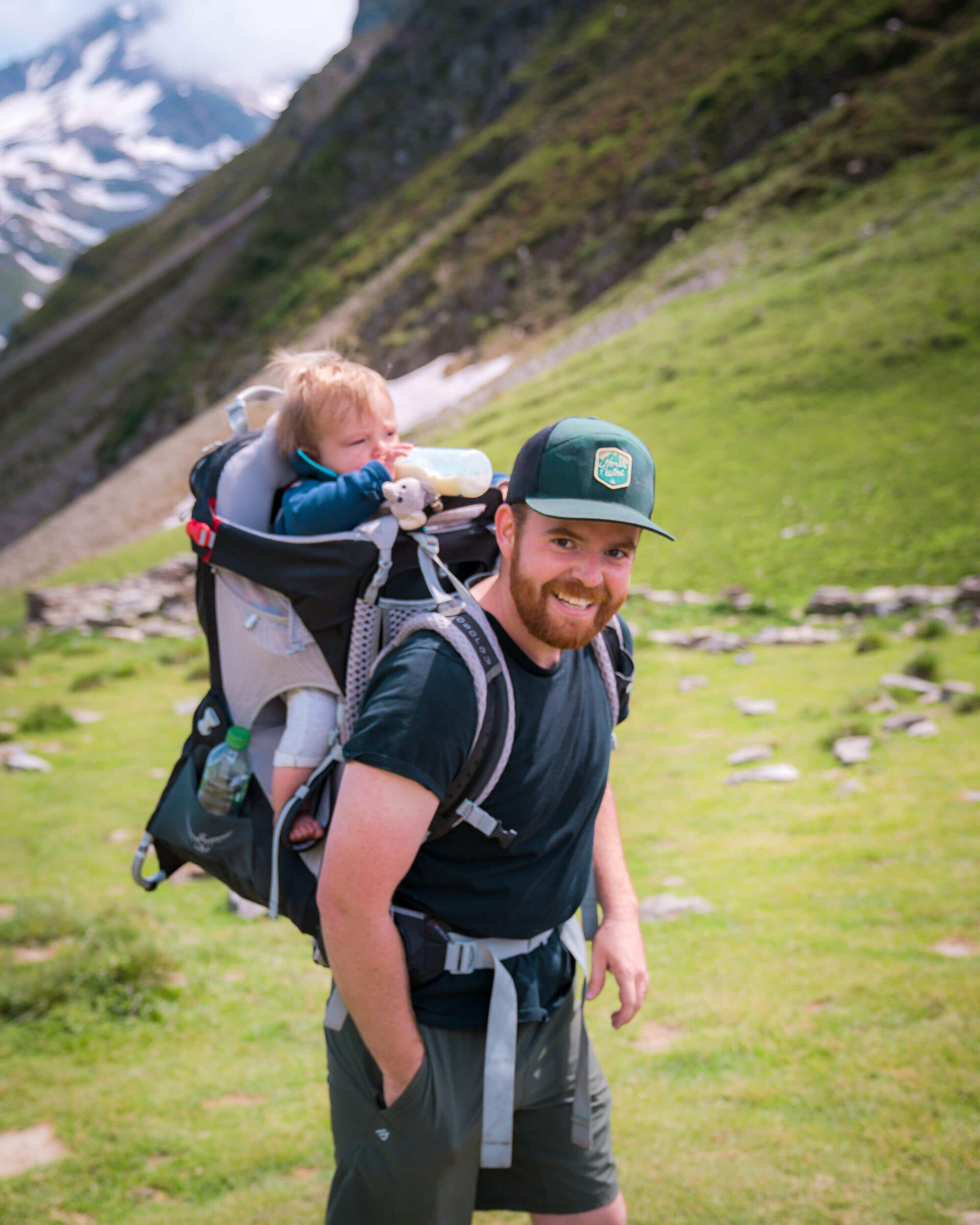
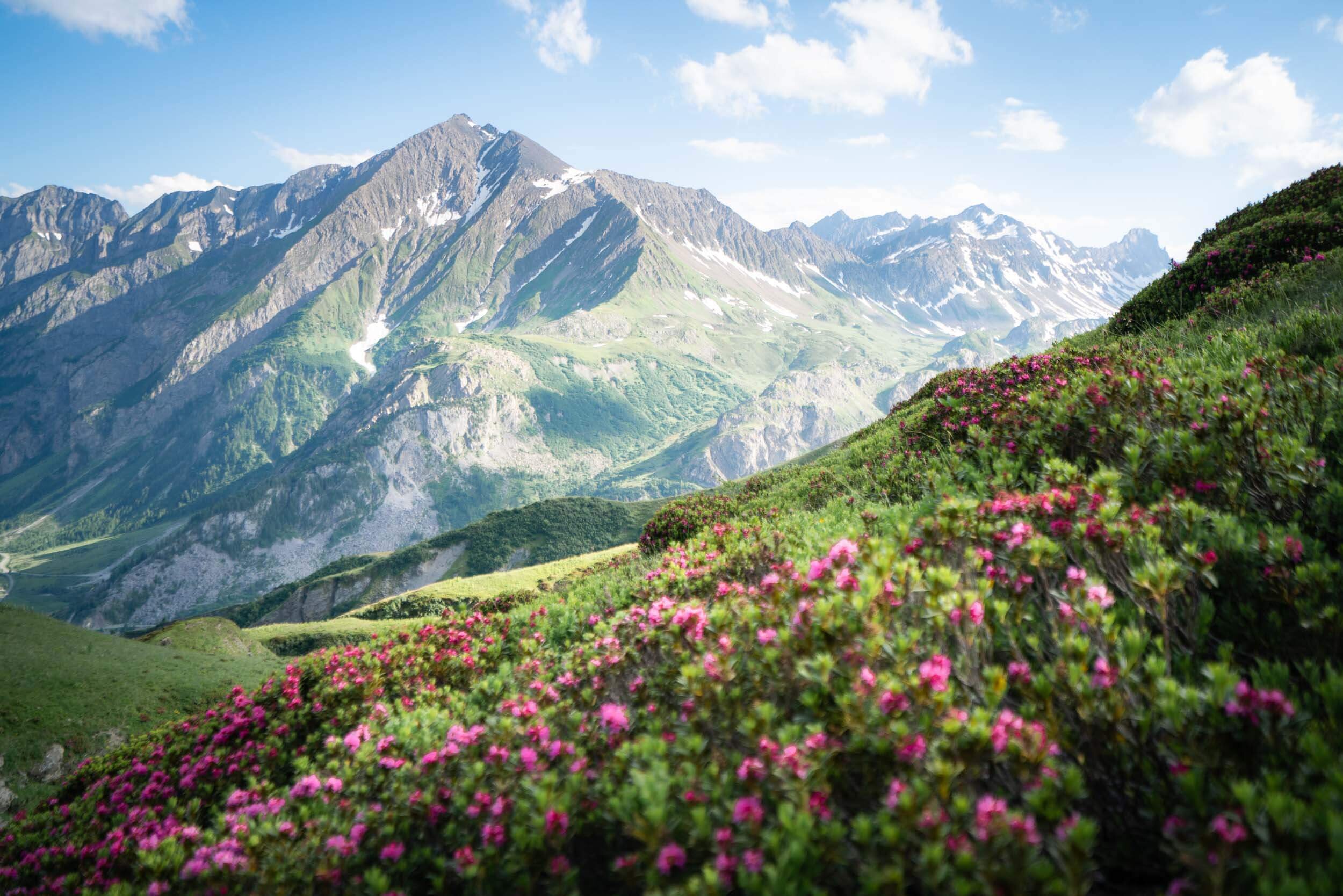
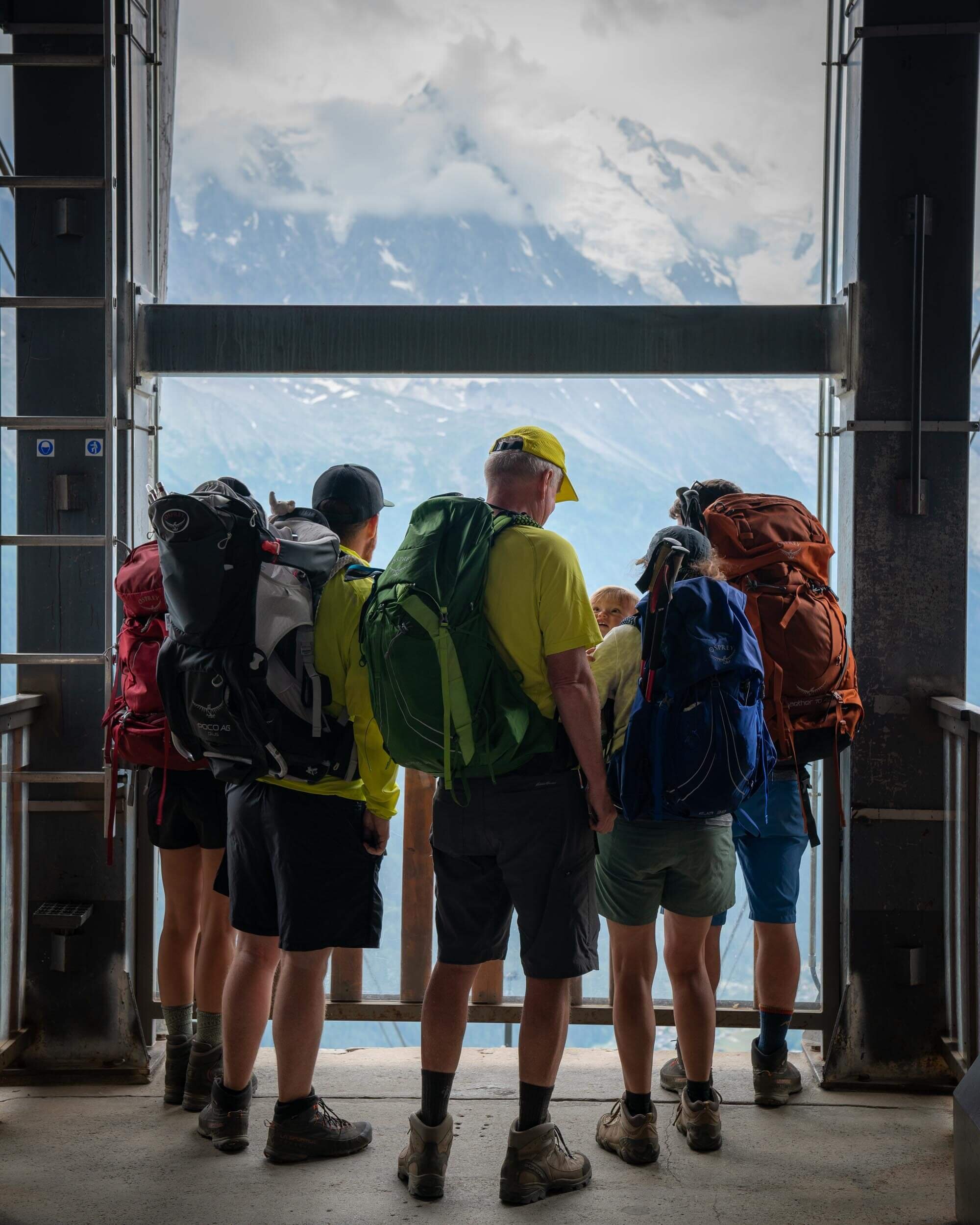
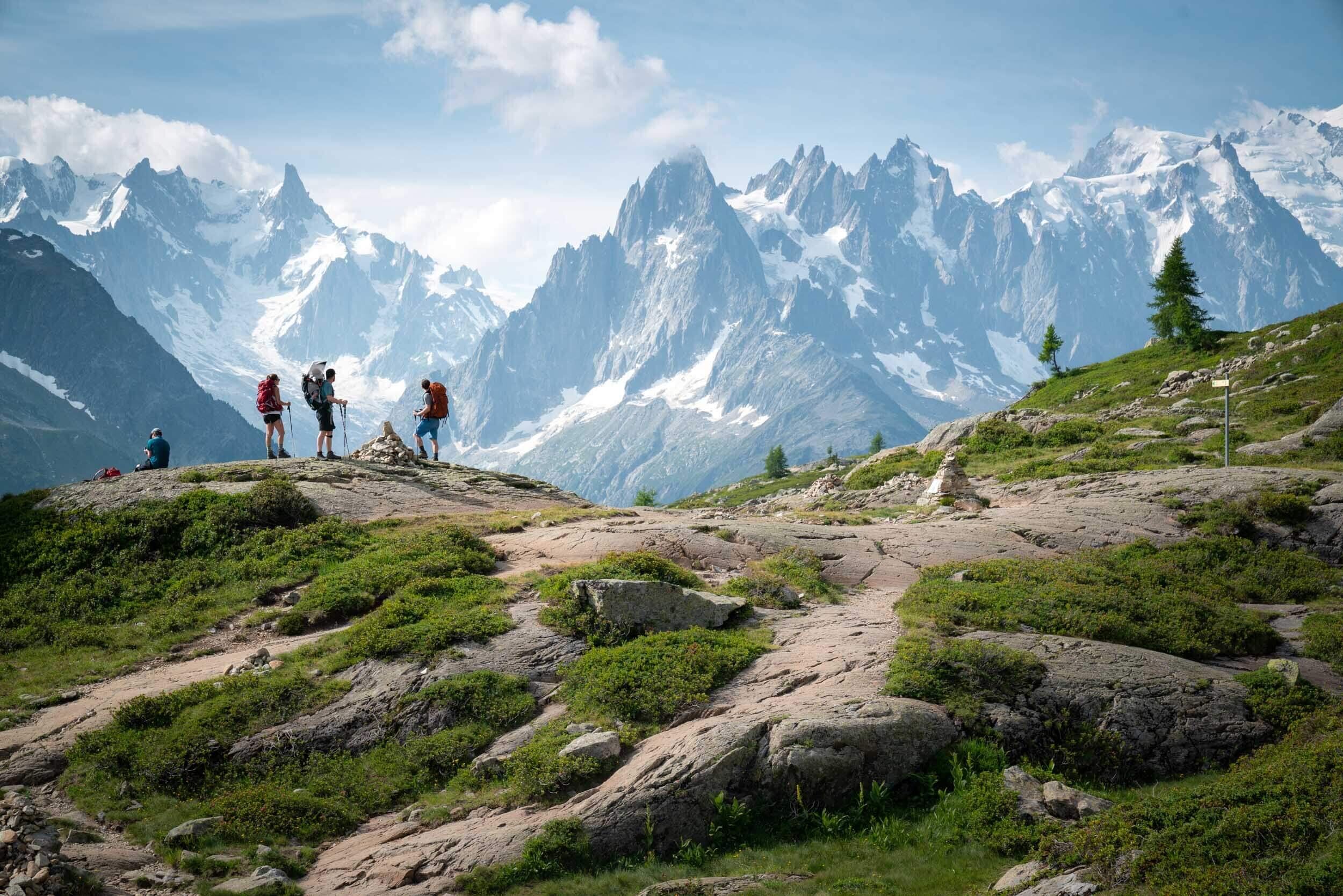
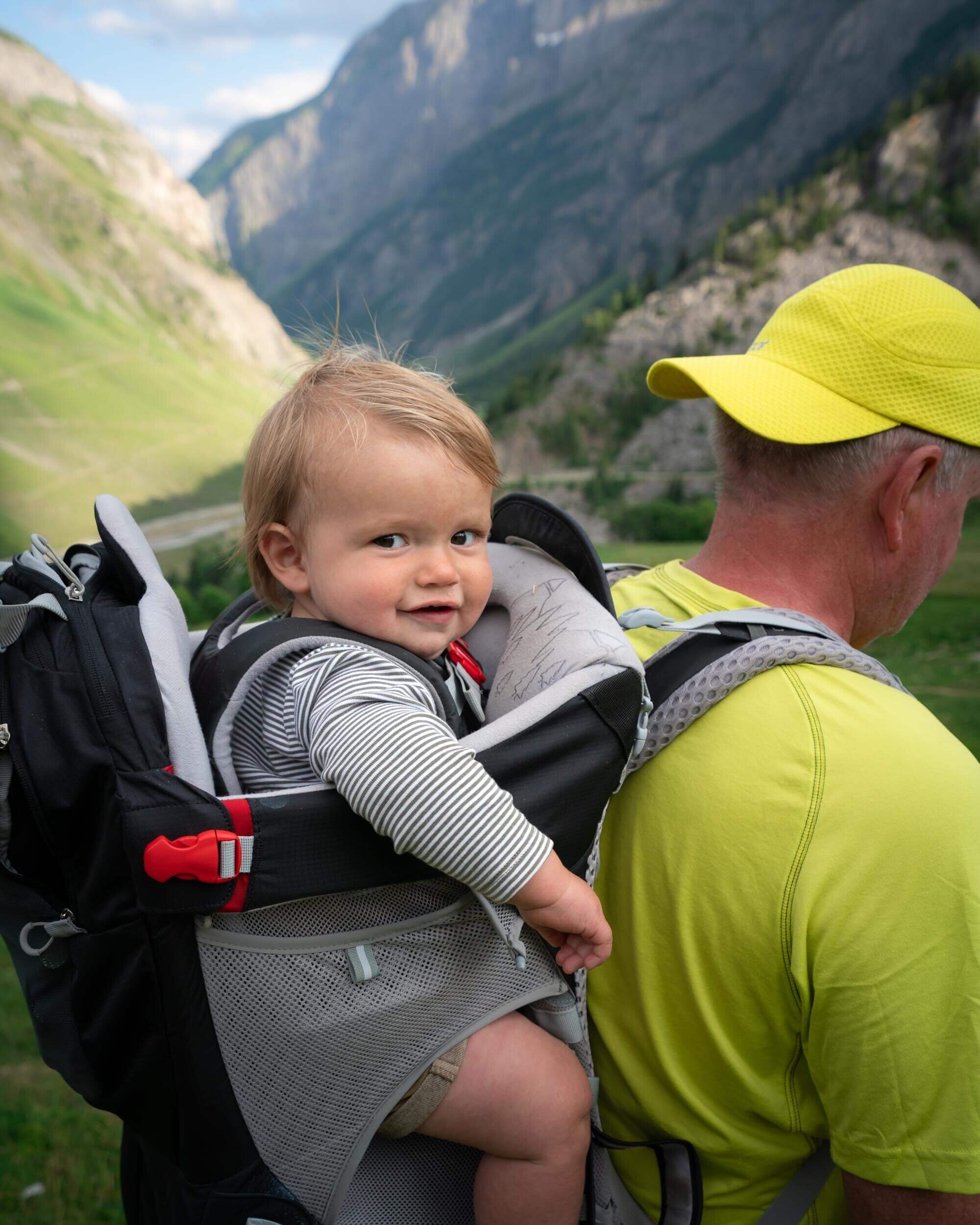
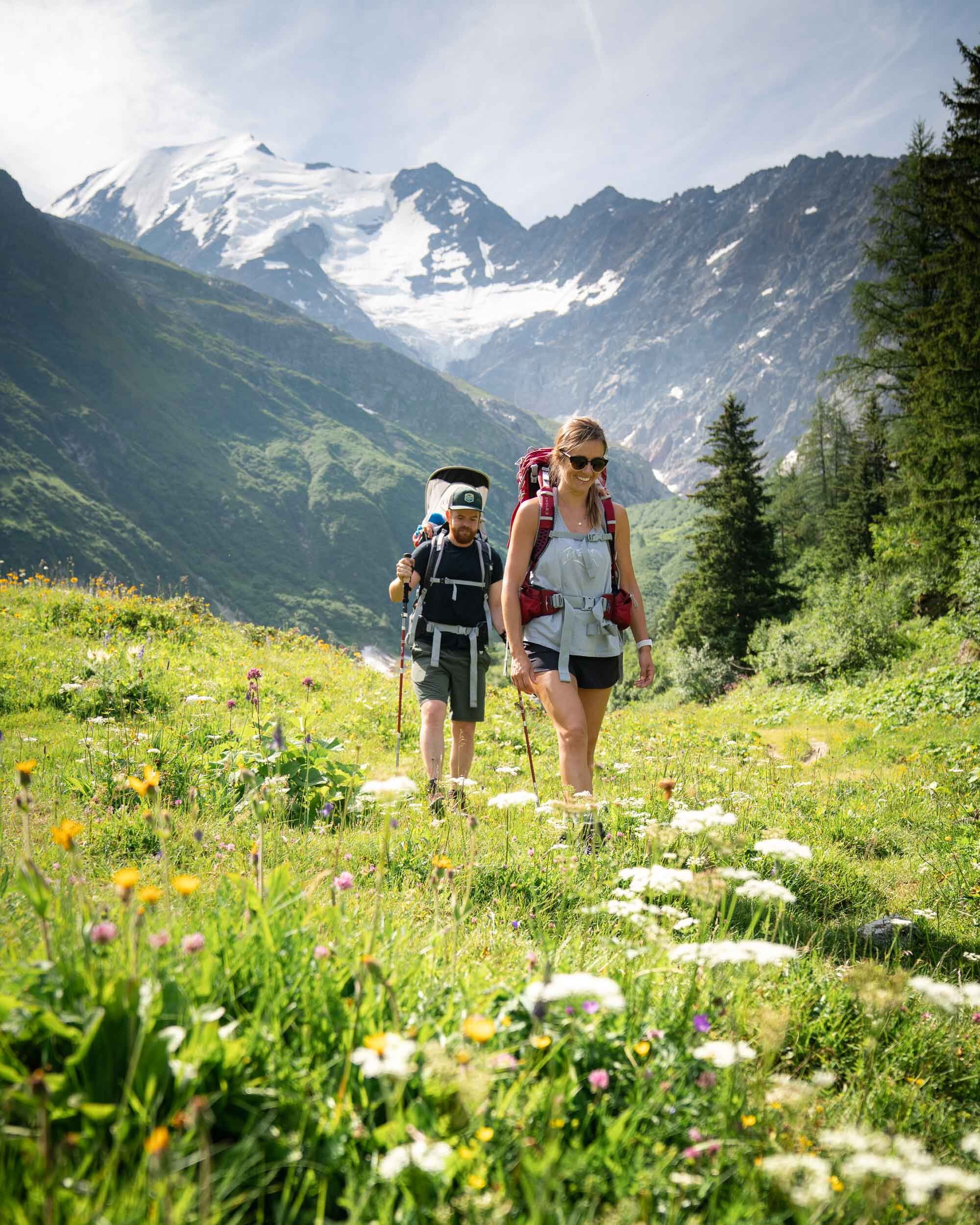
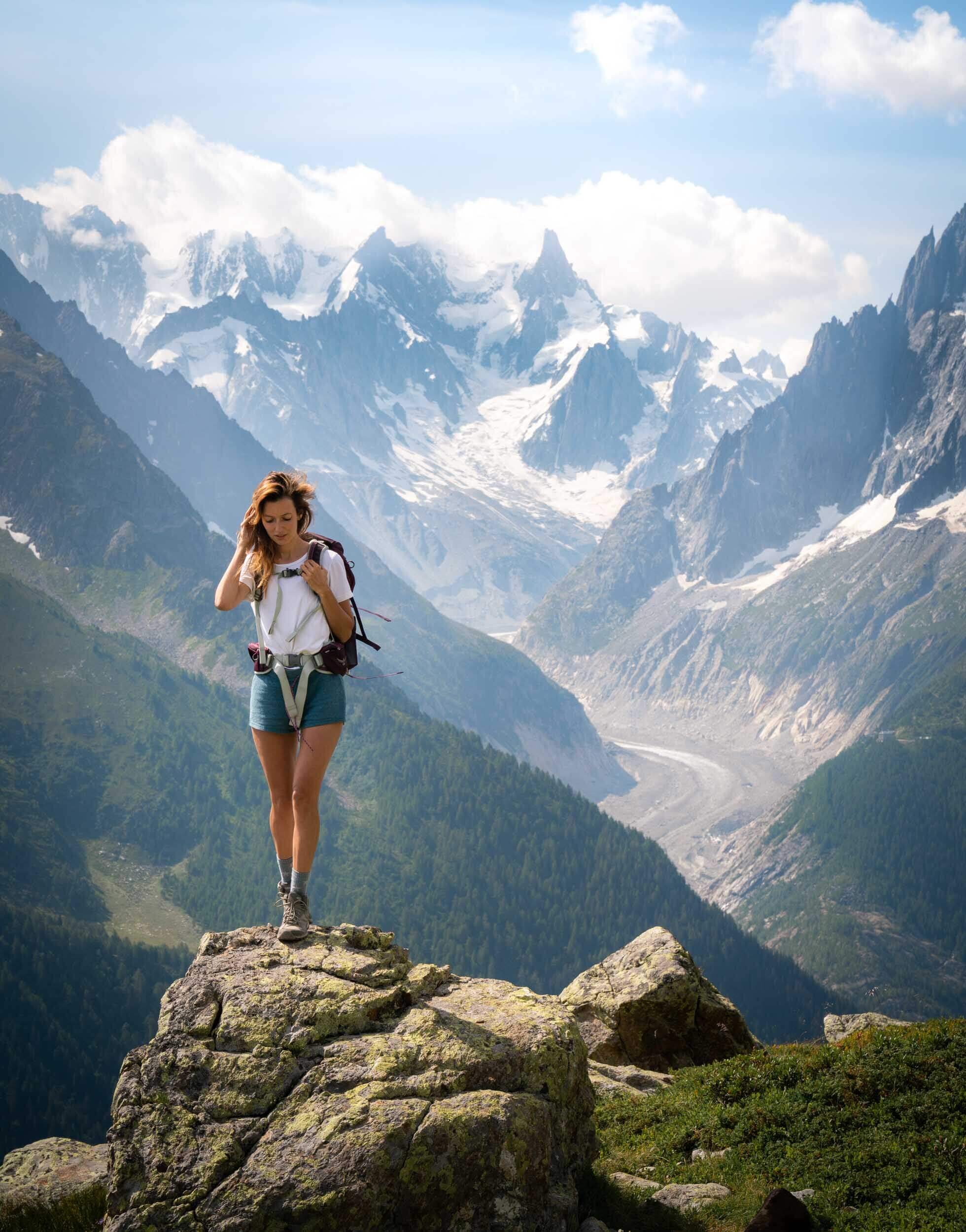
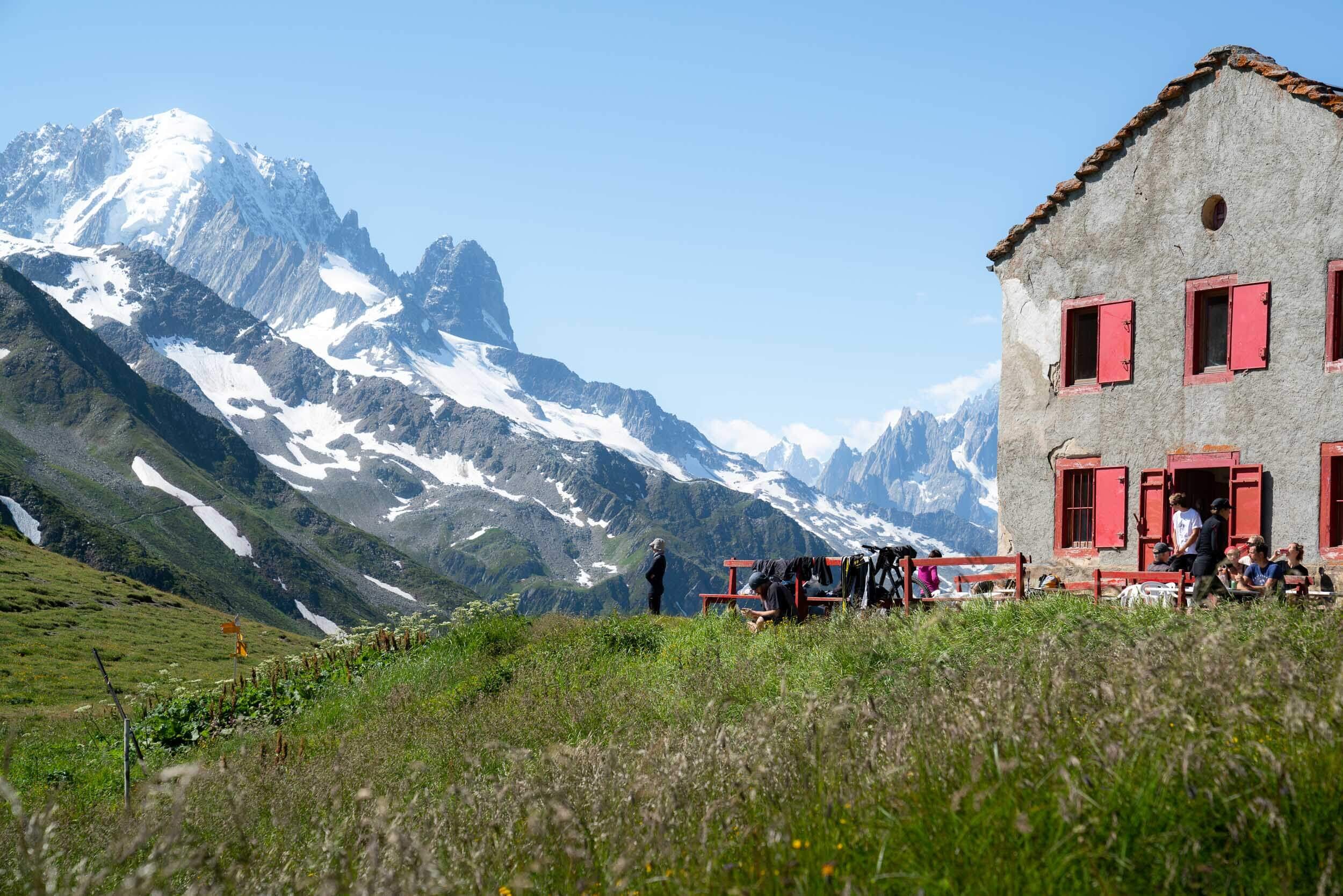
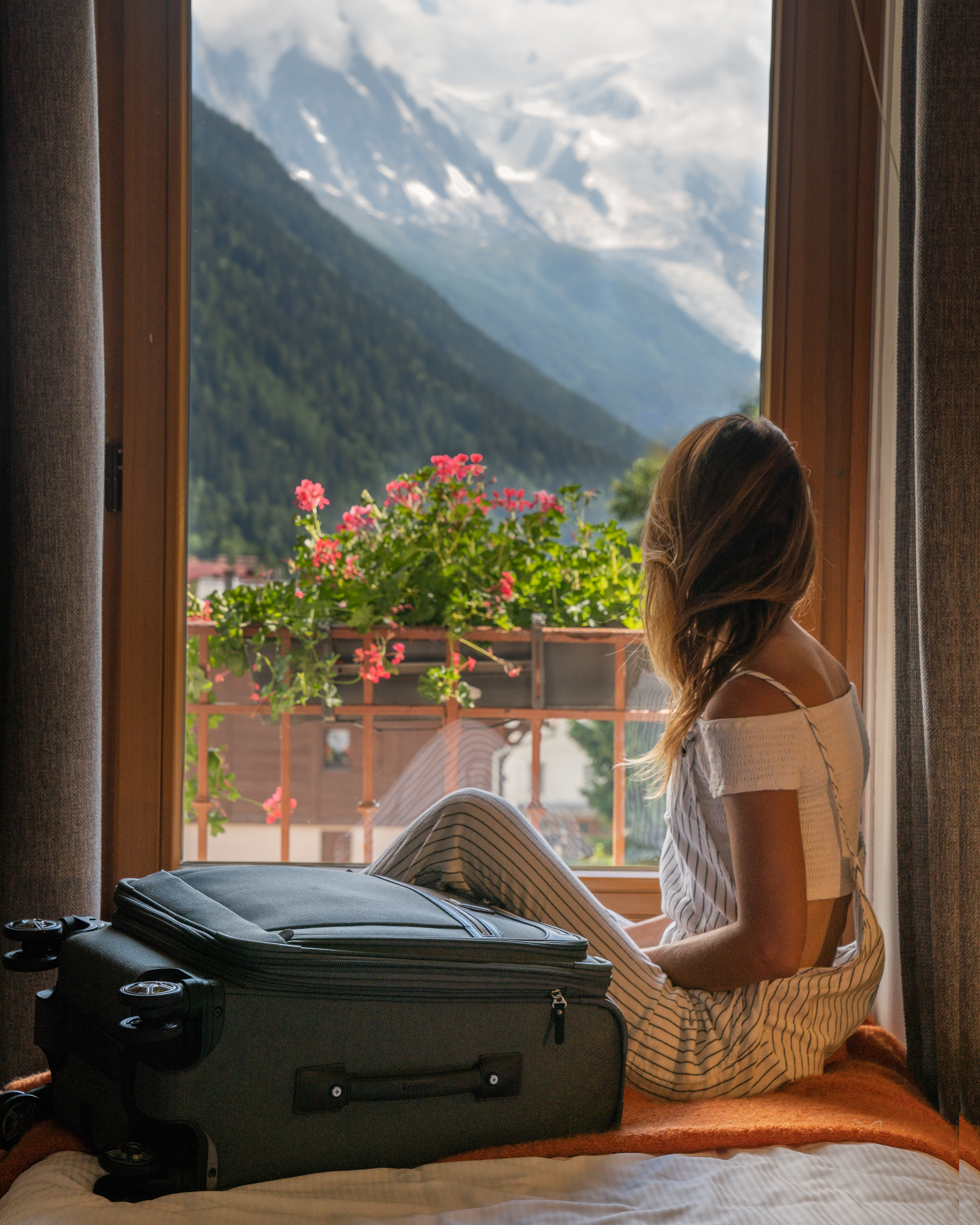
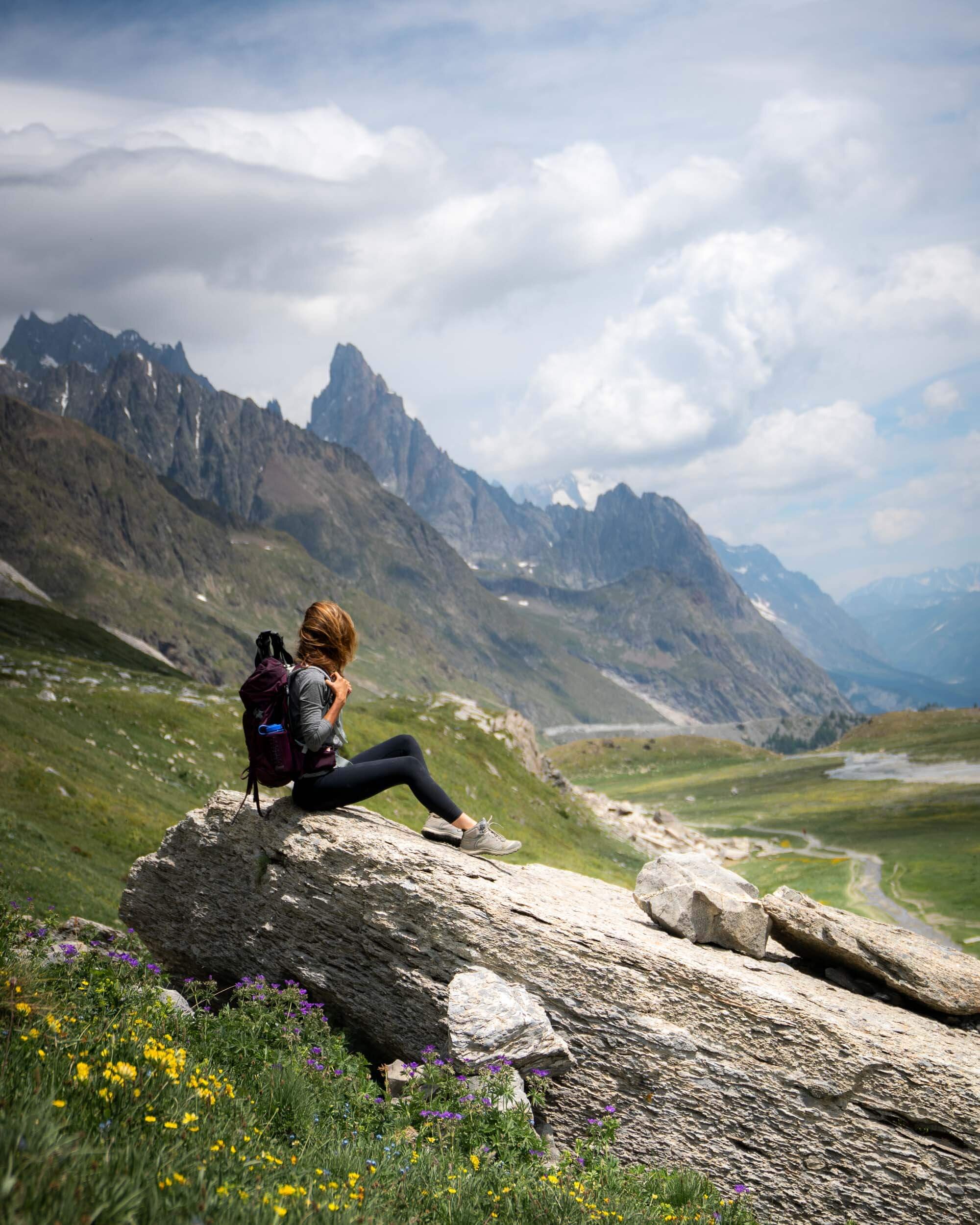
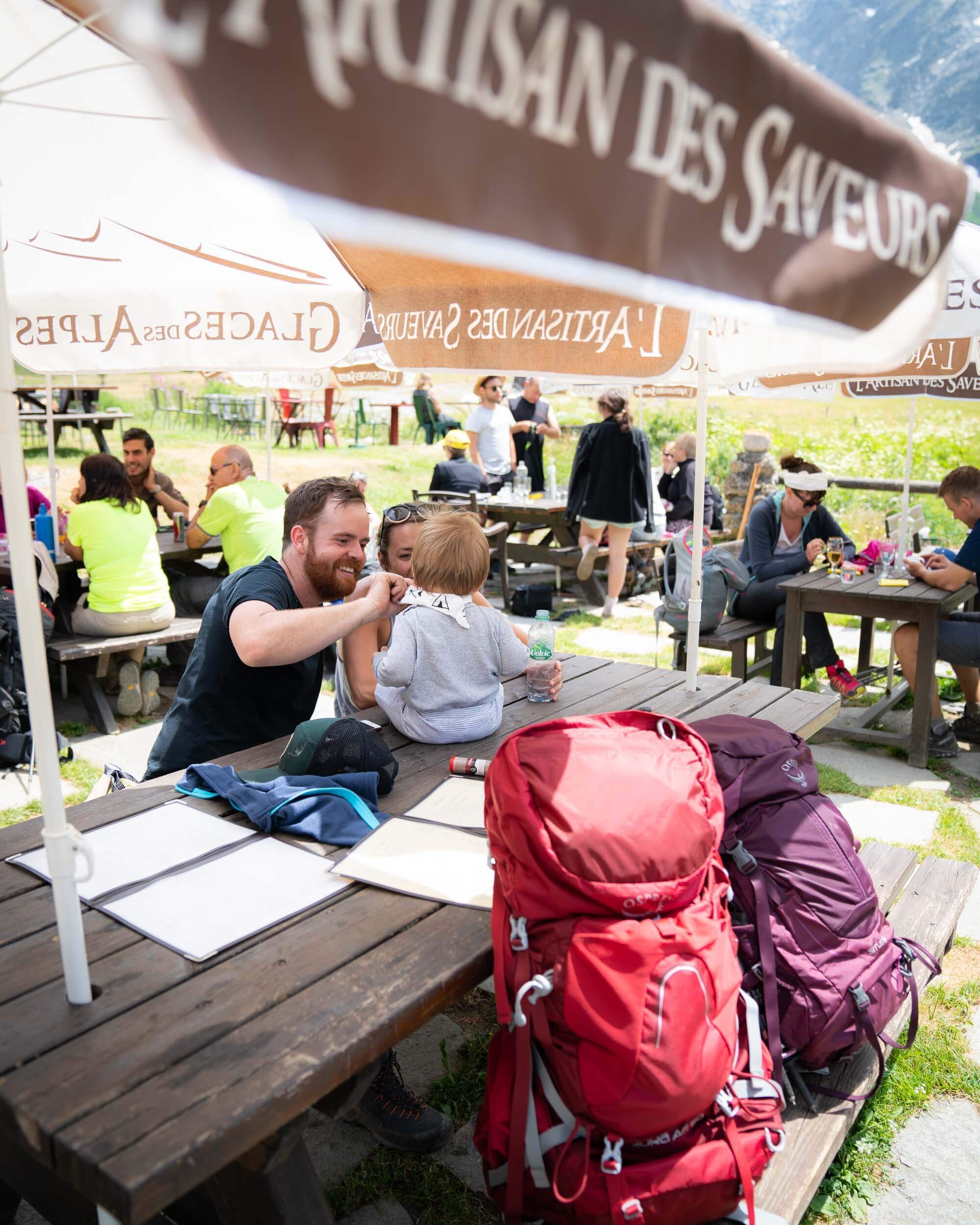
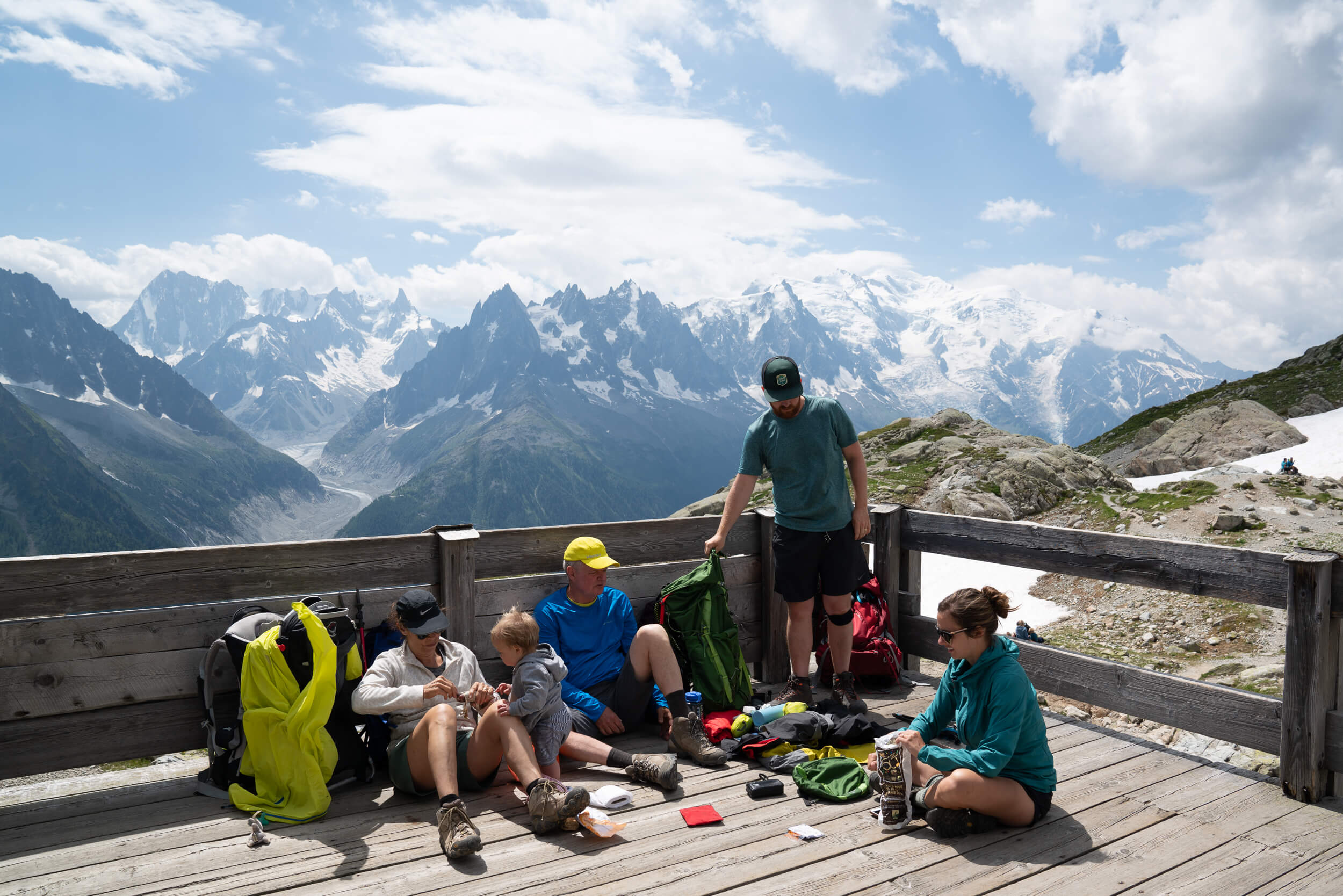
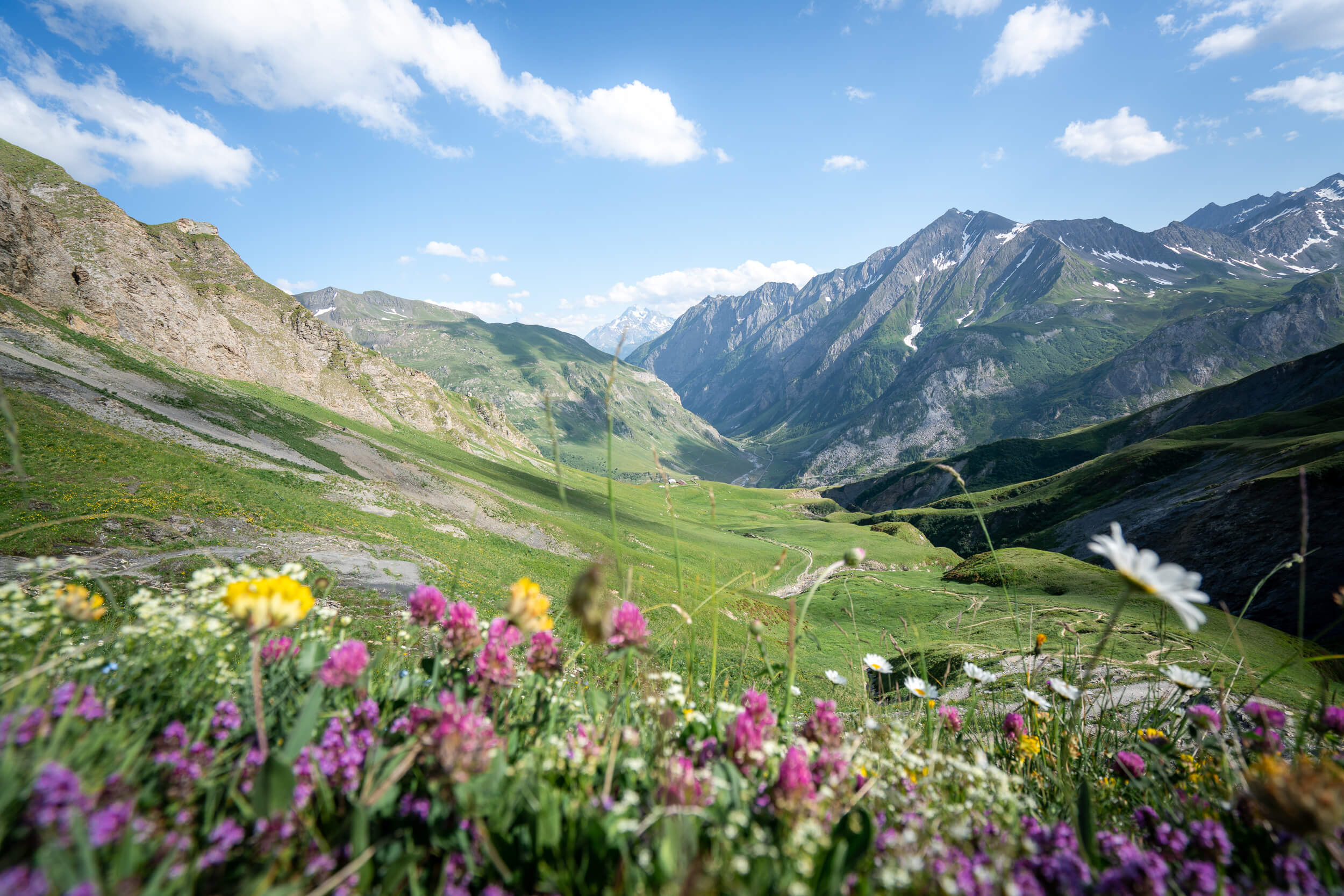
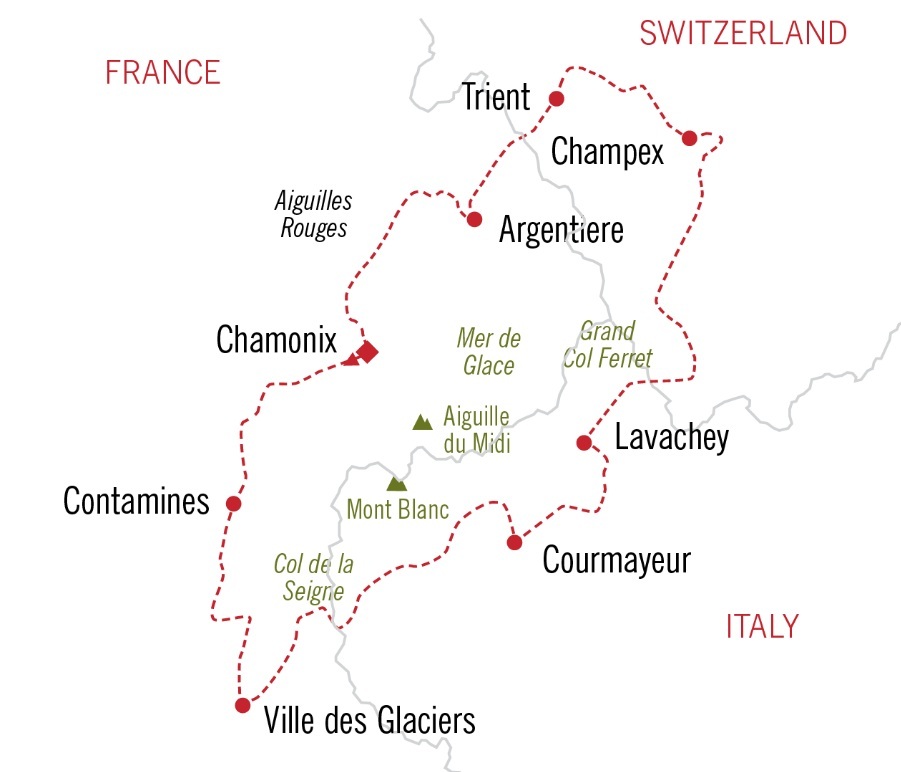
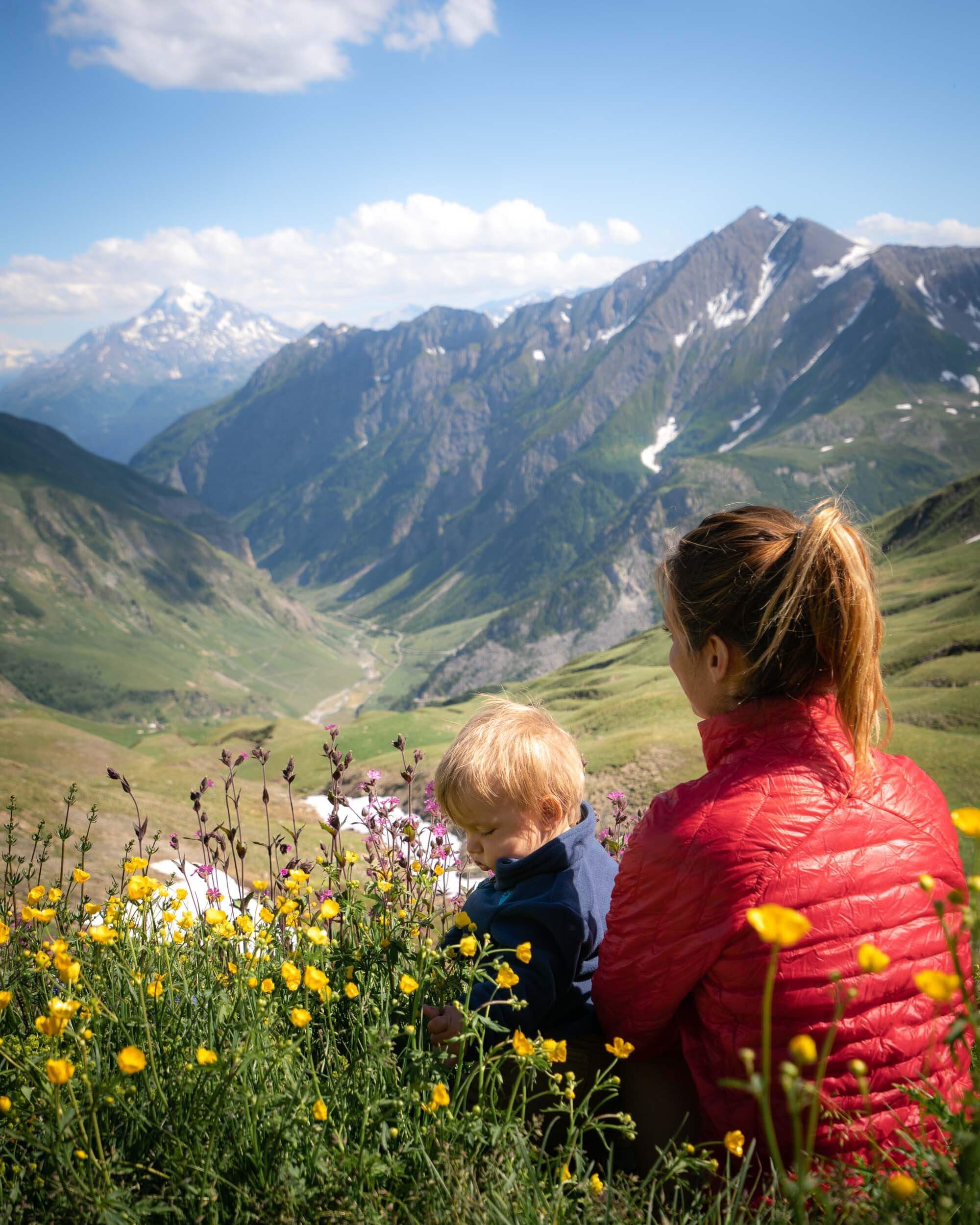


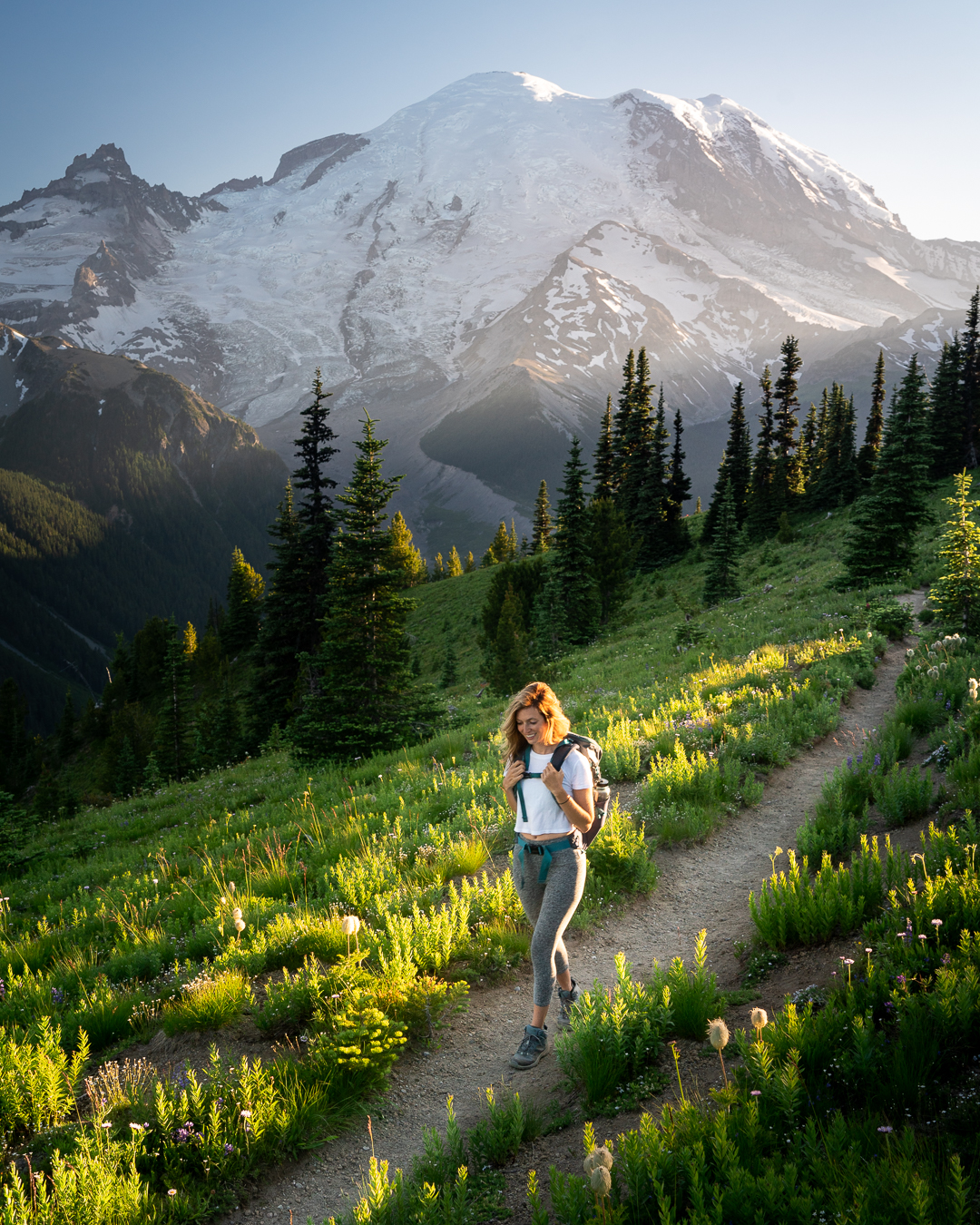




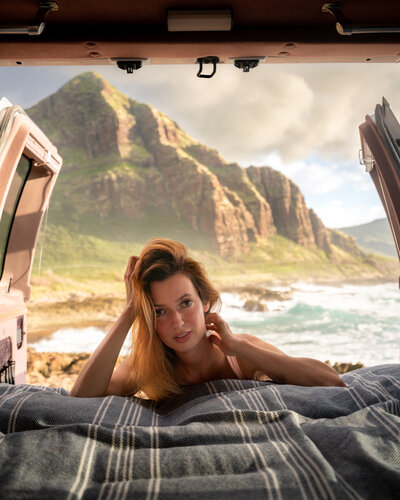






Awesome blog Jess. I’m so happy you got the opportunity to do this with your family.
Thank you so much Sally! Wish you could have come as an honorary member of the fam. X0
Wow! As a member of this incredible adventure you have done an amazing job putting everything together. What memories. All your recommendations are spot on, and looking back it couldn’t have gone more smoothly. The hiking, the accommodations and the weather were picture perfect. I still marvel at the grandness of those mountain ranges. A truly unforgettable trip!
Thanks so much for making it happen! We couldn’t have done it without all of your hard work. 🙂
What an incredible way to spend time together and do something as a family! I love how you trained your nephew to sit in a carrier. We were not able to accomplish it with our baby. Every time we were putting him in a carrier, there were lots of tears. 🙂
Thank you so much Zhanna! It really was a very special way to bond with family. We were really worried about the carrier situation because in general, my nephew is terrible about being constrained in any way. From day one even little things like getting strapped into a car seat were major tear triggers lol. So we definitely lucked out!
Hi Jess,
What a great read. I’m so pleased you chose Mont Blanc Treks to arrange the adventure for you – it was a fun challenge to work out the extra details when you have a baby on board! What a surprise to find out afterwards that you write such a fab’ blog!! Don’t hesitate to get in touch when the mountains start to call to you again… Warm regards
Jane @montblanctreks
Thanks Jane! I’m so glad you like the blog. It really was an unbelievable experience, and I’m quite certain we wouldn’t have been able to pull it off without you! I’ve got my heart set on doing the Haute Route next, so I’m sure I’ll be in touch. Thanks again for everything.
Such an amazing blog post! These pictures are beautiful. What camera did you use to take these pictures?
Hi Megan! Thank you so much. I’m really happy to gear you enjoyed it. These photos were all taken with a Sony a7rII, and the 24-70mm GM lens.
Love this post, truly a dream trip! Thanks for sharing in detail. Will order the book per your recommendation, Jess!
Thanks Kirtan! Are you planning on doing the Tour Du Mont Blanc sometime soon? Sorry if you already told me!
You’re awesome!! Thank you for this❤️
Just over one week until we head off to attempt this trip! We’re going "against the grain" and trekking it clockwise. So looking forward to it and this report was very inspirational – looks like we’ve been prepping well.
You are going to love it! It’s one of those trips where my memories of the experience just get more fond with passing time. I hope you have a wonderful trip!
That view looks freaking gorgeous! Also, thank you for providing such detailed information on the fame hiking trip. It is certainly inspiring me to take my family on a big adventure, but I am also a big worrier with a 3 and 5-year-old. What do you think about bringing a GPS locator? IS it needed or not for this hike? https://www.trackingsystemdirect.com/gps-tracker-for-hiking/
Hi Ryan. All of the trail systems in the Alps are very defined, and I honestly don’t think you would need a GPS locator. Even if you took a wrong turn, you are never far from the next mountain hut. That being said, I think the TMB would be extremely difficult to do with a 3 and 5-year-old, just because of the length and difficulty of each hiking day. As I mentioned in the post, unless you can easily carry the kids, or they can walk 10 miles a day on their own, then it might not be the best fit. Happy hiking!
I found your blog after seeing an insane video of you climbine a super thin mountain peak. Was that Mount Blanc or another mountain? What on earth possessed you to attempt such a thing!? You might be my new hero…or just plain crazy!
Haha Thanks Holly (assuming that was a compliment). 😉 That ridge was not Mount Blanc, that was in an area of Switzerland called Alpstein. It’s beautiful, and I’d highly recommend spending a few days there if you are headed in that direction!
Excellent photography !!!
Thank you Camilo!
This looks like such a beautiful trek! And what a nice way to spend time with your family – in the outdoors and away from the distractions of life. The perfect family holiday in my book! Thanks for sharing 🙂
Thanks Hannah! It really was wonderful. I still feel so grateful that we were all able to come together and make this trip happen. It seems harder and harder to find the time, but it’s always so worth it!
Beautiful photos! What time of year was this?
Thank you! We did the TMB at the beginning of July.
Great Blog post. We hiked Mont Blanc on our honeymoon before we had our kids. This is great inspiration for any family with young children. Love it!!
What an awesome thing to do on your honeymoon! It’s still one of my most memorable trips I’ve ever been on.
Great Share. Bucket List for me. Incredible Pics
I highly recommend it!
Amazing!! I love traveling,and always struggle to carve out the time. Any suggestions on how I could monetize my travels in order to both share more with people around the world,and be able to devote more time to travel?? Your content is amazing!!
Hi Philip. There are lots of ways you can monetize travel, or work remotely to support your travel while you’re on the road. But without knowing what your interests or skills are it’s hard for me to give suggestions. If you’re a photographer/videographer I’d suggest starting with UGC while you build up an audience on social. Once you have an audience you can leverage that as well.
Utmost props for doing this trek with a baby! Do you remember what company you used to shuttle your duffel bag from destination to destination?? Or was it included in the self-guided services? As usual, thanks for all the tips, Jess!
My brother honestly did most of the heavy lifting! But I’m glad they brought him, it’s fun looking back on the photos now. Unfortunately, I don’t remember the name of the company. I believe Mont Blanc Treks dealt with those logistics for us. I know that there’s quite a few though! I’d see what pops up in google and then maybe check out some reviews. Sorry I can’t be more helpful on that piece.
This is so informative i really enjoyed it, thanks a lot for sharing. love your blog so much. the pictures are stunning.
Hi !
I am wondering if you did the ladder section of the hike? That’s the only thing that has me worried !
I don’t remember there being a ladder section. So either we didn’t do it, or it was very uneventful! 😉